STS-74 Shuttle and Mir docking with Astronauts and Cosmonauts onboard.
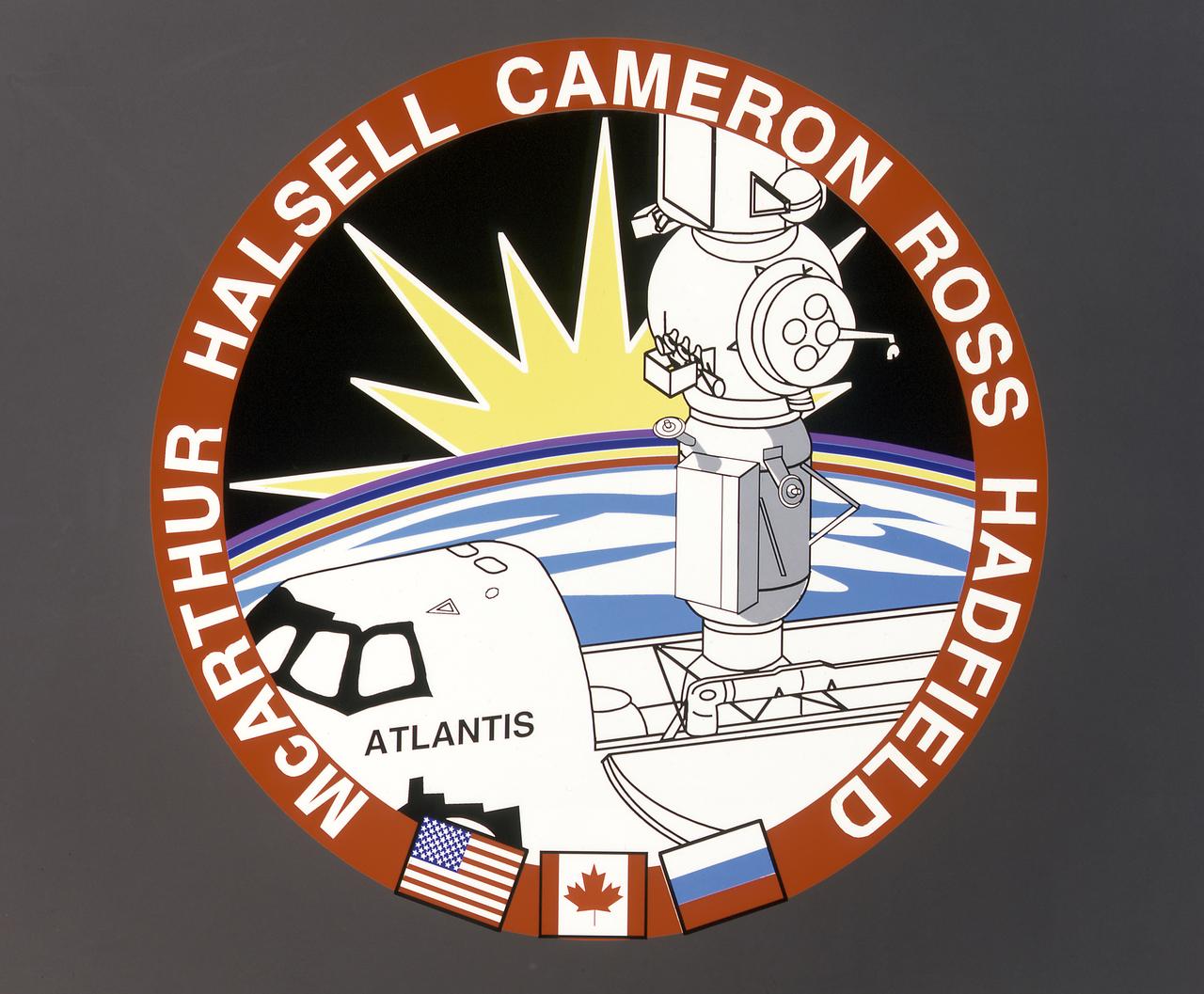
The STS-74 crew patch depicts the orbiter Atlantis docked to the Russian Space Station Mir. The central focus is on the Russian-built docking module, drawn with shading to accentuate its pivotal importance to both STS-74 and the NASA-Mir Program. The rainbow across the horizon represents the Earth's atmosphere, the thin membrane protecting all nations, while the three flags across the bottom show those nations participating in STS-74: Russia, Canada, and the United States. The sunrise is symbolic of the dawn of a new era in NASA space flight , that of International Space Station construction.
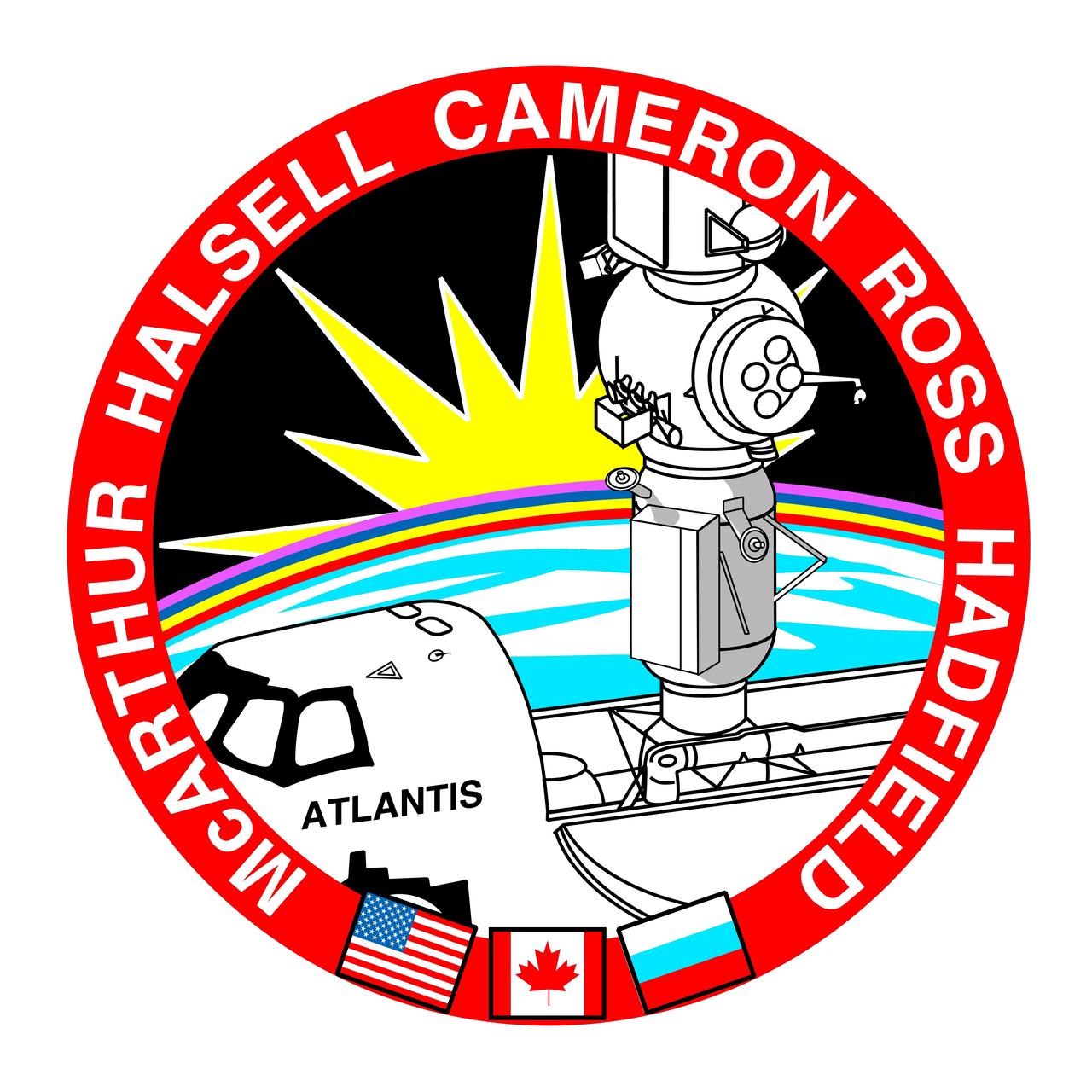
STS074-S-001 (July 1995) --- Designed by crew members, this STS-74 crew patch depicts the space shuttle Atlantis docked to Russia's Mir Space Station. The central focus is on the Russian-built Docking Module (DM), drawn with shading to accentuate its pivotal importance to both mission STS-74 and the NASA - Mir Program. The rainbow across the horizon represents Earth's atmosphere, the thin membrane protecting all nations, while the three flags across the bottom show those nations participating in STS-74 - Russia, Canada and the United States. The sunrise is symbolic of the dawn of a new era in NASA space flight - that of space station construction. The NASA insignia design for space shuttle flights is reserved for use by the astronauts and for other official use as the NASA Administrator may authorize. Public availability has been approved only in the forms of illustrations by the various news media. When and if there is any change in this policy, which is not anticipated, the change will be publicly announced. Photo credit: NASA
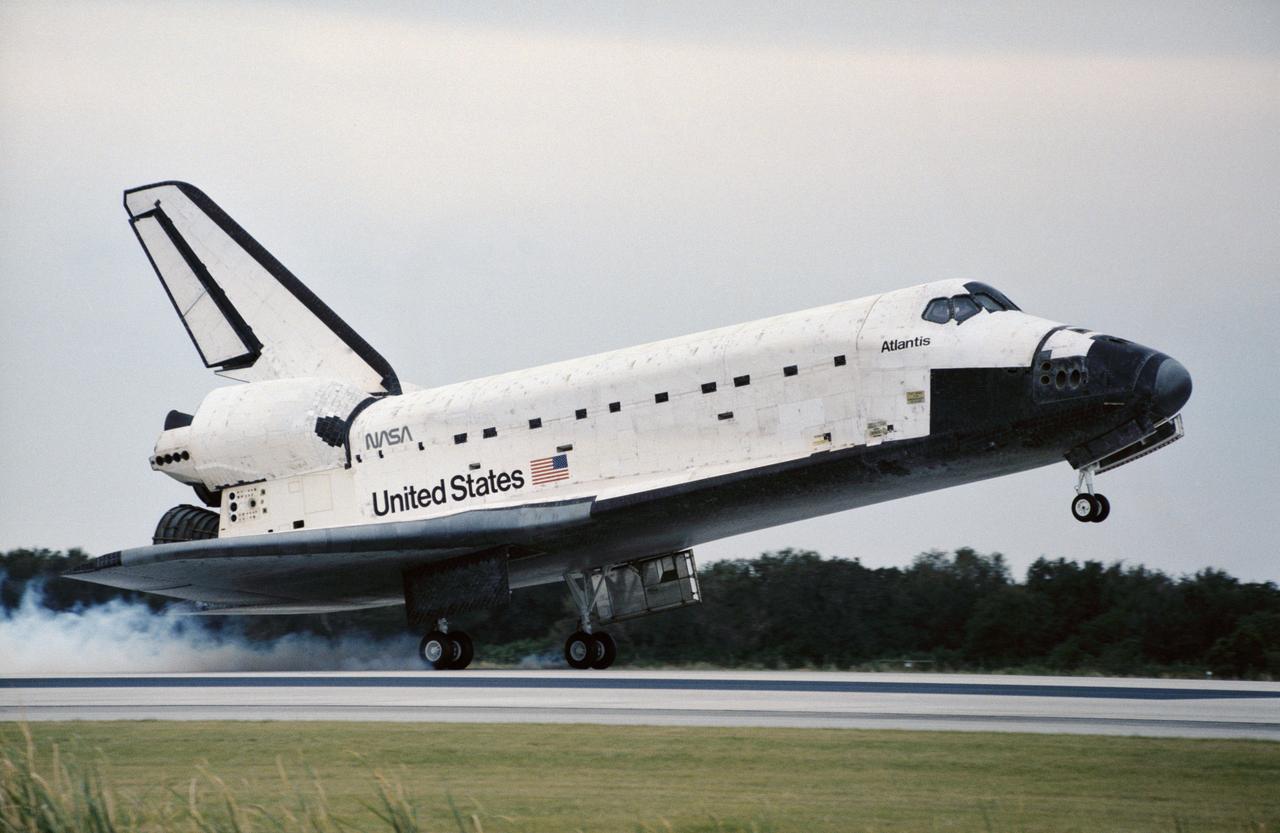
STS074-S-025 (20 Nov 1995) --- The Space Shuttle Atlantis touches down on Runway 33 of Kennedy Space Center?s (KSC) Shuttle Landing Facility, completing its STS-74 mission. The spacecraft touched down at 12:01:27 p.m. (EST), November 20, 1995.
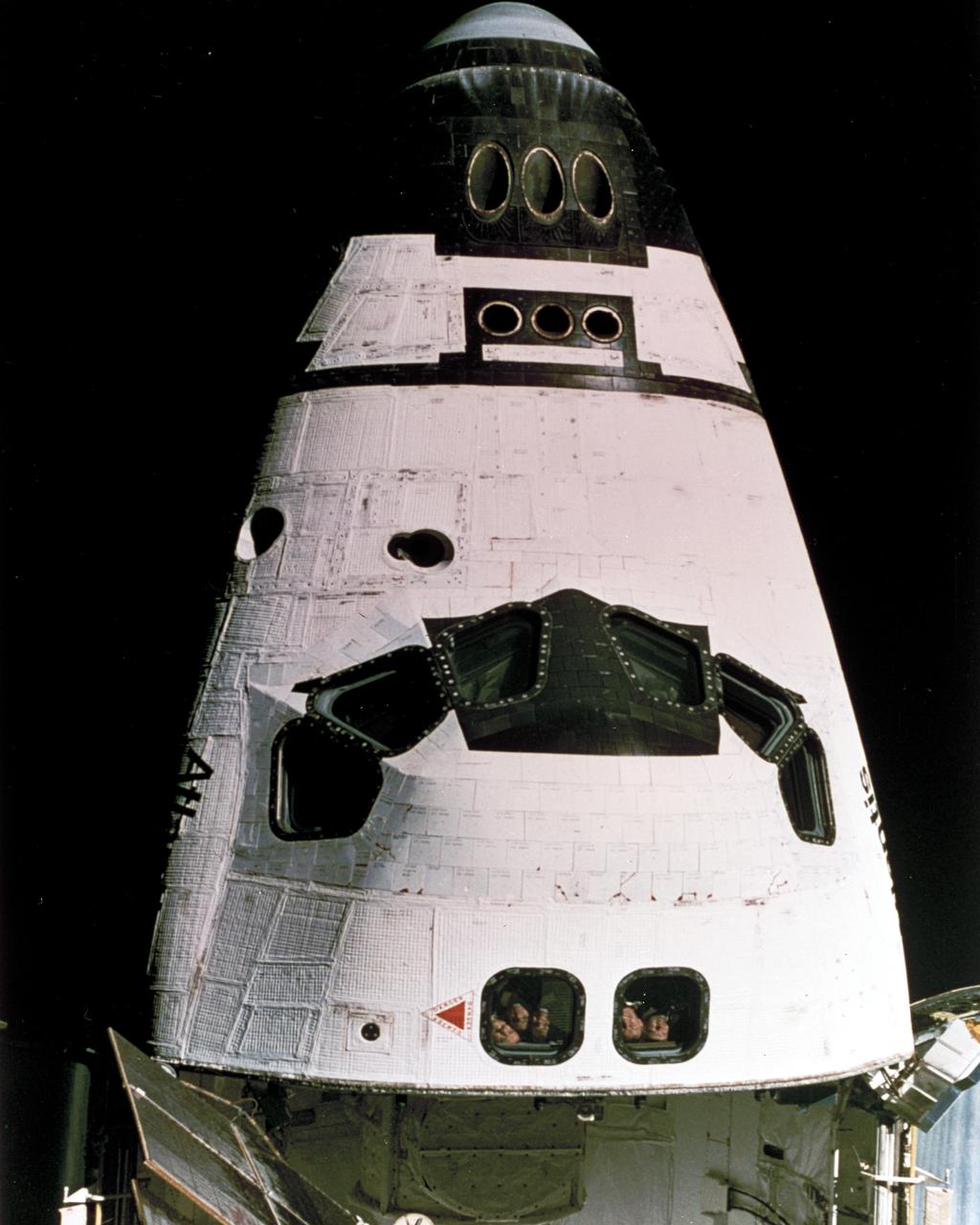
In this close-up of Space Shuttle Atlantis, the STS-74 crew is looking out the rear window. STS-74, launched on November 12, 1995, was the second Space Shuttle/Mir docking mission. Objectives accomplished included the delivery and installation of the Docking Module, making it possible for the Space Shuttle to dock easily with the Russian space station, Mir. The Orbiter Atlantis also delivered water, supplies, and equipment, including two new solar arrays to upgrade Mir, and returned to Earth on November 25, 1995 with experiment samples, equipment for repair and analysis, and products manufactured on the Station.
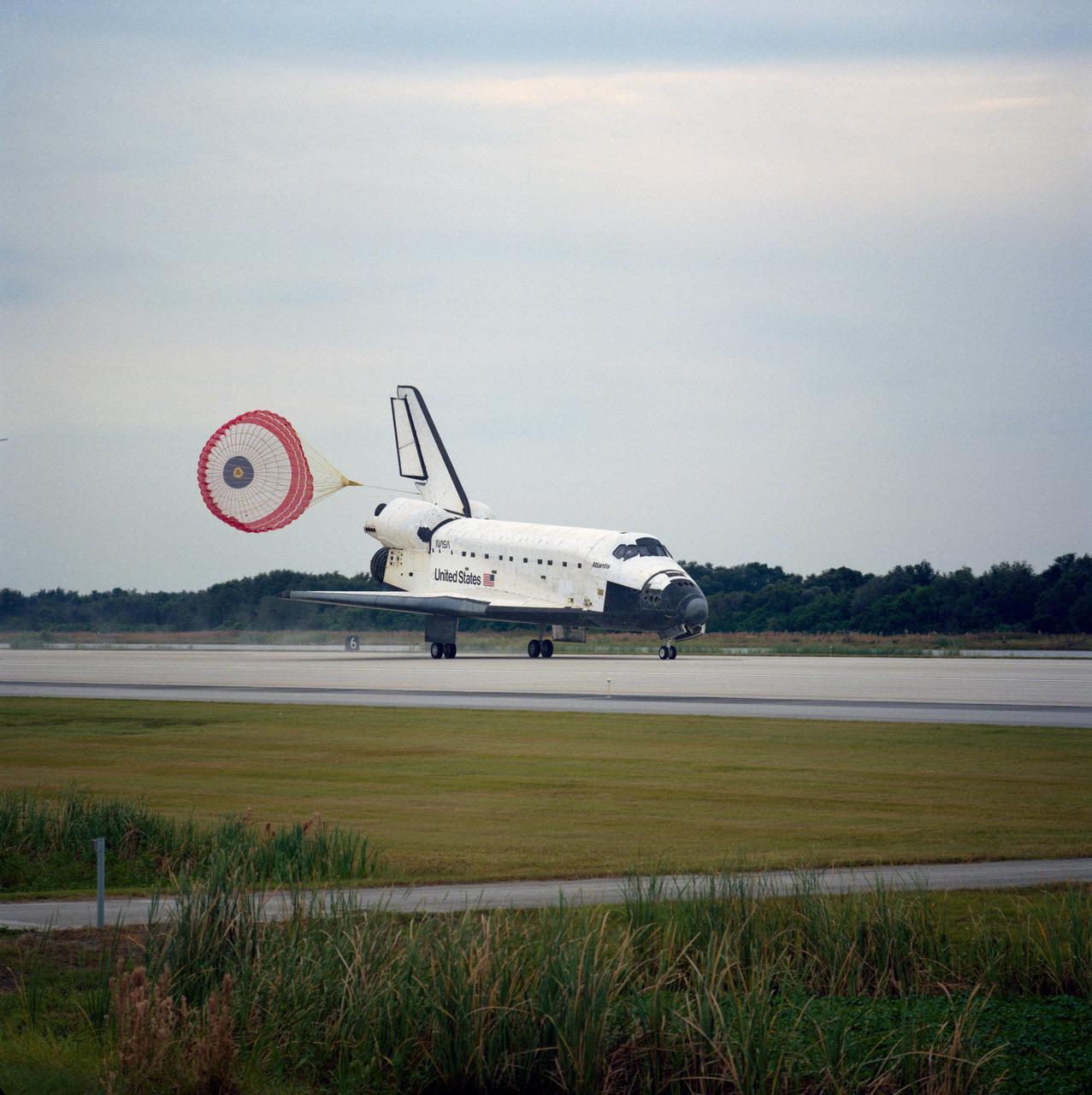
STS074-S-022 (20 Nov 1995) --- The drag chute of the Space Shuttle Atlantis is deployed as the space vehicle touches down on Runway 33 of Kennedy Space Center?s (KSC) Shuttle Landing Facility, completing its STS-74 mission. The main gear touched down at 12:01:27 p.m. (EST), November 20, 1995.
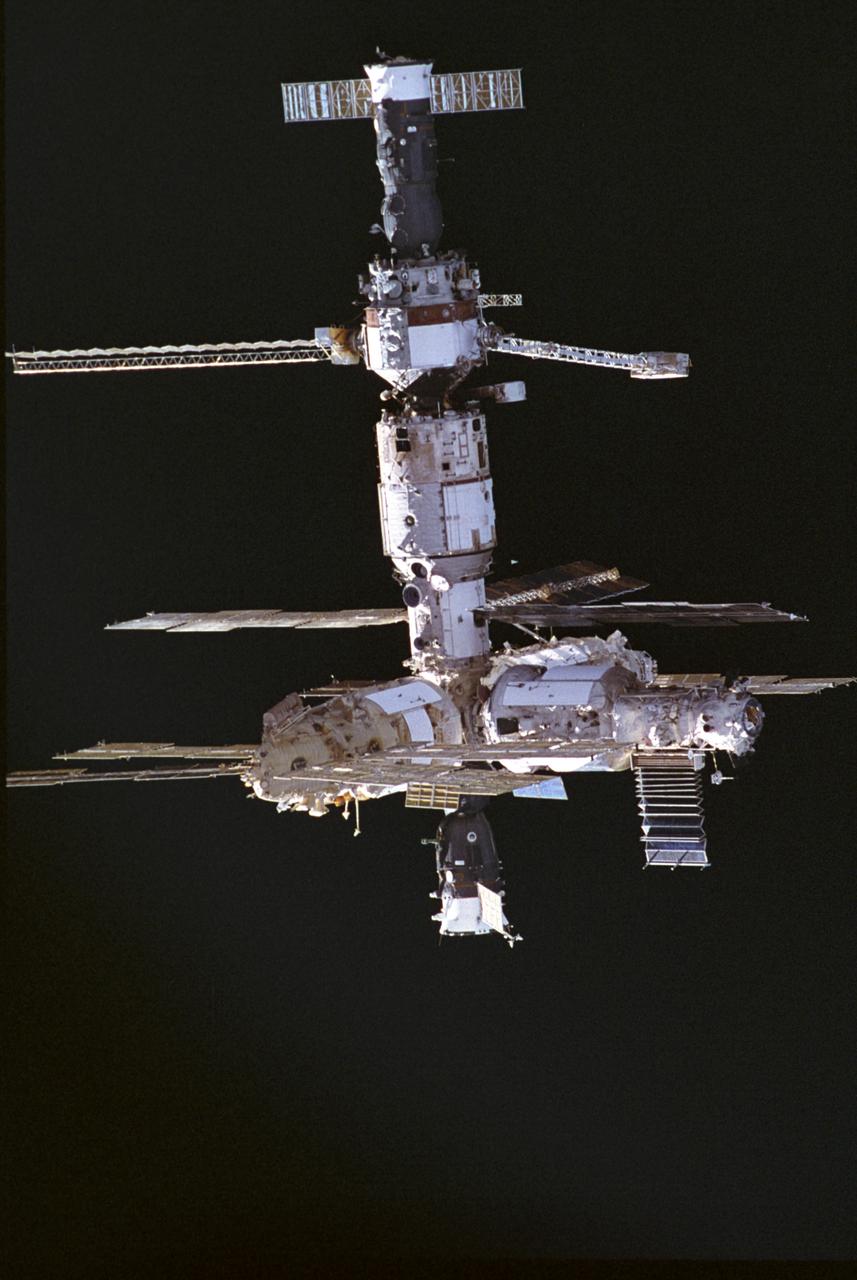
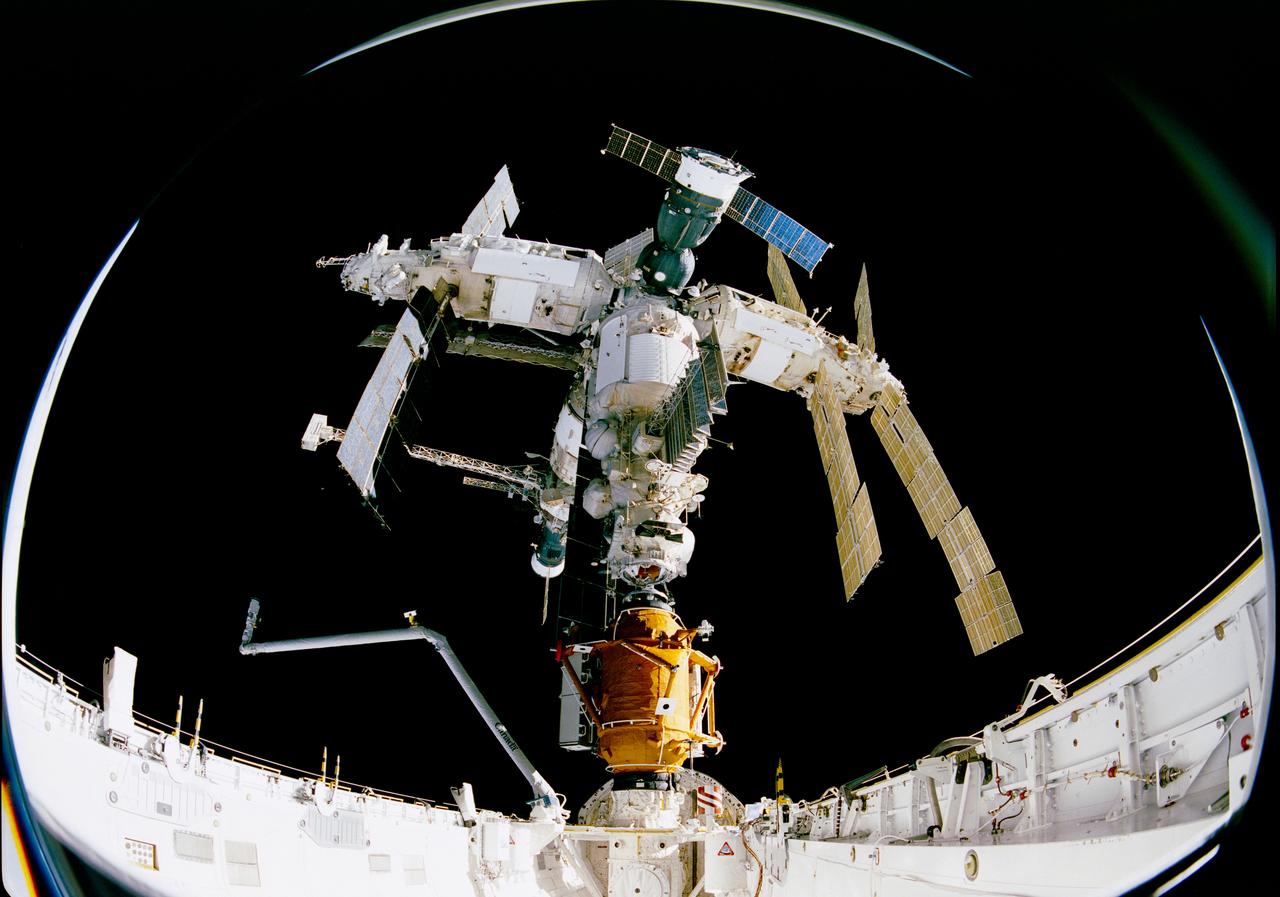
This image of the Russian Mir Space Station was photographed by a crewmember of the STS-74 mission when the Orbiter Atlantis was approaching the Mir Space Station. STS-74 was the second Space Shuttle/Mir docking mission. The Docking Module was delivered and installed, making it possible for the Space Shuttle to dock easily with Mir. The Orbiter Atlantis delivered water, supplies, and equipment, including two new solar arrays to upgrade the Mir, and returned to Earth with experiment samples, equipment for repair and analysis, and products manufactured on the Station. Mir was constructed in orbit by cornecting different modules, seperately launched from 1986 to 1996, providing a large and livable scientific laboratory in space. The 100-ton Mir was as big as six school buses and commonly housed three crewmembers. Mir was continuously occupied, except for two short periods, and hosted international scientists and American astronauts until August 1999. The journey of the 15-year-old Russian Mir Space Station ended March 23, 2001, as Mir re-entered the Earth's atmosphere and fell into the south Pacific ocean . STS-74 was launched on November 12, 1995, and landed at the Kennedy Space Center on November 20, 1995.
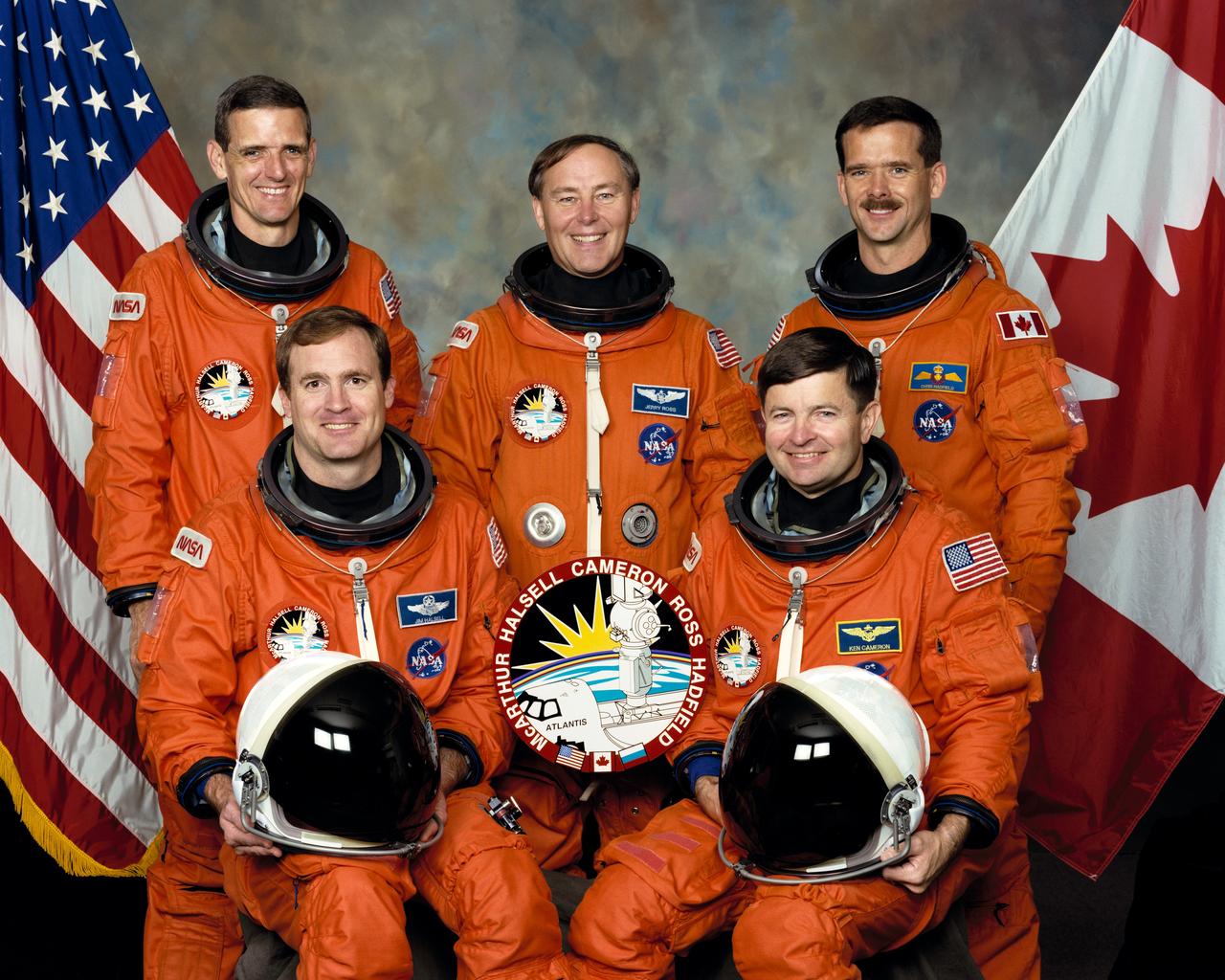
STS074-S-002(August 1995) --- These five NASA astronauts including one Canadian are in training for the STS-74 mission of the Space Shuttle Atlantis, scheduled later this year. Astronauts Kenneth D. Cameron (front right) and James D. Halsell Jr. (front left) are commander and pilot, respectively, for the flight. On the back row, left to right, are astronauts William McArthur Jr., Jerry L Ross and Chris A. Hadfield, all mission specialists. Hadfield is an international mission specialist representing the Canadian Space Agency (CSA).
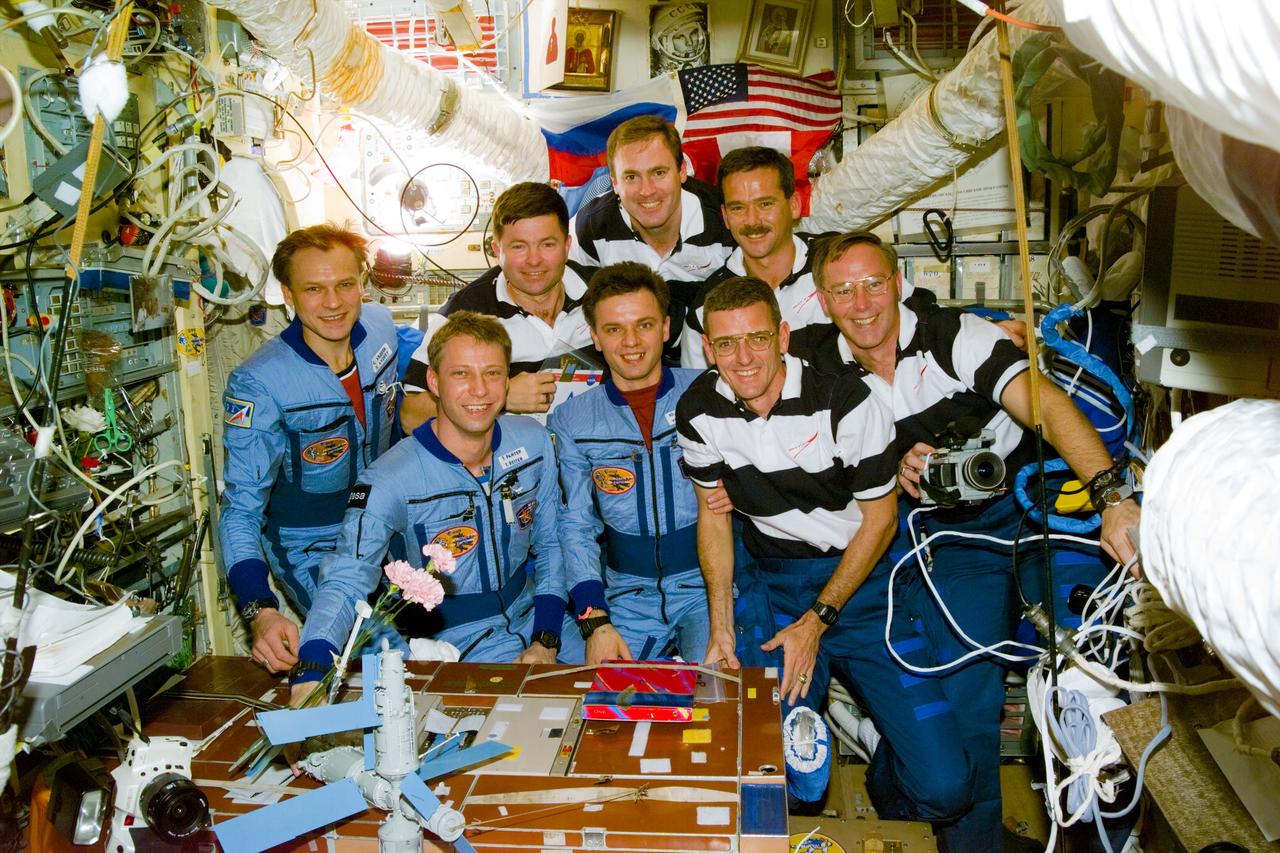
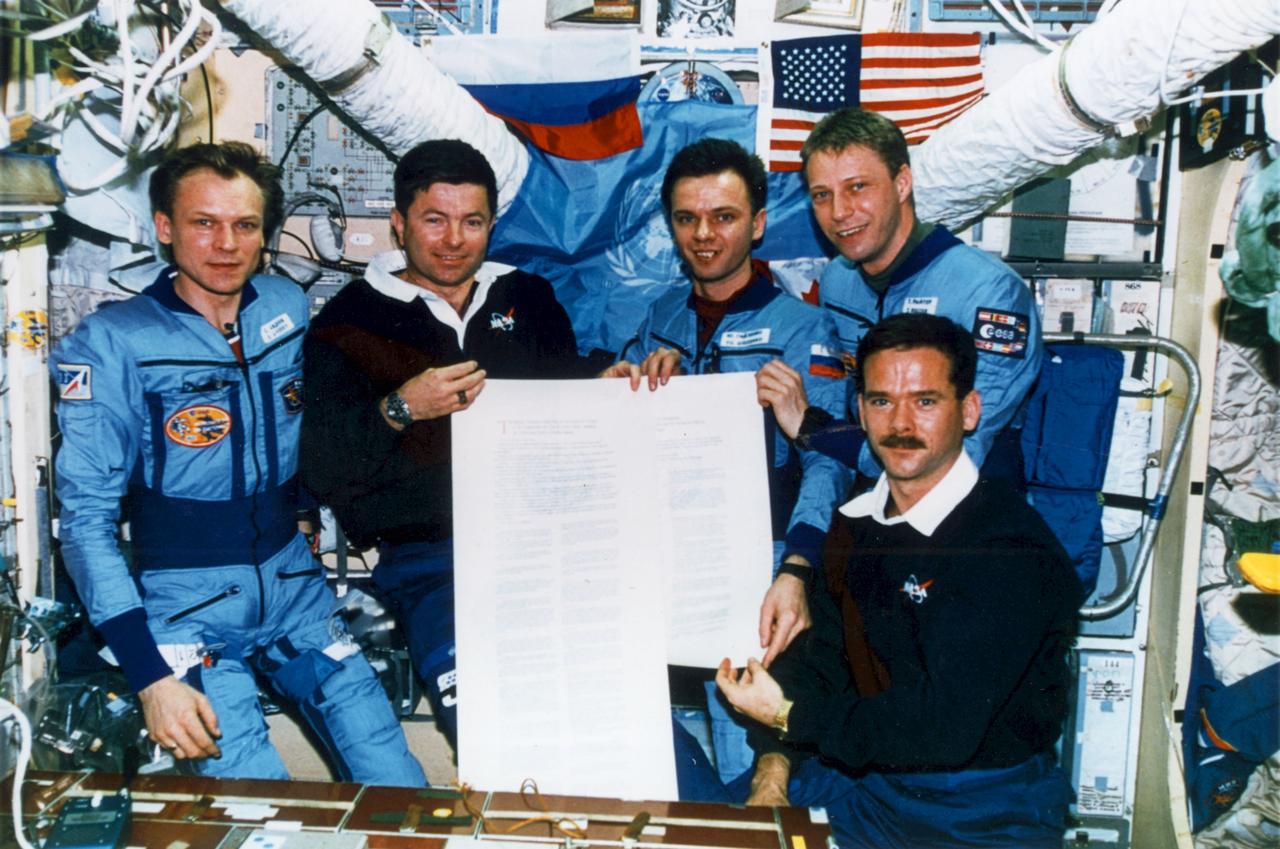
S74-E-5117 (15 Nov 1995) --- Following the successful in-space docking of Russia?s Mir Space Station and the Space Shuttle Atlantis, STS-74 and Mir-20 crew members pose for a group portrait aboard the Mir Space Station?s Base Block. Wearing the two-tone shirts are the five STS-74 crew members - Kenneth D. Cameron, from the left, James D. Halsell, Jr., Chris A. Hadfield, William S. McArthur, Jr. and Jerry L. Ross. The Mir-20 crew members are, left to right, cosmonaut Sergei V. Avdeyev, the European Space Agency?s (ESA) Thomas Reiter and cosmonaut Yuriy P. Gidzenko. This image was among a series of still images downlinked and released by NASA on November 15, 1995.
S95-22116 (15 Nov 1995) --- The Space Shuttle Atlantis has completed its successful docking with the Russia's Mir Space Station. The STS-74 crew members inside Atlantis' cabin are making preparations to meet with the Mir-20 crew members. During the STS-74 mission, the crew used an IMAX camera to document the Space Shuttle Atlantis' rendezvous and docking with the Mir Space Station. The 65mm camera system was located in the Atlantis' cargo bay and provided a unique fish-eye perspective. These images were selected from footage that will be incorporated in a large-format feature film about NASA's cooperative program with the Russians. NASA has flown IMAX camera systems on many Shuttle missions, including the recent STS-63 Shuttle-Mir rendezvous and STS-71 Shuttle-Mir docking. Film from previous missions was used to create the productions The Dream is Alive, The Blue Planet, and Destiny in Space.
This fish-eye view of the Russian Mir Space Station was photographed by a crewmember of the STS-74 mission after the separation. The image shows the installed Docking Module at bottom. The Docking Module was delivered and installed, making it possible for the Space Shuttle to dock easily with Mir. The Orbiter Atlantis delivered water, supplies, and equipment, including two new solar arrays to upgrade the Mir; and returned to Earth with experiment samples, equipment for repair and analysis, and products manufactured on the Station. Mir was constructed in orbit by cornecting different modules, each launched separately from 1986 to 1996, providing a large and livable scientific laboratory in space. The 100-ton Mir was as big as six school buses and commonly housed three crewmembers. Mir was continuously occupied, except for two short periods, and hosted international scientists and American astronauts until August 1999. The journey of the 15-year-old Russian Mir Space Station ended March 23, 2001, as Mir re-entered the Earth's atmosphere and fell into the south Pacific ocean. STS-74 was the second Space Shuttle/Mir docking mission launched on November 12, 1995, and landed at the Kennedy Space Center on November 20, 1995.
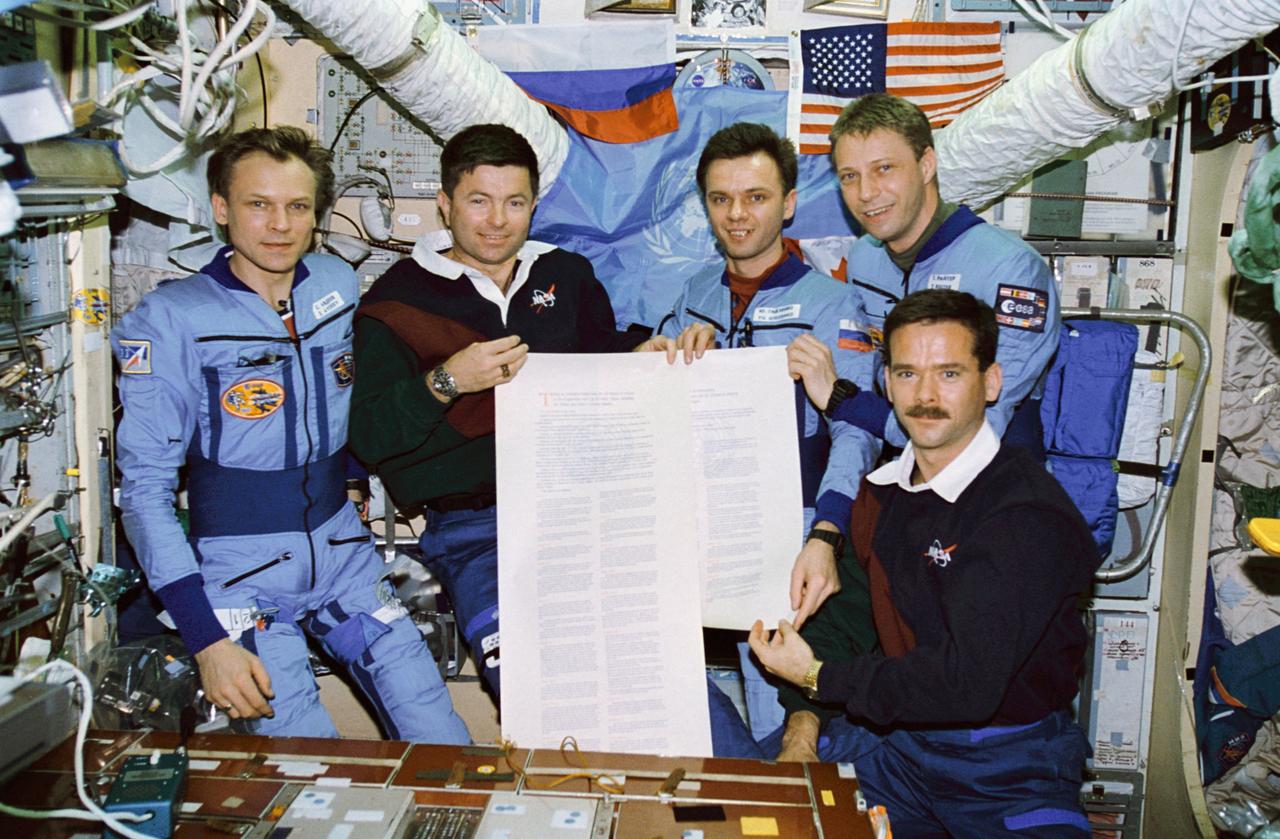
STS074-324-002 (12-20 Nov 1995) --- Several crew members with a scroll they signed commemorating the 50th anniversary of the United Nations (U.N.). In the frame (left to right) are Sergei V. Avdeyev, Kenneth D. Cameron, Yuriy P. Gidzenko, Thomas Reiter and Chris A. Hadfield (front). With five NASA astronauts aboard the Space Shuttle Atlantis, the flight began with a November 12, 1995 launch from Kennedy Space Center (KSC) and ended with landing there on November 20, 1995. The STS-74 crew members were astronauts Cameron, mission commander; James D. Halsell Jr., pilot; William S. McArthur Jr., Jerry L. Ross and Canadian astronaut Hadfield, all mission specialists. On November 15, 1995, the Space Shuttle Atlantis docked with Russia?s Mir Space Station, on which the STS-74 astronauts joined the Mir-20 crew. The Mir-20 crew is composed of cosmonauts Gidzenko, commander; and Avdeyev, engineer; along with the European Space Agency?s (ESA) Reiter, cosmonaut researcher. Joint activities on the Mir Space Station and the Space Shuttle Atlantis ended November 18, 1995, when the two spacecraft separated.
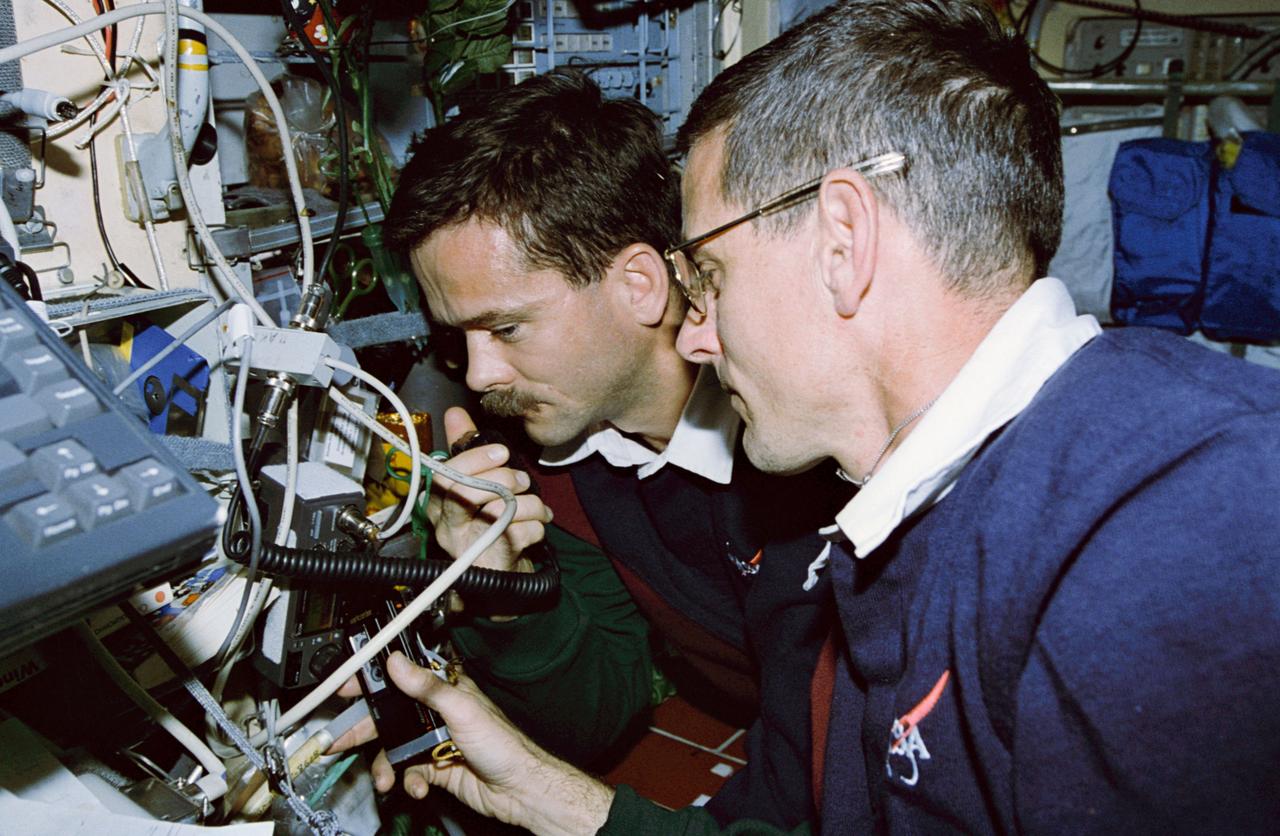
STS074-324-030 (12-20 Nov 1995) --- Astronauts Chris A. Hadfield (left) and William S. McArthur, Jr. check out the Shuttle Amateur Radio Experiment (SAREX) onboard Russia?s Mir Space Station. With five NASA astronauts aboard, the flight of the Space Shuttle Atlantis began with a November 12, 1995, launch from Kennedy Space Center (KSC) and ended with landing there on November 20, 1995. The STS-74 crew members were astronauts Kenneth D. Cameron, mission commander; James D. Halsell, Jr., pilot; McArthur, Jerry L. Ross and Canadian astronaut Hadfield, all mission specialists. On November 15, 1995, the Space Shuttle Atlantis docked with the Mir Space Station, on which the STS-74 astronauts joined the Mir-20 crew. The Mir-20 crew is composed of cosmonauts Yuriy P. Gidzenko, commander; and Sergei V. Avdeyev, flight engineer; along with the European Space Agency?s (ESA) Thomas Reiter, cosmonaut researcher. Joint activities on the Mir Space Station and the Space Shuttle Atlantis ended November 18, 1995, when the two spacecraft separated.
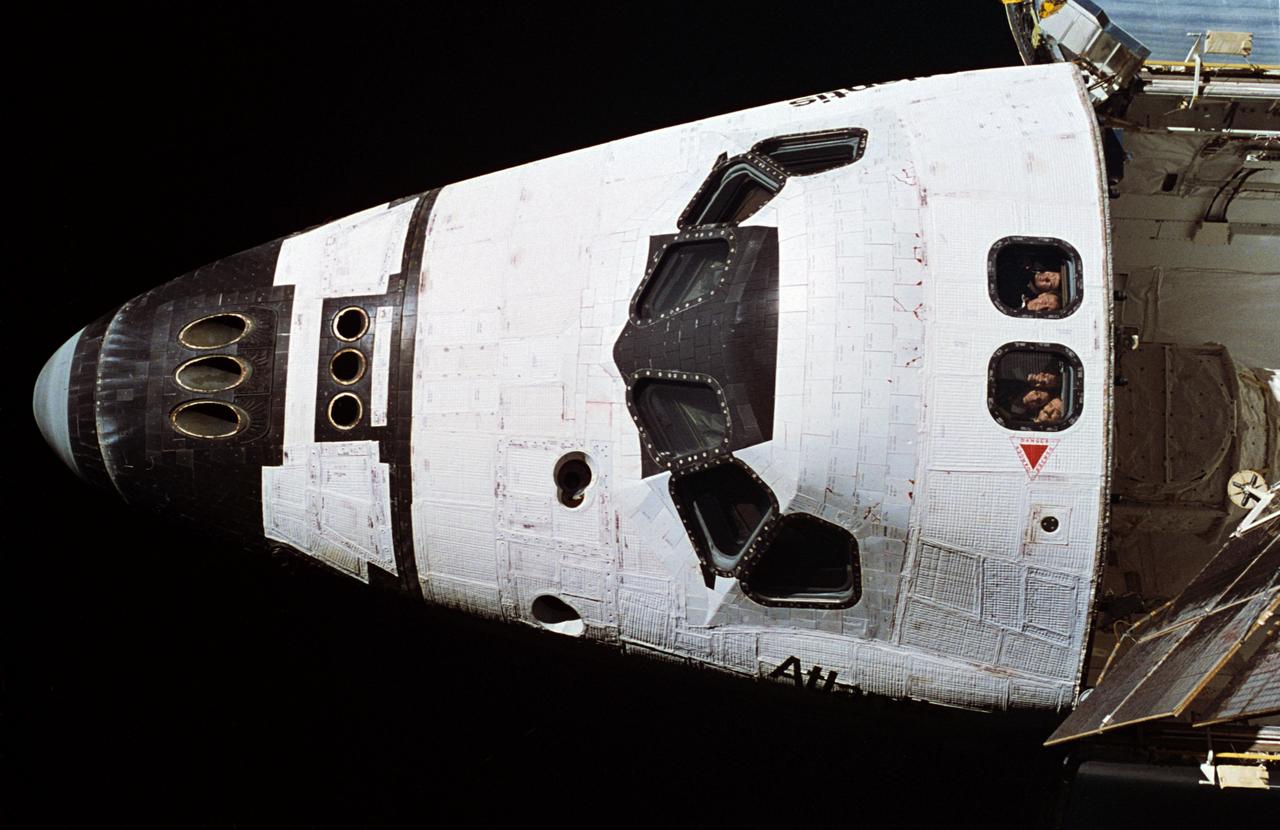
STS074-320-019 (15 Nov 1995) --- The five NASA astronauts aboard the Space Shuttle Atlantis look out overhead windows on the aft flight deck toward their counterparts aboard the Russian Mir Space Station, with which they had just rendezvoused. For orientation purposes, the photo should be held with the nose at frame?s left edge. The STS-74 crew members (from the top) are astronauts Kenneth D. Cameron, mission commander; Jerry L. Ross, mission specialist; James D. Halsell Jr., pilot; William S. McArthur Jr., and Canadian astronaut Chris A. Hadfield, both mission specialists. The flight began with a November 12, 1995, launch from Kennedy Space Center (KSC) and ended with landing there on November 20, 1995. On November 15, 1995, the Space Shuttle Atlantis docked with Russia?s Mir Space Station, on which the STS-74 astronauts joined the Mir-20 crew. The Mir-20 crew is composed of cosmonauts Yuriy P. Gidzenko, commander; and Sergei V. Avdeyev, engineer; along with the European Space Agency?s (ESA) Thomas Reiter, cosmonaut researcher. Joint activities on Mir Space Station and the Space Shuttle ended November 18, 1995, when the two spacecraft separated.
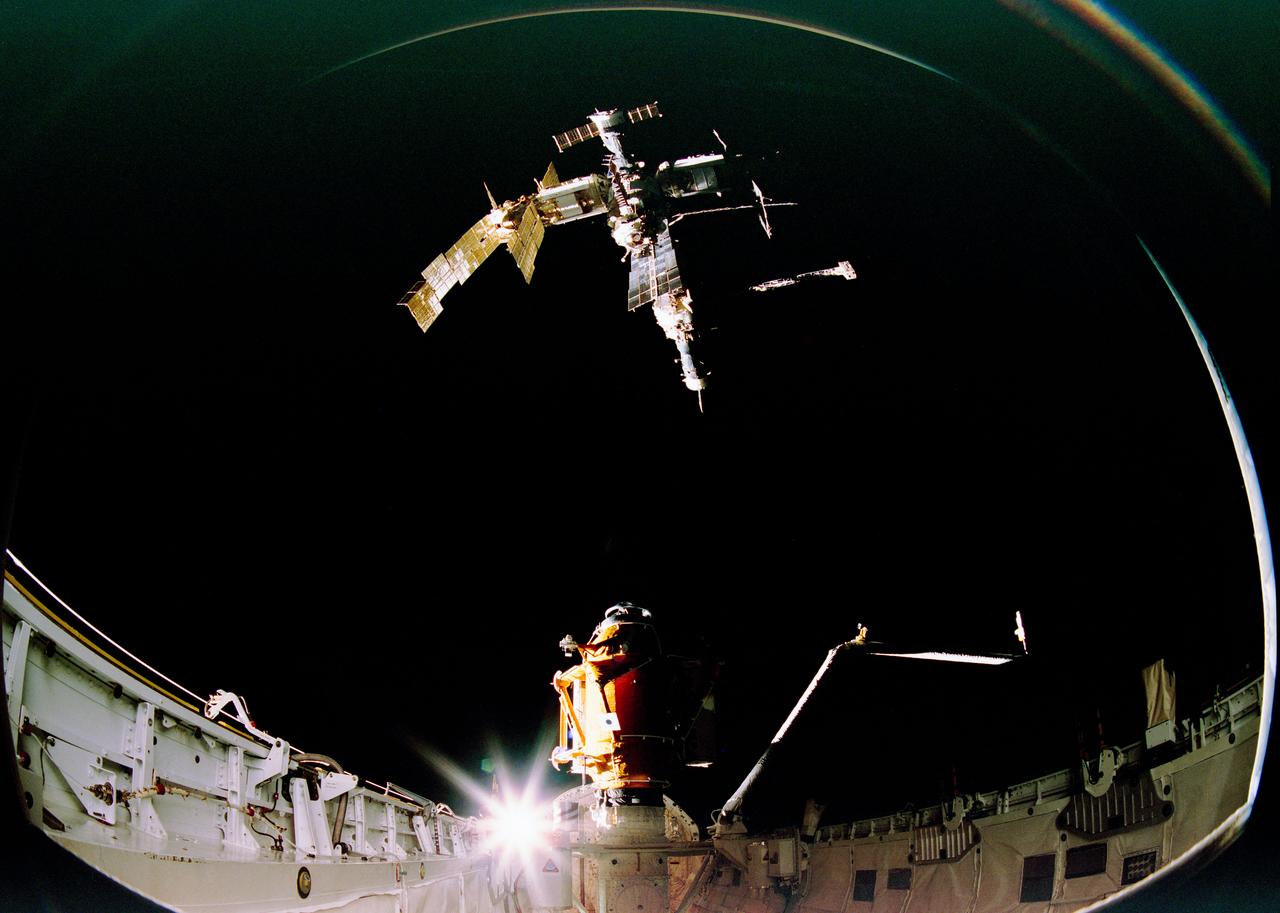
S95-22092 (15 Nov 1995) --- The Space Shuttle Atlantis moves within 80 feet of Russia's Mir Space Station during rendezvous and docking operations. During the STS-74 mission, the crew used an IMAX camera to document the Space Shuttle Atlantis' rendezvous and docking with the Mir Space Station. The 65mm camera system was located in the Atlantis' cargo bay and provided a unique fish-eye perspective. These images were selected from footage that will be incorporated in a large-format feature film about NASA's cooperative program with the Russians. NASA has flown IMAX camera systems on many Shuttle missions, including the recent STS-63 Shuttle-Mir rendezvous and STS-71 Shuttle-Mir docking. Film from previous missions was used to create the productions The Dream is Alive, The Blue Planet, and Destiny in Space.
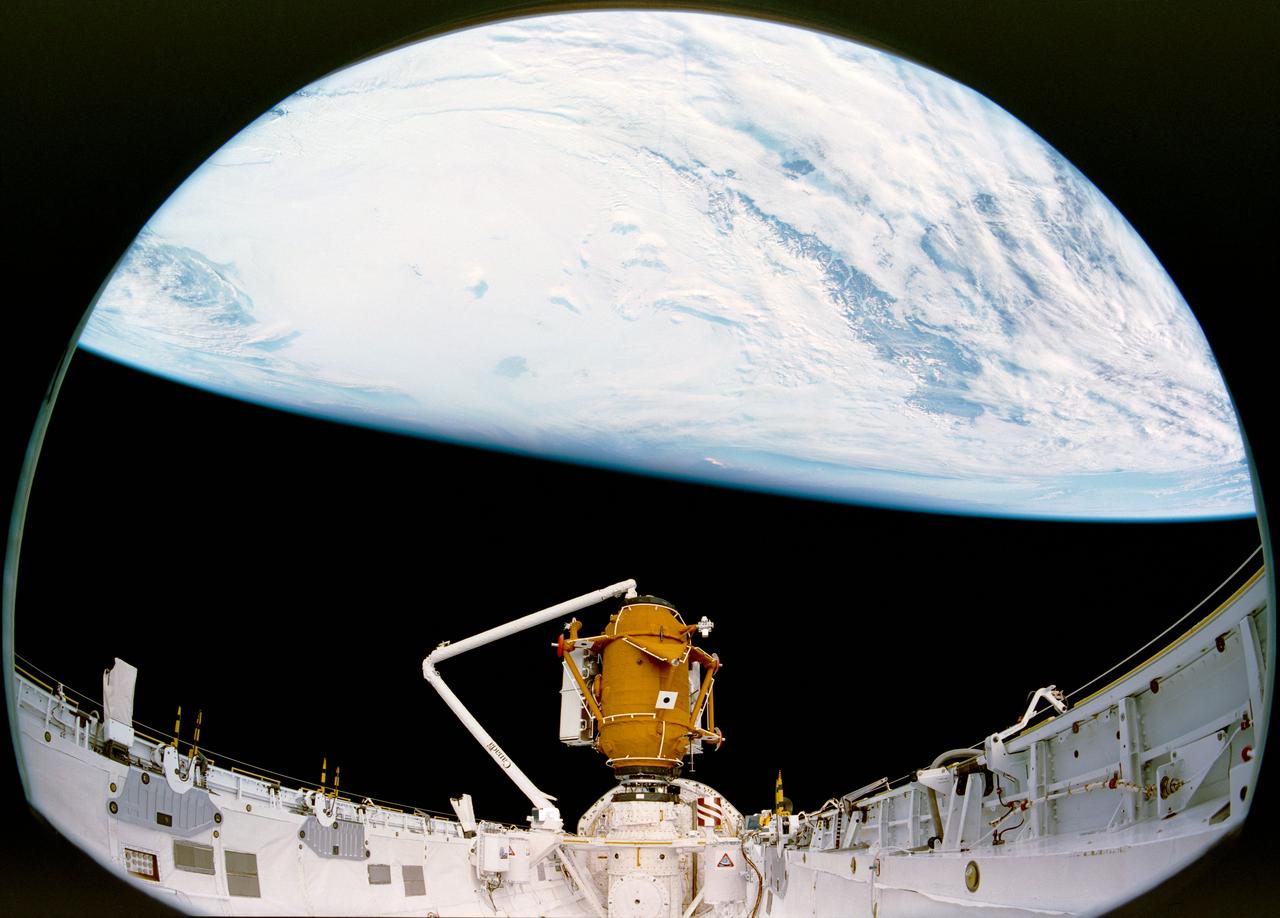
S95-22079 (14 Nov 1995) --- The Docking Module (DM) is seen just after installation in the Space Shuttle Atlantis' cargo bay. The snow-covered Bukhtarminskaye Reservoir, just north of China, may be seen in the background. When this photo was taken, five NASA astronauts were onboard Atlantis, awaiting their joint activities which is set to begin in less than 24 hours with three Mir-20 cosmonauts following tomorrow's scheduled docking. During the STS-74 mission, the crew used an IMAX camera to document the Space Shuttle Atlantis' rendezvous and docking with the Mir Space Station. The 65mm camera system was located in the Atlantis' cargo bay and provided a unique fish-eye perspective. These images were selected from footage that will be incorporated in a large-format feature film about NASA's cooperative program with the Russians. NASA has flown IMAX camera systems on many Shuttle missions, including the recent STS-63 Shuttle-Mir rendezvous and STS-71 Shuttle-Mir docking. Film from previous missions was used to create the productions The Dream is Alive, The Blue Planet, and Destiny in Space.
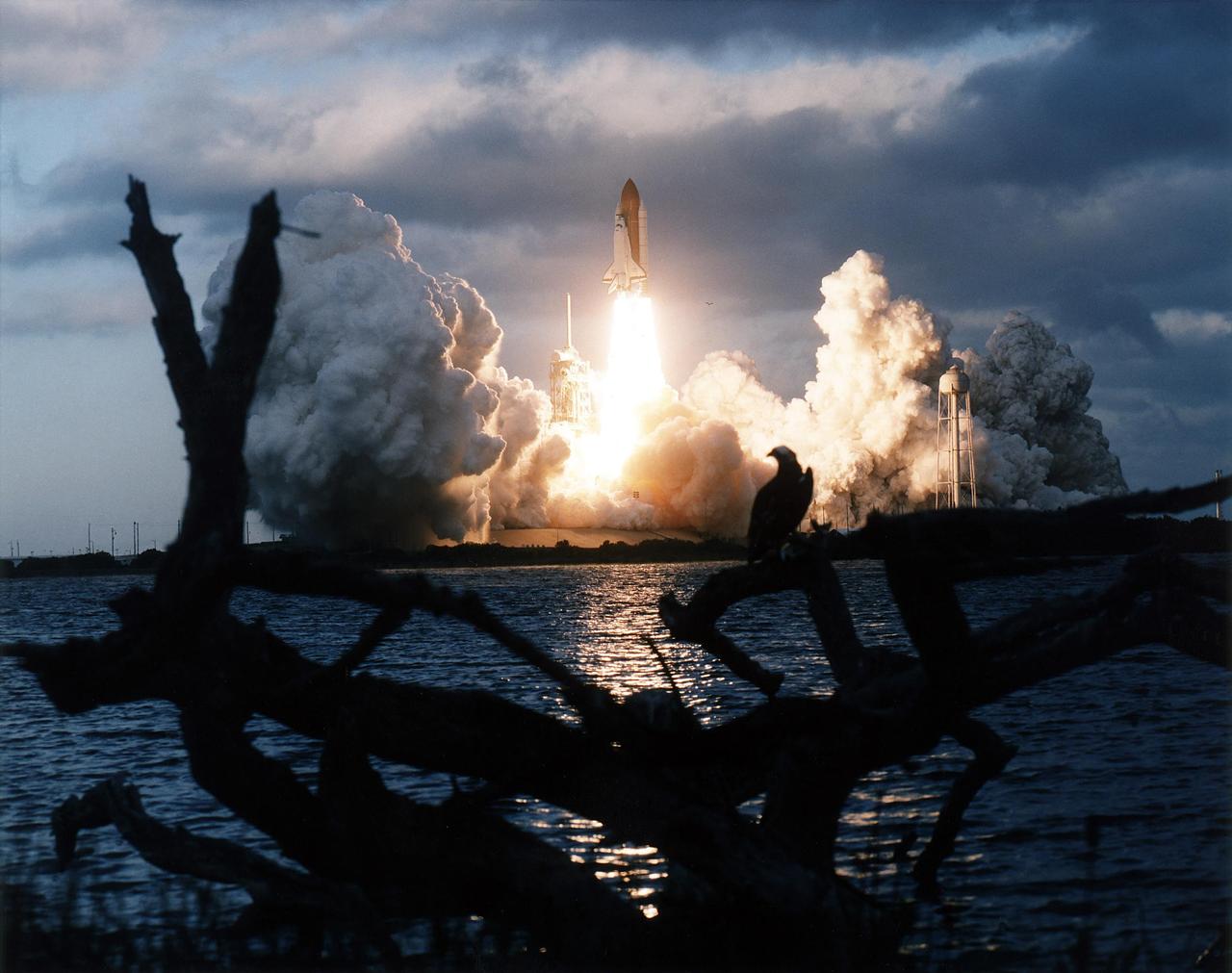
KENNEDY SPACE CENTER, FLA. -- STS-74: Atlantis
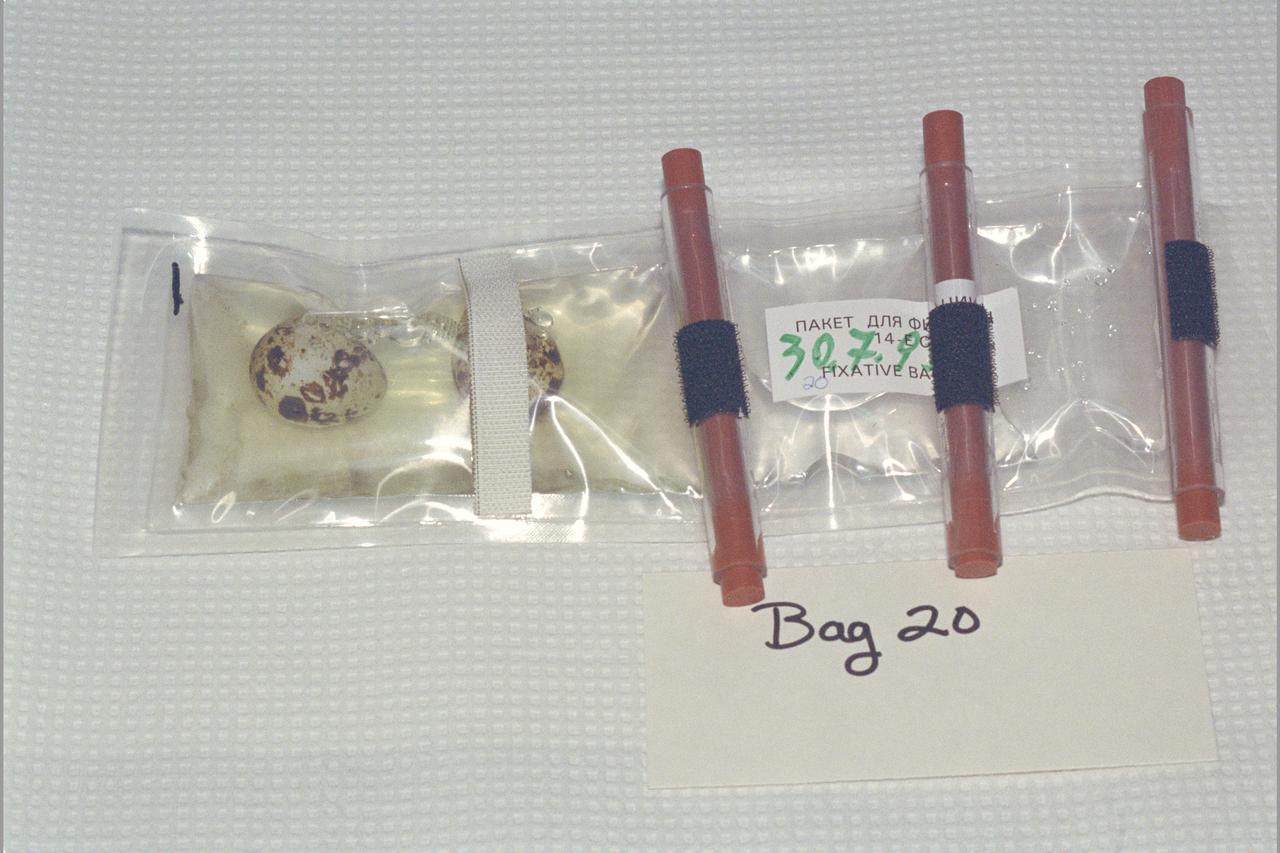
Space Shuttle STS-74 incubator fix kit; Quail Eggs from MIR Space Station
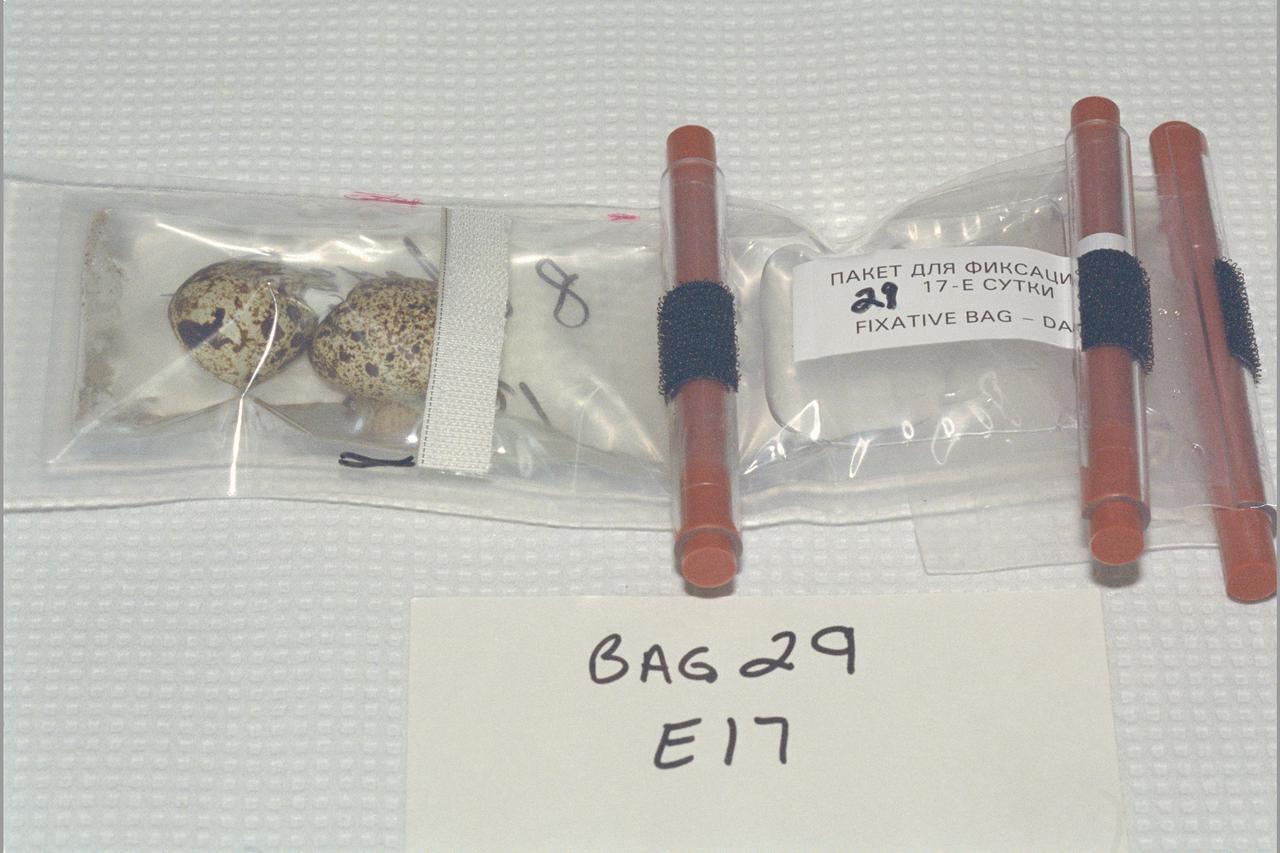
Space Shuttle STS-74 incubator fix kit; Quail Eggs from MIR Space Station
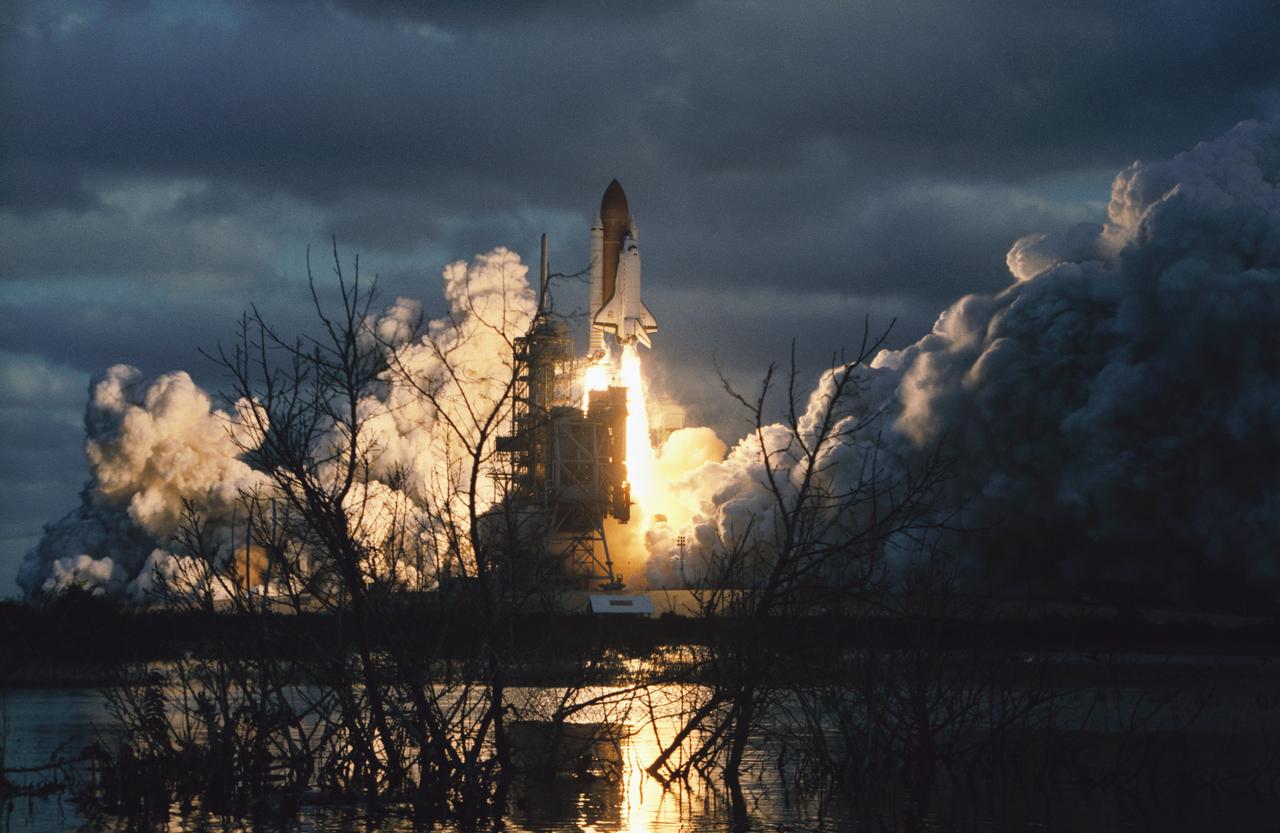
STS074-S-017 (12 Nov 1995) --- With five astronauts aboard, the Space Shuttle Atlantis lifts off from the Kennedy Space Center?s (KSC) Launch Pad 39A. Launch occurred at 7:30:43:071 a.m. (EST), November 12, 1995. The crew members were astronauts Kenneth D. Cameron, mission commander; James D. Halsell Jr., pilot; William S. McArthur Jr., Jerry L. Ross and Canadian astronaut Chris A. Hadfield, all mission specialists. On November 15, 1995, the Space Shuttle Atlantis docked with Russia?s Mir Space Station, on which the NASA astronauts joined the Mir-20 crew. The Mir-20 crew is composed of cosmonauts Yuriy P. Gidzenko, commander; and Sergei V. Avdeyev, engineer; along with the European Space Agency?s (ESA) Thomas Reiter, cosmonaut researcher. Joint activities on the Mir Space Station and the Space Shuttle Atlantis ended on November 18, 1995, when the two spacecraft separated. The November 20, 1995, landing also took place at KSC.
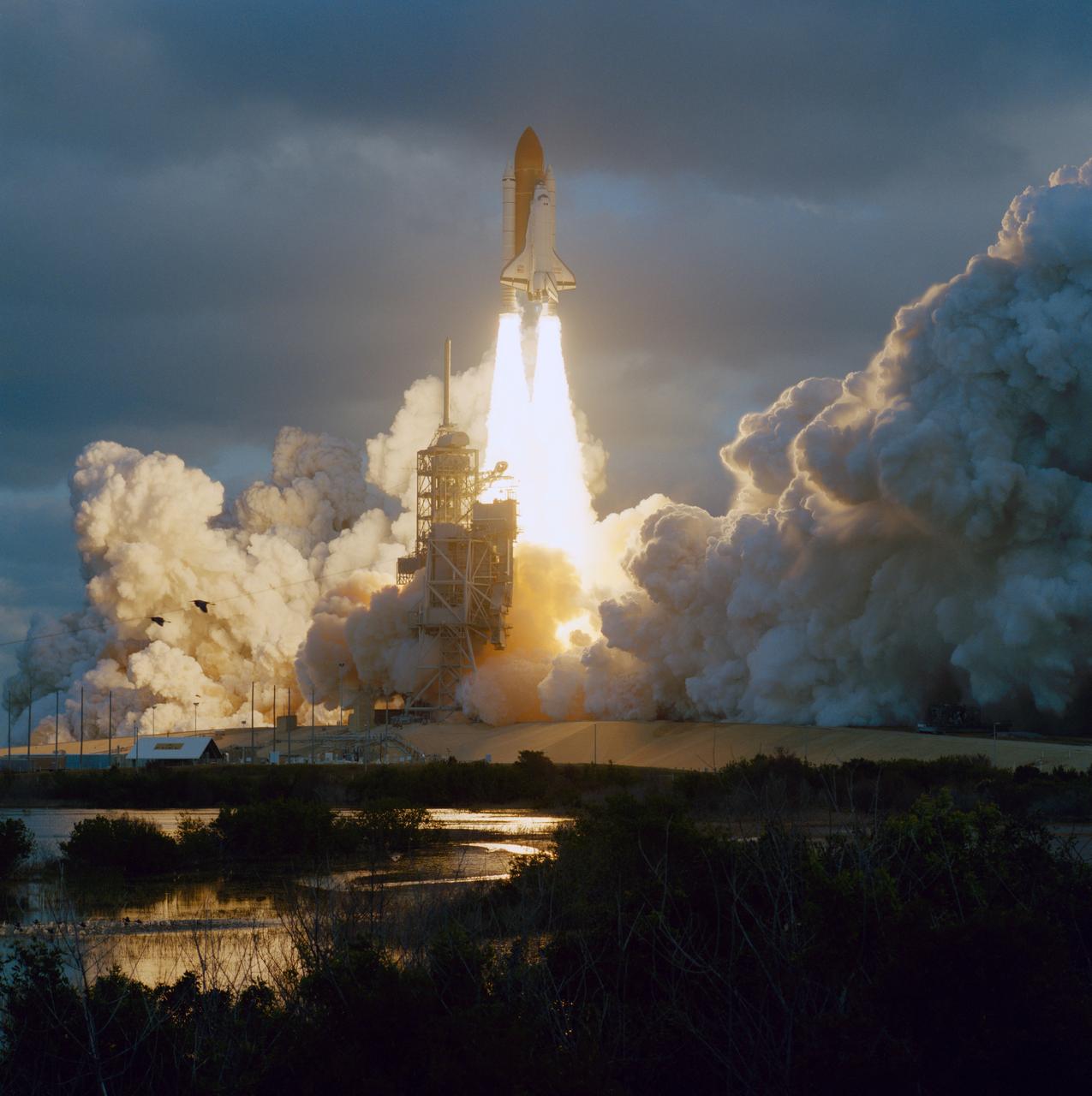
STS074-S-013 (12 Nov 1995) --- With five astronauts aboard, the Space Shuttle Atlantis lifts off from the Kennedy Space Center?s (KSC) Launch Pad 39A. Launch occurred at 7:30:43:071 a.m. (EST), November 12, 1995. The crew members were astronauts Kenneth D. Cameron, mission commander; James D. Halsell Jr., pilot; William S. McArthur Jr., Jerry L. Ross and Canadian astronaut Chris A. Hadfield, all mission specialists. On November 15, 1995, the Space Shuttle Atlantis docked with Russia?s Mir Space Station, on which the NASA astronauts joined the Mir-20 crew. The Mir-20 crew is composed of cosmonauts Yuriy P. Gidzenko, commander; and Sergei V. Avdeyev, engineer; along with the European Space Agency?s (ESA) Thomas Reiter, cosmonaut researcher. Joint activities on the Mir Space Station and the Space Shuttle Atlantis ended on November 18, 1995, when the two spacecraft separated. The November 20, 1995, landing also took place at KSC.
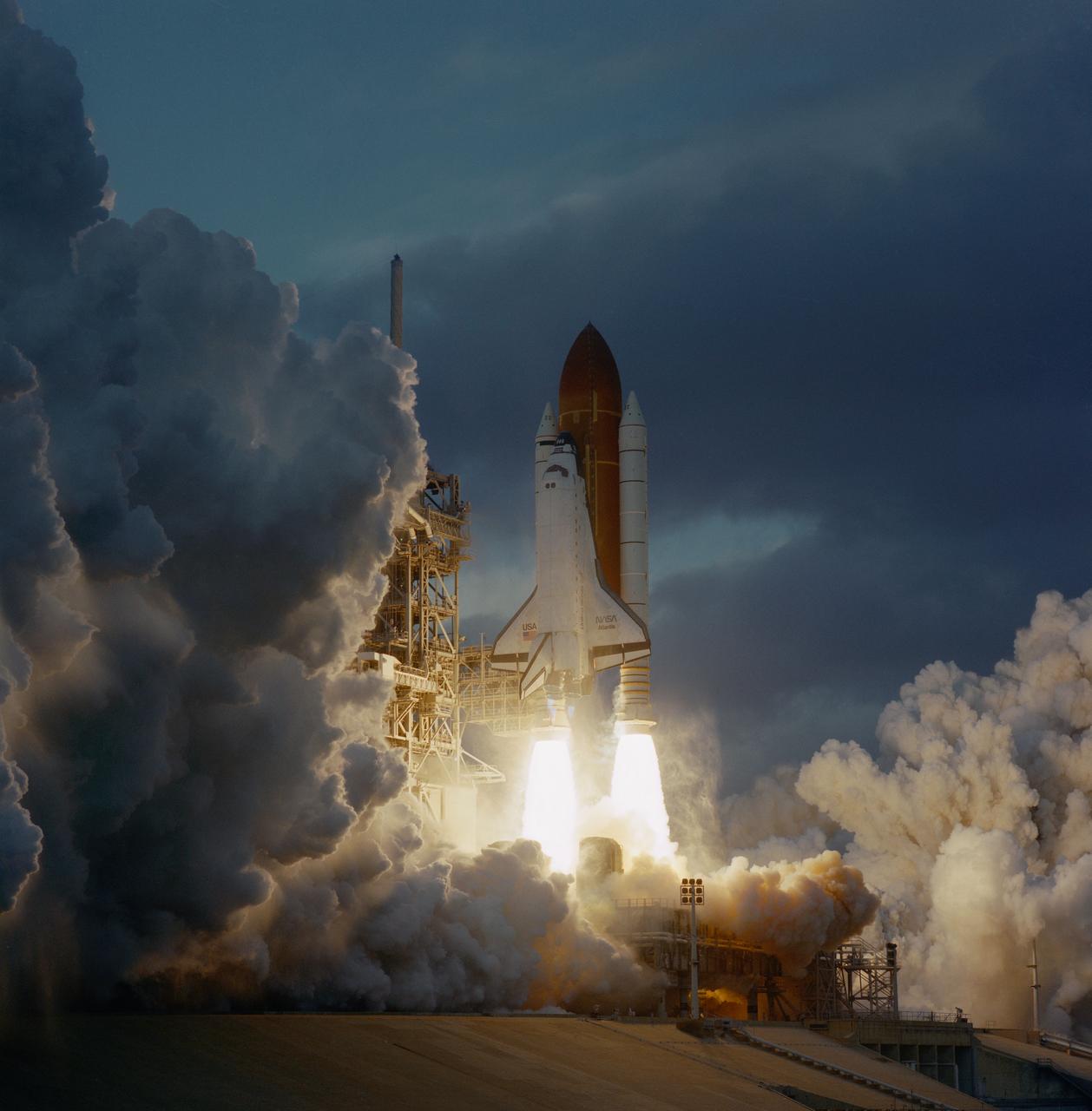
STS074-S-016 (12 Nov 1995) --- With five astronauts aboard, the Space Shuttle Atlantis lifts off from the Kennedy Space Center?s (KSC) Launch Pad 39A. Launch occurred at 7:30:43:071 a.m. (EST), November 12, 1995. The crew members were astronauts Kenneth D. Cameron, mission commander; James D. Halsell Jr., pilot; William S. McArthur Jr., Jerry L. Ross and Canadian astronaut Chris A. Hadfield, all mission specialists. On November 15, 1995, the Space Shuttle Atlantis docked with Russia?s Mir Space Station, on which the NASA astronauts joined the Mir-20 crew. The Mir-20 crew is composed of cosmonauts Yuriy P. Gidzenko, commander; and Sergei V. Avdeyev, engineer; along with the European Space Agency?s (ESA) Thomas Reiter, cosmonaut researcher. Joint activities on the Mir Space Station and the Space Shuttle Atlantis ended on November 18, 1995, when the two spacecraft separated. The November 20, 1995, landing also took place at KSC.
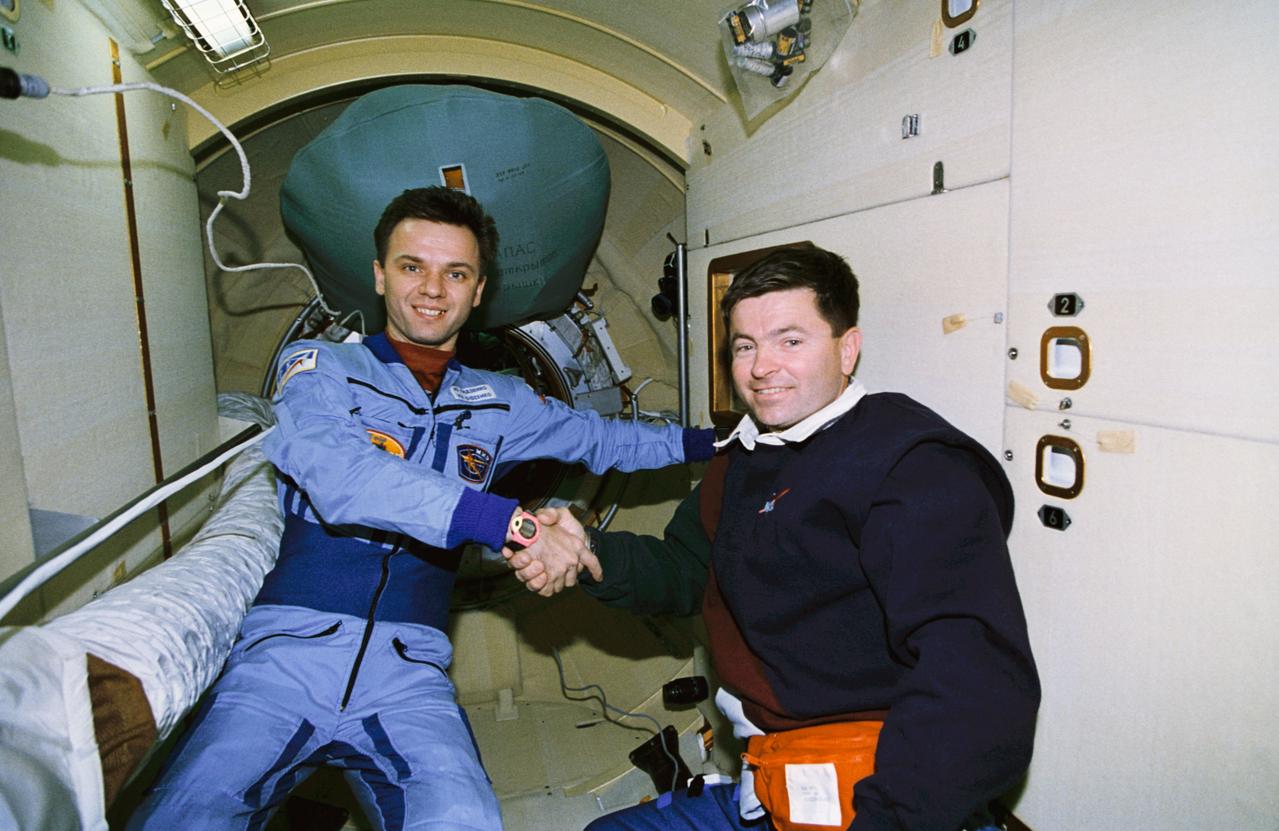
STS074-322-036 (18 Nov 1995) --- Astronaut Kenneth D. Cameron, STS-74 mission commander, shakes hands with cosmonaut Yuriy P. Gidzenko, Mir-20 commander, just prior to the undocking of the Space Shuttle Atlantis with Russia?s Mir Space Station in Earth-orbit. The STS-74 flight began with a November 12, 1995, launch from Kennedy Space Center (KSC) and ended with landing there on November 20, 1995. The STS-74 crew members were astronauts Cameron; James D. Halsell, Jr., pilot; William S. McArthur, Jr., Jerry L. Ross and Canadian astronaut Chris A. Hadfield, all mission specialists. On November 15, 1995, Atlantis docked with Mir, on which the NASA astronauts joined the Mir-20 crew. The Mir-20 crew is composed of cosmonauts Gidzenko; and Sergei V. Avdeyev, engineer; along with the European Space Agency?s (ESA) Thomas Reiter, cosmonaut researcher. Joint activities on the Mir and the Atlantis ended on November 18, 1995, when the two spacecraft separated.
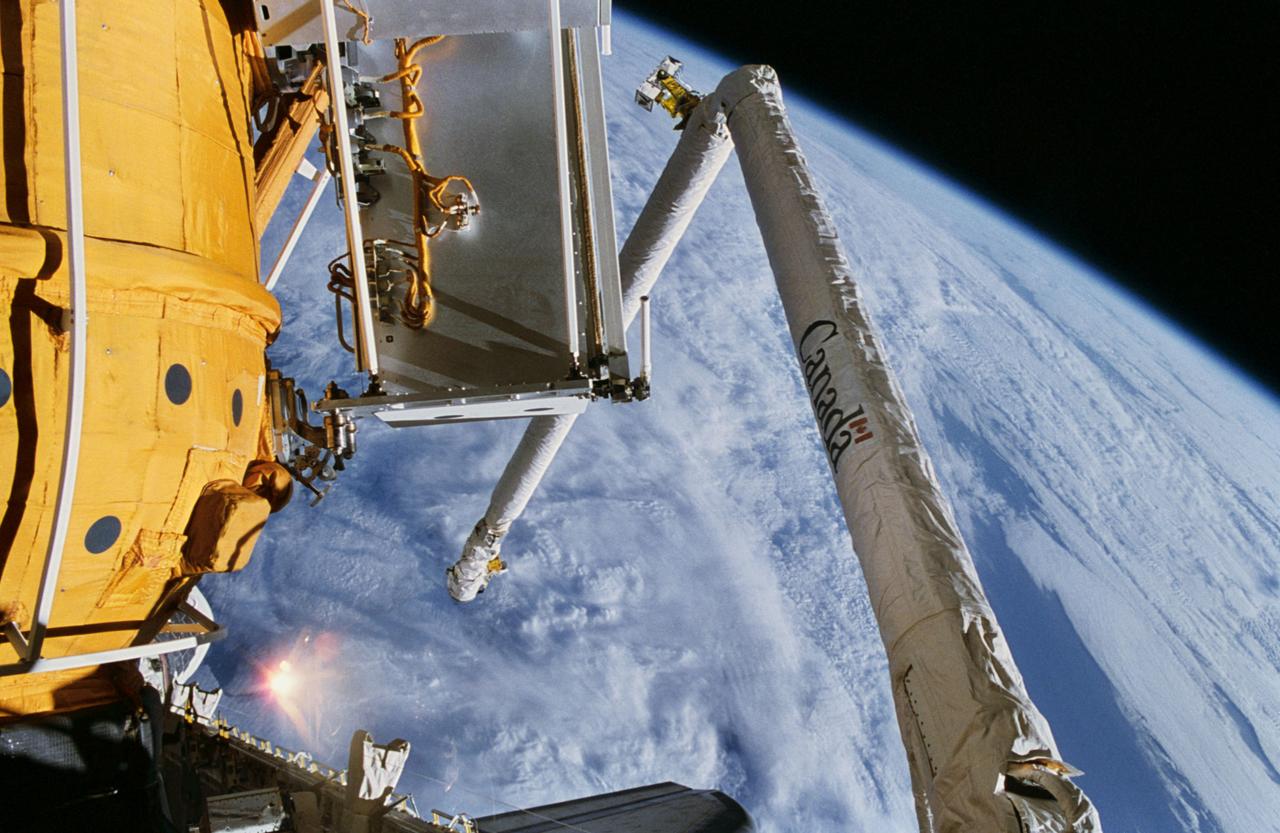
STS074-321-027 (12-20 Nov 1995) --- One of the STS-74 crew members aimed a 35mm camera through aft flight deck windows of the Space Shuttle Atlantis to record this scene of the Remote Manipulator System (RMS) arm and the new Russian Docking Module (DM), backdropped against storm clouds on Earth. With five NASA astronauts aboard, the flight of Atlantis began with a November 12, 1995, launch from Kennedy Space Center (KSC) and ended with landing there on November 20, 1995. The STS-74 crew members were astronauts Kenneth D. Cameron, mission commander; James D. Halsell Jr., pilot; William S. McArthur Jr., Jerry L. Ross and Canadian astronaut Chris A. Hadfield, all mission specialists. On November 15, 1995, the Space Shuttle Atlantis docked with the Mir Space Station, on which the STS-74 astronauts joined the Mir-20 crew. The Mir-20 crew is composed of cosmonauts Yuriy P. Gidzenko, commander; and Sergei V. Avdeyev, flight engineer; along with the European Space Agency?s (ESA) Thomas Reiter, cosmonaut researcher. Joint activities on the Mir Space Station and the Space Shuttle Atlantis ended November 18, 1995, when the two spacecraft separated.
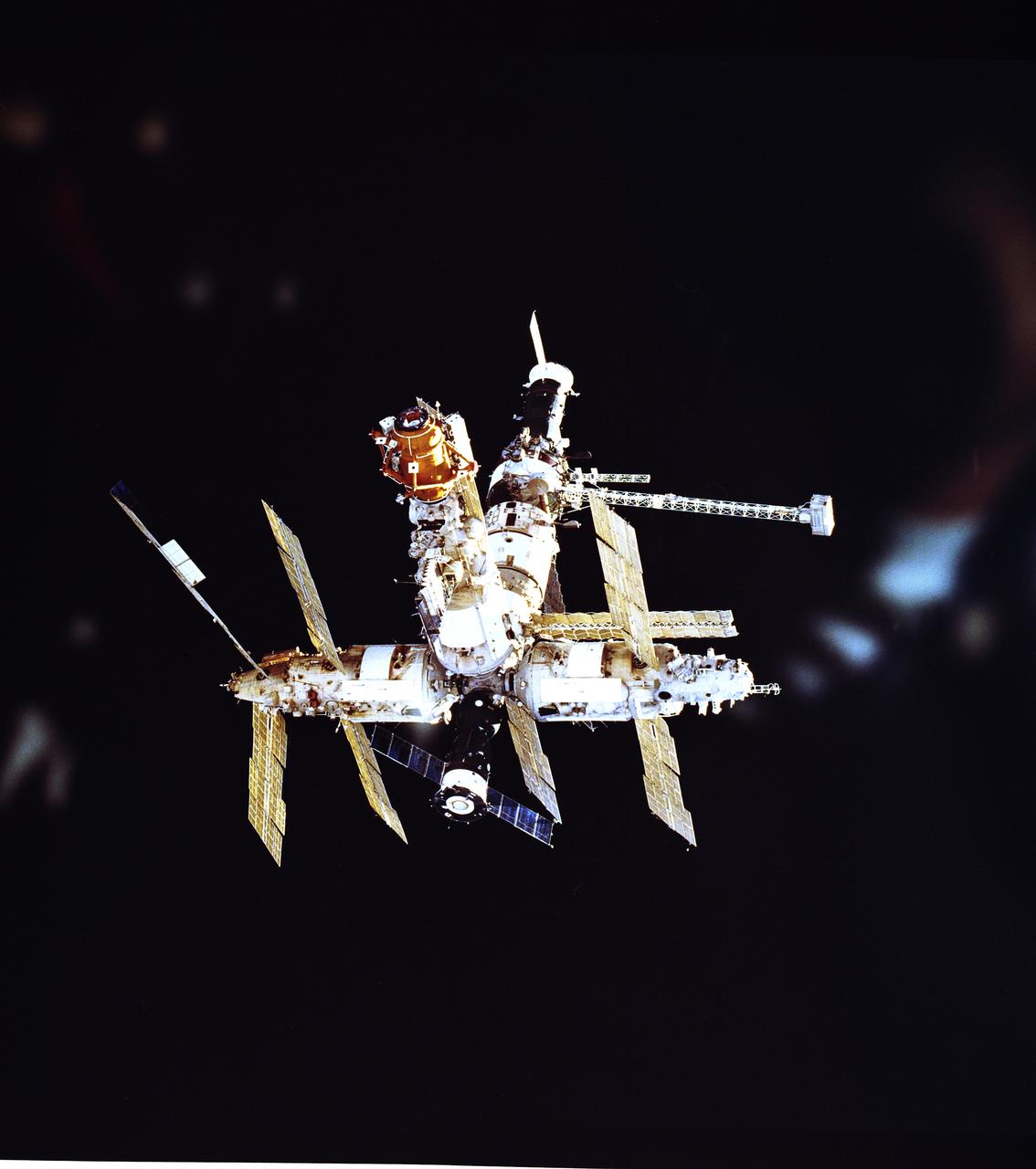
This is a view of the Russian Mir Space Station photographed by a crewmember of the second Shuttle/Mir docking mission, STS-74. The image shows: top - Progress supply vehicle, Kvant-1 module, and the Core module; middle left - Spektr module; middle center - Kristall module and Docking module; middle right - Kvant-2 module; and bottom - Soyuz. The Progress was an unmarned, automated version of the Soyuz crew transfer vehicle, designed to resupply the Mir. The Kvant-1 provided research in the physics of galaxies, quasars, and neutron stars by measuring electromagnetic spectra and x-ray emissions. The Core module served as the heart of the space station and contained the primary living and working areas, life support, and power, as well as the main computer, communications, and control equipment. The Spektr module provided Earth observation. It also supported research into biotechnology, life sciences, materials science, and space technologies. American astronauts used the Spektr as their living quarters. A main purpose of the Kristall module was to develop biological and materials production technologies in the space environment. The Docking module made it possible for the Space Shuttle to dock easily with the Mir. Kvant-2 was a scientific and airlock module, providing biological research, Earth observations, and EVA (extravehicular activity) capability. The Soyuz typically ferried three crewmembers to and from the Mir. The journey of the 15-year-old Russian Mir Space Station ended March 23, 2001, as the Mir re-entered the Earth's atmosphere and fell into the south Pacific Ocean.
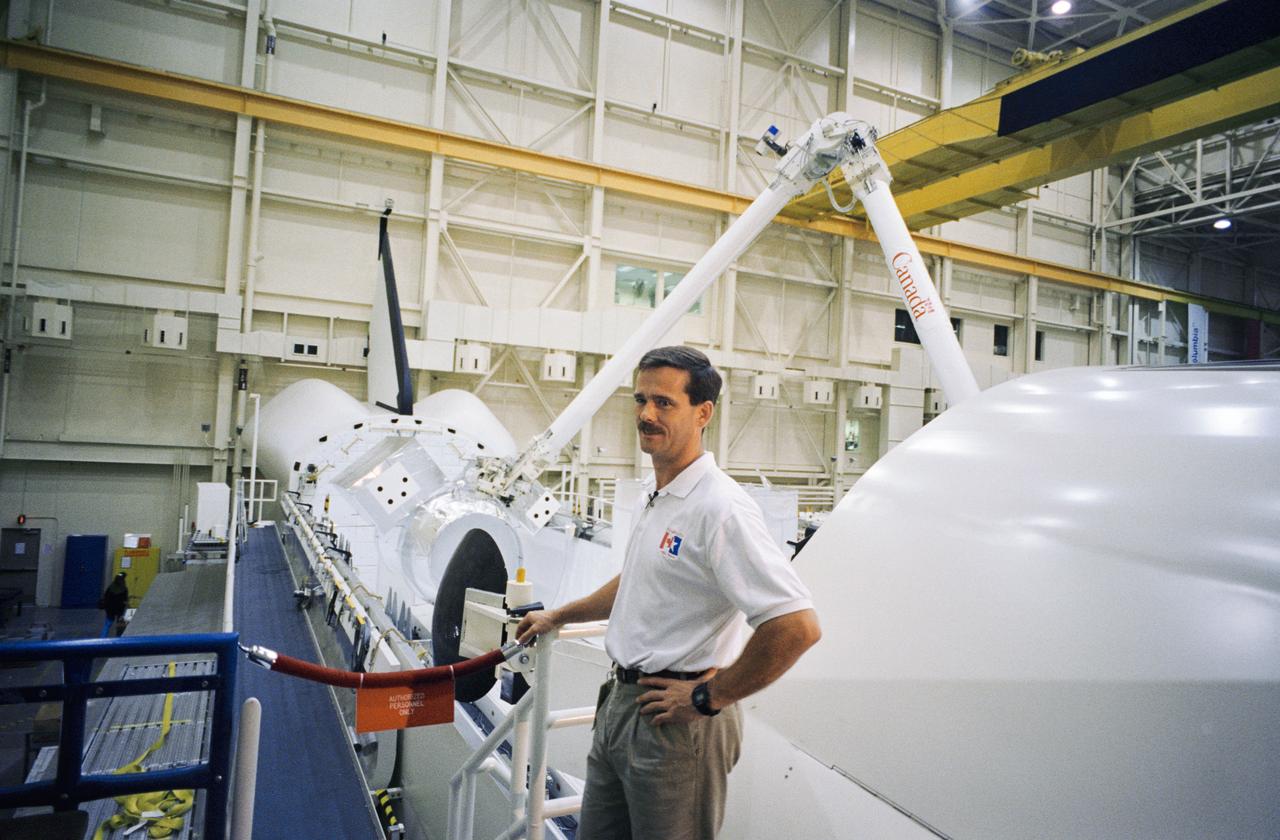
S95-12491 (8 June 1995) --- Canadian astronaut Chris A. Hadfield is seen during training at the Manipulator Development Facility (MDF) in the Systems Integration Facility at the Johnson Space Center (JSC). Hadfield will join four other NASA astronauts for the STS-74 mission aboard the Space Shuttle Atlantis later this year.
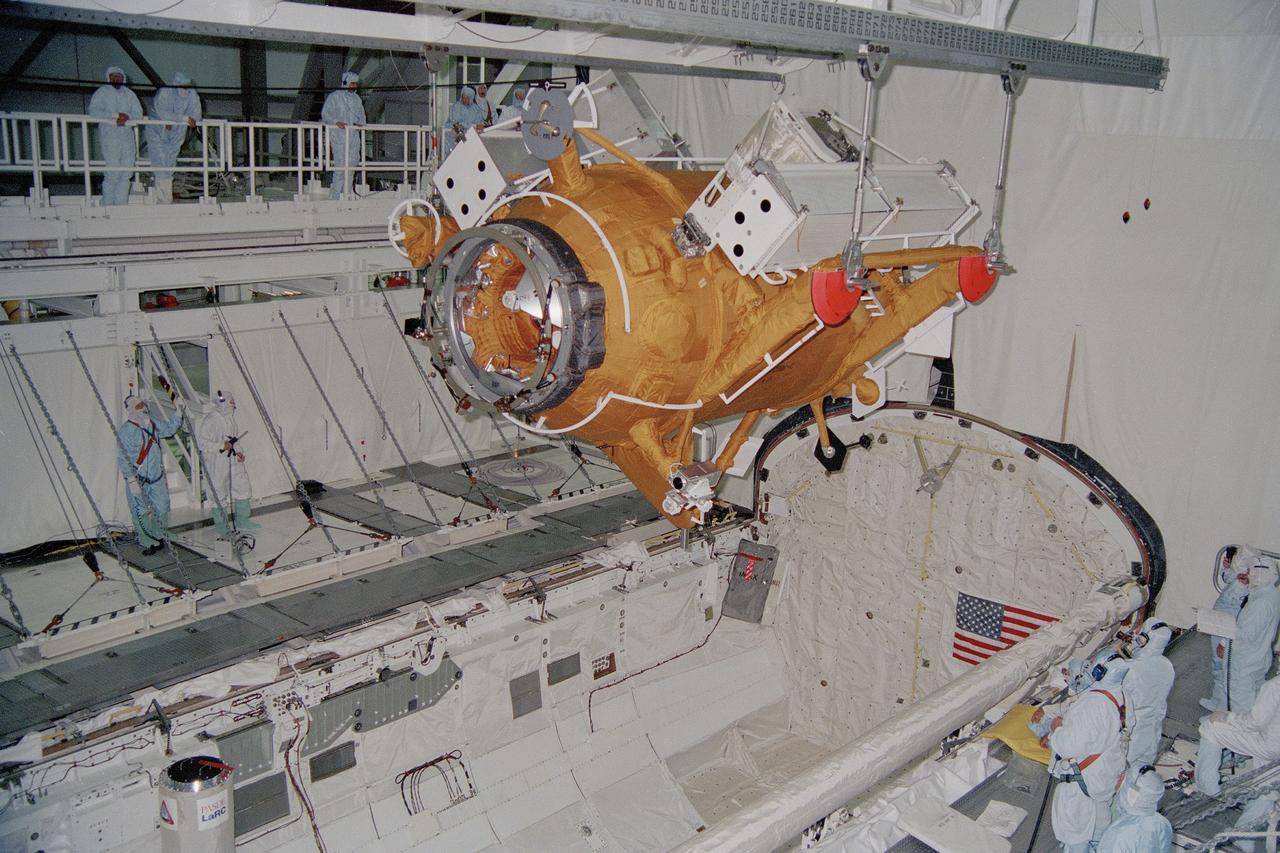
CAPE CANAVERAL, Fla. -- At NASA's Kennedy Space Center in Florida, the Russian-built Docking Module is lowered for installation into the payload bay of the space shuttle Atlantis while it is in bay 2 of the Orbiter Processing Facility. The module will fly as a primary payload on the second Space Shuttle/Mir space station docking mission, STS-74. During the mission, the module will first be attached with the orbiter's robot arm to the Orbiter Docking System in the payload bay of the orbiter Atlantis and then be docked with the Mir. When Atlantis undocks from the Mir, it will leave the new docking module permanently attached to the space station for use during future shuttle Mir docking missions. The new module will simplify future Shuttle linkups with Mir by improving orbiter clearances when it serves as a bridge between the two spacecraft. The white structures attached to the module's sides are solar panels that will be attached to the Mir after the conclusion of the STS-74 mission. Photo Credit: NASA

STS074-714-002 (12-20 Nov 1995) --- The late fall season is tell-tale in this nadir view of Calgary, Alberta, Canada as photographed from the Space Shuttle Atlantis. The ground cover makes it easier to identify geographic and man-made features in the scene. A gateway to the Canadian Rocky Mountains (lower left corner of the photo), Calgary, with a 1994 population listed at 710,677 is noted for its livestock and summer rodeos. It is located on the Bow River, easily traced as it meanders through the city. The Calgary International Airport is easily seen north east of the city.
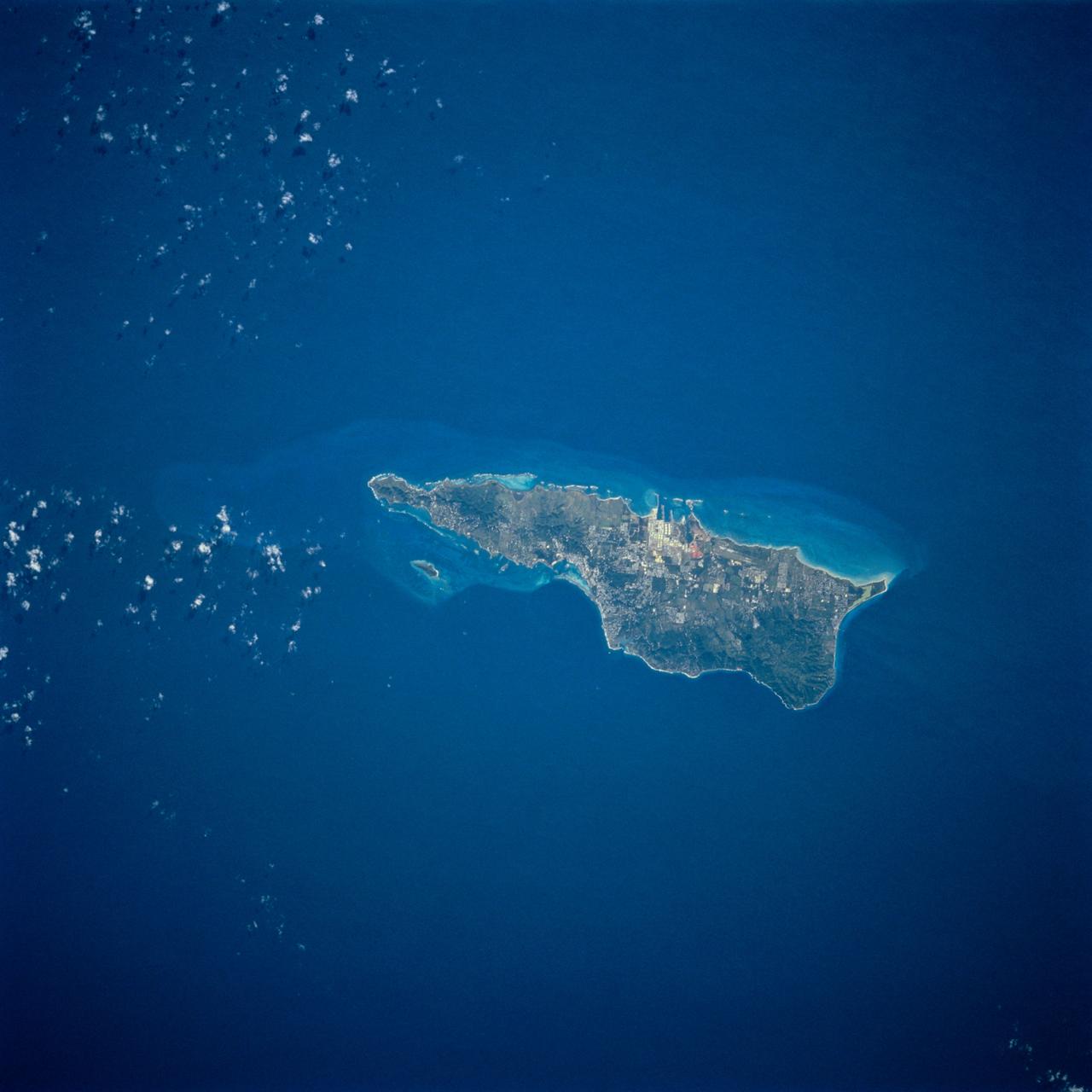
STS054-74-049 (13-19 Jan. 1993) --- St. Croix is the largest, and most industrial of the U.S. Virgin Islands. This photograph captures St. Croix's features in great detail. The large industrial complex in the middle of the southern shore is the world's largest petroleum refinery. The main city, Christiansted, can be seen across the island on the north shore. The reefs around the eastern end of St. Croix are preserved as a submarine national park -- Buck Island Reef National Park -- around the small island off the north shore of the eastern end of St. Croix.
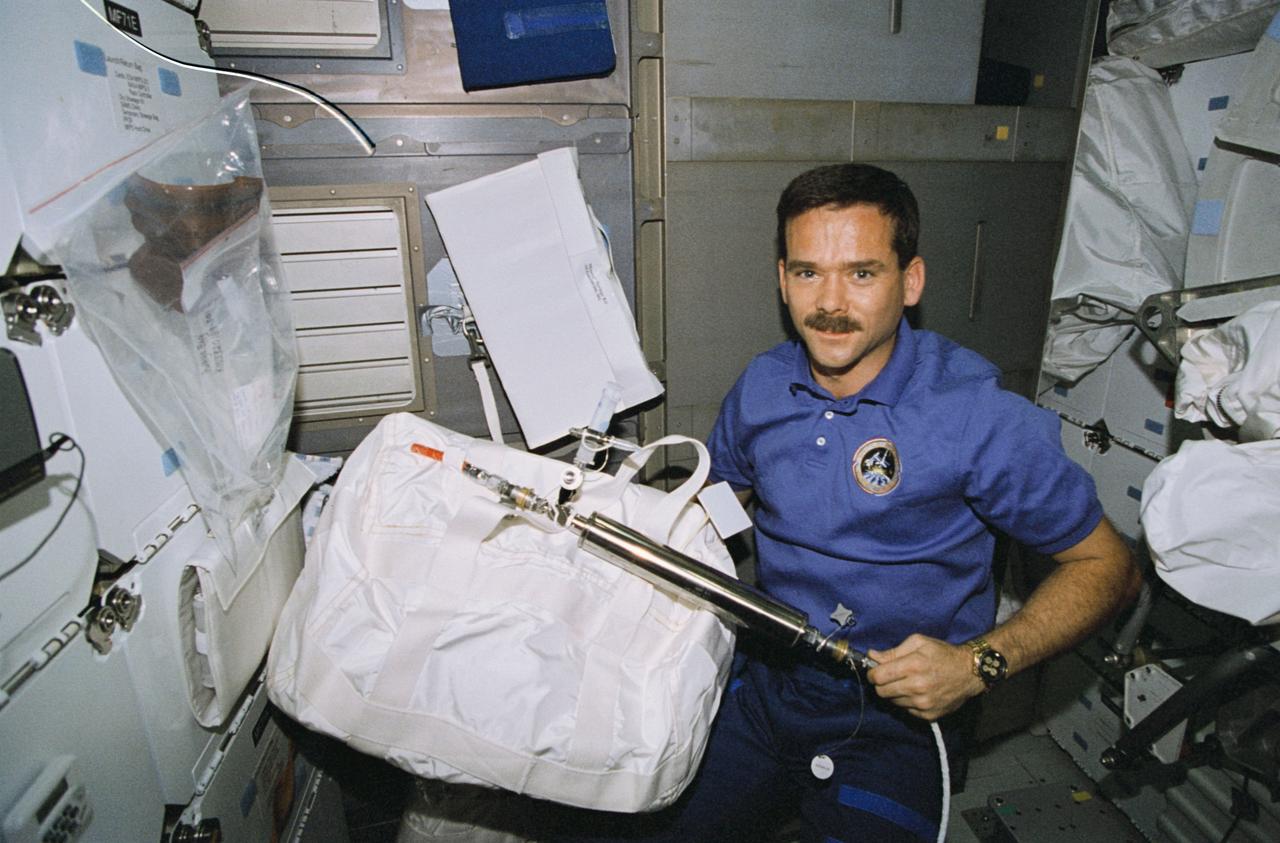
STS074-363-028 (12-20 Nov 1995) --- Canadian astronaut Chris A. Hadfield is seen with a microgravity water production system on the middeck of the Space Shuttle Atlantis. He is filling a fresh water supply bag for Russia?s Mir Space Station. With five NASA astronauts aboard, the flight of the Space Shuttle Atlantis began with a November 12, 1995, launch from Kennedy Space Center (KSC) and ended with landing there on November 20, 1995. The STS-74 crew members were astronauts Kenneth D. Cameron, mission commander; James D. Halsell Jr., pilot; William S. McArthur Jr., Jerry L. Ross and Hadfield, all mission specialists. On November 15, 1995, the Space Shuttle Atlantis docked with the Mir Space Station, on which the STS-74 astronauts joined the Mir-20 crew. The Mir-20 crew is composed of cosmonauts Yuriy P. Gidzenko, commander; and Sergei V. Avdeyev, flight engineer; along with the European Space Agency?s (ESA) Thomas Reiter, cosmonaut researcher. Joint activities on the Mir Space Station and the Space Shuttle Atlantis ended November 18, 1995, when the two spacecraft separated.
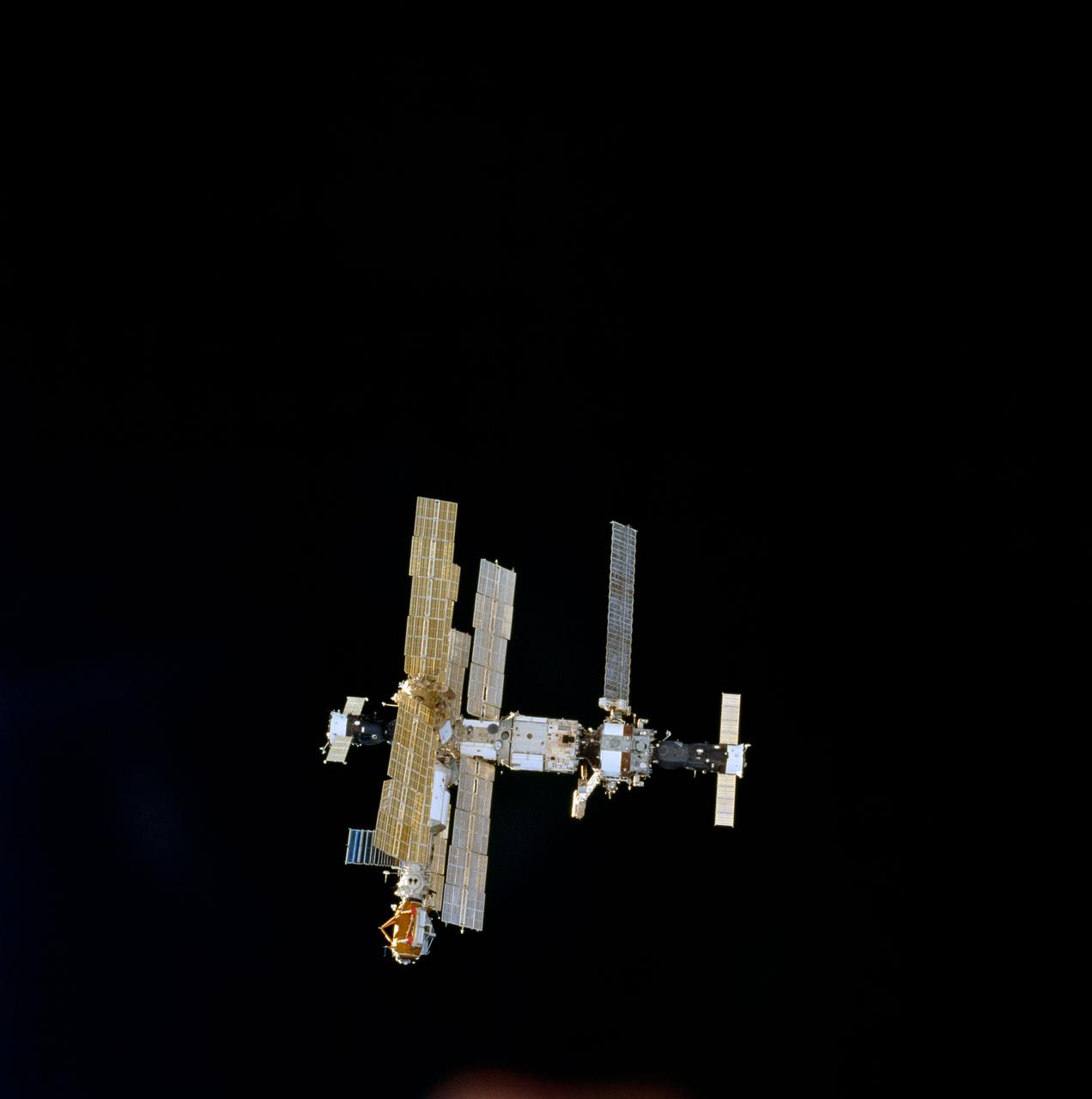
STS074-716-044 (18 Nov 1995) --- With the darkness of space providing the backdrop, this is the Russia?s Mir Space Station as seen from the Space Shuttle Atlantis, not long after the two spacecraft began their relative separation on November 18, 1995. The new Docking Module (DM), delivered by Atlantis over three days earlier, is easily identified in the 70mm frame. With five NASA astronauts aboard the Space Shuttle Atlantis, the flight began with a November 12, 1995, launch from Kennedy Space Center (KSC) and ended with landing there on November 20, 1995. The STS-74 crew members were astronauts Kenneth D. Cameron, mission commander; James D. Halsell Jr., pilot; William S. McArthur Jr., Jerry L. Ross and Canadian astronaut Chris A. Hadfield, all mission specialists. On November 15, 1995, the Space Shuttle Atlantis docked with the Mir Space Station, on which the STS-74 astronauts joined the Mir-20 crew. The Mir-20 crew is composed of cosmonauts Yuriy P. Gidzenko, commander; and Sergei V. Avdeyev, flight engineer; along with the European Space Agency?s (ESA) Thomas Reiter, cosmonaut researcher. Joint activities on the Mir Space Station and the Space Shuttle Atlantis ended November 18, 1995, when the two spacecraft separated.
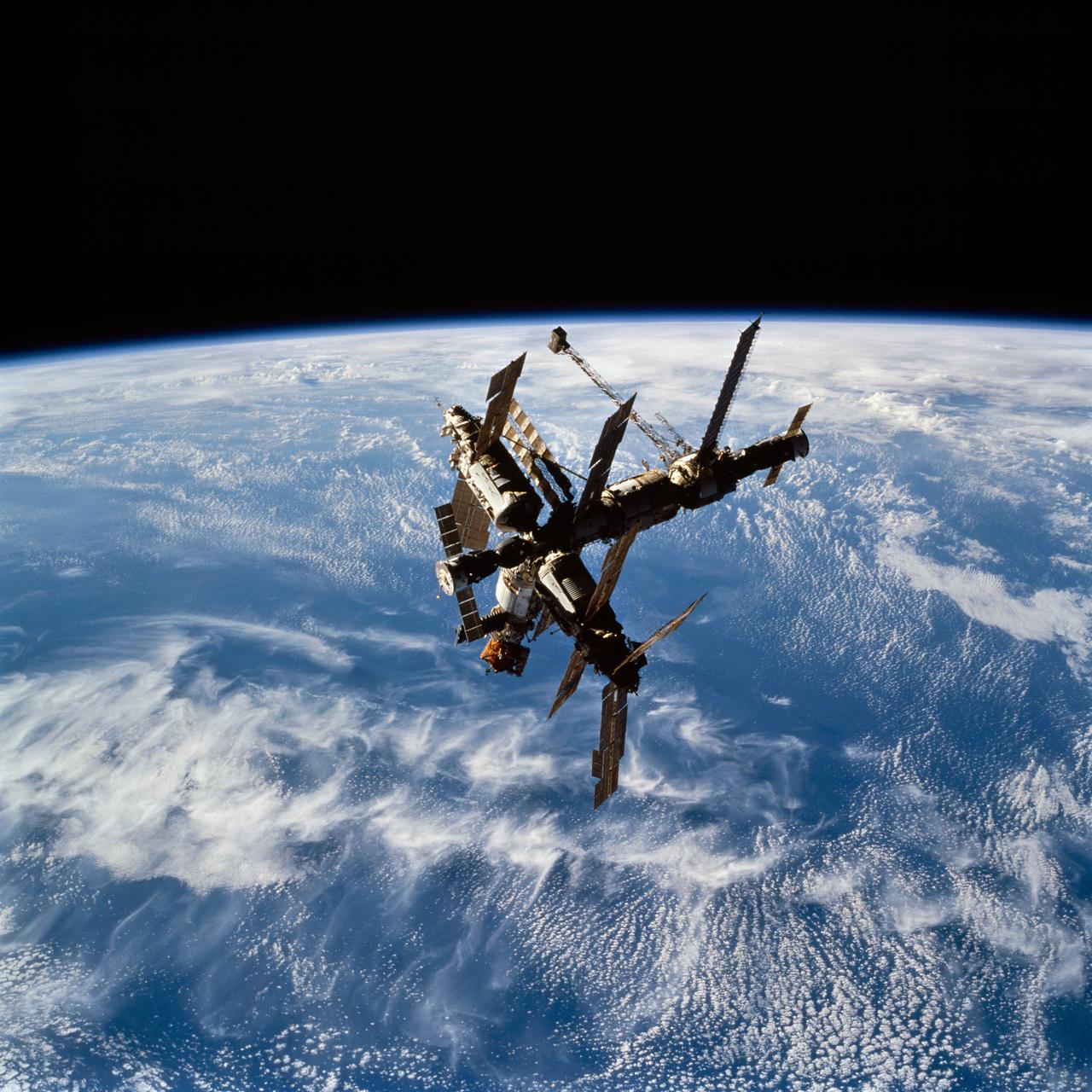
STS074-716-021 (18 Nov 1995) --- With Earth?s horizon providing the backdrop, this is the Russia?s Mir Space Station as seen from the Space Shuttle Atlantis, soon after the two spacecraft began their relative separation on November 18, 1995. With five NASA astronauts aboard the Space Shuttle Atlantis, the flight began with a November 12, 1995, launch from Kennedy Space Center (KSC) and ended with landing there on November 20, 1995. The STS-74 crew members were astronauts Kenneth D. Cameron, mission commander; James D. Halsell Jr., pilot; William S. McArthur Jr., Jerry L. Ross and Canadian astronaut Chris A. Hadfield, all mission specialists. On November 15, 1995, the Space Shuttle Atlantis docked with the Mir Space Station, on which the STS-74 astronauts joined the Mir-20 crew. The Mir-20 crew is composed of cosmonauts Yuriy P. Gidzenko, commander; and Sergei V. Avdeyev, engineer; along with the European Space Agency?s (ESA) Thomas Reiter, cosmonaut researcher. Joint activities on the Mir Space Station and the Space Shuttle Atlantis ended November 18, 1995, when the two spacecraft separated.
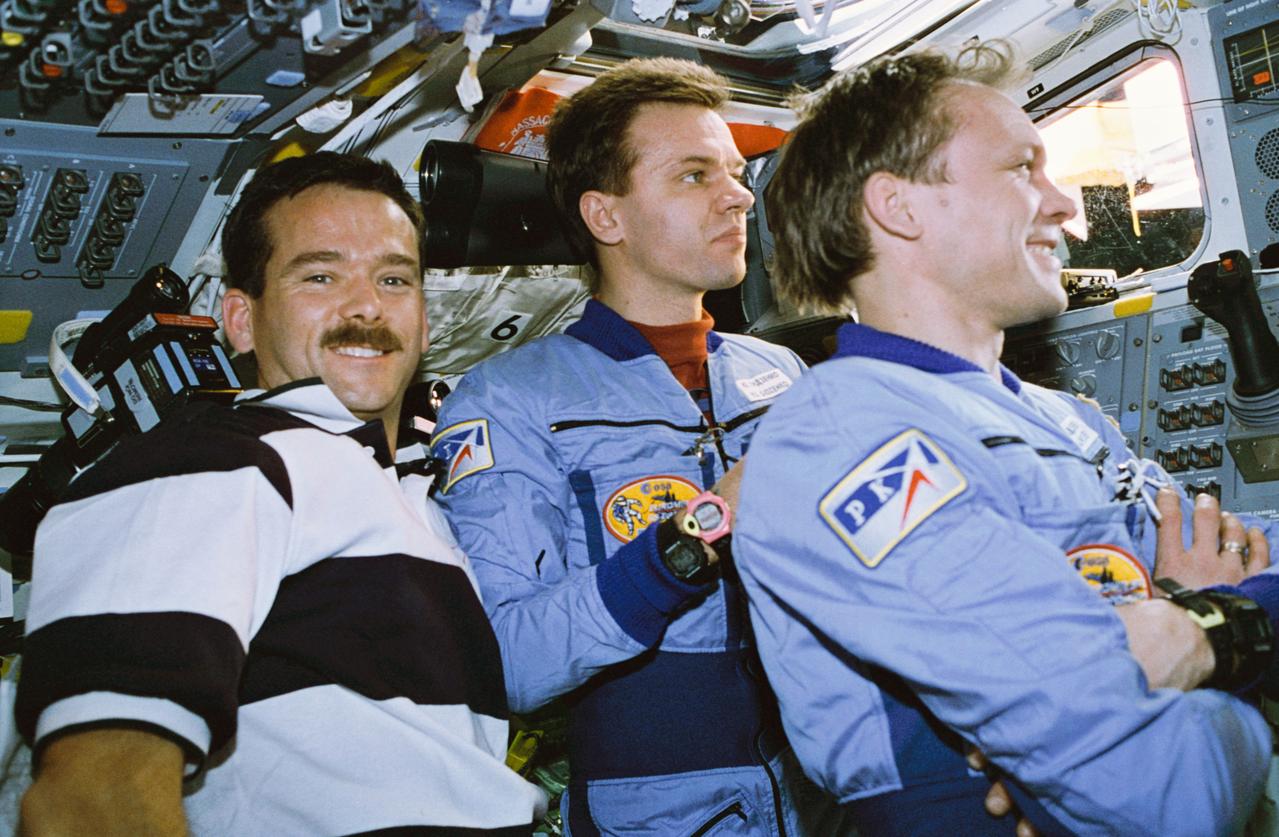
STS074-335-027 (12-20 Nov 1995) --- Astronaut Chris A. Hadfield joins two Mir-20 cosmonauts as they share a unique view through windows on the aft flight deck of the Space Shuttle Atlantis. Cosmonauts Yuriy P. Gidzenko (center), Mir-20 mission commander, and Sergei V. Avdeyev (right), flight engineer, along with the European Space Agency?s (ESA) Thomas Reiter (out of frame), cosmonaut researcher, have been onboard Russia?s Mir Space Station since September 5, 1995. At the time this photo was taken, the Space Shuttle Atlantis is docked with Mir Space Station, which is the subject of interest by the three international spectators here. With five NASA astronauts aboard the Space Shuttle Atlantis, the STS-74 flight began with a November 12, 1995, launch from Kennedy Space Center (KSC) and ended with landing there on November 20, 1995. The STS-74 crew members were astronauts Kenneth D. Cameron, mission commander; James D. Halsell Jr., pilot; William S. McArthur Jr., Jerry L. Ross and Canadian astronaut Hadfield, all mission specialists. Joint activities on the Mir Space Station and the Space Shuttle Atlantis ended on November 18, 1995, when the two spacecraft separated.
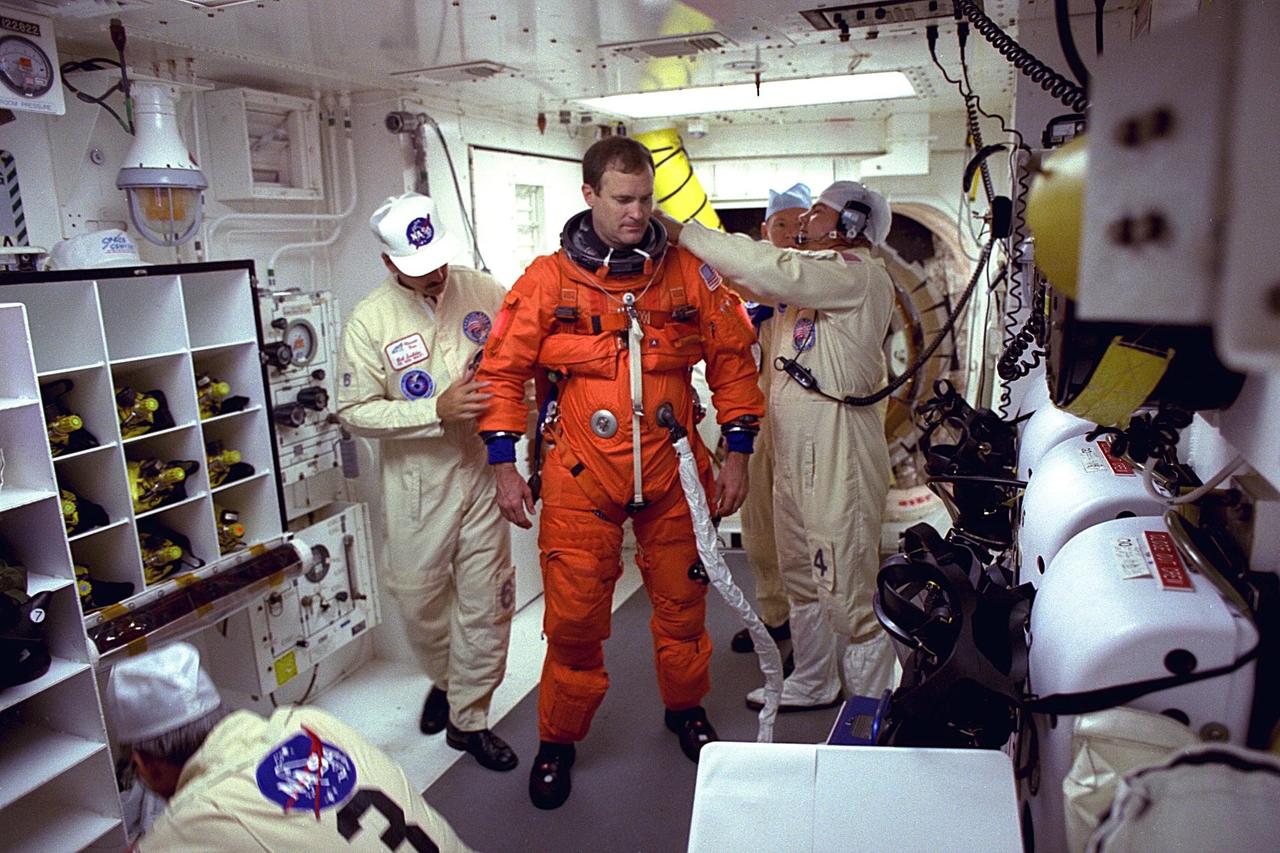
STS-94 Mission Commander James D. Halsell, Jr., prepares to enter the Space Shuttle Columbia at Launch Pad 39A in preparation for launch. Halsell is on his fourth space flight, having served as commander of STS-83 and pilot of both STS-74 and STS-65. He is a lieutenant colonel in the Air Force and a former SR-71 Blackbird test pilot and holds master’s degrees in management and space operations. Halsell will have responsibility for the success of the mission and will operate and maintain Columbia during the Red, or second shift. He will also assist with a materials science experiment and a protein crystal growth payload during the 16-day mission. Halsell and six fellow crew members will lift off during a launch window that opens at 1:50 p.m. EDT, July 1. The launch window will open 47 minutes early to improve the opportunity to lift off before Florida summer rain showers reach the space center
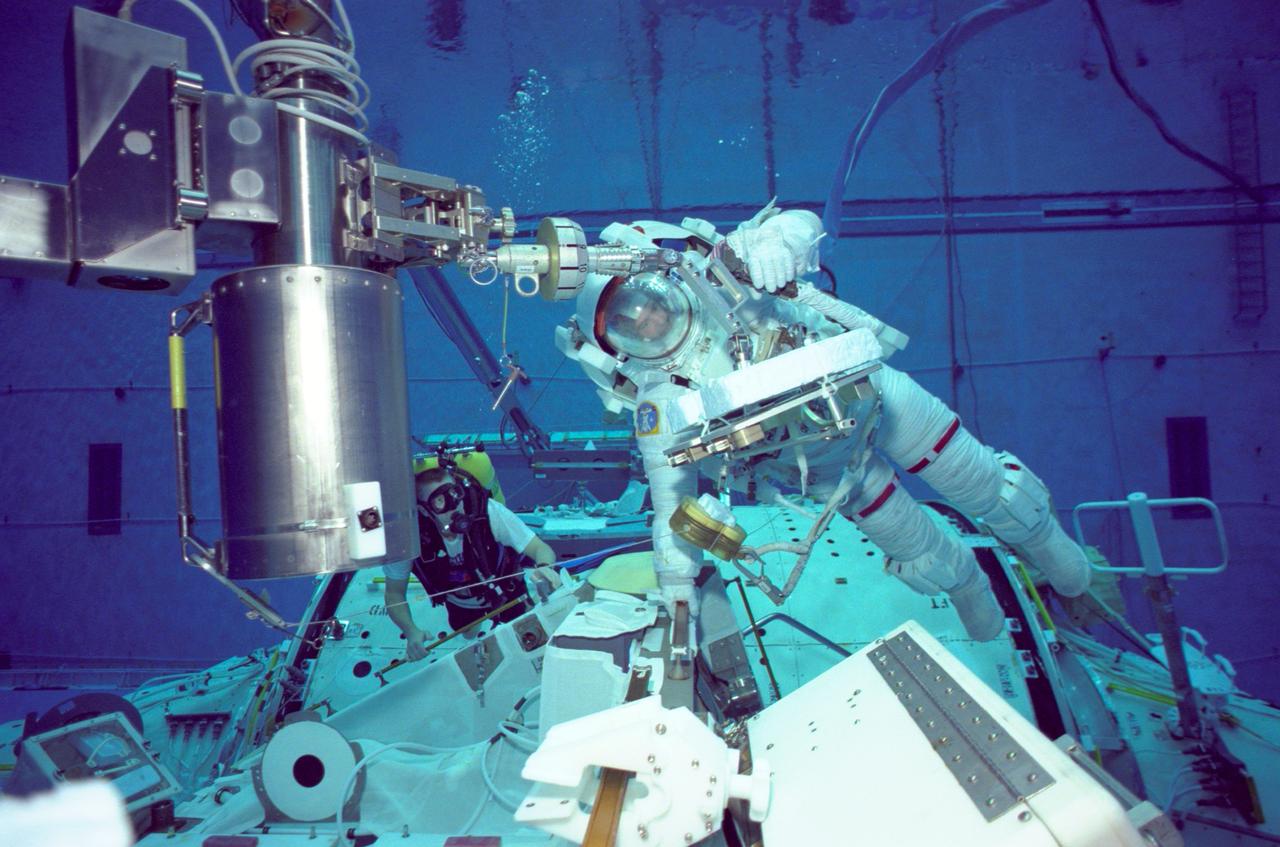
Photographic documentation showing astronauts in Extravehicular Mobility Units (EMU) participating in STS-97 (4A) EVA training in the Neutral Buoyancy Lab (NBL) pool in the Sonny Carter Training Facility (SCTF). Views include: various views of a person in an EMU (07069-71, 07077); various views of a person in an EMU with stripes on an Articulated Portable Foot Restraint (APFR) (07072, 07079) ; various views of a person in an EMU using a Pistol Grip Tool (PGT) (07073-74, 07080); person in an EMU with stripes poses with divers (07075); two persons in EMUs on APFRs (07076); person in an EMU with stripes (07078, 07081-83).
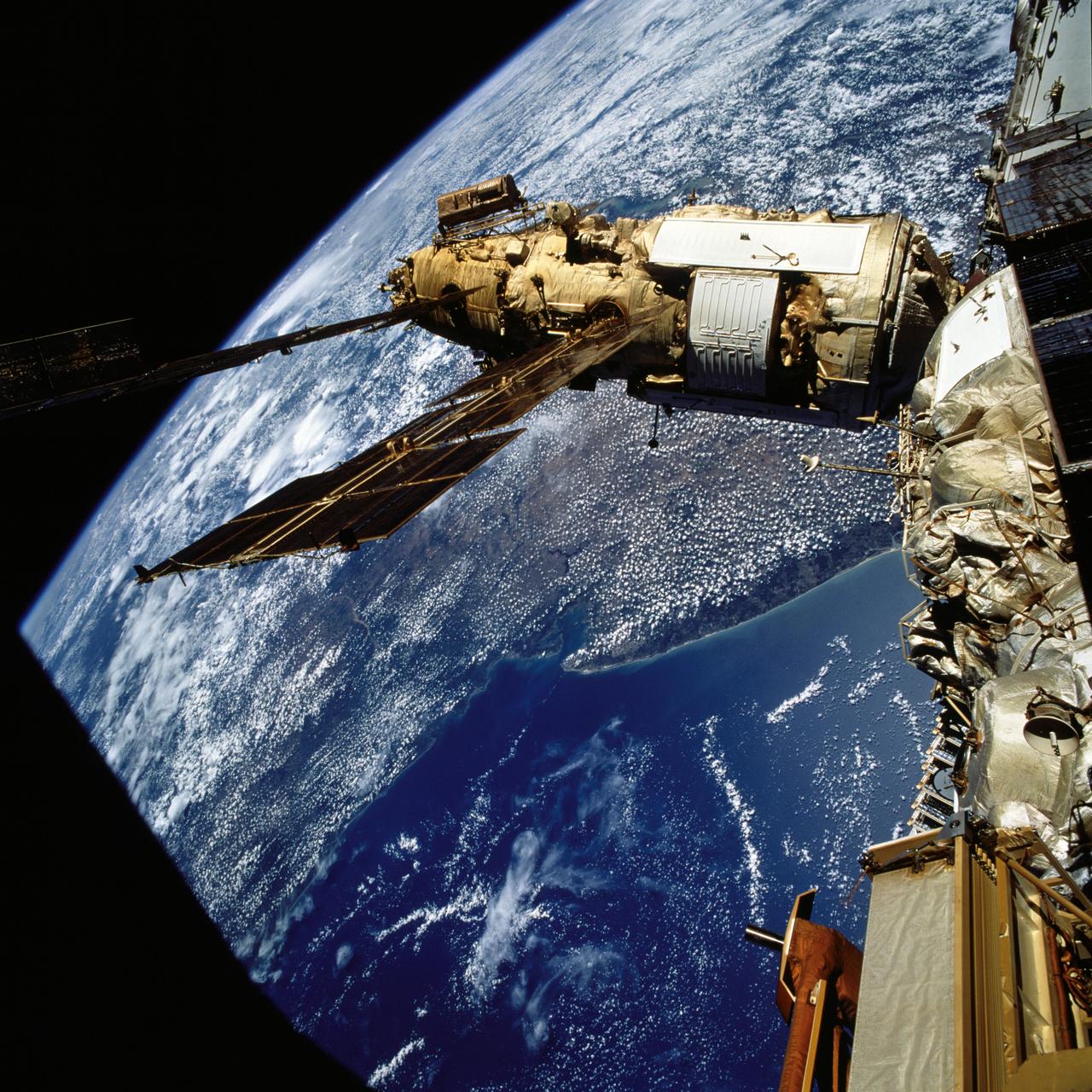
STS076-708-038 (22 - 31 March 1996) --- The crew took this 70mm picture of Russia's Mir Space Station over Australia. The crew docked the Space Shuttle Atlantis with the Mir Space Station on March 23, 1996, at which time astronaut Shannon W. Lucid joined the Mir-21 crew to begin the first leg of her 140-day stay aboard Mir, as a cosmonaut guest researcher. The Spacehab Module shared the cargo bay during part of the mission with the Docking Module (DM). The DM was connected to Mir, following a March 23, 1996, docking. The DM was delivered last year to Mir by the STS-74 crew.
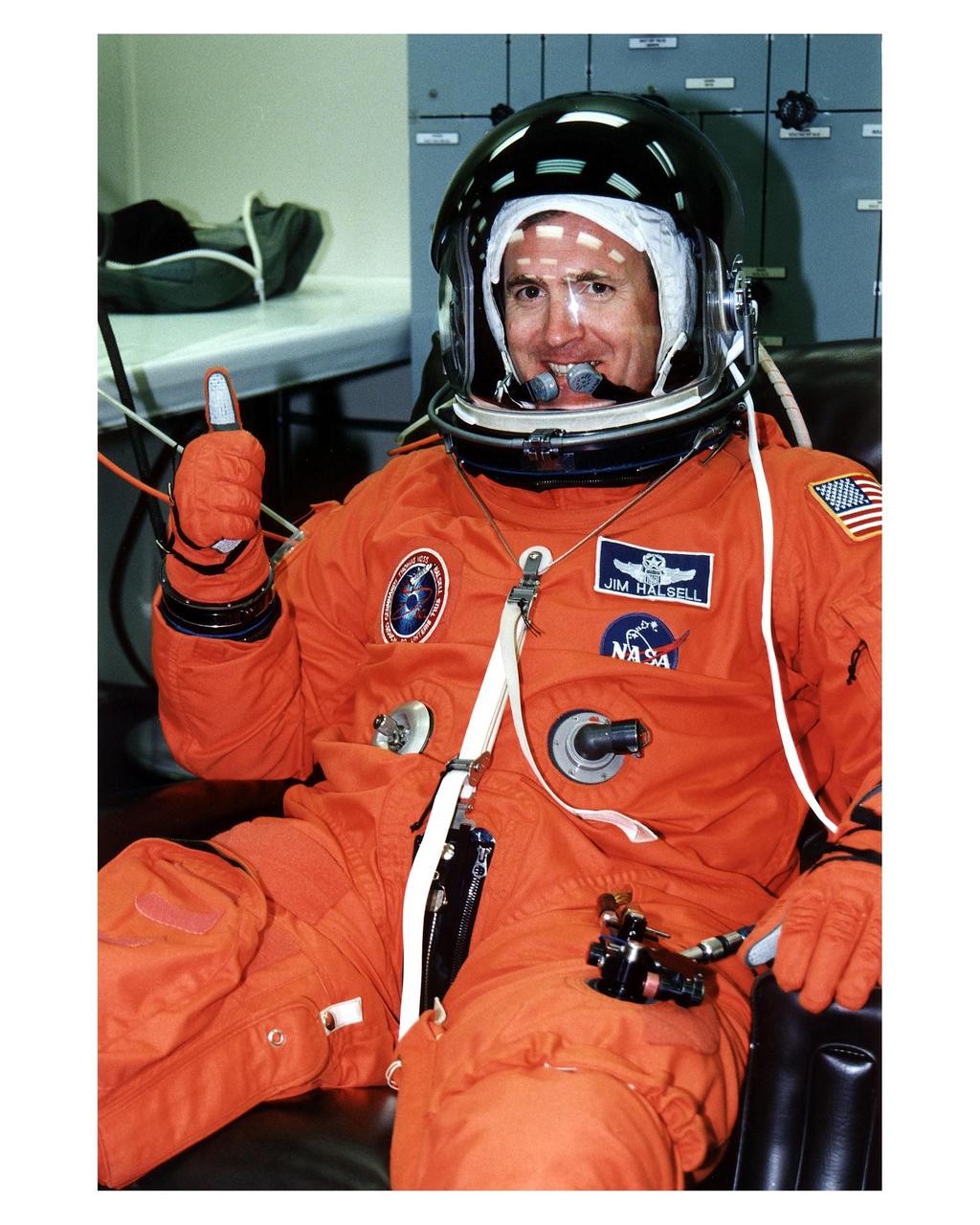
STS-83 Mission Commander James D. Halsell, Jr., gives a thumbs-up after he is assisted into his launch/entry suit in the Operations and Checkout (O&C) Building. Halsell is on his third space flight, having served as pilot of both STS-74 and STS-65. He is a lieutenant colonel in the Air Force and a former SR-71 Blackbird test pilot and holds master's degrees in management and space operations. Halsell will have responsibility for the success of the mission and will operate and maintain Columbia during the Red, or second shift. He will also assist with a materials science experiment and a protein crystal growth payload during the 16-day mission. Halsell and six fellow crew members will shortly depart the O&C and head for Launch Pad 39A, where the Space Shuttle Columbia will lift off during a launch window that opens at 2:00 p.m. EST, April 4
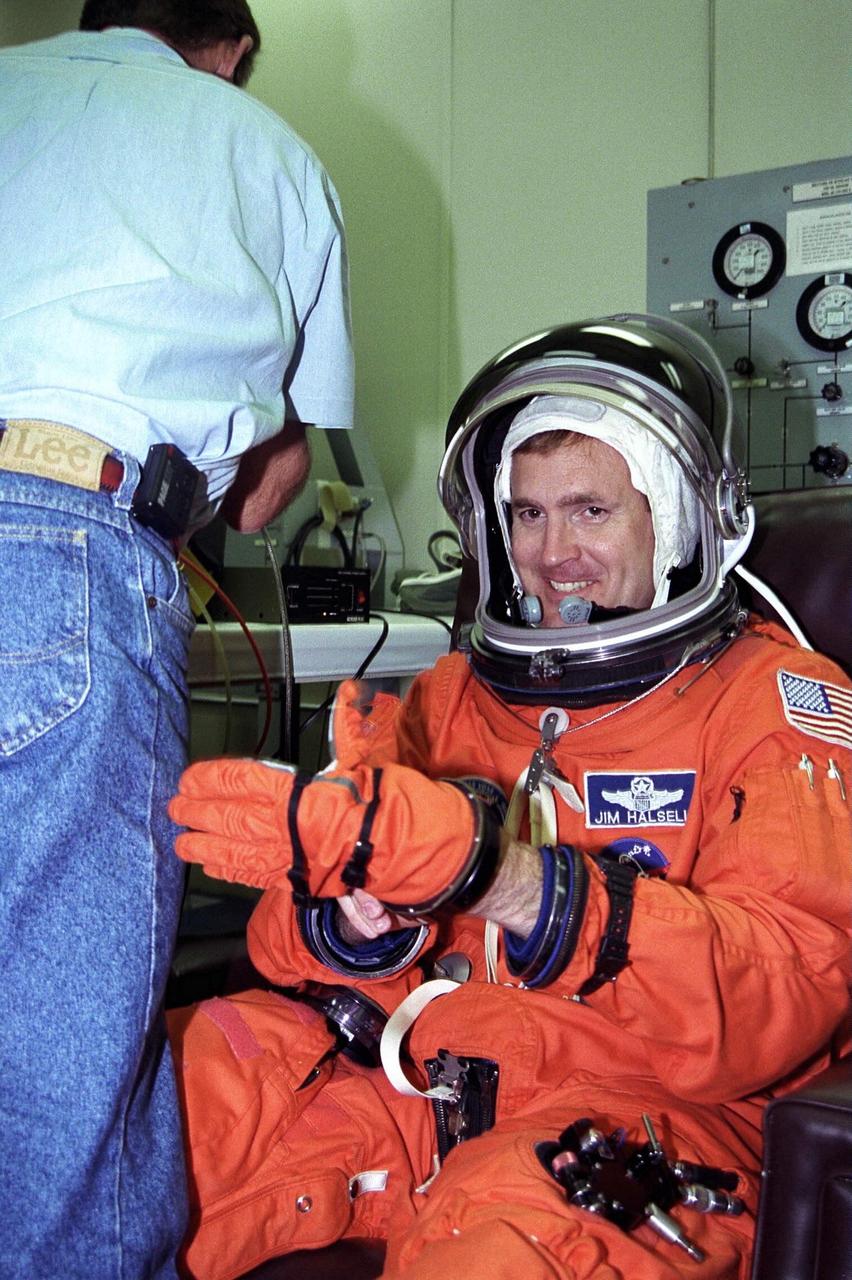
STS-94 Mission Commander James D. Halsell, Jr., puts his left glove on while he is assisted into his launch/entry suit in the Operations and Checkout (O&C) Building. Halsell is on his fourth space flight, having served as commander of STS-83 and pilot of both STS-74 and STS-65. He is a lieutenant colonel in the Air Force and a former SR-71 Blackbird test pilot and holds master’s degrees in management and space operations. Halsell will have responsibility for the success of the mission and will operate and maintain Columbia during the Red, or second shift. He will also assist with a materials science experiment and a protein crystal growth payload during the 16-day mission. Halsell and six fellow crew members will shortly depart the O&C and head for Launch Pad 39A, where the Space Shuttle Columbia will lift off during a launch window that opens at 1:50 p.m. EDT, July 1. The launch window was opened 47 minutes early to improve the opportunity to lift off before Florida summer rain showers reached the space center
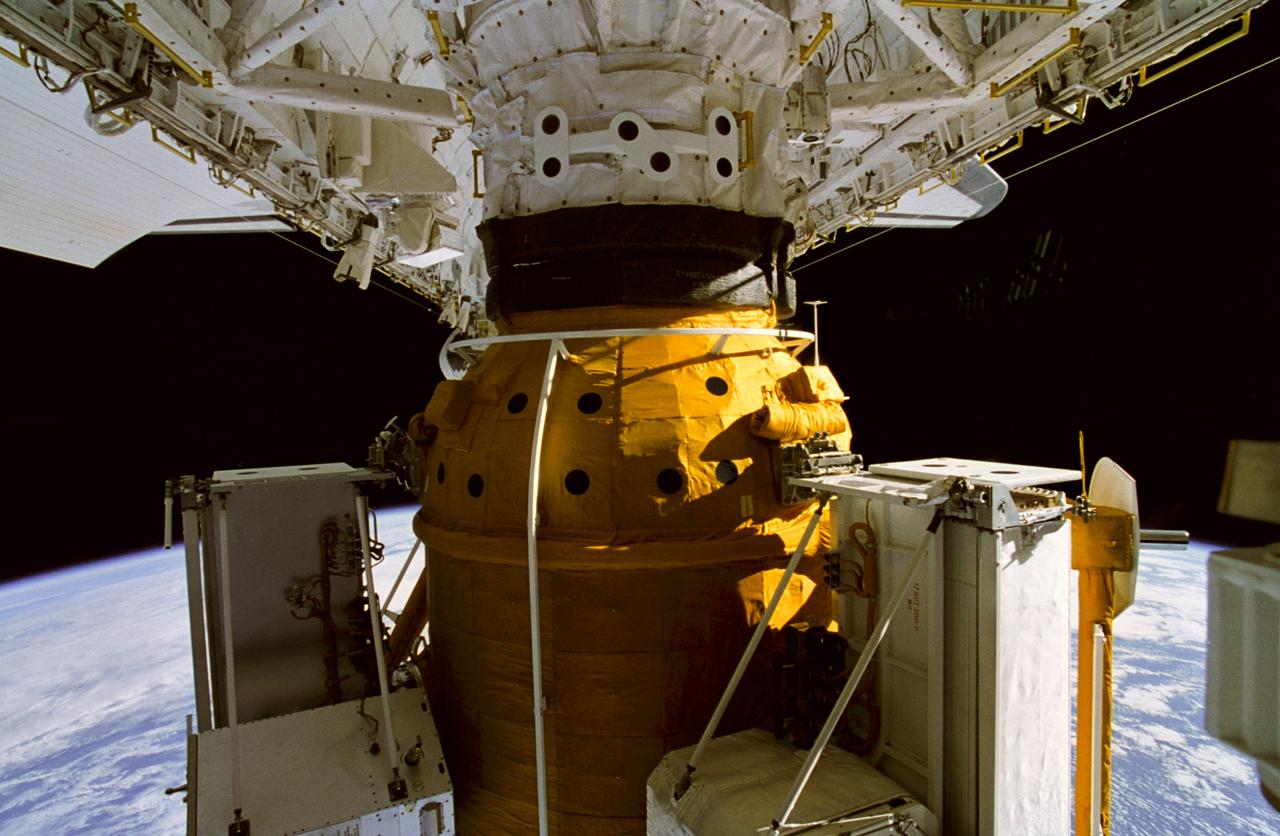
STS074-302-033 (14 Nov 1995) --- A 35mm camera aimed through the Space Shuttle Atlantis? aft windows captured the deployment of the Docking Module (DM), which was later delivered to Russia?s Mir Space Station in Earth-orbit. The Orbiter Docking System (ODS) is partially visible at bottom center. The flight began with a November 12, 1995, launch from Kennedy Space Center (KSC) and ended with landing there on November 20, 1995. The STS-74 crew members were astronauts Kenneth D. Cameron, mission commander; James D. Halsell, pilot; William S. McArthur, Jr., Jerry L. Ross and Canadian astronaut Chris A. Hadfield, all mission specialists. The Mir-20 crew is composed of cosmonauts Yuriy P. Gidzenko, commander; and Sergei V. Avdeyev, engineer; along with the European Space Agency?s (ESA) Thomas Reiter, cosmonaut researcher. Joint activities on the Mir and the Atlantis ended on November 18, 1995, when the two spacecraft separated.
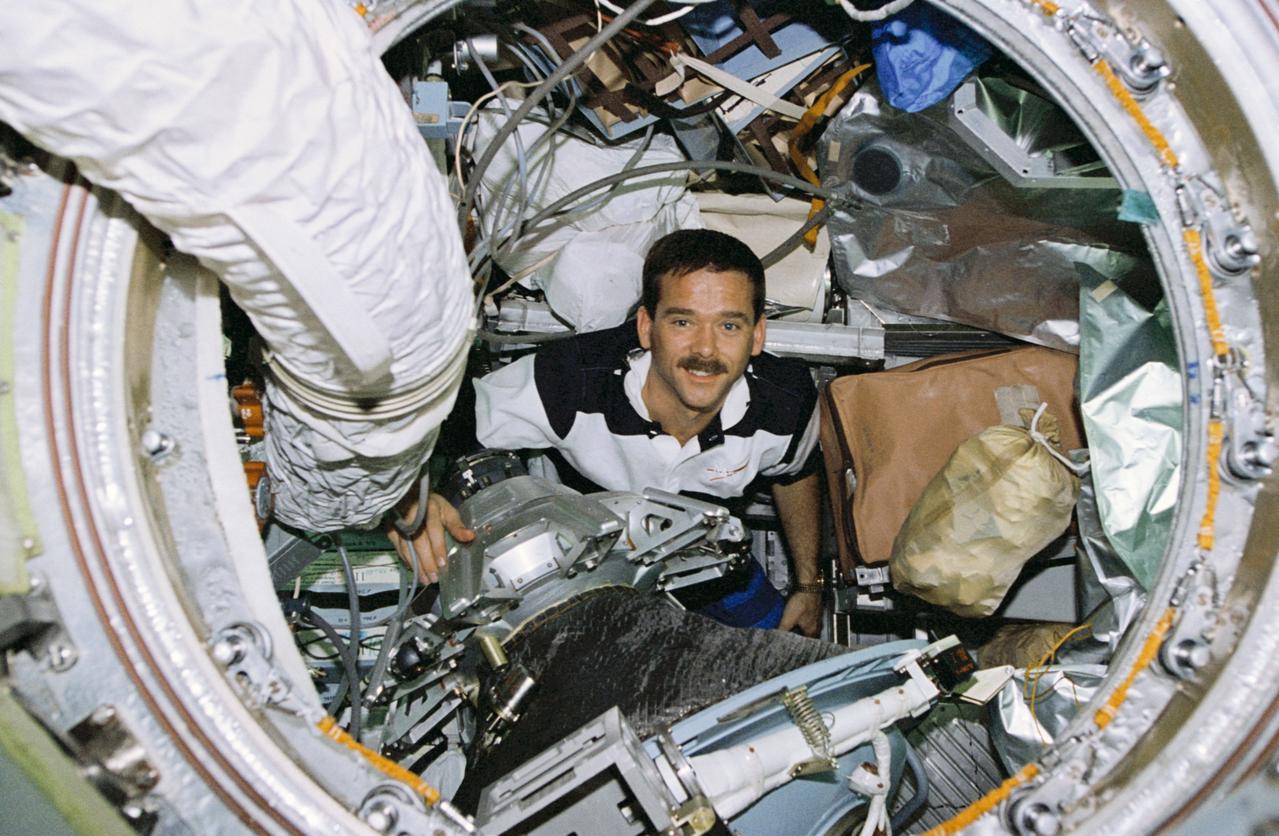
STS074-344-003 (12-20 Nov 1995) --- Astronaut Chris A. Hadfield makes his way among supplies and docking hardware onboard Russia?s Mir Space Station. With five NASA astronauts aboard the Space Shuttle Atlantis, the flight began with a November 12, 1995, launch from Kennedy Space Center (KSC) and ended with landing there on November 20, 1995. The STS-74 crew members were astronauts Kenneth D. Cameron, mission commander; James D. Halsell Jr., pilot; William S. McArthur Jr., Jerry L. Ross and Canadian astronaut Hadfield, all mission specialists. On November 15, 1995, the Space Shuttle Atlantis docked with Russia?s Mir Space Station, on which the NASA astronauts joined the Mir-20 crew. The Mir-20 crew is composed of cosmonauts Yuriy P. Gidzenko, commander; and Sergei V. Avdeyev, engineer; along with the European Space Agency?s (ESA) Thomas Reiter, cosmonaut researcher. Joint activities on the Mir Space Station and the Space Shuttle Atlantis ended on November 18, 1995, when the two spacecraft separated.