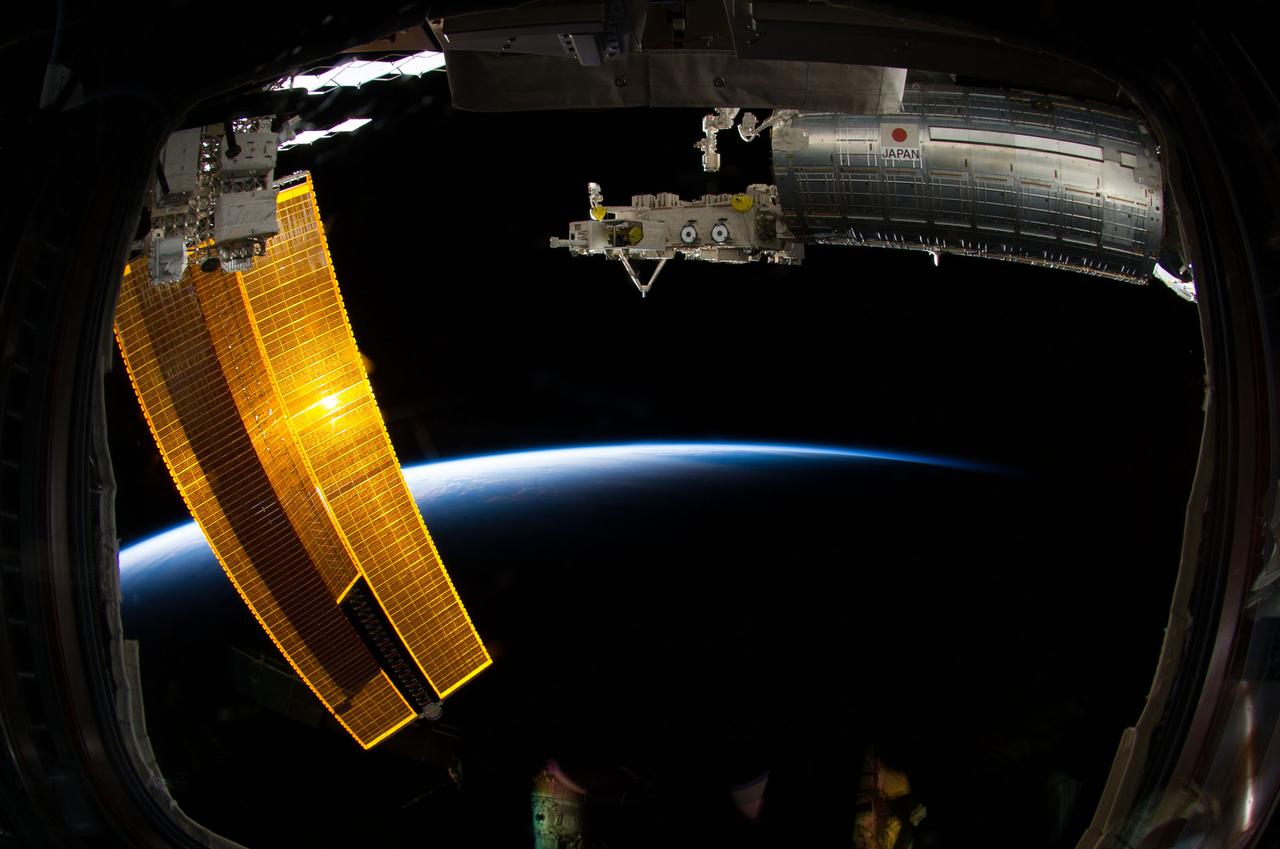
ISS040-E-006510 (1 June 2014) --- Backdropped by the thin line of Earth's atmosphere and the blackness of space, the Japanese Kibo complex of the International Space Station and station solar array wings are featured in this image photographed by an Expedition 40 crew member from a window in the station’s Cupola.
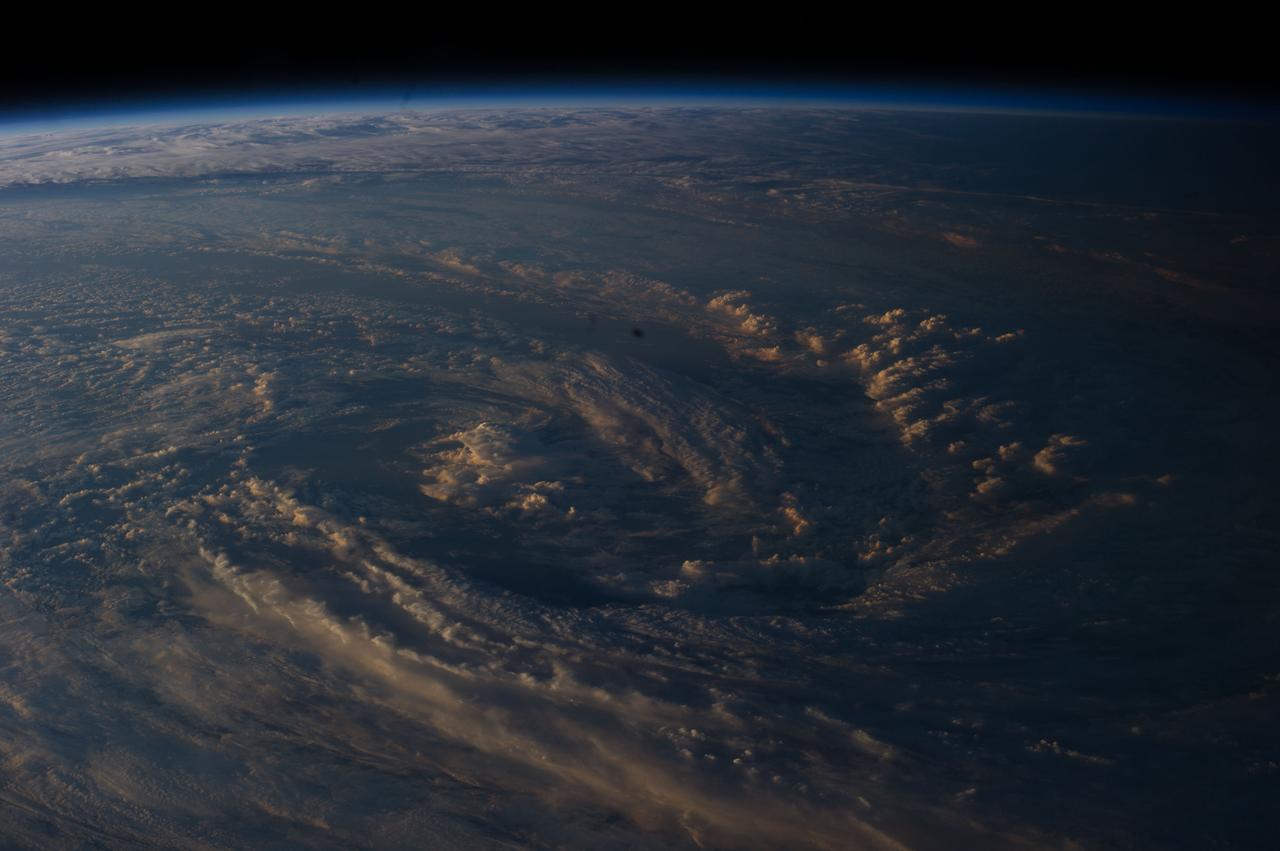
Earth Observation taken during a day pass by the Expedition 40 crew aboard the International Space Station (ISS). Folder lists this as: Sunsetting near Perth.
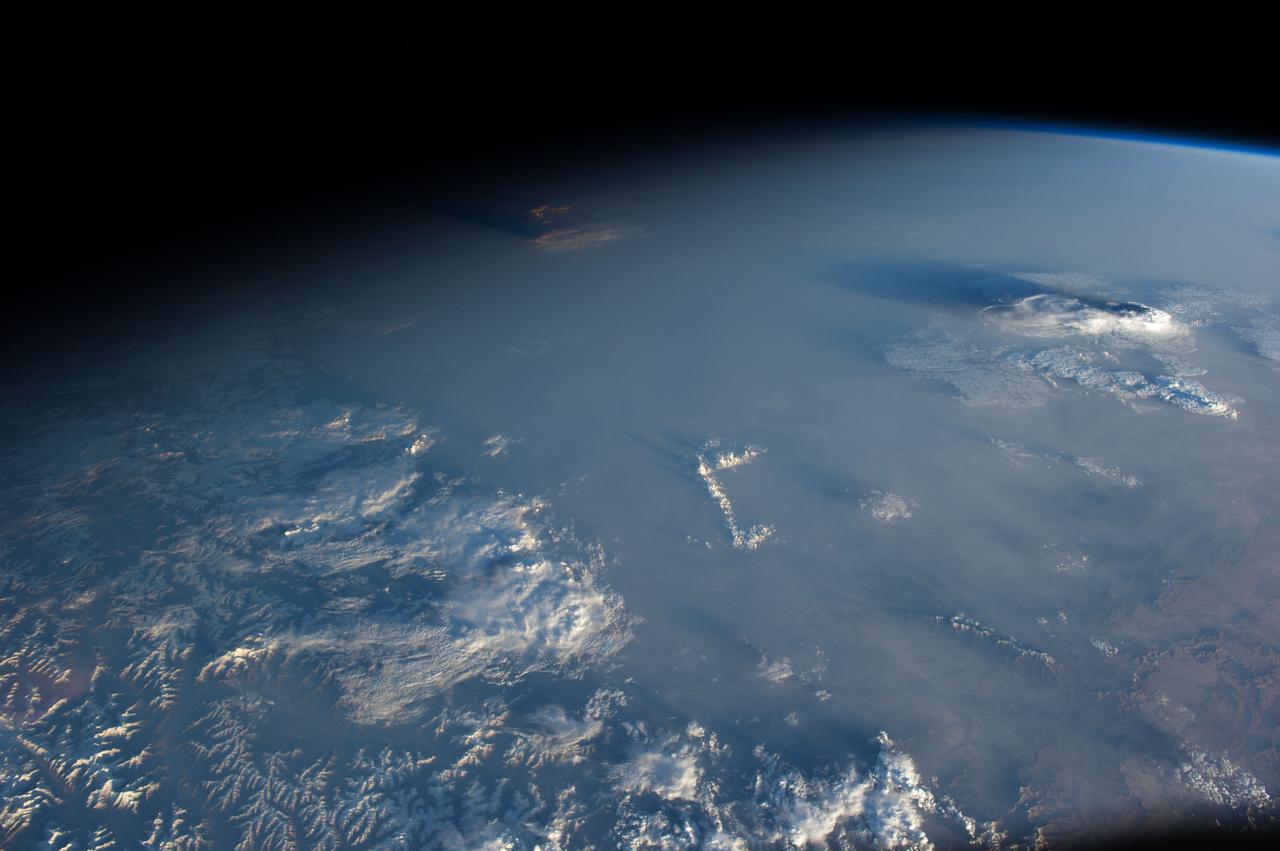
Earth Observation taken during a day pass by the Expedition 40 crew aboard the International Space Station (ISS). Folder lists this as: Sunsetting over the mountains of Kazakhstan.
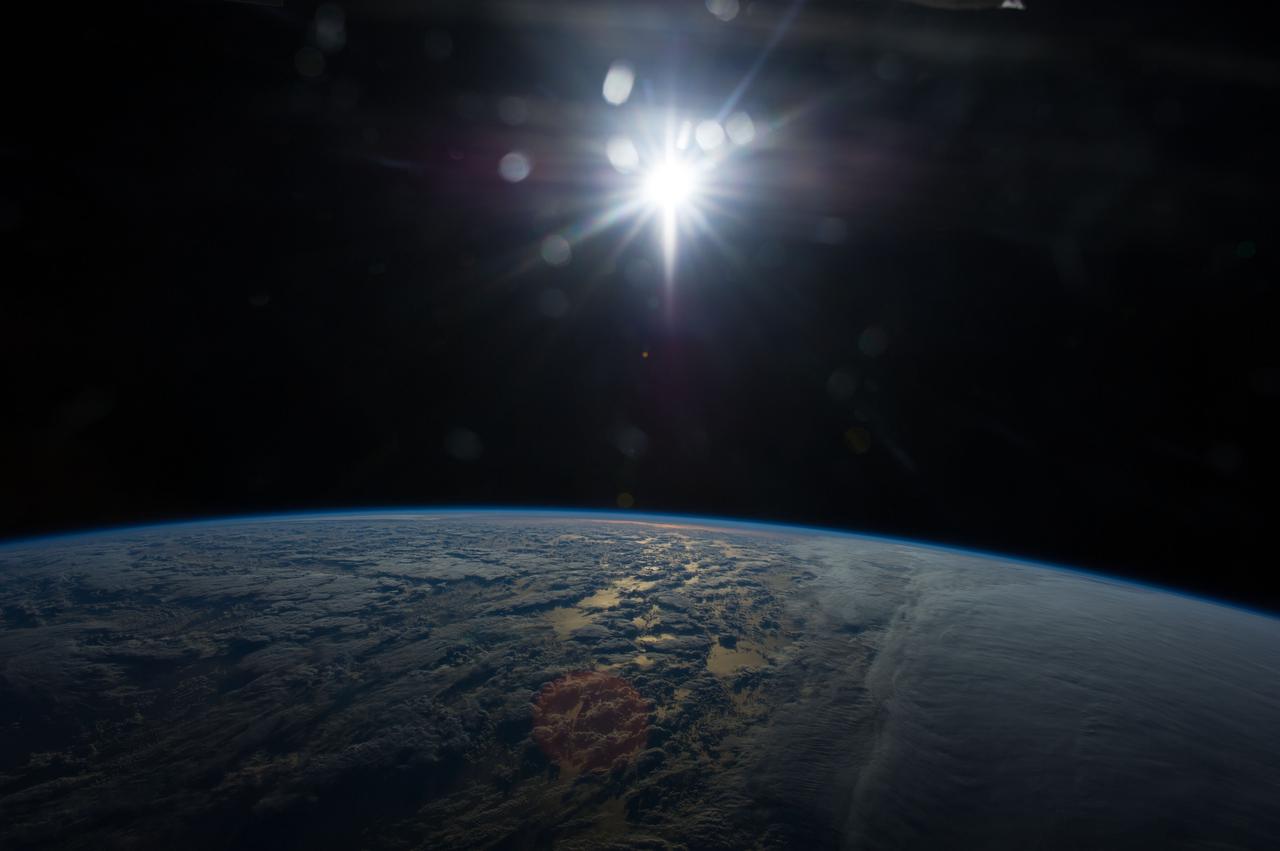
Earth Observation taken during a day pass by the Expedition 40 crew aboard the International Space Station (ISS). Folder lists this as: Sunset over southern atlantic ocean.
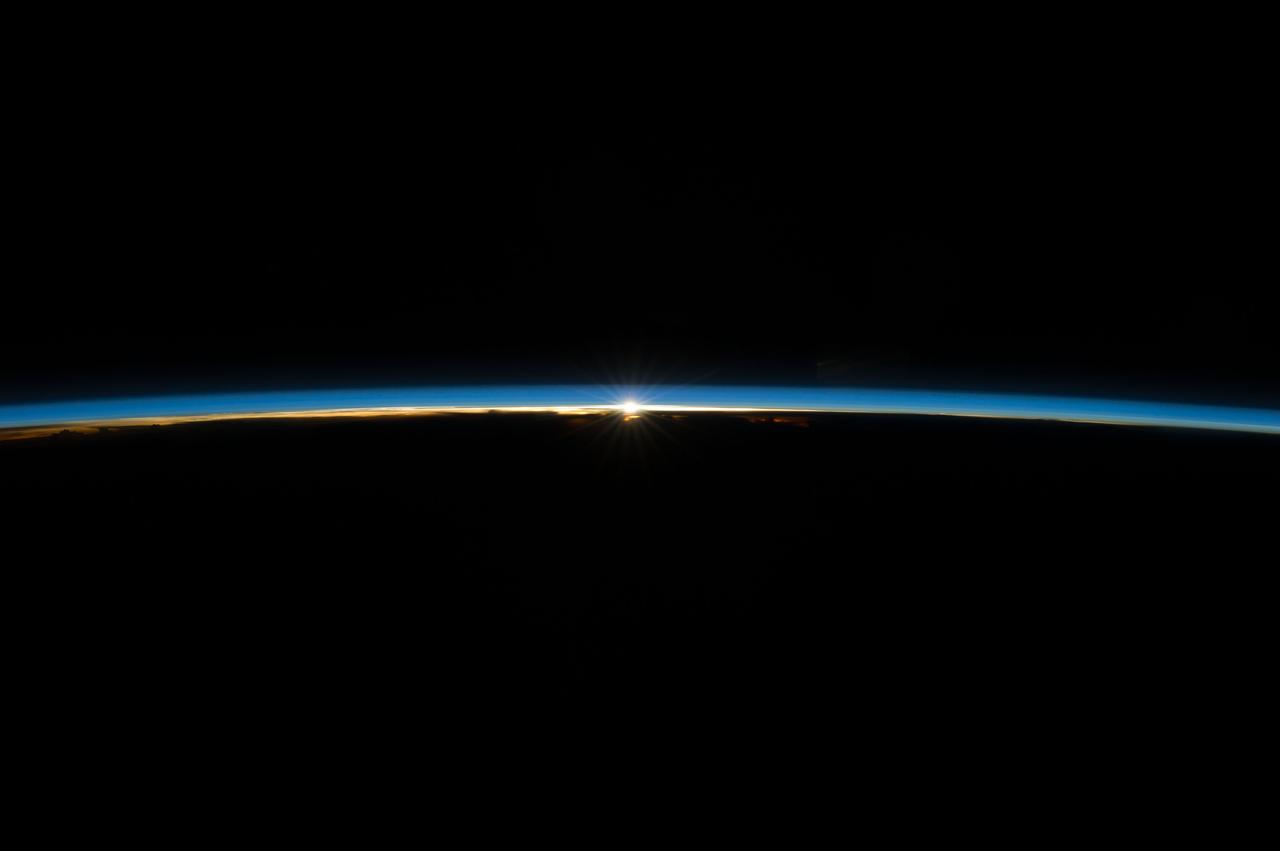
ISS040-E-008179 (7 June 2014) --- The sun, peeking through the thin line of Earth’s atmosphere, is featured in this image photographed by an Expedition 40 crew member on the International Space Station. Crew members onboard the space station see, on average, sixteen sunrises and sunsets during a 24-hour orbital period.
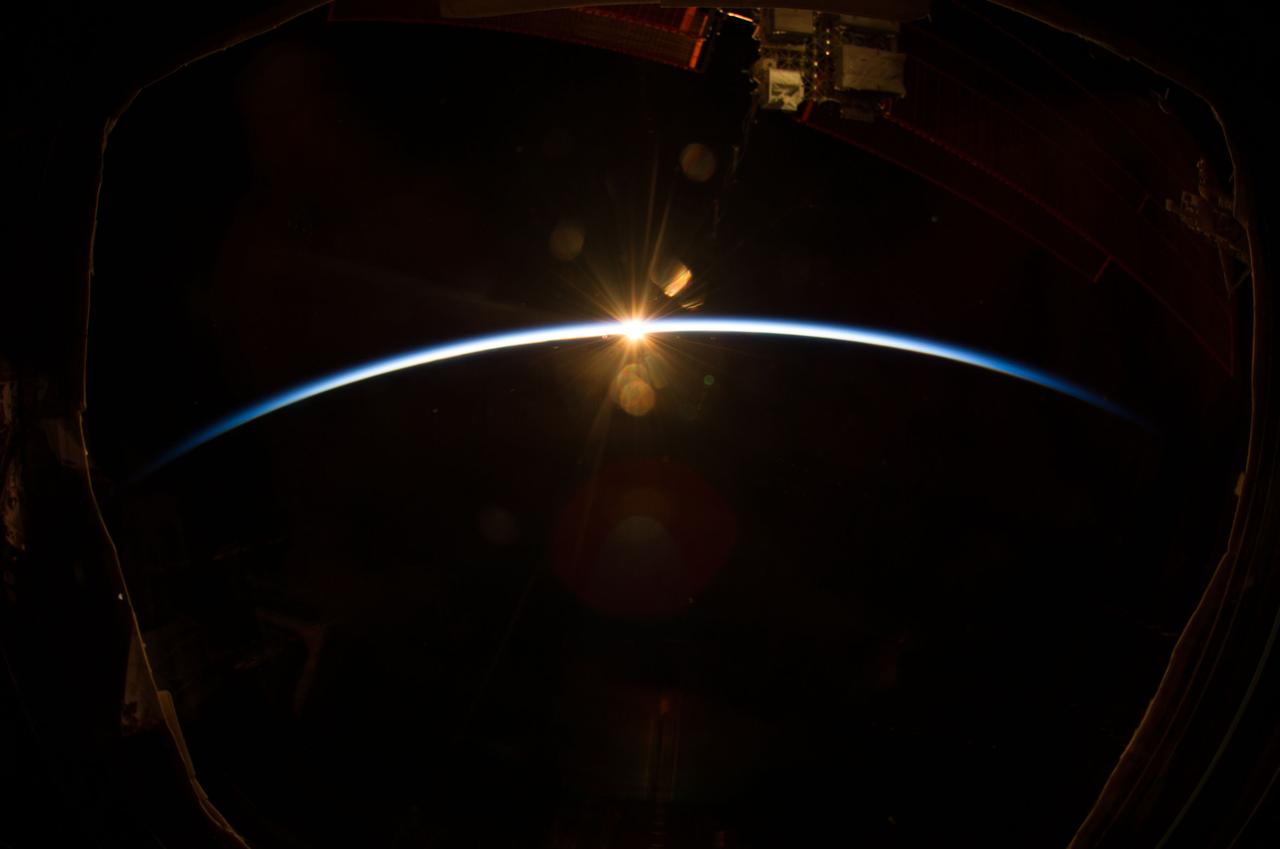
ISS040-E-008169 (7 June 2014) --- The sun, peeking through the thin line of Earth’s atmosphere, is featured in this image photographed by an Expedition 40 crew member on the International Space Station. Crew members onboard the space station see, on average, sixteen sunrises and sunsets during a 24-hour orbital period.
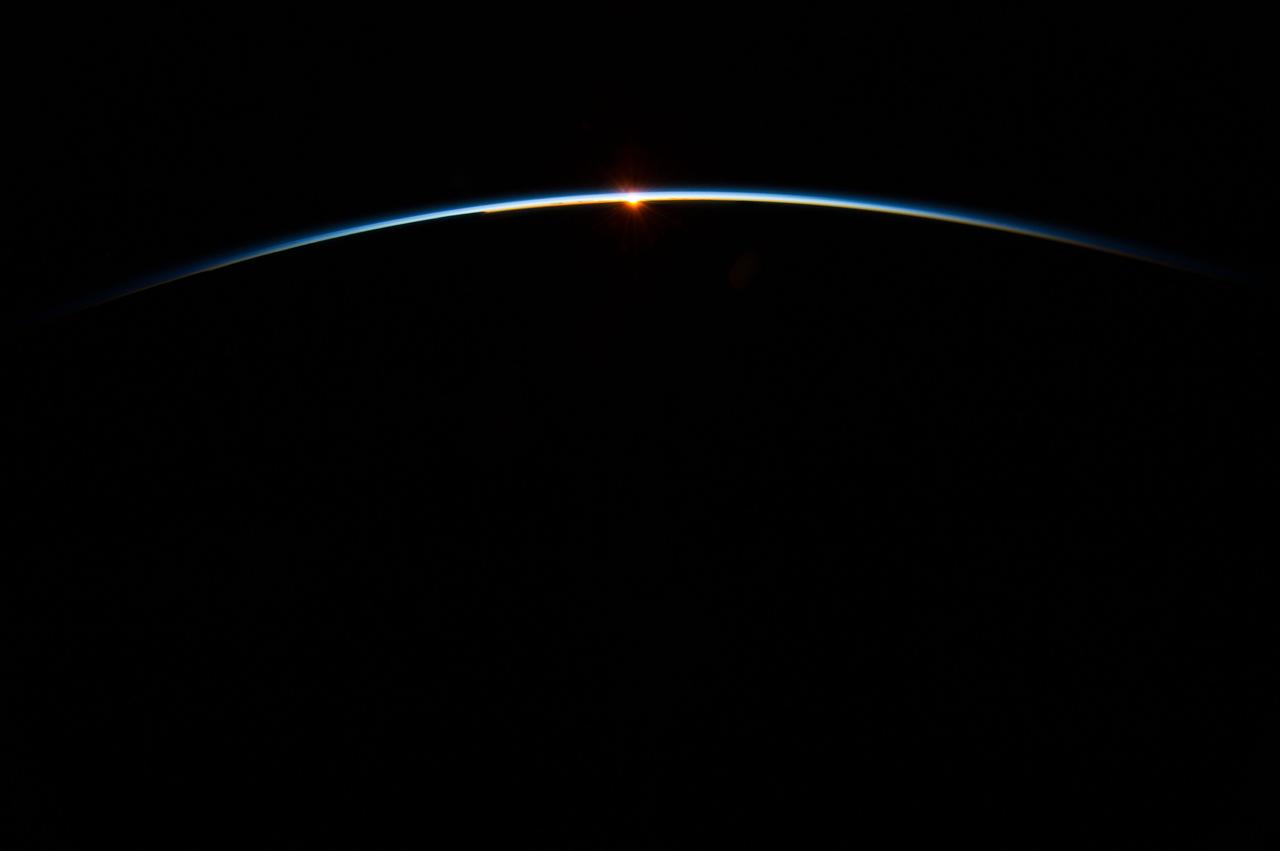
ISS040-E-083603 (31 July 2013) --- The sun, peeking through the thin line of Earth's atmosphere, is featured in this image photographed by an Expedition 40 crew member on the International Space Station. Crew members onboard the space station see, on average, sixteen sunrises and sunsets during a 24-hour orbital period.
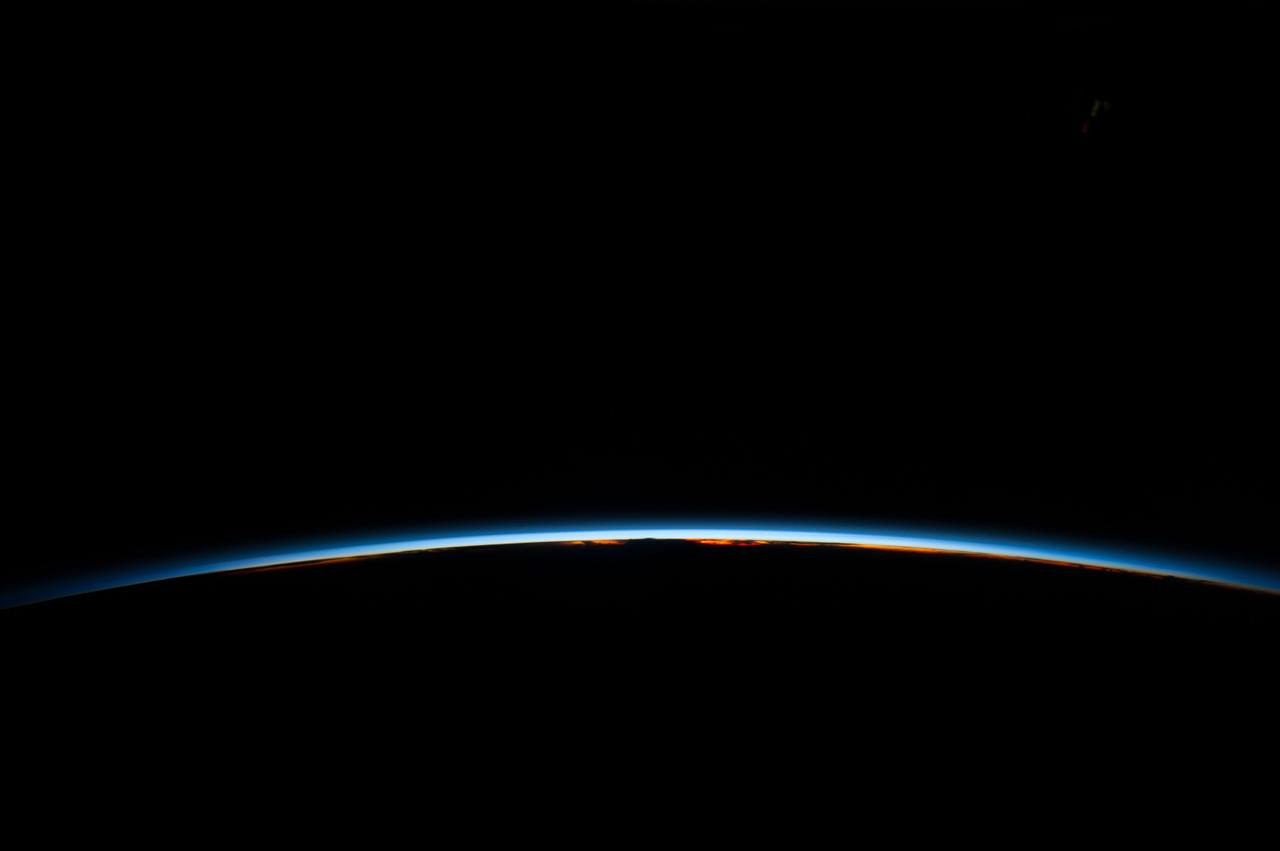
ISS040-E-006303 (31 May 2014) --- An orbital sunrise is featured in this image photographed by an Expedition 40 crew member on the International Space Station. Crew members onboard the space station see, on average, sixteen sunrises and sunsets during a 24-hour orbital period.
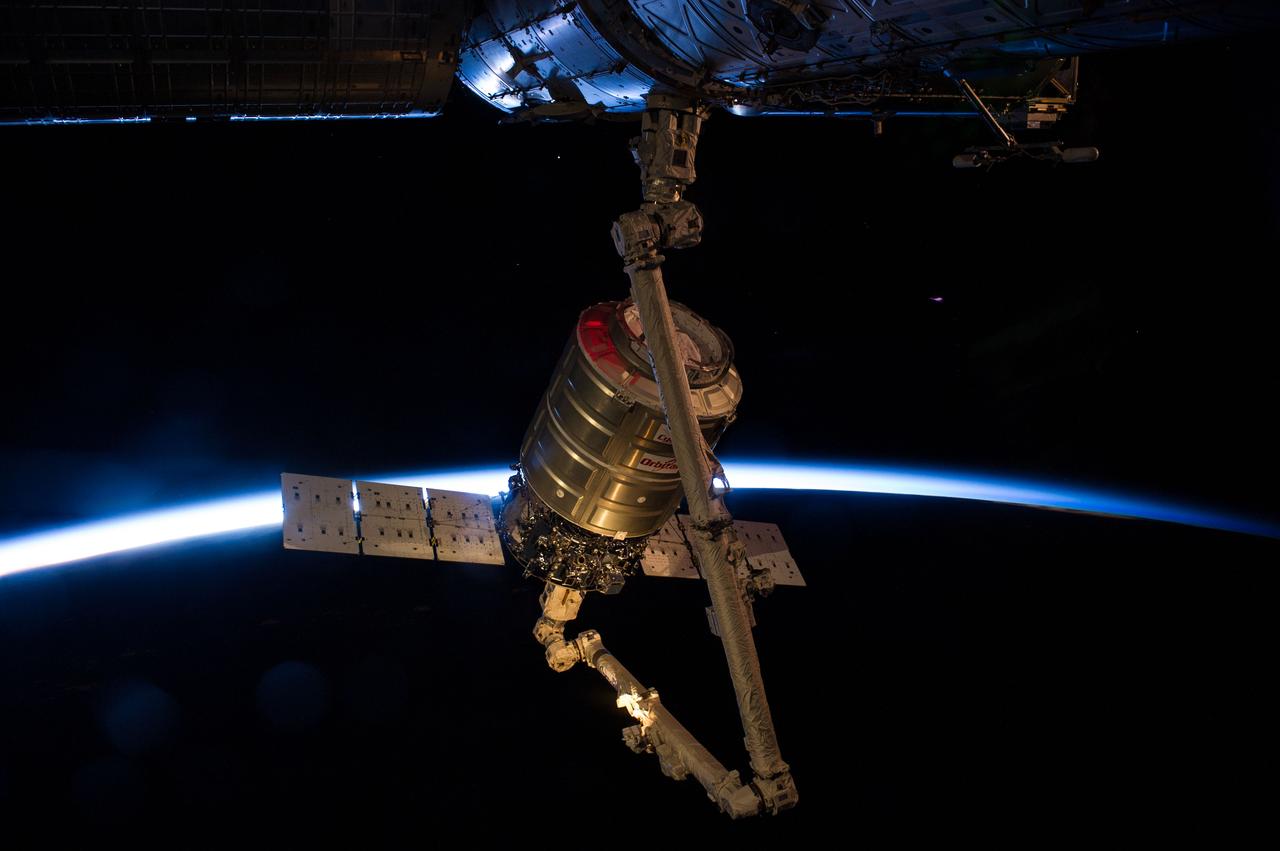
ISS040-E-063769 (16 July 2014) --- Intersecting the thin line of Earth?s atmosphere, the Orbital Sciences? Cygnus cargo craft attached to the end of the Canadarm2 robotic arm of the International Space Station is photographed by an Expedition 40 crew member after the two spacecraft converged at 6:36 a.m. (EDT) on July 16, 2014. The red color on Cygnus is a spectral effect from one of Cygnus? strobe lights against the fading light heading into an orbital sunset following grapple.
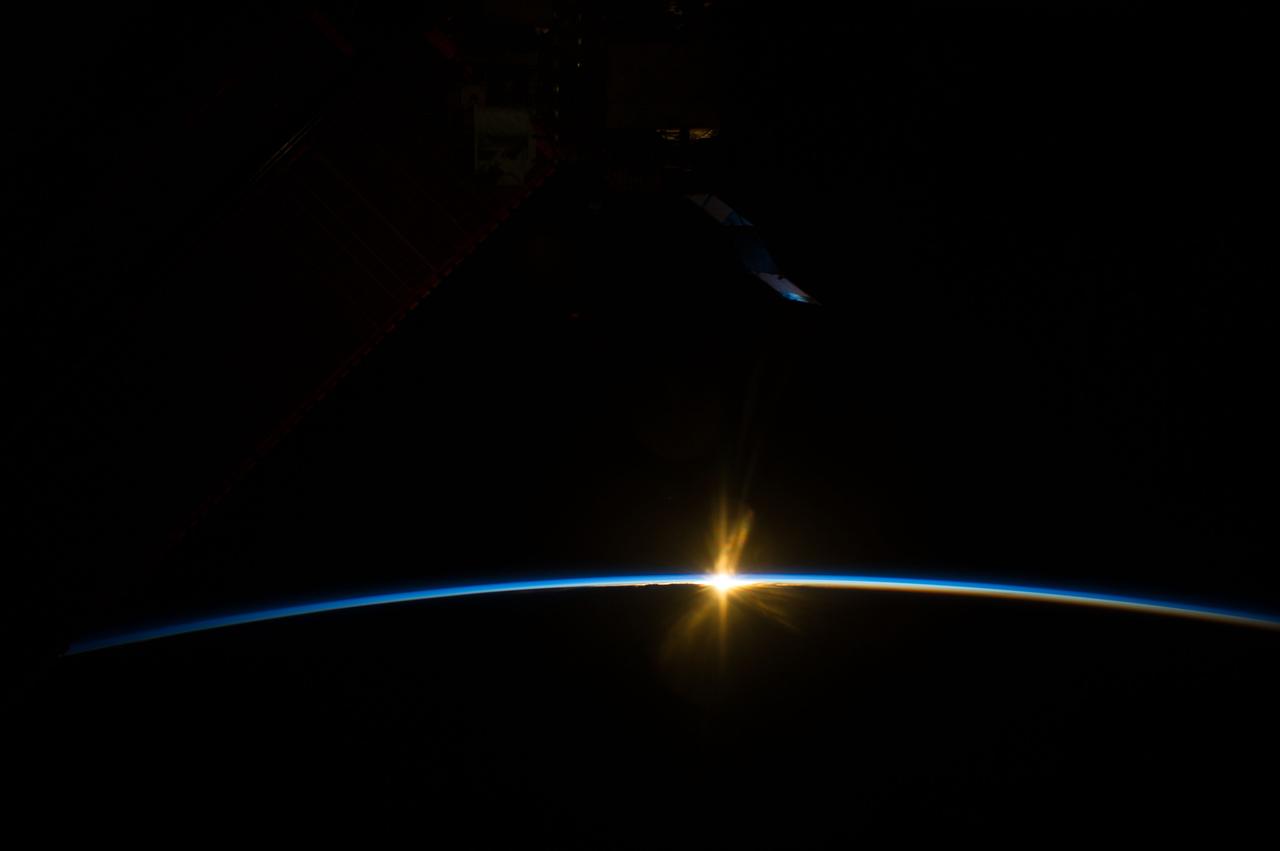
ISS040-E-008351 (8 June 2014) --- During a crew member's typical stay time aboard the Earth-orbiting International Space Station, he or she will see thousands of sunsets and sunrises aboard the orbital outpost, which moves at 17,500 miles per hour. Not all of them get photographed and not all of the photographed ones are as scenic as this image, photographed by one of the Expedition 40 crew members on June 8, 2014. The image shows the sun in the center of the blue line of atmosphere on the home planet.
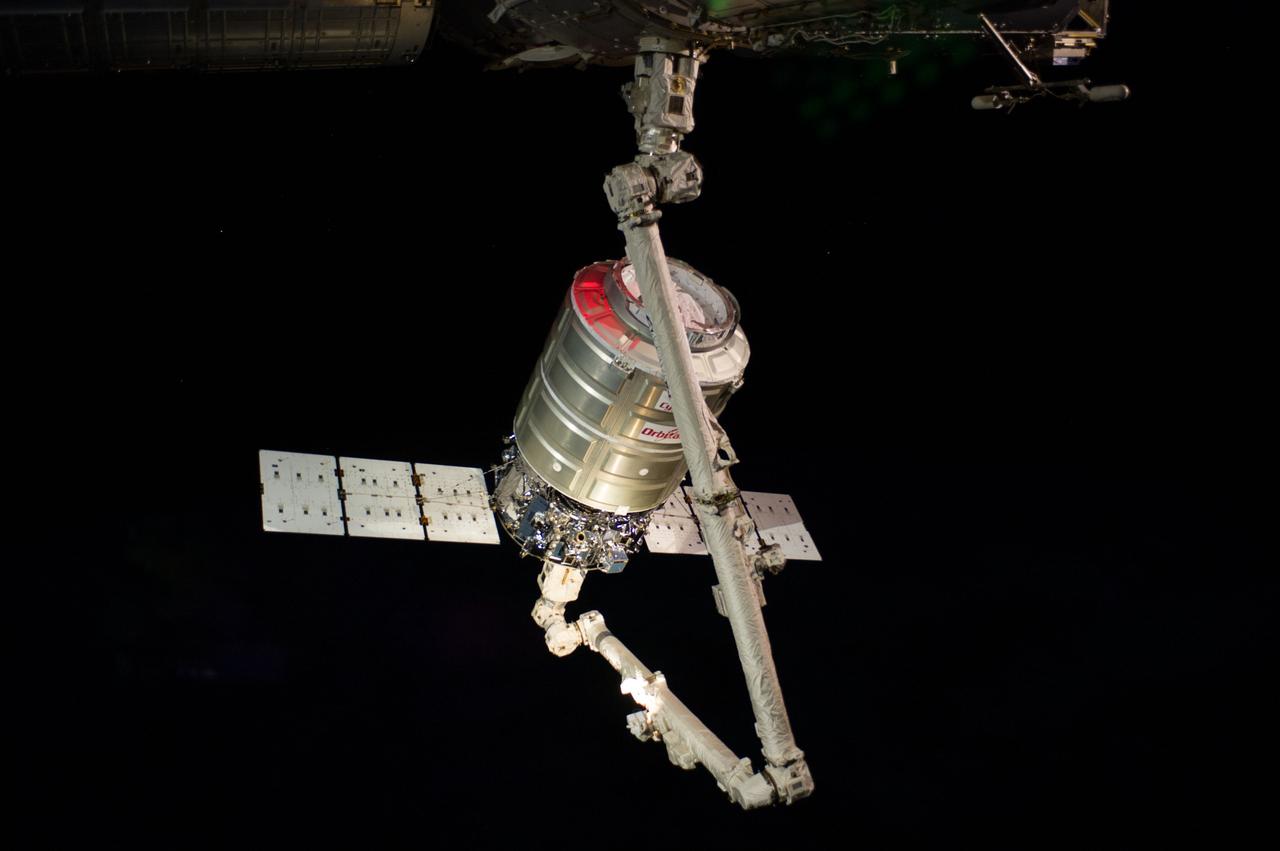
ISS040-E-067885 (16 July 2014) --- The Orbital Sciences’ Cygnus cargo craft attached to the end of the Canadarm2 robotic arm of the International Space Station is photographed by an Expedition 40 crew member after the two spacecraft converged at 6:36 a.m. (EDT) on July 16, 2014. The red color on Cygnus is a spectral effect from one of Cygnus’ strobe lights against the fading light heading into an orbital sunset following grapple.
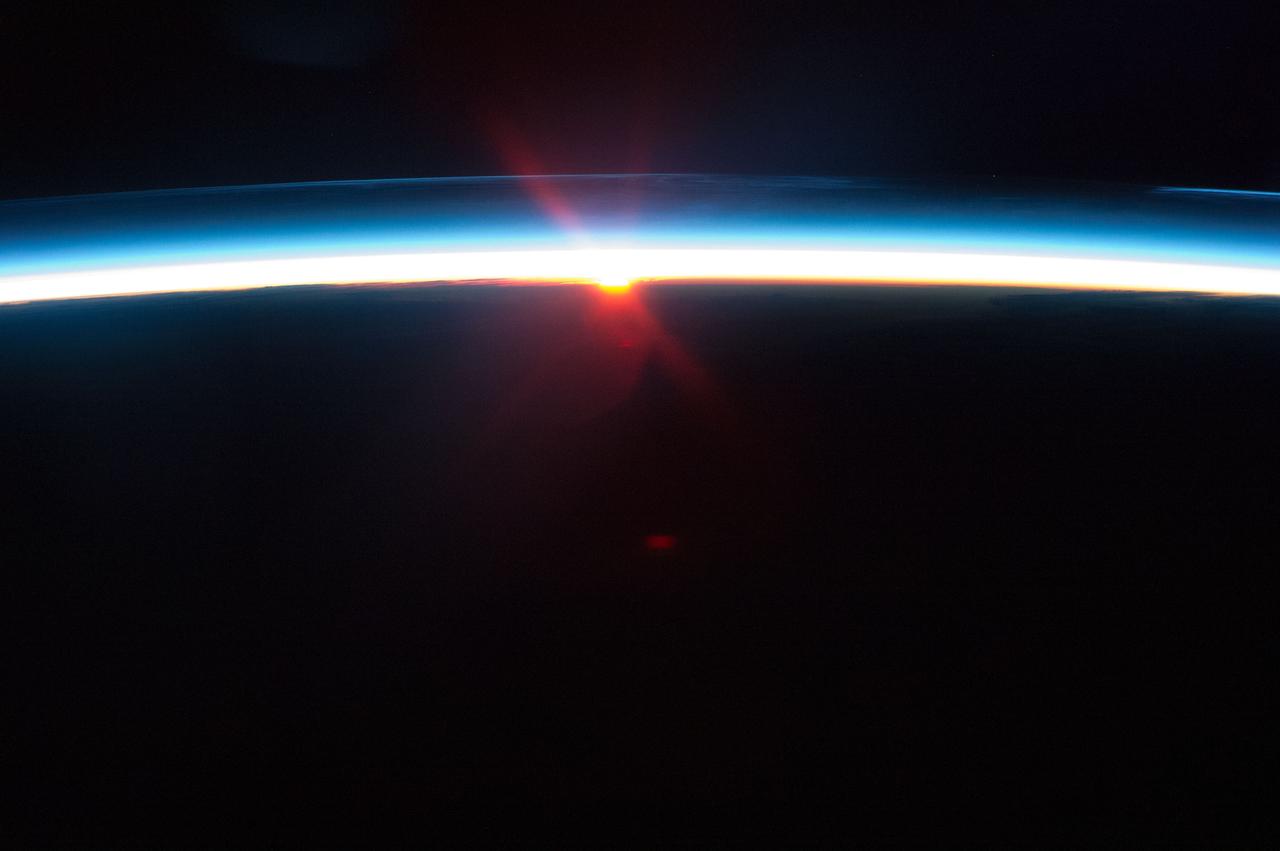
ISS040-E-87351 (1 Aug. 2014) --- This sunset shot, photographed by an Expedition 40 crew member on the International Space Station, shows polar mesospheric clouds only as a thin bright line ? far above the lowest, yellow-brown weather layer of the atmosphere (known as the troposphere) when the space station was flying over southern Ukraine on Aug. 1, 2014.

ISS040-E-008409 (8 June 2014) --- The thin line of Earth's atmosphere and the blackness of space are featured in this image photographed by an Expedition 40 crew member on the International Space Station.
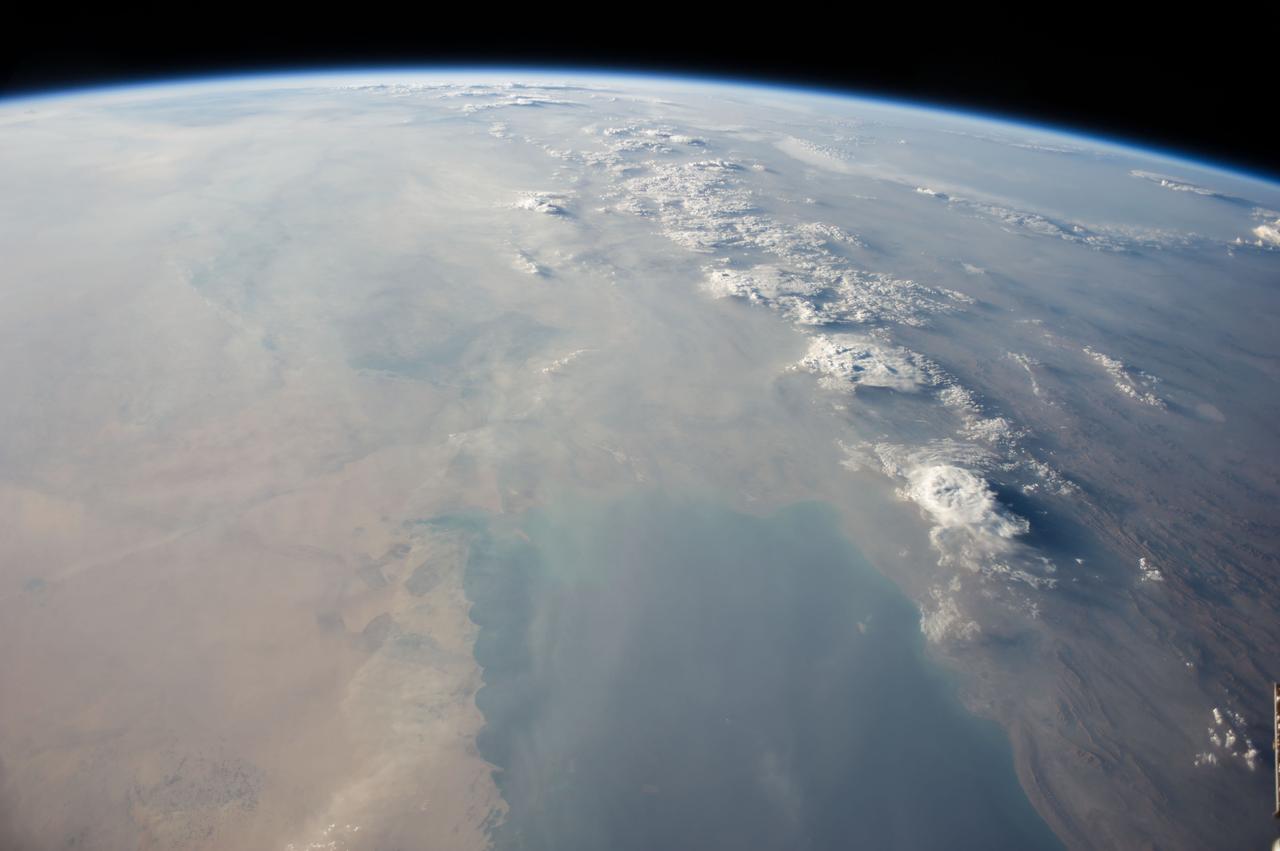
ISS040-E-113700 (31 Aug. 2014) --- This panorama view, photographed by an Expedition 40 crew member on the International Space Station, shows tan-colored dust of a major dust storm obscuring the Persian Gulf and the its northern shoreline. Strong north winds often blow in summer, churning up dust from the entire length of the desert surfaces of the Tigris and Euphrates valleys (top left). Dust partly obscures the hundreds of kilometers of Iraq’s light-green agricultural lands along these rivers (left). A line of thunderstorms is being set off by the Zagros Mountains of Iran (right), with the setting sun casting long shadows from the thunderheads. Space station crews see sixteen sunrises and sunsets every day from low Earth orbit. Here the crew captured dusk in a darkening Iranian landscape (right).