
PERRY GRAY WITH HAND ON SYRINGE
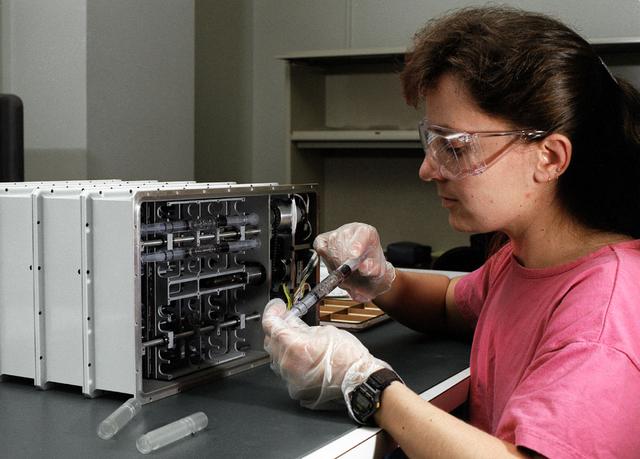
Karen Swofford working on Aerogel Syringe Assemblies loading process into mixing carriages of the Aerogel Flight Unit.
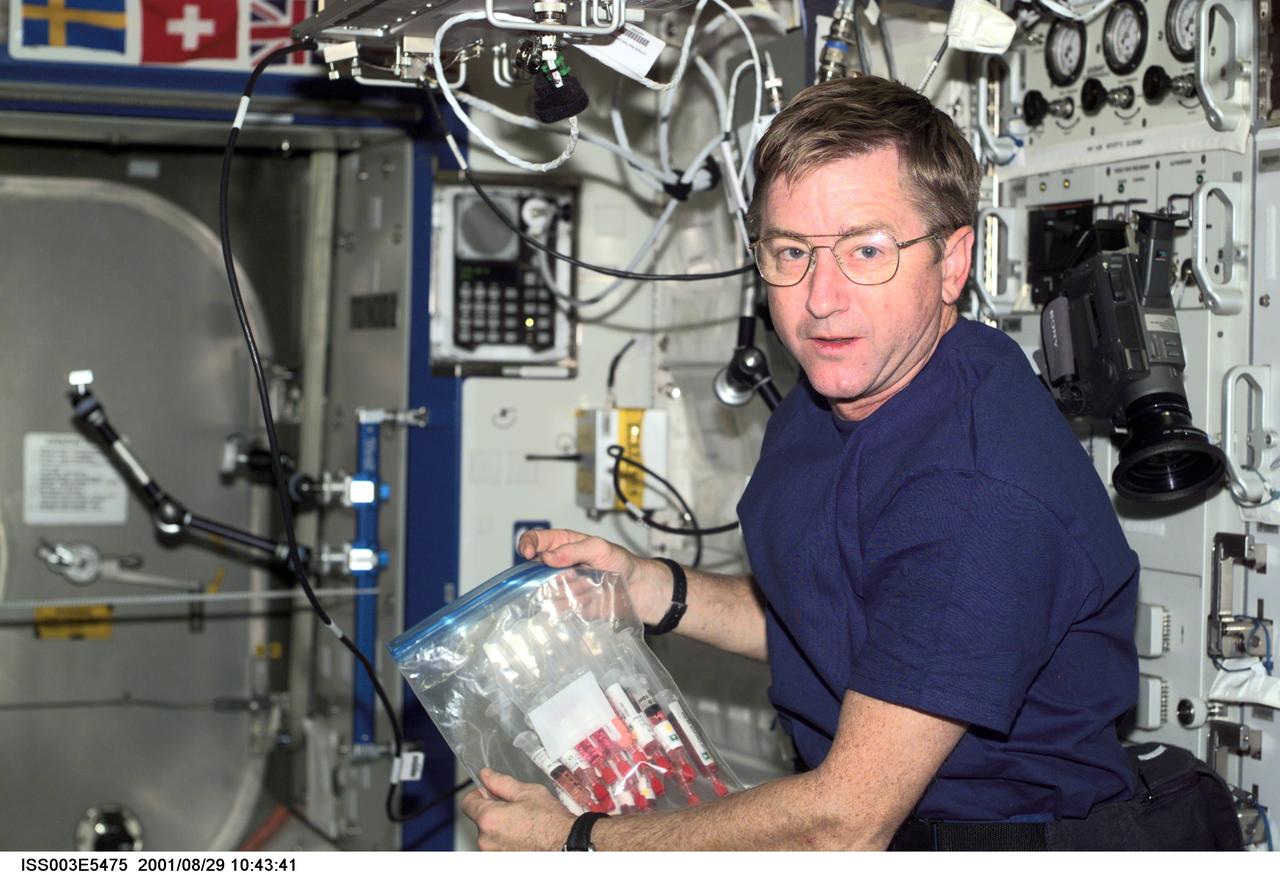
ISS003-E-5475 (29 August 2001) --- Astronaut Frank L. Culbertson, Expedition Three mission commander, holds a syringe kit to be used in the Quad Tissue Culture Module Assemblies (QTCMA) for the Biotechnology Specimen Temperature Controller (BSTC) experiment in the U.S. Laboratory.
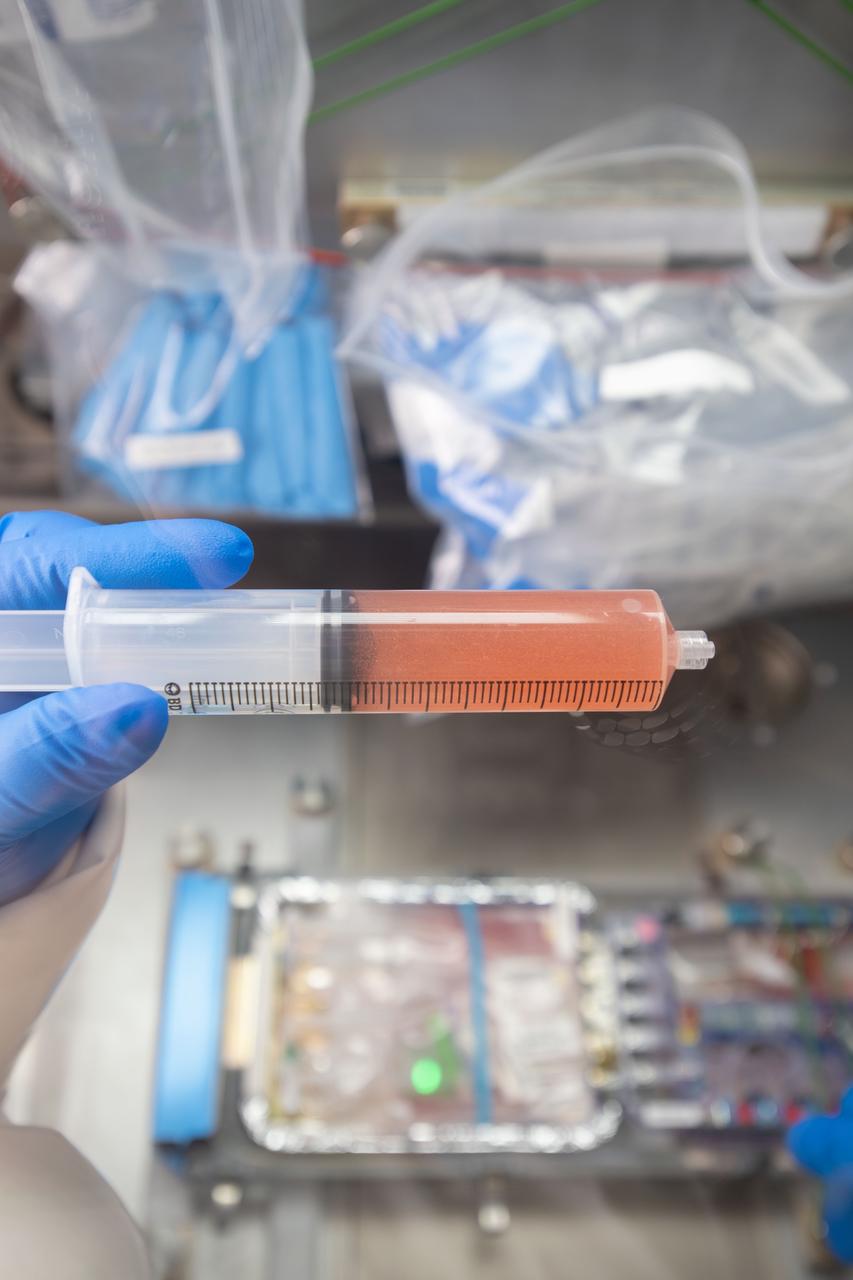
iss060e021649 (8/3/2019) --- Photo documentation of the Cell Science-02 investigation aboard the International space Station (ISS). The Cell Science-02 (CS-02) investigation compares the ability of two different bone inducing growth factors, one novel and one currently used in bone healing therapies, to stimulate growth, differentiation, and related cellular functions of osteoblast cells in culture.
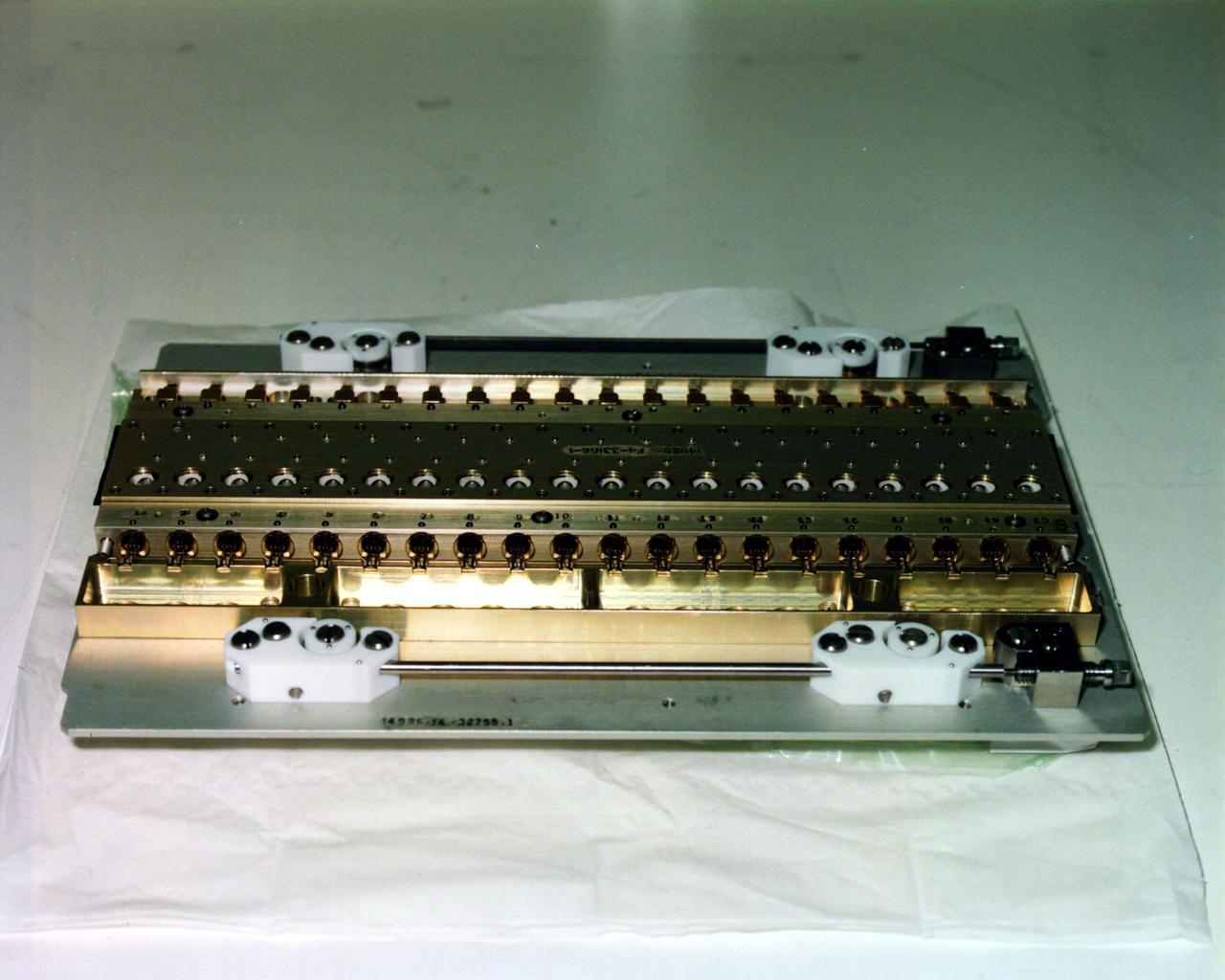
These Vapor Diffusion Apparatus (VDA) trays were first flown in the Thermal Enclosure System (TES) during the USMP-2 (STS-62) mission. Each tray can hold 20 protein crystal growth chambers. Each chamber contains a double-barrel syringe; one barrel holds protein crystal solution and the other holds precipitant agent solution. During the microgravity mission, a torque device is used to simultaneously retract the plugs in all 20 syringes. The two solutions in each chamber are then mixed. After mixing, droplets of the combined solutions are moved onto the syringe tips so vapor diffusion can begin. During the length of the mission, protein crystals are grown in the droplets. Shortly before the Shuttle's return to Earth, the experiment is deactivated by retracting the droplets containing protein crystals, back into the syringes.
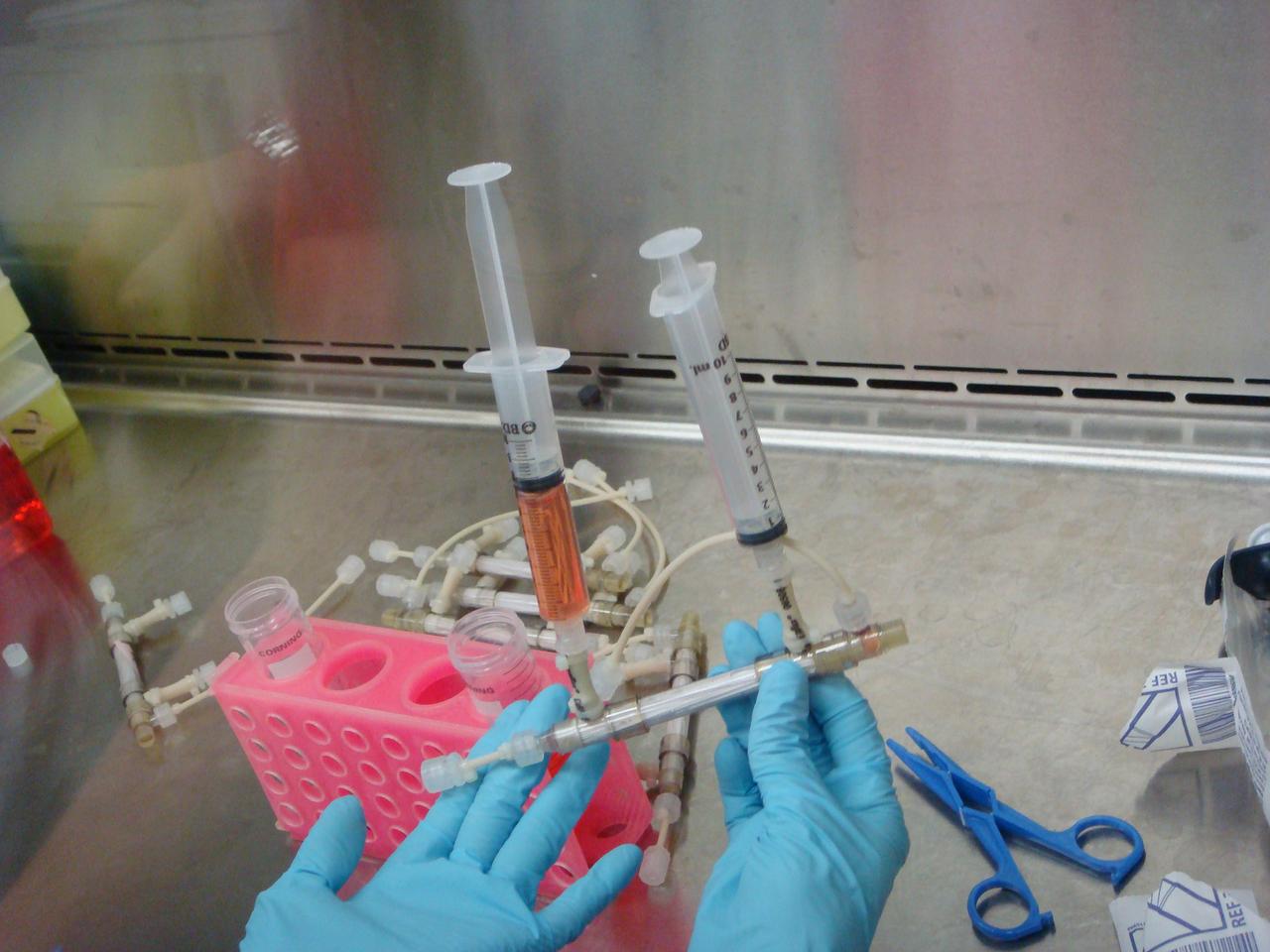
STS-131 payload; Ames Space Bio-Sciences Lab, Dr Eduardo Almeida P. I.; Cell Bioreactors with media syringes attached
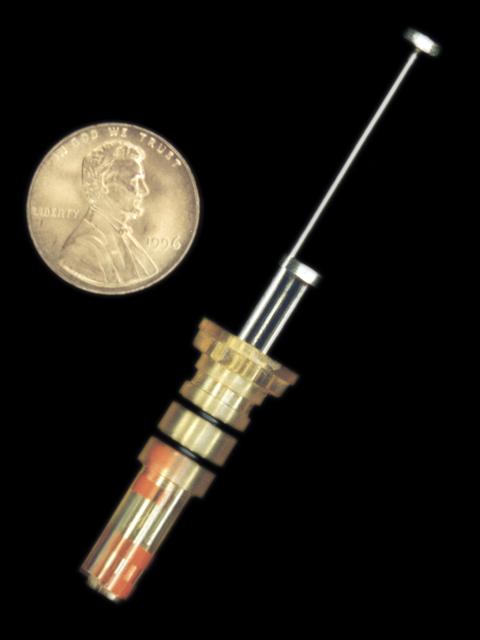
Vapor Diffusion Apparatus (VDA-2) was developed by the University of Alabama in Birmingham for NASA's Marshall Space Flight Center. In the original VDA, a protein solution and a precipitant are extruded by two plungers onto the tip of a small syringe and allowed to evaporate, raising the concentration and prompting protein molecules to crystallize. In the VDA-2 version, a third plunger was added to mix the two solutions before returning the mix to the syringe tip. The principal investigator is Dr. Larry Delucas of the University of Alabama in Birmingham.
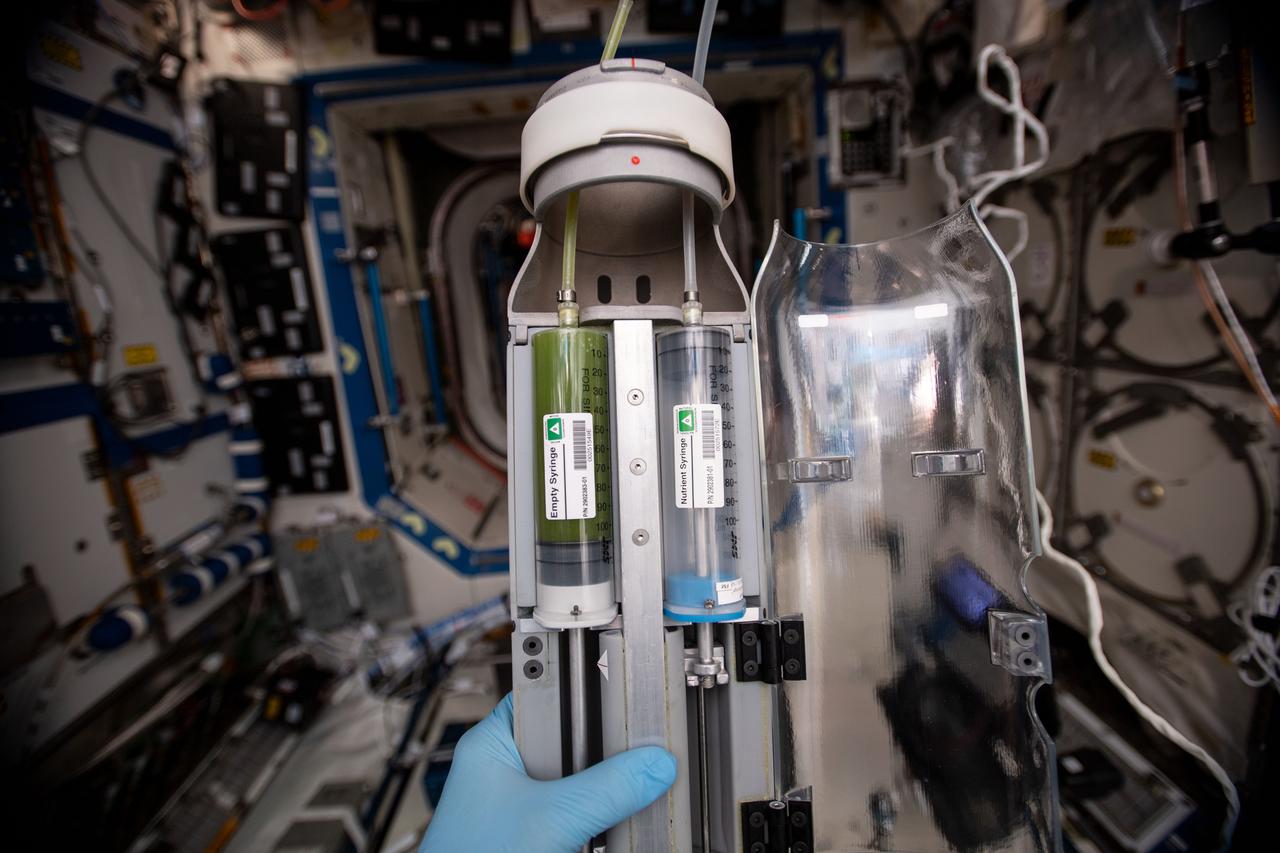
iss059e114346 (6/20/2019) — Photo documentation abroad the International Space Station (ISS) of the Empty Syringe and the Nutrient Syringe during the filling of the Photobioreactor (PBR) with medium and algae to begin the experiment. The Photobioreactor investigation aims at demonstrating that microalgae (i.e. biological processes) can be used together with existing systems to improve recycling of resources, creating a hybrid life support system. This hybrid approach could be helpful in future long-duration exploration missions, as it could reduce the amount of consumables required from Earth.
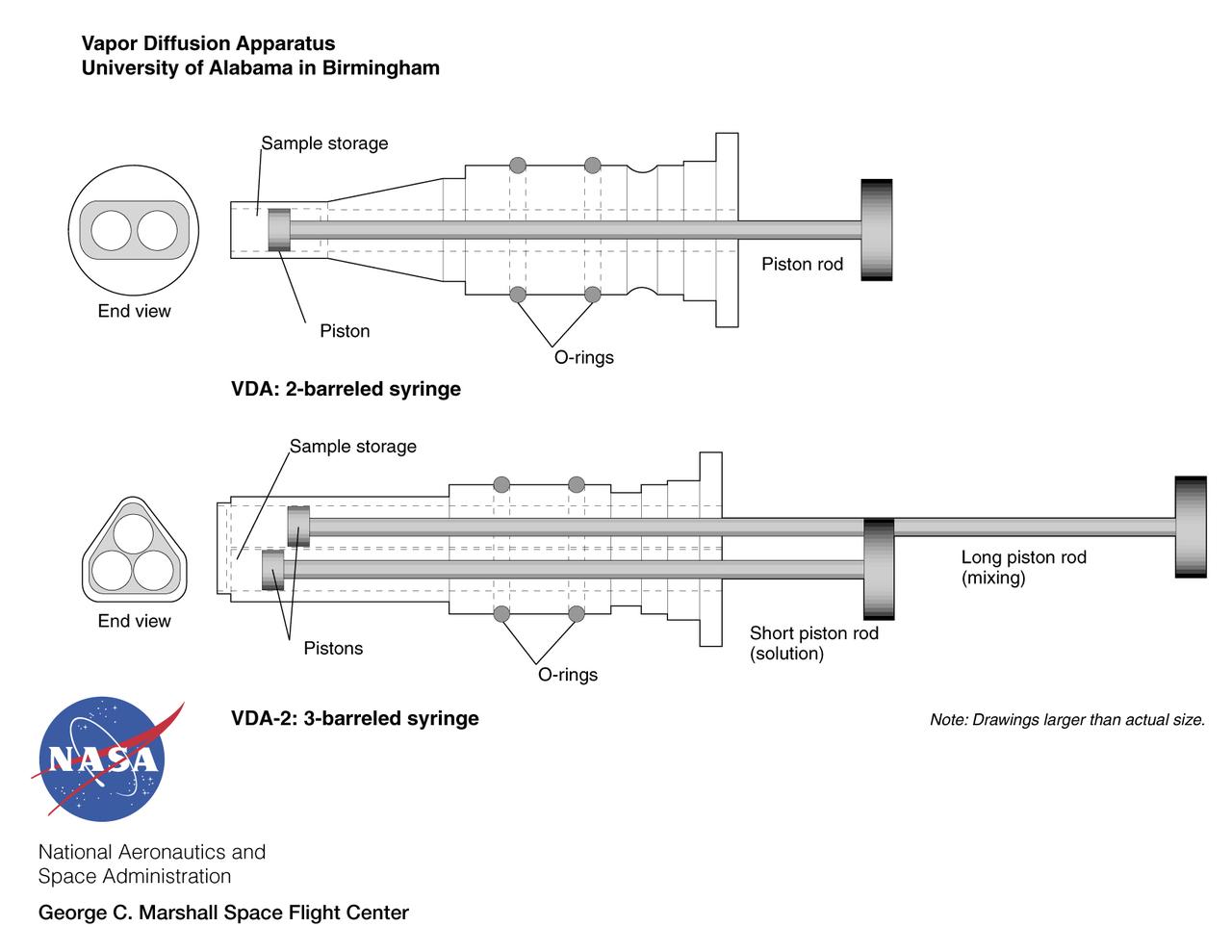
Vapor Diffusion Apparatus (VDA and VDA-2) was developed by the University of Alabama in Birmingham for NASA's Marshall Space Flight Center. In the original VDA, a protein solution and a precipitant are extruded by two plungers onto the tip of a small syringe and allowed to evaporate, raising the concentration and prompting protein molecules to crystallize. In the VDA-2 version, a third plunger was added to mix the two solutions before returning the mix to the syringe tip. The principal investigator is Dr. Larry Delucas of the University of Alabama in Birmingham
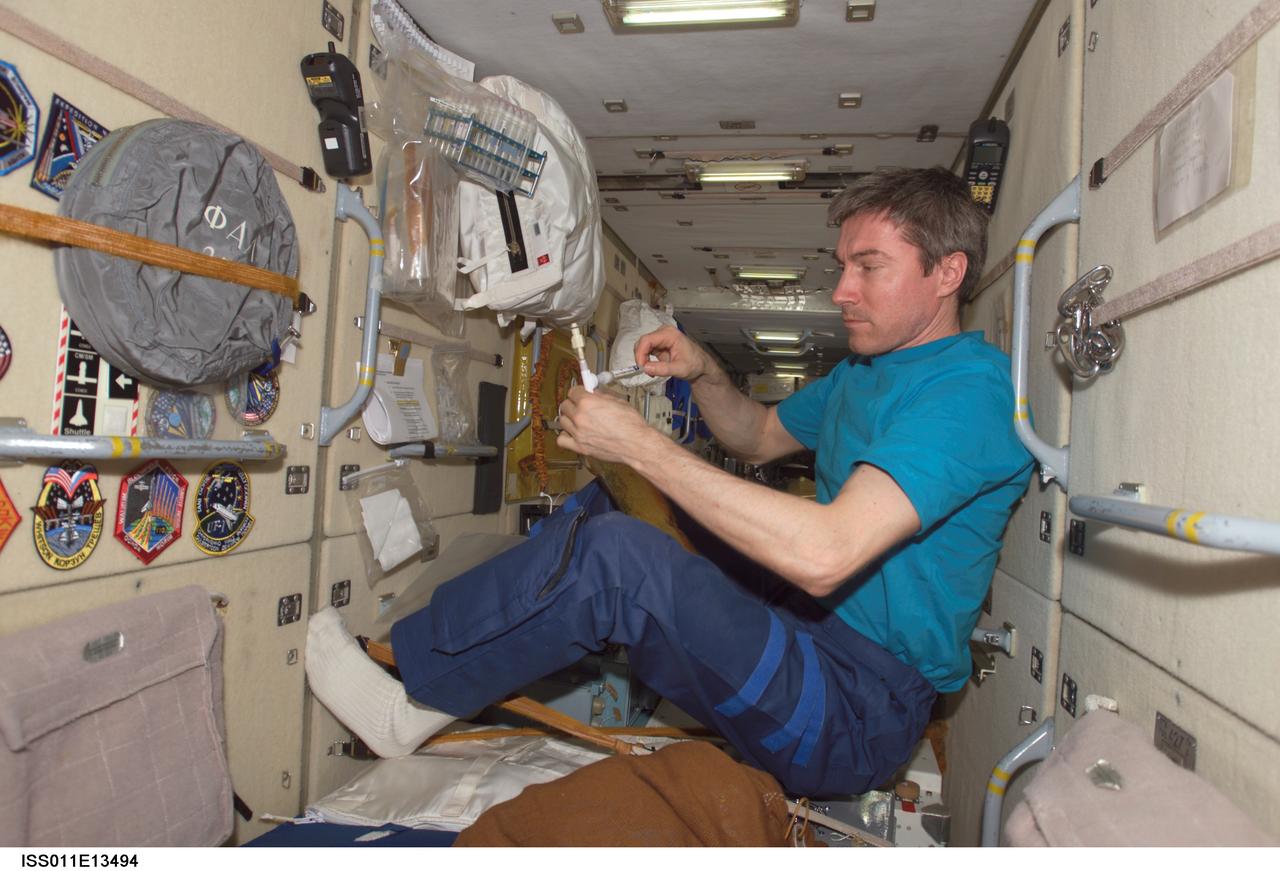
ISS011-E-13494 (22 September 2005) --- Cosmonaut Sergei K. Krikalev, Expedition 11 commander representing Russia's Federal Space Agency, inserts a syringe into a bag while working in the Zarya module of the international space station.

jsc2023e010166 (2/28/2023) --- Representation of the APHRODITE analytical system, comprising the disposable Analytical Cartridge(pink) connected to the Analytical Device; the saliva sample is inserted into the device employing a needle-less syringe
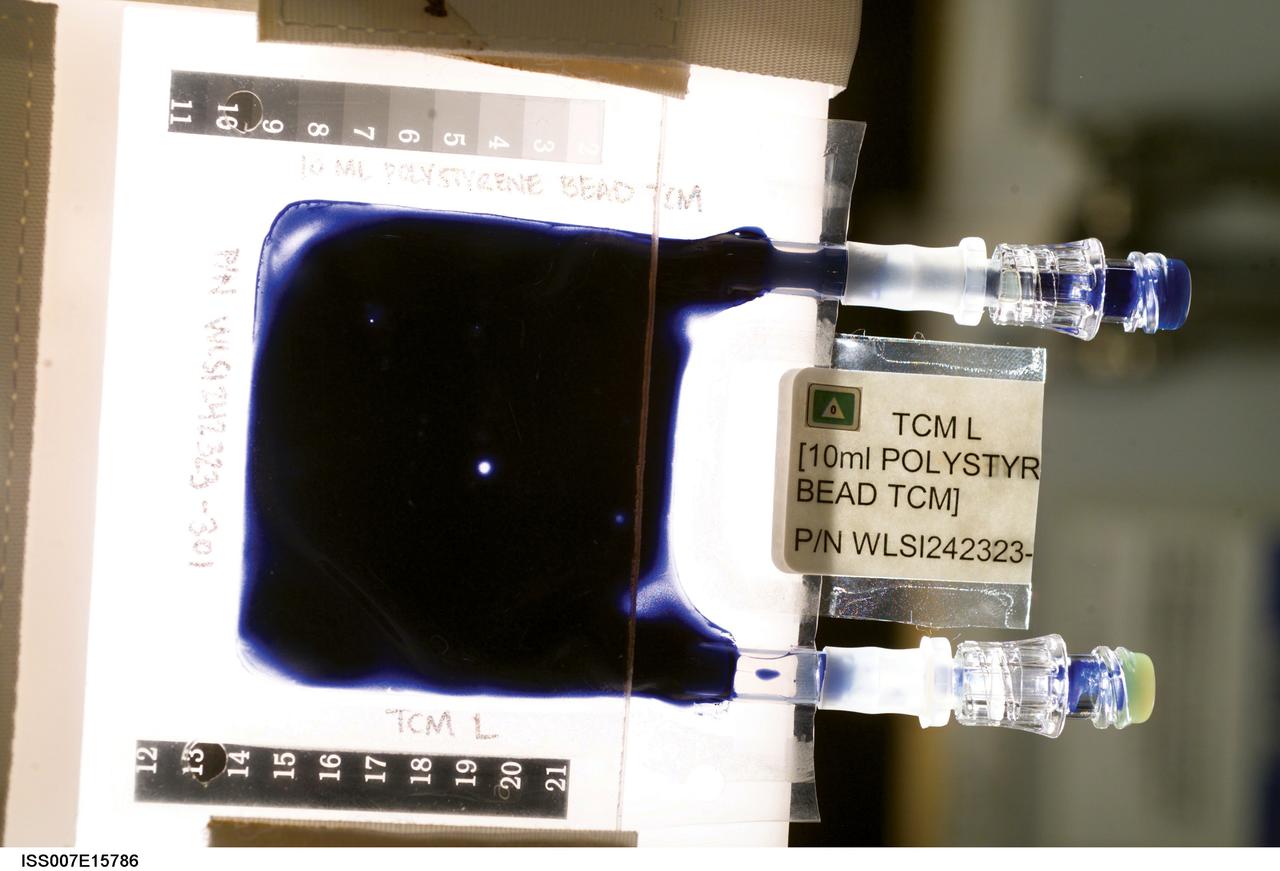
Aboard the International Space Station (ISS), the Tissue Culture Medium (TCM) is the bioreactor vessel in which cell cultures are grown. With its two syringe ports, it is much like a bag used to administer intravenous fluid, except it allows gas exchange needed for life. The TCM contains cell culture medium, and when frozen cells are flown to the ISS, they are thawed and introduced to the TCM through the syringe ports. In the Cellular Biotechnology Operations Support System-Fluid Dynamics Investigation (CBOSS-FDI) experiment, several mixing procedures are being assessed to determine which method achieves the most uniform mixing of growing cells and culture medium.
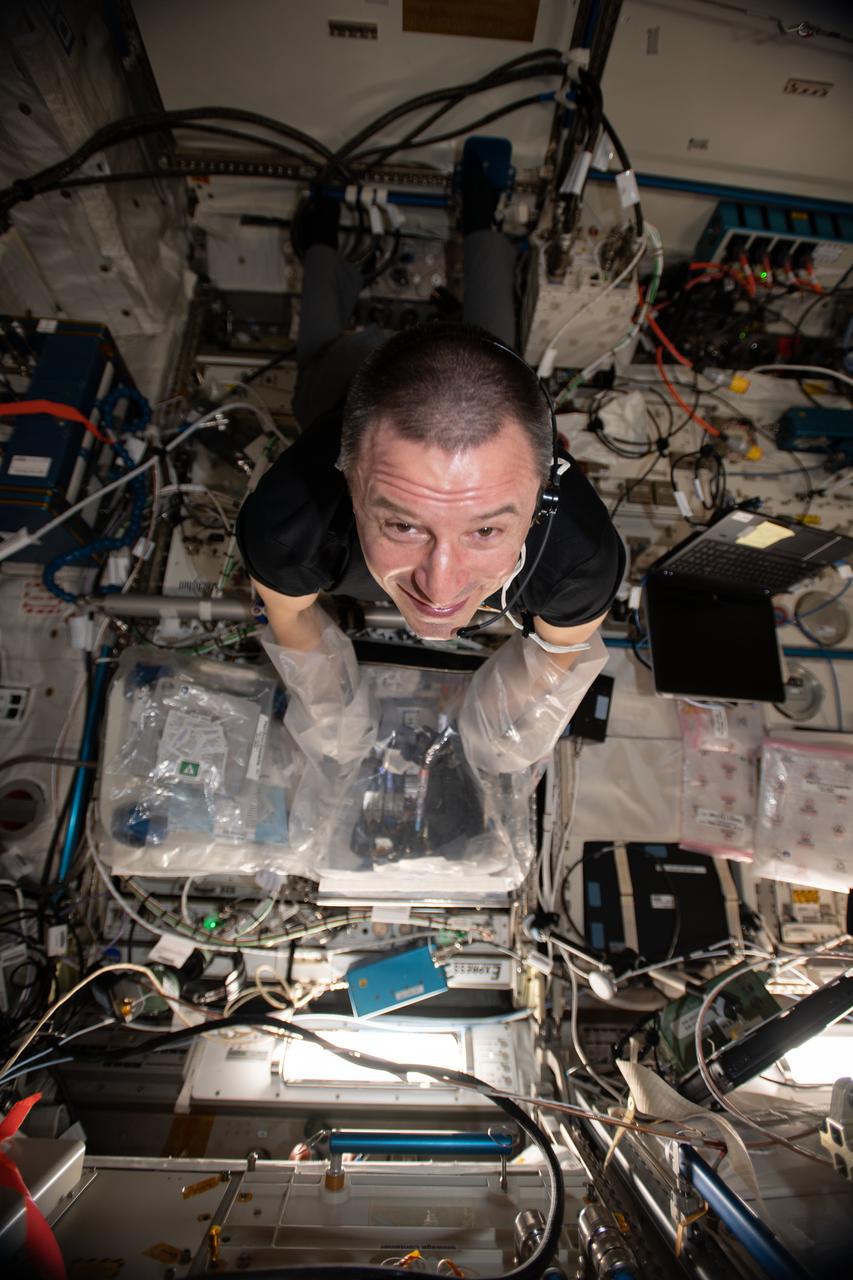
iss062e115402 (March 26, 2020) --- NASA astronaut and Expedition 62 Flight Engineer Andrew Morgan services the Bio-Fabrication Facility (BFF), a 3D bioprinter that seeks to demonstrate manufacturing human organs in space to help patients on Earth. The BFF may even lead to future crews printing their own food and medicines on missions farther away from Earth.
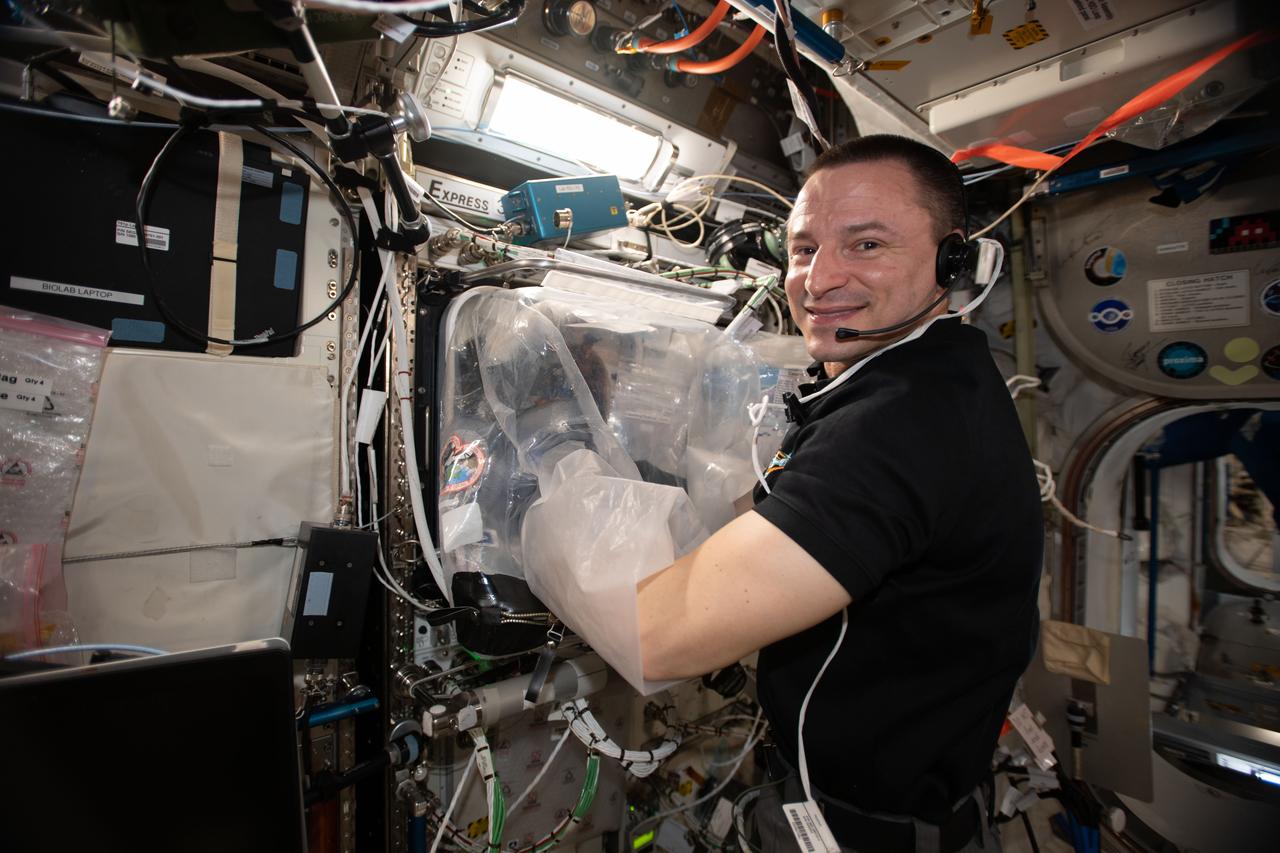
iss062e115396 (March 26, 2020) --- NASA astronaut and Expedition 62 Flight Engineer Andrew Morgan services the Bio-Fabrication Facility (BFF), a 3D bioprinter that seeks to demonstrate manufacturing human organs in space to help patients on Earth. The BFF may even lead to future crews printing their own food and medicines on missions farther away from Earth.
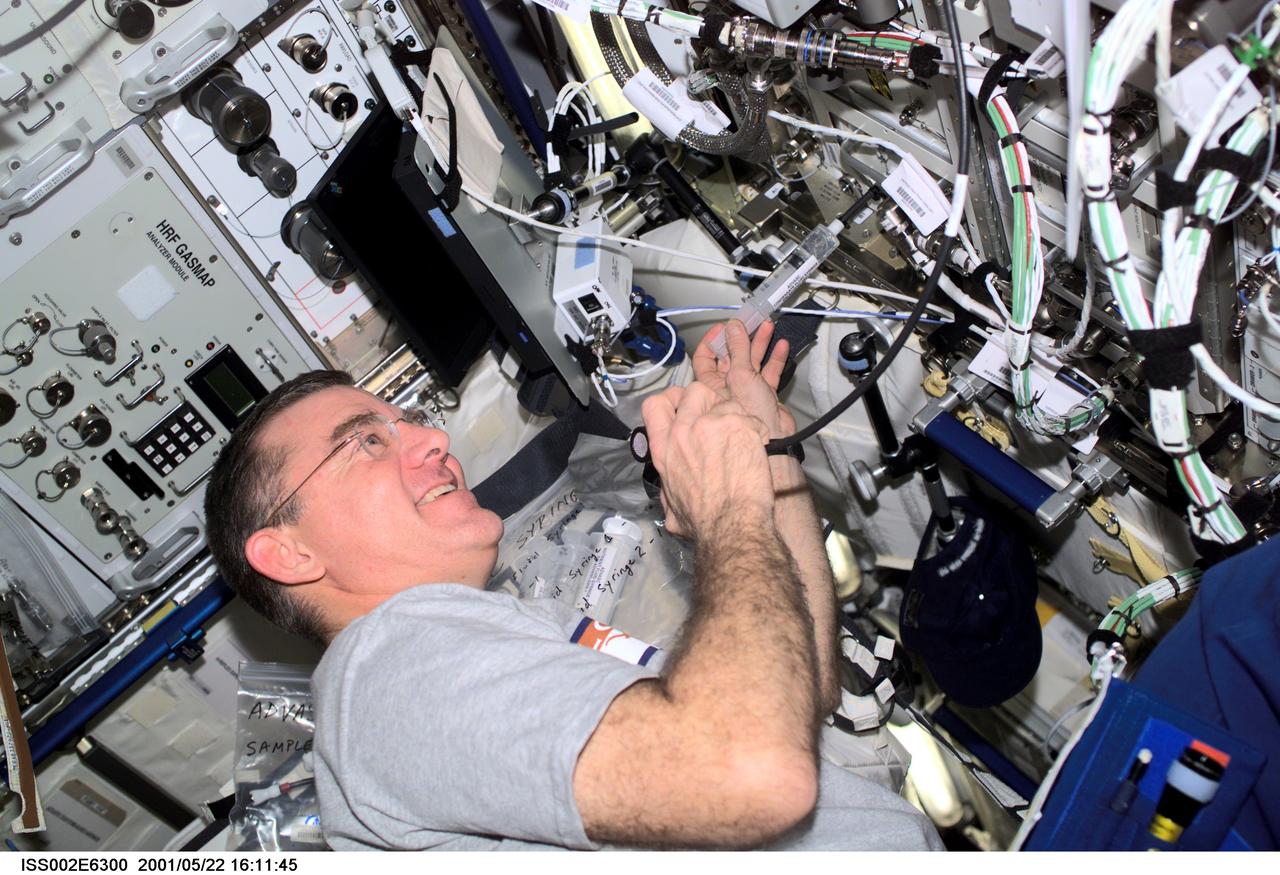
ISS002-E-6300 (22 May 2001) --- James S. Voss, Expedition Two flight engineer, works with the Advanced Astro Culture (ADVASC) Condensate Fluid Syringe at the ADVASC Growth Chamber in the U.S. Laboratory. The image was taken with a digital still camera.
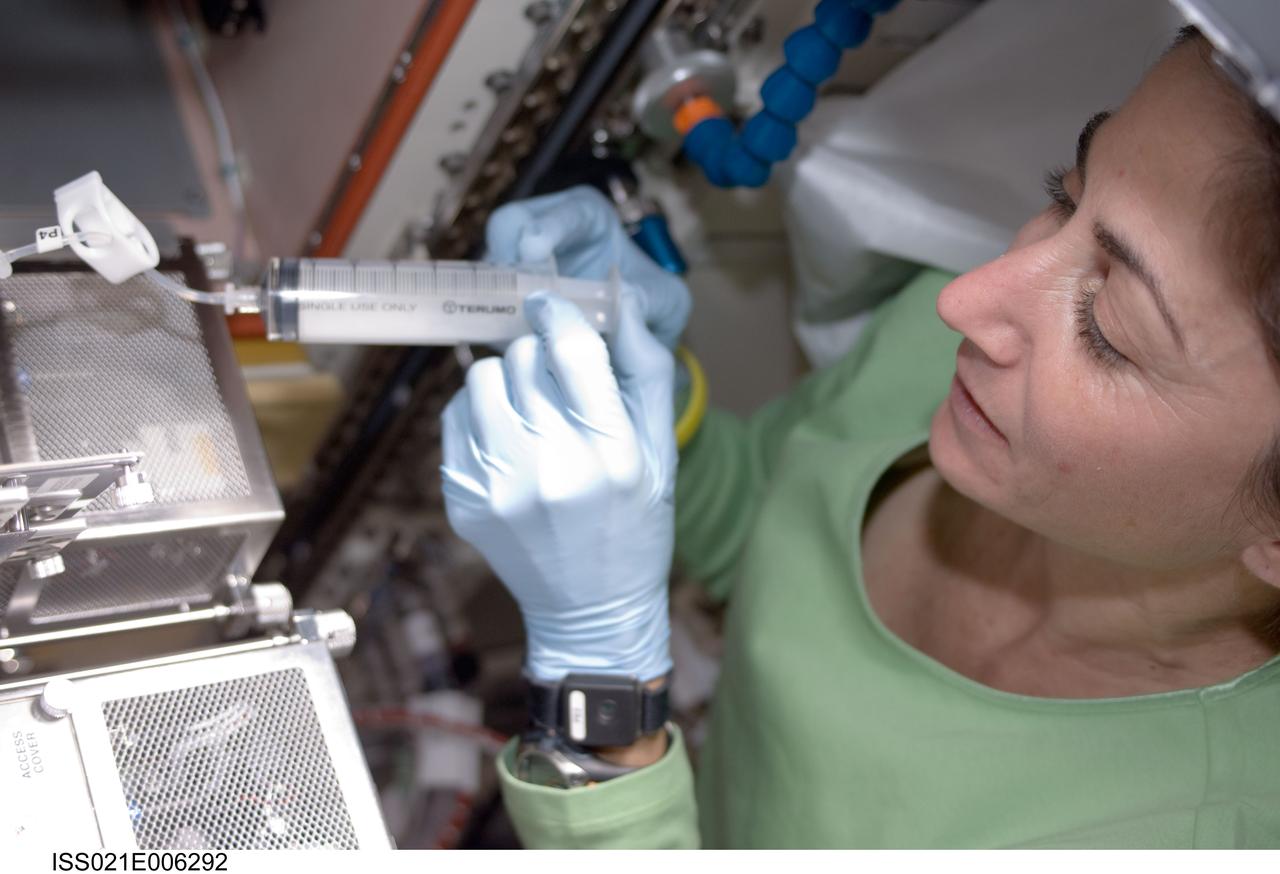
ISS021-E-006292 (14 Oct. 2009) --- NASA astronaut Nicole Stott, Expedition 21 flight engineer, using a watering syringe, supplies water to the Cell Biology Experiment Facility (CBEF) SPACE SEED experiment in the Kibo laboratory on the International Space Station.

iss068e045014 (Feb. 1, 2023) --- NASA astronaut and Expedition 68 Flight Engineer Josh Cassada uses a watering syringe to water tomato plants growing inside the EXPRESS rack's Veggie space botany facility located inside the Columbus laboratory module aboard the International Space Station.
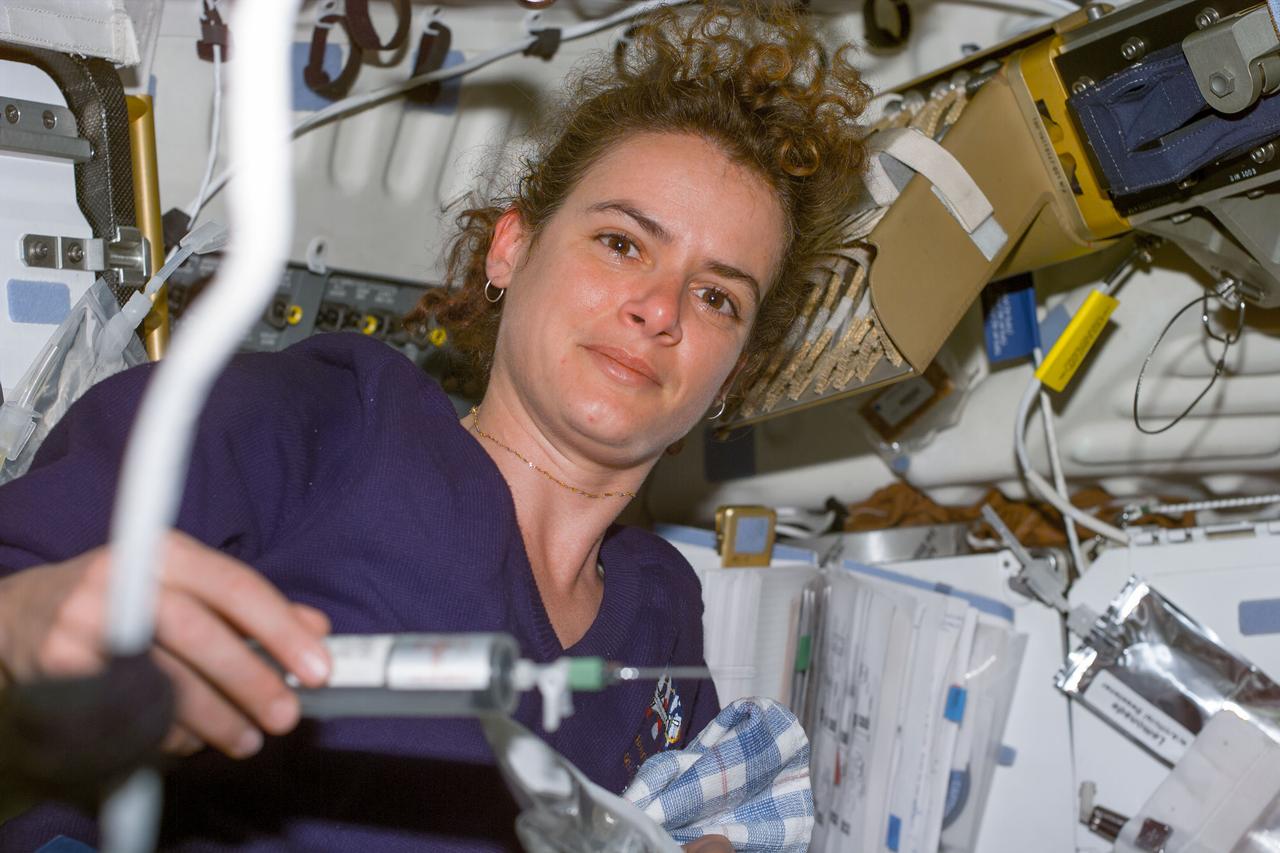
S96-E-5024 (29 May 1999) --- Astronaut Julie Payette, mission specialist representing the Canadian Space Agency (CSA), holds a syringe during a busy fourth day in space for the Space Shuttle Discovery. The image was recorded with an electronic still camera (ESC) at 06:14:52 GMT, May 29, 1999.
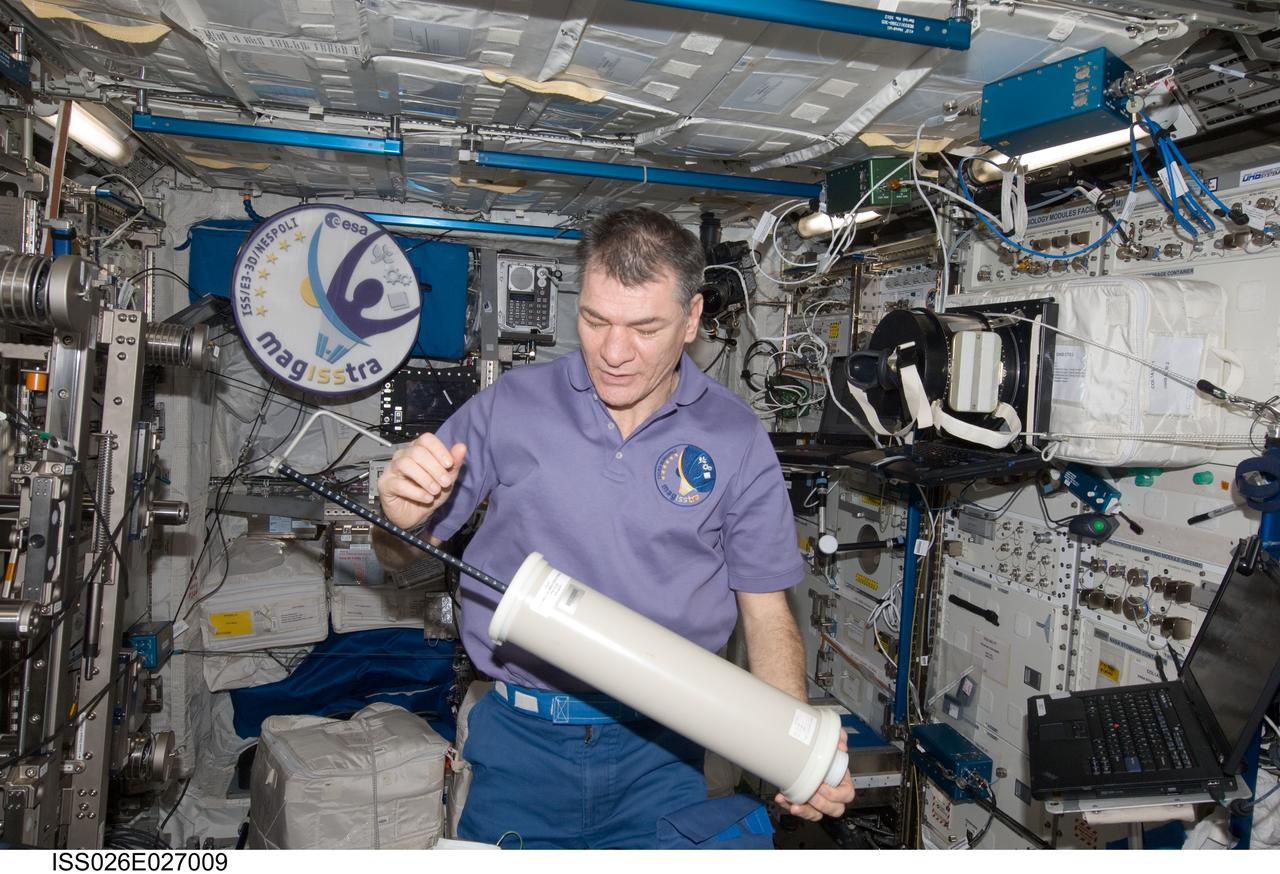
ISS026-E-027009 (14 Feb. 2011) --- European Space Agency (ESA) astronaut Paolo Nespoli, Expedition 26 flight engineer, performs periodic maintenance on the Pulmonary Function in Flight (PuFF) experiment by re-greasing the PuFF calibration syringe in the Columbus laboratory of the International Space Station.
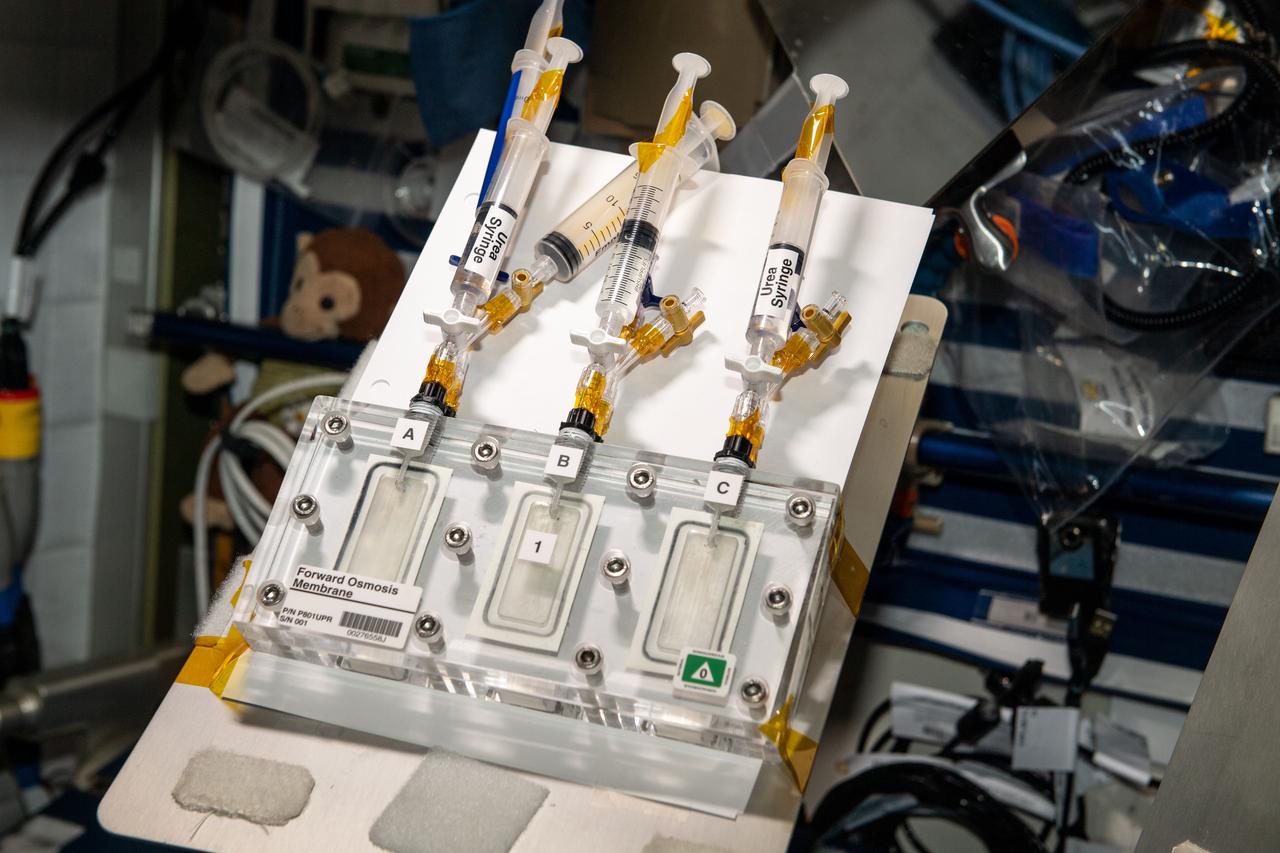
iss067e190000 (7/19/2022) --- A view of the 3 Forward Osmosis Membrane membrane cells with the solution syringes attached. Assessing the Performance of Urease-phospholipid Reactive Forward Osmosis Membranes for Water Reclamation Aboard the ISS (Forward Osmosis Membrane) tests reactive membranes for water reclamation in microgravity as compared to 1g on Earth.
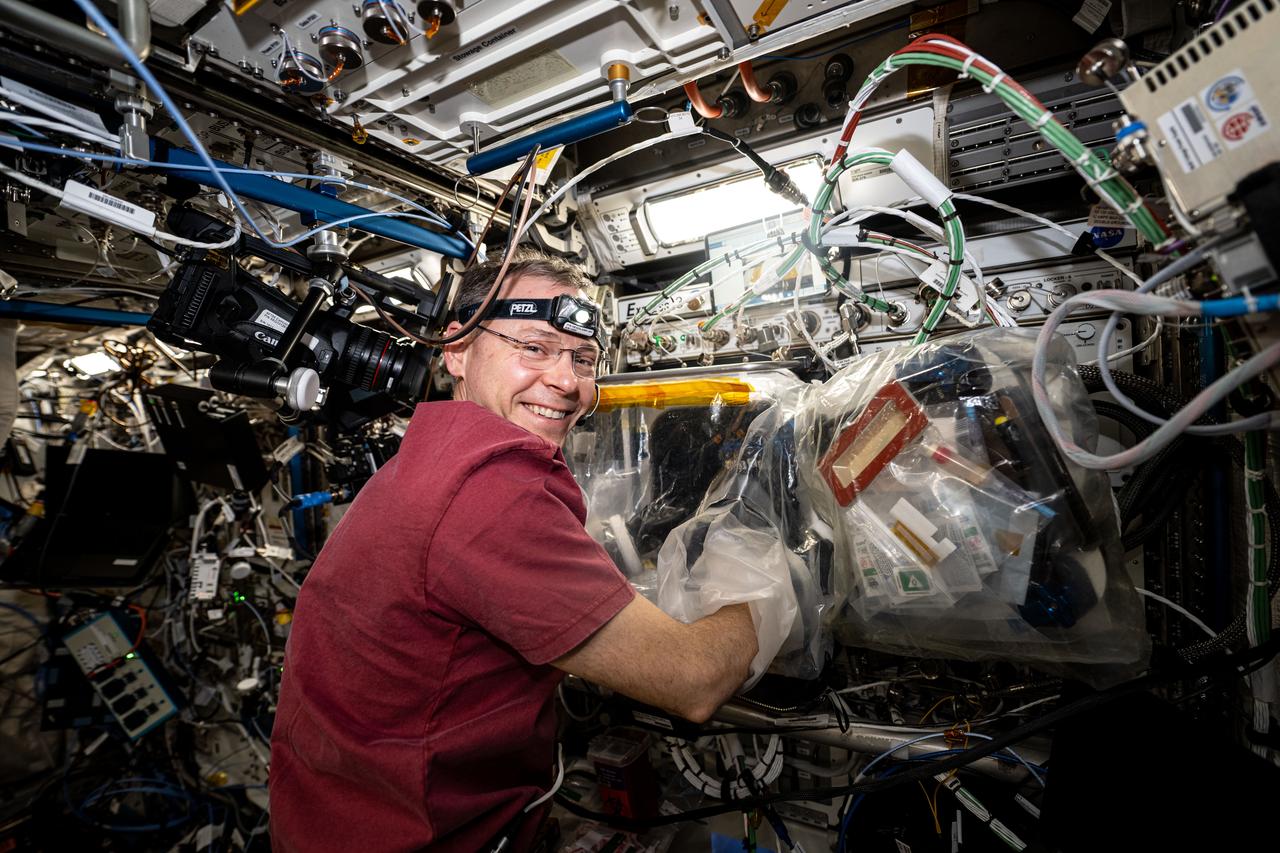
iss072e629194 (Feb. 18, 2025) --- NASA astronaut and Expedition 72 Flight Engineer Nick Hague works in a portable glovebag and cleans pumps, replaces components, and installs bio-ink syringes inside the BioFabrication Facility being tested for its capability to print biological, or organ-like, tissues in space and learn how to eventually fabricate human organs off the Earth.
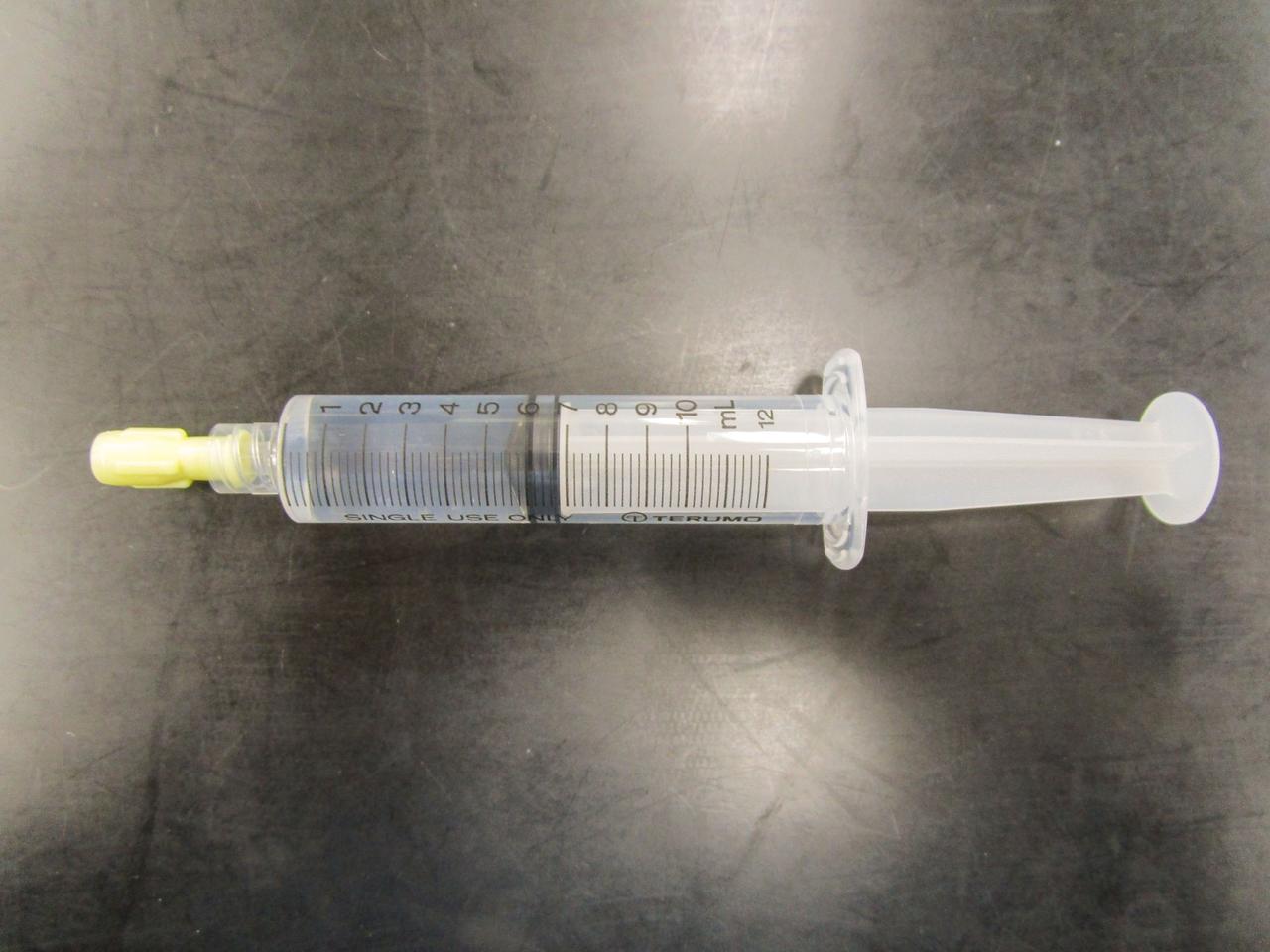
jsc2022e068257 (5/11/2022) --- A preflight view of the syringe used to transfer the nematode-suspended medium into Culture Bag/ Fixation Bag. Effect of the Space Environment on the Neural Integration System and Aging of the Model Animal C. elegans (Neural Integration System) uses nematodes to examine how microgravity affects the nervous system. Image courtesy of JAXA
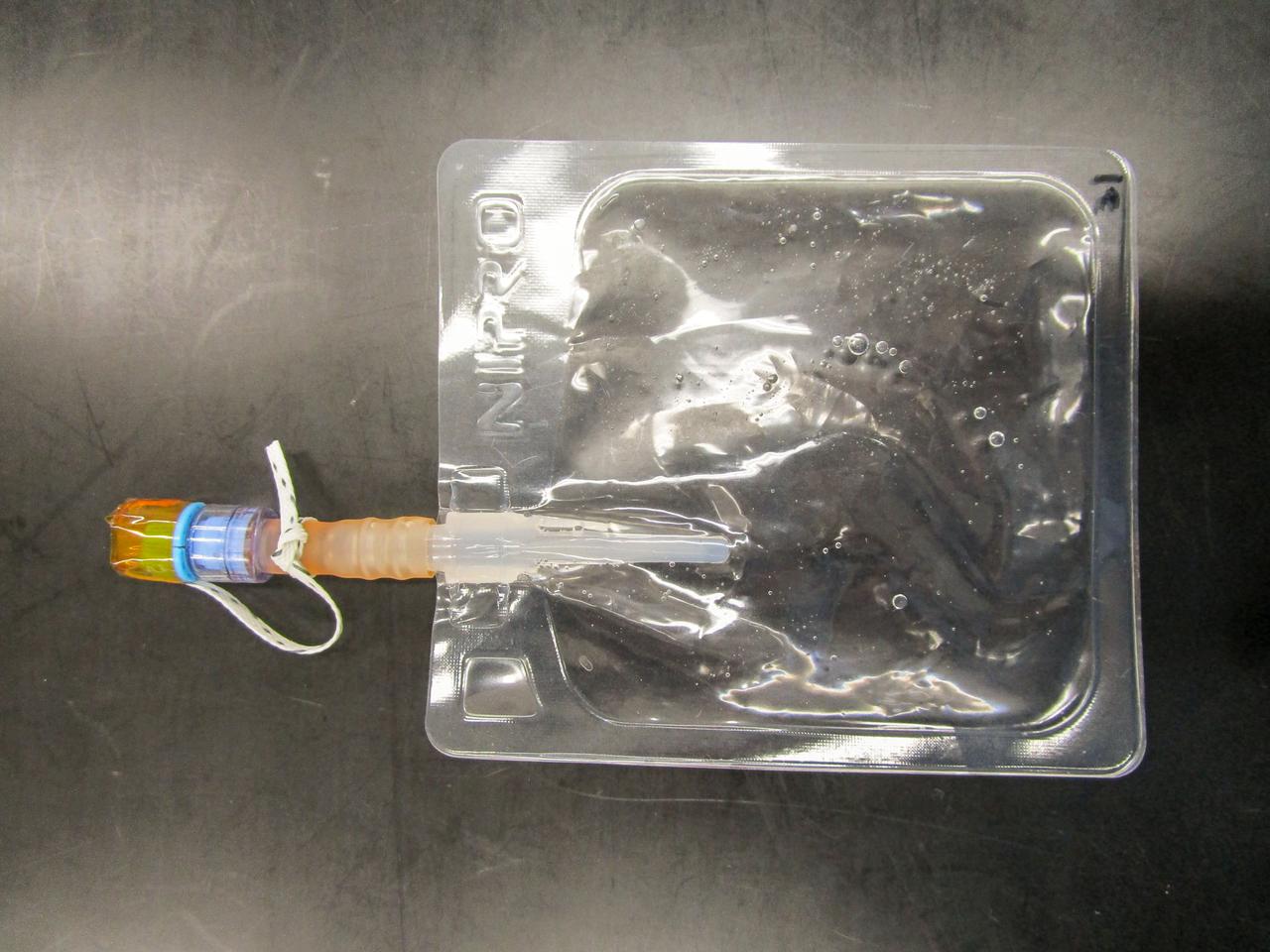
jsc2022e068258(5/11/2022) --- A preflight view of the Bag is used to culture nematodes in liquid medium, an injection port is available to transfer a portion of medium by using Syringe. Effect of the Space Environment on the Neural Integration System and Aging of the Model Animal C. elegans (Neural Integration System) uses nematodes to examine how microgravity affects the nervous system. Image courtesy of JAXA
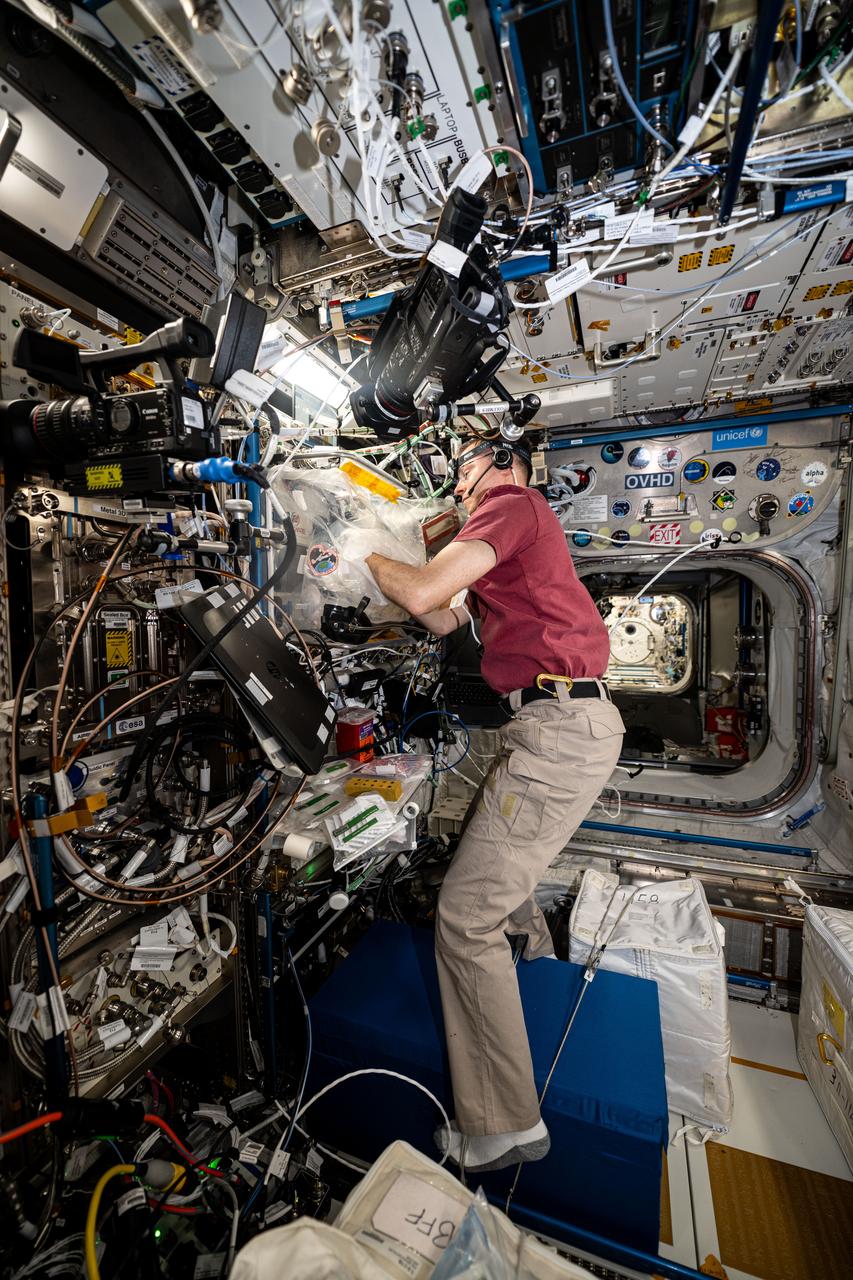
iss072e629184 (Feb. 18, 2025) --- NASA astronaut and Expedition 72 Flight Engineer Nick Hague works in a portable glovebag and cleans pumps, replaces components, and installs bio-ink syringes inside the BioFabrication Facility being tested for its capability to print biological, or organ-like, tissues in space and learn how to eventually fabricate human organs off the Earth.
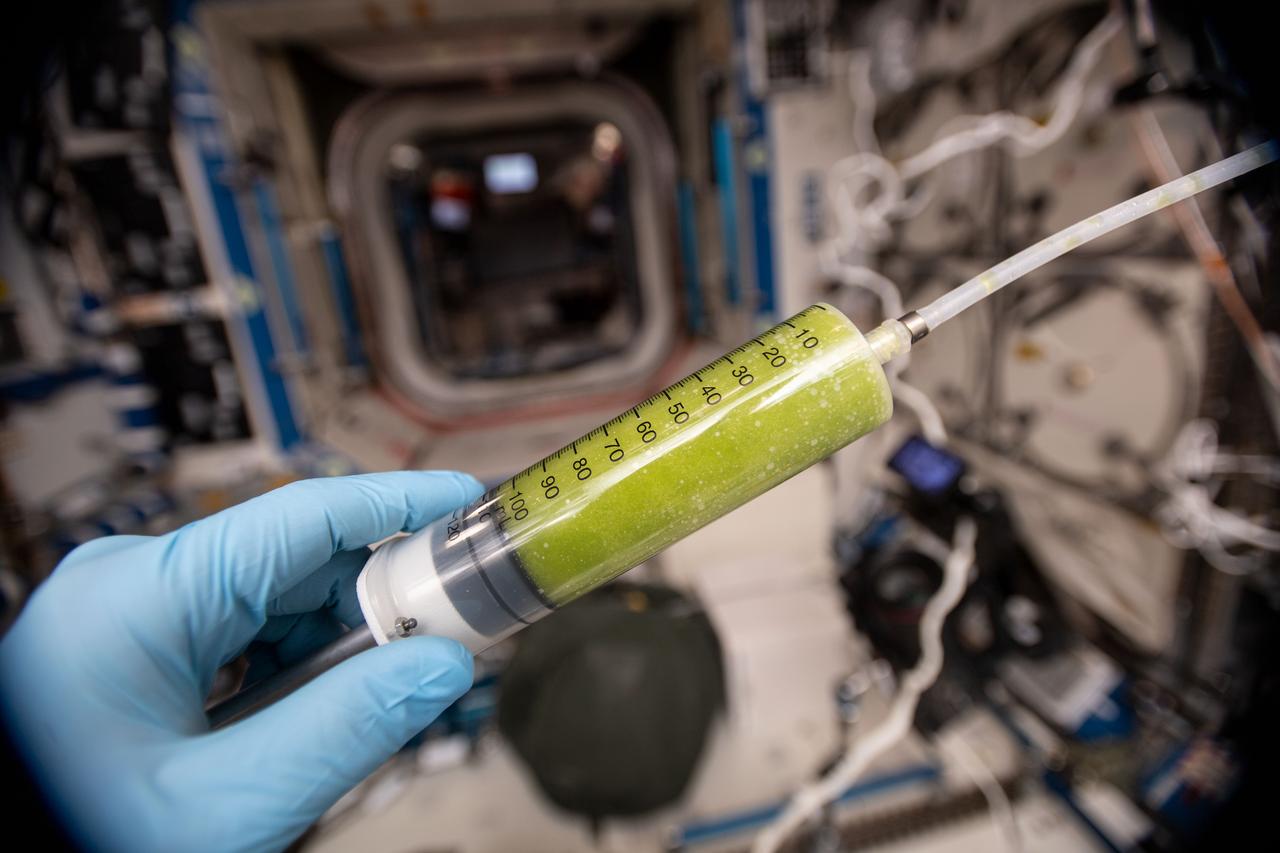
iss059e114352 (6/20/2019) — Photo documentation abroad the International Space Station (ISS) of the syringe during the filling of the Photobioreactor (PBR) with medium and algae to begin the experiment. The Photobioreactor investigation aims at demonstrating that microalgae (i.e. biological processes) can be used together with existing systems to improve recycling of resources, creating a hybrid life support system. This hybrid approach could be helpful in future long-duration exploration missions, as it could reduce the amount of consumables required from Earth.
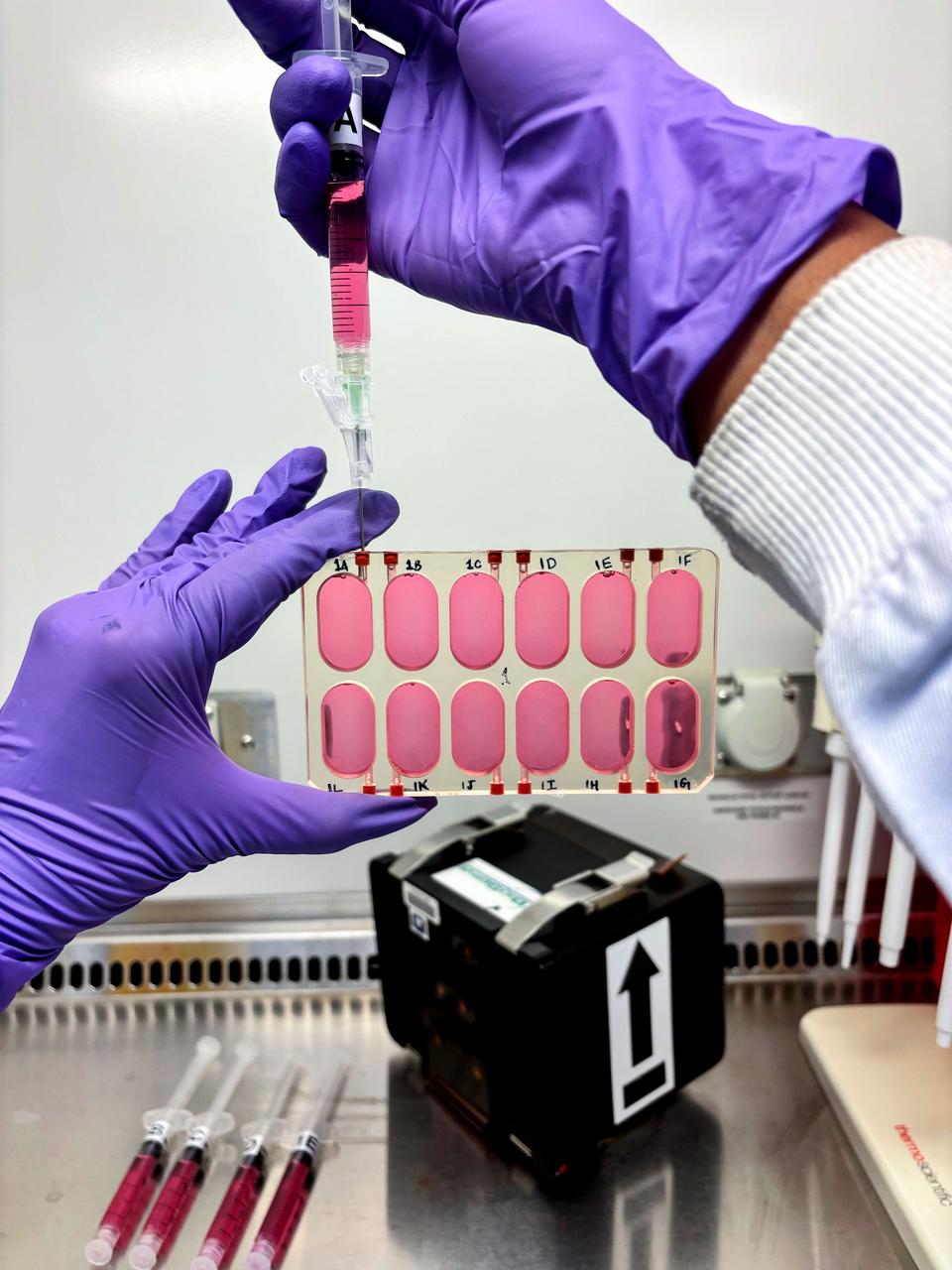
jsc2025e039326 (4/17/2025) --- Human skeletal muscle cells grow in a biocell that is placed in the plate habitat as part of the Myogenesis – ISRO investigation. The syringes contain a red-colored growth medium containing nutrients for the cells. The entire process is intended to mimic muscle repair process on-orbit, to compare with similar experiments carried out on Earth. the Image courtesy of Institute for Stem Cell Science and Regenerative Medicine (India).
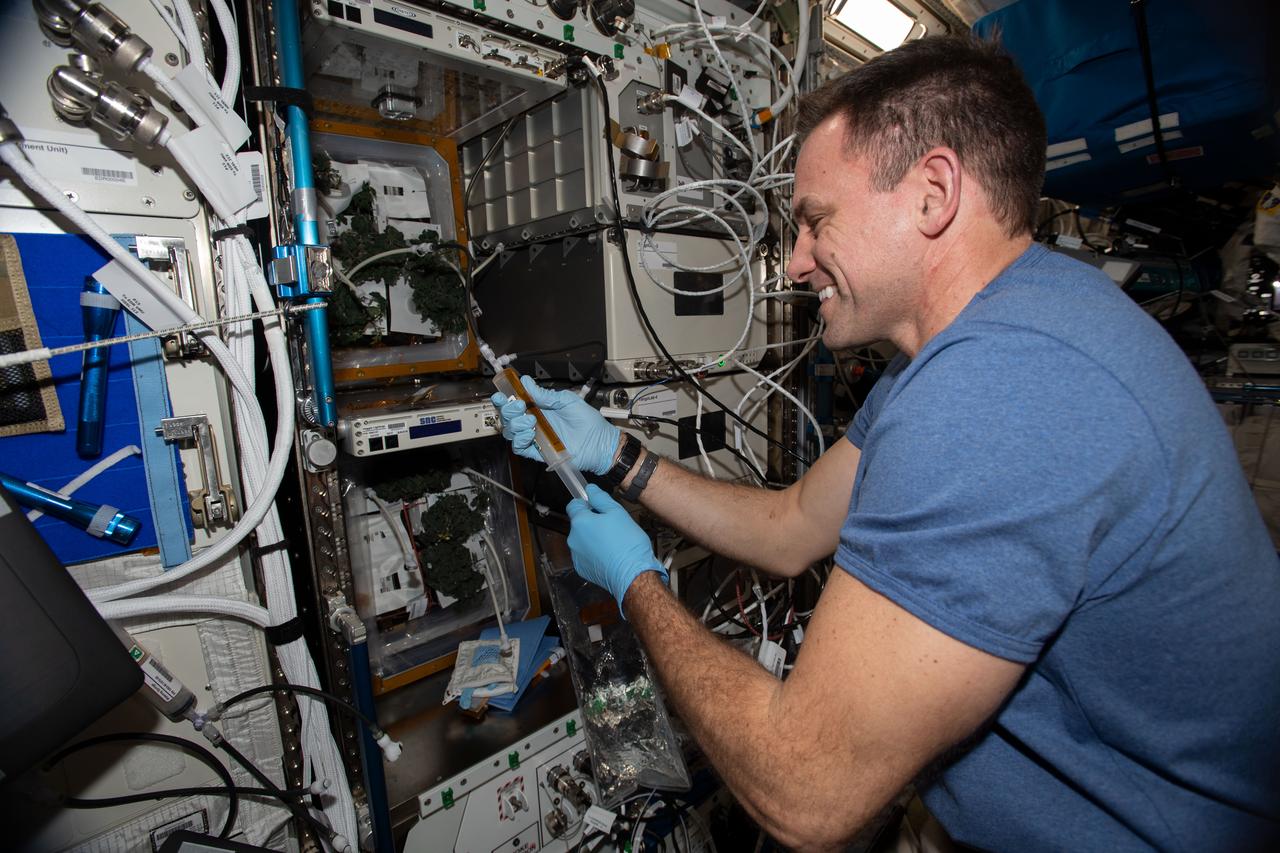
iss068e045013 (Feb. 2, 2023) --- NASA astronaut and Expedition 68 Flight Engineer Josh Cassada uses a watering syringe to water tomato plants for the the Veg-05 experiment, the next step in efforts to address the need for a continuous fresh-food production system in space. The experiment uses the space station’s Veggie facility to grow dwarf tomatoes, seen in its early growing stages on station in the bottom photo. The experiment examines the effect of light quality and fertilizer on fruit production, microbial food safety, nutritional value, and taste acceptability. Growing plants can also enhance the overall living experience for crew members.

iss073e0178587 (June 16, 2025) --- NASA astronaut and Expedition 73 Flight Engineer Nichole Ayers conducts research operations inside the Destiny laboratory module's Microgravity Science Glovebox aboard the International Space Station. Ayers swapped syringes containing protein samples and installed test cells inside the glovebox for the Ring-Sheared Drop Interfacial Bioprocessing of Pharmaceuticals investigation that explores using surface tension to contain liquids and study proteins without contacting solid walls. Results may benefit pharmaceutical manufacturing and 3D printing techniques on and off the Earth.
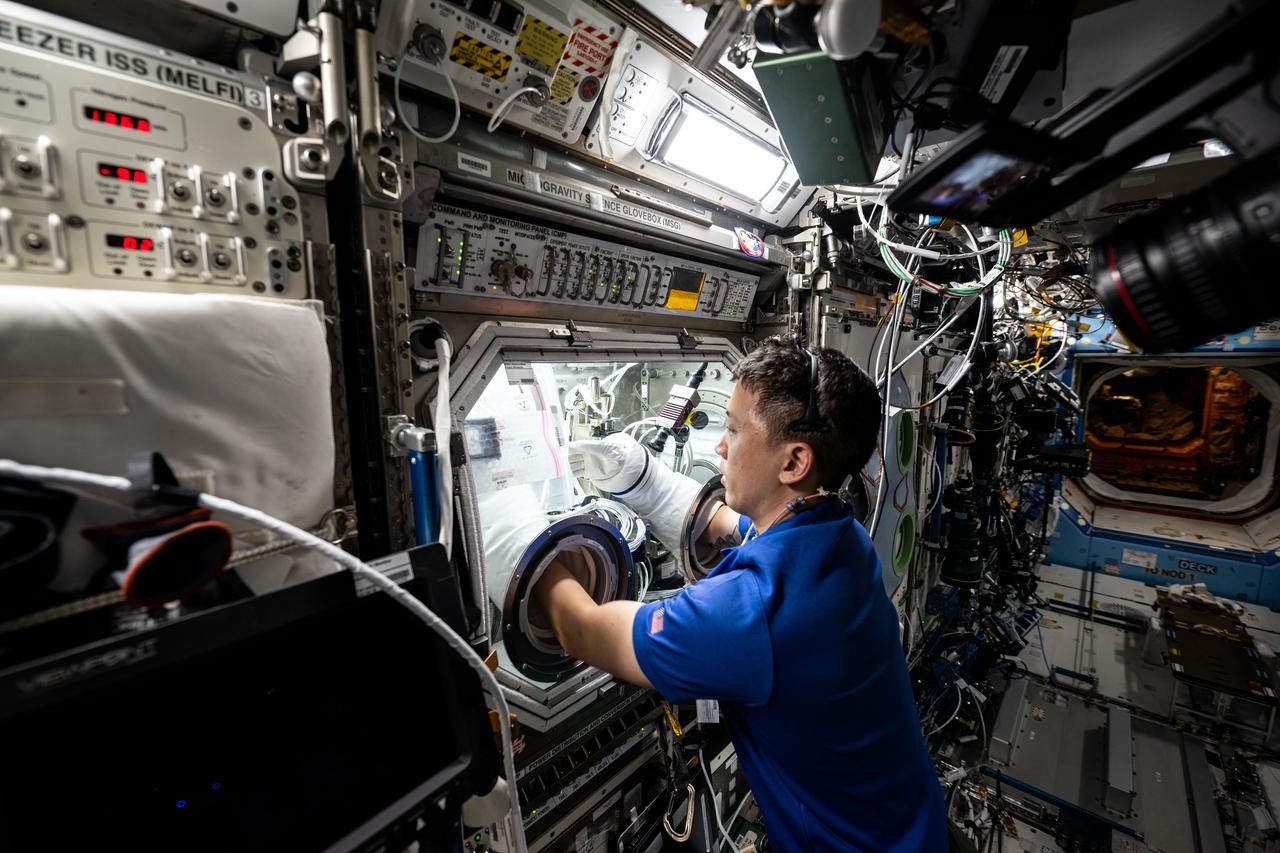
iss073e0177791 (June 12, 2025) --- NASA astronaut and Expedition 73 Flight Engineer Jonny Kim conducts research operations inside the Destiny laboratory module's Microgravity Science Glovebox aboard the International Space Station. Kim swapped syringes containing protein samples and installed test cells inside the glovebox for the Ring-Sheared Drop Interfacial Bioprocessing of Pharmaceuticals investigation that explores using surface tension to contain liquids and study proteins without contacting solid walls. Results may benefit pharmaceutical manufacturing and 3D printing techniques on and off the Earth.
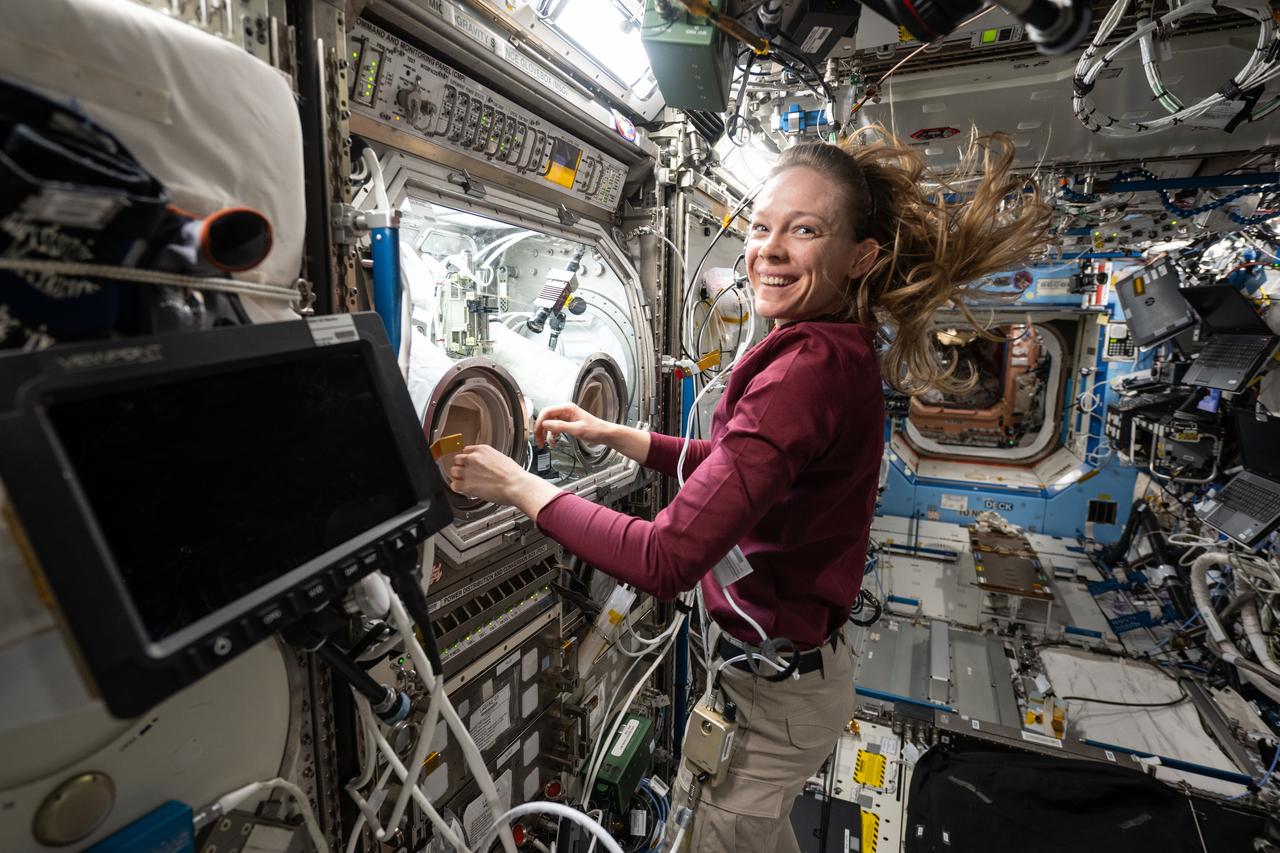
iss073e0248499 (June 25, 2025) --- NASA astronaut and Expedition 73 Flight Engineer Nichole Ayers conducts research operations inside the Destiny laboratory module's Microgravity Science Glovebox aboard the International Space Station. Ayers swapped syringes containing protein samples and installed test cells inside the glovebox for the Ring-Sheared Drop Interfacial Bioprocessing of Pharmaceuticals investigation that explores using surface tension to contain liquids and study proteins without contacting solid walls. Results may benefit pharmaceutical manufacturing and 3D printing techniques on and off the Earth.

ISS018-E-019721 (9 Jan. 2009) --- Astronaut Sandra Magnus, Expedition 18 flight engineer, works in the Columbus laboratory of the International Space Station.
![ISS007-E-17848 (23 October 2003) --- Cosmonaut Alexander Y. Kaleri (right), Expedition 8 flight engineer, uses a camera to film a scientific experiment performed by European Space Agency (ESA) astronaut Pedro Duque of Spain in the Zvezda Service Module on the International Space Station (ISS). Kaleri represents Rosaviakosmos. Duque and Kaleri performed the European educational VIDEO-2 (VID-01) experiment, which uses the Russian DSR PD-150P digital video camcorder for recording demos of several basic physical phenomena, viz., Isaac Newton's three motion laws, with narration. [The demo made use of a sealed bag containing coffee and a syringe to fill one of two hollow balls with the brown liquid (to provide "mass", as opposed to the other, "mass-less" ball).]](https://images-assets.nasa.gov/image/iss007e17848/iss007e17848~medium.jpg)
ISS007-E-17848 (23 October 2003) --- Cosmonaut Alexander Y. Kaleri (right), Expedition 8 flight engineer, uses a camera to film a scientific experiment performed by European Space Agency (ESA) astronaut Pedro Duque of Spain in the Zvezda Service Module on the International Space Station (ISS). Kaleri represents Rosaviakosmos. Duque and Kaleri performed the European educational VIDEO-2 (VID-01) experiment, which uses the Russian DSR PD-150P digital video camcorder for recording demos of several basic physical phenomena, viz., Isaac Newton's three motion laws, with narration. [The demo made use of a sealed bag containing coffee and a syringe to fill one of two hollow balls with the brown liquid (to provide "mass", as opposed to the other, "mass-less" ball).]
![ISS007-E-17842 (23 October 2003) --- European Space Agency (ESA) astronaut Pedro Duque (left) of Spain and cosmonaut Alexander Y. Kaleri, Expedition 8 flight engineer representing Rosaviakosmos, work with a scientific experiment in the Zvezda Service Module on the International Space Station (ISS). Duque and Kaleri performed the European educational VIDEO-2 (VID-01) experiment, which uses the Russian DSR PD-150P digital video camcorder for recording demos of several basic physical phenomena, viz., Isaac Newton's three motion laws, with narration. [The demo made use of a sealed bag containing coffee and a syringe to fill one of two hollow balls with the brown liquid (to provide "mass", as opposed to the other, "mass-less" ball).]](https://images-assets.nasa.gov/image/iss007e17842/iss007e17842~medium.jpg)
ISS007-E-17842 (23 October 2003) --- European Space Agency (ESA) astronaut Pedro Duque (left) of Spain and cosmonaut Alexander Y. Kaleri, Expedition 8 flight engineer representing Rosaviakosmos, work with a scientific experiment in the Zvezda Service Module on the International Space Station (ISS). Duque and Kaleri performed the European educational VIDEO-2 (VID-01) experiment, which uses the Russian DSR PD-150P digital video camcorder for recording demos of several basic physical phenomena, viz., Isaac Newton's three motion laws, with narration. [The demo made use of a sealed bag containing coffee and a syringe to fill one of two hollow balls with the brown liquid (to provide "mass", as opposed to the other, "mass-less" ball).]
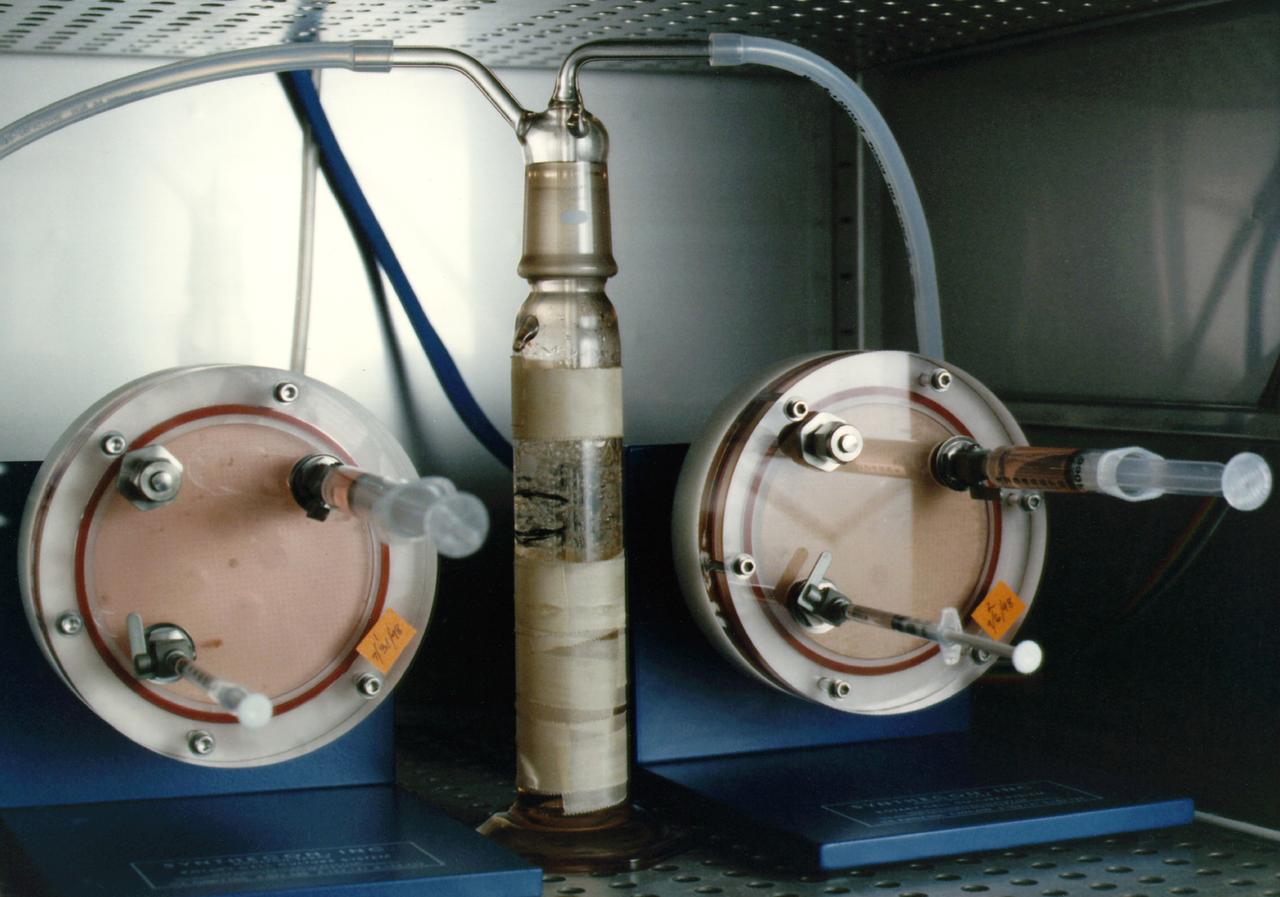
NASA's Marshall Space Flight Center (MSFC) is sponsoring research with Bioreactors, rotating wall vessels designed to grow tissue samples in space, to understand how breast cancer works. This ground-based work studies the growth and assembly of human mammary epithelial cells (HMEC) from breast cancer susceptible tissue. Radiation can make the cells cancerous, thus allowing better comparisons of healthy vs. tunourous tissues. Here, two High-Aspect Ratio Vessels turn at about 12 rmp to keep breast tissue constructs suspended inside the culture media. Syringes allow scientists to pull for analysis during growth sequences. The tube in the center is a water bubbler that dehumidifies the air to prevent evaporation of the media and thus the appearance of destructive bubbles in the bioreactor.

Commander Steve Swanson harvests plants for the VEG-01 investigation. He is harvesting them on the Maintenance Work Area (MWA) in the Node 2/Harmony. The Veg-01 hardware validation test investigation utilizes the Veggie facility on ISS. This investigation will assess on-orbit function and performance of the Veggie,and focus on the growth and development of Outredgeous Lettuce (Lactuca sativa ) seedlings in the spaceflight environment and the effects of the spaceflight environment on composition of microbial flora on the Veggie-grown plants and the Veggie facility. Lettuce plants are harvested on-orbit, frozen at <-80oC and returned to the ground for post-flight evaluation. Microbial sampling swabs will be taken of the Veggie facility and plant material, frozen and returned to the ground for environmental microbiological examination. Rooting pillows and water sample syringes will also be returned for microbial sampling and root analysis.
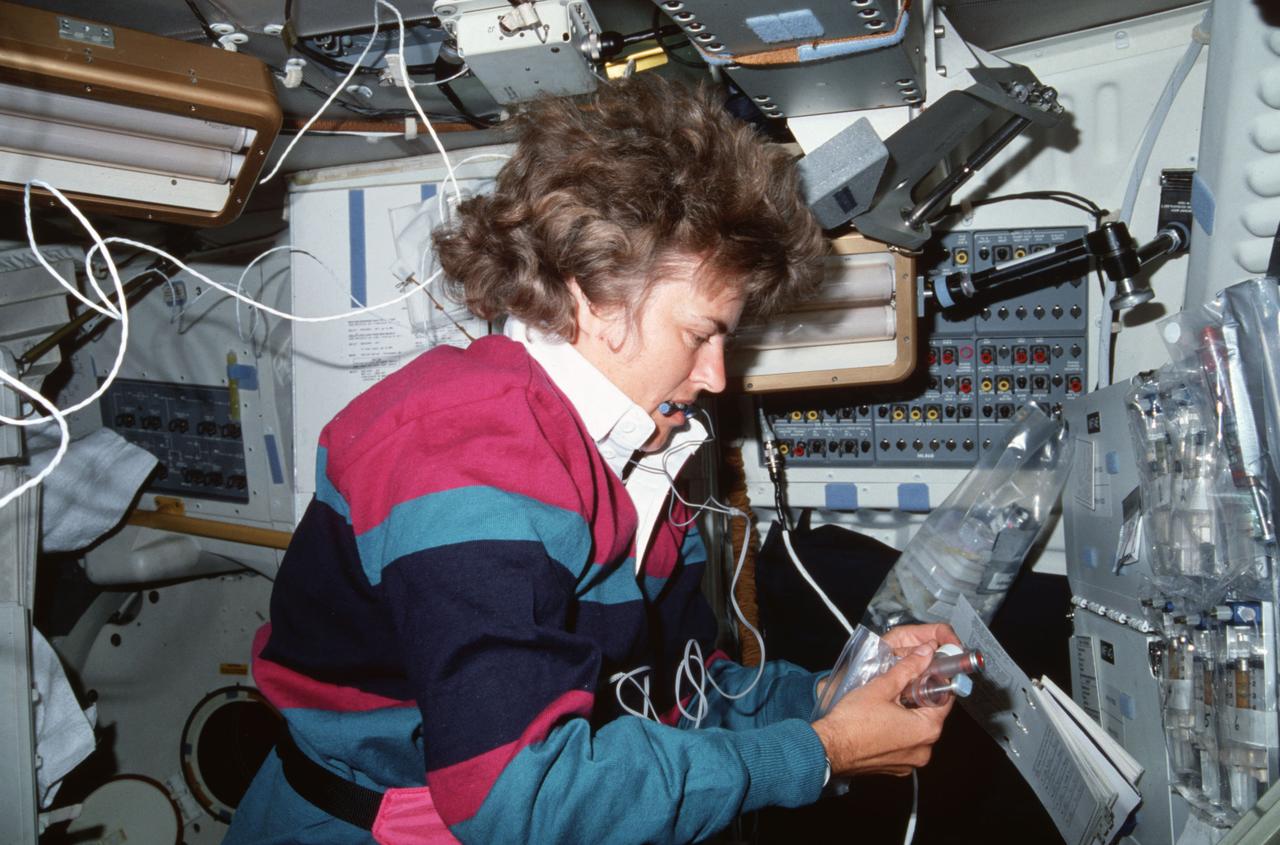
STS043-03-001 (2-11 Aug 1991) --- Astronaut Shannon W. Lucid, STS-43 mission specialist, is pictured with a sample from the Bio-serve Instrumentation Technology Associates Materials Dispersion Apparatus (BIMDA). BIMDA is designed to obtain data on scientific methods and commercial potential for growing large high quality protein crystals in microgravity. The experimental focus is on both synthetic and natural biological processes that provide the foundation of the assembly of large structures from macromolecules. In addition, cell processes and membrane (cell and artificial) processes are being evaluated. BIMDA experiments are stored and operated on the middeck in a refrigerator/incubator module (R/IM). During this flight, the R/IM maintains a constant internal temperature of 20 degrees Celsius. This experiment also flew on NASA?s STS-37 mission.
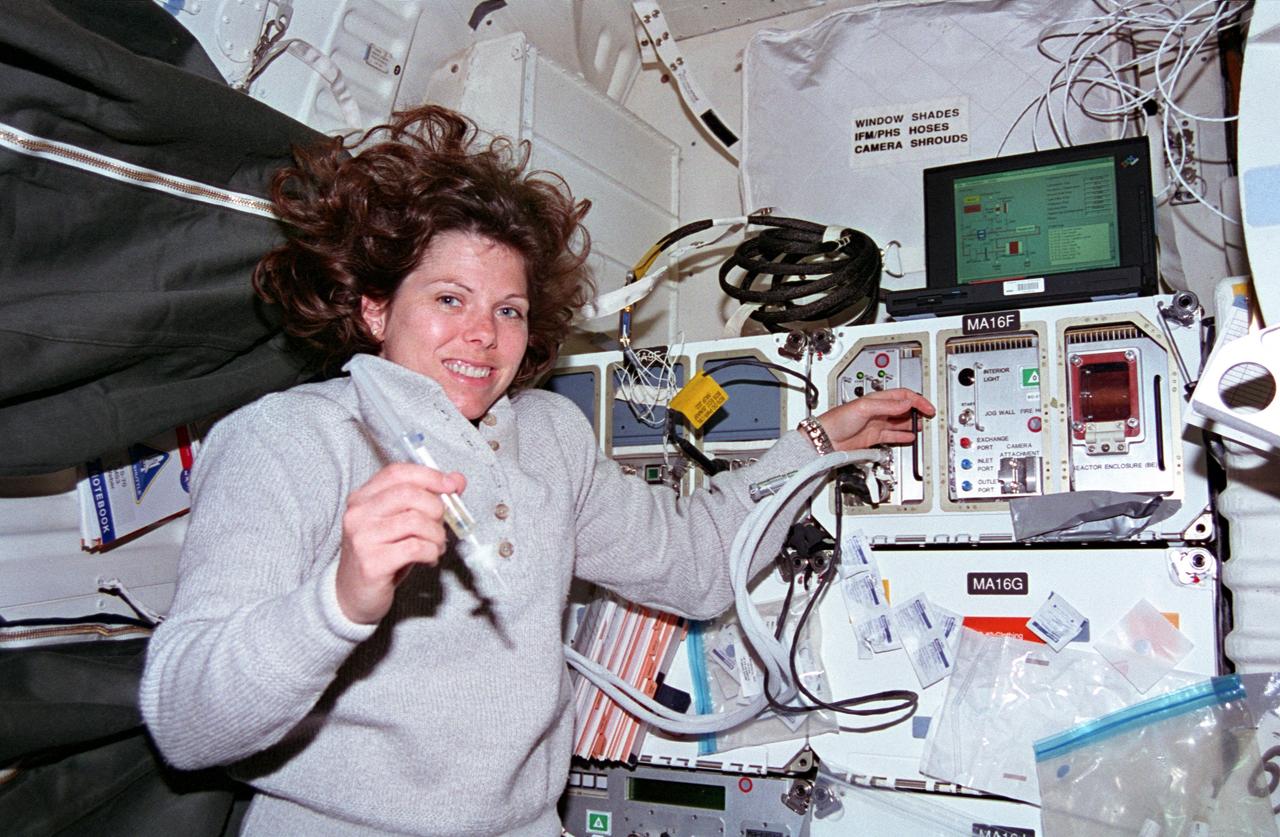
STS070-301-025 (13-22 July 1995) --- Astronaut Mary Ellen Weber works with a syringe related to the Bioreactor Development System (BDS). The almost weightless state of space travel provides life science researchers with the opportunity to grow cells into three-dimensional tissue pieces that are not achievable using conventional tissue culture methods on Earth. At specified times during the STS-70 mission, crew members injected color producing substances to document fluid movement in the reactor, and various-sized beads to estimate the tissue size that could be supported in the Bioreactor. The photo was among NASA's first release of still photography from the STS-70 mission. The mission was launched from the Kennedy Space Center (KSC) on July 13, 1995, and ended when Discovery landed on Runway 33 there on July 22, 1995. The crew members were astronauts Terence T. (Tom) Henricks, commander; Kevin R. Kregel, pilot; and Donald A. Thomas, Nancy J. Currie and Weber, all mission specialists.
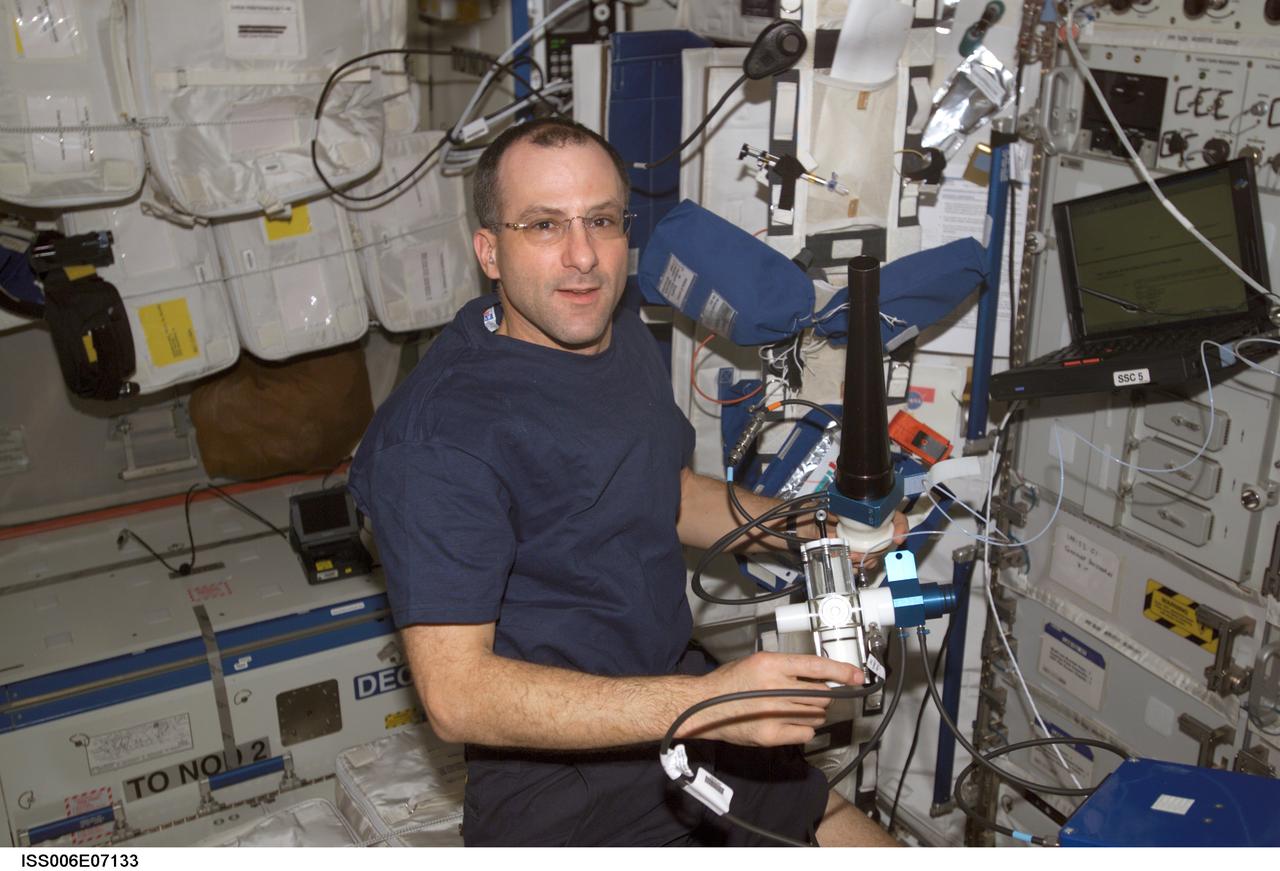
In this International Space Station (ISS) onboard photo, Expedition Six Science Officer Donald R. Pettit works to set up the Pulmonary Function in Flight (PuFF) experiment hardware in the Destiny Laboratory. Expedition Six is the fourth and final crew to perform the PuFF experiment. The PuFF experiment was developed to better understand what effects long term exposure to microgravity may have on the lungs. The focus is on measuring changes in the everness of gas exchange in the lungs, and on detecting changes in respiratory muscle strength. It allows astronauts to measure blood flow through the lungs, the ability of the lung to take up oxygen, and lung volumes. Each PuFF session includes five lung function tests, which involve breathing only cabin air. For each planned extravehicular (EVA) activity, a crew member performs a PuFF test within one week prior to the EVA. Following the EVA, those crew members perform another test to document the effect of exposure of the lungs to the low-pressure environment of the space suits. This experiment utilizes the Gas Analyzer System for Metabolic Analysis Physiology, or GASMAP, located in the Human Research Facility (HRF), along with a variety of other Puff equipment including a manual breathing valve, flow meter, pressure-flow module, pressure and volume calibration syringes, and disposable mouth pieces.
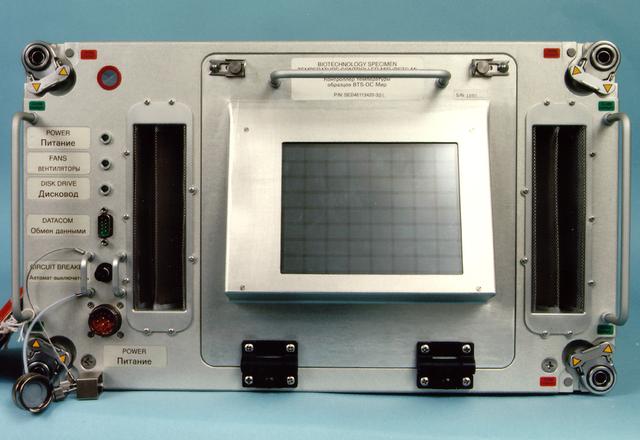
Biotechnology Specimen Temperature Controller (BSTC) will cultivate cells until their turn in the bioreactor; it can also be used in culturing experiments that do not require the bioreactor. The BSTC comprises four incubation/refrigeration chambers individually set at 4 to 50 deg. C (near-freezing to above body temperature). Each chamber holds three rugged tissue chamber modules (12 total), clear Teflon bags holding 30 ml of growth media, all positioned by a metal frame. Every 7 to 21 days (depending on growth rates), an astronaut uses a shrouded syringe and the bags' needleless injection ports to transfer a few cells to a fresh media bag, and to introduce a fixative so that the cells may be studied after flight. The design also lets the crew sample the media to measure glucose, gas, and pH levels, and to inspect cells with a microscope. The controller is monitored by the flight crew through a 23-cm (9-inch) color computer display on the face of the BSTC. This view shows the BTSC with the front panel open. The work is sponsored by NASA's Office of Biological and Physical Research. The bioreactor is managed by the Biotechnology Cell Science Program at NASA's Johnson Space Center (JSC). NASA-sponsored bioreactor research has been instrumental in helping scientists to better understand normal and cancerous tissue development. In cooperation with the medical community, the bioreactor design is being used to prepare better models of human colon, prostate, breast and ovarian tumors. Cartilage, bone marrow, heart muscle, skeletal muscle, pancreatic islet cells, liver and kidney are just a few of the normal tissues being cultured in rotating bioreactors by investigators.
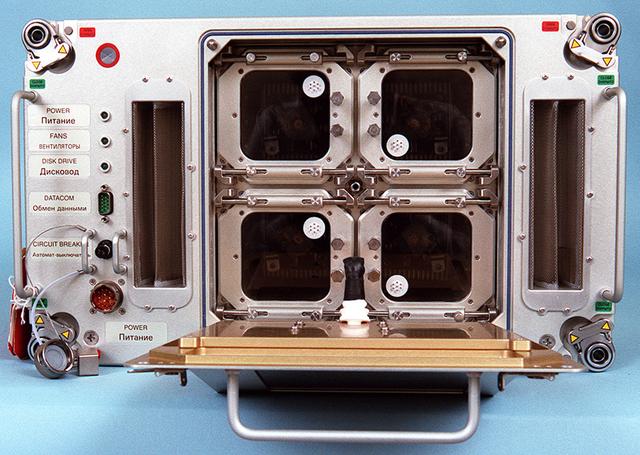
Biotechnology Specimen Temperature Controller (BSTC) will cultivate cells until their turn in the bioreactor; it can also be used in culturing experiments that do not require the bioreactor. The BSTC comprises four incubation/refrigeration chambers individually set at 4 to 50 degreesC (near-freezing to above body temperature). Each chamber holds three rugged tissue chamber modules (12 total), clear Teflon bags holding 30 ml of growth media, all positioned by a metal frame. Every 7 to 21 days (depending on growth rates), an astronaut uses a shrouded syringe and the bags' needleless injection ports to transfer a few cells to a fresh media bag, and to introduce a fixative so that the cells may be studied after flight. The design also lets the crew sample the media to measure glucose, gas, and pH levels, and to inspect cells with a microscope. The controller is monitored by the flight crew through a 23-cm (9-inch) color computer display on the face of the BSTC. This view shows the BTSC with the front panel open. The work is sponsored by NASA's Office of Biological and Physical Research. The bioreactor is managed by the Biotechnology Cell Science Program at NASA's Johnson Space Center (JSC). NASA-sponsored bioreactor research has been instrumental in helping scientists to better understand normal and cancerous tissue development. In cooperation with the medical community, the bioreactor design is being used to prepare better models of human colon, prostate, breast and ovarian tumors. Cartilage, bone marrow, heart muscle, skeletal muscle, pancreatic islet cells, liver and kidney are just a few of the normal tissues being cultured in rotating bioreactors by investigators.
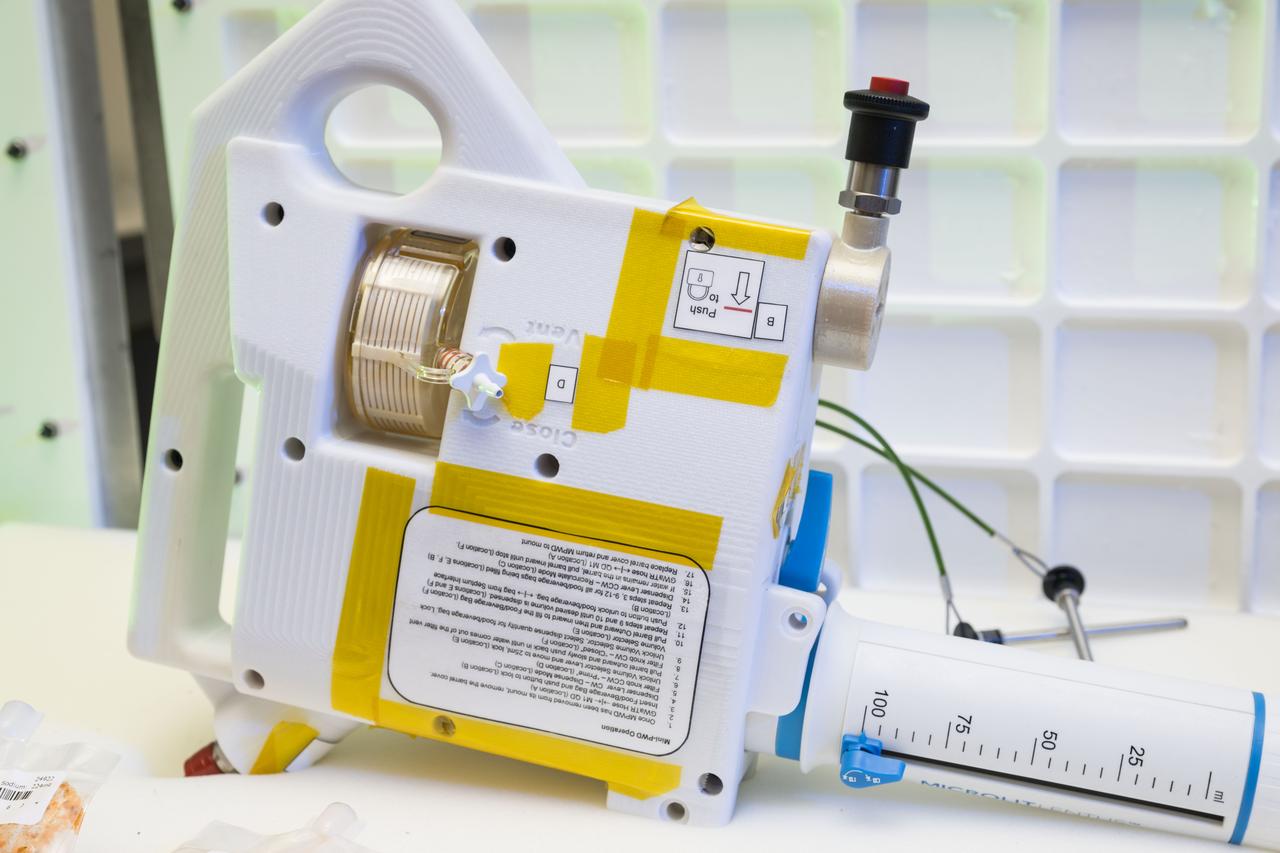
jsc2024e040691 -- A prototype of the Mini Potable Water Dispenser, currently in development at NASA’s Marshall Space Flight Center, is displayed alongside various food pouches during a demonstration at NASA’s Johnson Space Center. Photo Credit: NASA/David DeHoyos
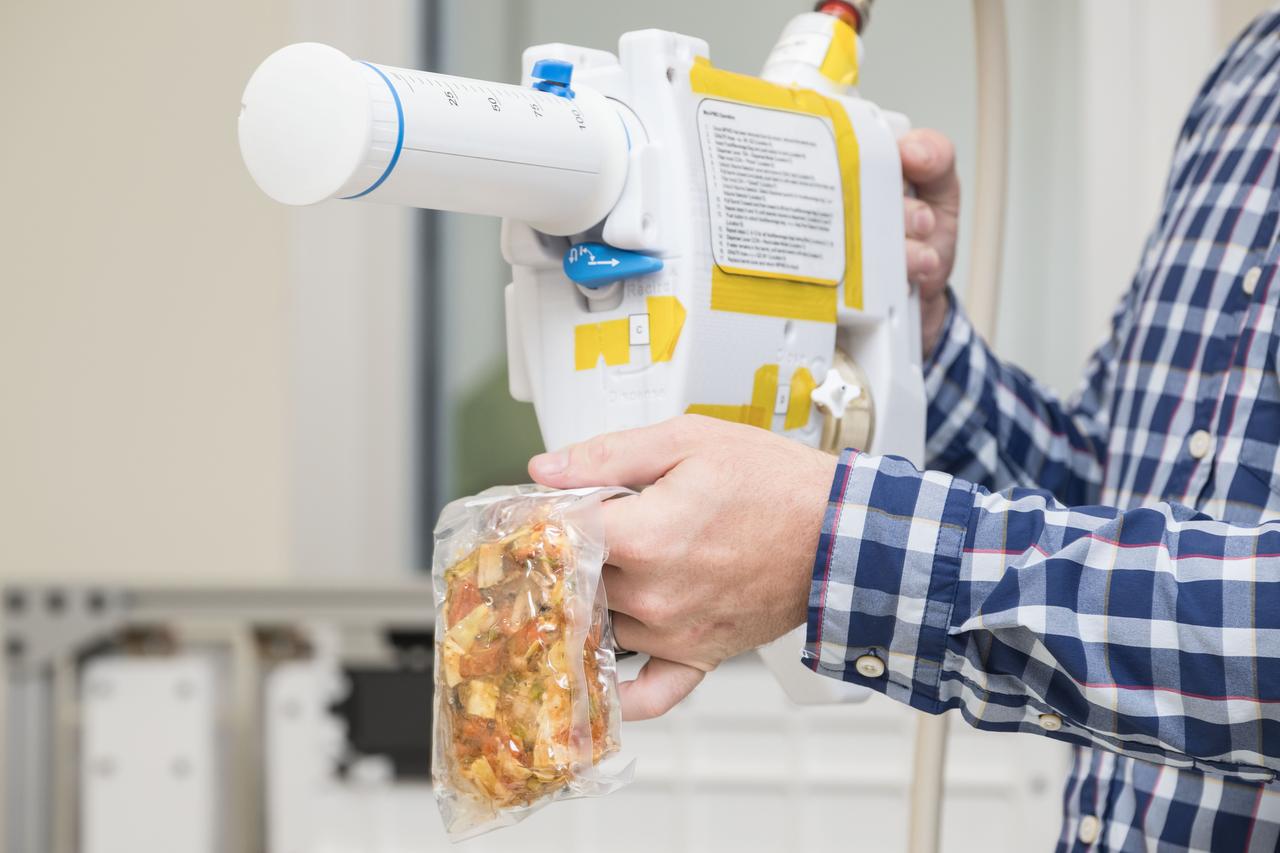
jsc2024e040708 -- An engineer demonstrates the use of the Mini Potable Water Dispenser by rehydrating a food pouch during a testing session at Johnson Space Center on June 6, 2024. This compact, lightweight dispenser is designed to help astronauts prepare meals in deep space. Photo Credit: NASA/David DeHoyos
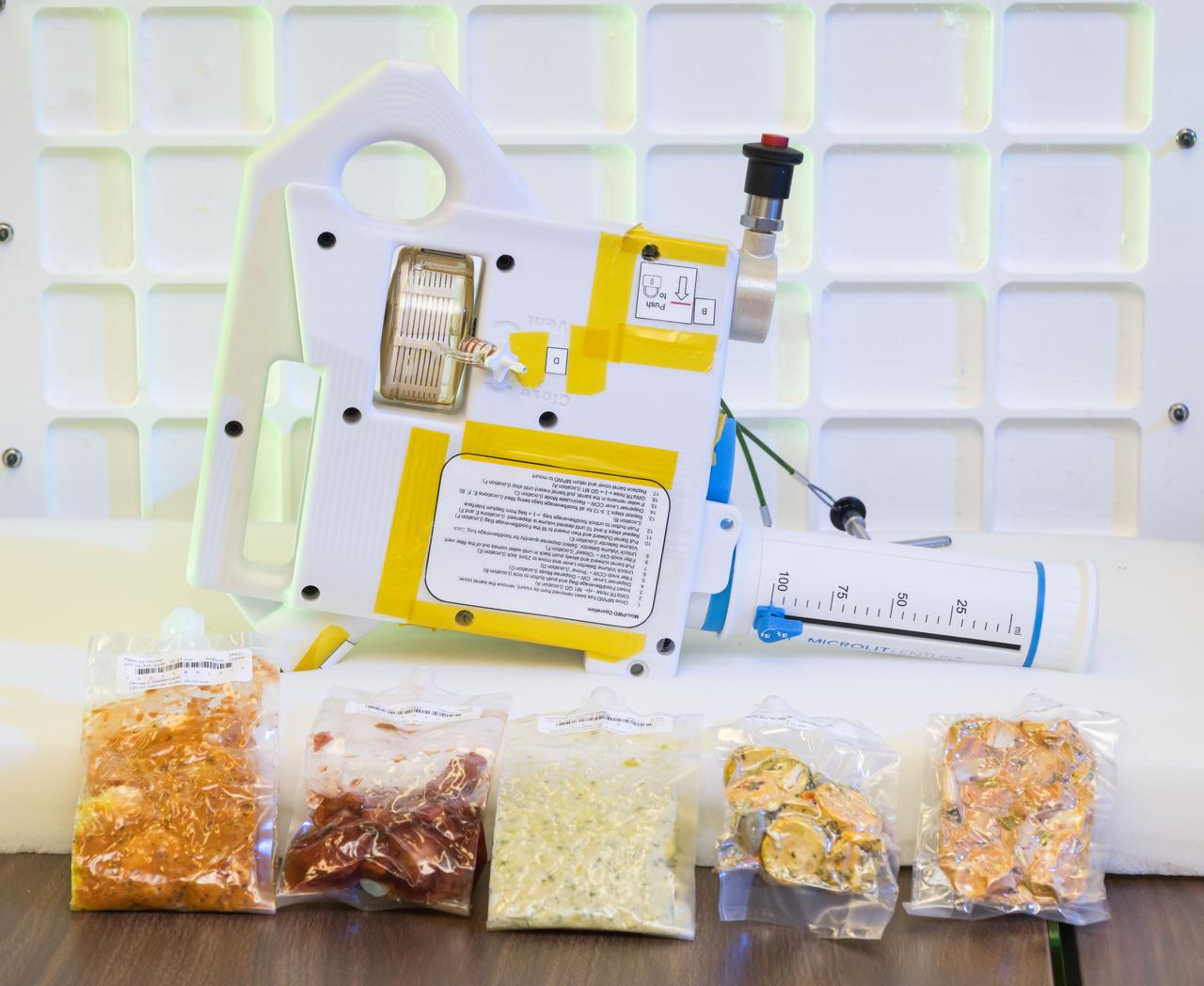
jsc2024e040685 -- A prototype of the Mini Potable Water Dispenser, currently in development at NASA’s Marshall Space Flight Center, is displayed alongside various food pouches during a demonstration at NASA’s Johnson Space Center. Photo Credit: NASA/David DeHoyos