
NASA Program Manager for Centennial Challenges Sam Ortega help show a young visitor how to drive a rover as part of the interactive NASA Mars rover exhibit during the Worcester Polytechnic Institute (WPI) "TouchTomorrow" education and outreach event that was held in tandem with the NASA-WPI Sample Return Robot Centennial Challenge on Saturday, June 16, 2012 in Worcester, Mass. The NASA-WPI challenge tasked robotic teams to build autonomous robots that can identify, collect and return samples. NASA needs autonomous robotic capability for future planetary exploration. Photo Credit: (NASA/Bill Ingalls)
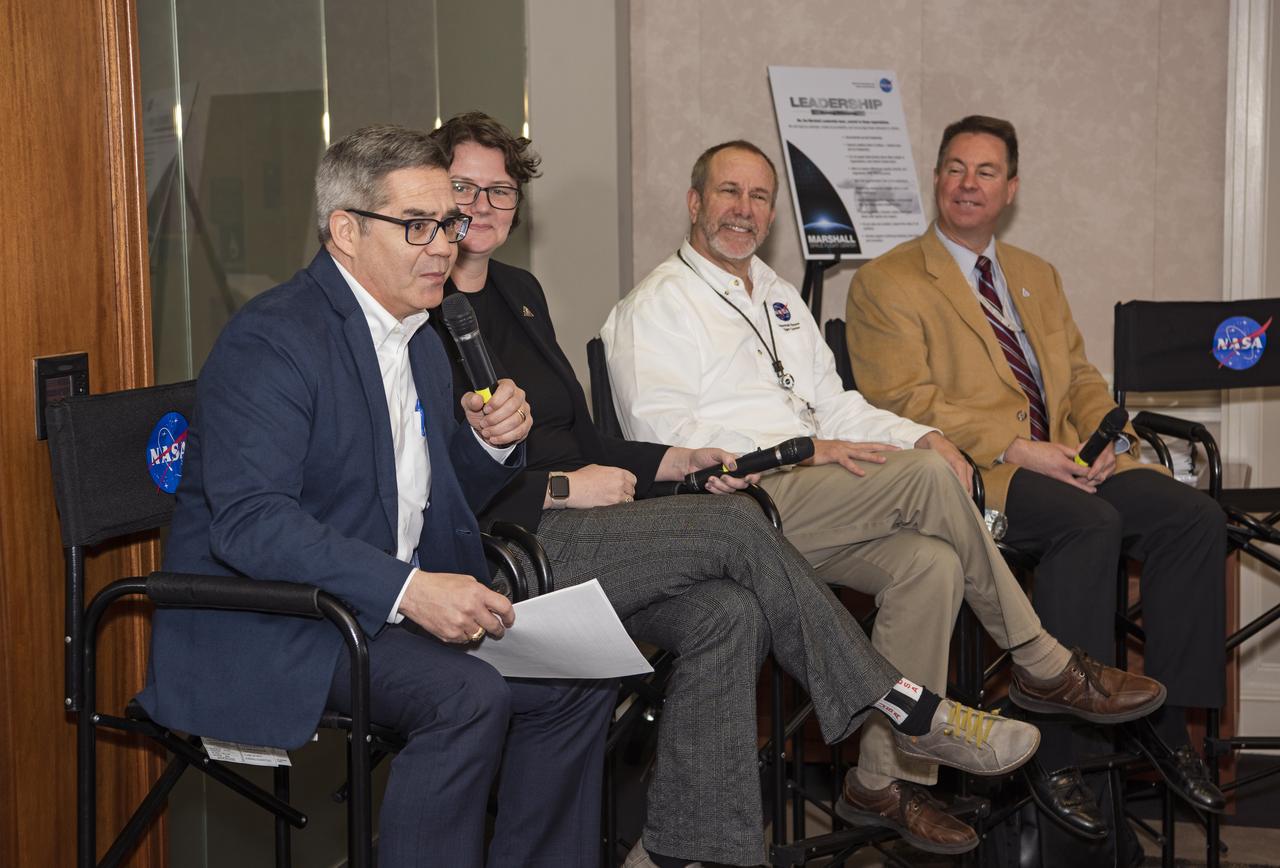
Sam Ortega, left, manager of the Partnerships Office at NASA’s Marshall Space Flight Center, moderates an Artemis Program panel featuring, second from left, Renee Weber, Marshall chief scientist; David Beaman, manager of Marshall’s Systems Engineering & Integration Office; and Don Krupp, associate program manager for the Human Landing System Program, during Universities of the Tennessee Valley Corridor activities Feb. 27 at Marshall. Leadership staff from eight universities and 10 junior colleges in Alabama, Tennessee and Kentucky also heard presentations on Office of STEM Engagement opportunities, partnership opportunities, Marshall’s Technology Transfer Office, the NASA software catalog and Marshall’s Advanced Concepts Office. The group toured several Marshall facilities to learn more about center capabilities.
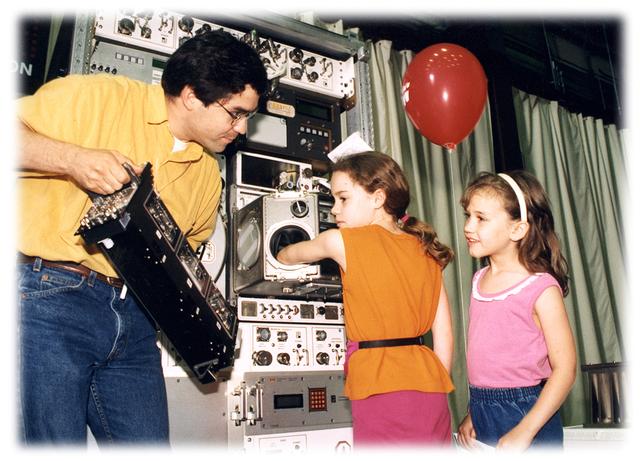
Glovebox Systems Engineer, Sam Ortega, explains how the microgravity glovebox works to 2 young MSFC Open House visitors.
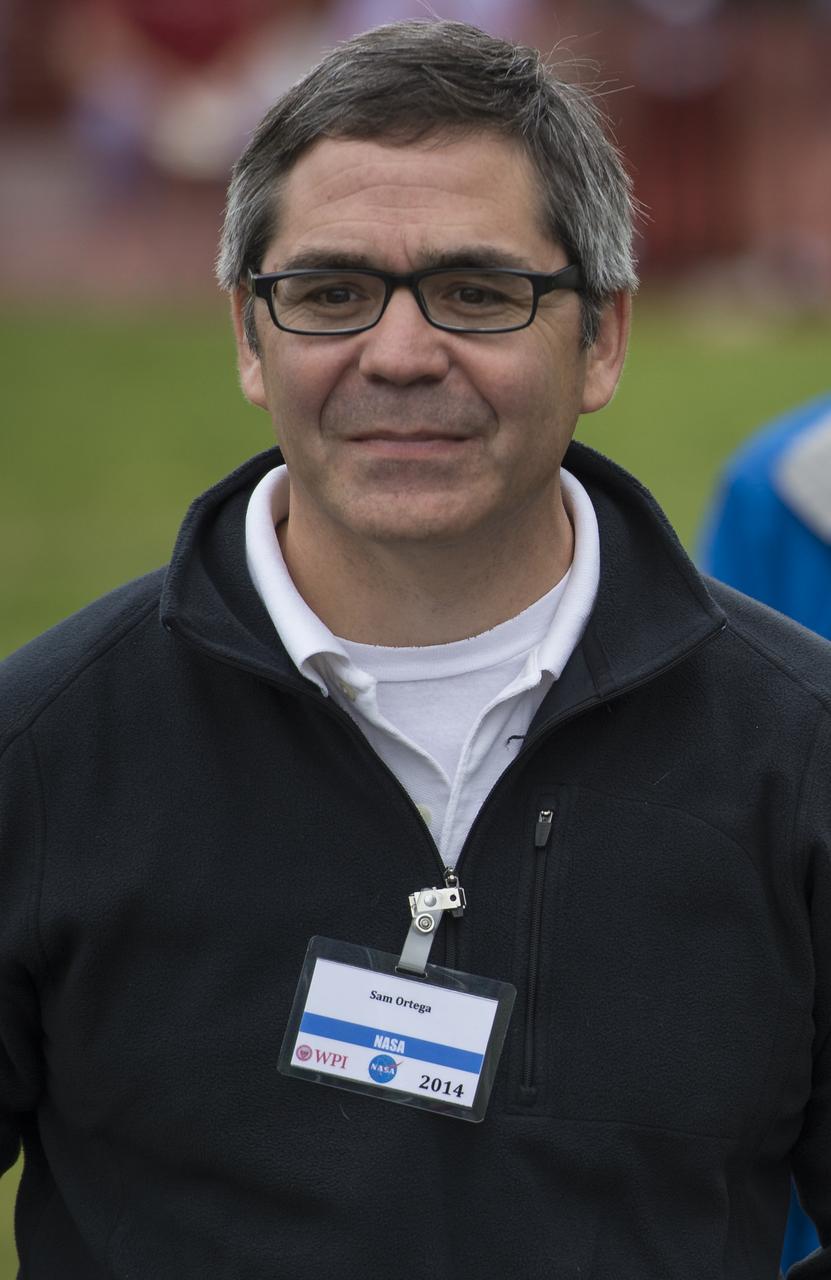
Sam Ortega, NASA program manager for Centennial Challenges, is seen during the 2014 NASA Centennial Challenges Sample Return Robot Challenge, Thursday, June 12, 2014, at the Worcester Polytechnic Institute (WPI) in Worcester, Mass. Eighteen teams are competing for a $1.5 million NASA prize purse. Teams will be required to demonstrate autonomous robots that can locate and collect samples from a wide and varied terrain, operating without human control. The objective of this NASA-WPI Centennial Challenge is to encourage innovations in autonomous navigation and robotics technologies. Innovations stemming from the challenge may improve NASA's capability to explore a variety of destinations in space, as well as enhance the nation's robotic technology for use in industries and applications on Earth. Photo Credit: (NASA/Joel Kowsky)

Sam Ortega, NASA program manager of Centennial Challenges, watches as robots attempt the rerun of the level one challenge during the 2014 NASA Centennial Challenges Sample Return Robot Challenge, Saturday, June 14, 2014, at the Worcester Polytechnic Institute (WPI) in Worcester, Mass. Eighteen teams are competing for a $1.5 million NASA prize purse. Teams will be required to demonstrate autonomous robots that can locate and collect samples from a wide and varied terrain, operating without human control. The objective of this NASA-WPI Centennial Challenge is to encourage innovations in autonomous navigation and robotics technologies. Innovations stemming from the challenge may improve NASA's capability to explore a variety of destinations in space, as well as enhance the nation's robotic technology for use in industries and applications on Earth. Photo Credit: (NASA/Joel Kowsky)

Sam Ortega, NASA program manager for Centennial Challenges, is interviewed by a member of the media before the start of level two competition at the 2014 NASA Centennial Challenges Sample Return Robot Challenge, Thursday, June 12, 2014, at the Worcester Polytechnic Institute (WPI) in Worcester, Mass. Eighteen teams are competing for a $1.5 million NASA prize purse. Teams will be required to demonstrate autonomous robots that can locate and collect samples from a wide and varied terrain, operating without human control. The objective of this NASA-WPI Centennial Challenge is to encourage innovations in autonomous navigation and robotics technologies. Innovations stemming from the challenge may improve NASA's capability to explore a variety of destinations in space, as well as enhance the nation's robotic technology for use in industries and applications on Earth. Photo Credit: (NASA/Joel Kowsky)
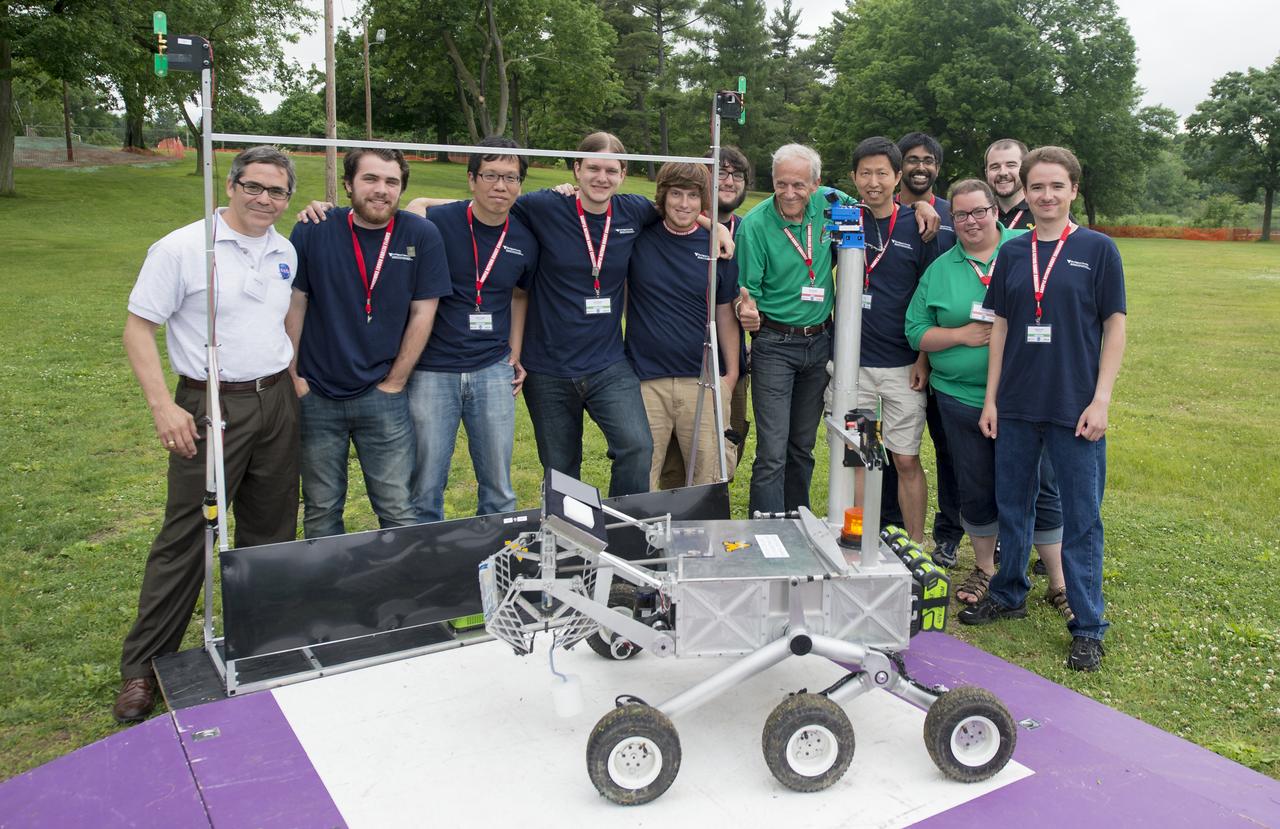
Members of team Mountaineers pose with officials from the 2014 NASA Centennial Challenges Sample Return Robot Challenge on Saturday, June 14, 2014 at Worcester Polytechnic Institute (WPI) in Worcester, Mass. Team Mountaineer was the only team to complete the level one challenge this year. Team Mountaineer members, from left (in blue shirts) are: Ryan Watson, Marvin Cheng, Scott Harper, Jarred Strader, Lucas Behrens, Yu Gu, Tanmay Mandal, Alexander Hypes, and Nick Ohi Challenge judges and competition staff (in white and green polo shirts) from left are: Sam Ortega, NASA Centennial Challenge program manager; Ken Stafford, challenge technical advisor, WPI; Colleen Shaver, challenge event manager, WPI. During the competition, teams were required to demonstrate autonomous robots that can locate and collect samples from a wide and varied terrain, operating without human control. The objective of this NASA-WPI Centennial Challenge was to encourage innovations in autonomous navigation and robotics technologies. Innovations stemming from the challenge may improve NASA's capability to explore a variety of destinations in space, as well as enhance the nation's robotic technology for use in industries and applications on Earth. Photo Credit: (NASA/Joel Kowsky)
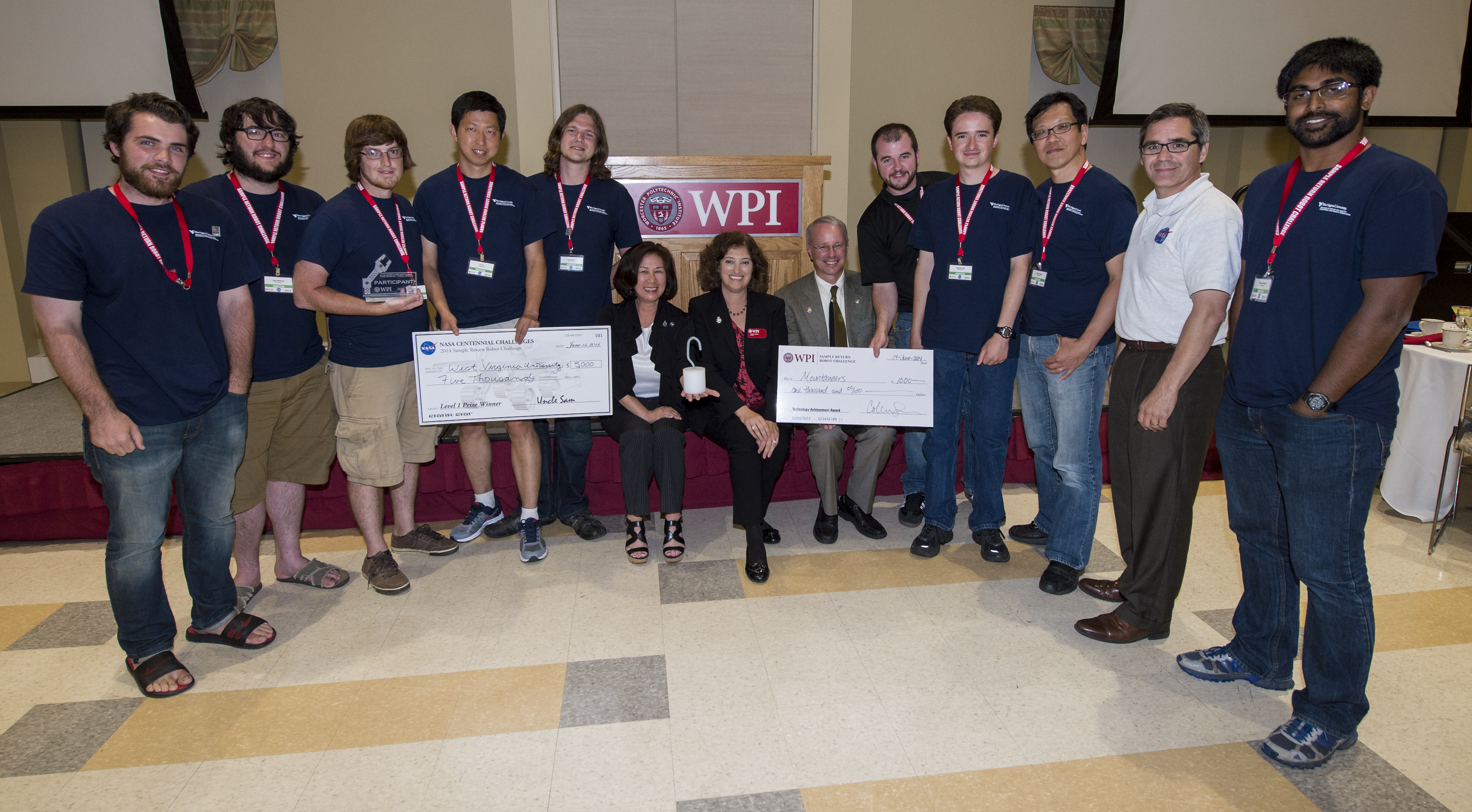
The NASA Centennial Challenges prize, level one, is presented to team Mountaineers for successfully completing level one of the NASA 2014 Sample Return Robot Challenge, from left, Ryan Watson, Team Mountaineers; Lucas Behrens, Team Mountaineers; Jarred Strader, Team Mountaineers; Yu Gu, Team Mountaineers; Scott Harper, Team Mountaineers; Dorothy Rasco, NASA Deputy Associate Administrator for the Space Technology Mission Directorate; Laurie Leshin, Worcester Polytechnic Institute (WPI) President; David Miller, NASA Chief Technologist; Alexander Hypes, Team Mountaineers; Nick Ohi,Team Mountaineers; Marvin Cheng, Team Mountaineers; Sam Ortega, NASA Program Manager for Centennial Challenges; and Tanmay Mandal, Team Mountaineers;, Saturday, June 14, 2014, at Worcester Polytechnic Institute (WPI) in Worcester, Mass. Team Mountaineers was the only team to complete the level one challenge. During the competition, teams were required to demonstrate autonomous robots that can locate and collect samples from a wide and varied terrain, operating without human control. The objective of this NASA-WPI Centennial Challenge was to encourage innovations in autonomous navigation and robotics technologies. Innovations stemming from the challenge may improve NASA's capability to explore a variety of destinations in space, as well as enhance the nation's robotic technology for use in industries and applications on Earth. Photo Credit: (NASA/Joel Kowsky)
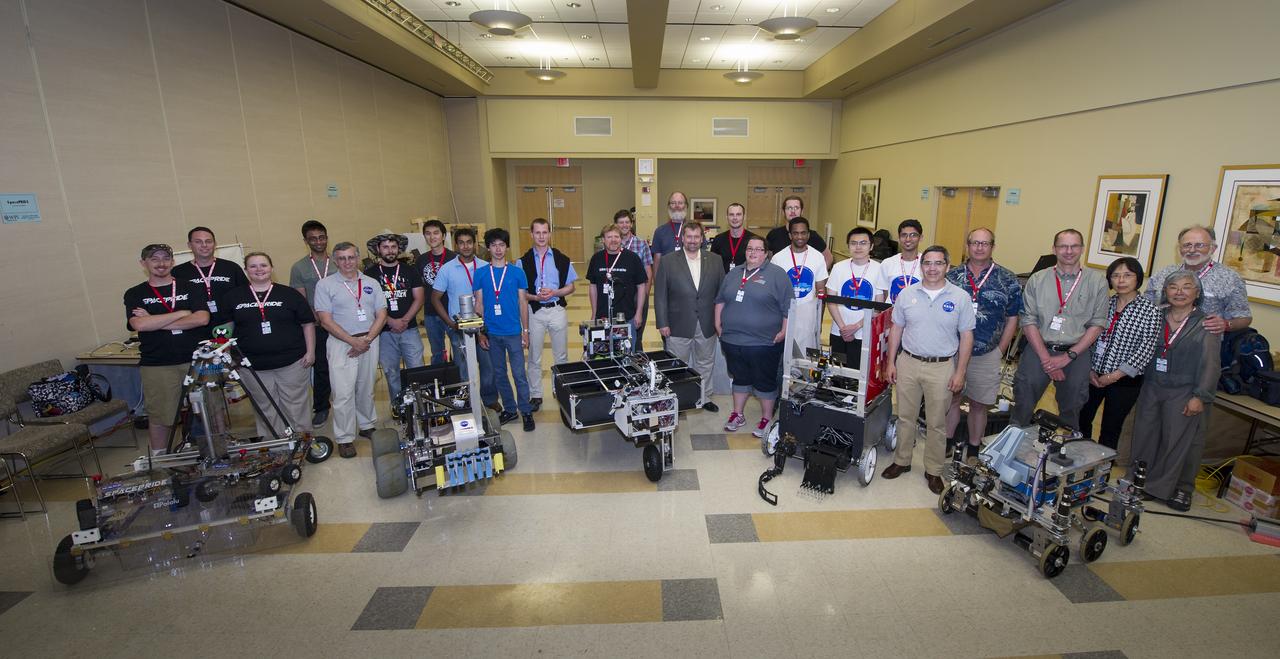
NASA-WPI Sample Return Robot Centennial Challenge teams, NASA management, and challenge organizers pose for a group photograph on Saturday, June 16, 2012 at Worcester Polytechnic Institute (WPI) in Worcester, Mass. Teams were challenged to build autonomous robots that can identify, collect and return samples. NASA needs autonomous robotic capability for future planetary exploration. Photo Credit: (NASA/Bill Ingalls)
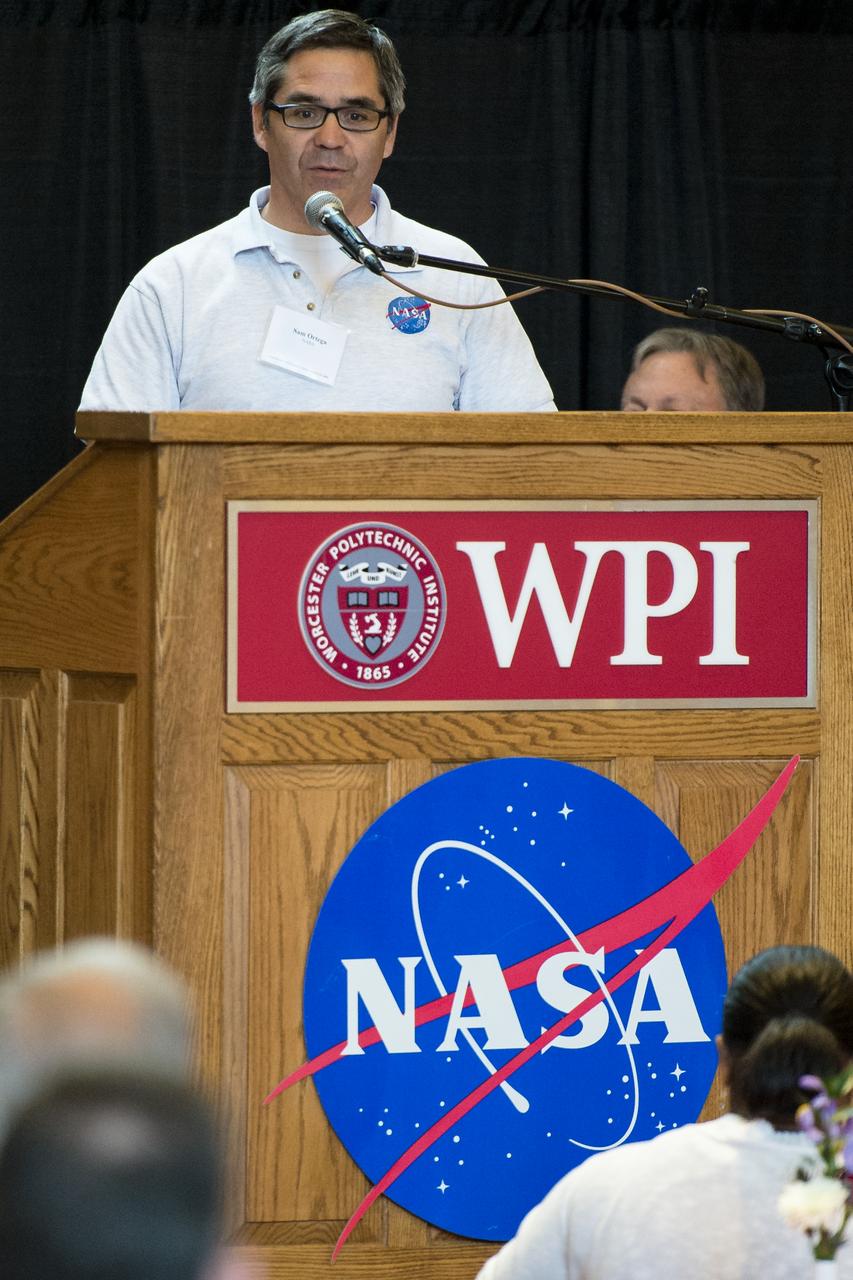
Sam Ortega, NASA Centennial Challenges Program Manager, speaks at a breakfast opening the TouchTomorrow Festival, held in conjunction with the 2014 NASA Centennial Challenges Sample Return Robot Challenge, Saturday, June 14, 2014, at the Worcester Polytechnic Institute (WPI) in Worcester, Mass. Eighteen teams are competing for a $1.5 million NASA prize purse. Teams will be required to demonstrate autonomous robots that can locate and collect samples from a wide and varied terrain, operating without human control. The objective of this NASA-WPI Centennial Challenge is to encourage innovations in autonomous navigation and robotics technologies. Innovations stemming from the challenge may improve NASA's capability to explore a variety of destinations in space, as well as enhance the nation's robotic technology for use in industries and applications on Earth. Photo Credit: (NASA/Joel Kowsky)
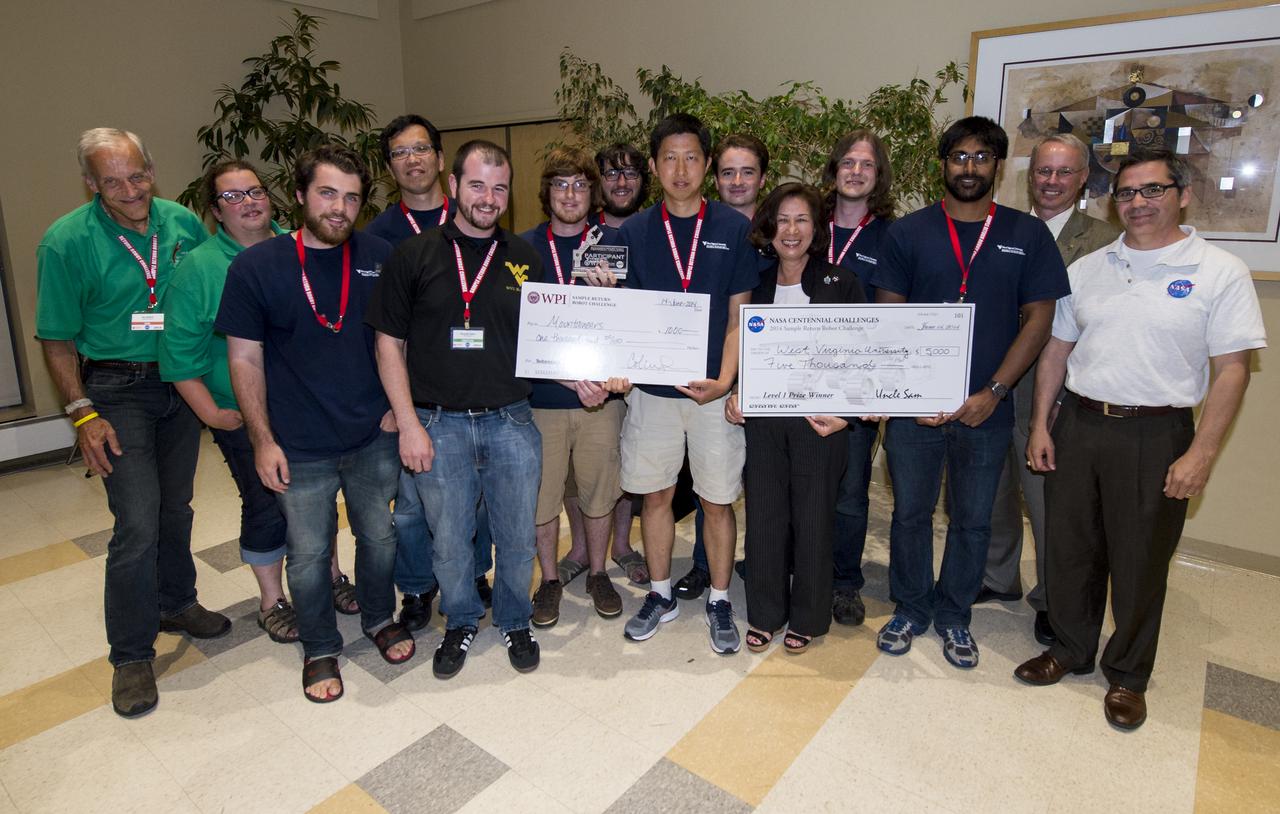
The NASA Centennial Challenges prize, level one, is presented to team Mountaineers for successfully completing level one of the NASA 2014 Sample Return Robot Challenge, from left, Ken Stafford, WPI Challenge technical advisor; Colleen Shaver, WPI Challenge Manager; Ryan Watson, Team Mountaineers; Marvin Cheng, Team Mountaineers; Alexander Hypes, Team Mountaineers; Jarred Strader, Team Mountaineers; Lucas Behrens, Team Mountaineers; Yu Gu, Team Mountaineers; Nick Ohi, Team Mountaineers; Dorothy Rasco, NASA Deputy Associate Administrator for the Space Technology Mission Directorate; Scott Harper, Team Mountaineers; Tanmay Mandal, Team Mountaineers; David Miller, NASA Chief Technologist; Sam Ortega, NASA Program Manager for Centennial Challenges, Saturday, June 14, 2014, at Worcester Polytechnic Institute (WPI) in Worcester, Mass. Team Mountaineers was the only team to complete the level one challenge. During the competition, teams were required to demonstrate autonomous robots that can locate and collect samples from a wide and varied terrain, operating without human control. The objective of this NASA-WPI Centennial Challenge was to encourage innovations in autonomous navigation and robotics technologies. Innovations stemming from the challenge may improve NASA's capability to explore a variety of destinations in space, as well as enhance the nation's robotic technology for use in industries and applications on Earth. Photo Credit: (NASA/Joel Kowsky)