
The single fire that ignited and split into nine separate fires still blazes in Southern California today. Firefighters are hoping for a break today (Thursday, May 15, 2014) but it doesn't look like luck may be on their side. Conditions continue to be bone dry with unseasonal heat (98-106 degrees) and the Santa Ana winds are kicking up and allowing these fires to easy jump fire lines. This particular fire started on Wednesday as a single fire and within a day is now nine separate fires which have burned close to 10,000 acres. These fires are threatening more than just landscape in San Diego county, they are also threatening homes, universities, a military base and a nuclear power plant. Day Two of the fires have seen them already destroying dozens of homes and forcing tens of thousands to evacuate. Camp Pendleton has also been partially evacuated due to the blazes as has the popular amusement park, Legoland. The Governor of California has declared a state of emergency. Thousands of firefighters are battling the flames both on the ground and in the air. Seven tankers and 20 military aircraft are also assisting the firefighters with their mission. Temperatures soaring over 100 degrees coupled with 30 mph wind gusts have severely hampered the efforts, however, and fire tornadoes have broken out. Fire tornadoes are caused by crosswinds that create a vortex and produce winds that twist and swirl just like a tornado but with flames that coil upwards in the center of the twister creating a terrifying specter. Although there is no chance of rain in the area for the next several days, the temperatures will start to subside on Friday and into the weekend. Winds are also expected to start to subside, giving firefighters that break that they so desperately need. This natural-color satellite image was collected by the Moderate Resolution Imaging Spectroradiometer (MODIS) aboard the Aqua satellite on May 14, 2014. Actively burning areas, detected by MODIS’s thermal bands, are outlined in red. Credit: NASA/GSFC/Jeff Schmaltz/MODIS Land Rapid Response Team <b><a href="http://www.nasa.gov/audience/formedia/features/MP_Photo_Guidelines.html" rel="nofollow">NASA image use policy.</a></b> <b><a href="http://www.nasa.gov/centers/goddard/home/index.html" rel="nofollow">NASA Goddard Space Flight Center</a></b> enables NASA’s mission through four scientific endeavors: Earth Science, Heliophysics, Solar System Exploration, and Astrophysics. Goddard plays a leading role in NASA’s accomplishments by contributing compelling scientific knowledge to advance the Agency’s mission. <b>Follow us on <a href="http://twitter.com/NASAGoddardPix" rel="nofollow">Twitter</a></b> <b>Like us on <a href="http://www.facebook.com/pages/Greenbelt-MD/NASA-Goddard/395013845897?ref=tsd" rel="nofollow">Facebook</a></b> <b>Find us on <a href="http://instagram.com/nasagoddard?vm=grid" rel="nofollow">Instagram</a></b>

The influence of topography on the growth of the city of San Diego is seen clearly in this computer-generated perspective viewed from the south.
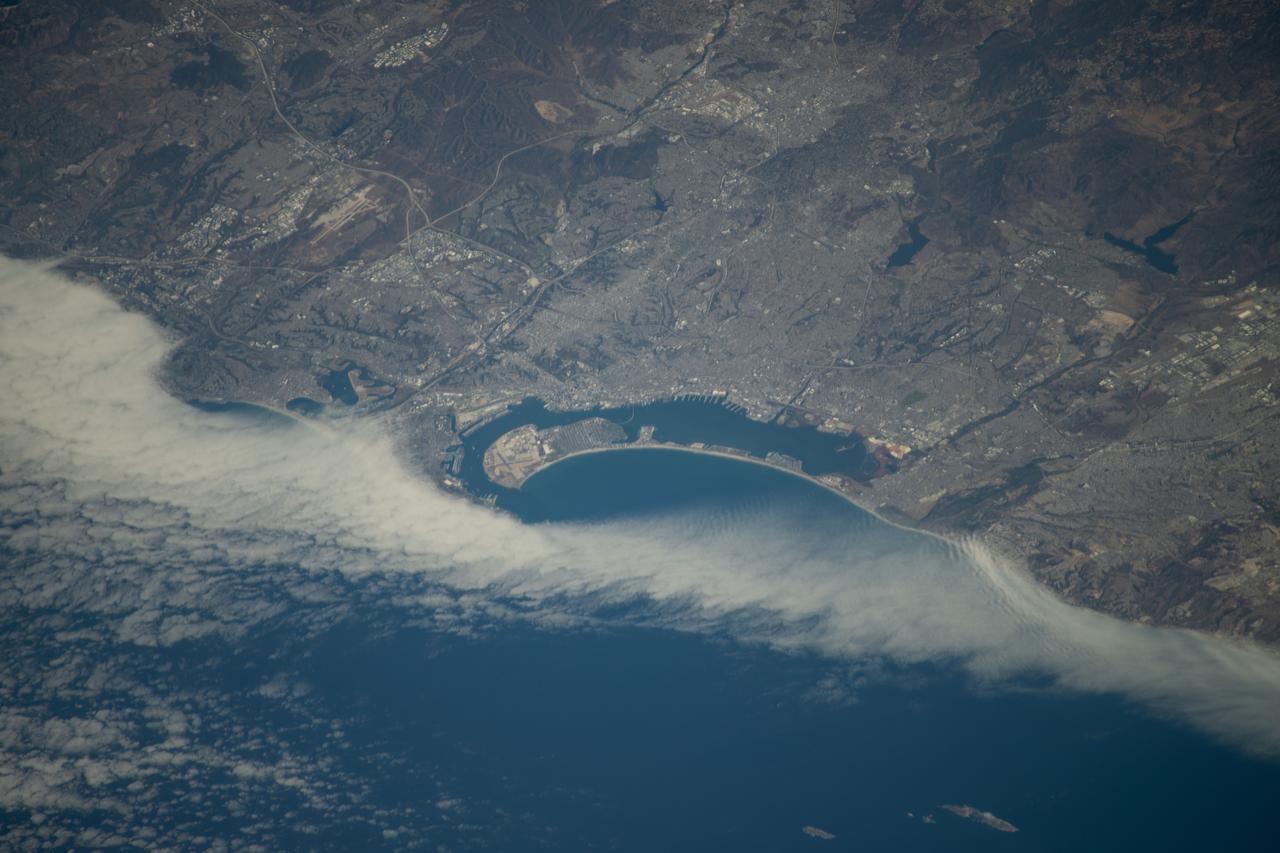
iss072e010297 (Oct. 2, 2024) --- San Diego Bay, surrounded by the city of San Diego, California, and its suburbs near the U.S.-Mexico border, is pictured from the International Space Station as it orbited 257 miles above the Pacific Ocean.
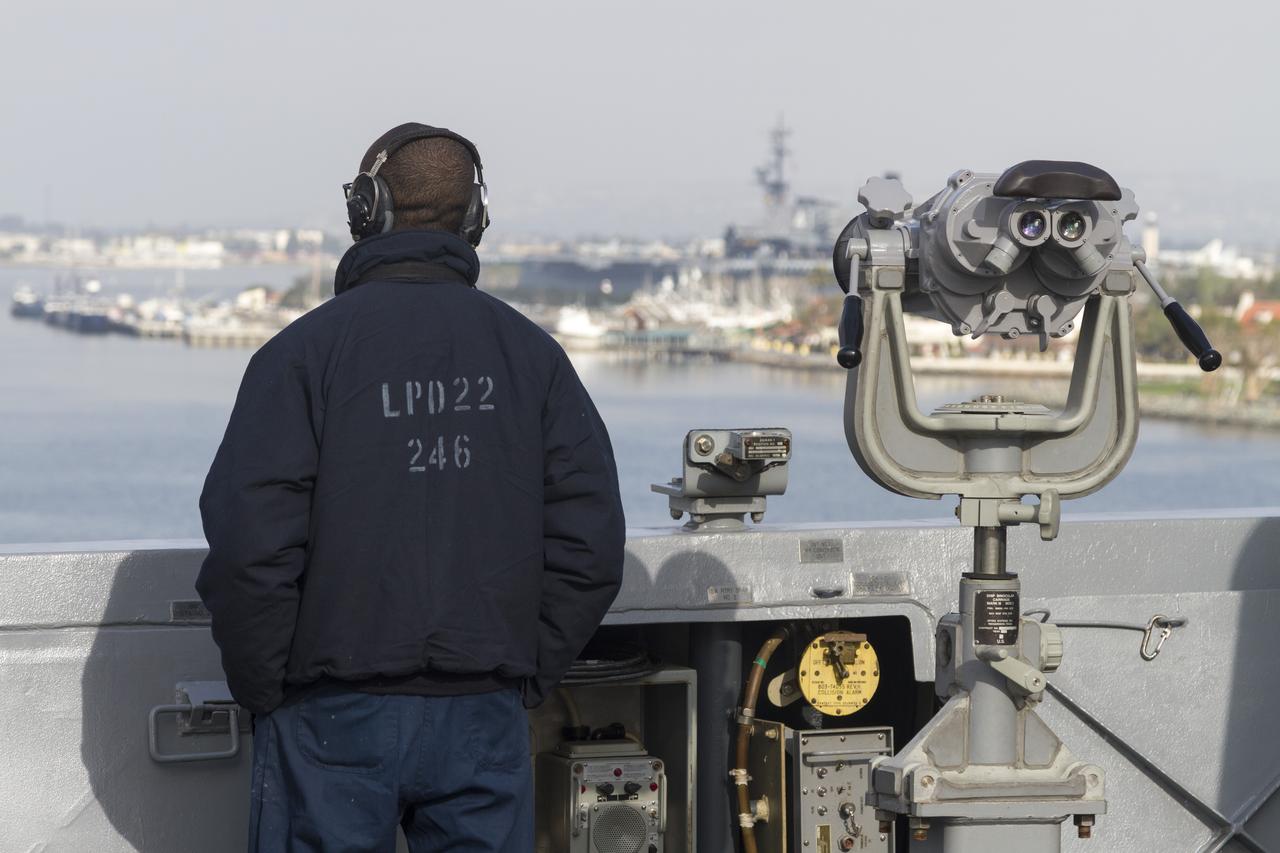
SAN DIEGO, Calif. – At the U.S. Naval Base San Diego in California, the USS San Diego heads out to sea with the Orion boilerplate test vehicle and other hardware in its well deck for an underway recovery test. About 100 miles offshore, NASA and the U.S. Navy conducted tests to prepare for recovery of the Orion crew module, forward bay cover and parachutes on its return from a deep space mission. The underway recovery test will allow the teams to demonstrate and evaluate the recovery processes, procedures, hardware and personnel in open waters. During the testing, the tether lines were unable to support the tension caused by crew module motion that was driven by wave turbulence in the well deck of the ship. NASA and the U.S. Navy are reviewing the testing data collected to evaluate the next steps. The Ground Systems Development and Operations Program conducted the underway recovery tests. Orion is the exploration spacecraft designed to carry astronauts to destinations not yet explored by humans, including an asteroid and Mars. It will have emergency abort capability, sustain the crew during space travel and provide safe re-entry from deep space return velocities. The first unpiloted test flight of the Orion is scheduled to launch in 2014 atop a Delta IV rocket and in 2017 on NASA’s Space Launch System rocket. For more information, visit http://www.nasa.gov/orion. Photo credit: NASA/Cory Huston
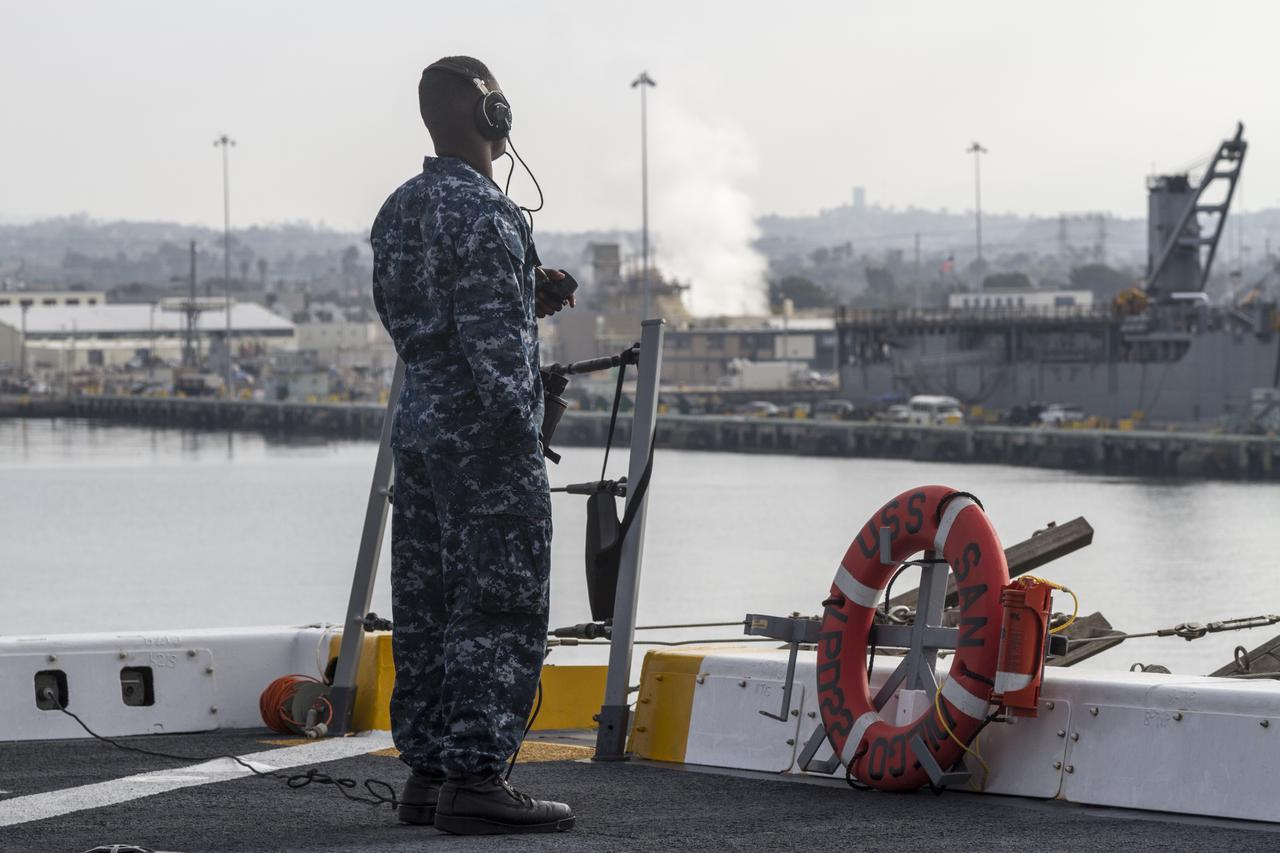
SAN DIEGO, Calif. – At the U.S. Naval Base San Diego in California, the USS San Diego heads out to sea with the Orion boilerplate test vehicle and other hardware in its well deck for an underway recovery test. About 100 miles offshore, NASA and the U.S. Navy conducted tests to prepare for recovery of the Orion crew module, forward bay cover and parachutes on its return from a deep space mission. The underway recovery test will allow the teams to demonstrate and evaluate the recovery processes, procedures, hardware and personnel in open waters. During the testing, the tether lines were unable to support the tension caused by crew module motion that was driven by wave turbulence in the well deck of the ship. NASA and the U.S. Navy are reviewing the testing data collected to evaluate the next steps. The Ground Systems Development and Operations Program conducted the underway recovery tests. Orion is the exploration spacecraft designed to carry astronauts to destinations not yet explored by humans, including an asteroid and Mars. It will have emergency abort capability, sustain the crew during space travel and provide safe re-entry from deep space return velocities. The first unpiloted test flight of the Orion is scheduled to launch in 2014 atop a Delta IV rocket and in 2017 on NASA’s Space Launch System rocket. For more information, visit http://www.nasa.gov/orion. Photo credit: NASA/Cory Huston
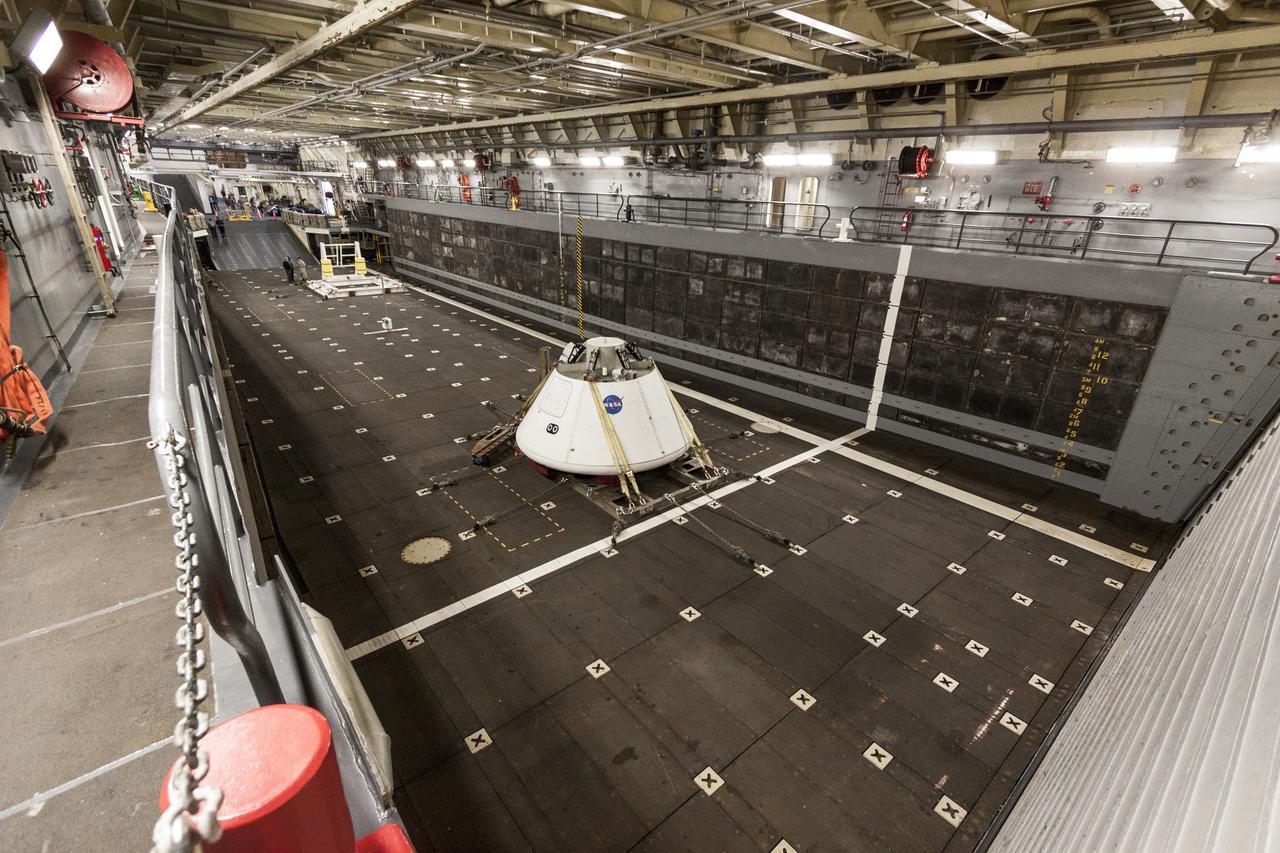
SAN DIEGO, Calif. – The Orion boilerplate test vehicle is secured in the well deck of the USS San Diego at the U.S. Naval Base San Diego in California. Orion was transported about 100 miles offshore for an underway recovery test. NASA and the U.S. Navy conducted tests to prepare for recovery of the Orion crew module, forward bay cover and parachutes on its return from a deep space mission. The underway recovery test will allow the teams to demonstrate and evaluate the recovery processes, procedures, hardware and personnel in open waters. During the testing, the tether lines were unable to support the tension caused by crew module motion that was driven by wave turbulence in the well deck of the ship. NASA and the U.S. Navy are reviewing the testing data collected to evaluate the next steps. The Ground Systems Development and Operations Program conducted the underway recovery tests. Orion is the exploration spacecraft designed to carry astronauts to destinations not yet explored by humans, including an asteroid and Mars. It will have emergency abort capability, sustain the crew during space travel and provide safe re-entry from deep space return velocities. The first unpiloted test flight of the Orion is scheduled to launch in 2014 atop a Delta IV rocket and in 2017 on NASA’s Space Launch System rocket. For more information, visit http://www.nasa.gov/orion. Photo credit: NASA/Cory Huston
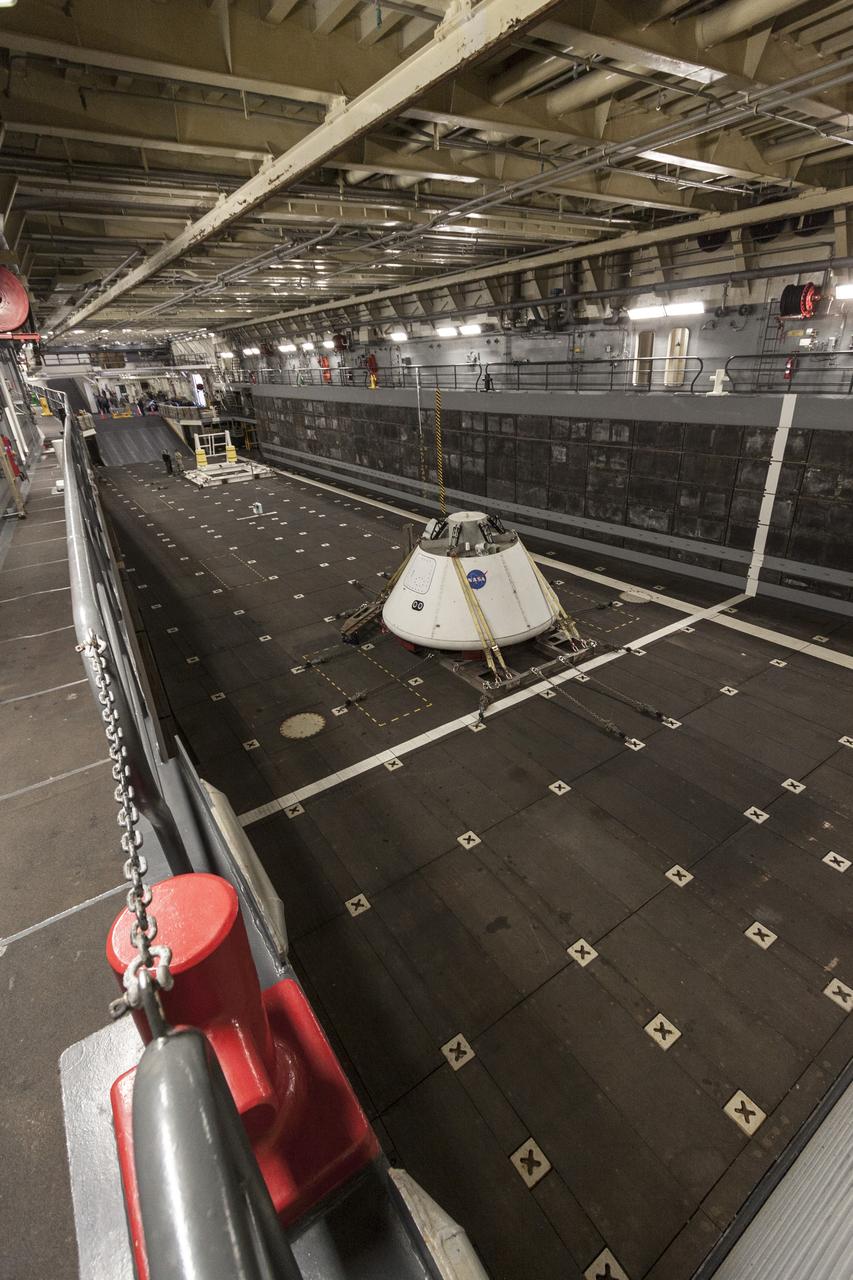
SAN DIEGO, Calif. – The Orion boilerplate test vehicle is secured in the well deck of the USS San Diego at the U.S. Naval Base San Diego in California. Orion was transported about 100 miles offshore for an underway recovery test. NASA and the U.S. Navy conducted tests to prepare for recovery of the Orion crew module, forward bay cover and parachutes on its return from a deep space mission. The underway recovery test will allow the teams to demonstrate and evaluate the recovery processes, procedures, hardware and personnel in open waters. During the testing, the tether lines were unable to support the tension caused by crew module motion that was driven by wave turbulence in the well deck of the ship. NASA and the U.S. Navy are reviewing the testing data collected to evaluate the next steps. The Ground Systems Development and Operations Program conducted the underway recovery tests. Orion is the exploration spacecraft designed to carry astronauts to destinations not yet explored by humans, including an asteroid and Mars. It will have emergency abort capability, sustain the crew during space travel and provide safe re-entry from deep space return velocities. The first unpiloted test flight of the Orion is scheduled to launch in 2014 atop a Delta IV rocket and in 2017 on NASA’s Space Launch System rocket. For more information, visit http://www.nasa.gov/orion. Photo credit: NASA/Cory Huston
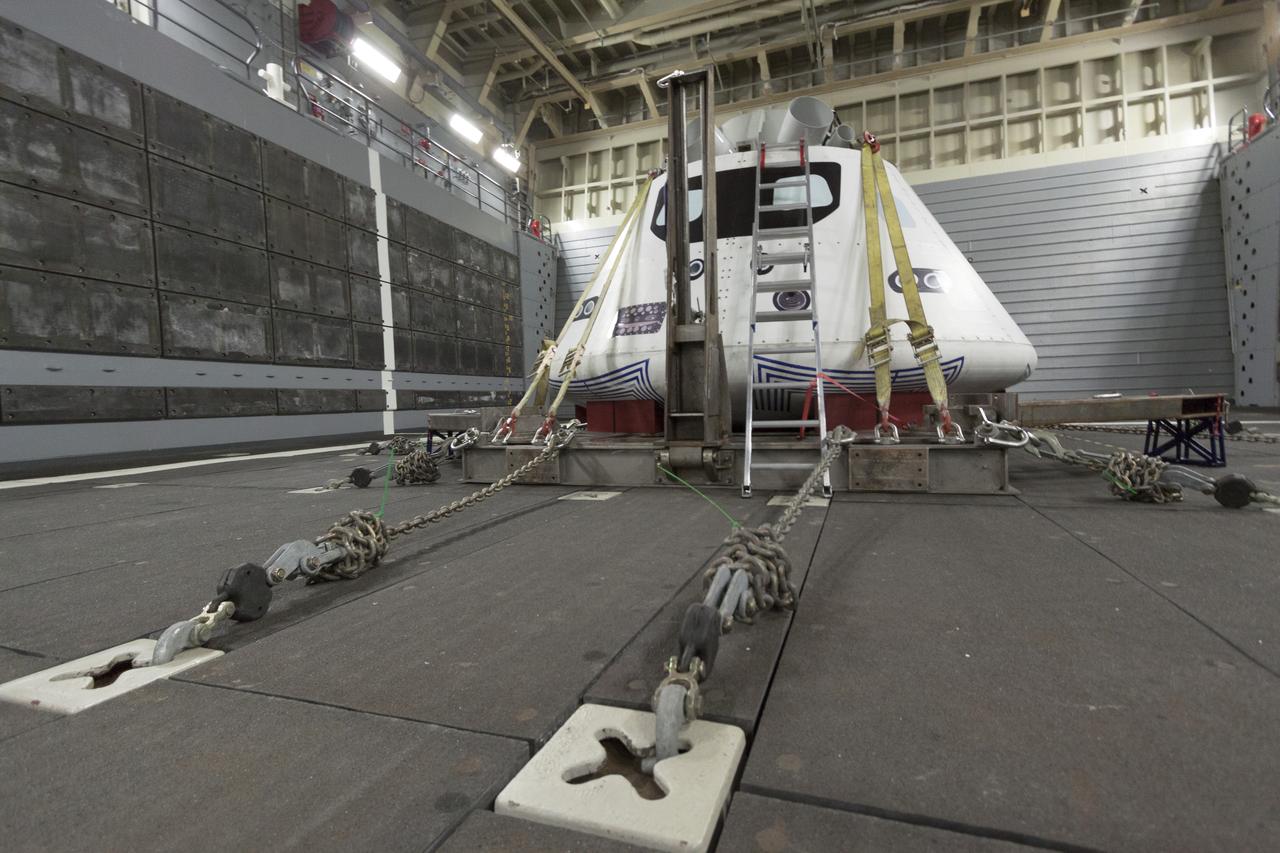
SAN DIEGO, Calif. – The Orion boilerplate test vehicle is secured in the well deck of the USS San Diego at the U.S. Naval Base San Diego in California. Orion was transported about 100 miles offshore for an underway recovery test. NASA and the U.S. Navy conducted tests to prepare for recovery of the Orion crew module, forward bay cover and parachutes on its return from a deep space mission. The underway recovery test will allow the teams to demonstrate and evaluate the recovery processes, procedures, hardware and personnel in open waters. During the testing, the tether lines were unable to support the tension caused by crew module motion that was driven by wave turbulence in the well deck of the ship. NASA and the U.S. Navy are reviewing the testing data collected to evaluate the next steps. The Ground Systems Development and Operations Program conducted the underway recovery tests. Orion is the exploration spacecraft designed to carry astronauts to destinations not yet explored by humans, including an asteroid and Mars. It will have emergency abort capability, sustain the crew during space travel and provide safe re-entry from deep space return velocities. The first unpiloted test flight of the Orion is scheduled to launch in 2014 atop a Delta IV rocket and in 2017 on NASA’s Space Launch System rocket. For more information, visit http://www.nasa.gov/orion. Photo credit: NASA/Cory Huston
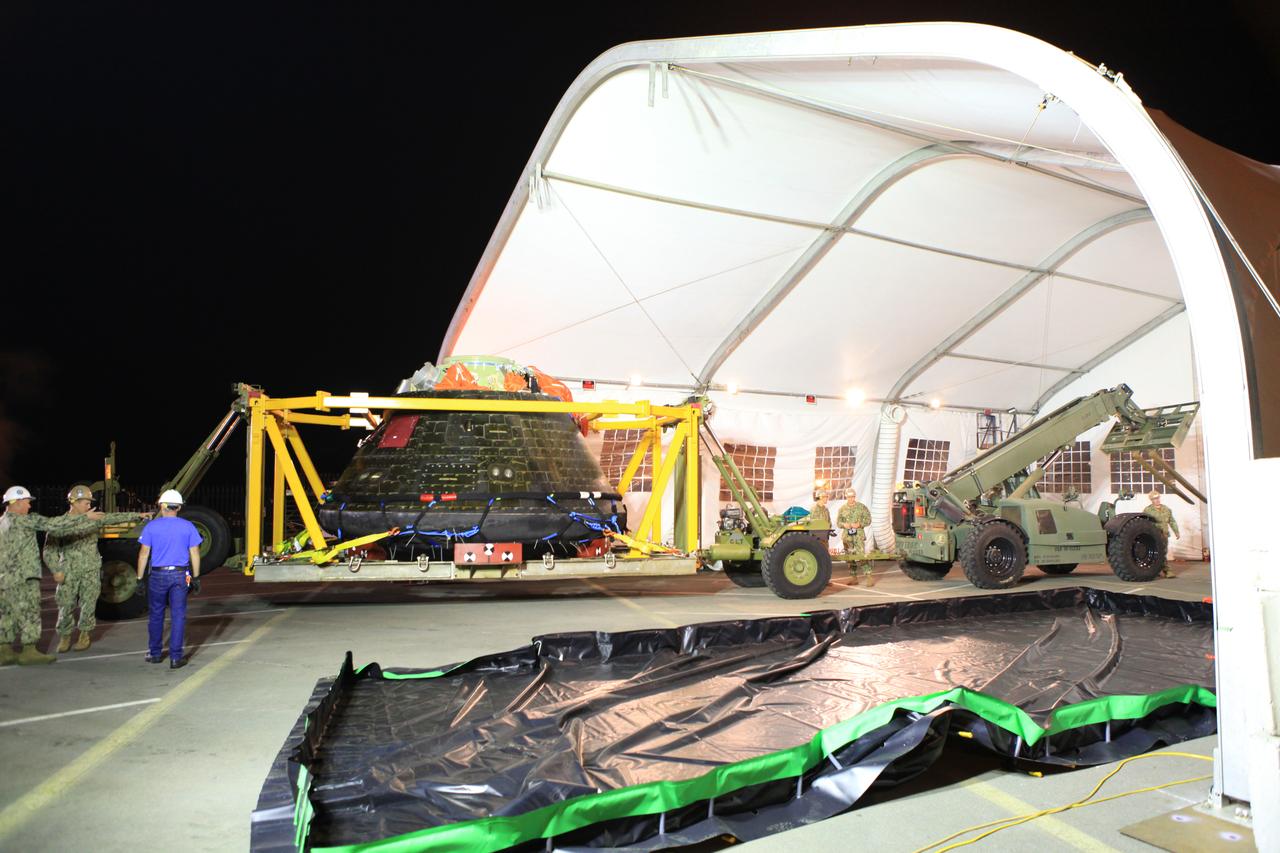
Orion arrives at Mole Pier at Naval Base San Diego on Dec. 9, 2014, where the team will prepare it for shipment back to the Kennedy Space Center in Florida. Part of Batch image transfer from Flickr.
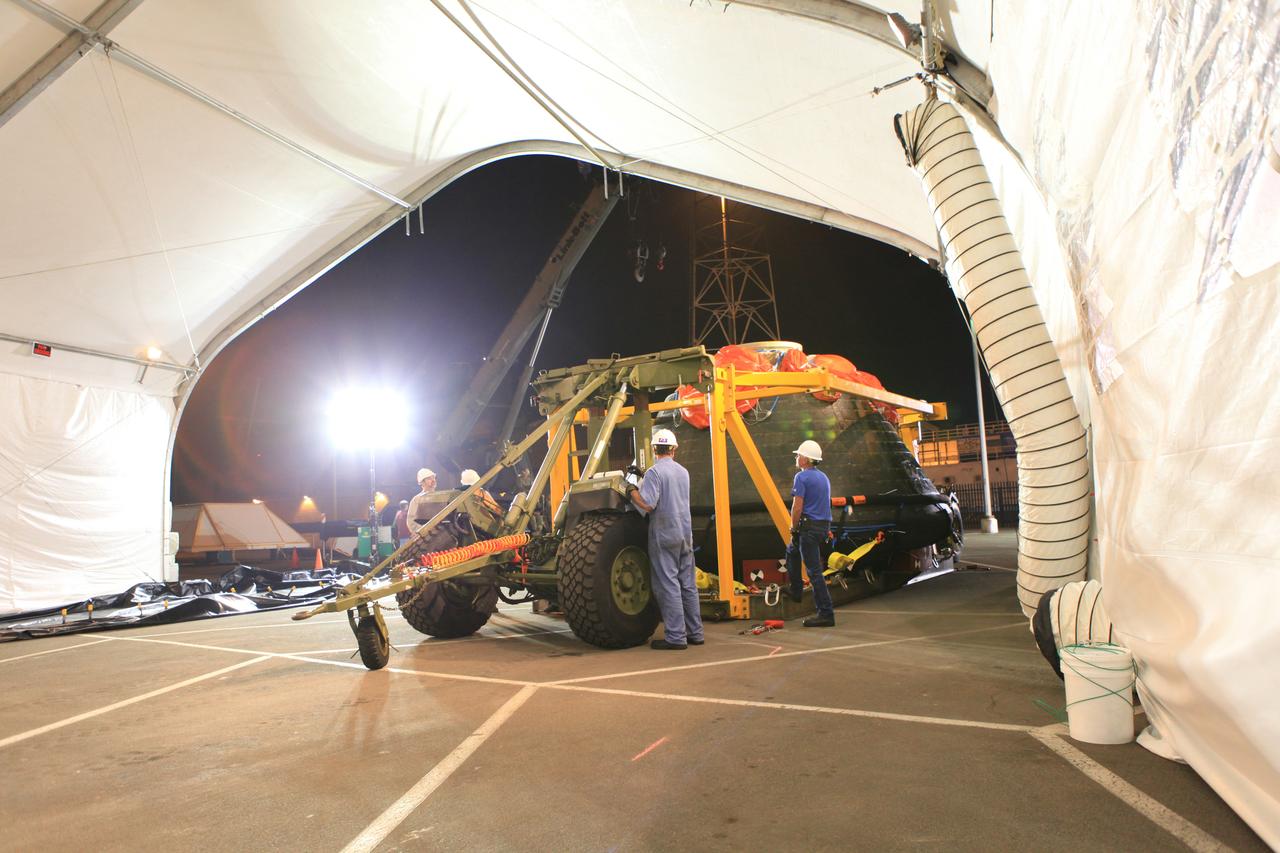
Orion arrives at Mole Pier at Naval Base San Diego on Dec. 9, 2014, where the team will prepare it for shipment back to the Kennedy Space Center in Florida. Part of Batch image transfer from Flickr.
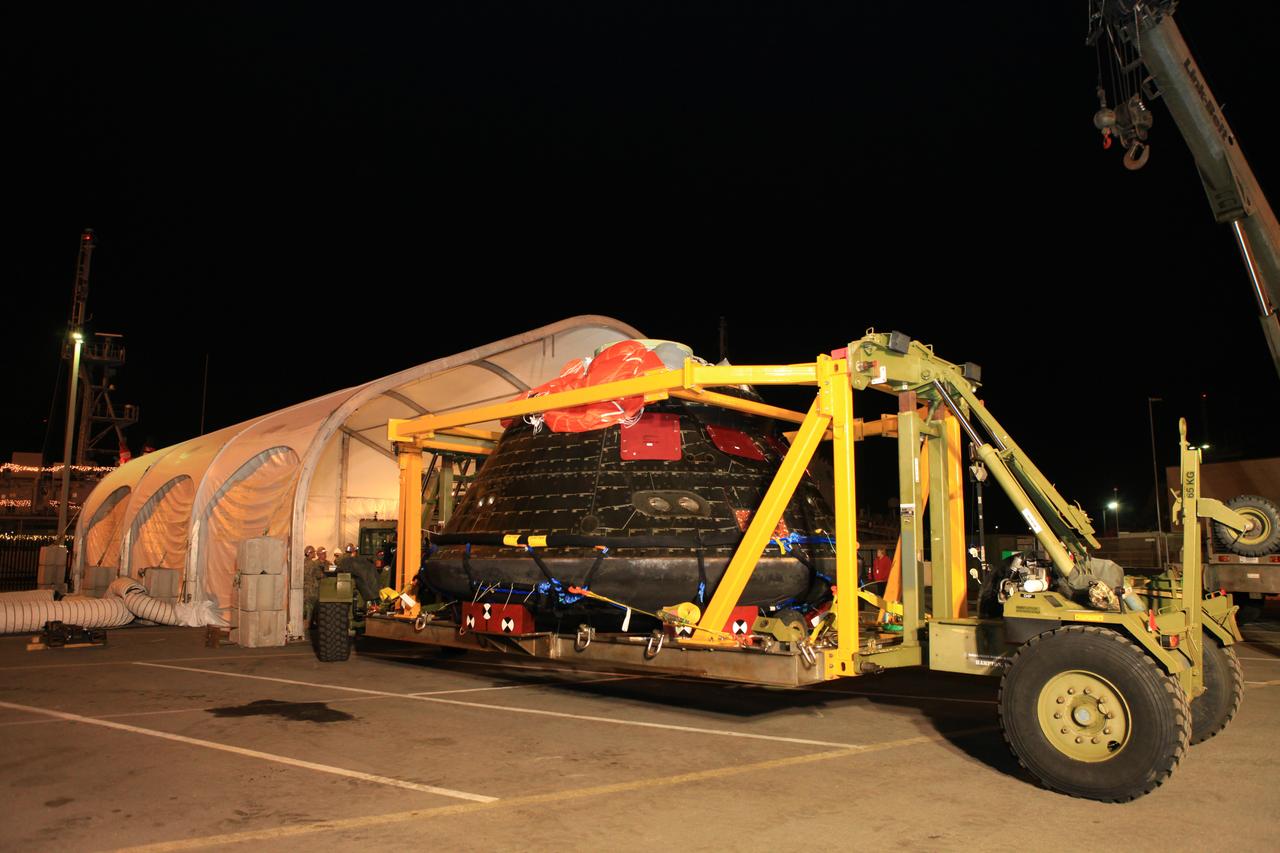
Orion arrives at Mole Pier at Naval Base San Diego on Dec. 9, 2014, where the team will prepare it for shipment back to the Kennedy Space Center in Florida. Part of Batch image transfer from Flickr.
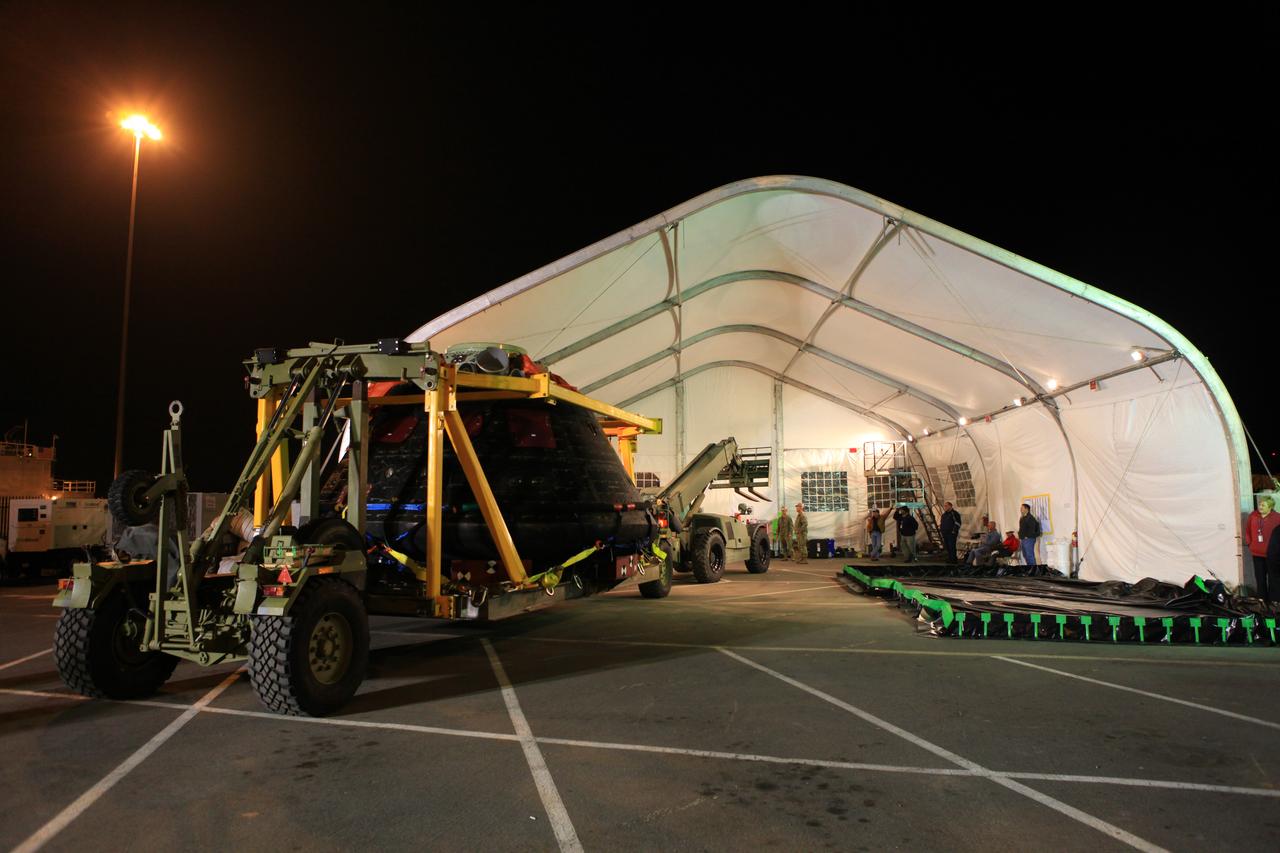
Orion arrives at Mole Pier at Naval Base San Diego on Dec. 9, 2014, where the team will prepare it for shipment back to the Kennedy Space Center in Florida. Part of Batch image transfer from Flickr.
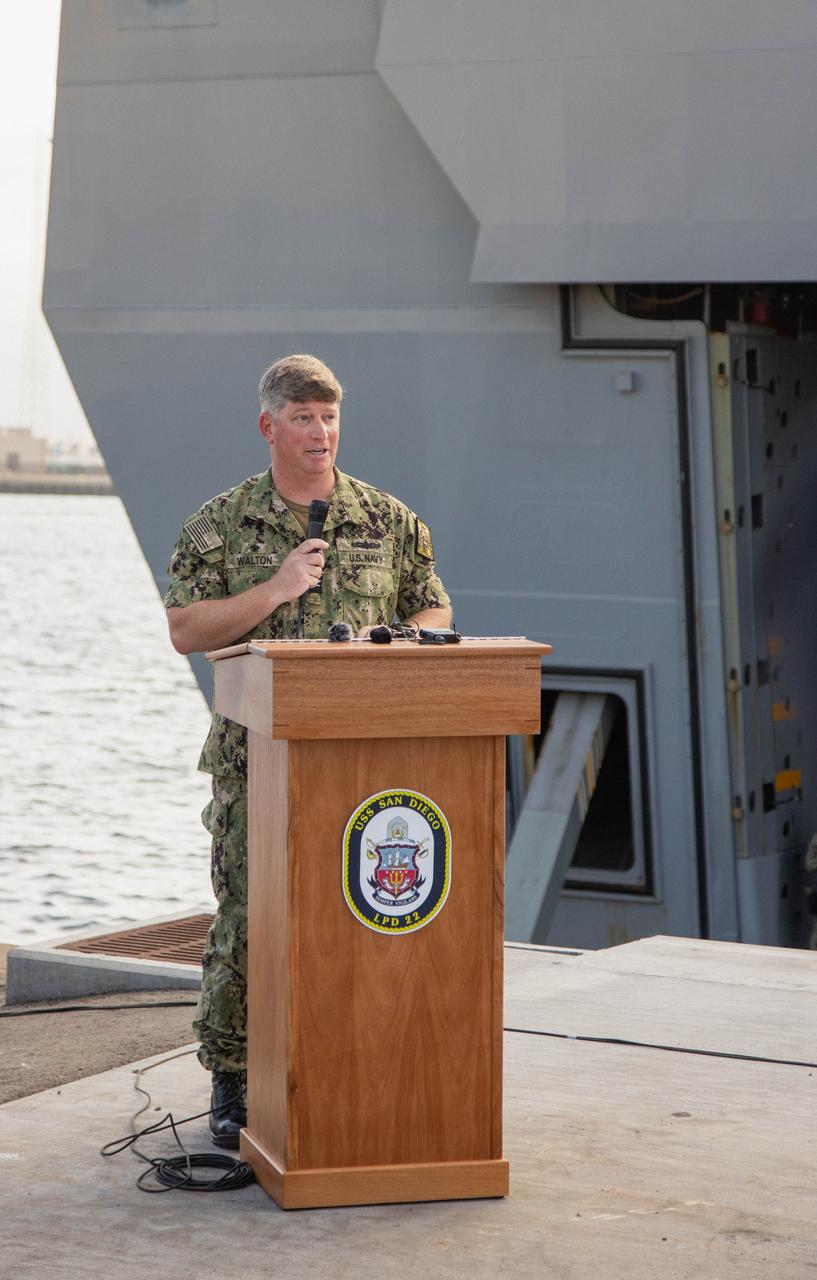
USS San Diego Commanding Officer Capt. David Walton speaks at a news conference held in San Diego, California on Wednesday, Feb. 28, 2024, about the Underway Recovery Test 11 (URT-11) off the coast of San Diego, California. URT-11 performed by NASA’s Exploration Ground System’s Landing and Recovery team, partners from the Department of Defense, and U.S. Navy personnel aboard the USS San Diego is the eleventh in a series of Artemis recovery tests, and the first the Artemis II recovery procedures involved the astronauts.
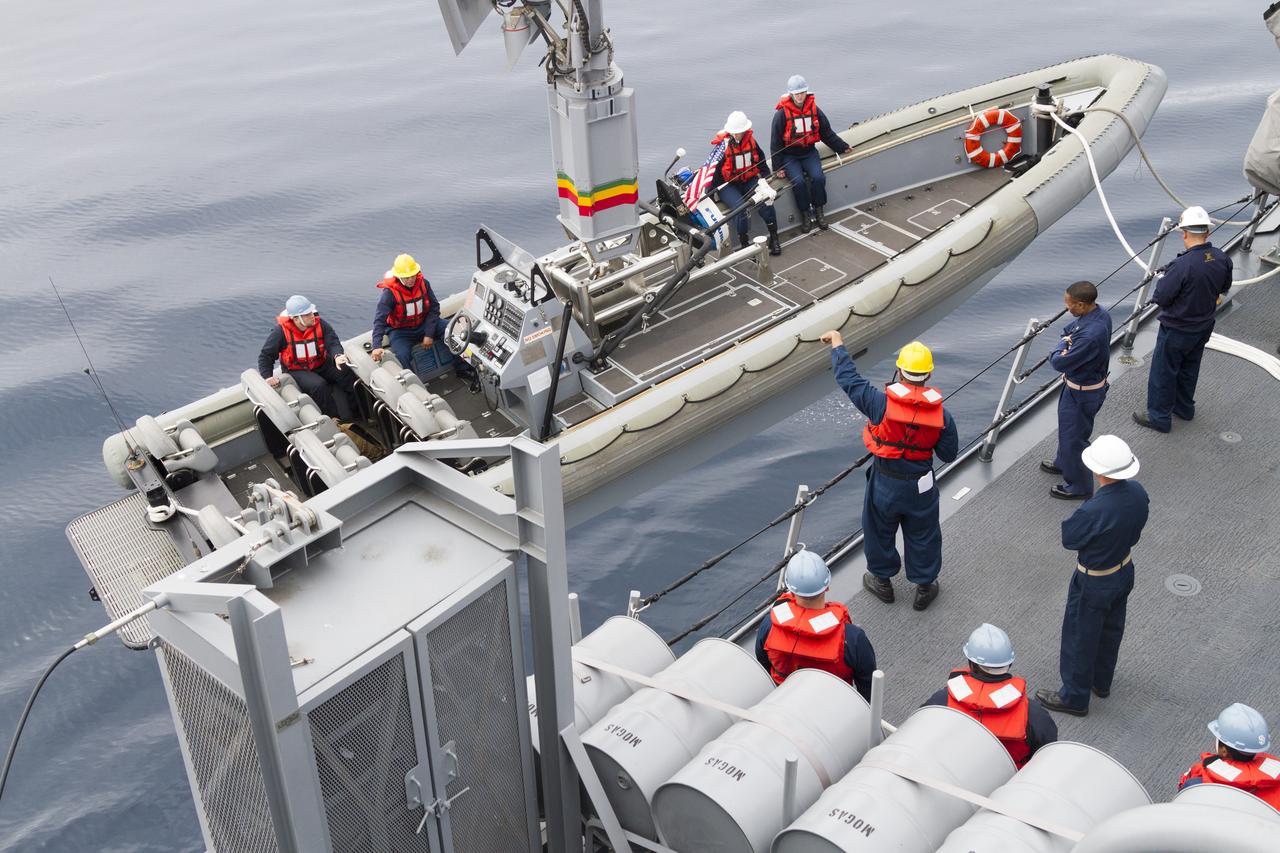
SAN DIEGO, Calif. – On the USS San Diego, a crane is used to lower a rigid hull inflatable boat into the Pacific Ocean as part of the Orion underway recovery test. The Orion boilerplate test vehicle and other hardware are secured in the well deck of the ship in preparation for the test about 100 miles off the coast of San Diego, California. NASA and the U.S. Navy conducted tests to prepare for the recovery of the Orion crew module, forward bay cover and parachutes on its return from a deep space mission. The underway recovery test will allow the teams to demonstrate and evaluate the recovery processes, procedures, hardware and personnel in open waters. During the testing, the tether lines were unable to support the tension caused by crew module motion that was driven by wave turbulence in the well deck of the ship. NASA and the U.S. Navy are reviewing the testing data collected to evaluate the next steps. The Ground Systems Development and Operations Program conducted the underway recovery tests. Orion is the exploration spacecraft designed to carry astronauts to destinations not yet explored by humans, including an asteroid and Mars. It will have emergency abort capability, sustain the crew during space travel and provide safe re-entry from deep space return velocities. The first unpiloted test flight of the Orion is scheduled to launch in 2014 atop a Delta IV rocket and in 2017 on NASA’s Space Launch System rocket. For more information, visit http://www.nasa.gov/orion. Photo credit: NASA/Cory Huston
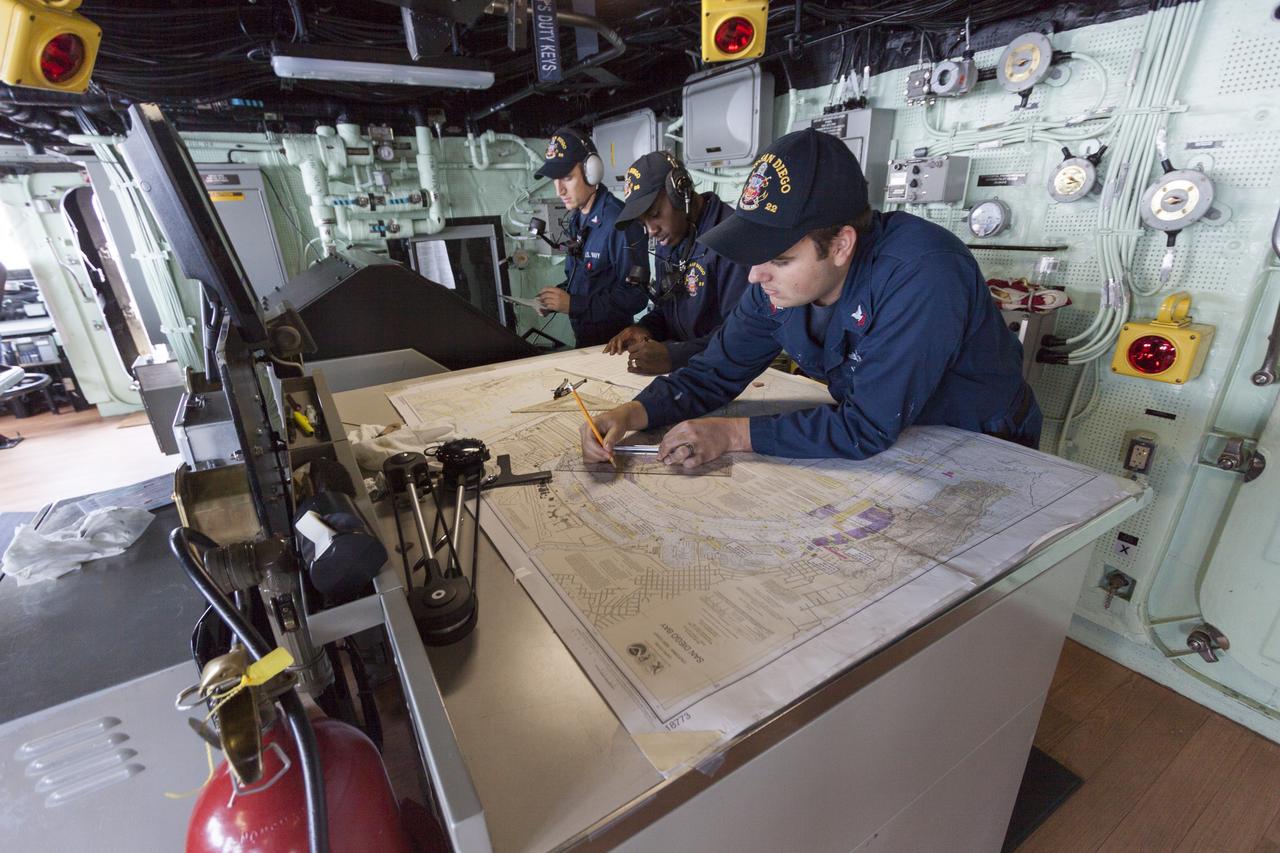
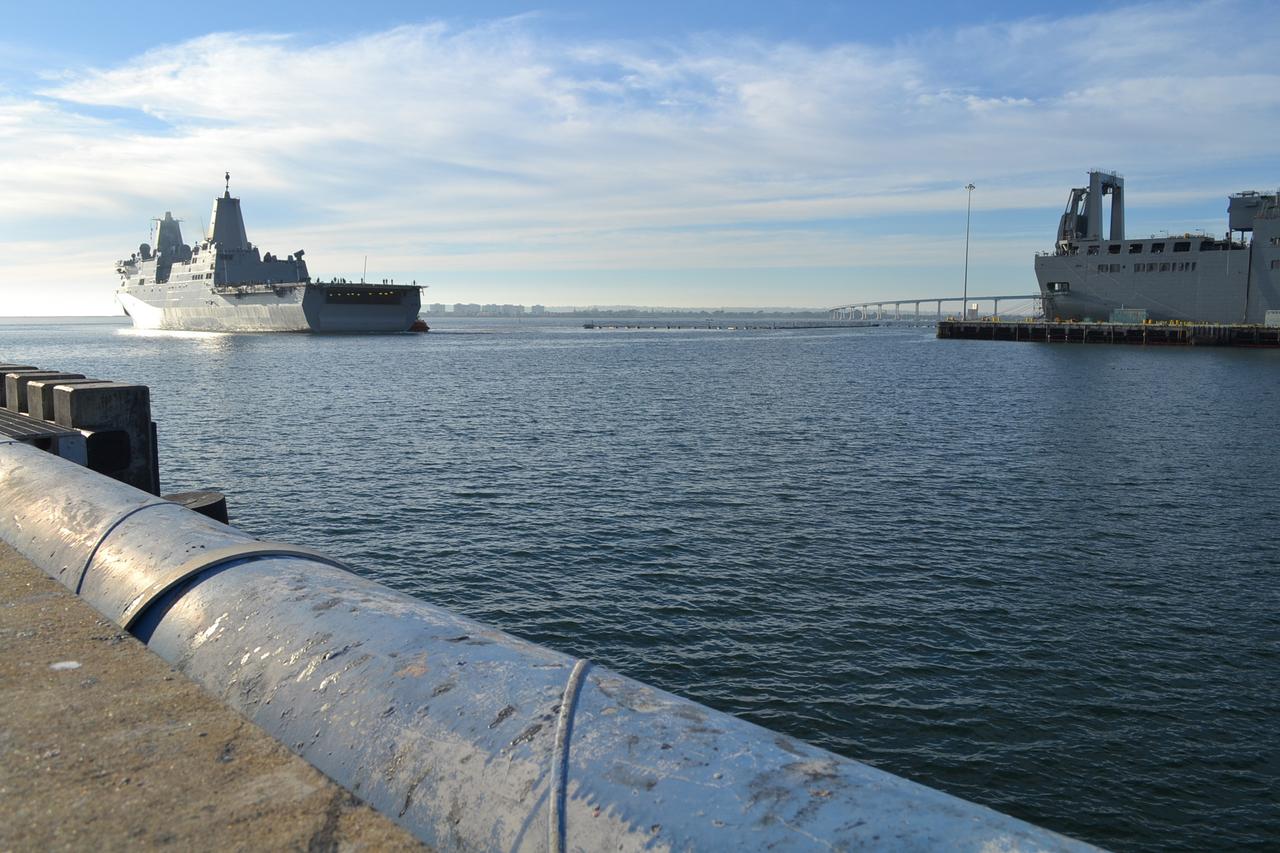
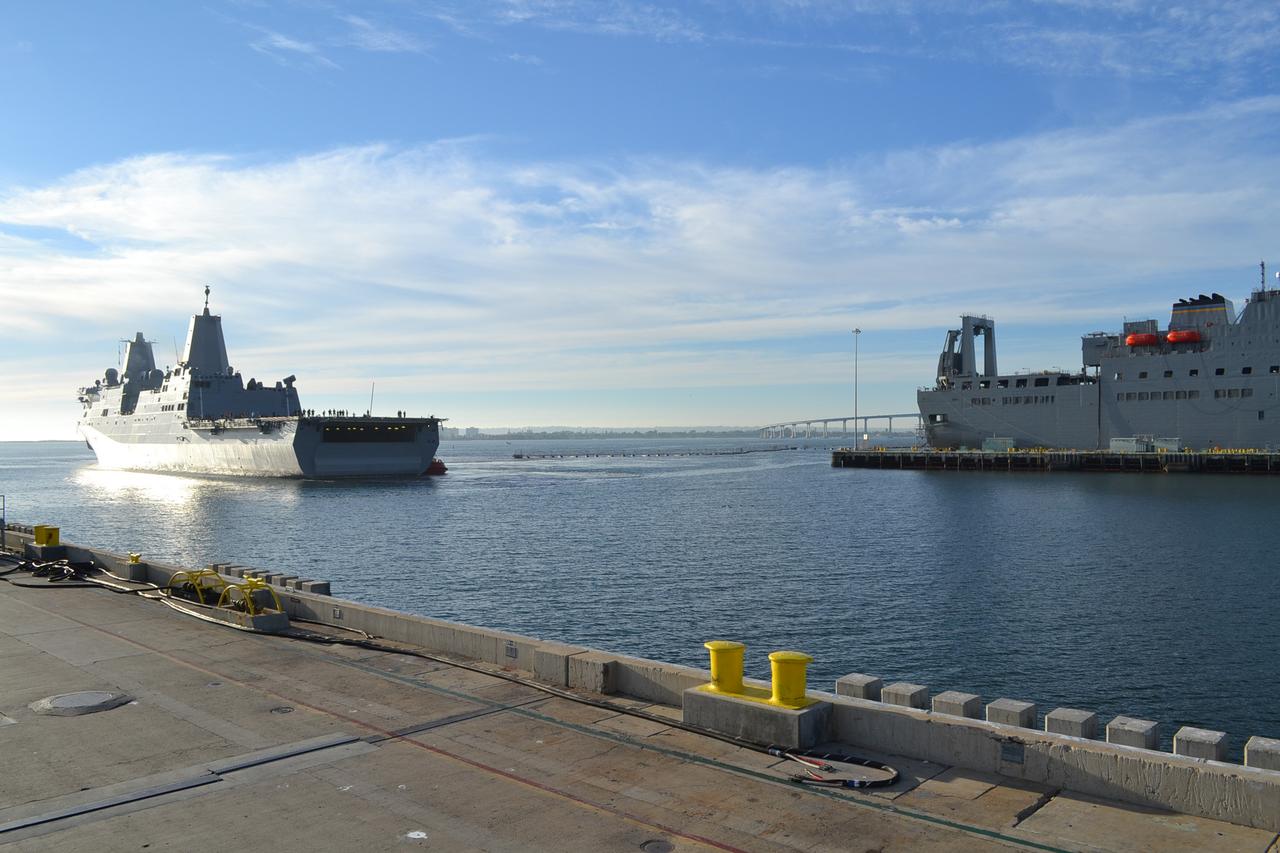
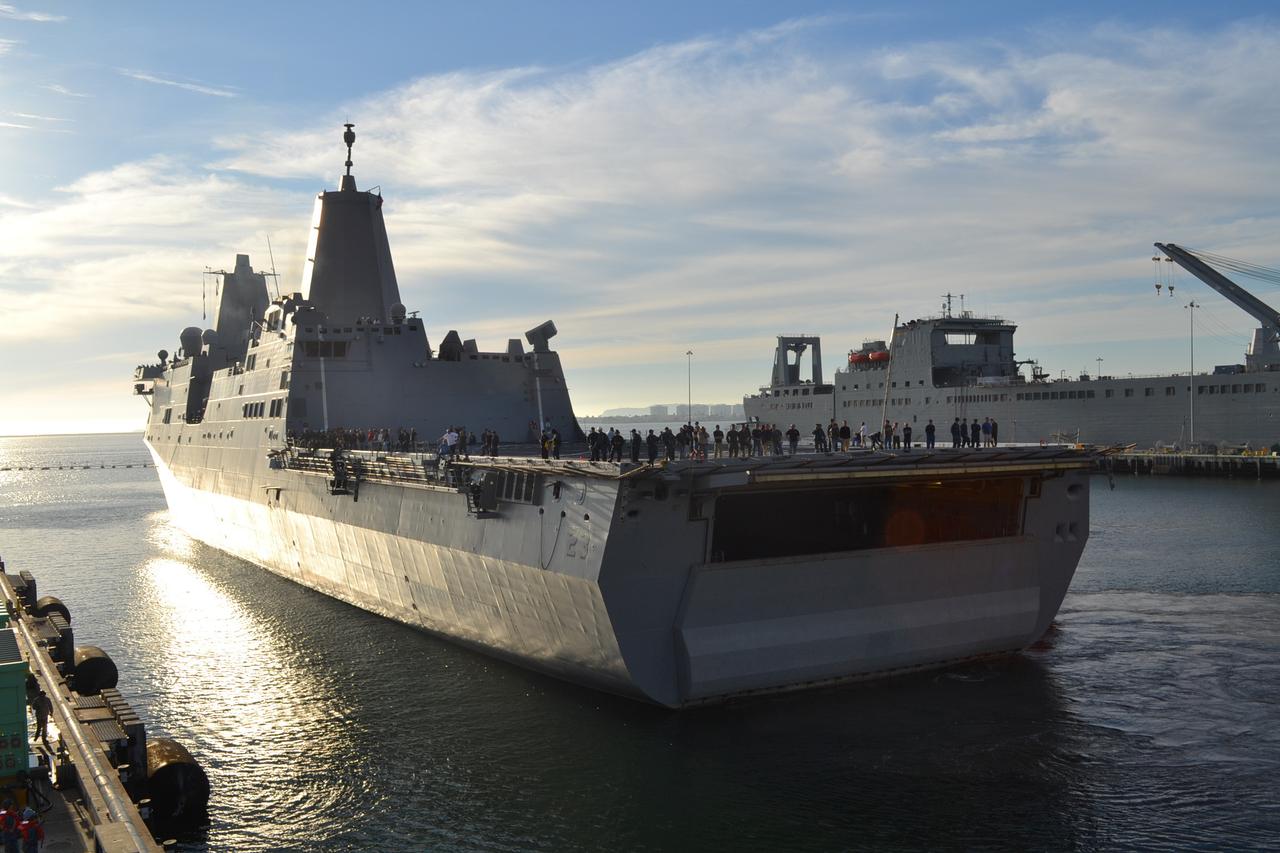
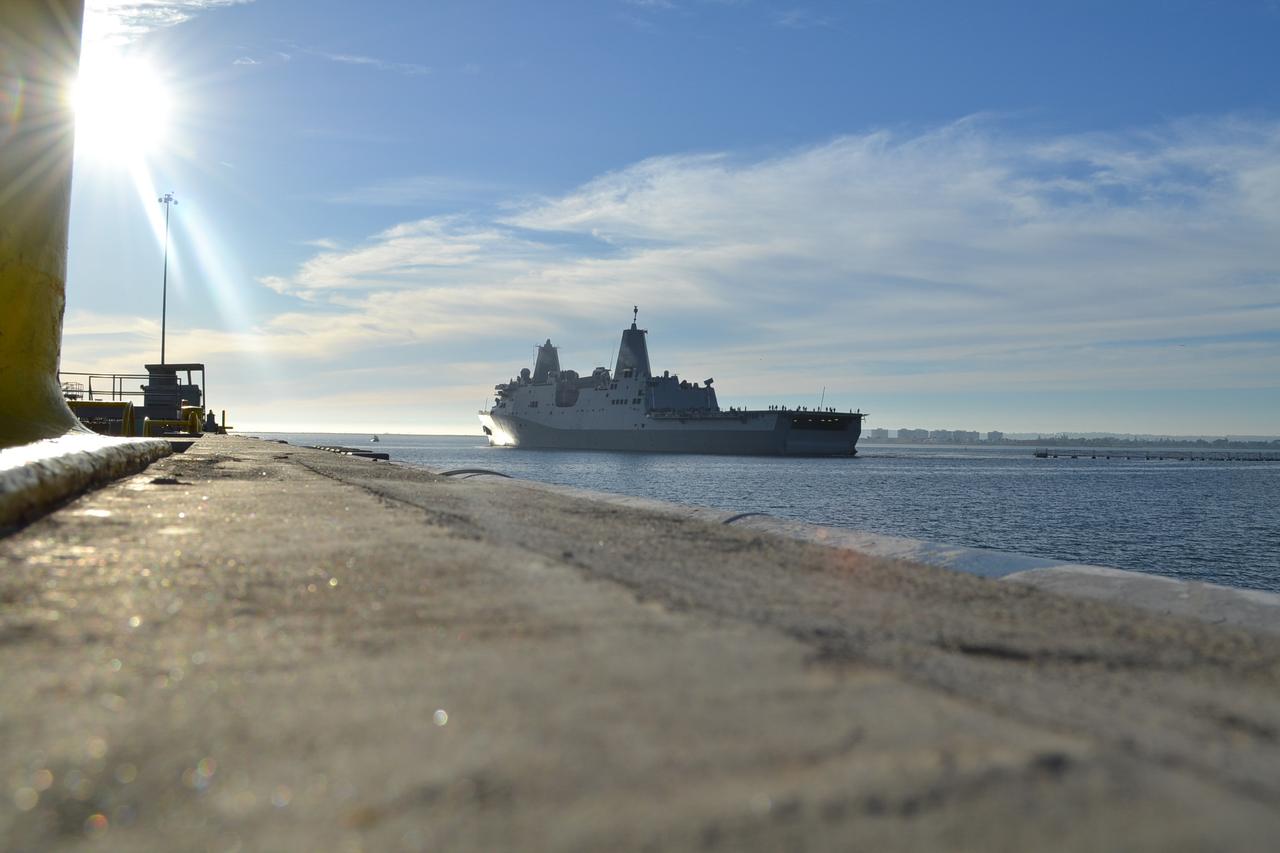
SAN DIEGO, Calif. – At the U.S. Naval Base San Diego in California, the USS San Diego heads out to sea with the Orion boilerplate test vehicle and other hardware in its well deck for an underway recovery test. U.S. Navy personnel monitor conditions as the ship leaves port. About 100 miles offshore, NASA and the U.S. Navy conducted tests to prepare for recovery of the Orion crew module, forward bay cover and parachutes on its return from a deep space mission. The underway recovery test will allow the teams to demonstrate and evaluate the recovery processes, procedures, hardware and personnel in open waters. During the testing, the tether lines were unable to support the tension caused by crew module motion that was driven by wave turbulence in the well deck of the ship. NASA and the U.S. Navy are reviewing the testing data collected to evaluate the next steps. The Ground Systems Development and Operations Program conducted the underway recovery tests. Orion is the exploration spacecraft designed to carry astronauts to destinations not yet explored by humans, including an asteroid and Mars. It will have emergency abort capability, sustain the crew during space travel and provide safe re-entry from deep space return velocities. The first unpiloted test flight of the Orion is scheduled to launch in 2014 atop a Delta IV rocket and in 2017 on NASA’s Space Launch System rocket. For more information, visit http://www.nasa.gov/orion. Photo credit: NASA/Cory Huston
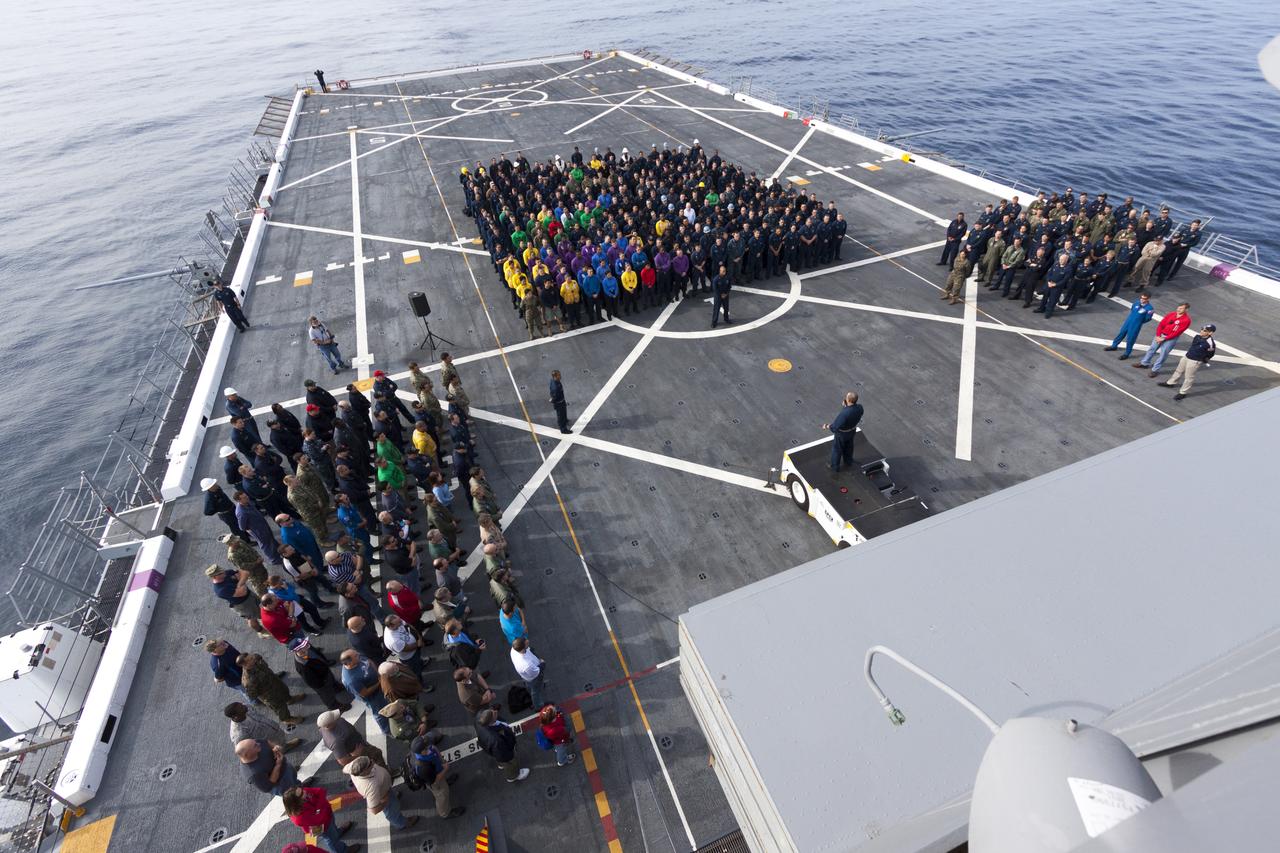
SAN DIEGO, Calif. – On the top deck of the USS San Diego, NASA and U.S. Navy personnel gather after the Orion underway recovery test. The Orion boilerplate test vehicle and other hardware were transported about 100 miles offshore for the recovery test. NASA and the U.S. Navy conducted tests to prepare for recovery of the Orion crew module, forward bay cover and parachutes on its return from a deep space mission. The underway recovery test will allow the teams to demonstrate and evaluate the recovery processes, procedures, hardware and personnel in open waters. During the testing, the tether lines were unable to support the tension caused by crew module motion that was driven by wave turbulence in the well deck of the ship. NASA and the U.S. Navy are reviewing the testing data collected to evaluate the next steps. The Ground Systems Development and Operations Program conducted the underway recovery tests. Orion is the exploration spacecraft designed to carry astronauts to destinations not yet explored by humans, including an asteroid and Mars. It will have emergency abort capability, sustain the crew during space travel and provide safe re-entry from deep space return velocities. The first unpiloted test flight of the Orion is scheduled to launch in 2014 atop a Delta IV rocket and in 2017 on NASA’s Space Launch System rocket. For more information, visit http://www.nasa.gov/orion. Photo credit: NASA/Cory Huston
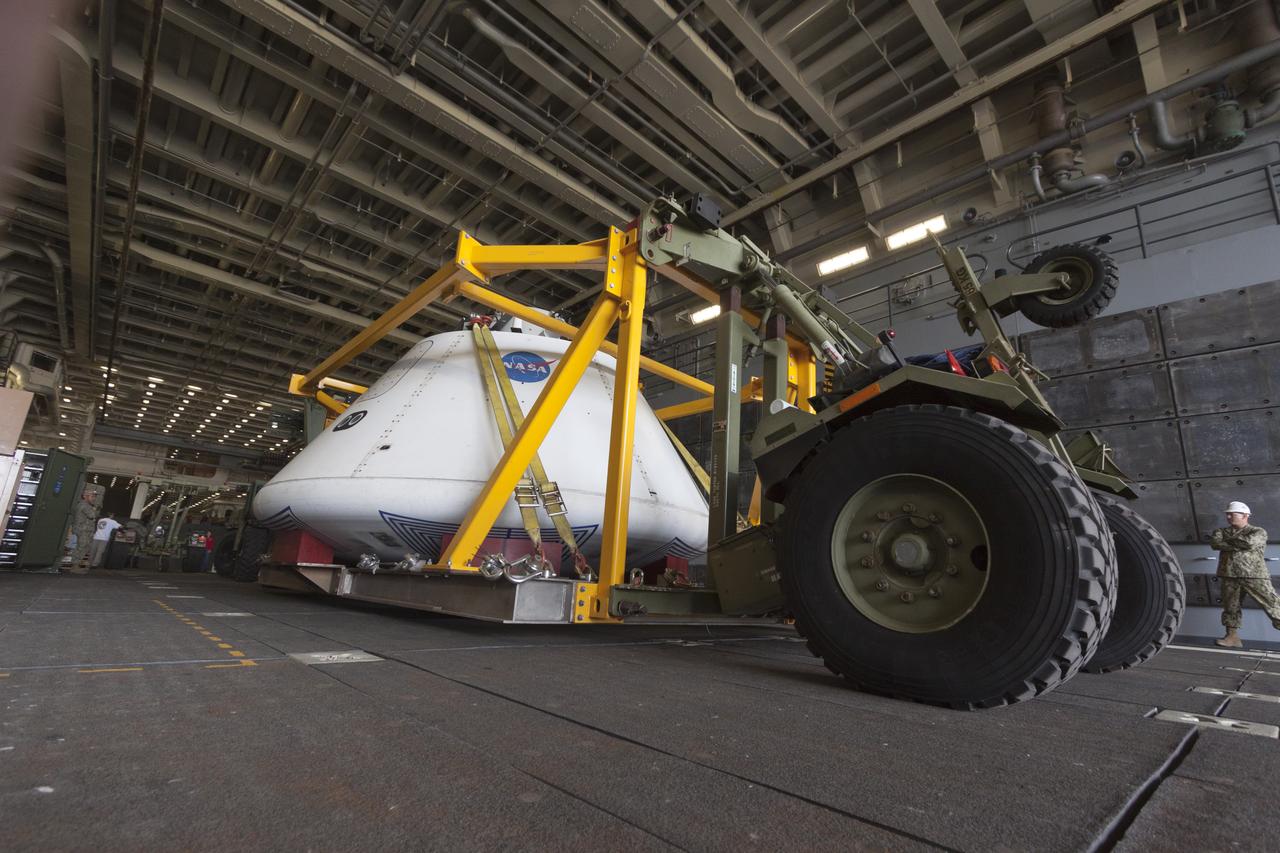
SAN DIEGO, Calif. – The Orion boilerplate test vehicle arrived at the U.S. Naval Base San Diego in California, and was loaded aboard the USS San Diego. Orion was transported in the ship’s well deck about 100 miles offshore for an underway recovery test. NASA and the U.S. Navy are conducting tests to prepare for recovery of the Orion crew module, forward bay cover and parachutes on its return from a deep space mission. The underway recovery test will allow the teams to demonstrate and evaluate the recovery processes, procedures, hardware and personnel in open waters. The Ground Systems Development and Operations Program Orion is the exploration spacecraft designed to carry astronauts to destinations not yet explored by humans, including an asteroid and Mars. It will have emergency abort capability, sustain the crew during space travel and provide safe re-entry from deep space return velocities. The first unpiloted test flight of the Orion is scheduled to launch in 2014 atop a Delta IV rocket and in 2017 on NASA’s Space Launch System rocket. For more information, visit http://www.nasa.gov/orion. Photo credit: NASA/Cory Huston
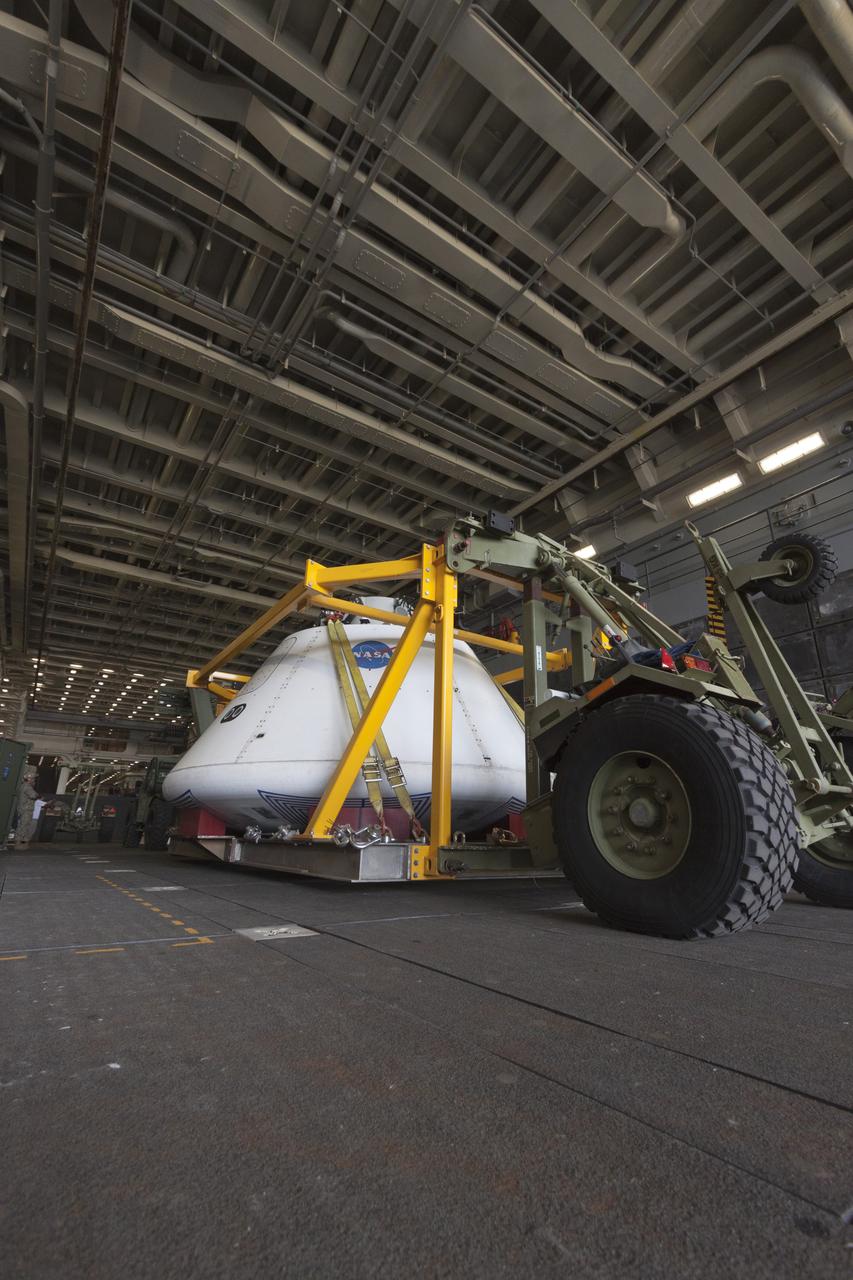
SAN DIEGO, Calif. – The Orion boilerplate test vehicle arrived at the U.S. Naval Base San Diego in California, and is loaded aboard the USS San Diego. Orion was transported in the ship’s well deck about 100 miles offshore for an underway recovery test. NASA and the U.S. Navy are conducting tests to prepare for recovery of the Orion crew module, forward bay cover and parachutes on its return from a deep space mission. The underway recovery test will allow the teams to demonstrate and evaluate the recovery processes, procedures, hardware and personnel in open waters. The Ground Systems Development and Operations Program Orion is the exploration spacecraft designed to carry astronauts to destinations not yet explored by humans, including an asteroid and Mars. It will have emergency abort capability, sustain the crew during space travel and provide safe re-entry from deep space return velocities. The first unpiloted test flight of the Orion is scheduled to launch in 2014 atop a Delta IV rocket and in 2017 on NASA’s Space Launch System rocket. For more information, visit http://www.nasa.gov/orion. Photo credit: NASA/Cory Huston
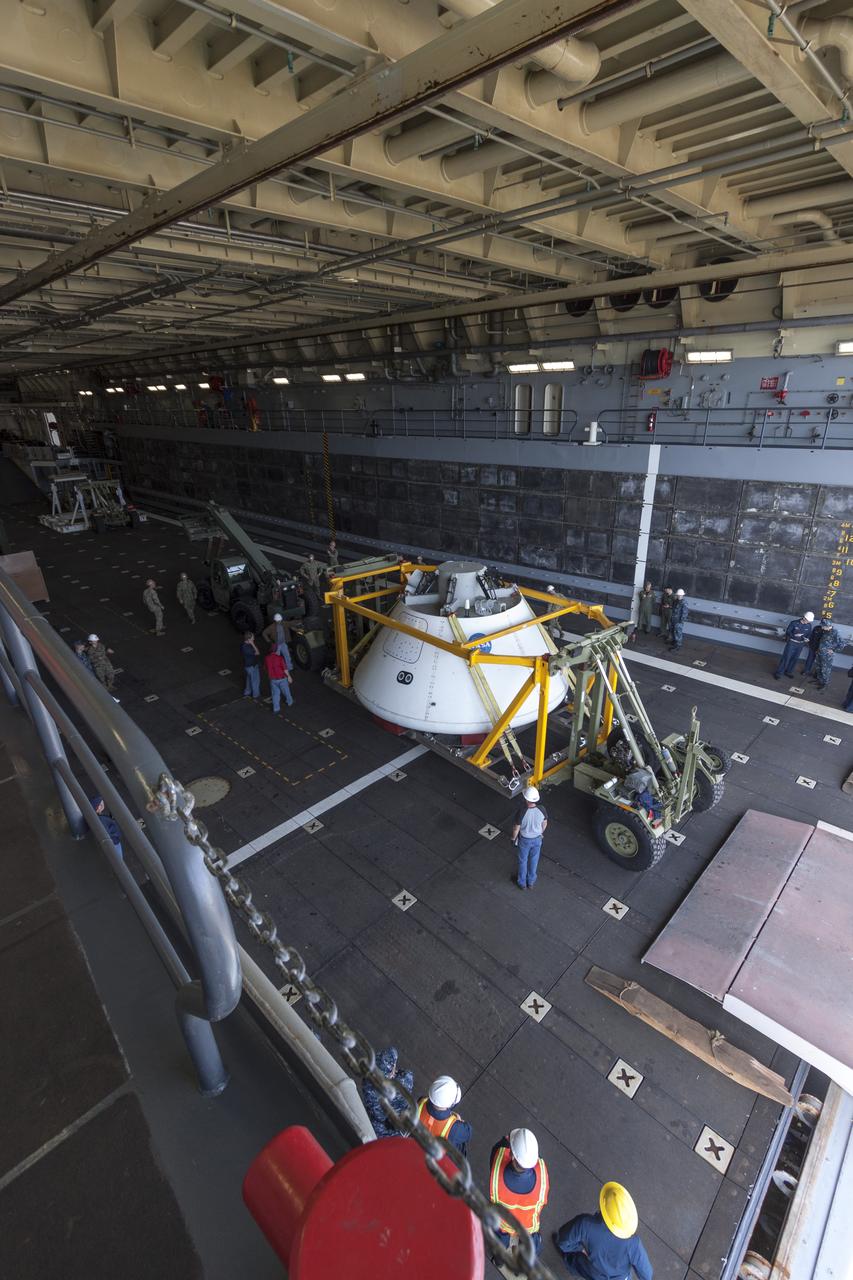
SAN DIEGO, Calif. – The Orion boilerplate test vehicle arrived at the U.S. Naval Base San Diego in California, and was loaded aboard the USS San Diego. Orion was transported in the ship’s well deck about 100 miles offshore for an underway recovery test. NASA and the U.S. Navy are conducting tests to prepare for recovery of the Orion crew module, forward bay cover and parachutes on its return from a deep space mission. The underway recovery test will allow the teams to demonstrate and evaluate the recovery processes, procedures, hardware and personnel in open waters. The Ground Systems Development and Operations Program Orion is the exploration spacecraft designed to carry astronauts to destinations not yet explored by humans, including an asteroid and Mars. It will have emergency abort capability, sustain the crew during space travel and provide safe re-entry from deep space return velocities. The first unpiloted test flight of the Orion is scheduled to launch in 2014 atop a Delta IV rocket and in 2017 on NASA’s Space Launch System rocket. For more information, visit http://www.nasa.gov/orion. Photo credit: NASA/Cory Huston
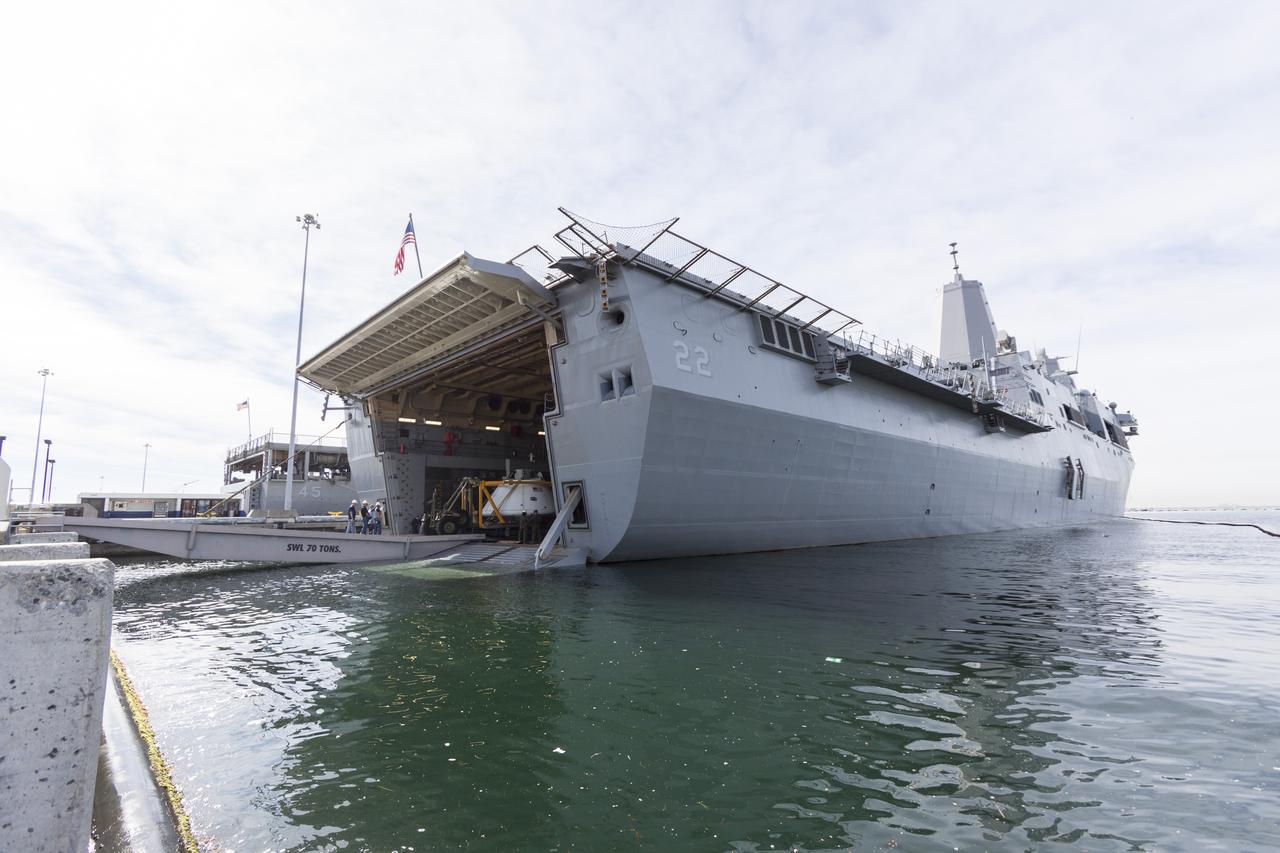
SAN DIEGO, Calif. – The Orion boilerplate test vehicle arrived at the U.S. Naval Base San Diego in California, and is loaded aboard the USS San Diego. Orion was transported in the ship’s well deck about 100 miles offshore for an underway recovery test. NASA and the U.S. Navy are conducting tests to prepare for recovery of the Orion crew module, forward bay cover and parachutes on its return from a deep space mission. The underway recovery test will allow the teams to demonstrate and evaluate the recovery processes, procedures, hardware and personnel in open waters. The Ground Systems Development and Operations Program Orion is the exploration spacecraft designed to carry astronauts to destinations not yet explored by humans, including an asteroid and Mars. It will have emergency abort capability, sustain the crew during space travel and provide safe re-entry from deep space return velocities. The first unpiloted test flight of the Orion is scheduled to launch in 2014 atop a Delta IV rocket and in 2017 on NASA’s Space Launch System rocket. For more information, visit http://www.nasa.gov/orion. Photo credit: NASA/Cory Huston
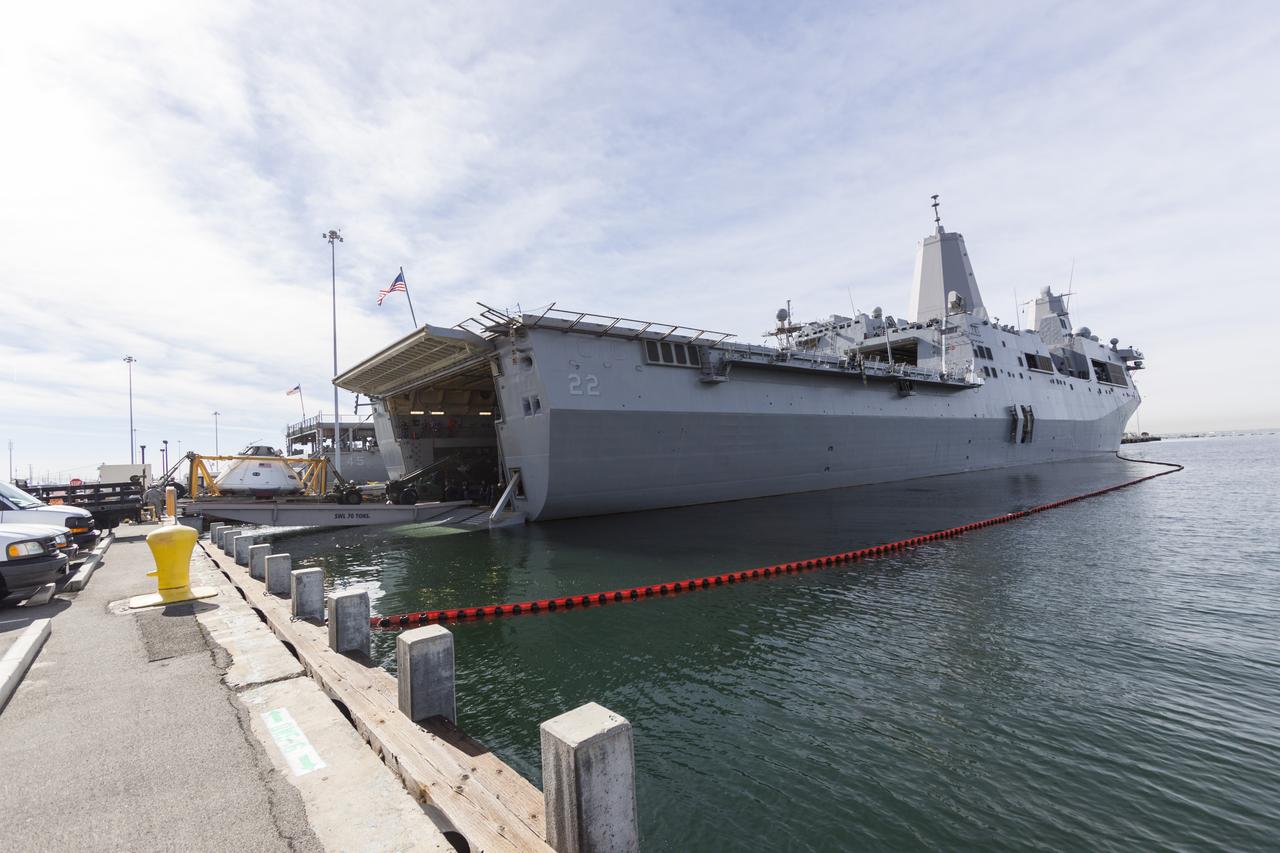
SAN DIEGO, Calif. – The Orion boilerplate test vehicle arrived at the U.S. Naval Base San Diego in California, and is being loaded aboard the USS San Diego. Orion was transported in the ship’s well deck about 100 miles offshore for an underway recovery test. NASA and the U.S. Navy are conducting tests to prepare for recovery of the Orion crew module, forward bay cover and parachutes on its return from a deep space mission. The underway recovery test will allow the teams to demonstrate and evaluate the recovery processes, procedures, hardware and personnel in open waters. The Ground Systems Development and Operations Program Orion is the exploration spacecraft designed to carry astronauts to destinations not yet explored by humans, including an asteroid and Mars. It will have emergency abort capability, sustain the crew during space travel and provide safe re-entry from deep space return velocities. The first unpiloted test flight of the Orion is scheduled to launch in 2014 atop a Delta IV rocket and in 2017 on NASA’s Space Launch System rocket. For more information, visit http://www.nasa.gov/orion. Photo credit: NASA/Cory Huston
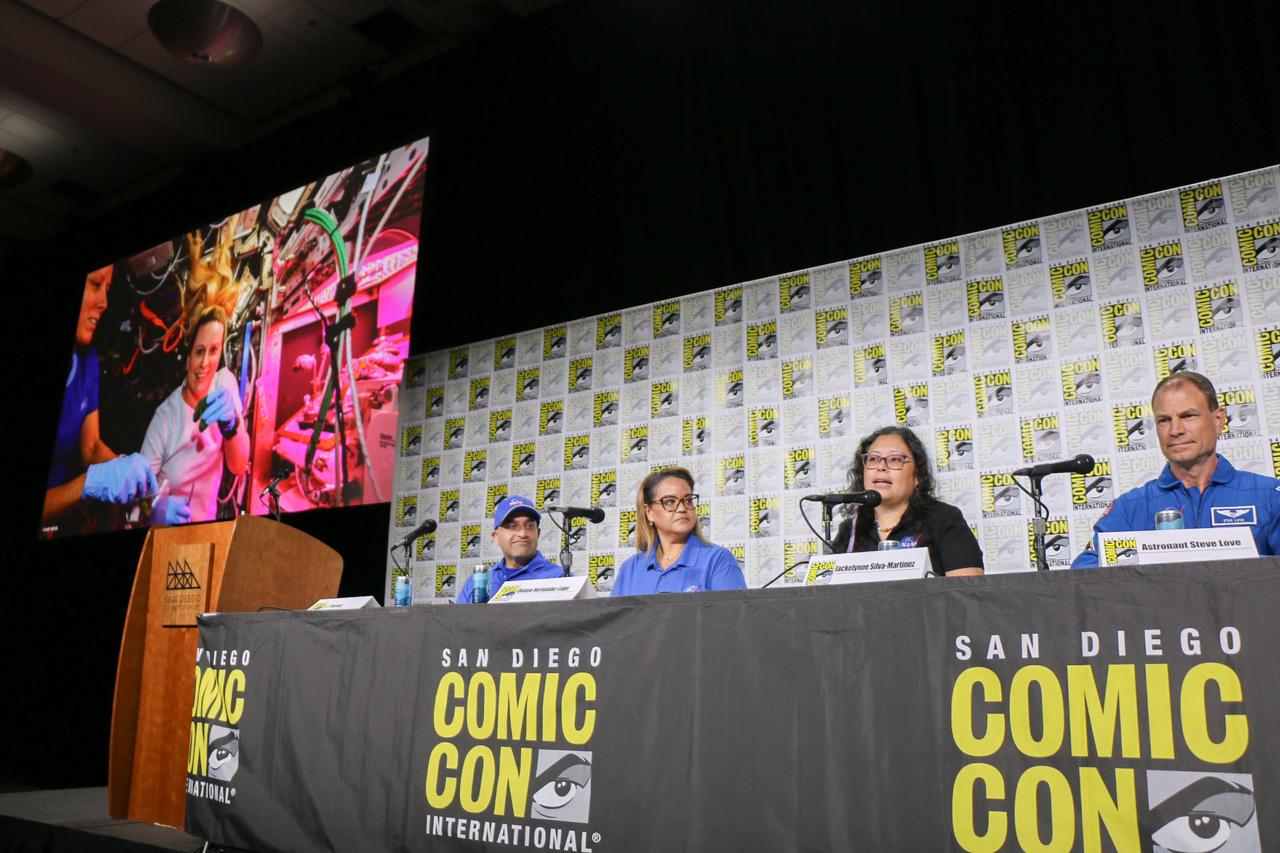
jsc2024e055756 (July 25, 2024) -- NASA panelists Dionne Hernandez-Lugo, Jackelynne Silva-Martinez, A.C. Charania, and Astronaut Stan Love discuss the Artemis program and Gateway's role in lunar exploration during the "Exploring the Moon: The Artemis Generation" panel at San Diego Comic-Con 2024. The event captivated a full house of space exploration enthusiasts. Photo Credit: NASA
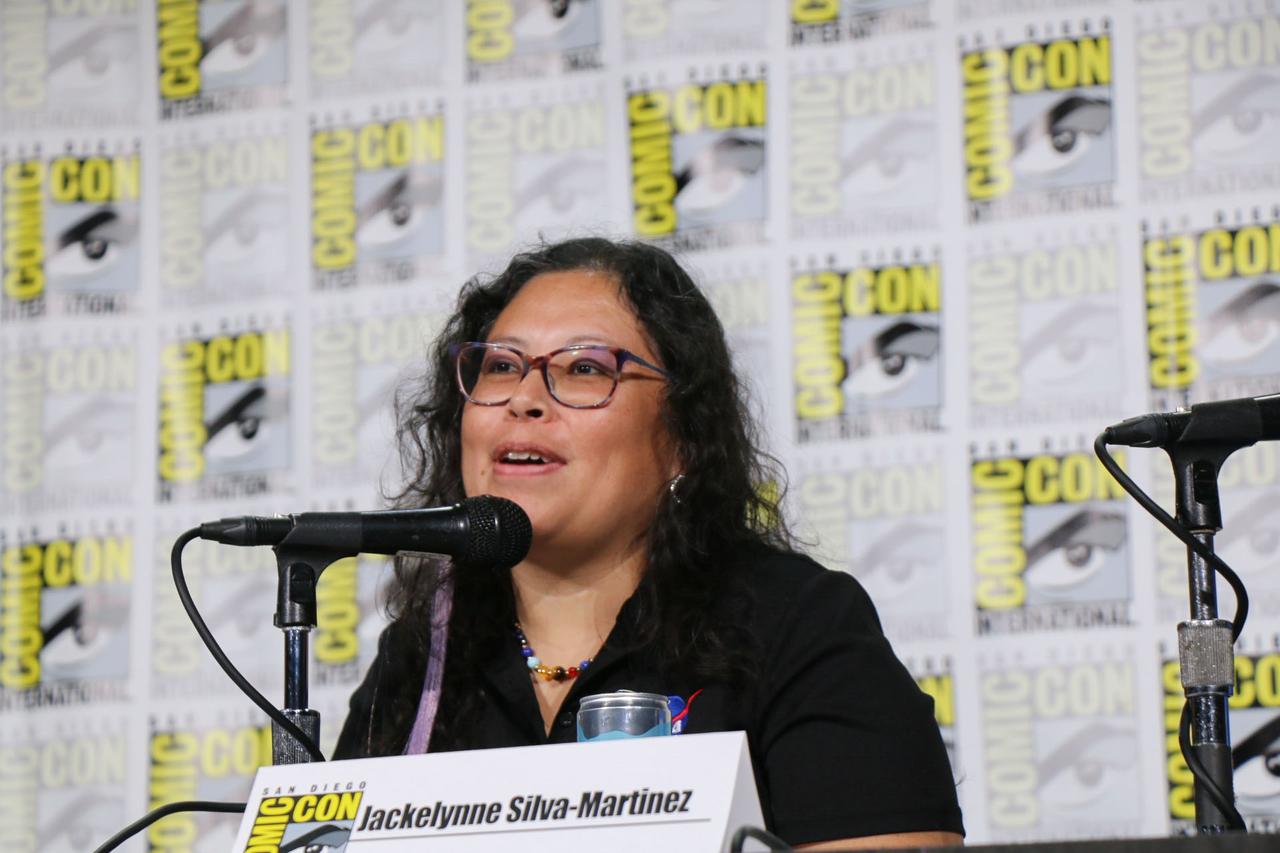
jsc2024e055757 (July 25, 2024) -- Jackelynne Silva-Martinez of NASA Human Health and Performance shares insights on the health and safety measures for astronauts in the Artemis missions during the "Exploring the Moon: The Artemis Generation" panel at San Diego Comic-Con 2024. Photo Credit: NASA
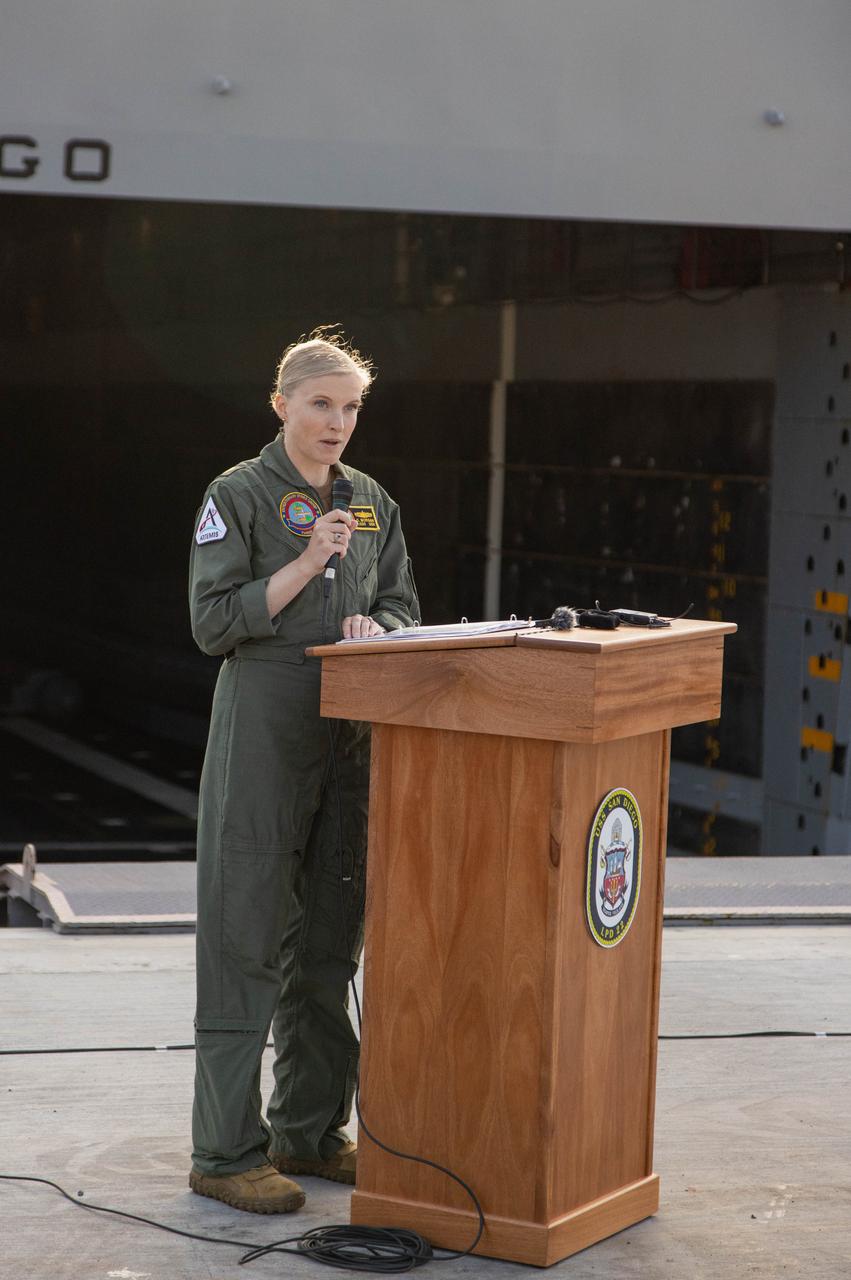
Lt. Cmdr. Chloe Morgan, public affairs officer for Expeditionary Strike Group 3 U.S. Navy speaks during a news conference held in San Diego, California on Wednesday, Feb. 28, 2024, about the Underway Recovery Test 11 (URT-11) performed off the coast of San Diego, California. URT-11 performed by NASA’s Exploration Ground System’s Landing and Recovery team, partners from the Department of Defense, and U.S. Navy personnel aboard the USS San Diego is the eleventh in a series of Artemis recovery tests, and the first the Artemis II recovery procedures involved the astronauts.
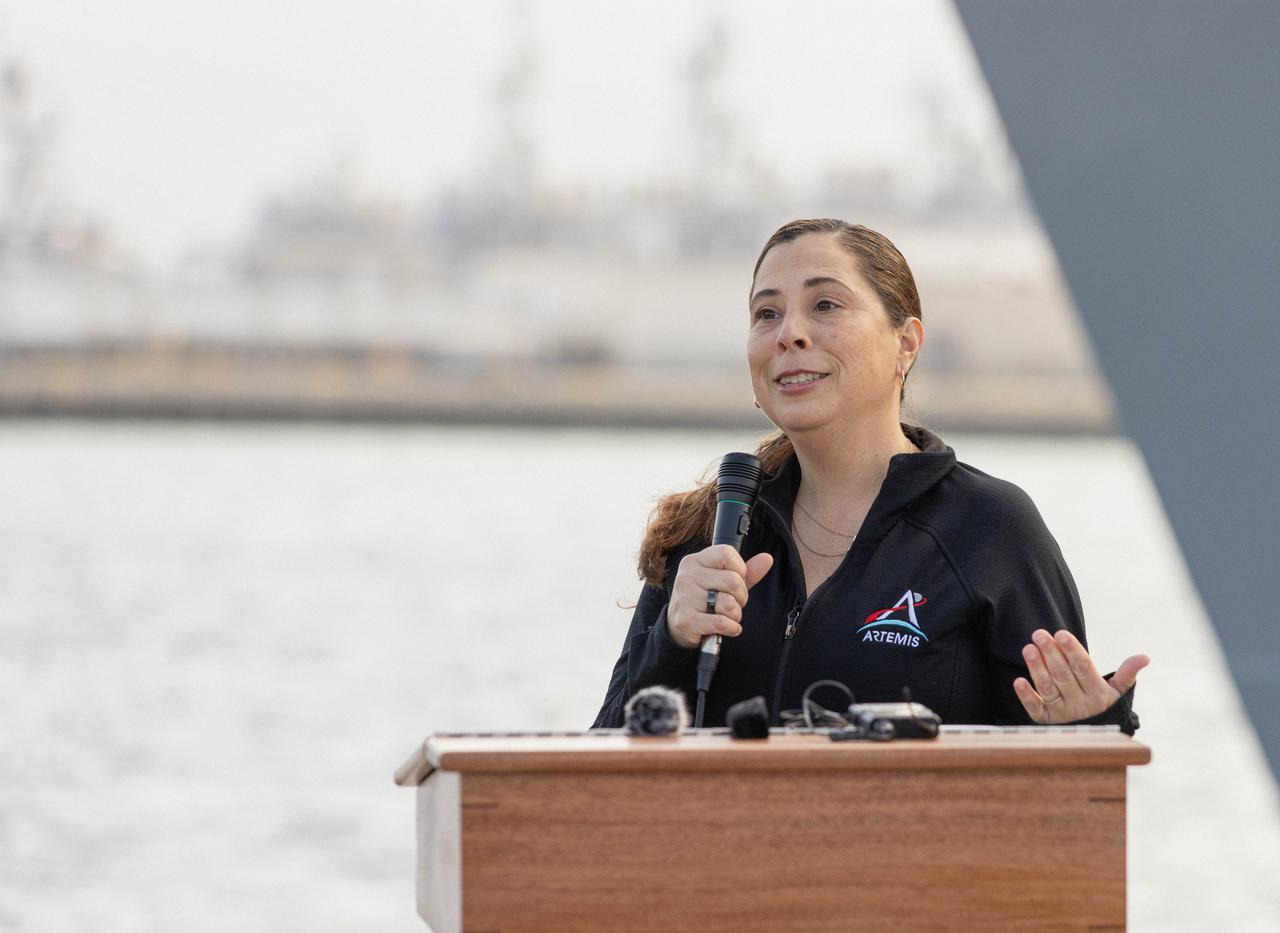
Liliana Villarreal, landing and recovery director in Exploration Ground Systems at NASA’s Kennedy Space Center in Florida speaks in a news conference held in San Diego, California on Wednesday, Feb. 28, 2024, about the Underway Recovery Test 11 (URT-11) performed off the coast of San Diego, California. URT-11 performed by NASA’s Exploration Ground System’s Landing and Recovery team, partners from the Department of Defense, and U.S. Navy personnel aboard the USS San Diego is the eleventh in a series of Artemis recovery tests, and the first the Artemis II recovery procedures involved the astronauts.
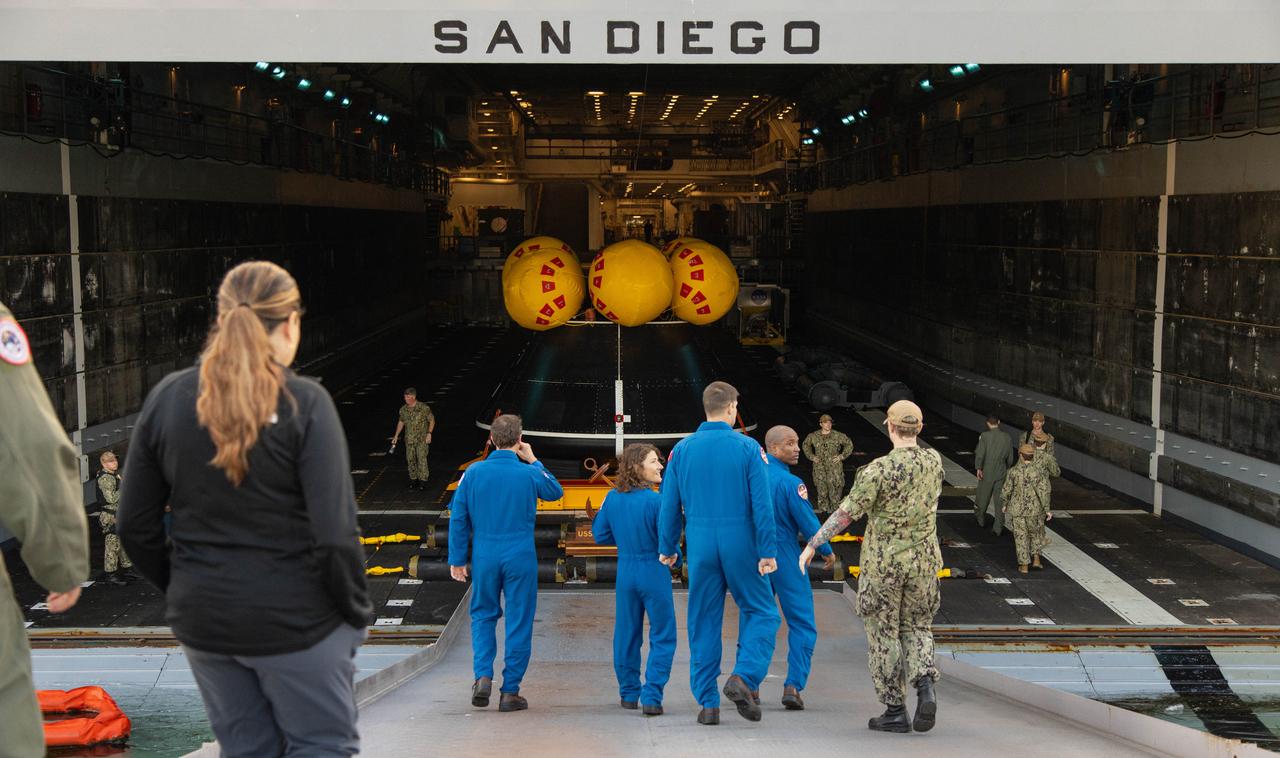
NASA’s Artemis II crew members from left to right, NASA astronauts Reid Wiseman, Christina Koch, and CSA (Canadian Space Agency) astronaut Jeremy Hansen, and NASA astronaut Victor Glover walk toward the USS San Diego and approach a mockup of the Orion spacecraft in San Diego, California on Wednesday, Feb. 28, 2024, as part of the Underway Recovery Test (URT-11). URT-11 performed by NASA’s Exploration Ground System’s Landing and Recovery team, partners from the Department of Defense, and U.S. Navy personnel aboard the USS San Diego is the eleventh in a series of Artemis recovery tests, and the first the Artemis II recovery procedures involved the astronauts.
The USS Anchorage, carrying the Orion crew module, arrives in San Diego on Dec. 8, 2014. The Orion spacecraft successfully completed the first flight last week, traveling to an altitude of 3600 miles and returning to Earth at 20,000 miles per hour. The Navy and NASA team on board the USS Anchorage recovered Orion in the Pacific Ocean after splashdown. Part of Batch image transfer from Flickr.
The USS Anchorage, carrying the Orion crew module, arrives in San Diego on Dec. 8, 2014. The Orion spacecraft successfully completed the first flight last week, traveling to an altitude of 3600 miles and returning to Earth at 20,000 miles per hour. The Navy and NASA team on board the USS Anchorage recovered Orion in the Pacific Ocean after splashdown. Part of Batch image transfer from Flickr.
The USS Anchorage, carrying the Orion crew module, arrives in San Diego on Dec. 8, 2014. The Orion spacecraft successfully completed the first flight last week, traveling to an altitude of 3600 miles and returning to Earth at 20,000 miles per hour. The Navy and NASA team on board the USS Anchorage recovered Orion in the Pacific Ocean after splashdown. Part of Batch image transfer from Flickr.
The USS Anchorage, carrying the Orion crew module, arrives in San Diego on Dec. 8, 2014. The Orion spacecraft successfully completed the first flight last week, traveling to an altitude of 3600 miles and returning to Earth at 20,000 miles per hour. The Navy and NASA team on board the USS Anchorage recovered Orion in the Pacific Ocean after splashdown. Part of Batch image transfer from Flickr.
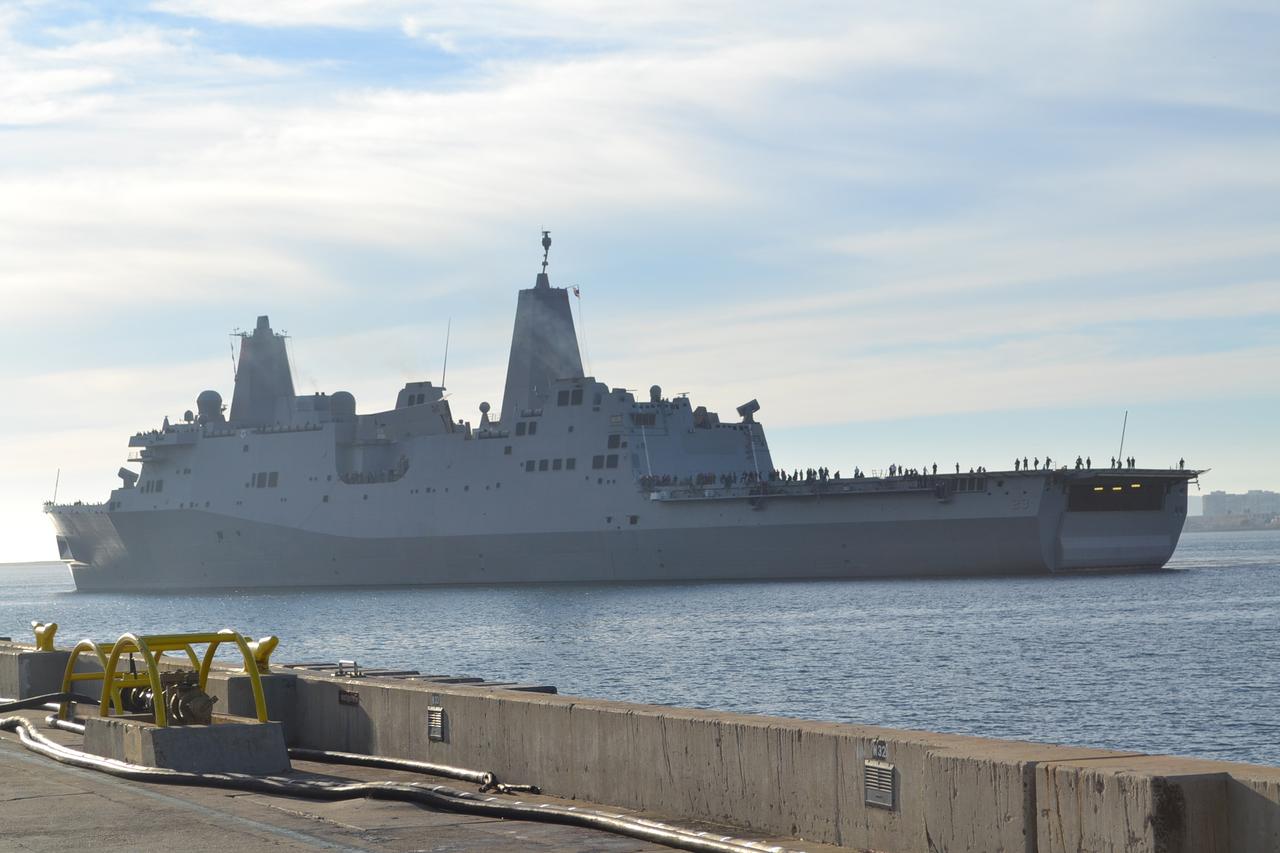
The USS Anchorage, carrying the Orion crew module, arrives in San Diego on Dec. 8, 2014. The Orion spacecraft successfully completed the first flight last week, traveling to an altitude of 3600 miles and returning to Earth at 20,000 miles per hour. The Navy and NASA team on board the USS Anchorage recovered Orion in the Pacific Ocean after splashdown. Part of Batch image transfer from Flickr.

The USS Anchorage, carrying the Orion crew module, arrives in San Diego on Dec. 8, 2014. The Orion spacecraft successfully completed the first flight last week, traveling to an altitude of 3600 miles and returning to Earth at 20,000 miles per hour. The Navy and NASA team on board the USS Anchorage recovered Orion in the Pacific Ocean after splashdown. Part of Batch image transfer from Flickr.
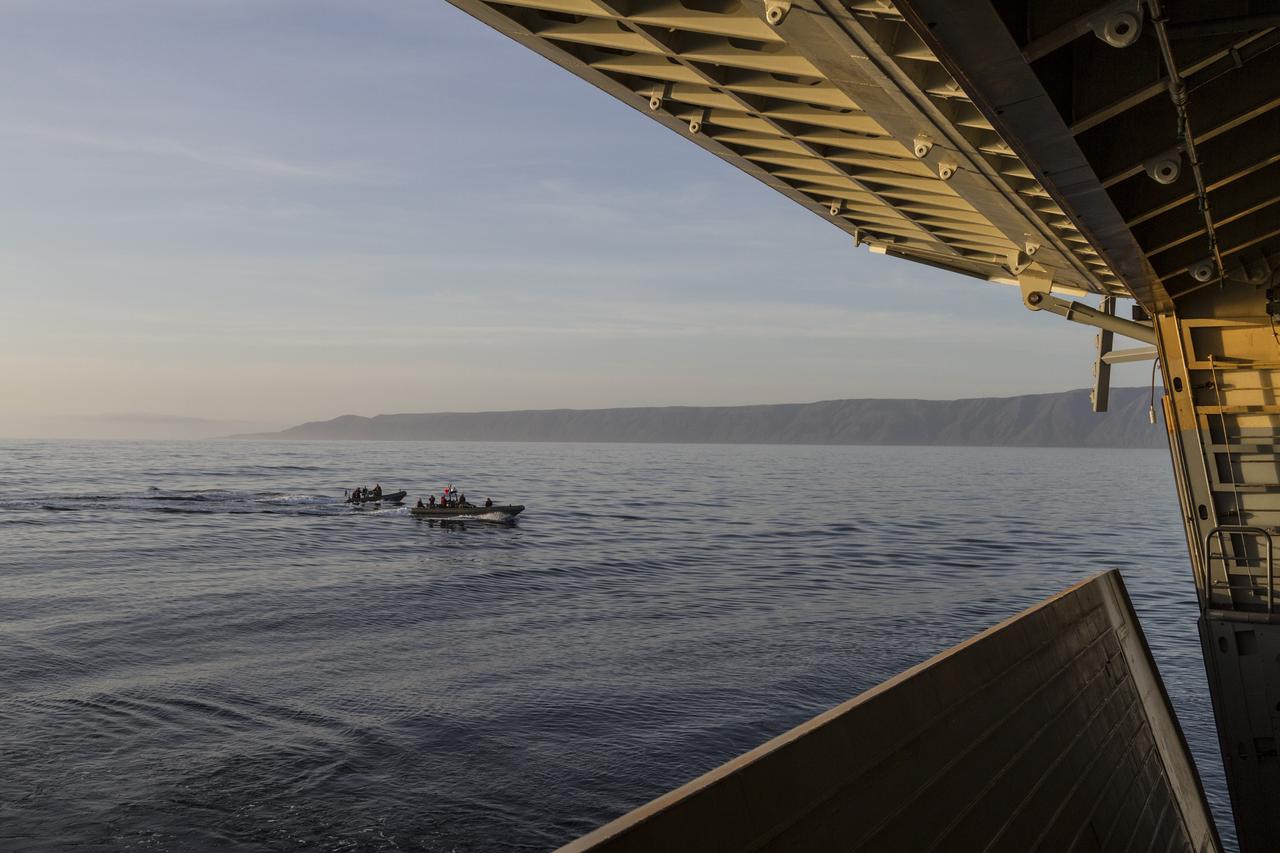
SAN DIEGO, Calif. – The U.S. Navy uses two rigid hull inflatable boats to practice Orion underway recovery test procedures near the USS San Diego, in the Pacific Ocean near the coast of San Diego. The Orion boilerplate test vehicle and other hardware are in its well deck for the test. For the test, the ship traveled about 100 miles offshore. NASA and the U.S. Navy conducted the tests to prepare for recovery of the Orion crew module, forward bay cover and parachutes on its return from a deep space mission. The underway recovery test allowed the teams to demonstrate and evaluate the recovery processes, procedures, hardware and personnel in open waters. During the testing, the tether lines were unable to support the tension caused by crew module motion that was driven by wave turbulence in the well deck of the ship. NASA and the U.S. Navy are reviewing the testing data collected to evaluate the next steps. The Ground Systems Development and Operations Program conducted the underway recovery tests. Orion is the exploration spacecraft designed to carry astronauts to destinations not yet explored by humans, including an asteroid and Mars. It will have emergency abort capability, sustain the crew during space travel and provide safe re-entry from deep space return velocities. The first unpiloted test flight of the Orion is scheduled to launch in 2014 atop a Delta IV rocket and in 2017 on NASA’s Space Launch System rocket. For more information, visit http://www.nasa.gov/orion. Photo credit: NASA/Cory Huston
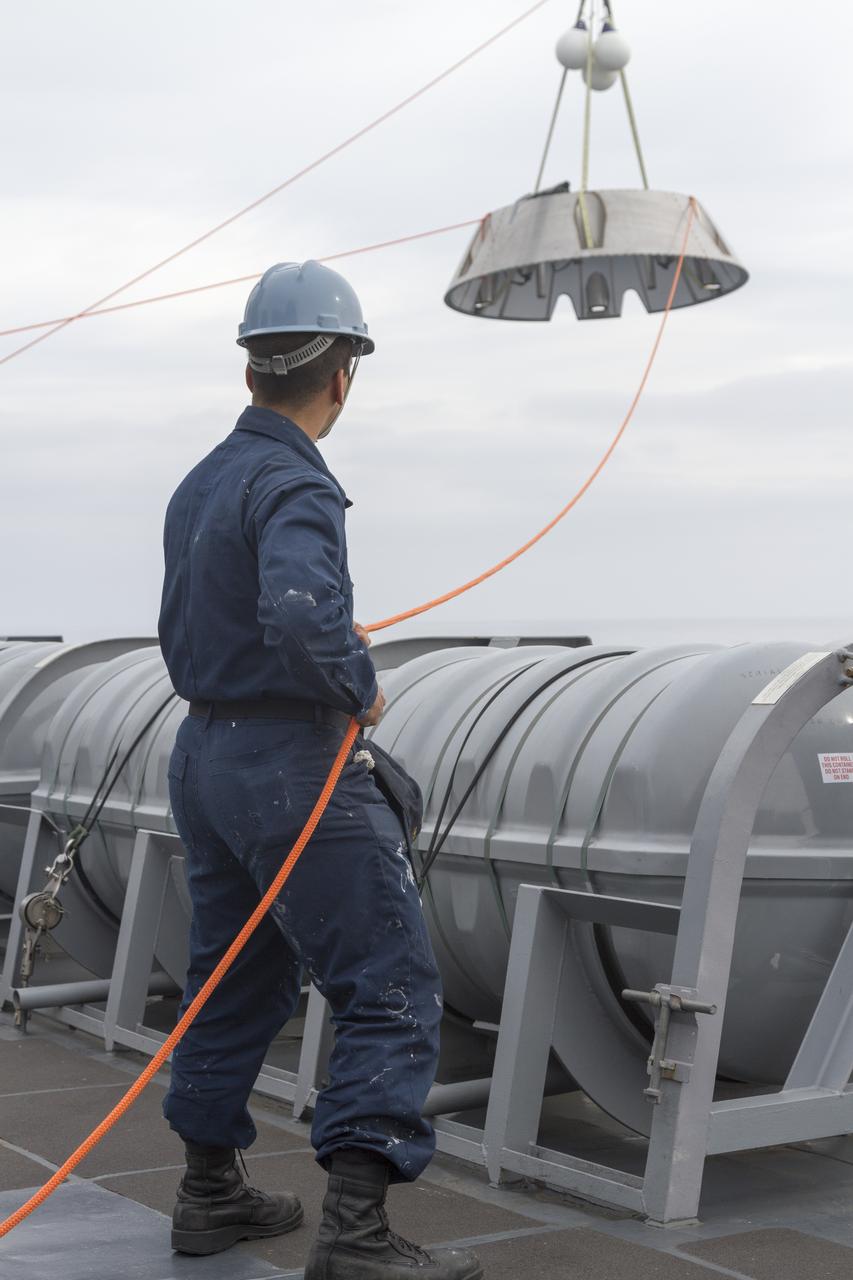
SAN DIEGO, Calif. – The Orion forward bay cover is lowered into the water using a crane and tether lines as part of the Orion underway recovery test. The Orion boilerplate test vehicle and other hardware are secured in the well deck of the USS San Diego in preparation for the test about 100 miles off the coast of San Diego, California. NASA and the U.S. Navy conducted tests to prepare for the recovery of the Orion crew module, forward bay cover and parachutes on its return from a deep space mission. The underway recovery test will allow the teams to demonstrate and evaluate the recovery processes, procedures, hardware and personnel in open waters. During the testing, the tether lines were unable to support the tension caused by crew module motion that was driven by wave turbulence in the well deck of the ship. NASA and the U.S. Navy are reviewing the testing data collected to evaluate the next steps. The Ground Systems Development and Operations Program conducted the underway recovery tests. Orion is the exploration spacecraft designed to carry astronauts to destinations not yet explored by humans, including an asteroid and Mars. It will have emergency abort capability, sustain the crew during space travel and provide safe re-entry from deep space return velocities. The first unpiloted test flight of the Orion is scheduled to launch in 2014 atop a Delta IV rocket and in 2017 on NASA’s Space Launch System rocket. For more information, visit http://www.nasa.gov/orion. Photo credit: NASA/Cory Huston
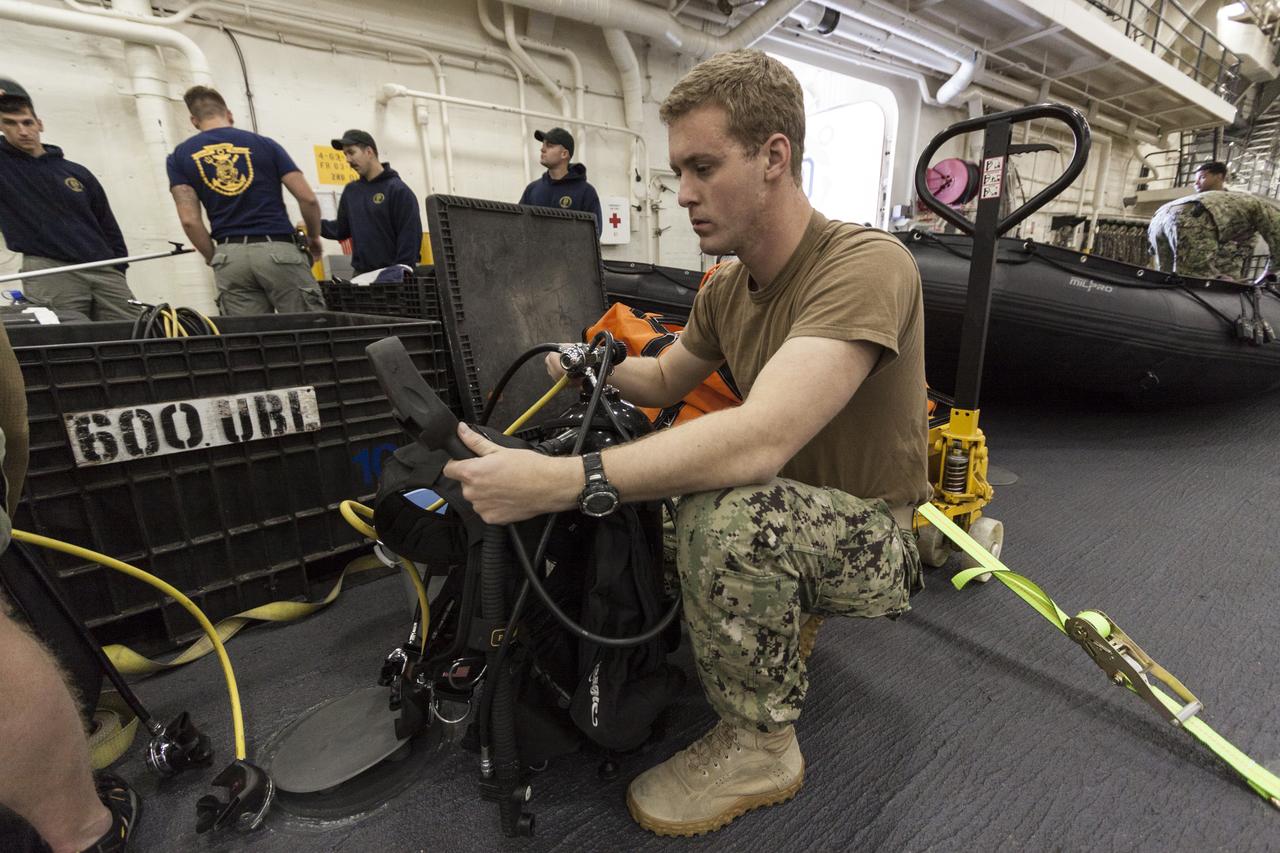
SAN DIEGO, Calif. – U.S. Navy personnel check support equipment aboard the USS San Diego at the U.S. Naval Base San Diego in California, in preparation for an Orion underway recovery test. The Orion boilerplate test vehicle was transported in the ship’s well deck about 100 miles offshore for an underway recovery test. NASA and the U.S. Navy conducted tests to prepare for recovery of the Orion crew module, forward bay cover and parachutes on its return from a deep space mission. The underway recovery test will allow the teams to demonstrate and evaluate the recovery processes, procedures, hardware and personnel in open waters. During the testing, the tether lines were unable to support the tension caused by crew module motion that was driven by wave turbulence in the well deck of the ship. NASA and the U.S. Navy are reviewing the testing data collected to evaluate the next steps. The Ground Systems Development and Operations Program conducted the underway recovery tests. Orion is the exploration spacecraft designed to carry astronauts to destinations not yet explored by humans, including an asteroid and Mars. It will have emergency abort capability, sustain the crew during space travel and provide safe re-entry from deep space return velocities. The first unpiloted test flight of the Orion is scheduled to launch in 2014 atop a Delta IV rocket and in 2017 on NASA’s Space Launch System rocket. For more information, visit http://www.nasa.gov/orion. Photo credit: NASA/Cory Huston
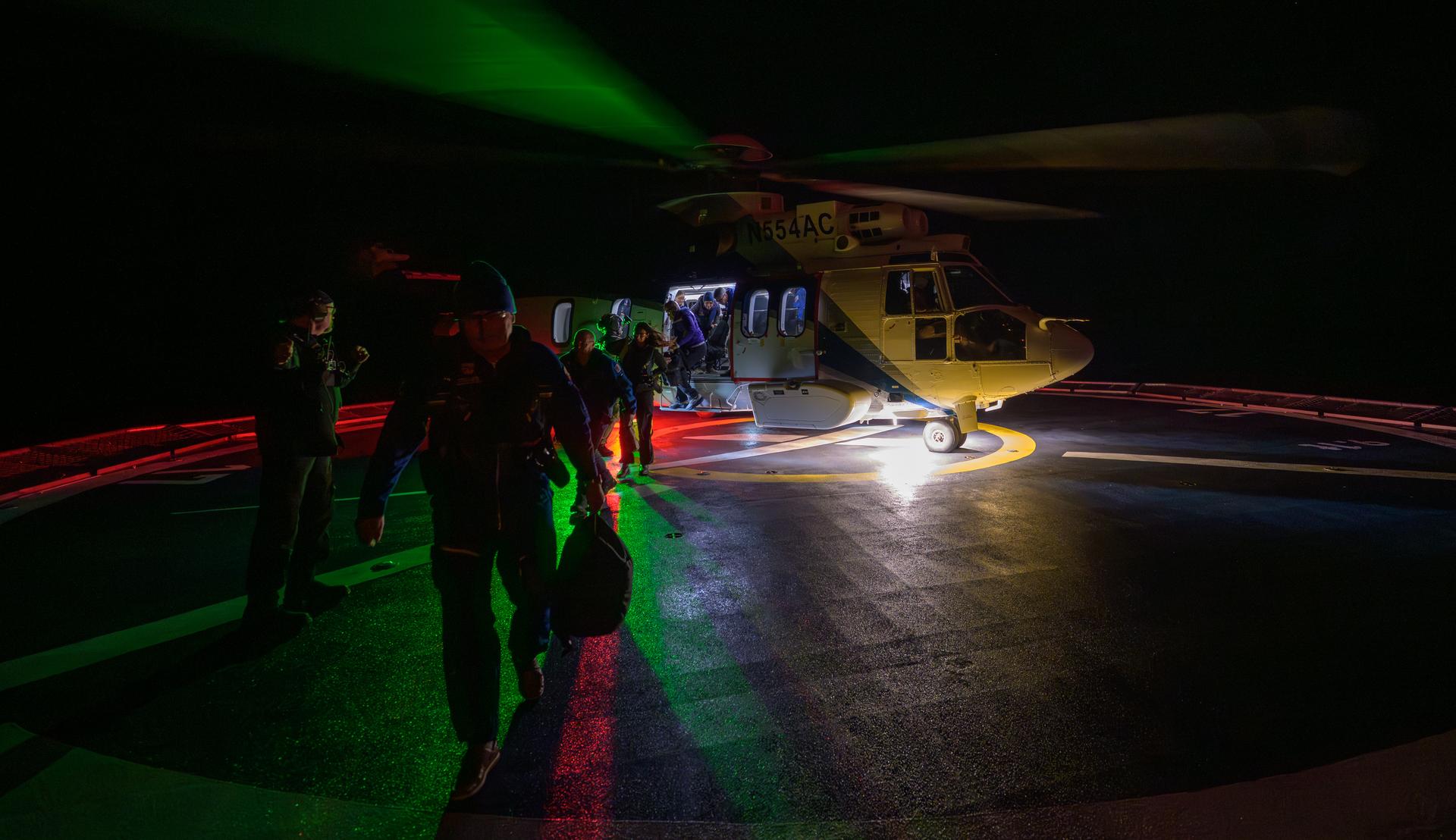
NASA and SpaceX support teams board the ship SHANNON to prepare for the landing of the SpaceX Dragon Endeavour spacecraft with NASA astronauts Zena Cardman, Mike Fincke, JAXA (Japan Aerospace Exploration Agency) astronaut Kimiya Yui, and Roscosmos cosmonaut Oleg Platonov aboard, Wednesday, Jan. 14, 2026, in San Diego, Calif.. Cardman, Fincke, Yui, Platonov are landing in the Pacific Ocean after 167 days in space as part of Expedition 74 aboard the International Space Station. Photo Credit: (NASA/Bill Ingalls)
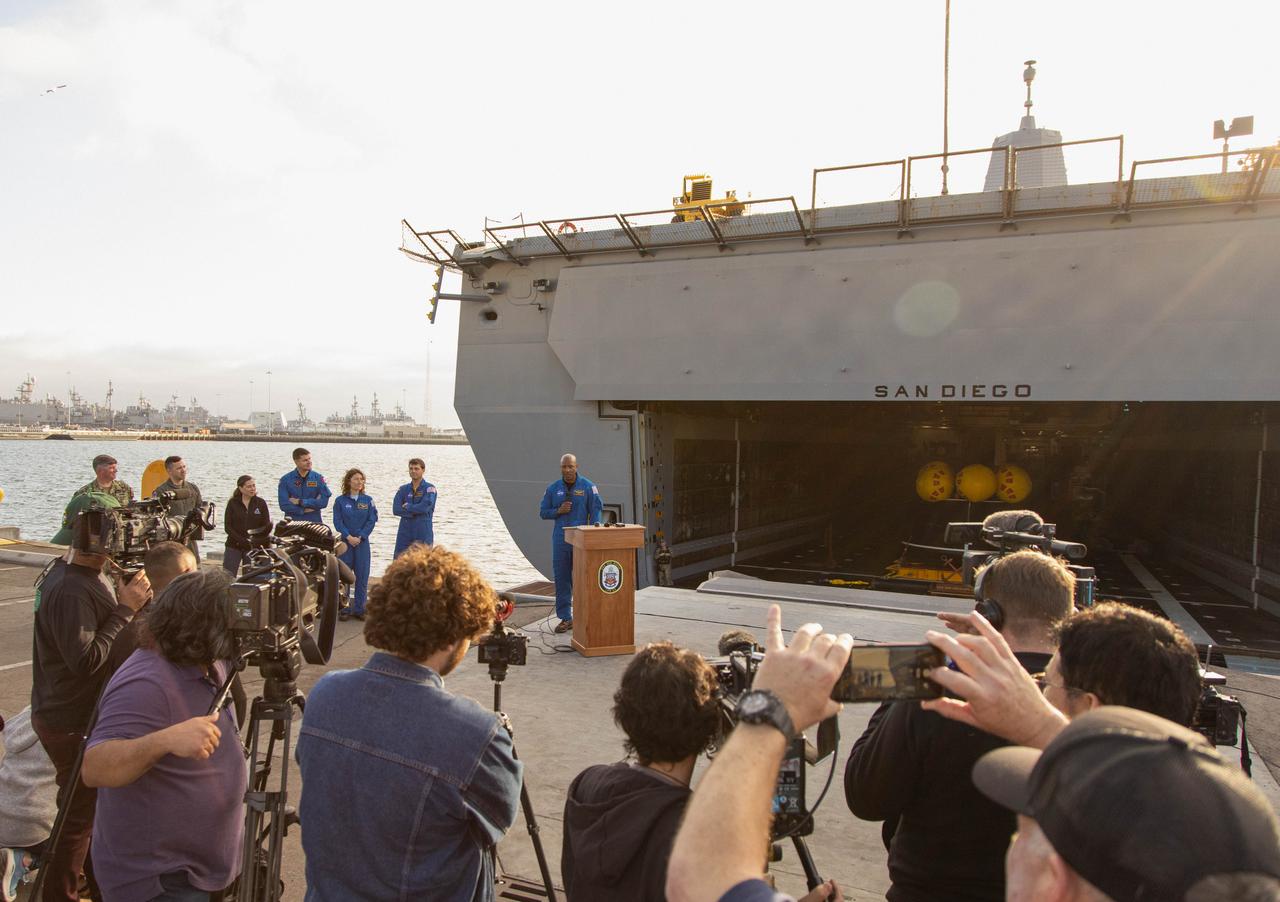
NASA’s Artemis II crew member NASA astronaut Victor Glover speaks to members of the media about the Underway Recovery Test (URT-11) during a news conference held in San Diego, California on Wednesday, Feb. 28, 2024. URT-11 performed by NASA’s Exploration Ground System’s Landing and Recovery team, partners from the Department of Defense, and U.S. Navy personnel aboard the USS San Diego is the eleventh in a series of Artemis recovery tests, and the first the Artemis II recovery procedures involved the astronauts.
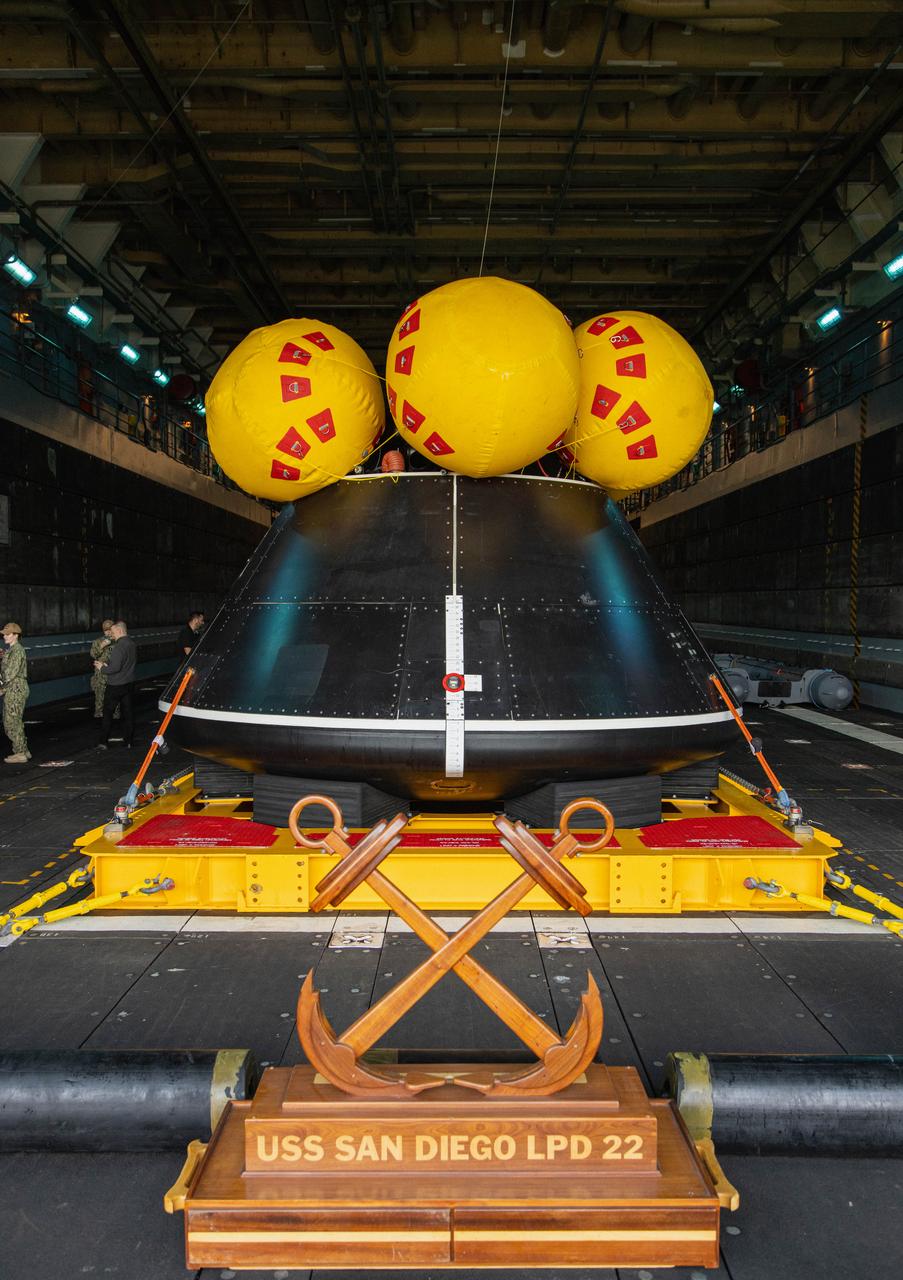
The mockup of the NASA Orion spacecraft sits aboard the USS San Diego on Wednesday Feb. 28, 2024, following the completion of the Underway Recovery Test (URT-11). URT-11, aboard the USS San Diego, is the eleventh in a series of Artemis recovery tests, and the first time NASA and its partners put their Artemis II recovery procedures to the test with the astronauts.

NASA’s Artemis II crew member NASA astronaut Victor Glover smiles during a news conference discussing the practice recovery procedures following the Underway Recovery Test (URT-11) aboard the USS San Diego on Wednesday, Feb. 28, 2024. URT-11 performed by NASA’s Exploration Ground System’s Landing and Recovery team, partners from the Department of Defense, and U.S. Navy personnel aboard the USS San Diego is the eleventh in a series of Artemis recovery tests, and the first the Artemis II recovery procedures involved the astronauts.
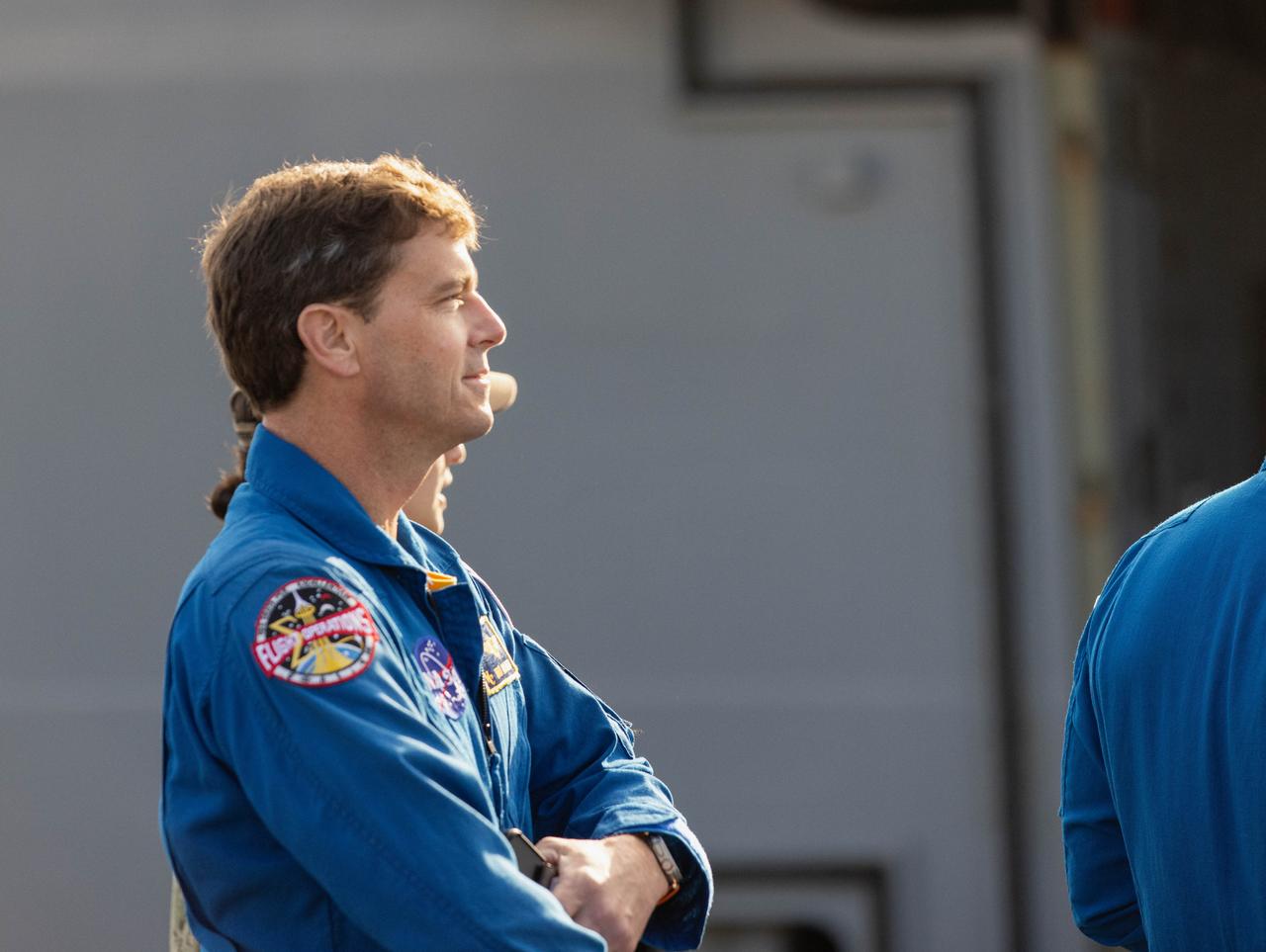
NASA’s Artemis II crew member NASA astronaut Reid Wiseman observes a news conference discussing the practice recovery procedures following the Underway Recovery Test (URT-11) aboard the USS San Diego on Wednesday, Feb. 28, 2024. URT-11 performed by NASA’s Exploration Ground System’s Landing and Recovery team, partners from the Department of Defense, and U.S. Navy personnel aboard the USS San Diego is the eleventh in a series of Artemis recovery tests, and the first the Artemis II recovery procedures involved the astronauts.
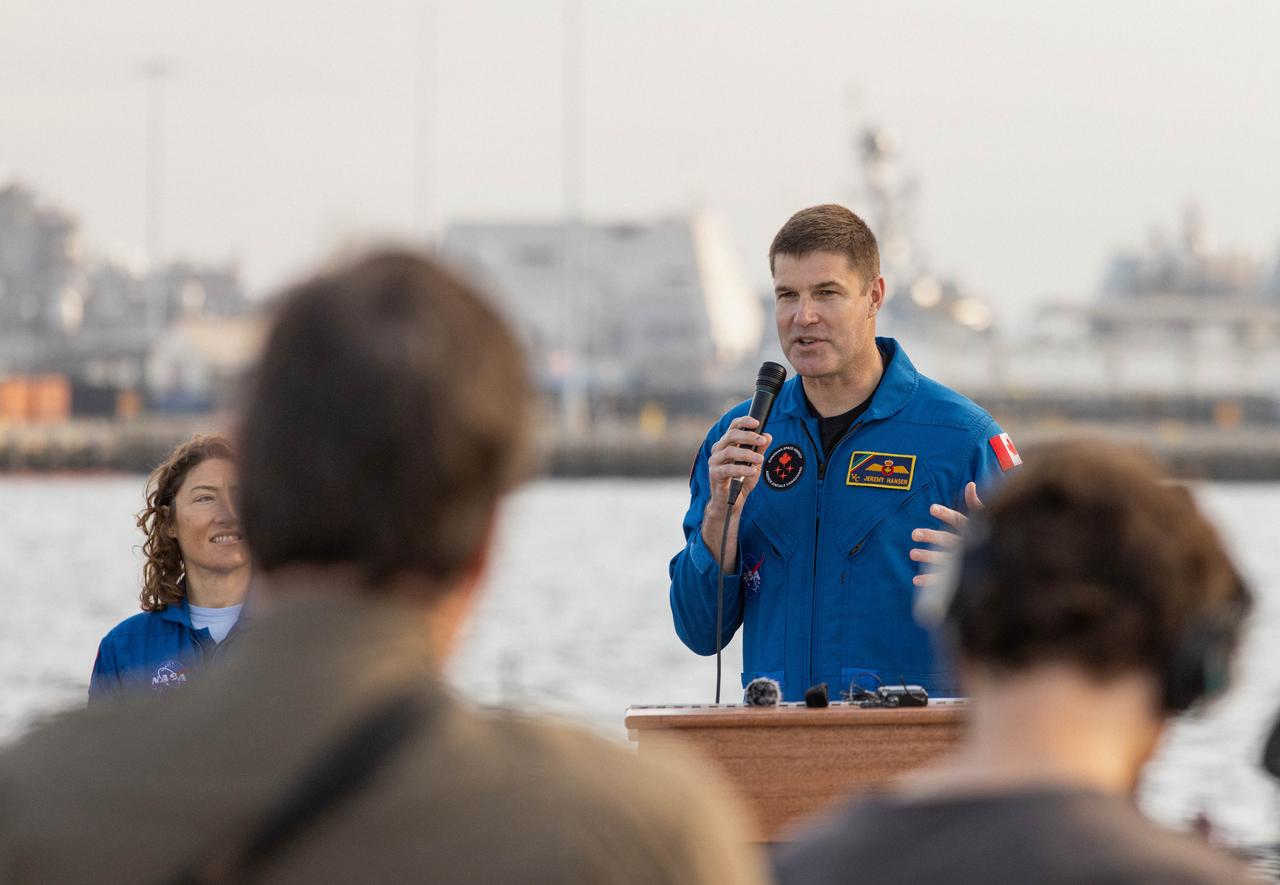
NASA’s Artemis II crew member CSA (Canadian Space Agency) astronaut Jeremy Hansen discusses the Underway Recovery Test (URT-11) during a news conference held in San Diego, California on Wednesday, Feb. 28, 2024. URT-11 performed by NASA’s Exploration Ground System’s Landing and Recovery team, partners from the Department of Defense, and U.S. Navy personnel aboard the USS San Diego is the eleventh in a series of Artemis recovery tests, and the first the Artemis II recovery procedures involved the astronauts.
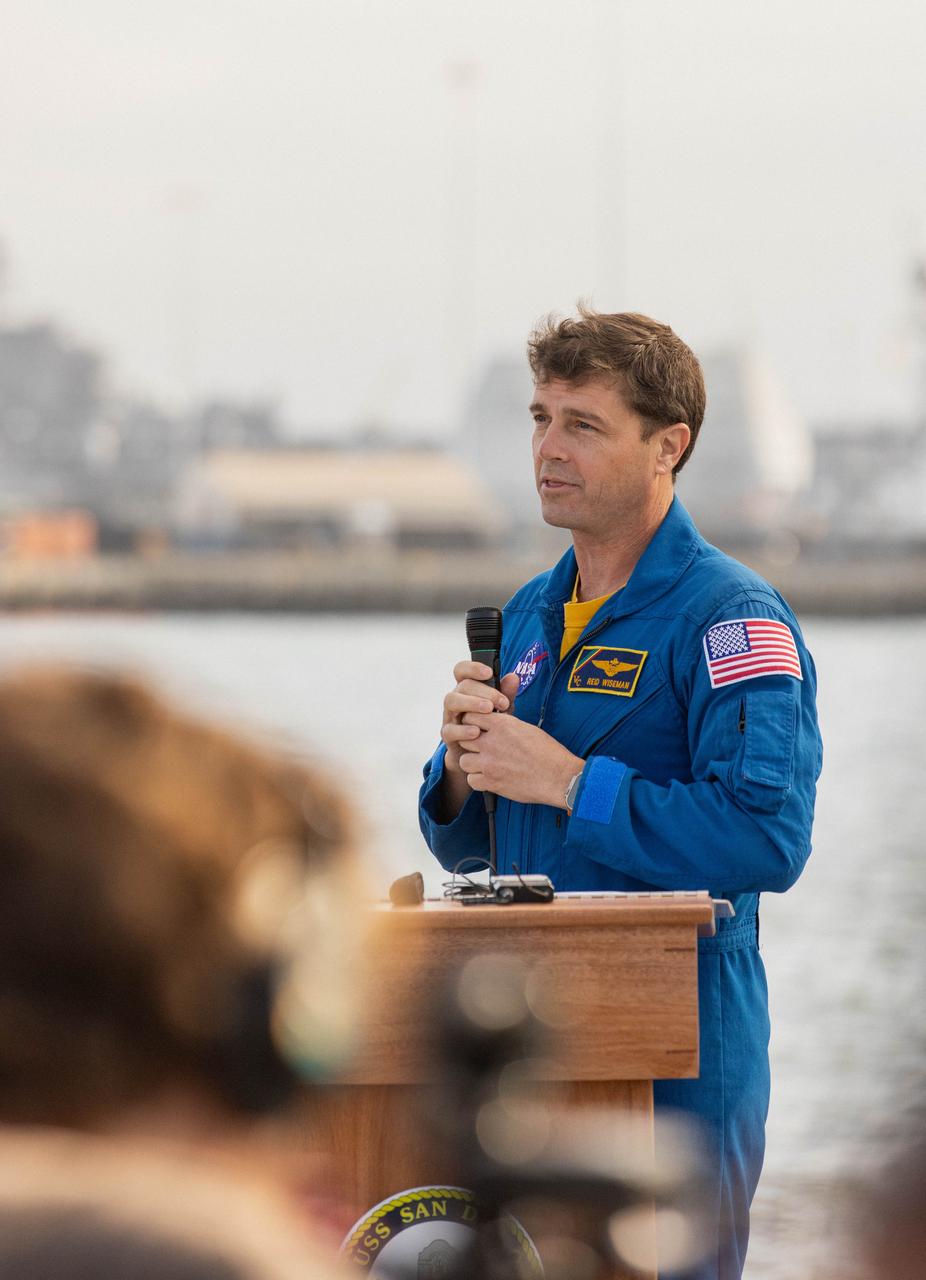
NASA’s Artemis II crew member NASA astronaut Reid Wiseman discusses the Underway Recovery Test (URT-11) during a news conference in San Diego, California on Wednesday, Feb. 28, 2024. URT-11 performed by NASA’s Exploration Ground System’s Landing and Recovery team, partners from the Department of Defense, and U.S. Navy personnel aboard the USS San Diego is the eleventh in a series of Artemis recovery tests, and the first the Artemis II recovery procedures involved the astronauts.
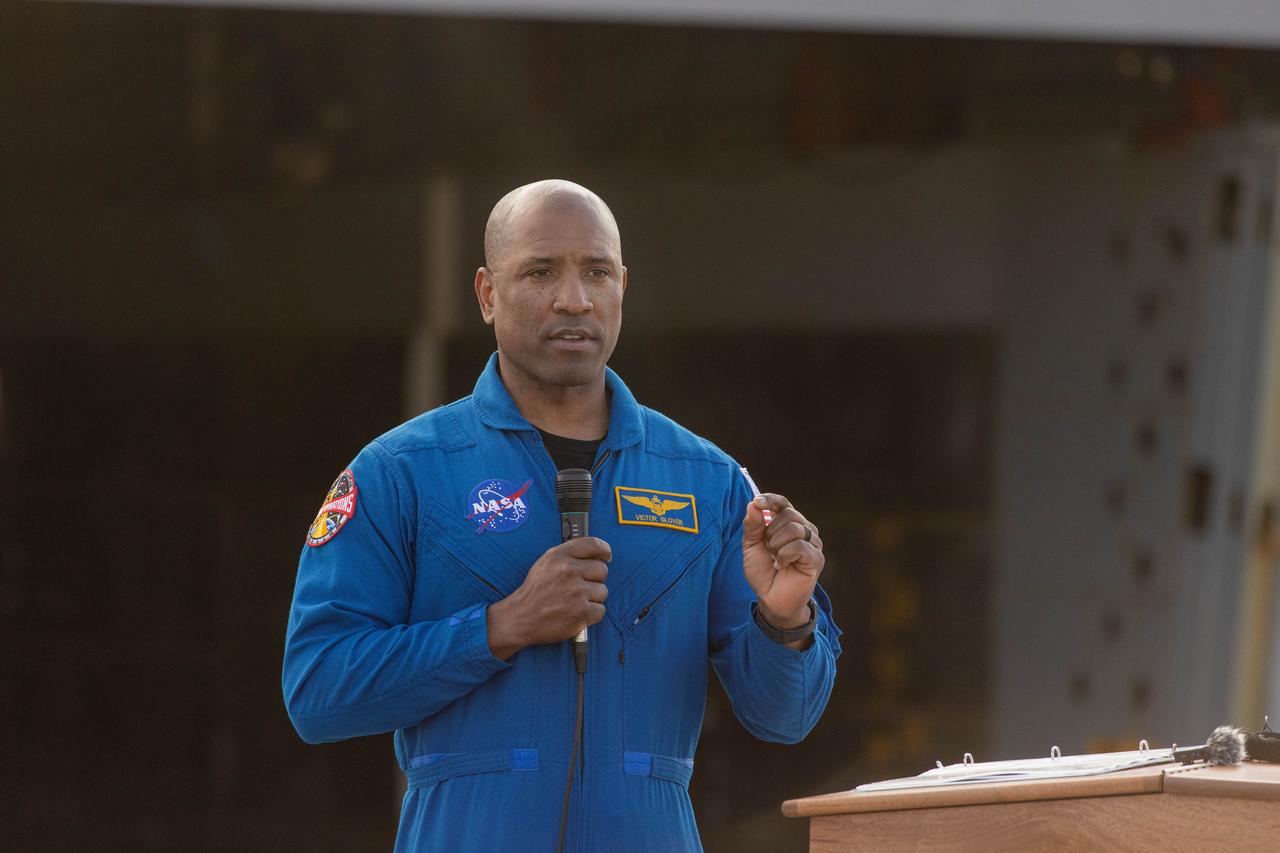
NASA’s Artemis II crew member NASA astronaut Victor Glover discusses the Underway Recovery Test (URT-11) during a news conference held in San Diego, California on Wednesday, Feb. 28, 2024. URT-11 performed by NASA’s Exploration Ground System’s Landing and Recovery team, partners from the Department of Defense, and U.S. Navy personnel aboard the USS San Diego is the eleventh in a series of Artemis recovery tests, and the first the Artemis II recovery procedures involved the astronauts.
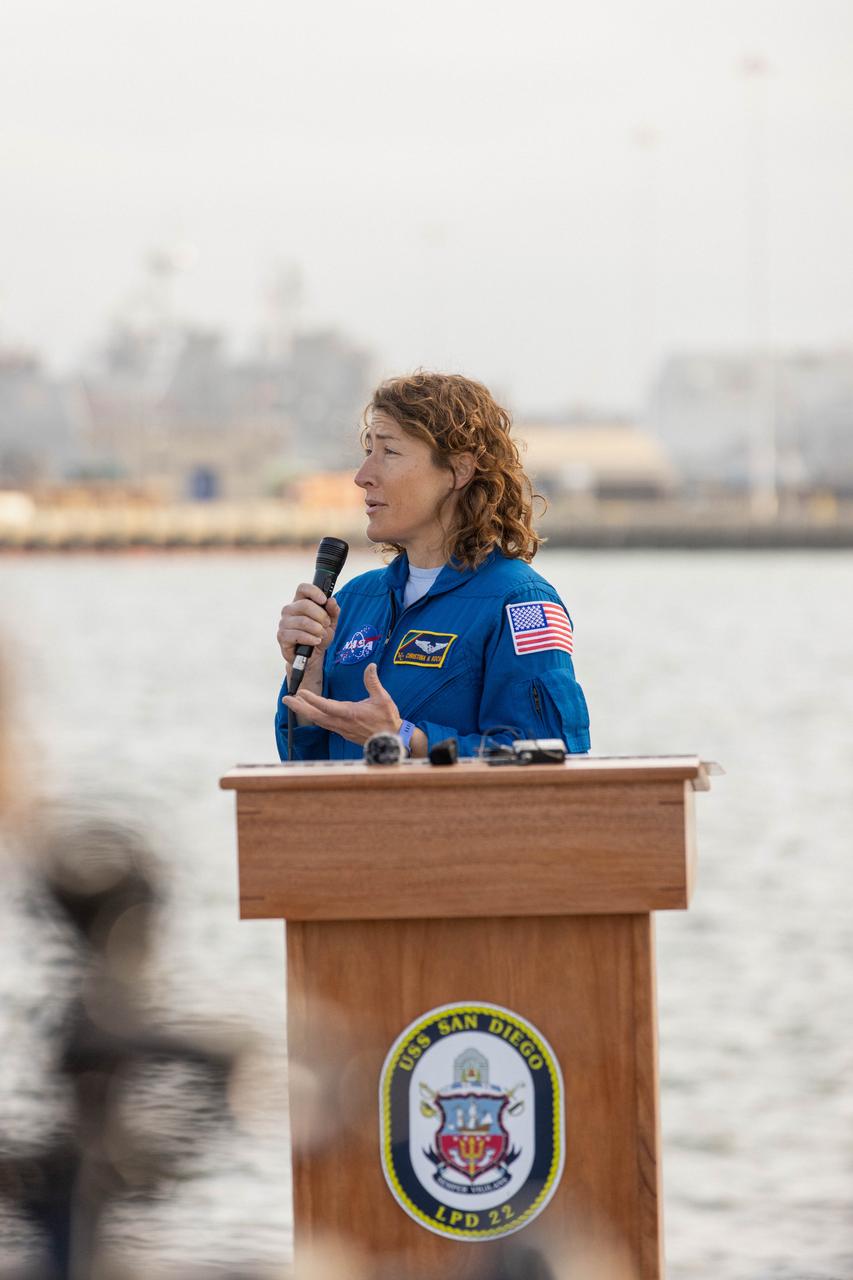
NASA’s Artemis II crew member NASA astronaut Christina Koch discusses the Underway Recovery Test (URT-11) during a news conference held in San Diego, California on Wednesday, Feb. 28, 2024. URT-11 performed by NASA’s Exploration Ground System’s Landing and Recovery team, partners from the Department of Defense, and U.S. Navy personnel aboard the USS San Diego is the eleventh in a series of Artemis recovery tests, and the first the Artemis II recovery procedures involved the astronauts.
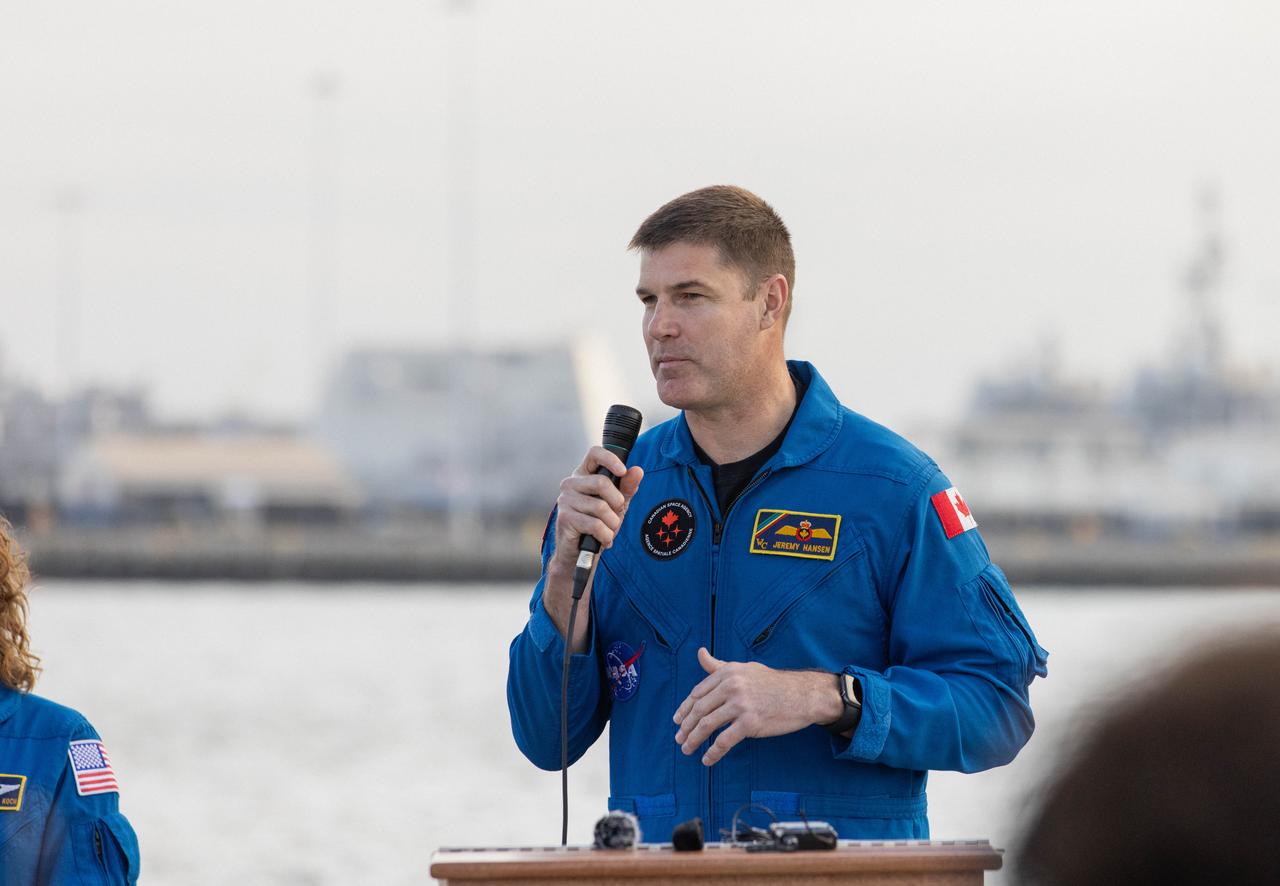
NASA’s Artemis II crew member CSA (Canadian Space Agency) astronaut Jeremy Hansen discusses the Underway Recovery Test (URT-11) during a news conference held in San Diego, California on Wednesday, Feb. 28, 2024. URT-11 performed by NASA’s Exploration Ground System’s Landing and Recovery team, partners from the Department of Defense, and U.S. Navy personnel aboard the USS San Diego is the eleventh in a series of Artemis recovery tests, and the first the Artemis II recovery procedures involved the astronauts.
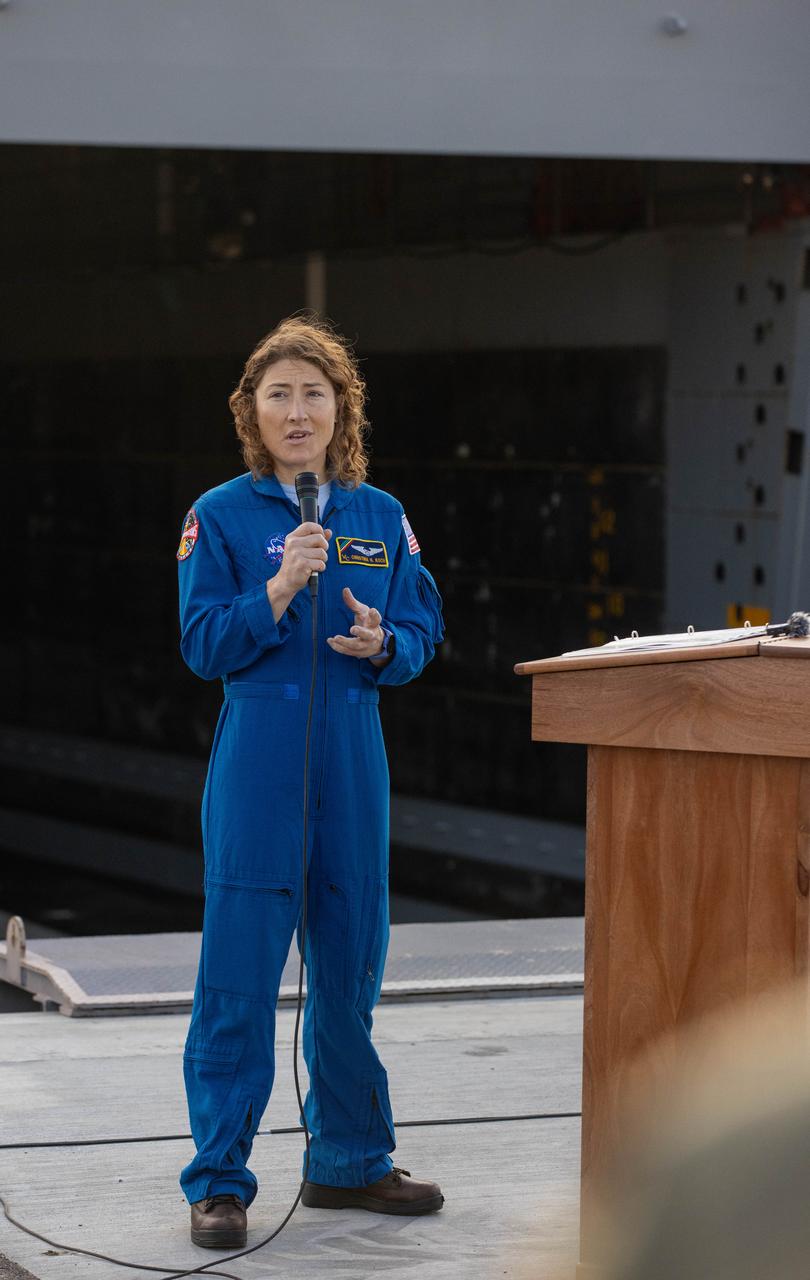
NASA’s Artemis II crew member NASA astronaut Christina Koch discusses the Underway Recovery Test (URT-11) during a news conference held in San Diego, California on Wednesday, Feb. 28, 2024. URT-11 performed by NASA’s Exploration Ground System’s Landing and Recovery team, partners from the Department of Defense, and U.S. Navy personnel aboard the USS San Diego is the eleventh in a series of Artemis recovery tests, and the first the Artemis II recovery procedures involved the astronauts.
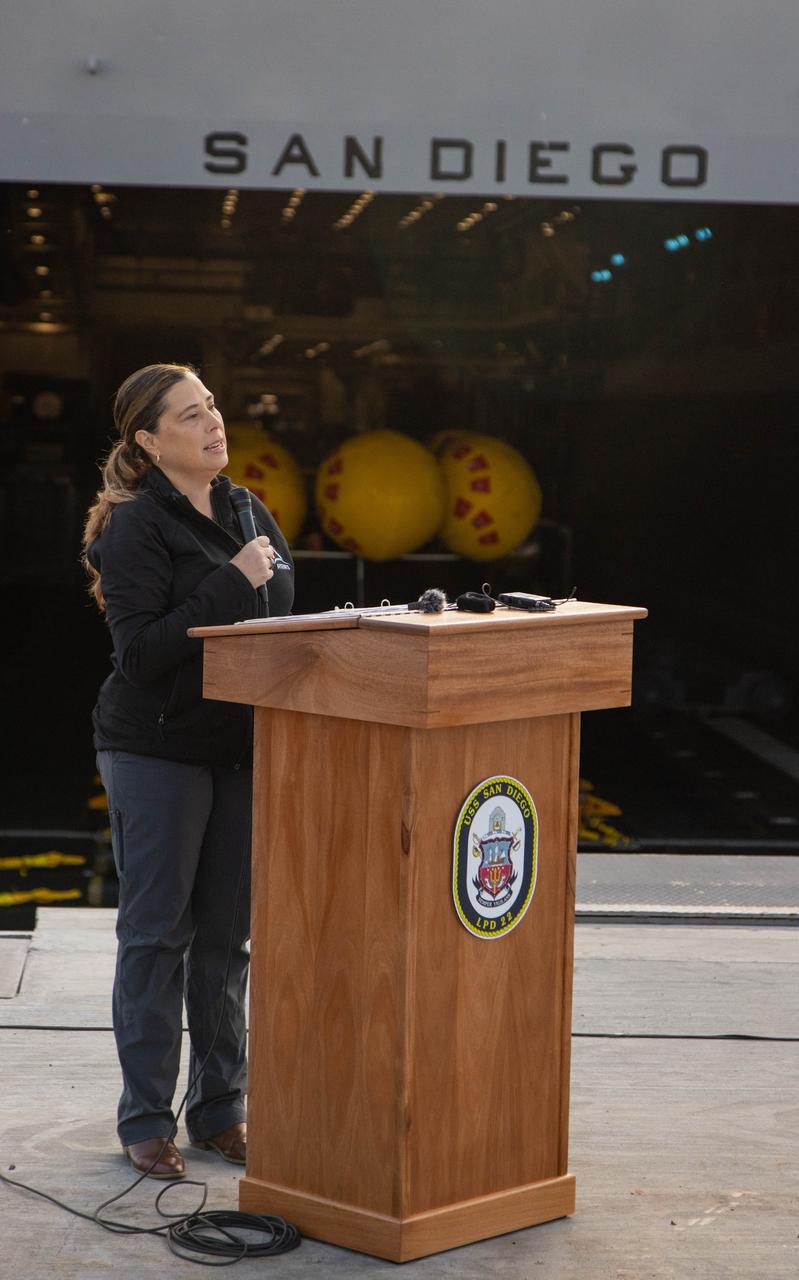
Liliana Villarreal, landing and recovery director in Exploration Ground Systems at NASA’s Kennedy Space Center in Florida speaks in a news conference held in San Diego, California on Wednesday, Feb. 28, 2024, about the Underway Recovery Test 11 (URT-11) performed off the coast of San Diego, California. URT-11 is the eleventh in a series of Artemis recovery tests, and the first time NASA and its partners put their Artemis II recovery procedures in place with the astronauts.
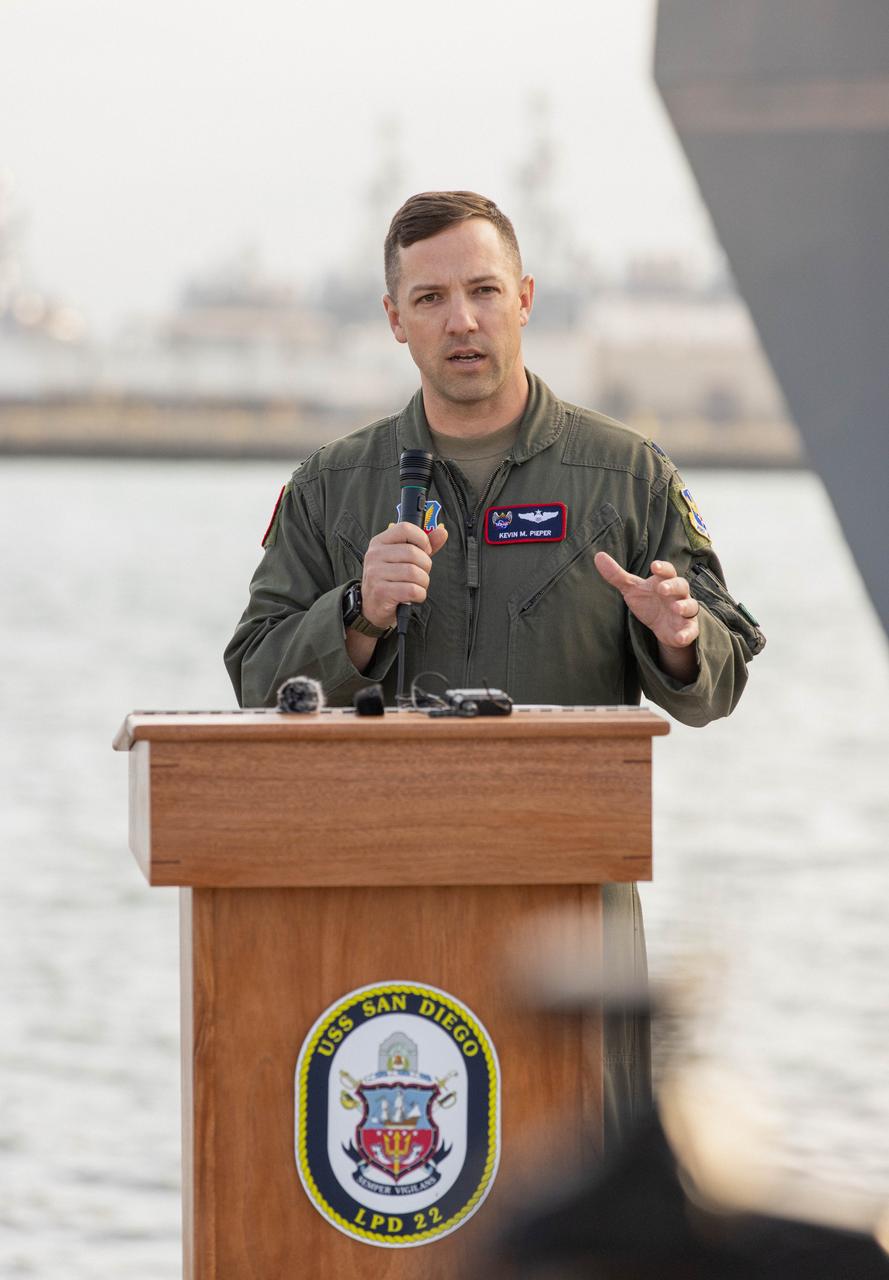
Lt. Col. Kevin Pieper, First Air Force, Detachment 3 Artemis program director discusses the Underway Recovery Test (URT-11) during a news conference held in San Diego, California on Wednesday, Feb. 28, 2024. URT-11 performed by NASA’s Exploration Ground System’s Landing and Recovery team, partners from the Department of Defense, and U.S. Navy personnel aboard the USS San Diego is the eleventh in a series of Artemis recovery tests, and the first the Artemis II recovery procedures involved the astronauts.
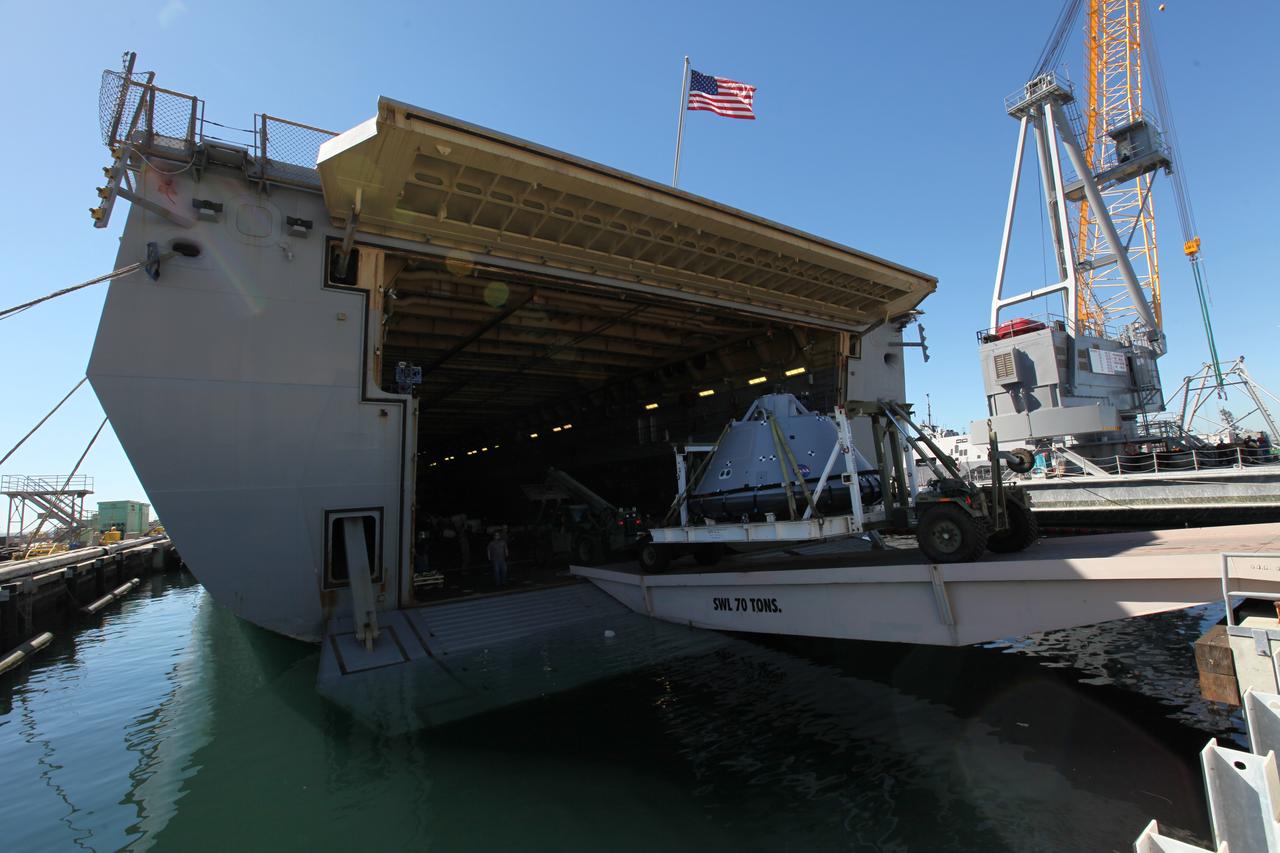
The test version of the Orion crew module is transported into the well deck of the USS San Diego at Naval Base San Diego in California. NASA, Orion manufacturer Lockheed Martin and the U.S. Navy will head out to sea with the Orion test spacecraft aboard for Underway Recovery Test 5 (URT-5) in the Pacific Ocean off the coast of California. During URT-5, the team will demonstrate and evaluate the recovery processes, procedures, hardware and personnel necessary for recovery of Orion on its return from a deep space mission. Orion is the exploration spacecraft designed to carry astronauts to destinations not yet explored by humans, including an asteroid and NASA Journey to Mars. It will have emergency abort capability, sustain the crew during space travel and provide safe re-entry from deep space return velocities. Orion is scheduled to launch atop NASA’s Space Launch System rocket in 2018. For more information, visit http://www.nasa.gov/orion.
The test version of the Orion crew module has been transported into the well deck of the USS San Diego at Naval Base San Diego in California. NASA, Orion manufacturer Lockheed Martin and the U.S. Navy will head out to sea with the Orion test spacecraft aboard for Underway Recovery Test 5 (URT-5) in the Pacific Ocean off the coast of California. During URT-5, the team will demonstrate and evaluate the recovery processes, procedures, hardware and personnel necessary for recovery of Orion on its return from a deep space mission. Orion is the exploration spacecraft designed to carry astronauts to destinations not yet explored by humans, including an asteroid and NASA Journey to Mars. It will have emergency abort capability, sustain the crew during space travel and provide safe re-entry from deep space return velocities. Orion is scheduled to launch atop NASA’s Space Launch System rocket in 2018. For more information, visit http://www.nasa.gov/orion.
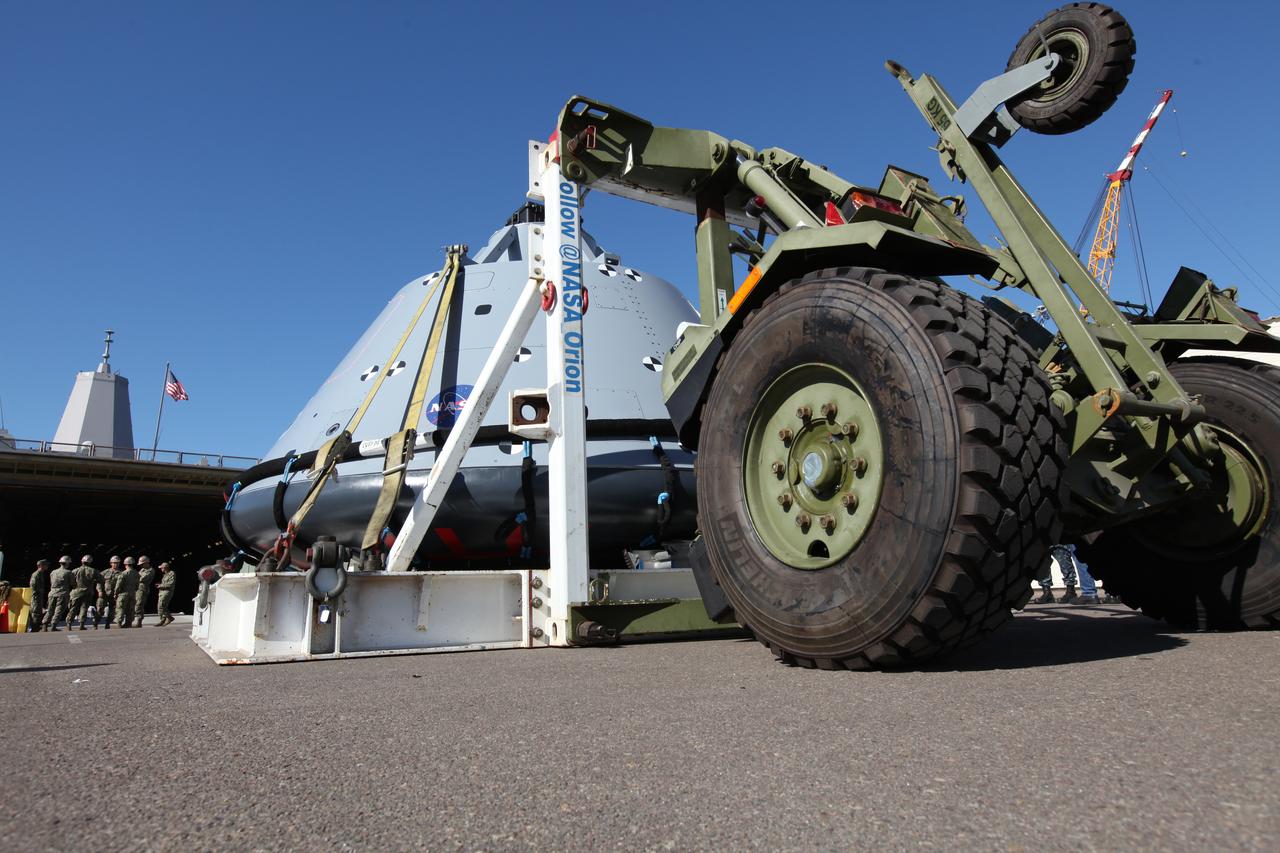
The test version of the Orion crew module is transported to the USS San Diego at Naval Base San Diego in California. NASA, Orion manufacturer Lockheed Martin and the U.S. Navy will head out to sea with the Orion test spacecraft aboard for Underway Recovery Test 5 (URT-5) in the Pacific Ocean off the coast of California. During URT-5, the team will demonstrate and evaluate the recovery processes, procedures, hardware and personnel necessary for recovery of Orion on its return from a deep space mission. Orion is the exploration spacecraft designed to carry astronauts to destinations not yet explored by humans, including an asteroid and NASA Journey to Mars. It will have emergency abort capability, sustain the crew during space travel and provide safe re-entry from deep space return velocities. Orion is scheduled to launch atop NASA’s Space Launch System rocket in 2018. For more information, visit http://www.nasa.gov/orion.
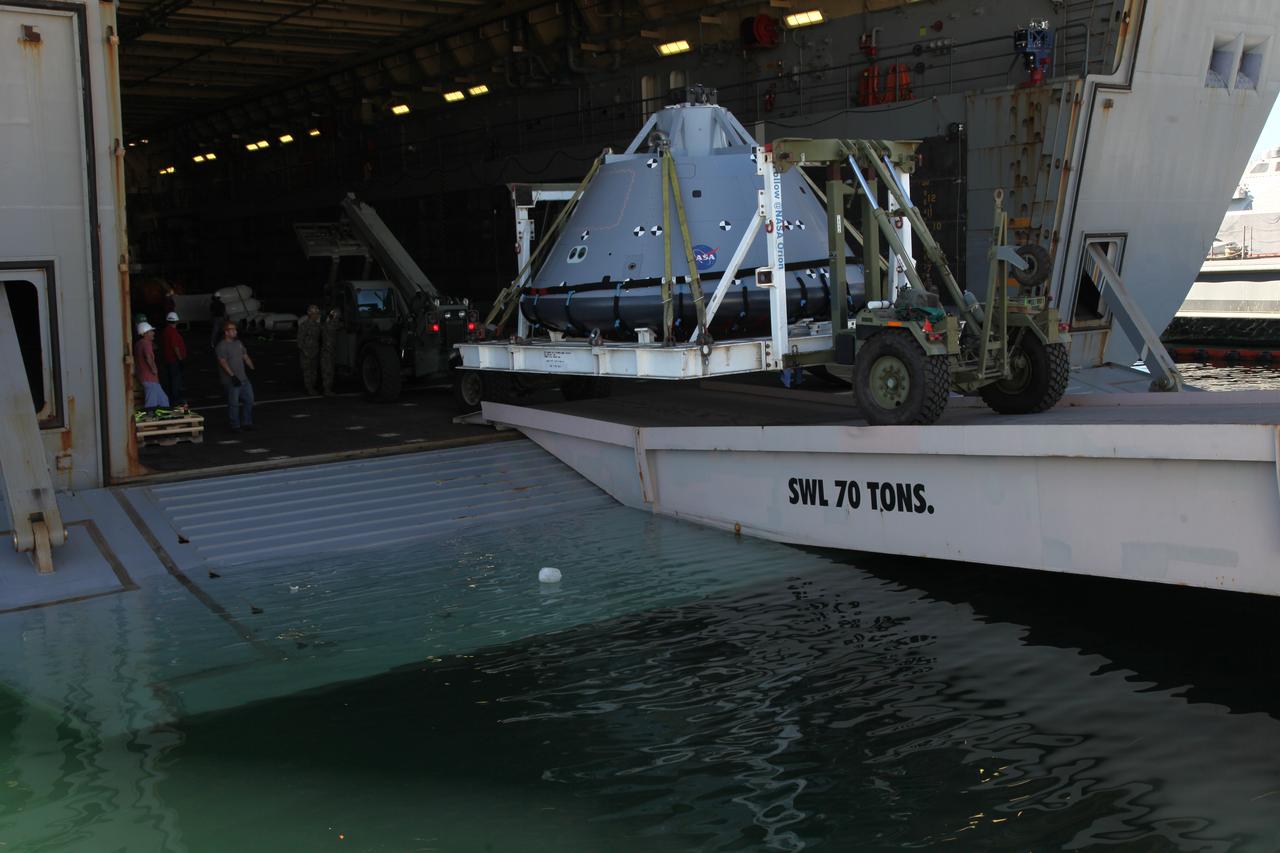
The test version of the Orion crew module is transported into the well deck of the USS San Diego at Naval Base San Diego in California. NASA, Orion manufacturer Lockheed Martin and the U.S. Navy will head out to sea with the Orion test spacecraft aboard for Underway Recovery Test 5 (URT-5) in the Pacific Ocean off the coast of California. During URT-5, the team will demonstrate and evaluate the recovery processes, procedures, hardware and personnel necessary for recovery of Orion on its return from a deep space mission. Orion is the exploration spacecraft designed to carry astronauts to destinations not yet explored by humans, including an asteroid and NASA Journey to Mars. It will have emergency abort capability, sustain the crew during space travel and provide safe re-entry from deep space return velocities. Orion is scheduled to launch atop NASA’s Space Launch System rocket in 2018. For more information, visit http://www.nasa.gov/orion.
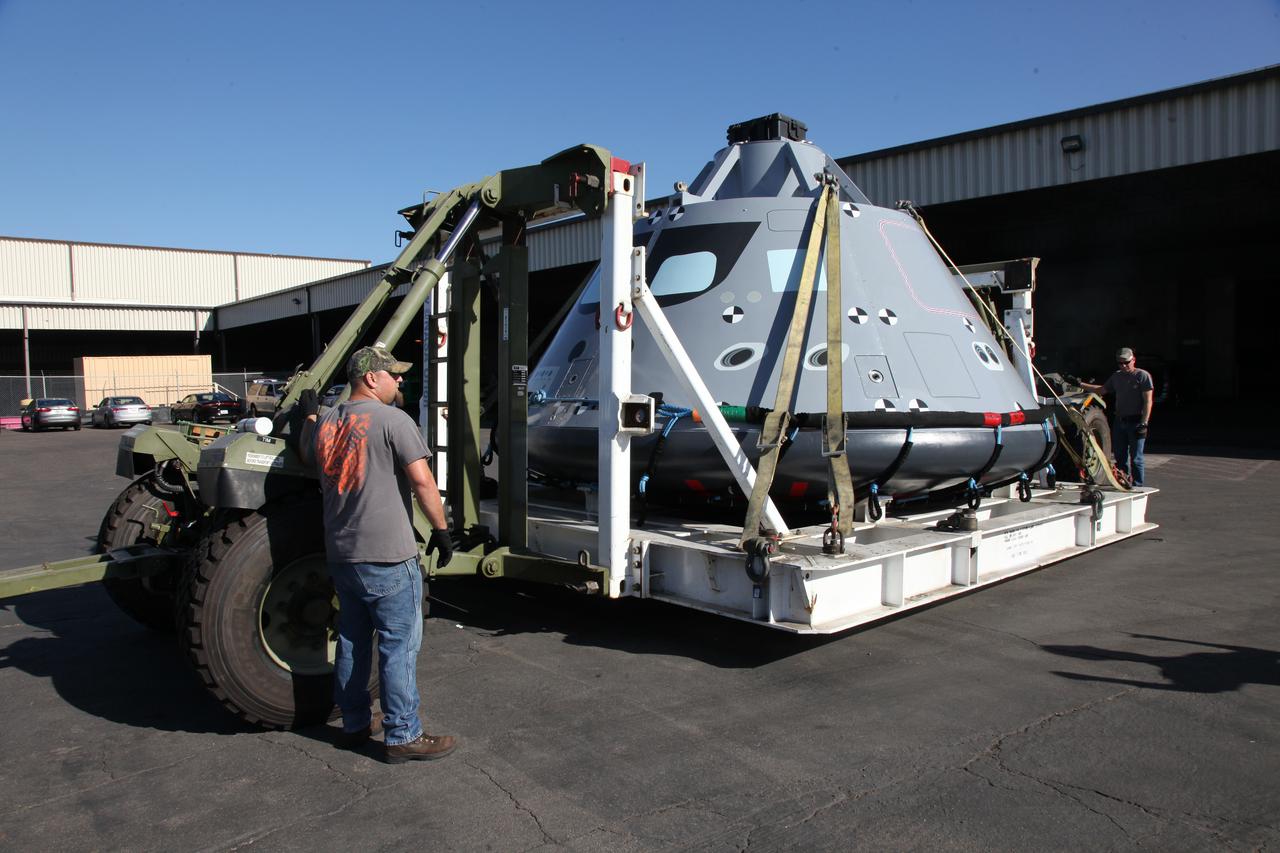
Preparations are underway to transport the test version of the Orion crew module onto the USS San Diego at Naval Base San Diego in California. NASA, Orion manufacturer Lockheed Martin and the U.S. Navy will head out to sea with the Orion test spacecraft aboard for Underway Recovery Test 5 (URT-5) in the Pacific Ocean off the coast of California. During URT-5, the team will demonstrate and evaluate the recovery processes, procedures, hardware and personnel necessary for recovery of Orion on its return from a deep space mission. Orion is the exploration spacecraft designed to carry astronauts to destinations not yet explored by humans, including an asteroid and NASA Journey to Mars. It will have emergency abort capability, sustain the crew during space travel and provide safe re-entry from deep space return velocities. Orion is scheduled to launch atop NASA’s Space Launch System rocket in 2018. For more information, visit http://www.nasa.gov/orion.
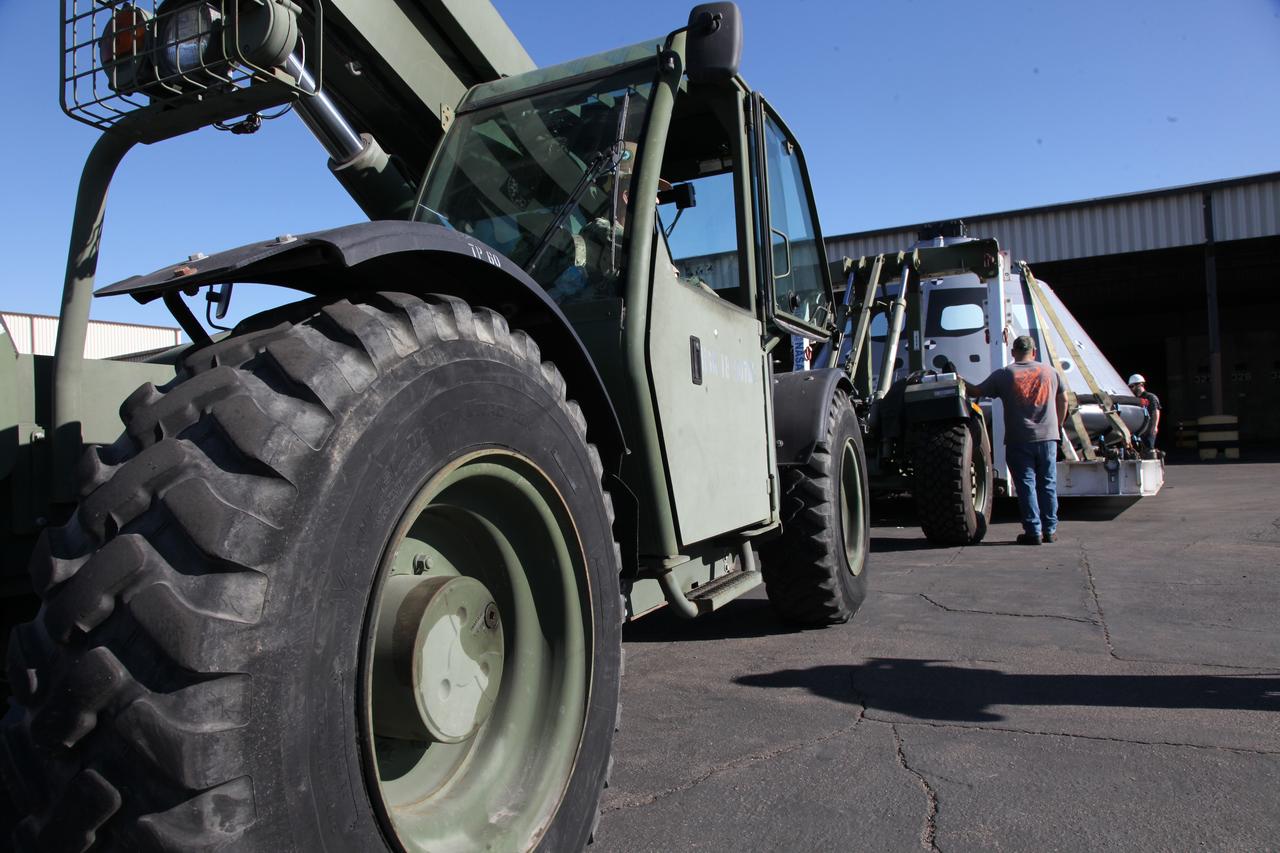
Preparations are underway to transport the test version of the Orion crew module onto the USS San Diego at Naval Base San Diego in California. NASA, Orion manufacturer Lockheed Martin and the U.S. Navy will head out to sea with the Orion test spacecraft aboard for Underway Recovery Test 5 (URT-5) in the Pacific Ocean off the coast of California. During URT-5, the team will demonstrate and evaluate the recovery processes, procedures, hardware and personnel necessary for recovery of Orion on its return from a deep space mission. Orion is the exploration spacecraft designed to carry astronauts to destinations not yet explored by humans, including an asteroid and NASA Journey to Mars. It will have emergency abort capability, sustain the crew during space travel and provide safe re-entry from deep space return velocities. Orion is scheduled to launch atop NASA’s Space Launch System rocket in 2018. For more information, visit http://www.nasa.gov/orion.
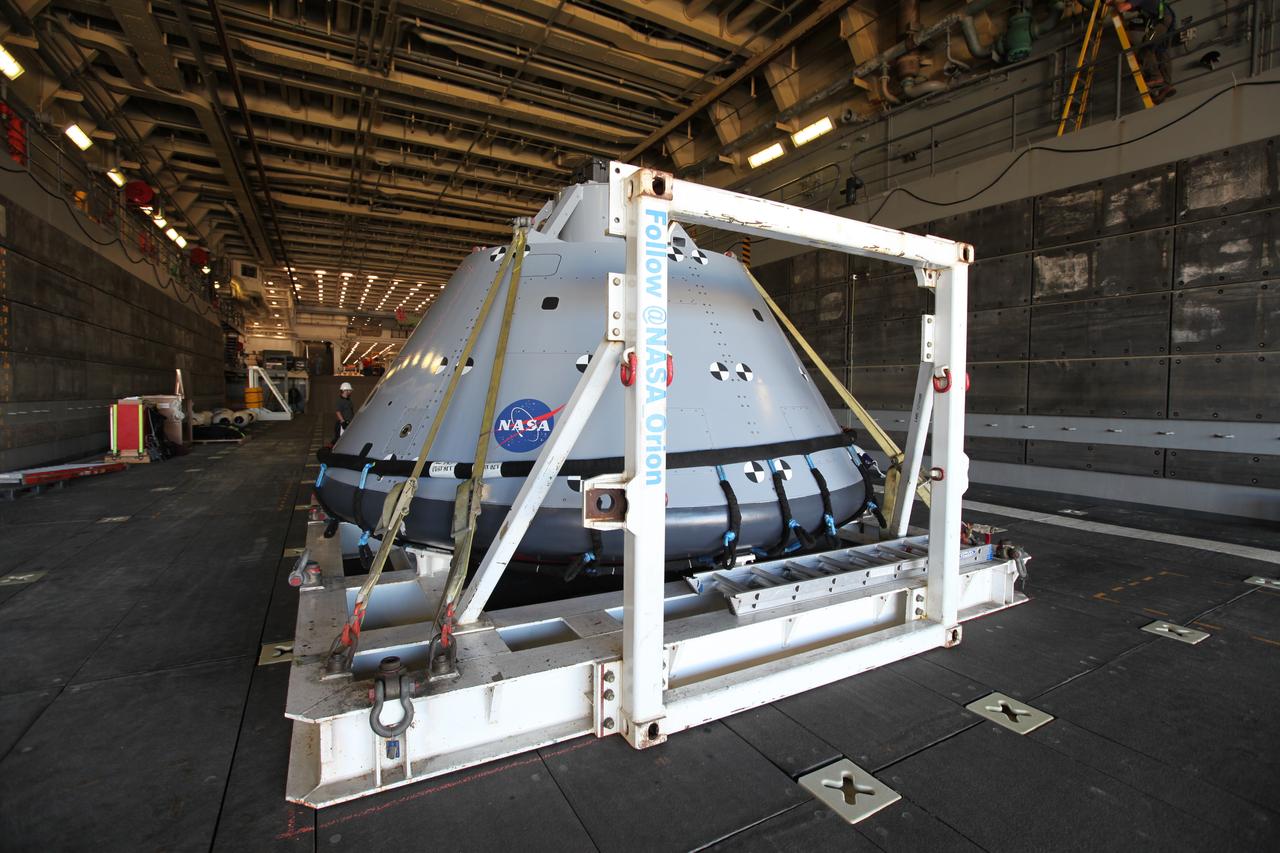
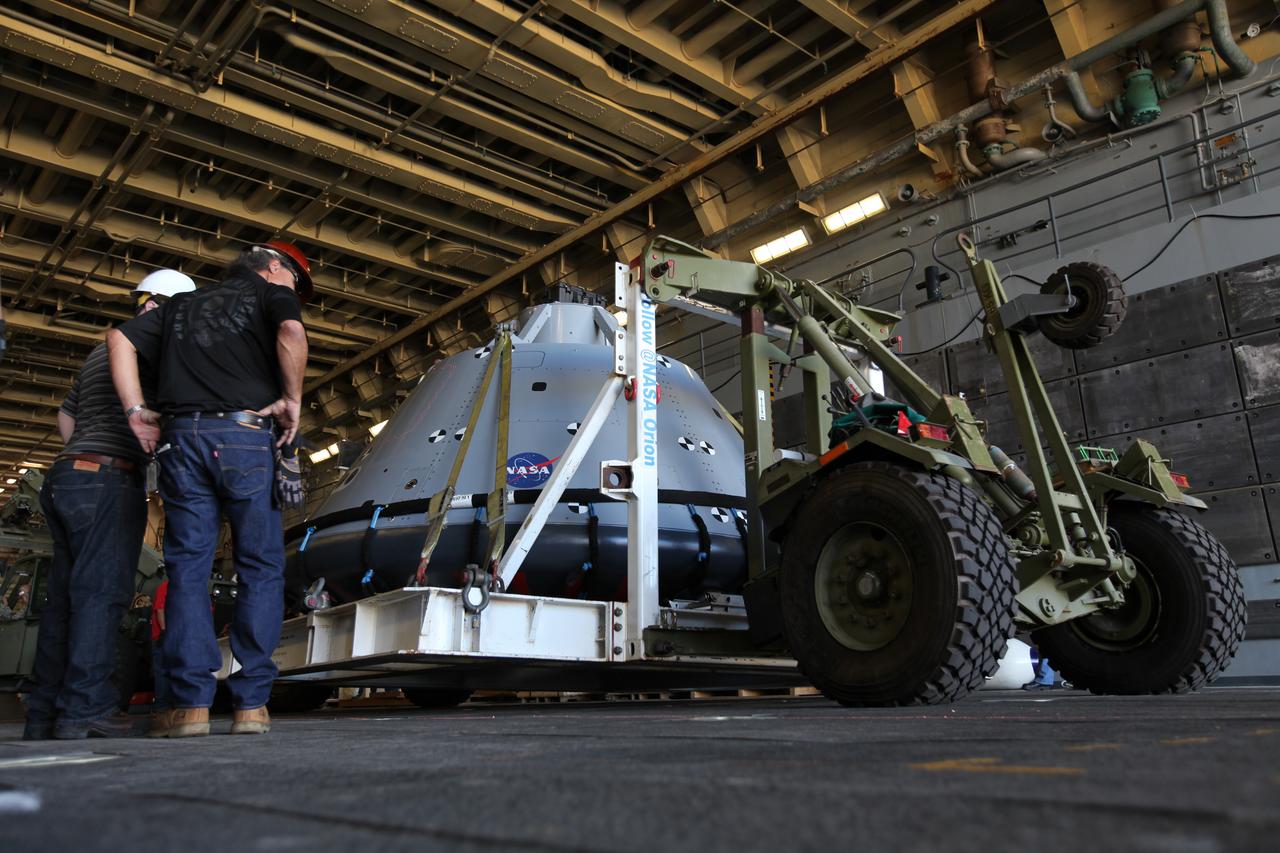
The test version of the Orion crew module is secured on its fixture inside the well deck of the USS San Diego at Naval Base San Diego in California. NASA, Orion manufacturer Lockheed Martin and the U.S. Navy will head out to sea with the Orion test spacecraft aboard for Underway Recovery Test 5 (URT-5) in the Pacific Ocean off the coast of California. During URT-5, the team will demonstrate and evaluate the recovery processes, procedures, hardware and personnel necessary for recovery of Orion on its return from a deep space mission. Orion is the exploration spacecraft designed to carry astronauts to destinations not yet explored by humans, including an asteroid and NASA Journey to Mars. It will have emergency abort capability, sustain the crew during space travel and provide safe re-entry from deep space return velocities. Orion is scheduled to launch atop NASA’s Space Launch System rocket in 2018. For more information, visit http://www.nasa.gov/orion.
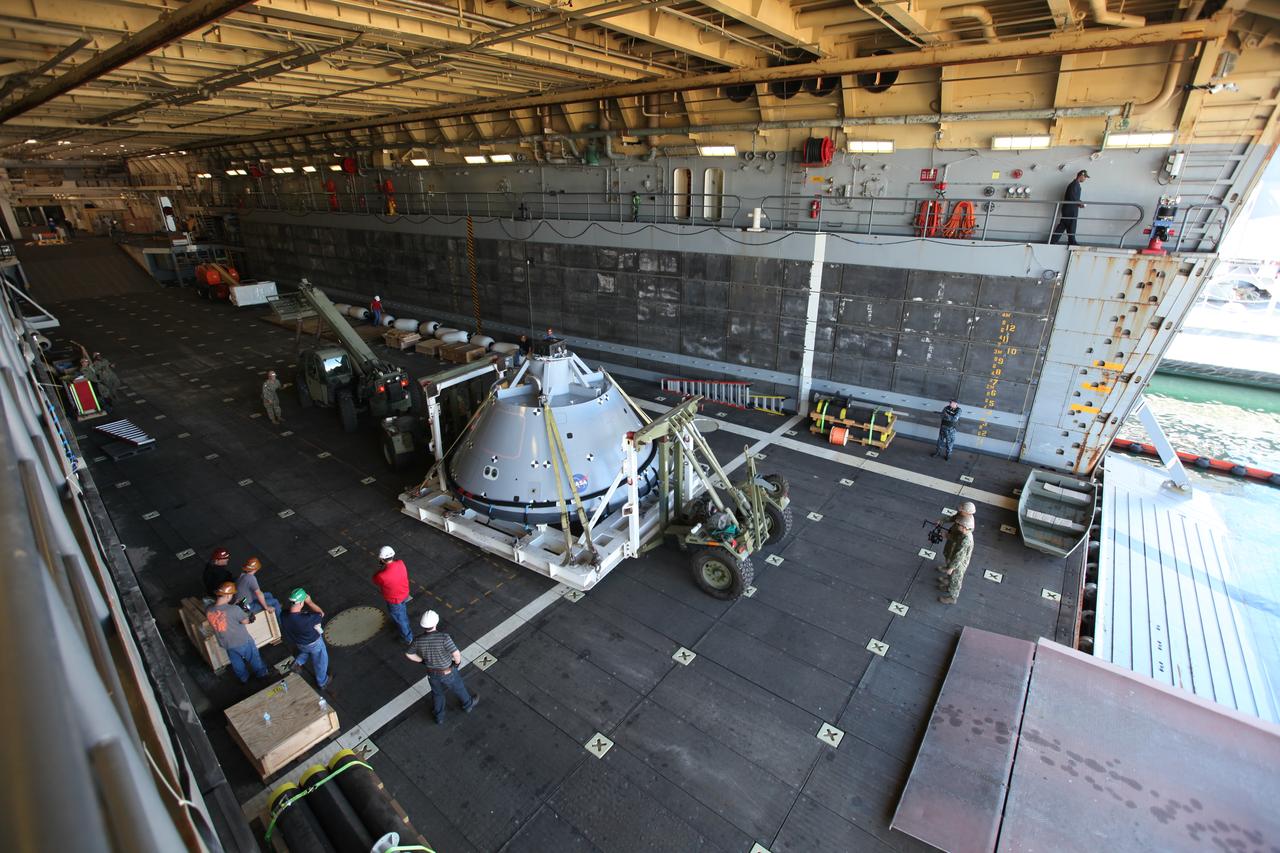
The test version of the Orion crew module has been transported into the well deck of the USS San Diego at Naval Base San Diego in California. NASA, Orion manufacturer Lockheed Martin and the U.S. Navy will head out to sea with the Orion test spacecraft aboard for Underway Recovery Test 5 (URT-5) in the Pacific Ocean off the coast of California. During URT-5, the team will demonstrate and evaluate the recovery processes, procedures, hardware and personnel necessary for recovery of Orion on its return from a deep space mission. Orion is the exploration spacecraft designed to carry astronauts to destinations not yet explored by humans, including an asteroid and NASA Journey to Mars. It will have emergency abort capability, sustain the crew during space travel and provide safe re-entry from deep space return velocities. Orion is scheduled to launch atop NASA’s Space Launch System rocket in 2018. For more information, visit http://www.nasa.gov/orion.
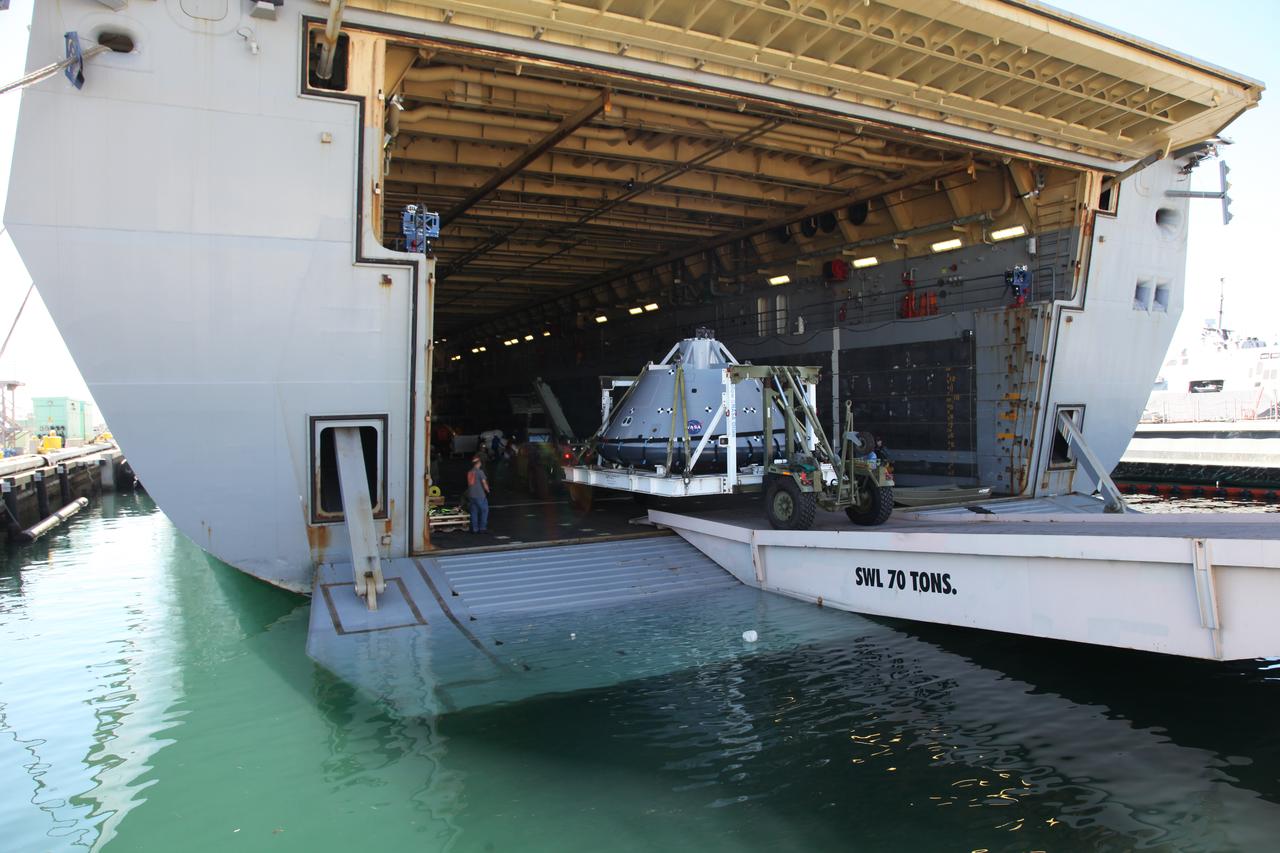
The test version of the Orion crew module is transported into the well deck of the USS San Diego at Naval Base San Diego in California. NASA, Orion manufacturer Lockheed Martin and the U.S. Navy will head out to sea with the Orion test spacecraft aboard for Underway Recovery Test 5 (URT-5) in the Pacific Ocean off the coast of California. During URT-5, the team will demonstrate and evaluate the recovery processes, procedures, hardware and personnel necessary for recovery of Orion on its return from a deep space mission. Orion is the exploration spacecraft designed to carry astronauts to destinations not yet explored by humans, including an asteroid and NASA Journey to Mars. It will have emergency abort capability, sustain the crew during space travel and provide safe re-entry from deep space return velocities. Orion is scheduled to launch atop NASA’s Space Launch System rocket in 2018. For more information, visit http://www.nasa.gov/orion.
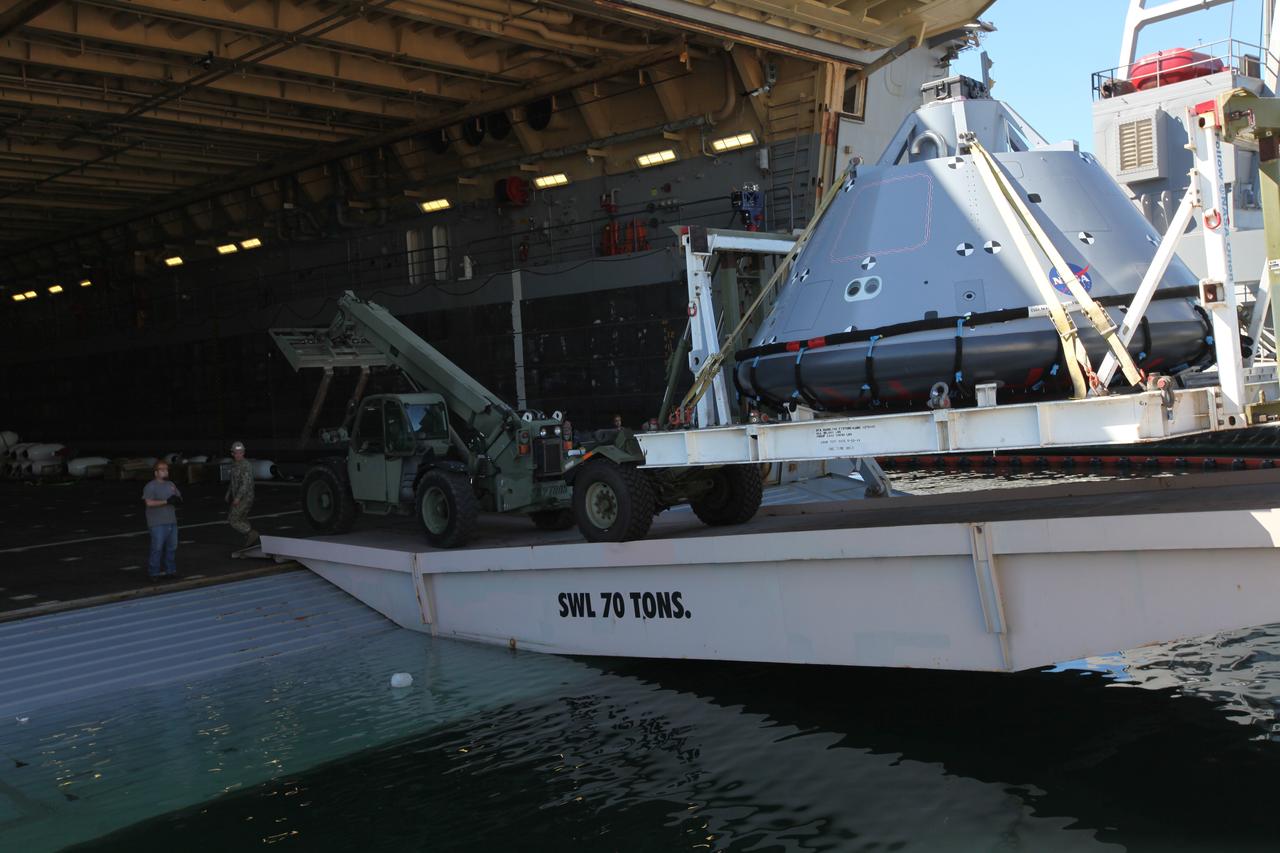
The test version of the Orion crew module is transported into the well deck of the USS San Diego at Naval Base San Diego in California. NASA, Orion manufacturer Lockheed Martin and the U.S. Navy will head out to sea with the Orion test spacecraft aboard for Underway Recovery Test 5 (URT-5) in the Pacific Ocean off the coast of California. During URT-5, the team will demonstrate and evaluate the recovery processes, procedures, hardware and personnel necessary for recovery of Orion on its return from a deep space mission. Orion is the exploration spacecraft designed to carry astronauts to destinations not yet explored by humans, including an asteroid and NASA Journey to Mars. It will have emergency abort capability, sustain the crew during space travel and provide safe re-entry from deep space return velocities. Orion is scheduled to launch atop NASA’s Space Launch System rocket in 2018. For more information, visit http://www.nasa.gov/orion.
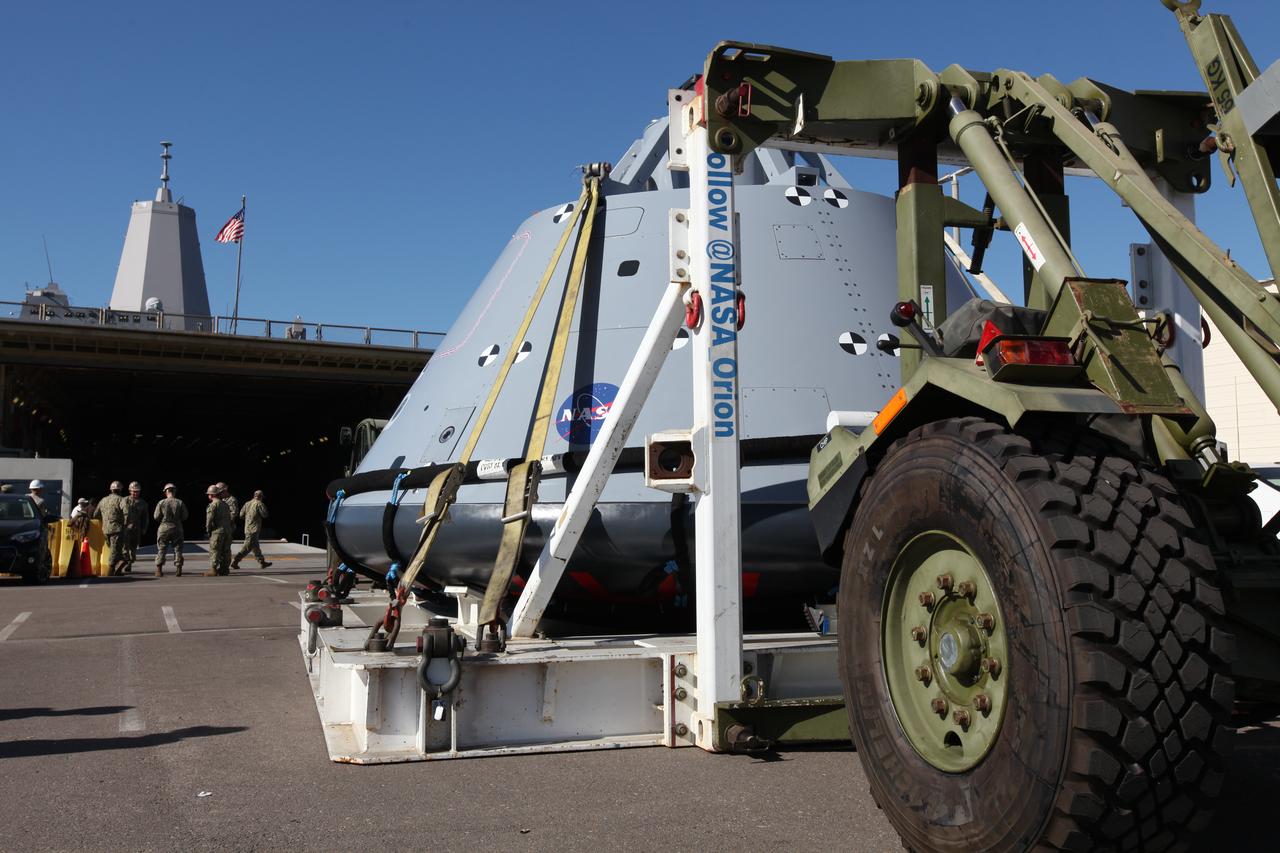
The test version of the Orion crew module is transported to the USS San Diego at Naval Base San Diego in California. NASA, Orion manufacturer Lockheed Martin and the U.S. Navy will head out to sea with the Orion test spacecraft aboard for Underway Recovery Test 5 (URT-5) in the Pacific Ocean off the coast of California. During URT-5, the team will demonstrate and evaluate the recovery processes, procedures, hardware and personnel necessary for recovery of Orion on its return from a deep space mission. Orion is the exploration spacecraft designed to carry astronauts to destinations not yet explored by humans, including an asteroid and NASA Journey to Mars. It will have emergency abort capability, sustain the crew during space travel and provide safe re-entry from deep space return velocities. Orion is scheduled to launch atop NASA’s Space Launch System rocket in 2018. For more information, visit http://www.nasa.gov/orion.
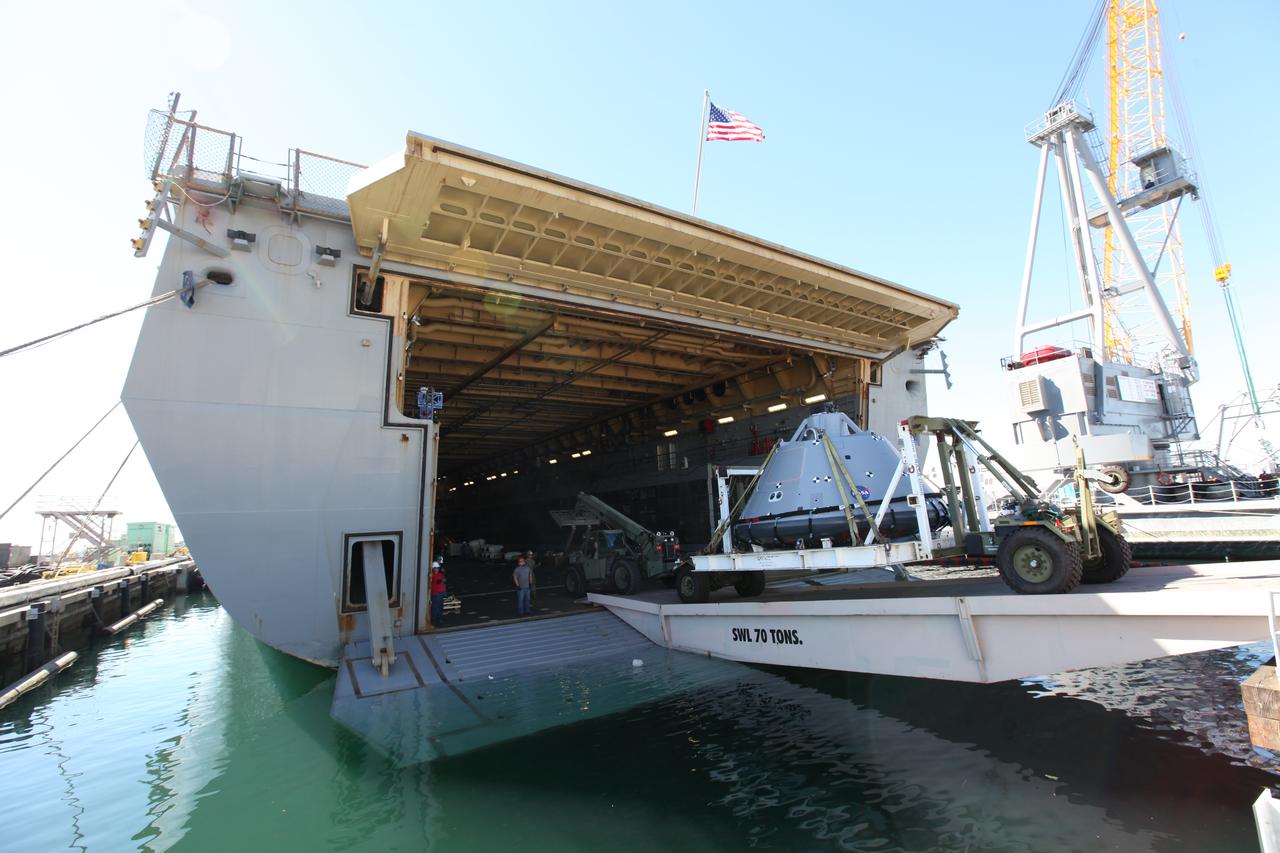
The test version of the Orion crew module is transported into the well deck of the USS San Diego at Naval Base San Diego in California. NASA, Orion manufacturer Lockheed Martin and the U.S. Navy will head out to sea with the Orion test spacecraft aboard for Underway Recovery Test 5 (URT-5) in the Pacific Ocean off the coast of California. During URT-5, the team will demonstrate and evaluate the recovery processes, procedures, hardware and personnel necessary for recovery of Orion on its return from a deep space mission. Orion is the exploration spacecraft designed to carry astronauts to destinations not yet explored by humans, including an asteroid and NASA Journey to Mars. It will have emergency abort capability, sustain the crew during space travel and provide safe re-entry from deep space return velocities. Orion is scheduled to launch atop NASA’s Space Launch System rocket in 2018. For more information, visit http://www.nasa.gov/orion.
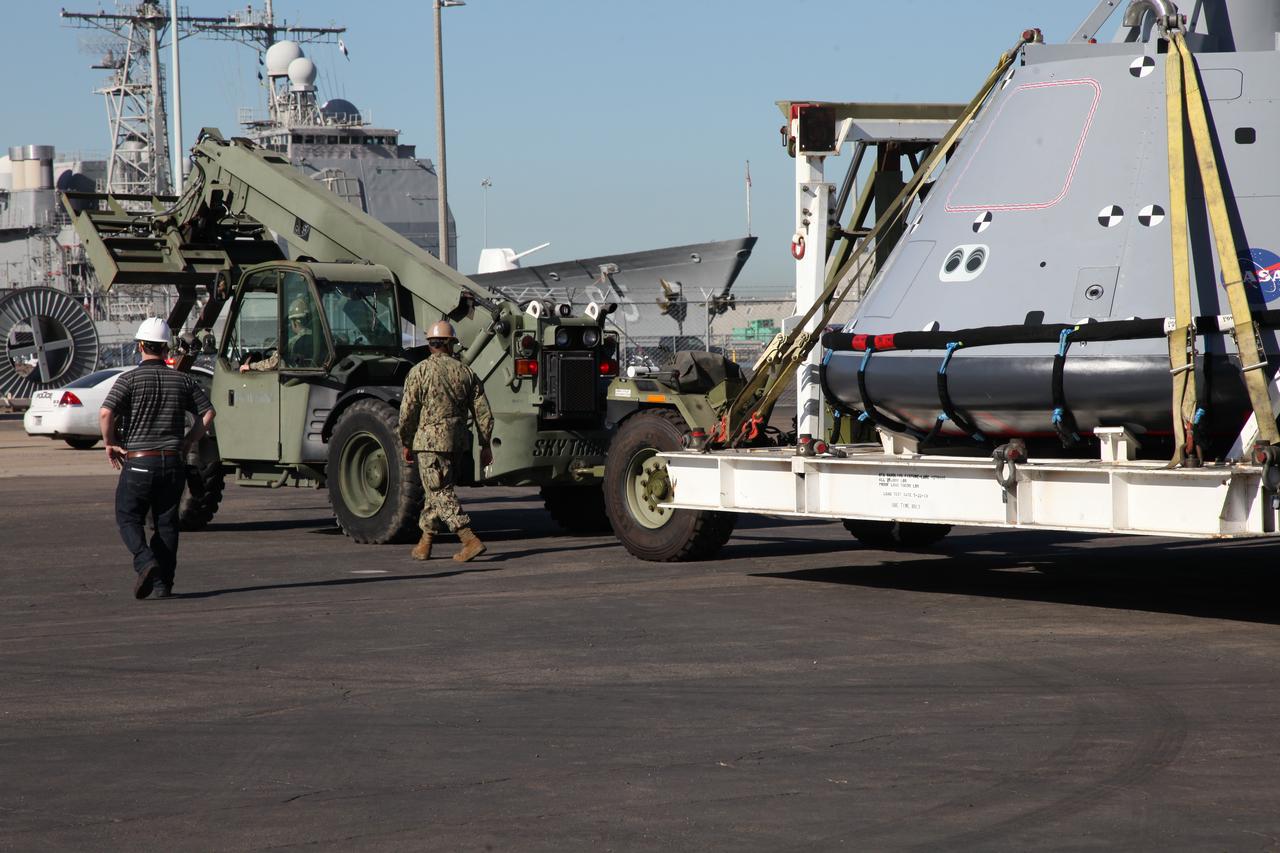
Preparations are underway to transport the test version of the Orion crew module onto the USS San Diego at Naval Base San Diego in California. NASA, Orion manufacturer Lockheed Martin and the U.S. Navy will head out to sea with the Orion test spacecraft aboard for Underway Recovery Test 5 (URT-5) in the Pacific Ocean off the coast of California. During URT-5, the team will demonstrate and evaluate the recovery processes, procedures, hardware and personnel necessary for recovery of Orion on its return from a deep space mission. Orion is the exploration spacecraft designed to carry astronauts to destinations not yet explored by humans, including an asteroid and NASA Journey to Mars. It will have emergency abort capability, sustain the crew during space travel and provide safe re-entry from deep space return velocities. Orion is scheduled to launch atop NASA’s Space Launch System rocket in 2018. For more information, visit http://www.nasa.gov/orion.
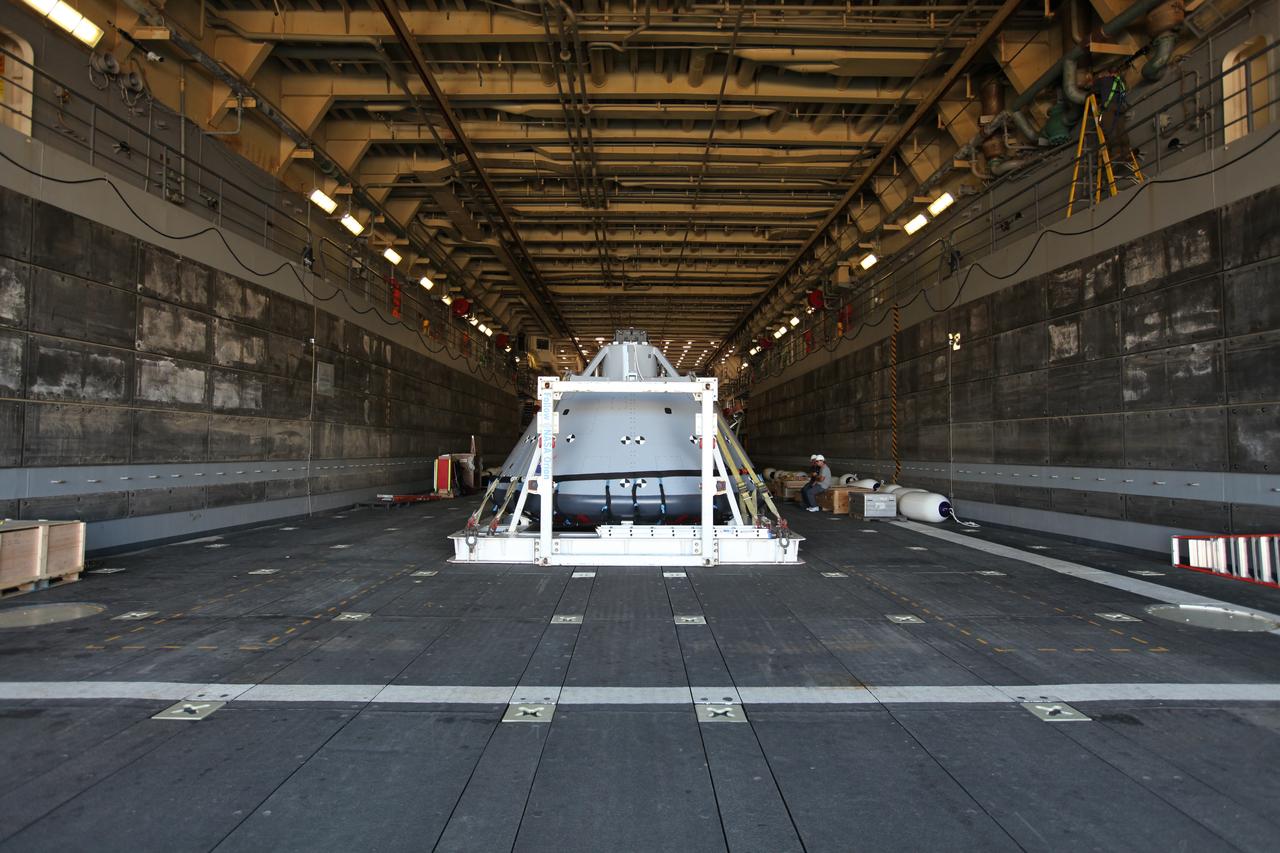
The test version of the Orion crew module is secured on its fixture inside the well deck of the USS San Diego at Naval Base San Diego in California. NASA, Orion manufacturer Lockheed Martin and the U.S. Navy will head out to sea with the Orion test spacecraft aboard for Underway Recovery Test 5 (URT-5) in the Pacific Ocean off the coast of California. During URT-5, the team will demonstrate and evaluate the recovery processes, procedures, hardware and personnel necessary for recovery of Orion on its return from a deep space mission. Orion is the exploration spacecraft designed to carry astronauts to destinations not yet explored by humans, including an asteroid and NASA Journey to Mars. It will have emergency abort capability, sustain the crew during space travel and provide safe re-entry from deep space return velocities. Orion is scheduled to launch atop NASA’s Space Launch System rocket in 2018. For more information, visit http://www.nasa.gov/orion.
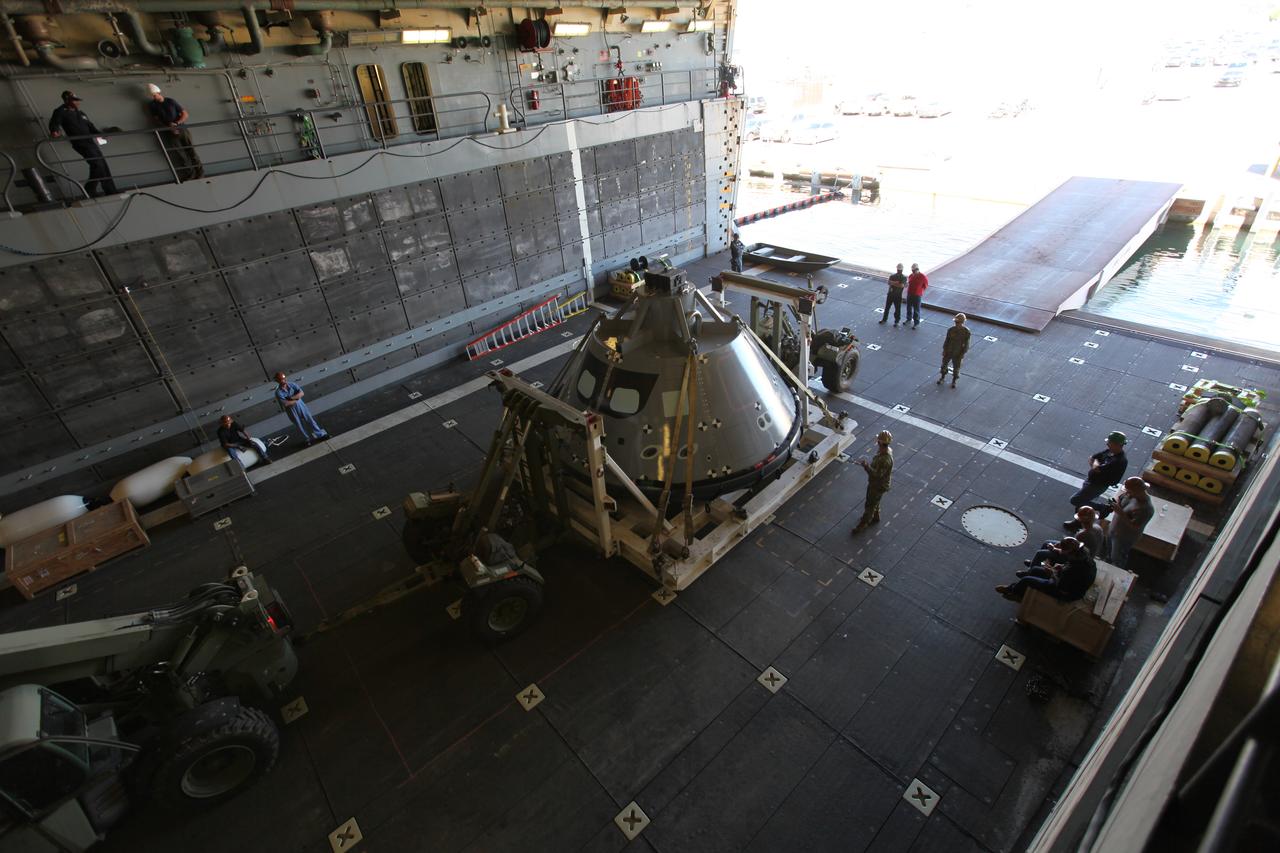
The test version of the Orion crew module has been transported into the well deck of the USS San Diego at Naval Base San Diego in California. NASA, Orion manufacturer Lockheed Martin and the U.S. Navy will head out to sea with the Orion test spacecraft aboard for Underway Recovery Test 5 (URT-5) in the Pacific Ocean off the coast of California. During URT-5, the team will demonstrate and evaluate the recovery processes, procedures, hardware and personnel necessary for recovery of Orion on its return from a deep space mission. Orion is the exploration spacecraft designed to carry astronauts to destinations not yet explored by humans, including an asteroid and NASA Journey to Mars. It will have emergency abort capability, sustain the crew during space travel and provide safe re-entry from deep space return velocities. Orion is scheduled to launch atop NASA’s Space Launch System rocket in 2018. For more information, visit http://www.nasa.gov/orion.
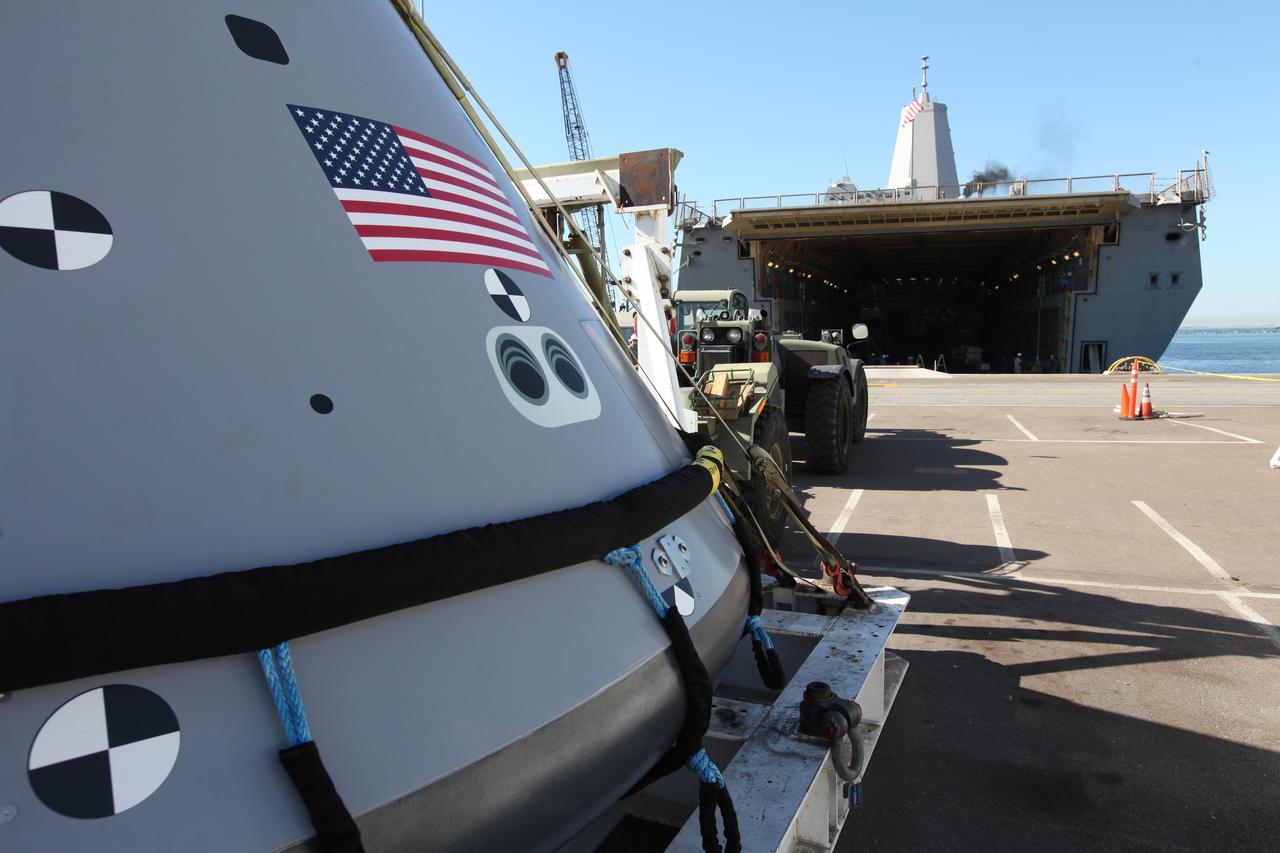
The test version of the Orion crew module is transported to the USS San Diego at Naval Base San Diego in California. NASA, Orion manufacturer Lockheed Martin and the U.S. Navy will head out to sea with the Orion test spacecraft aboard for Underway Recovery Test 5 (URT-5) in the Pacific Ocean off the coast of California. During URT-5, the team will demonstrate and evaluate the recovery processes, procedures, hardware and personnel necessary for recovery of Orion on its return from a deep space mission. Orion is the exploration spacecraft designed to carry astronauts to destinations not yet explored by humans, including an asteroid and NASA Journey to Mars. It will have emergency abort capability, sustain the crew during space travel and provide safe re-entry from deep space return velocities. Orion is scheduled to launch atop NASA’s Space Launch System rocket in 2018. For more information, visit http://www.nasa.gov/orion.
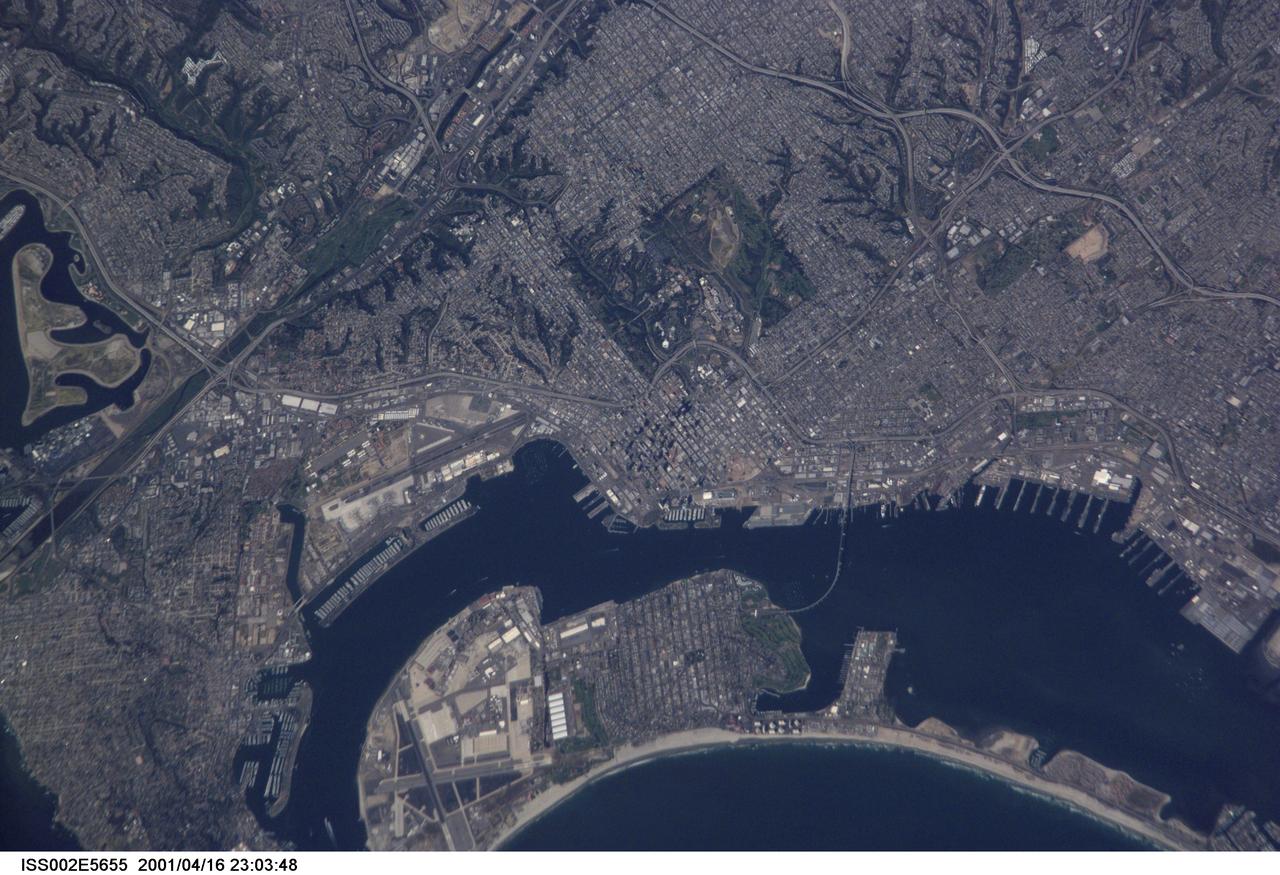
ISS002-E-5655 (16 April 2001) --- A detailed vertical view of San Diego, California, was provided by a digital still camera by the Expedition Two crew onboard the International Space Station (ISS).
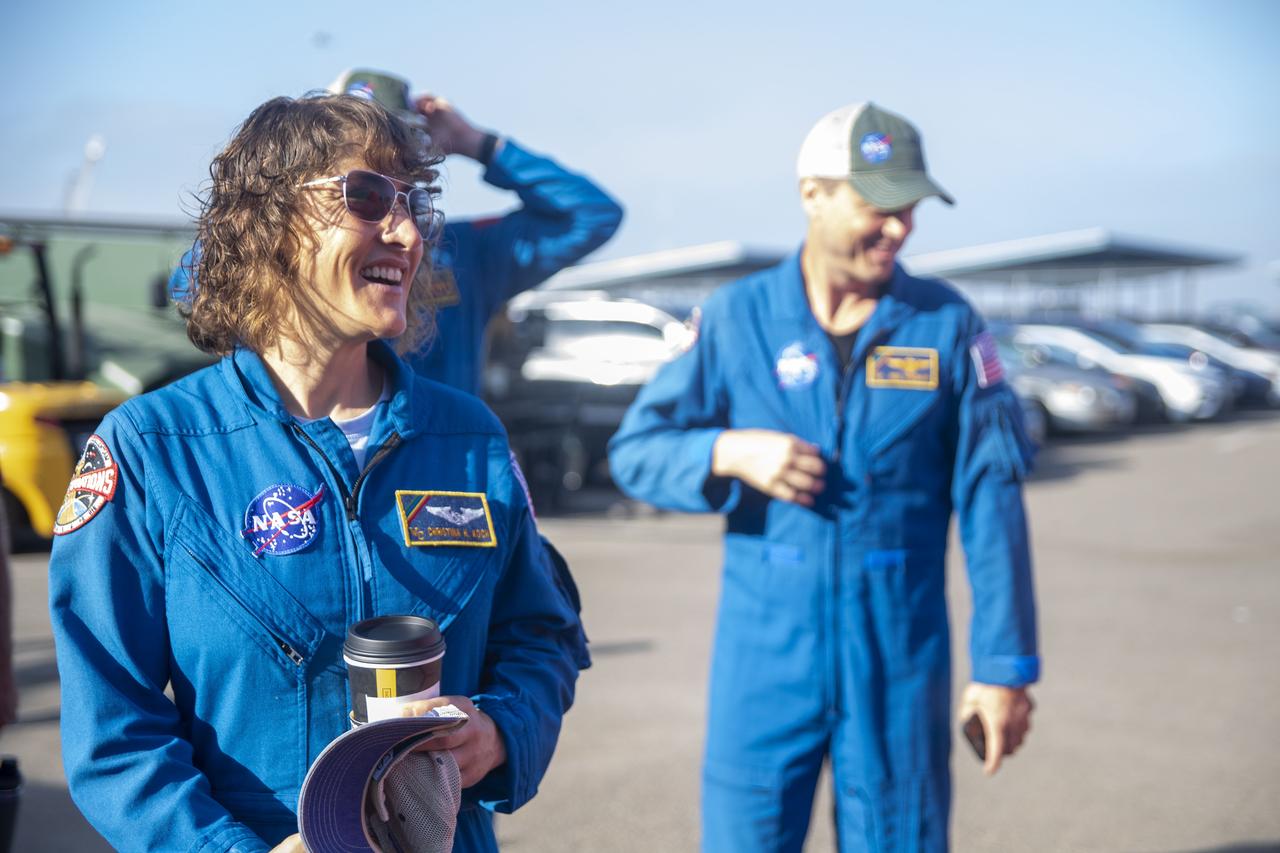
NASA’s Artemis II astronauts tour the U.S. Navy’s Defense Distribution Depot Center in San Diego, California, on July 19, 2023. The depot is currently being used by NASA to house the Vehicle Advanced Demonstrator for Emergency Recovery (VADER), a replica of the Orion crew module. In preparation for the agency’s Artemis II crewed mission, NASA and the U.S. Navy will conduct a series of tests to demonstrate and evaluate the processes, procedures, and hardware used in Orion recovery operations for crewed lunar missions. NASA astronauts Commander Reid Wiseman, Pilot Victor Glover, and Mission Specialist Christina Koch, and Canadian Space Agency astronaut Jeremy Hansen will venture around the Moon on Artemis II. The approximately 10-day flight will test NASA's foundational human deep space exploration capabilities, the Space Launch System rocket and Orion spacecraft, for the first time with astronauts and will pave the way to establishing a long-term presence at the Moon for science and exploration through Artemis.
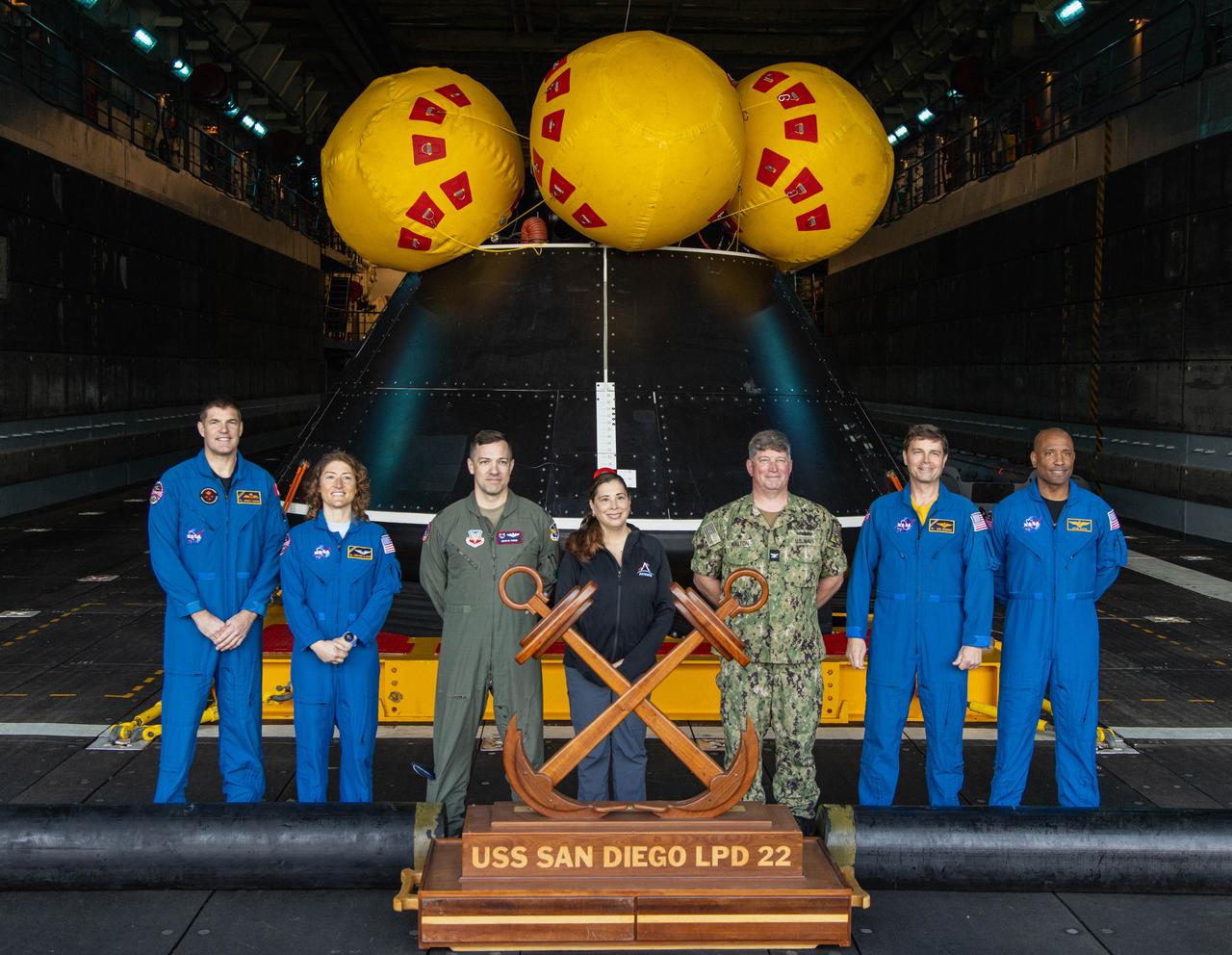
NASA’s Artemis II crew member from right to left, CSA (Canadian Space Agency) astronaut Jeremy Hansen, NASA astronaut Christina Koch, NASA’s Exploration Ground System’s Landing and Recovery team, partners from the Department of Defense, and NASA astronauts Reid Wiseman, and Victor Glover, pose for a photo near a mockup Orion spacecraft in San Diego, California on Wednesday, Feb. 28, 2024, as part of the Underway Recovery Test (URT-11). URT-11, aboard the USS San Diego, is the eleventh in a series of Artemis recovery tests, and the first time NASA and its partners put their Artemis II recovery procedures in place involving the astronauts.
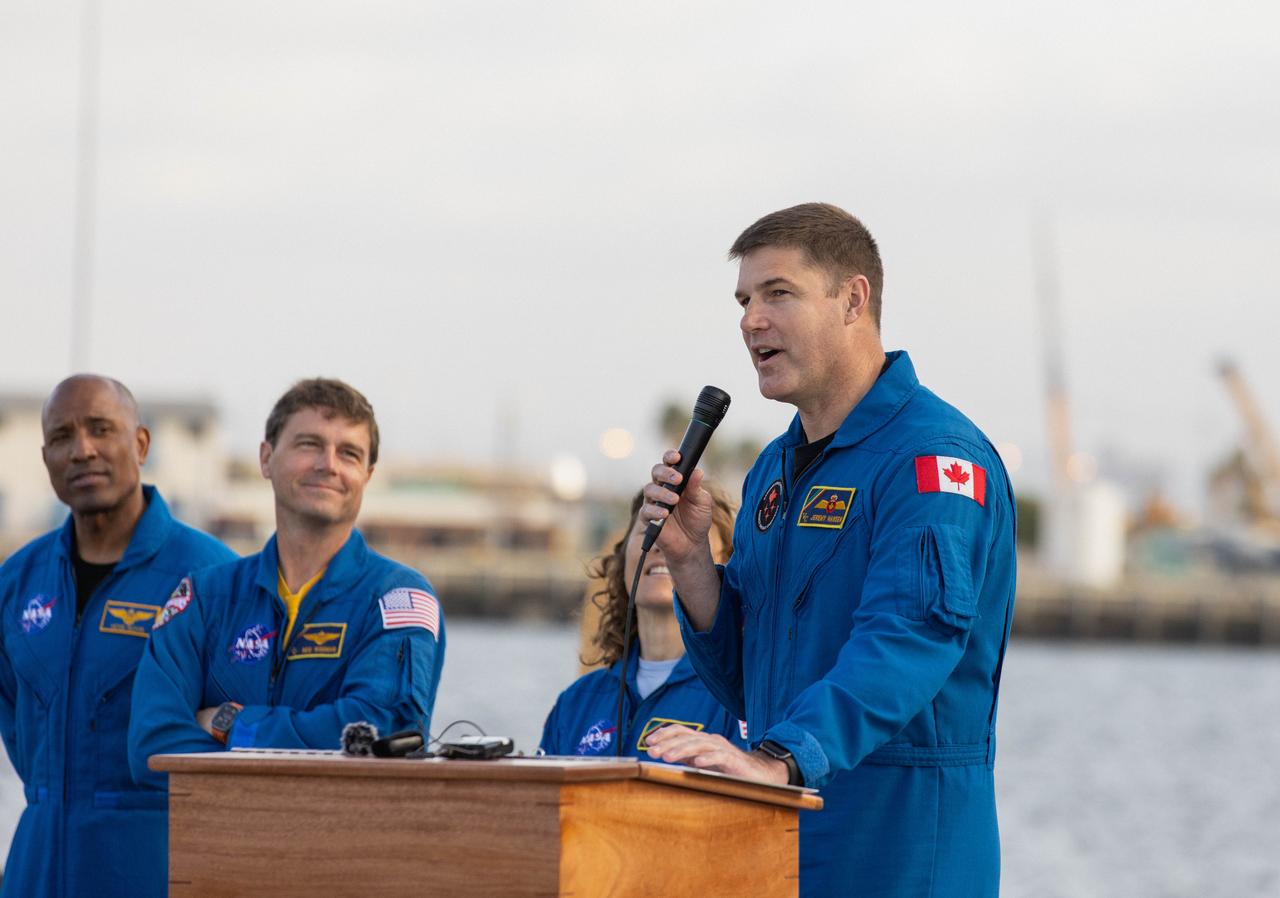
NASA’s Artemis II crew member CSA (Canadian Space Agency) astronaut Jeremy Hansen along with NASA astronauts from right to left, Victor Glover, Reid Wiseman, and Christina Koch discuss the Underway Recovery Test (URT-11) during a news conference held in San Diego, California on Wednesday, Feb. 28, 2024. URT-11 performed by NASA’s Exploration Ground System’s Landing and Recovery team, partners from the Department of Defense, and U.S. Navy personnel aboard the USS San Diego is the eleventh in a series of Artemis recovery tests, and the first the Artemis II recovery procedures involved the astronauts.
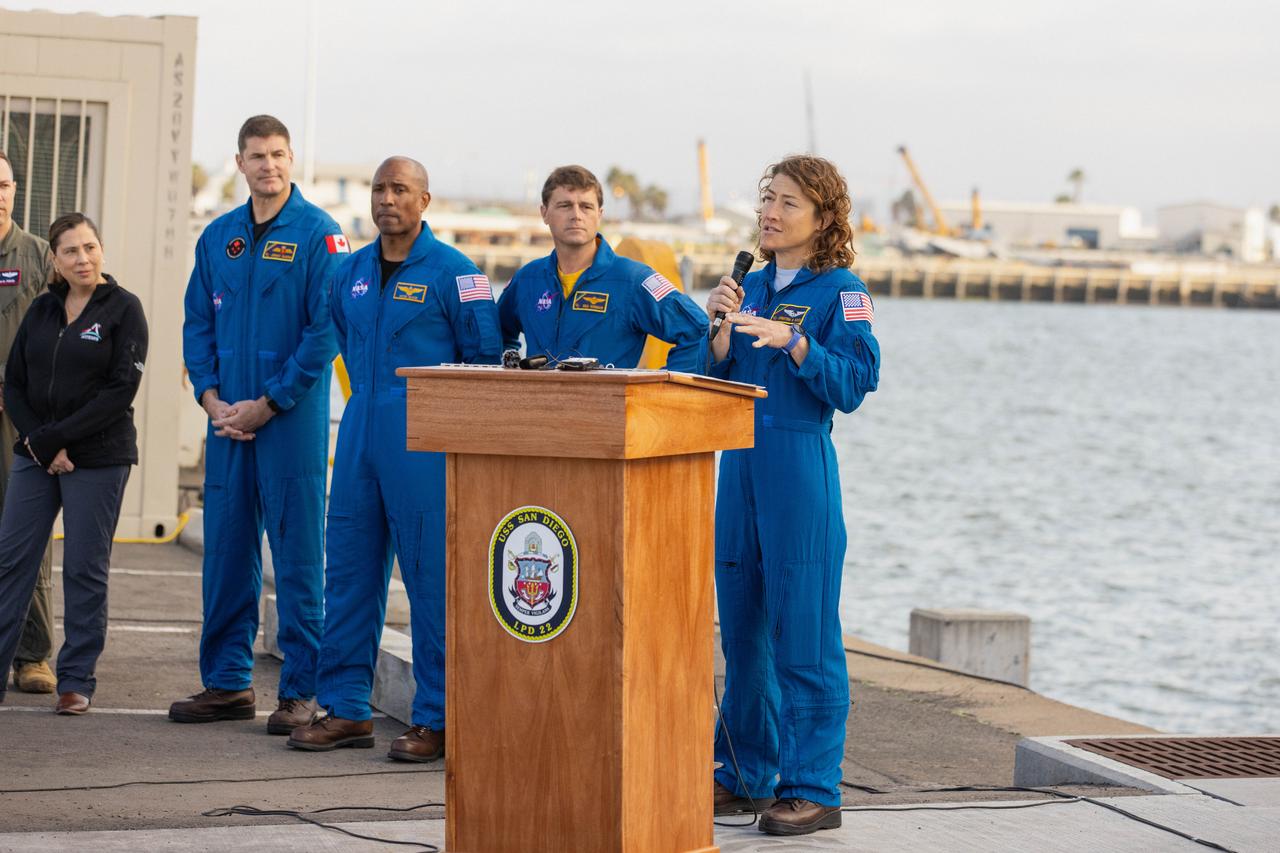
NASA’s Artemis II crew member NASA astronaut Christina Koch, from left to right is joined by, CSA (Canadian Space Agency) astronaut Jeremy Hansen, NASA astronauts Victor Glover and Reid Wiseman to discuss the Underway Recovery Test (URT-11) during a news conference held in San Diego, California on Wednesday, Feb. 28, 2024. URT-11 performed by NASA’s Exploration Ground System’s Landing and Recovery team, partners from the Department of Defense, and U.S. Navy personnel aboard the USS San Diego is the eleventh in a series of Artemis recovery tests, and the first the Artemis II recovery procedures involved the astronauts.
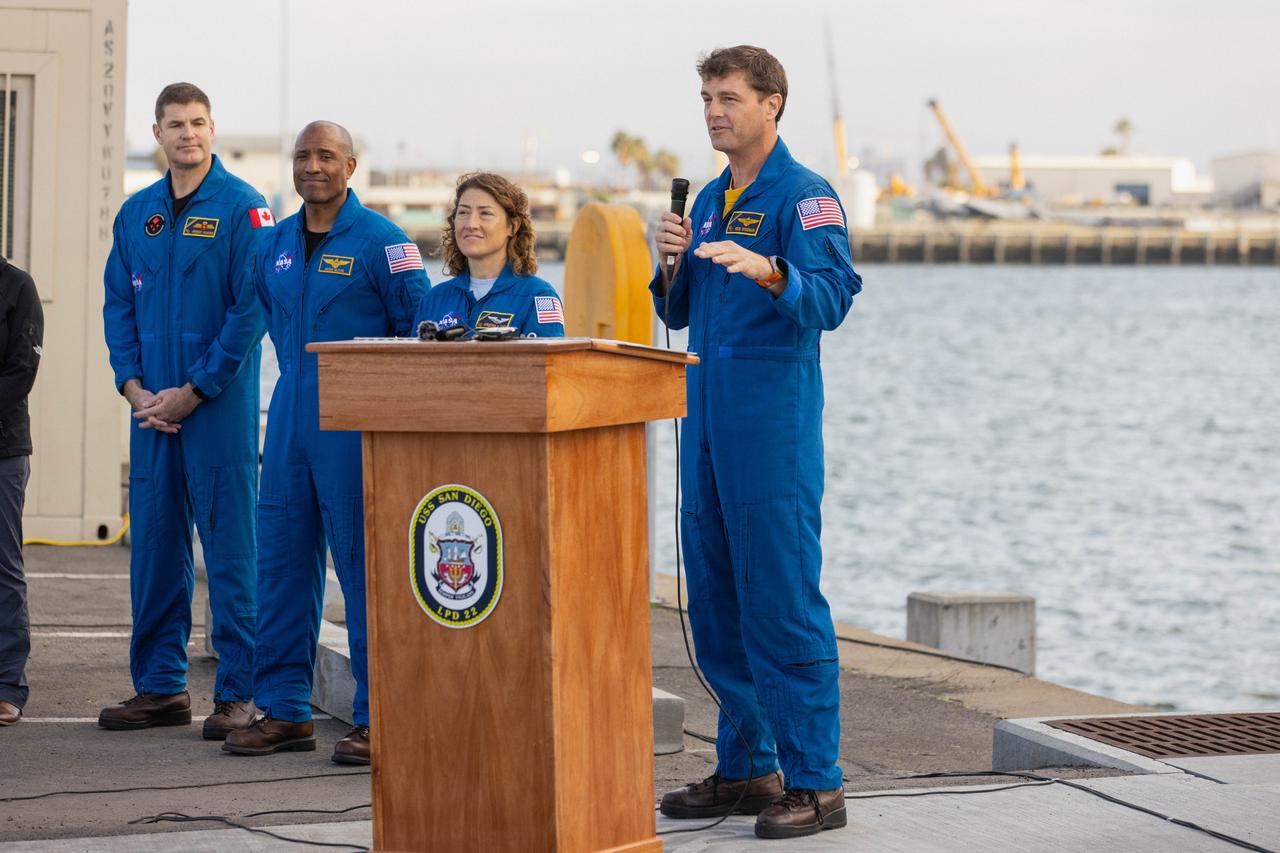
NASA’s Artemis II crew member NASA astronaut Reid Wiseman, from left to right is joined by, CSA (Canadian Space Agency) astronaut Jeremy Hansen, NASA astronauts Victor Glover and Christina Koch to discuss the Underway Recovery Test (URT-11) during a news conference held in San Diego, California on Wednesday, Feb. 28, 2024. NASA’s Exploration Ground System’s Landing and Recovery team, partners from the Department of Defense, and U.S. Navy personnel aboard the USS San Diego is the eleventh in a series of Artemis recovery tests, and the first the Artemis II recovery procedures involved the astronauts.
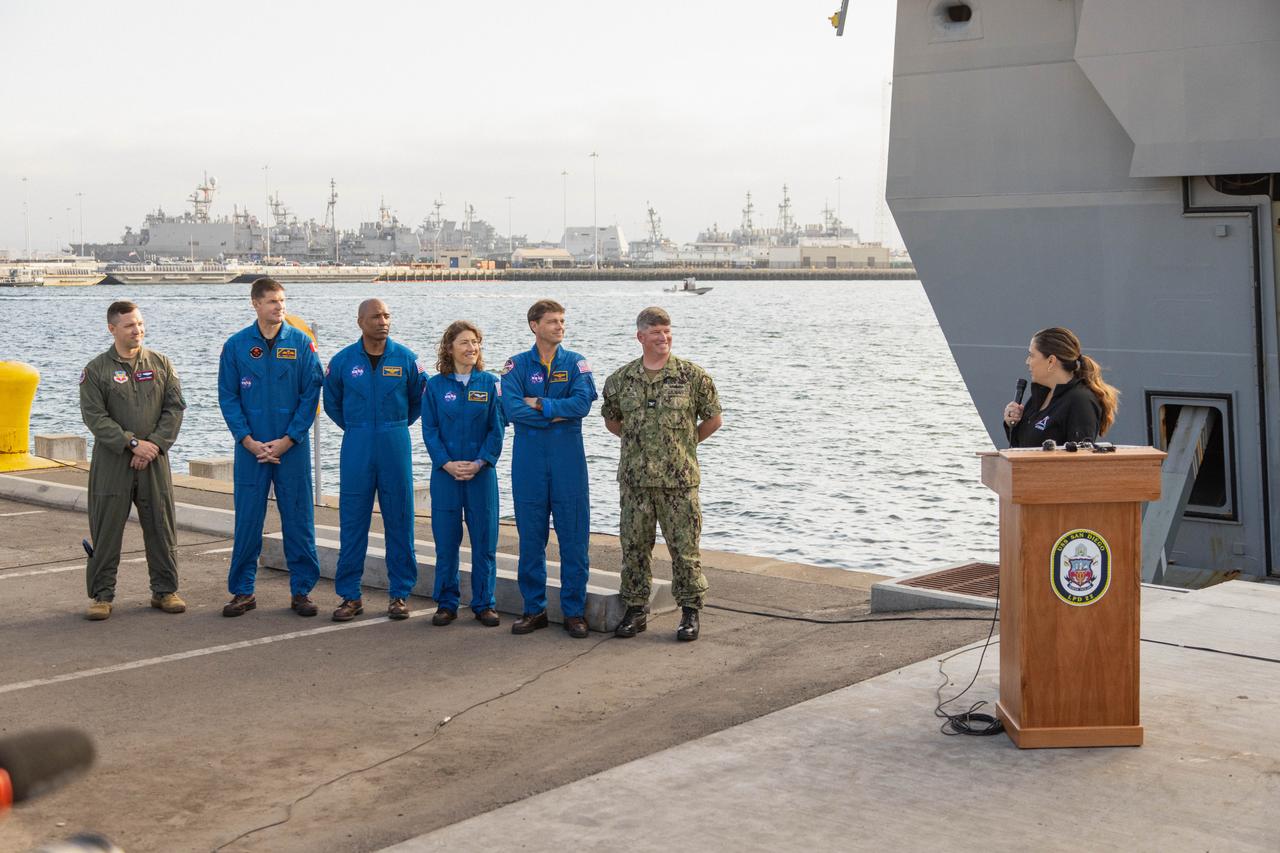
NASA’s Artemis II crew members, from left to right, CSA (Canadian Space Agency) astronaut Jeremy Hansen, NASA astronauts Victor Glover, Christina Koch, and Reid Wiseman, along with partners from the Department of Defense, and U.S. Navy personnel smile during a news conference held in San Diego, California on Wednesday, Feb. 28, 2024, to discuss the Underway Recovery Test (URT-11) aboard the USS San Diego. URT-11 is the eleventh in a series of Artemis recovery tests, and the first time NASA and its partners put their Artemis II recovery procedures in place with the astronauts.
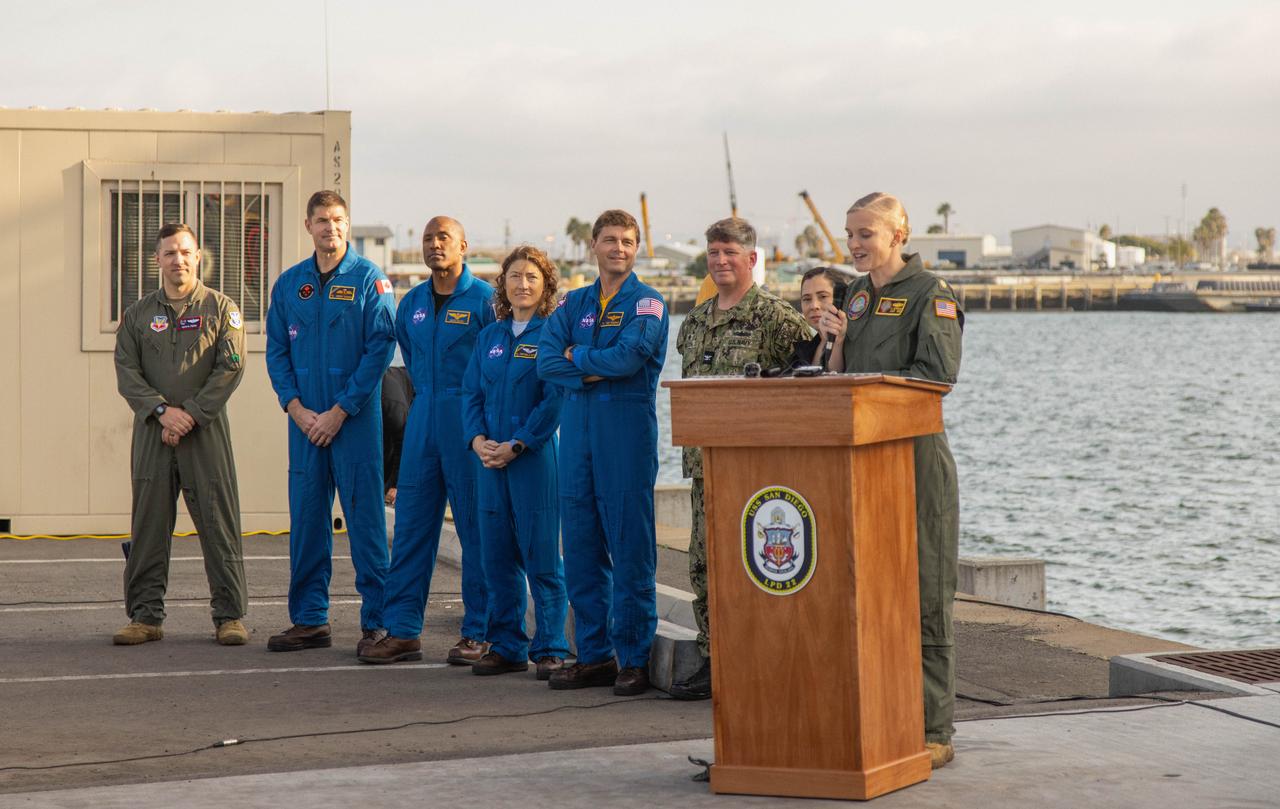
NASA’s Artemis II crew members from left to right, CSA (Canadian Space Agency) astronaut Jeremy Hansen, NASA astronauts Victor Glover, Christina Koch, and Reid Wiseman, and partners from the Department of Defense hold a news conference to discuss practice recovery procedures following the Underway Recovery Test 11 (URT-11) off the coast of San Diego, California on Wednesday, Feb. 28, 2024. URT-11 performed by NASA’s Exploration Ground System’s Landing and Recovery team, partners from the Department of Defense, and U.S. Navy personnel aboard the USS San Diego is the eleventh in a series of Artemis recovery tests, and the first the Artemis II recovery procedures involved the astronauts.
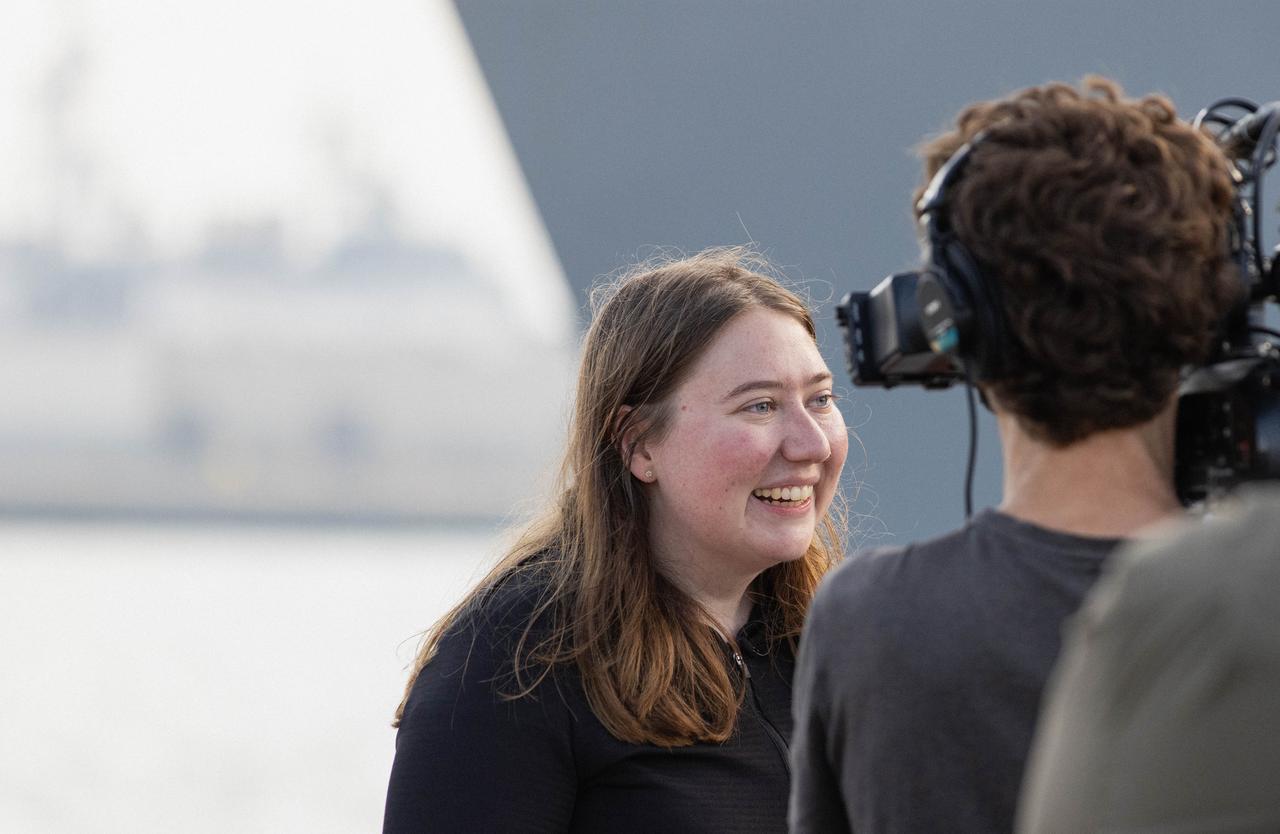
NASA’s Artemis program public affairs specialist Madison Tuttle speaks during a news conference about the practice recovery procedures performed by NASA’s Exploration Ground System’s Landing and Recovery team, partners from the Department of Defense, and U.S. Navy personnel during Underway Recovery Test 11 (URT-11) aboard the USS San Diego on Wednesday, Feb. 28, 2024. URT-11 performed by NASA’s Exploration Ground System’s Landing and Recovery team, partners from the Department of Defense, and U.S. Navy personnel aboard the USS San Diego is the eleventh in a series of Artemis recovery tests, and the first the Artemis II recovery procedures involved the astronauts.
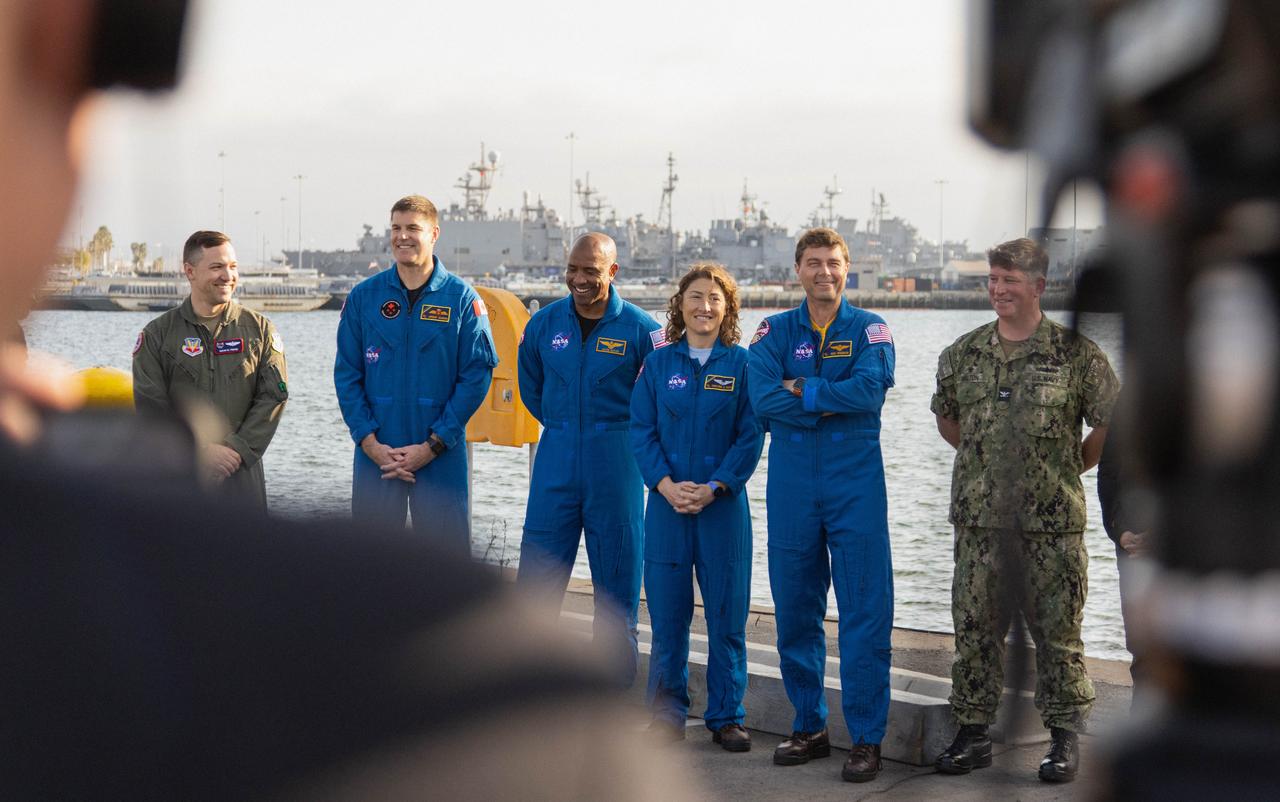
NASA’s Artemis II crew members, from left to right, CSA (Canadian Space Agency) astronaut Jeremy Hansen, NASA astronauts Victor Glover, Christina Koch, and Reid Wiseman smile during a news conference to discuss the practice recovery procedures following the Underway Recovery Test (URT-11) aboard the USS San Diego on Wednesday, Feb. 28, 2024. URT-11 performed by NASA’s Exploration Ground System’s Landing and Recovery team, partners from the Department of Defense, and U.S. Navy personnel aboard the USS San Diego is the eleventh in a series of Artemis recovery tests, and the first the Artemis II recovery procedures involved the astronauts.
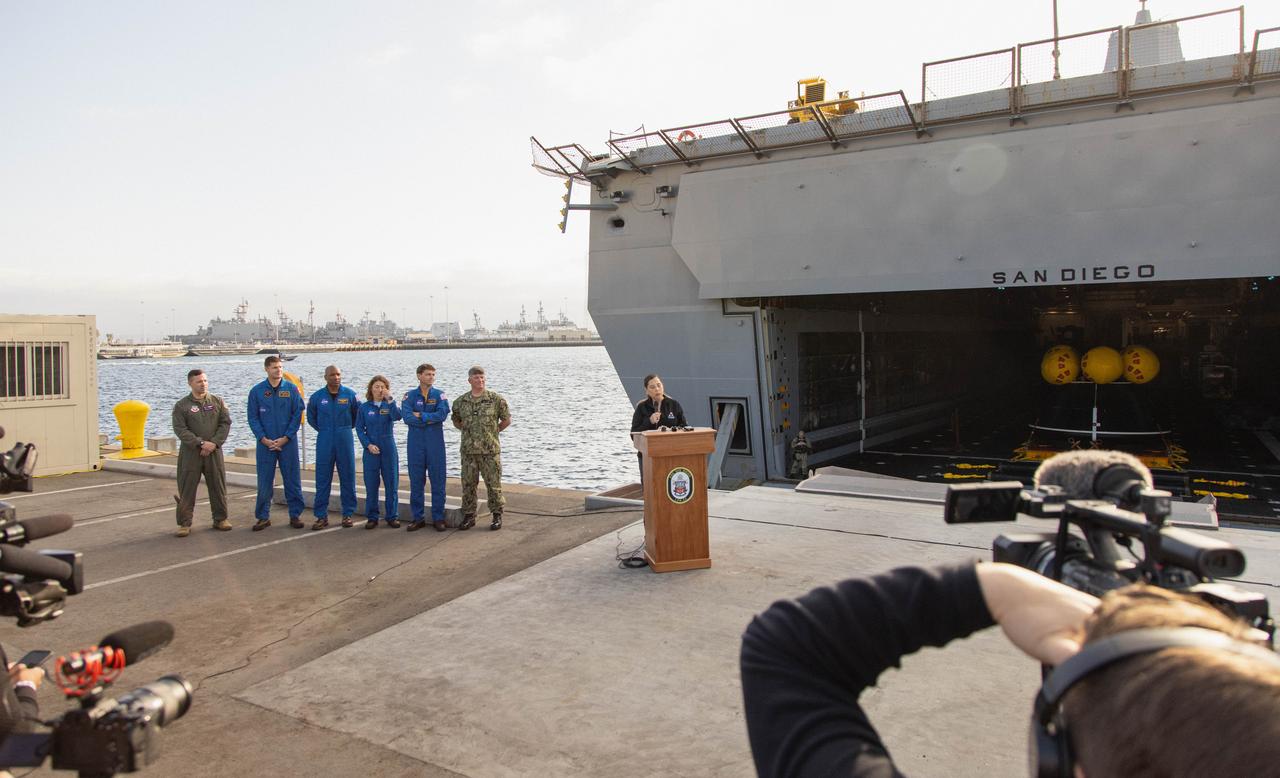
NASA’s Artemis II crew members, from left to right, CSA (Canadian Space Agency) astronaut Jeremy Hansen, NASA astronauts Victor Glover, Christina Koch, and Reid Wiseman, along with partners from the Department of Defense, and U.S. Navy personnel participate in a news conference held in San Diego, California on Wednesday, Feb. 28, 2024, to discuss the Underway Recovery Test (URT-11) aboard the USS San Diego. URT-11 is the eleventh in a series of Artemis recovery tests, and the first time NASA and its partners put their Artemis II recovery procedures in place with the astronauts.

NASA’s Artemis II crew member NASA astronaut Victor Glover, along with NASA’s Exploration Ground System’s Landing and Recovery team, partners from the Department of Defense, and U.S. Navy personnel, speaks to members of the media about the Underway Recovery Test (URT-11) during a news conference held in San Diego, California on Wednesday, Feb. 28, 2024. URT-11 performed by NASA’s Exploration Ground System’s Landing and Recovery team, partners from the Department of Defense, and U.S. Navy personnel aboard the USS San Diego is the eleventh in a series of Artemis recovery tests, and the first the Artemis II recovery procedures involved the astronauts.
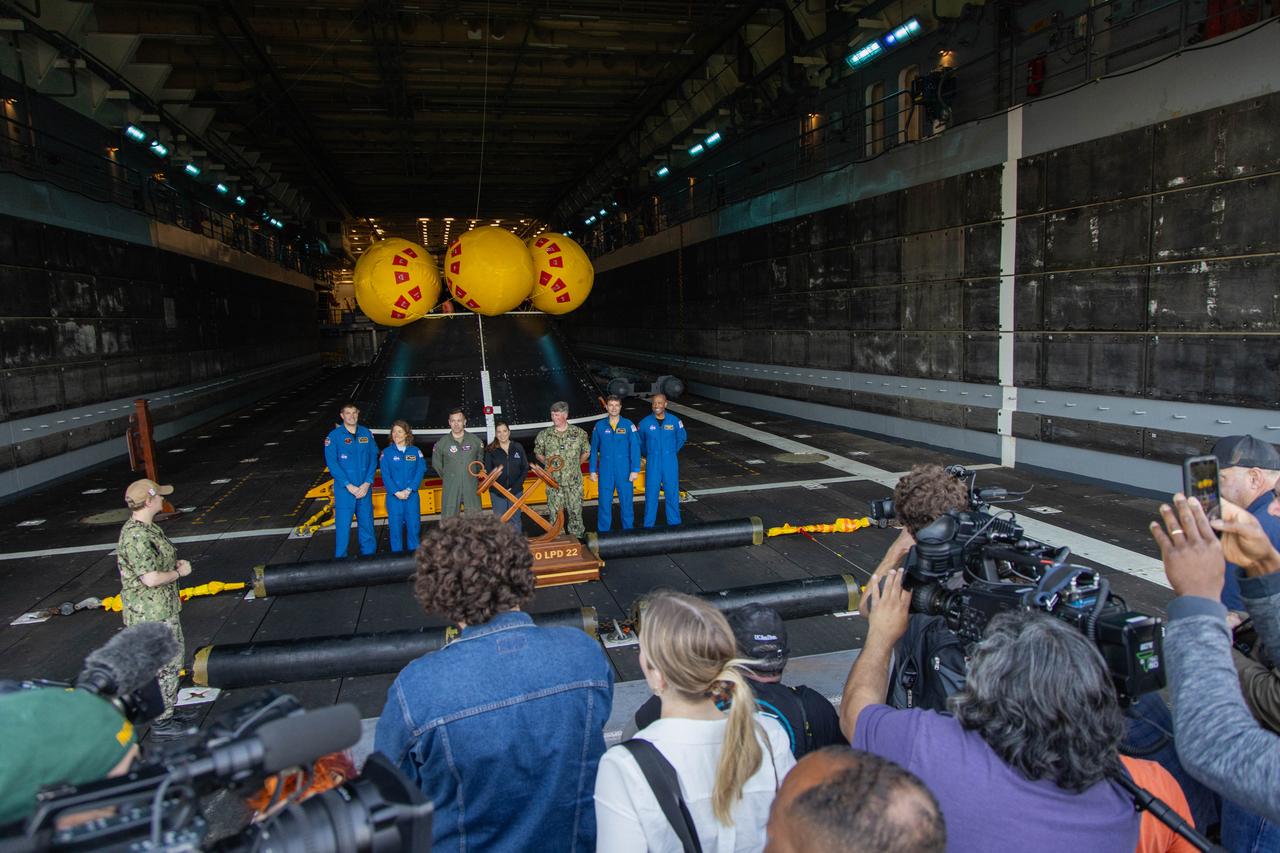
NASA’s Artemis II crew members from right to left, CSA (Canadian Space Agency) astronaut Jeremy Hansen, NASA astronaut Christina Koch, NASA’s Exploration Ground System’s Landing and Recovery team, partners from the Department of Defense, and NASA astronauts Reid Wiseman, and Victor Glover, pose for a photo near a mockup Orion spacecraft in San Diego, California on Wednesday, Feb. 28, 2024, as part of the Underway Recovery Test (URT-11). URT-11, aboard the USS San Diego, is the eleventh in a series of Artemis recovery tests, and the first time NASA and its partners put their Artemis II recovery procedures to the test with the astronauts.
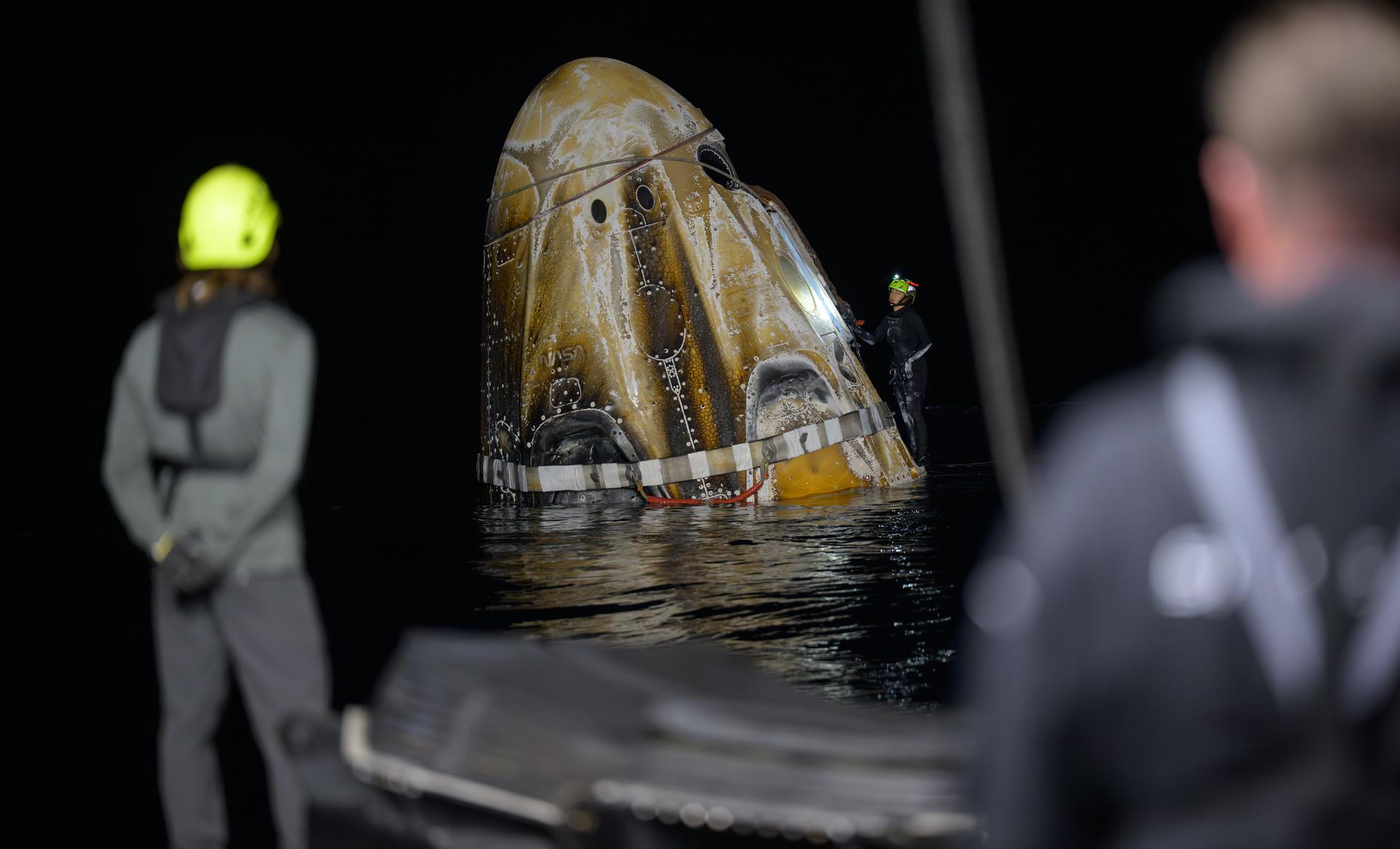
Support teams work around the SpaceX Dragon Endeavour spacecraft shortly after it landed with NASA astronauts Zena Cardman, Mike Fincke, JAXA (Japan Aerospace Exploration Agency) astronaut Kimiya Yui, and Roscosmos cosmonaut Oleg Platonov aboard in the Pacific Ocean off the coast of San Diego, Calif., Thursday, Jan. 15,2026. Cardman, Fincke, Yui, Platonov are returning after 167 days in space as part of Expedition 74 aboard the International Space Station. Photo Credit: (NASA/Bill Ingalls)
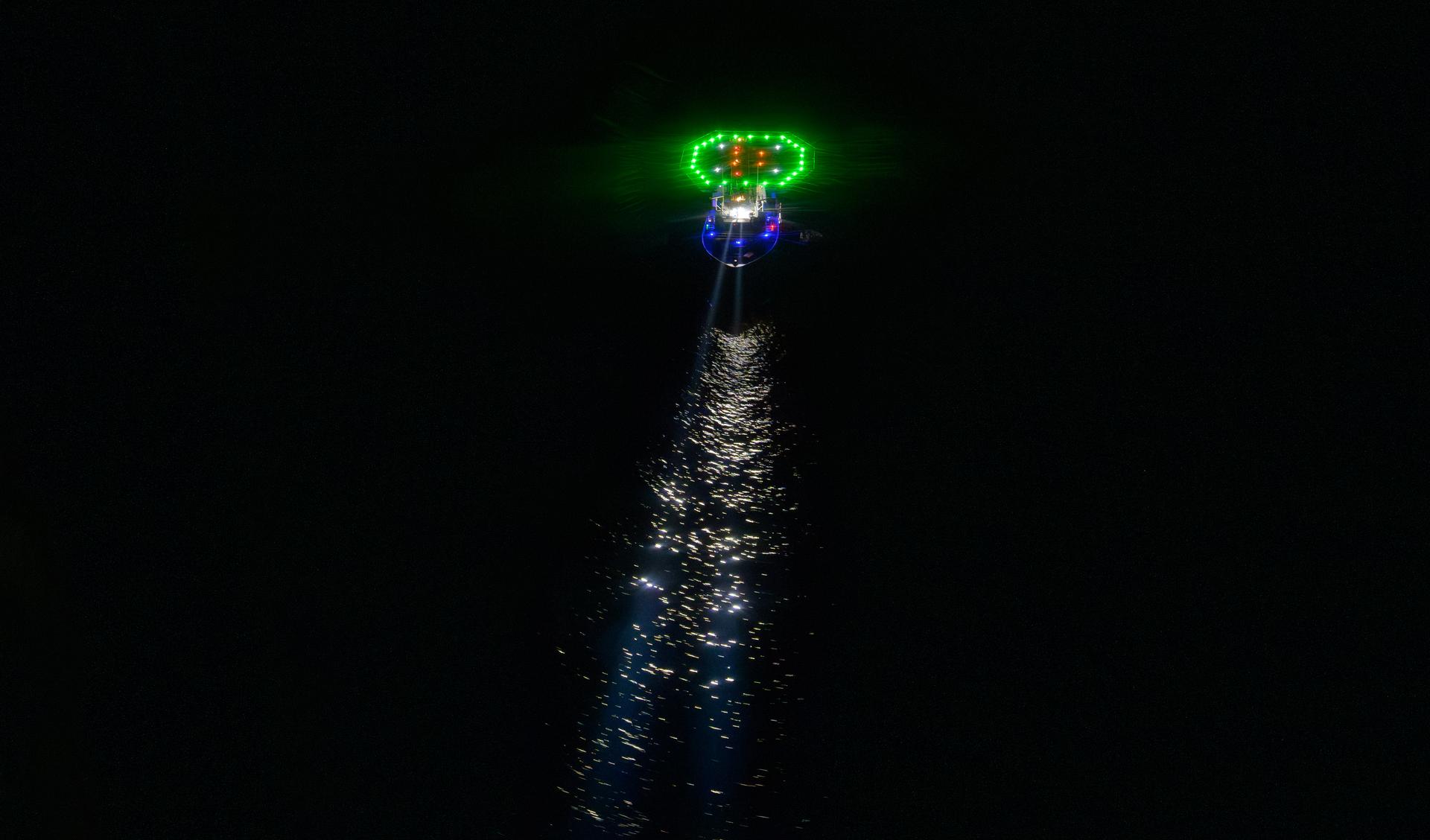
The SpaceX recovery ship SHANNON is seen in the Pacific Ocean as the recovery team prepares for the landing of the SpaceX Dragon spacecraft with NASA astronauts Zena Cardman, Mike Fincke, JAXA (Japan Aerospace Exploration Agency) astronaut Kimiya Yui, and Roscosmos cosmonaut Oleg Platonov aboard, Wednesday, Jan. 14, 2026, off the coast of San Diego, Calif.. Cardman, Fincke, Yui, Platonov are returning after 167 days days in space as part of Expedition 74 aboard the International Space Station. Photo Credit: (NASA/Bill Ingalls)
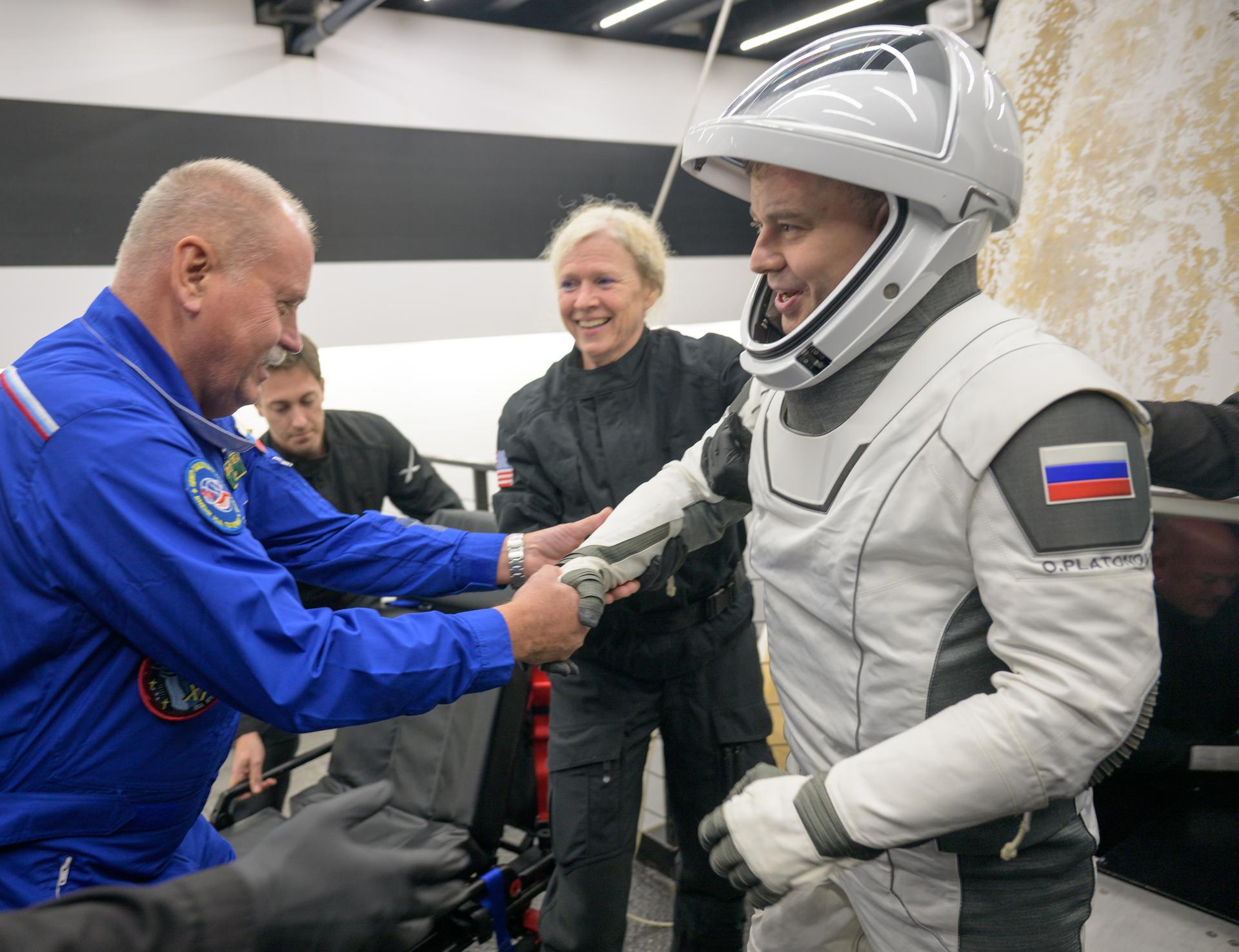
Roscosmos cosmonaut Oleg Platonov is helped out of the SpaceX Dragon Endeavour spacecraft onboard the SpaceX recovery ship SHANNON after he, NASA astronauts Mike Fincke, Zena Cardman and JAXA (Japan Aerospace Exploration Agency) astronaut Kimiya Yui landed in the Pacific Ocean off the coast of San Diego, Calif., Thursday, Jan. 15, 2026. Cardman, Fincke, Yui, Platonov are returning after 167 days in space as part of Expedition 74 aboard the International Space Station. Photo Credit: (NASA/Bill Ingalls)
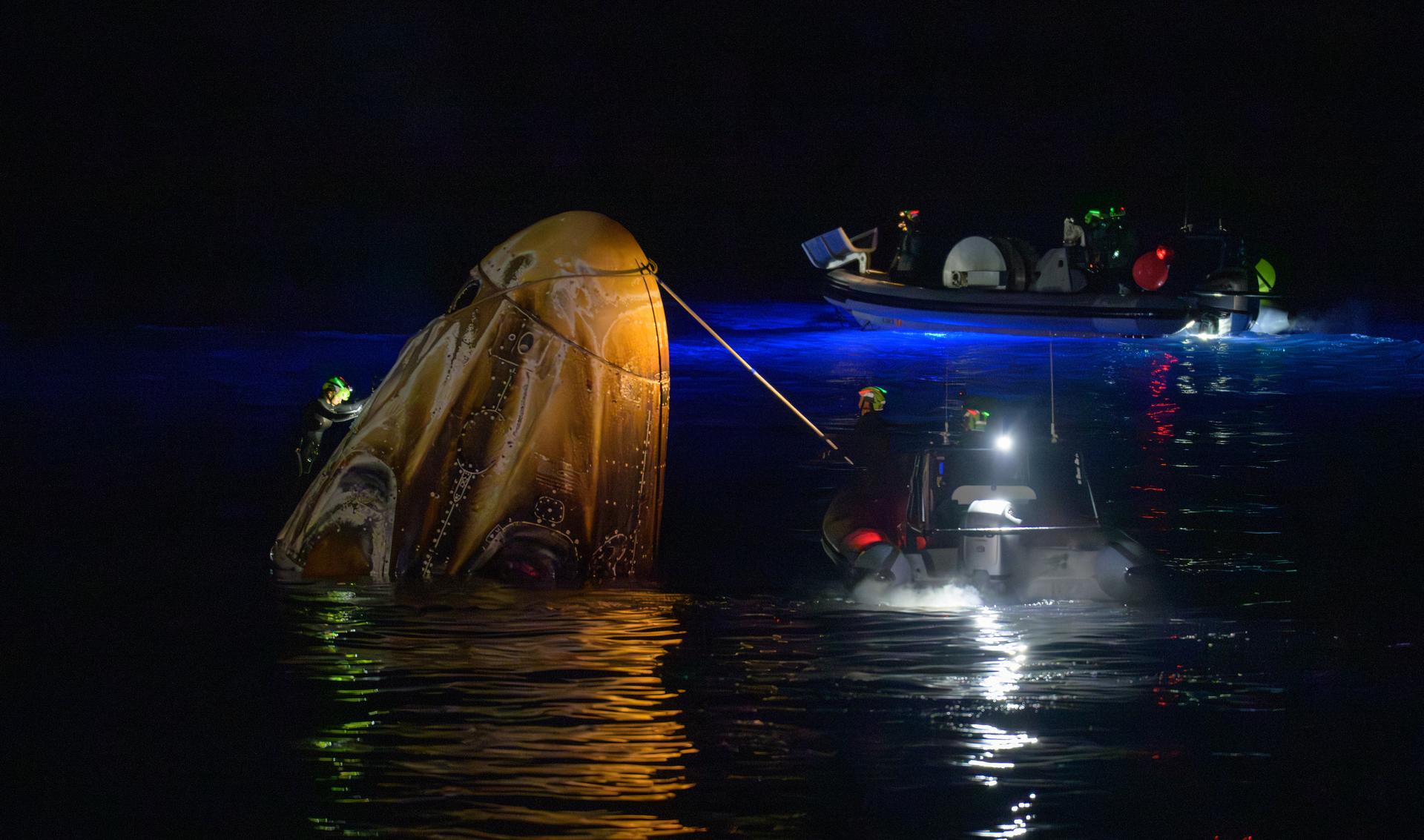
Support teams work around the SpaceX Dragon Endeavour spacecraft shortly after it landed with NASA astronauts Zena Cardman, Mike Fincke, JAXA (Japan Aerospace Exploration Agency) astronaut Kimiya Yui, and Roscosmos cosmonaut Oleg Platonov aboard in the Pacific Ocean off the coast of San Diego, Calif., Thursday, Jan. 15,2026. Cardman, Fincke, Yui, Platonov are returning after 167 days in space as part of Expedition 74 aboard the International Space Station. Photo Credit: (NASA/Bill Ingalls)
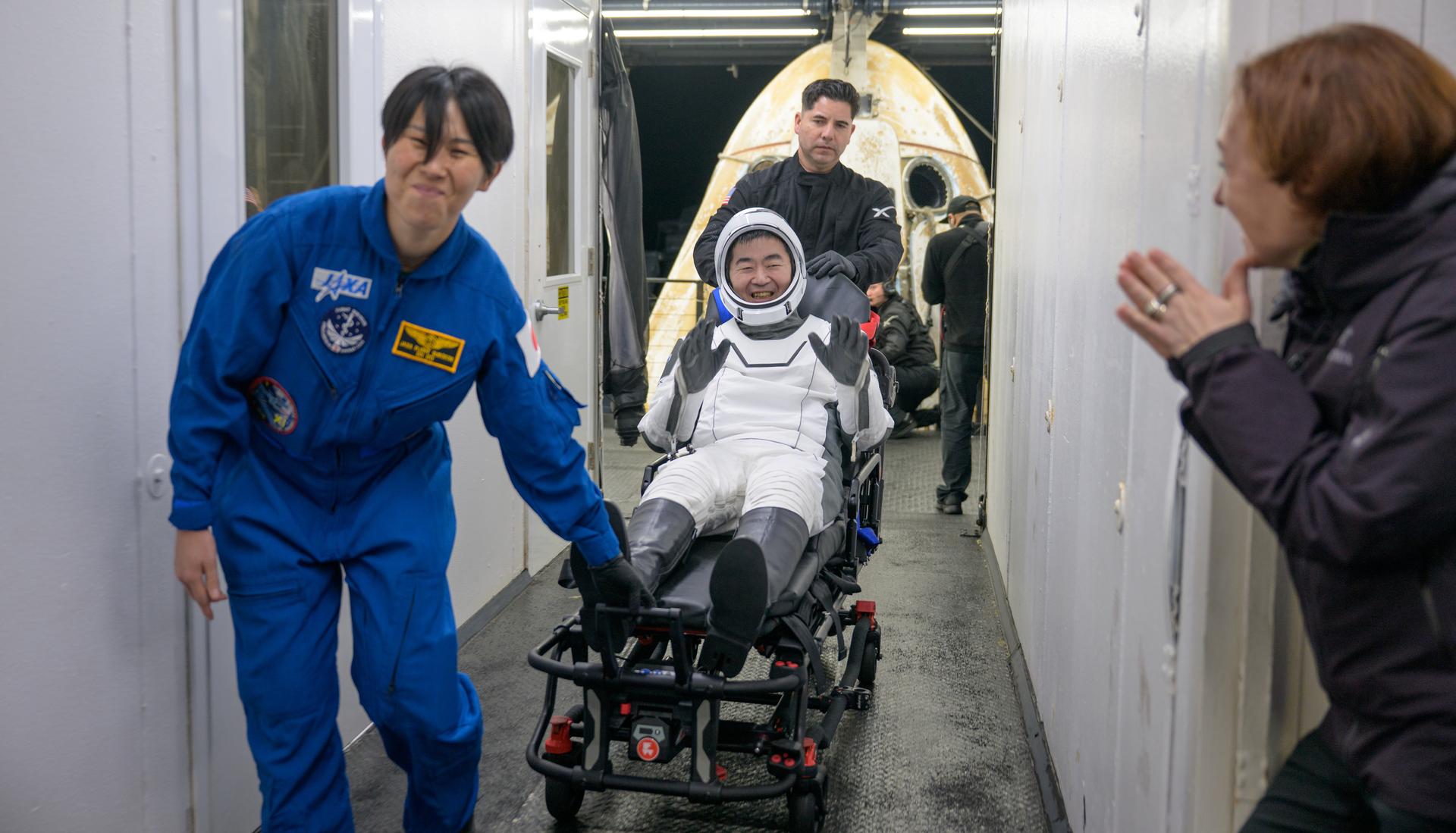
JAXA (Japan Aerospace Exploration Agency) astronaut Kimiya Yui is helped out of the SpaceX Dragon Endeavour spacecraft onboard the SpaceX recovery ship SHANNON after he, NASA astronauts Mike Fincke, Zena Cardman, and Roscosmos cosmonaut Oleg Platonov landed in the Pacific Ocean off the coast of San Diego, Calif., Thursday, Jan. 15, 2026. Cardman, Fincke, Yui, Platonov are returning after 167 days in space as part of Expedition 74 aboard the International Space Station. Photo Credit: (NASA/Bill Ingalls)
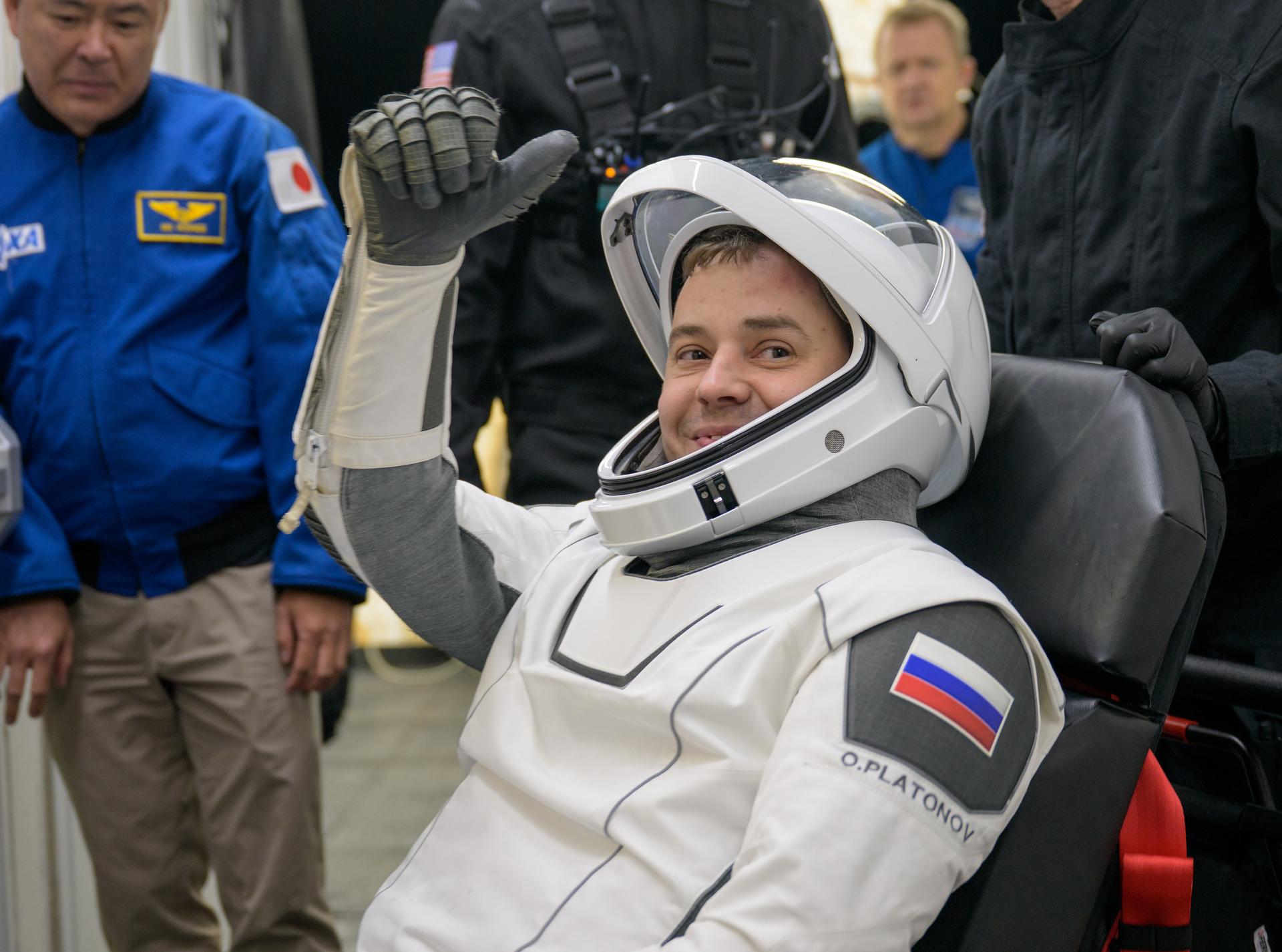
Roscosmos cosmonaut Oleg Platonov is helped out of the SpaceX Dragon Endeavour spacecraft onboard the SpaceX recovery ship SHANNON after he, NASA astronauts Mike Fincke, Zena Cardman and JAXA (Japan Aerospace Exploration Agency) astronaut Kimiya Yui landed in the Pacific Ocean off the coast of San Diego, Calif., Thursday, Jan. 15, 2026. Cardman, Fincke, Yui, Platonov are returning after 167 days in space as part of Expedition 74 aboard the International Space Station. Photo Credit: (NASA/Bill Ingalls)
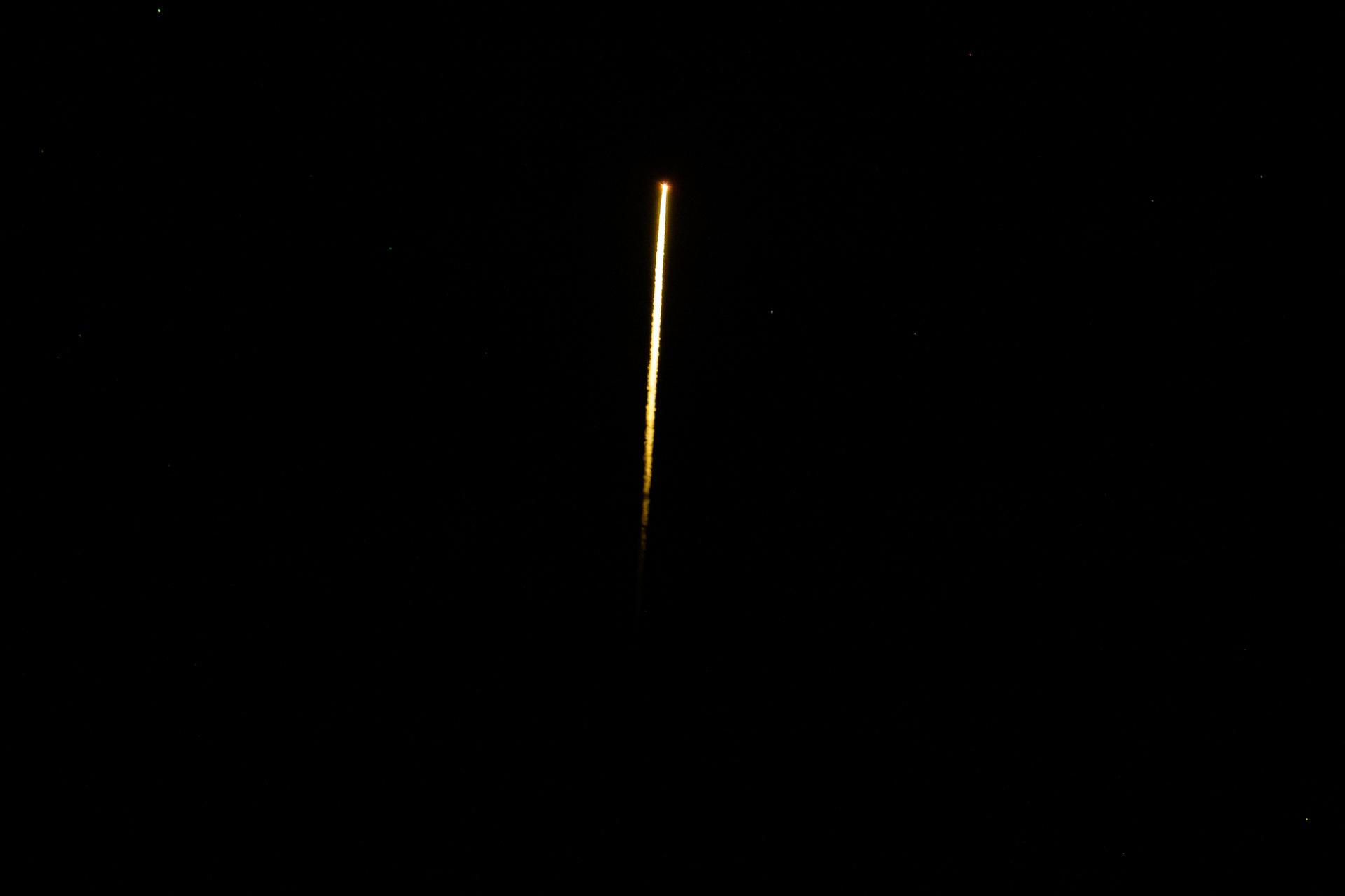
The SpaceX Crew Dragon Endeavour spacecraft is seen as it lands with NASA astronauts Zena Cardman, Mike Fincke, JAXA (Japan Aerospace Exploration Agency) astronaut Kimiya Yui, and Roscosmos cosmonaut Oleg Platonov aboard in the Pacific Ocean off the coast of San Diego, Calif., Thursday, Jan. 15, 2026. Cardman, Fincke, Yui, Platonov are returning after 167 days in space as part of Expedition 74 aboard the International Space Station. Photo Credit: (NASA/Bill Ingalls)
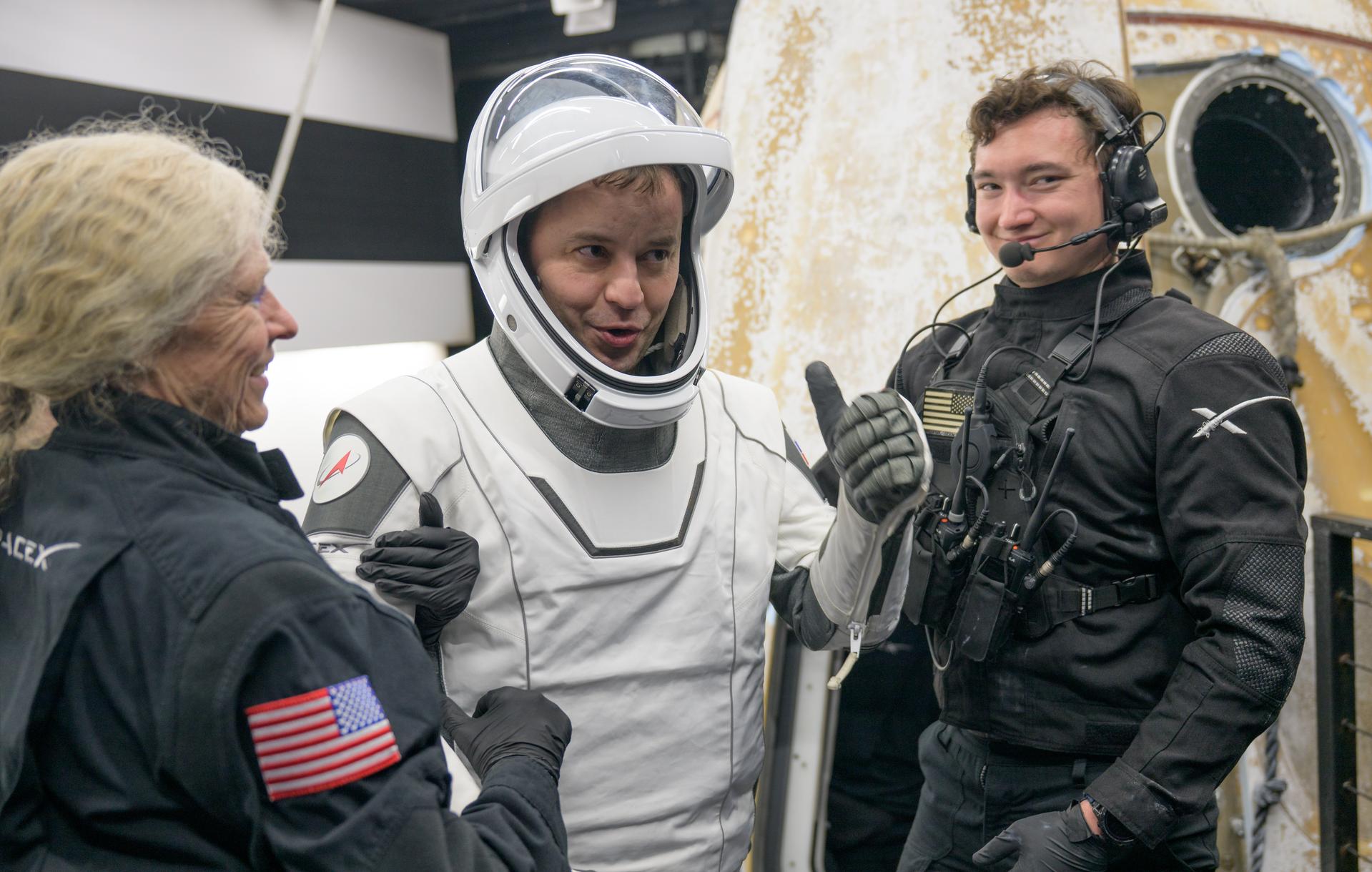
Roscosmos cosmonaut Oleg Platonov is helped out of the SpaceX Dragon Endeavour spacecraft onboard the SpaceX recovery ship SHANNON after he, NASA astronauts Mike Fincke, Zena Cardman and JAXA (Japan Aerospace Exploration Agency) astronaut Kimiya Yui landed in the Pacific Ocean off the coast of San Diego, Calif., Thursday, Jan. 15, 2026. Cardman, Fincke, Yui, Platonov are returning after 167 days in space as part of Expedition 74 aboard the International Space Station. Photo Credit: (NASA/Bill Ingalls)
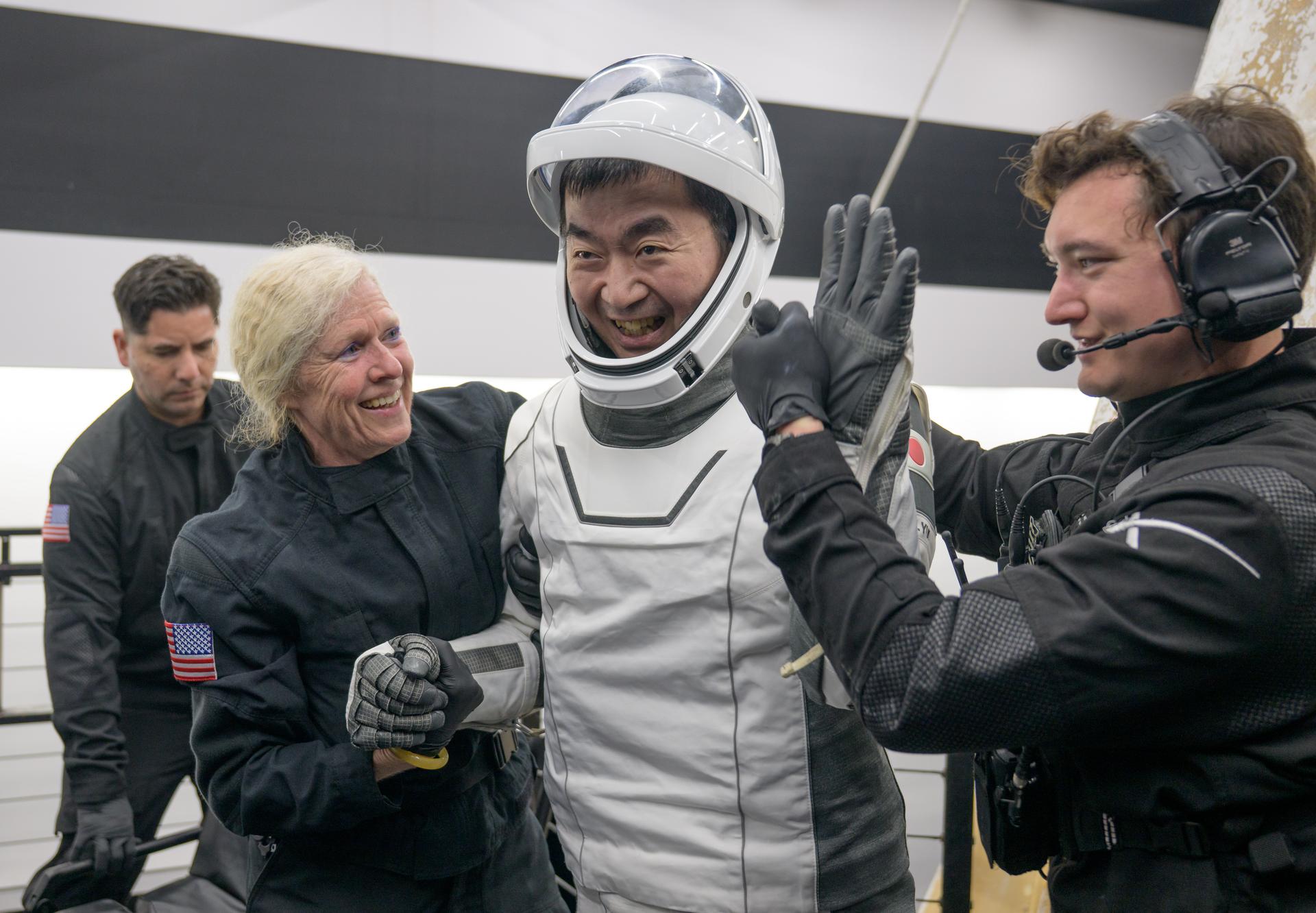
JAXA (Japan Aerospace Exploration Agency) astronaut Kimiya Yui is helped out of the SpaceX Dragon Endeavour spacecraft onboard the SpaceX recovery ship SHANNON after he, NASA astronauts Mike Fincke, Zena Cardman, and Roscosmos cosmonaut Oleg Platonov landed in the Pacific Ocean off the coast of San Diego, Calif., Thursday, Jan. 15, 2026. Cardman, Fincke, Yui, Platonov are returning after 167 days in space as part of Expedition 74 aboard the International Space Station. Photo Credit: (NASA/Bill Ingalls)
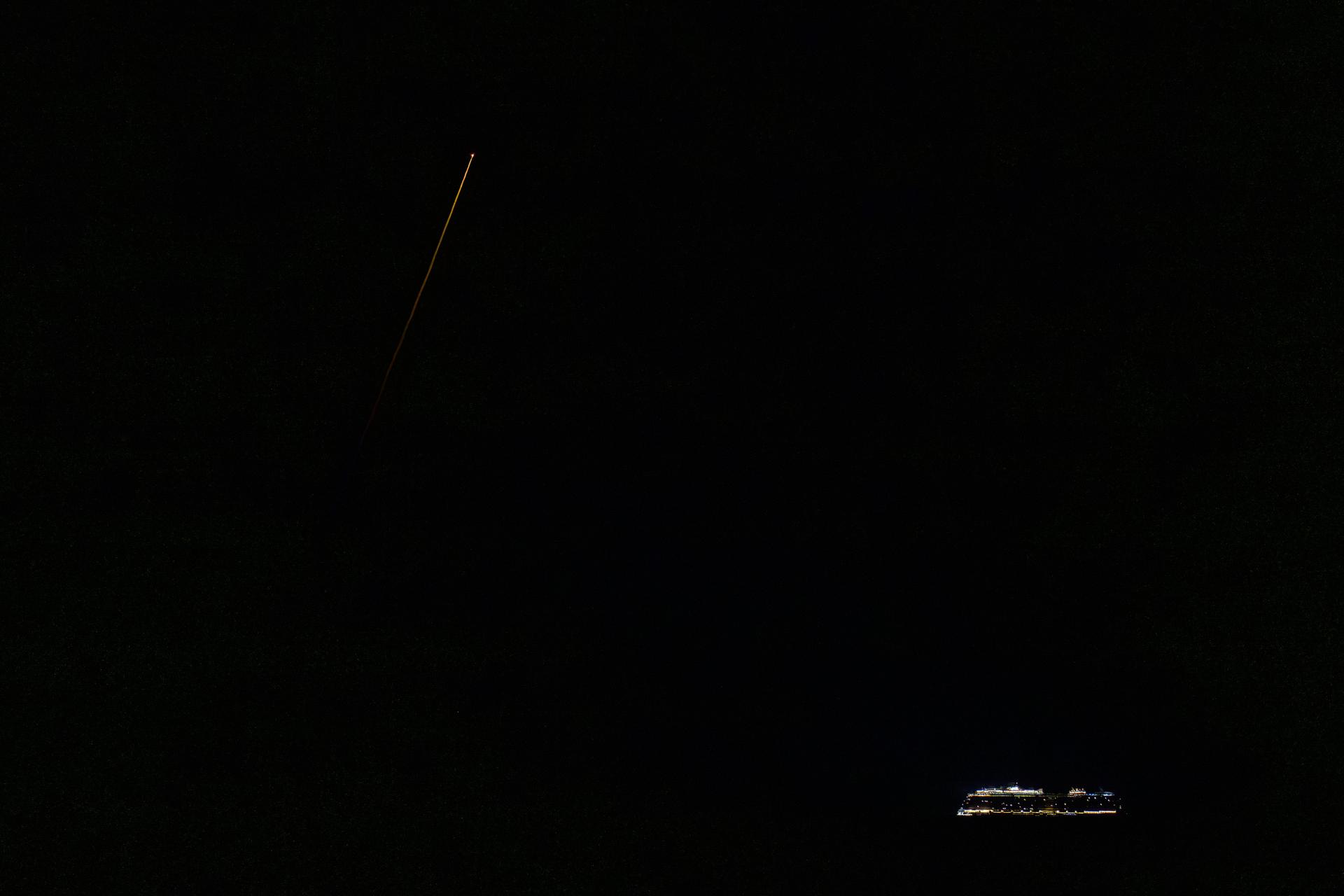
A cruise ship is seen off in the disctance as the SpaceX Crew Dragon Endeavour spacecraft lands with NASA astronauts Zena Cardman, Mike Fincke, JAXA (Japan Aerospace Exploration Agency) astronaut Kimiya Yui, and Roscosmos cosmonaut Oleg Platonov aboard in the Pacific Ocean off the coast of San Diego, Calif., Thursday, Jan. 15, 2026. Cardman, Fincke, Yui, Platonov are returning after 167 days in space as part of Expedition 74 aboard the International Space Station. Photo Credit: (NASA/Bill Ingalls)
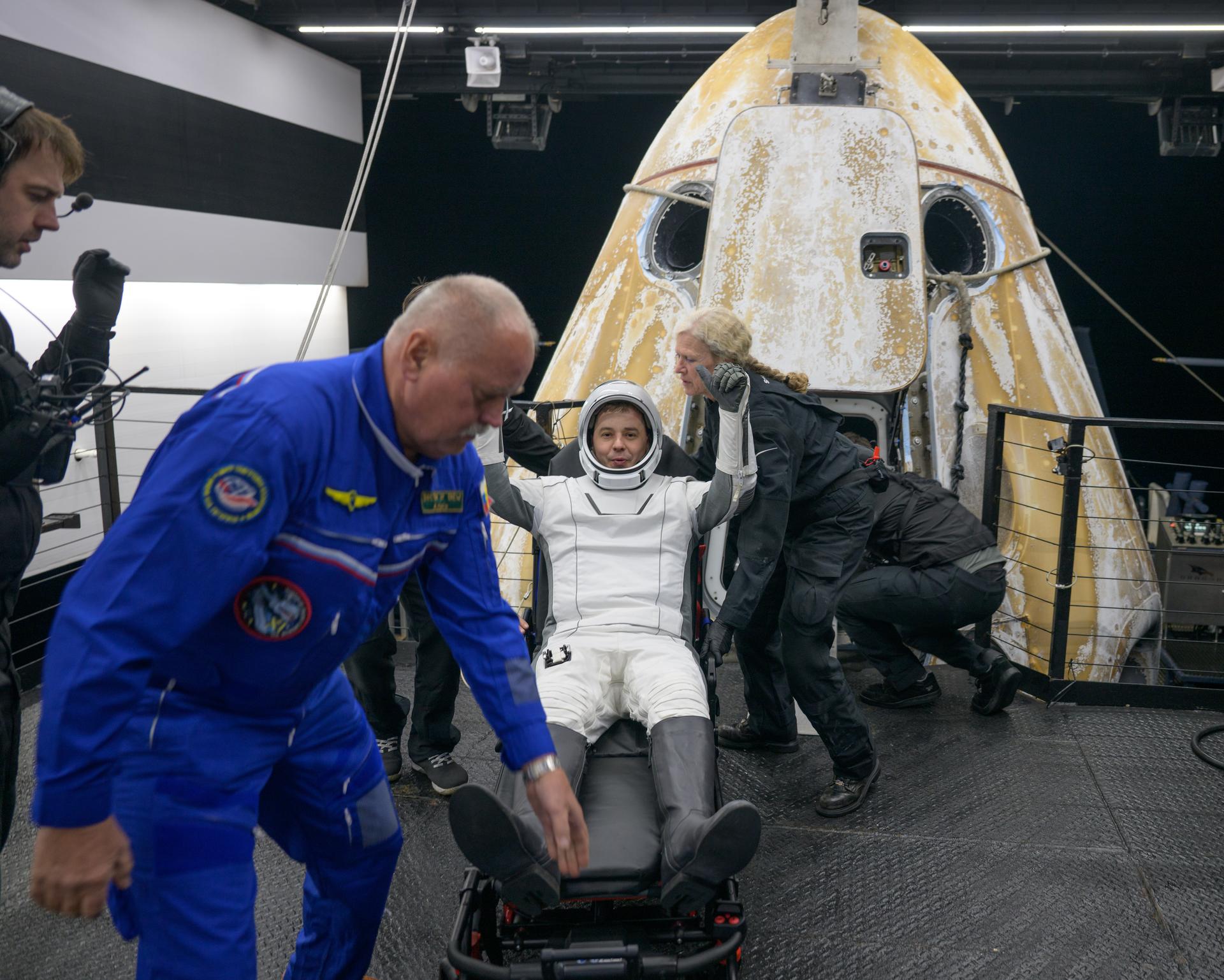
Roscosmos cosmonaut Oleg Platonov is helped out of the SpaceX Dragon Endeavour spacecraft onboard the SpaceX recovery ship SHANNON after he, NASA astronauts Mike Fincke, Zena Cardman and JAXA (Japan Aerospace Exploration Agency) astronaut Kimiya Yui landed in the Pacific Ocean off the coast of San Diego, Calif., Thursday, Jan. 15, 2026. Cardman, Fincke, Yui, Platonov are returning after 167 days in space as part of Expedition 74 aboard the International Space Station. Photo Credit: (NASA/Bill Ingalls)
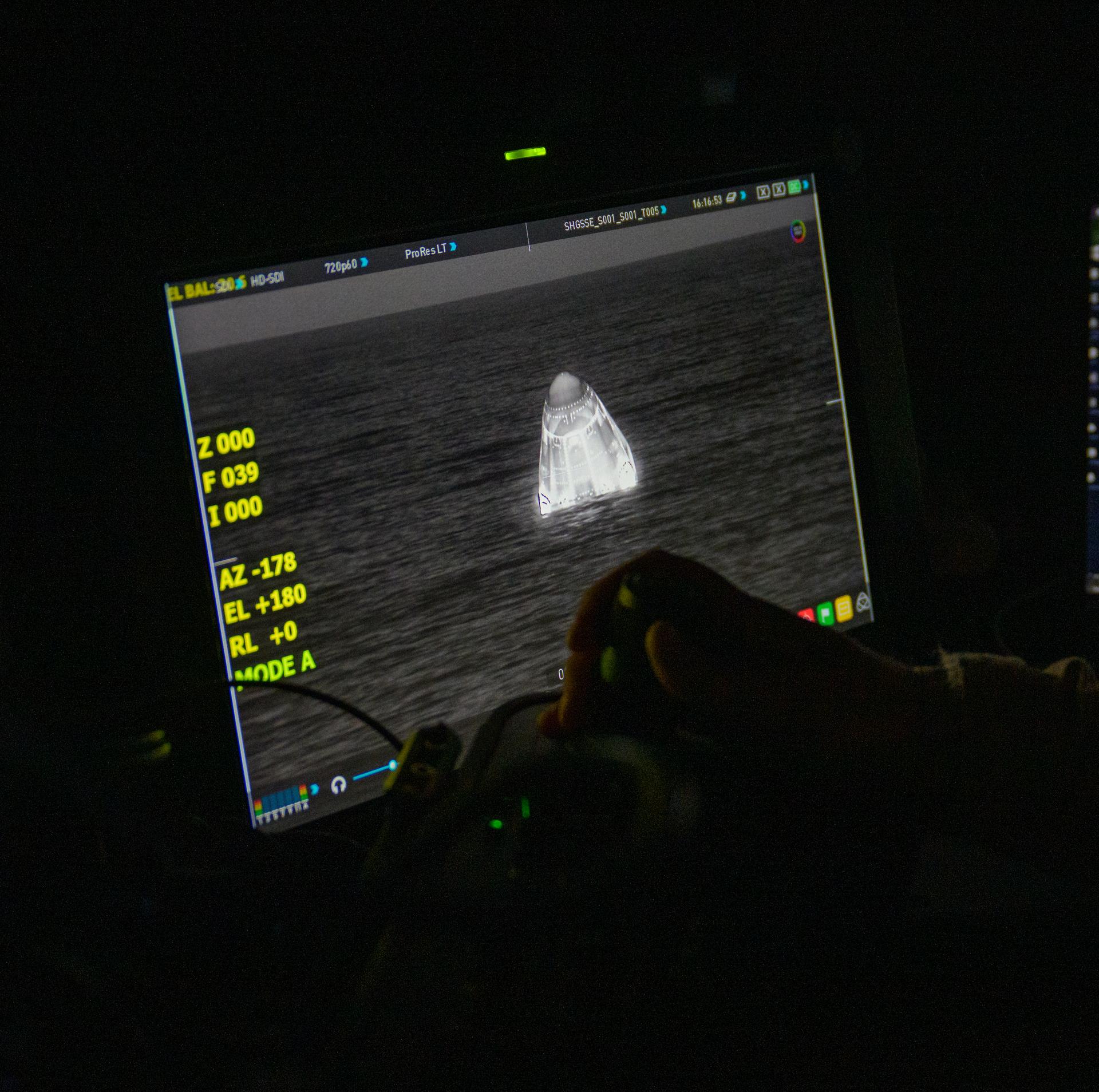
The SpaceX Dragon Endeavour spacecraft is seen on a monitor onboard the ship SHANNON shortly after it landed with NASA astronauts Zena Cardman, Mike Fincke, JAXA (Japan Aerospace Exploration Agency) astronaut Kimiya Yui, and Roscosmos cosmonaut Oleg Platonov aboard in the Pacific Ocean off the coast of San Diego, Calif., Thursday, Jan. 15,2026. Cardman, Fincke, Yui, Platonov are returning after 167 days in space as part of Expedition 74 aboard the International Space Station. Photo Credit: (NASA/Bill Ingalls)
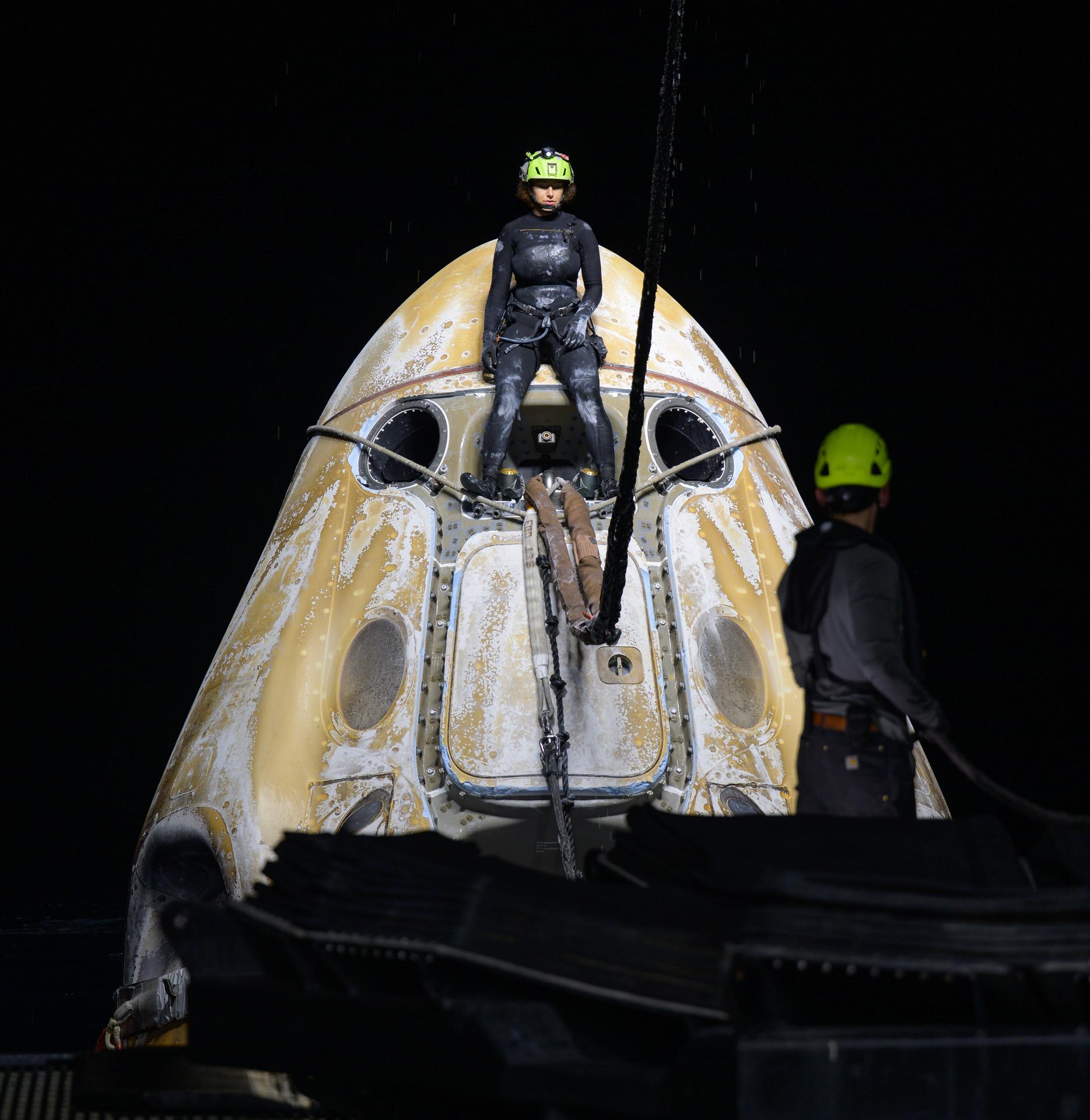
Support teams work around the SpaceX Dragon Endeavour spacecraft shortly after it landed with NASA astronauts Zena Cardman, Mike Fincke, JAXA (Japan Aerospace Exploration Agency) astronaut Kimiya Yui, and Roscosmos cosmonaut Oleg Platonov aboard in the Pacific Ocean off the coast of San Diego, Calif., Thursday, Jan. 15,2026. Cardman, Fincke, Yui, Platonov are returning after 167 days in space as part of Expedition 74 aboard the International Space Station. Photo Credit: (NASA/Bill Ingalls)
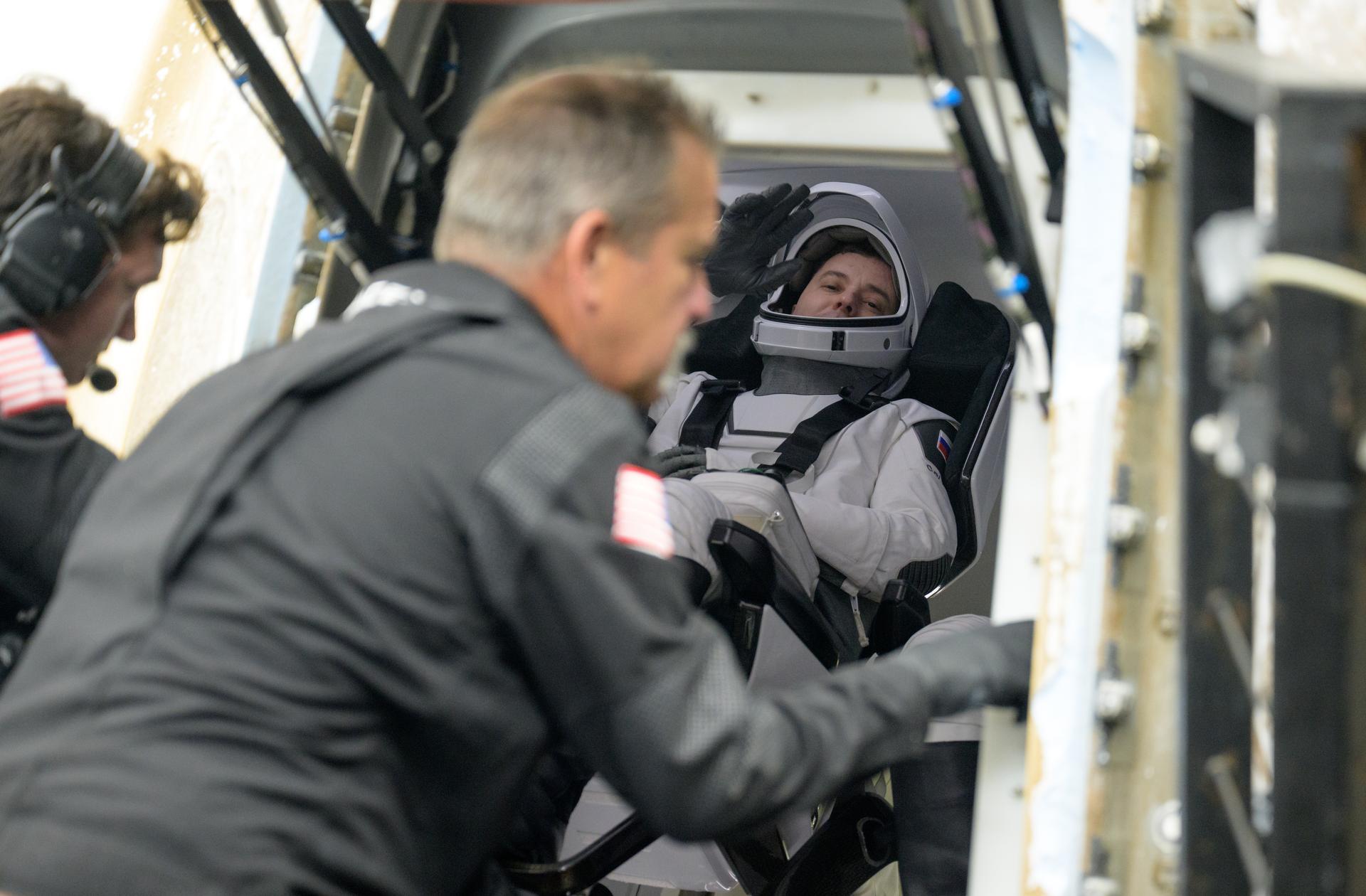
Roscosmos cosmonaut Oleg Platonov is seen inside the SpaceX Dragon Endeavour spacecraft onboard the SpaceX recovery ship SHANNON after he, NASA astronauts Mike Fincke, Zena Cardman and JAXA (Japan Aerospace Exploration Agency) astronaut Kimiya Yui landed in the Pacific Ocean off the coast of San Diego, Calif., Thursday, Jan. 15, 2026. Cardman, Fincke, Yui, Platonov are returning after 167 days in space as part of Expedition 74 aboard the International Space Station. Photo Credit: (NASA/Bill Ingalls)
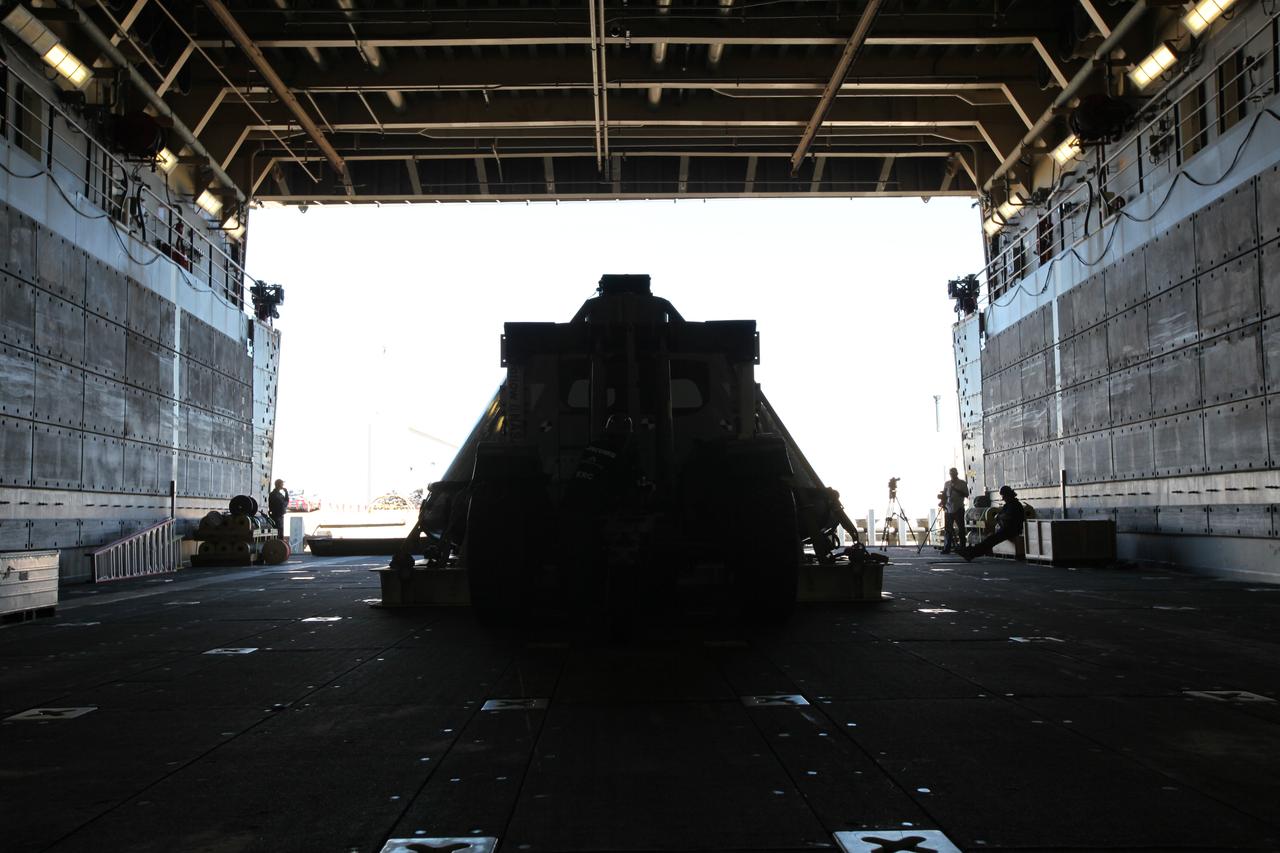
A contract of light and shadow. The test version of the Orion crew module has been transported into the well deck of the USS San Diego at Naval Base San Diego in California, as viewed from inside the ship. NASA, Orion manufacturer Lockheed Martin and the U.S. Navy will head out to sea with the Orion test spacecraft aboard for Underway Recovery Test 5 (URT-5) in the Pacific Ocean off the coast of California. During URT-5, the team will demonstrate and evaluate the recovery processes, procedures, hardware and personnel necessary for recovery of Orion on its return from a deep space mission. Orion is the exploration spacecraft designed to carry astronauts to destinations not yet explored by humans, including an asteroid and NASA Journey to Mars. It will have emergency abort capability, sustain the crew during space travel and provide safe re-entry from deep space return velocities. Orion is scheduled to launch atop NASA’s Space Launch System rocket in 2018. For more information, visit http://www.nasa.gov/orion.
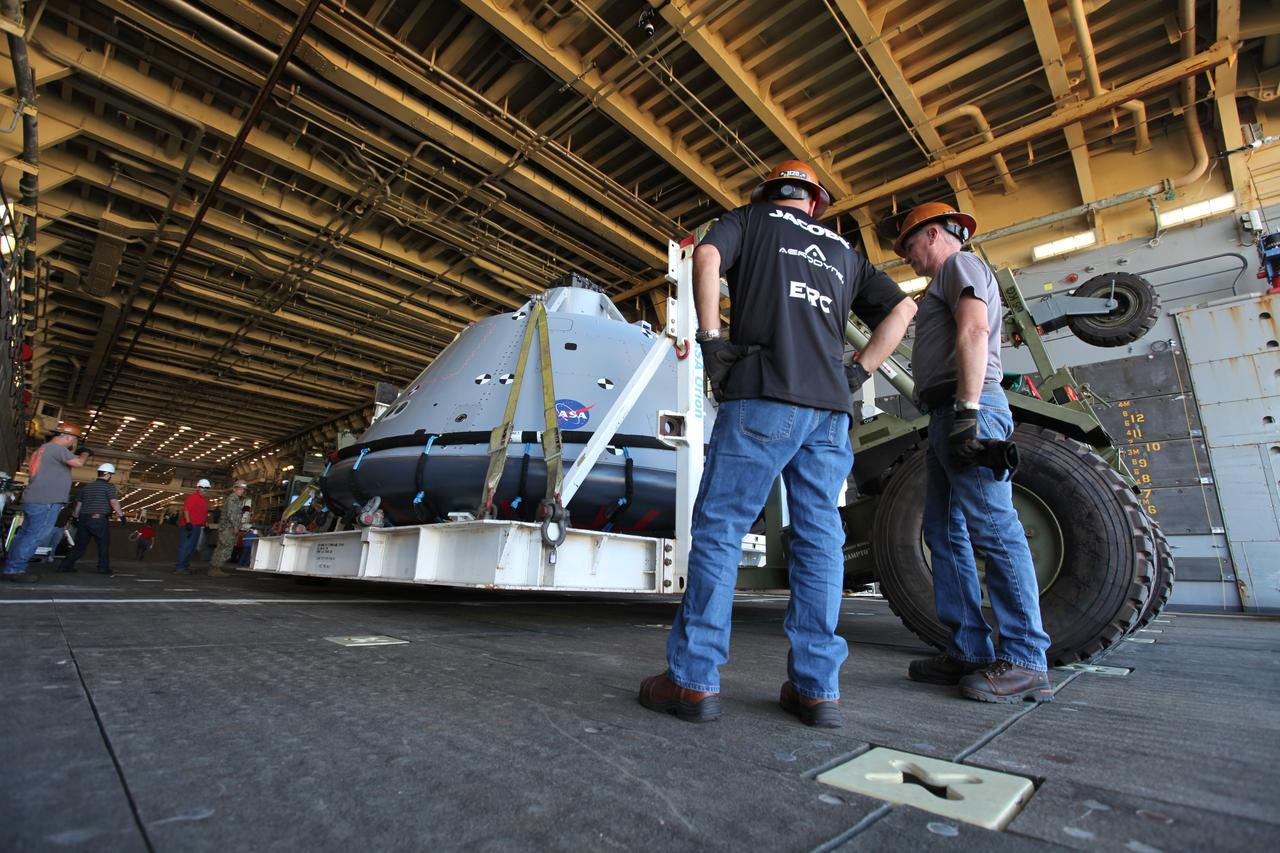
NASA and contractor team members monitor the progress as the test version of the Orion crew module arrives in the well deck of the USS San Diego at Naval Base San Diego in California. NASA, Orion manufacturer Lockheed Martin and the U.S. Navy will head out to sea with the Orion test spacecraft aboard for Underway Recovery Test 5 (URT-5) in the Pacific Ocean off the coast of California. During URT-5, the team will demonstrate and evaluate the recovery processes, procedures, hardware and personnel necessary for recovery of Orion on its return from a deep space mission. Orion is the exploration spacecraft designed to carry astronauts to destinations not yet explored by humans, including an asteroid and NASA Journey to Mars. It will have emergency abort capability, sustain the crew during space travel and provide safe re-entry from deep space return velocities. Orion is scheduled to launch atop NASA’s Space Launch System rocket in 2018. For more information, visit http://www.nasa.gov/orion.
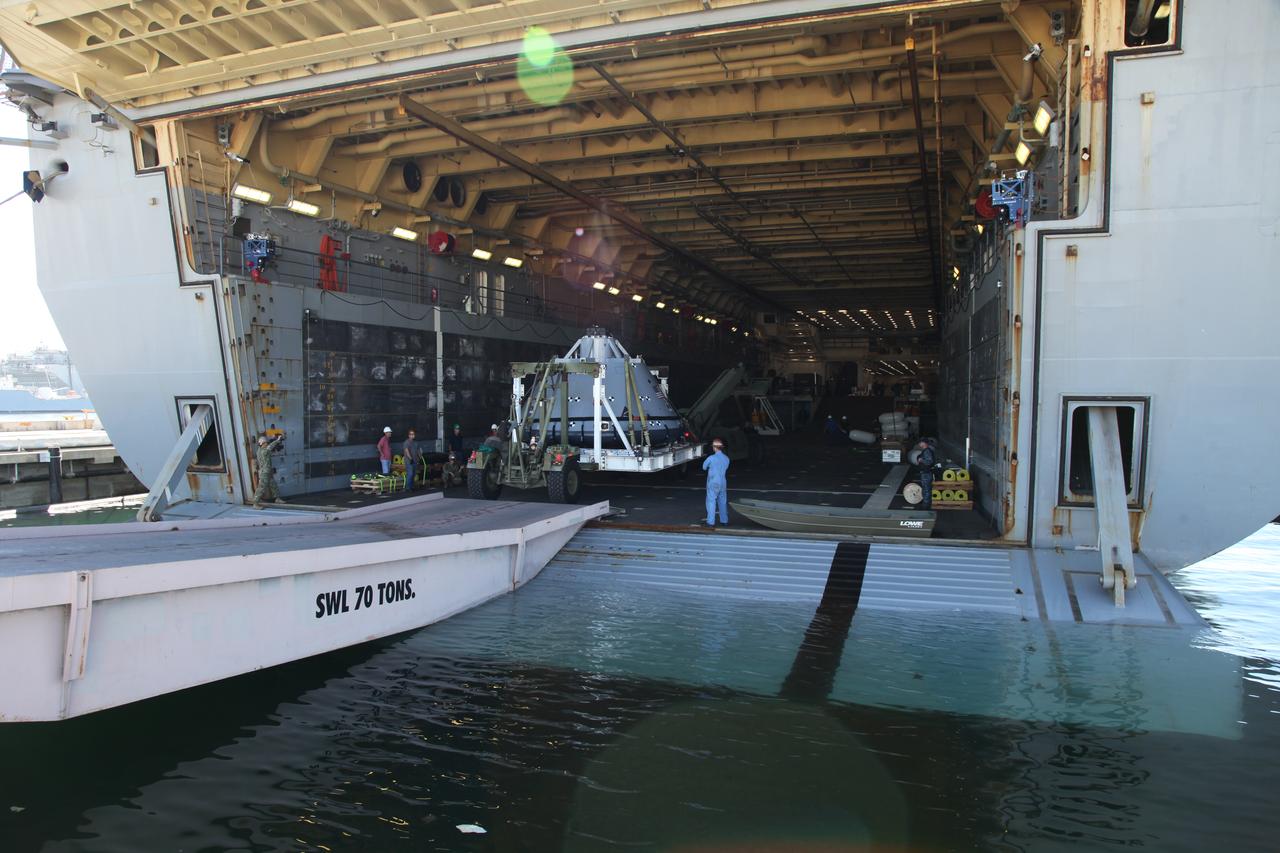
Team members monitor the progress as the test version of the Orion crew module is transported into the well deck of the USS San Diego at Naval Base San Diego in California. NASA, Orion manufacturer Lockheed Martin and the U.S. Navy will head out to sea with the Orion test spacecraft aboard for Underway Recovery Test 5 (URT-5) in the Pacific Ocean off the coast of California. During URT-5, the team will demonstrate and evaluate the recovery processes, procedures, hardware and personnel necessary for recovery of Orion on its return from a deep space mission. Orion is the exploration spacecraft designed to carry astronauts to destinations not yet explored by humans, including an asteroid and NASA Journey to Mars. It will have emergency abort capability, sustain the crew during space travel and provide safe re-entry from deep space return velocities. Orion is scheduled to launch atop NASA’s Space Launch System rocket in 2018. For more information, visit http://www.nasa.gov/orion.
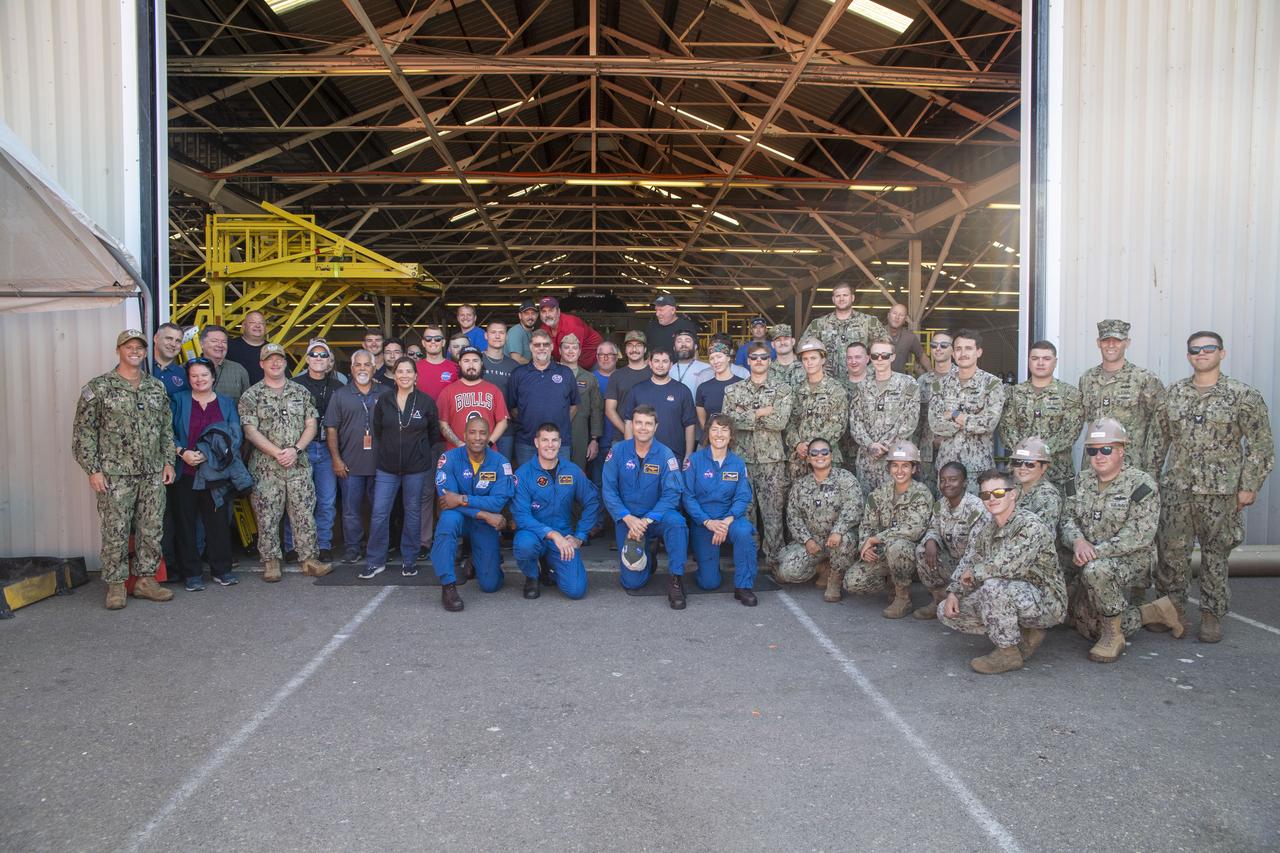
From left to right, NASA astronaut Victor Glover, Canadian Space Agency astronaut Jeremy Hansen, NASA astronauts Reid Wiseman and Christina Hammock Koch, pose with teams from NASA’s Exploration Ground Systems Program and sailors from the U.S. Navy assigned to Amphibious Construction Battalion 1 during a tour of Defense Distribution Depot Center in San Diego, California, on July 19, 2023. The depot is currently being used by NASA to house the Vehicle Advanced Demonstrator for Emergency Recovery, “VADER”, a replica of the space capsule. In preparation for NASA's Artemis II crewed mission, which will send four astronauts in Orion beyond the Moon, NASA and the U.S. Navy will conduct a series of tests to demonstrate and evaluate the processes, procedures, and hardware used in recovery operations for crewed lunar missions. The approximately 10-day flight of Artemis II will test NASA's foundational human deep space exploration capabilities, the Space Launch System rocket and Orion spacecraft, for the first time with astronauts and will pave the way to establishing a long-term presence at the Moon for science and exploration through Artemis.
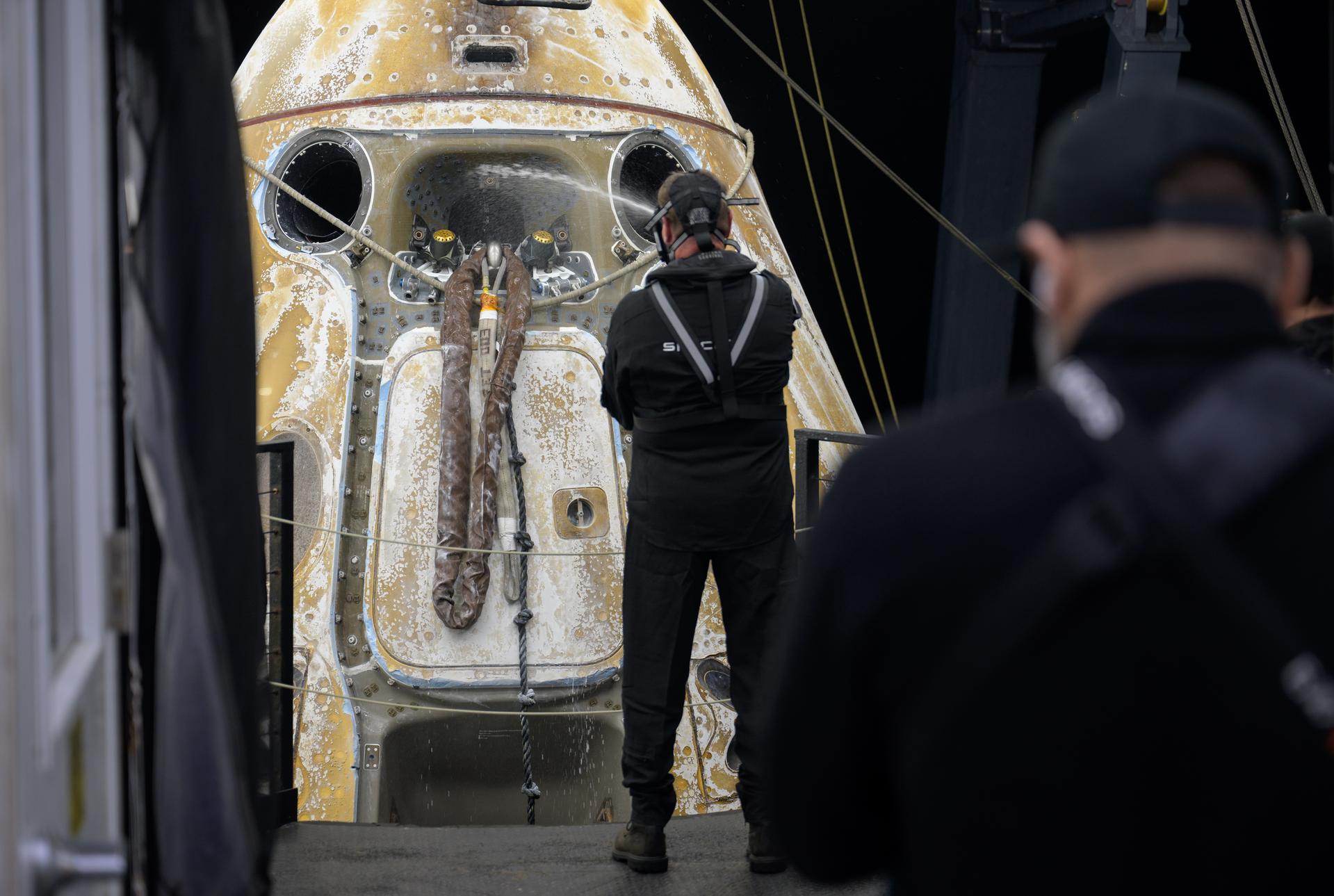
Support teams onboard the SpaceX recovery ship SHANNON work around the SpaceX Dragon Endeavour spacecraft shortly after it landed with NASA astronauts Zena Cardman, Mike Fincke, JAXA (Japan Aerospace Exploration Agency) astronaut Kimiya Yui, and Roscosmos cosmonaut Oleg Platonov aboard in the Pacific Ocean off the coast of San Diego, Calif., Thursday, Jan. 15, 2026. Cardman, Fincke, Yui, Platonov are returning after 167 days in space as part of Expedition 74 aboard the International Space Station. Photo Credit: (NASA/Bill Ingalls)
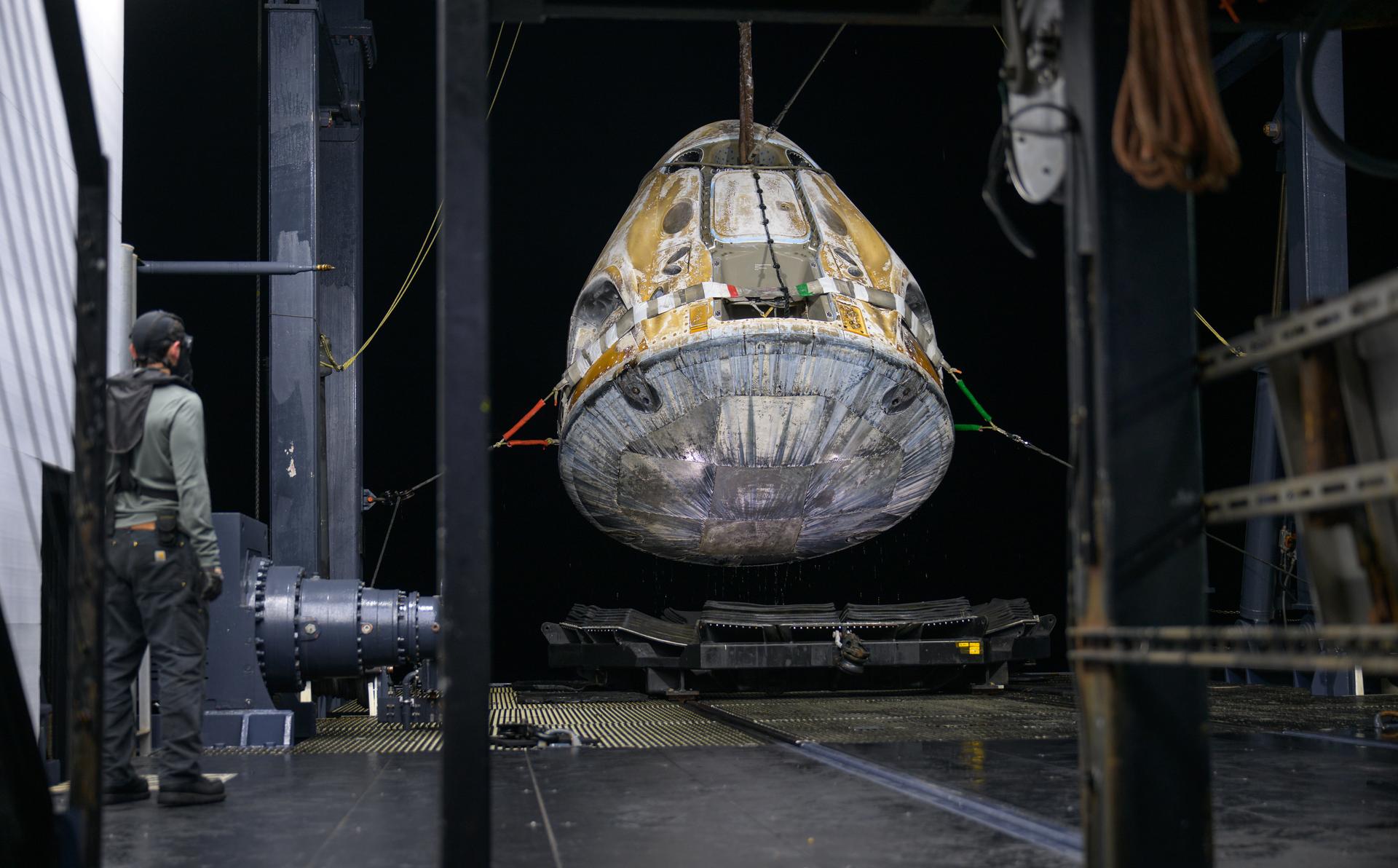
Support teams raise the SpaceX Dragon Endeavour spacecraft aboard the recovery ship SHANNON shortly after it landed with NASA astronauts Zena Cardman, Mike Fincke, JAXA (Japan Aerospace Exploration Agency) astronaut Kimiya Yui, and Roscosmos cosmonaut Oleg Platonov aboard in thePacific Ocean off the coast of San Diego, Calif.,Thursday, Jan. 15, 2026. Cardman, Fincke, Yui, Platonov are returning after 167 days in space as part of Expedition 74 aboard the International Space Station. Photo Credit: (NASA/Bill Ingalls)
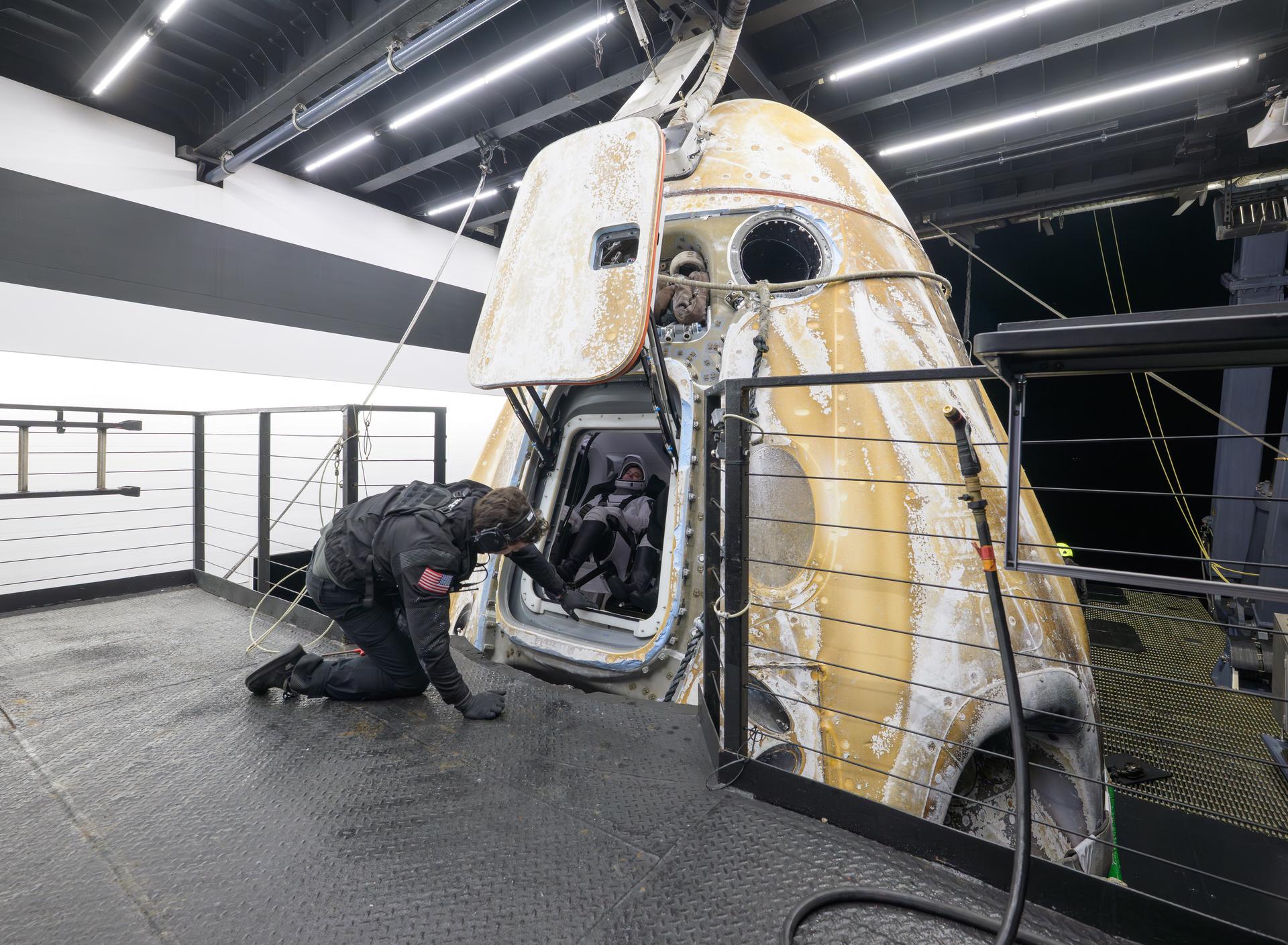
Support teams onboard the SpaceX recovery ship SHANNON work around the SpaceX Dragon Endeavour spacecraft after the hatch was opened shortly after it landed with NASA astronauts Zena Cardman, Mike Fincke, JAXA (Japan Aerospace Exploration Agency) astronaut Kimiya Yui, and Roscosmos cosmonaut Oleg Platonov aboard in the Pacific Ocean off the coast of San Diego, Calif., Thursday, Jan. 15, 2026. Cardman, Fincke, Yui, Platonov are returning after 167 days in space as part of Expedition 74 aboard the International Space Station. Photo Credit: (NASA/Bill Ingalls)
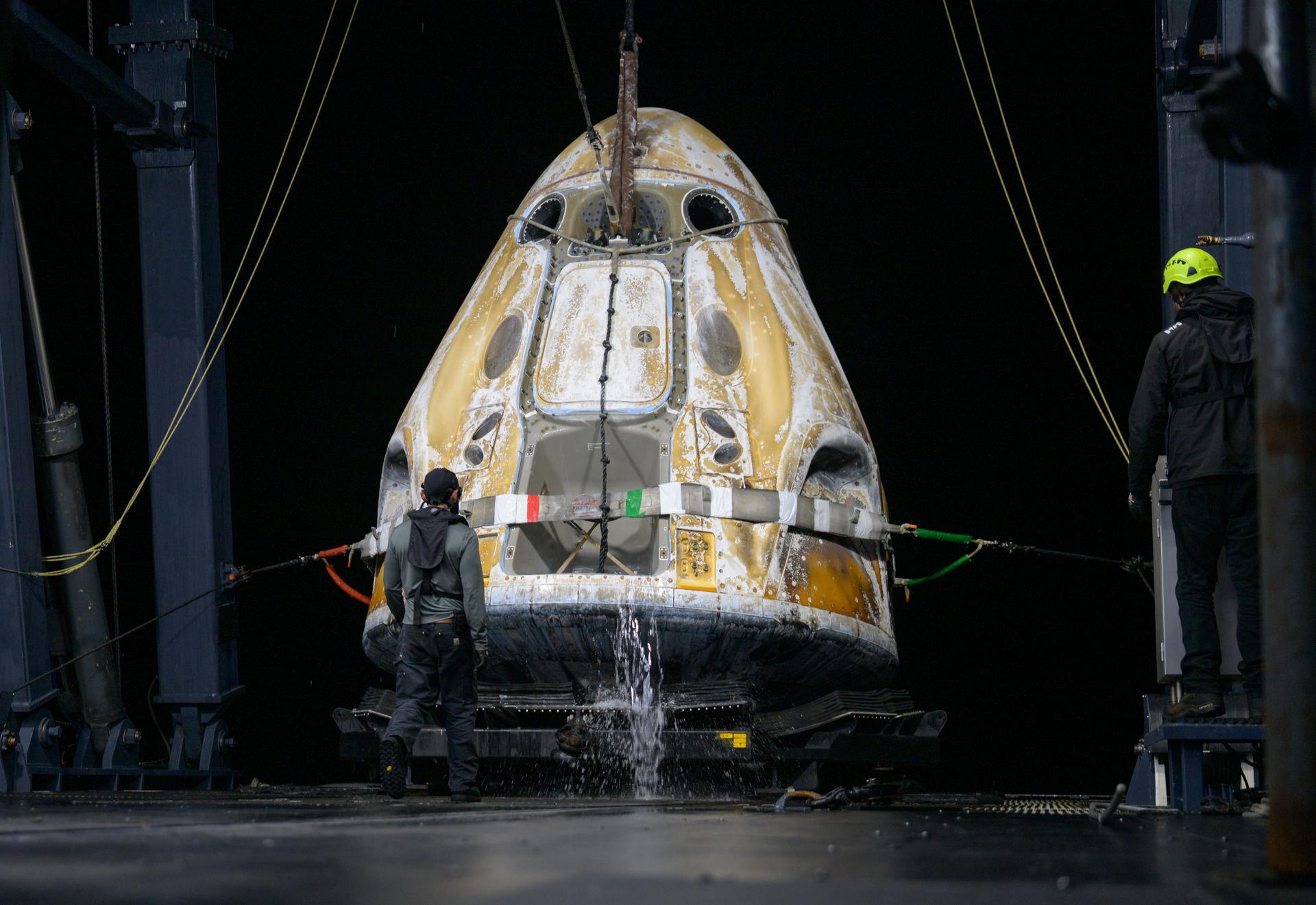
Support teams onboard the SpaceX recovery ship SHANNON work around the SpaceX Dragon Endeavour spacecraft shortly after it landed with NASA astronauts Zena Cardman, Mike Fincke, JAXA (Japan Aerospace Exploration Agency) astronaut Kimiya Yui, and Roscosmos cosmonaut Oleg Platonov aboard in the Pacific Ocean off the coast of San Diego, Calif., Thursday, Jan. 15, 2026. Cardman, Fincke, Yui, Platonov are returning after 167 days in space as part of Expedition 74 aboard the International Space Station. Photo Credit: (NASA/Bill Ingalls)
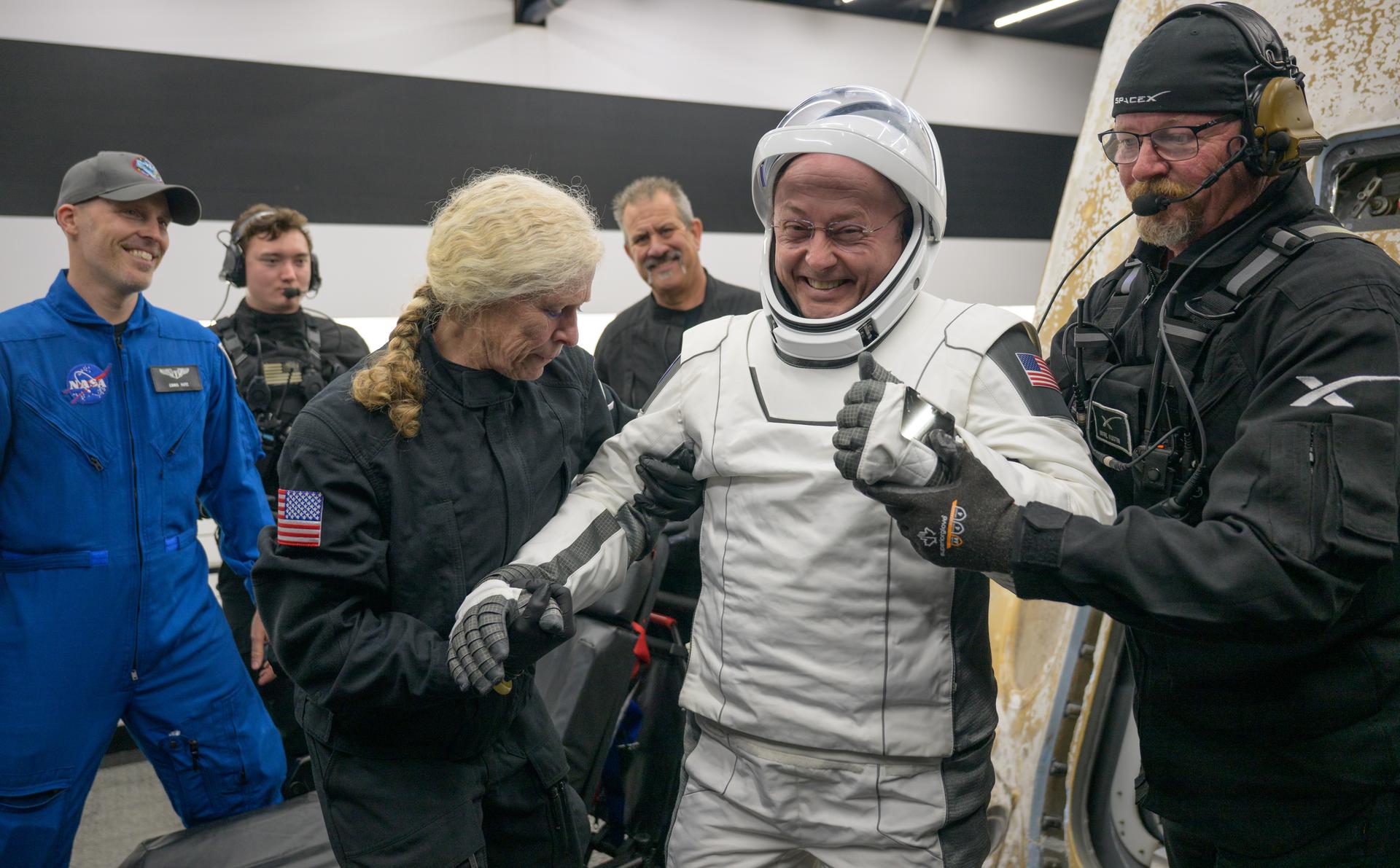
NASA astronaut Mike Fincke helped out of the SpaceX Dragon Endeavour spacecraft onboard the SpaceX recovery ship SHANNON after he, NASA astronaut Zena Cardman, JAXA (Japan Aerospace Exploration Agency) astronaut Kimiya Yui, and Roscosmos cosmonaut Oleg Platonov landed in the Pacific Ocean off the coast of San Diego, Calif., Thursday, Jan. 15, 2026. Cardman, Fincke, Yui, Platonov are returning after 167 days in space as part of Expedition 74 aboard the International Space Station. Photo Credit: (NASA/Bill Ingalls)