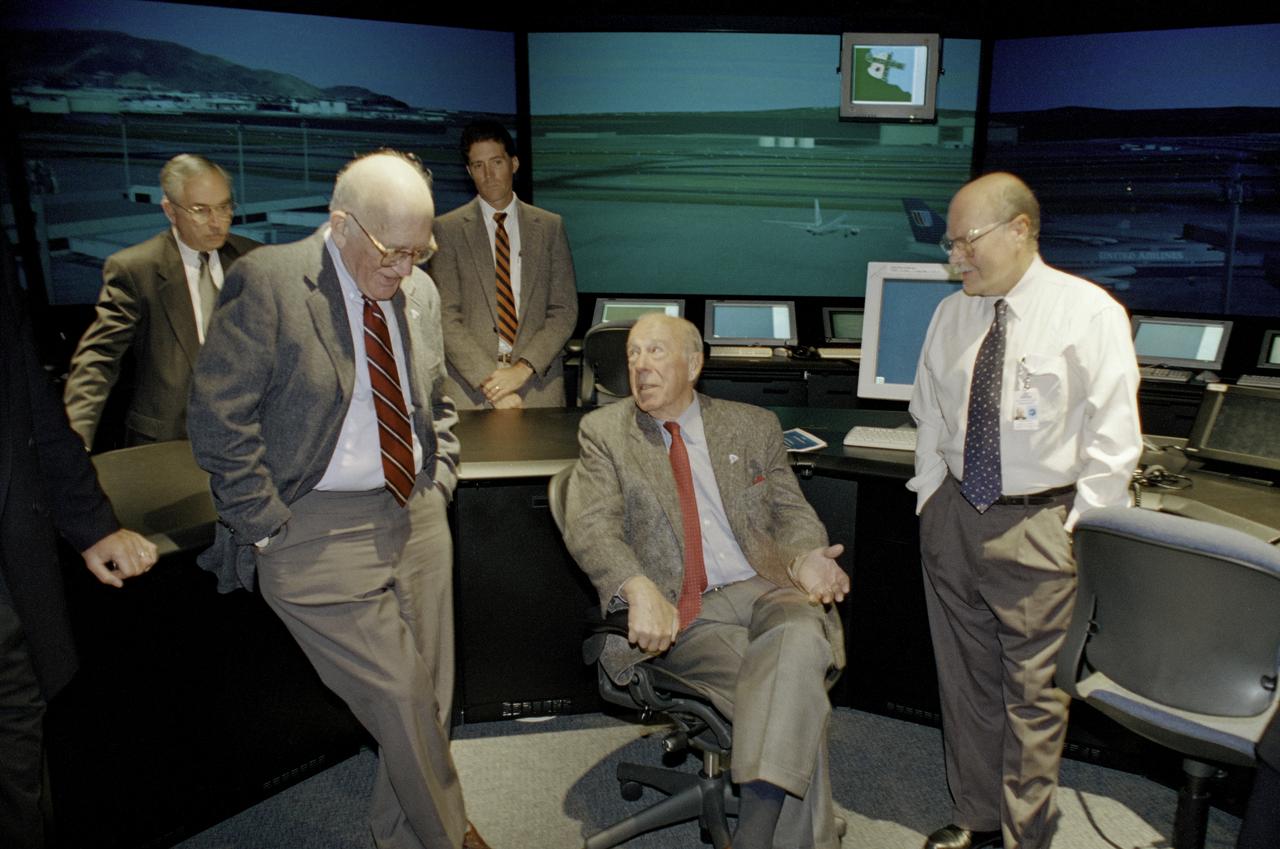
The Honorable George P. Schultz during a Visit and tour of Ames Research Center. Shown here from left to right are in the background Bill Berry, Ames Deputy Director, Dr. Tom Edwards, Chief, Aviation Systems Division, Front row, Dr. Sidney Drell, Staford University, former U S Secretary of State George Schultz, Dr Richard Haines, Senior Research Csientist, FFC at the Future Flight Central Simulator facility.
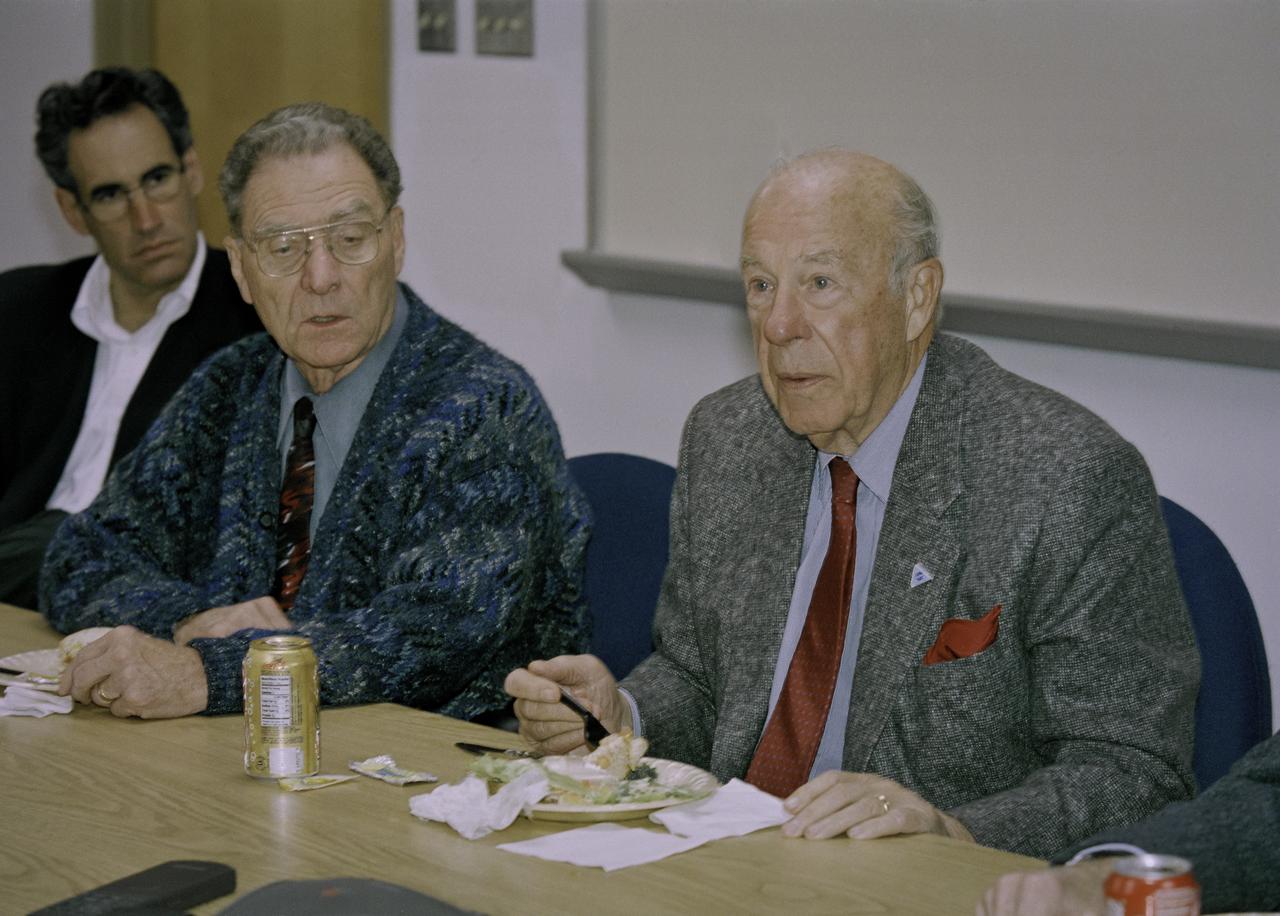
Jack Boyd, Special Assistant to the Center Director (center) and The Honorable George P. Schultz during a Visit and tour of Ames Research Center.
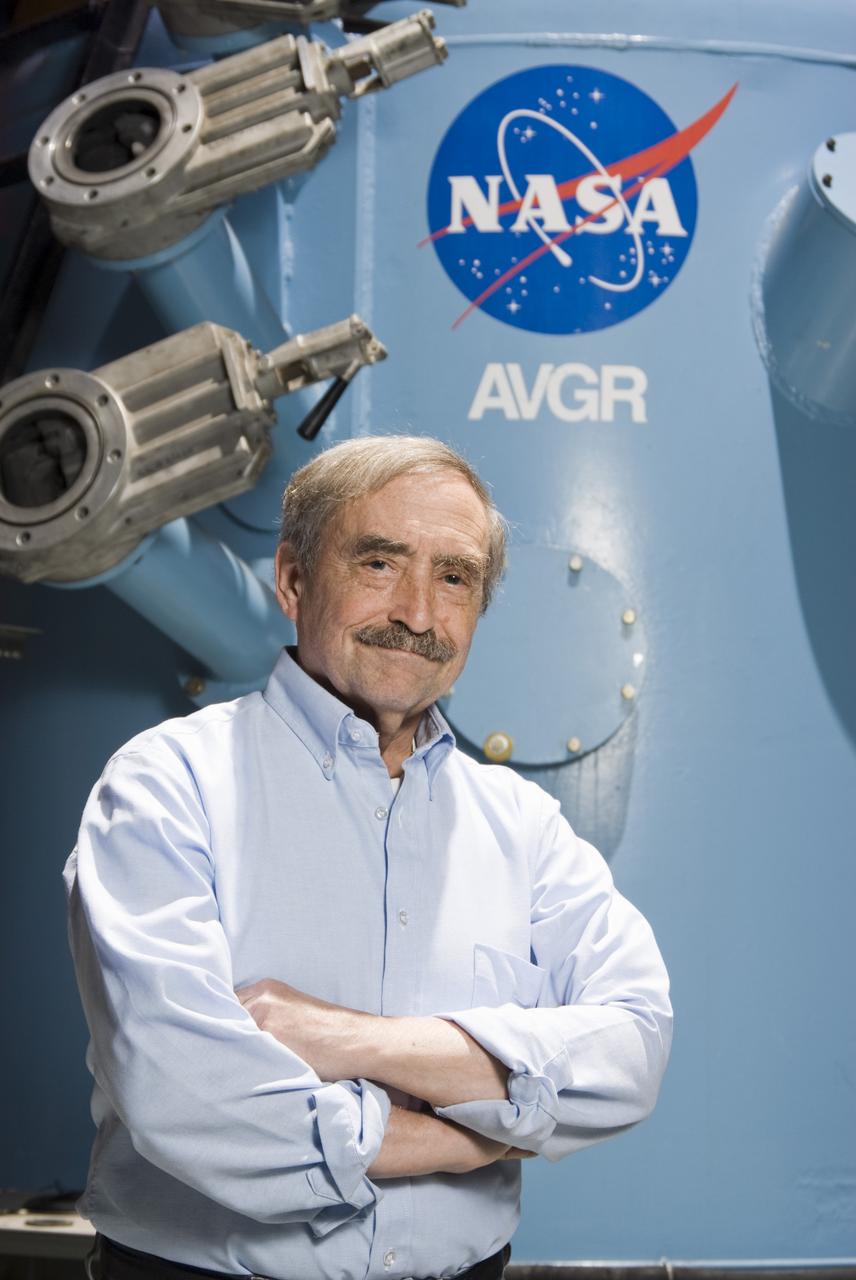
Dr. Peter Schultz, Brown University at NASA Ames Vertical Gun Range Facility during running of tests simulating LCROSS impact debris in preparaton for the real thing on October 9, 2009 when LCROSS impact the Moon southpole in search of hidden water.
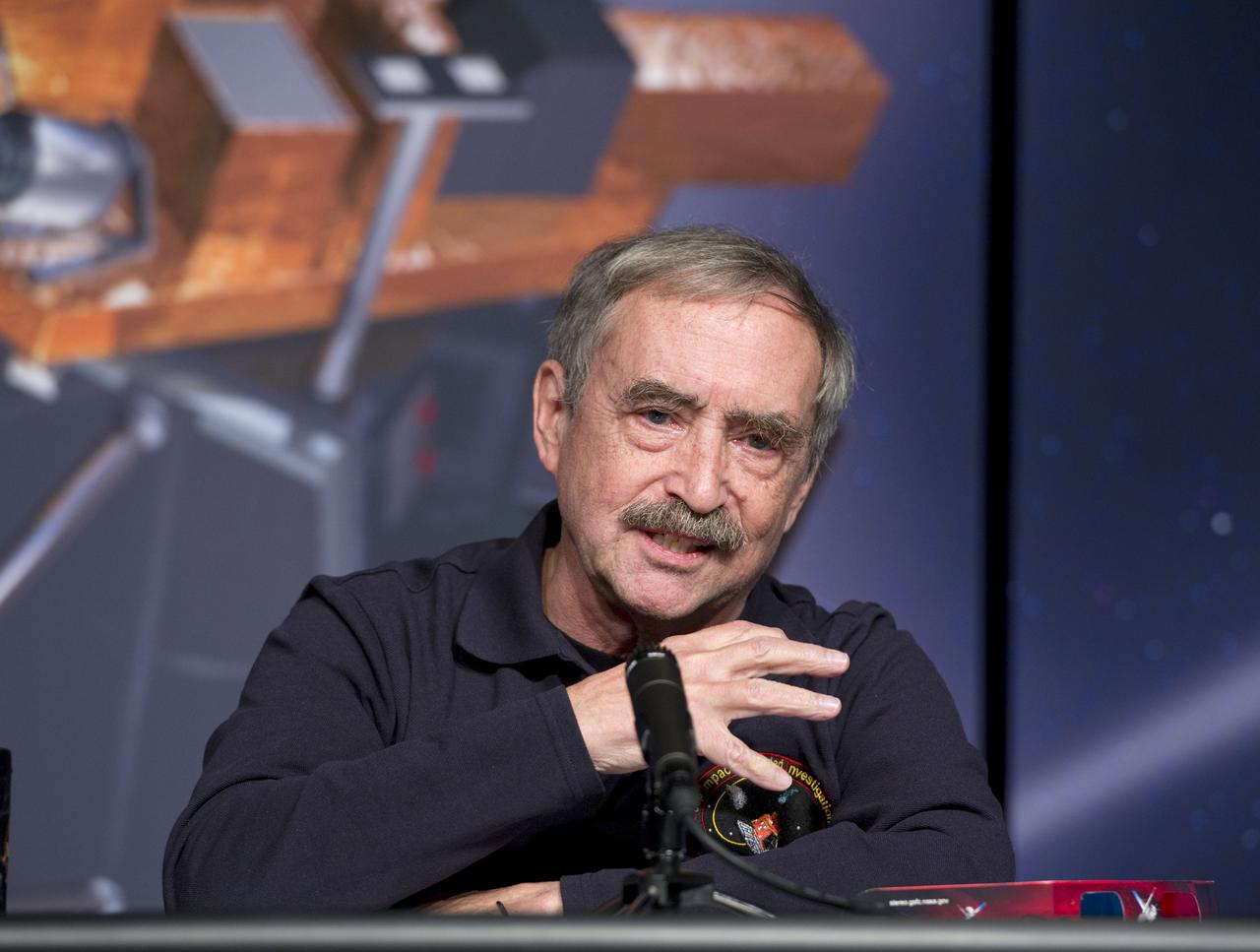
Pete Schultz, EPOXI scientist from Brown University, makes a point during a press conference, Thursday, Nov. 18, 2010, at NASA Headquarters in Washington. The press conference was held to discuss the Nov. 4 successful flyby of Comet Hartley 2 by NASA's EPOXI Mission Spacecraft. Images from the flyby provided scientists the most extensive observations of a comet in history. Photo Credit: (NASA/Paul E. Alers)
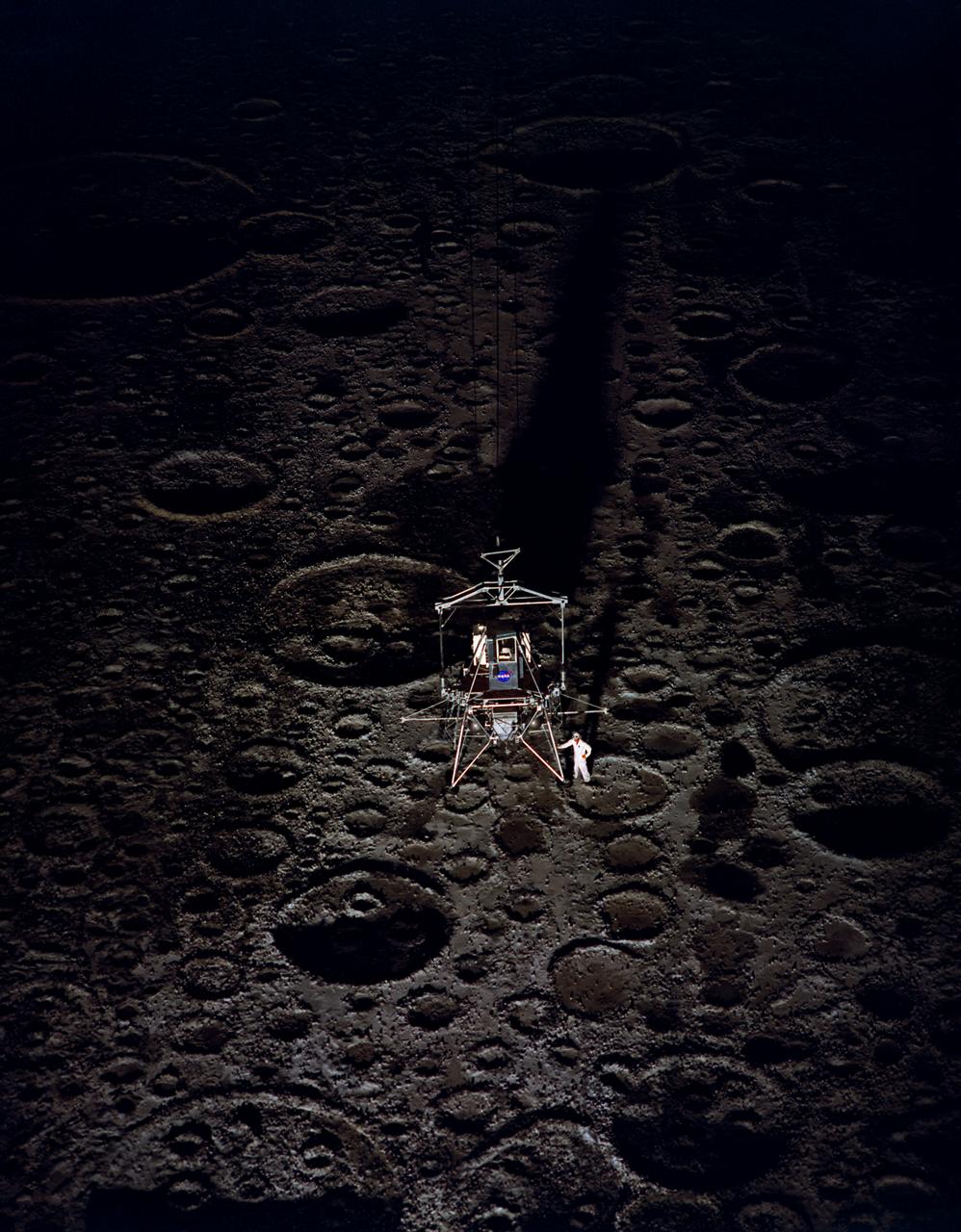
Lunar Landing Module photographed at night at the Lunar Landing Research Facility. Gantry facility 1297. Upright cockpit design lander over moonscape pavement at LLRF. 69-4872 was published in Winds of Change, 75th Anniversary Publication of NASA, P.88, by James Schultz.
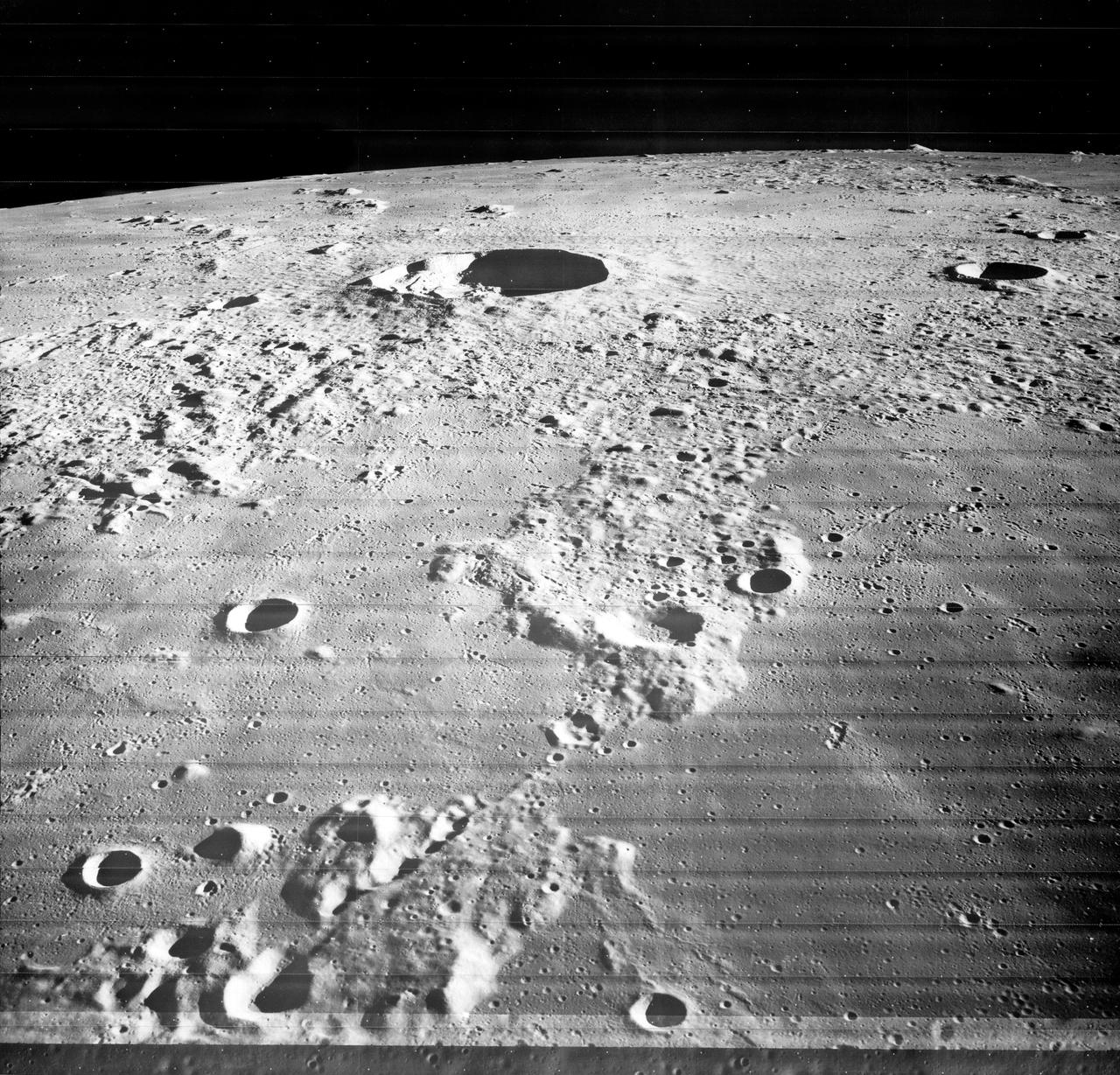
Small light colored area within the crater is Surveyor 1 on lunar surface photographed by Lunar Orbiter III. Published in the book "A Century at Langley" by Joseph Chambers. pg. 93 Moon Lunar Orbiter-Lunar Orbiter III: The hidden or dark side of the Moon was taken by Lunar Orbiter III During its mission to photograph potential lunar-landing sites for Apollo missions. -- Photograph published in Winds of Change, 75th Anniversary NASA publication (page 94), by James Schultz. Photo Number:67-H-328 is 1967-L-04026
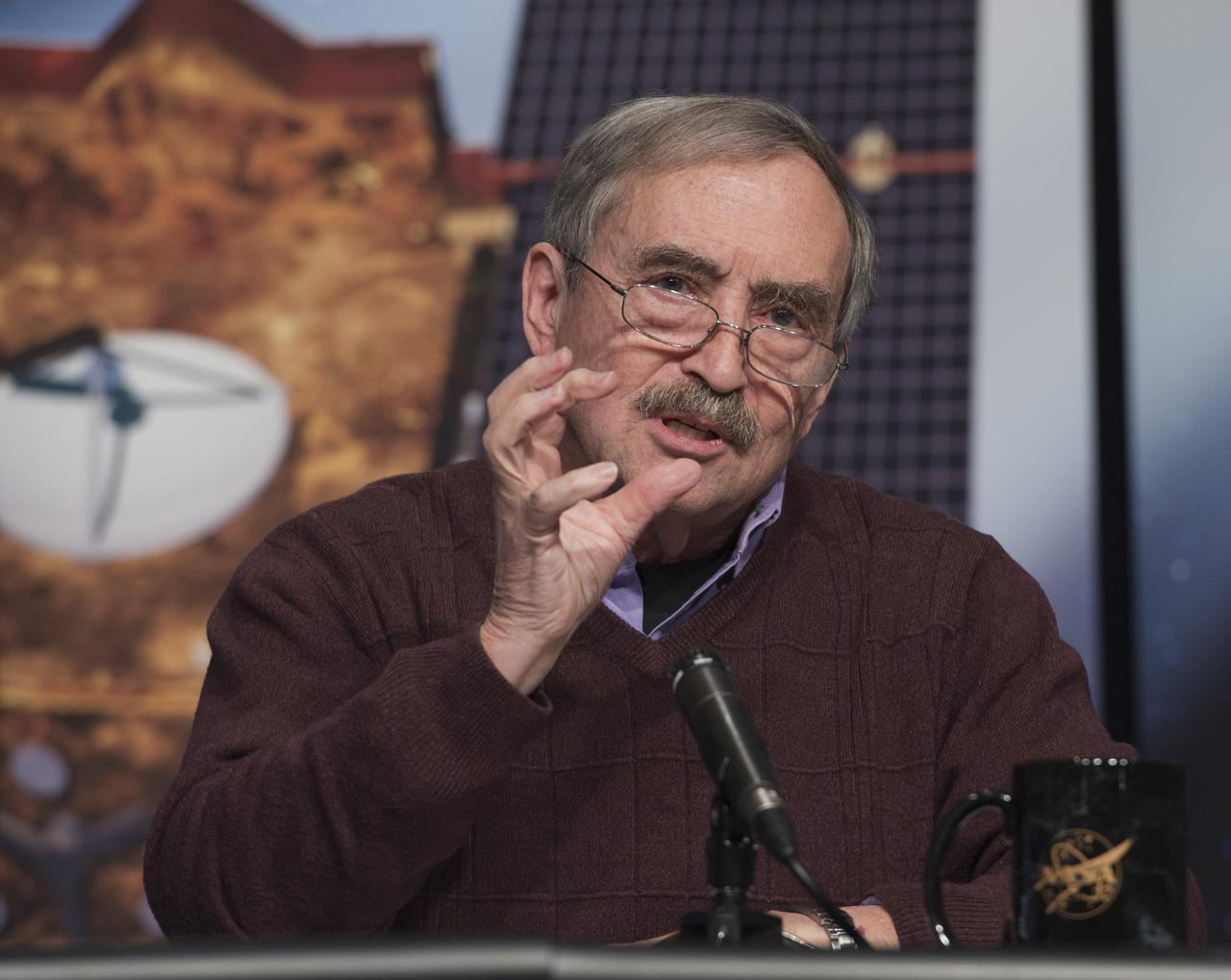
Pete Schultz, Stardust NExT co-investigator, from Brown University, speaks during a news briefing, Wednesday, Jan. 19, 2011, at NASA Headquarters in Washington. On Feb. 14, 2011 NASA's Stardust-NExT (New Exploration of Tempel 1) mission will encounter Comet Tempel 1, providing a unique opportunity to measure the dust properties which will also provide a comparison between two observations of a single comet, Tempel 1, taken before and after a single orbital pass around the sun. Photo Credit: (NASA/Paul E. Alers)
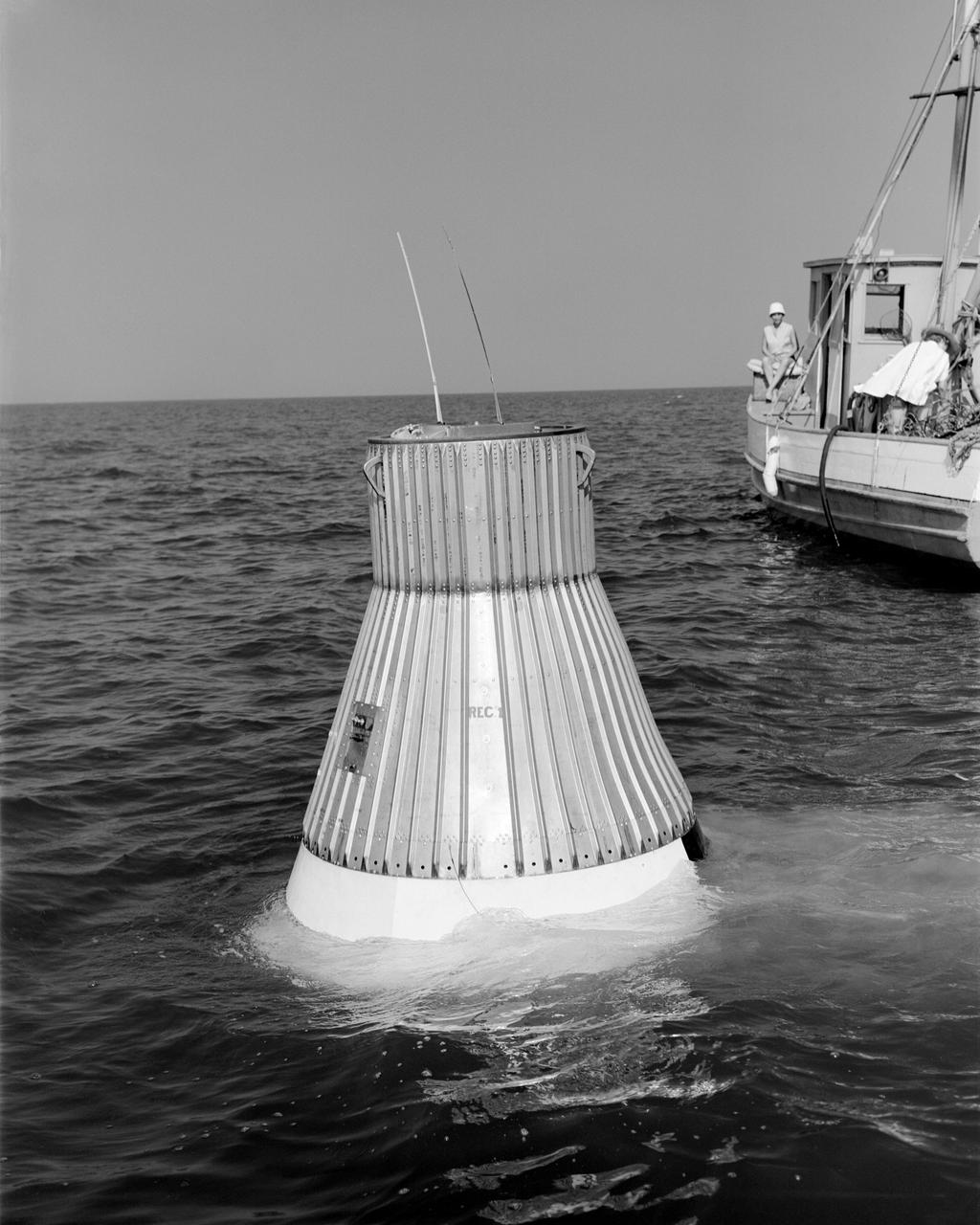
L59-4073 A model of the Mercury capsule undergoes flotation tests. -- Photograph published in Winds of Change, 75th Anniversary NASA publication (page 76), by James Schultz.
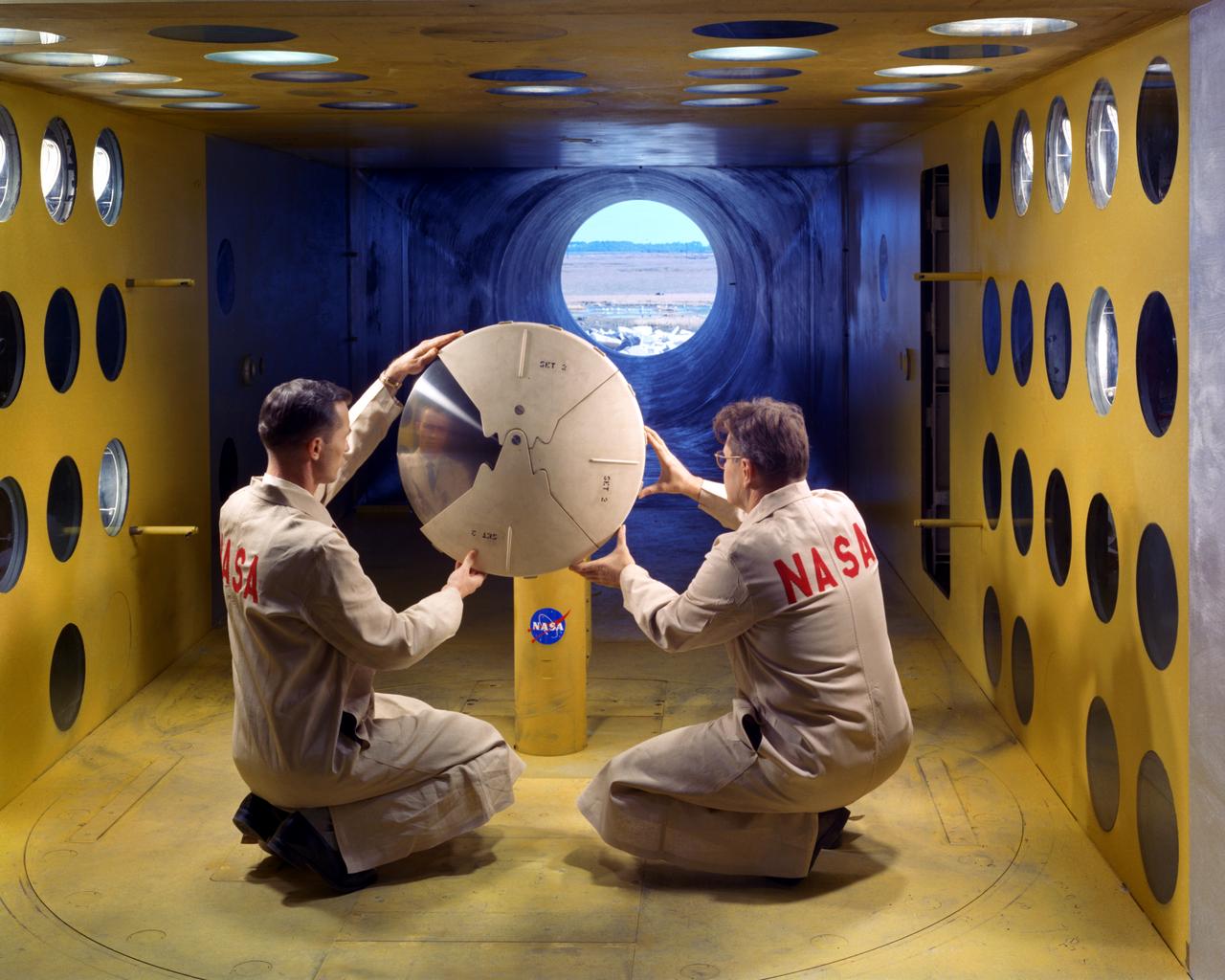
As part of the project FIRE study, technicians ready materials to be subjected to high temperatures that will simulate the effects of re-entry heating. Tests of various space capsule materials for Project FIRE were conducted. Photographed in the 9 X 6 Foot Thermal Structures Tunnel. Photograph published in Winds of Change, 75th Anniversary NASA publication, by James Schultz (page 78). Photograph also published in Engineer in Charge: A History of the Langley Aeronautical Laboratory, 1917-1958 by James R. Hansen (page 476). Also Published in the book " A Century at Langley" by Joseph Chambers. Pg. 92
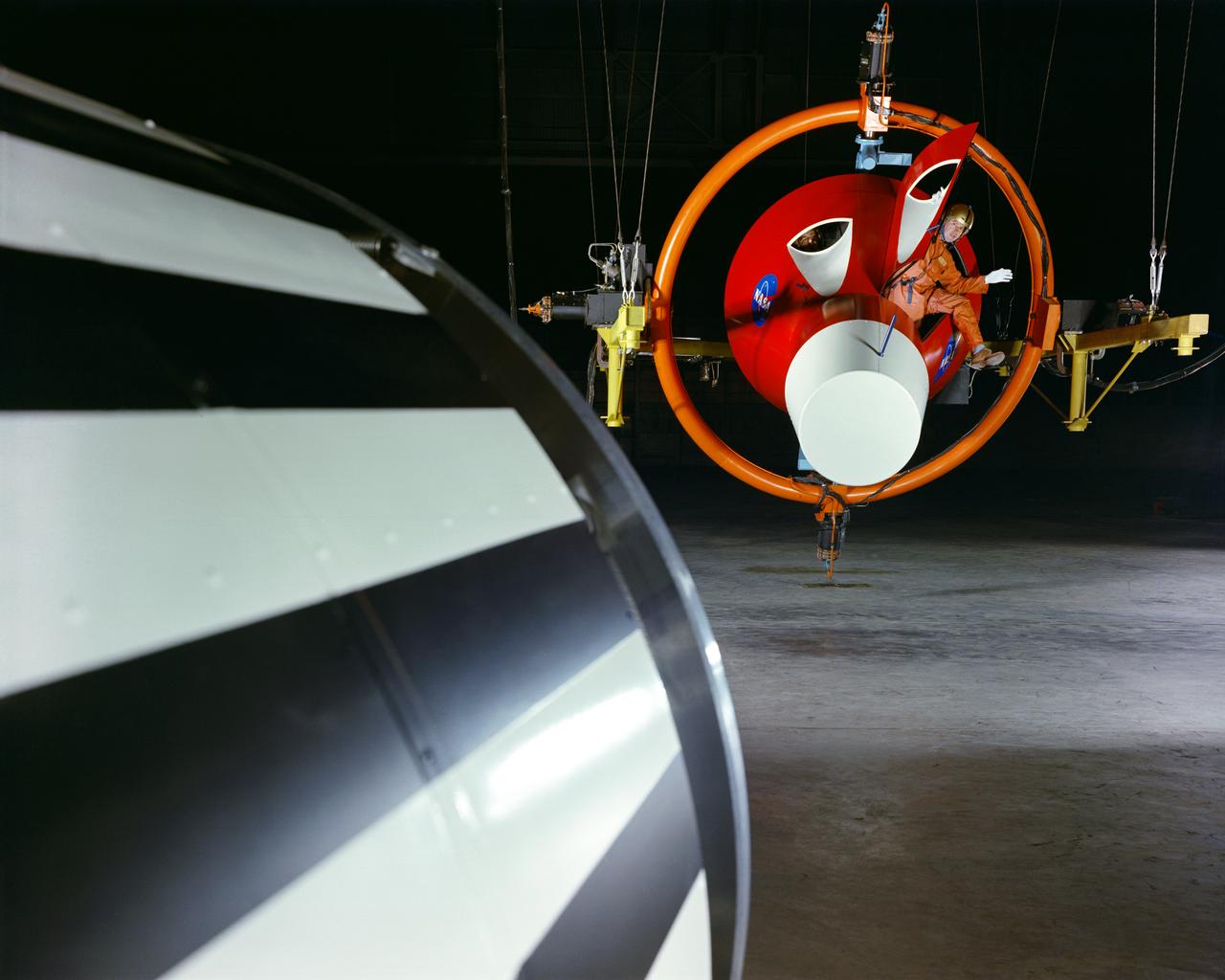
Practicing with a full-scale model of the Gemini Capsule in Langley's Rendezvous Docking Simulator. -- Caption and photograph published in Winds of Change, 75th Anniversary NASA publication, (page 89), by James Schultz.
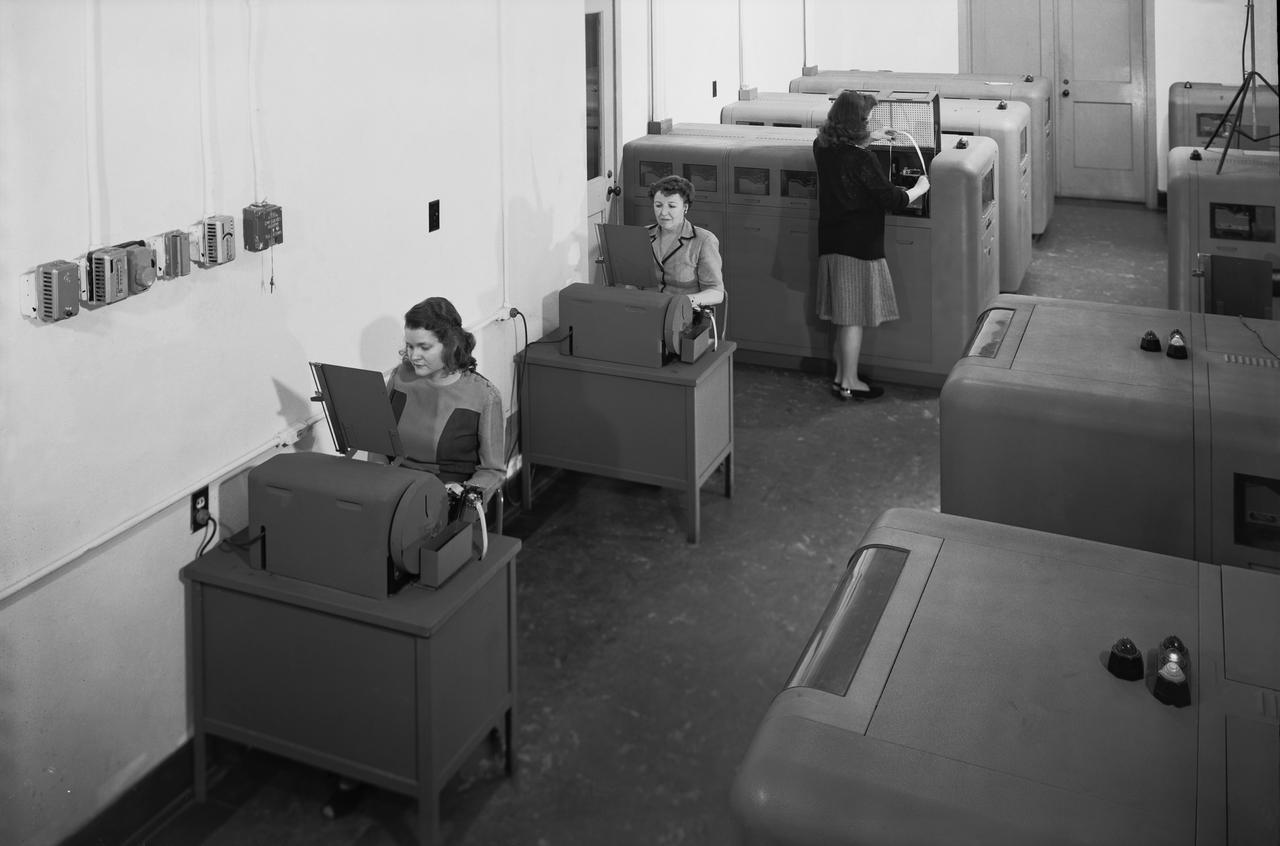
Langley's human computers at work in 1947. The female presence at Langley, who performed mathematical computations for male staff. -- Photograph published in Winds of Change, 75th Anniversary NASA publication (page 48), by James Schultz.

The first Scout prepared for launch at Wallops Island July 1, 1960, and launched the evening of the same day. -- Photograph published in Winds of Change, 75th Anniversary NASA publication (page 73), by James Schultz.
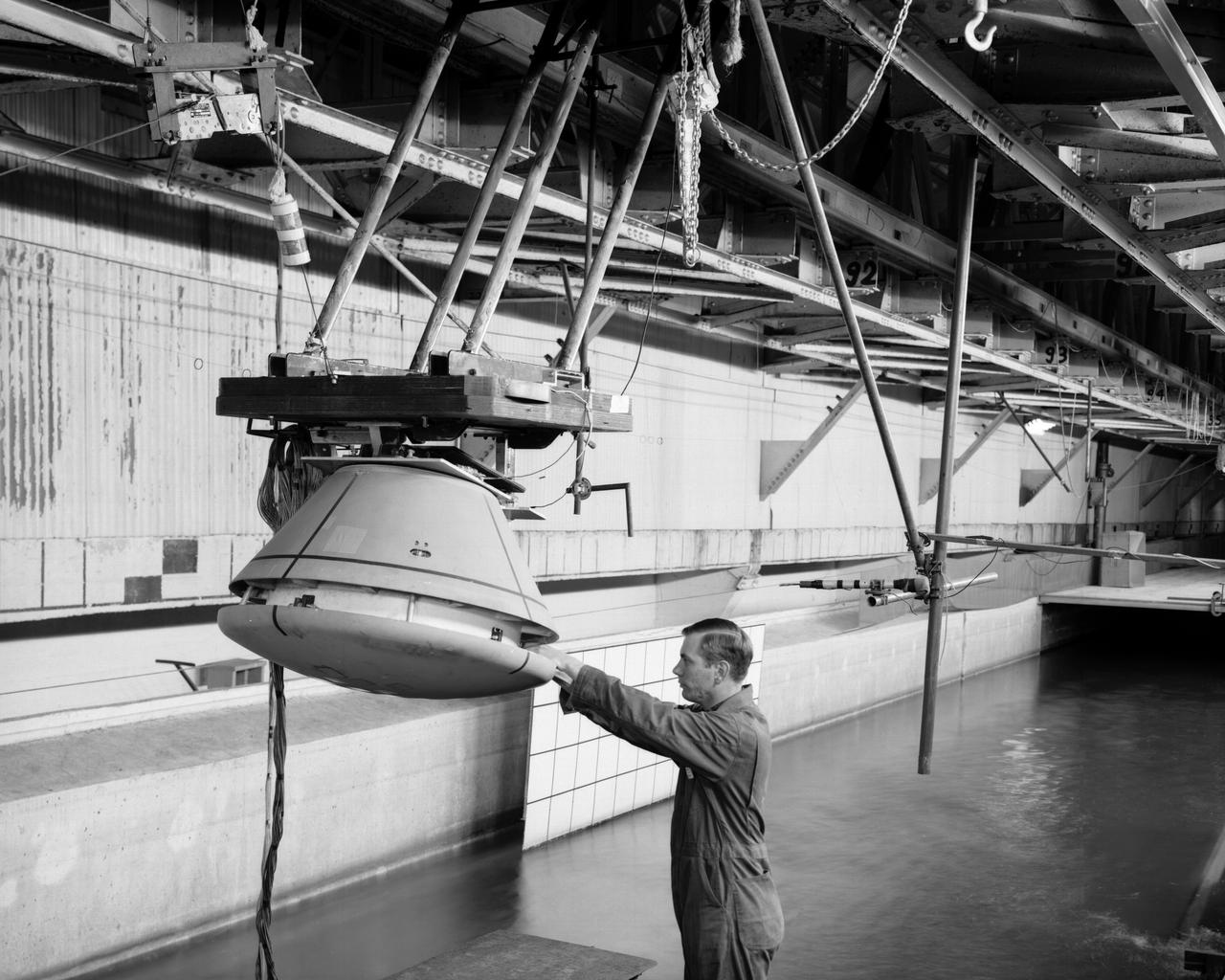
1/4th Scale Model of Apollo - Impact Structures Facility Launched from an overhead pendulum device, this Apollo spacecraft was tested in the Impact Structures Facility to determine water-landing characteristics. -- Photograph published in Winds of Change, 75th Anniversary NASA publication (page 91), by James Schultz.

Aside from native flora, fauna and the Langley rocket-research complex, there was not much on Wallops Island. Pictured is a 1960 photo of Launch area Number Three, used principally for Scout rocket firings. -- Photograph published in Winds of Change, 75th Anniversary NASA publication (page 73), by James Schultz.
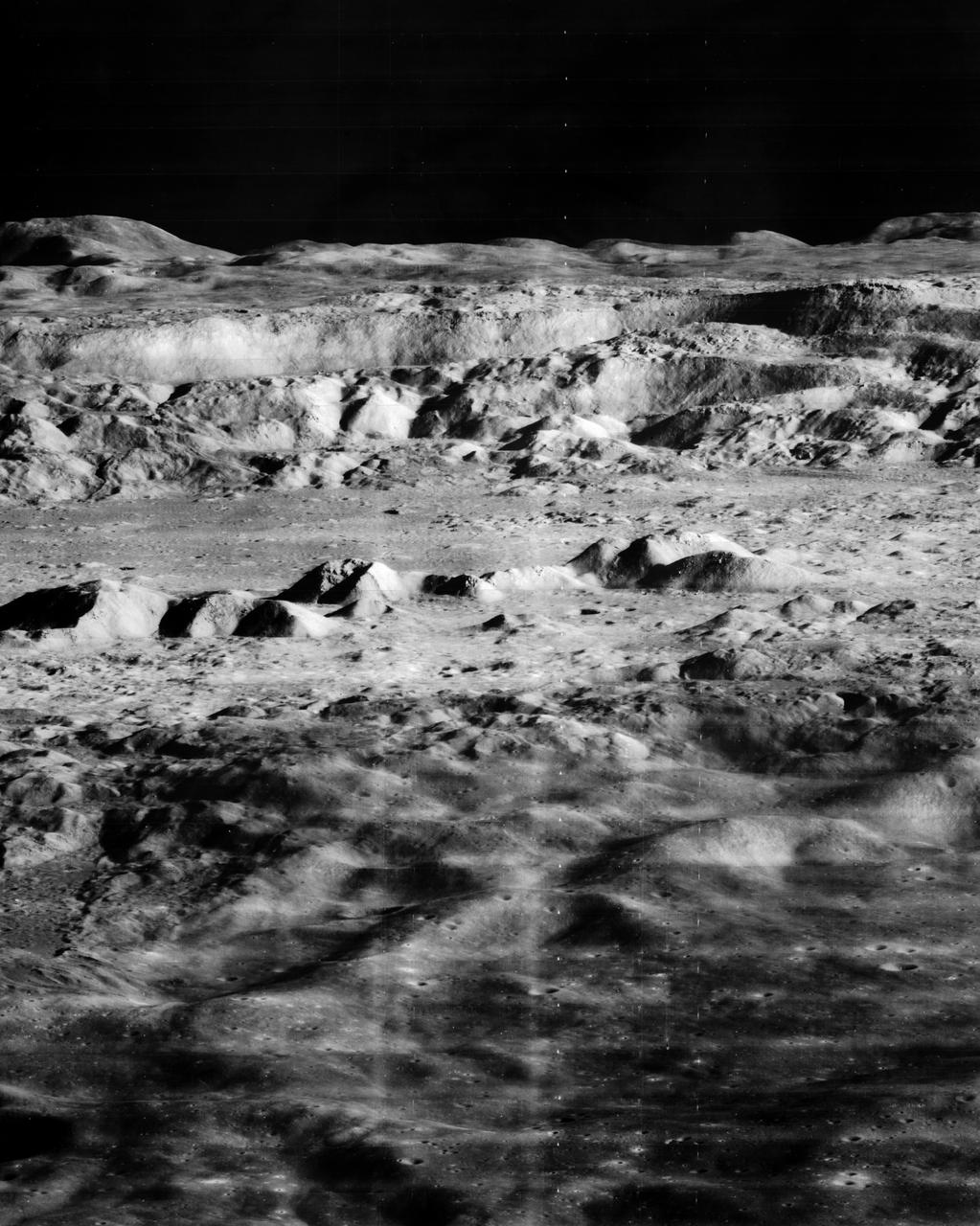
Moon Lunar Orbiter-Lunar Orbiter II: Display Transparencies Lunar Orbiter II from Washington Press Conference. Lunar Orbiter II's telephoto lens took this picture of the floor of the crater Copernicus. -- Photograph published in Winds of Change, 75th Anniversary NASA publication (page 94), by James Schultz.
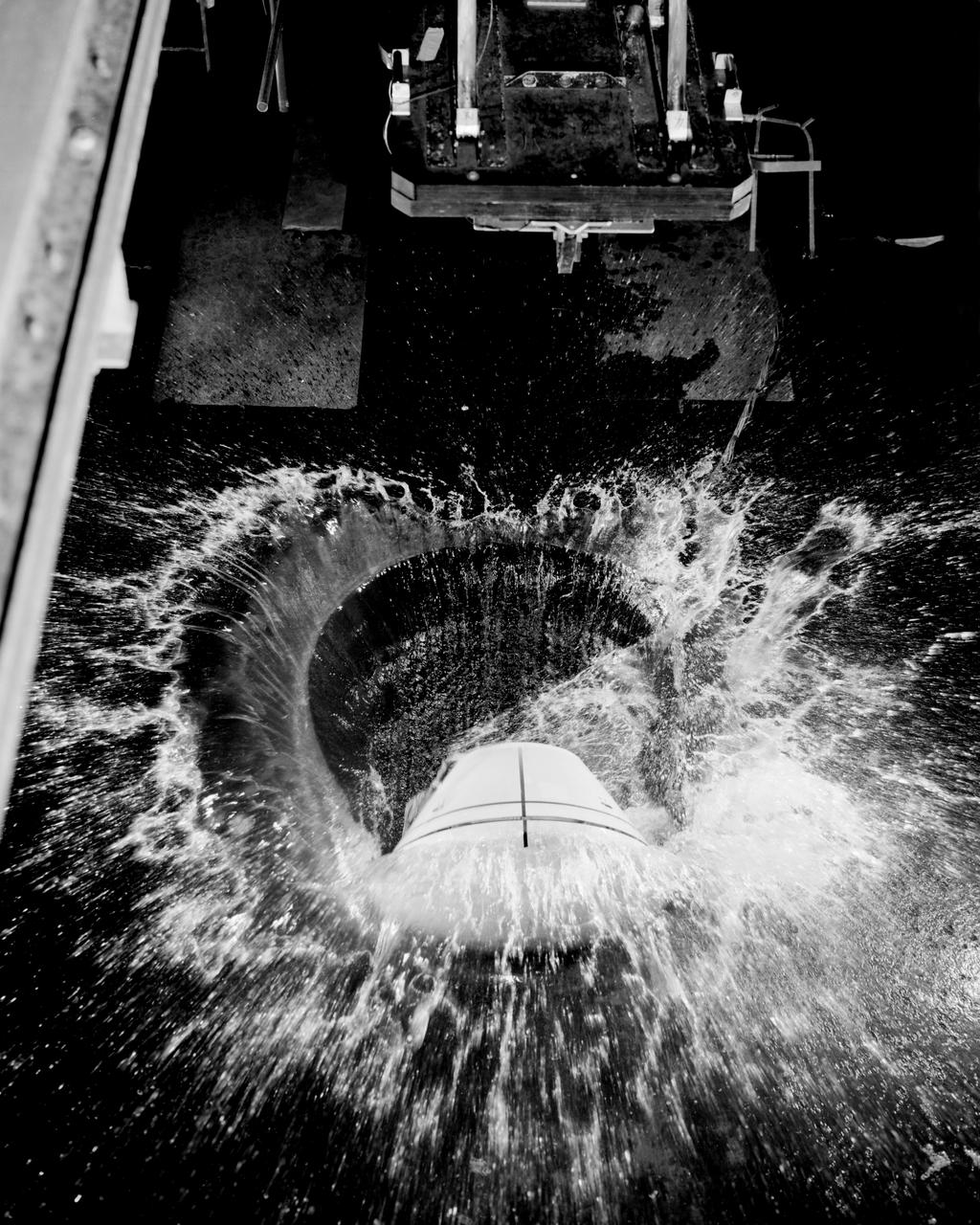
1/4th Scale Model of Apollo - Impact Structures Facility Launched from an overhead pendulum device, this Apollo spacecraft was tested in the Impact Structures Facility to determine water-landing characteristics. -- Photograph published in Winds of Change, 75th Anniversary NASA publication (page 91), by James Schultz.
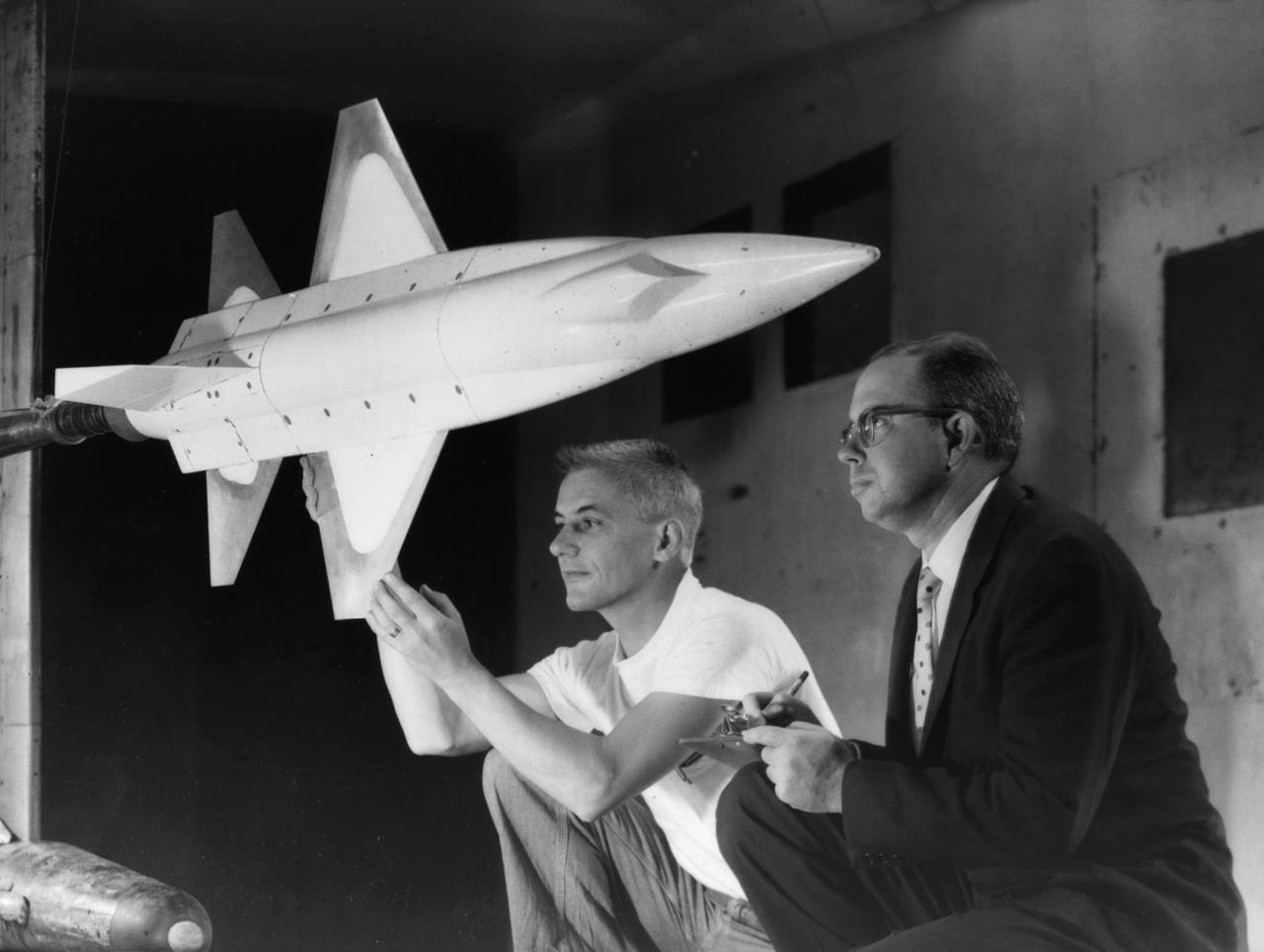
A 1/10th Scale Model of the X-15 research plane is prepared in Langley's 7 x 10 Foot Wind Tunnel for studies relating to spin characteristics. -- Photograph published in Winds of Change, 75th Anniversary NASA publication (page 66), by James Schultz.
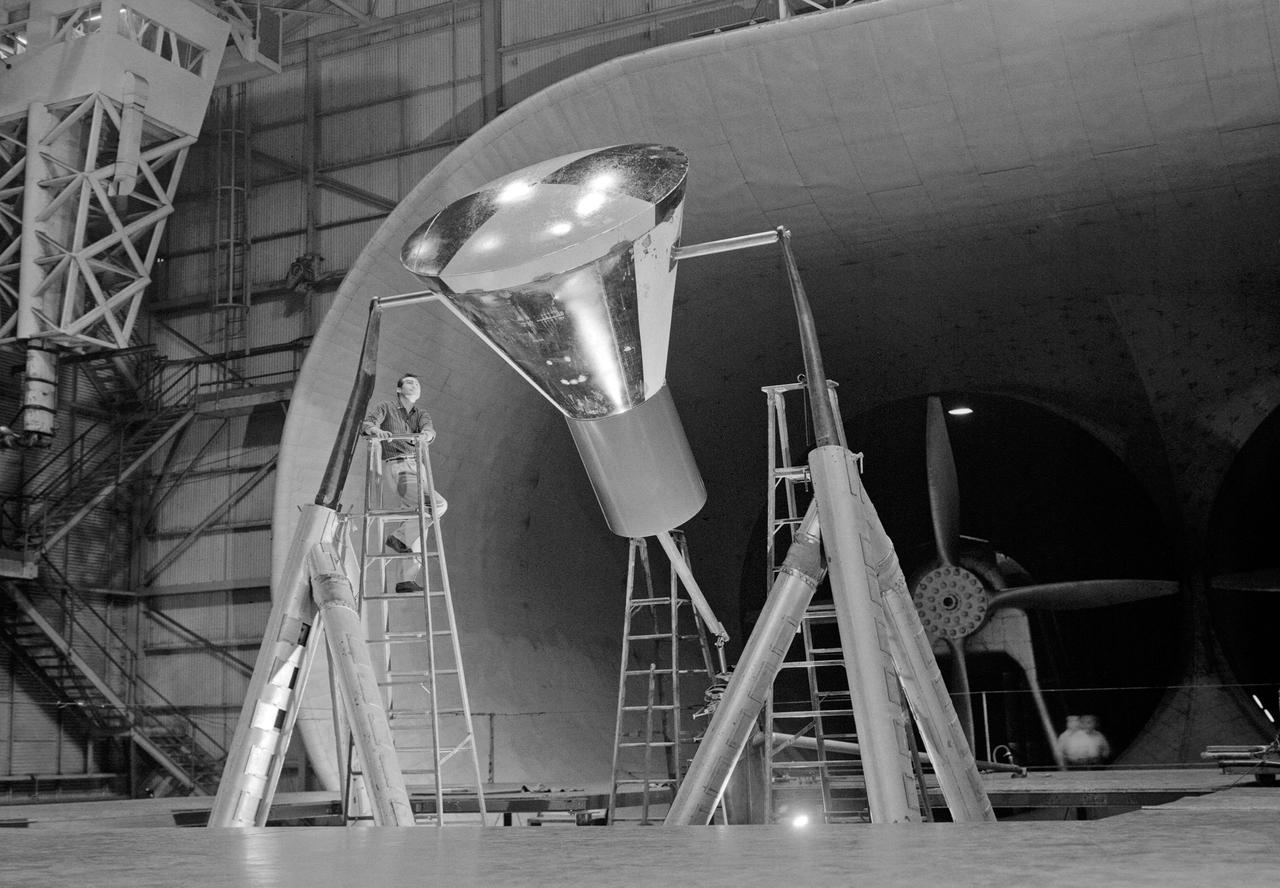
The Mercury space capsule undergoing tests in Full Scale Wind Tunnel, January 1959. Photograph published in Winds of Change, 75th Anniversary NASA publication, page 75, by James Schultz. Also Photograph published in Engineer in Charge: A History of the Langley Aeronautical Laboratory, 1917-1958, page 389, by James R. Hansen.
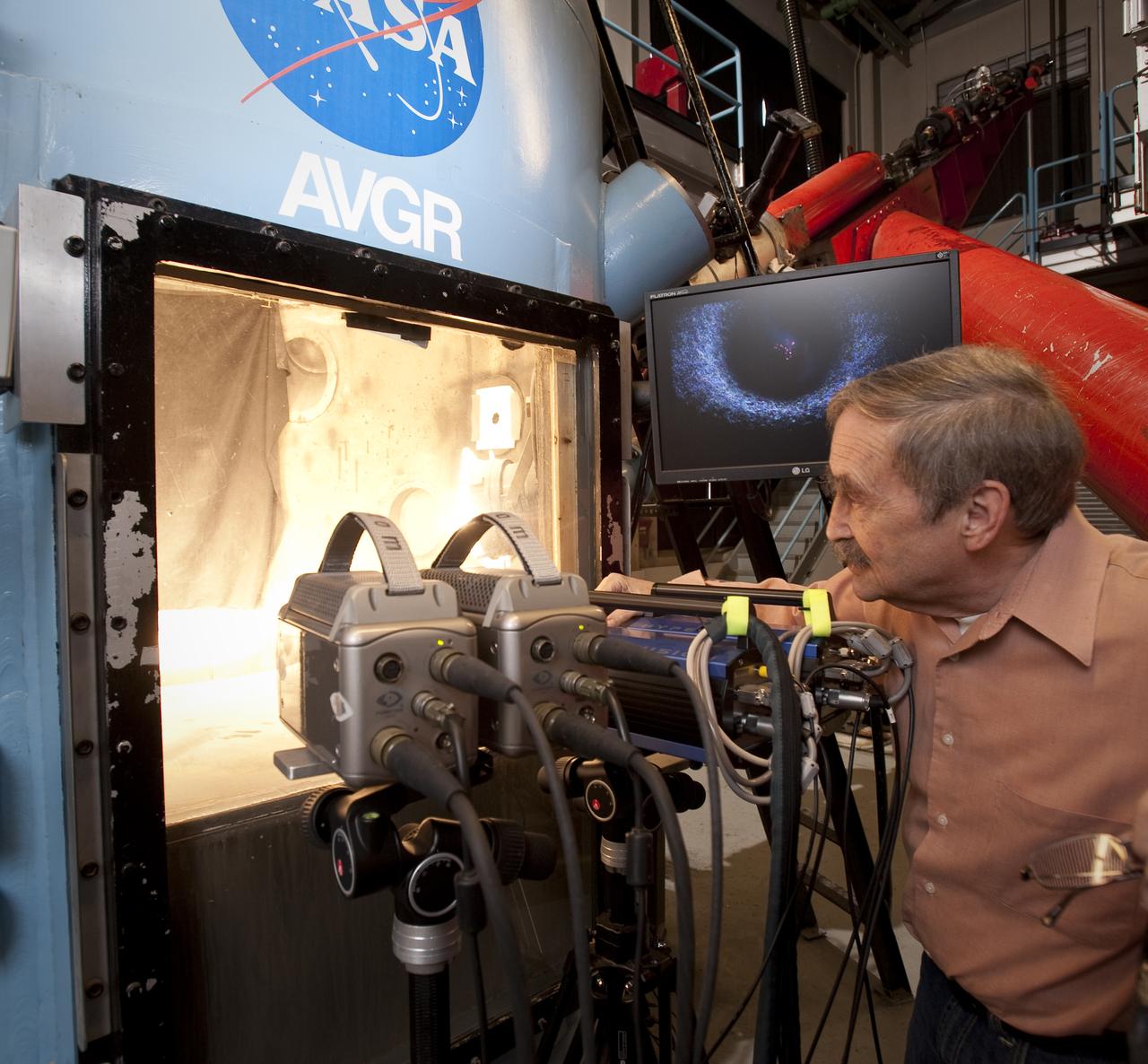
Dr. Peter Schultz, Brown University at NASA Ames Vertical Gun Range Facility during running of tests simulating LCROSS impact debris in preparaton for the real thing on October 9, 2009 when LCROSS impact the Moon southpole in search of hidden water.
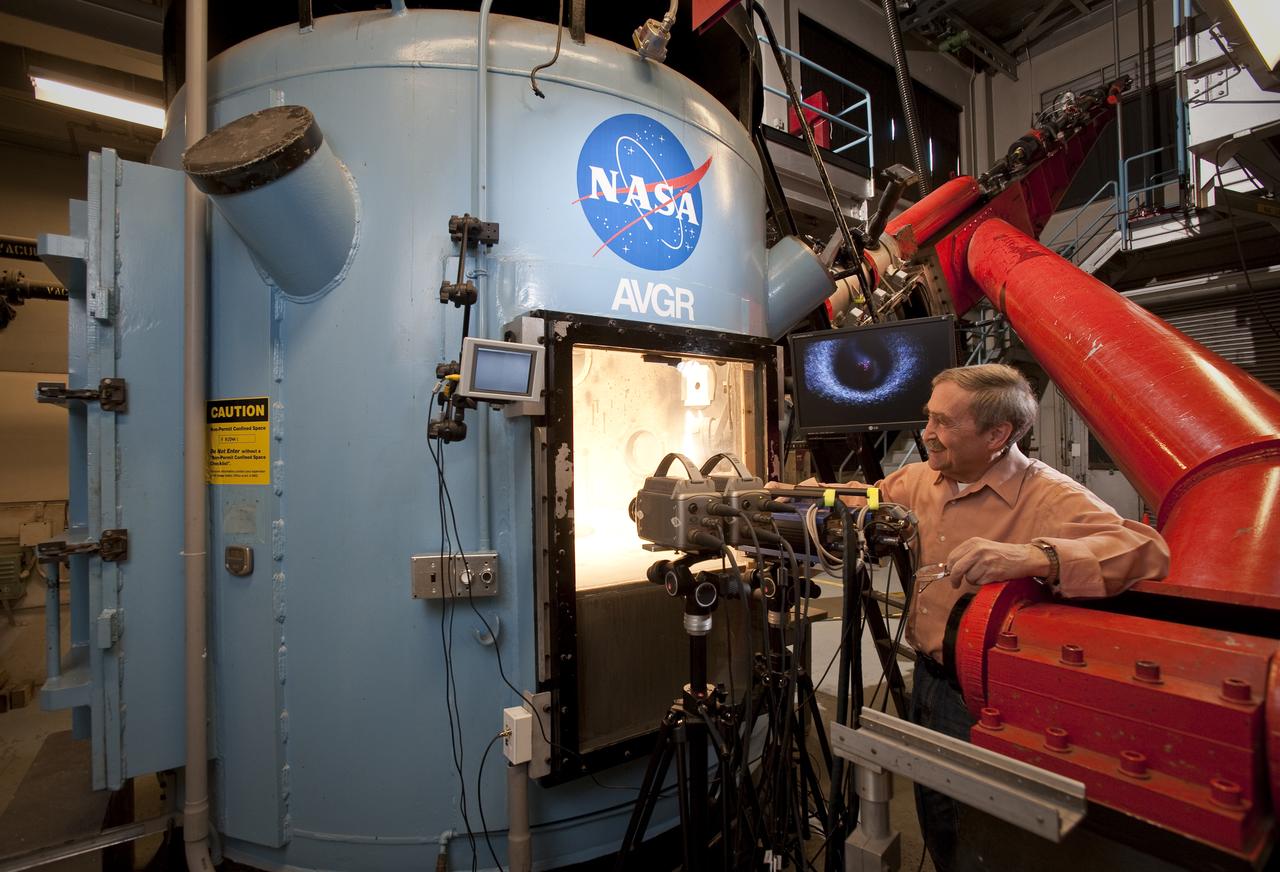
Dr. Peter Schultz, Brown University at NASA Ames Vertical Gun Range Facility during running of tests simulating LCROSS impact debris in preparaton for the real thing on October 9, 2009 when LCROSS impact the Moon southpole in search of hidden water.
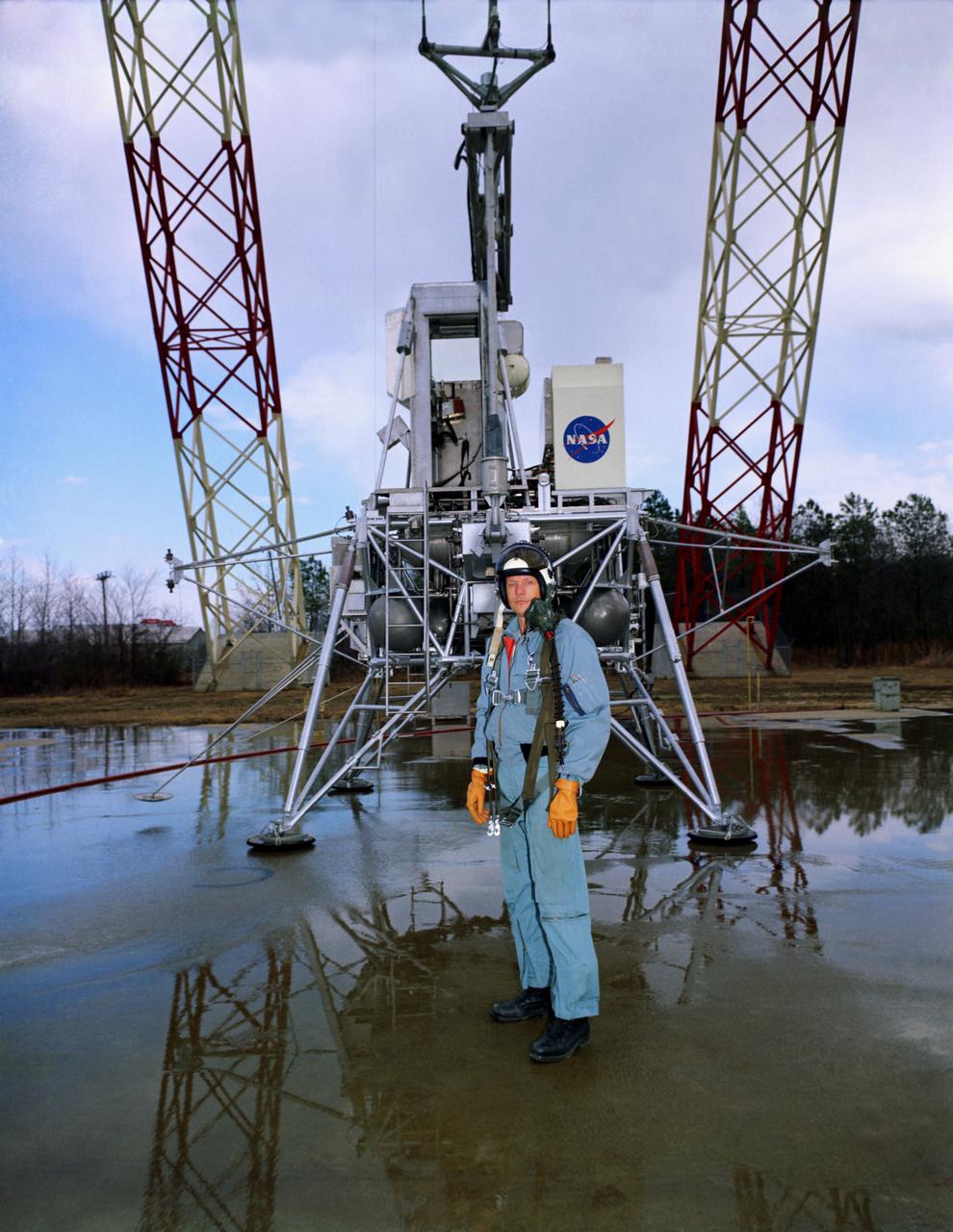
Neil Armstrong with the Lunar Excursion Module (LEM). Caption: "Not long after this photo was taken in front of the Lunar Landing Research Facility, astronaut Neil Armstrong became the first human to step upon the surface of the Moon." Photograph published in Winds of Change, 75th Anniversary NASA publication, by James Schultz, page 91. Also published in " A Century at Langley" by Joseph Chambers, pg. 95
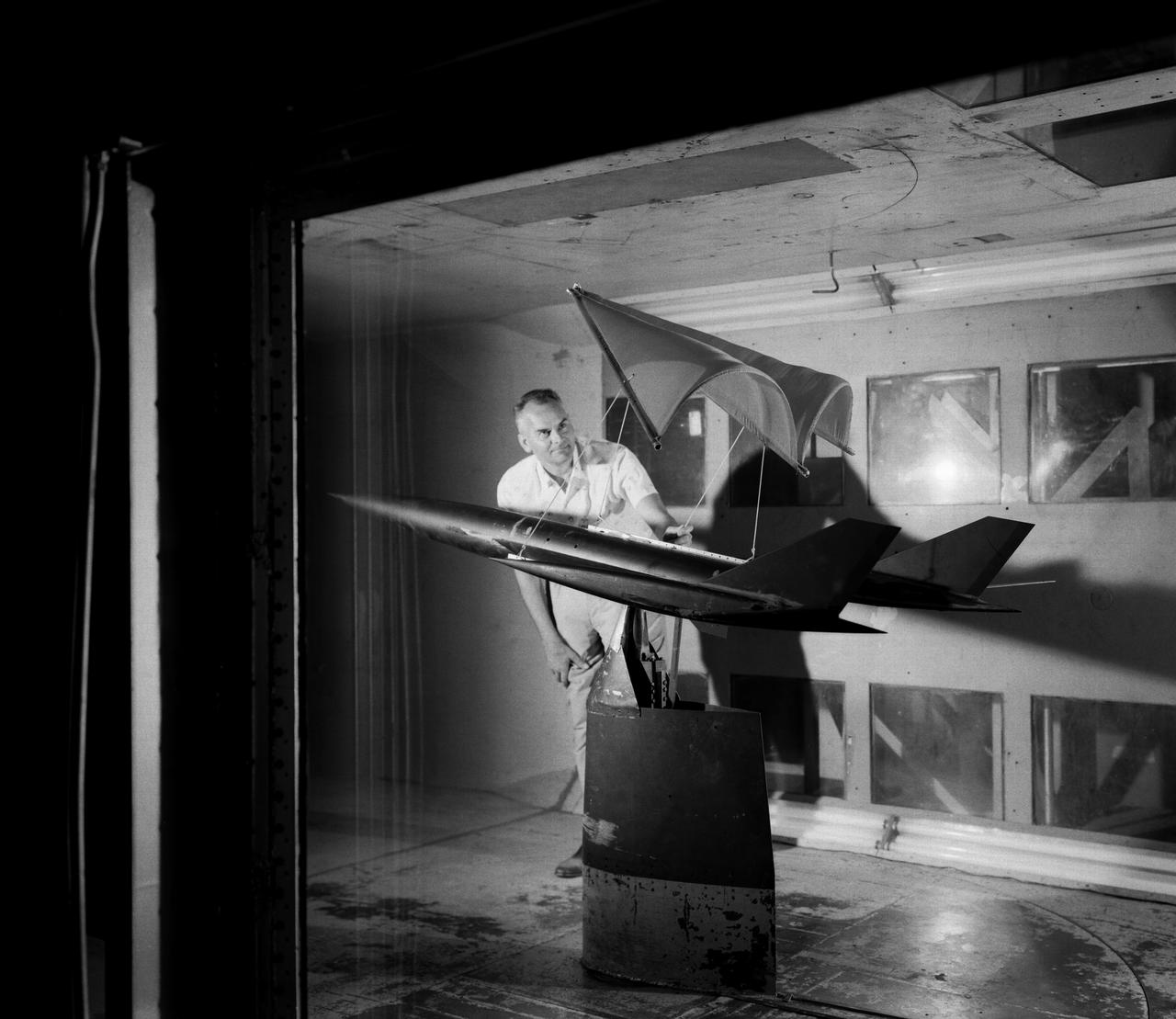
On June 26, 1959, then-Langley-research Francis Rogallo examined the Rogallo wing in the 7x10 FT Tunnel. Originally conceived as a means of bringing manned spacecraft to controlled, soft landings, Rogallo's concept was avidly embraced by later generations of hang-gliding enthusiasts. -- Photograph published in Winds of Change, 75th Anniversary NASA publication (page 18), by James Schultz.

X-15 launch techniques were investigated using on-twentieth scale models mounted in the 7x10 FT Tunnel. -- Photograph published in Winds of Change, 75th Anniversary NASA publication (page 67), by James Schultz. -- Photograph also published in Sixty Years of Aeronautical Research 1917-1977 - a NASA publication (page 49), by David A. Anderton.
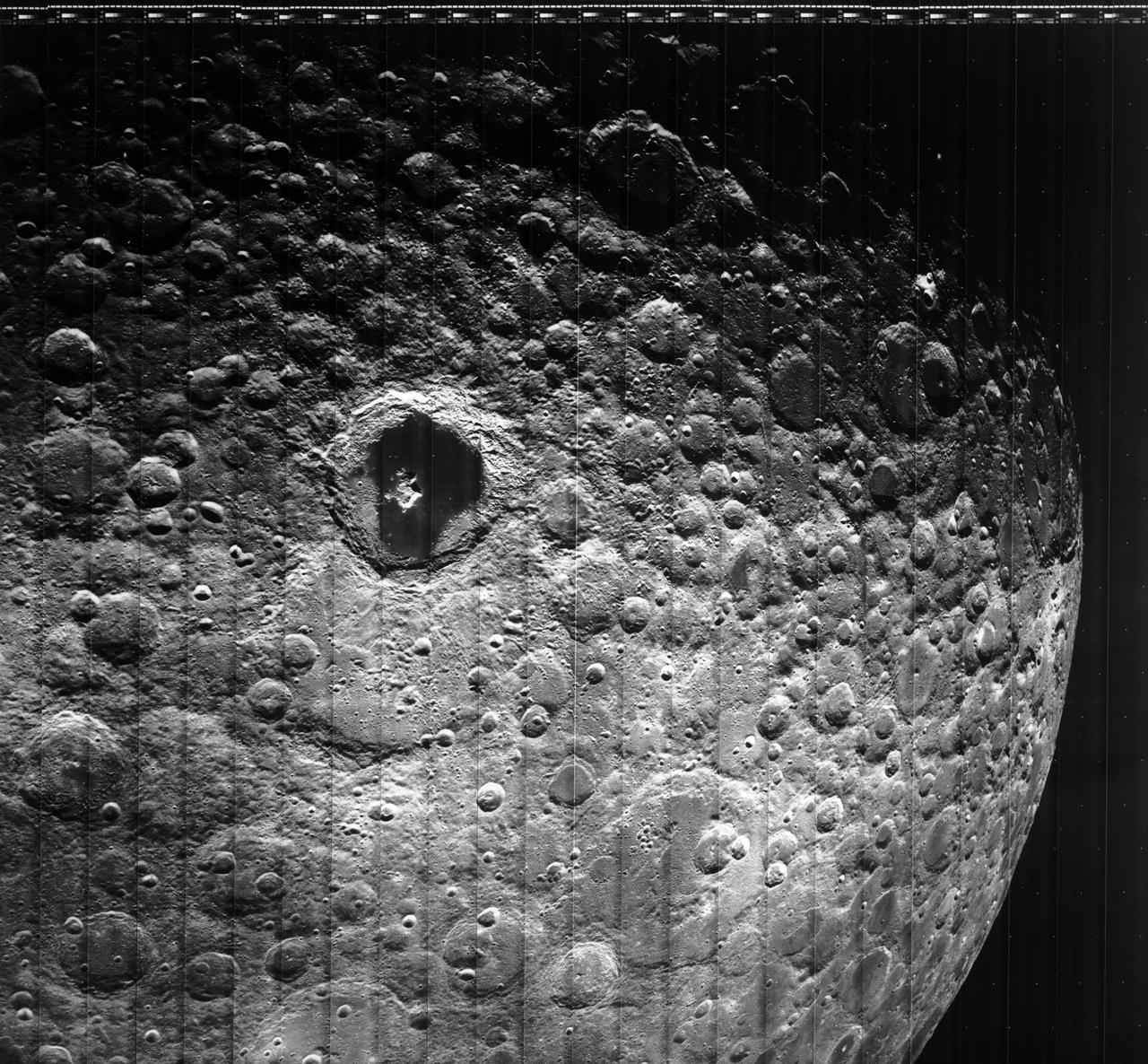
Moon Lunar Orbiter-Lunar Orbiter III: The hidden or dark side of the Moon was taken by Lunar Orbiter III During its mission to photograph potential lunar-landing sites for Apollo missions. -- Photograph published in Winds of Change, 75th Anniversary NASA publication (page 94), by James Schultz. Photo Number:67-H-328 is 1967-L-04026
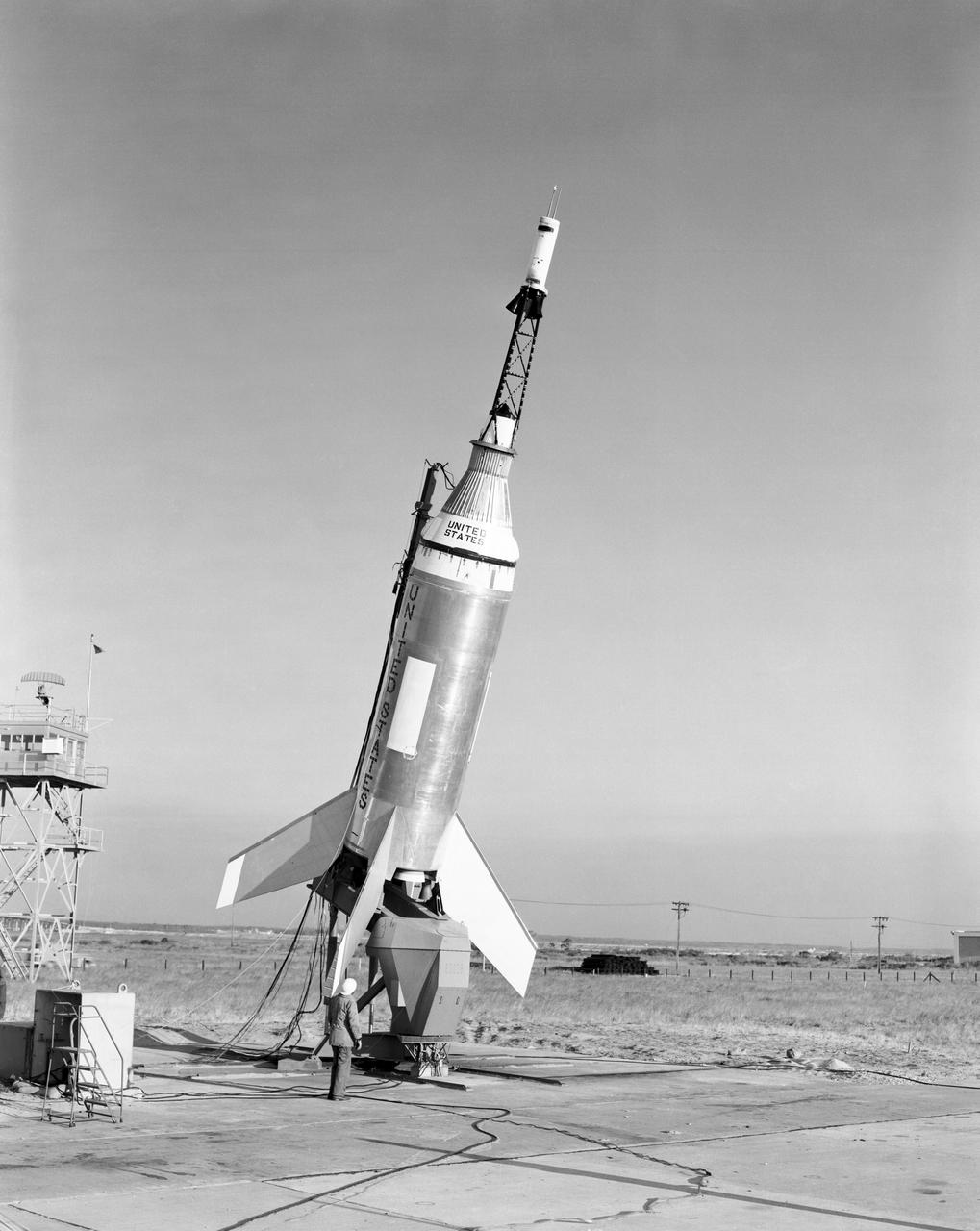
The Little Joe launch vehicle being readied for a test launch from Wallops in January 1960... Page 77. Photograph published in Winds of Change, 75th Anniversary NASA publication, by James Schultz. **note - see L59-5137 page 77 also. Photograph published in Engineer in Charge: A History of the Langley Aeronautical Laboratory, 1917-1958 by James R. Hansen. Page 389. ...was conceived by Langley engineers Max Faget and Paul Purser even before STG (Space Task Group) was organized.
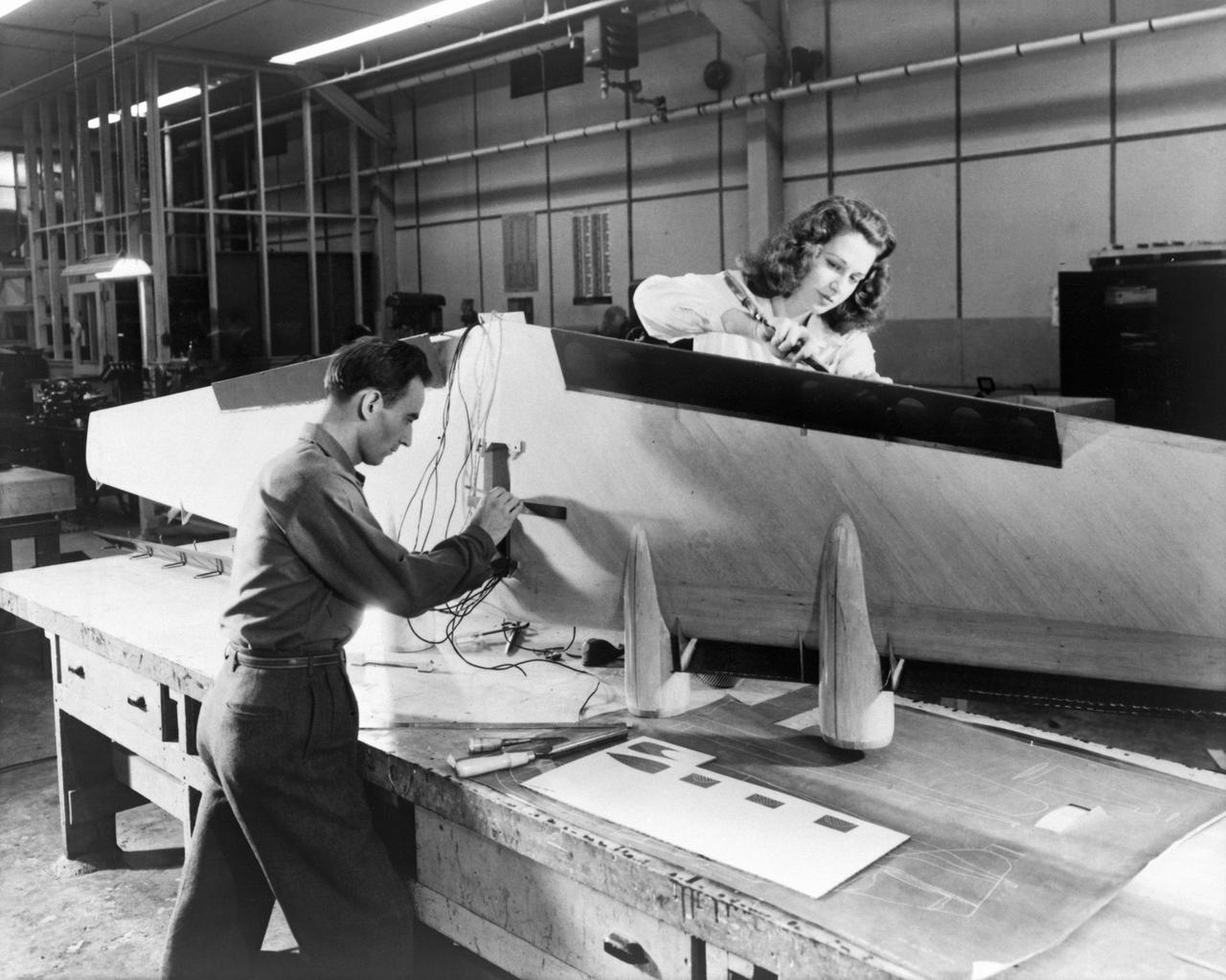
Technicians are pictured installing flaps and wiring on a flying-boat model, circa 1944 (page 47). Photograph published in Winds of Change, 75th Anniversary NASA publication, by James Schultz. Photograph also published in Engineer in Charge: A History of the Langley Aeronautical Laboratory, 1917-1958 by James R. Hansen (page 209). -- Photographed on: 04/24/1946.
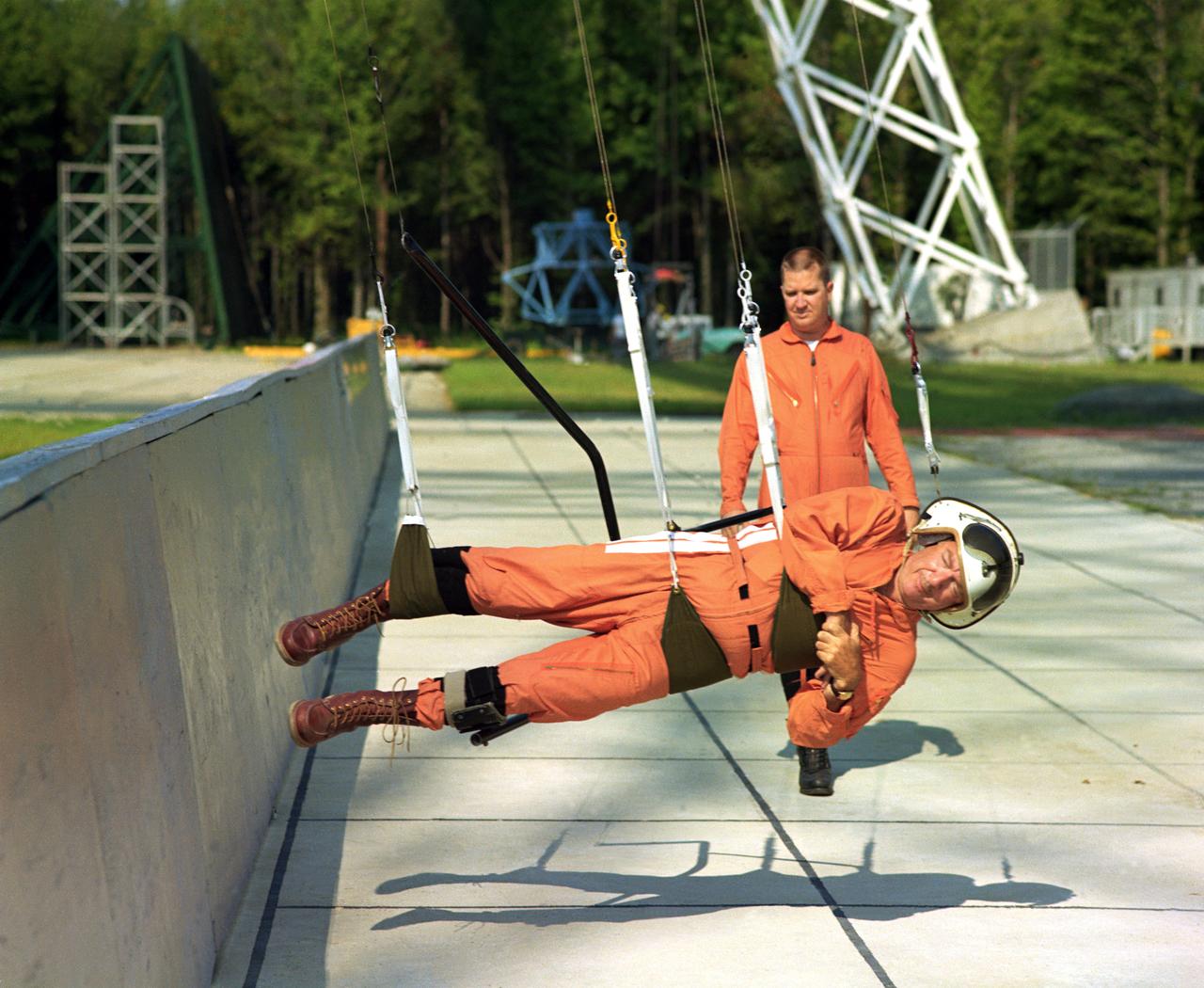
Walter Cronkite in the Reduced Gravity Simulator. Various views of Cronkite in the Lunar Landing Research Facility's Reduced Gravity Simulator which was used to train the astronauts for weightlessness. L68-8308 Caption: "During a 1968 visit to Langley, then CBS News Anchorman Walter Cronkite tries out the Reduced Gravity Simulator, a series of cable-supported slings designed to approximate the Moon's gravity, 1/6th that of Earth's." Photograph published in Winds of Change, 75th Anniversary NASA publication, p 91, by James Schultz.

Launching of the LJ6 Little Joe on Oct. 4, 1959 took place at Wallops Island, Va. This was the first attempt to launch an instrumented capsule with a Little Joe booster. Only the LJ1A and the LJ6 used the space metal chevron plates as heat reflector shields, as they kept shattering. Caption title ...and ascending skyward on a plume of exhaust. Photograph published in Winds of Change, 75th Anniversary NASA publication, page 77, by James Schultz
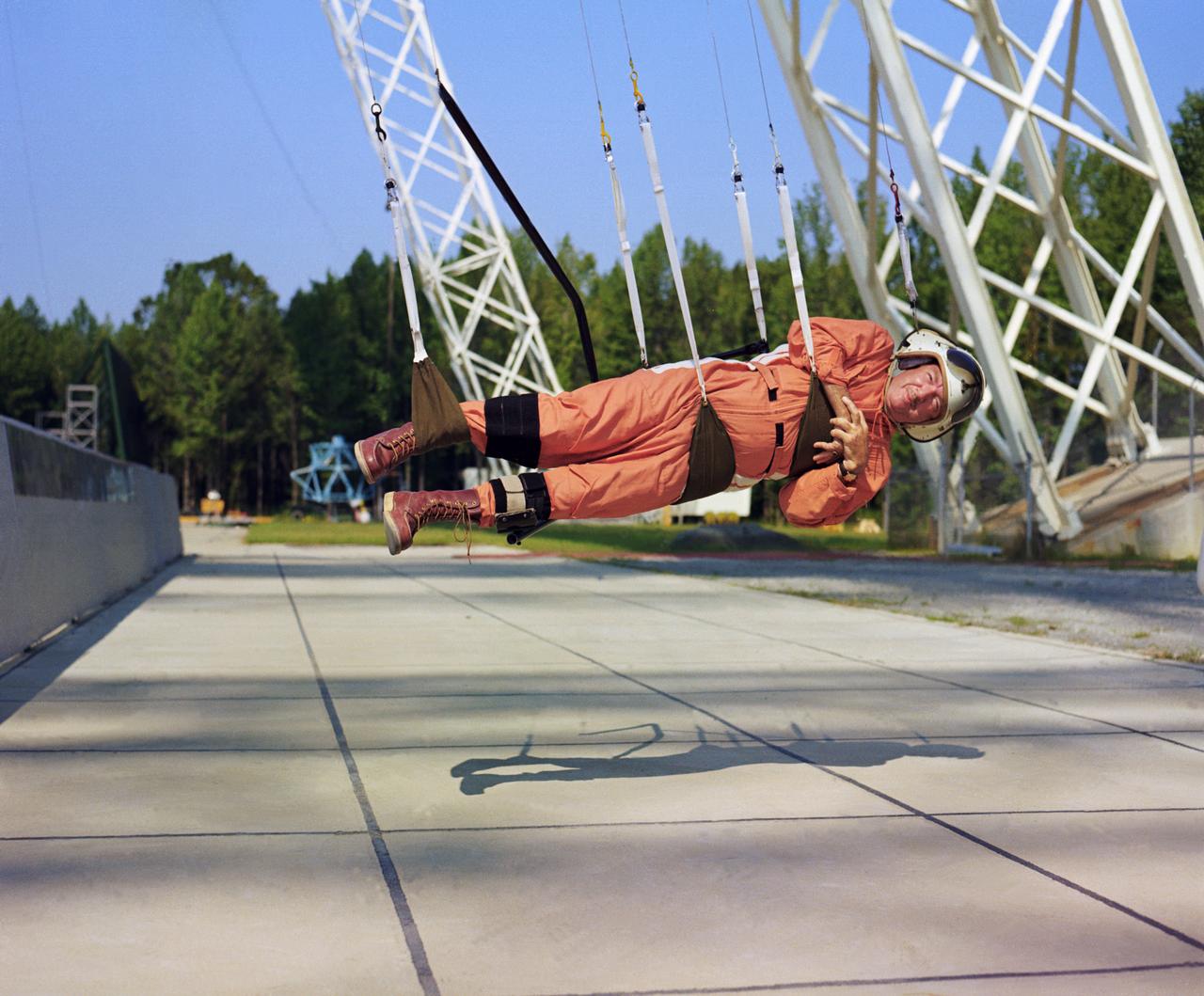
Walter Cronkite in the Reduced Gravity Simulator. Various views of Cronkite in the Lunar Landing Research Facility's Reduced Gravity Simulator which was used to train the astronauts for weightlessness. L68-8308 Caption: "During a 1968 visit to Langley, then CBS News Anchorman Walter Cronkite tries out the Reduced Gravity Simulator, a series of cable-supported slings designed to approximate the Moon's gravity, 1/6th that of Earth's." Photograph published in Winds of Change, 75th Anniversary NASA publication, p 91, by James Schultz.
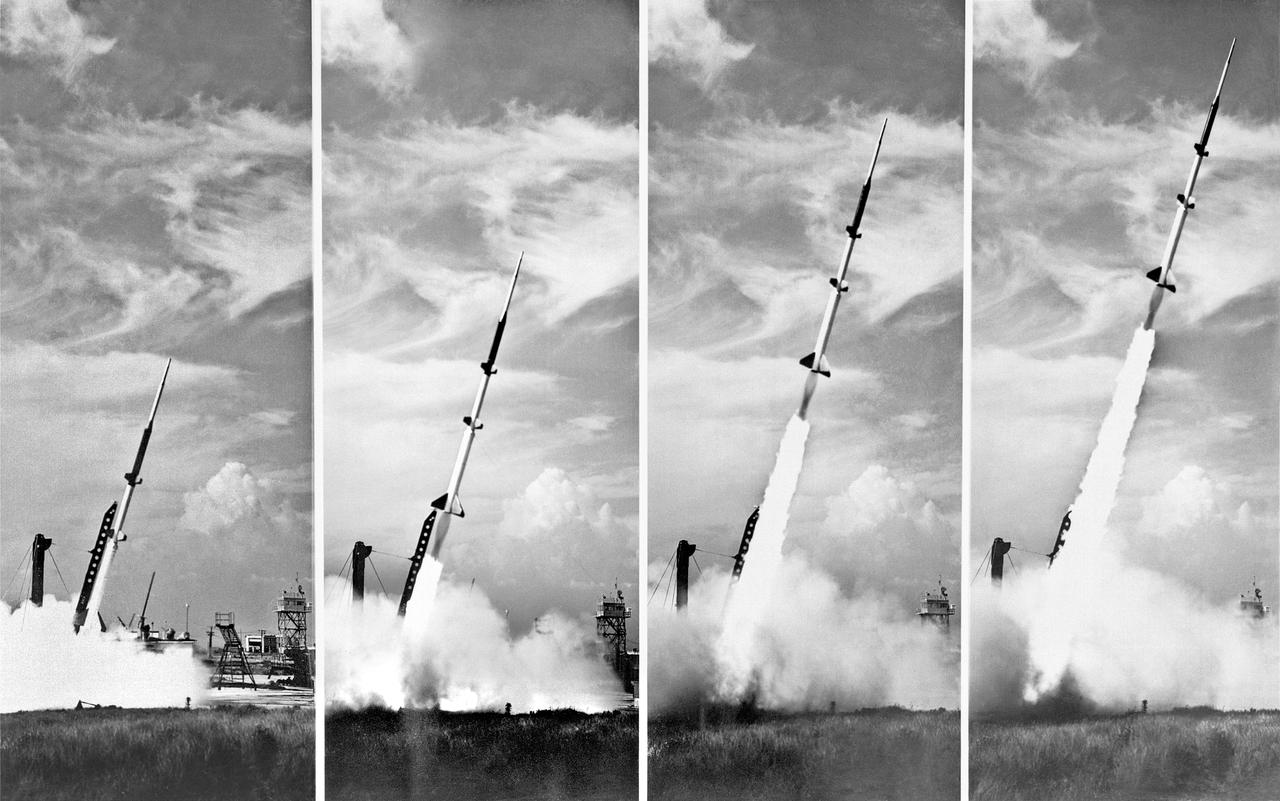
**Note also copied and numbered as L90-3749. -- L57-4827 caption: Take off of a five-stage missile research rocket from Wallops Island in 1957. The first two stages propelled the model to about 100,000 feet the last three stages were fired on a descending path to simulate the reentry conditions of ballistic missiles. -- Photograph published in Winds of Change, 75th Anniversary NASA publication (page 72), by James Schultz. -- Photograph also published in Engineer in Charge: A History of the Langley Aeronautical Laboratory, 1917-1958 by James R. Hansen (page 380).
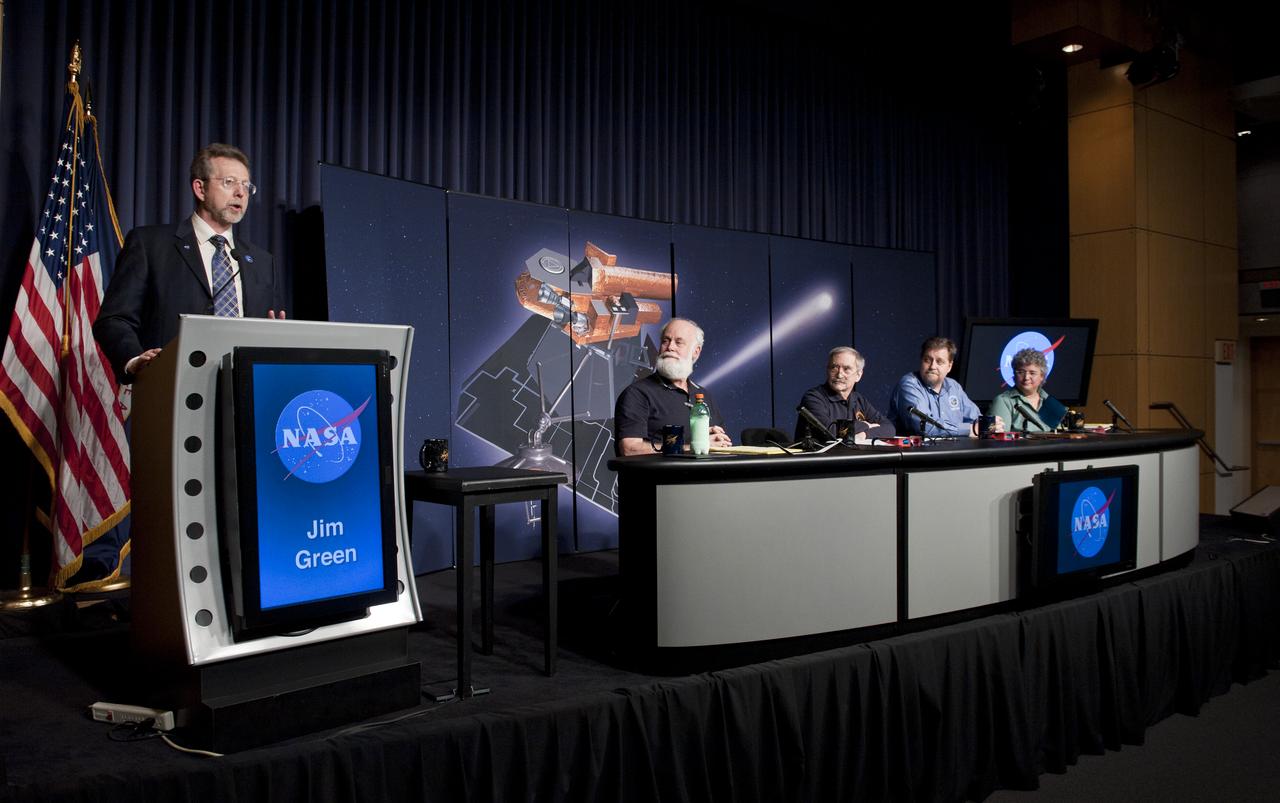
Dr. James Green, Director of Planetary Science, NASA Headquarters, at podium, speaks during a press conference, Thursday, Nov. 18, 2010, at NASA Headquarters in Washington. The press conference was held to discuss the Nov. 4 successful flyby of Comet Hartley 2 by NASA's EPOXI Mission Spacecraft. Images from the flyby provided scientists the most extensive observations of a comet in history. Photo Credit: (NASA/Paul E. Alers)
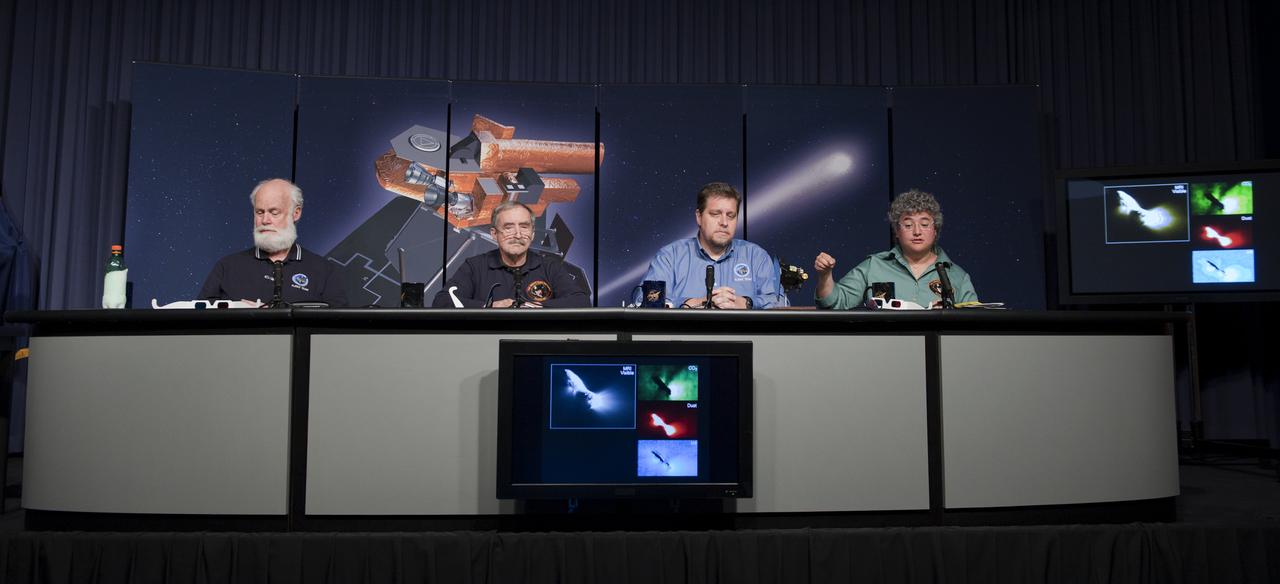
Jessica Sunshine, EPOXI Deputy Principal Investigator, University of Maryland, far right, discusses imagery sent back from the EPOXI Mission spacecraft during a press conference, Thursday, Nov. 18, 2010, at NASA Headquarters in Washington. The press conference was held to discuss the Nov. 4 successful flyby of Comet Hartley 2 by NASA's EPOXI Mission Spacecraft. Images from the flyby provided scientists the most extensive observations of a comet in history. Photo Credit: (NASA/Paul E. Alers)
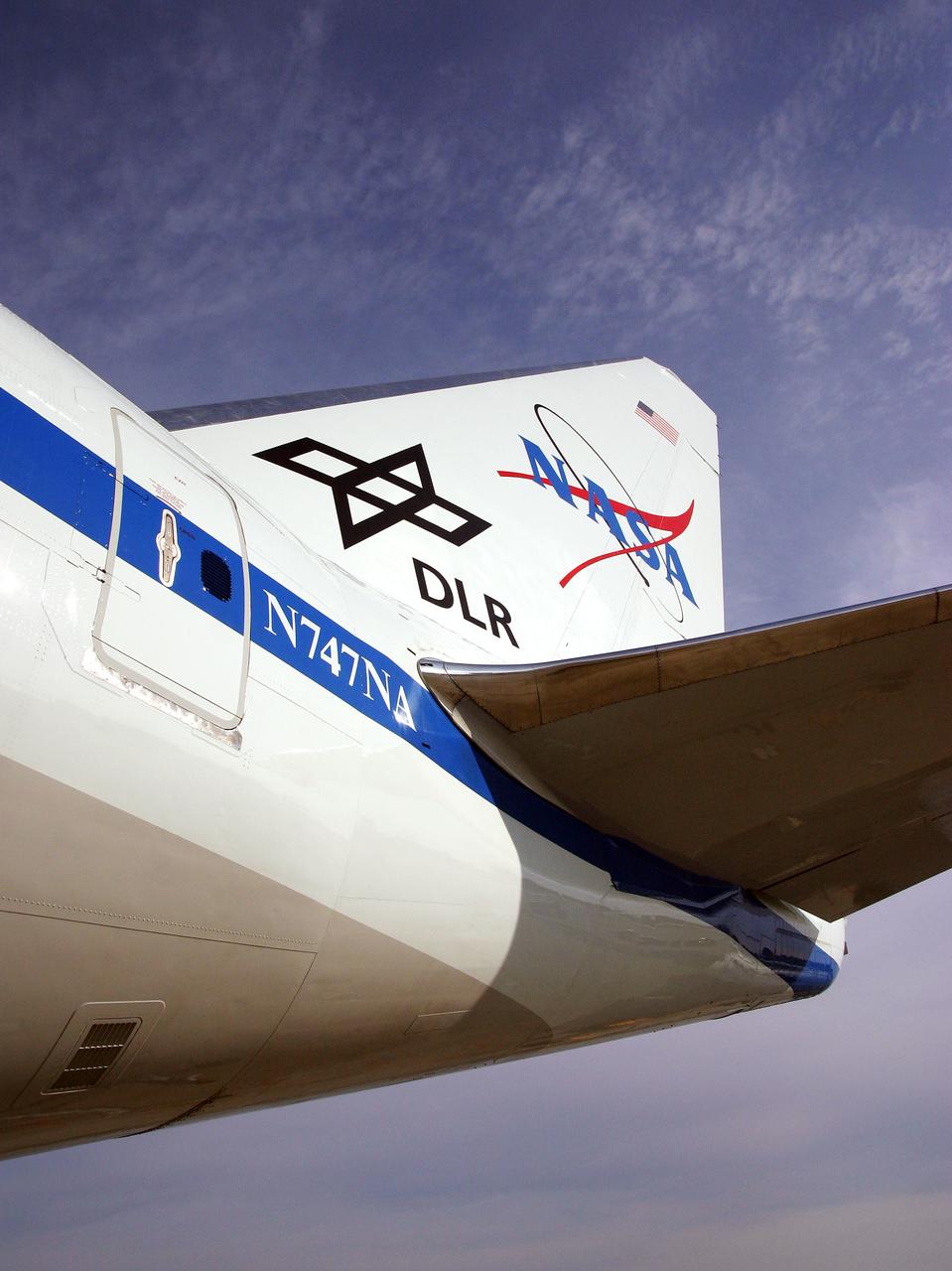
SOFIA (Stratospheric Ovservatory for Infrared Astronomy) visit to Ames Research Center, Moffett Field, CA: tail
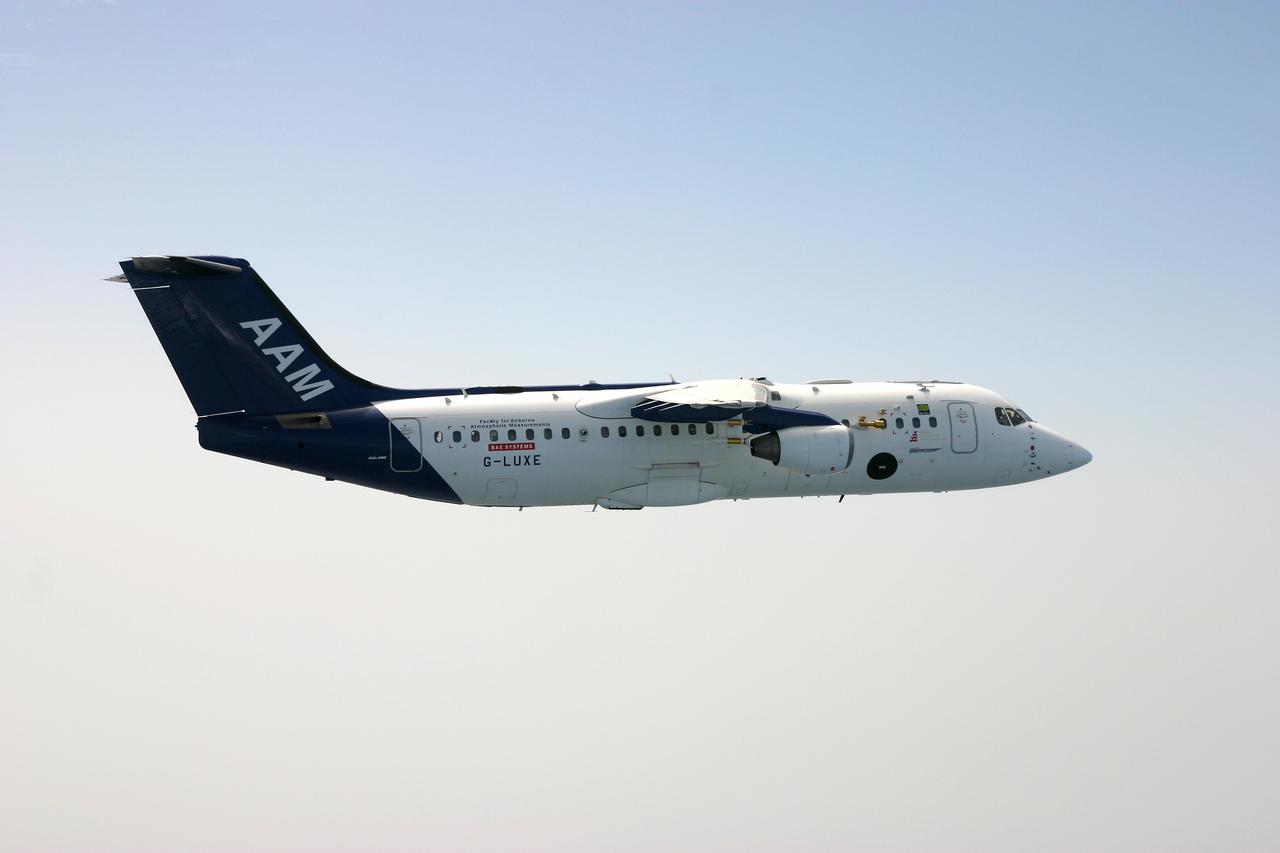
DC-8 NAMMA MISSION TO CAPE VERDE, AFRICA: U.K.'s Facility for Airborne Atmospheric Measurements (FAAM) aircraft, a BAE-146, over the Eastern Atlantic Ocean off the coast of Senegal, Africa
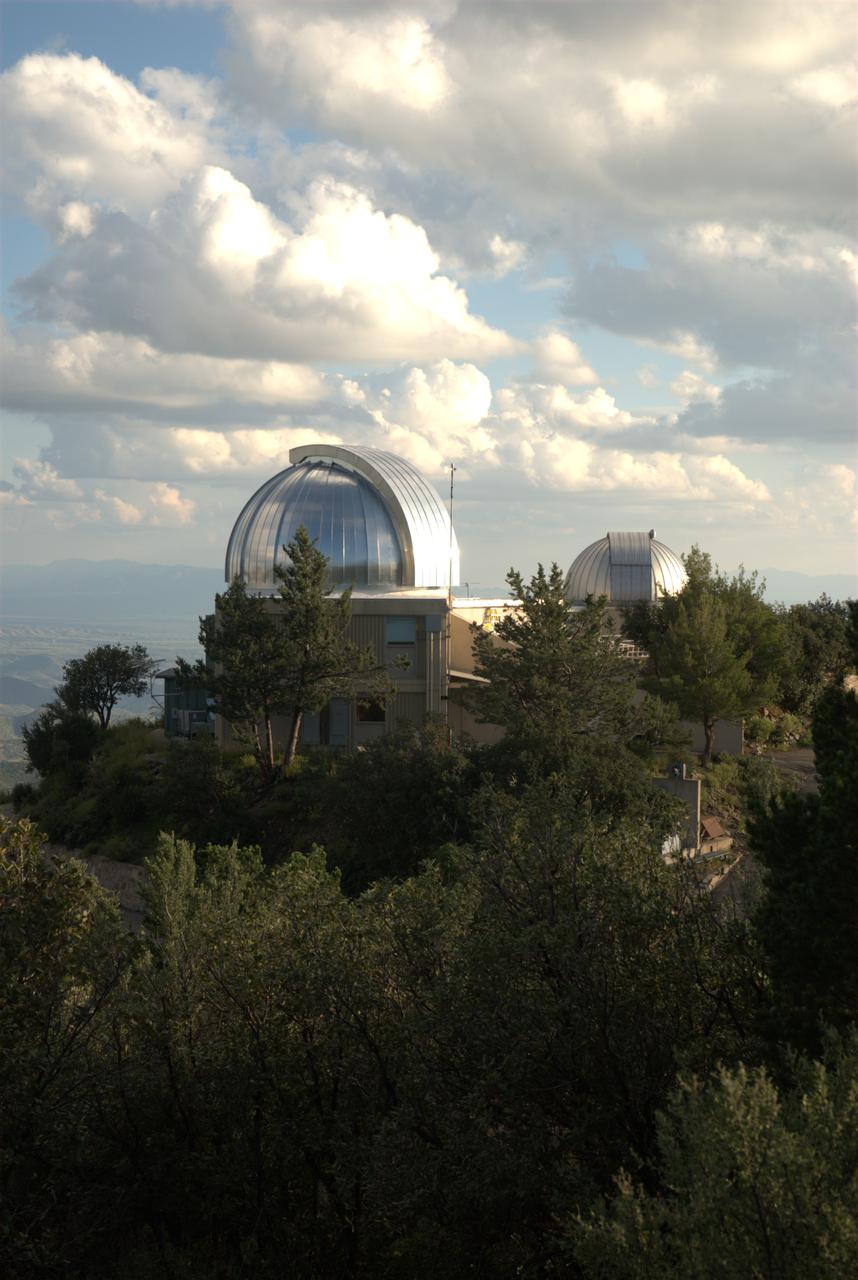
Kepler activities at Smithsonian Institution; Fred Lawrence Whipple Observatory, Mt Hopkins AZ for Kepler input catalog (nearing completion). Protective domes cover the 1.5-meter (60-inch, left) and 1.2-meter (48-inch, right) telescopes.
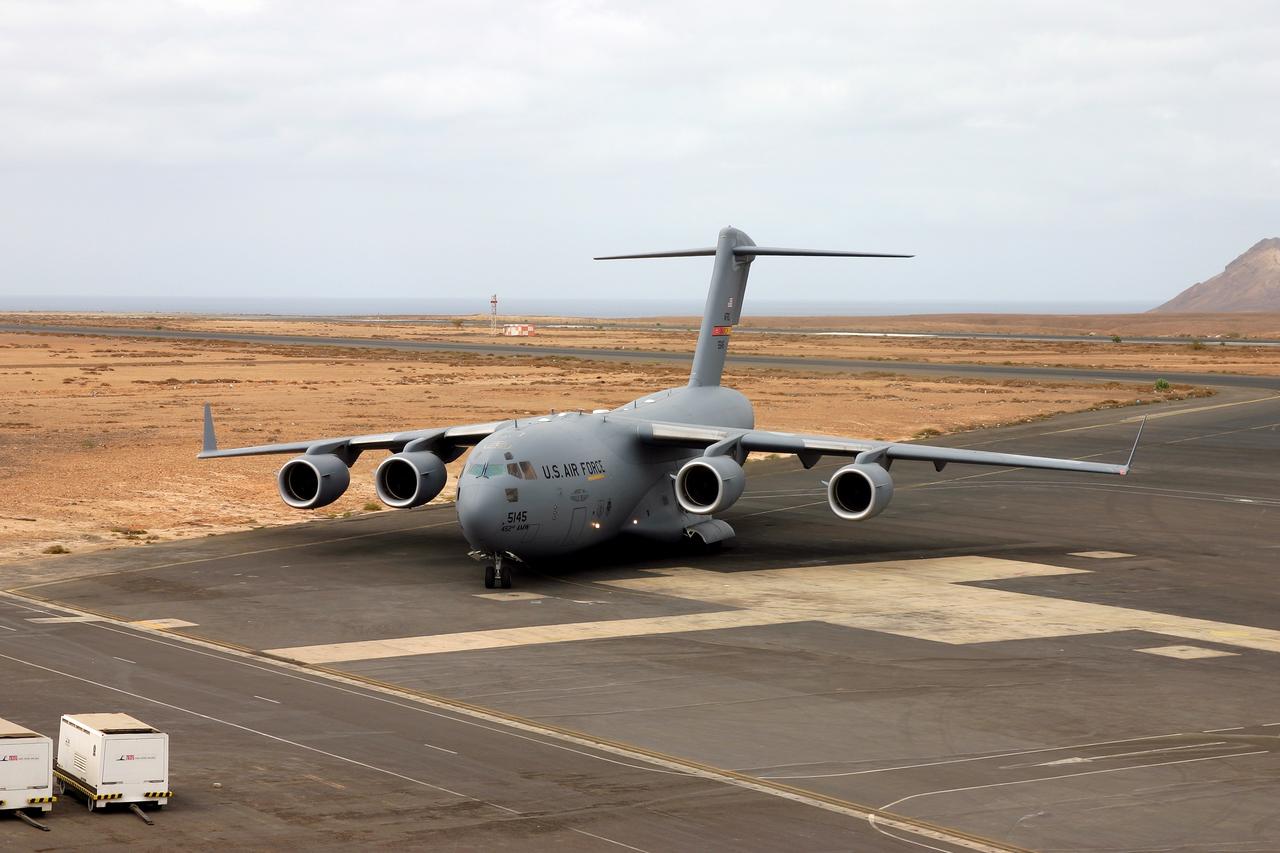
DC-8 NAMMA MISSION TO CAPE VERDE, AFRICA: U.S. Air Force C-17, Spirit of Ronald Reagan, taxis after landing at Sal Island's Amilcar Cabral International Airport carrying equipment and supplies for the mission
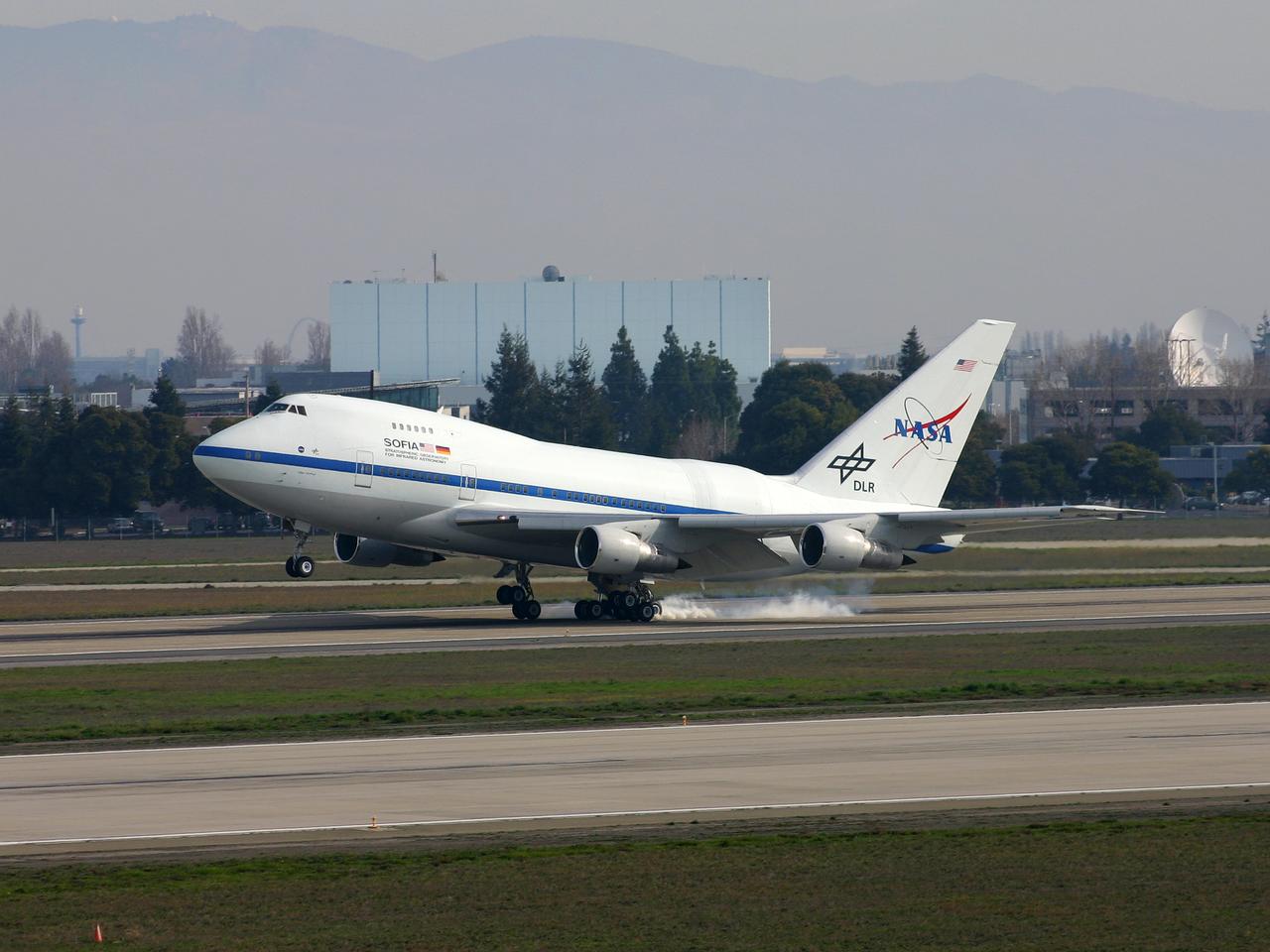
SOFIA (Stratospheric Ovservatory for Infrared Astronomy) visit to Ames Research Center, Moffett Field, CA: landing
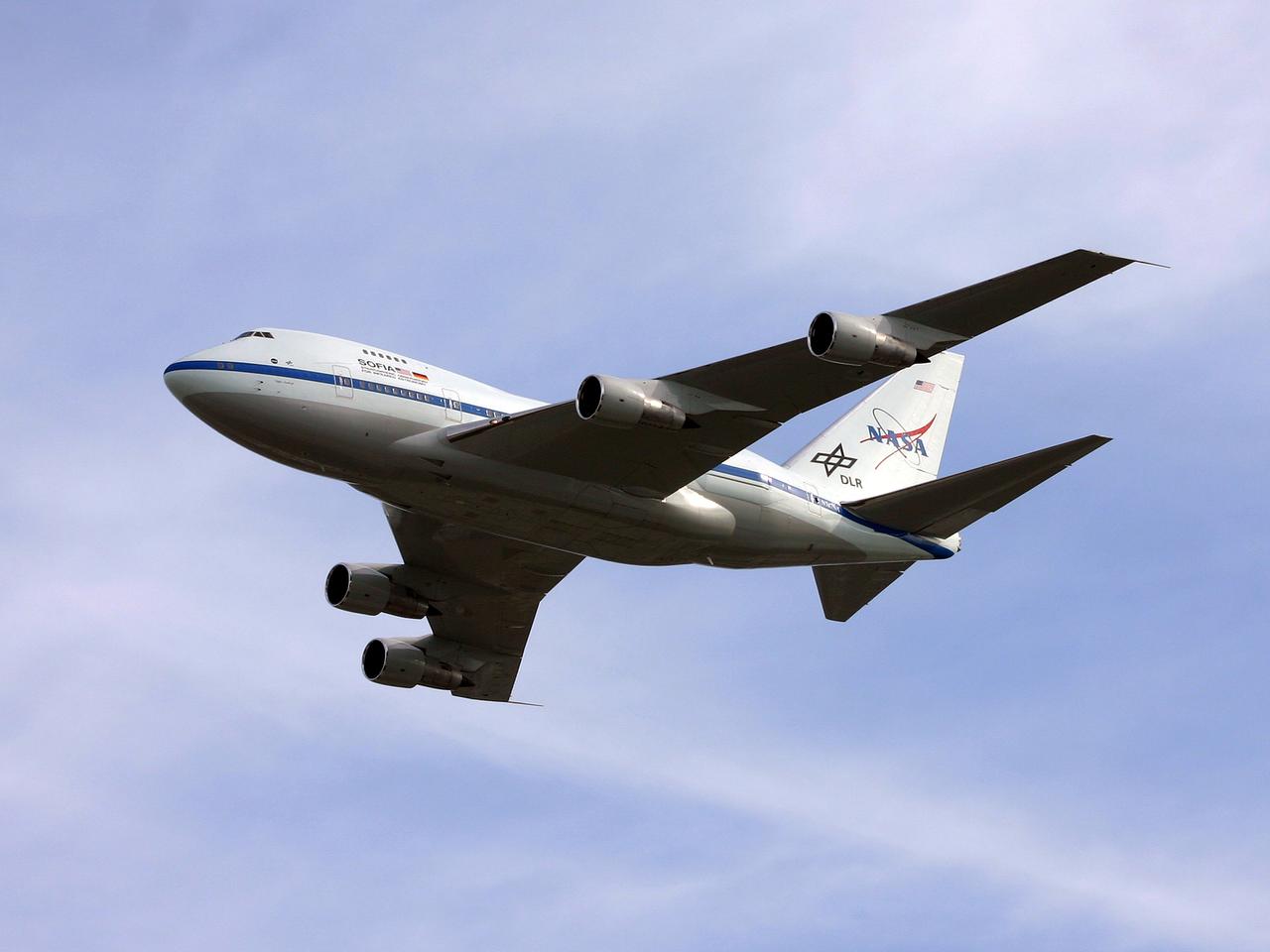
SOFIA visit to Ames: landing
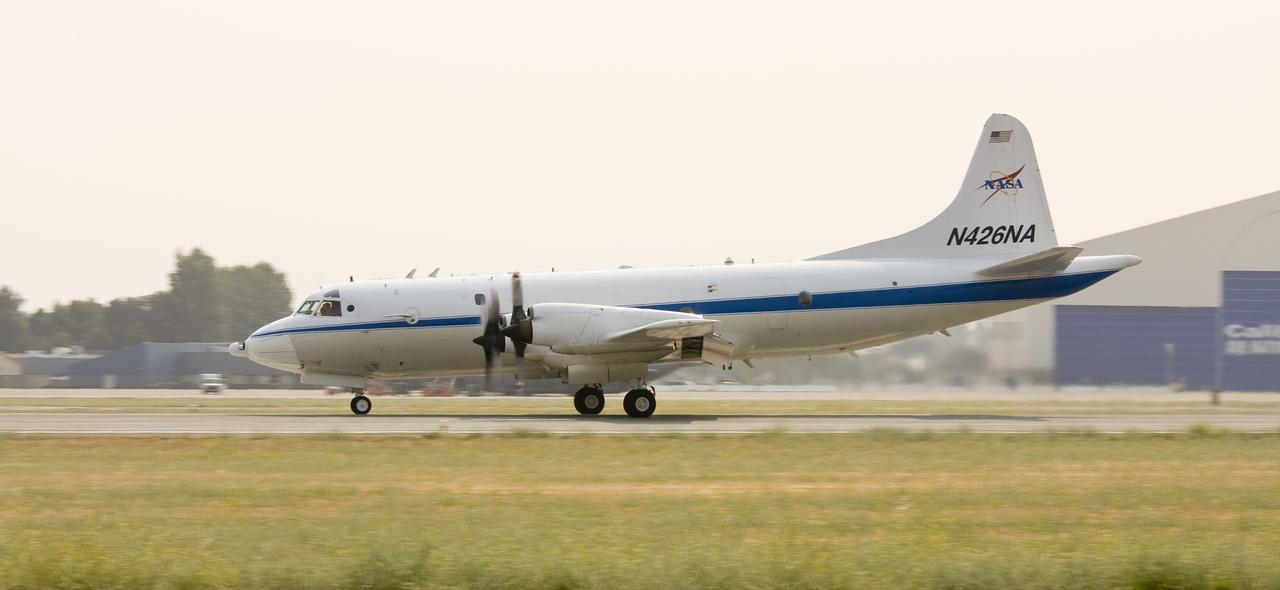
ARCTAS Mission - NASA P-3 aircraft N426NA takes off from NASA's Moffett Federal Airfield (MFA) Mt. View, California
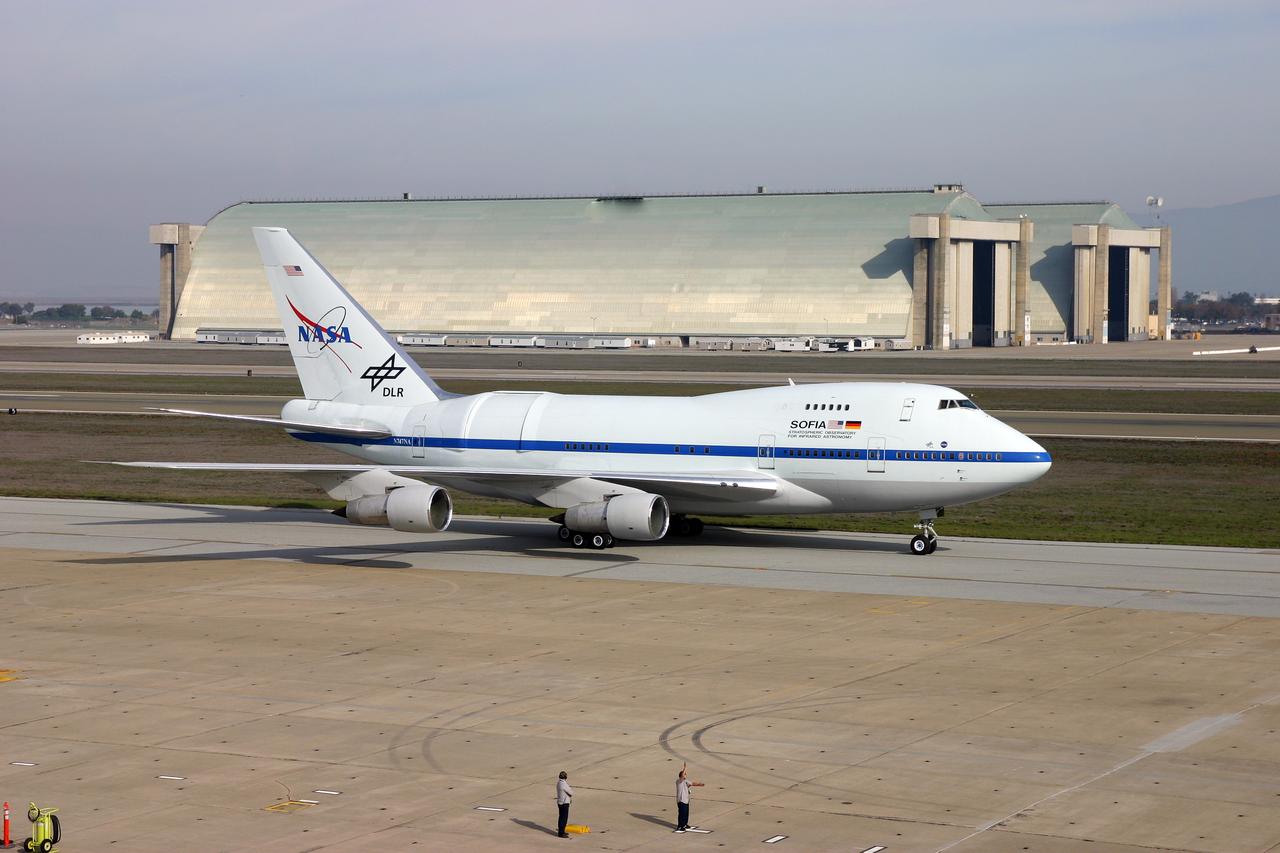
SOFIA (Stratospheric Ovservatory for Infrared Astronomy) visit to Ames Research Center, Moffett Field, CA: landing

ARCTAS Mission - NASA P-3 aircraft N426NA on tarmac at NASA's Moffett Federal Airfield (MFA) Mt. View, California
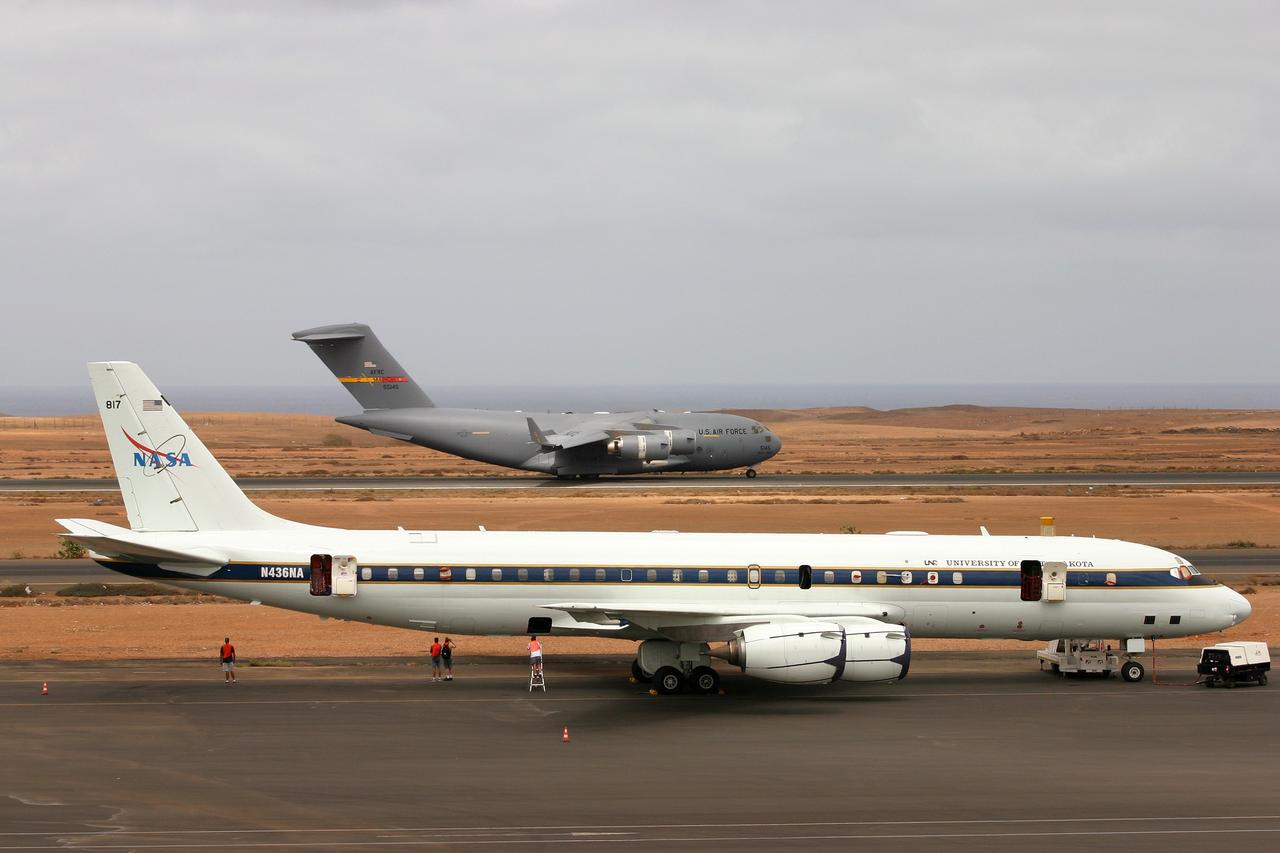
DC-8 NAMMA MISSION TO CAPE VERDE, AFRICA: U.S. Air Force C-17, Spirit of Ronald Reagan, lands at Sal Island's Amilcar Cabral International Airport carrying equipment and supplies for the mission, NASA DC-8 in foreground.
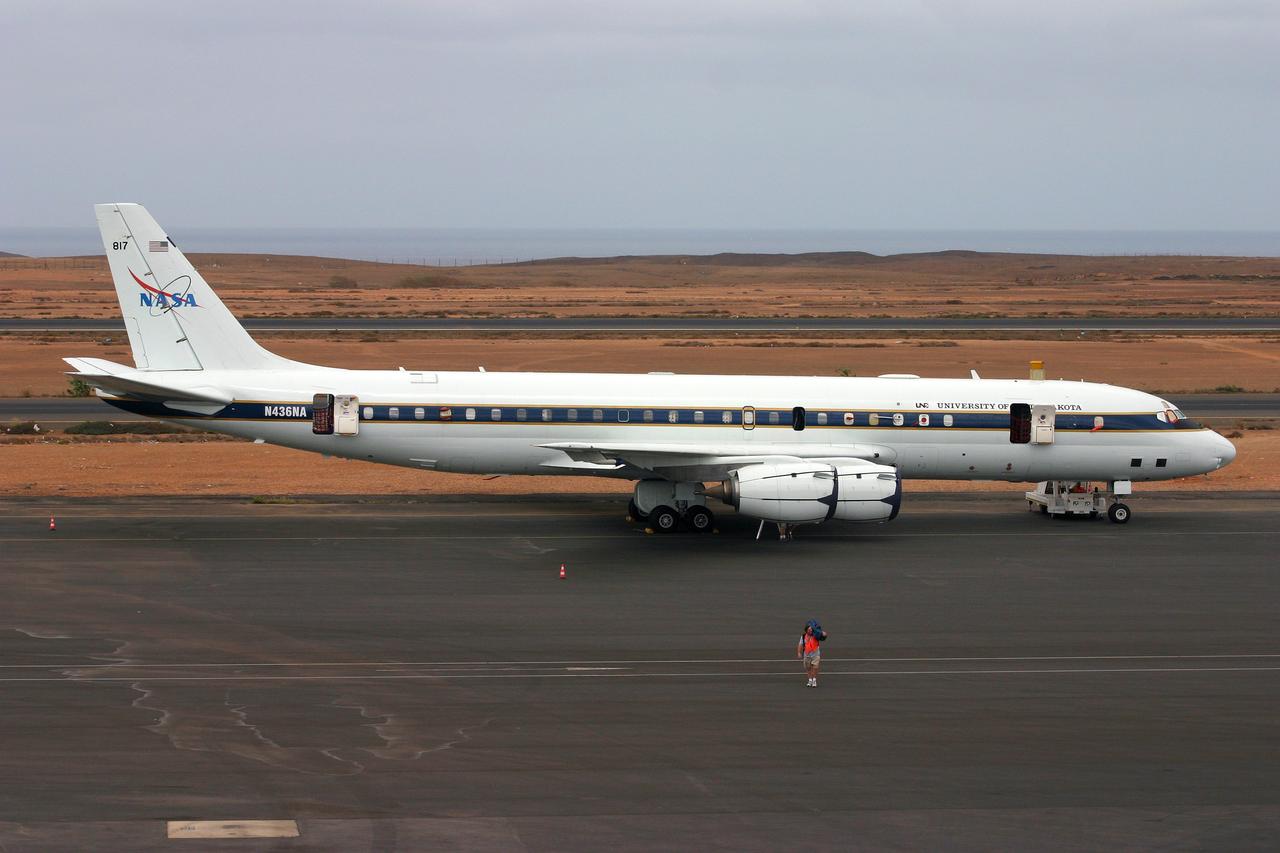
DC-8 NAMMA MISSION TO CAPE VERDE, AFRICA: NASA'S DC-8 parked on ramp of Sal Island's Amilcar Cabral International Airport in the Cape Verde Islands. NASA Ames photographer Eric James is seen in the foreground carrying equipment off the airplane.

ARCTAS Mission - NASA P-3 aircraft N426NA on tarmac at NASA's Moffett Federal Airfield (MFA) Mt. View, California
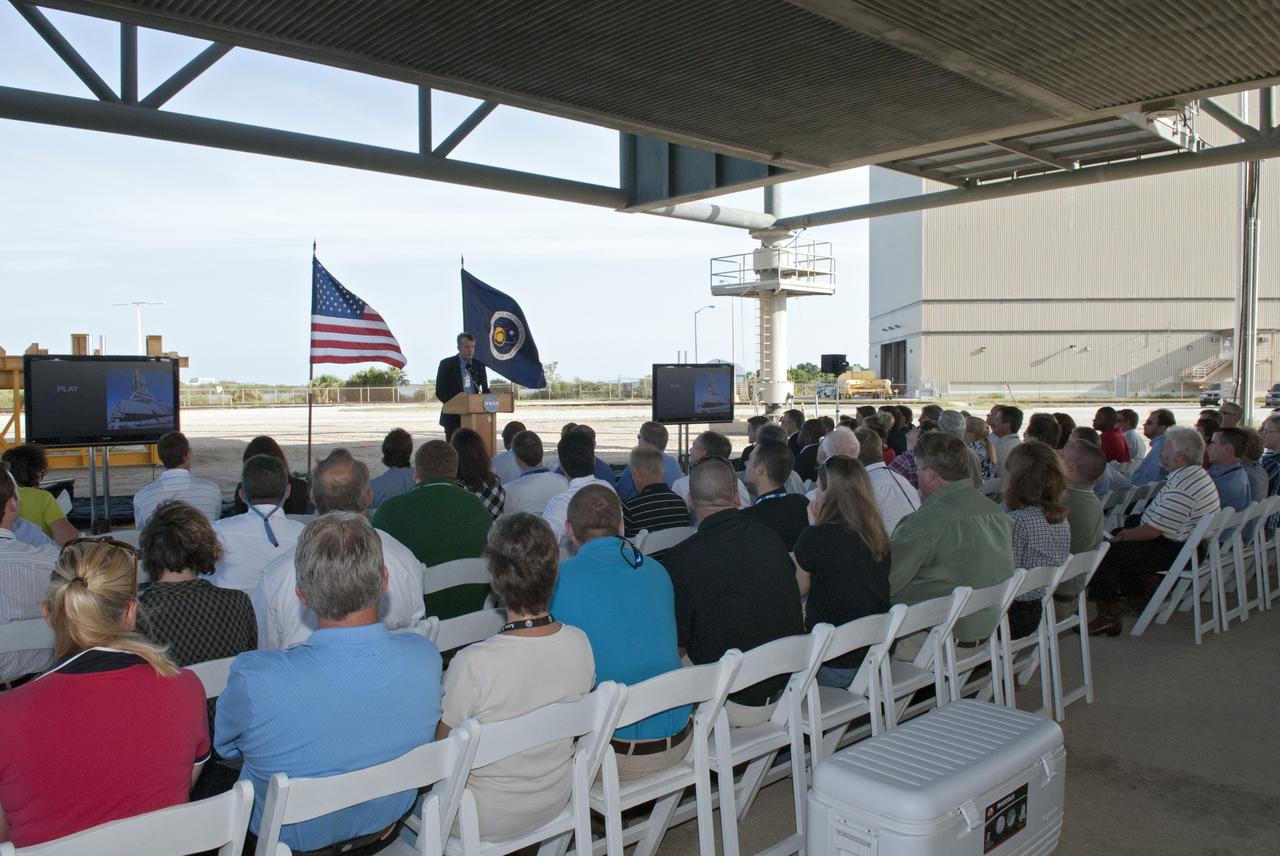
CAPE CANAVERAL, Fla. -- At NASA's Kennedy Space Center in Florida, Constellation Senior Project Manager Larry Schultz talks to employees at a completion ceremony for NASA's new mobile launcher, or ML, support structure. The ceremony was held underneath the structure's launch mount opening. It took about two years to construct the launcher in the Mobile Launcher Park site, north of the Vehicle Assembly Building, or VAB. The 355-foot-tall structure will support NASA's future human spaceflight program. The base of the launcher is lighter than space shuttle mobile launcher platforms so the crawler-transporter can pick up the heavier load of the tower and a taller rocket. The next step will be to add ground support equipment, such as umbilicals and access arms, for future rocket launches. For information on NASA's future plans, visit www.nasa.gov. Photo credit: NASA/Jim Grossmann
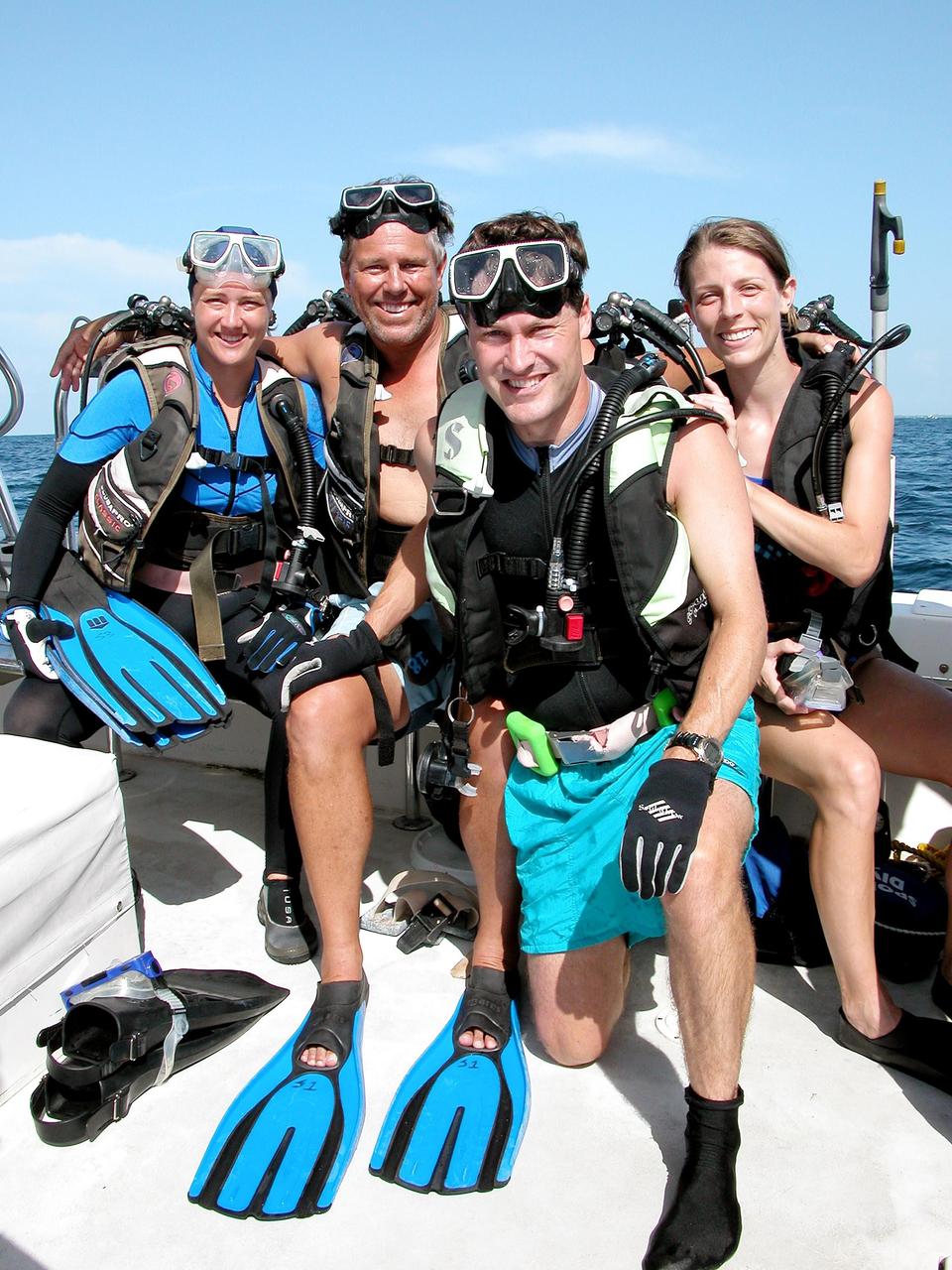
KENNEDY SPACE CENTER, FLA. - Ready for another dive to the NOAA undersea station Aquarius, offshore from Key Largo, the site of the NASA Extreme Environment Mission Operations 6 (NEEMO-6), are (left to right) Monike Schultz, CB Office lead; Bill Todd, project lead; Marc Reagan, mission lead; and Michele Lucas, OPS planner. Todd and Lucas are also the underwater videographer and still photographer, respectively, for the mission. The NEEMO-6 team comprises John Herrington, commander, Tara Ruttley, a biomedical engineer, and astronauts Nick Patrick and Doug Wheelock. The NEEMO-6 mission involves exposing an astronaut/scientist crew to a real mission experience in an extreme environment - Aquarius - to prepare for future space flight. Spacewalk-like diving excursions and field-tests on a variety of biomedical equipment are designed to help astronauts living aboard the International Space Station. To prepare for their 10-day stay, the team had dive training twice a day at the Life Support Buoy, anchored above Aquarius.
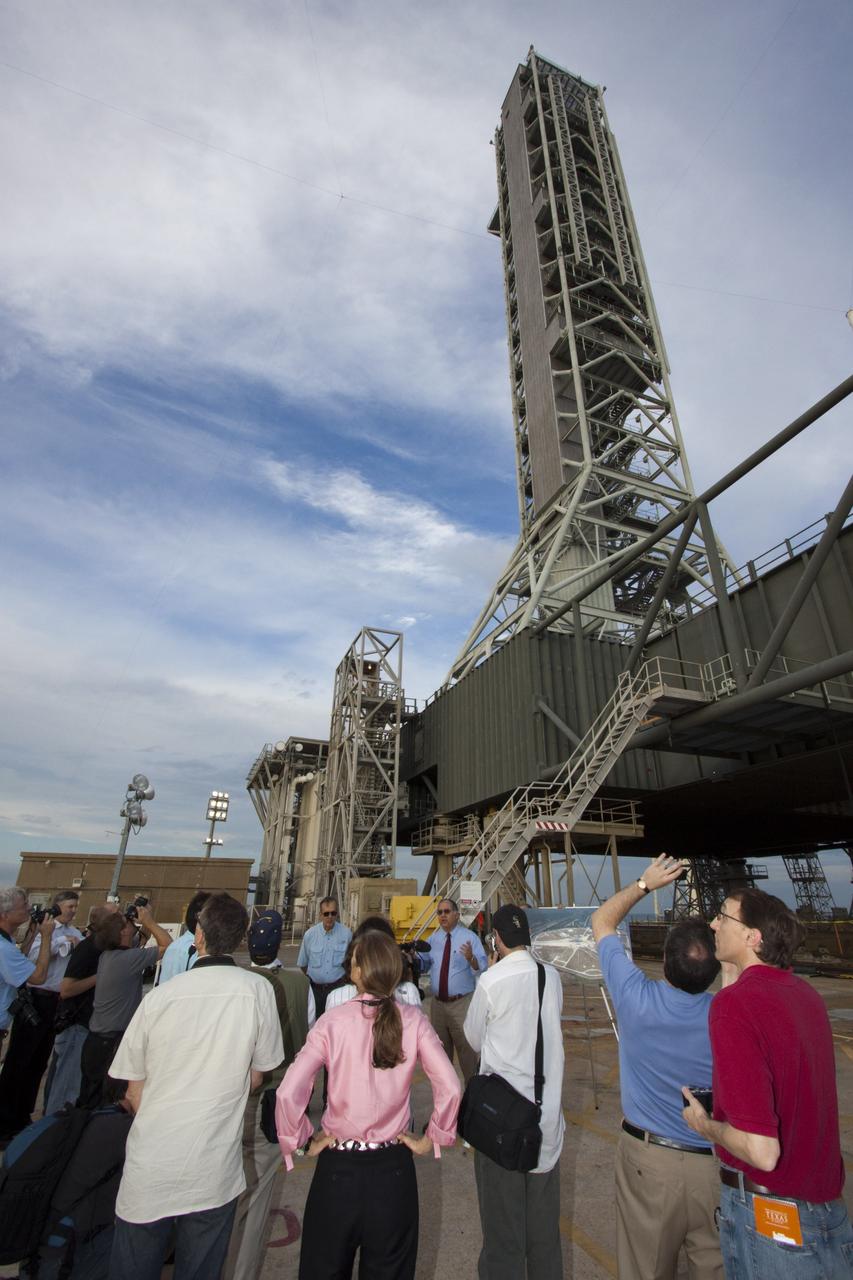
CAPE CANAVERAL, Fla. – At NASA Kennedy Space Center in Florida, Jose Perez-Morales (right), NASA launch pad project manager, and Larry Schultz, NASA mobile launcher project manager, outline the upgrades to Launch Pad 39B and the mobile launcher to support NASA's forthcoming Space Launch System heavy-lift rocket. Their audience is made up of media representatives taking the 21st Century Ground Systems tour. Other stops on the tour include the Vehicle Assembly Building, a crawler-transporter parked on the crawlerway, and the Launch Control Center's Firing Room 1. These facilities and equipment will be used to prepare and launch NASA's new Orion spacecraft. The tour was arranged as part of prelaunch media activities for the agency's Mars Science Laboratory (MSL) launch. Liftoff of MSL aboard a United Launch Alliance Atlas V rocket from Space Launch Complex-41 on Cape Canaveral Air Force Station is planned during a launch window which extends from 10:02 a.m. to 11:45 a.m. EST on Nov. 26. For more information, visit http://www.nasa.gov/msl. Photo credit: NASA/Jim Grossmann

Assembling the Little Joe capsules. The capsules were manufactured in-house by Langley technicians. Three capsules are shown here in various stages of assembly. The escape tower and rocket motors shown on the completed capsule would be removed before shipping and finally assembly for launching at Wallops Island. Joseph Shortal wrote (vol. 3, p. 32): Design of the Little Joe capsules began at Langley before McDonnell started on the design of the Mercury capsule and was, therefore, a separate design. Although it was not designed to carry a man, it did have to carry a monkey. It had to meet the weight and center of gravity requirements of Mercury and withstand the same aerodynamic loads during the exit trajectory. Although in comparison with the overall Mercury Project, Little Joe was a simple undertaking, the fact that an attempt was made to condense a normal two-year project into a 6-month one with in house labor turned it into a major undertaking for Langley. Project Mercury: Little Joe: Boilerplate Mercury spacecraft undergo fabrication at the shops of the Langley Research Center. They will launched atop Little Joe rockets to test the spacecraft recovery systems. -- Published in Joseph A. Shortal, History of Wallops Station: Origins and Activities Through 1949, (Wallops Island, VA: National Aeronautics and Space Administration, Wallops Station, nd), Comment Edition. L59-4947 Technicians prepare a Little Joe launch vehicle prototype for the Mercury space program, 1959. Photograph published in Winds of Change, 75th Anniversary NASA publication, page 76, by James Schultz

Assembling the Little Joe capsules. The capsules were manufactured in-house by Langley technicians. Three capsules are shown here in various stages of assembly. The escape tower and rocket motors shown on the completed capsule would be removed before shipping and finally assembly for launching at Wallops Island. Joseph Shortal wrote (vol. 3, p. 32): Design of the Little Joe capsules began at Langley before McDonnell started on the design of the Mercury capsule and was, therefore, a separate design. Although it was not designed to carry a man, it did have to carry a monkey. It had to meet the weight and center of gravity requirements of Mercury and withstand the same aerodynamic loads during the exit trajectory. Although in comparison with the overall Mercury Project, Little Joe was a simple undertaking, the fact that an attempt was made to condense a normal two-year project into a 6-month one with in house labor turned it into a major undertaking for Langley. Project Mercury: Little Joe: Boilerplate Mercury spacecraft undergo fabrication at the shops of the Langley Research Center. They will launched atop Little Joe rockets to test the spacecraft recovery systems. -- Published in Joseph A. Shortal, History of Wallops Station: Origins and Activities Through 1949, (Wallops Island, VA: National Aeronautics and Space Administration, Wallops Station, nd), Comment Edition. L59-4947 Technicians prepare a Little Joe launch vehicle prototype for the Mercury space program, 1959. Photograph published in Winds of Change, 75th Anniversary NASA publication, page 76, by James Schultz
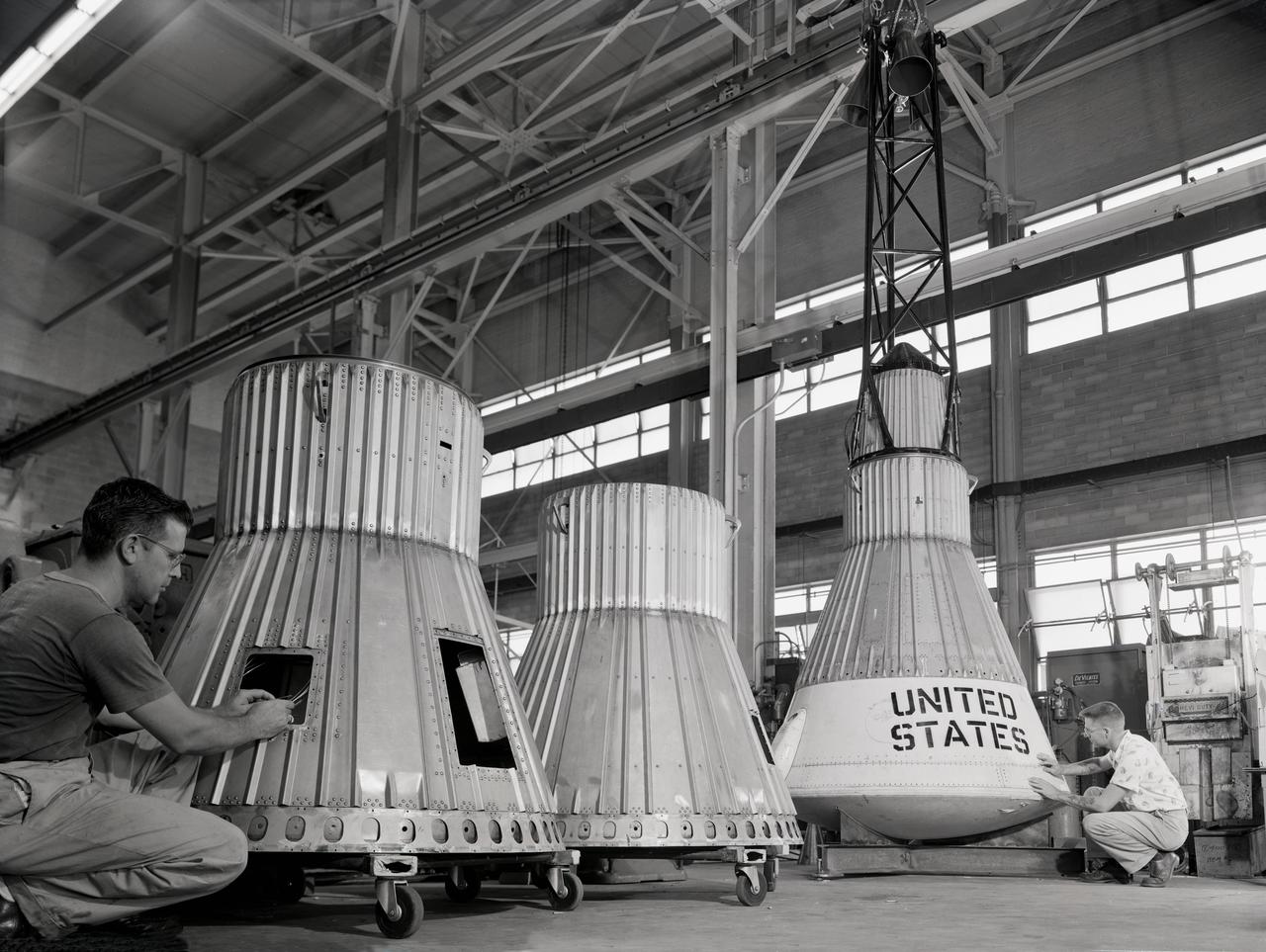
Assembling the Little Joe capsules. The capsules were manufactured in-house by Langley technicians. Three capsules are shown here in various stages of assembly. The escape tower and rocket motors shown on the completed capsule would be removed before shipping and finally assembly for launching at Wallops Island. Joseph Shortal wrote (vol. 3, p. 32): Design of the Little Joe capsules began at Langley before McDonnell started on the design of the Mercury capsule and was, therefore, a separate design. Although it was not designed to carry a man, it did have to carry a monkey. It had to meet the weight and center of gravity requirements of Mercury and withstand the same aerodynamic loads during the exit trajectory. Although in comparison with the overall Mercury Project, Little Joe was a simple undertaking, the fact that an attempt was made to condense a normal two-year project into a 6-month one with in house labor turned it into a major undertaking for Langley. Project Mercury: Little Joe: Boilerplate Mercury spacecraft undergo fabrication at the shops of the Langley Research Center. They will launched atop Little Joe rockets to test the spacecraft recovery systems. -- Published in Joseph A. Shortal, History of Wallops Station: Origins and Activities Through 1949, (Wallops Island, VA: National Aeronautics and Space Administration, Wallops Station, nd), Comment Edition. L59-4947 Technicians prepare a Little Joe launch vehicle prototype for the Mercury space program, 1959. Photograph published in Winds of Change, 75th Anniversary NASA publication, page 76, by James Schultz
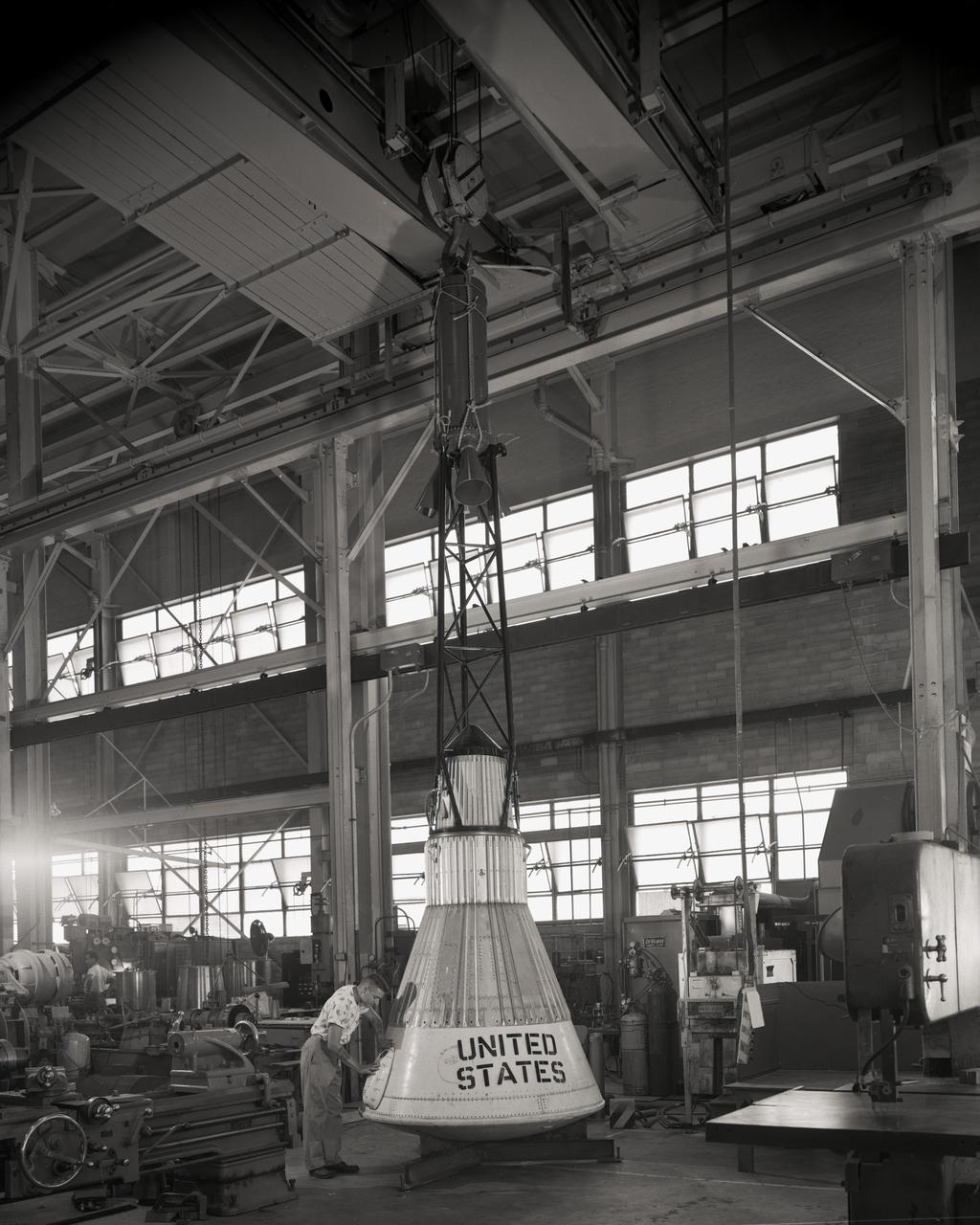
Assembling the Little Joe capsules. The capsules were manufactured in-house by Langley technicians. Three capsules are shown here in various stages of assembly. The escape tower and rocket motors shown on the completed capsule would be removed before shipping and finally assembly for launching at Wallops Island. Joseph Shortal wrote (vol. 3, p. 32): Design of the Little Joe capsules began at Langley before McDonnell started on the design of the Mercury capsule and was, therefore, a separate design. Although it was not designed to carry a man, it did have to carry a monkey. It had to meet the weight and center of gravity requirements of Mercury and withstand the same aerodynamic loads during the exit trajectory. Although in comparison with the overall Mercury Project, Little Joe was a simple undertaking, the fact that an attempt was made to condense a normal two-year project into a 6-month one with in house labor turned it into a major undertaking for Langley. Project Mercury: Little Joe: Boilerplate Mercury spacecraft undergo fabrication at the shops of the Langley Research Center. They will launched atop Little Joe rockets to test the spacecraft recovery systems. -- Published in Joseph A. Shortal, History of Wallops Station: Origins and Activities Through 1949, (Wallops Island, VA: National Aeronautics and Space Administration, Wallops Station, nd), Comment Edition. L59-4947 Technicians prepare a Little Joe launch vehicle prototype for the Mercury space program, 1959. Photograph published in Winds of Change, 75th Anniversary NASA publication, page 76, by James Schultz
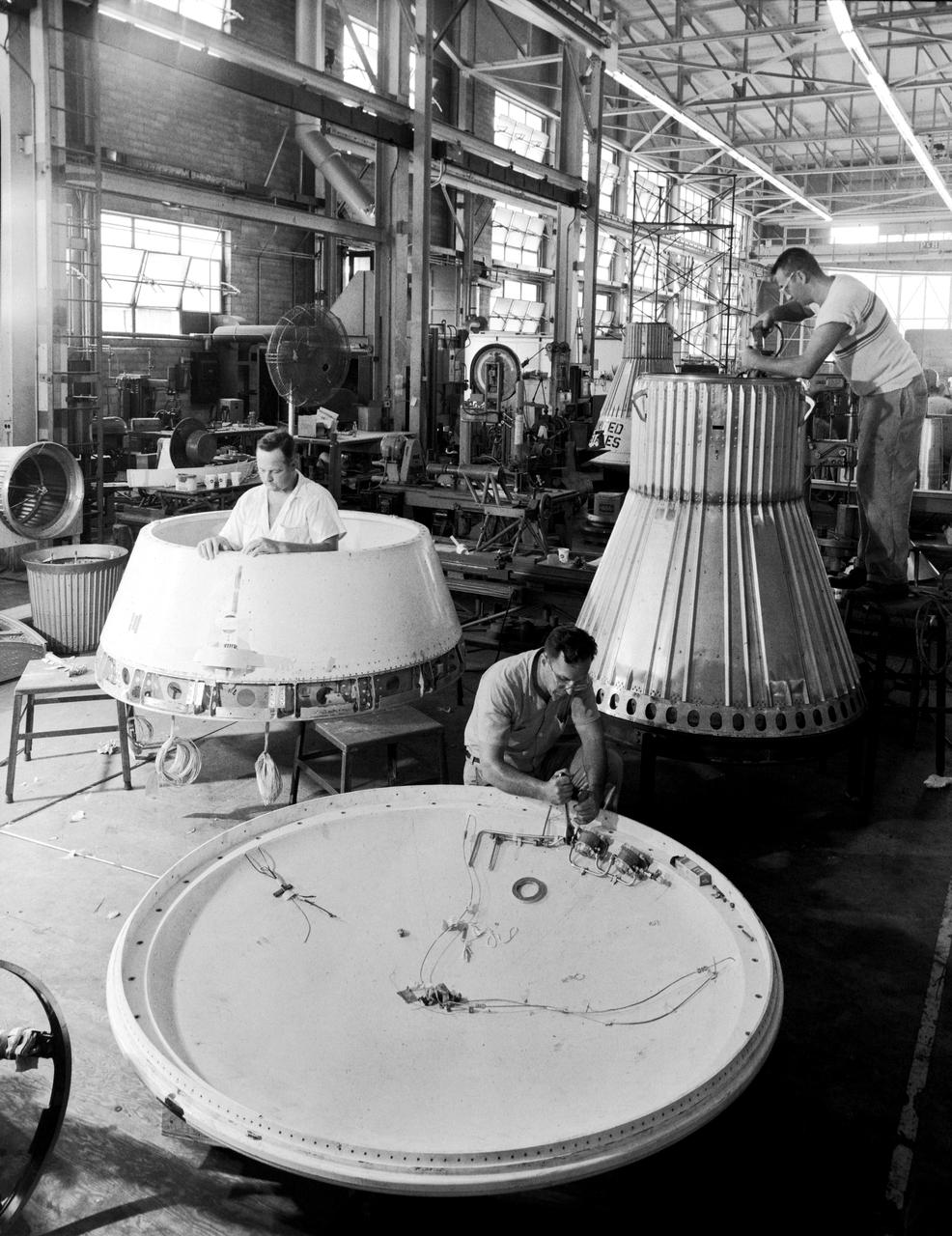
Assembling the Little Joe capsules. The capsules were manufactured in-house by Langley technicians. Three capsules are shown here in various stages of assembly. The escape tower and rocket motors shown on the completed capsule would be removed before shipping and finally assembly for launching at Wallops Island. Joseph Shortal wrote (vol. 3, p. 32): Design of the Little Joe capsules began at Langley before McDonnell started on the design of the Mercury capsule and was, therefore, a separate design. Although it was not designed to carry a man, it did have to carry a monkey. It had to meet the weight and center of gravity requirements of Mercury and withstand the same aerodynamic loads during the exit trajectory. Although in comparison with the overall Mercury Project, Little Joe was a simple undertaking, the fact that an attempt was made to condense a normal two-year project into a 6-month one with in house labor turned it into a major undertaking for Langley. Project Mercury: Little Joe: Boilerplate Mercury spacecraft undergo fabrication at the shops of the Langley Research Center. They will launched atop Little Joe rockets to test the spacecraft recovery systems. -- Published in Joseph A. Shortal, History of Wallops Station: Origins and Activities Through 1949, (Wallops Island, VA: National Aeronautics and Space Administration, Wallops Station, nd), Comment Edition. L59-4947 Technicians prepare a Little Joe launch vehicle prototype for the Mercury space program, 1959. Photograph published in Winds of Change, 75th Anniversary NASA publication, page 76, by James Schultz

Assembling the Little Joe capsules. The capsules were manufactured in-house by Langley technicians. Three capsules are shown here in various stages of assembly. The escape tower and rocket motors shown on the completed capsule would be removed before shipping and finally assembly for launching at Wallops Island. Joseph Shortal wrote (vol. 3, p. 32): Design of the Little Joe capsules began at Langley before McDonnell started on the design of the Mercury capsule and was, therefore, a separate design. Although it was not designed to carry a man, it did have to carry a monkey. It had to meet the weight and center of gravity requirements of Mercury and withstand the same aerodynamic loads during the exit trajectory. Although in comparison with the overall Mercury Project, Little Joe was a simple undertaking, the fact that an attempt was made to condense a normal two-year project into a 6-month one with in house labor turned it into a major undertaking for Langley. Project Mercury: Little Joe: Boilerplate Mercury spacecraft undergo fabrication at the shops of the Langley Research Center. They will launched atop Little Joe rockets to test the spacecraft recovery systems. -- Published in Joseph A. Shortal, History of Wallops Station: Origins and Activities Through 1949, (Wallops Island, VA: National Aeronautics and Space Administration, Wallops Station, nd), Comment Edition. L59-4947 Technicians prepare a Little Joe launch vehicle prototype for the Mercury space program, 1959. Photograph published in Winds of Change, 75th Anniversary NASA publication, page 76, by James Schultz