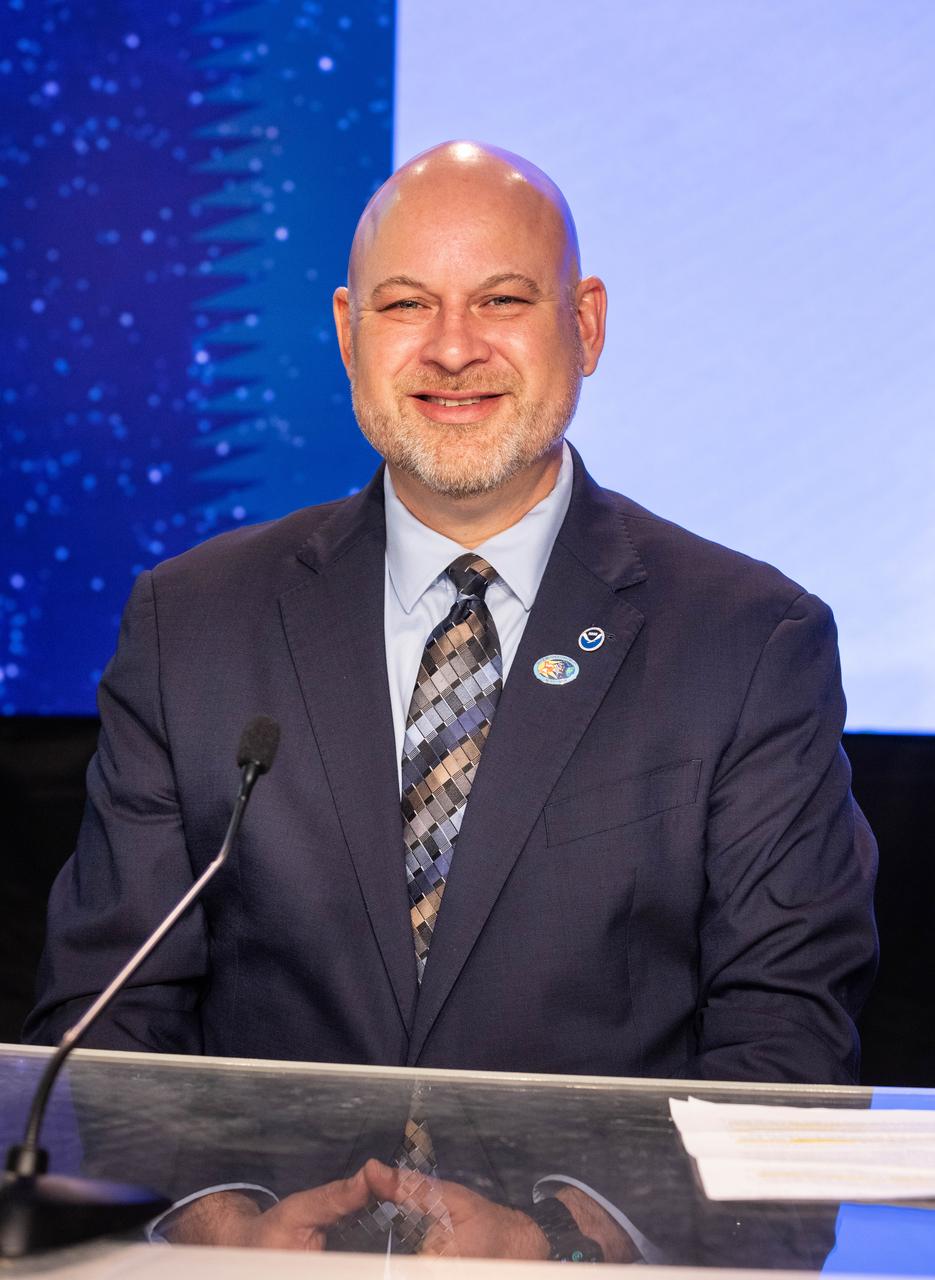
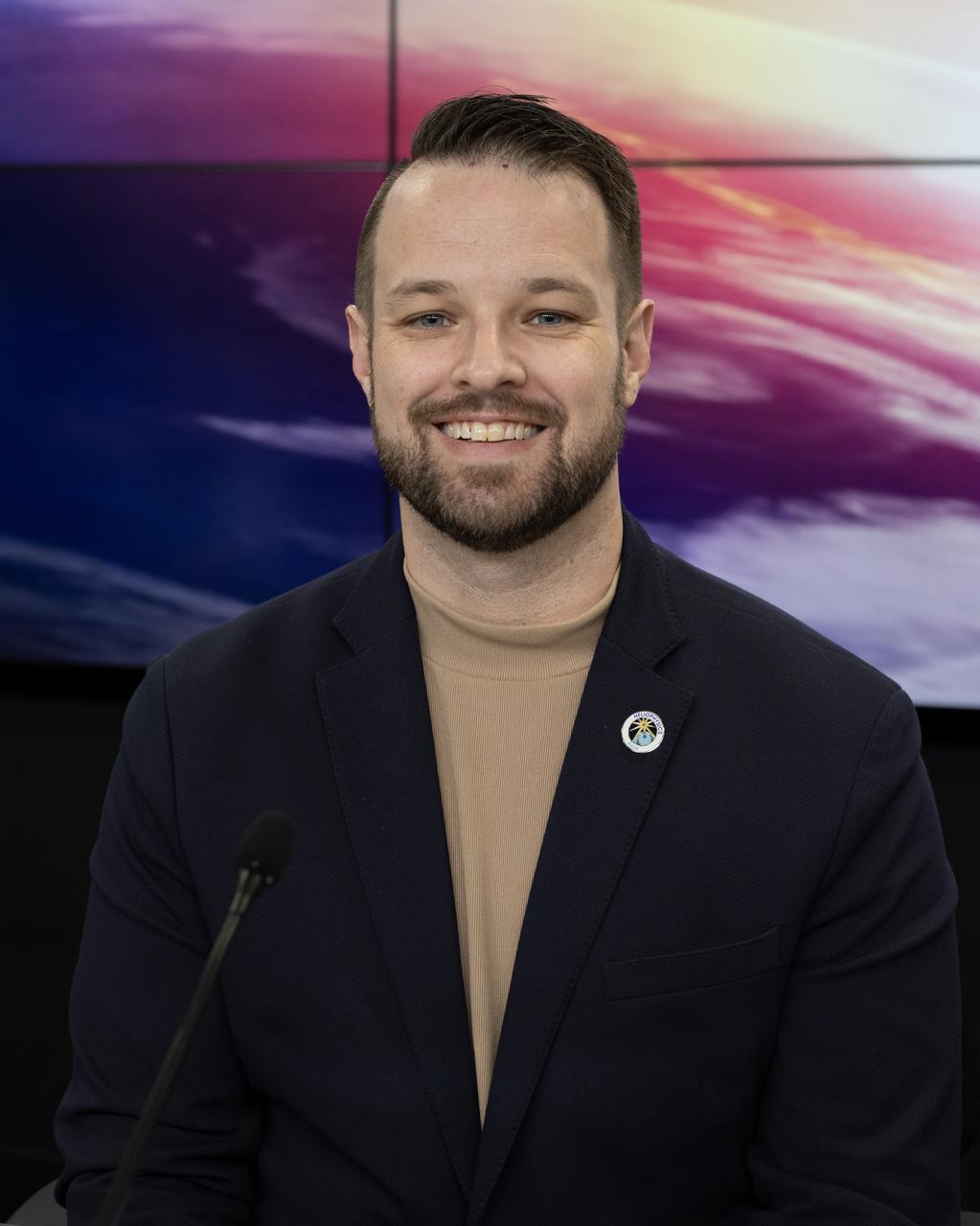
Clinton Wallace, director, National Oceanic and Atmospheric Administration (NOAA) Space Weather Prediction Center, participates in a science briefing on NASA’s IMAP (Interstellar Mapping and Acceleration Probe) mission and its two rideshares – NASA’s exosphere-studying Carruthers Geocorona Observatory and NOAA’s Space Weather Follow On–Lagrange 1 (SWFO-L1) observatory – at the agency’s Kennedy Space Center in Florida on Sunday, Sept. 21, 2025. NASA’s IMAP will use 10 science instruments to study and map the heliosphere, a vast magnetic bubble surrounding the Sun protecting our solar system from radiation incoming from interstellar space. The three missions will orbit the Sun near Lagrange point 1, about one million miles from Earth. Launch is targeted for 7:32 a.m. EDT, Tuesday, Sept. 23, from Launch Complex 39A at NASA Kennedy.

James Spann, senior scientist, National Oceanic and Atmospheric Administration (NOAA) Office of Space Weather Observations, participates in a science briefing on NASA’s IMAP (Interstellar Mapping and Acceleration Probe) mission and its two rideshares – NASA’s exosphere-studying Carruthers Geocorona Observatory and NOAA’s Space Weather Follow On–Lagrange 1 (SWFO-L1) observatory – at the agency’s Kennedy Space Center in Florida on Sunday, Sept. 21, 2025. NASA’s IMAP will use 10 science instruments to study and map the heliosphere, a vast magnetic bubble surrounding the Sun protecting our solar system from radiation incoming from interstellar space. The three missions will orbit the Sun near Lagrange point 1, about one million miles from Earth. Launch is targeted for 7:32 a.m. EDT, Tuesday, Sept. 23, from Launch Complex 39A at NASA Kennedy.
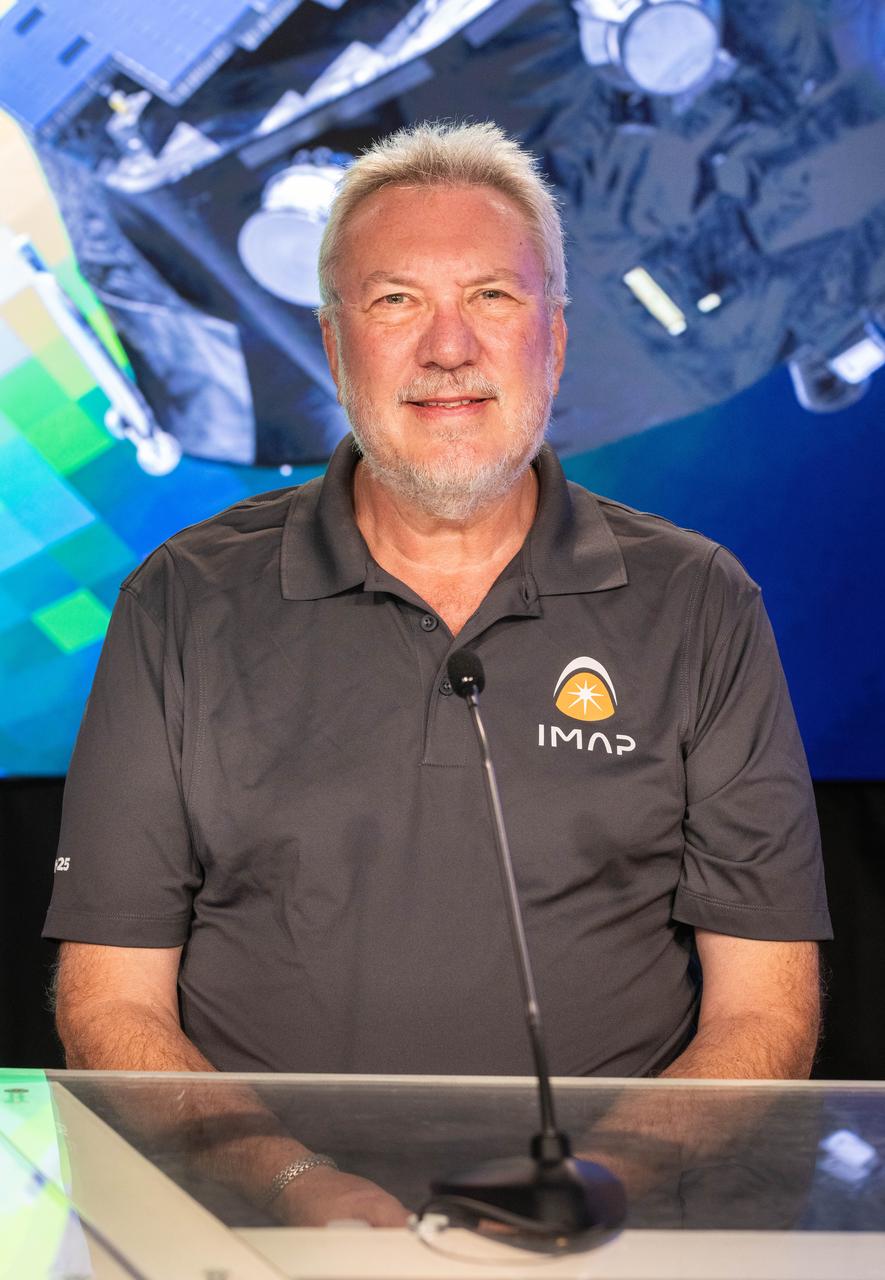
David McComas, IMAP principal investigator, Princeton University, participates in a science briefing on NASA’s IMAP (Interstellar Mapping and Acceleration Probe) mission and its two rideshares – NASA’s exosphere-studying Carruthers Geocorona Observatory and National Oceanic and Atmospheric Administration’s (NOAA) Space Weather Follow On–Lagrange 1 (SWFO-L1) observatory – at the agency’s Kennedy Space Center in Florida on Sunday, Sept. 21, 2025. NASA’s IMAP will use 10 science instruments to study and map the heliosphere, a vast magnetic bubble surrounding the Sun protecting our solar system from radiation incoming from interstellar space. The three missions will orbit the Sun near Lagrange point 1, about one million miles from Earth. Launch is targeted for 7:32 a.m. EDT, Tuesday, Sept. 23, from Launch Complex 39A at NASA Kennedy.
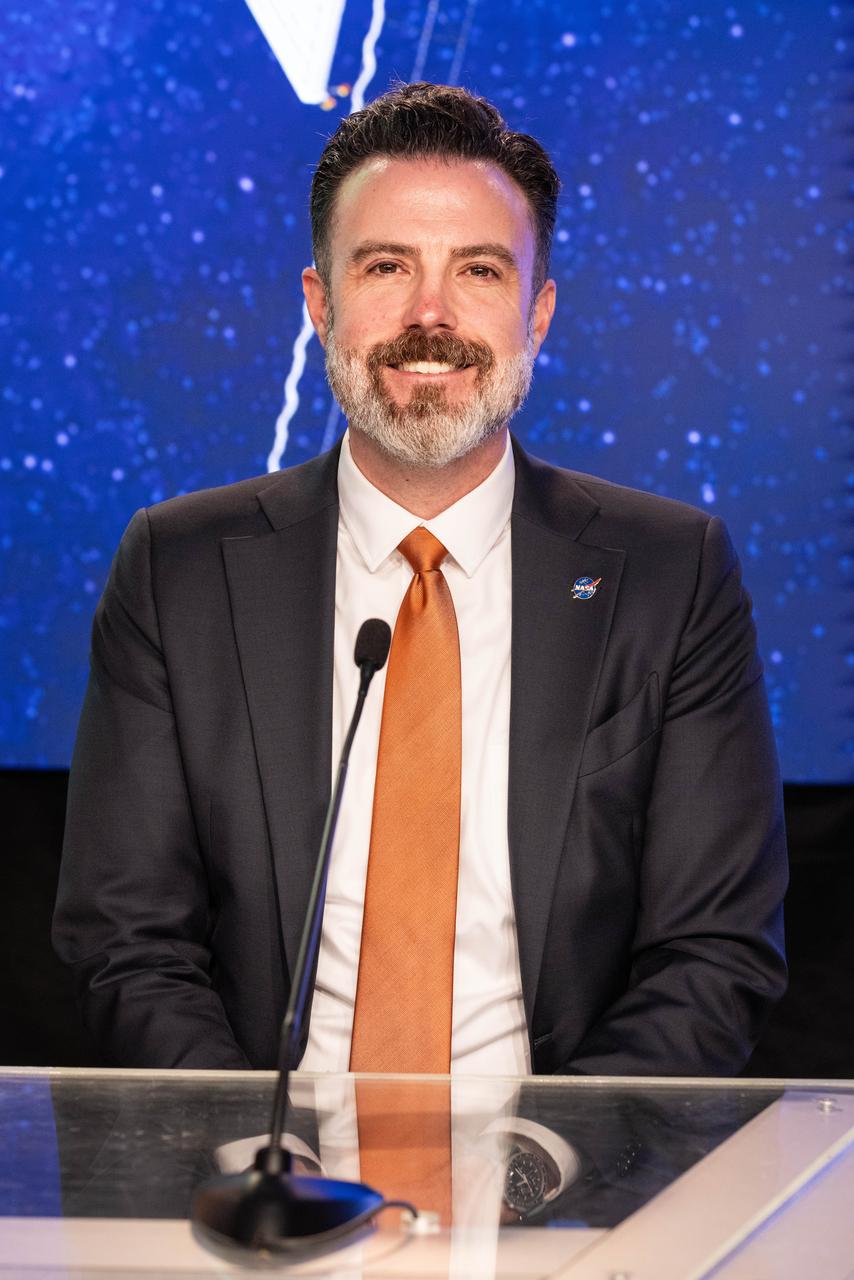
Jamie Favors, director, Space Weather Program, Heliophysics Division, NASA Headquarters in Washington, participates in a science briefing on NASA’s IMAP (Interstellar Mapping and Acceleration Probe) mission and its two rideshares – NASA’s exosphere-studying Carruthers Geocorona Observatory and National Oceanic and Atmospheric Administration’s (NOAA) Space Weather Follow On–Lagrange 1 (SWFO-L1) observatory – at the agency’s Kennedy Space Center in Florida on Sunday, Sept. 21, 2025. NASA’s IMAP will use 10 science instruments to study and map the heliosphere, a vast magnetic bubble surrounding the Sun protecting our solar system from radiation incoming from interstellar space. The three missions will orbit the Sun near Lagrange point 1, about one million miles from Earth. Launch is targeted for 7:32 a.m. EDT, Tuesday, Sept. 23, from Launch Complex 39A at NASA Kennedy.
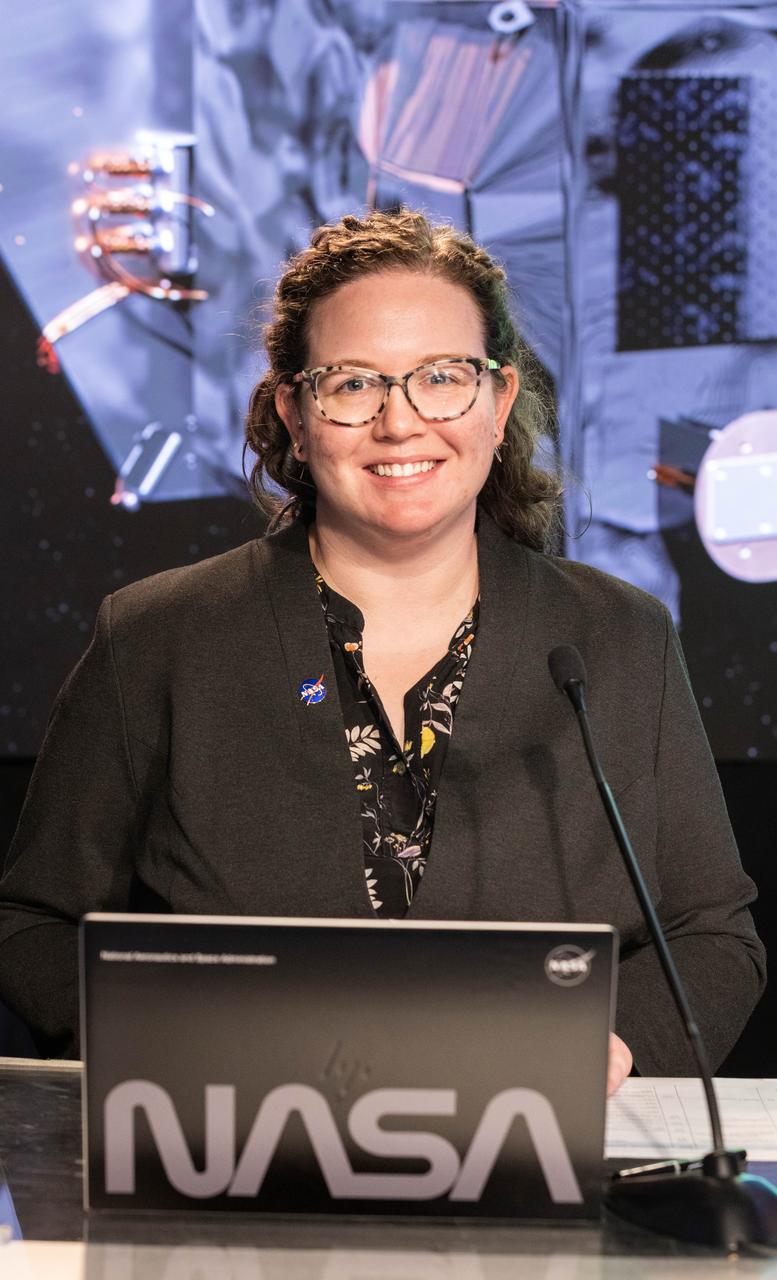
Sarah Frazier, NASA Communications, participates in a science briefing on NASA’s IMAP (Interstellar Mapping and Acceleration Probe) mission and its two rideshares – NASA’s exosphere-studying Carruthers Geocorona Observatory and National Oceanic and Atmospheric Administration’s (NOAA) Space Weather Follow On–Lagrange 1 (SWFO-L1) observatory – at the agency’s Kennedy Space Center in Florida on Sunday, Sept. 21, 2025. NASA’s IMAP will use 10 science instruments to study and map the heliosphere, a vast magnetic bubble surrounding the Sun protecting our solar system from radiation incoming from interstellar space. The three missions will orbit the Sun near Lagrange point 1, about one million miles from Earth. Launch is targeted for 7:32 a.m. EDT, Tuesday, Sept. 23, from Launch Complex 39A at NASA Kennedy.
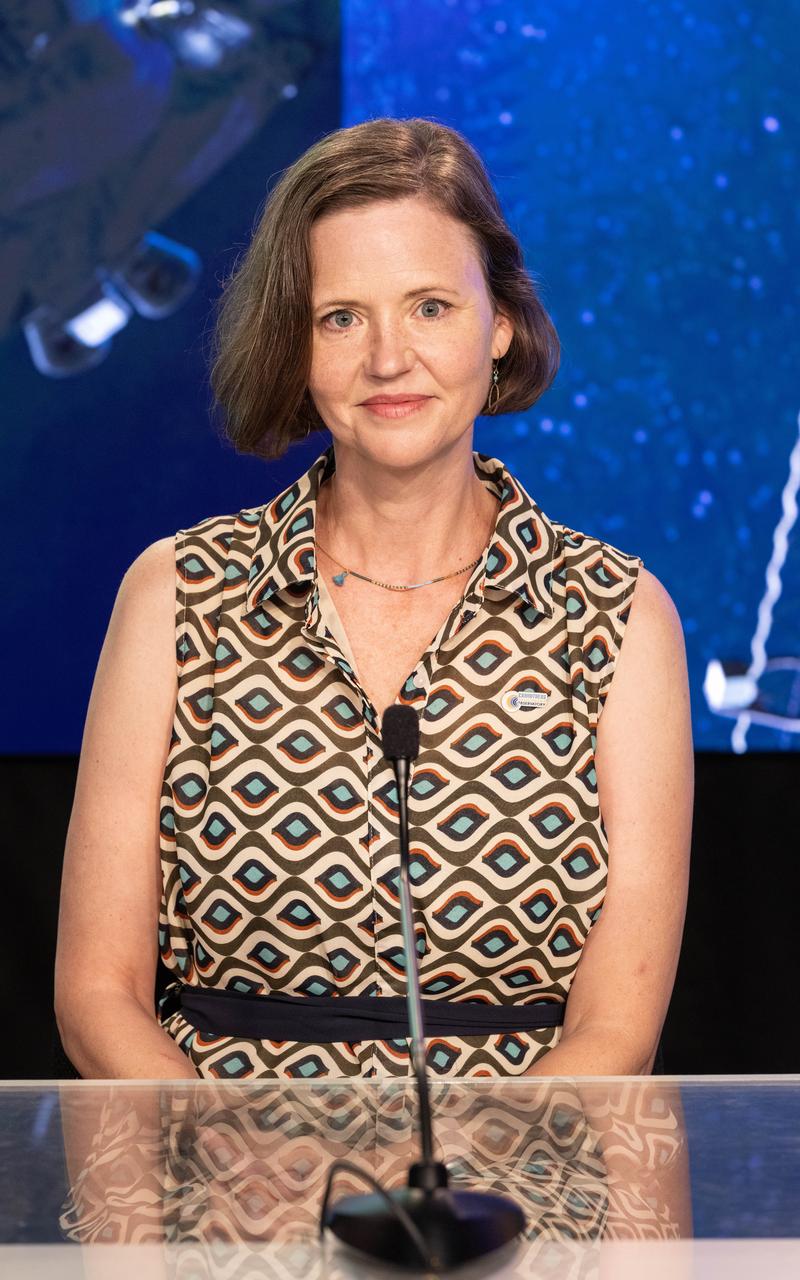
Lara Waldrop, Carruthers Geocorona Observatory principal investigator, University of Illinois Urbana-Champaign, participates in a science briefing on NASA’s IMAP (Interstellar Mapping and Acceleration Probe) mission and its two rideshares – NASA’s exosphere-studying Carruthers Geocorona Observatory and National Oceanic and Atmospheric Administration’s (NOAA) Space Weather Follow On–Lagrange 1 (SWFO-L1) observatory – at the agency’s Kennedy Space Center in Florida on Sunday, Sept. 21, 2025. NASA’s IMAP will use 10 science instruments to study and map the heliosphere, a vast magnetic bubble surrounding the Sun protecting our solar system from radiation incoming from interstellar space. The three missions will orbit the Sun near Lagrange point 1, about one million miles from Earth. Launch is targeted for 7:32 a.m. EDT, Tuesday, Sept. 23, from Launch Complex 39A at NASA Kennedy.

Joe Westlake, director, Heliophysics Division, NASA Headquarters in Washington, participates in a science briefing on NASA’s IMAP (Interstellar Mapping and Acceleration Probe) mission and its two rideshares – NASA’s exosphere-studying Carruthers Geocorona Observatory and National Oceanic and Atmospheric Administration’s (NOAA) Space Weather Follow On–Lagrange 1 (SWFO-L1) observatory – at the agency’s Kennedy Space Center in Florida on Sunday, Sept. 21, 2025. NASA’s IMAP will use 10 science instruments to study and map the heliosphere, a vast magnetic bubble surrounding the Sun protecting our solar system from radiation incoming from interstellar space. The three missions will orbit the Sun near Lagrange point 1, about one million miles from Earth. Launch is targeted for 7:32 a.m. EDT, Tuesday, Sept. 23, from Launch Complex 39A at NASA Kennedy.
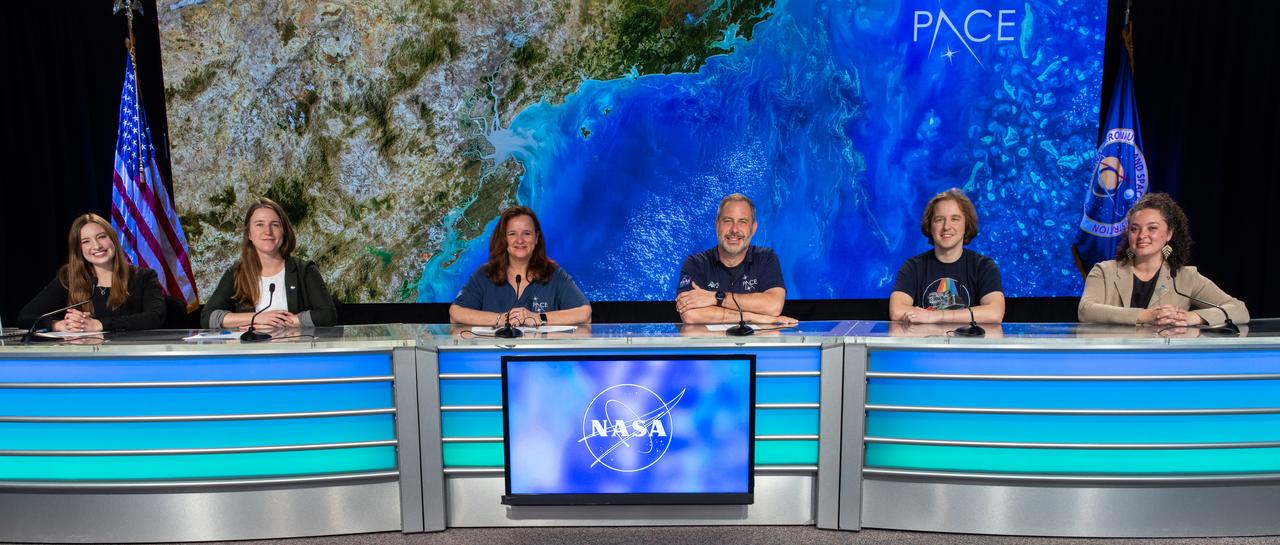
A PACE (Plankton, Aerosol, Cloud, ocean Ecosystem) mission and science briefing takes place at NASA’s Kennedy Space Center in Florida on Sunday, Feb. 4, 2024. Participants, from left to right are: Katherine Rohloff, NASA Communications; Kate Calvin, Chief Scientist, and Senior Climate advisor, NASA Headquarters; Karen St. Germain, Earth Science Division director, NASA Headquarters; Jeremy Werdell, PACE project scientist, NASA’s Goddard Space Flight Center; Andy Sayer, PACE Atmospheric Scientist, NASA’s Goddard Space Flight Center; and Natasha Sadoff, Satellite Needs Program Manager, NASA Headquarters. PACE is NASA’s newest earth-observing satellite that will help increase our understanding of Earth’s oceans, atmosphere, and climate by delivering hyperspectral observations of microscopic marine organisms called phytoplankton, as well new data on clouds and aerosols. Liftoff aboard a SpaceX Falcon 9 rocket from Space Launch Complex 40 at Cape Canaveral Space Force Station in Florida is set for no earlier than 1:33 a.m. EST on Tuesday, Feb 6, 2024.
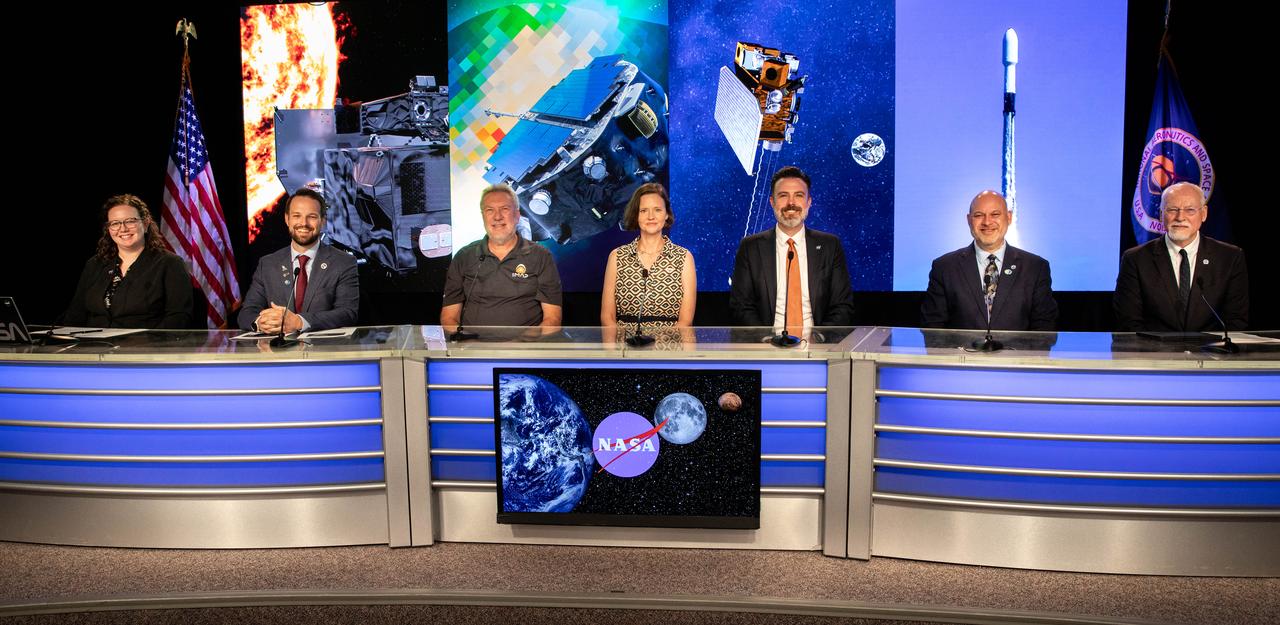
NASA, NOAA, and mission leaders participate in a science briefing on NASA’s IMAP (Interstellar Mapping and Acceleration Probe) mission and its two rideshares – NASA’s exosphere-studying Carruthers Geocorona Observatory and National Oceanic and Atmospheric Administration’s (NOAA) Space Weather Follow On–Lagrange 1 (SWFO-L1) observatory – at the agency’s Kennedy Space Center in Florida on Sunday, Sept. 21, 2025. From left are: Sarah Frazier, NASA Communications; Joe Westlake, director, Heliophysics Division, NASA Headquarters in Washington; David McComas, IMAP principal investigator, Princeton University; Lara Waldrop, Carruthers Geocorona Observatory principal investigator, University of Illinois Urbana-Champaign; Jamie Favors, director, Space Weather Program, Heliophysics Division, NASA Headquarters; Clinton Wallace, director, NOAA Space Weather Prediction Center; James Spann, senior scientist, NOAA Office of Space Weather Observations. NASA’s IMAP will use 10 science instruments to study and map the heliosphere, a vast magnetic bubble surrounding the Sun protecting our solar system from radiation incoming from interstellar space. The missions will orbit the Sun near Lagrange point 1, about one million miles from Earth. Launch is targeted for 7:32 a.m. EDT, Tuesday, Sept. 23, from Launch Complex 39A at NASA Kennedy.
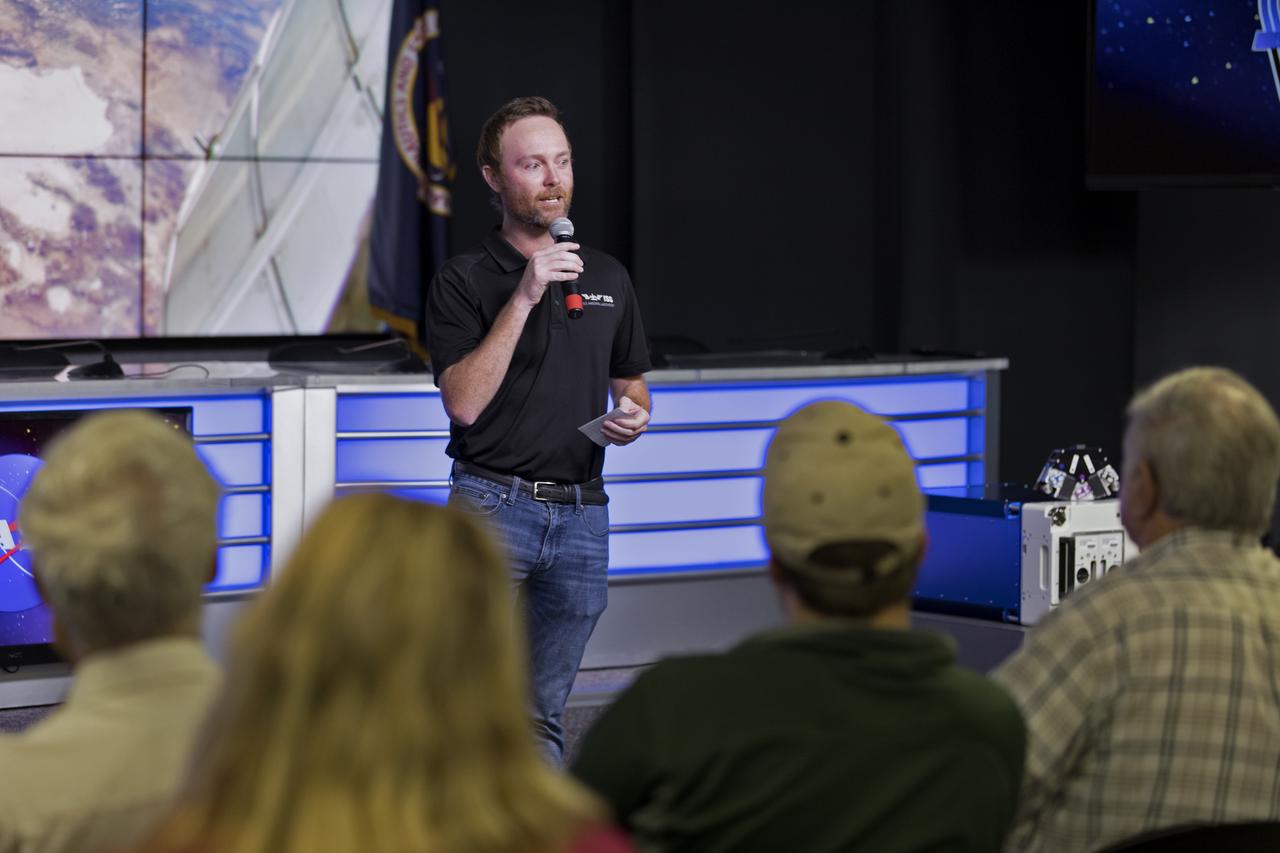
Patrick O'Neill, Marketing and Communications Manager, Center for the Advancement of Science in Space, speaks to members of the media in the Kennedy Space Center Press Site auditorium. The briefing focused on research planned for launch to the International Space Station. The scientific materials and supplies will be aboard a Dragon spacecraft scheduled for liftoff from Cape Canaveral Air Force Station's Space Launch Complex 40 at 4:30 p.m. EST, on April 2, 2018. The SpaceX Falcon 9 rocket will launch the company's 14th Commercial Resupply Services mission to the space station.
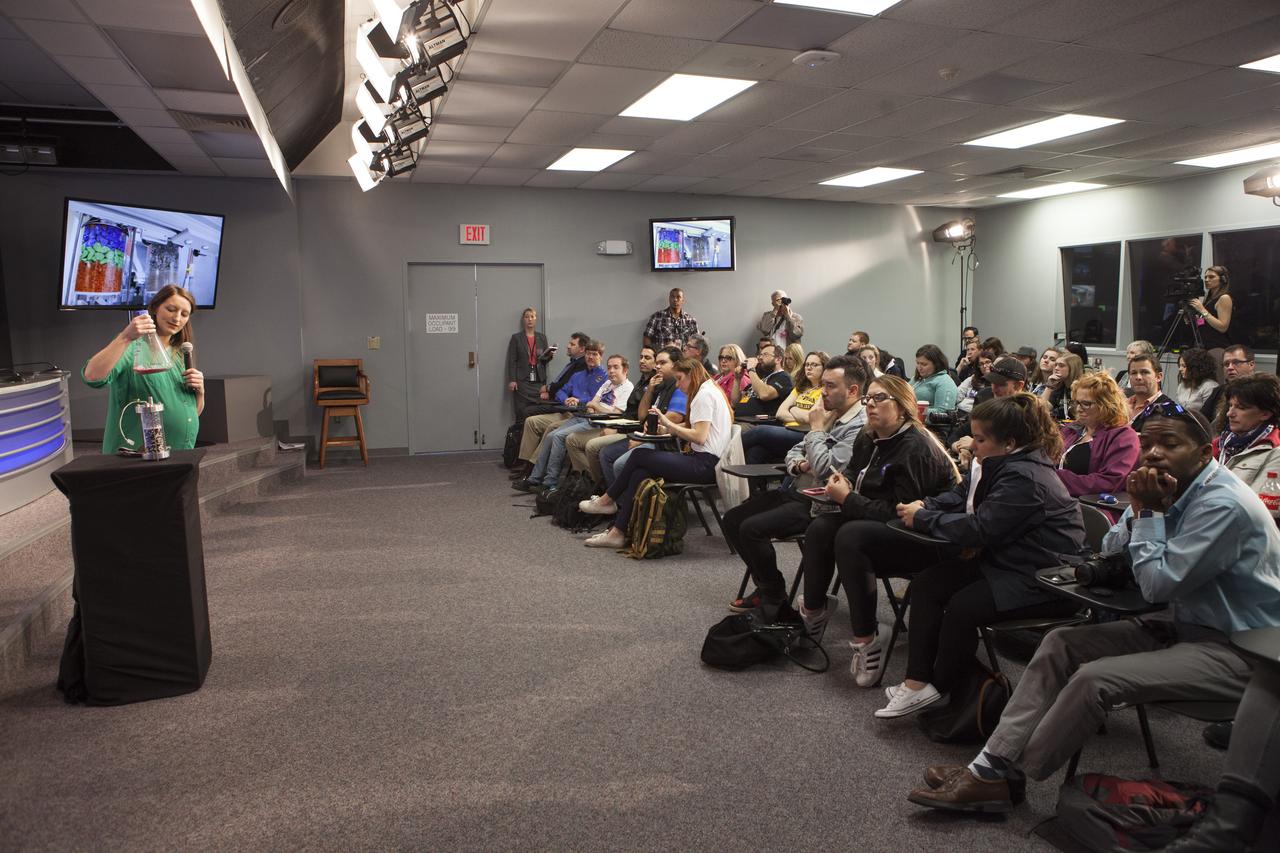
Dr. Kristen John, deputy project manager and co-investigator for the Strata-1 experiment at the Johnson Space Center in Houston , speaks to members of the media in the Kennedy Space Center’s Press Site auditorium. The briefing focused on science research and technology work planned for the International Space Station, or ISS, following the arrival of a Cygnus spacecraft. The Cygnus is scheduled to be launched March 22 atop a United Launch Alliance Atlas V rocket on the Orbital ATK CRS-6 commercial resupply services mission.
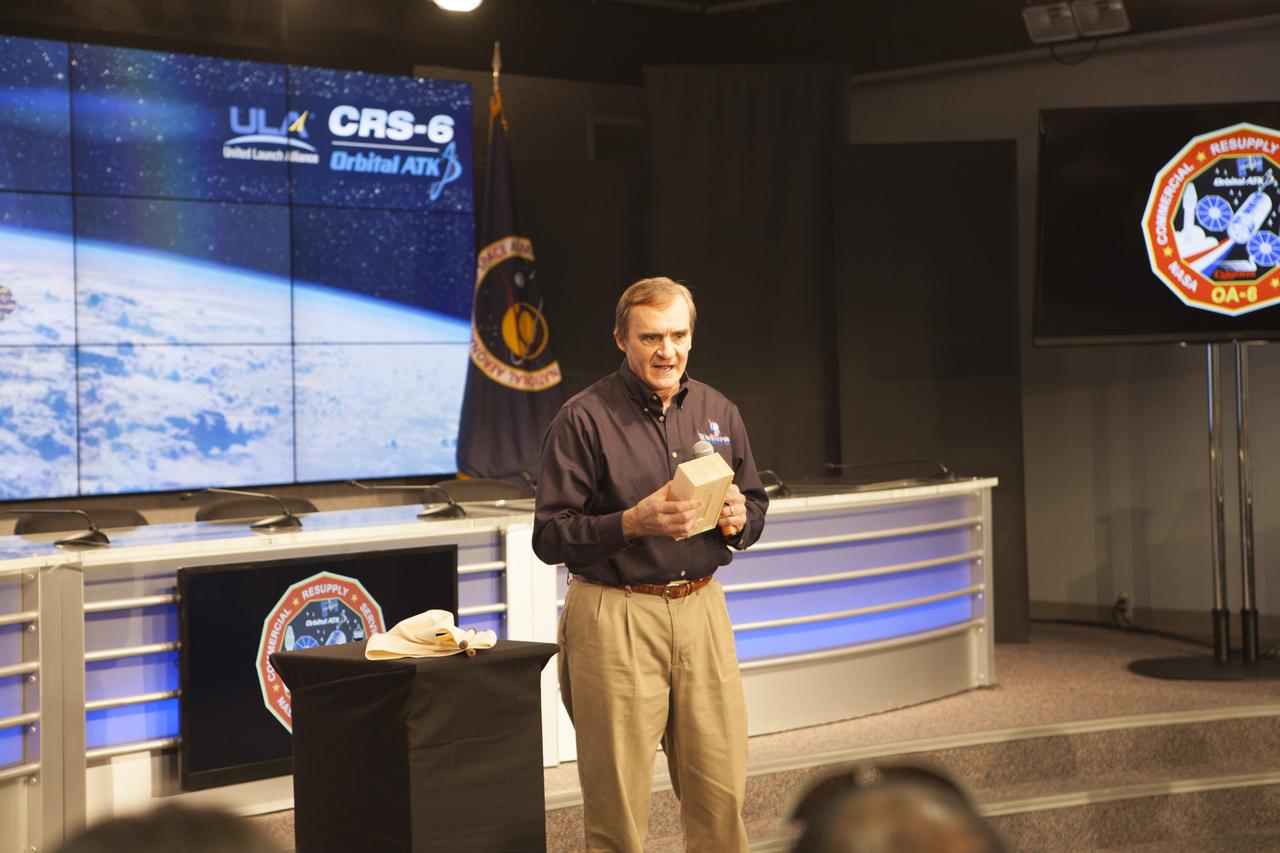
Gary Ruff, NASA project manager and co-investigator for the Spacecraft Fire Safety Demonstration Project, or Saffire, at the Glenn Research Center in Cleveland, speaks to members of the media in the Kennedy Space Center’s Press Site auditorium. The briefing focused on science research and technology work planned for the International Space Station, or ISS, following the arrival of a Cygnus spacecraft. The Cygnus is scheduled to be launched March 22 atop a United Launch Alliance Atlas V rocket on the Orbital ATK CRS-6 commercial resupply services mission.
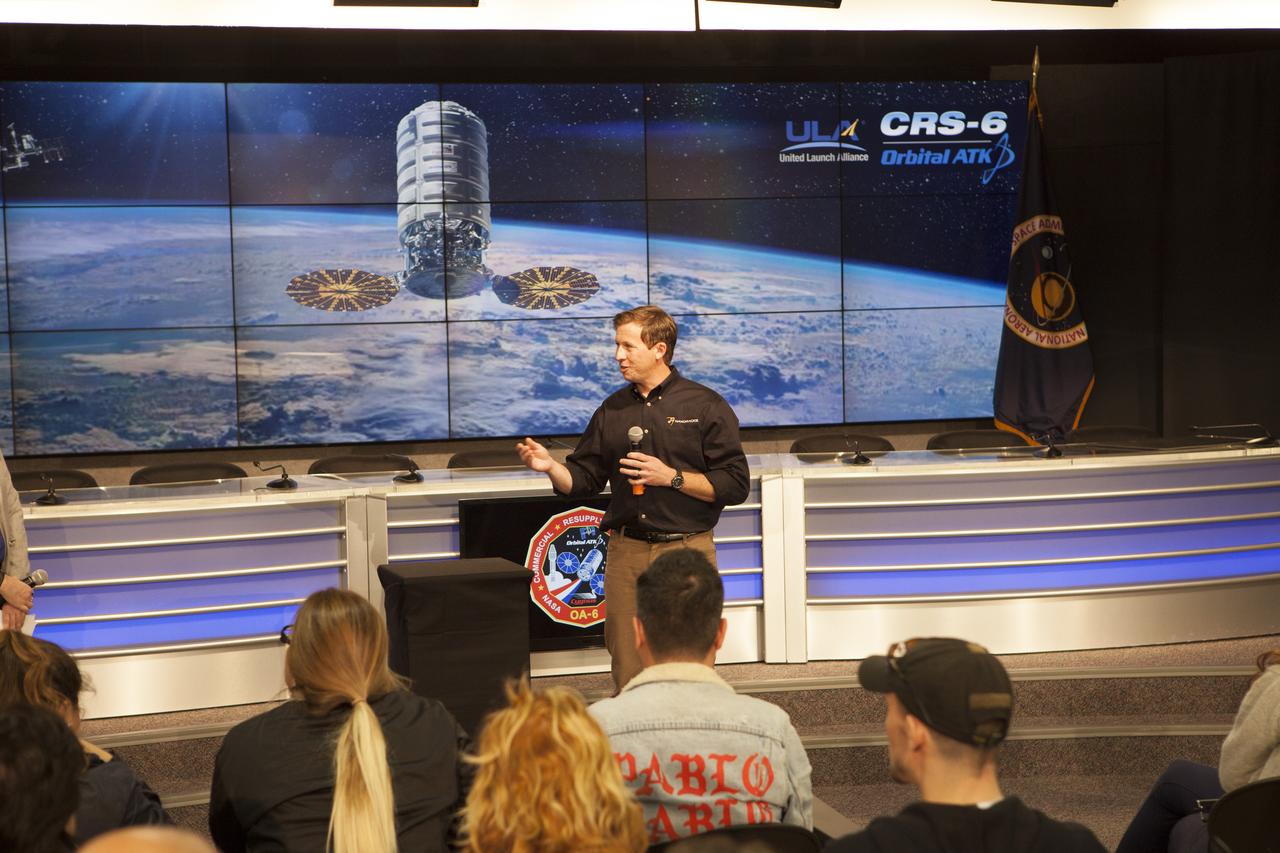
Michael Lewis, chief technology officer for NanoRacks, speaks to members of the media in the Kennedy Space Center’s Press Site auditorium. The briefing focused on science research and technology work planned for the International Space Station, or ISS, following the arrival of a Cygnus spacecraft. The Cygnus is scheduled to be launched March 22 atop a United Launch Alliance Atlas V rocket on the Orbital ATK CRS-6 commercial resupply services mission.
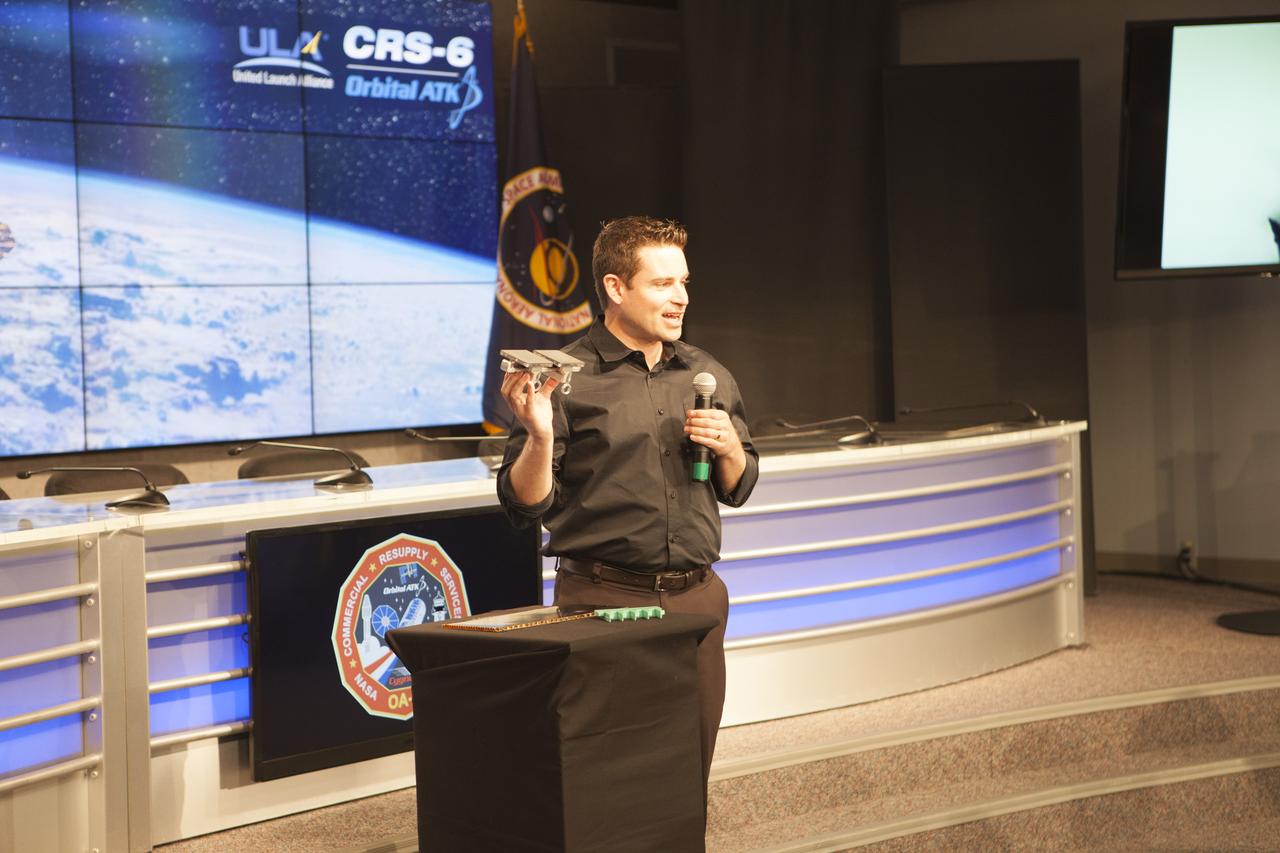
Dr. Aaron Parness, group leader at the Jet Propulsion Laboratory in Pasadena, California, who is working the Extreme Environment Robots Group on the Gecko Grippers experiment, speaks to members of the media in the Kennedy Space Center’s Press Site auditorium. The briefing focused on science research and technology work planned for the International Space Station, or ISS, following the arrival of a Cygnus spacecraft. The Cygnus is scheduled to be launched March 22 atop a United Launch Alliance Atlas V rocket on the Orbital ATK CRS-6 commercial resupply services mission.
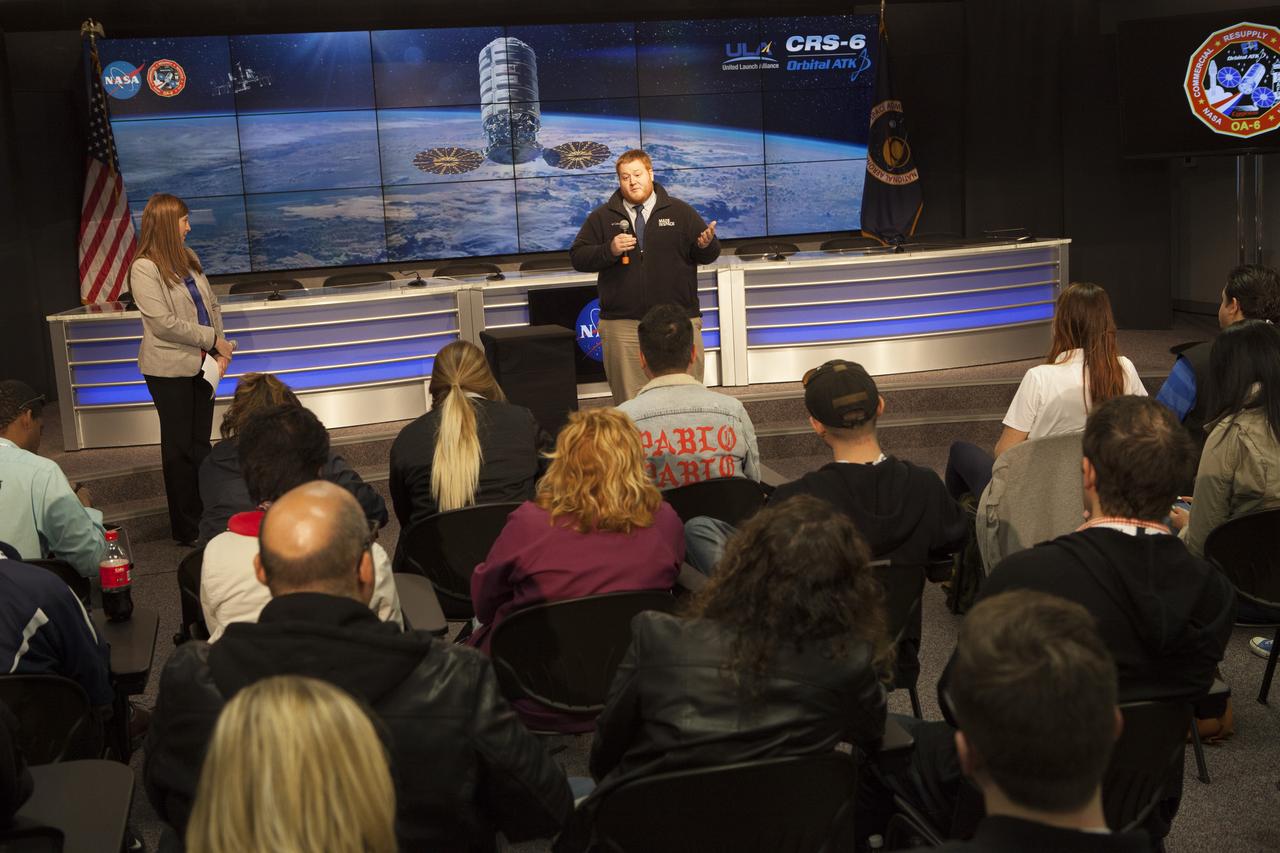
Michael Snyder, chief engineer for Made in Space, speaks to members of the media in the Kennedy Space Center’s Press Site auditorium. The briefing focused on science research and technology work planned for the International Space Station, or ISS, following the arrival of a Cygnus spacecraft. The Cygnus is scheduled to be launched March 22 atop a United Launch Alliance Atlas V rocket on the Orbital ATK CRS-6 commercial resupply services mission.
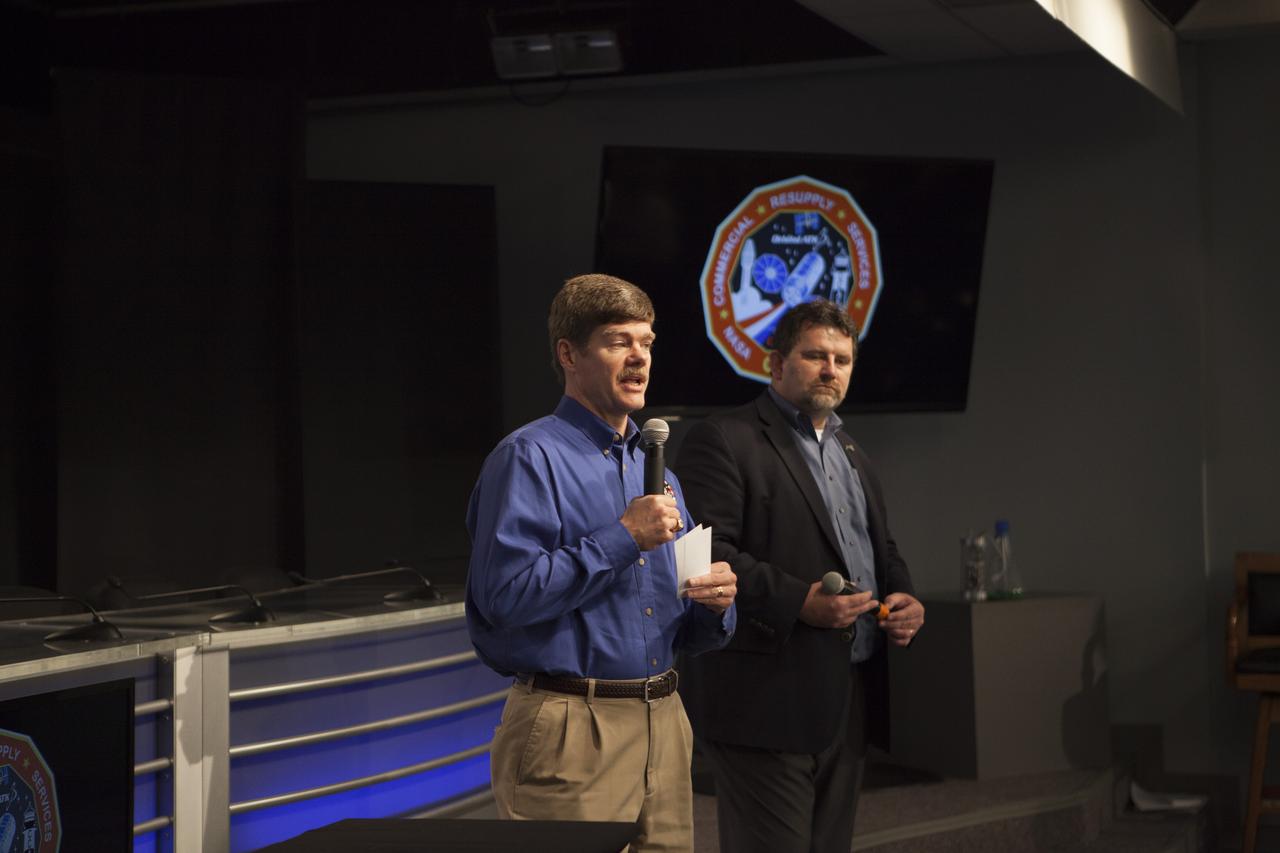
In the Kennedy Space Center’s Press Site auditorium, members of the media participate in a briefing on science research and technology work planned for the International Space Station, or ISS. NASA is preparing for the launch of a Cygnus spacecraft on the Orbital ATK CRS-6 commercial resupply services mission to the ISS. From left are: Pete Hasbrook, NASA associate program scientist for the ISS Program at the Johnson Space Center in Houston, and Dr. Michael Roberts, deputy chief scientist for the Center for the Advancement for Science in Space, or CASIS.
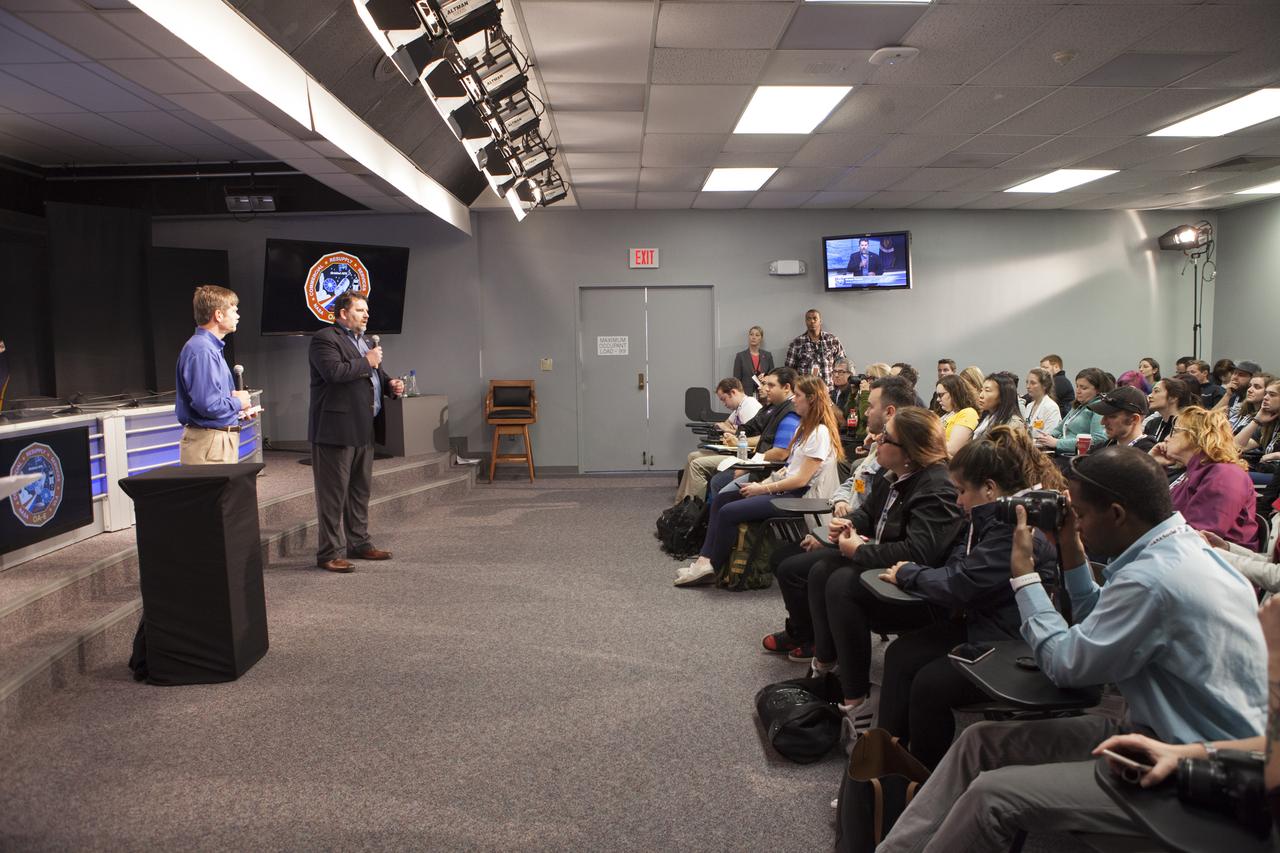
In the Kennedy Space Center’s Press Site auditorium, members of the media participate in a briefing on science research and technology work planned for the International Space Station, or ISS. NASA is preparing for the launch of a Cygnus spacecraft on the Orbital ATK CRS-6 commercial resupply services mission to the ISS. From left are: Pete Hasbrook, NASA associate program scientist for the ISS Program at the Johnson Space Center in Houston, and Dr. Michael Roberts, deputy chief scientist for the Center for the Advancement for Science in Space, or CASIS.
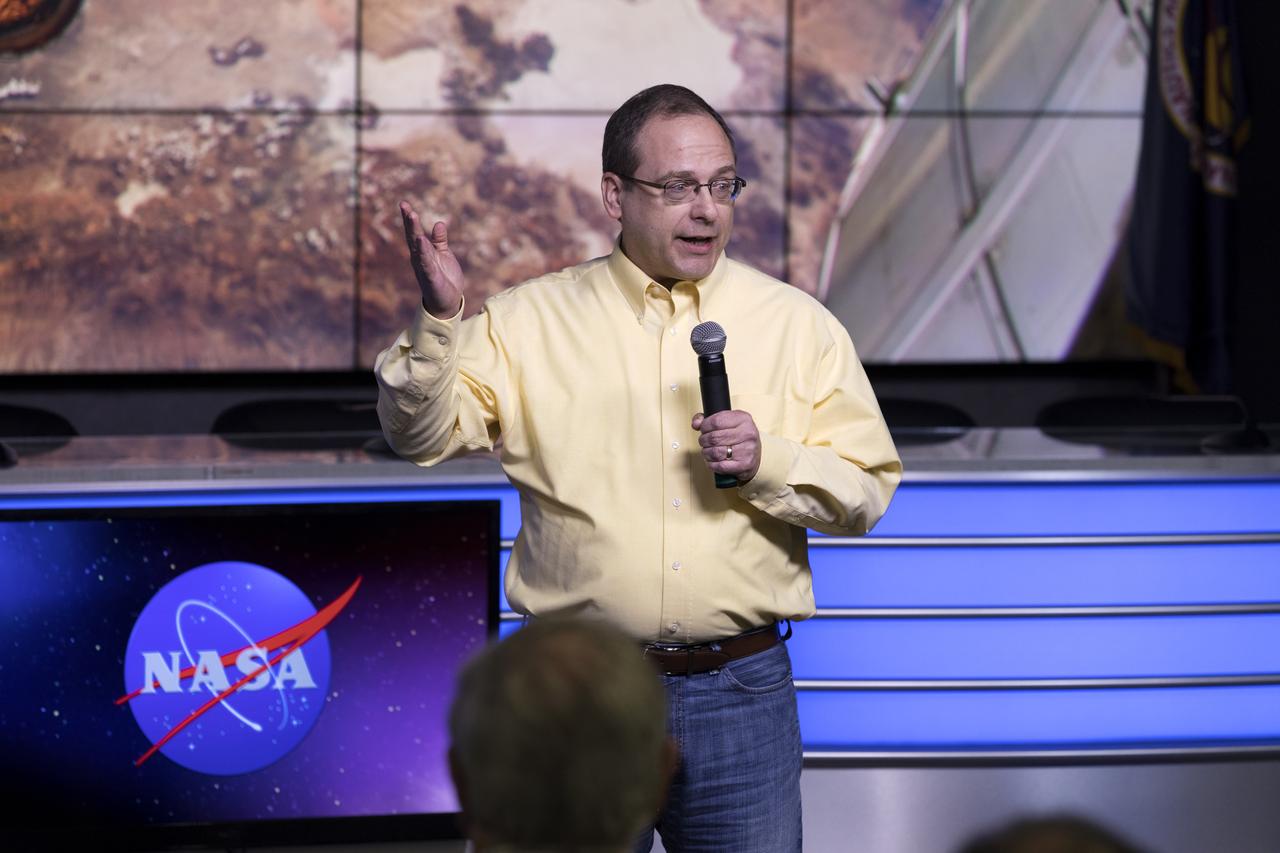
Craig Kundrot, director, NASA's Space Life and Physical Science Research and Applications, speaks to members of the media in the Kennedy Space Center Press Site auditorium. The briefing focused on research planned for launch to the International Space Station. The scientific materials and supplies will be aboard a Dragon spacecraft scheduled for liftoff from Cape Canaveral Air Force Station's Space Launch Complex 40 at 4:30 p.m. EST, on April 2, 2018. The SpaceX Falcon 9 rocket will launch the company's 14th Commercial Resupply Services mission to the space station.
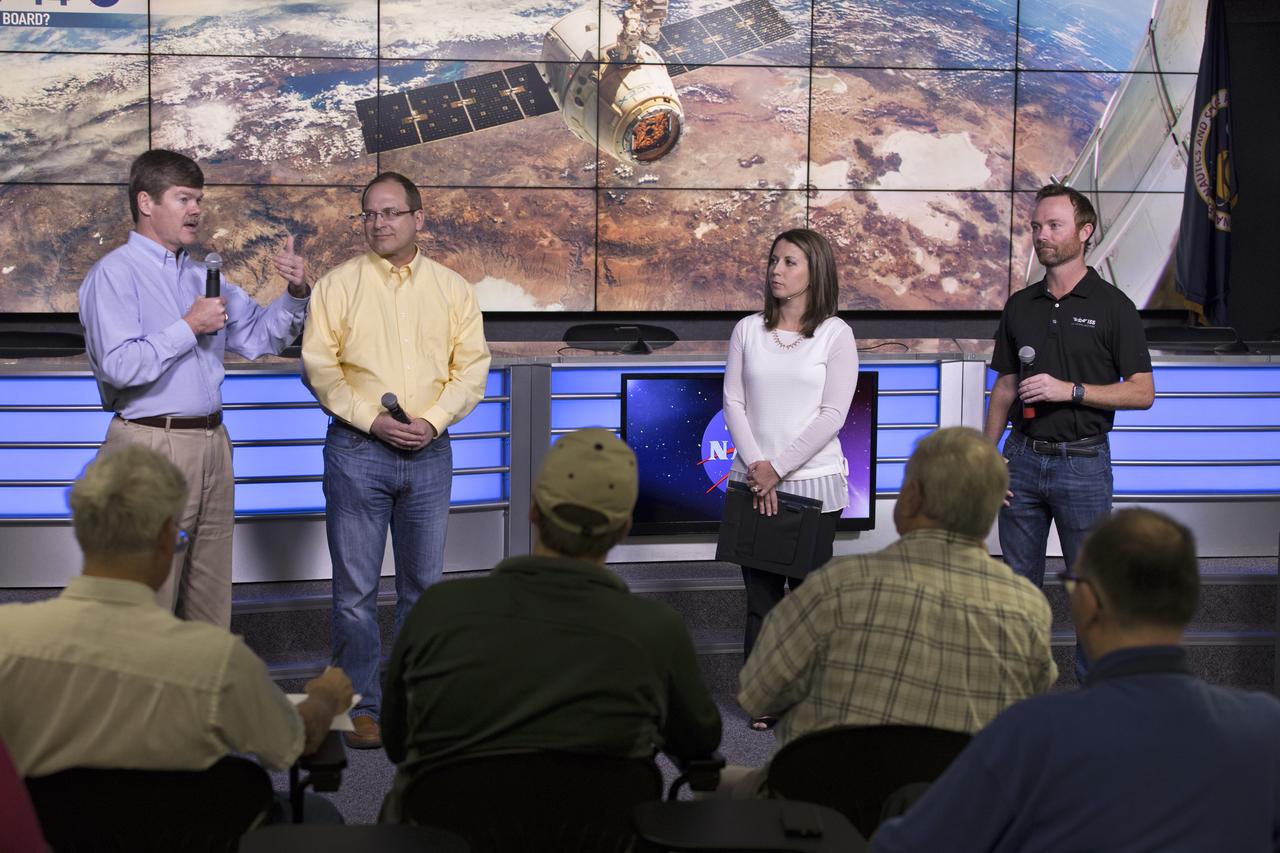
From left, Pete Hasbrook, associate program scientist, International Space Station Program at NASA's Johnson Space Center in Houston; Craig Kundrot, director, NASA's Space Life and Physical Science Research and Applications; Marie Lewis, moderator, Kennedy Space Center; and Patrick O'Neill, Marketing and Communications Manager, Center for the Advancement of Science in Space, speak to members of the media in the Kennedy Space Center Press Site auditorium. The briefing focused on research planned for launch to the International Space Station. The scientific materials and supplies will be aboard a Dragon spacecraft scheduled for liftoff from Cape Canaveral Air Force Station's Space Launch Complex 40 at 4:30 p.m. EST, on April 2, 2018. The SpaceX Falcon 9 rocket will launch the company's 14th Commercial Resupply Services mission to the space station.
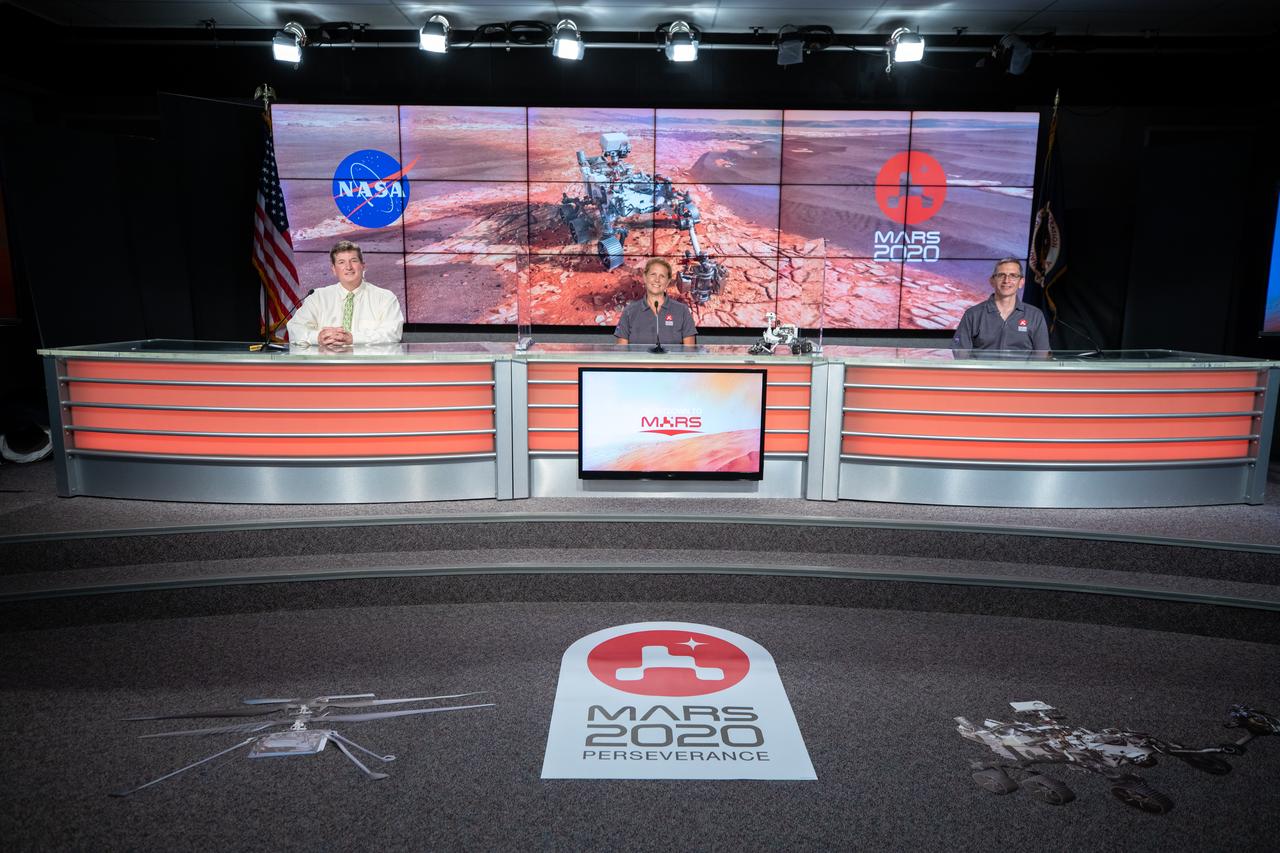
A Mars 2020 Mission Engineering and Science Briefing is held at NASA’s Kennedy Space Center in Florida on July 27, 2020. Participating in the briefing from left, are Moderator DC Agle, NASA’s Jet Propulsion Laboratory; Lori Glaze, Planetary Science Division director, NASA Headquarters; and Ken Farley, project scientist, California Institute of Technology. The Mars Perseverance rover is scheduled to launch July 30, on a United Launch Alliance Atlas V 541 rocket from Space Launch Complex 41 at nearby Cape Canaveral Air Force Station. The rover is part of NASA’s Mars Exploration Program, a long-term effort of robotic exploration of the Red Planet. The rover will search for habitable conditions in the ancient past and signs of past microbial life on Mars. The Launch Services Program at Kennedy is responsible for launch management.
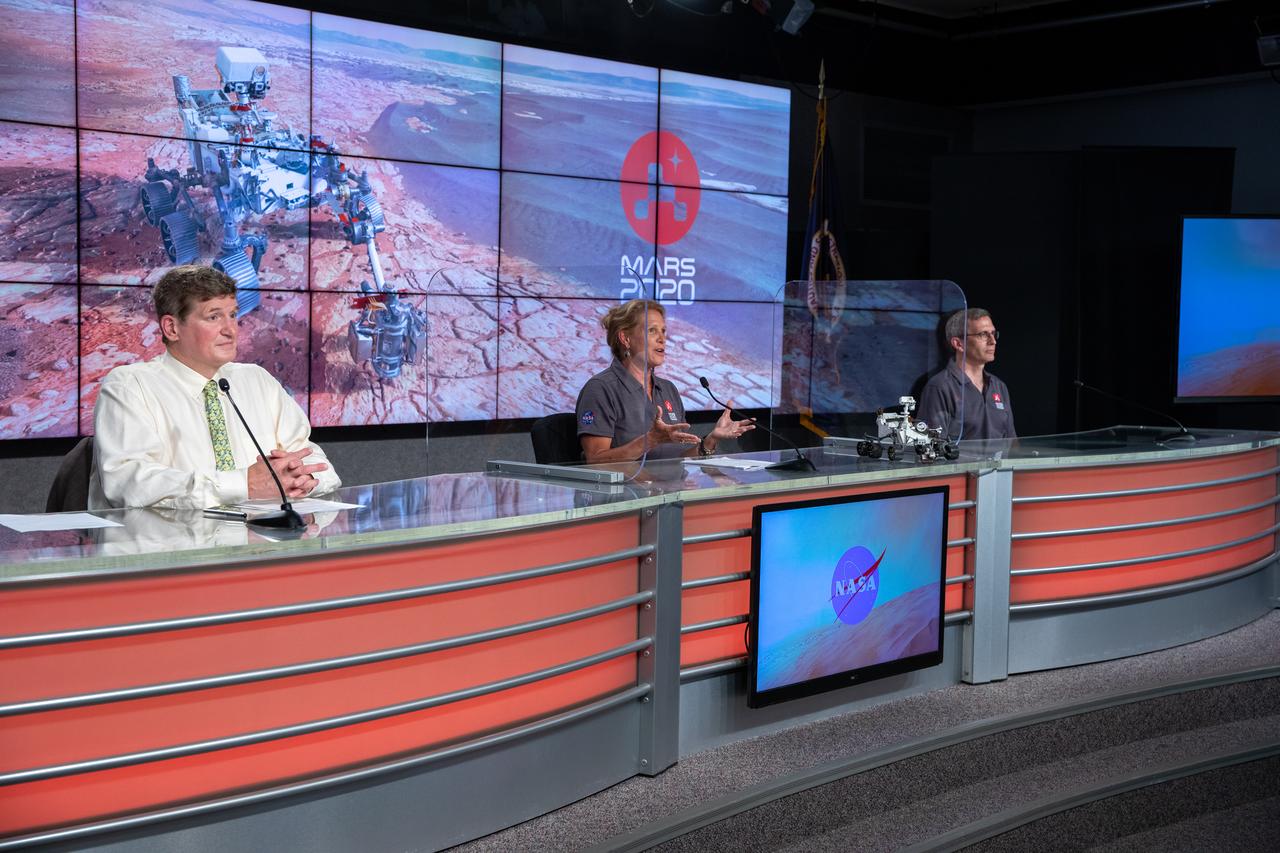
A Mars 2020 Mission Engineering and Science Briefing is held at NASA’s Kennedy Space Center in Florida on July 27, 2020. Participating in the briefing from left, are Moderator DC Agle, NASA’s Jet Propulsion Laboratory; Lori Glaze, Planetary Science Division director, NASA Headquarters; and Ken Farley, project scientist, California Institute of Technology. The Mars Perseverance rover is scheduled to launch July 30, on a United Launch Alliance Atlas V 541 rocket from Space Launch Complex 41 at nearby Cape Canaveral Air Force Station. The rover is part of NASA’s Mars Exploration Program, a long-term effort of robotic exploration of the Red Planet. The rover will search for habitable conditions in the ancient past and signs of past microbial life on Mars. The Launch Services Program at Kennedy is responsible for launch management.
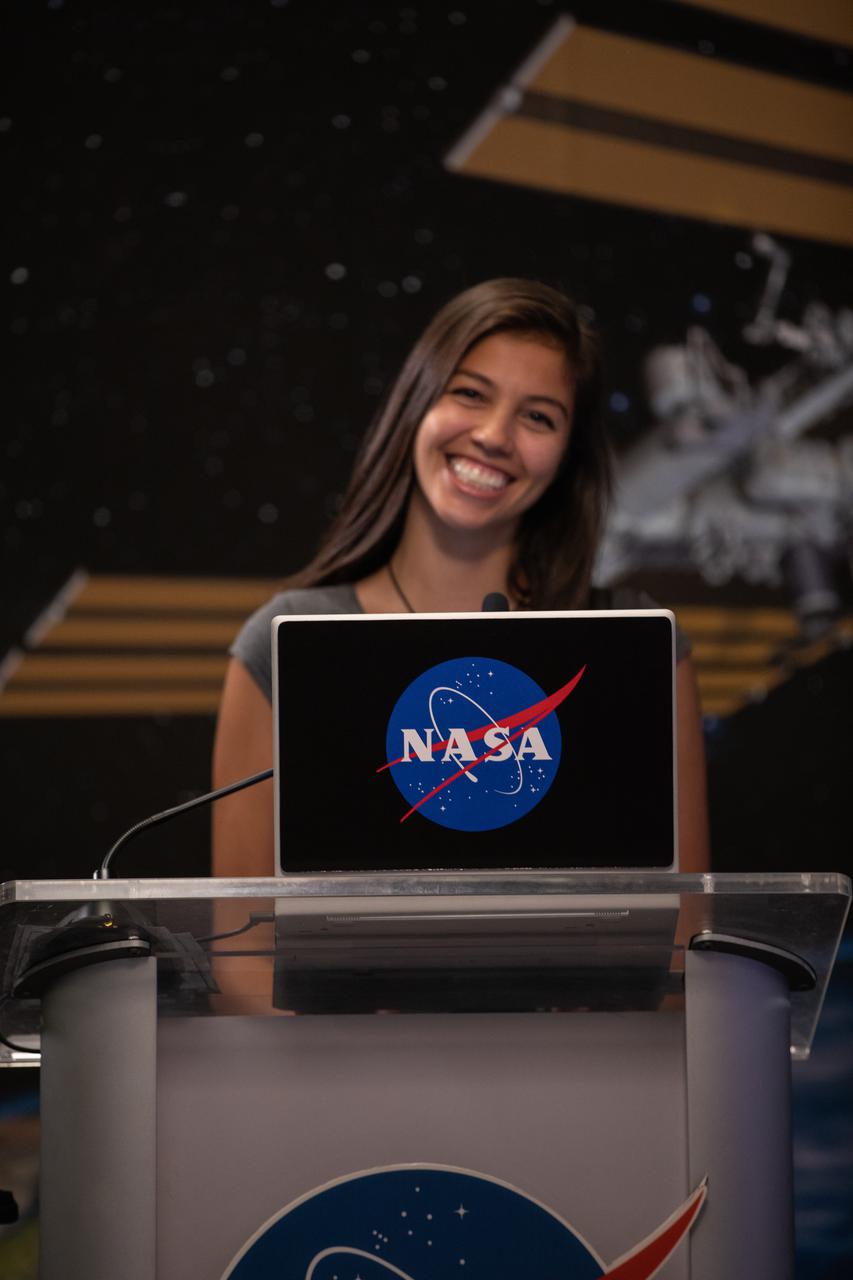
Antonia Jaramillo, NASA Communications, moderates a What’s On Board Science Briefing on June 2, 2021, at Kennedy Space Center in Florida for SpaceX’s 22nd Commercial Resupply Services mission for NASA to the International Space Station. The SpaceX Falcon 9 rocket with the Dragon capsule atop is scheduled to launch at 1:29 p.m. EDT on Thursday, June 3, from the center’s Launch Complex 39A. Dragon will deliver more than 7,300 pounds of cargo and science experiments to the space station.
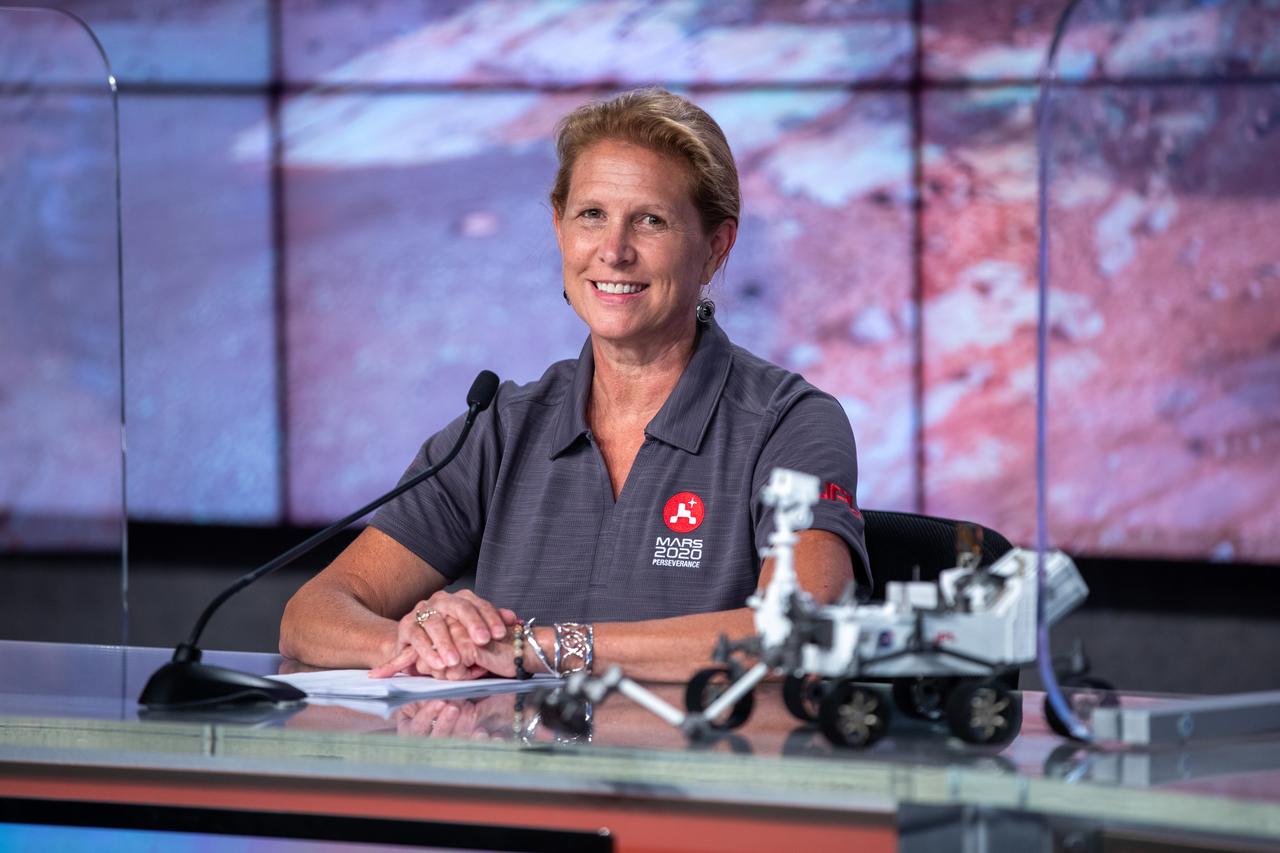
Lori Glaze, Planetary Science Division director, NASA Headquarters, participates in a Mars 2020 Mission Engineering and Science Briefing at NASA’s Kennedy Space Center in Florida on July 27, 2020. The Mars Perseverance rover is scheduled to launch July 30, on a United Launch Alliance Atlas V 541 rocket from Space Launch Complex 41 at nearby Cape Canaveral Air Force Station. The rover is part of NASA’s Mars Exploration Program, a long-term effort of robotic exploration of the Red Planet. The rover will search for habitable conditions in the ancient past and signs of past microbial life on Mars. The Launch Services Program at Kennedy is responsible for launch management.
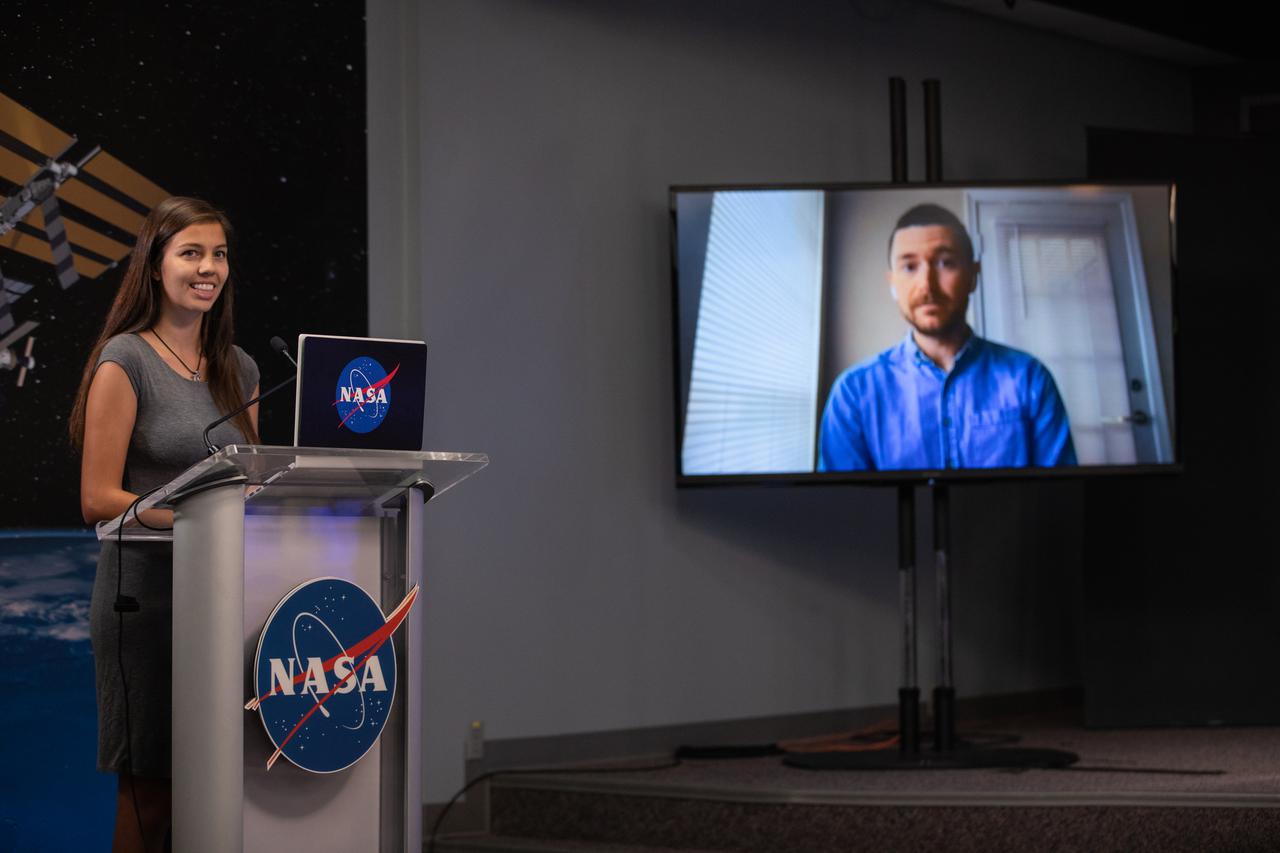
Antonia Jaramillo, NASA Communications, moderates a What’s On Board Science Briefing on June 2, 2021, at Kennedy Space Center in Florida for SpaceX’s 22nd Commercial Resupply Services mission for NASA to the International Space Station. On screen, principal investigator Dr. Thomas Boothby describes the Cell Science-04 experiment that will be delivered to the space station. Cell Science-04 will research the effects of microgravity on tardigrades, more commonly known as water bears. The results could advance understanding of the stress factors affecting humans in space. The SpaceX Falcon 9 rocket with the Dragon capsule atop is scheduled to launch at 1:29 p.m. EDT on Thursday, June 3, from the center’s Launch Complex 39A. Dragon will deliver more than 7,300 pounds of cargo and science experiments to the space station.
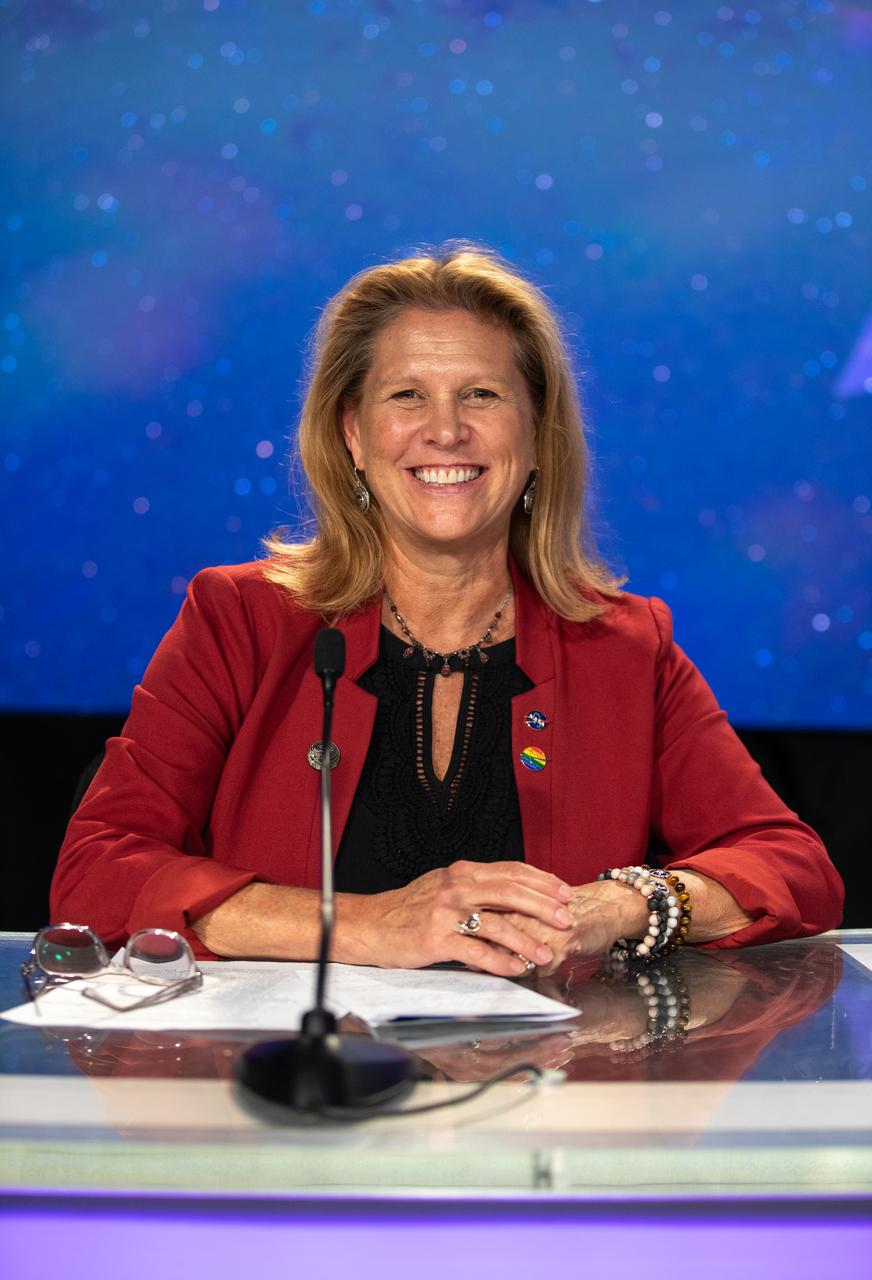
Lori Glaze, Planetary Science division director, NASA Headquarters, participates in a Psyche mission and science briefing at NASA’s Kennedy Space Center in Florida on Tuesday, Oct. 10, 2023. Psyche is the first mission to explore an asteroid with a surface that likely contains substantial amounts of metal rather than rock or ice. Liftoff of NASA’s Psyche spacecraft, atop a SpaceX Falcon Heavy rocket, is targeted for 10:16 a.m. EDT Thursday, Oct. 12, from Kennedy’s Launch Complex 39A.
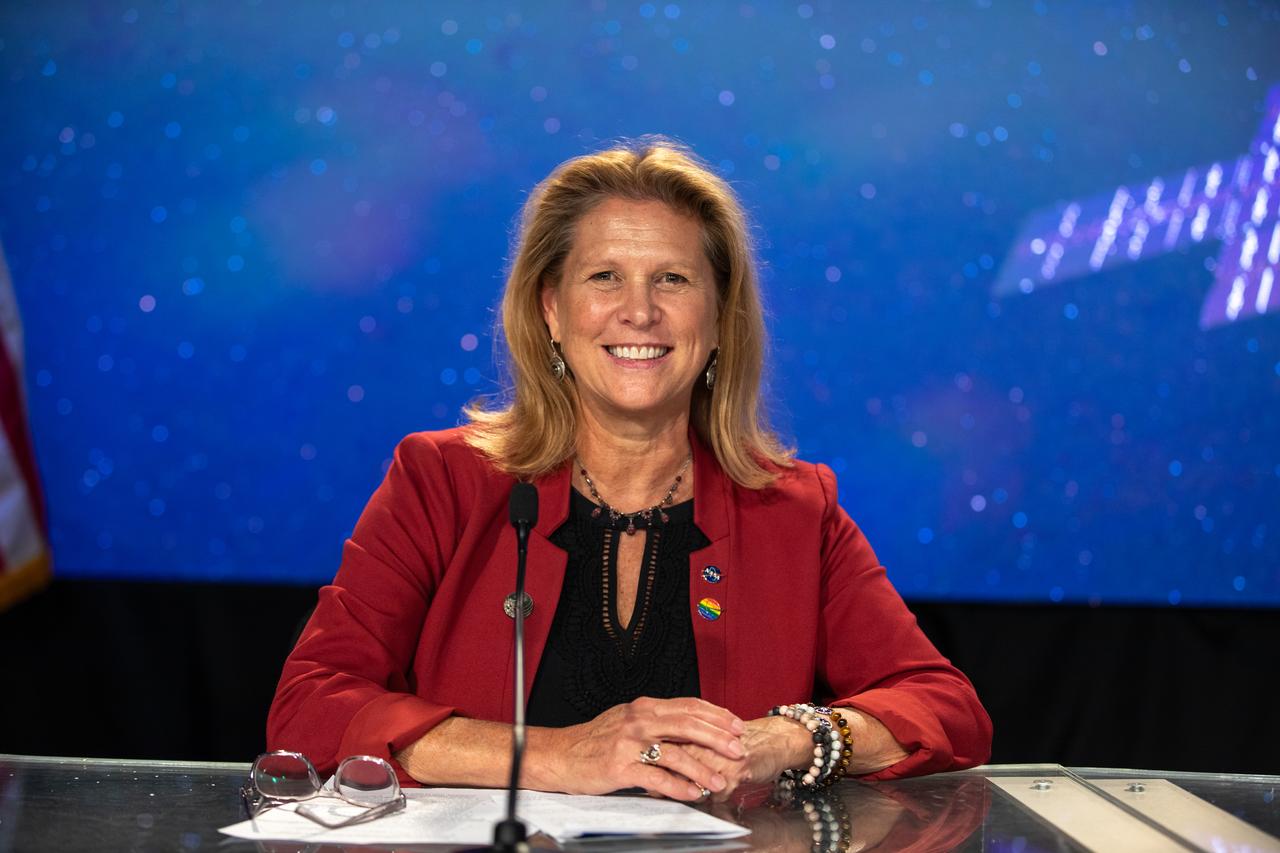
Lori Glaze, Planetary Science division director, NASA Headquarters, participates in a Psyche mission and science briefing at NASA’s Kennedy Space Center in Florida on Tuesday, Oct. 10, 2023. Psyche is the first mission to explore an asteroid with a surface that likely contains substantial amounts of metal rather than rock or ice. Liftoff of NASA’s Psyche spacecraft, atop a SpaceX Falcon Heavy rocket, is targeted for 10:16 a.m. EDT Thursday, Oct. 12, from Kennedy’s Launch Complex 39A.

Lori Glaze, Planetary Science division director, NASA Headquarters, participates in a Psyche mission and science briefing at NASA’s Kennedy Space Center in Florida on Tuesday, Oct. 10, 2023. Psyche is the first mission to explore an asteroid with a surface that likely contains substantial amounts of metal rather than rock or ice. Liftoff of NASA’s Psyche spacecraft, atop a SpaceX Falcon Heavy rocket, is targeted for 10:16 a.m. EDT Thursday, Oct. 12, from Kennedy’s Launch Complex 39A.
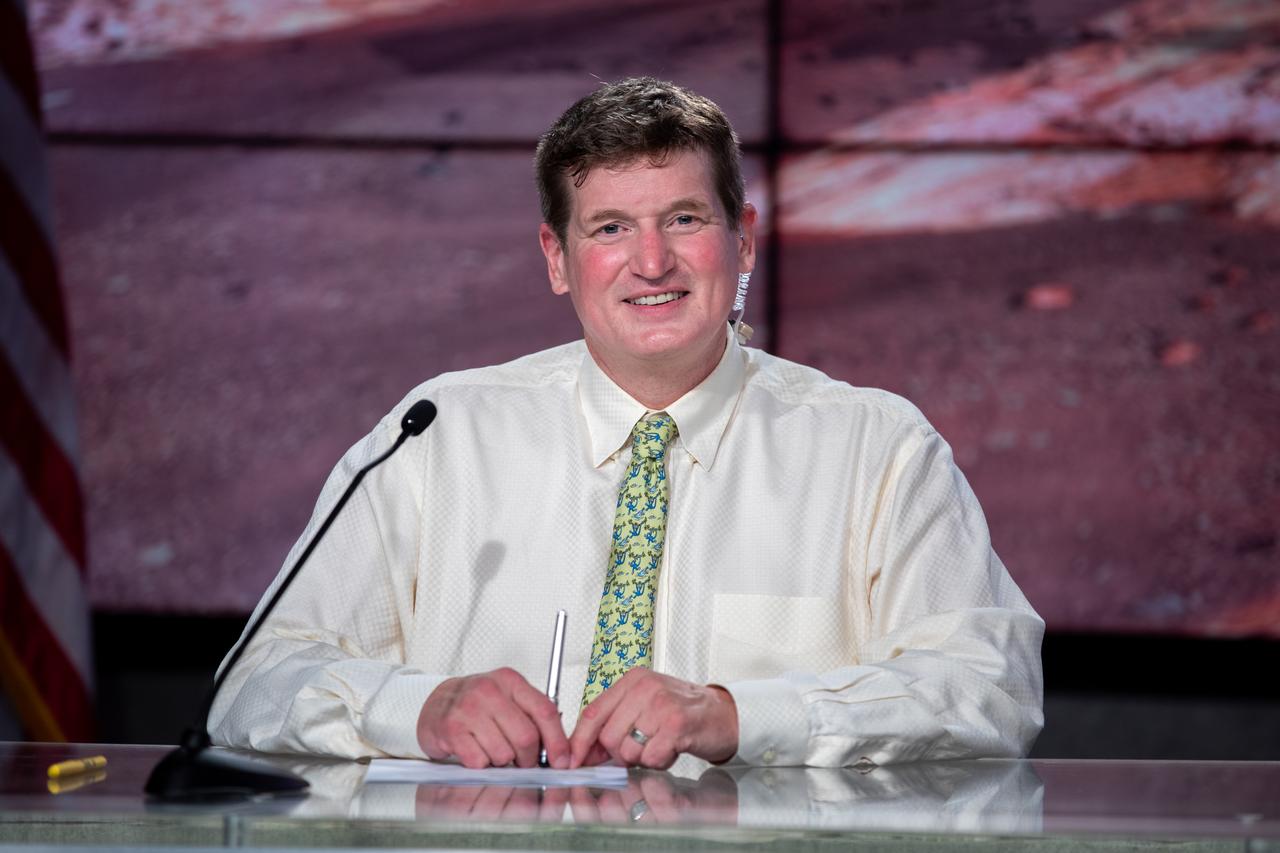
DC Agle, with NASA’s Jet Propulsion Laboratory, moderates a Mars 2020 Mission Engineering and Science Briefing at NASA’s Kennedy Space Center in Florida on July 27, 2020. The Mars Perseverance rover is scheduled to launch July 30, on a United Launch Alliance Atlas V 541 rocket from Space Launch Complex 41 at nearby Cape Canaveral Air Force Station. The rover is part of NASA’s Mars Exploration Program, a long-term effort of robotic exploration of the Red Planet. The rover will search for habitable conditions in the ancient past and signs of past microbial life on Mars. The Launch Services Program at Kennedy is responsible for launch management.
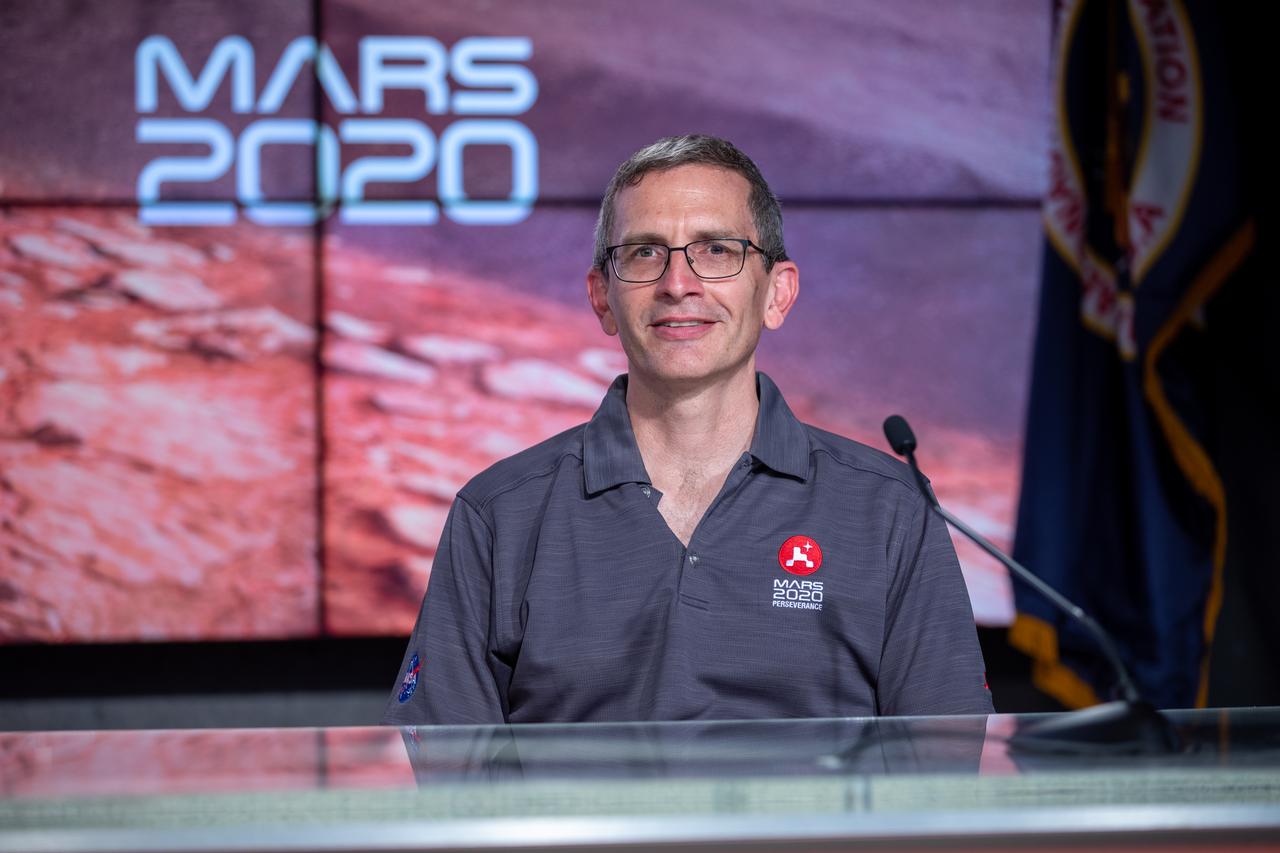
Ken Farley, project scientist, California Institute of Technology, participates in a Mars 2020 Mission Engineering and Science Briefing at NASA’s Kennedy Space Center in Florida on July 27, 2020. The Mars Perseverance rover is scheduled to launch July 30, on a United Launch Alliance Atlas V 541 rocket from Space Launch Complex 41 at nearby Cape Canaveral Air Force Station. The rover is part of NASA’s Mars Exploration Program, a long-term effort of robotic exploration of the Red Planet. The rover will search for habitable conditions in the ancient past and signs of past microbial life on Mars. The Launch Services Program at Kennedy is responsible for launch management.
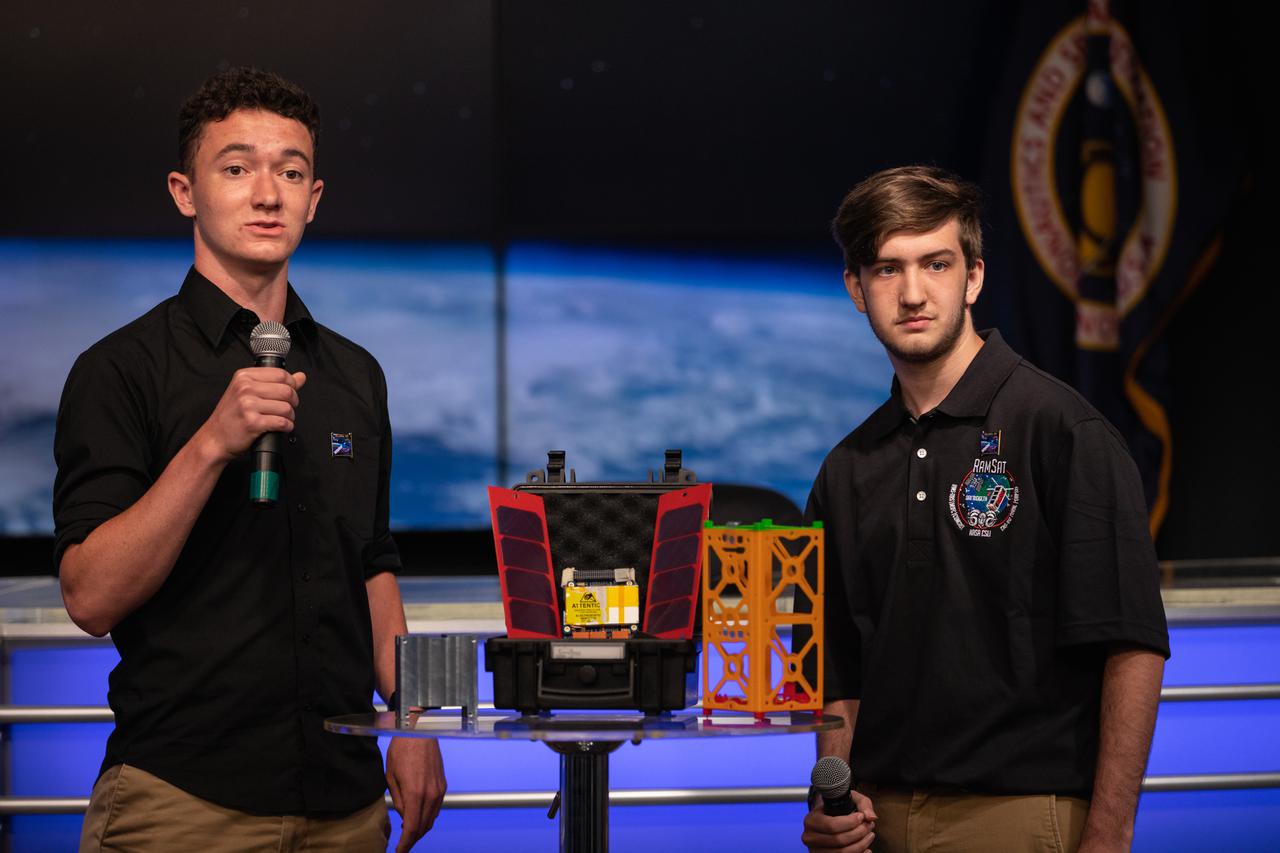
Students Joe Blair, at left, and Jonathon Bonamarte, describe a CubeSat, called RamSat, during a What’s On Board Science Briefing on June 2, 2021, at Kennedy Space Center in Florida for SpaceX’s 22nd Commercial Resupply Services Mission for NASA to the International Space Station. The small research satellite was developed by students and faculty at Robertsville Middle School in Oak Ridge, Tennessee. RamSat will observe forest regrowth in the Gatlinburg, Tennessee area which was devastated by wildfires in 2016. RamSat is the sole payload of the 36th Educational Launch of Nanosatellites (ELaNa) mission and was selected through NASA’s CubeSat Launch Initiative (CSLI). The SpaceX Falcon 9 rocket with the Dragon capsule atop is scheduled to launch at 1:29 p.m. EDT on Thursday, June 3, from the center’s Launch Complex 39A. Dragon will deliver more than 7,300 pounds of cargo and science experiments to the space station.
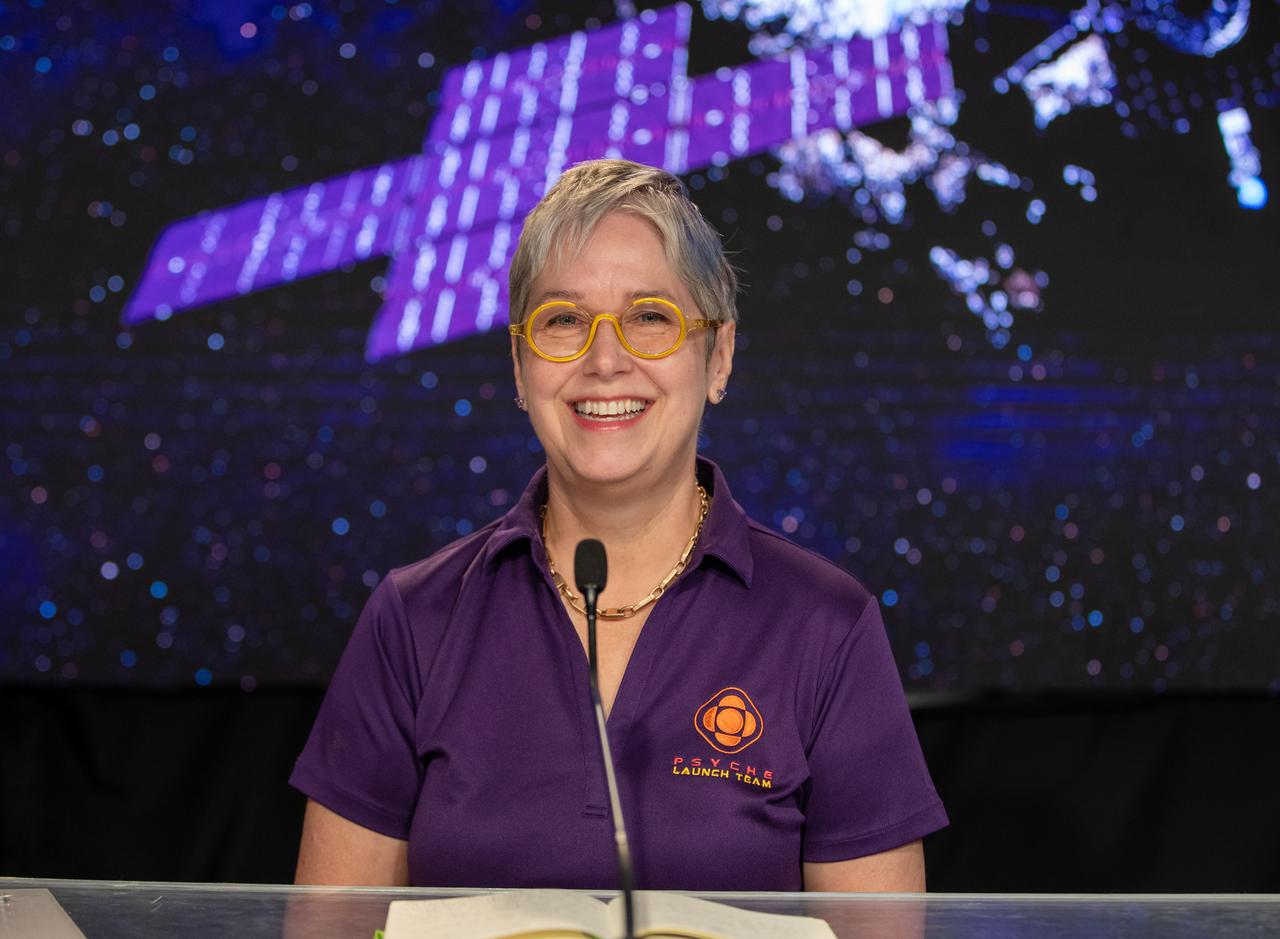
Lindy Elkins-Tanton, Psyche principal investigator, Arizona State University, participates in a Psyche mission and science briefing at NASA’s Kennedy Space Center in Florida on Tuesday, Oct. 10, 2023. Psyche is the first mission to explore an asteroid with a surface that likely contains substantial amounts of metal rather than rock or ice. Liftoff of NASA’s Psyche spacecraft, atop a SpaceX Falcon Heavy rocket, is targeted for 10:16 a.m. EDT Thursday, Oct. 12, from Kennedy’s Launch Complex 39A.
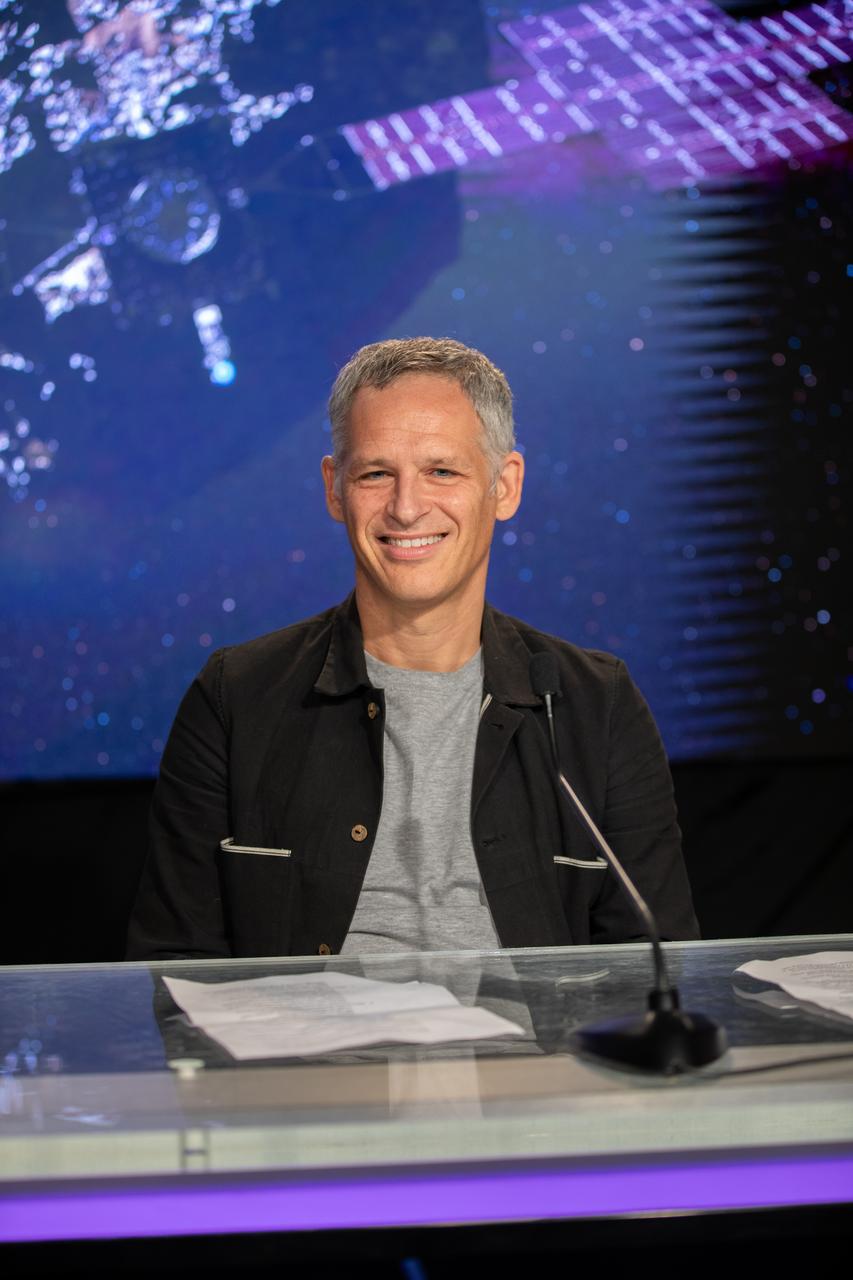
Ben Weiss, Psyche deputy principal investigator and magnetometer lead, Massachusetts Institute of Technology, participates in a Psyche mission and science briefing at NASA’s Kennedy Space Center in Florida on Tuesday, Oct. 10, 2023. Psyche is the first mission to explore an asteroid with a surface that likely contains substantial amounts of metal rather than rock or ice. Liftoff of NASA’s Psyche spacecraft, atop a SpaceX Falcon Heavy rocket, is targeted for 10:16 a.m. EDT Thursday, Oct. 12, from Kennedy’s Launch Complex 39A.
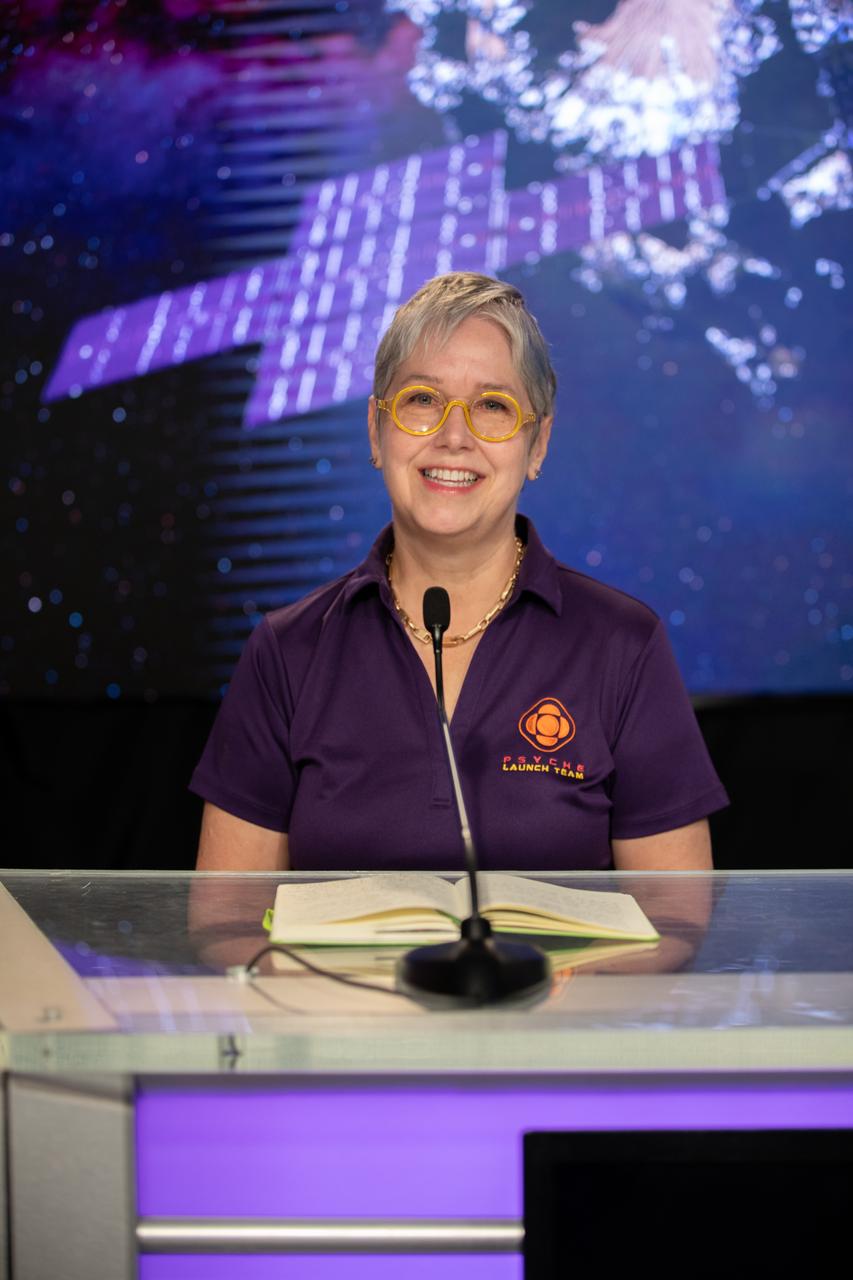
Lindy Elkins-Tanton, Psyche principal investigator, Arizona State University, participates in a Psyche mission and science briefing at NASA’s Kennedy Space Center in Florida on Tuesday, Oct. 10, 2023. Psyche is the first mission to explore an asteroid with a surface that likely contains substantial amounts of metal rather than rock or ice. Liftoff of NASA’s Psyche spacecraft, atop a SpaceX Falcon Heavy rocket, is targeted for 10:16 a.m. EDT Thursday, Oct. 12, from Kennedy’s Launch Complex 39A.
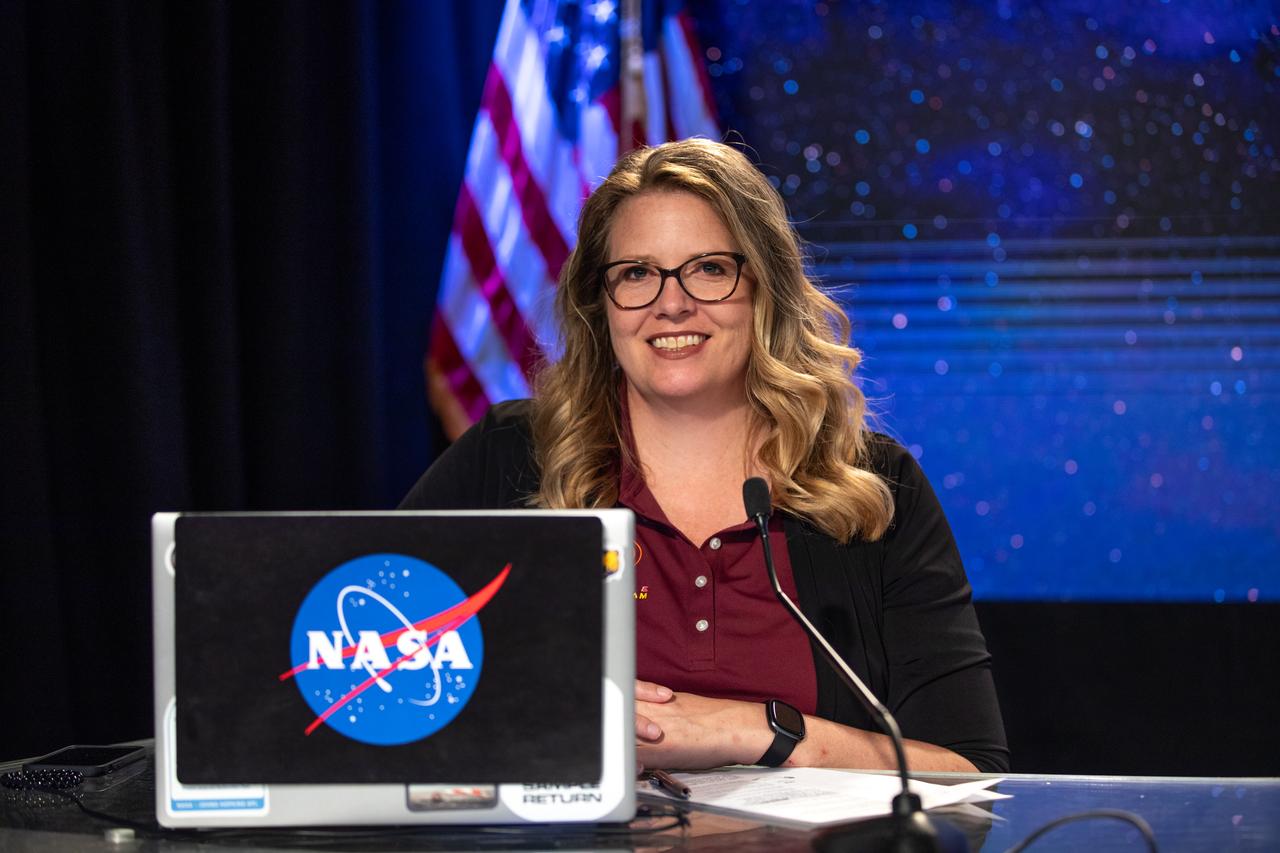
Alana Johnson, NASA Communications, moderates a Psyche mission and science briefing at NASA’s Kennedy Space Center in Florida on Tuesday, Oct. 10, 2023. Psyche is the first mission to explore an asteroid with a surface that likely contains substantial amounts of metal rather than rock or ice. Liftoff of NASA’s Psyche spacecraft, atop a SpaceX Falcon Heavy rocket, is targeted for 10:16 a.m. EDT Thursday, Oct. 12, from Kennedy’s Launch Complex 39A.
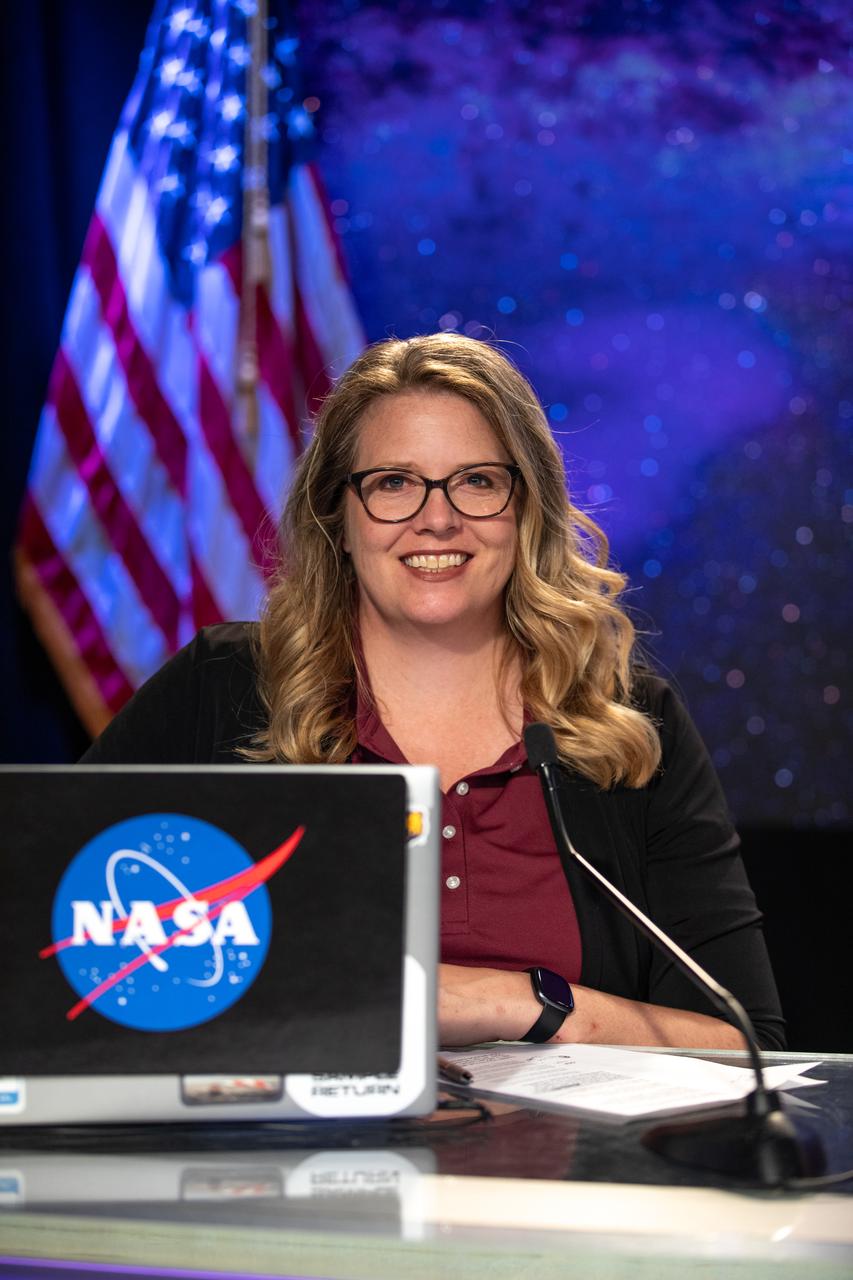
Alana Johnson, NASA Communications, moderates a Psyche mission and science briefing at NASA’s Kennedy Space Center in Florida on Tuesday, Oct. 10, 2023. Psyche is the first mission to explore an asteroid with a surface that likely contains substantial amounts of metal rather than rock or ice. Liftoff of NASA’s Psyche spacecraft, atop a SpaceX Falcon Heavy rocket, is targeted for 10:16 a.m. EDT Thursday, Oct. 12, from Kennedy’s Launch Complex 39A.
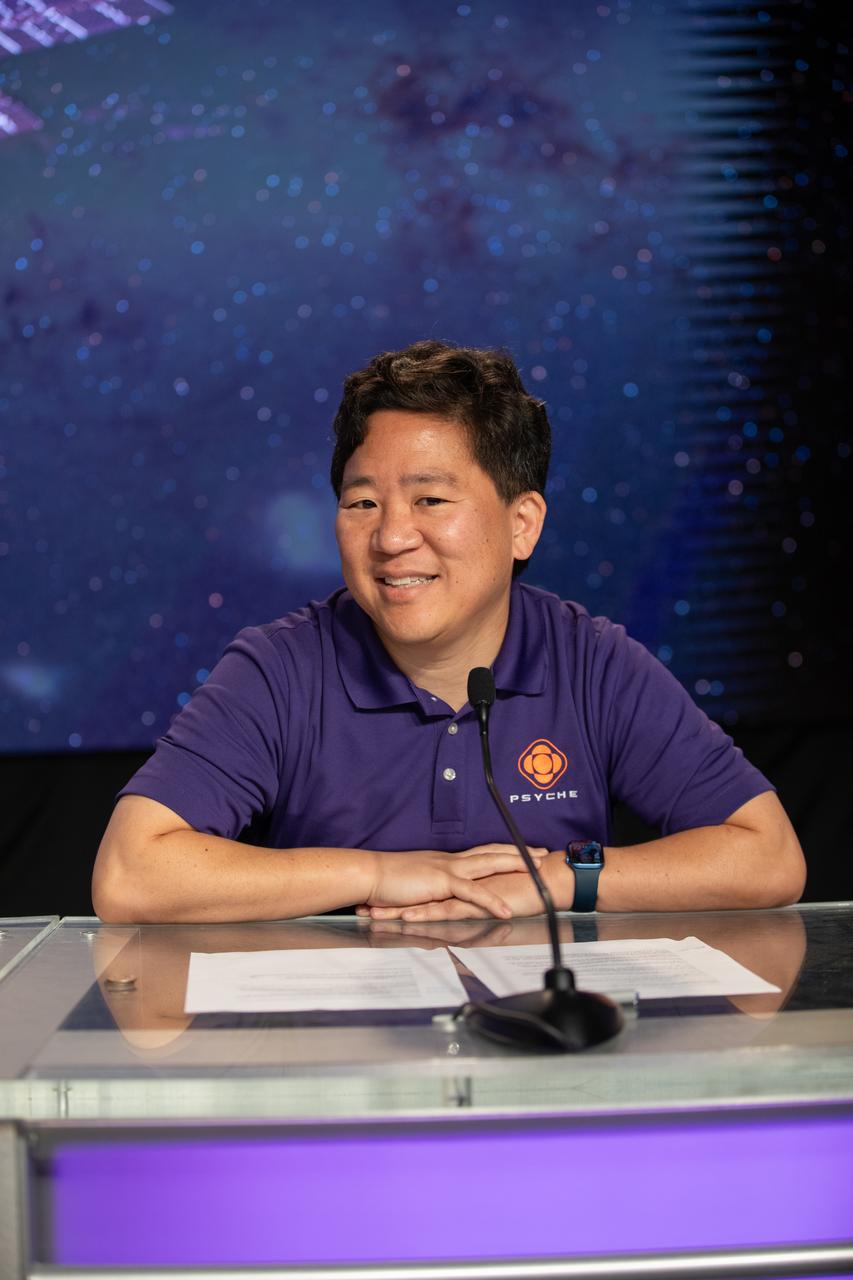
David Oh, Psyche chief engineer for operations, NASA’s Jet Propulsion Laboratory, participates in a Psyche mission and science briefing at NASA’s Kennedy Space Center in Florida on Tuesday, Oct. 10, 2023. Psyche is the first mission to explore an asteroid with a surface that likely contains substantial amounts of metal rather than rock or ice. Liftoff of NASA’s Psyche spacecraft, atop a SpaceX Falcon Heavy rocket, is targeted for 10:16 a.m. EDT Thursday, Oct. 12, from Kennedy’s Launch Complex 39A.
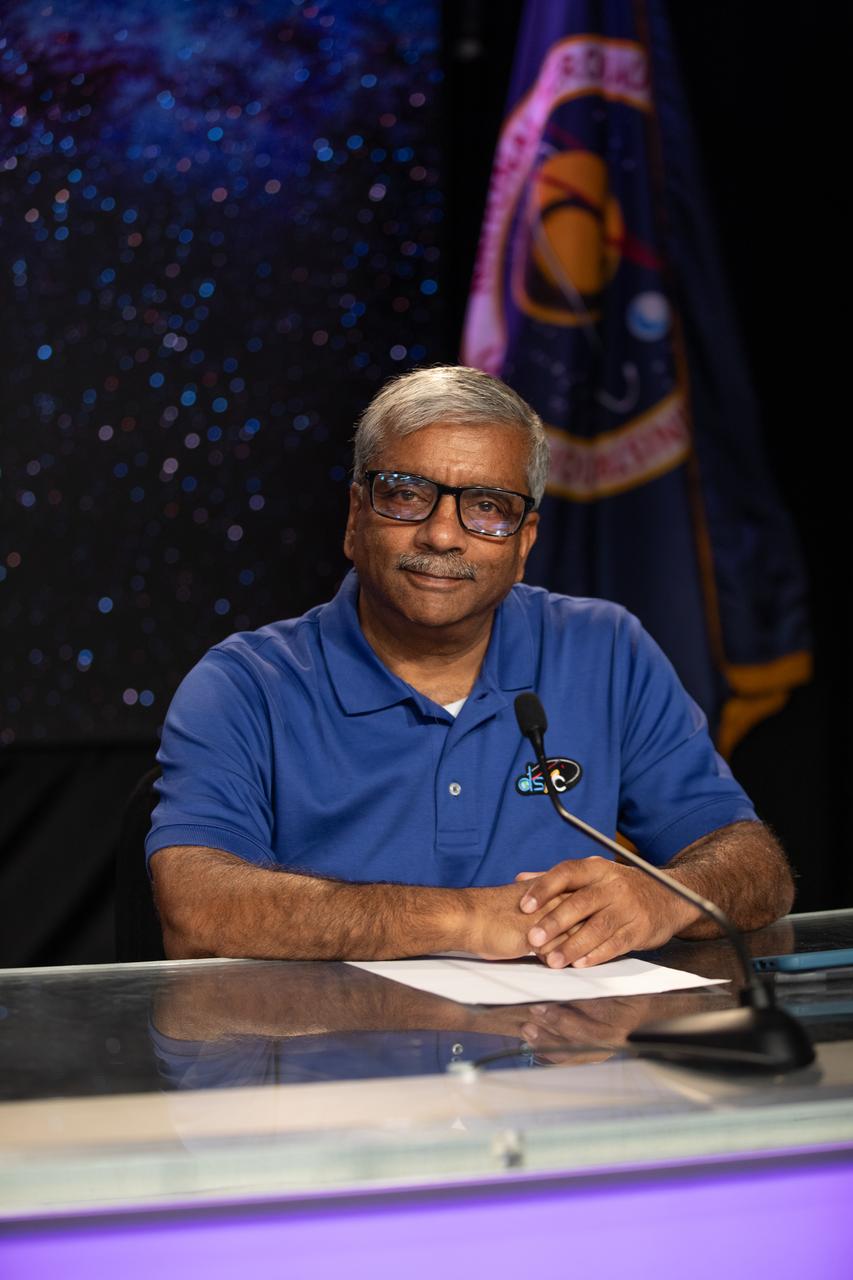
Abi Biswas, Deep Space Optical Communications project technologist, NASA’s Jet Propulsion Laboratory, participates in a Psyche mission and science briefing at NASA’s Kennedy Space Center in Florida on Tuesday, Oct. 10, 2023. Psyche is the first mission to explore an asteroid with a surface that likely contains substantial amounts of metal rather than rock or ice. Liftoff of NASA’s Psyche spacecraft, atop a SpaceX Falcon Heavy rocket, is targeted for 10:16 a.m. EDT Thursday, Oct. 12, from Kennedy’s Launch Complex 39A.
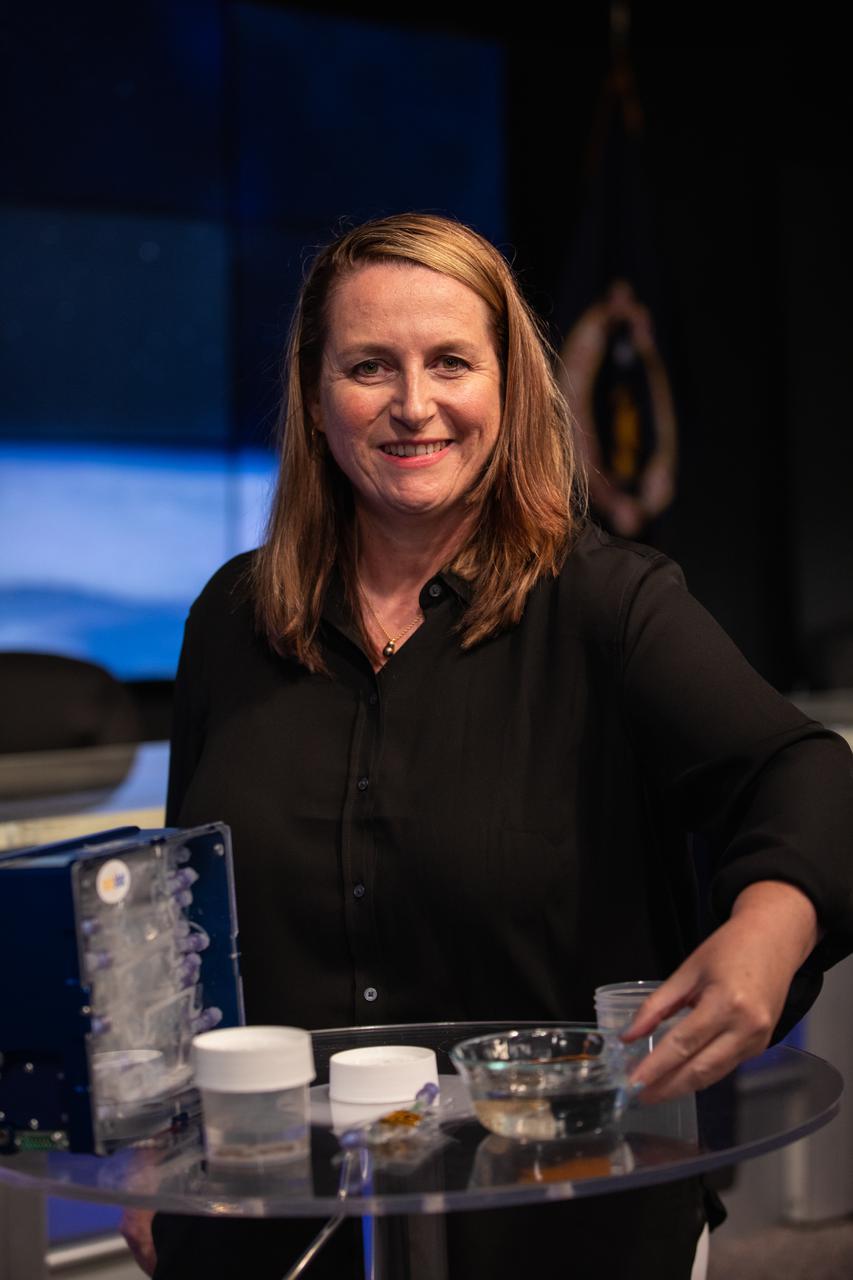
Jamie Foster, principal investigator, ADSEP-UMAMI (Understanding of Microgravity on Animal-Microbe Interactions experiment), describes the experiment during a What’s On Board Science Briefing on June 2, 2021, at Kennedy Space Center in Florida for SpaceX’s Commercial Resupply Services mission for NASA to the International Space Station. The experiment will examine the effects of spaceflight on the molecular and chemical interactions between beneficial microbes and their animal hosts, in this case bobtail squid. Amimals, including humans, rely on microbes to maintain a healthy digestive and immune system. UMAMI is one of several experiments bound for the space station. The SpaceX Falcon 9 rocket with the Dragon capsule atop is scheduled to launch at 1:29 p.m. EDT on Thursday, June 3, from the center’s Launch Complex 39A.
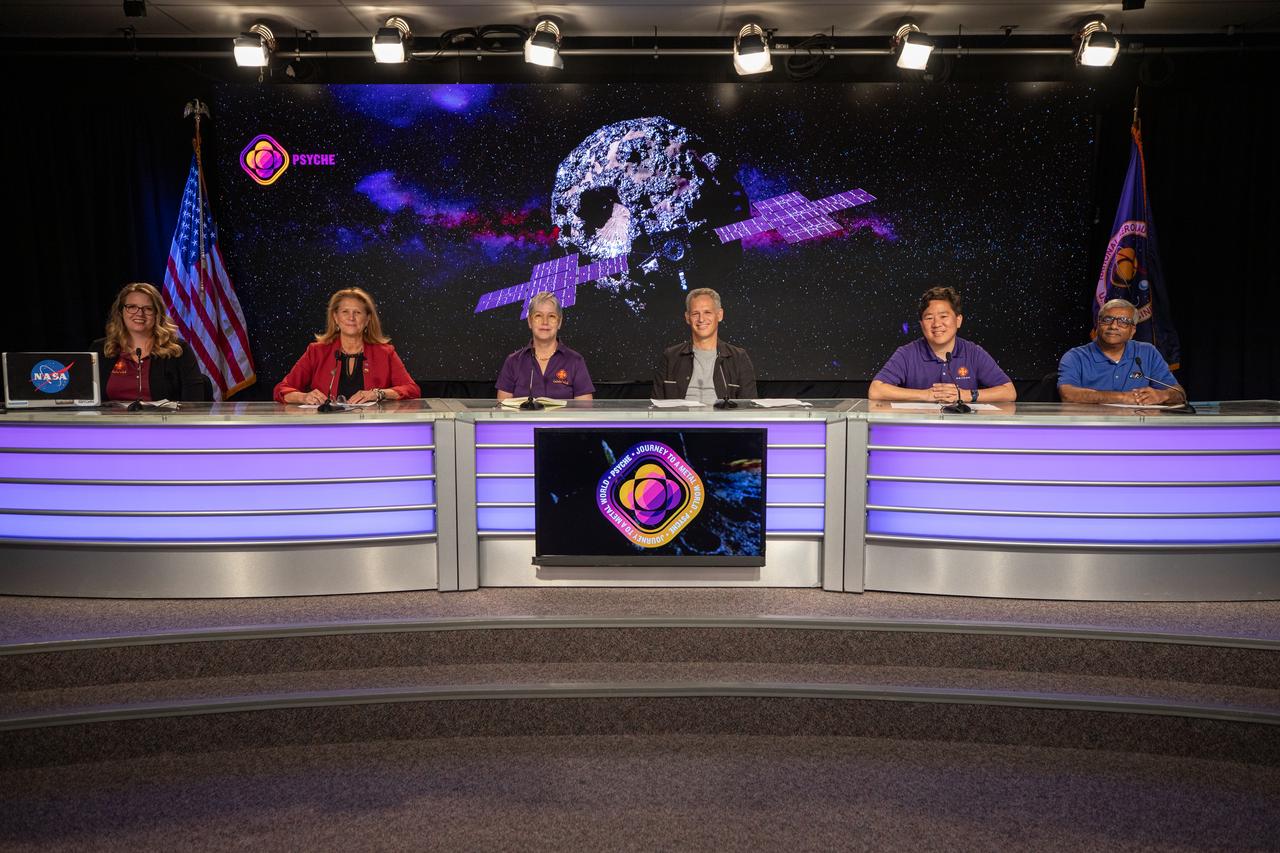
A Psyche mission and science briefing takes place at NASA’s Kennedy Space Center in Florida on Tuesday, Oct. 10, 2023. Participants, from left, are: Alana Johnson, NASA Communications; Lori Glaze, Planetary Science division director, NASA Headquarters; Lindy Elkins-Tanton, Psyche principal investigator, Arizona State University; Ben Weiss, Psyche deputy principal investigator and magnetometer lead, Massachusetts Institute of Technology; David Oh, Psyche chief engineer for operations, NASA’s Jet Propulsion Laboratory (JPL); and Abi Biswas, Deep Space Optical Communications project technologist, JPL. Psyche is the first mission to explore an asteroid with a surface that likely contains substantial amounts of metal rather than rock or ice. Liftoff of NASA’s Psyche spacecraft, atop a SpaceX Falcon Heavy rocket, is targeted for 10:16 a.m. EDT Thursday, Oct. 12, from Kennedy’s Launch Complex 39A.
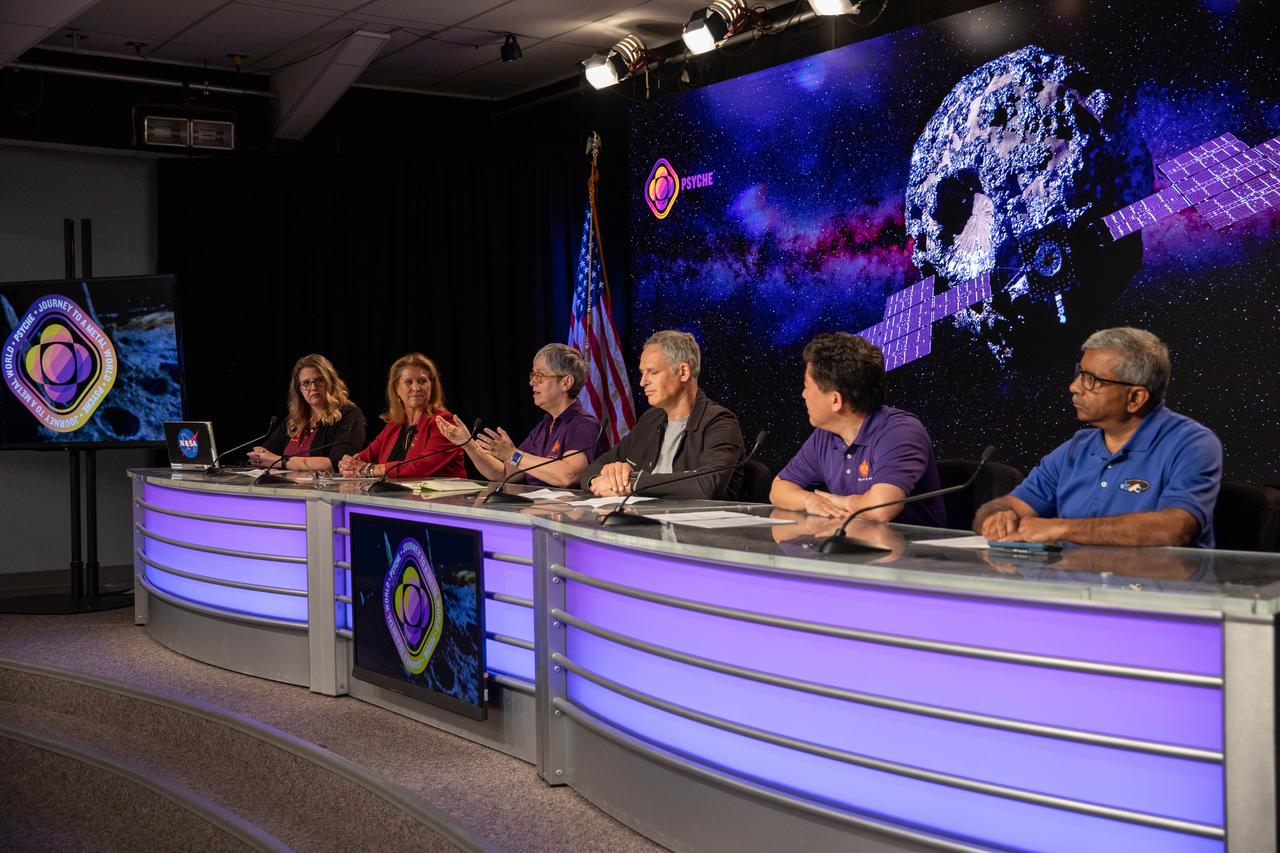
A Psyche mission and science briefing takes place at NASA’s Kennedy Space Center in Florida on Tuesday, Oct. 10, 2023. Participants, from left, are: Alana Johnson, NASA Communications; Lori Glaze, Planetary Science division director, NASA Headquarters; Lindy Elkins-Tanton, Psyche principal investigator, Arizona State University; Ben Weiss, Psyche deputy principal investigator and magnetometer lead, Massachusetts Institute of Technology; David Oh, Psyche chief engineer for operations, NASA’s Jet Propulsion Laboratory (JPL); and Abi Biswas, Deep Space Optical Communications project technologist, JPL. Psyche is the first mission to explore an asteroid with a surface that likely contains substantial amounts of metal rather than rock or ice. Liftoff of NASA’s Psyche spacecraft, atop a SpaceX Falcon Heavy rocket, is targeted for 10:16 a.m. EDT Thursday, Oct. 12, from Kennedy’s Launch Complex 39A.
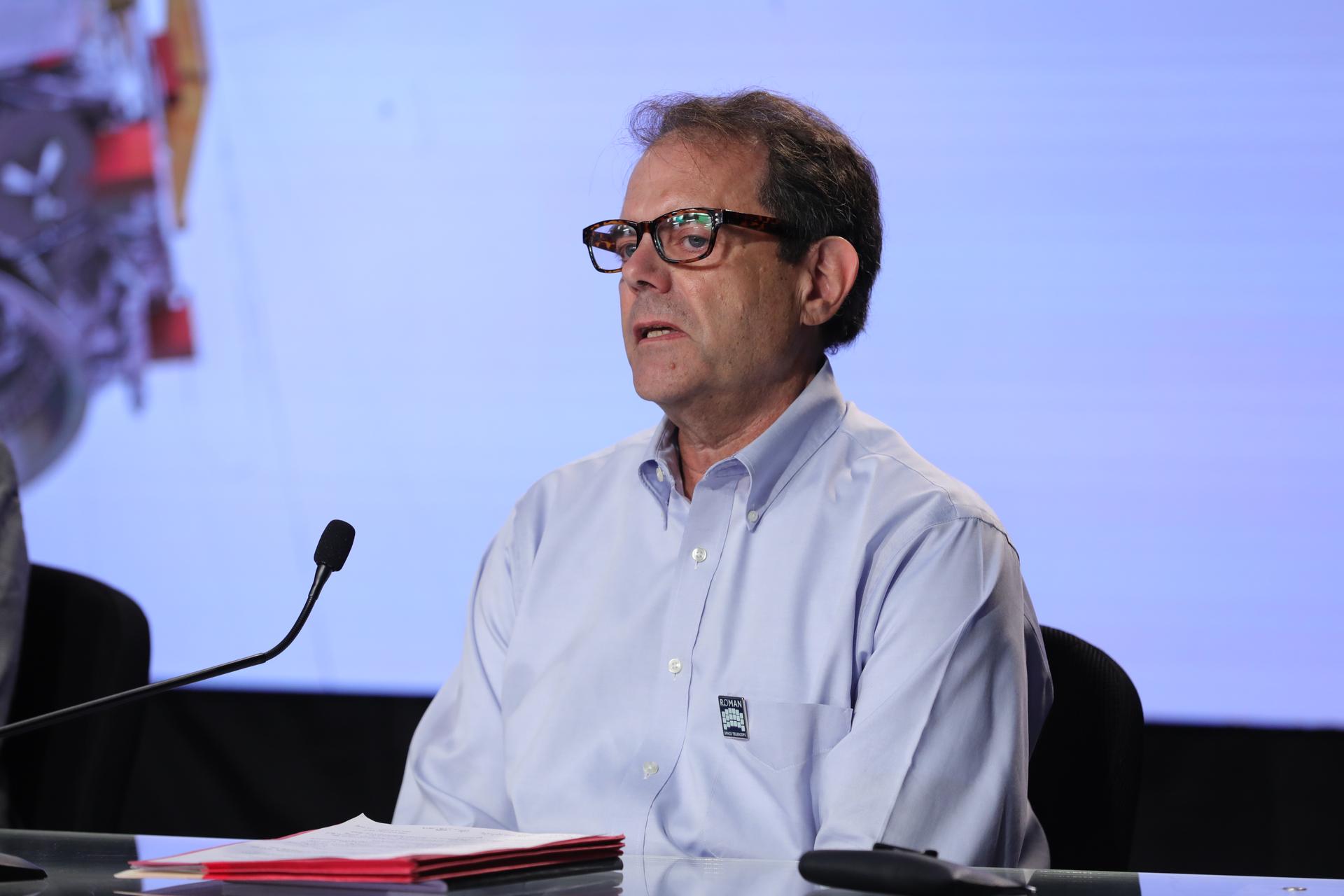
Lee Armus, Roman Science Support Center lead, Caltech/IPAC, participates in a science briefing for NASA’s Nancy Grace Roman Space Telescope inside the NASA News Center’s John Holliman Auditorium at Kennedy Space Center in Florida, on Saturday, Aug. 29, 2026. Roman will investigate dark energy and dark matter, conduct a statistical census of planetary systems, and enable a broad range of additional astrophysics research. Liftoff from Launch Complex 39A at Kennedy is targeted for no earlier than Sunday, Aug. 30, 2026.
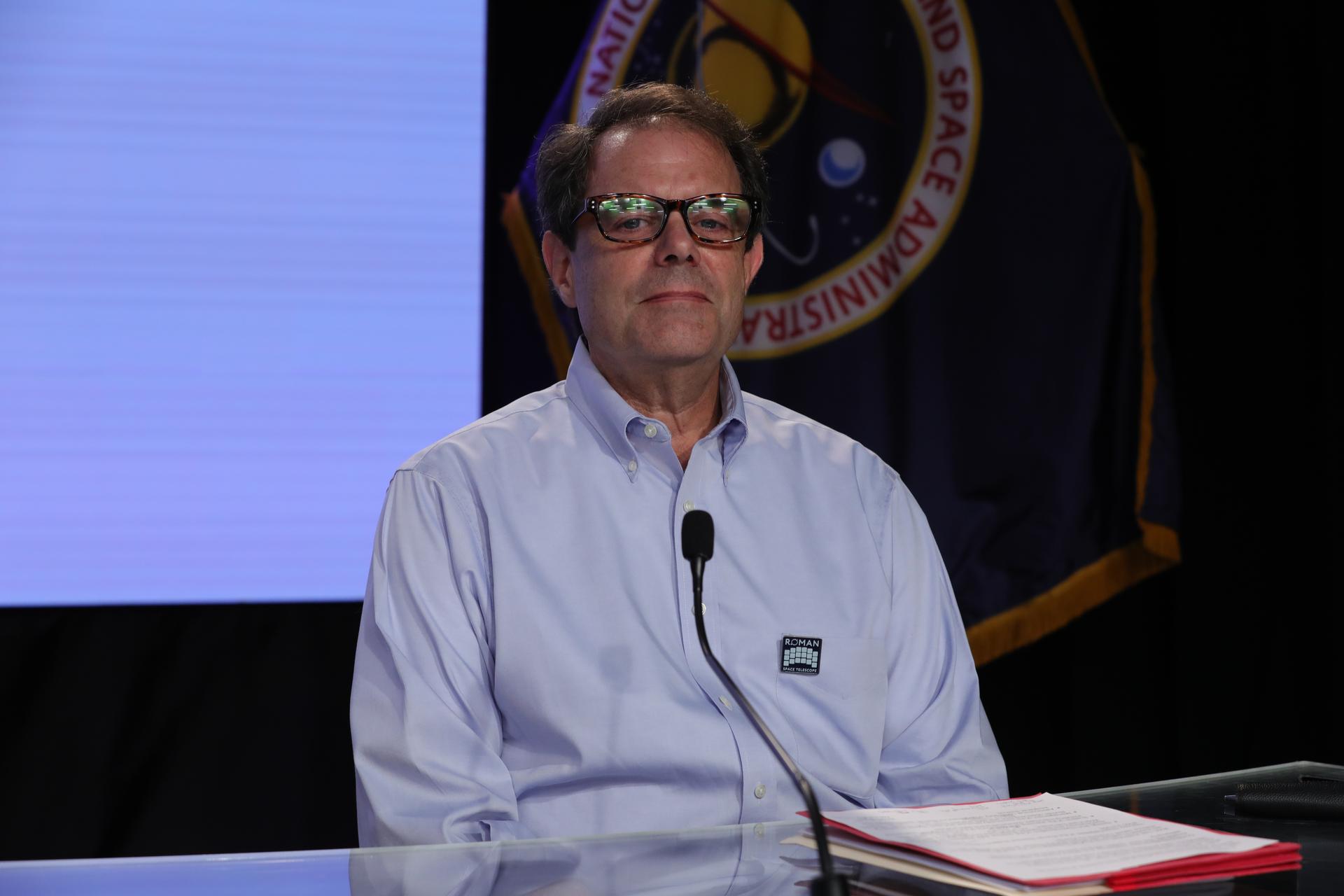
Lee Armus, Roman Science Support Center lead, Caltech/IPAC, participates in a science briefing for NASA’s Nancy Grace Roman Space Telescope inside the NASA News Center’s John Holliman Auditorium at Kennedy Space Center in Florida, on Saturday, Aug. 29, 2026. Roman will investigate dark energy and dark matter, conduct a statistical census of planetary systems, and enable a broad range of additional astrophysics research. Liftoff from Launch Complex 39A at Kennedy is targeted for no earlier than Sunday, Aug. 30, 2026.

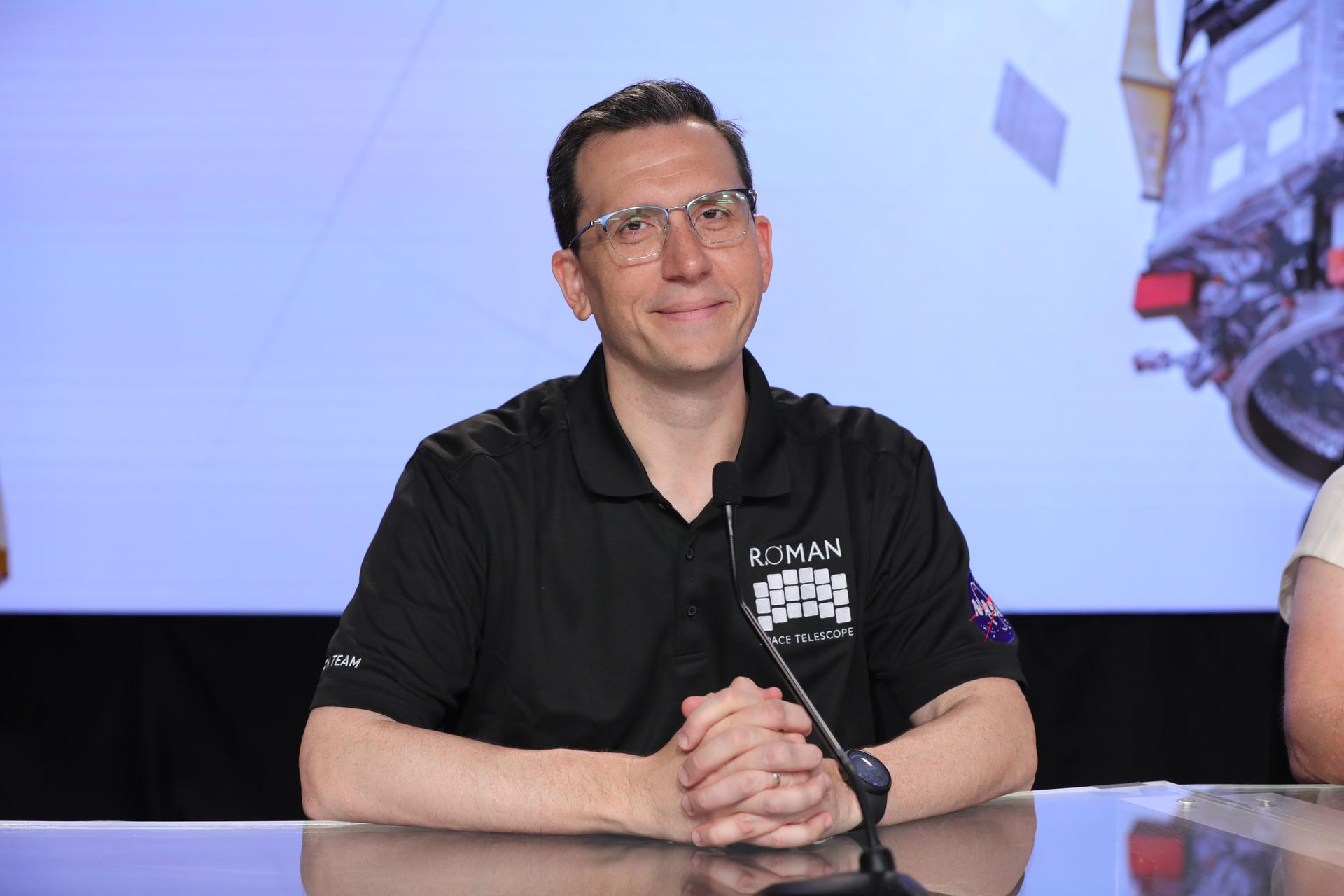
Kristen McQuinn, Roman Science Operations Center lead, Space Telescope Science Institute, participates in a science briefing for NASA’s Nancy Grace Roman Space Telescope inside the NASA News Center’s John Holliman Auditorium at Kennedy Space Center in Florida, on Saturday, Aug. 29, 2026. Roman will investigate dark energy and dark matter, conduct a statistical census of planetary systems, and enable a broad range of additional astrophysics research. Liftoff from Launch Complex 39A at Kennedy is targeted for no earlier than Sunday, Aug. 30, 2026.
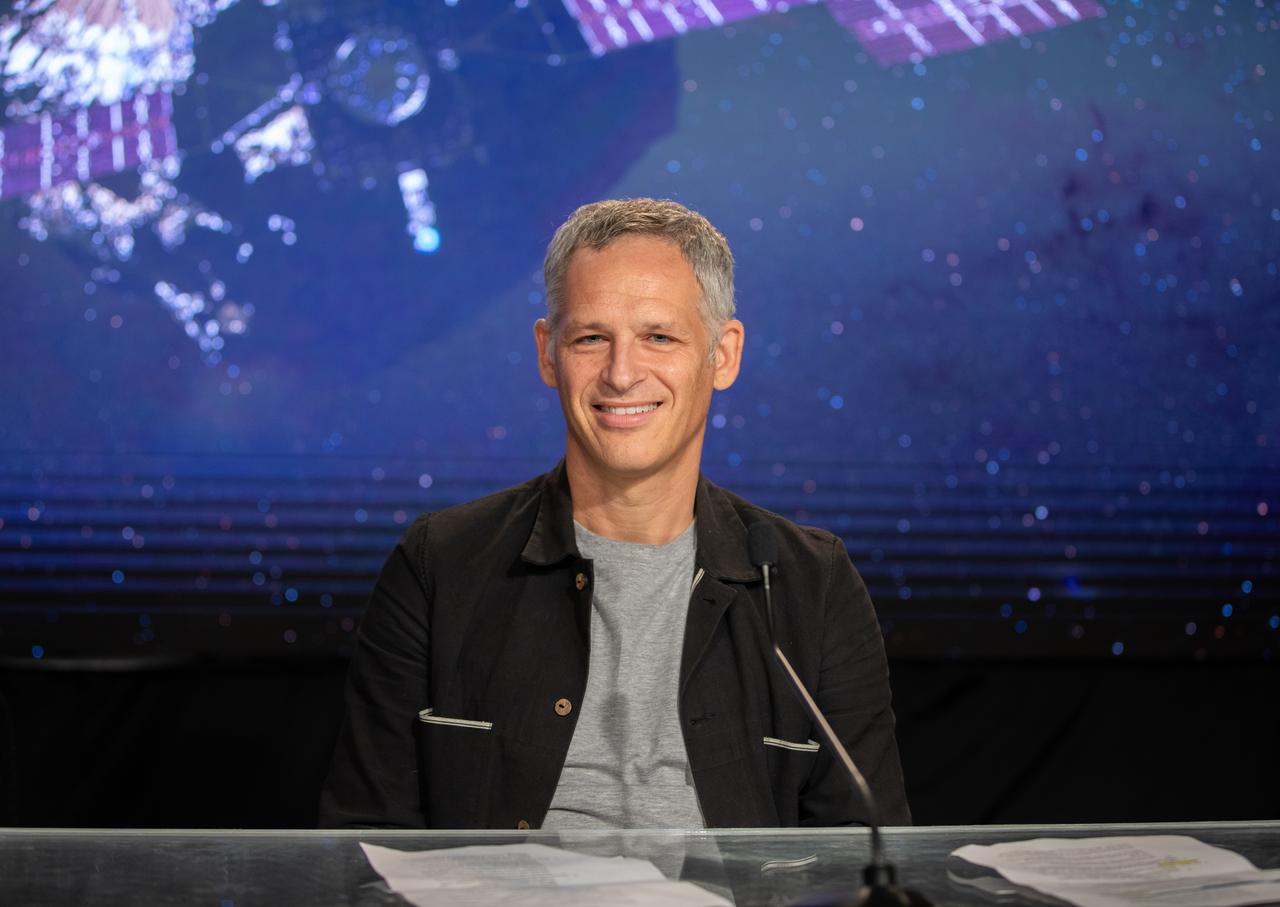
The science briefing ahead of launch for NASA’s Psyche spacecraft, a mission to a unique metal-rich asteroid. Psyche will travel nearly six years and about 2.2 billion miles (3.6 billion kilometers) – to an asteroid of the same name, which is orbiting the Sun between Mars and Jupiter. Scientists believe Psyche could be part of the core of a planetesimal, likely made of iron-nickel metal. The ore will not be mined but studied from orbit in hopes of giving researchers a better idea of what may make up Earth’s core. The Psyche spacecraft also will host a pioneering technology demonstration: NASA’s DSOC (Deep Space Optical Communications) experiment. This laser communications system will operate for the first two years of Psyche’s journey. Launch is targeted for 10:16 a.m. EDT, Thursday, Oct. 12, from Kennedy’s Launch Complex 39A. The participants include Lori Glaze, director, Planetary Sciences Division, NASA Headquarters in Washington; Lindy Elkins-Tanton, principal investigator of Psyche, Arizona State University; Ben Weiss, deputy principal investigator and magnetometer lead, Massachusetts Institute of Technology; David Oh, chief engineer for operations, NASA’s Jet Propulsion Laboratory; and Abi Biswas, project technologist for DSOC, NASA’s Jet Propulsion Laboratory.
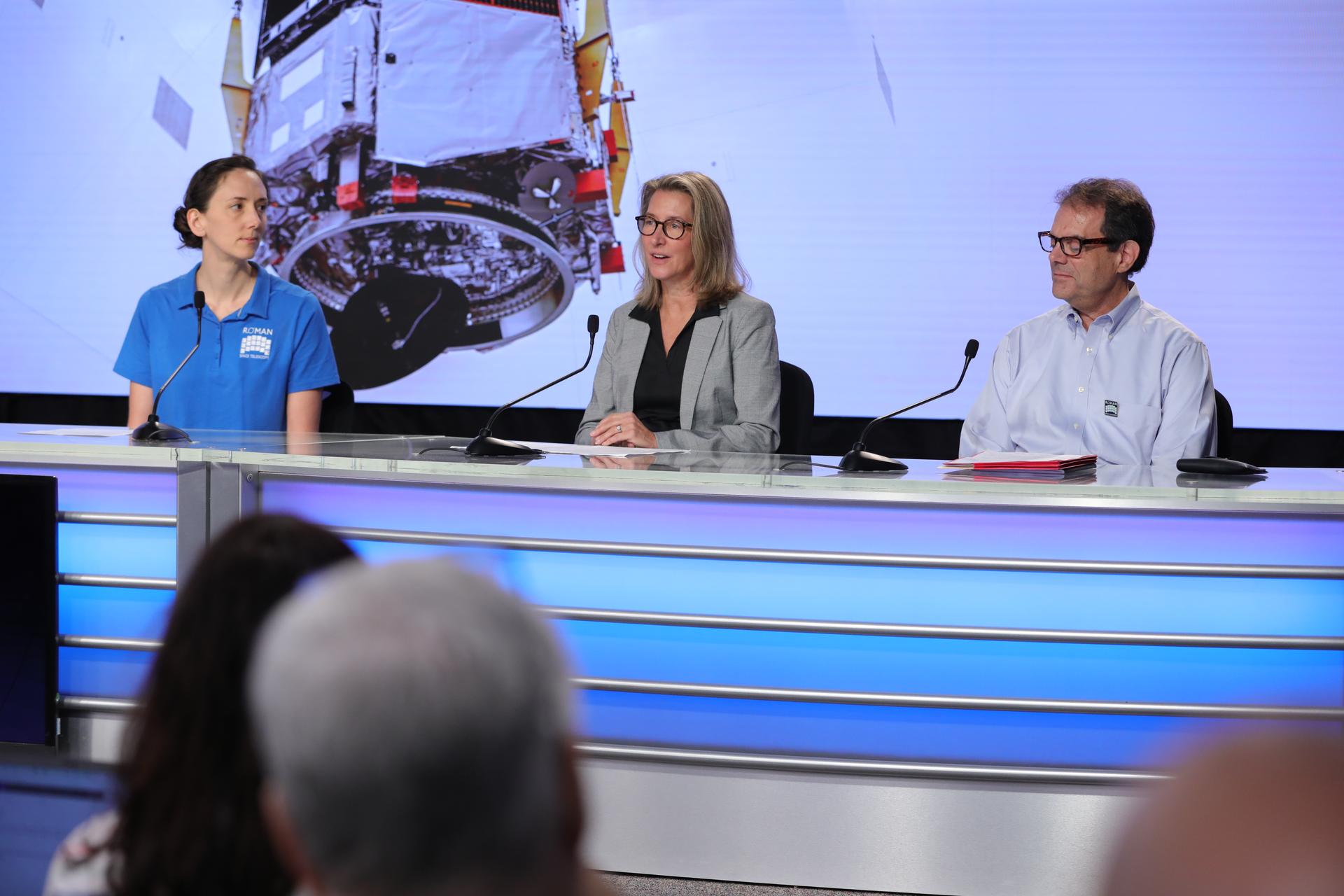
From left, Vanessa Bailey, Roman Coronagraph Instrument scientist, NASA’s Jet Propulsion Laboratory in Southern California; Kristen McQuinn, Roman Science Operations Center lead, Space Telescope Science Institute; and Lee Armus, Roman Science Support Center lead, Caltech/IPAC, participate in a science briefing for NASA’s Nancy Grace Roman Space Telescope inside the NASA News Center’s John Holliman Auditorium at Kennedy Space Center in Florida, on Saturday, Aug. 29, 2026. Roman will investigate dark energy and dark matter, conduct a statistical census of planetary systems, and enable a broad range of additional astrophysics research. Liftoff from Launch Complex 39A at Kennedy is targeted for no earlier than Sunday, Aug. 30, 2026.
Shawn Domagal-Goldman, director, Astrophysics Division, NASA Headquarters in Washington, participates in a science briefing for NASA’s Nancy Grace Roman Space Telescope inside the NASA News Center’s John Holliman Auditorium at Kennedy Space Center in Florida, on Saturday, Aug. 29, 2026. Roman will investigate dark energy and dark matter, conduct a statistical census of planetary systems, and enable a broad range of additional astrophysics research. Liftoff from Launch Complex 39A at Kennedy is targeted for no earlier than Sunday, Aug. 30, 2026.
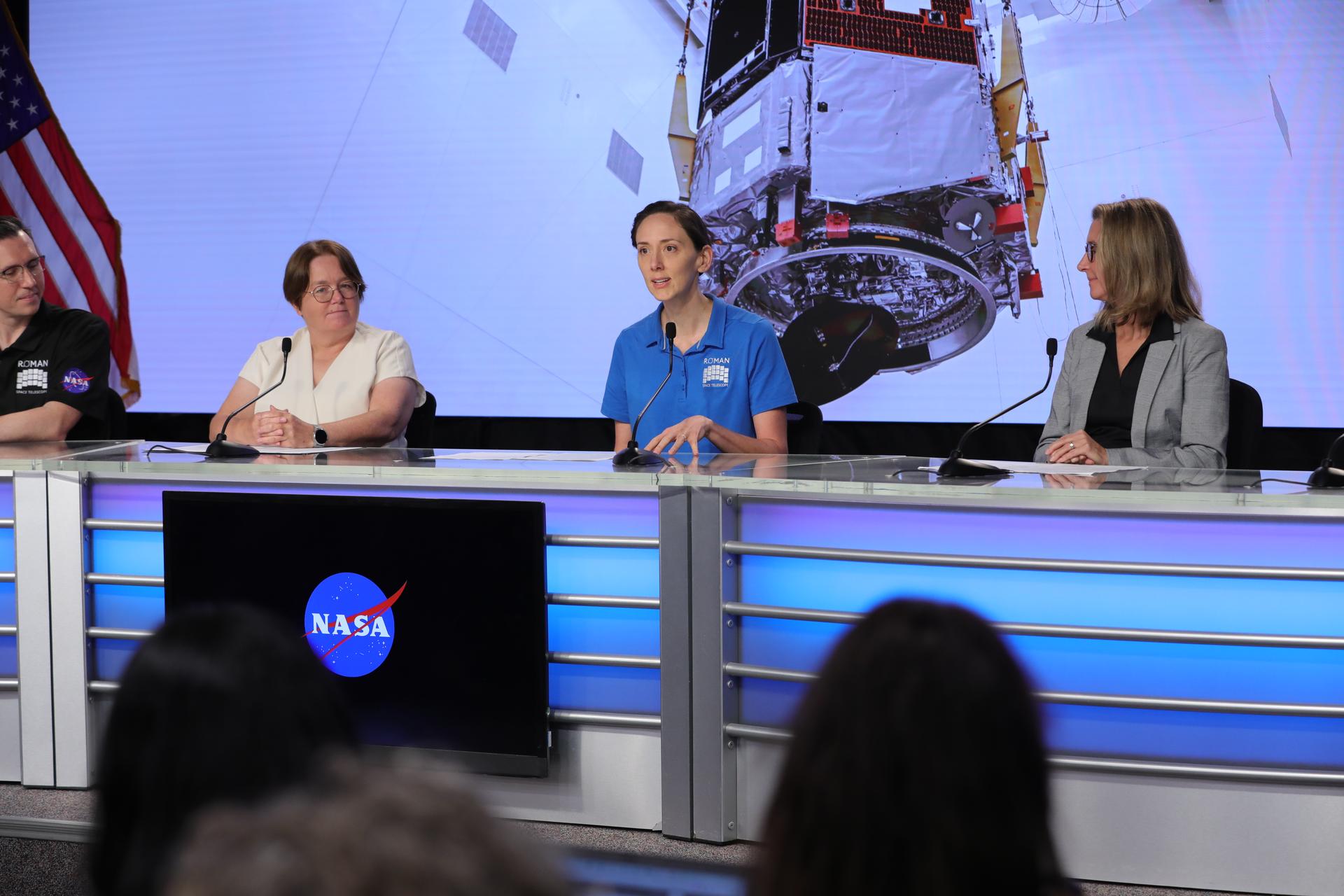
From left, Shawn Domagal-Goldman, director, Astrophysics Division, NASA Headquarters in Washington; Julie McEnery, Roman telescope senior project scientist, NASA’s Goddard Space Flight Center in Greenbelt, Maryland; Vanessa Bailey, Roman Coronagraph Instrument scientist, NASA’s Jet Propulsion Laboratory in Southern California; and Kristen McQuinn, Roman Science Operations Center lead, Space Telescope Science Institute, participate in a science briefing for NASA’s Nancy Grace Roman Space Telescope inside the NASA News Center’s John Holliman Auditorium at Kennedy Space Center in Florida, on Saturday, Aug. 29, 2026. Roman will investigate dark energy and dark matter, conduct a statistical census of planetary systems, and enable a broad range of additional astrophysics research. Liftoff from Launch Complex 39A at Kennedy is targeted for no earlier than Sunday, Aug. 30, 2026.
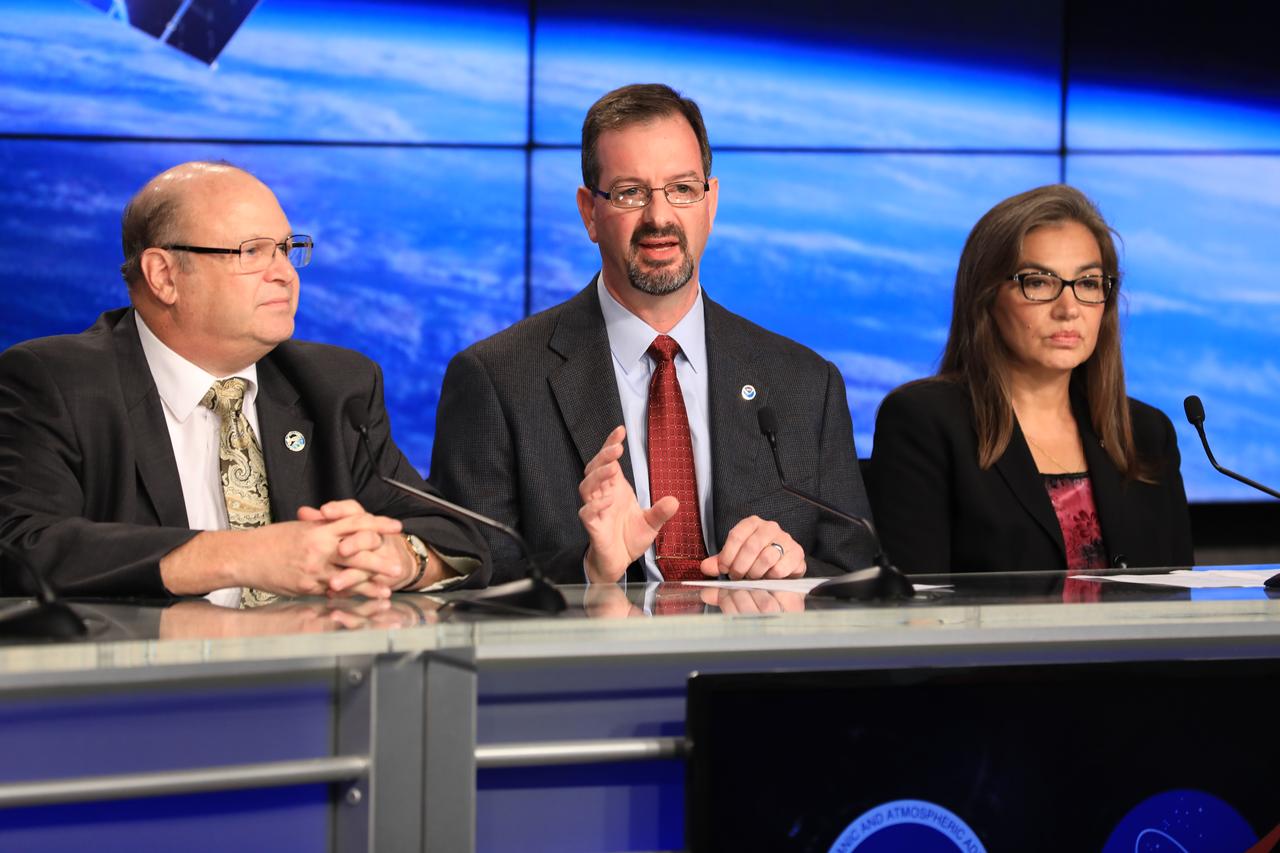
In the Kennedy Space Center's Press Site auditorium, members of the media participate in a mission briefing on the Geostationary Operational Environmental Satellite (GOES-R). Briefing participants from left are: Steven Goodman, NOAA's GOES-R program scientist; Joseph A. Pica, director of the National Weather Service Office of Observations; and Sandra Cauffman, deputy director of NASA's Earth Science Division. GOES-R is the first satellite in a series of next-generation GOES satellites for NOAA, the National Oceanographic and Atmospheric Administration. It will launch to a geostationary orbit over the western hemisphere to provide images of storms and help meteorologists predict severe weather conditionals and develop long-range forecasts.

Hal Weaver, L'LORRI Instrument Principal Investigator, Johns Hopkins Applied Physics Laboratory, is introduced during a science briefing for the Lucy mission held inside the TV Auditorium at NASA’s Kennedy Space Center in Florida on Oct. 14, 2021. The mission is scheduled to launch at 5:34 a.m. EDT Saturday, Oct. 16, on a United Launch Alliance Atlas V 401 rocket from Space Launch Complex 41 at Cape Canaveral Space Force Station. NASA’s Launch Services Program, based at Kennedy, is managing the launch. During its 12-year primary mission, Lucy will explore a record-breaking number of asteroids, flying by one asteroid in the solar system’s main belt and seven Trojan asteroids. Additionally, Lucy’s path will circle back to Earth three times for gravity assists, making it the first spacecraft to return to the vicinity of Earth from the outer solar system.
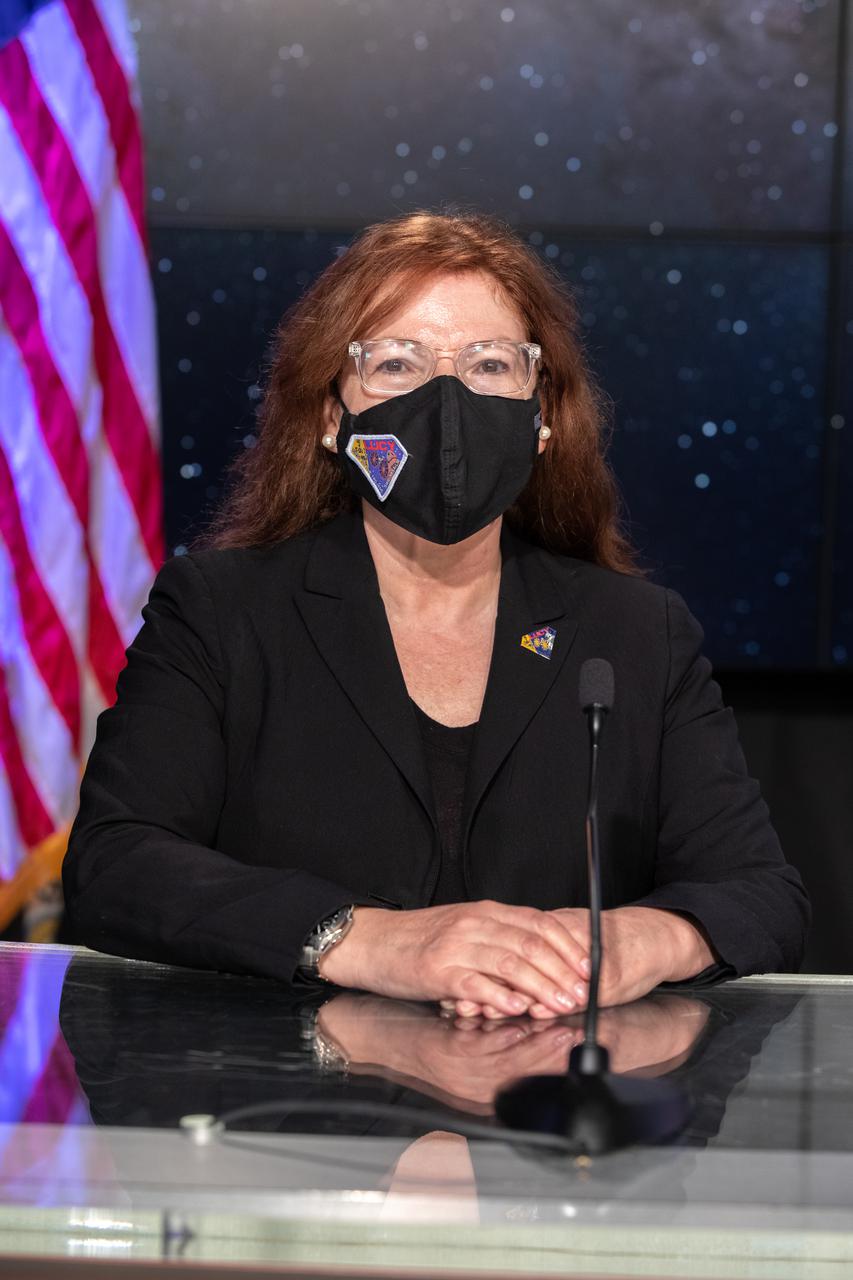
Adriana Ocampo, Lucy Program Executive, NASA Headquarters, is introduced during a science briefing for the Lucy mission held inside the TV Auditorium at NASA’s Kennedy Space Center in Florida on Oct. 14, 2021. The mission is scheduled to launch at 5:34 a.m. EDT Saturday, Oct. 16, on a United Launch Alliance Atlas V 401 rocket from Space Launch Complex 41 at Cape Canaveral Space Force Station. NASA’s Launch Services Program, based at Kennedy, is managing the launch. During its 12-year primary mission, Lucy will explore a record-breaking number of asteroids, flying by one asteroid in the solar system’s main belt and seven Trojan asteroids. Additionally, Lucy’s path will circle back to Earth three times for gravity assists, making it the first spacecraft to return to the vicinity of Earth from the outer solar system.
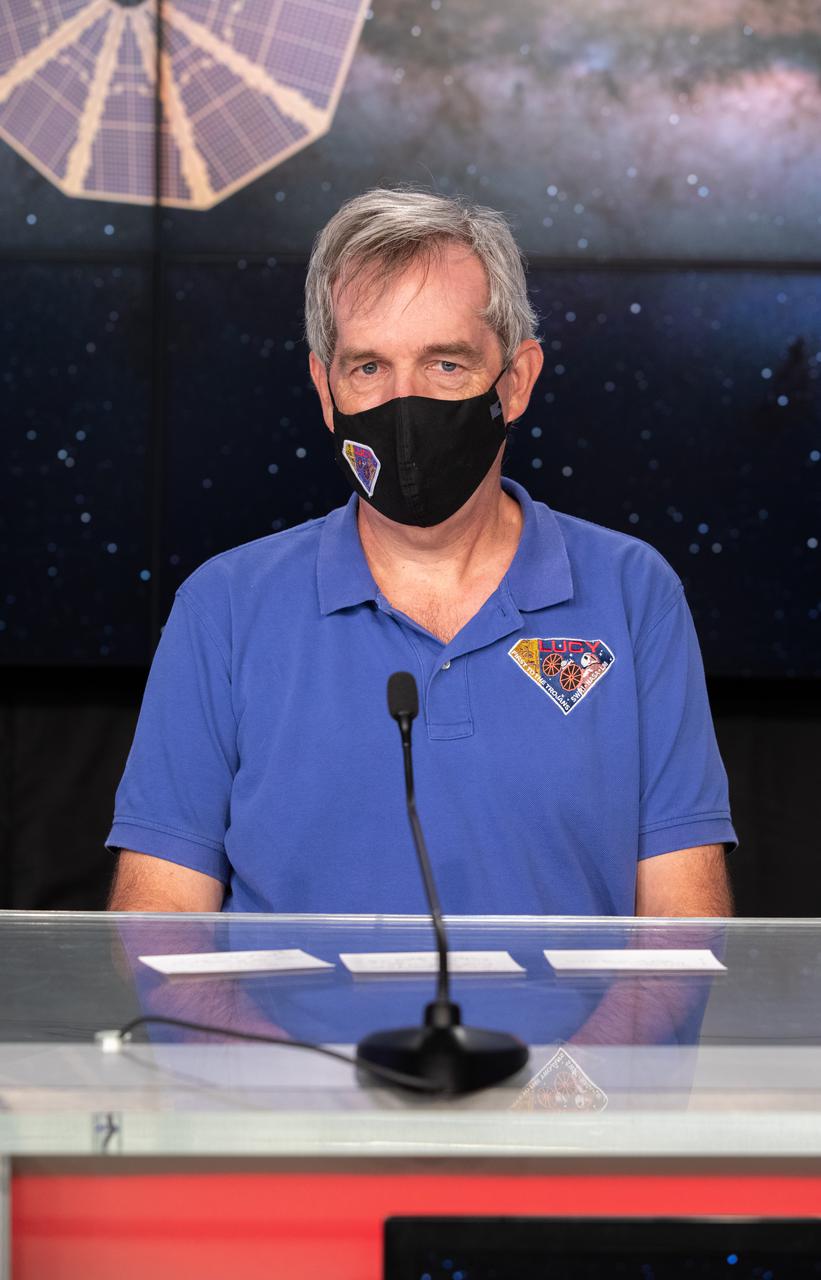
Keith Noll, Lucy Project Scientist at NASA’s Goddard Space Flight Center, is introduced during a science briefing for the Lucy mission held inside the TV Auditorium at NASA’s Kennedy Space Center in Florida on Oct. 14, 2021. The mission is scheduled to launch at 5:34 a.m. EDT Saturday, Oct. 16, on a United Launch Alliance Atlas V 401 rocket from Space Launch Complex 41 at Cape Canaveral Space Force Station. NASA’s Launch Services Program, based at Kennedy, is managing the launch. During its 12-year primary mission, Lucy will explore a record-breaking number of asteroids, flying by one asteroid in the solar system’s main belt and seven Trojan asteroids. Additionally, Lucy’s path will circle back to Earth three times for gravity assists, making it the first spacecraft to return to the vicinity of Earth from the outer solar system.
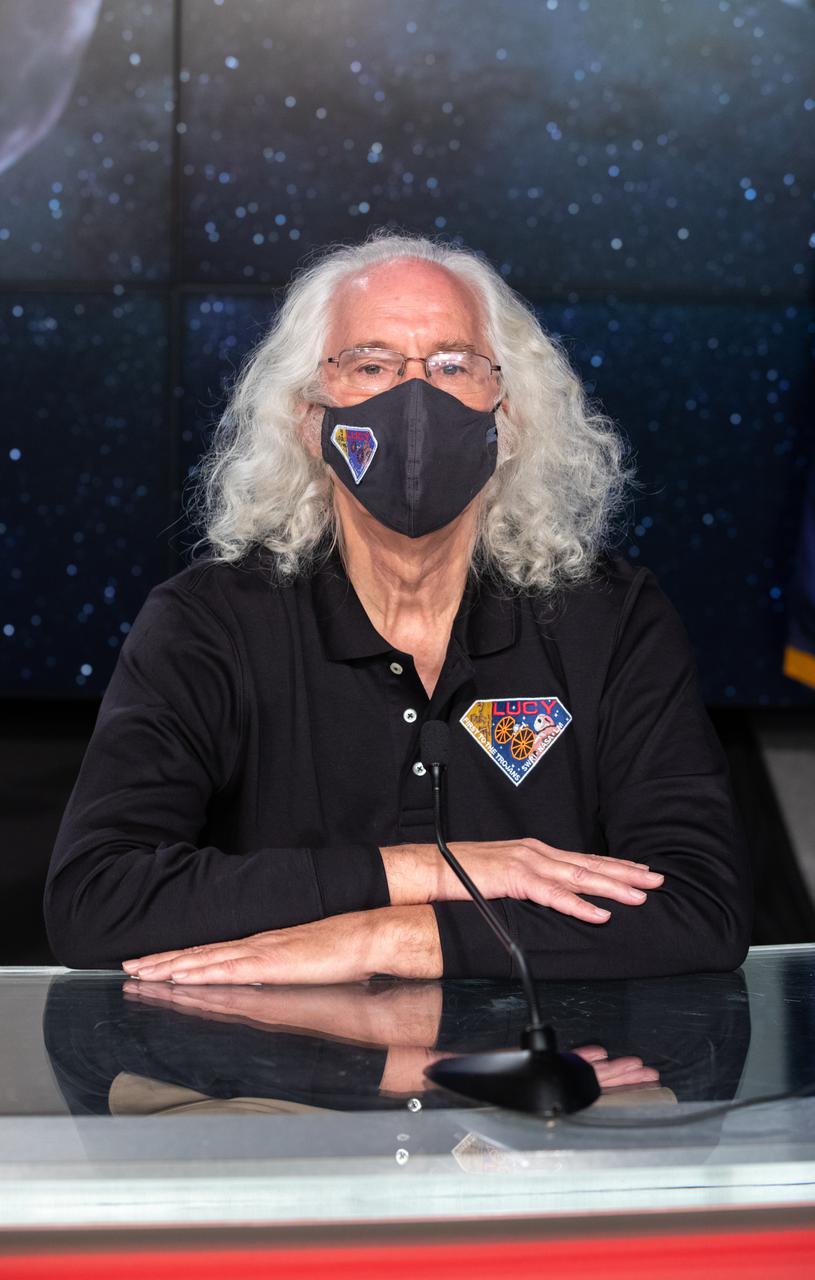
Dennis Reuter, L’Ralph Instrument Principal Investigator at NASA’s Goddard Space Flight Center, is introduced during a science briefing for the Lucy mission held inside the TV Auditorium at NASA’s Kennedy Space Center in Florida on Oct. 14, 2021. The mission is scheduled to launch at 5:34 a.m. EDT Saturday, Oct. 16, on a United Launch Alliance Atlas V 401 rocket from Space Launch Complex 41 at Cape Canaveral Space Force Station. NASA’s Launch Services Program, based at Kennedy, is managing the launch. During its 12-year primary mission, Lucy will explore a record-breaking number of asteroids, flying by one asteroid in the solar system’s main belt and seven Trojan asteroids. Additionally, Lucy’s path will circle back to Earth three times for gravity assists, making it the first spacecraft to return to the vicinity of Earth from the outer solar system.
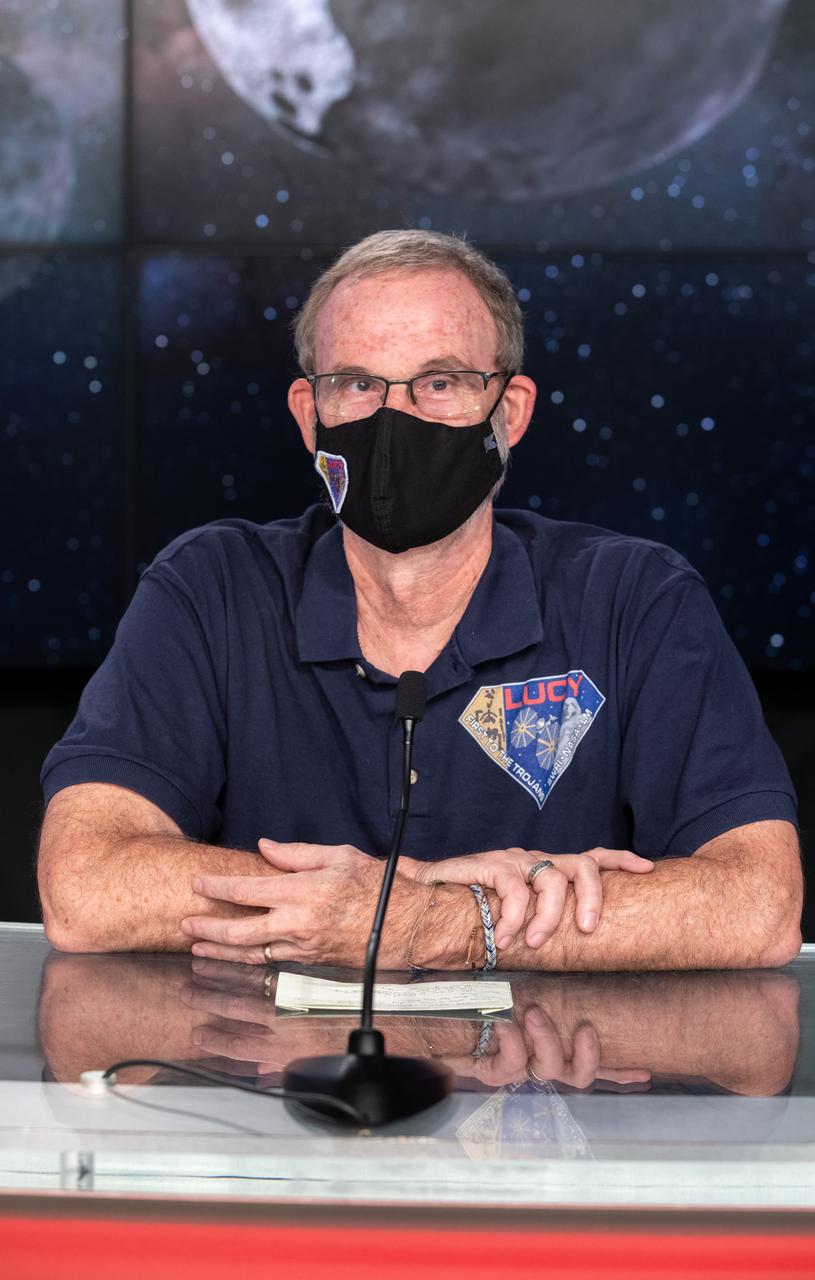
Phil Christensen, L'TES Instrument Principal Investigator, Arizona State University, is introduced during a science briefing for the Lucy mission held inside the TV Auditorium at NASA’s Kennedy Space Center in Florida on Oct. 14, 2021. The mission is scheduled to launch at 5:34 a.m. EDT Saturday, Oct. 16, on a United Launch Alliance Atlas V 401 rocket from Space Launch Complex 41 at Cape Canaveral Space Force Station. NASA’s Launch Services Program, based at Kennedy, is managing the launch. During its 12-year primary mission, Lucy will explore a record-breaking number of asteroids, flying by one asteroid in the solar system’s main belt and seven Trojan asteroids. Additionally, Lucy’s path will circle back to Earth three times for gravity assists, making it the first spacecraft to return to the vicinity of Earth from the outer solar system.
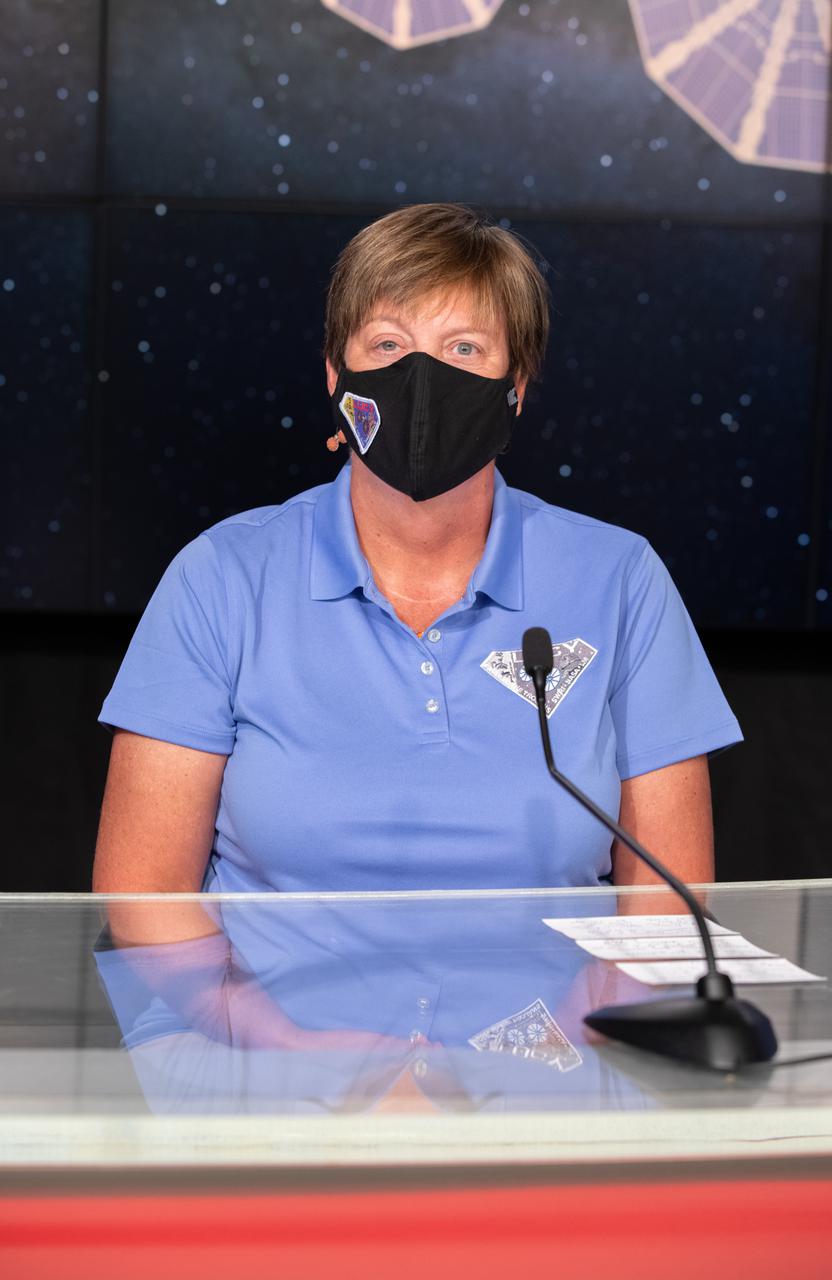
Cathy Olkin, Lucy Deputy Principal Investigator, Southwest Research Institute, is introduced during a science briefing for the Lucy mission held inside the TV Auditorium at NASA’s Kennedy Space Center in Florida on Oct. 14, 2021. The mission is scheduled to launch at 5:34 a.m. EDT Saturday, Oct. 16, on a United Launch Alliance Atlas V 401 rocket from Space Launch Complex 41 at Cape Canaveral Space Force Station. NASA’s Launch Services Program, based at Kennedy, is managing the launch. During its 12-year primary mission, Lucy will explore a record-breaking number of asteroids, flying by one asteroid in the solar system’s main belt and seven Trojan asteroids. Additionally, Lucy’s path will circle back to Earth three times for gravity assists, making it the first spacecraft to return to the vicinity of Earth from the outer solar system.
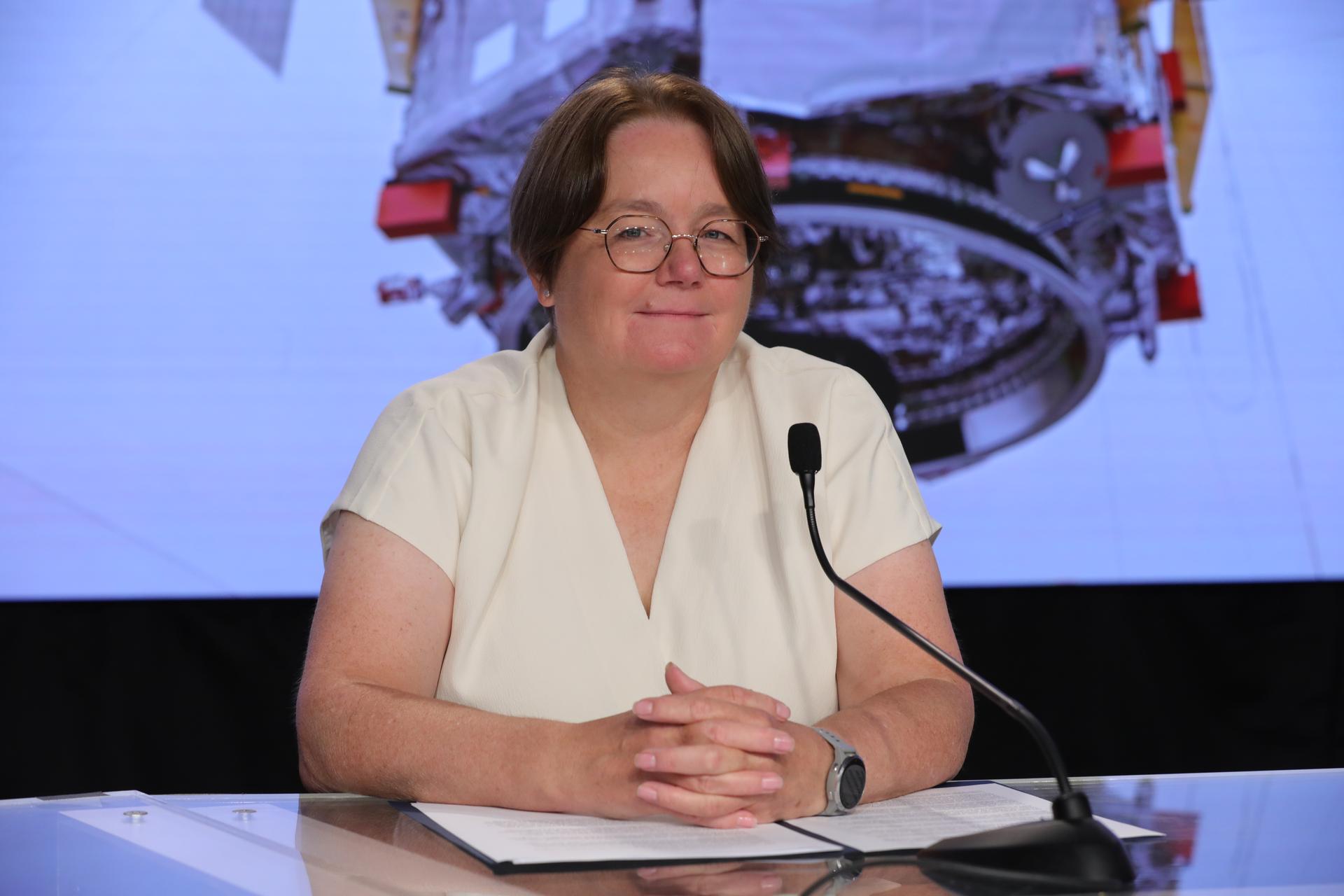
Julie McEnery, Roman telescope senior project scientist, NASA’s Goddard Space Flight Center in Greenbelt, Maryland, participates in a science briefing for NASA’s Nancy Grace Roman Space Telescope inside the NASA News Center’s John Holliman Auditorium at Kennedy Space Center in Florida, on Saturday, Aug. 29, 2026. Roman will investigate dark energy and dark matter, conduct a statistical census of planetary systems, and enable a broad range of additional astrophysics research. Liftoff from Launch Complex 39A at Kennedy is targeted for no earlier than Sunday, Aug. 30, 2026.
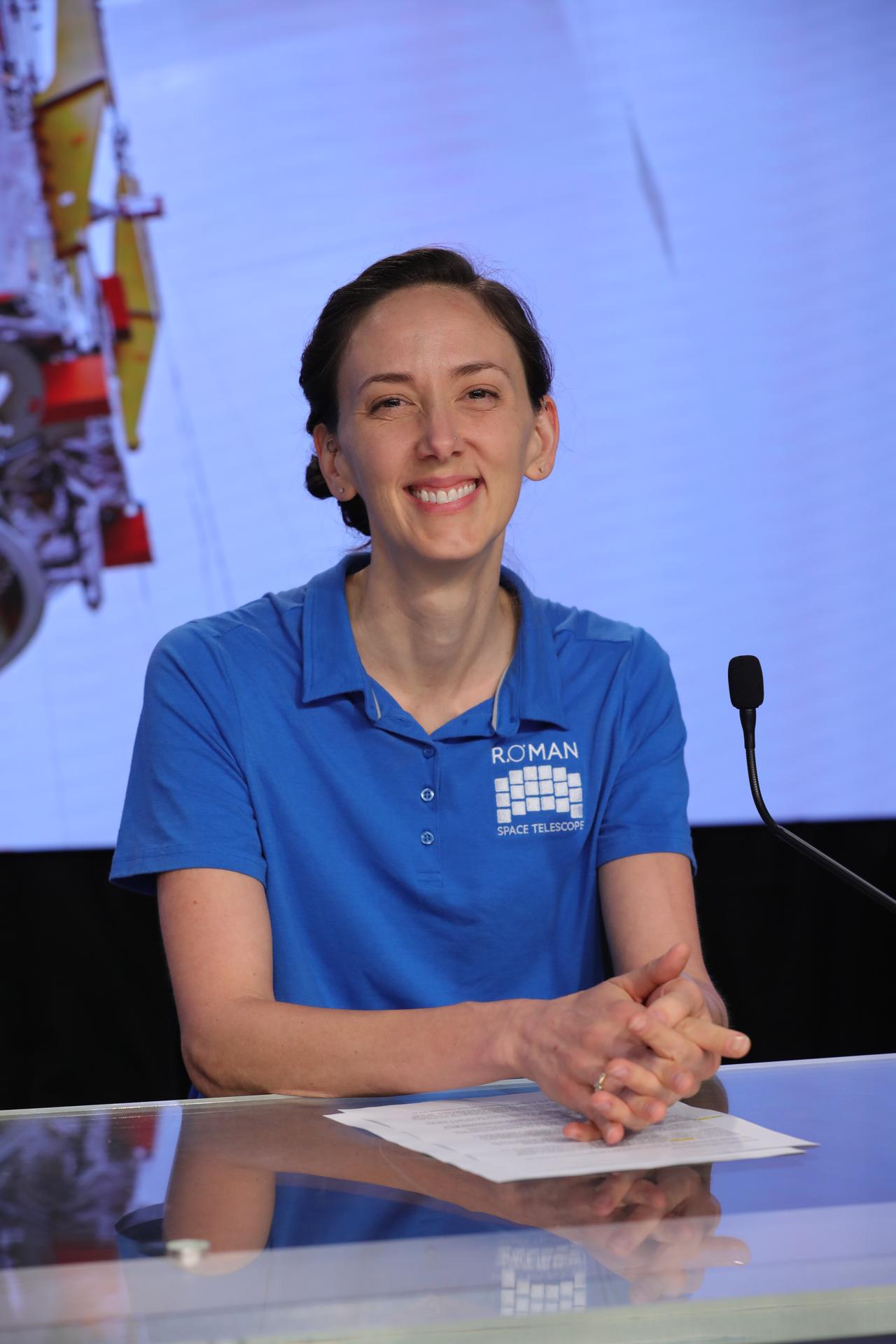
Vanessa Bailey, Roman Coronagraph Instrument scientist, NASA’s Jet Propulsion Laboratory in Southern California, participates in a science briefing for NASA’s Nancy Grace Roman Space Telescope inside the NASA News Center’s John Holliman Auditorium at Kennedy Space Center in Florida, on Saturday, Aug. 29, 2026. Roman will investigate dark energy and dark matter, conduct a statistical census of planetary systems, and enable a broad range of additional astrophysics research. Liftoff from Launch Complex 39A at Kennedy is targeted for no earlier than Sunday, Aug. 30, 2026.
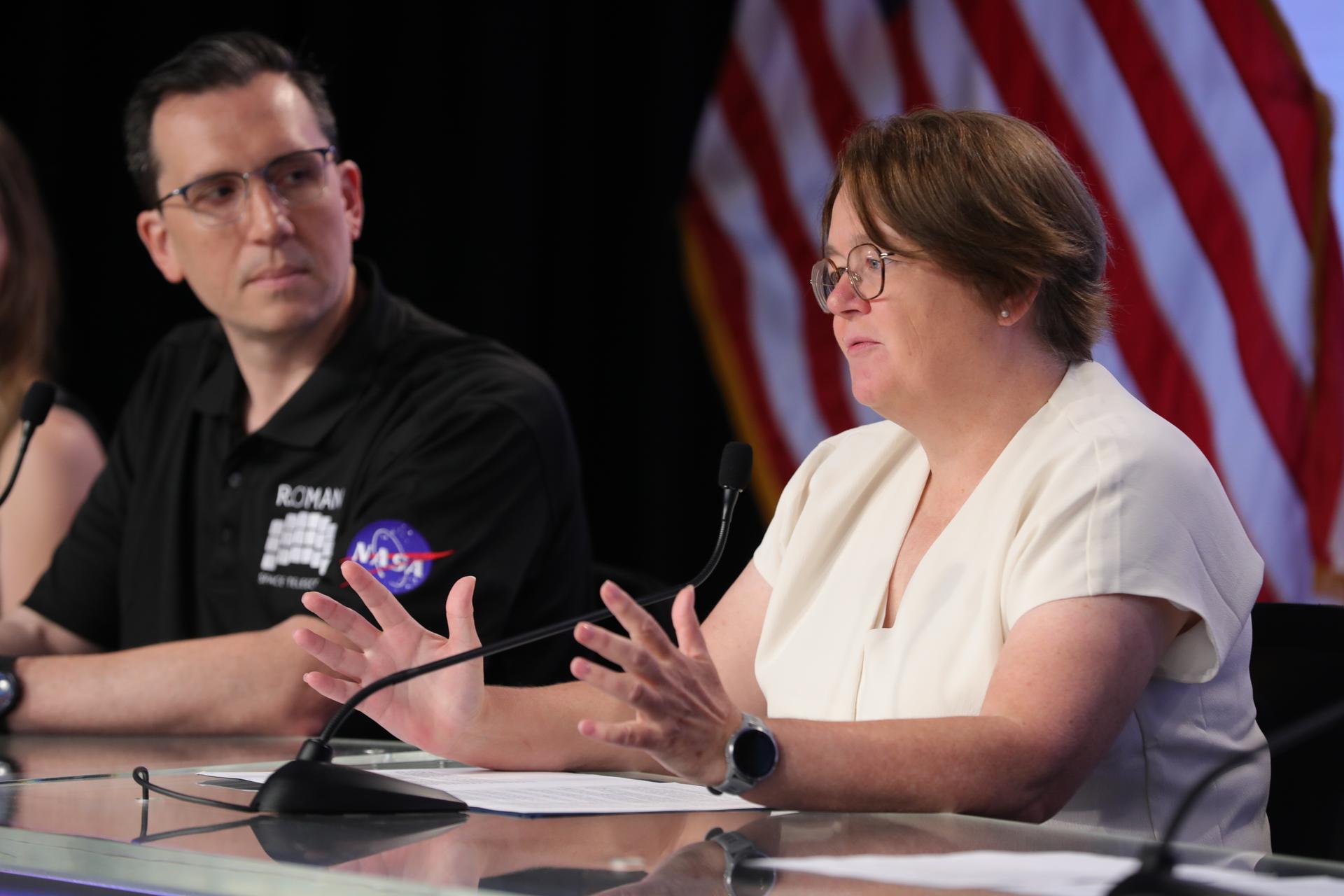
From left, Shawn Domagal-Goldman, director, Astrophysics Division, NASA Headquarters in Washington, and Julie McEnery, Roman telescope senior project scientist, NASA’s Goddard Space Flight Center in Greenbelt, Maryland, participate in a science briefing for NASA’s Nancy Grace Roman Space Telescope inside the NASA News Center’s John Holliman Auditorium at Kennedy Space Center in Florida, on Saturday, Aug. 29, 2026. Roman will investigate dark energy and dark matter, conduct a statistical census of planetary systems, and enable a broad range of additional astrophysics research. Liftoff from Launch Complex 39A at Kennedy is targeted for no earlier than Sunday, Aug. 30, 2026.
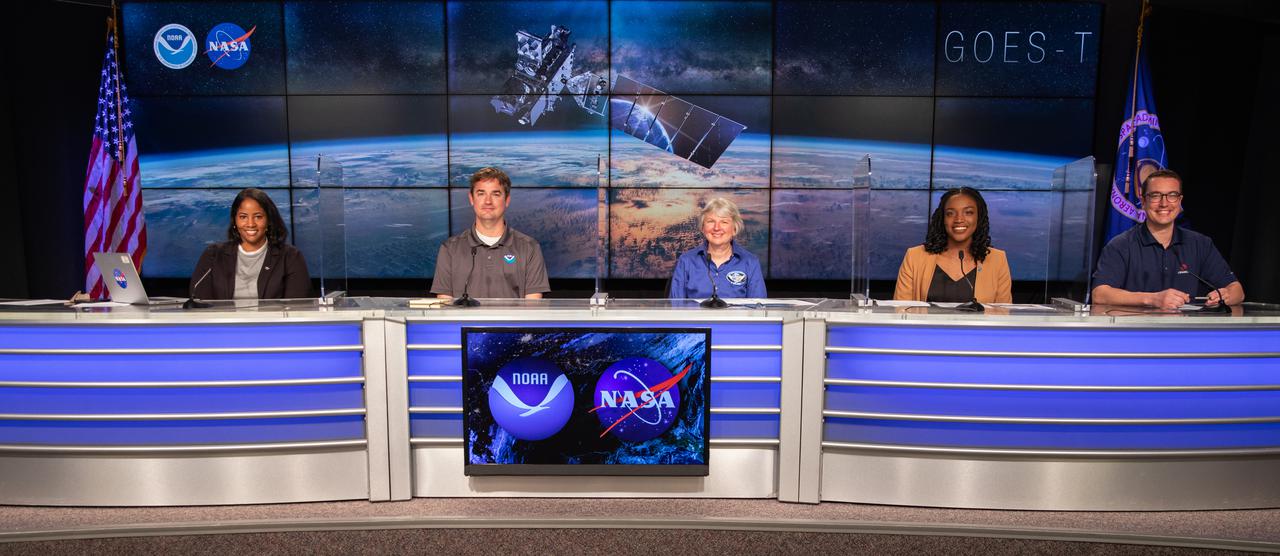
A science briefing for the National Oceanic and Atmospheric Administration’s (NOAA) Geostationary Operational Environmental Satellite-T (GOES-T) is held on Feb. 25, 2022, at NASA’s Kennedy Space Center in Florida. Participants from left, are Tylar Greene, briefing moderator, NASA Communications; Dr. Dan Lindsey, GOES-R program scientist, NOAA; Candace Carlisle, GOES-R flight project manager, NASA’s Goddard Space Flight Center; Tewa Kpulun, Geostationary Lightning Mapper science lead, Lockheed Martin; and Daniel Gall, Advanced Baseline Imager chief systems engineer, Space and Airborne Systems, L3 Harris Technologies, participates in the briefing. GOES-T is scheduled to lift off on a United Launch Alliance Atlas V 541 rocket from Space Launch Complex 41 at Cape Canaveral Space Force Station in Florida on March 1, 2022, at 4:38 p.m. GOES-T is the third satellite in the GOES-R series that will continue to help meteorologists observe and predict local weather events that affect public safety. The launch is being managed by NASA’s Launch Services Program based at Kennedy Space Center in Florida, America’s multi-user spaceport.
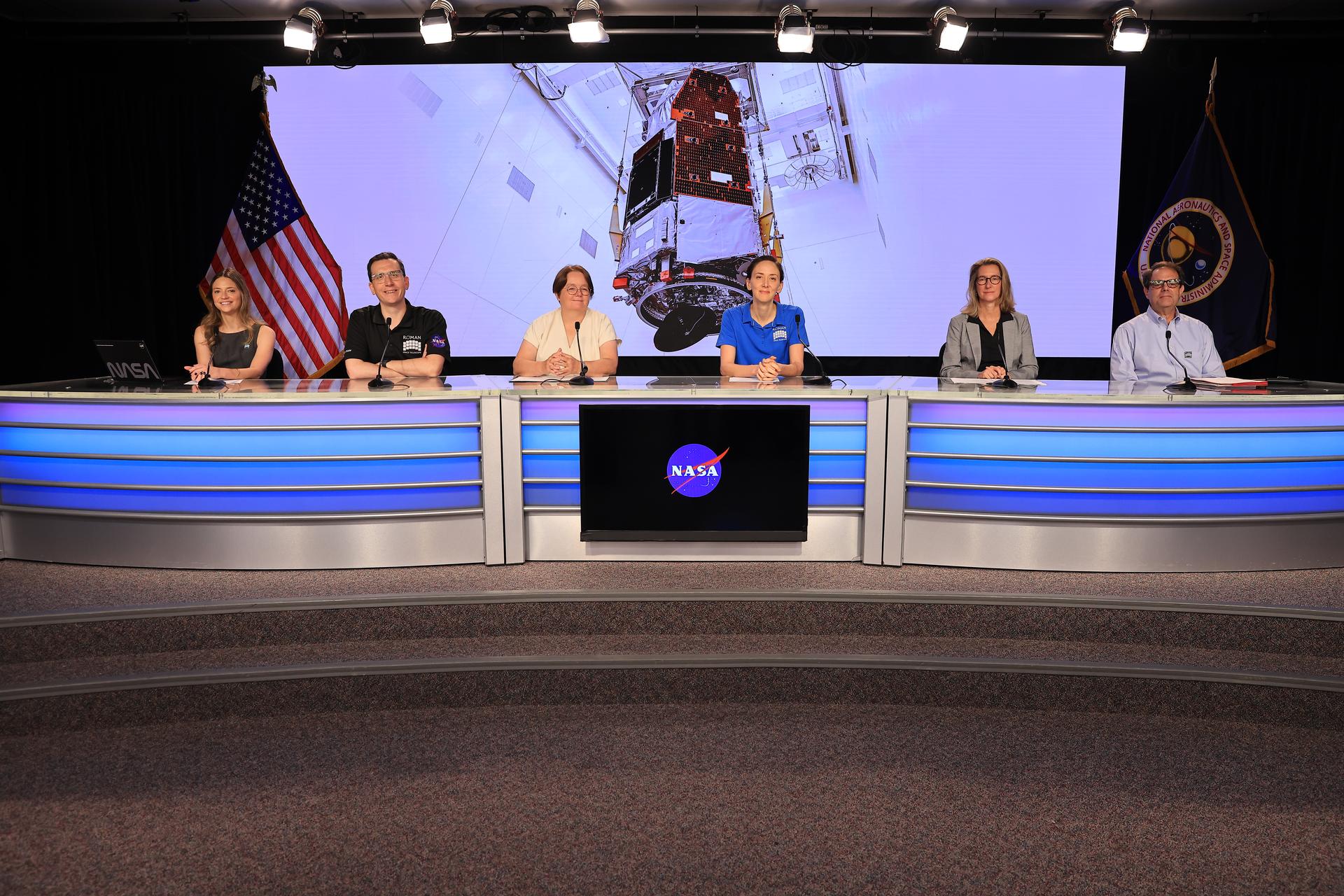
From left, Claire Andreoli, NASA Communications; Shawn Domagal-Goldman, director, Astrophysics Division, NASA Headquarters in Washington; Julie McEnery, Roman telescope senior project scientist, NASA’s Goddard Space Flight Center in Greenbelt, Maryland; Vanessa Bailey, Roman Coronagraph Instrument scientist, NASA’s Jet Propulsion Laboratory in Southern California; Kristen McQuinn, Roman Science Operations Center lead, Space Telescope Science Institute; and Lee Armus, Roman Science Support Center lead, Caltech/IPAC, participate in a science briefing for NASA’s Nancy Grace Roman Space Telescope inside the NASA News Center’s John Holliman Auditorium at Kennedy Space Center in Florida, on Saturday, Aug. 29, 2026. Roman will investigate dark energy and dark matter, conduct a statistical census of planetary systems, and enable a broad range of additional astrophysics research. Liftoff from Launch Complex 39A at Kennedy is targeted for no earlier than Sunday, Aug. 30, 2026.

Rachel Akeson, SPHEREx science data center lead, Caltech/IPAC, participates in a science briefing on Tuesday, Feb. 25, 2025, to discuss the upcoming launch of NASA’s SPHEREx (Spectro-Photometer for the History of the Universe, Epoch of Reionization and Ices Explorer) observatory and PUNCH (Polarimeter to Unify the Corona and Heliosphere) satellites at Vandenberg Space Force Base in California. SPHEREx will use its telescope to provide an all-sky spectral survey, creating a 3D map of the entire sky to help scientists investigate the origins of our universe. PUNCH will study origins of the Sun’s outflow of material, or the solar wind, capturing continuous 3D images of the Sun’s corona and the solar wind’s journey into the solar system.
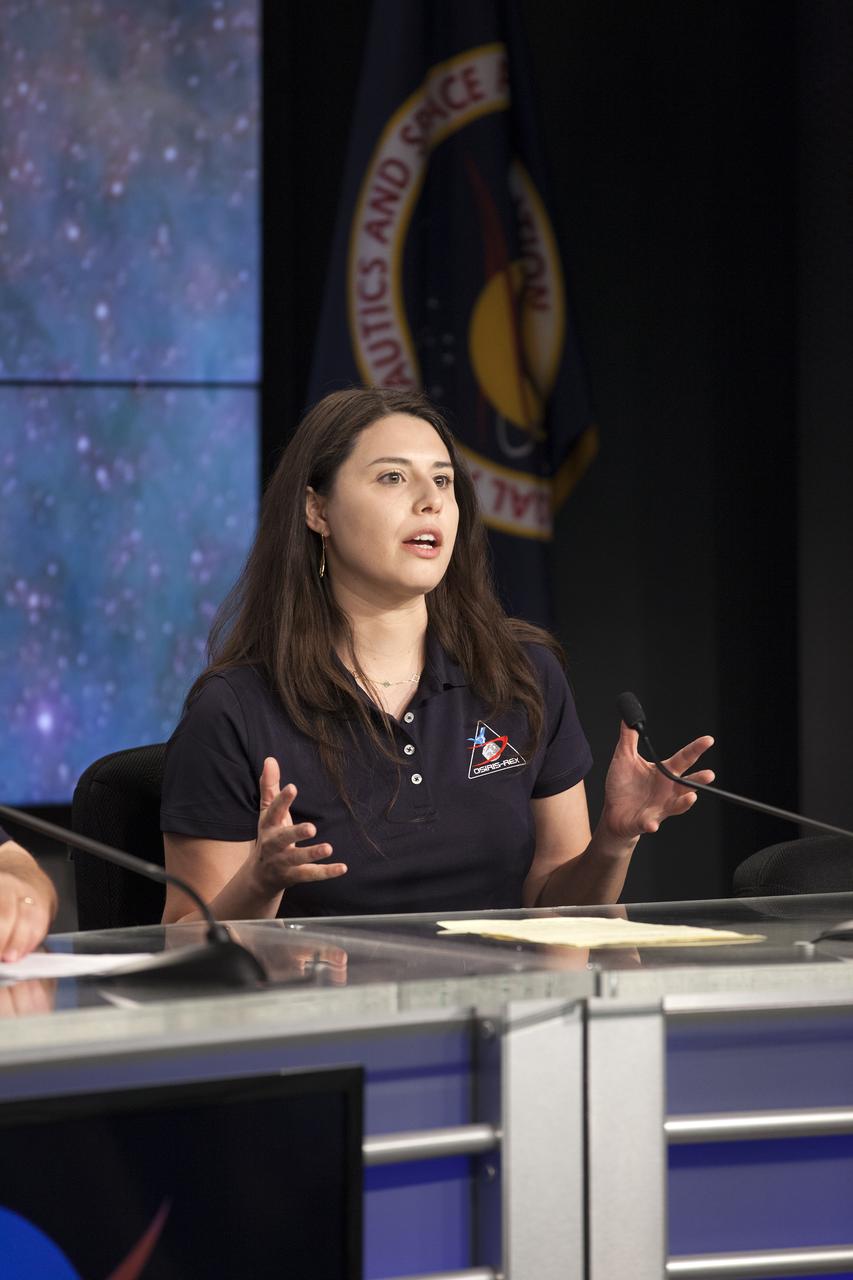
In the Kennedy Space Center’s Press Site auditorium, Daniella DellaGiustina, OSIRIS-REx lead image processing scientist at the University of Arizona, Tucson, speaks to members of the media during a briefing on science experiments involved in NASA’s Origins, Spectral Interpretation, Resource Identification, Security-Regolith Explorer, or OSIRIS-REx spacecraft.

In the Kennedy Space Center’s Press Site auditorium, Christina Richey, OSIRIS-REx deputy program scientist at NASA Headquarters in Washington, speaks to members of the media during a briefing on science experiments involved in NASA’s Origins, Spectral Interpretation, Resource Identification, Security-Regolith Explorer, or OSIRIS-REx spacecraft.
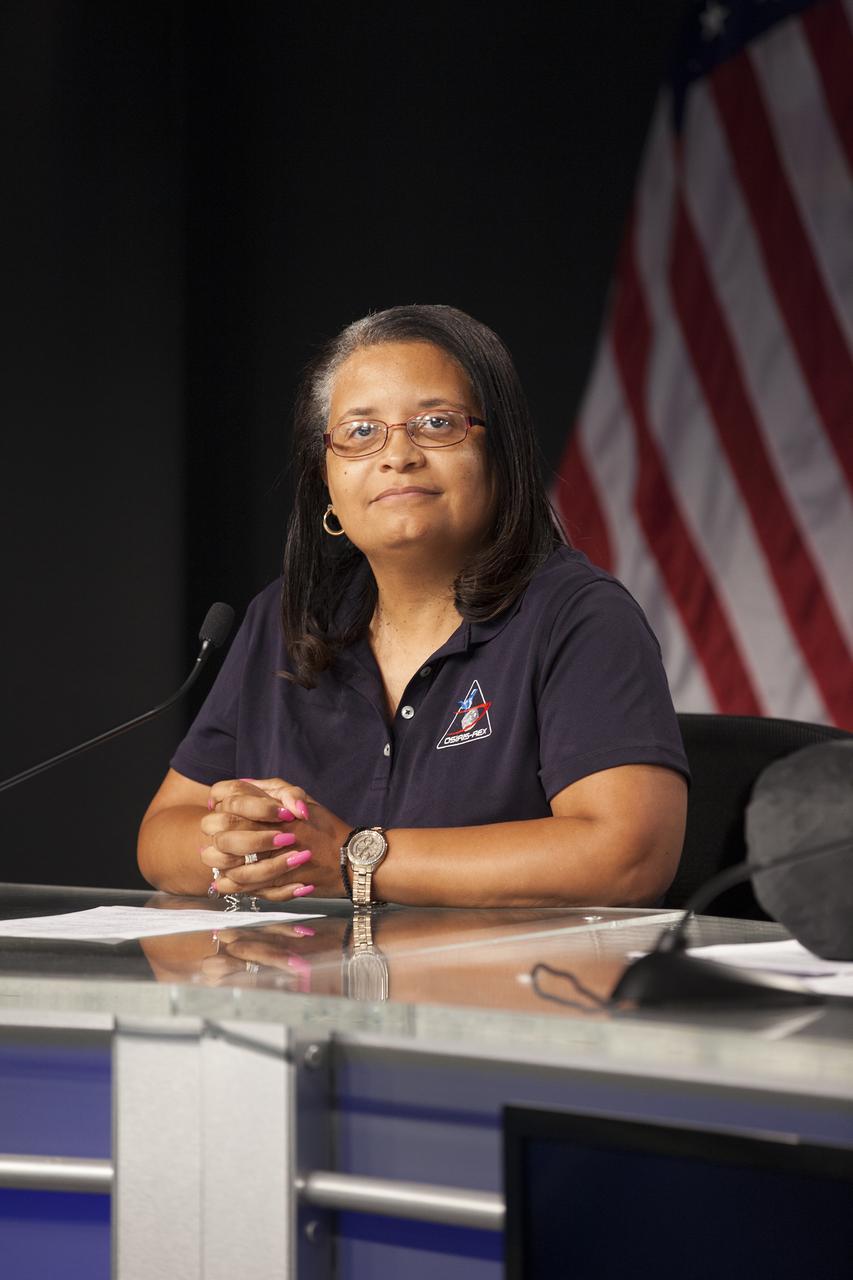
In the Kennedy Space Center’s Press Site auditorium, Nancy Neal-Jones of NASA Communications at the Goddard Space Flight Center in Greenbelt, Maryland, moderates a media briefing on science experiments involved in NASA’s Origins, Spectral Interpretation, Resource Identification, Security-Regolith Explorer, or OSIRIS-REx spacecraft.

A science briefing for the National Oceanic and Atmospheric Administration’s (NOAA) Geostationary Operational Environmental Satellite-T (GOES-T) is held on Feb. 25, 2022, at NASA’s Kennedy Space Center in Florida. Daniel Gall, Advanced Baseline Imager chief systems engineer, Space and Airborne Systems, L3 Harris Technologies, participates in the briefing. GOES-T is scheduled to lift off on a United Launch Alliance Atlas V 541 rocket from Space Launch Complex 41 at Cape Canaveral Space Force Station in Florida on March 1, 2022, at 4:38 p.m. GOES-T is the third satellite in the GOES-R series that will continue to help meteorologists observe and predict local weather events that affect public safety. The launch is being managed by NASA’s Launch Services Program based at Kennedy Space Center in Florida, America’s multi-user spaceport.
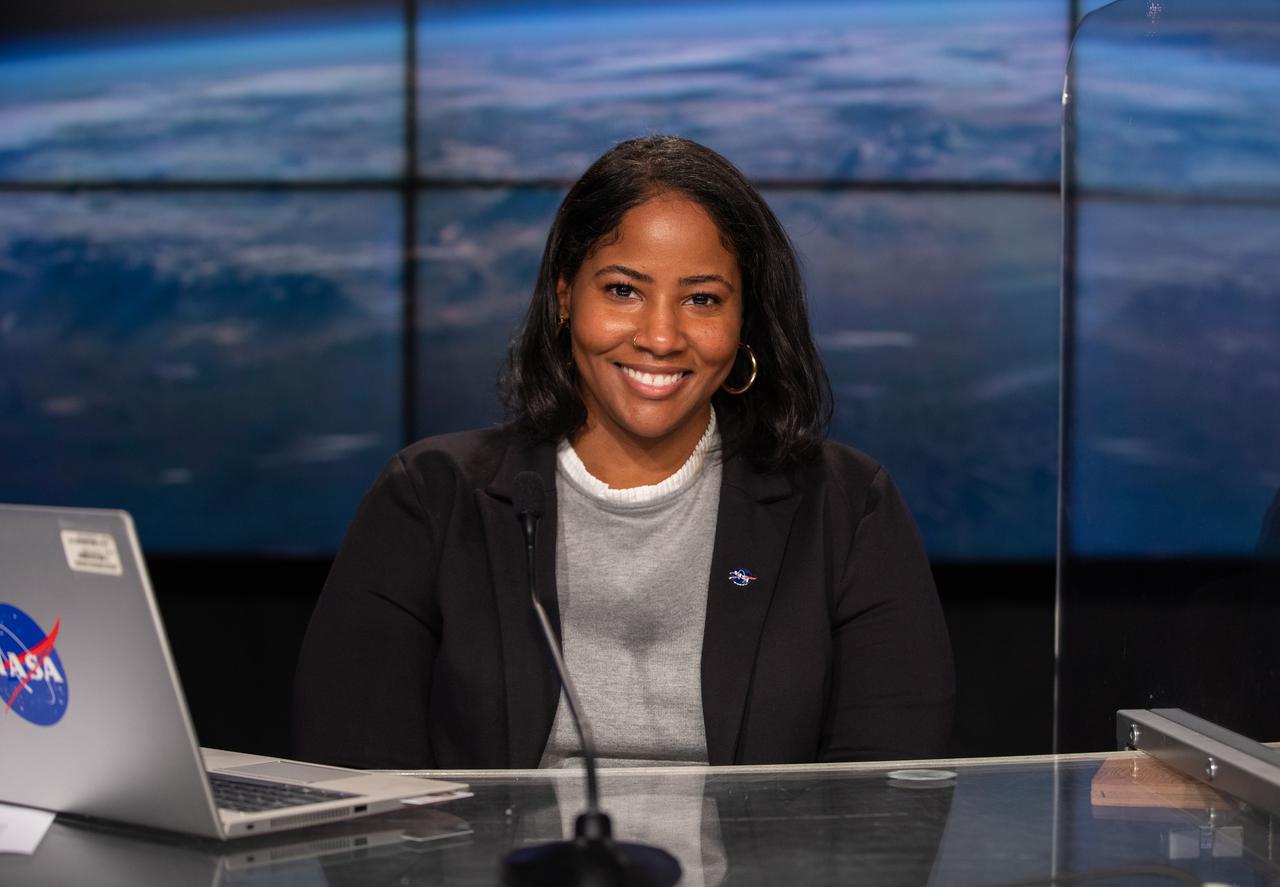
A science briefing for the National Oceanic and Atmospheric Administration’s (NOAA) Geostationary Operational Environmental Satellite-T (GOES-T) is held on Feb. 25, 2022, at NASA’s Kennedy Space Center in Florida. Tylar Greene, NASA Communications, moderates the briefing. GOES-T is scheduled to lift off on a United Launch Alliance Atlas V 541 rocket from Space Launch Complex 41 at Cape Canaveral Space Force Station in Florida on March 1, 2022, at 4:38 p.m. GOES-T is the third satellite in the GOES-R series that will continue to help meteorologists observe and predict local weather events that affect public safety. The launch is being managed by NASA’s Launch Services Program based at Kennedy Space Center in Florida, America’s multi-user spaceport.
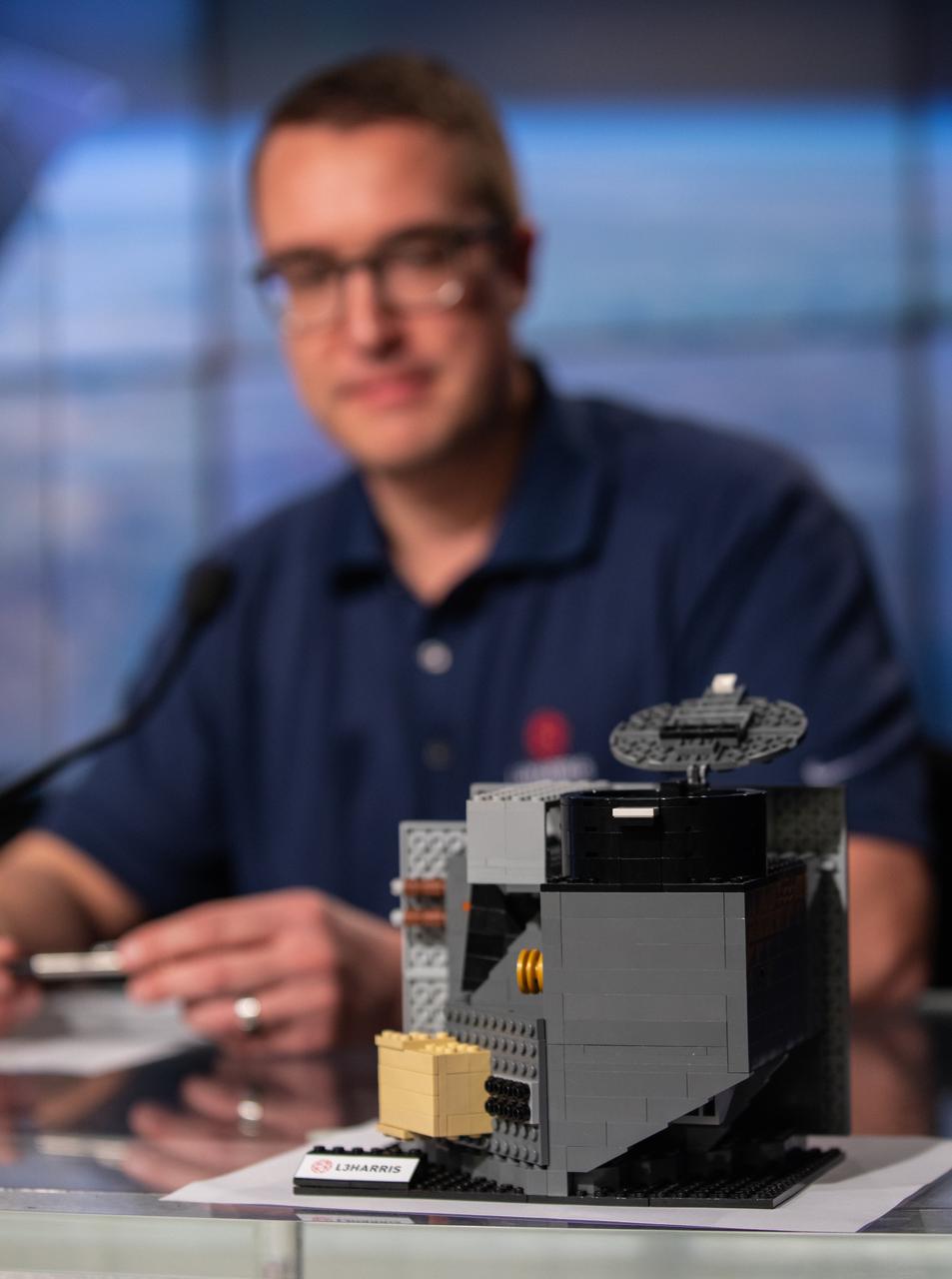
A science briefing for the National Oceanic and Atmospheric Administration’s (NOAA) Geostationary Operational Environmental Satellite-T (GOES-T) is held on Feb. 25, 2022, at NASA’s Kennedy Space Center in Florida. Daniel Gall, Advanced Baseline Imager chief systems engineer, Space and Airborne Systems, L3 Harris Technologies, participates in the briefing. GOES-T is scheduled to lift off on a United Launch Alliance Atlas V 541 rocket from Space Launch Complex 41 at Cape Canaveral Space Force Station in Florida on March 1, 2022, at 4:38 p.m. GOES-T is the third satellite in the GOES-R series that will continue to help meteorologists observe and predict local weather events that affect public safety. The launch is being managed by NASA’s Launch Services Program based at Kennedy Space Center in Florida, America’s multi-user spaceport.
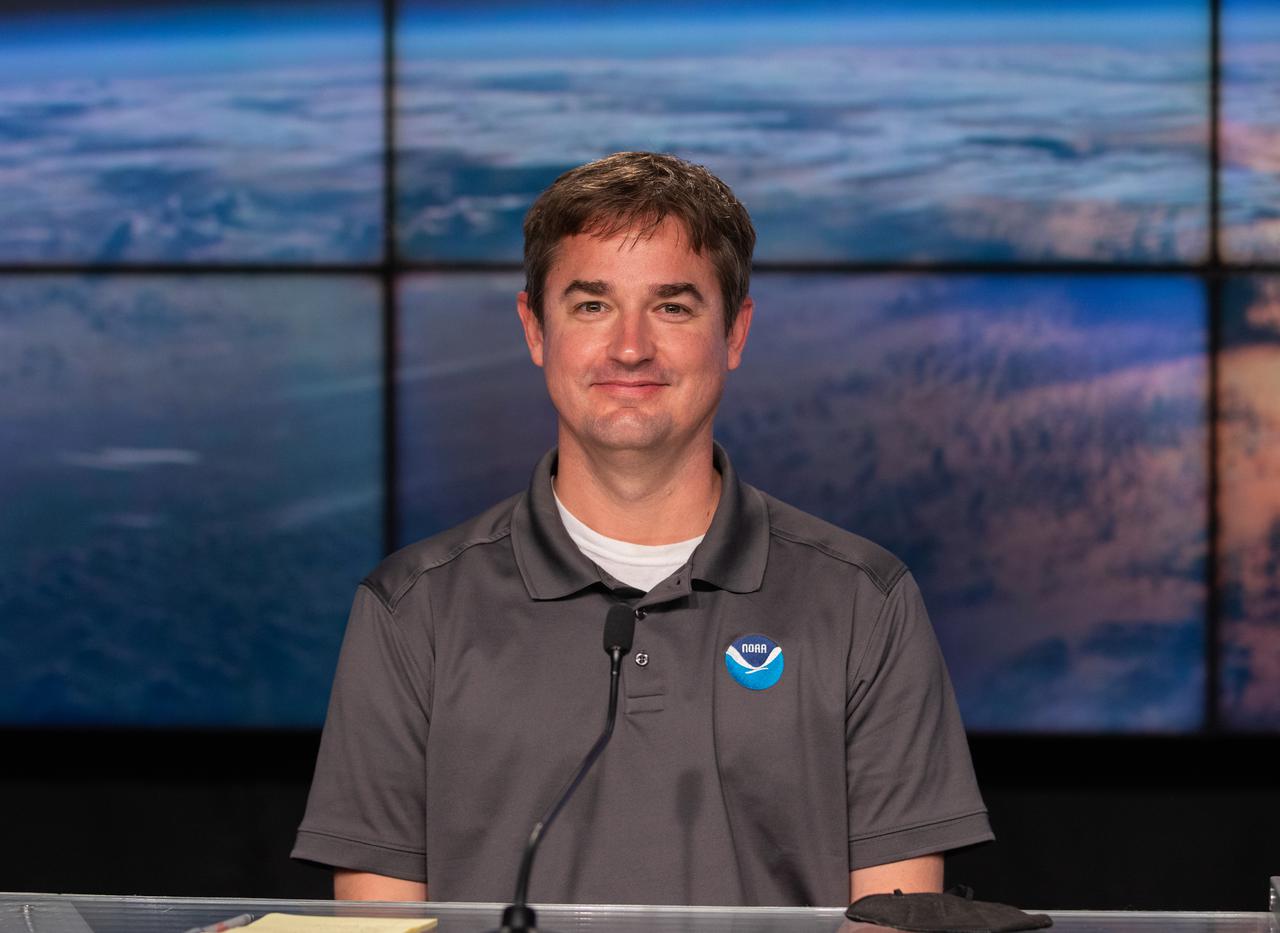
A science briefing for the National Oceanic and Atmospheric Administration’s (NOAA) Geostationary Operational Environmental Satellite-T (GOES-T) is held on Feb. 25, 2022, at NASA’s Kennedy Space Center in Florida. Dr. Dan Lindsey, GOES-R program scientist, NOAA, participates in the briefing. GOES-T is scheduled to lift off on a United Launch Alliance Atlas V 541 rocket from Space Launch Complex 41 at Cape Canaveral Space Force Station in Florida on March 1, 2022, at 4:38 p.m. GOES-T is the third satellite in the GOES-R series that will continue to help meteorologists observe and predict local weather events that affect public safety. The launch is being managed by NASA’s Launch Services Program based at Kennedy Space Center in Florida, America’s multi-user spaceport.

In the Kennedy Space Center's Press Site auditorium, members of the media participate in a mission briefing on the Geostationary Operational Environmental Satellite (GOES-R). Briefing participants from left are: Steven Goodman, NOAA's GOES-R program scientist; Joseph A. Pica, director of the National Weather Service Office of Observations; Sandra Cauffman, deputy director of NASA's Earth Science Division; and Damon Penn, assistant administrator for response at the Federal Emergency Management Agency. GOES-R is the first satellite in a series of next-generation GOES satellites for NOAA, the National Oceanographic and Atmospheric Administration. It will launch to a geostationary orbit over the western hemisphere to provide images of storms and help meteorologists predict severe weather conditionals and develop long-range forecasts.
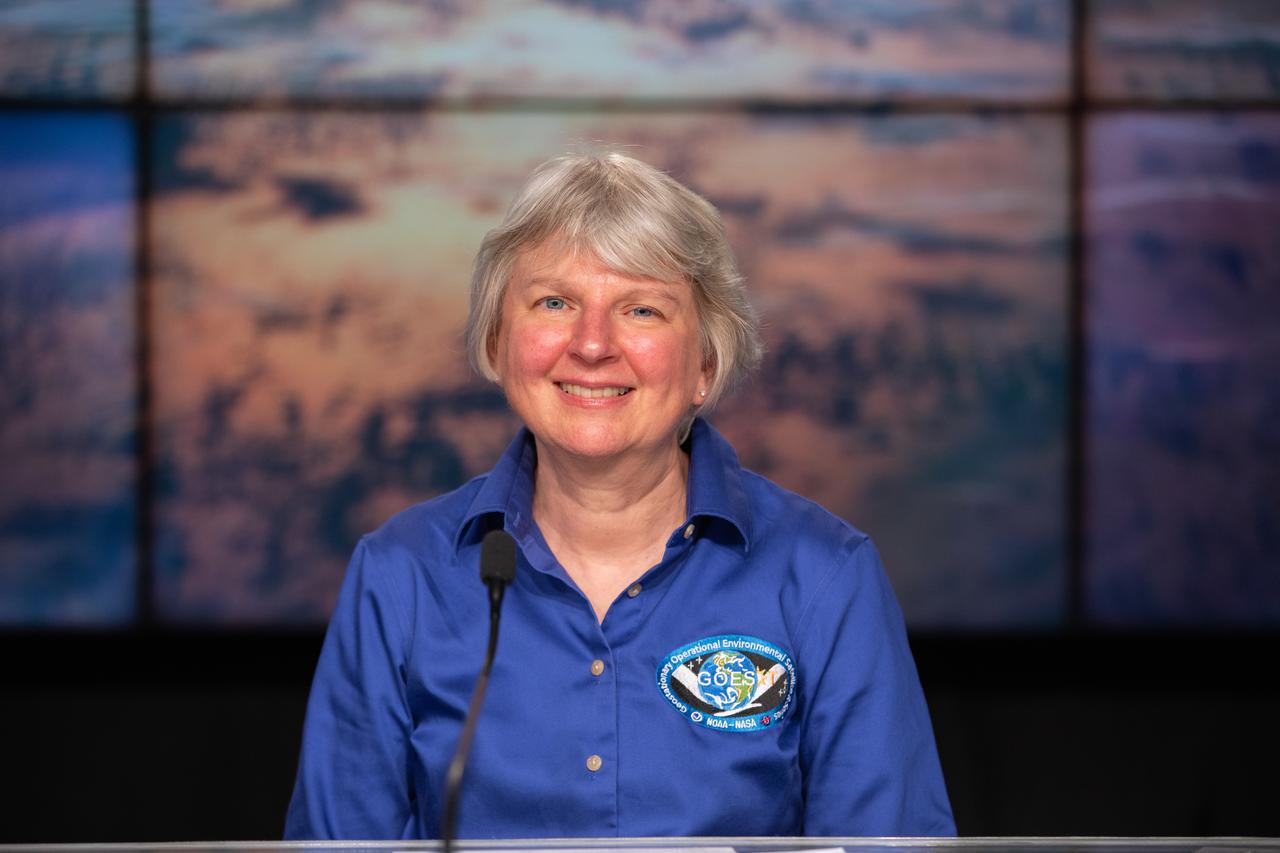
A science briefing for the National Oceanic and Atmospheric Administration’s (NOAA) Geostationary Operational Environmental Satellite-T (GOES-T) is held on Feb. 25, 2022, at NASA’s Kennedy Space Center in Florida. Candace Carlisle, GOES-R flight project manager, NASA’s Goddard Space Flight Center, participates in the briefing. GOES-T is scheduled to lift off on a United Launch Alliance Atlas V 541 rocket from Space Launch Complex 41 at Cape Canaveral Space Force Station in Florida on March 1, 2022, at 4:38 p.m. GOES-T is the third satellite in the GOES-R series that will continue to help meteorologists observe and predict local weather events that affect public safety. The launch is being managed by NASA’s Launch Services Program based at Kennedy Space Center in Florida, America’s multi-user spaceport.
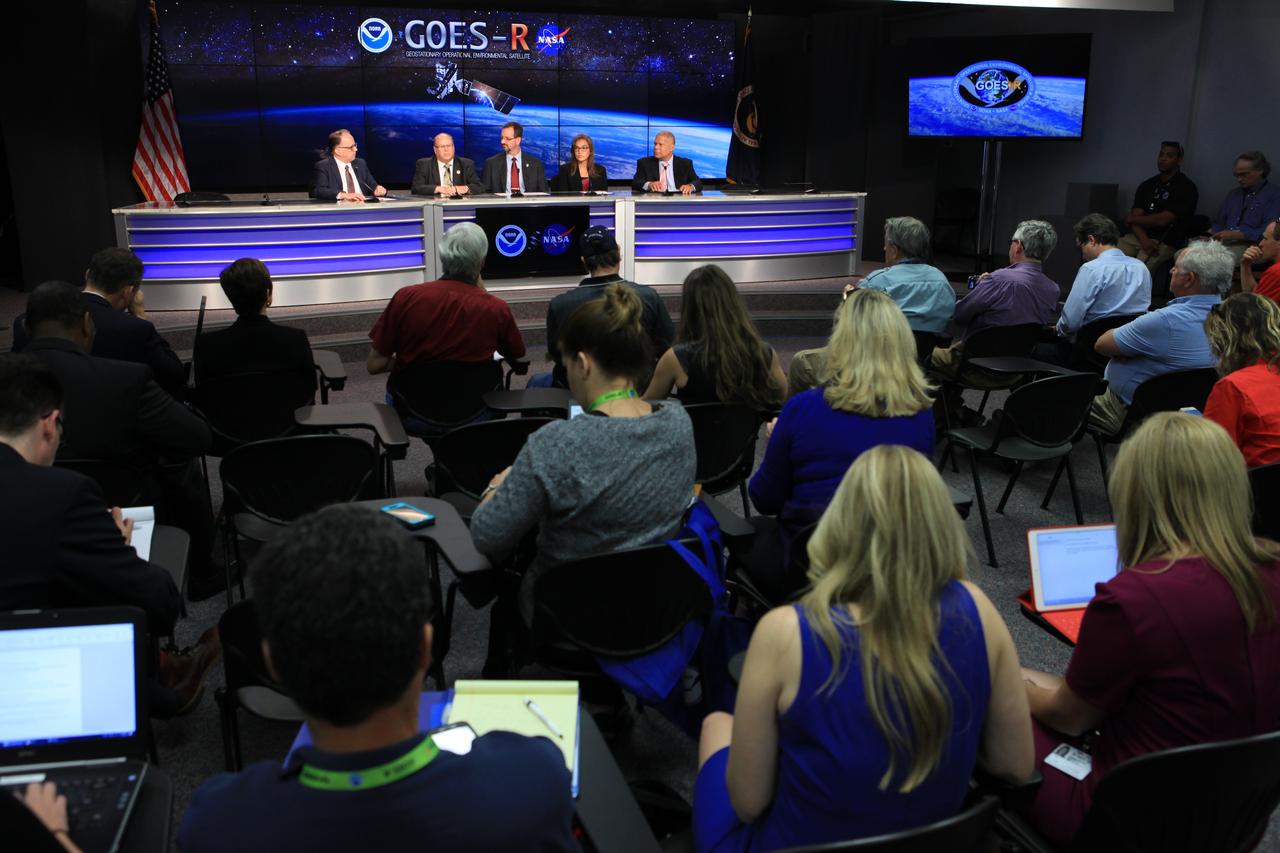
In the Kennedy Space Center's Press Site auditorium, members of the media participate in a mission briefing on the Geostationary Operational Environmental Satellite (GOES-R). Briefing participants from left are: Sean Potter of NASA Communications; Steven Goodman, NOAA's GOES-R program scientist; Joseph A. Pica, director of the National Weather Service Office of Observations; Sandra Cauffman, deputy director of NASA's Earth Science Division; and Damon Penn, assistant administrator for response at the Federal Emergency Management Agency. GOES-R is the first satellite in a series of next-generation GOES satellites for NOAA, the National Oceanographic and Atmospheric Administration. It will launch to a geostationary orbit over the western hemisphere to provide images of storms and help meteorologists predict severe weather conditionals and develop long-range forecasts.
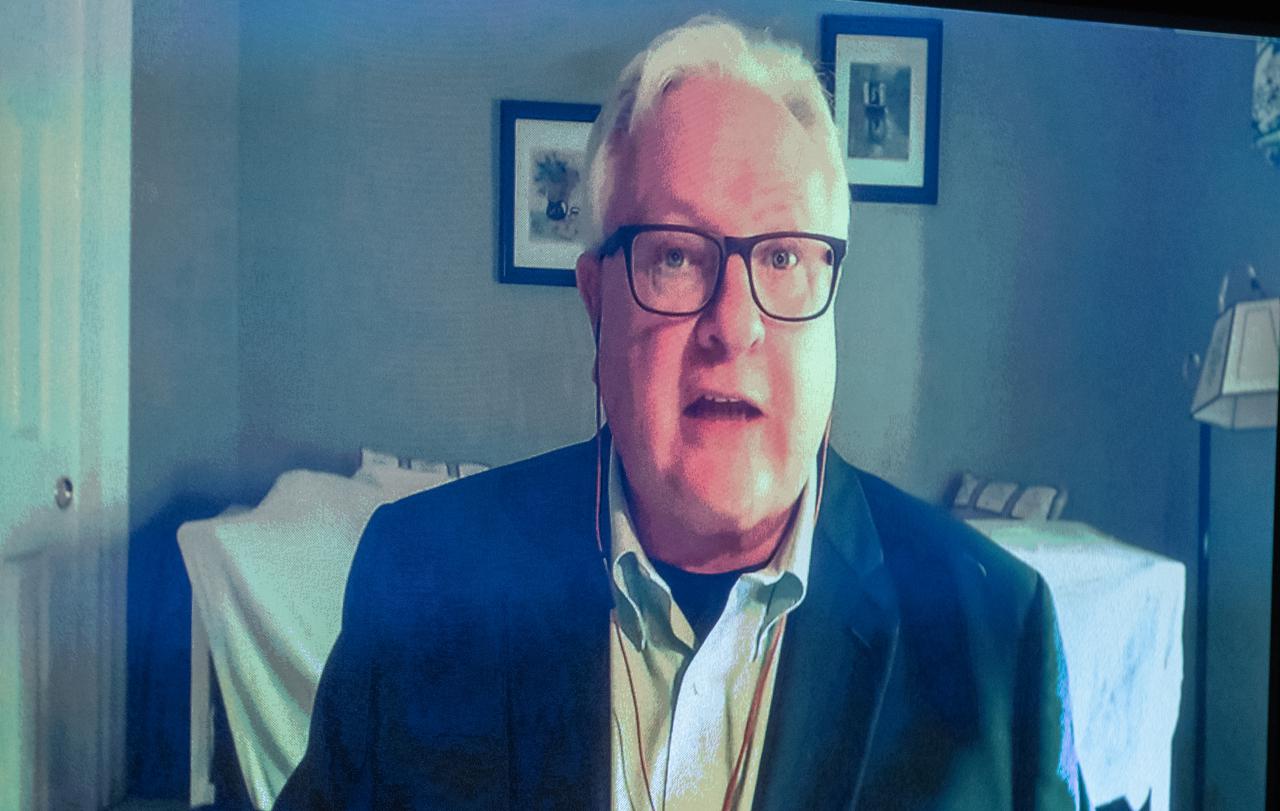
A science briefing for the National Oceanic and Atmospheric Administration’s (NOAA) Geostationary Operational Environmental Satellite-T (GOES-T) is held on Feb. 25, 2022, at NASA’s Kennedy Space Center in Florida. Dr. James “Jim Yoe, chief administrator, Joint Center for Satellite Data Assimilation, participates remotely in the briefing. GOES-T is scheduled to lift off on a United Launch Alliance Atlas V 541 rocket from Space Launch Complex 41 at Cape Canaveral Space Force Station in Florida on March 1, 2022, at 4:38 p.m. GOES-T is the third satellite in the GOES-R series that will continue to help meteorologists observe and predict local weather events that affect public safety. The launch is being managed by NASA’s Launch Services Program based at Kennedy Space Center in Florida, America’s multi-user spaceport.

In the Kennedy Space Center's Press Site auditorium, Sandra Cauffman, deputy director of NASA's Earth Science Division, speaks to the media during a mission briefing on the Geostationary Operational Environmental Satellite (GOES-R). GOES-R is the first satellite in a series of next-generation GOES satellites for NOAA, the National Oceanographic and Atmospheric Administration. It will launch to a geostationary orbit over the western hemisphere to provide images of storms and help meteorologists predict severe weather conditionals and develop long-range forecasts.
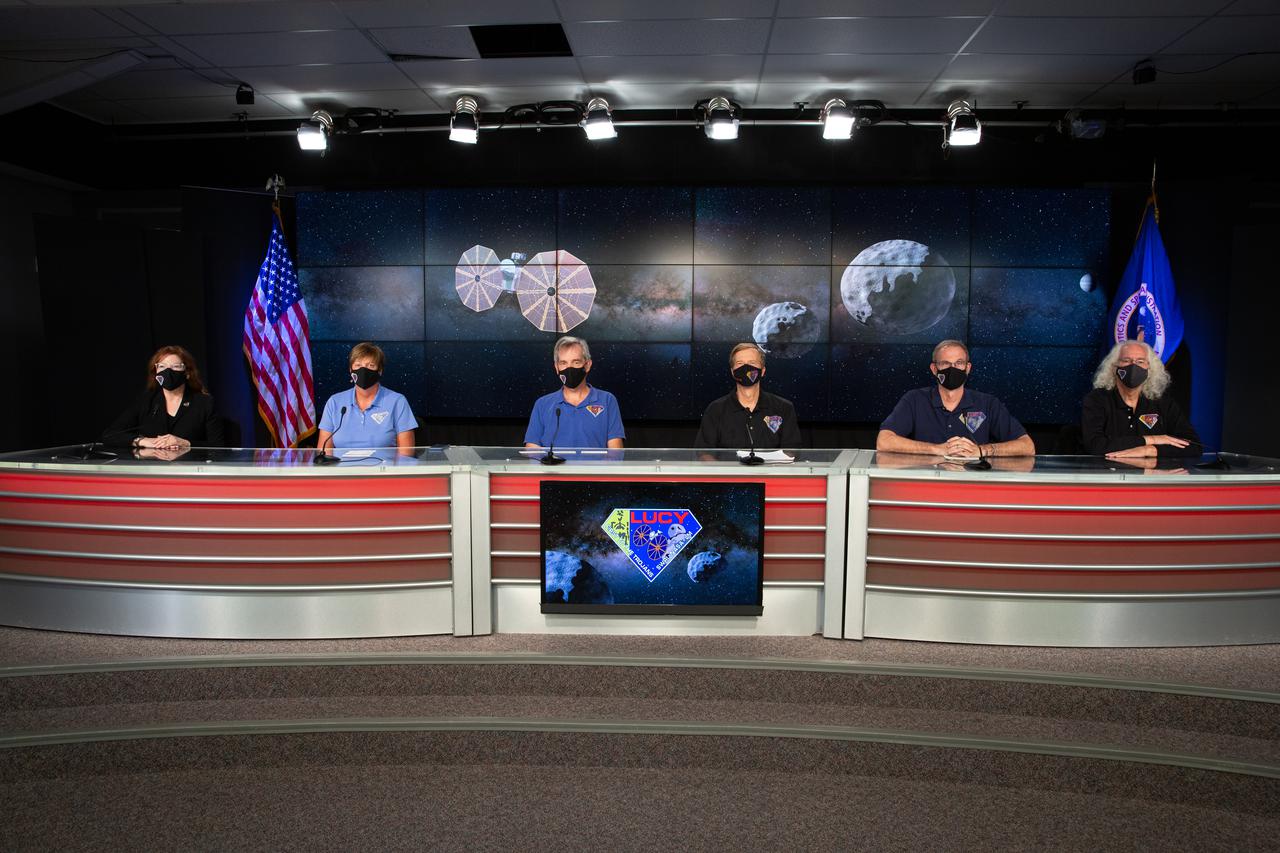
A science briefing for the Lucy mission is held inside the TV Auditorium at NASA’s Kennedy Space Center in Florida on Oct. 14, 2021. Participants included, from left to right, Adriana Ocampo, Lucy Program Executive, NASA Headquarters; Cathy Olkin, Lucy Deputy Principal Investigator, Southwest Research Institute; Keith Noll, Lucy Project Scientist at NASA’s Goddard Space Flight Center; Hal Weaver, L'LORRI Instrument Principal Investigator, Johns Hopkins Applied Physics Laboratory; Phil Christensen, L'TES Instrument Principal Investigator, Arizona State University; and Dennis Reuter, L’Ralph Instrument Principal Investigator at NASA’s Goddard Space Flight Center. Lucy is scheduled to launch at 5:34 a.m. EDT Saturday, Oct. 16, on a United Launch Alliance Atlas V 401 rocket from Space Launch Complex 41 at Cape Canaveral Space Force Station. NASA’s Launch Services Program, based at Kennedy, is managing the launch. Lucy is the first space mission to study the Trojan asteroids, which hold vital clues to the formation of our solar system.
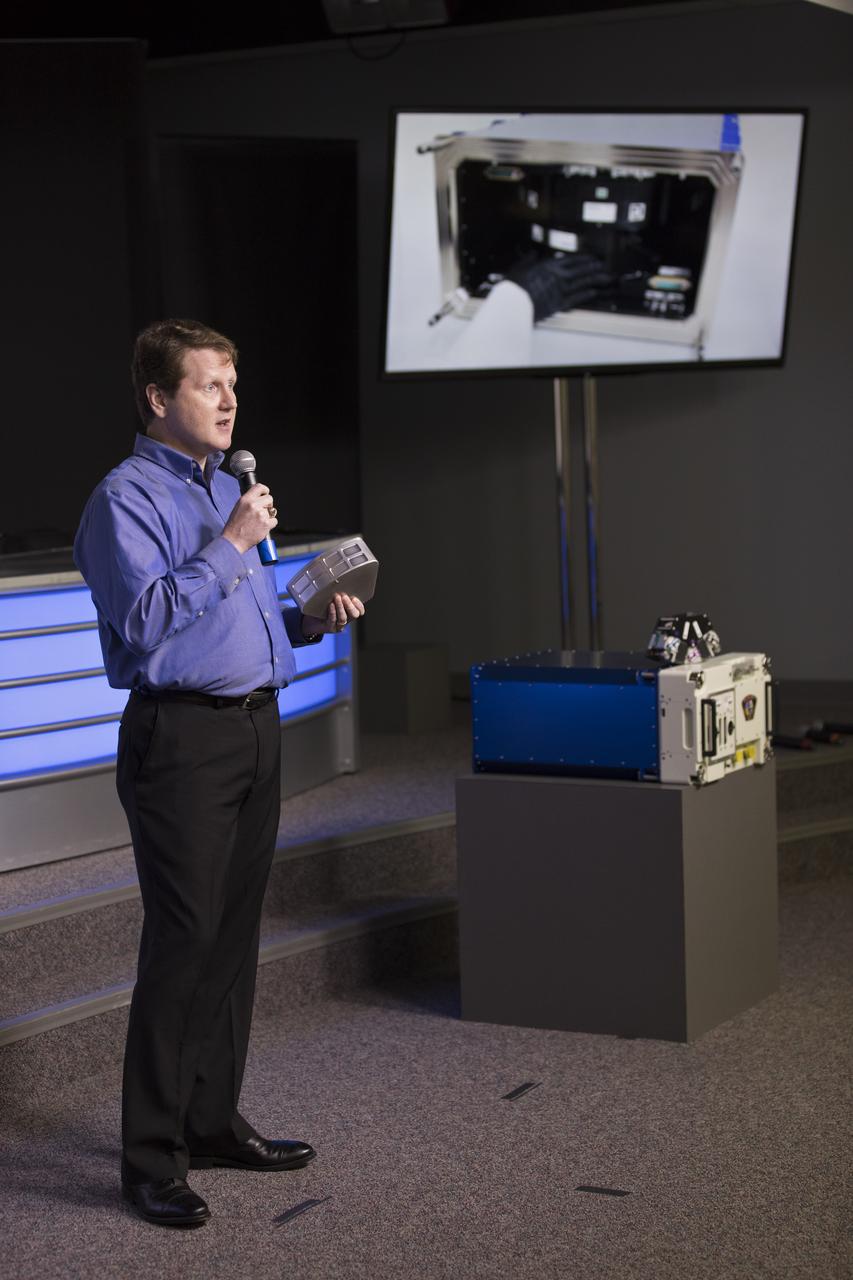
Rich Boling, vice president for corporate advancement at Techshot Inc., discusses the Multi-purpose Variable-g Platform, developed, owned and operated by Techshot. The new test bed will be able to host six separate experiment modules with samples such as plants, cells, protein crystals and fruit flies. The test bed is one of the scientific investigations that will be aboard a Dragon spacecraft scheduled for liftoff from Cape Canaveral Air Force Station's Space Launch Complex 40 at 4:30 p.m. EST, on April 2, 2018. The SpaceX Falcon 9 rocket will launch the company's 14th Commercial Resupply Services mission to the space station.
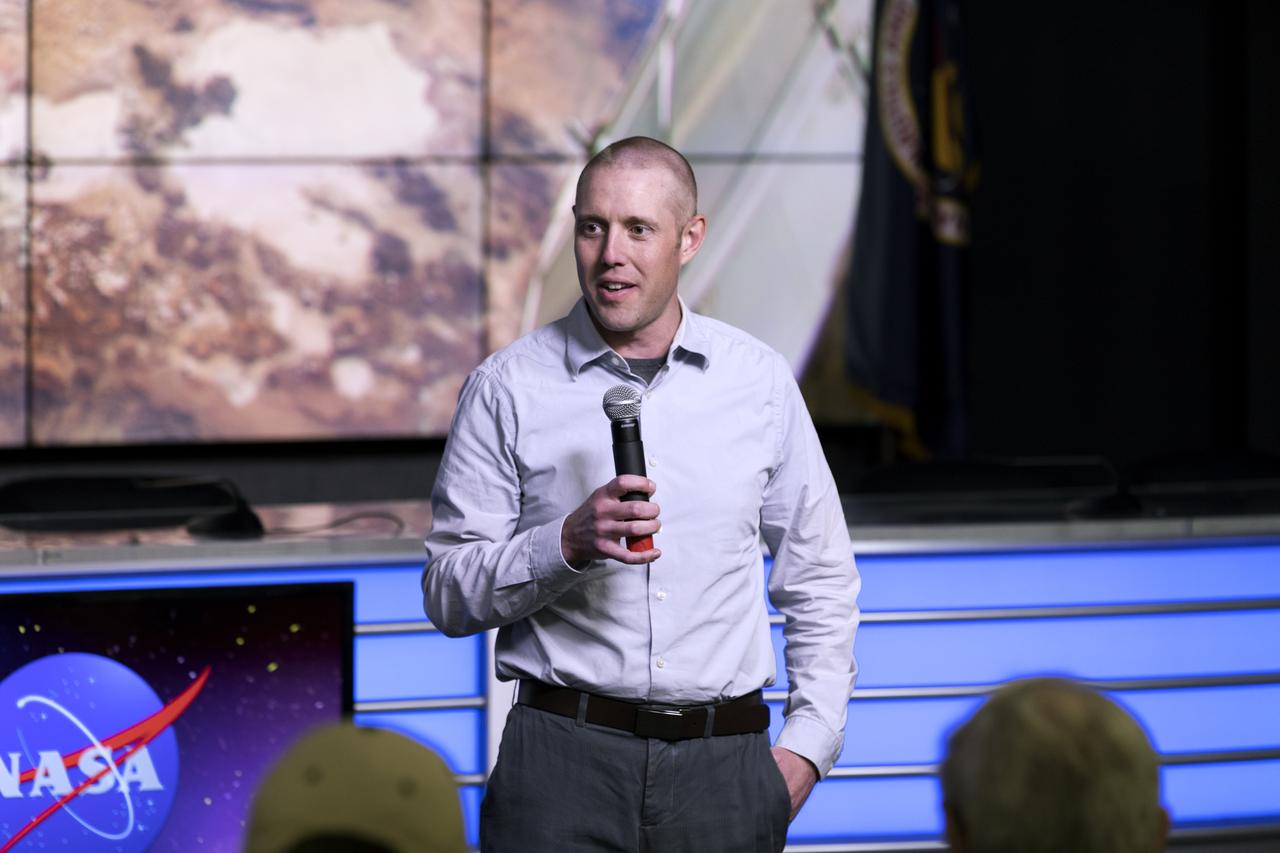
Dan Close, chief scientific officer at 490 BioTech, discusses the company's Metabolic Tracking investigation to evaluate the use of a new method to test, in microgravity, the metabolic impacts of pharmaceutical drugs. This is one of the scientific materials that will be aboard a Dragon spacecraft scheduled for liftoff from Cape Canaveral Air Force Station's Space Launch Complex 40 at 4:30 p.m. EST, on April 2, 2018. The SpaceX Falcon 9 rocket will launch the company's 14th Commercial Resupply Services mission to the space station.
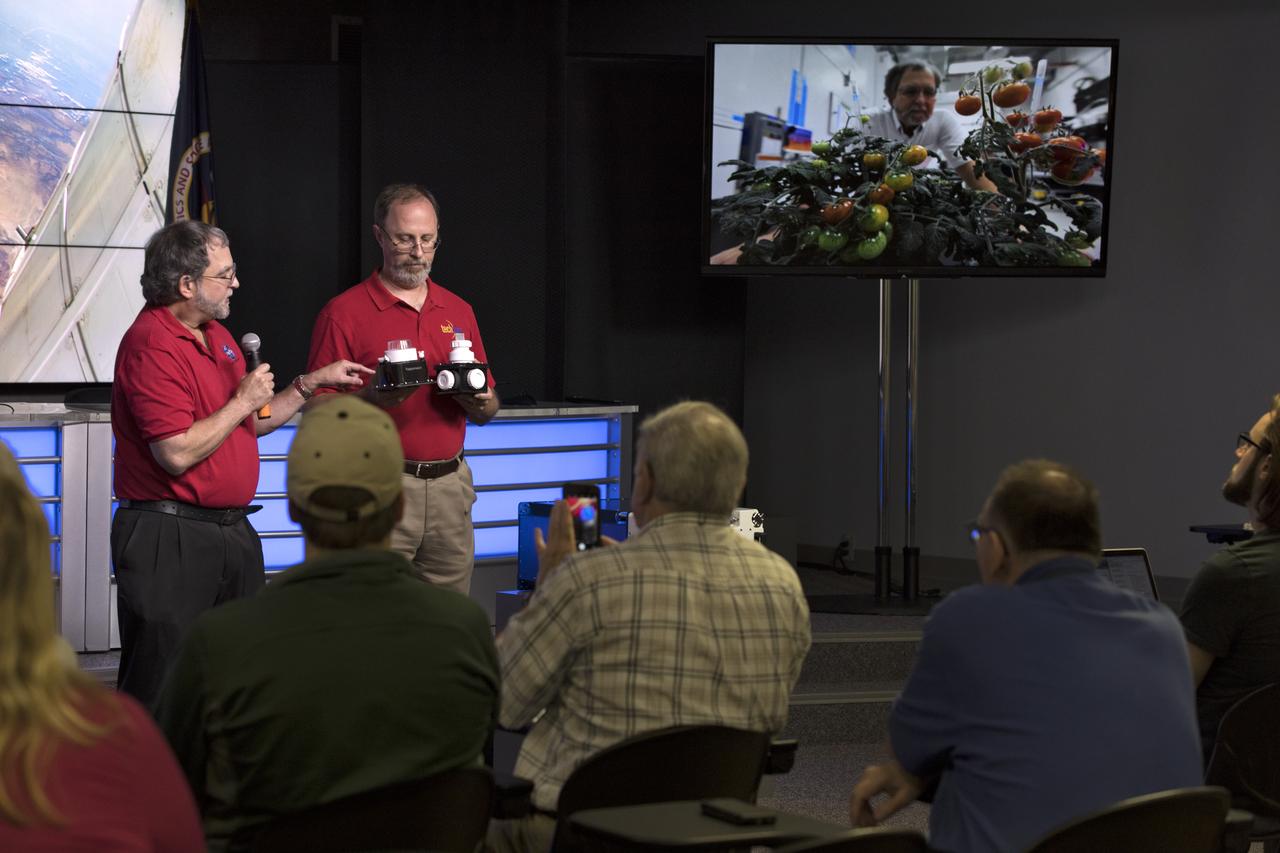
Howard Levine, at left, chief scientist in the Utilization and Life Sciences Office at NASA's Kennedy Space Center, and Dave Reid, a project manager with Techshot, discuss continuing research on growing food in space, as the Veggie Passive Orbital Nutrient Delivery System (PONDS) experiment tests a new way to deliver nutrients to plants. PONDS is one of the experiments that will be aboard a Dragon spacecraft scheduled for liftoff from Cape Canaveral Air Force Station's Space Launch Complex 40 at 4:30 p.m. EST, on April 2, 2018. The SpaceX Falcon 9 rocket will launch the company's 14th Commercial Resupply Services mission to the space station.
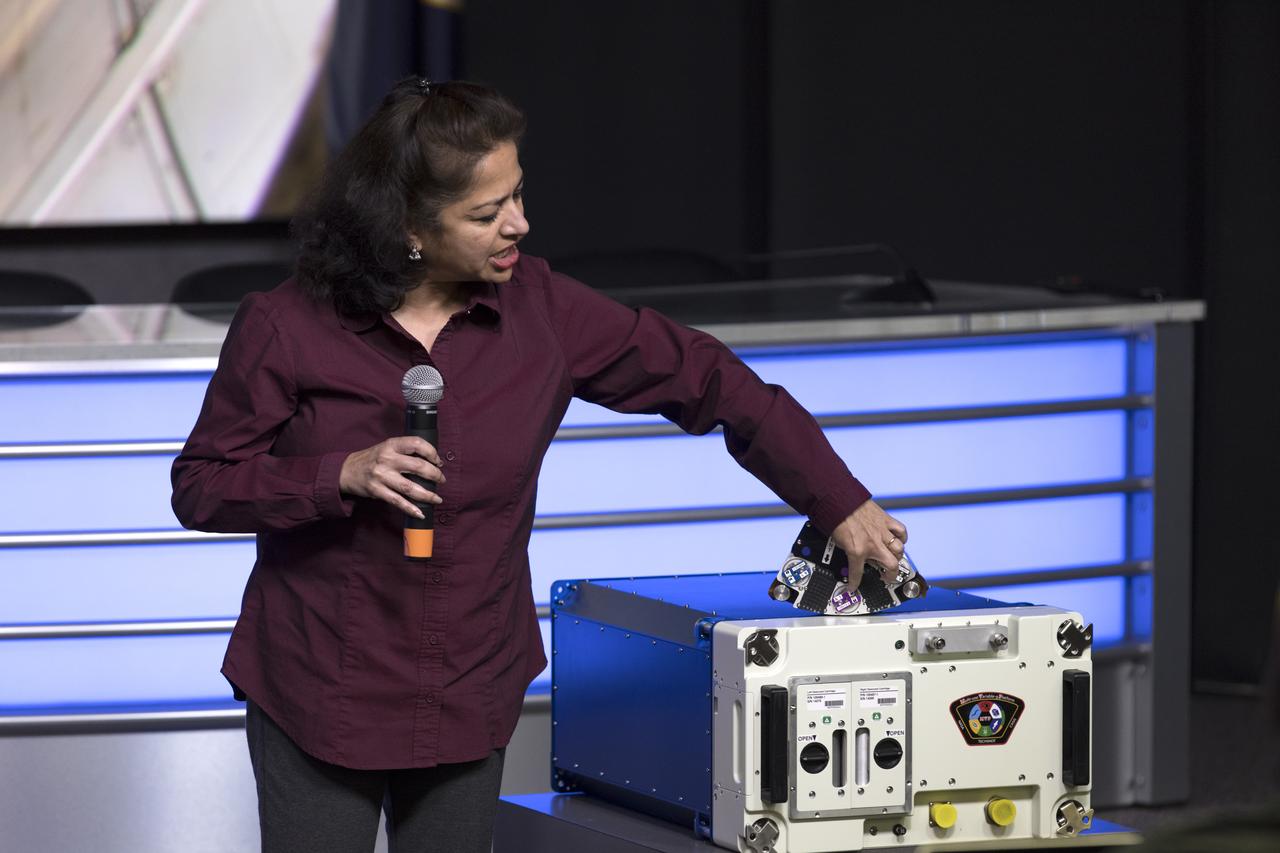
Sharmila Bhattacharya, a senior scientist at NASA's Ames Research Center, discusses the Multi-purpose Variable-g Platform, developed, owned and operated by Techshot. The new test bed will be able to host six separate experiment modules with samples such as plants, cells, protein crystals and fruit flies. The test bed is one of the scientific investigations that will be aboard a Dragon spacecraft scheduled for liftoff from Cape Canaveral Air Force Station's Space Launch Complex 40 at 4:30 p.m. EST, on April 2, 2018. The SpaceX Falcon 9 rocket will launch the company's 14th Commercial Resupply Services mission to the space station.
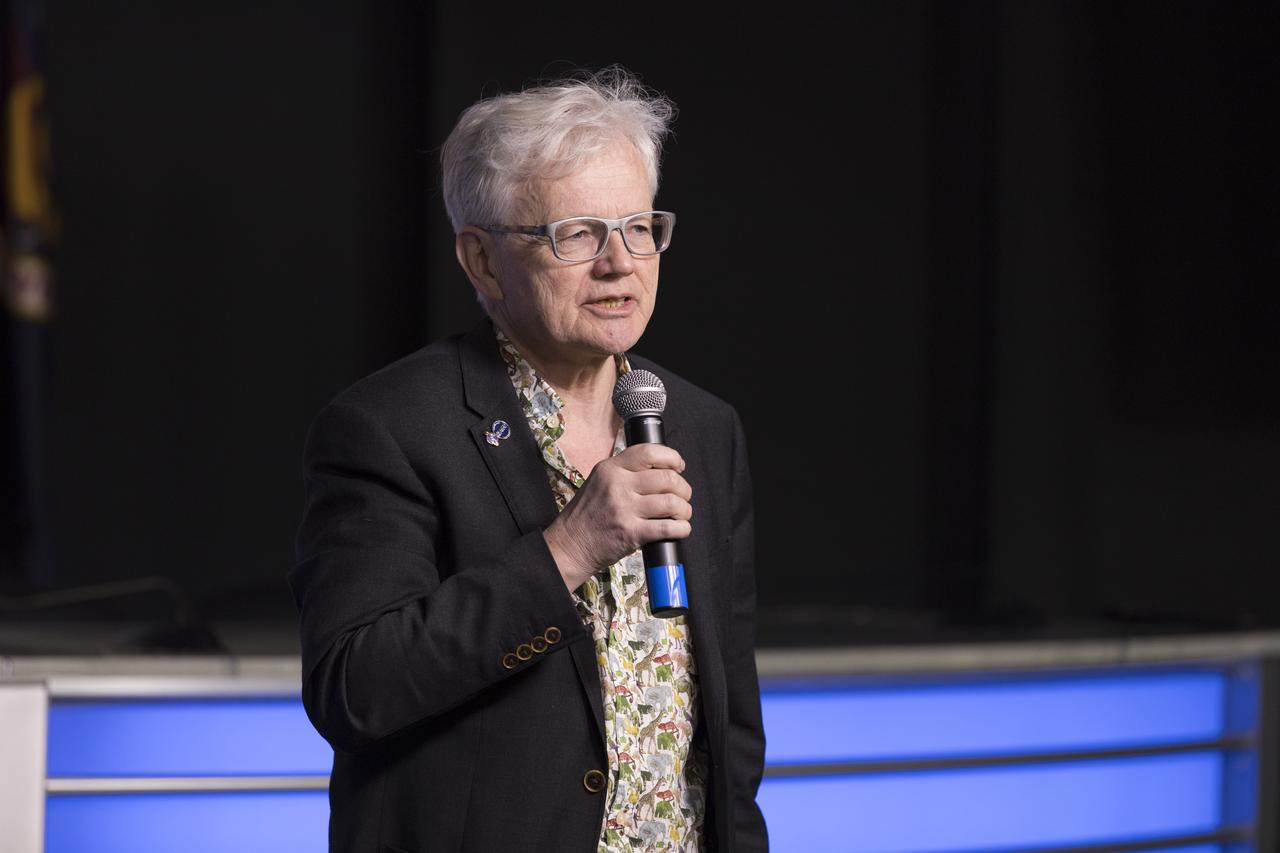
Torsten Neubert of the National Space Institute at the Technical University of Denmark, and principal investigator for the Atmosphere-Space Interactions Monitor, discusses how this Earth observatory will study severe thunderstorms and their role in the Earth's atmosphere and climate. This is one of the scientific investigations that will be aboard a Dragon spacecraft scheduled for liftoff from Cape Canaveral Air Force Station's Space Launch Complex 40 at 4:30 p.m. EST, on April 2, 2018. The SpaceX Falcon 9 rocket will launch the company's 14th Commercial Resupply Services mission to the space station.
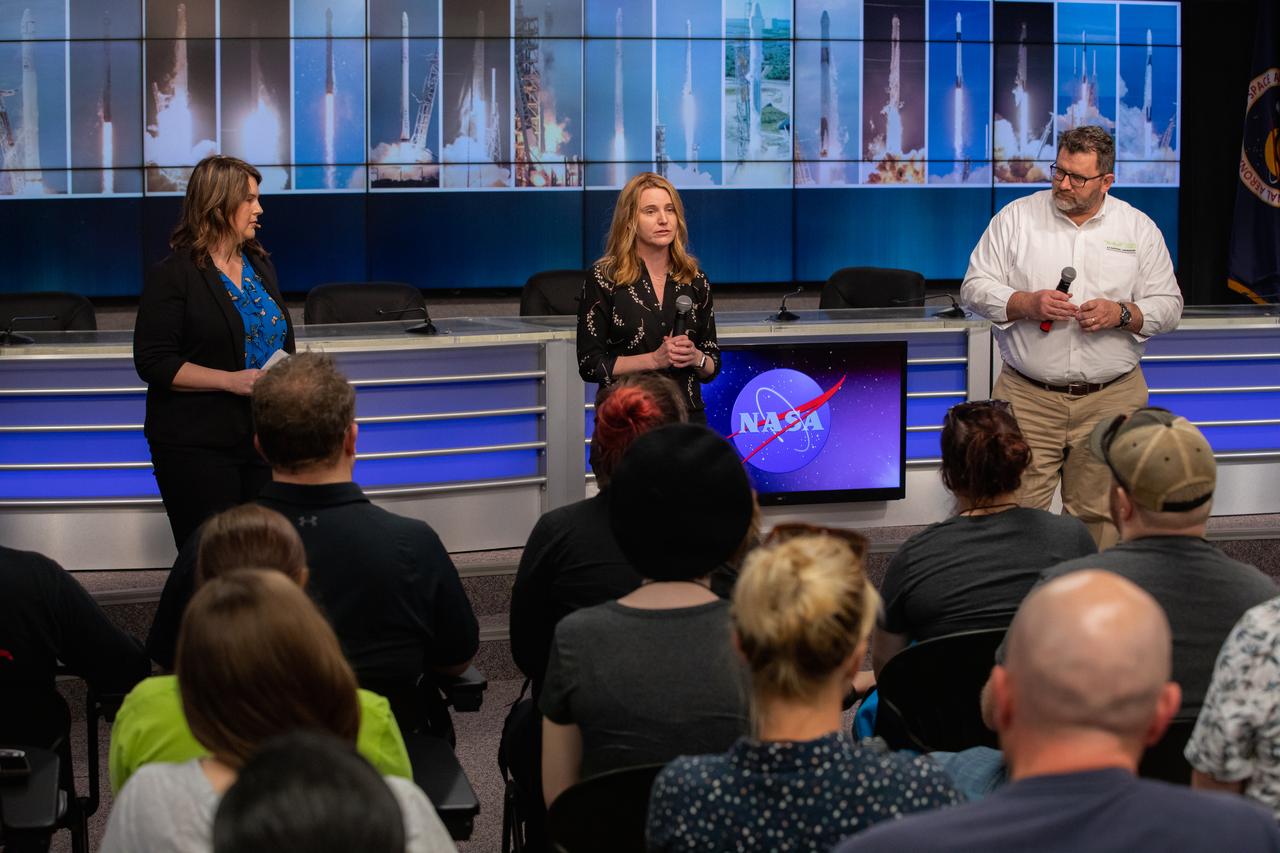
From left, NASA Communications’ Jennifer Wolfinger, briefing moderator; Jennifer Buchli, deputy chief scientist for NASA’s International Space Station Program Science Office; and Michael Roberts, interim chief scientist for the International Space Station U.S. National Laboratory, address NASA Social participants during a What’s on Board science briefing at the agency’s Kennedy Space Center in Florida on March 5, 2020. The briefing provided a closer look at some of the payloads launching on SpaceX’s 20th Commercial Resupply Services (CRS-20) mission to the International Space Station. The company’s Falcon 9 rocket is scheduled to lift off from Cape Canaveral Air Force Station’s Space Launch Complex 40 at 11:50 p.m. EST on March 6, 2020.
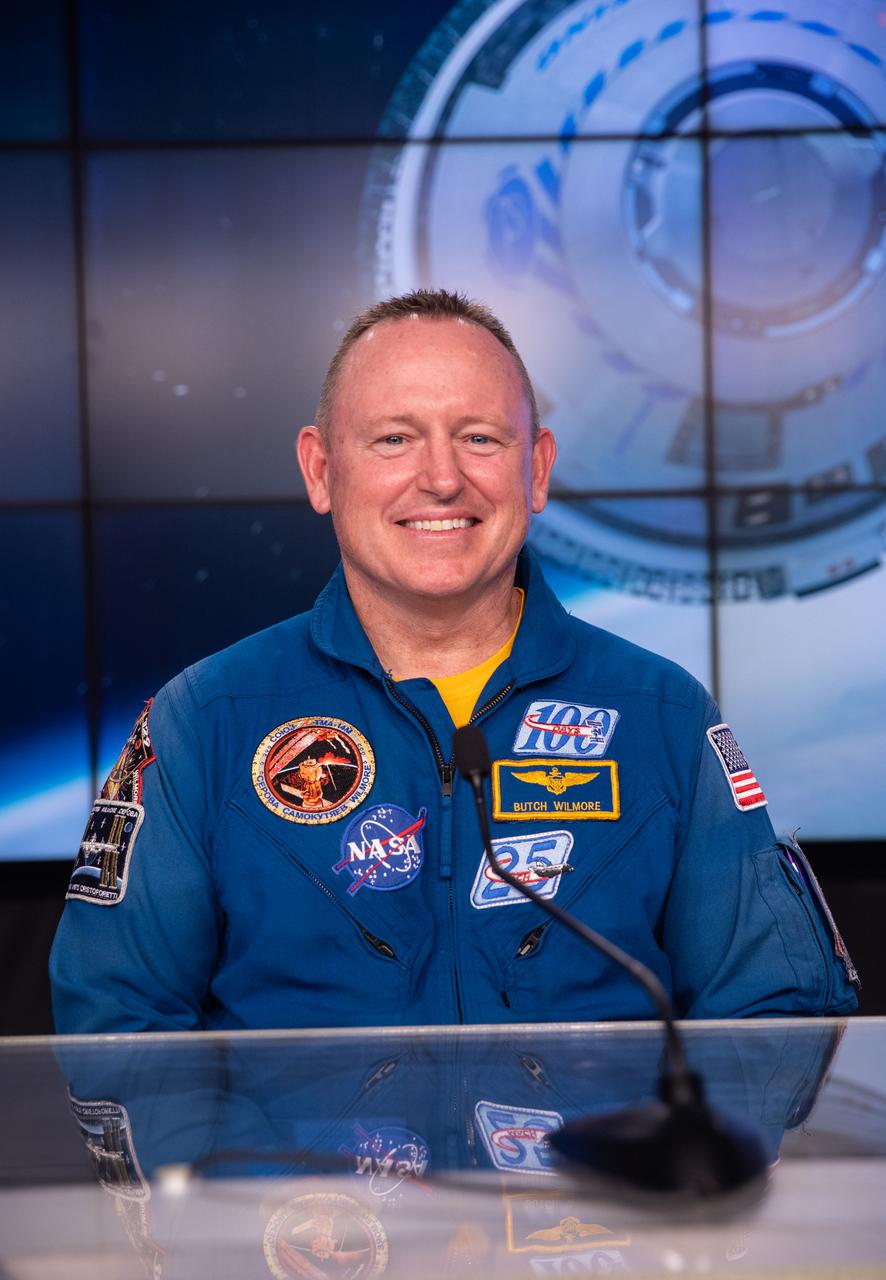
Barry “Butch” Wilmore, NASA astronaut, Crew Flight Test, participates in a crew and science media briefing ahead of Boeing’s Orbital Flight Test-2 (OFT-2) during a crew and science briefing at the agency’s Kennedy Space Center in Florida, July 29, 2021. Boeing’s CST-100 Starliner spacecraft will launch atop a United Launch Alliance Atlas V rocket from Space Launch Complex-41 at Cape Canaveral Space Force Station. The uncrewed OFT-2 will be the Starliner’s second flight for NASA’s Commercial Crew Program.

Jennifer Buchli, deputy chief scientist for NASA’s International Space Station Program Science Office, addresses NASA Social participants during a What’s on Board science briefing at the agency’s Kennedy Space Center in Florida on March 5, 2020. The briefing provided a closer look at some of the payloads launching on SpaceX’s 20th Commercial Resupply Services (CRS-20) mission to the International Space Station. The company’s Falcon 9 rocket is scheduled to lift off from Cape Canaveral Air Force Station’s Space Launch Complex 40 at 11:50 p.m. EST on March 6, 2020.
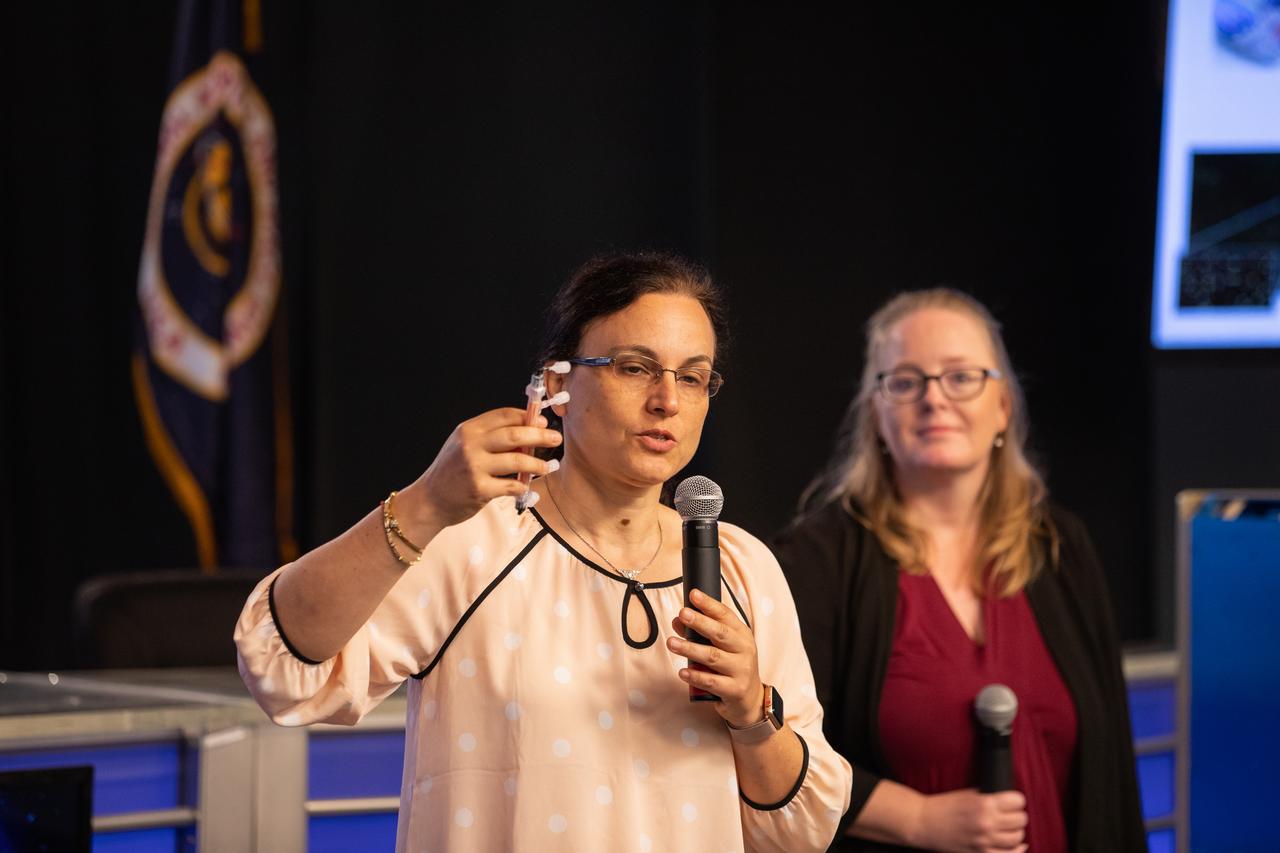
Rasha Hammamieh, Ph.D., left, the U.S. Army’s principal investigator for the Cell Science-02 investigation, and co-investigator Melissa Kacena, Ph.D., with the Indiana University School of Medicine, talk to NASA Social participants during a What’s On Board science briefing at the agency’s Kennedy Space Center in Florida on July 23, 2019. The briefing was held for SpaceX’s 18th Commercial Resupply Services (CRS-18) mission to the International Space Station. The SpaceX Falcon 9 rocket and uncrewed Dragon spacecraft are scheduled to launch July 24, 2019, from Space Launch Complex 40 at Florida’s Cape Canaveral Air Force Station.
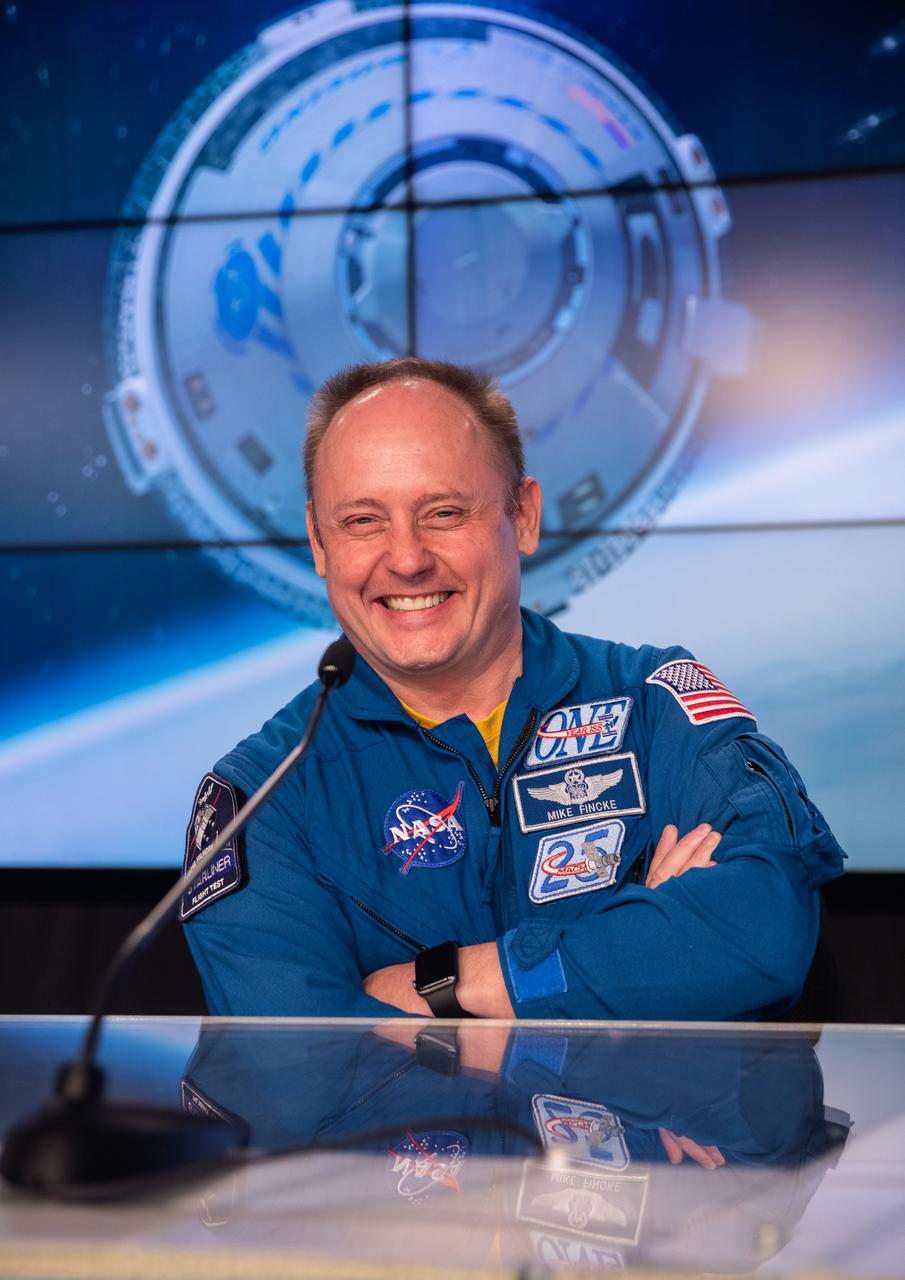
E. Michael “Mike” Fincke, NASA astronaut, Crew Flight Test, participates in a crew and science media briefing ahead of Boeing’s Orbital Flight Test-2 (OFT-2) during a crew and science briefing at the agency’s Kennedy Space Center in Florida, July 29, 2021. Boeing’s CST-100 Starliner spacecraft will launch atop a United Launch Alliance Atlas V rocket from Space Launch Complex-41 at Cape Canaveral Space Force Station. The uncrewed OFT-2 will be the Starliner’s second flight for NASA’s Commercial Crew Program.
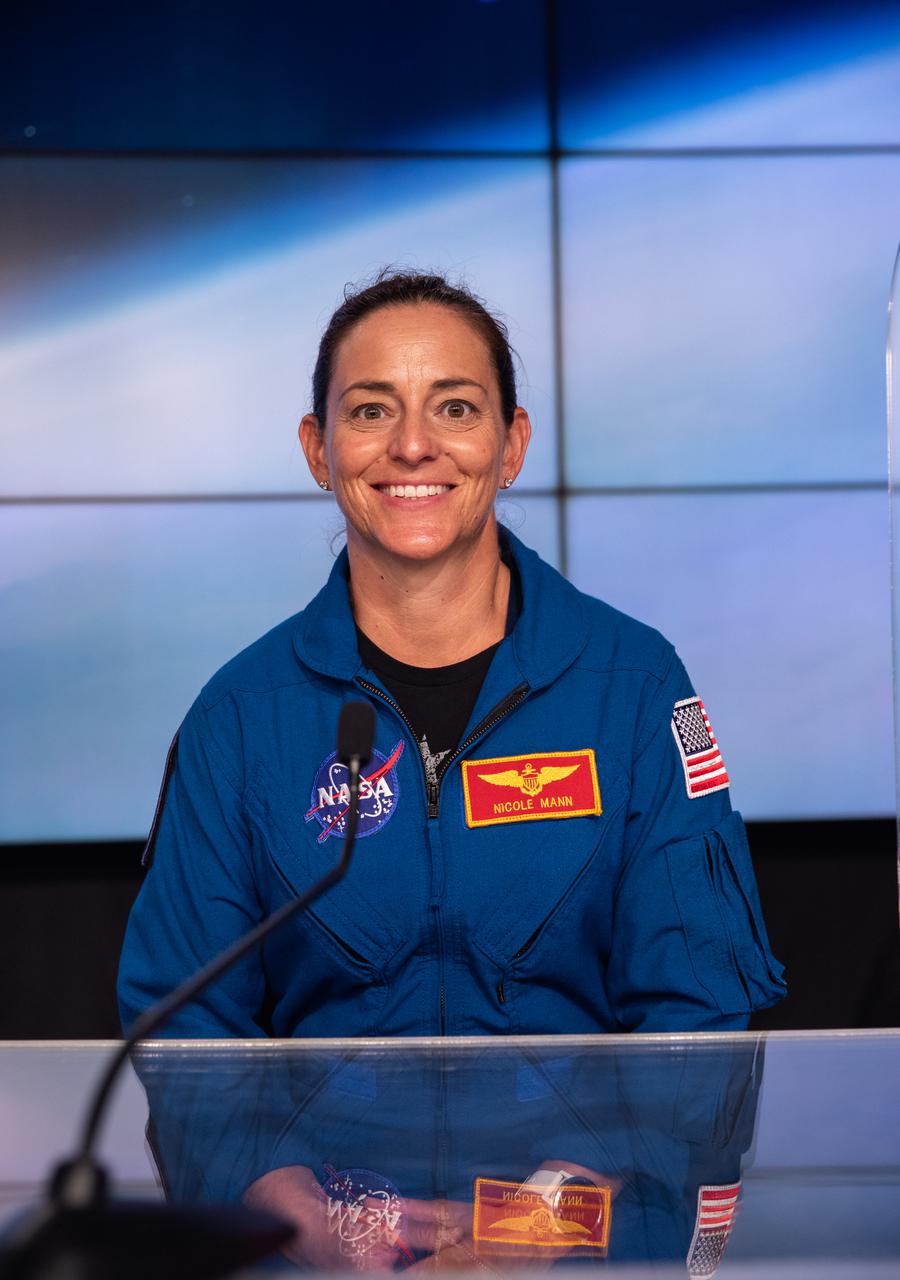
Nicole Mann, NASA astronaut, Crew Flight Test, participates in a crew and science media briefing ahead of Boeing’s Orbital Flight Test-2 (OFT-2) during a crew and science briefing at the agency’s Kennedy Space Center in Florida, July 29, 2021. Boeing’s CST-100 Starliner spacecraft will launch atop a United Launch Alliance Atlas V rocket from Space Launch Complex-41 at Cape Canaveral Space Force Station. The uncrewed OFT-2 will be the Starliner’s second flight for NASA’s Commercial Crew Program.
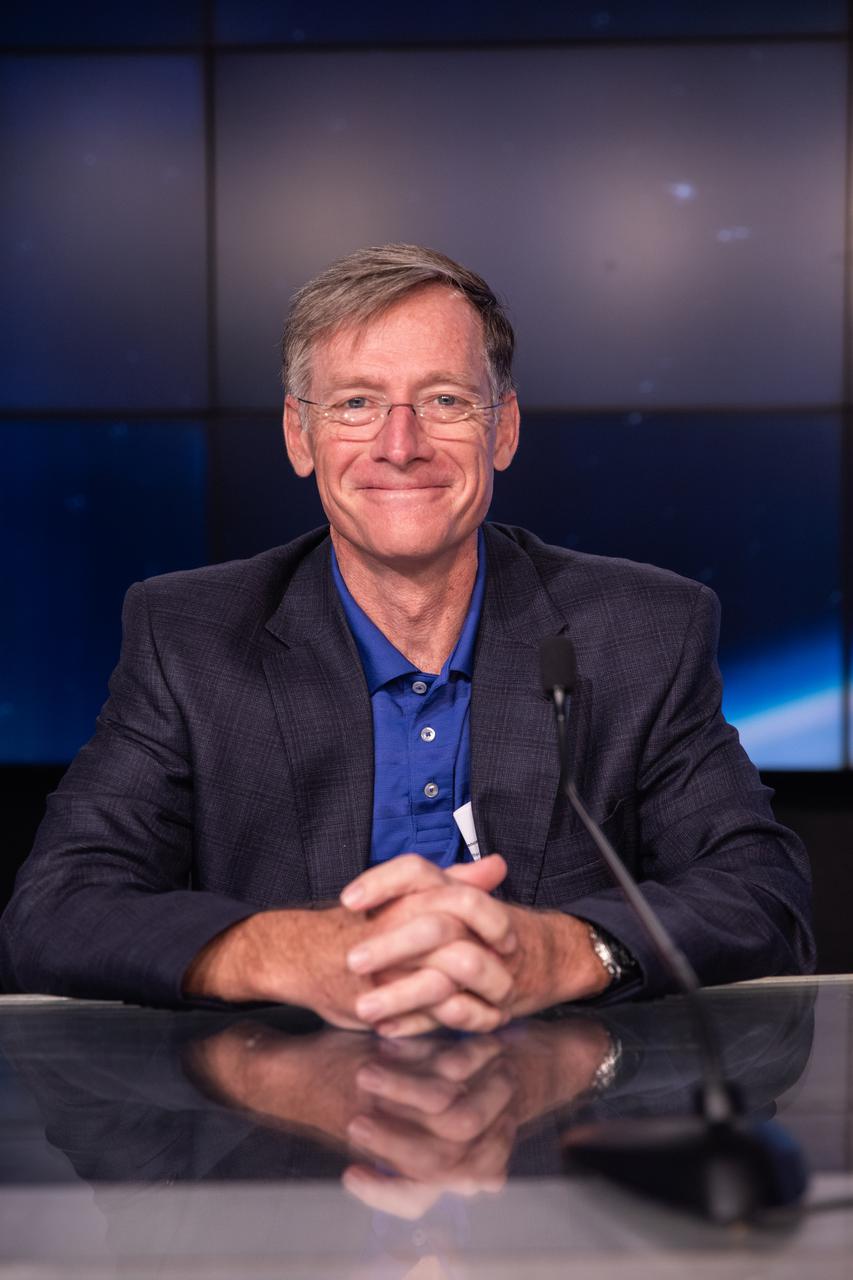
Chris Ferguson, director, Starliner Mission Operations and Integration/Crew Systems, participates in a crew and science media briefing ahead of Boeing’s Orbital Flight Test-2 (OFT-2) during a crew and science briefing at the agency’s Kennedy Space Center in Florida, July 29, 2021. Boeing’s CST-100 Starliner spacecraft will launch atop a United Launch Alliance Atlas V rocket from Space Launch Complex-41 at Cape Canaveral Space Force Station. The uncrewed OFT-2 will be the Starliner’s second flight for NASA’s Commercial Crew Program.
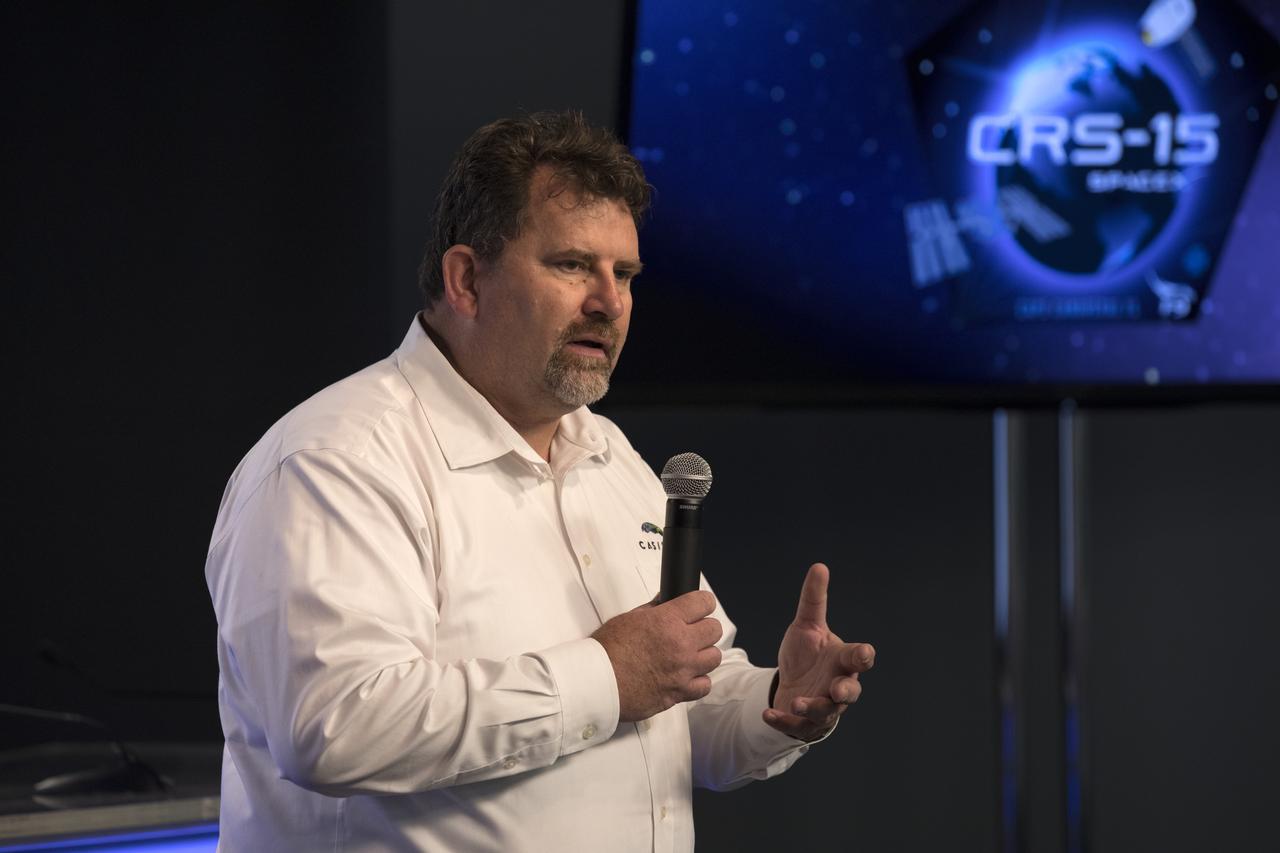
Mike Roberts, deputy chief scientist, Center for the Advancement of Science in Space (CASIS), speaks to members of the media during a briefing in the Kennedy Space Center’s Press Site auditorium. The briefing focused on research planned for launch to the International Space Station. The scientific materials and supplies will be aboard a SpaceX Dragon spacecraft scheduled for liftoff from Cape Canaveral Air Force Station's Space Launch Complex 40. The SpaceX Falcon 9 rocket will launch the company's 15th Commercial Resupply Services mission to the space station.
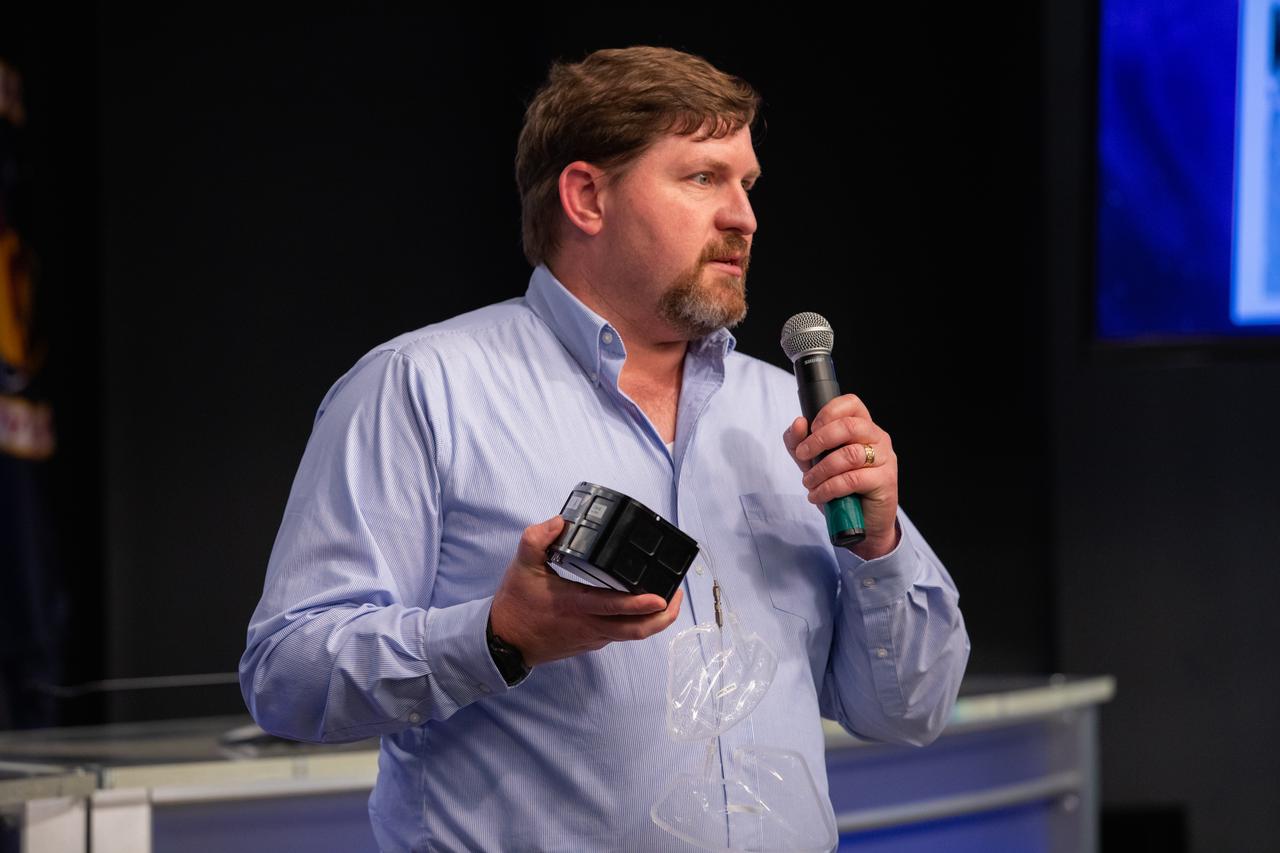
Gene Boland, chief scientist of Techshot, addresses NASA Social participants during a What’s on Board science briefing at the agency’s Kennedy Space Center in Florida on March 5, 2020. The briefing provided a closer look at some of the payloads launching on SpaceX’s 20th Commercial Resupply Services (CRS-20) mission to the International Space Station. The company’s Falcon 9 rocket is scheduled to lift off from Cape Canaveral Air Force Station’s Space Launch Complex 40 at 11:50 p.m. EST on March 6, 2020.
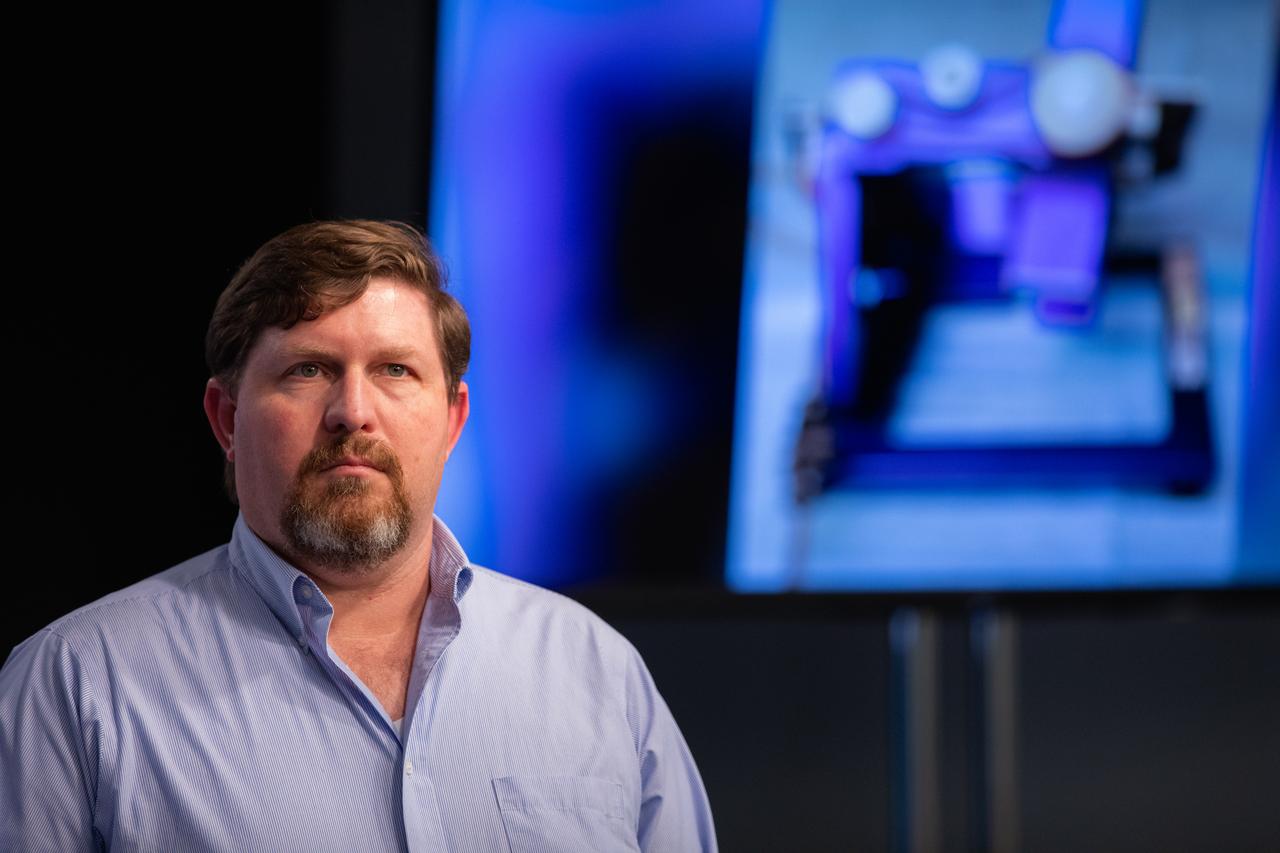
Gene Boland, chief scientist of Techshot, participates in a What’s on Board science briefing at NASA’s Kennedy Space Center in Florida on March 5, 2020. The briefing provided a closer look at some of the payloads launching on SpaceX’s 20th Commercial Resupply Services (CRS-20) mission to the International Space Station. The company’s Falcon 9 rocket is scheduled to lift off from Cape Canaveral Air Force Station’s Space Launch Complex 40 at 11:50 p.m. EST on March 6, 2020.
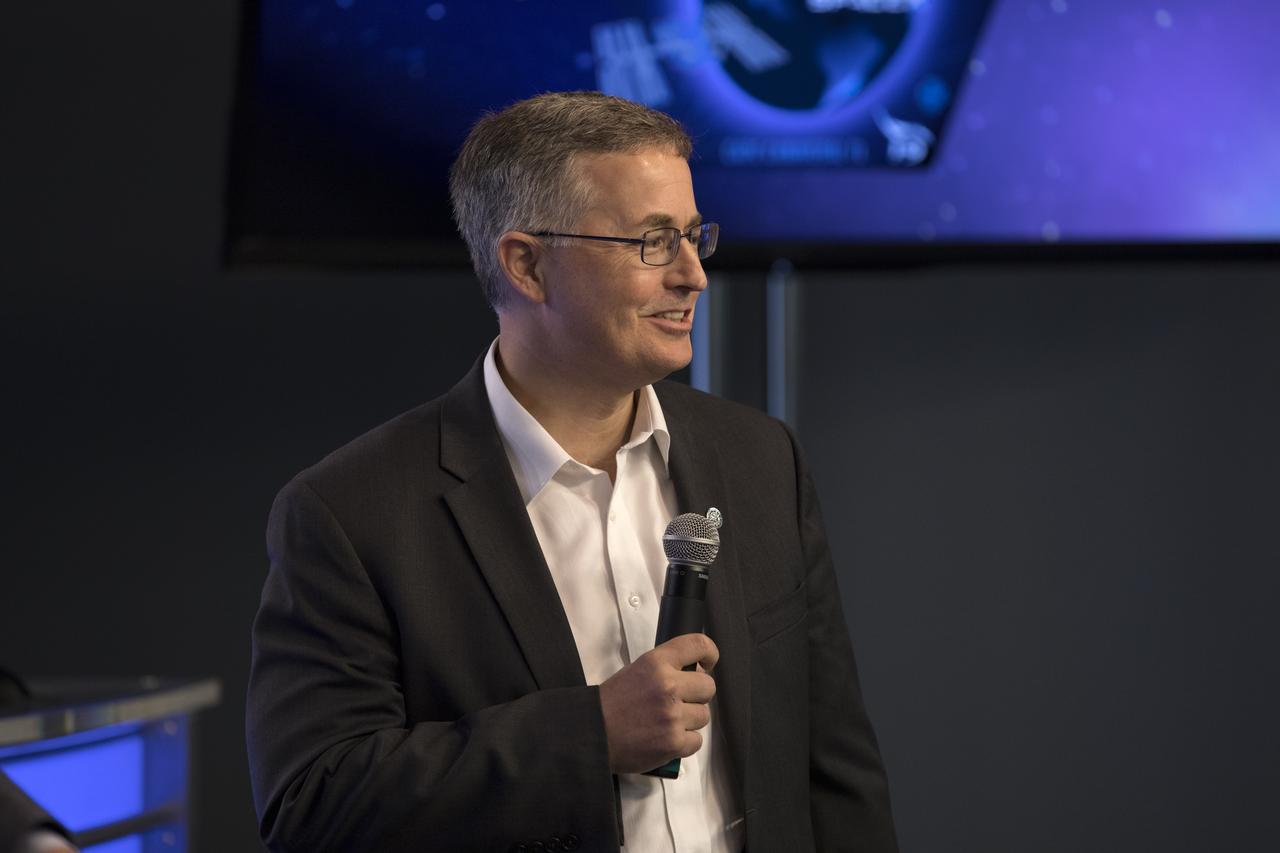
Richard Dickinson, division director, CBET, National Science Foundation, talks to members of the media during a briefing in the Kennedy Space Center’s Press Site auditorium. The briefing focused on research planned for launch to the International Space Station. The scientific materials and supplies will be aboard a SpaceX Dragon spacecraft scheduled for liftoff from Cape Canaveral Air Force Station's Space Launch Complex 40. The SpaceX Falcon 9 rocket will launch the company's 15th Commercial Resupply Services mission to the space station.
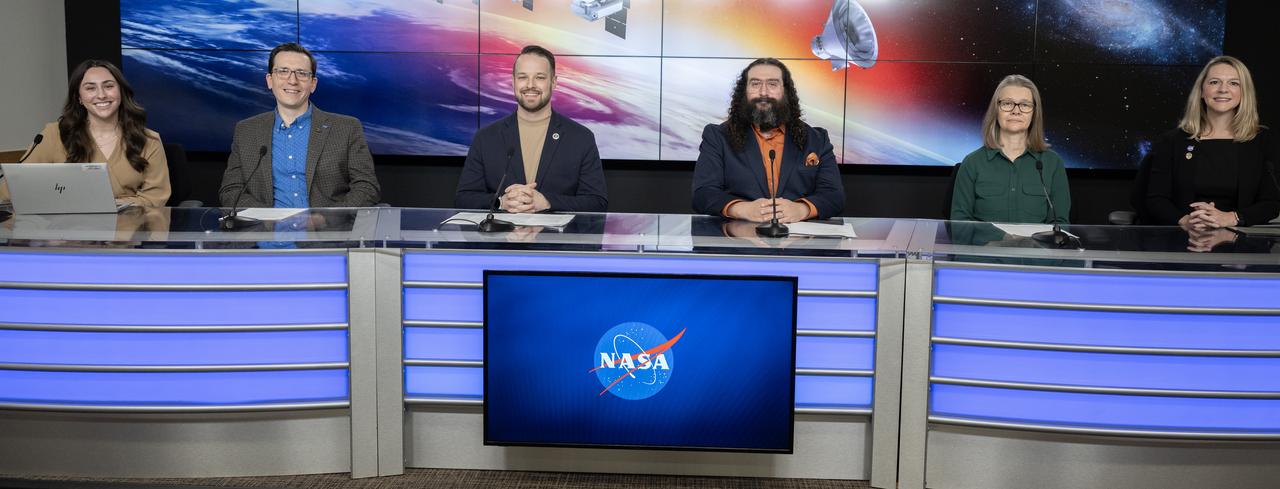
NASA and Caltech participate in a science briefing on Tuesday, Feb. 25, 2025, to discuss the upcoming launch of NASA’s SPHEREx (Spectro-Photometer for the History of the Universe, Epoch of Reionization and Ices Explorer) observatory and PUNCH (Polarimeter to Unify the Corona and Heliosphere) satellites at Vandenberg Space Force Base in California. SPHEREx will use its telescope to provide an all-sky spectral survey, creating a 3D map of the entire sky to help scientists investigate the origins of our universe. PUNCH will study origins of the Sun’s outflow of material, or the solar wind, capturing continuous 3D images of the Sun’s corona and the solar wind’s journey into the solar system.

Alise Fischer, communications, NASA Headquarters participates in a science briefing on Tuesday, Feb. 25, 2025, to discuss the upcoming launch of NASA’s SPHEREx (Spectro-Photometer for the History of the Universe, Epoch of Reionization and Ices Explorer) observatory and PUNCH (Polarimeter to Unify the Corona and Heliosphere) satellites at Vandenberg Space Force Base in California. SPHEREx will use its telescope to provide an all-sky spectral survey, creating a 3D map of the entire sky to help scientists investigate the origins of our universe. PUNCH will study origins of the Sun’s outflow of material, or the solar wind, capturing continuous 3D images of the Sun’s corona and the solar wind’s journey into the solar system.

Phil Korngut, SPHEREx instrument scientist, Caltech, participates in a science briefing on Tuesday, Feb. 25, 2025, to discuss the upcoming launch of NASA’s SPHEREx (Spectro-Photometer for the History of the Universe, Epoch of Reionization and Ices Explorer) observatory and PUNCH (Polarimeter to Unify the Corona and Heliosphere) satellites at Vandenberg Space Force Base in California. SPHEREx will use its telescope to provide an all-sky spectral survey, creating a 3D map of the entire sky to help scientists investigate the origins of our universe. PUNCH will study origins of the Sun’s outflow of material, or the solar wind, capturing continuous 3D images of the Sun’s corona and the solar wind’s journey into the solar system.
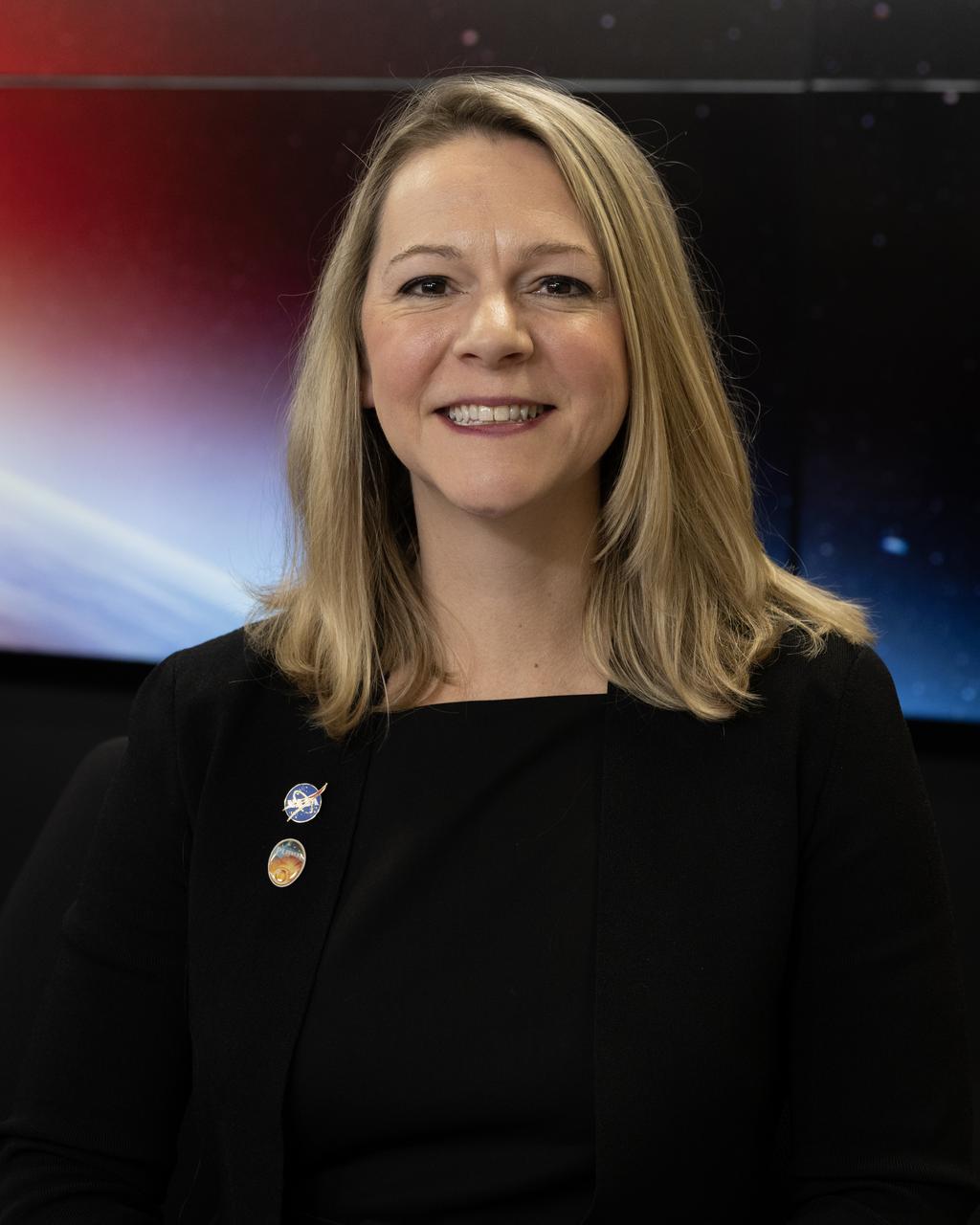
Nicholeen Viall, PUNCH Mission Scientist, NASA’s Goddard Flight Center, participates in a science briefing on Tuesday, Feb. 25, 2025, to discuss the upcoming launch of NASA’s SPHEREx (Spectro-Photometer for the History of the Universe, Epoch of Reionization and Ices Explorer) observatory and PUNCH (Polarimeter to Unify the Corona and Heliosphere) satellites at Vandenberg Space Force Base in California. SPHEREx will use its telescope to provide an all-sky spectral survey, creating a 3D map of the entire sky to help scientists investigate the origins of our universe. PUNCH will study origins of the Sun’s outflow of material, or the solar wind, capturing continuous 3D images of the Sun’s corona and the solar wind’s journey into the solar system.
Joe Westlake, director, Heliophysics Division, NASA Headquarters, participates in a science briefing on Tuesday, Feb. 25, 2025, to discuss the upcoming launch of NASA’s SPHEREx (Spectro-Photometer for the History of the Universe, Epoch of Reionization and Ices Explorer) observatory and PUNCH (Polarimeter to Unify the Corona and Heliosphere) satellites at Vandenberg Space Force Base in California. SPHEREx will use its telescope to provide an all-sky spectral survey, creating a 3D map of the entire sky to help scientists investigate the origins of our universe. PUNCH will study origins of the Sun’s outflow of material, or the solar wind, capturing continuous 3D images of the Sun’s corona and the solar wind’s journey into the solar system.

Shawn Domagal-Goldman, acting director, Astrophysics Division, NASA Headquarters, participates in a science briefing on Tuesday, Feb. 25, 2025, to discuss the upcoming launch of NASA’s SPHEREx (Spectro-Photometer for the History of the Universe, Epoch of Reionization and Ices Explorer) observatory and PUNCH (Polarimeter to Unify the Corona and Heliosphere) satellites at Vandenberg Space Force Base in California. SPHEREx will use its telescope to provide an all-sky spectral survey, creating a 3D map of the entire sky to help scientists investigate the origins of our universe. PUNCH will study origins of the Sun’s outflow of material, or the solar wind, capturing continuous 3D images of the Sun’s corona and the solar wind’s journey into the solar system.
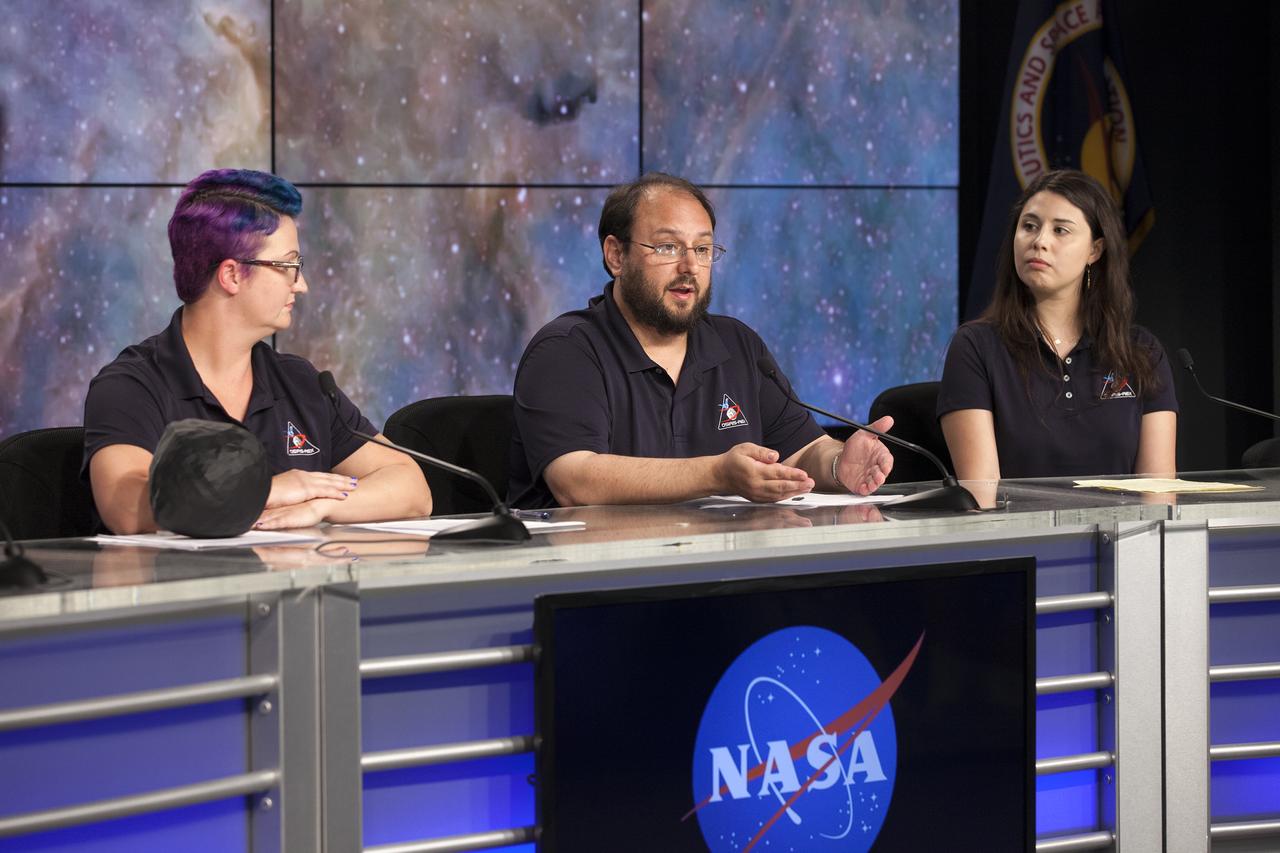
In the Kennedy Space Center’s Press Site auditorium, members of the media participate in a briefing on science experiments involved in NASA’s Origins, Spectral Interpretation, Resource Identification, Security-Regolith Explorer, or OSIRIS-REx spacecraft. From left are: Christina Richey, OSIRIS-REx deputy program scientist at NASA Headquarters in Washington; Jason Dworkin, OSIRIS-REx project scientist at NASA’s Goddard Space Flight Center in Greenbelt, Maryland; Daniella DellaGiustina, OSIRIS-REx lead image processing scientist at the University of Arizona, Tucson.
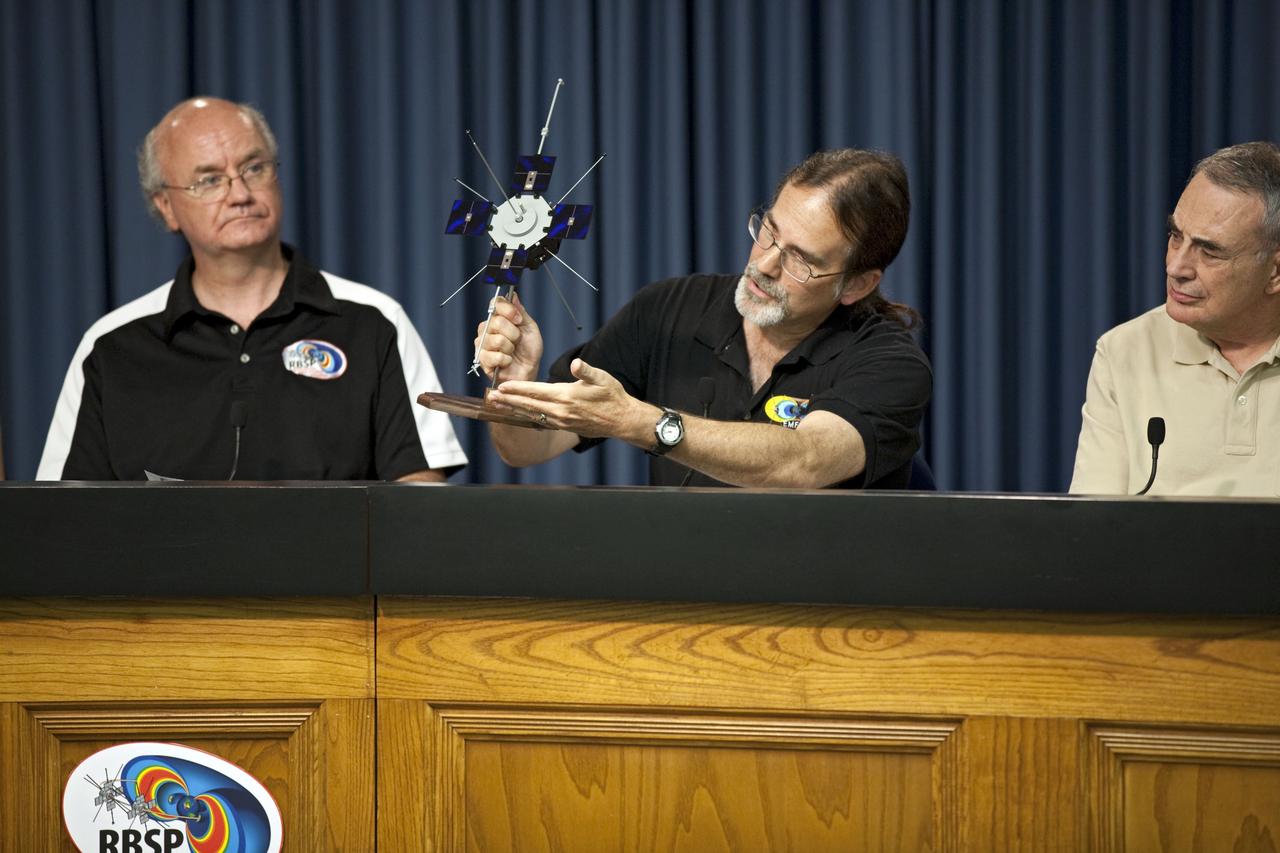
CAPE CANAVERAL, Fla. - During a mission science briefing for the Radiation Belt Storm Probes, or RBSP, mission at NASA Kennedy Space Center’s Press Site in Florida, Craig Kletzing, a principal investigator from the University of Iowa, answers questions and displays a scale model of the twin probes. To the left, is Harlan Spence, principal investigator with the University of New Hampshire. To the right, is Lou Lanzerotti, principal investigator with the New Jersey Institute of Technology. NASA’s RBSP mission will help us understand the sun’s influence on Earth and near-Earth space by studying the Earth’s radiation belts on various scales of space and time. RBSP will begin its mission of exploration of Earth’s Van Allen radiation belts and the extremes of space weather after its launch aboard an Atlas V rocket. Launch is targeted for Aug. 24. For more information, visit http://www.nasa.gov/rbsp. Photo credit: NASA/Glenn Benson

Chunhui Xu, associate professor at Emory University School of Medicine and principal investigator for the Generation of Cardiomyocytes from Induced Pluripotent Stem Cells experiment, addresses NASA Social participants during a What’s on Board science briefing at the agency’s Kennedy Space Center in Florida on March 5, 2020. The briefing provided a closer look at some of the payloads launching on SpaceX’s 20th Commercial Resupply Services (CRS-20) mission to the International Space Station. The company’s Falcon 9 rocket is scheduled to lift off from Cape Canaveral Air Force Station’s Space Launch Complex 40 at 11:50 p.m. EST on March 6, 2020.
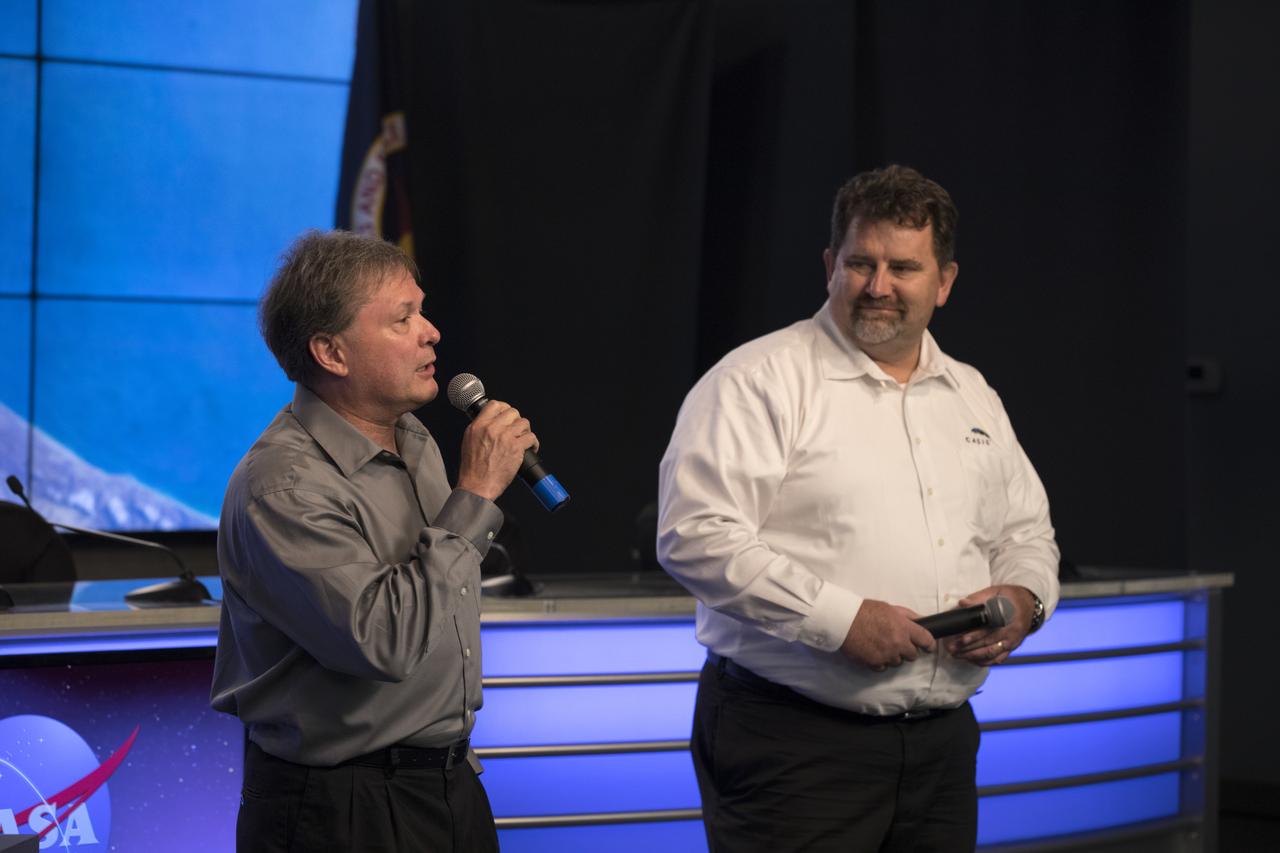
David Brady, assistant program scientist for the International Space Station Program at NASA’s Johnson Space Center left, speaks to members of the media during a briefing in the Kennedy Space Center’s Press Site auditorium. At right is Mike Roberts, deputy chief scientist, Center for the Advancement of Science in Space (CASIS). The briefing focused on research planned for launch to the International Space Station. The scientific materials and supplies will be aboard a SpaceX Dragon spacecraft scheduled for liftoff from Cape Canaveral Air Force Station's Space Launch Complex 40. The SpaceX Falcon 9 rocket will launch the company's 15th Commercial Resupply Services mission to the space station.
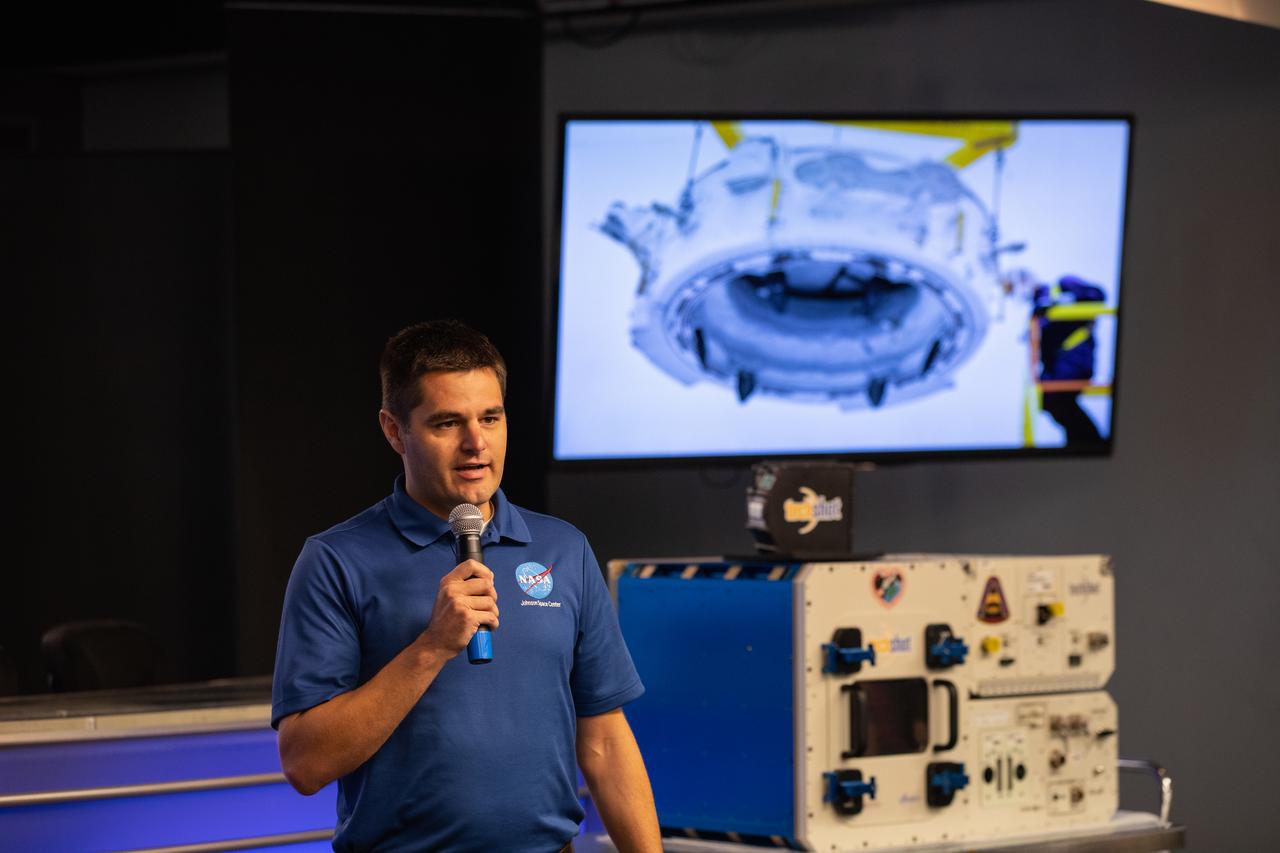
Jason August, International Space Station Mission Evaluation Room manager, talks to NASA Social participants about the International Docking Adapter-3 payload during a What’s On Board science briefing at the agency’s Kennedy Space Center in Florida on July 23, 2019. The briefing was held for SpaceX’s 18th Commercial Resupply Services (CRS-18) mission to the station. The SpaceX Falcon 9 rocket and uncrewed Dragon spacecraft are scheduled to launch July 24, 2019, from Space Launch Complex 40 at Florida’s Cape Canaveral Air Force Station.