
Guests ask questions following presentations by NASA Science Mission Directorate Program Executive Rosa Avalos-Warren and NASA Science Mission Directorate Astrophysicist Dominic Bedford during the Library of Congress National Book Festival Saturday, Aug. 24, 2024, at the Walter E. Washington Convention Center in Washington. Photo Credit: (NASA/Keegan Barber)
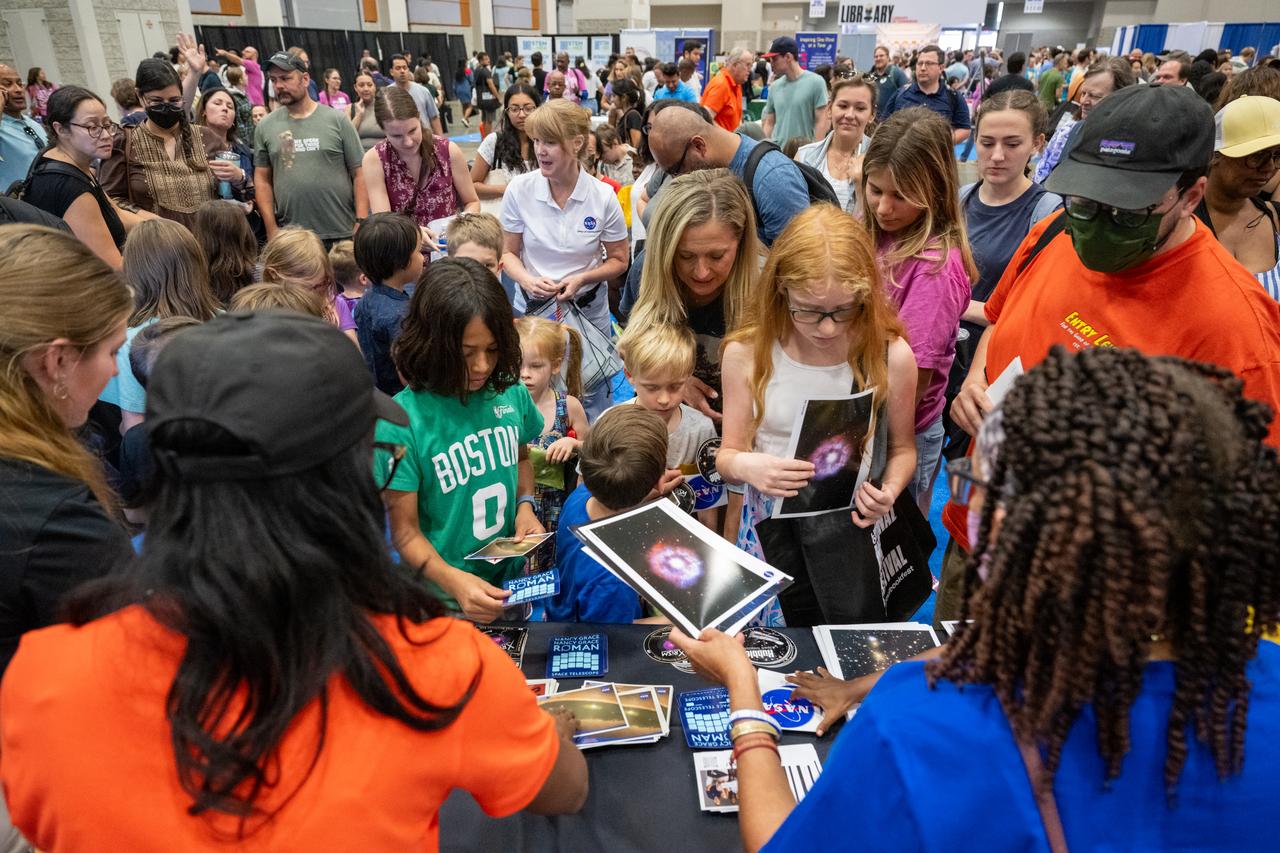
Guests receive educational materials following presentations by NASA Science Mission Directorate Program Executive Rosa Avalos-Warren and NASA Science Mission Directorate Astrophysicist Dominic Bedford during the Library of Congress National Book Festival Saturday, Aug. 24, 2024, at the Walter E. Washington Convention Center in Washington. Photo Credit: (NASA/Keegan Barber)

Guests ask questions following presentations by NASA Science Mission Directorate Program Executive Rosa Avalos-Warren and NASA Science Mission Directorate Astrophysicist Dominic Bedford during the Library of Congress National Book Festival Saturday, Aug. 24, 2024, at the Walter E. Washington Convention Center in Washington. Photo Credit: (NASA/Keegan Barber)

Guests are seen during presentations by NASA Science Mission Directorate Program Executive Rosa Avalos-Warren and NASA Science Mission Directorate Astrophysicist Dominic Bedford during the Library of Congress National Book Festival Saturday, Aug. 24, 2024, at the Walter E. Washington Convention Center in Washington. Photo Credit: (NASA/Keegan Barber)

Guests ask questions following presentations by NASA Science Mission Directorate Program Executive Rosa Avalos-Warren and NASA Science Mission Directorate Astrophysicist Dominic Bedford during the Library of Congress National Book Festival Saturday, Aug. 24, 2024, at the Walter E. Washington Convention Center in Washington. Photo Credit: (NASA/Keegan Barber)
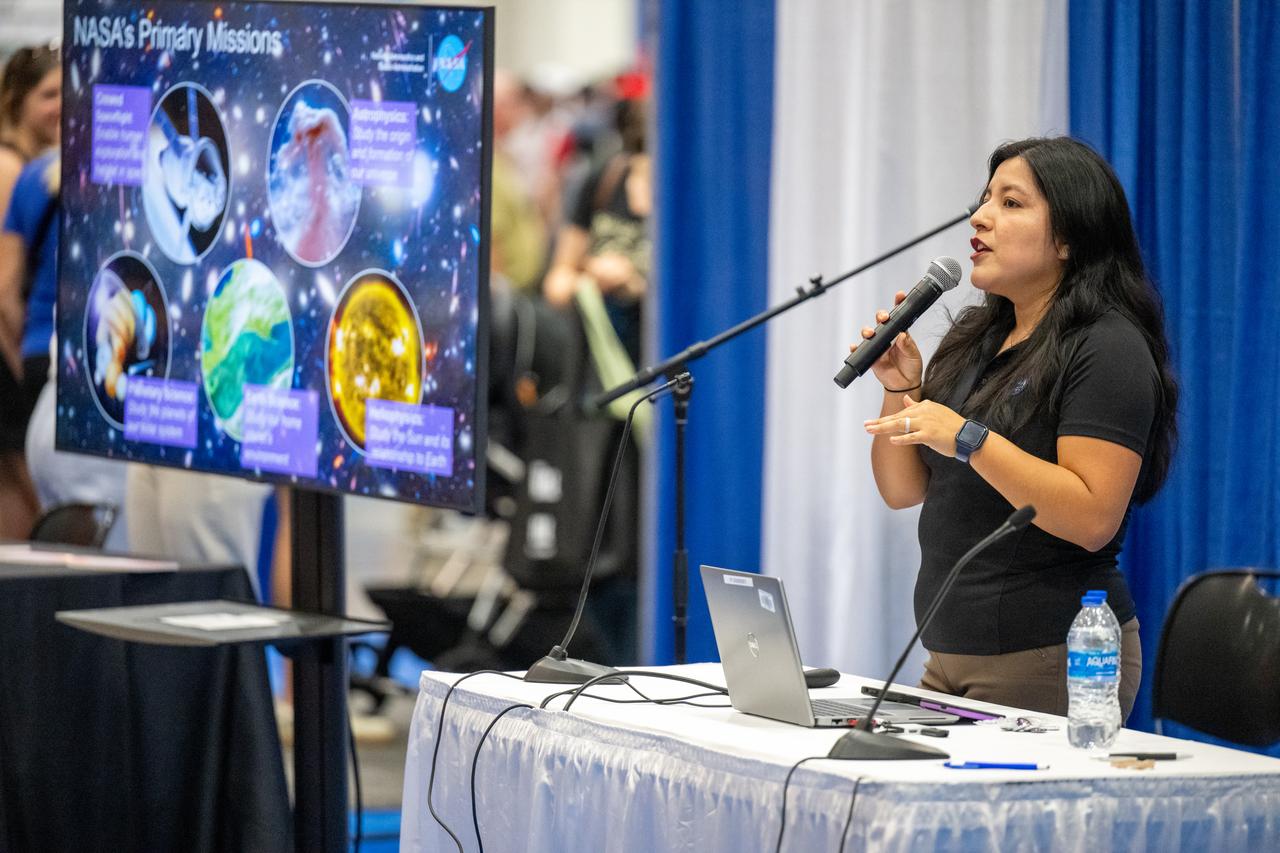
NASA Science Mission Directorate Program Executive Rosa Avalos-Warren delivers remarks during the Library of Congress National Book Festival Saturday, Aug. 24, 2024, at the Walter E. Washington Convention Center in Washington. Photo Credit: (NASA/Keegan Barber)
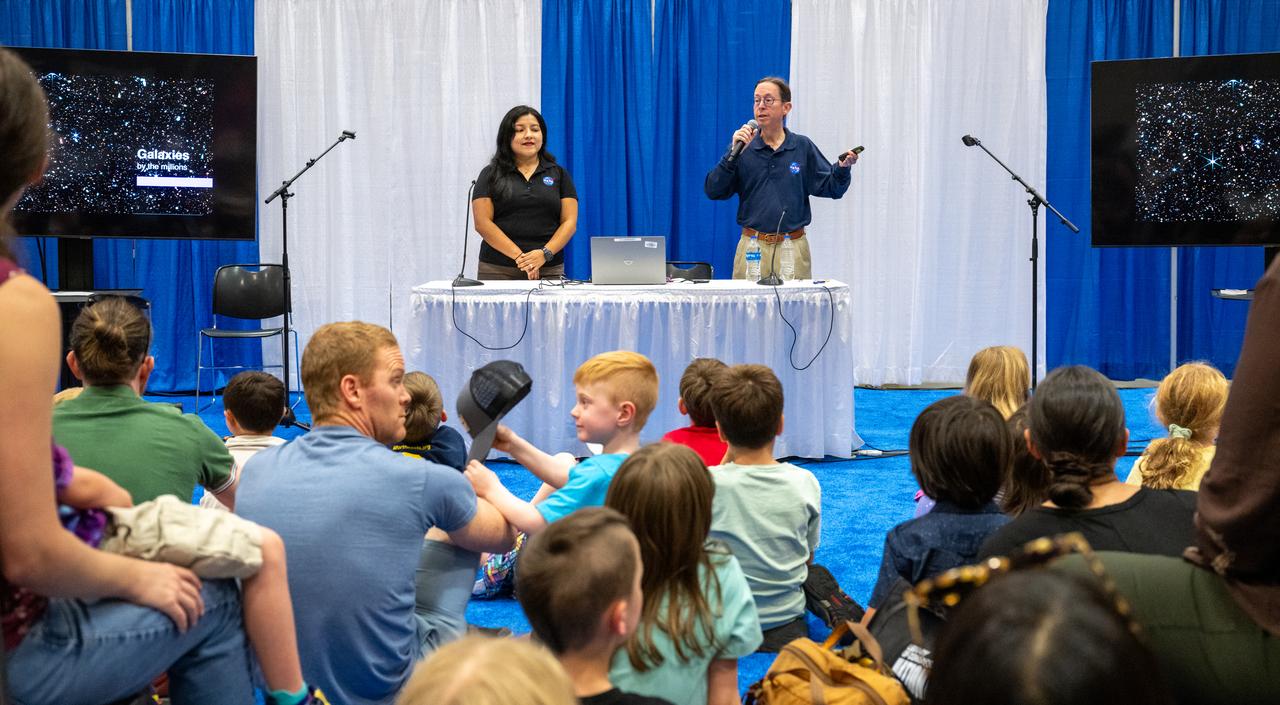
NASA Science Mission Directorate Astrophysicist Dominic Bedford, right, delivers remarks during the Library of Congress National Book Festival Saturday, Aug. 24, 2024, at the Walter E. Washington Convention Center in Washington. Photo Credit: (NASA/Keegan Barber)
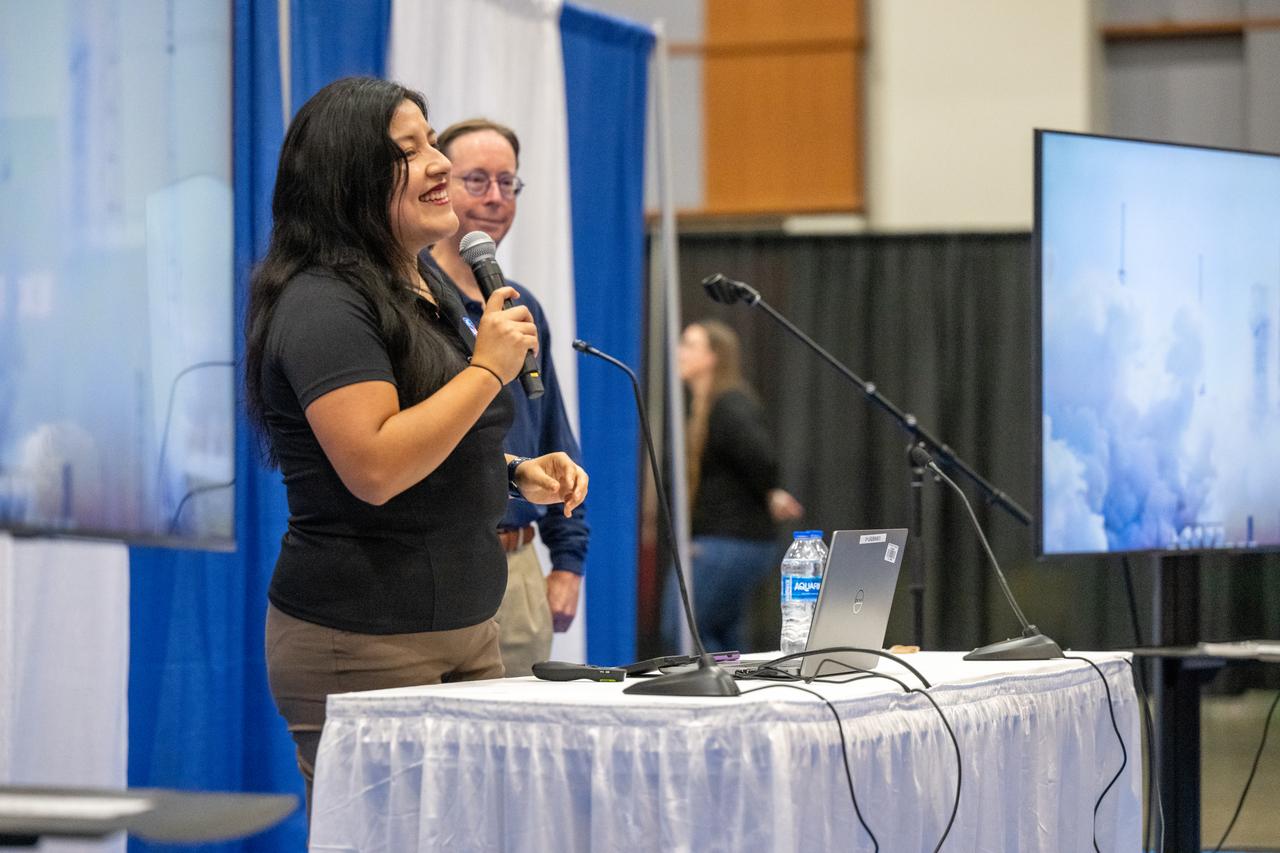
NASA Science Mission Directorate Program Executive Rosa Avalos-Warren delivers remarks during the Library of Congress National Book Festival Saturday, Aug. 24, 2024, at the Walter E. Washington Convention Center in Washington. Photo Credit: (NASA/Keegan Barber)
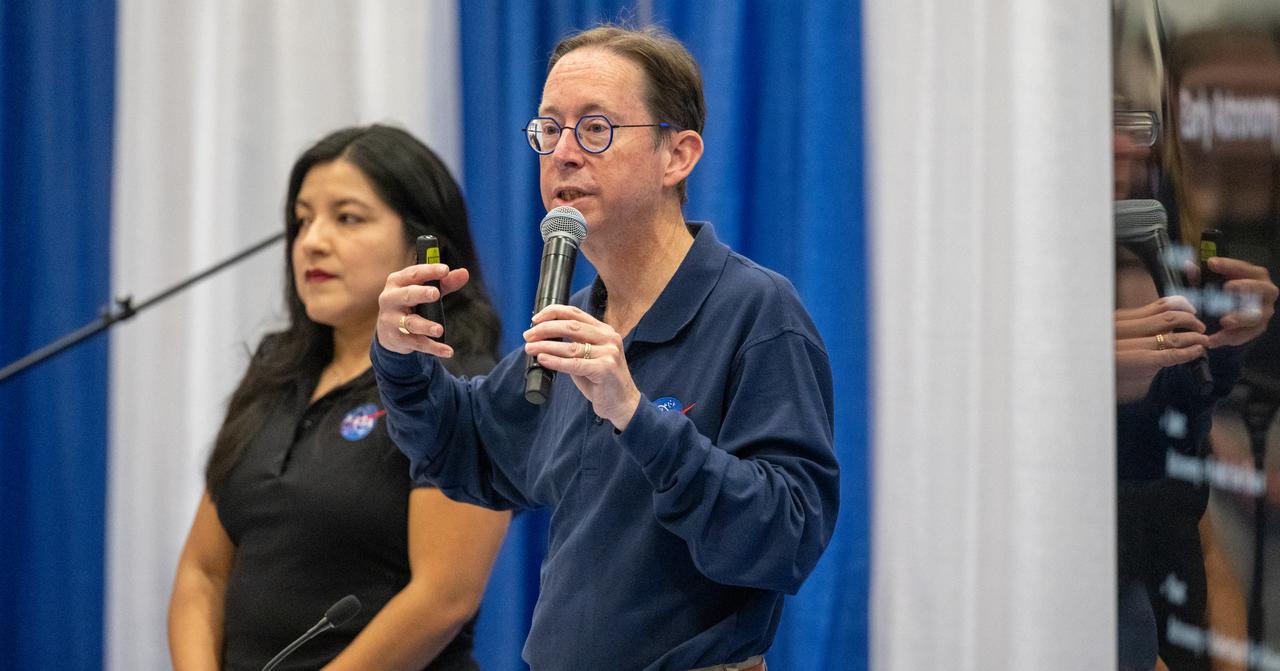
NASA Science Mission Directorate Astrophysicist Dominic Bedford, right, delivers remarks during the Library of Congress National Book Festival Saturday, Aug. 24, 2024, at the Walter E. Washington Convention Center in Washington. Photo Credit: (NASA/Keegan Barber)
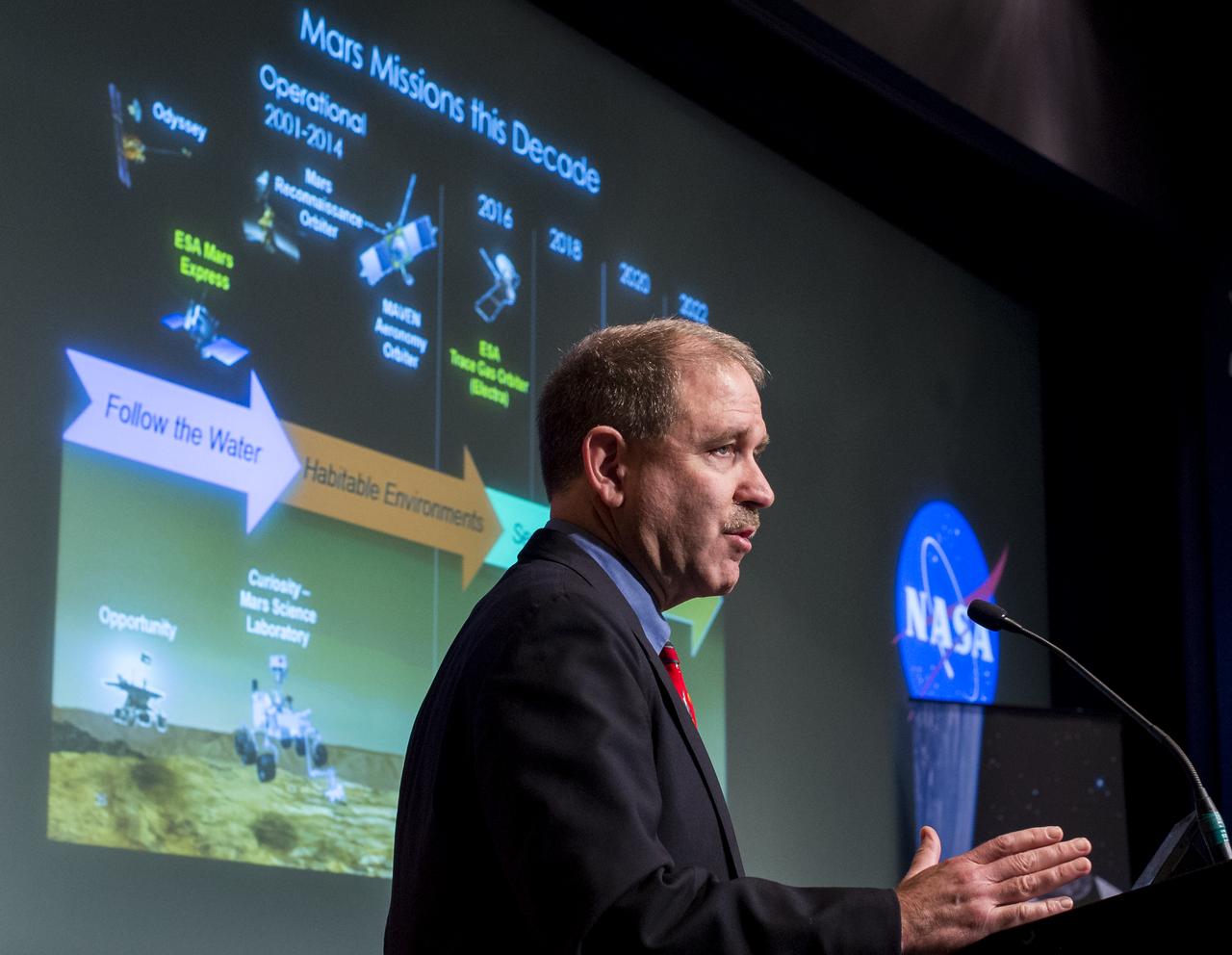
John Grunsfeld, NASA Associate Administrator for the Science Mission Directorate, speaks during an Exploration Forum showcasing NASA's human exploration path to Mars in the James E. Webb Auditorium at NASA Headquarters on Tuesday, April 29, 2014. Photo Credit: (NASA/Joel Kowsky)
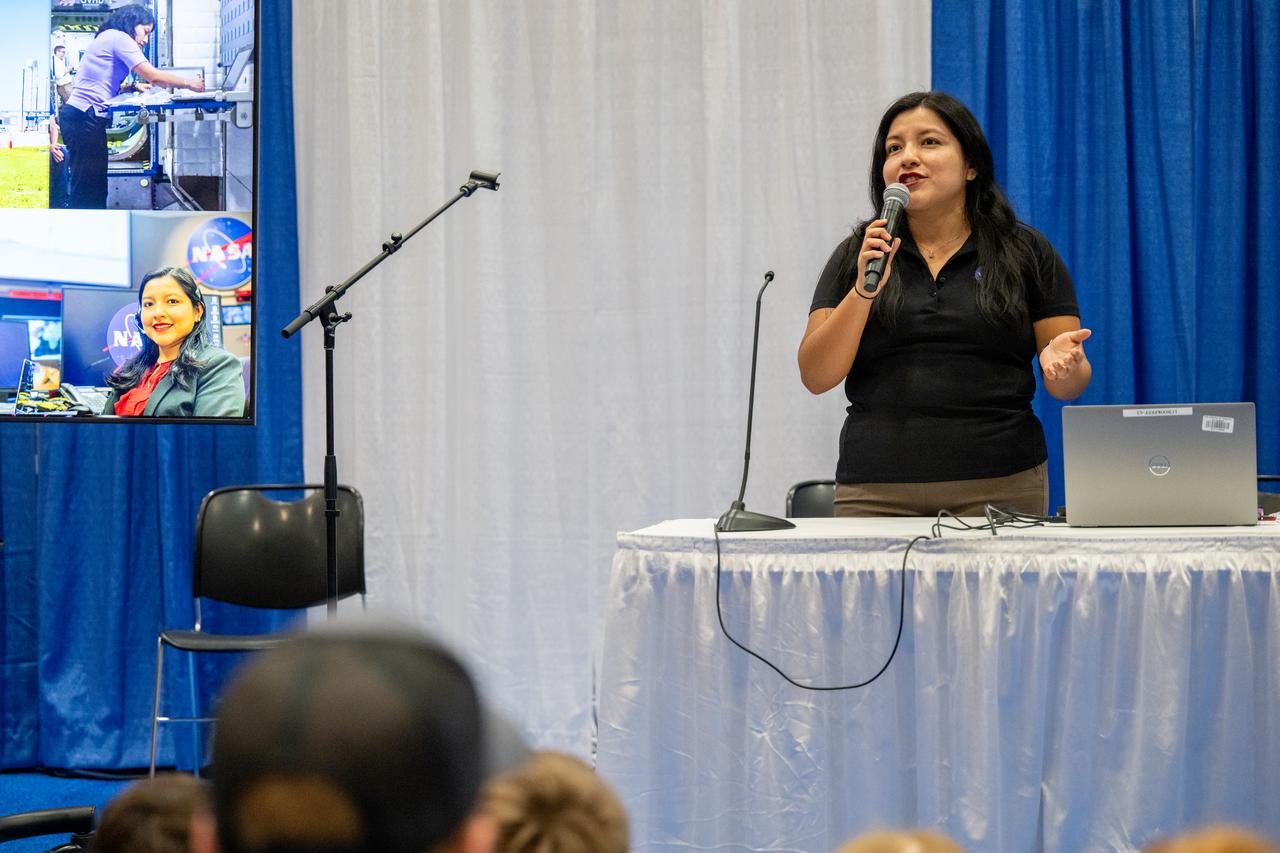
NASA Science Mission Directorate Program Executive Rosa Avalos-Warren delivers remarks during the Library of Congress National Book Festival Saturday, Aug. 24, 2024, at the Walter E. Washington Convention Center in Washington. Photo Credit: (NASA/Keegan Barber)
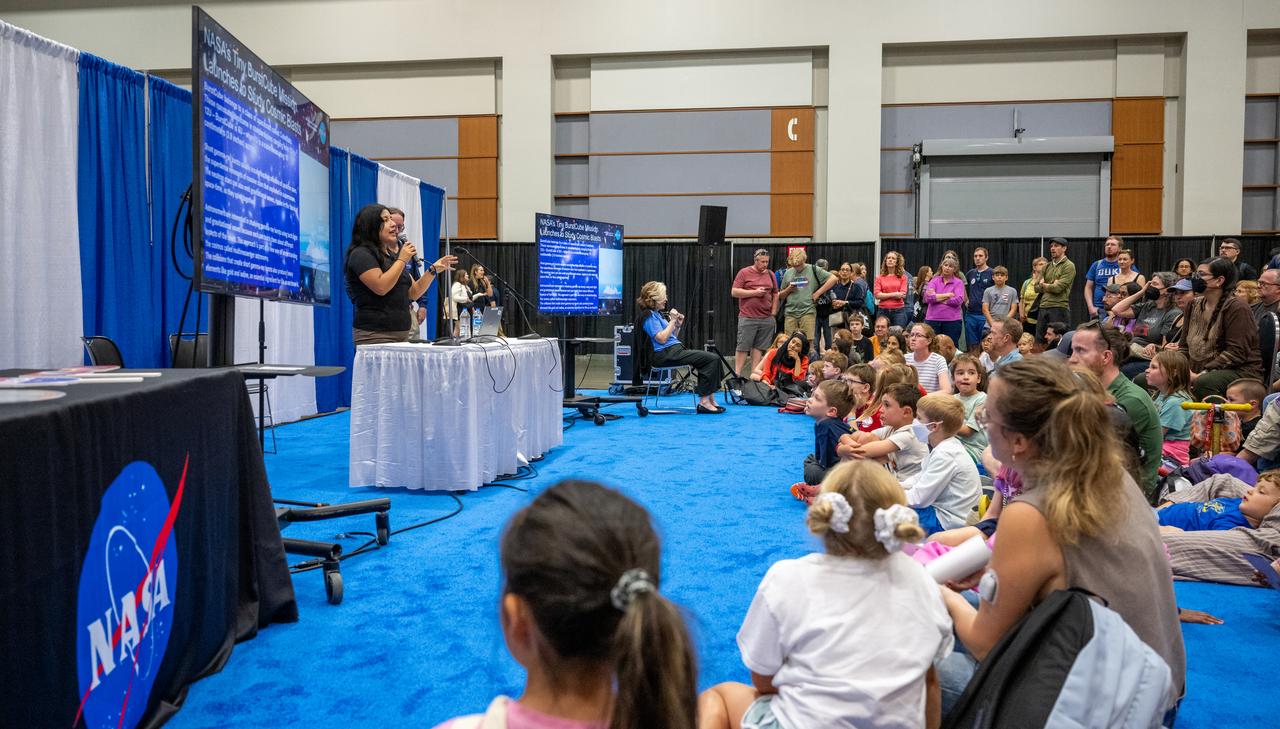
NASA Science Mission Directorate Program Executive Rosa Avalos-Warren delivers remarks during the Library of Congress National Book Festival Saturday, Aug. 24, 2024, at the Walter E. Washington Convention Center in Washington. Photo Credit: (NASA/Keegan Barber)
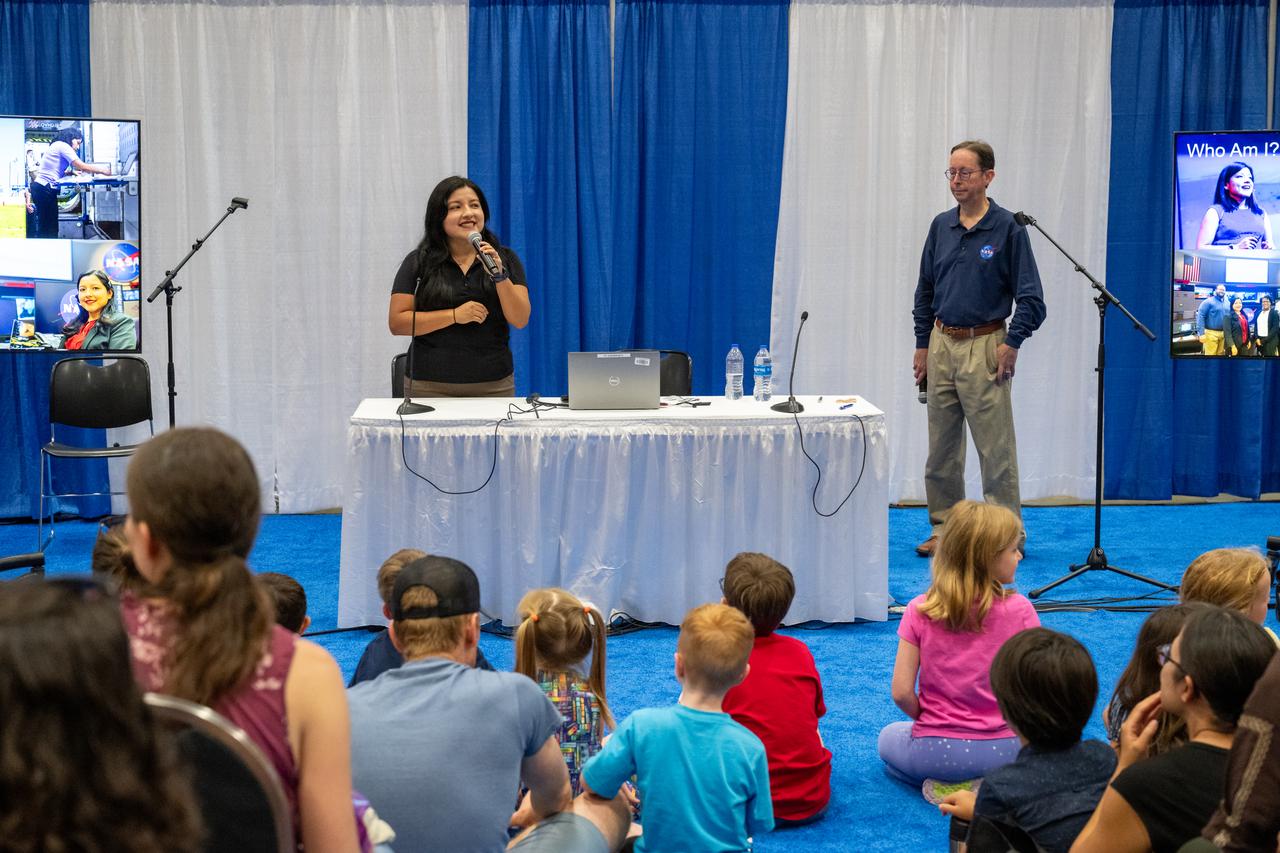
NASA Science Mission Directorate Program Executive Rosa Avalos-Warren, left, delivers remarks during the Library of Congress National Book Festival Saturday, Aug. 24, 2024, at the Walter E. Washington Convention Center in Washington. Photo Credit: (NASA/Keegan Barber)
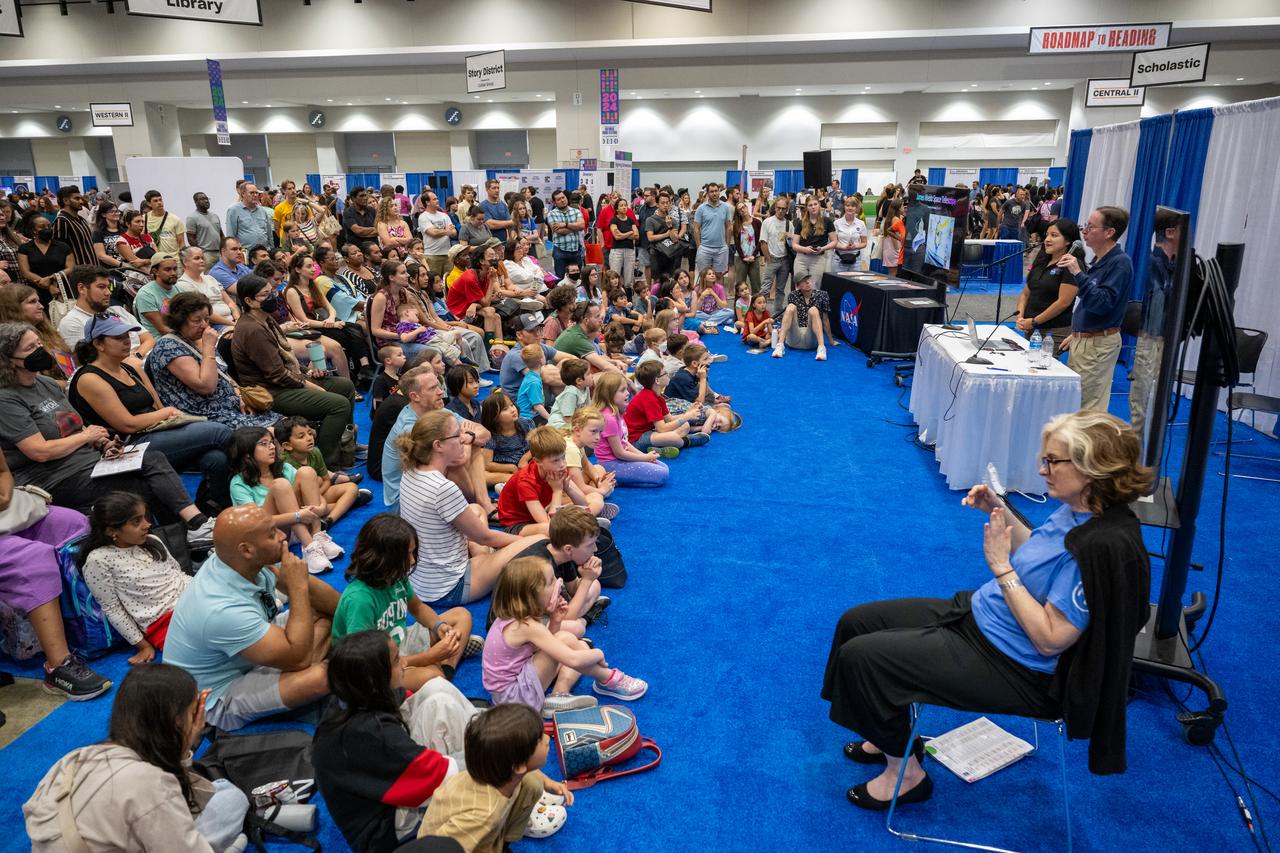
NASA Science Mission Directorate Astrophysicist Dominic Bedford, right, delivers remarks during the Library of Congress National Book Festival Saturday, Aug. 24, 2024, at the Walter E. Washington Convention Center in Washington. Photo Credit: (NASA/Keegan Barber)
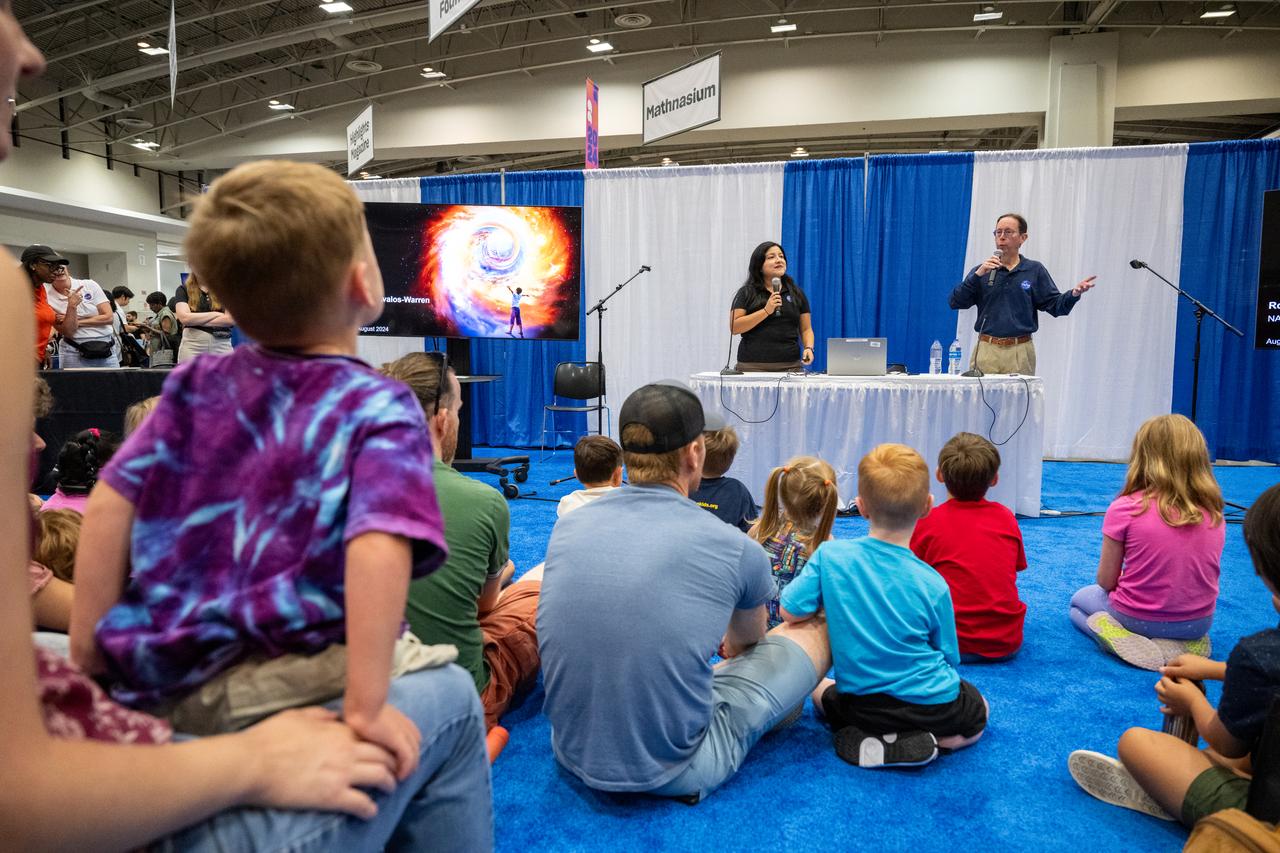
NASA Science Mission Directorate Astrophysicist Dominic Bedford, right, delivers remarks during the Library of Congress National Book Festival Saturday, Aug. 24, 2024, at the Walter E. Washington Convention Center in Washington. Photo Credit: (NASA/Keegan Barber)
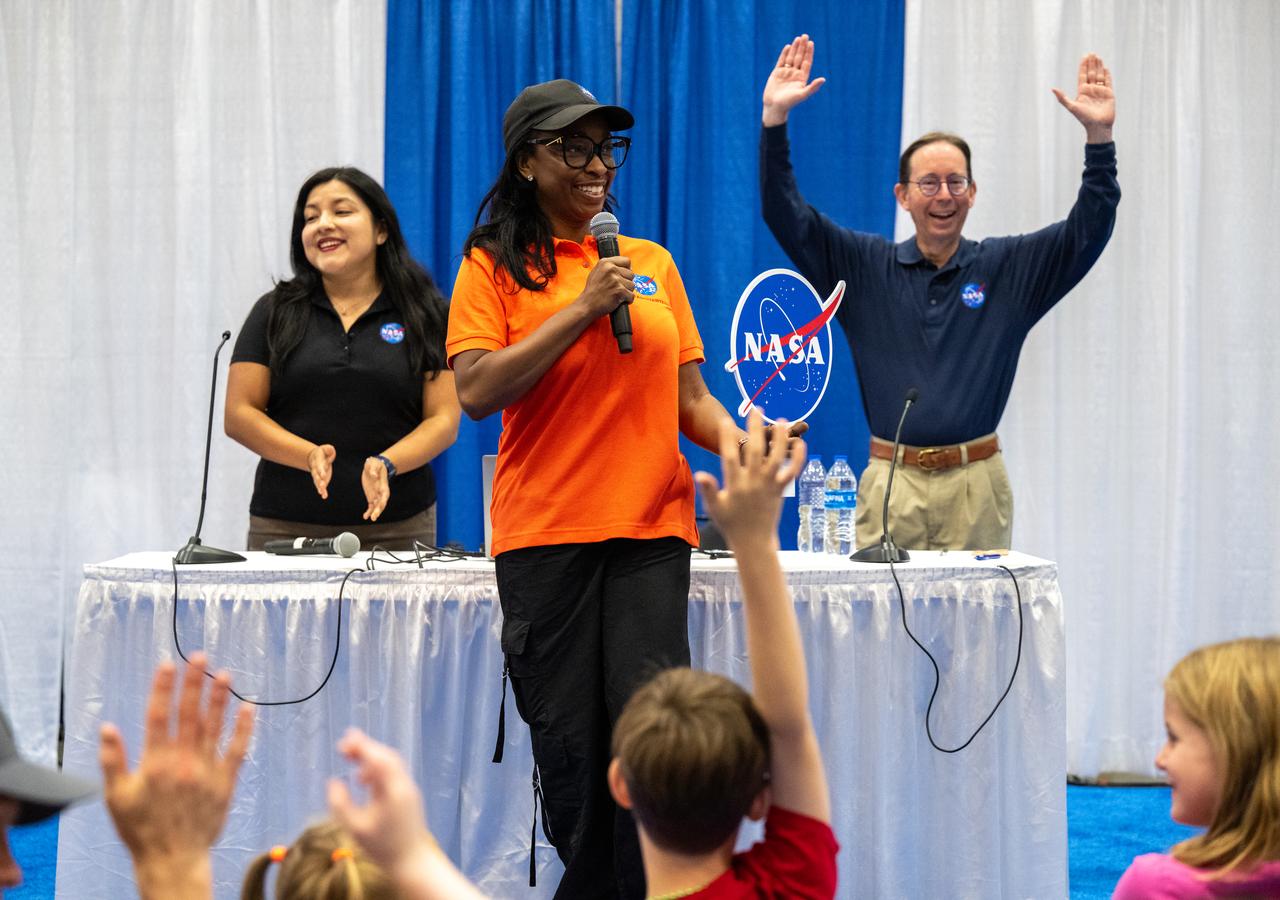
NASA Office of Communications Agency Lead Lisa Frazier, center, introduces NASA Science Mission Directorate Program Executive Rosa Avalos-Warren, left, and NASA Science Mission Directorate Astrophysicist Dominic Bedford, right, prior to their presentations during the Library of Congress National Book Festival Saturday, Aug. 24, 2024, at the Walter E. Washington Convention Center in Washington. Photo Credit: (NASA/Keegan Barber)
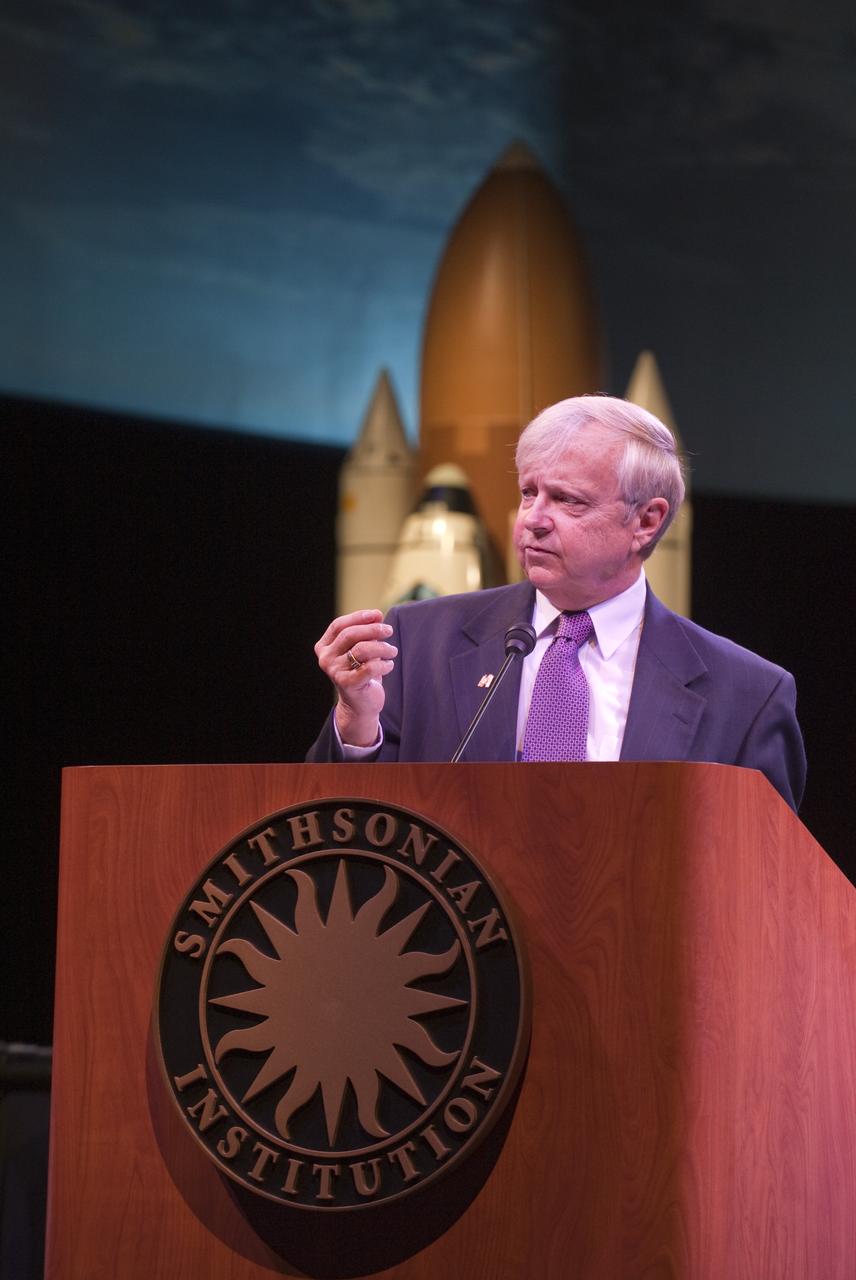
Ed Weiler, associate administrator for the Science Mission Directorate at NASA, speaks during a press briefing at the new "Moving Beyond Earth," exhibition at the National Air and Space Museum in Washingon, Wednesday, Nov. 18, 2009. Moving Beyond Earth is an immersive exhibition that places visitors “in orbit” in the shuttle and space-station era to explore recent human spaceflight and future possibilities. Photo Credit: (NASA/Paul E. Alers)
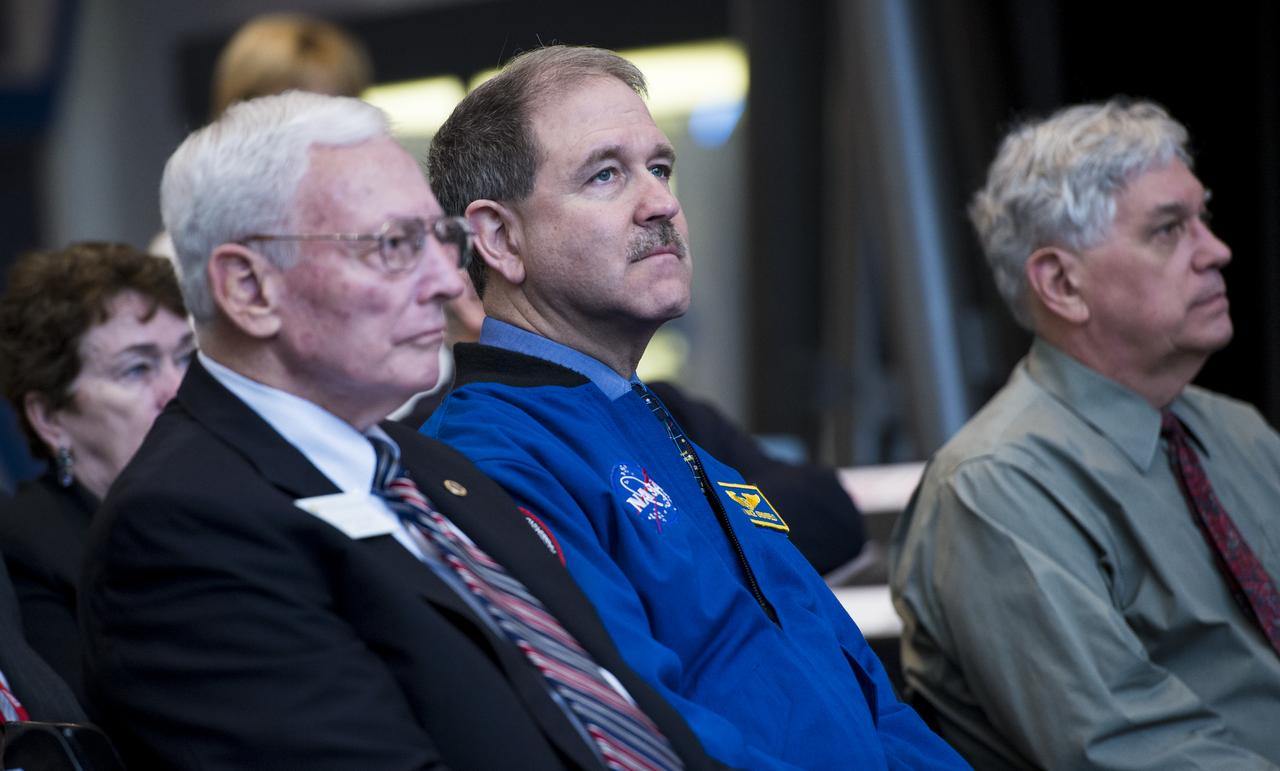
John Grunsfeld, NASA Associate Administrator for the Science Mission Directorate, is seen during during an event unveiling a new exhibit featuring Hubble's Corrective Optics Space Telescope Axial Replacement (COSTAR) and the Wide Field and Planetary Camera 2 (WFPC2) on Wednesday, April 23, 2014 at the Smithsonian National Air and Space Museum in Washington, DC. Grunsfeld flew on three of space shuttle servicing missions to Hubble, including the fifth and final mission in 2009 which returned COSTAR and WFPC2 to Earth. Photo Credit: (NASA/Joel Kowsky)
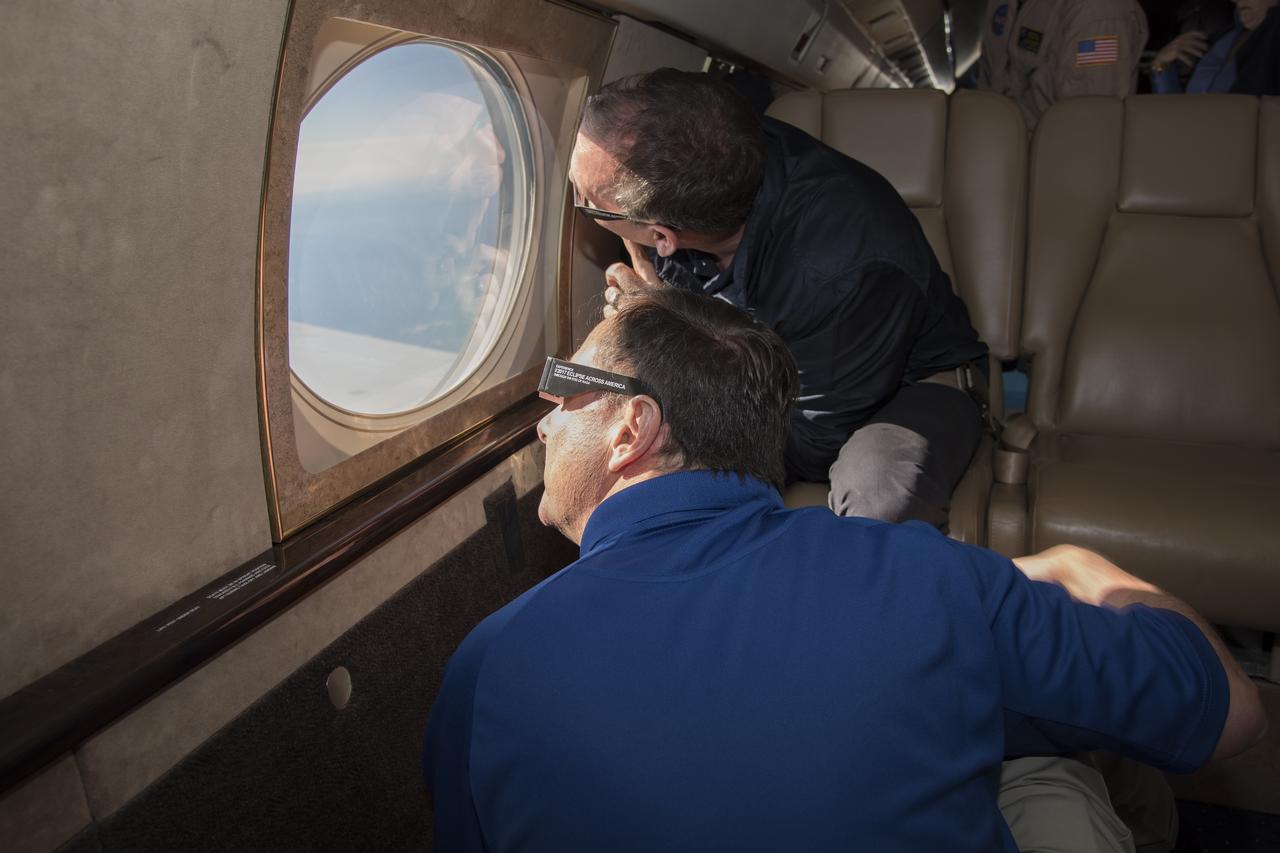
Robert Lightfoot, acting NASA administrator and Thomas Zurbuchen NASA AA for the science mission directorate view a partial eclipse solar eclipse Monday, August 21, 2017, from onboard a NASA Armstrong Flight Research Center’s Gulfstream III 35,000 feet above the Oregon Coast. A total solar eclipse swept across a narrow portion of the contiguous United States from Lincoln Beach, Oregon to Charleston, South Carolina. Photo Credit: (NASA/Carla Thomas)
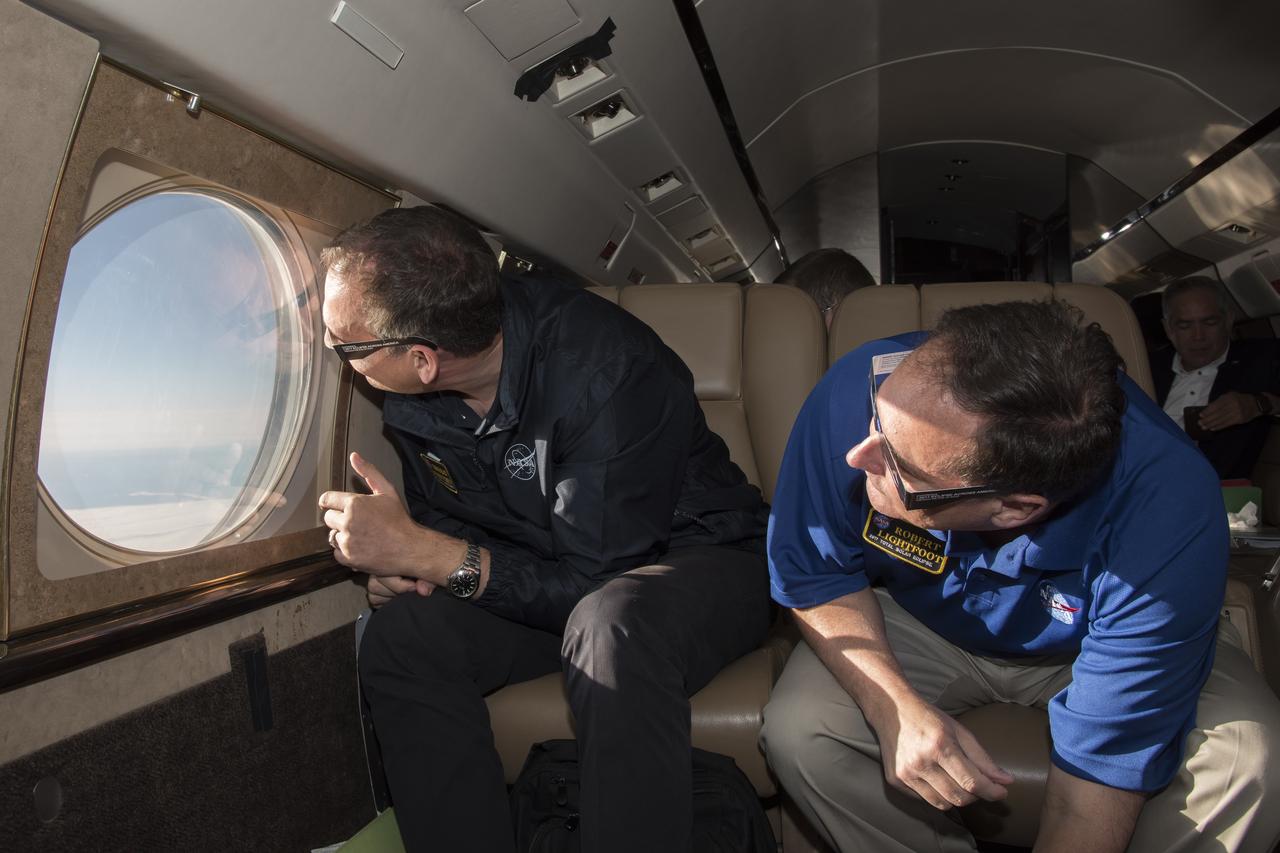
Robert Lightfoot, acting NASA administrator and Thomas Zurbuchen NASA AA for the science mission directorate view a partial eclipse solar eclipse Monday, August 21, 2017, from onboard a NASA Armstrong Flight Research Center’s Gulfstream III 35,000 feet above the Oregon Coast. A total solar eclipse swept across a narrow portion of the contiguous United States from Lincoln Beach, Oregon to Charleston, South Carolina. Photo Credit: (NASA/Carla Thomas)
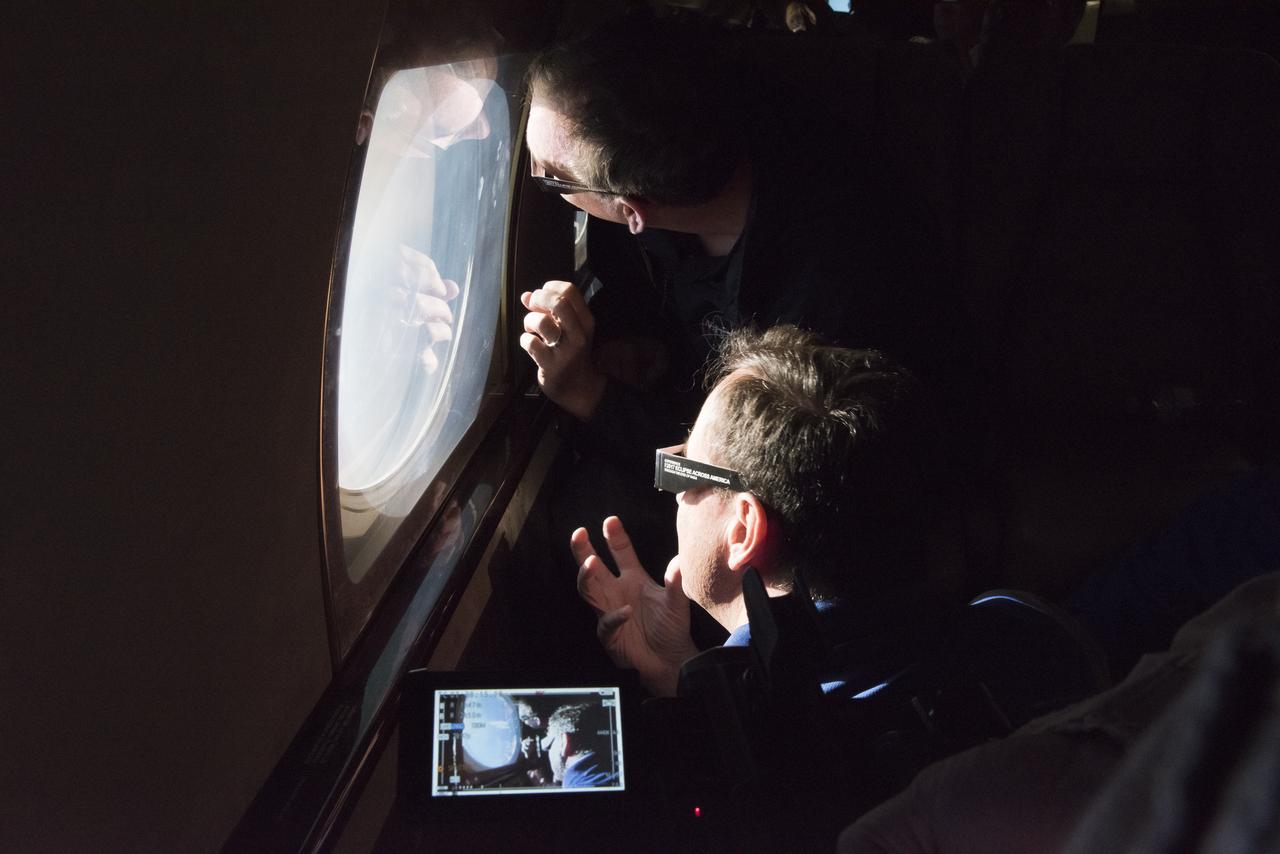
Robert Lightfoot, acting NASA administrator and Thomas Zurbuchen NASA AA for the science mission directorate view a partial eclipse solar eclipse Monday, August 21, 2017, from onboard a NASA Armstrong Flight Research Center’s Gulfstream III 35,000 feet above the Oregon Coast. A total solar eclipse swept across a narrow portion of the contiguous United States from Lincoln Beach, Oregon to Charleston, South Carolina. Photo Credit: (NASA/Carla Thomas)
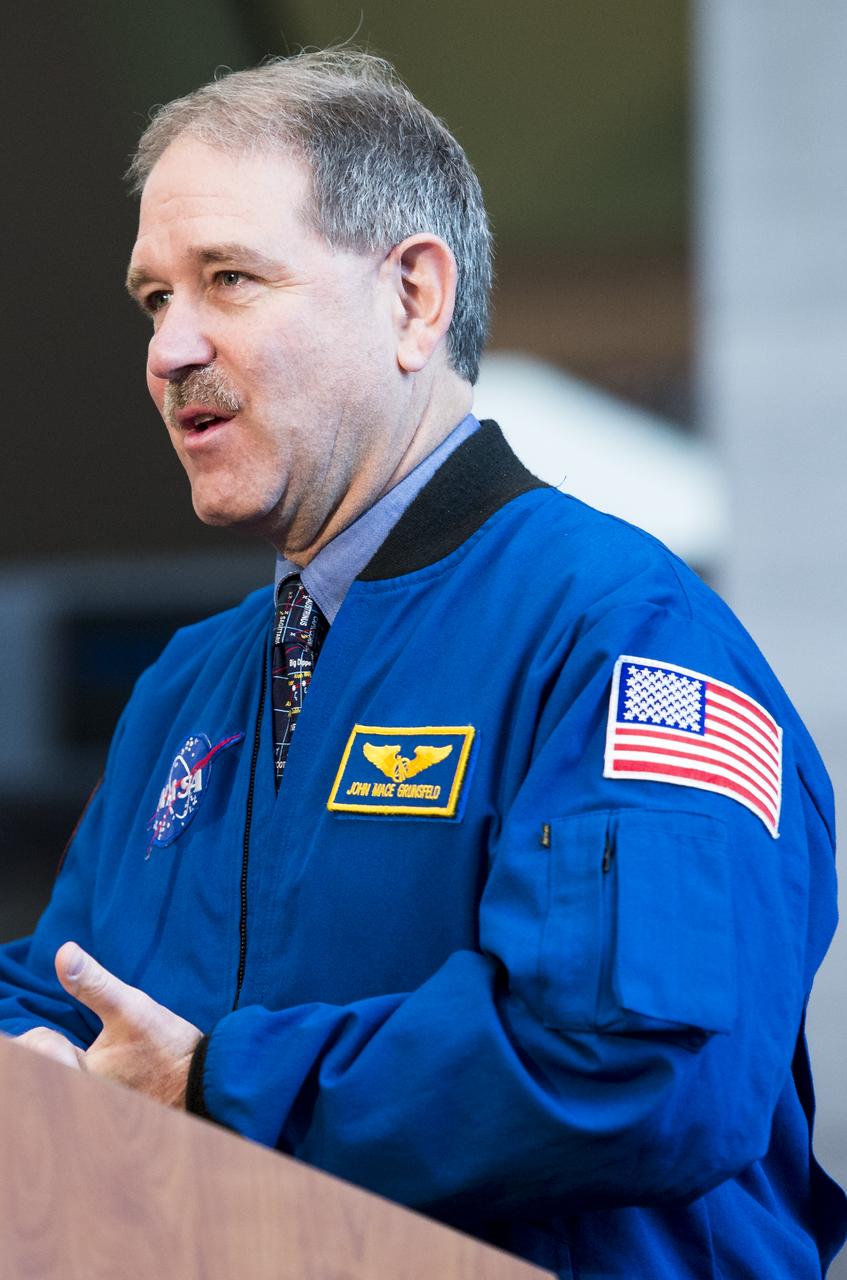
John Grunsfeld, NASA Associate Administrator for the Science Mission Directorate, speaks during during an event unveiling a new exhibit featuring Hubble's Corrective Optics Space Telescope Axial Replacement (COSTAR) and the Wide Field and Planetary Camera 2 (WFPC2) on Wednesday, April 23, 2014 at the Smithsonian National Air and Space Museum in Washington, DC. Grunsfeld flew on three of space shuttle servicing missions to Hubble, including the fifth and final mission in 2009 which returned COSTAR and WFPC2 to Earth. Photo Credit: (NASA/Joel Kowsky)
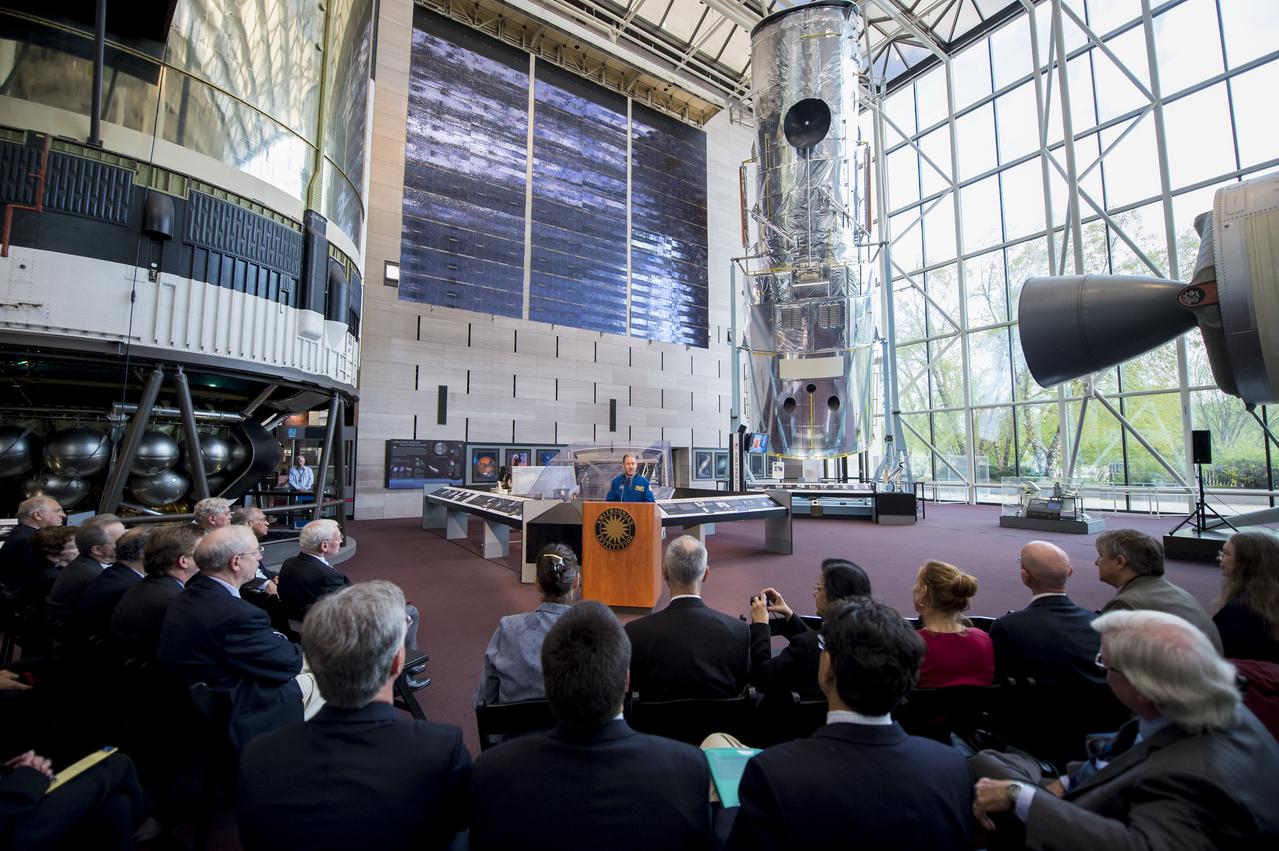
John Grunsfeld, NASA Associate Administrator for the Science Mission Directorate, speaks during an event unveiling a new exhibit featuring Hubble's Corrective Optics Space Telescope Axial Replacement (COSTAR) and the Wide Field and Planetary Camera 2 (WFPC2) on Wednesday, April 23, 2014 at the Smithsonian National Air and Space Museum in Washington, DC. Grunsfeld flew on three of space shuttle servicing missions to Hubble, including the fifth and final mission in 2009 which returned COSTAR and WFPC2 to Earth. Photo Credit: (NASA/Joel Kowsky)
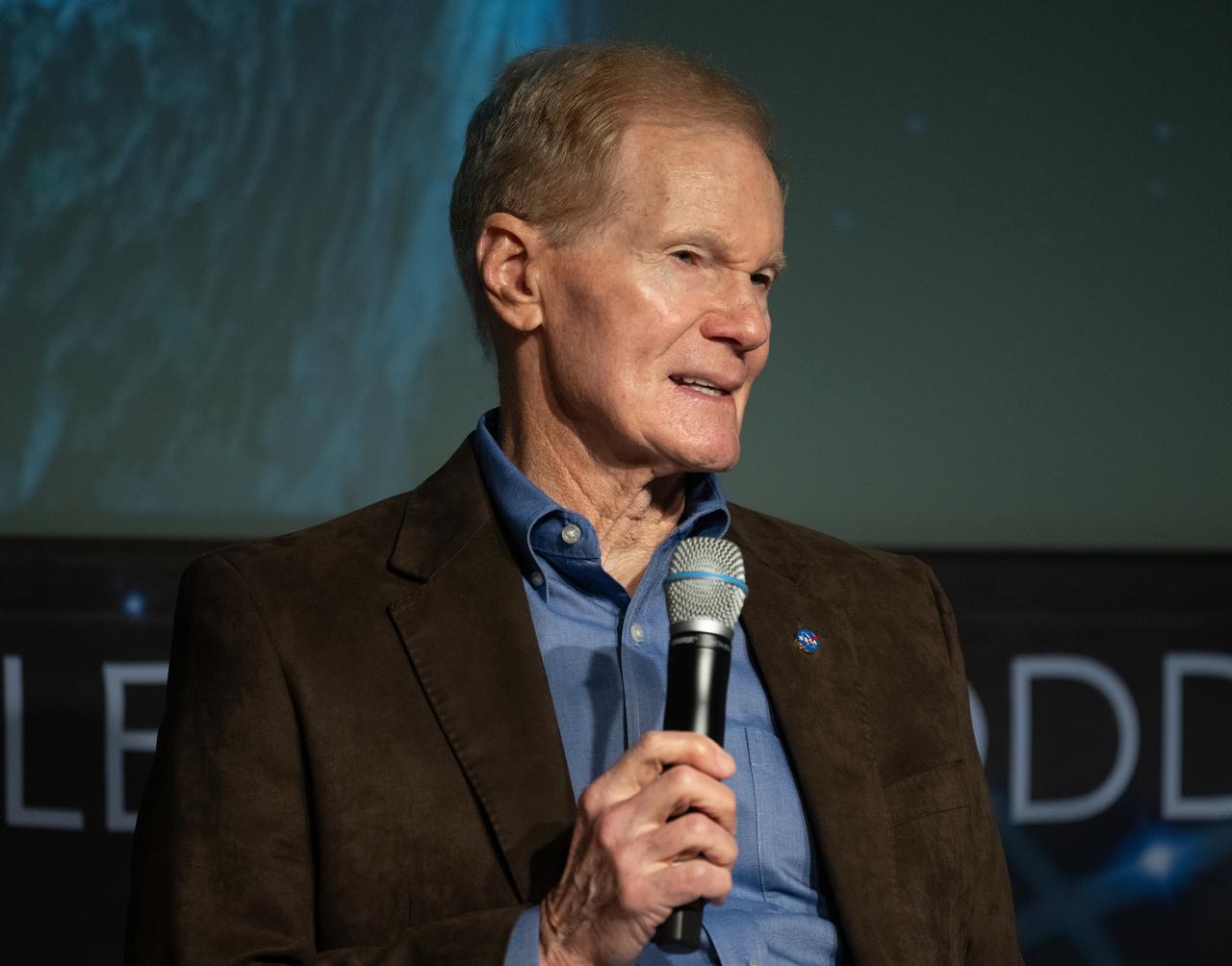
NASA Administrator Bill Nelson speaks during a briefing in advance of Earth Day to share updates on NASA’s climate science, Friday, April 19, 2024, at the Mary W. Jackson NASA Headquarters building in Washington. Nelson, Karen St. Germain, division director of the Earth Science Division of NASA’s Science Mission Directorate, and Tom Wagner, associate director for Earth Action in the Earth Science Division of NASA’s Science Mission Directorate, discussed early data from NASA’s PACE (Plankton, Aerosol, Cloud, ocean Ecosystem) mission and announced new airborne science missions. Photo Credit: (NASA/Joel Kowsky)
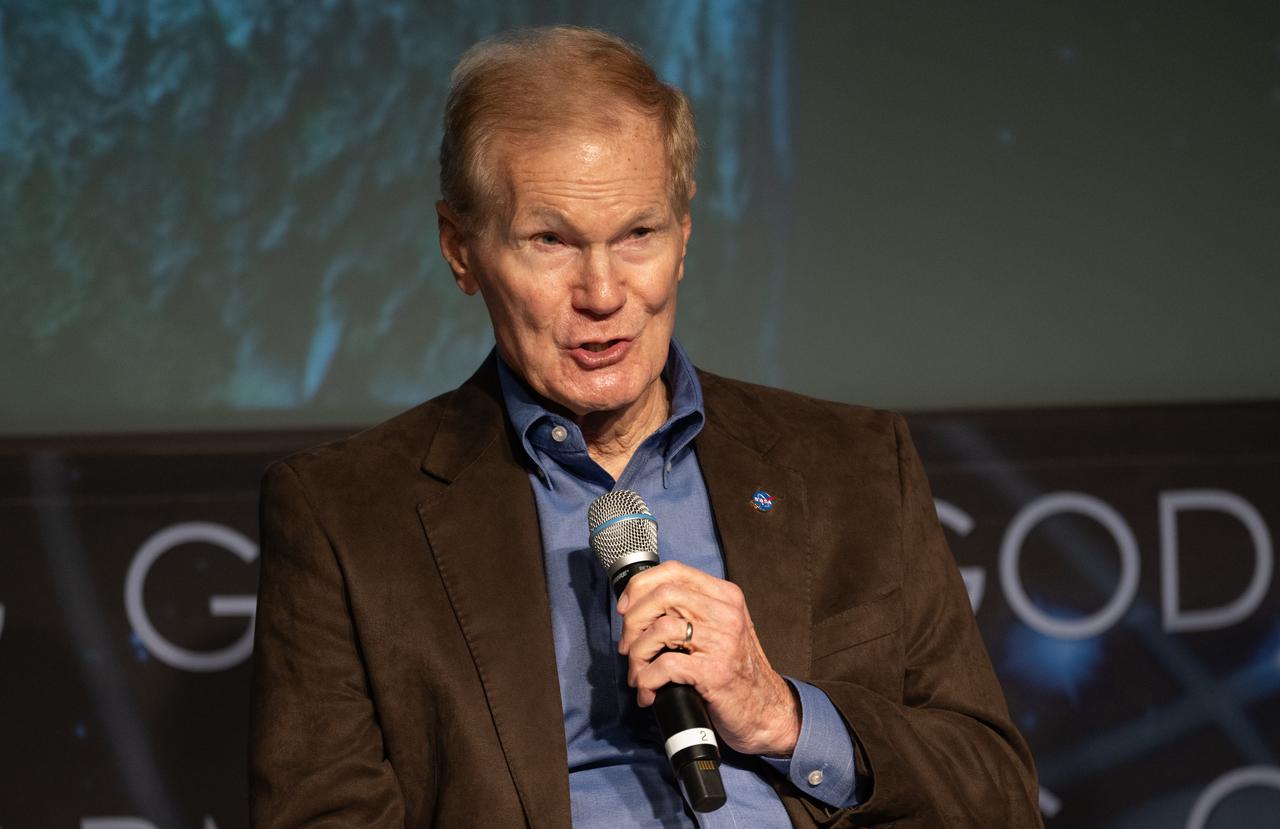
NASA Administrator Bill Nelson speaks during a briefing in advance of Earth Day to share updates on NASA’s climate science, Friday, April 19, 2024, at the Mary W. Jackson NASA Headquarters building in Washington. Nelson, Karen St. Germain, division director of the Earth Science Division of NASA’s Science Mission Directorate, and Tom Wagner, associate director for Earth Action in the Earth Science Division of NASA’s Science Mission Directorate, discussed early data from NASA’s PACE (Plankton, Aerosol, Cloud, ocean Ecosystem) mission and announced new airborne science missions. Photo Credit: (NASA/Joel Kowsky)

Faith McKie, acting NASA Press Secretary, left, asks a question a briefing in advance of Earth Day to share updates on NASA’s climate science, Friday, April 19, 2024, at the Mary W. Jackson NASA Headquarters building in Washington. NASA Administrator Bill Nelson, Karen St. Germain, division director of the Earth Science Division of NASA’s Science Mission Directorate, and Tom Wagner, associate director for Earth Action in the Earth Science Division of NASA’s Science Mission Directorate, discussed early data from NASA’s PACE (Plankton, Aerosol, Cloud, ocean Ecosystem) mission and announced new airborne science missions. Photo Credit: (NASA/Joel Kowsky)

Faith McKie, acting NASA Press Secretary, open a briefing in advance of Earth Day to share updates on NASA’s climate science, Friday, April 19, 2024, at the Mary W. Jackson NASA Headquarters building in Washington. NASA Administrator Bill Nelson, Karen St. Germain, division director of the Earth Science Division of NASA’s Science Mission Directorate, and Tom Wagner, associate director for Earth Action in the Earth Science Division of NASA’s Science Mission Directorate, discussed early data from NASA’s PACE (Plankton, Aerosol, Cloud, ocean Ecosystem) mission and announced new airborne science missions. Photo Credit: (NASA/Joel Kowsky)
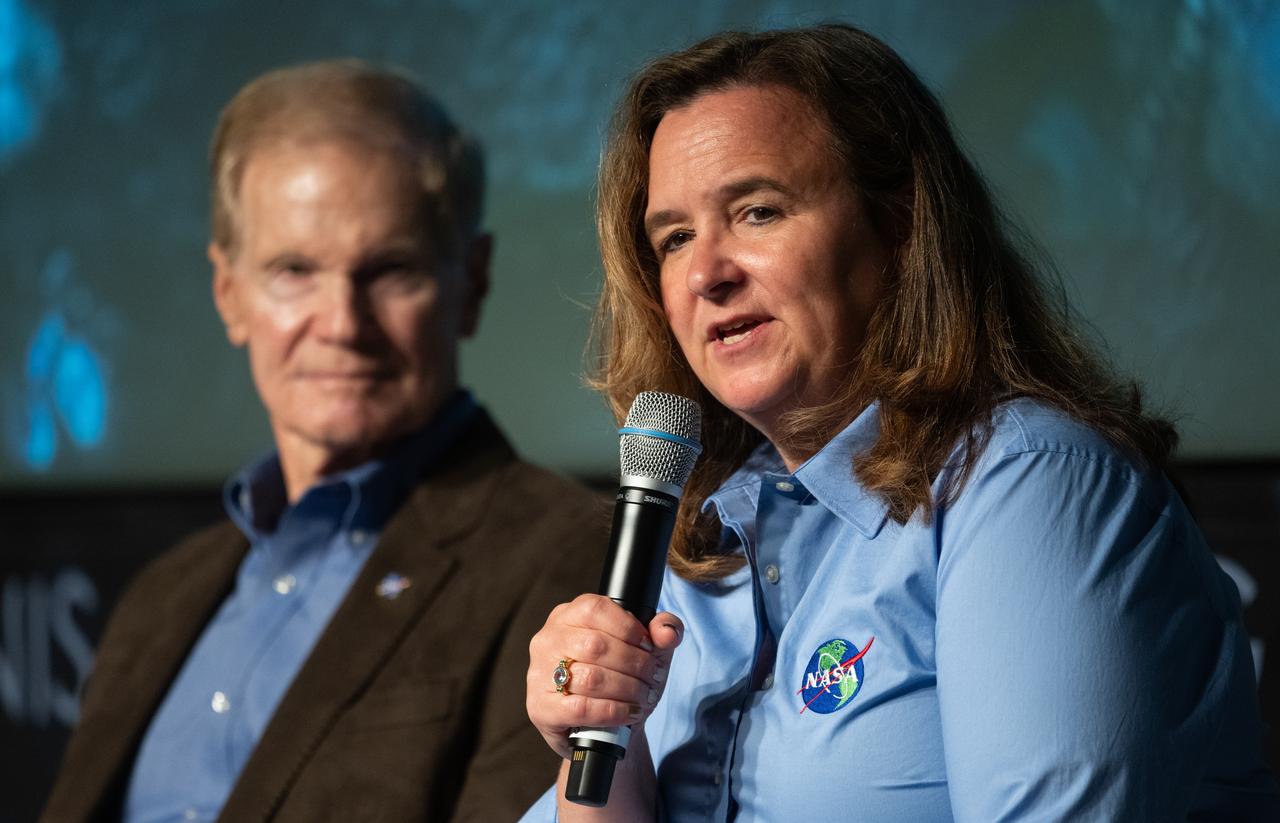
Karen St. Germain, division director of the Earth Sciences Division of NASA’s Science Mission Directorate, speaks during a briefing, Friday, April 19, 2024, at the Mary W. Jackson NASA Headquarters building in Washington. Germain, NASA Administrator Bill Nelson, and Tom Wagner, associate director for Earth Action in the Earth Science Division of NASA’s Science Mission Directorate, discussed early data from NASA’s PACE (Plankton, Aerosol, Cloud, ocean Ecosystem) mission and announced new airborne science missions. Photo Credit: (NASA/Joel Kowsky)
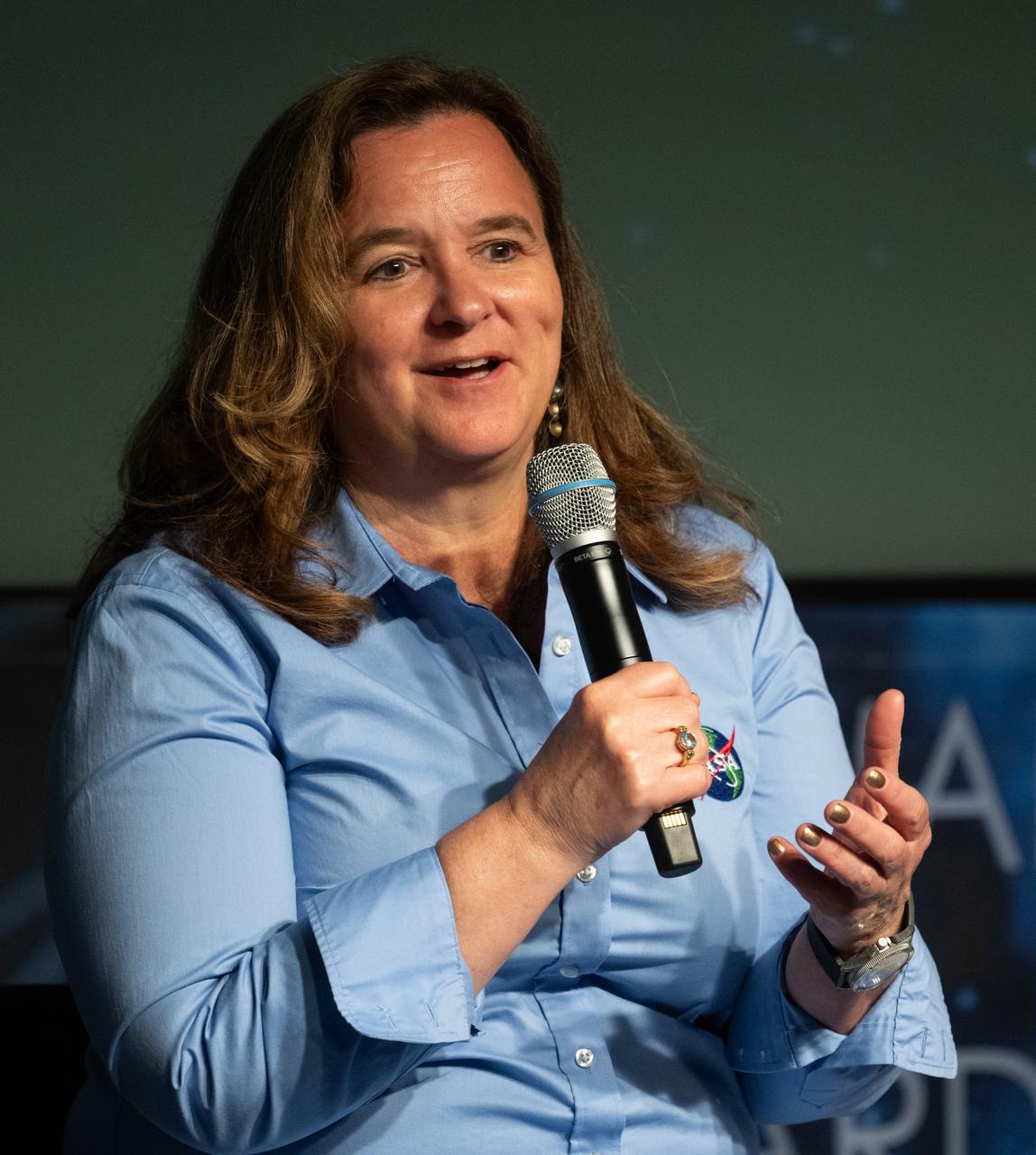
Karen St. Germain, division director of the Earth Sciences Division of NASA’s Science Mission Directorate, speaks during a briefing, Friday, April 19, 2024, at the Mary W. Jackson NASA Headquarters building in Washington. Germain, NASA Administrator Bill Nelson, and Tom Wagner, associate director for Earth Action in the Earth Science Division of NASA’s Science Mission Directorate, discussed early data from NASA’s PACE (Plankton, Aerosol, Cloud, ocean Ecosystem) mission and announced new airborne science missions. Photo Credit: (NASA/Joel Kowsky)
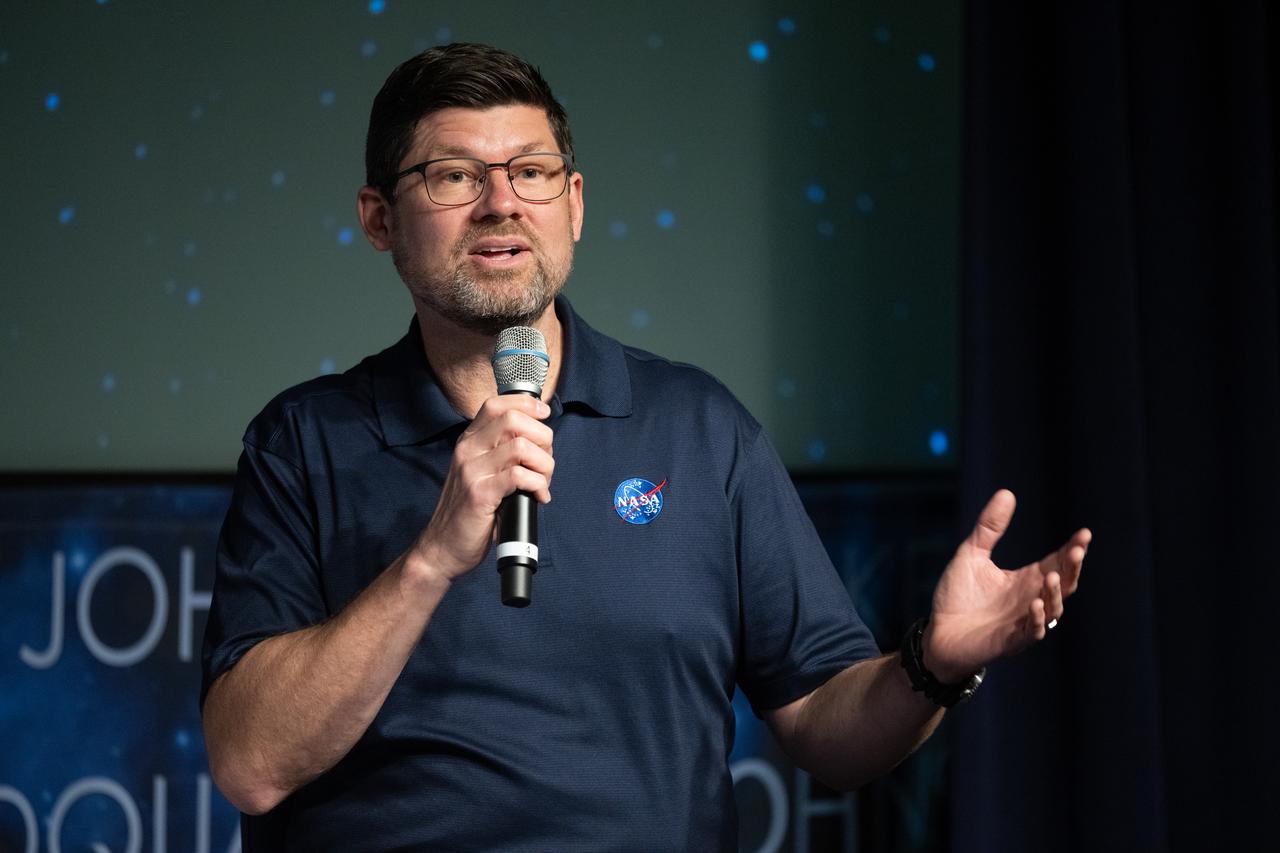
Tom Wagner, associate director for Earth Action in the Earth Science Division of NASA’s Science Mission Directorate, speaks during a briefing, Friday, April 19, 2024, at the Mary W. Jackson NASA Headquarters building in Washington. Wagner, Karen St. Germain, division director of the Earth Sciences Division of NASA’s Science Mission Directorate, and NASA Administrator Bill Nelson discussed early data from NASA’s PACE (Plankton, Aerosol, Cloud, ocean Ecosystem) mission and announced new airborne science missions. Photo Credit: (NASA/Joel Kowsky)
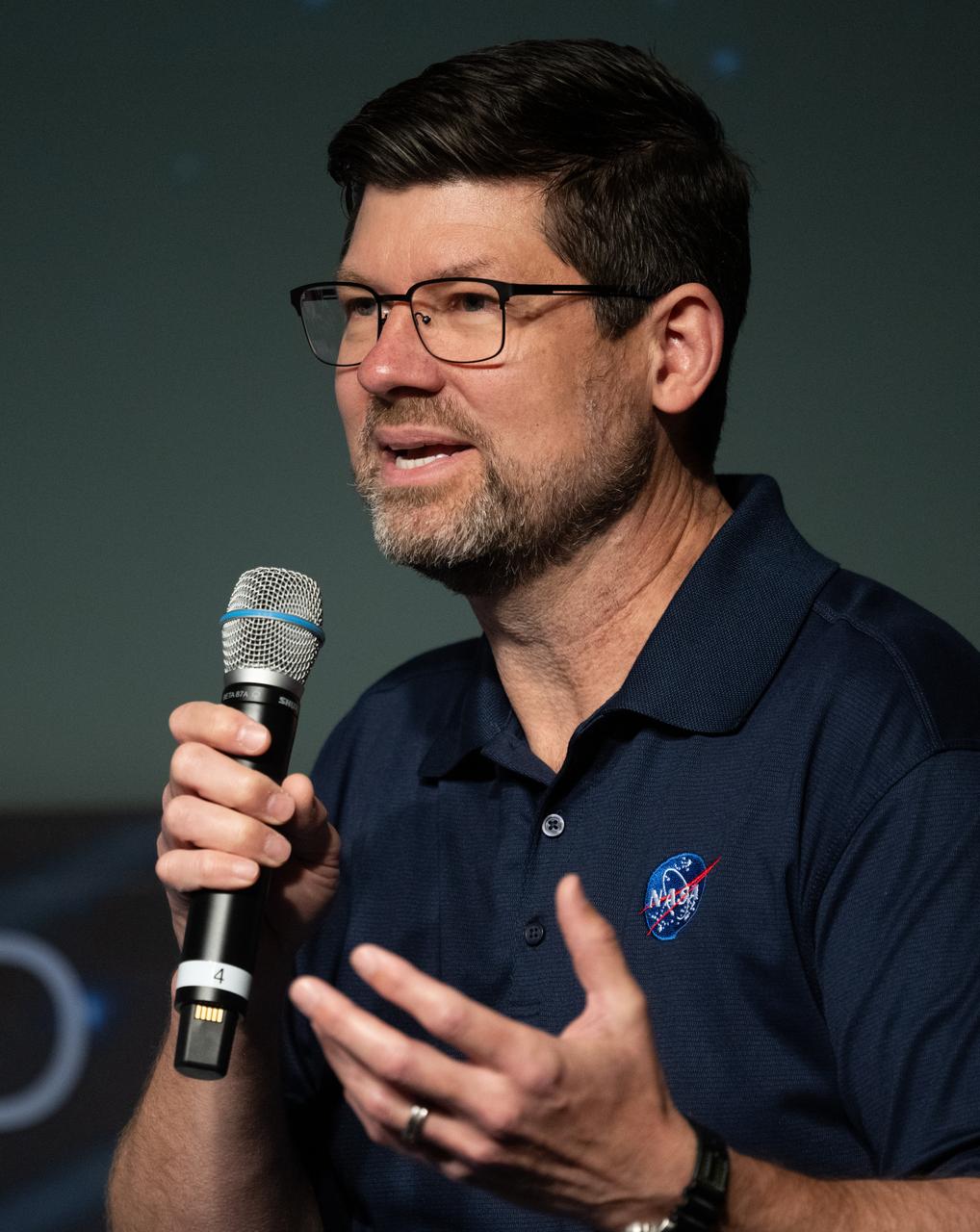
Tom Wagner, associate director for Earth Action in the Earth Science Division of NASA’s Science Mission Directorate, speaks during a briefing, Friday, April 19, 2024, at the Mary W. Jackson NASA Headquarters building in Washington. Wagner, Karen St. Germain, division director of the Earth Sciences Division of NASA’s Science Mission Directorate, and NASA Administrator Bill Nelson discussed early data from NASA’s PACE (Plankton, Aerosol, Cloud, ocean Ecosystem) mission and announced new airborne science missions. Photo Credit: (NASA/Joel Kowsky)
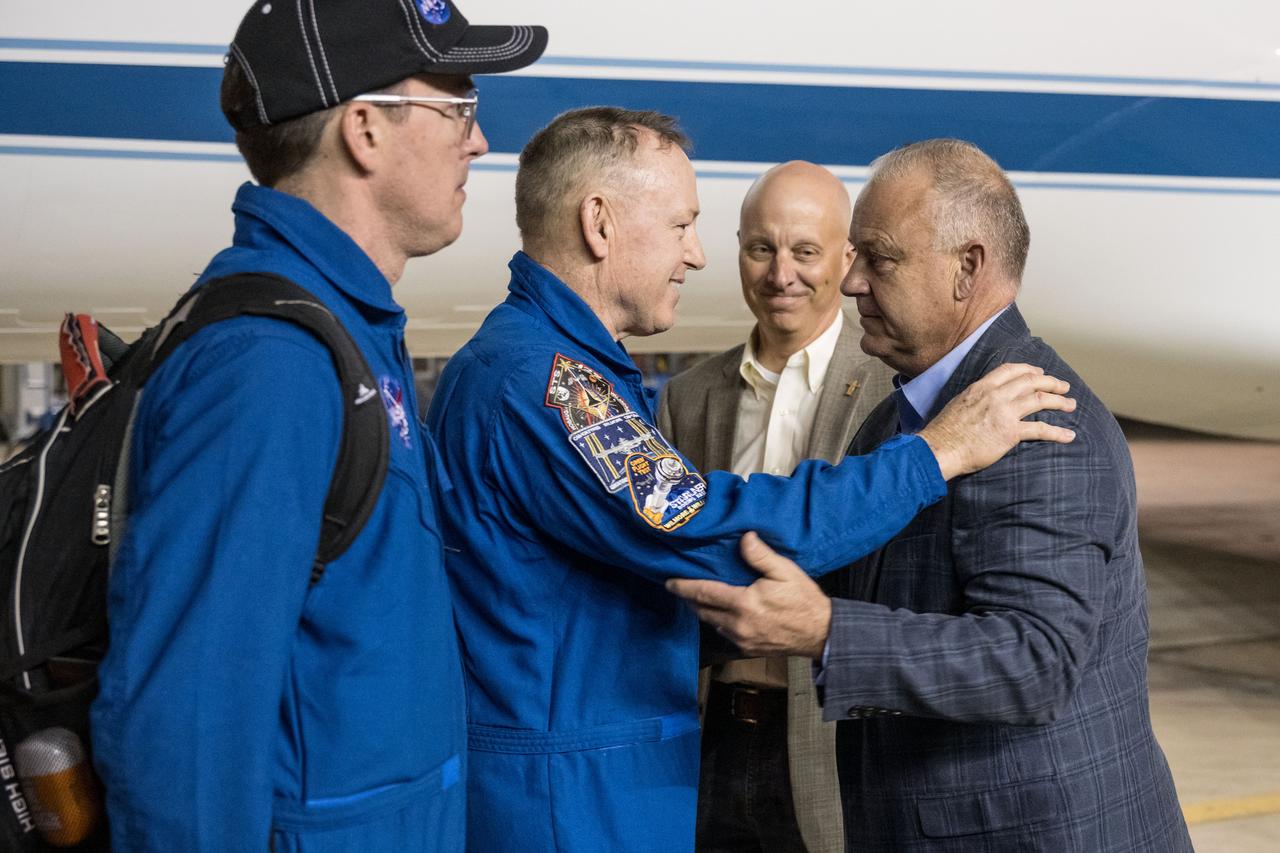
jsc2025e032541 (March 18, 2025) --- After completing a long-duration science mission aboard the International Space Station, NASA astronaut Butch Wilmore returns to Johnson Space Center's Ellington Field in Houston and is greeted by Steve Koerner, acting center director, and Norm Knight, acting deputy center director. NASA’s SpaceX Crew-9 splashed down at 5:57 p.m. EDT on Tuesday, March 18, in the Gulf of America near Tallahassee, Florida.
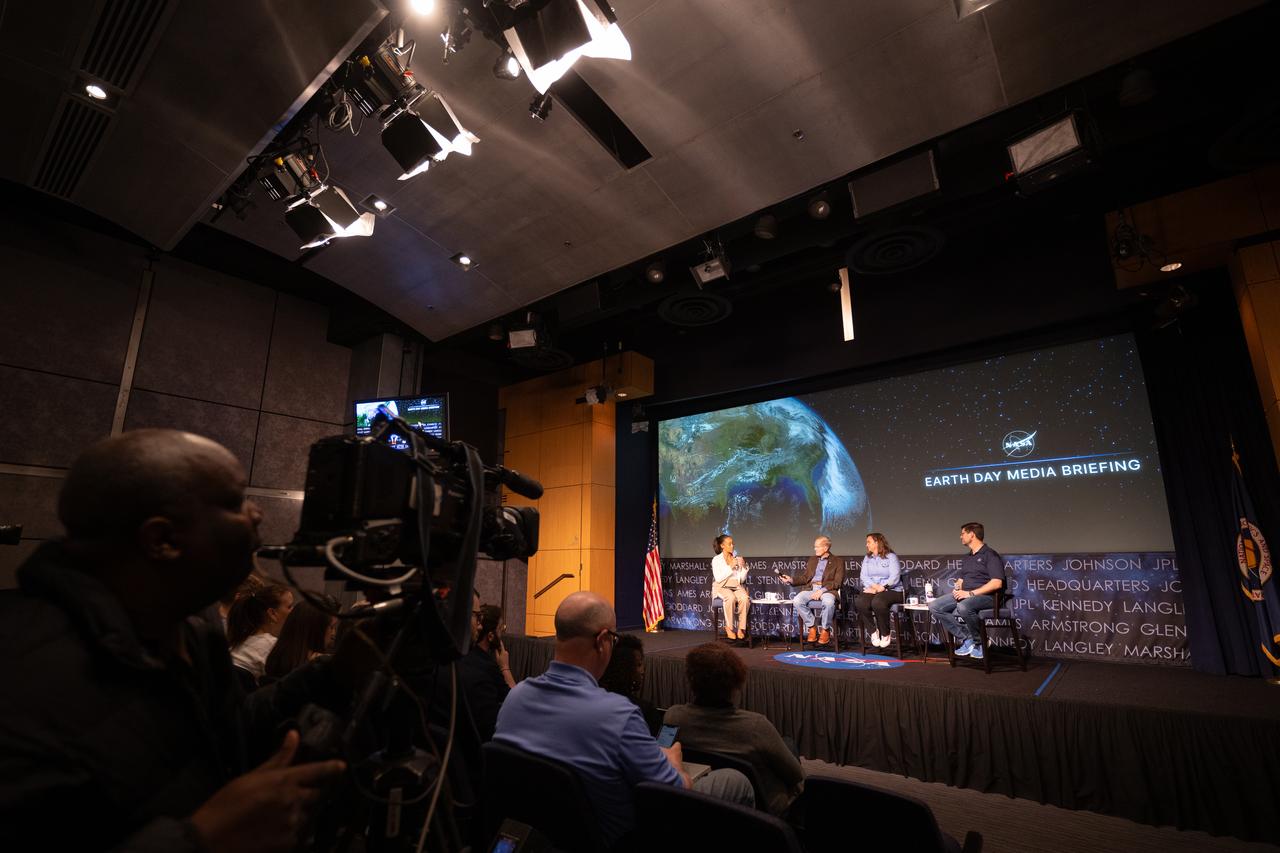
Faith McKie, acting NASA Press Secretary, left, asks a question a briefing in advance of Earth Day to share updates on NASA’s climate science, Friday, April 19, 2024, at the Mary W. Jackson NASA Headquarters building in Washington. NASA Administrator Bill Nelson, second from left, Karen St. Germain, division director of the Earth Science Division of NASA’s Science Mission Directorate, second from right, and Tom Wagner, associate director for Earth Action in the Earth Science Division of NASA’s Science Mission Directorate, right, discussed early data from NASA’s PACE (Plankton, Aerosol, Cloud, ocean Ecosystem) mission and announced new airborne science missions. Photo Credit: (NASA/Joel Kowsky)
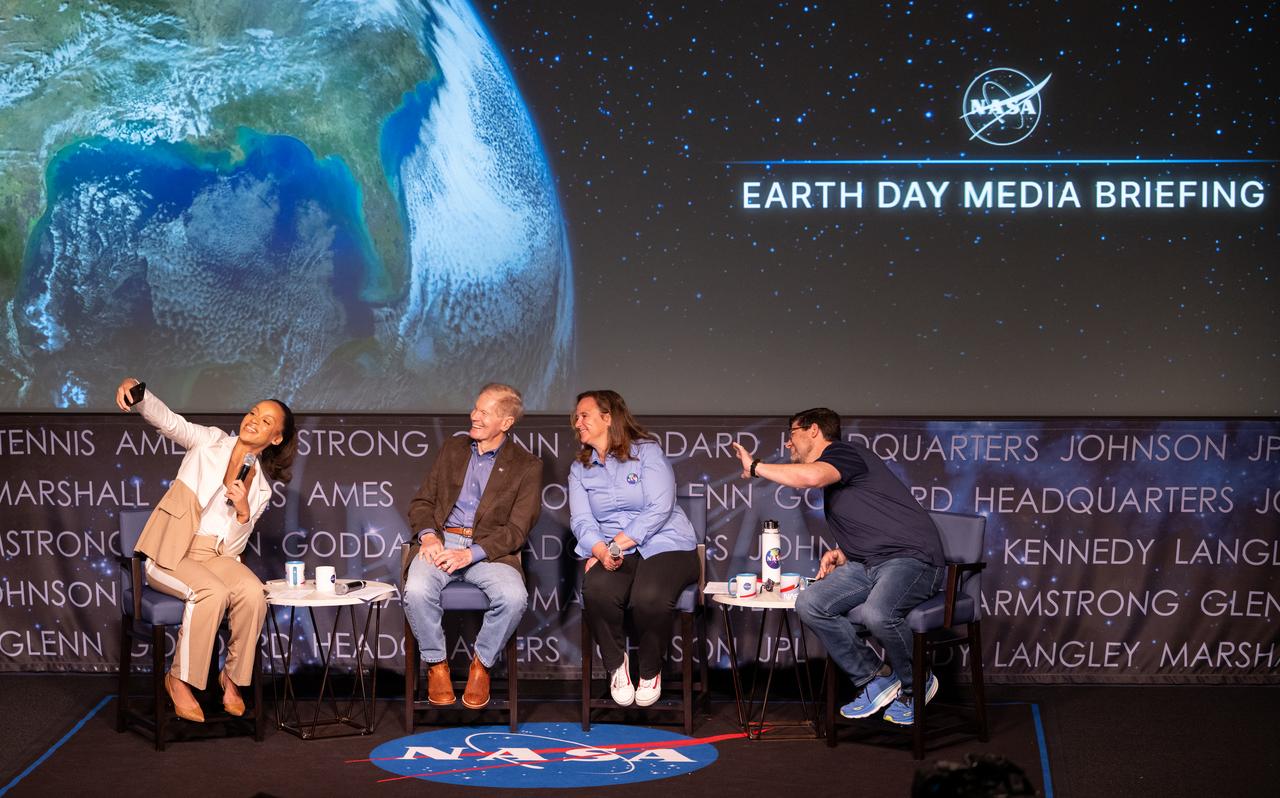
Faith McKie, acting NASA Press Secretary, left, takes a selfie for the agency’s Global Selfie campaign with NASA Administrator Bill Nelson, second from left, Karen St. Germain, division director of the Earth Science Division of NASA’s Science Mission Directorate, second from right, and Tom Wagner, associate director for Earth Action in the Earth Science Division of NASA’s Science Mission Directorate, right, at the conclusion of a briefing in advance of Earth Day to share updates on NASA’s climate science, Friday, April 19, 2024, at the Mary W. Jackson NASA Headquarters building in Washington. discussed early data from NASA’s PACE (Plankton, Aerosol, Cloud, ocean Ecosystem) mission and announced new airborne science missions. Photo Credit: (NASA/Joel Kowsky)
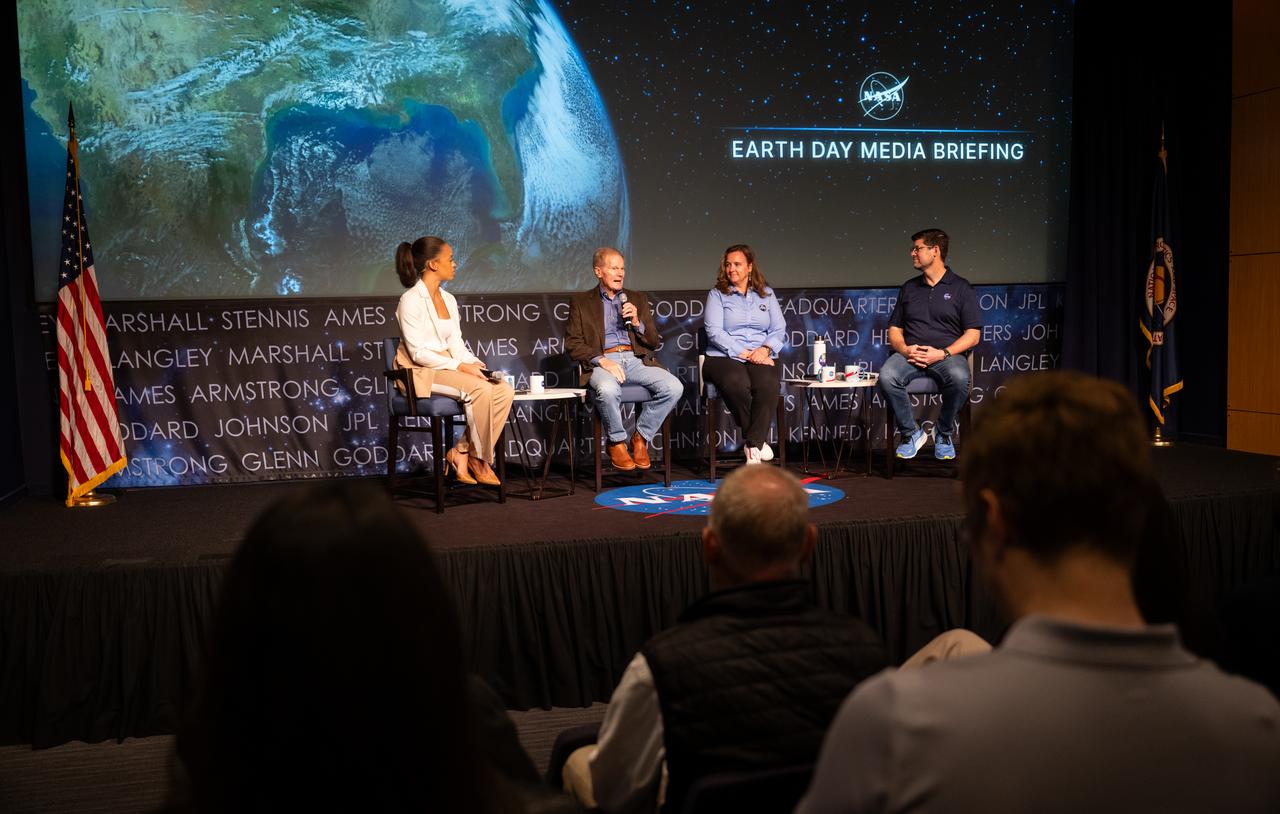
NASA Administrator Bill Nelson, second from left, speaks during a briefing in advance of Earth Day to share updates on NASA’s climate science alongside Faith McKie, acting NASA Press Secretary, left, Karen St. Germain, division director of the Earth Science Division of NASA’s Science Mission Directorate, second from right, and Tom Wagner, associate director for Earth Action in the Earth Science Division of NASA’s Science Mission Directorate, right, Friday, April 19, 2024, at the Mary W. Jackson NASA Headquarters building in Washington. Nelson, St. Germain, and Wagner discussed early data from NASA’s PACE (Plankton, Aerosol, Cloud, ocean Ecosystem) mission and announced new airborne science missions. Photo Credit: (NASA/Joel Kowsky)
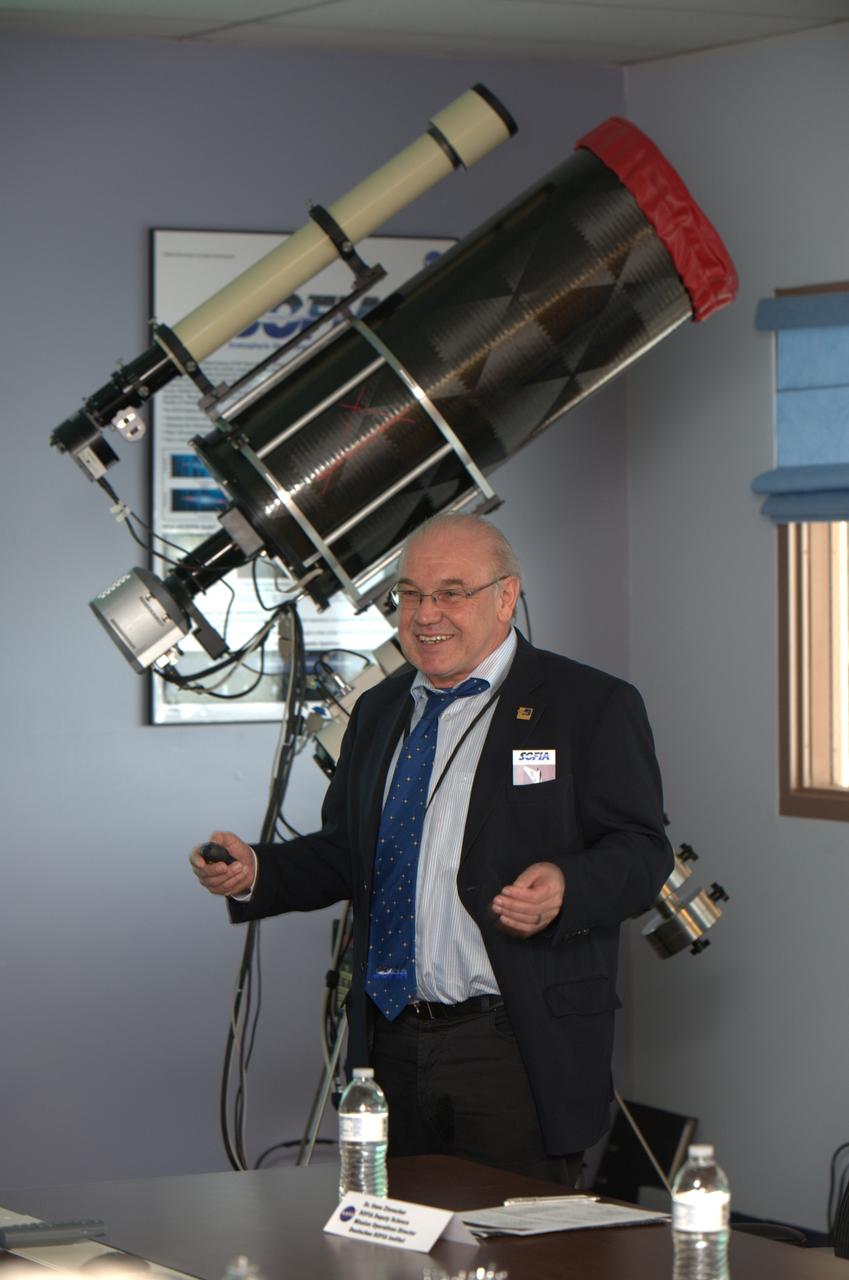
German Deligation visits Ames SOFIA Science Office for briefing by Hans Zinnecker, Deputy Director, SOFiA Science Mission Operations
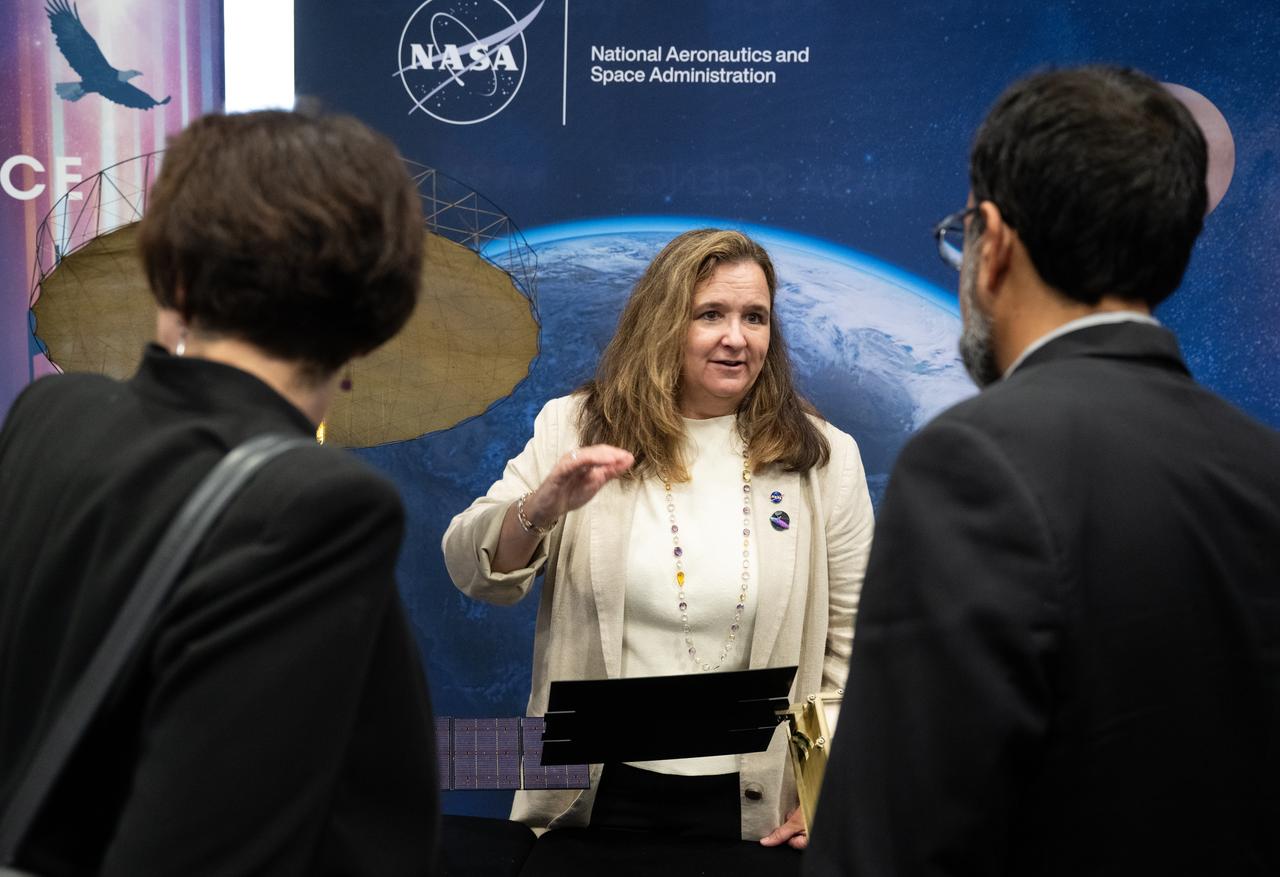
Karen St. Germain, director of the Earth Science Division of NASA’s Science Mission Directorate, center, speaks with Nicola Fox, associate administrator of NASA’s Science Mission Directorate, left, and NASA Associate Administrator Amit Kshatriya during NASA’s Day on the Hill, Tuesday, Sept. 16, 2025, at the Hart Senate Office Building in Washington. Photo Credit: (NASA/Joel Kowsky)
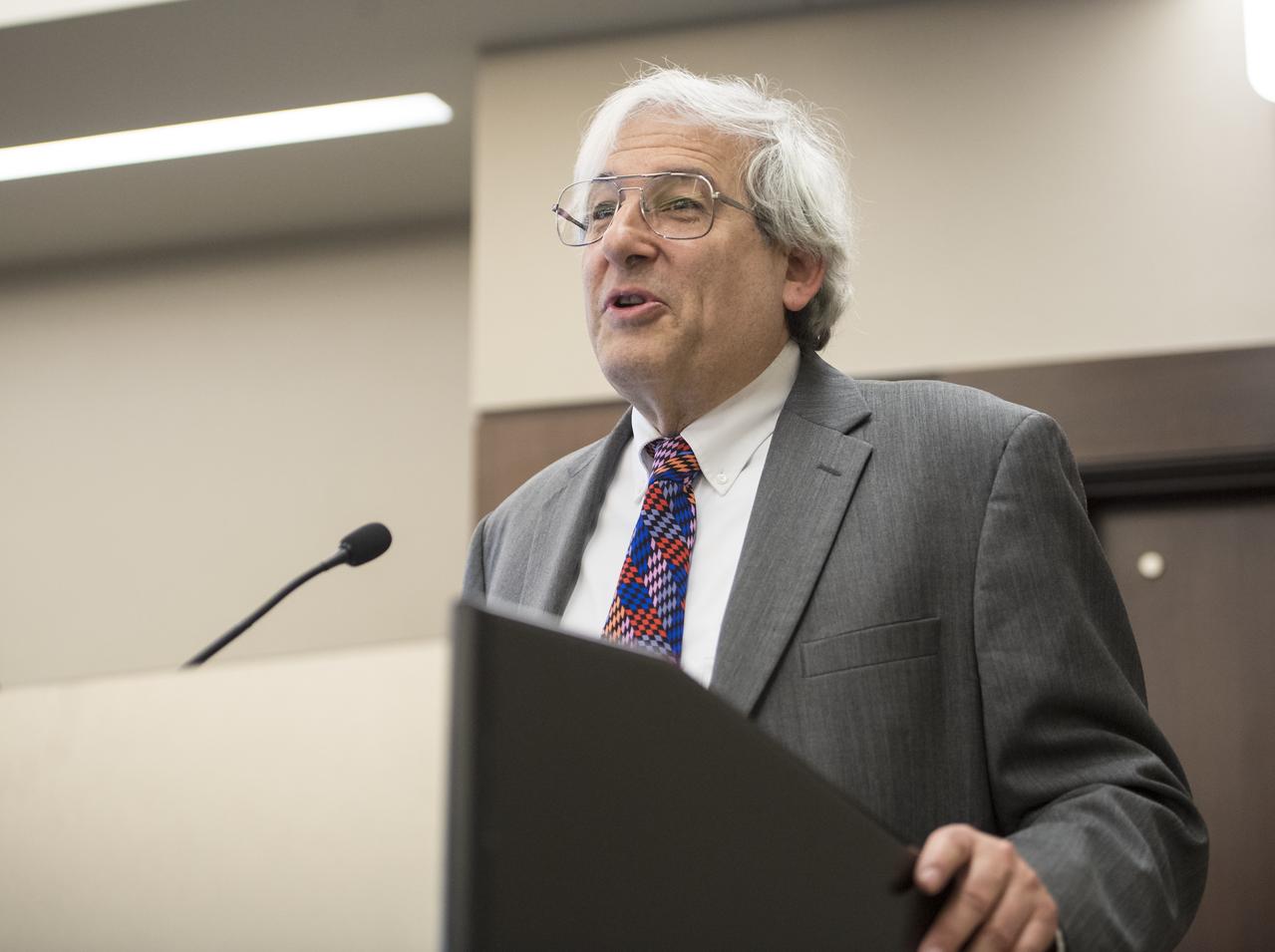
Dr. Michael Freilich, Earth Science Director, Science Mission Directorate, NASA, speaks at the Earth Science Town Hall at the American Geophysical Union (AGU) annual meeting, Tuesday, December 11, 2018 at the Marriott Marquis in Washington. Photo Credit: (NASA/Aubrey Gemignani)
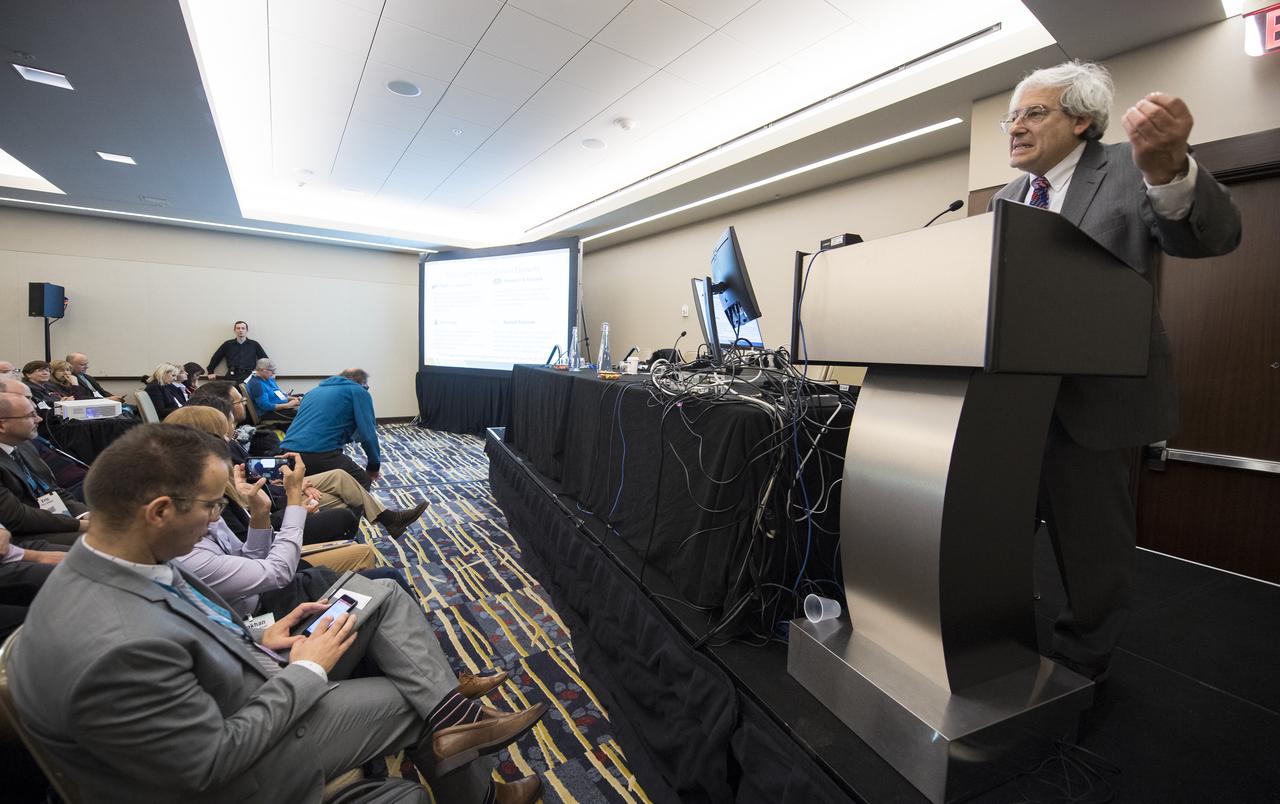
Dr. Michael Freilich, Earth Science Director, Science Mission Directorate, NASA, speaks at the Earth Science Town Hall at the American Geophysical Union (AGU) annual meeting, Tuesday, December 11, 2018 at the Marriott Marquis in Washington. Photo Credit: (NASA/Aubrey Gemignani)
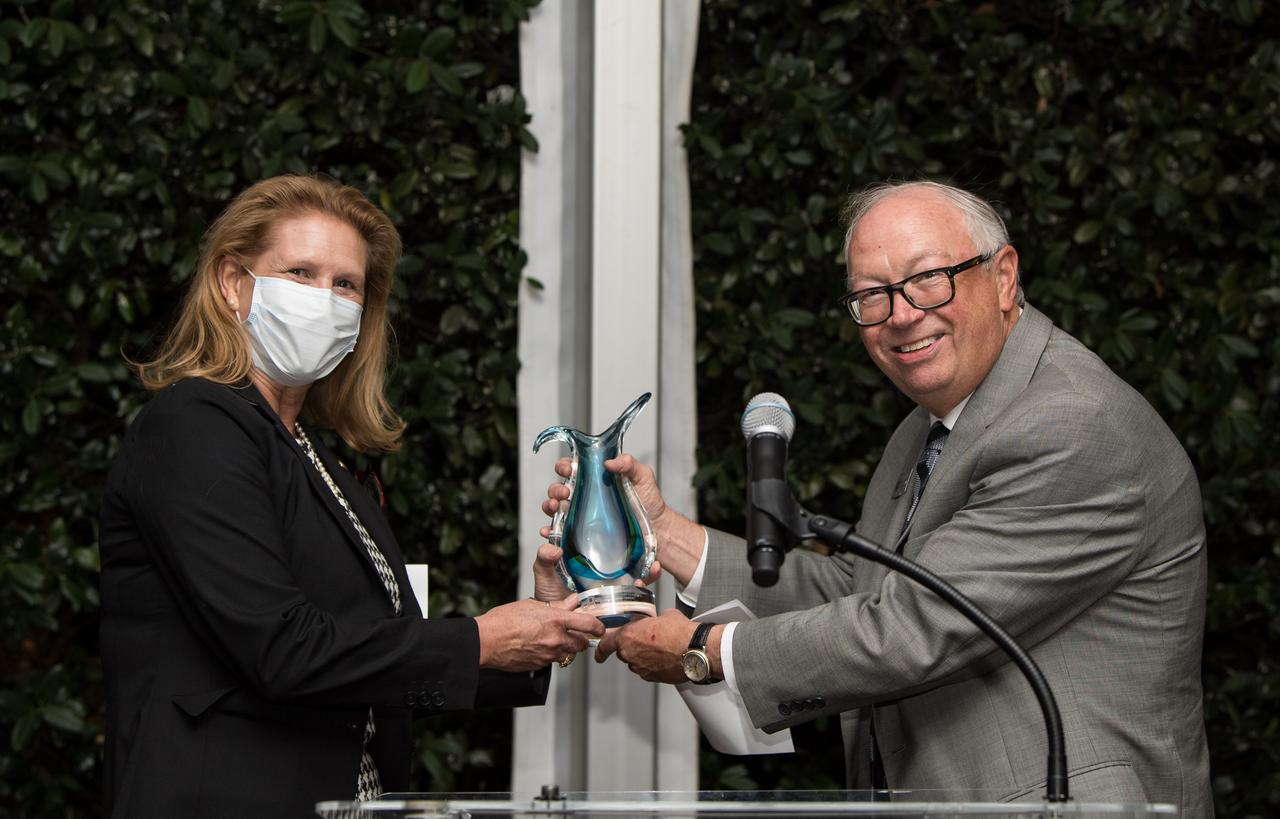
Director of the NASA Science Mission Directorate’s Planetary Science Division, Dr. Lori Glaze, left, accepts the Lifetime Achievement Award on behalf of the agency from director of the National Museum of Nuclear Science and History, Jim Walther, during the Nuclear Science Week event, Tuesday, Oct. 19, 2021, at The Observatory at America’s Square in Washington. Photo Credit: (NASA/Aubrey Gemignani)
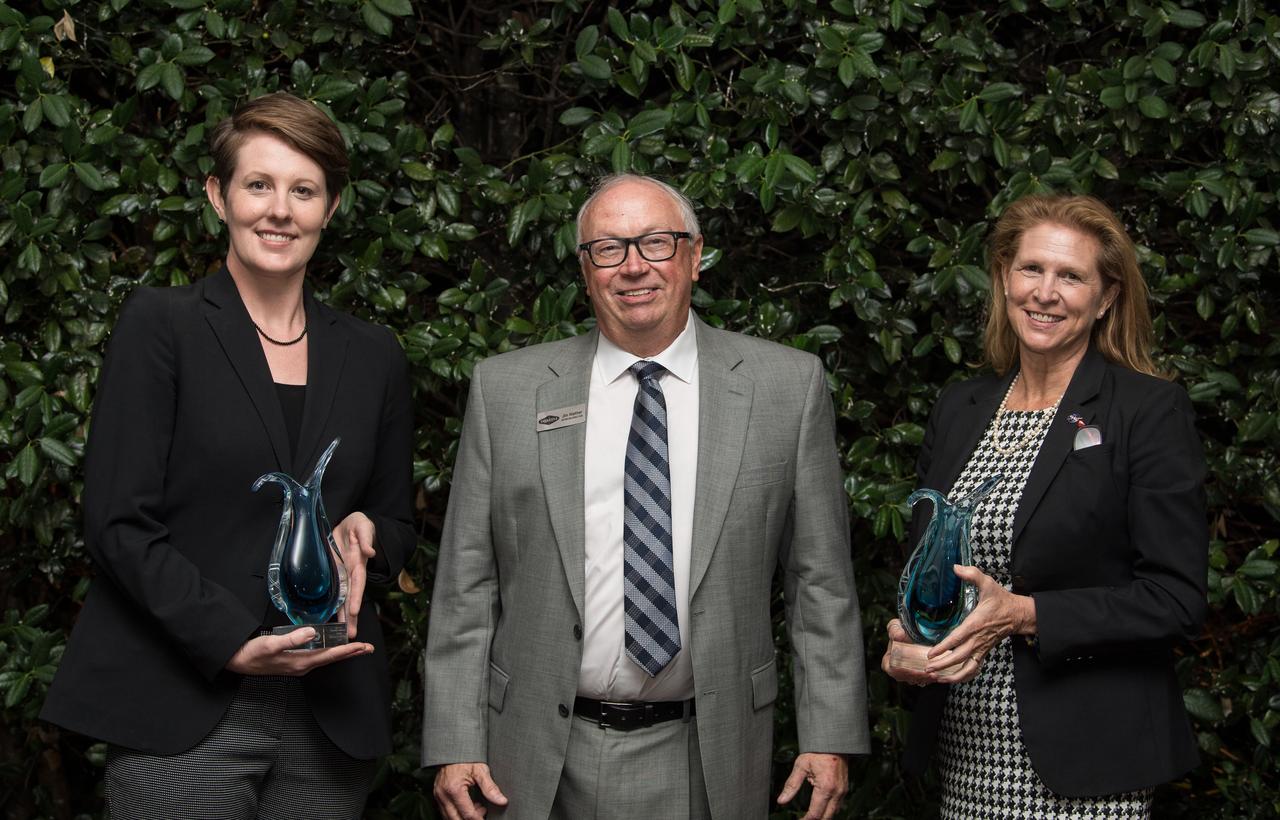
From left to right, Principal Deputy Assistant Secretary for Nuclear Energy at the Department of Energy, Dr. Kathryn Huff, Director of the National Museum of Nuclear Science and History, Jim Walther, and Director of the NASA Science Mission Directorate’s Planetary Science Division, Dr. Lori Glaze, pose for a photo after Dr. Huff and Dr. Glaze accepted the Lifetime Achievement Award on behalf of their agencies during the Nuclear Science Week event, Tuesday, Oct. 19, 2021, at The Observatory at America’s Square in Washington. Photo Credit: (NASA/Aubrey Gemignani)
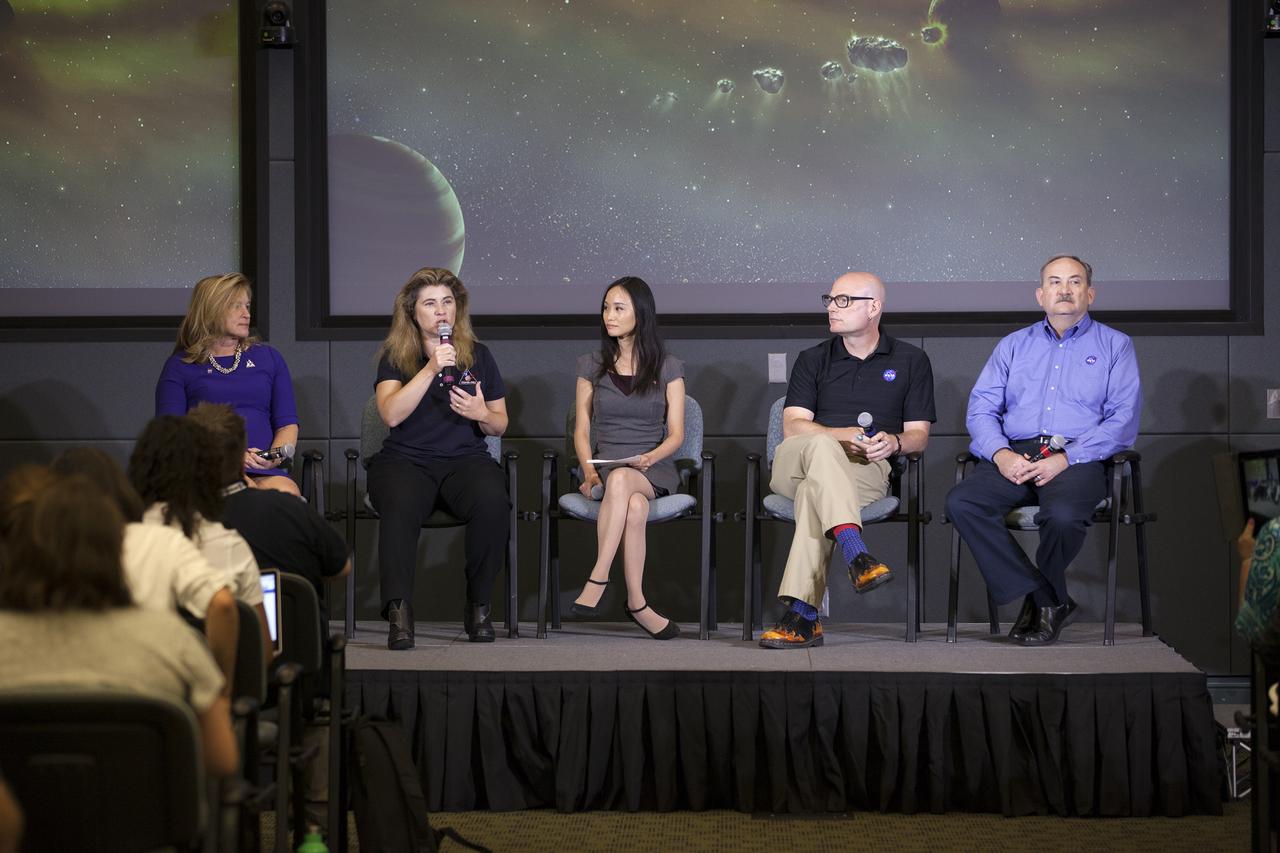
In a panel discussion in the Kennedy Space Center’s Operations Support Building II, social media followers were briefed by NASA scientists on asteroids, how they relate to the origins of our solar system and the search for life beyond Earth. The discussion took place before launch of the agency’s Origins, Spectral Interpretation, Resource Identification, Security-Regolith Explorer, or OSIRIS-REx spacecraft. Panelists for this conversation are, from the left, Ellen Stofan, NASA chief scientist; Michelle Thaller, deputy director of science communications for NASA’s Science Mission Directorate; Felicia Chou, NASA Communications; Alex Young, associate director for science in the Heliophysics Science Division at NASA’s Goddard Space Flight Center in Greenbelt, Maryland; and Lindley Johnson, director of the Planetary Defense Coordination Office in NASA’s Science Mission Directorate.
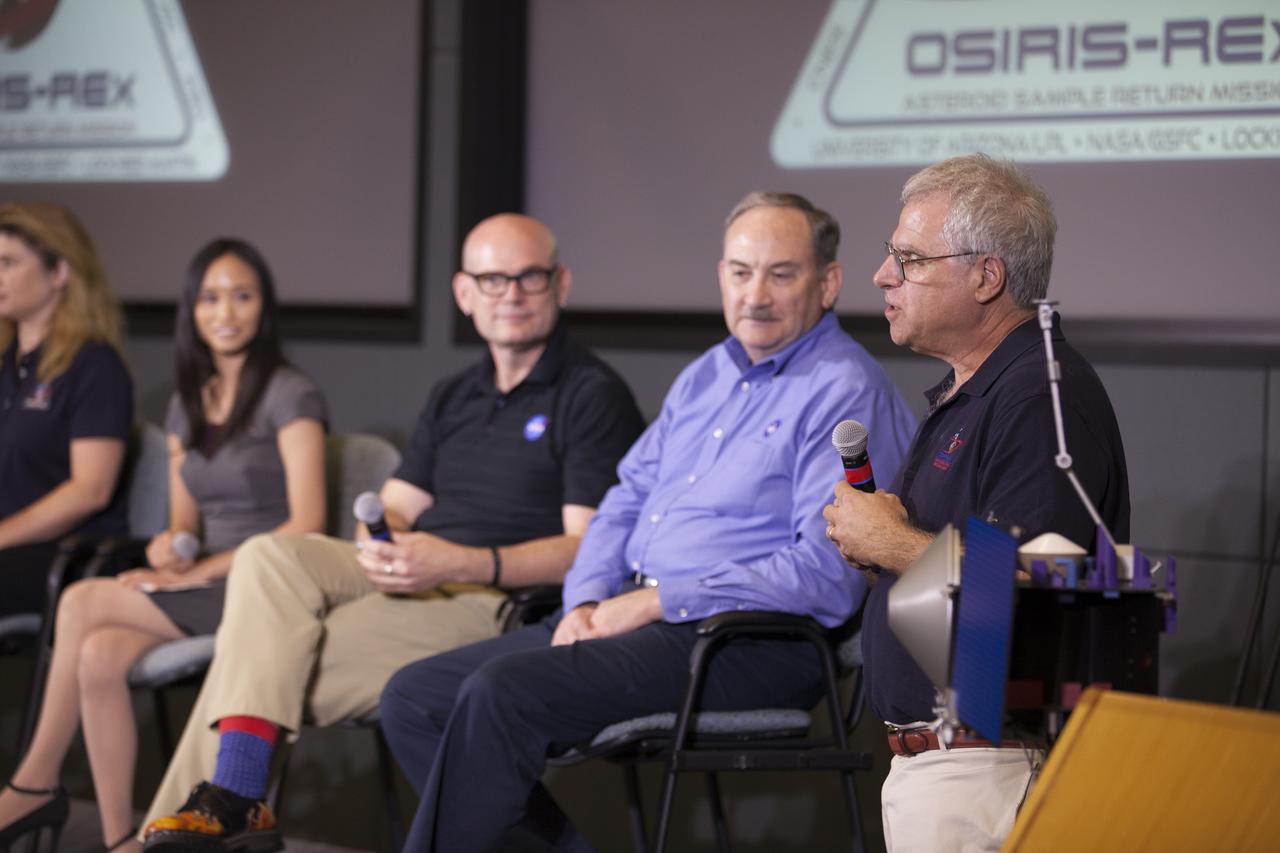
In a panel discussion in the Kennedy Space Center’s Operations Support Building II, social media followers were briefed by NASA scientists on asteroids, how they relate to the origins of our solar system and the search for life beyond Earth. The discussion took place before launch of the agency’s Origins, Spectral Interpretation, Resource Identification, Security-Regolith Explorer, or OSIRIS-REx spacecraft. Panelists in view are, from the left, Felicia Chou, NASA Communications; Alex Young, associate director for science in the Heliophysics Science Division at NASA’s Goddard Space Flight Center in Greenbelt, Maryland; and Lindley Johnson, director of the Planetary Defense Coordination Office in NASA’s Science Mission Directorate. Also participating in the panel discussion are Ellen Stofan, NASA chief scientist and Michelle Thaller, deputy director of science communications for NASA’s Science Mission Directorate.
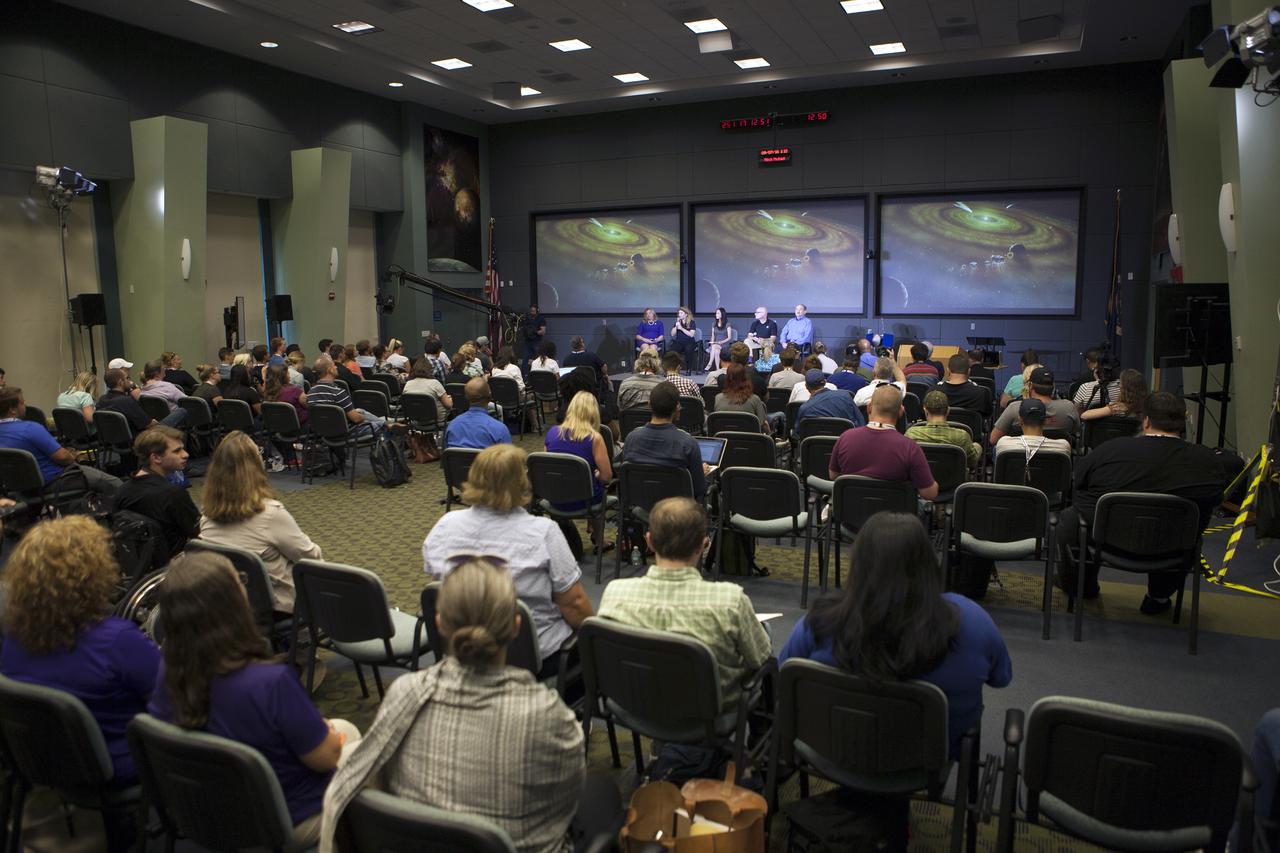
In a panel discussion in the Kennedy Space Center’s Operations Support Building II, social media followers were briefed by NASA scientists on asteroids, how they relate to the origins of our solar system and the search for life beyond Earth. The discussion took place before launch of the agency’s Origins, Spectral Interpretation, Resource Identification, Security-Regolith Explorer, or OSIRIS-REx spacecraft. Panelists for this conversation are, from the left, Ellen Stofan, NASA chief scientist; Michelle Thaller, deputy director of science communications for NASA’s Science Mission Directorate; Felicia Chou, NASA Communications; Alex Young, associate director for science in the Heliophysics Science Division at NASA’s Goddard Space Flight Center in Greenbelt, Maryland; and Lindley Johnson, director of the Planetary Defense Coordination Office in NASA’s Science Mission Directorate.
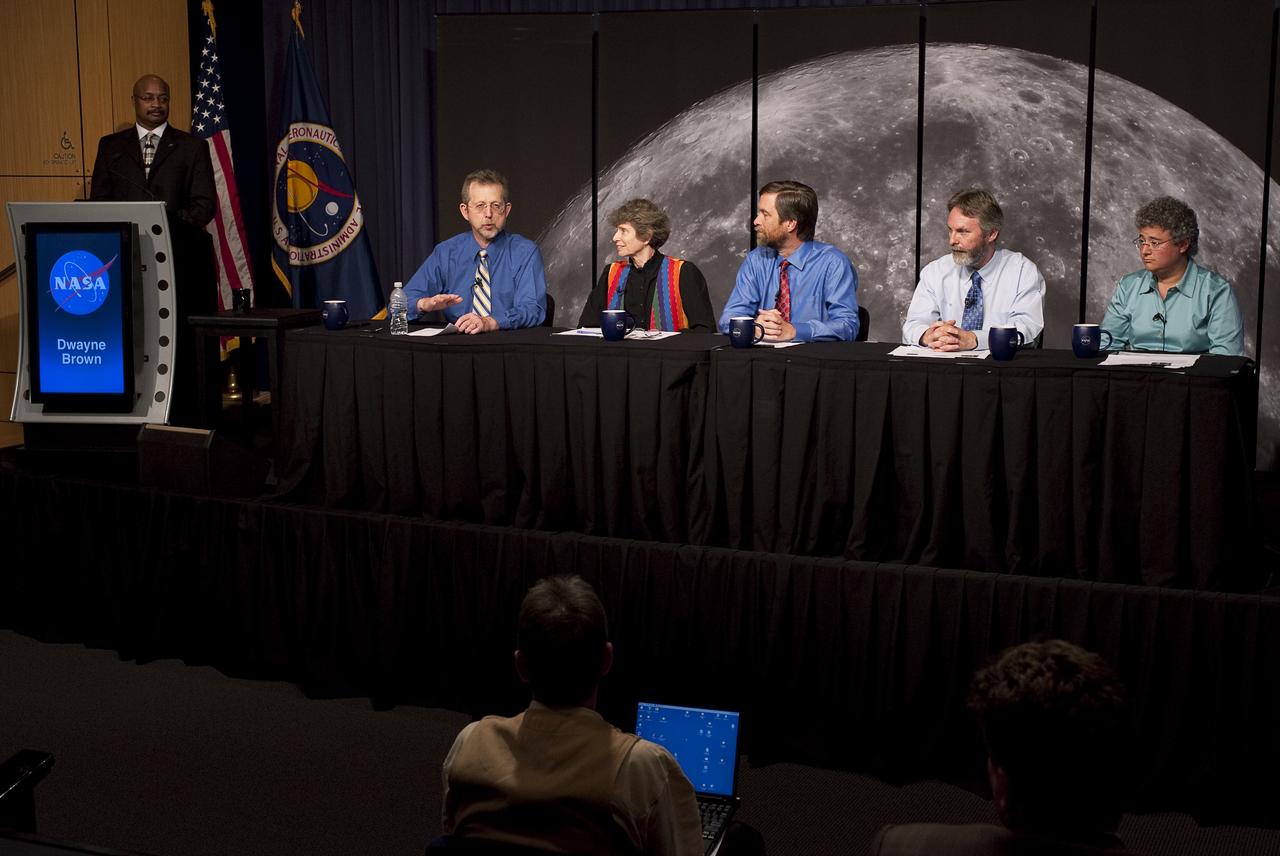
Jim Green (second from left), director, Planetary Science Division, Science Mission Directorate at NASA Headquarters in Washington discusses NASA’s findings of water molecules in the polar regions of the moon at a press conference at NASA Headquarters, September 24, 2009. Photo Credit: (NASA/Carla Cioffi)
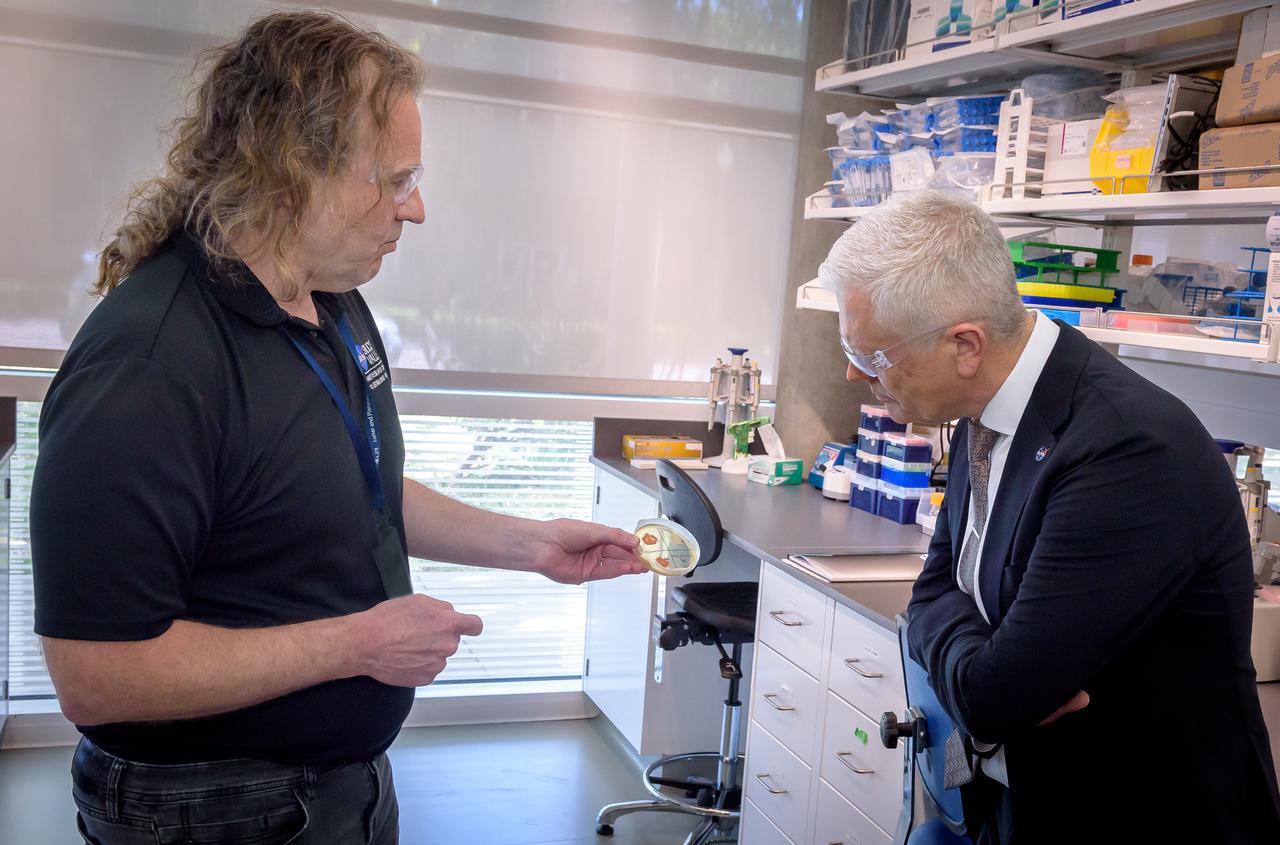
Director of Science Michael Hesse, left, presents an overview of Lunar Explorer Instrument for space biology Applications (LEIA) to Acting Deputy Associate Administrator (DAA) for the Science Mission Directorate (SMD) Mark Clampin in the Bioscience Collaborative Laboratory, N288.
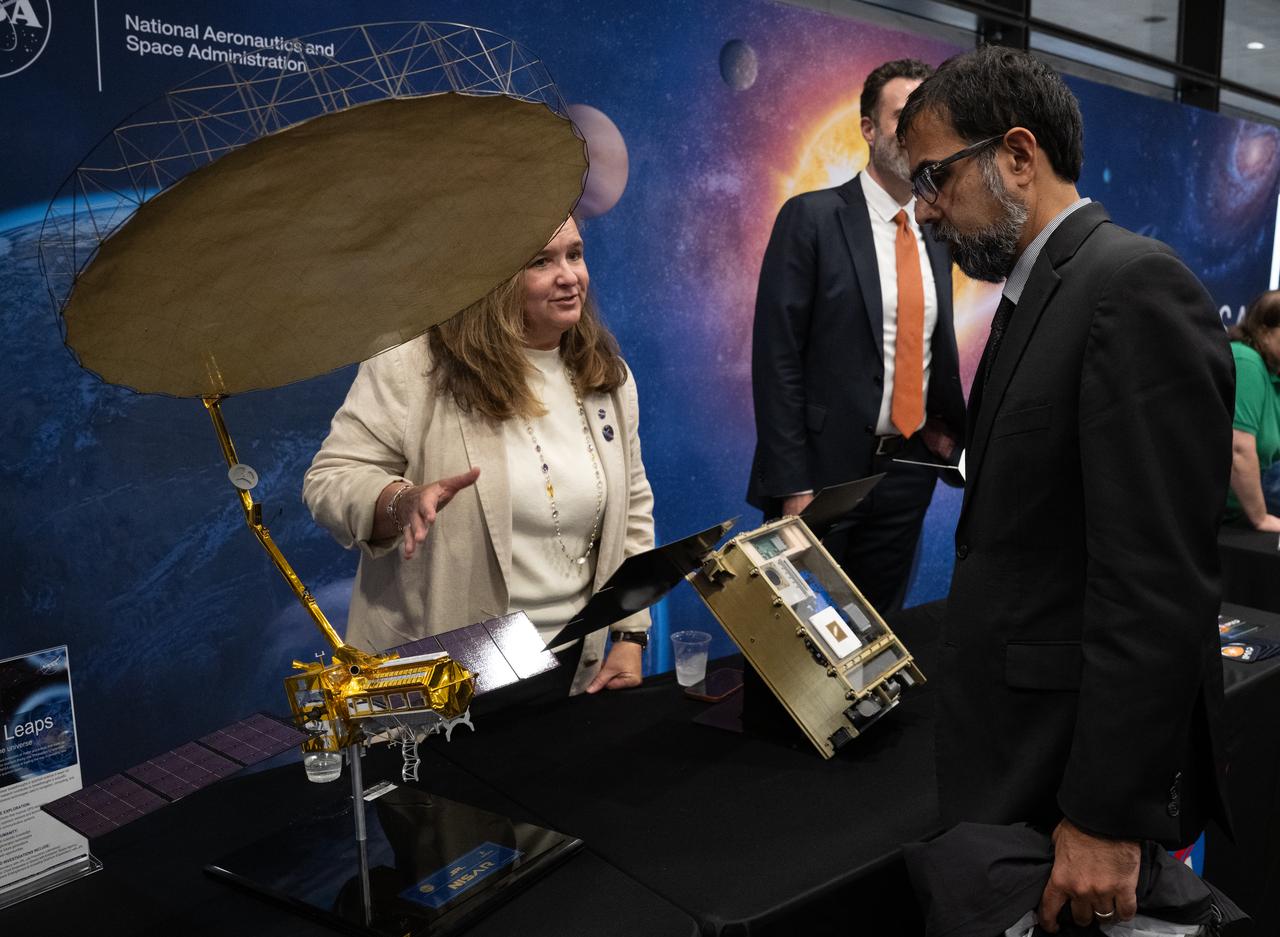
Karen St. Germain, director of the Earth Science Division of NASA’s Science Mission Directorate, left, speaks with NASA Associate Administrator Amit Kshatriya during NASA’s Day on the Hill, Tuesday, Sept. 16, 2025, at the Hart Senate Office Building in Washington. Photo Credit: (NASA/Joel Kowsky)
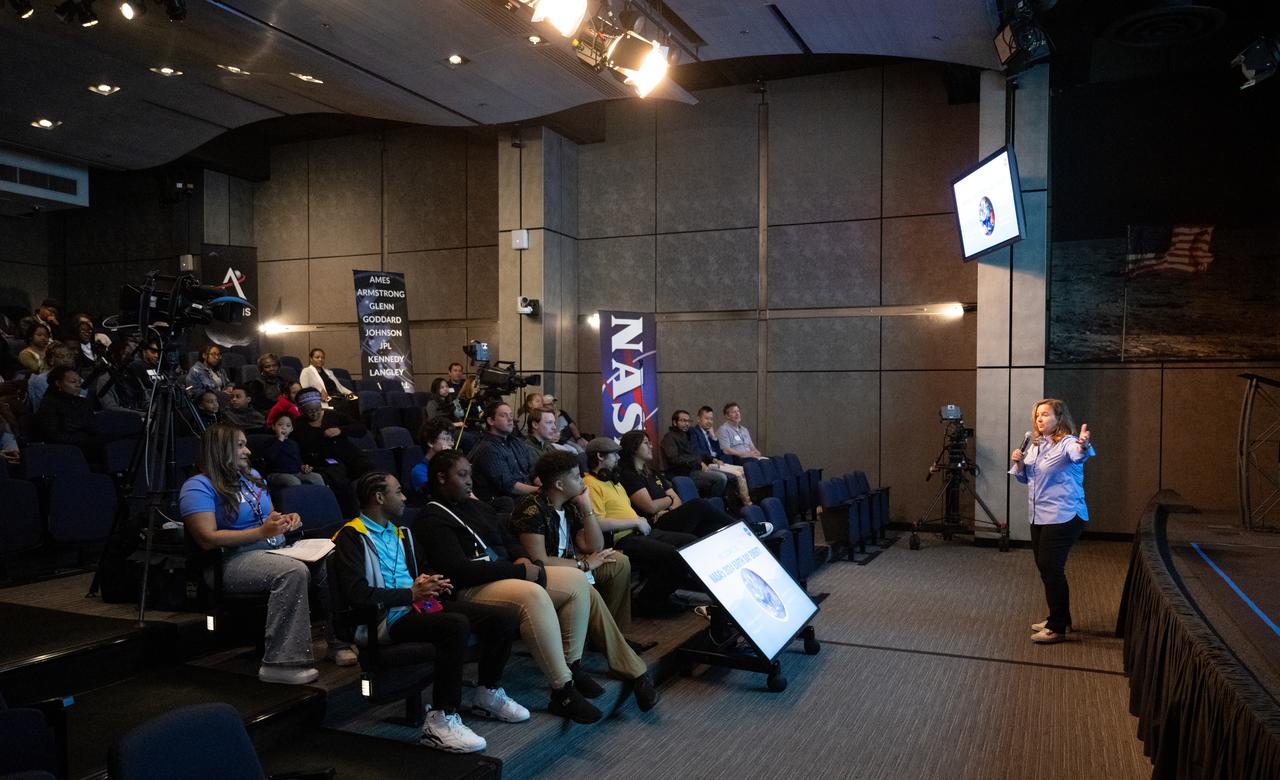
Karen St. Germain, director of the Earth Science Division of NASA’s Science Mission Directorate, speaks to students before they view exhibits and participate in hands-on activities as NASA celebrates Earth Day, Friday, April 19, 2024, at the Mary W. Jackson NASA Headquarters building in Washington. Photo Credit: (NASA/Joel Kowsky)
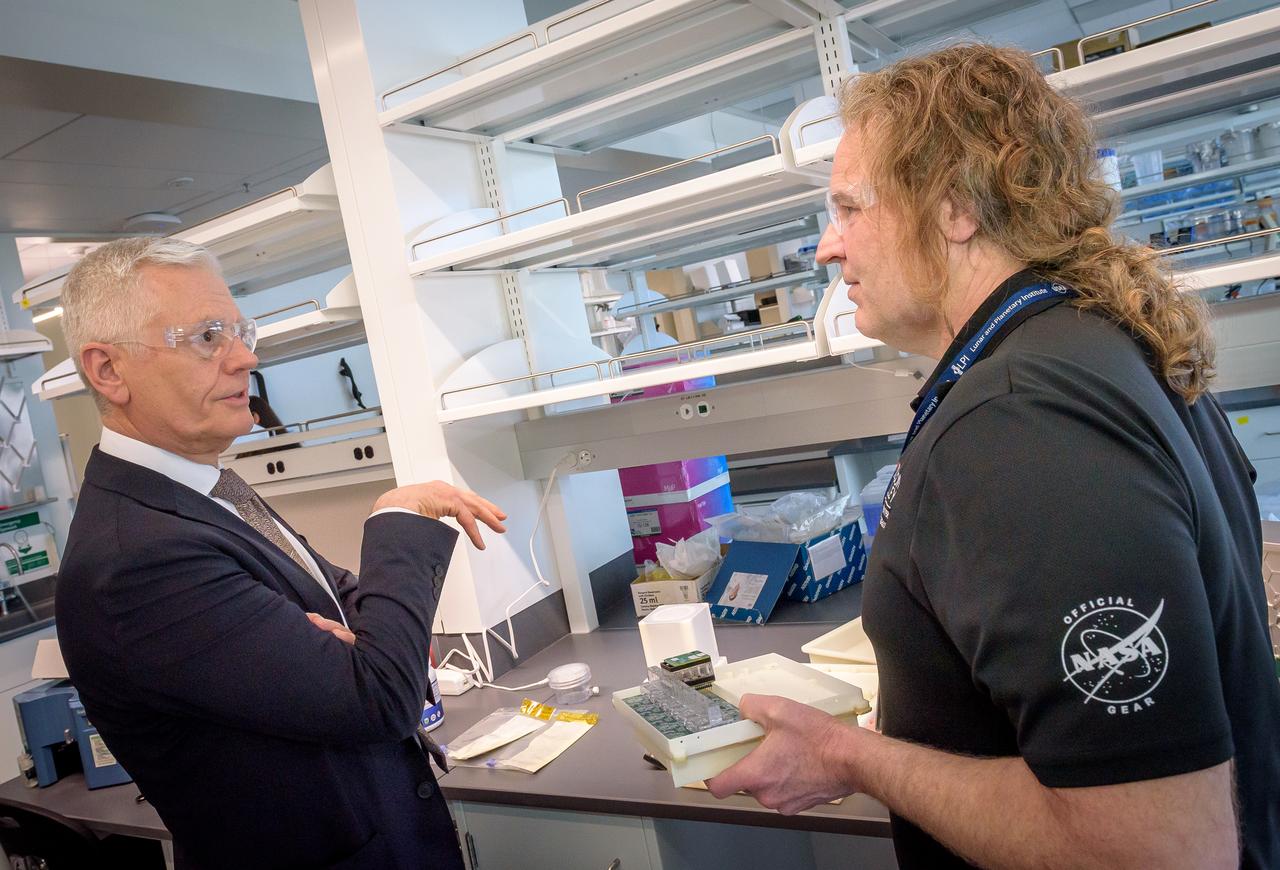
Director of Science Michael Hesse, right, presents an overview of Lunar Explorer Instrument for space biology Applications (LEIA) to Acting Deputy Associate Administrator (DAA) for the Science Mission Directorate (SMD) Mark Clampin in the Bioscience Collaborative Laboratory, N288.

NASA Administrator Jim Bridenstine, right, poses for a photo with Michael Freilich, earth science director, Science Mission Directorate, Tuesday, Dec. 11, 2018 at the Marriott Marquis hotel after presenting him with a NASA Lifetime Achievement award. Photo Credit: (NASA/Aubrey Gemignani)
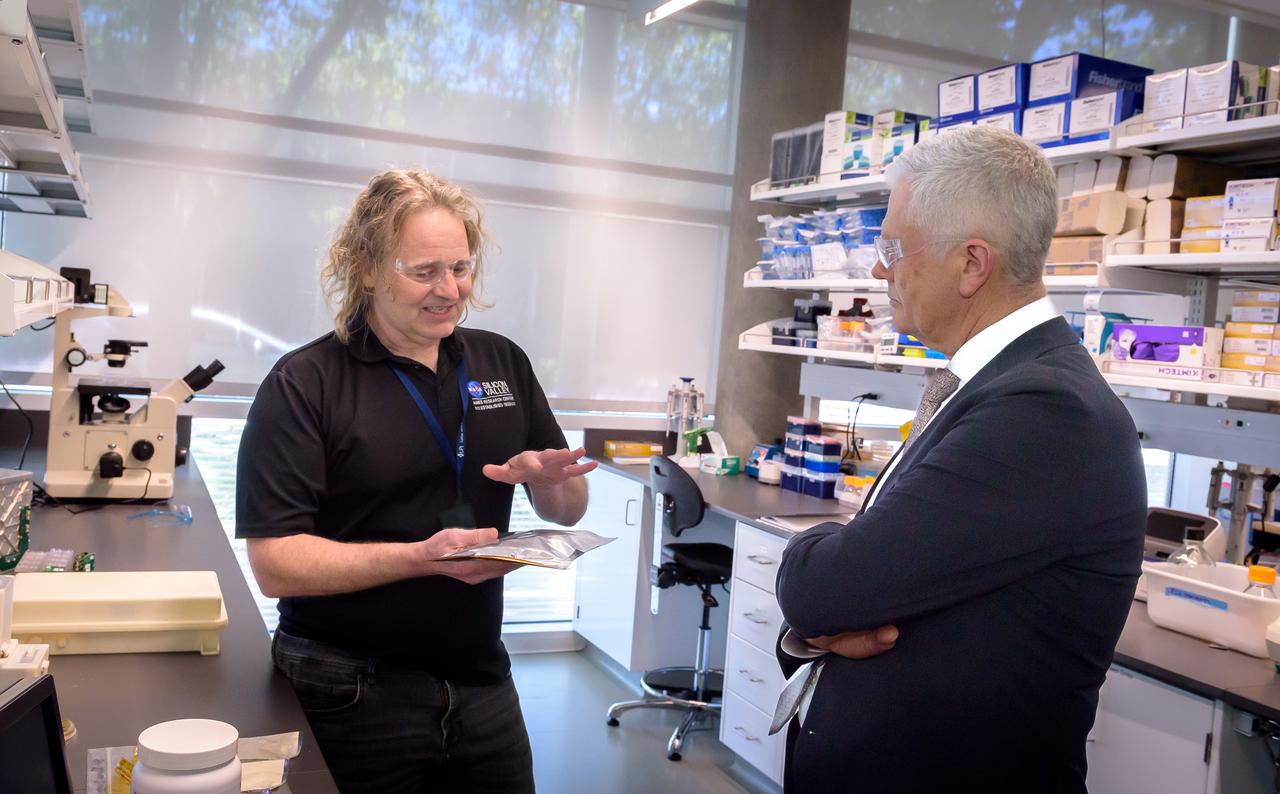
Director of Science Michael Hesse, left, presents an overview of Lunar Explorer Instrument for space biology Applications (LEIA) to Acting Deputy Associate Administrator (DAA) for the Science Mission Directorate (SMD) Mark Clampin in the Bioscience Collaborative Laboratory, N288.
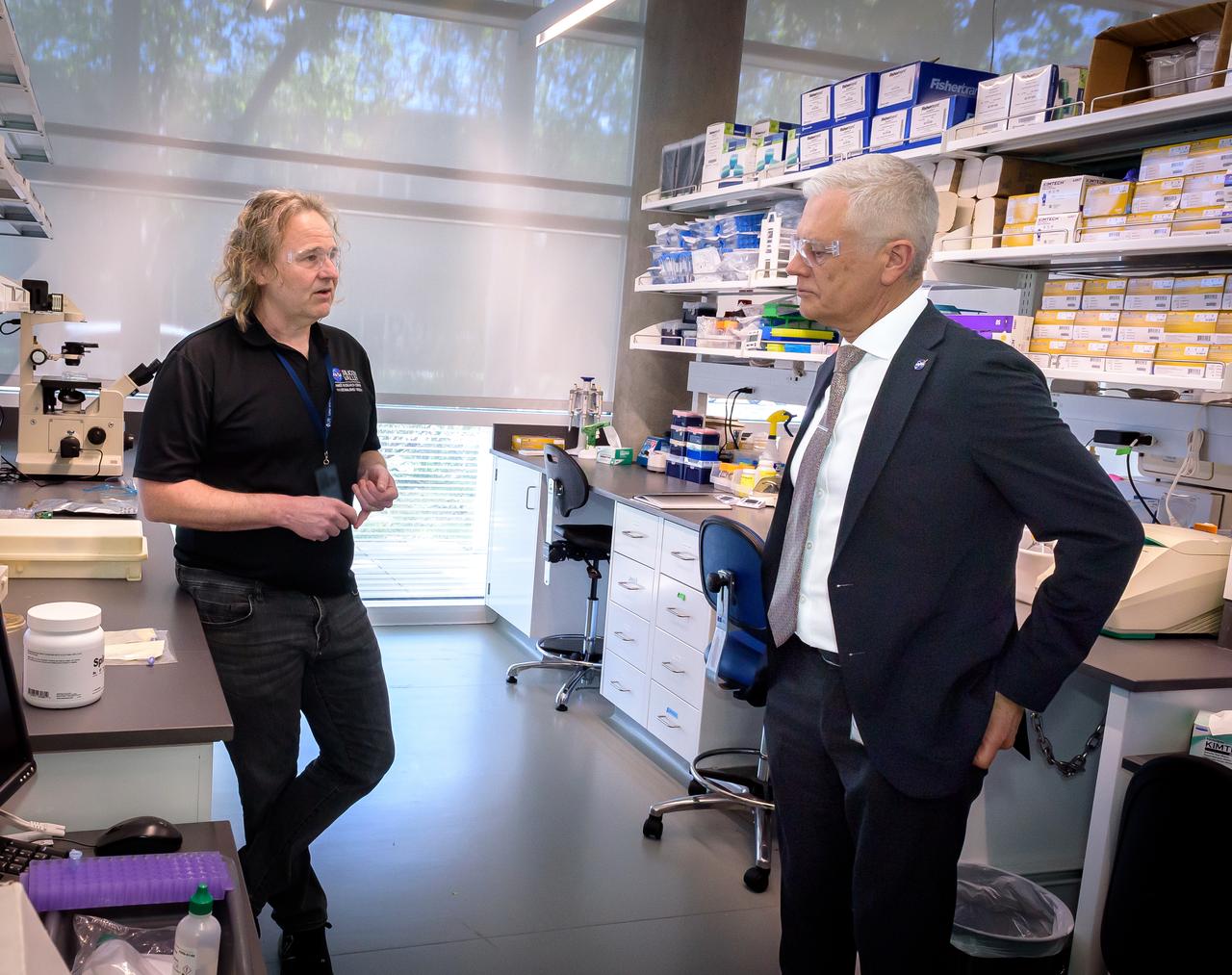
Director of Science Michael Hesse, left, presents an overview of Lunar Explorer Instrument for space biology Applications (LEIA) to Acting Deputy Associate Administrator (DAA) for the Science Mission Directorate (SMD) Mark Clampin in the Bioscience Collaborative Laboratory, N288.
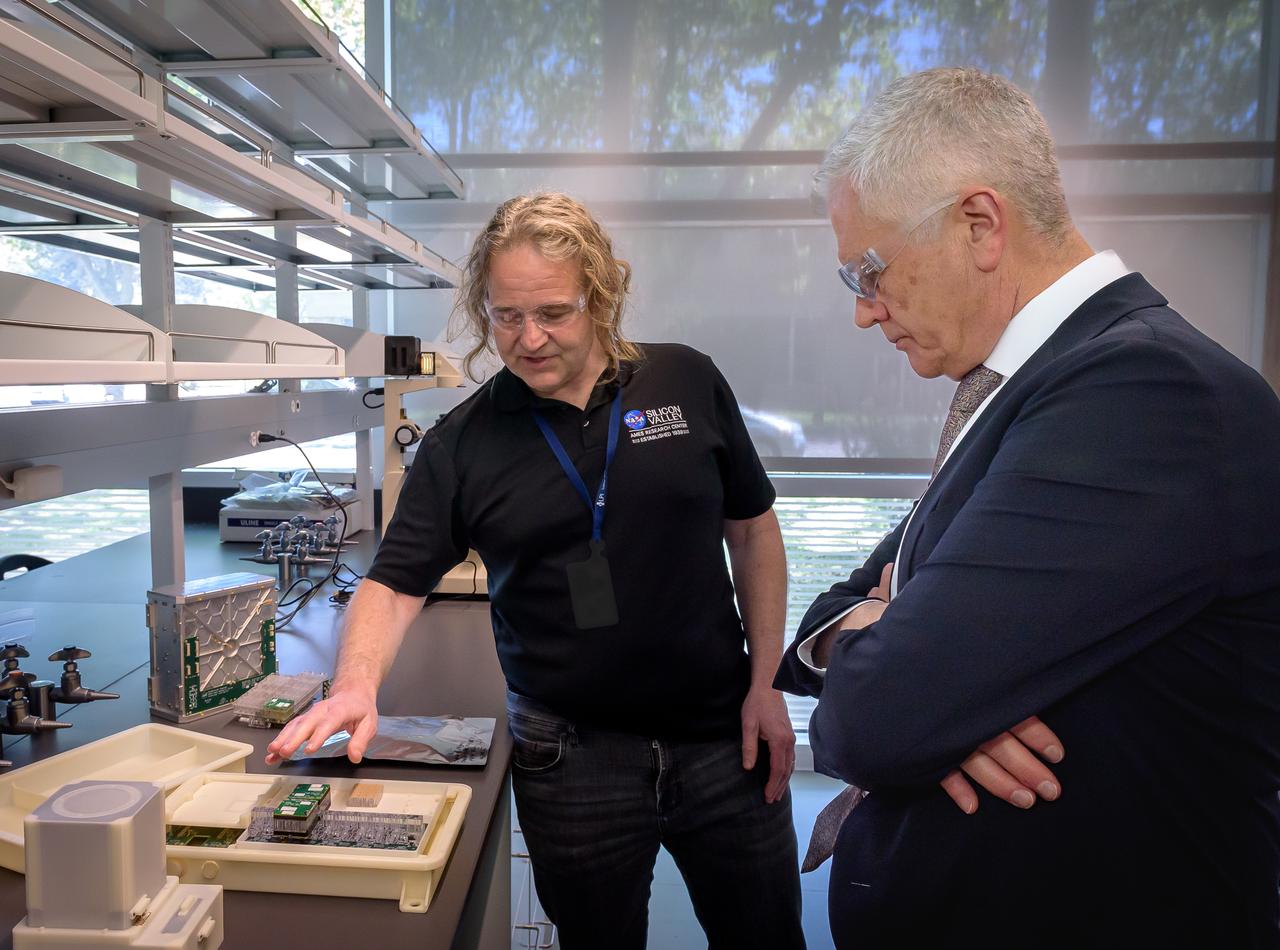
Director of Science Michael Hesse, left, presents an overview of Lunar Explorer Instrument for space biology Applications (LEIA) to Acting Deputy Associate Administrator (DAA) for the Science Mission Directorate (SMD) Mark Clampin in the Bioscience Collaborative Laboratory, N288.
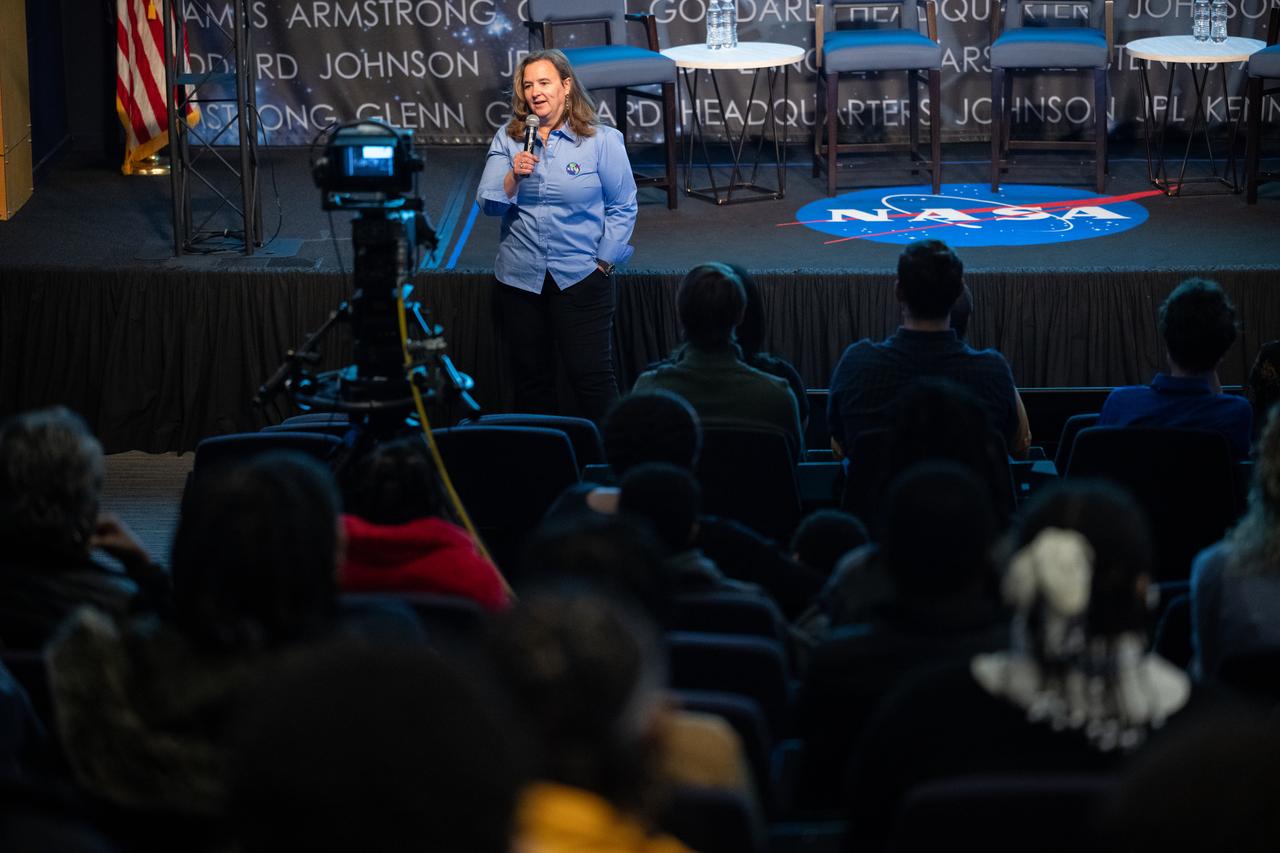
Karen St. Germain, director of the Earth Science Division of NASA’s Science Mission Directorate, speaks to students before they view exhibits and participate in hands-on activities as NASA celebrates Earth Day, Friday, April 19, 2024, at the Mary W. Jackson NASA Headquarters building in Washington. Photo Credit: (NASA/Joel Kowsky)
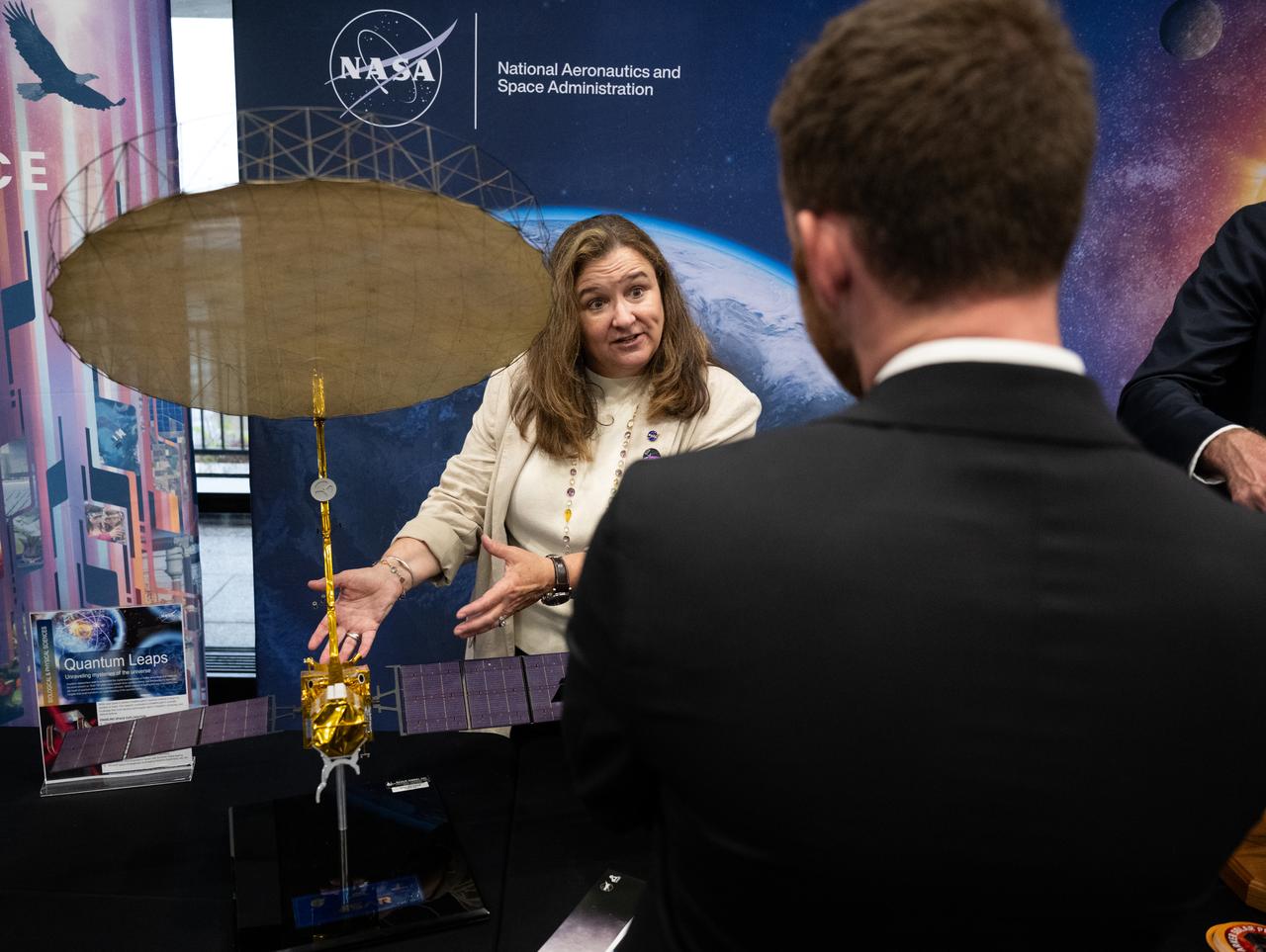
Karen St. Germain, director of the Earth Science Division of NASA’s Science Mission Directorate speaks with an attendee as he views exhibits during NASA’s Day on the Hill, Tuesday, Sept. 16, 2025, at the Hart Senate Office Building in Washington. Photo Credit: (NASA/Joel Kowsky)
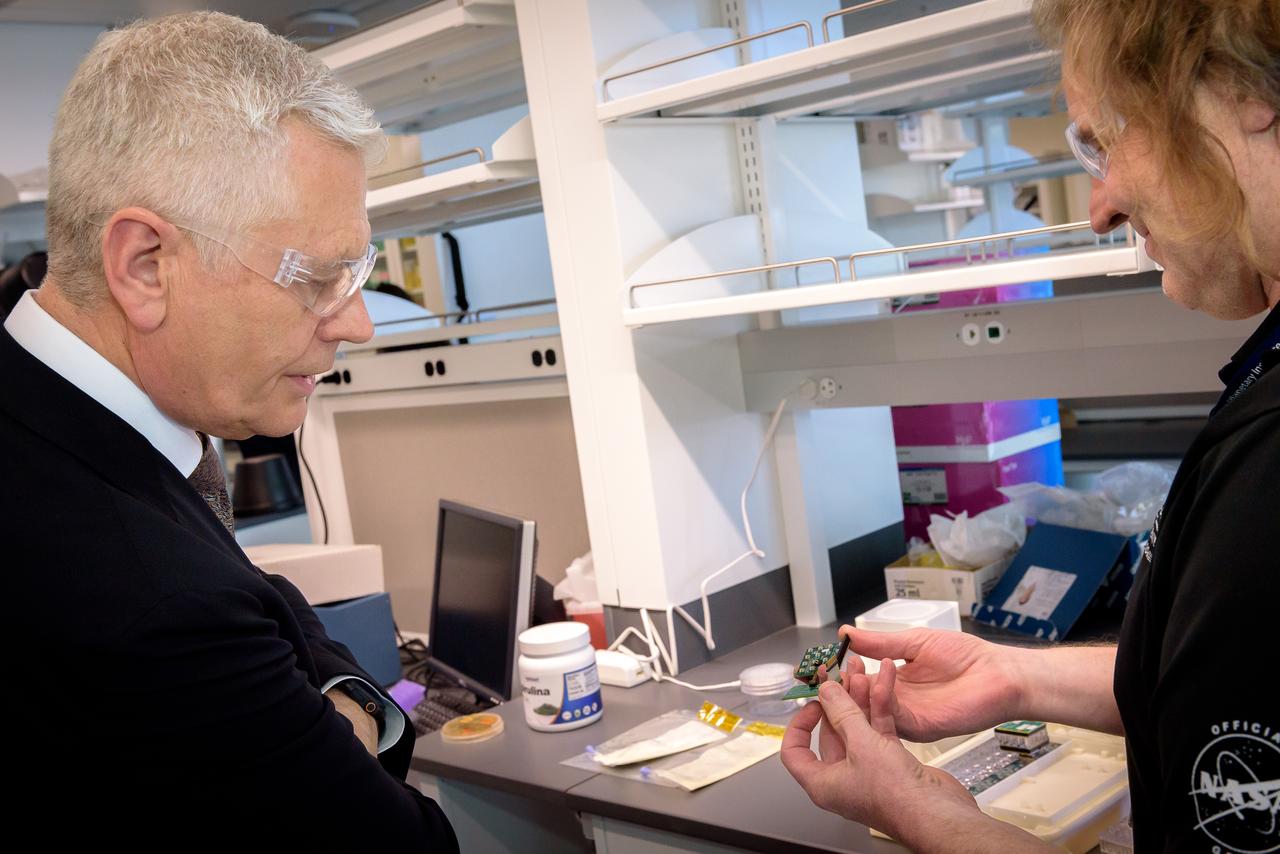
Director of Science Michael Hesse, right, presents an overview of Lunar Explorer Instrument for space biology Applications (LEIA) to Acting Deputy Associate Administrator (DAA) for the Science Mission Directorate (SMD) Mark Clampin in the Bioscience Collaborative Laboratory, N288.
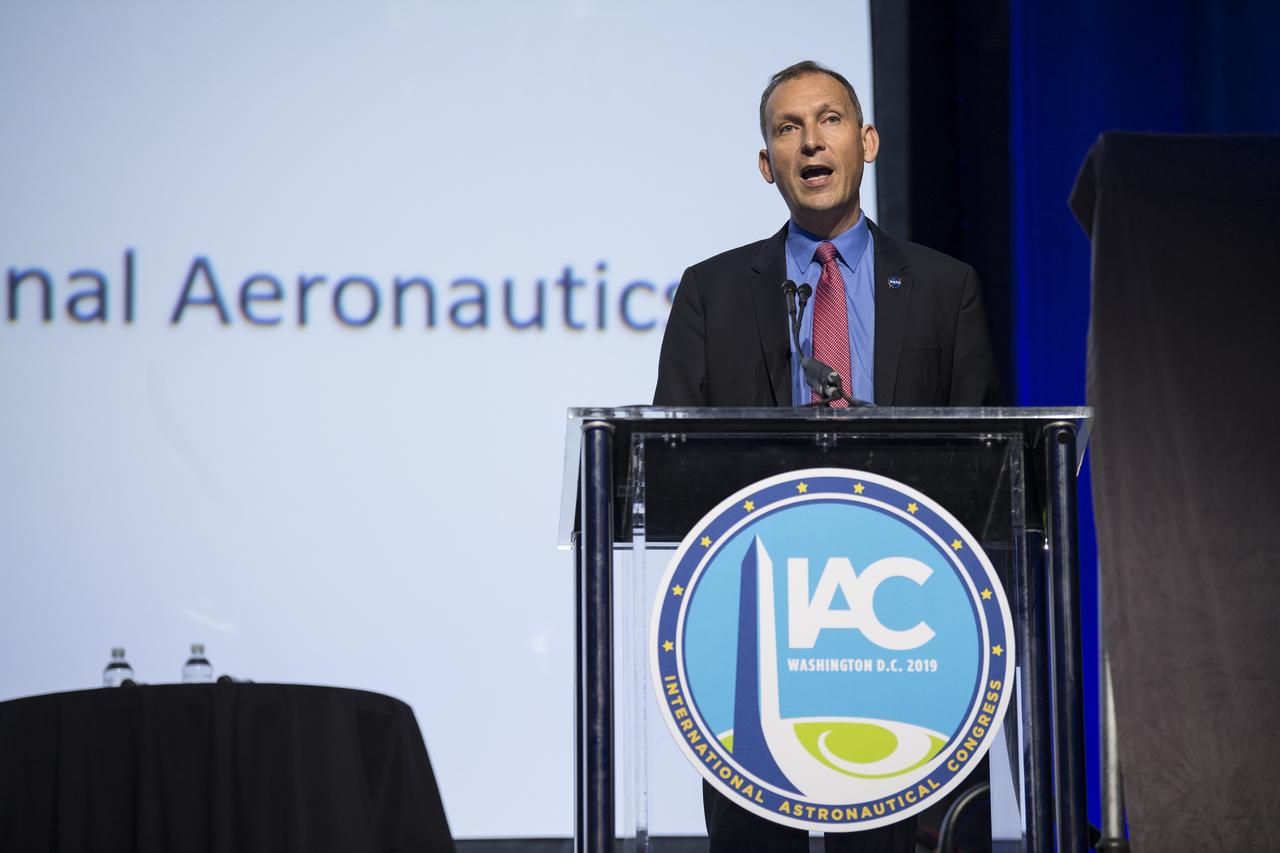
NASA Associate Administrator, Science Mission Directorate, Thomas Zurbuchen, introduces Nicola Fox, director of the Heliophysics division for the Science Mission Directorate, to give a presentation titled, “The Challenge of Exploring Our Sun - the 60-Year Odyssey to Parker Solar Probe,” during the 70th International Astronautical Congress, Wednesday, Oct. 23, 2019, at the Walter E. Washington Convention Center in Washington. Photo credit: (NASA/Aubrey Gemignani)
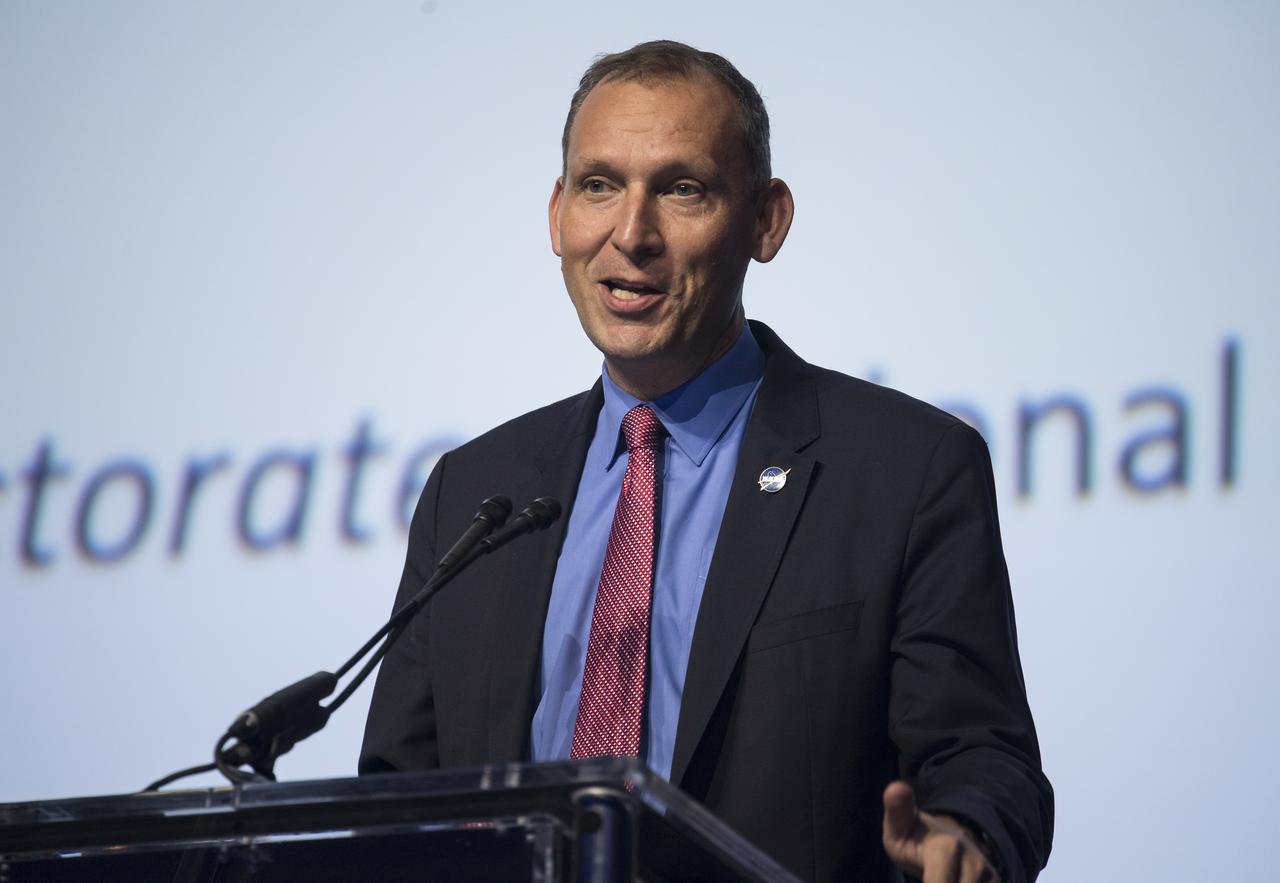
NASA Associate Administrator, Science Mission Directorate, Thomas Zurbuchen, introduces Nicola Fox, director of the Heliophysics division for the Science Mission Directorate, to give a presentation titled, “The Challenge of Exploring Our Sun - the 60-Year Odyssey to Parker Solar Probe,” during the 70th International Astronautical Congress, Wednesday, Oct. 23, 2019, at the Walter E. Washington Convention Center in Washington. Photo credit: (NASA/Aubrey Gemignani)
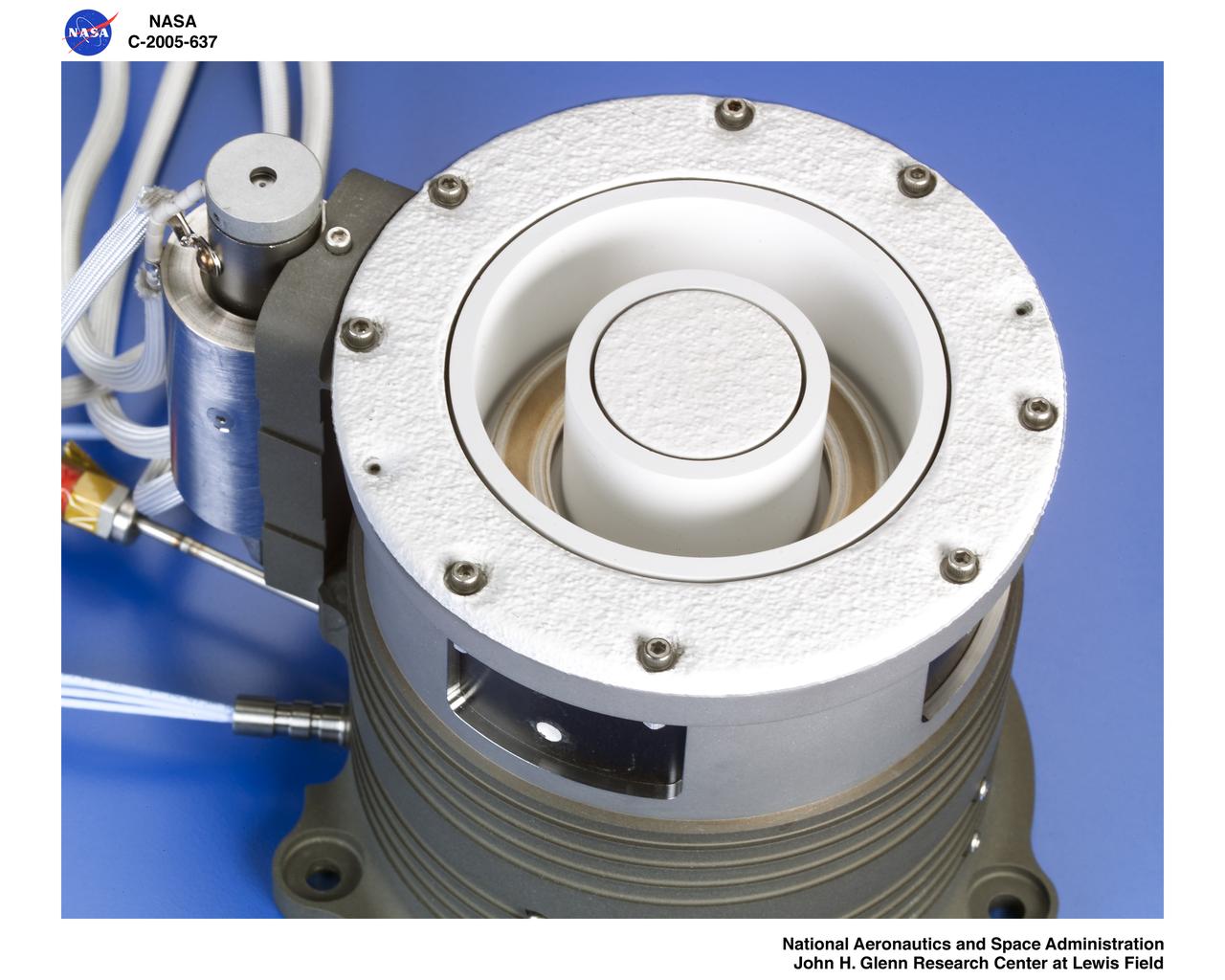
NASA - 77M prototype hall thruster built under the High Voltage Hall accelerator development project funded by the Science Mission Directorate ; potential use is propulsion for deep space science missions
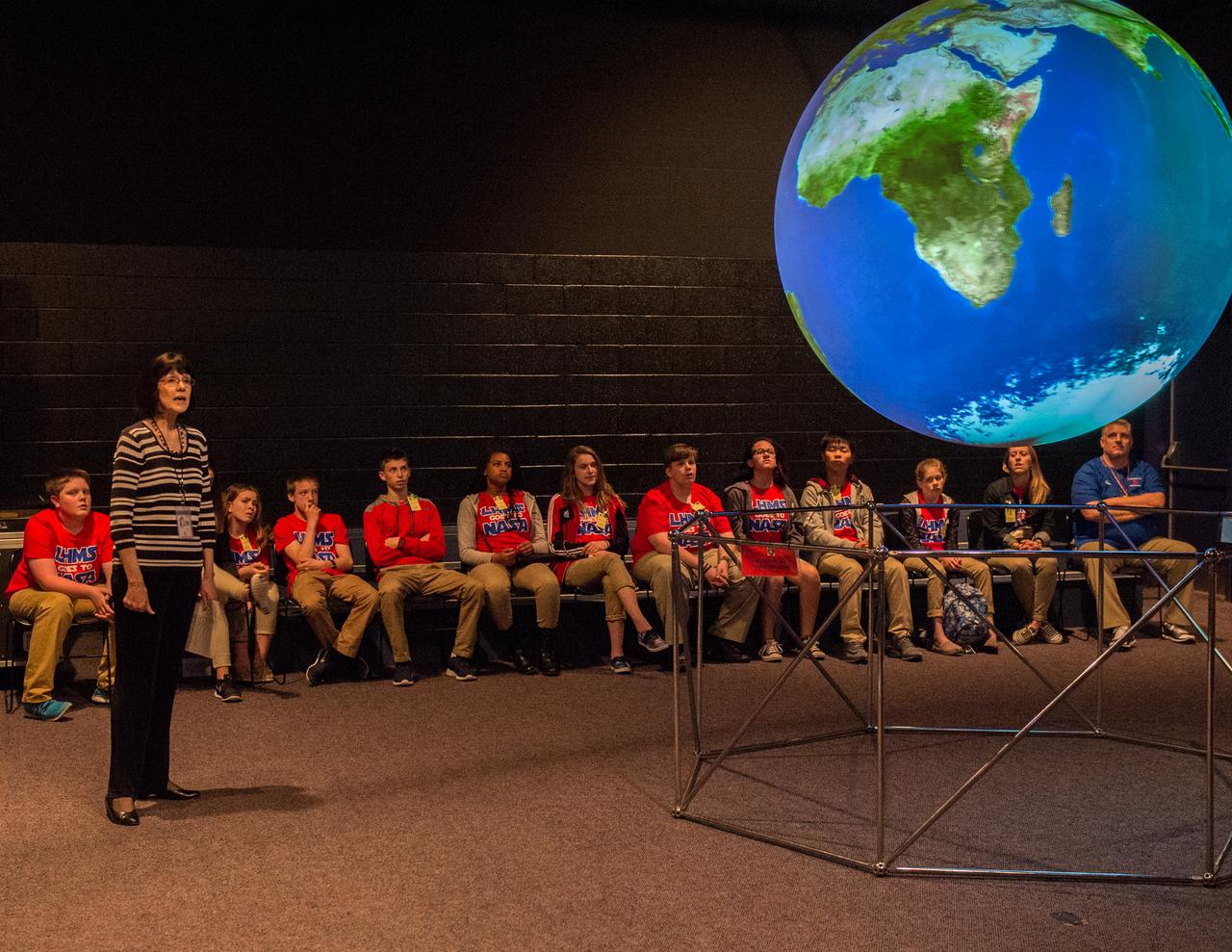
Beating the Odds Student Success/ Leadership Program tours the Goddard Space Flight Center. Judy Bruner, Director of Safety and Mission Assurance Directorate gives a Science on a Sphere Presentation.
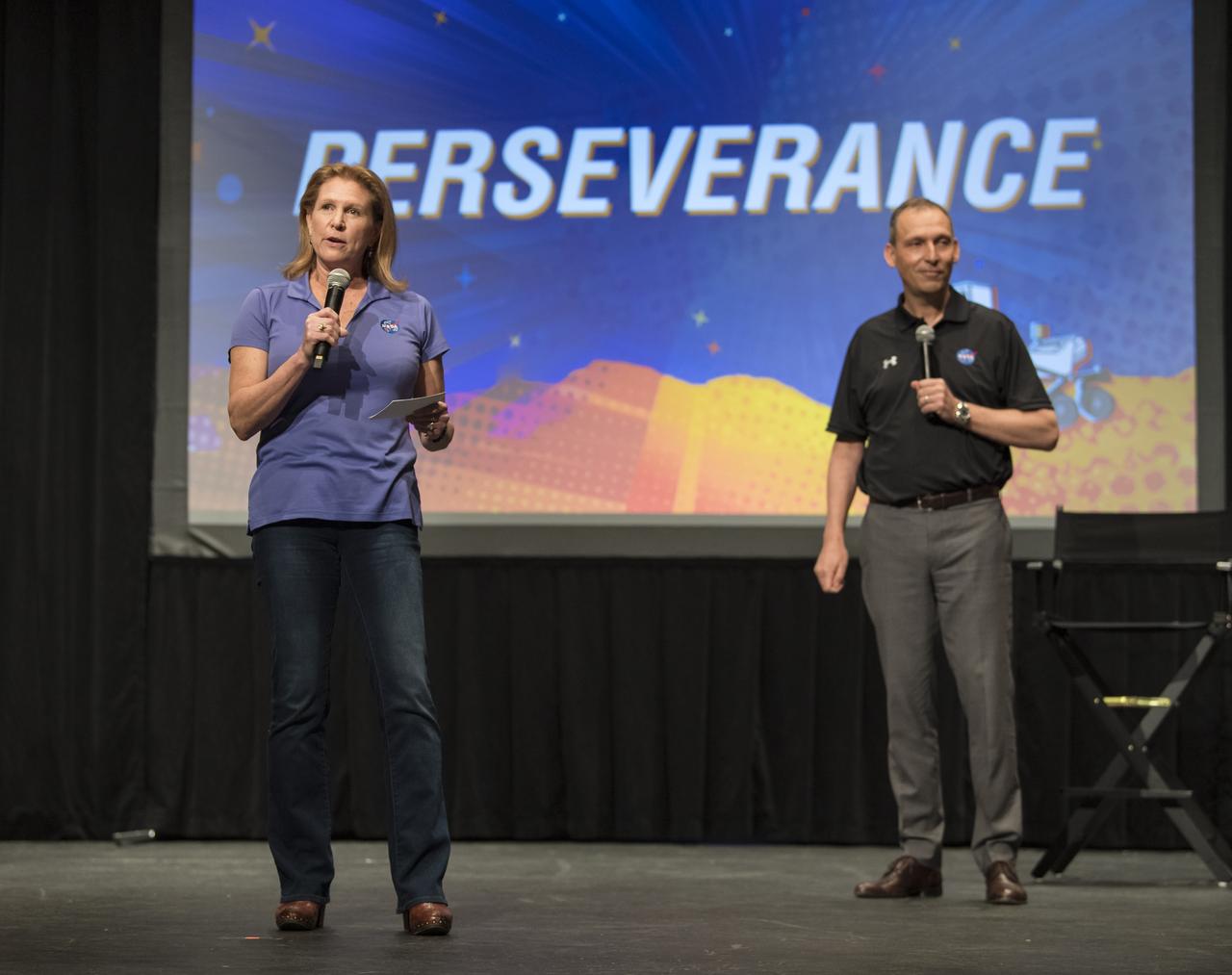
Director of NASA's Science Mission Directorate’s Planetary Science Division, Lori Glaze, left, speaks after the announcement of the official name, Perseverance, for the rover formerly known as Mars 2020, Thursday, March 5, 2020, at Lake Braddock Secondary School in Burke, Va. The final selection of the new name was made by Associate Administrator of NASA's Science Mission Directorate, Thomas Zurbuchen, following a nationwide naming contest conducted in 2019 that drew more than 28,000 essays by K-12 students from every U.S. state and territory. Perseverance is currently at NASA's Kennedy Space Center in Florida being prepared for launch this summer. Photo Credit: (NASA/Aubrey Gemignani)
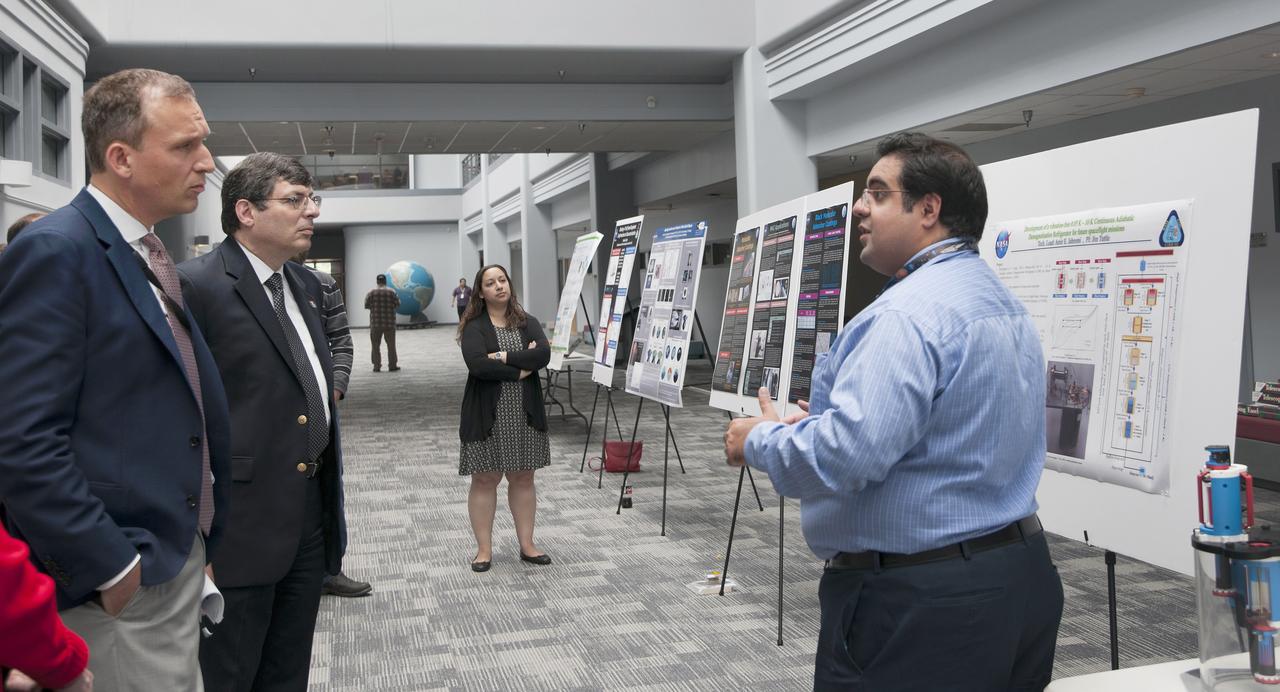
Dr. Thomas Zurbuchen Associate Administrator for Science Mission Directorate Hqs visited Goddard on May 29 2018
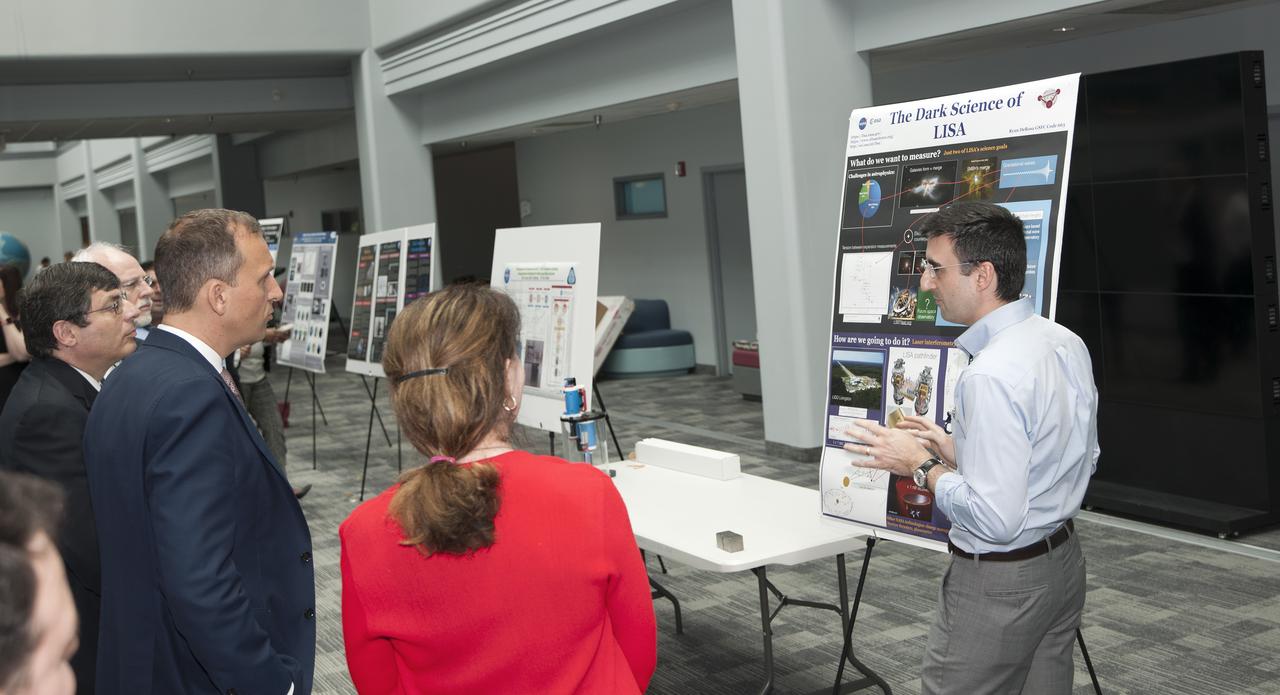
Dr. Thomas Zurbuchen ASsociate Administrator for Science Mission Directorate visited Goddard on May 29, 2018
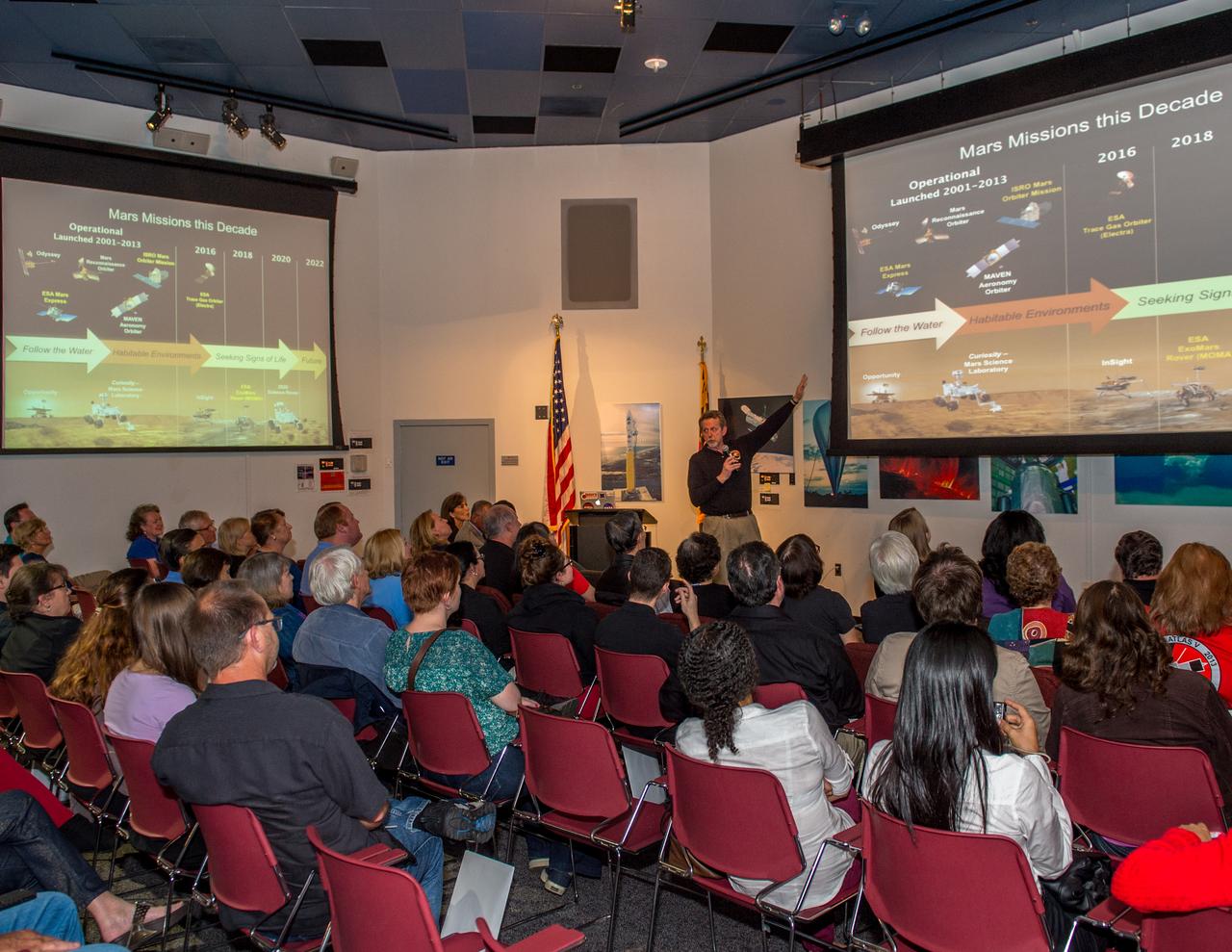
James Green , NASA PLanetary Science Division Director at the Mars Atmosphere and Volatile Evolution Mission (MAVEN) ORBIT INSERTION event
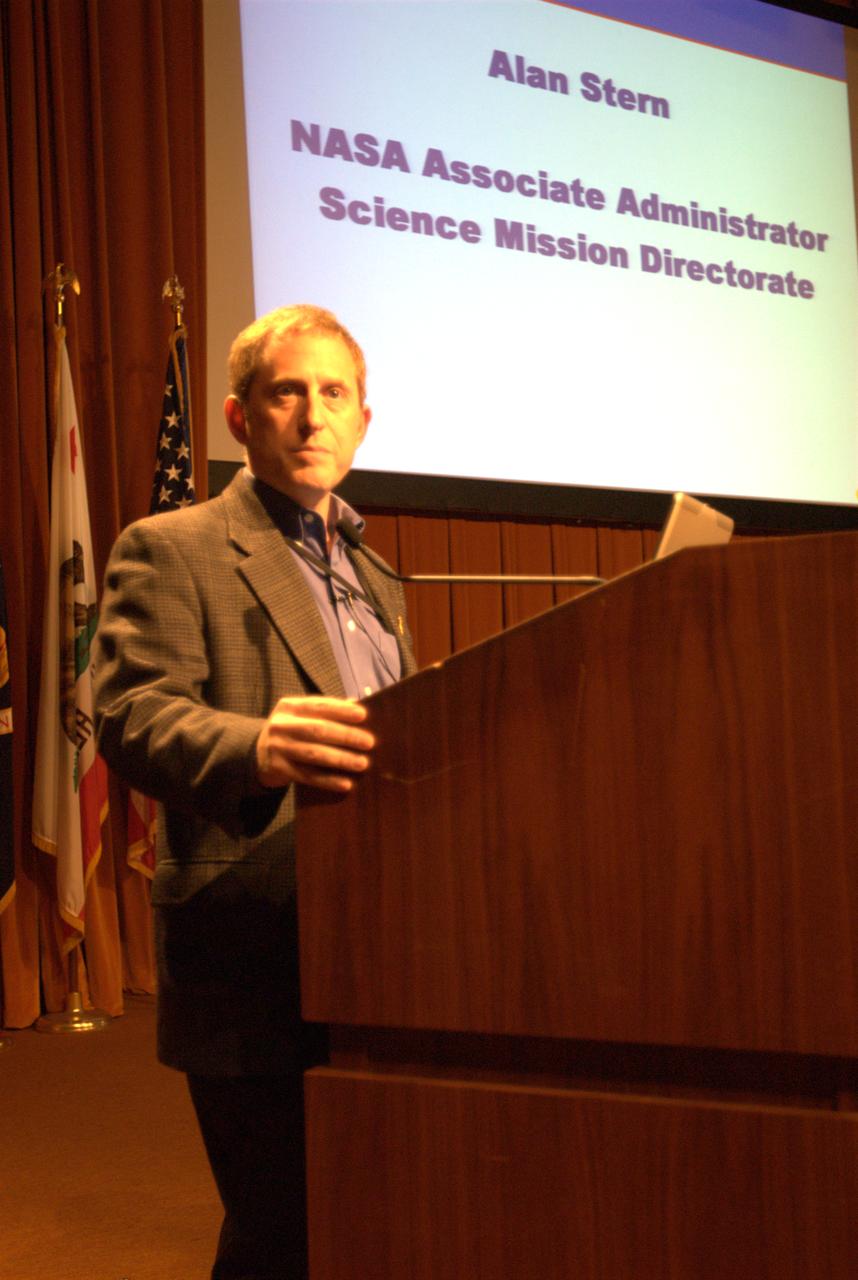
Alan Stern, Associate Administrator of the Science Mission Directorate HQ addressing Ames staff
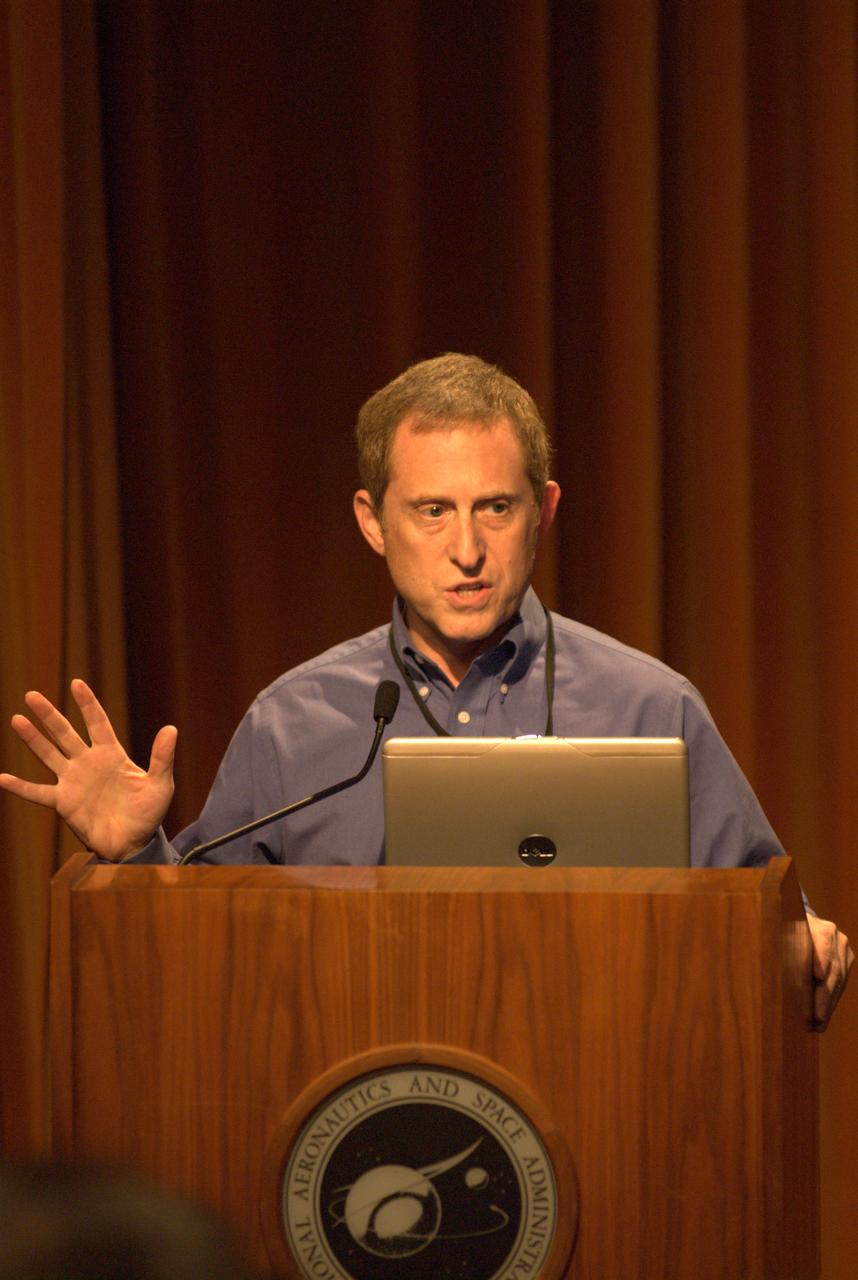
Alan Stern, Associate Administrator of the Science Mission Directorate HQ addressing Ames staff
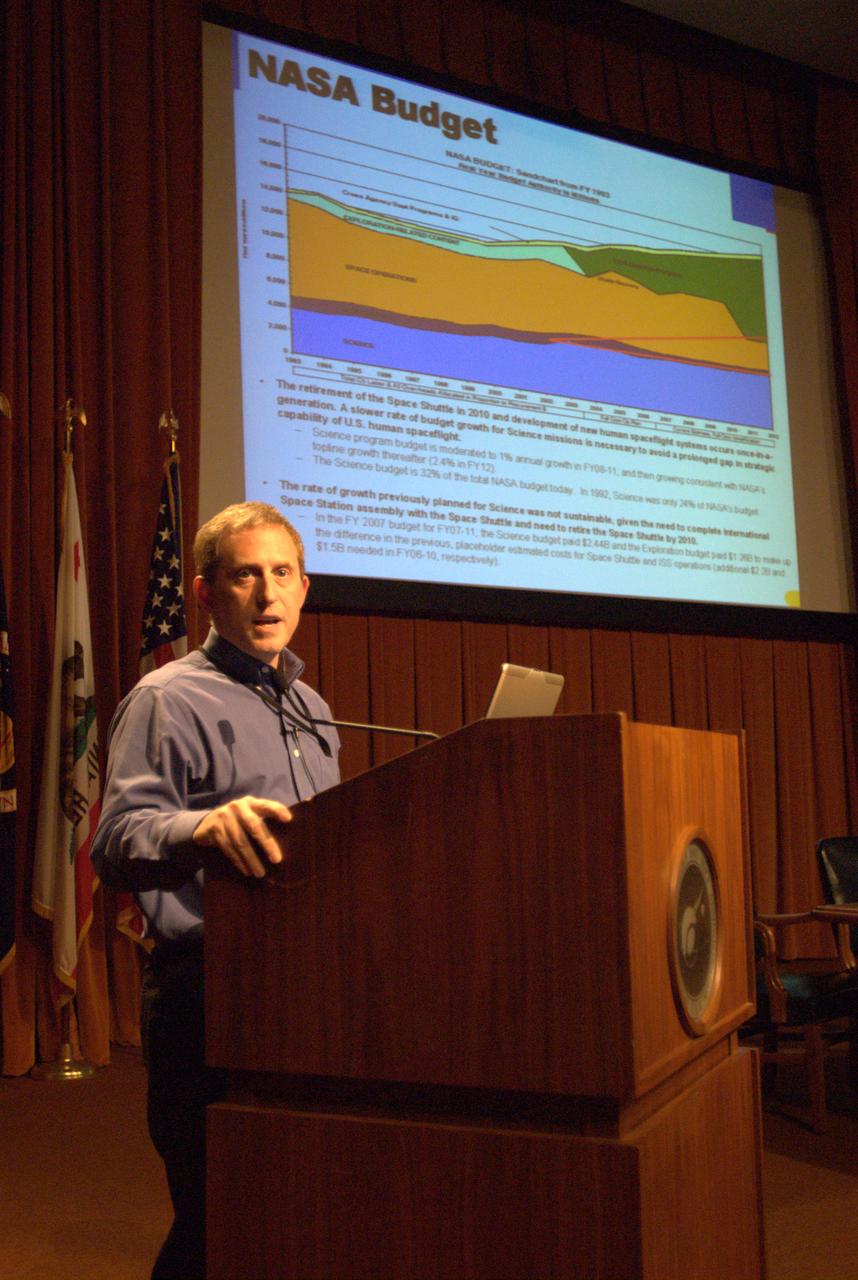
Alan Stern, Associate Administrator of the Science Mission Directorate HQ addressing Ames staff
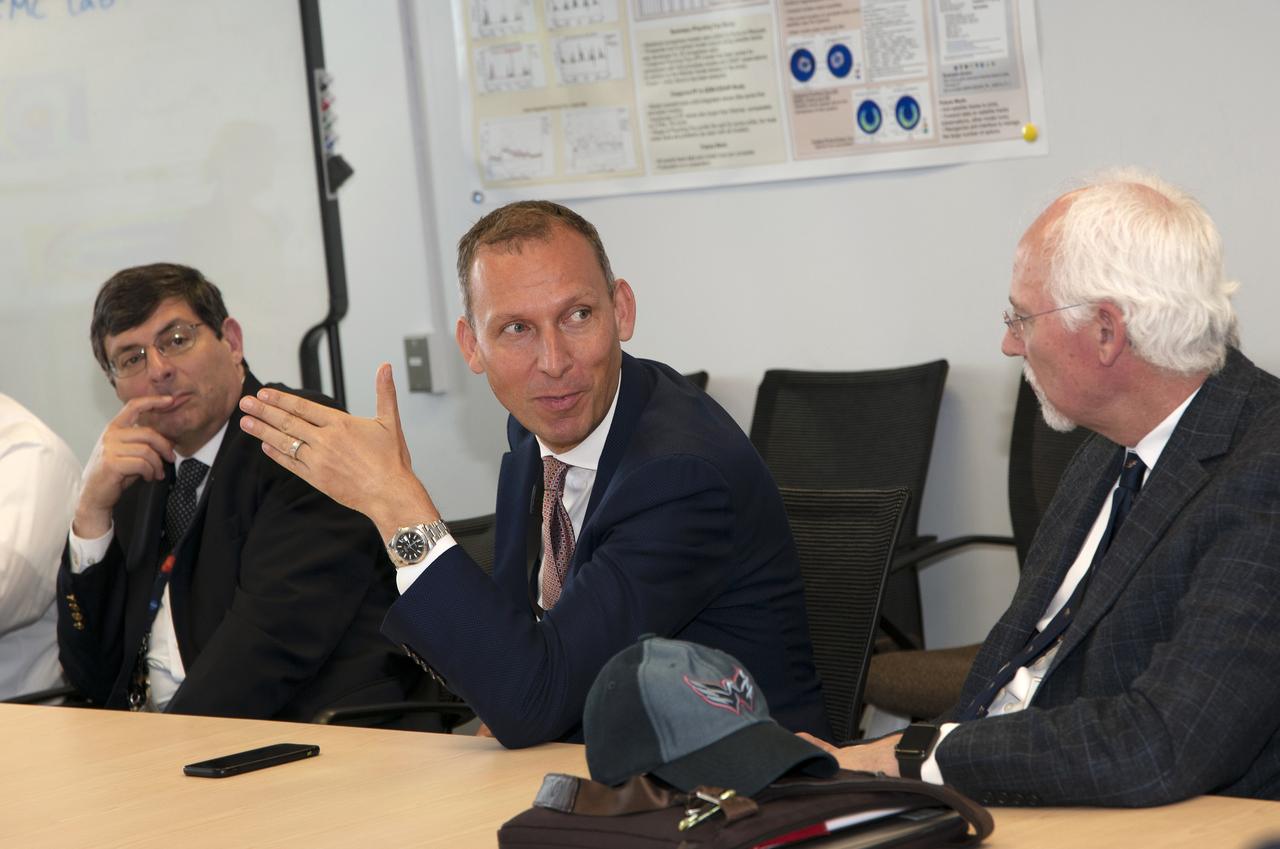
Dr. Thomas Zurbuchen Associate Administrator for Science Mission Directorate Hqs visited Goddard on May 29, 2018
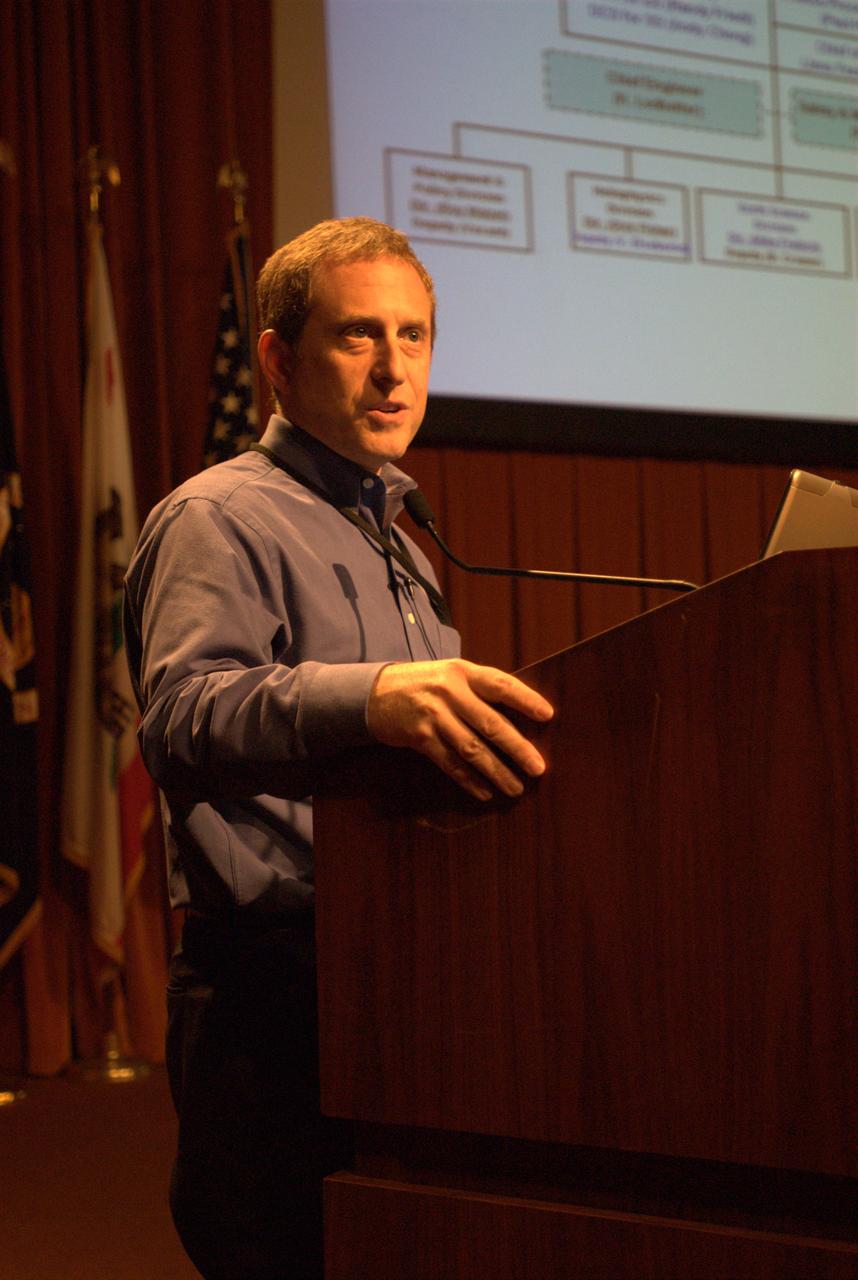
Alan Stern, Associate Administrator of the Science Mission Directorate HQ addressing Ames staff

Alan Stern, Associate Administrator of the Science Mission Directorate HQ addressing Ames staff
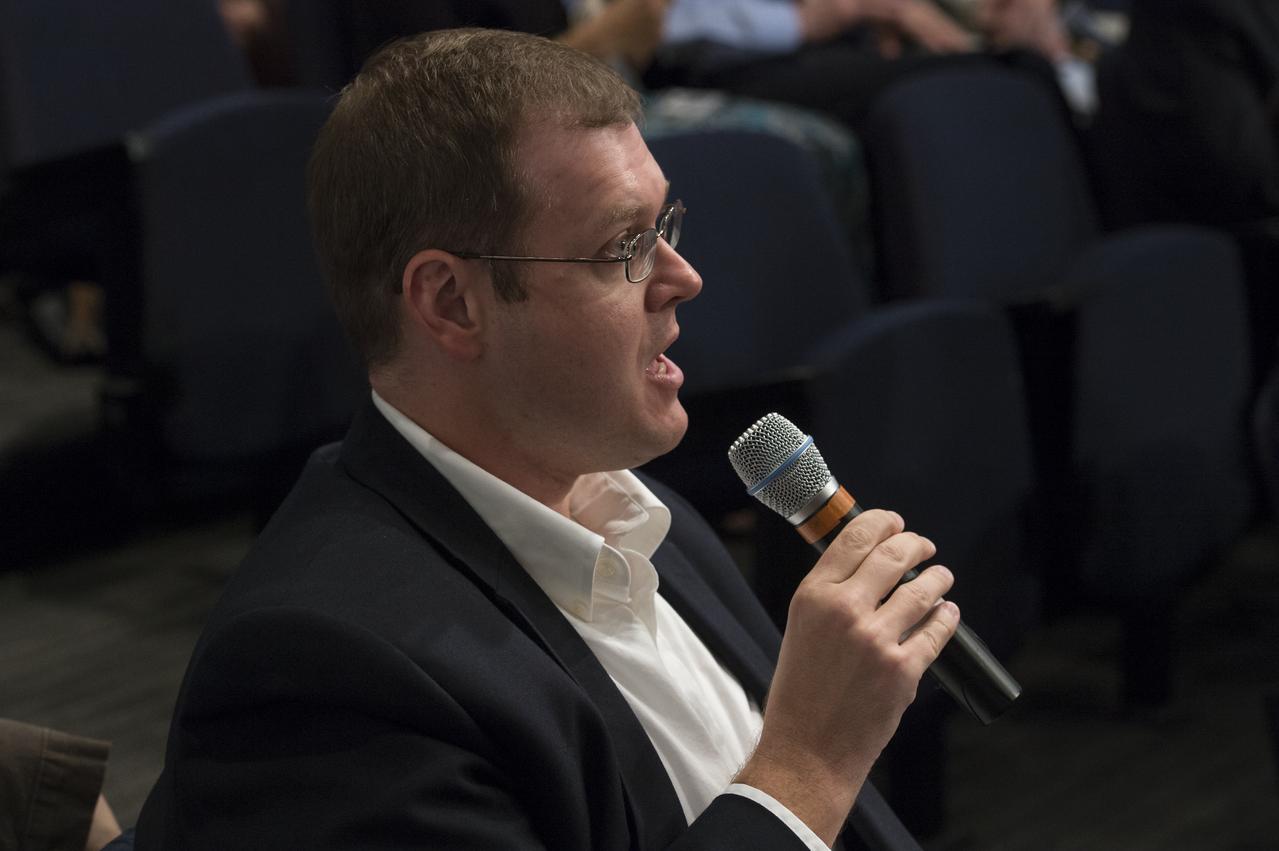
An audience member asks the panelists a question at the "New Horizons: The First Mission to the Pluto System and the Kuiper Belt" Event at NASA Headquarters in Washington, DC Monday, August 25, 2014. Scientists discussed how the first images of Pluto and its moons would be captured by the New Horizons spacecraft during a five month long reconnaissance flyby study starting in the summer of 2015. New Horizons launched on January 19, 2006 and is scheduled to make its closest approach to Pluto on July 14, 2015. Photo Credit: (NASA/Aubrey Gemignani)
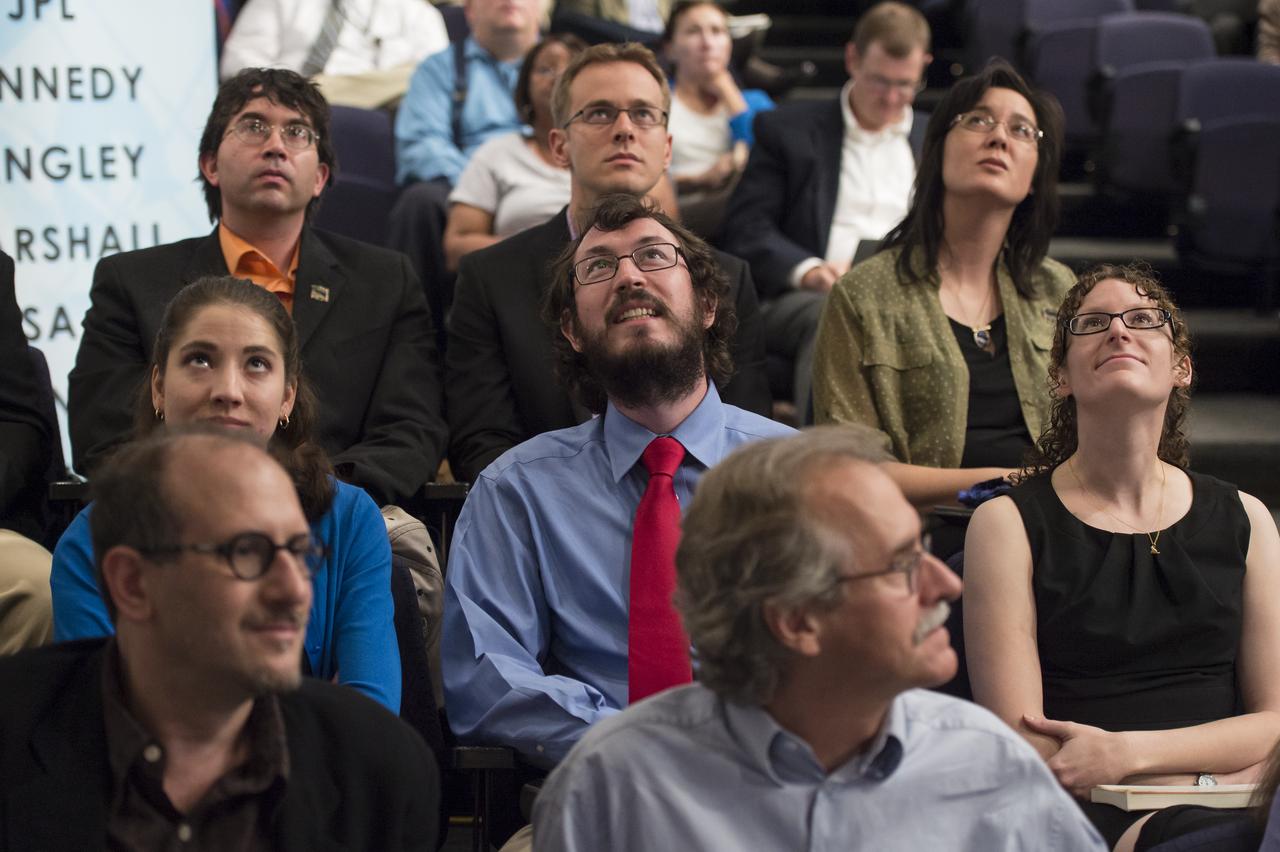
Audience members view slides from a presentation by Dr. Jim Green, Dr. Ed Stone, and Dr. Alan Stern at the "New Horizons: The First Mission to the Pluto System and the Kuiper Belt" Event at NASA Headquarters in Washington, DC Monday, August 25, 2014. They discussed how the first images of Pluto and its moons would be captured by the New Horizons spacecraft during a five month long reconnaissance flyby study starting in the summer of 2015. New Horizons launched on January 19, 2006 and is scheduled to make its closest approach to Pluto on July 14, 2015. Photo Credit: (NASA/Aubrey Gemignani)

Audience members view images of Neptune taken by Voyager while scientists discuss how the first images of Pluto and its moons will be captured during the "New Horizons: The First Mission to the Pluto System and the Kuiper Belt" Event at NASA Headquarters in Washington, DC Monday, August 25, 2014. The New Horizons spacecraft launched on January 19, 2006 will conduct a five month long reconnaissance flyby study of Pluto and its moons starting in the summer of 2015. Photo Credit: (NASA/Aubrey Gemignani)

The Lifetime Achievement Award is seen at the National Museum of Nuclear Science and History’s Nuclear Science Week event where Director of the NASA Science Mission Directorate’s Planetary Science Division, Dr. Lori Glaze accepted it on behalf of the agency, Tuesday, Oct. 19, 2021, at The Observatory at America’s Square in Washington. Photo Credit: (NASA/Aubrey Gemignani)

Director of the NASA Science Mission Directorate’s Planetary Science Division, Dr. Lori Glaze, speaks after accepting the Lifetime Achievement Award on behalf of the agency during the National Museum of Nuclear Science and History’s Nuclear Science Week event, Tuesday, Oct. 19, 2021, at The Observatory at America’s Square in Washington. Photo Credit: (NASA/Aubrey Gemignani)

Director of the NASA Science Mission Directorate’s Planetary Science Division, Dr. Lori Glaze, speaks after accepting the Lifetime Achievement Award on behalf of the agency during the National Museum of Nuclear Science and History’s Nuclear Science Week event, Tuesday, Oct. 19, 2021, at The Observatory at America’s Square in Washington. Photo Credit: (NASA/Aubrey Gemignani)
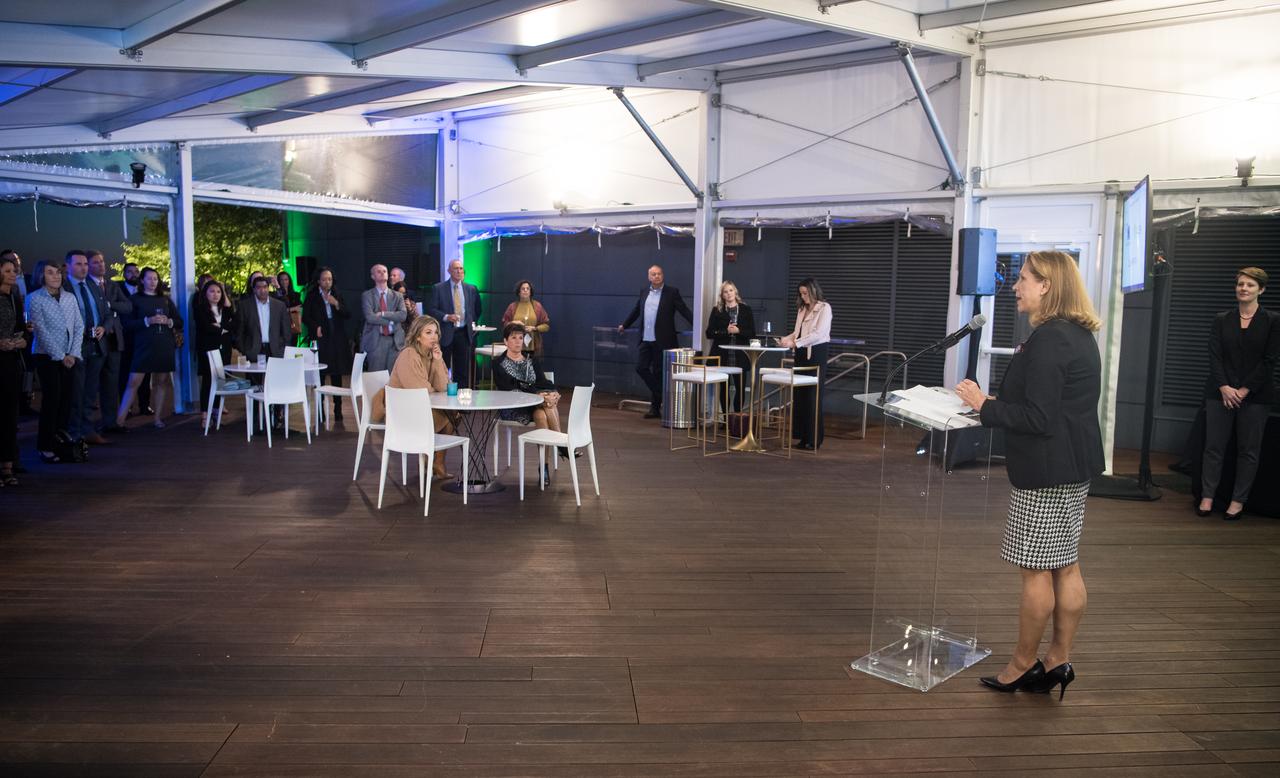
Director of the NASA Science Mission Directorate’s Planetary Science Division, Dr. Lori Glaze, speaks after accepting the Lifetime Achievement Award on behalf of the agency during the National Museum of Nuclear Science and History’s Nuclear Science Week event, Tuesday, Oct. 19, 2021, at The Observatory at America’s Square in Washington. Photo Credit: (NASA/Aubrey Gemignani)
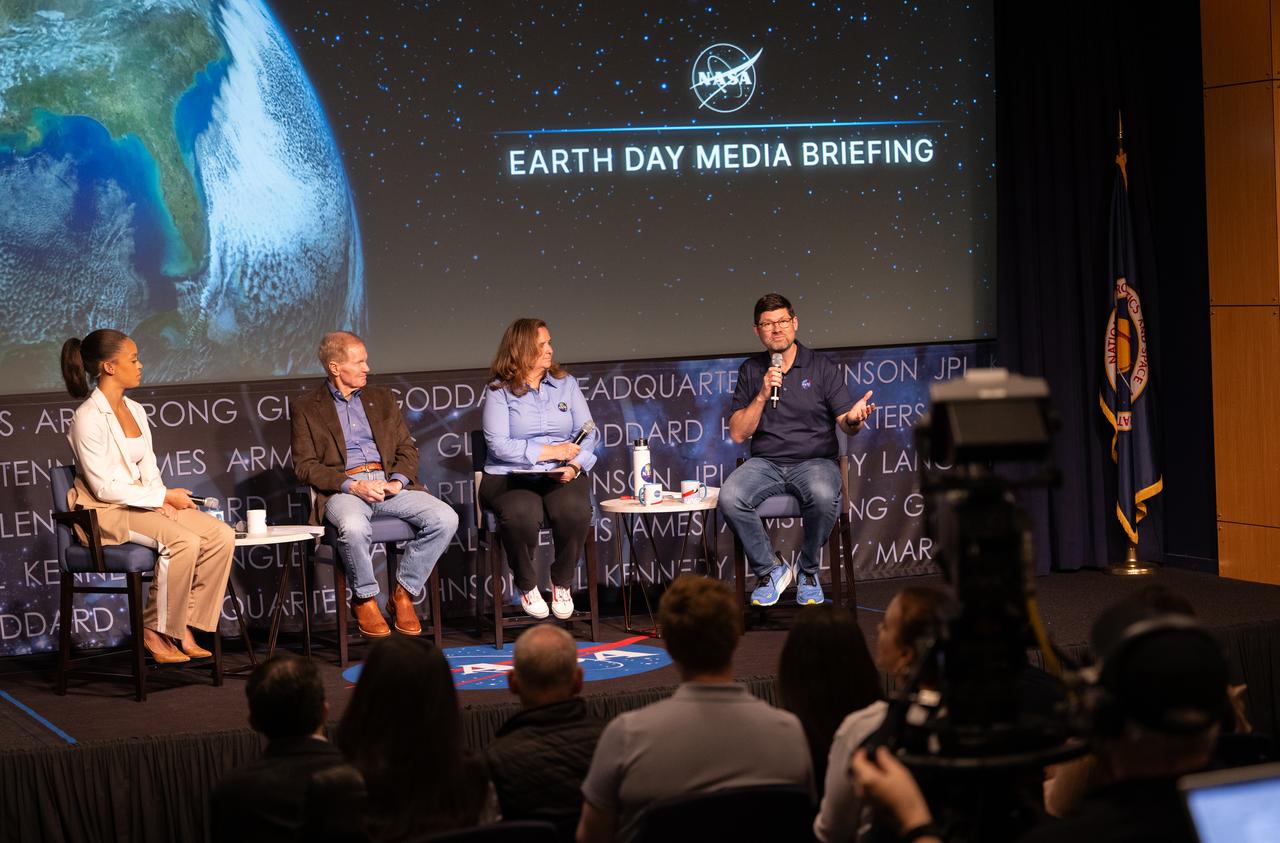
Tom Wagner, right, speaks during a briefing in advance of Earth Day to share updates on NASA’s climate science alongside Faith McKie, acting NASA Press Secretary, left, NASA Administrator Bill Nelson, second from left, and Karen St. Germain, division director of the Earth Science Division of NASA’s Science Mission Directorate, second from right, Friday, April 19, 2024, at the Mary W. Jackson NASA Headquarters building in Washington. Nelson, St. Germain, and Wagner discussed early data from NASA’s PACE (Plankton, Aerosol, Cloud, ocean Ecosystem) mission and announced new airborne science missions. Photo Credit: (NASA/Joel Kowsky)

JPL Director Michael Watkins, left, talks with Director of NASA's Science Mission Directorate’s Planetary Science Division, Lori Glaze, as they and the NASA Perseverance Mars rover team await the landing of the spacecraft in mission control, Thursday, Feb. 18, 2021, at NASA's Jet Propulsion Laboratory in Pasadena, California. A key objective for Perseverance’s mission on Mars is astrobiology, including the search for signs of ancient microbial life. The rover will characterize the planet’s geology and past climate, pave the way for human exploration of the Red Planet, and be the first mission to collect and cache Martian rock and regolith. Photo Credit: (NASA/Bill Ingalls)
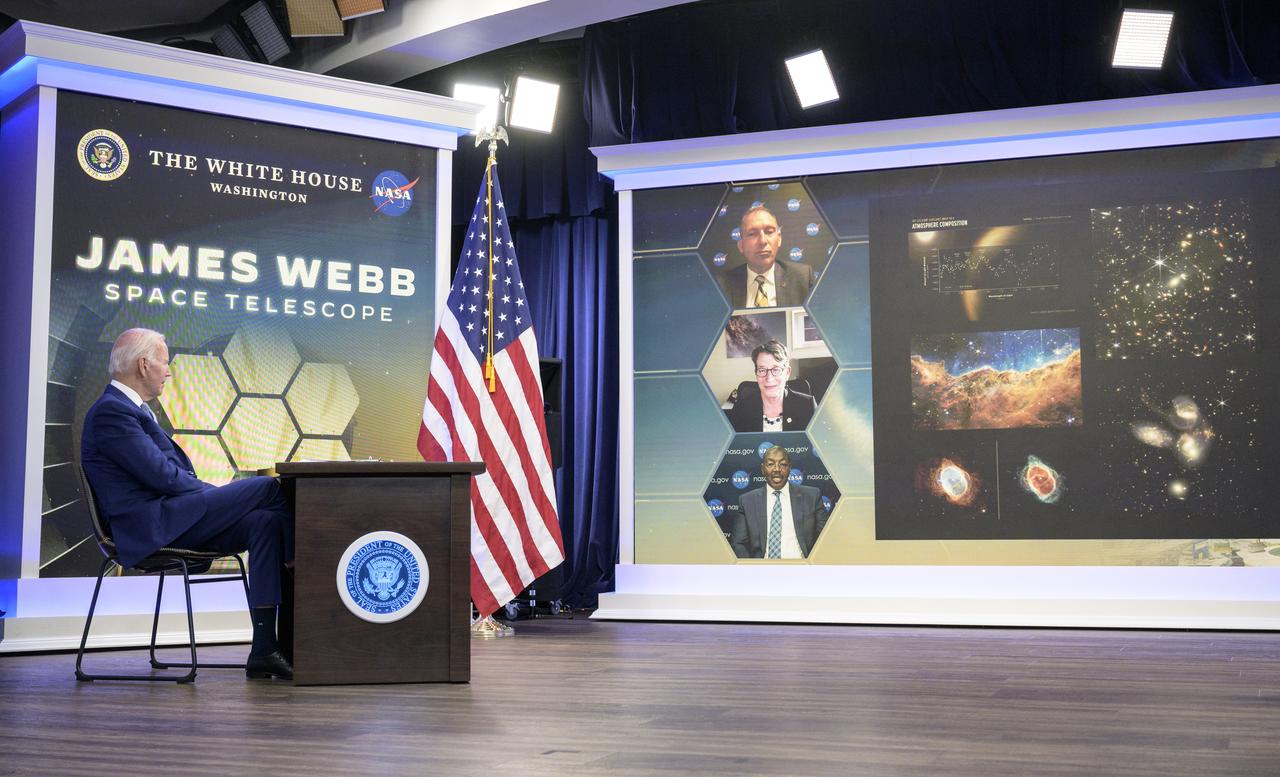
U.S. President Joe Biden previews images from NASA’s James Webb Space Telescope in a meeting, Monday, July 11, 2022, in the South Court Auditorium in the Eisenhower Executive Office Building on the White House complex in Washington. Joining the President on screen are NASA Associate Administrator for the Science Mission Directorate Thomas Zurbuchen, top, Deputy Director of the Space Telescope Science Institute (STScI) Nancy Levenson, and NASA James Webb Space Telescope Program Director Greg Robinson, bottom. Photo Credit: (NASA/Bill Ingalls)
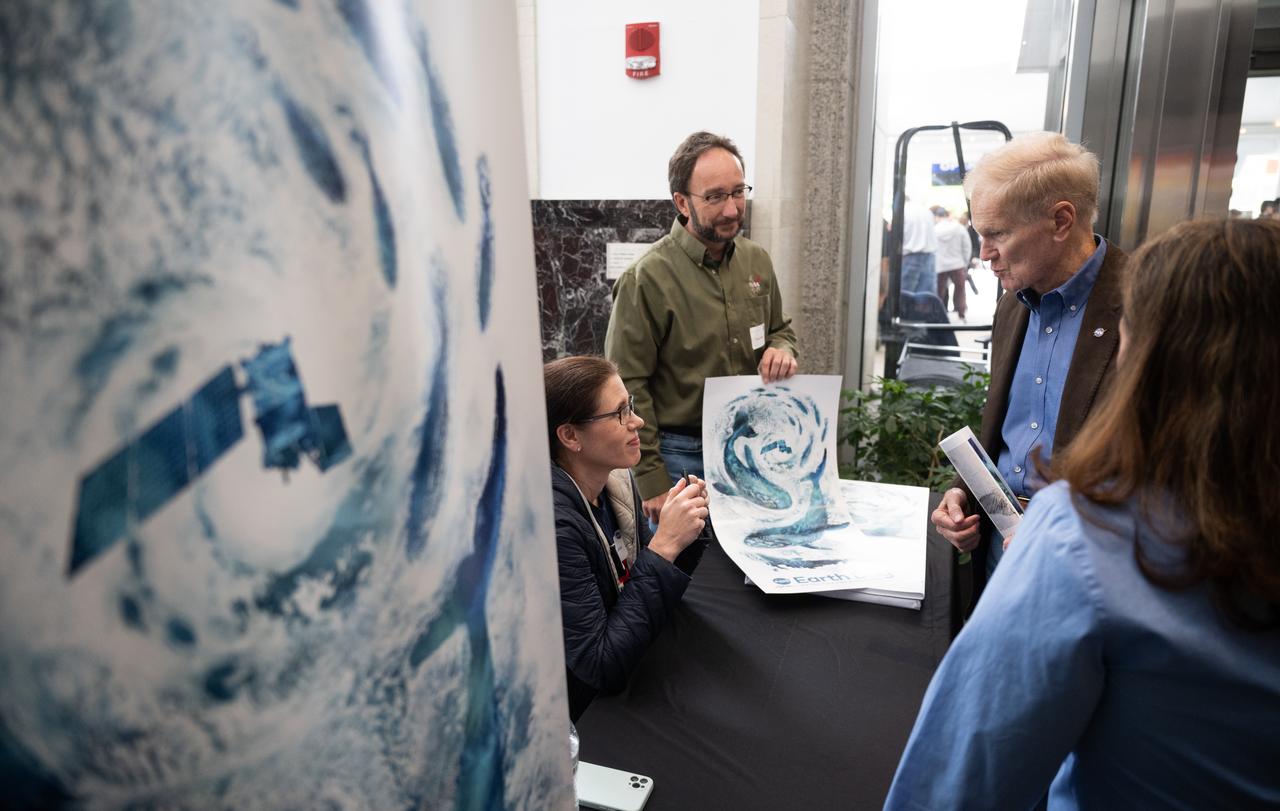
NASA Administrator Bill Nelson, right, speaks with Jenny Mottar, art director for NASA’s Science Mission Directorate, and Kevin Miller, senior graphic designer in the Sciences and Exploration Directorate at NASA’s Goddard Space Flight Center, about the agency’s Earth Day poster as NASA celebrates Earth Day, Friday, April 19, 2024, in the Earth Information Center at the Mary W. Jackson NASA Headquarters building in Washington. Photo Credit: (NASA/Joel Kowsky)
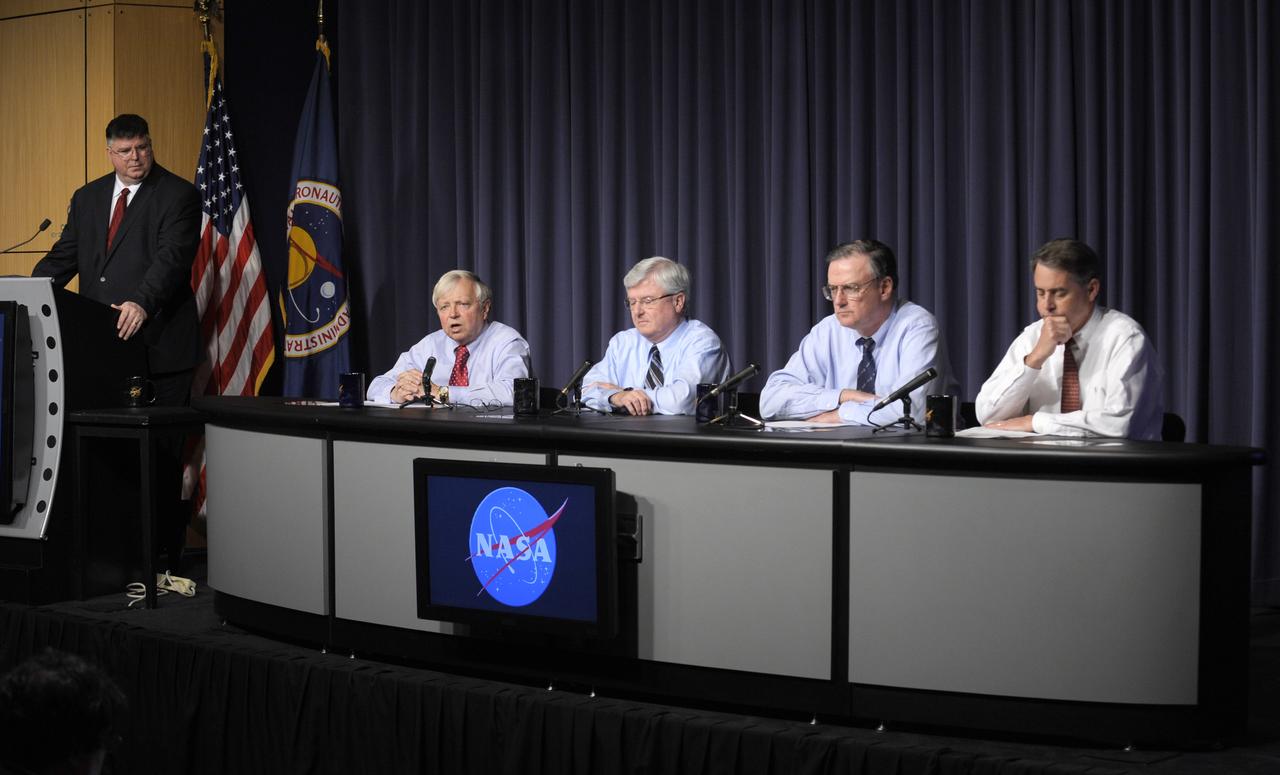
Ed Weiler, Associate Administrator, Science Mission Directorate at NASA Headquarters, seated second from left, speaks during a press conference on the upcoming Hubble Space Telescope servicing mission as David Leckrone, Hubble Project Scientist, Preston Burch and Mike Klenlen, seated right, look on, Thursday, April 23, 2009, at NASA Headquarters in Washington. J.D. Harrington, Public Affairs officer for the Science Mission Directorate looks on at left. Photo Credit: (NASA/Paul. E. Alers)

Director of NASA's Science Mission Directorate’s Planetary Science Division, Lori Glaze, gives remarks during a NASA Perseverance rover mission science overview, Tuesday, Feb. 16, 2021, at NASA's Jet Propulsion Laboratory in Pasadena, California. The Perseverance Mars rover is due to land on Mars Thursday, Feb. 18, 2021. A key objective for Perseverance’s mission on Mars is astrobiology, including the search for signs of ancient microbial life. The rover will characterize the planet’s geology and past climate, pave the way for human exploration of the Red Planet, and be the first mission to collect and cache Martian rock and regolith. Photo Credit: (NASA/Bill Ingalls)

Director of NASA's Science Mission Directorate’s Planetary Science Division, Lori Glaze, gives remarks during a NASA Perseverance rover mission science overview, Tuesday, Feb. 16, 2021, at NASA's Jet Propulsion Laboratory in Pasadena, California. The Perseverance Mars rover is due to land on Mars Thursday, Feb. 18, 2021. A key objective for Perseverance’s mission on Mars is astrobiology, including the search for signs of ancient microbial life. The rover will characterize the planet’s geology and past climate, pave the way for human exploration of the Red Planet, and be the first mission to collect and cache Martian rock and regolith. Photo Credit: (NASA/Bill Ingalls)

Director of NASA's Science Mission Directorate’s Planetary Science Division, Lori Glaze, gives remarks during a NASA Perseverance rover mission science overview, Tuesday, Feb. 16, 2021, at NASA's Jet Propulsion Laboratory in Pasadena, California. The Perseverance Mars rover is due to land on Mars Thursday, Feb. 18, 2021. A key objective for Perseverance’s mission on Mars is astrobiology, including the search for signs of ancient microbial life. The rover will characterize the planet’s geology and past climate, pave the way for human exploration of the Red Planet, and be the first mission to collect and cache Martian rock and regolith. Photo Credit: (NASA/Bill Ingalls)
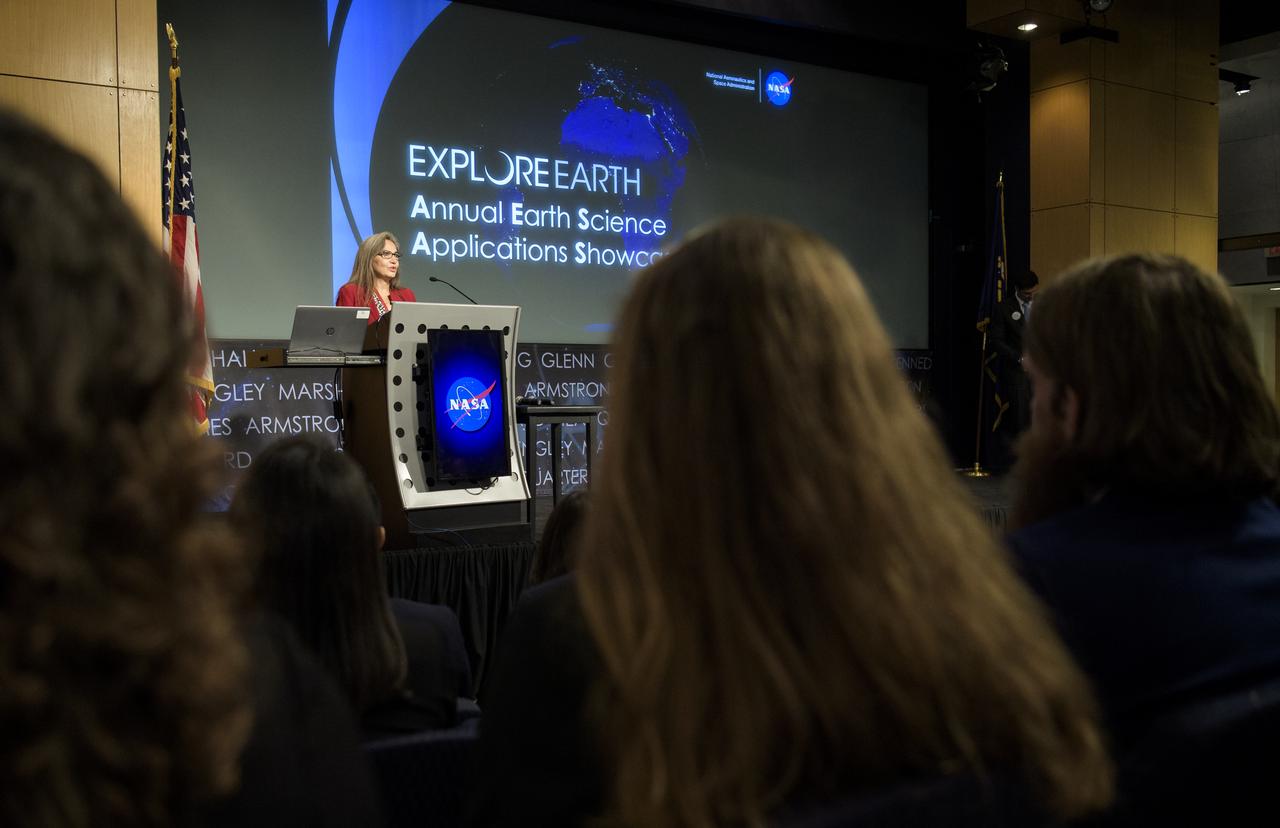
Sandra Cauffman, acting Director of the Earth Sciences Division of the Science Mission Directorate at NASA Headquarters, speaks during the 2019 Annual Earth Science Applications Showcase, Thursday, Aug. 1, 2019 at NASA Headquarters in Washington, DC. Every summer students and young professionals from NASA’s Applied Sciences’ DEVELOP National Program come to NASA Headquarters and present their research projects. DEVELOP is a training and development program where students work on Earth science research projects, mentored by science advisers from NASA and partner agencies, and extend research results to local communities. Photo Credit: (NASA/Joel Kowsky)
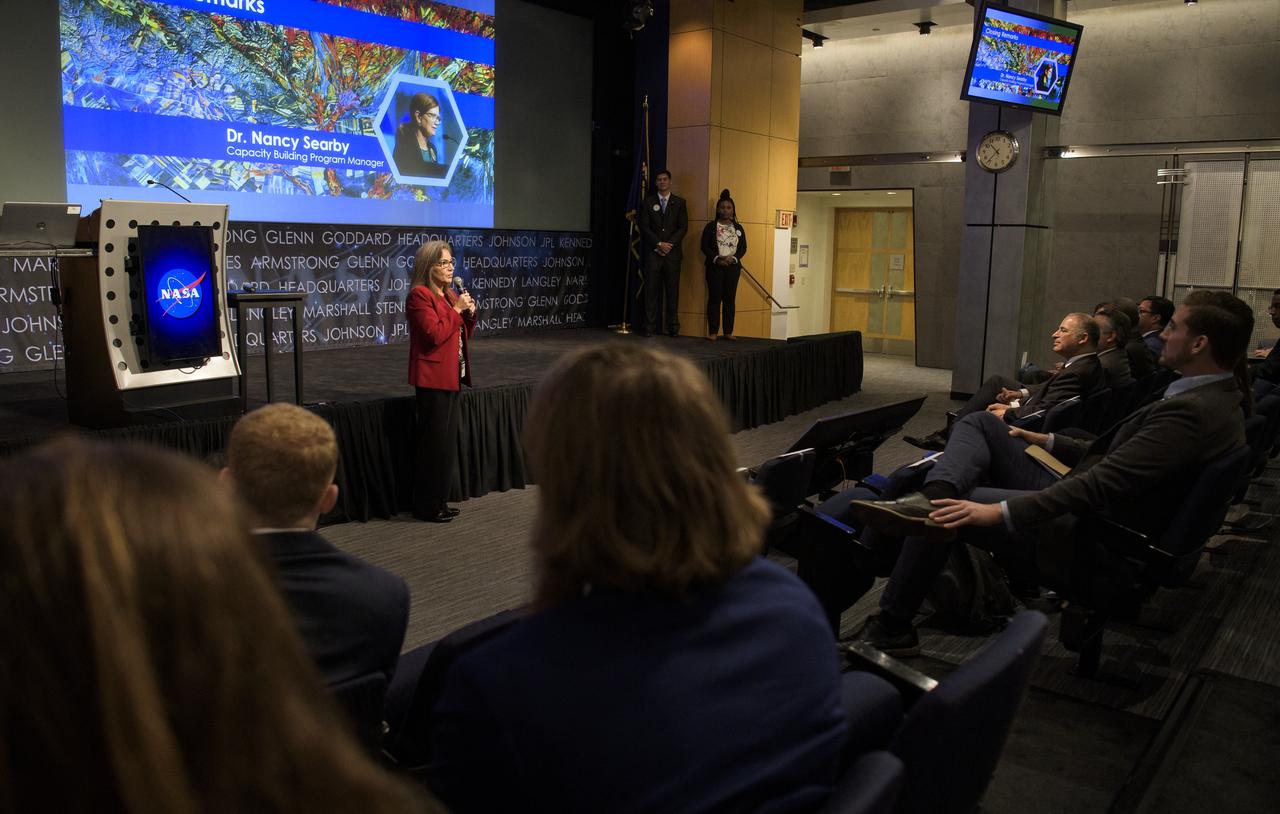
Sandra Cauffman, acting Director of the Earth Sciences Division of the Science Mission Directorate at NASA Headquarters, speaks during the 2019 Annual Earth Science Applications Showcase, Thursday, Aug. 1, 2019 at NASA Headquarters in Washington, DC. Every summer students and young professionals from NASA’s Applied Sciences’ DEVELOP National Program come to NASA Headquarters and present their research projects. DEVELOP is a training and development program where students work on Earth science research projects, mentored by science advisers from NASA and partner agencies, and extend research results to local communities. Photo Credit: (NASA/Joel Kowsky)
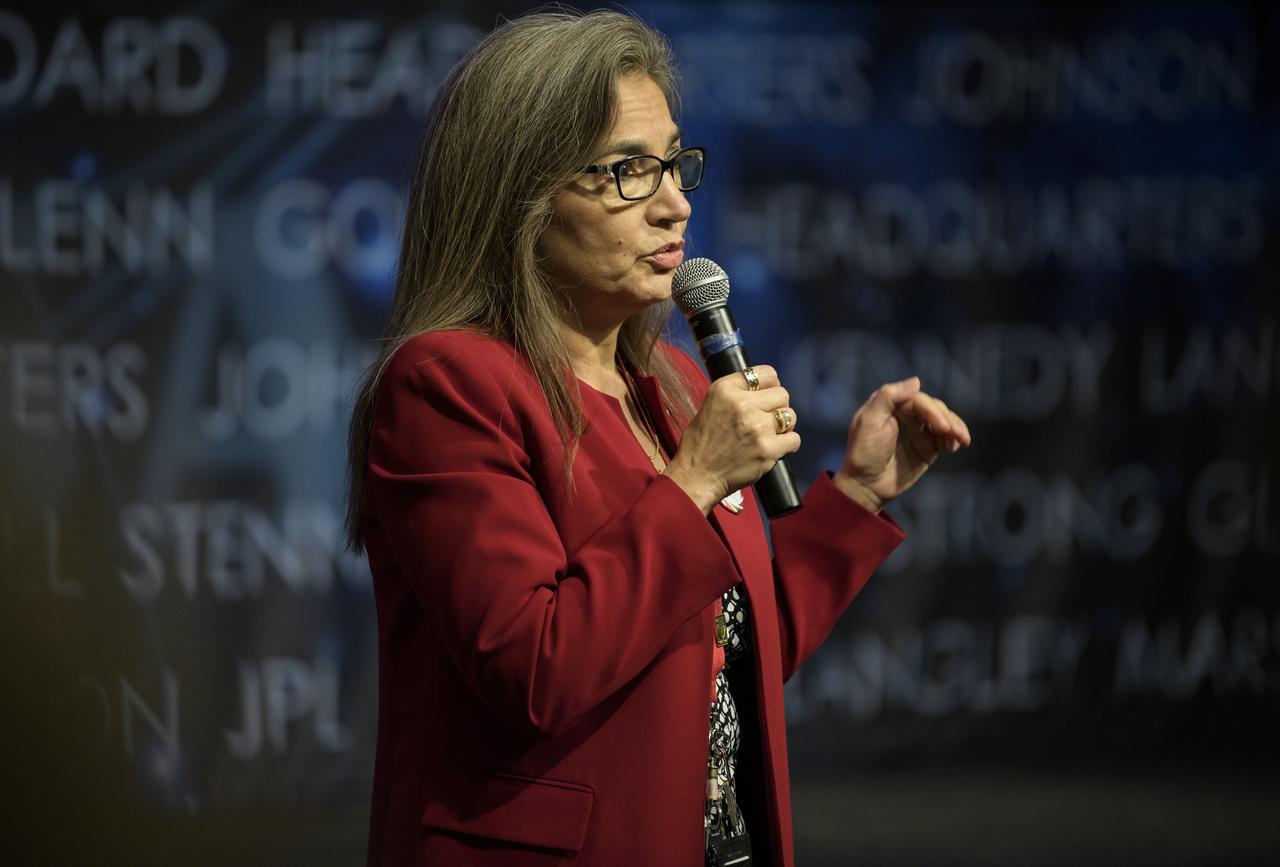
Sandra Cauffman, acting Director of the Earth Sciences Division of the Science Mission Directorate at NASA Headquarters, speaks during the 2019 Annual Earth Science Applications Showcase, Thursday, Aug. 1, 2019 at NASA Headquarters in Washington, DC. Every summer students and young professionals from NASA’s Applied Sciences’ DEVELOP National Program come to NASA Headquarters and present their research projects. DEVELOP is a training and development program where students work on Earth science research projects, mentored by science advisers from NASA and partner agencies, and extend research results to local communities. Photo Credit: (NASA/Joel Kowsky)
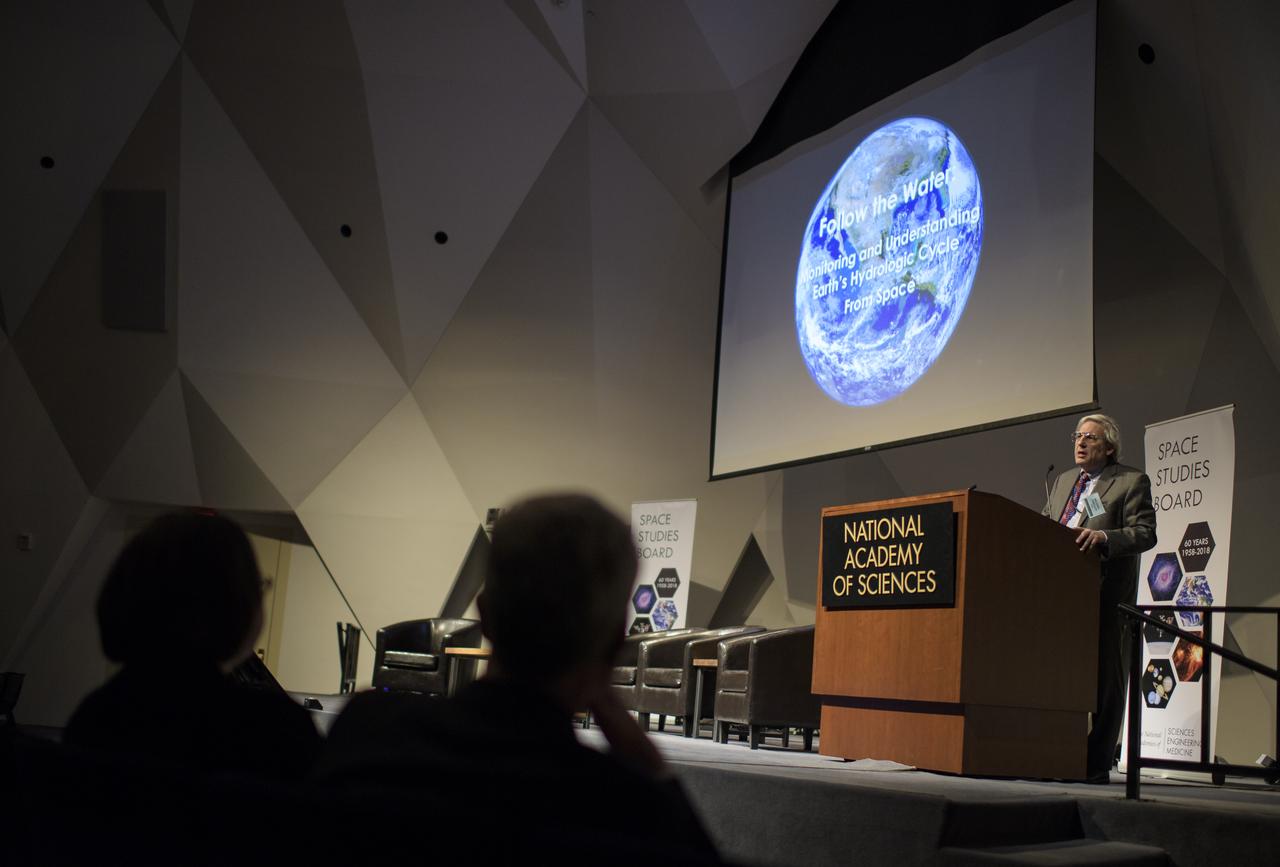
Michael Freilich, Director of the Earth Science Division of NASA's Science Mission Directorate, speaks during an event celebrating the 60th Anniversary of the Explorer 1 mission and the discovery of Earth's radiation belts, Wednesday, Jan. 31, 2018, at the National Academy of Sciences in Washington. The first U.S. satellite, Explorer 1, was launched from Cape Canaveral on January 31, 1958. The 30-pound satellite would yield a major scientific discovery, the Van Allen radiation belts circling our planet, and begin six decades of groundbreaking space science and human exploration. (NASA/Joel Kowsky)
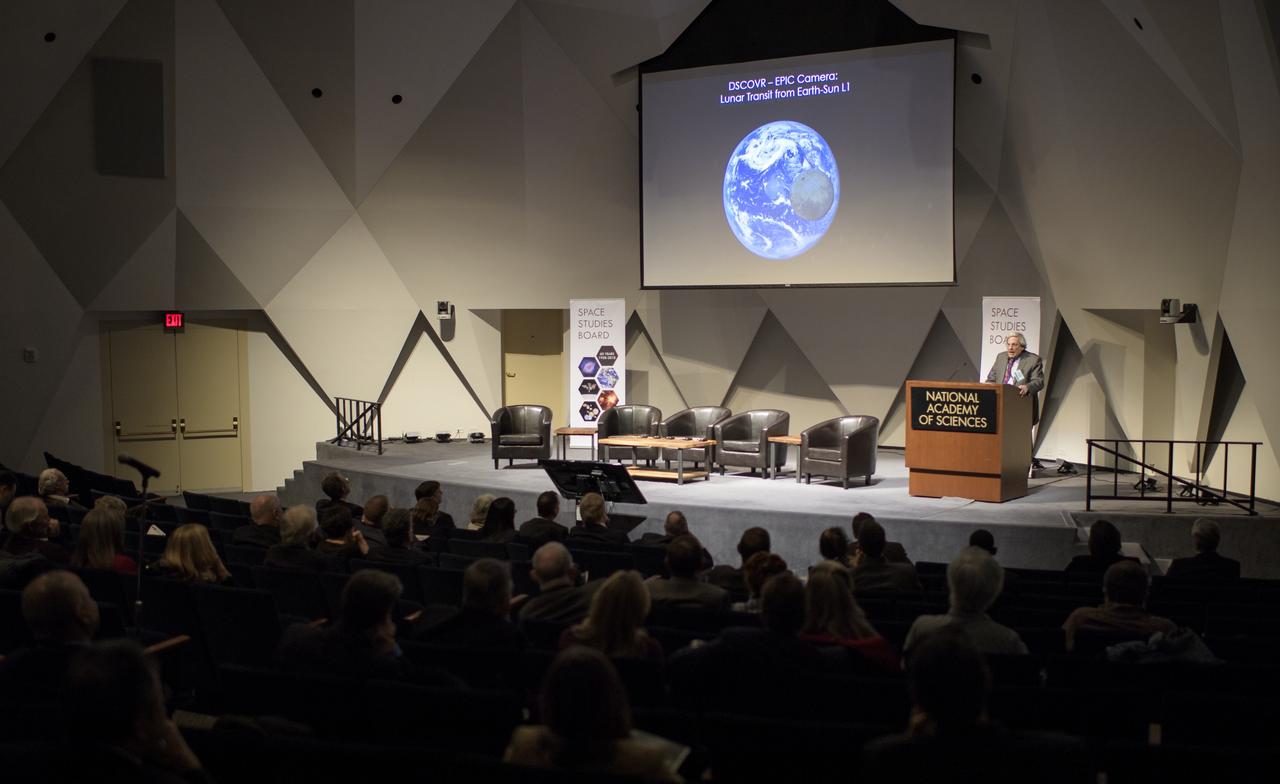
Michael Freilich, Director of the Earth Science Division of NASA's Science Mission Directorate, speaks during an event celebrating the 60th Anniversary of the Explorer 1 mission and the discovery of Earth's radiation belts, Wednesday, Jan. 31, 2018, at the National Academy of Sciences in Washington. The first U.S. satellite, Explorer 1, was launched from Cape Canaveral on January 31, 1958. The 30-pound satellite would yield a major scientific discovery, the Van Allen radiation belts circling our planet, and begin six decades of groundbreaking space science and human exploration. (NASA/Joel Kowsky)
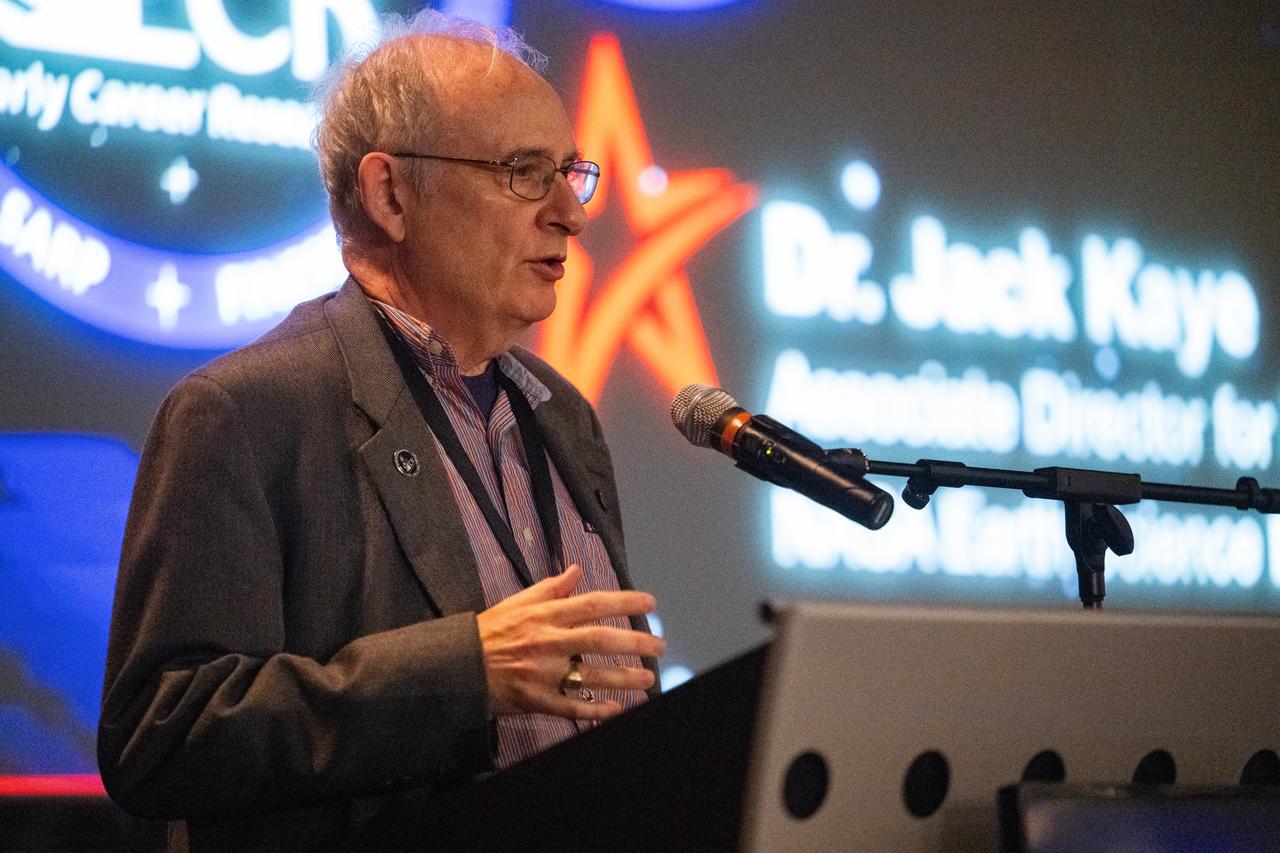
Jack Kaye, associate director for research in the Earth Science Division of NASA’s Science Mission Directorate, speaks with the Climate Change Research Initiative (CCRI) cohort, Wednesday, Aug. 7, 2024, at the Mary W. Jackson NASA Headquarters building in Washington, DC. The Earth Science Division’s Early Career Research Program’s Climate Change Research Initiative (CCRI) is a year-long STEM engagement and experiential learning opportunity for educators and students from high school to graduate level. Photo Credit: (NASA/Joel Kowsky)

Members of the Climate Change Research Initiative (CCRI) cohort listen as Karen St. Germain, director of the Earth Science Division of NASA’s Science Mission Directorate speaks, Wednesday, Aug. 7, 2024, at the Mary W. Jackson NASA Headquarters building in Washington, DC. The Earth Science Division’s Early Career Research Program’s Climate Change Research Initiative (CCRI) is a year-long STEM engagement and experiential learning opportunity for educators and students from high school to graduate level. Photo Credit: (NASA/Joel Kowsky)
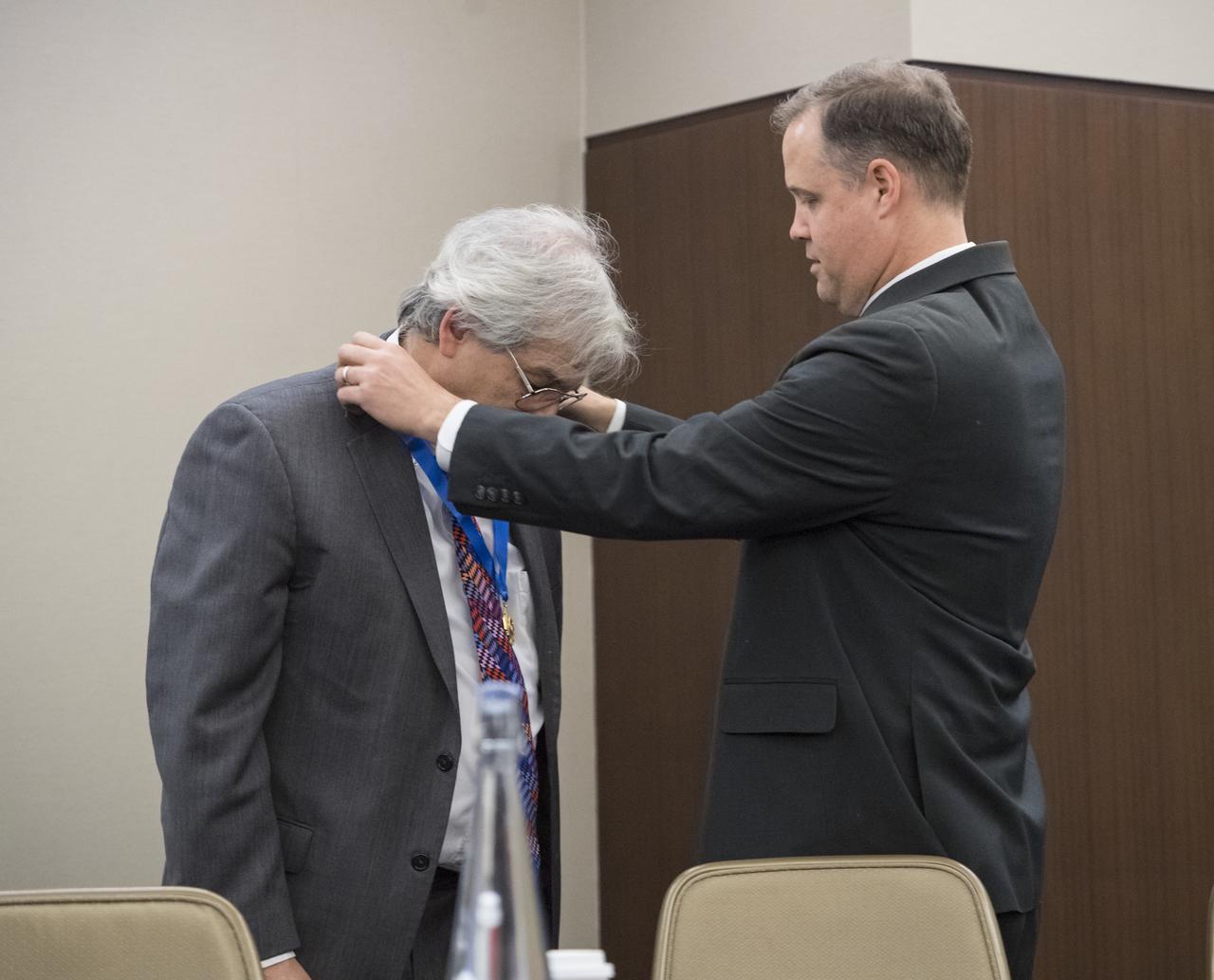
NASA Administrator Jim Bridenstine awards Dr. Michael Freilich, Earth Science Director, Science Mission Directorate, NASA, the NASA Distinguished Service Medal at the Earth Science Town Hall at the American Geophysical Union (AGU) annual meeting, Tuesday, December 11, 2018 at the Marriott Marquis in Washington. Photo Credit: (NASA/Aubrey Gemignani)
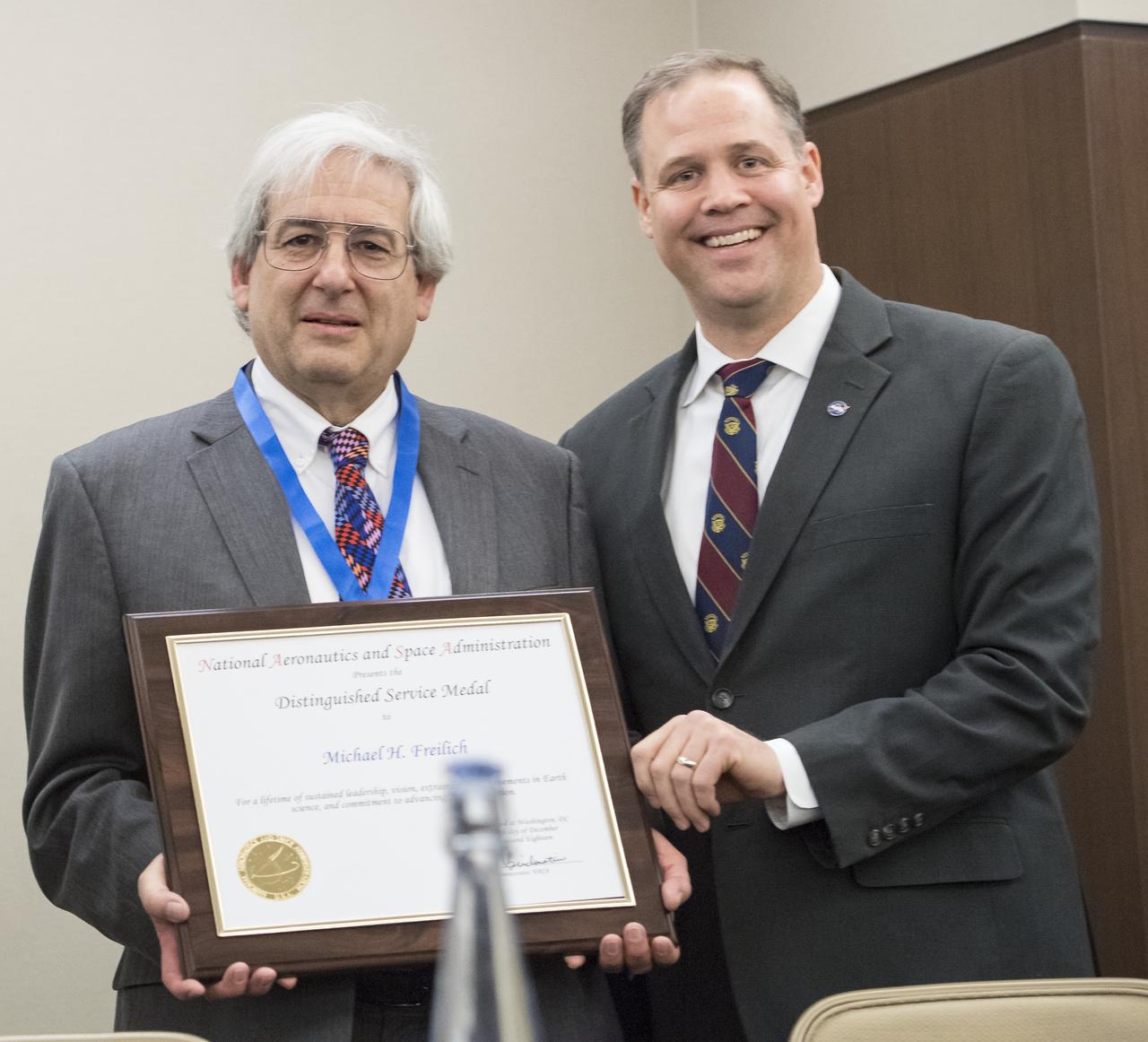
NASA Administrator Jim Bridenstine, right, and Dr. Michael Freilich, Earth Science Director, Science Mission Directorate, NASA, pose for a photo after Dr. Freilich was awarded the NASA Distinguished Service Medal at the Earth Science Town Hall at the American Geophysical Union (AGU) annual meeting, Tuesday, December 11, 2018 at the Marriott Marquis in Washington. Photo Credit: (NASA/Aubrey Gemignani)
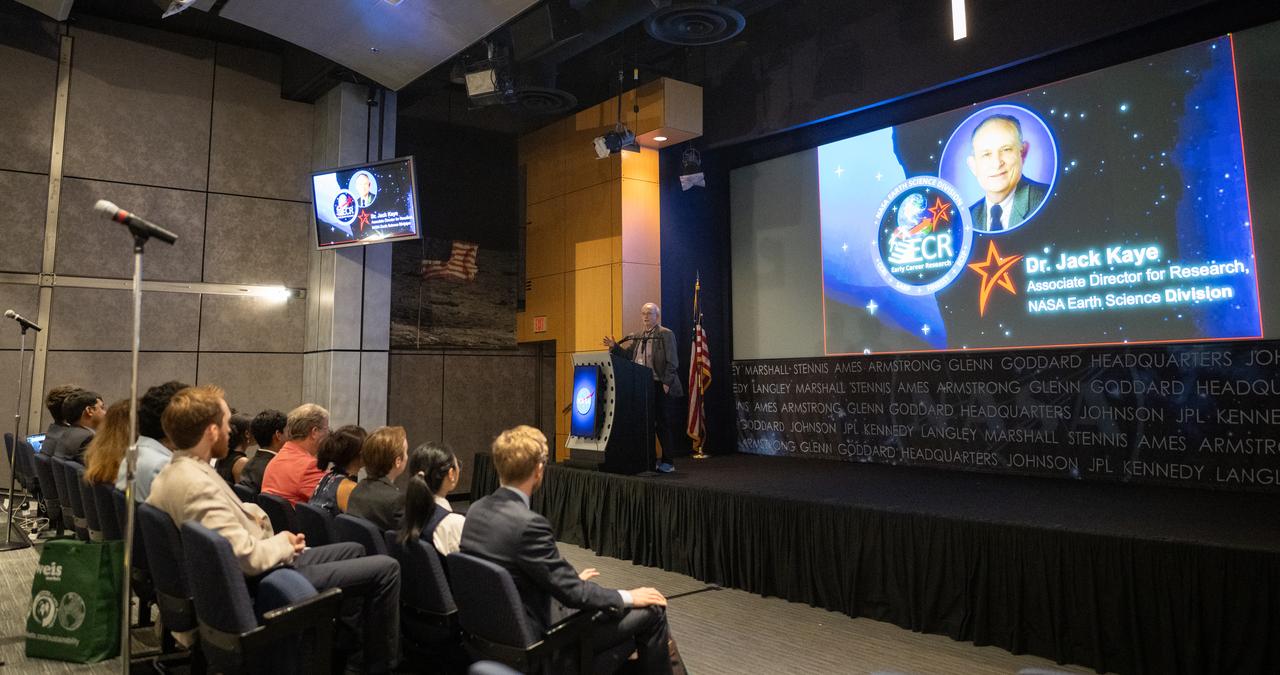
Jack Kaye, associate director for research in the Earth Science Division of NASA’s Science Mission Directorate, speaks with the Climate Change Research Initiative (CCRI) cohort, Wednesday, Aug. 7, 2024, at the Mary W. Jackson NASA Headquarters building in Washington, DC. The Earth Science Division’s Early Career Research Program’s Climate Change Research Initiative (CCRI) is a year-long STEM engagement and experiential learning opportunity for educators and students from high school to graduate level. Photo Credit: (NASA/Joel Kowsky)
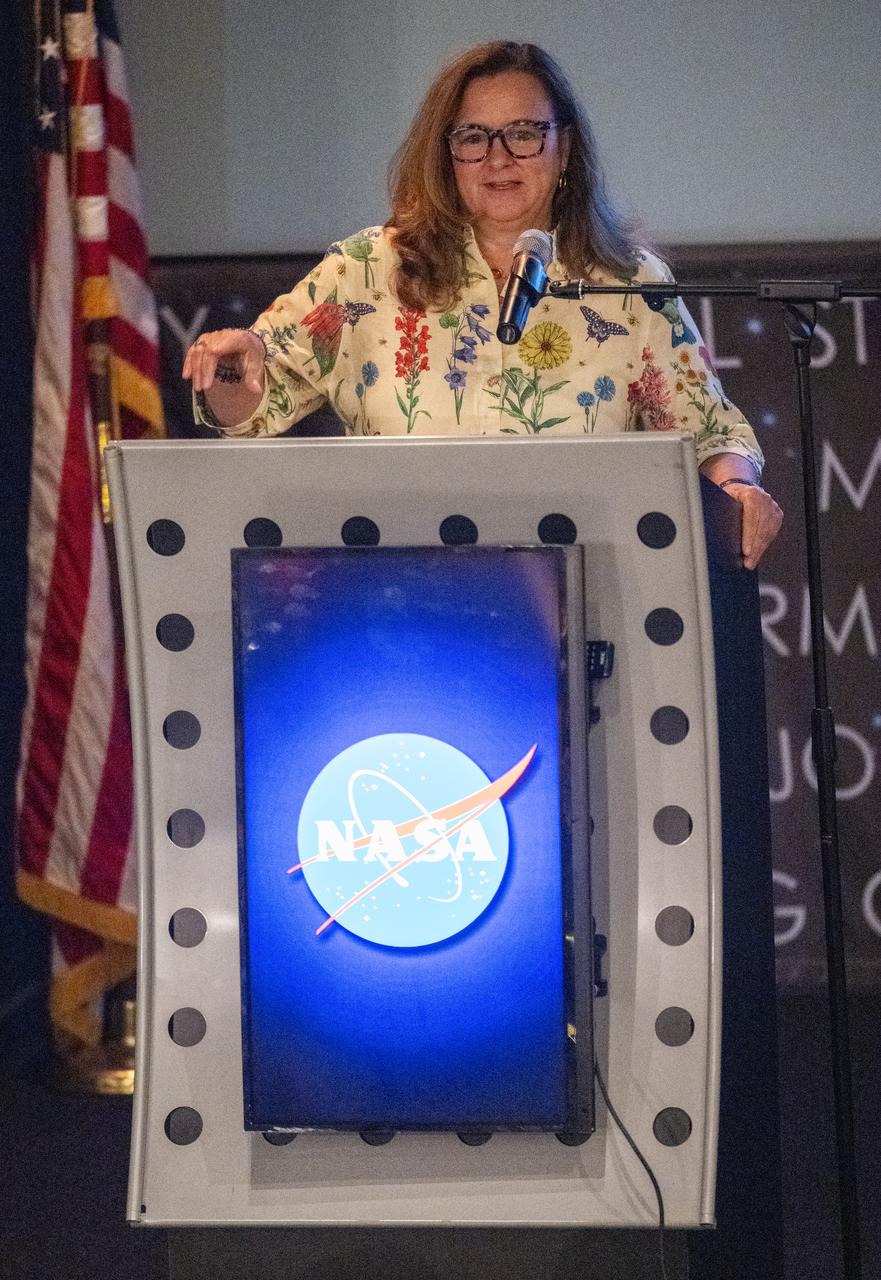
Karen St. Germain, director of the Earth Science Division of NASA’s Science Mission Directorate, speaks with the Climate Change Research Initiative (CCRI) cohort, Wednesday, Aug. 7, 2024, at the Mary W. Jackson NASA Headquarters building in Washington, DC. The Earth Science Division’s Early Career Research Program’s Climate Change Research Initiative (CCRI) is a year-long STEM engagement and experiential learning opportunity for educators and students from high school to graduate level. Photo Credit: (NASA/Joel Kowsky)

Members of the Climate Change Research Initiative (CCRI) cohort listen as Karen St. Germain, director of the Earth Science Division of NASA’s Science Mission Directorate speaks, Wednesday, Aug. 7, 2024, at the Mary W. Jackson NASA Headquarters building in Washington, DC. The Earth Science Division’s Early Career Research Program’s Climate Change Research Initiative (CCRI) is a year-long STEM engagement and experiential learning opportunity for educators and students from high school to graduate level. Photo Credit: (NASA/Joel Kowsky)
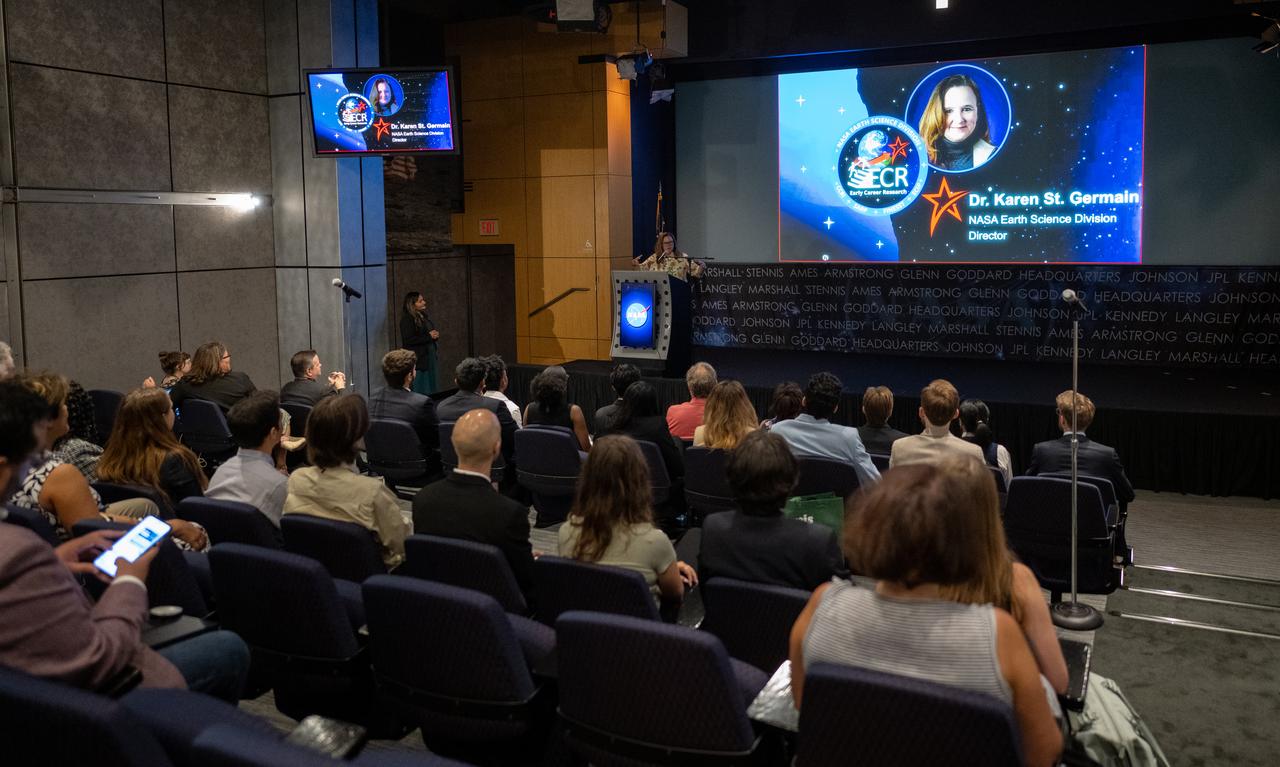
Karen St. Germain, director of the Earth Science Division of NASA’s Science Mission Directorate, speaks with the Climate Change Research Initiative (CCRI) cohort, Wednesday, Aug. 7, 2024, at the Mary W. Jackson NASA Headquarters building in Washington, DC. The Earth Science Division’s Early Career Research Program’s Climate Change Research Initiative (CCRI) is a year-long STEM engagement and experiential learning opportunity for educators and students from high school to graduate level. Photo Credit: (NASA/Joel Kowsky)
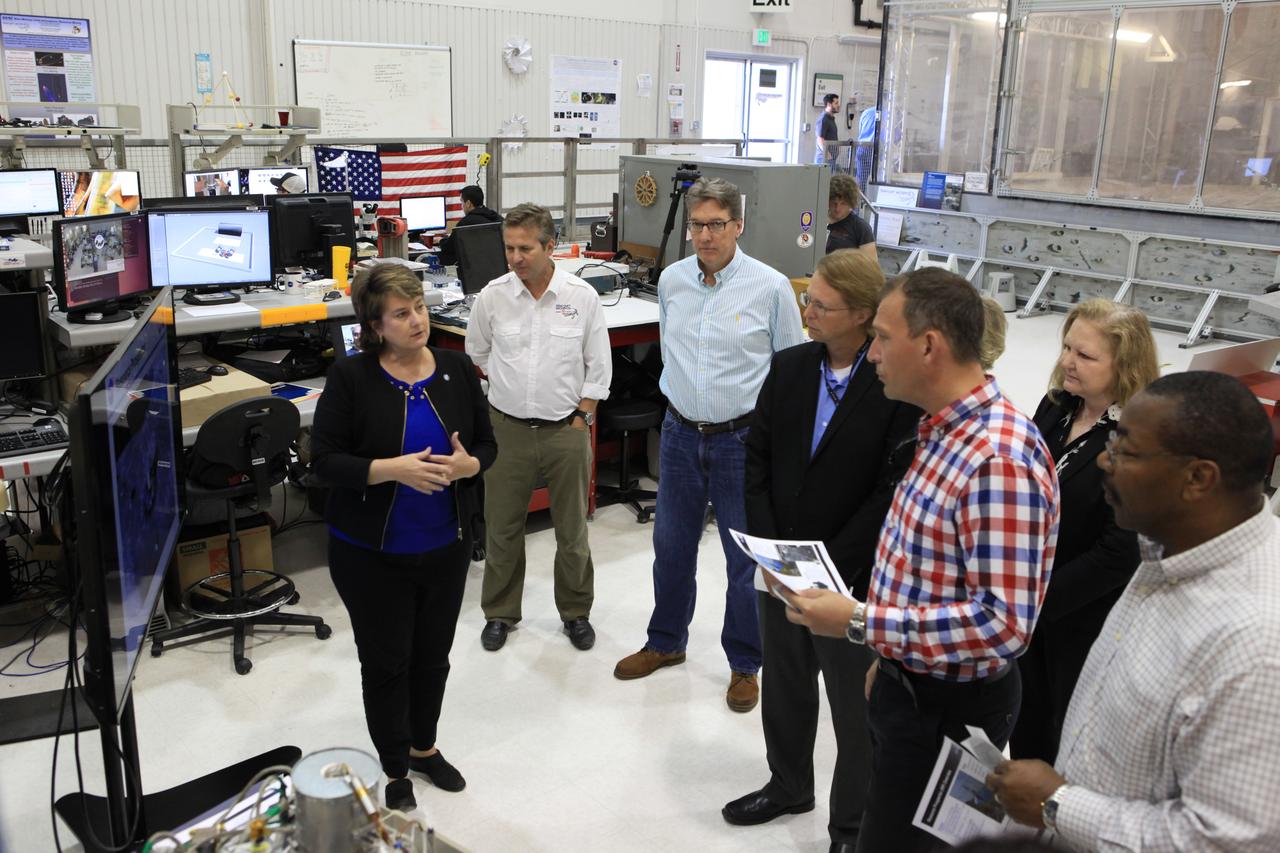
Thomas Zurbuchen, in plaid shirt, NASA's associate administrator for the Science Mission Directorate, listens to a presentation at the Swamp Works facility at NASA's Kennedy Space Center in Florida.
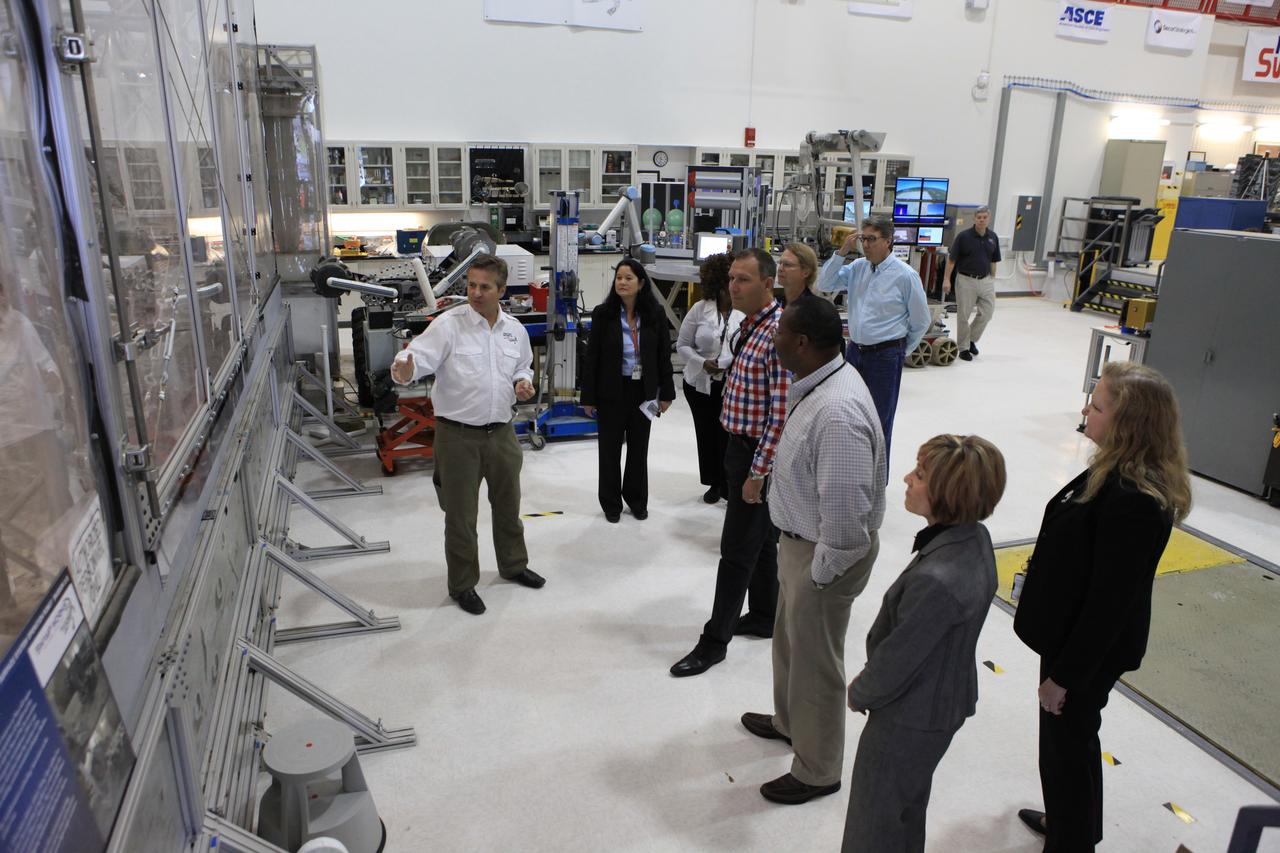
Thomas Zurbuchen, in plaid shirt, NASA's associate administrator for the Science Mission Directorate, listens to a presentation at the Swamp Works facility at NASA's Kennedy Space Center in Florida.