
NASA Marshall Space Flight Center’s Science and Technology Office held its 11th annual Science and Technology Jamboree Dec. 8 at Marshall Activities Building 4316. A poster session with around 60 poster presentations highlighted current science and technology topics and the innovative projects underway across the center. Here, Debra Needham, right, talks with coworker Sabrina Savage about one of the presentations. Both Needham and Savage are scientists in the Heliophysics & Planetary Science Branch of the Science Research and Projects Division.
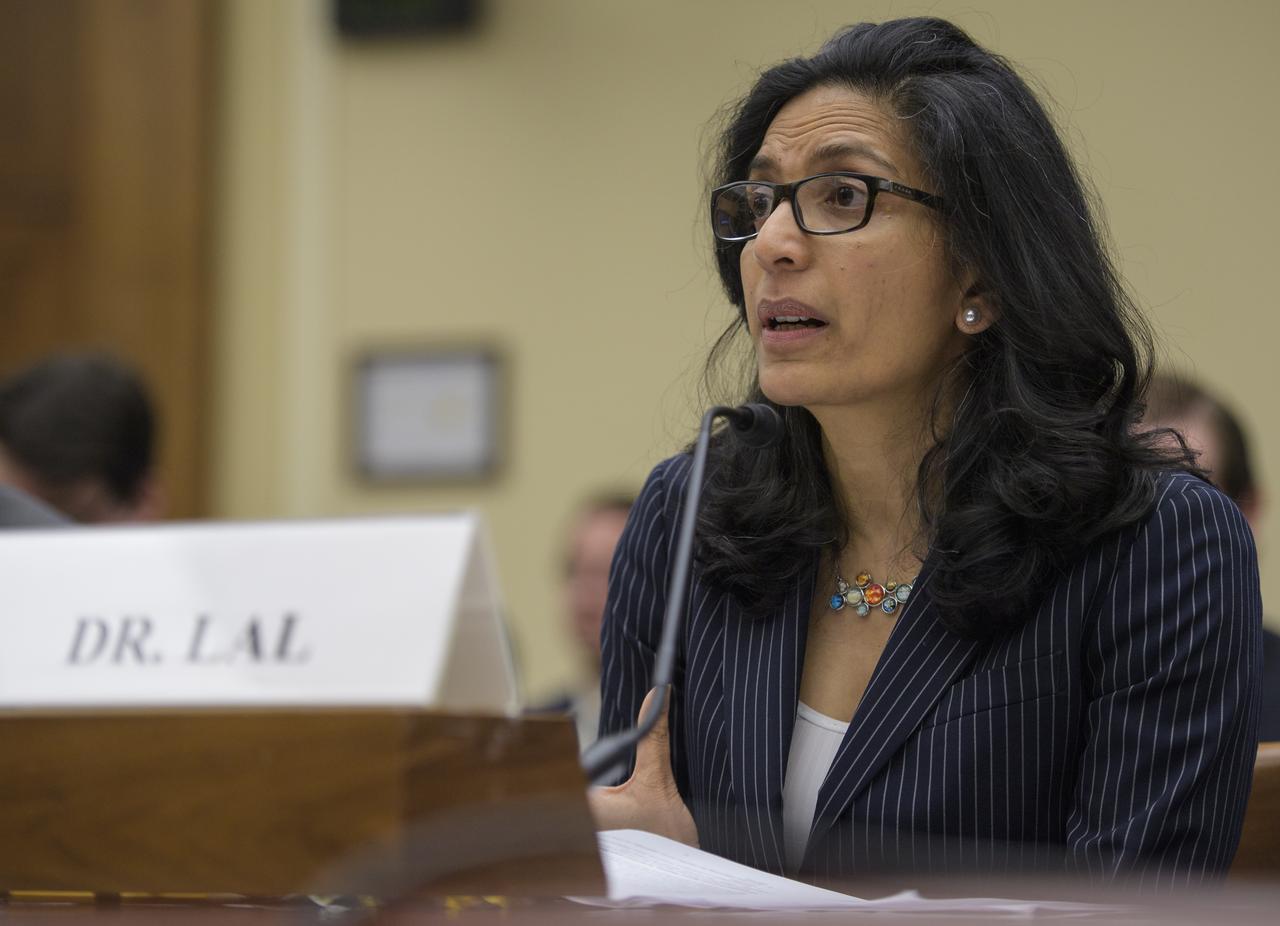
Dr. Bhavya Lal, a researcher at the Institute for Defense Analysis's Science and Technology Policy Institute, testifies during a House Committee on Science, Space, and Technology hearing titled "America's Human Presence in Low-Earth Orbit" on Thursday, May 17, 2018 in the Rayburn House Office Building in Washington. Photo Credit: (NASA/Joel Kowsky)
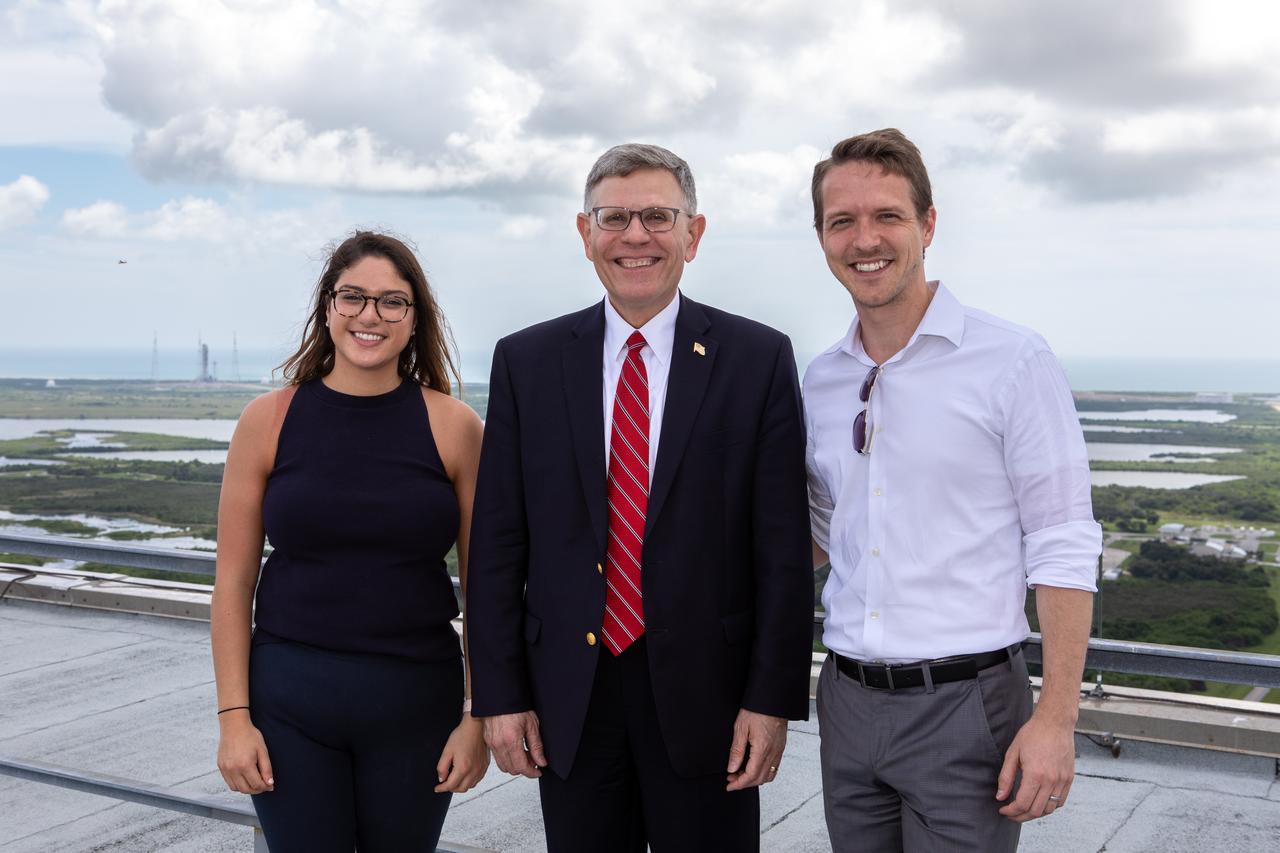
From left to right, Elena Hernandez, press secretary for the White House Office of Science and Technology Policy (OSTP), OSTP Director Kelvin Droegemeier, and OSTP AAAS Science and Technology Policy Fellow Jon Werner-Allen visit the roof of the Vehicle Assembly Building at NASA’s Kennedy Space Center in Florida on July 10, 2019. Droegemeier visited the iconic rocket-assembly facility in the heart of Kennedy’s Launch Complex 39 Area during a tour of the multi-user spaceport.
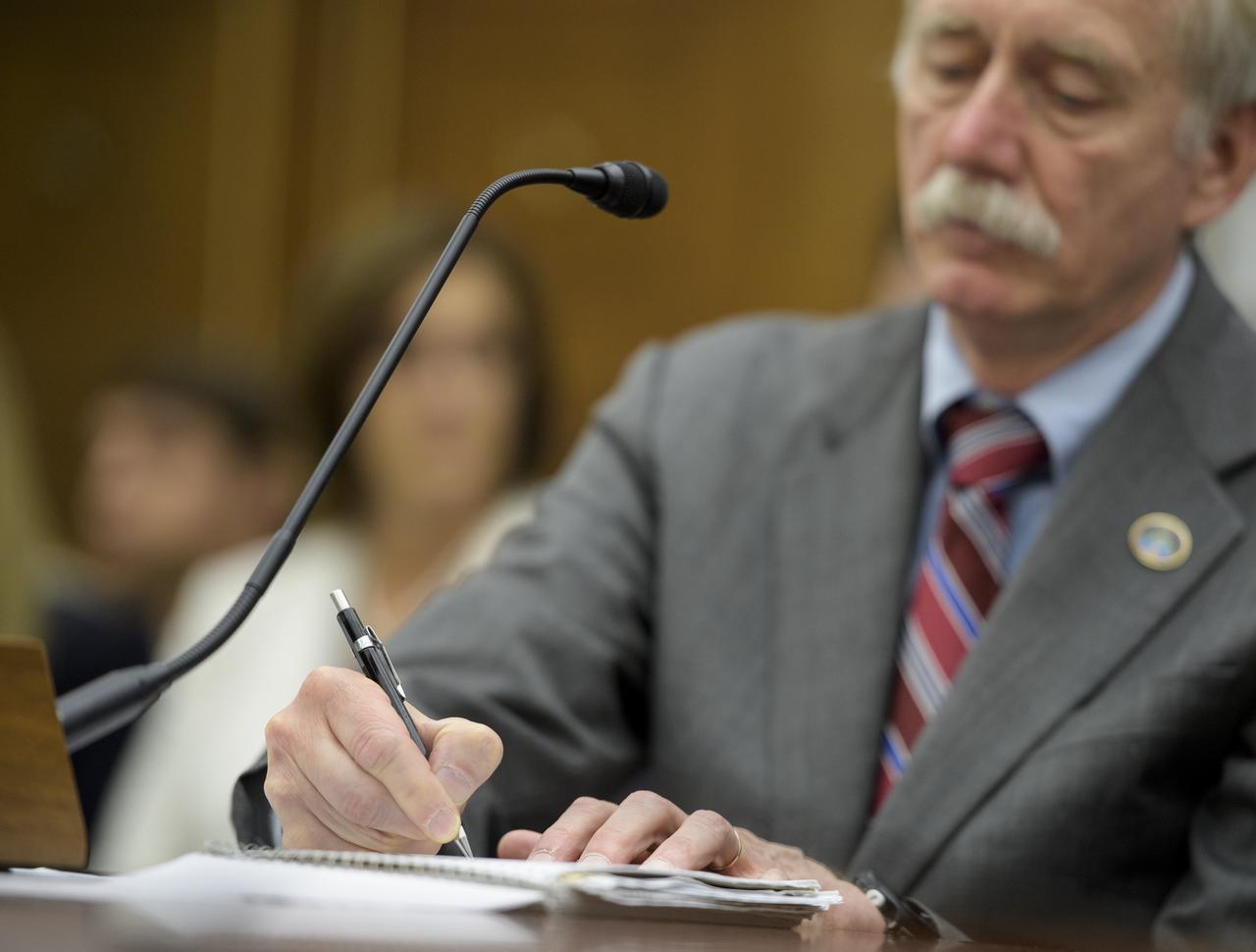
NASA Associate Administrator for the Human Exploration and Operations Mission Directorate William Gerstenmaier testifies during a House Committee on Science, Space, and Technology hearing titled "America's Human Presence in Low-Earth Orbit" on Thursday, May 17, 2018 in the Rayburn House Office Building in Washington. Photo Credit: (NASA/Joel Kowsky)
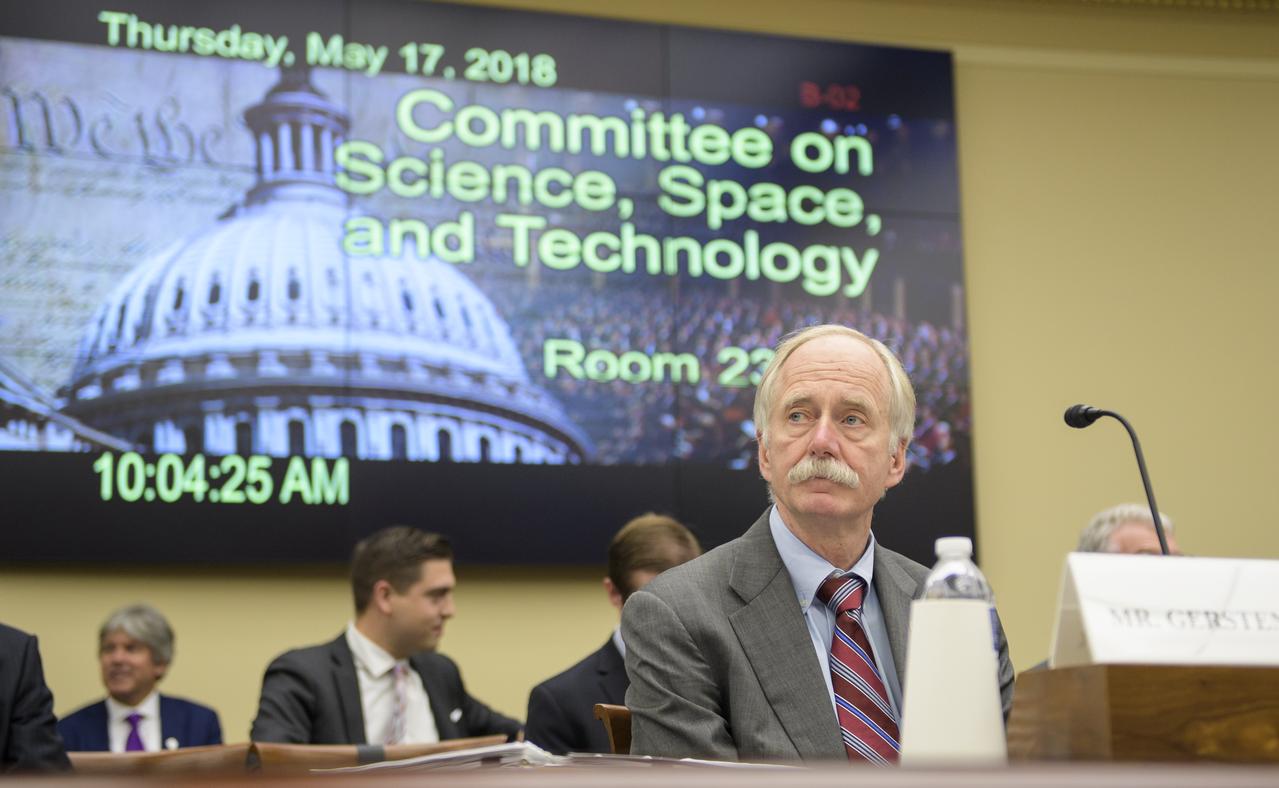
NASA Associate Administrator for the Human Exploration and Operations Mission Directorate William Gerstenmaier is seen prior to the start of a House Committee on Science, Space, and Technology Hearing titles "America's Human Presence in Low-Earth Orbit" on Thursday, May 17, 2018 in the Rayburn House Office Building in Washington. Photo Credit: (NASA/Joel Kowsky)
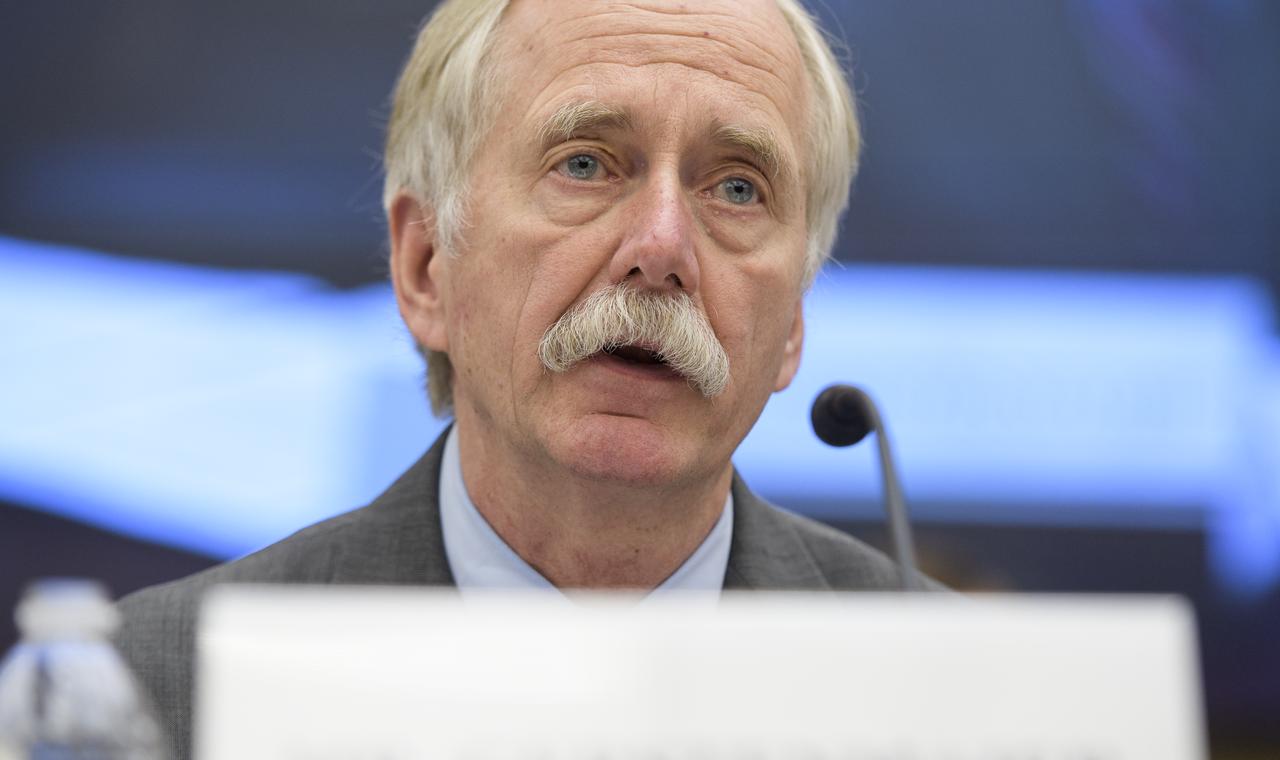
NASA Associate Administrator for the Human Exploration and Operations Mission Directorate William Gerstenmaier testifies during a House Committee on Science, Space, and Technology hearing titled "America's Human Presence in Low-Earth Orbit" on Thursday, May 17, 2018 in the Rayburn House Office Building in Washington. Photo Credit: (NASA/Joel Kowsky)
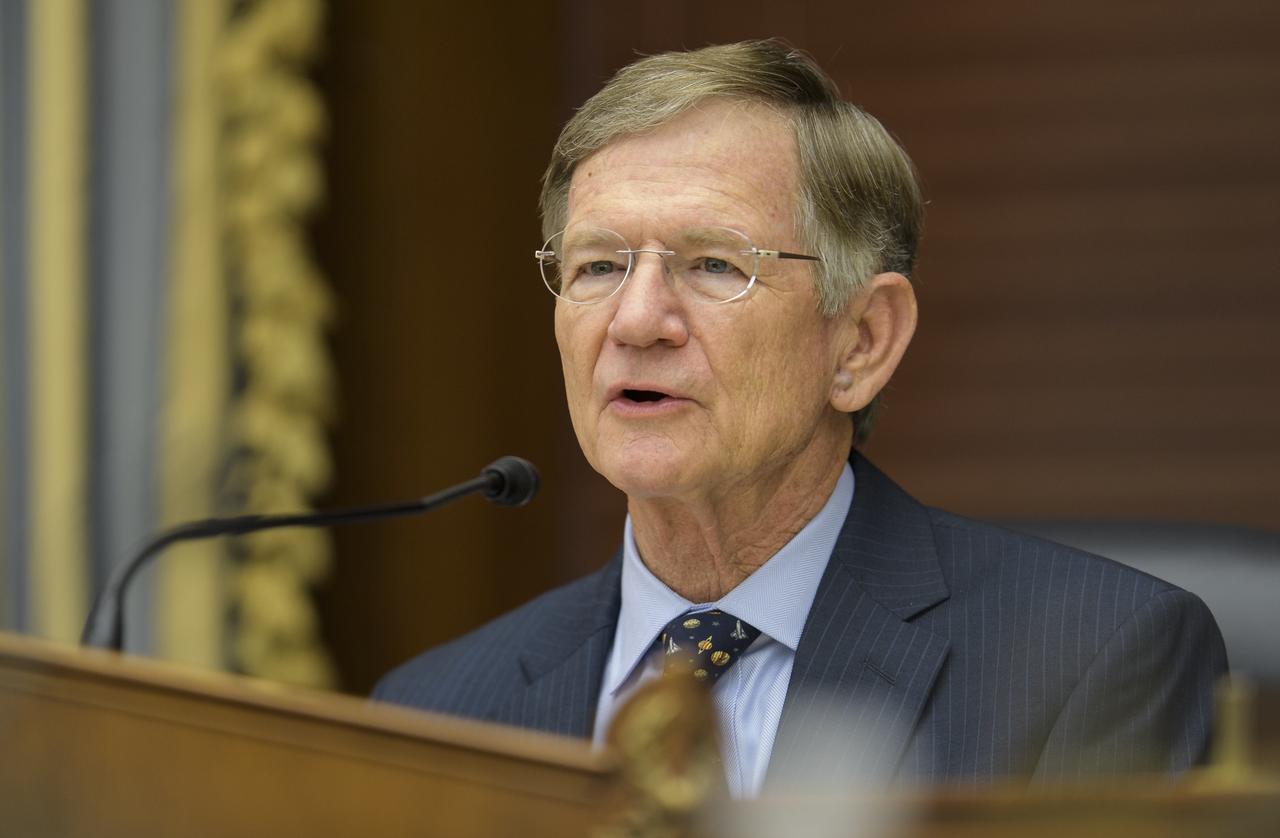
Rep. Lamar Smith, R-Texas, chairman of the House Committee on Science, Space, and Technology, delivers his opening statement during a hearing titled "America's Human Presence in Low-Earth Orbit" on Thursday, May 17, 2018 in the Rayburn House Office Building in Washington. Photo Credit: (NASA/Joel Kowsky)
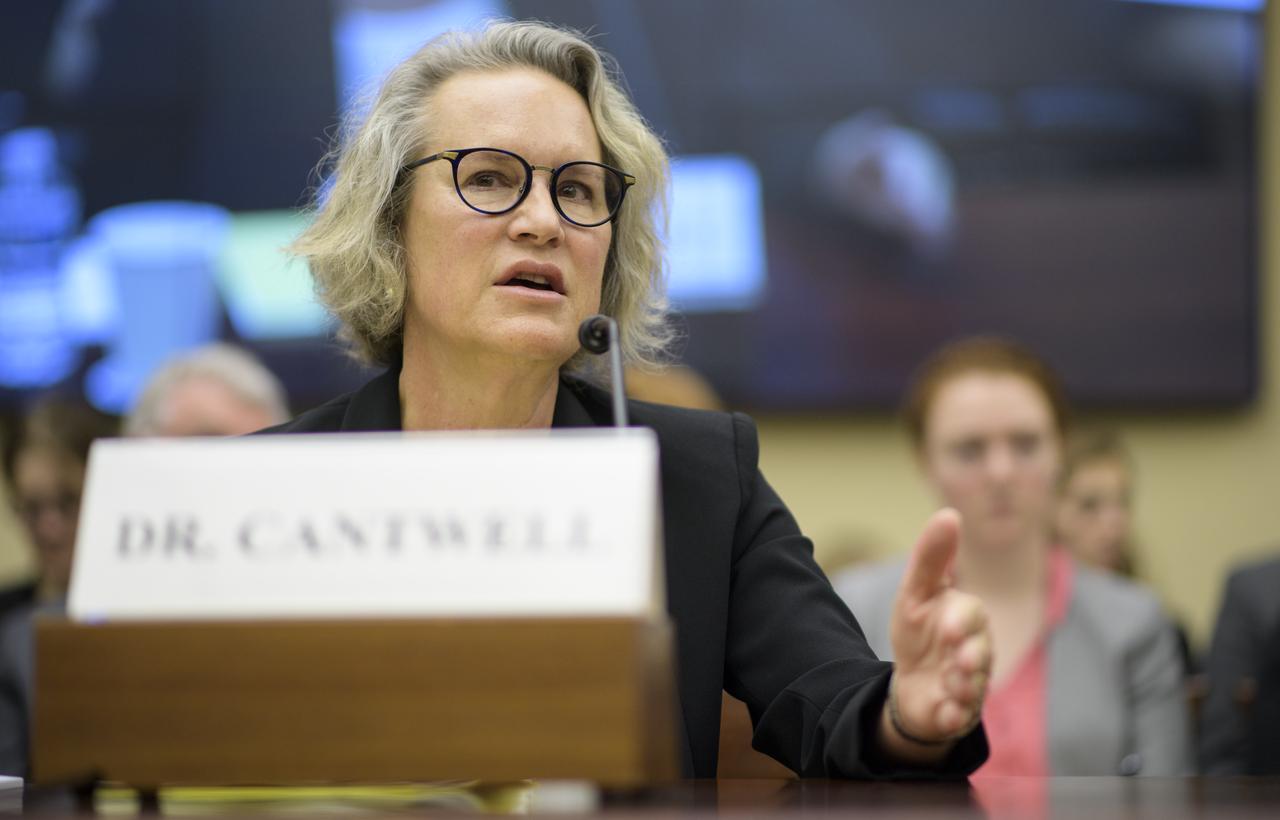
Elizabeth Cantwell, chief executive officer at the Arizona State University Research Enterprise, testifies during a House Committee on Science, Space, and Technology hearing titled "America's Human Presence in Low-Earth Orbit" on Thursday, May 17, 2018 in the Rayburn House Office Building in Washington. Photo Credit: (NASA/Joel Kowsky)
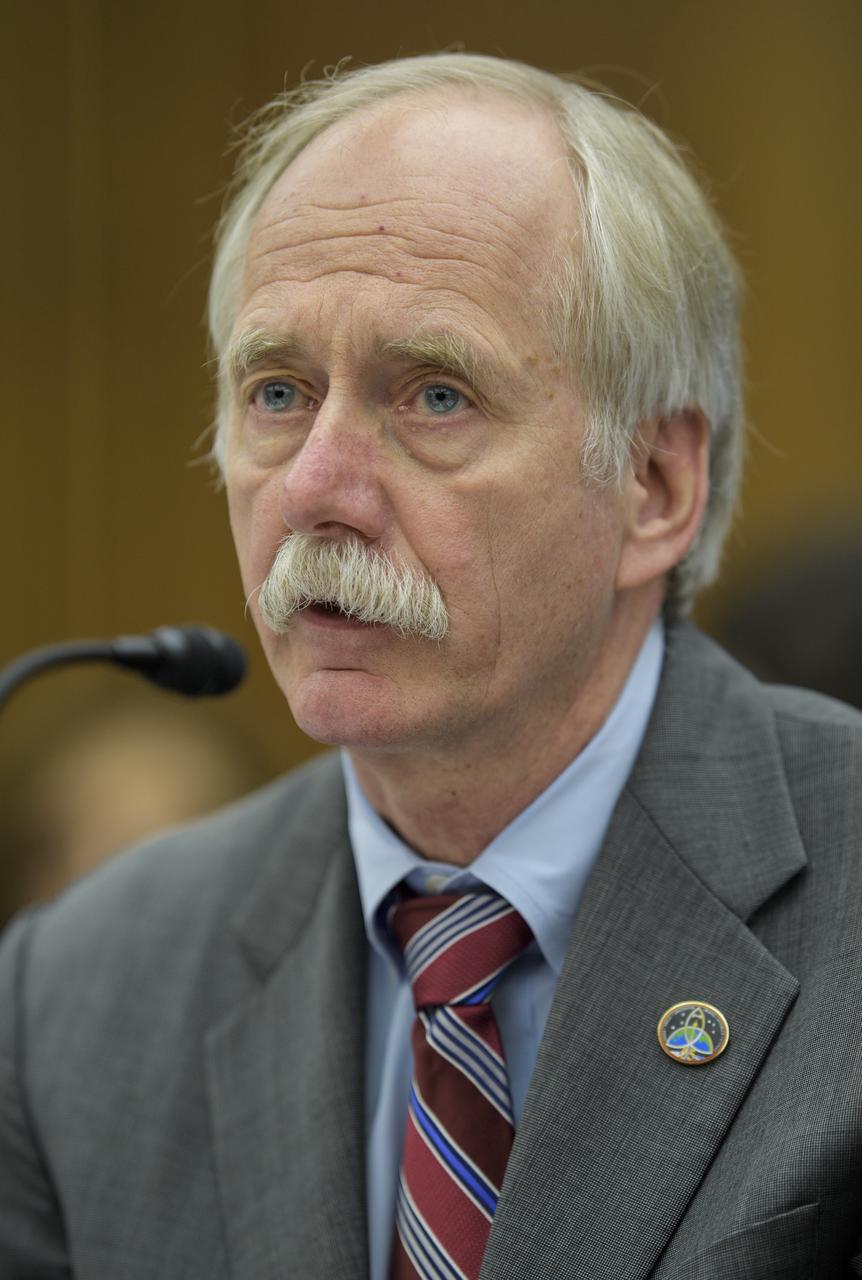
NASA Associate Administrator for the Human Exploration and Operations Mission Directorate William Gerstenmaier testifies during a House Committee on Science, Space, and Technology hearing titled "America's Human Presence in Low-Earth Orbit" on Thursday, May 17, 2018 in the Rayburn House Office Building in Washington. Photo Credit: (NASA/Joel Kowsky)
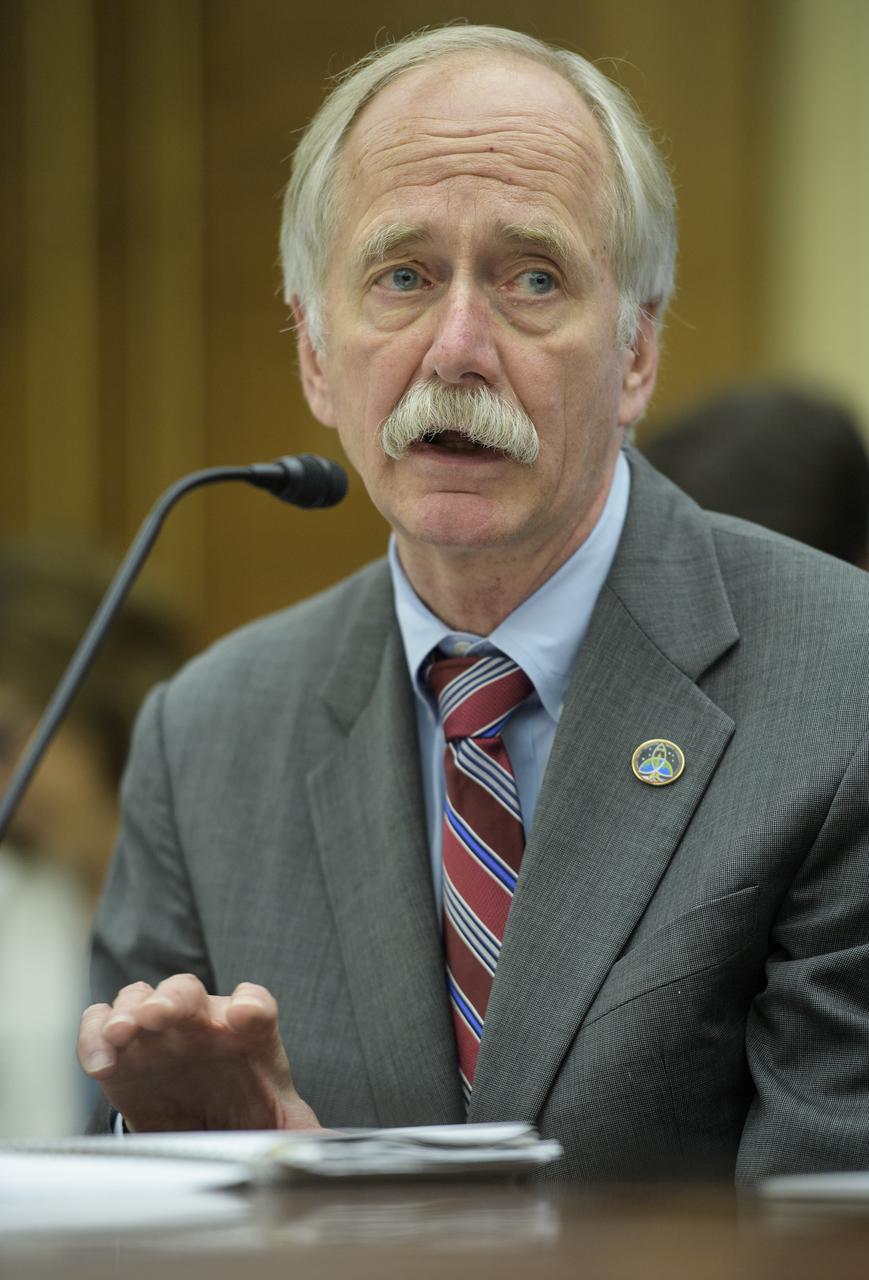
NASA Associate Administrator for the Human Exploration and Operations Mission Directorate William Gerstenmaier testifies during a House Committee on Science, Space, and Technology hearing titled "America's Human Presence in Low-Earth Orbit" on Thursday, May 17, 2018 in the Rayburn House Office Building in Washington. Photo Credit: (NASA/Joel Kowsky)
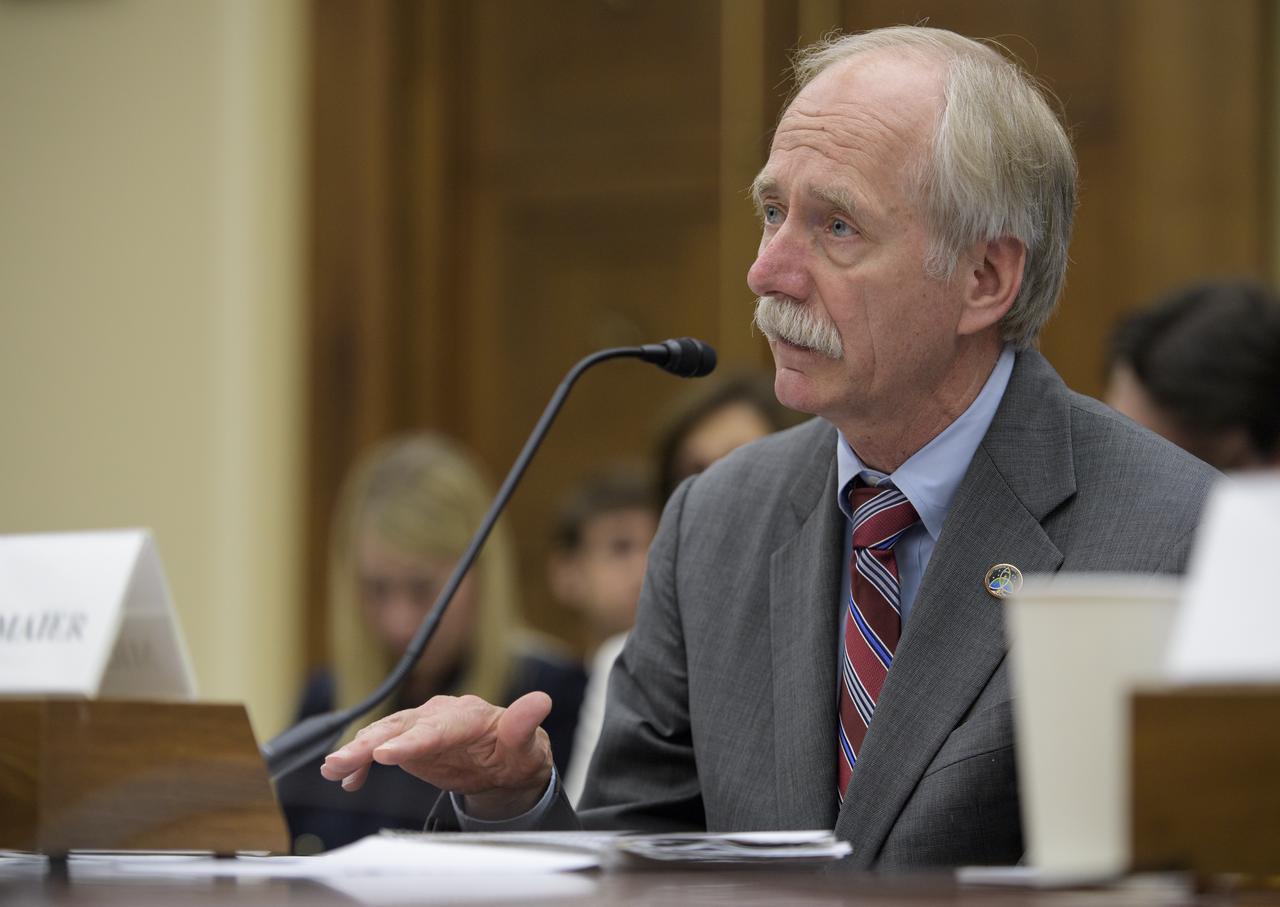
NASA Associate Administrator for the Human Exploration and Operations Mission Directorate William Gerstenmaier testifies during a House Committee on Science, Space, and Technology hearing titled "America's Human Presence in Low-Earth Orbit" on Thursday, May 17, 2018 in the Rayburn House Office Building in Washington. Photo Credit: (NASA/Joel Kowsky)
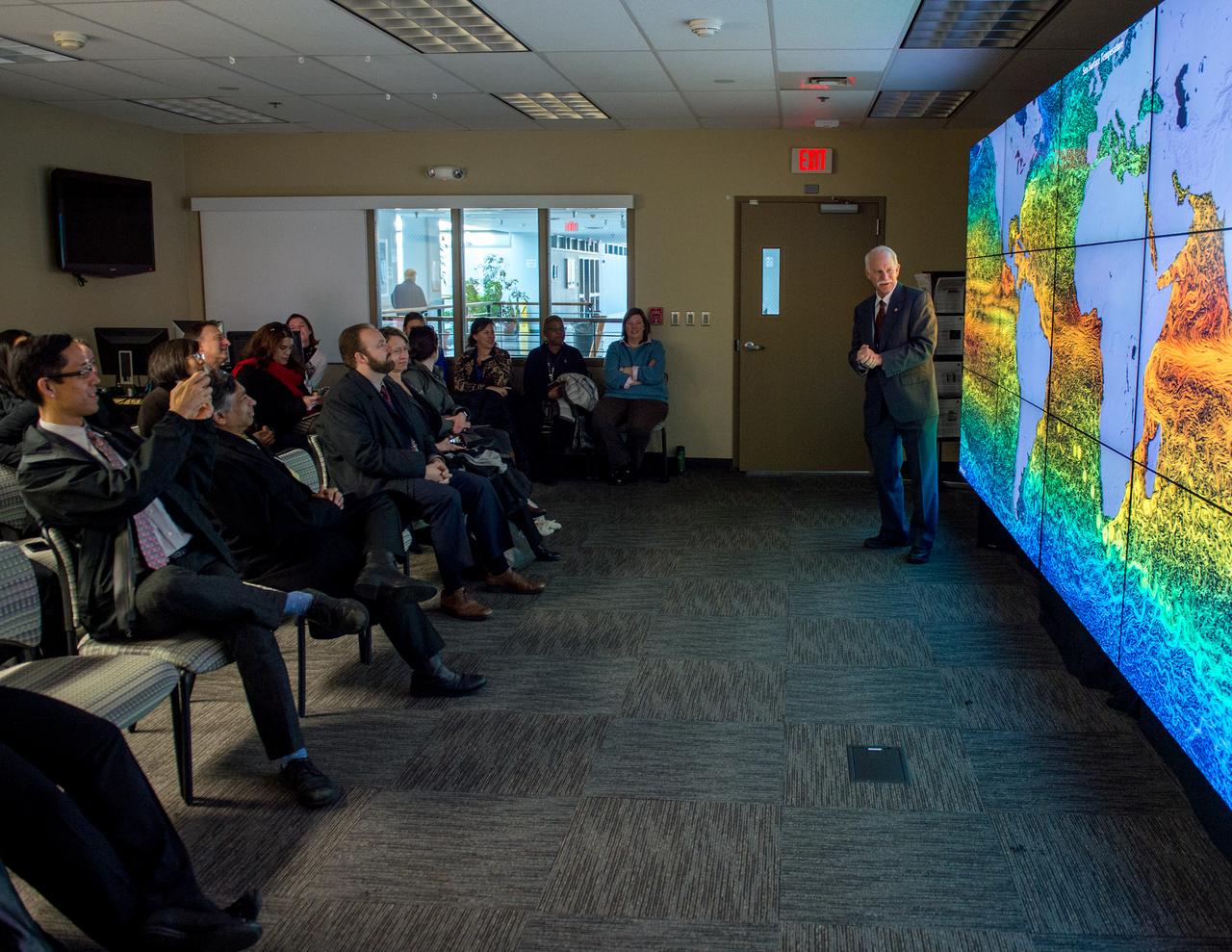
White House Office of Science & Technology Policy tours Goddard Space Flight Center. Dr. Jim Irons at the hyperwall.
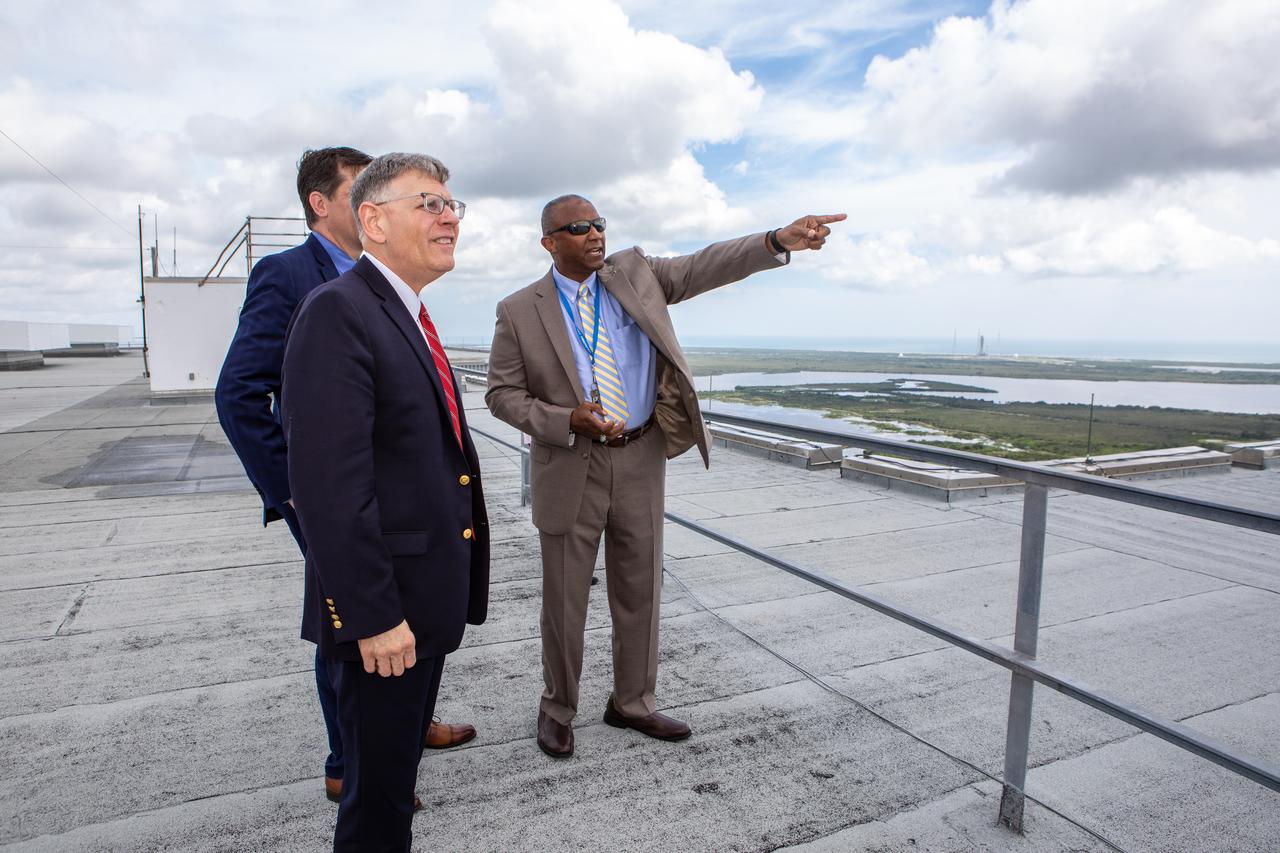
Kelvin Manning, right, associate director, technical, of NASA’s Kennedy Space Center in Florida, points out various landmarks to White House Office of Science and Technology Policy Director Kelvin Droegemeier, center, and NASA Associate Administrator for STEM Engagement Mike Kincade, left, from the roof of the Vehicle Assembly Building on July 10, 2019. Droegemeier visited the iconic rocket-assembly facility in the heart of Kennedy’s Launch Complex 39 Area during a tour of the multi-user spaceport.
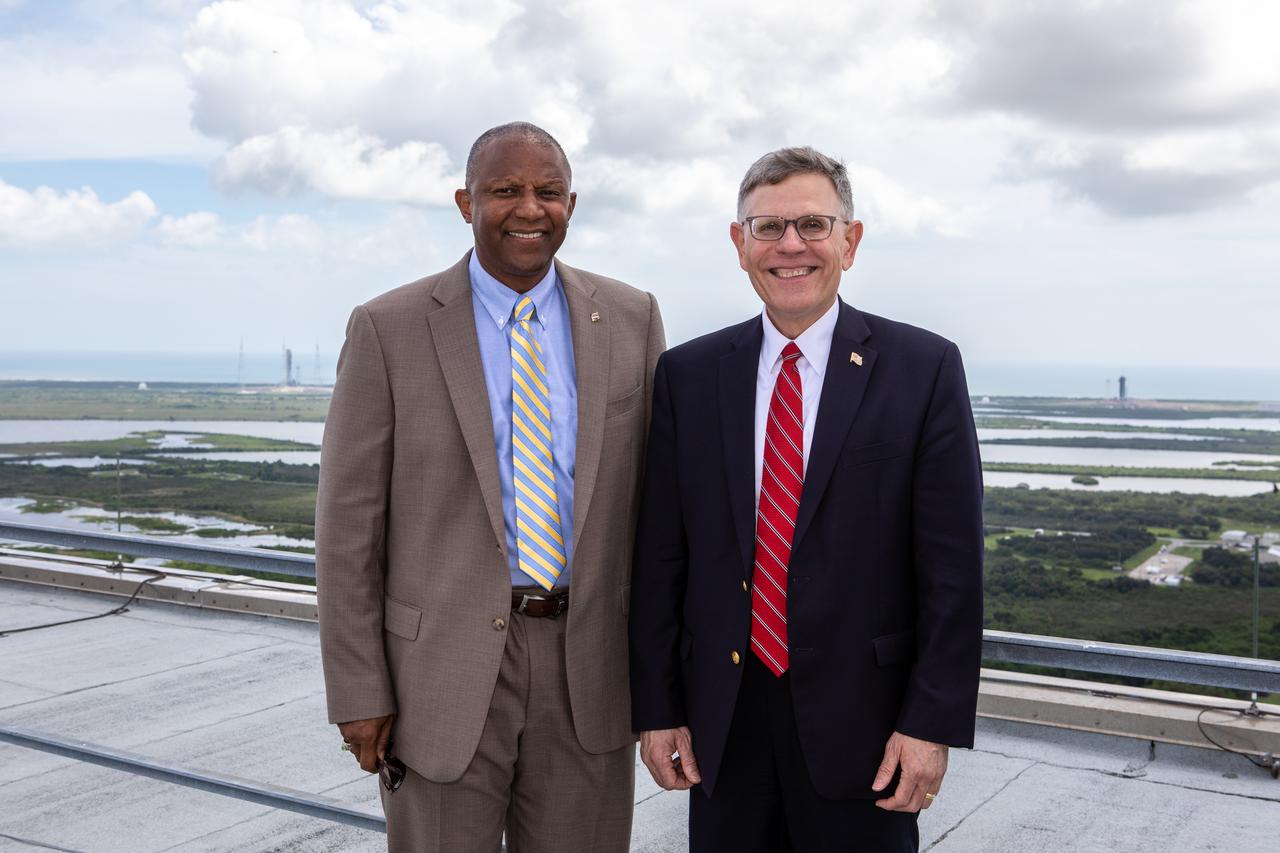
Kelvin Manning, left, associate director, technical, of NASA’s Kennedy Space Center in Florida, and White House Office of Science and Technology Policy Director Kelvin Droegemeier, right, visit the roof of the Vehicle Assembly Building on July 10, 2019. Droegemeier visited the iconic rocket-assembly facility in the heart of Kennedy’s Launch Complex 39 Area during a tour of the multi-user spaceport.
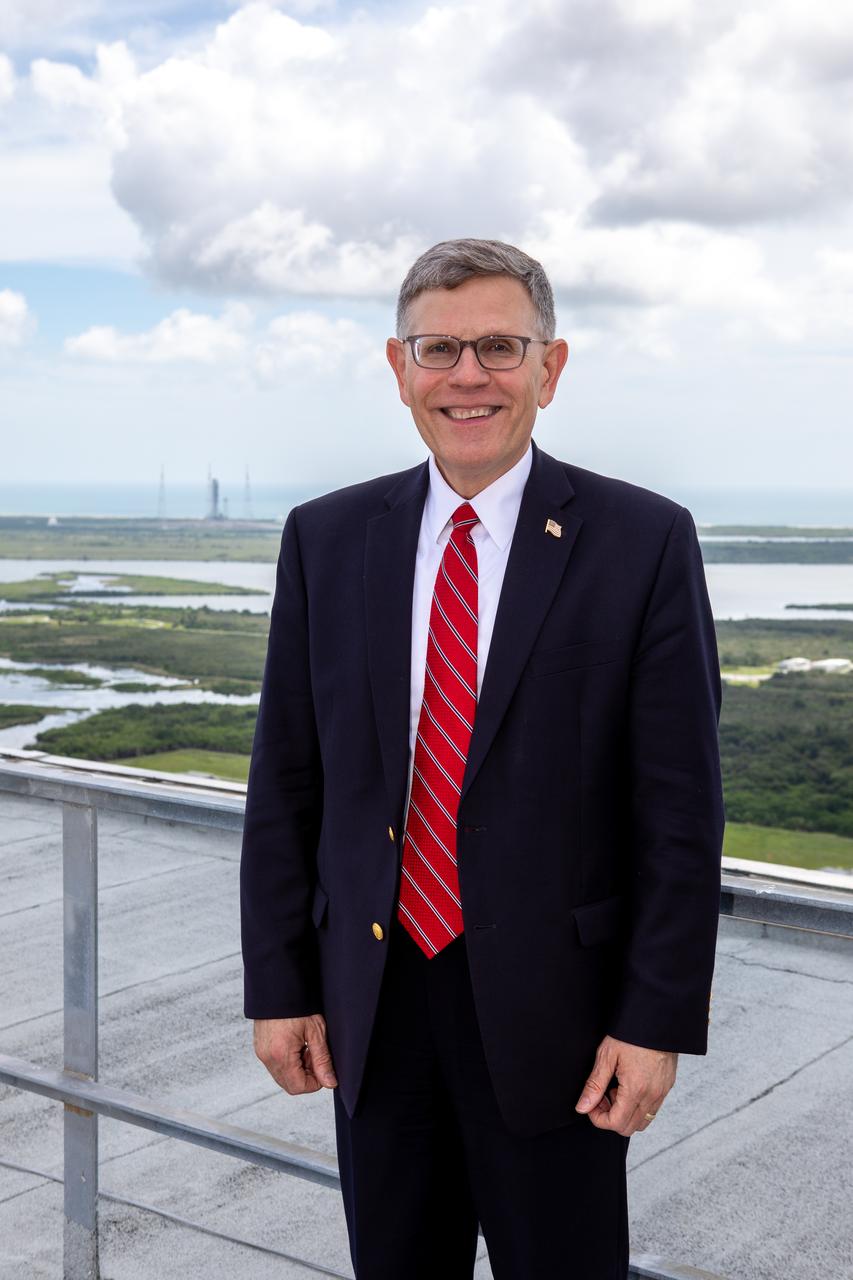
White House Office of Science and Technology Policy Director Kelvin Droegemeier visits the roof of the Vehicle Assembly Building at NASA’s Kennedy Space Center in Florida on July 10, 2019. In the background is Launch Complex 39B, where the mobile launcher is undergoing testing in preparation for launch of the agency’s Space Launch System rocket for the first Artemis mission. Droegemeier visited the iconic rocket-assembly facility in the heart of Kennedy’s Launch Complex 39 Area during a tour of the multi-user spaceport.
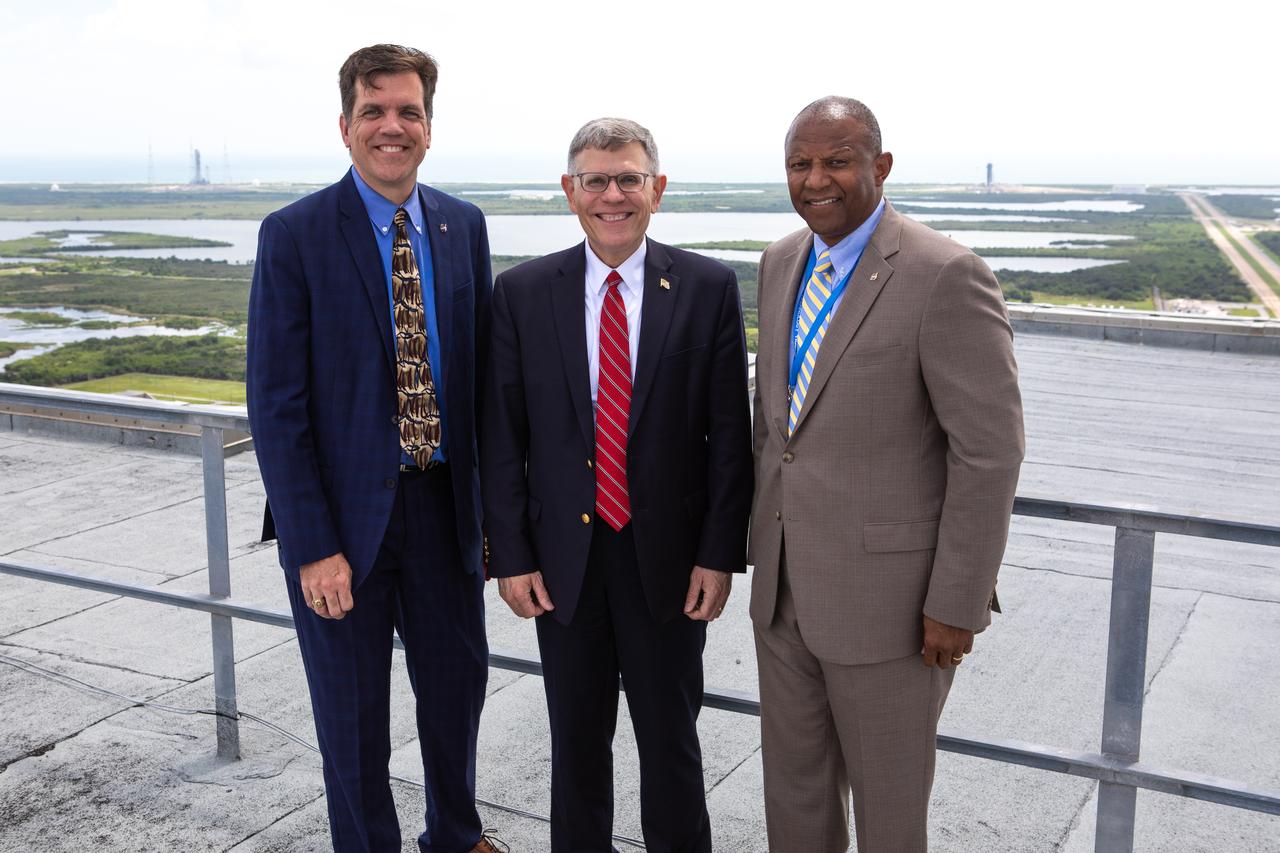
NASA Associate Administrator for STEM Engagement Mike Kincade, left, White House Office of Science and Technology Policy Director Kelvin Droegemeier, center, and Kelvin Manning, right, associate director, technical, of NASA’s Kennedy Space Center in Florida, pause for a photo on the roof of the Vehicle Assembly Building on July 10, 2019. Droegemeier visited the iconic rocket-assembly facility in the heart of Kennedy’s Launch Complex 39 Area during a tour of the multi-user spaceport.
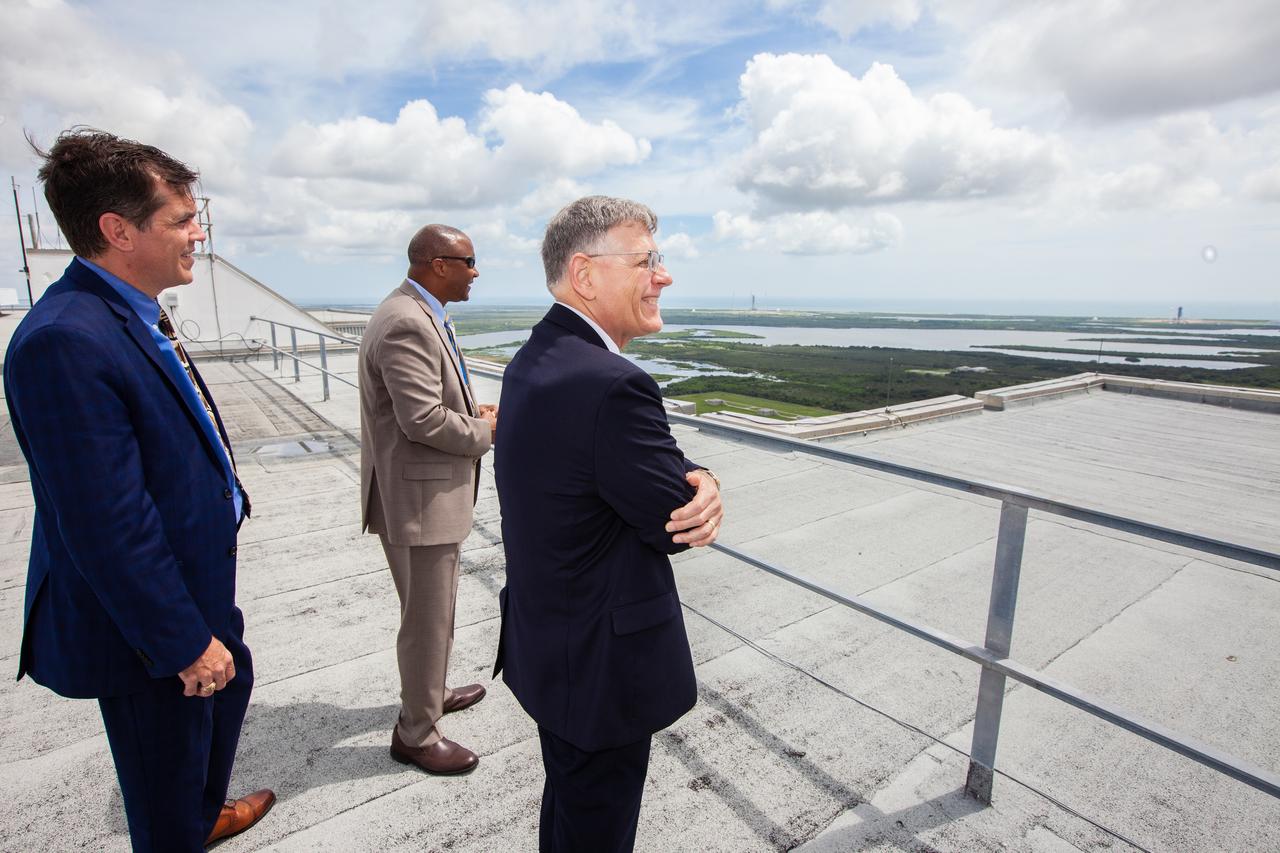
From left to right, NASA Associate Administrator for STEM Engagement Mike Kincade, left, Kelvin Manning, associate director, technical, of NASA’s Kennedy Space Center in Florida, and White House Office of Science and Technology Policy Director Kelvin Droegemeier, right, enjoy a panoramic view from the roof of the Vehicle Assembly Building on July 10, 2019. Droegemeier visited the iconic rocket-assembly facility in the heart of Kennedy’s Launch Complex 39 Area during a tour of the multi-user spaceport.
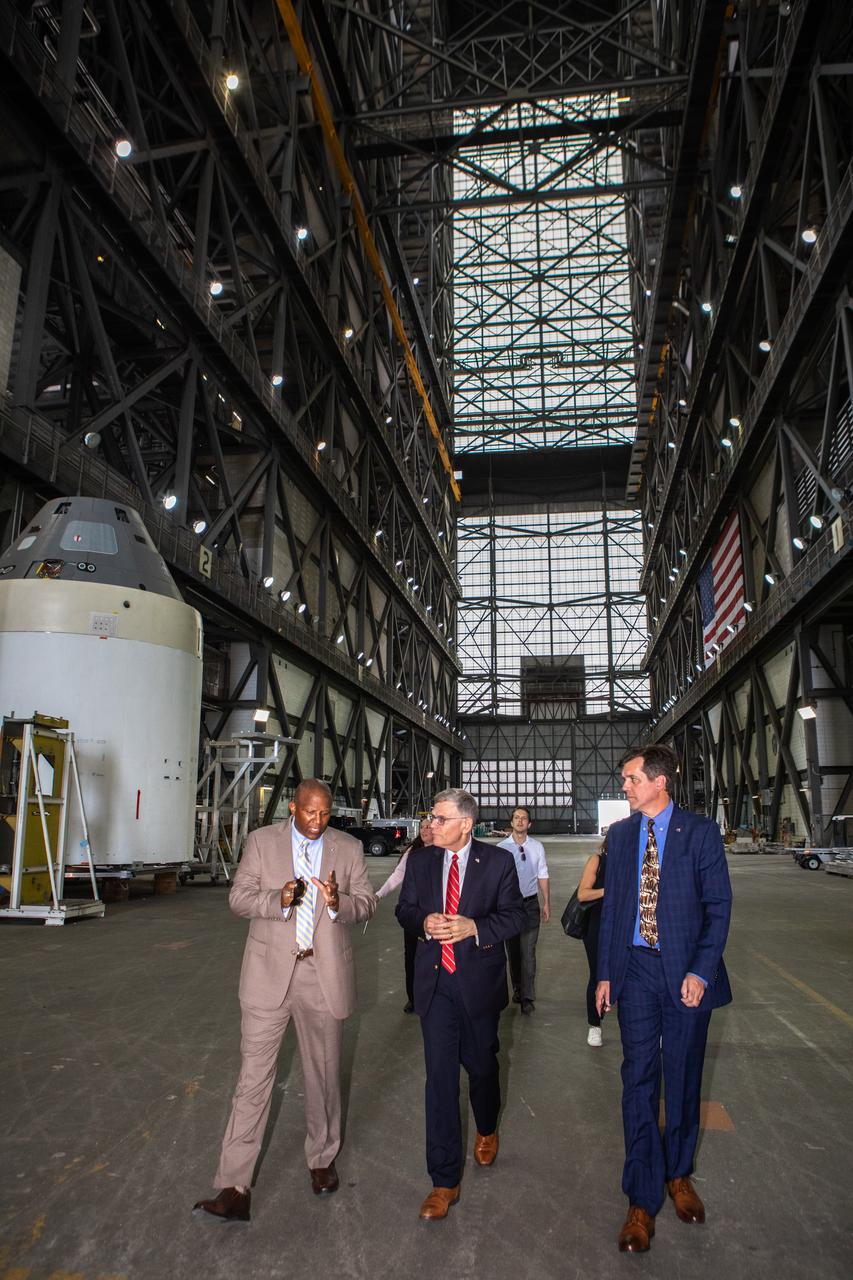
Kelvin Manning, left, associate director, technical, of NASA’s Kennedy Space Center in Florida, speaks to White House Office of Science and Technology Policy Director Kelvin Droegemeier, center, and NASA Associate Administrator for STEM Engagement Mike Kincade, right, inside the transfer aisle of the Vehicle Assembly Building on July 10, 2019, at NASA’s Kennedy Space Center in Florida. Droegemeier visited the iconic rocket-assembly facility in the heart of Kennedy’s Launch Complex 39 Area during a tour of the multi-user spaceport.
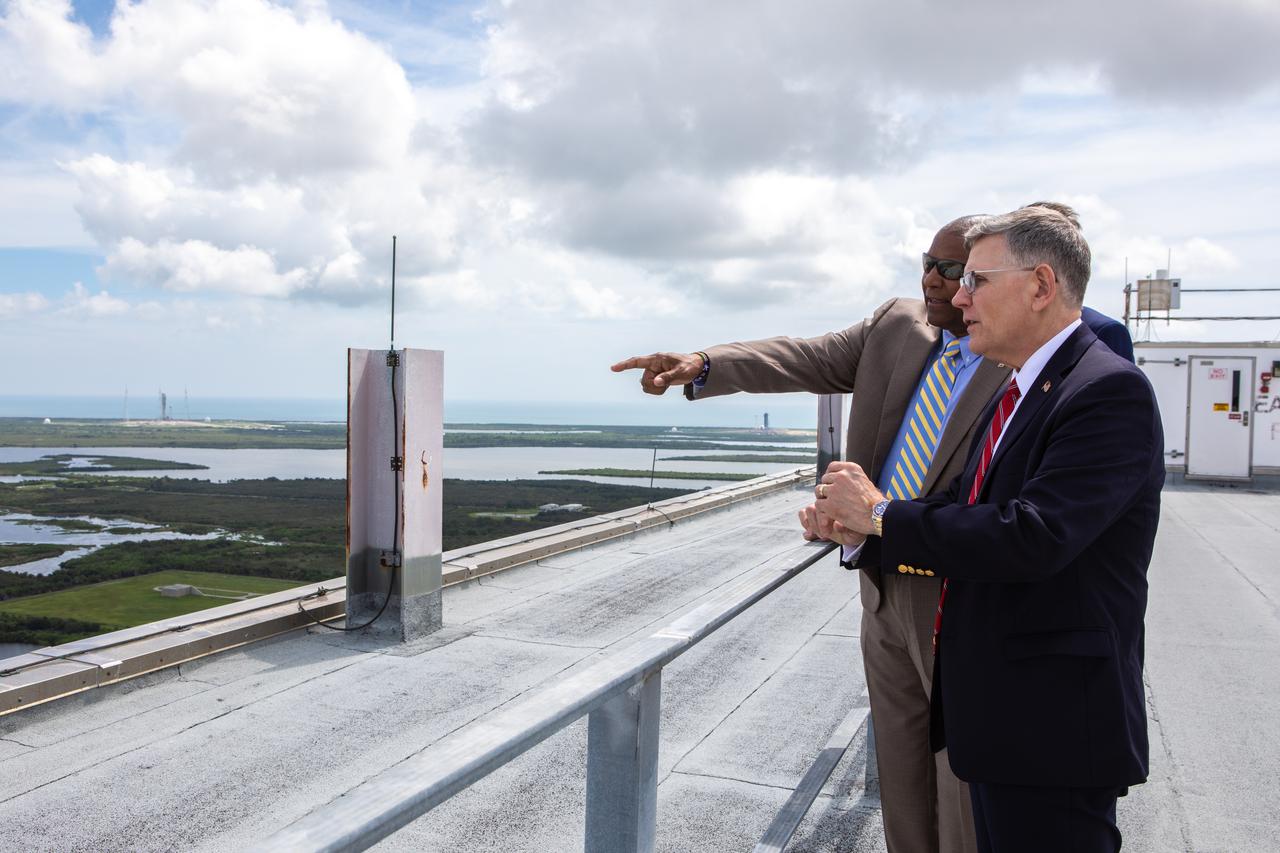
Kelvin Manning, left, associate director, technical, of NASA’s Kennedy Space Center in Florida, points out various landmarks to White House Office of Science and Technology Policy Director Kelvin Droegemeier, right, on the roof of the Vehicle Assembly Building on July 10, 2019. Droegemeier visited the iconic rocket-assembly facility in the heart of Kennedy’s Launch Complex 39 Area during a tour of the multi-user spaceport.
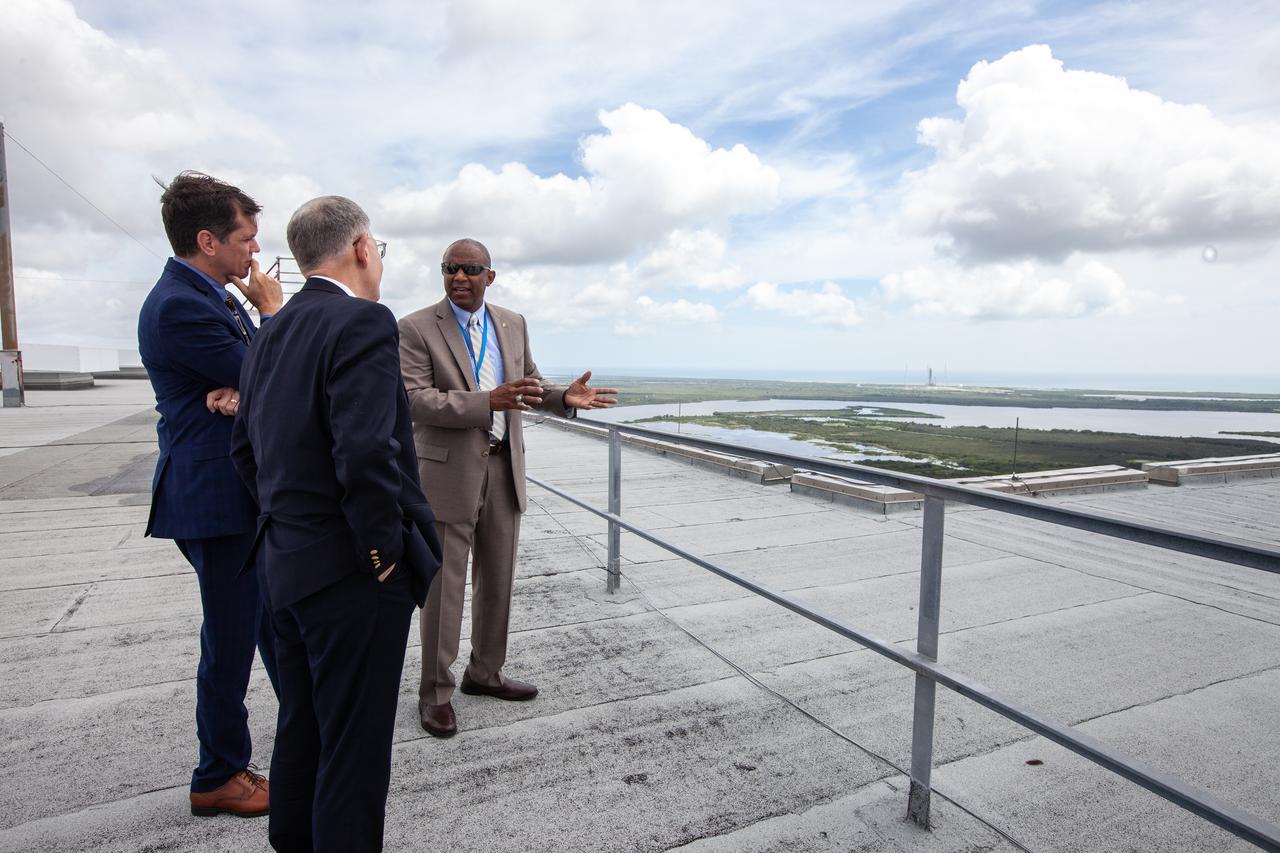
Kelvin Manning, right, associate director, technical, of NASA’s Kennedy Space Center in Florida, speaks to White House Office of Science and Technology Policy Director Kelvin Droegemeier, center, and NASA Associate Administrator for STEM Engagement Mike Kincade, left, on the roof of the Vehicle Assembly Building on July 10, 2019. Droegemeier visited the iconic rocket-assembly facility in the heart of Kennedy’s Launch Complex 39 Area during a tour of the multi-user spaceport.
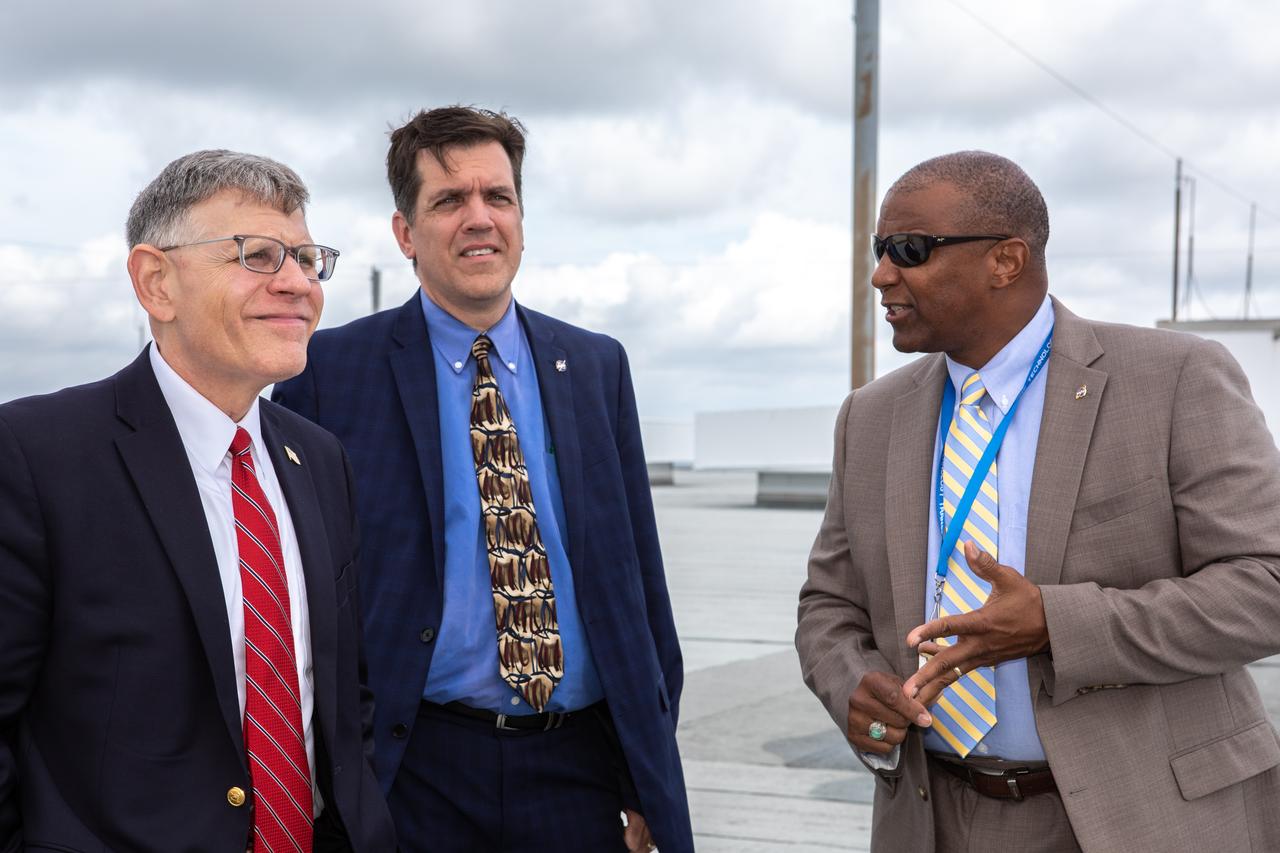
Kelvin Manning, right, associate director, technical, of NASA’s Kennedy Space Center in Florida, speaks to White House Office of Science and Technology Policy Director Kelvin Droegemeier, left, and NASA Associate Administrator for STEM Engagement Mike Kincade, center, on the roof of the Vehicle Assembly Building on July 10, 2019. Droegemeier visited the iconic rocket-assembly facility in the heart of Kennedy’s Launch Complex 39 Area during a tour of the multi-user spaceport.
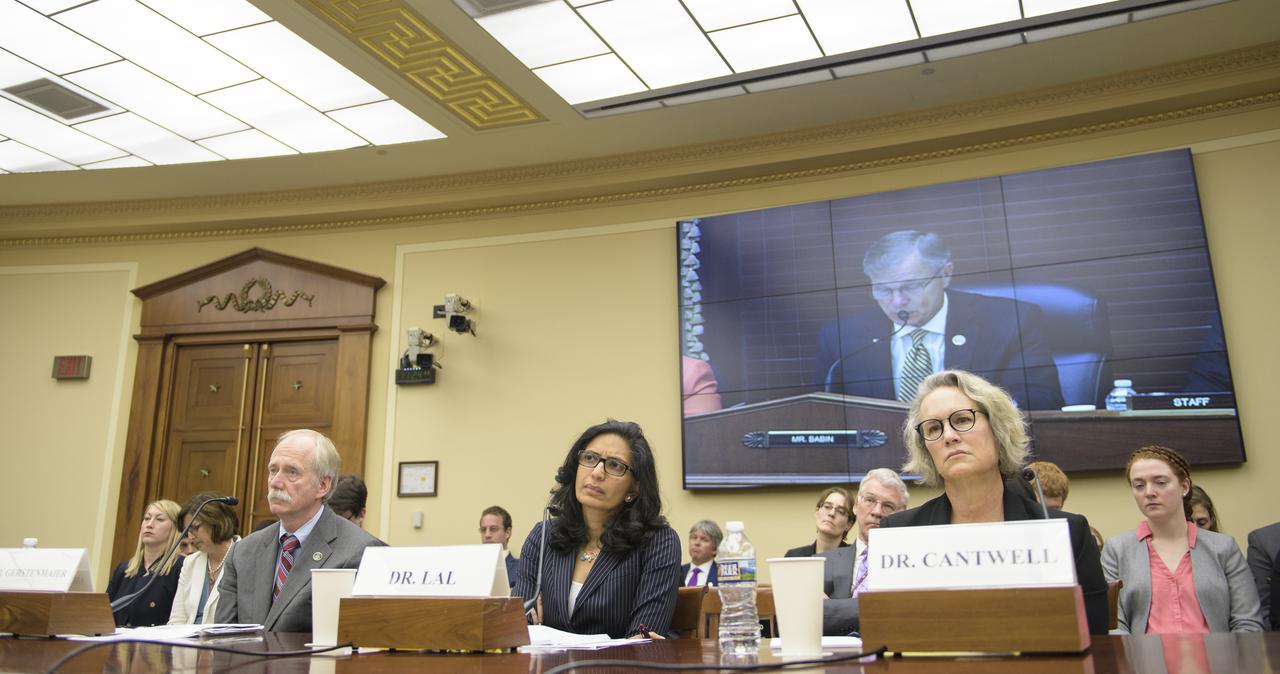
NASA Associate Administrator for the Human Exploration and Operations Mission Directorate William Gerstenmaier, left, Dr. Bhavya Lal, a researcher at the Institute for Defense Analysis's Science and Technology Policy Institute, center, and Dr. Elizabeth Cantwell, chief executive officer at the Arizona State University Research Enterprise, right, listen as Rep. Brian Babin, R-Texas, is seen on screen as he delivers an opening statement during a House Committee on Science, Space, and Technology hearing titled "America's Human Presence in Low-Earth Orbit" on Thursday, May 17, 2018 in the Rayburn House Office Building in Washington. Photo Credit: (NASA/Joel Kowsky)
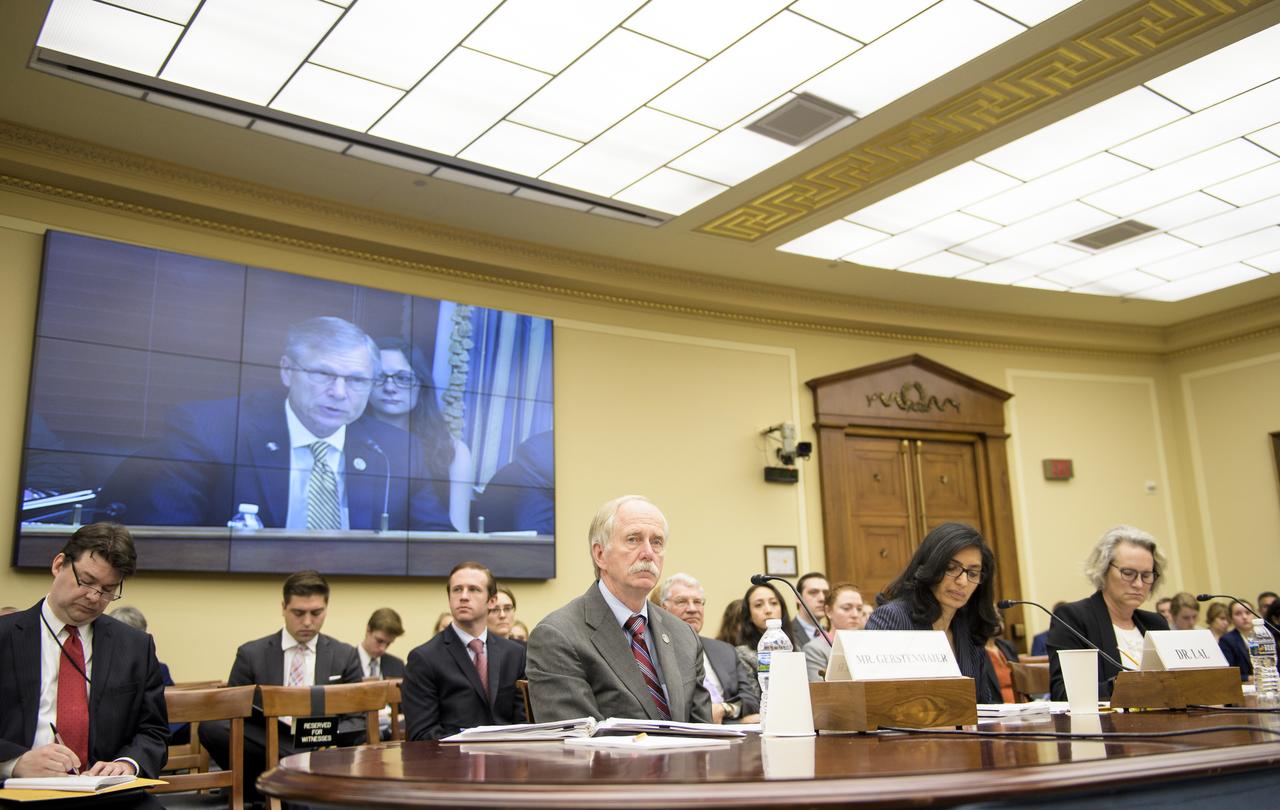
NASA Associate Administrator for the Human Exploration and Operations Mission Directorate William Gerstenmaier, left, Dr. Bhavya Lal, a researcher at the Institute for Defense Analysis's Science and Technology Policy Institute, center, and Dr. Elizabeth Cantwell, chief executive officer at the Arizona State University Research Enterprise, right, listen as Rep. Brian Babin, R-Texas, is seen on screen as he delivers an opening statement during a House Committee on Science, Space, and Technology hearing titled "America's Human Presence in Low-Earth Orbit" on Thursday, May 17, 2018 in the Rayburn House Office Building in Washington. Photo Credit: (NASA/Joel Kowsky)
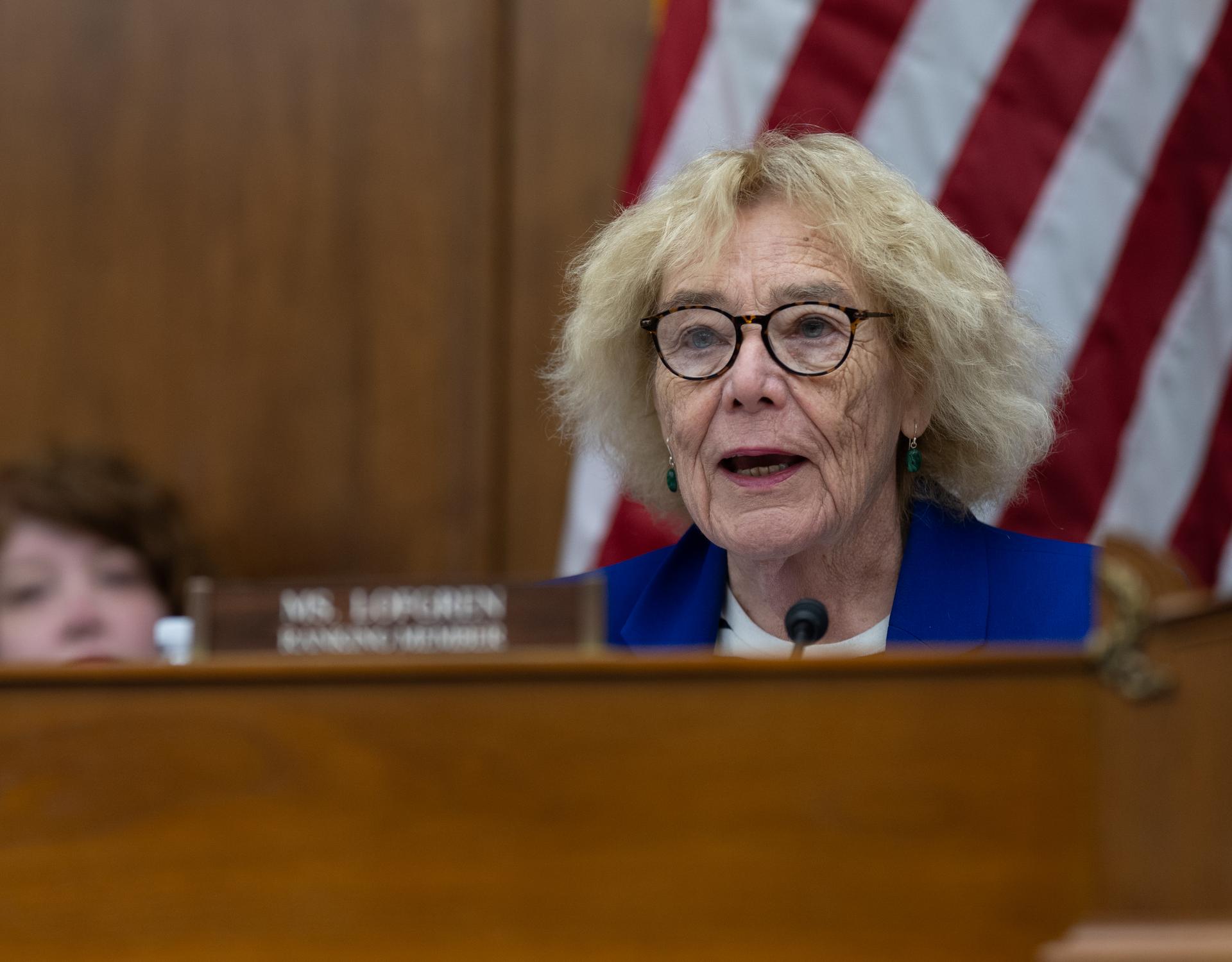
House Science, Space, and Technology Committee Ranking Member Zoe Lofgren, D-Calif., gives opening remarks during a hearing regarding the President’s Fiscal Year 2027 budget request for NASA, Wednesday, April 22, 2026, at the Rayburn House Office Building in Washington. Photo Credit: (NASA/Joel Kowsky)
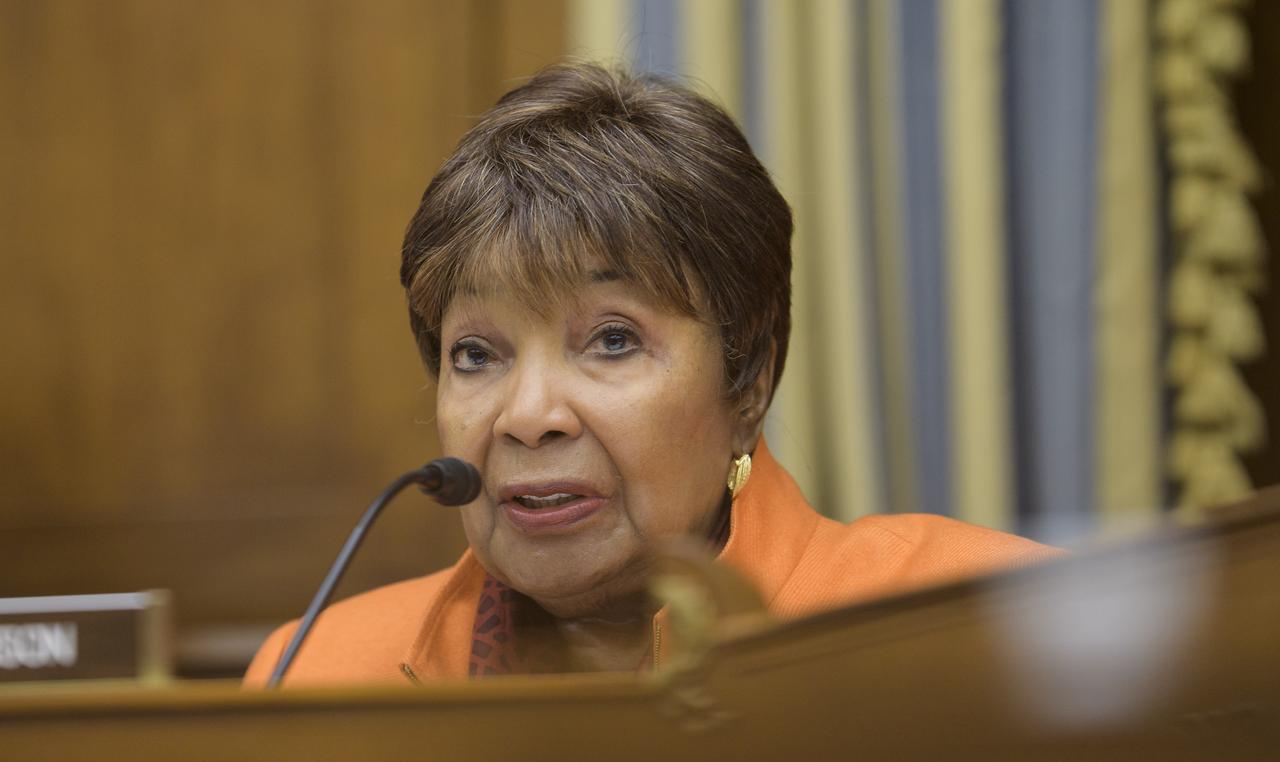
Rep. Eddie Bernice Johnson, D-Texas, ranking member of the House Committee on Science, Space, and Technology delivers her opening statement during a hearing titled "America's Human Presence in Low-Earth Orbit" on Thursday, May 17, 2018 in the Rayburn House Office Building in Washington. Photo Credit: (NASA/Joel Kowsky)
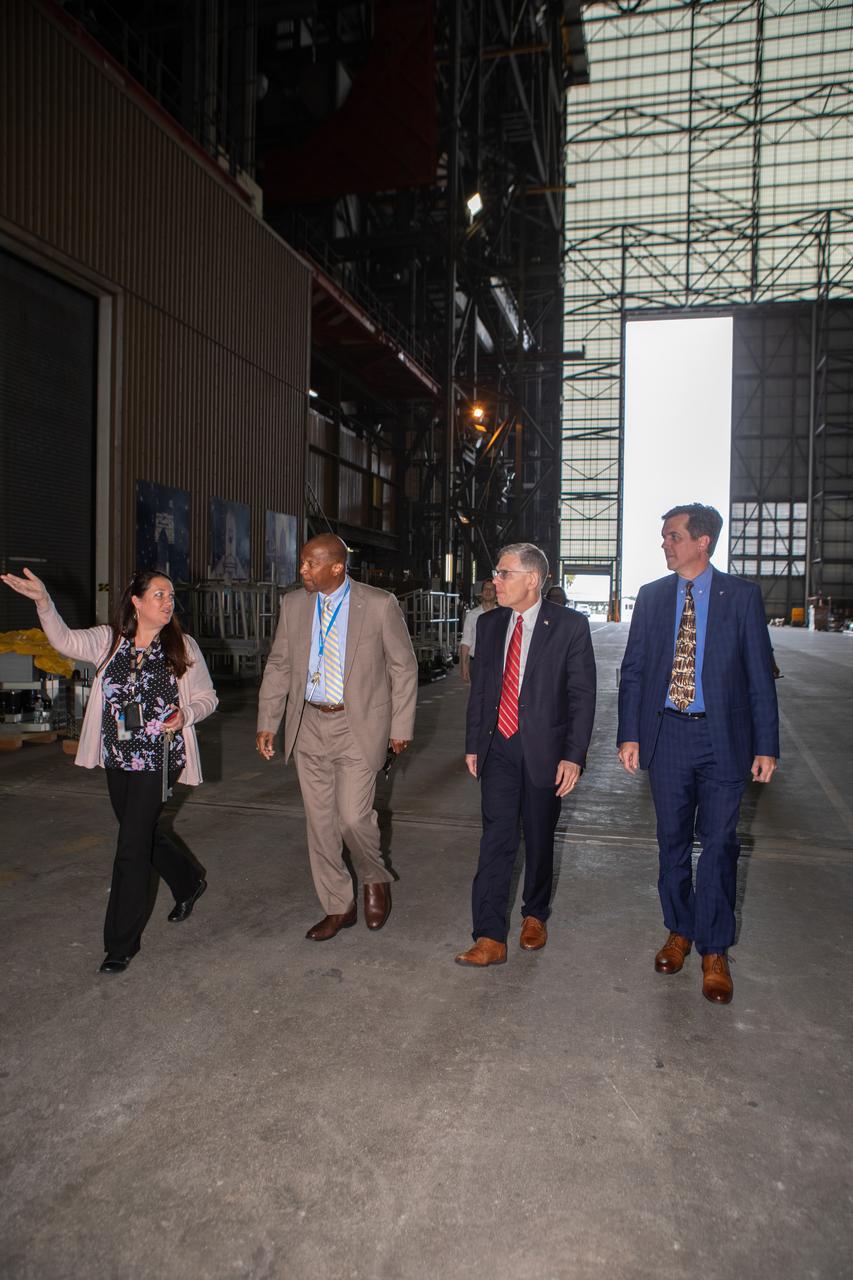
Elizabeth Kline, left, Vehicle Assembly Building (VAB) element operations manager for NASA’s Exploration Ground Systems, speaks to Kelvin Manning, associate director, technical, of NASA’s Kennedy Space Center in Florida, White House Office of Science and Technology Policy Director Kelvin Droegemeier, and NASA Associate Administrator for STEM Engagement Mike Kincade inside the transfer aisle of the Vehicle Assembly Building on July 10, 2019. Droegemeier visited the iconic rocket-assembly facility in the heart of Kennedy’s Launch Complex 39 Area during a tour of the multi-user spaceport.
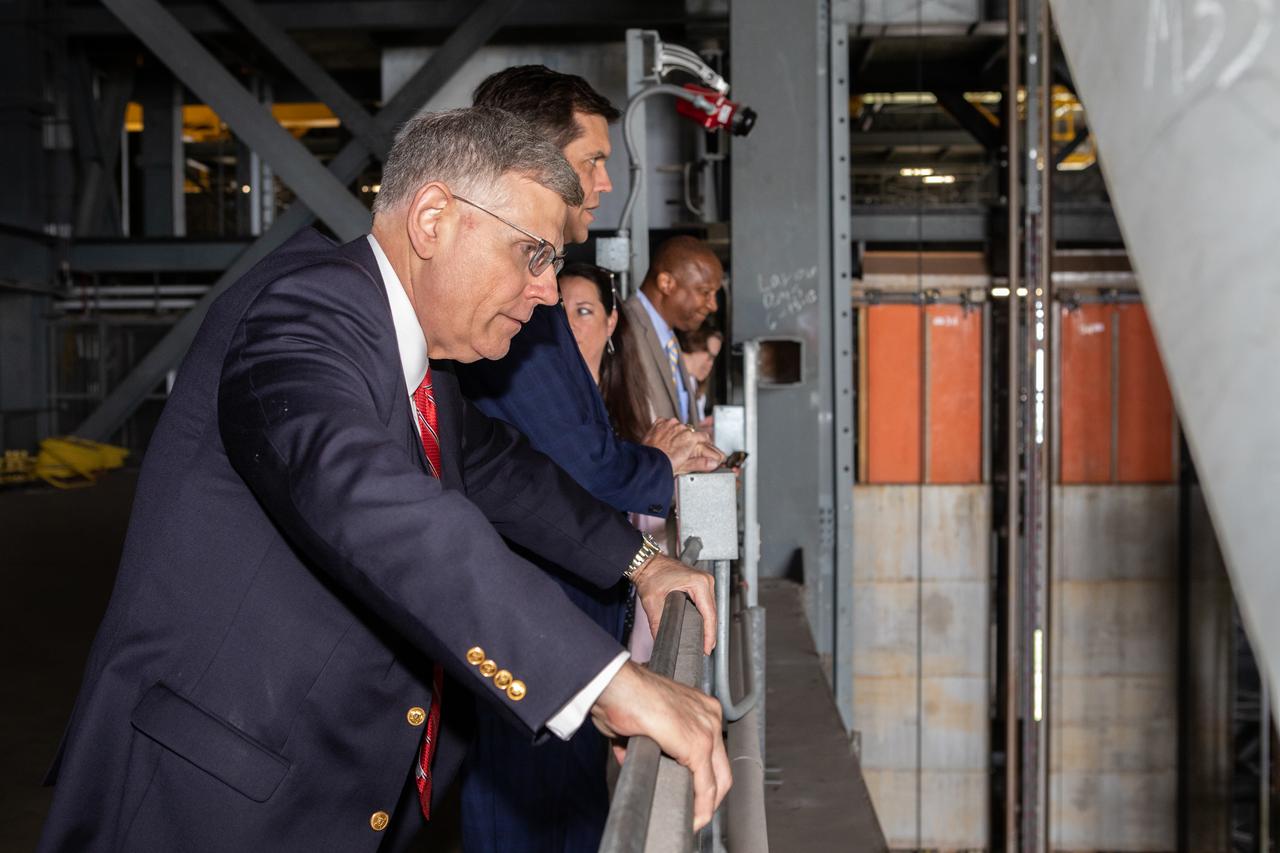
From left to right, White House Office of Science and Technology Policy Director Kelvin Droegemeier, NASA Associate Administrator for STEM Engagement Mike Kincade, Elizabeth Kline, Vehicle Assembly Building (VAB) element operations manager for NASA’s Exploration Ground Systems, and Kelvin Manning, associate director, technical, of NASA’s Kennedy Space Center in Florida, visit the Vehicle Assembly Building on July 10, 2019. Droegemeier visited the iconic rocket-assembly facility in the heart of Kennedy’s Launch Complex 39 Area during a tour of the multi-user spaceport.

NASA Administrator Bill Nelson testifies during a House Science, Space, and Technology Committee hearing regarding the NASA Fiscal Year 2025 budget, Tuesday, April 30, 2024, at the Rayburn House Office Building in Washington. Photo Credit: (NASA/Bill Ingalls)

NASA Administrator Bill Nelson testifies during a House Science, Space, and Technology Committee hearing regarding the NASA Fiscal Year 2025 budget, Tuesday, April 30, 2024, at the Rayburn House Office Building in Washington. Photo Credit: (NASA/Bill Ingalls)
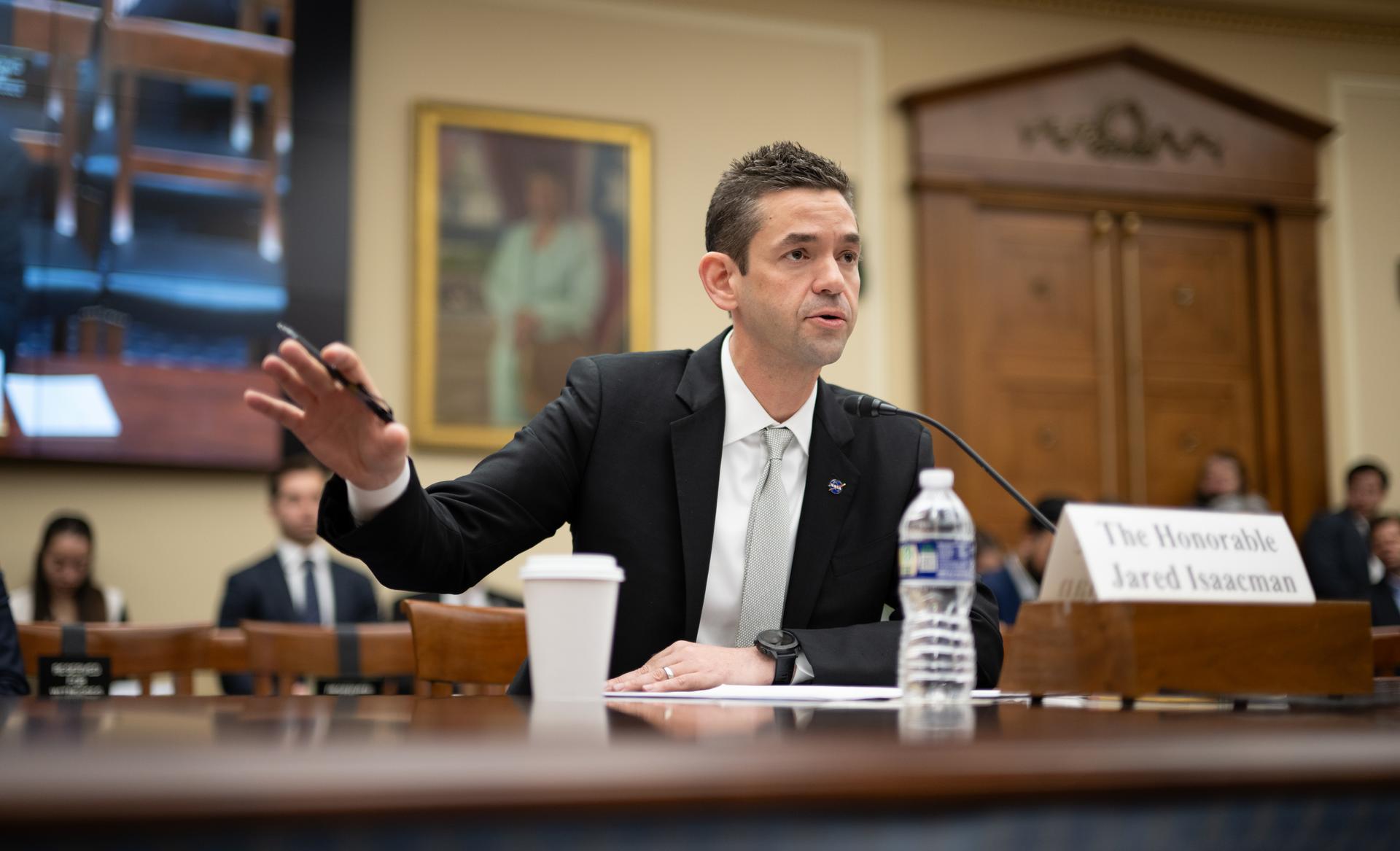
NASA Administrator Jared Isaacman testifies during a House Committee on Science, Space, and Technology hearing regarding the President’s Fiscal Year 2027 budget request for the agency, Wednesday, April 22, 2026, at the Rayburn House Office Building in Washington. Photo Credit: (NASA/Joel Kowsky)

NASA Administrator Bill Nelson testifies during a House Science, Space, and Technology Committee hearing regarding the NASA Fiscal Year 2025 budget, Tuesday, April 30, 2024, at the Rayburn House Office Building in Washington. Photo Credit: (NASA/Bill Ingalls)
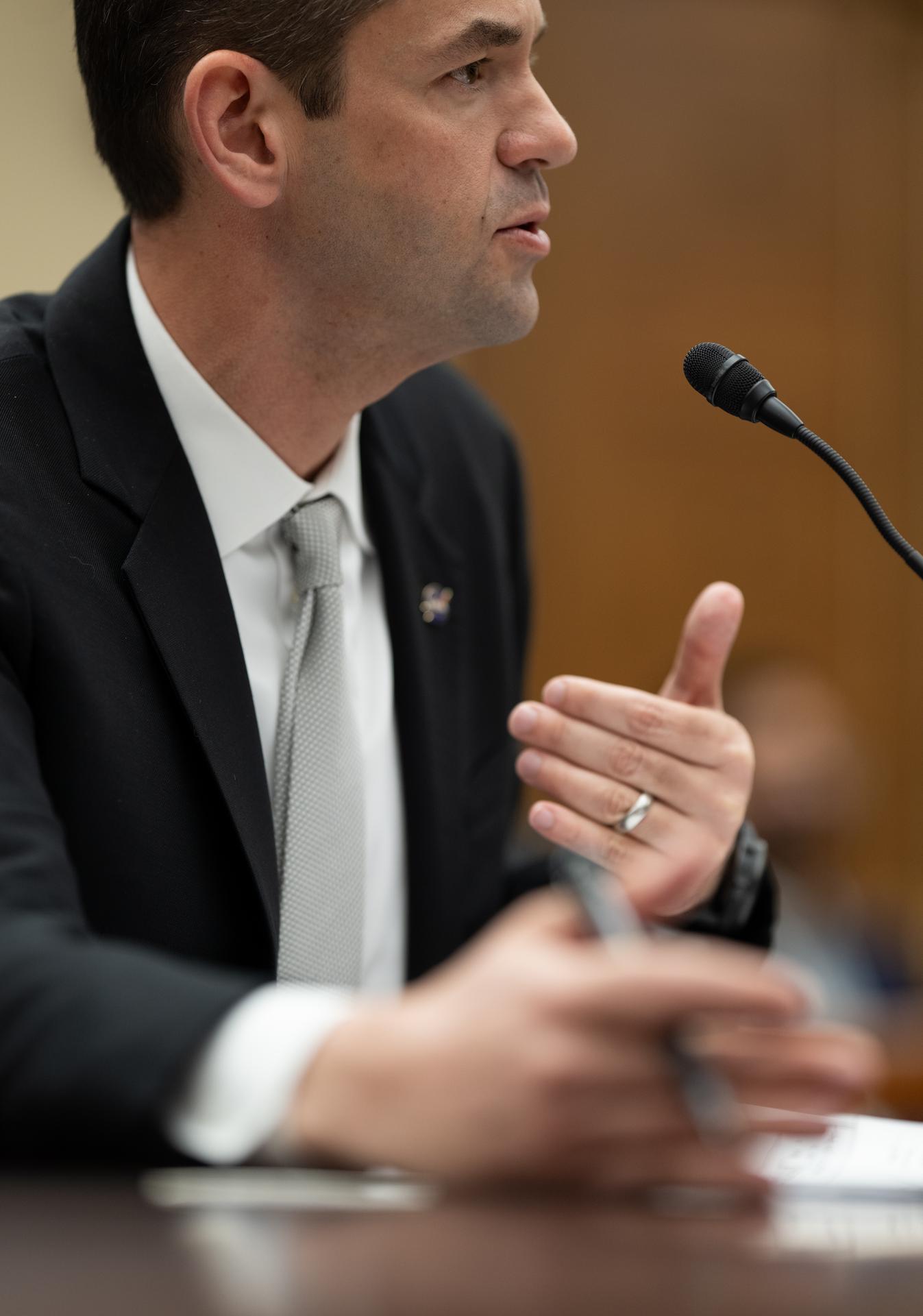
NASA Administrator Jared Isaacman testifies during a House Committee on Science, Space, and Technology hearing regarding the President’s Fiscal Year 2027 budget request for the agency, Wednesday, April 22, 2026, at the Rayburn House Office Building in Washington. Photo Credit: (NASA/Joel Kowsky)

NASA Administrator Bill Nelson testifies during a House Science, Space, and Technology Committee hearing regarding the NASA Fiscal Year 2025 budget, Tuesday, April 30, 2024, at the Rayburn House Office Building in Washington. Photo Credit: (NASA/Bill Ingalls)

House Science, Space, and Technology Committee Chairman Frank Lucas, R-Okla., gives opening remarks during a hearing regarding the NASA Fiscal Year 2025 budget, Tuesday, April 30, 2024, at the Rayburn House Office Building in Washington. Photo Credit: (NASA/Bill Ingalls)
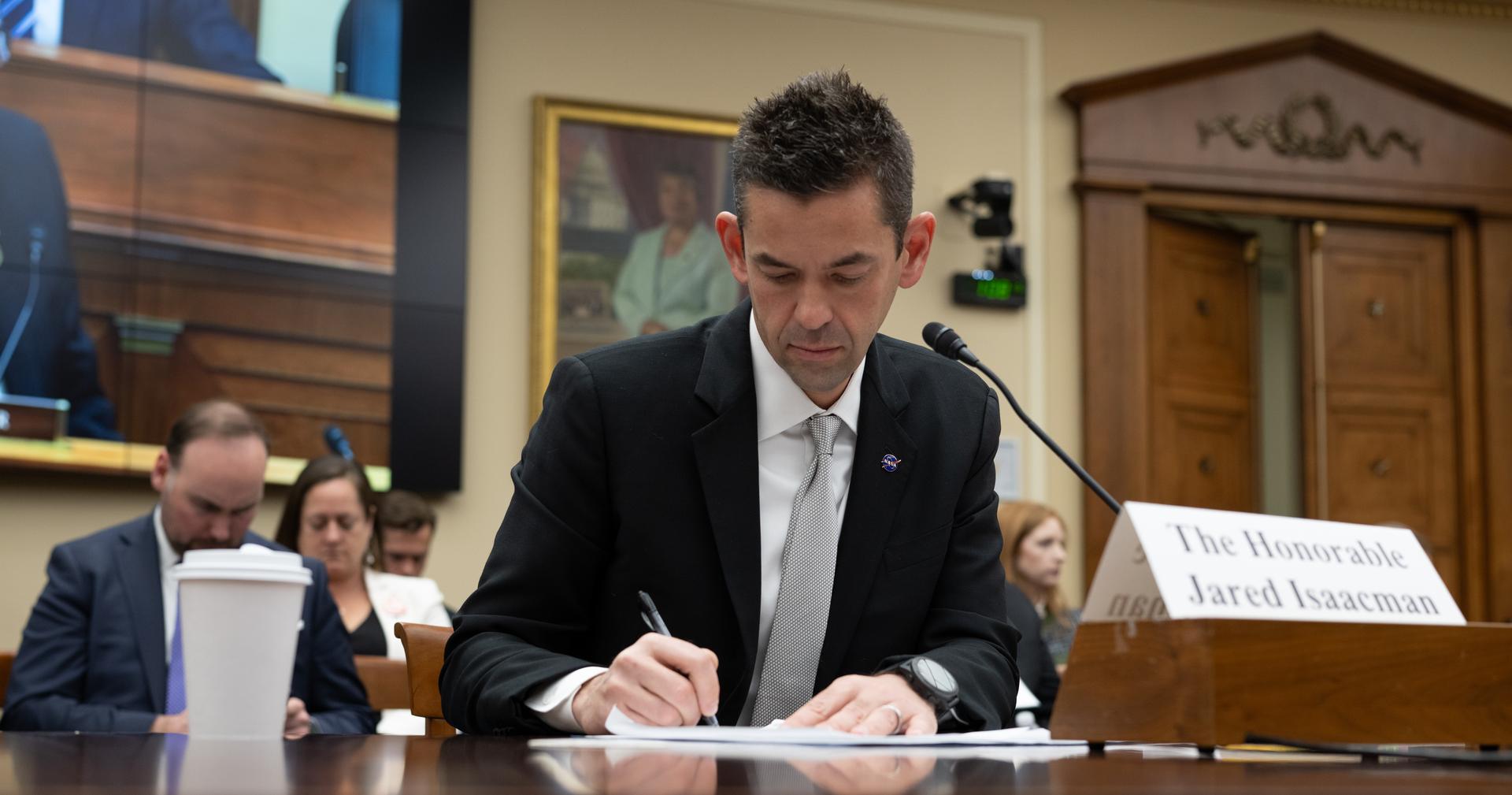
NASA Administrator Jared Isaacman testifies during a House Committee on Science, Space, and Technology hearing regarding the President’s Fiscal Year 2027 budget request for the agency, Wednesday, April 22, 2026, at the Rayburn House Office Building in Washington. Photo Credit: (NASA/Joel Kowsky)

NASA Administrator Bill Nelson testifies during a House Science, Space, and Technology Committee hearing regarding the NASA Fiscal Year 2025 budget, Tuesday, April 30, 2024, at the Rayburn House Office Building in Washington. Photo Credit: (NASA/Bill Ingalls)
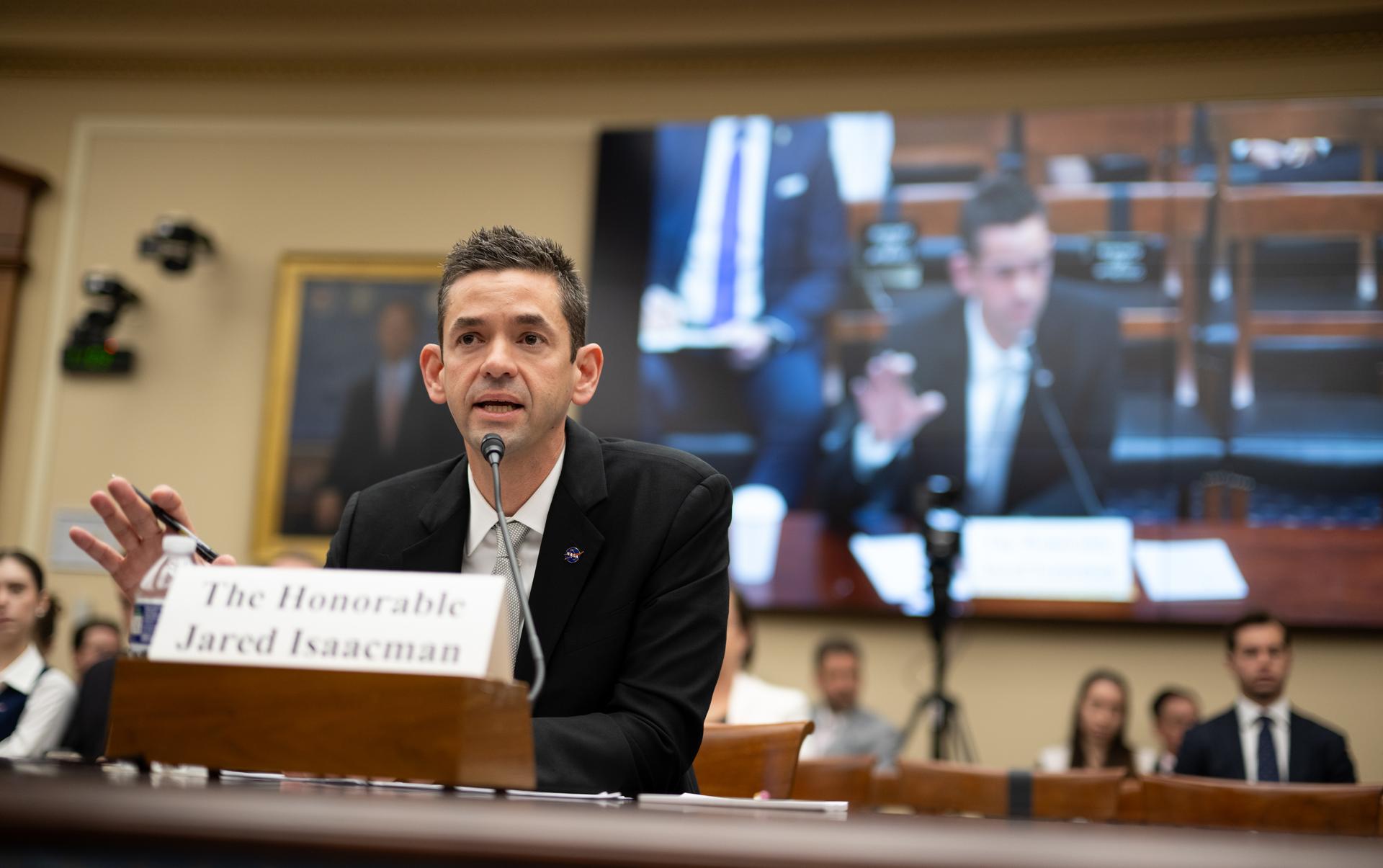
NASA Administrator Jared Isaacman testifies during a House Committee on Science, Space, and Technology hearing regarding the President’s Fiscal Year 2027 budget request for the agency, Wednesday, April 22, 2026, at the Rayburn House Office Building in Washington. Photo Credit: (NASA/Joel Kowsky)
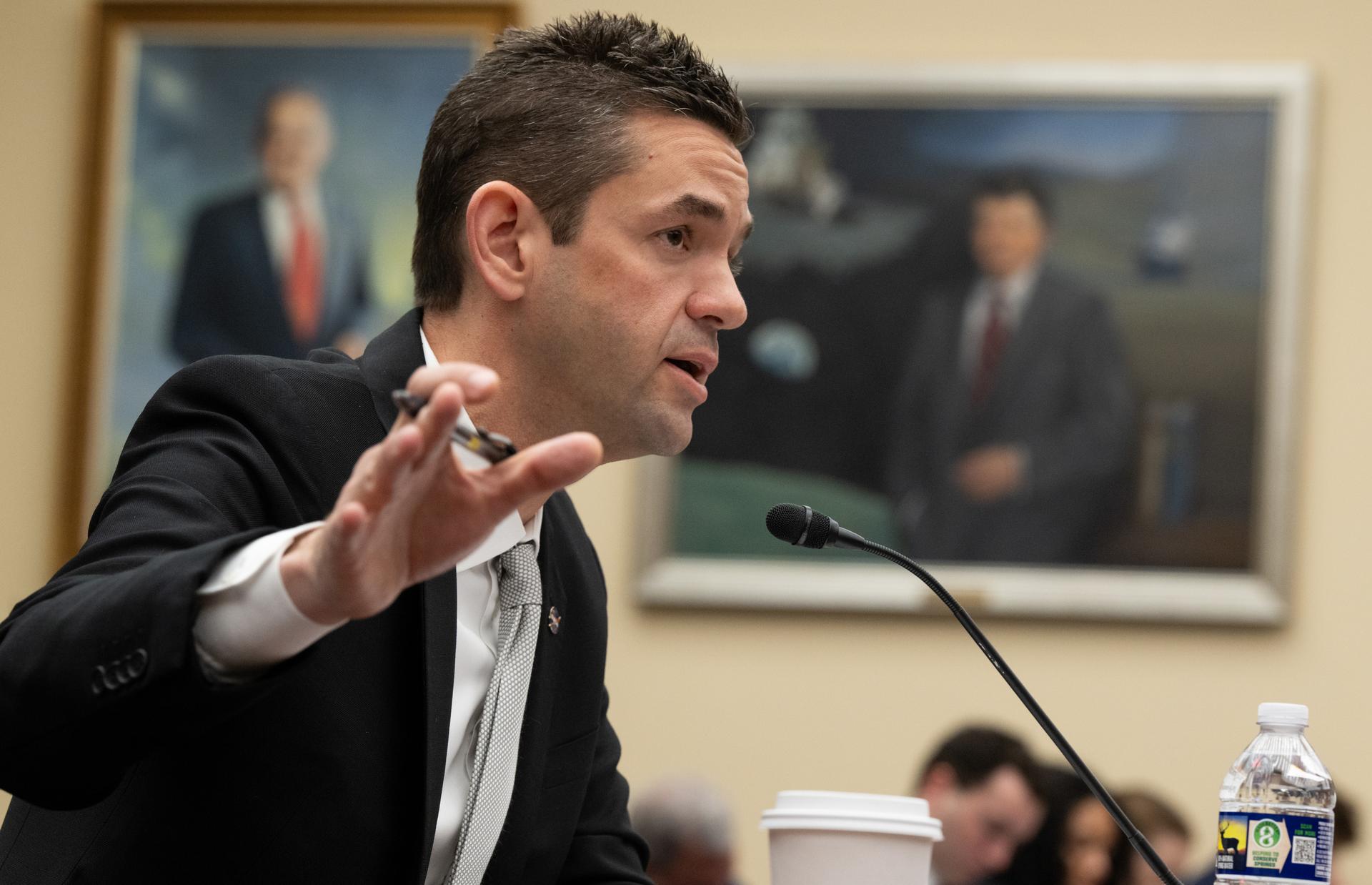
NASA Administrator Jared Isaacman testifies during a House Committee on Science, Space, and Technology hearing regarding the President’s Fiscal Year 2027 budget request for the agency, Wednesday, April 22, 2026, at the Rayburn House Office Building in Washington. Photo Credit: (NASA/Joel Kowsky)
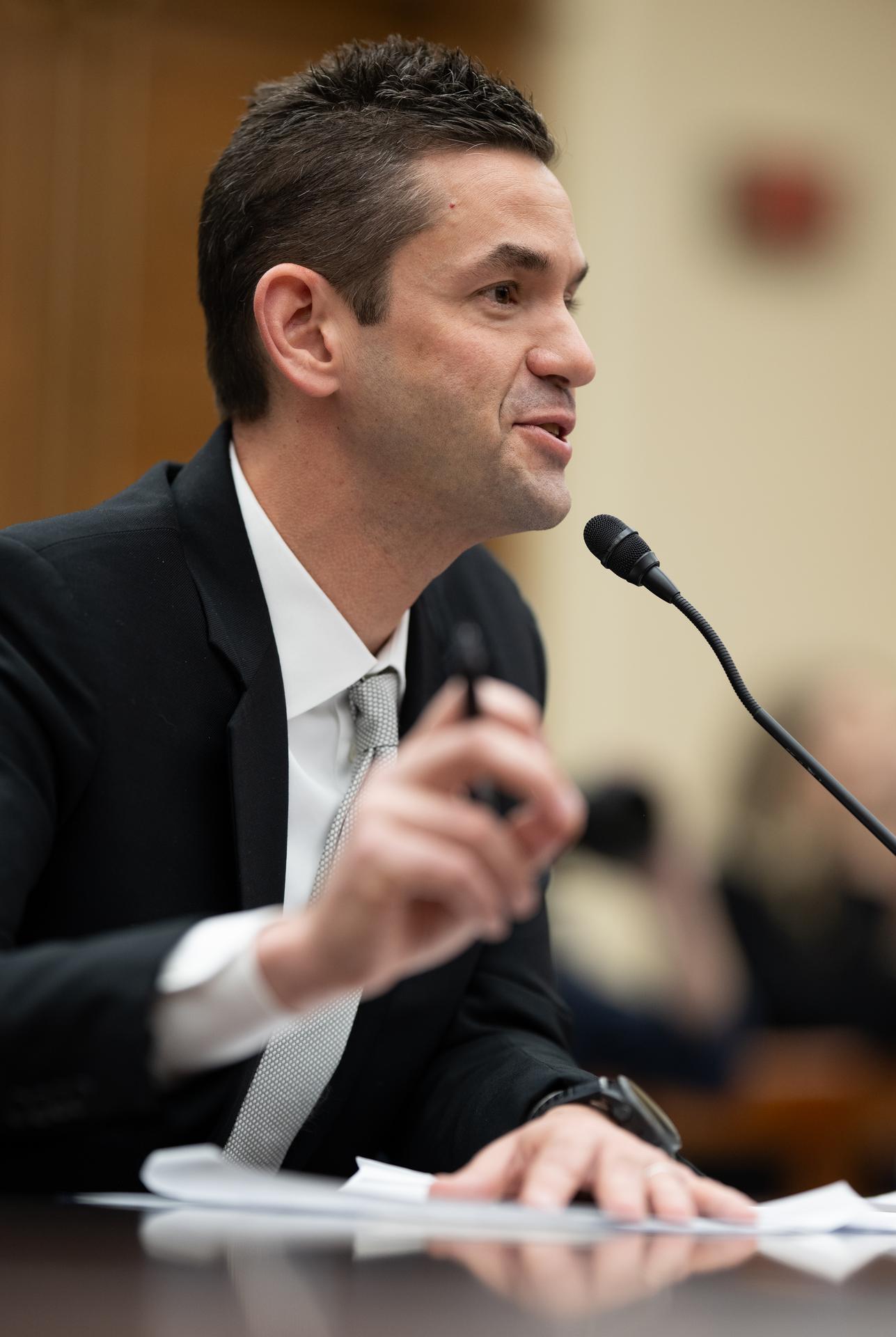
NASA Administrator Jared Isaacman testifies during a House Committee on Science, Space, and Technology hearing regarding the President’s Fiscal Year 2027 budget request for the agency, Wednesday, April 22, 2026, at the Rayburn House Office Building in Washington. Photo Credit: (NASA/Joel Kowsky)
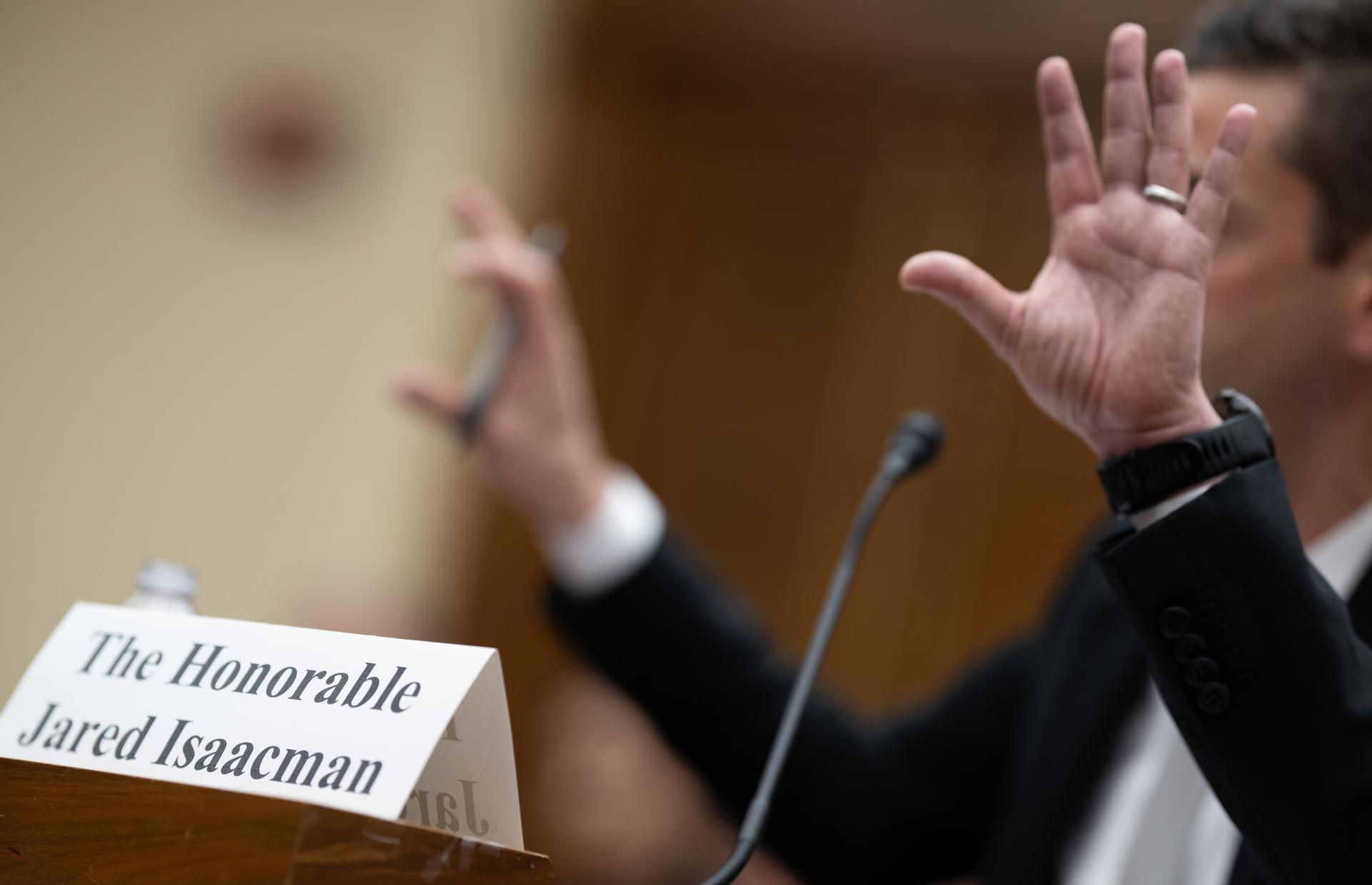
NASA Administrator Jared Isaacman testifies during a House Committee on Science, Space, and Technology hearing regarding the President’s Fiscal Year 2027 budget request for the agency, Wednesday, April 22, 2026, at the Rayburn House Office Building in Washington. Photo Credit: (NASA/Joel Kowsky)
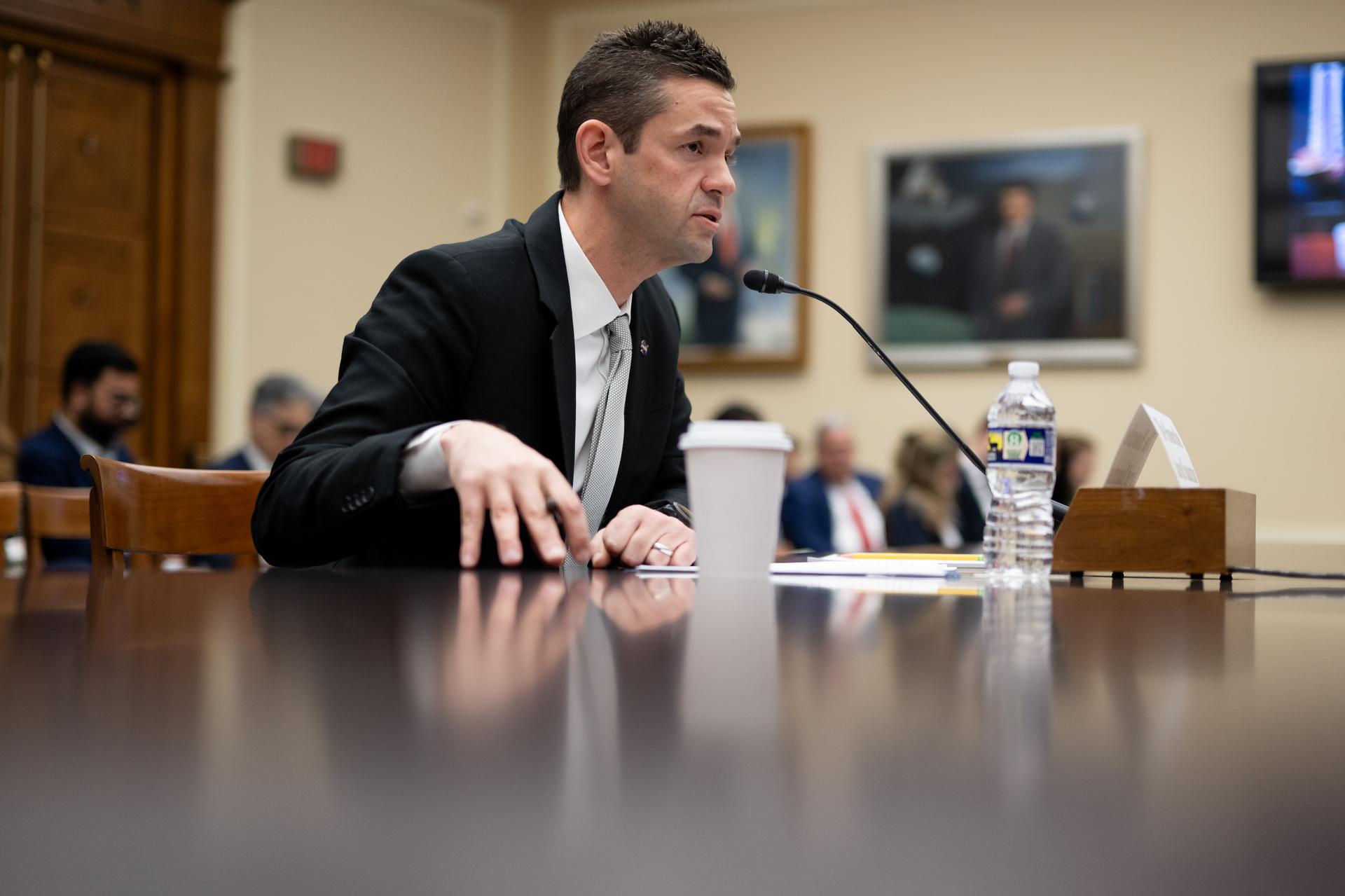
NASA Administrator Jared Isaacman testifies during a House Committee on Science, Space, and Technology hearing regarding the President’s Fiscal Year 2027 budget request for the agency, Wednesday, April 22, 2026, at the Rayburn House Office Building in Washington. Photo Credit: (NASA/Joel Kowsky)

NASA Administrator Bill Nelson, seen on a television monitor, testifies during a House Science, Space, and Technology Committee hearing regarding the NASA Fiscal Year 2025 budget, Tuesday, April 30, 2024, at the Rayburn House Office Building in Washington. Photo Credit: (NASA/Bill Ingalls)
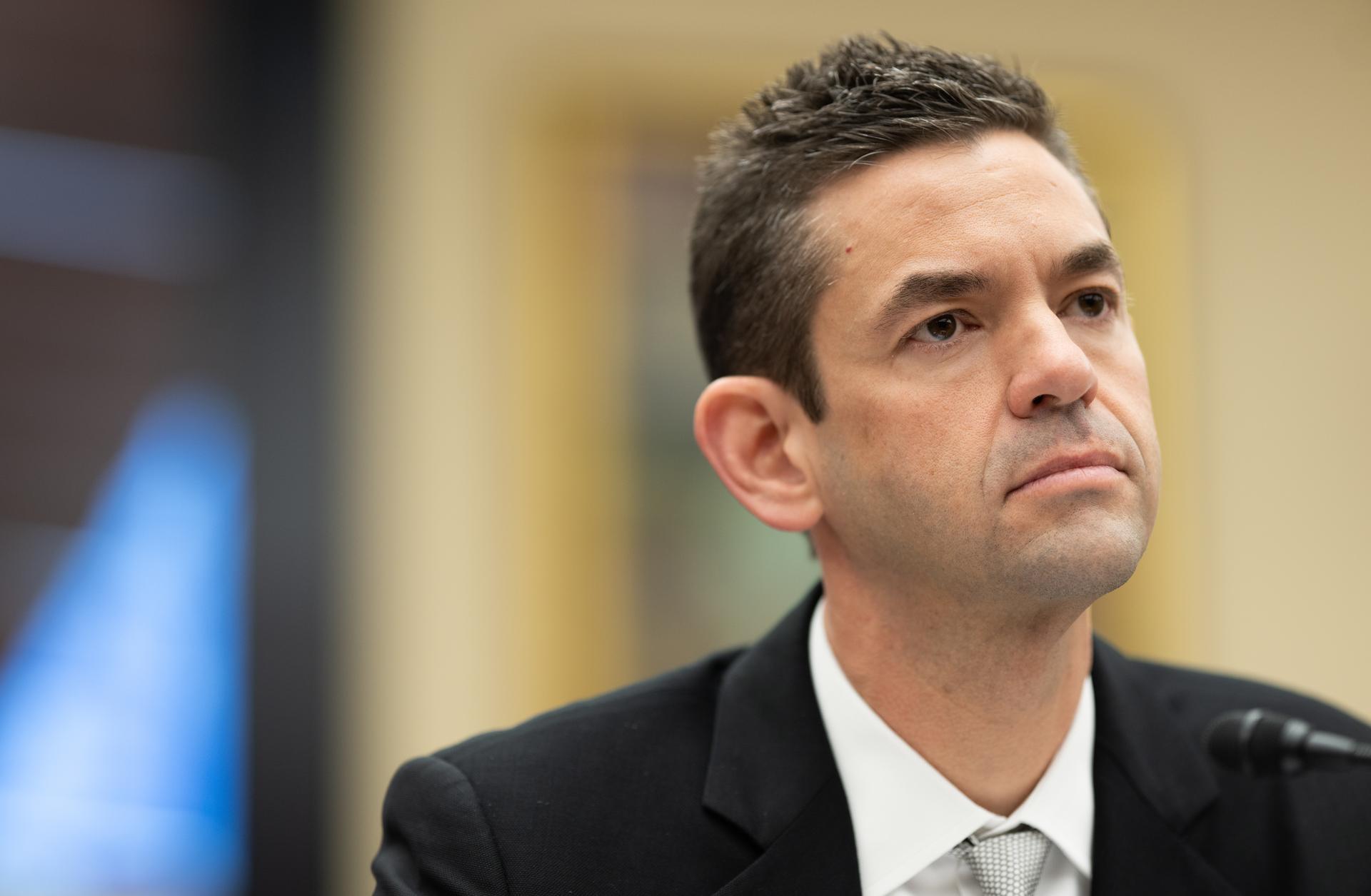
NASA Administrator Jared Isaacman testifies during a House Committee on Science, Space, and Technology hearing regarding the President’s Fiscal Year 2027 budget request for the agency, Wednesday, April 22, 2026, at the Rayburn House Office Building in Washington. Photo Credit: (NASA/Joel Kowsky)

NASA Administrator Bill Nelson testifies during a House Science, Space, and Technology Committee hearing regarding the NASA Fiscal Year 2025 budget, Tuesday, April 30, 2024, at the Rayburn House Office Building in Washington. Photo Credit: (NASA/Bill Ingalls)

NASA Administrator Bill Nelson testifies during a House Science, Space, and Technology Committee hearing regarding the NASA Fiscal Year 2025 budget, Tuesday, April 30, 2024, at the Rayburn House Office Building in Washington. Photo Credit: (NASA/Bill Ingalls)

NASA Administrator Bill Nelson testifies during a House Science, Space, and Technology Committee hearing regarding the NASA Fiscal Year 2025 budget, Tuesday, April 30, 2024, at the Rayburn House Office Building in Washington. Photo Credit: (NASA/Bill Ingalls)
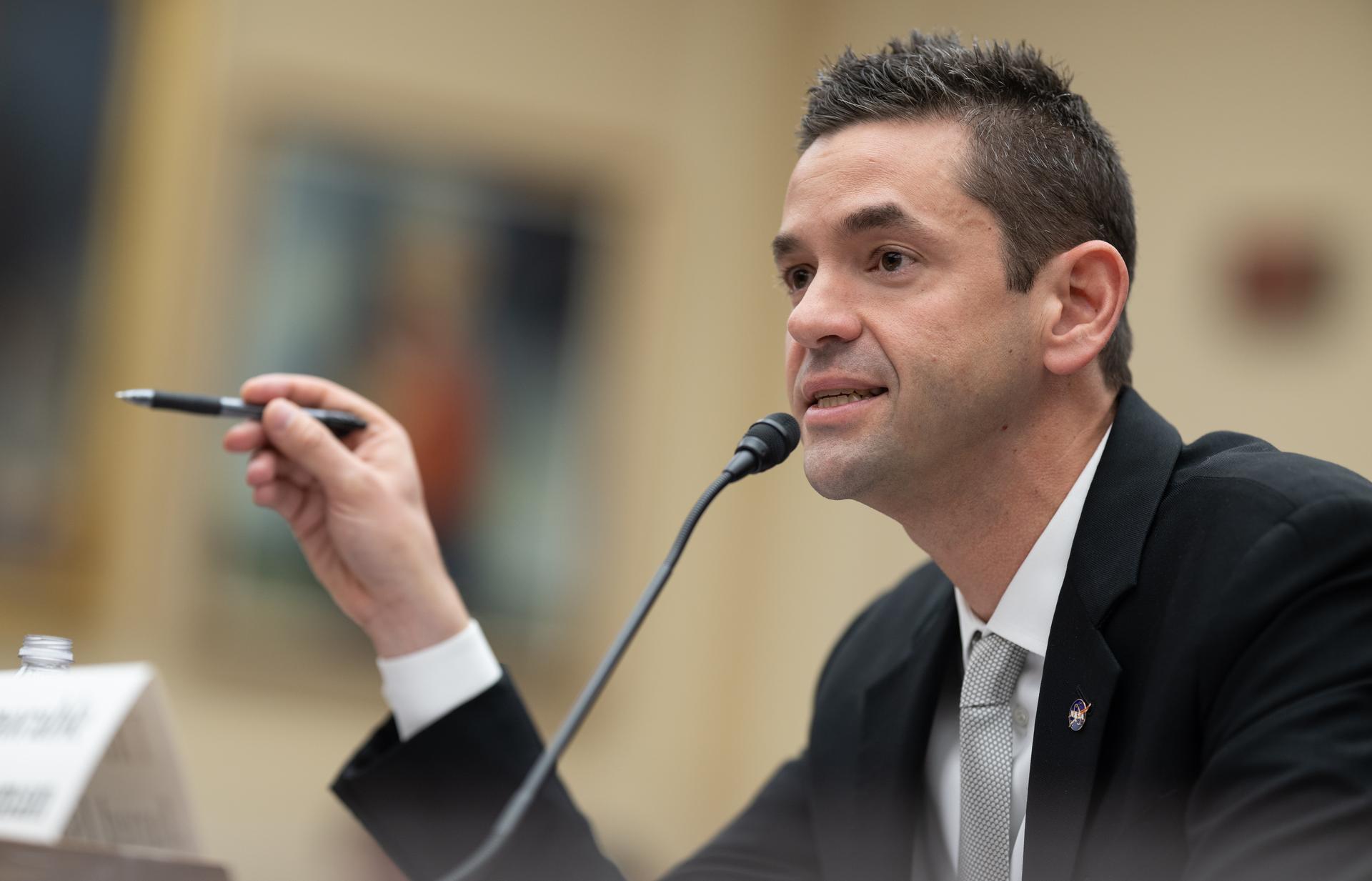
NASA Administrator Jared Isaacman testifies during a House Committee on Science, Space, and Technology hearing regarding the President’s Fiscal Year 2027 budget request for the agency, Wednesday, April 22, 2026, at the Rayburn House Office Building in Washington. Photo Credit: (NASA/Joel Kowsky)

NASA Administrator Bill Nelson testifies during a House Science, Space, and Technology Committee hearing regarding the NASA Fiscal Year 2025 budget, Tuesday, April 30, 2024, at the Rayburn House Office Building in Washington. Photo Credit: (NASA/Bill Ingalls)

NASA Administrator Bill Nelson testifies during a House Science, Space, and Technology Committee hearing regarding the NASA Fiscal Year 2025 budget, Tuesday, April 30, 2024, at the Rayburn House Office Building in Washington. Photo Credit: (NASA/Bill Ingalls)

NASA Administrator Bill Nelson testifies during a House Science, Space, and Technology Committee hearing regarding the NASA Fiscal Year 2025 budget, Tuesday, April 30, 2024, at the Rayburn House Office Building in Washington. Photo Credit: (NASA/Bill Ingalls)

House Science, Space, and Technology Committee Ranking Member Zoe Lofgren, D-CA, gives opening remarks during a hearing regarding the NASA Fiscal Year 2025 budget, Tuesday, April 30, 2024, at the Rayburn House Office Building in Washington. Photo Credit: (NASA/Bill Ingalls)
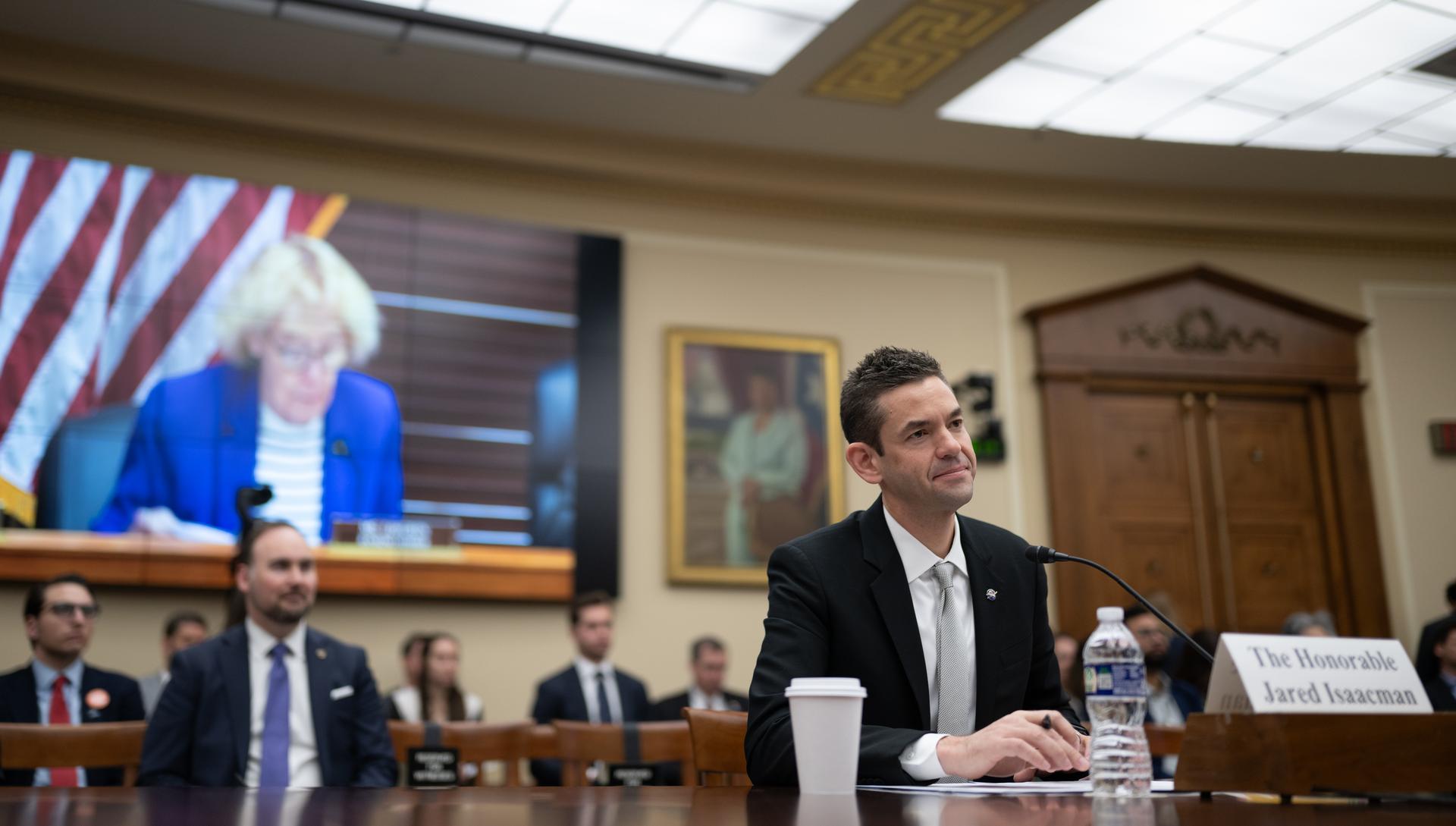
NASA Administrator Jared Isaacman testifies during a House Committee on Science, Space, and Technology hearing regarding the President’s Fiscal Year 2027 budget request for the agency, Wednesday, April 22, 2026, at the Rayburn House Office Building in Washington. Photo Credit: (NASA/Joel Kowsky)

NASA Administrator Bill Nelson testifies during a House Science, Space, and Technology Committee hearing regarding the NASA Fiscal Year 2025 budget, Tuesday, April 30, 2024, at the Rayburn House Office Building in Washington. Photo Credit: (NASA/Bill Ingalls)

NASA Administrator Bill Nelson testifies during a House Science, Space, and Technology Committee hearing regarding the NASA Fiscal Year 2025 budget, Tuesday, April 30, 2024, at the Rayburn House Office Building in Washington. Photo Credit: (NASA/Bill Ingalls)
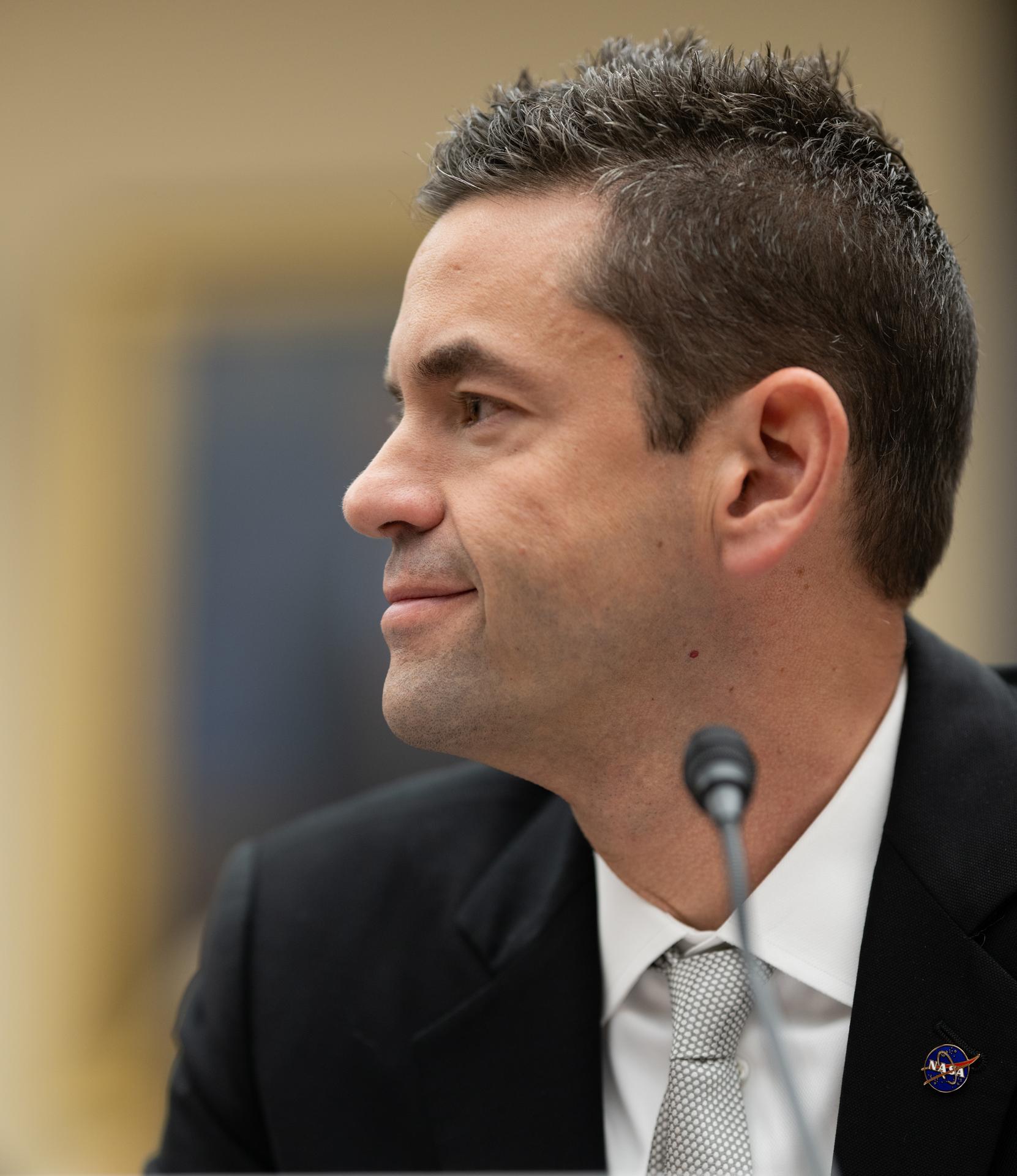
NASA Administrator Jared Isaacman testifies during a House Committee on Science, Space, and Technology hearing regarding the President’s Fiscal Year 2027 budget request for the agency, Wednesday, April 22, 2026, at the Rayburn House Office Building in Washington. Photo Credit: (NASA/Joel Kowsky)
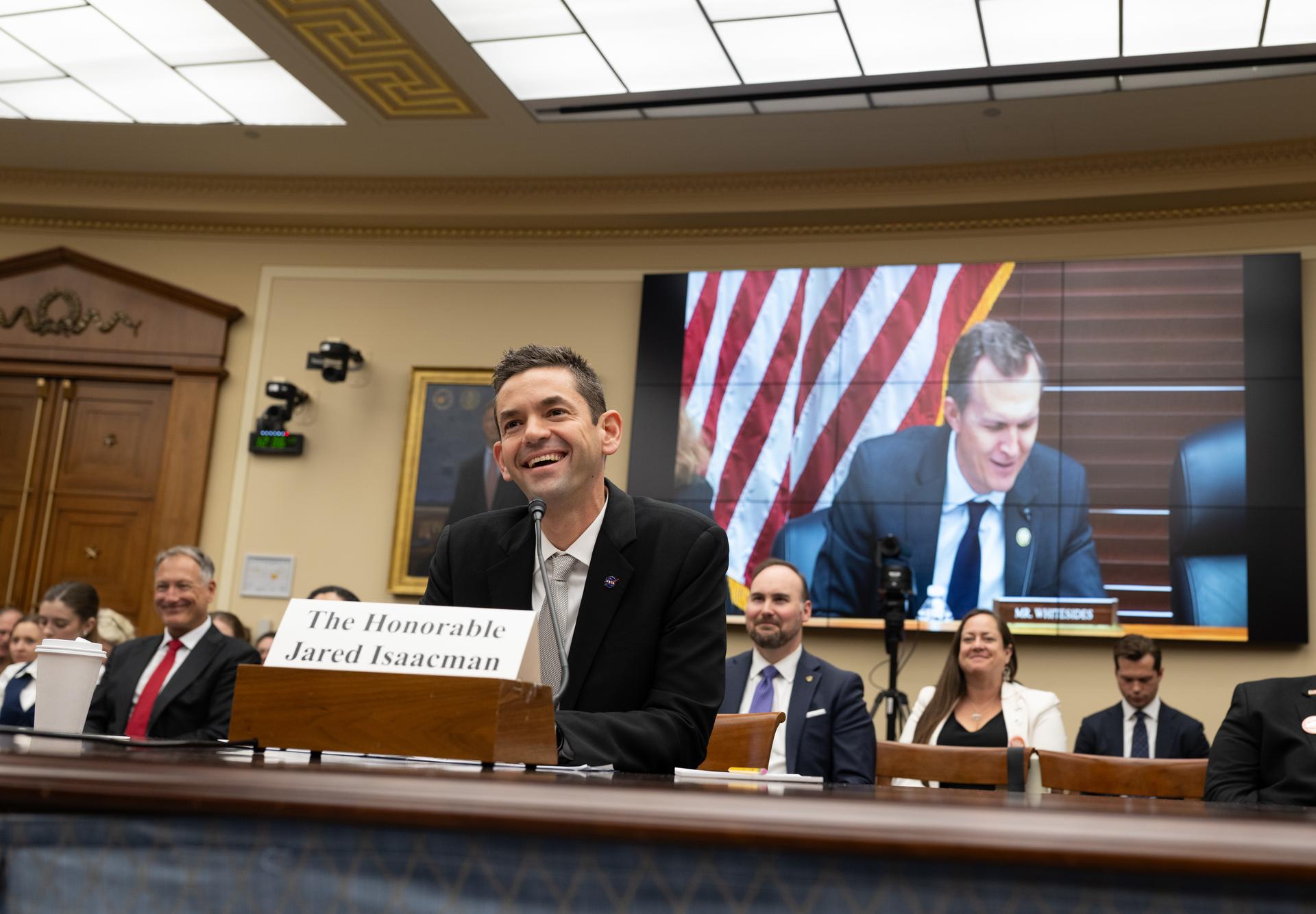
NASA Administrator Jared Isaacman testifies during a House Committee on Science, Space, and Technology hearing regarding the President’s Fiscal Year 2027 budget request for the agency, Wednesday, April 22, 2026, at the Rayburn House Office Building in Washington. Photo Credit: (NASA/Joel Kowsky)
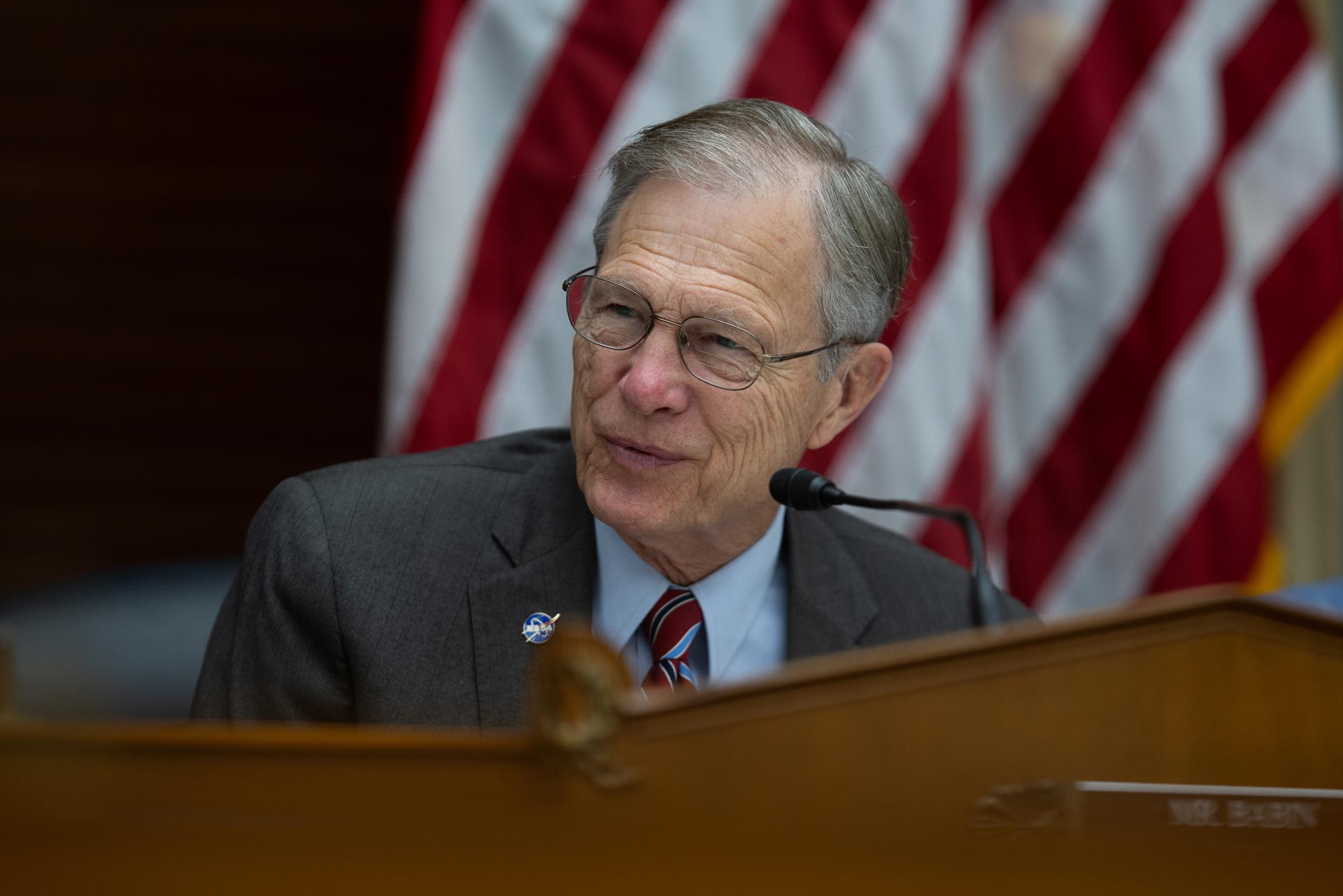
Chairman of the House Committee on Science Space, and Technology Brian Babin, R-Texas, is seen during a committee hearing on the President’s Fiscal Year 2027 budget request for NASA, Wednesday, April 22, 2026, at the Rayburn House Office Building in Washington. Photo Credit: (NASA/Joel Kowsky)
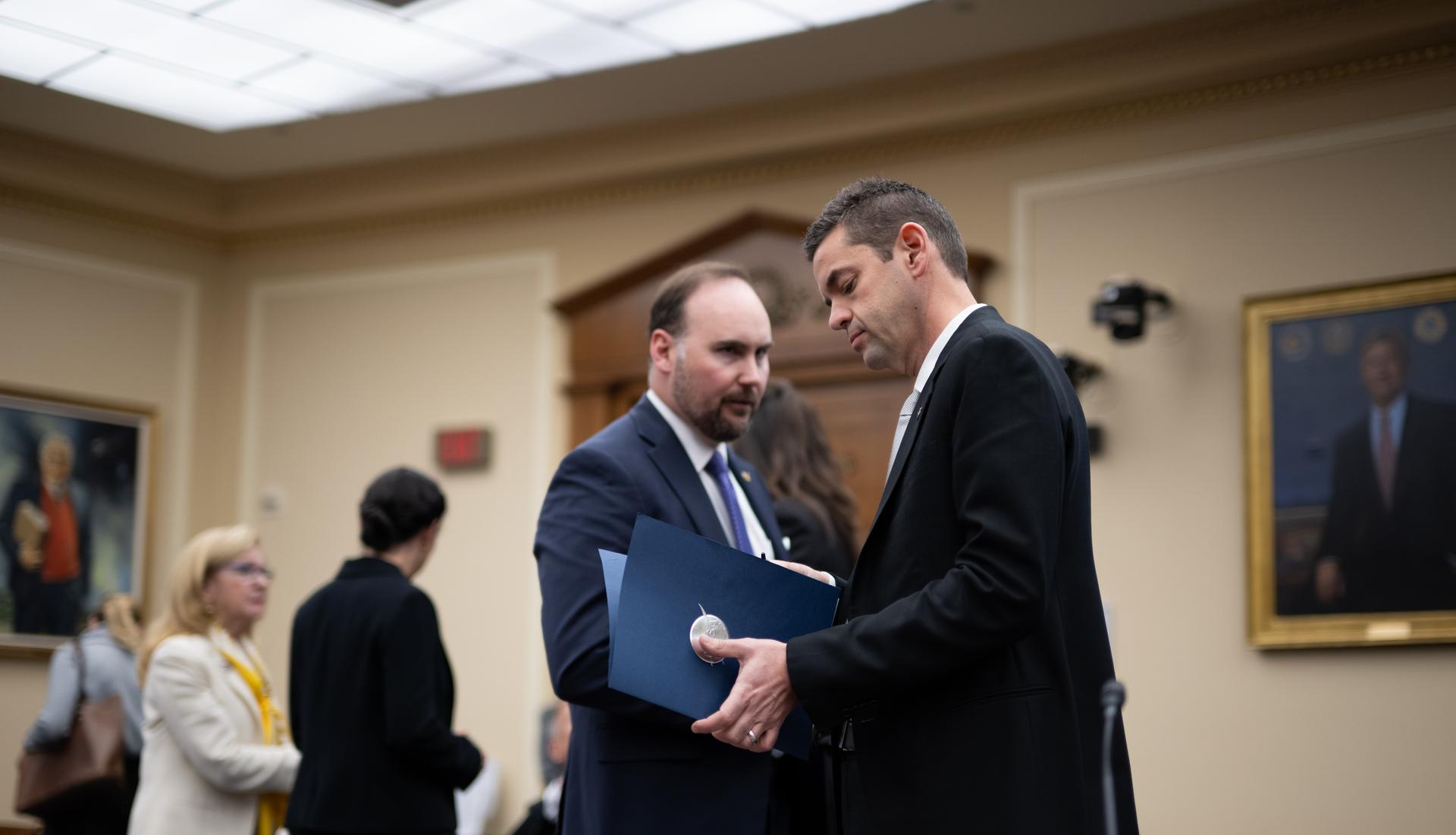
NASA Administrator Jared Isaacman, right, speaks with Joel Graham, associate administrator for NASA's Office of Legislative and Intergovernmental Affairs at the beginning of a recess during a House Committee on Science, Space, and Technology hearing regarding the President’s Fiscal Year 2027 budget request for the agency, Wednesday, April 22, 2026, at the Rayburn House Office Building in Washington. Photo Credit: (NASA/Joel Kowsky)
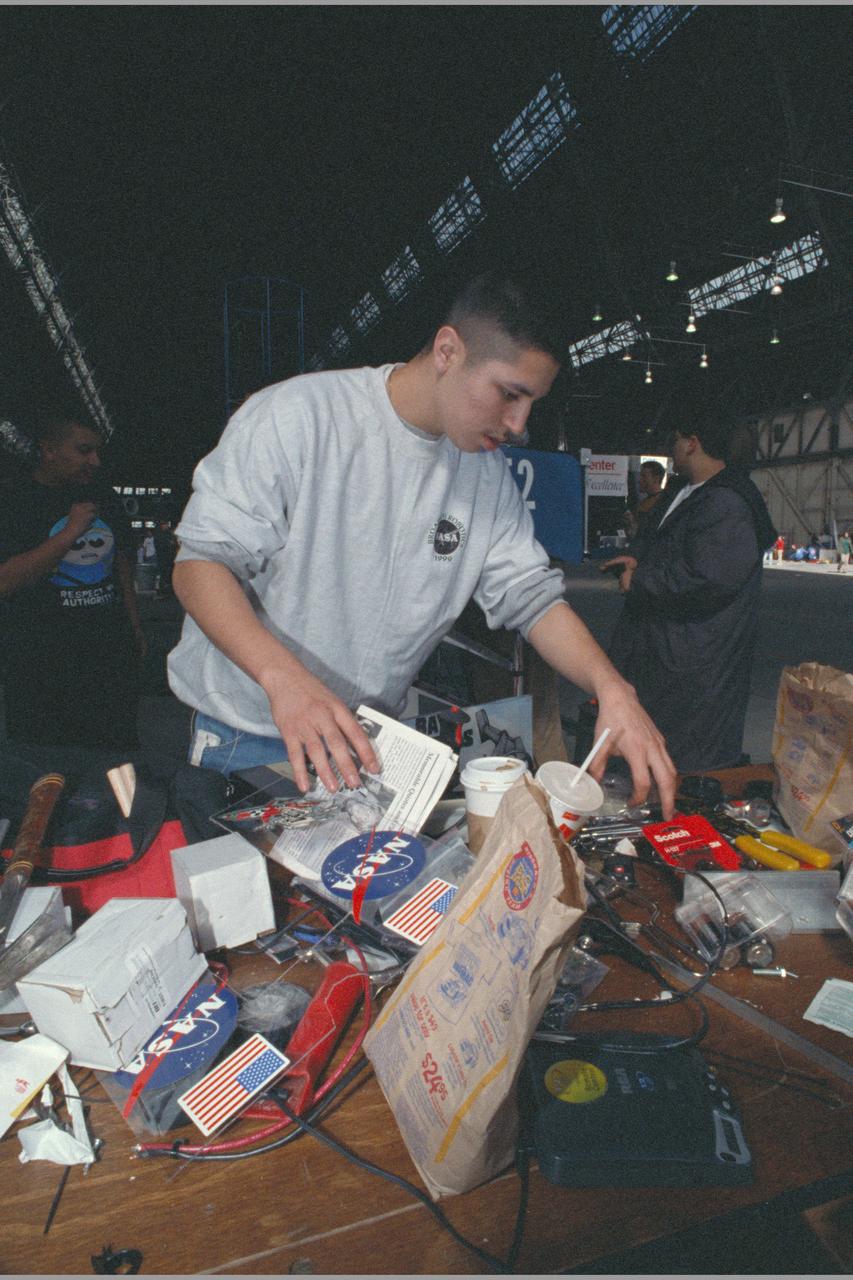
NASA AMES sponsored FIRST (Inspiration and Recognition of Science and Technology) Western Regional Robot Games Student competition in Hangar
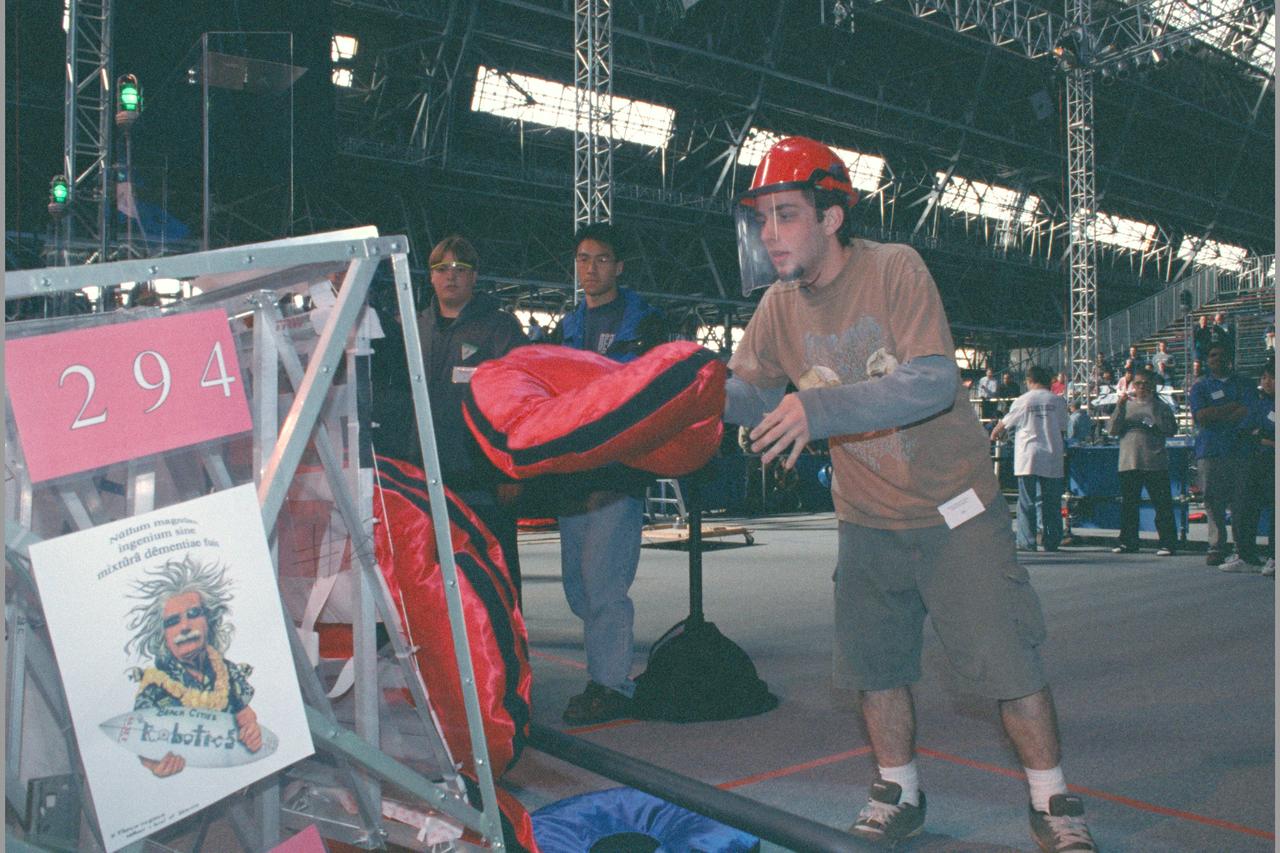
NASA AMES sponsored FIRST (Inspiration and Recognition of Science and Technology) Western Regional Robot Games Student competition in Hangar
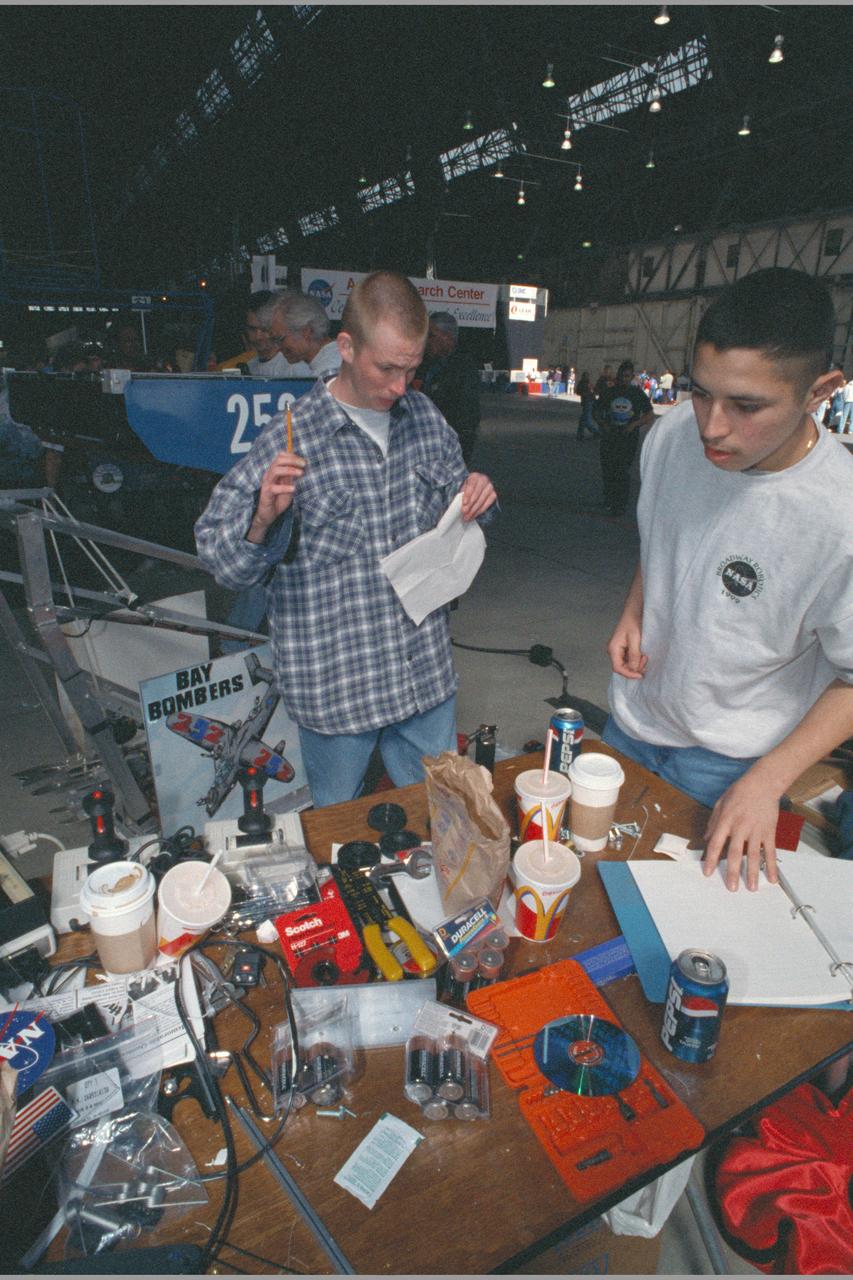
NASA AMES sponsored FIRST (Inspiration and Recognition of Science and Technology) Western Regional Robot Games Student competition in Hangar
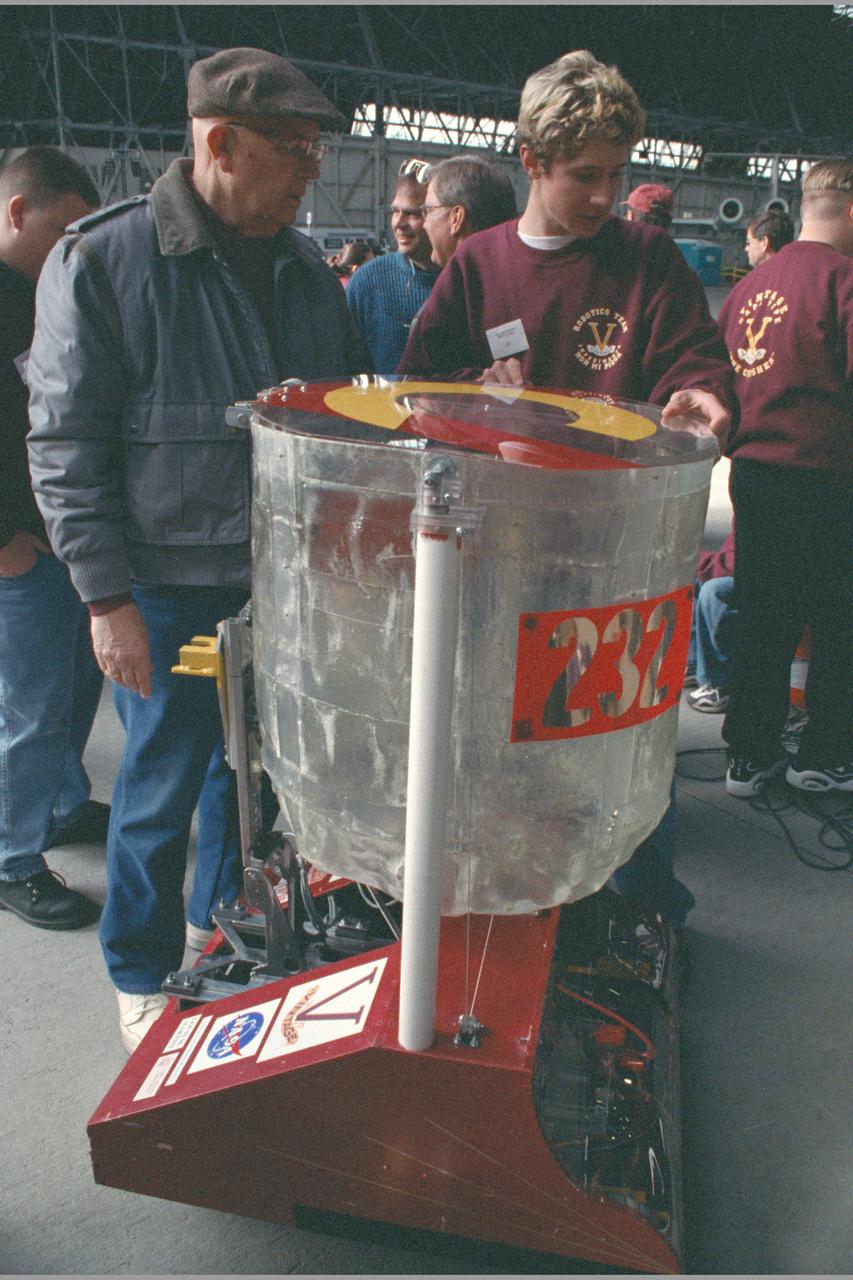
NASA AMES sponsored FIRST (Inspiration and Recognition of Science and Technology) Western Regional Robot Games Student competition in Hangar
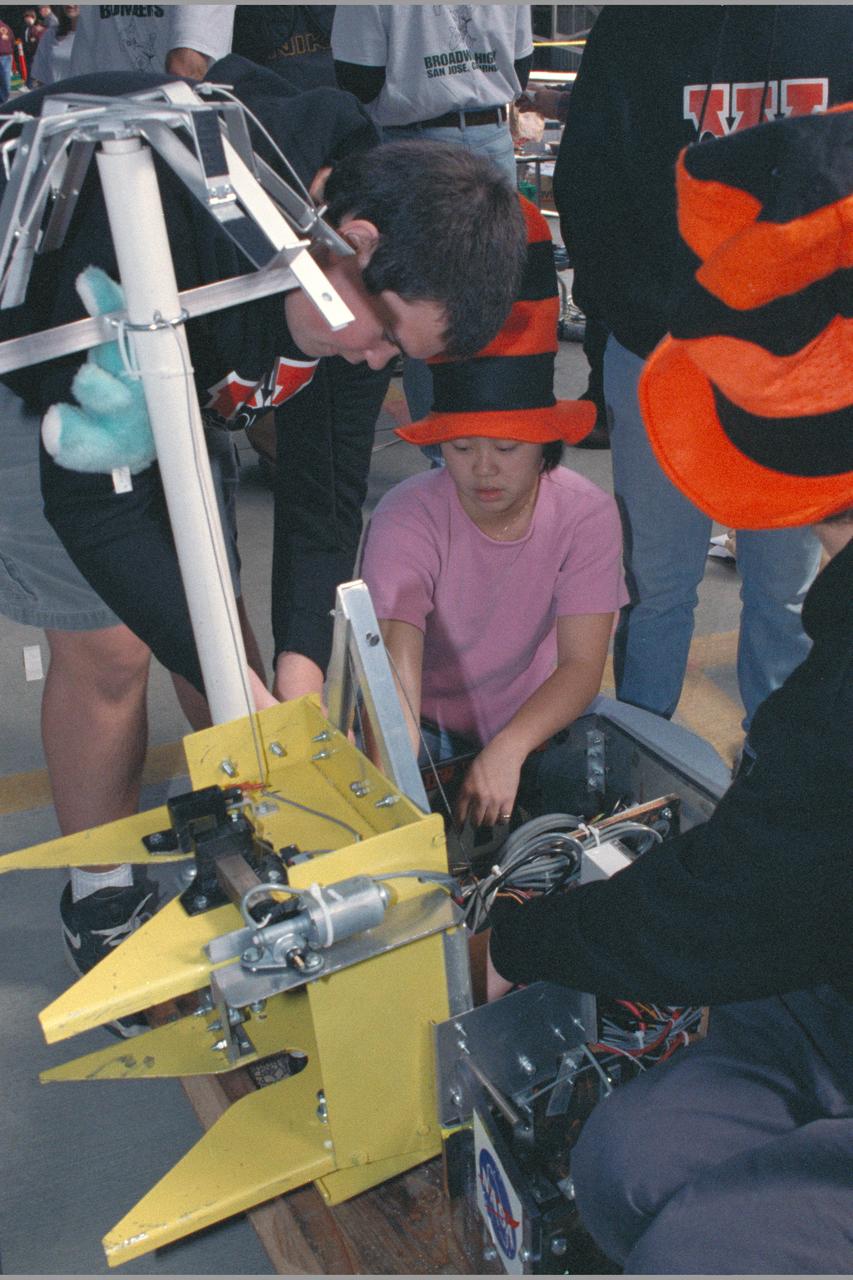
NASA AMES sponsored FIRST (Inspiration and Recognition of Science and Technology) Western Regional Robot Games Student competition in Hangar
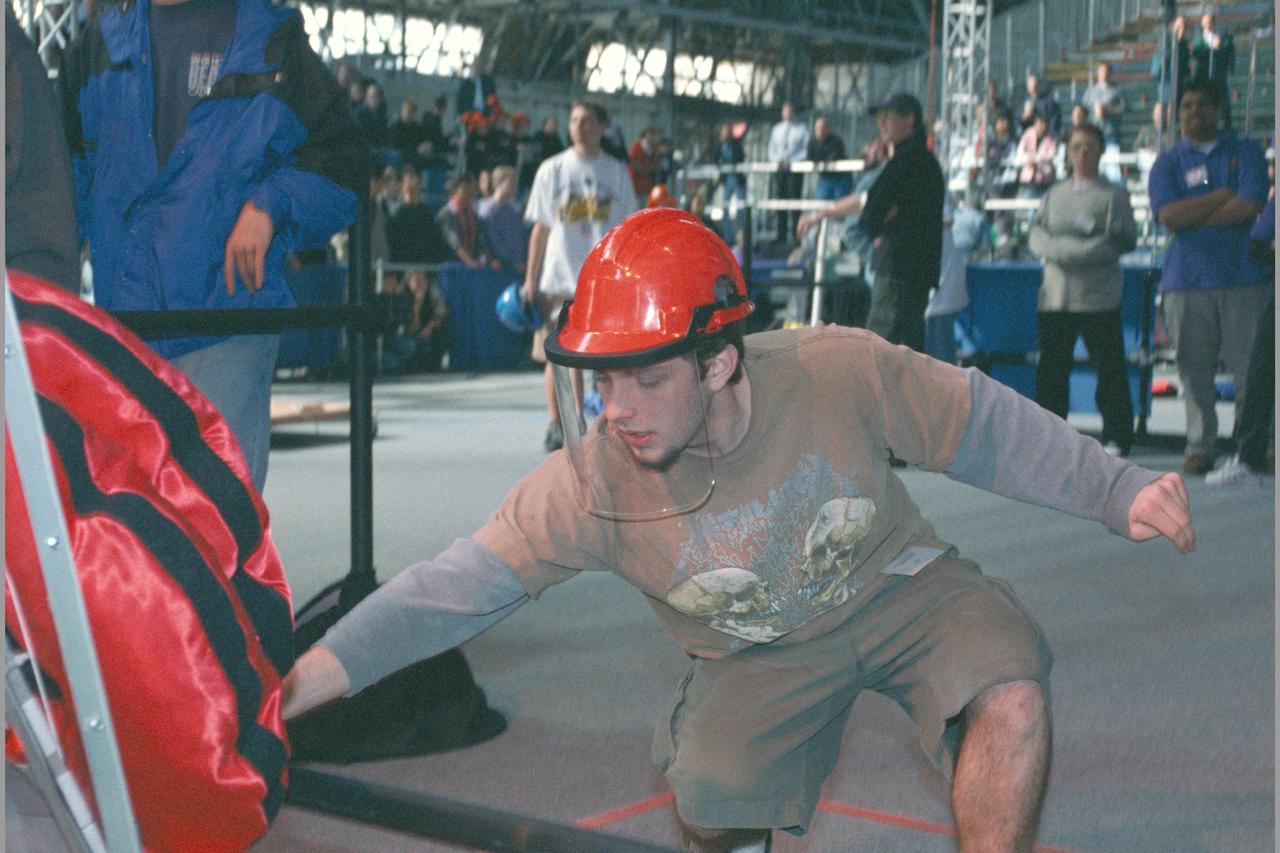
NASA AMES sponsored FIRST (Inspiration and Recognition of Science and Technology) Western Regional Robot Games Student competition in Hangar
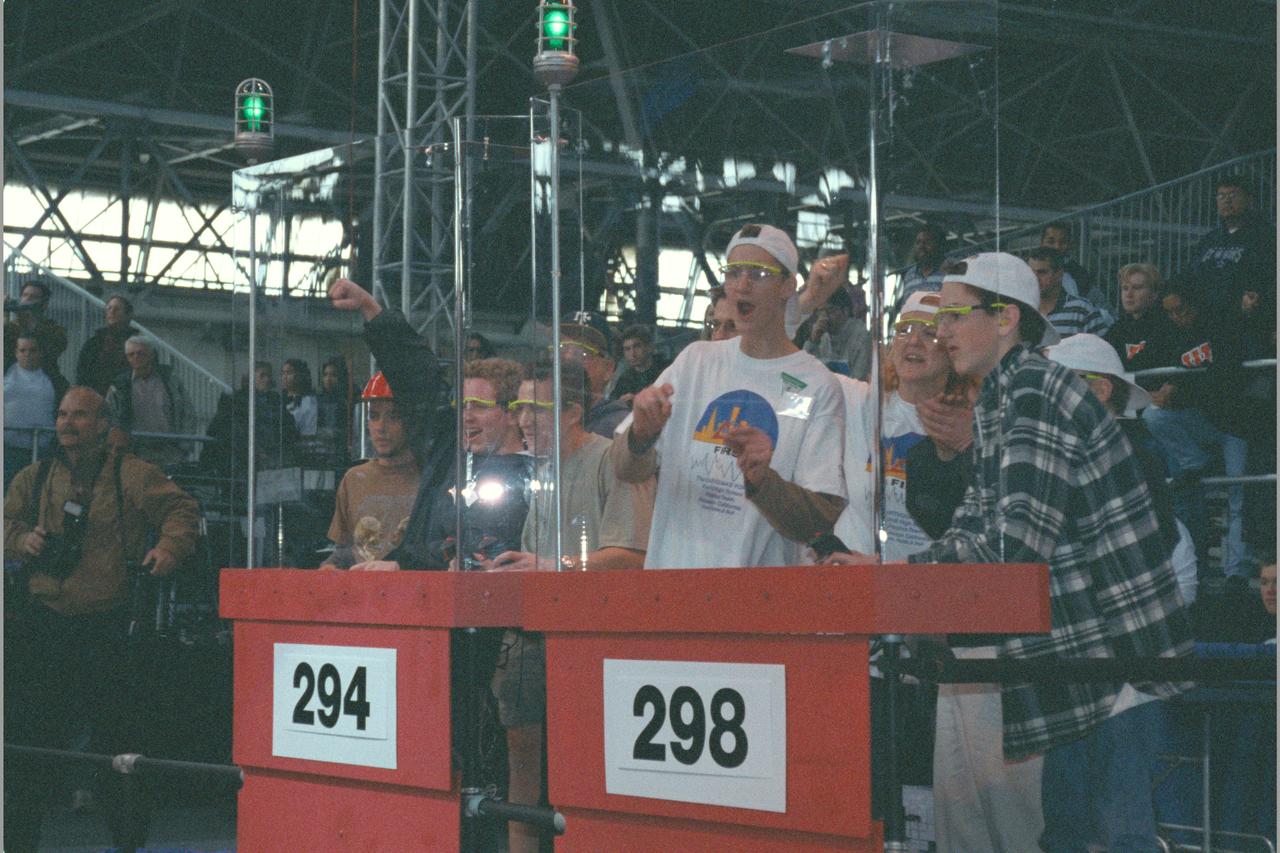
NASA AMES sponsored FIRST (Inspiration and Recognition of Science and Technology) Western Regional Robot Games Student competition in Hangar
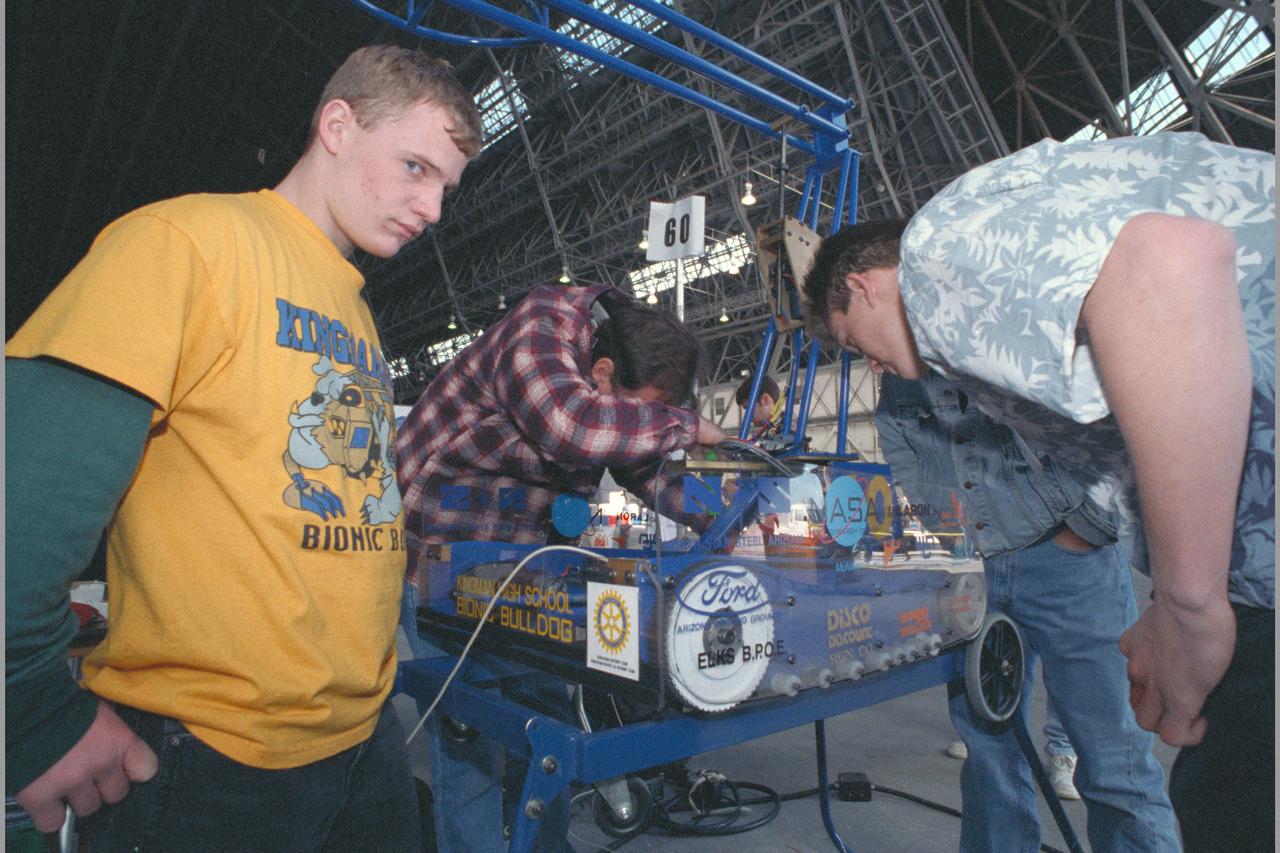
NASA AMES sponsored FIRST (Inspiration and Recognition of Science and Technology) Western Regional Robot Games Student competition in Hangar

NASA AMES sponsored FIRST (Inspiration and Recognition of Science and Technology) Western Regional Robot Games Student competition in Hangar
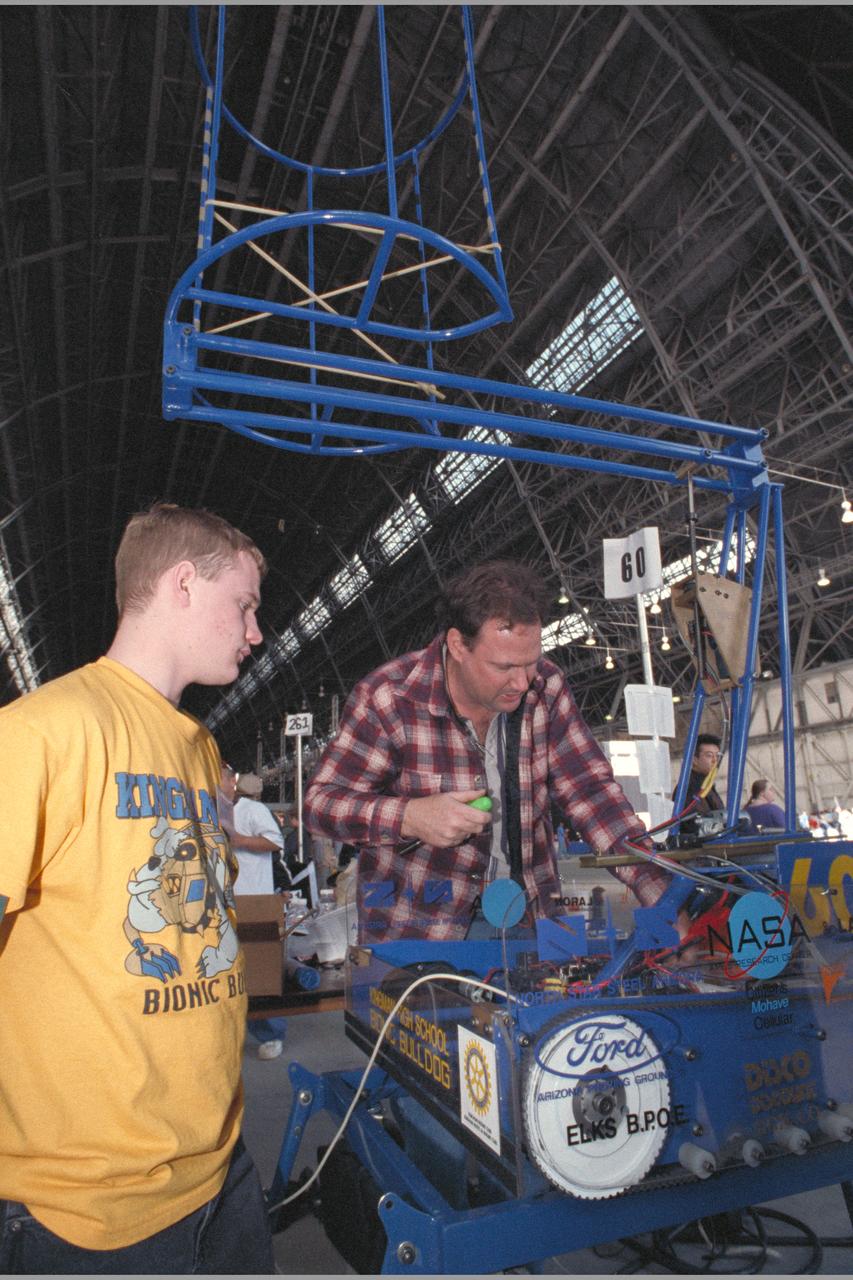
NASA AMES sponsored FIRST (Inspiration and Recognition of Science and Technology) Western Regional Robot Games Student competition in Hangar
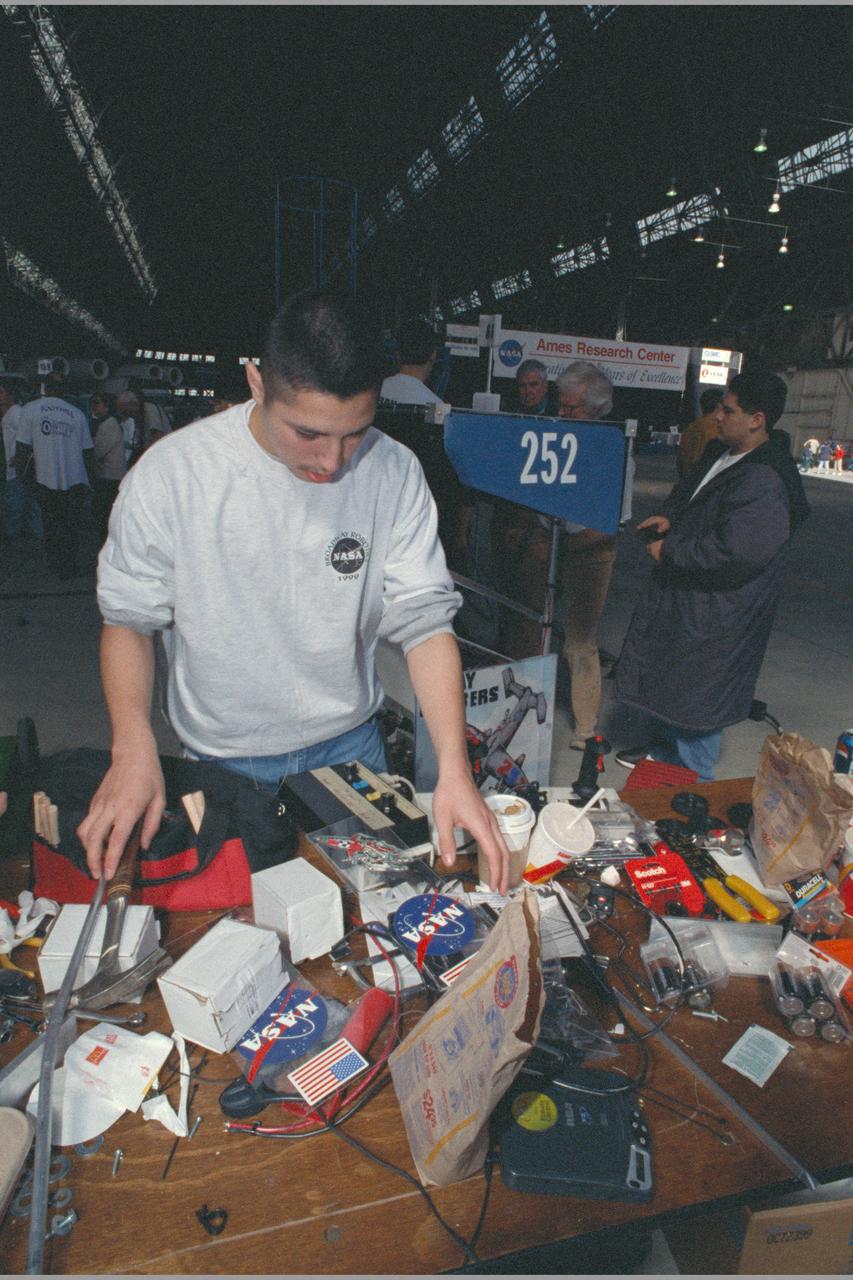
NASA AMES sponsored FIRST (Inspiration and Recognition of Science and Technology) Western Regional Robot Games Student competition in Hangar
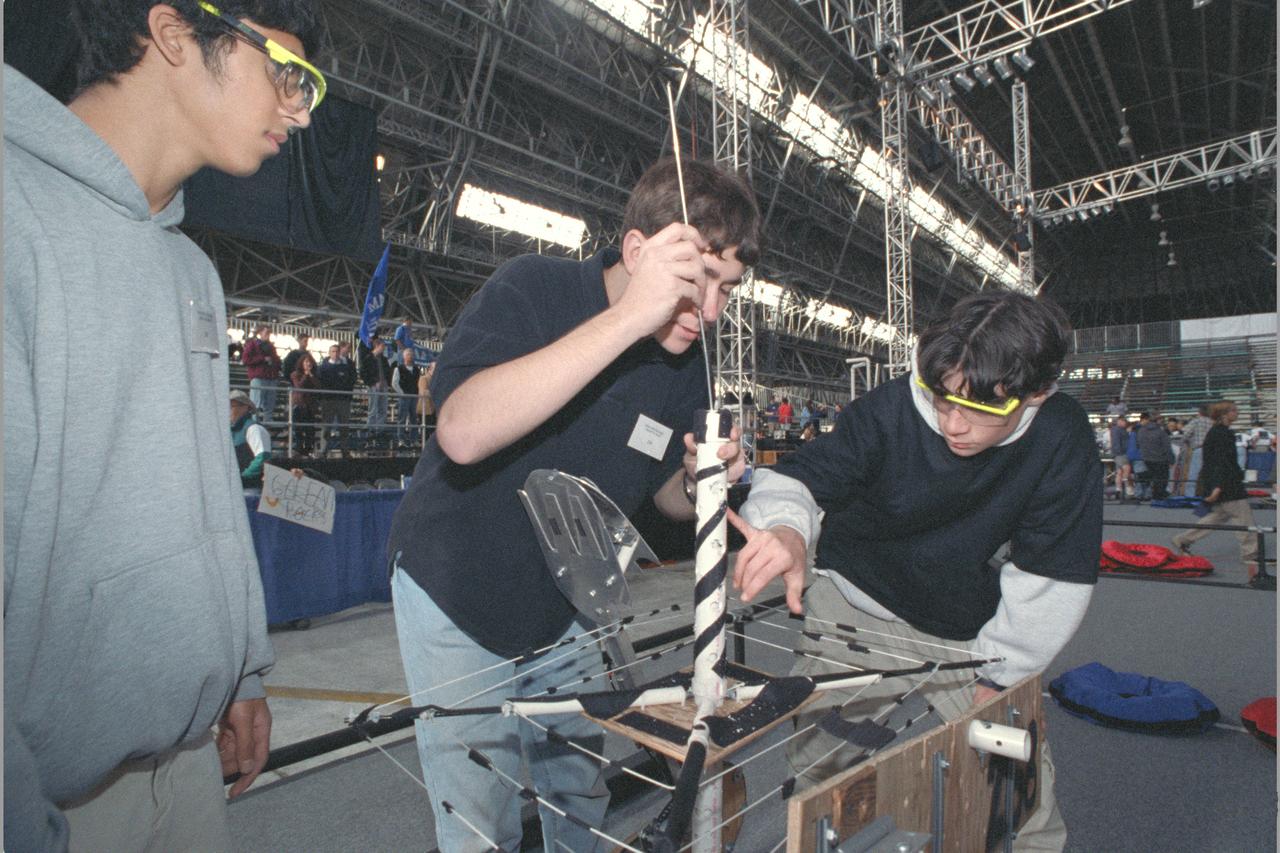
NASA AMES sponsored FIRST (Inspiration and Recognition of Science and Technology) Western Regional Robot Games Student competition in Hangar Students making repairs between matches
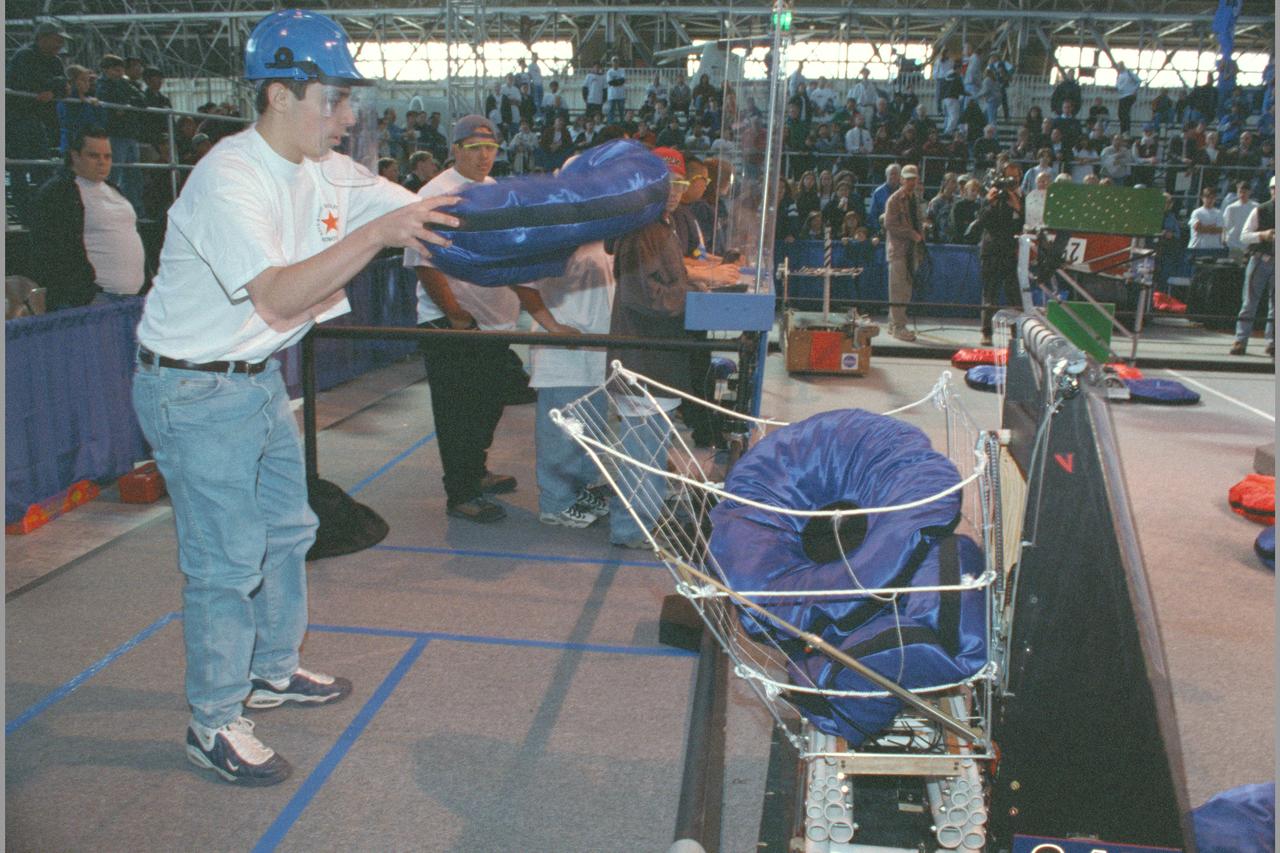
NASA AMES sponsored FIRST (Inspiration and Recognition of Science and Technology) Western Regional Robot Games Student competition in Hangar 1 (BOBOT)
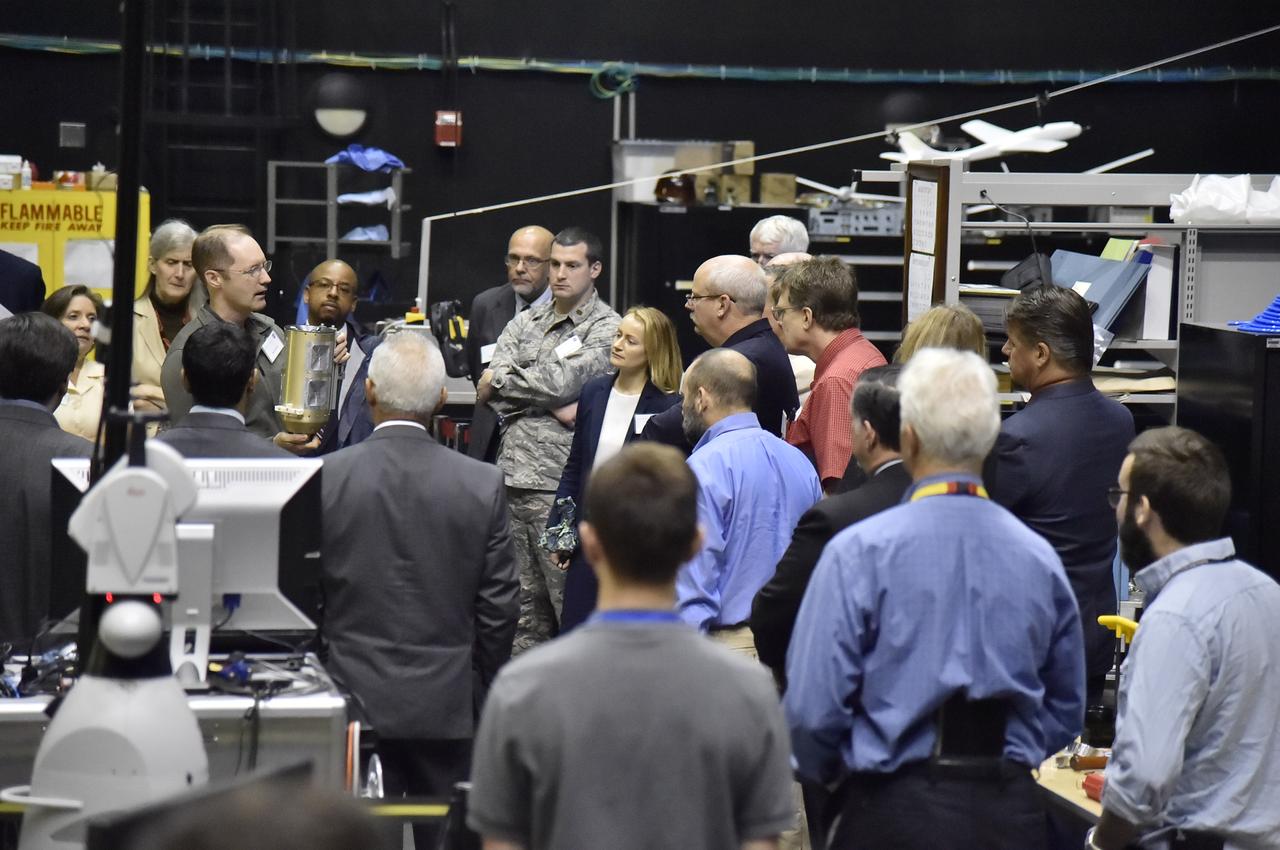
WASHINGTON, D.C.---S&T Partnership Forum In-Space Assembly Technical Interchange Meeting-On September 6th 2017, many of the United States government experts on In-Space Assembly met at the U.S. Naval Research Lab to discuss both technology development and in-space applications that would advance national capabilities in this area. Expertise from NASA, USAF, NRO, DARPA and NRL met in this meeting which was coordinated by the NASA Headquarters, Office of the Chief Technologist. This technical interchange meeting was the second meeting of the members of this Science and Technology Partnership Forum. Glen Henshaw of Code 8231 talks to the group in the Space Robotics Lab.
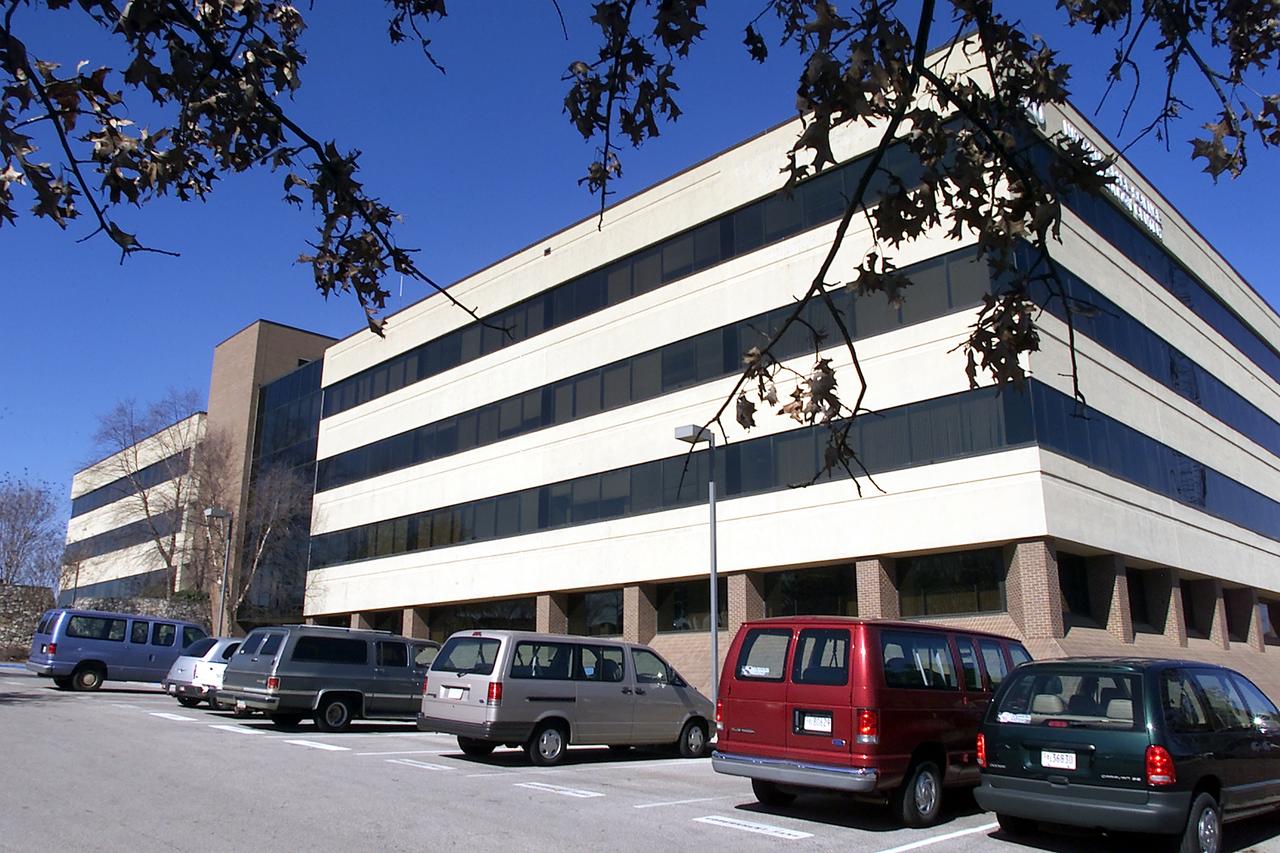
The National Space Science and Technology Center (NSSTC), located in Huntsville, Alabama, is a laboratory for cutting-edge research in selected scientific and engineering disciplines. The major objectives of the NSSTC are to provide multiple fields of expertise coming together to solve solutions to science and technology problems, and gaining recognition as a world-class science research organization. The center, opened in August 2000, focuses on space science, Earth sciences, information technology, optics and energy technology, biotechnology and materials science, and supports NASA's mission of advancing and communicating scientific knowledge using the environment of space for research. In addition to providing basic and applied research, NSSTC, with its student participation, also fosters the next generation of scientists and engineers. NSSTC is a collaborated effort between NASA and the state of Alabama through the Space Science and Technology alliance, a group of six universities including the Universities of Alabama in Huntsville (UAH),Tuscaloosa (UA), and Birmingham (UAB); the University of South Alabama in Mobile (USA); Alabama Agricultural and Mechanical University (AM) in Huntsville; and Auburn University (AU) in Auburn. Participating federal agencies include NASA, Marshall Space Flight Center, the National Oceanic and Atmospheric Administration, the Department of Defense, the National Science Foundation, and the Department of Energy. Industries involved include the Space Science Research Center, the Global Hydrology and Climate Center, the Information Technology Research Center, the Optics and Energy Technology Center, the Propulsion Research Center, the Biotechnology Research Center, and the Materials Science Research Center. An arnex, scheduled for completion by summer 2002, will add an additional 80,000 square feet (7,432 square meters) to NSSTC nearly doubling the size of the core facility. At full capacity, the completed NSSTC will top 200,000 square feet (18,580 square meters) and house approximately 550 employees.
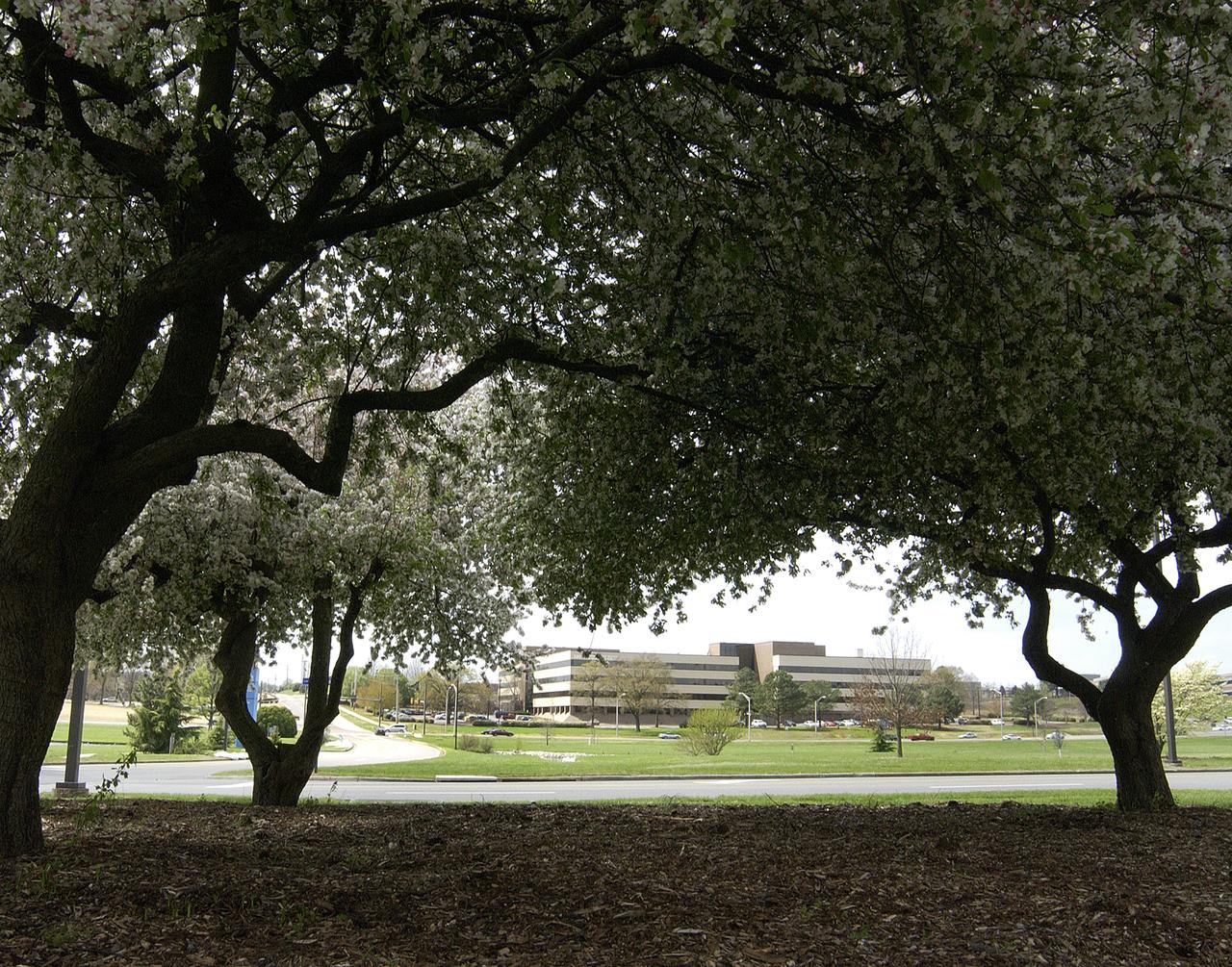
The National Space Science and Technology Center (NSSTC), located in Huntsville, Alabama, is a laboratory for cutting-edge research in selected scientific and engineering disciplines. The major objectives of the NSSTC are to provide multiple fields of expertise coming together to solve solutions to science and technology problems, and gaining recognition as a world-class science research organization. The center, opened in August 2000, focuses on space science, Earth sciences, information technology, optics and energy technology, biotechnology and materials science, and supports NASA's mission of advancing and communicating scientific knowledge using the environment of space for research. In addition to providing basic and applied research, NSSTC, with its student participation, also fosters the next generation of scientists and engineers. NSSTC is a collaborated effort between NASA and the state of Alabama through the Space Science and Technology alliance, a group of six universities including the Universities of Alabama in Huntsville (UAH),Tuscaloosa (UA), and Birmingham (UAB); the University of South Alabama in Mobile (USA);Alabama Agricultural and Mechanical University (AM) in Huntsville; and Auburn University (AU) in Auburn. Participating federal agencies include NASA, Marshall Space Flight Center, the National Oceanic and Atmospheric Administration, the Department of Defense, the National Science Foundation, and the Department of Energy. Industries involved include the Space Science Research Center, the Global Hydrology and Climate Center, the Information Technology Research Center, the Optics and Energy Technology Center, the Propulsion Research Center, the Biotechnology Research Center, and the Materials Science Research Center. This photo shows the completed center with the additional arnex (right of building) that added an additional 80,000 square feet (7,432 square meters) to the already existent NSSTC, nearly doubling the size of the core facility. At full capacity, the NSSTC tops 200,000 square feet (18,580 square meters) and houses approximately 550 employees.
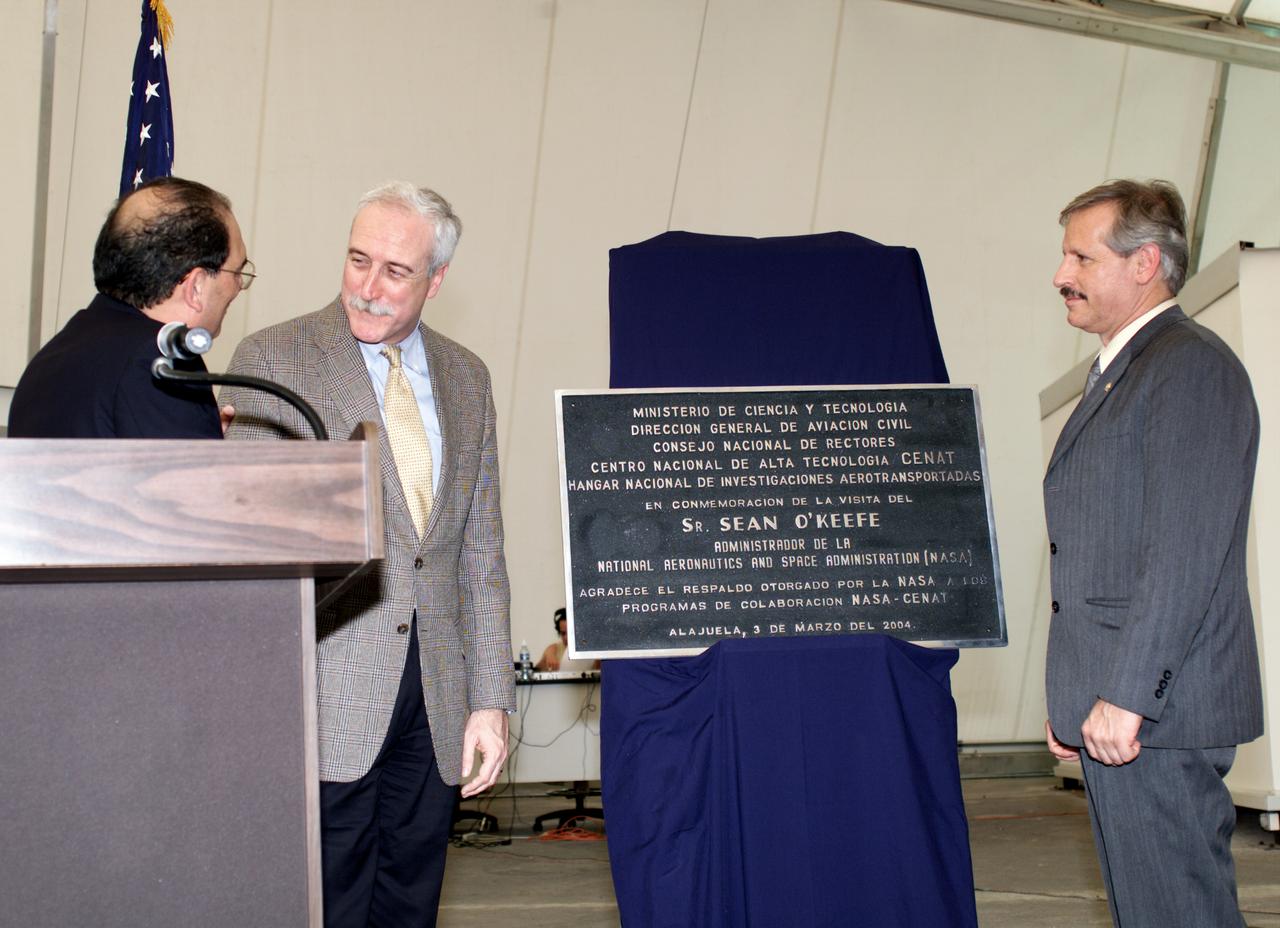
AirSAR 2004 Mesoamerica plaque unveiling by NASA Administrator Sean O'Keefe and Fernando Gutierrez, Costa Rican Minister of Science and Technology(MICIT). AirSAR 2004 Mesoamerica is a three-week expedition by an international team of scientists that will use an all-weather imaging tool, called the Airborne Synthetic Aperture Radar (AirSAR), in a mission ranging from the tropical rain forests of Central America to frigid Antarctica.
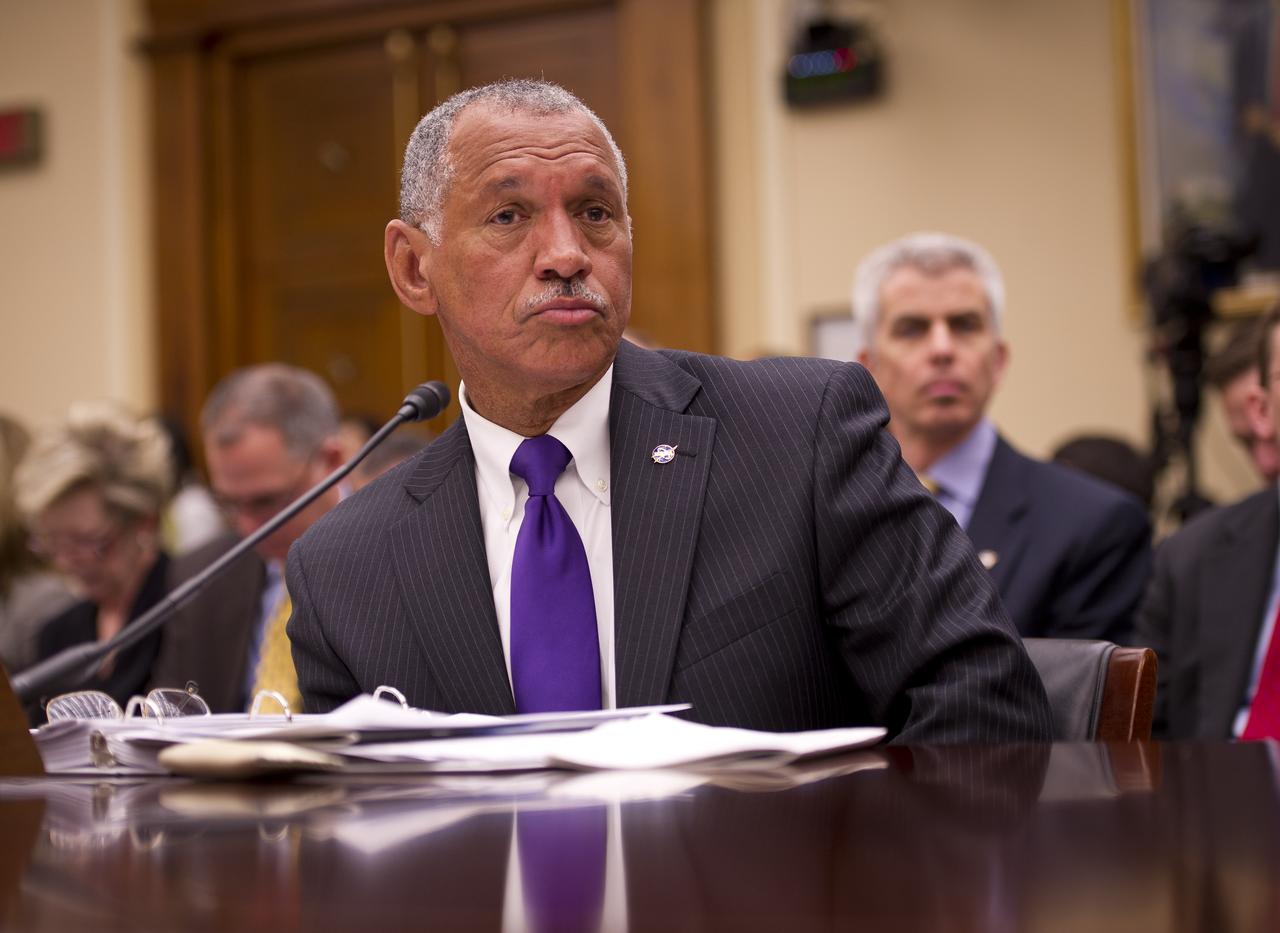
NASA Administrator Charles Bolden, testifies during a House Committee on Science, Space, and Technology budget hearing, Wednesday, March 2, 2011 in the Rayburn House Office Building on Capitol Hill in Washington. Photo Credit: (NASA/Bill Ingalls)
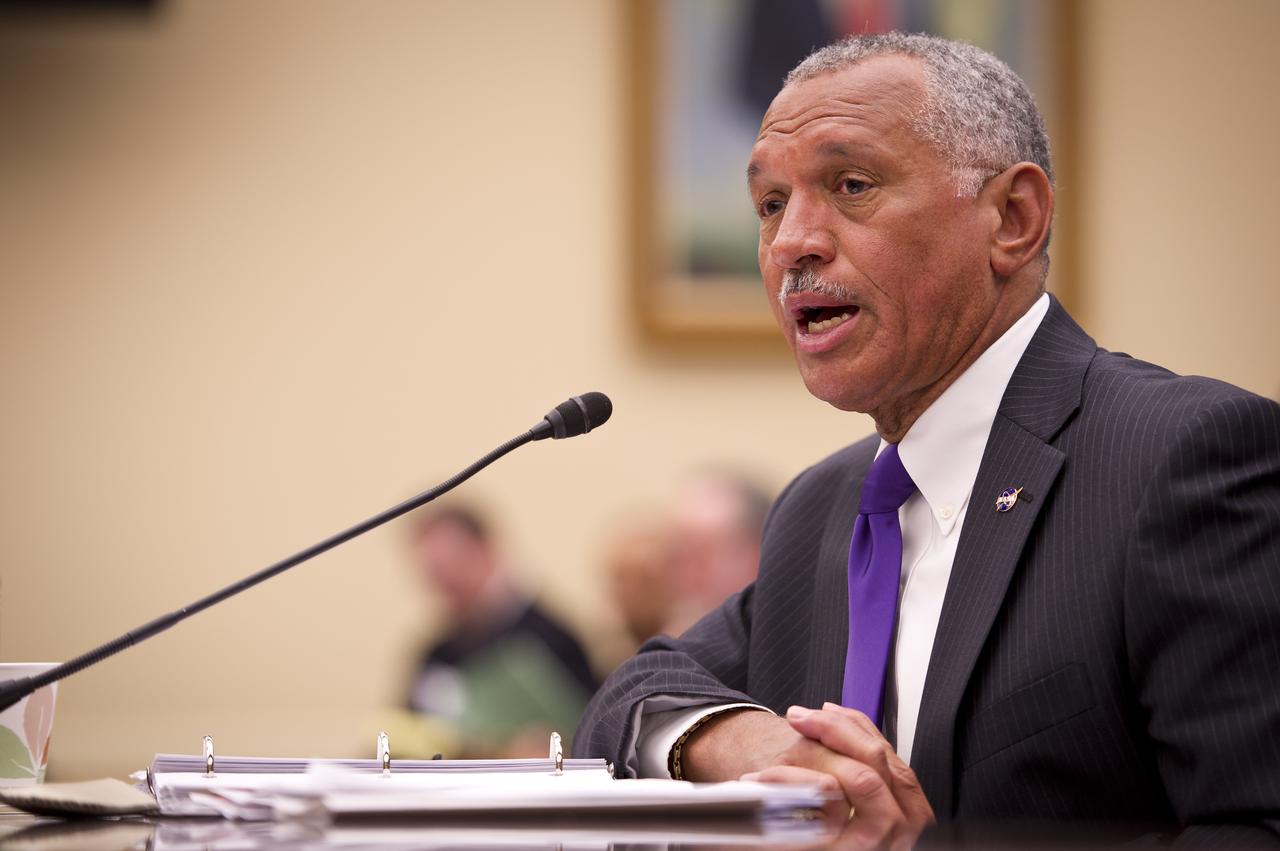
NASA Administrator Charles Bolden, testifies during a House Committee on Science, Space, and Technology budget hearing, Wednesday, March 2, 2011 in the Rayburn House Office Building on Capitol Hill in Washington. Photo Credit: (NASA/Bill Ingalls)
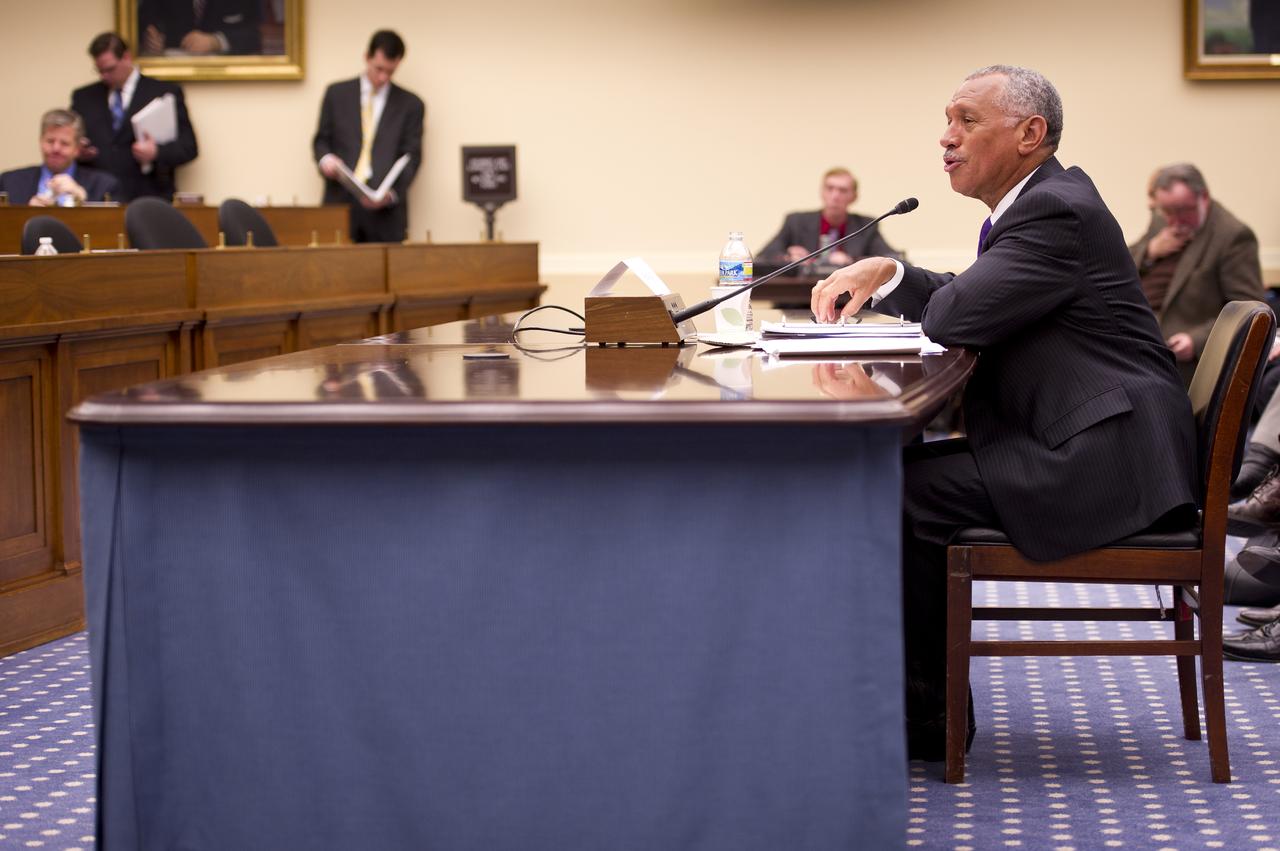
NASA Administrator Charles Bolden, testifies during a House Committee on Science, Space, and Technology budget hearing, Wednesday, March 2, 2011 in the Rayburn House Office Building on Capitol Hill in Washington. Photo Credit: (NASA/Bill Ingalls)
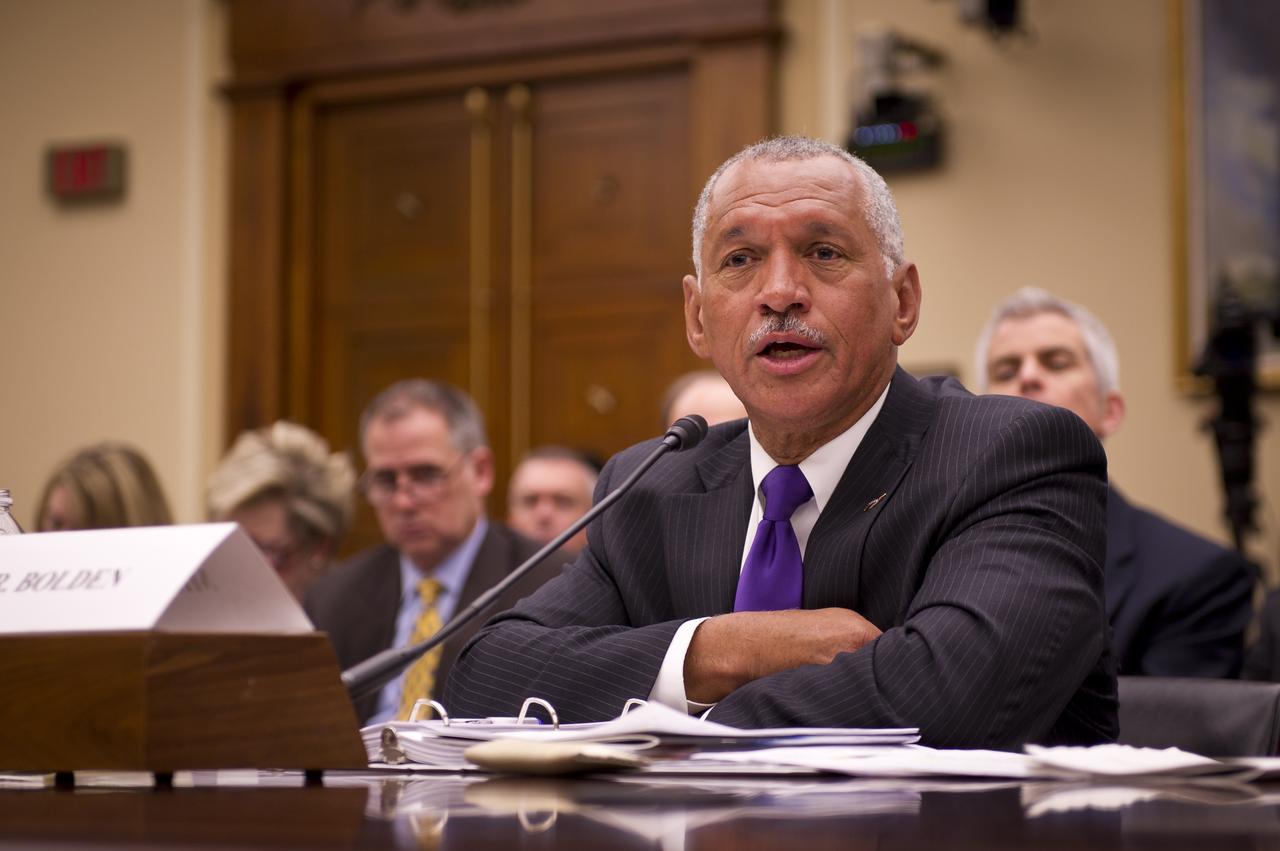
NASA Administrator Charles Bolden, testifies during a House Committee on Science, Space, and Technology budget hearing, Wednesday, March 2, 2011 in the Rayburn House Office Building on Capitol Hill in Washington. Photo Credit: (NASA/Bill Ingalls)
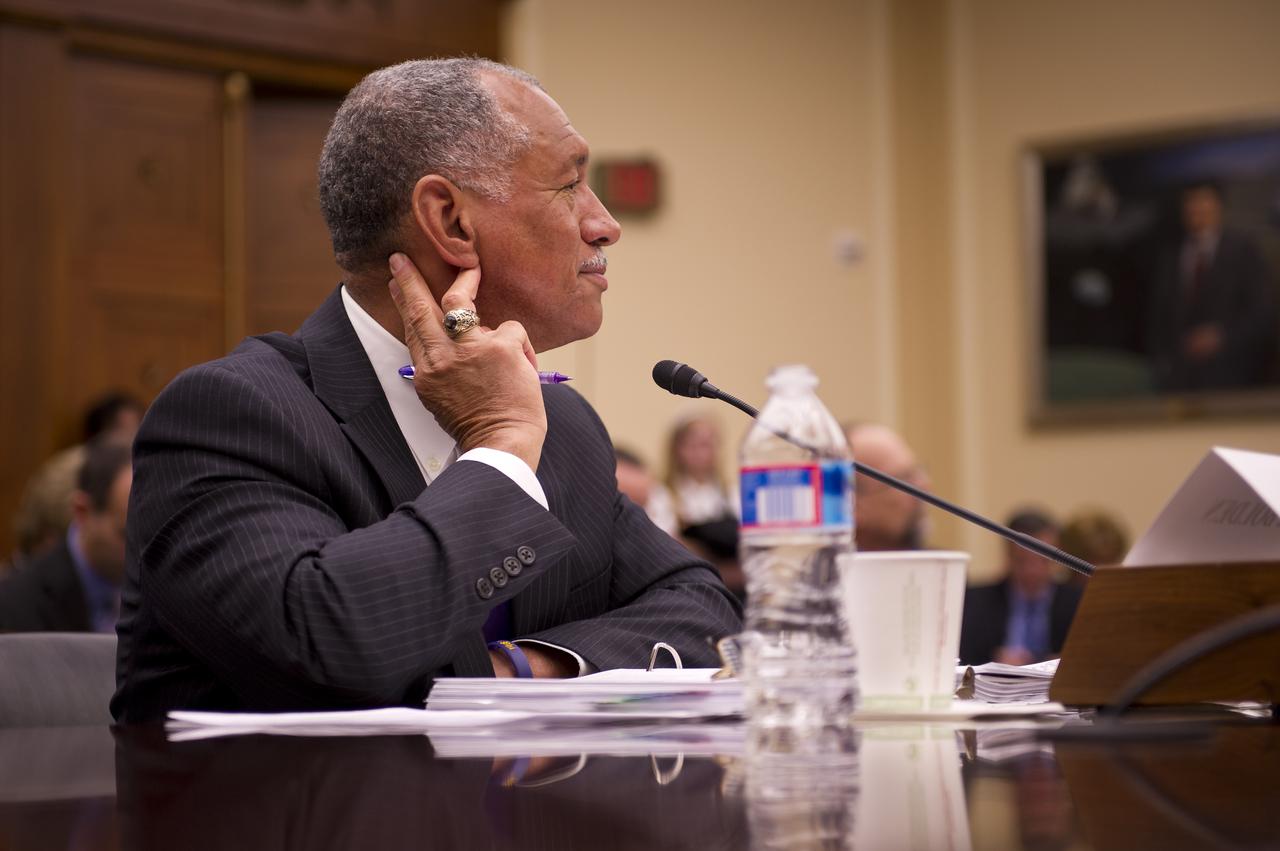
NASA Administrator Charles Bolden, testifies during a House Committee on Science, Space, and Technology budget hearing, Wednesday, March 2, 2011 in the Rayburn House Office Building on Capitol Hill in Washington. Photo Credit: (NASA/Bill Ingalls)
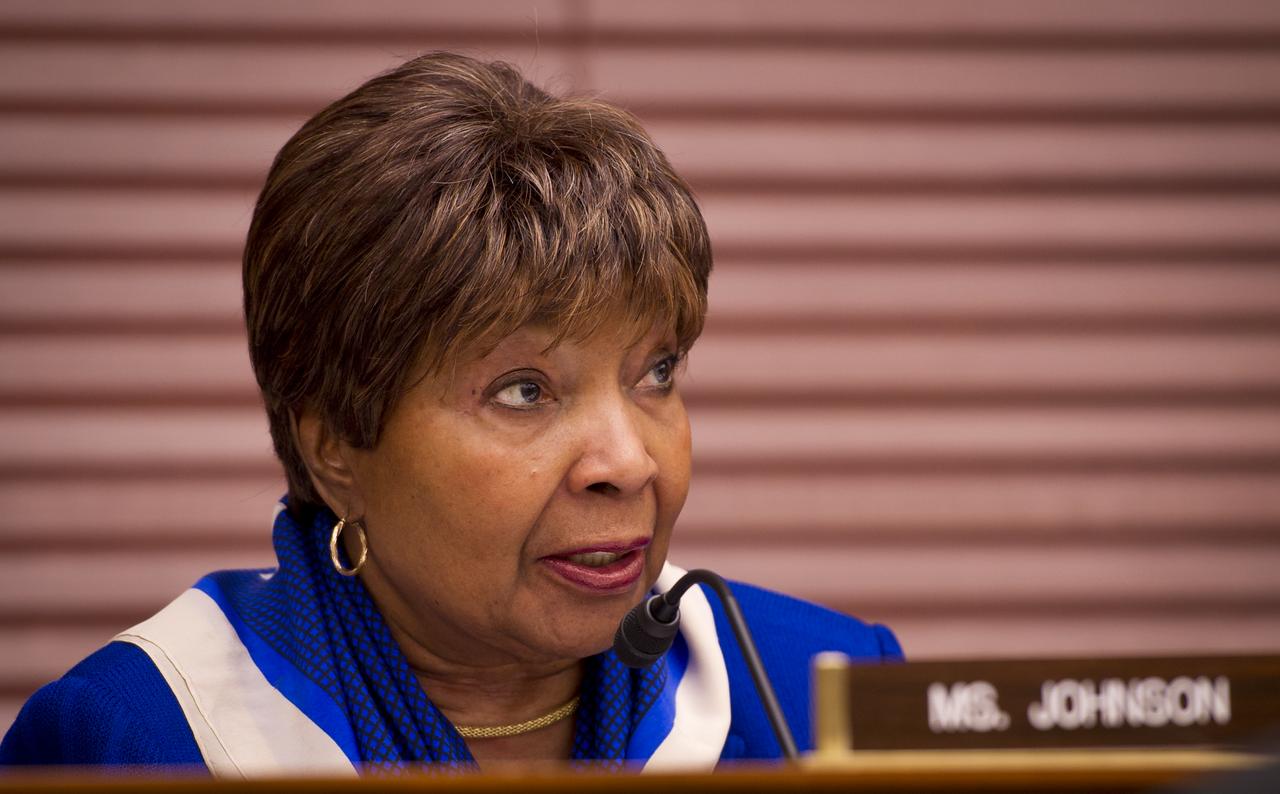
U.S. Rep. Eddie Bernice Johnson, D-Texas, questions NASA Administrator Charles Bolden during a House Committee on Science, Space, and Technology budget hearing, Wednesday, March 2, 2011 in the Rayburn House Office Building on Capitol Hill in Washington. Photo Credit: (NASA/Bill Ingalls)
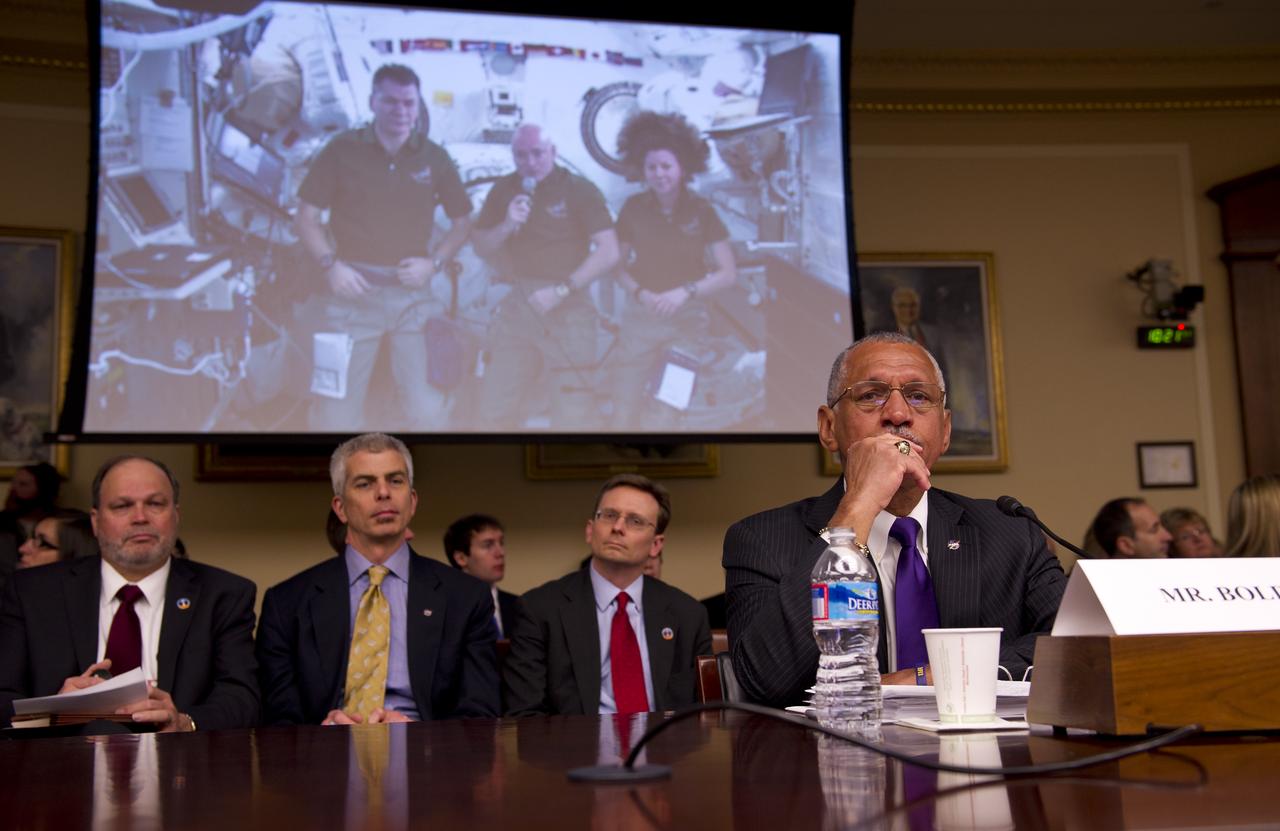
NASA Administrator Charles Bolden, right, listens as a video message from the current crew of the International Space Station is played back at start of a House Committee on Science, Space, and Technology budget hearing, Wednesday, March 2, 2011 in the Rayburn House Office Building on Capitol Hill in Washington. Photo Credit: (NASA/Bill Ingalls)
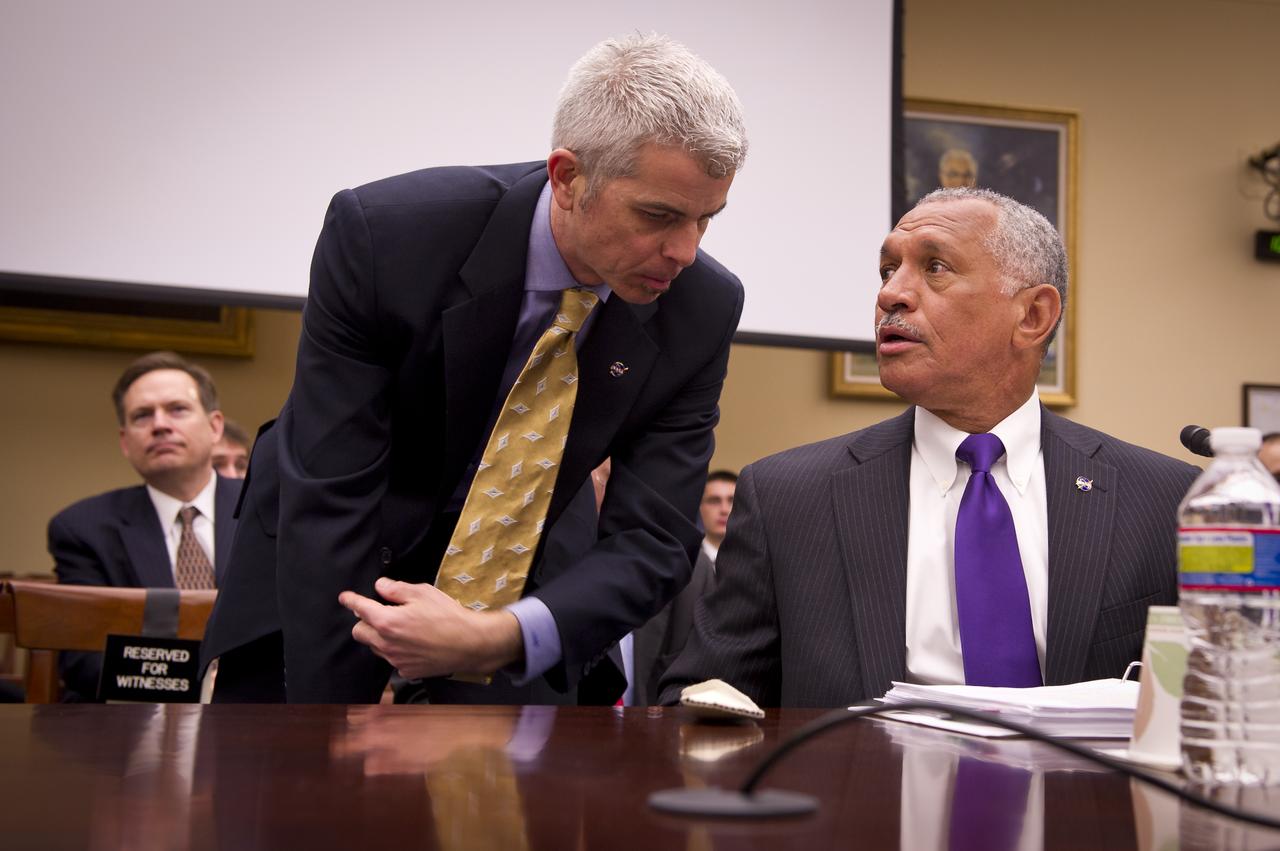
NASA Associate Administrator for Legislative and Intergovernmental Affairs Seth Statler, left, and NASA Administrator Charles Bolden confer prior to a House Committee on Science, Space, and Technology budget hearing, Wednesday, March 2, 2011 in the Rayburn House Office Building on Capitol Hill in Washington. Photo Credit: (NASA/Bill Ingalls)
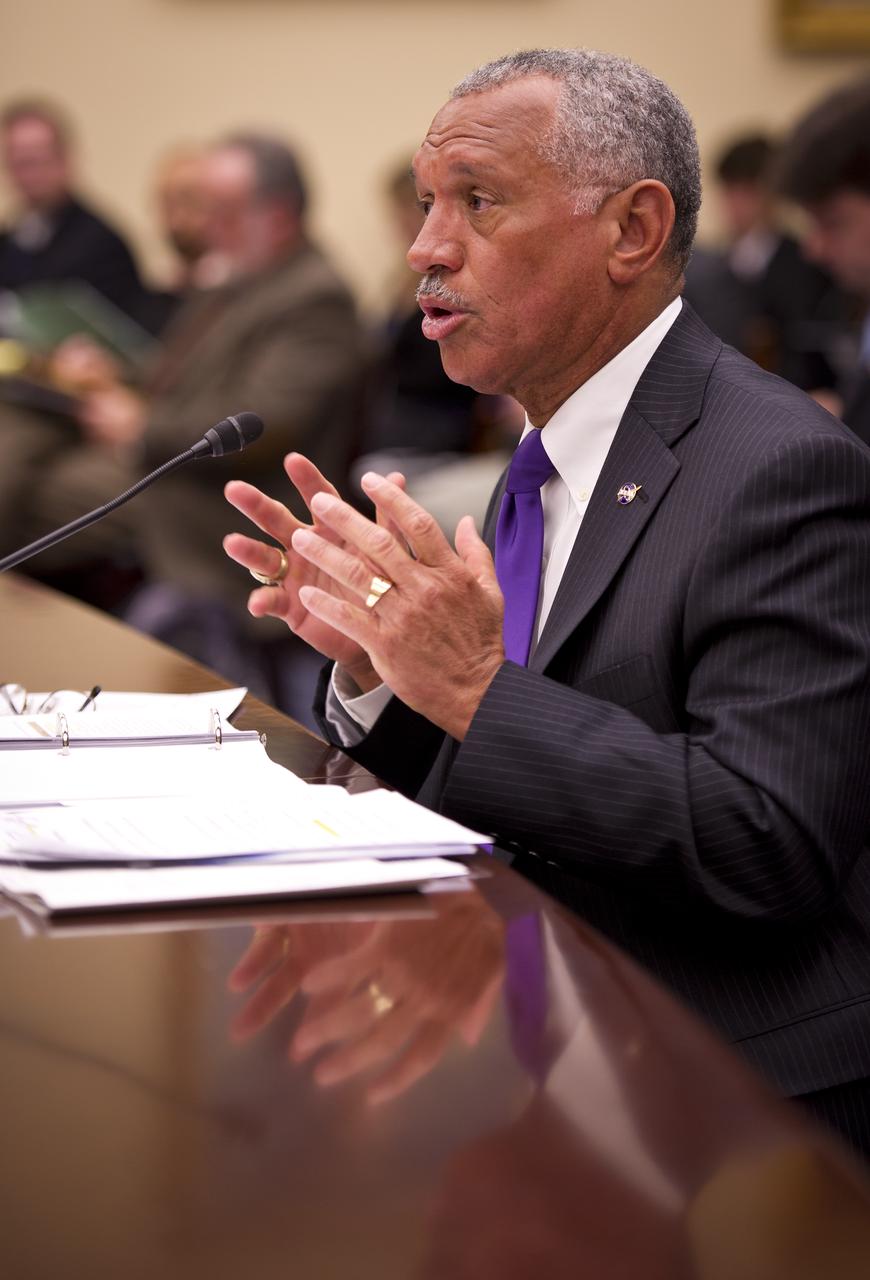
NASA Administrator Charles Bolden, testifies during a House Committee on Science, Space, and Technology budget hearing, Wednesday, March 2, 2011 in the Rayburn House Office Building on Capitol Hill in Washington. Photo Credit: (NASA/Bill Ingalls)
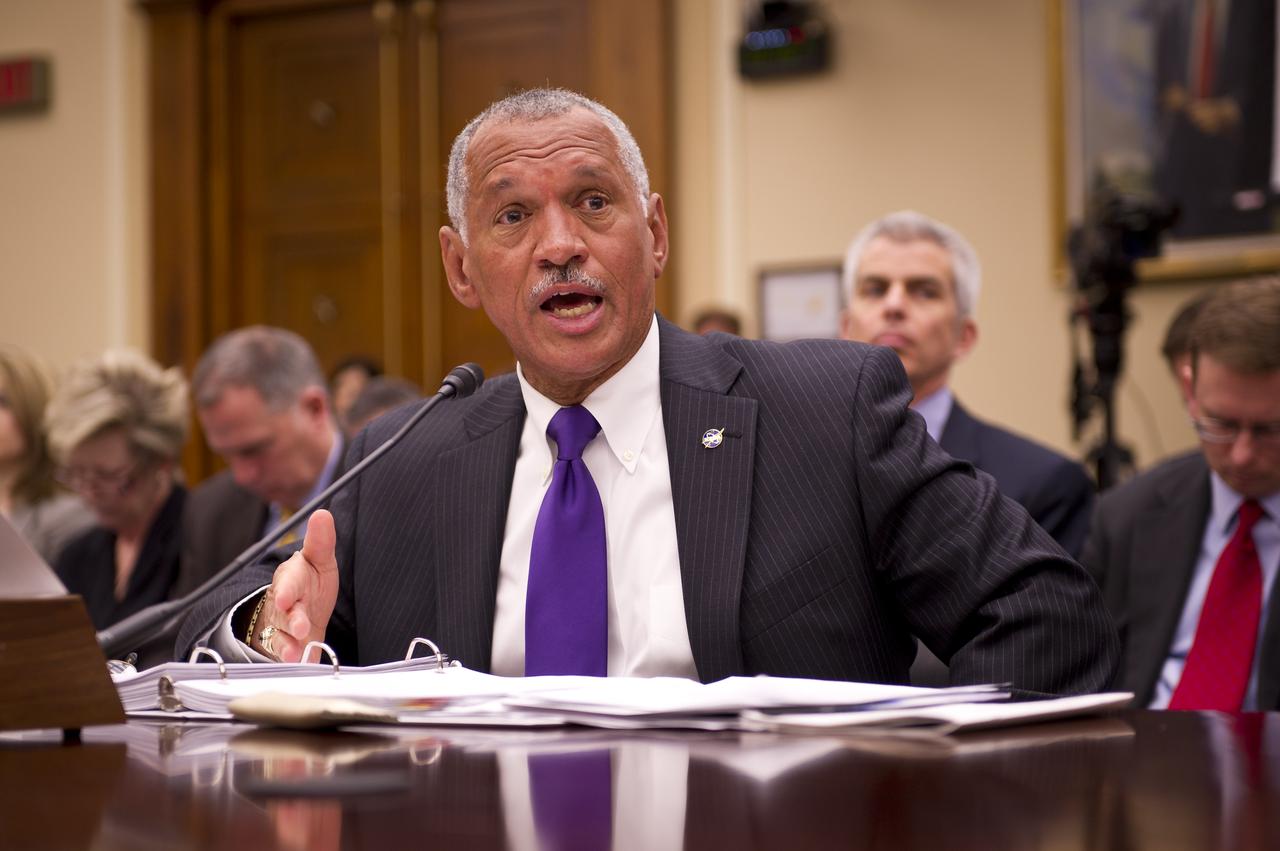
NASA Administrator Charles Bolden, testifies during a House Committee on Science, Space, and Technology budget hearing, Wednesday, March 2, 2011 in the Rayburn House Office Building on Capitol Hill in Washington. Photo Credit: (NASA/Bill Ingalls)
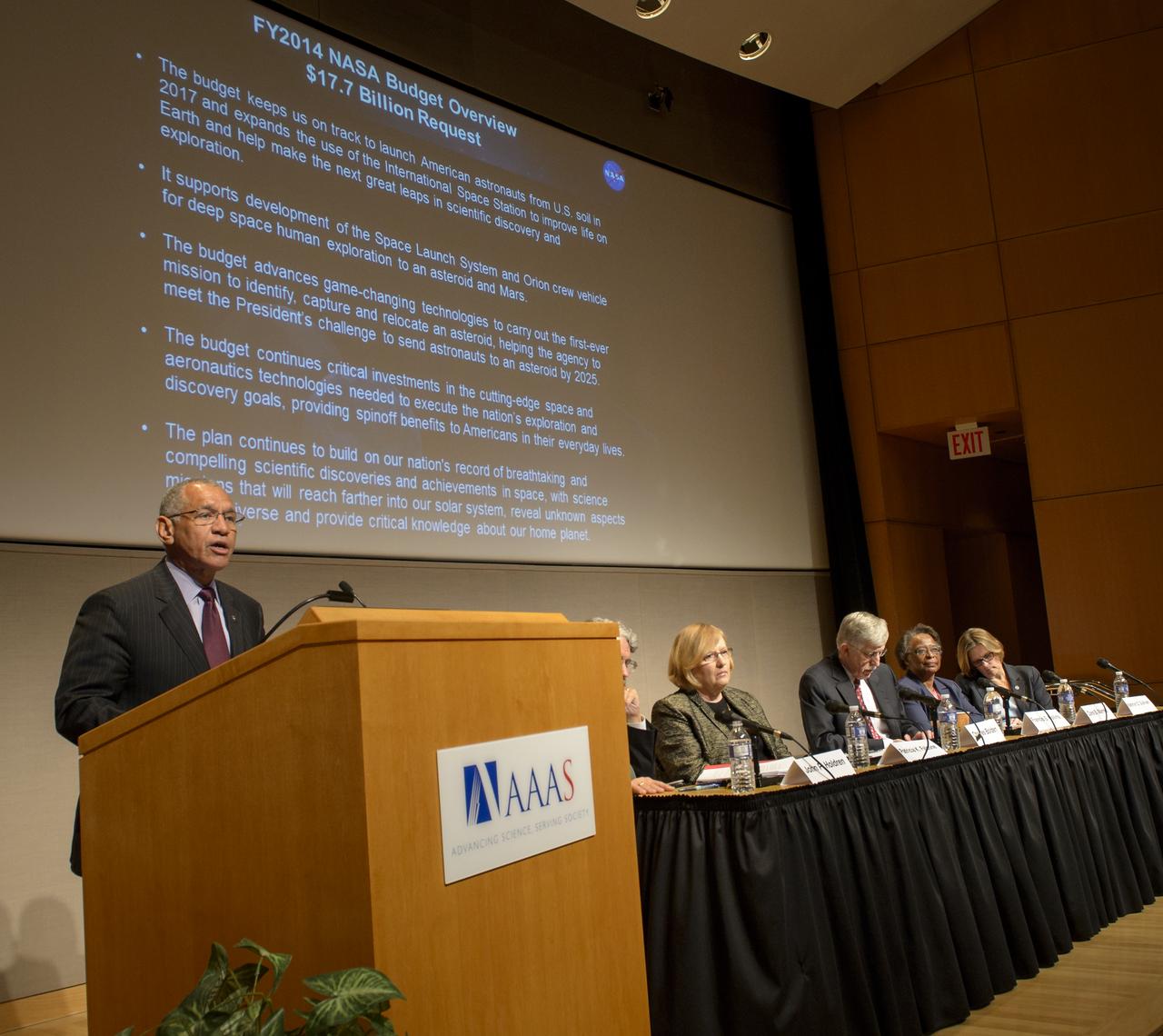
NASA Administrator Charlie Bolden, delivers remarks during a White House Office of Science and Technology Policy (OSTP) Fiscal Year 2014 budget briefing held with with Dr. John P. Holdren, Director of OSTP, Patricia Falcone of OSTP, Francis Collins from NIH, Cora Marrett from NSF, and Kathryn Sullivan from NOAA, at the American Association for the Advancement of Science (AAAS) on Wednesday, April 10, 2013 in Washington. Photo Credit: (NASA/Bill Ingalls)
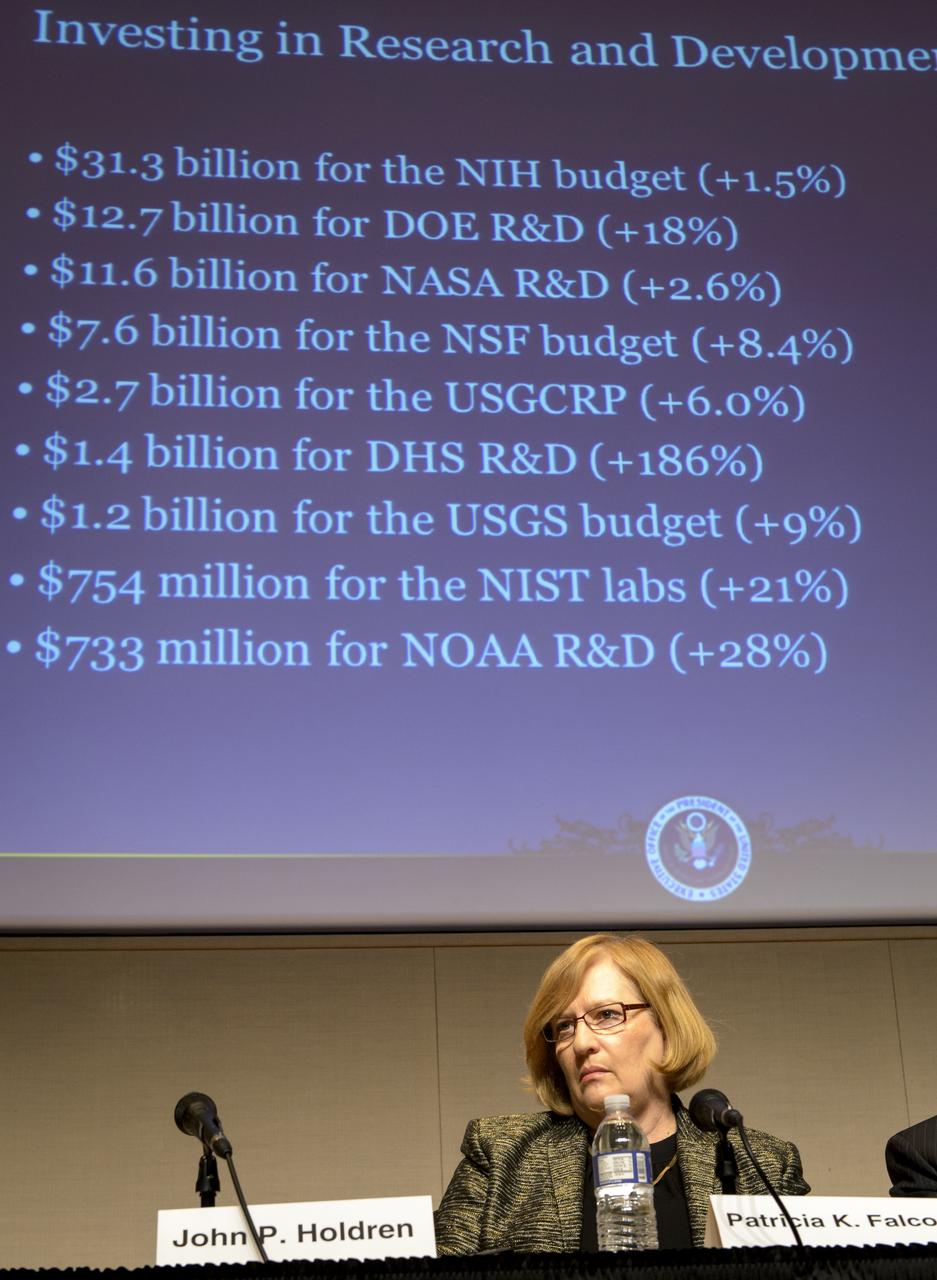
Patricia Falcone, Associate Director, National Security and International Affairs Division, White House Office of Science and Technology Policy, is seen during a Fiscal Year 2014 budget briefing held at the American Association for the Advancement of Science (AAAS) on Wednesday, April 10, 2013 in Washington. Photo Credit: (NASA/Bill Ingalls)
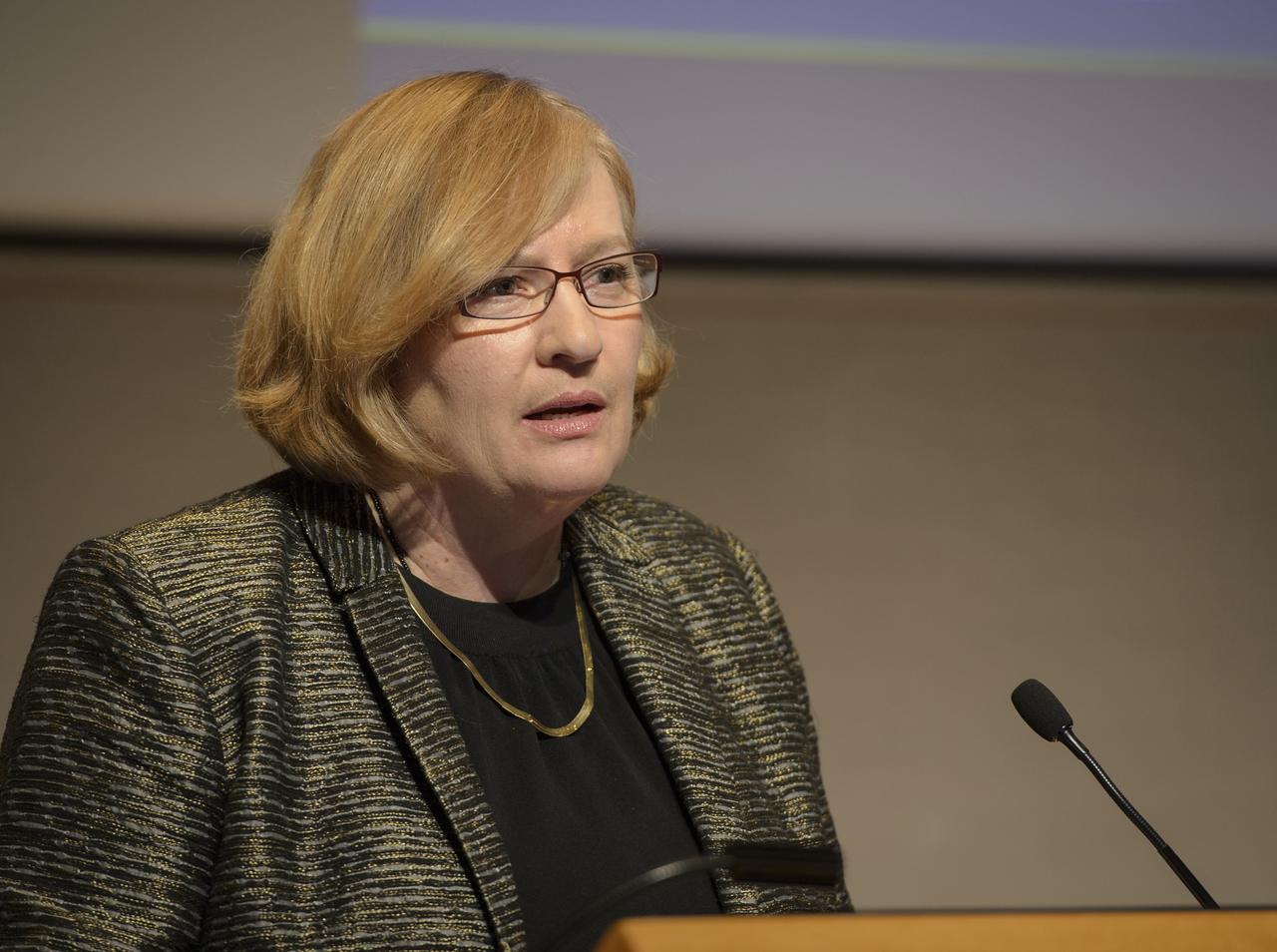
Patricia Falcone, Associate Director, National Security and International Affairs Division, White House Office of Science and Technology Policy, delivers remarks during a Fiscal Year 2014 budget briefing held at the American Association for the Advancement of Science (AAAS) on Wednesday, April 10, 2013 in Washington. Photo Credit: (NASA/Bill Ingalls)
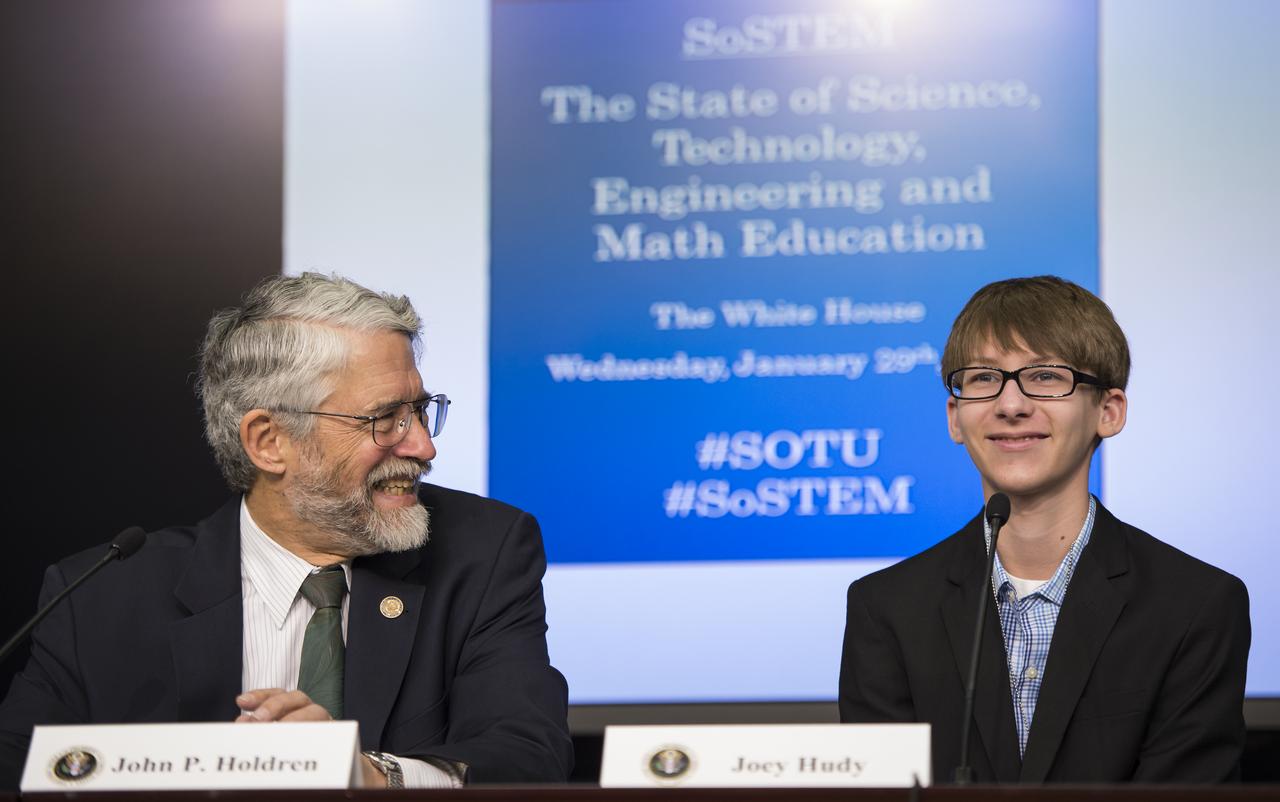
Dr. John P. Holdren, Assistant to the President for Science and Technology and Director of the White House Office of Science & Technology Policy, left, smiles along with 16-year-old Joey Hudy, a former White House Science Fair participant and self-described “Maker” at the annual White House State of Science, Technology, Engineering, and Math (SoSTEM) address, Wednesday, Jan. 29, 2014, in the South Court Auditorium in the Eisenhower Executive Office Building on the White House complex in Washington. Photo Credit: (NASA/Bill Ingalls)
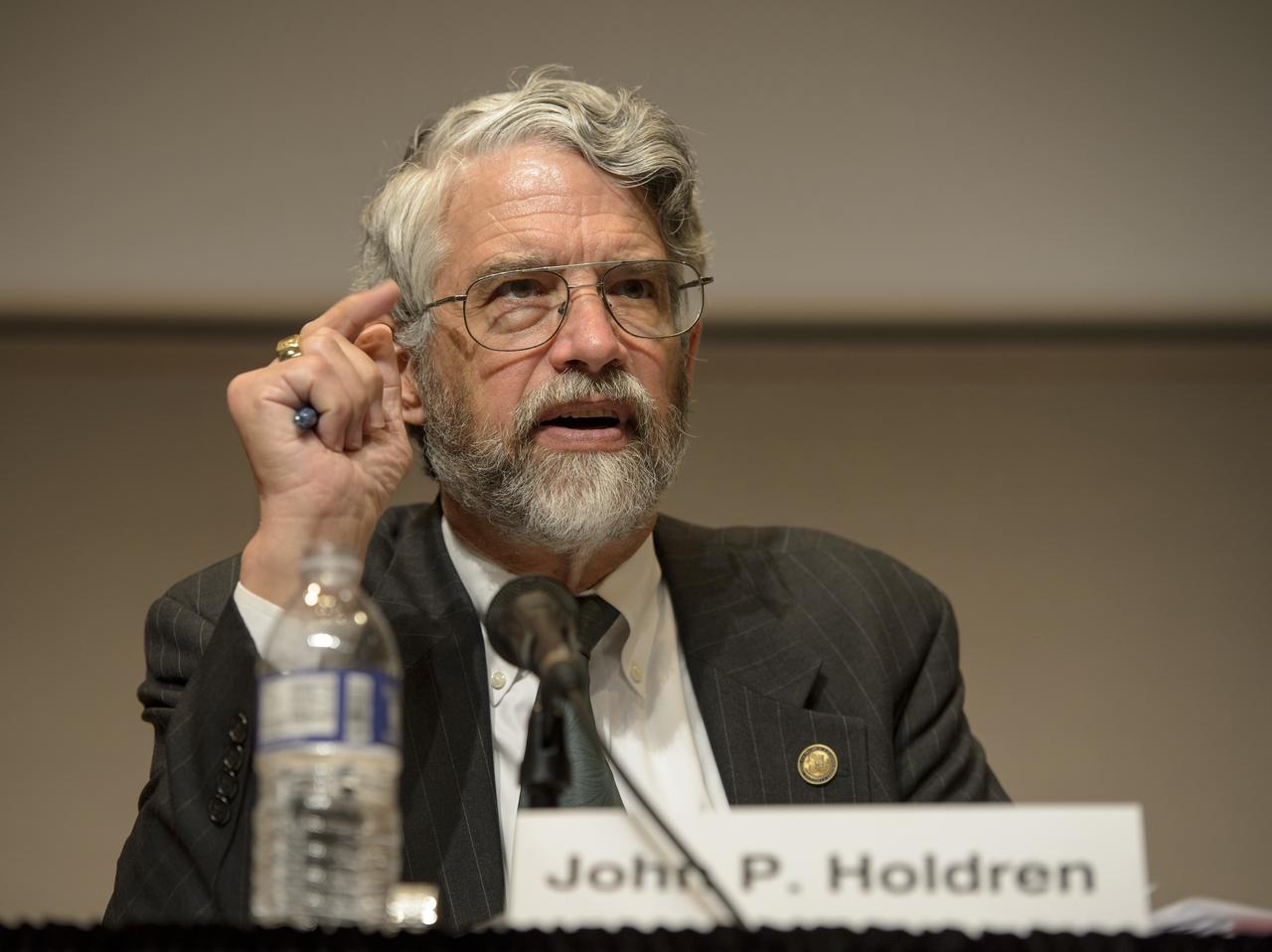
Dr. John P. Holdren, Assistant to the President for Science and Technology, Director of the White House Office of Science and Technology Policy, speaks during a Fiscal Year 2014 budget briefing held with Patricia Falcone of OSTP, Charlie Bolden from NASA, Francis Collins from NIH, Cora Marrett from NSF, and Kathryn Sullivan from NOAA, at the American Association for the Advancement of Science (AAAS) on Wednesday, April 10, 2013 in Washington. Photo Credit: (NASA/Bill Ingalls)
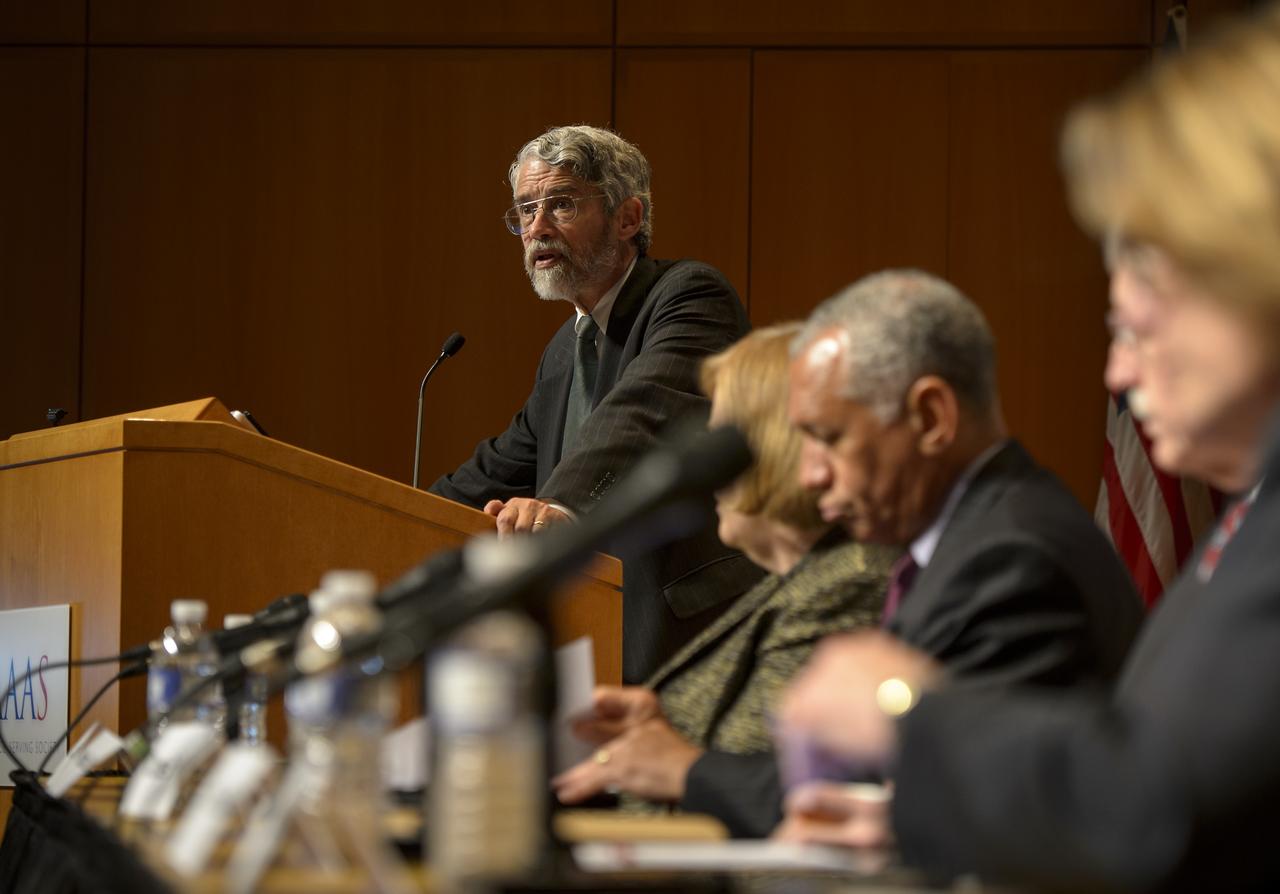
Dr. John P. Holdren, Assistant to the President for Science and Technology, Director of the White House Office of Science and Technology Policy, speaks during a Fiscal Year 2014 budget briefing held with Patricia Falcone of OSTP, Charlie Bolden from NASA, Francis Collins from NIH, Cora Marrett from NSF, and Kathryn Sullivan from NOAA, at the American Association for the Advancement of Science (AAAS) on Wednesday, April 10, 2013 in Washington. Photo Credit: (NASA/Bill Ingalls)
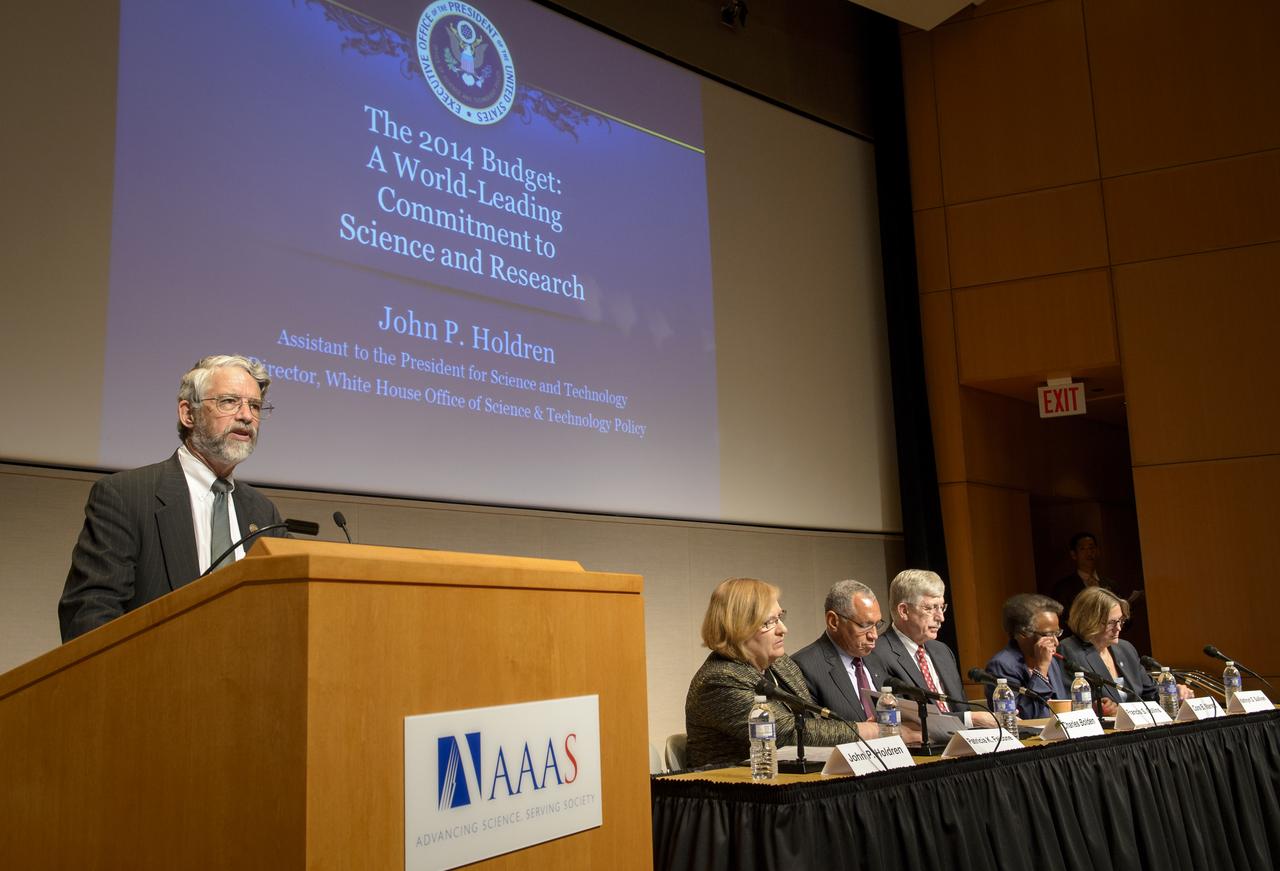
Dr. John P. Holdren, Assistant to the President for Science and Technology, Director of the White House Office of Science and Technology Policy, speaks during a Fiscal Year 2014 budget briefing held with Patricia Falcone of OSTP, Charlie Bolden from NASA, Francis Collins from NIH, Cora Marrett from NSF, and Kathryn Sullivan from NOAA, at the American Association for the Advancement of Science (AAAS) on Wednesday, April 10, 2013 in Washington. Photo Credit: (NASA/Bill Ingalls)
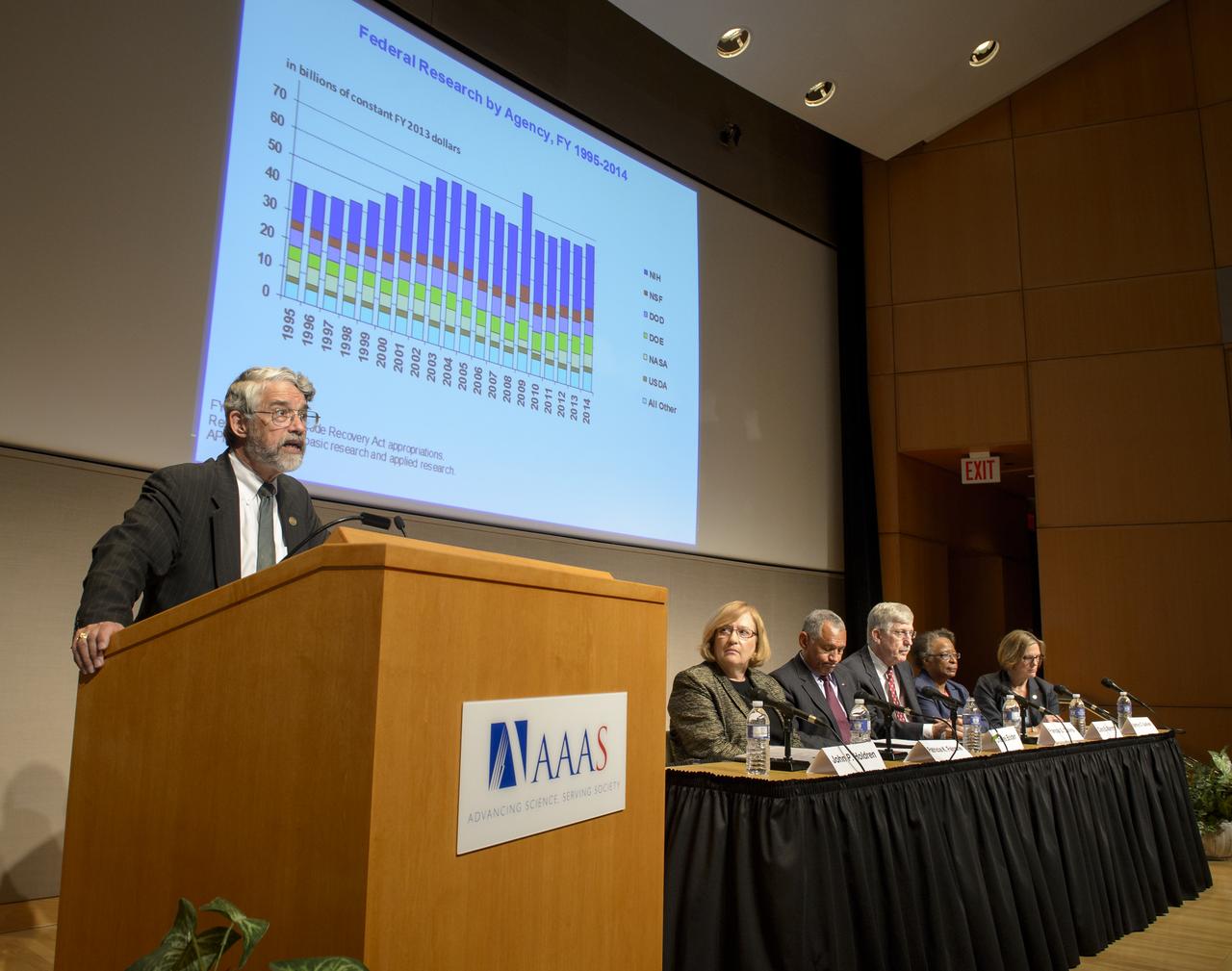
Dr. John P. Holdren, Assistant to the President for Science and Technology, Director of the White House Office of Science and Technology Policy, speaks during a Fiscal Year 2014 budget briefing held with Patricia Falcone of OSTP, Charlie Bolden from NASA, Francis Collins from NIH, Cora Marrett from NSF, and Kathryn Sullivan from NOAA, at the American Association for the Advancement of Science (AAAS) on Wednesday, April 10, 2013 in Washington. Photo Credit: (NASA/Bill Ingalls)
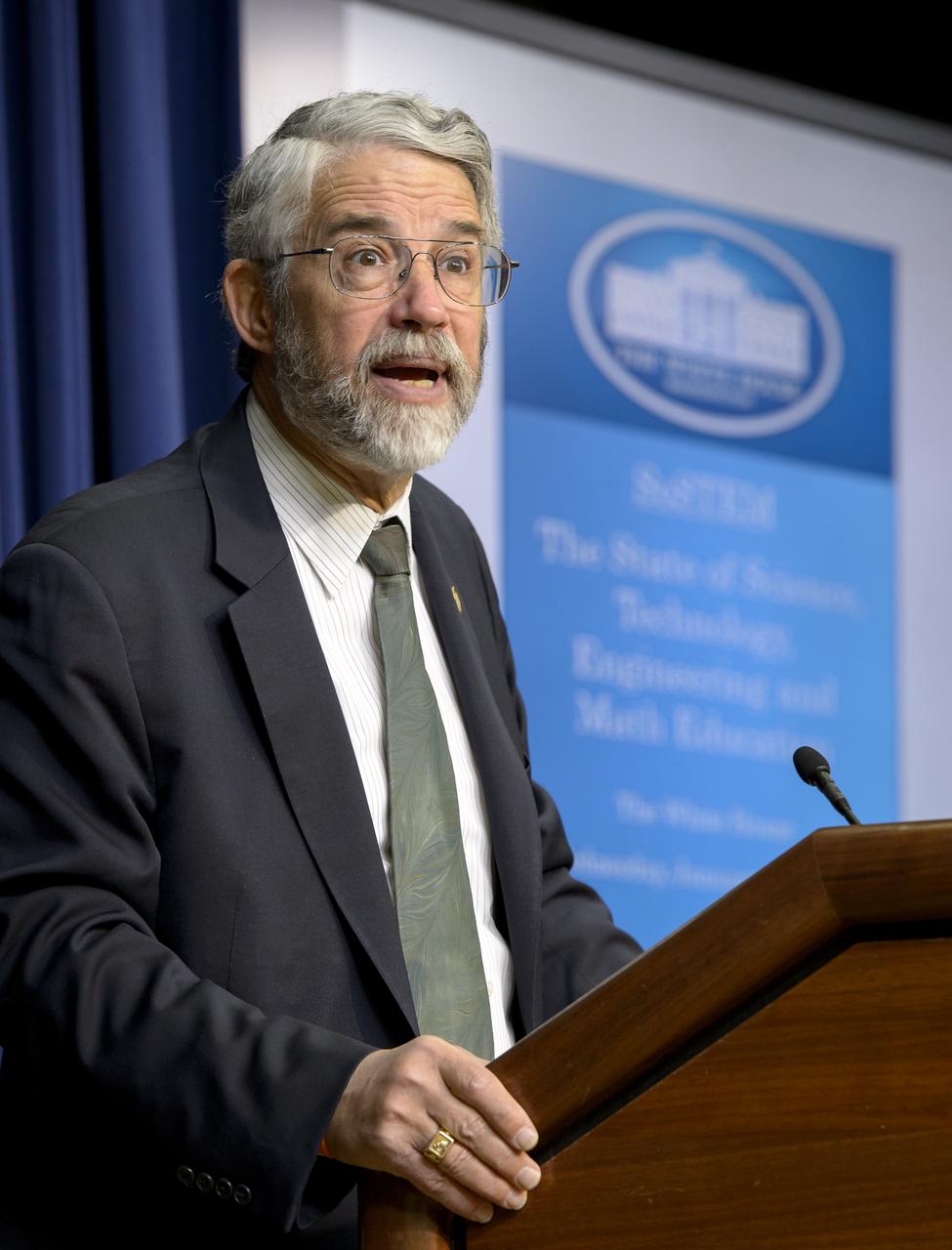
Dr. John P. Holdren, Assistant to the President for Science and Technology and Director of the White House Office of Science & Technology Policy, speaks at the annual White House State of Science, Technology, Engineering, and Math (SoSTEM) address, Wednesday, Jan. 29, 2014, in the South Court Auditorium in the Eisenhower Executive Office Building on the White House complex in Washington. Photo Credit: (NASA/Bill Ingalls)
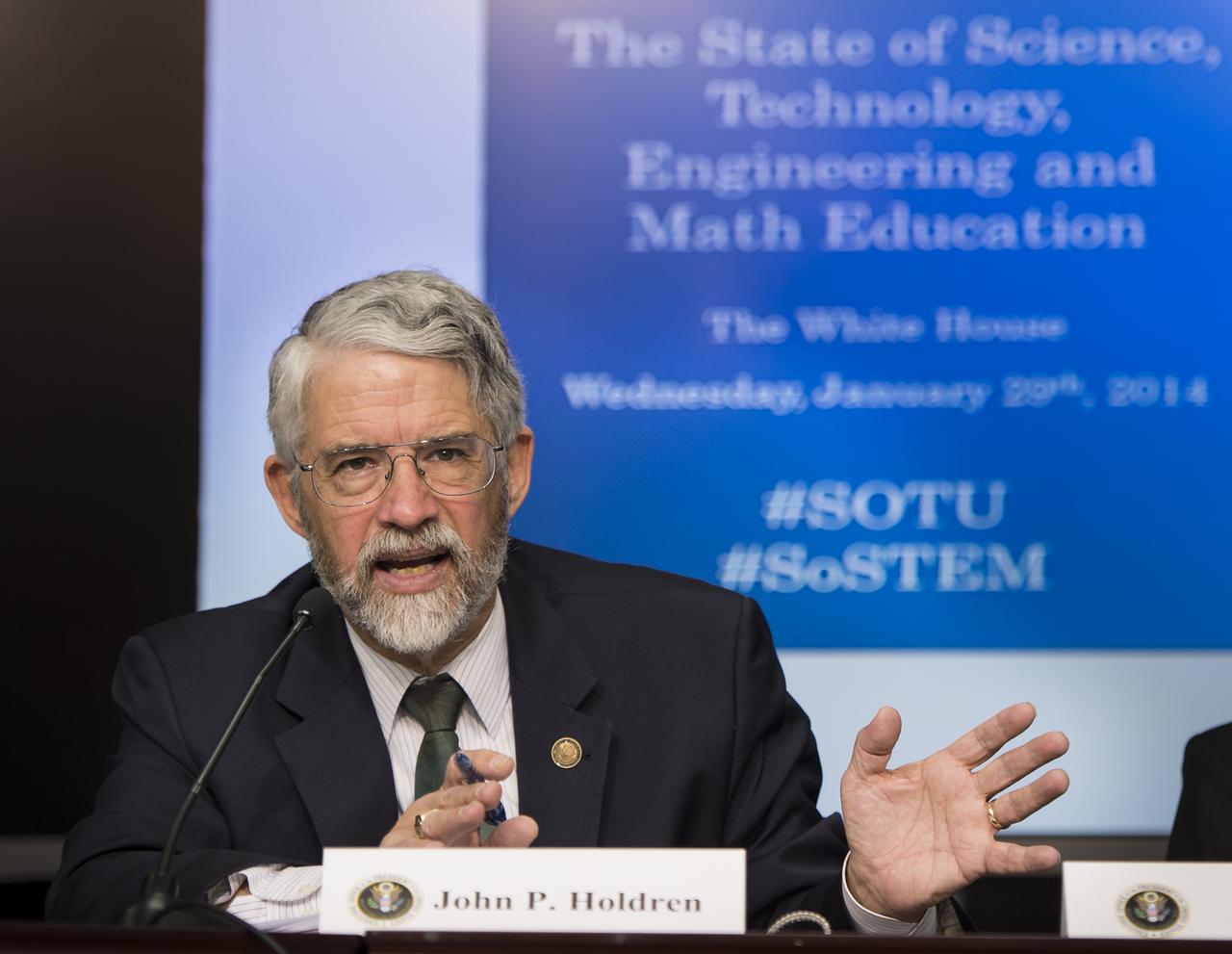
Dr. John P. Holdren, Assistant to the President for Science and Technology and Director of the White House Office of Science & Technology Policy, speaks at the annual White House State of Science, Technology, Engineering, and Math (SoSTEM) address, Wednesday, Jan. 29, 2014, in the South Court Auditorium in the Eisenhower Executive Office Building on the White House complex in Washington. Photo Credit: (NASA/Bill Ingalls)
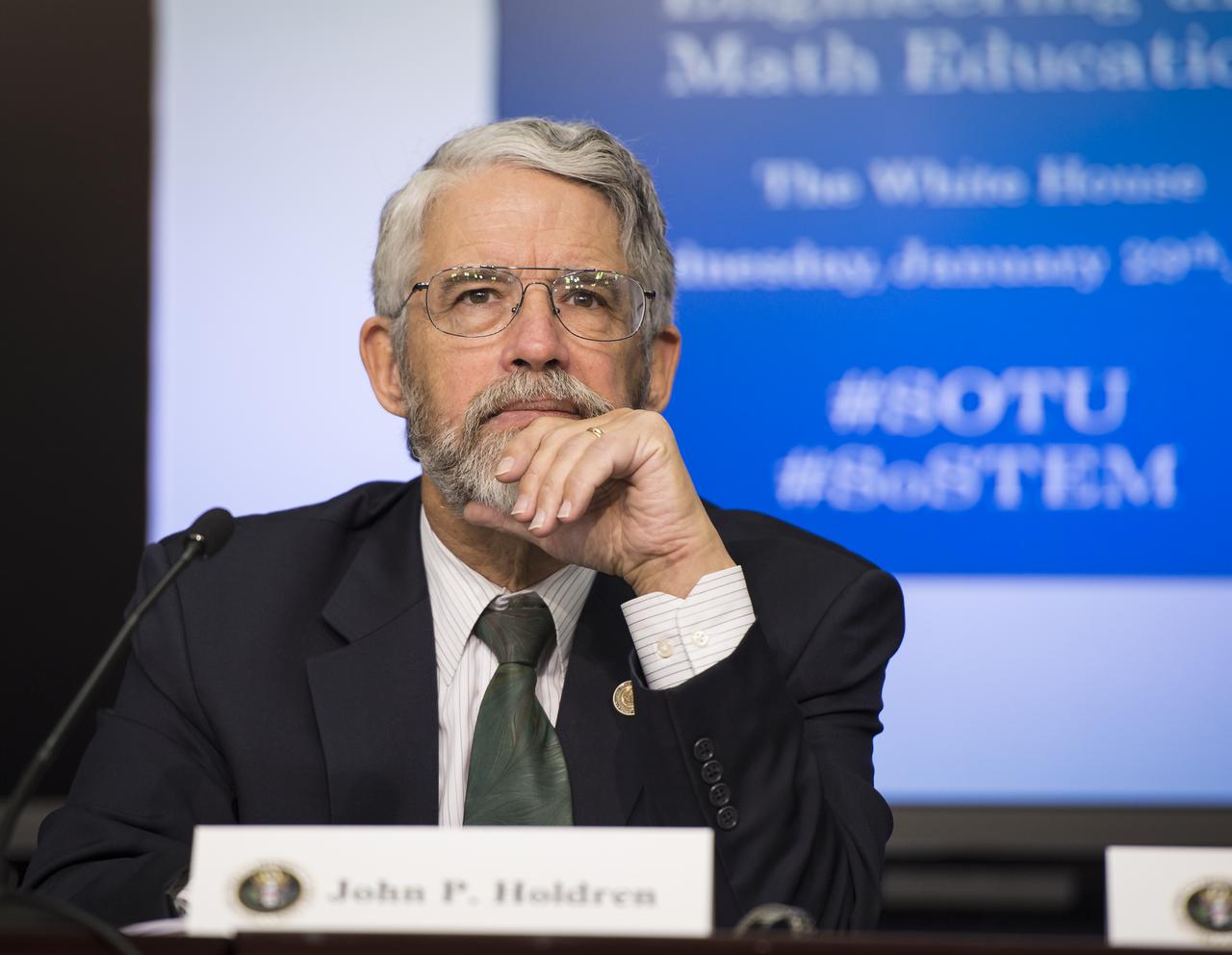
Dr. John P. Holdren, Assistant to the President for Science and Technology and Director of the White House Office of Science & Technology Policy, listens to a question during the annual White House State of Science, Technology, Engineering, and Math (SoSTEM) address, Wednesday, Jan. 29, 2014, in the South Court Auditorium in the Eisenhower Executive Office Building on the White House complex in Washington. Photo Credit: (NASA/Bill Ingalls)
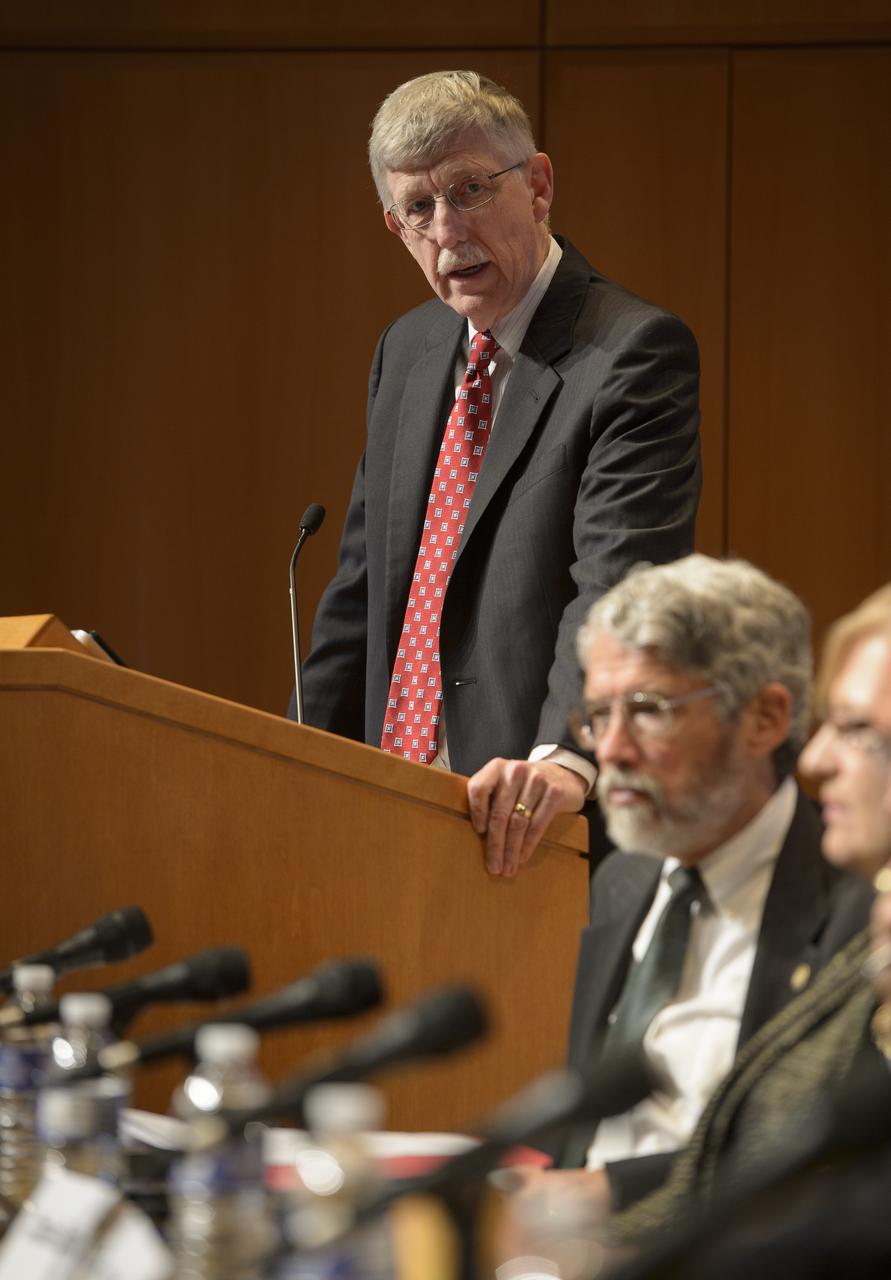
Director of the National Institutes of Health (NIH) Francis S. Collins, M.D., Ph.D., delivers remarks during a White House Office of Science and Technology Policy (OSTP) Fiscal Year 2014 budget briefing held with with Dr. John P. Holdren, Director of OSTP, Patricia Falcone of OSTP, Charlie Bolden from NASA, Cora Marrett from NSF, and Kathryn Sullivan from NOAA, at the American Association for the Advancement of Science (AAAS) on Wednesday, April 10, 2013 in Washington. Photo Credit: (NASA/Bill Ingalls)
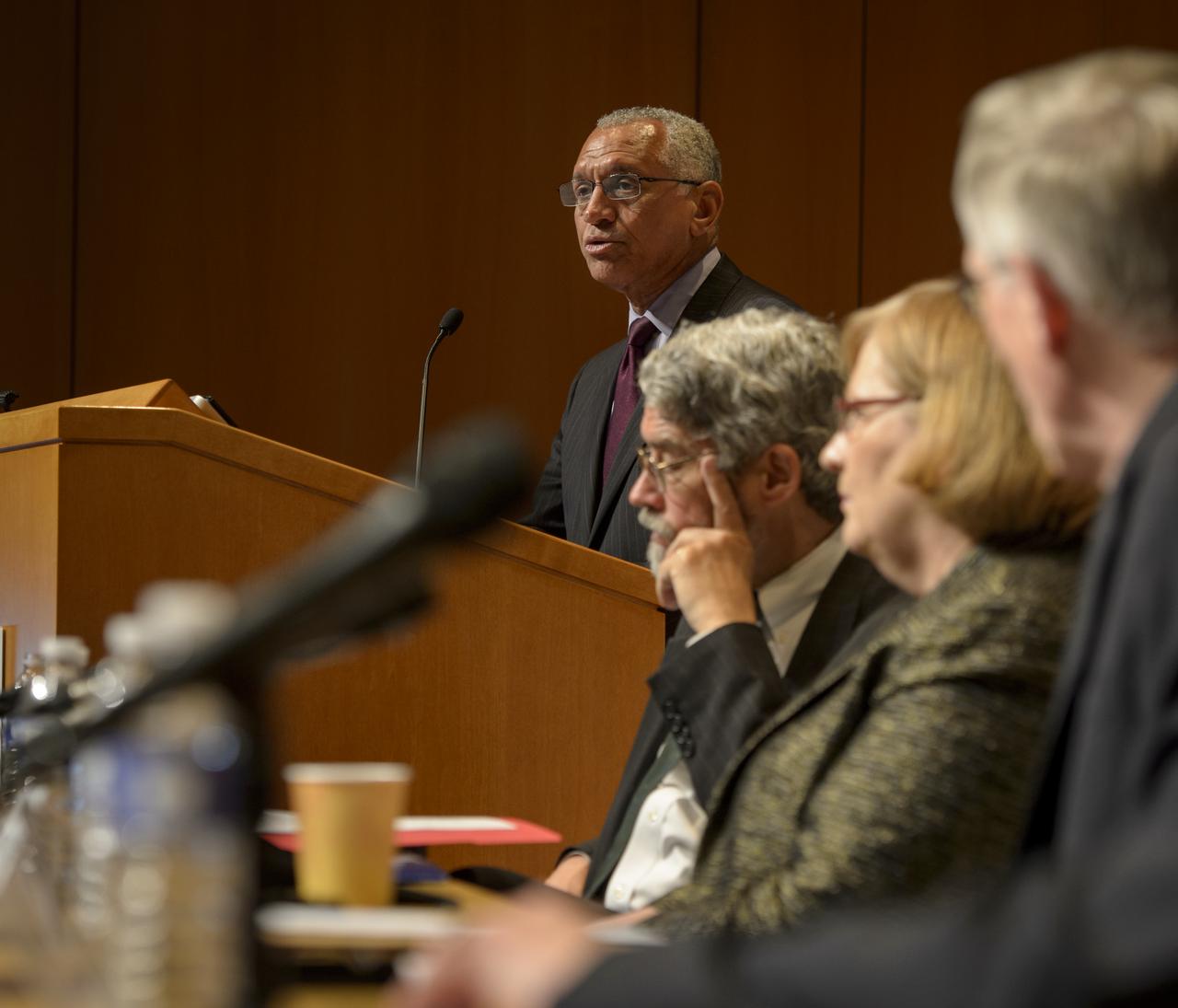
NASA Administrator Charlie Bolden, delivers remarks during a White House Office of Science and Technology Policy (OSTP) Fiscal Year 2014 budget briefing held with with Dr. John P. Holdren, Director of OSTP, Patricia Falcone of OSTP, Francis Collins from NIH, Cora Marrett from NSF, and Kathryn Sullivan from NOAA, at the American Association for the Advancement of Science (AAAS) on Wednesday, April 10, 2013 in Washington. Photo Credit: (NASA/Bill Ingalls)

Women in Science, Technology, Engineering and Math, STEM Award Event
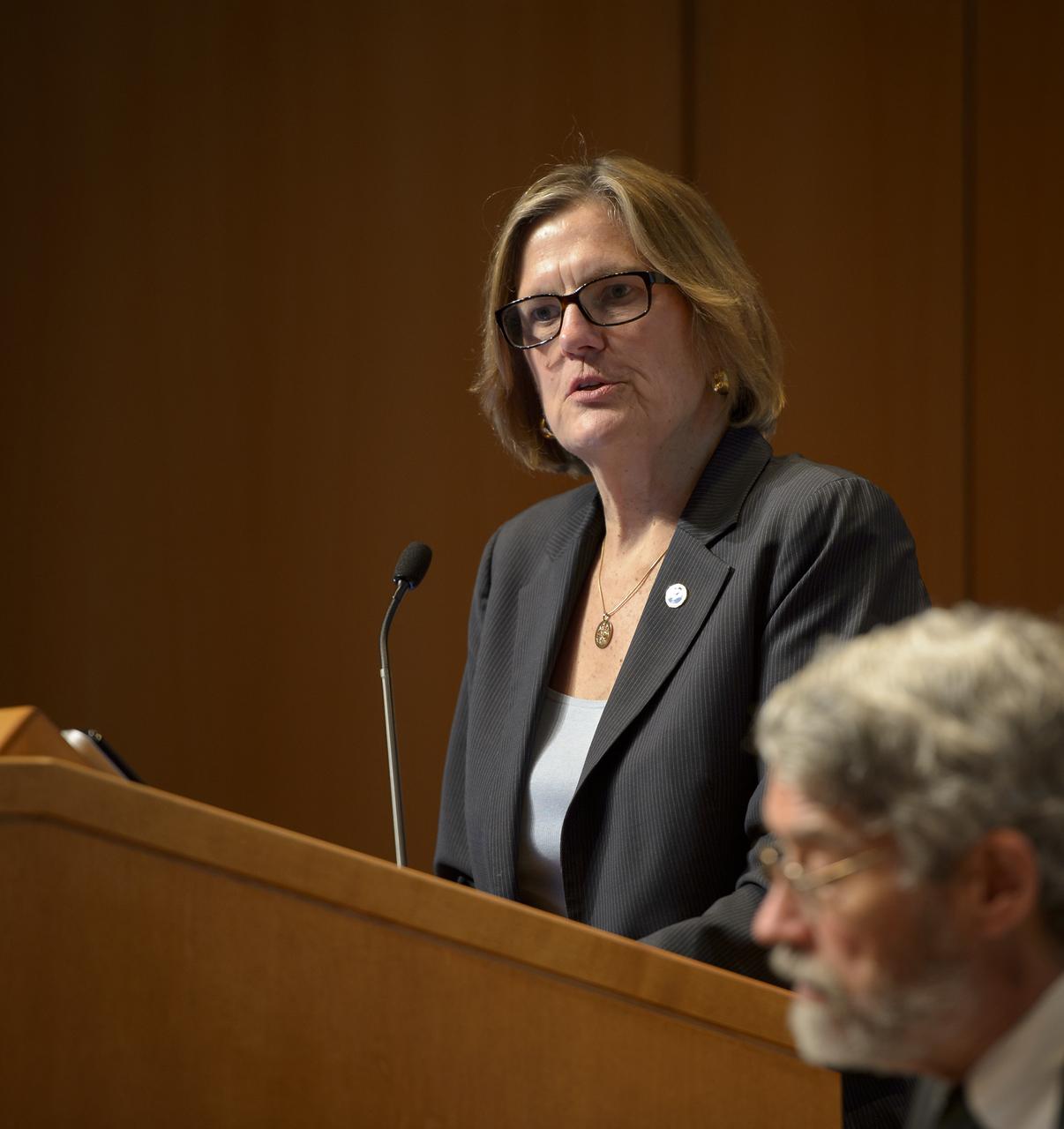
Dr. Kathryn D. Sullivan, Acting Under Secretary of Commerce for Oceans and Atmosphere and Acting NOAA Administrator, delivers remarks during a White House Office of Science and Technology Policy (OSTP) Fiscal Year 2014 budget briefing held with with Dr. John P. Holdren, Director of OSTP, Patricia Falcone of OSTP, Charlie Bolden from NASA, Francis Collins from NIH, and Cora Marrett from NSF, at the American Association for the Advancement of Science (AAAS) on Wednesday, April 10, 2013 in Washington. Photo Credit: (NASA/Bill Ingalls)