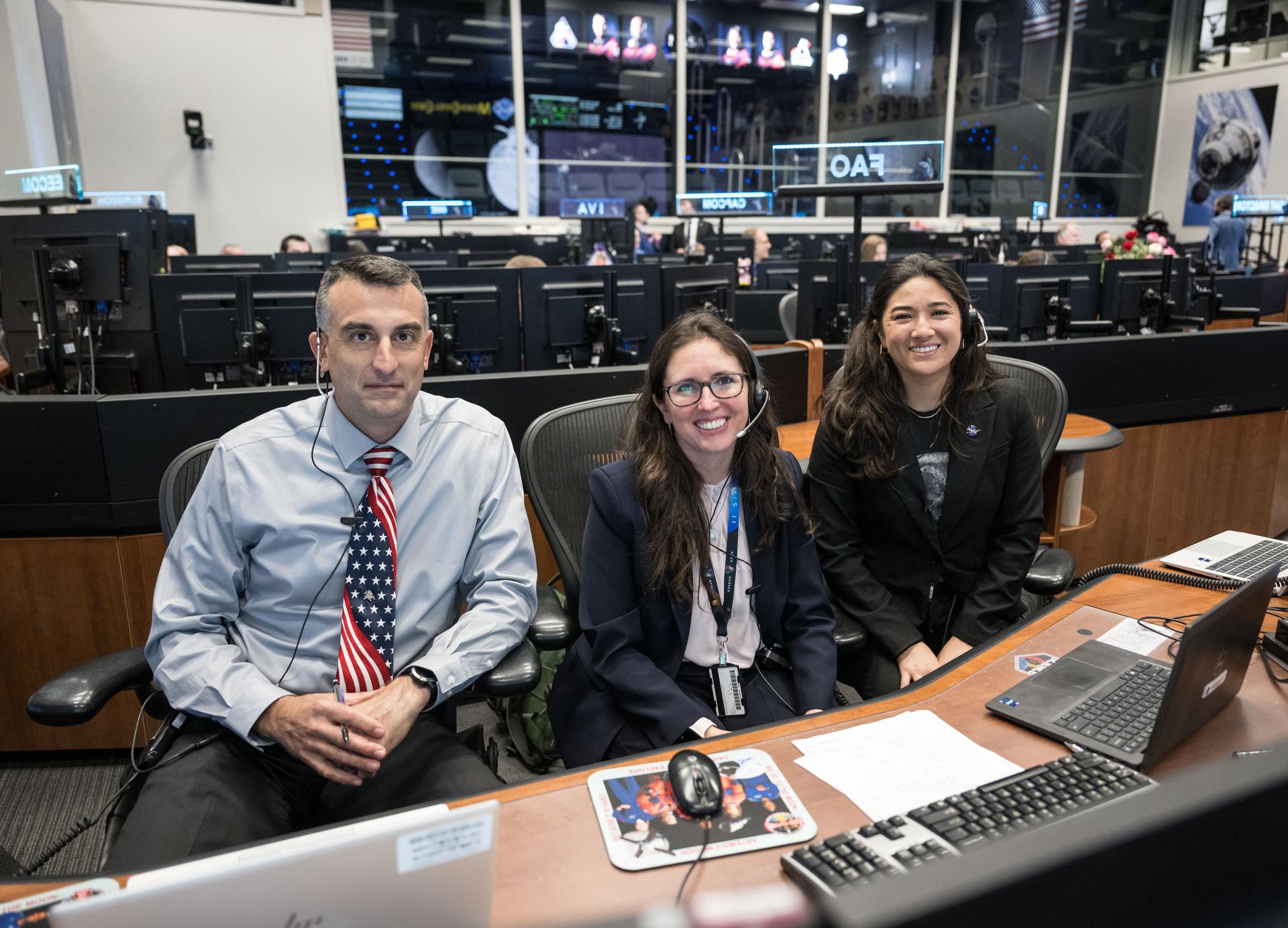
Artemis II science officers, from left, Trevor Graff, Kelsey Young, and Angela Garcia, are seen at the Science console in the White Flight Control Room in Mission Control at NASA's Johnson Space Center in Houston. Science officers are the senior flight controllers responsible for lunar science and geology objectives during Artemis missions. Credits: NASA/Robert Markowitz
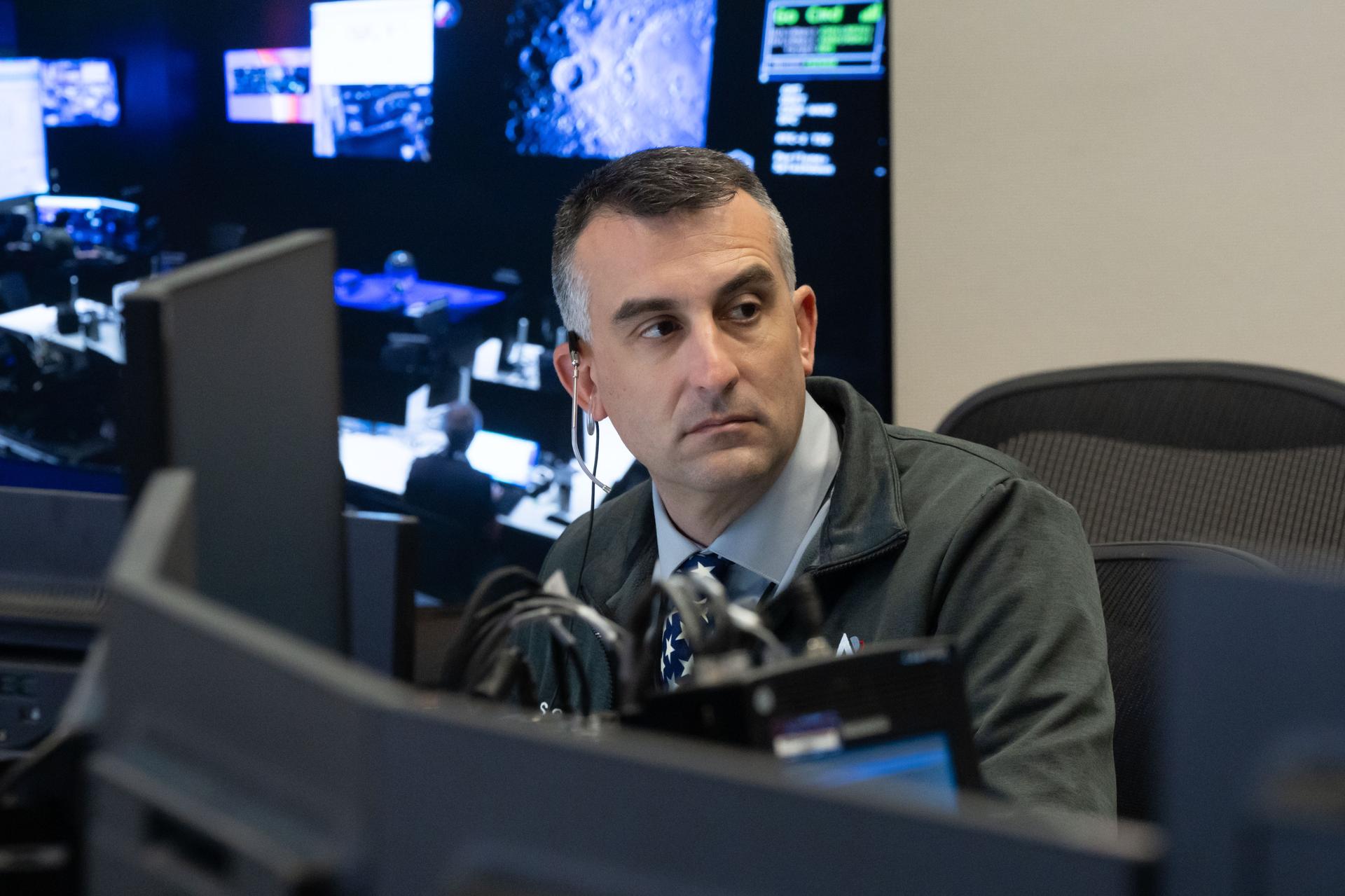
Artemis II science officer, Trevor Graff, is seen at the Science console in the White Flight Control Room in Mission Control at NASA's Johnson Space Center in Houston. Science officers are the senior flight controllers responsible for lunar science and geology objectives during Artemis missions. Credits: NASA/David DeHoyos
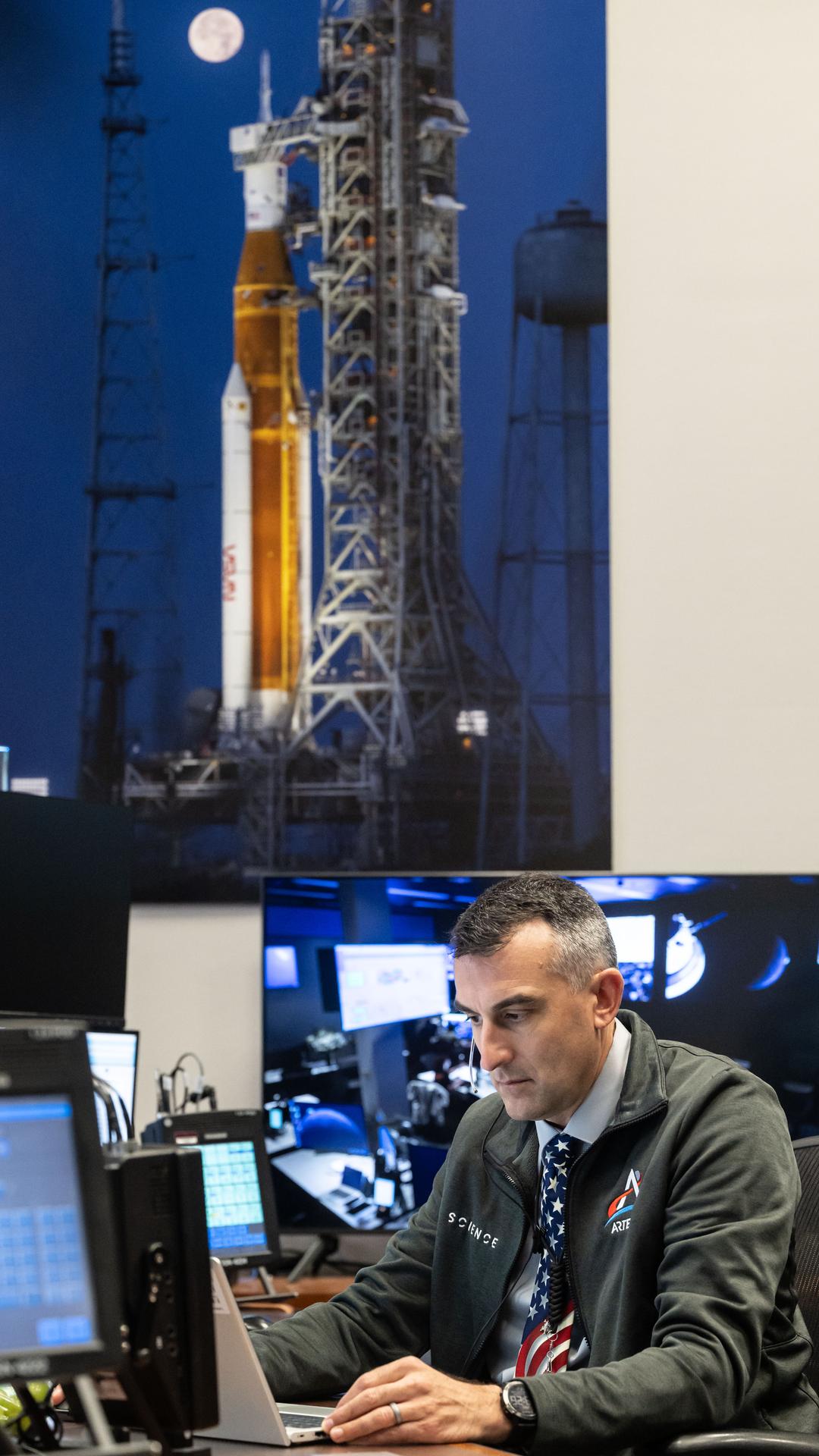
Artemis II science officer, Trevor Graff, is seen at the Science console in the White Flight Control Room in Mission Control at NASA's Johnson Space Center in Houston. Science officers are the senior flight controllers responsible for lunar science and geology objectives during Artemis missions. Credits: NASA/David DeHoyos
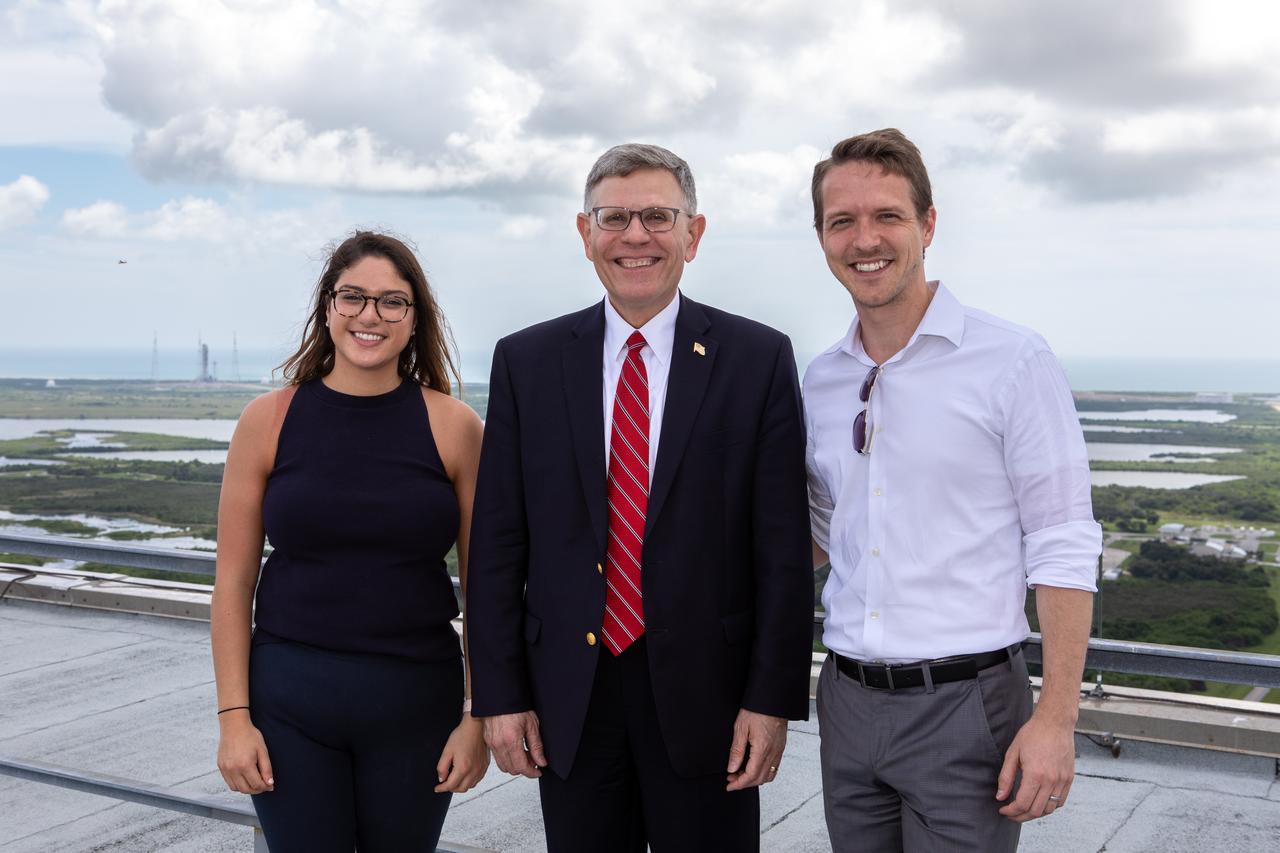
From left to right, Elena Hernandez, press secretary for the White House Office of Science and Technology Policy (OSTP), OSTP Director Kelvin Droegemeier, and OSTP AAAS Science and Technology Policy Fellow Jon Werner-Allen visit the roof of the Vehicle Assembly Building at NASA’s Kennedy Space Center in Florida on July 10, 2019. Droegemeier visited the iconic rocket-assembly facility in the heart of Kennedy’s Launch Complex 39 Area during a tour of the multi-user spaceport.
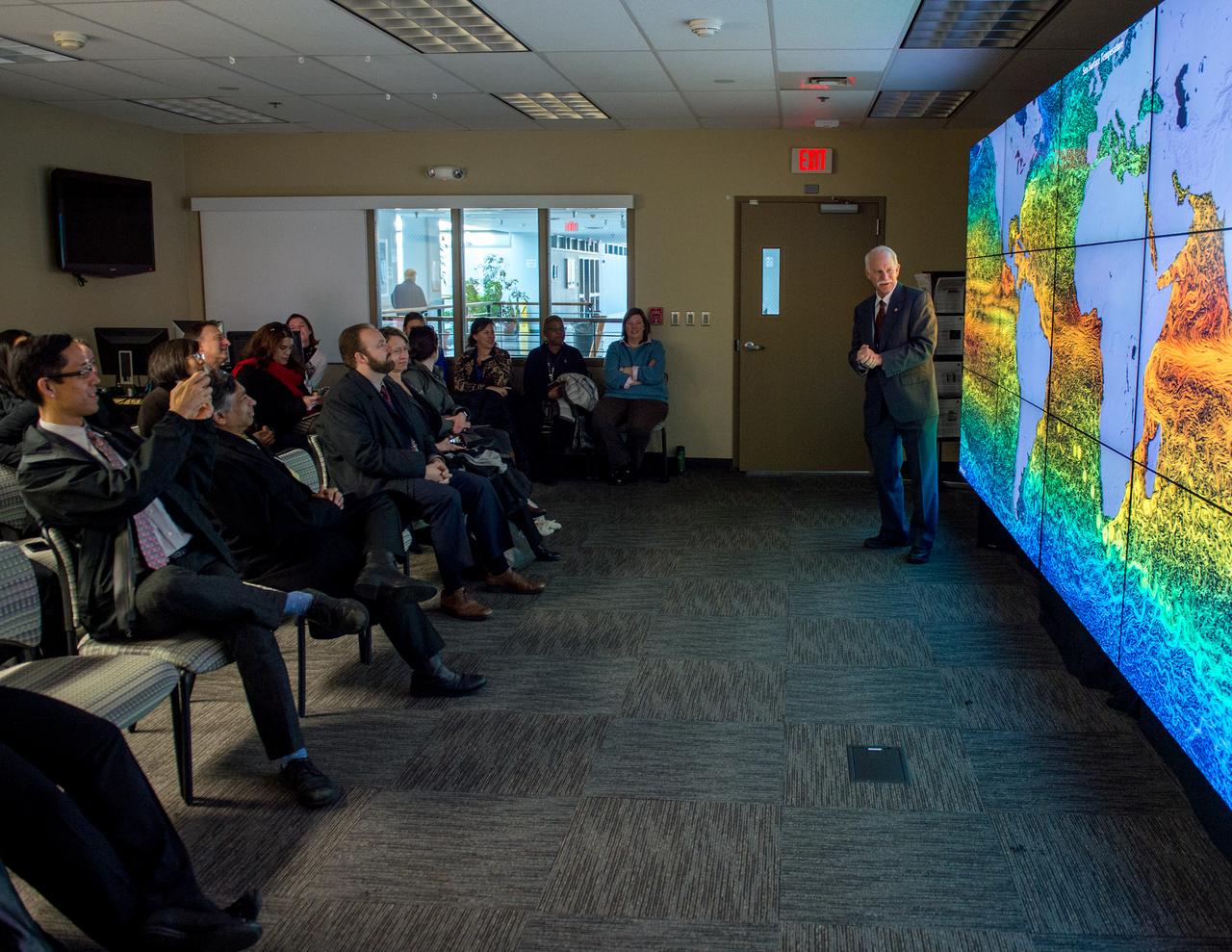
White House Office of Science & Technology Policy tours Goddard Space Flight Center. Dr. Jim Irons at the hyperwall.
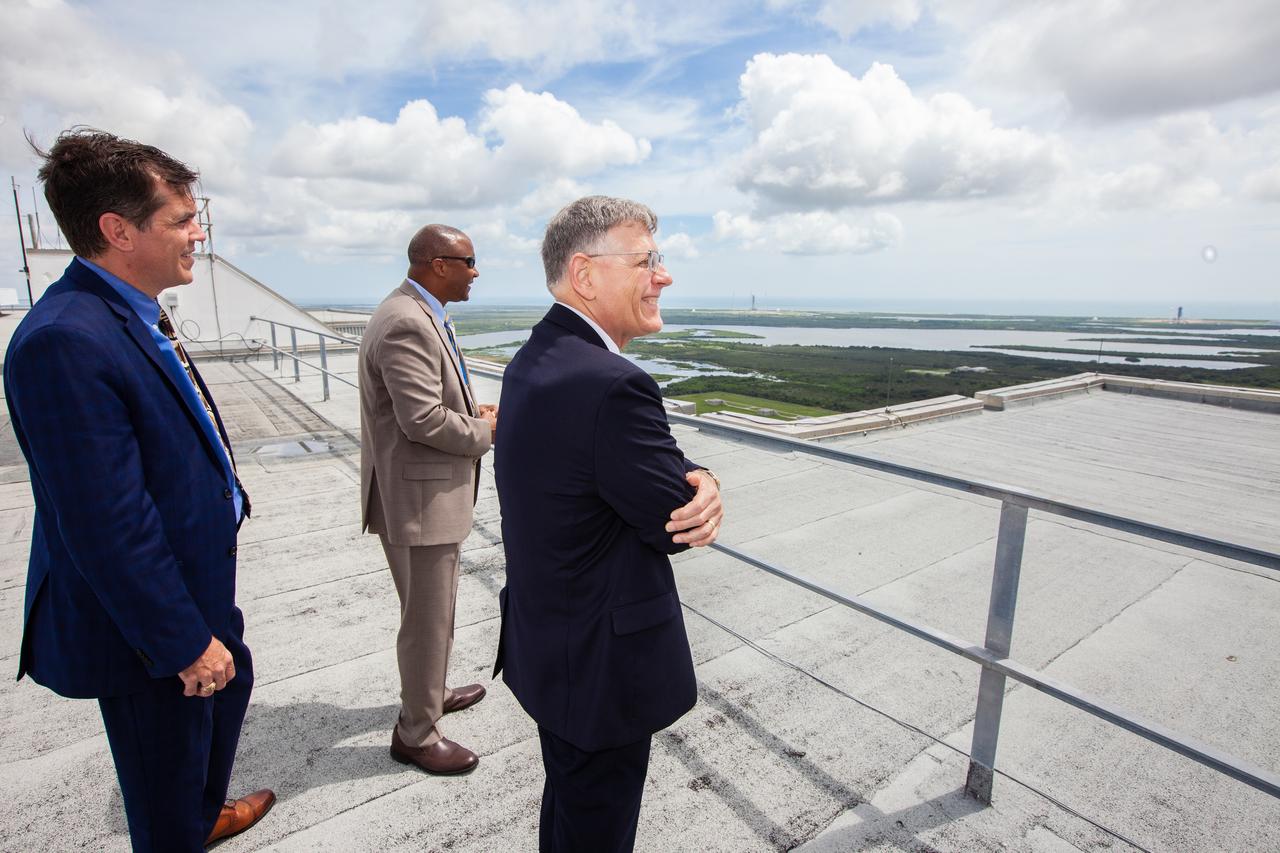
From left to right, NASA Associate Administrator for STEM Engagement Mike Kincade, left, Kelvin Manning, associate director, technical, of NASA’s Kennedy Space Center in Florida, and White House Office of Science and Technology Policy Director Kelvin Droegemeier, right, enjoy a panoramic view from the roof of the Vehicle Assembly Building on July 10, 2019. Droegemeier visited the iconic rocket-assembly facility in the heart of Kennedy’s Launch Complex 39 Area during a tour of the multi-user spaceport.
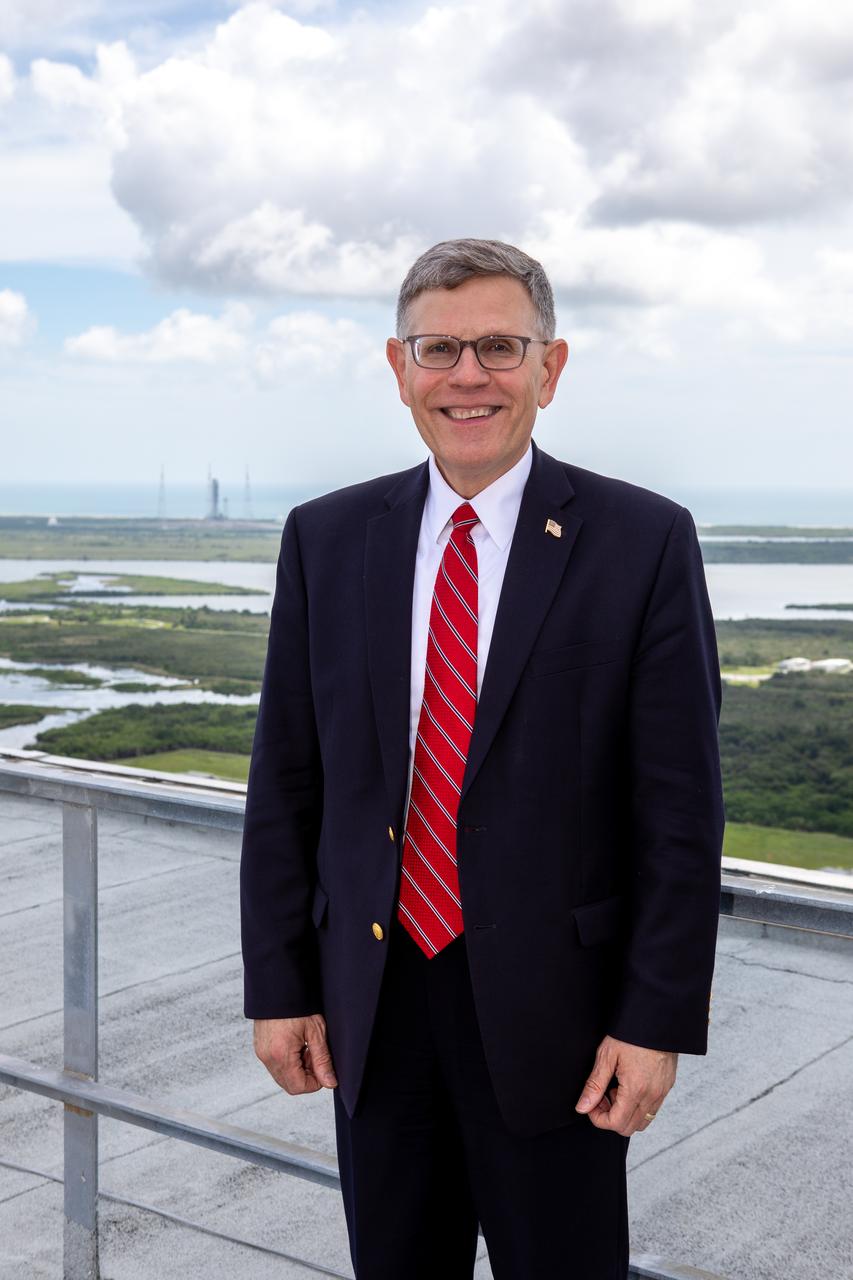
White House Office of Science and Technology Policy Director Kelvin Droegemeier visits the roof of the Vehicle Assembly Building at NASA’s Kennedy Space Center in Florida on July 10, 2019. In the background is Launch Complex 39B, where the mobile launcher is undergoing testing in preparation for launch of the agency’s Space Launch System rocket for the first Artemis mission. Droegemeier visited the iconic rocket-assembly facility in the heart of Kennedy’s Launch Complex 39 Area during a tour of the multi-user spaceport.
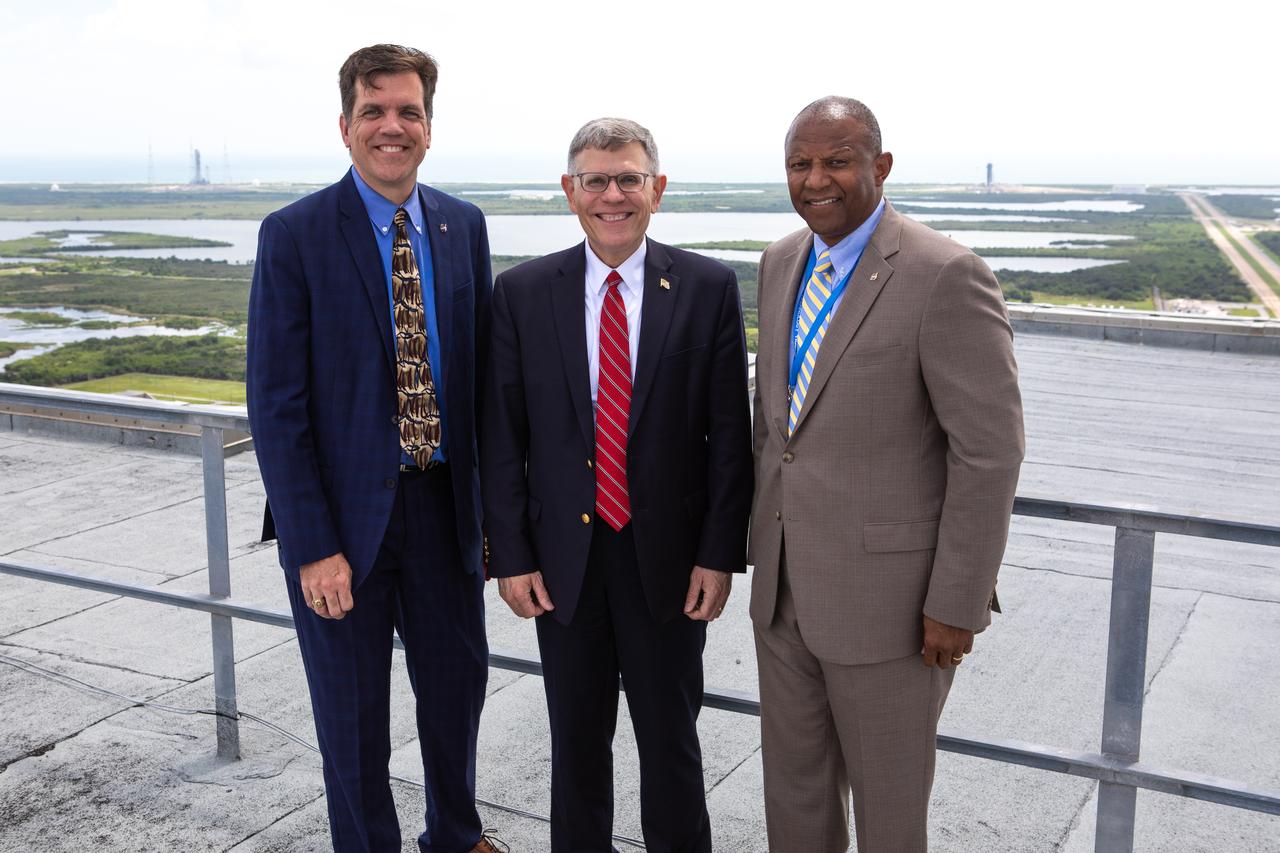
NASA Associate Administrator for STEM Engagement Mike Kincade, left, White House Office of Science and Technology Policy Director Kelvin Droegemeier, center, and Kelvin Manning, right, associate director, technical, of NASA’s Kennedy Space Center in Florida, pause for a photo on the roof of the Vehicle Assembly Building on July 10, 2019. Droegemeier visited the iconic rocket-assembly facility in the heart of Kennedy’s Launch Complex 39 Area during a tour of the multi-user spaceport.
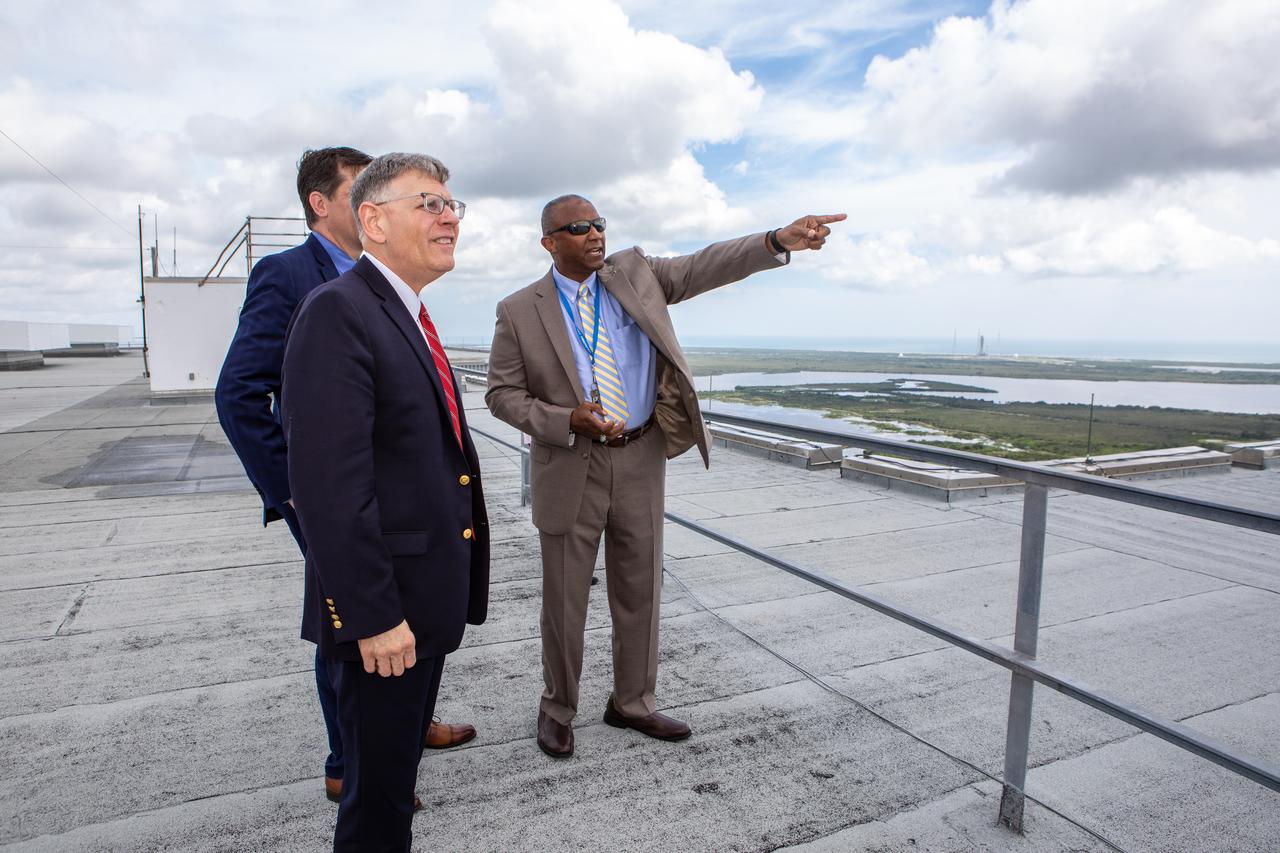
Kelvin Manning, right, associate director, technical, of NASA’s Kennedy Space Center in Florida, points out various landmarks to White House Office of Science and Technology Policy Director Kelvin Droegemeier, center, and NASA Associate Administrator for STEM Engagement Mike Kincade, left, from the roof of the Vehicle Assembly Building on July 10, 2019. Droegemeier visited the iconic rocket-assembly facility in the heart of Kennedy’s Launch Complex 39 Area during a tour of the multi-user spaceport.
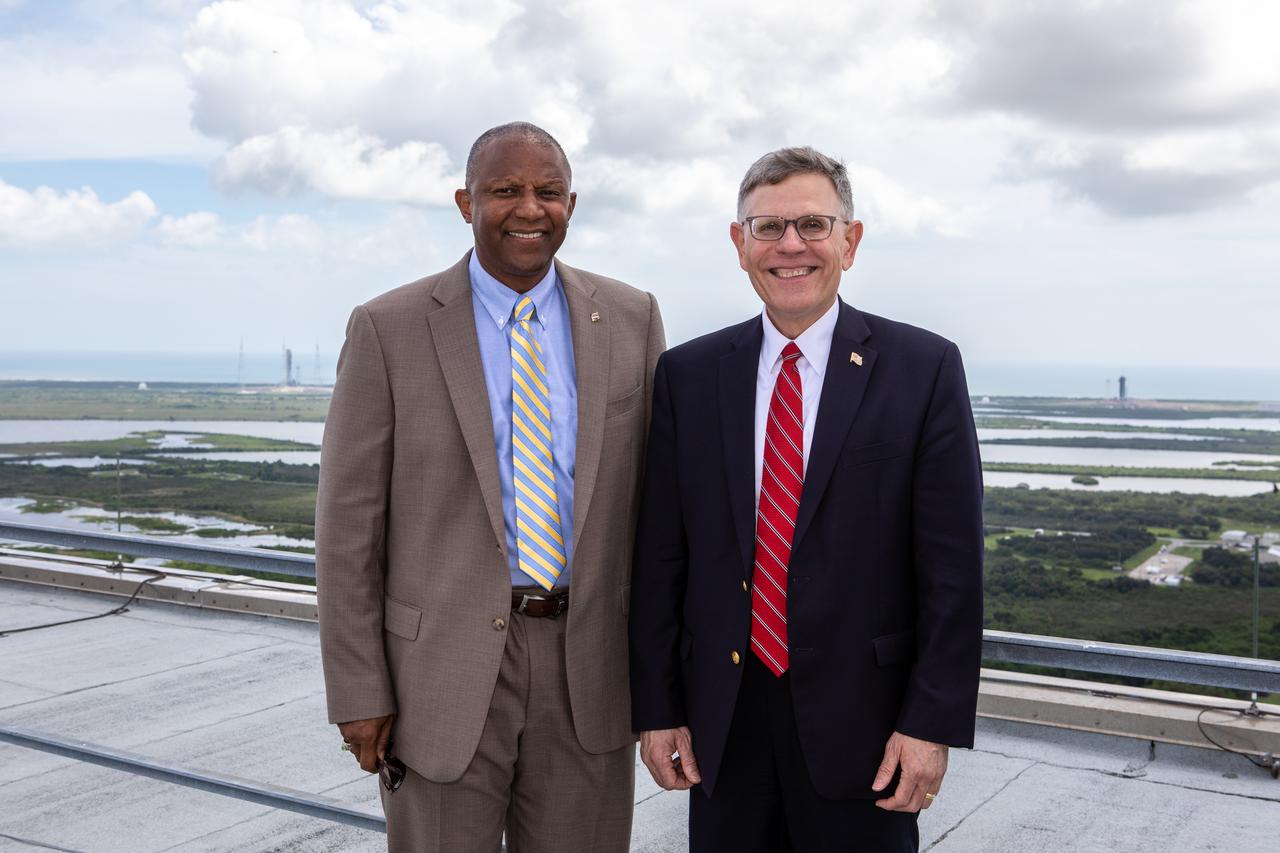
Kelvin Manning, left, associate director, technical, of NASA’s Kennedy Space Center in Florida, and White House Office of Science and Technology Policy Director Kelvin Droegemeier, right, visit the roof of the Vehicle Assembly Building on July 10, 2019. Droegemeier visited the iconic rocket-assembly facility in the heart of Kennedy’s Launch Complex 39 Area during a tour of the multi-user spaceport.
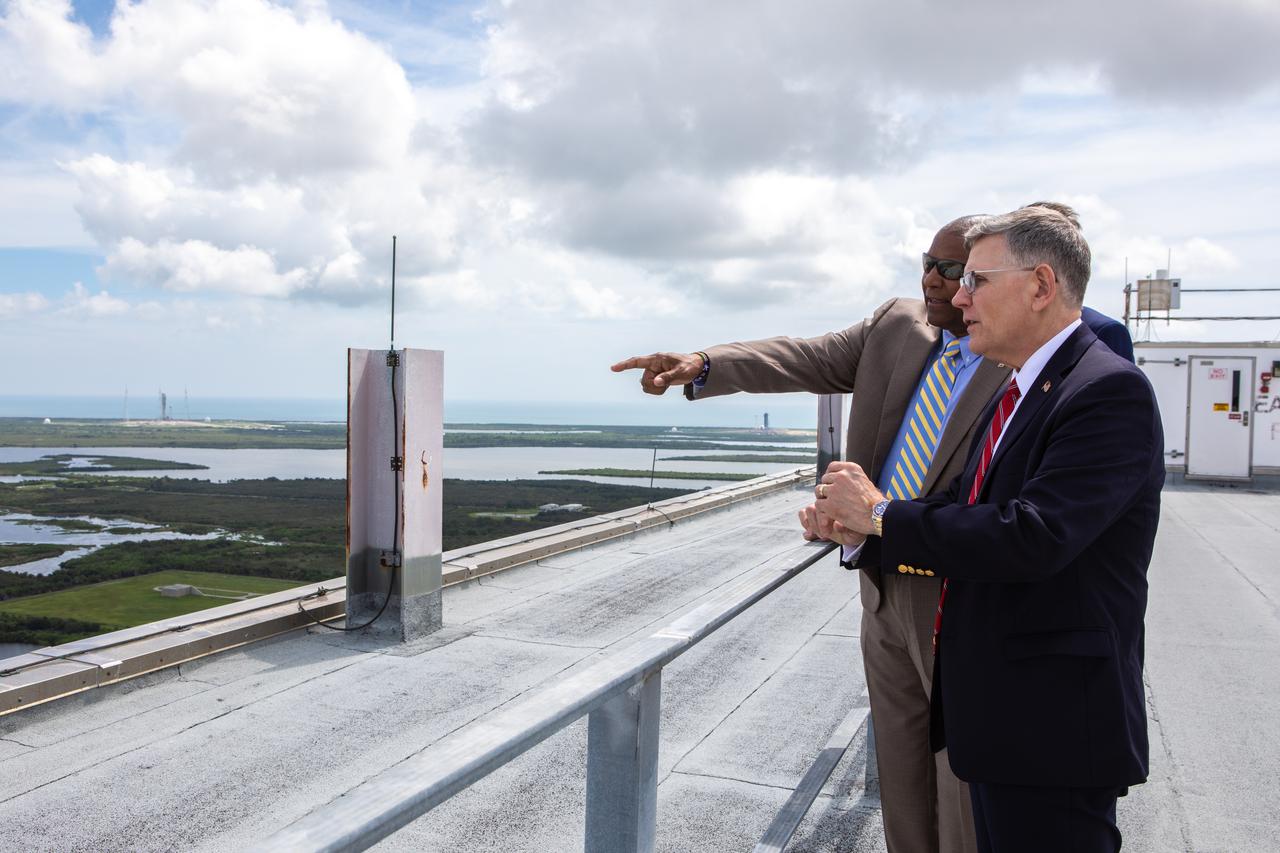
Kelvin Manning, left, associate director, technical, of NASA’s Kennedy Space Center in Florida, points out various landmarks to White House Office of Science and Technology Policy Director Kelvin Droegemeier, right, on the roof of the Vehicle Assembly Building on July 10, 2019. Droegemeier visited the iconic rocket-assembly facility in the heart of Kennedy’s Launch Complex 39 Area during a tour of the multi-user spaceport.
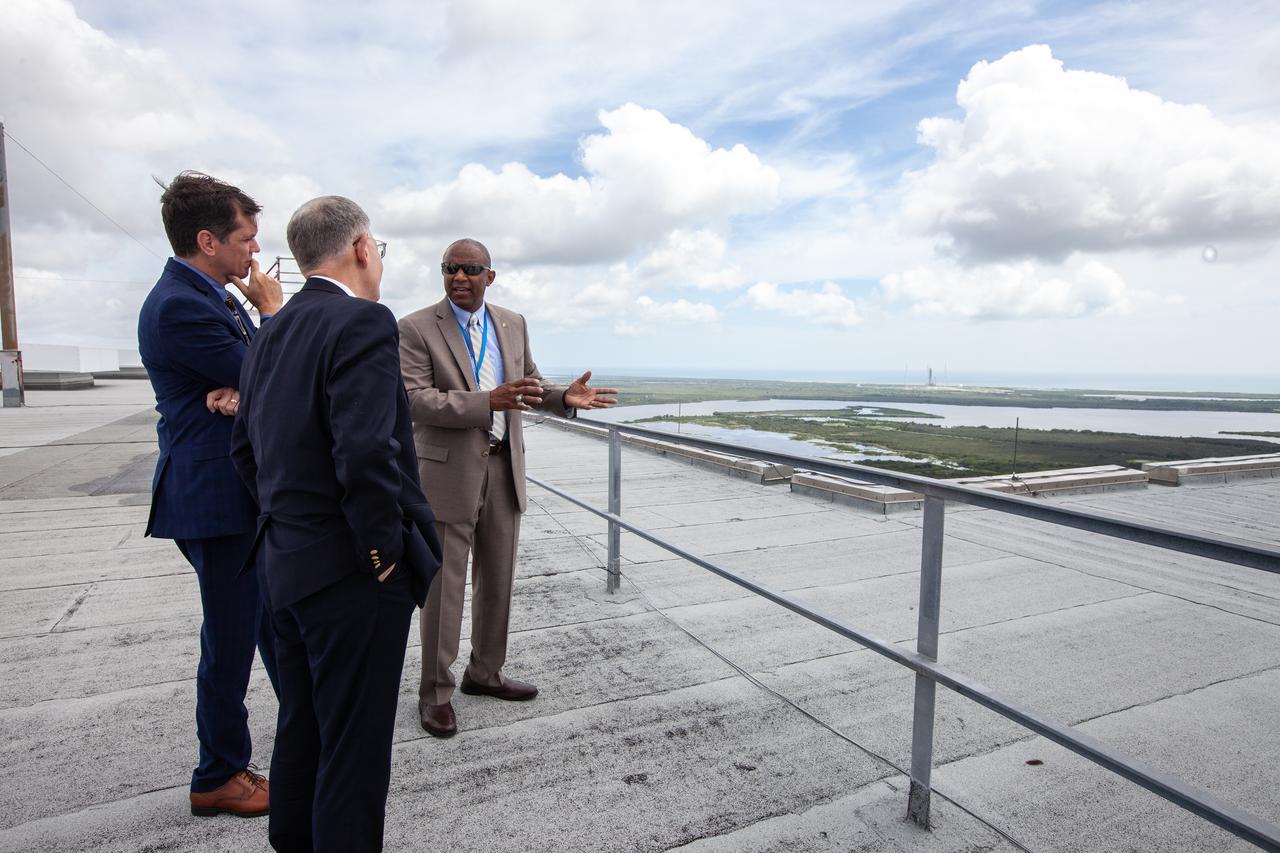
Kelvin Manning, right, associate director, technical, of NASA’s Kennedy Space Center in Florida, speaks to White House Office of Science and Technology Policy Director Kelvin Droegemeier, center, and NASA Associate Administrator for STEM Engagement Mike Kincade, left, on the roof of the Vehicle Assembly Building on July 10, 2019. Droegemeier visited the iconic rocket-assembly facility in the heart of Kennedy’s Launch Complex 39 Area during a tour of the multi-user spaceport.
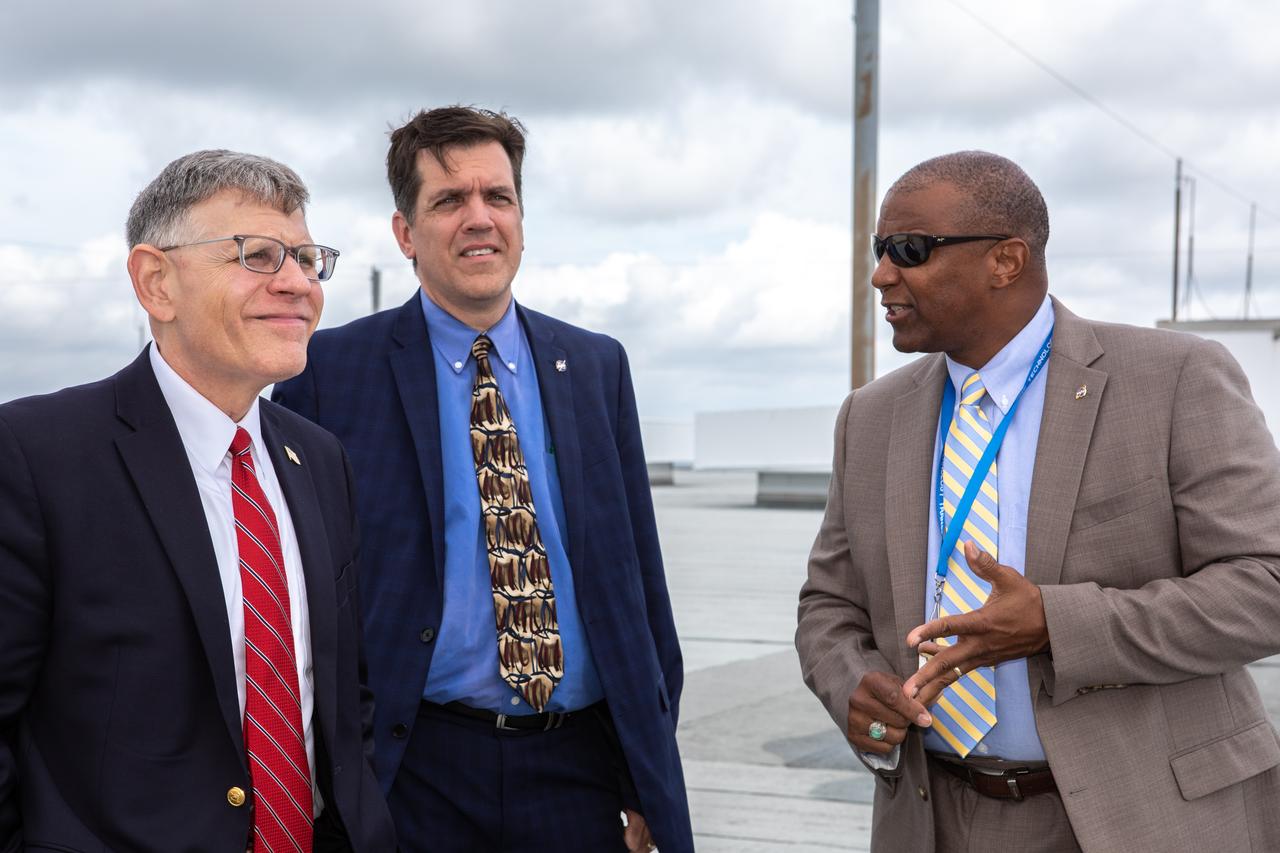
Kelvin Manning, right, associate director, technical, of NASA’s Kennedy Space Center in Florida, speaks to White House Office of Science and Technology Policy Director Kelvin Droegemeier, left, and NASA Associate Administrator for STEM Engagement Mike Kincade, center, on the roof of the Vehicle Assembly Building on July 10, 2019. Droegemeier visited the iconic rocket-assembly facility in the heart of Kennedy’s Launch Complex 39 Area during a tour of the multi-user spaceport.
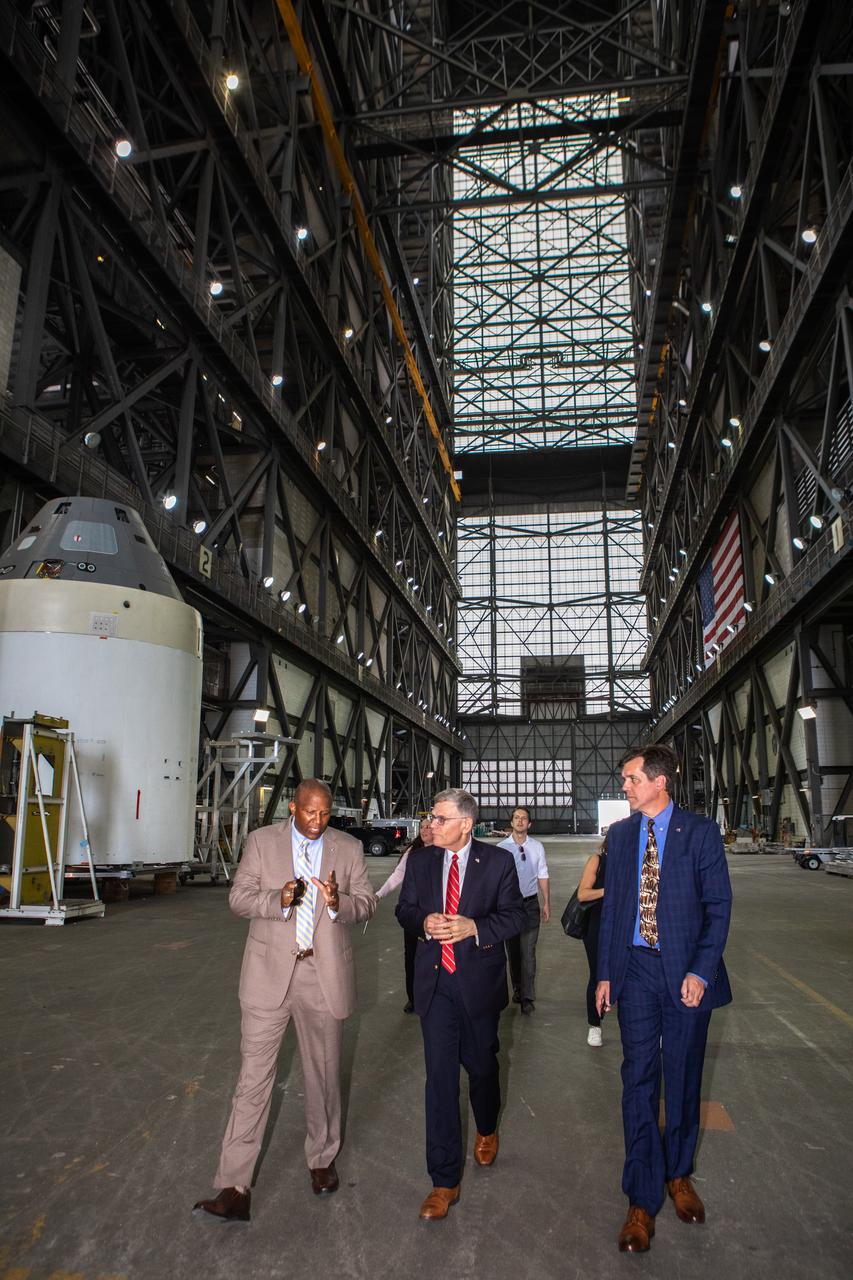
Kelvin Manning, left, associate director, technical, of NASA’s Kennedy Space Center in Florida, speaks to White House Office of Science and Technology Policy Director Kelvin Droegemeier, center, and NASA Associate Administrator for STEM Engagement Mike Kincade, right, inside the transfer aisle of the Vehicle Assembly Building on July 10, 2019, at NASA’s Kennedy Space Center in Florida. Droegemeier visited the iconic rocket-assembly facility in the heart of Kennedy’s Launch Complex 39 Area during a tour of the multi-user spaceport.
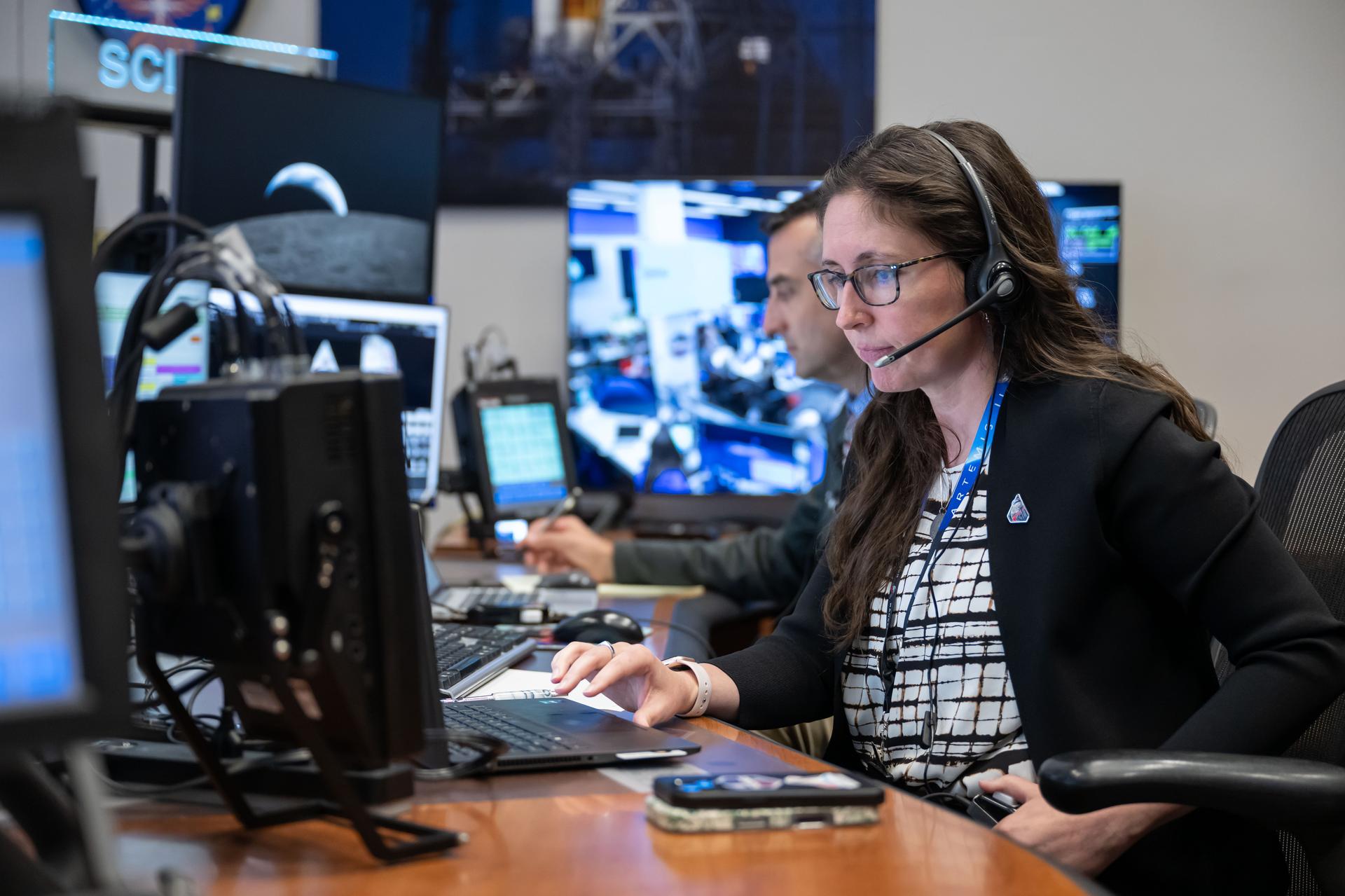
Artemis II science officers, Trevor Graff, background, and Kelsey Young are seen monitoring mission data in real-time from the Science console in the White Flight Control Room in Mission Control at NASA's Johnson Space Center in Houston. Science officers are the senior flight controllers responsible for lunar science and geology objectives during Artemis missions. Credits: NASA/Robert Markowitz
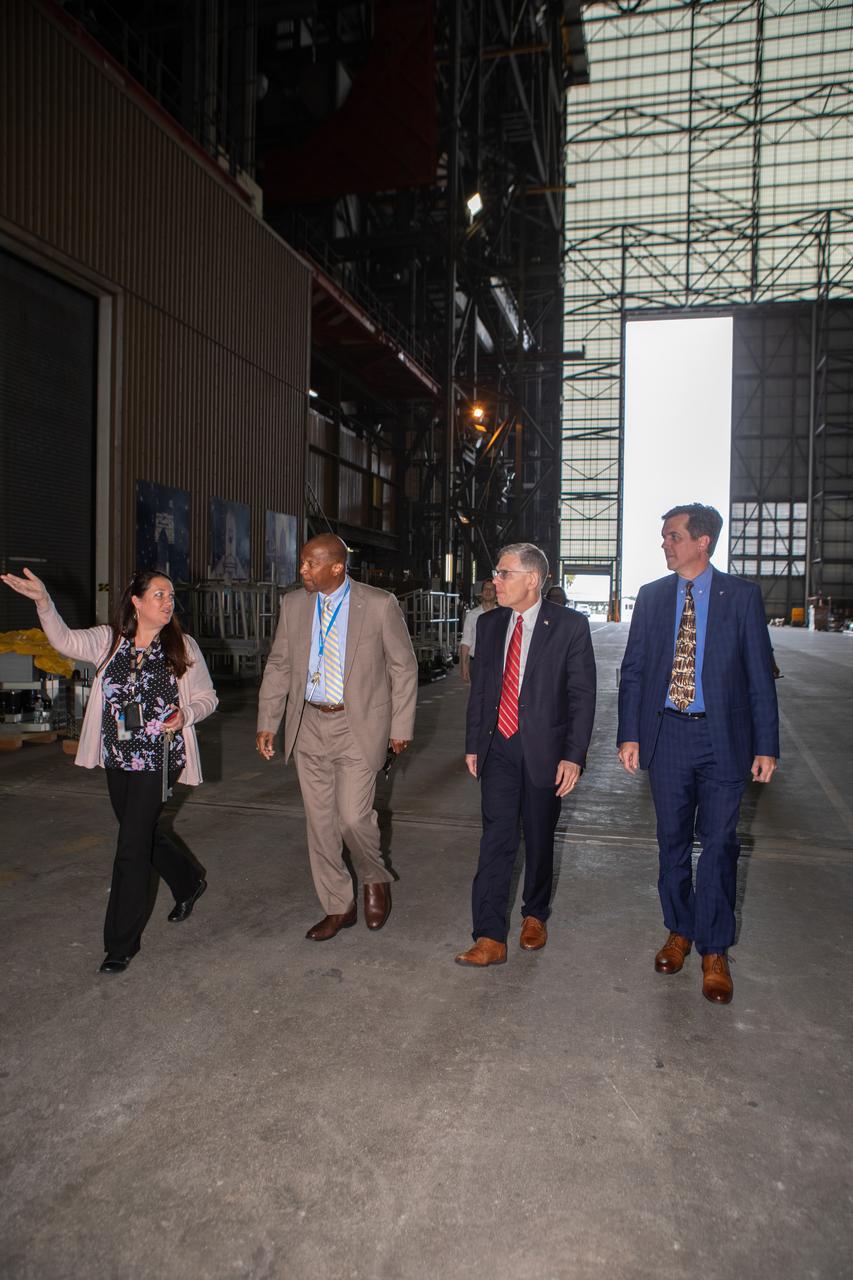
Elizabeth Kline, left, Vehicle Assembly Building (VAB) element operations manager for NASA’s Exploration Ground Systems, speaks to Kelvin Manning, associate director, technical, of NASA’s Kennedy Space Center in Florida, White House Office of Science and Technology Policy Director Kelvin Droegemeier, and NASA Associate Administrator for STEM Engagement Mike Kincade inside the transfer aisle of the Vehicle Assembly Building on July 10, 2019. Droegemeier visited the iconic rocket-assembly facility in the heart of Kennedy’s Launch Complex 39 Area during a tour of the multi-user spaceport.
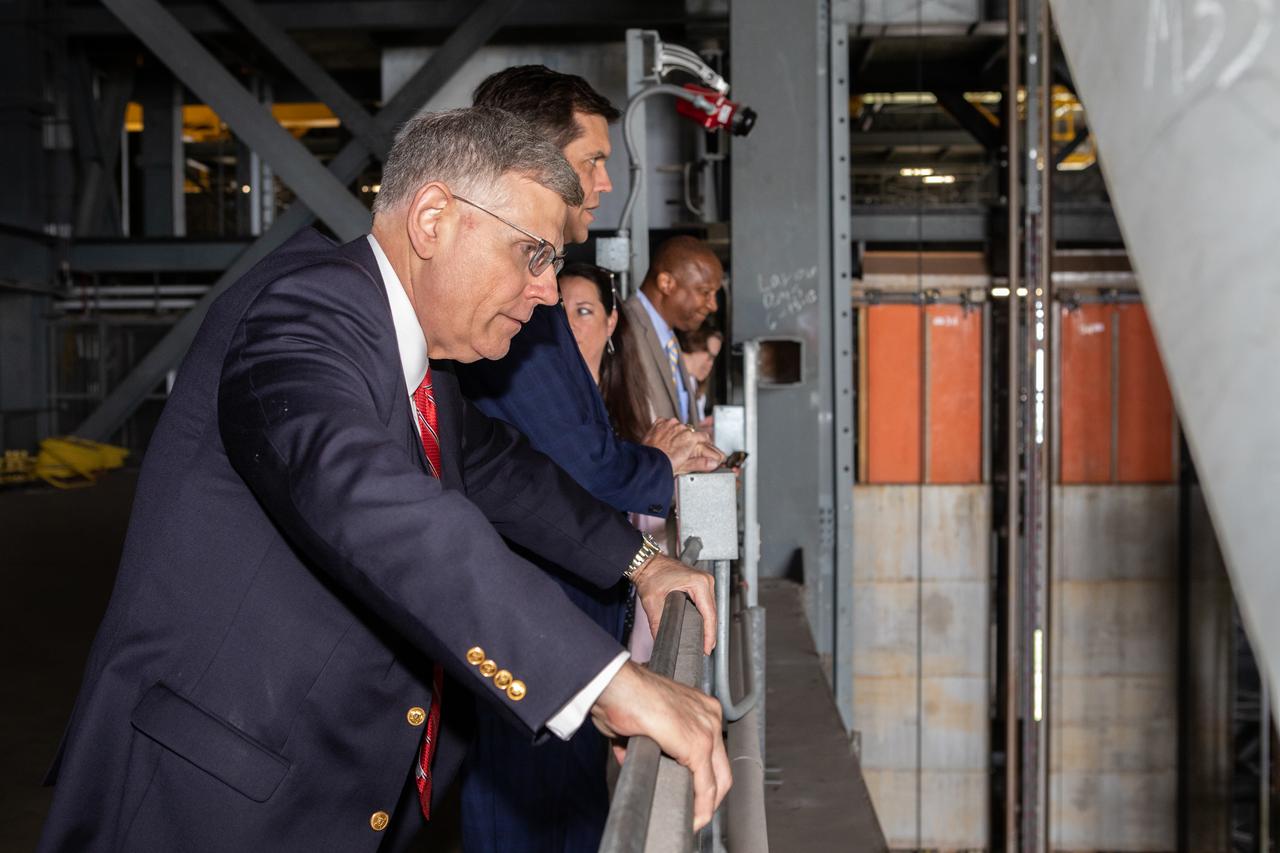
From left to right, White House Office of Science and Technology Policy Director Kelvin Droegemeier, NASA Associate Administrator for STEM Engagement Mike Kincade, Elizabeth Kline, Vehicle Assembly Building (VAB) element operations manager for NASA’s Exploration Ground Systems, and Kelvin Manning, associate director, technical, of NASA’s Kennedy Space Center in Florida, visit the Vehicle Assembly Building on July 10, 2019. Droegemeier visited the iconic rocket-assembly facility in the heart of Kennedy’s Launch Complex 39 Area during a tour of the multi-user spaceport.
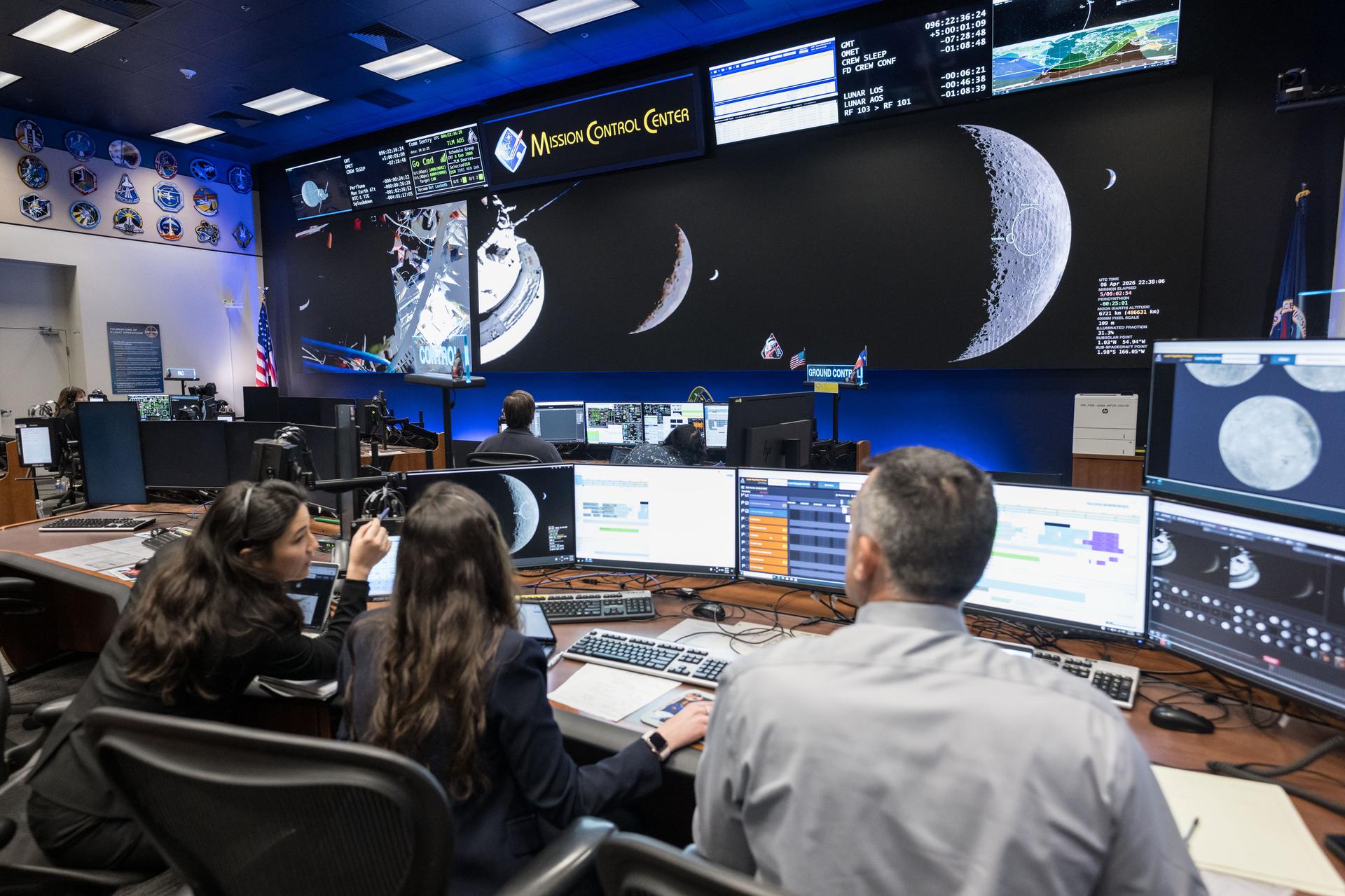
jsc2026e020490 (April 6, 2026) - Pictured from left to right, Angela Garcia, Dr. Kelsey Young, and Dr. Trevor Graff, the first science officers of the Artemis program in the White Flight Control Room in the Christopher C. Kraft Jr. Mission Control Center at NASA’s Johnson Space Center. Seen here about ten minutes before Earthset during Artemis II, these science officers are seen monitoring mission data in real-time from the Science console. They support flight controllers by analyzing scientific measurements and system performance. Their work helps ensure mission objectives are achieved safely and efficiently. Credit: NASA
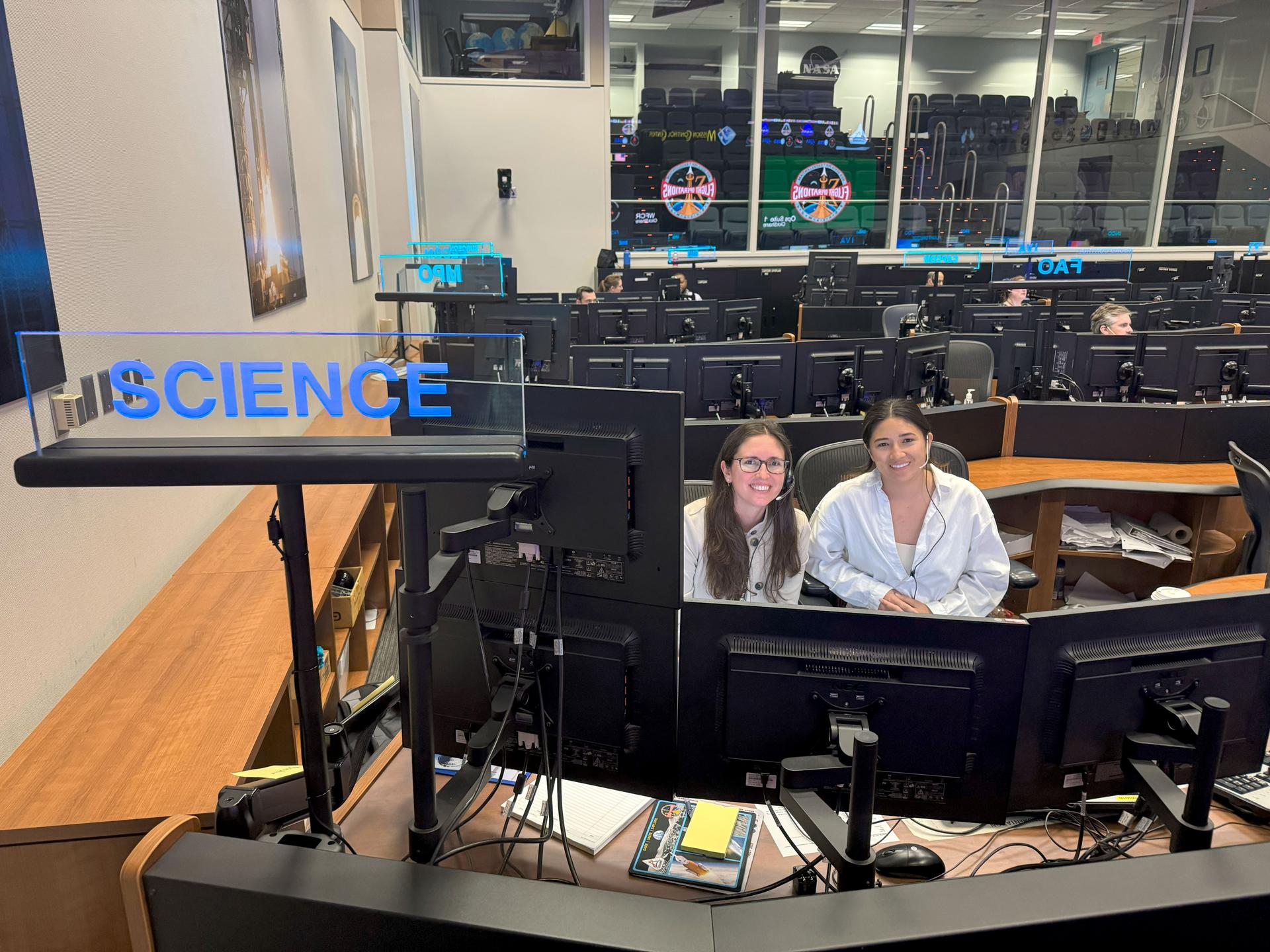
jsc2025e067512 --- Artemis II science officers Kelsey Young, left, and Angela Garcia sit at the SCIENCE console during a training simulation in the White Flight Control Room of the Mission Control Center at NASA's Johnson Space Center in Houston. Artemis II will test mission science operations and integration into flight control. Lessons learned during Artemis II science operations will pave the way for lunar science operations for future Artemis missions. A team of experts will staff the Science Evaluation Room (SER) at Johnson, providing lunar scientific expertise, data analysis, and strategic guidance in real-time to the science officer and the rest of Mission Control.
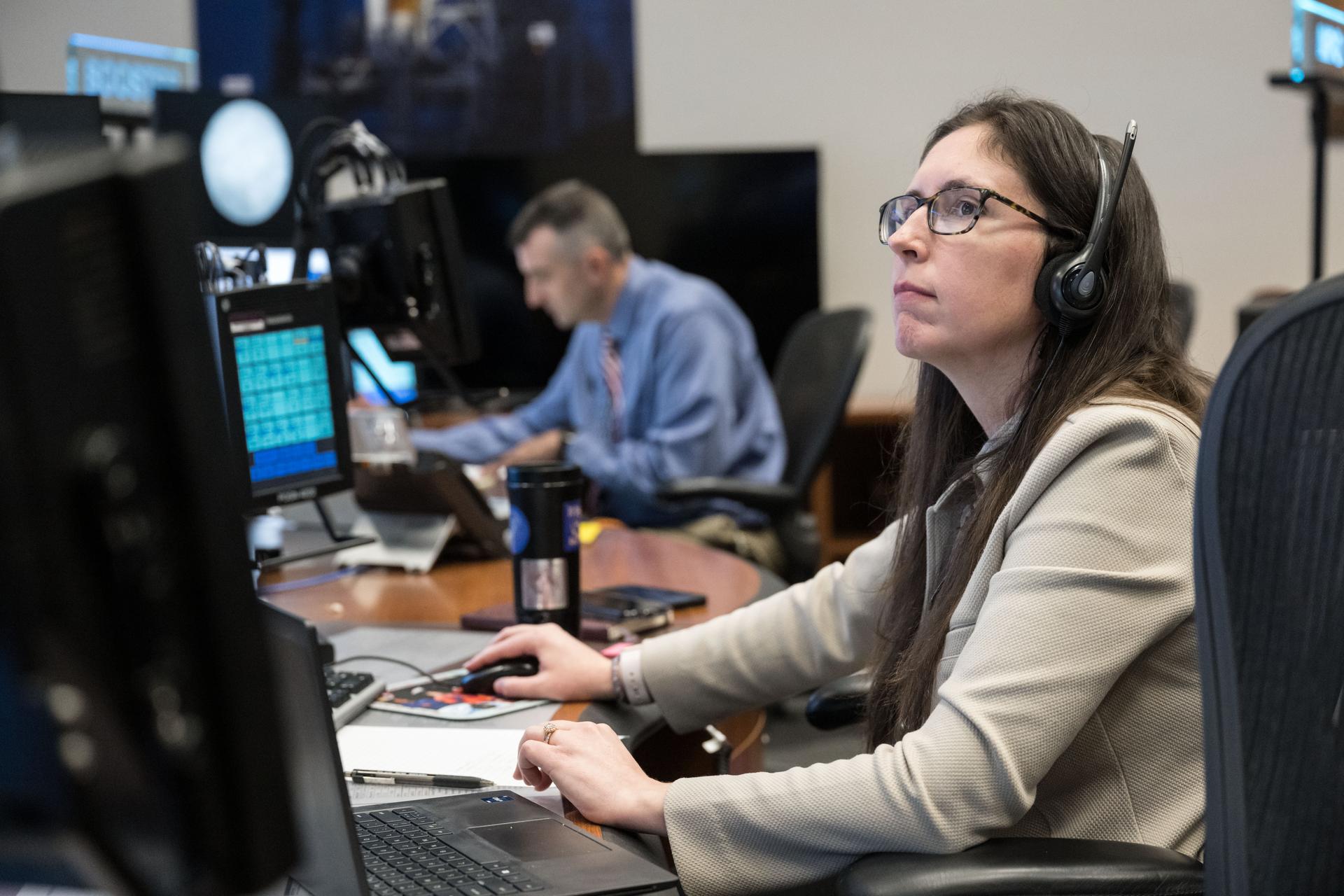
jsc2026e000831--- Artemis II Science Officers, Kelsey Young, foreground, and Trevor Graff, work at the SCIENCE console during a training simulation in the Mission Control Center at NASA’s Johnson Space Center in Houston. The science officer will sit on console with other flight controllers in the flight control room of mission control during Artemis II. Credit: NASA/James Blair
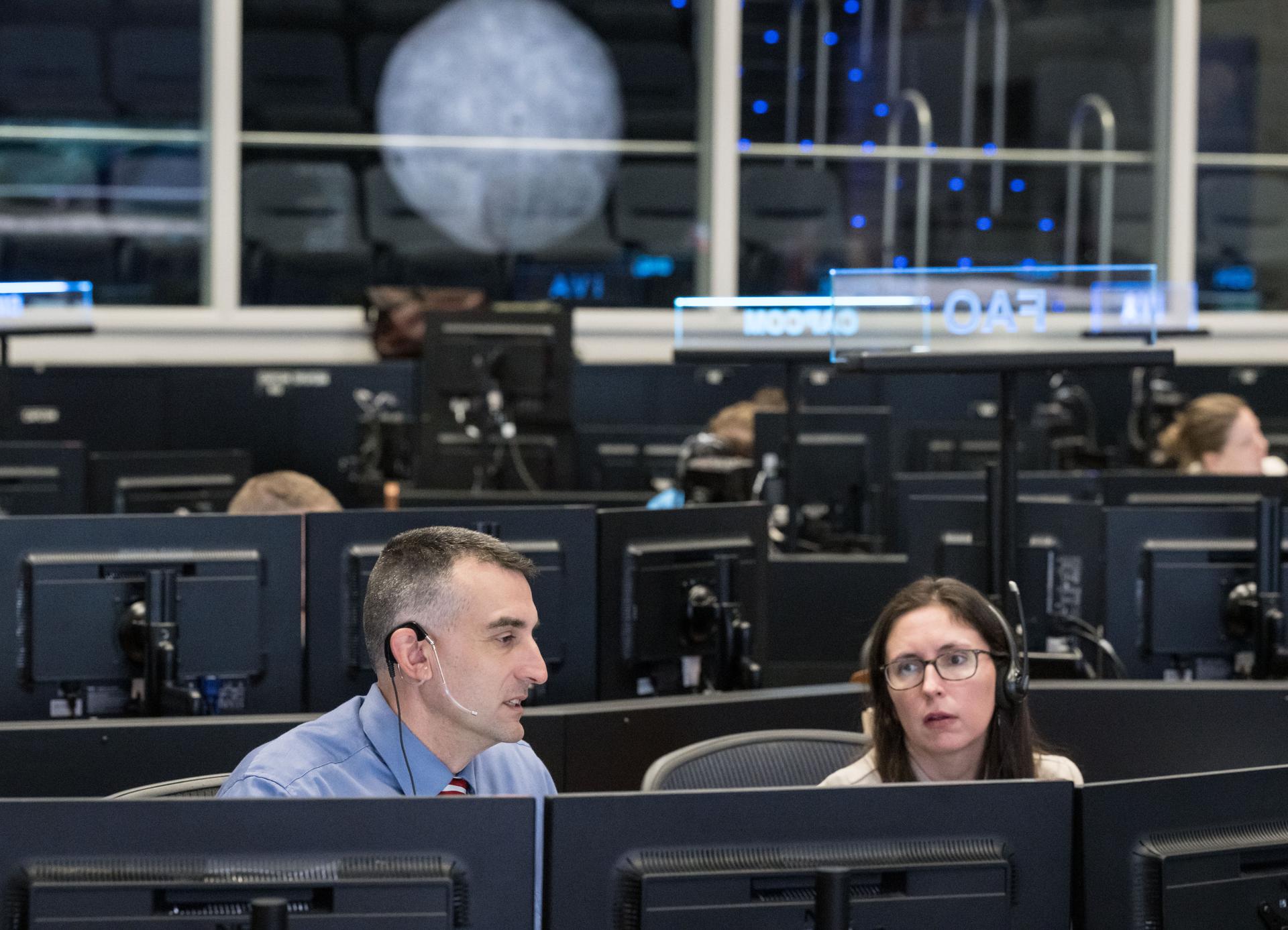
jsc2026e000841 --- Artemis II Science Officers, Trevor Graff, left, and Kelsey Young, work at the SCIENCE console during a training simulation in the Mission Control Center at NASA’s Johnson Space Center in Houston. The science officer will sit on console with other flight controllers in the flight control room of mission control during Artemis II. Credit: NASA/James Blair
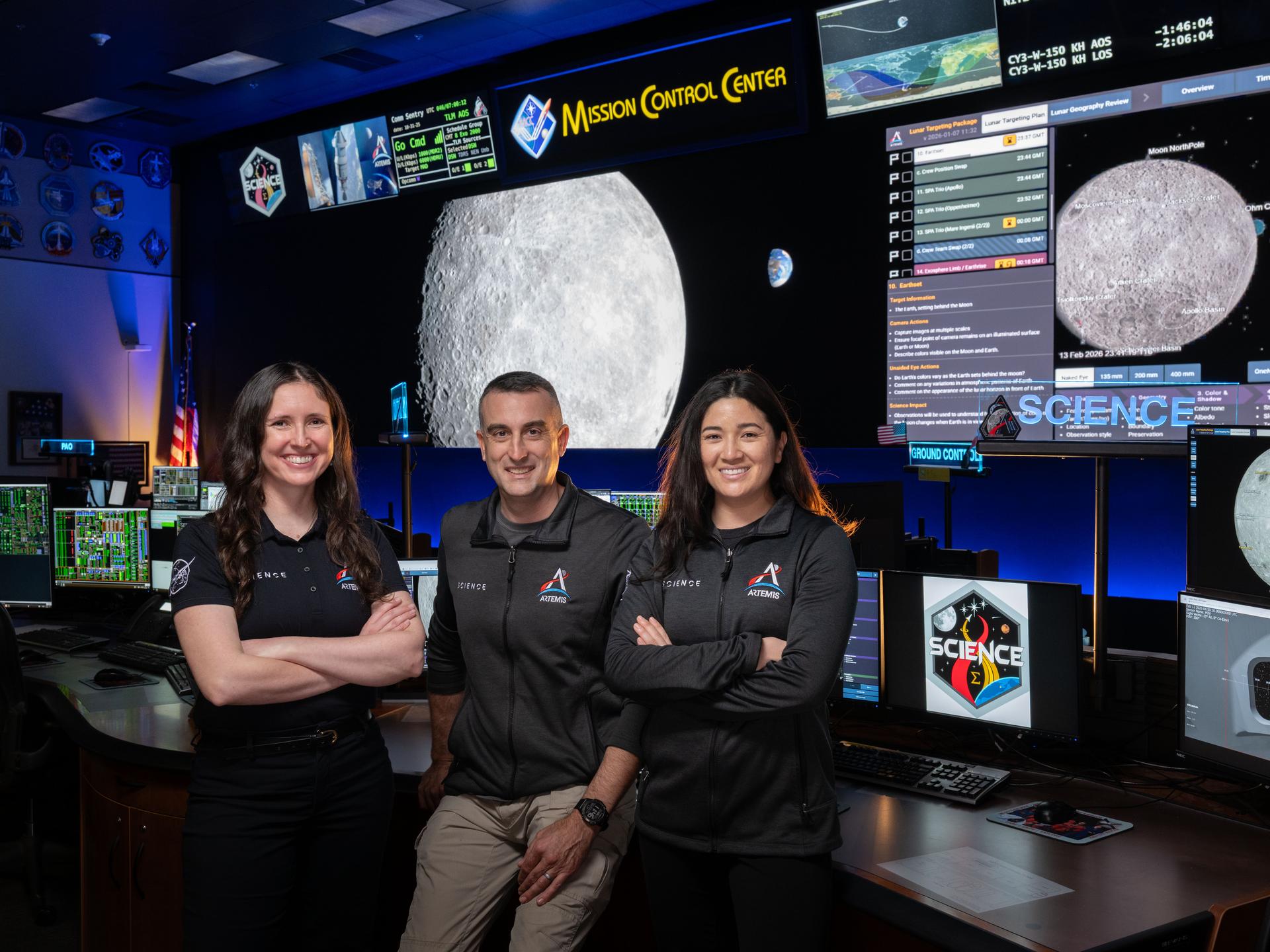
Artemis science officers, from left, Kelsey Young, Trevor Graff, and Angela Garcia stand at the new SCIENCE console in the Mission Control Center at NASA’s Johnson Space Center in Houston. Credits: NASA/Josh Valcarcel
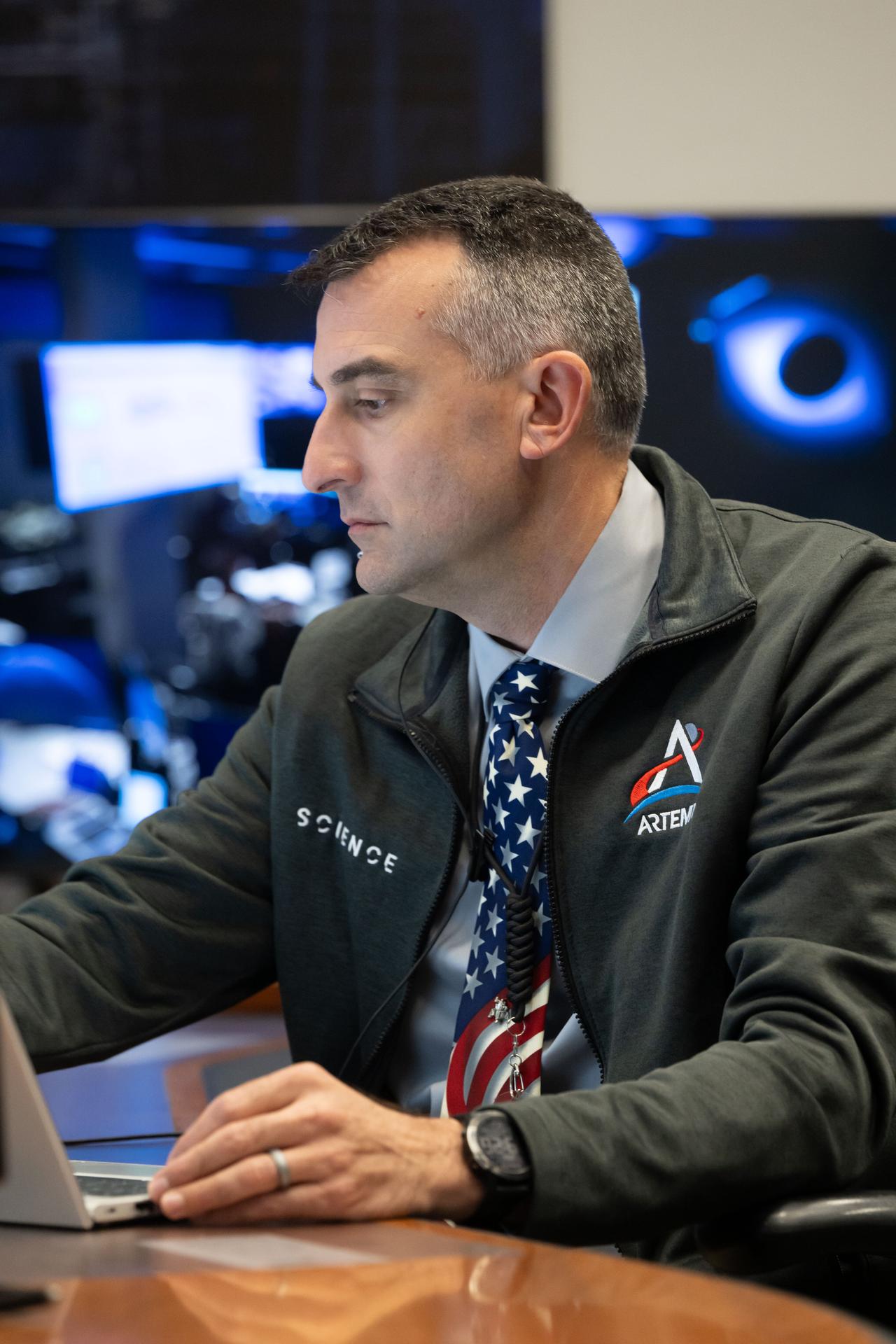
Artemis II science officer, Trevor Graff, is seen at the Science console in the White Flight Control Room in Mission Control at NASA's Johnson Space Center in Houston. Science officers are the senior flight controllers responsible for lunar science and geology objectives during Artemis missions. Credits: NASA/David DeHoyos
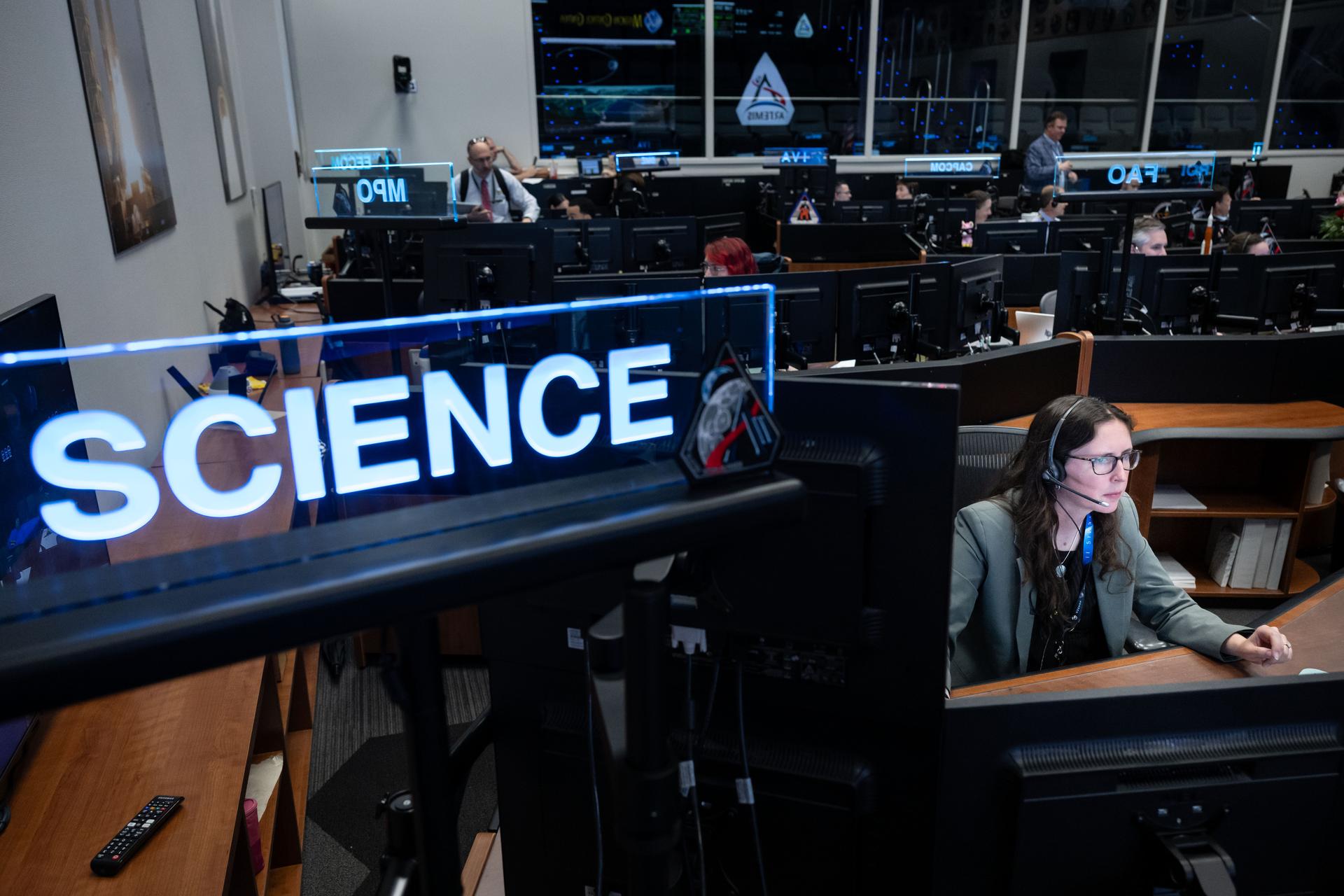
Artemis II science officer Kelsey Young monitors science operations at the new SCIENCE console in NASA's Mission Control Center. Credits: NASA/Bill Stafford
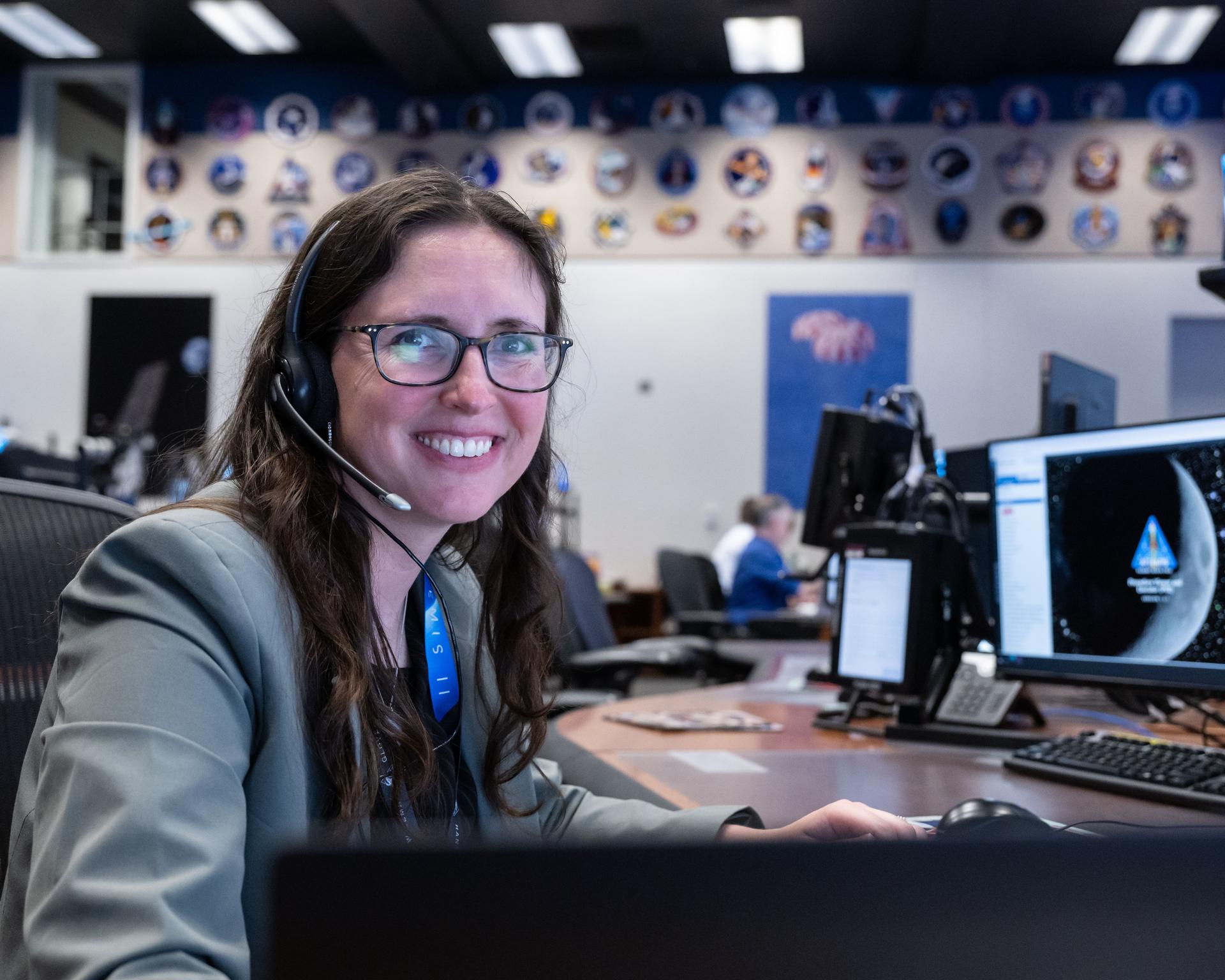
Artemis II science officer Kelsey Young monitors science operations at the new SCIENCE console in NASA's Mission Control Center. Credits: NASA/Bill Stafford
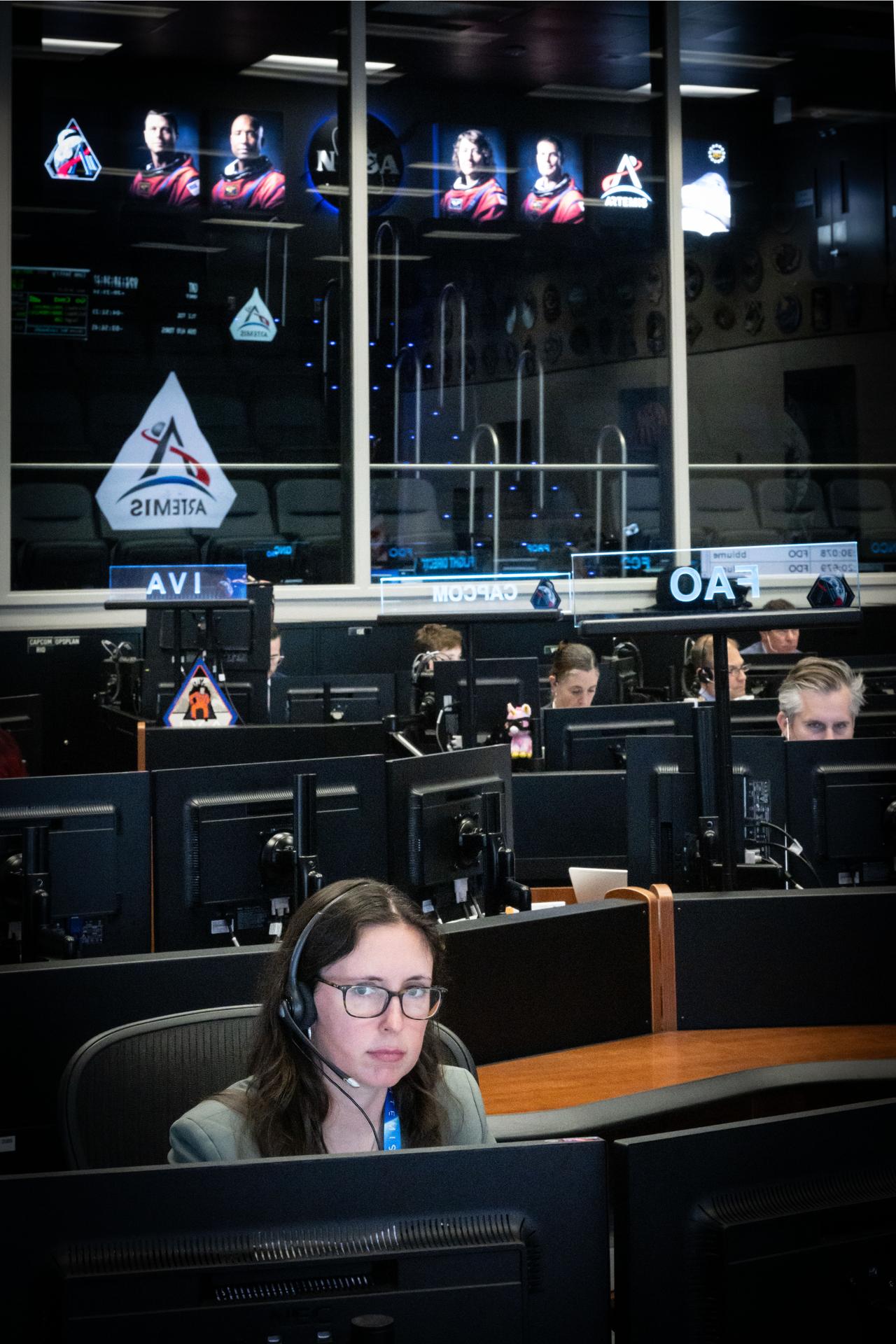
Artemis II science officer Kelsey Young monitors science operations at the new SCIENCE console in NASA's Mission Control Center. Credits: NASA/Bill Stafford
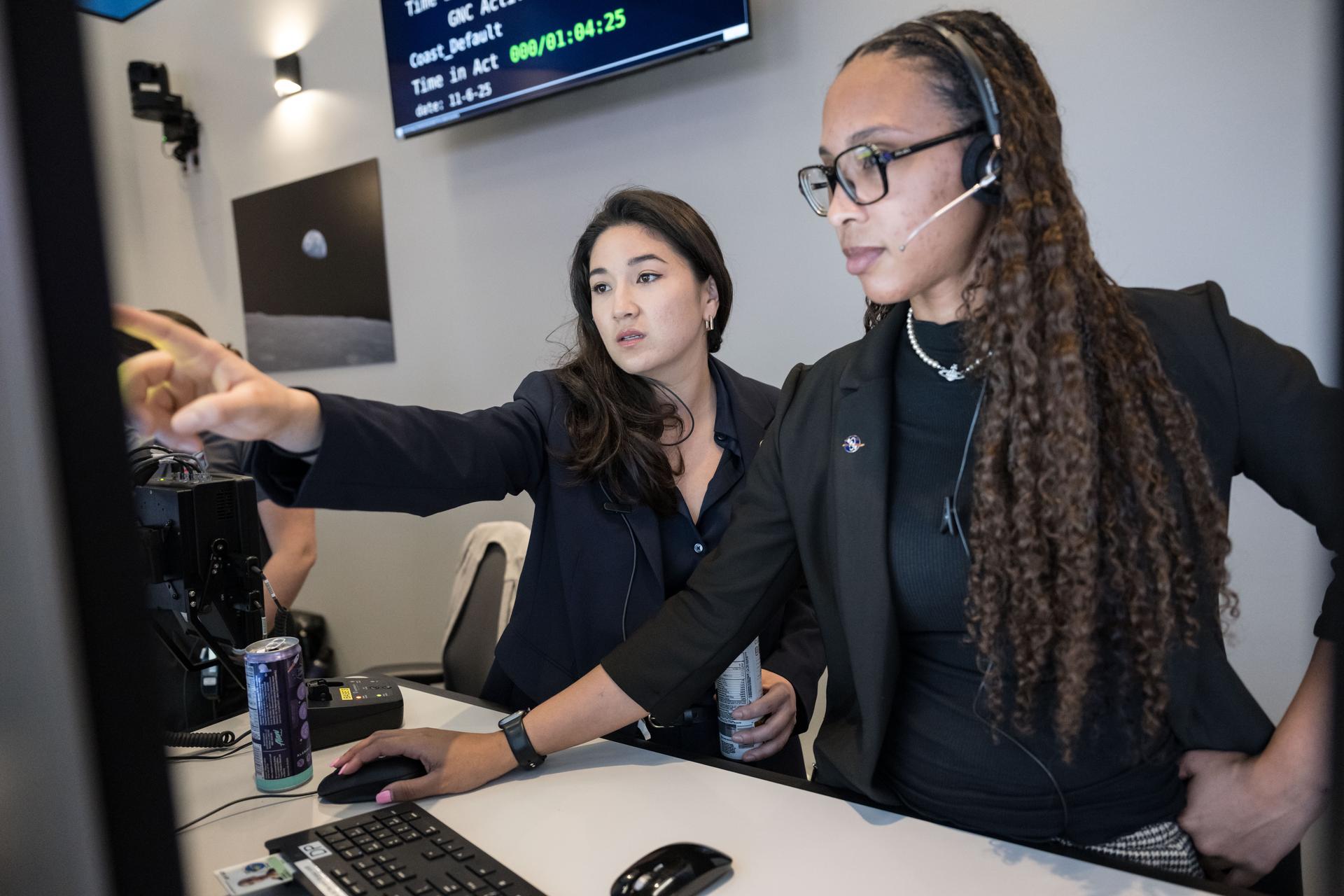
Artemis science officer, Angela Garcia, left and lunar science team member, Kiarre Dumes discuss science operations in the Science Evaluation Room (SER) in Mission Control at NASA's Johnson Space Center in Houston. The SER supports lunar science and planetary observations for the Artemis science officer in the mission’s main flight control room. Dumes serves as the SERCOMM, or Science Evaluation Room Communicator, acting as the singular voice from the science team in the back room, reporting to the science officer. Credits: NASA/Luna Posadas Nava
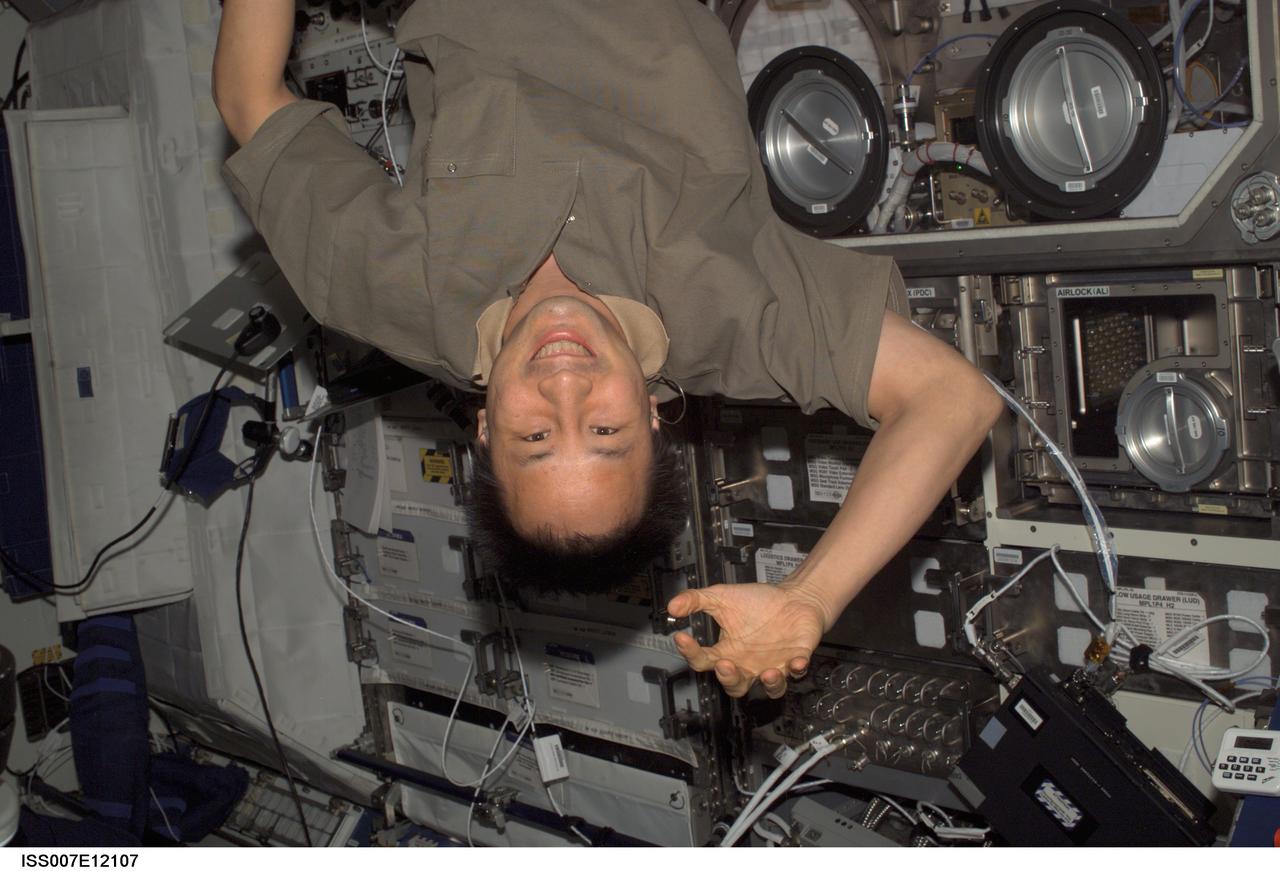
ISS007-E-12107 (6 August 2003) --- Astronaut Edward T. Lu, Expedition 7 NASA ISS science officer and flight engineer, enjoys a light moment as he floats upside down in the Destiny laboratory on the International Space Station (ISS).
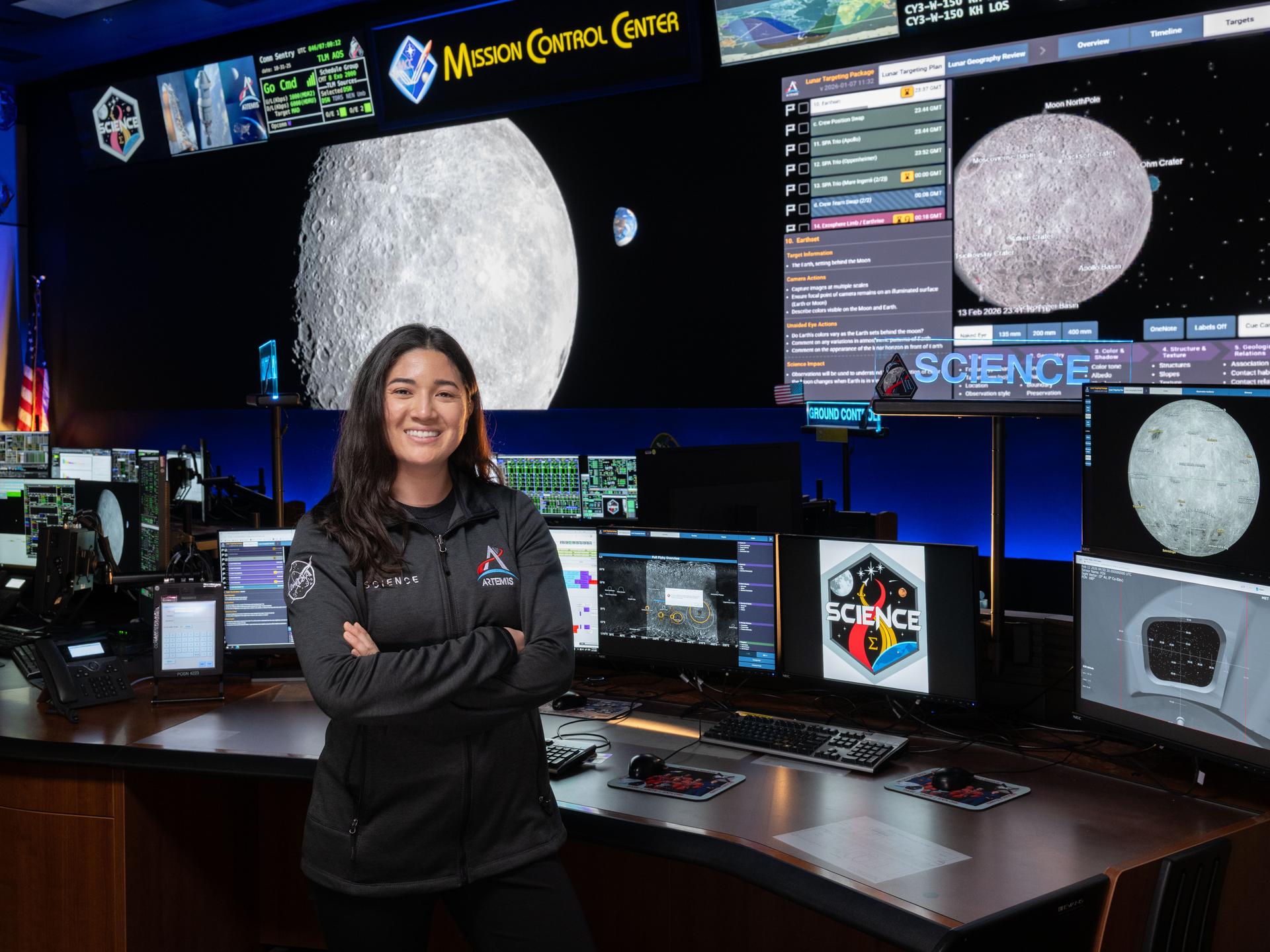
Artemis science officer, Angela Garcia, stands at the new SCIENCE console in the Mission Control Center at NASA’s Johnson Space Center in Houston. Credits: NASA/Josh Valcarcel
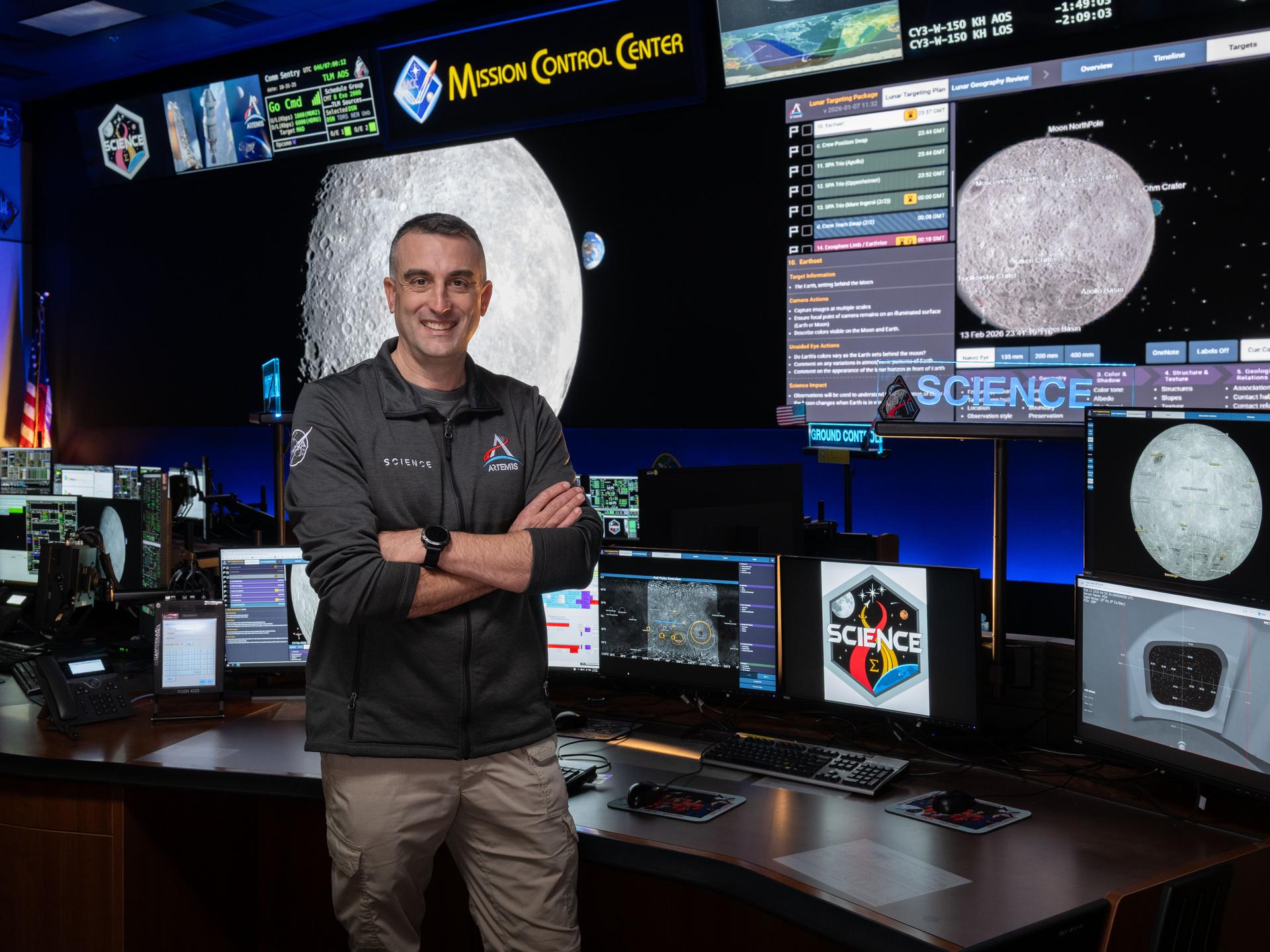
Artemis science officer, Trevor Graff, stands at the new SCIENCE console in the Mission Control Center at NASA’s Johnson Space Center in Houston. Credits: NASA/Josh Valcarcel
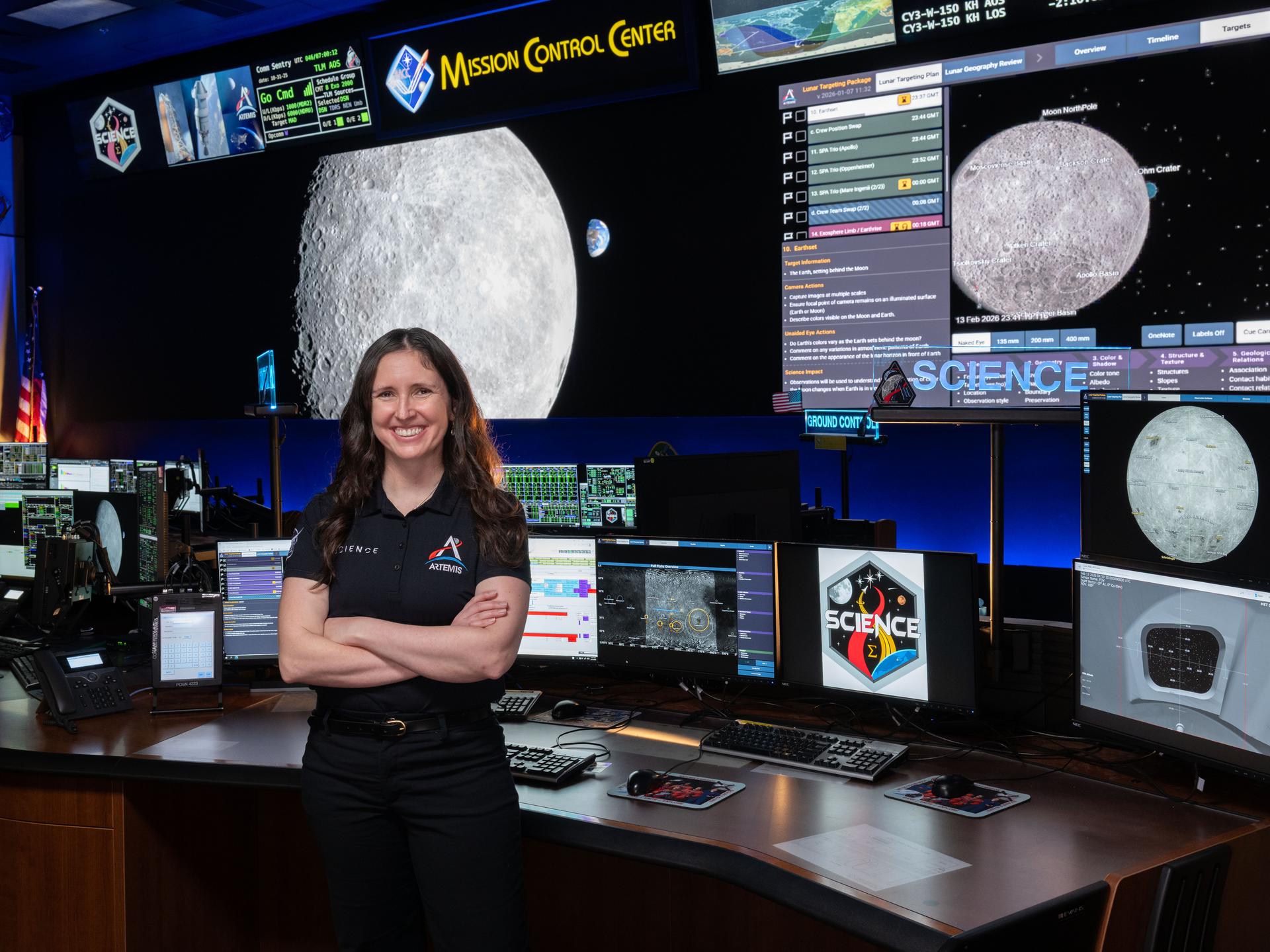
Artemis science officer, Kelsey Young, stands at the new SCIENCE console in the Mission Control Center at NASA’s Johnson Space Center in Houston. Credits: NASA/Josh Valcarcel
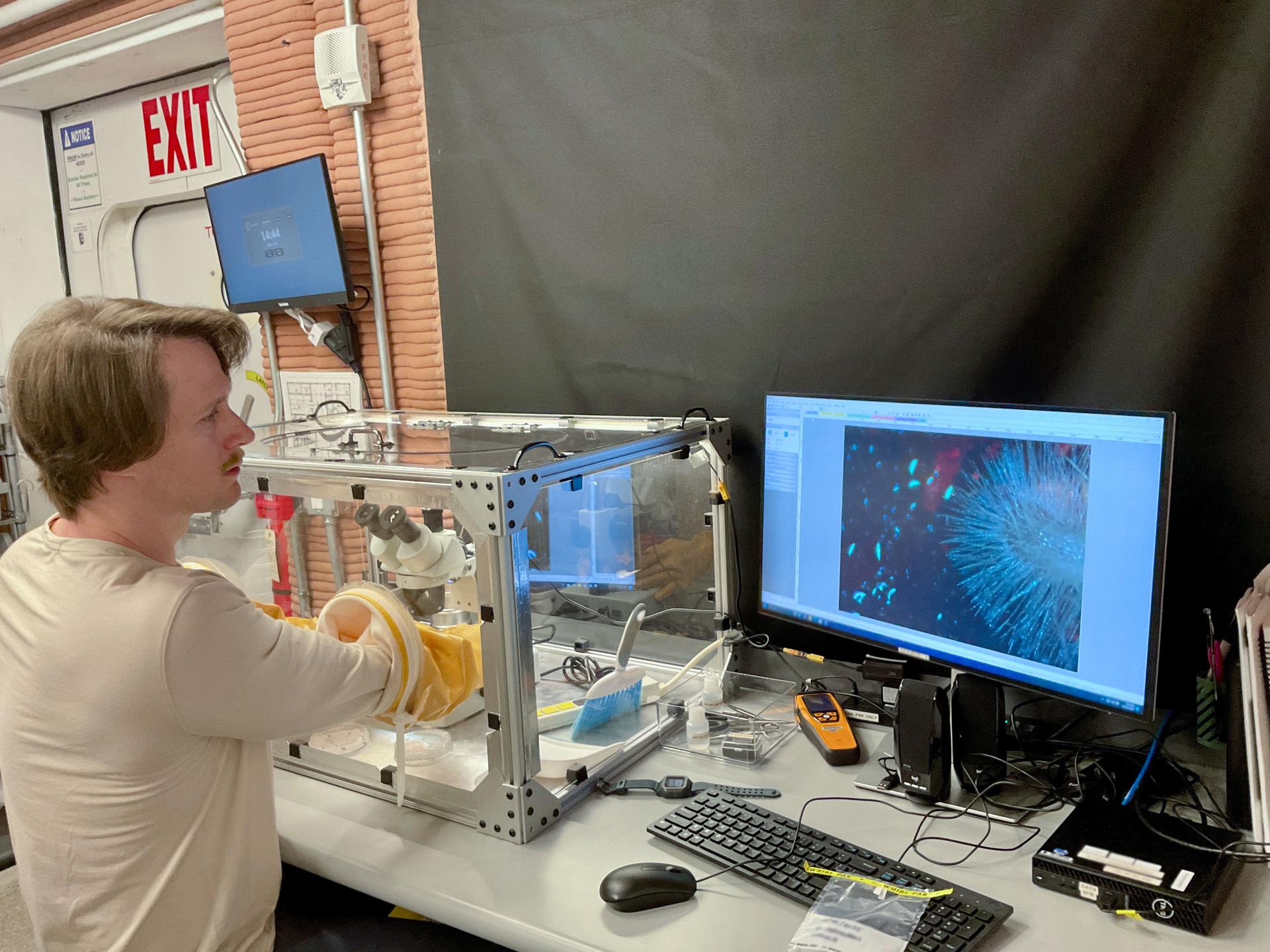
jsc2026e403157 (Oct. 25, 2025) -- Crew Health and Performance Exploration Analog (CHAPEA) mission 2 science officer, Matthew Montgomery, evaluating a science experiment involving seed germination in the glovebox. Credit: NASA
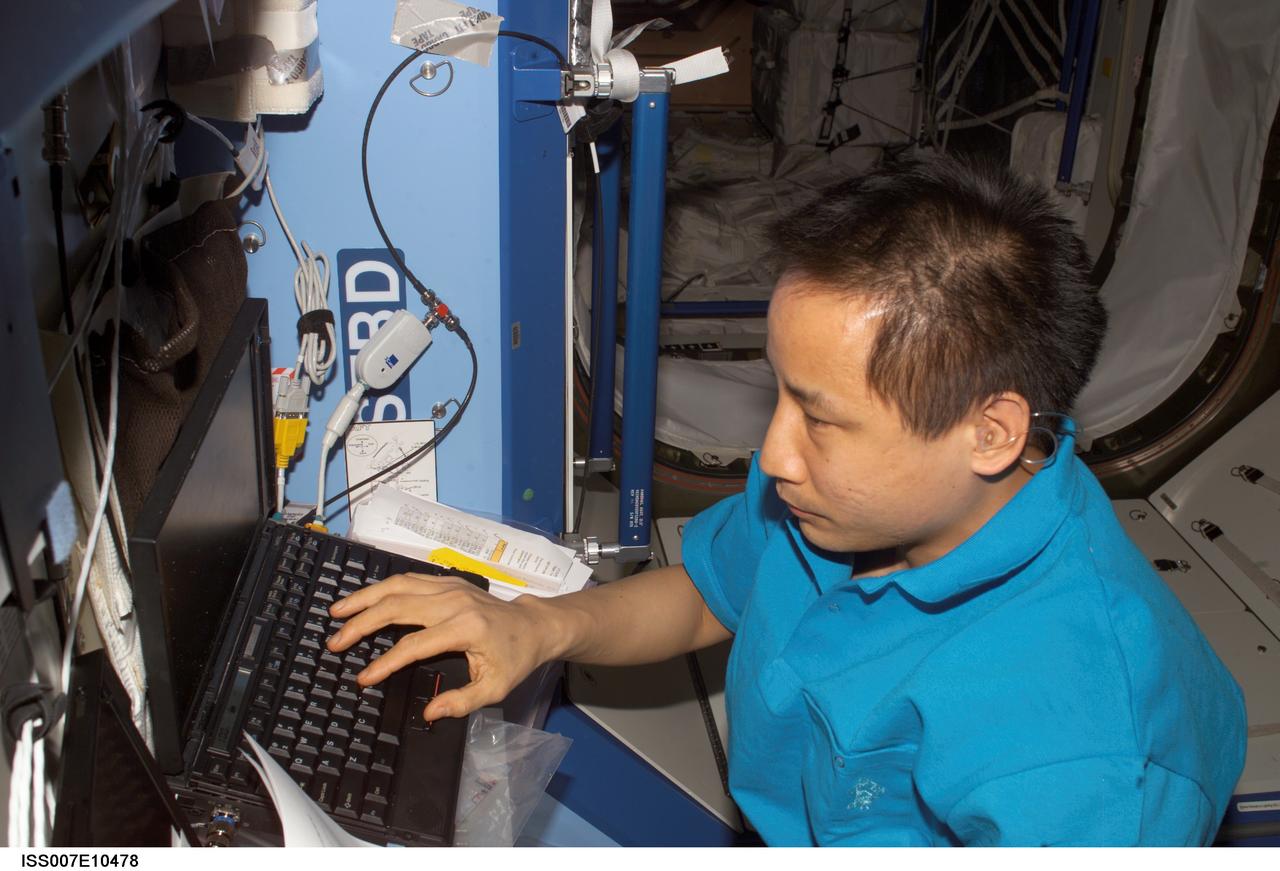
ISS007-E-10478 (16 July 2003) --- Astronaut Edward T. Lu, Expedition 7 NASA ISS science officer and flight engineer, uses a computer in the Destiny laboratory on the International Space Station (ISS).
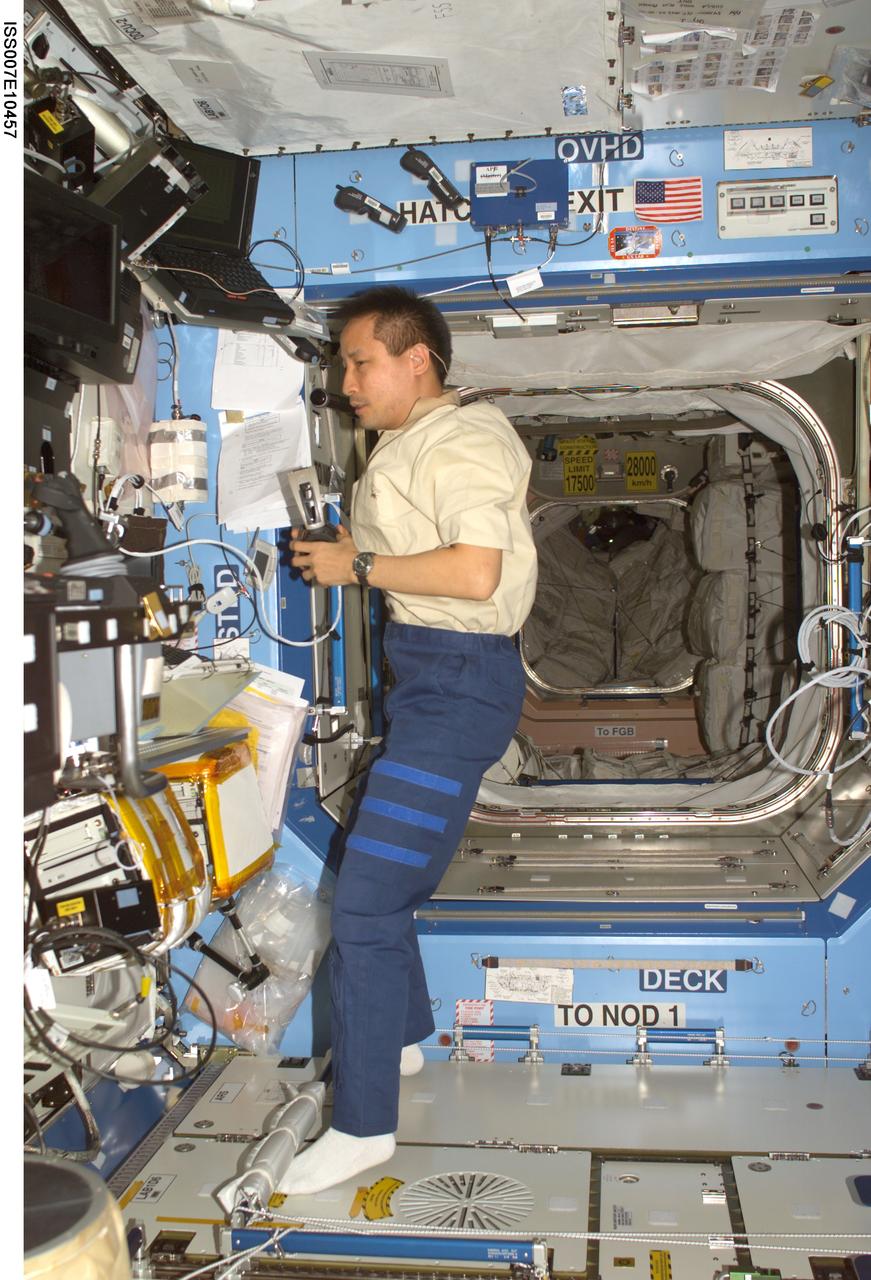
ISS007-E-10457 (14 July 2003) --- Astronaut Edward T. Lu, Expedition 7 NASA ISS science officer and flight engineer, works in the Destiny laboratory on the International Space Station (ISS).
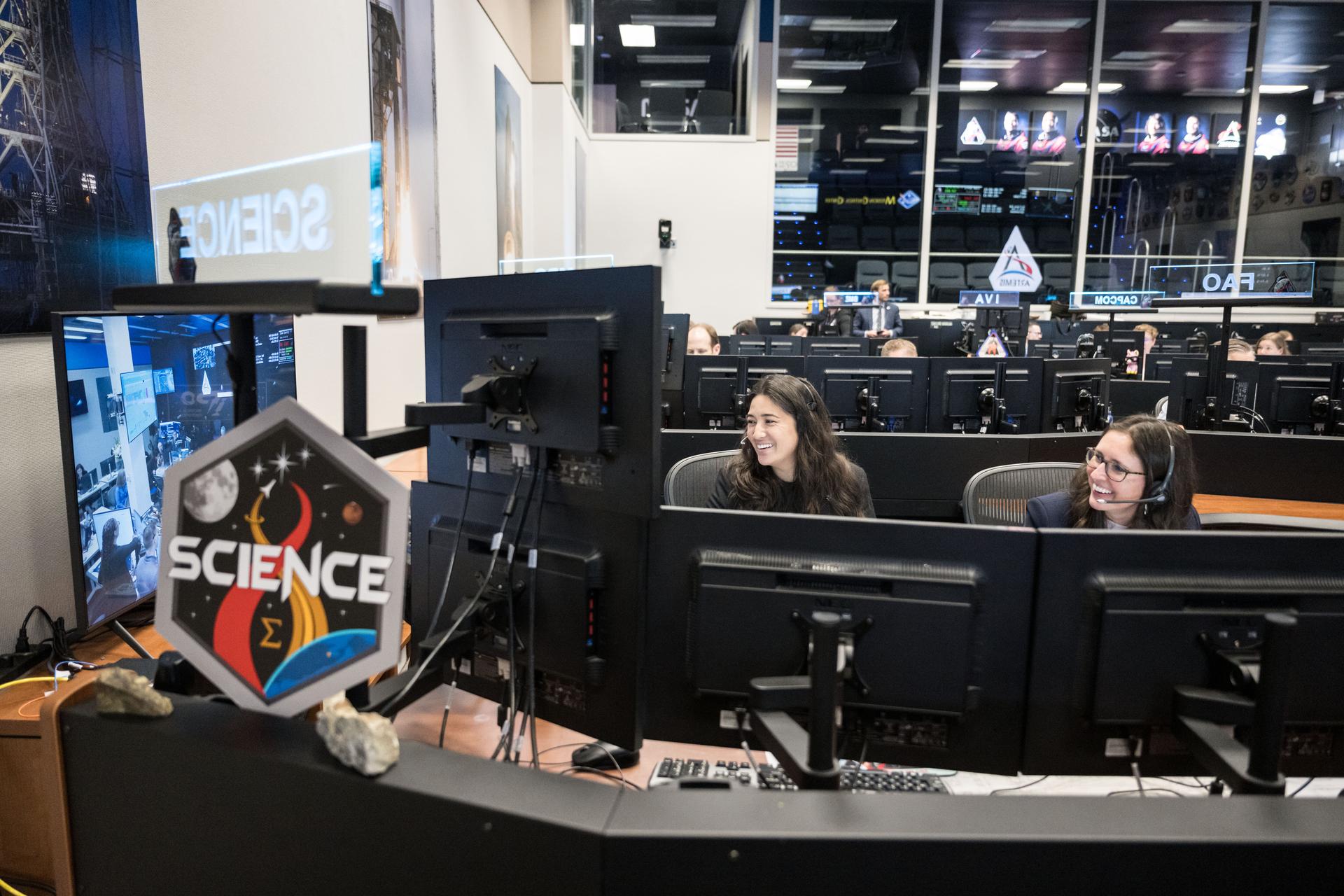
Artemis science officers, from left, Angela Garcia and Kelsey Young, watch the lunar science team celebrating in the Science Evaluation Room (SER) as they hear lunar observations from the Artemis II crew. The science team has spent years training the astronauts in geology and observation, both in the classroom and in the field. They also built the lunar targeting plan that, like a spacewalk plan, provides strong, detailed observation guidance, plus flexibility for the crew to make decisions based on what they’re seeing and experiencing in real time. The science team had many moments of celebration during the lunar flyby as the astronauts took pictures of the Moon and provided verbal descriptions of what they were seeing. This type of information reveals the geologic history of an area and will be critical to collect when future Artemis astronauts explore the Moon's surface. Credits: NASA/Robert Markowitz
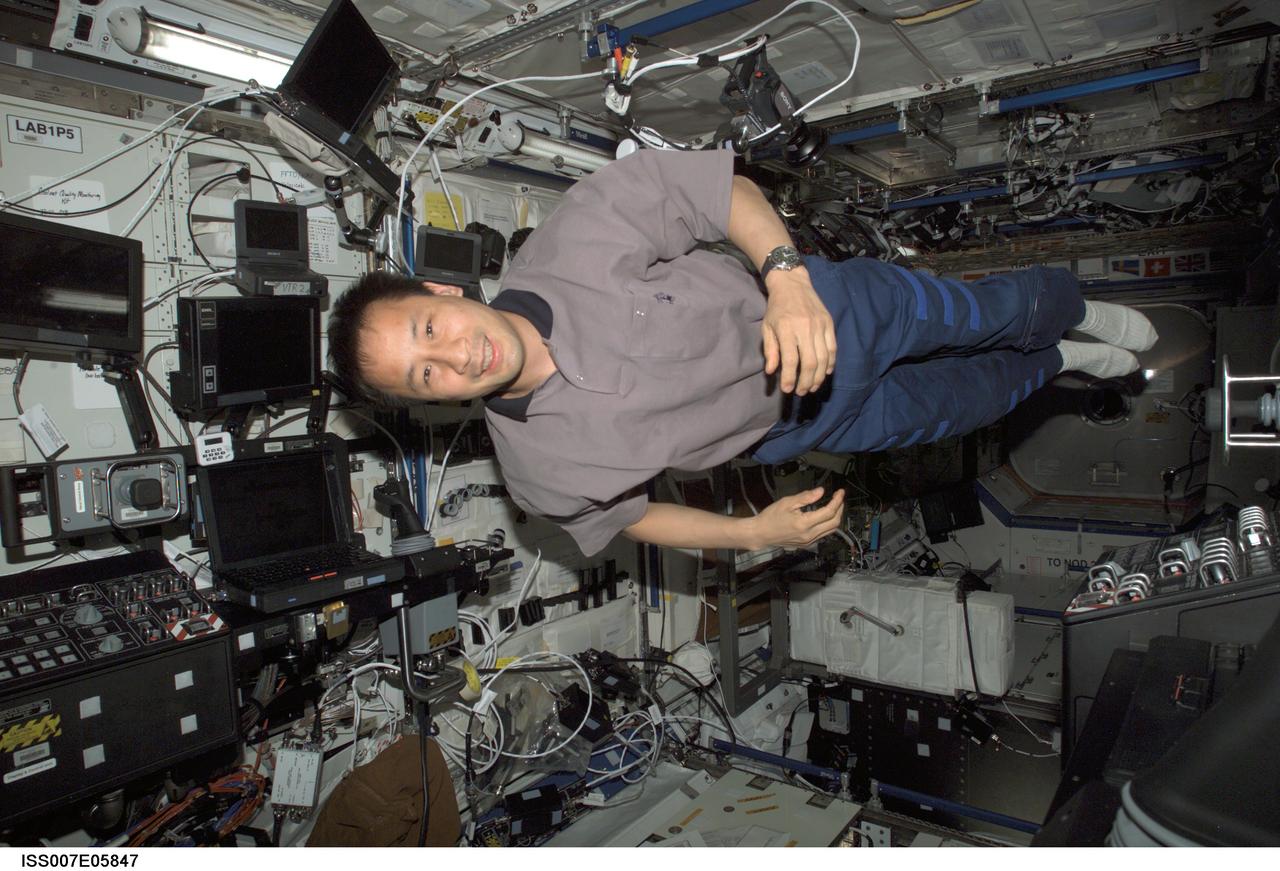
ISS007-E-05847 (26 May 2003) --- Astronaut Edward T. Lu, Expedition Seven NASA ISS science officer and flight engineer, floats in the Destiny laboratory on the International Space Station (ISS).
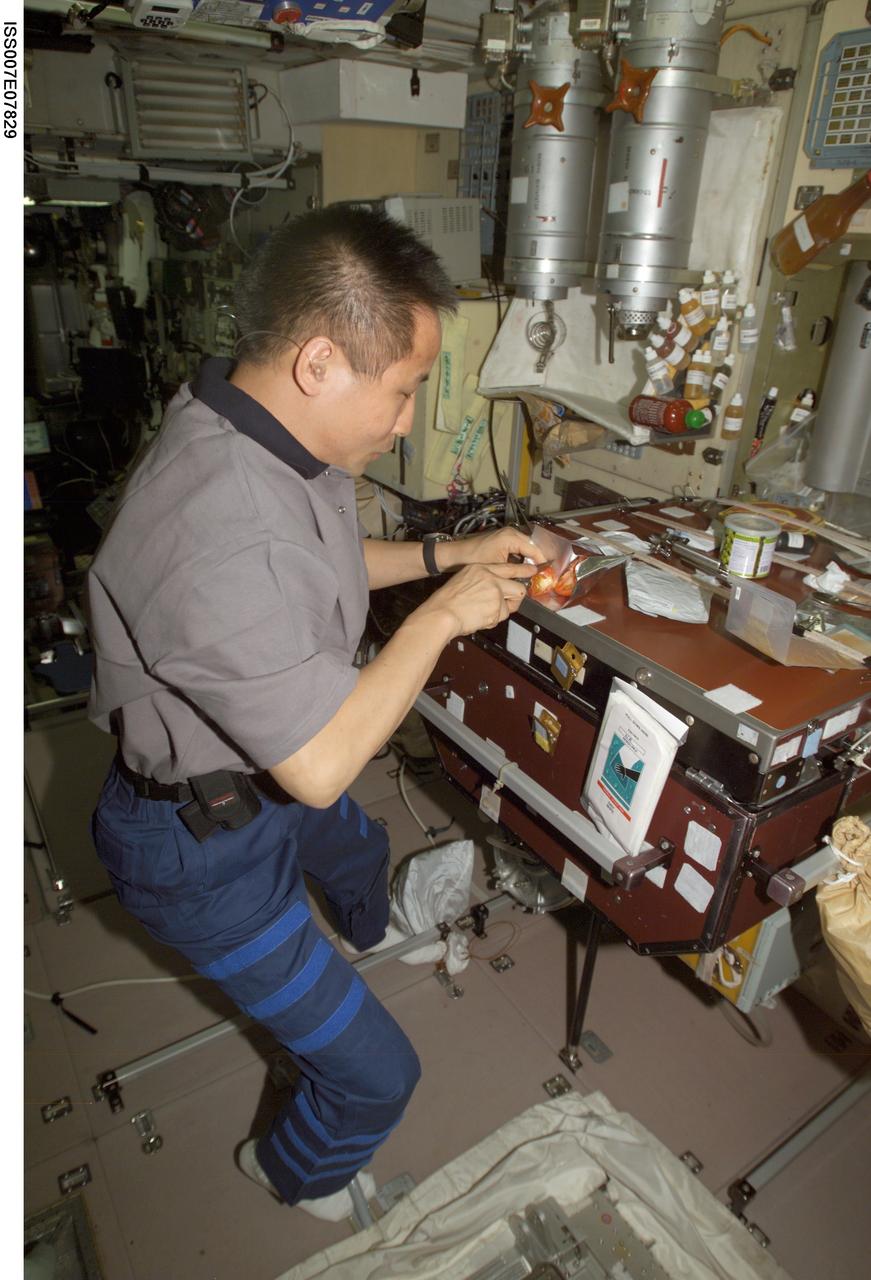
ISS007-E-07829 (21 June 2003) --- Astronaut Edward T. Lu, Expedition 7 NASA ISS science officer and flight engineer, prepares to eat a meal in the Zvezda Service Module on the International Space Station (ISS).
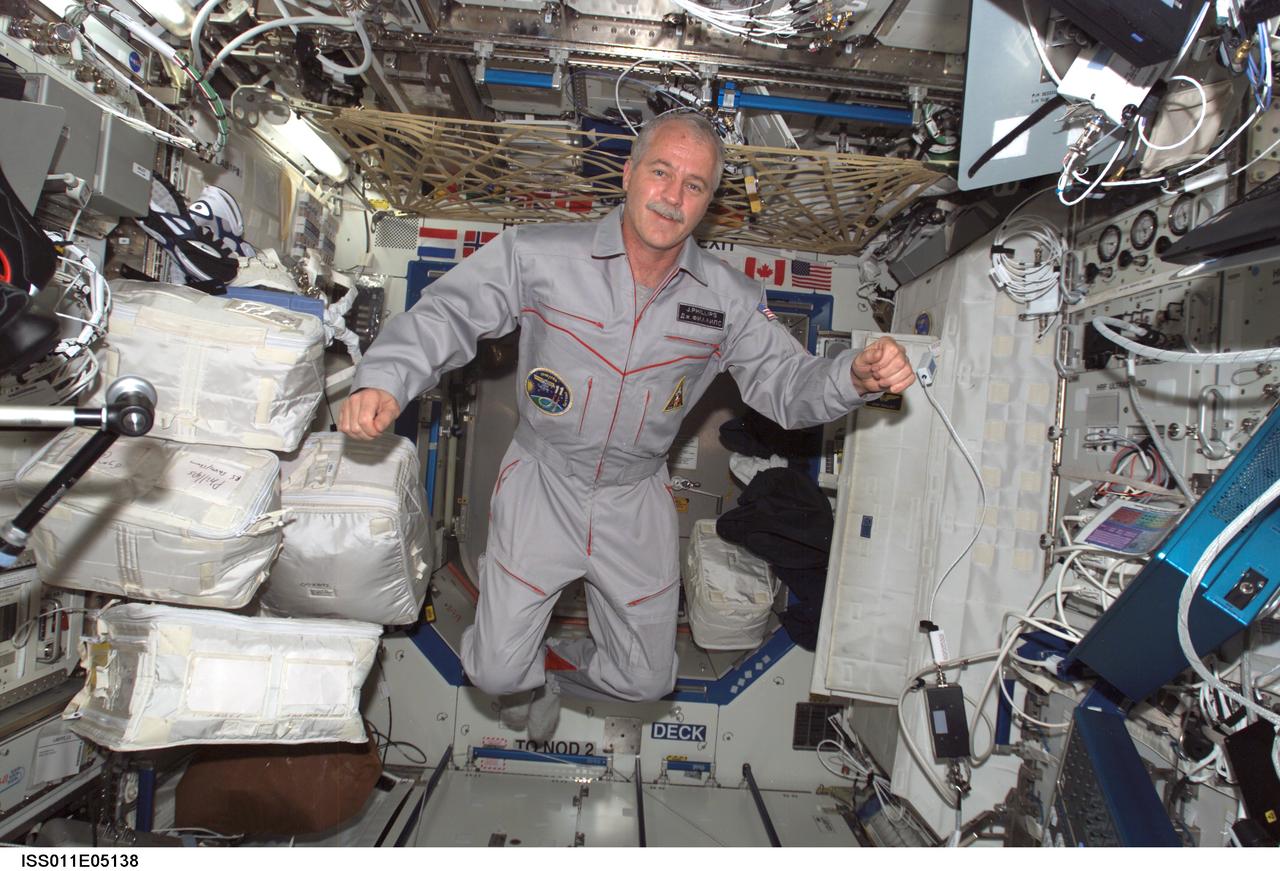
ISS011-E-05138 (17 April 2005) --- Astronaut John L. Phillips, Expedition 11 NASA ISS science officer and flight engineer, floats in the Destiny laboratory of the International Space Station (ISS).

Office of the Director of Science (Code-S) All-hands in N-201 and celebration in N-232 Breezeway, Kitchen and outdoor space (Patio). shown here Friedemann Freud
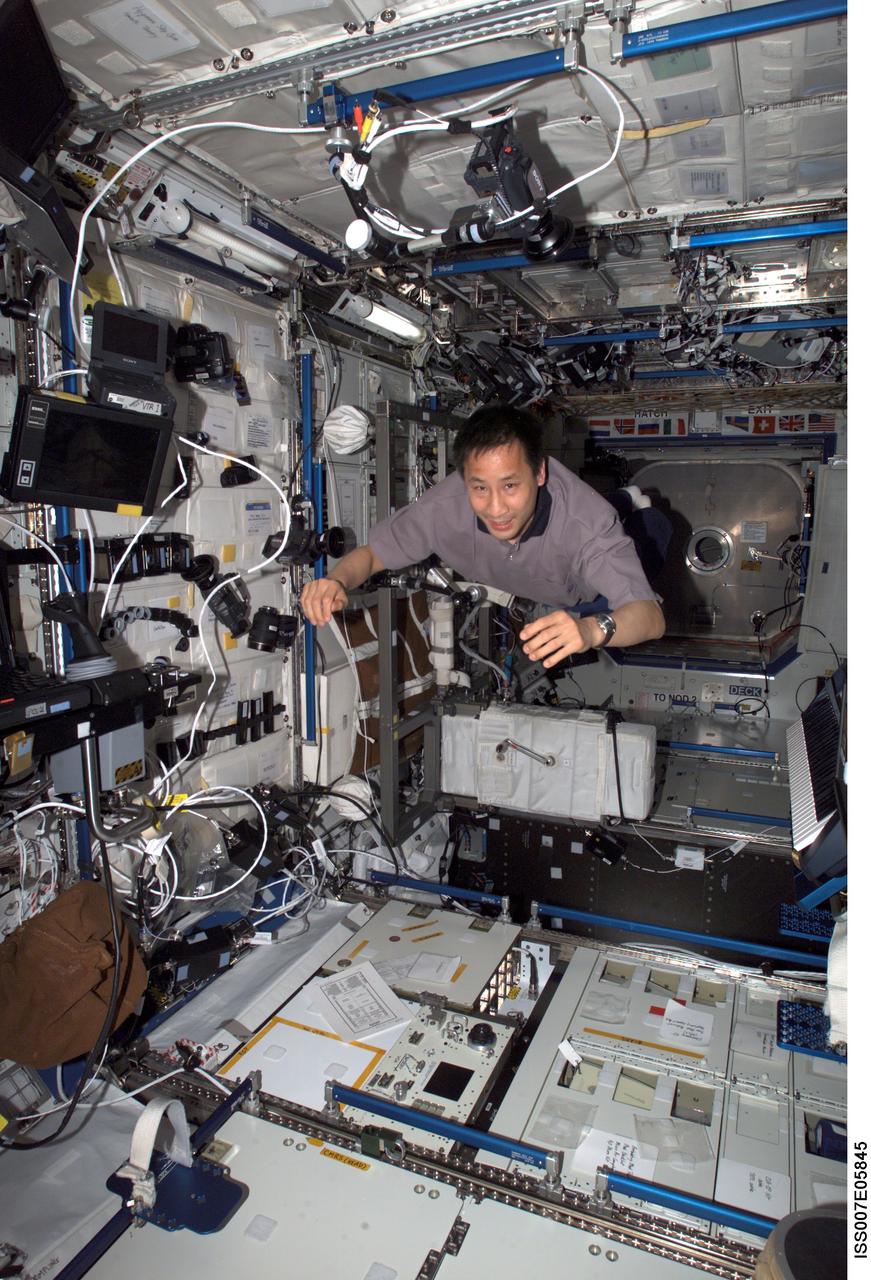
ISS007-E-05845 (26 May 2003) --- Astronaut Edward T. Lu, Expedition Seven NASA ISS science officer and flight engineer, floats in the Destiny laboratory on the International Space Station (ISS).
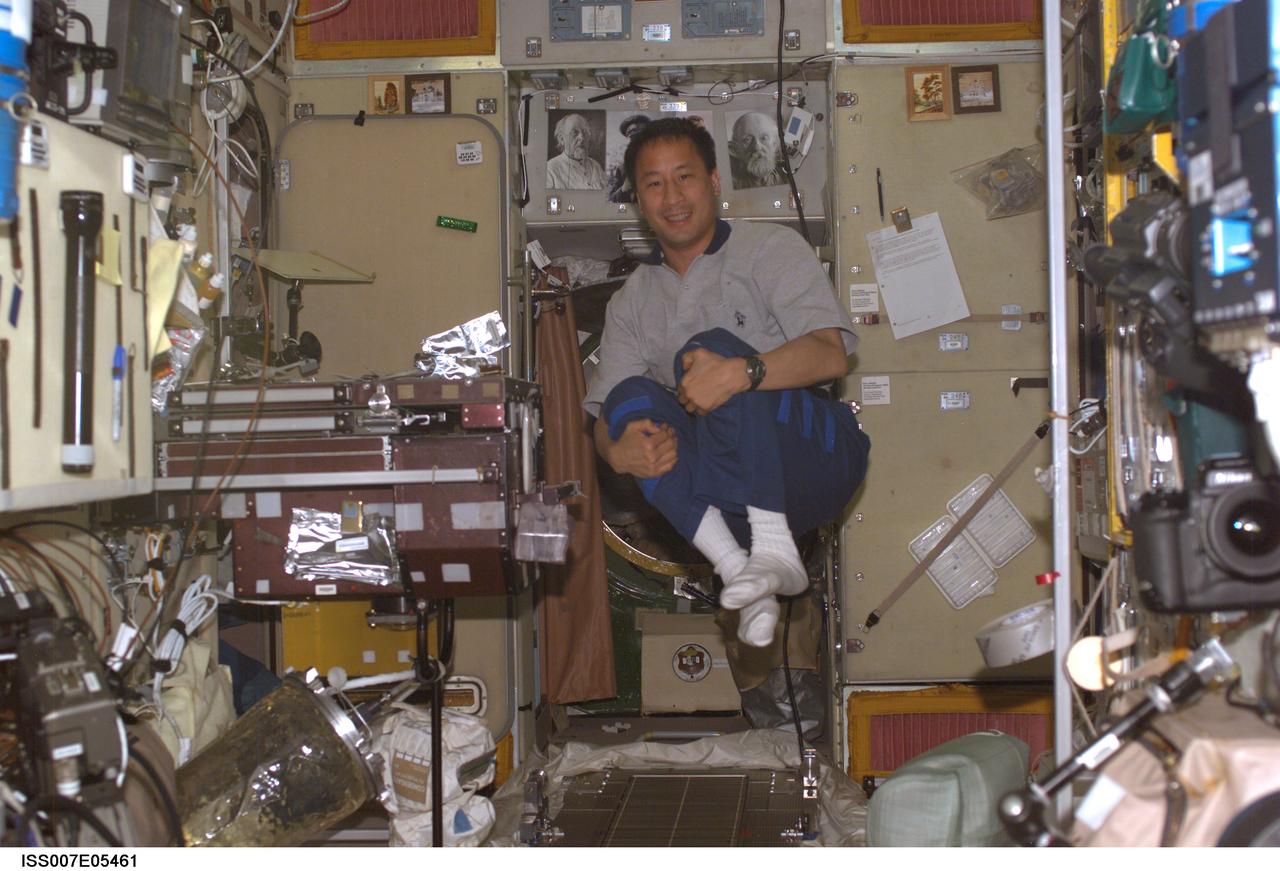
ISS007-E-05461 (15 May 2003) --- Astronaut Edward T. Lu, Expedition Seven NASA ISS science officer and flight engineer, floats in the Zvezda Service Module on the International Space Station (ISS).
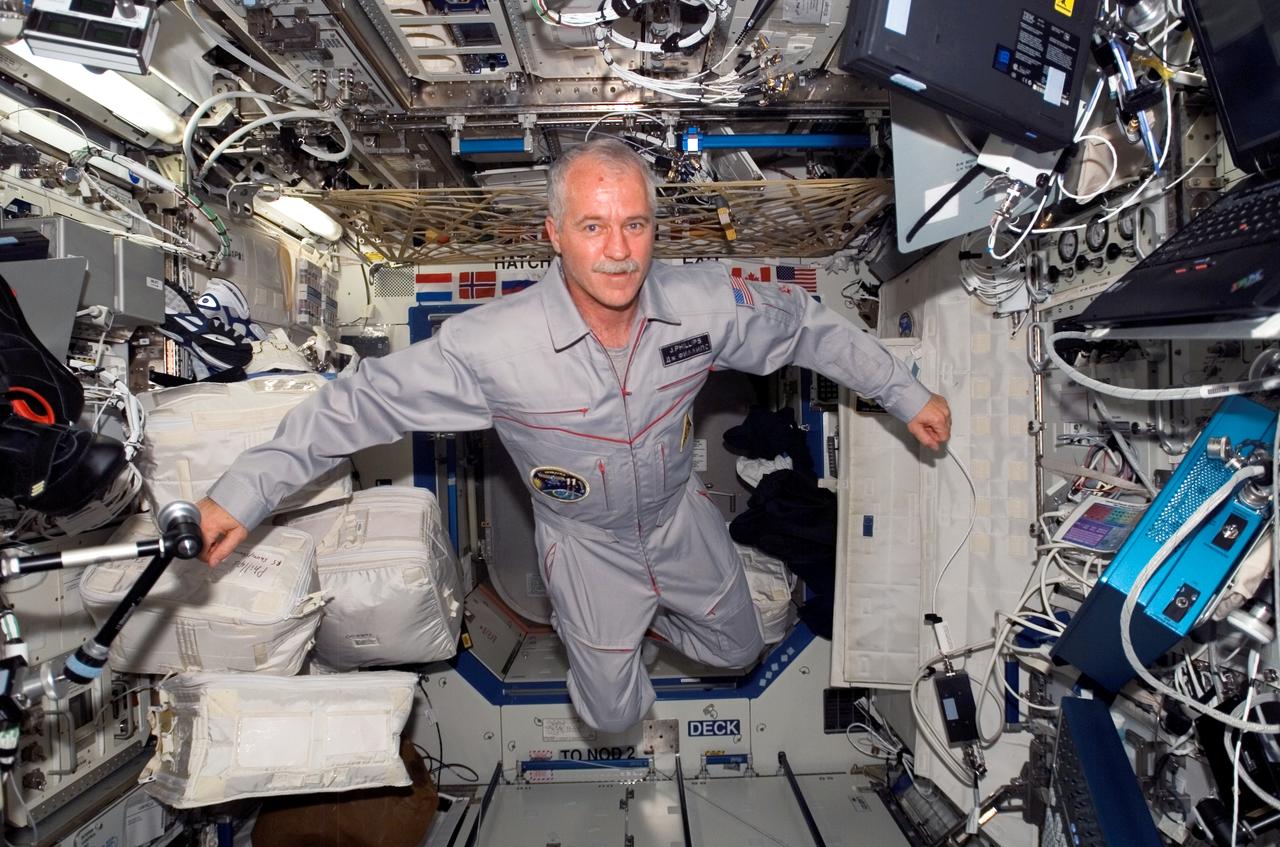
ISS011-E-05140 (17 April 2005) --- Astronaut John L. Phillips, Expedition 11 NASA science officer and flight engineer, floats in the Destiny laboratory of the international space station.
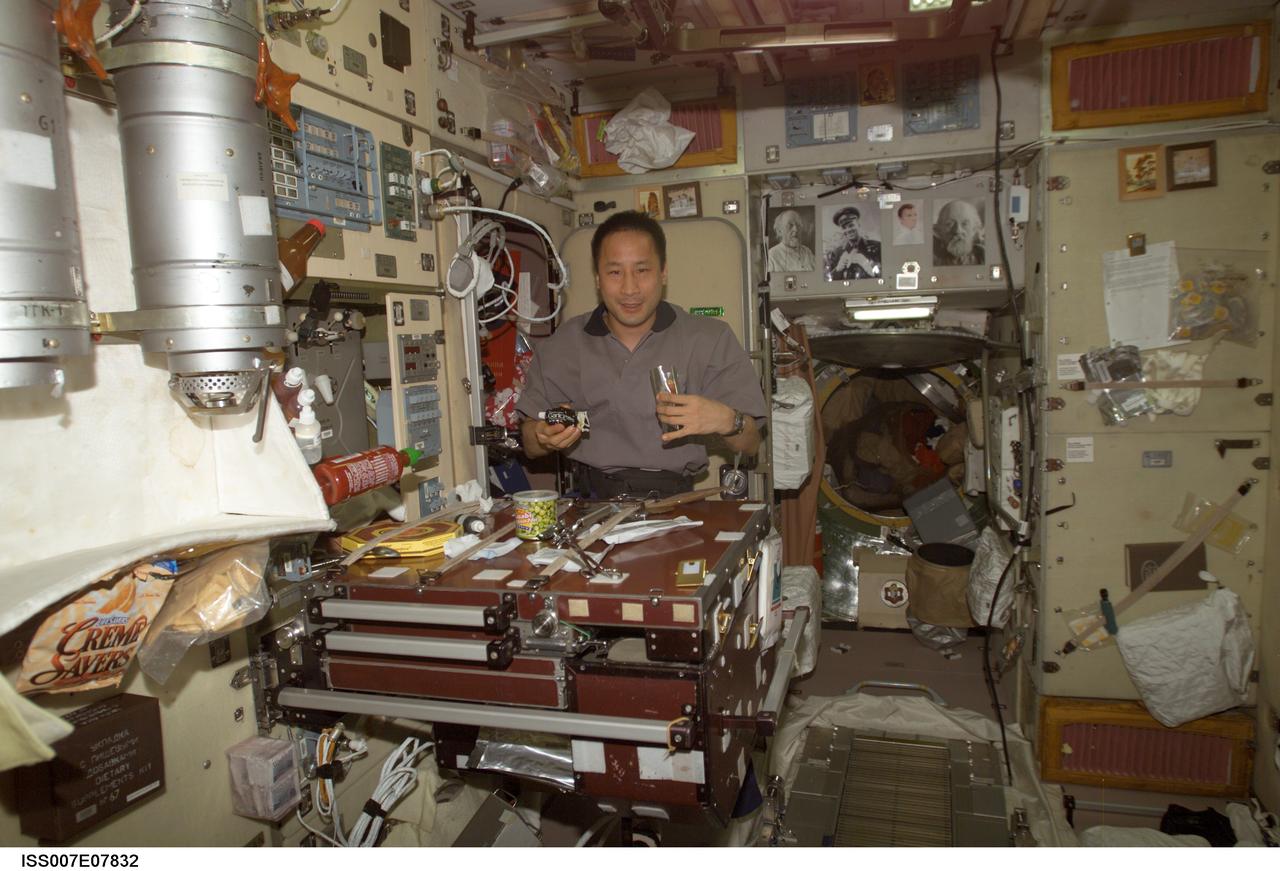
ISS007-E-07832 (21 June 2003) --- Astronaut Edward T. Lu, Expedition 7 NASA ISS science officer and flight engineer, eats a meal in the Zvezda Service Module on the International Space Station (ISS).
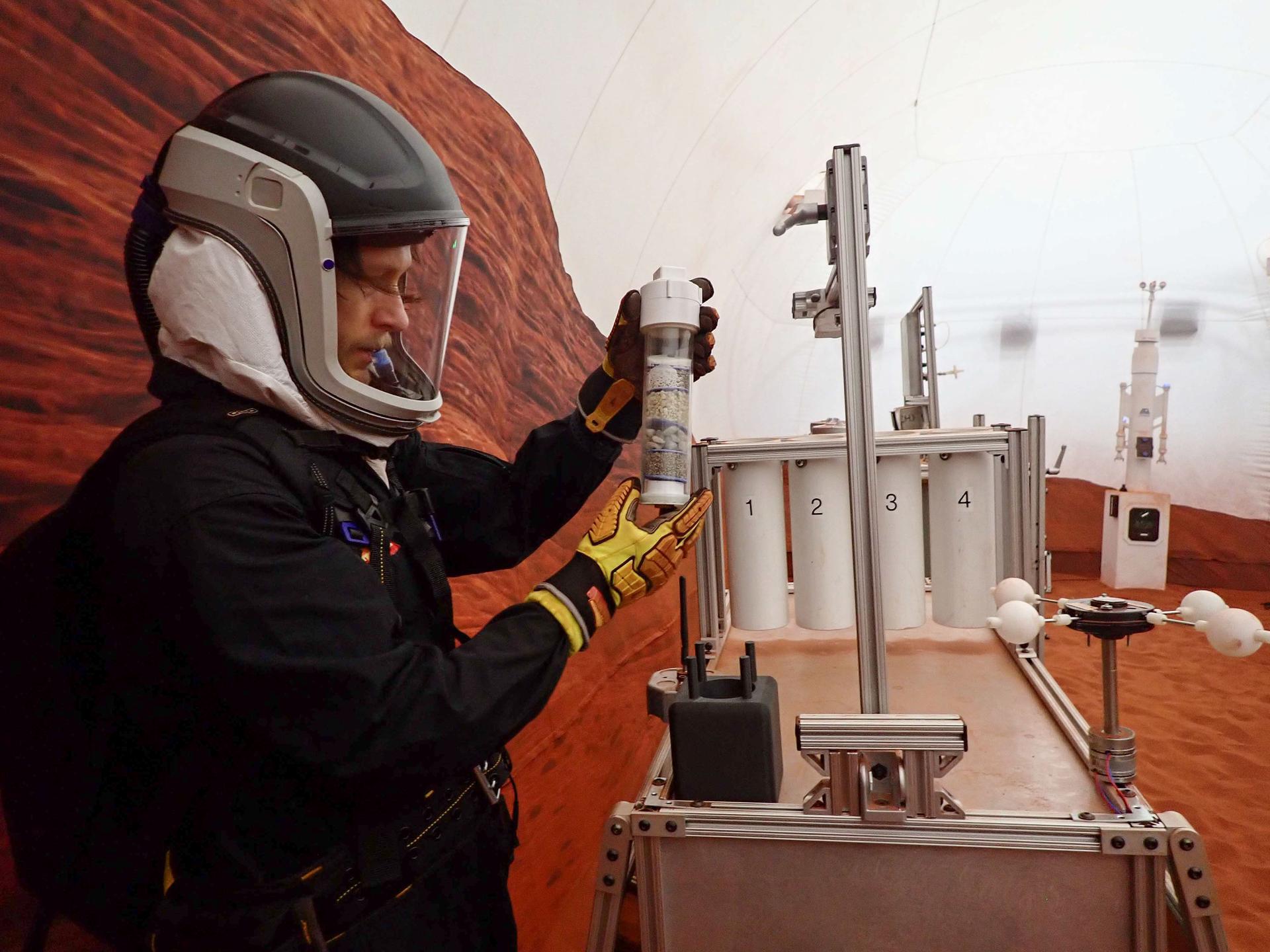
jsc2026e403165 (Jan. 22, 2026) -- Matthew Montgomery, Crew Health and Performance Exploration Analog (CHAPEA) Mission 2 science officer, participates in an extravehicular geological activity. Credit: NASA
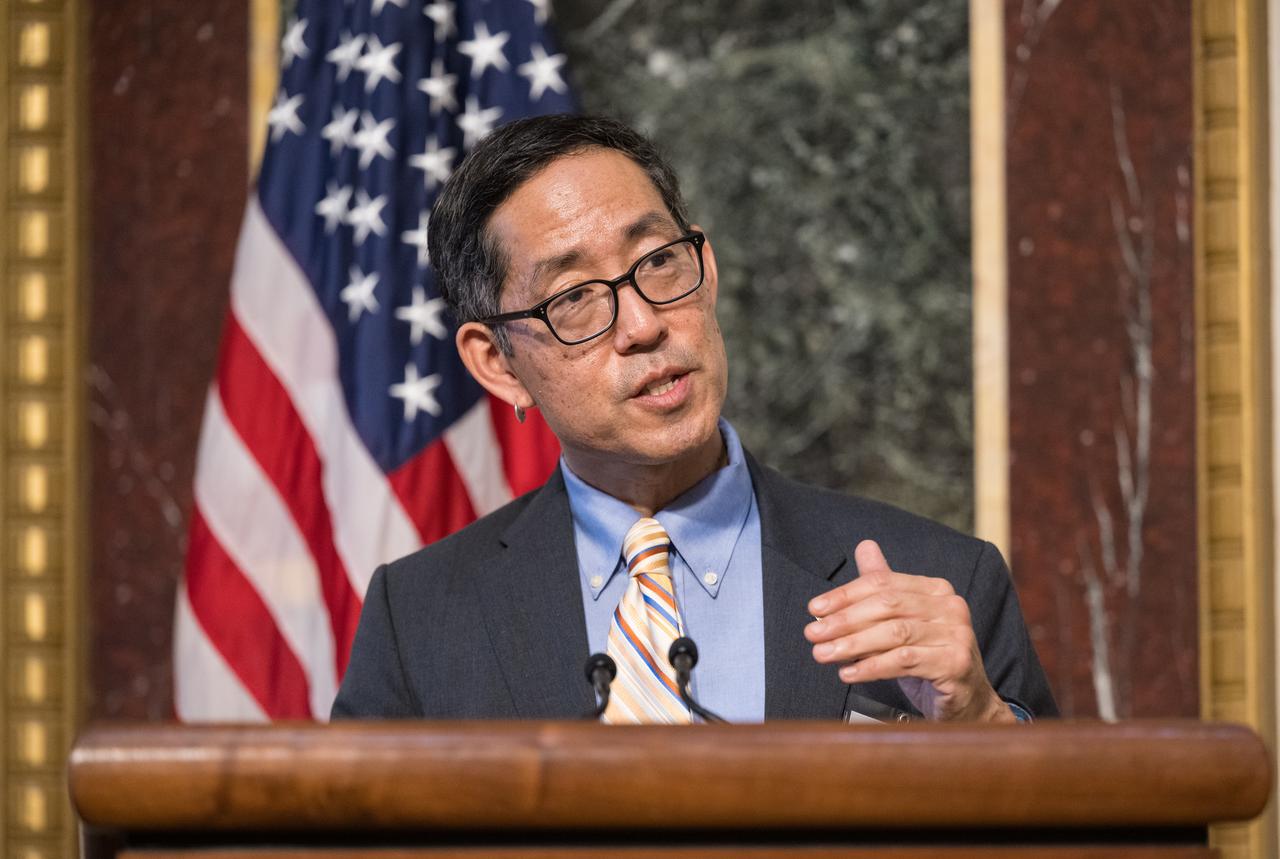
Special Assistant to the President and Deputy Director of the White House Office of Science and Technology Policy Kei Koizumi speaks at the Microgravity Science Summit at the Eisenhower Executive Office Building, Monday, Dec. 13, 2024 in Washington. Photo Credit: (NASA/Aubrey Gemignani)
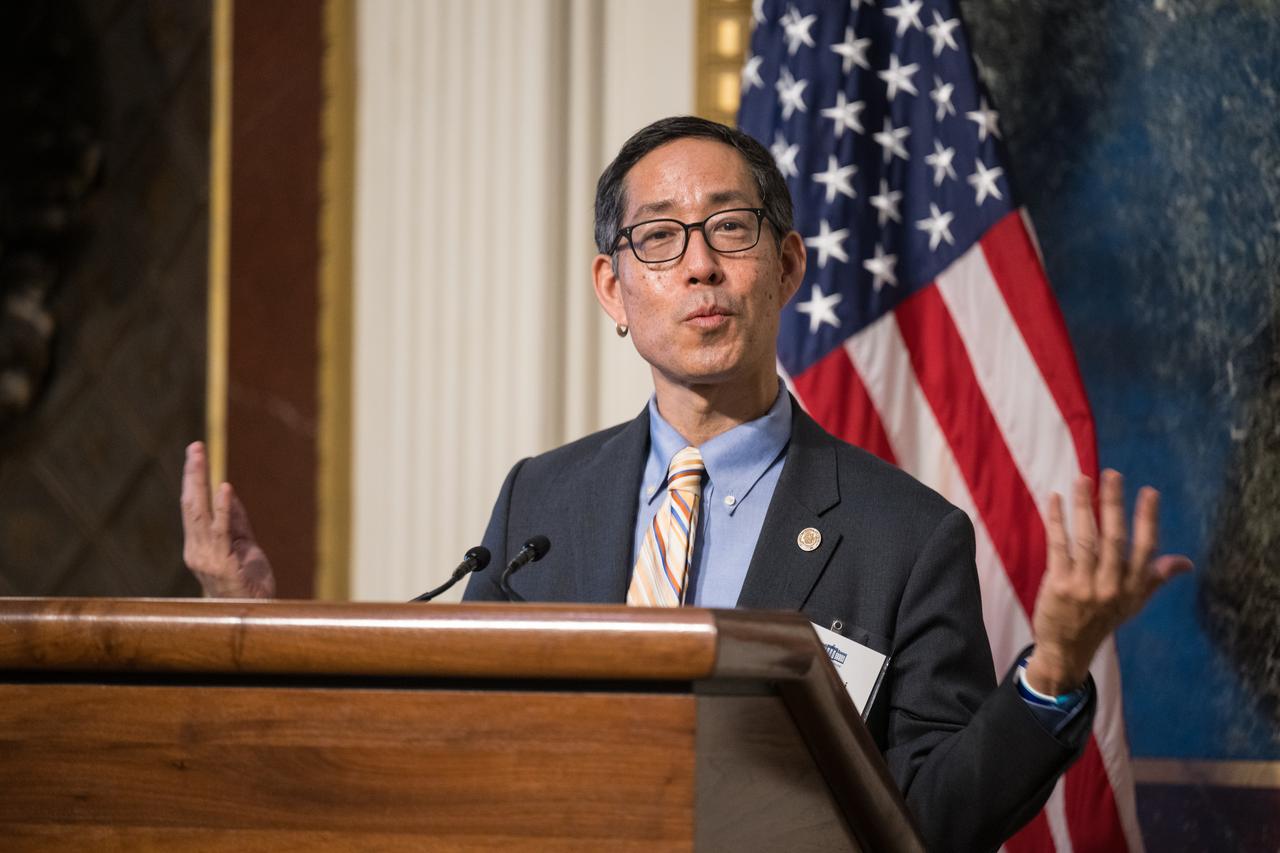
Special Assistant to the President and Deputy Director of the White House Office of Science and Technology Policy Kei Koizumi speaks at the Microgravity Science Summit at the Eisenhower Executive Office Building, Monday, Dec. 13, 2024 in Washington. Photo Credit: (NASA/Aubrey Gemignani)
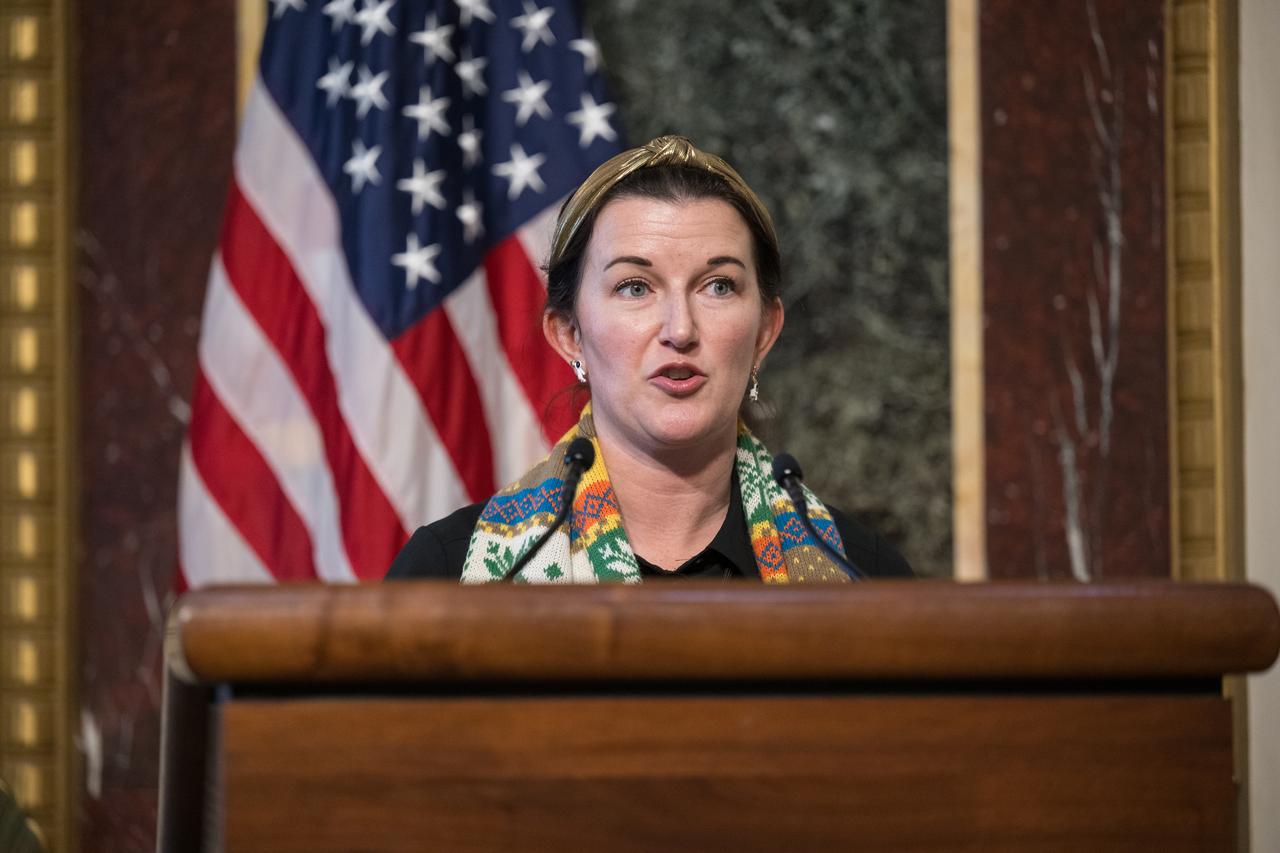
Assistant Director for Space Policy, White House Office of Science and Technology Policy, Jinni Meehan, provides closing remarks at the Microgravity Science Summit at the Eisenhower Executive Office Building, Monday, Dec. 13, 2024 in Washington. Photo Credit: (NASA/Aubrey Gemignani)
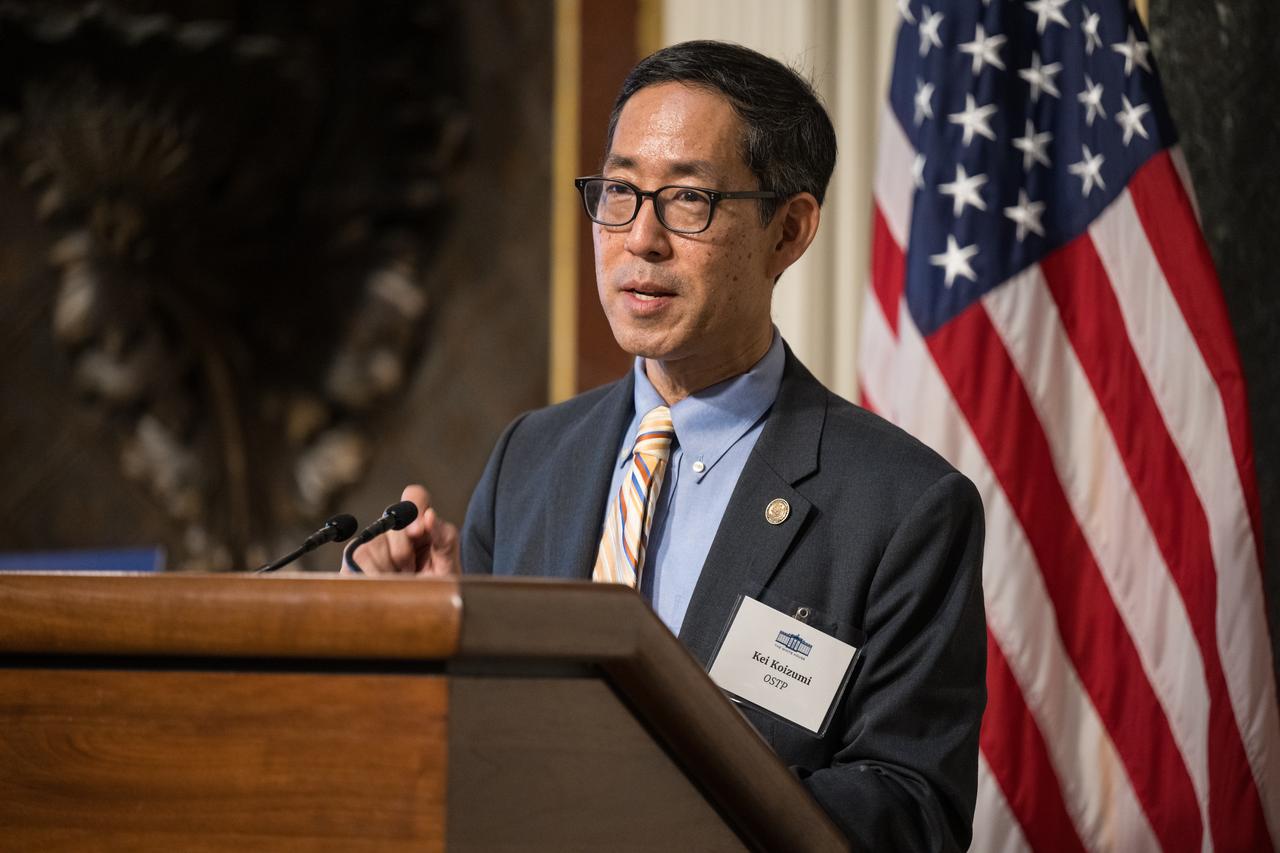
Special Assistant to the President and Deputy Director of the White House Office of Science and Technology Policy Kei Koizumi speaks at the Microgravity Science Summit at the Eisenhower Executive Office Building, Monday, Dec. 13, 2024 in Washington. Photo Credit: (NASA/Aubrey Gemignani)
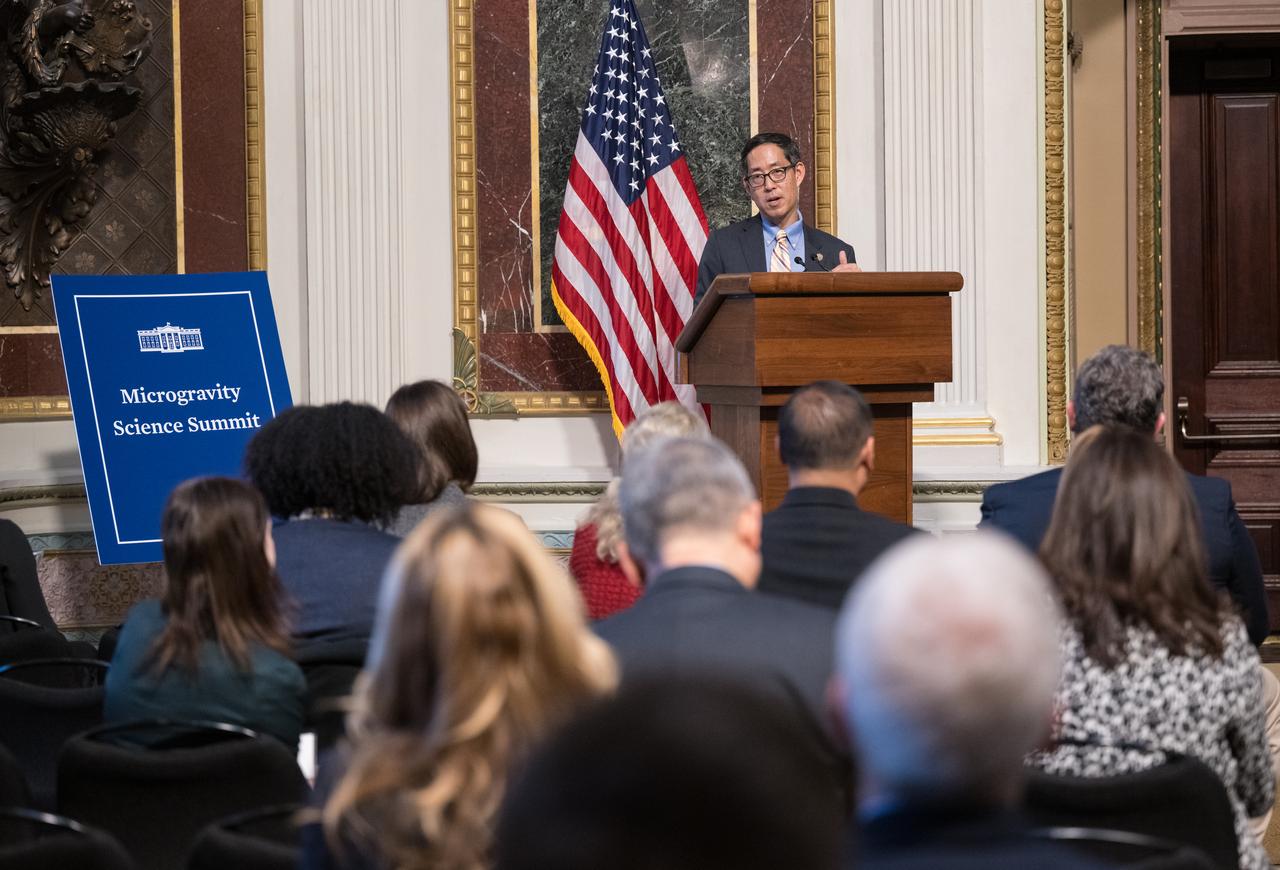
Special Assistant to the President and Deputy Director of the White House Office of Science and Technology Policy Kei Koizumi speaks at the Microgravity Science Summit at the Eisenhower Executive Office Building, Monday, Dec. 13, 2024 in Washington. Photo Credit: (NASA/Aubrey Gemignani)
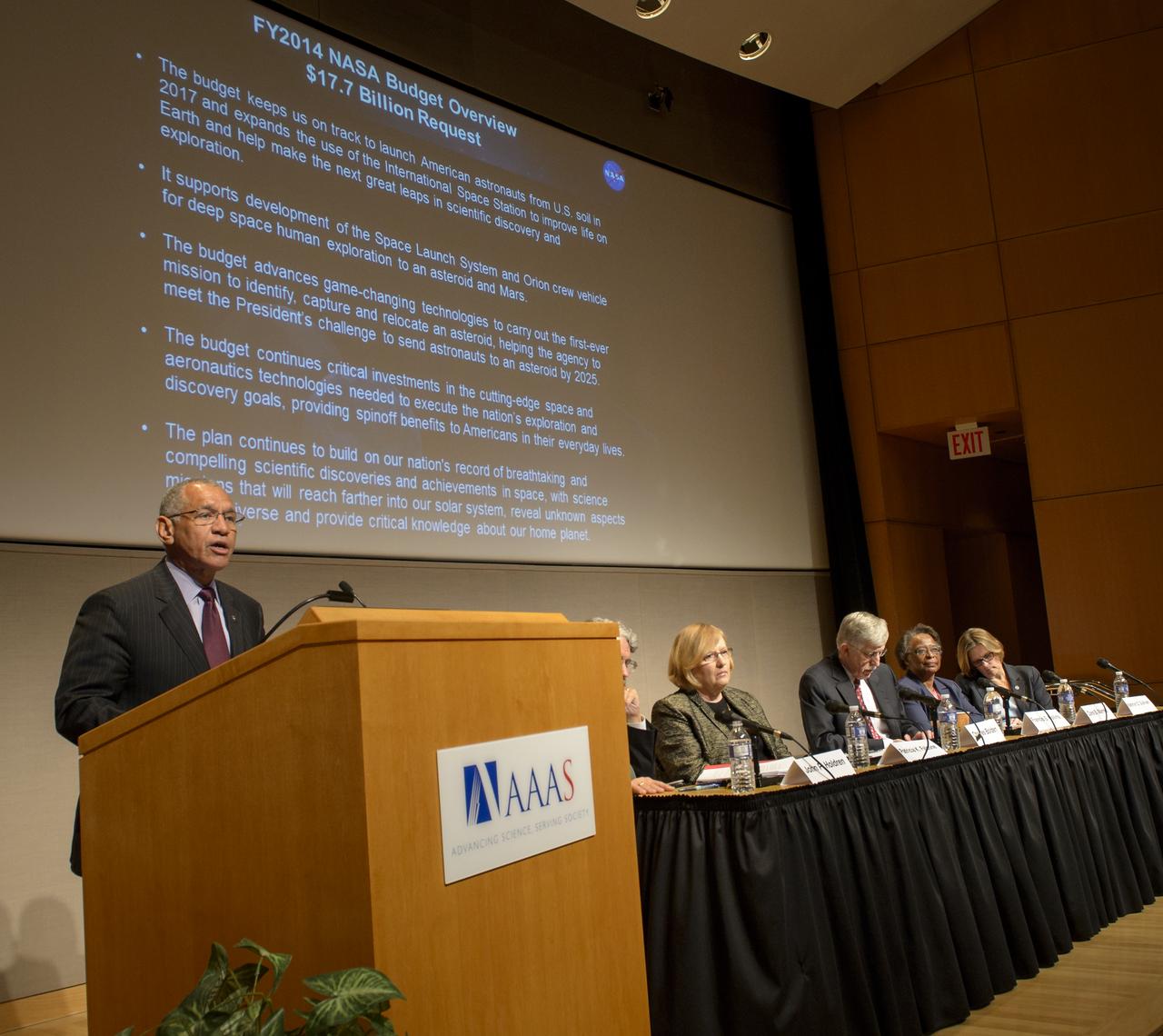
NASA Administrator Charlie Bolden, delivers remarks during a White House Office of Science and Technology Policy (OSTP) Fiscal Year 2014 budget briefing held with with Dr. John P. Holdren, Director of OSTP, Patricia Falcone of OSTP, Francis Collins from NIH, Cora Marrett from NSF, and Kathryn Sullivan from NOAA, at the American Association for the Advancement of Science (AAAS) on Wednesday, April 10, 2013 in Washington. Photo Credit: (NASA/Bill Ingalls)
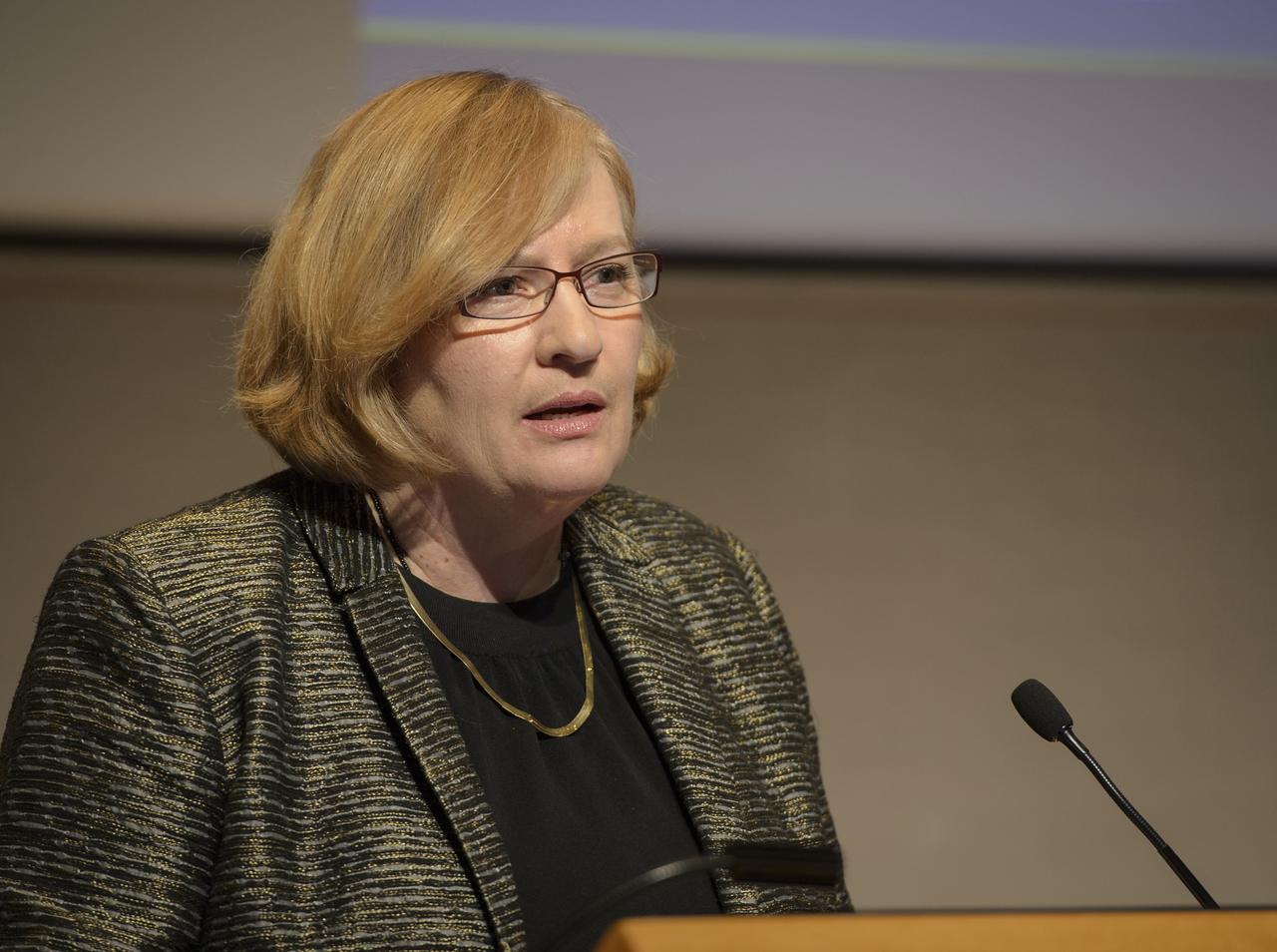
Patricia Falcone, Associate Director, National Security and International Affairs Division, White House Office of Science and Technology Policy, delivers remarks during a Fiscal Year 2014 budget briefing held at the American Association for the Advancement of Science (AAAS) on Wednesday, April 10, 2013 in Washington. Photo Credit: (NASA/Bill Ingalls)
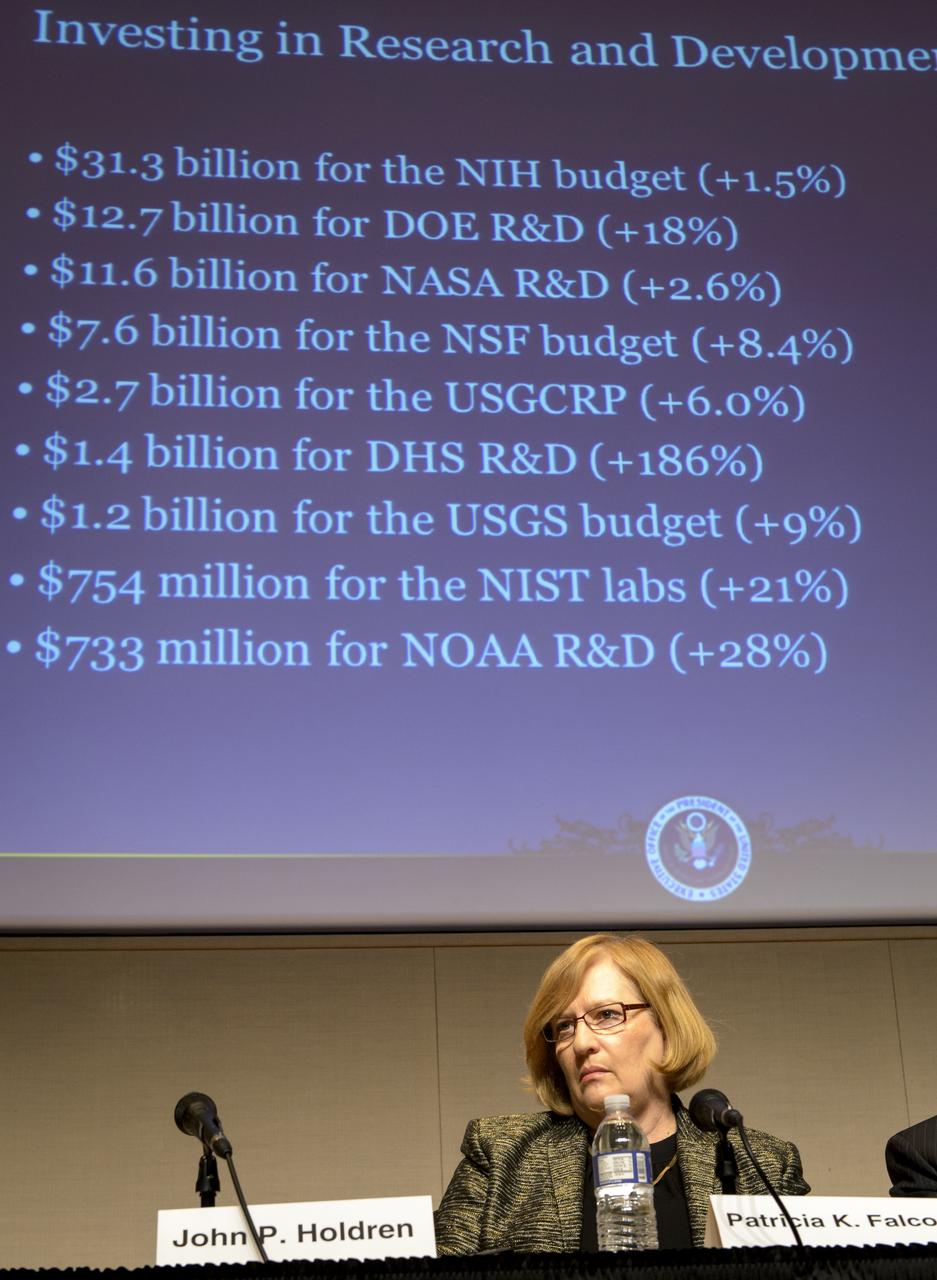
Patricia Falcone, Associate Director, National Security and International Affairs Division, White House Office of Science and Technology Policy, is seen during a Fiscal Year 2014 budget briefing held at the American Association for the Advancement of Science (AAAS) on Wednesday, April 10, 2013 in Washington. Photo Credit: (NASA/Bill Ingalls)
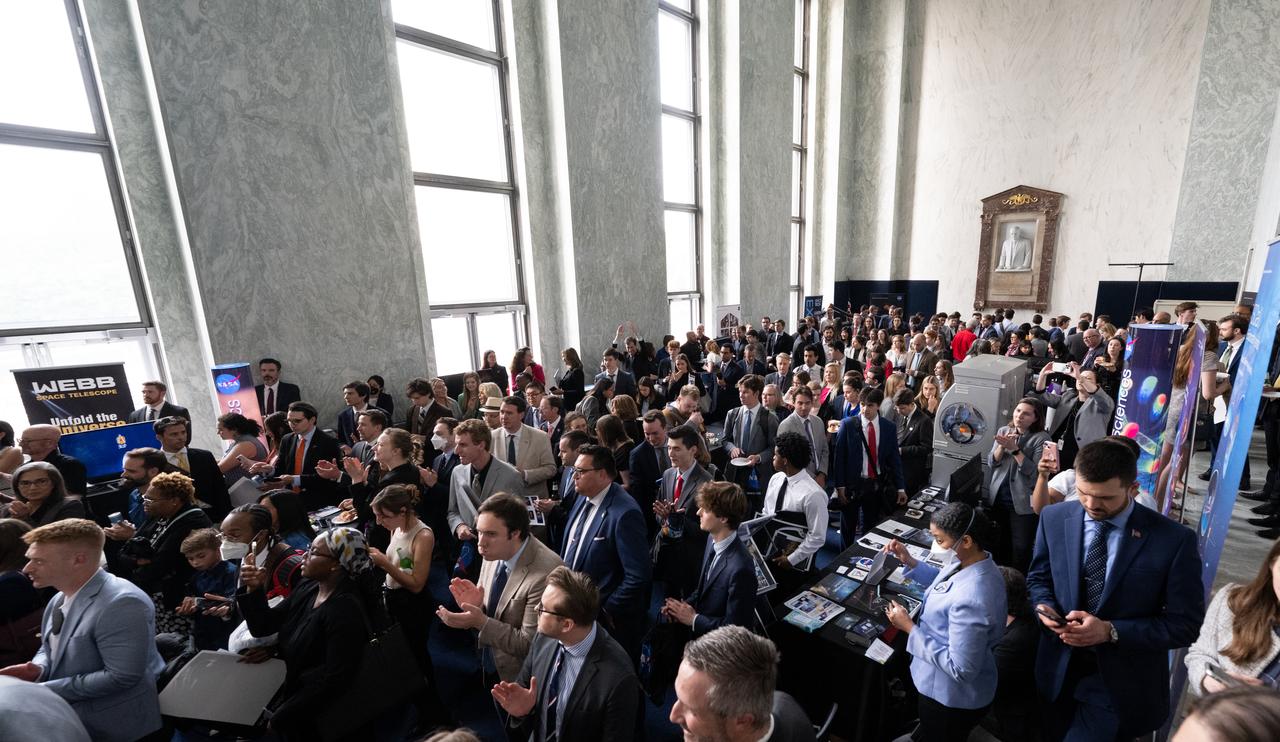
Attendees view exhibits and listen to speakers during NASA’s Science Day on the Hill event, Wednesday, June 7, 2023, at the Rayburn House Office Building in Washington. Photo Credit: (NASA/Joel Kowsky)
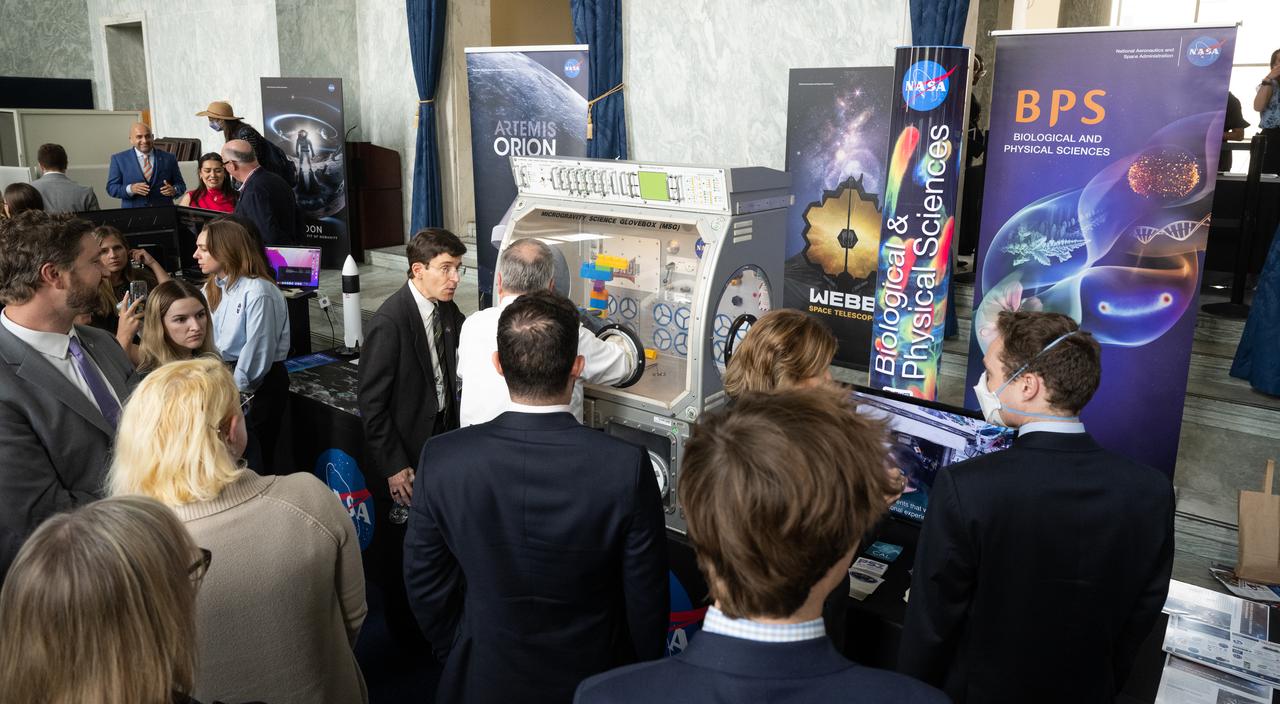
Attendees view exhibits during NASA’s Science Day on the Hill event, Wednesday, June 7, 2023, at the Rayburn House Office Building in Washington. Photo Credit: (NASA/Joel Kowsky)
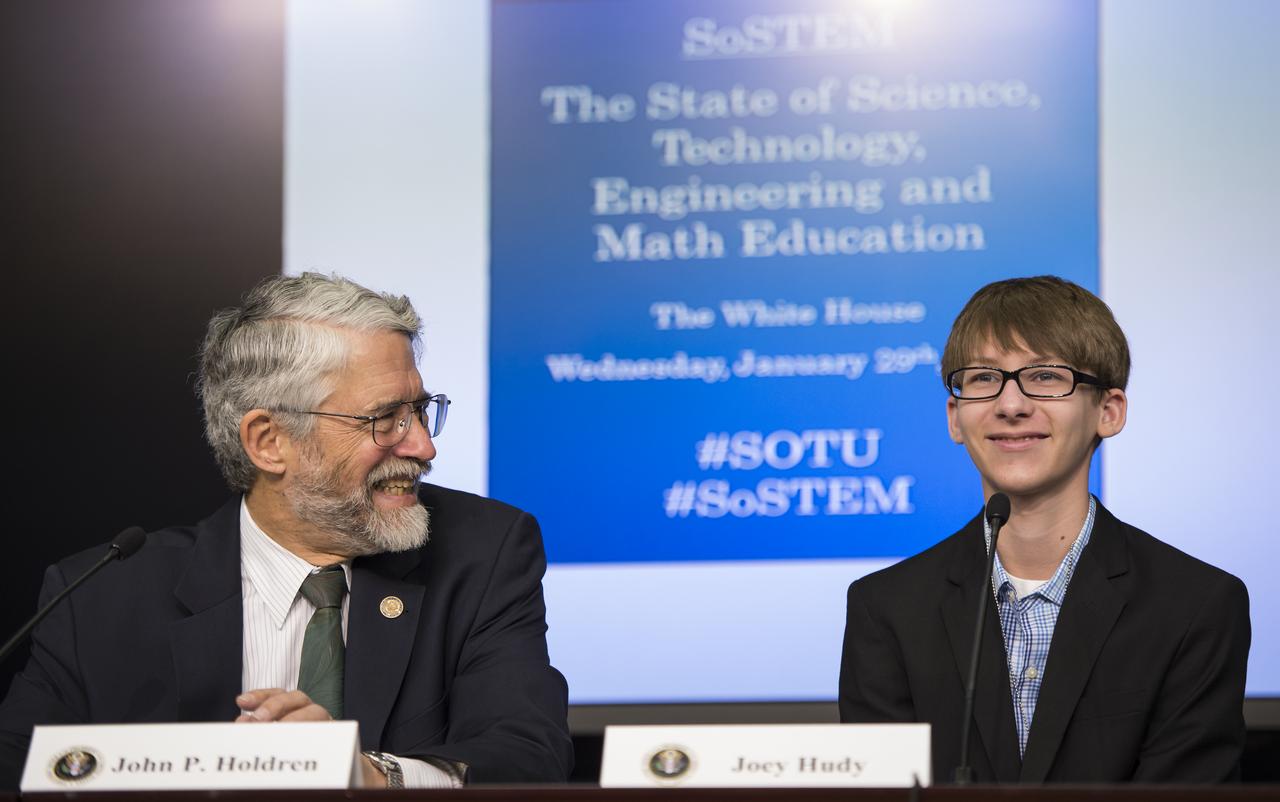
Dr. John P. Holdren, Assistant to the President for Science and Technology and Director of the White House Office of Science & Technology Policy, left, smiles along with 16-year-old Joey Hudy, a former White House Science Fair participant and self-described “Maker” at the annual White House State of Science, Technology, Engineering, and Math (SoSTEM) address, Wednesday, Jan. 29, 2014, in the South Court Auditorium in the Eisenhower Executive Office Building on the White House complex in Washington. Photo Credit: (NASA/Bill Ingalls)
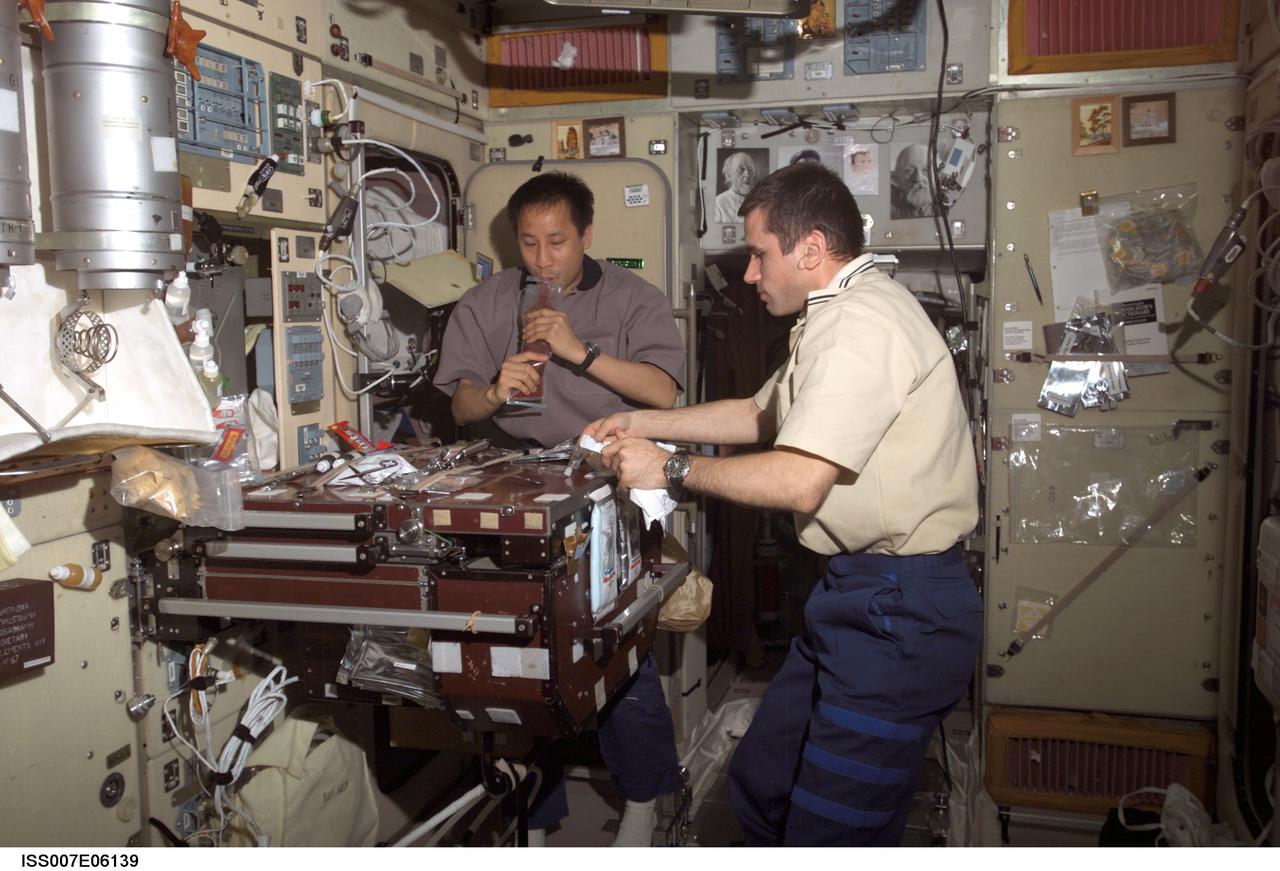
ISS007-E-06139 (1 June 2003) --- Cosmonaut Yuri I. Malenchenko (right), Expedition 7 mission commander, and astronaut Edward T. Lu, NASA ISS science officer and flight engineer, share a meal in the Zvezda Service Module on the International Space Station (ISS). Malenchenko represents Rosaviakosmos.
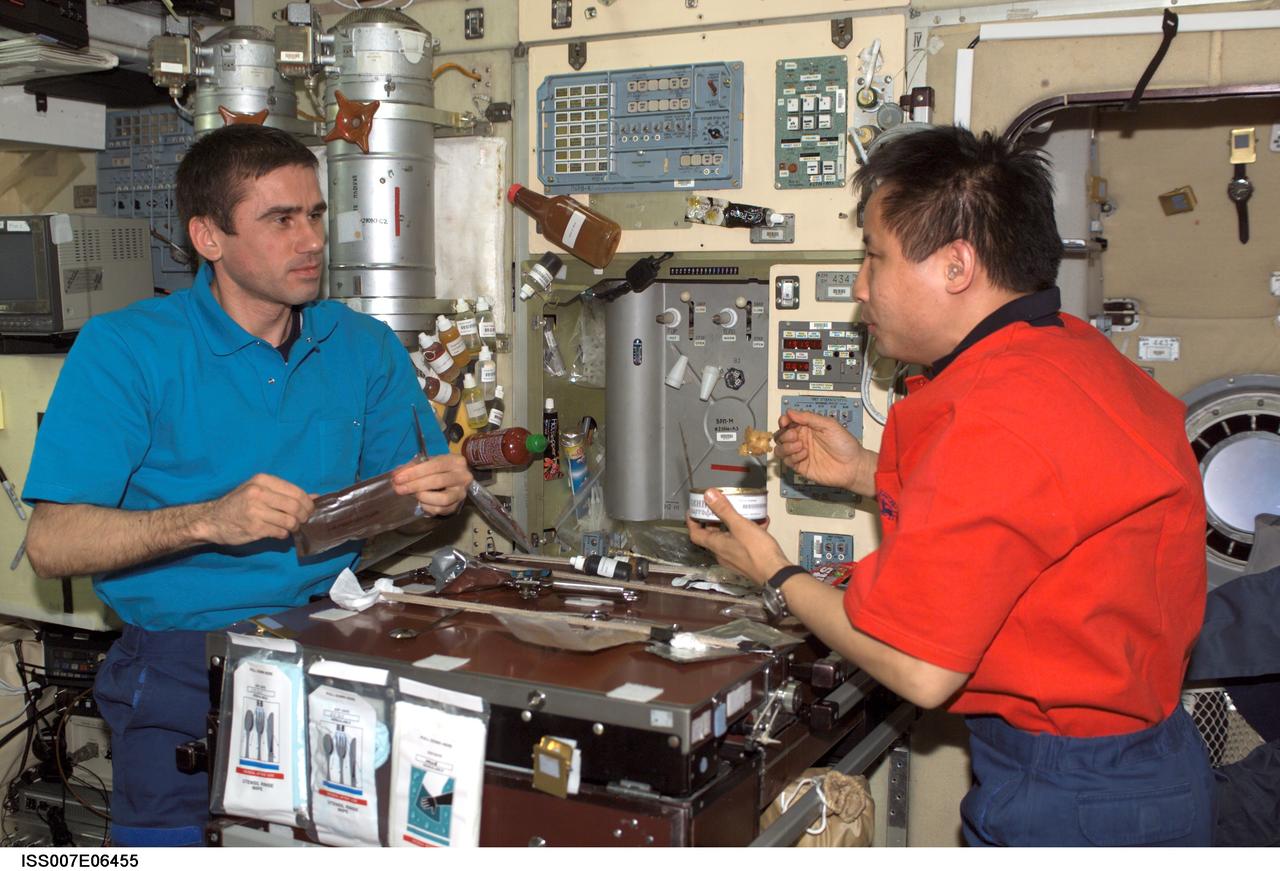
ISS007-E-06455 (7 June 2003) --- Cosmonaut Yuri I. Malenchenko (left), Expedition 7 mission commander, and astronaut Edward T. Lu, NASA ISS science officer and flight engineer, share a meal in the Zvezda Service Module on the International Space Station (ISS). Malenchenko represents Rosaviakosmos.
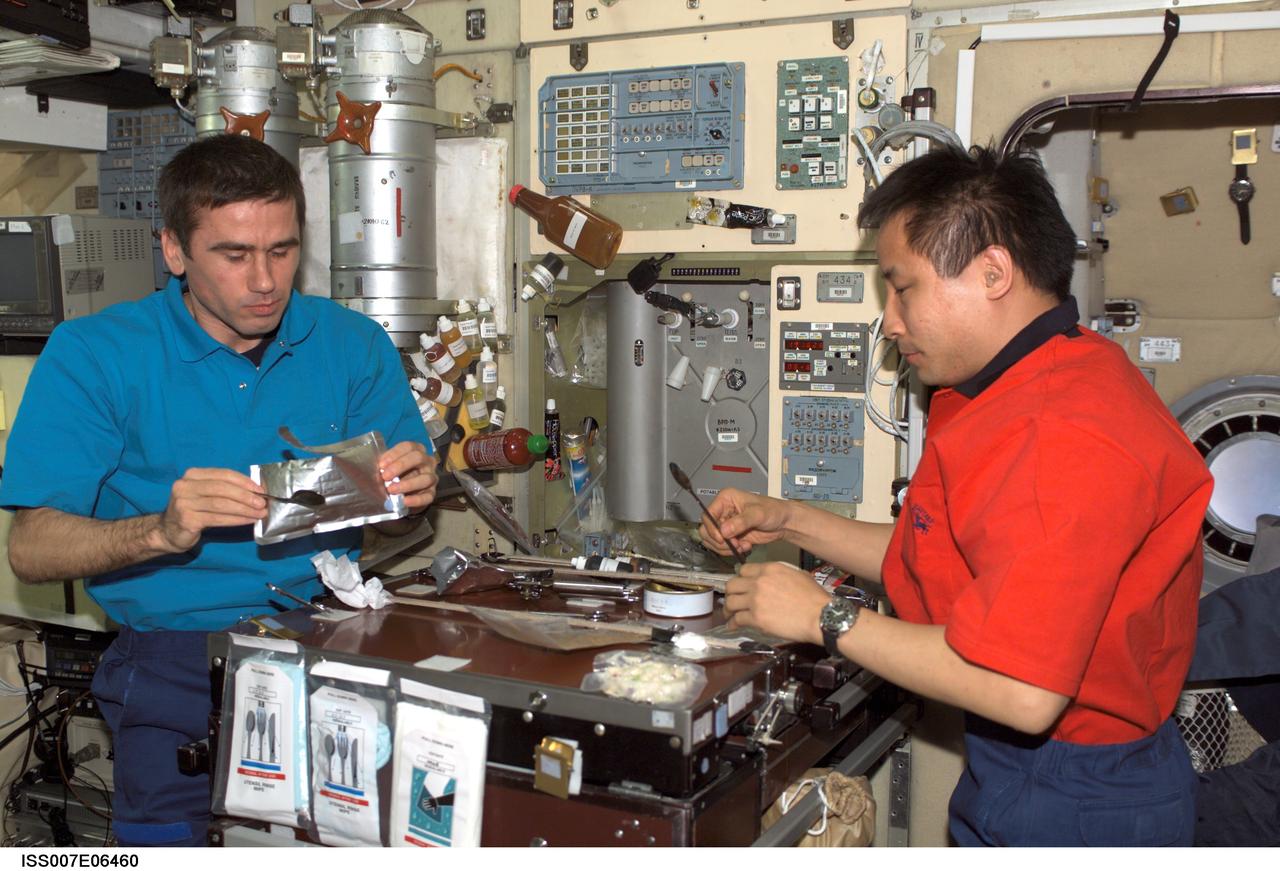
ISS007-E-06460 (7 June 2003) --- Cosmonaut Yuri I. Malenchenko (left), Expedition 7 mission commander, and astronaut Edward T. Lu, NASA ISS science officer and flight engineer, share a meal in the Zvezda Service Module on the International Space Station (ISS). Malenchenko represents Rosaviakosmos.
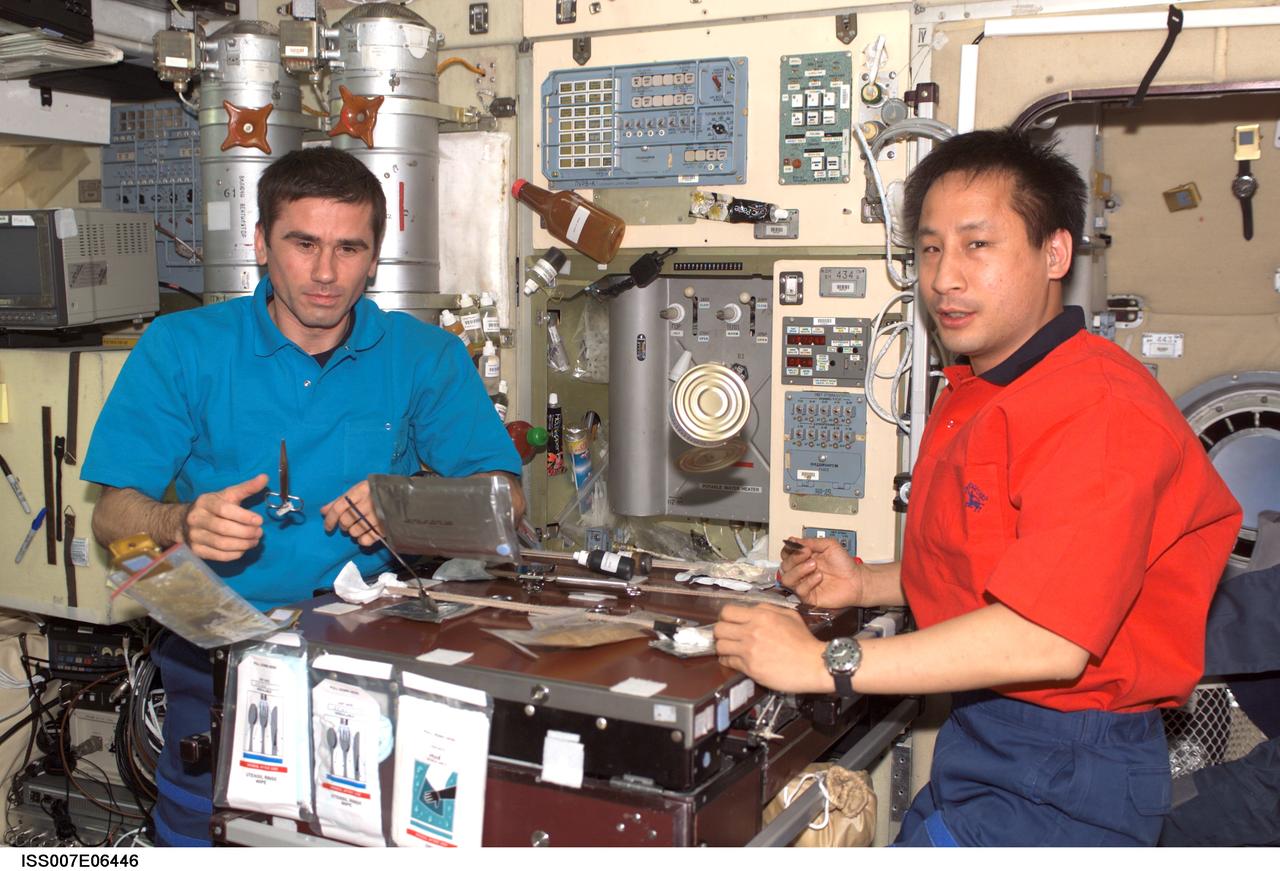
ISS007-E-06446 (7 June 2003) --- Cosmonaut Yuri I. Malenchenko (left), Expedition 7 mission commander, and astronaut Edward T. Lu, NASA ISS science officer and flight engineer, share a meal in the Zvezda Service Module on the International Space Station (ISS). Malenchenko represents Rosaviakosmos.
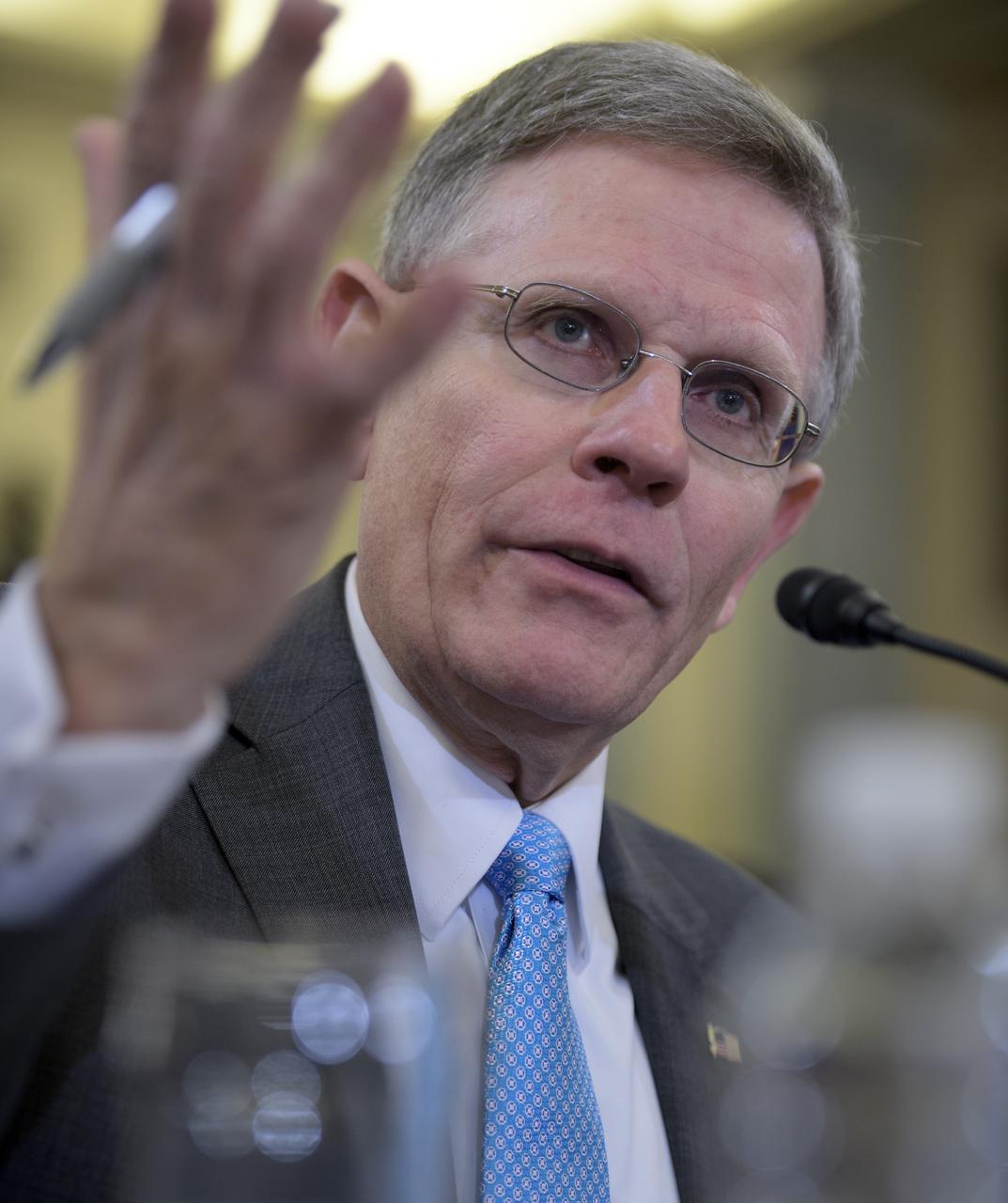
Dr. Kelvin Droegemeier of Oklahoma appears before the Senate Committee on Commerce, Science, and Transportation as the nominee to be the Director of the Office of Science and Technology Policy on Thursday, Aug. 23, 2018 in the Russell Senate Office Building in Washington. Photo Credit: (NASA/Bill Ingalls)
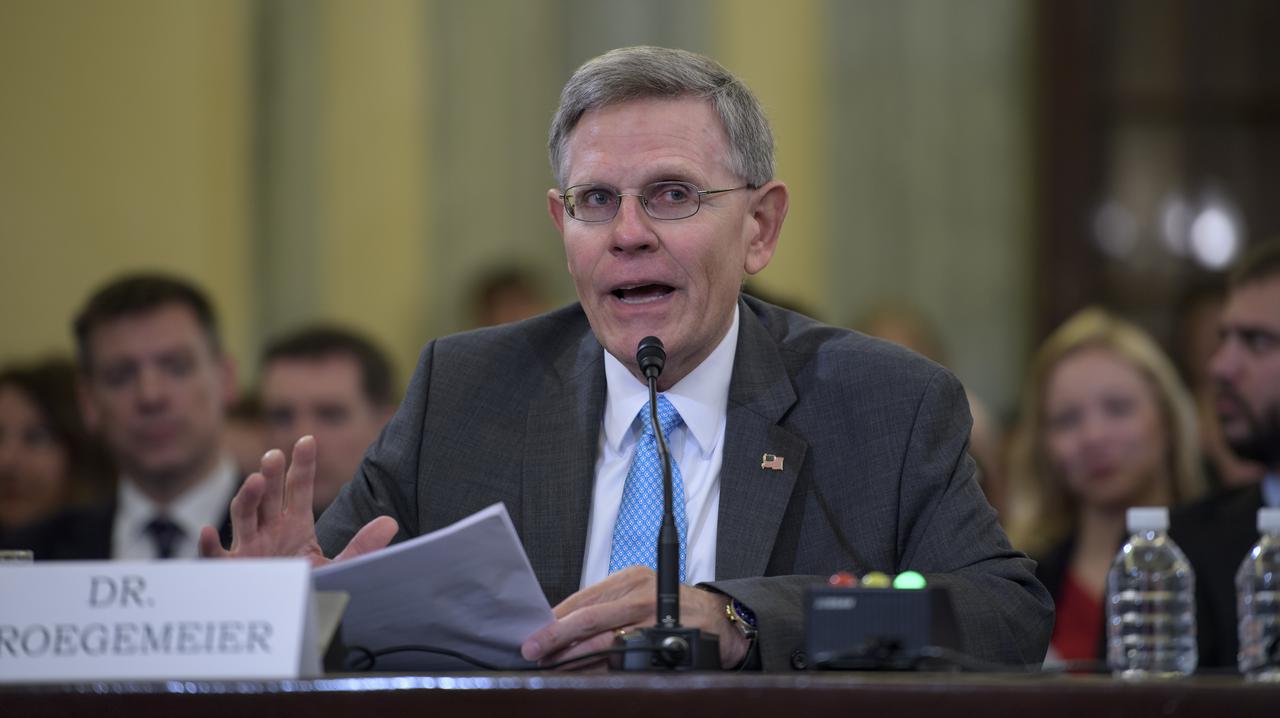
Dr. Kelvin Droegemeier of Oklahoma appears before the Senate Committee on Commerce, Science, and Transportation as the nominee to be the Director of the Office of Science and Technology Policy on Thursday, Aug. 23, 2018 in the Russell Senate Office Building in Washington. Photo Credit: (NASA/Bill Ingalls)
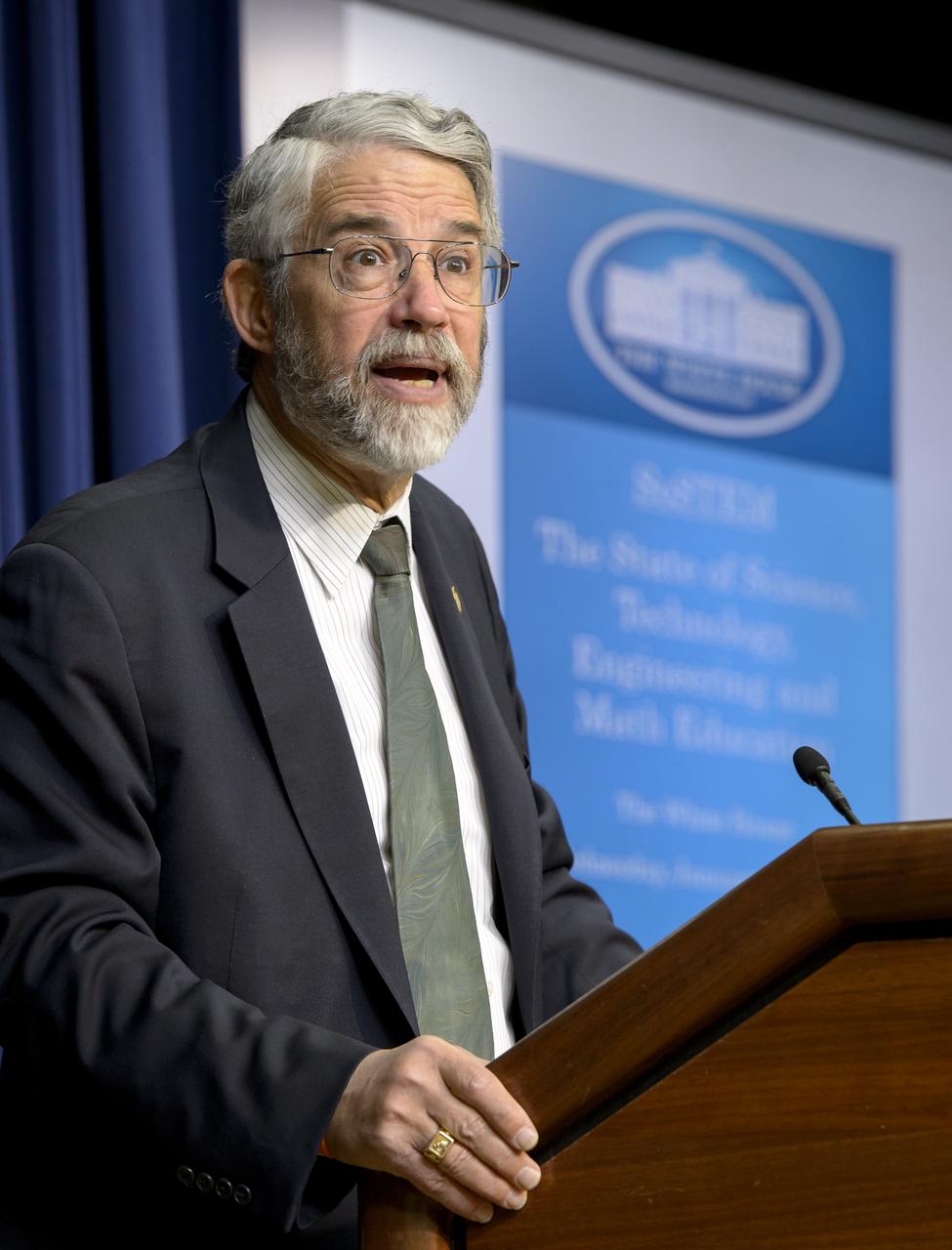
Dr. John P. Holdren, Assistant to the President for Science and Technology and Director of the White House Office of Science & Technology Policy, speaks at the annual White House State of Science, Technology, Engineering, and Math (SoSTEM) address, Wednesday, Jan. 29, 2014, in the South Court Auditorium in the Eisenhower Executive Office Building on the White House complex in Washington. Photo Credit: (NASA/Bill Ingalls)
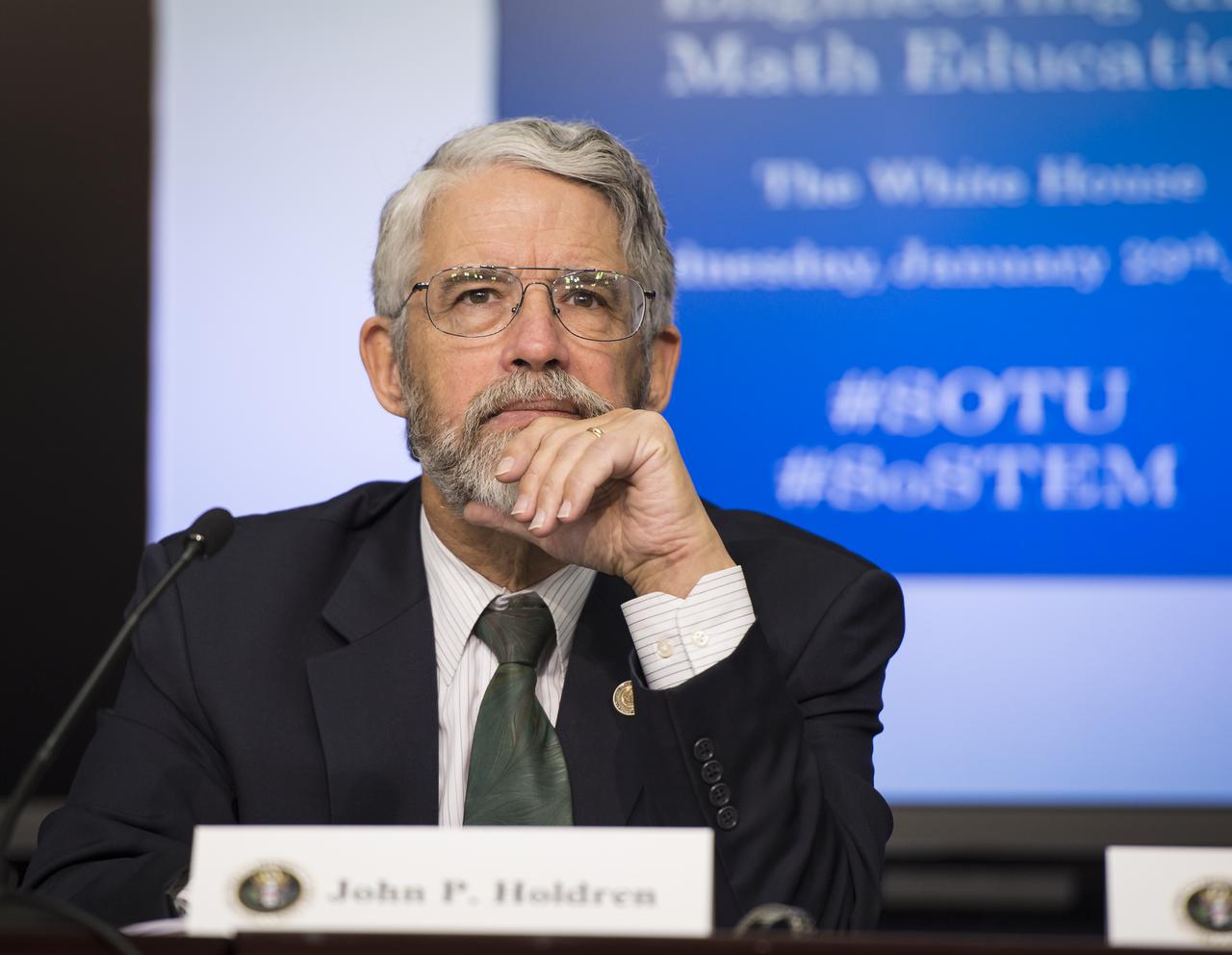
Dr. John P. Holdren, Assistant to the President for Science and Technology and Director of the White House Office of Science & Technology Policy, listens to a question during the annual White House State of Science, Technology, Engineering, and Math (SoSTEM) address, Wednesday, Jan. 29, 2014, in the South Court Auditorium in the Eisenhower Executive Office Building on the White House complex in Washington. Photo Credit: (NASA/Bill Ingalls)
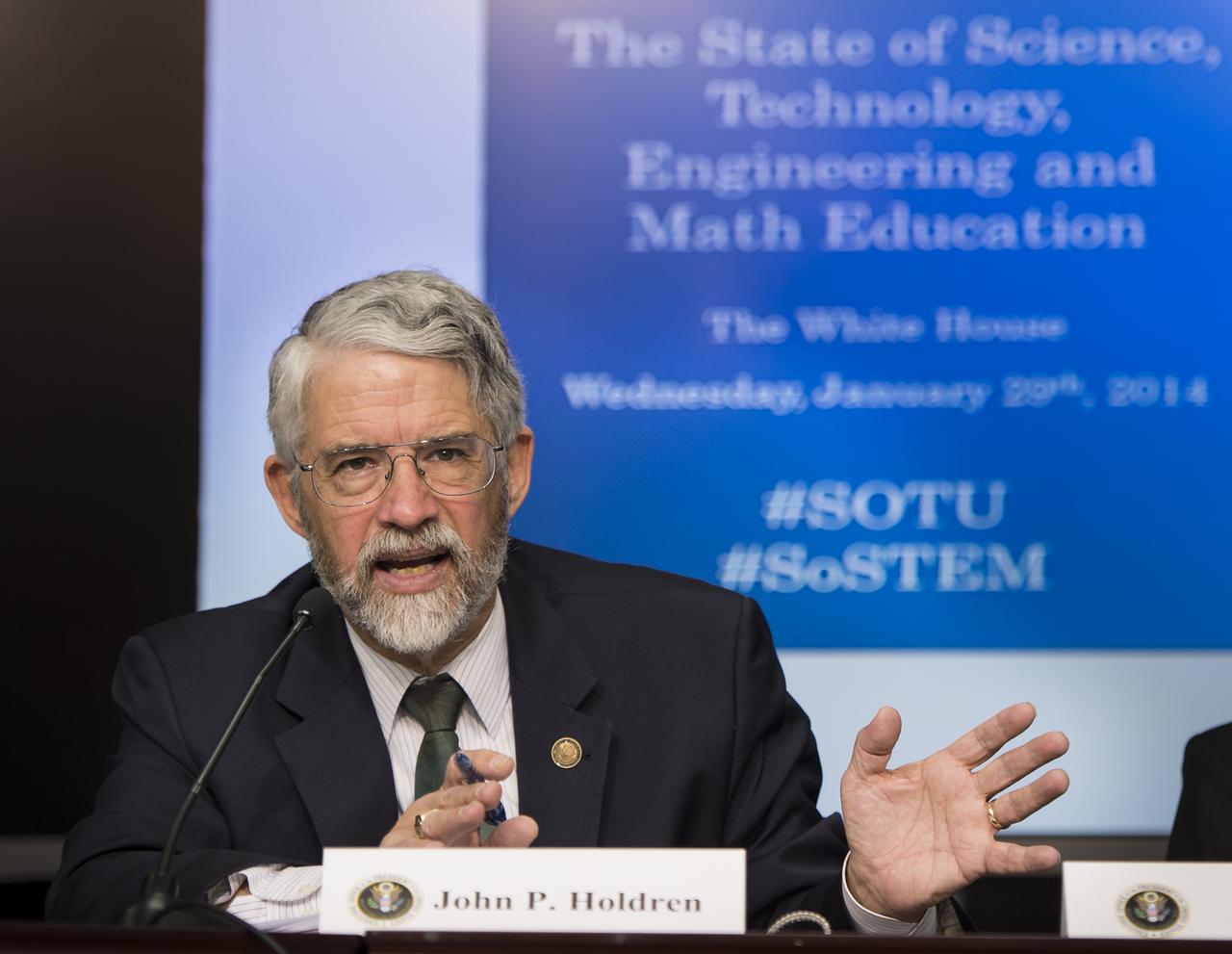
Dr. John P. Holdren, Assistant to the President for Science and Technology and Director of the White House Office of Science & Technology Policy, speaks at the annual White House State of Science, Technology, Engineering, and Math (SoSTEM) address, Wednesday, Jan. 29, 2014, in the South Court Auditorium in the Eisenhower Executive Office Building on the White House complex in Washington. Photo Credit: (NASA/Bill Ingalls)
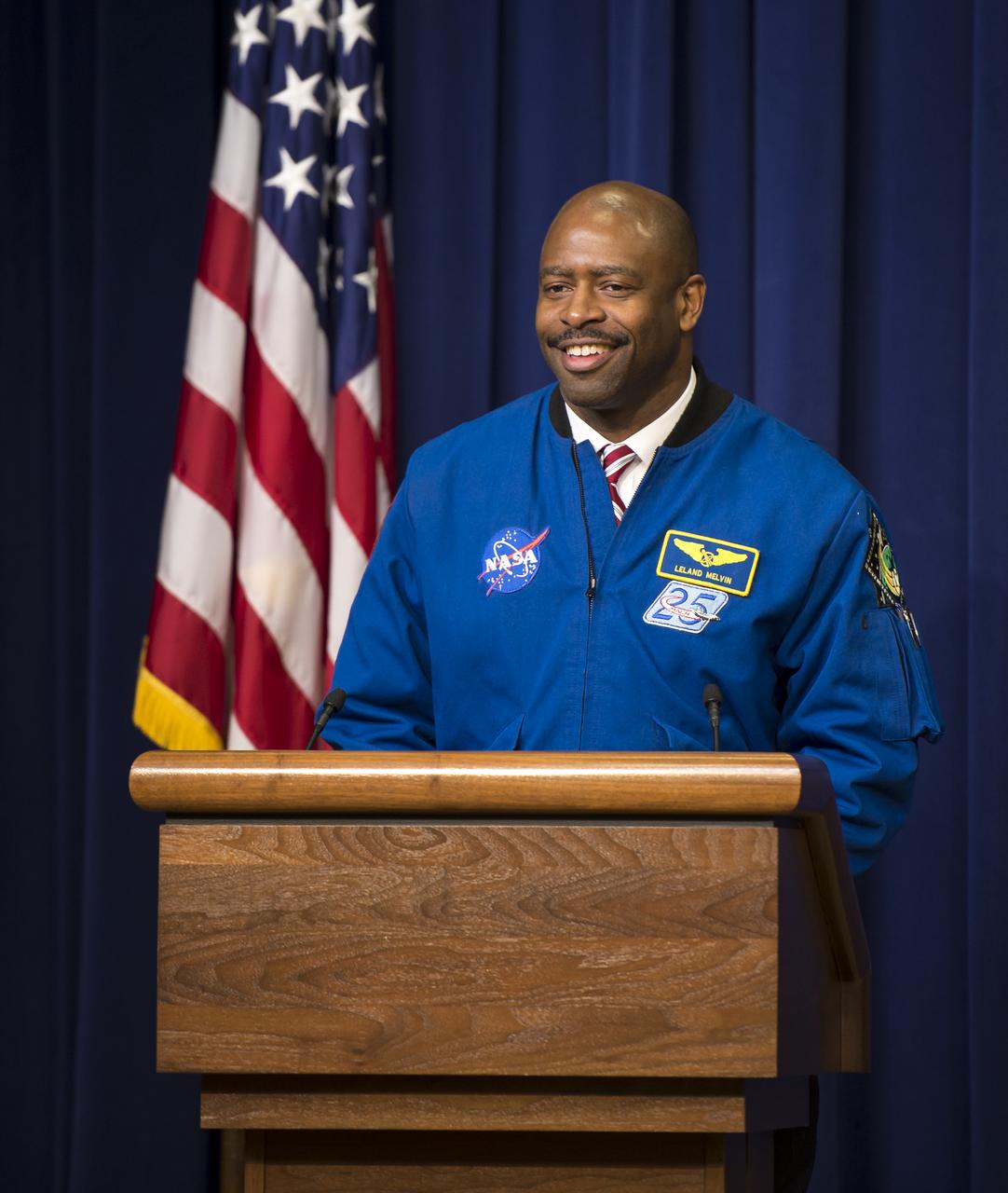
NASA associate administrator for education and former astronaut Leland Melvin speaks at the annual White House State of Science, Technology, Engineering, and Math (SoSTEM) address, Wednesday, Jan. 29, 2014, in the South Court Auditorium in the Eisenhower Executive Office Building on the White House complex in Washington. Photo Credit: (NASA/Bill Ingalls)
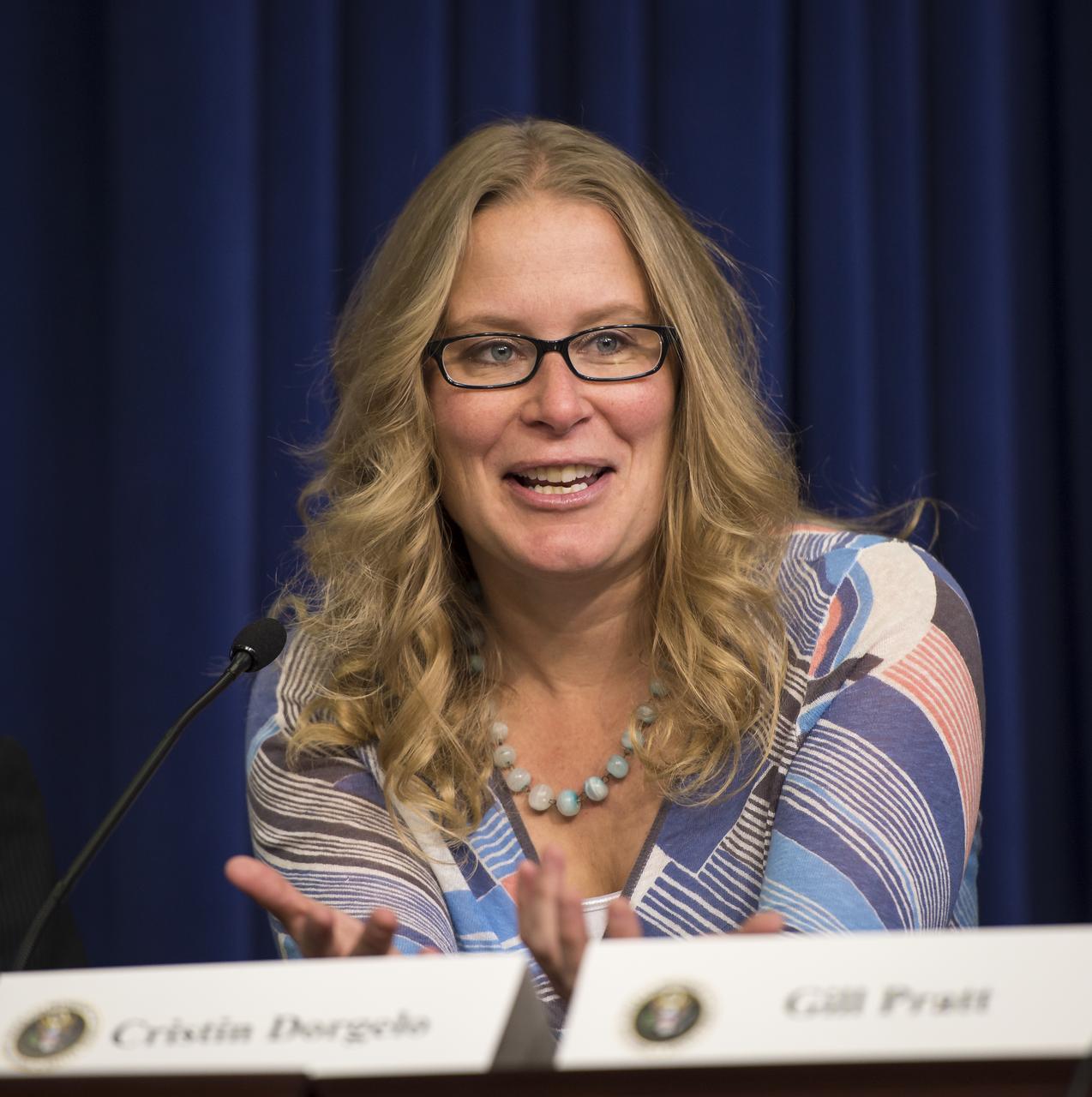
White House innovation expert Cristin Dorgelo speaks at the annual White House State of Science, Technology, Engineering, and Math (SoSTEM) address, Wednesday, Jan. 29, 2014, in the South Court Auditorium in the Eisenhower Executive Office Building on the White House complex in Washington. Photo Credit: (NASA/Bill Ingalls)
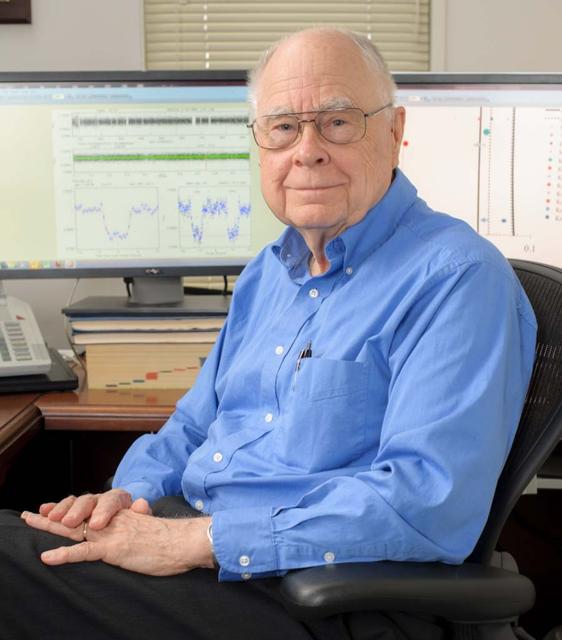
The Kepler Mission Science Principal Investigator Dr William 'Bill' Borucki in his office at NASA Ames Research center.
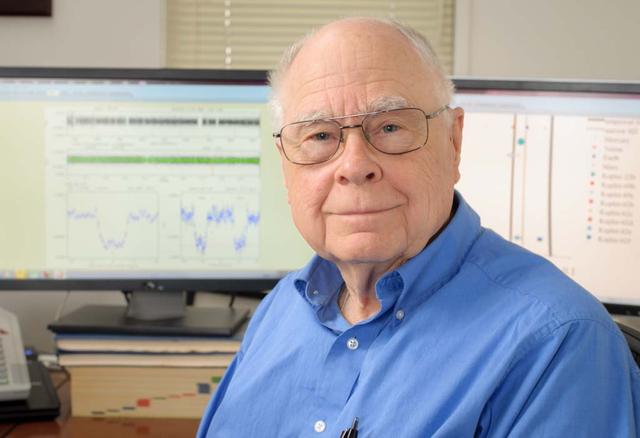
The Kepler Mission Science Principal Investigator Dr William 'Bill' Borucki in his office at NASA Ames Research center.
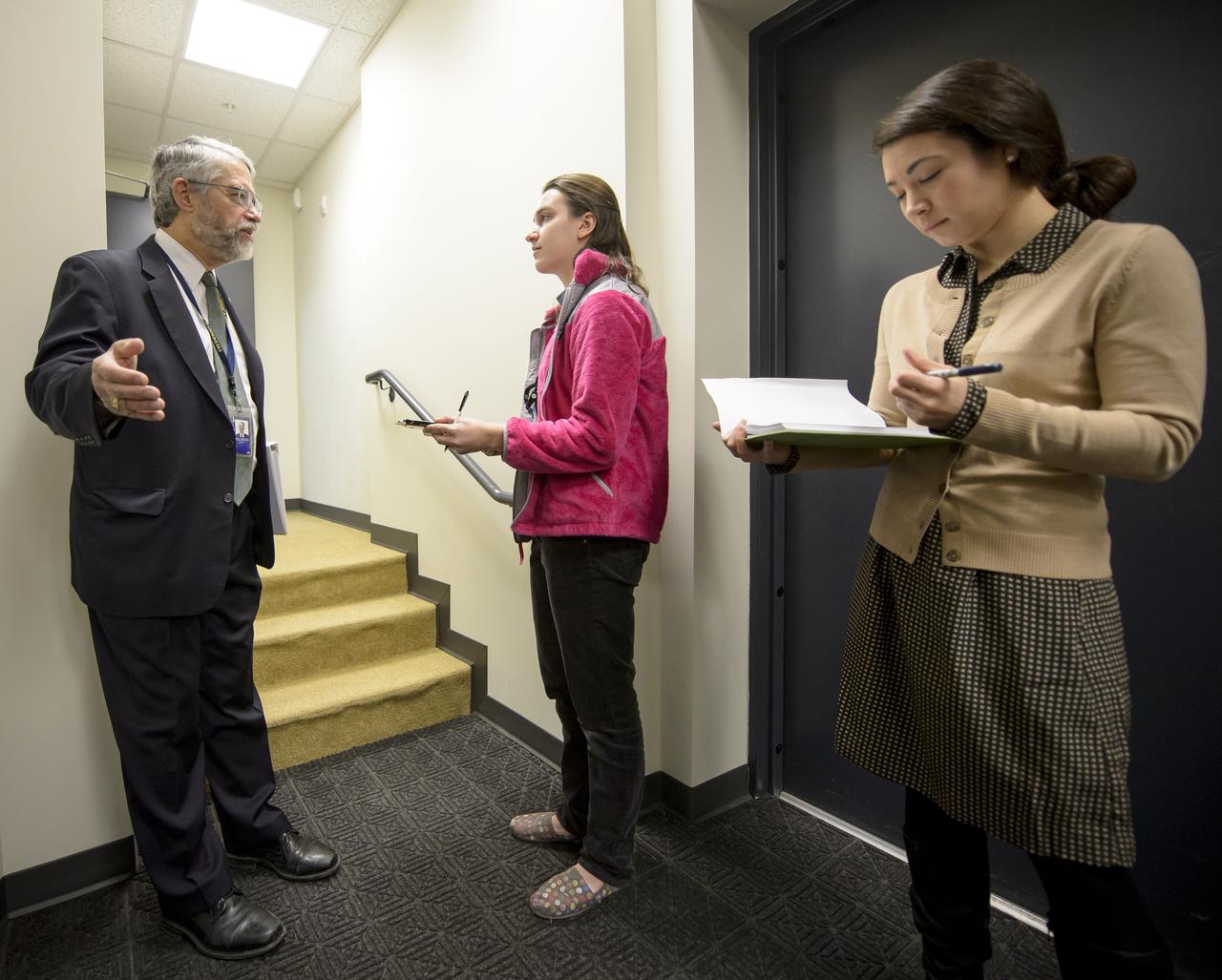
Dr. John P. Holdren, Assistant to the President for Science and Technology and Director of the White House Office of Science & Technology Policy, left, is interviewed by TIME for Kids reporter Kristen Rigsby, as Moira Vahey, Deputy Assistant Director for Strategic Communications at the White House Office of Science & Technology Policy, right, takes notes ahead of the annual White House State of Science, Technology, Engineering, and Math (SoSTEM) address, Wednesday, Jan. 29, 2014, in the South Court Auditorium in the Eisenhower Executive Office Building on the White House complex in Washington. Photo Credit: (NASA/Bill Ingalls)

Jeff Greulich, DynCorp life support technician, adjusts a prototype helmet on pilot Craig Bomben at NASA Dryden Flight Research Center, Edwards, Calif. Built by Gentex Corp., Carbondale, Pa., the helmet was evaluated by five NASA pilots during the summer and fall of 2002. The objective was to obtain data on helmet fit, comfort and functionality. The inner helmet of the modular system is fitted to the individual crewmember. The outer helmet features a fully integrated spectral mounted helmet display and a binocular helmet mounted display. The helmet will be adaptable to all flying platforms. The Dryden evaluation was overseen by the Center's Life Support office. Assessments have taken place during normal proficiency flights and some air-to-air combat maneuvering. Evaluation platforms included the F-18, B-52 and C-12. The prototype helmet is being developed by the Naval Air Science and Technology Office and the Aircrew Systems Program Office, Patuxent River, Md.
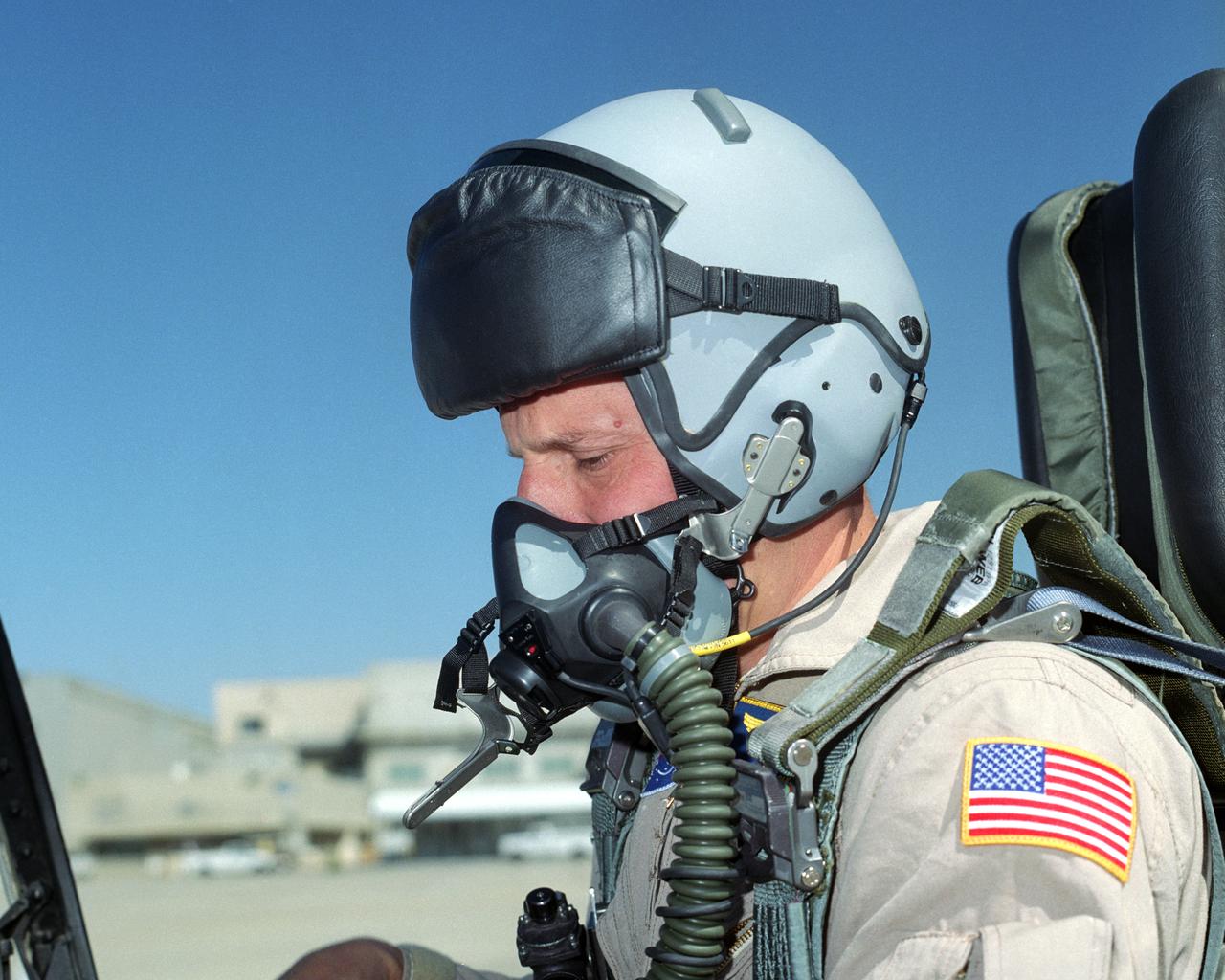
Research pilots from the NASA Dryden Flight Research Center, Edwards, Calif., tested a prototype two-part helmet. Built by Gentex Corp., Carbondale, Pa., the helmet was evaluated by five NASA pilots during the summer and fall of 2002. The objective was to obtain data on helmet fit, comfort and functionality. The inner helmet of the modular system is fitted to the individual crewmember. The outer helmet features a fully integrated spectral mounted helmet display and a binocular helmet mounted display. The helmet will be adaptable to all flying platforms. The Dryden evaluation was overseen by the Center's Life Support office. Assessments have taken place during normal proficiency flights and some air-to-air combat maneuvering. Evaluation platforms included the F-18, B-52 and C-12. The prototype helmet is being developed by the Naval Air Science and Technology Office and the Aircrew Systems Program Office, Patuxent River, Md.
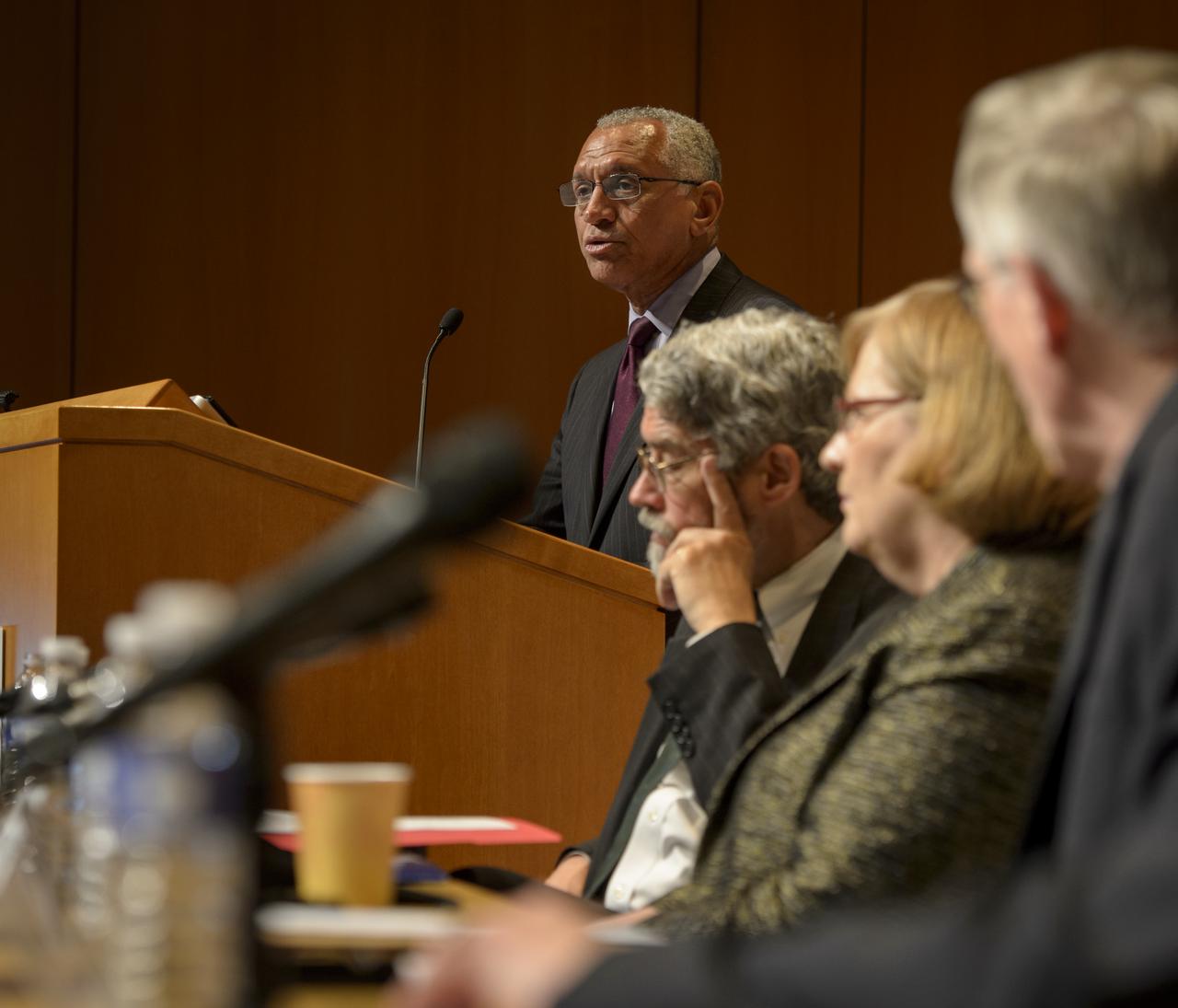
NASA Administrator Charlie Bolden, delivers remarks during a White House Office of Science and Technology Policy (OSTP) Fiscal Year 2014 budget briefing held with with Dr. John P. Holdren, Director of OSTP, Patricia Falcone of OSTP, Francis Collins from NIH, Cora Marrett from NSF, and Kathryn Sullivan from NOAA, at the American Association for the Advancement of Science (AAAS) on Wednesday, April 10, 2013 in Washington. Photo Credit: (NASA/Bill Ingalls)
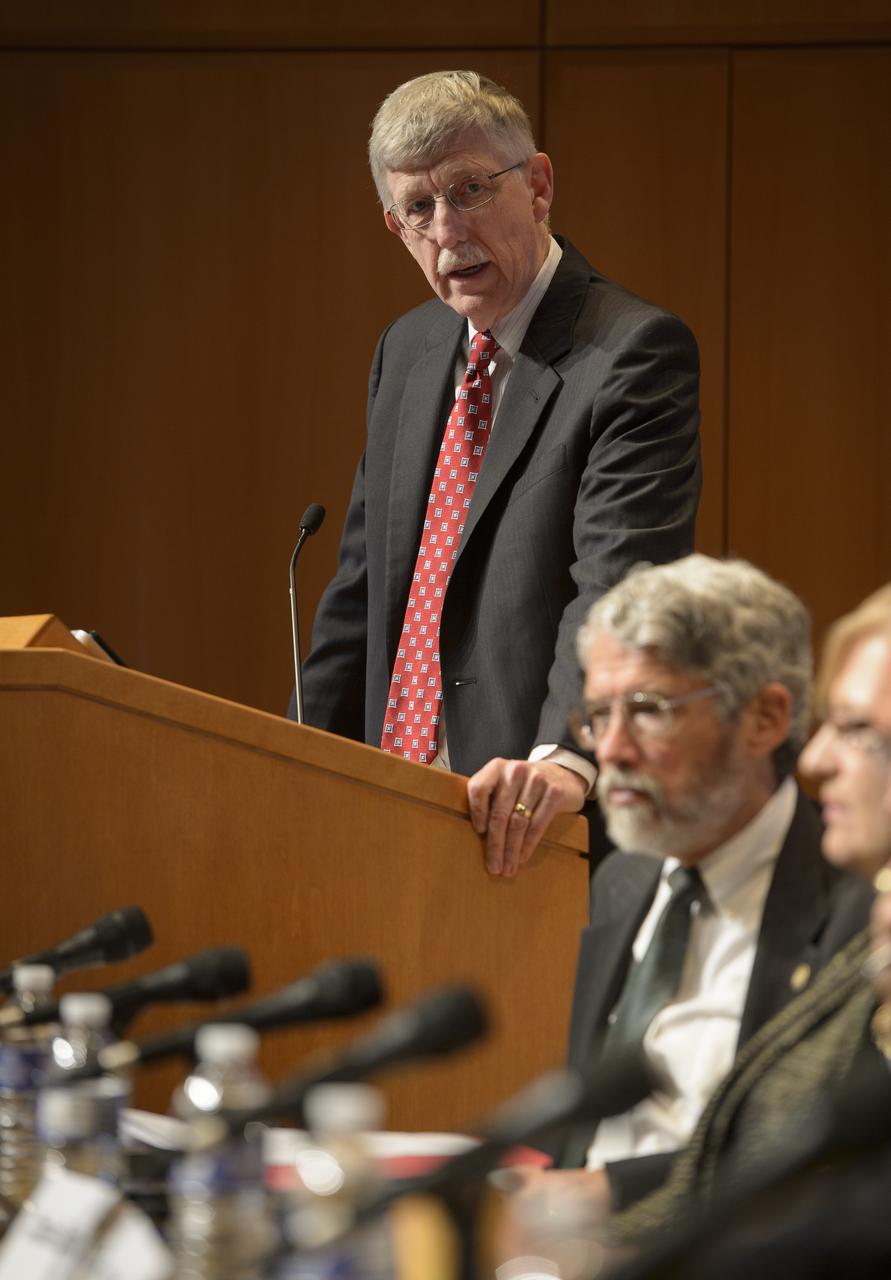
Director of the National Institutes of Health (NIH) Francis S. Collins, M.D., Ph.D., delivers remarks during a White House Office of Science and Technology Policy (OSTP) Fiscal Year 2014 budget briefing held with with Dr. John P. Holdren, Director of OSTP, Patricia Falcone of OSTP, Charlie Bolden from NASA, Cora Marrett from NSF, and Kathryn Sullivan from NOAA, at the American Association for the Advancement of Science (AAAS) on Wednesday, April 10, 2013 in Washington. Photo Credit: (NASA/Bill Ingalls)
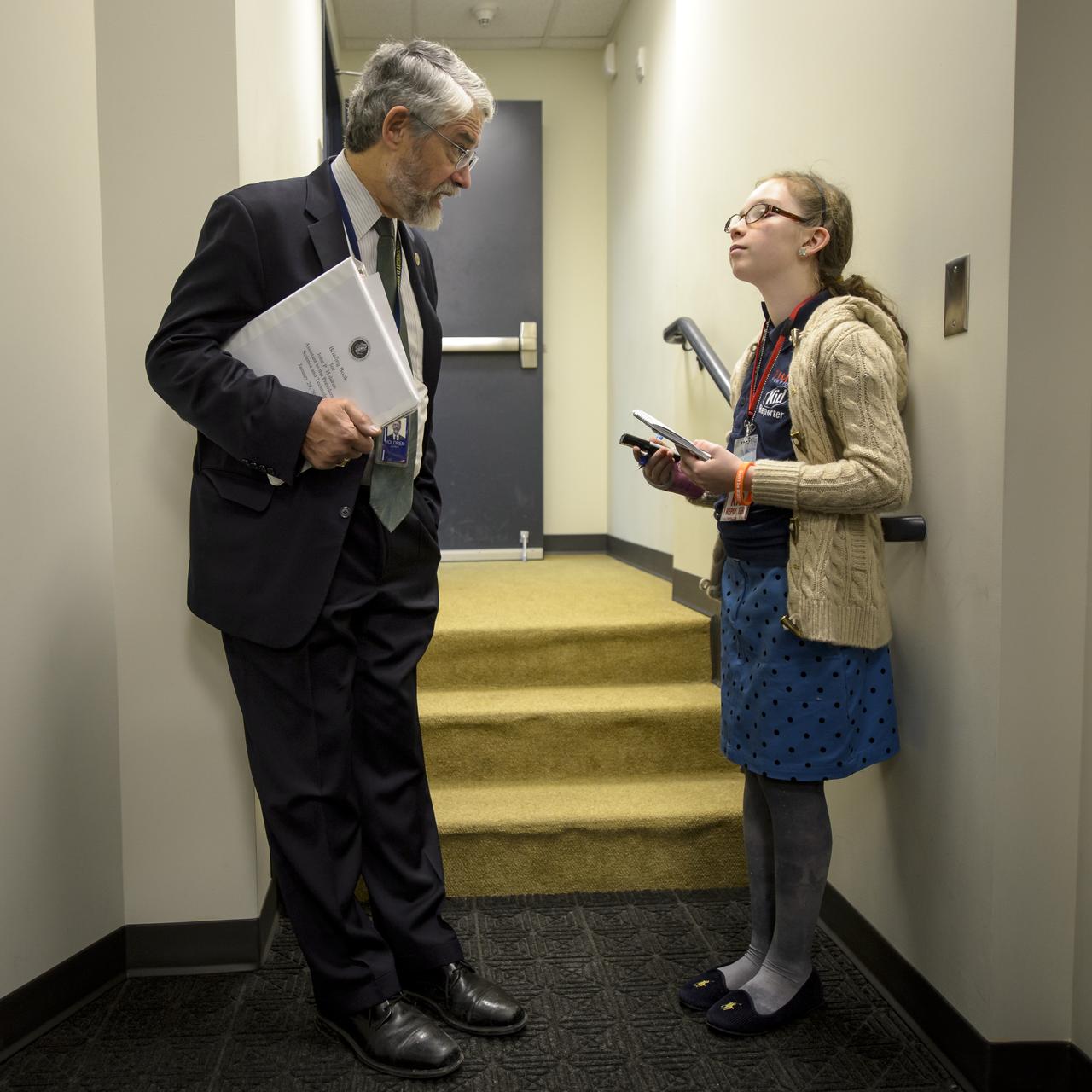
Dr. John P. Holdren, Assistant to the President for Science and Technology and Director of the White House Office of Science & Technology Policy, left, is interviewed by TIME for Kids reporter Grace Clark ahead of the annual White House State of Science, Technology, Engineering, and Math (SoSTEM) address, Wednesday, Jan. 29, 2014, in the South Court Auditorium in the Eisenhower Executive Office Building on the White House complex in Washington. Photo Credit: (NASA/Bill Ingalls)

Dr. John P. Holdren, Assistant to the President for Science and Technology and Director of the White House Office of Science & Technology Policy is interviewed by TIME for Kids reporter Kristen Rigsby, ahead of the annual White House State of Science, Technology, Engineering, and Math (SoSTEM) address, Wednesday, Jan. 29, 2014, in the South Court Auditorium in the Eisenhower Executive Office Building on the White House complex in Washington. Photo Credit: (NASA/Bill Ingalls)
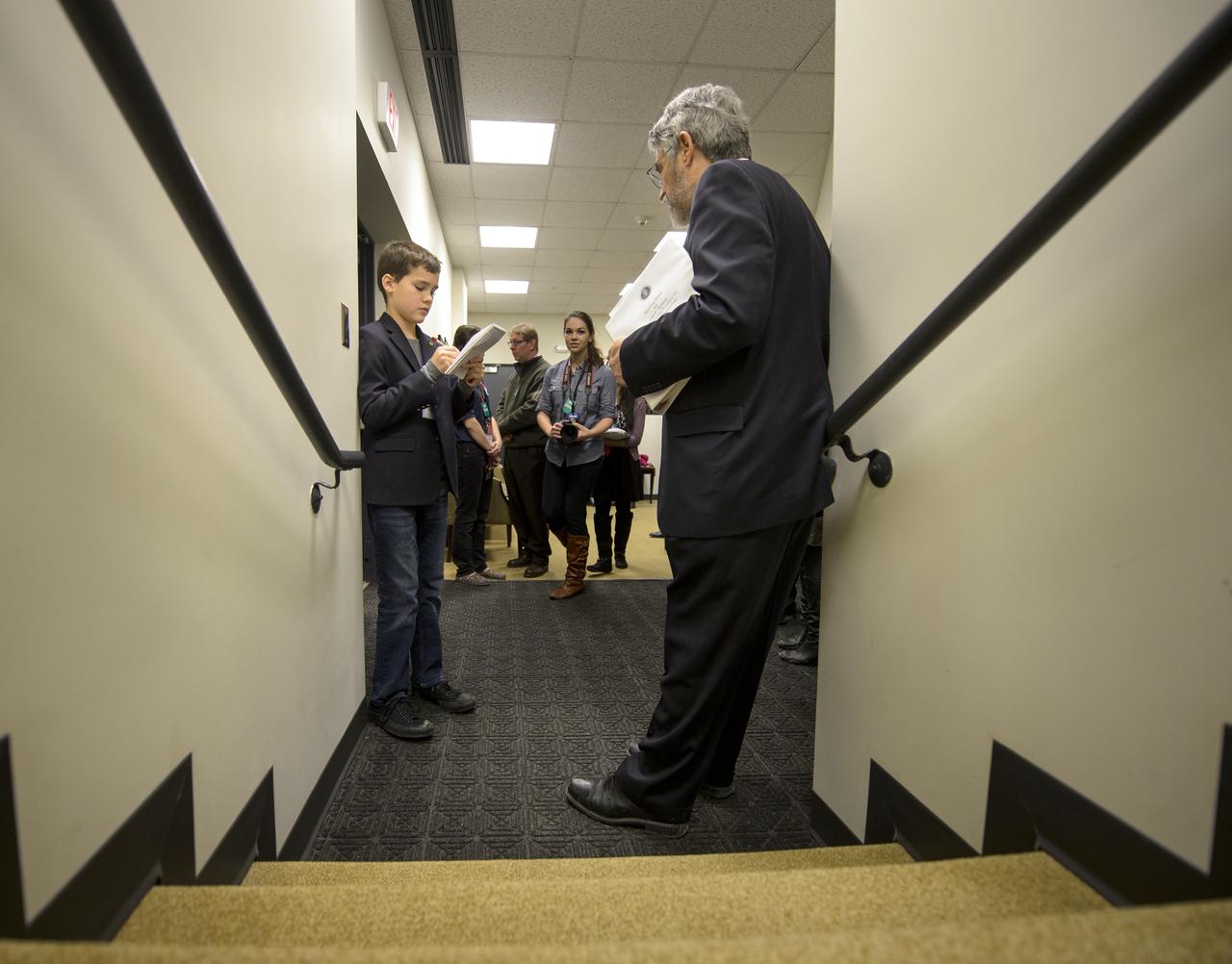
Dr. John P. Holdren, Assistant to the President for Science and Technology and Director of the White House Office of Science & Technology Policy, right, is interviewed by National Geographic Kids reporter Trevor Jehl ahead of the annual White House State of Science, Technology, Engineering, and Math (SoSTEM) address, Wednesday, Jan. 29, 2014, in the South Court Auditorium in the Eisenhower Executive Office Building on the White House complex in Washington. Photo Credit: (NASA/Bill Ingalls)
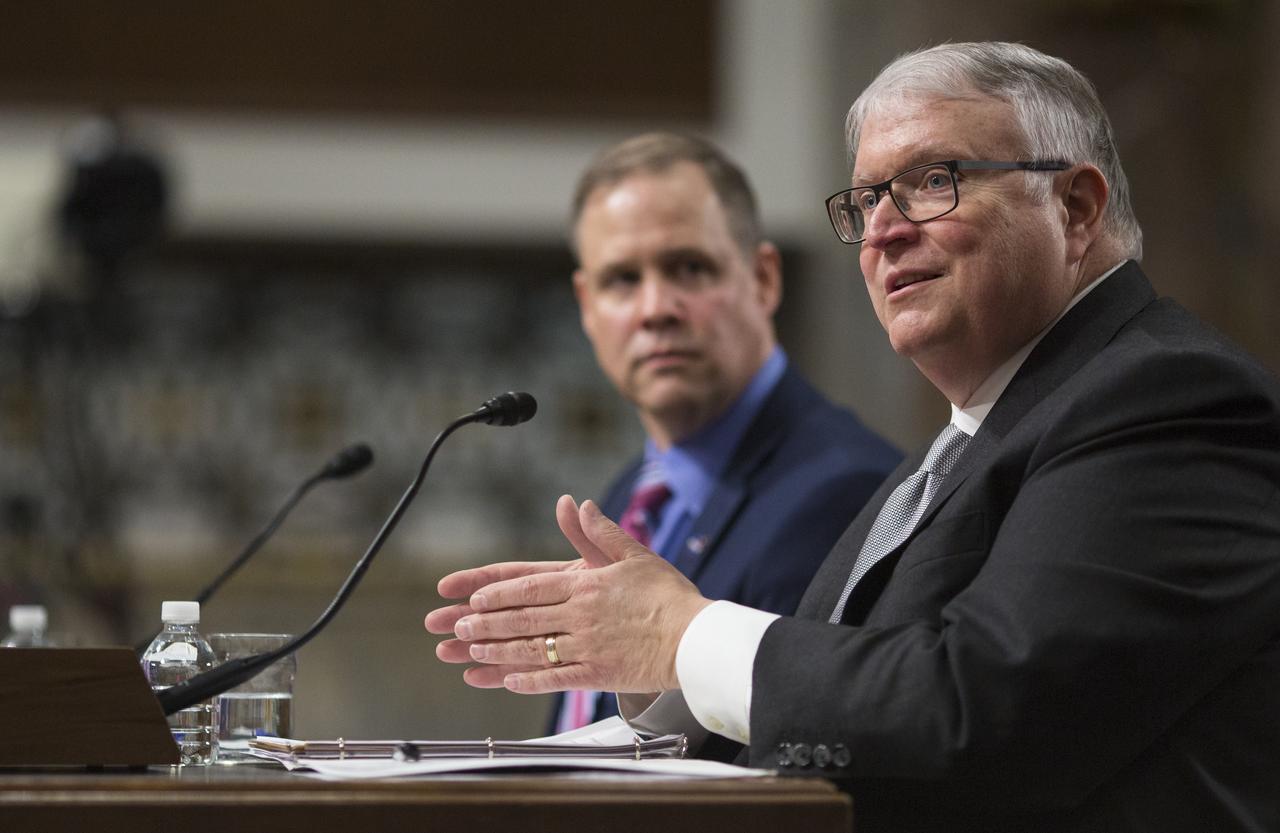
Kevin O'Connell, Director of the Office of Space Commerce at the Department of Commerce, testifies during a hearing of the Senate Committee on Commerce, Science, and Transportation titled "The New Space Race: Ensuring U.S. Global Leadership on the Final Frontier," Wednesday, March 13, 2019 at the Dirksen Senate Office Building in Washington. Photo Credit: (NASA/Joel Kowsky)
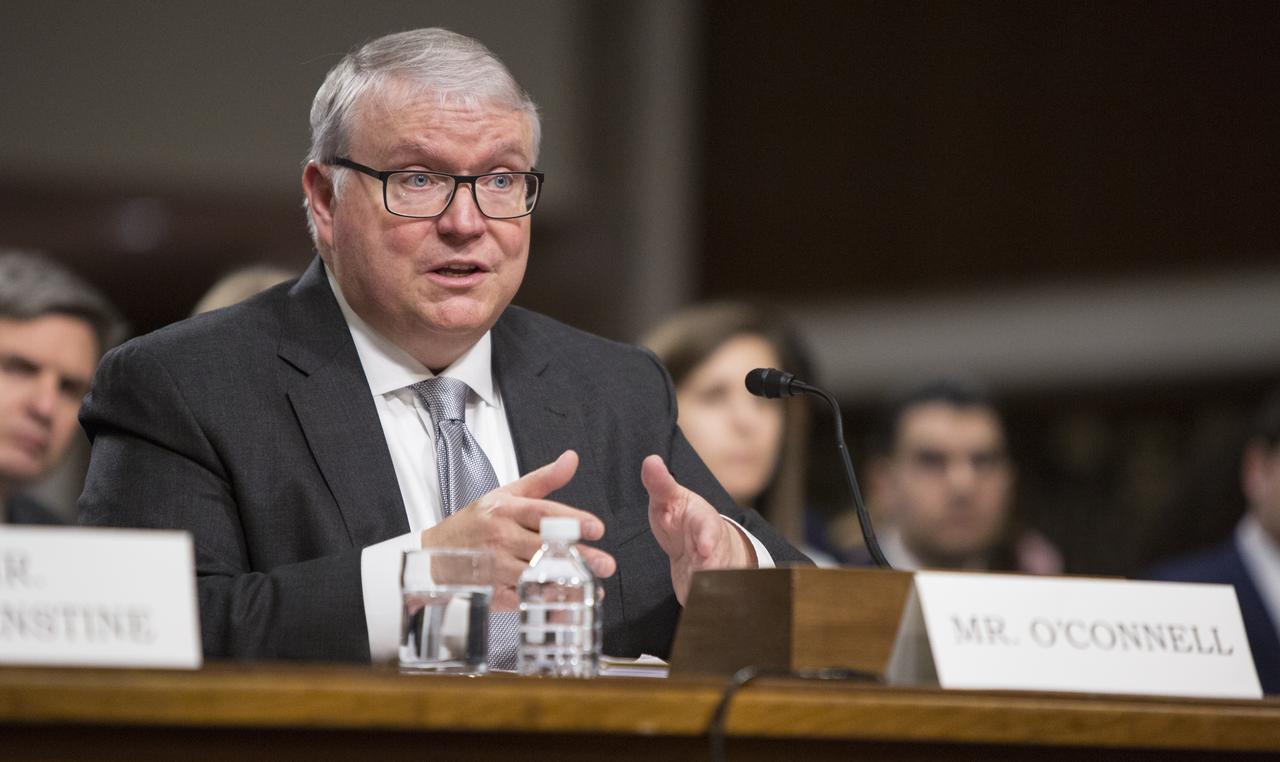
Kevin O'Connell, Director of the Office of Space Commerce at the Department of Commerce, testifies during a hearing of the Senate Committee on Commerce, Science, and Transportation titled "The New Space Race: Ensuring U.S. Global Leadership on the Final Frontier," Wednesday, March 13, 2019 at the Dirksen Senate Office Building in Washington. Photo Credit: (NASA/Joel Kowsky)
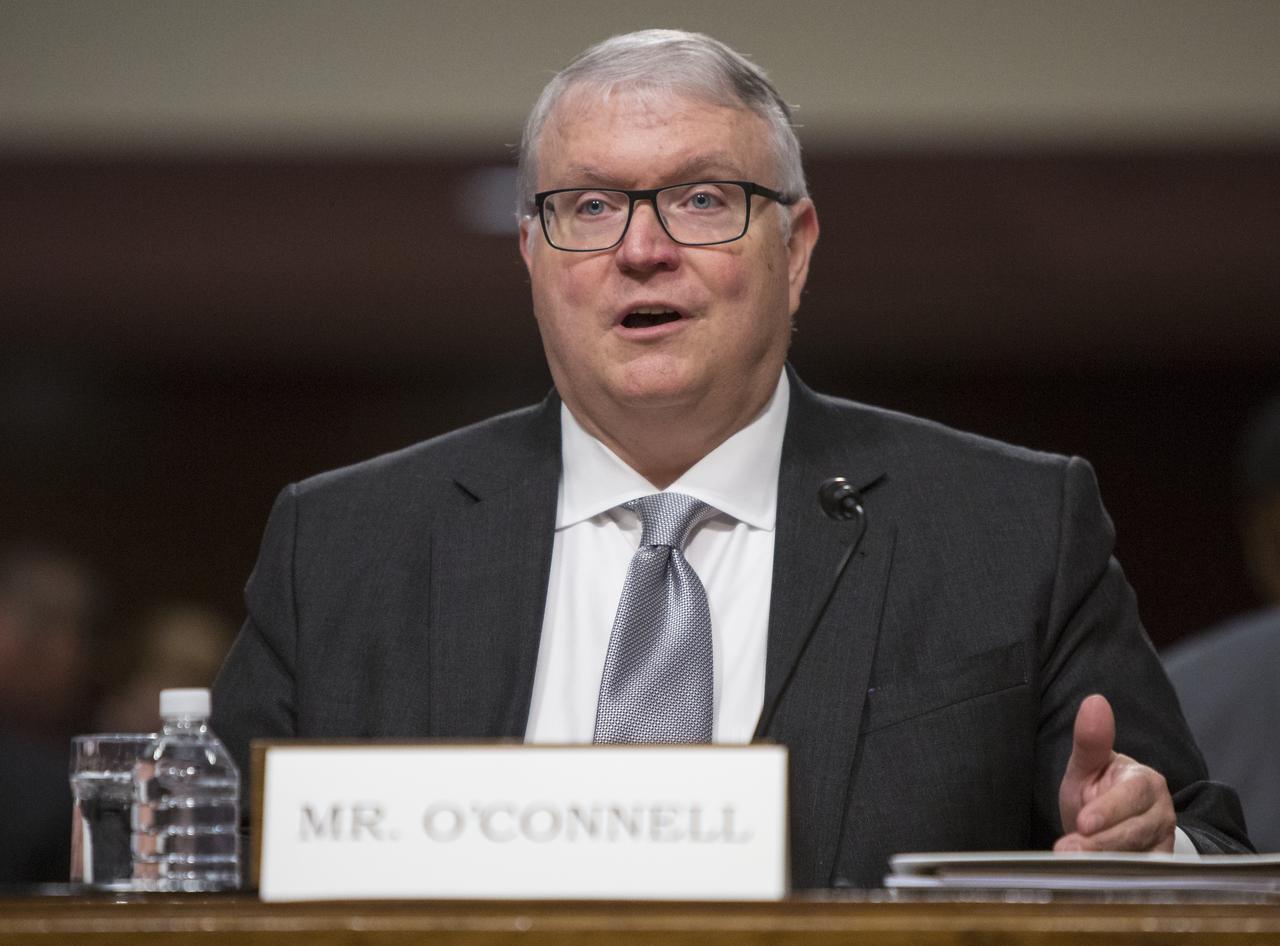
Kevin O'Connell, Director of the Office of Space Commerce at the Department of Commerce, testifies during a hearing of the Senate Committee on Commerce, Science, and Transportation titled "The New Space Race: Ensuring U.S. Global Leadership on the Final Frontier," Wednesday, March 13, 2019 at the Dirksen Senate Office Building in Washington. Photo Credit: (NASA/Joel Kowsky)
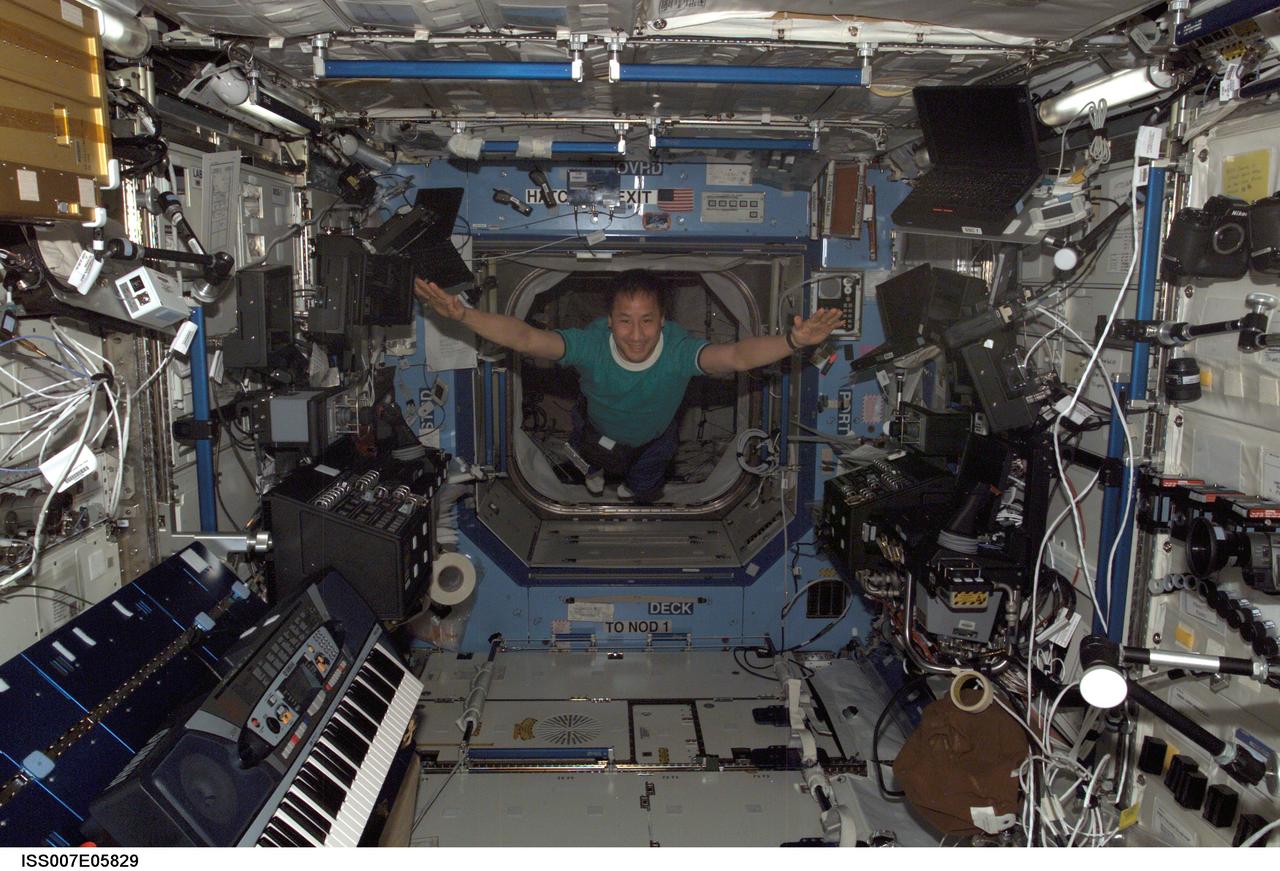
ISS007-E-05829 (22 May 2003) --- Astronaut Edward T. Lu, Expedition Seven NASA ISS science officer and flight engineer, floats in the Destiny laboratory on the International Space Station (ISS). Carl E. Walz, a musician and member of a band made up of NASA astronauts, brought the keyboard (lower left) to the station for his Expedition Four stay aboard the orbital outpost.
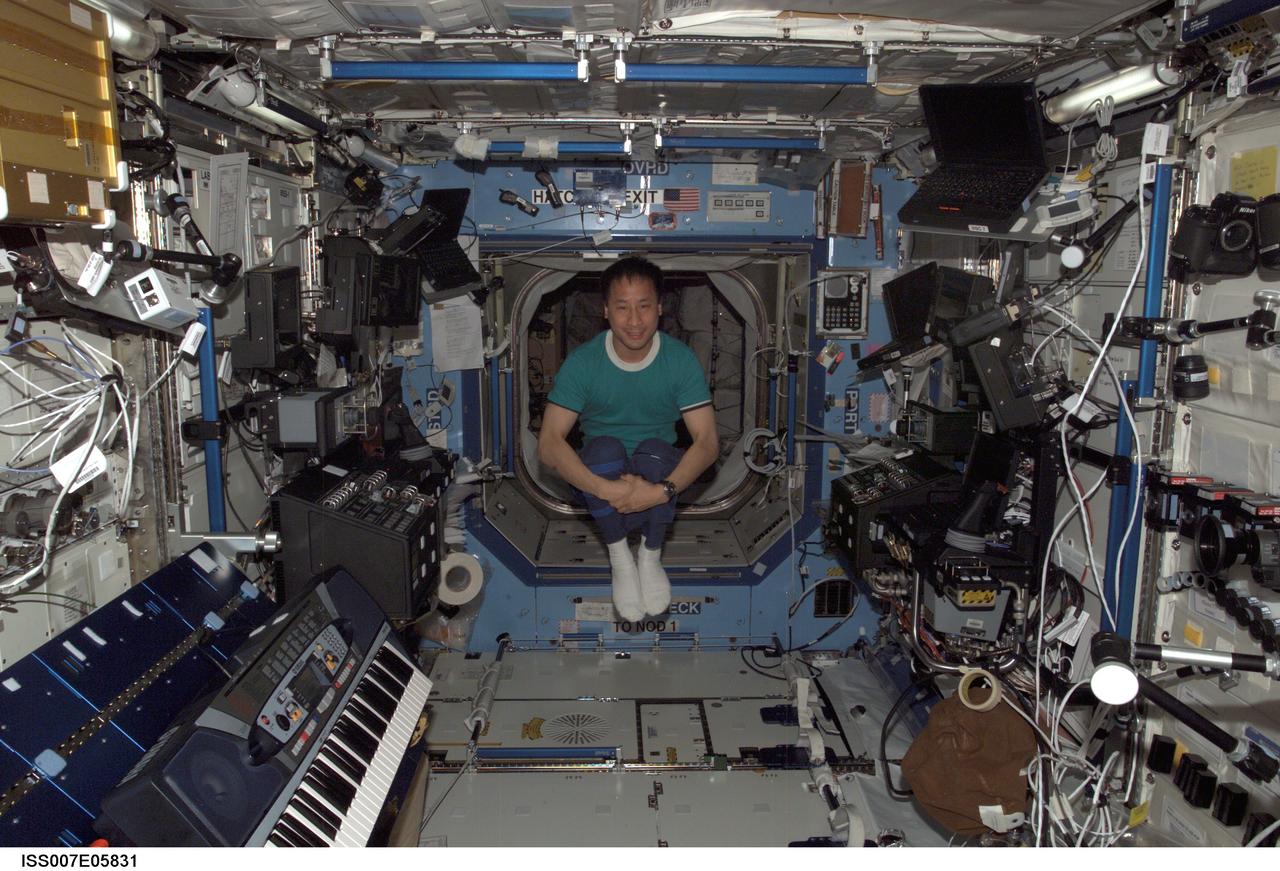
ISS007-E-05831 (22 May 2003) --- Astronaut Edward T. Lu, Expedition Seven NASA ISS science officer and flight engineer, floats in the Destiny laboratory on the International Space Station (ISS). Carl E. Walz, a musician and member of a band made up of NASA astronauts, brought the keyboard (lower left) to the station for his Expedition Four stay aboard the orbital outpost.
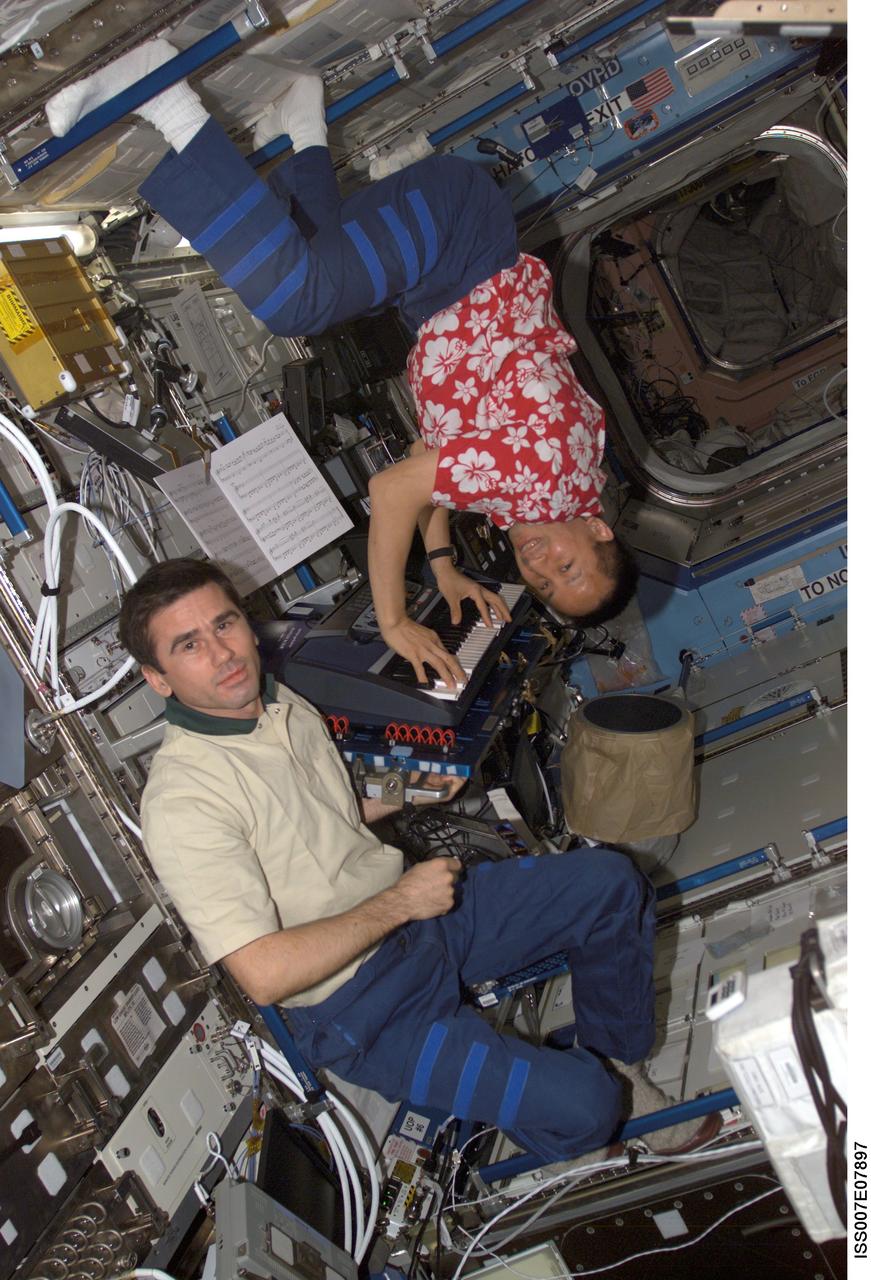
ISS007-E-07897 (22 June 2003) --- Astronaut Edward T. Lu (at musical keyboard), Expedition 7 NASA ISS science officer and flight engineer, and cosmonaut Yuri I. Malenchenko, mission commander, share a light moment during off-shift time in the Destiny laboratory on the International Space Station (ISS). Malenchenko represents Rosaviakosmos.
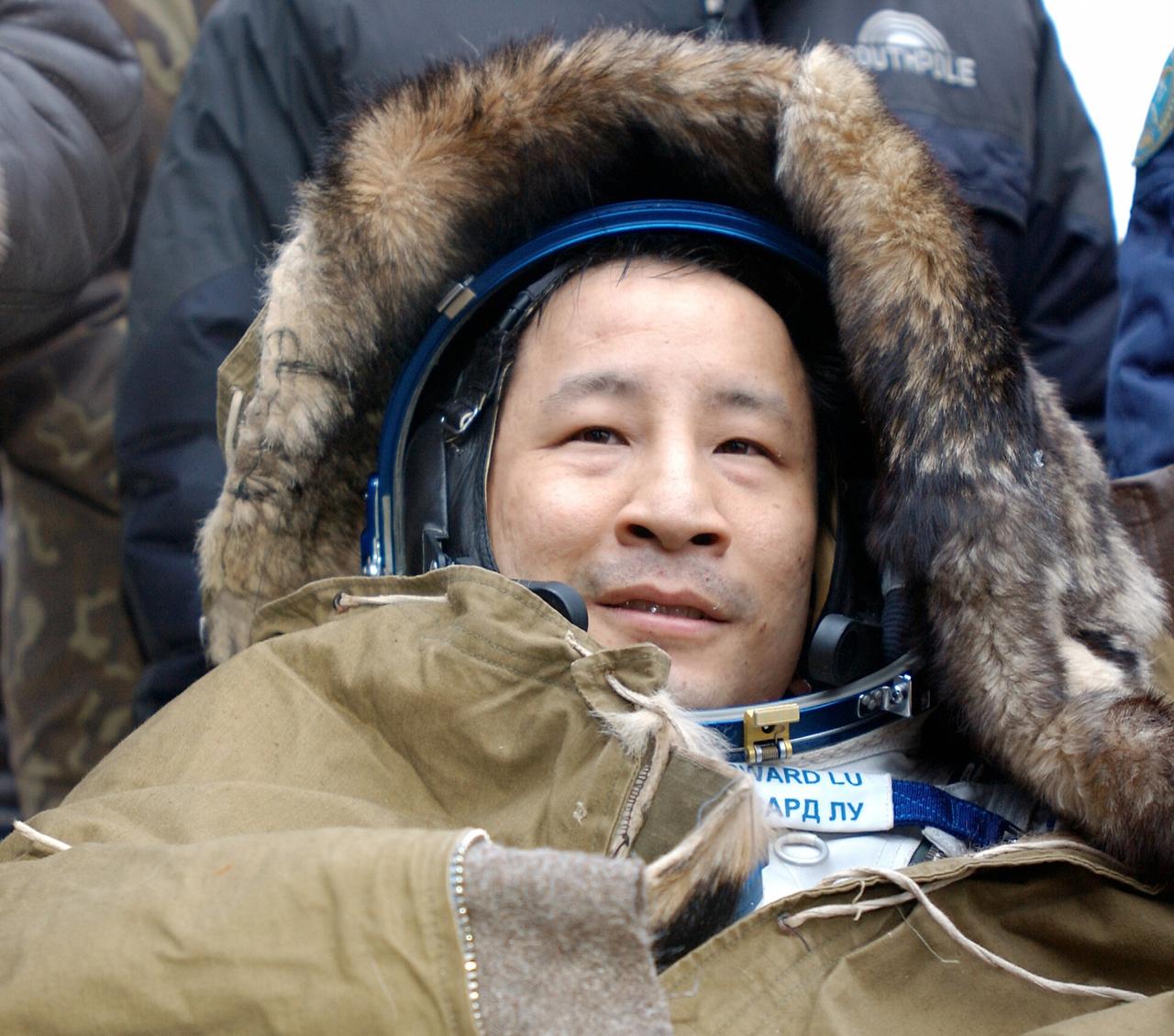
JSC2003-E-61407 (28 October 2003) --- Astronaut Edward T. Lu, Expedition 7 NASA ISS science officer and flight engineer, smiles while resting in a chair after landing in the Soyuz TMA-2 spacecraft in Kazakhstan on October 27, 2003 at 9:41 p.m. (EST). Photo Credit: NASA/Bill Ingalls
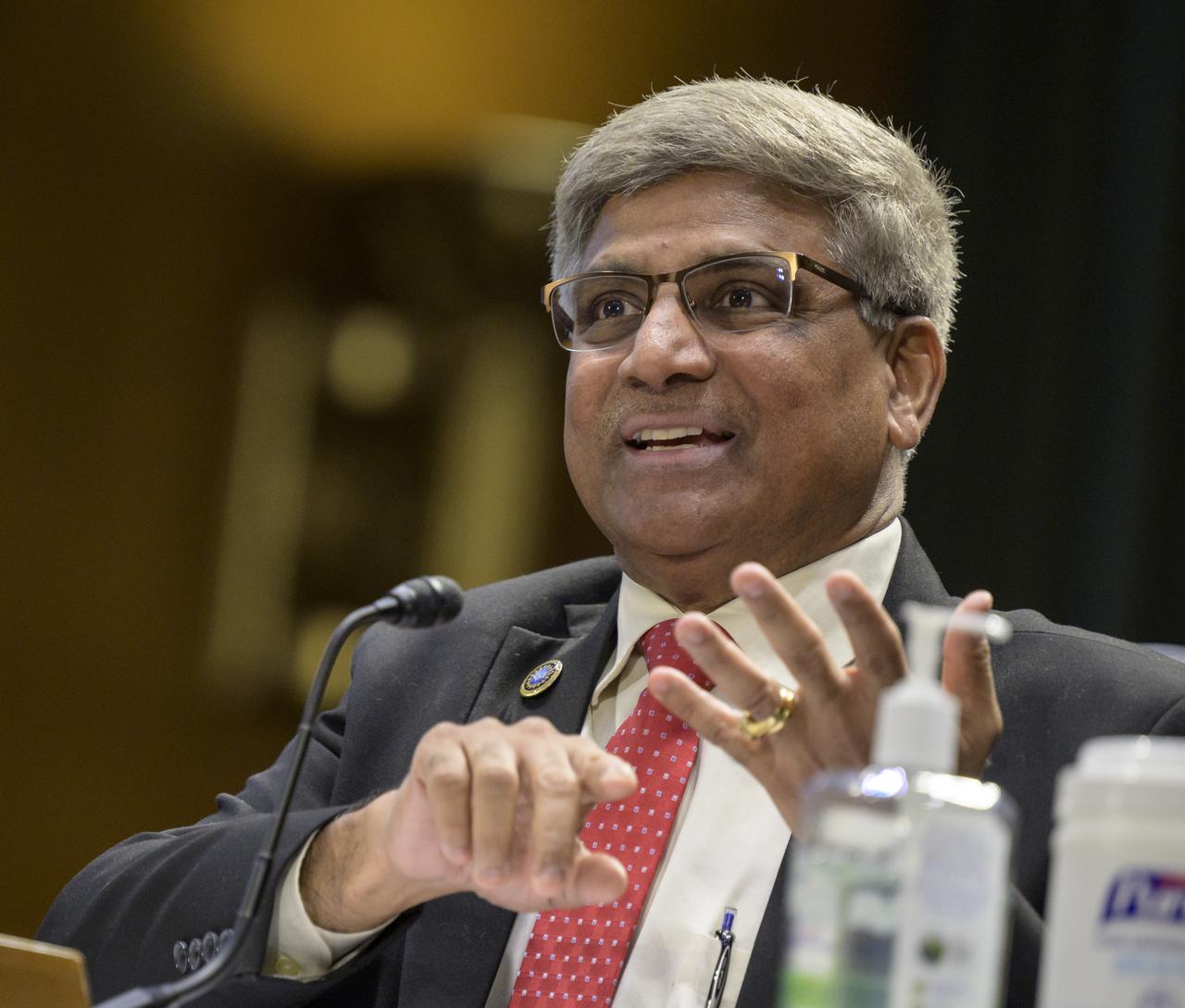
National Science Foundation Director Sethuraman Panchanathan testifies before the Senate Appropriations’ Commerce, Justice, Science, and Related Agencies subcommittee during a budget hearing, Tuesday, May 3, 2022, at the Dirksen Senate Office Building in Washington. Photo Credit: (NASA/Bill Ingalls)
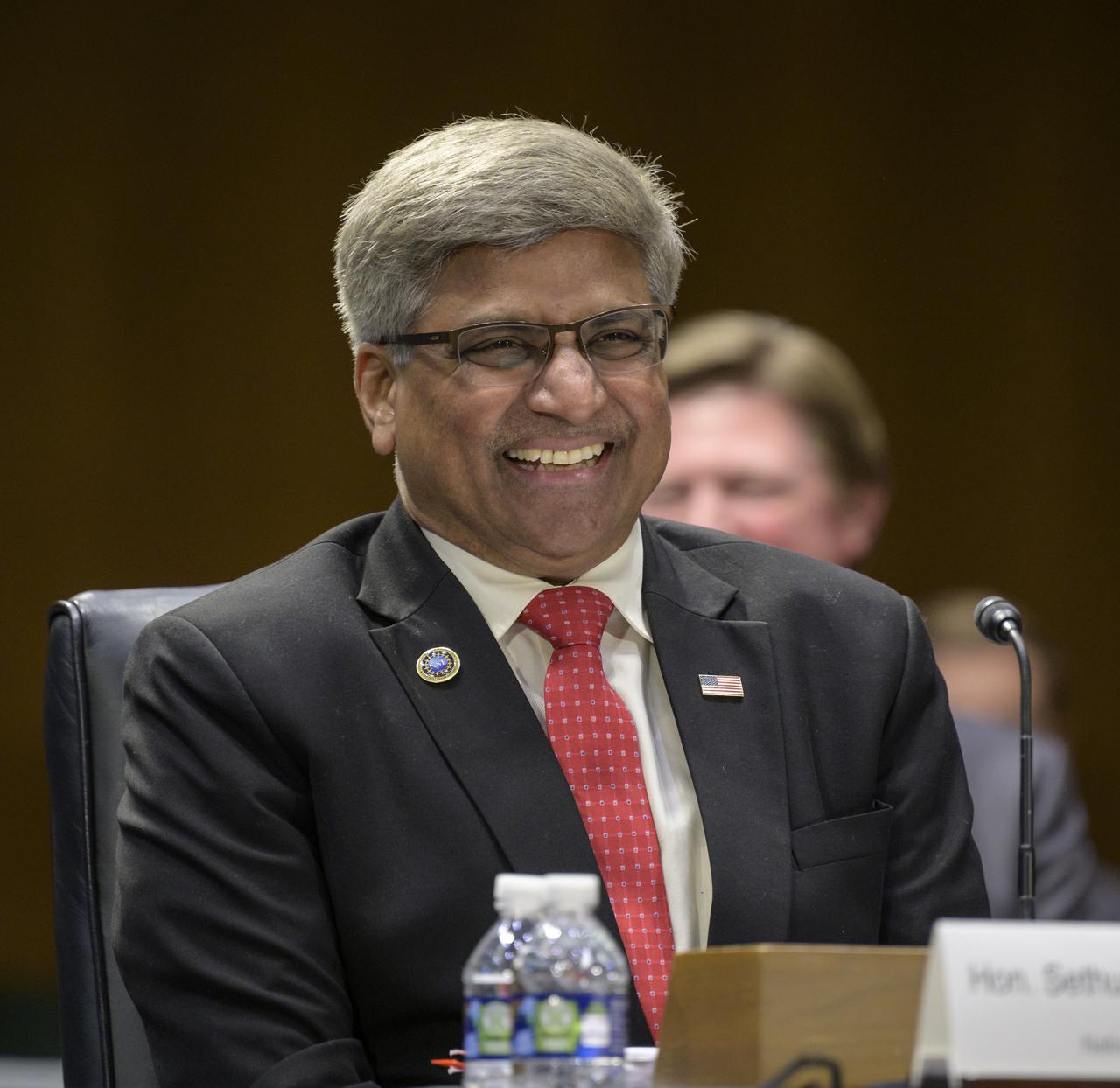
National Science Foundation Director Sethuraman Panchanathan testifies before the Senate Appropriations’ Commerce, Justice, Science, and Related Agencies subcommittee during a budget hearing, Tuesday, May 3, 2022, at the Dirksen Senate Office Building in Washington. Photo Credit: (NASA/Bill Ingalls)
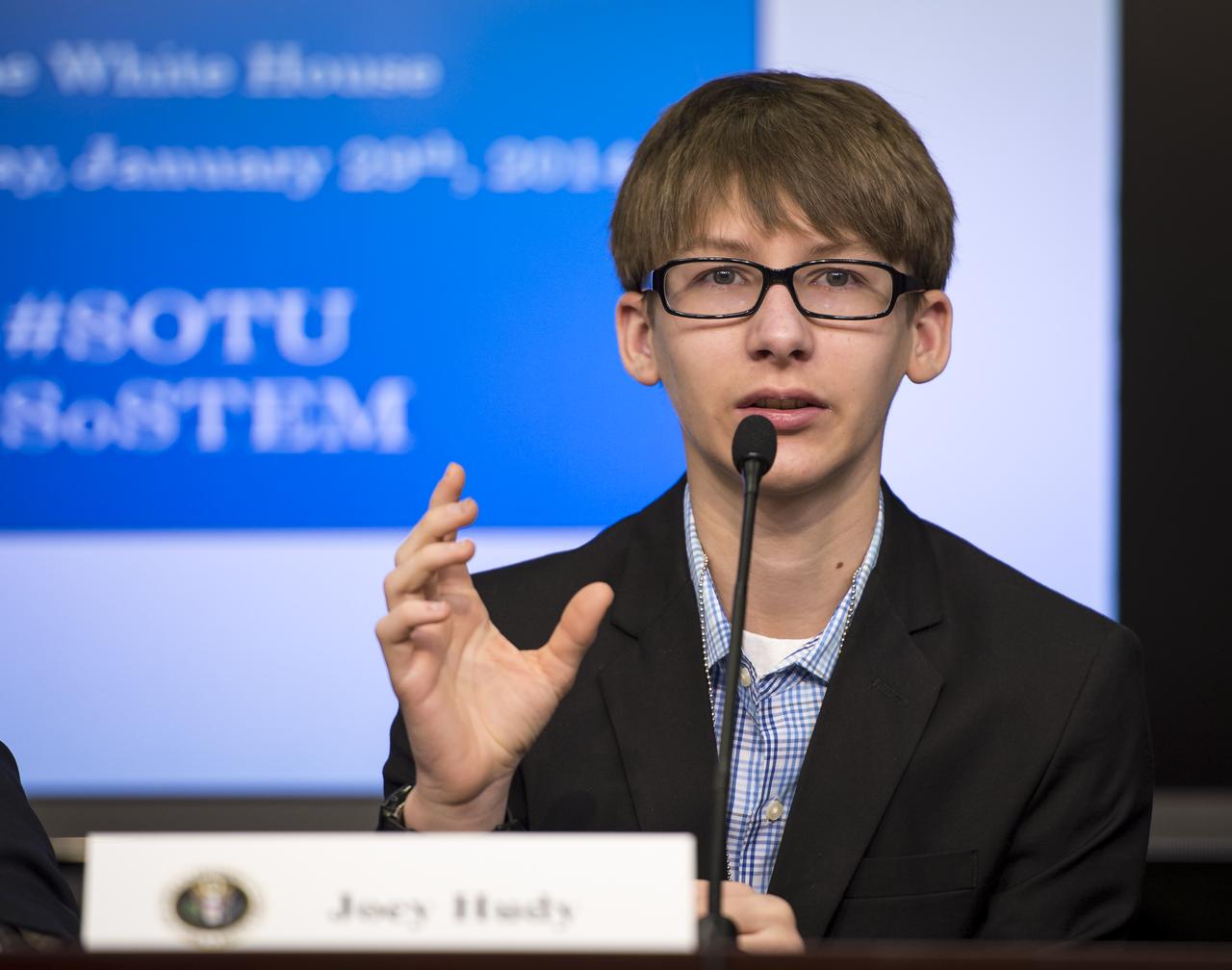
Joey Hudy, Anthem, AZ, 16-year-old self-described “Maker” answers a question from the audience at the annual White House State of Science, Technology, Engineering, and Math (SoSTEM) address, Wednesday, Jan. 29, 2014, in the South Court Auditorium in the Eisenhower Executive Office Building on the White House complex in Washington. Joey sat with the First Lady at the President’s 2014 State of the Union Address after his first shot to fame in 2012 when he attended the White House Science Fair where the President took a turn using his “extreme marshmallow cannon” to launch a marshmallow across the East Room of the White House. Photo Credit: (NASA/Bill Ingalls)
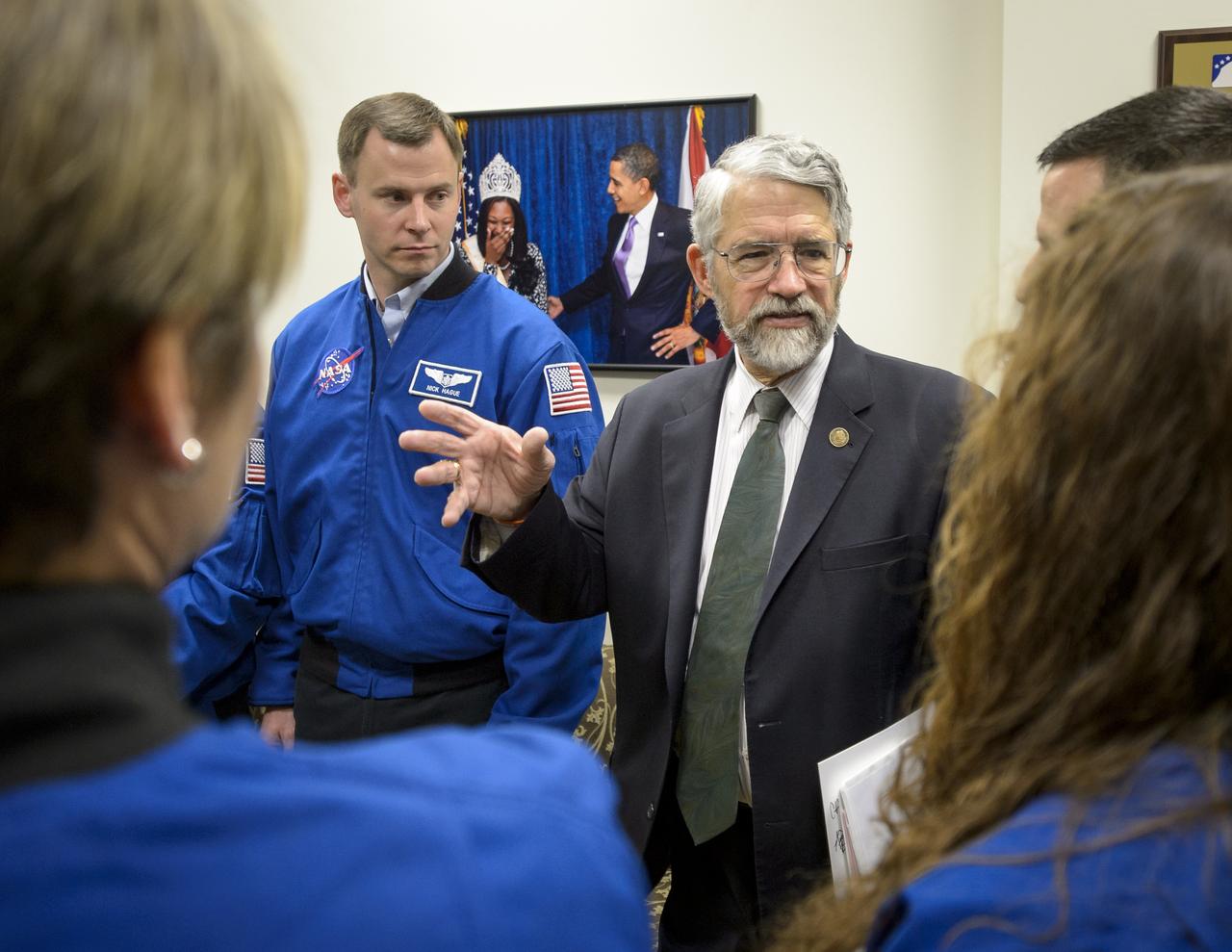
Dr. John P. Holdren, Assistant to the President for Science and Technology and Director of the White House Office of Science & Technology Policy, talks with NASA's 2013 astronaut candidates at the annual White House State of Science, Technology, Engineering, and Math (SoSTEM) address, Wednesday, Jan. 29, 2014, in the South Court Auditorium in the Eisenhower Executive Office Building on the White House complex in Washington. Photo Credit: (NASA/Bill Ingalls)
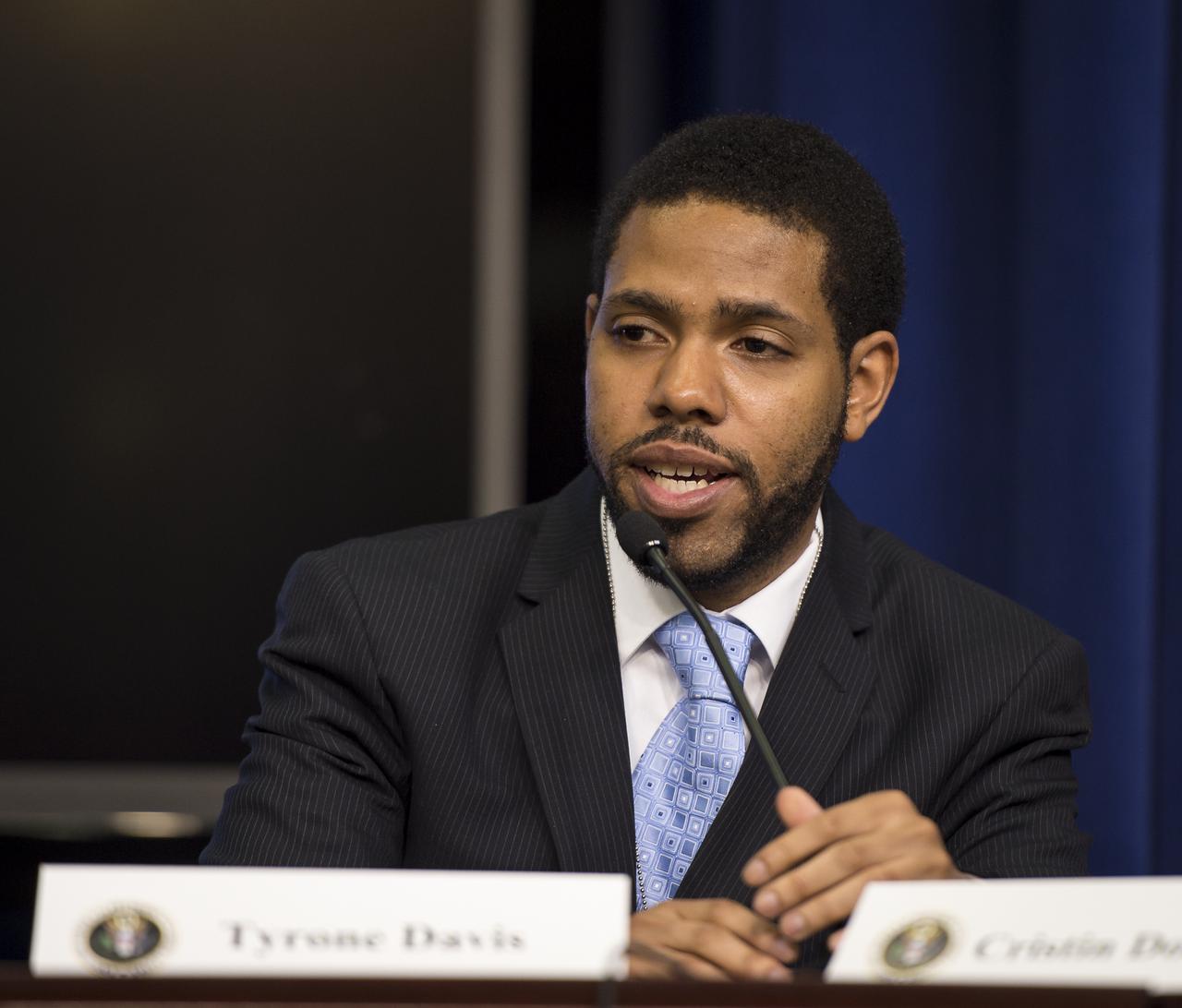
Environmentalist and third-year law student at Elon University School of Law Tyrone Davis speaks at the annual White House State of Science, Technology, Engineering, and Math (SoSTEM) address, Wednesday, Jan. 29, 2014, in the South Court Auditorium in the Eisenhower Executive Office Building on the White House complex in Washington. Photo Credit: (NASA/Bill Ingalls)
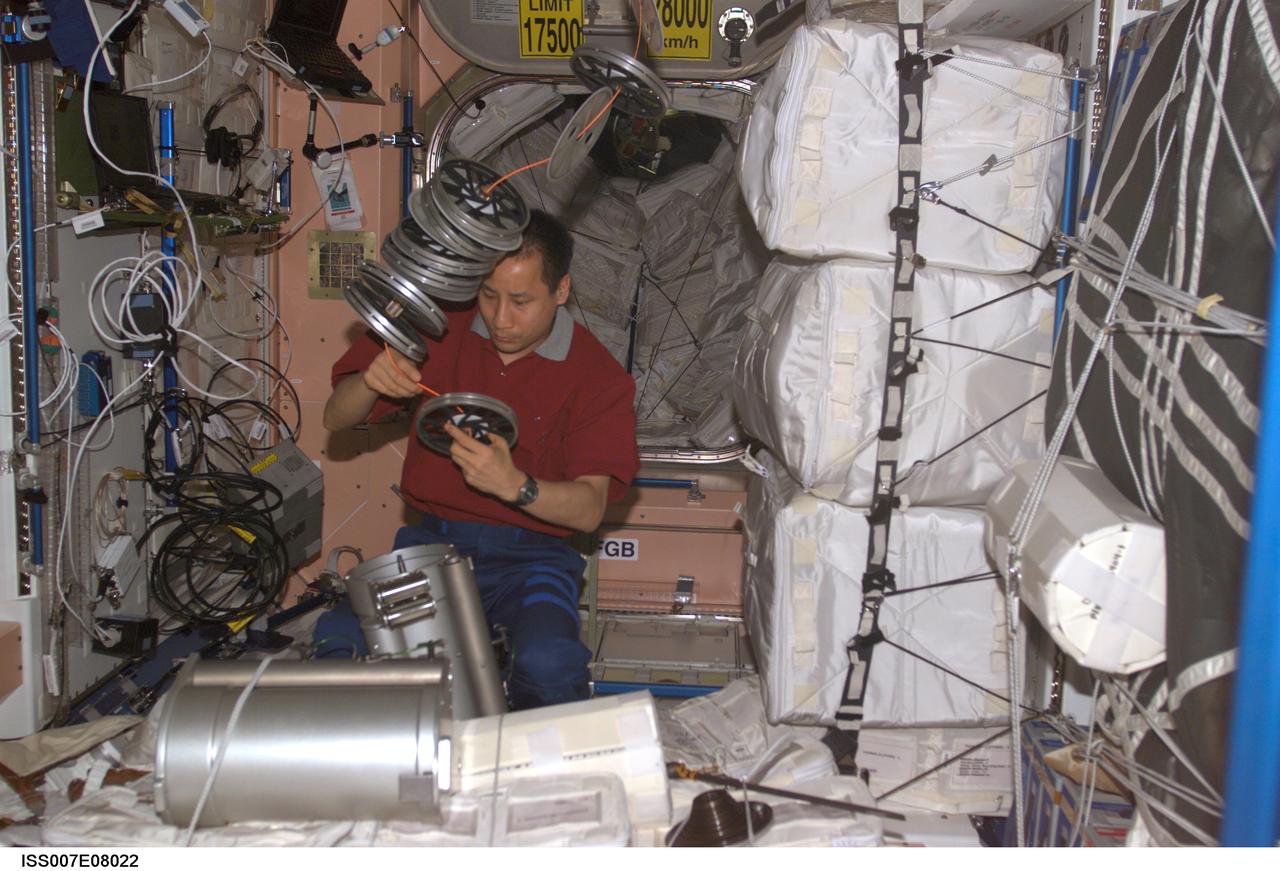
ISS007-E-08022 (23 June 2003) --- Astronaut Edward T. Lu, Expedition 7 NASA ISS science officer and flight engineer, works in the Unity node on the International Space Station (ISS).
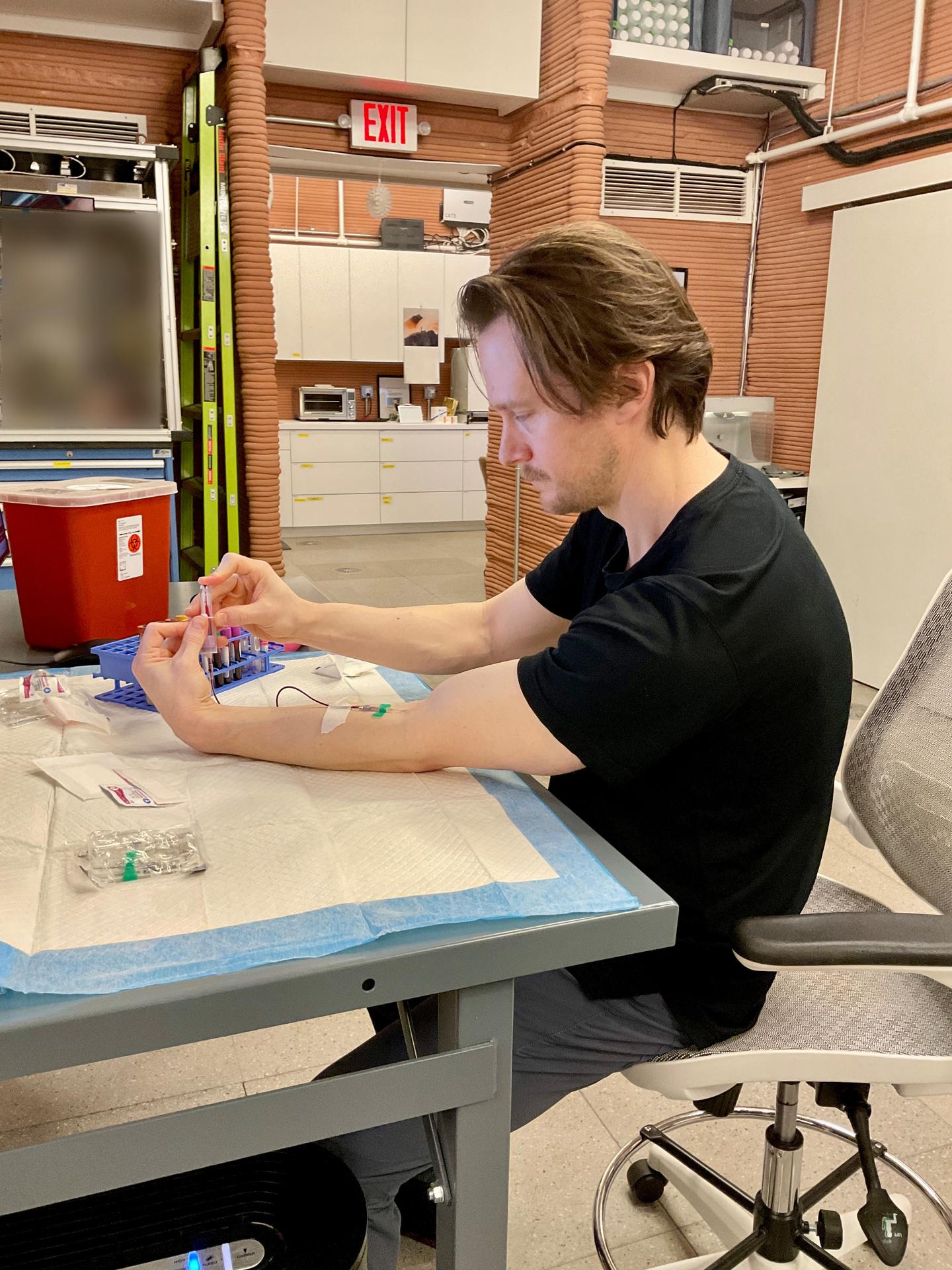
jsc2026e403178 (May 20, 2026) -- Matthew Montgomery, Crew Health and Performance Exploration Analog (CHAPEA) Mission 2 science officer, performing blood collection to monitor crew health. Credit: NASA

National Science Foundation Director Sethuraman Panchanathan testifies before the Senate Appropriations’ Commerce, Justice, Science, and Related Agencies subcommittee during a fiscal year 2025 budget hearing, Thursday, May 23, 2024, at the Dirksen Senate Office Building in Washington. Photo Credit: (NASA/Bill Ingalls)

National Science Foundation Director Sethuraman Panchanathan testifies before the Senate Appropriations’ Commerce, Justice, Science, and Related Agencies subcommittee during a fiscal year 2025 budget hearing, Thursday, May 23, 2024, at the Dirksen Senate Office Building in Washington. Photo Credit: (NASA/Bill Ingalls)
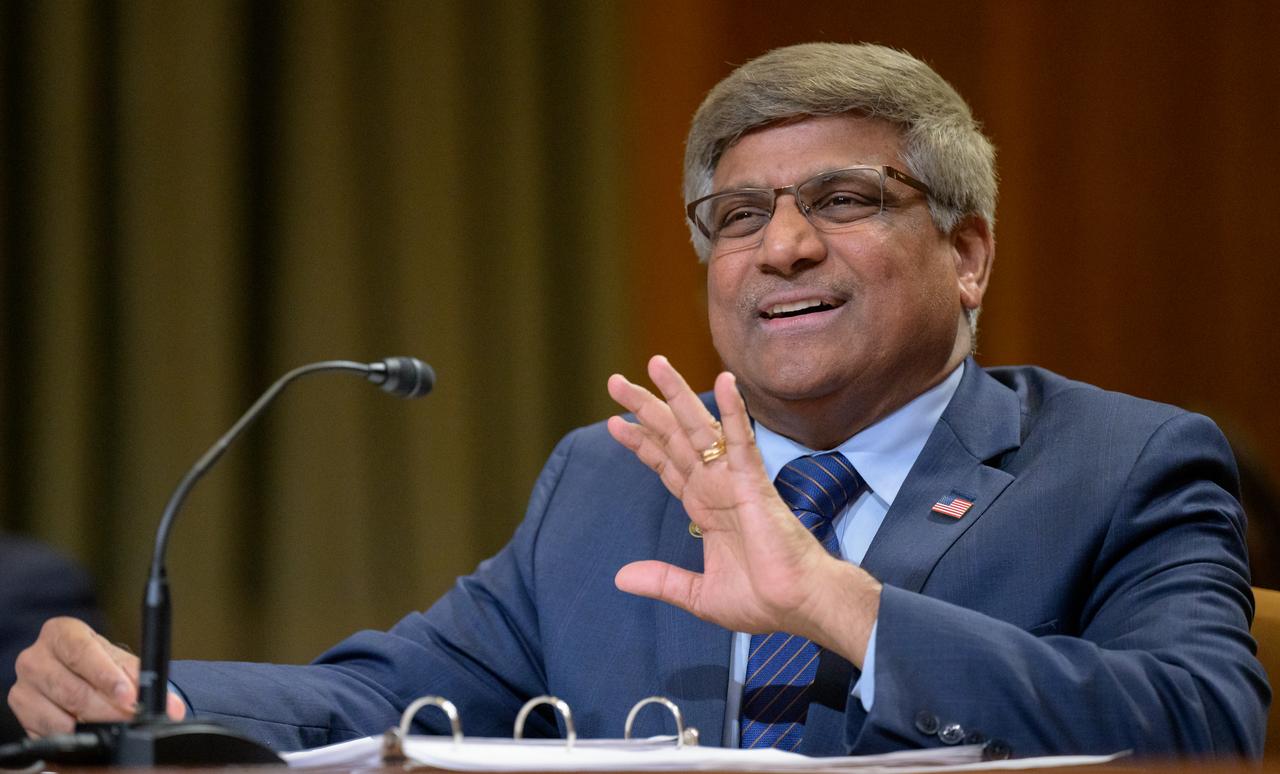
National Science Foundation Director Sethuraman Panchanathan testifies before the Senate Appropriations’ Commerce, Justice, Science, and Related Agencies subcommittee during a budget hearing, Tuesday, April 18, 2023, at the Dirksen Senate Office Building in Washington. Photo Credit: (NASA/Bill Ingalls)

National Science Foundation Director Sethuraman Panchanathan testifies before the Senate Appropriations’ Commerce, Justice, Science, and Related Agencies subcommittee during a fiscal year 2025 budget hearing, Thursday, May 23, 2024, at the Dirksen Senate Office Building in Washington. Photo Credit: (NASA/Bill Ingalls)
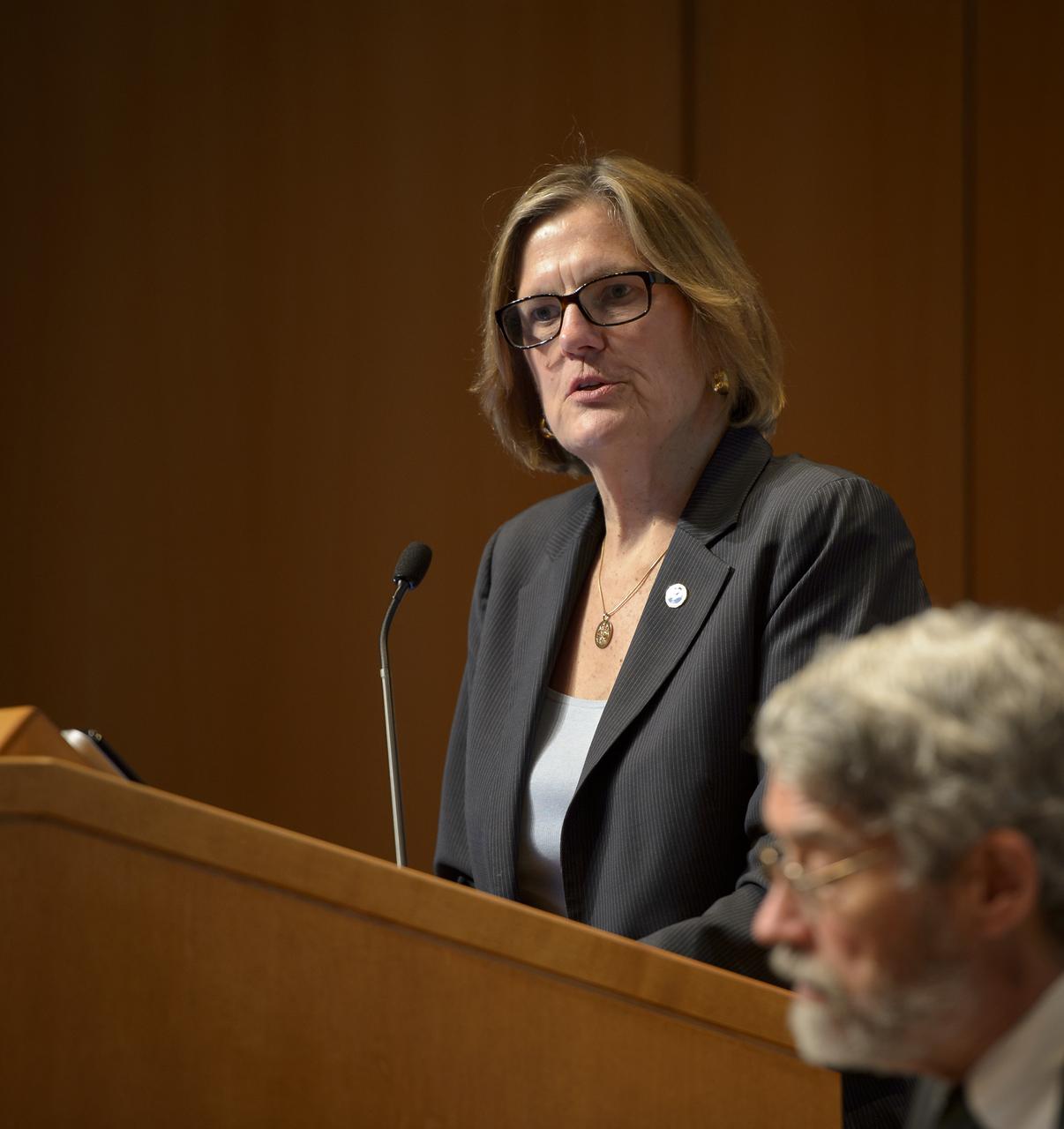
Dr. Kathryn D. Sullivan, Acting Under Secretary of Commerce for Oceans and Atmosphere and Acting NOAA Administrator, delivers remarks during a White House Office of Science and Technology Policy (OSTP) Fiscal Year 2014 budget briefing held with with Dr. John P. Holdren, Director of OSTP, Patricia Falcone of OSTP, Charlie Bolden from NASA, Francis Collins from NIH, and Cora Marrett from NSF, at the American Association for the Advancement of Science (AAAS) on Wednesday, April 10, 2013 in Washington. Photo Credit: (NASA/Bill Ingalls)
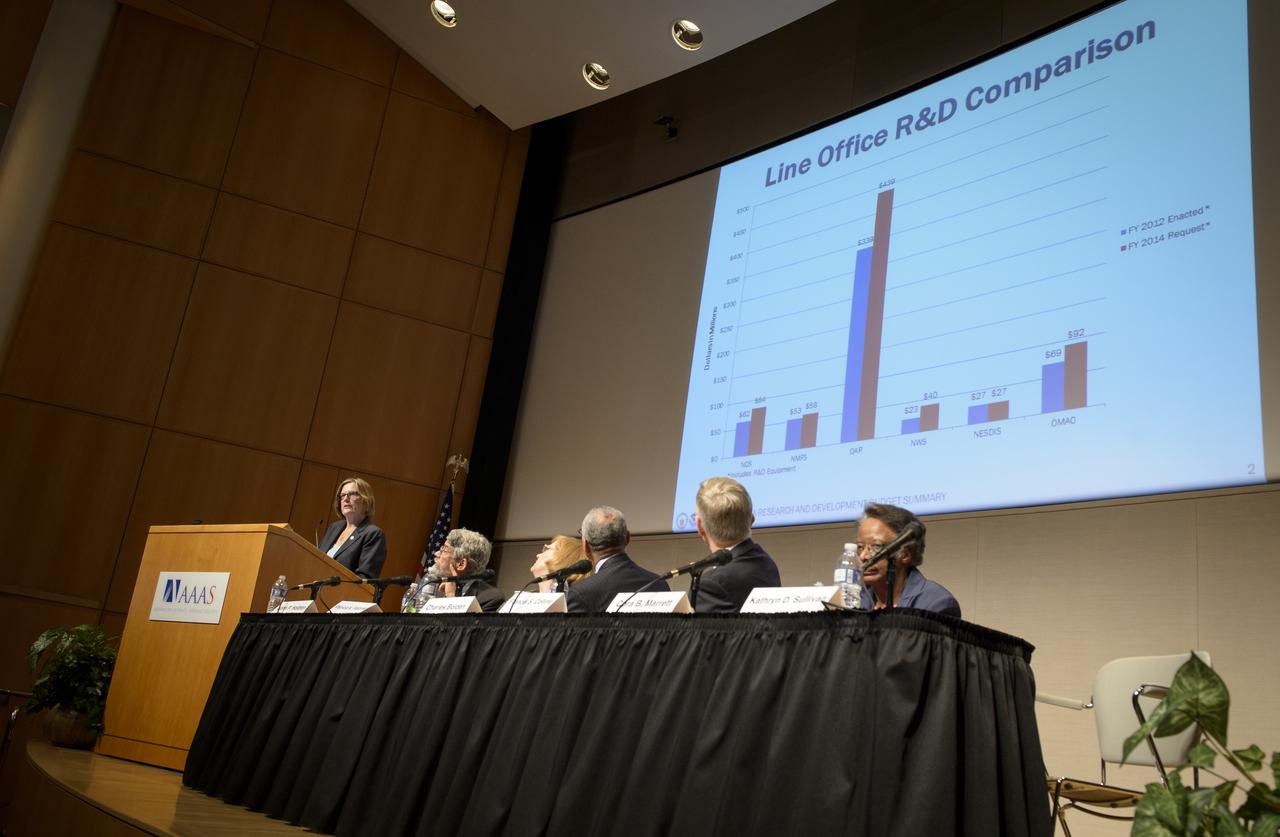
Dr. Kathryn D. Sullivan, Acting Under Secretary of Commerce for Oceans and Atmosphere and Acting NOAA Administrator, delivers remarks during a White House Office of Science and Technology Policy (OSTP) Fiscal Year 2014 budget briefing held with with Dr. John P. Holdren, Director of OSTP, Patricia Falcone of OSTP, Charlie Bolden from NASA, Francis Collins from NIH, and Cora Marrett from NSF, at the American Association for the Advancement of Science (AAAS) on Wednesday, April 10, 2013 in Washington. Photo Credit: (NASA/Bill Ingalls)
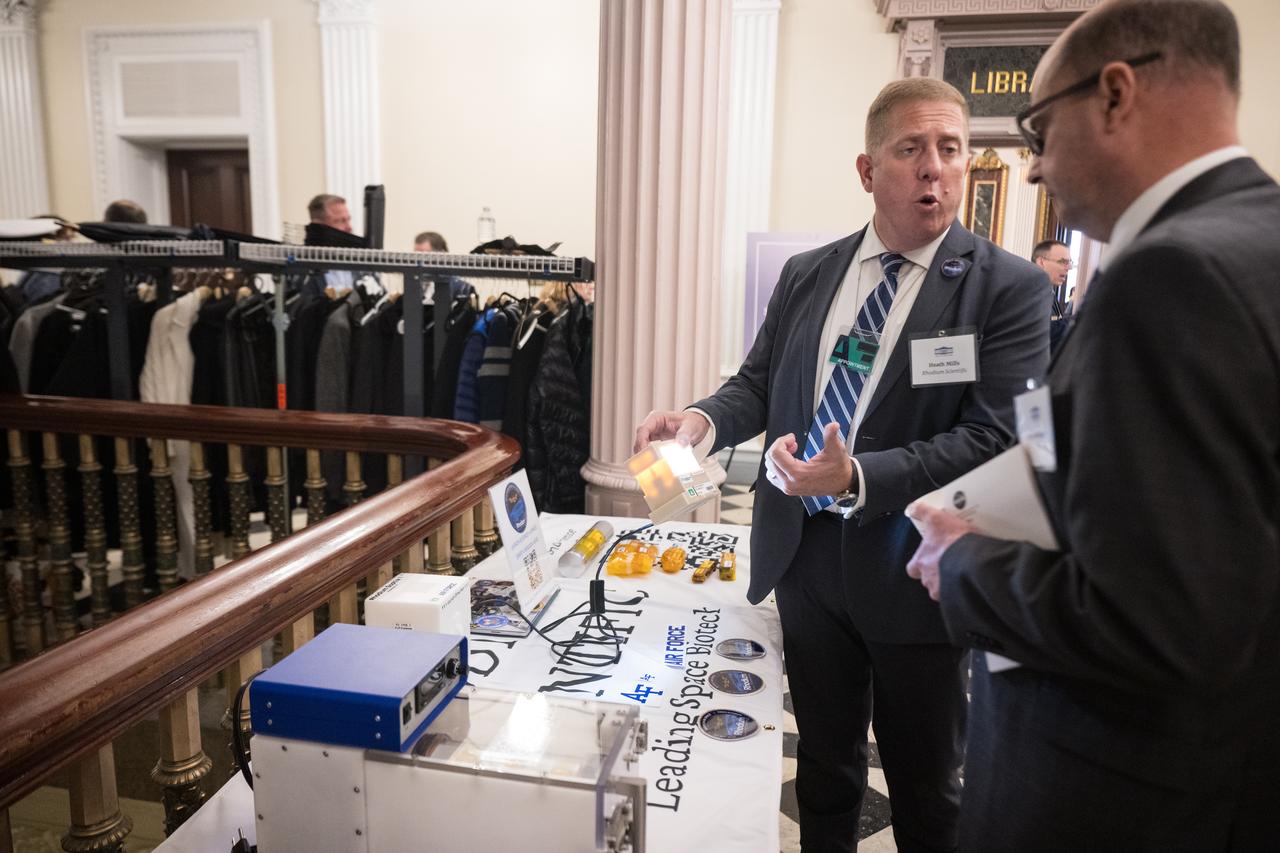
Exhibitors display hardware used in microgravity at the Microgravity Science Summit at the Eisenhower Executive Office Building, Monday, Dec. 13, 2024 in Washington. Photo Credit: (NASA/Aubrey Gemignani)
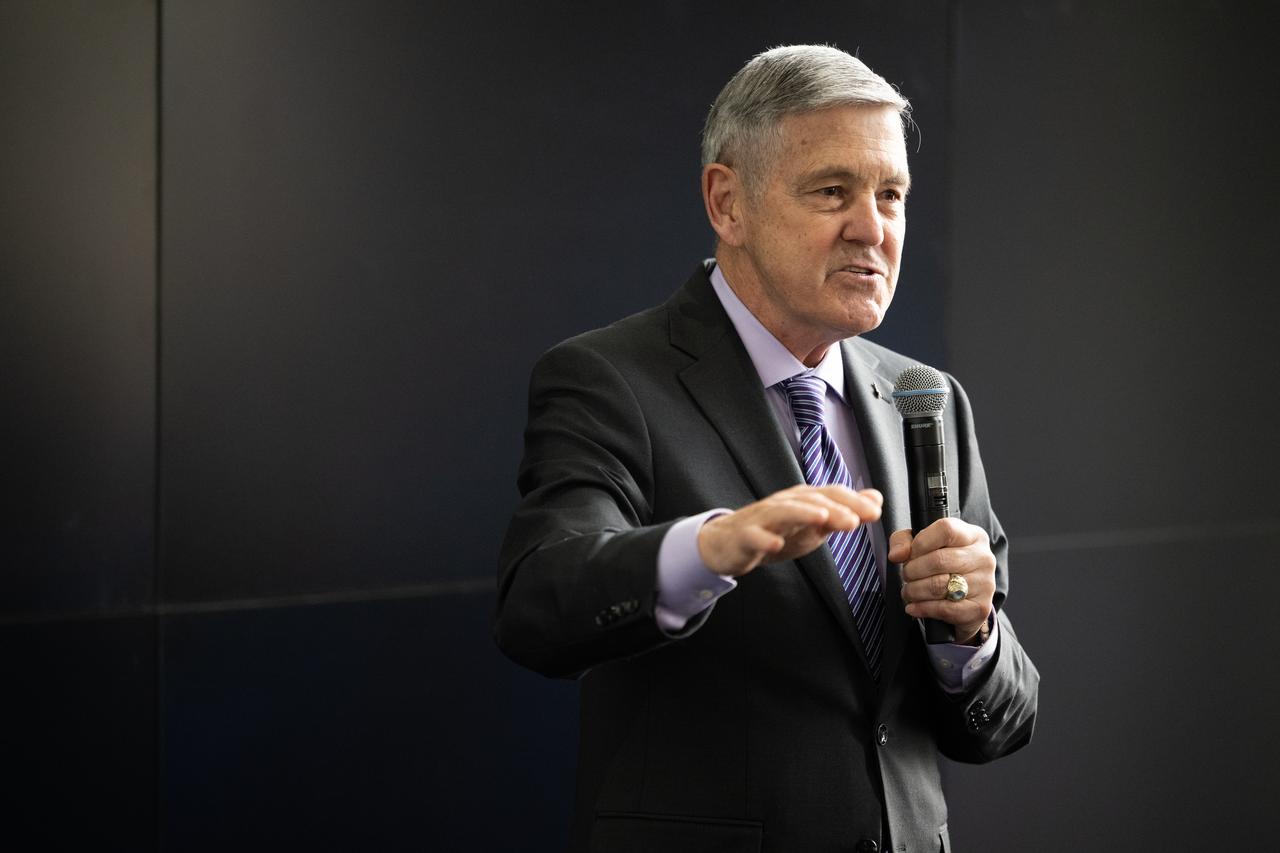
NASA Associate administrator Bob Cabana speaks during NASA’s Science Day on the Hill event, Wednesday, June 7, 2023, at the Rayburn House Office Building in Washington. Photo Credit: (NASA/Joel Kowsky)
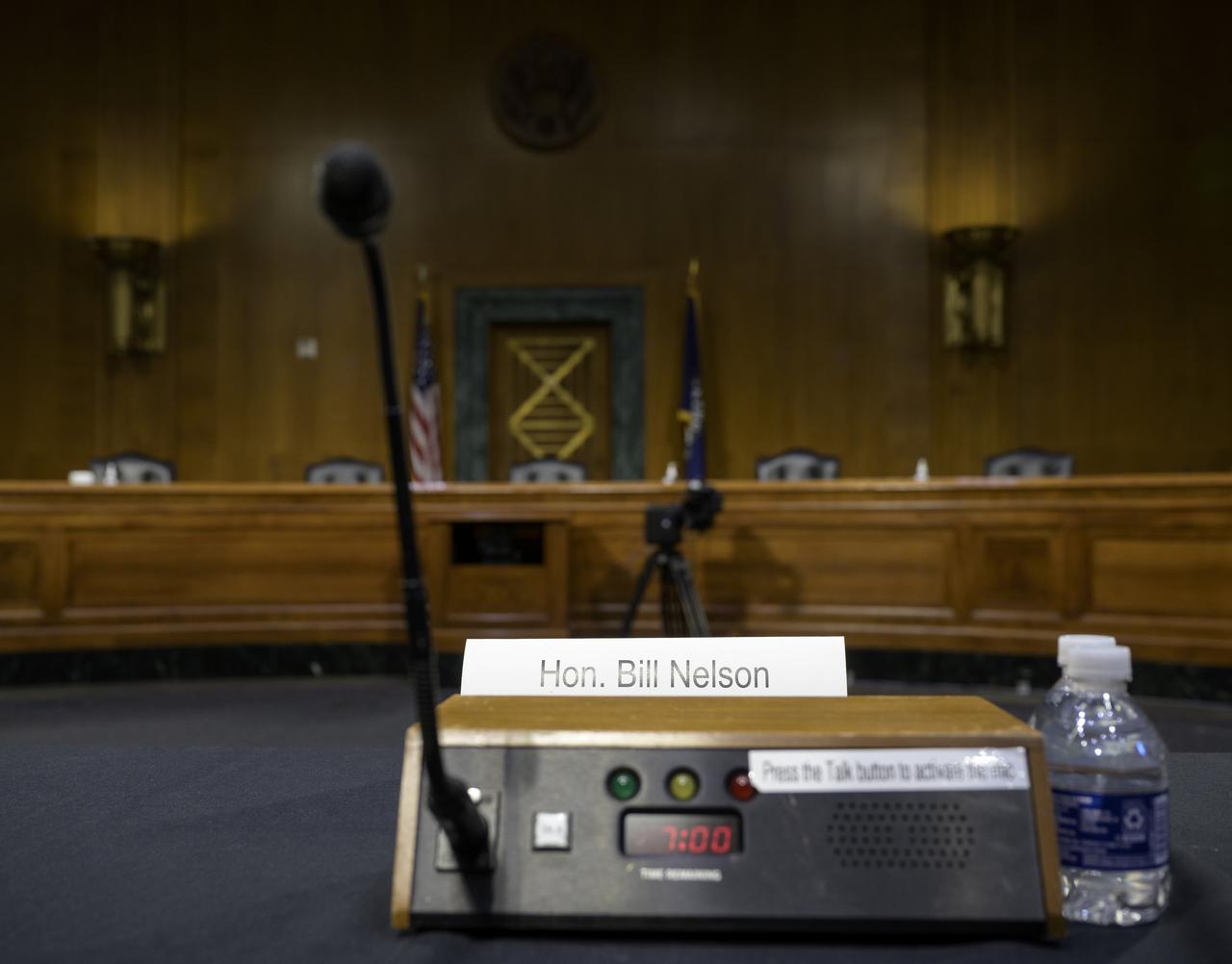
Senate Appropriations’ Commerce, Justice, Science, and Related Agencies subcommittee hearing on NASA’s budget, Tuesday, May 3, 2022, at the Dirksen Senate Office Building in Washington. Photo Credit: (NASA/Bill Ingalls)
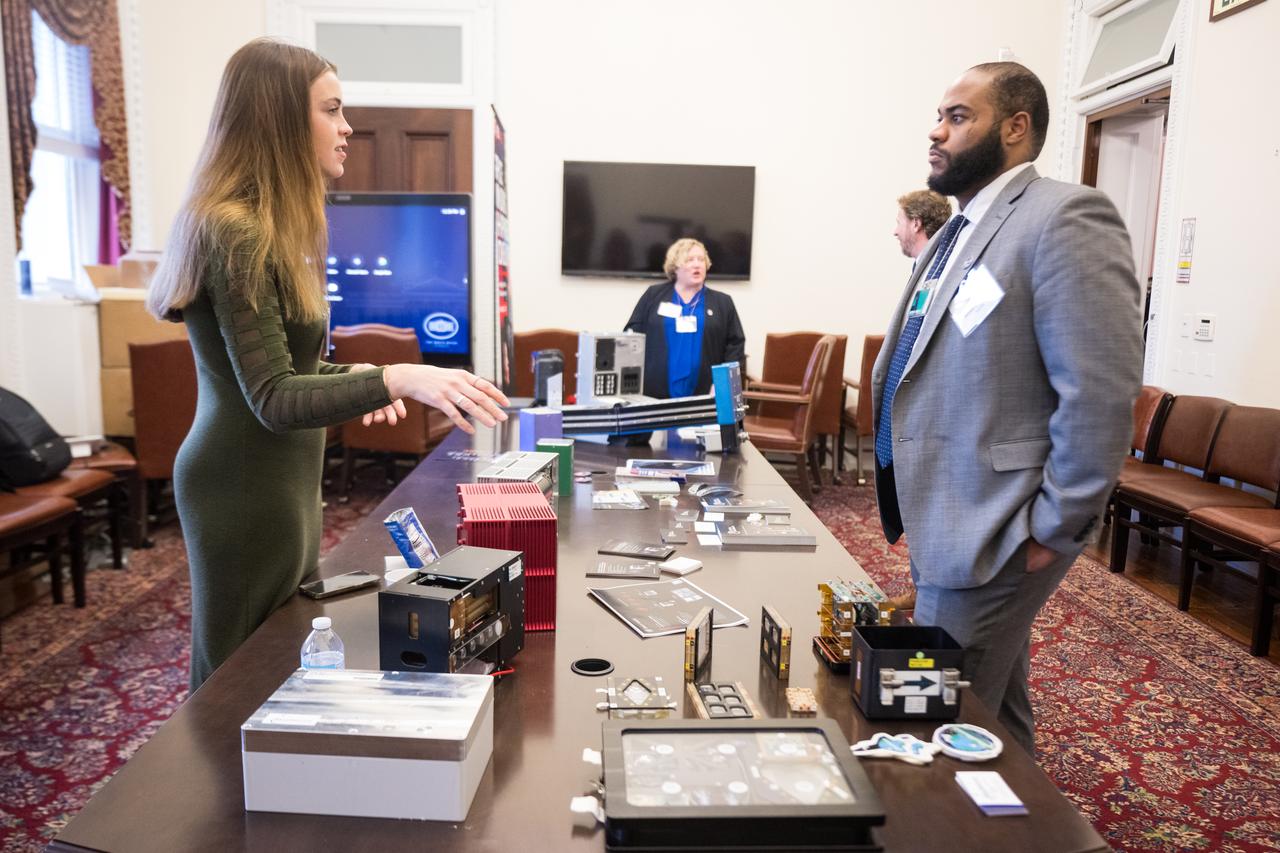
Exhibitors display hardware used in microgravity at the Microgravity Science Summit at the Eisenhower Executive Office Building, Monday, Dec. 13, 2024 in Washington. Photo Credit: (NASA/Aubrey Gemignani)