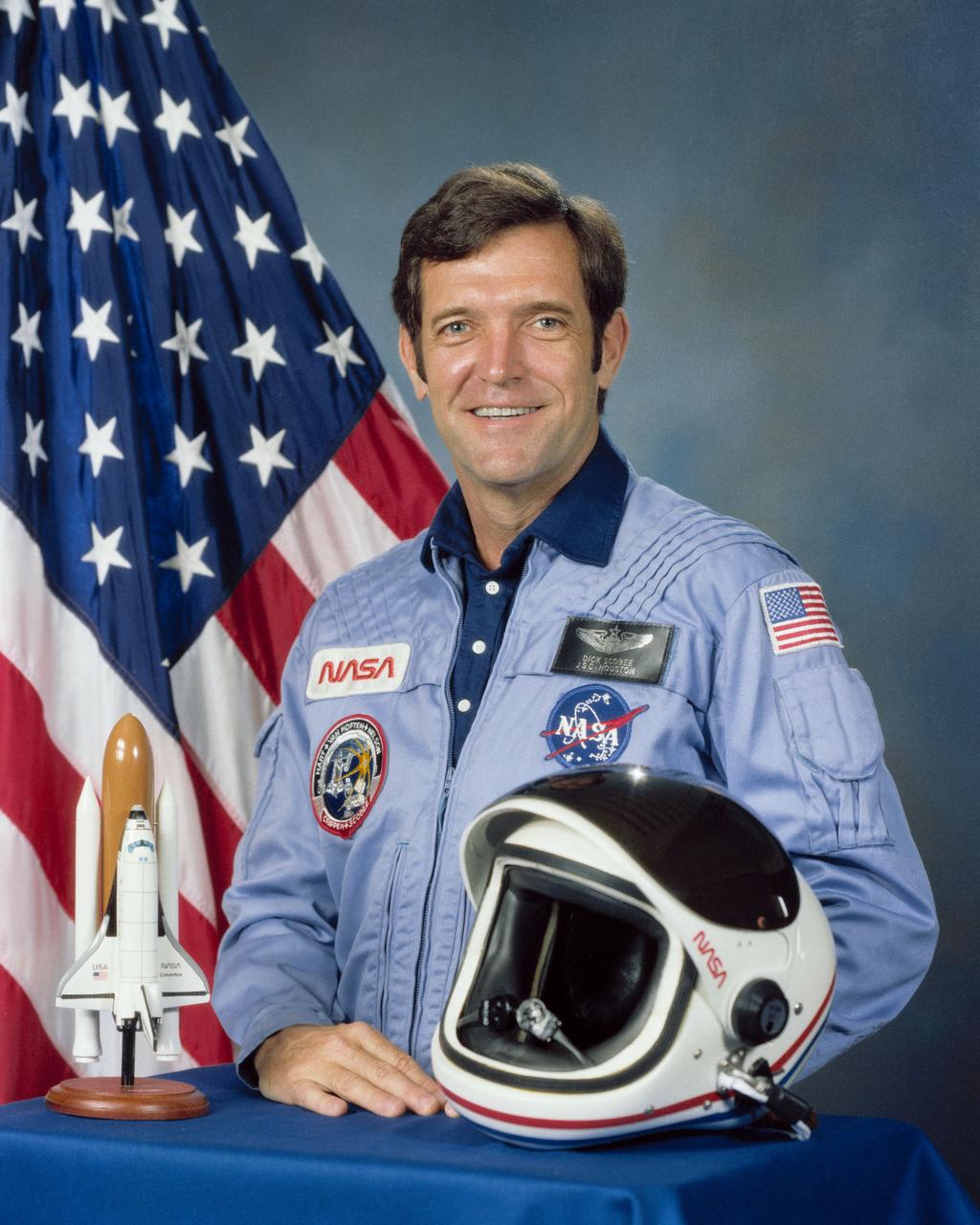
S84-39408 (6 Aug. 1984) --- Astronaut Francis R. Scobee, commander. Photo credit: NASA (NOTE: Astronaut Scobee died in the STS-51L space shuttle Challenger accident Jan. 28, 1986.)
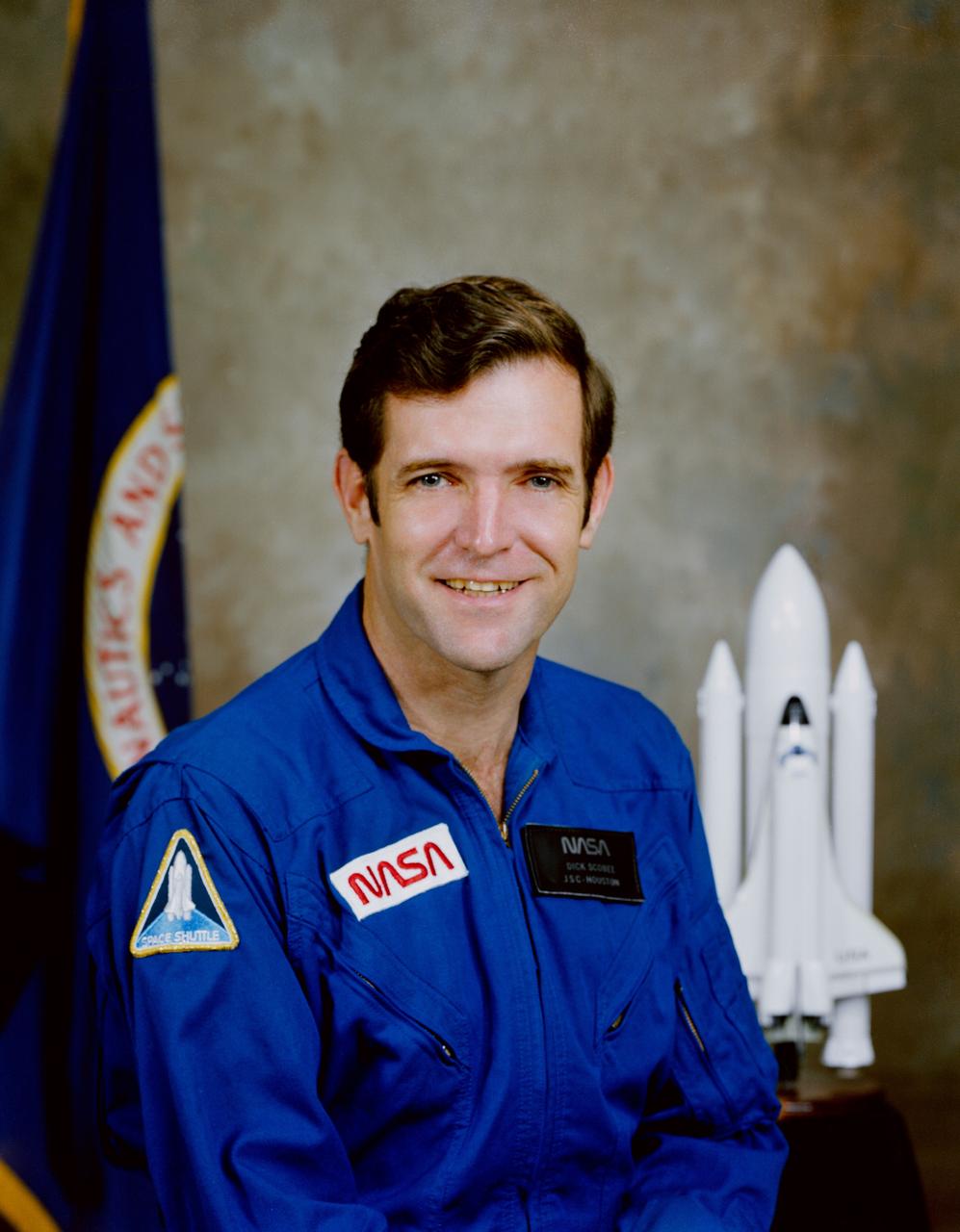
S78-35293 (31 Jan 1978) --- Astronaut Francis R. Scobee.

Left to right, June Scobee-Rodgers, widow of Challenger Commander Dick Scobee, John Warnack, family friend, Lt. General Richard Scobee, son of Dick Scobee, NASA Administrator Jim Bridenstine, Chuck Resnik, brother of the late Judy Resnik, and Amy Resnik, sister-in-law of Judy Resnik, lay a wreath at the Space Shuttle Challenger Memorial as part of NASA's Day of Remembrance, Thursday, February 7, 2019, at Arlington National Cemetery in Arlington, Va. The wreaths were laid in memory of those men and women who lost their lives in the quest for space exploration. Photo Credit: (NASA/Aubrey Gemignani)
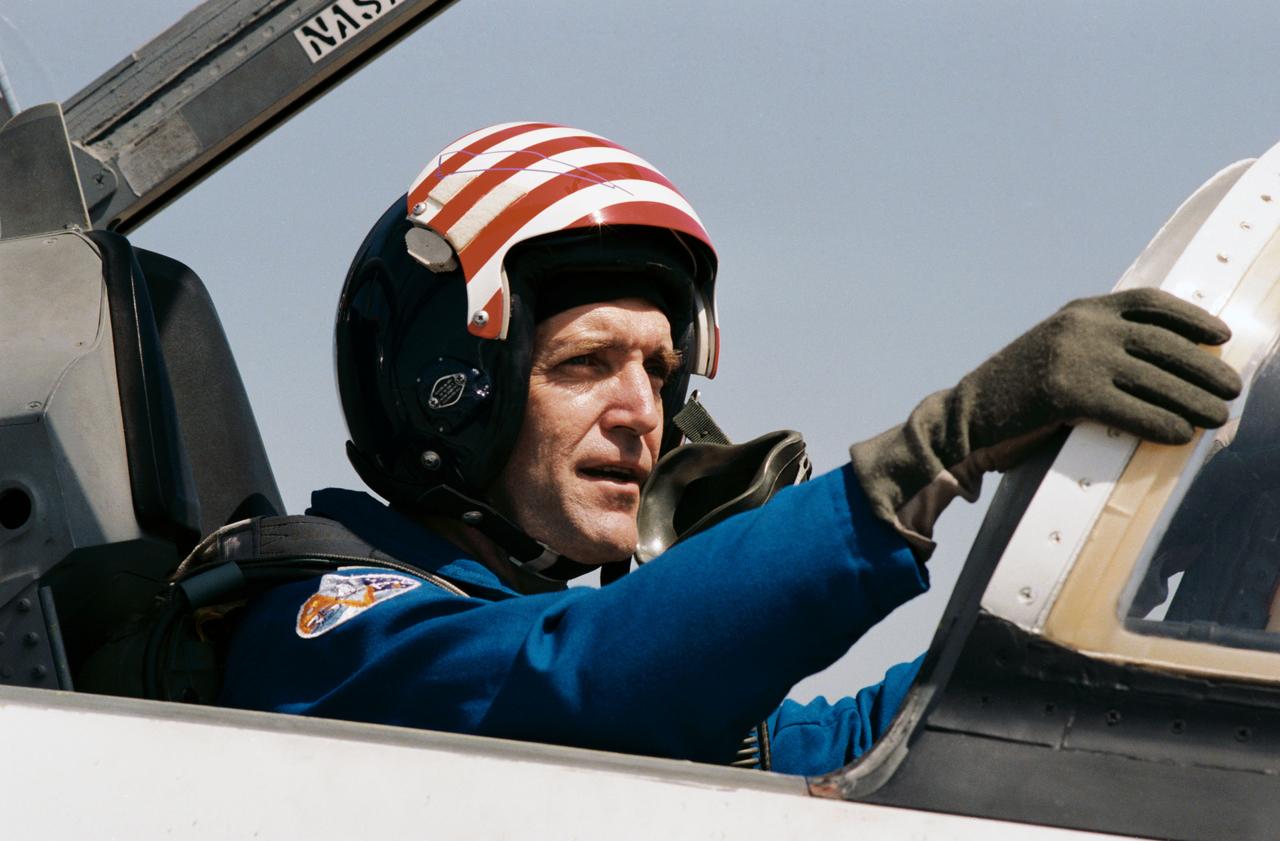
41C-3002 (3 April 1984) --- Astronaut Francis R. (Dick) Scobee, 41-C pilot, is only minutes away from leaving Ellington Air Base in a T-38. Scobee and four other 41-C crewmembers, along with Astronaut John W. Young, are headed for Florida, site of a launch in three days of the Space Shuttle Challenger. Scobee, an experienced pilot, is responsible for helping a number of other NASA astronauts learn to fly. The eleventh Space Shuttle mission will mark his first experience in space. This photograph was taken by Otis Imboden.
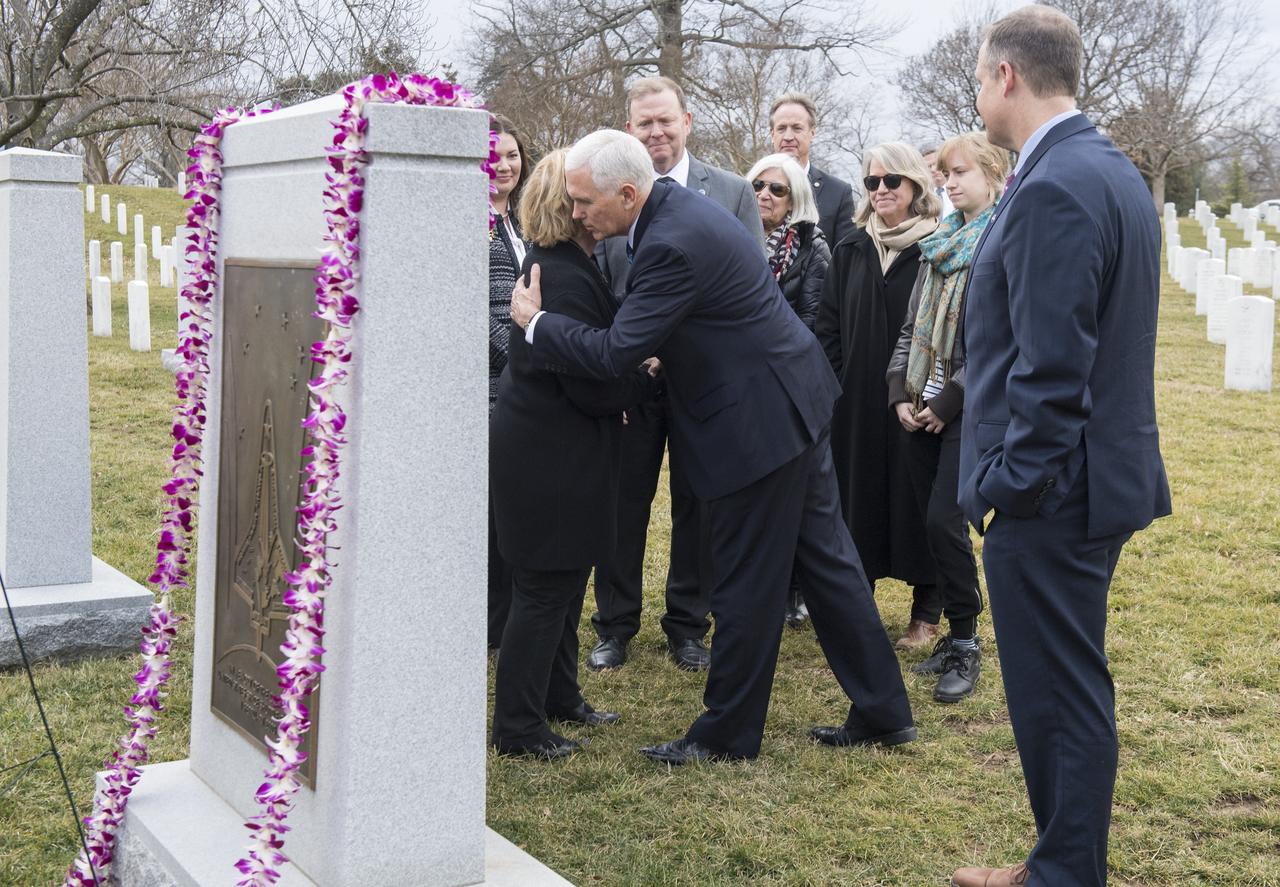
Vice President Mike Pence hugs June Scobee-Rodgers, widow of Challenger Commander Dick Scobee at the Space Shuttle Columbia Memorial after a wreath laying ceremony that was part of NASA's Day of Remembrance, Thursday, Feb. 7, 2019, at Arlington National Cemetery in Arlington, Va. Wreaths were laid in memory of those men and women who lost their lives in the quest for space exploration. Photo Credit: (NASA/Aubrey Gemignani)

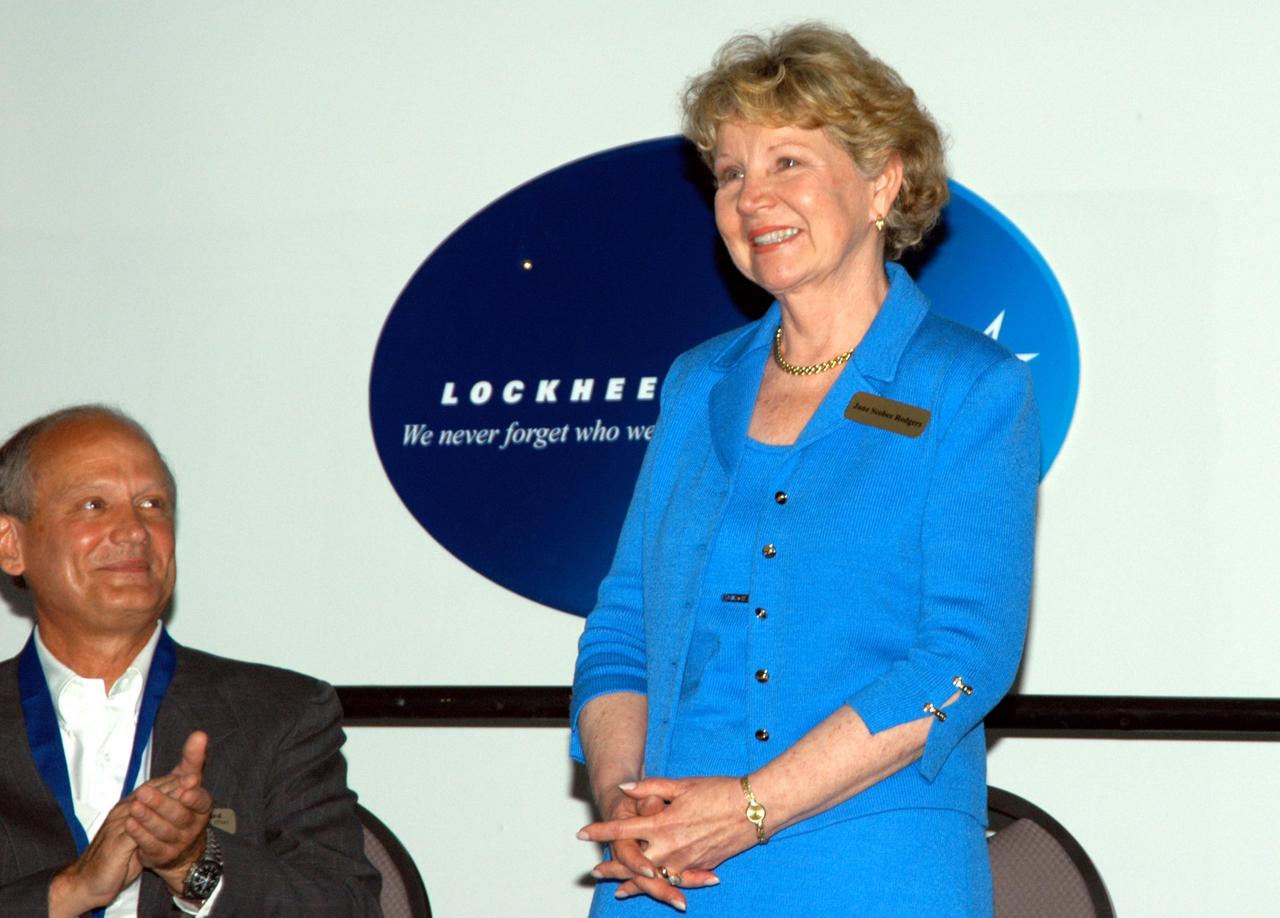
KENNEDY SPACE CENTER, FLA. -- At the Kennedy Space Center Visitor Complex, the late Francis R. "Dick" Scobee, commander of the ill-fated 1986 Challenger mission, is inducted into the U.S. Astronaut Hall of Fame. He is represented by his widow, June Scobee, at the podium. Also chosen for induction in 2004 are Kathryn D. Sullivan, the first American woman to walk in space; Richard O. Covey, commander of the Hubble Space Telescope repair mission; Frederick D. Gregory, the first African-American to command a space mission; and Norman E. Thagard, the first American to occupy Russia's Mir space station. The U.S. Astronaut Hall of Fame opened in 1990 to provide a place where space travelers could be remembered for their participation and accomplishments in the U.S. space program. To be eligible for induction, an individual must have been a U.S. citizen, a NASA astronaut, and out of the active astronaut corps at least five years. The five inductees join 52 previously honored astronauts from the ranks of the Gemini, Apollo, Skylab, Apollo-Soyuz, and Space Shuttle programs.
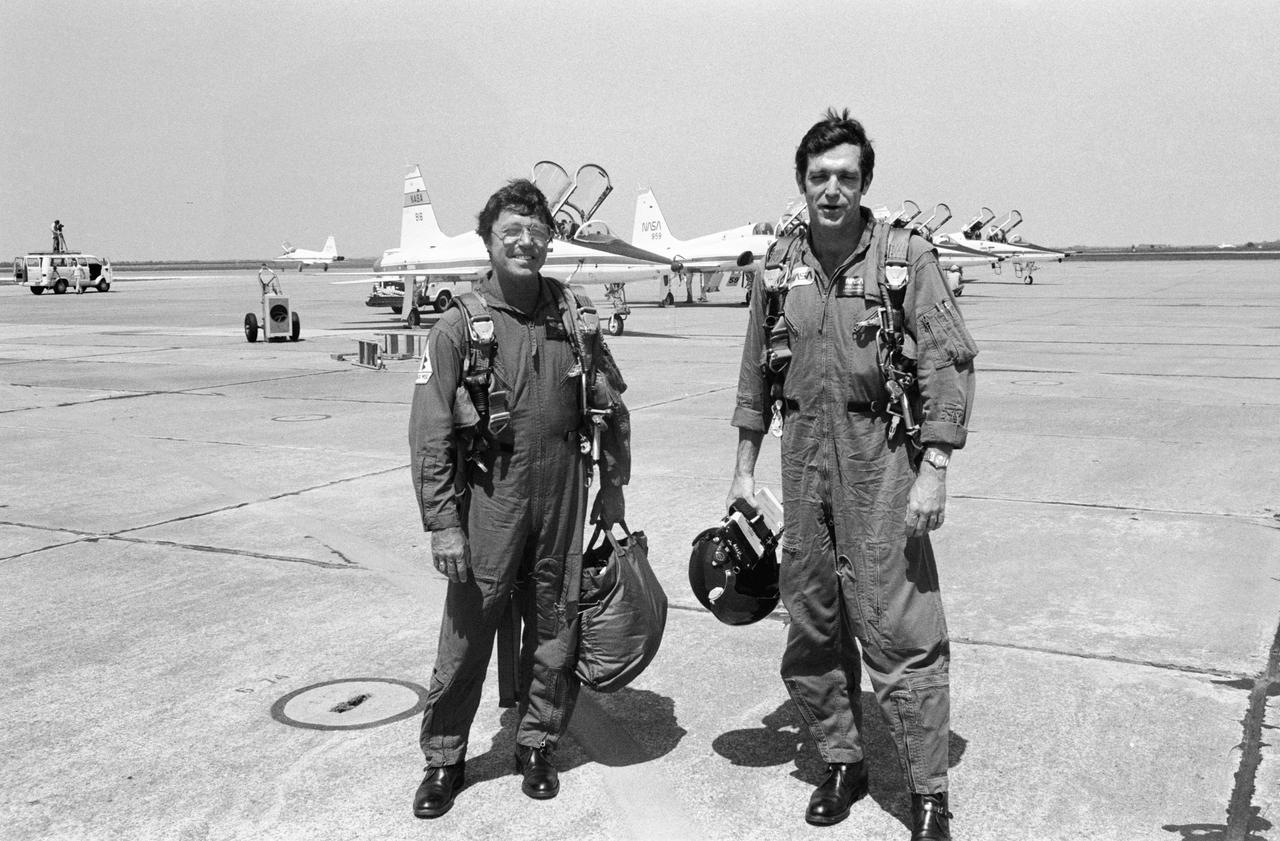
ASCAN Francis R. Scobee and T-38 Trainer on Ellington runway prior to leaving on training flight. EAFB, HOUSTON, TX
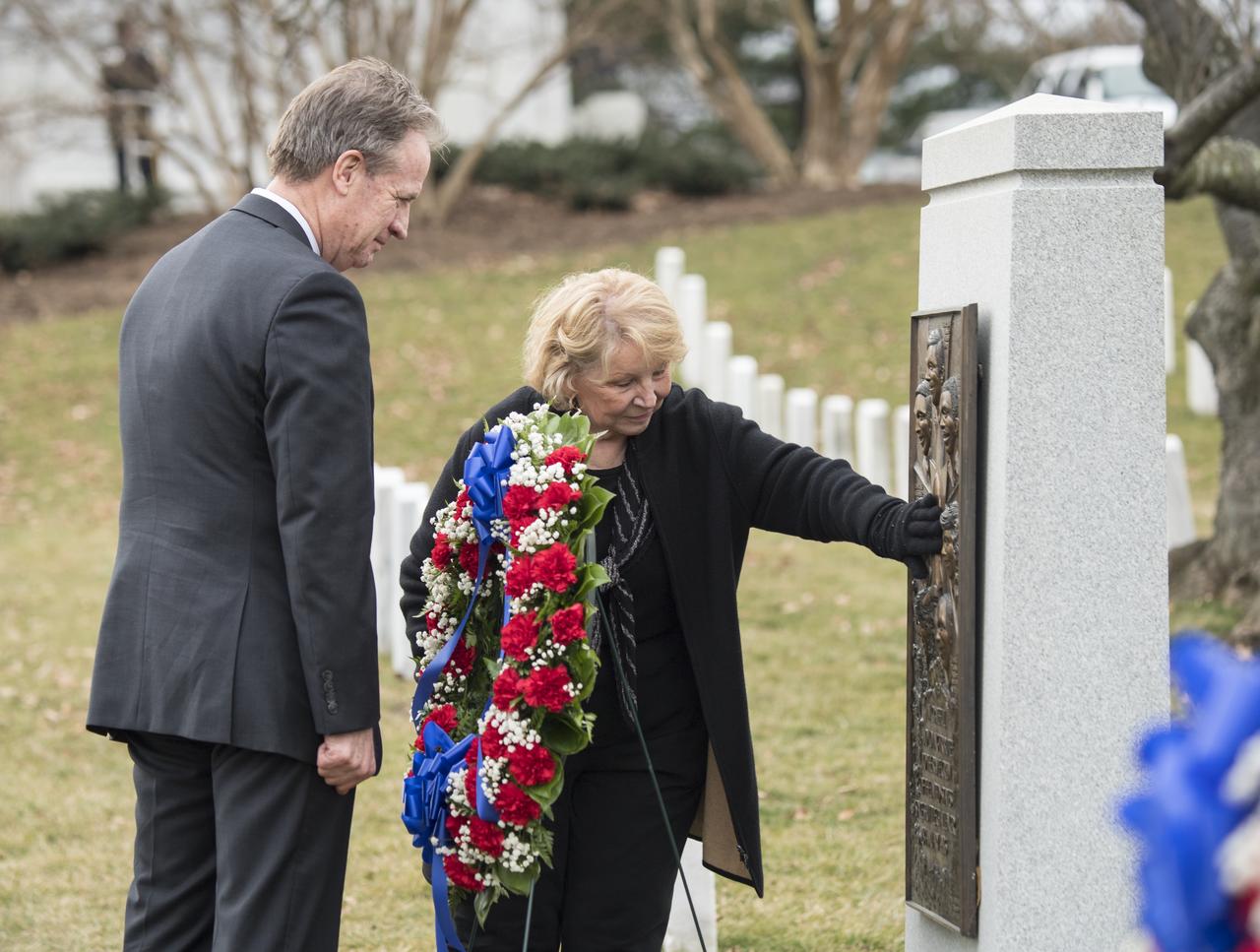
John Warnack, left, and June Scobee-Rodgers, widow of Challenger Commander Dick Scobee, visit the Space Shuttle Challenger Memorial after a wreath laying ceremony that was part of NASA's Day of Remembrance, Thursday, Feb. 7, 2019, at Arlington National Cemetery in Arlington, Va. Wreaths were laid in memory of those men and women who lost their lives in the quest for space exploration. Photo Credit: (NASA/Aubrey Gemignani)
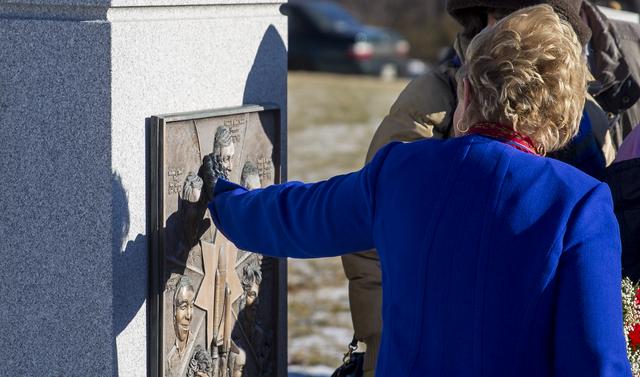
June Scobee Rodgers, widow of Challenger Space Shuttle Commander Dick Scobee, visits the Space Shuttle Challenger Memorial durring a wreath laying ceremony that was part of NASA's Day of Remembrance, Wednesday, Jan. 28, 2015, at Arlington National Cemetery in Arlington, Va. The wreaths were laid in memory of those men and women who lost their lives in the quest for space exploration. Photo Credit: (NASA/Joel Kowsky)
KENNEDY SPACE CENTER, FLA. -- At the Kennedy Space Center Visitor Complex, the late Francis R. "Dick" Scobee, commander of the ill-fated 1986 Challenger mission, is represented by his widow, June Scobee (right), at his induction into the U.S. Astronaut Hall of Fame. Another inductee, Dr. Norman E. Thagard (left), offers his encouragement. Also chosen for this honor in 2004 are Kathryn D. Sullivan, the first American woman to walk in space; Richard O. Covey, commander of the Hubble Space Telescope repair mission; Frederick D. Gregory, the first African-American to command a space mission; and Thagard, the first American to occupy Russia's Mir space station. The U.S. Astronaut Hall of Fame opened in 1990 to provide a place where space travelers could be remembered for their participation and accomplishments in the U.S. space program. To be eligible for induction, an individual must have been a U.S. citizen, a NASA astronaut, and out of the active astronaut corps at least five years. The five inductees join 52 previously honored astronauts from the ranks of the Gemini, Apollo, Skylab, Apollo-Soyuz, and Space Shuttle programs.
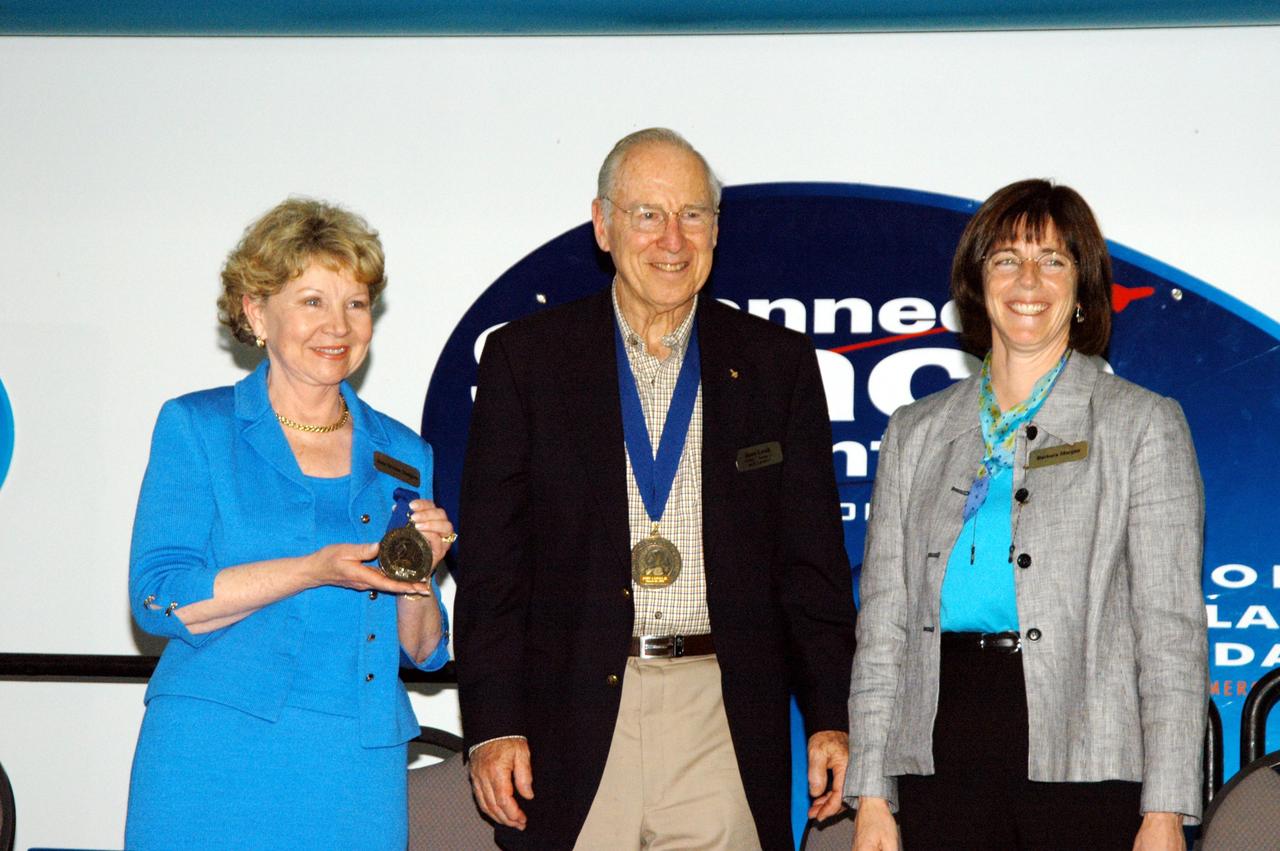
KENNEDY SPACE CENTER, FLA. -- At the Kennedy Space Center Visitor Complex, the late Francis R. "Dick" Scobee, commander of the ill-fated 1986 Challenger mission, is inducted into the U.S. Astronaut Hall of Fame. He is represented by his widow, June Scobee (left), who is accompanied by former NASA astronaut James A. Lovell Jr. and NASA astronaut Barbara R. Morgan. Morgan assumed the duties of Teacher in Space designee following the death of Christa McAuliffe, the teacher on the Challenger mission, and was selected by NASA in January 1998 as the first Educator Astronaut. Also chosen for induction in 2004 are Kathryn D. Sullivan, the first American woman to walk in space; Richard O. Covey, commander of the Hubble Space Telescope repair mission; Frederick D. Gregory, the first African-American to command a space mission; and Norman E. Thagard, the first American to occupy Russia's Mir space station. The U.S. Astronaut Hall of Fame opened in 1990 to provide a place where space travelers could be remembered for their participation and accomplishments in the U.S. space program. To be eligible for induction, an individual must have been a U.S. citizen, a NASA astronaut, and out of the active astronaut corps at least five years. The five inductees join 52 previously honored astronauts from the ranks of the Gemini, Apollo, Skylab, Apollo-Soyuz, and Space Shuttle programs.
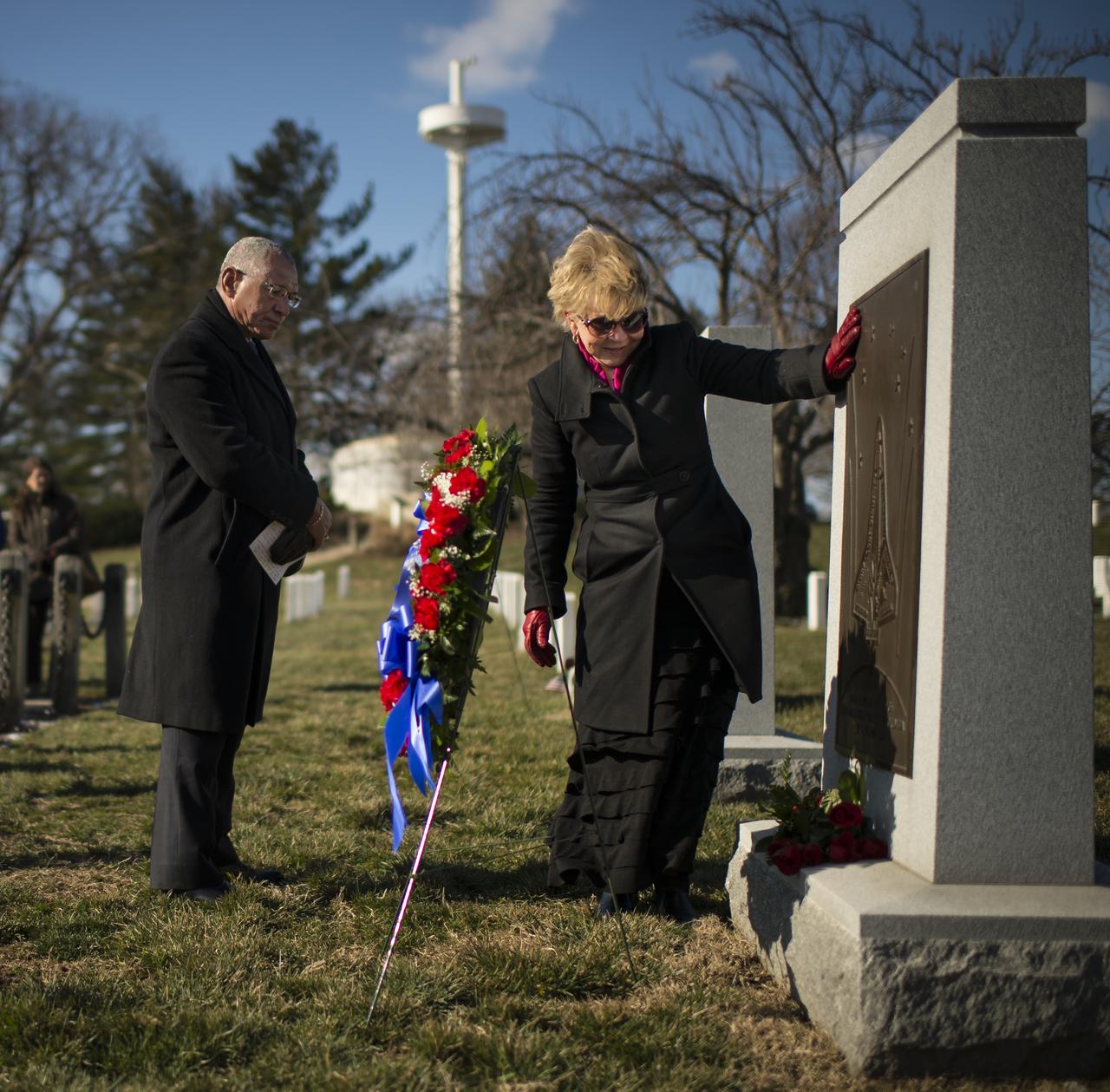
June Scobee Rodgers, widow of Challenger Space Shuttle Commander Dick Scobee and NASA Administrator Charles Bolden, along with others from NASA, visit the Space Shuttle Columbia Memorial during a wreath laying ceremony that was part of NASA's Day of Remembrance, Friday, Feb. 1, 2013, at Arlington National Cemetery. Wreathes were laid in memory of those men and women who lost their lives in the quest for space exploration. Photo Credit: (NASA/Bill Ingalls)
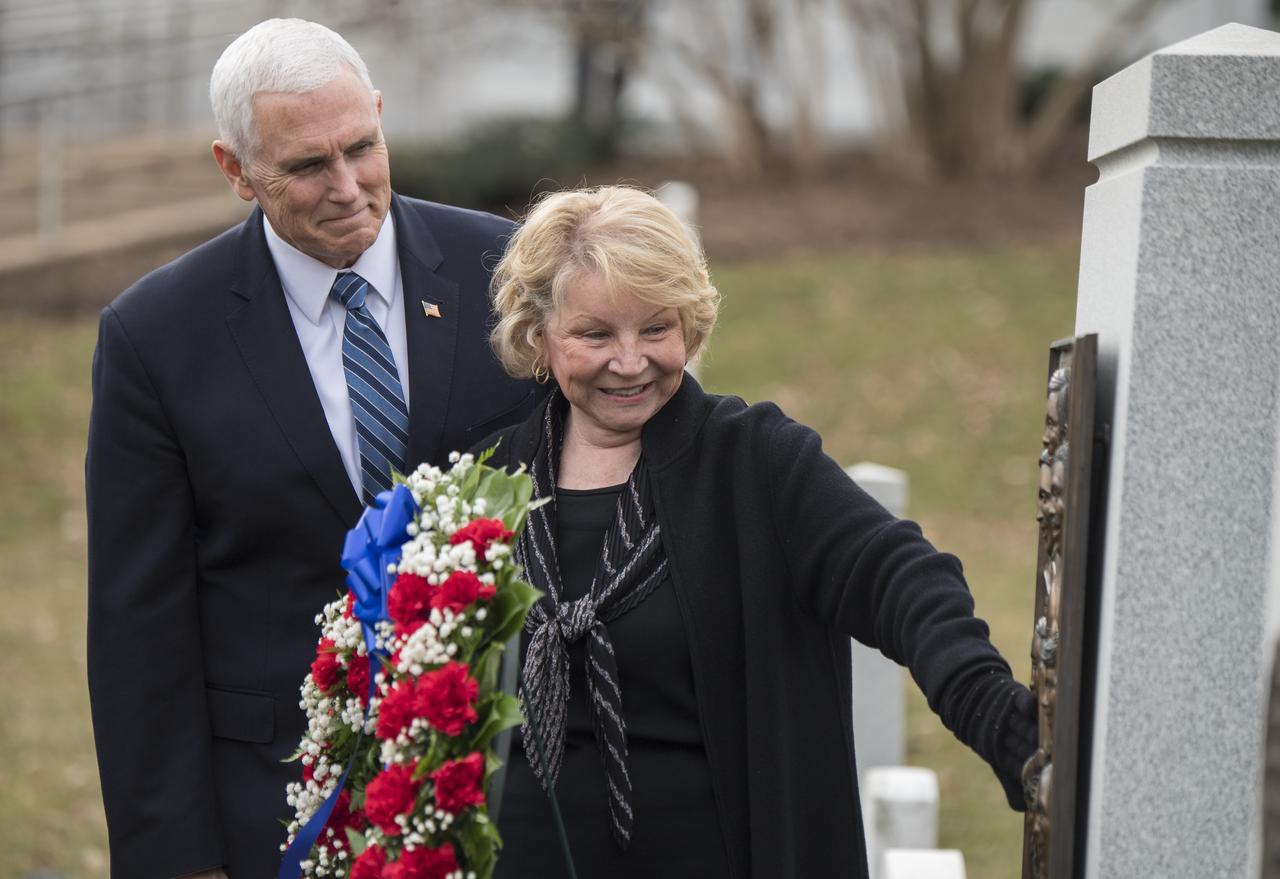
June Scobee-Rodgers, widow of Challenger Commander Dick Scobee, right, visits the Space Shuttle Challenger Memorial with Vice President Mike Pence after a wreath laying ceremony that was part of NASA's Day of Remembrance, Thursday, Feb. 7, 2019, at Arlington National Cemetery in Arlington, Va. Wreaths were laid in memory of those men and women who lost their lives in the quest for space exploration. Photo Credit: (NASA/Aubrey Gemignani)
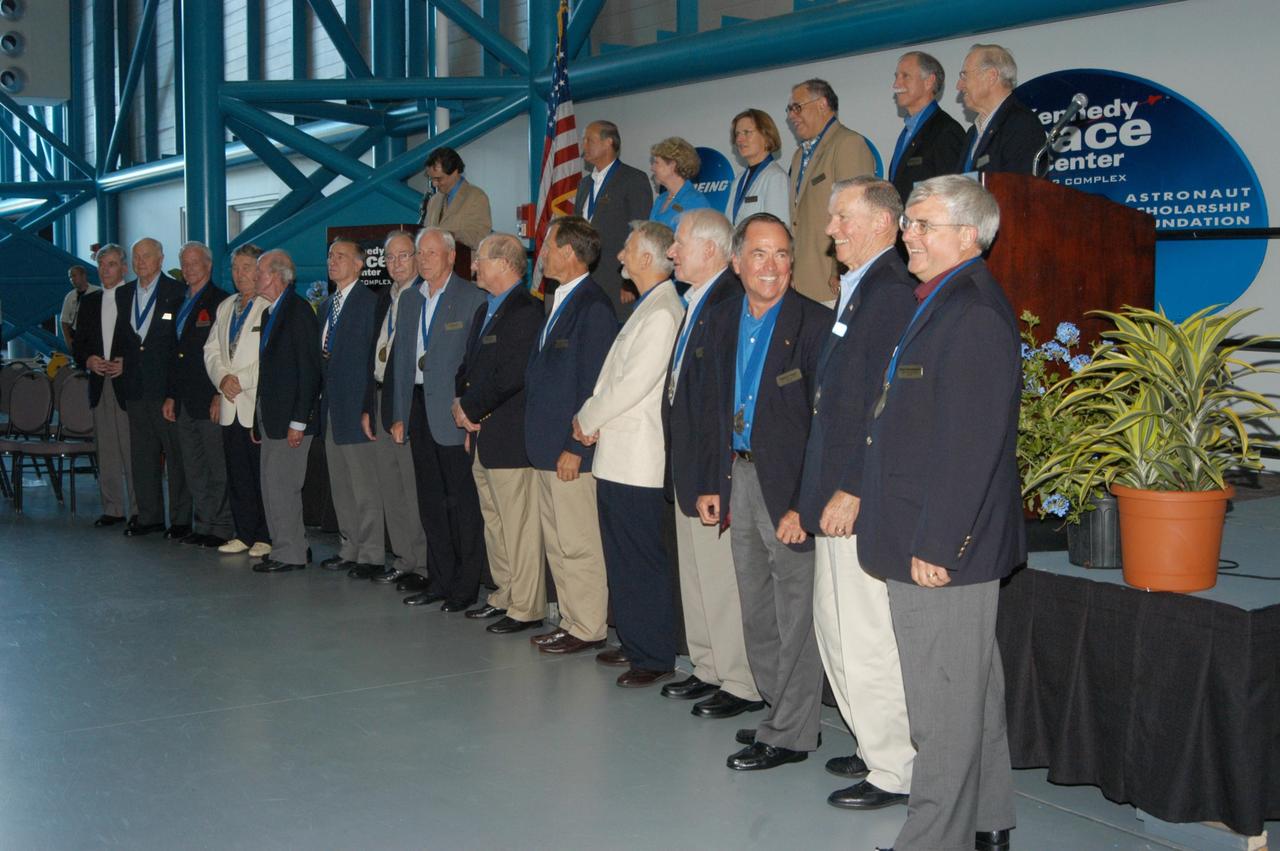
KENNEDY SPACE CENTER, FLA. -- Following the induction ceremony welcoming five new space program heroes in the U.S. Astronaut Hall of Fame, the members line up for a commemorative photo. From left, in front, are John Young, John Glenn Jr., Scott Carpenter, Wally Schirra, Gordon Cooper, Walt Cunningham, Ed Mitchell, Al Worden, Rick Hauck, Ed Gibson, Owen Garriott, Vance Brand, Robert Crippen, Joe Engle, Dan Brandenstein. In back are space author Andrew Chaikin, at the podium; and Norm Thagard, June Scobee representing her late husband Dick Scobee, Kathryn Sullivan, Fred Gregory, Richard Covey and Jim Lovell. The induction ceremony was held at the Apollo/Saturn V Center at KSC. The U.S. Astronaut Hall of Fame opened in 1990 to provide a place where space travelers could be remembered for their participation and accomplishments in the U.S. space program. The five inductees join 52 previously honored astronauts from the ranks of the Gemini, Apollo, Skylab, Apollo-Soyuz, and Space Shuttle programs.
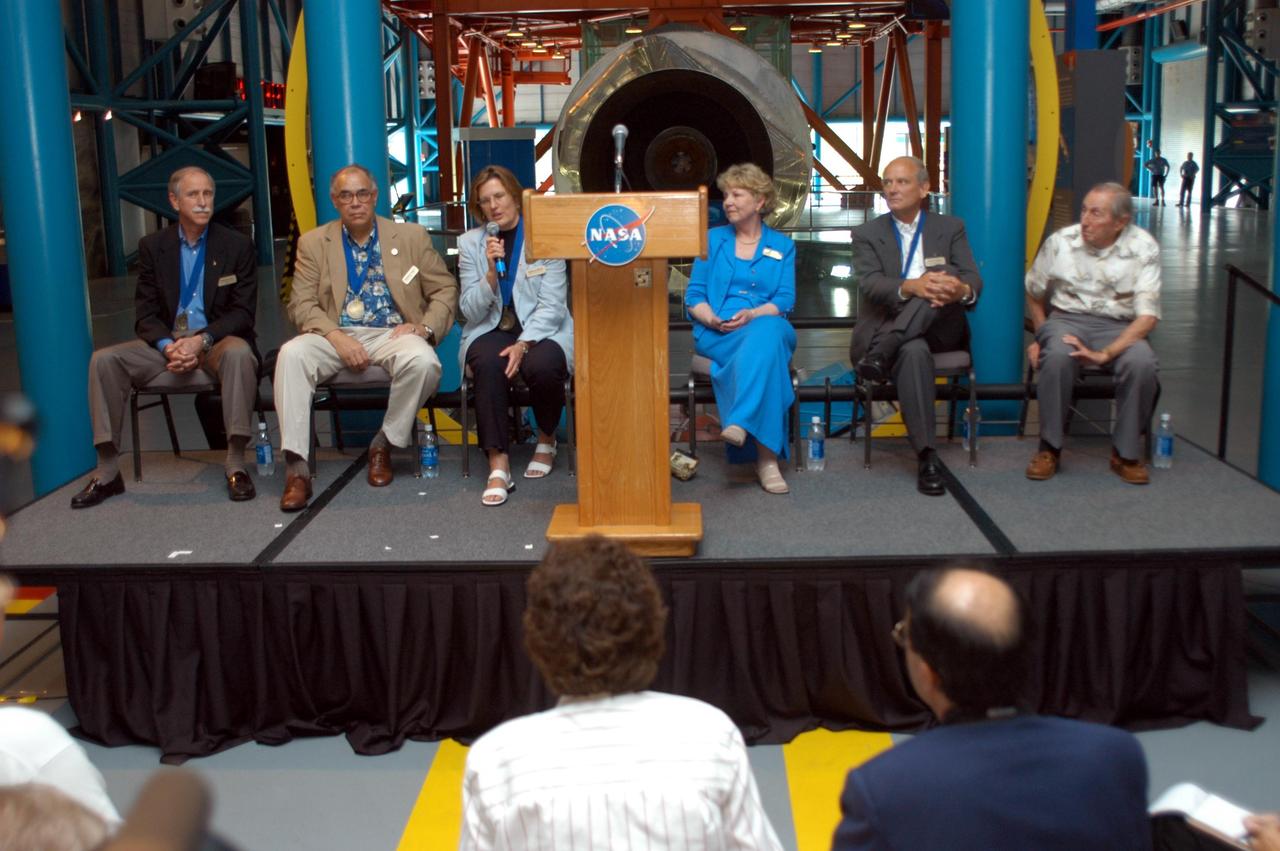
KENNEDY SPACE CENTER, FLA. -- Kathryn D. Sullivan, the first American woman to walk in space, responds to a reporter’s question at a press conference in the Apollo/Saturn V Center following the induction ceremony of five space program heroes into the Astronaut Hall of Fame. Seated (left to right) with her are Richard O. Covey, commander of the Hubble Space Telescope repair mission; Frederick D. Gregory (second from left), the first African-American to command a space mission and the current NASA deputy administrator; Sullivan; June Scobee, representing her late husband Francis R. "Dick" Scobee, commander of the ill-fated 1986 Challenger mission; and Norman E. Thagard, the first American to occupy Russia’s Mir space station. The U.S. Astronaut Hall of Fame opened in 1990 to provide a place where space travelers could be remembered for their participation and accomplishments in the U.S. space program. To be eligible for induction, an individual must have been a U.S. citizen, a NASA astronaut, and out of the active astronaut corps at least five years. The five inductees join 52 previously honored astronauts from the ranks of the Gemini, Apollo, Skylab, Apollo-Soyuz, and Space Shuttle programs.
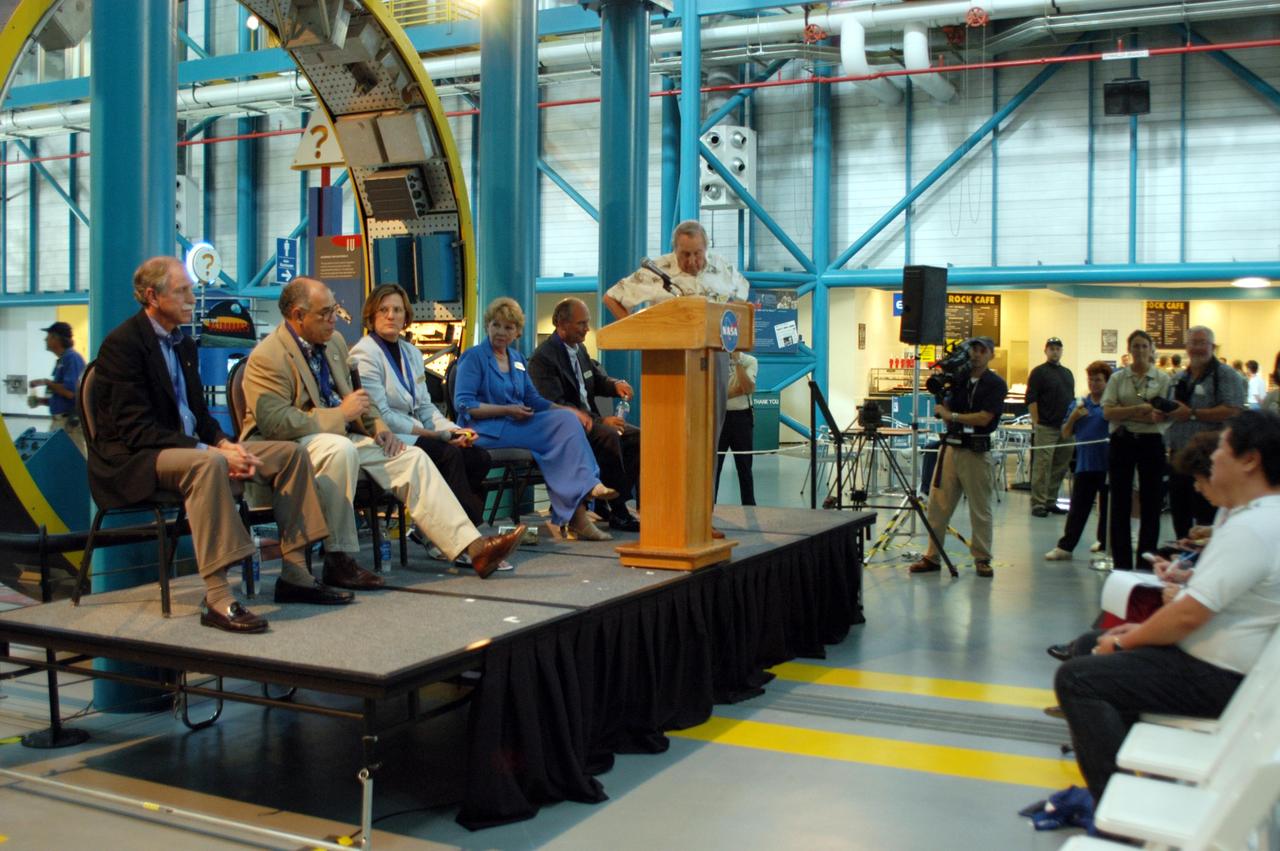
KENNEDY SPACE CENTER, FLA. -- Frederick D. Gregory (second from left), the first African-American to command a space mission and the current NASA deputy administrator, responds to a reporter’s question at a press conference in the Apollo/Saturn V Center following the induction ceremony of five space program heroes into the Astronaut Hall of Fame. Seated (left to right) with him on the platform are Richard O. Covey, commander of the Hubble Space Telescope repair mission; Gregory; Kathryn D. Sullivan, the first American woman to walk in space; June Scobee, representing her late husband Francis R. "Dick" Scobee, commander of the ill-fated 1986 Challenger mission; and Norman E. Thagard, the first American to occupy Russia’s Mir space station. The U.S. Astronaut Hall of Fame opened in 1990 to provide a place where space travelers could be remembered for their participation and accomplishments in the U.S. space program. To be eligible for induction, an individual must have been a U.S. citizen, a NASA astronaut, and out of the active astronaut corps at least five years. The five inductees join 52 previously honored astronauts from the ranks of the Gemini, Apollo, Skylab, Apollo-Soyuz, and Space Shuttle programs.
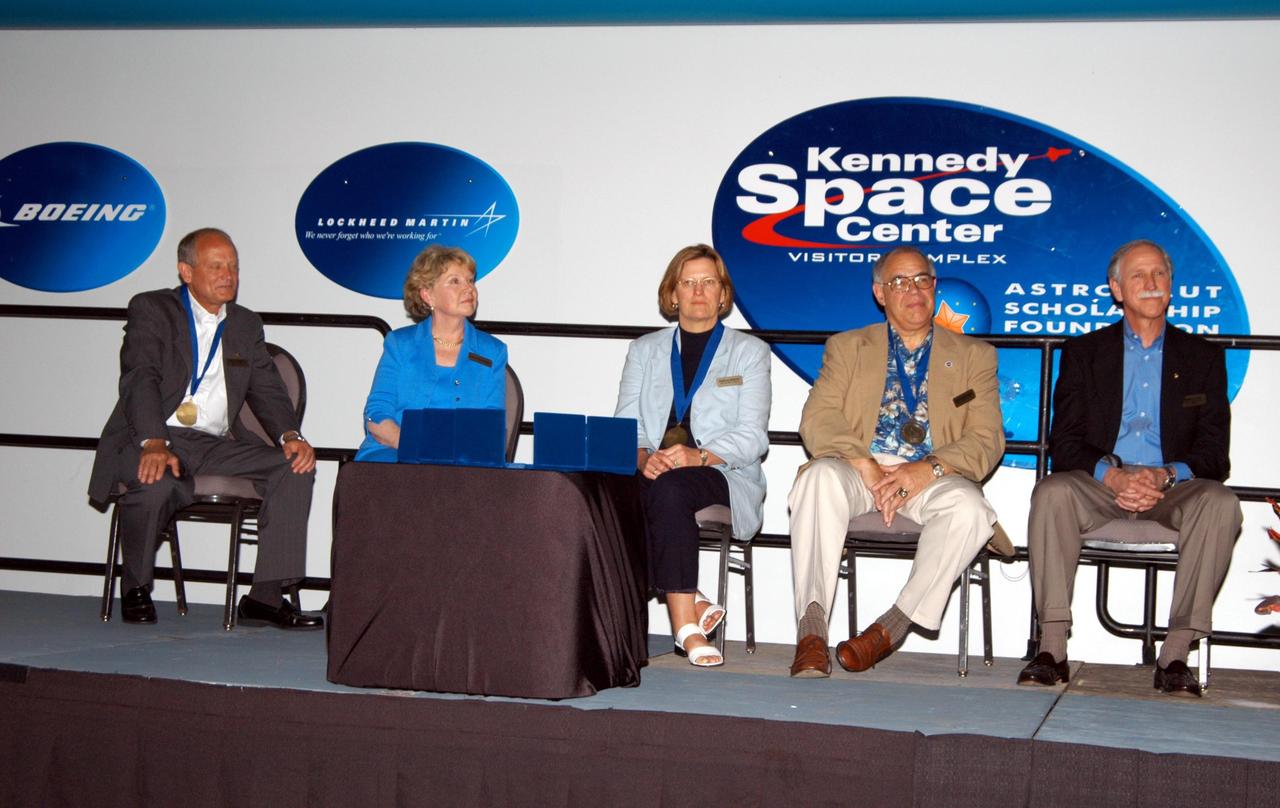
KENNEDY SPACE CENTER, FLA. -- At the Kennedy Space Center Visitor Complex, five space heroes are being inducted into the U.S. Astronaut Hall of Fame. From left, they are Norman E. Thagard, the first American to occupy Russia's Mir space station; June Scobee, representing her late husband Francis R. "Dick" Scobee, commander of the ill-fated 1986 Challenger mission; Kathryn D. Sullivan, the first American woman to walk in space; Frederick D. Gregory, the first African-American to command a space mission and the current NASA Deputy Administrator; and Richard O. Covey, commander of the Hubble Space Telescope repair mission. The U.S. Astronaut Hall of Fame opened in 1990 to provide a place where space travelers could be remembered for their participation and accomplishments in the U.S. space program. To be eligible for induction, an individual must have been a U.S. citizen, a NASA astronaut, and out of the active astronaut corps at least five years. The five inductees join 52 previously honored astronauts from the ranks of the Gemini, Apollo, Skylab, Apollo-Soyuz, and Space Shuttle programs.
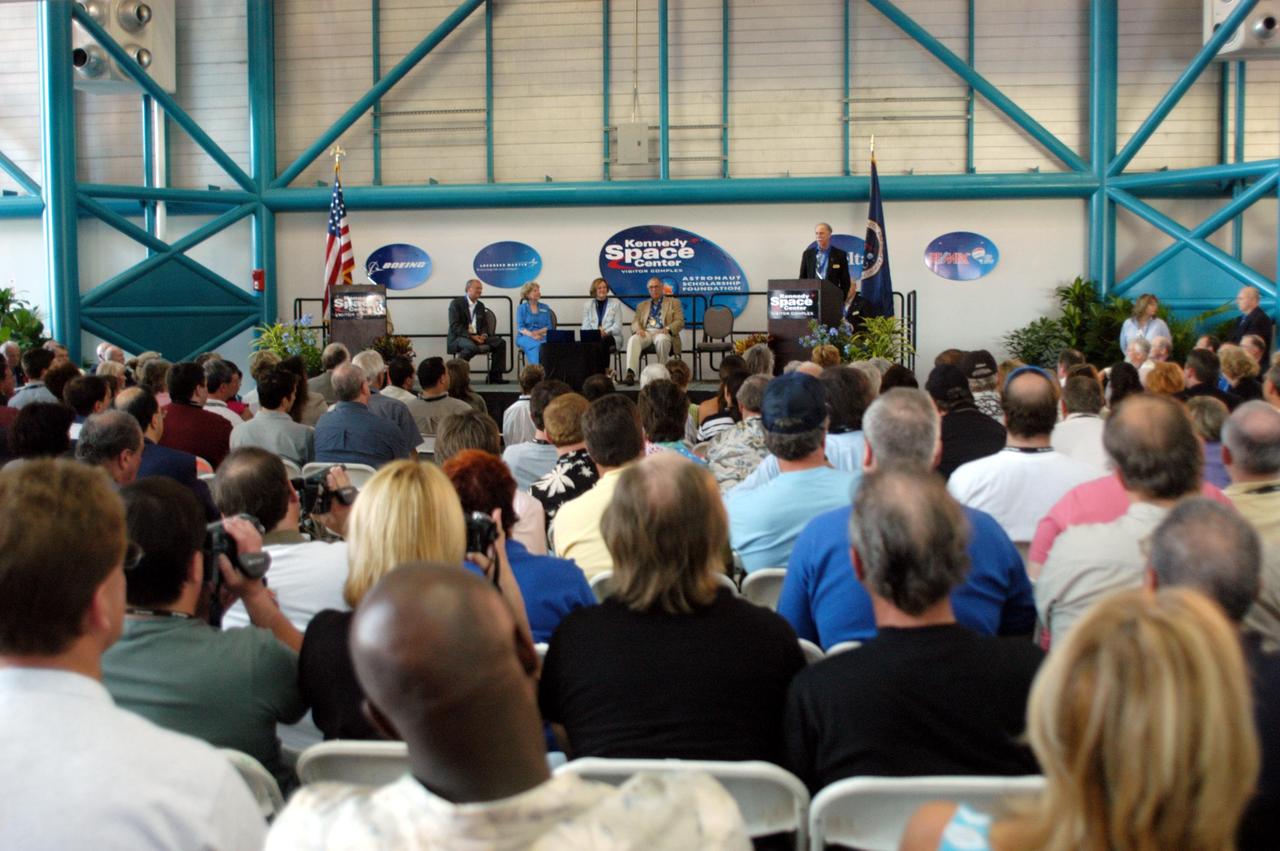
KENNEDY SPACE CENTER, FLA. -- At the Kennedy Space Center Visitor Complex, Richard O. Covey, commander of the Hubble Space Telescope repair mission, speaks to guests at the induction of five space program heroes into the U.S. Astronaut Hall of Fame. Seated from left, they are Norman E. Thagard, the first American to occupy Russia’s Mir space station; June Scobee, on behalf of her late husband Francis R. "Dick" Scobee, commander of the ill-fated 1986 Challenger mission; Kathryn D. Sullivan, the first American woman to walk in space; and Frederick D. Gregory, the first African-American to command a space mission and the current NASA deputy administrator. The U.S. Astronaut Hall of Fame opened in 1990 to provide a place where space travelers could be remembered for their participation and accomplishments in the U.S. space program. To be eligible for induction, an individual must have been a U.S. citizen, a NASA astronaut, and out of the active astronaut corps at least five years. The five inductees join 52 previously honored astronauts from the ranks of the Gemini, Apollo, Skylab, Apollo-Soyuz, and Space Shuttle programs.
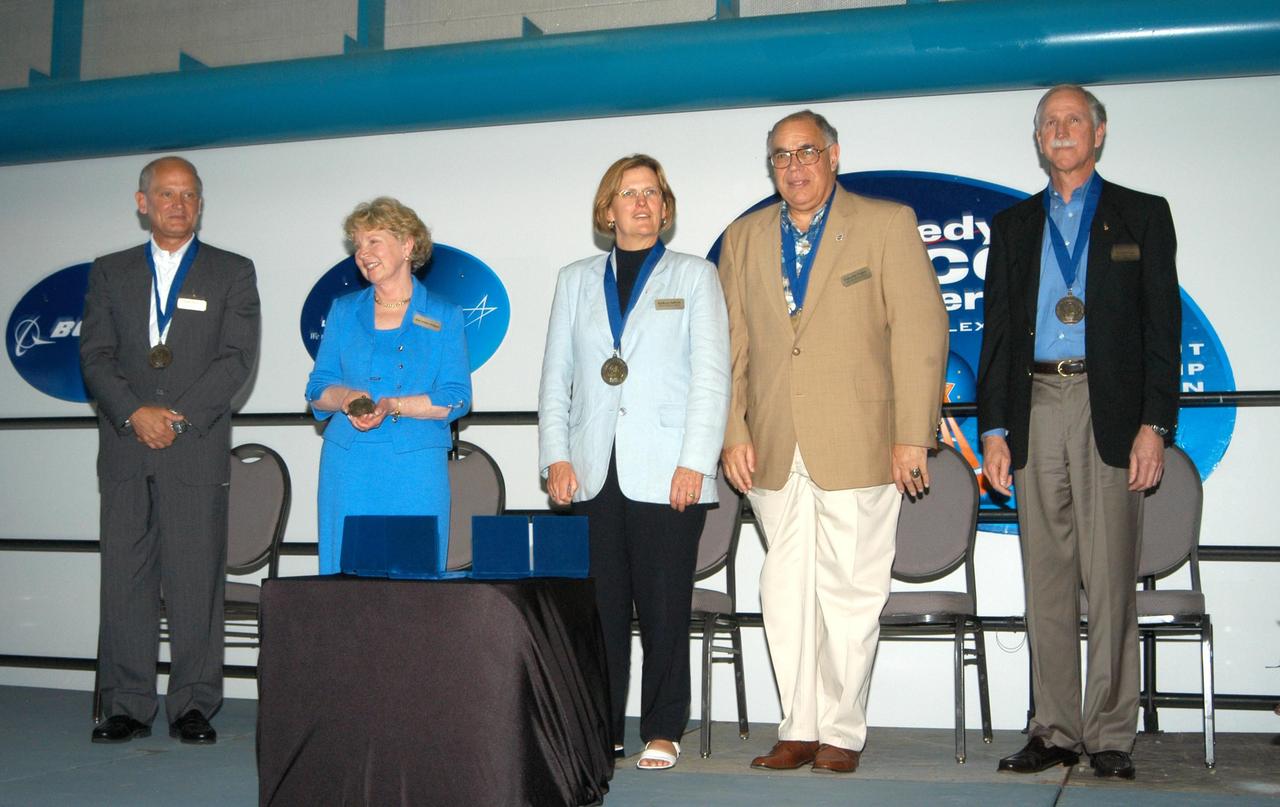
KENNEDY SPACE CENTER, FLA. -- At the Kennedy Space Center Visitor Complex, five space program heroes accept the accolades of the crowd attending their induction into the U.S. Astronaut Hall of Fame. From left, they are Norman E. Thagard, the first American to occupy Russia's Mir space station; June Scobee, on behalf of her late husband Francis R. "Dick" Scobee, commander of the ill-fated 1986 Challenger mission; Kathryn D. Sullivan, the first American woman to walk in space; Frederick D. Gregory, the first African-American to command a space mission and the current NASA Deputy Administrator; and Richard O. Covey, commander of the Hubble Space Telescope repair mission. The U.S. Astronaut Hall of Fame opened in 1990 to provide a place where space travelers could be remembered for their participation and accomplishments in the U.S. space program. To be eligible for induction, an individual must have been a U.S. citizen, a NASA astronaut, and out of the active astronaut corps at least five years. The five inductees join 52 previously honored astronauts from the ranks of the Gemini, Apollo, Skylab, Apollo-Soyuz, and Space Shuttle programs.
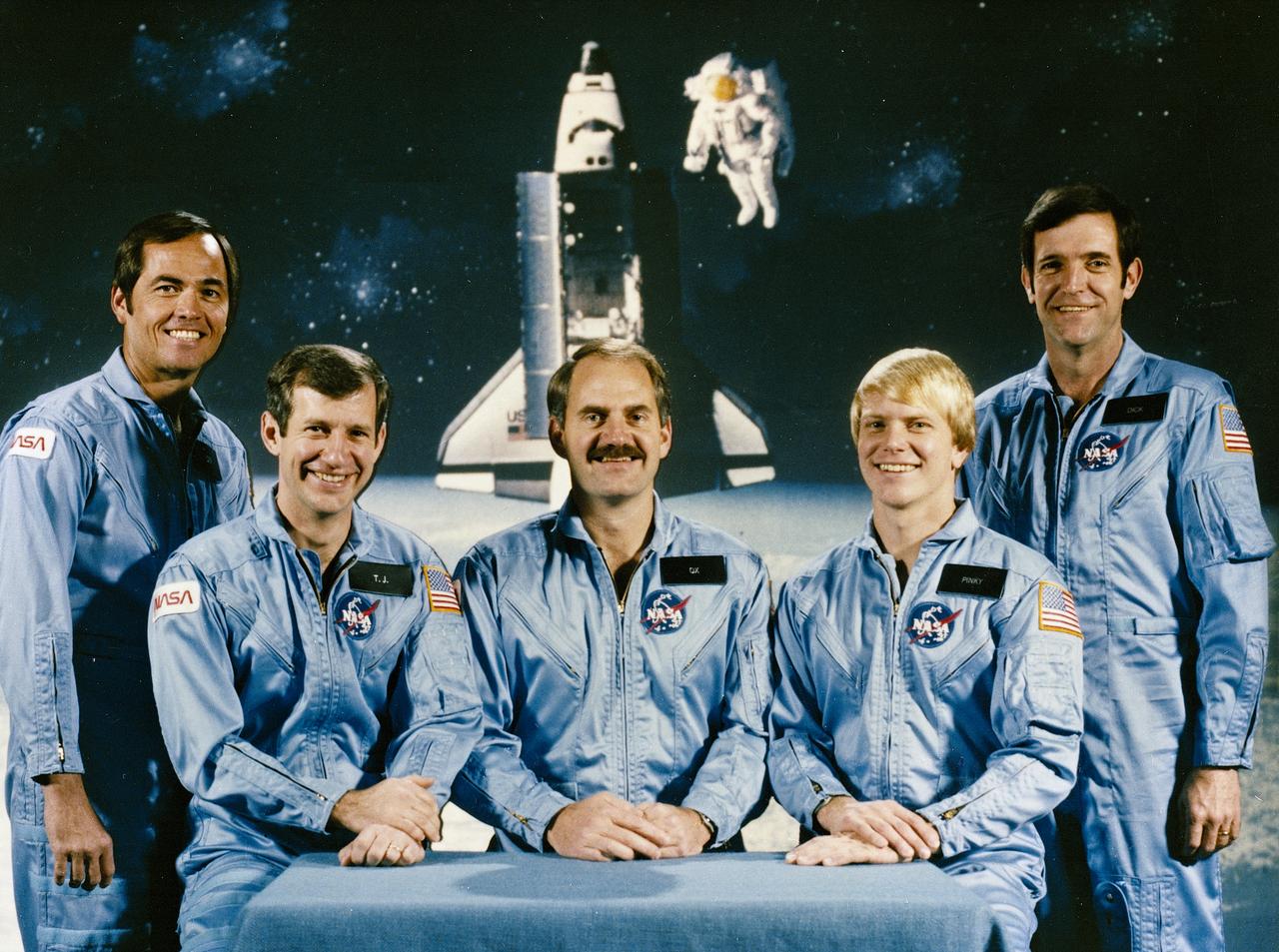
The crew assigned to the STS-41CB (STS-13) mission included (left to right) Robert L. Crippen, commander; Terry J. Hart, mission specialist; James D. Van-Hoften, mission specialist; George D. Nelson, mission specialist; and Francis R. (Dick) Scobee, pilot. Launched aboard the Space Shuttle Challenger on April 6, 1984 at 8:58:00 am (EST), the STS-41C mission marked the first direct ascent trajectory for the Space Shuttle. The crew deployed the Long Duration Exposure Facility (LDEF).
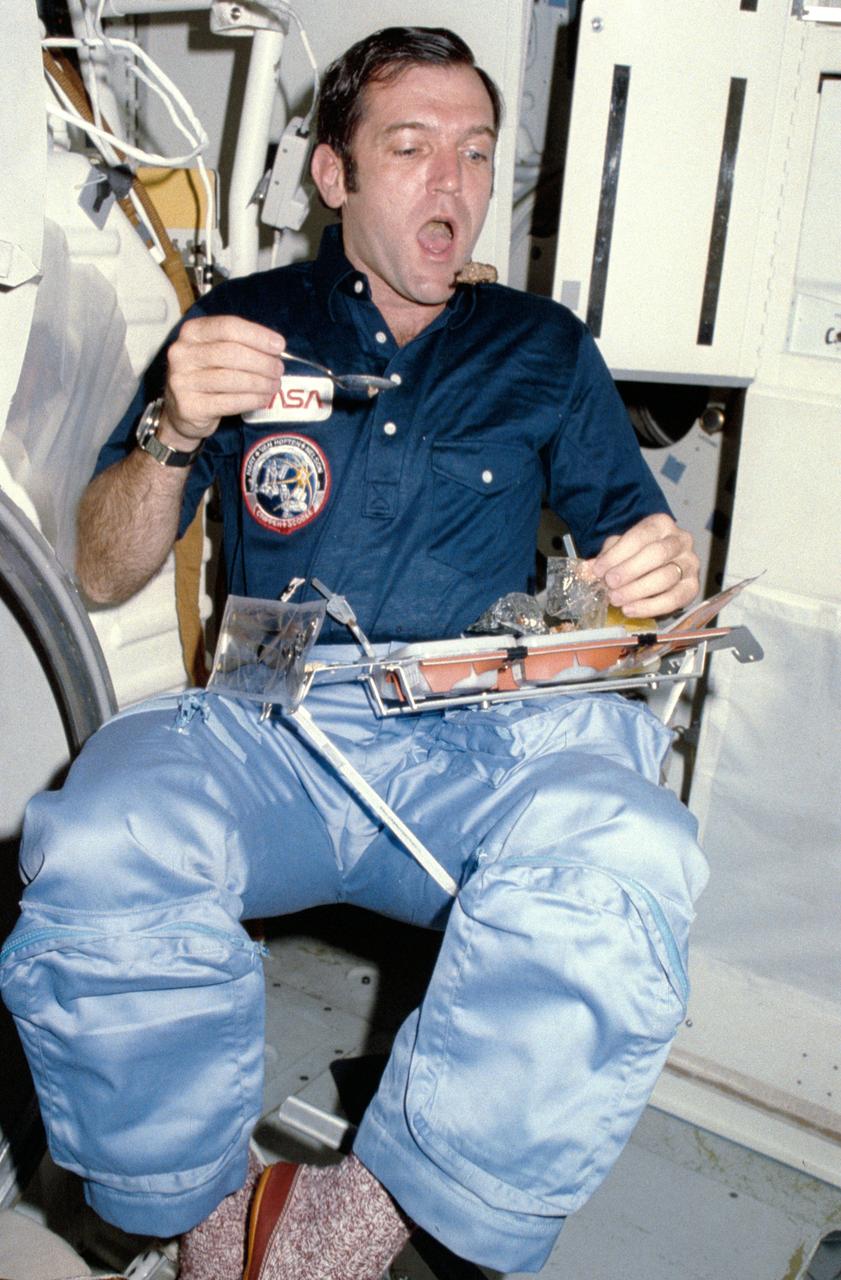
Candid views of the STS-41C crew preparing and eating food on the middeck include : Mission pilot Francis R. (Dick) Scobee goes bobbing for a morsel of food from his position on the middeck near the galley.
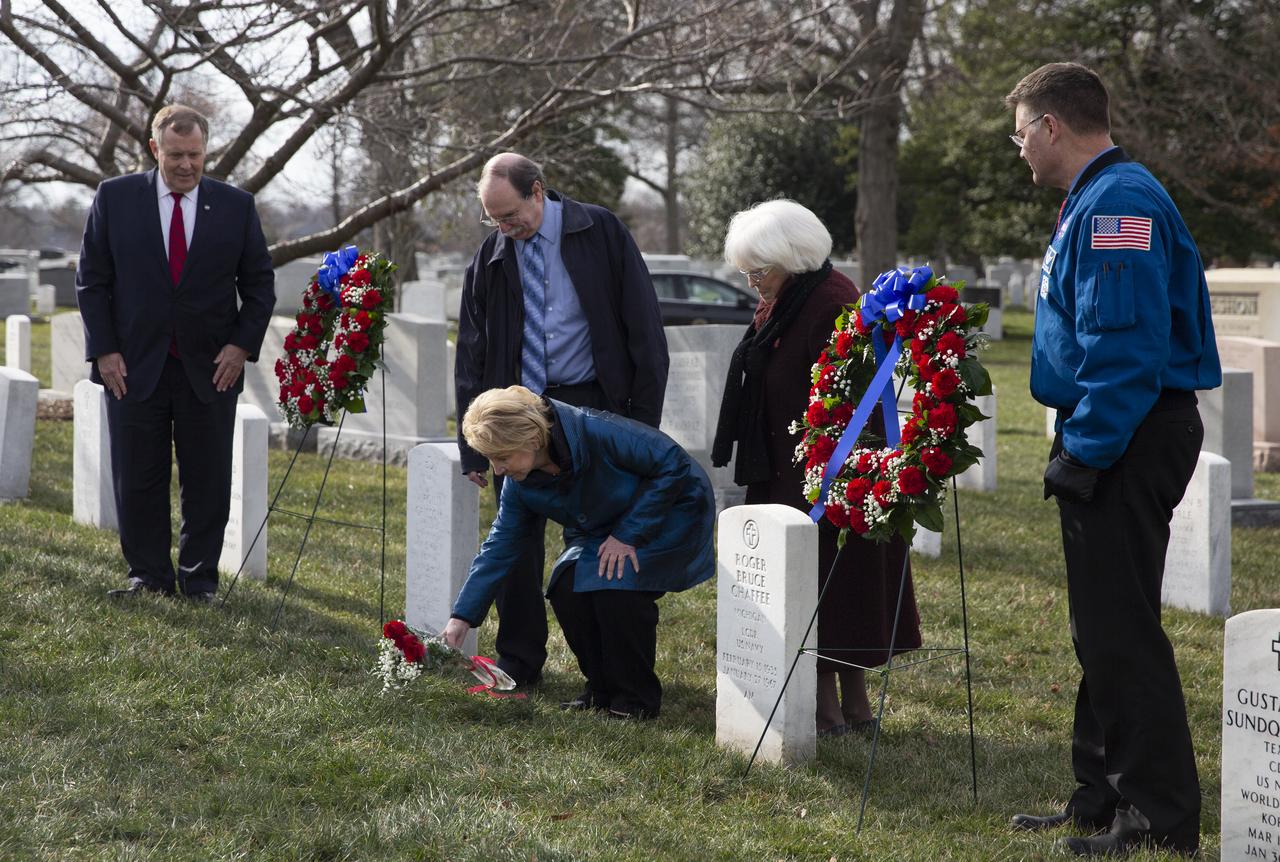
NASA Deputy Administrator Jim Morhard, left, and NASA astronaut Doug Wheelock, right, look on as June Scobee Rodgers, widow of Challenger commander Richard Scobee, Chuck Resnik, brother of Challenger mission specialist Judy Resnik, and Jane Smith Wolcott, widow of Challenger pilot Michael Smith, place flowers at the graves of Apollo 1 astronauts Virgil “Gus” Grissom, and Roger Chaffee as part of NASA’s Day of Remembrance, Thursday, Jan. 30, 2020, at Arlington National Cemetery in Arlington, Va. The wreaths were laid in memory of those men and women who lost their lives in the quest for space exploration. Photo Credit: (NASA/Joel Kowsky)
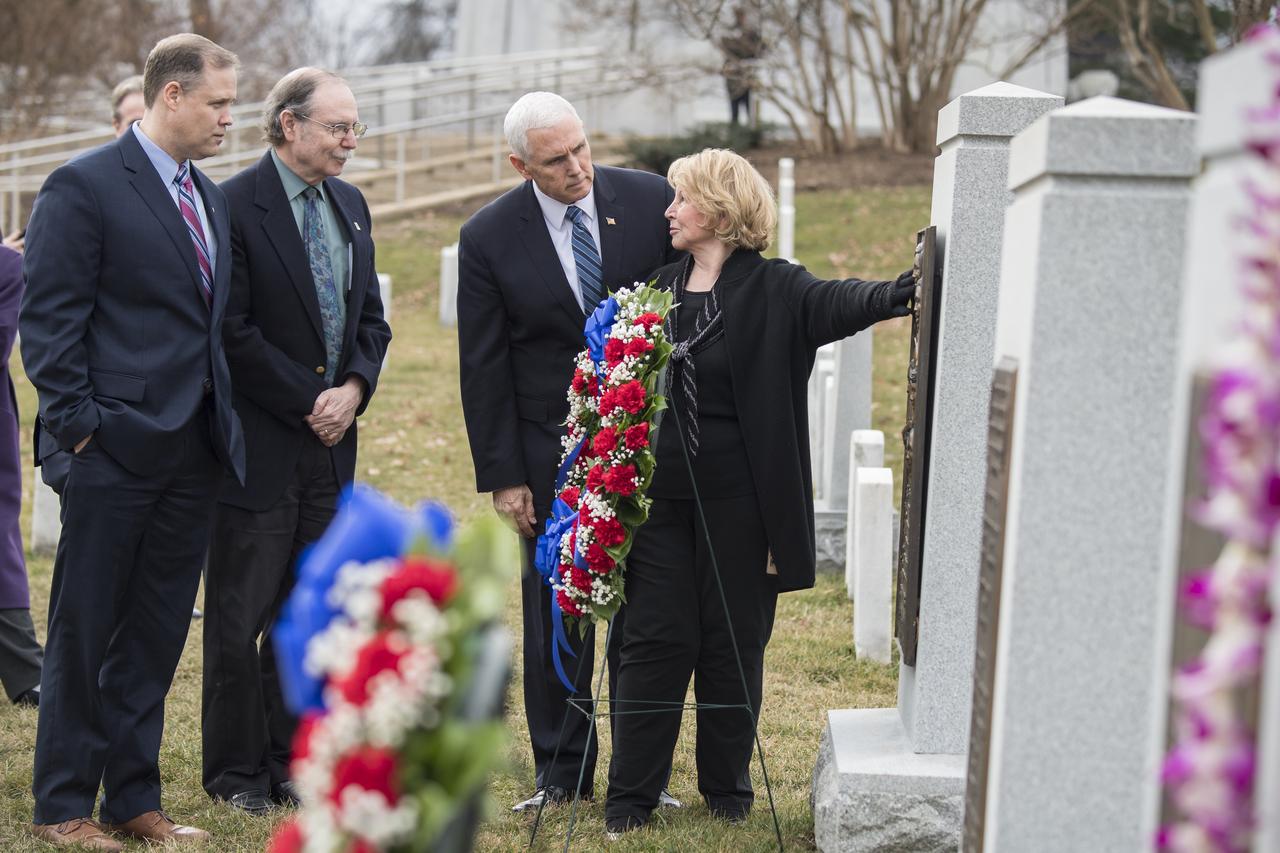
June Scobee-Rodgers, widow of Challenger Commander Dick Scobee, right, speaks with NASA Administrator Jim Bridenstine, left, Chuck Resnik, brother of Challenger Mission Specialist Judith Resnik, second left, and Vice President Mike Pence at the Space Shuttle Challenger Memorial after a wreath laying ceremony that was part of NASA's Day of Remembrance, Thursday, Feb. 7, 2019, at Arlington National Cemetery in Arlington, Va. Wreaths were laid in memory of those men and women who lost their lives in the quest for space exploration. Photo Credit: (NASA/Aubrey Gemignani)
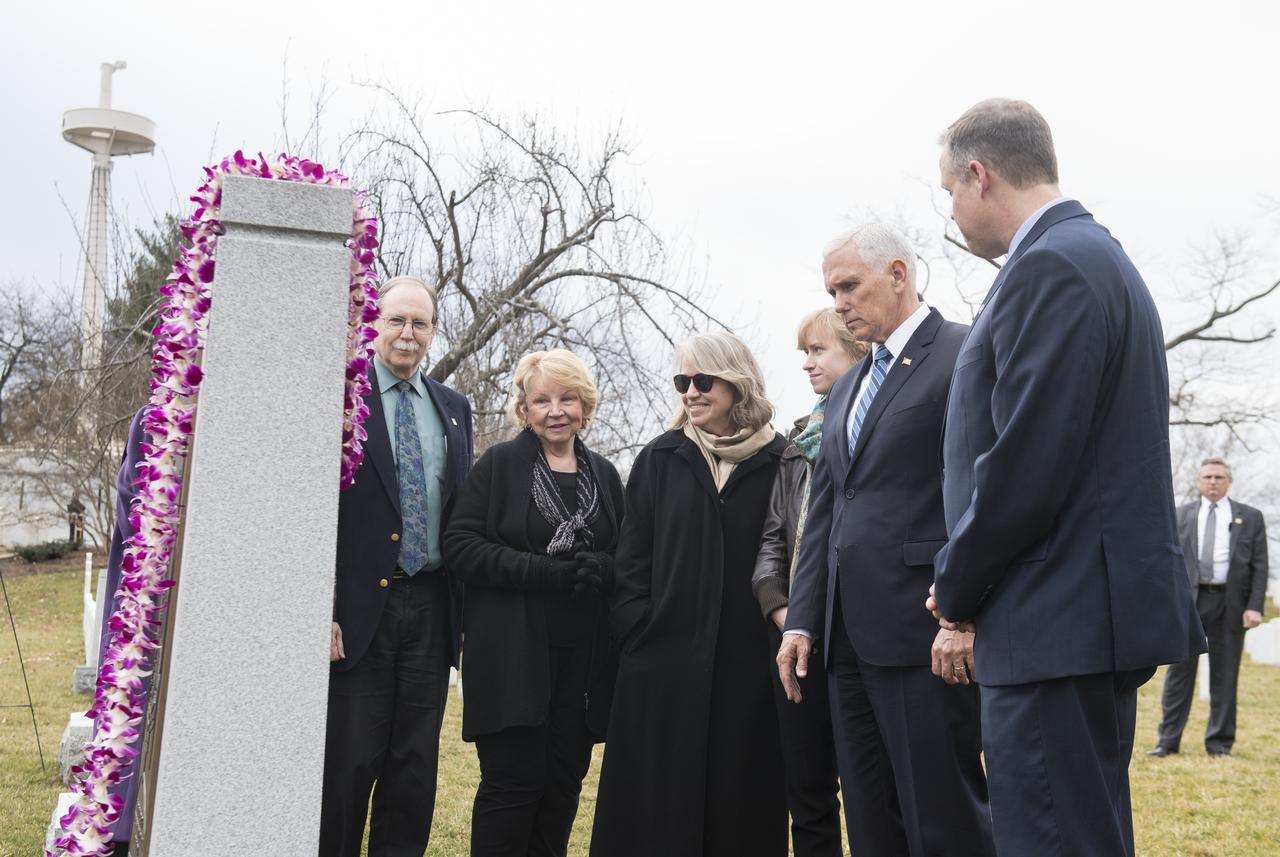
From left to right, Chuck Resnik, brother of Challenger Mission Specialist Judith Resnik; June Scobee-Rodgers, widow of Challenger Commander Dick Scobee; Kristy Carroll, friend of Space Shuttle Columbia pilot William McCool, daughter Vivian Carroll; Vice President Mike Pence, and NASA Administrator Jim Bridenstine visit the Space Shuttle Columbia Memorial after a wreath laying ceremony that was part of NASA's Day of Remembrance, Thursday, Feb. 7, 2019, at Arlington National Cemetery in Arlington, Va. Wreaths were laid in memory of those men and women who lost their lives in the quest for space exploration. Photo Credit: (NASA/Aubrey Gemignani)
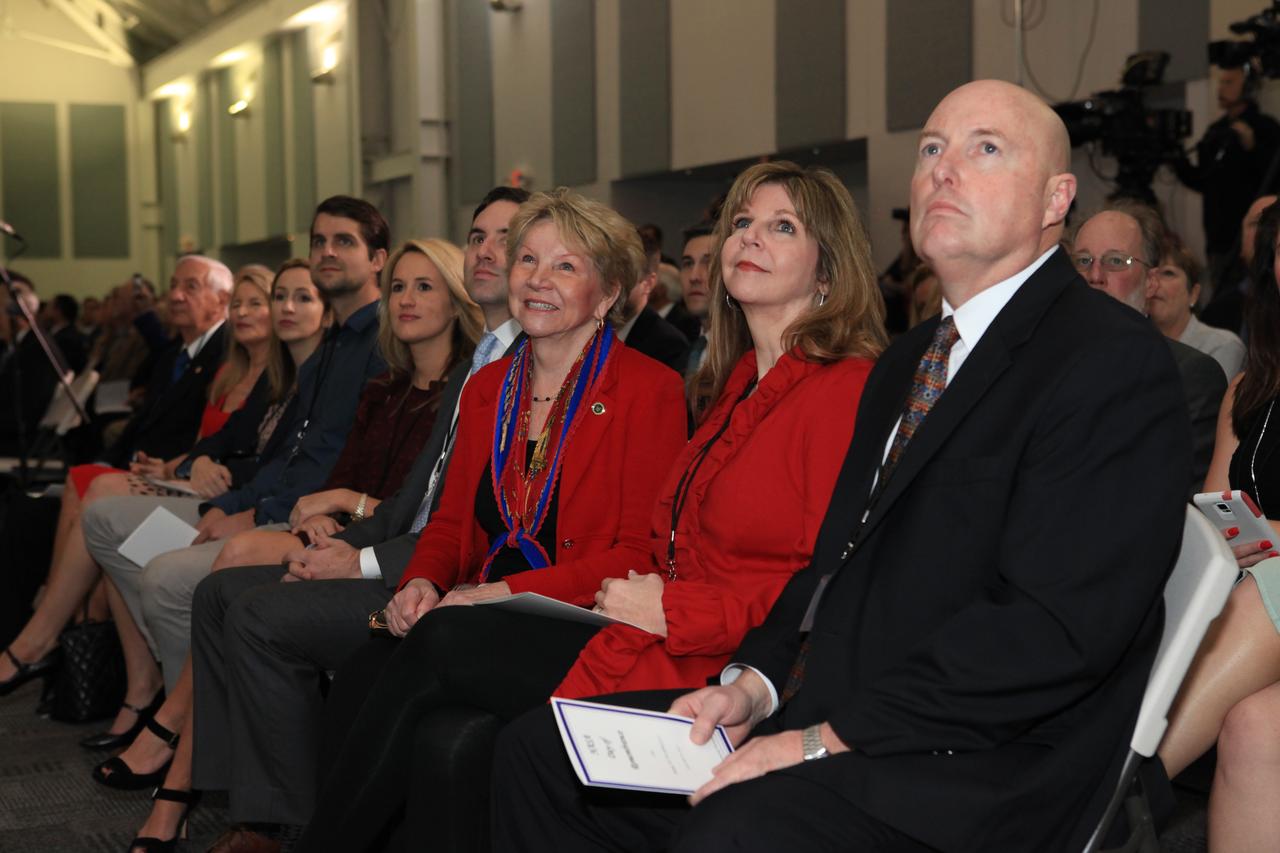
June Scobee Rodgers (center), widow of STS-51L commander Dick Scobee; daughter Kathie Scobee Fulgham; son U.S. Air Force Brig. Gen. Richard Scobee; and other family members and invited guests listen to remarks during Kennedy Space Center's Day of Remembrance ceremony. Held this year in the Center for Space Education at the Kennedy Space Center Visitor Complex in Florida, the annual event honors the contributions of all astronauts who lost their lives in the quest for space exploration.
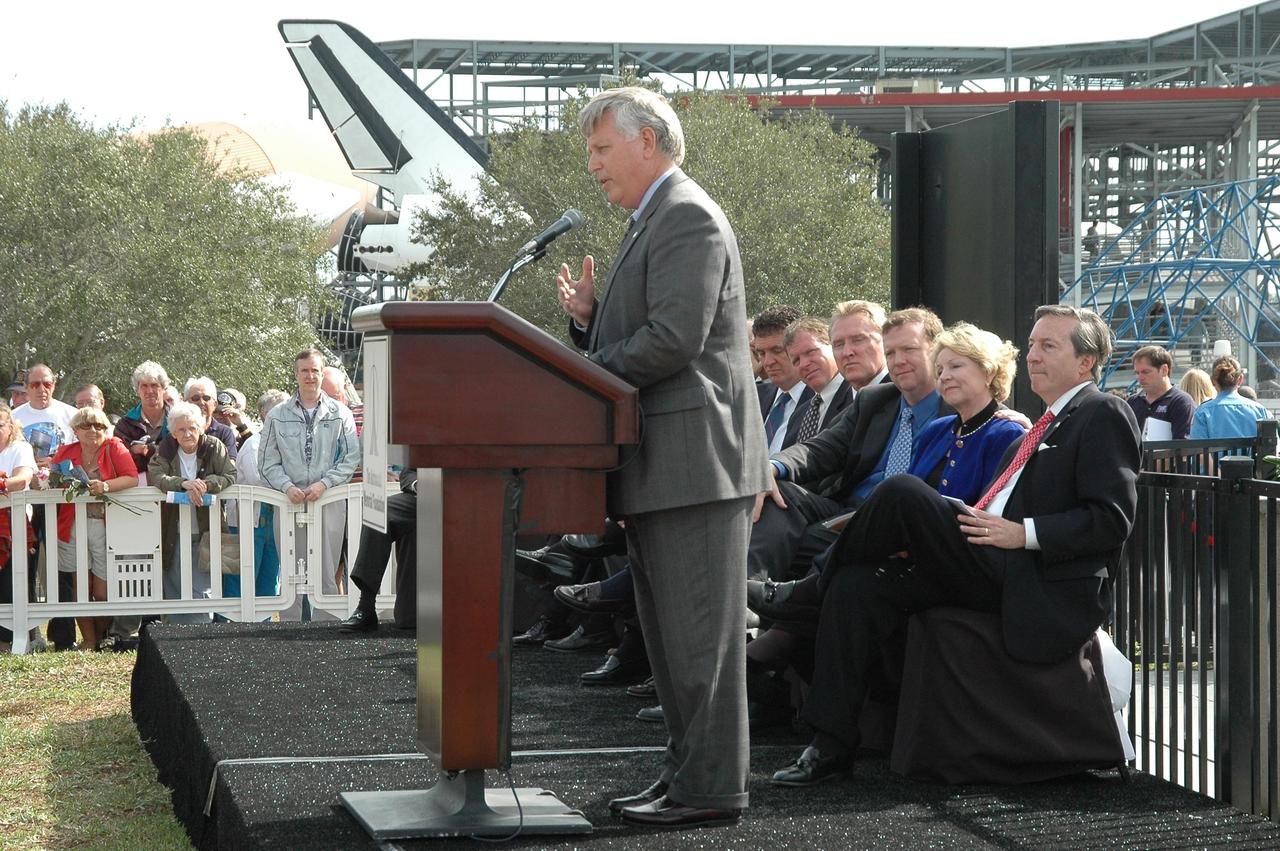
KENNEDY SPACE CENTER, FLA. — During the Challenger memorial ceremony held Jan. 28 in front of the Space Memorial Mirror at NASA Kennedy Space Center’s Visitor Complex, Center Director Jim Kennedy talks to visitors. Others participating in the ceremony are Dr. Mick Ukleja, who gave the invocation; Dr. Stephen Feldman, president of the Astronauts Memorial Foundation; Rep. Dave Weldon and Rep. Tom Feeney; William Potter, chairman of the Board of Directors of the Astronauts Memorial Foundation; William Gerstenmaier, associate administrator for Space Operations at NASA; June Scobee Rodgers, widow of Dick Scobee, commander of Challenger; Col. Richard Scobee, son of Dick Scobee and June Scobee Rodgers; Capt. Frederick Hauck, commander of the first mission after Challenger; Dr. Joseph Allen, astronaut and scientist and chairman of the Board of the Challenger Centers for Space Science. June Scobee Rodgers and Gerstenmaier placed a wreath at the base of the memorial. Photo credit: NASA/Kim Shiflett
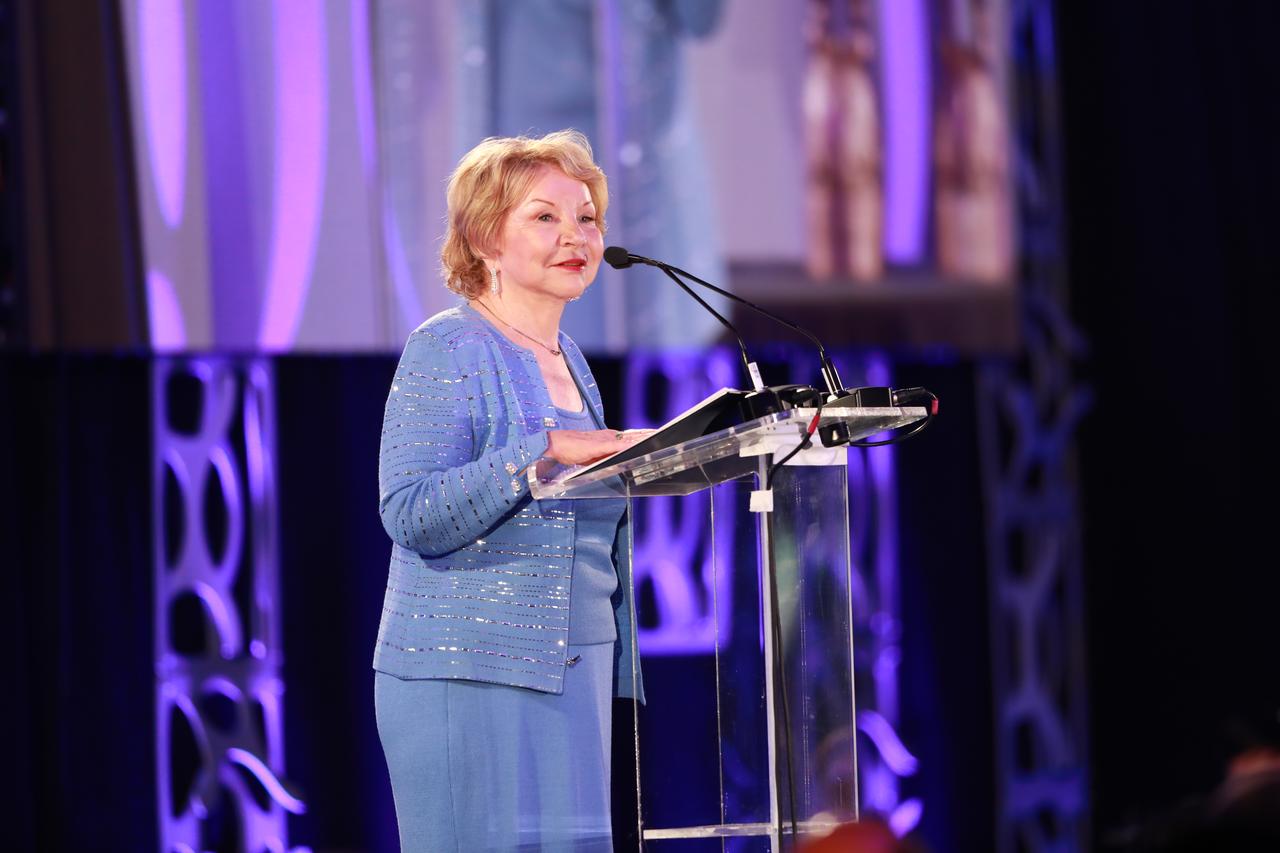
June Scobee Rodgers receives the Education Award during the Apollo 50th Gala, presented by Northrop Grumman, inside the Apollo/Saturn V Center at the Kennedy Space Center Visitor Complex in Florida on July 16, 2019. Scobbee Rodgers is the founding chairman of the Challenger Center for Space Science Education, established in 1986 following the Space Shuttle Challenger accident to continue the legacy of the Challenger crew.
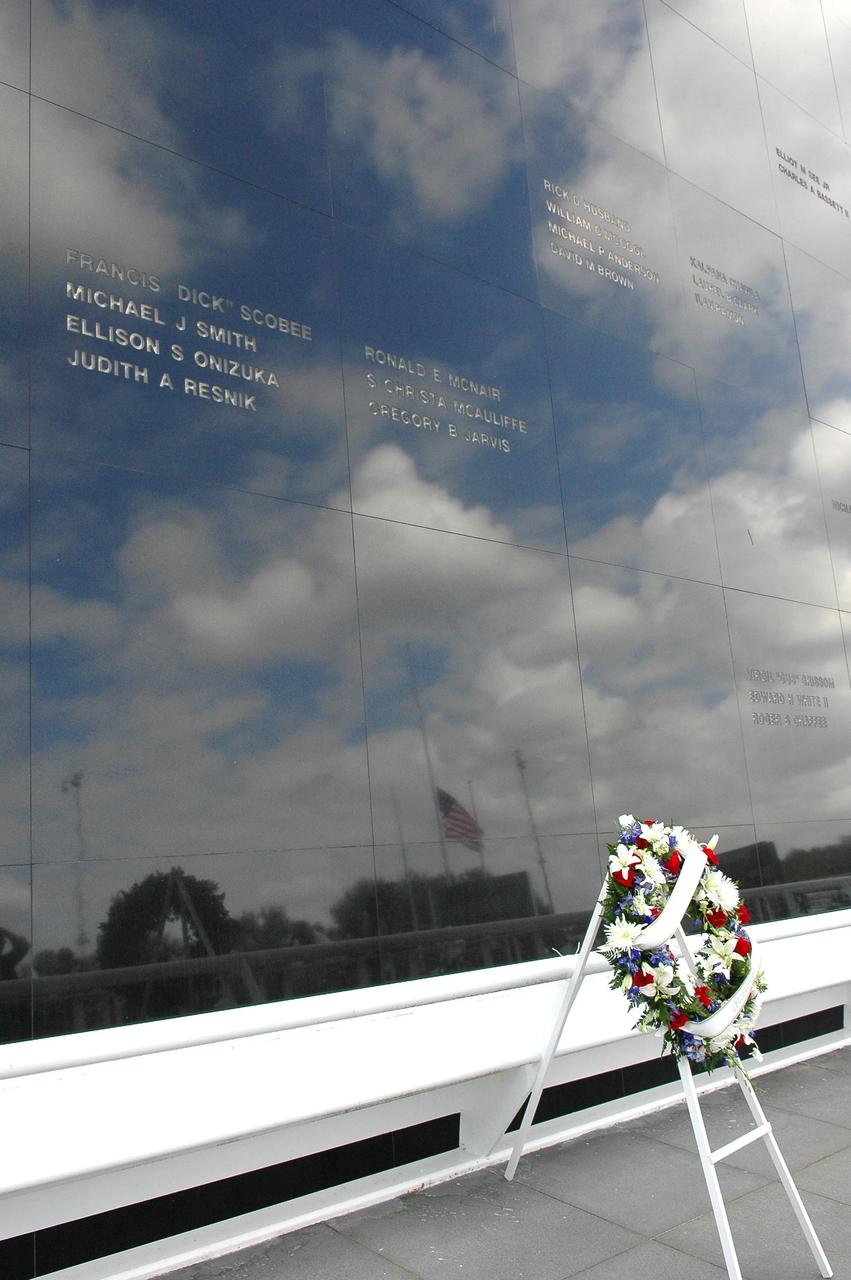
KENNEDY SPACE CENTER, FLA. — Following the Challenger memorial ceremony held Jan. 28 in front of the Space Memorial Mirror at NASA Kennedy Space Center’s Visitor Complex, this wreath remains as a reminder of the fallen heroes. It was placed there by June Scobee Rodgers, widow of Dick Scobee, commander of Challenger, and William Gerstenmaier, associate administrator for Space Operations at NASA. They were participants in the ceremony, along with Dr. Mick Ukleja, who gave the invocation; Dr. Stephen Feldman, president of the Astronauts Memorial Foundation; Rep. Dave Weldon and Rep. Tom Feeney; William Potter, chairman of the Board of Directors of the Astronauts Memorial Foundation; William Gerstenmaier, associate administrator for Space Operations at NASA; Jim Kennedy (second from left), center director of KSC; June Scobee Rodgers, widow of Dick Scobee, commander of Challenger; Col. Richard Scobee, son of Dick Scobee and June Scobee Rodgers; Capt. Frederick Hauck, commander of the first mission after Challenger; Dr. Joseph Allen, astronaut and scientist and chairman of the Board of the Challenger Centers for Space Science. June Scobee Rodgers and Gerstenmaier placed a wreath at the base of the memorial. Photo credit: NASA/Kim Shiflett
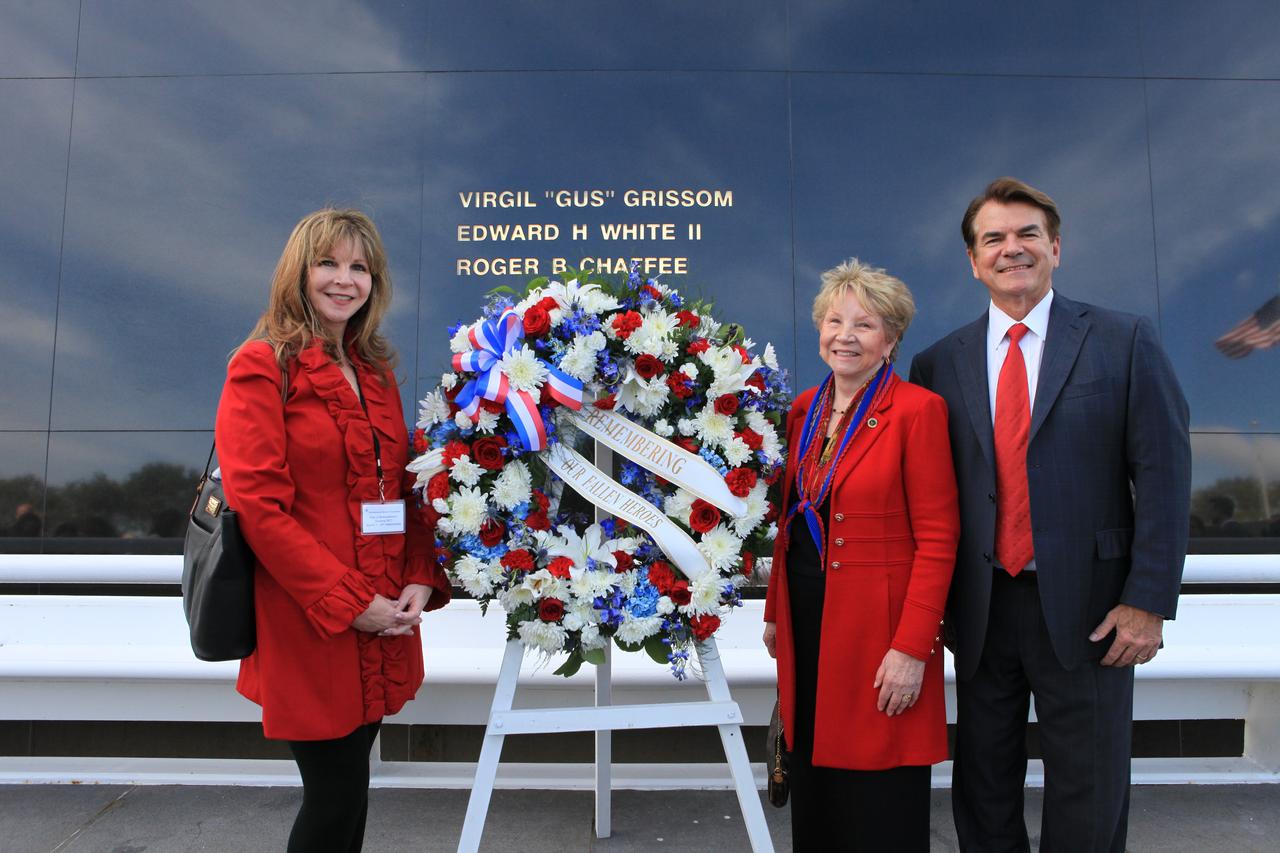
Following the Kennedy Space Center's NASA Day of Remembrance ceremony, Family members of fallen astronauts placed a wreath at the Space Mirror Memorial. From the left, are Kathie Scobee Flugham, daughter of 51-L Challenger astronaut Dick Scobee, June Scobee Rodgers, Scobee's widow and State Rep. Thad Altman, president and chief executive officer of the Astronauts Memorial Foundation. They are standing in front of the memorial includes the names of the fallen astronauts from Apollo 1, Challenger and Columbia, as well as the astronauts who perished in training and commercial airplane accidents are emblazoned on the monument's 45-foot-high-by-50-foot-wide polished black granite surface.
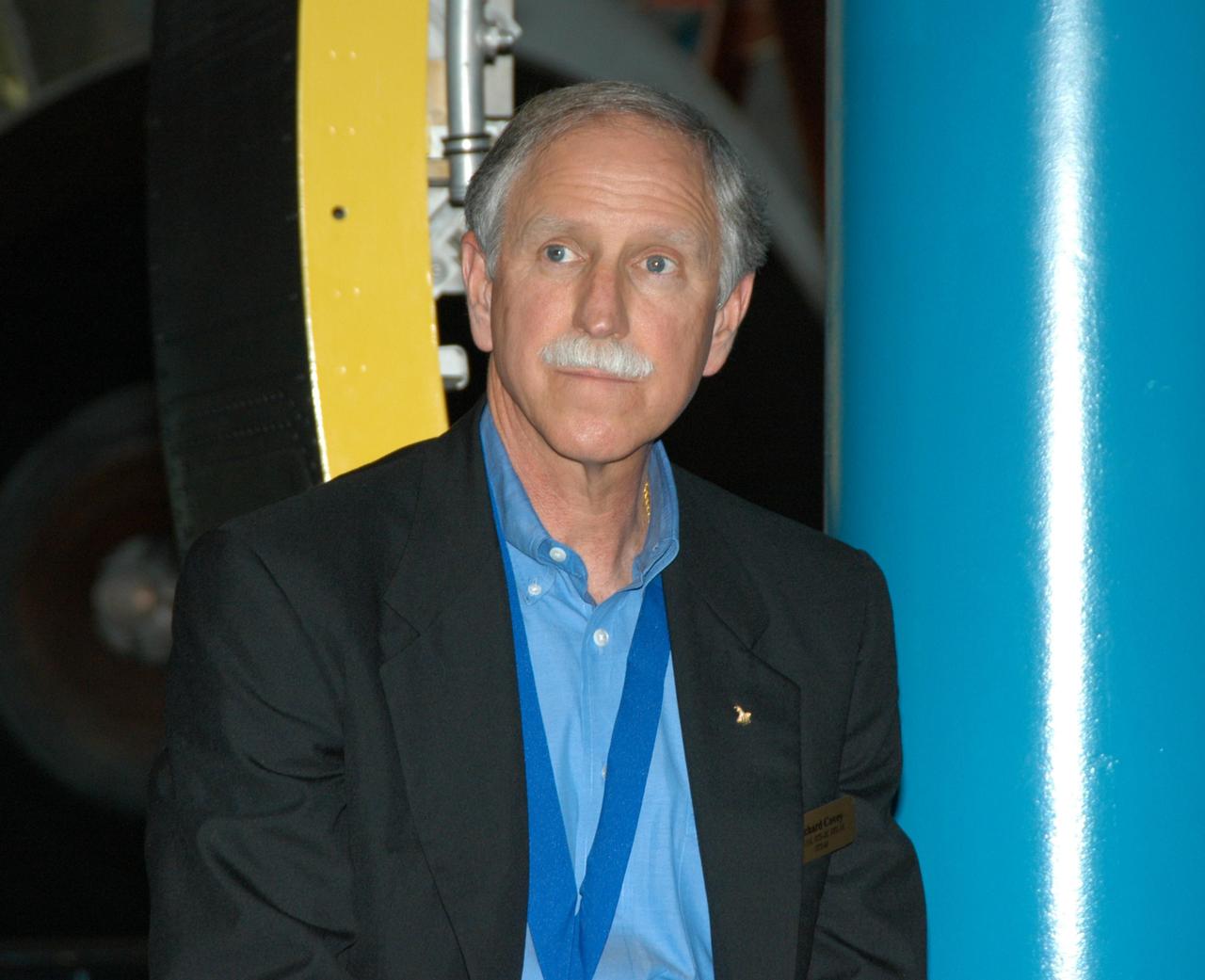
KENNEDY SPACE CENTER, FLA. -- At the Kennedy Space Center Visitor Complex, Richard O. Covey, commander of the Hubble Space Telescope repair mission, is one of five space program heroes inducted into the U.S. Astronaut Hall of Fame. Other inductees were Norman E. Thagard, the first American to occupy Russia’s Mir space station; the late Francis R. "Dick" Scobee, commander of the ill-fated 1986 Challenger mission; Kathryn D. Sullivan, the first American woman to walk in space; and Frederick D. Gregory, the first African-American to command a space mission and the current NASA deputy administrator. The U.S. Astronaut Hall of Fame opened in 1990 to provide a place where space travelers could be remembered for their participation and accomplishments in the U.S. space program. To be eligible for induction, an individual must have been a U.S. citizen, a NASA astronaut, and out of the active astronaut corps at least five years. The five inductees join 52 previously honored astronauts from the ranks of the Gemini, Apollo, Skylab, Apollo-Soyuz, and Space Shuttle programs.
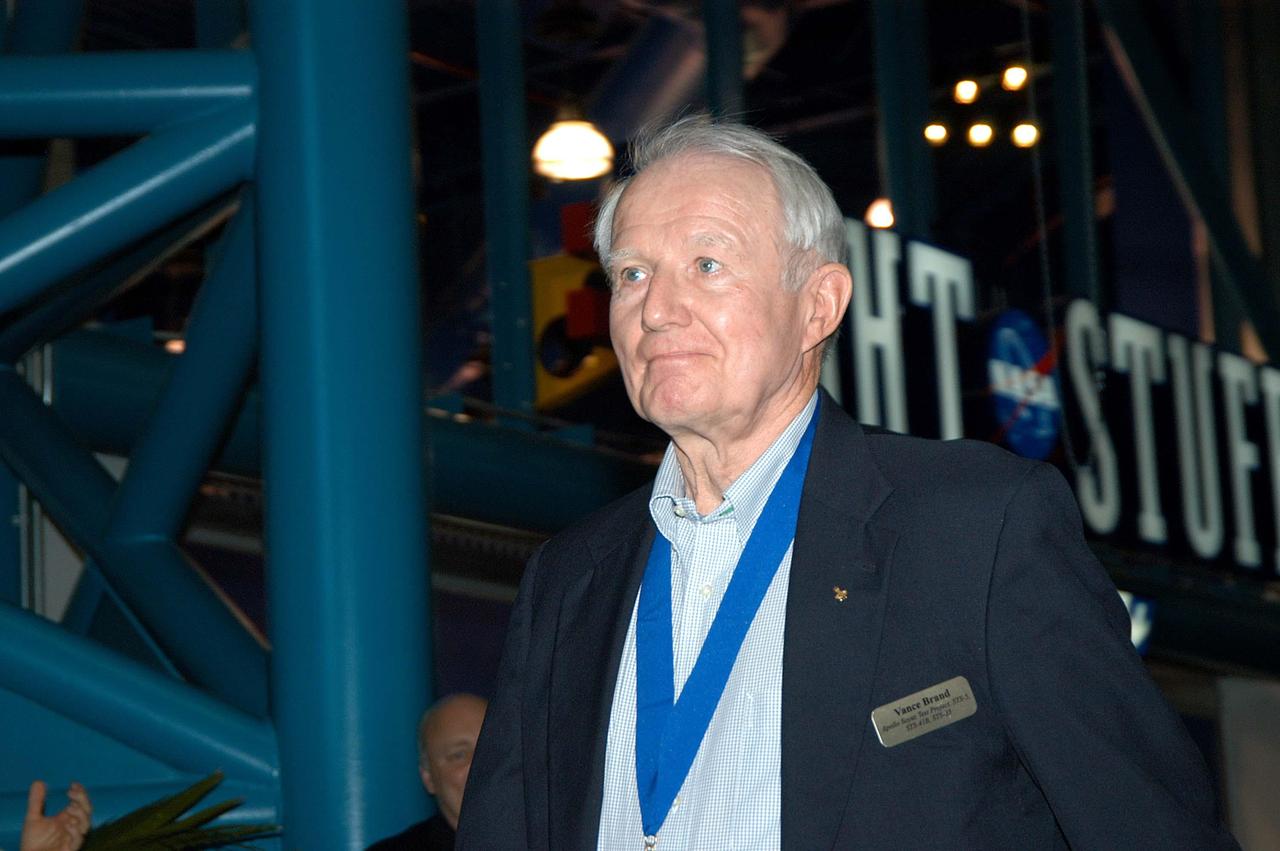
KENNEDY SPACE CENTER, FLA. -- Former astronaut Vance Brand is introduced as a previous inductee into the U.S. Astronaut Hall of Fame. He and other Hall of Fame members were present for the induction of five new space program heroes into the U.S. Astronaut Hall of Fame: Richard O. Covey, commander of the Hubble Space Telescope repair mission; Norman E. Thagard, the first American to occupy Russia’s Mir space station; the late Francis R. "Dick" Scobee, commander of the ill-fated 1986 Challenger mission; Kathryn D. Sullivan, the first American woman to walk in space; and Frederick D. Gregory, the first African-American to command a space mission and the current NASA deputy administrator. Brand was Command Module Pilot on the 1975 Apollo-Soyuz Test Project, the first linkup in orbit between spaceships of the United States and Soviet Union, and he later commanded three Space Shuttle missions. The induction ceremony was held at the Apollo/Saturn V Center at KSC. The U.S. Astronaut Hall of Fame opened in 1990 to provide a place where space travelers could be remembered for their participation and accomplishments in the U.S. space program. The five inductees join 52 previously honored astronauts from the ranks of the Gemini, Apollo, Skylab, Apollo-Soyuz, and Space Shuttle programs.
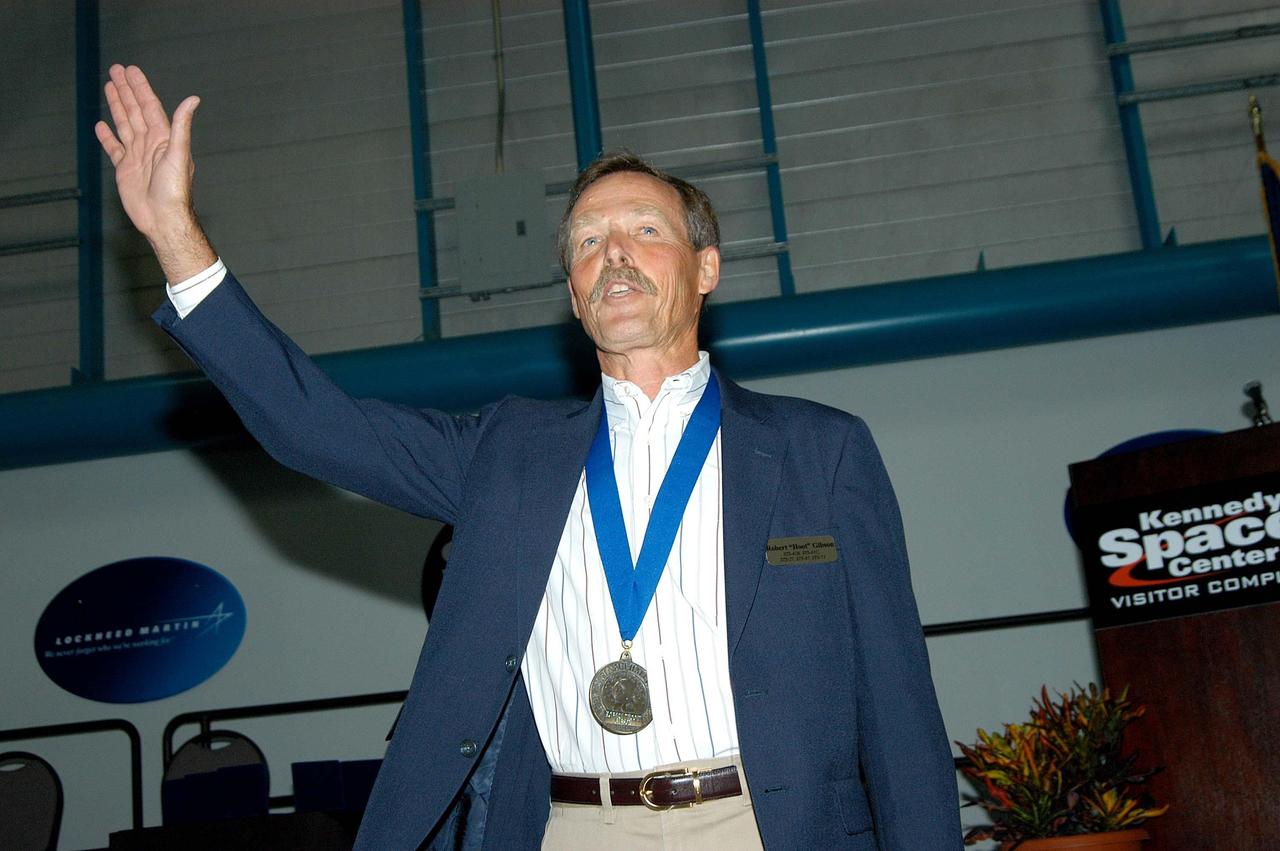
KENNEDY SPACE CENTER, FLA. -- Former astronaut Ed Gibson acknowledges the warm response to his introduction as a previous inductee into the U.S. Astronaut Hall of Fame. He and other Hall of Fame members were present for the induction of five new space program heroes into the U.S. Astronaut Hall of Fame: Richard O. Covey, commander of the Hubble Space Telescope repair mission; Norman E. Thagard, the first American to occupy Russia’s Mir space station; the late Francis R. "Dick" Scobee, commander of the ill-fated 1986 Challenger mission; Kathryn D. Sullivan, the first American woman to walk in space; and Frederick D. Gregory, the first African-American to command a space mission and the current NASA deputy administrator. Gibson orbited the Earth for 84 days during the final manned flight of the Skylab Space Station in 1973 and 1974. The induction ceremony was held at the Apollo/Saturn V Center at KSC. The U.S. Astronaut Hall of Fame opened in 1990 to provide a place where space travelers could be remembered for their participation and accomplishments in the U.S. space program. The five inductees join 52 previously honored astronauts from the ranks of the Gemini, Apollo, Skylab, Apollo-Soyuz, and Space Shuttle programs.
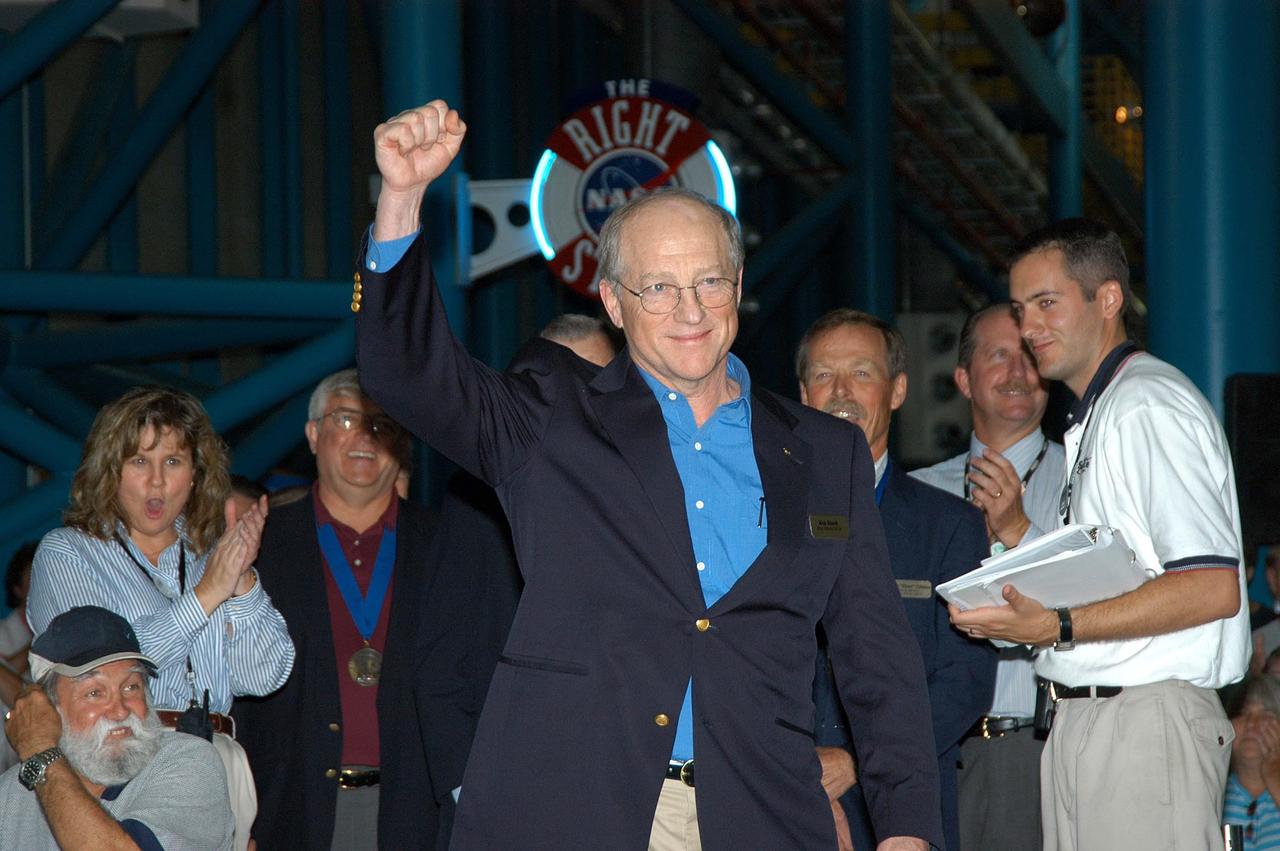
KENNEDY SPACE CENTER, FLA. -- Former astronaut Frederick (Rick) Hauck acknowledges the warm response to his introduction as a previous inductee into the U.S. Astronaut Hall of Fame. He and other Hall of Fame members were present for the induction of five new space program heroes into the U.S. Astronaut Hall of Fame: Richard O. Covey, commander of the Hubble Space Telescope repair mission; Norman E. Thagard, the first American to occupy Russia’s Mir space station; the late Francis R. "Dick" Scobee, commander of the ill-fated 1986 Challenger mission; Kathryn D. Sullivan, the first American woman to walk in space; and Frederick D. Gregory, the first African-American to command a space mission and the current NASA deputy administrator. Hauck flew on three Space Shuttle missions, including command of the redesigned spaceship on its critical first flight after the explosion of Challenger. The induction ceremony was held at the Apollo/Saturn V Center at KSC. The U.S. Astronaut Hall of Fame opened in 1990 to provide a place where space travelers could be remembered for their participation and accomplishments in the U.S. space program. The five inductees join 52 previously honored astronauts from the ranks of the Gemini, Apollo, Skylab, Apollo-Soyuz, and Space Shuttle programs.
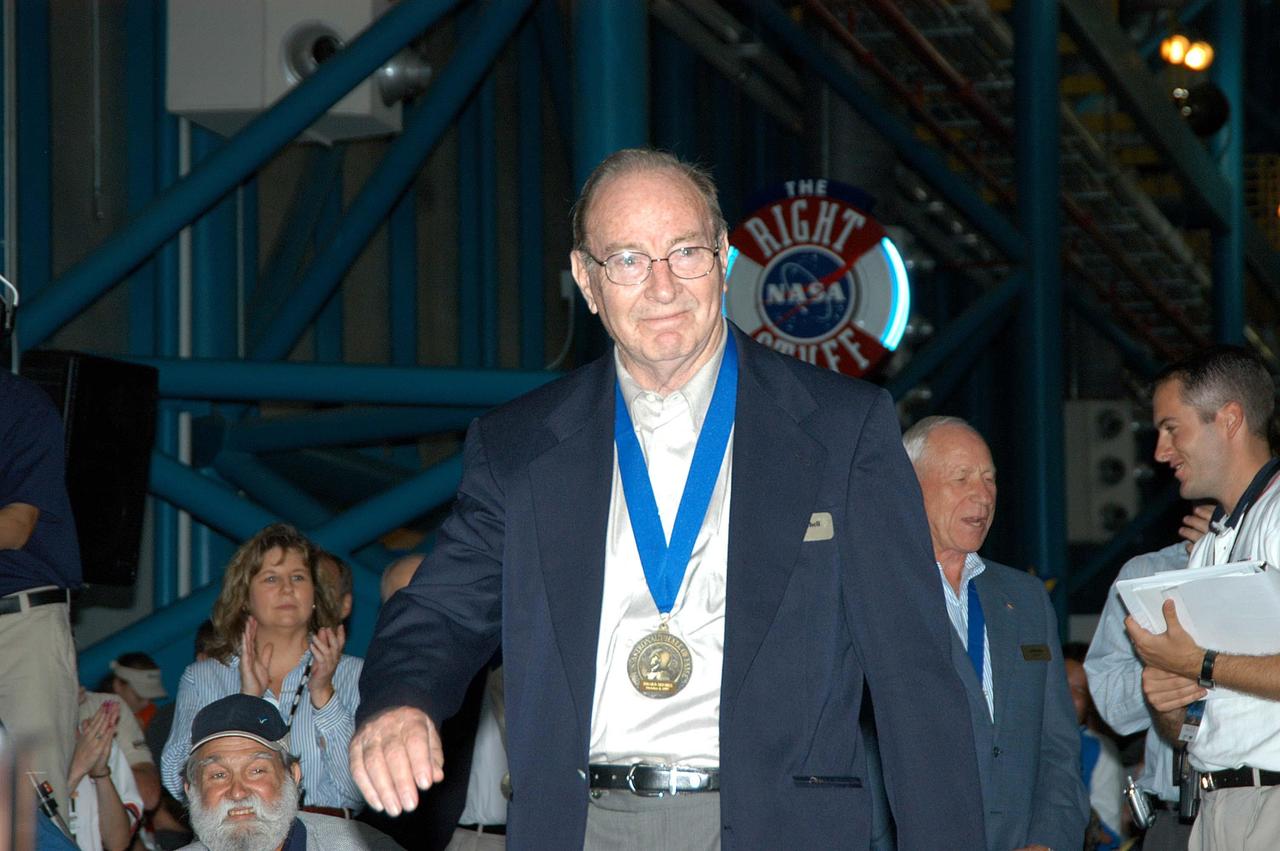
KENNEDY SPACE CENTER, FLA. -- Before the induction ceremony of five space program heroes into the U.S. Astronaut Hall of Fame, former astronaut Ed Mitchell is introduced as a previous inductee. Mitchell explored the Moon's hilly Fra Mauro region with Alan B. Shepard during the 1971 Apollo 14 mission. The ceremony was held at the Apollo/Saturn V Center at KSC. New inductees are Richard O. Covey, commander of the Hubble Space Telescope repair mission; Norman E. Thagard, the first American to occupy Russia’s Mir space station; the late Francis R. "Dick" Scobee, commander of the ill-fated 1986 Challenger mission; Kathryn D. Sullivan, the first American woman to walk in space; and Frederick D. Gregory, the first African-American to command a space mission and the current NASA deputy administrator. The U.S. Astronaut Hall of Fame opened in 1990 to provide a place where space travelers could be remembered for their participation and accomplishments in the U.S. space program. The five inductees join 52 previously honored astronauts from the ranks of the Gemini, Apollo, Skylab, Apollo-Soyuz, and Space Shuttle programs.

KENNEDY SPACE CENTER, FLA. -- Former astronaut Al Worden acknowledges the applause as he is introduced as a previous inductee into the U.S. Astronaut Hall of Fame. He and other Hall of Fame members were present for the induction of five new space program heroes into the U.S. Astronaut Hall of Fame: Richard O. Covey, commander of the Hubble Space Telescope repair mission; Norman E. Thagard, the first American to occupy Russia’s Mir space station; the late Francis R. "Dick" Scobee, commander of the ill-fated 1986 Challenger mission; Kathryn D. Sullivan, the first American woman to walk in space; and Frederick D. Gregory, the first African-American to command a space mission and the current NASA deputy administrator. Worden served as Command Module pilot on the 1971 Apollo 15 moon mission, during which he orbited the Moon and took a space walk 200,000 miles from Earth. The induction ceremony was held at the Apollo/Saturn V Center at KSC. The U.S. Astronaut Hall of Fame opened in 1990 to provide a place where space travelers could be remembered for their participation and accomplishments in the U.S. space program. The five inductees join 52 previously honored astronauts from the ranks of the Gemini, Apollo, Skylab, Apollo-Soyuz, and Space Shuttle programs.
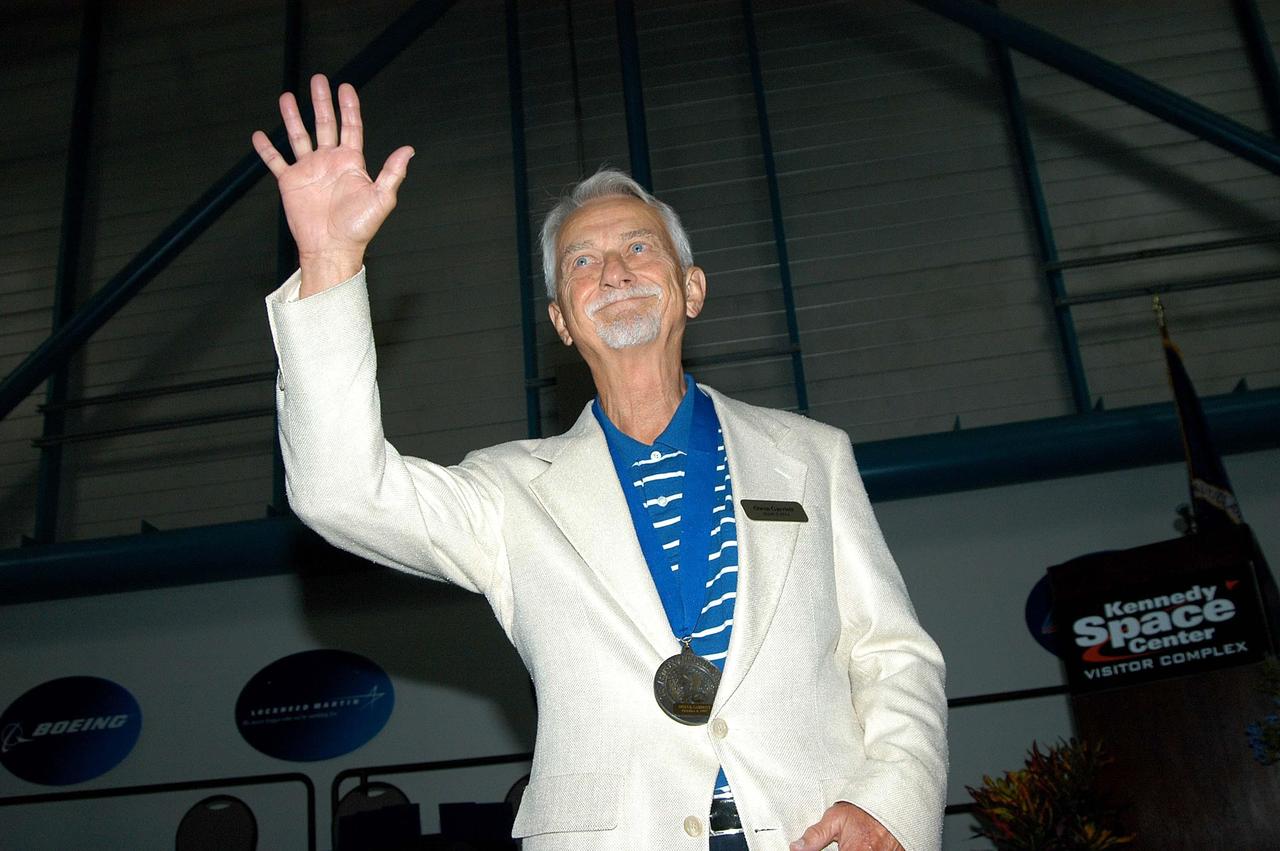
KENNEDY SPACE CENTER, FLA. -- Former astronaut Owen Garriott acknowledges the applause as he is introduced as a previous inductee into the U.S. Astronaut Hall of Fame. He and other Hall of Fame members were present for the induction of five new space program heroes into the U.S. Astronaut Hall of Fame: Richard O. Covey, commander of the Hubble Space Telescope repair mission; Norman E. Thagard, the first American to occupy Russia’s Mir space station; the late Francis R. "Dick" Scobee, commander of the ill-fated 1986 Challenger mission; Kathryn D. Sullivan, the first American woman to walk in space; and Frederick D. Gregory, the first African-American to command a space mission and the current NASA deputy administrator. Garriott exercised his expertise as a solar physicist on two space missions, the 59-day Skylab 3 flight in 1973, and an 11-day trip aboard the Space Shuttle Columbia a decade later. The induction ceremony was held at the Apollo/Saturn V Center at KSC. The U.S. Astronaut Hall of Fame opened in 1990 to provide a place where space travelers could be remembered for their participation and accomplishments in the U.S. space program. The five inductees join 52 previously honored astronauts from the ranks of the Gemini, Apollo, Skylab, Apollo-Soyuz, and Space Shuttle programs.
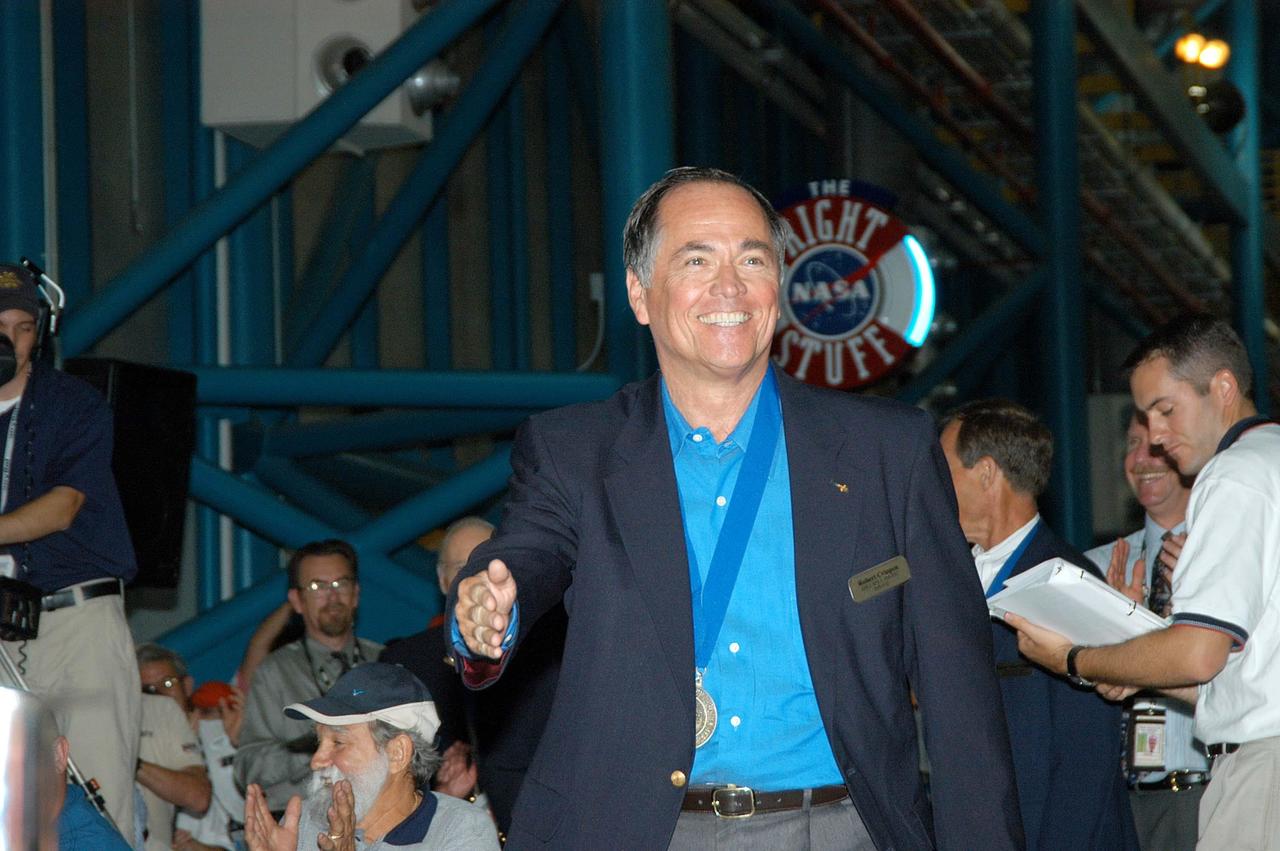
KENNEDY SPACE CENTER, FLA. -- Former astronaut Robert Crippen smiles at the warm greeting he is receiving when introduced as a previous inductee into the U.S. Astronaut Hall of Fame. He and other Hall of Fame members were present for the induction of five new space program heroes into the U.S. Astronaut Hall of Fame: Richard O. Covey, commander of the Hubble Space Telescope repair mission; Norman E. Thagard, the first American to occupy Russia’s Mir space station; the late Francis R. "Dick" Scobee, commander of the ill-fated 1986 Challenger mission; Kathryn D. Sullivan, the first American woman to walk in space; and Frederick D. Gregory, the first African-American to command a space mission and the current NASA deputy administrator. Crippen piloted the first Space Shuttle flight in 1981 and commanded three other Shuttle missions in the next 3-1/2 years. In the early 1990s he served as director of NASA’s Kennedy Space Center. The induction ceremony was held at the Apollo/Saturn V Center at KSC. The U.S. Astronaut Hall of Fame opened in 1990 to provide a place where space travelers could be remembered for their participation and accomplishments in the U.S. space program. The five inductees join 52 previously honored astronauts from the ranks of the Gemini, Apollo, Skylab, Apollo-Soyuz, and Space Shuttle programs.
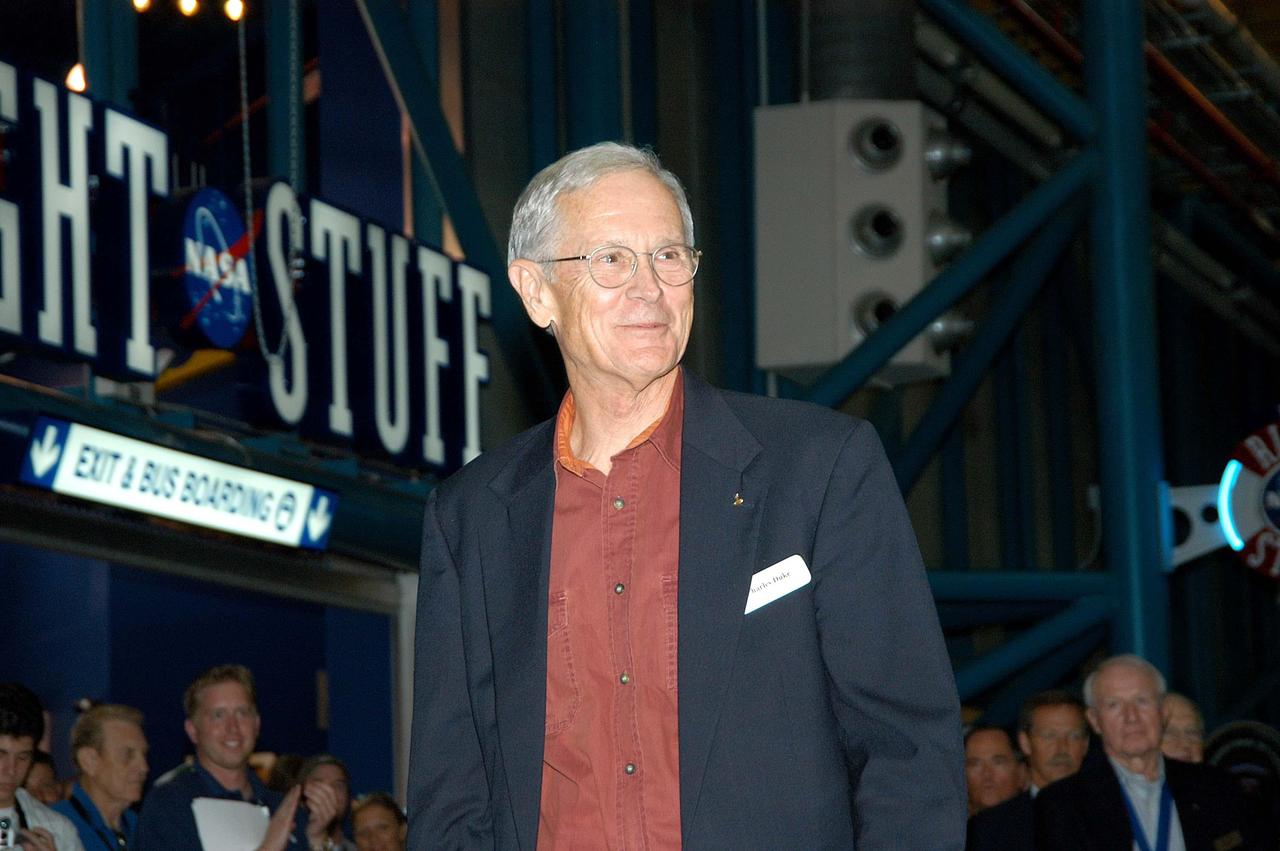
KENNEDY SPACE CENTER, FLA. -- Former astronaut Charles Duke receives a warm welcome as he is introduced as a previous inductee into the U.S. Astronaut Hall of Fame. He and other Hall of Fame members were present for the induction of five new space program heroes into the U.S. Astronaut Hall of Fame: Richard O. Covey, commander of the Hubble Space Telescope repair mission; Norman E. Thagard, the first American to occupy Russia’s Mir space station; the late Francis R. "Dick" Scobee, commander of the ill-fated 1986 Challenger mission; Kathryn D. Sullivan, the first American woman to walk in space; and Frederick D. Gregory, the first African-American to command a space mission and the current NASA deputy administrator. Duke explored the rugged highlands of the Moon’s Descartes region with John Young during the Apollo 16 mission in April 1972. The induction ceremony was held at the Apollo/Saturn V Center at KSC. The U.S. Astronaut Hall of Fame opened in 1990 to provide a place where space travelers could be remembered for their participation and accomplishments in the U.S. space program. The five inductees join 52 previously honored astronauts from the ranks of the Gemini, Apollo, Skylab, Apollo-Soyuz, and Space Shuttle programs.
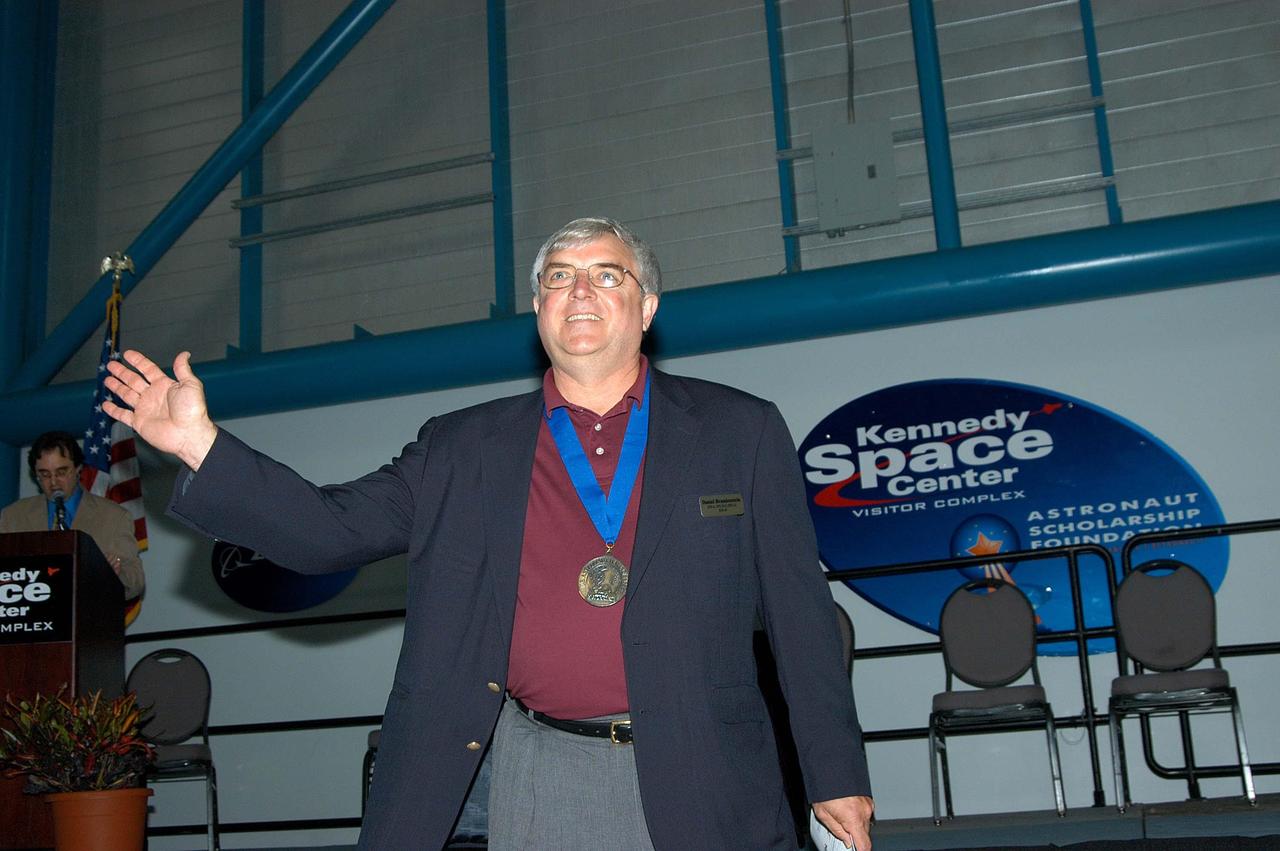
KENNEDY SPACE CENTER, FLA. -- Former astronaut Dan Brandenstein acknowledges the applause as he is introduced as a previous inductee into the U.S. Astronaut Hall of Fame. He and other Hall of Fame members were present for the induction of five new space program heroes into the U.S. Astronaut Hall of Fame: Richard O. Covey, commander of the Hubble Space Telescope repair mission; Norman E. Thagard, the first American to occupy Russia’s Mir space station; the late Francis R. "Dick" Scobee, commander of the ill-fated 1986 Challenger mission; Kathryn D. Sullivan, the first American woman to walk in space; and Frederick D. Gregory, the first African-American to command a space mission and the current NASA deputy administrator. Brandenstein piloted one Space Shuttle mission and commanded three others, including the maiden flight of Endeavour, and later served as chief of the Astronaut Office. The induction ceremony was held at the Apollo/Saturn V Center at KSC. The U.S. Astronaut Hall of Fame opened in 1990 to provide a place where space travelers could be remembered for their participation and accomplishments in the U.S. space program. The five inductees join 52 previously honored astronauts from the ranks of the Gemini, Apollo, Skylab, Apollo-Soyuz, and Space Shuttle programs.
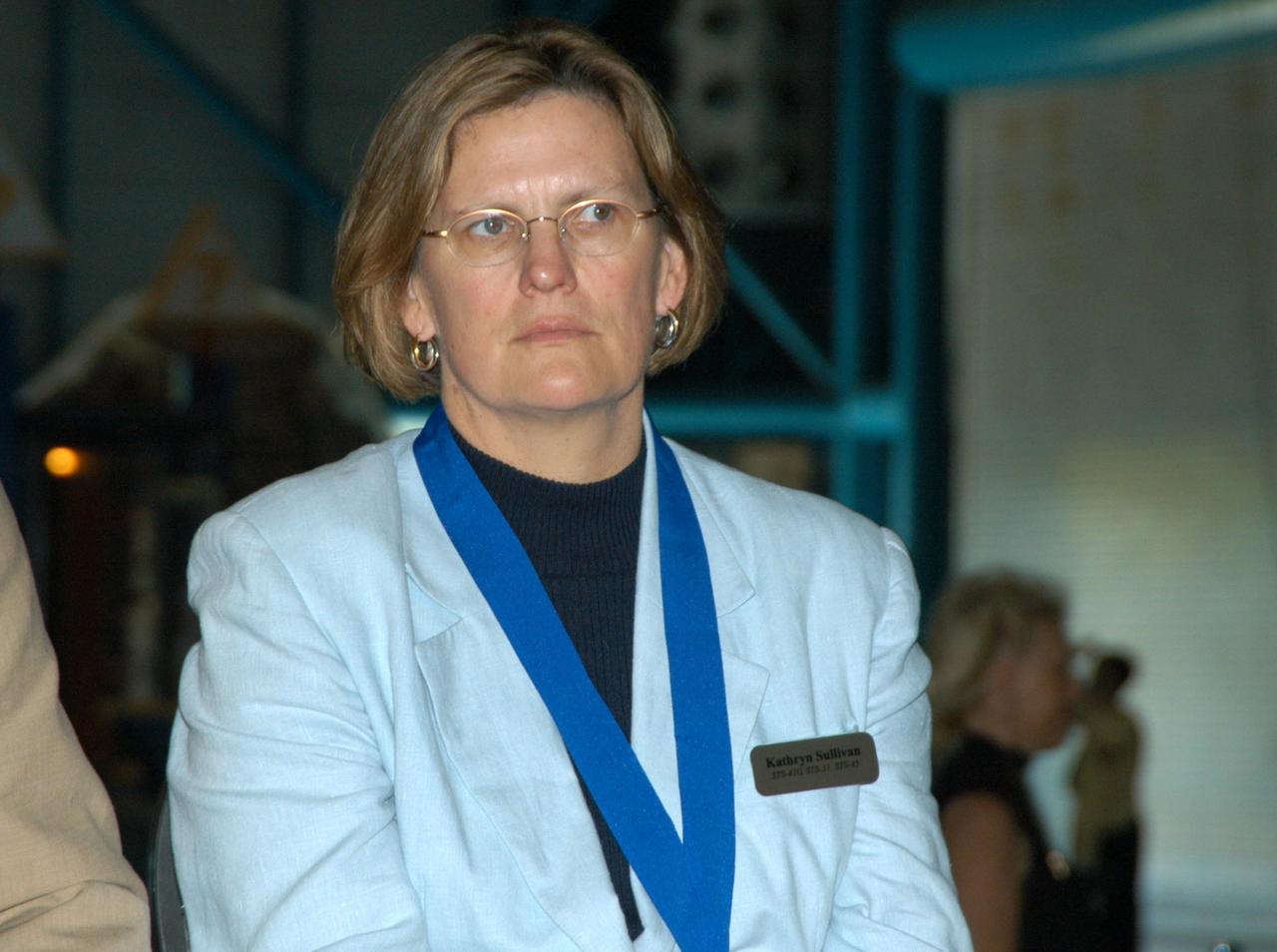
KENNEDY SPACE CENTER, FLA. -- At the Kennedy Space Center Visitor Complex, Kathryn D. Sullivan, the first American woman to walk in space, is one of five space program heroes inducted into the U.S. Astronaut Hall of Fame. Other inductees were Norman E. Thagard, the first American to occupy Russia’s Mir space station; the late Francis R. "Dick" Scobee, commander of the ill-fated 1986 Challenger mission; Richard O. Covey, commander of the Hubble Space Telescope repair mission; and Frederick D. Gregory, the first African-American to command a space mission and the current NASA deputy administrator. The U.S. Astronaut Hall of Fame opened in 1990 to provide a place where space travelers could be remembered for their participation and accomplishments in the U.S. space program. To be eligible for induction, an individual must have been a U.S. citizen, a NASA astronaut, and out of the active astronaut corps at least five years. The five inductees join 52 previously honored astronauts from the ranks of the Gemini, Apollo, Skylab, Apollo-Soyuz, and Space Shuttle programs.
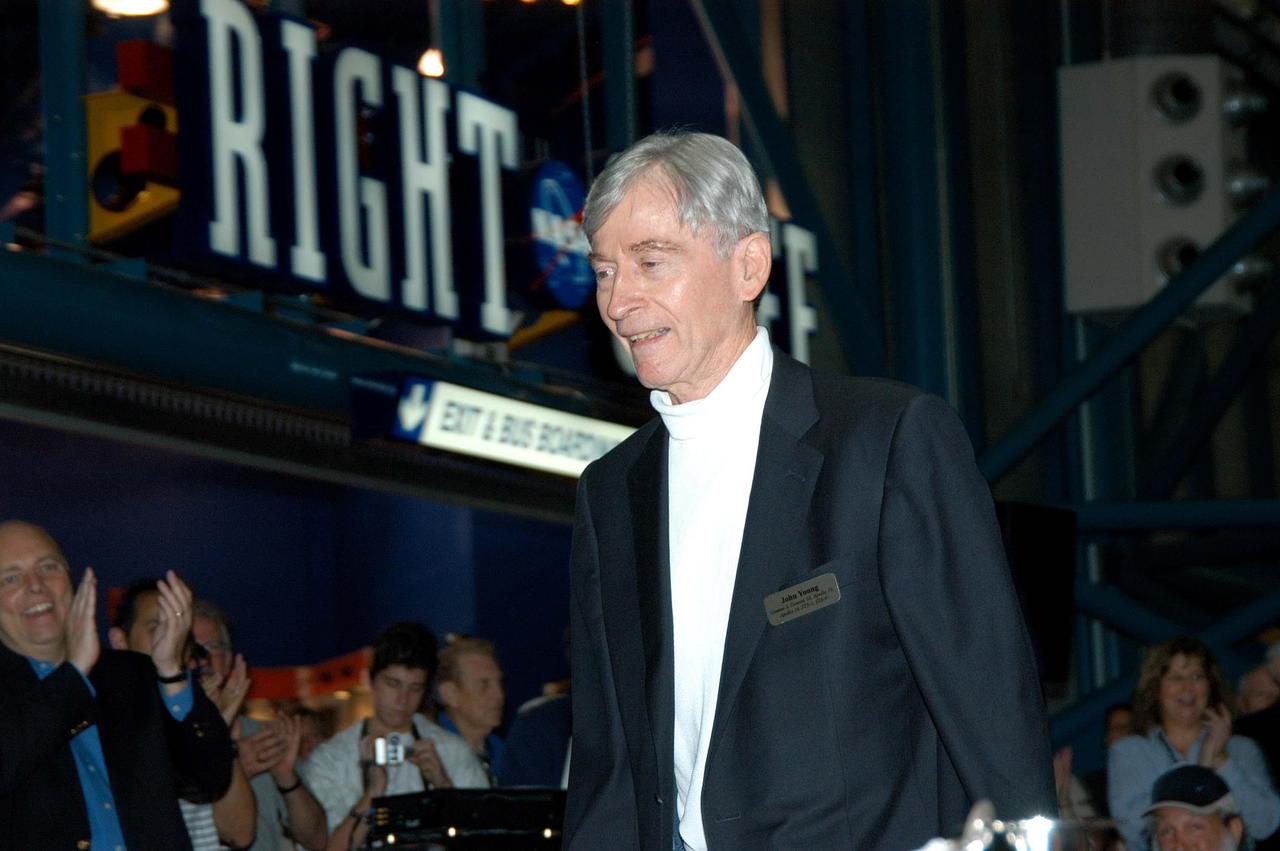
KENNEDY SPACE CENTER, FLA. -- Before the induction ceremony of five space program heroes into the U.S. Astronaut Hall of Fame, astronaut John Young is warmly greeted as he is introduced as a previous inductee. Co-holder of a record for the most space flights, six, he flew on Gemini 3 and 10, orbited the Moon on Apollo 10, walked on the Moon on Apollo 16, and commanded two space shuttle missions, STS-1 and STS-9. Young currently serves as associate director, technical, at Johnson Space Center. The induction ceremony was held at the Apollo/Saturn V Center at KSC. New inductees are Richard O. Covey, commander of the Hubble Space Telescope repair mission; Norman E. Thagard, the first American to occupy Russia’s Mir space station; the late Francis R. "Dick" Scobee, commander of the ill-fated 1986 Challenger mission; Kathryn D. Sullivan, the first American woman to walk in space; and Frederick D. Gregory, the first African-American to command a space mission and the current NASA deputy administrator. The U.S. Astronaut Hall of Fame opened in 1990 to provide a place where space travelers could be remembered for their participation and accomplishments in the U.S. space program. The five inductees join 52 previously honored astronauts from the ranks of the Gemini, Apollo, Skylab, Apollo-Soyuz, and Space Shuttle programs.
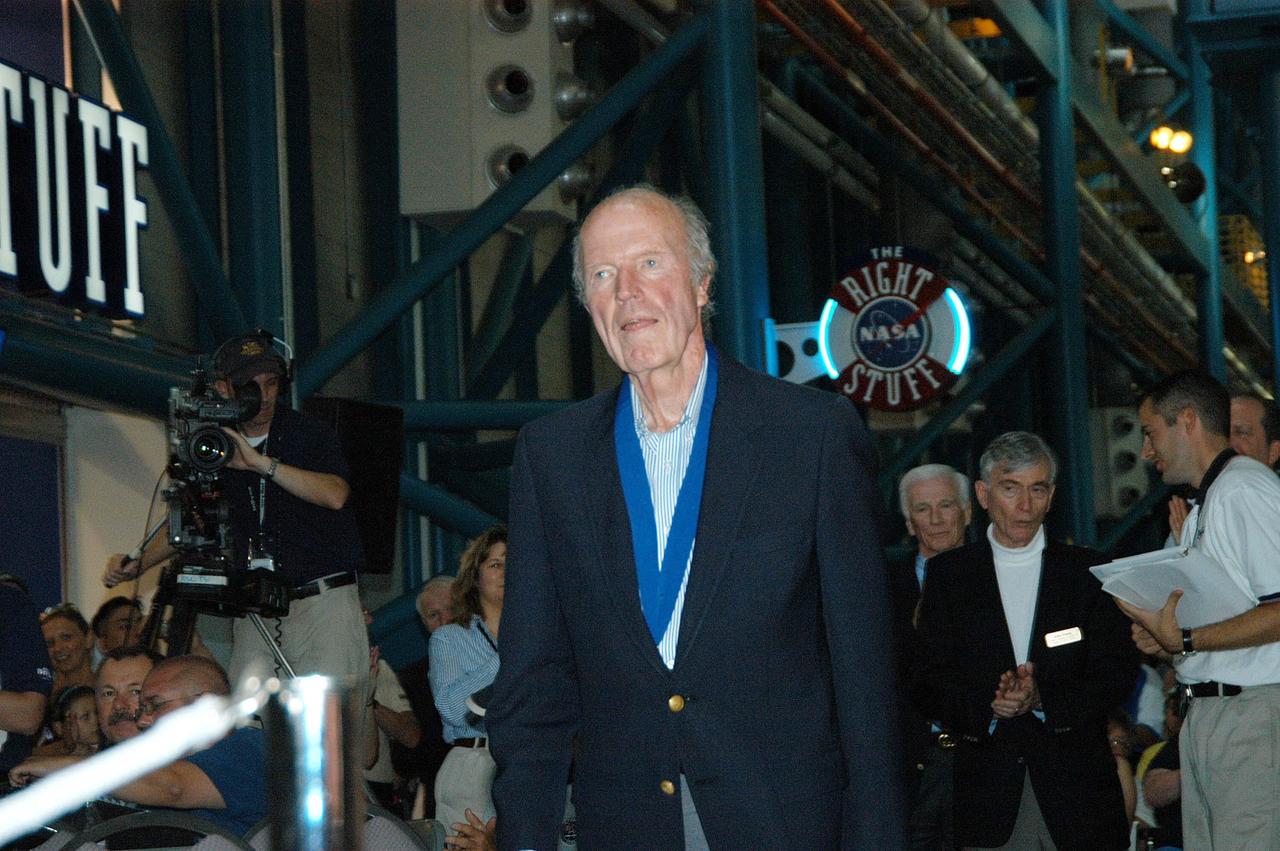
KENNEDY SPACE CENTER, FLA. -- Before the induction ceremony of five space program heroes into the U.S. Astronaut Hall of Fame, former astronaut Gordon Cooper is introduced as a previous inductee. One of America’s original Mercury Seven astronauts, Cooper flew the last and longest Project Mercury orbital mission and spent eight days in space aboard Gemini 5. The ceremony was held at the Apollo/Saturn V Center at KSC. New inductees are Richard O. Covey, commander of the Hubble Space Telescope repair mission; Norman E. Thagard, the first American to occupy Russia’s Mir space station; the late Francis R. "Dick" Scobee, commander of the ill-fated 1986 Challenger mission; Kathryn D. Sullivan, the first American woman to walk in space; and Frederick D. Gregory, the first African-American to command a space mission and the current NASA deputy administrator. The U.S. Astronaut Hall of Fame opened in 1990 to provide a place where space travelers could be remembered for their participation and accomplishments in the U.S. space program. The five inductees join 52 previously honored astronauts from the ranks of the Gemini, Apollo, Skylab, Apollo-Soyuz, and Space Shuttle programs.
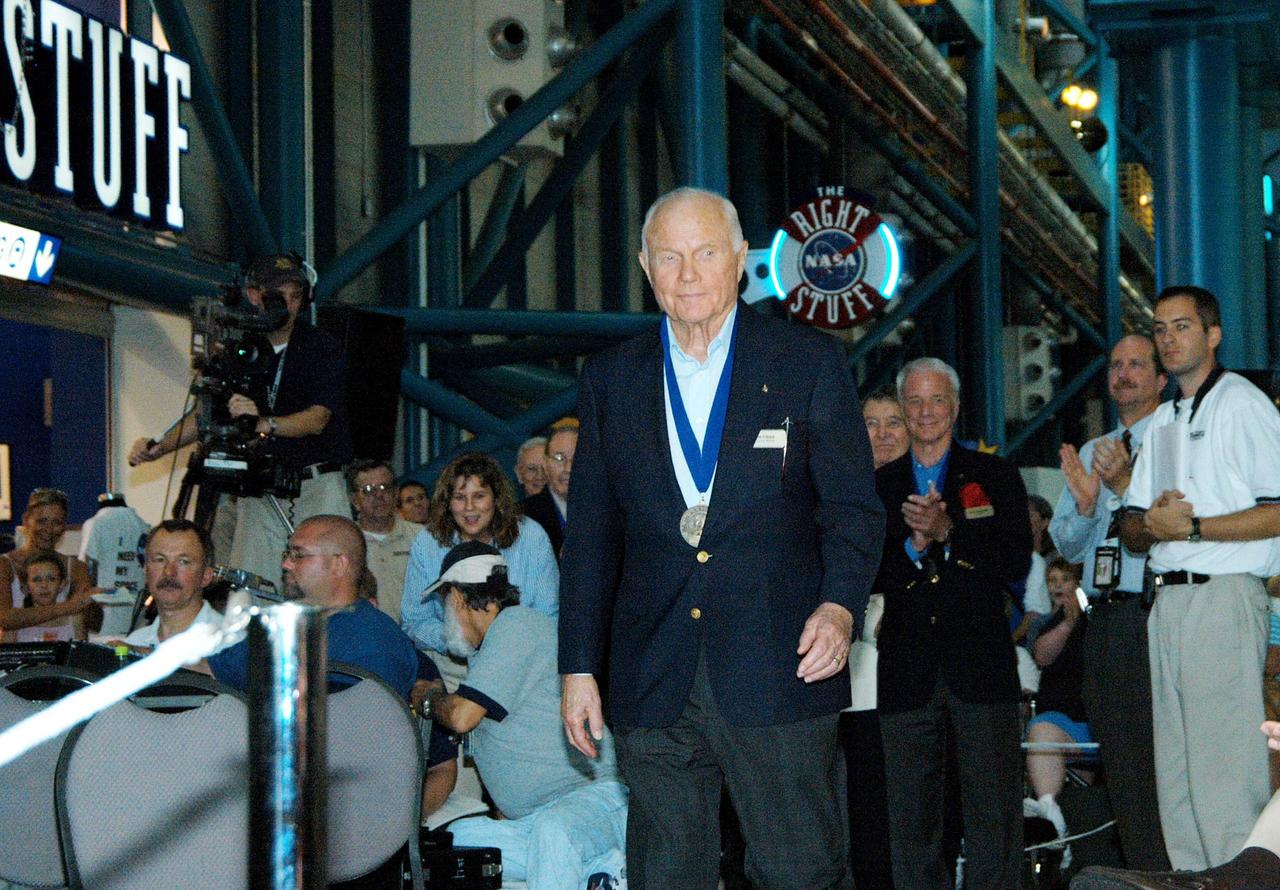
KENNEDY SPACE CENTER, FLA. -- Before the induction ceremony of five space program heroes into the U.S. Astronaut Hall of Fame, former astronaut John Glenn Jr. is greeted with applause as he is introduced as a previous inductee. One of America's original Mercury Seven astronauts, in 1962 he became the first American to orbit the Earth. Twenty-six years later, at age 77, he spent nine days in space aboard Space Shuttle Discovery. The ceremony was held at the Apollo/Saturn V Center at KSC. New inductees are Richard O. Covey, commander of the Hubble Space Telescope repair mission; Norman E. Thagard, the first American to occupy Russia’s Mir space station; the late Francis R. "Dick" Scobee, commander of the ill-fated 1986 Challenger mission; Kathryn D. Sullivan, the first American woman to walk in space; and Frederick D. Gregory, the first African-American to command a space mission and the current NASA deputy administrator. The U.S. Astronaut Hall of Fame opened in 1990 to provide a place where space travelers could be remembered for their participation and accomplishments in the U.S. space program. The five inductees join 52 previously honored astronauts from the ranks of the Gemini, Apollo, Skylab, Apollo-Soyuz, and Space Shuttle programs.
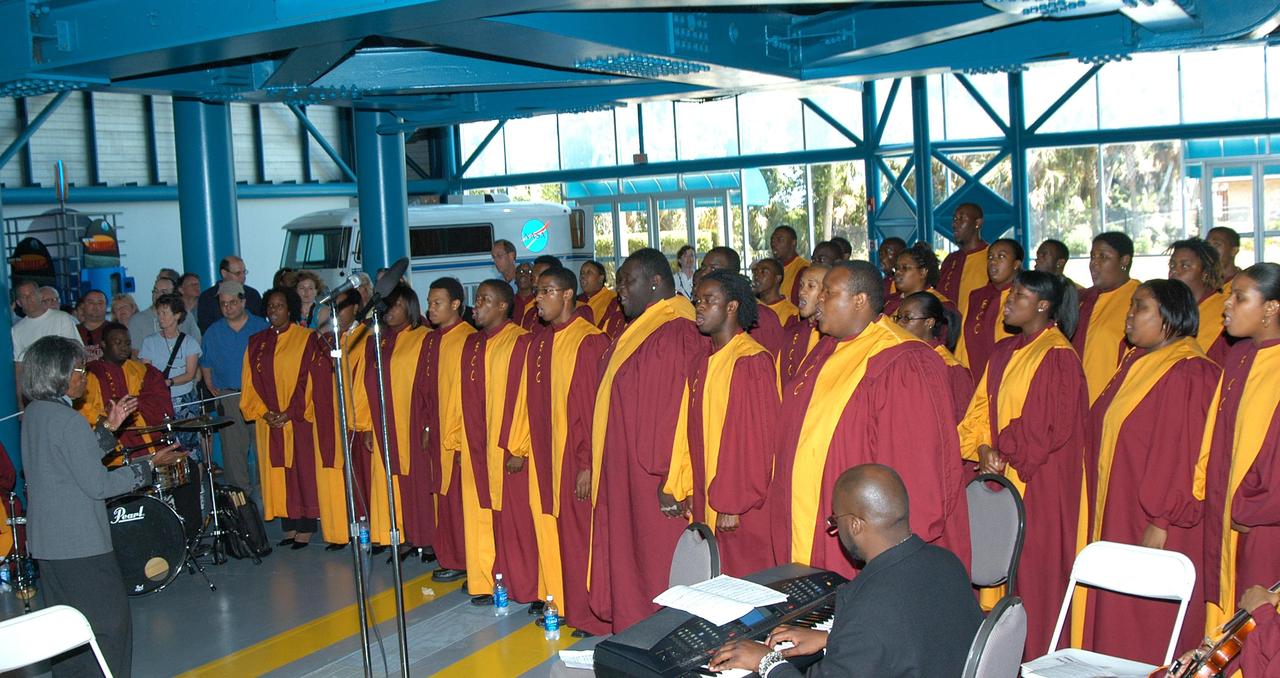
KENNEDY SPACE CENTER, FLA. -- Inside the Apollo/Saturn V Center at the Kennedy Space Center Visitor Complex, the Bethune-Cookman Choir performs prior to the induction ceremony of five space program heroes into the U.S. Astronaut Hall of Fame. New inductees are Richard O. Covey, commander of the Hubble Space Telescope repair mission; Norman E. Thagard, the first American to occupy Russia’s Mir space station; the late Francis R. "Dick" Scobee, commander of the ill-fated 1986 Challenger mission; Kathryn D. Sullivan, the first American woman to walk in space; and Frederick D. Gregory, the first African-American to command a space mission and the current NASA deputy administrator. The U.S. Astronaut Hall of Fame opened in 1990 to provide a place where space travelers could be remembered for their participation and accomplishments in the U.S. space program. To be eligible for induction, an individual must have been a U.S. citizen, a NASA astronaut, and out of the active astronaut corps at least five years. The five inductees join 52 previously honored astronauts from the ranks of the Gemini, Apollo, Skylab, Apollo-Soyuz, and Space Shuttle programs.
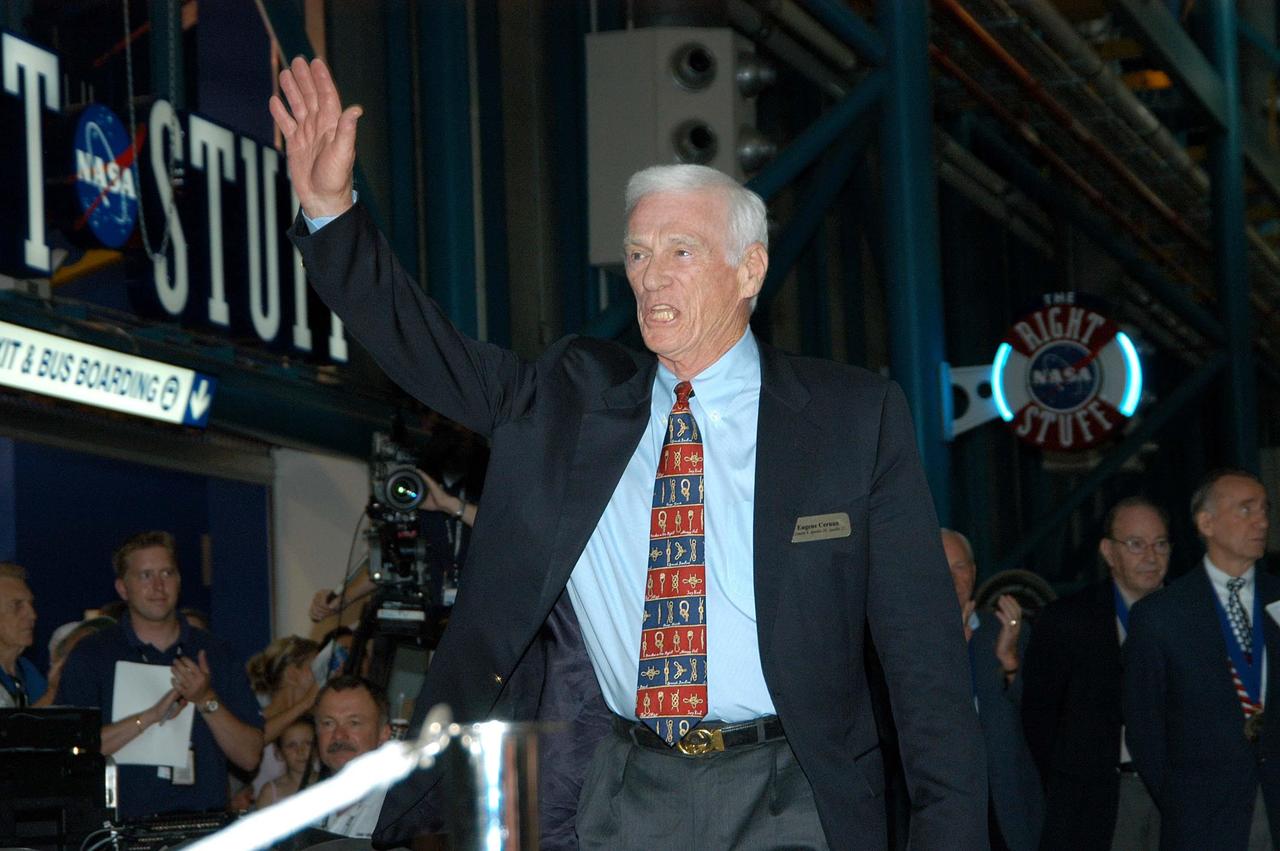
KENNEDY SPACE CENTER, FLA. -- Before the induction ceremony of five space program heroes into the U.S. Astronaut Hall of Fame, former astronaut Gene Cernan waves to guests as he is introduced as a previous inductee. He walked in space on Gemini 9, orbited the Moon on Apollo 10 and walked on the Moon as commander of Apollo 17. The ceremony was held at the Apollo/Saturn V Center at KSC. New inductees are Richard O. Covey, commander of the Hubble Space Telescope repair mission; Norman E. Thagard, the first American to occupy Russia’s Mir space station; the late Francis R. "Dick" Scobee, commander of the ill-fated 1986 Challenger mission; Kathryn D. Sullivan, the first American woman to walk in space; and Frederick D. Gregory, the first African-American to command a space mission and the current NASA deputy administrator. The U.S. Astronaut Hall of Fame opened in 1990 to provide a place where space travelers could be remembered for their participation and accomplishments in the U.S. space program. The five inductees join 52 previously honored astronauts from the ranks of the Gemini, Apollo, Skylab, Apollo-Soyuz, and Space Shuttle programs.
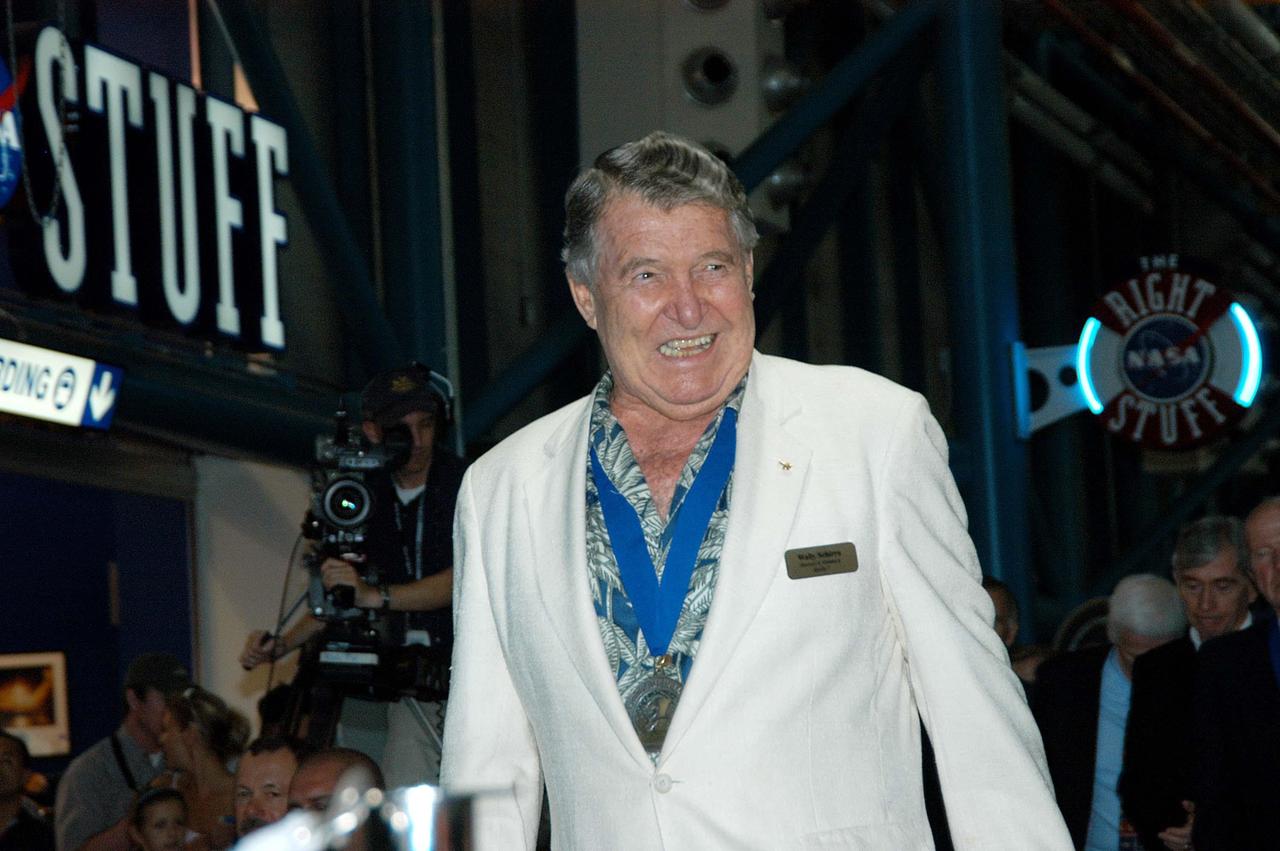
KENNEDY SPACE CENTER, FLA. -- Before the induction ceremony of five space program heroes into the U.S. Astronaut Hall of Fame, former astronaut Wally Schirra is greeted with applause as he is introduced as a previous inductee. One of America's original Mercury Seven astronauts, Schirra is the only one who flew in all three of the nation's pioneering space programs, Mercury, Gemini, and Apollo. The ceremony was held at the Apollo/Saturn V Center at KSC. New inductees are Richard O. Covey, commander of the Hubble Space Telescope repair mission; Norman E. Thagard, the first American to occupy Russia’s Mir space station; the late Francis R. "Dick" Scobee, commander of the ill-fated 1986 Challenger mission; Kathryn D. Sullivan, the first American woman to walk in space; and Frederick D. Gregory, the first African-American to command a space mission and the current NASA deputy administrator. The U.S. Astronaut Hall of Fame opened in 1990 to provide a place where space travelers could be remembered for their participation and accomplishments in the U.S. space program. The five inductees join 52 previously honored astronauts from the ranks of the Gemini, Apollo, Skylab, Apollo-Soyuz, and Space Shuttle programs.
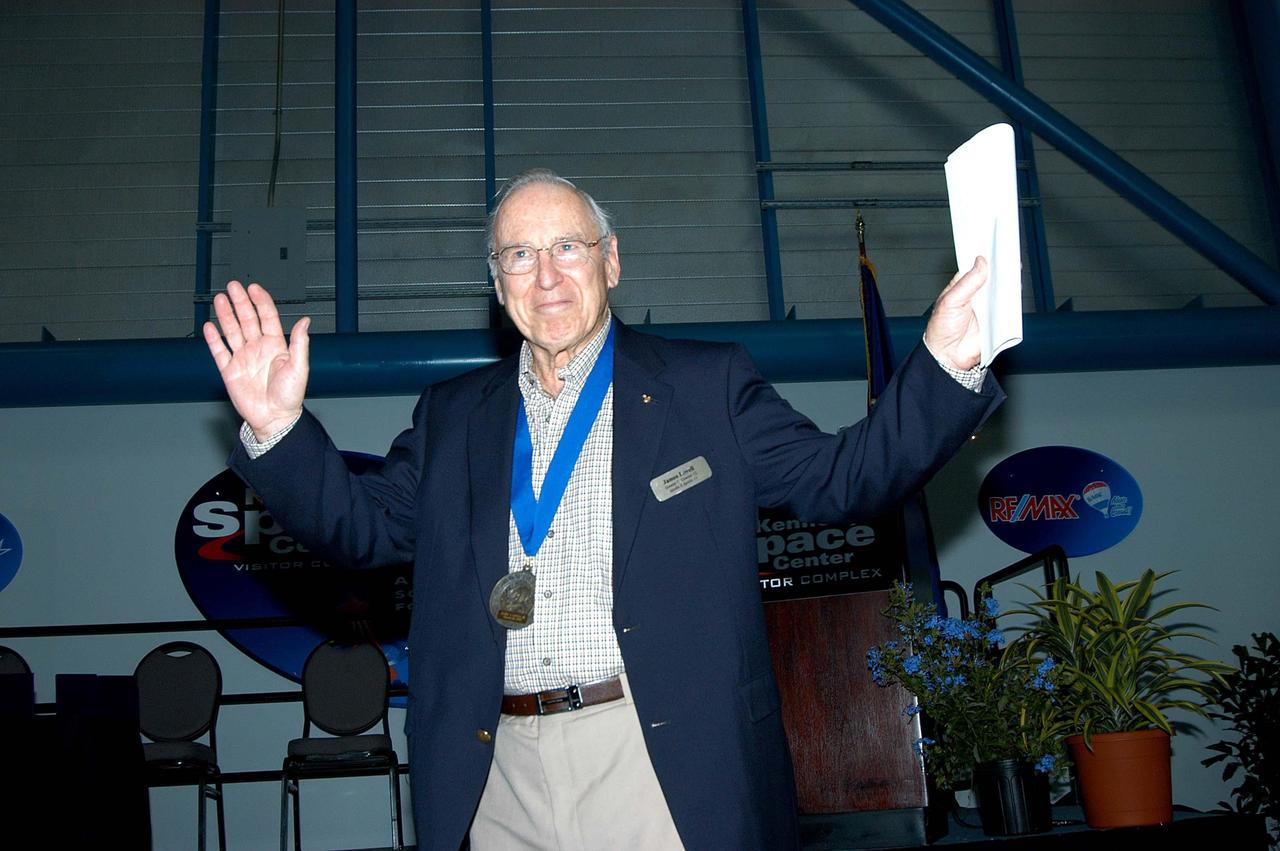
KENNEDY SPACE CENTER, FLA. -- Former astronaut Jim Lovell acknowledges the applause as he is introduced as a previous inductee into the U.S. Astronaut Hall of Fame. He and other Hall of Fame members were present for the induction of five new space program heroes into the U.S. Astronaut Hall of Fame: Richard O. Covey, commander of the Hubble Space Telescope repair mission; Norman E. Thagard, the first American to occupy Russia’s Mir space station; the late Francis R. "Dick" Scobee, commander of the ill-fated 1986 Challenger mission; Kathryn D. Sullivan, the first American woman to walk in space; and Frederick D. Gregory, the first African-American to command a space mission and the current NASA deputy administrator. Lovell piloted Gemini 7, commanded Gemini 12, orbited the Moon on Apollo 8 and commanded the aborted Apollo 13 moon flight. The induction ceremony was held at the Apollo/Saturn V Center at KSC. The U.S. Astronaut Hall of Fame opened in 1990 to provide a place where space travelers could be remembered for their participation and accomplishments in the U.S. space program. The five inductees join 52 previously honored astronauts from the ranks of the Gemini, Apollo, Skylab, Apollo-Soyuz, and Space Shuttle programs.
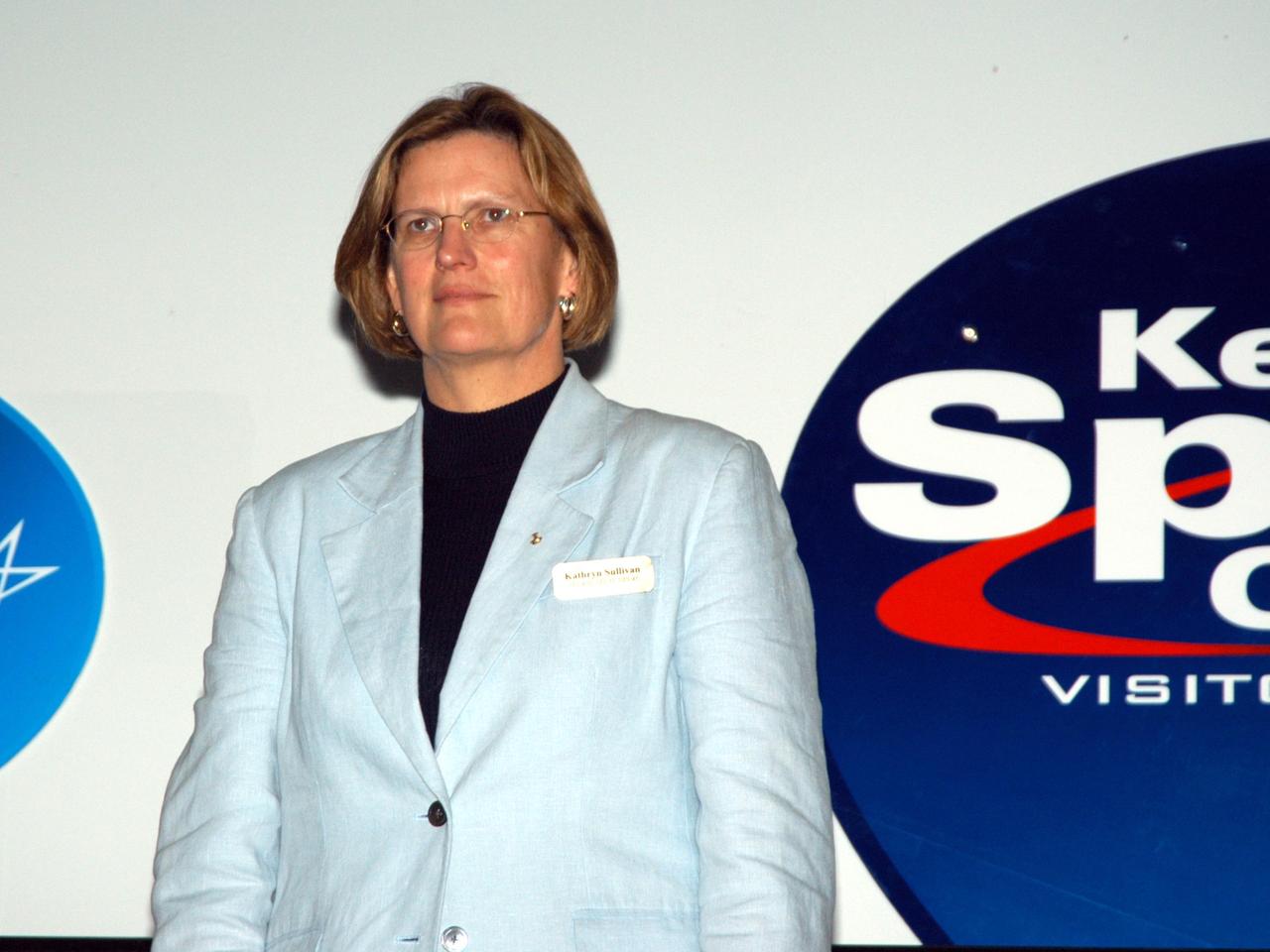
KENNEDY SPACE CENTER, FLA. -- At the Kennedy Space Center Visitor Complex, Dr. Kathryn D. Sullivan, the first American woman to walk in space, is inducted into the U.S. Astronaut Hall of Fame. Also chosen for this honor in 2004 are Richard O. Covey, commander of the Hubble Space Telescope repair mission; Frederick D. Gregory, the first African-American to command a space mission; Norman E. Thagard, the first American to occupy Russia's Mir space station; and the late Francis R. "Dick" Scobee, commander of the ill-fated 1986 Challenger mission. The U.S. Astronaut Hall of Fame opened in 1990 to provide a place where space travelers could be remembered for their participation and accomplishments in the U.S. space program. To be eligible for induction, an individual must have been a U.S. citizen, a NASA astronaut, and out of the active astronaut corps at least five years. The five inductees join 52 previously honored astronauts from the ranks of the Gemini, Apollo, Skylab, Apollo-Soyuz, and Space Shuttle programs.
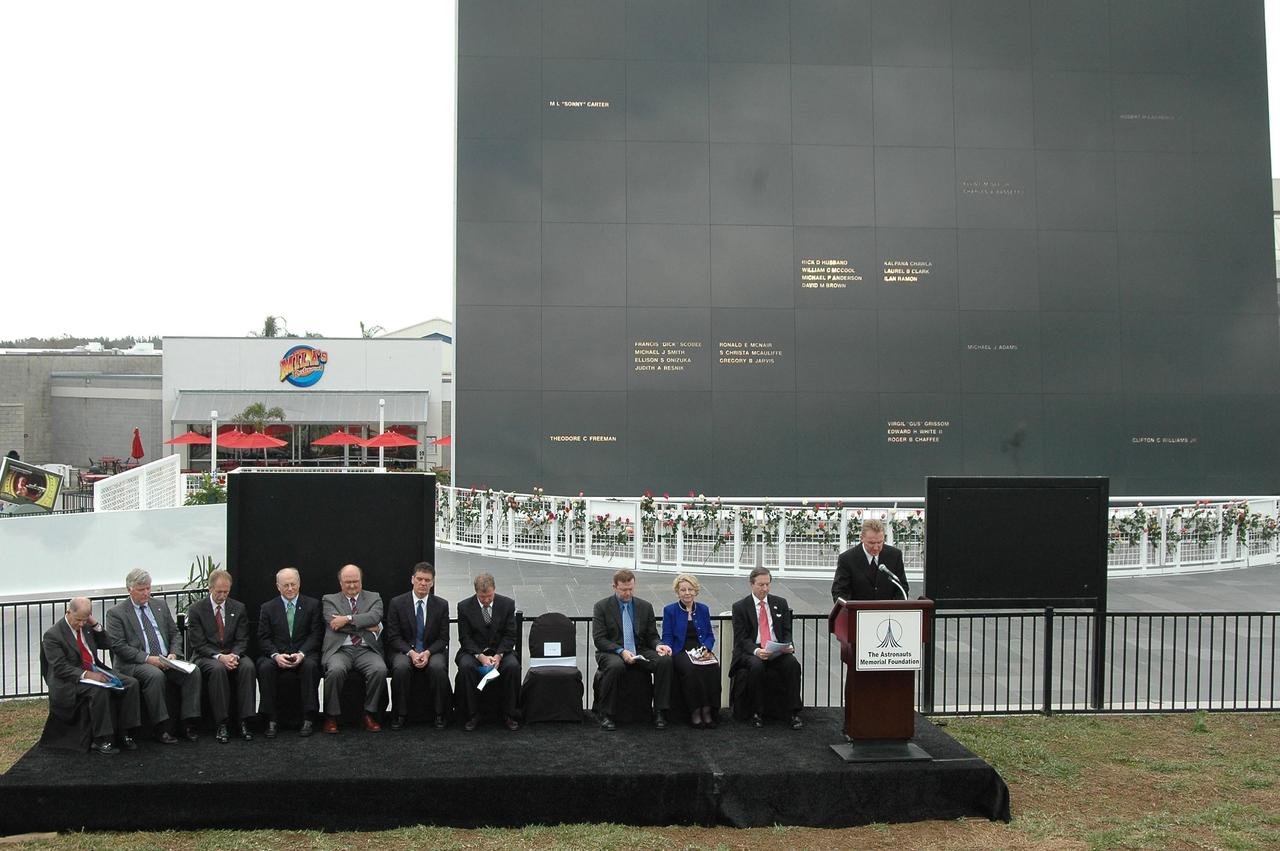
KENNEDY SPACE CENTER, FLA. — Dr. Mick Ukleja gives the invocation at the opening of the Challenger memorial ceremony held Jan. 28 in front of the Space Memorial Mirror at NASA Kennedy Space Center’s Visitor Complex. Others participating in the ceremony are Dr. Stephen Feldman, president of the Astronauts Memorial Foundation; Rep. Dave Weldon and Rep. Tom Feeney; William Potter, chairman of the Board of Directors of the Astronauts Memorial Foundation; William Gerstenmaier, associate administrator for Space Operations at NASA; Jim Kennedy (second from left), center director of KSC; June Scobee Rodgers, widow of Dick Scobee, commander of Challenger; Col. Richard Scobee, son of Dick Scobee and June Scobee Rodgers; Capt. Frederick Hauck, commander of the first mission after Challenger; Dr. Joseph Allen, astronaut and scientist and chairman of the Board of the Challenger Centers for Space Science. June Scobee Rodgers and Gerstenmaier placed a wreath at the base of the memorial. Photo credit: NASA/Kim Shiflett
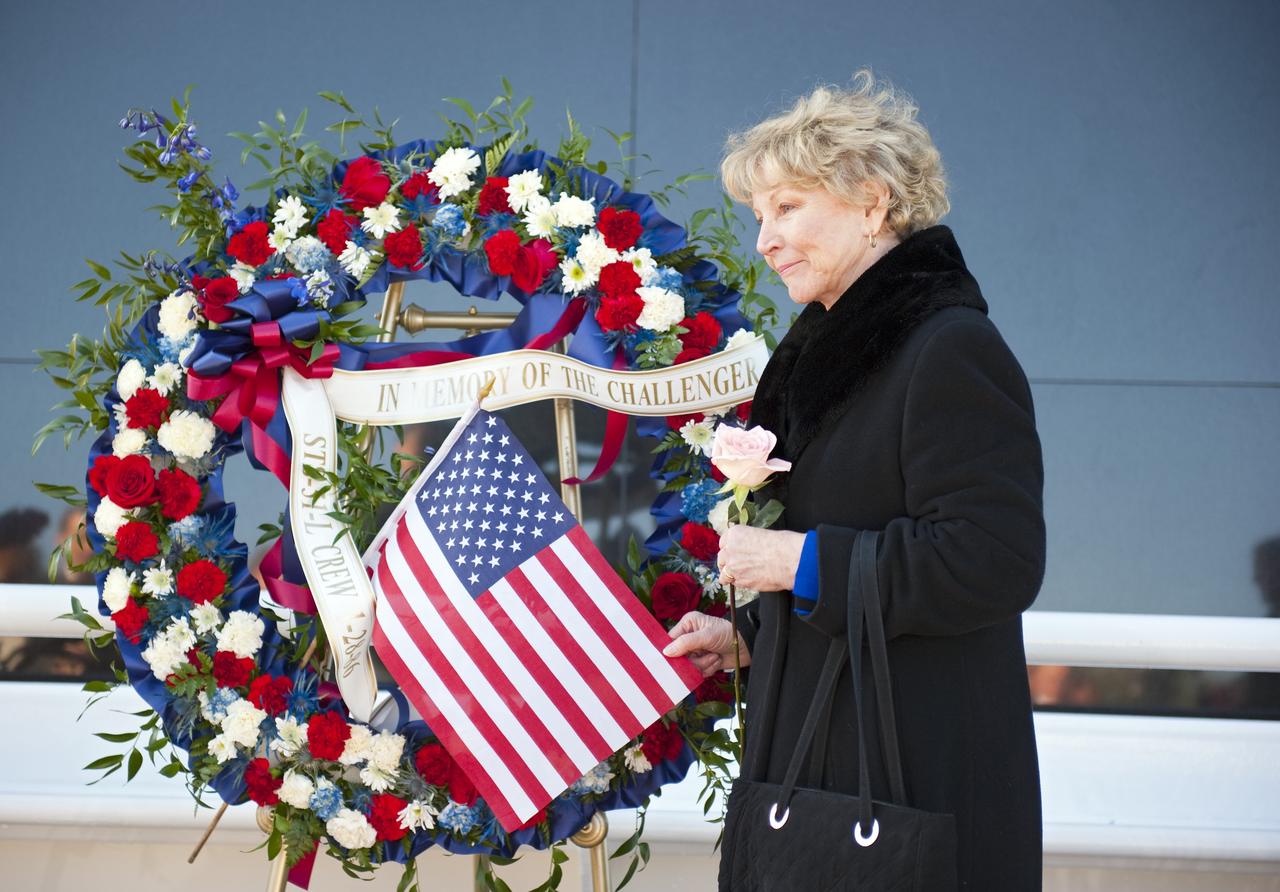
CAPE CANAVERAL, Fla. -- Dr. June Scobee Rodgers, the founding chair of the Challenger Center for Space Science Education, honors her late-husband, space shuttle Challenger's STS-51L Commander Dick Scobee, who gave his life while furthering the cause of exploration and discovery. She and others gathered at the foot of the Space Mirror Memorial at the Kennedy Space Center Visitor Complex in Florida to honor Scobee and his crewmates. 2011 marks the 25th anniversary of the loss of Challenger, which broke apart over the Atlantic Ocean 73 seconds into flight on Jan. 28, 1986. Photo credit: NASA/Kim Shiflett
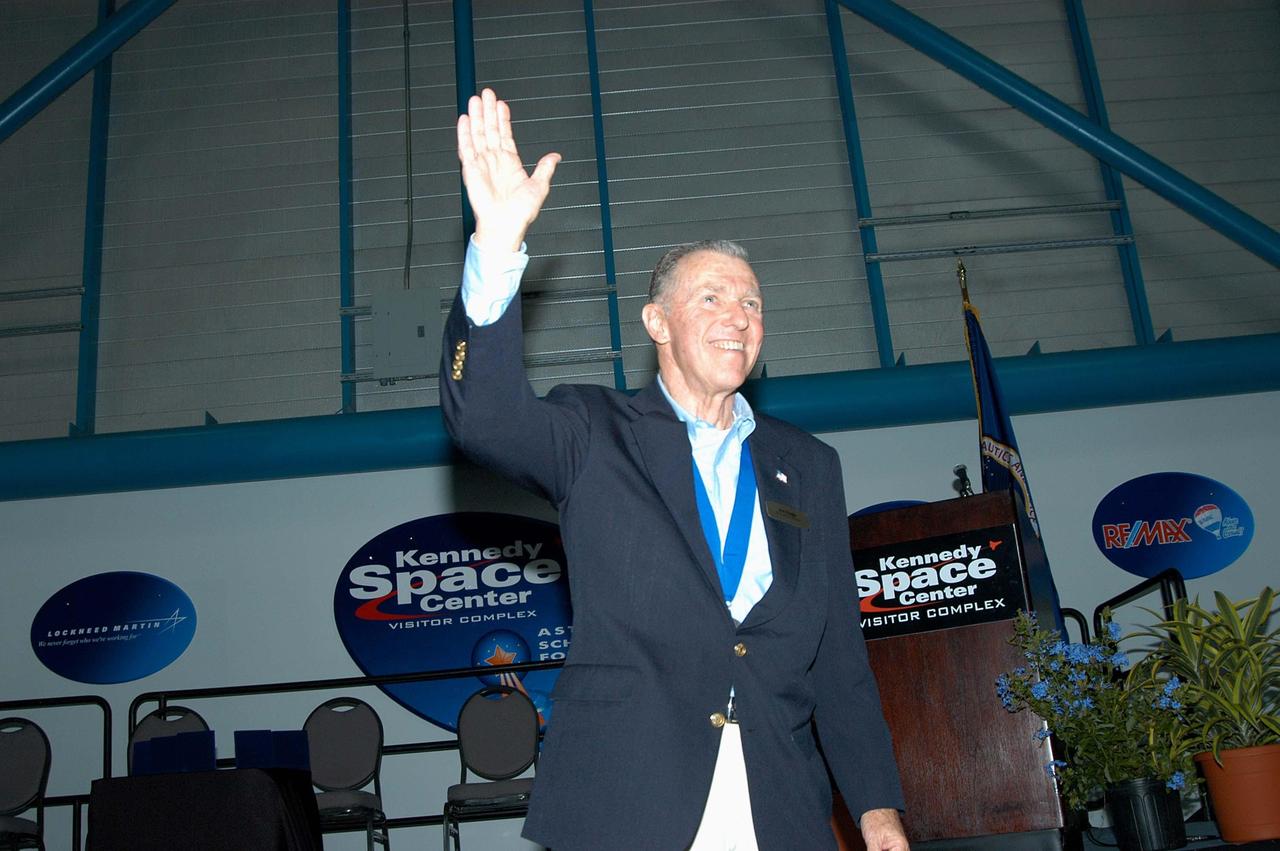
KENNEDY SPACE CENTER, FLA. -- Former astronaut Joe Engle acknowledges the applause as he is introduced as a previous inductee into the U.S. Astronaut Hall of Fame. He and other Hall of Fame members were present for the induction of five new space program heroes into the U.S. Astronaut Hall of Fame: Richard O. Covey, commander of the Hubble Space Telescope repair mission; Norman E. Thagard, the first American to occupy Russia’s Mir space station; the late Francis R. "Dick" Scobee, commander of the ill-fated 1986 Challenger mission; Kathryn D. Sullivan, the first American woman to walk in space; and Frederick D. Gregory, the first African-American to command a space mission and the current NASA deputy administrator. Engle made 16 flights in the X-15 rocket plane before he became a NASA astronaut and flew two Space Shuttle missions. In 1981, he commanded the second flight of Columbia, the first manned spacecraft to be reflown in space, and in 1985 he commanded a five-man crew on the 20th shuttle flight, a satellite-deploy and repair mission. The induction ceremony was held at the Apollo/Saturn V Center at KSC. The U.S. Astronaut Hall of Fame opened in 1990 to provide a place where space travelers could be remembered for their participation and accomplishments in the U.S. space program. The five inductees join 52 previously honored astronauts from the ranks of the Gemini, Apollo, Skylab, Apollo-Soyuz, and Space Shuttle programs.
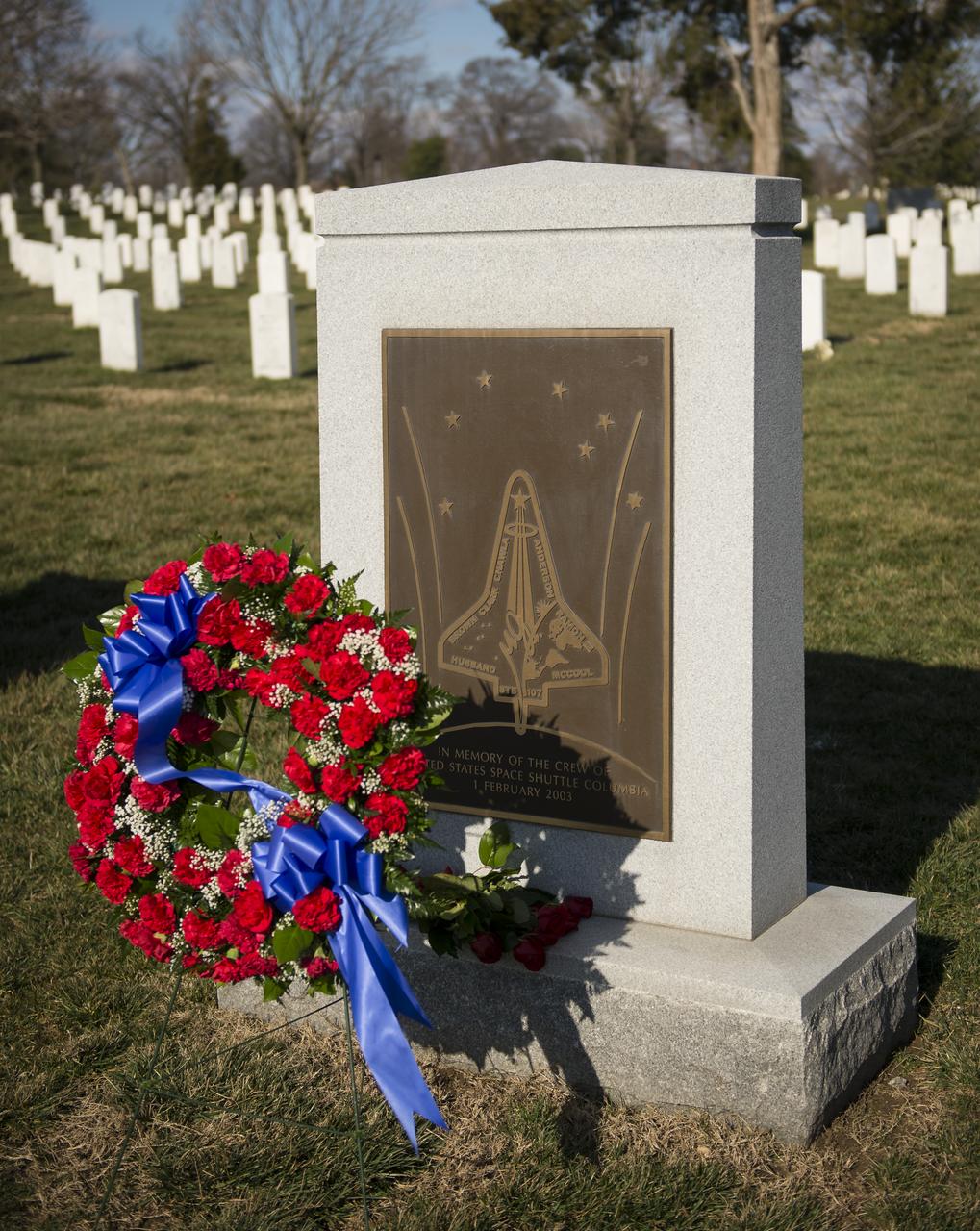
The Space Shuttle Columbia Memorial is seen after June Scobee Rodgers, widow of Challenger Space Shuttle Commander Dick Scobee and NASA Administrator Charles Bolden, along with others from NASA, participated in a wreath laying ceremony that was part of NASA's Day of Remembrance, Friday, Feb. 1, 2013, at Arlington National Cemetery. Wreathes were laid in memory of those men and women who lost their lives in the quest for space exploration. Photo Credit: (NASA/Bill Ingalls)
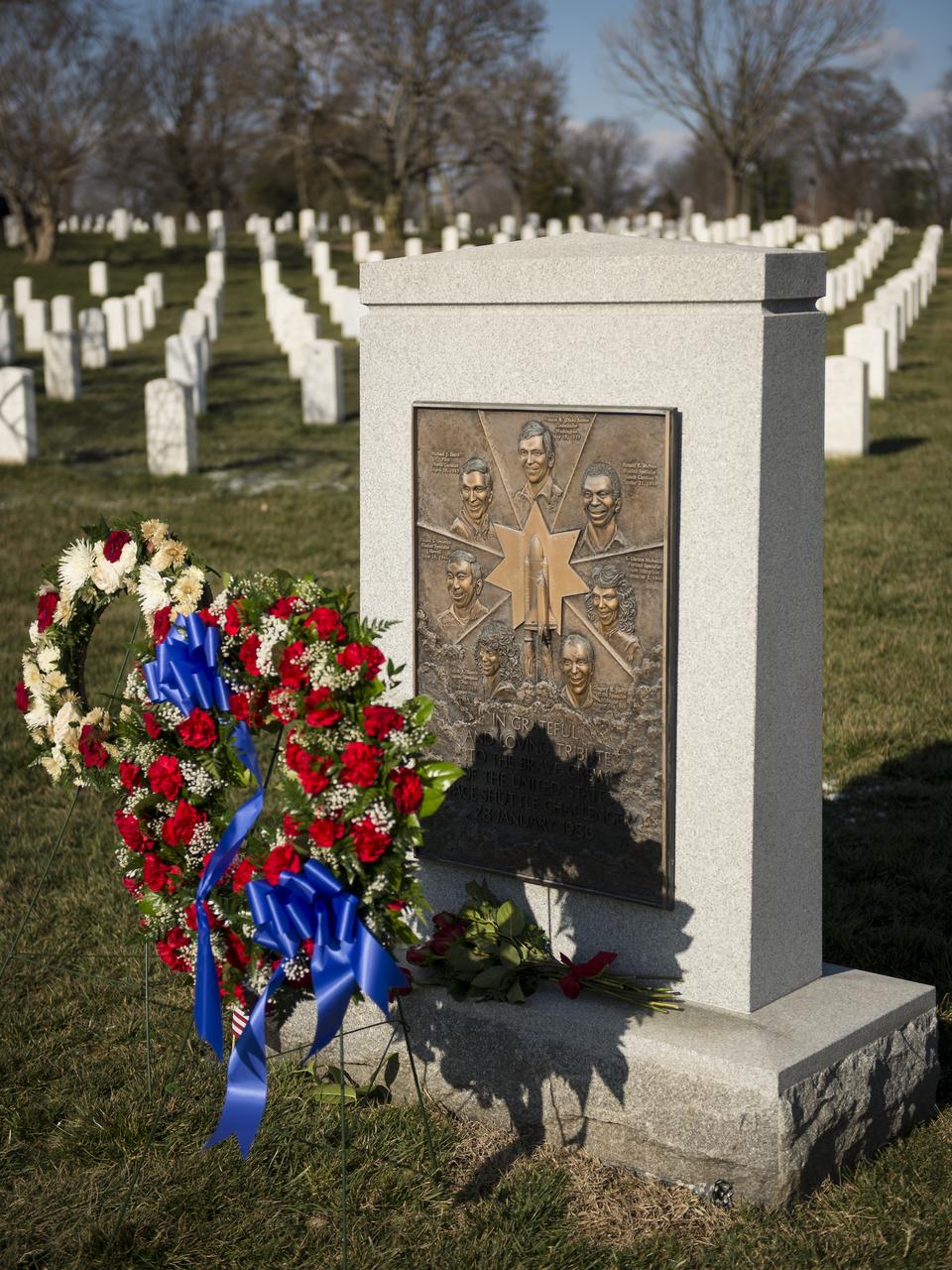
The Space Shuttle Challenger Memorial is seen after June Scobee Rodgers, widow of Challenger Space Shuttle Commander Dick Scobee and NASA Administrator Charles Bolden, along with others from NASA, participated in a wreath laying ceremony that was part of NASA's Day of Remembrance, Friday, Feb. 1, 2013, at Arlington National Cemetery. Wreathes were laid in memory of those men and women who lost their lives in the quest for space exploration. Photo Credit: (NASA/Bill Ingalls)
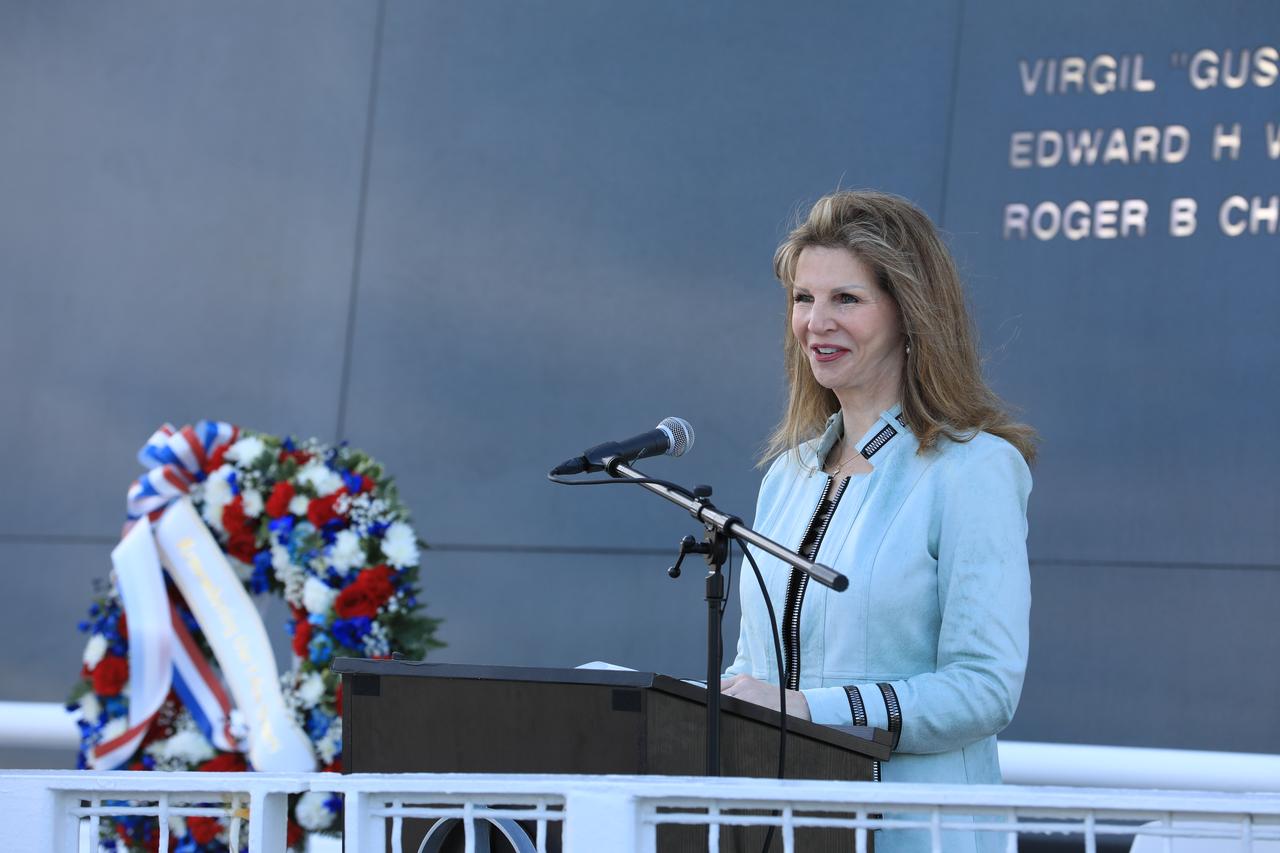
Kathie Scobee Fulgham, Astronauts Memorial Foundation chair and daughter of Challenger astronaut Francis “Dick” Scobee, delivers remarks honoring fallen astronauts who lost their lives while furthering the cause of exploration and discovery during NASA’s annual Day of Remembrance on Thursday, Jan. 25, 2024, at the Space Mirror Memorial at the agency’s Kennedy Space Center Visitor Complex in Florida. Those remembered include the crews of Apollo 1, Challenger STS-51L, and Columbia STS-107.
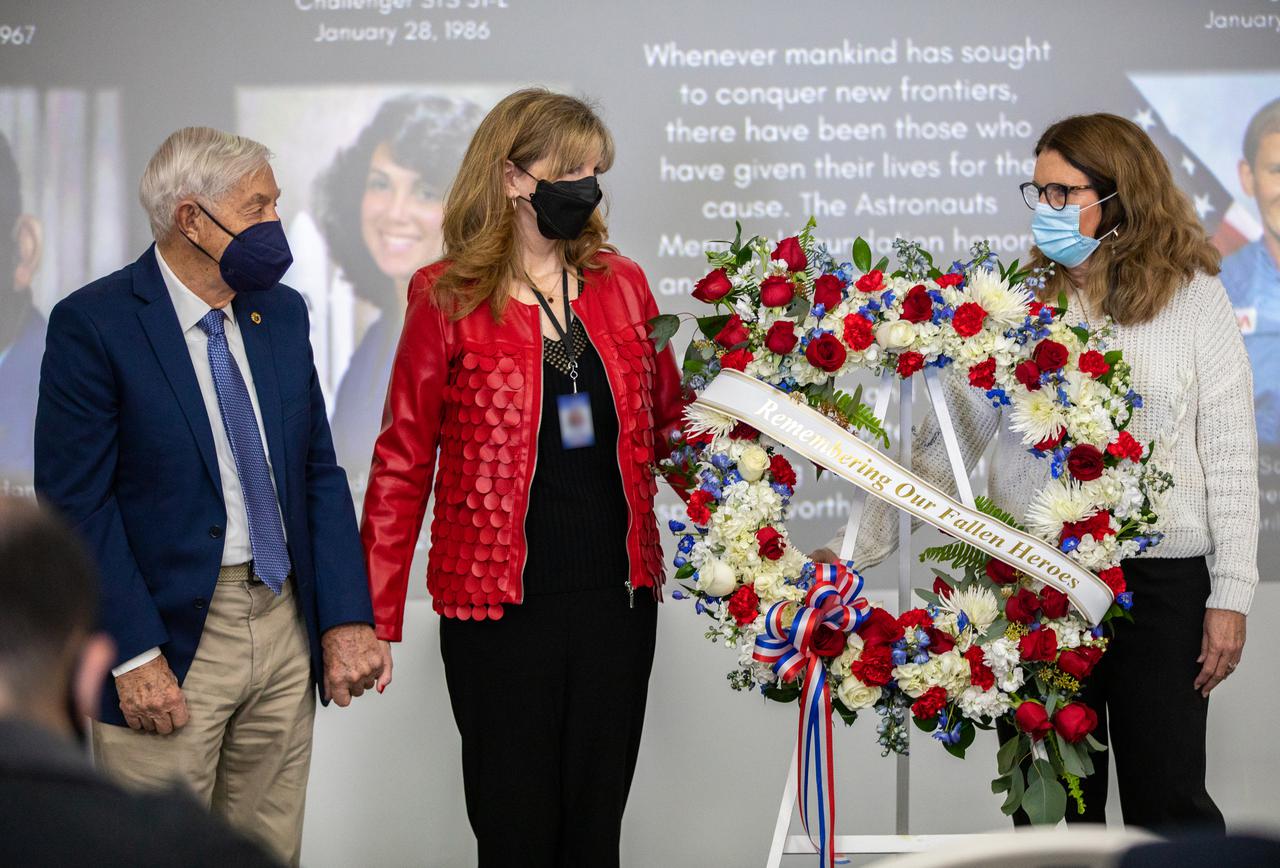
NASA’s Kennedy Space Center in Florida paid tribute to the crews of Apollo 1 and space shuttles Challenger and Columbia, as well as other astronauts who lost their lives while furthering the cause of exploration and discovery, during the agency's Day of Remembrance on Jan. 27, 2022. From left, Lowell Grissom, brother of Virgil “Gus” Grissom; Kathie Scobee Fulgham, daughter of Challenger Commander Francis R. Scobee; and Sheryl Chafee, daughter of Apollo 1 astronaut Roger Chafee, place a wreath in front of on-screen images of NASA astronauts who have perished in the line of duty. The ceremony was held in the Center for Space Education at Kennedy’s Visitor Complex in Florida.
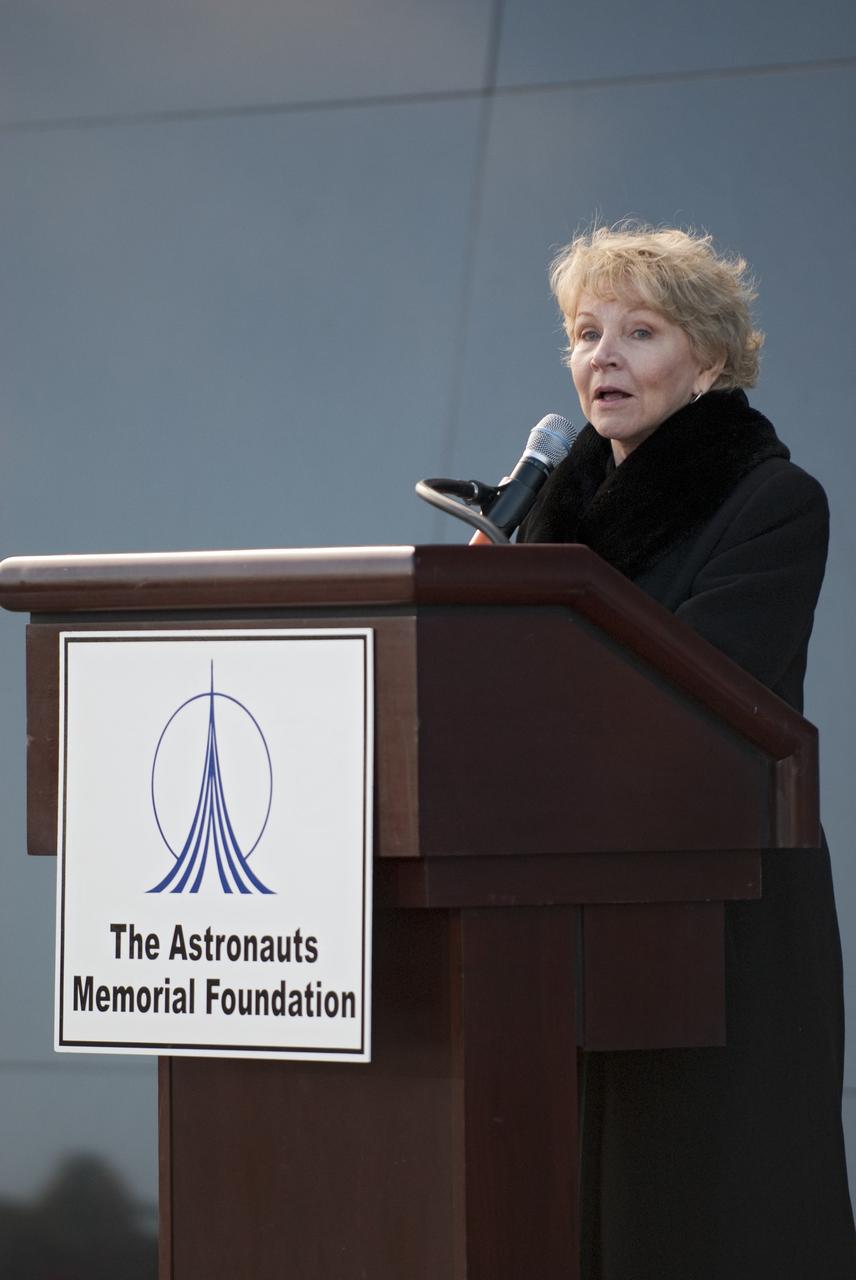
CAPE CANAVERAL, Fla. -- Dr. June Scobee Rodgers, the founding chair of the Challenger Center for Space Science Education and widow of space shuttle Challenger's STS-51L Commander Dick Scobee, speaks to a crowd gathered in front of the Space Mirror Memorial at the Kennedy Space Center Visitor Complex in Florida to honor the Challenger crew members who gave their lives for while furthering the cause of exploration and discovery. 2011 marks the 25th anniversary of the loss of Challenger, which broke apart over the Atlantic Ocean 73 seconds into flight on Jan. 28, 1986. Photo credit: NASA/Kim Shiflett
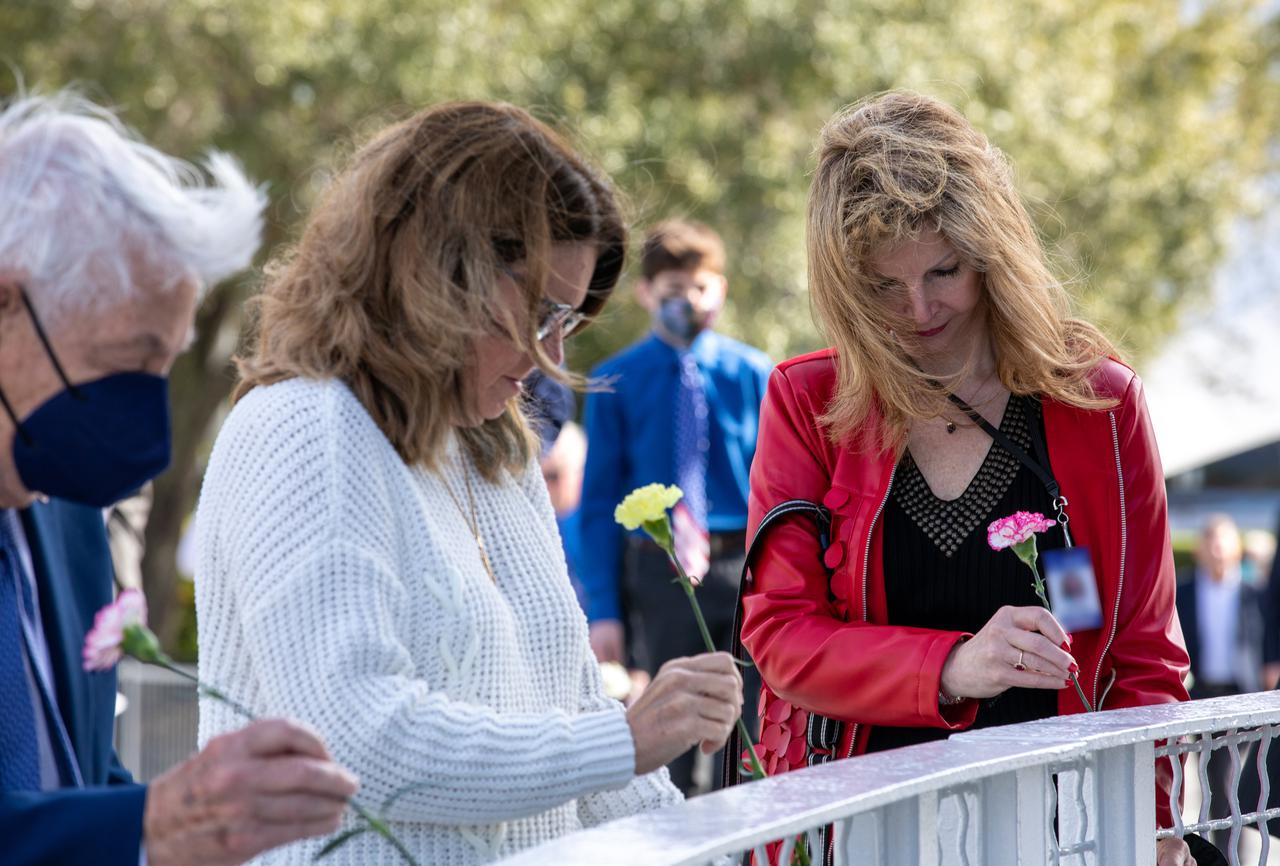
NASA’s Kennedy Space Center in Florida paid tribute to the crews of Apollo 1 and space shuttles Challenger and Columbia, as well as other astronauts who lost their lives while furthering the cause of exploration and discovery, during the agency's Day of Remembrance on Jan. 27, 2022. From left, Lowell Grissom, brother of Virgil “Gus” Grissom; Sheryl Chafee, daughter of Apollo 1 astronaut Roger Chafee; and Kathie Scobee Fulgham, daughter of Challenger Commander Francis R. Scobee, place carnations on the fence in front of the Space Mirror Memorial at the Kennedy Space Center Visitor Complex.
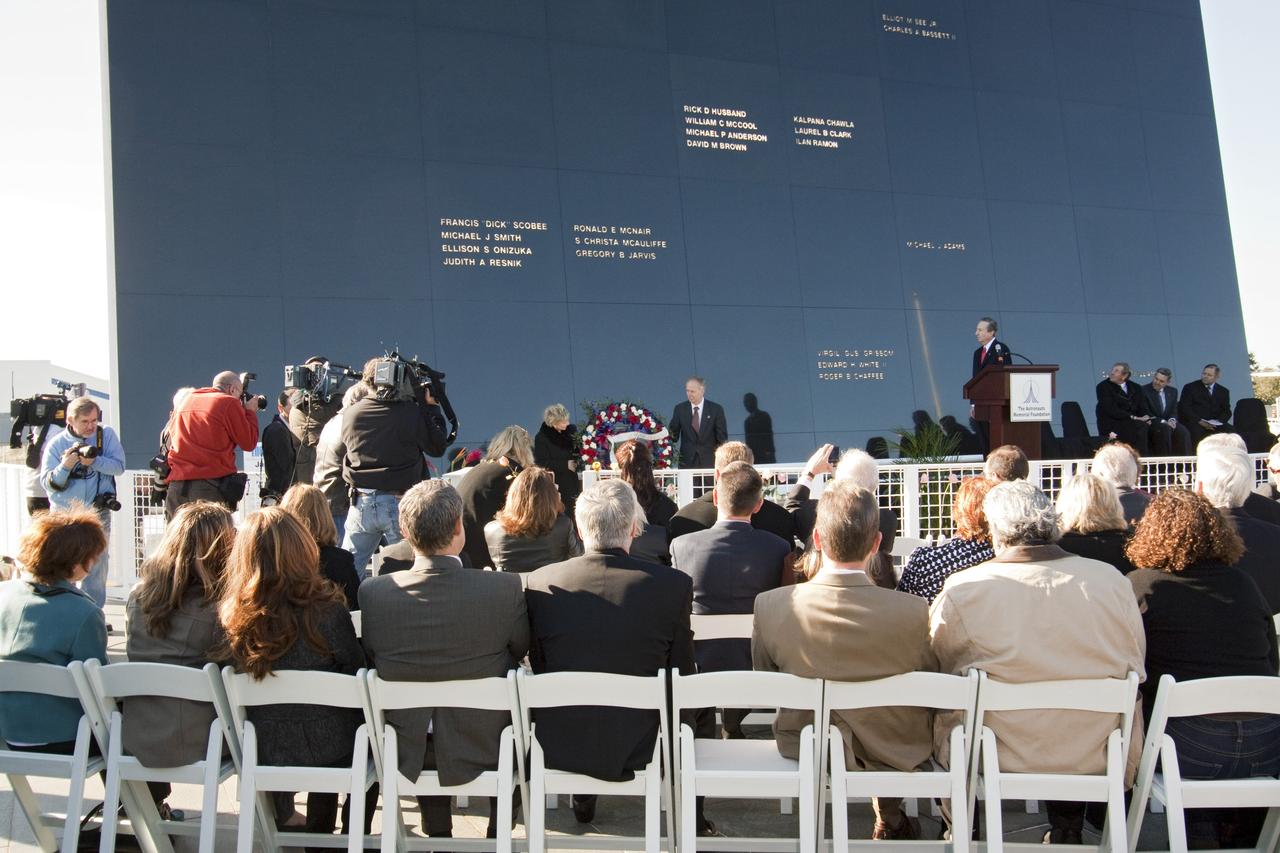
CAPE CANAVERAL, Fla. -- Dr. June Scobee Rodgers, the founding chair of the Challenger Center for Space Science Education and widow of space shuttle Challenger's STS-51L Commander Dick Scobee, and NASA Associate Administrator for Space Operations William Gerstenmaier pay their respects to the space shuttle Challenger crew members who gave their lives for while furthering the cause of exploration and discovery at the foot of the Space Mirror Memorial at the Kennedy Space Center Visitor Complex in Florida. 2011 marks the 25th anniversary of the loss of Challenger, which broke apart over the Atlantic Ocean 73 seconds into flight on Jan. 28, 1986. NASA/Jack Pfaller
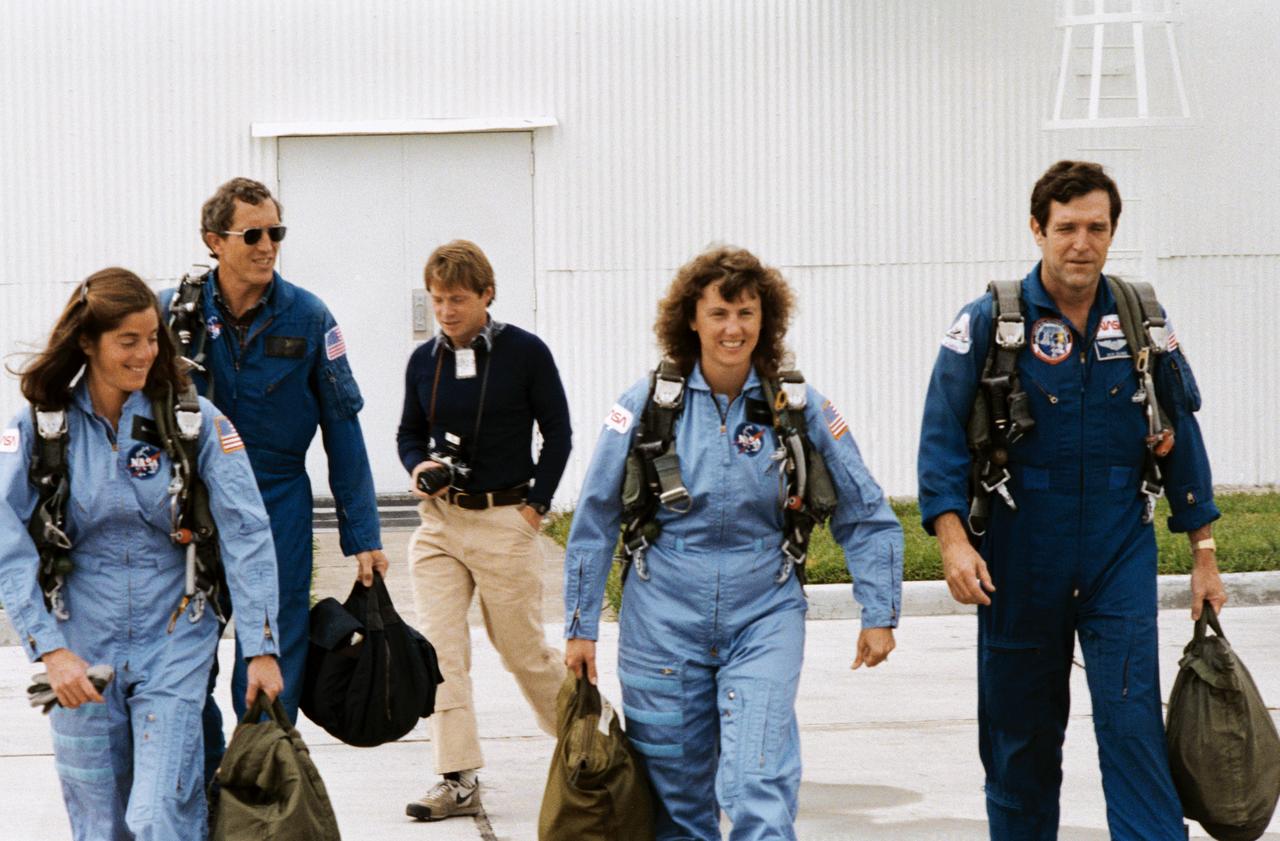
S85-41443 (12 Dec. 1985) --- Assigned STS-51L mission crew members, and a backup, are pictured at Ellington Air Field following brief flights in NASA's T-38 jet trainers. Left to right are Barbara R. Morgan, Michael J. Smith, an unidentified visitor, S. Christa McAuliffe and Francis R. (Dick) Scobee. Morgan is serving as backup, to McAuliffe's payload specialist position, as Teacher-in-Space Project representative on the flight. Scobee and Smith are commander and pilot, respectively, for NASA's 25th STS flight. Photo credit: NASA
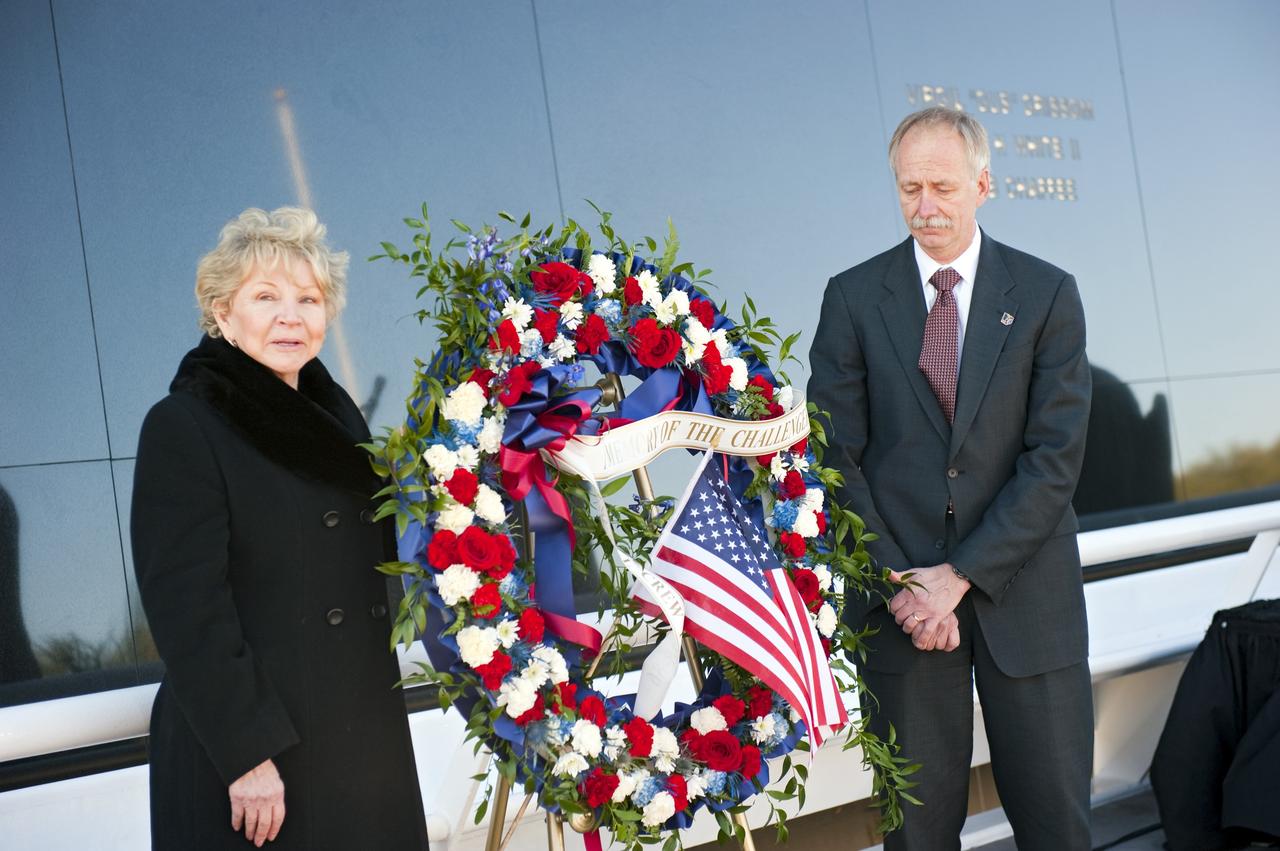
CAPE CANAVERAL, Fla. -- Dr. June Scobee Rodgers, the founding chair of the Challenger Center for Space Science Education and widow of space shuttle Challenger's STS-51L Commander Dick Scobee, left, and NASA Associate Administrator for Space Operations William Gerstenmaier pay their respects to the space shuttle Challenger crew members who gave their lives for while furthering the cause of exploration and discovery at the foot of the Space Mirror Memorial at the Kennedy Space Center Visitor Complex in Florida. 2011 marks the 25th anniversary of the loss of Challenger, which broke apart over the Atlantic Ocean 73 seconds into flight on Jan. 28, 1986. Photo credit: NASA/Kim Shiflett

Burt Summerfield, associate director, management, at NASA’s Kennedy Space Center in Florida, and Kathie Scobee Fugham, chairman of the Astronauts Memorial Foundation and daughter of Commander Francis “Dick” Scobee, honor astronauts and astronaut candidates who lost their lives while furthering the cause of exploration and discovery during the annual Day of Remembrance ceremony on Thursday, Jan. 25, 2024, held at the Space Mirror Memorial at NASA’s Kennedy Space Center Visitor Complex in Florida. Family members of fallen astronauts hold roses remembering their loved ones, while guests hold carnations to pay their respects.
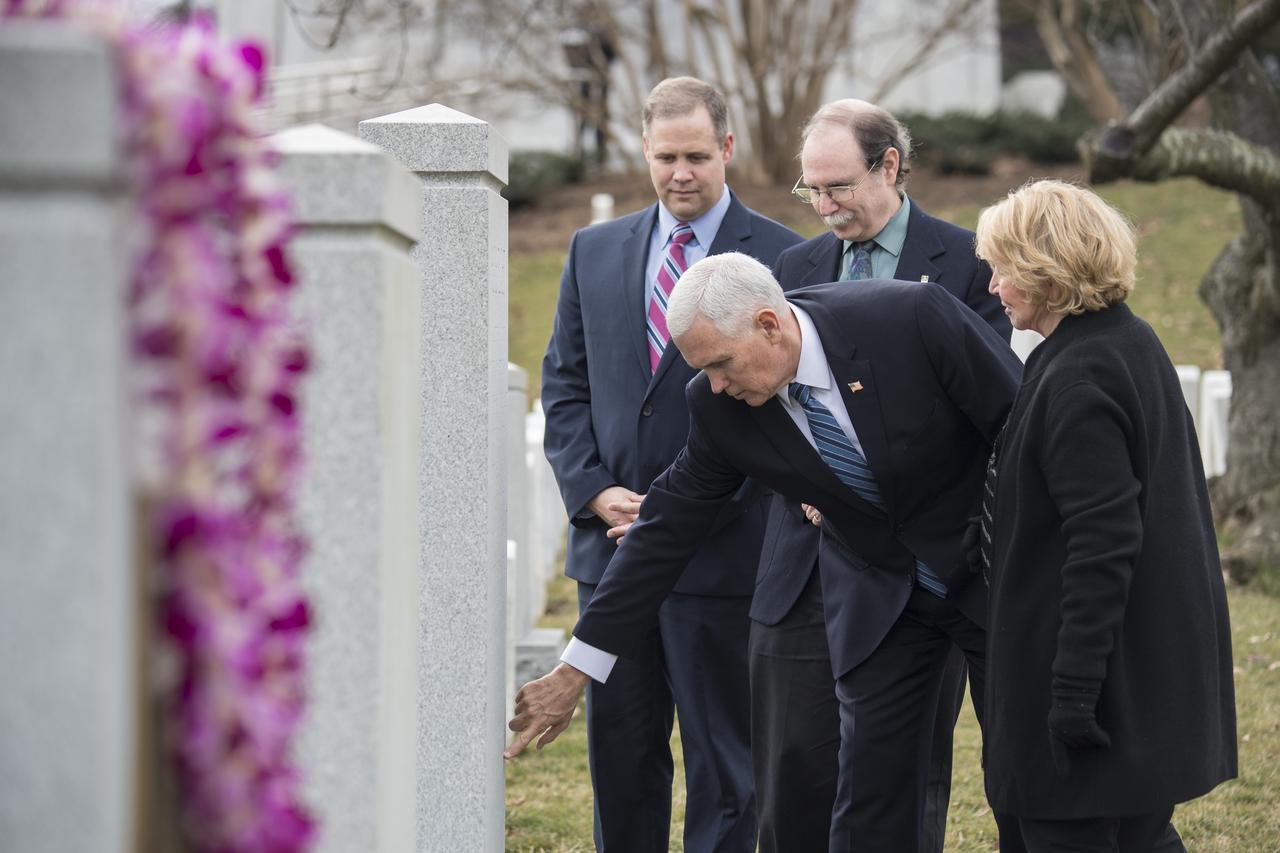
Vice President Mike Pence visits the Space Shuttle Challenger Memorial with June Scobee-Rodgers, widow of Challenger Commander Dick Scobee, right, NASA Administrator Jim Bridenstine, left, and Chuck Resnik, brother of Challenger Mission Specialist Judith Resnik, second left, after a wreath laying ceremony that was part of NASA's Day of Remembrance, Thursday, Feb. 7, 2019, at Arlington National Cemetery in Arlington, Va. Wreaths were laid in memory of those men and women who lost their lives in the quest for space exploration. Photo Credit: (NASA/Aubrey Gemignani)
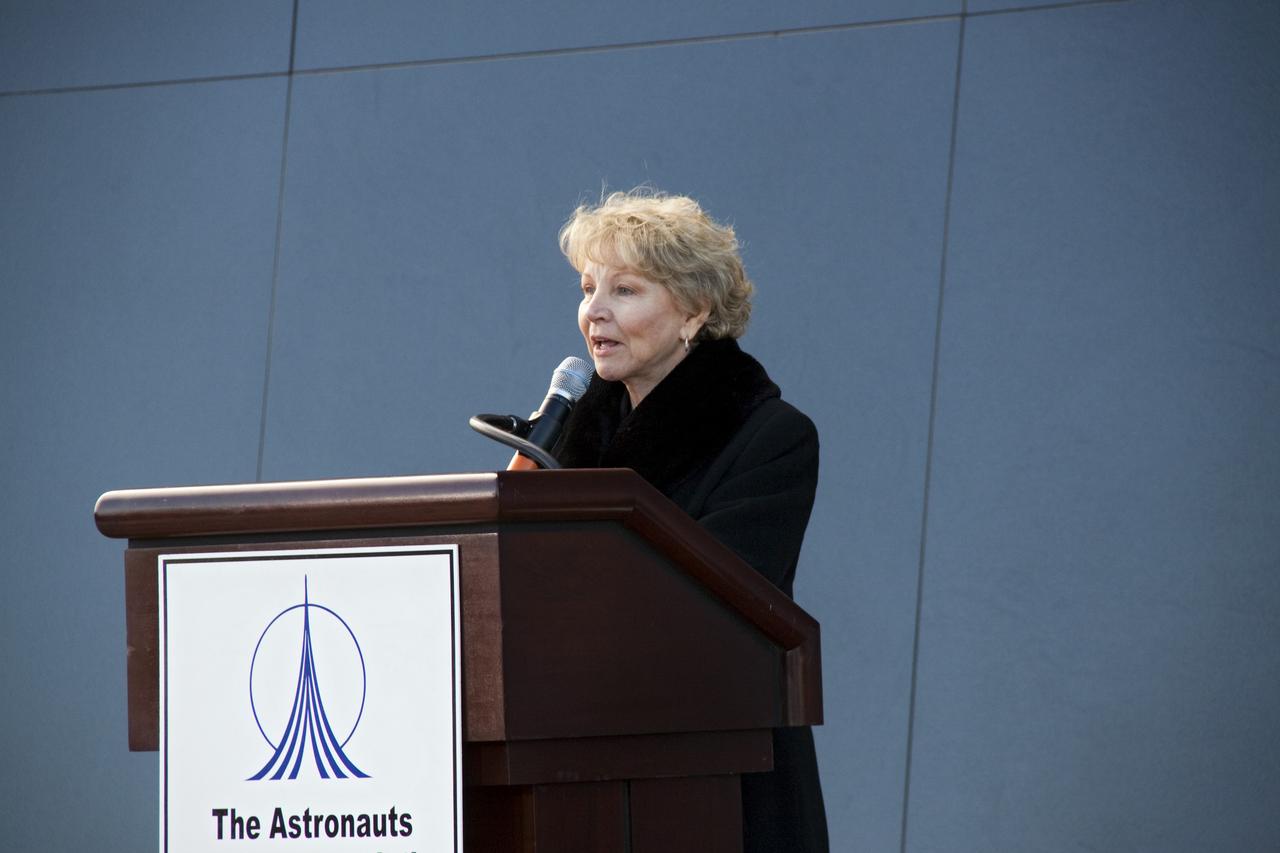
CAPE CANAVERAL, Fla. -- Dr. June Scobee Rodgers, the founding chair of the Challenger Center for Space Science Education and widow of space shuttle Challenger's STS-51L Commander Dick Scobee, speaks to a crowd gathered in front of the Space Mirror Memorial at the Kennedy Space Center Visitor Complex in Florida to honor the Challenger crew members who gave their lives for while furthering the cause of exploration and discovery. 2011 marks the 25th anniversary of the loss of Challenger, which broke apart over the Atlantic Ocean 73 seconds into flight on Jan. 28, 1986. NASA/Jack Pfaller
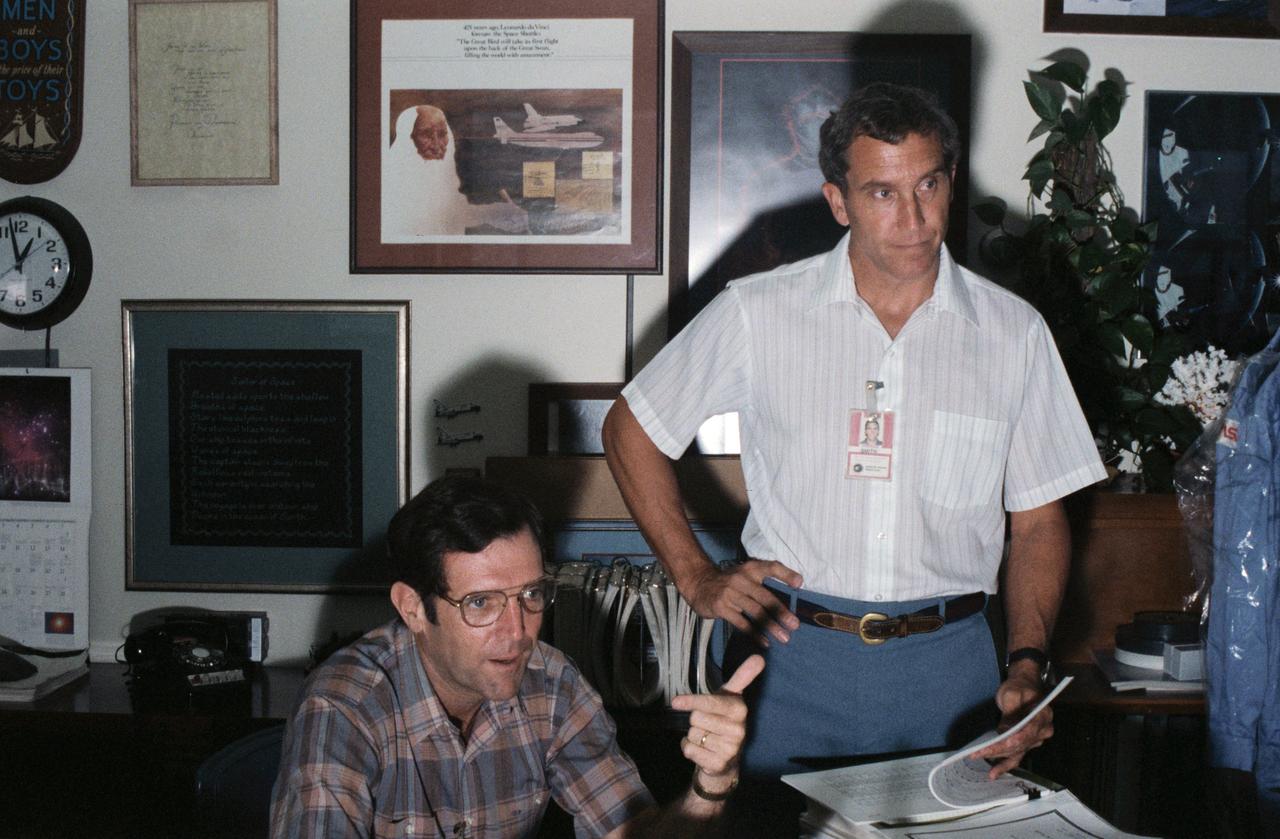
Candid views of the STS-33/51L Crew during study periods in their offices on 09/09/1985. Astronauts Michael J. Smith (right), STS 51L Pilot, and Francis R. (Dick) Scobee, 51L Mission Commander, are photographed in conversation while in training. JSC, HOUSTON, TX
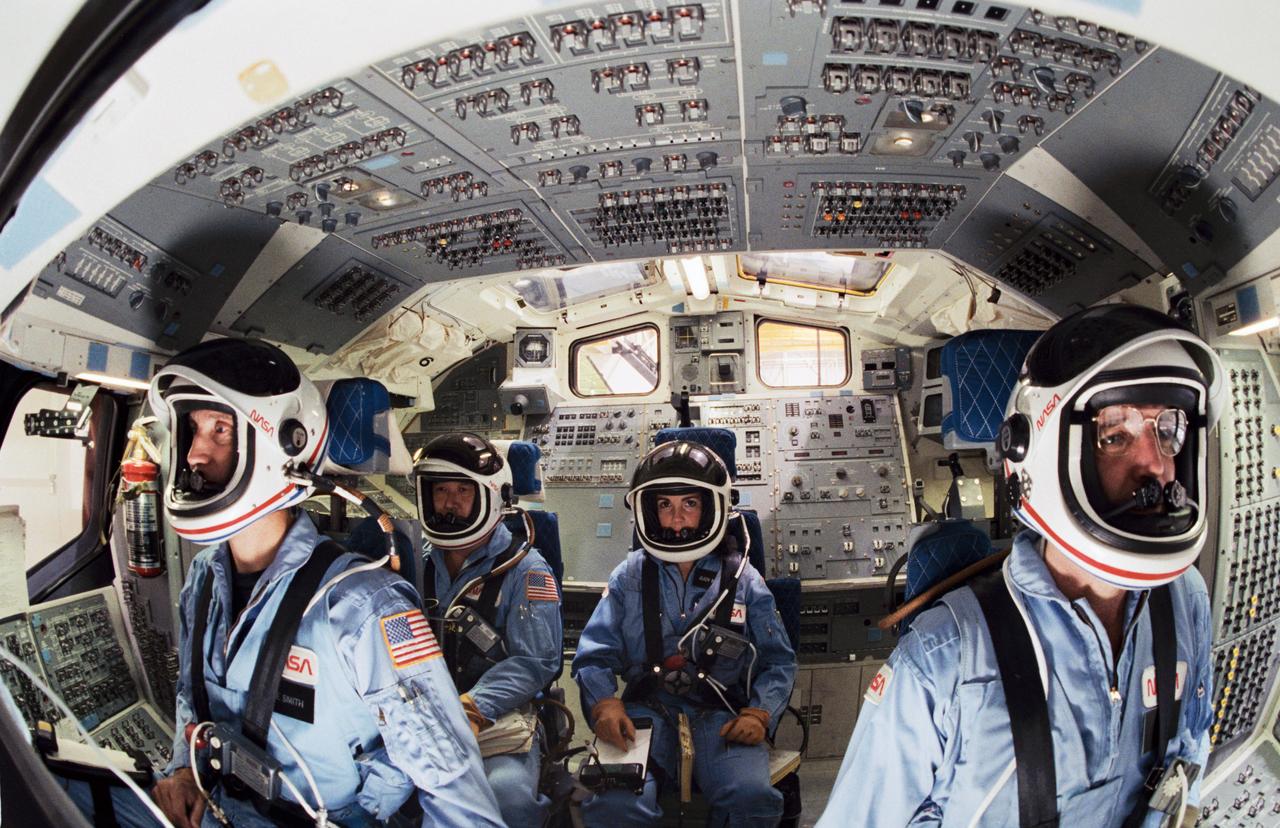
S85-46207 (December 1985) --- Shuttle Mission Simulator (SMS) scene of astronauts Michael J. Smith, Ellison S. Onizuka, Judith A. Resnik, and Francis R. (Dick) Scobee in their launch and entry positions on the flight deck. The photo was taken by Bill Bowers. Photo credit: NASA
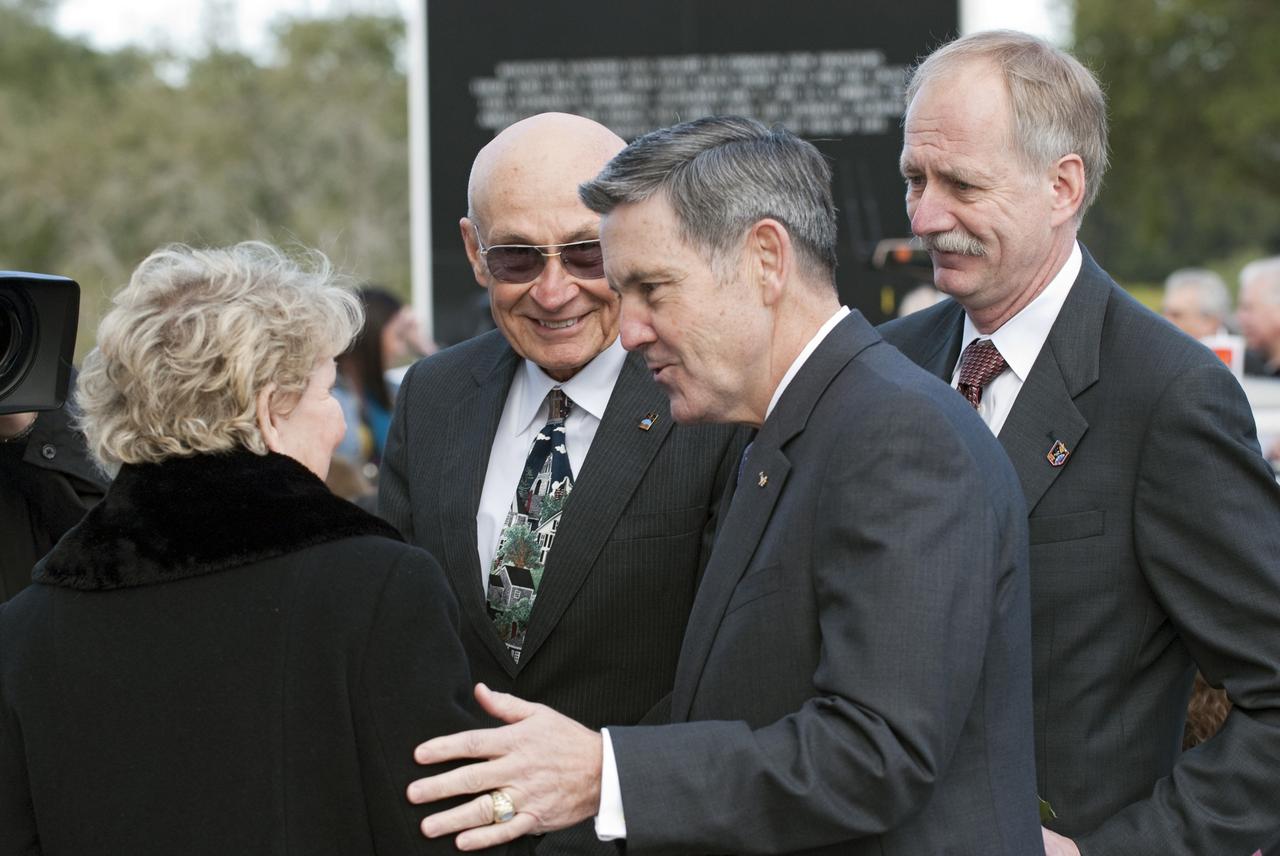
CAPE CANAVERAL, Fla. -- Dr. June Scobee Rodgers, the founding chair of the Challenger Center for Space Science Education and widow of space shuttle Challenger's STS-51L Commander Dick Scobee, left, talks with former Shuttle Launch Director Bob Sieck, NASA Kennedy Space Center Director Bob Cabana and NASA Associate Administrator for Space Operations William Gerstenmaier. They are gathered in front of the Space Mirror Memorial at the Kennedy Space Center Visitor Complex in Florida to honor the Challenger crew members who gave their lives for while furthering the cause of exploration and discovery. 2011 marks the 25th anniversary of the loss of Challenger, which broke apart over the Atlantic Ocean 73 seconds into flight on Jan. 28, 1986. Photo credit: NASA/Kim Shiflett
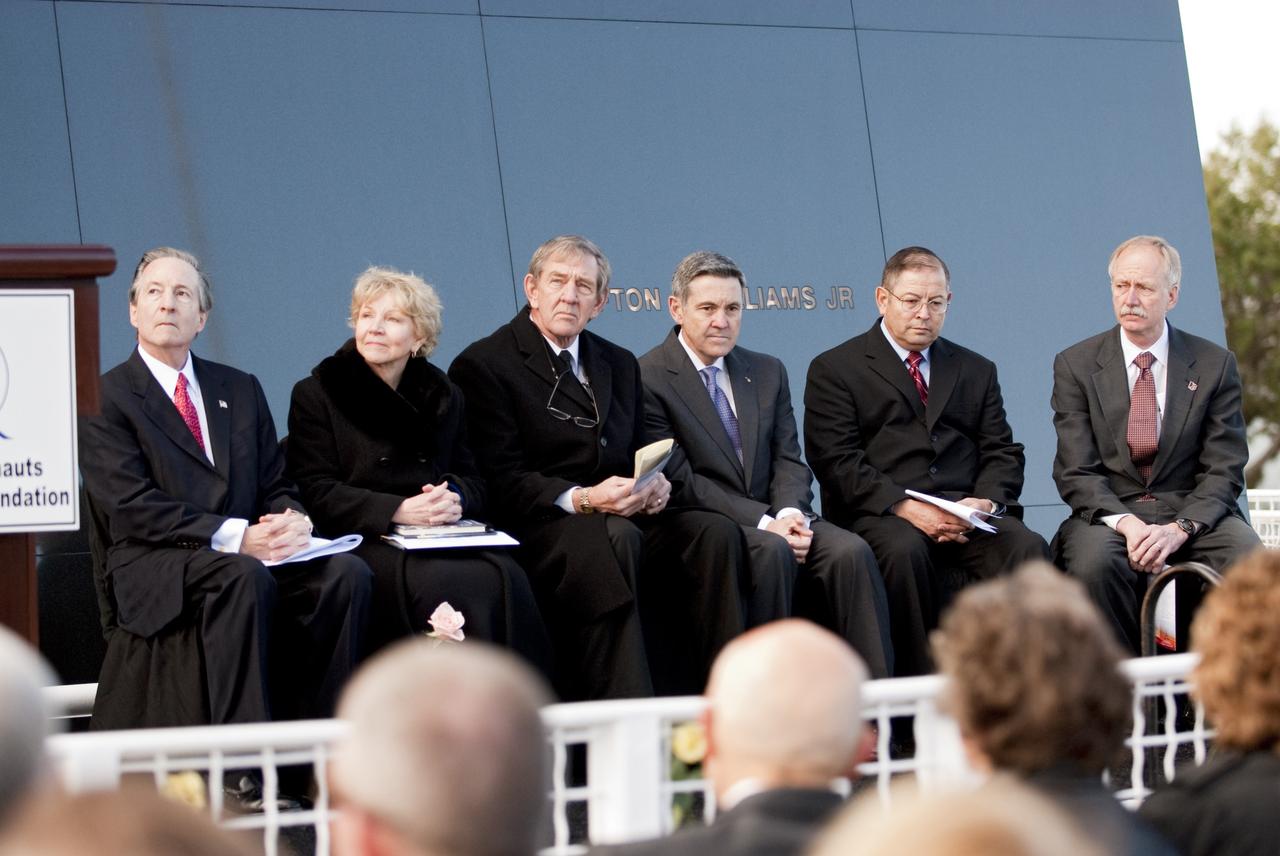
CAPE CANAVERAL, Fla. -- Stephen Feldman, president of The Astronauts Memorial Foundation, left; Dr. June Scobee Rodgers, founding chair of the Challenger Center for Space Science Education and widow of space shuttle Challenger's STS-51L Commander Dick Scobee; Michael McCulley, former astronaut and chairman of The Astronauts Memorial Foundation; Bob Cabana, former astronaut and NASA Kennedy Space Center director; Rick Soria, 2009 Alan Shepard Technology in Education Award winner, and William Gerstenmaier, NASA Associate Administrator for Space Operations gather in front of the Space Mirror Memorial at the Kennedy Space Center Visitor Complex in Florida to honor the Challenger crew members who gave their lives for while furthering the cause of exploration and discovery. 2011 marks the 25th anniversary of the loss of Challenger, which broke apart over the Atlantic Ocean 73 seconds into flight on Jan. 28, 1986. Photo credit: NASA/Kim Shiflett
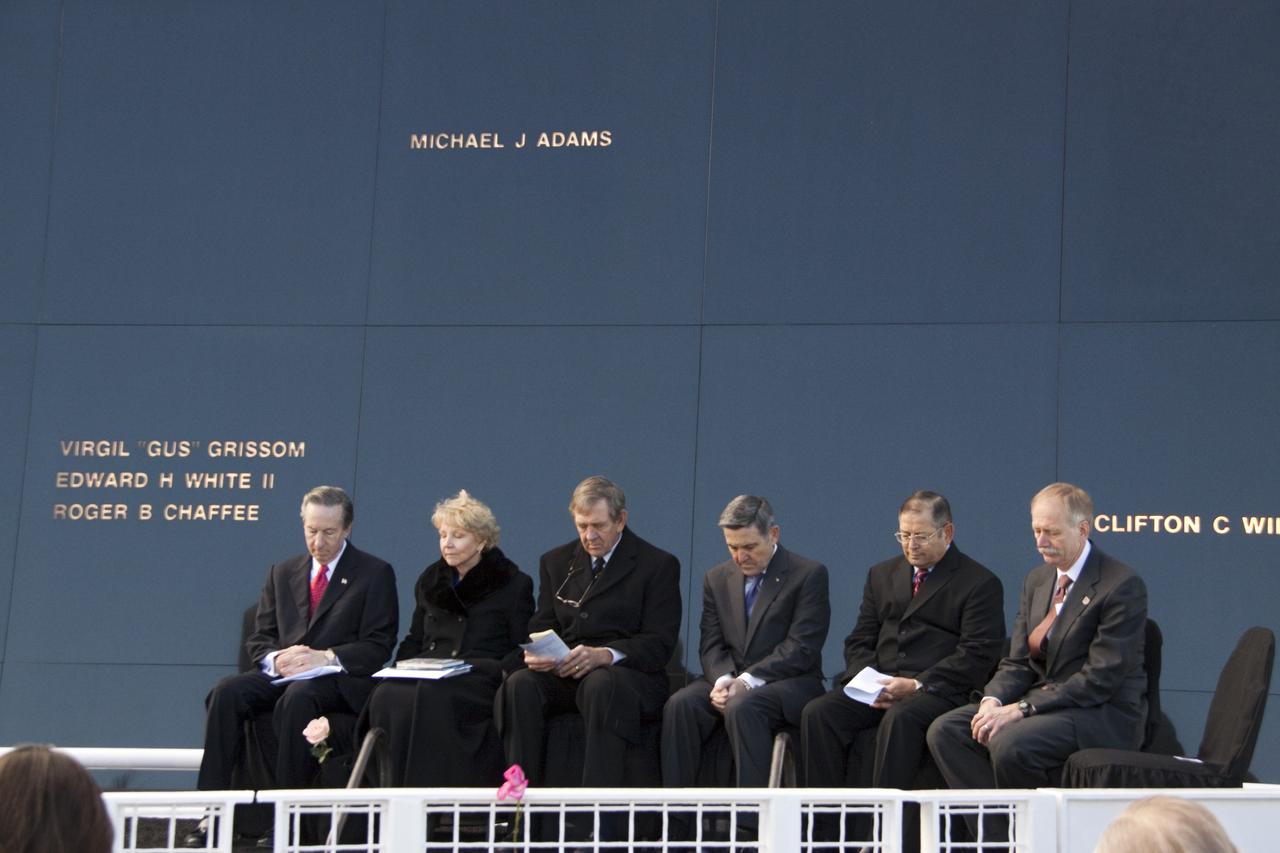
CAPE CANAVERAL, Fla. -- Stephen Feldman, president of the Astronauts Memorial Foundation, left; Dr. June Scobee Rodgers, founding chair of the Challenger Center for Space Science Education and widow of space shuttle Challenger's STS-51L Commander Dick Scobee; Michael McCulley, former astronaut and chairman of the Astronauts Memorial Foundation; Bob Cabana, former astronaut and NASA Kennedy Space Center director; Rick Soria, 2009 Alan Shepard Technology in Education Award winner, and William Gerstenmaier, NASA Associate Administrator for Space Operations gather in front of the Space Mirror Memorial at the Kennedy Space Center Visitor Complex in Florida to honor the Challenger crew members who gave their lives for while furthering the cause of exploration and discovery. 2011 marks the 25th anniversary of the loss of Challenger, which broke apart over the Atlantic Ocean 73 seconds into flight on Jan. 28, 1986. NASA/Jack Pfaller
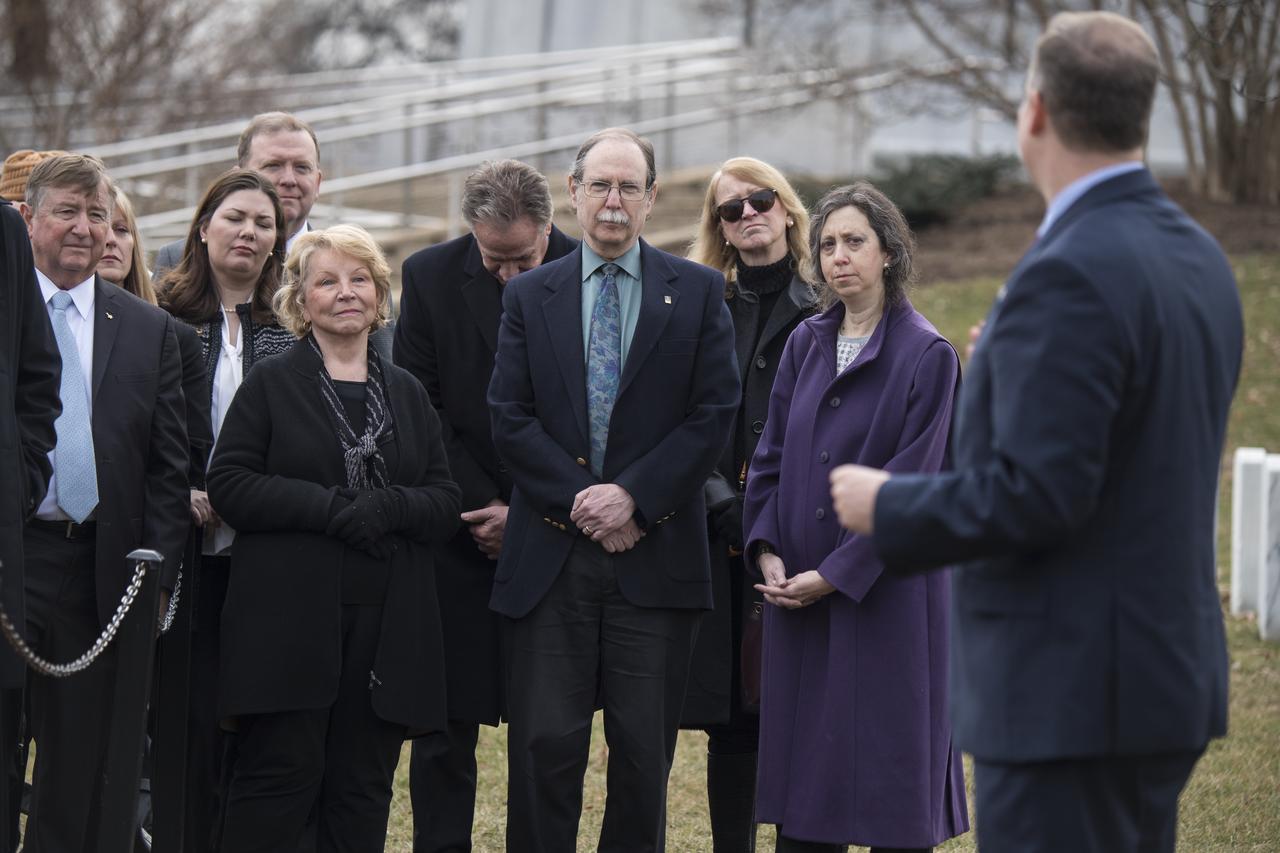
NASA Administrator Jim Bridenstine speaks to family members and friends of astronauts lost in the Challenger and Columbia missions during a wreath laying ceremony as part of NASA's Day of Remembrance, Thursday, Feb. 7, 2019, at Arlington National Cemetery in Arlington, Va. The wreaths were laid in memory of those men and women who lost their lives in the quest for space exploration. Photo Credit: (NASA/Aubrey Gemignani)
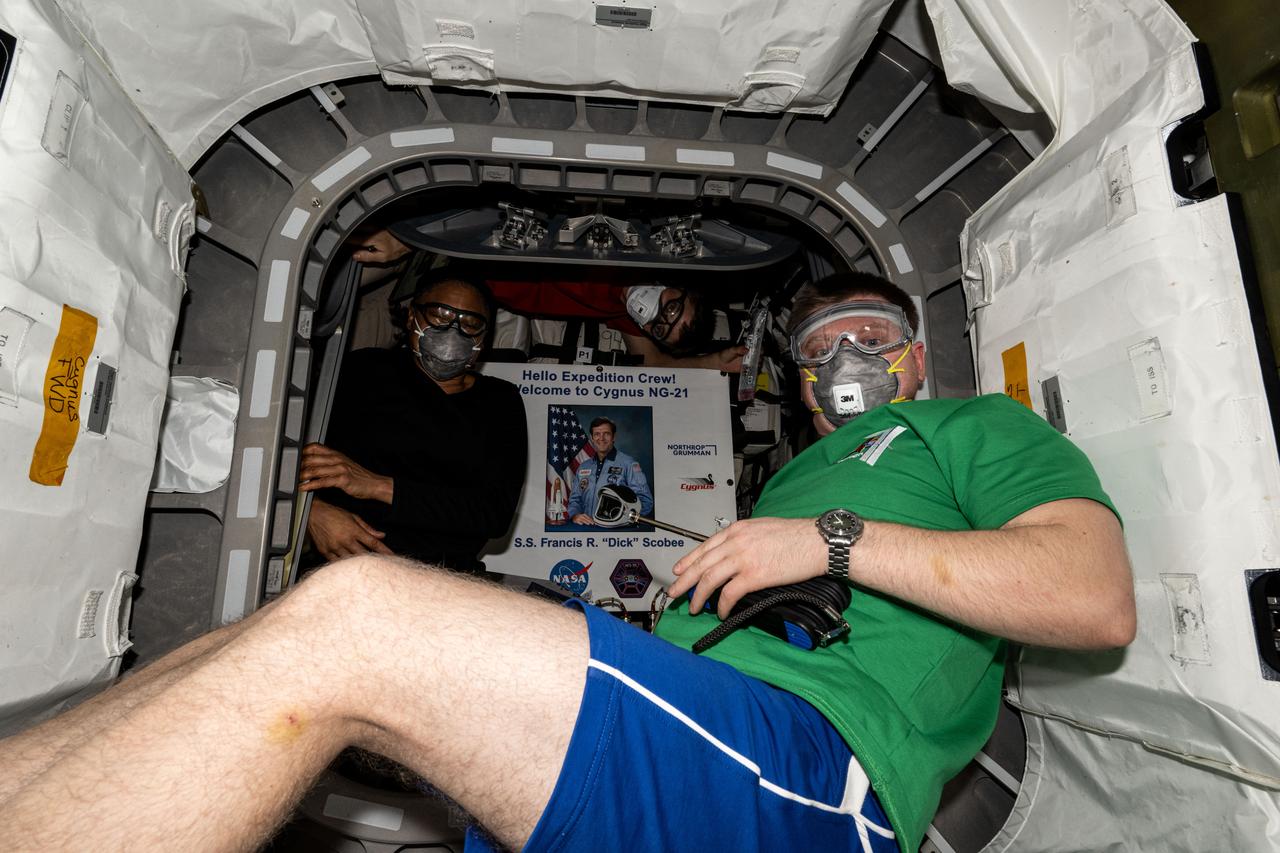
iss071e462164 (Aug. 6, 2024) --- NASA astronauts (from left) Jeanette Epps and Matthew Dominick, both Expedition 71 Flight Engineers, are pictured wearing personal protective equipment (PPE) shortly after entering the Northrop Grumman Cygnus space freighter. Inside Cygnus is a poster of former NASA astronaut Francis R. "Dick" Scobee for whom the spacecraft is named after. The duo was wearing PPE after opening the hatch and entering the vehicle to protect against potential dust or debris that may have dislodged during Cygnus' launch and ascent to space.
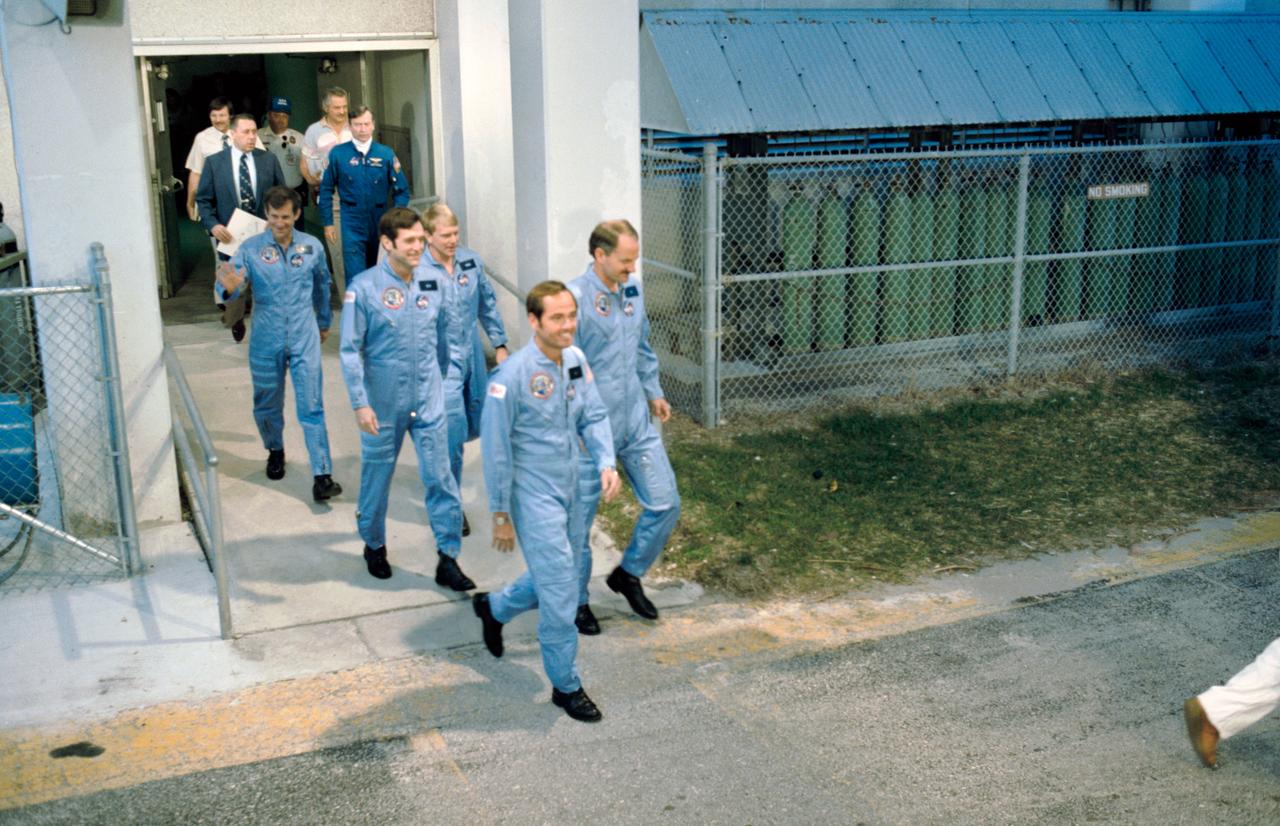
41C-3061 (6 April 1984) --- The five-member astronauts crew for NASA's STS-41C Space Shuttle mission head for the transfer van that will transport them to Launch Pad 39B at the Kennedy Space Center. Astronaut Robert L. Crippen, commander, leads the way. Immediately behind Crippen is Astronaut Francis R. (Dick) Scobee, pilot. The three mission specialists are (left to right) Astronauts Terry J. Hart, George D. Nelson and James D. van Hoften. The photograph was taken by Otis Imobden.
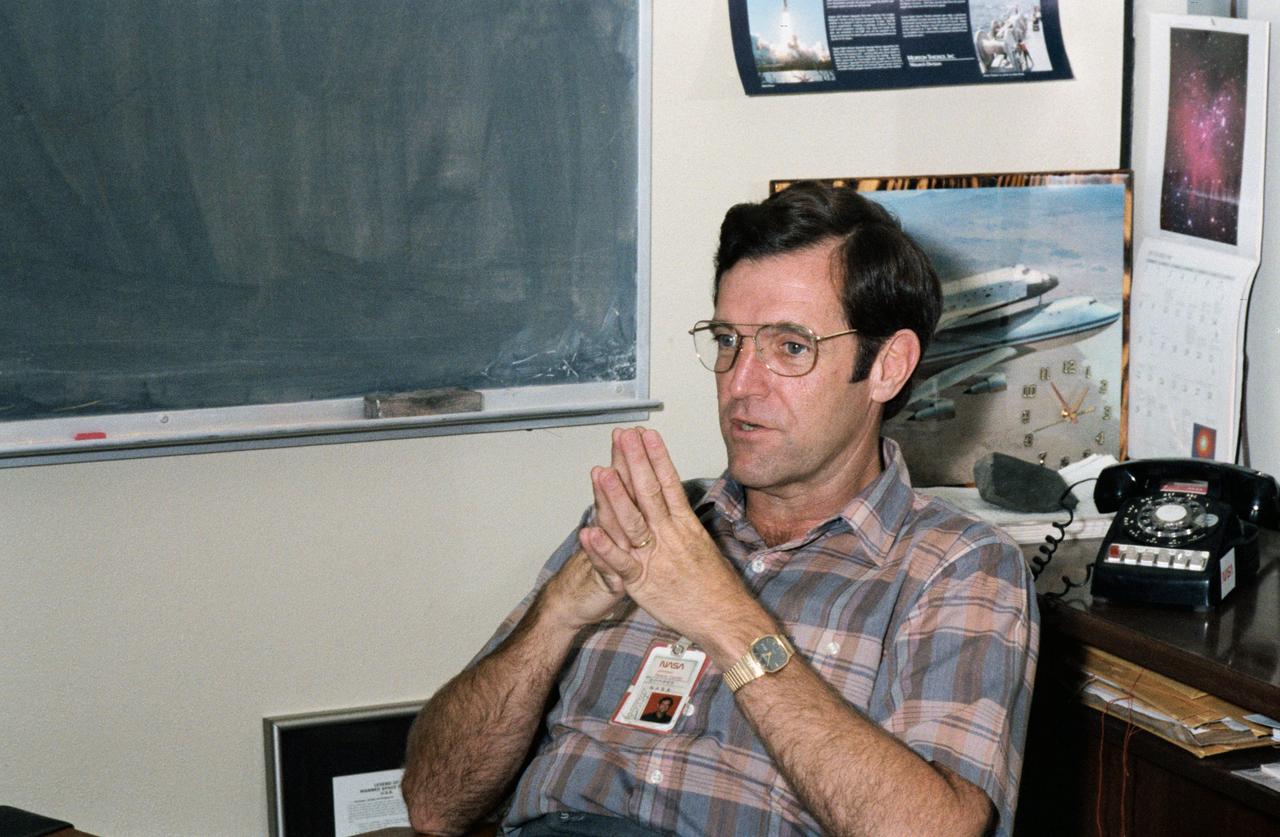
S85-40173 (5 Sept. 1985) --- In Johnson Space Center’s (JSC) Astronaut Office, astronaut F. Richard (Dick) Scobee, STS-51L mission commander, takes a break from training for his upcoming space mission. EDITOR’S NOTE: The STS-51L crew members lost their lives in the space shuttle Challenger accident moments after launch on Jan. 28, 1986 from the Kennedy Space Center (KSC). Photo credit: NASA
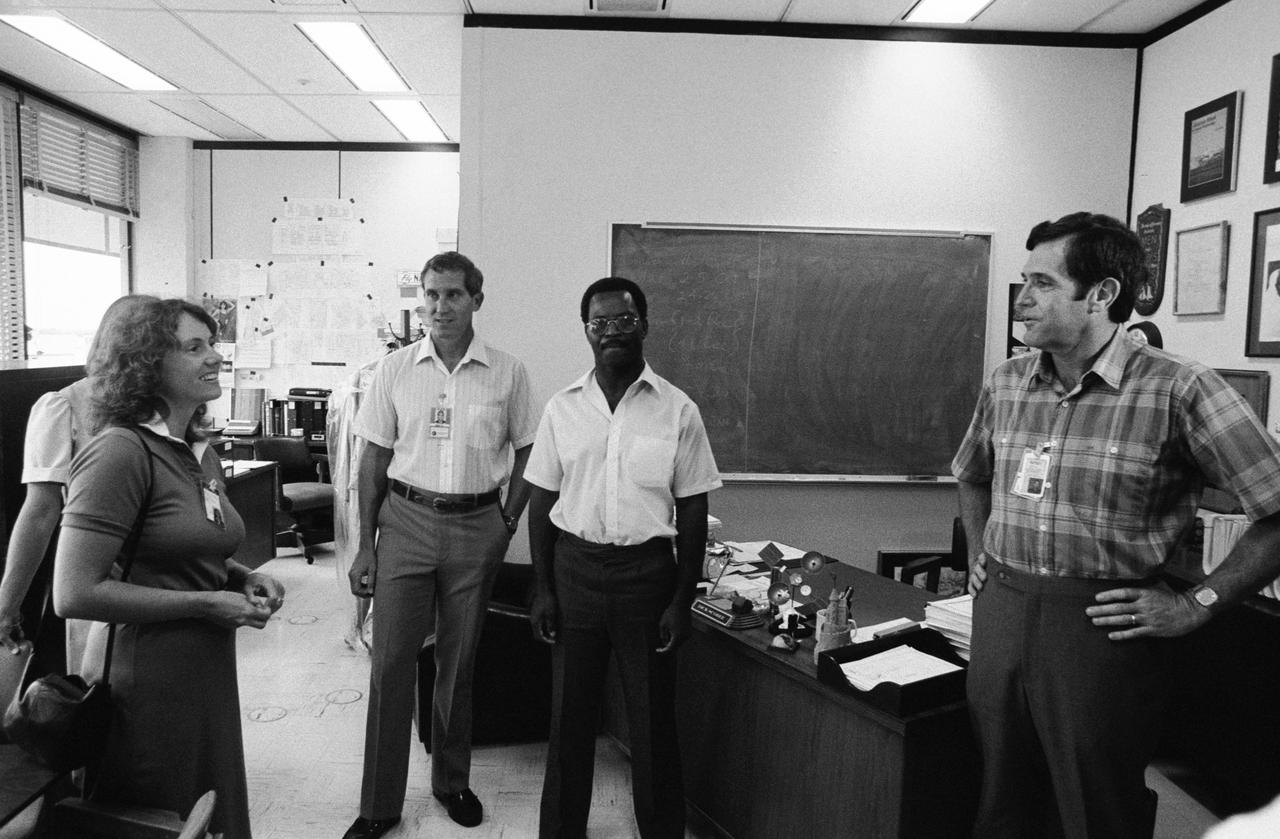
S85-39943 (9 Sept. 1985) --- Sharon Christa McAuliffe, STS-51L citizen observer/payload specialist representing the Teacher in Space Program, meets the other STS-51L crew members. The crew members pictured are (l.-r.) astronauts Michael J. Smith, pilot; Ronald E. McNair, mission specialist; and Francis R. (Dick) Scobee, mission commander. Photo credit: NASA
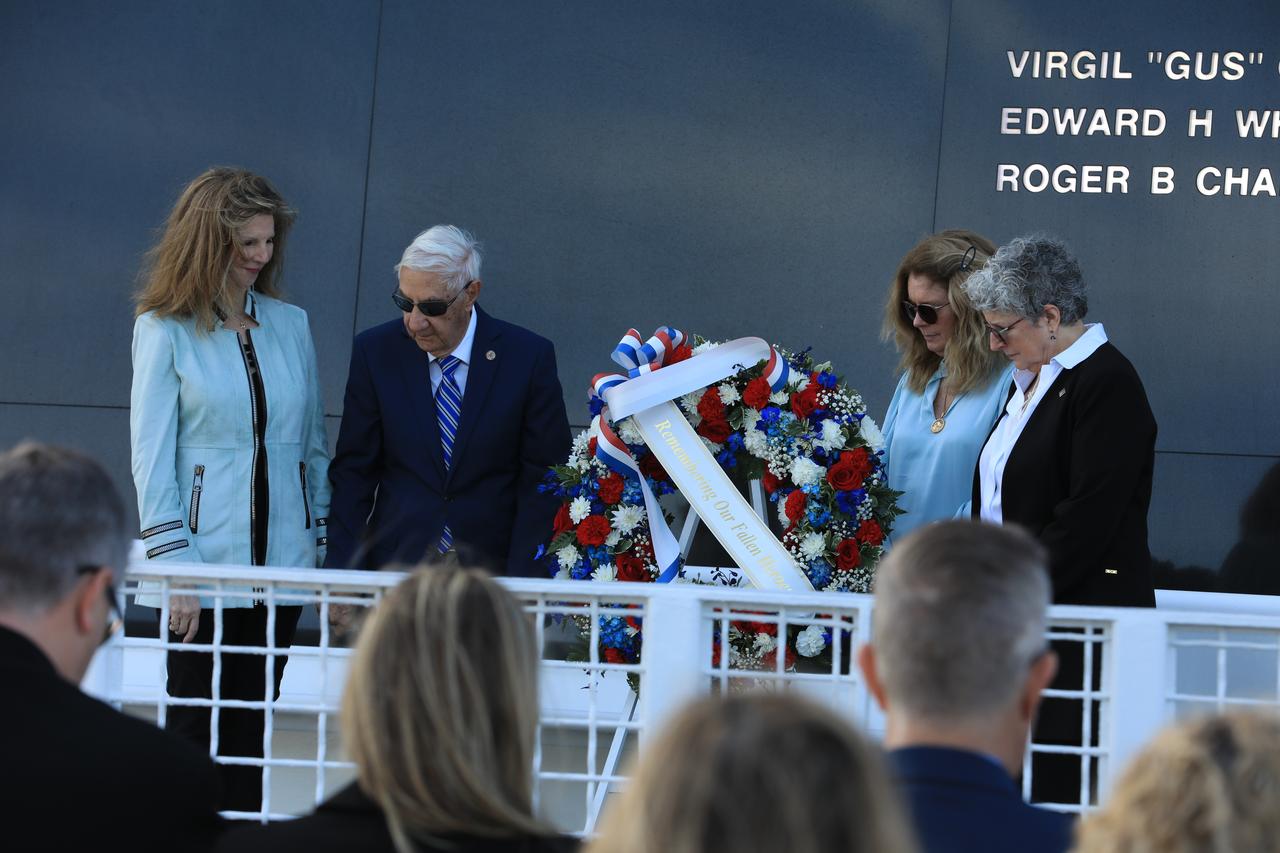
Family members of fallen astronauts Kathie Scobee Fulgham, Lowell Grissom, Sheryl Chaffee, and Karen Bassett Stevenson place a wreath at the Space Mirror Memorial at NASA’s Kennedy Space Center Visitor Complex in Florida on Thursday, Jan. 25, 2024, during the agency’s Day of Remembrance. The annual tradition pays tribute to fallen astronauts and astronaut candidates who lost their lives while furthering the cause of exploration and discovery, including the crews of Apollo 1, Challenger STS-51L, and Columbia STS-107.
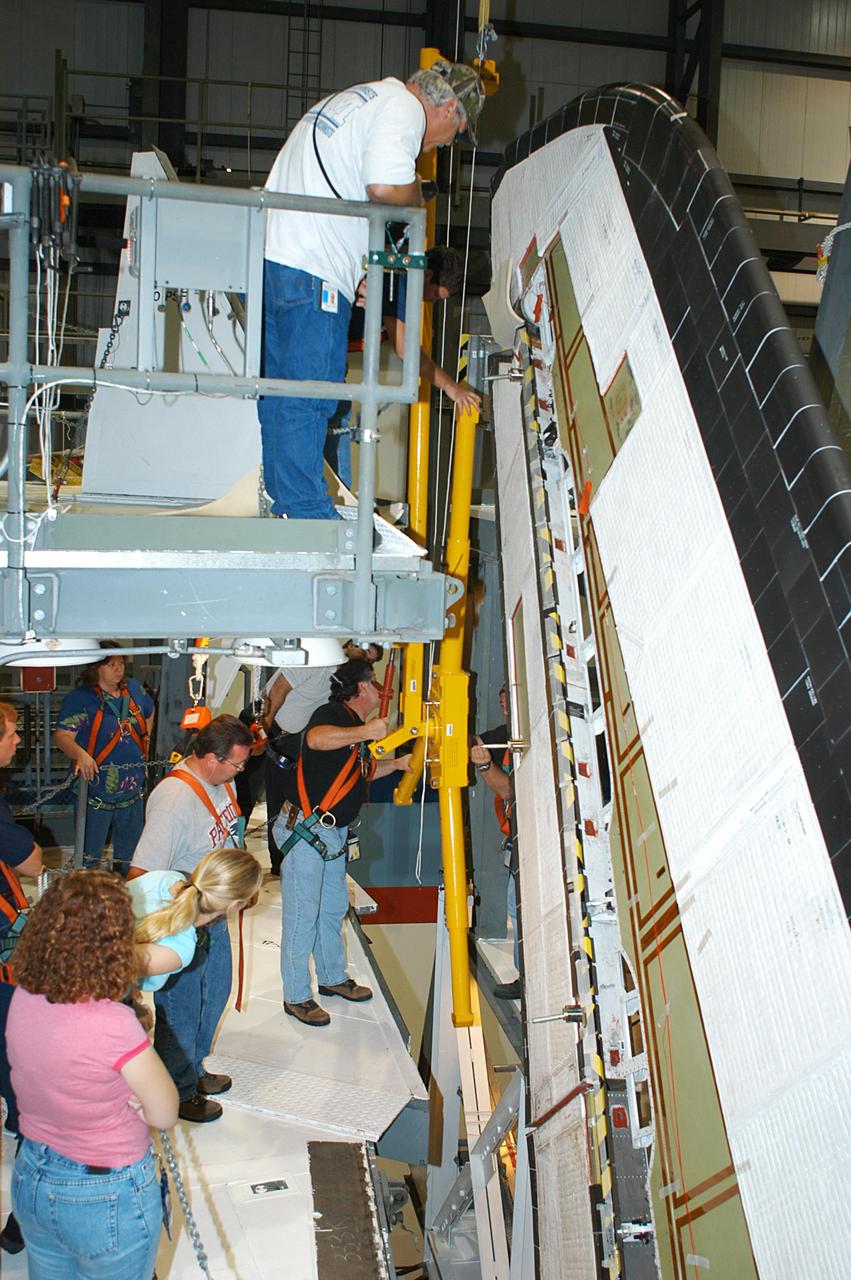
KENNEDY SPACE CENTER, FLA. -- In the Orbiter Processing Facility, a worker (below the upper framework) begins connecting a device to remove the Rudder Speed Brake panel on the vertical tail of orbiter Atlantis. The Rudder Speed Brake is being removed for inspection and maintenance prior to Return to Flight. The vertical tail consists of a structural fin surface made of aluminum, the Rudder Speed Brake surface, a tip and a lower trailing edge. The rudder splits into two halves to serve as a speed brake. The vertical tail and Rudder Speed Brake are covered with a reusable thermal protection system. The Rudder Speed Brake is used to guide and slow the Shuttle as it comes in for a landing.
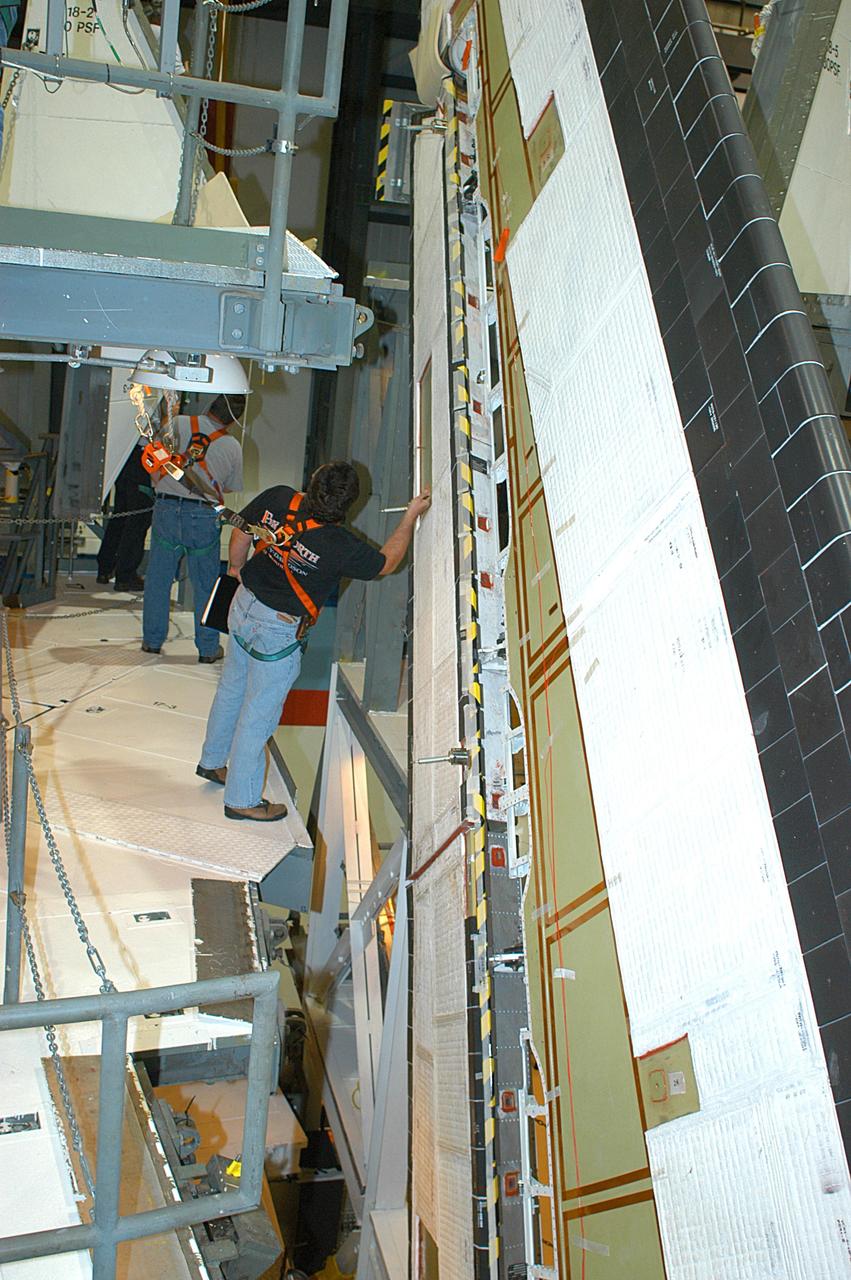
KENNEDY SPACE CENTER, FLA. -- In the Orbiter Processing Facility, a technician looks at the Rudder Speed Brake panel on the vertical tail of orbiter Atlantis. The Rudder Speed Brake is being removed for inspection and maintenance prior to Return to Flight. The vertical tail consists of a structural fin surface made of aluminum, the Rudder Speed Brake surface, a tip and a lower trailing edge. The rudder splits into two halves to serve as a speed brake. The vertical tail and Rudder Speed Brake are covered with a reusable thermal protection system. The Rudder Speed Brake is used to guide and slow the Shuttle as it comes in for a landing.
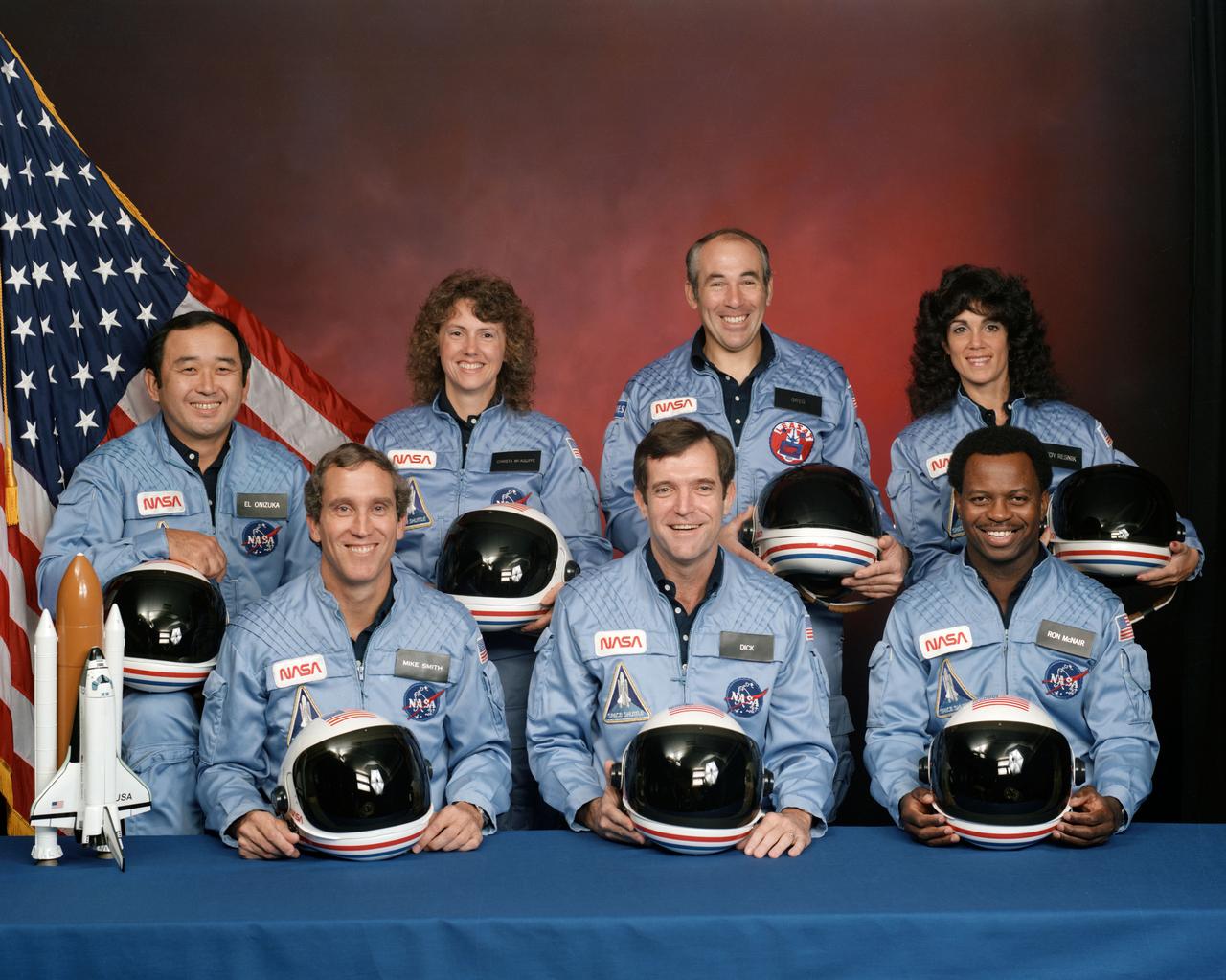
S85-44253 (November 1985) --- Five astronauts and two payload specialists make up the crew, scheduled to fly aboard the space shuttle Challenger in January of 1986. Crew members are (left to right, front row) astronauts Michael J. Smith, Francis R. (Dick) Scobee and Ronald E. McNair; Ellison S. Onizuka, Sharon Christa McAuliffe, Gregory Jarvis and Judith A. Resnik. McAuliffe and Jarvis are payload specialists, representing the Teacher in Space Project and Hughes Company, respectively. Photo credit: NASA (NOTE: On Jan. 28, 1986, the seven Challenger crew members lost their lives following an explosion during the launch phase of the STS-51L mission.)
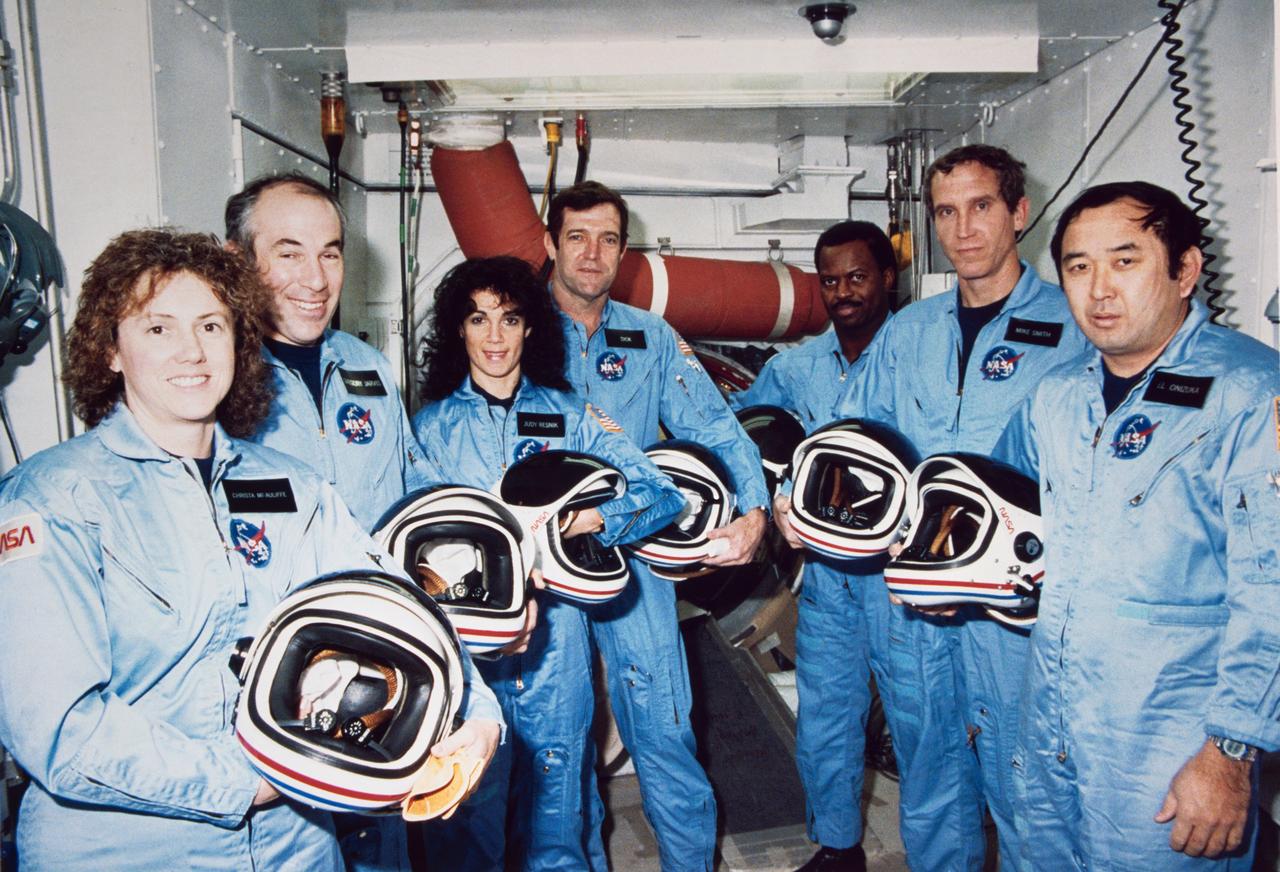
S86-30460 (9 Jan. 1986) --- NASA's STS-51L crew members pose for photographs during a break in countdown training at the White Room, Launch Complex 39, Pad B. Left to right are Teacher-in-Space payload specialist Sharon Christa McAuliffe; payload specialist Gregory Jarvis; and astronauts Judith A. Resnik, mission specialist; Francis R. (Dick) Scobee, mission commander; Ronald E. McNair, mission specialist; Mike J. Smith, pilot; and Ellison S. Onizuka, mission specialist. EDITOR'S NOTE: The STS-51L crew lost their lives in an explosion, onboard the space shuttle Challenger, following launch Jan. 28, 1986. Photo credit: NASA
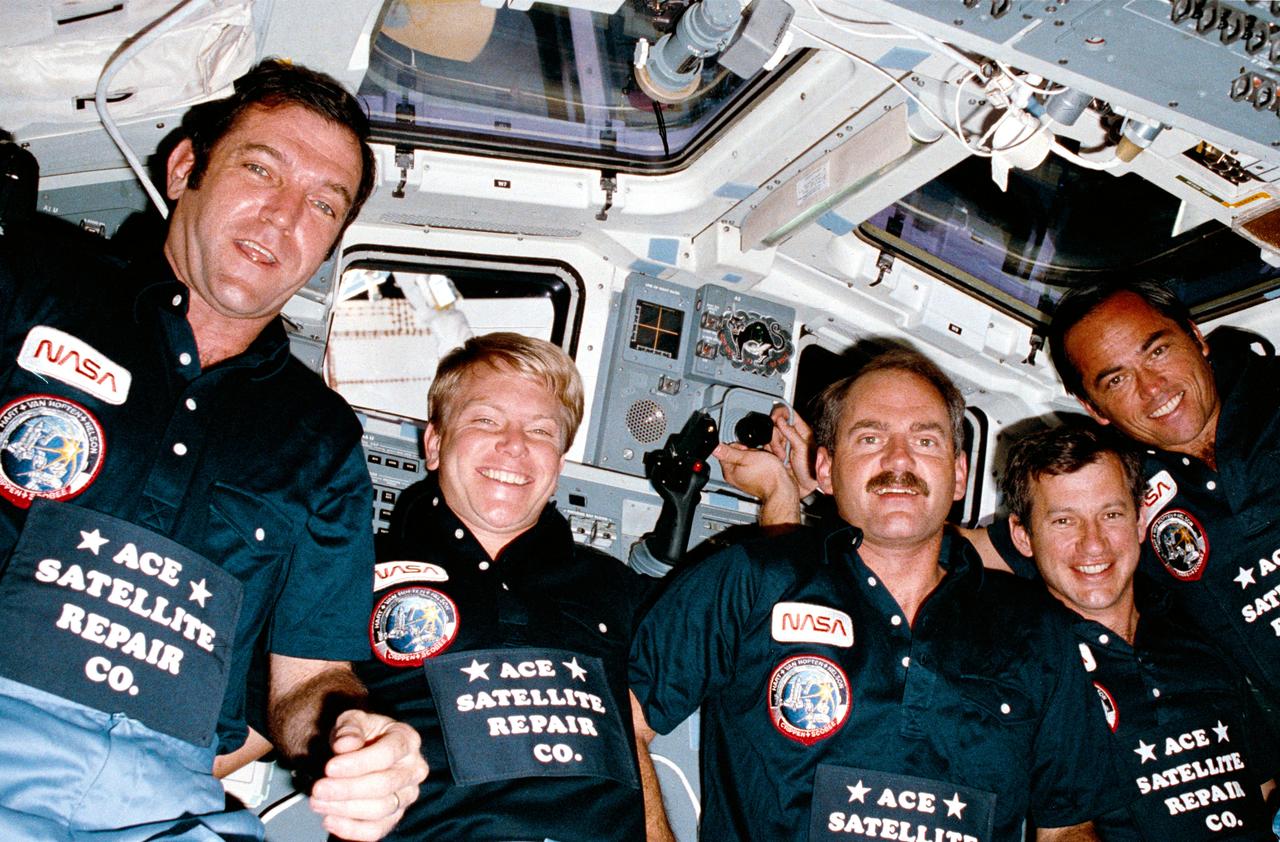
41C-07-262 (6-13 April 1984) --- Automatic exposure on a stationary 35mm camera recorded this "team" photograph of the 41-C astronauts at the aft flight deck of the Earth orbiting Challenger. Astronauts Robert L. Crippen, right, crew commander; and Francis R. (Dick) Scobee, left, pilot, flank the mission specialists--(l-r) George D. Nelson, James D. van Hoften and Terry J. Hart. This picture was among 20 frames of 41-C photography released by NASA on the weekend following the April 13 landing at Edwards Air Force Base and it was used as one of the visuals at the April 24 post-flight press conference. .
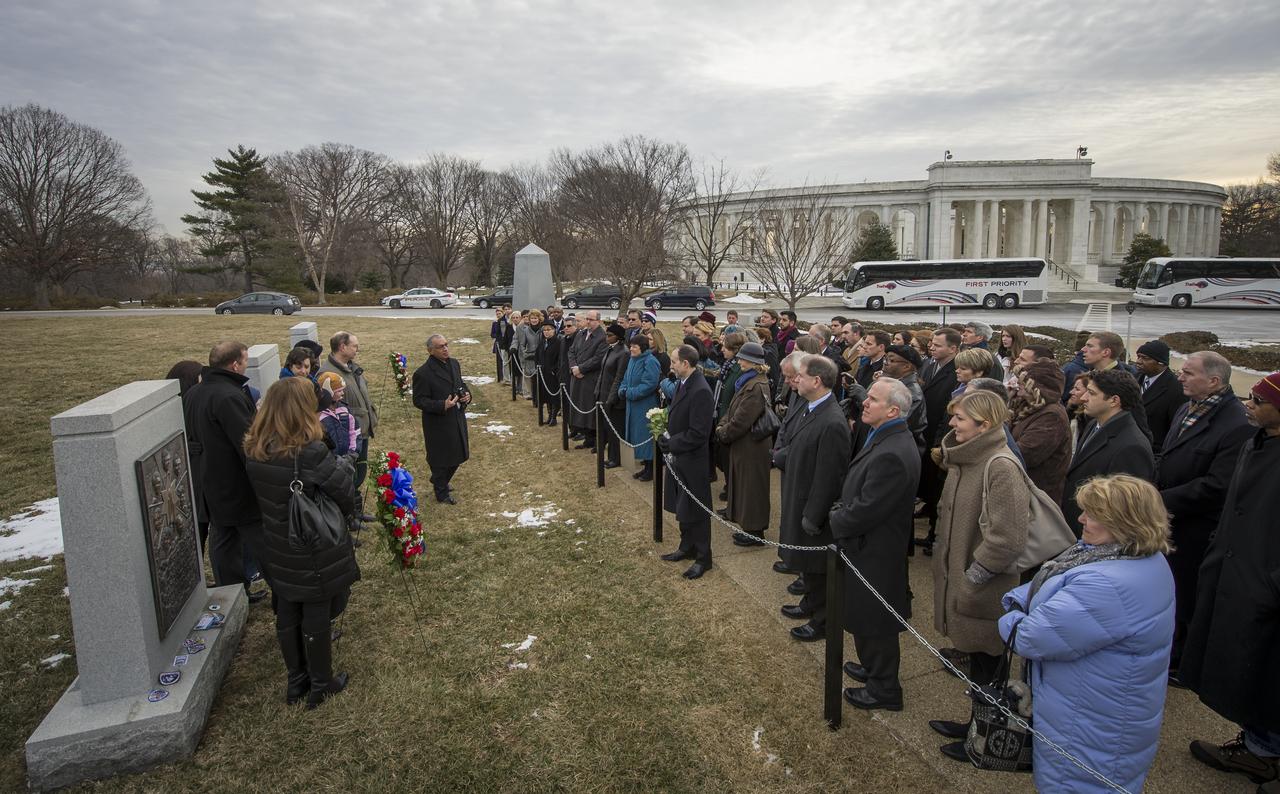
NASA Administrator Charles Bolden speaks to NASA personnel and others during a wreath laying ceremony as part of NASA's Day of Remembrance, Friday, Jan. 31, 2014, at Arlington National Cemetery. The wreaths were laid in memory of those men and women who lost their lives in the quest for space exploration. Photo Credit: (NASA/Bill Ingalls)
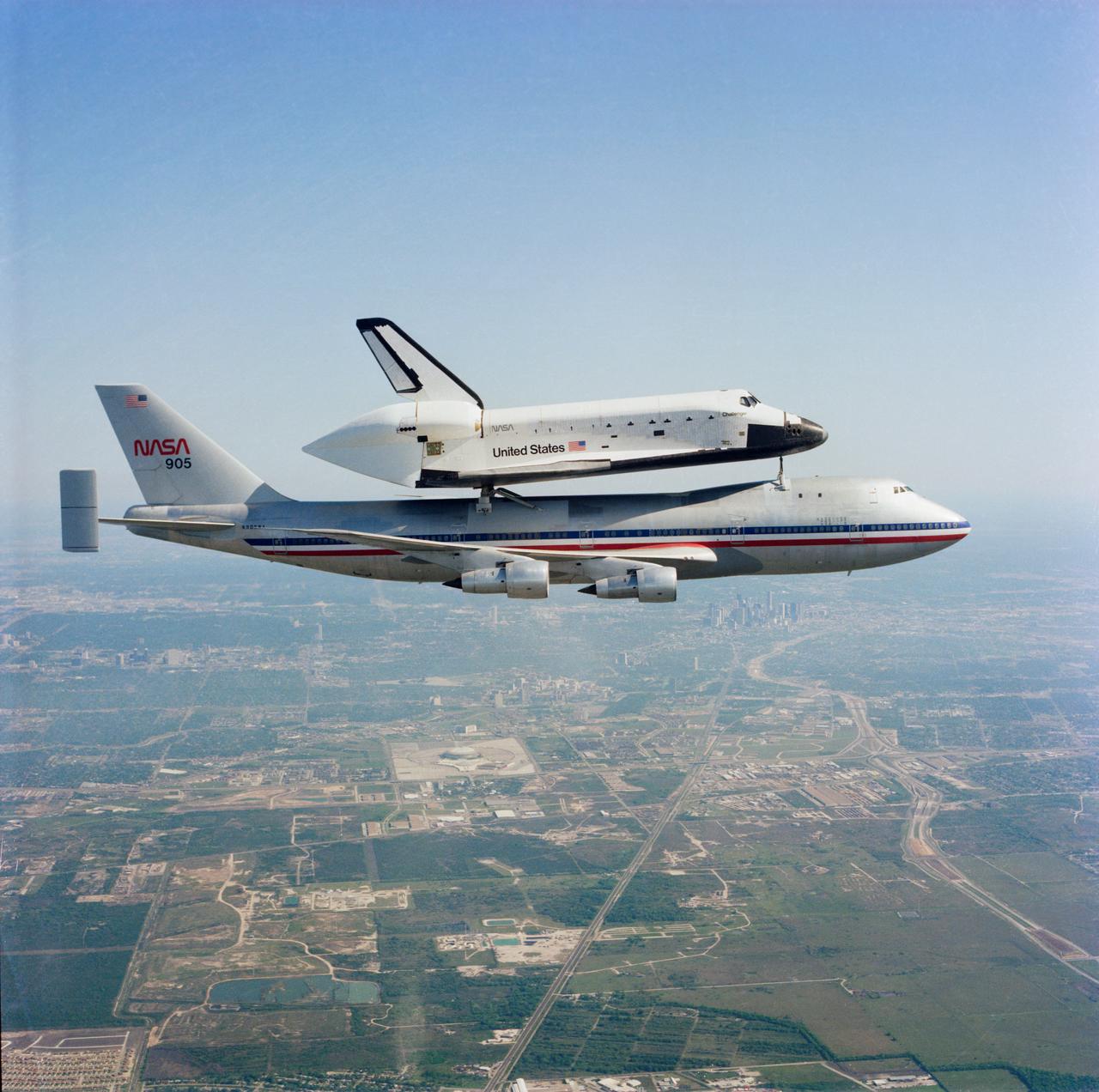
S83-30237 (16 April 1983) --- Downtown Houston and southern portions of that city form the backdrop for this picture of the Space Transportation System?s Challenger flying to the Kennedy Space Center in Florida from its California landing site. It is ferried by NASA 905, a modified 747 aircraft. The crew inside the 747 was as follows: Pilot Joseph S. Algranti; Co-pilot Francis R. (Dick) Scobee; Flight Engineers Louis E. (Skip) Guidry Jr. and Glen O. Pingry. The frame was exposed by Bob Gray from the rear station of a nearby T-38 chase plane piloted by David L. Mumme. The Harris County Domed Stadium (Astrodome) can be seen near center. Photo credit: NASA
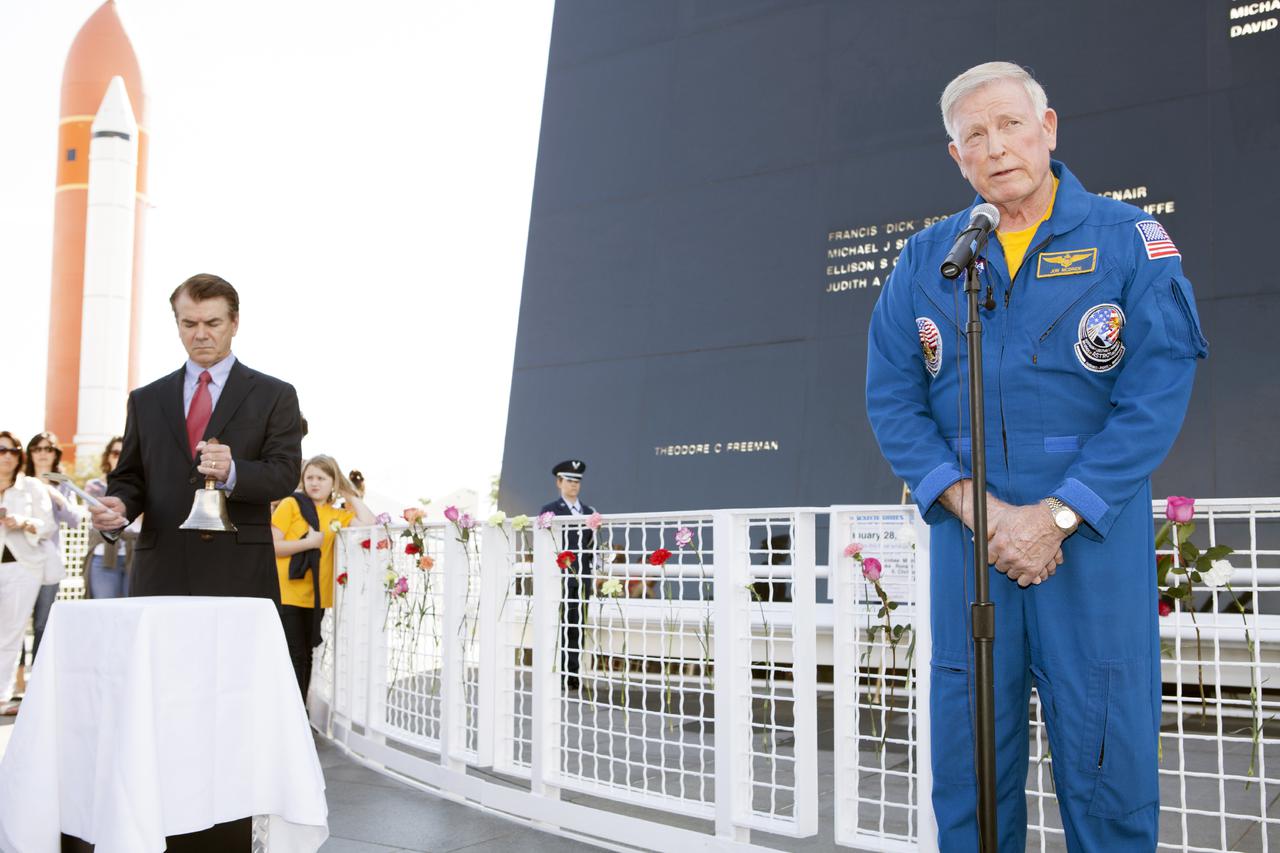
CAPE CANAVERAL, Fla. – Flowers are placed at the Astronauts Memorial Foundation's Space Mirror Memorial at NASA's Kennedy Space Center Visitor Complex on the 28th anniversary of the space shuttle Challenger accident. The day of the accident in 1986 dawned bitterly cold. Temperatures hovered just a few degrees above freezing as Challenger and its seven astronauts lifted off on the STS-51L mission. The flight ended just 73 seconds later when an O-ring in the right solid rocket booster failed, causing a fireball that led to the loss of the vehicle and crew: Commander Francis Scobee, Pilot Michael Smith, Mission Specialists Judith Resnik, Ellison Onizuka and Ronald McNair, and Payload Specialists Gregory Jarvis and Sharon Christa McAuliffe, a teacher. To learn more about the Space Shuttle Program, visit http:__www.nasa.gov_mission_pages_shuttle_main_index.html. To read the astronauts' NASA biographies, visit http:__www.jsc.nasa.gov_Bios_astrobio_former.html. For information about the AMF, visit http:__www.astronautsmemorial.org_home.html. Photo credit: NASA_Dimitri Gerondidakis

The Space Shuttle Enterprise, the nation's prototype space shuttle orbiter, before departing NASA's Dryden Flight Research Center, Edwards, California, at 11:00 a.m., 16 May 1983, on the first leg of its trek to the Paris Air Show at Le Bourget Airport, Paris, France. Seen here atop the huge 747 Shuttle Carrier Aircraft (SCA), the first stop for the Enterprise was Peterson AFB, Colorado Springs, Colorado. Piloting the 747 on the Europe trip were Joe Algranti, Johnson Space Center Chief Pilot, Astronaut Dick Scobee, and NASA Dryden Chief Pilot Tom McMurtry. Flight engineers for that portion of the flight were Dryden's Ray Young and Johnson Space Center's Skip Guidry. The Enterprise, named after the spacecraft of Star Trek fame, was originally carried and launched by the 747 during the Approach and Landing Tests (ALT) at Dryden Flight Research Center.
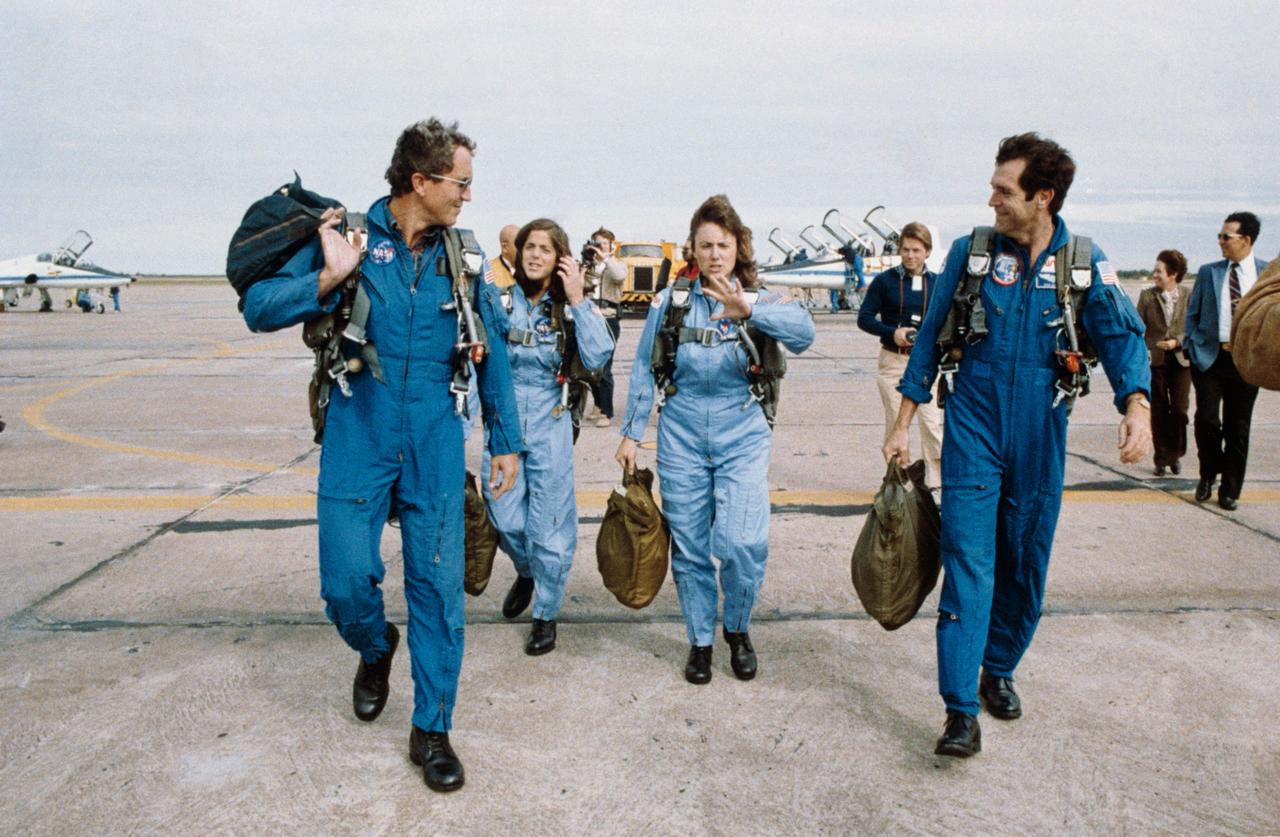
S86-25199 (September 1985) --- Three members of the STS-51L prime crew and a backup crew member walk away from the flight line at nearby Ellington Field following flights in the T-38 jet trainers seen in the background. Sharon Christa McAuliffe (center right), payload specialist/citizen observer for the Teacher-in-Space Project, and Barbara R. Morgan (center left), her backup, are flanked by astronauts Francis R. (Dick) Scobee (right), mission commander, and Michael J. Smith, pilot. The photo was taken by Keith Meyers of the New York Times. EDITOR?S NOTE: The STS-51L crew members lost their lives in the space shuttle Challenger accident moments after launch on Jan. 28, 1986 from the Kennedy Space Center (KSC). Photo credit: NASA
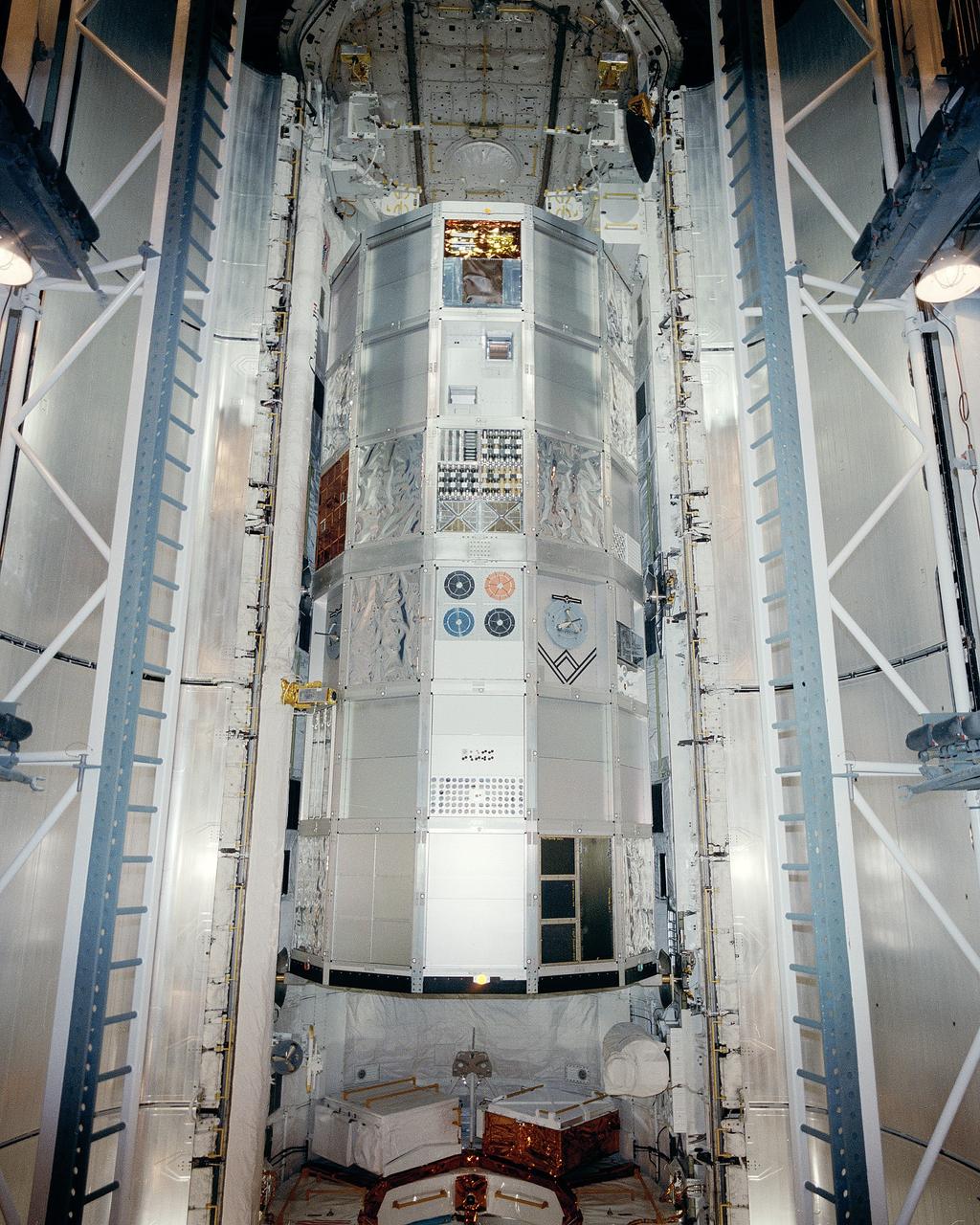
CAPE CANAVERAL, Fla. -- At NASA's Kennedy Space Center's Launch Pad 39-A, the school bus-sized Long Duration Exposure Facility LDEF containing 57 active and passive experiments from nine nations has been loaded into the payload bay of the space shuttle Challenger. The view from the Payload Change-out Room shows LDEF which will be deployed in orbit at an altitude of nearly 300 miles and retrieved after nearly a year so that the experimenters may analyze the effects of long term exposure to space on various substances and processes. The five-member STS-41C crew for this flight is headed by veteran astronaut Robert Crippen on his third space shuttle flight, and includes space rookies, pilot Dick Scobee and mission specialists Terry Hart, George Nelson and James van Hoften. Photo Credit: NASA
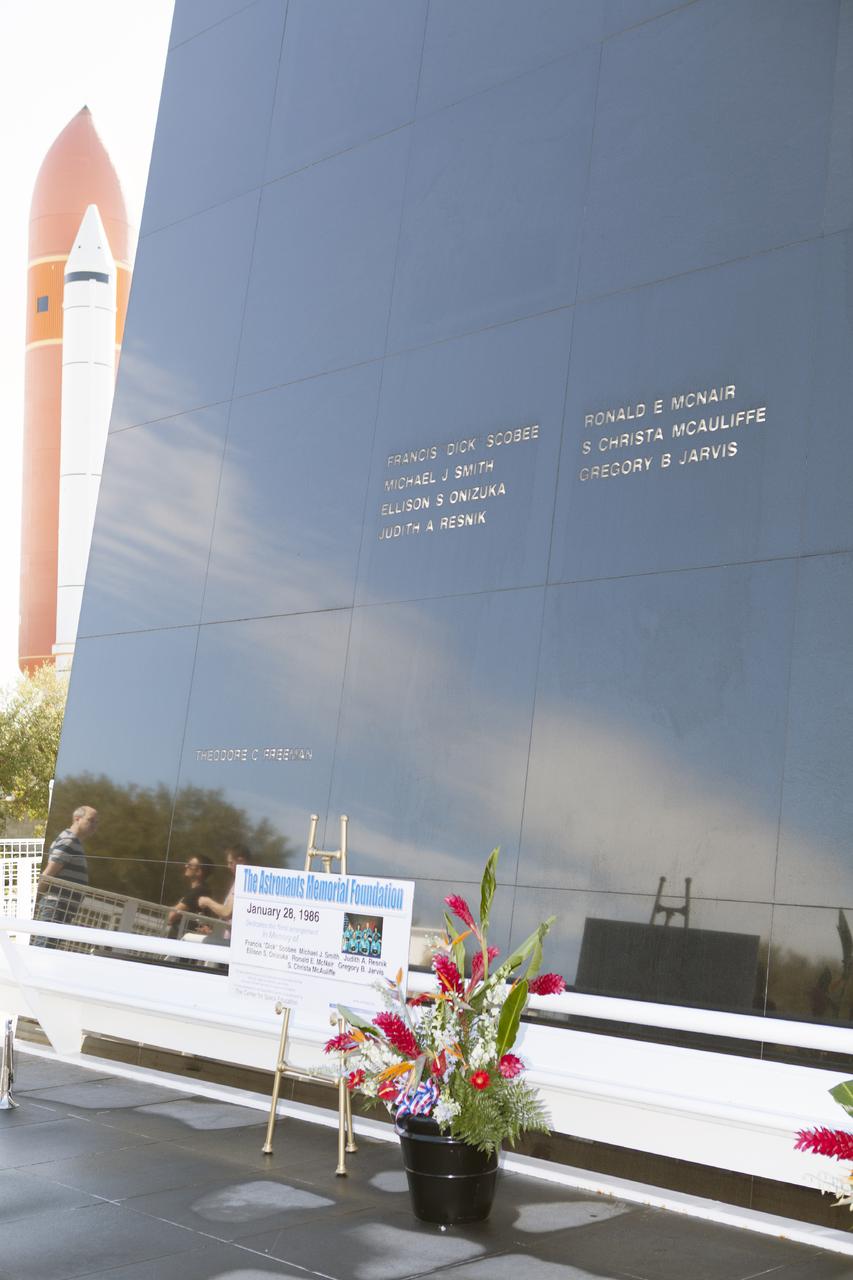
CAPE CANAVERAL, Fla. – Flowers are placed at the Astronauts Memorial Foundation's Space Mirror Memorial at NASA's Kennedy Space Center Visitor Complex on the 28th anniversary of the space shuttle Challenger accident. The day of the accident in 1986 dawned bitterly cold. Temperatures hovered just a few degrees above freezing as Challenger and its seven astronauts lifted off on the STS-51L mission. The flight ended just 73 seconds later when an O-ring in the right solid rocket booster failed, causing a fireball that led to the loss of the vehicle and crew: Commander Francis Scobee, Pilot Michael Smith, Mission Specialists Judith Resnik, Ellison Onizuka and Ronald McNair, and Payload Specialists Gregory Jarvis and Sharon Christa McAuliffe, a teacher. To learn more about the Space Shuttle Program, visit http:__www.nasa.gov_mission_pages_shuttle_main_index.html. To read the astronauts' NASA biographies, visit http:__www.jsc.nasa.gov_Bios_astrobio_former.html. For information about the AMF, visit http:__www.astronautsmemorial.org_home.html. Photo credit: NASA_Dimitri Gerondidakis
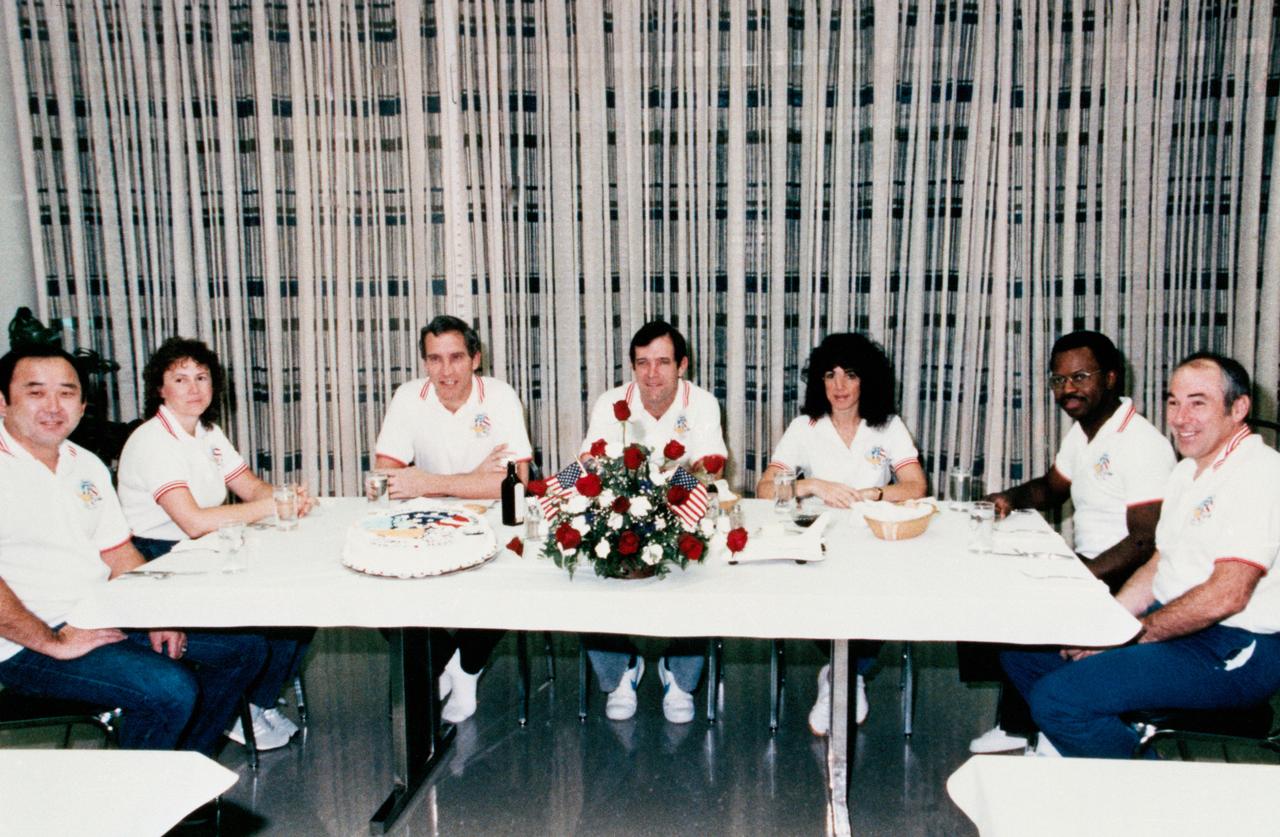
51L-S-029 (28 Jan. 1986) --- Crew members of the STS-51L mission are seated for breakfast launch morning in the Operations and Checkout Building prior to liftoff of the space shuttle Challenger scheduled for 9:38 a.m. The launch was scheduled for Jan. 27, 1986, but was delayed 24 hours due to unacceptable cross winds. Crew members left to right are Ellison S. Onizuka, mission specialist; Sharon Christa McAuliffe, payload specialist; Michael J. Smith, pilot; Francis R. Scobee, commander; Judith A. Resnik and Dr. Ronald E. McNair, mission specialists; and Gregory D. Jarvis, payload specialist. EDITOR?S NOTE: The STS-51L crew members lost their lives in the space shuttle Challenger accident moments after launch on Jan. 28, 1986 from the Kennedy Space Center (KSC). Photo credit: NASA

The Space Shuttle Enterprise, the nation's prototype space shuttle orbiter, departed NASA's Dryden Flight Research Center, Edwards, California, at 11:00 a.m., 16 May 1983, on the first leg of its trek to the Paris Air Show at Le Bourget Airport, Paris, France. Carried by the huge 747 Shuttle Carrier Aircraft (SCA), the first stop for the Enterprise was Peterson AFB, Colorado Springs, Colorado. Piloting the 747 on the Europe trip were Joe Algranti, Johnson Space Center Chief Pilot, Astronaut Dick Scobee, and NASA Dryden Chief Pilot Tom McMurtry. Flight engineers for that portion of the flight were Dryden's Ray Young and Johnson Space Center's Skip Guidry. The Enterprise, named after the spacecraft of Star Trek fame, was originally carried and launched by the 747 during the Approach and Landing Tests (ALT) at Dryden Flight Research Center.
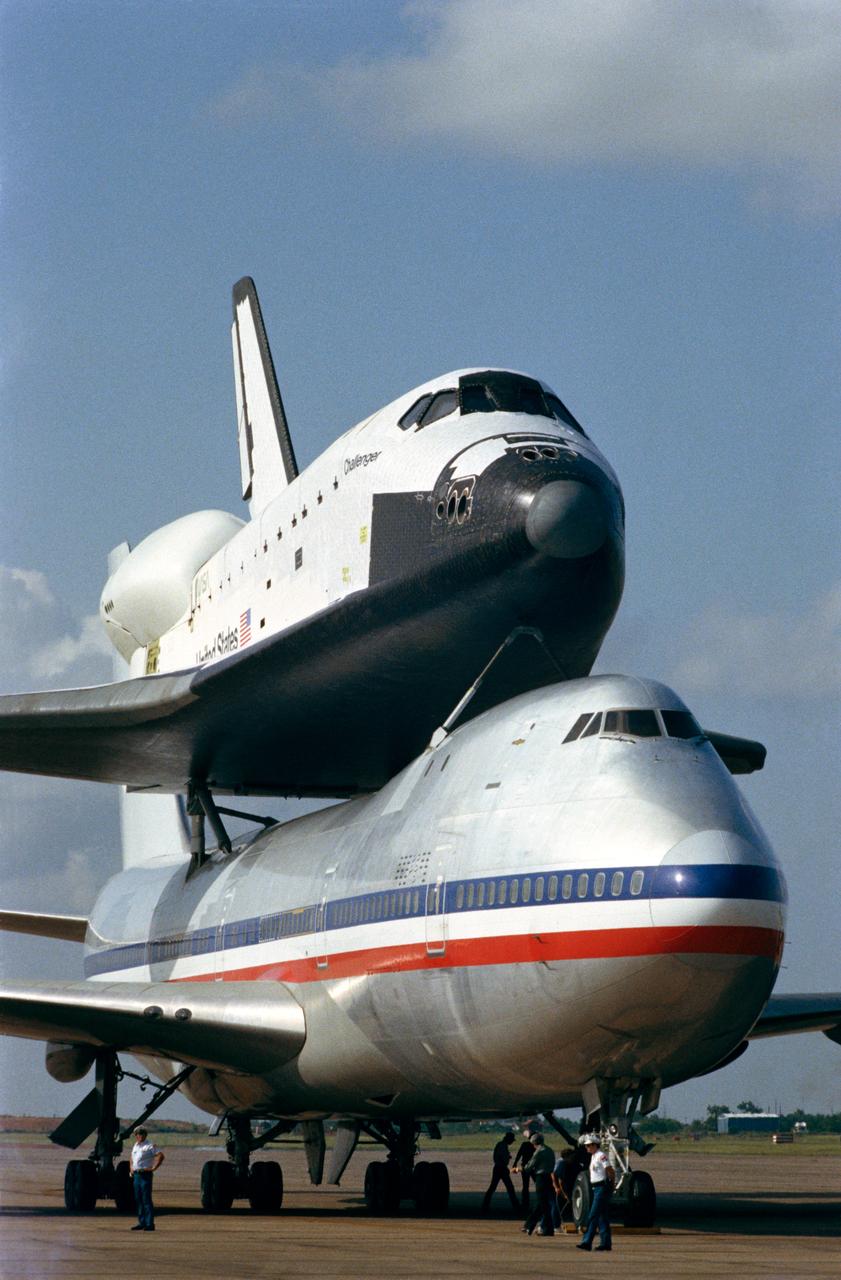
S82-33394 (5 July 1982) --- A rare sight in Houston is the appearance of the spacecraft whose flights are monitored from that city, but with the brief stopover of NASA's new space shuttle Challenger, thousands of area residents were afforded that opportunity yesterday as part of a nationwide special July 4 celebration. Here, the Challenger and its NASA 905 (a modified Boeing 747 aircraft) transport vehicle are readied for the completion of the journey from California to Florida. The Columbia landed in California yesterday and the Enterprise was already there, so three shuttlecraft were together as appropriate backdrops for a space-oriented July 4 speech by President Ronald Reagan. Crew for the NASA 905 for Challenger's Florida trip from Houston were Pilot Joseph S. Algranti, Co-Pilot Francis R. (Dick) Scobee. Photo credit: NASA
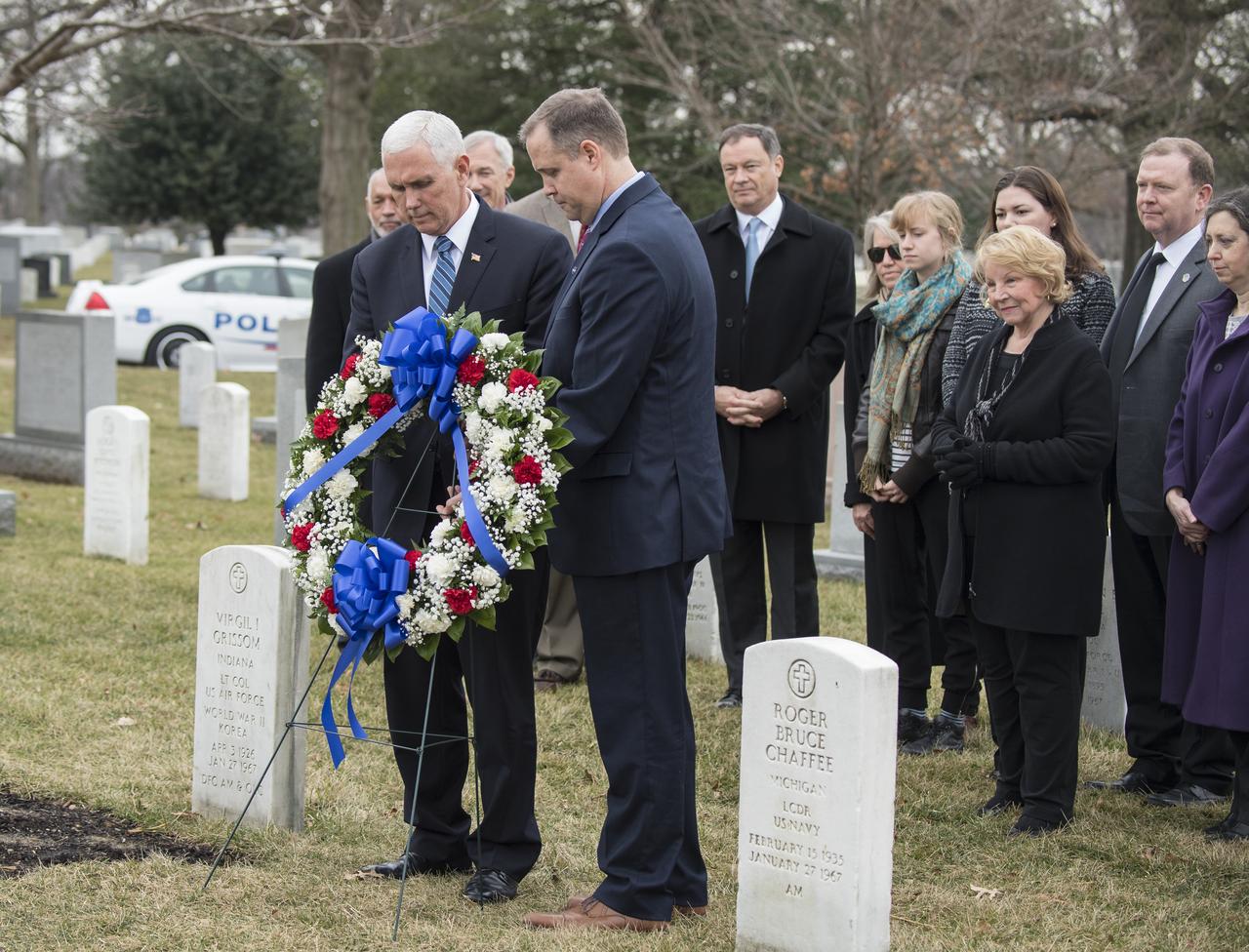
Vice President Mike Pence and NASA Administrator Jim Bridenstine lay a wreath at the grave markers of Virgil "Gus" Grissom and Roger Chaffee, from Apollo 1, as part of NASA's Day of Remembrance, Thursday, Feb. 7, 2019, at Arlington National Cemetery in Arlington, Va. Wreaths were laid in memory of those men and women who lost their lives in the quest for space exploration. Photo Credit: (NASA/Aubrey Gemignani)
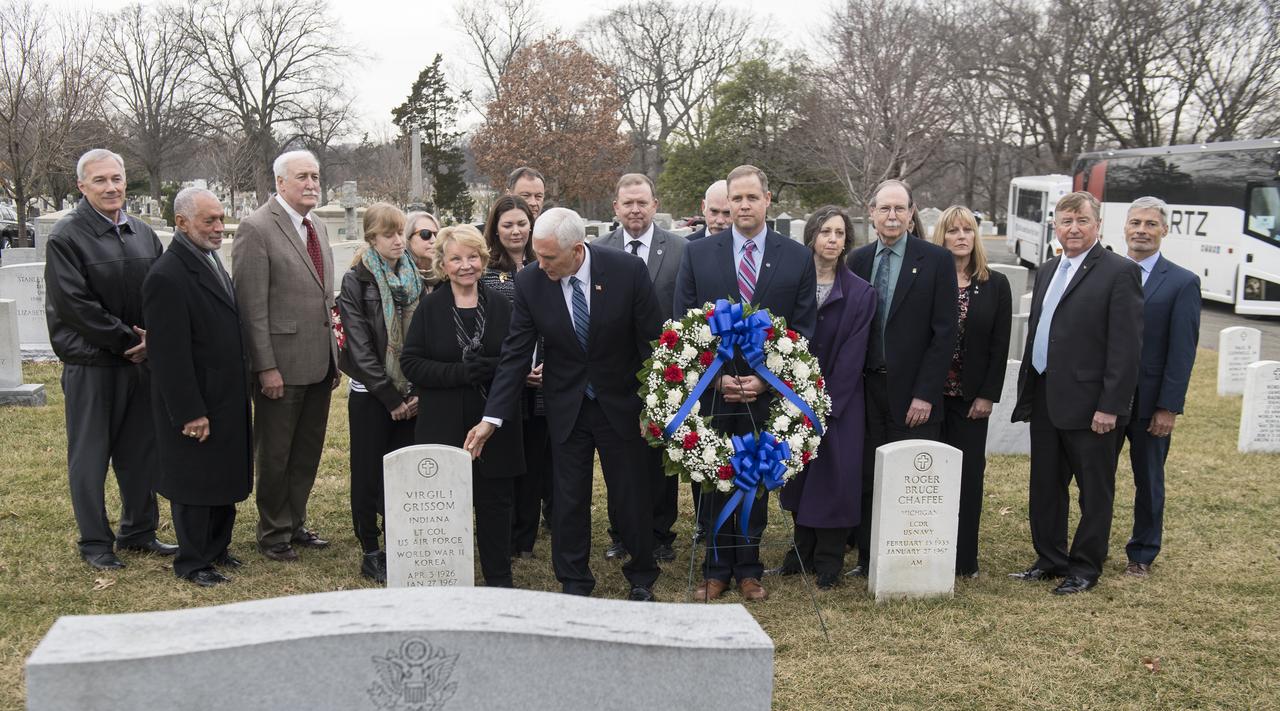
Vice President Mike Pence observes the grave marker of Virgil "Gus" Grissom, from Apollo 1, after family and friends of astronauts lost in the Challenger and Columbia missions, former NASA Administrators, and other NASA staff participated in a wreath laying ceremony that was part of NASA's Day of Remembrance, Thursday, Feb. 7, 2019, at Arlington National Cemetery in Arlington, Va. Wreaths were laid in memory of those men and women who lost their lives in the quest for space exploration. Photo Credit: (NASA/Aubrey Gemignani)
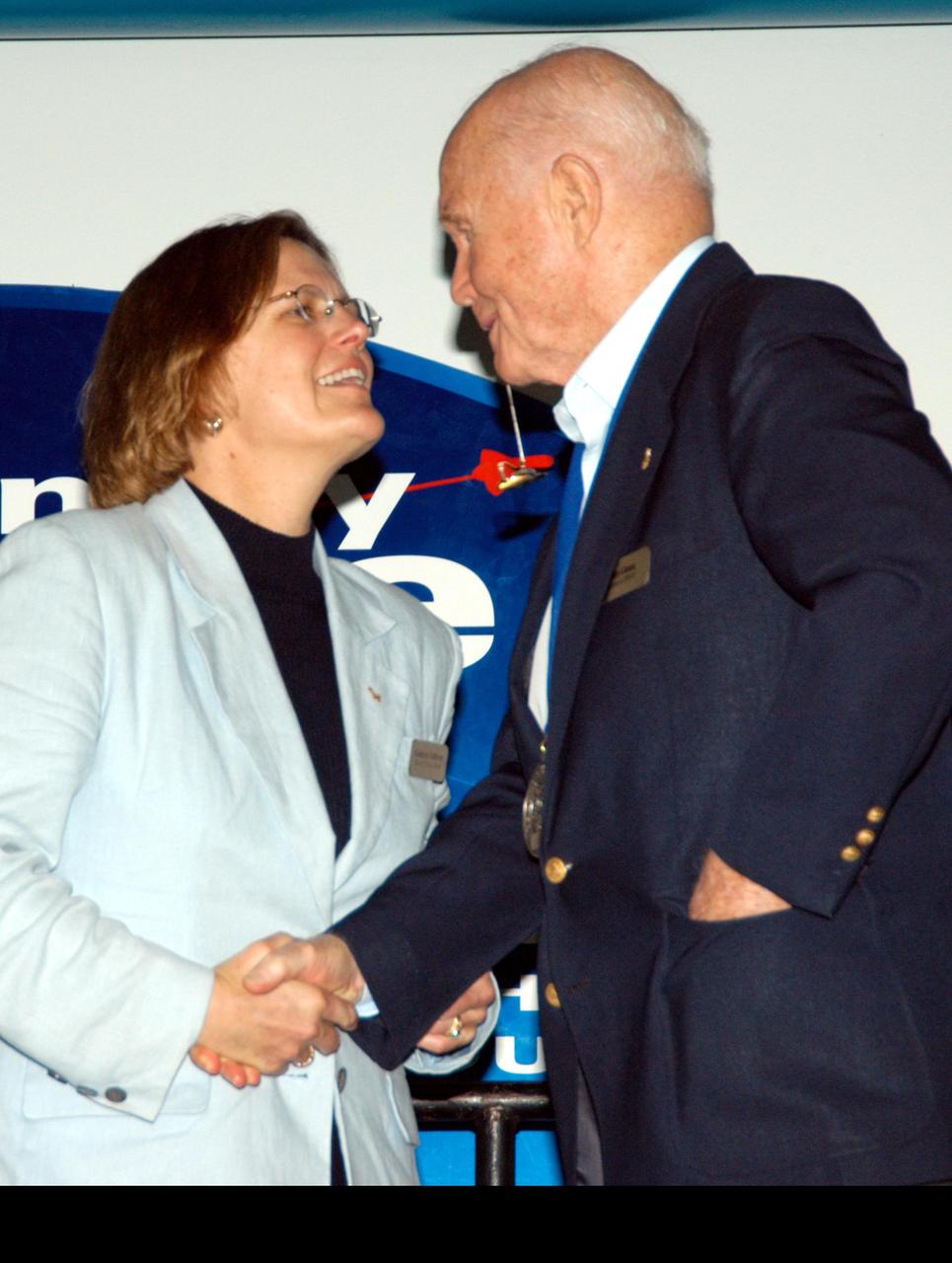
KENNEDY SPACE CENTER, FLA. -- At the Kennedy Space Center Visitor Complex, former NASA astronaut John H. Glenn Jr. (right) congratulates former NASA astronaut and fellow Ohioan Kathryn D. Sullivan on her induction into the U.S. Astronaut Hall of Fame. Sullivan was the first American woman to walk in space. Also chosen for this honor in 2004 are Richard O. Covey, commander of the Hubble Space Telescope repair mission; Frederick D. Gregory, the first African-American to command a space mission; Norman E. Thagard, the first American to occupy Russia's Mir space station; and the late Francis R. "Dick" Scobee, commander of the ill-fated 1986 Challenger mission. The U.S. Astronaut Hall of Fame opened in 1990 to provide a place where space travelers could be remembered for their participation and accomplishments in the U.S. space program. To be eligible for induction, an individual must have been a U.S. citizen, a NASA astronaut, and out of the active astronaut corps at least five years. The five inductees join 52 previously honored astronauts from the ranks of the Gemini, Apollo, Skylab, Apollo-Soyuz, and Space Shuttle programs.
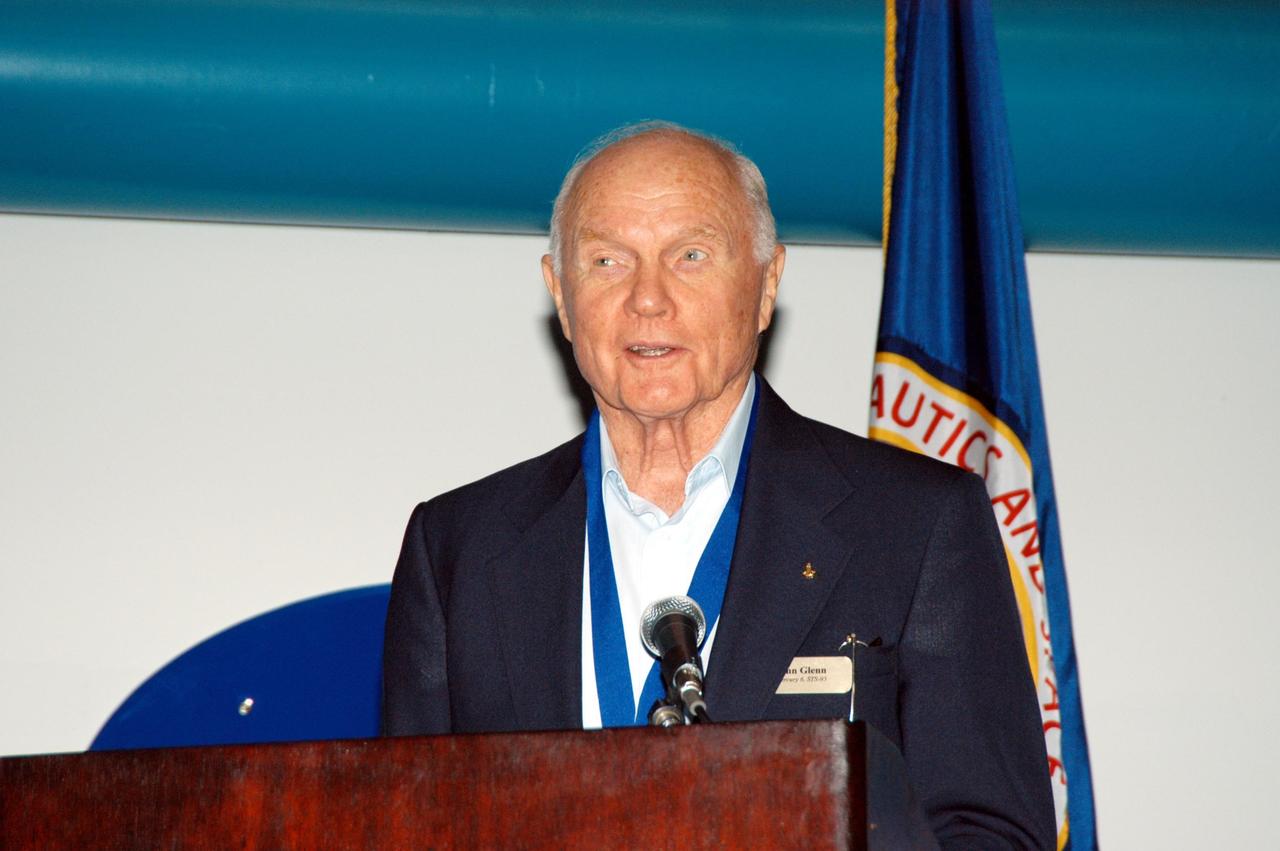
KENNEDY SPACE CENTER, FLA. -- At the Kennedy Space Center Visitor Complex, former NASA astronaut John H. Glenn Jr. participates in the 2004 U.S. Astronaut Hall of Fame induction ceremony. He is introducing inductee and fellow Ohioan Kathryn D. Sullivan, the first American woman to walk in space. Also chosen for this honor in 2004 are Richard O. Covey, commander of the Hubble Space Telescope repair mission; Frederick D. Gregory, the first African-American to command a space mission; Norman E. Thagard, the first American to occupy Russia's Mir space station; and the late Francis R. "Dick" Scobee, commander of the ill-fated 1986 Challenger mission. The U.S. Astronaut Hall of Fame opened in 1990 to provide a place where space travelers could be remembered for their participation and accomplishments in the U.S. space program. To be eligible for induction, an individual must have been a U.S. citizen, a NASA astronaut, and out of the active astronaut corps at least five years. The five inductees join 52 previously honored astronauts from the ranks of the Gemini, Apollo, Skylab, Apollo-Soyuz, and Space Shuttle programs.
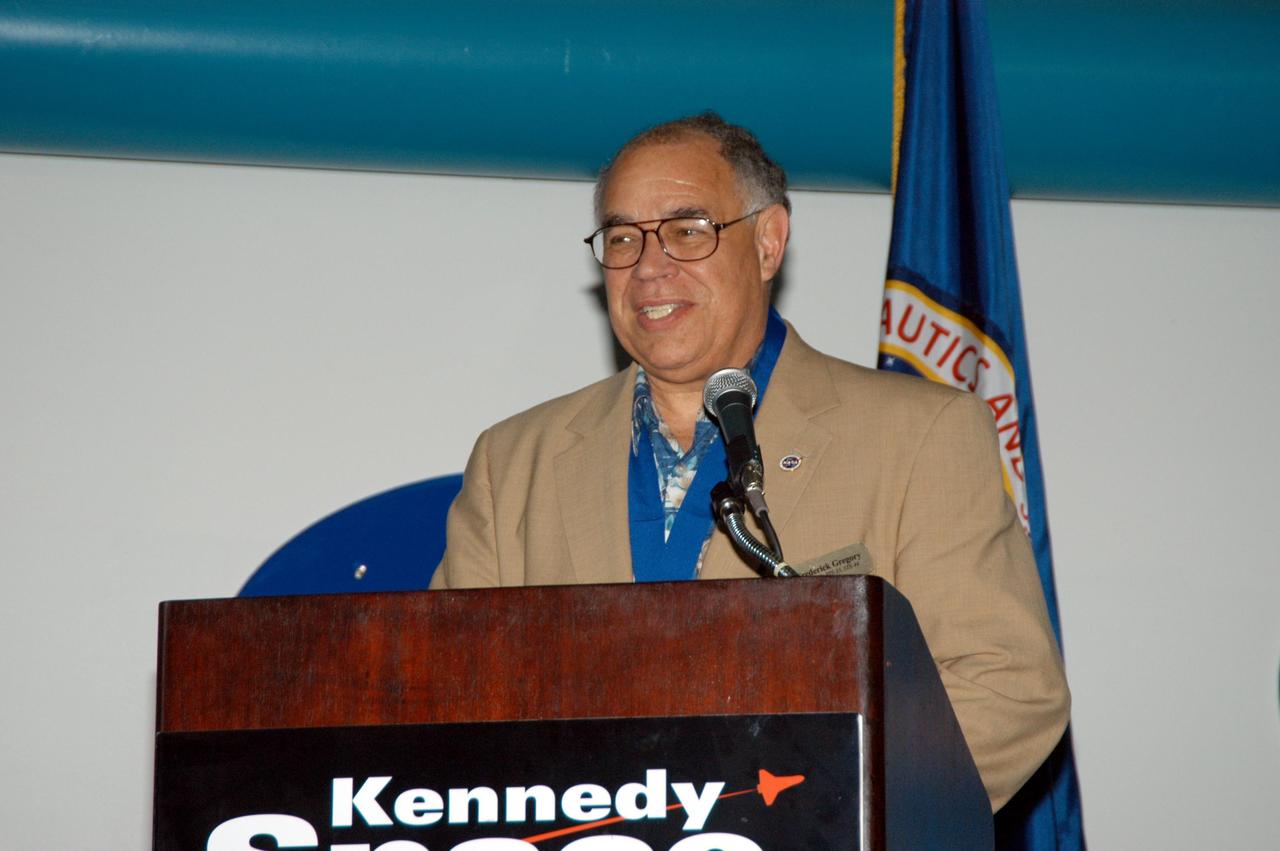
KENNEDY SPACE CENTER, FLA. -- At the Kennedy Space Center Visitor Complex, NASA Deputy Administrator Frederick D. Gregory is inducted into the U.S. Astronaut Hall of Fame. Gregory was the first African-American to command a space mission. Also chosen for this honor in 2004 are Kathryn D. Sullivan, the first American woman to walk in space; Richard O. Covey, commander of the Hubble Space Telescope repair mission; Norman E. Thagard, the first American to occupy Russia's Mir space station; and the late Francis R. "Dick" Scobee, commander of the ill-fated 1986 Challenger mission. The U.S. Astronaut Hall of Fame opened in 1990 to provide a place where space travelers could be remembered for their participation and accomplishments in the U.S. space program. To be eligible for induction, an individual must have been a U.S. citizen, a NASA astronaut, and out of the active astronaut corps at least five years. The five inductees join 52 previously honored astronauts from the ranks of the Gemini, Apollo, Skylab, Apollo-Soyuz, and Space Shuttle programs.
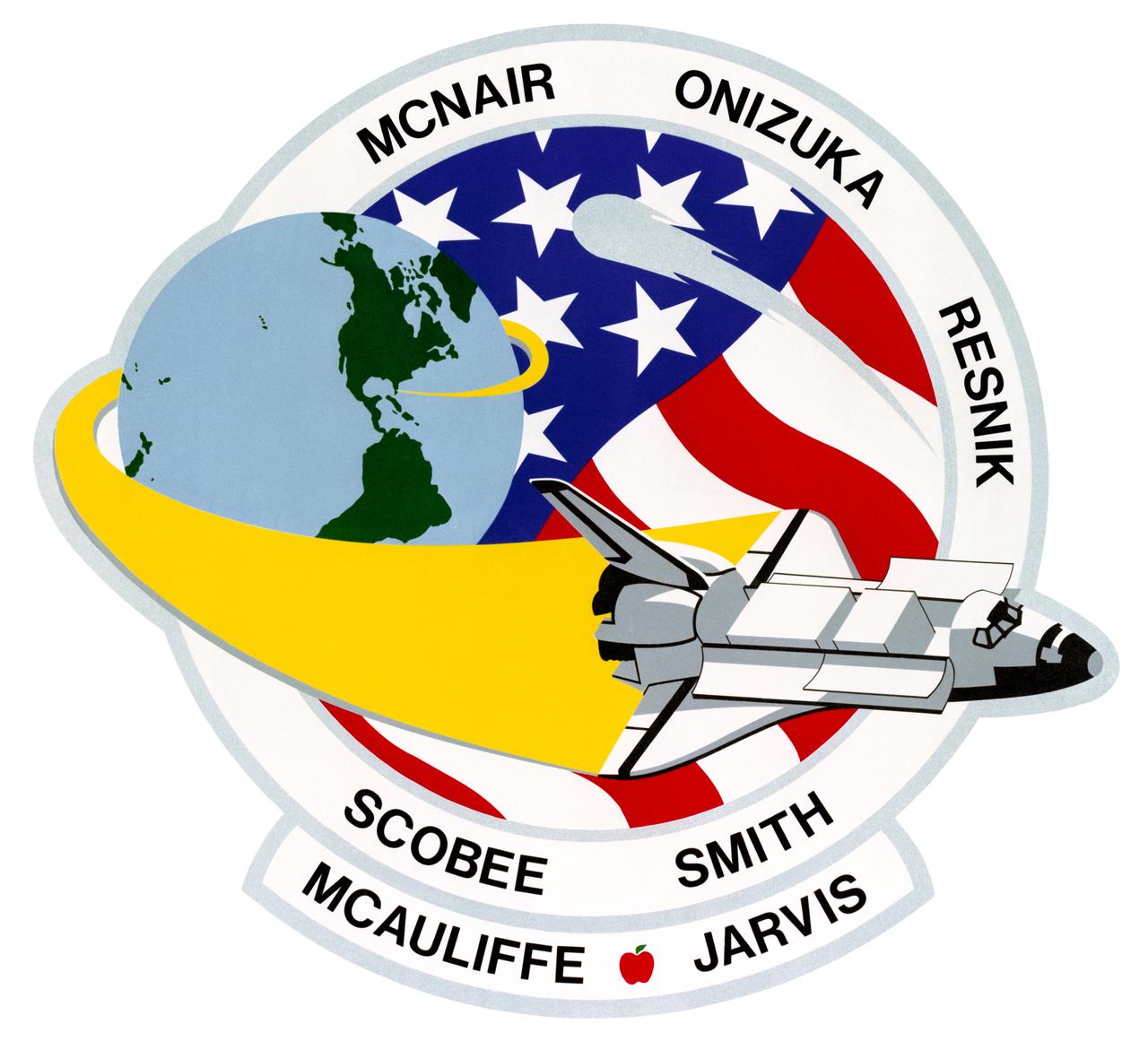
S85-46260 (20 Dec. 1985) --- Members of the STS-51L crew designed this patch which will represent their participation on NASA's late January 1986 mission aboard the space shuttle Challenger, depicted launching from Florida and soaring into space to carry out a variety of goals. Among the prescribed duties of the five astronauts and two payload specialists will be observation and photography of Halley's Comet, backdropped against the United States flag in the insignia. Surnames of the crew members encircle the scene, with the payload specialists being recognized below. Surname of the first teacher in space, Sharon Christa McAuliffe, is followed by a symbolic apple. Gregory Jarvis, representing Hughes, is the industrial payload specialist for the flight. NASA's crew members are astronauts Francis R. (Dick) Scobee, commander; Michael J. Smith, pilot; and Ronald E. McNair, Ellison S. Onizuka and Judith A. Resnik - all mission specialists. The NASA insignia design for space shuttle flights is reserved for use by the astronauts and for other official use as the NASA Administrator may authorize. Public availability has been approved only in the forms of illustrations by the various news media. When and if there is any change in this policy, which is not anticipated, the change will be publicly announced. Photo credit: NASA

KENNEDY SPACE CENTER, FLA. -- At the Kennedy Space Center Visitor Complex, former NASA astronaut James A. Lovell Jr. (left) congratulates Richard O. Covey, commander of the Hubble Space Telescope repair mission, on his induction into the U.S. Astronaut Hall of Fame. Also chosen for this honor in 2004 are Kathryn D. Sullivan, the first American woman to walk in space; Frederick D. Gregory, the first African-American to command a space mission; Norman E. Thagard, the first American to occupy Russia's Mir space station; and the late Francis R. "Dick" Scobee, commander of the ill-fated 1986 Challenger mission. The U.S. Astronaut Hall of Fame opened in 1990 to provide a place where space travelers could be remembered for their participation and accomplishments in the U.S. space program. To be eligible for induction, an individual must have been a U.S. citizen, a NASA astronaut, and out of the active astronaut corps at least five years. The five inductees join 52 previously honored astronauts from the ranks of the Gemini, Apollo, Skylab, Apollo-Soyuz, and Space Shuttle programs.
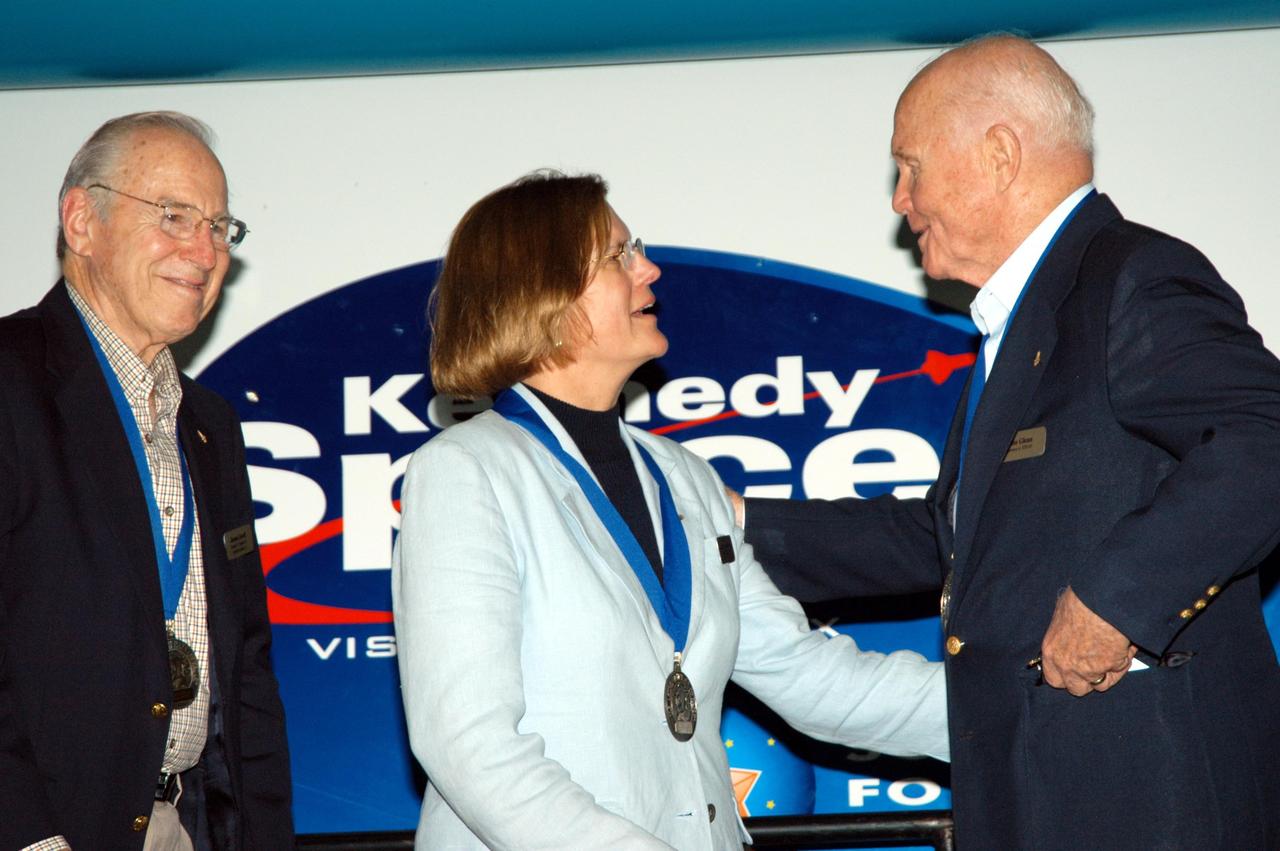
KENNEDY SPACE CENTER, FLA. -- At the Kennedy Space Center Visitor Complex, former NASA astronaut John H. Glenn Jr. (right) congratulates former NASA astronaut and fellow Ohioan Kathryn D. Sullivan on her induction into the U.S. Astronaut Hall of Fame. Former NASA astronaut James A. Lovell Jr. looks on (left). Sullivan was the first American woman to walk in space. Also chosen for this honor in 2004 are Richard O. Covey, commander of the Hubble Space Telescope repair mission; Frederick D. Gregory, the first African-American to command a space mission; Norman E. Thagard, the first American to occupy Russia's Mir space station; and the late Francis R. "Dick" Scobee, commander of the ill-fated 1986 Challenger mission. The U.S. Astronaut Hall of Fame opened in 1990 to provide a place where space travelers could be remembered for their participation and accomplishments in the U.S. space program. To be eligible for induction, an individual must have been a U.S. citizen, a NASA astronaut, and out of the active astronaut corps at least five years. The five inductees join 52 previously honored astronauts from the ranks of the Gemini, Apollo, Skylab, Apollo-Soyuz, and Space Shuttle programs.
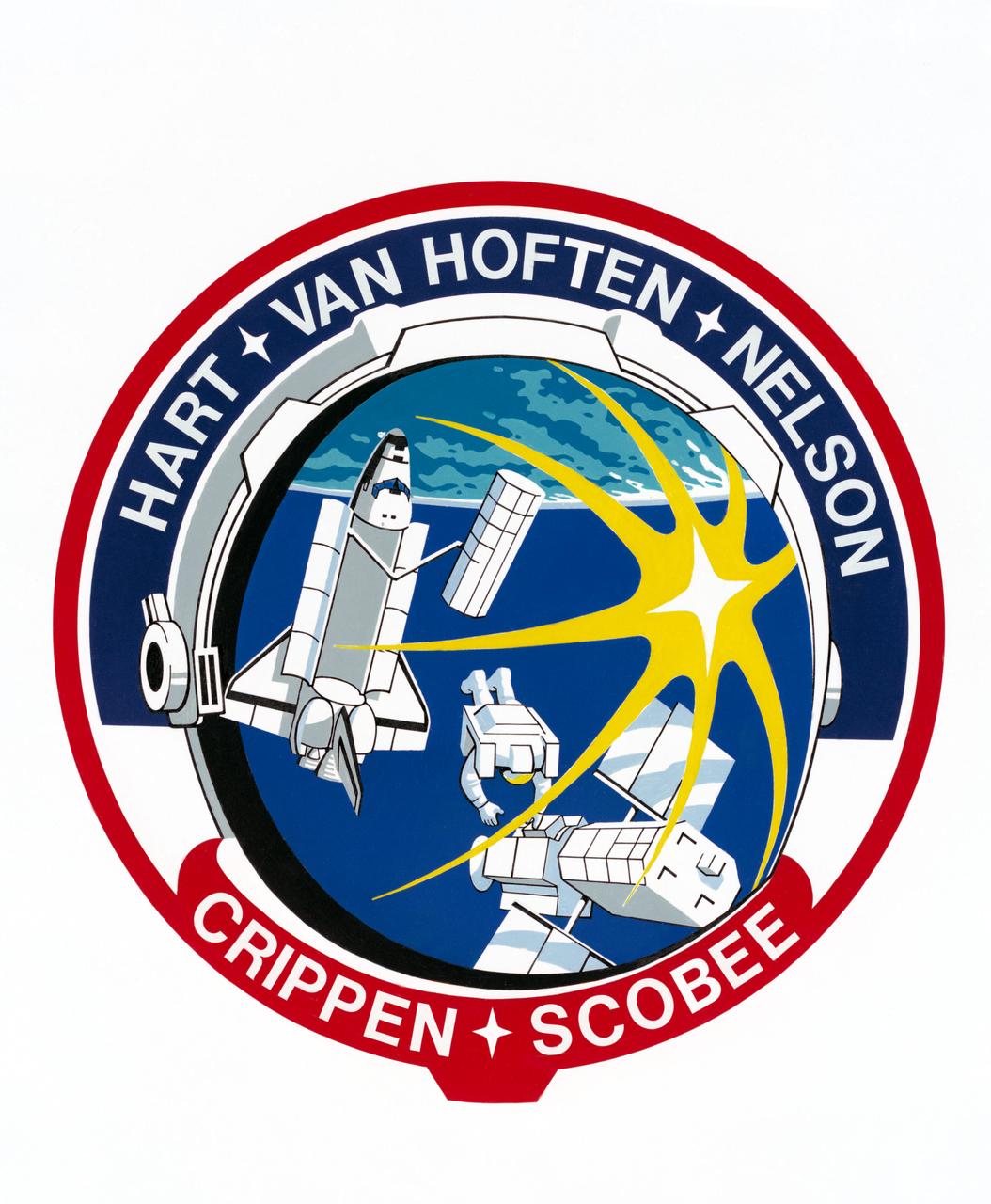
S84-25522 (15 Jan. 1984) --- The patch to be worn by the five members of NASA's STS-41C space mission tells the story of that flight. It features a helmet visor of an astronaut performing an extravehicular activity (EVA). In the visor are reflected the sun's rays, the space shuttle Challenger and its Remote Manipulator System (RMS) deploying the Long Duration Exposure Facility (LDEF), Earth and blue sky, and another astronaut working at the damaged Solar Maximum Satellite (SMS). The scene is encircled by the surnames of the crew members. They are astronauts Robert L. Crippen, commander; Francis R. (Dick) Scobee, pilot; and Terry J. Hart, James D. van Hoften and George D. Nelson, all mission specialists. The NASA insignia design for space shuttle flights is reserved for use by the astronauts and for other official use as the NASA Administrator may authorize. Public availability has been approved only in the forms of illustrations by the various news media. When and if there is any change in this policy, which is not anticipated, the change will be publicly announced. Photo credit: NASA
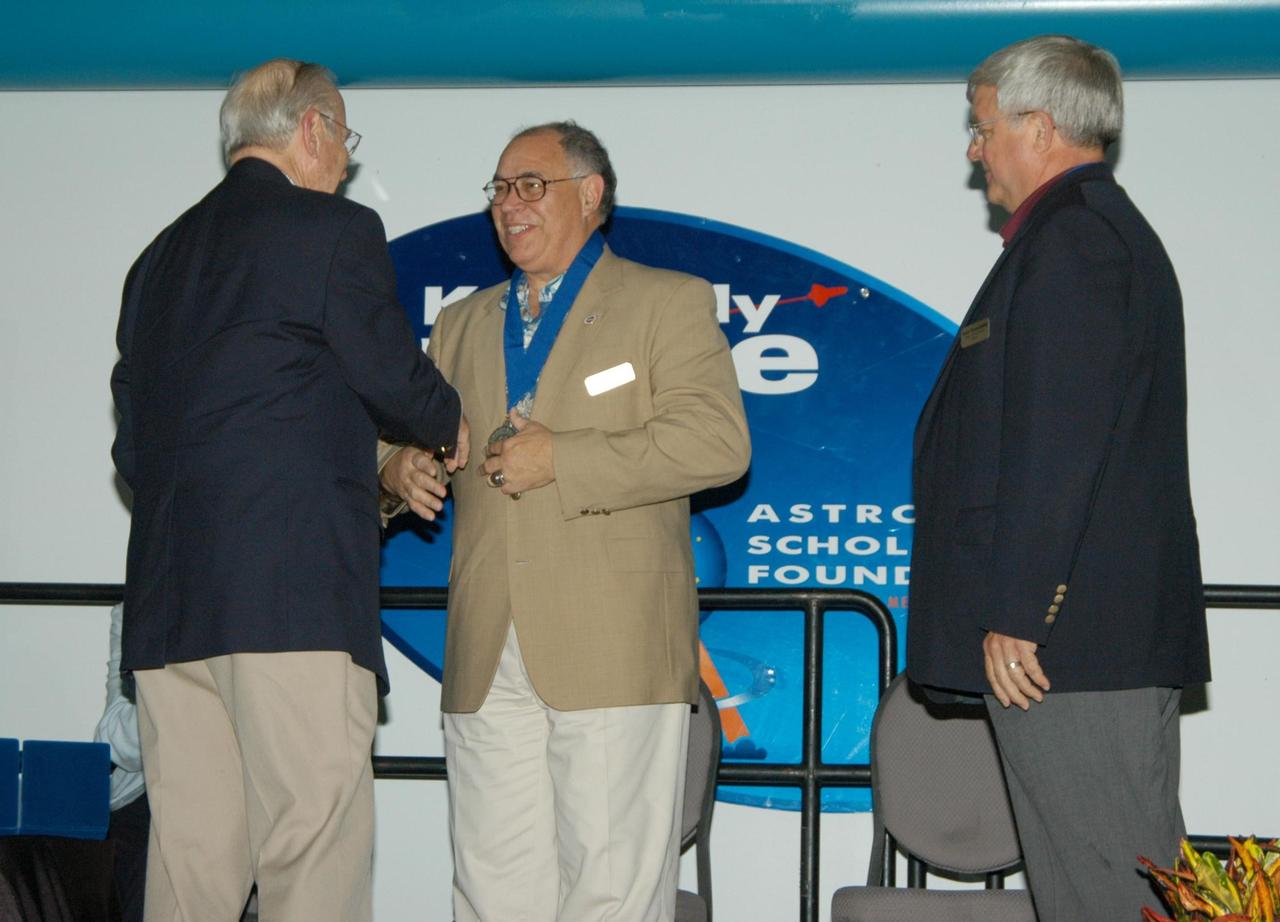
KENNEDY SPACE CENTER, FLA. -- At the Kennedy Space Center Visitor Complex, NASA Deputy Administrator Frederick D. Gregory (center) is congratulated by former NASA astronaut James A. Lovell Jr. at his induction into the U.S. Astronaut Hall of Fame, as former NASA astronaut Daniel C. Brandenstein looks on. Gregory was the first African-American to command a space mission. Also chosen for this honor in 2004 are Kathryn D. Sullivan, the first American woman to walk in space; Richard O. Covey, commander of the Hubble Space Telescope repair mission; Norman E. Thagard, the first American to occupy Russia's Mir space station; and the late Francis R. "Dick" Scobee, commander of the ill-fated 1986 Challenger mission. The U.S. Astronaut Hall of Fame opened in 1990 to provide a place where space travelers could be remembered for their participation and accomplishments in the U.S. space program. To be eligible for induction, an individual must have been a U.S. citizen, a NASA astronaut, and out of the active astronaut corps at least five years. The five inductees join 52 previously honored astronauts from the ranks of the Gemini, Apollo, Skylab, Apollo-Soyuz, and Space Shuttle programs.
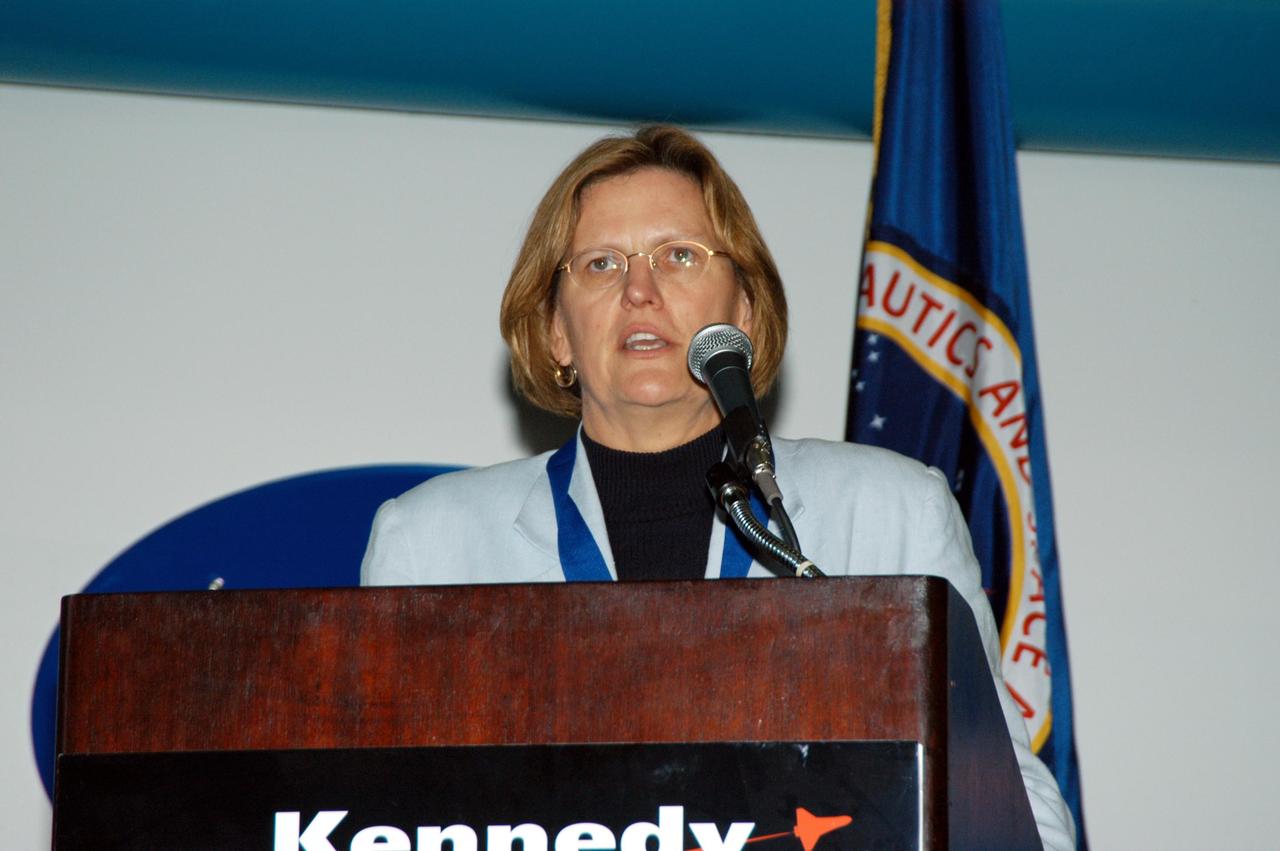
KENNEDY SPACE CENTER, FLA. -- At the Kennedy Space Center Visitor Complex, Dr. Kathryn D. Sullivan, the first American woman to walk in space, is inducted into the U.S. Astronaut Hall of Fame. Also chosen for this honor in 2004 are Richard O. Covey, commander of the Hubble Space Telescope repair mission; Frederick D. Gregory, the first African-American to command a space mission; Norman E. Thagard, the first American to occupy Russia's Mir space station; and the late Francis R. "Dick" Scobee, commander of the ill-fated 1986 Challenger mission. The U.S. Astronaut Hall of Fame opened in 1990 to provide a place where space travelers could be remembered for their participation and accomplishments in the U.S. space program. To be eligible for induction, an individual must have been a U.S. citizen, a NASA astronaut, and out of the active astronaut corps at least five years. The five inductees join 52 previously honored astronauts from the ranks of the Gemini, Apollo, Skylab, Apollo-Soyuz, and Space Shuttle programs.