
The first Scout prepared for launch at Wallops Island July 1, 1960, and launched the evening of the same day. -- Photograph published in Winds of Change, 75th Anniversary NASA publication (page 73), by James Schultz.
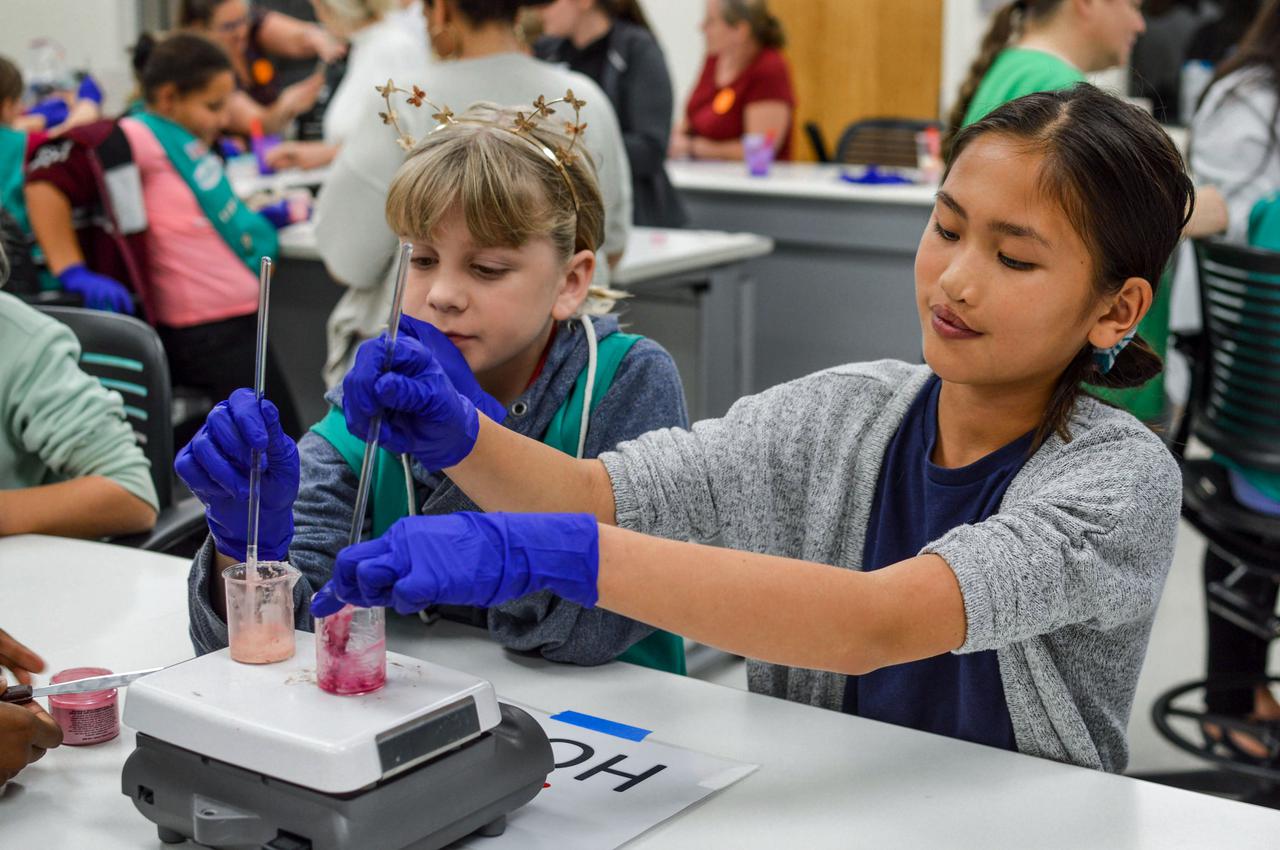
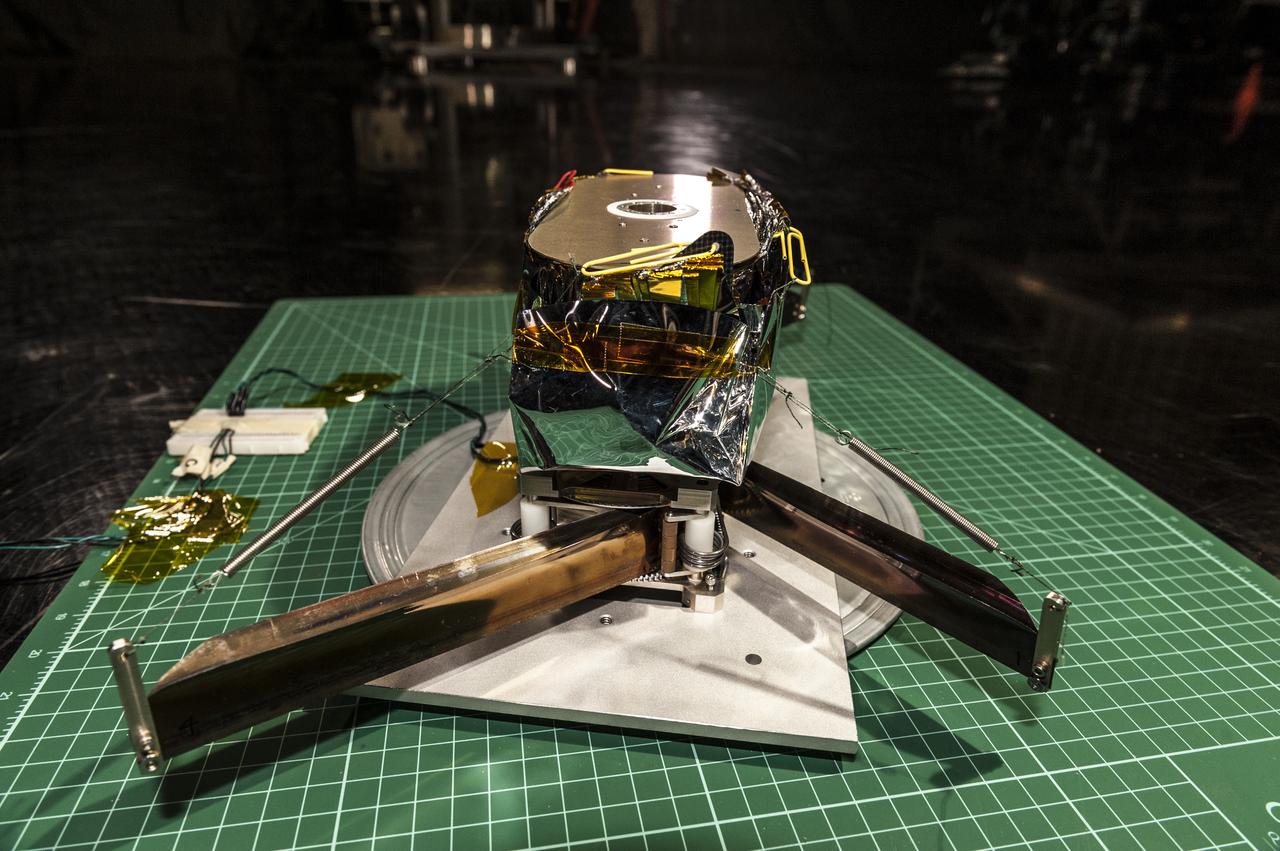
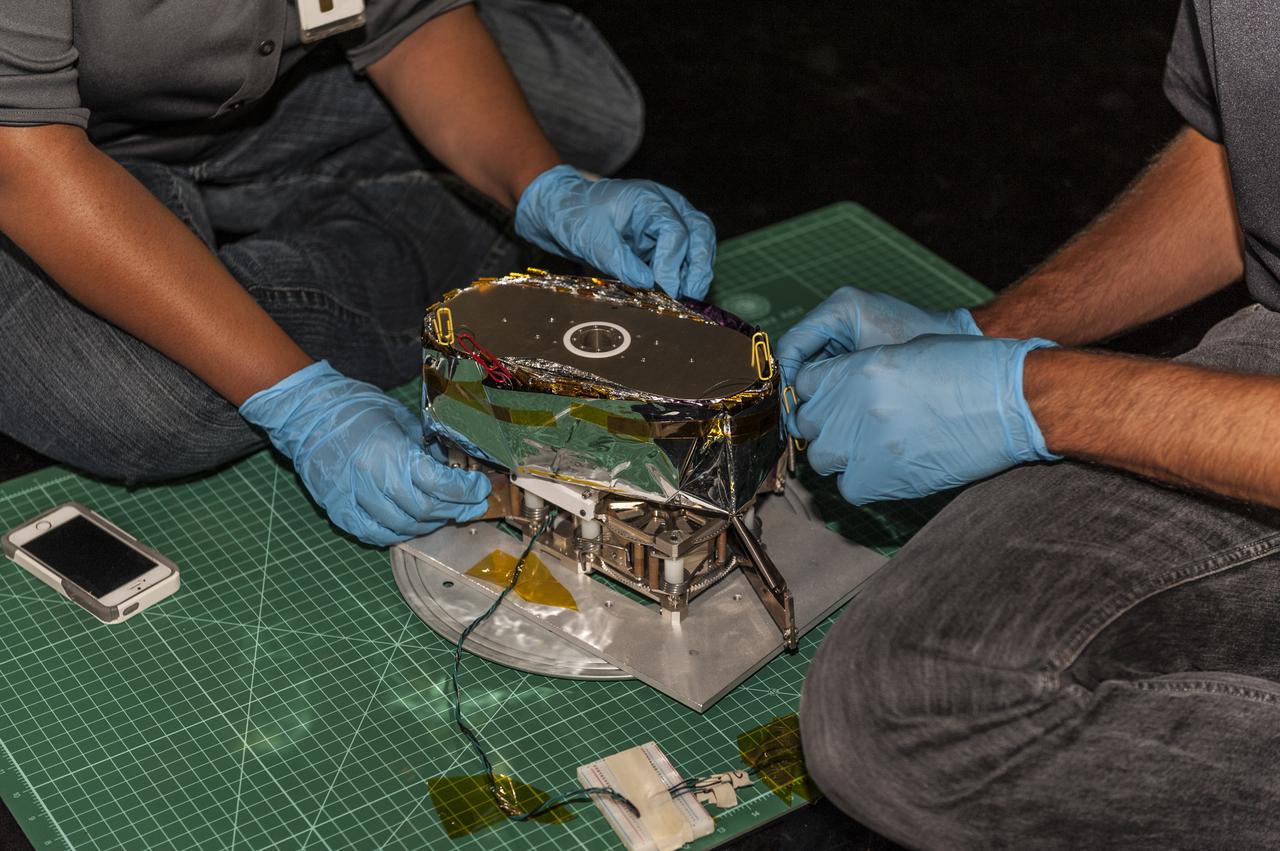
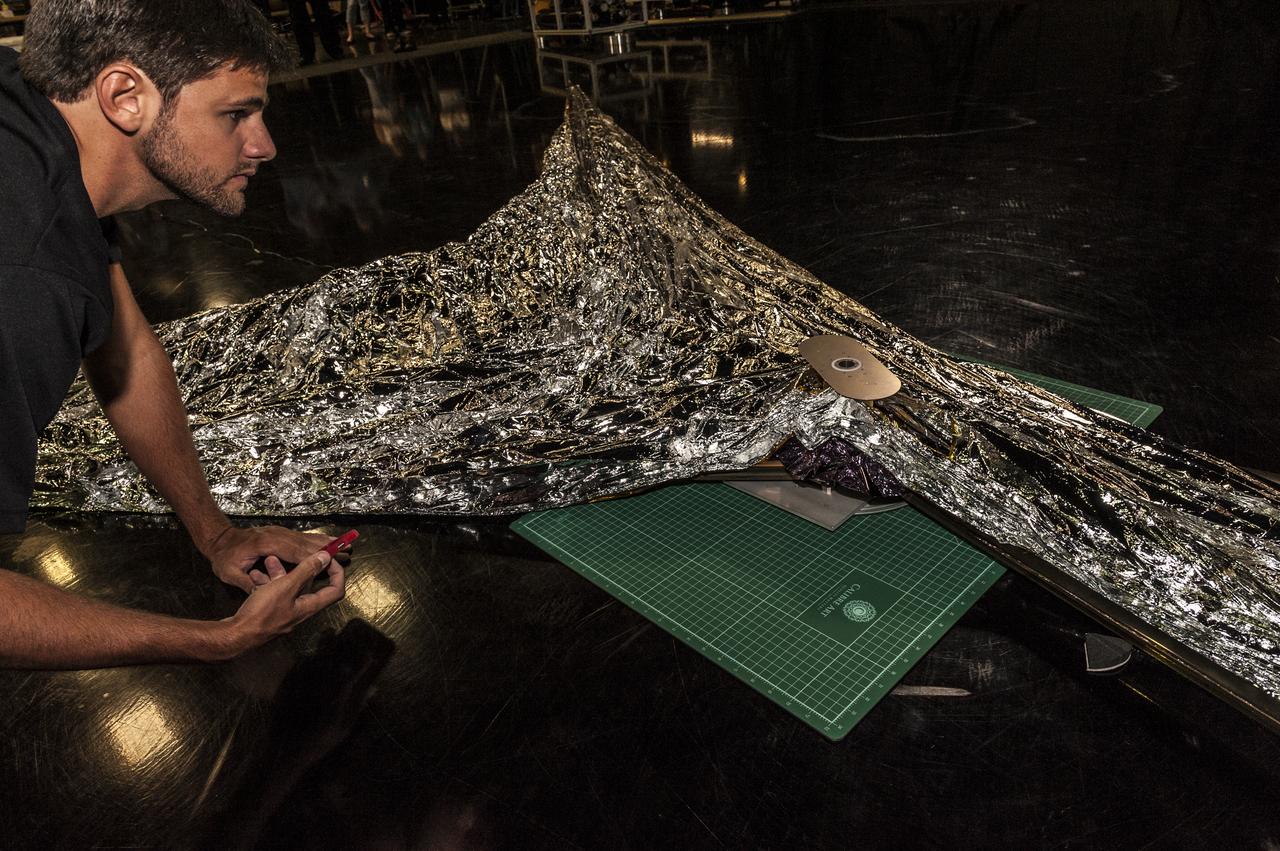
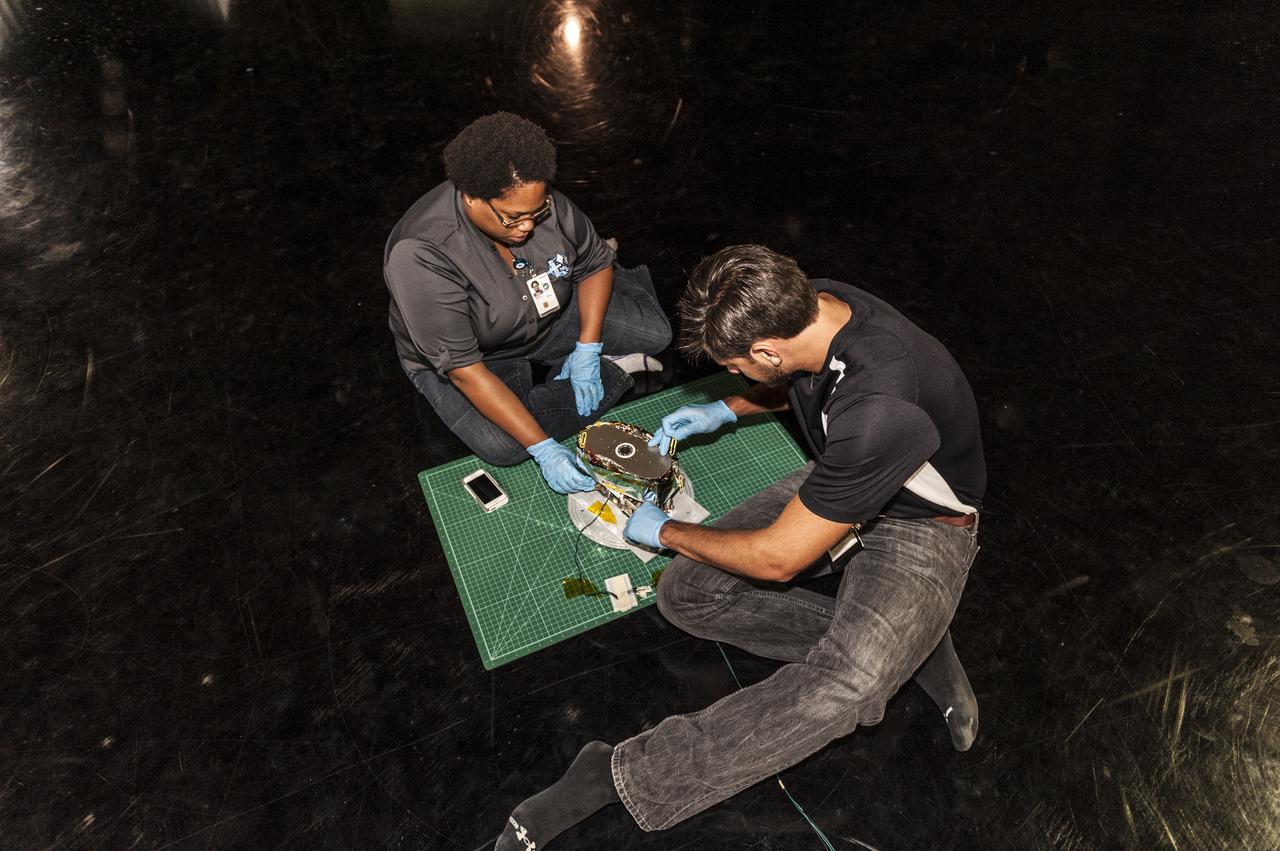
jsc2021e037279 (11/15/2019) --- Girl Scouts prepare experiments as part of a STEM collaboration with the Girl Scouts of Citrus Council. Faraday-Girl Scouts-1 (Faraday-Girls Scouts) offers Girl Scouts the opportunity to conduct a control experiment and observe the actual experiments on plant growth, ant colonization, and brine shrimp lifecycle in Faraday boxes aboard the International Space Station. This is part of a year-long effort by the Girl Scouts of Citrus Council to engage scouts in the study and understanding of space. The program also provides scouts firsthand experience with the concept of an experimental control. Image Credit: Girl Scouts Citrus Council
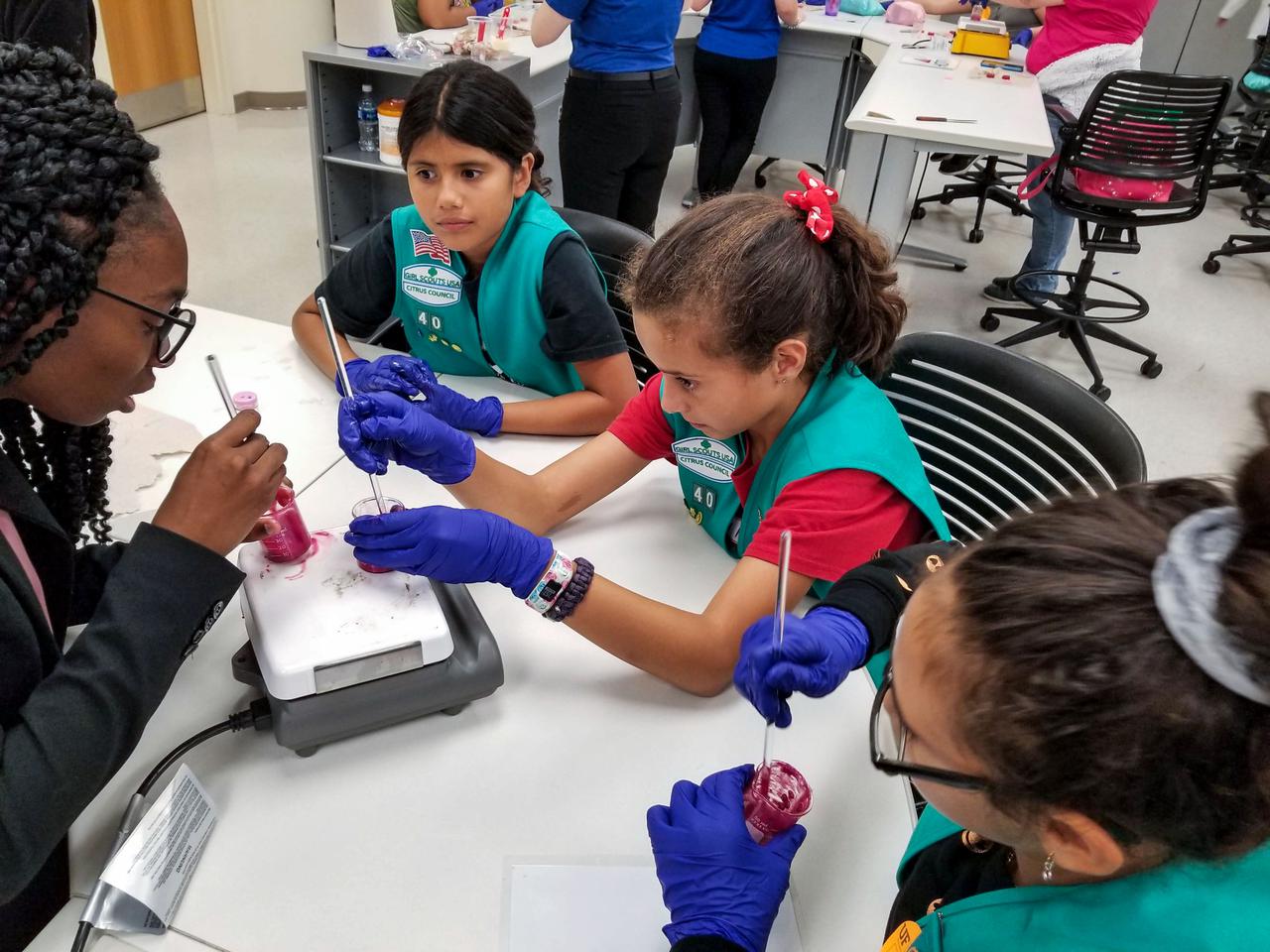
jsc2021e037278 (11/15/2019) --- Girl Scouts prepare experiments as part of a STEM collaboration with the Girl Scouts of Citrus Council. Faraday-Girl Scouts-1 (Faraday-Girls Scouts) offers Girl Scouts the opportunity to conduct a control experiment and observe the actual experiments on plant growth, ant colonization, and brine shrimp lifecycle in Faraday boxes aboard the International Space Station. This is part of a year-long effort by the Girl Scouts of Citrus Council to engage scouts in the study and understanding of space. The program also provides scouts firsthand experience with the concept of an experimental control. Image Credit: Girl Scouts Citrus Council
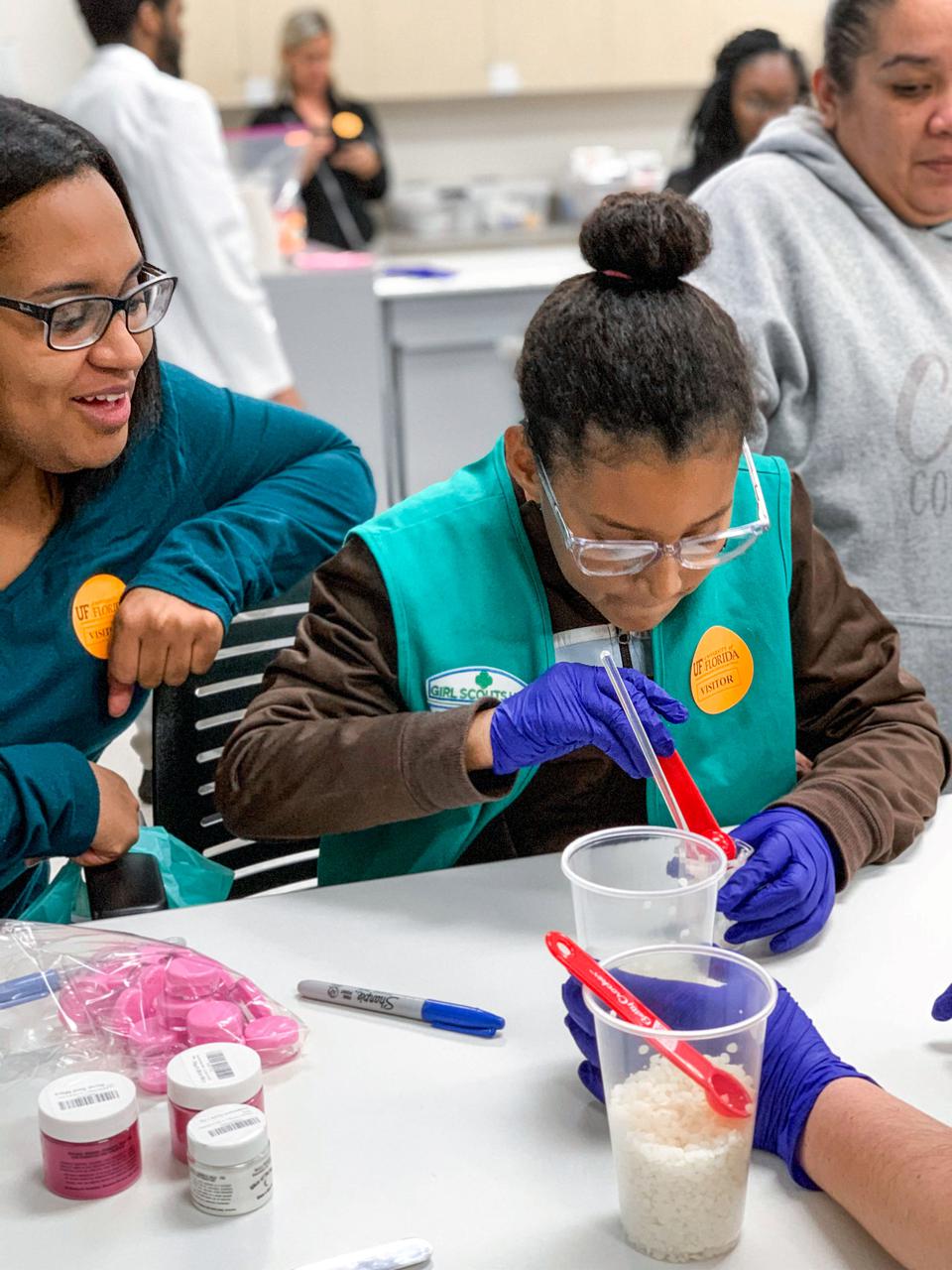
jsc2021e037280 (11/15/2019) --- Girl Scouts prepare experiments as part of a STEM collaboration with the Girl Scouts of Citrus Council. Faraday-Girl Scouts-1 (Faraday-Girls Scouts) offers Girl Scouts the opportunity to conduct a control experiment and observe the actual experiments on plant growth, ant colonization, and brine shrimp lifecycle in Faraday boxes aboard the International Space Station. This is part of a year-long effort by the Girl Scouts of Citrus Council to engage scouts in the study and understanding of space. The program also provides scouts firsthand experience with the concept of an experimental control. Image Credit: Girl Scouts Citrus Council
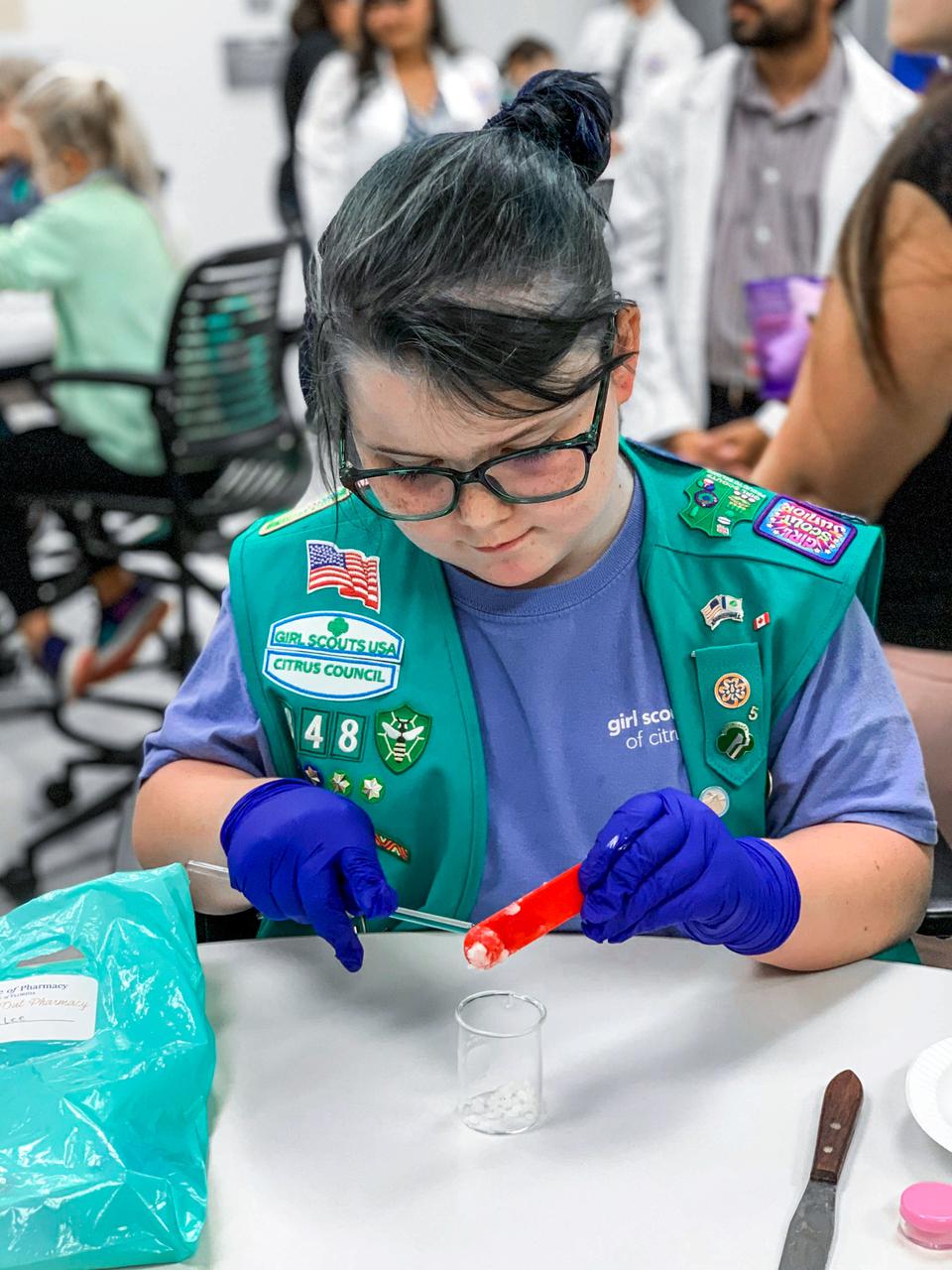
jsc2021e037281 (11/15/2019) --- Girl Scouts prepare experiments as part of a STEM collaboration with the Girl Scouts of Citrus Council. Faraday-Girl Scouts-1 (Faraday-Girls Scouts) offers Girl Scouts the opportunity to conduct a control experiment and observe the actual experiments on plant growth, ant colonization, and brine shrimp lifecycle in Faraday boxes aboard the International Space Station. This is part of a year-long effort by the Girl Scouts of Citrus Council to engage scouts in the study and understanding of space. The program also provides scouts firsthand experience with the concept of an experimental control. Image Credit: Girl Scouts Citrus Council
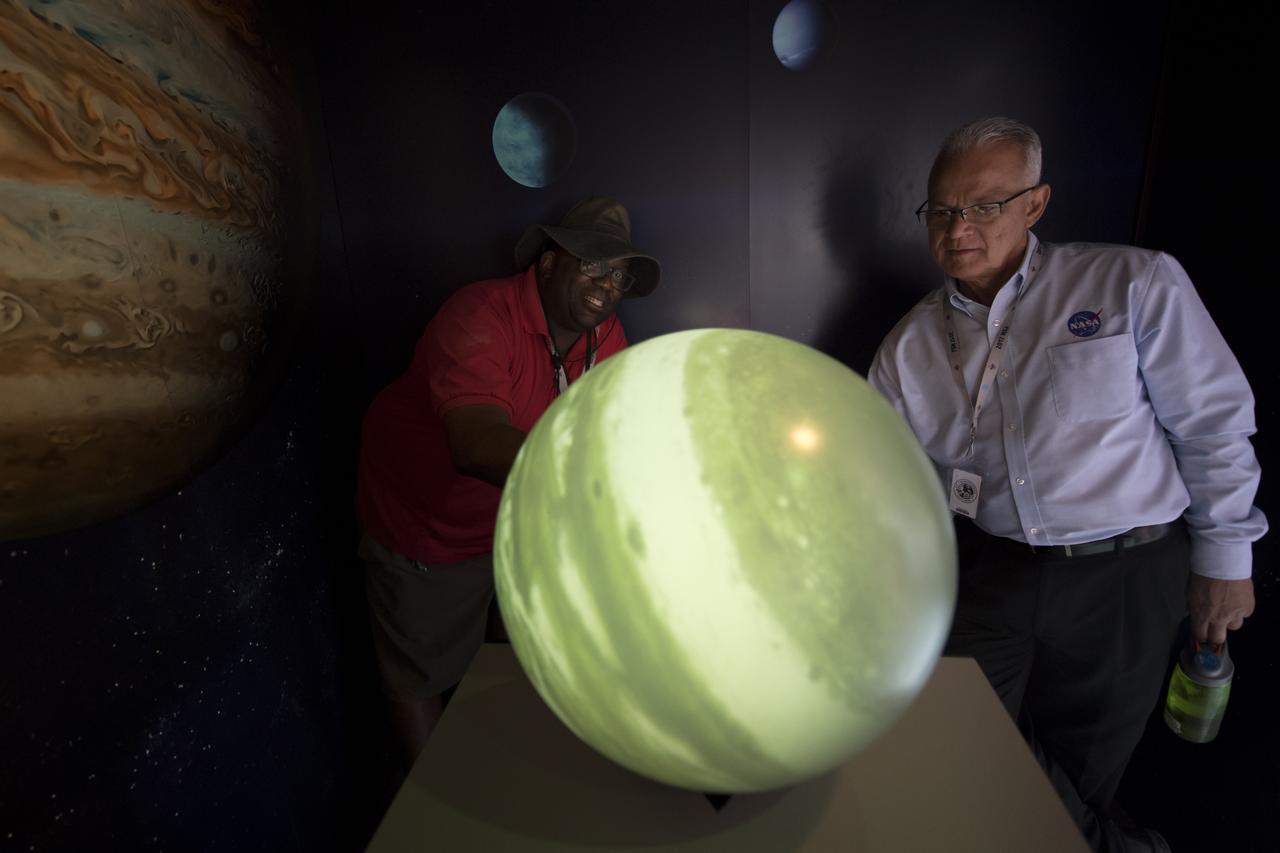
NASA Research Specialist Michael Brandon, left, demonstrates a visualization tool to NASA Acting Chief Technologist Douglas Terrier during the Boy Scouts of America National Jamboree, Tuesday, July 25, 2017 at the Summit Bechtel Reserve in Glen Jean, West Virginia. Photo Credit: (NASA/Bill Ingalls)
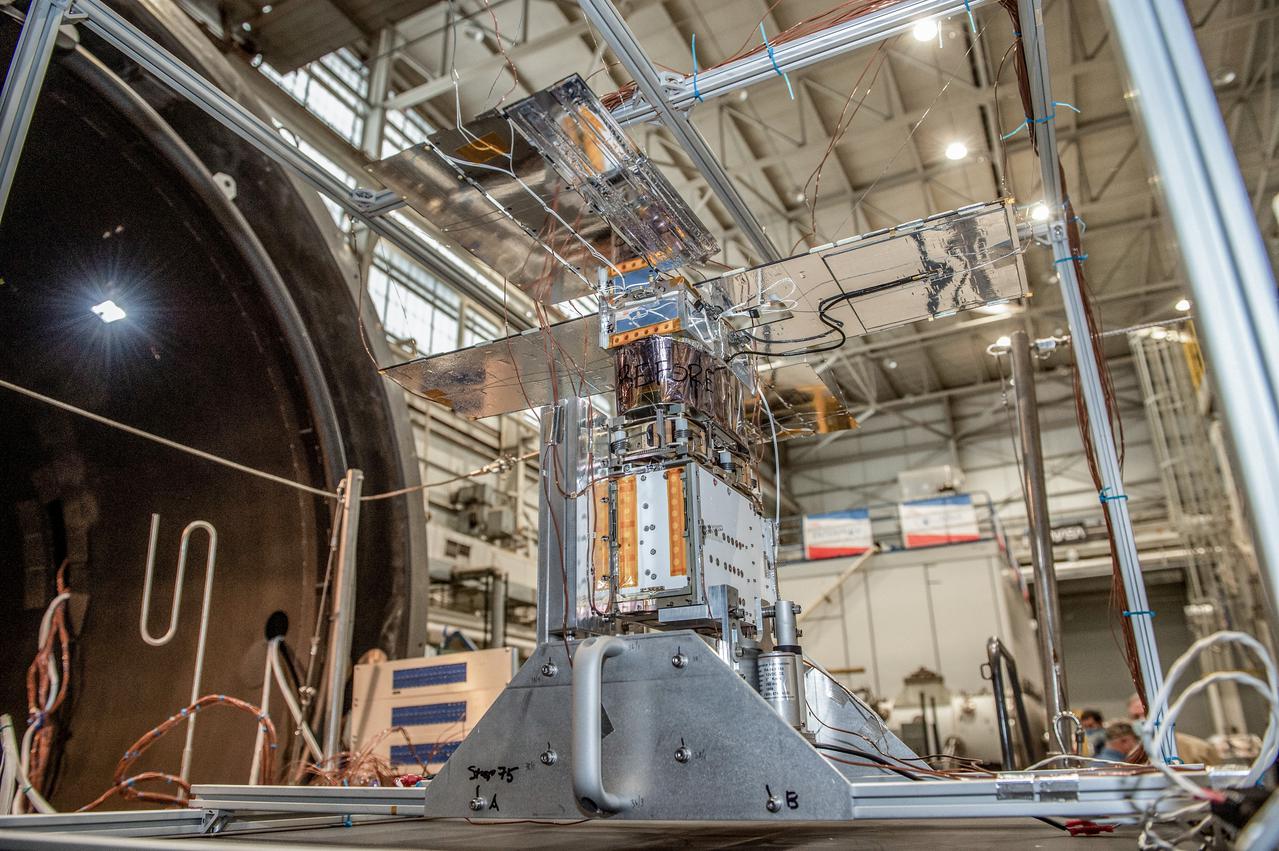
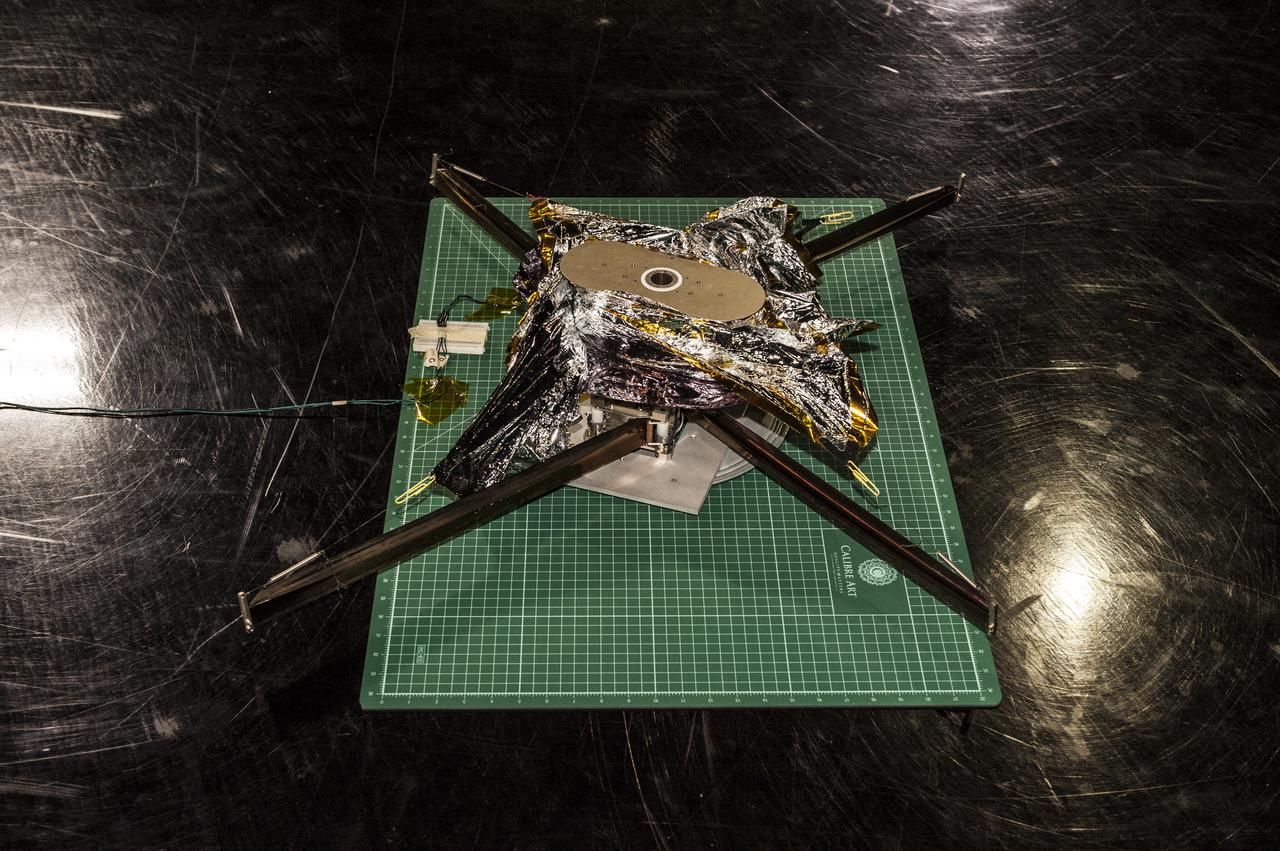
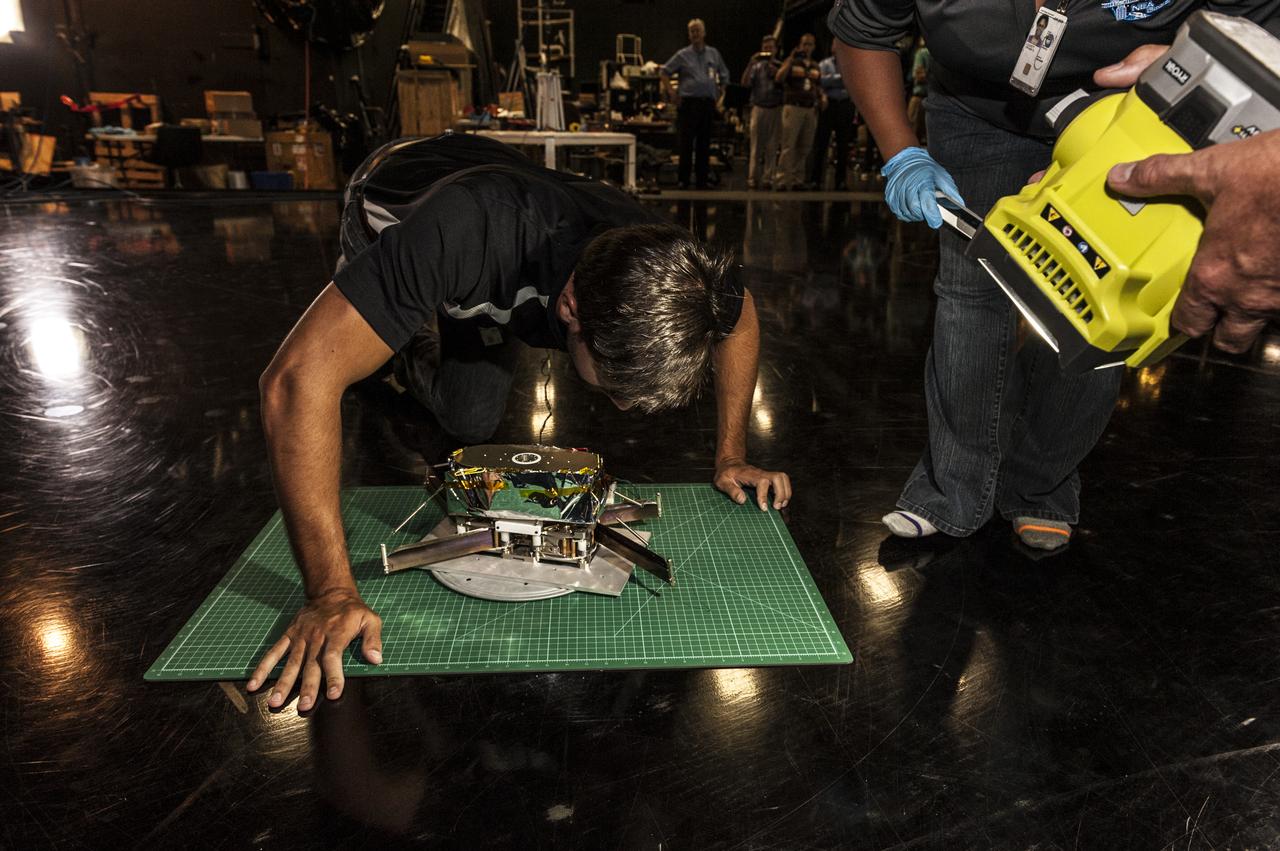
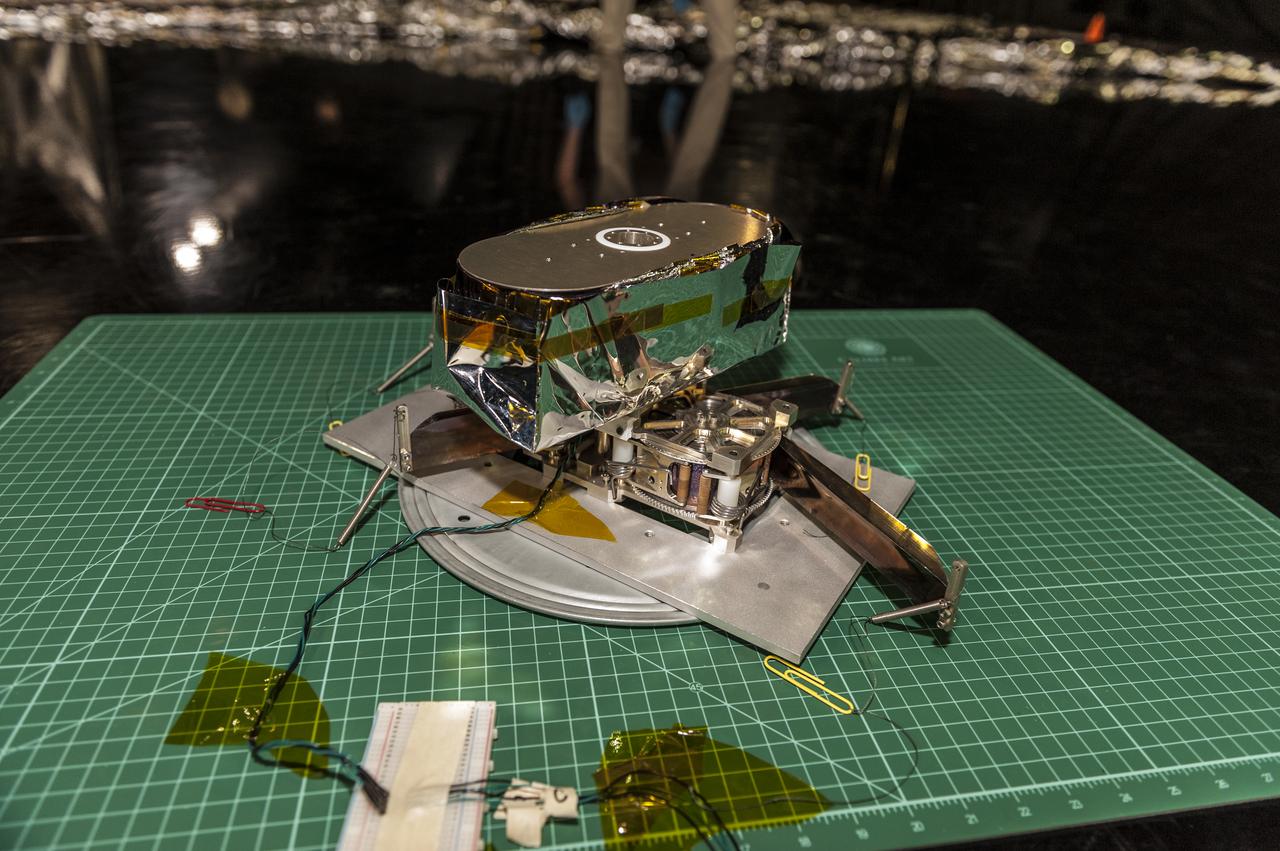
NEA Scout spacecraft after de-integration from hot box
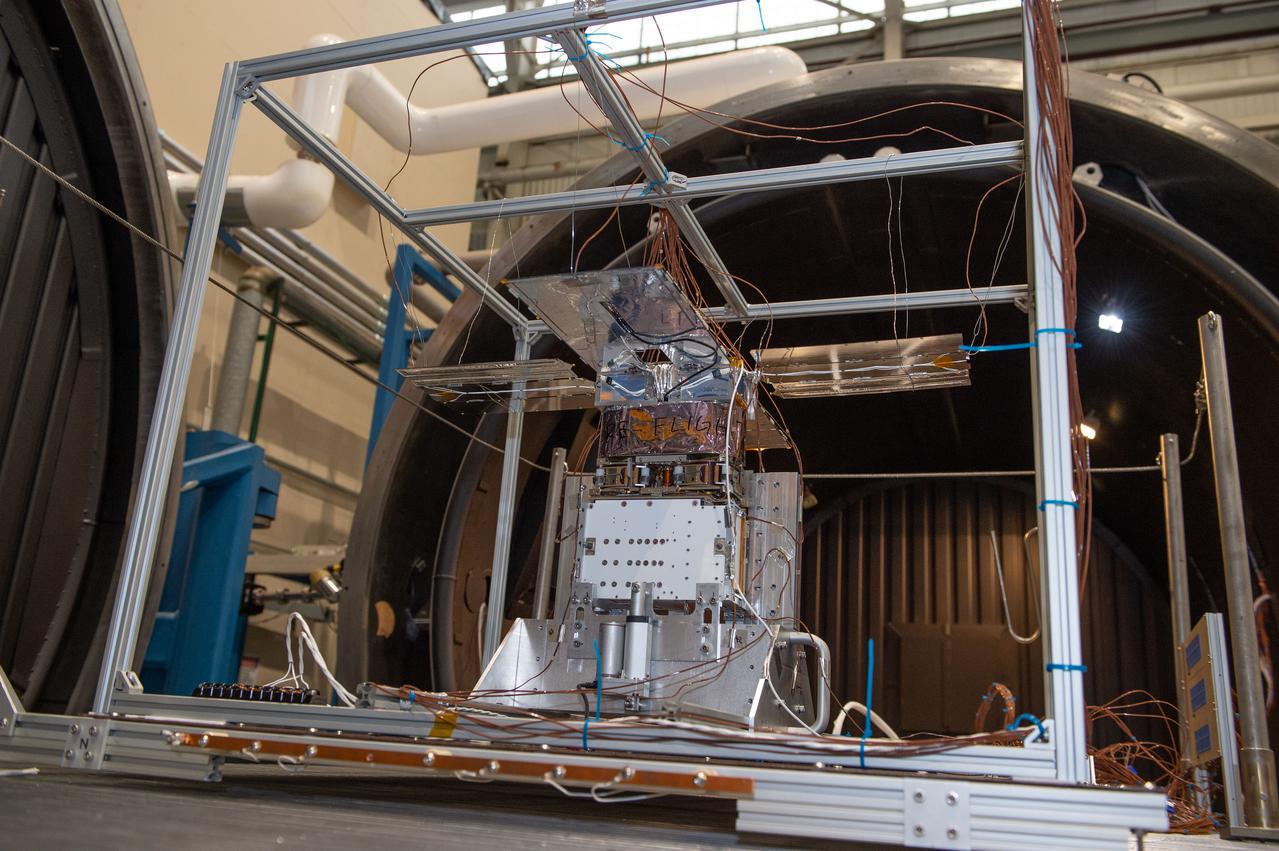
NEA Scout spacecraft after de-integration from hot box
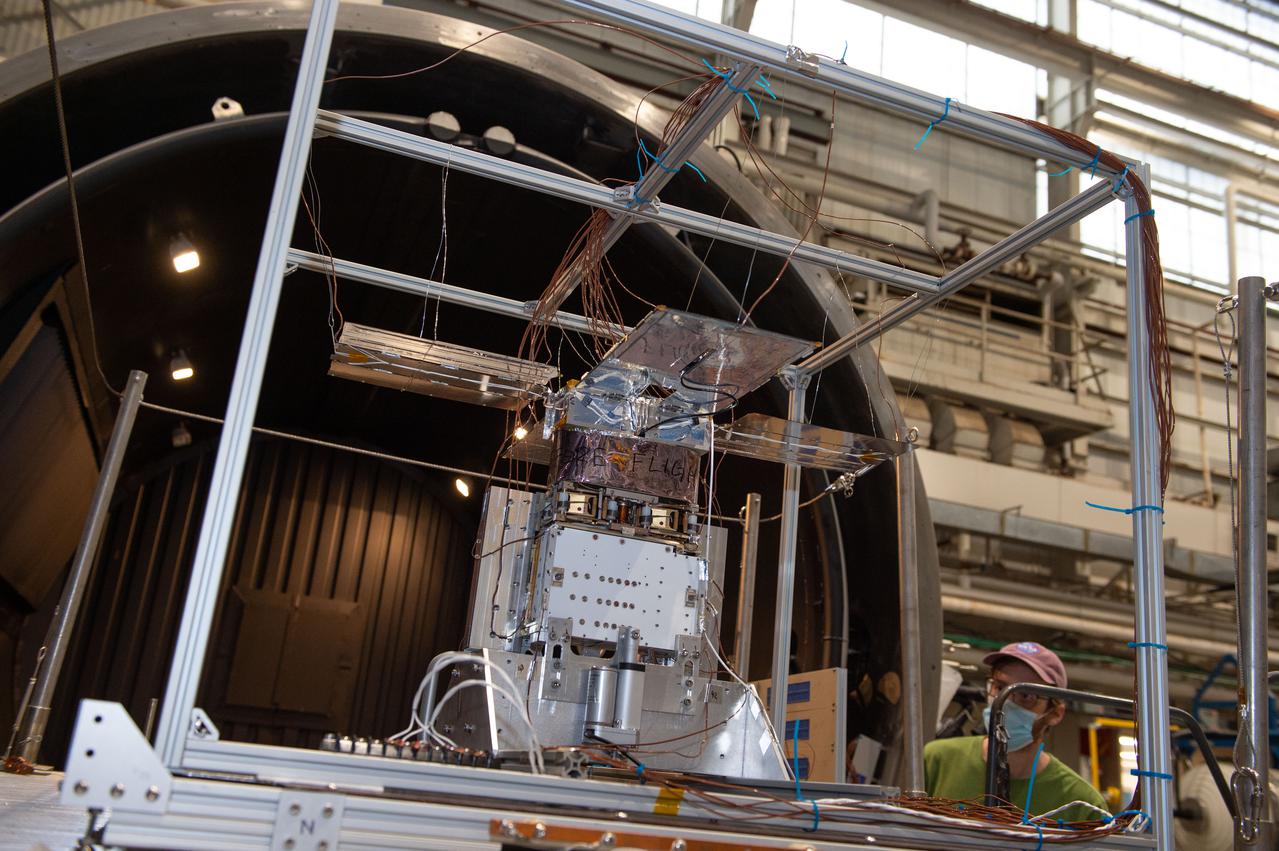
NEA Scout spacecraft after de-integration from hot box
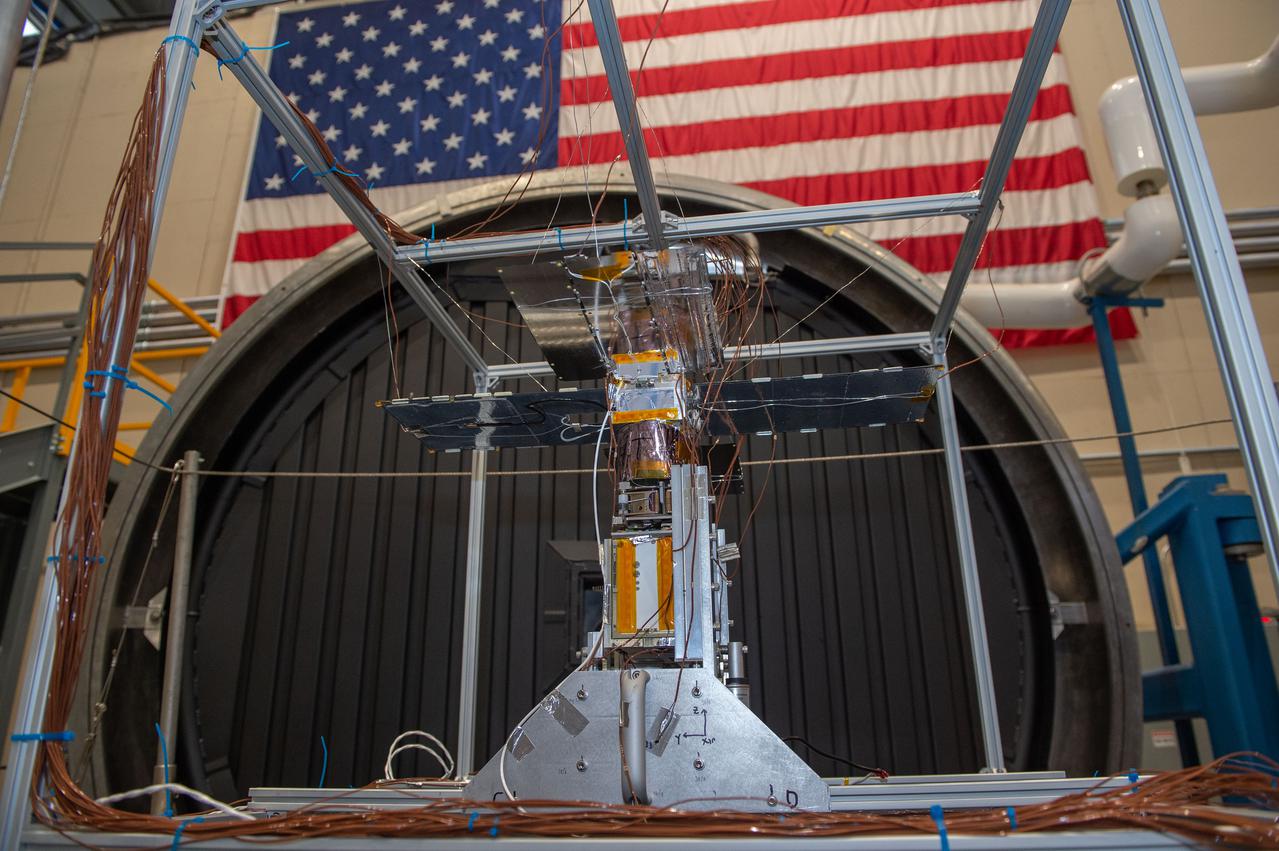
NEA Scout spacecraft after de-integration from hot box
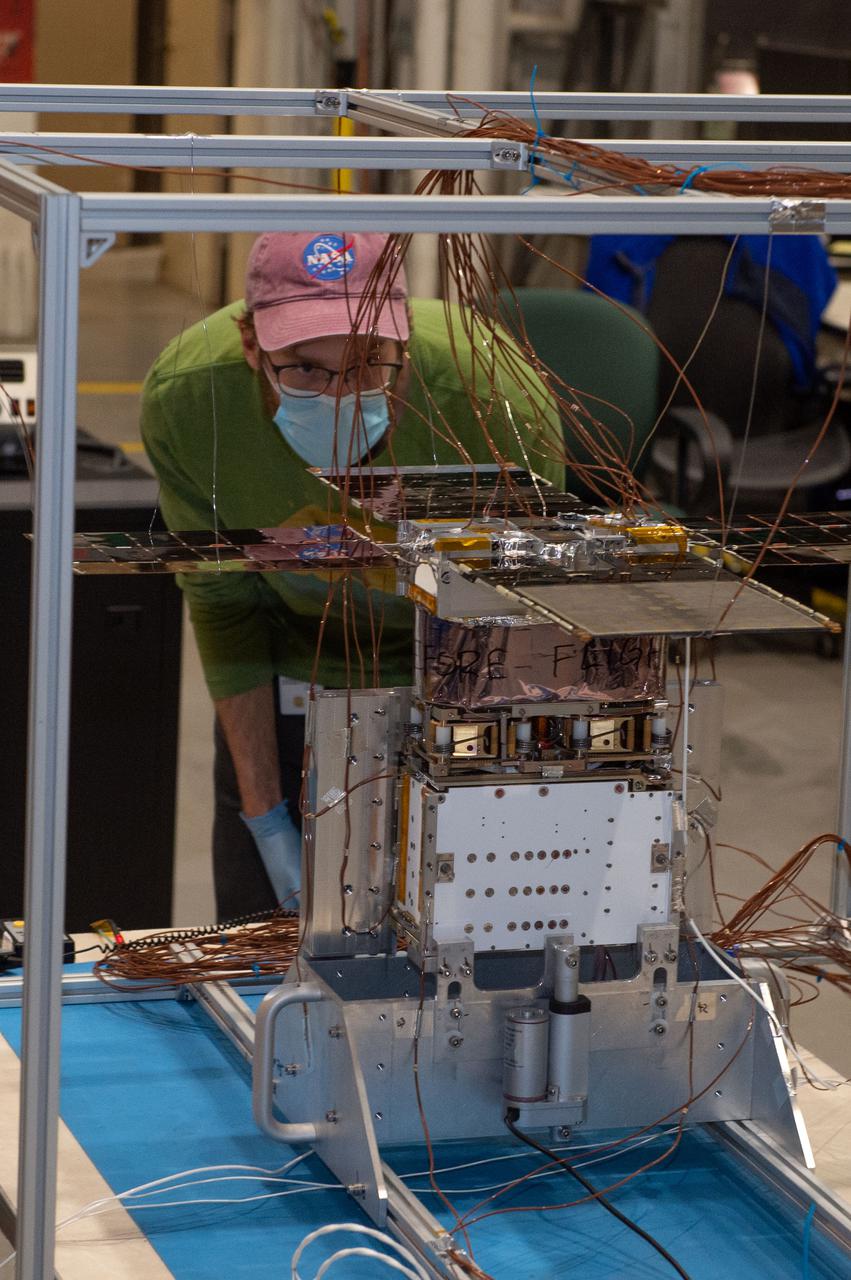
NEA Scout spacecraft after de-integration from hot box
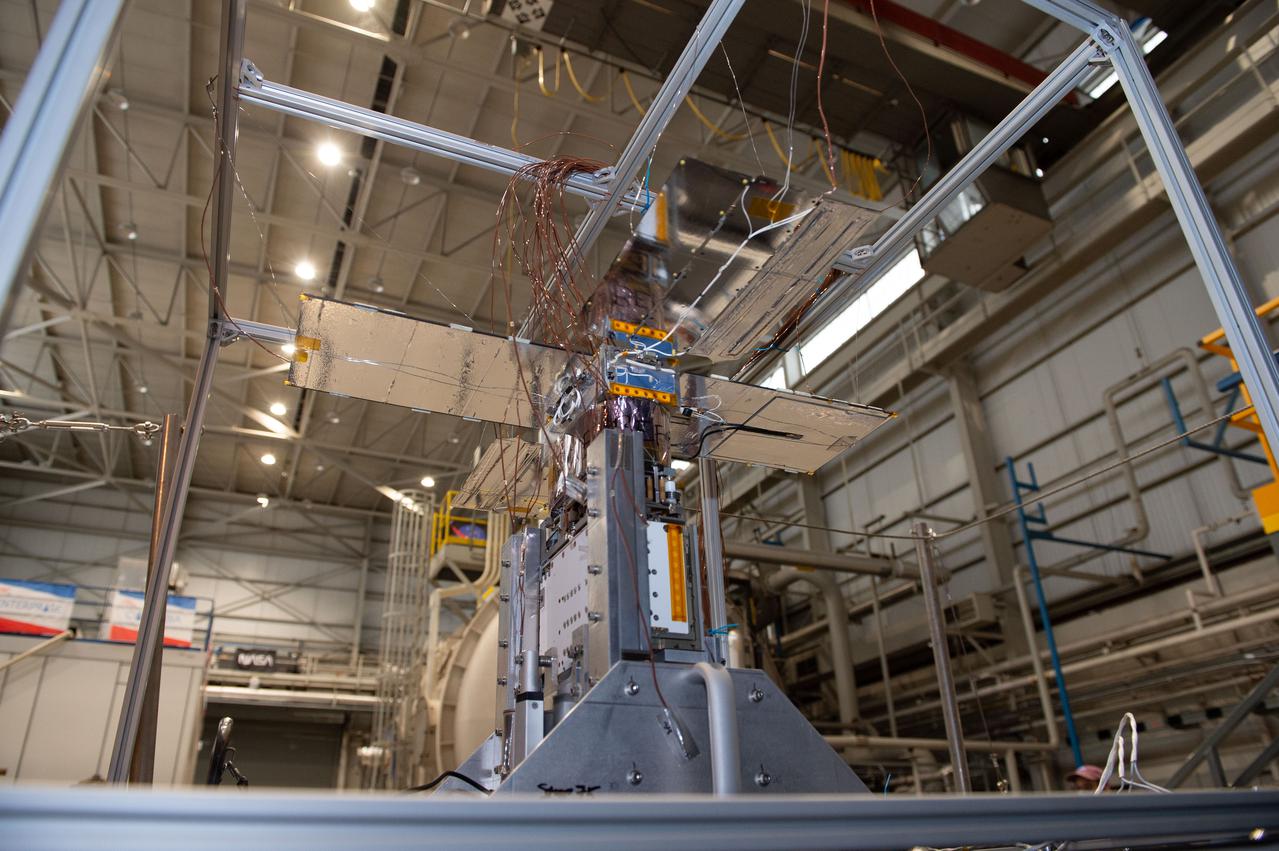
NEA Scout spacecraft after de-integration from hot box
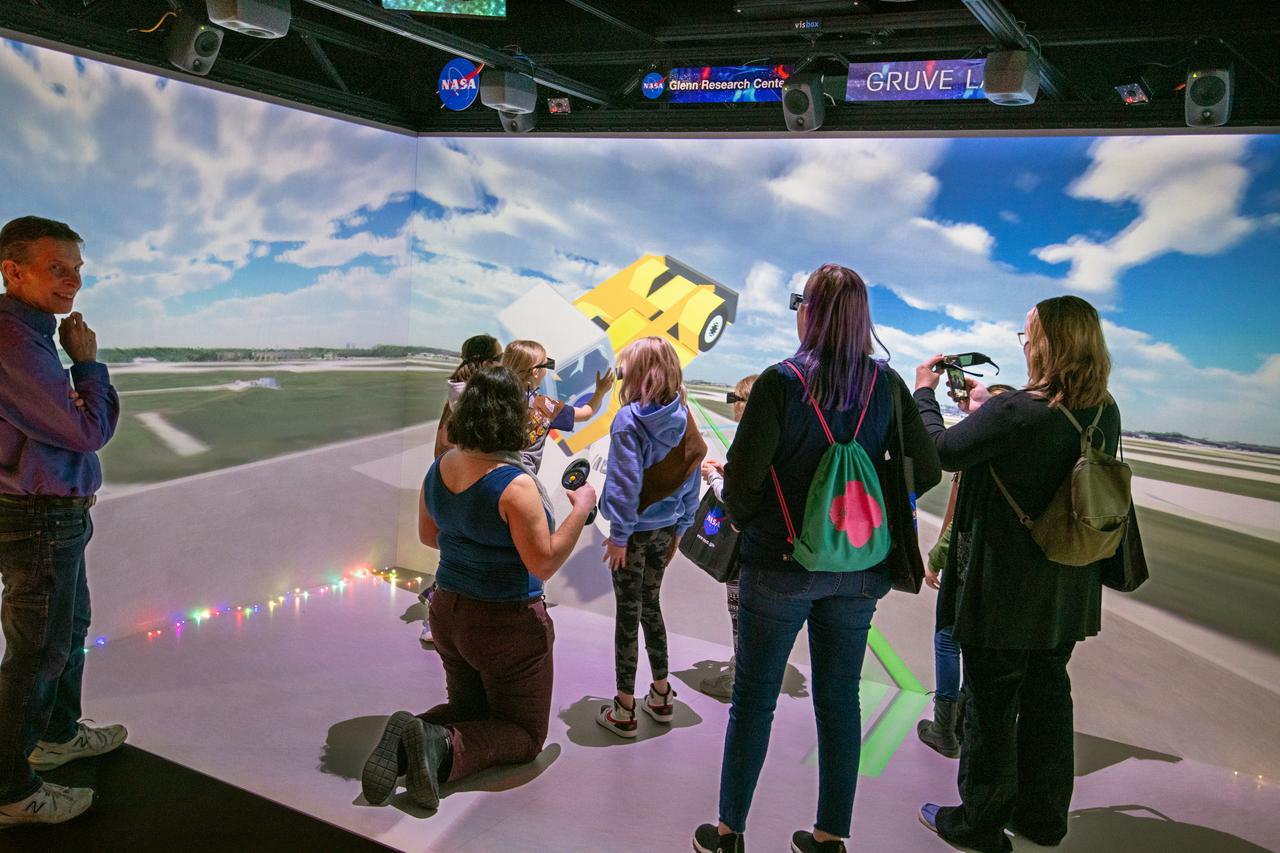
Local area girl scouts competed in a "Girl Scouts to the Moon and Back" essay contest. The essay contest gave the girls scouts a chance to win a Space Science badge that has actually been to space on NASA's Artemis I mission. After the award ceremony the girl scouts got to tour some of the NASA Glenn facilities. Picture is the "cave" at the Graphics and Visualization Lab, also known as the GRUVE Lab. Looking on is Richard Rinehart who is an engineer who works in the GRUVE LAB and creates 3D simulated experiences that demonstrate NASA's technology.
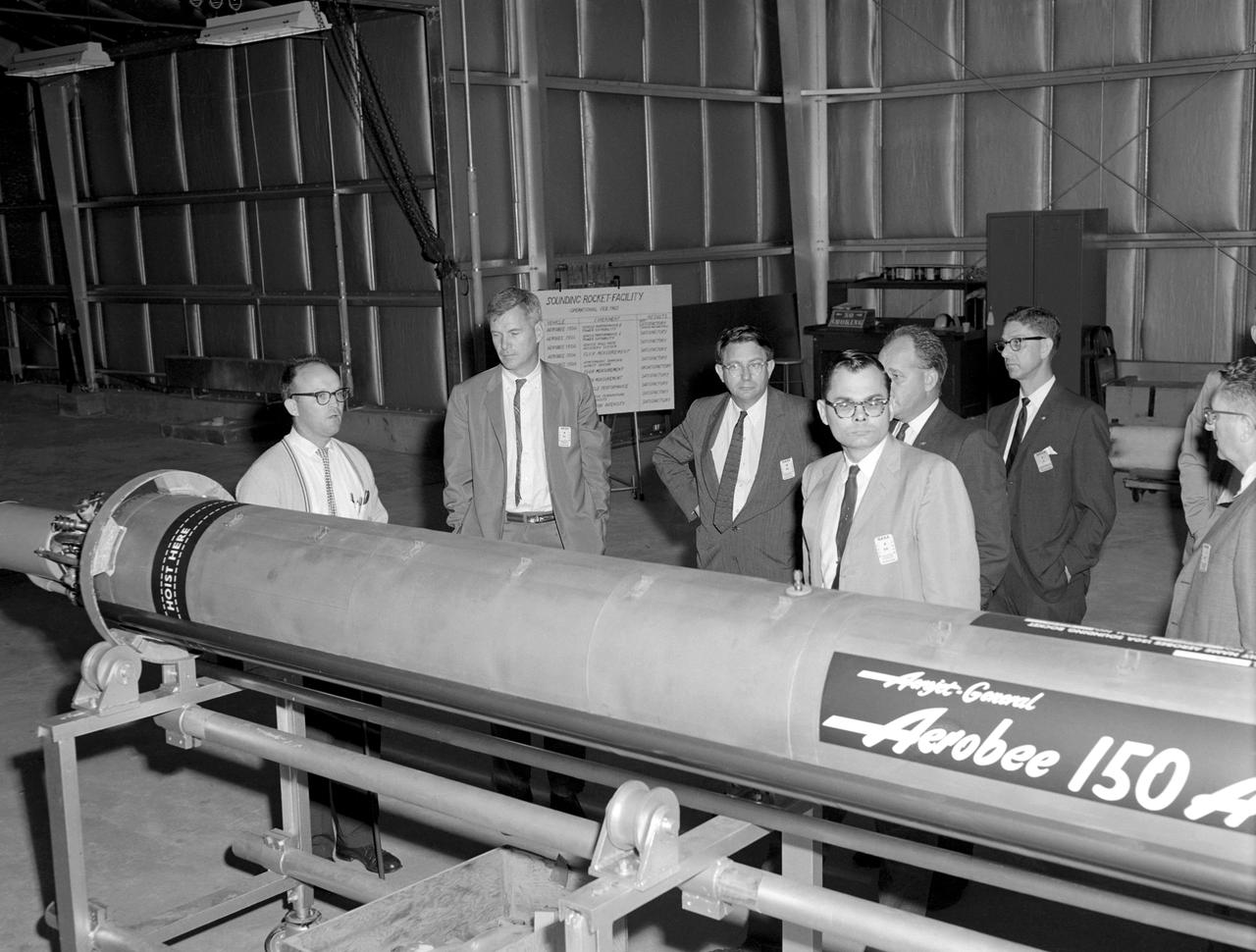
Photographed on 09/22/1960. -- An examination of the Aerojet-General "Aerobee 150A" propulsion system in February 1960. James Hansen described this as follows: "As for the technical definition of the rocket...the Langley engineers tried to keep developmental costs and time to a minimum by selecting components from off-the-shelf hardware. the majority of Scout's components were to come from an inventory of solid-fuel rockets produced for the military, although everyone involved understood that some improved motors would also have to be developed under contract. By early 1959, after intensive technical analysis and reviews, Langley settled on a design and finalized the selection of the major contractors. The rocket's 40-inch-diameter first stage was to be a new "Algol" motor, a combination of the Jupiter Senior and the navy Polaris produced by the Aerojet General Corporation, Sacramento, California. The 31-inch-diameter second stage, "Castor," was derived from the army's Sergeant and was to be manufactured by the Redstone Division of the Thiokol company in Huntsville, Alabama. the motor for the 30-inch-diameter third stage, "Antares," evolved under NASA contract from the ABL X248 design into a new version called the X254 (and subsequently into the X259); it was built under contract to NASA by ABL, a U.S. Navy Bureau of Ordnance facility operated by the Hercules Powder Company, Cumberland, Maryland. the final upper-stage propulsion unit, "Altair," which was 25.7 inches in diameter (34 inches at the heat shield), amounted to an improved edition of the X248 that was also manufactured by ABL." -- Published in James R. Hansen, Spaceflight Revolution: NASA Langley Research Center From Sputnik to Apollo, NASA SP-4308, pp.200-201.
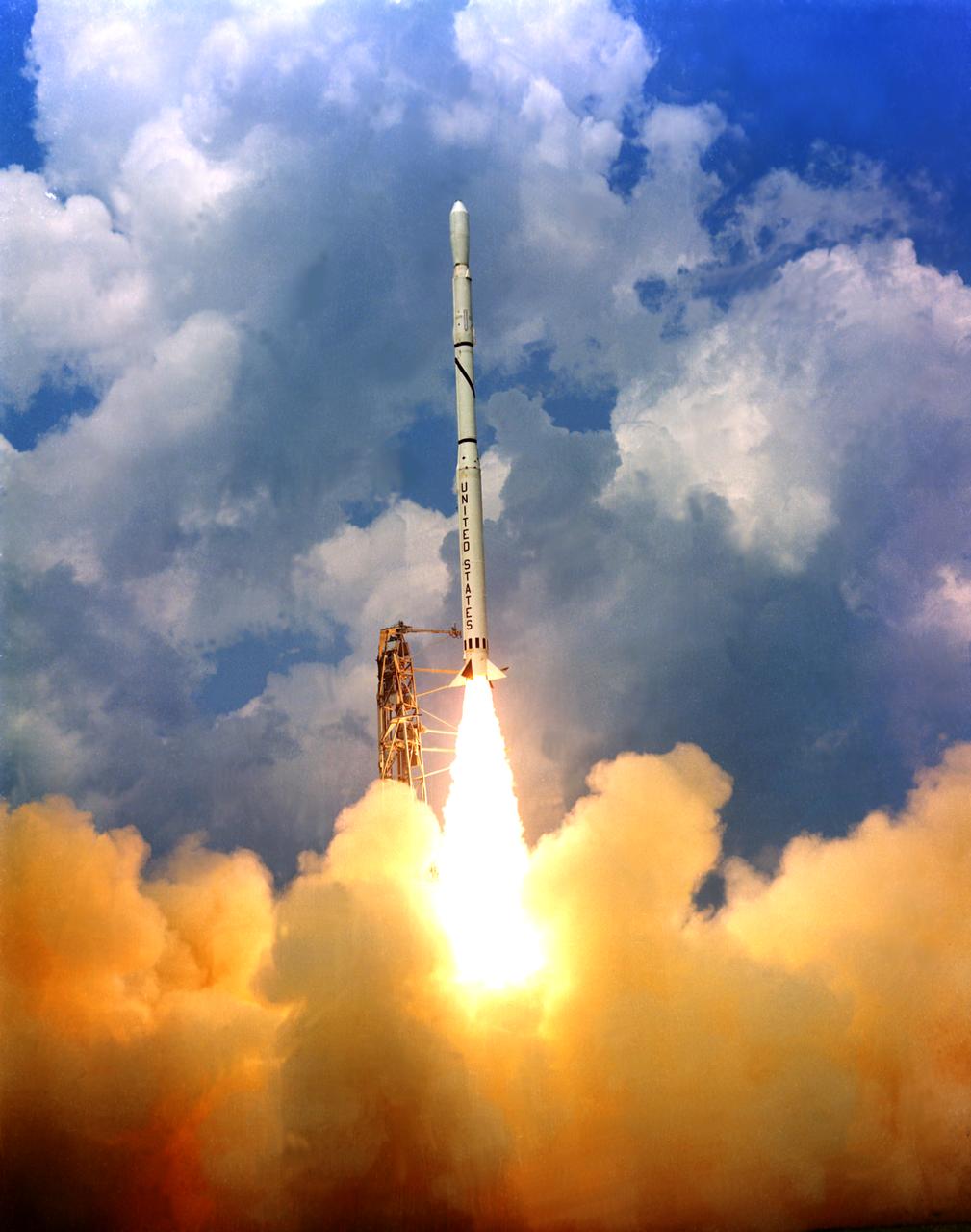
Scout launch vehicle lift off on Wallops Island in 1965. The Scout launch vehicle was used for unmanned small satellite missions, high altitude probes, and reentry experiments. Scout, the smallest of the basic launch vehicles, is the only United States launch vehicle fueled exclusively with solid propellants. Published in the book " A Century at Langley" by Joseph Chambers pg. 92
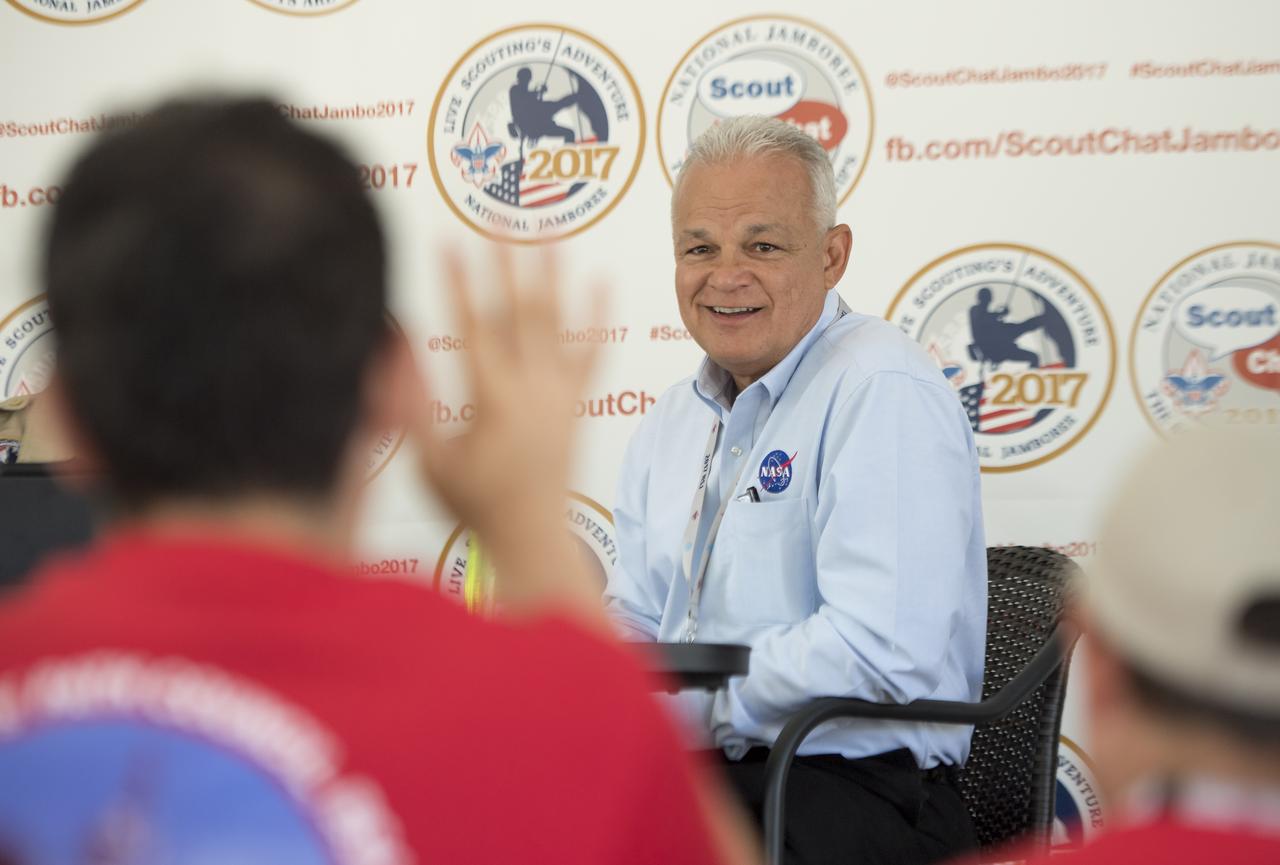
NASA Acting Chief Technologist Douglas Terrier leads a discussion titled “NASA Technologies for Explorers on Earth” during the Boy Scouts of America National Jamboree, Tuesday, July 25, 2017 at the Summit Bechtel Reserve in Glen Jean, West Virginia. Photo Credit: (NASA/Bill Ingalls)
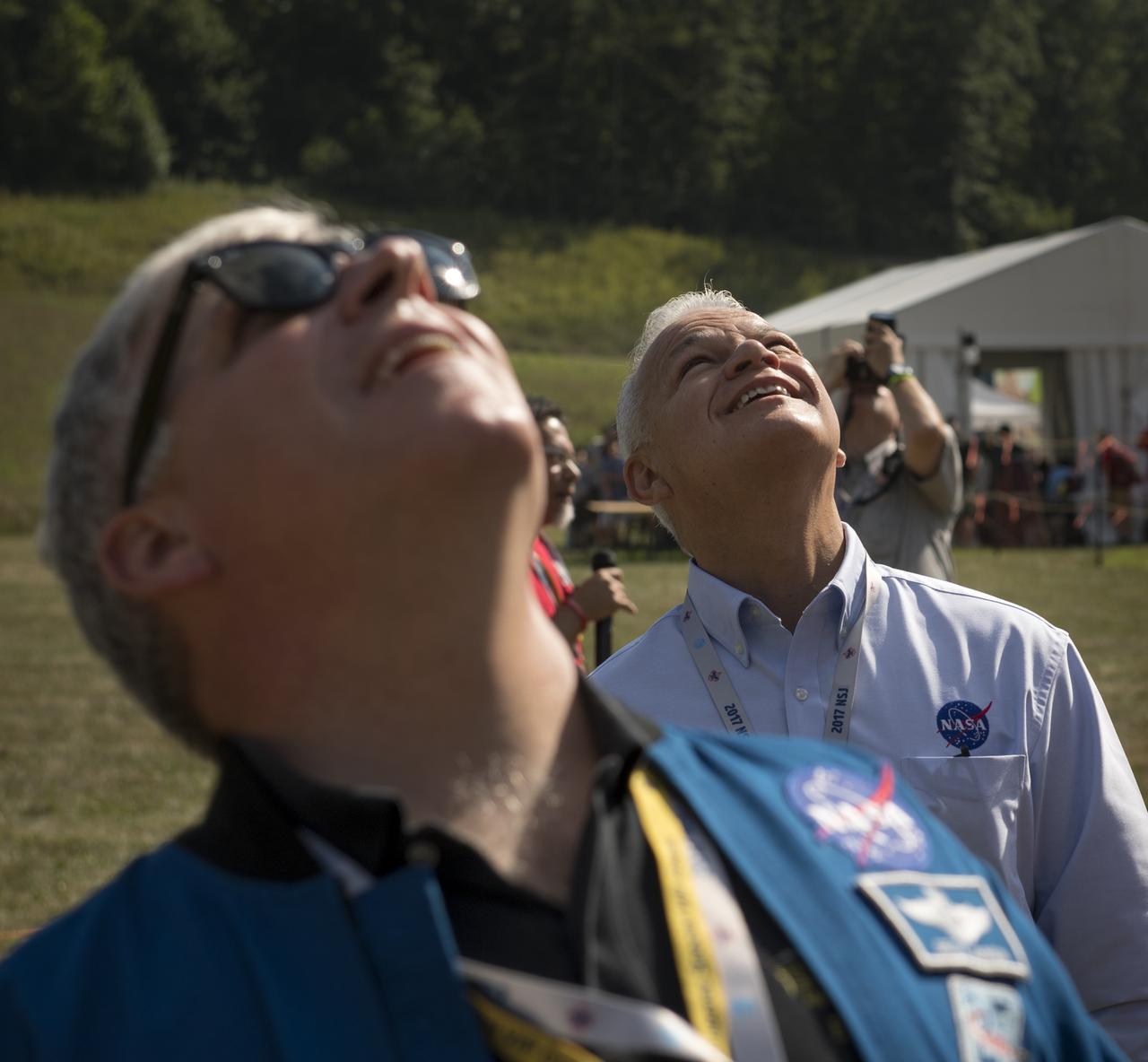
Greg “Box” Johnson, executive director of Center for the Advancement of Science in Space (CASIS) and former astronaut, foreground, and NASA Acting Chief Technologist Douglas Terrier watch as attendees of the Boy Scouts of America National Jamboree launch a weather balloon, Tuesday, July 25, 2017 at the Summit Bechtel Reserve in Glen Jean, West Virginia. Photo Credit: (NASA/Bill Ingalls)

Aside from native flora, fauna and the Langley rocket-research complex, there was not much on Wallops Island. Pictured is a 1960 photo of Launch area Number Three, used principally for Scout rocket firings. -- Photograph published in Winds of Change, 75th Anniversary NASA publication (page 73), by James Schultz.
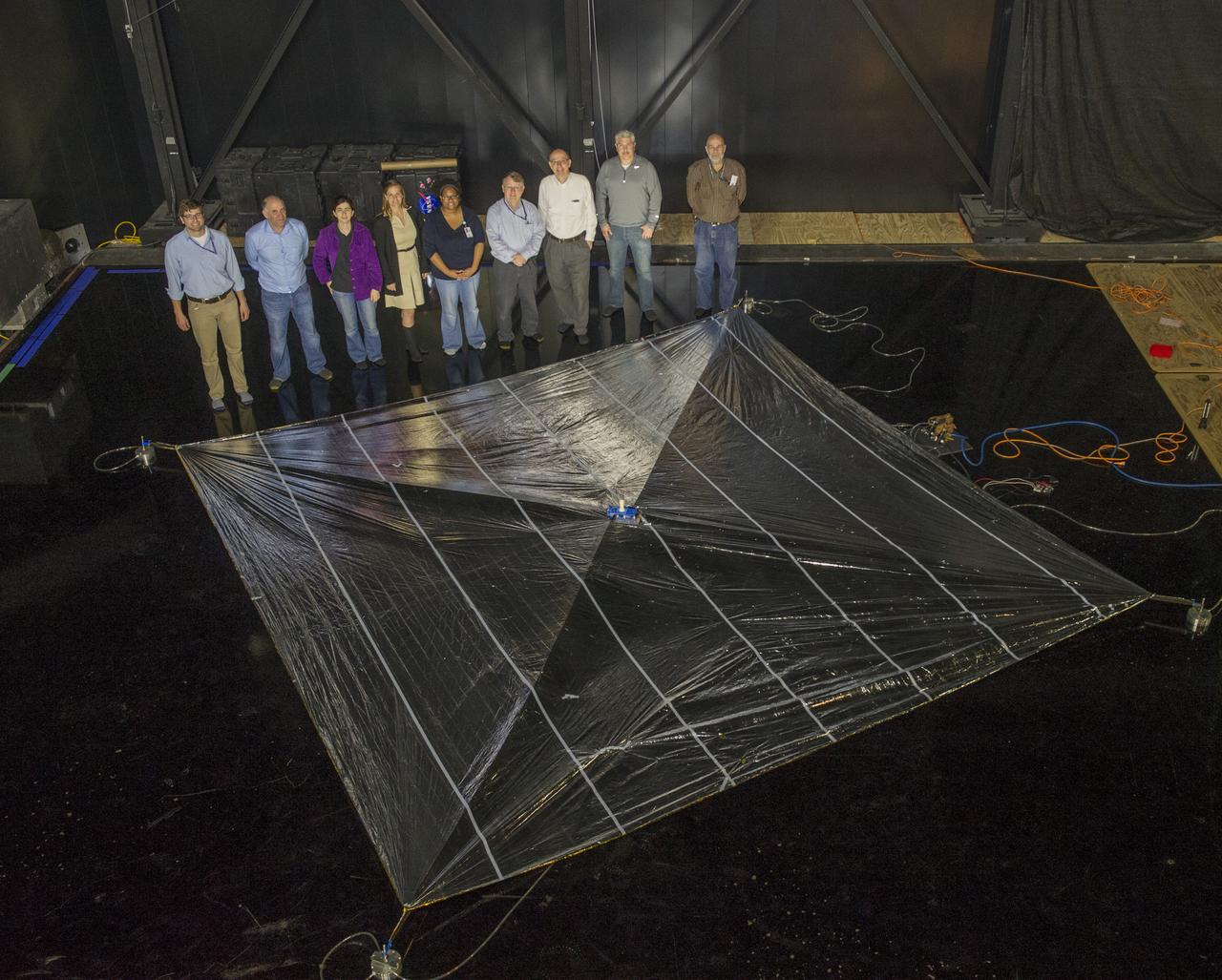
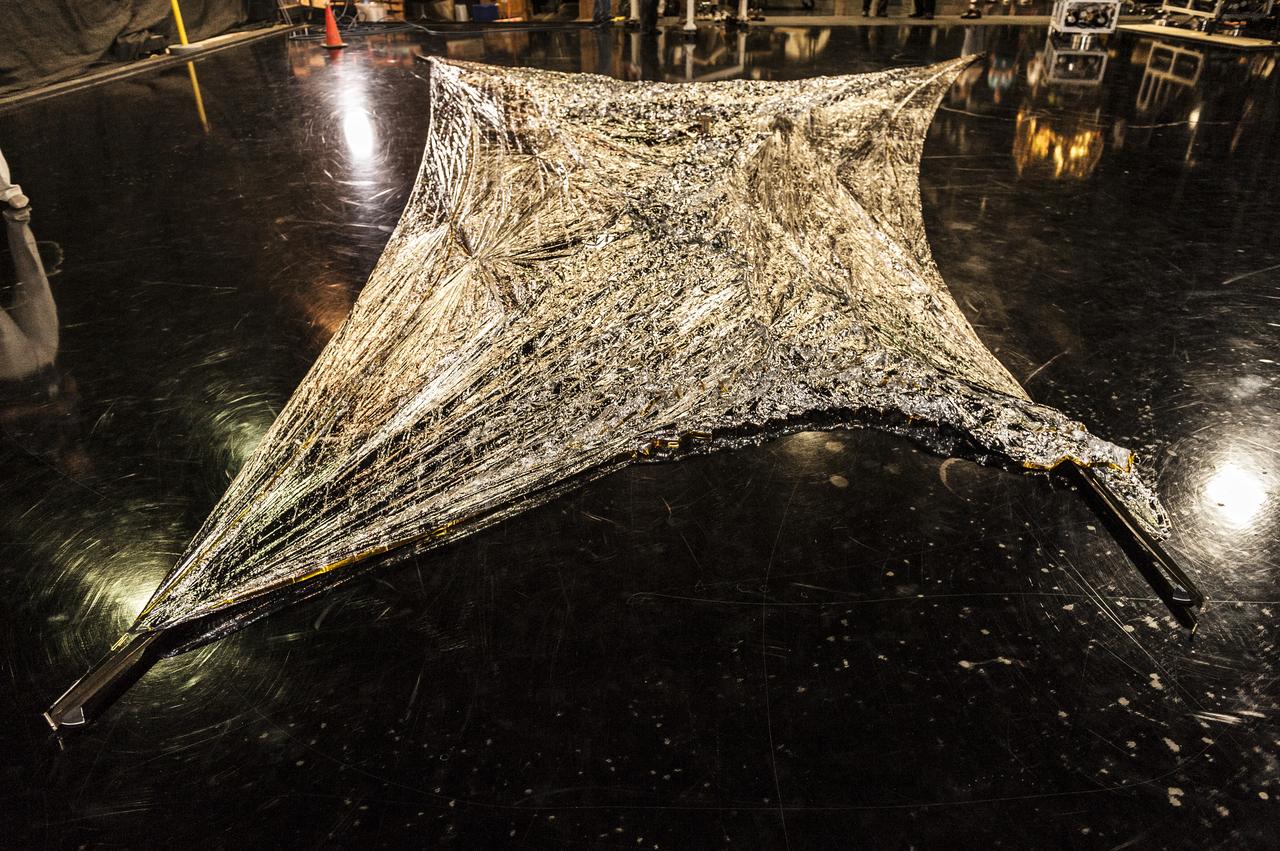
NEA (Near Earth Asteroid) Scout Solar Sail, deployed, with team members: Alex Sobey, Andy Heaton, Olive Stohlmann, Leslie McNutt, Tiffany Russell Lockett, Roy Young, Les Johnson, Kevin Sykes, Tom Bryan
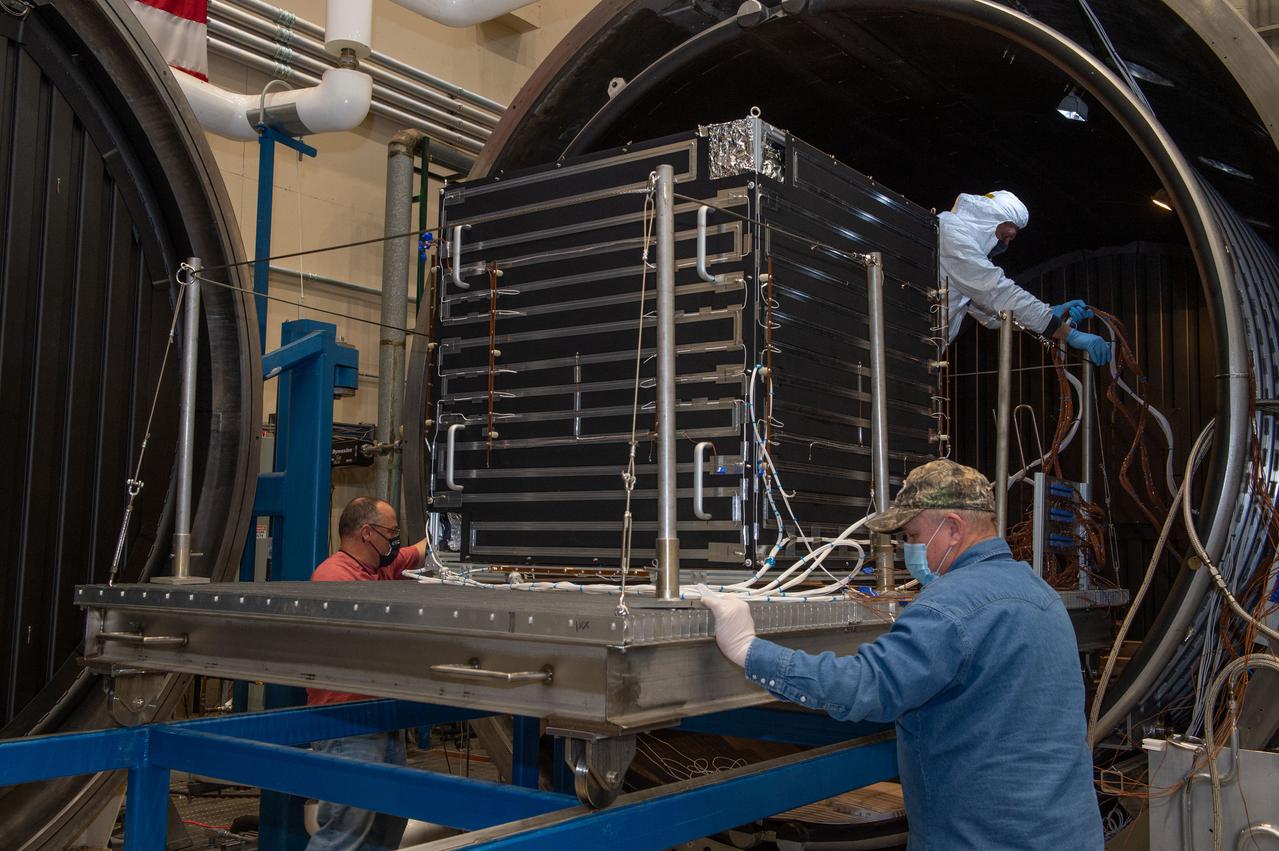
Removal of hot box containing NEA Scout spacecraft from Thermal Vacuum Chamber V15 1 of 2
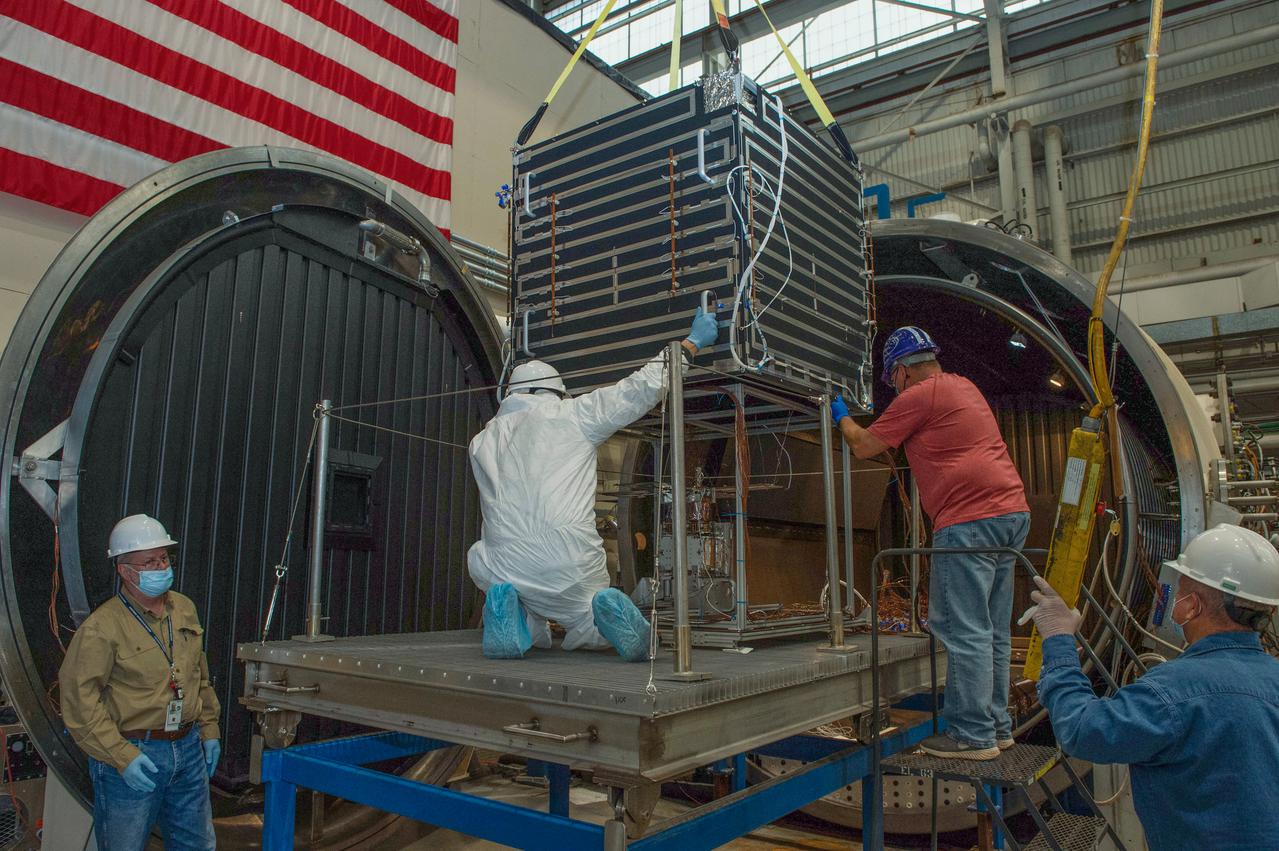
Opening Thermal Vacuum Chamber V15 to extract hot box containing NEA Scout spacecraft 2 of 2
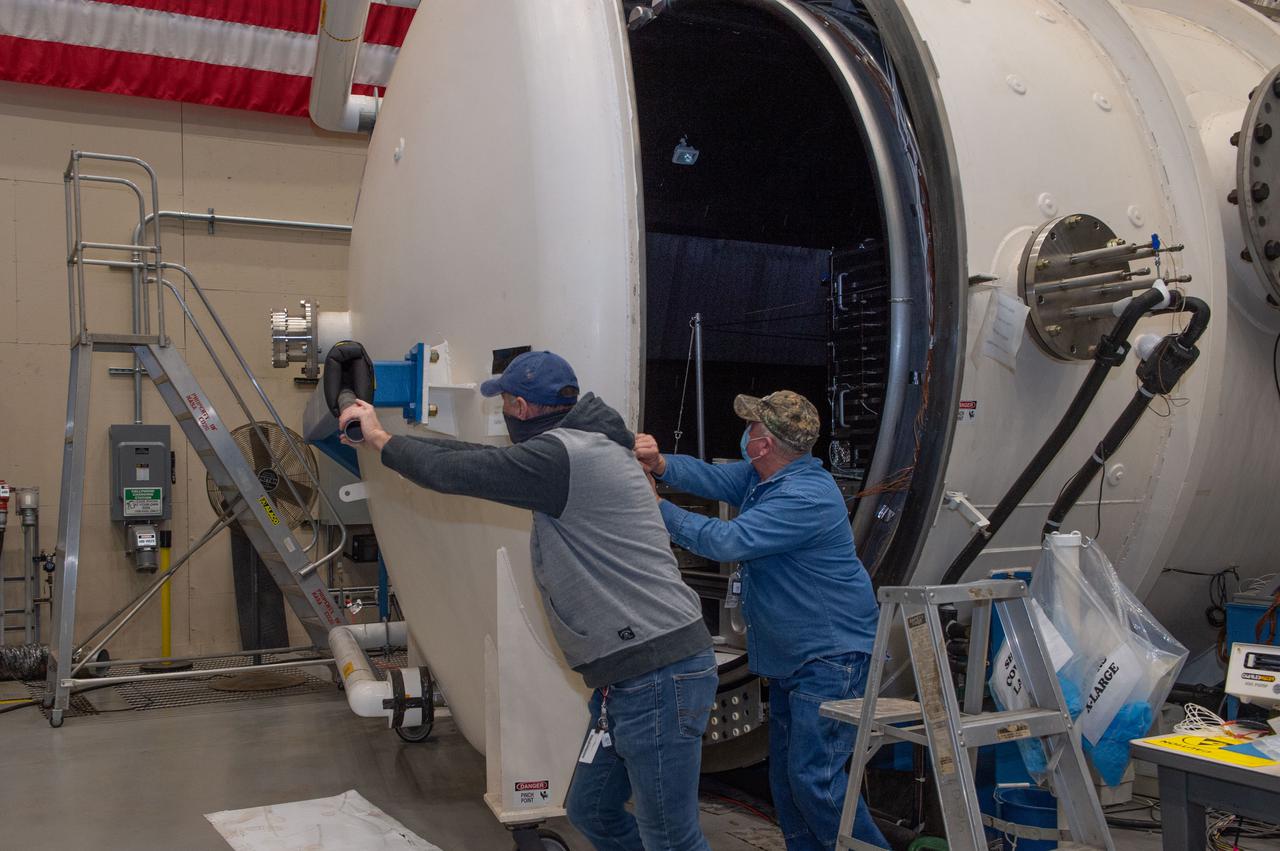
Opening Thermal Vacuum Chamber V15 to extract hot box containing NEA Scout spacecraft.
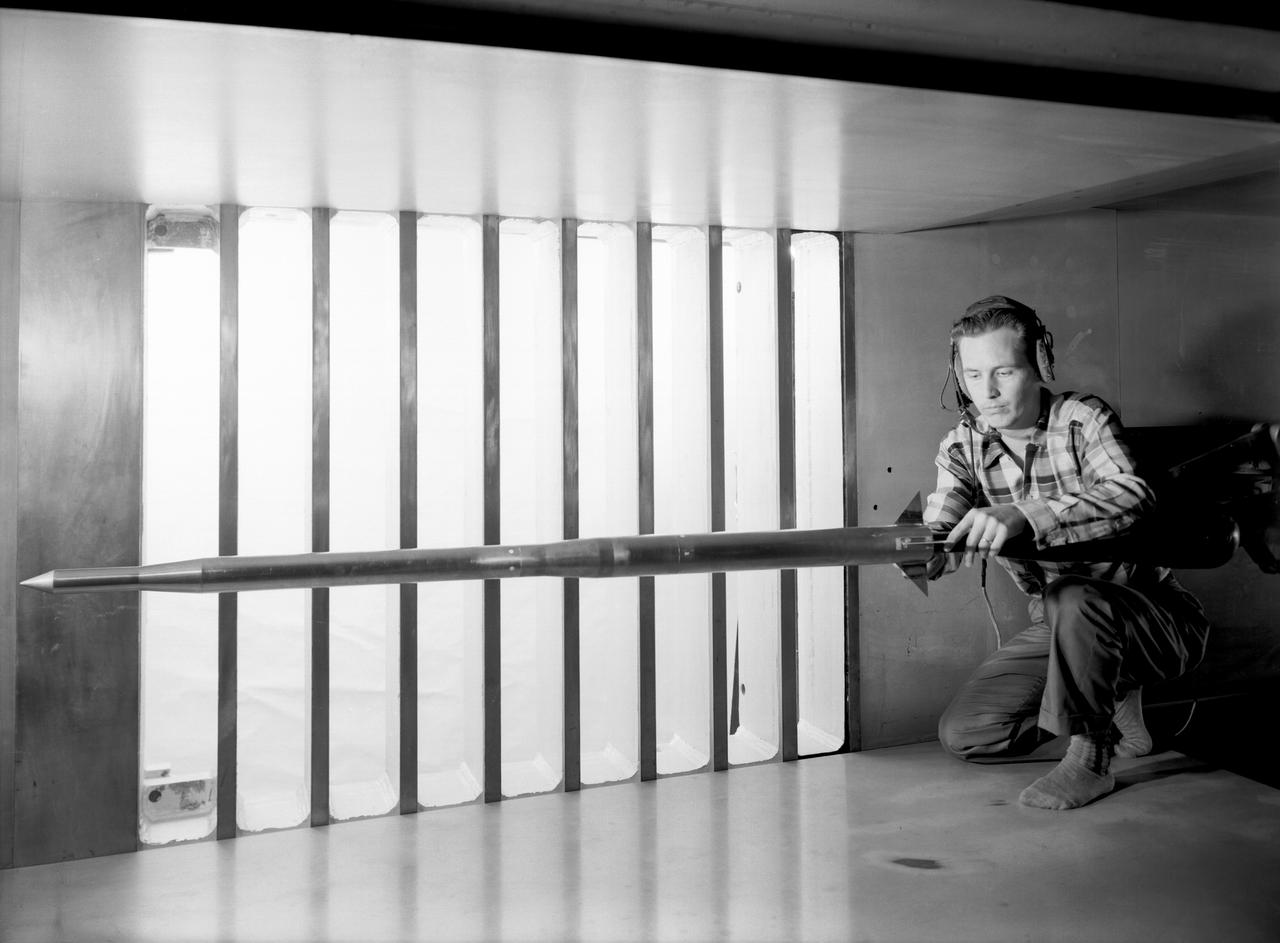
Scout Model in Unitary Wind Tunnel (UWT)
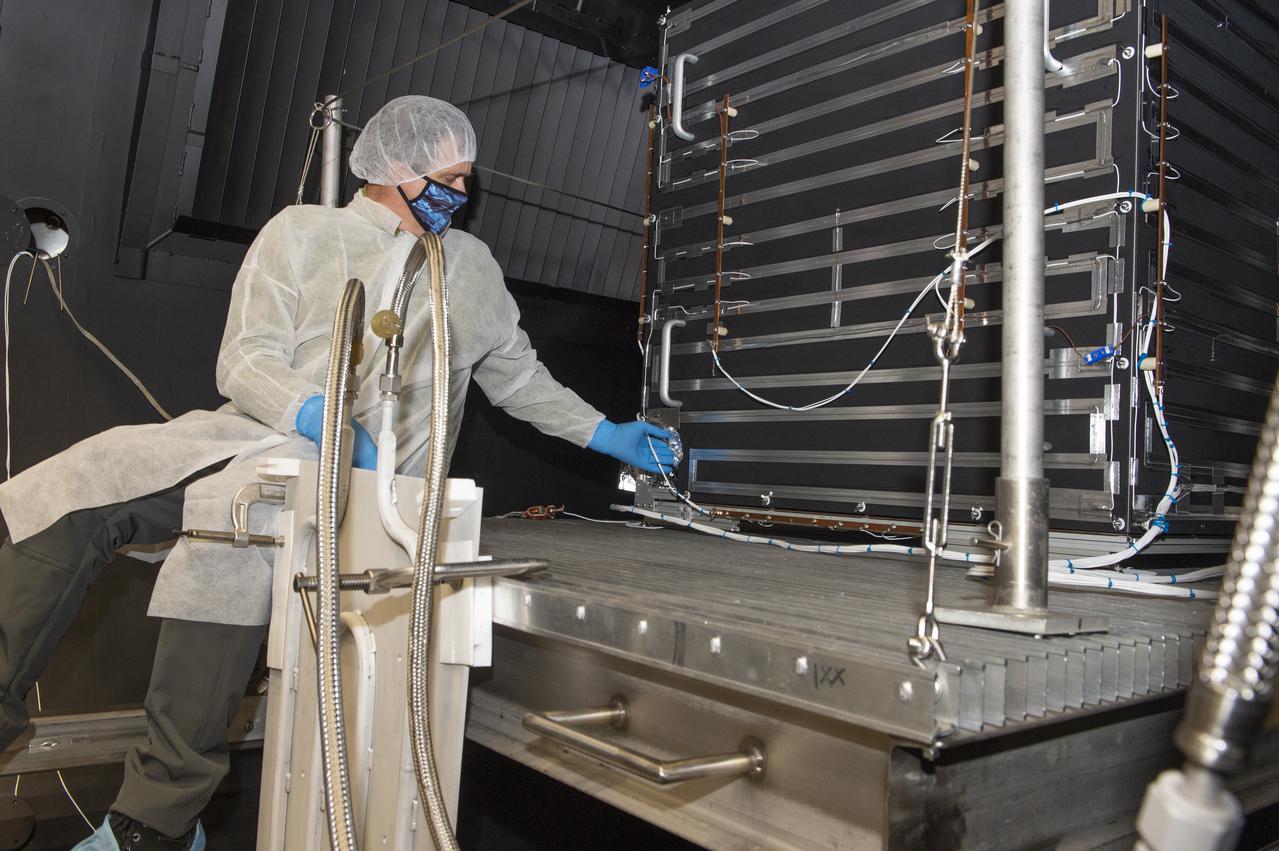
NEA (Near Earth Asteroid) Scout Hot Box – Repress Chamber V-15 and removal of Optical Witness Samples, (OWS), for analysis
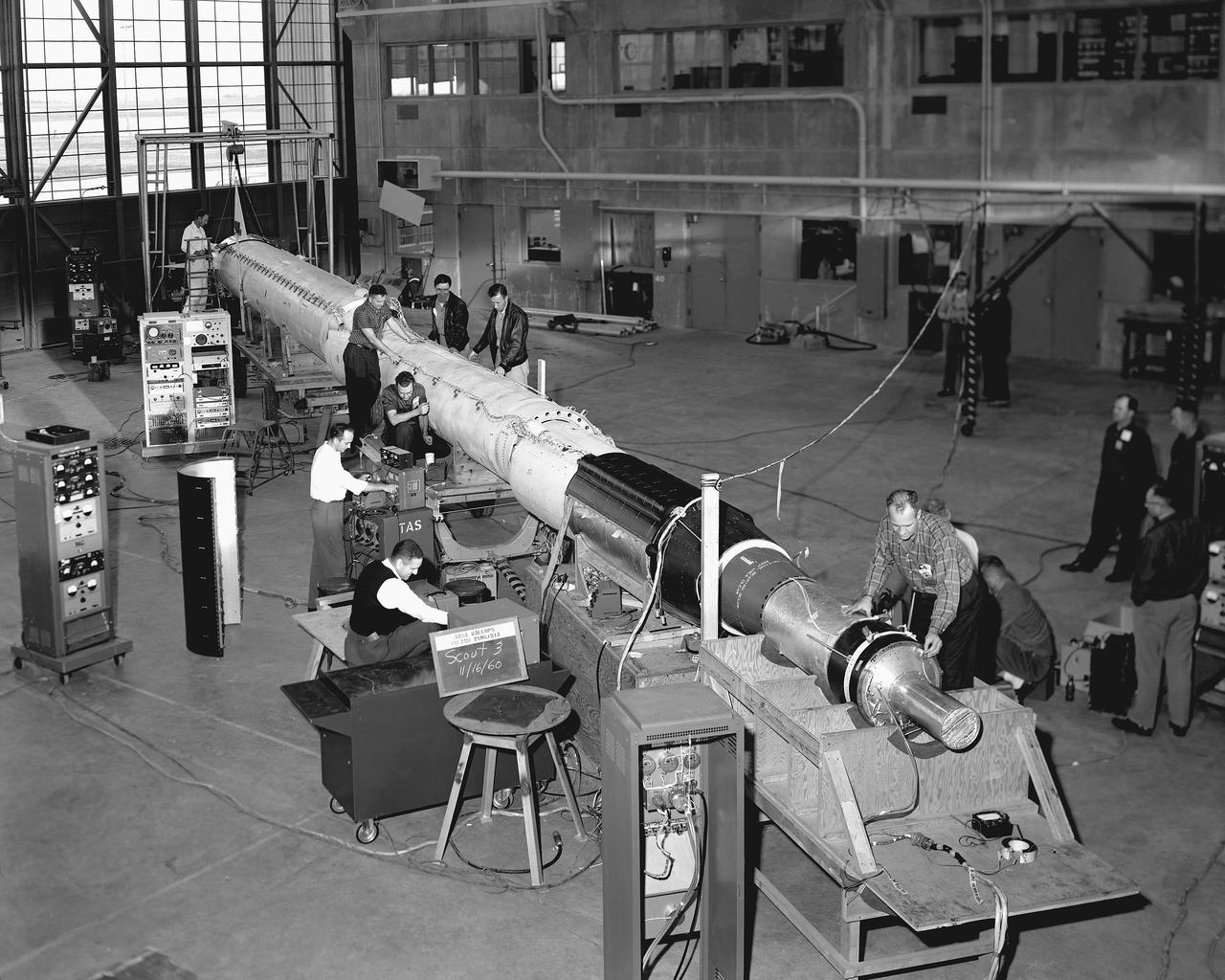
Employees of Vought Astronautic, Scout's prime contractor, work with NASA technicians to prepare ST-3 for launch. Unfortunately, this rocket would fail because of the second-stage misfire.
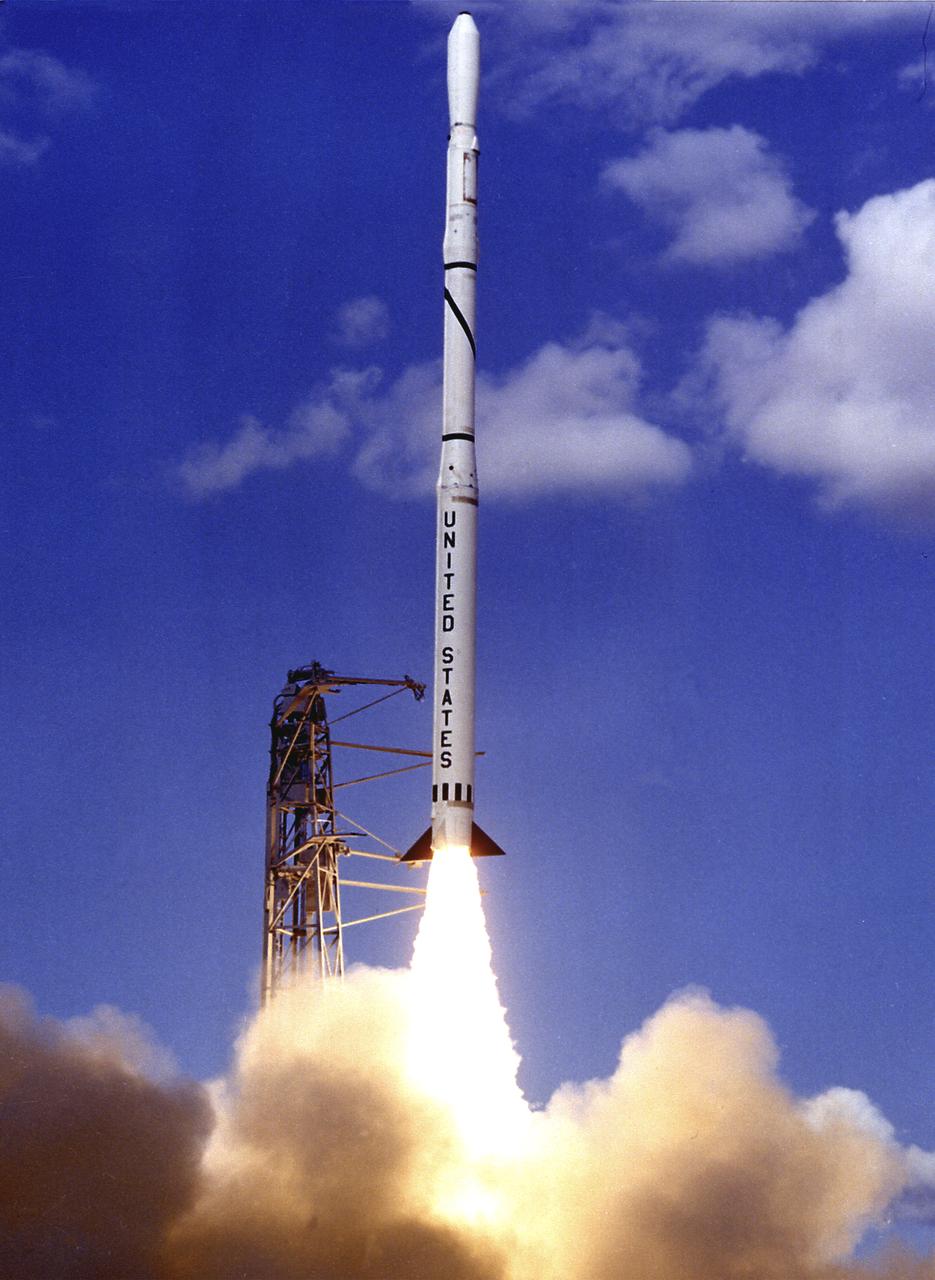
The launch of the Scout launch vehicle at the Wallops Flight Facility, VA
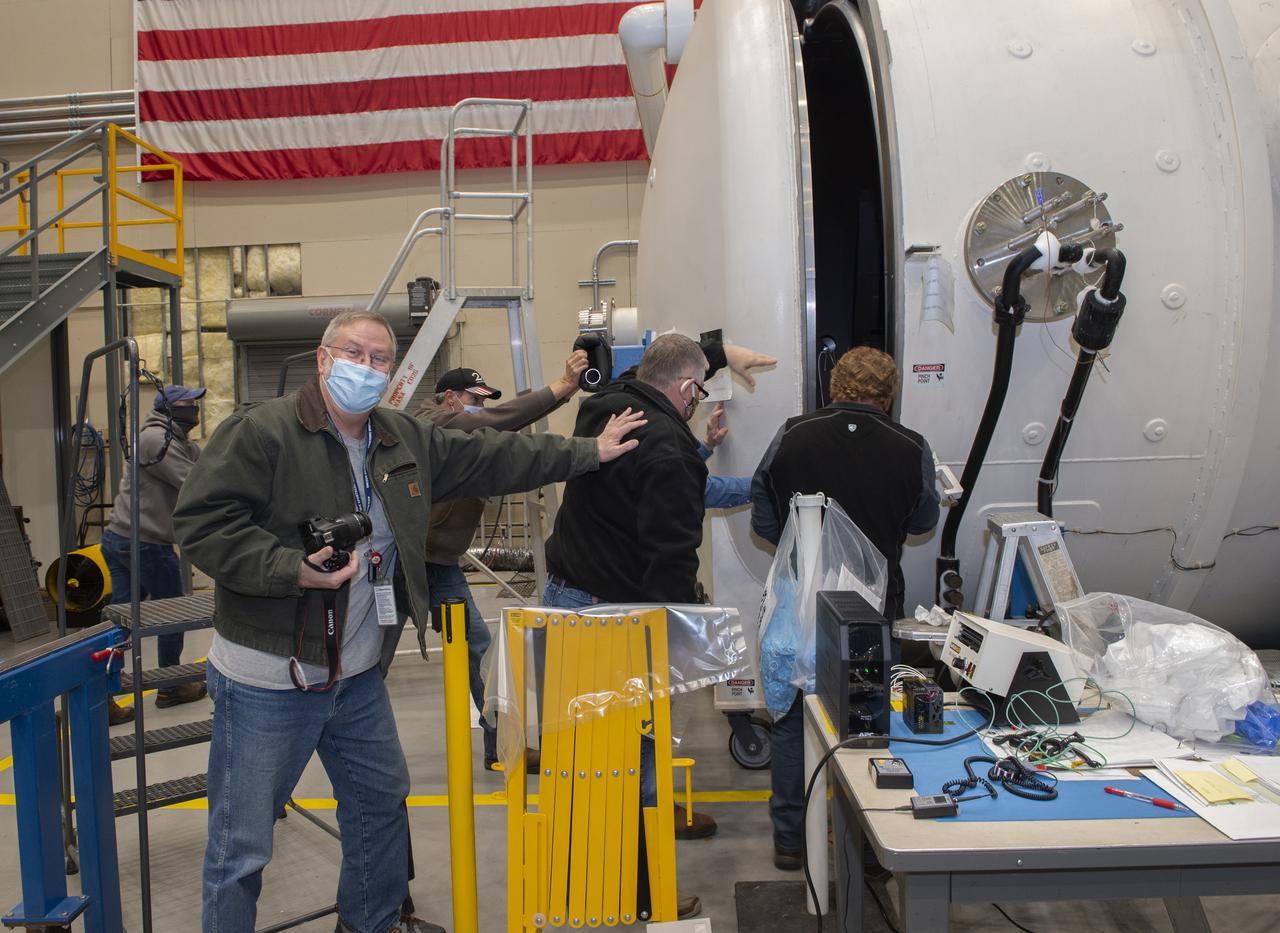
NEA (Near Earth Asteroid) Scout Hot Box – Repress Chamber V-15 and removal of Optical Witness Samples, (OWS), for analysis
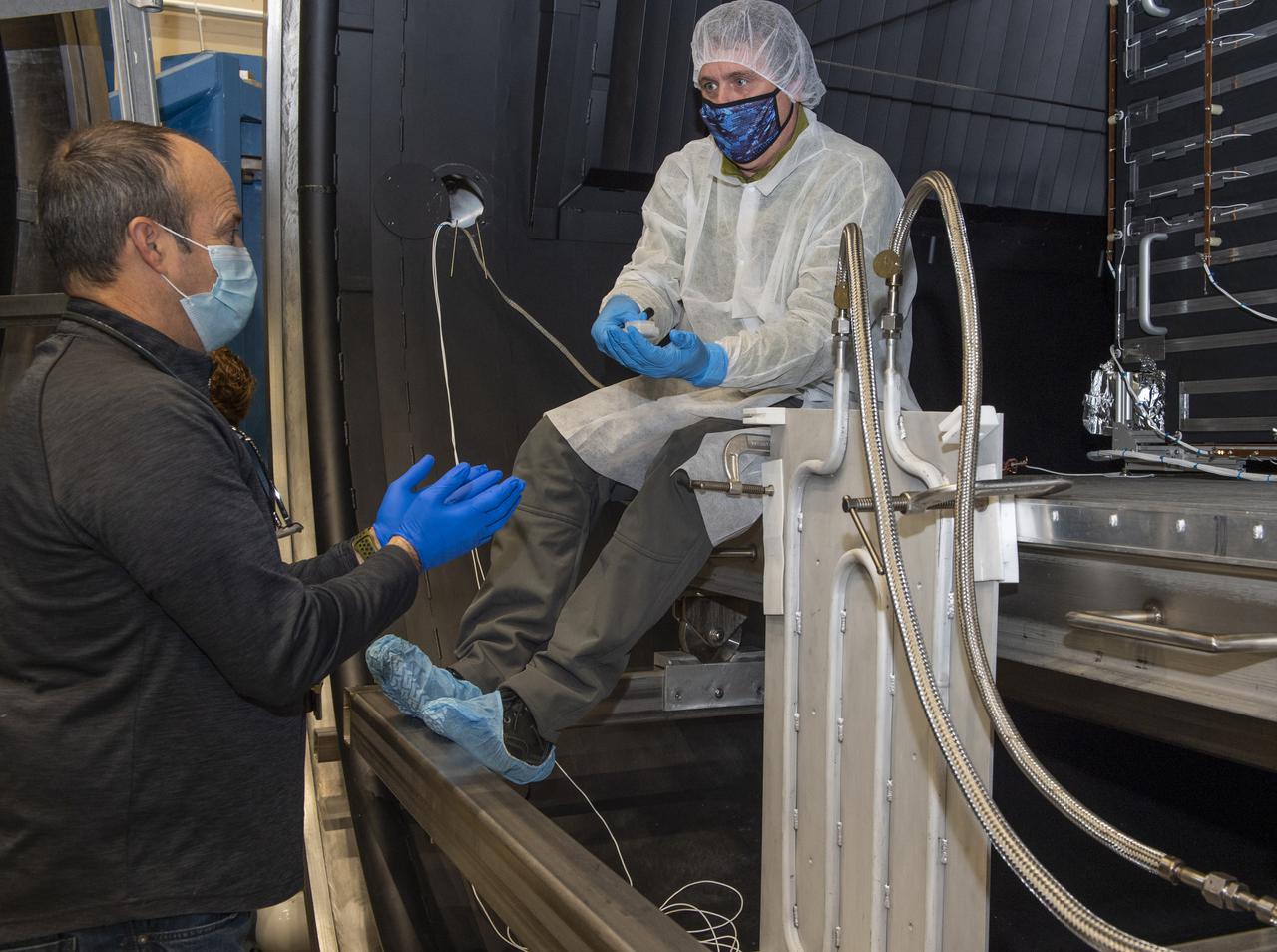
NEA (Near Earth Asteroid) Scout Hot Box – Repress Chamber V-15 and removal of Optical Witness Samples, (OWS), for analysis

NEA (Near Earth Asteroid) Scout Hot Box – Repress Chamber V-15 and removal of Optical Witness Samples, (OWS), for analysis
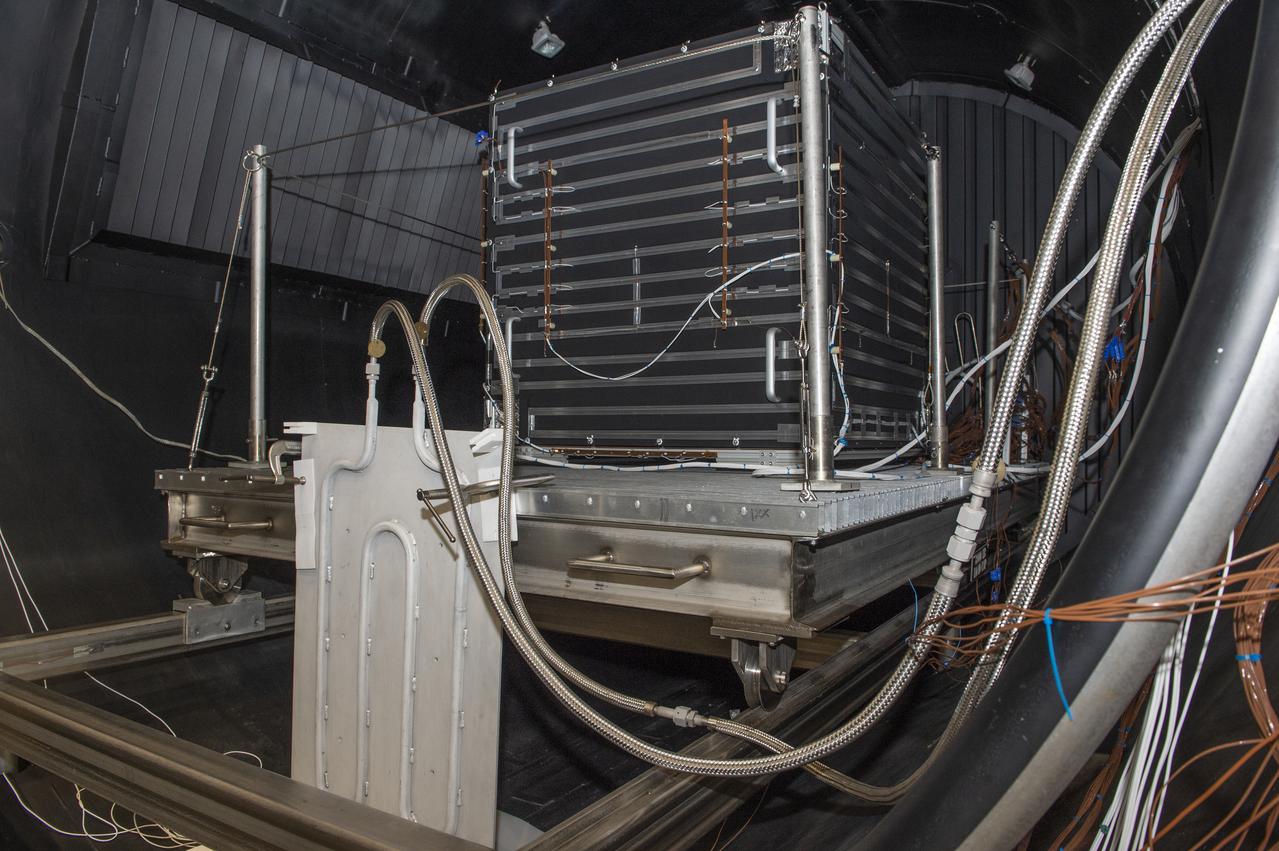
NEA (Near Earth Asteroid) Scout Hot Box – Repress Chamber V-15 and removal of Optical Witness Samples, (OWS), for analysis
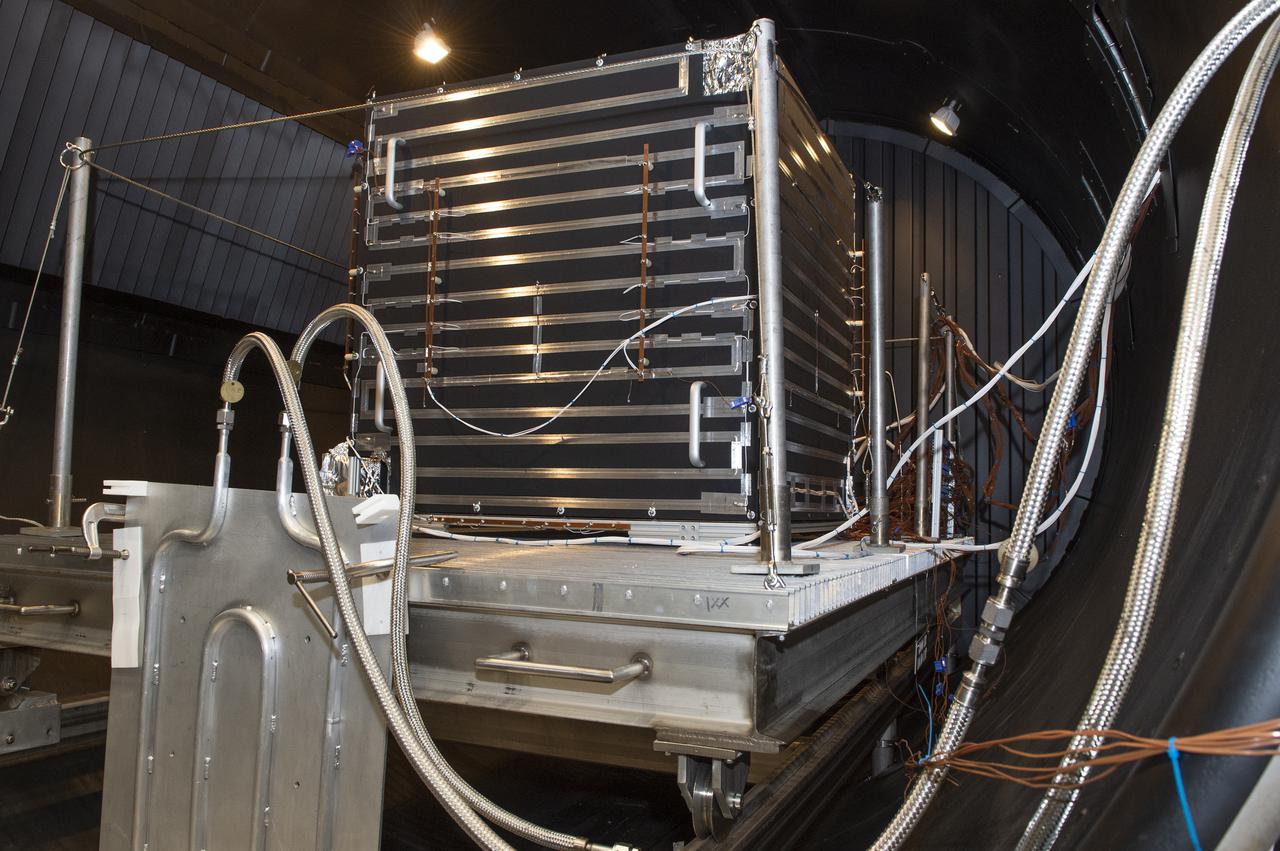
NEA (Near Earth Asteroid) Scout Hot Box – Repress Chamber V-15 and removal of Optical Witness Samples, (OWS), for analysis
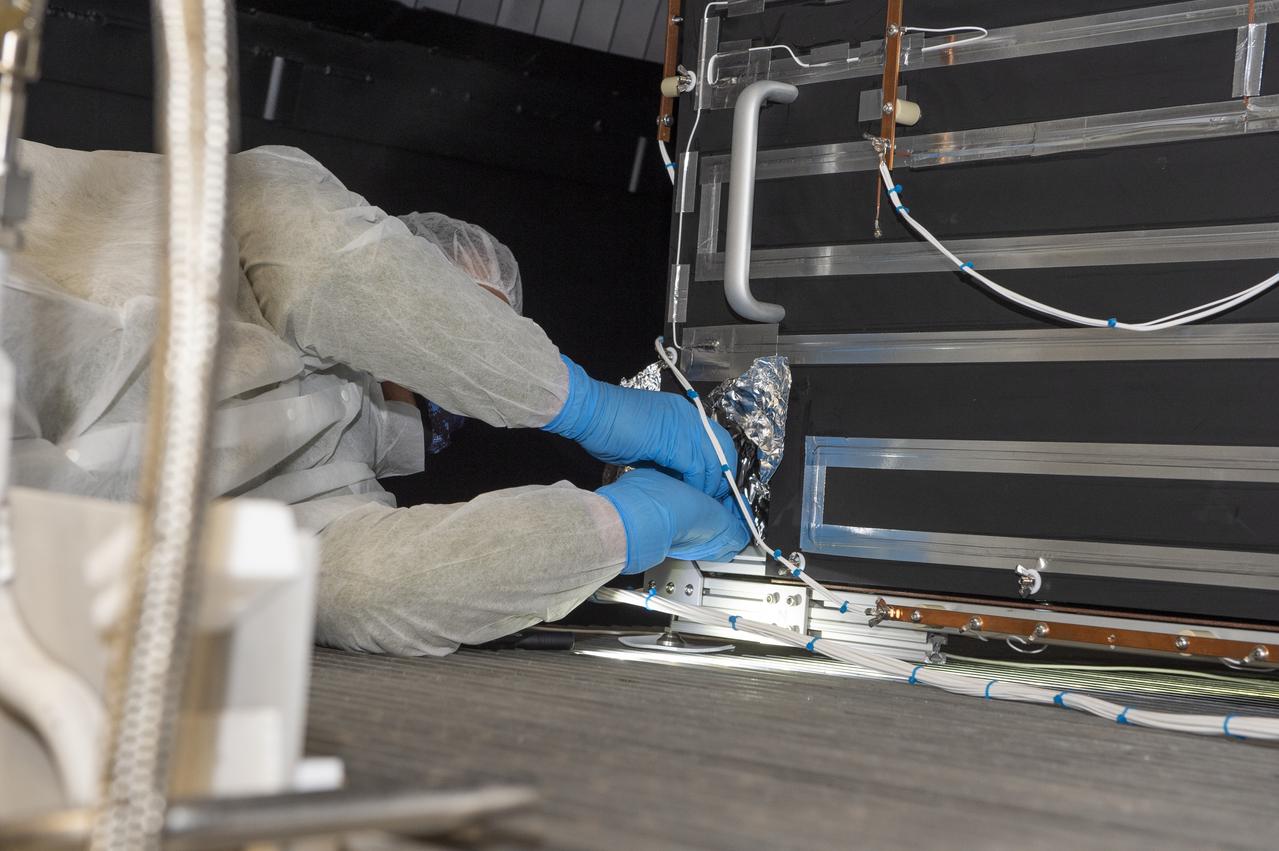
NEA (Near Earth Asteroid) Scout Hot Box – Repress Chamber V-15 and removal of Optical Witness Samples, (OWS), for analysis
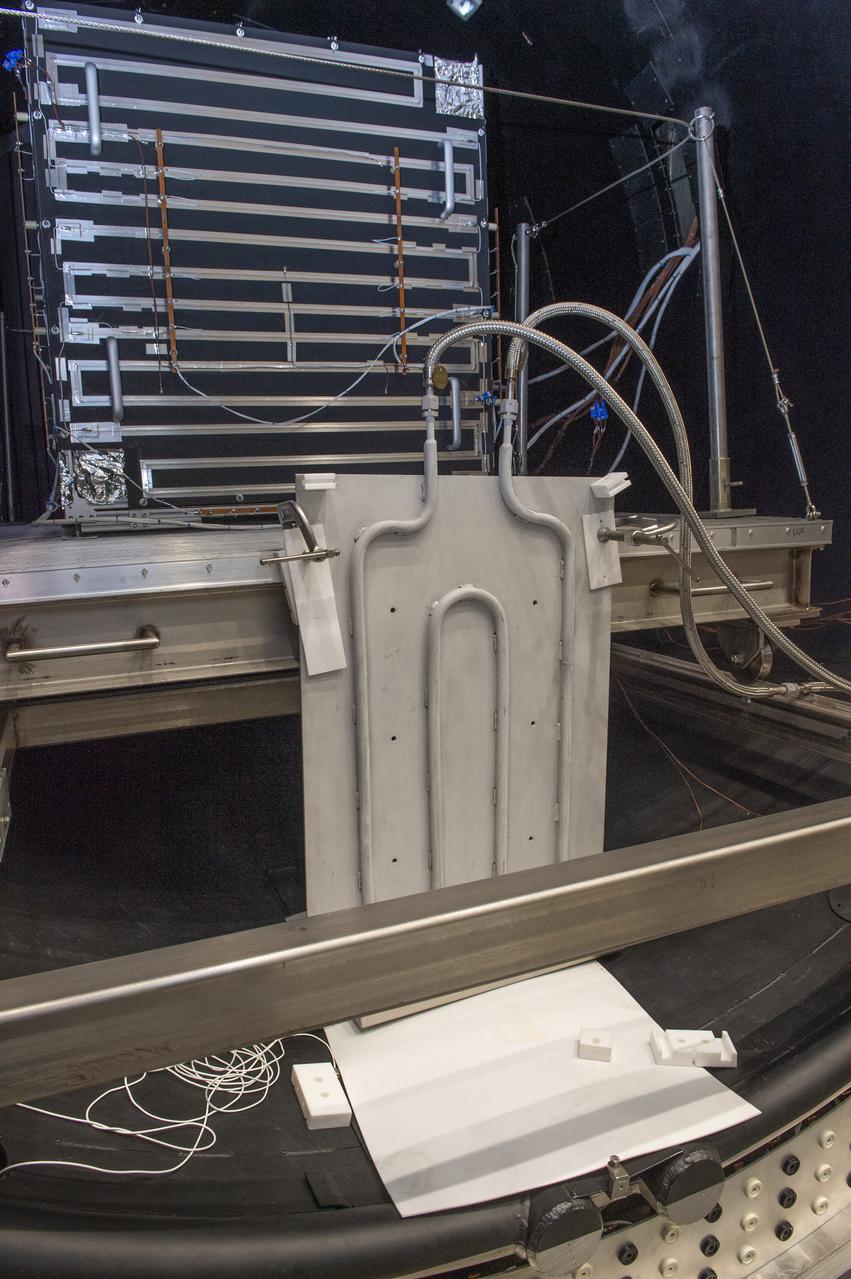
NEA (Near Earth Asteroid) Scout Hot Box – Repress Chamber V-15 and removal of Optical Witness Samples, (OWS), for analysis
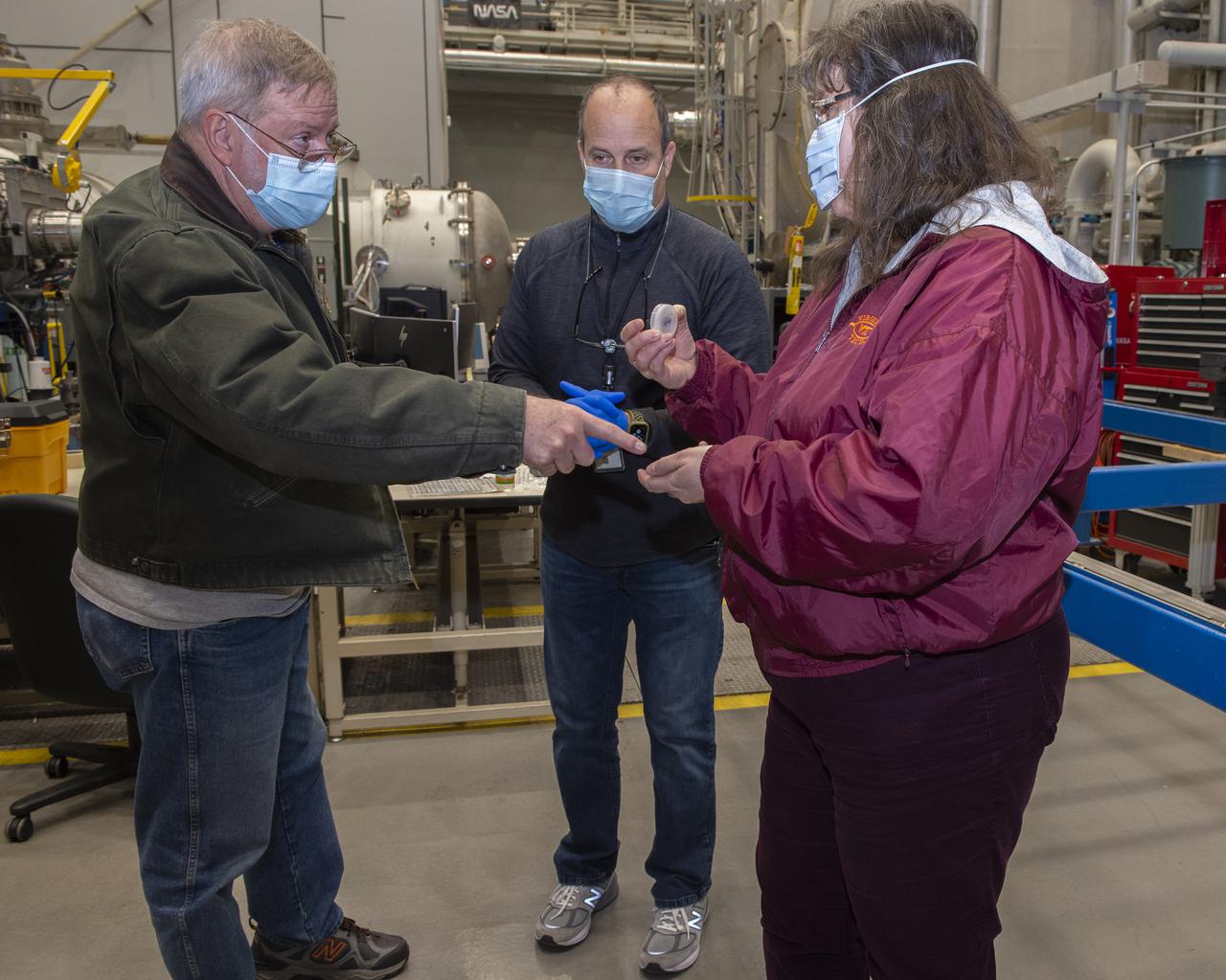
NEA (Near Earth Asteroid) Scout Hot Box – Repress Chamber V-15 and removal of Optical Witness Samples, (OWS), for analysis
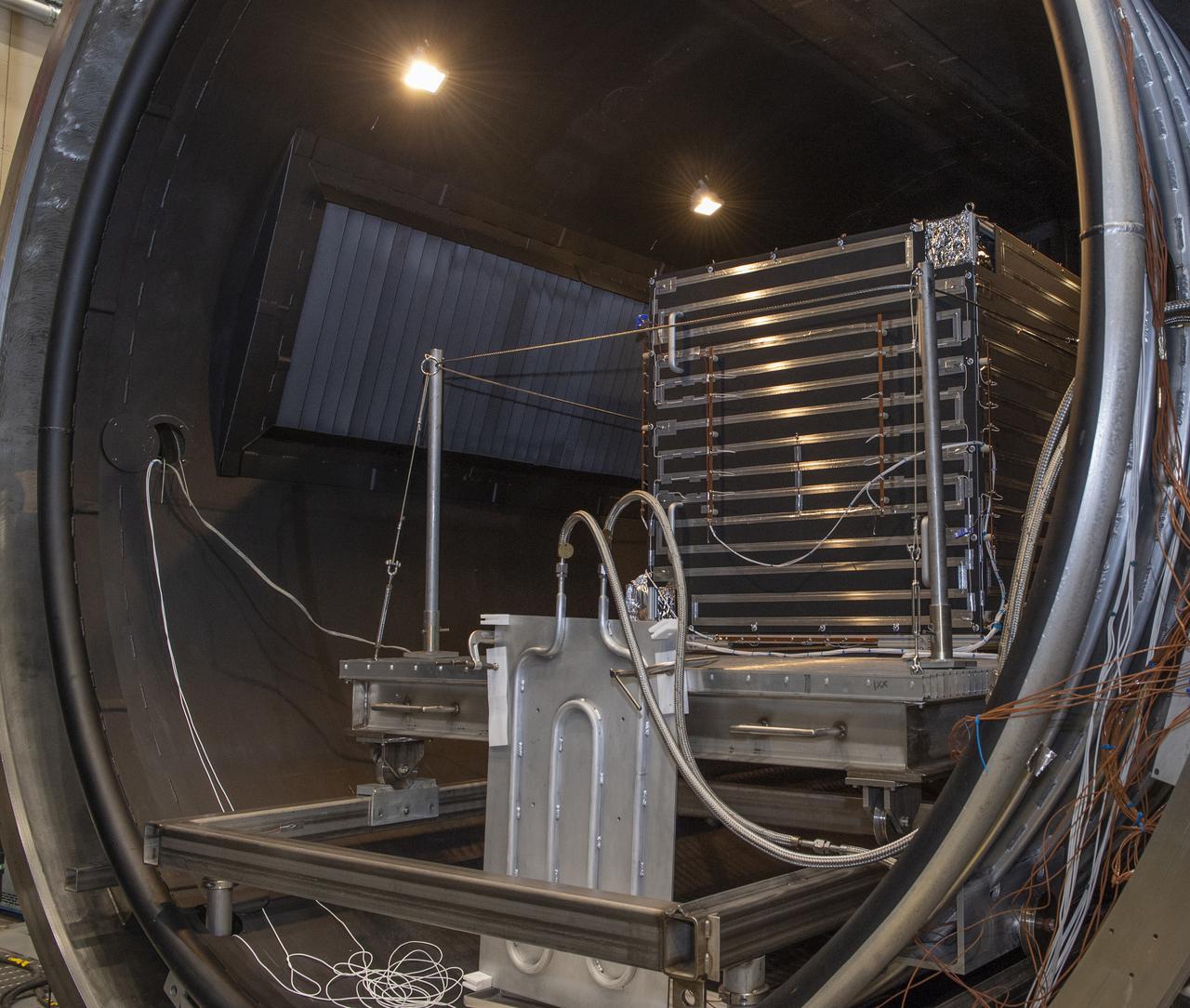
NEA (Near Earth Asteroid) Scout Hot Box – Repress Chamber V-15 and removal of Optical Witness Samples, (OWS), for analysis
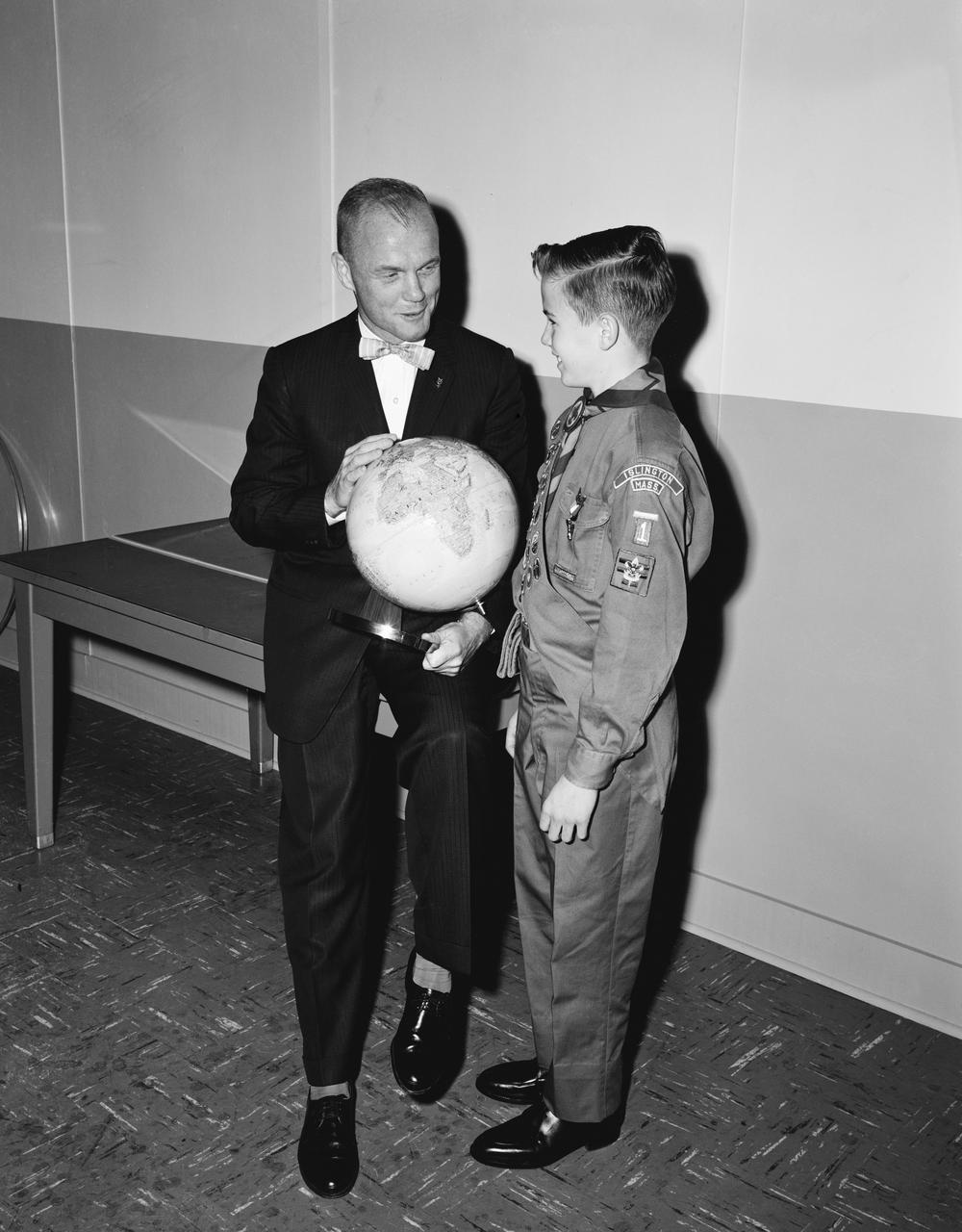
S62-00492 (1962) --- Astronaut John H. Glenn Jr. points out an area on the globe to a Boy Scout. Photo credit: NASA

Science Crew Operations and Utility Testbed (SCOUT) Rover testing with Advanced Extravehicular Activity (EVA) Suit on Johnson Space Center (JSC) Fields near Avenue B. View of two technicians with the SCOUT Rover during testing.
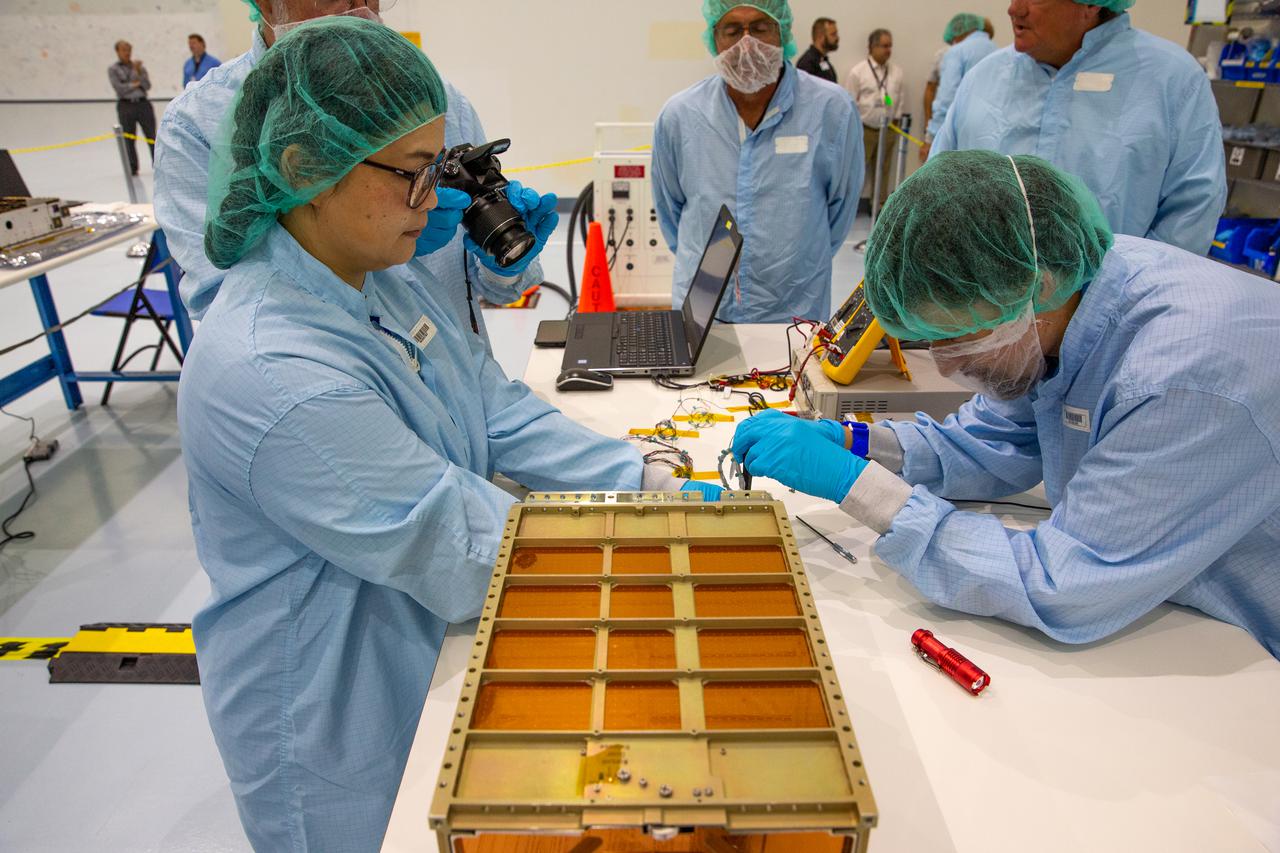
The Near-Earth Asteroid Scout team prepares their secondary payload for installation in the Space Launch System rocket’s Orion stage adapter at NASA’s Kennedy Space Center in Florida. NEA Scout will be deployed and go to an asteroid after the Orion spacecraft separates from the Space Launch System rocket and heads to the Moon during the Artemis I mission.
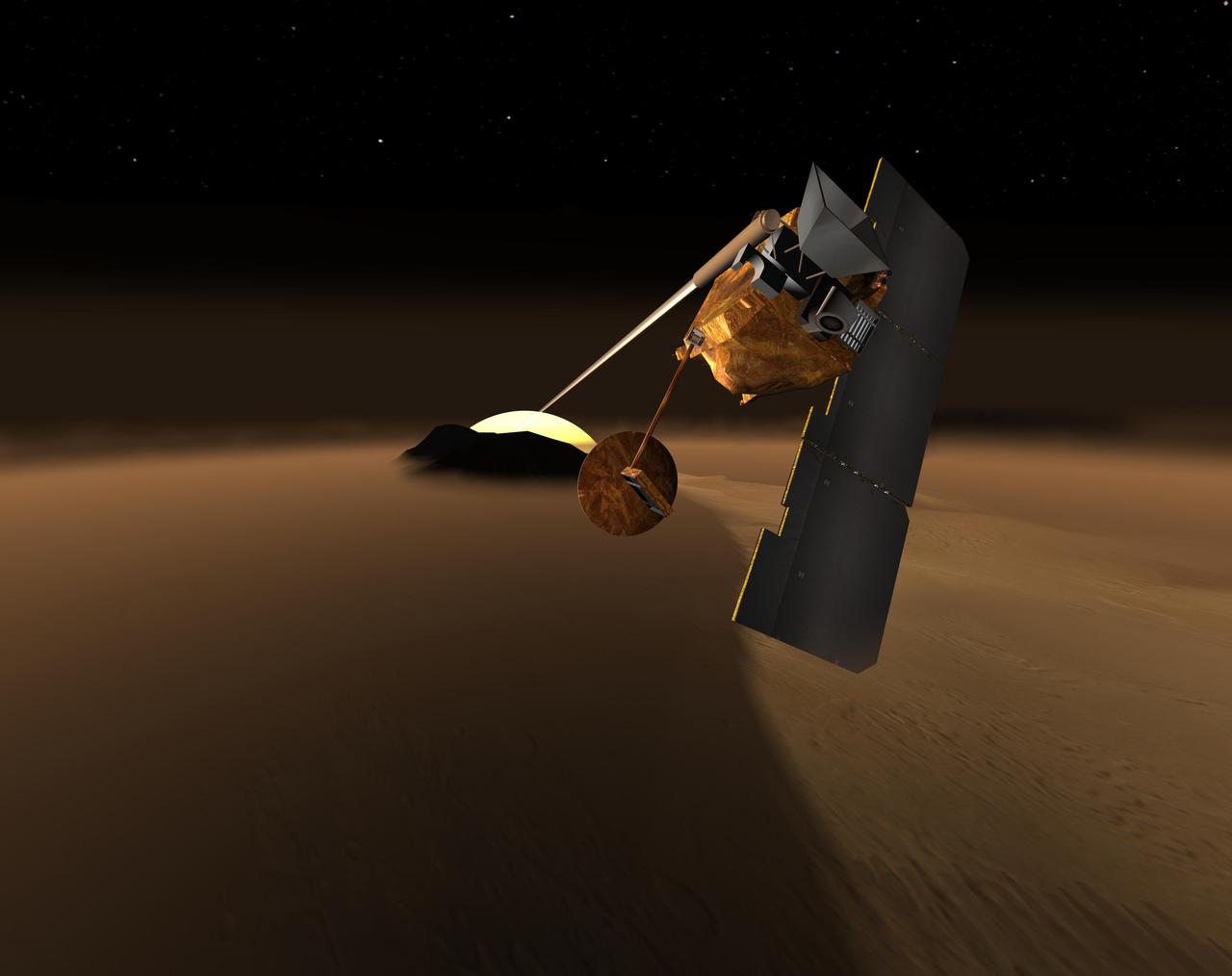
This artist rendition depicts a concept for NASA Mars orbiter that would scrutinize the martian atmosphere for chemical traces of life or environments supportive of life that might be present anywhere on the planet.

S61-02455 (19 June 1961) --- Astronaut Alan B. Shepard Jr. met and talked with Boy Scouts from Franklin, Virginia on June 19, 1961. They are photographed in front of the NASA Space Task Group building at Langley Space Flight Center. Photo credit: NASA or National Aeronautics and Space Administration
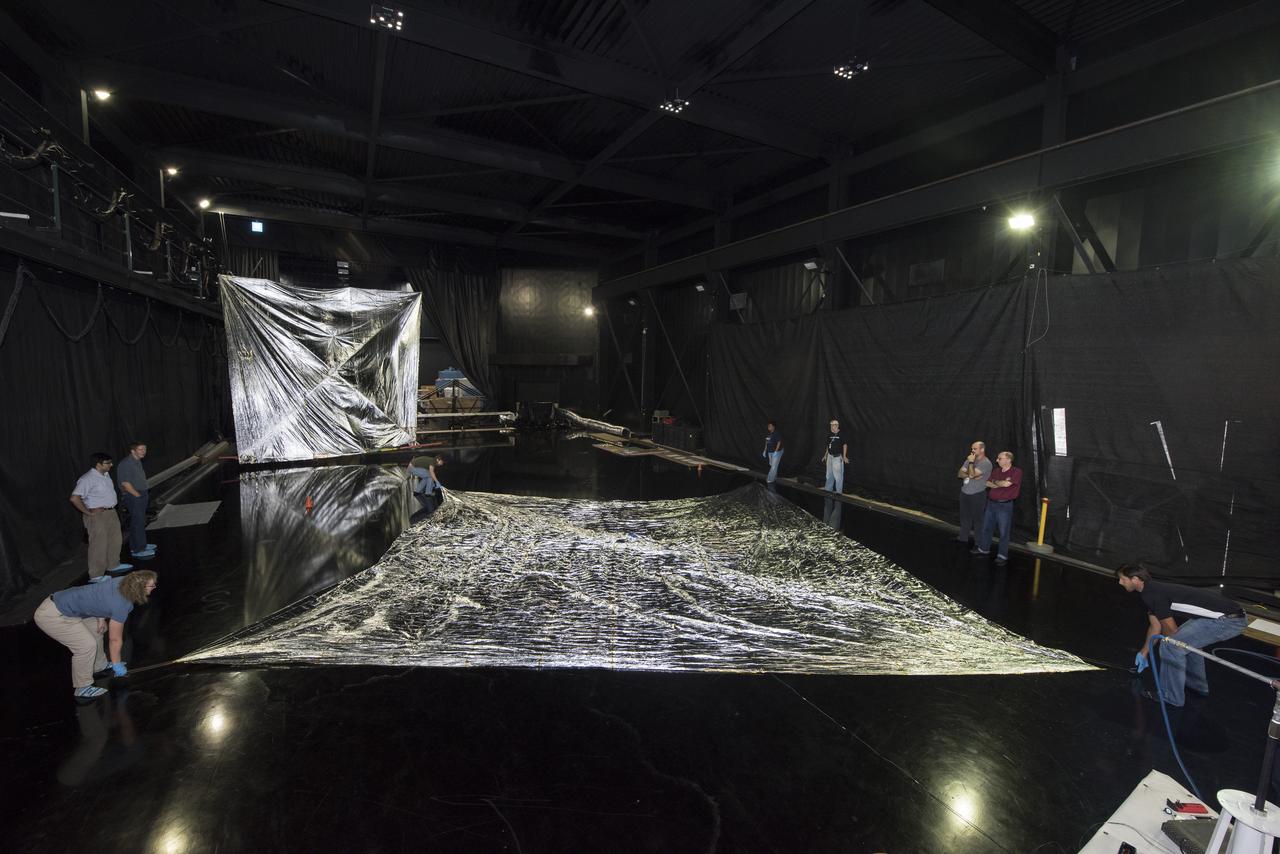
NEAR EARTH ASTEROID (NEA) SAIL TEAM PERFORMING A DEPLOYMENT OF THE FLIGHT-LIKE ENGINEERING DEVELOPMENT UNIT SOLAR SAIL. THE SAIL WAS MANUFACTURED AT NEXOLVE (HSV, AL) AND DEPLOYED FOR THE FIRST TIME AT MSFC ON AUGUST 4TH, 2016
NEAR EARTH ASTEROID (NEA) SAIL TEAM PERFORMING A DEPLOYMENT OF THE FLIGHT-LIKE ENGINEERING DEVELOPMENT UNIT SOLAR SAIL. THE SAIL WAS MANUFACTURED AT NEXOLVE (HSV, AL) AND DEPLOYED FOR THE FIRST TIME AT MSFC ON AUGUST 4TH, 2016
NEAR EARTH ASTEROID (NEA) SAIL TEAM PERFORMING A DEPLOYMENT OF THE FLIGHT-LIKE ENGINEERING DEVELOPMENT UNIT SOLAR SAIL. THE SAIL WAS MANUFACTURED AT NEXOLVE (HSV, AL) AND DEPLOYED FOR THE FIRST TIME AT MSFC ON AUGUST 4TH, 2016
NEAR EARTH ASTEROID (NEA) SAIL TEAM PERFORMING A DEPLOYMENT OF THE FLIGHT-LIKE ENGINEERING DEVELOPMENT UNIT SOLAR SAIL. THE SAIL WAS MANUFACTURED AT NEXOLVE (HSV, AL) AND DEPLOYED FOR THE FIRST TIME AT MSFC ON AUGUST 4TH, 2016
NEAR EARTH ASTEROID (NEA) SAIL TEAM PERFORMING A DEPLOYMENT OF THE FLIGHT-LIKE ENGINEERING DEVELOPMENT UNIT SOLAR SAIL. THE SAIL WAS MANUFACTURED AT NEXOLVE (HSV, AL) AND DEPLOYED FOR THE FIRST TIME AT MSFC ON AUGUST 4TH, 2016
NEAR EARTH ASTEROID (NEA) SAIL TEAM PERFORMING A DEPLOYMENT OF THE FLIGHT-LIKE ENGINEERING DEVELOPMENT UNIT SOLAR SAIL. THE SAIL WAS MANUFACTURED AT NEXOLVE (HSV, AL) AND DEPLOYED FOR THE FIRST TIME AT MSFC ON AUGUST 4TH, 2016
NEAR EARTH ASTEROID (NEA) SAIL TEAM PERFORMING A DEPLOYMENT OF THE FLIGHT-LIKE ENGINEERING DEVELOPMENT UNIT SOLAR SAIL. THE SAIL WAS MANUFACTURED AT NEXOLVE (HSV, AL) AND DEPLOYED FOR THE FIRST TIME AT MSFC ON AUGUST 4TH, 2016
NEAR EARTH ASTEROID (NEA) SAIL TEAM PERFORMING A DEPLOYMENT OF THE FLIGHT-LIKE ENGINEERING DEVELOPMENT UNIT SOLAR SAIL. THE SAIL WAS MANUFACTURED AT NEXOLVE (HSV, AL) AND DEPLOYED FOR THE FIRST TIME AT MSFC ON AUGUST 4TH, 2016
NEAR EARTH ASTEROID (NEA) SAIL TEAM PERFORMING A DEPLOYMENT OF THE FLIGHT-LIKE ENGINEERING DEVELOPMENT UNIT SOLAR SAIL. THE SAIL WAS MANUFACTURED AT NEXOLVE (HSV, AL) AND DEPLOYED FOR THE FIRST TIME AT MSFC ON AUGUST 4TH, 2016
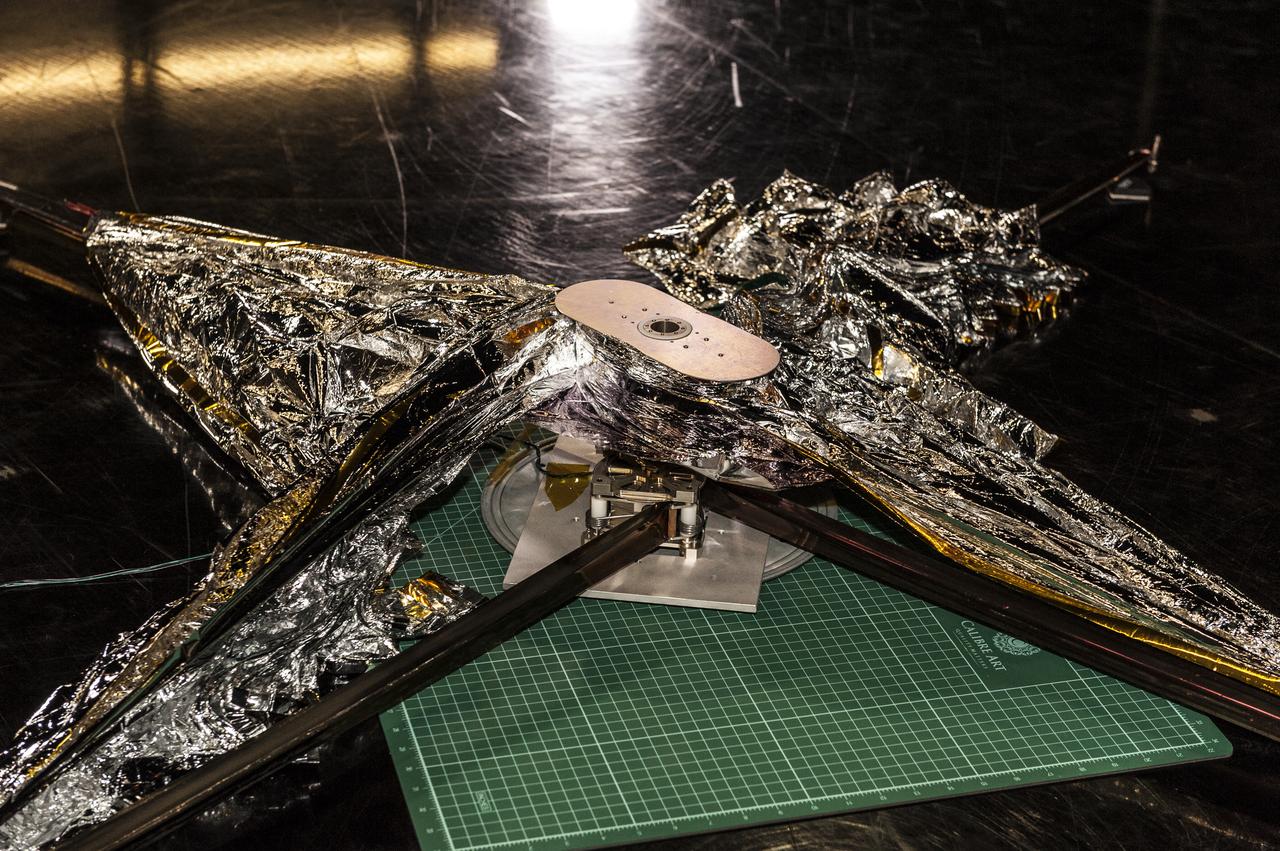
NEAR EARTH ASTEROID (NEA) SAIL TEAM PERFORMING A DEPLOYMENT OF THE FLIGHT-LIKE ENGINEERING DEVELOPMENT UNIT SOLAR SAIL. THE SAIL WAS MANUFACTURED AT NEXOLVE (HSV, AL) AND DEPLOYED FOR THE FIRST TIME AT MSFC ON AUGUST 4TH, 2016
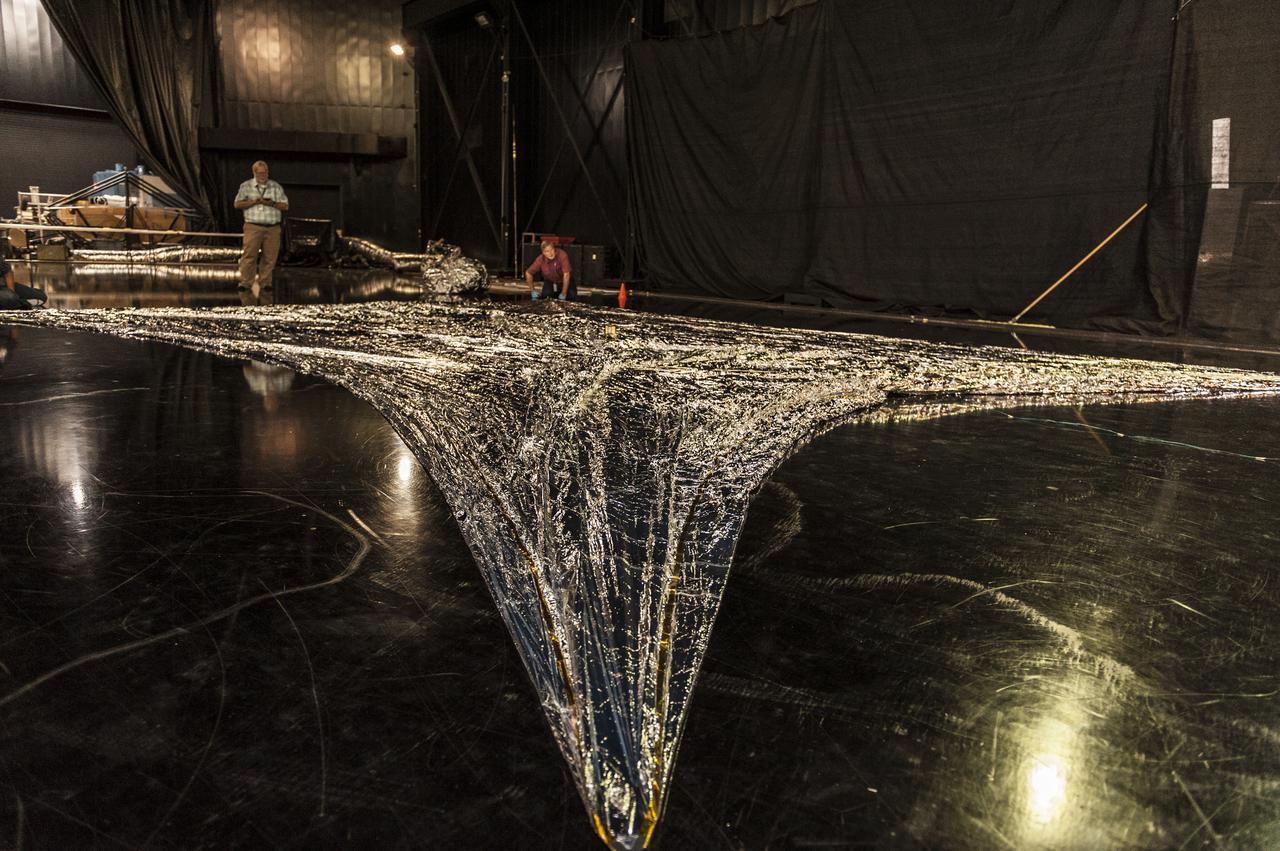
NEAR EARTH ASTEROID (NEA) SAIL TEAM PERFORMING A DEPLOYMENT OF THE FLIGHT-LIKE ENGINEERING DEVELOPMENT UNIT SOLAR SAIL. THE SAIL WAS MANUFACTURED AT NEXOLVE (HSV, AL) AND DEPLOYED FOR THE FIRST TIME AT MSFC ON AUGUST 4TH, 2016

NEAR EARTH ASTEROID (NEA) SAIL TEAM PERFORMING A DEPLOYMENT OF THE FLIGHT-LIKE ENGINEERING DEVELOPMENT UNIT SOLAR SAIL. THE SAIL WAS MANUFACTURED AT NEXOLVE (HSV, AL) AND DEPLOYED FOR THE FIRST TIME AT MSFC ON AUGUST 4TH, 2016
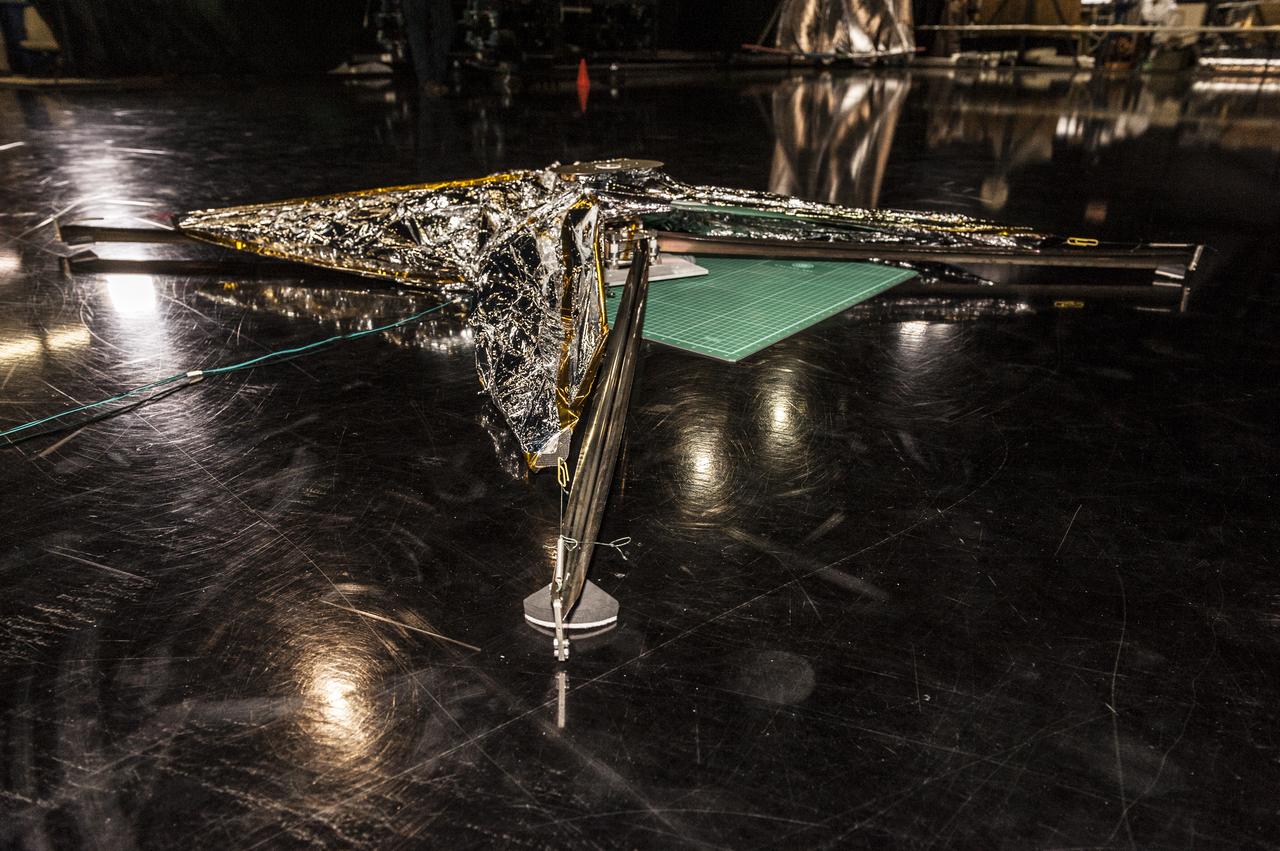
NEAR EARTH ASTEROID (NEA) SAIL TEAM PERFORMING A DEPLOYMENT OF THE FLIGHT-LIKE ENGINEERING DEVELOPMENT UNIT SOLAR SAIL. THE SAIL WAS MANUFACTURED AT NEXOLVE (HSV, AL) AND DEPLOYED FOR THE FIRST TIME AT MSFC ON AUGUST 4TH, 2016
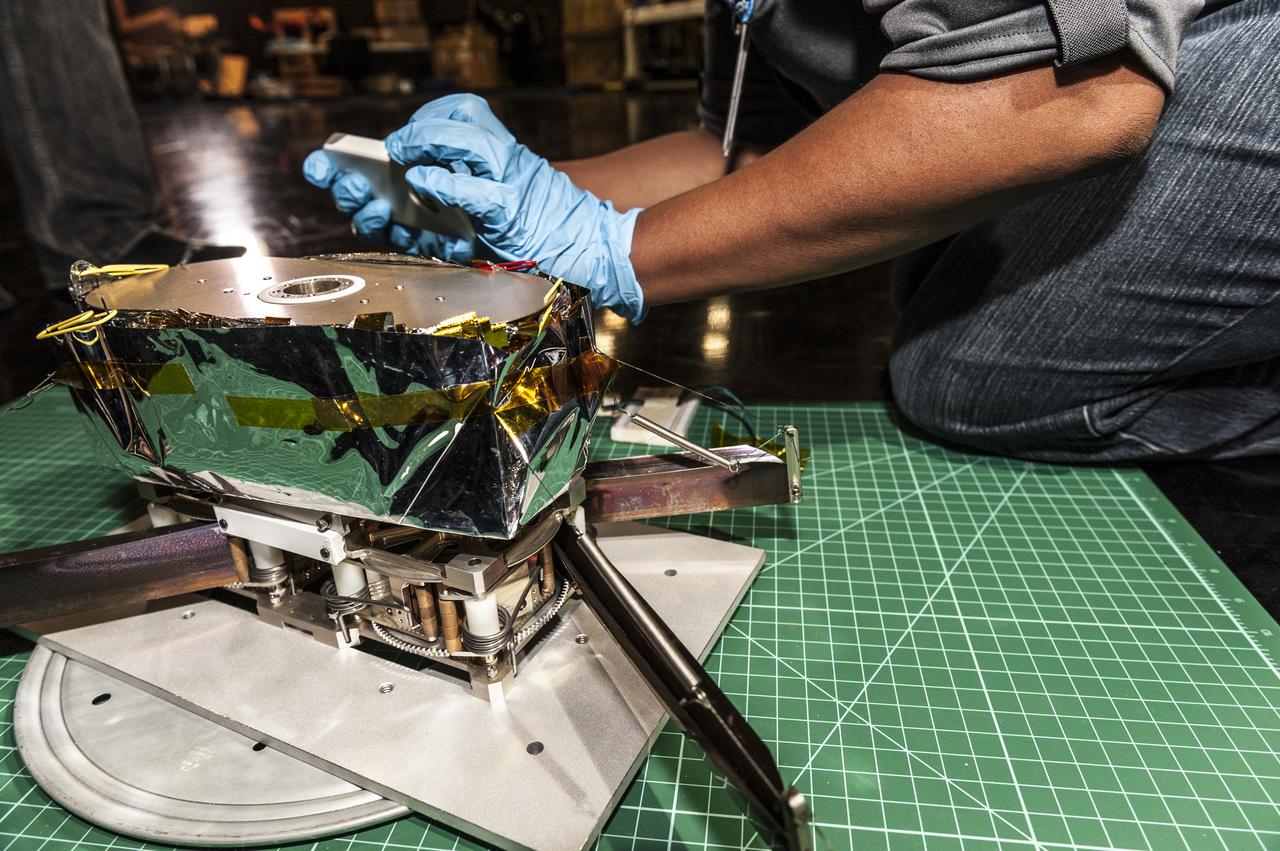
NEAR EARTH ASTEROID (NEA) SAIL TEAM PERFORMING A DEPLOYMENT OF THE FLIGHT-LIKE ENGINEERING DEVELOPMENT UNIT SOLAR SAIL. THE SAIL WAS MANUFACTURED AT NEXOLVE (HSV, AL) AND DEPLOYED FOR THE FIRST TIME AT MSFC ON AUGUST 4TH, 2016
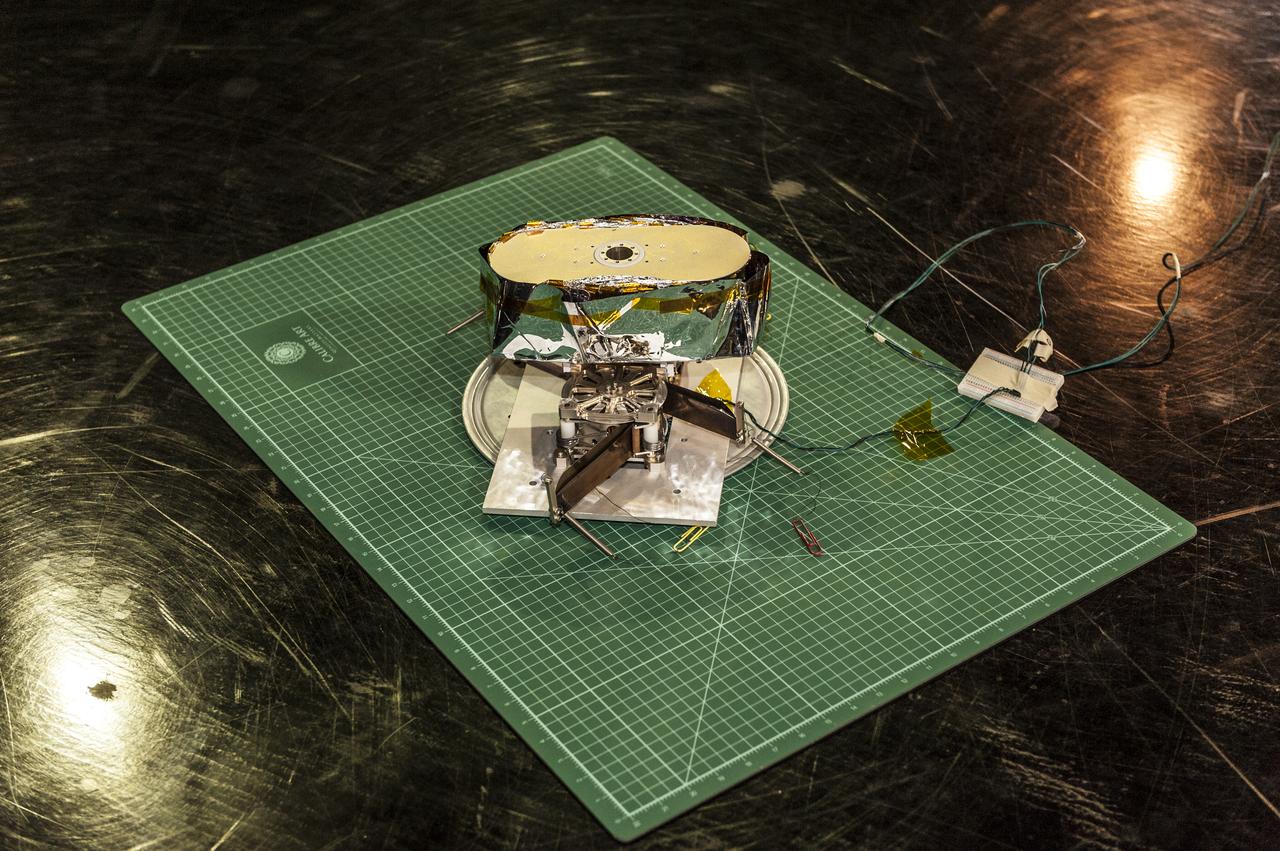
NEAR EARTH ASTEROID (NEA) SAIL TEAM PERFORMING A DEPLOYMENT OF THE FLIGHT-LIKE ENGINEERING DEVELOPMENT UNIT SOLAR SAIL. THE SAIL WAS MANUFACTURED AT NEXOLVE (HSV, AL) AND DEPLOYED FOR THE FIRST TIME AT MSFC ON AUGUST 4TH, 2016
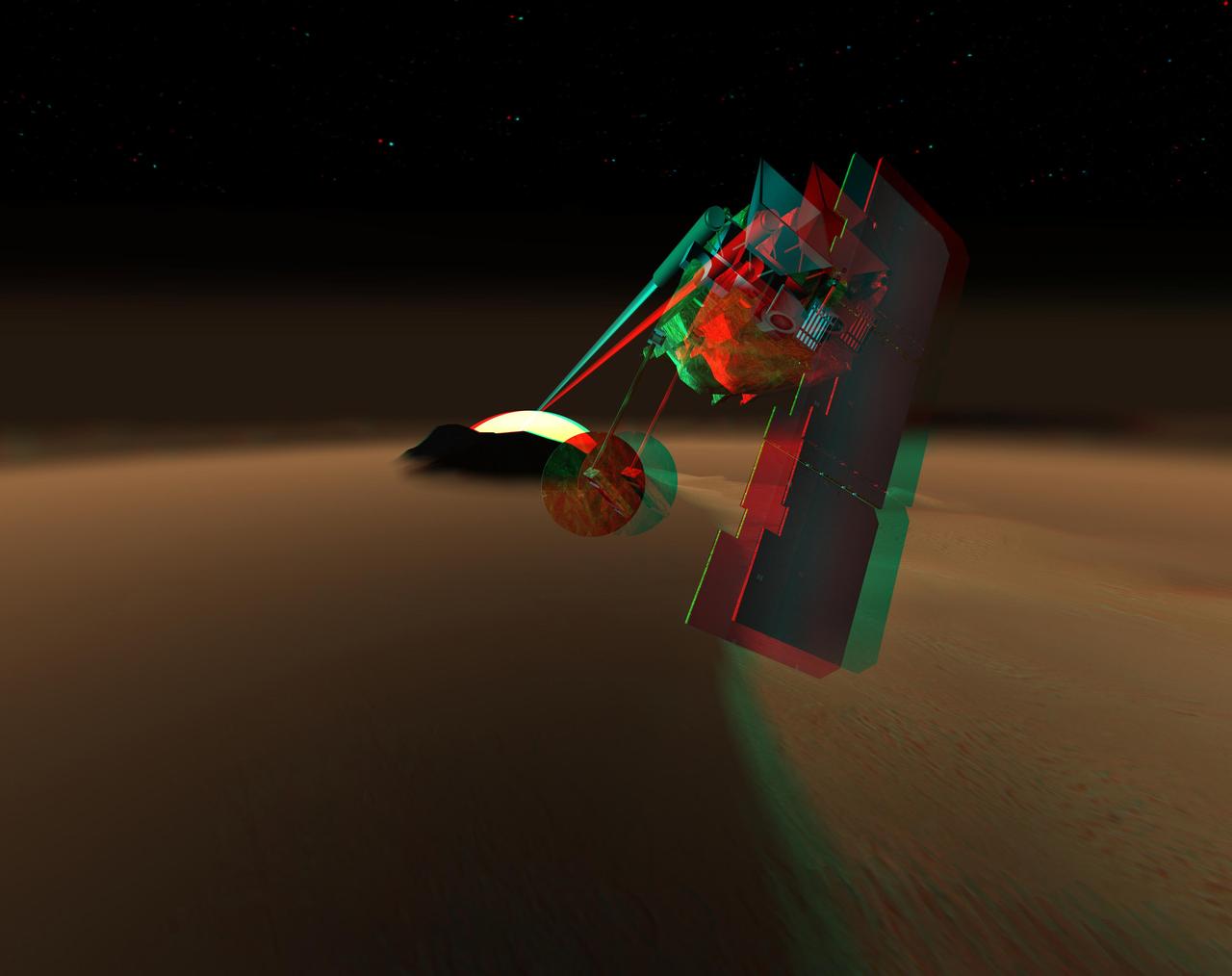
This artist rendition depicts a concept for a Mars orbiter that would scrutinize the martian atmosphere for chemical traces of life or environments supportive of life that might be present anywhere on the planet. 3D glasses are necessary.
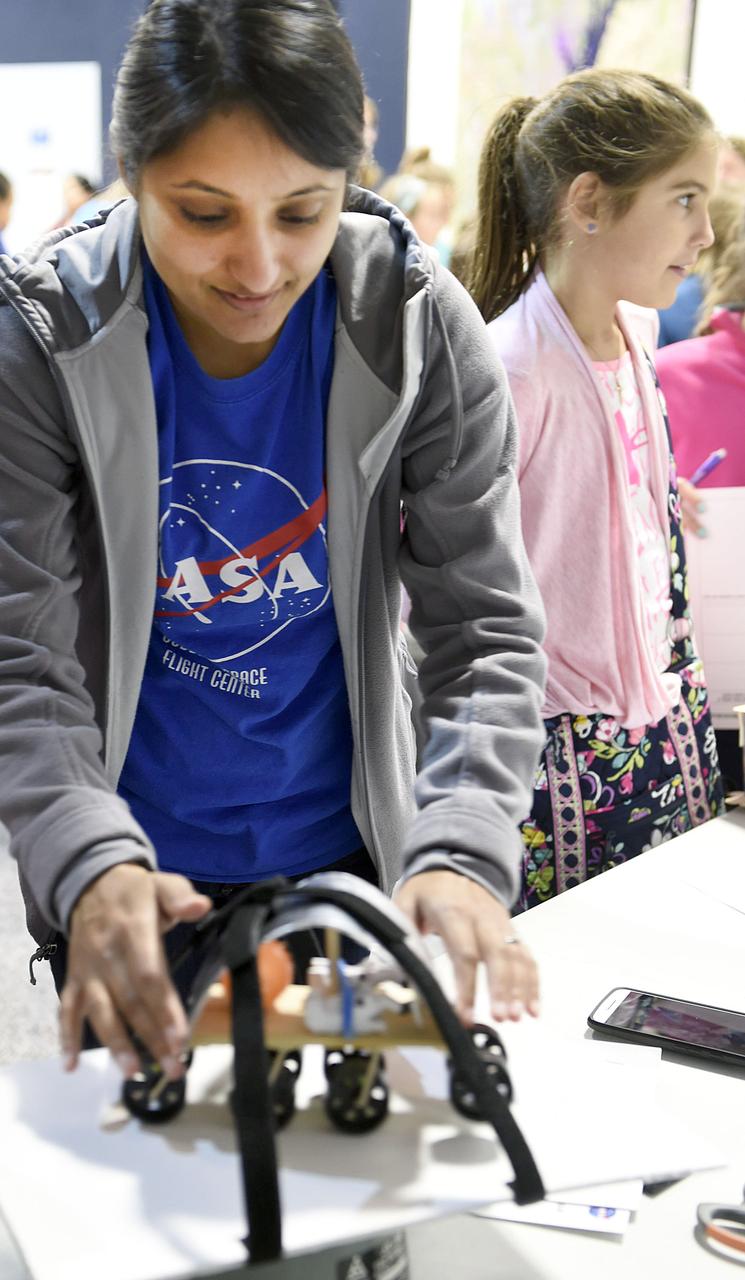
Junior Girl Scouts from two locals conceils, Girl Scouts of Central Maryland and Girl Scouts of Nations Capital, participated in She's an Engineer! Girl Scout program on November 3, 2016. They met with female NASA engineers and tested rover models in simulated I&T stations to explore the Engineering Design process.
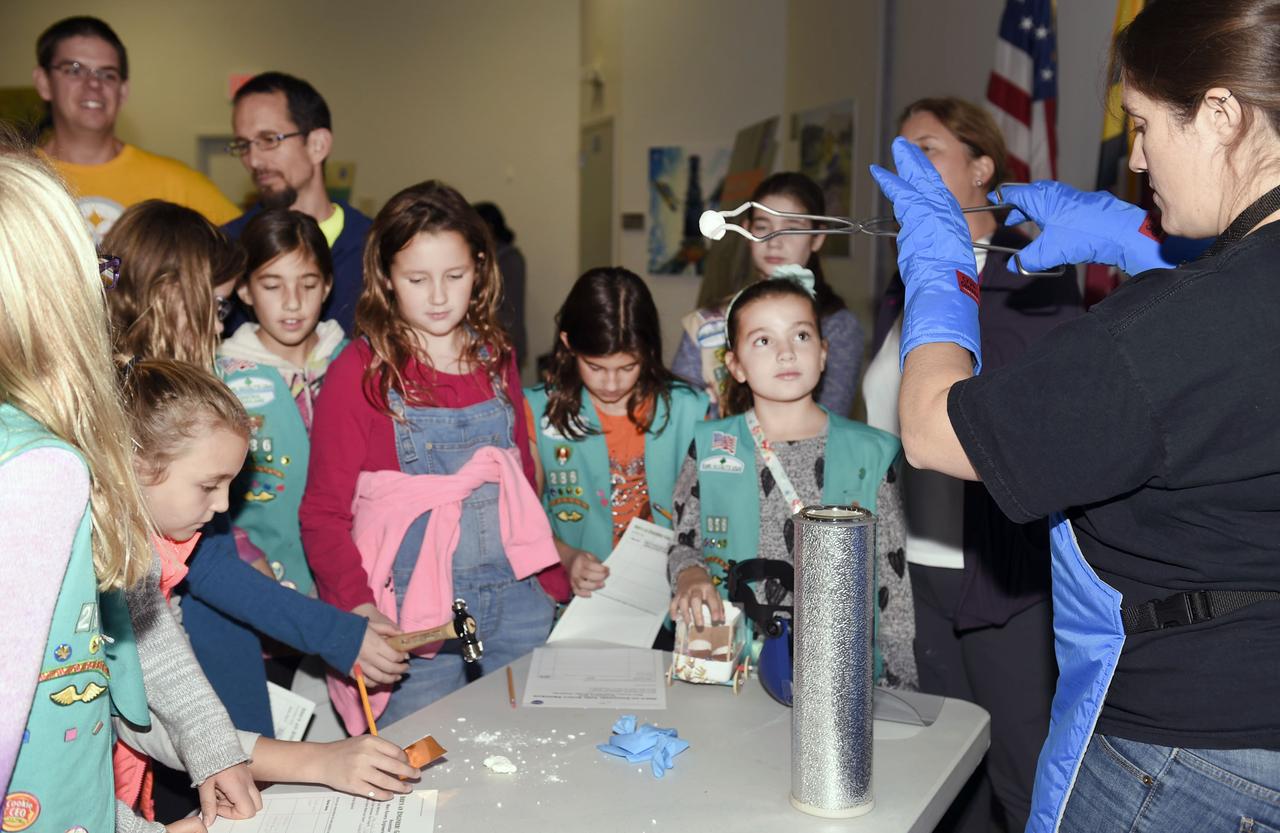
Junior Girl Scouts from two locals conceils, Girl Scouts of Central Maryland and Girl Scouts of Nations Capital, participated in She's an Engineer! Girl Scout program on November 3, 2016. They met with female NASA engineers and tested rover models in simulated I&T stations to explore the Engineering Design process.
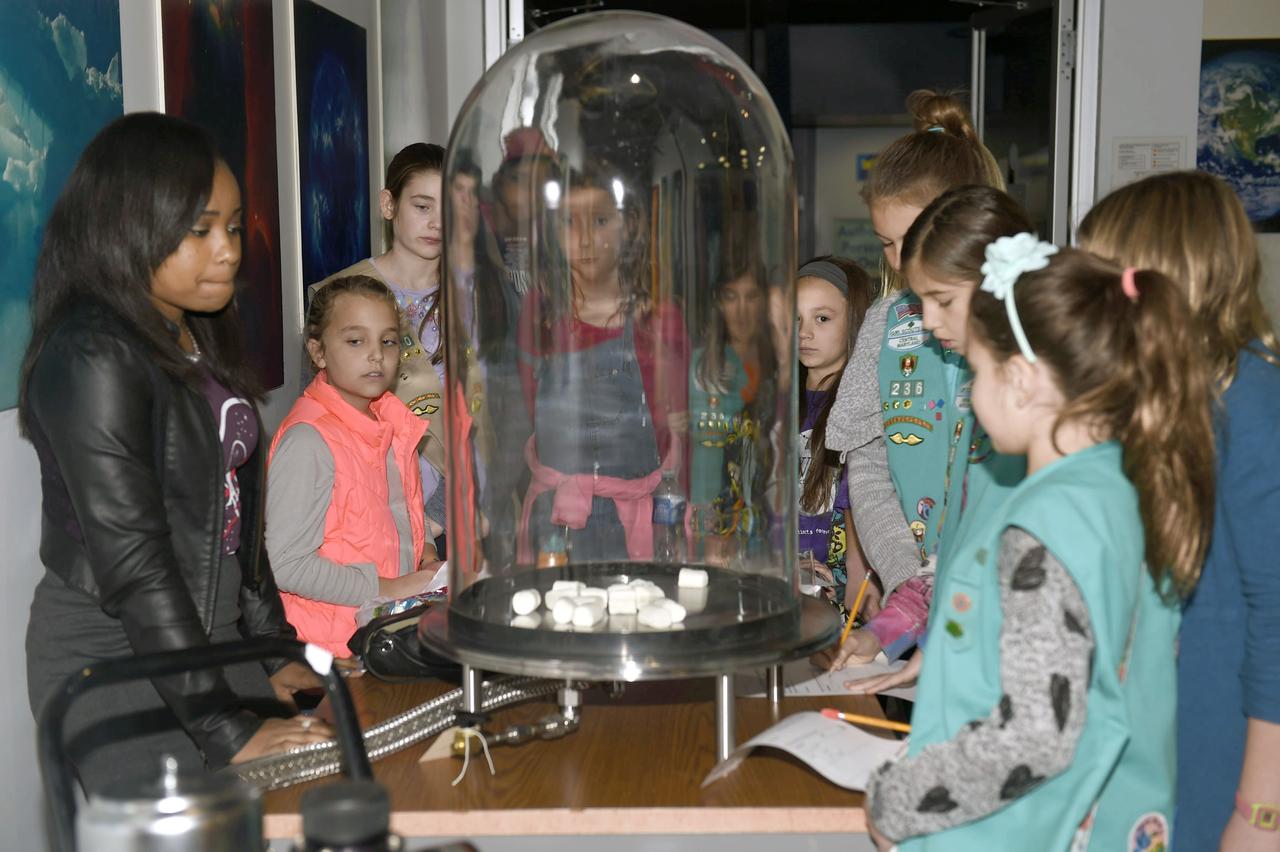
Junior Girl Scouts from two locals conceils, Girl Scouts of Central Maryland and Girl Scouts of Nations Capital, participated in She's an Engineer! Girl Scout program on November 3, 2016. They met with female NASA engineers and tested rover models in simulated I&T stations to explore the Engineering Design process.
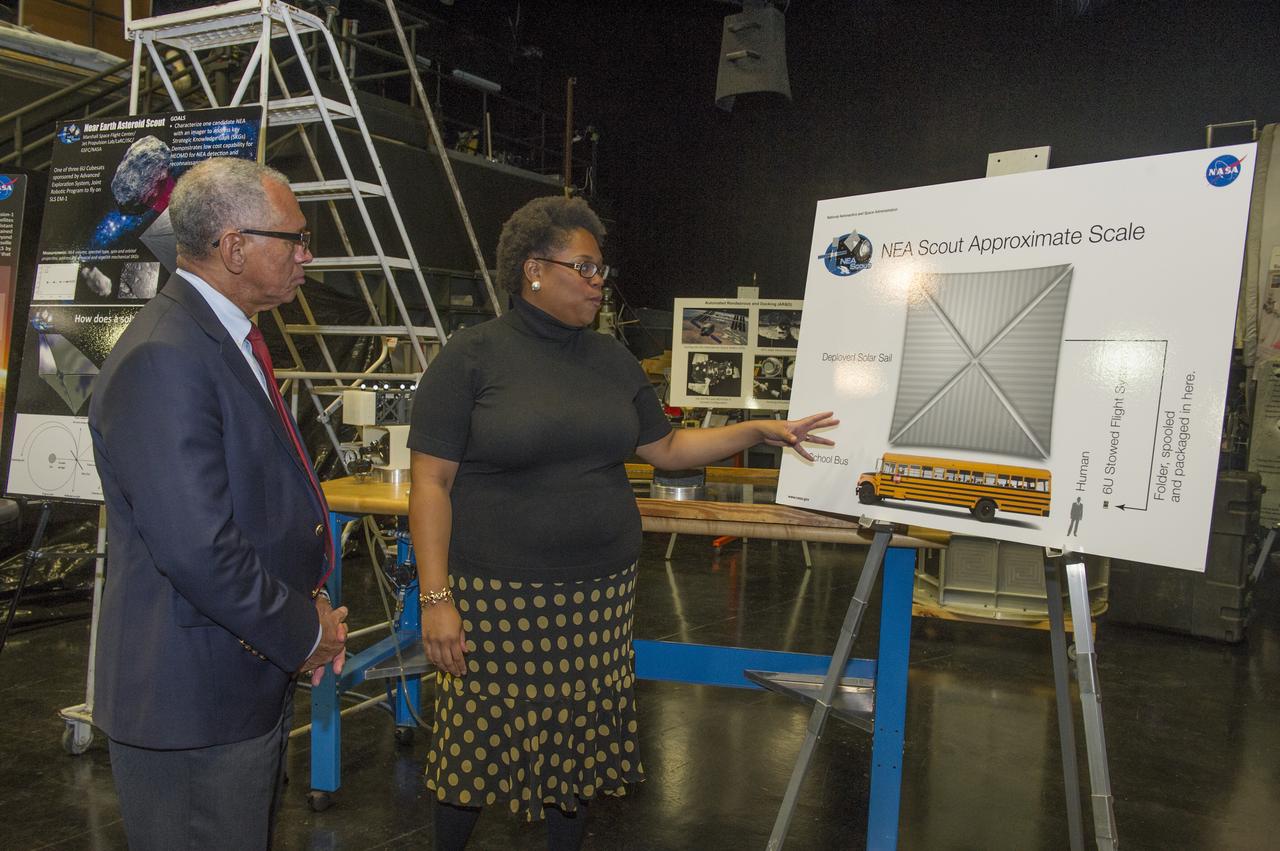
NASA ADMINISTRATOR BOLDEN IS BRIEFED ON NEA SCOUT PROGRESS BY TIFFANY RUSSELL
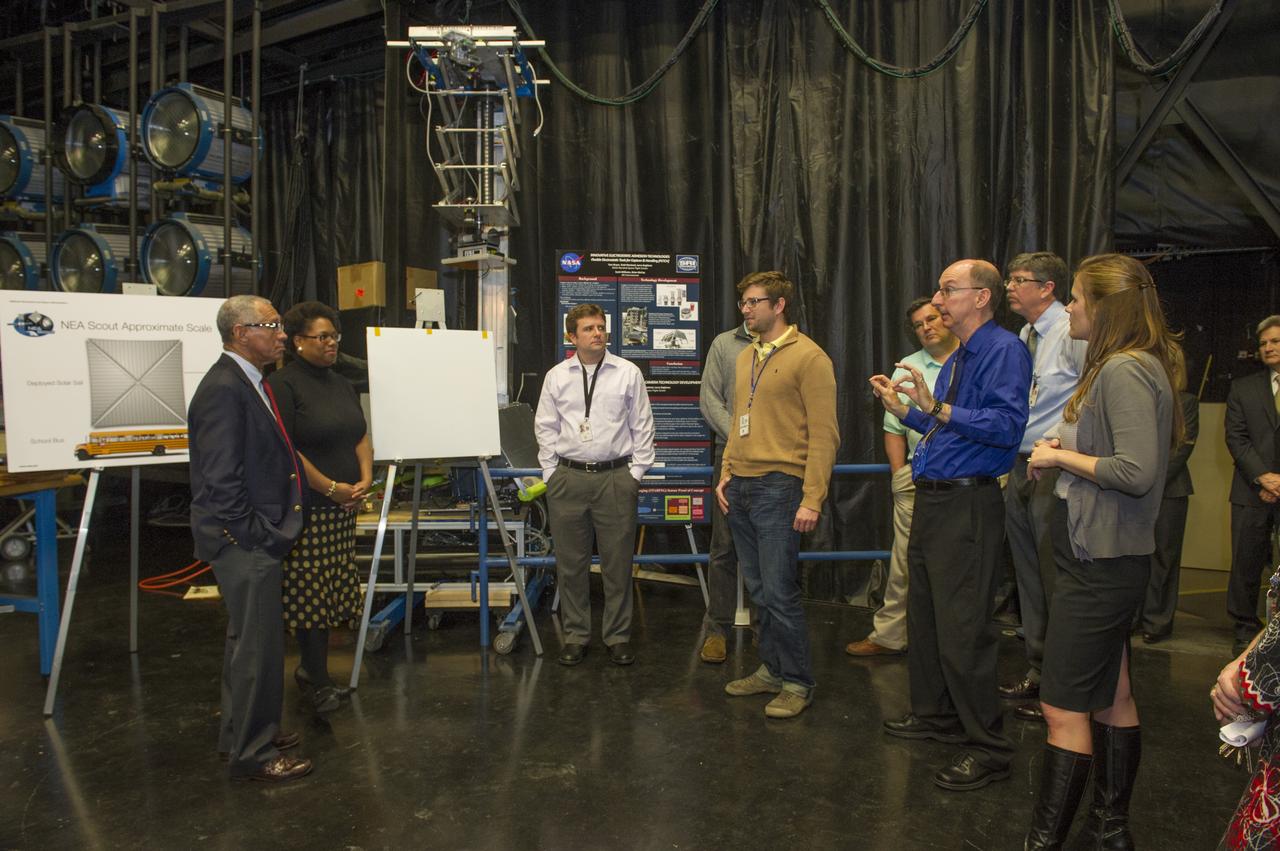
NASA ADMINISTRATOR BOLDEN IS BRIEFED ON NEA SCOUT PROGRESS BY LES JOHNSON
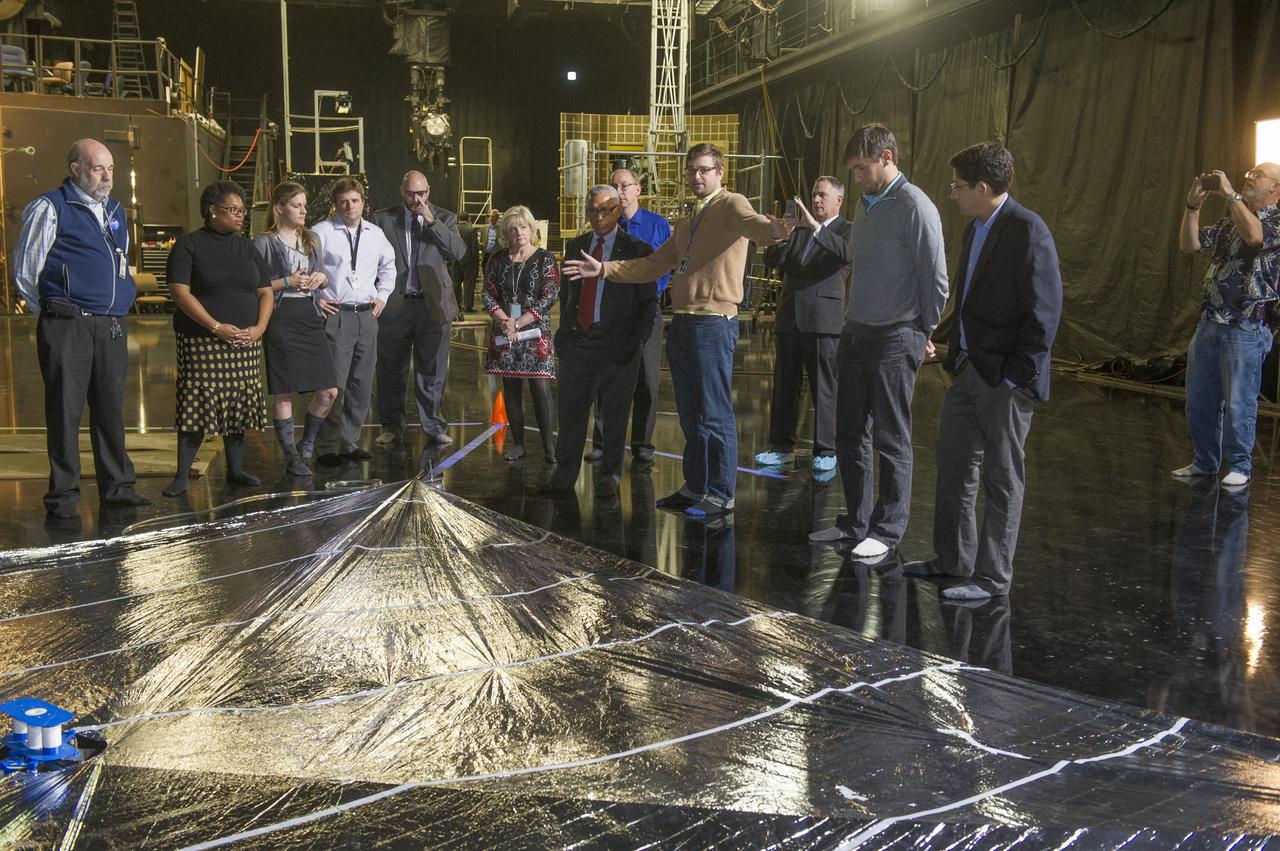
NASA ADMINISTRATOR BOLDEN IS BRIEFED ON NEA SCOUT PROGRESS BY ALEX SOBEY
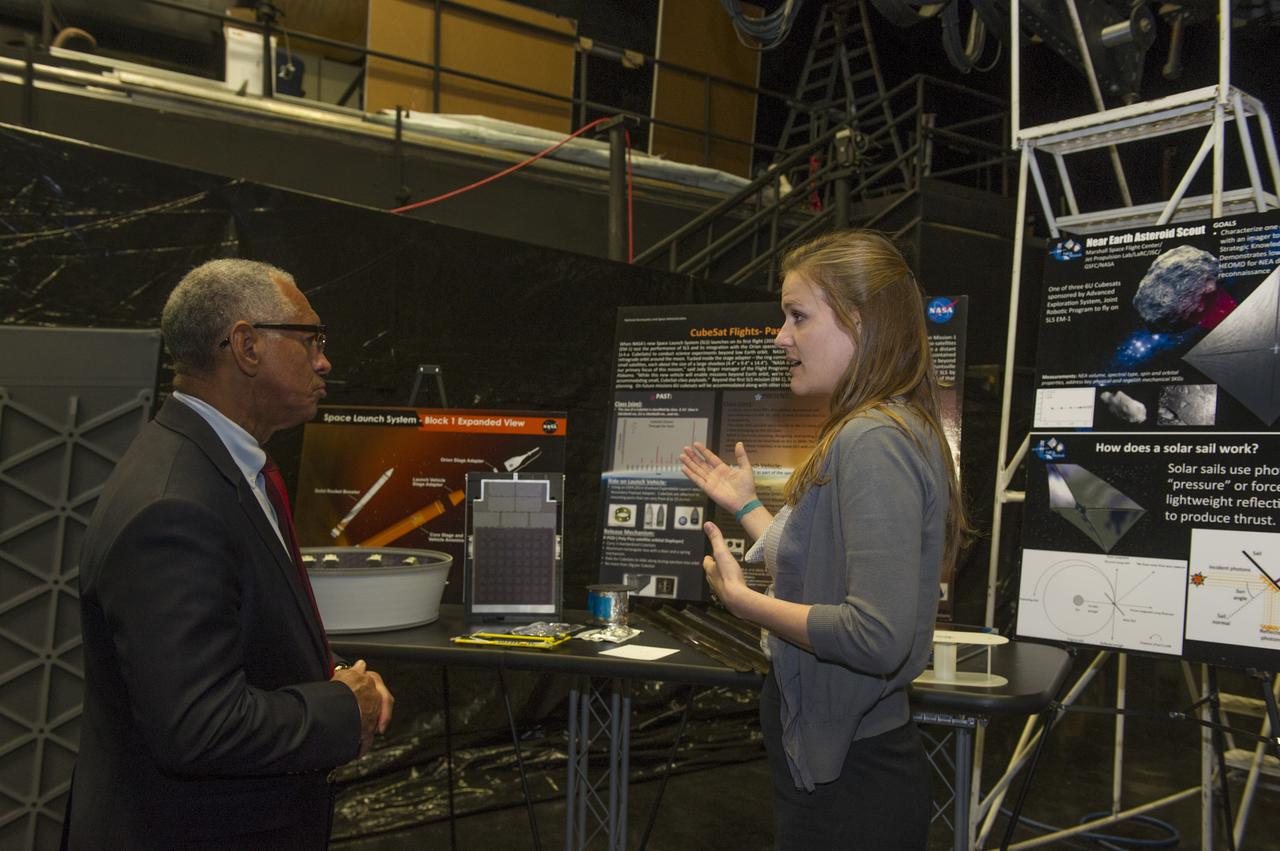
NASA ADMINISTRATOR BOLDEN IS BRIEFED ON NEA SCOUT PROGRESS BY LESLIE MCNUTT
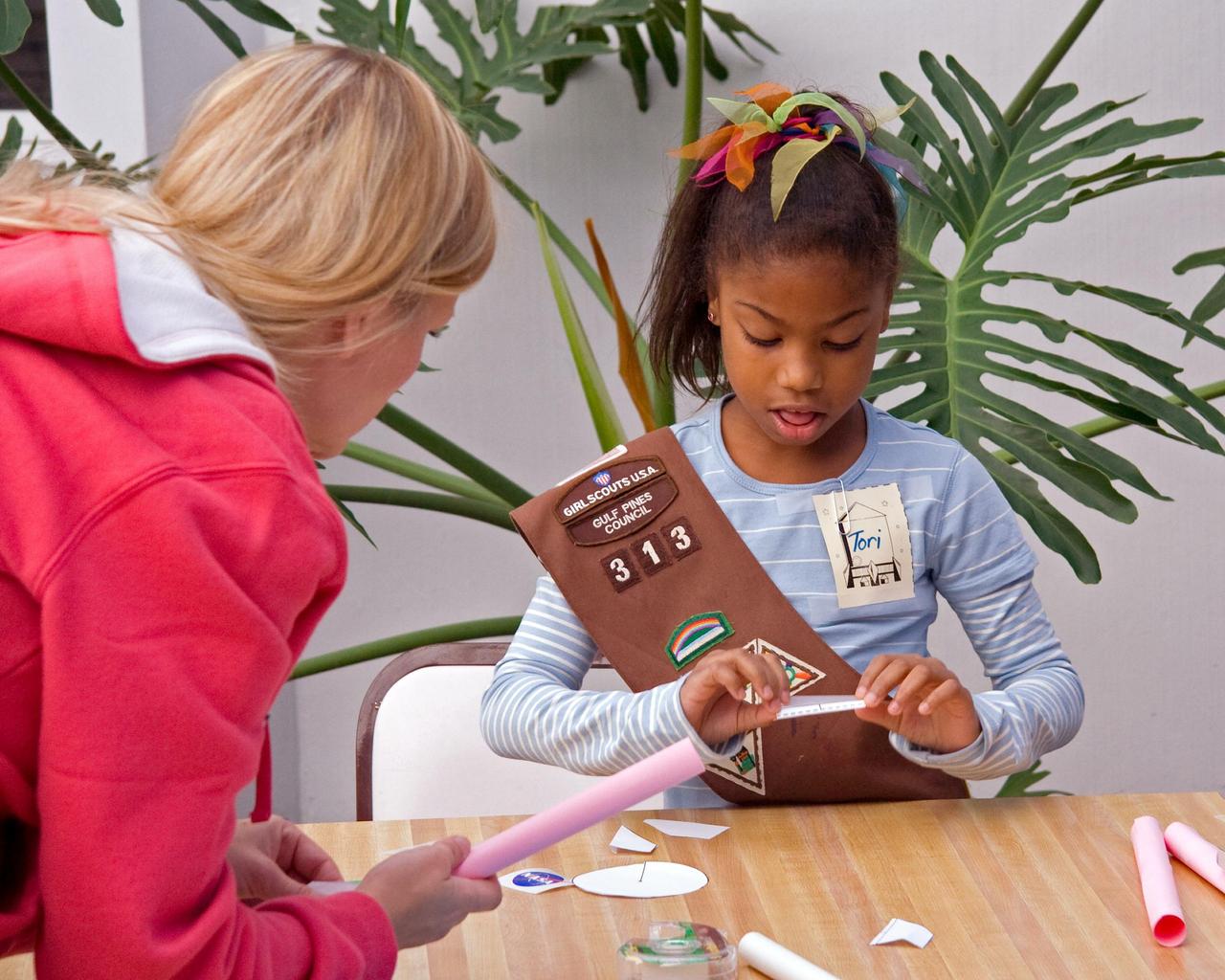
Tori Williams, of Brownie Girl Scout Troop 313, builds her own `stomp rocket' with the help of adult chaperone Pamela Cottrell. The two, of Gulfport, participated in NASA Brownie Day on Oct. 13 at Stennis Space Center. They were among nearly 200 members of Brownie Girl Scout Troops within the Gulf Pines Council who took part in the day of educational activities at SSC. Brownie Day used NASA curriculum support materials to teach about the sun and its significance in our solar system. In addition to building and launching their own model rockets, the girls toured the center's portable Starlab planetarium; viewed demonstrations about living and working in space; played games of `Moon Phasers' that teach about the rotation of the moon around the earth; made bracelets with ultraviolet-sensitive beads; and other activities that celebrated Earth's very own star. They also toured StenniSphere and were able to earn their Earth and Sky and Space Explorer `Try-Its.'
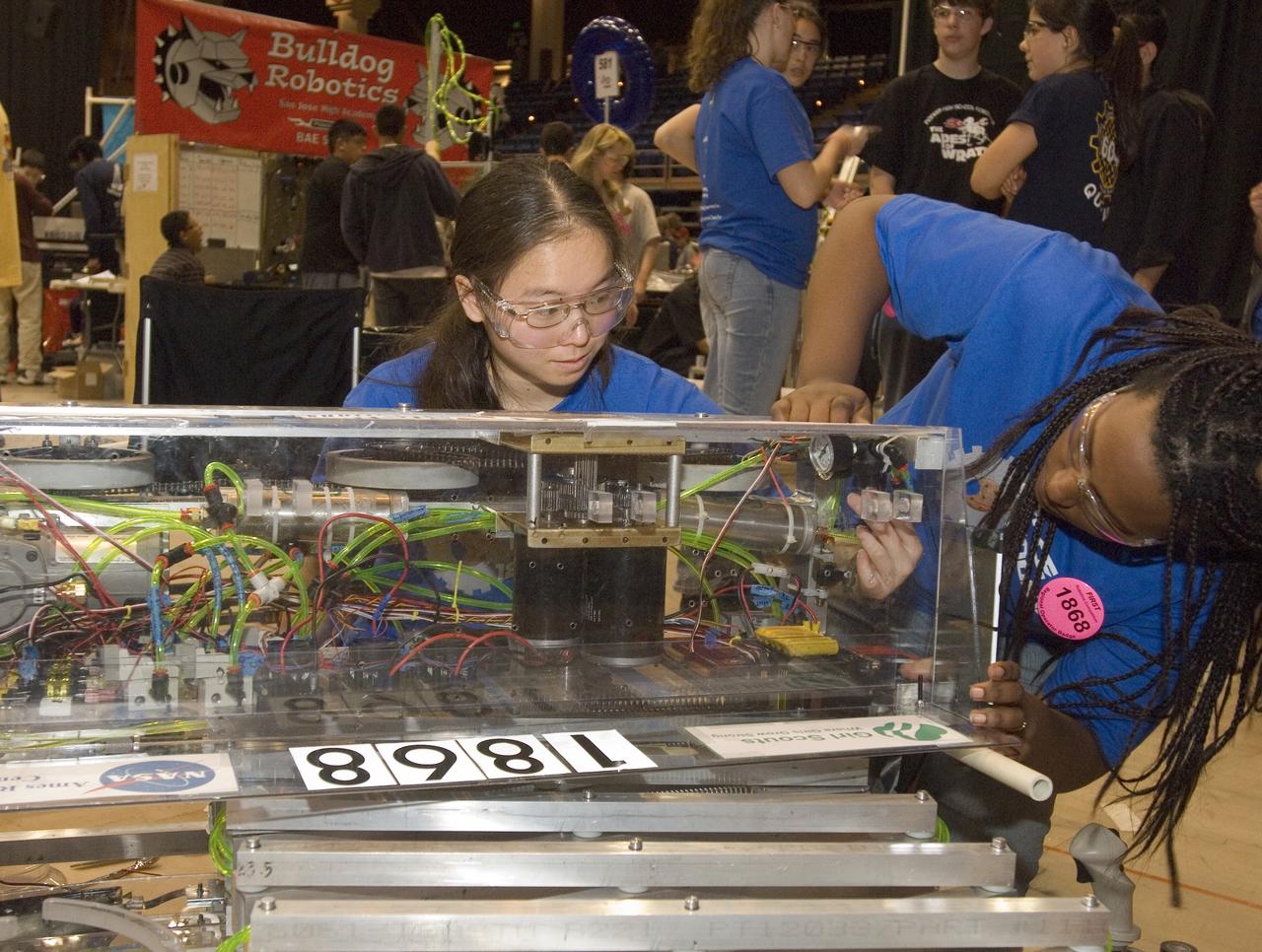
Silicon Valley FIRST Regional Robotics competition: NASA Ames Research Center & Girl Scouts, Moffett Field, California (CA)
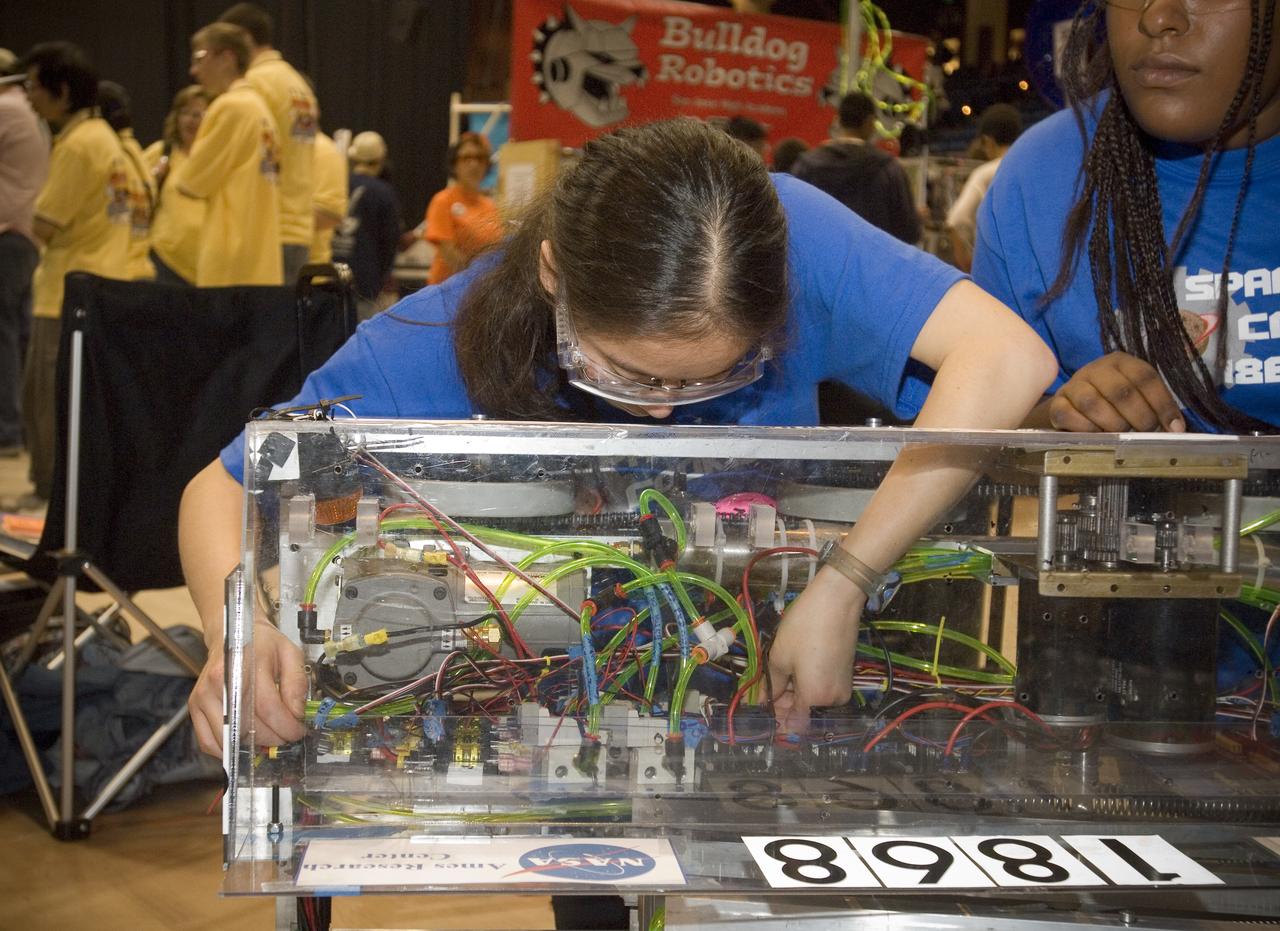
Silicon Valley FIRST Regional Robotics competition: NASA Ames Research Center & Girl Scouts, Moffett Field, California (CA)
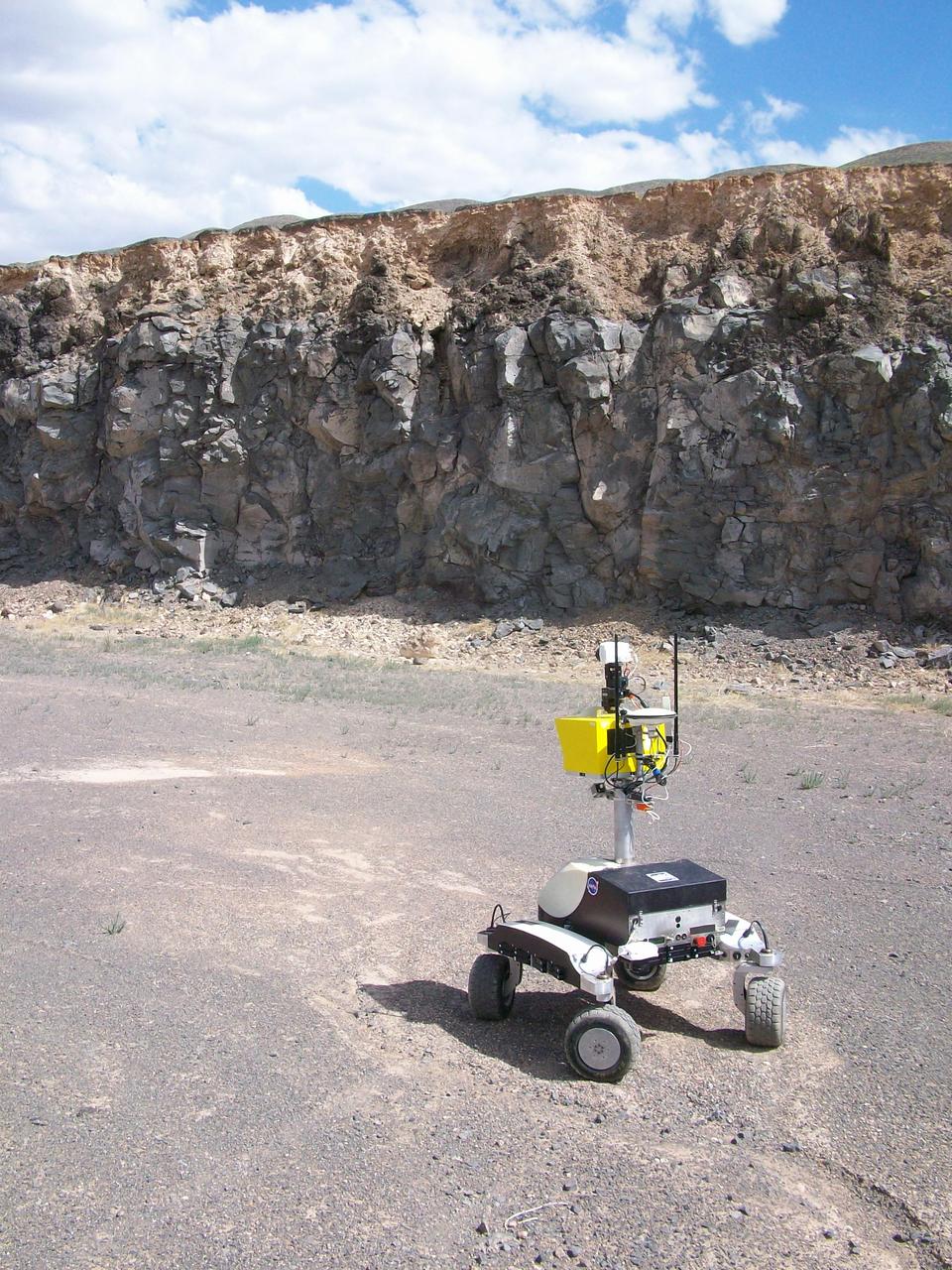
K-10 Black scouting 'The Pit' at Black Point Lava Flow. Photo credit NASA/John Porter
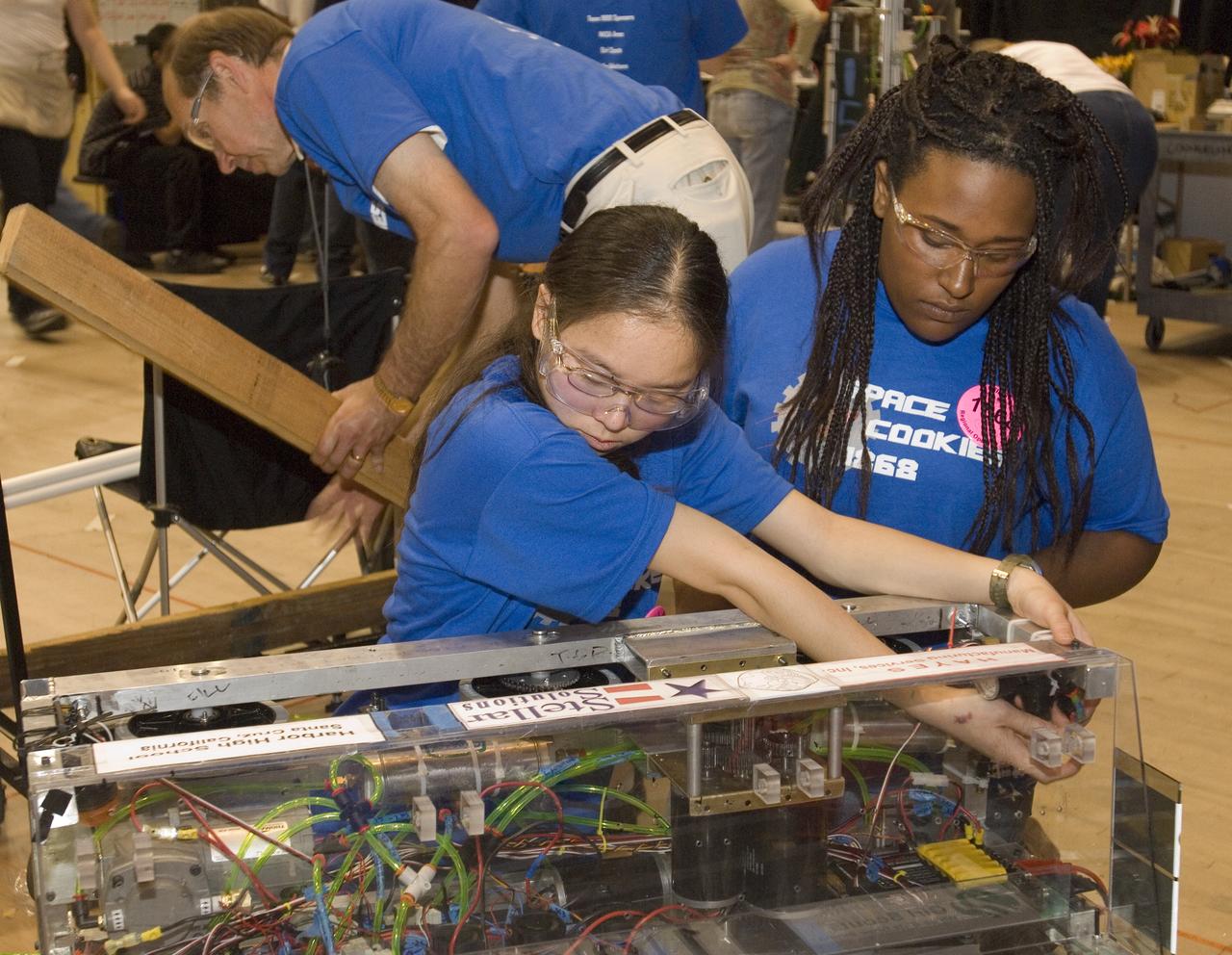
Silicon Valley FIRST Regional Robotics competition: NASA Ames Research Center & Girl Scouts, Moffett Field, California (CA)
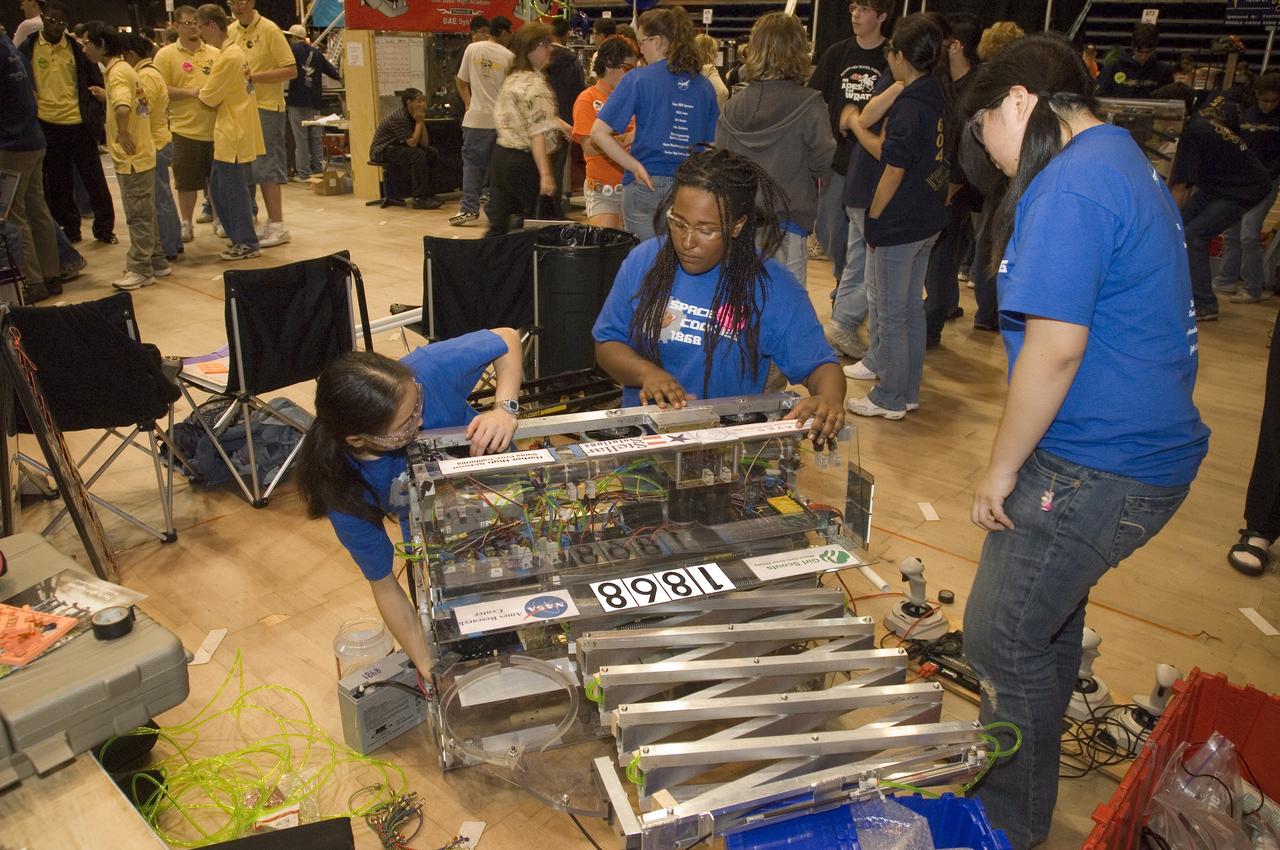
Silicon Valley FIRST Regional Robotics competition: NASA Ames Research Center & Girl Scouts, Moffett Field, California (CA)

Silicon Valley FIRST Regional Robotics competition: Space Cookies - Team 1868 - NASA Ames Research Center & Girl Scouts, Moffett Field, California (CA)
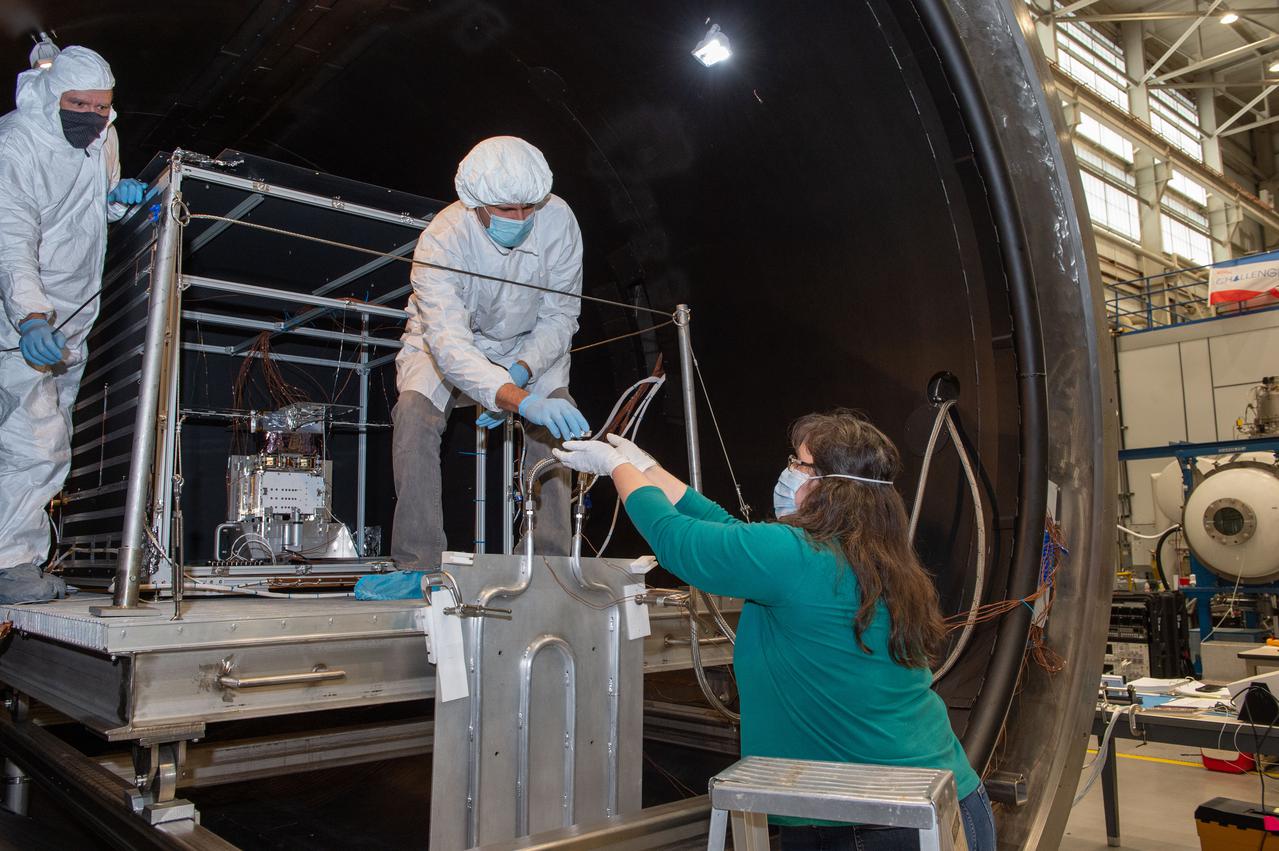
Miria Finckenor collects Optical Witness Samples and swab samples for analysis to verify that the NEA Scout thermal vacuum bake-out is complete and the chamber is clean.
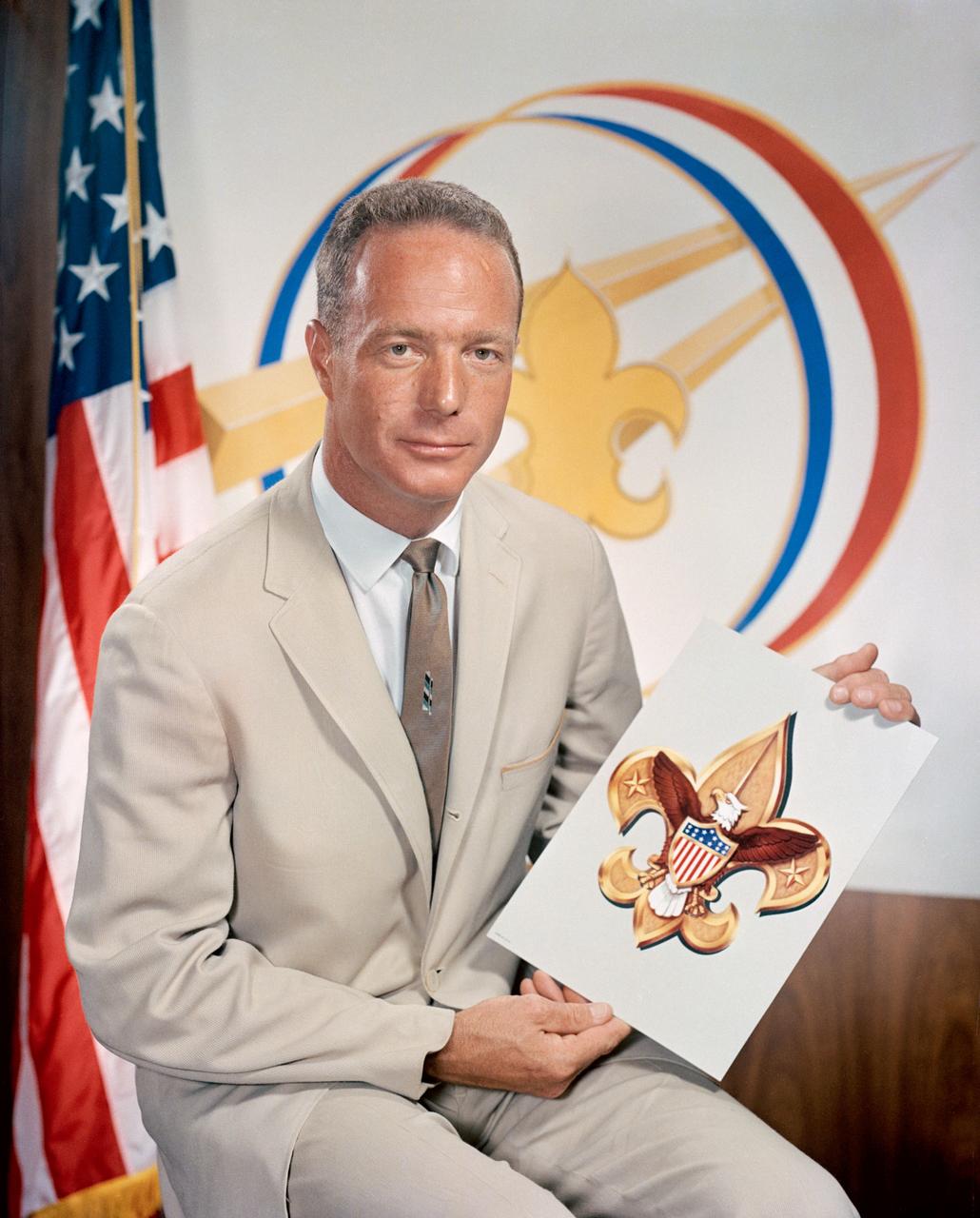
S62-05538 (October 1962) --- Portrait of astronaut M. Scott Carpenter in civilian clothes holding picture of the Boy Scout Emblem. Photo credit: NASA
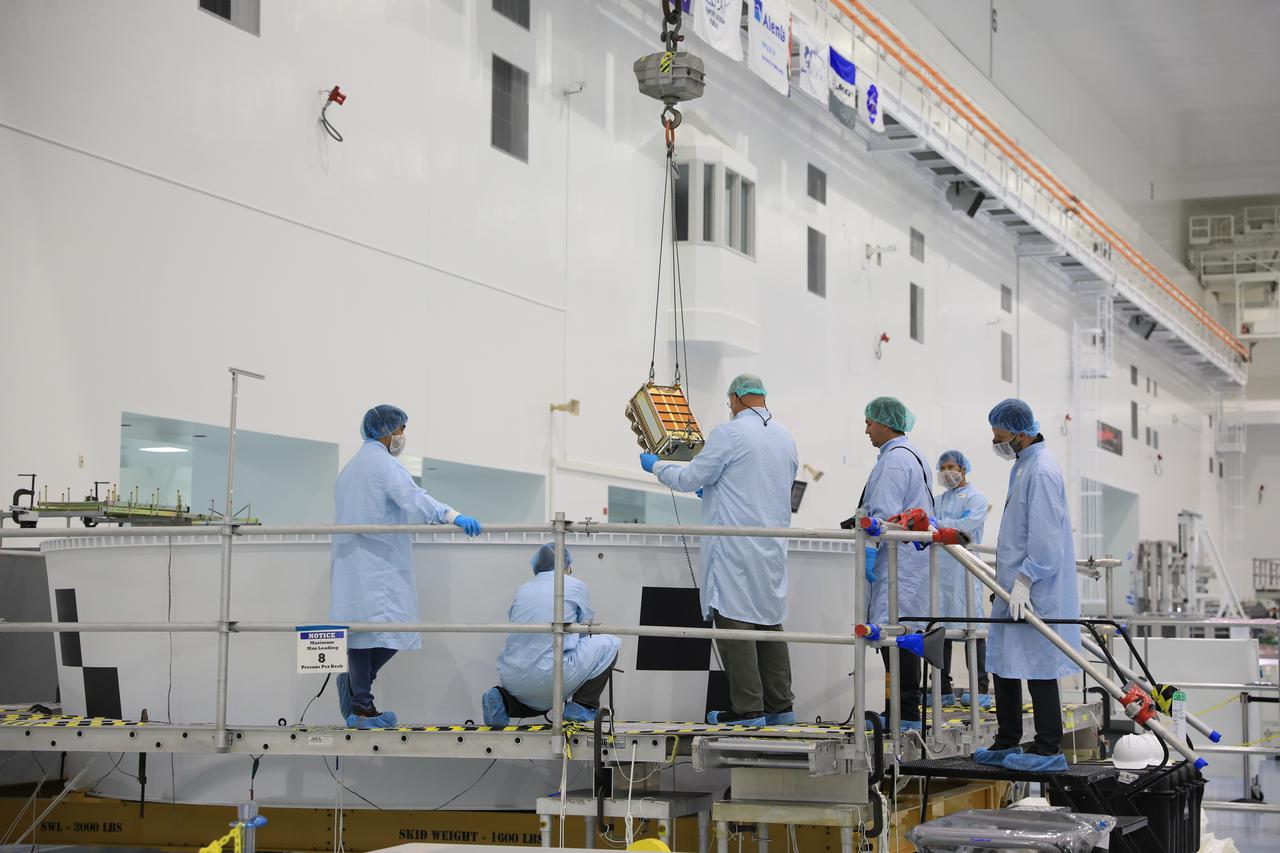
The NEA Scout and Lunar IceCube secondary payloads are the first to be installed in the Space Launch System (SLS) rocket’s Orion stage adapter for the Artemis I mission on July 14 at NASA’s Kennedy Space Center in Florida.
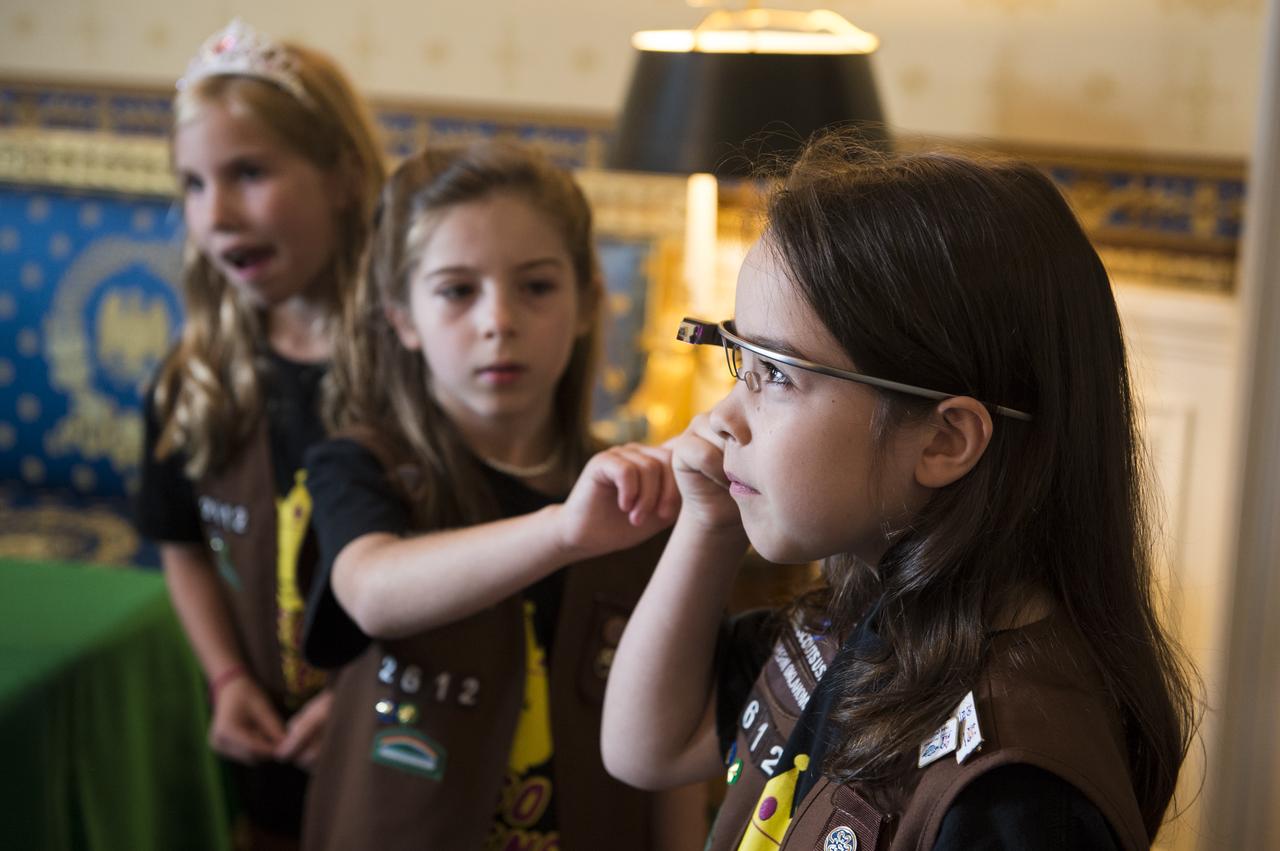
Girl Scout troop 2612 members from Tulsa, OK take photos of one another with Google Glass at the White House Science Fair Tuesday, May 27, 2014. Avery Dodson, 6; Natalie Hurley, 8; Miriam Schaffer, 8; Claire Winton, 8; and Lucy Claire Sharp, 8 participated in the Junior FIRST Lego League's Disaster Blaster Challenge, which invites elementary-school-aged students from across the country to explore how simple machines, engineering, and math can help solve problems posed by natural disasters. The girls invented the "Flood Proof Bridge" and built a model mechanizing the bridge using motors and developing a computer program to automatically retract the bridge when flood conditions are detected. The fourth White House Science Fair was held at the White House and included 100 students from more than 30 different states who competed in science, technology, engineering, and math (STEM) competitions. (Photo Credit: NASA/Aubrey Gemignani)
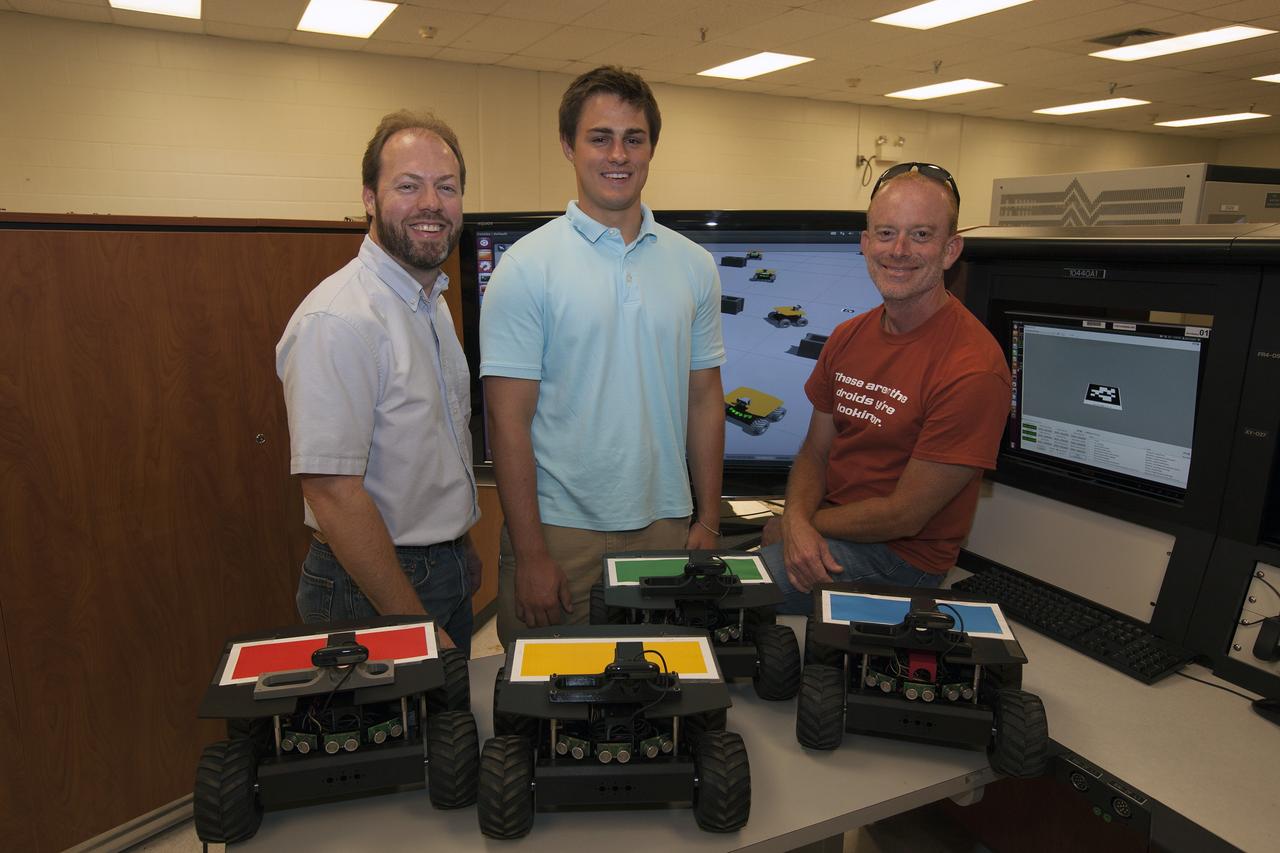
CAPE CANAVERAL, Fla. – NASA's Kurt Leucht, from left, is working with undergraduate intern Gil Montague and post-graduate intern Karl Stolleis to develop the software that will control independent robots in a way that mimics the process ants use to scout for and then collect resources. Photo credit: NASA/Dmitri Gerondidakis
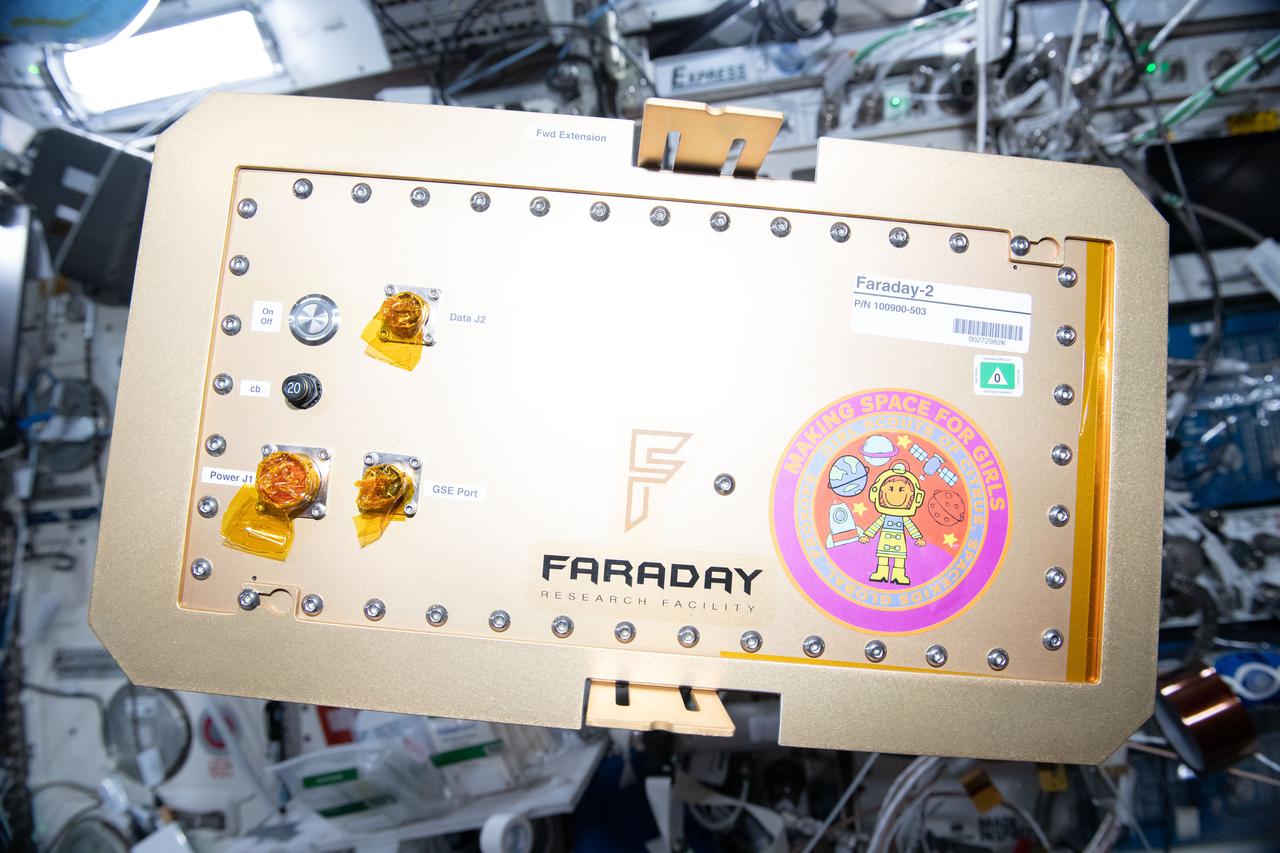
iss065e335891 (Aug. 31, 2021) --- A view of the Faraday-2 facility inside the International Space Station's U.S. Destiny laboratory module. The payload gives the Girl Scouts on Earth the opportunity to conduct a control experiment while observing space station experiments on plant growth, ant colonization, and brine shrimp lifecycle aboard the orbiting lab.
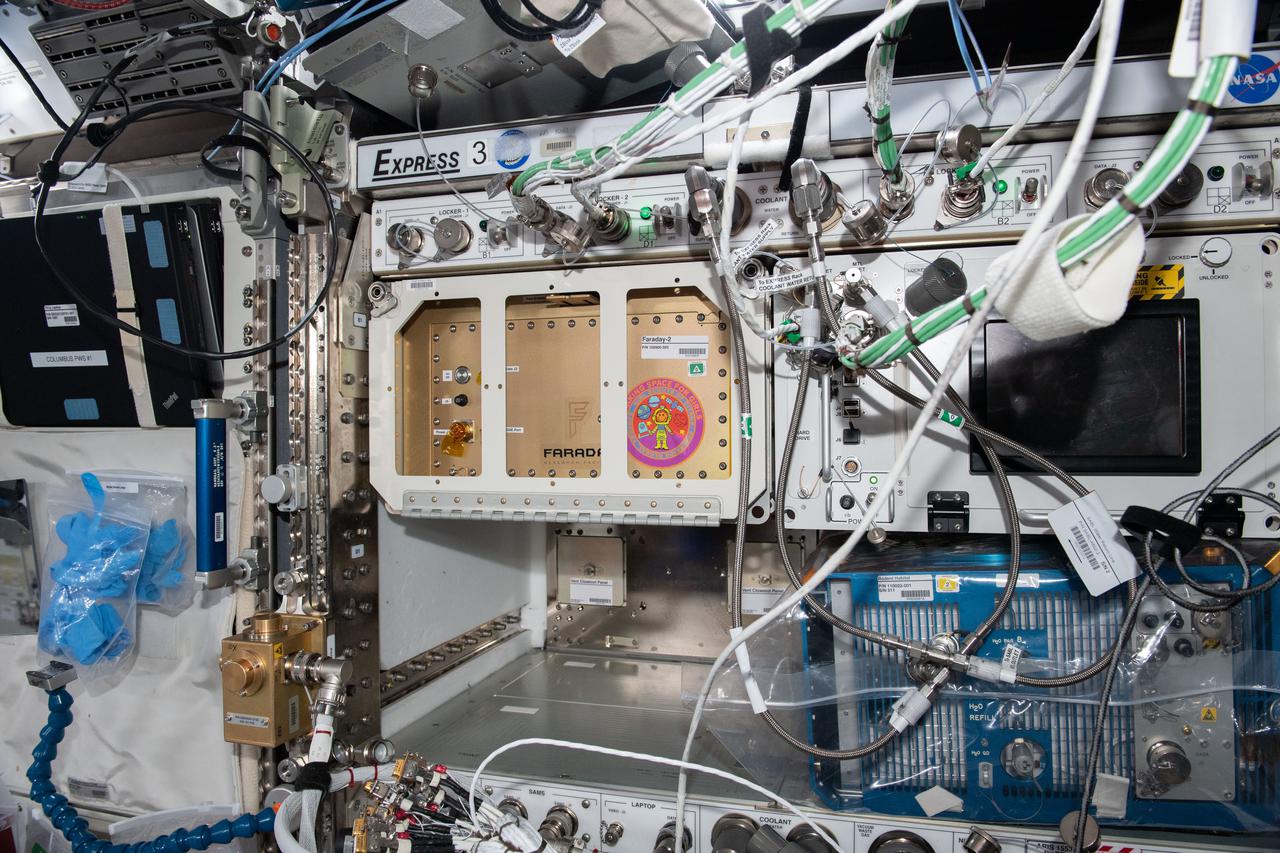
iss065e335906 (Aug. 31, 2021) --- A view of the Faraday-2 facility inside the International Space Station's U.S. Destiny laboratory module. The payload gives the Girl Scouts on Earth the opportunity to conduct a control experiment while observing space station experiments on plant growth, ant colonization, and brine shrimp lifecycle aboard the orbiting lab.
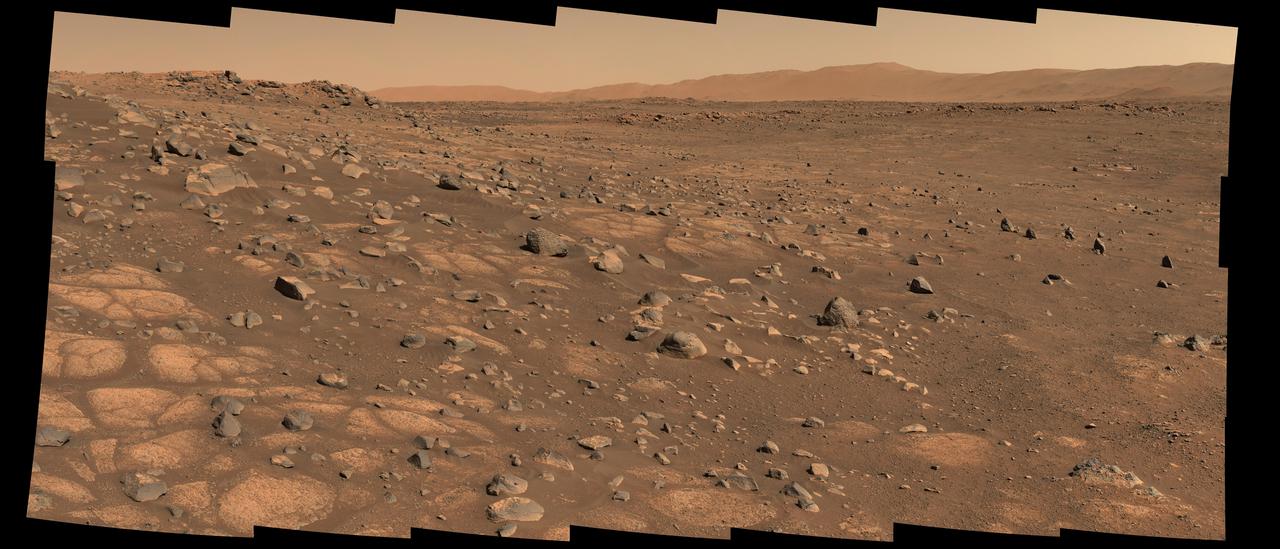
This image shows the area on Mars from which NASA's Perseverance rover will collect its first rock sample. Scientists are particularly interested in the flat stones that appear light-colored (informally called "paver rocks"). The Perseverance team has nicknamed this area in Mars' Jezero Crater the "Crater Floor Fractured Rough" area. The 28 individual images that were combined to make the larger main image were taken by the rover's Mastcam-Z right-eye camera on July 8, 2021 (the 136th sol, or Martian day, of the mission). The images have been calibrated and are presented in natural color, simulating the approximate view that we would see with our own eyes if we were there. The Mastcam-Z investigation is led and operated by Arizona State University in Tempe, working in collaboration with Malin Space Science Systems in San Diego, California, on the design, fabrication, testing, and operation of the cameras, and in collaboration with the Neils Bohr Institute of the University of Copenhagen on the design, fabrication, and testing of the calibration targets. A key objective for Perseverance's mission on Mars is astrobiology, including the search for signs of ancient microbial life. The rover will characterize the planet's geology and past climate, pave the way for human exploration of the Red Planet, and be the first mission to collect and cache Martian rock and regolith (broken rock and dust). Subsequent NASA missions, in cooperation with ESA (European Space Agency), would send spacecraft to Mars to collect these sealed samples from the surface and return them to Earth for in-depth analysis. The Mars 2020 Perseverance mission is part of NASA's Moon to Mars exploration approach, which includes Artemis missions to the Moon that will help prepare for human exploration of the Red Planet. https://photojournal.jpl.nasa.gov/catalog/PIA24746

KENNEDY SPACE CENTER, FLA. -- Part of the Robot Scouts exhibit in the $13 million expansion to KSC's Visitor Complex, this display offers a view of how data from robotic probes might be used to build a human habitat for Mars. Visitors witness a simulated Martian sunset. Other new additions include and information center, a walk-through Robot Scouts exhibit, a wildlife exhibit, and the film Quest for Life in a new 300-seat theater, plus an International Space Station-themed ticket plaza, featuring a structure of overhanging solar panels and astronauts performing assembly tasks. The KSC Visitor Complex was inaugurated three decades ago and is now one of the top five tourist attractions in Florida. It is located on S.R. 407, east of I-95, within the Merritt Island National Wildlife Refuge

KENNEDY SPACE CENTER, FLA. -- A host robot, Starquester 2000, helps describe for visitors the accomplishments of unsung space heroes space probes and their role in space exploration. The walk-through Robot Scouts exhibit is part of the $13 million expansion to KSC's Visitor Complex. Other additions include a walk-through Robot Scouts exhibit, a wildlife exhibit, and the film Quest for Life in a new 300-seat theater, plus an International Space Station-themed ticket plaza, featuring a structure of overhanging solar panels and astronauts performing assembly tasks. Inaugurated three decades ago, the Visitor Complex is now one of the top five tourist attractions in Florida. It is located on S.R. 407, east of I-95, within the Merritt Island National Wildlife Refuge
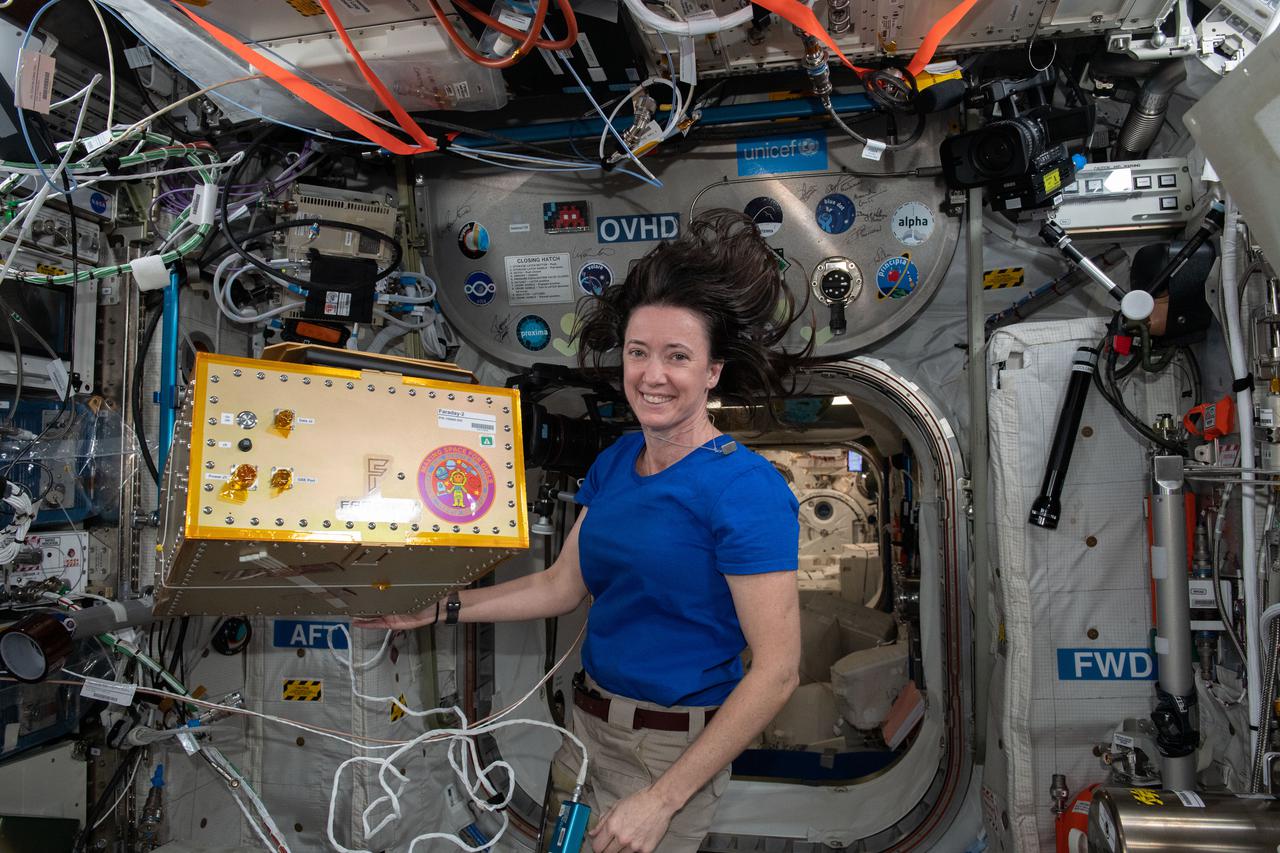
iss065e335890 (Aug. 31, 2021) --- NASA astronaut and Expedition 65 Flight Engineer Megan McArthur installs the Faraday-2 facility inside the International Space Station's U.S. Destiny laboratory module. The payload gives the Girl Scouts on Earth the opportunity to conduct a control experiment while observing space station experiments on plant growth, ant colonization, and brine shrimp lifecycle aboard the orbiting lab.
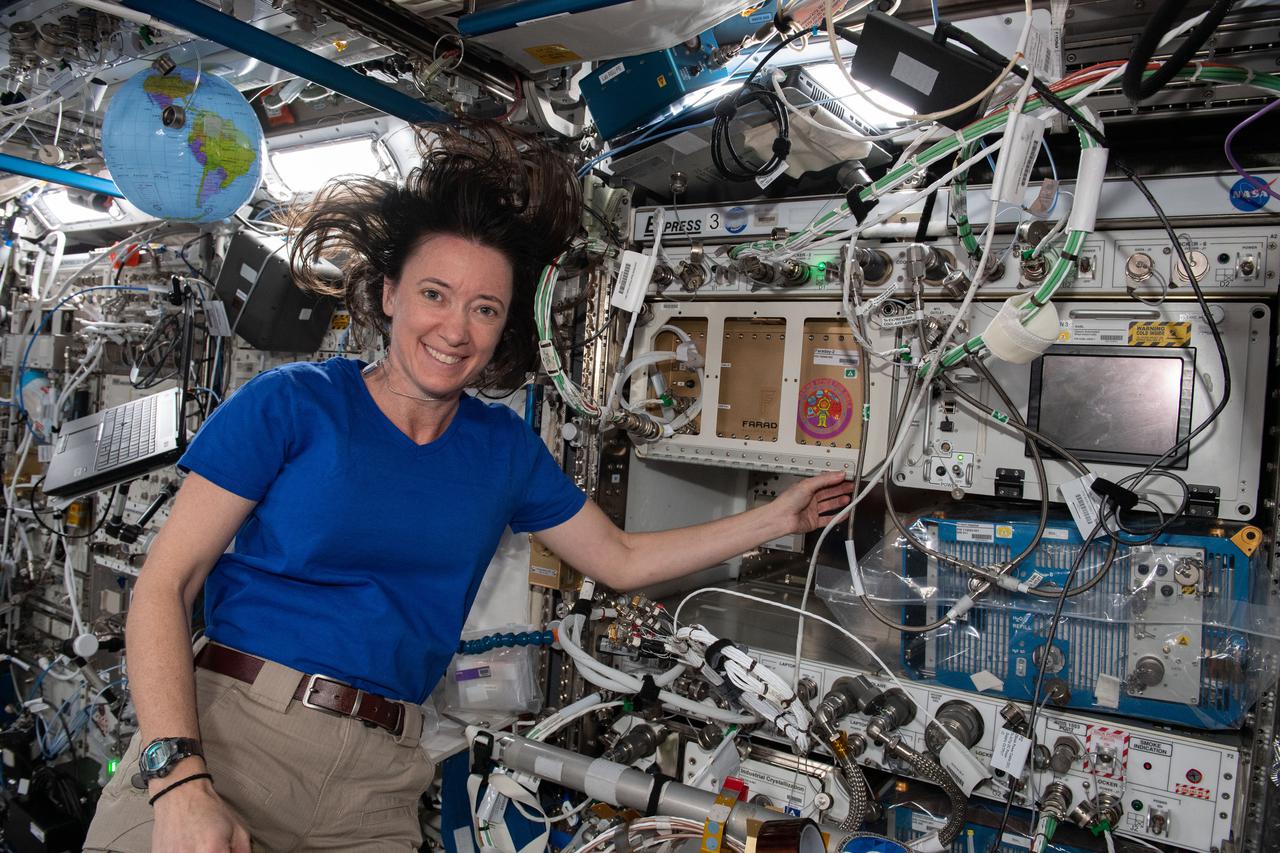
iss065e335909 (Aug. 31, 2021) --- NASA astronaut and Expedition 65 Flight Engineer Megan McArthur installs the Faraday-2 facility inside the International Space Station's U.S. Destiny laboratory module. The payload gives the Girl Scouts on Earth the opportunity to conduct a control experiment while observing space station experiments on plant growth, ant colonization, and brine shrimp lifecycle aboard the orbiting lab.
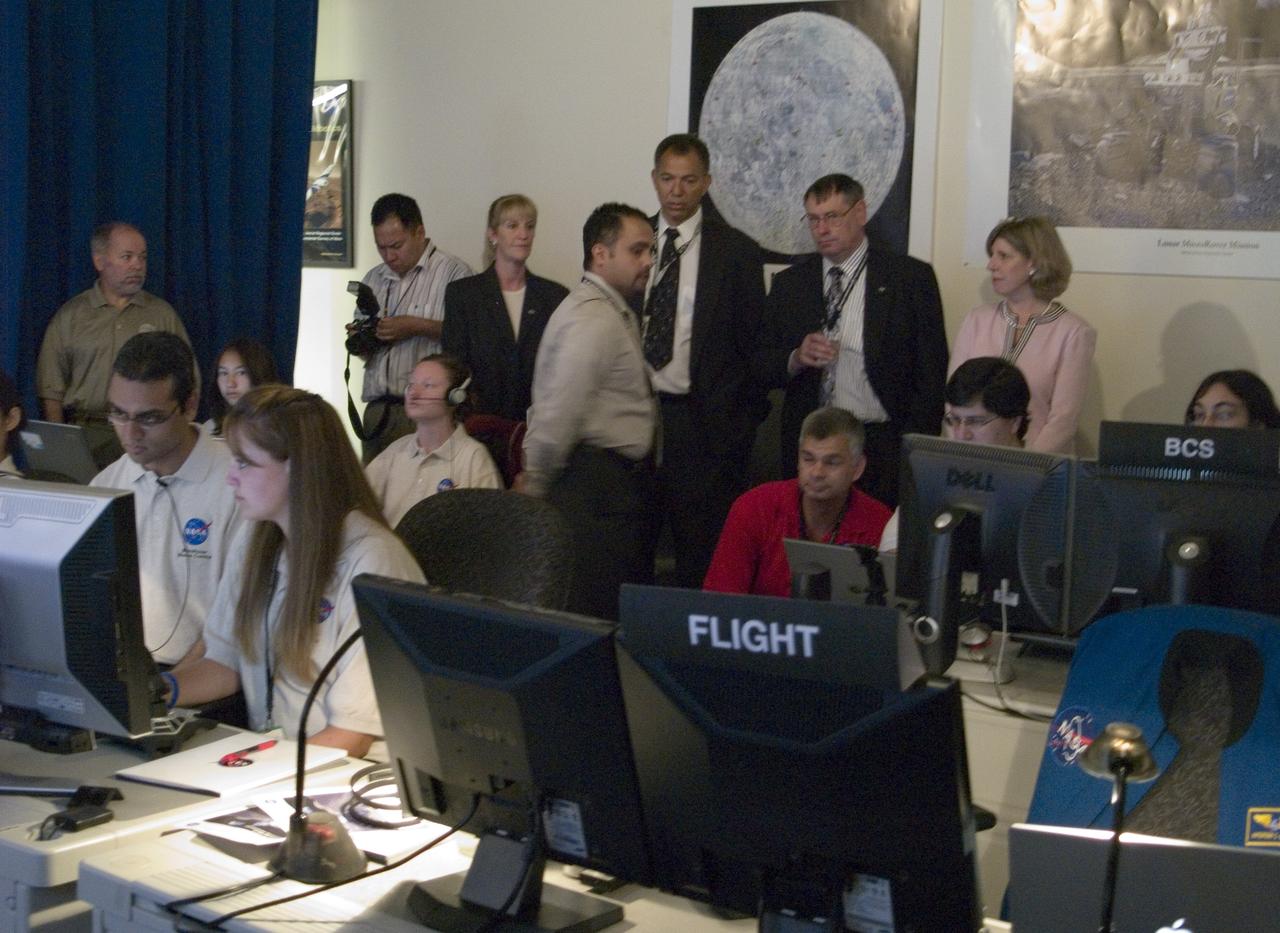
Spaceward Bound Program in Atacama Desert; shown here is a realtime webcast from Yungay, Chile vis satellite involving NASA Scientists and seven NASA Explorer school teachers. On the Ames end we find the Girl Scouts Space cookines robotic team. The robot nicknamed Zoe is looking for life in extreme environments in preparation for what might be encounter on Mars. see full text on the NASA-Ames News - Research # 04-91AR
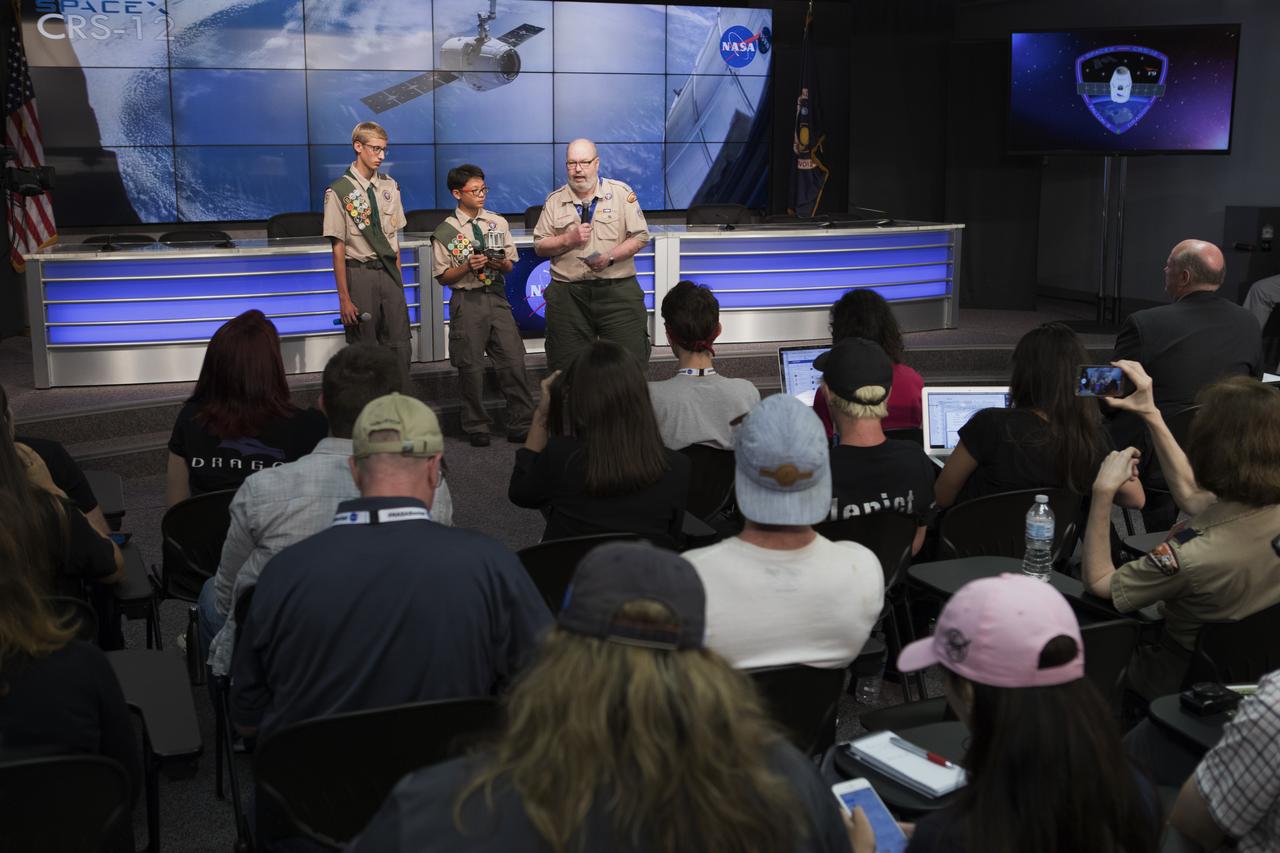
Boy Scouts of America Troop 209 members Andrew Frank, left, Elliot Lee center, and team leader Norman McFarland speak to members of social media in the Kennedy Space Center’s Press Site auditorium. The briefing focused on research planned for launch to the International Space Station. The scientific materials and supplies will be aboard a Dragon spacecraft scheduled for launch from Kennedy’s Launch Complex 39A on Aug. 14 atop a SpaceX Falcon 9 rocket on the company's 12th Commercial Resupply Services mission to the space station.
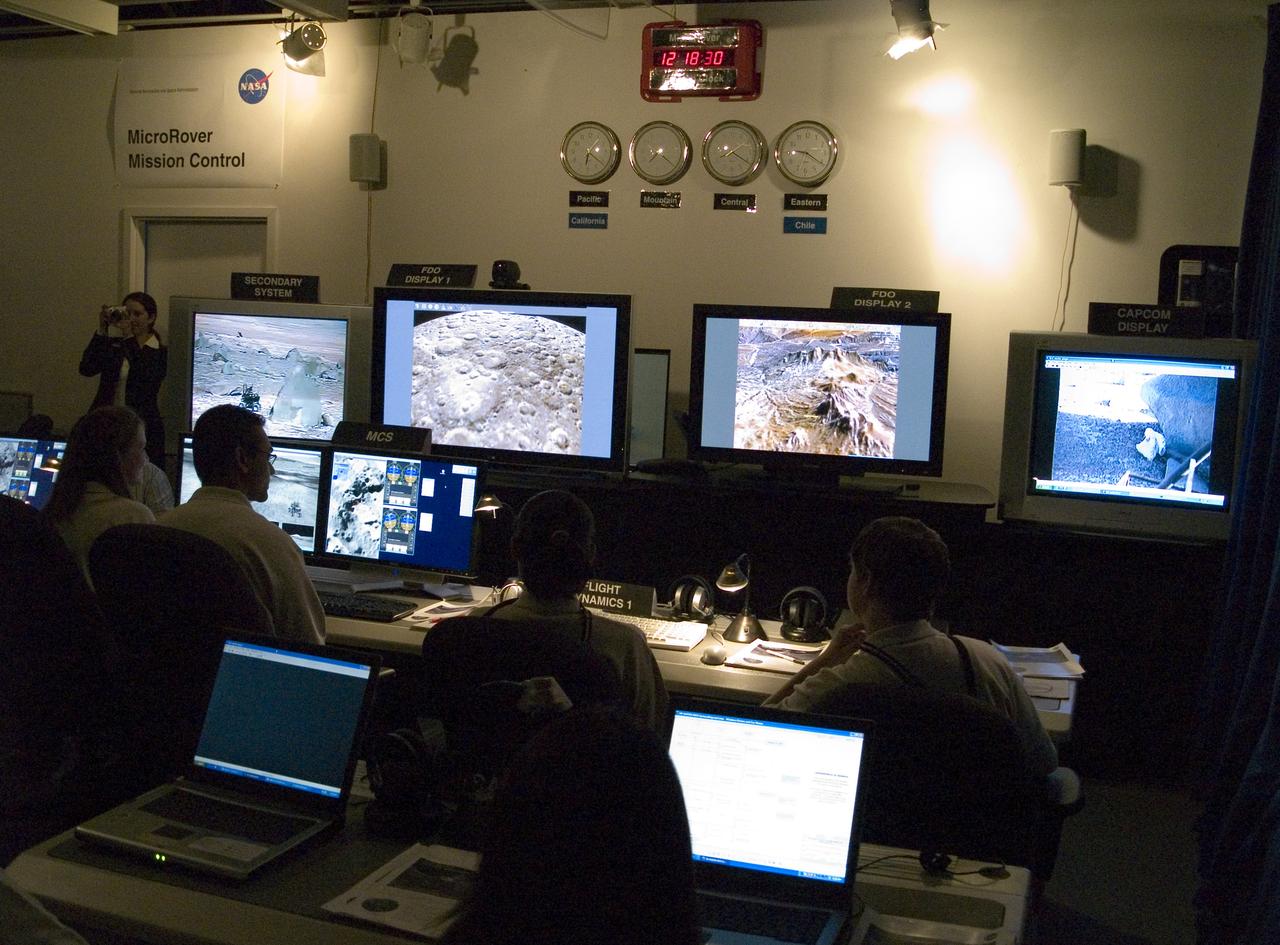
Spaceward Bound Program in Atacama Desert; shown here is a realtime webcast from Yungay, Chile vis satellite involving NASA Scientists and seven NASA Explorer school teachers. On the Ames end we find the Girl Scouts Space cookines robotic team. The robot nicknamed Zoe is looking for life in extreme environments in preparation for what might be encounter on Mars. see full text on the NASA-Ames News - Research # 04-91AR
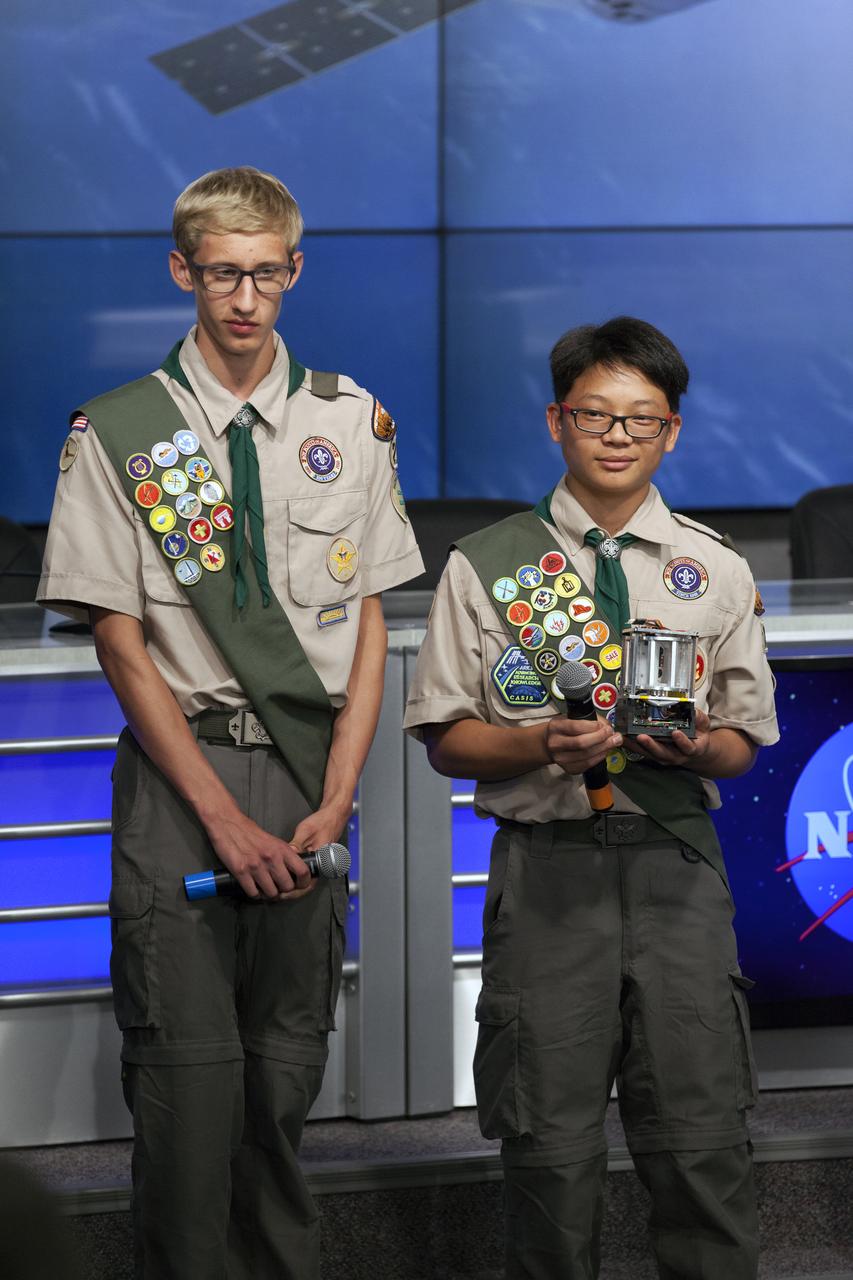
Boy Scouts of America Troop 209 members Andrew Frank, left, and Elliot Lee speak to members of social media in the Kennedy Space Center’s Press Site auditorium. The briefing focused on research planned for launch to the International Space Station. The scientific materials and supplies will be aboard a Dragon spacecraft scheduled for launch from Kennedy’s Launch Complex 39A on Aug. 14 atop a SpaceX Falcon 9 rocket on the company's 12th Commercial Resupply Services mission to the space station.
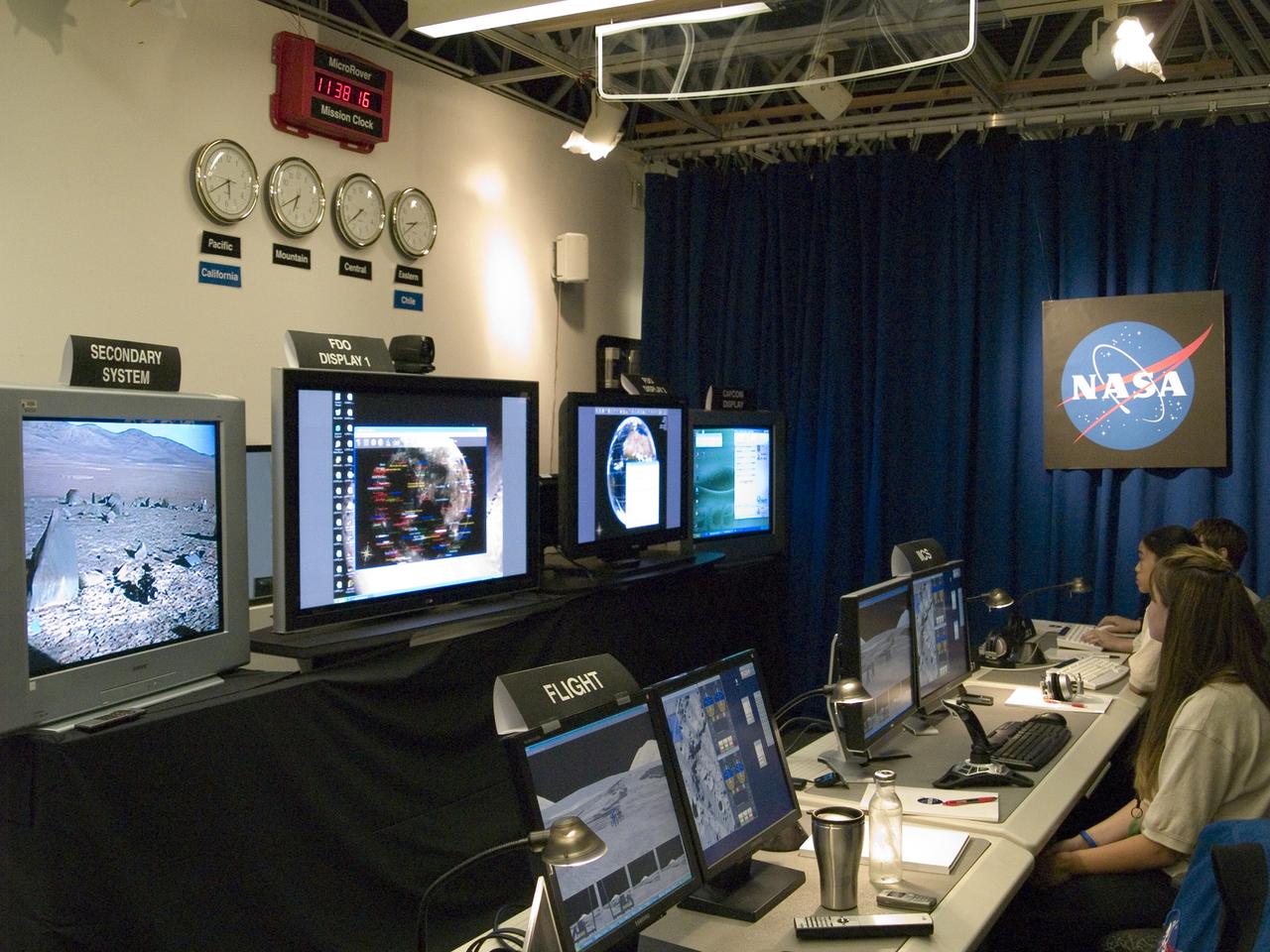
Spaceward Bound Program in Atacama Desert; shown here is a realtime webcast from Yungay, Chile vis satellite involving NASA Scientists and seven NASA Explorer school teachers. On the Ames end we find the Girl Scouts Space cookines robotic team. The robot nicknamed Zoe is looking for life in extreme environments in preparation for what might be encounter on Mars. see full text on the NASA-Ames News - Research # 04-91AR
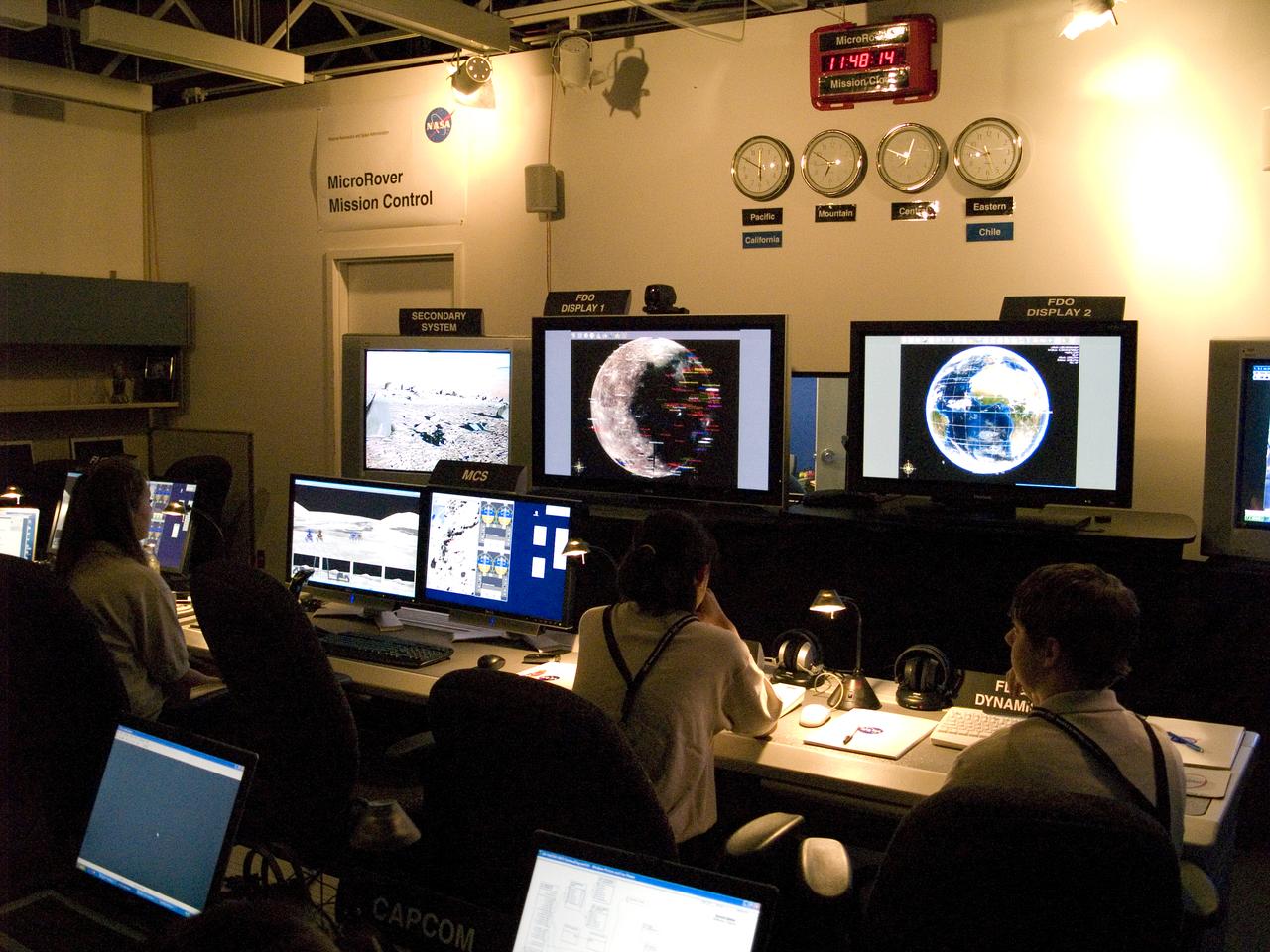
Spaceward Bound Program in Atacama Desert; shown here is a realtime webcast from Yungay, Chile vis satellite involving NASA Scientists and seven NASA Explorer school teachers. On the Ames end we find the Girl Scouts Space cookines robotic team. The robot nicknamed Zoe is looking for life in extreme environments in preparation for what might be encounter on Mars. see full text on the NASA-Ames News - Research # 04-91AR
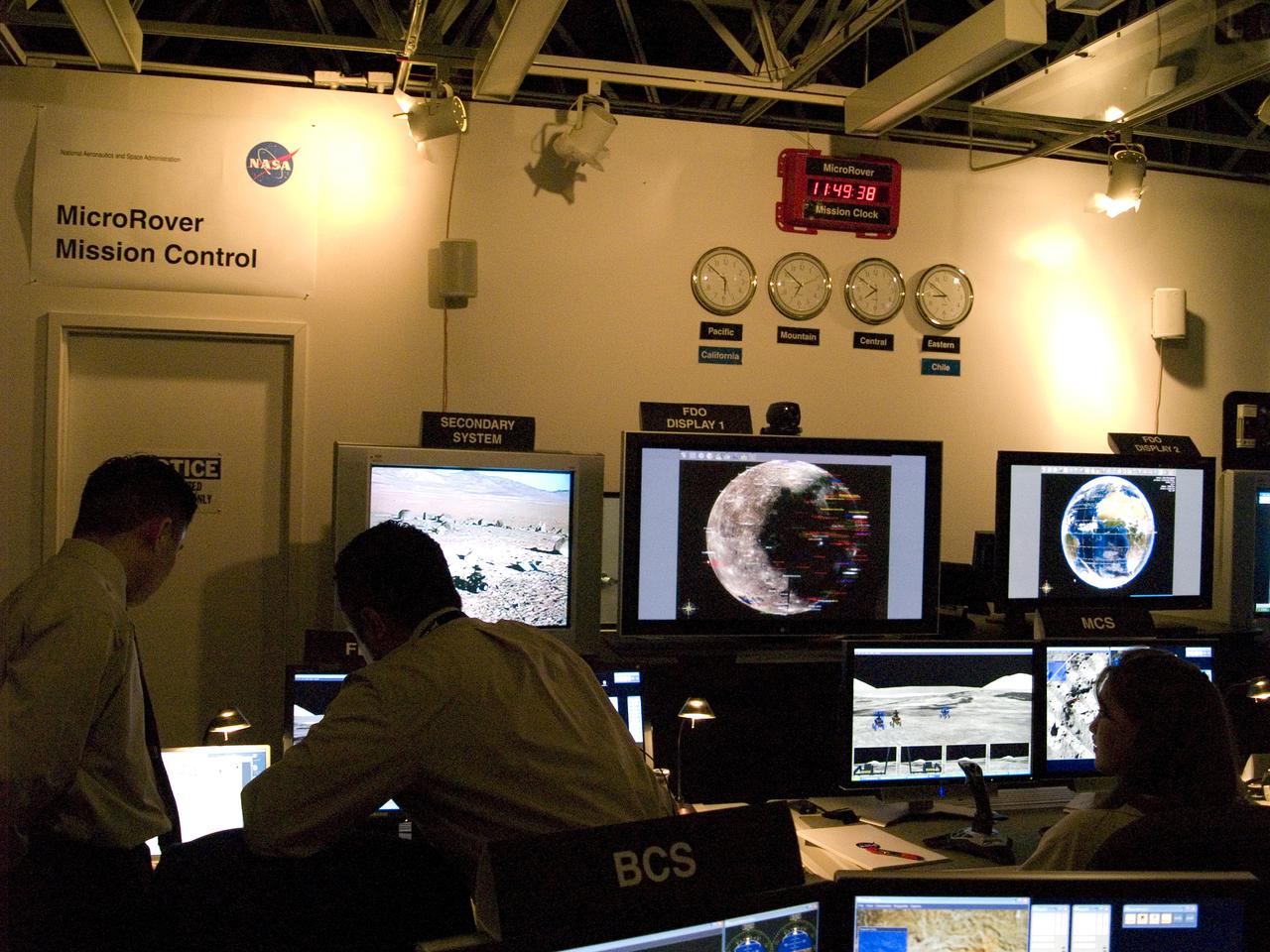
Spaceward Bound Program in Atacama Desert; shown here is a realtime webcast from Yungay, Chile vis satellite involving NASA Scientists and seven NASA Explorer school teachers. On the Ames end we find the Girl Scouts Space cookines robotic team. The robot nicknamed Zoe is looking for life in extreme environments in preparation for what might be encounter on Mars. see full text on the NASA-Ames News - Research # 04-91AR
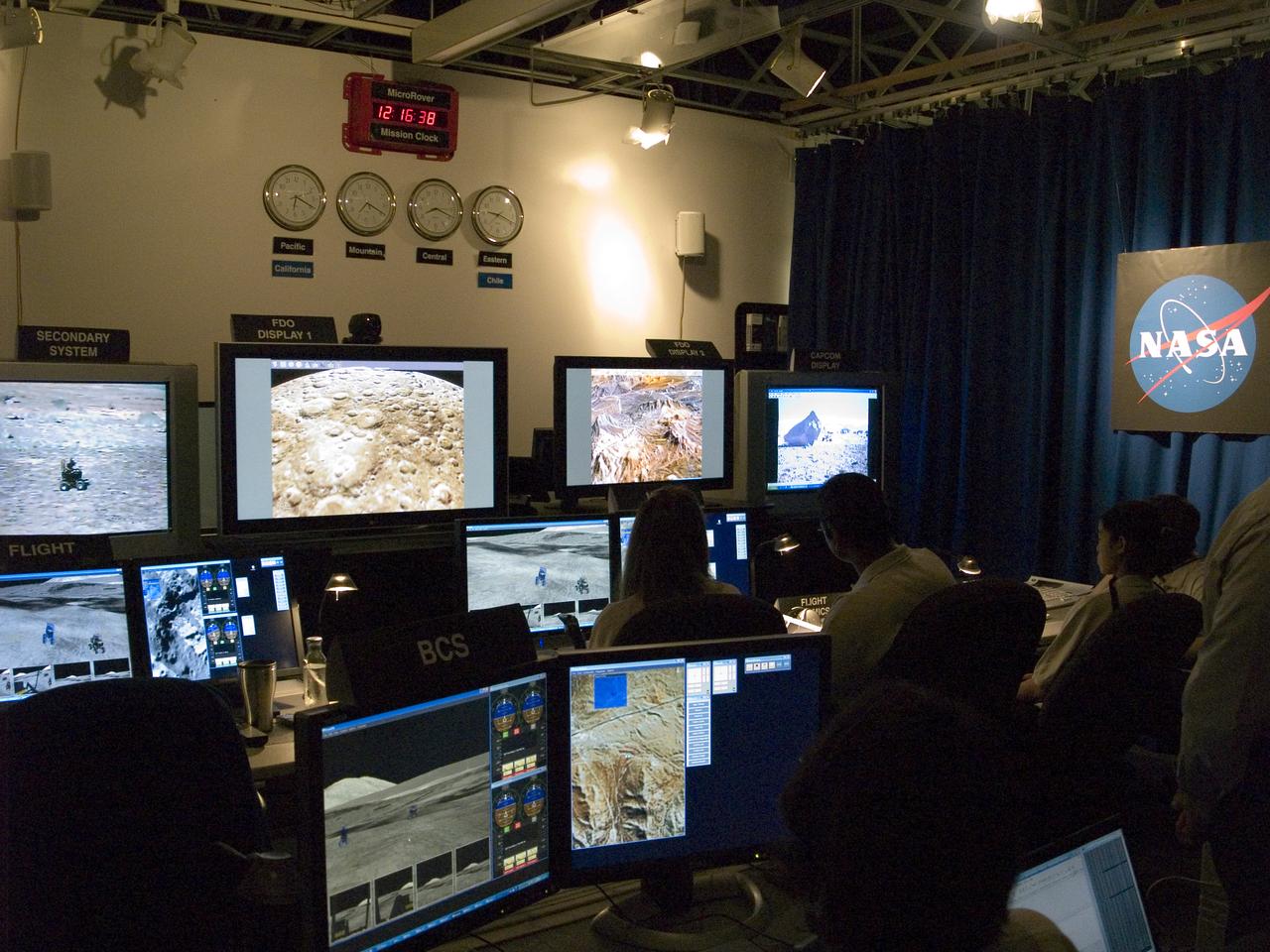
Spaceward Bound Program in Atacama Desert; shown here is a realtime webcast from Yungay, Chile vis satellite involving NASA Scientists and seven NASA Explorer school teachers. On the Ames end we find the Girl Scouts Space cookines robotic team. The robot nicknamed Zoe is looking for life in extreme environments in preparation for what might be encounter on Mars. see full text on the NASA-Ames News - Research # 04-91AR
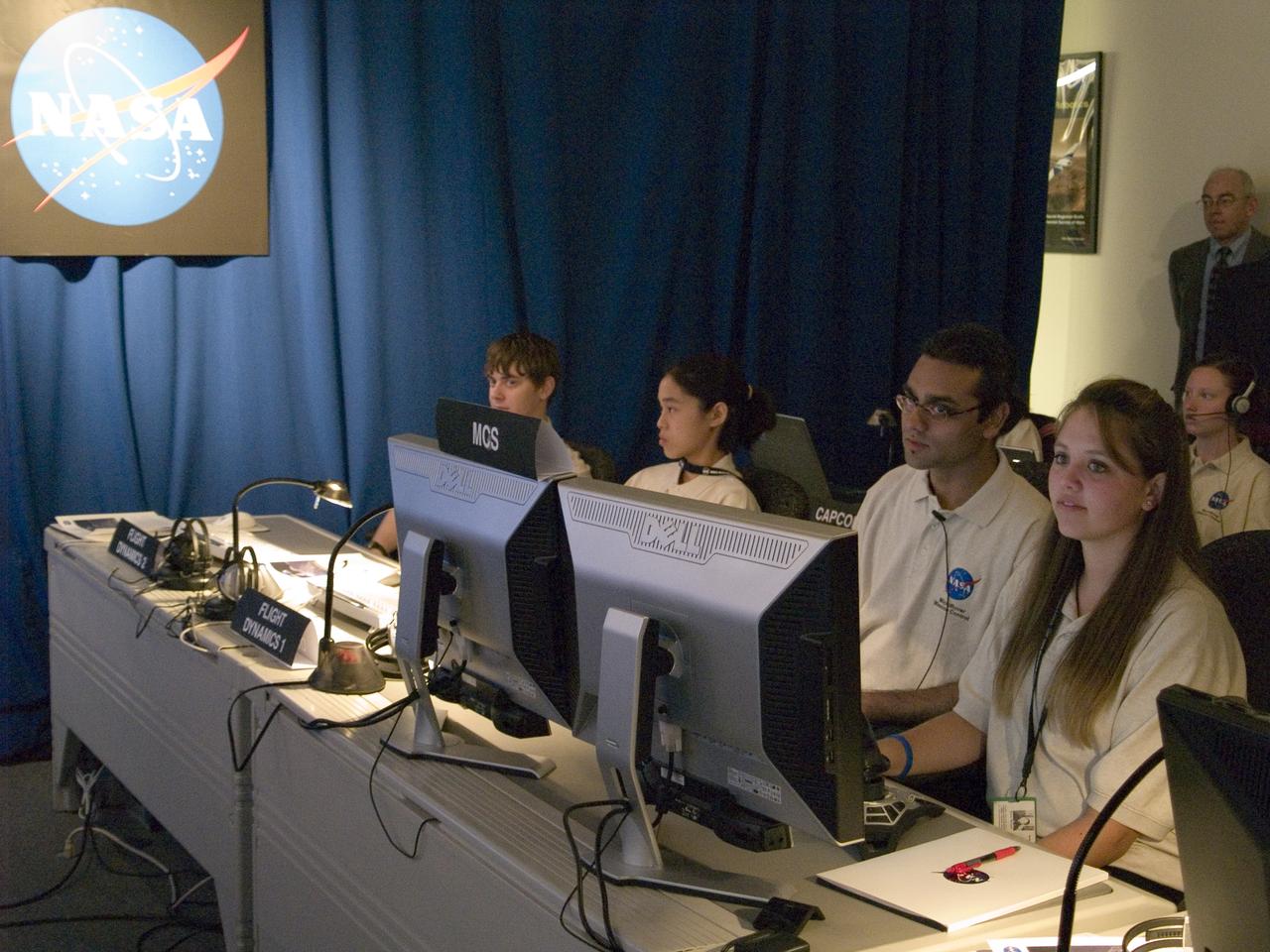
Spaceward Bound Program in Atacama Desert; shown here is a realtime webcast from Yungay, Chile vis satellite involving NASA Scientists and seven NASA Explorer school teachers. On the Ames end we find the Girl Scouts Space cookines robotic team. The robot nicknamed Zoe is looking for life in extreme environments in preparation for what might be encounter on Mars. see full text on the NASA-Ames News - Research # 04-91AR

This image of the Crab Pulsar was taken with CHIMERA, an instrument at the Palomar Observatory, which is operated by the California Institute of Technology.
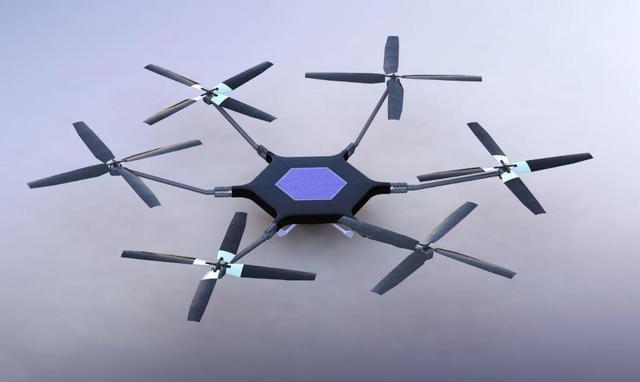
A model of NASA's Mars Science Helicopter concept is shown in this photo. This helicopter concept is a more capable proposed follow-on to NASA's Ingenuity Mars Helicopter, which arrived at the Red Planet in the belly of the agency's Perseverance rover in February 2021. The six-rotor Mars Science Helicopter could be used during future Mars missions to serve as an aerial scout, carrying between 4.5 and 11 pounds (2 to 5 kilograms) of payload, including science instruments, and studying terrain that rovers can't reach. It remains in early conceptual and design stages. The proposed design is the product of collaboration between JPL, NASA's Ames Research Center in California's Silicon Valley, and AeroVironment Inc. https://photojournal.jpl.nasa.gov/catalog/PIA25661
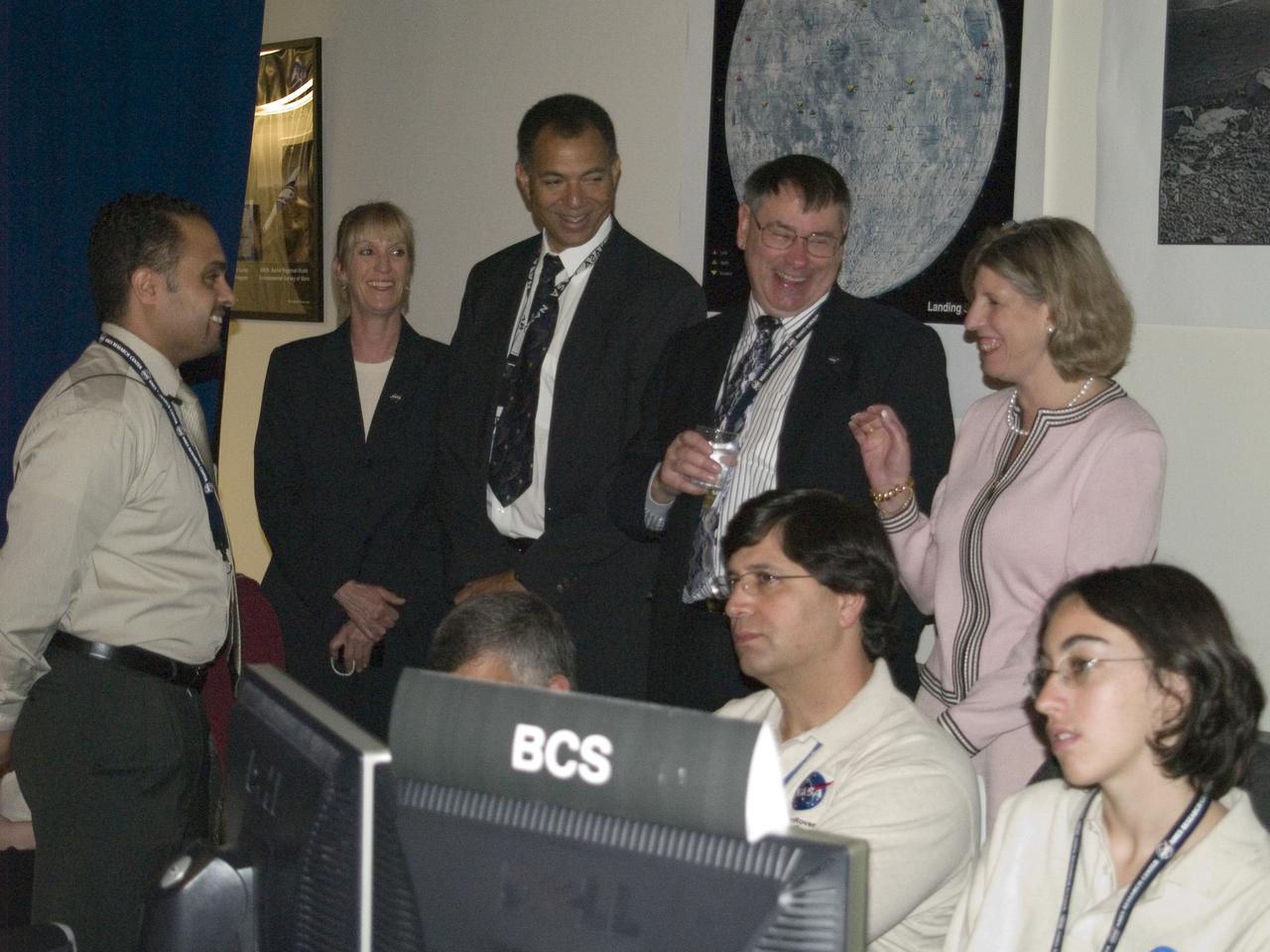
Spaceward Bound Program in Atacama Desert; shown here is a realtime webcast from Yungay, Chile vis satellite involving NASA Scientists and seven NASA Explorer school teachers. On the Ames end we find the Girl Scouts Space cookines robotic team. The robot nicknamed Zoe is looking for life in extreme environments in preparation for what might be encounter on Mars. (back row l-r) Yvonne Clearwater, Ames Education Division, Donald James, Ames Education Division Chief, Pete Worden, Ames Center Director, Angela Diaz, Ames Director of Strategic Communications) see full text on the NASA-Ames News - Research # 04-91AR
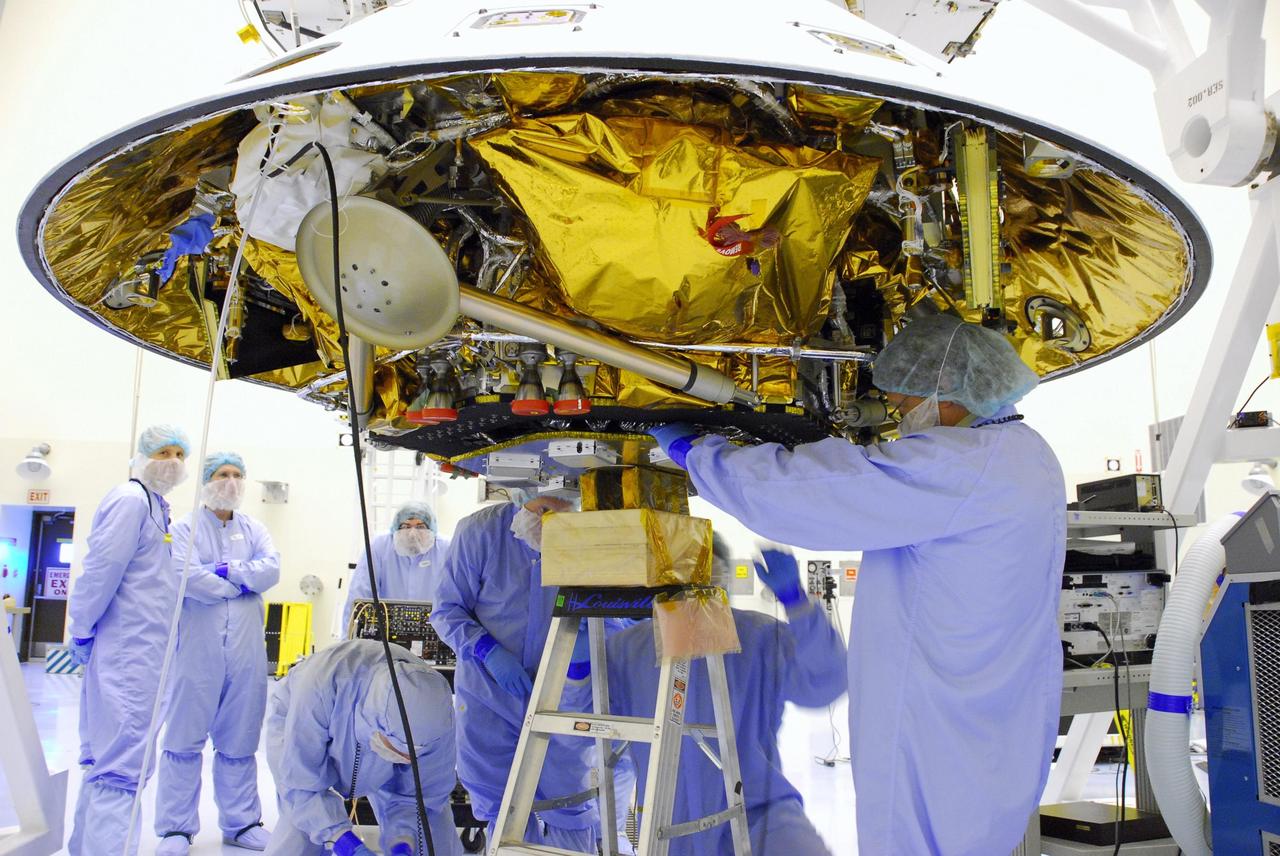
KENNEDY SPACE CENTER, FLA. -- At the Payload Hazardous Servicing Facility, the landing radar is integrated with the Phoenix spacecraft. Testing will follow. The Phoenix mission is the first project in NASA's first openly competed program of Mars Scout missions. Phoenix will land in icy soils near the north polar permanent ice cap of Mars and explore the history of the water in these soils and any associated rocks, while monitoring polar climate. Landing is planned in May 2008 on arctic ground where a mission currently in orbit, Mars Odyssey, has detected high concentrations of ice just beneath the top layer of soil. Photo credit: NASA/George Shelton
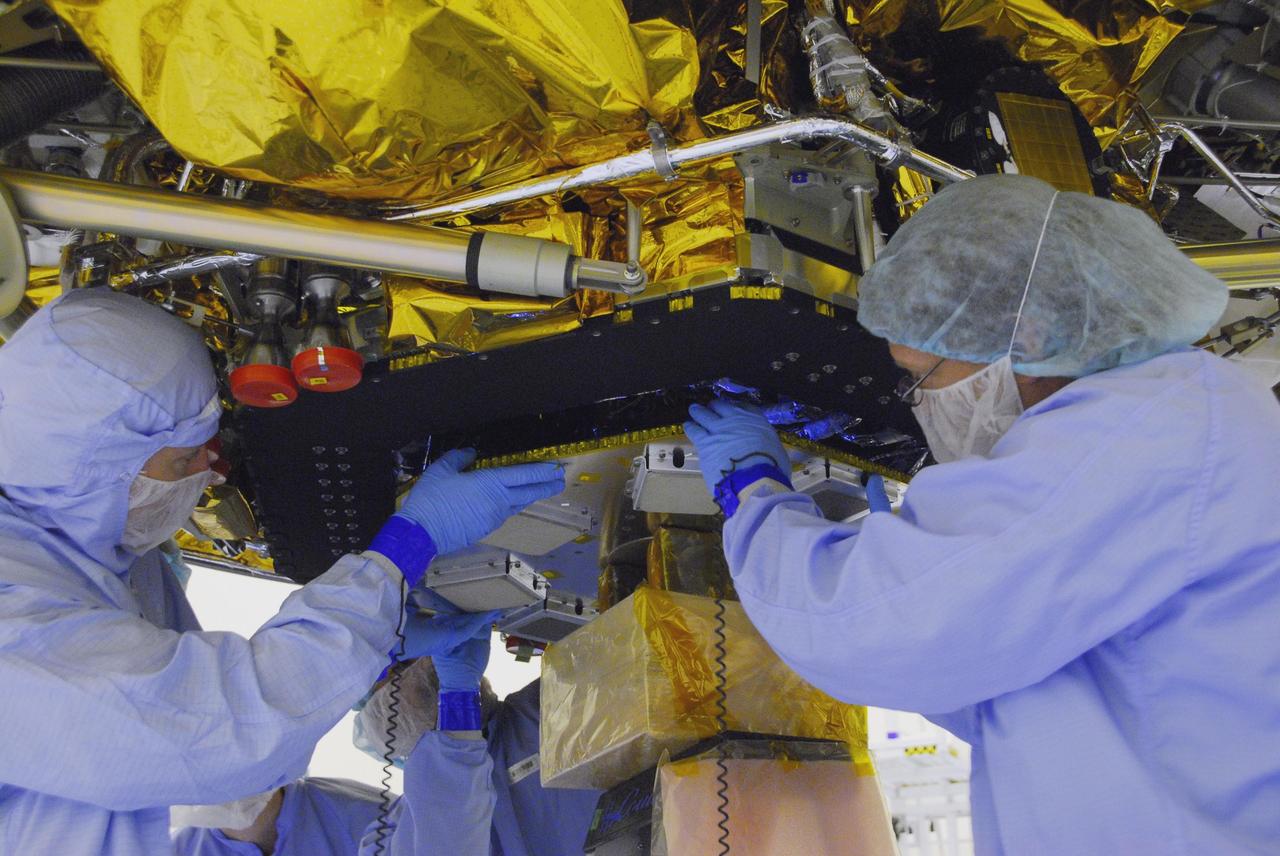
KENNEDY SPACE CENTER, FLA. -- At the Payload Hazardous Servicing Facility, workers integrate the landing radar with the Phoenix spacecraft. Testing will follow. The Phoenix mission is the first project in NASA's first openly competed program of Mars Scout missions. Phoenix will land in icy soils near the north polar permanent ice cap of Mars and explore the history of the water in these soils and any associated rocks, while monitoring polar climate. Landing is planned in May 2008 on arctic ground where a mission currently in orbit, Mars Odyssey, has detected high concentrations of ice just beneath the top layer of soil. Photo credit: NASA/George Shelton
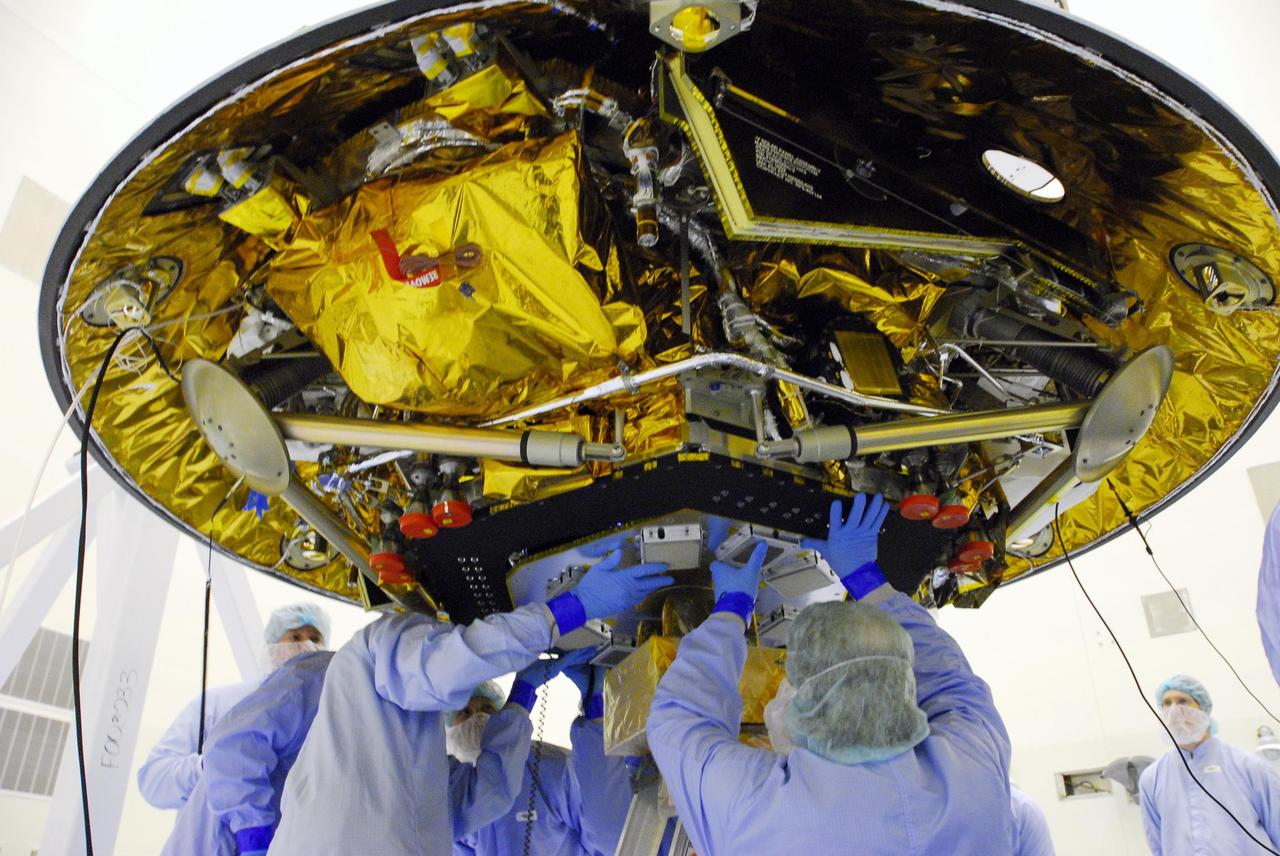
KENNEDY SPACE CENTER, FLA. -- At the Payload Hazardous Servicing Facility, workers integrate the landing radar with the Phoenix spacecraft. Testing will follow. The Phoenix mission is the first project in NASA's first openly competed program of Mars Scout missions. Phoenix will land in icy soils near the north polar permanent ice cap of Mars and explore the history of the water in these soils and any associated rocks, while monitoring polar climate. Landing is planned in May 2008 on arctic ground where a mission currently in orbit, Mars Odyssey, has detected high concentrations of ice just beneath the top layer of soil. Photo credit: NASA/George Shelton
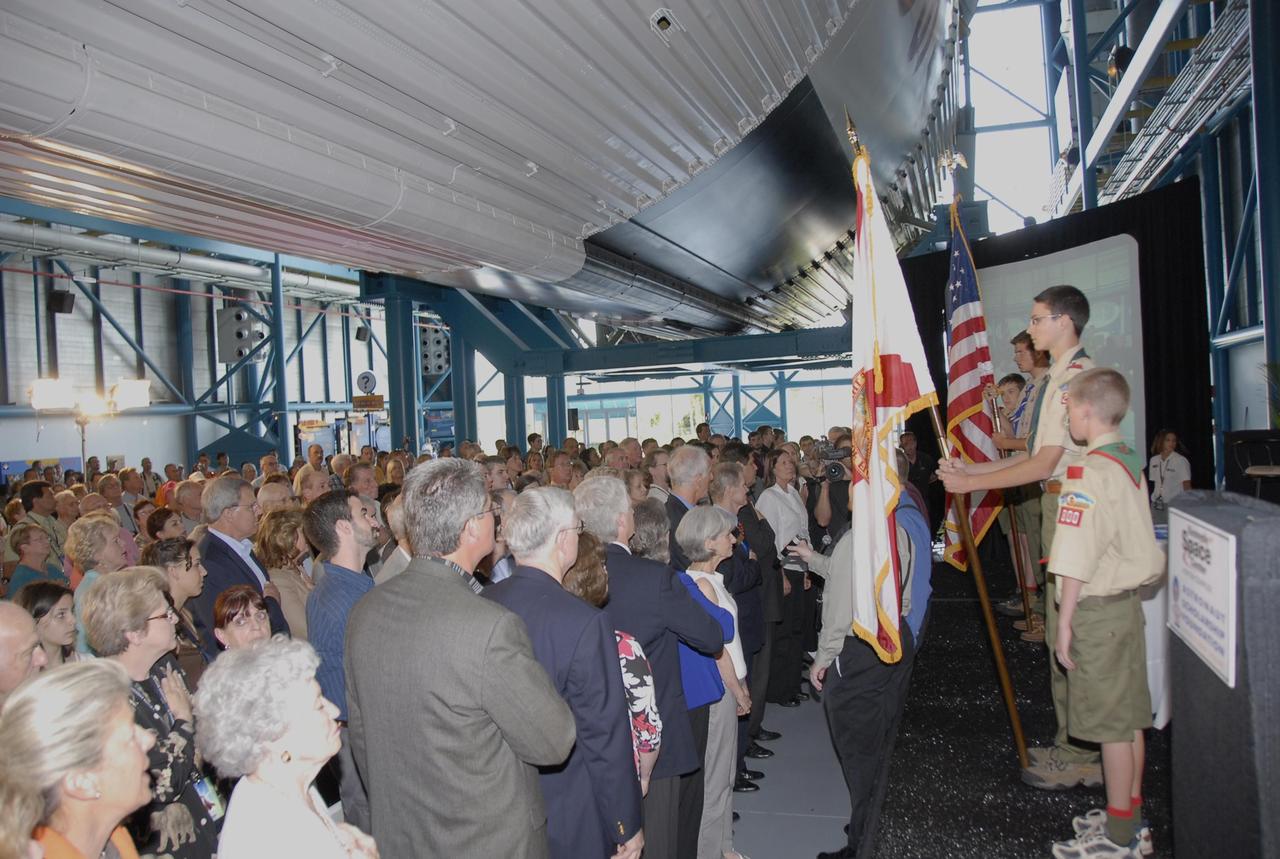
KENNEDY SPACE CENTER, FLA. -- At the U.S. Astronaut Hall of Fame induction ceremony, Boy Scouts lead the pledge of allegiance. The May 5 induction added space shuttle commanders Michael L. Coats, Steven A. Hawley and Jeffrey A. Hoffman to the Hall of Fame. They grow the number of space explorers enshrined in the Hall of Fame to 66. These gentlemen have joined such American space heroes as Neil Armstrong, John Glenn, Alan Shepard and Sally Ride. The ceremony was held at the Kennedy Space Center's Apollo/Saturn V Center. Photo credit: NASA/Kim Shiflett
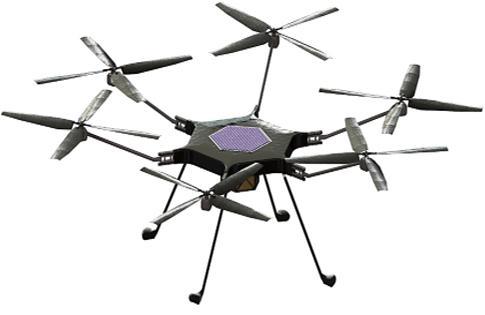
This illustration shows a conceptual design of a Mars Science Helicopter, a proposed follow-on to NASA's Ingenuity Mars Helicopter. Researchers are considering how helicopters could be used in future missions. In addition to scouting, such a helicopter could carry science instruments to study terrain rovers can't reach. The proposed design is the product of collaboration between NASA's Jet Propulsion Laboratory in Southern California, NASA's Ames Research Center in Silicon Valley, and AeroVironment, Inc. A helicopter with this particular design could carry 4.5 to 11 pounds (2-5 kilograms) of science payload. https://photojournal.jpl.nasa.gov/catalog/PIA24729

KENNEDY SPACE CENTER, FLA. -- The $13 million expansion to KSC's Visitor Complex includes a new International Space Station-themed ticket plaza, featuring a structure of overhanging solar panels and astronauts performing assembly tasks. Other additions are the new information center, a walk-through Robot Scouts exhibit, a wildlife exhibit, and the film Quest for Life in a new 300-seat theater. The KSC Visitor Complex was inaugurated three decades ago and is now one of the top five tourist attractions in Florida. It is located on S.R. 407, east of I-95, within the Merritt Island National Wildlife Refuge