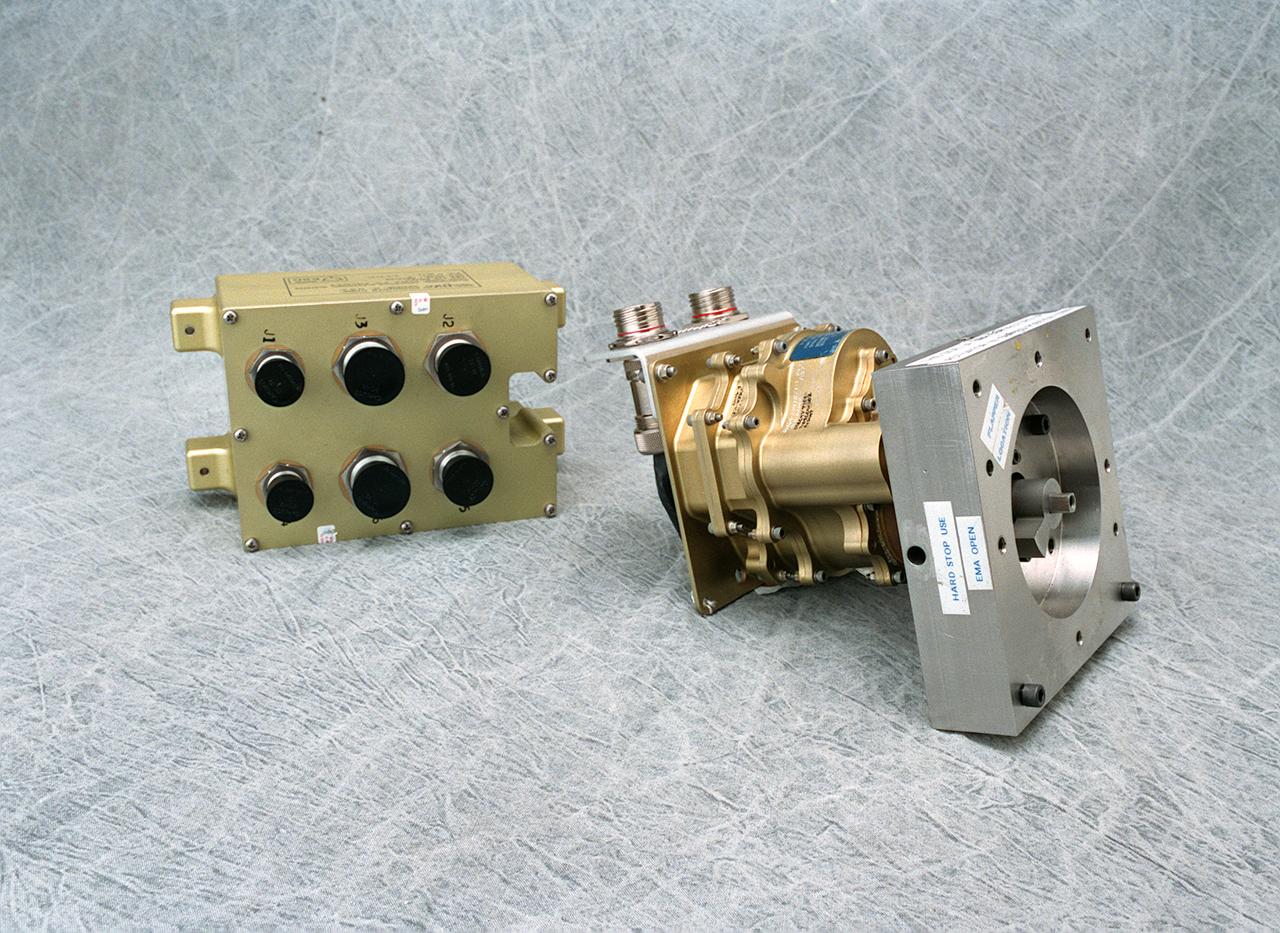
The electro-mechanical actuator, a new electronics technology, is an electronic system that provides the force needed to move valves that control the flow of propellant to the engine. It is proving to be advantageous for the main propulsion system plarned for a second generation reusable launch vehicle. Hydraulic actuators have been used successfully in rocket propulsion systems. However, they can leak when high pressure is exerted on such a fluid-filled hydraulic system. Also, hydraulic systems require significant maintenance and support equipment. The electro-mechanical actuator is proving to be low maintenance and the system weighs less than a hydraulic system. The electronic controller is a separate unit powering the actuator. Each actuator has its own control box. If a problem is detected, it can be replaced by simply removing one defective unit. The hydraulic systems must sustain significant hydraulic pressures in a rocket engine regardless of demand. The electro-mechanical actuator utilizes power only when needed. A goal of the Second Generation Reusable Launch Vehicle Program is to substantially improve safety and reliability while reducing the high cost of space travel. The electro-mechanical actuator was developed by the Propulsion Projects Office of the Second Generation Reusable Launch Vehicle Program at the Marshall Space Flight Center.
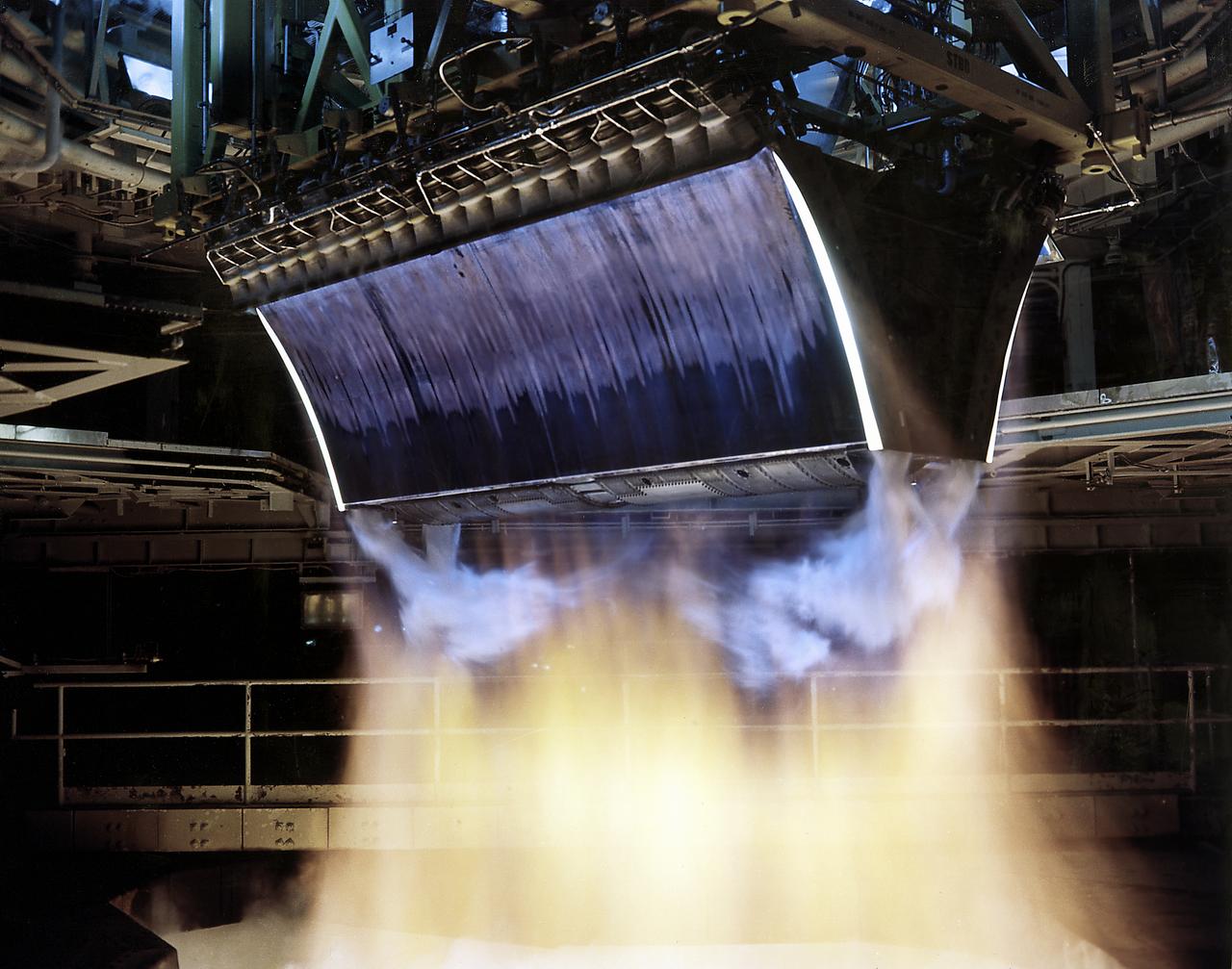
The test of twin Linear Aerospike XRS-2200 engines, originally built for the X-33 program, was performed on August 6, 2001 at NASA's Sternis Space Center, Mississippi. The engines were fired for the planned 90 seconds and reached a planned maximum power of 85 percent. NASA's Second Generation Reusable Launch Vehicle Program , also known as the Space Launch Initiative (SLI), is making advances in propulsion technology with this third and final successful engine hot fire, designed to test electro-mechanical actuators. Information learned from this hot fire test series about new electro-mechanical actuator technology, which controls the flow of propellants in rocket engines, could provide key advancements for the propulsion systems for future spacecraft. The Second Generation Reusable Launch Vehicle Program, led by NASA's Marshall Space Flight Center in Huntsville, Alabama, is a technology development program designed to increase safety and reliability while reducing costs for space travel. The X-33 program was cancelled in March 2001.
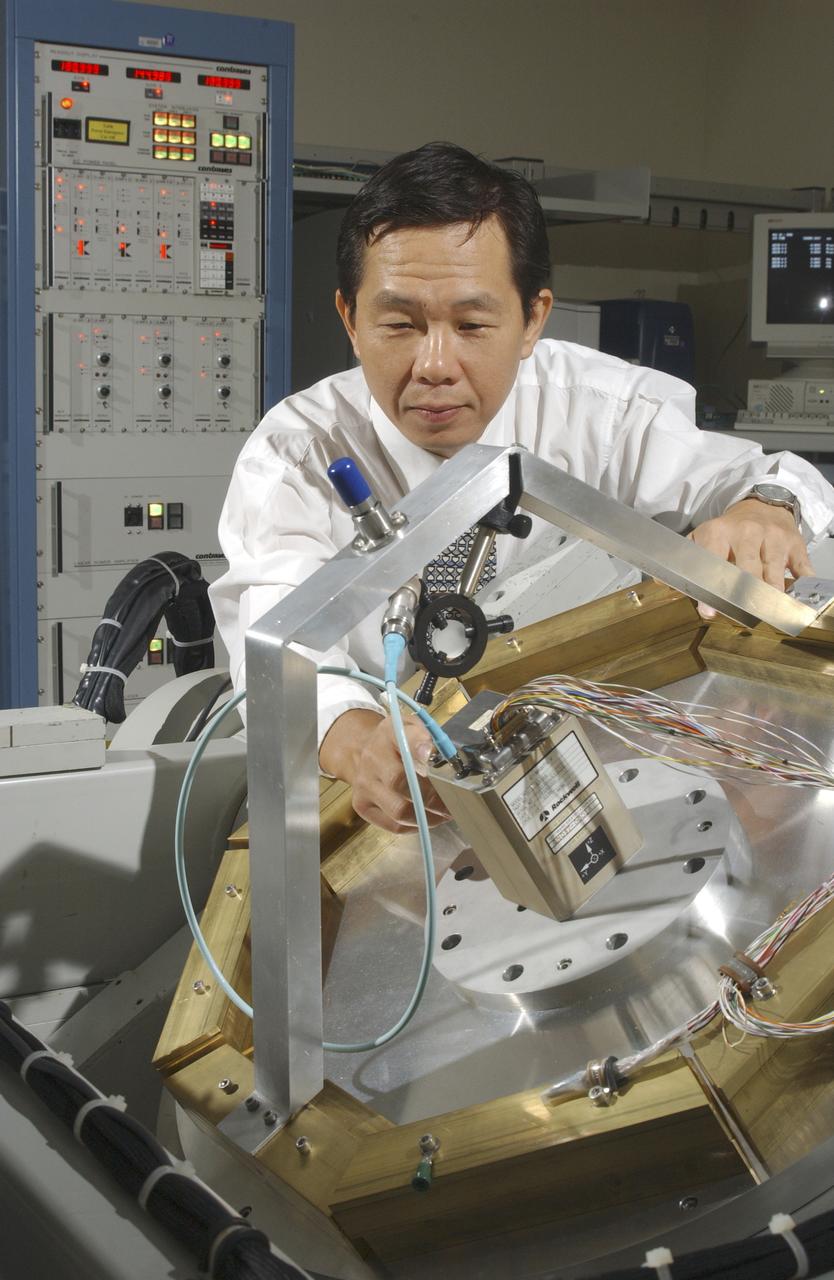
An array of components in a laboratory at NASA's Marshall Space Flight Center (MSFC) is being tested by the Flight Mechanics Office to develop an integrated navigation system for the second generation reusable launch vehicle. The laboratory is testing Global Positioning System (GPS) components, a satellite-based location and navigation system, and Inertial Navigation System (INS) components, sensors on a vehicle that determine angular velocity and linear acceleration at various points. The GPS and INS components work together to provide a space vehicle with guidance and navigation, like the push of the OnStar button in your car assists you with directions to a specific address. The integration will enable the vehicle operating system to track where the vehicle is in space and define its trajectory. The use of INS components for navigation is not new to space technology. The Space Shuttle currently uses them. However, the Space Launch Initiative is expanding the technology to integrate GPS and INS components to allow the vehicle to better define its position and more accurately determine vehicle acceleration and velocity. This advanced technology will lower operational costs and enhance the safety of reusable launch vehicles by providing a more comprehensive navigation system with greater capabilities. In this photograph, Dr. Jason Chuang of MSFC inspects an INS component in the laboratory.

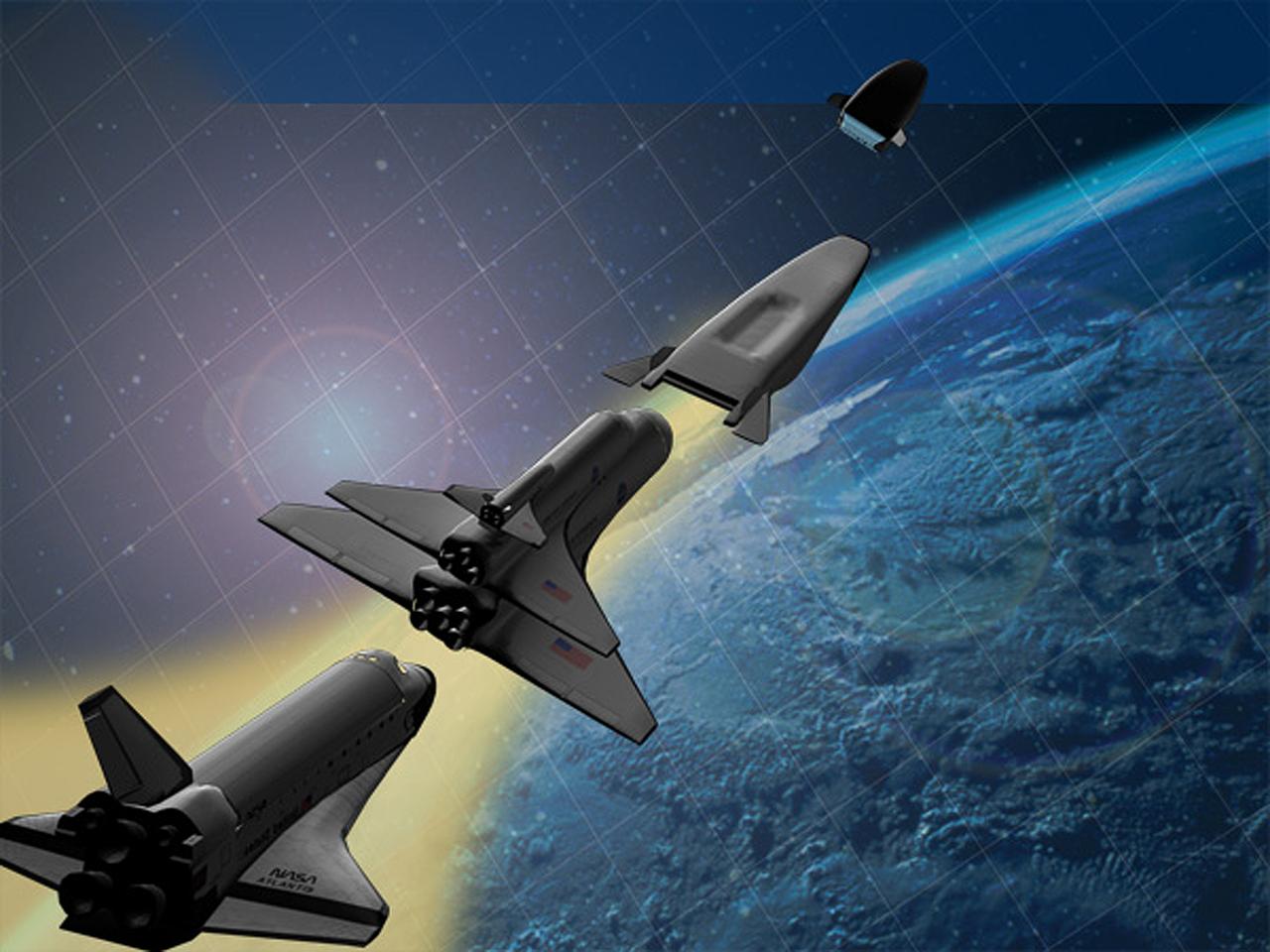
This is a computer generated image of a Shuttle launch utilizing 2nd generation Reusable Launch Vehicle (RLV) flyback boosters, a futuristic concept that is currently undergoing study by NASA's Space Launch Initiative (SLI) Propulsion Office, managed by the Marshall Space Fight Center in Huntsville, Alabama, working in conjunction with the Agency's Glenn Research Center in Cleveland, Ohio. Currently, after providing thrust to the Space Shuttle, the solid rocket boosters are parachuted into the sea and are retrieved for reuse. The SLI is considering vehicle concepts that would fly first-stage boosters back to a designated landing site after separation from the orbital vehicle. These flyback boosters would be powered by several jet engines integrated into the booster capable of providing over 100,000 pounds of thrust. The study will determine the requirements for the engines, identify risk mitigation activities, and identify costs associated with risk mitigation and jet engine development and production, as well as determine candidate jet engine options to pursue for the flyback booster.
NASA's Marshall Space Flight Center in Huntsville, Alabama, manages the Space Launch Initiative (SLI), NASA's priority developmental program focused on empowering America's leadership in space. SLI includes commercial, higher education, and defense partnerships and contracts to offer widespread participation in both the risk and success of developing our nation's next-generation reusable launch vehicle. This photo depicts an artist's concept of a future second-generation launch vehicle. For the SLI, architecture definition includes all components of the next-generation reusable launch system: Earth-to-orbit vehicles (the Space Shuttle is the first generation earth-to-orbit vehicle), crew transfer vehicles, transfer stages, ground processing systems, flight operations systems, and development of business case strategies. Three contractor teams have each been funded to develop potential second- generation reusable launch system architectures: The Boeing Company of Seal Beach, California; Lockheed Martin Corporation of Denver, Colorado along with a team including Northrop Grumman of El Segundo, California; and Orbital Sciences Corporation of Dulles, Virginia.
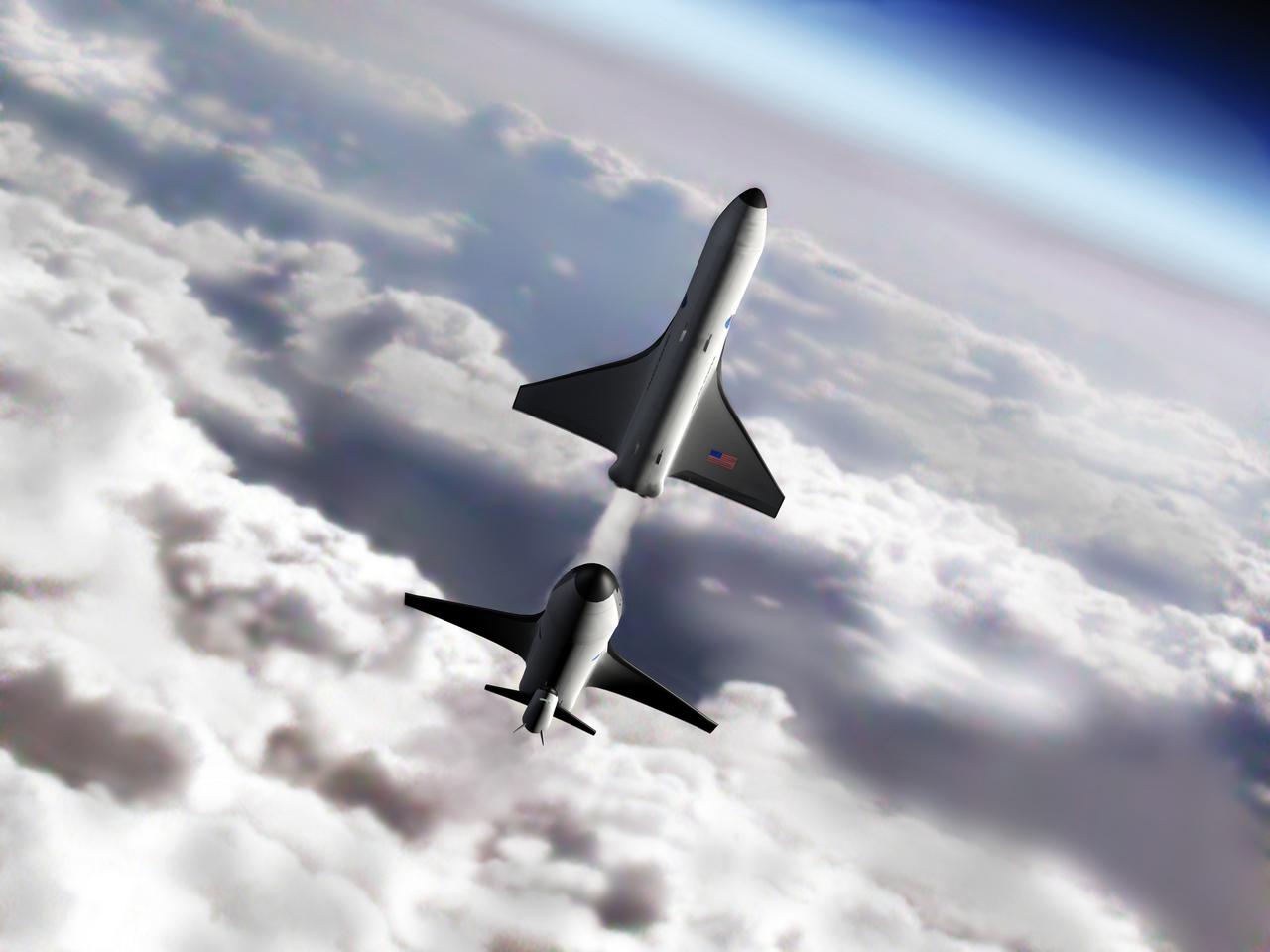
NASA's Marshall Space Flight Center in Huntsville, Alabama, manages the Space Launch Initiative (SLI), NASA's priority developmental program focused on empowering America's leadership in space. SLI includes commercial, higher education and defense partnerships and contracts to offer widespread participation in both the risk and success of developing our nation's next-generation reusable launch vehicle. This photo depicts an artist's concept of a future second-generation launch vehicle during separation of stages. For SLI, architecture definition includes all components of the next-generation reusable launch system: Earth-to-orbit vehicles (the Space Shuttle is the first-generation earth-to-orbit vehicle), crew transfer vehicles, transfer stages, ground processing systems, flight operations systems, and development of business case strategies. Three contractor teams have each been funded to develop potential second generation reusable launch system architectures: The Boeing Company of Seal Beach, California; Lockheed Martin Corporation of Denver, Colorado; a team including Northrop Grumman of El Segundo, California; and Orbital Sciences Corporation of Dulles, Virginia.
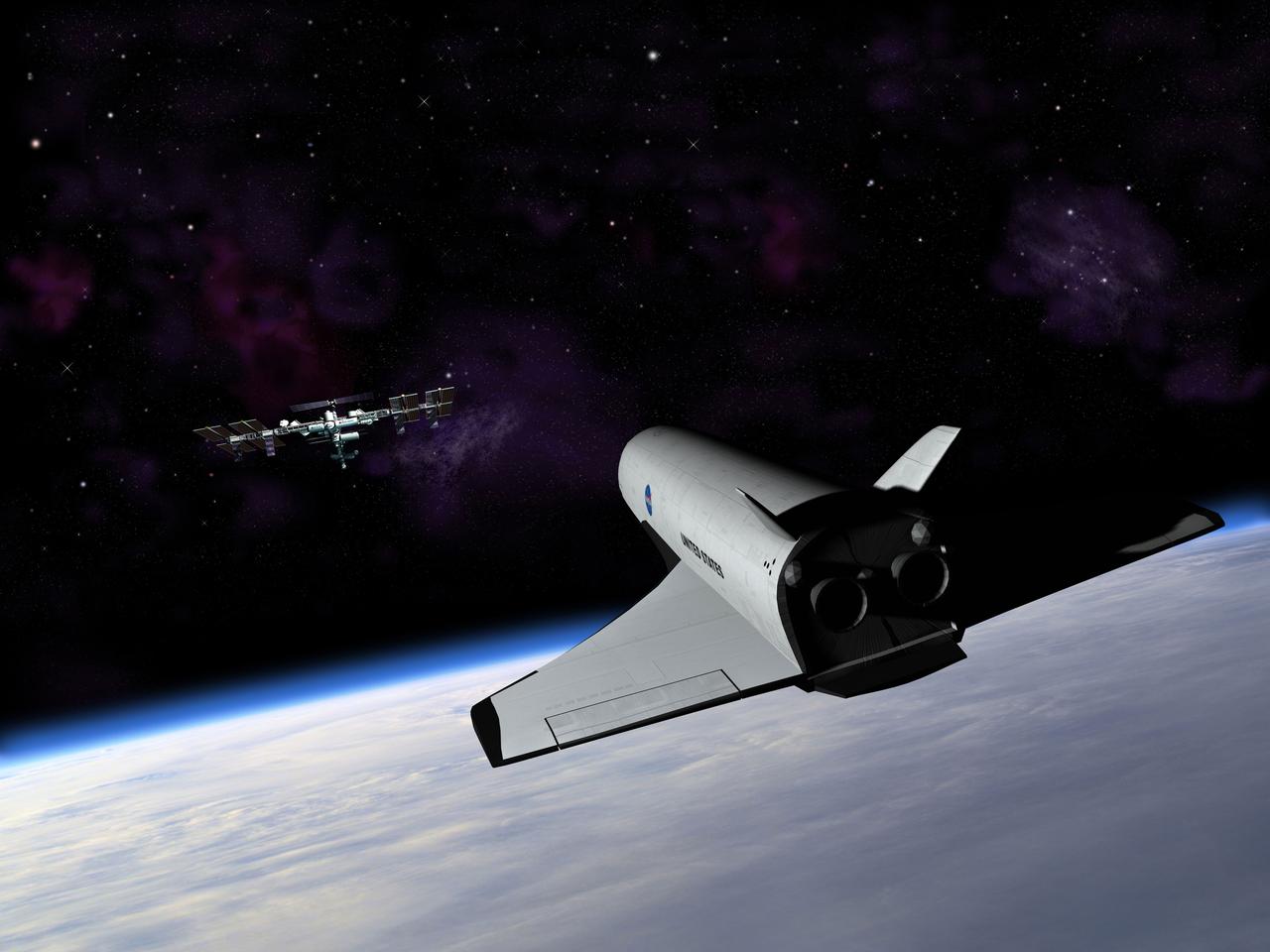
NASA's Marshall Space Flight Center in Huntsville, Alabama, manages the Space Launch Initiative (SLI), NASA's priority developmental program focused on empowering America's leadership in space. SLI includes commercial, higher education, and Defense partnerships and contracts to offer widespread participation in both the risk and success of developing our nation's next-generation reusable launch vehicle. This photo depicts an artist's concept of a future second-generation launch vehicle enroute to the International Space Station. For the SLI, architecture definition includes all components of the next-generation reusable launch system: Earth-to-orbit vehicles (the Space Shuttle is the first generation earth-to-orbit vehicle), crew transfer vehicles, transfer stages, ground processing systems, flight operations systems, and development of business case strategies. Three contractor teams have each been funded to develop potential second-generation reusable launch system architectures: The Boeing Company of Seal Beach, California; Lockheed Martin Corporation of Denver, Colorado along with a team including Northrop Grumman of El Segundo, California; and Orbital Sciences Corporation of Dulles, Virginia.
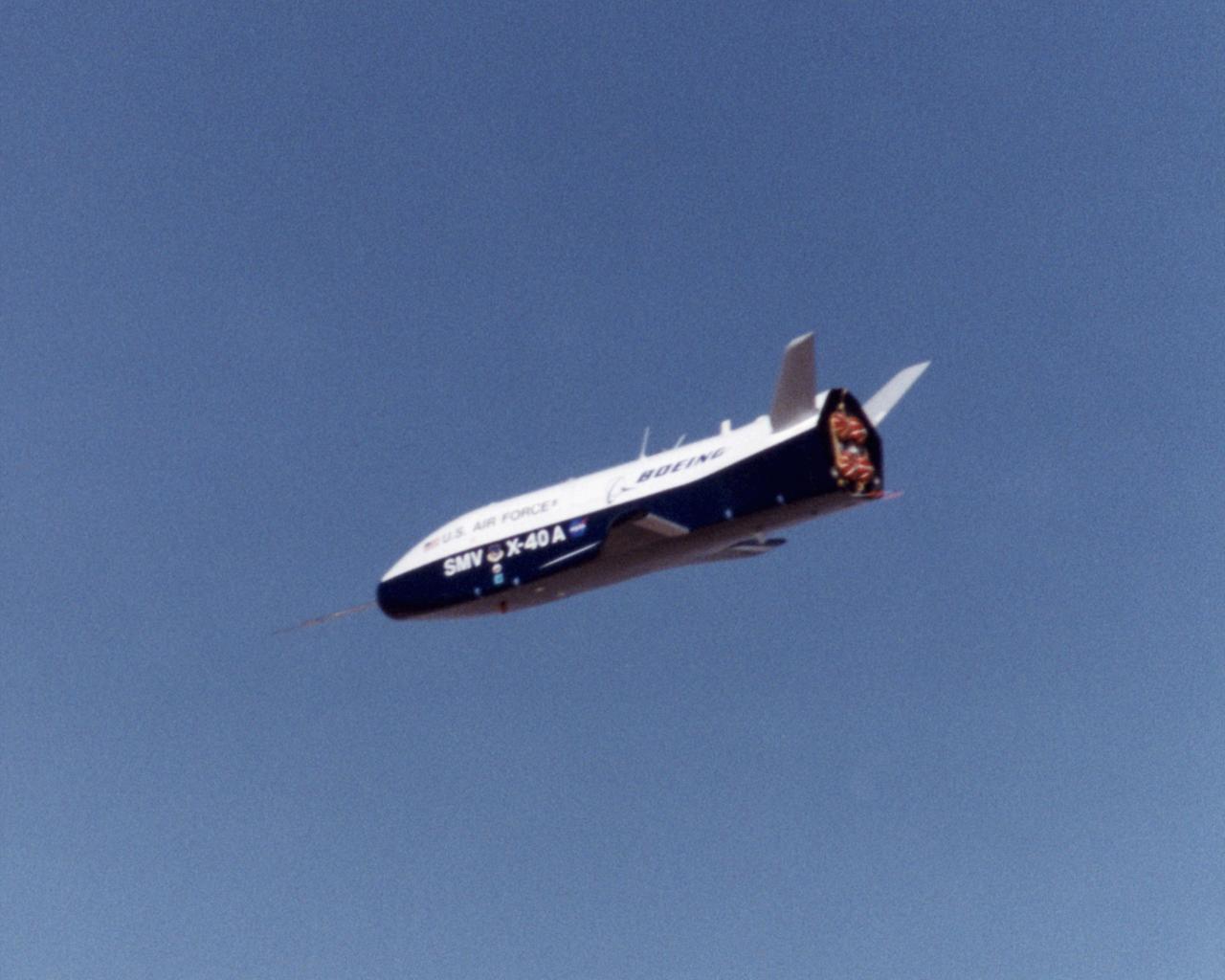
First flight at NASA's Dryden Flight Research Center for the X-40A was a 74 second glide from 15,000 feet on March 14, 2001. The unpiloted X-40 is a risk-reduction vehicle for the X-37, which is intended to be a reusable space vehicle. NASA's Marshall Space Flight Center in Huntsville, Ala, manages the X-37 project. At Dryden, the X-40A will undergo a series of ground and air tests to reduce possible risks to the larger X-37, including drop tests from a helicopter to check guidance and navigation systems planned for use in the X-37. The X-37 is designed to demonstrate technologies in the orbital and reentry environments for next-generation reusable launch vehicles that will increase both safety and reliability, while reducing launch costs from $10,000 per pound to $1,000 per pound.
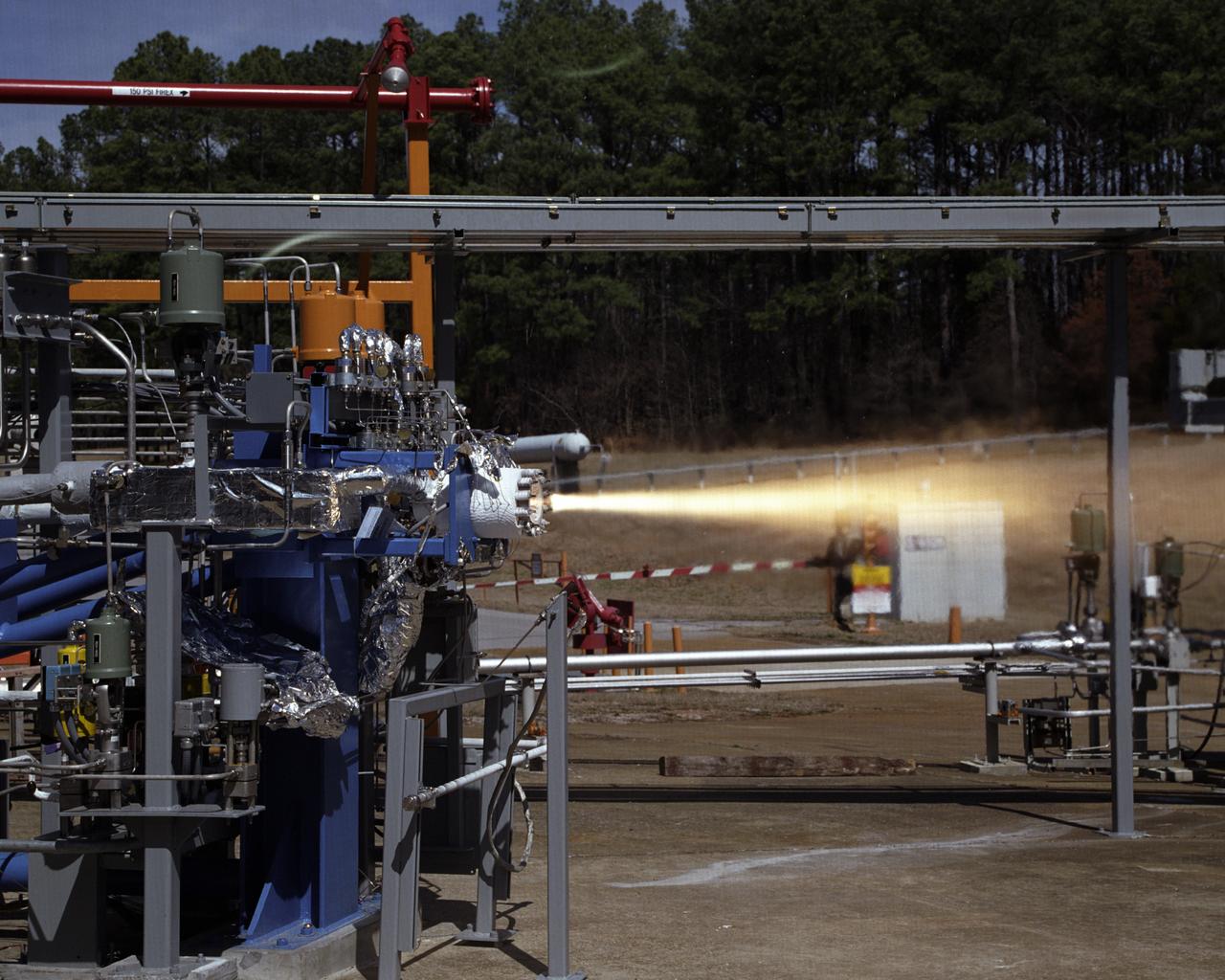
Engineers at the Marshall Space Flight Center (MSFC) have begun a series of engine tests on a new breed of space propulsion: a Reaction Control Engine developed for the Space Launch Initiative (SLI). The engine, developed by TRW Space and Electronics of Redondo Beach, California, is an auxiliary propulsion engine designed to maneuver vehicles in orbit. It is used for docking, reentry, attitude control, and fine-pointing while the vehicle is in orbit. The engine uses nontoxic chemicals as propellants, a feature that creates a safer environment for ground operators, lowers cost, and increases efficiency with less maintenance and quicker turnaround time between missions. Testing includes 30 hot-firings. This photograph shows the first engine test performed at MSFC that includes SLI technology. Another unique feature of the Reaction Control Engine is that it operates at dual thrust modes, combining two engine functions into one engine. The engine operates at both 25 and 1,000 pounds of force, reducing overall propulsion weight and allowing vehicles to easily maneuver in space. The low-level thrust of 25 pounds of force allows the vehicle to fine-point maneuver and dock while the high-level thrust of 1,000 pounds of force is used for reentry, orbit transfer, and coarse positioning. SLI is a NASA-wide research and development program, managed by the MSFC, designed to improve safety, reliability, and cost effectiveness of space travel for second generation reusable launch vehicles.
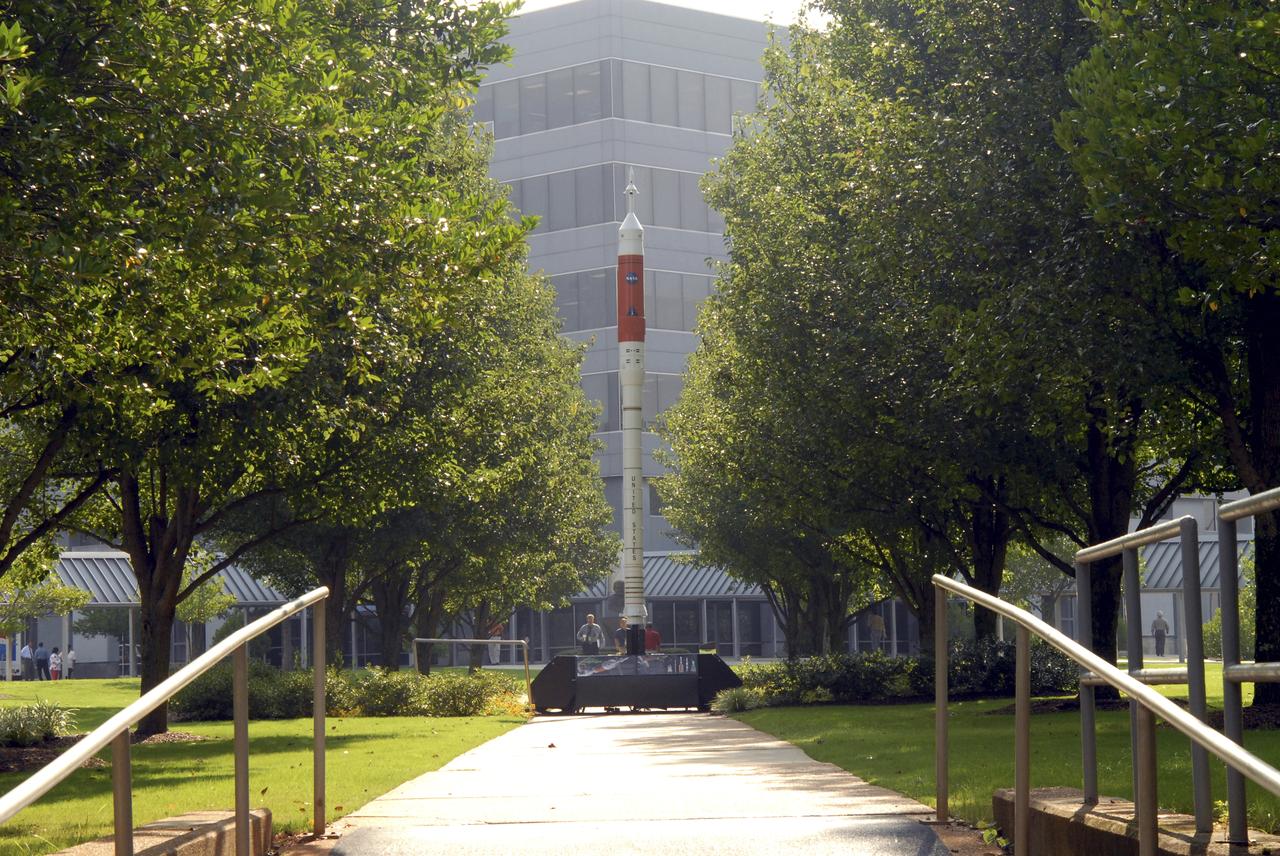
A model of the new Aries I crew launch vehicle, for which NASA is designing, testing and evaluating hardware and related systems, is seen here on display at the Marshall Space Fight Center (MSFC), in Huntsville, Alabama. The Ares I crew launch vehicle is the rocket that will carry a new generation of space explorers into orbit. Under the goals of the Vision for Space Exploration, Ares I is a chief component of the cost-effective space transportation infrastructure being developed by NASA’s Constellation Program. These transportation systems will safely and reliably carry human explorers back to the moon, and then onward to Mars and other destinations in the solar system. The Ares I effort includes multiple project element teams at NASA centers and contract organizations around the nation, and is led by the Exploration Launch Projects Office at NASA’s MFSC. Together, these teams are developing vehicle hardware, evolving proven technologies, and testing components and systems. Their work builds on powerful, reliable space shuttle propulsion elements and nearly a half-century of NASA space flight experience and technological advances. Ares I is an inline, two-stage rocket configuration topped by the Crew Exploration Vehicle, its service module and a launch abort system. The launch vehicle’s first stage is a single, five-segment reusable solid rocket booster derived from the Space Shuttle Program’s reusable solid rocket motor that burns a specially formulated and shaped solid propellant called polybutadiene acrylonitrile (PBAN). The second or upper stage will be propelled by a J-2X main engine fueled with liquid oxygen and liquid hydrogen. In addition to its primary mission of carrying crews of four to six astronauts to Earth orbit, the launch vehicle’s 25-ton payload capacity might be used for delivering cargo to space, bringing resources and supplies to the International Space Station or dropping payloads off in orbit for retrieval and transport to exploration teams on the moon. Crew transportation to the space station is planned to begin no later than 2014. The first lunar excursion is scheduled for the 2020 timeframe.