Shape Memory Alloys
Shape Memory Alloys
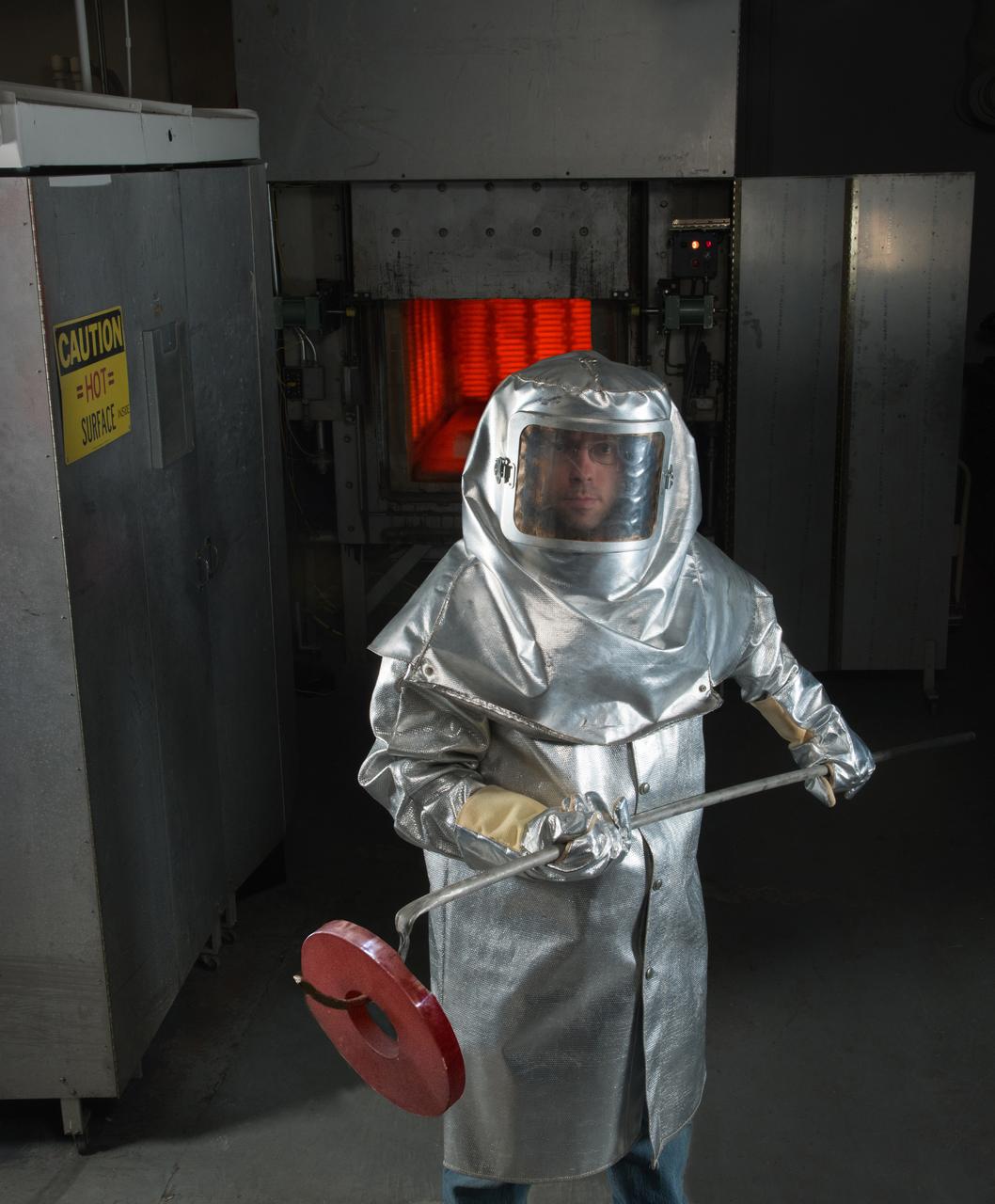
Personal Protective Equipment, PPE, Portrait Series, Welch_503059, Shape memory alloys, Shape memory alloy, Welch-Bey-503059, Glen Bigelow,

PTERA flies with the outer portion of its wings folded 70 degrees downward. The wings were able to fold in-flight thanks to a shape memory alloy material, which is triggered thermally and used in an actuator to move parts of the wing.
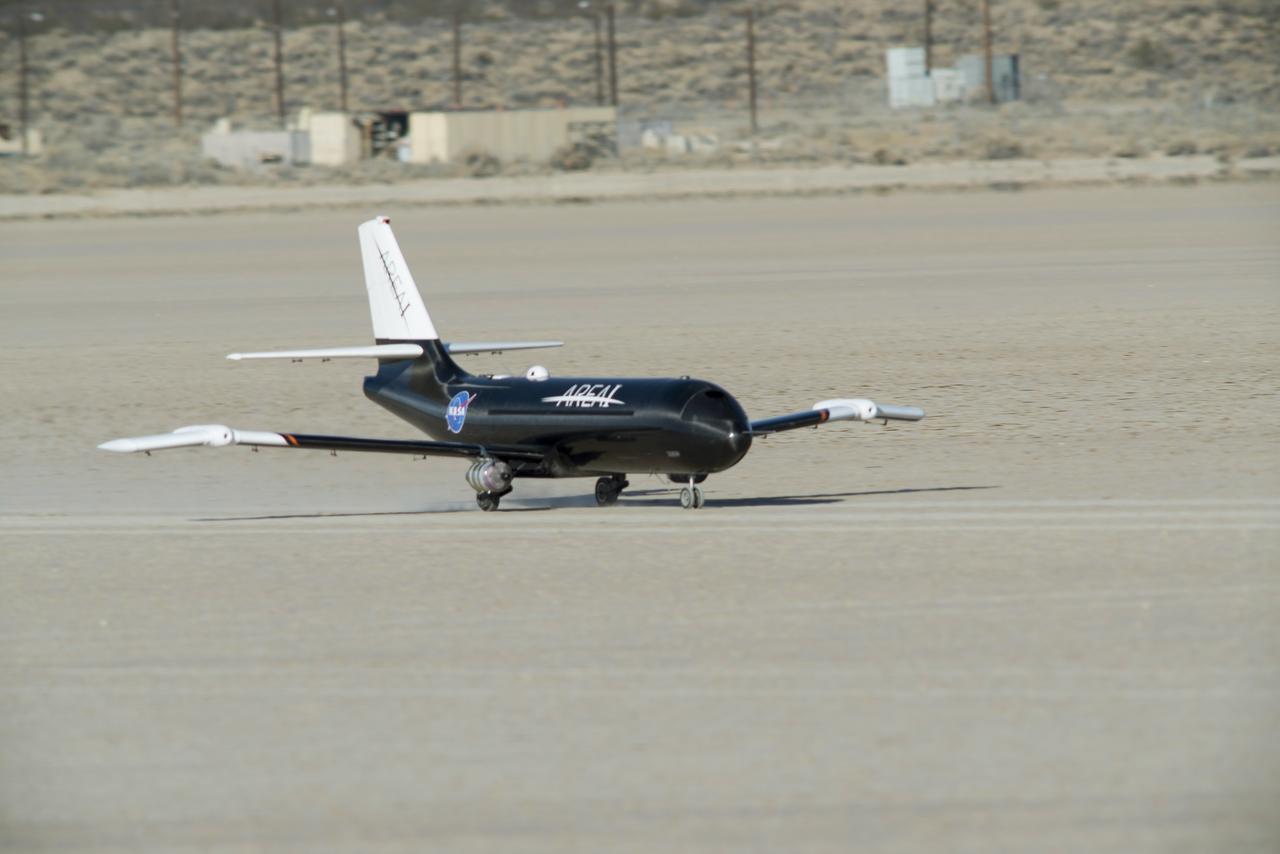
PTERA takes off from the Rogers Dry Lakebed on a flight to test the ability of an innovative, lightweight material, called shape memory alloy, to fold the outer portion of an aircraft’s wings in flight.
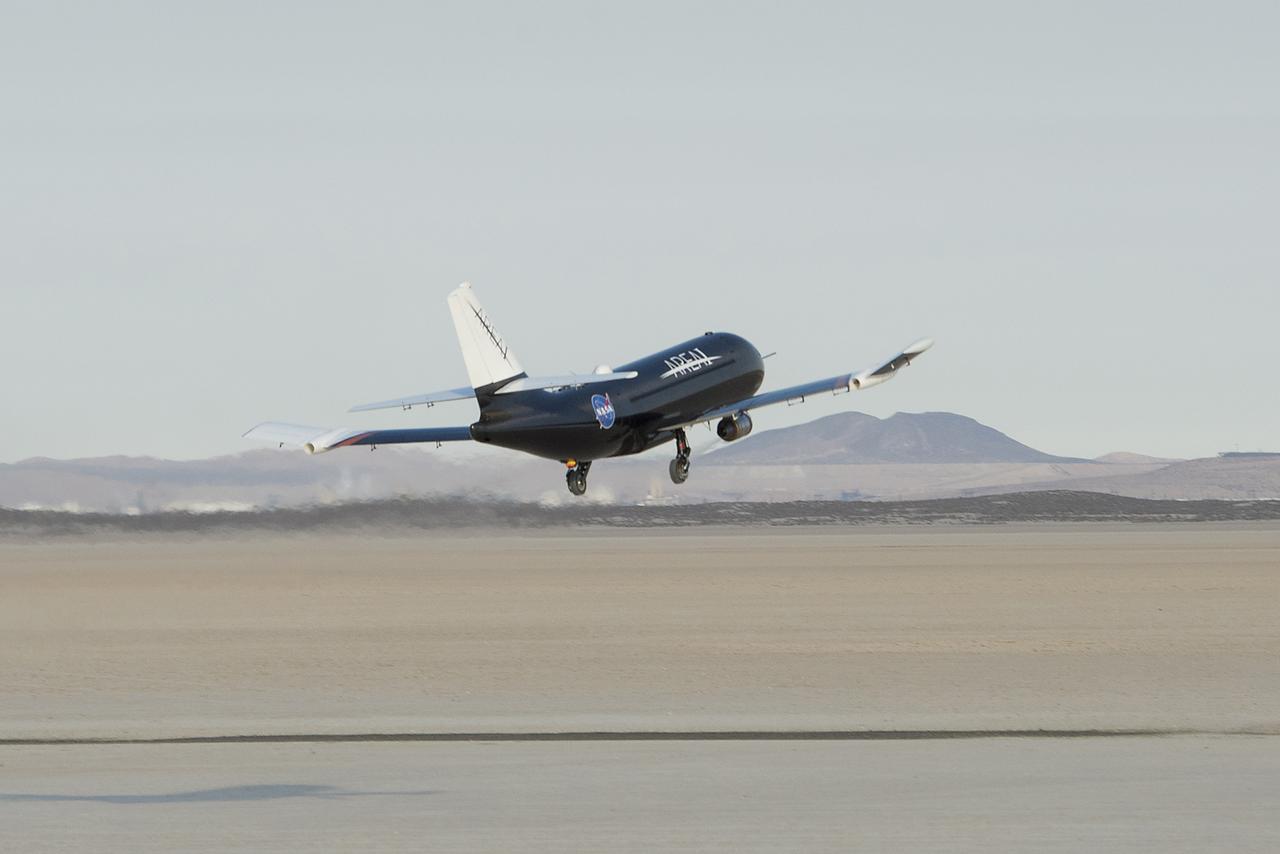
PTERA takes off on a flight to test the ability of shape memory alloy to fold wings in-flight. NASA, in this flight, observed the successful folding of PTERA’s wings 70 degrees upward.
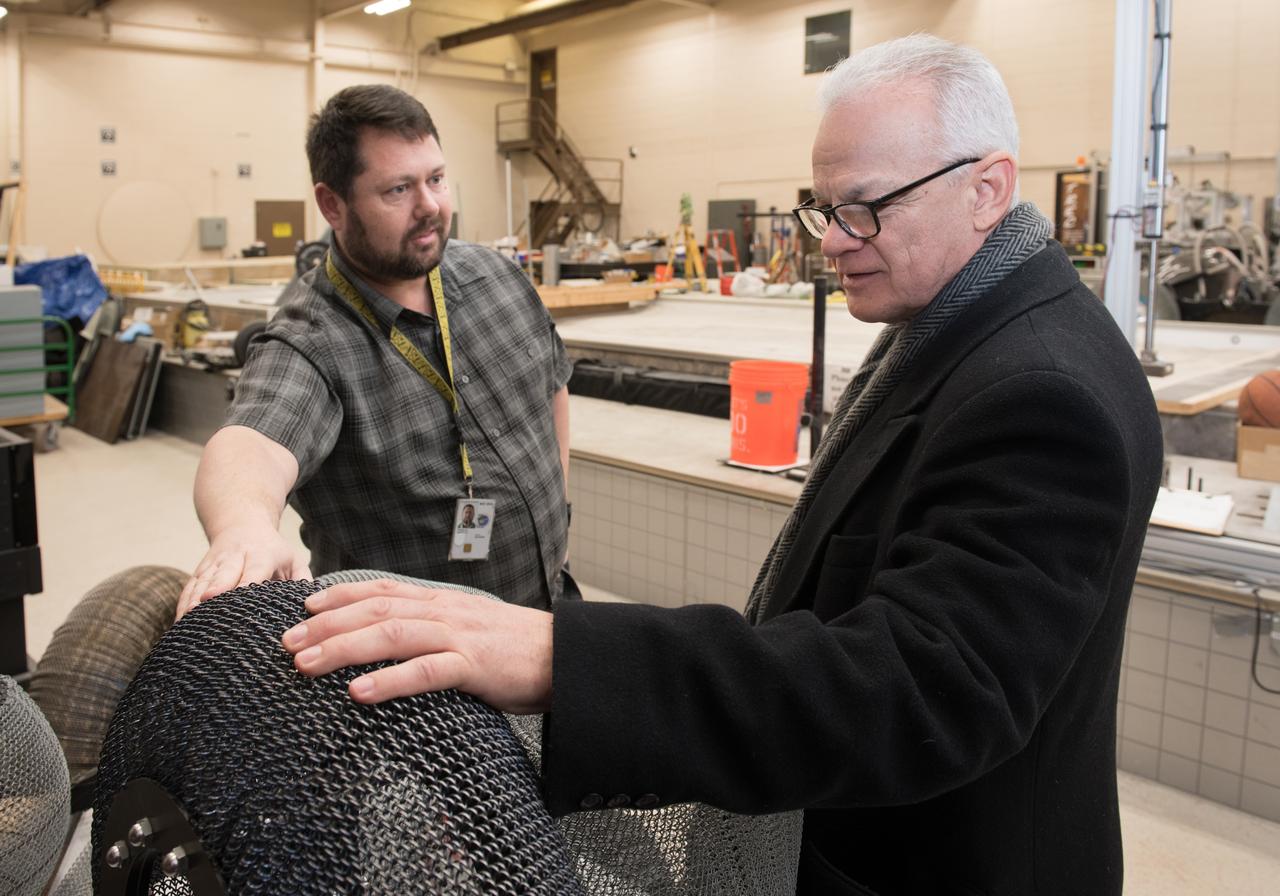
A Co-inventor of the Shape Memory Alloy, Spring Tire, shows the NASA Chief Technologist the first SMA Spring Tire Prototype during a tour of the Glenn Research Center, Simulated Lunar Operations Laboratory (SLOPE).
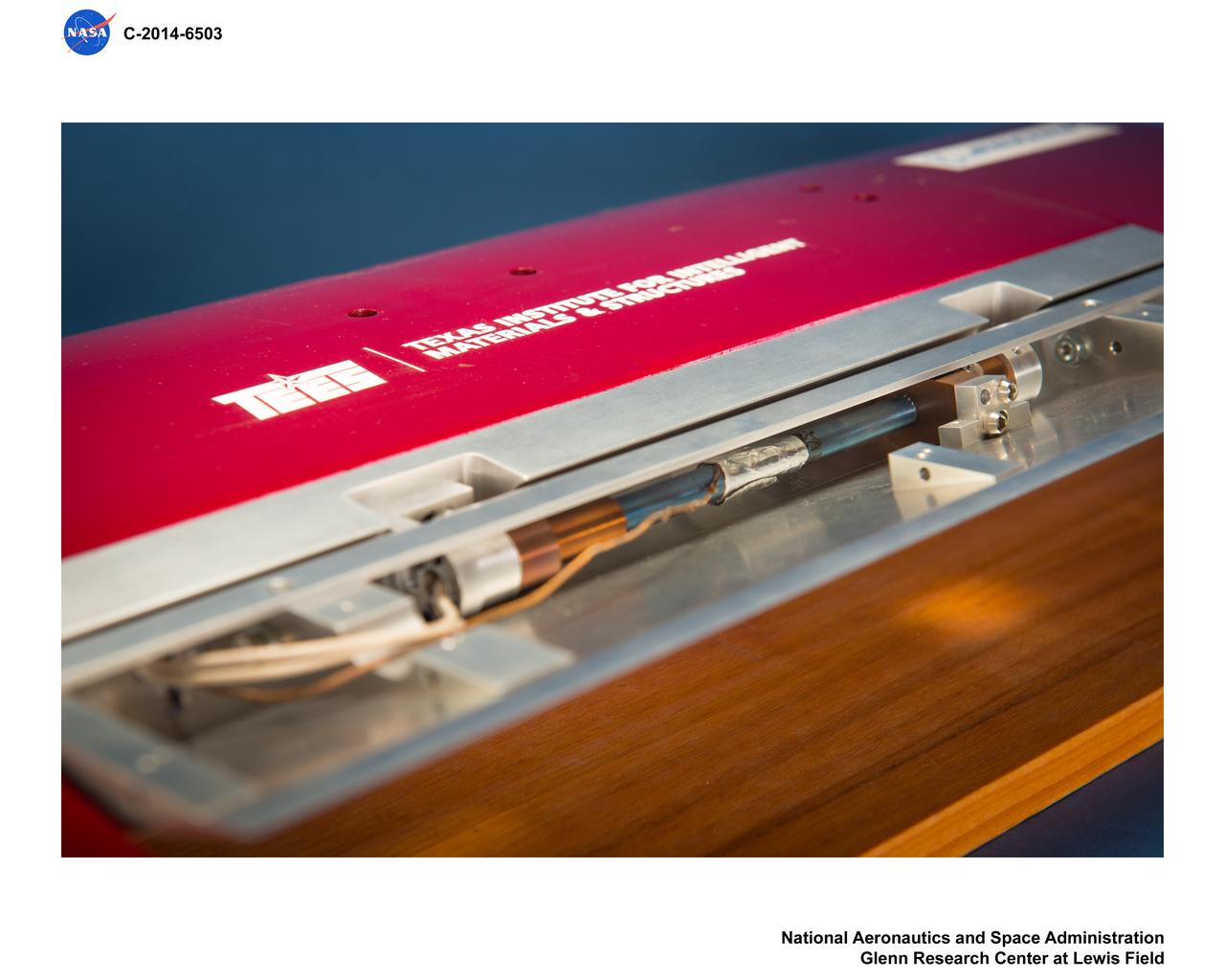
Shape Memory Alloy
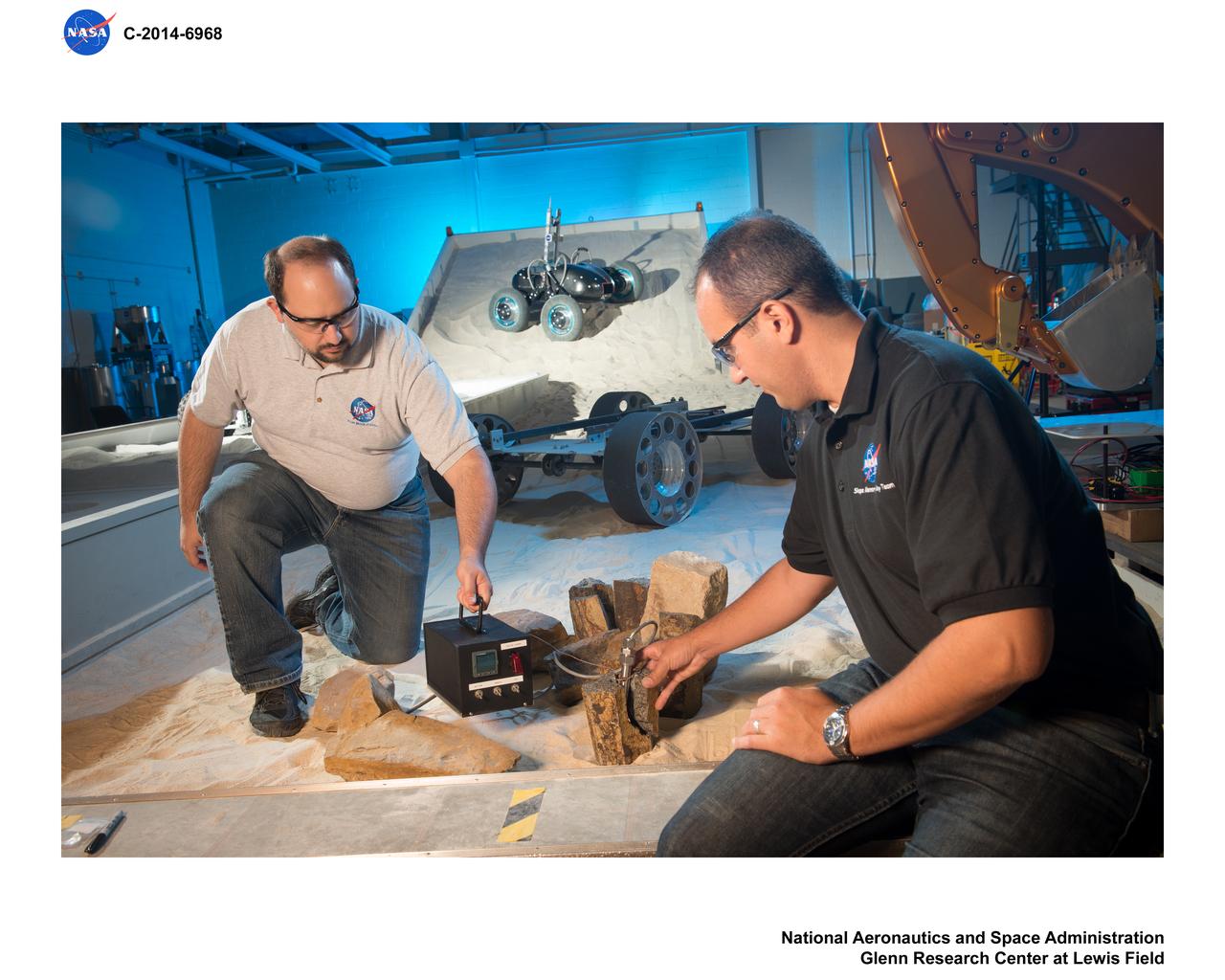
Shape Memory Alloy Rock Splitters, SMARS
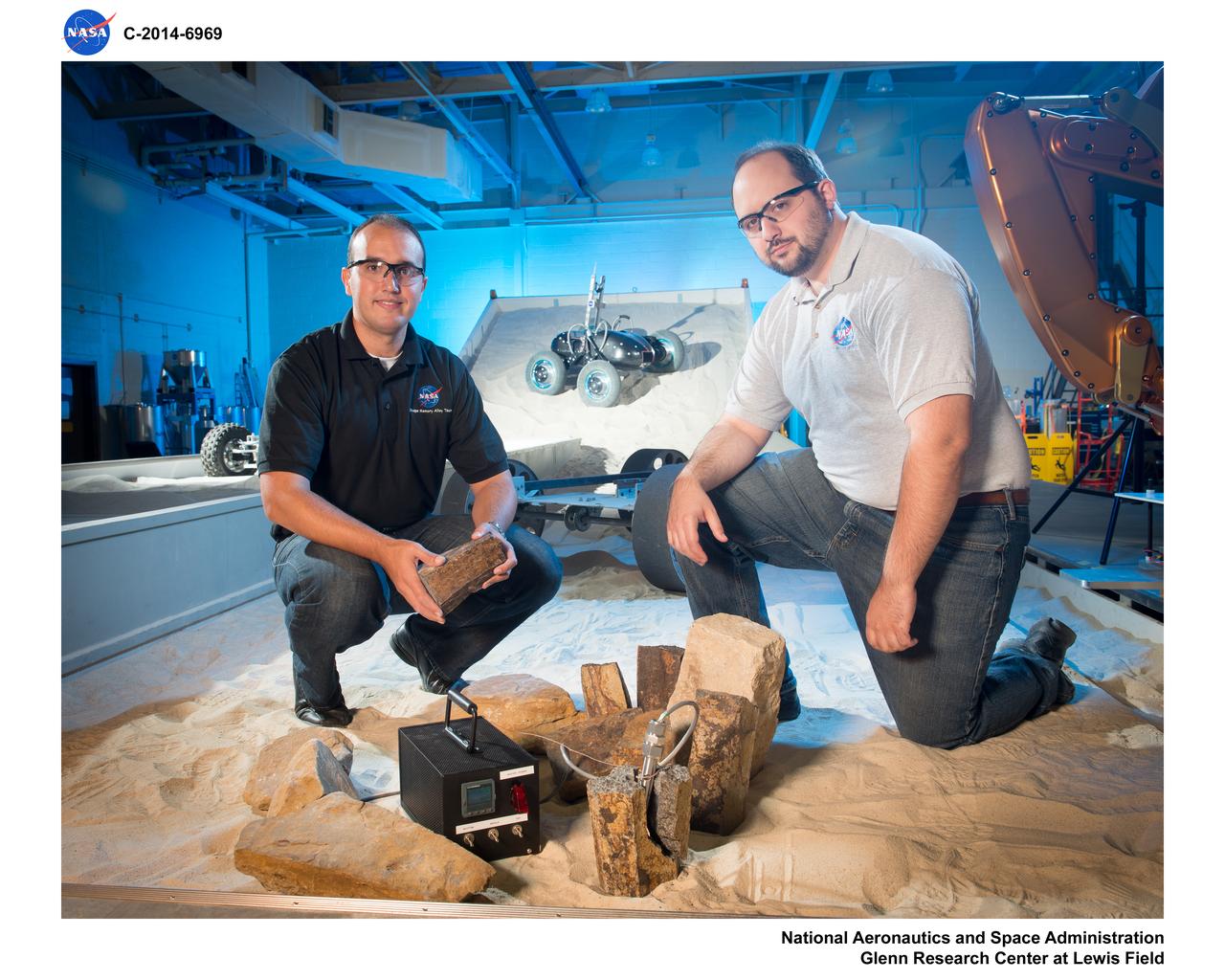
Shape Memory Alloy Rock Splitters, SMARS

Shape Memory Alloy - SMA wire Alloy: W6 Size: 0.20mm (as drawn 36% cold work, 0.0079") Manufacture date: 01/08/2009 Quantity: 36mm (120 ft) NiTi 16pt wire Shape Memory Alloy - SMA wire Alloy: W6 Size: 0.20mm (as drawn 36% cold work, 0.0079") Manufacture date: 01/08/2009 Quantity: 36mm (120 ft) NiTi 16pt wire
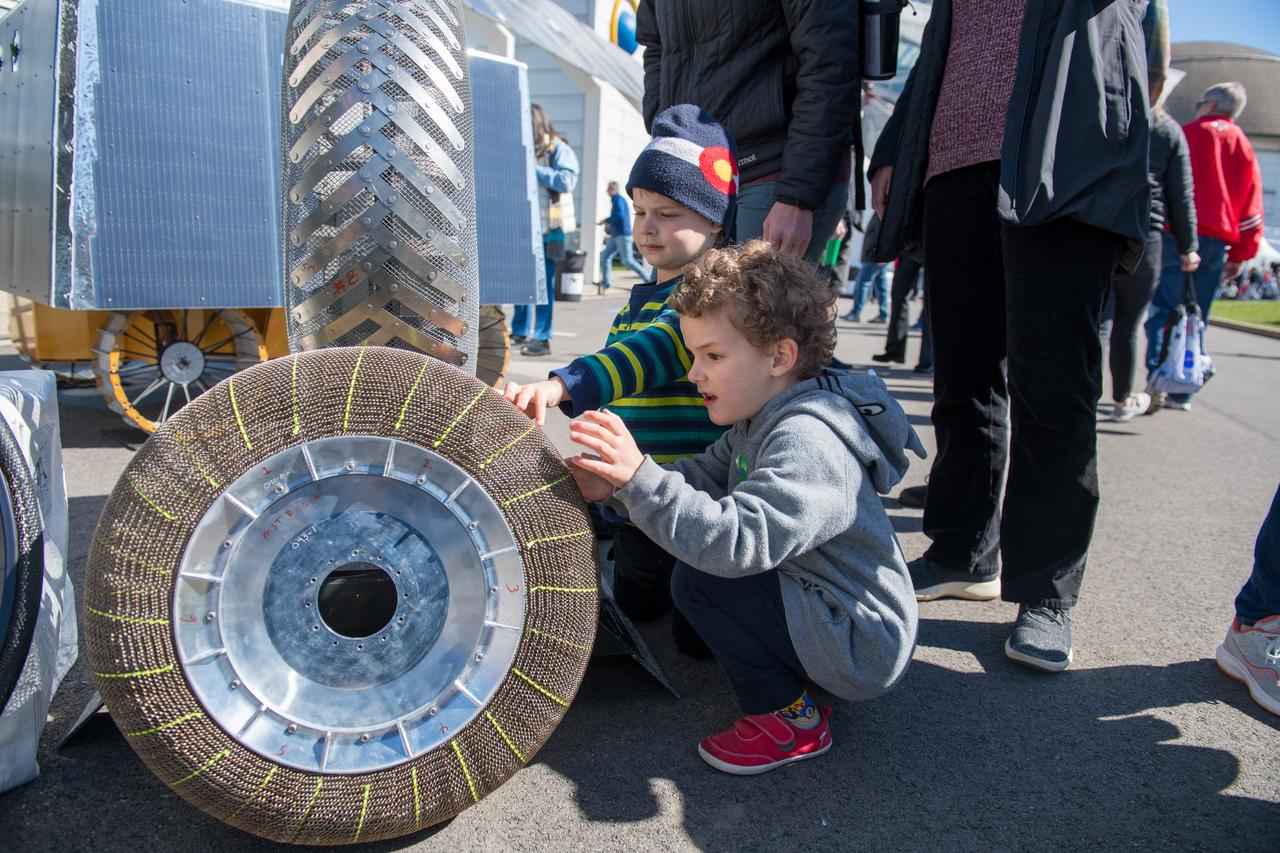
An event attendee checks out a rover tire made with shape memory alloys at the Total Eclipse Fest at the Great Lakes Science Center in Cleveland, OH on April 7, 2024. A total solar eclipse swept across a narrow portion of the North American continent from Mexico’s Pacific coast to the Atlantic coast of Newfoundland, Canada. A partial solar eclipse was visible across the entire North American continent along with parts of Central America and Europe.
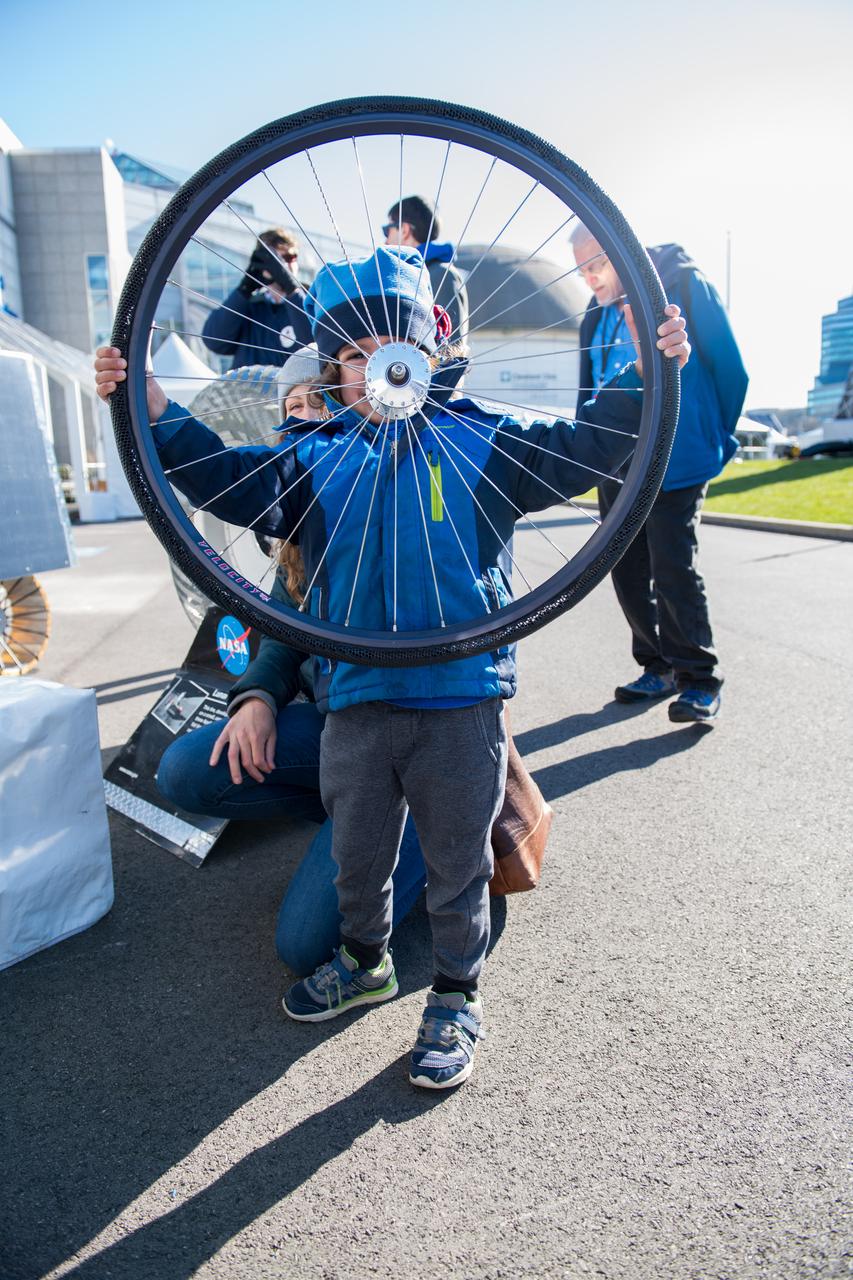
An event attendee holds a bike tire made with shape memory alloys at the Total Eclipse Fest at the Great Lakes Science Center in Cleveland, OH on April 7, 2024. A total solar eclipse swept across a narrow portion of the North American continent from Mexico’s Pacific coast to the Atlantic coast of Newfoundland, Canada. A partial solar eclipse was visible across the entire North American continent along with parts of Central America and Europe. Photo Credit: (NASA/Jef Janis)
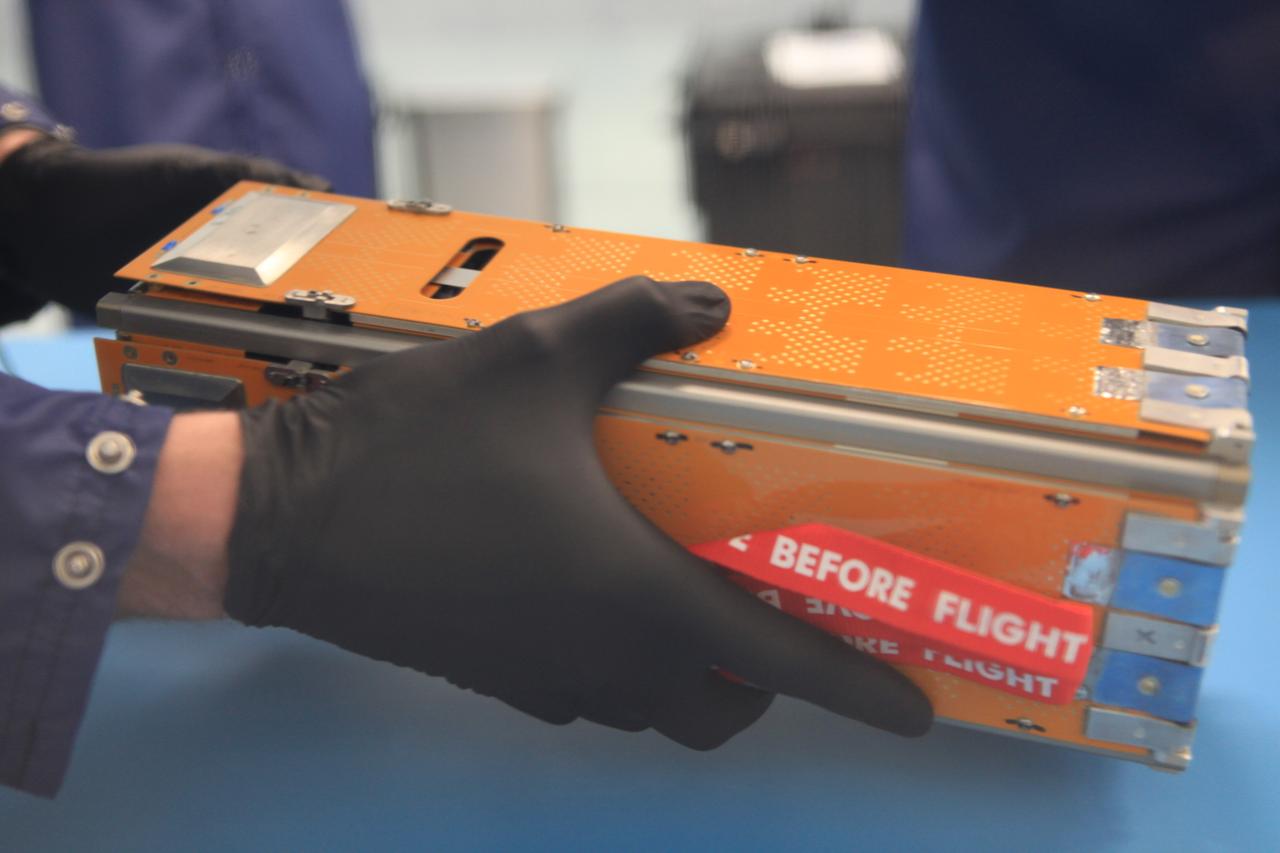
The Advanced Electrical Bus (ALBus) mission is a technology demonstration of resettable Shape Memory Alloy (SMA) mechanisms for deployable solar arrays and a pathfinder for high power density CubeSats. The mission has two primary objectives. The first is to demonstrate the functionality of the novel SMA activated solar array mechanisms in the on-orbit environment. The second objective is to assess the system level ability to charge a high capacity battery, distribute 100 W of electrical power and thermally control the 3-U CubeSat system. Performance from the mission will be used to mature the SMA mechanism designs for CubeSat applications and plan for future high power density CubeSat missions.
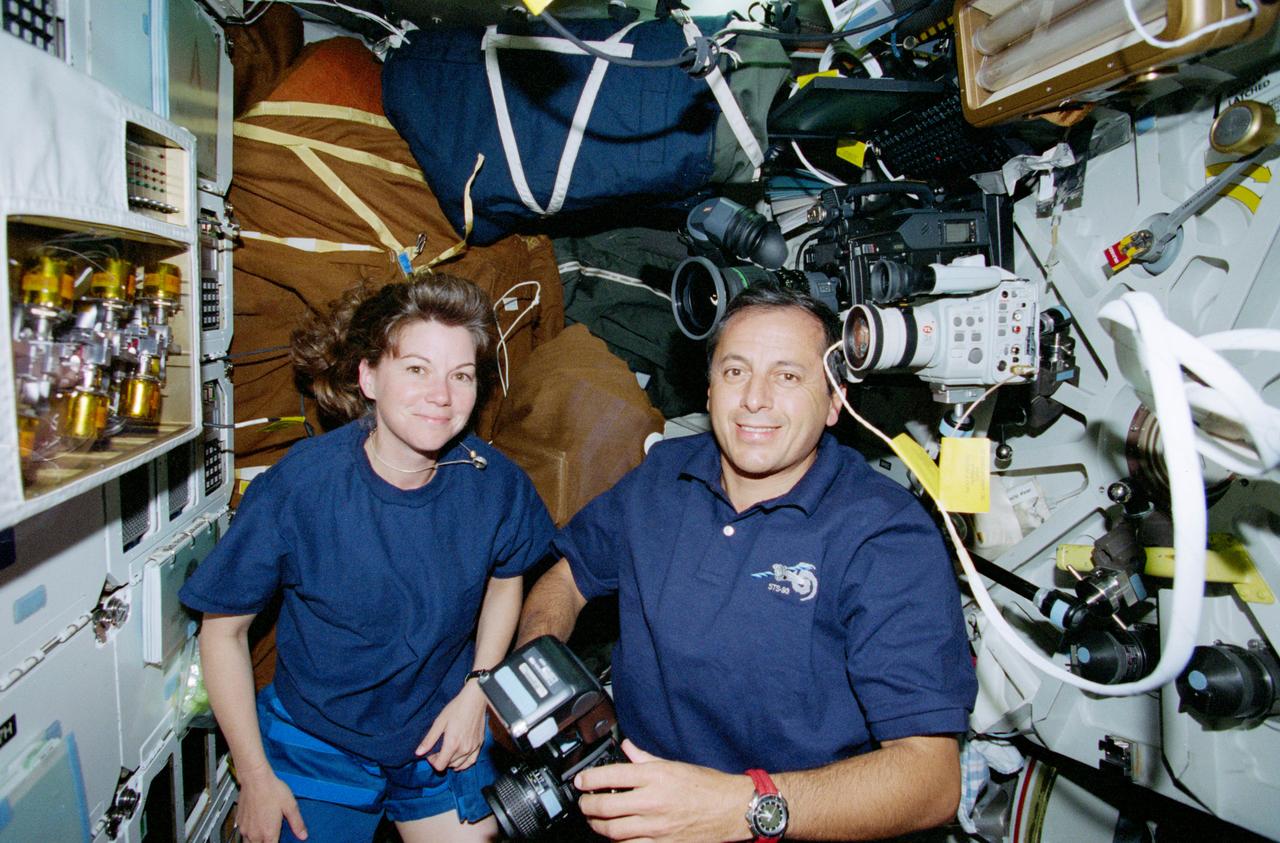
STS093-321-035 (23-27 July 1999) --- Astronauts Catherine G. (Cady) Coleman and Michel Tognini, mission specialists, check out the Lightweight Flexible Solar Array Hinge (LFSAH, upper left) on Columbia's middeck. LFSAH consists of several hinges fabricated from shape-memory alloys and other spacecraft appendages. During the five-day STS-93 flight, the experiment demonstrated the deployment capability of a number of hinge configurations. The experiment is sponsored by the U.S. Air Force Research Lab, Kirtland Air Force Base. Tognini represents the Centre National d'Etudes Spatiales (CNES) of France.
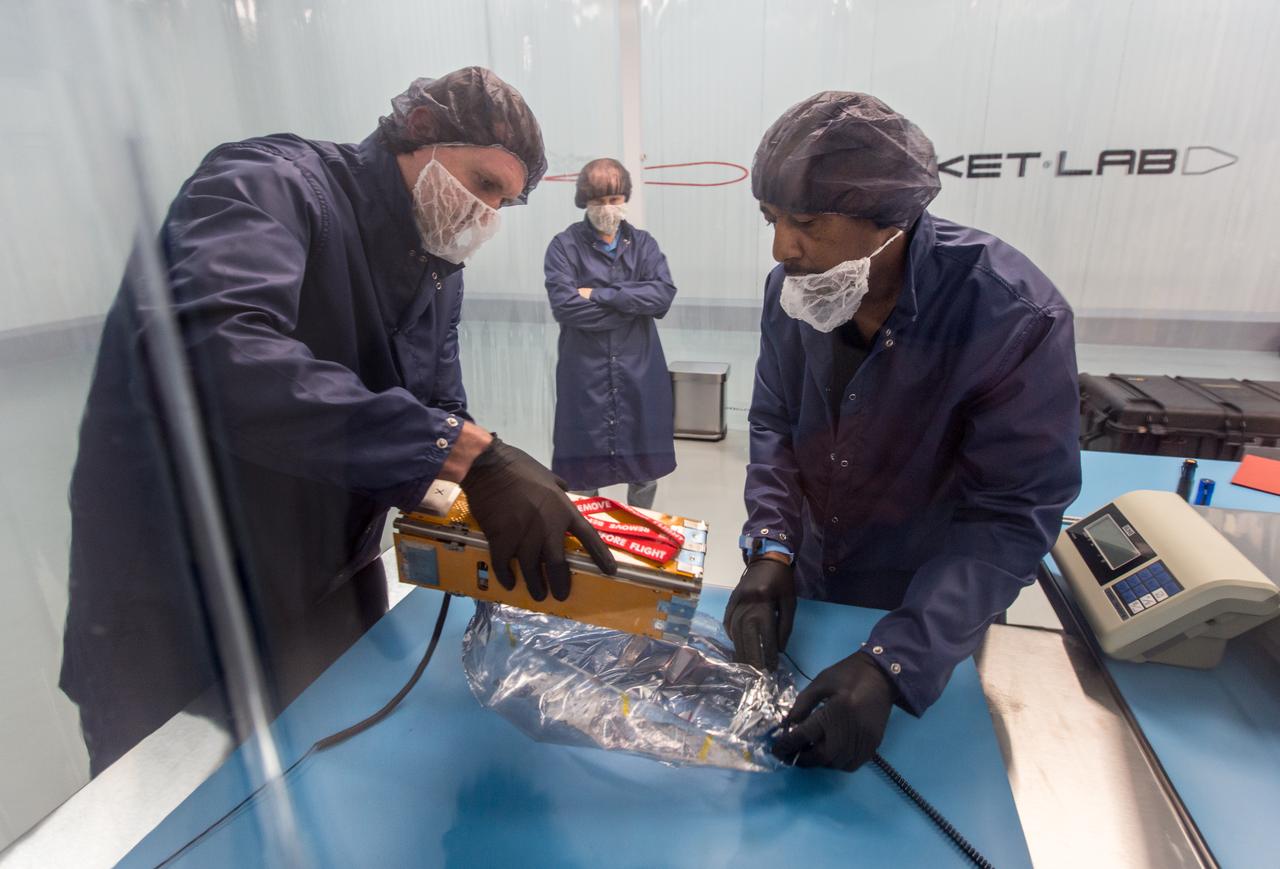
The Advanced Electrical Bus (ALBus) mission is a technology demonstration of resettable Shape Memory Alloy (SMA) mechanisms for deployable solar arrays and a pathfinder for high power density CubeSats. The mission has two primary objectives. The first is to demonstrate the functionality of the novel SMA activated solar array mechanisms in the on-orbit environment. The second objective is to assess the system level ability to charge a high capacity battery, distribute 100 W of electrical power and thermally control the 3-U CubeSat system. Performance from the mission will be used to mature the SMA mechanism designs for CubeSat applications and plan for future high power density CubeSat missions.
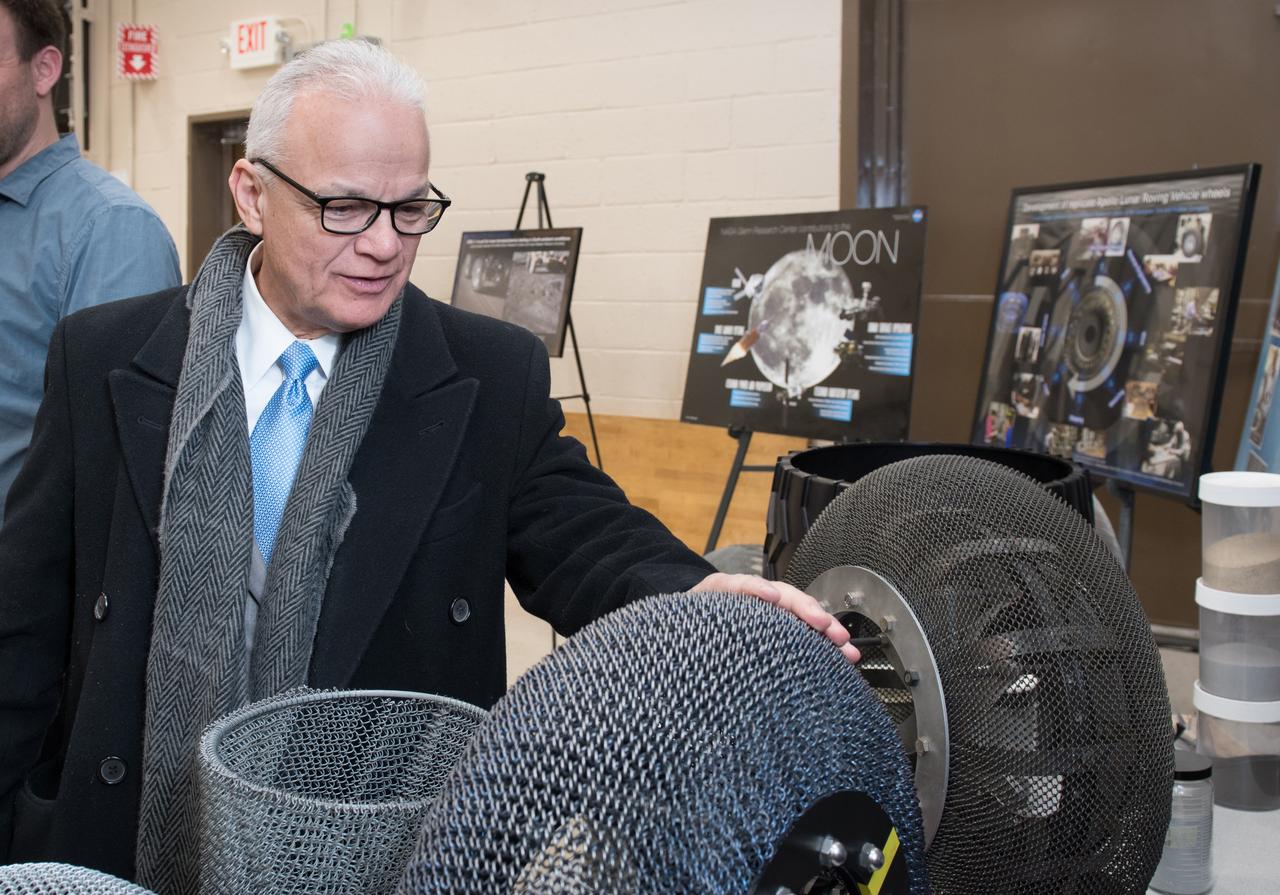
Office of the Chief Technologist, OCT Innovation Workshop, and Facility Tours
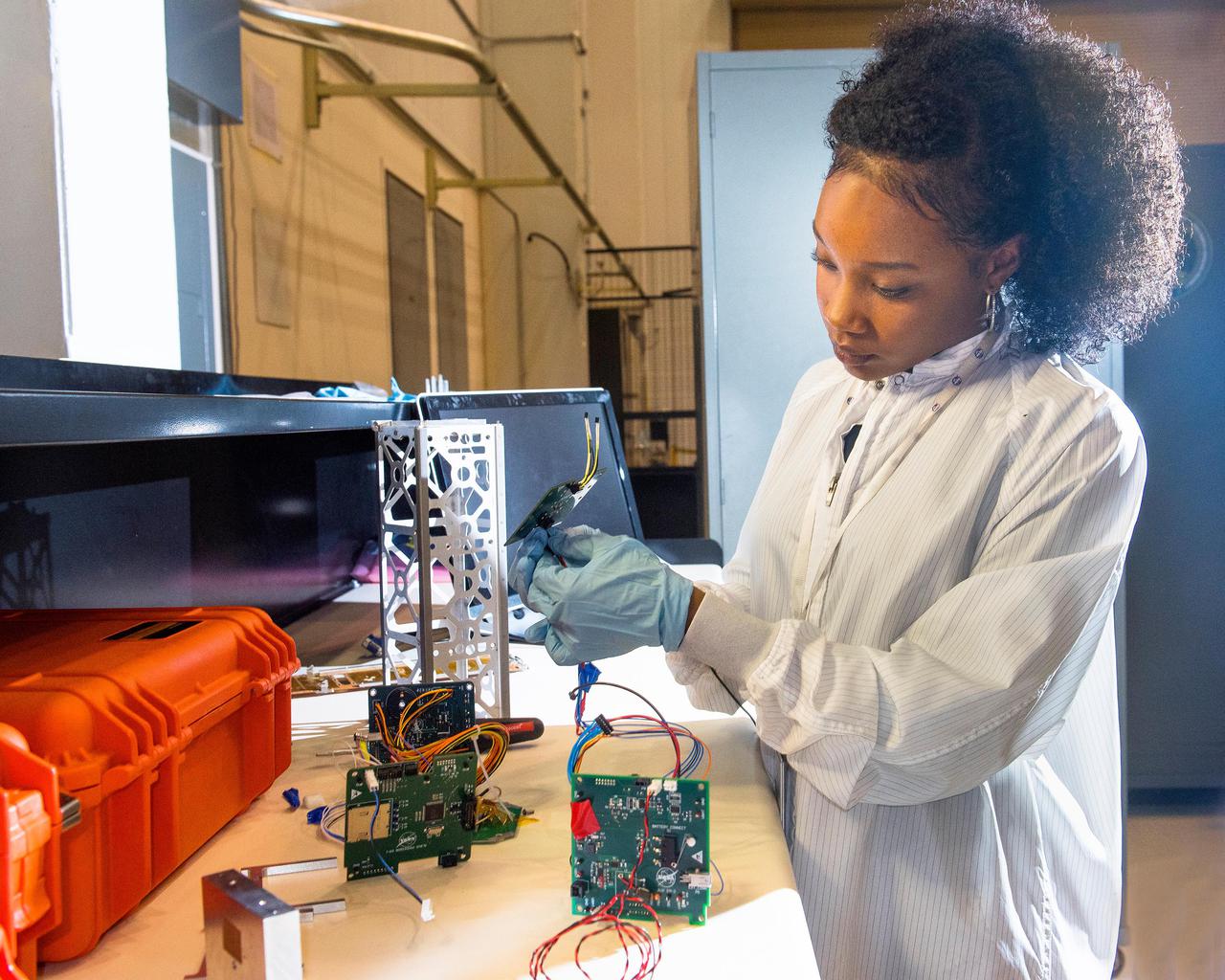
Advanced eLectrical Bus (ALBus) CubeSat: From Build to Flight A new CubeSat, launched Sunday, December 16, will test high power electric systems and the use of unique shape memory alloy (SMA) components for the first time. CubeSats are very small, lightweight satellites, about the size of a loaf of bread, and typically operate within a power range of 5-20 watts. Lower power systems are typically used in CubeSats because of size and weight limits, while higher power systems and components cause excessive heat. Completely designed and led by a team of 12 early career scientists and engineers at NASA’s Glenn Research Center in Cleveland, the Advanced Electrical Bus, or ALBus, will be the first CubeSat to demonstrate power management and distribution of a 100-watt electrical system. The CubeSat will also employ a custom-built SMA release mechanism and hinges to deploy solar arrays and conduct electricity.