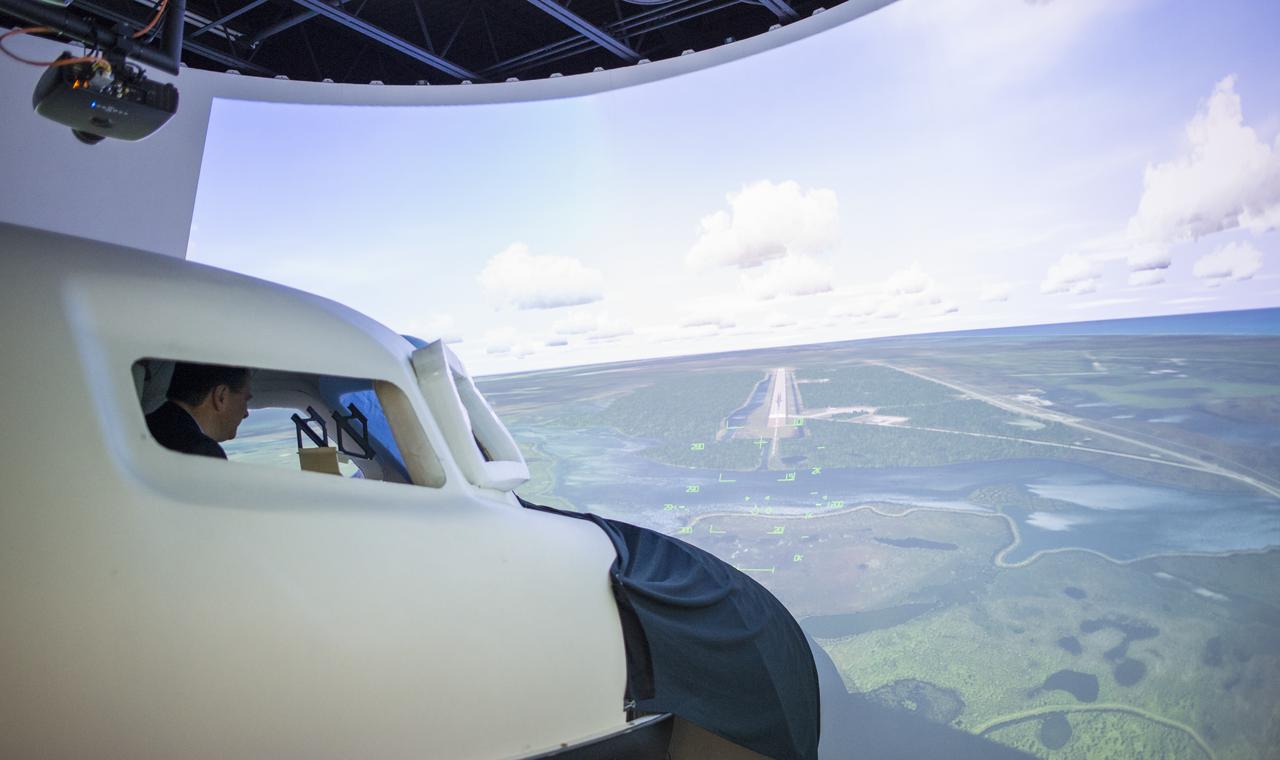
Acting NASA Administrator Robert Lightfoot is seen as he flies the Dream Chaser Space System simulator, Thursday, April 6, 2017 during a visit to Sierra Nevada Corporation in Louisville, Colo. Photo Credit: (NASA/Joel Kowsky)
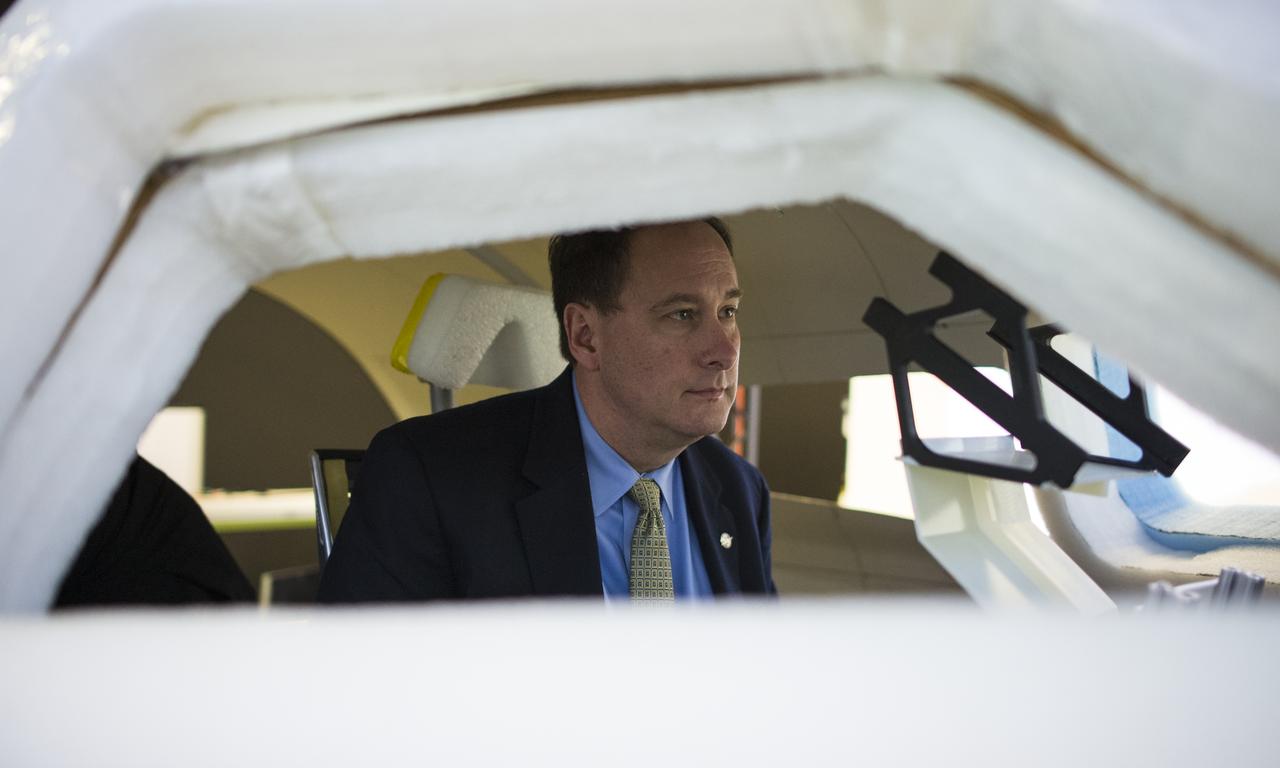
Acting NASA Administrator Robert Lightfoot is seen as he flies the Dream Chaser Space System simulator, Thursday, April 6, 2017 during a visit to Sierra Nevada Corporation in Louisville, Colo. Photo Credit: (NASA/Joel Kowsky)

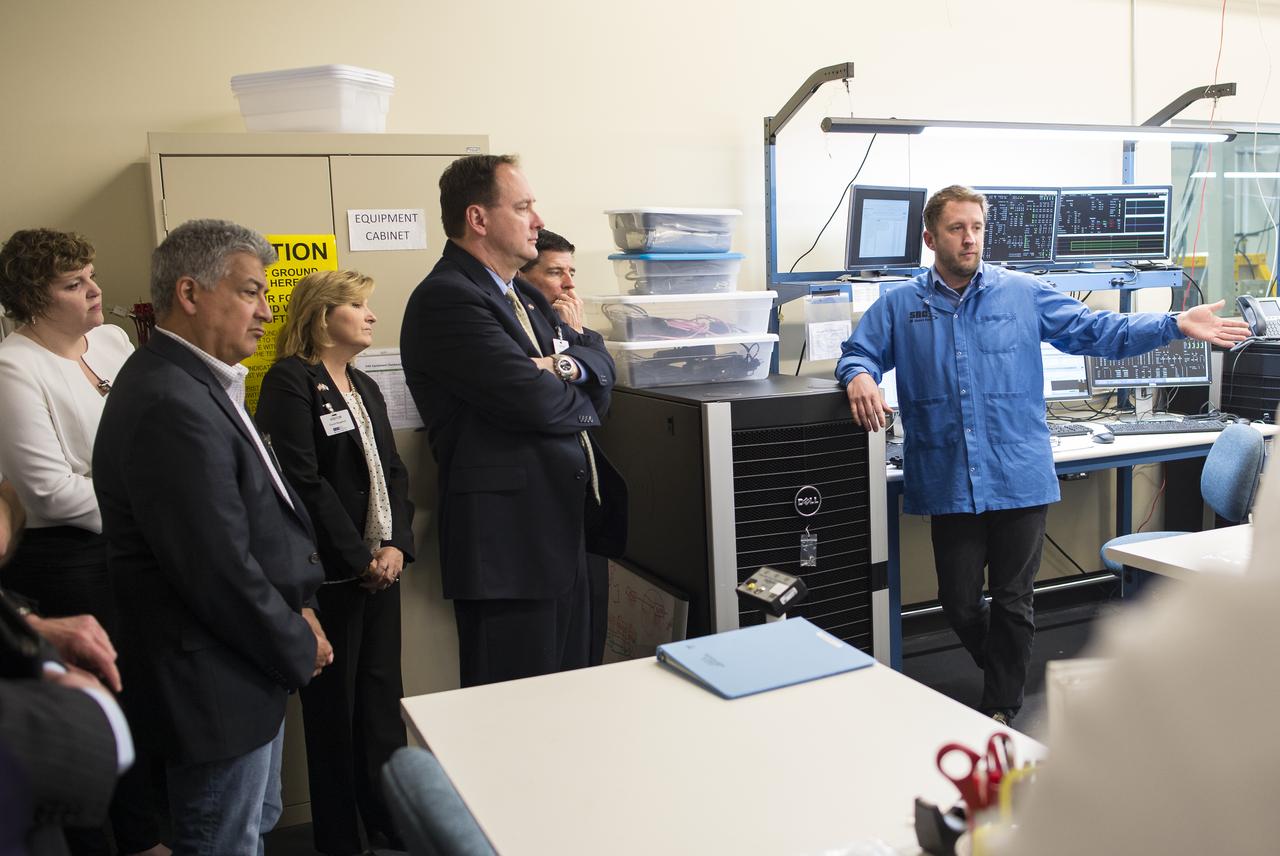
Acting NASA Deputy Administrator Lesa Roe, left, and acting NASA Administrator Robert Lightfoot, right, listen as Alec Devereaux, a systems engineer with Sierra Nevada Corporation, right, discusses the Flight Control Integration Lab (FCIL), Thursday, April 6, 2017 during a visit to Sierra Nevada Corporation in Louisville, Colo. Sierra Nevada Corporation, with their Dream Chaser Cargo System, was one of three companies to be awarded Commercial Resupply Services (CRS-2) contracts designed to obtain cargo delivery services to the space station, disposal of unneeded cargo, and the return of research samples and other cargo from the station back to NASA. Photo Credit: (NASA/Joel Kowsky)
Associate administrator of NASA's Office of International and Interagency Relations Al Condes, left, acting NASA Deputy Administrator Lesa Roe, second from left, and acting NASA Administrator Robert Lightfoot, center, listen as Jude Vrazel, a senior systems engineer at Sierra Nevada Corporation, right, discusses the Vehicle Avionics Integration Lab (VAIL), Thursday, April 6, 2017 during a visit to Sierra Nevada Corporation in Louisville, Colo. Sierra Nevada Corporation, with their Dream Chaser Cargo System, was one of three companies to be awarded Commercial Resupply Services (CRS-2) contracts designed to obtain cargo delivery services to the space station, disposal of unneeded cargo, and the return of research samples and other cargo from the station back to NASA. Photo Credit: (NASA/Joel Kowsky)
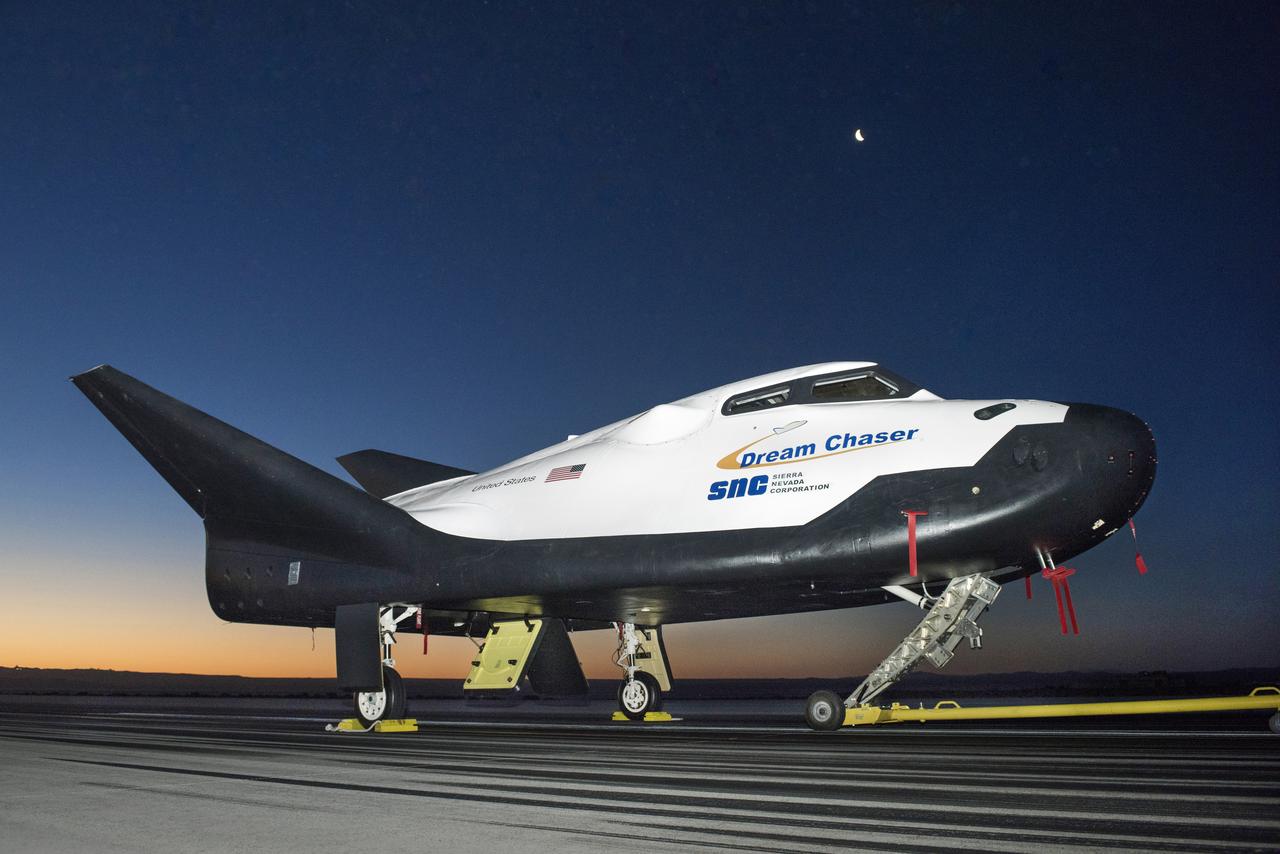
Sierra Nevada Corporation's (SNC) Dream Chaser® spacecraft shown on the runway at NASA's Armstrong Flight Research Center on May 20 preparing for a tow-test. The spacecraft is undergoing ground tests leading up to a free flight test later this year.
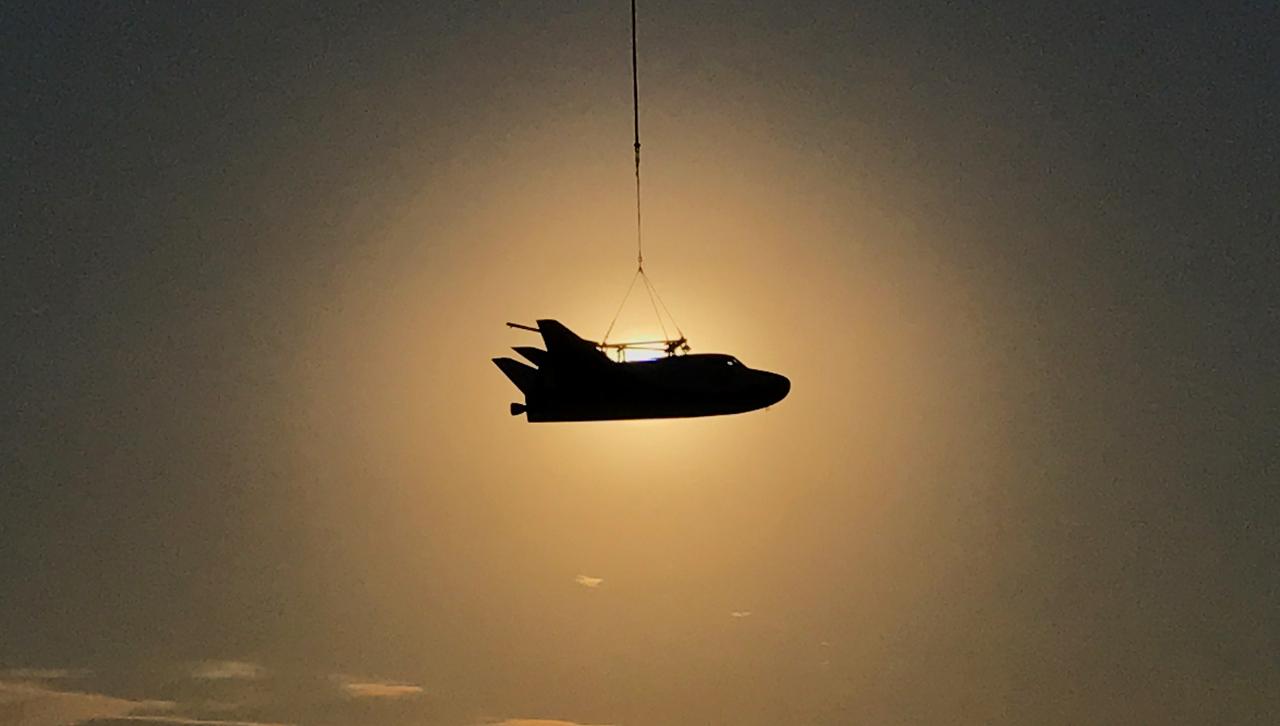
Sierra Nevada Corporation’s Dream Chaser completed an important step toward orbital flight with a successful captive carry test at NASA’s Armstrong Flight Research Center in California, located on Edwards Air Force Base. A helicopter successfully carried a Dream Chaser test article, which has the same specifications as a flight-ready spacecraft, to the same altitude and flight conditions of an upcoming free flight test. The Dream Chaser is a lifting-body, winged spacecraft that will fly back to Earth in a manner similar to NASA’s space shuttles. The successful captive carry test clears the way for a free flight test of the spacecraft later this year in which the uncrewed Dream Chaser will be released to glide on its own and land.
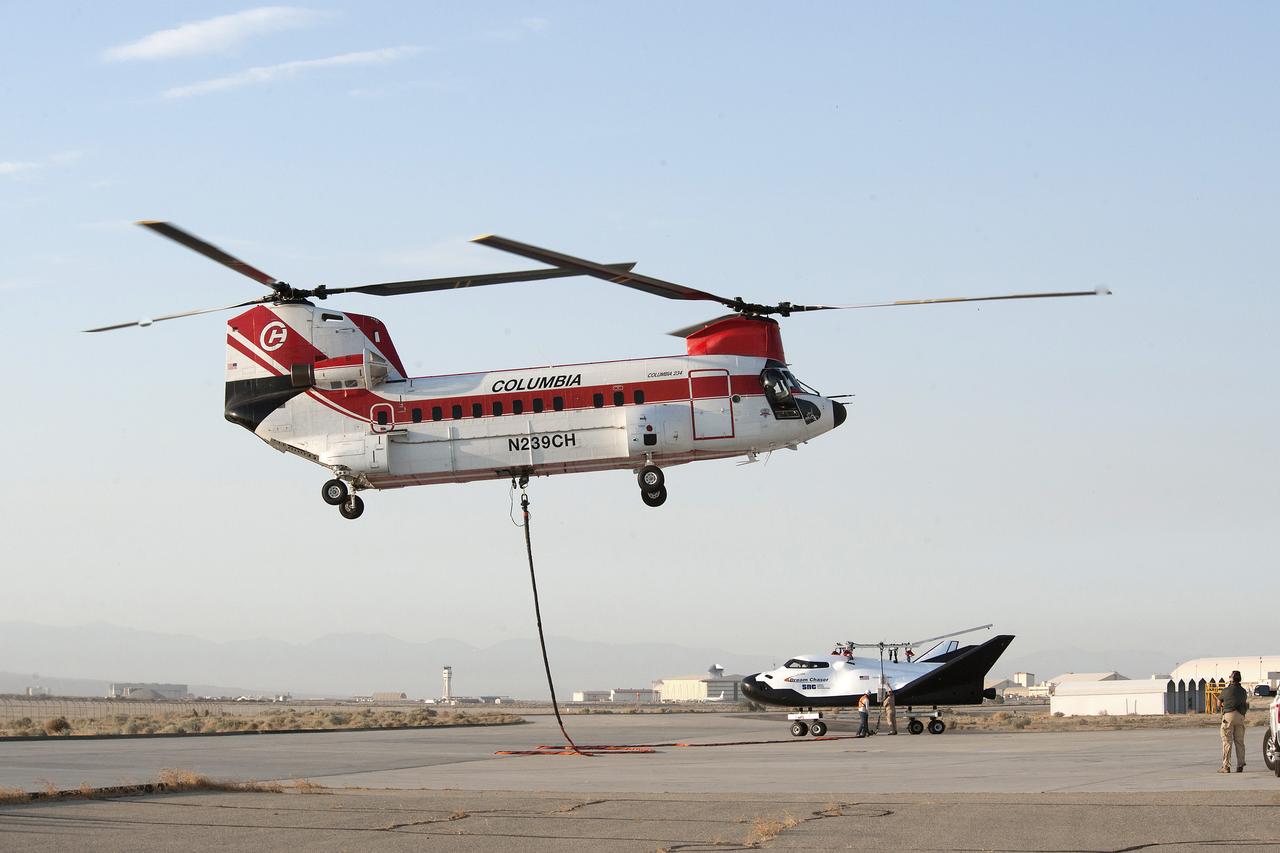
Sierra Nevada Corporation's (SNC) Dream Chaser® being lifted by Columbia 234 UT helicopter for a captive carry flight test on Wednesday, Aug. 30 at NASA Armstrong Flight Research Center.
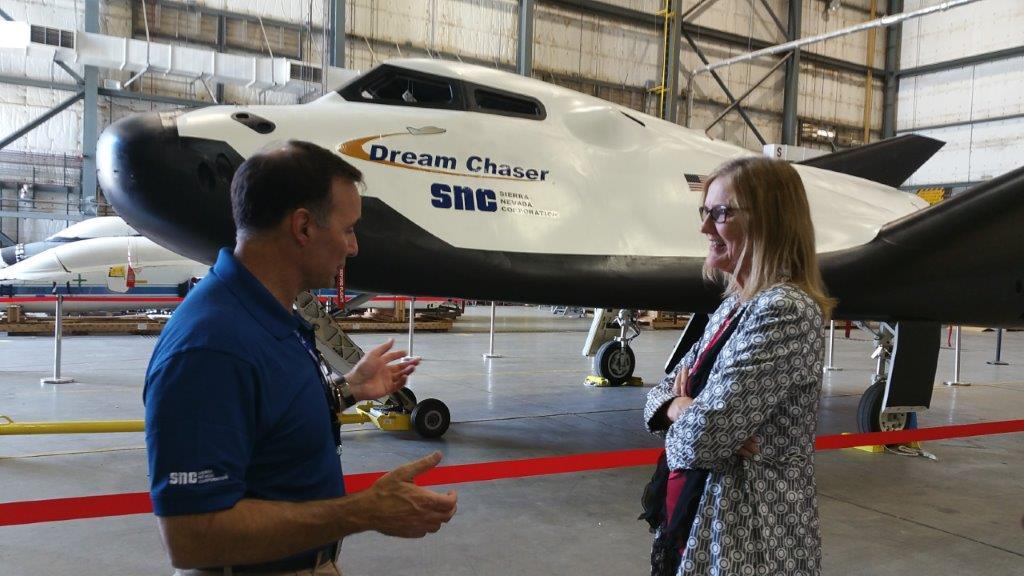
NASA Acting Deputy Chief Technologist Vicki Crisp discusses Sierra Nevada Corporation’s Dream Chaser captive carry flight and future tests with former Astronaut Lee "Bru" Archambault, who is now a test pilot for the American company. The Dream Chaser completed a successful captive carry flight at NASA’s Armstrong Flight Research Center at Edwards, California, on Aug. 30, 2017.
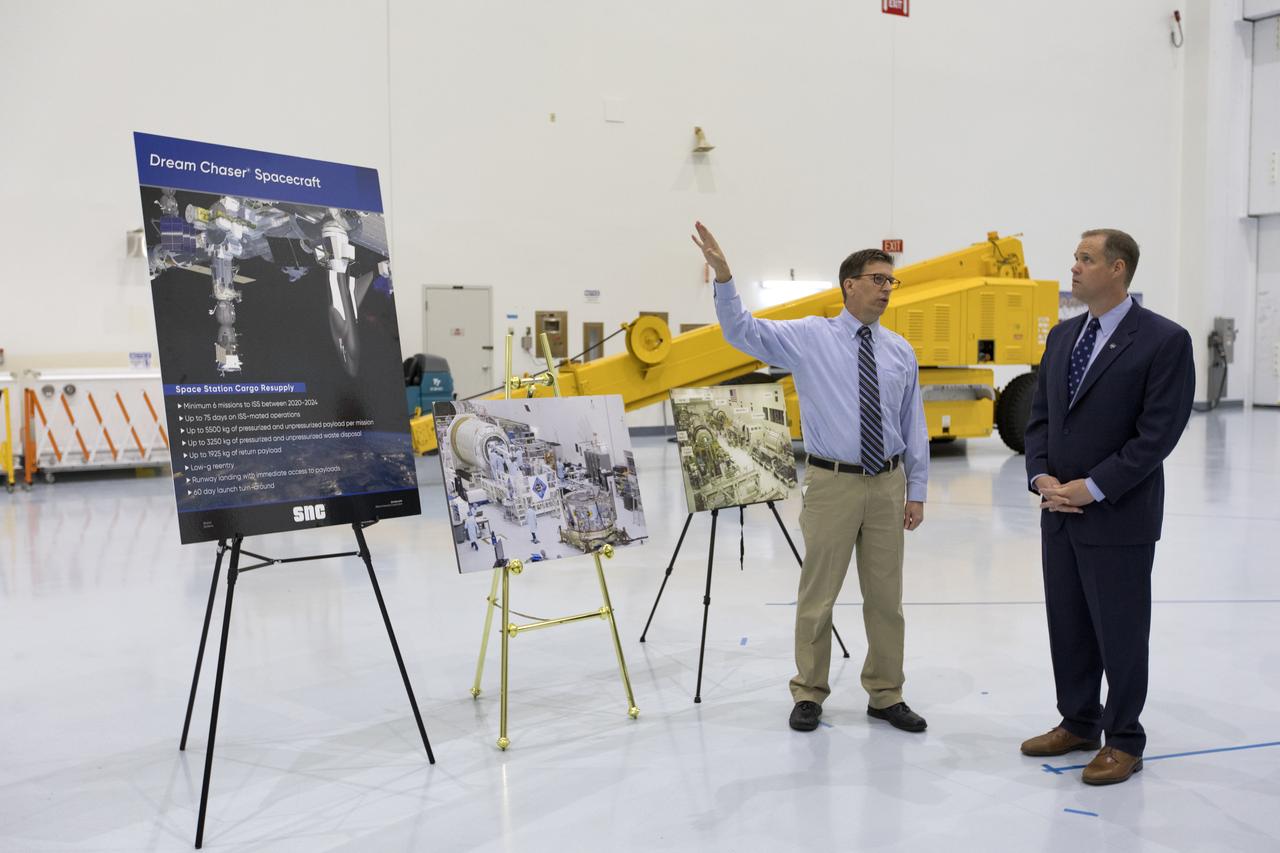
During a tour of the high bay in the Space Station Processing Facility (SSPF) at NASA's Kennedy Space Center in Florida, on Aug. 7, 2018, NASA Administrator Jim Bridenstine, hears about progress made on Sierra Nevada Corporation's Dream Chaser spacecraft. Dream Chaser will take cargo to the International Space Station. Bridenstine also received updates on research and technology accomplishments during his visit to the SSPF.
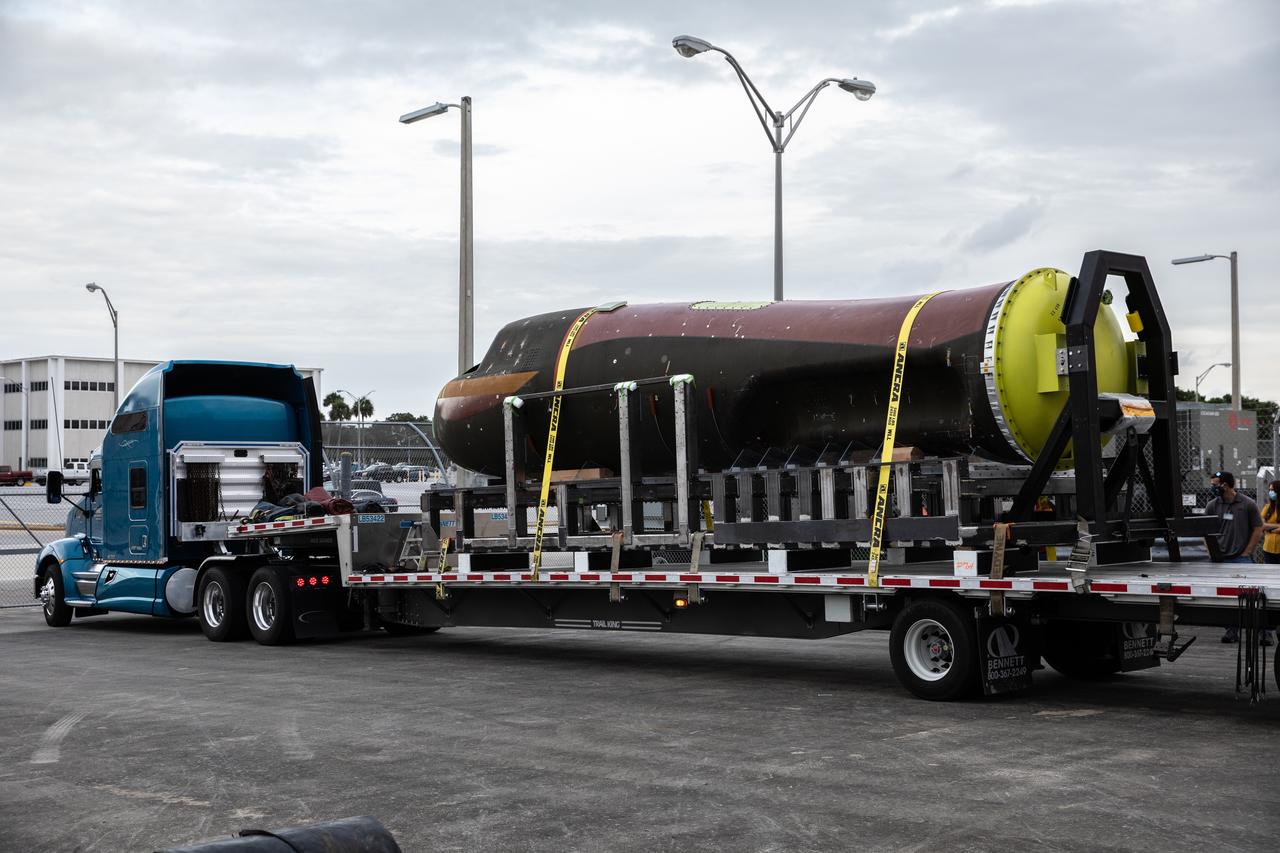
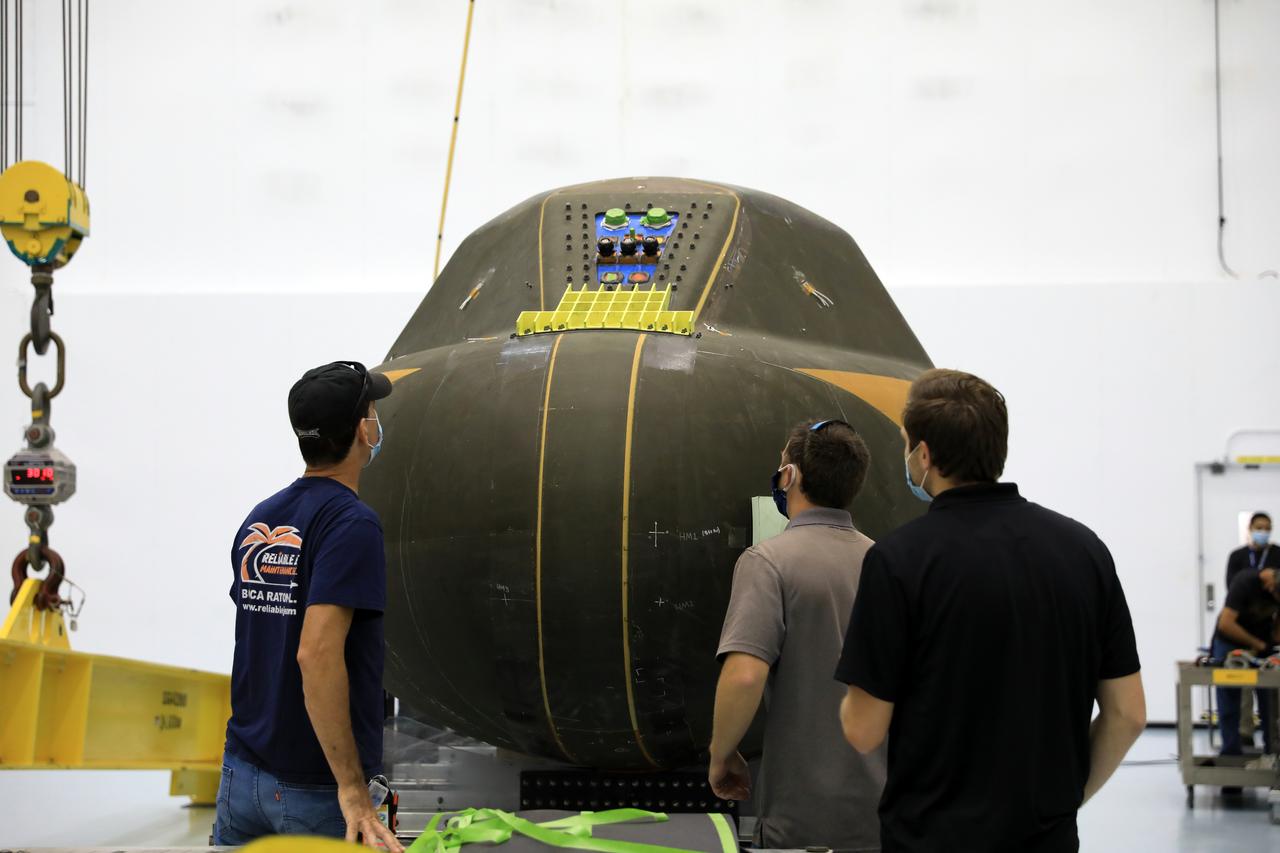
Sierra Nevada Corporation’s (SNC) Dream Chaser pressure test article arrives by flatbed truck at NASA’s Kennedy Space Center in Florida on June 3, 2020, from Louisville, Colorado. It will be transported to the high bay in the Space Station Processing Facility. The test article is similar to the actual pressurized cabin being used in the Dream Chaser spaceplane for Commercial Resupply Services-2 (CRS-2) missions. NASA selected Dream Chaser to provide cargo delivery, return and disposal service for the International Space Station under the CRS-2 contract. The test article will remain at Kennedy while SNC engineers use it to develop and verify refurbishment operations that will be used on Dream Chaser between flights.
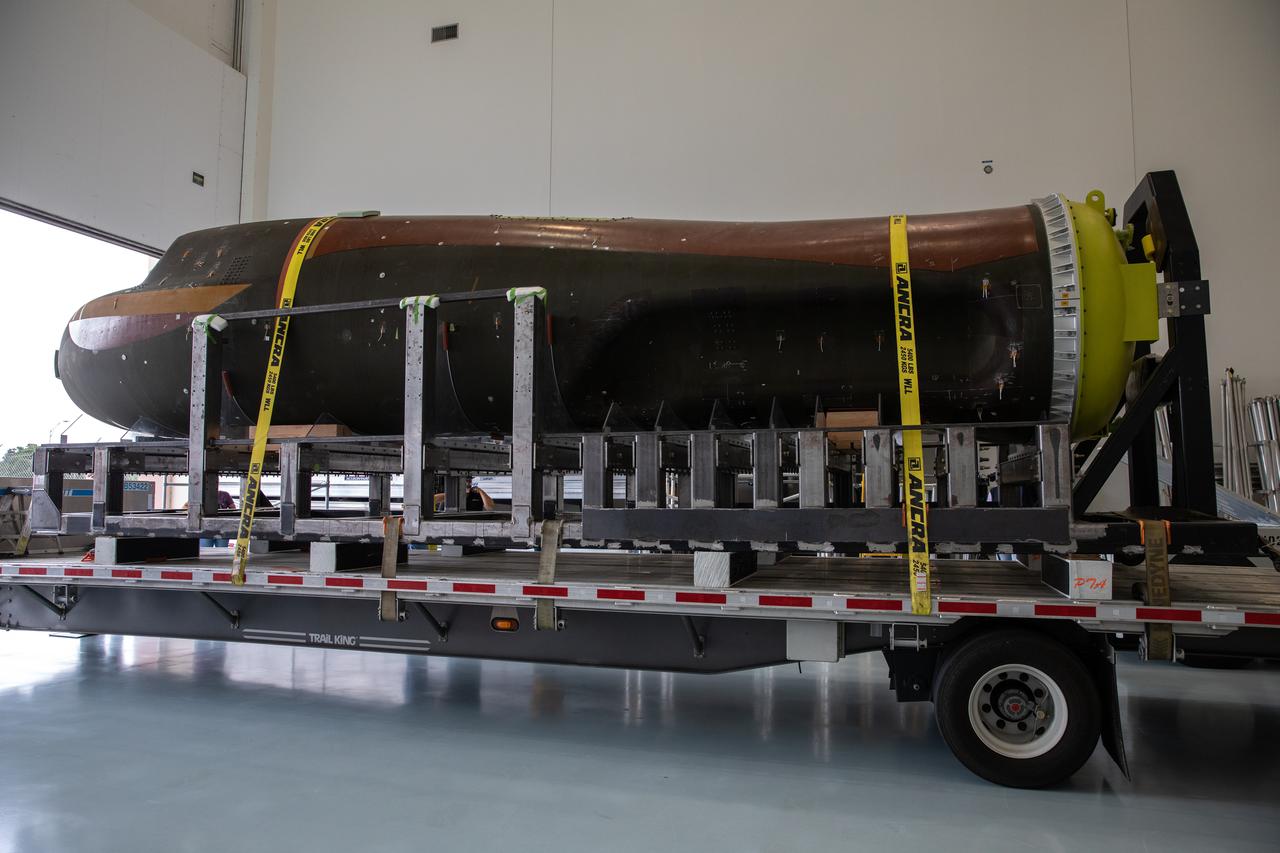
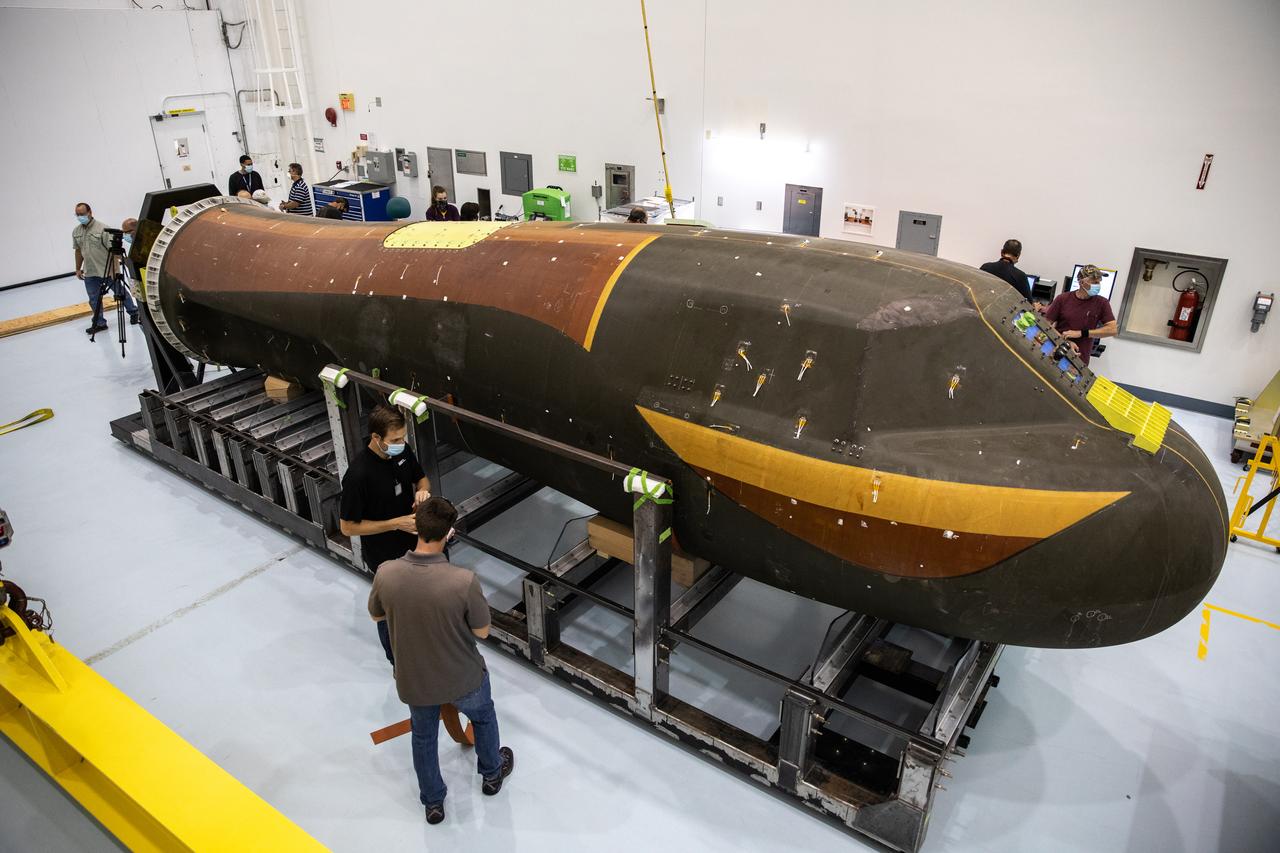
Sierra Nevada Corporation’s (SNC) Dream Chaser pressure test article is moved into the low bay of the Space Station Processing Facility at NASA’s Kennedy Space Center in Florida on June 3, 2020. The test article was shipped from Louisville, Colorado. It is similar to the actual pressurized cabin being used in the Dream Chaser spaceplane for Commercial Resupply Services-2 (CRS-2) missions. NASA selected Dream Chaser to provide cargo delivery, return and disposal service for the International Space Station under the CRS-2 contract. The test article will remain at Kennedy while SNC engineers use it to develop and verify refurbishment operations that will be used on Dream Chaser between flights.
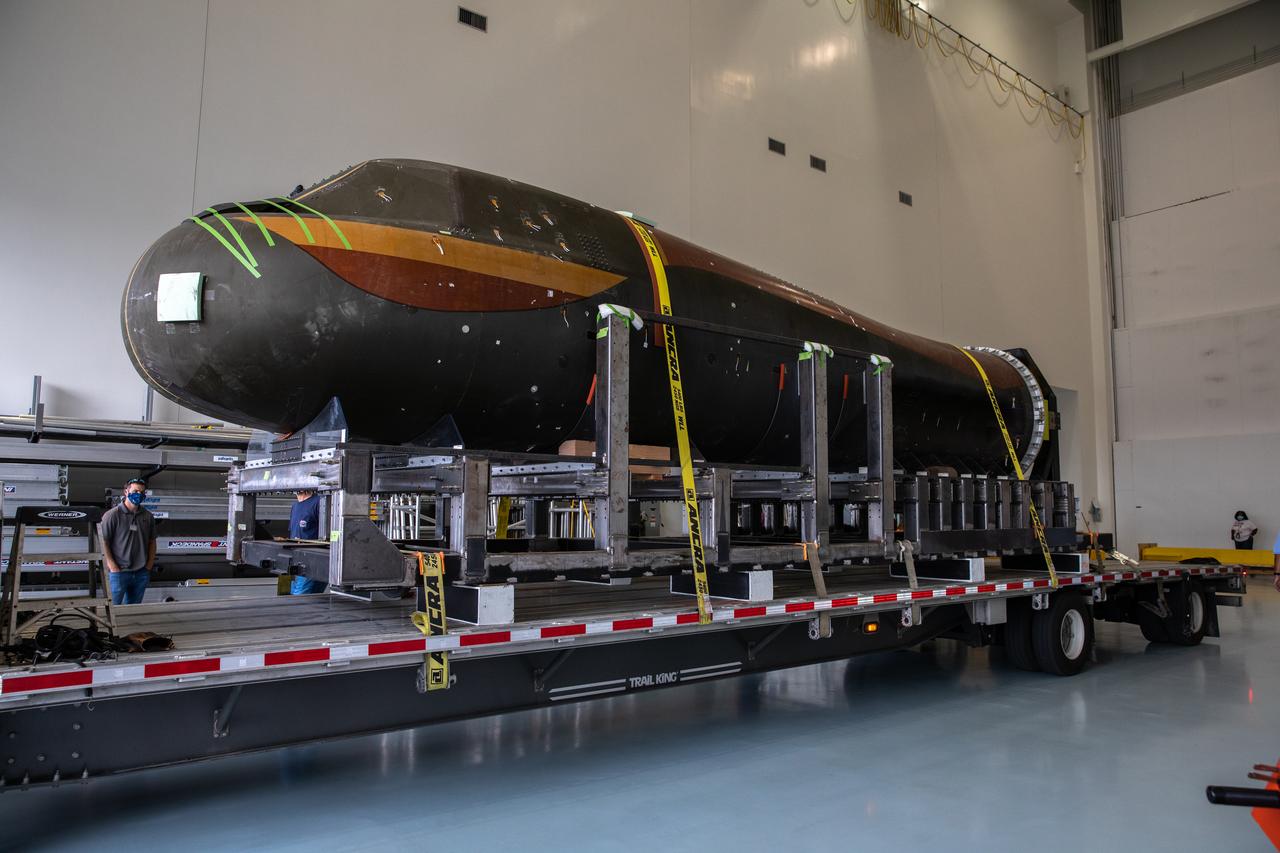
Sierra Nevada Corporation’s (SNC) Dream Chaser pressure test article is moved into the low bay of the Space Station Processing Facility at NASA’s Kennedy Space Center in Florida on June 3, 2020. The test article was shipped from Louisville, Colorado. It is similar to the actual pressurized cabin being used in the Dream Chaser spaceplane for Commercial Resupply Services-2 (CRS-2) missions. NASA selected Dream Chaser to provide cargo delivery, return and disposal service for the International Space Station under the CRS-2 contract. The test article will remain at Kennedy while SNC engineers use it to develop and verify refurbishment operations that will be used on Dream Chaser between flights.
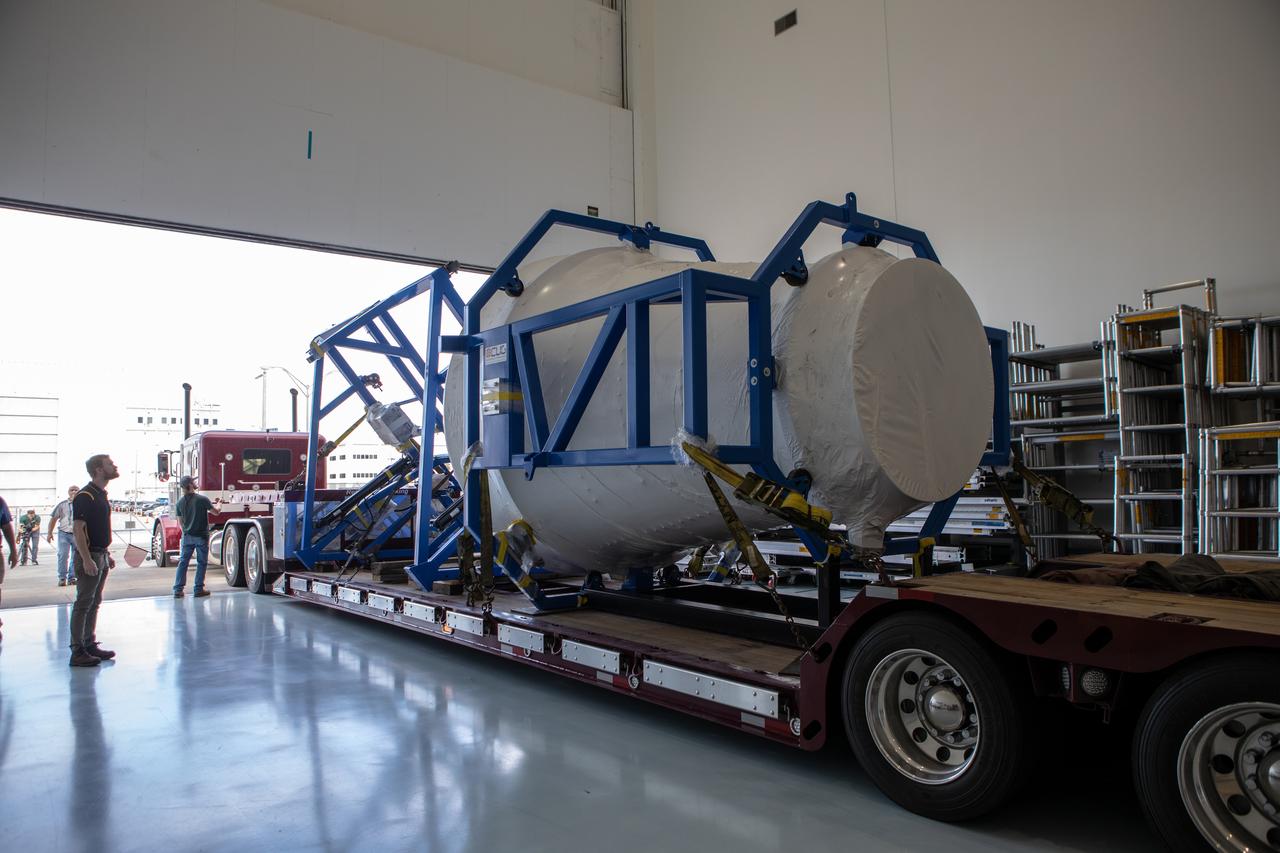
A truck carrying the cargo logistics module for Sierra Nevada Corporation’s Dream Chaser, the company’s reusable spaceplane, enters the Space Station Processing Facility high bay at NASA’s Kennedy Space Center in Florida on Aug. 27, 2019. The cargo module – a 15-foot attachment to Dream Chaser – provides extra storage for payloads and provides cargo disposal upon re-entry into Earth’s atmosphere. Dream Chaser will deliver more than 12,000 pounds of cargo to the International Space Station under the agency’s Commercial Resupply Services 2 contract. The spacecraft and cargo module will begin resupply and return services missions to the space station in late 2021.
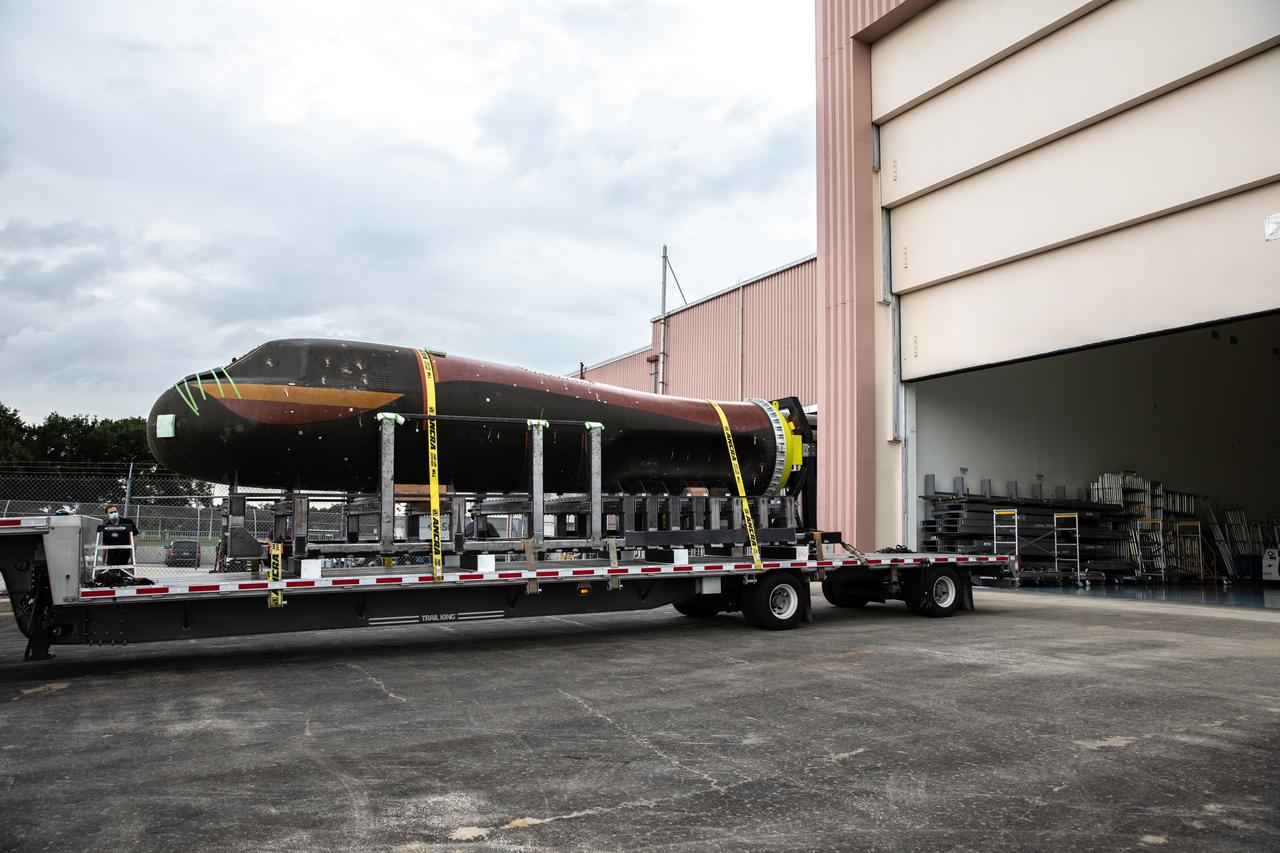
Sierra Nevada Corporation’s (SNC) Dream Chaser pressure test article arrives by flatbed truck at the Space Station Processing Facility at NASA’s Kennedy Space Center in Florida on June 3, 2020, from Louisville, Colorado. The test article is similar to the actual pressurized cabin being used in the Dream Chaser spaceplane for Commercial Resupply Services-2 (CRS-2) missions. NASA selected Dream Chaser to provide cargo delivery, return and disposal service for the International Space Station under the CRS-2 contract. The test article will remain at Kennedy while SNC engineers use it to develop and verify refurbishment operations that will be used on Dream Chaser between flights.
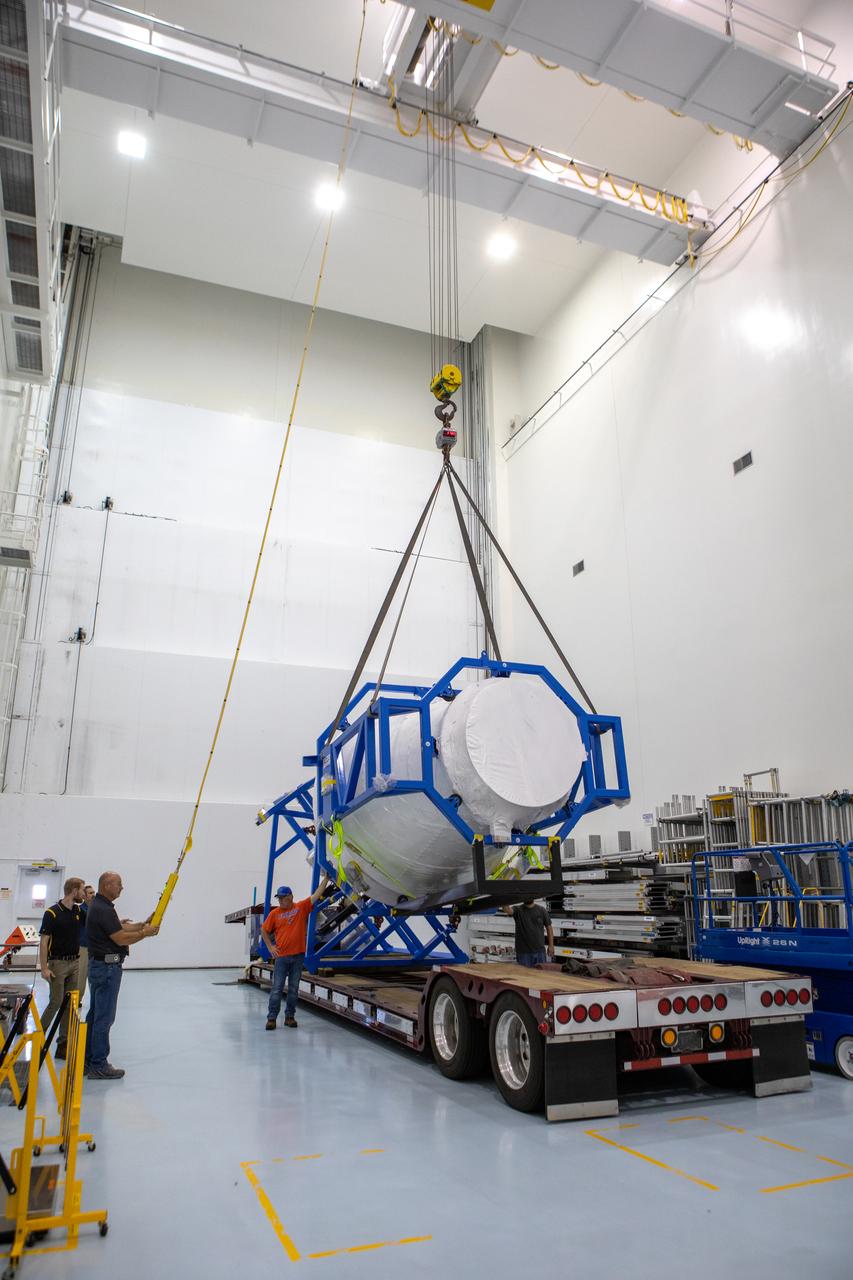
The cargo logistics module for Sierra Nevada Corporation’s Dream Chaser, the company’s reusable spaceplane, is lifted from the bed of a truck following its arrival at the Space Station Processing Facility high bay at NASA’s Kennedy Space Center in Florida on Aug. 27, 2019. The cargo module – a 15-foot attachment to Dream Chaser – provides extra storage for payloads and provides cargo disposal upon re-entry into Earth’s atmosphere. Dream Chaser will deliver more than 12,000 pounds of cargo to the International Space Station under the agency’s Commercial Resupply Services 2 contract. The spacecraft and cargo module will begin resupply and return services missions to the space station in late 2021.
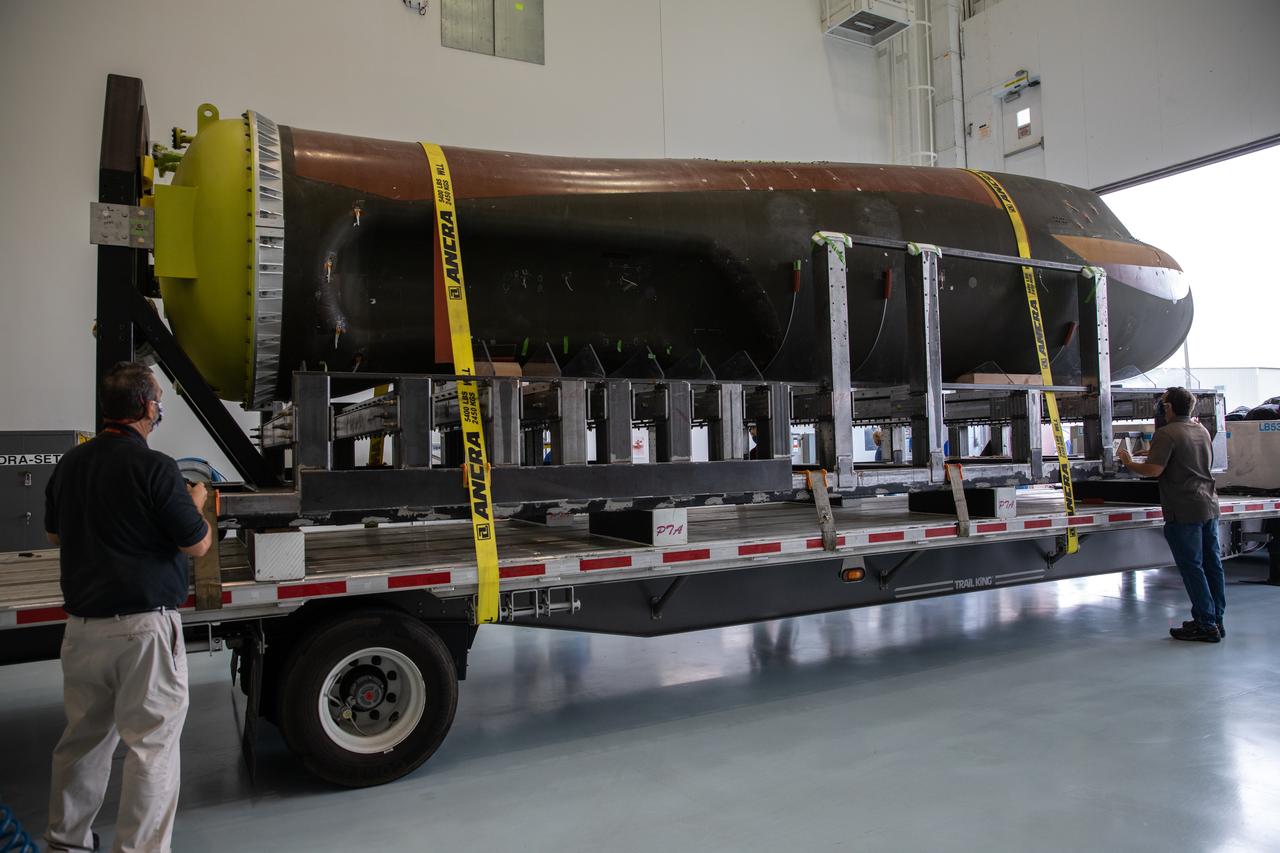
Sierra Nevada Corporation’s (SNC) Dream Chaser pressure test article is moved into the low bay of the Space Station Processing Facility at NASA’s Kennedy Space Center in Florida on June 3, 2020. The test article was shipped from Louisville, Colorado. It is similar to the actual pressurized cabin being used in the Dream Chaser spaceplane for Commercial Resupply Services-2 (CRS-2) missions. NASA selected Dream Chaser to provide cargo delivery, return and disposal service for the International Space Station under the CRS-2 contract. The test article will remain at Kennedy while SNC engineers use it to develop and verify refurbishment operations that will be used on Dream Chaser between flights.
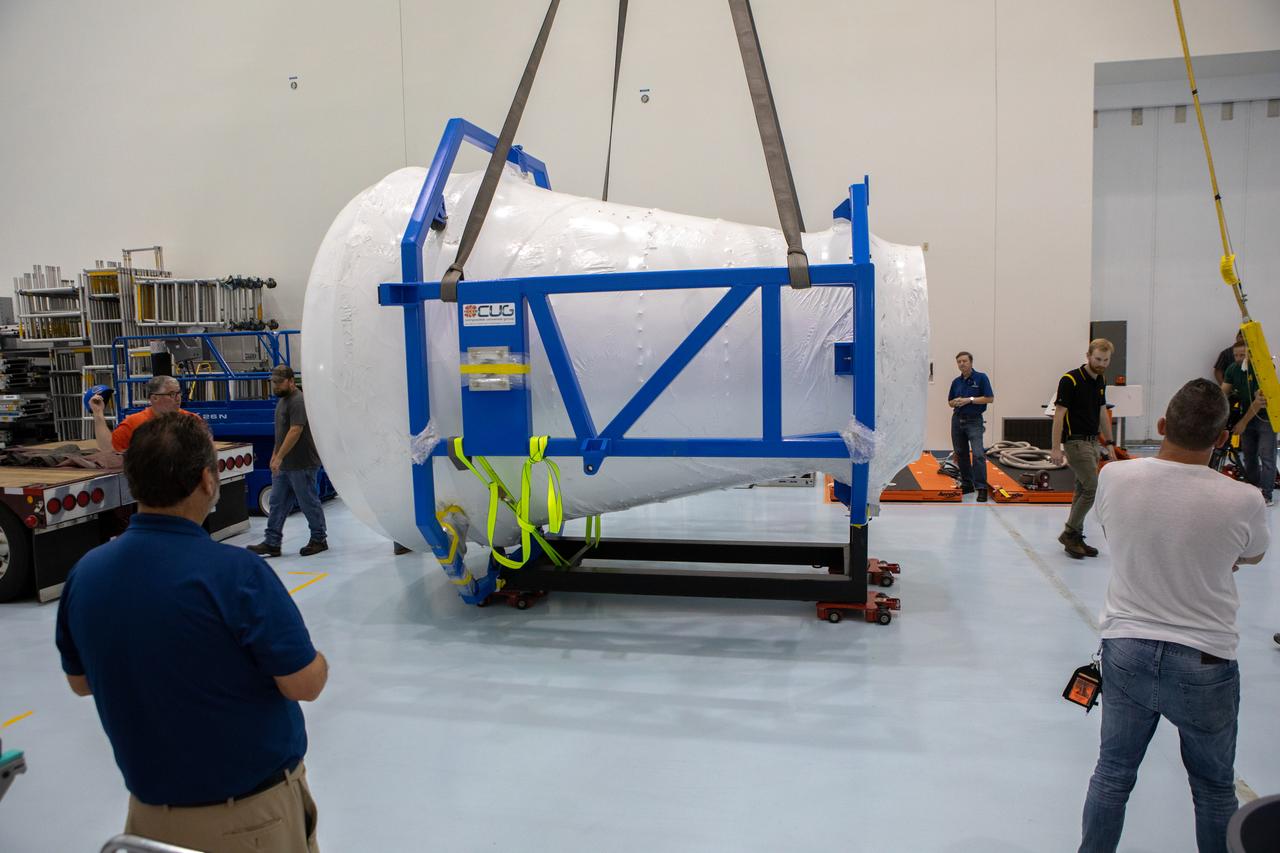
The cargo logistics module for Sierra Nevada Corporation’s Dream Chaser, the company’s reusable spaceplane, arrives at the Space Station Processing Facility high bay at NASA’s Kennedy Space Center in Florida on Aug. 27, 2019. The cargo module – a 15-foot attachment to Dream Chaser – provides extra storage for payloads and provides cargo disposal upon re-entry into Earth’s atmosphere. Dream Chaser will deliver more than 12,000 pounds of cargo to the International Space Station under the agency’s Commercial Resupply Services 2 contract. The spacecraft and cargo module will begin resupply and return services missions to the space station in late 2021.
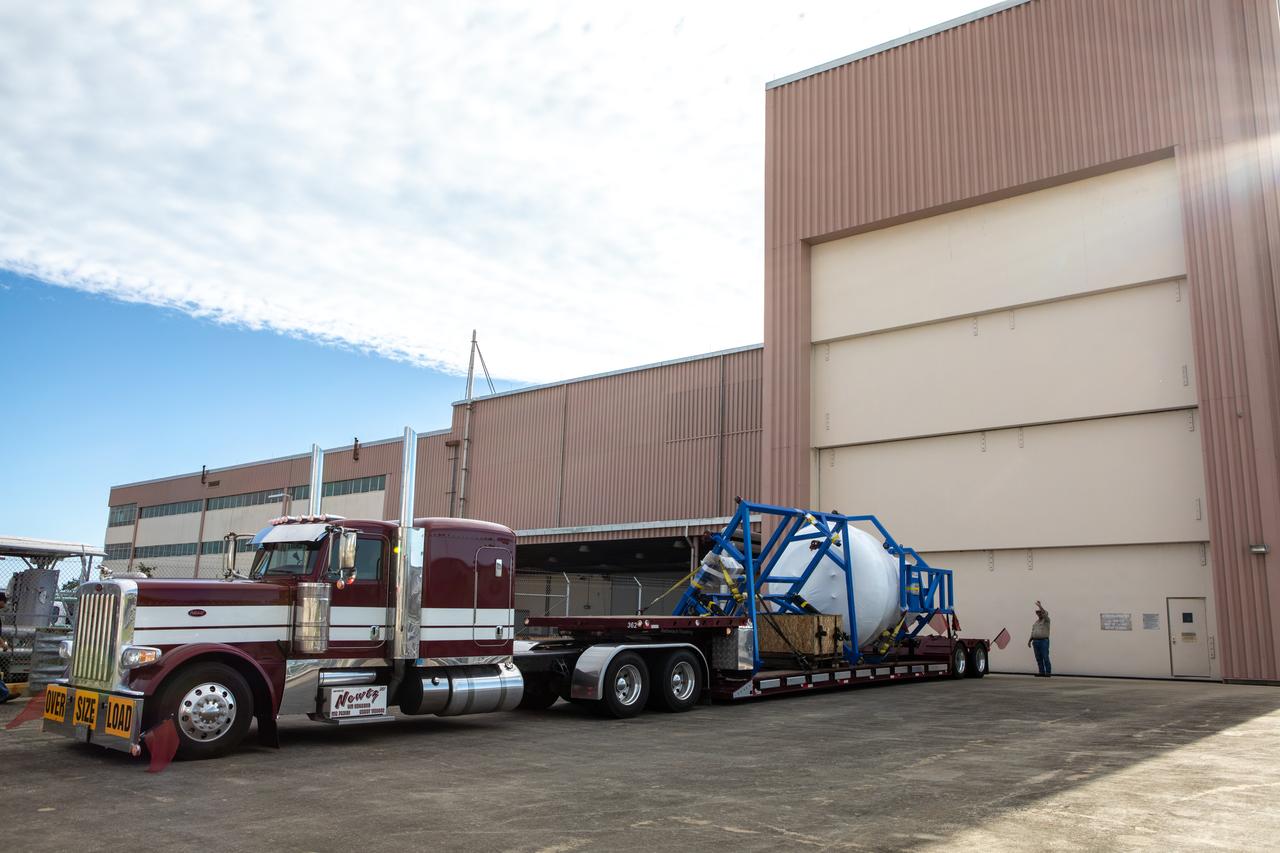
A truck carrying the cargo logistics module for Sierra Nevada Corporation’s Dream Chaser, the company’s reusable spaceplane, arrives at the Space Station Processing Facility high bay entrance at NASA’s Kennedy Space Center in Florida on Aug. 27, 2019. The cargo module – a 15-foot attachment to Dream Chaser – provides extra storage for payloads and provides cargo disposal upon re-entry into Earth’s atmosphere. Dream Chaser will deliver more than 12,000 pounds of cargo to the International Space Station under the agency’s Commercial Resupply Services 2 contract. The spacecraft and cargo module will begin resupply and return services missions to the space station in late 2021.
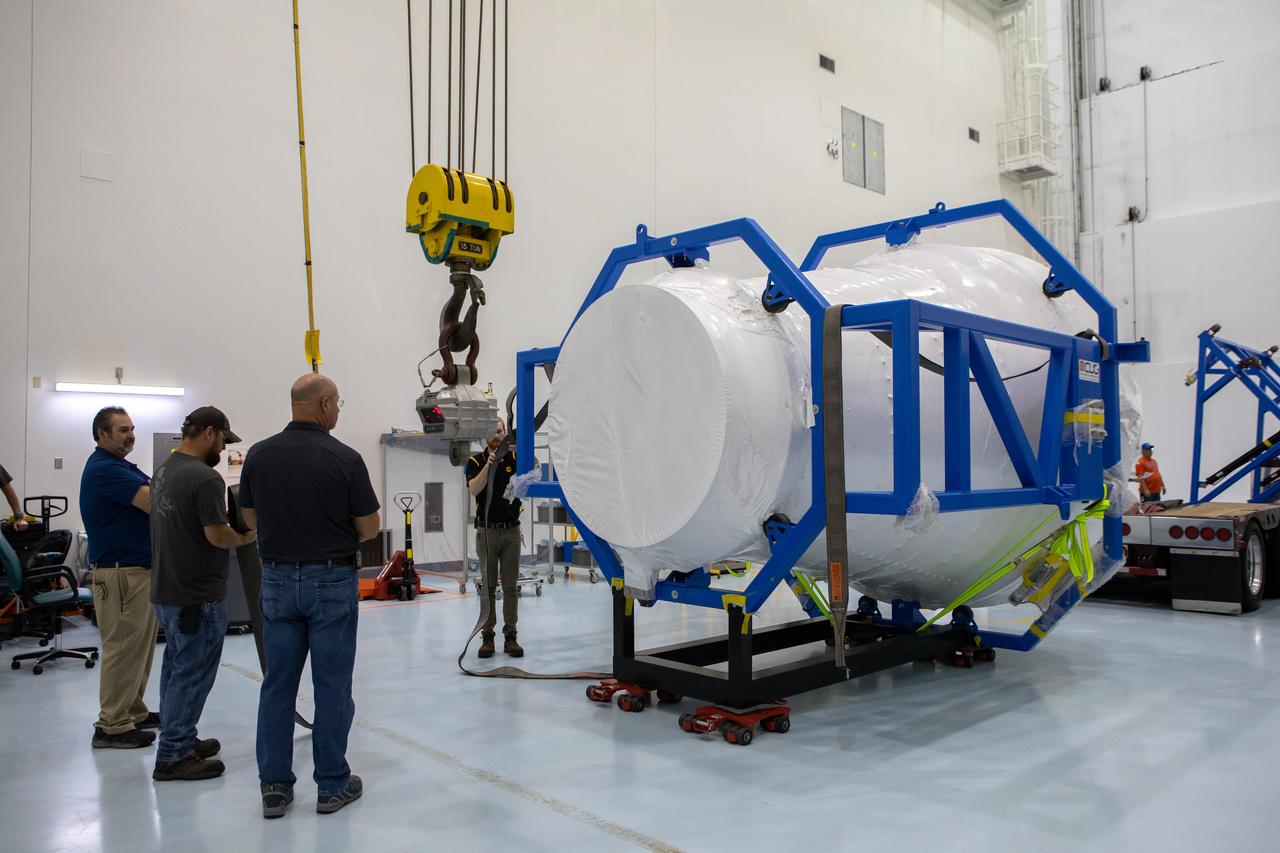
The cargo logistics module for Sierra Nevada Corporation’s Dream Chaser, the company’s reusable spaceplane, is photographed inside the Space Station Processing Facility high bay at NASA’s Kennedy Space Center in Florida following its arrival on Aug. 27, 2019. The cargo module – a 15-foot attachment to Dream Chaser – provides extra storage for payloads and provides cargo disposal upon re-entry into Earth’s atmosphere. Dream Chaser will deliver more than 12,000 pounds of cargo to the International Space Station under the agency’s Commercial Resupply Services 2 contract. The spacecraft and cargo module will begin resupply and return services missions to the space station in late 2021.
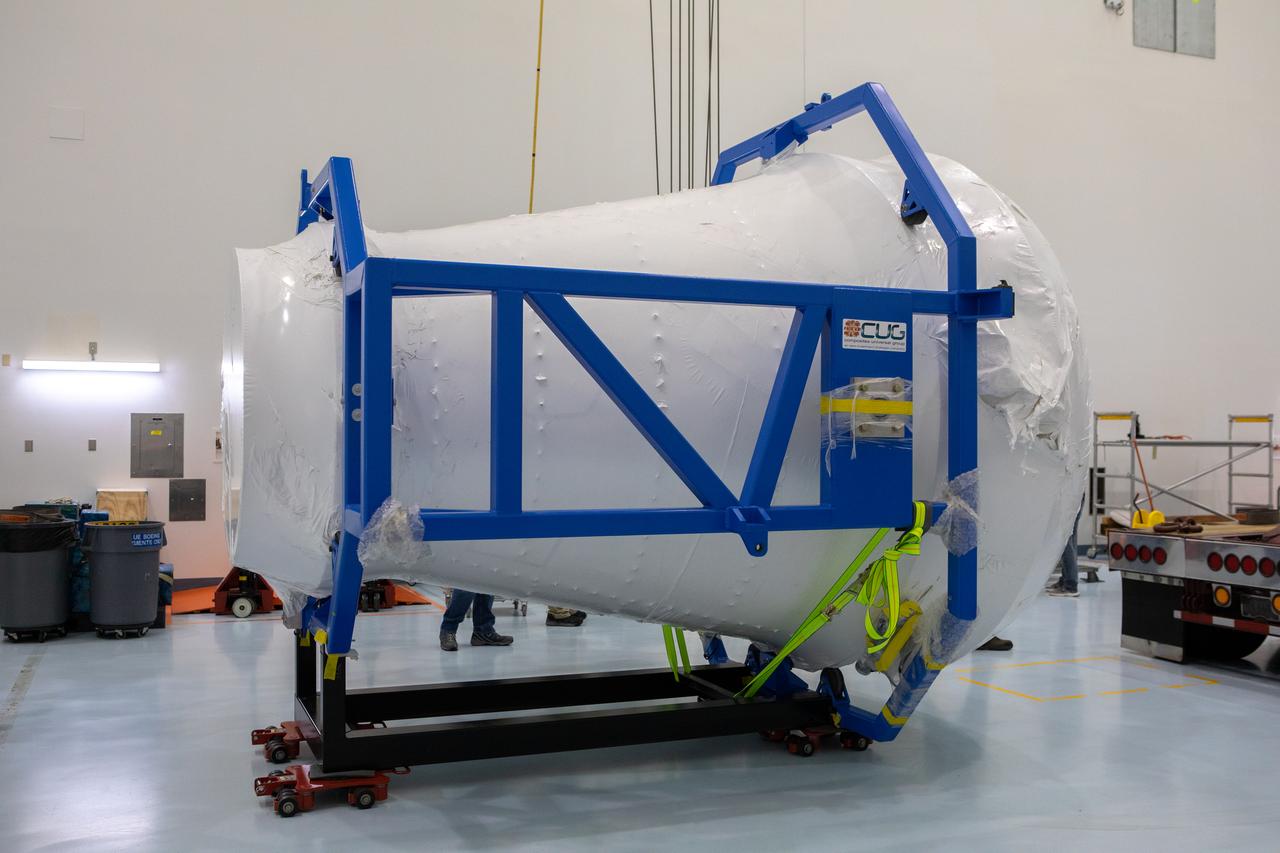
The cargo logistics module for Sierra Nevada Corporation’s Dream Chaser, the company’s reusable spaceplane, is photographed inside the Space Station Processing Facility high bay at NASA’s Kennedy Space Center in Florida following its arrival on Aug. 27, 2019. The cargo module – a 15-foot attachment to Dream Chaser – provides extra storage for payloads and provides cargo disposal upon re-entry into Earth’s atmosphere. Dream Chaser will deliver more than 12,000 pounds of cargo to the International Space Station under the agency’s Commercial Resupply Services 2 contract. The spacecraft and cargo module will begin resupply and return services missions to the space station in late 2021.
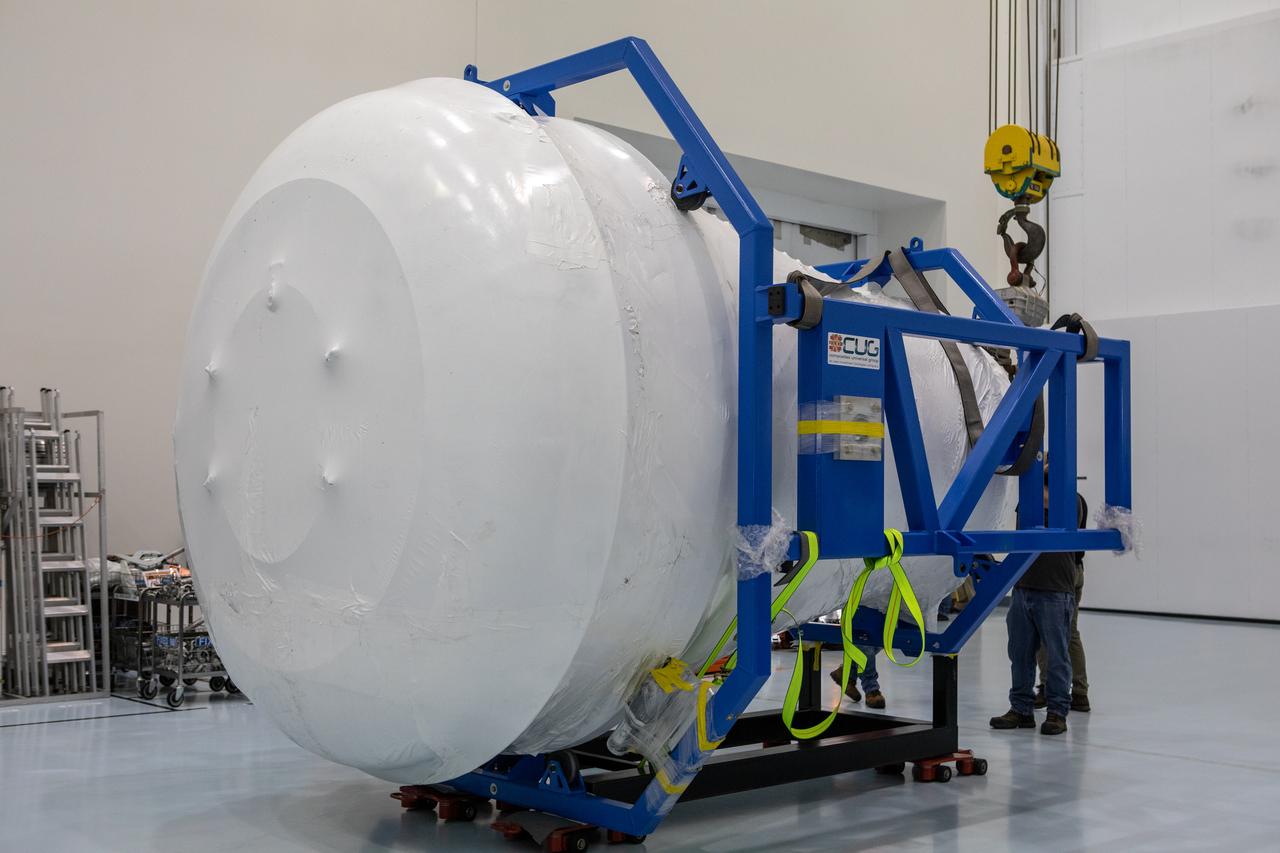
The cargo logistics module for Sierra Nevada Corporation’s Dream Chaser, the company’s reusable spaceplane, is photographed inside the Space Station Processing Facility high bay at NASA’s Kennedy Space Center in Florida following its arrival on Aug. 27, 2019. The cargo module – a 15-foot attachment to Dream Chaser – provides extra storage for payloads and provides cargo disposal upon re-entry into Earth’s atmosphere. Dream Chaser will deliver more than 12,000 pounds of cargo to the International Space Station under the agency’s Commercial Resupply Services 2 contract. The spacecraft and cargo module will begin resupply and return services missions to the space station in late 2021.
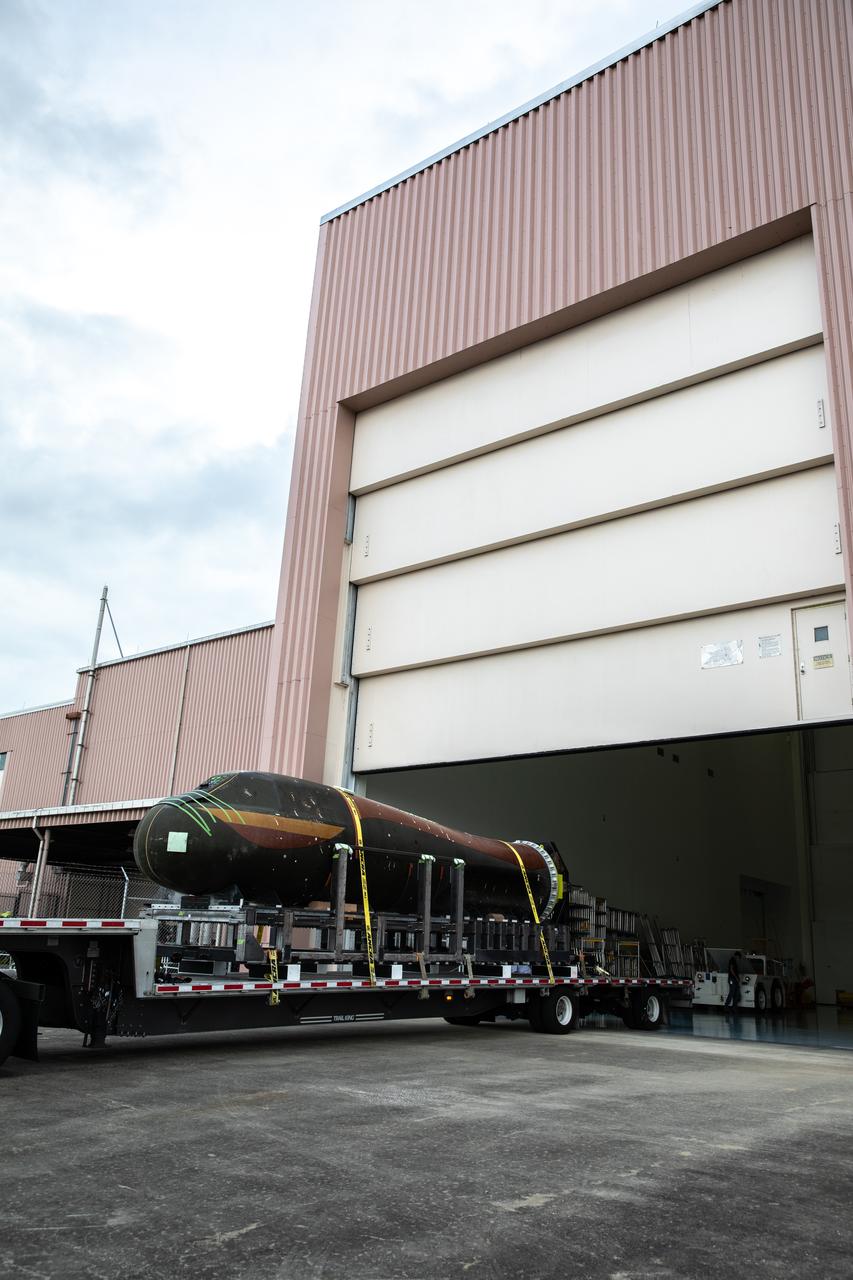
Sierra Nevada Corporation’s (SNC) Dream Chaser pressure test article arrives by flatbed truck at the Space Station Processing Facility at NASA’s Kennedy Space Center in Florida on June 3, 2020, from Louisville, Colorado. The test article is similar to the actual pressurized cabin being used in the Dream Chaser spaceplane for Commercial Resupply Services-2 (CRS-2) missions. NASA selected Dream Chaser to provide cargo delivery, return and disposal service for the International Space Station under the CRS-2 contract. The test article will remain at Kennedy while SNC engineers use it to develop and verify refurbishment operations that will be used on Dream Chaser between flights.
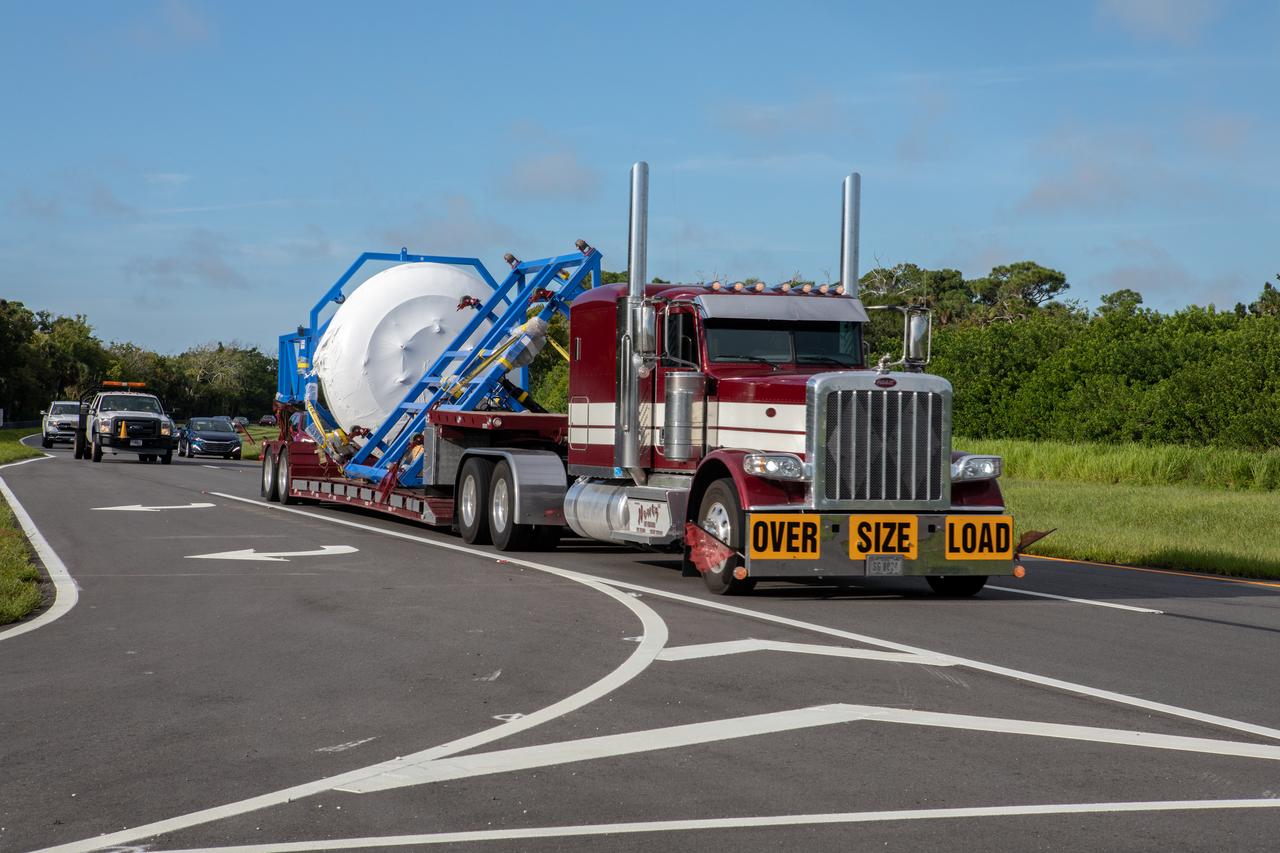
The cargo logistics module for Sierra Nevada Corporation’s Dream Chaser, the company’s reusable spaceplane, is in transit to the Space Station Processing Facility at NASA’s Kennedy Space Center in Florida on Aug. 27, 2019. The cargo module – a 15-foot attachment to Dream Chaser – provides extra storage for payloads and provides cargo disposal upon re-entry into Earth’s atmosphere. Dream Chaser will deliver more than 12,000 pounds of cargo to the International Space Station under NASA’s Commercial Resupply Services 2 contract. The spacecraft and cargo module will begin resupply and return services missions to the space station in late 2021.
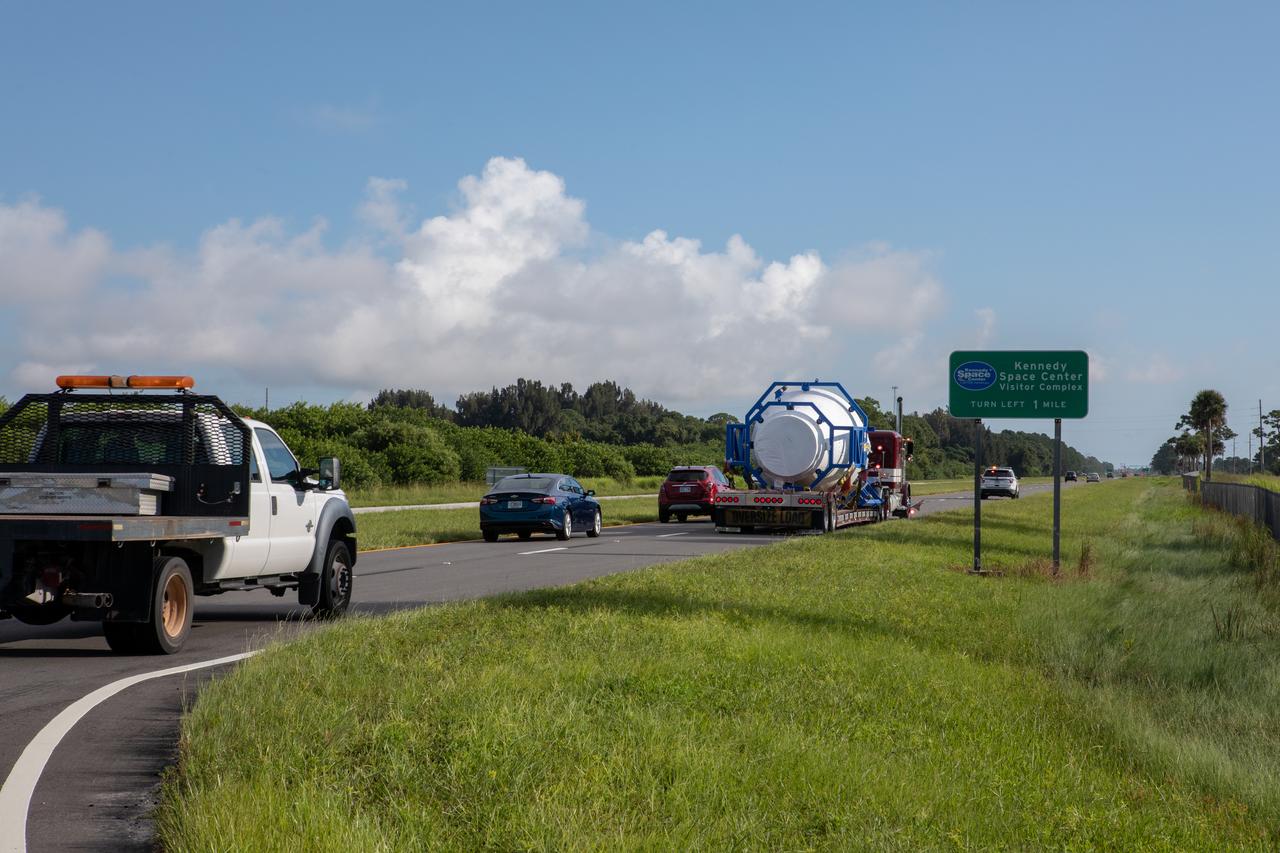
The cargo logistics module for Sierra Nevada Corporation’s Dream Chaser, the company’s reusable spaceplane, arrives at NASA’s Kennedy Space Center in Florida on Aug. 27, 2019. The cargo module – secured atop a truck – is being taken to Kennedy’s Space Station Processing Facility. A 15-foot attachment to Dream Chaser, the cargo module provides extra storage for payloads and provides cargo disposal upon re-entry into Earth’s atmosphere. Dream Chaser will deliver more than 12,000 pounds of cargo to the International Space Station under NASA’s Commercial Resupply Services 2 contract. The spacecraft and cargo module will begin resupply and return services missions to the space station in late 2021.
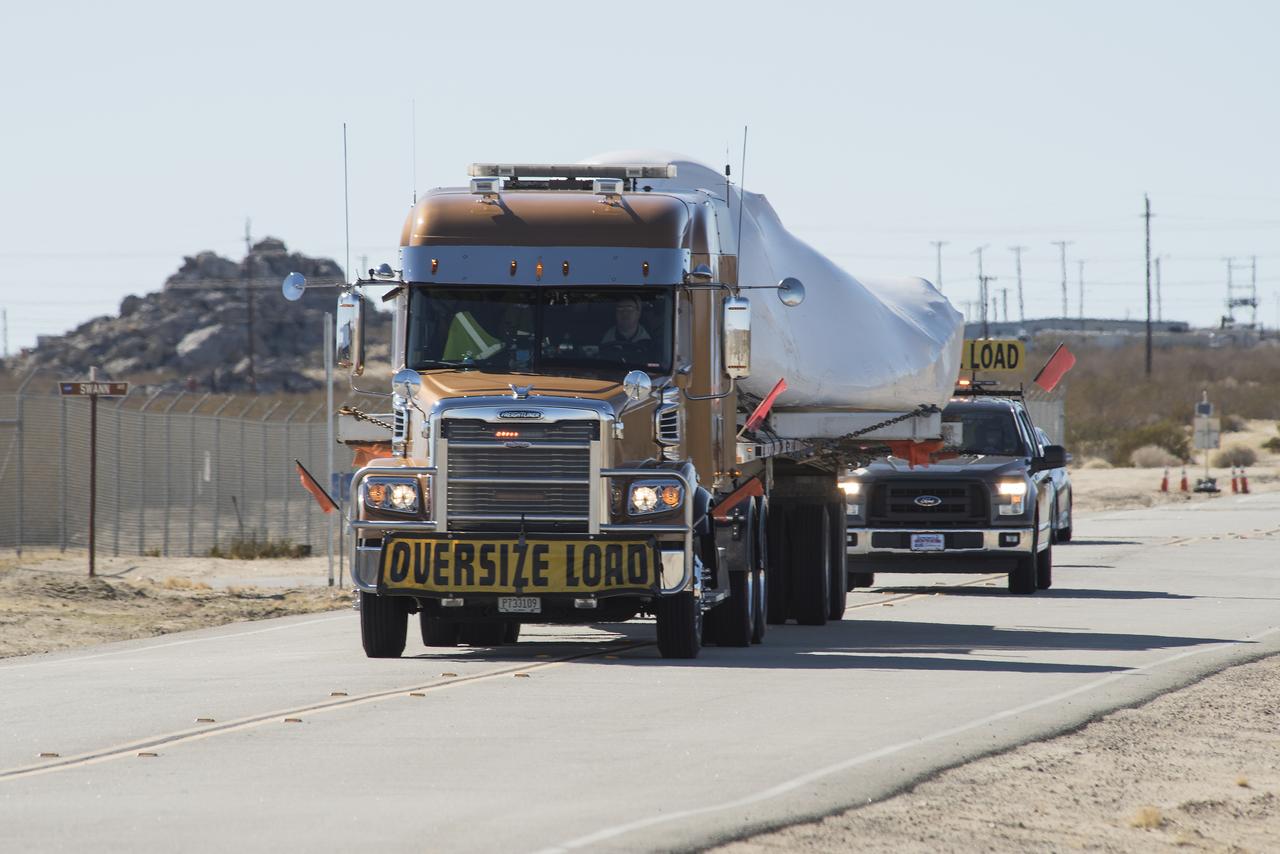
Sierra Nevada Corporation’s Dream Chaser spacecraft arrives by truck at NASA’s Armstrong Flight Research Center in California, located on Edwards Air Force Base. The spacecraft will undergo several months of testing in preparation for its approach and landing flight on the base’s 22L runway. The test series is part of a developmental space act agreement SNC has with NASA’s Commercial Crew Program and will help SNC validate aerodynamic properties, flight software and control system performance. The Dream Chaser is also being prepared to deliver cargo to the International Space Station under NASA’s Commercial Resupply Services 2 contract beginning in 2019. The cargo Dream Chaser will fly at least six delivery missions to and from the space station by 2024.
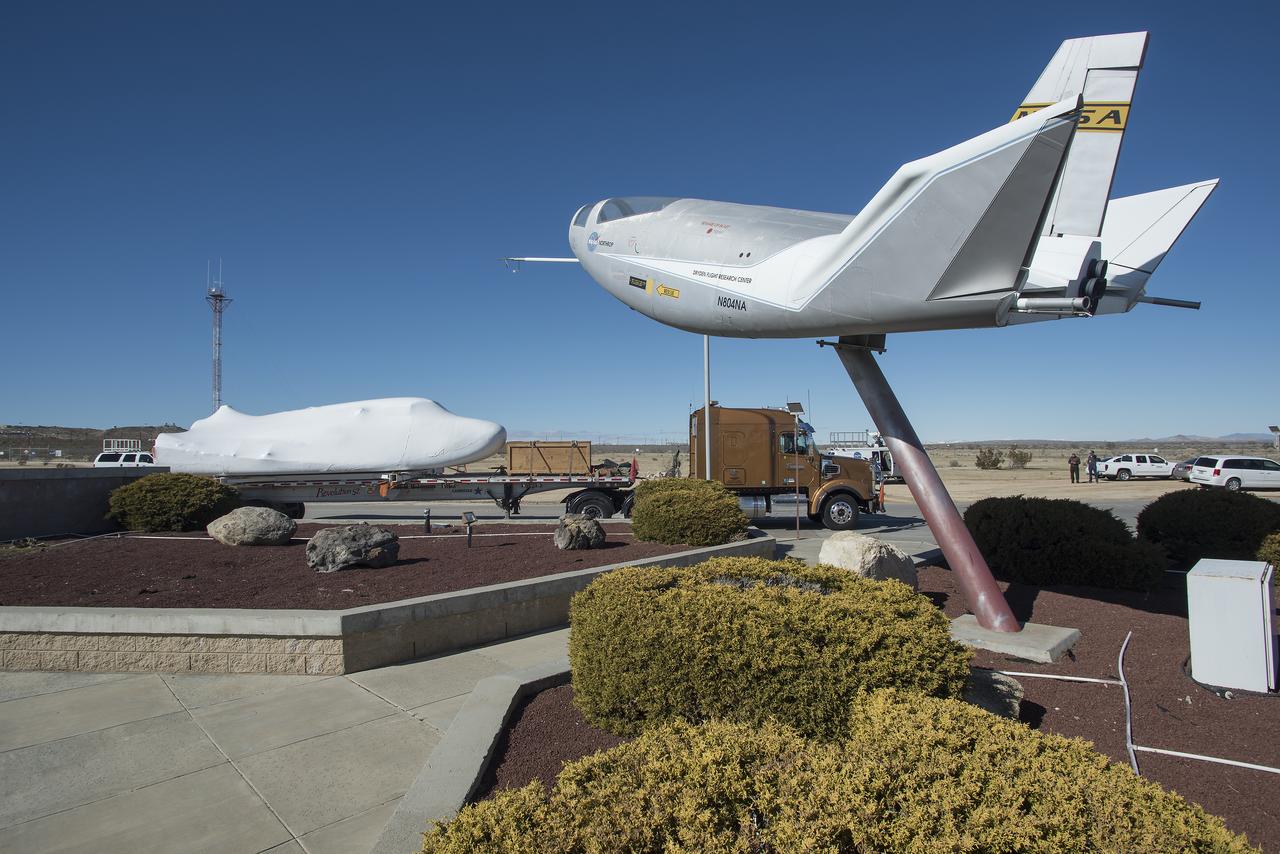
Sierra Nevada Corporation’s Dream Chaser spacecraft arrives by truck at NASA’s Armstrong Flight Research Center in California, located on Edwards Air Force Base. The spacecraft will undergo several months of testing in preparation for its approach and landing flight on the base’s 22L runway. The test series is part of a developmental space act agreement SNC has with NASA’s Commercial Crew Program and will help SNC validate aerodynamic properties, flight software and control system performance. The Dream Chaser is also being prepared to deliver cargo to the International Space Station under NASA’s Commercial Resupply Services 2 contract beginning in 2019. The cargo Dream Chaser will fly at least six delivery missions to and from the space station by 2024.
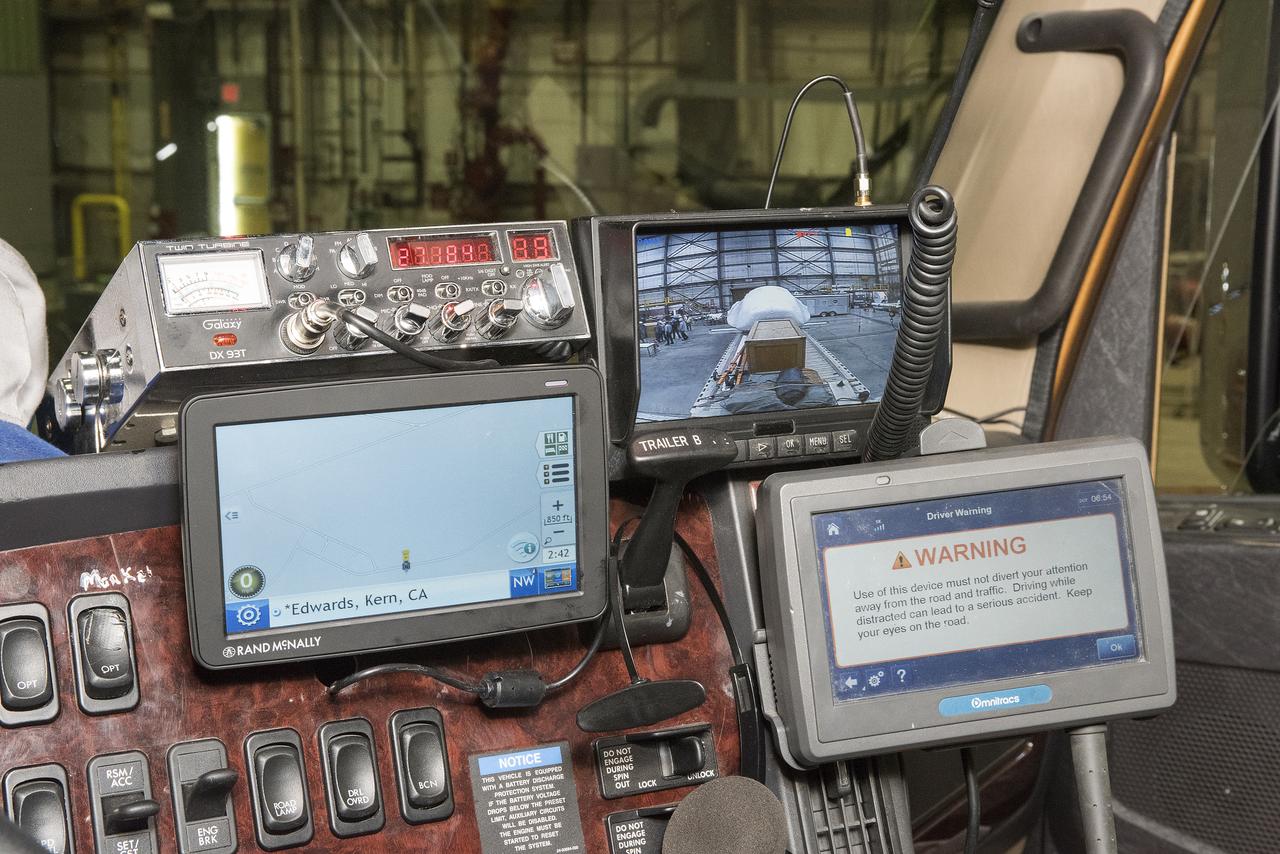
Sierra Nevada Corporation’s Dream Chaser spacecraft arrives by truck at NASA’s Armstrong Flight Research Center in California, located on Edwards Air Force Base. The spacecraft will undergo several months of testing in preparation for its approach and landing flight on the base’s 22L runway. The test series is part of a developmental space act agreement SNC has with NASA’s Commercial Crew Program and will help SNC validate aerodynamic properties, flight software and control system performance. The Dream Chaser is also being prepared to deliver cargo to the International Space Station under NASA’s Commercial Resupply Services 2 contract beginning in 2019. The cargo Dream Chaser will fly at least six delivery missions to and from the space station by 2024.
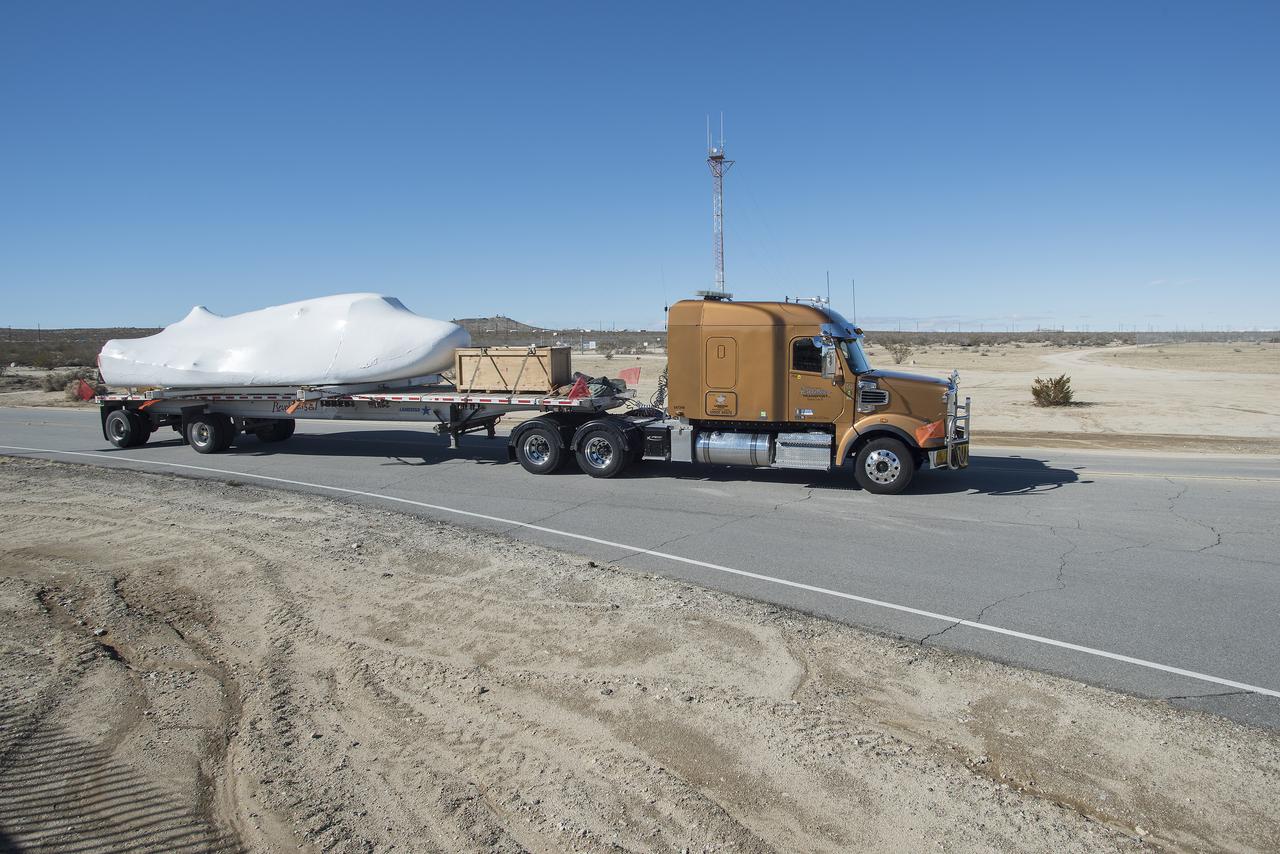
Sierra Nevada Corporation’s Dream Chaser spacecraft arrives by truck at NASA’s Armstrong Flight Research Center in California, located on Edwards Air Force Base. The spacecraft will undergo several months of testing in preparation for its approach and landing flight on the base’s 22L runway. The test series is part of a developmental space act agreement SNC has with NASA’s Commercial Crew Program and will help SNC validate aerodynamic properties, flight software and control system performance. The Dream Chaser is also being prepared to deliver cargo to the International Space Station under NASA’s Commercial Resupply Services 2 contract beginning in 2019. The cargo Dream Chaser will fly at least six delivery missions to and from the space station by 2024.
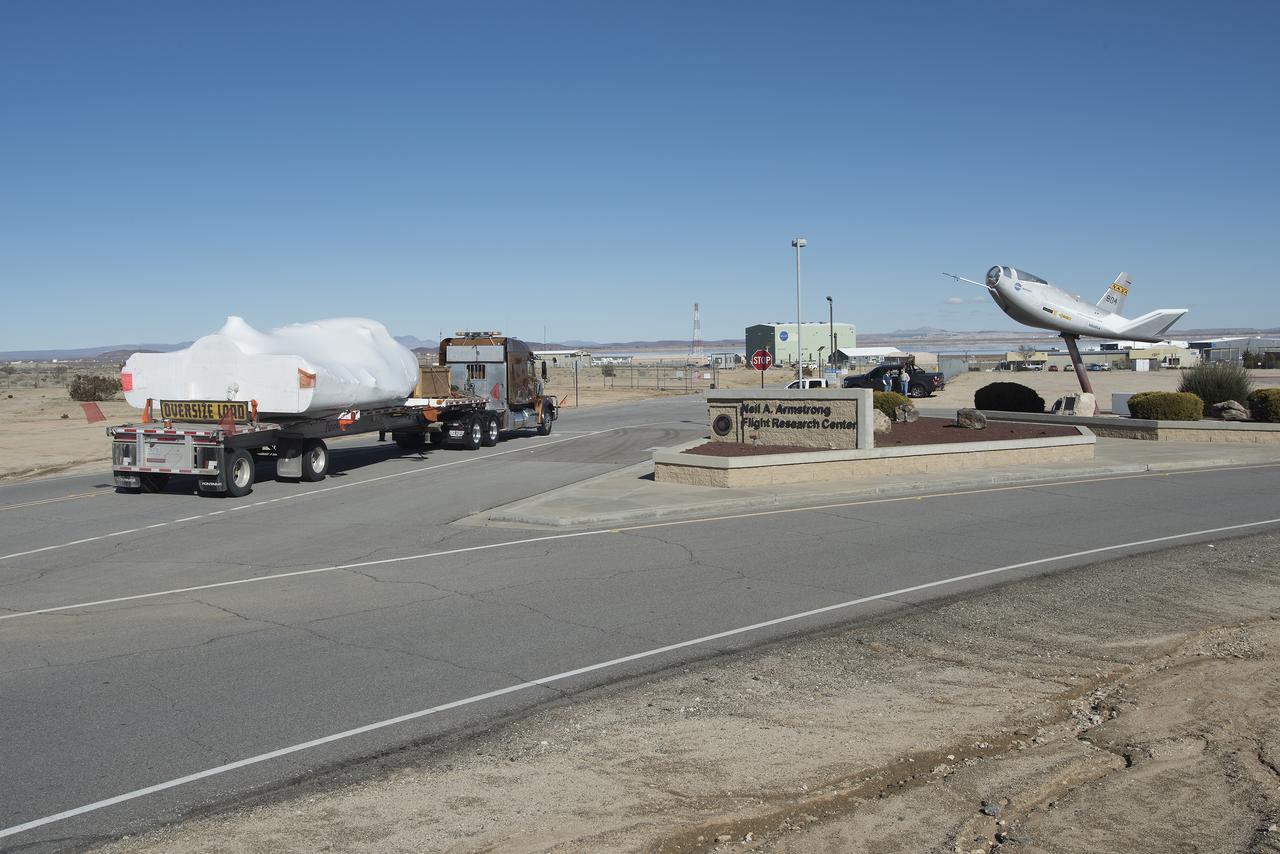
Sierra Nevada Corporation’s Dream Chaser spacecraft arrives by truck at NASA’s Armstrong Flight Research Center in California, located on Edwards Air Force Base. The spacecraft will undergo several months of testing in preparation for its approach and landing flight on the base’s 22L runway. The test series is part of a developmental space act agreement SNC has with NASA’s Commercial Crew Program and will help SNC validate aerodynamic properties, flight software and control system performance. The Dream Chaser is also being prepared to deliver cargo to the International Space Station under NASA’s Commercial Resupply Services 2 contract beginning in 2019. The cargo Dream Chaser will fly at least six delivery missions to and from the space station by 2024.
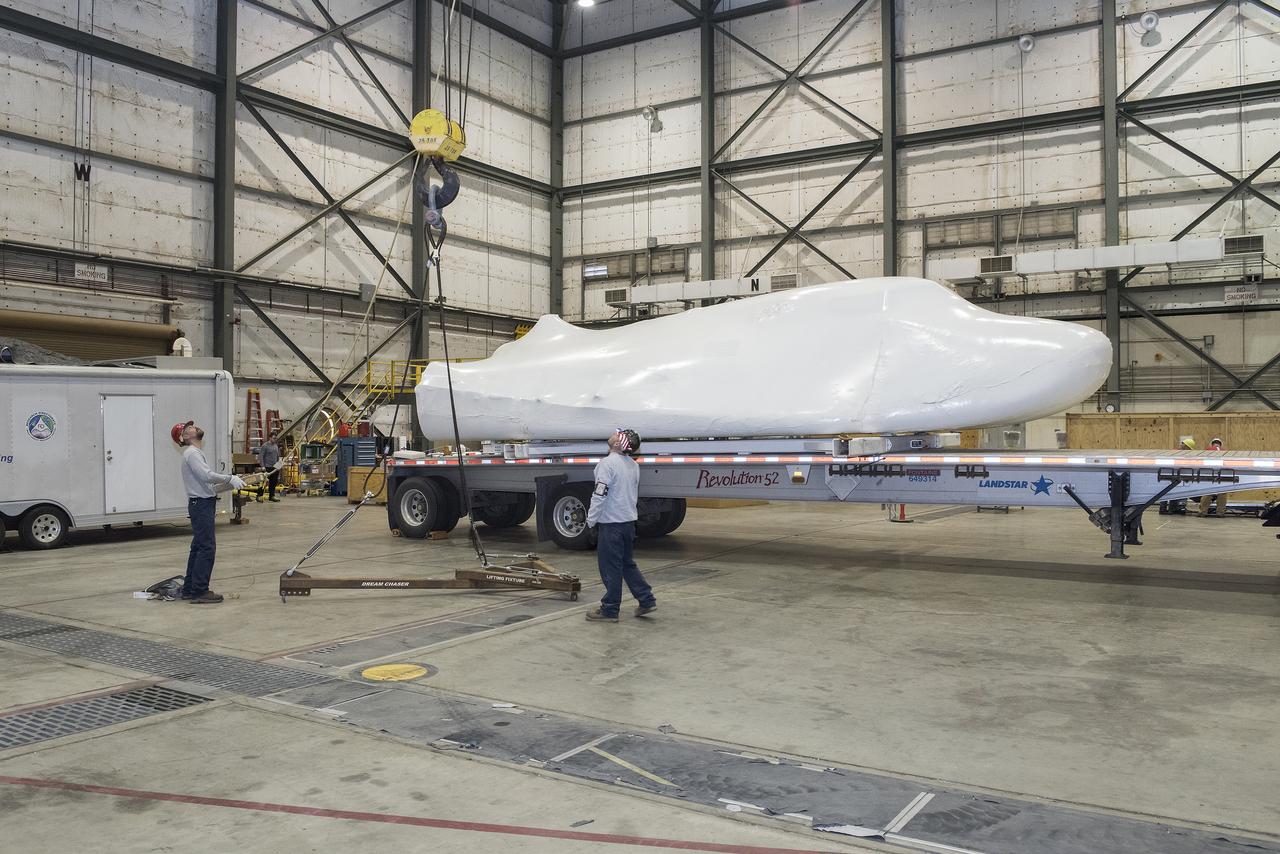
Sierra Nevada Corporation’s Dream Chaser spacecraft arrives by truck at NASA’s Armstrong Flight Research Center in California, located on Edwards Air Force Base. The spacecraft will undergo several months of testing in preparation for its approach and landing flight on the base’s 22L runway. The test series is part of a developmental space act agreement SNC has with NASA’s Commercial Crew Program and will help SNC validate aerodynamic properties, flight software and control system performance. The Dream Chaser is also being prepared to deliver cargo to the International Space Station under NASA’s Commercial Resupply Services 2 contract beginning in 2019. The cargo Dream Chaser will fly at least six delivery missions to and from the space station by 2024.
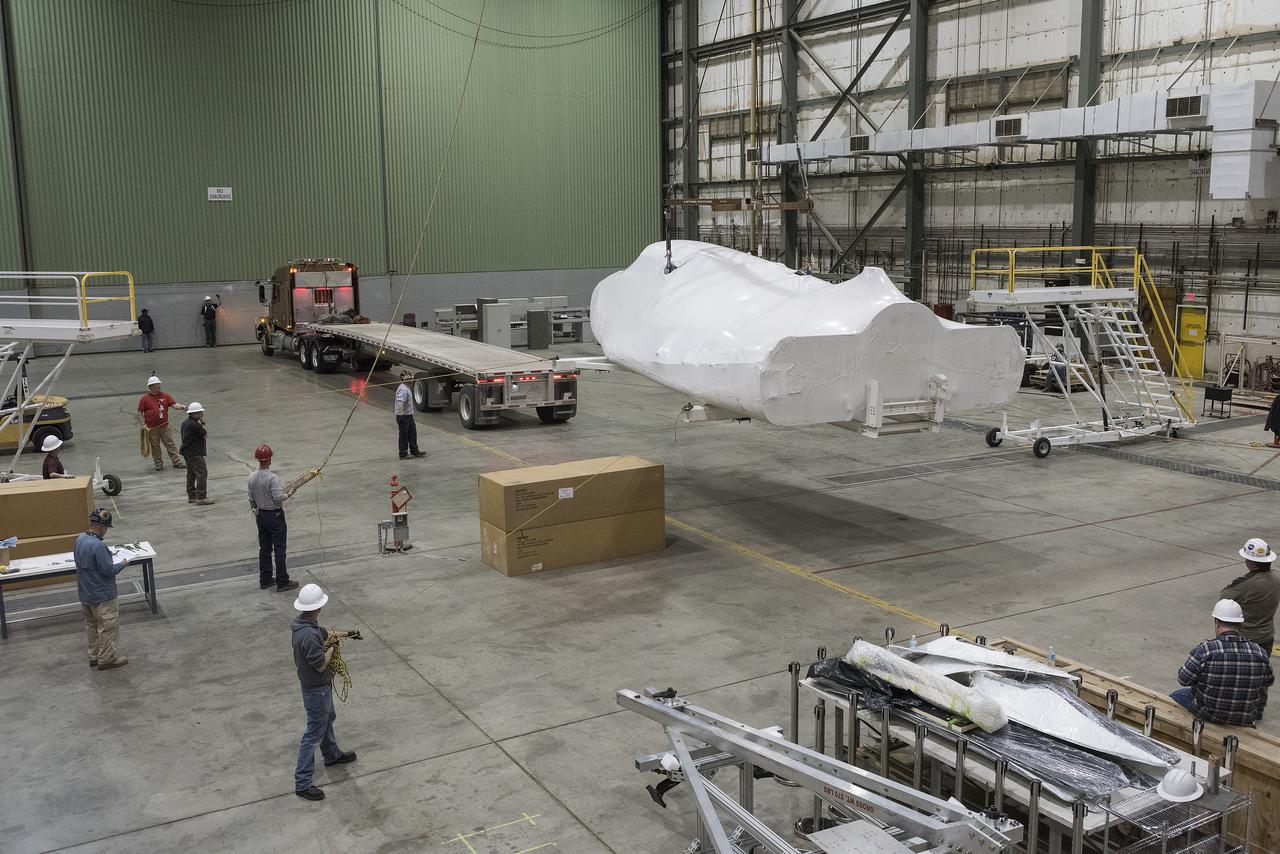
Sierra Nevada Corporation’s Dream Chaser spacecraft is removed from its delivery truck after arriving at NASA’s Armstrong Flight Research Center in California, located on Edwards Air Force Base. The spacecraft will undergo several months of testing in preparation for its approach and landing flight on the base’s 22L runway. The test series is part of a developmental space act agreement SNC has with NASA’s Commercial Crew Program and will help SNC validate aerodynamic properties, flight software and control system performance. The Dream Chaser is also being prepared to deliver cargo to the International Space Station under NASA’s Commercial Resupply Services 2 contract beginning in 2019. The cargo Dream Chaser will fly at least six delivery missions to and from the space station by 2024.
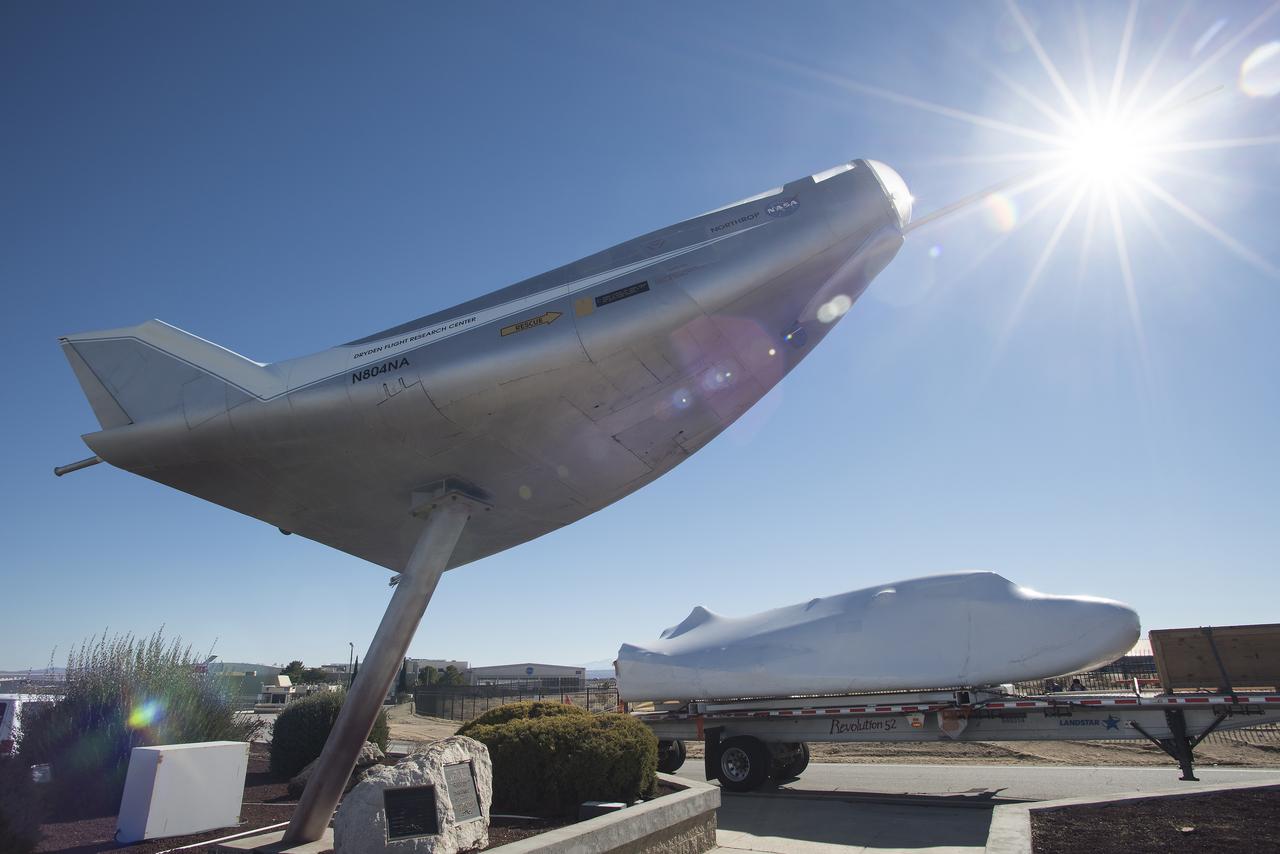
Sierra Nevada Corporation’s Dream Chaser spacecraft arrives by truck at NASA’s Armstrong Flight Research Center in California, located on Edwards Air Force Base. The spacecraft will undergo several months of testing in preparation for its approach and landing flight on the base’s 22L runway. The test series is part of a developmental space act agreement SNC has with NASA’s Commercial Crew Program and will help SNC validate aerodynamic properties, flight software and control system performance. The Dream Chaser is also being prepared to deliver cargo to the International Space Station under NASA’s Commercial Resupply Services 2 contract beginning in 2019. The cargo Dream Chaser will fly at least six delivery missions to and from the space station by 2024.
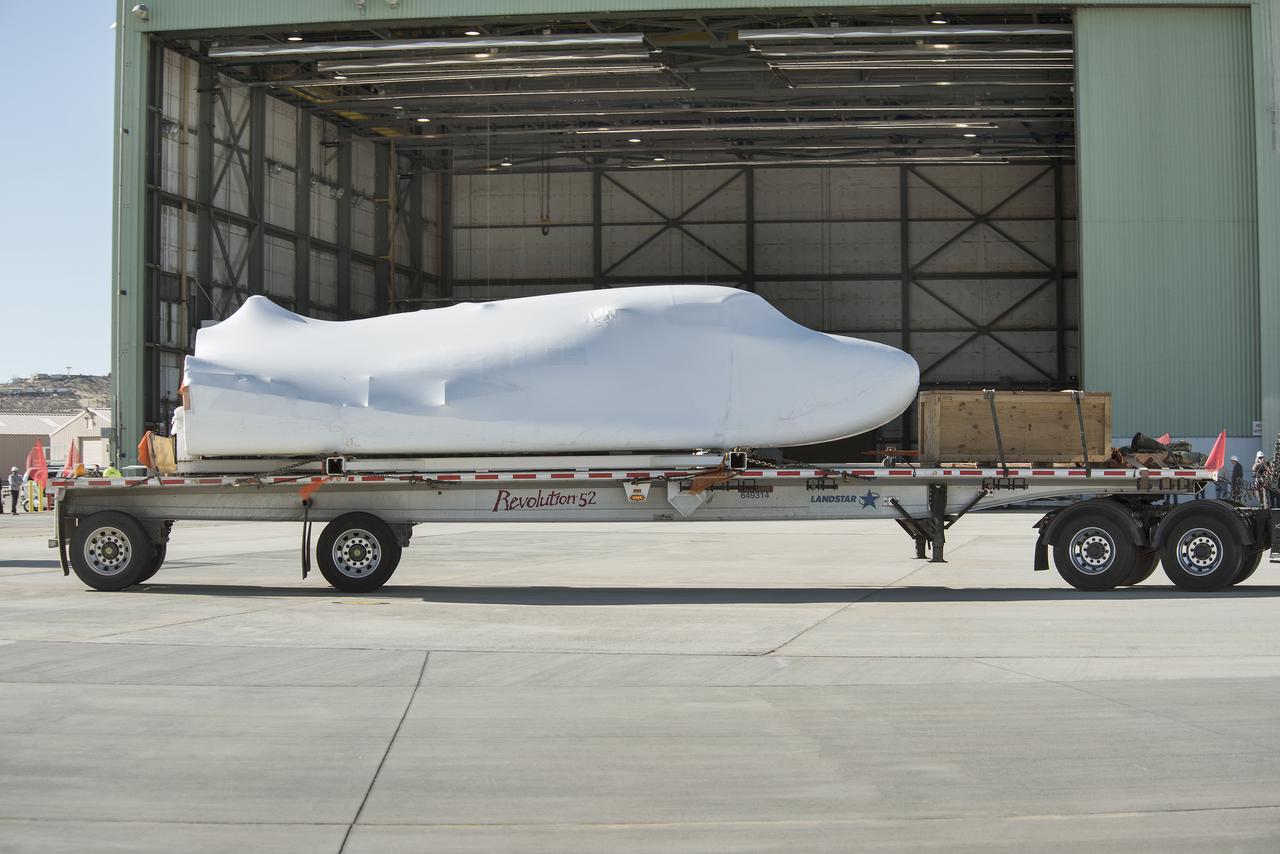
Sierra Nevada Corporation’s Dream Chaser spacecraft arrives by truck at NASA’s Armstrong Flight Research Center in California, located on Edwards Air Force Base. The spacecraft will undergo several months of testing in preparation for its approach and landing flight on the base’s 22L runway. The test series is part of a developmental space act agreement SNC has with NASA’s Commercial Crew Program and will help SNC validate aerodynamic properties, flight software and control system performance. The Dream Chaser is also being prepared to deliver cargo to the International Space Station under NASA’s Commercial Resupply Services 2 contract beginning in 2019. The cargo Dream Chaser will fly at least six delivery missions to and from the space station by 2024.
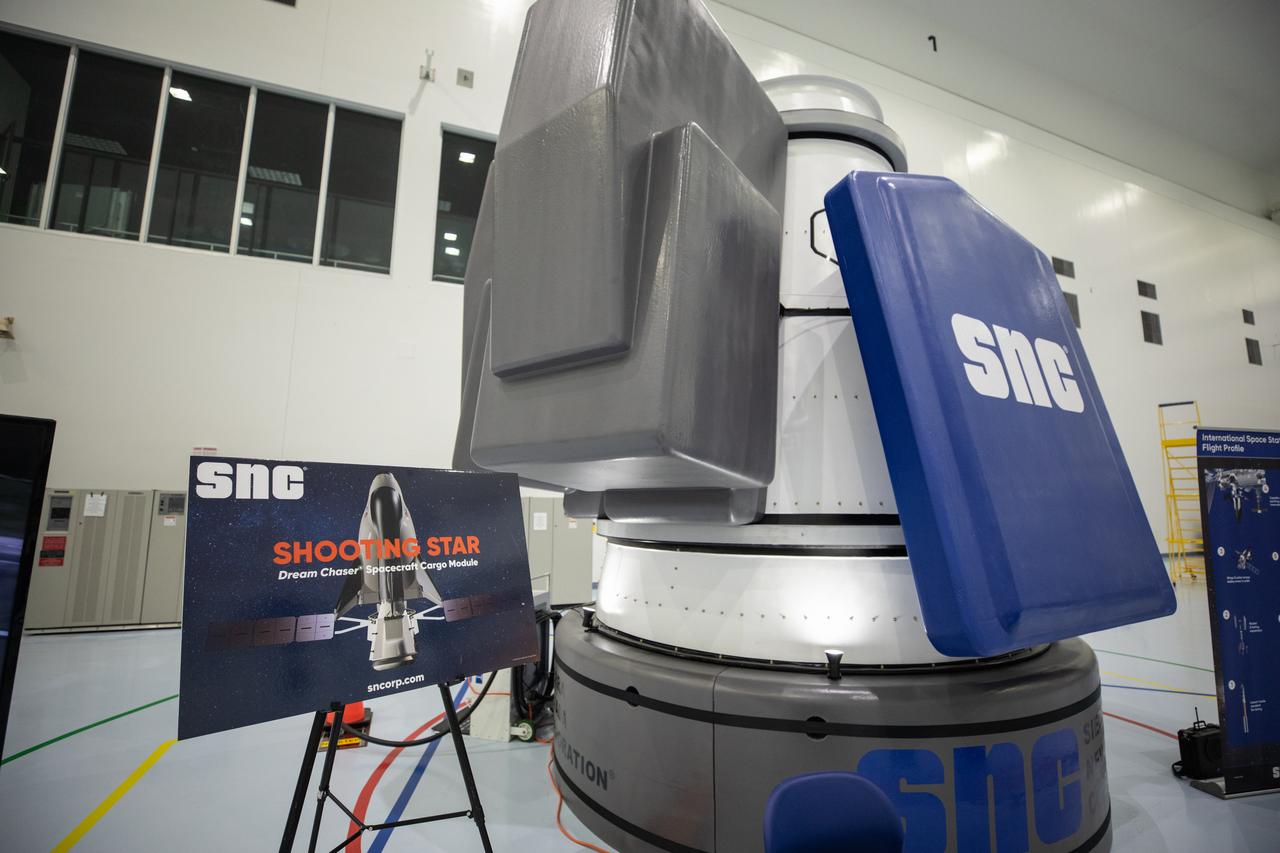
A look at a testing mockup of Sierra Nevada Corporation’s Shooting Star cargo module in the Space Station Processing Facility high bay at Kennedy Space Center on Nov. 19, 2019. Shooting Star will attach to the back of the company’s Dream Chaser spacecraft. The cargo module will deliver more than 12,000 pounds of supplies and other cargo to the International Space Station for NASA as part of the Commercial Resupply Services-2 contract.
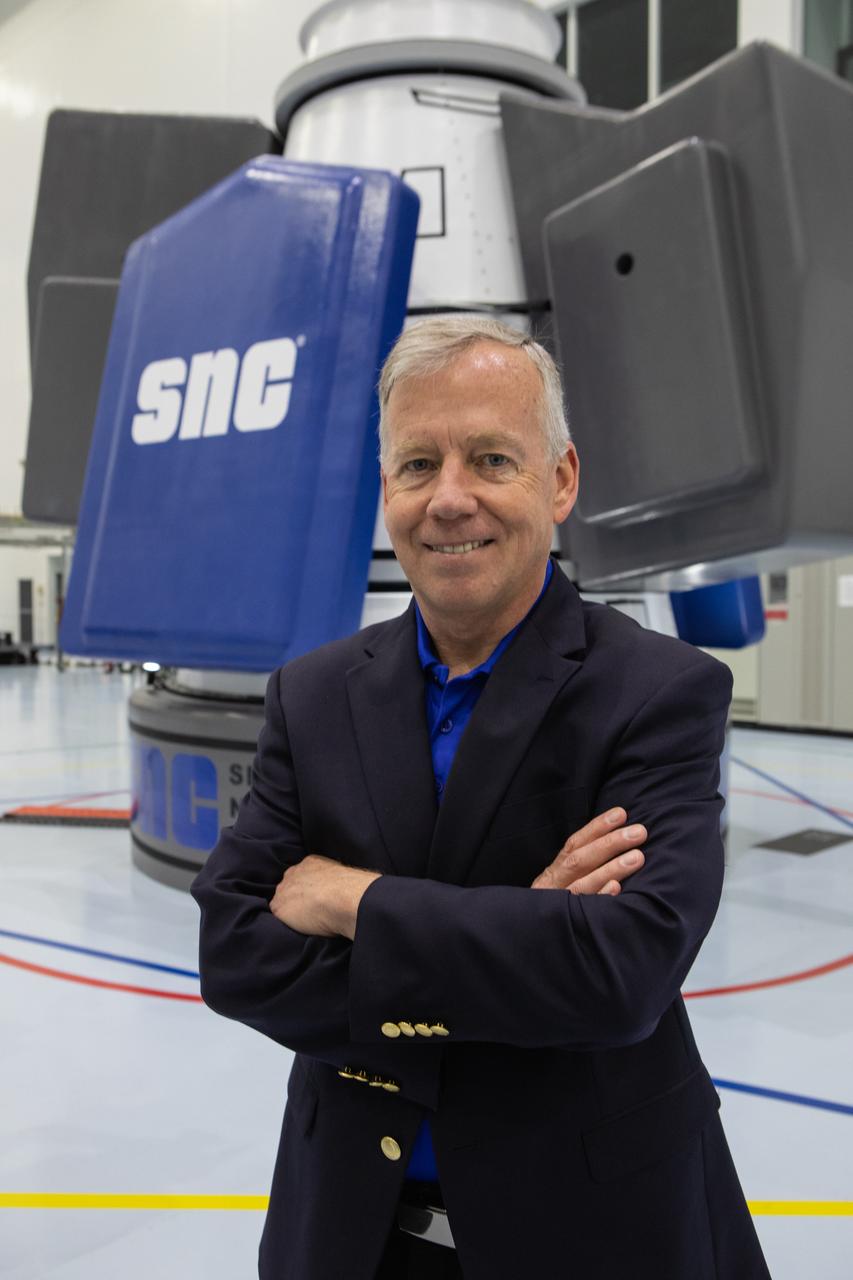
Steve Lindsey, senior vice president of strategy for Sierra Nevada Corporation Space Systems and a former NASA astronaut, poses in front of the company’s Shooting Star cargo module in the Space Station Processing Facility high bay at Kennedy Space Center on Nov. 19, 2019. Shooting Star will attach to the back of the company’s Dream Chaser spacecraft. The cargo module will deliver more than 12,000 pounds of supplies and other cargo to the International Space Station for NASA as part of the Commercial Resupply Services-2 contract.

A look at a testing mockup of Sierra Nevada Corporation’s Shooting Star cargo module in the Space Station Processing Facility high bay at Kennedy Space Center on Nov. 19, 2019. Shooting Star will attach to the back of the company’s Dream Chaser spacecraft. The cargo module will deliver more than 12,000 pounds of supplies and other cargo to the International Space Station for NASA as part of the Commercial Resupply Services-2 contract.
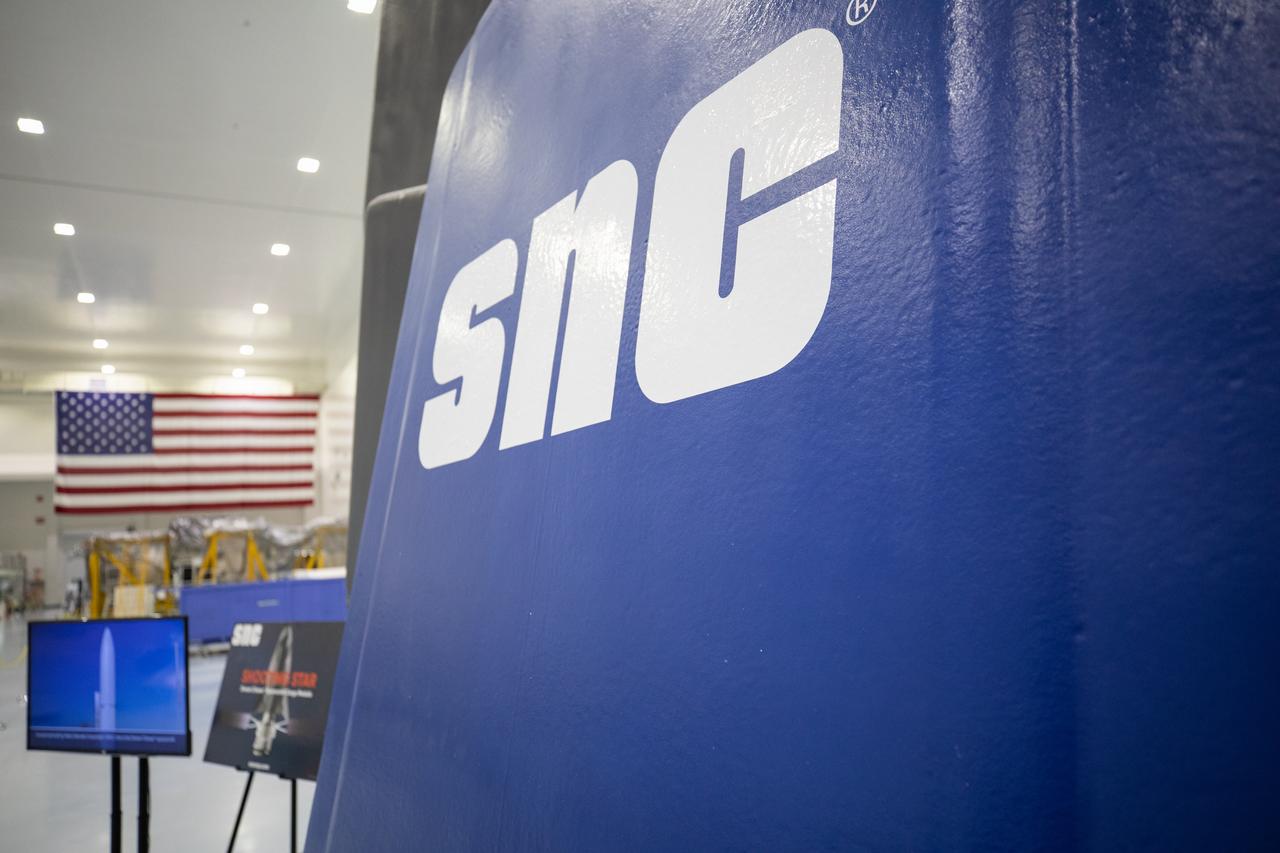
A look at a testing mockup of Sierra Nevada Corporation’s Shooting Star cargo module in the Space Station Processing Facility high bay at Kennedy Space Center on Nov. 19, 2019. Shooting Star will attach to the back of the company’s Dream Chaser spacecraft. The cargo module will deliver more than 12,000 pounds of supplies and other cargo to the International Space Station for NASA as part of the Commercial Resupply Services-2 contract.
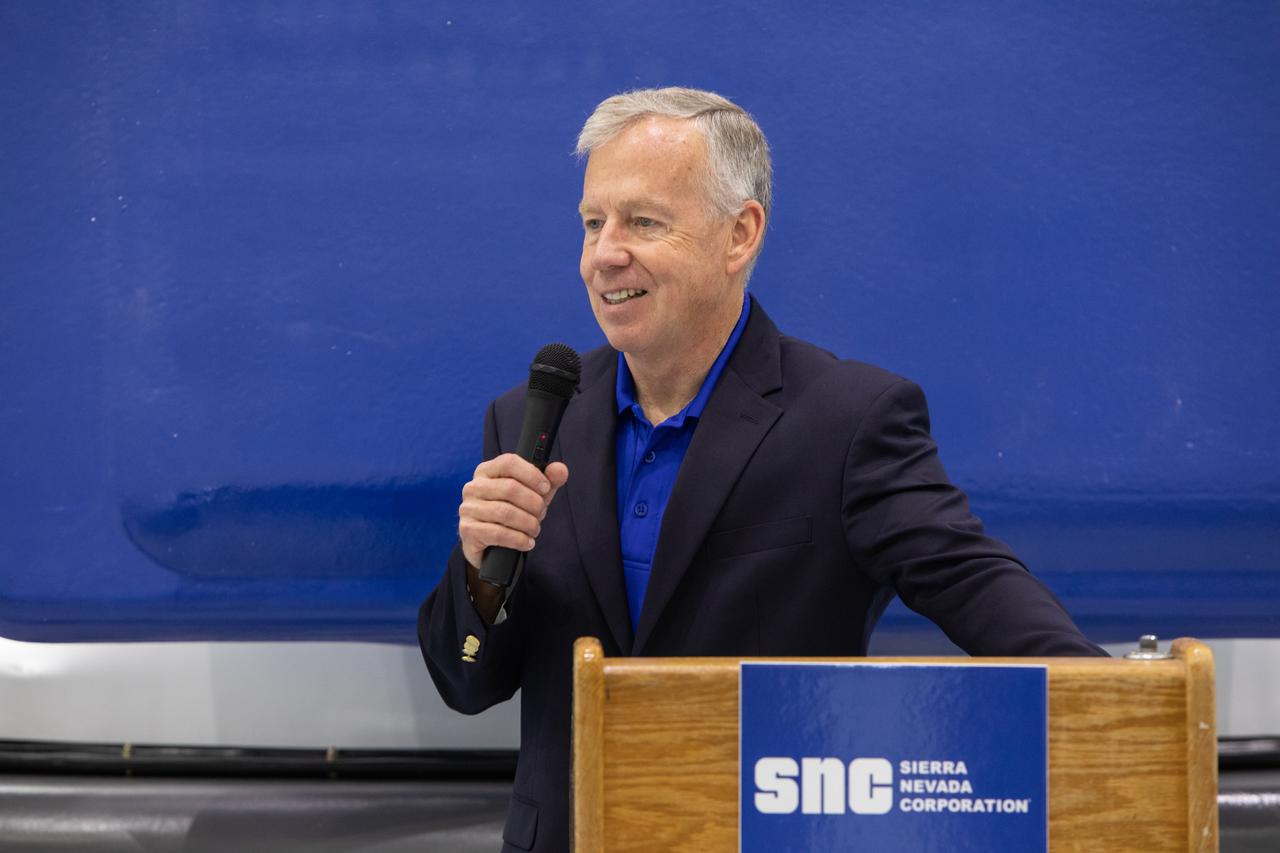
Steve Lindsey, senior vice president of strategy for Sierra Nevada Corporation Space Systems and a former NASA astronaut, discusses the capabilities of the company’s Shooting Star cargo module in the Space Station Processing Facility high bay at Kennedy Space Center on Nov. 19, 2019. Shooting Star will attach to the back of the company’s Dream Chaser spacecraft. The cargo module will deliver more than 12,000 pounds of supplies and other cargo to the International Space Station for NASA as part of the Commercial Resupply Services-2 contract.
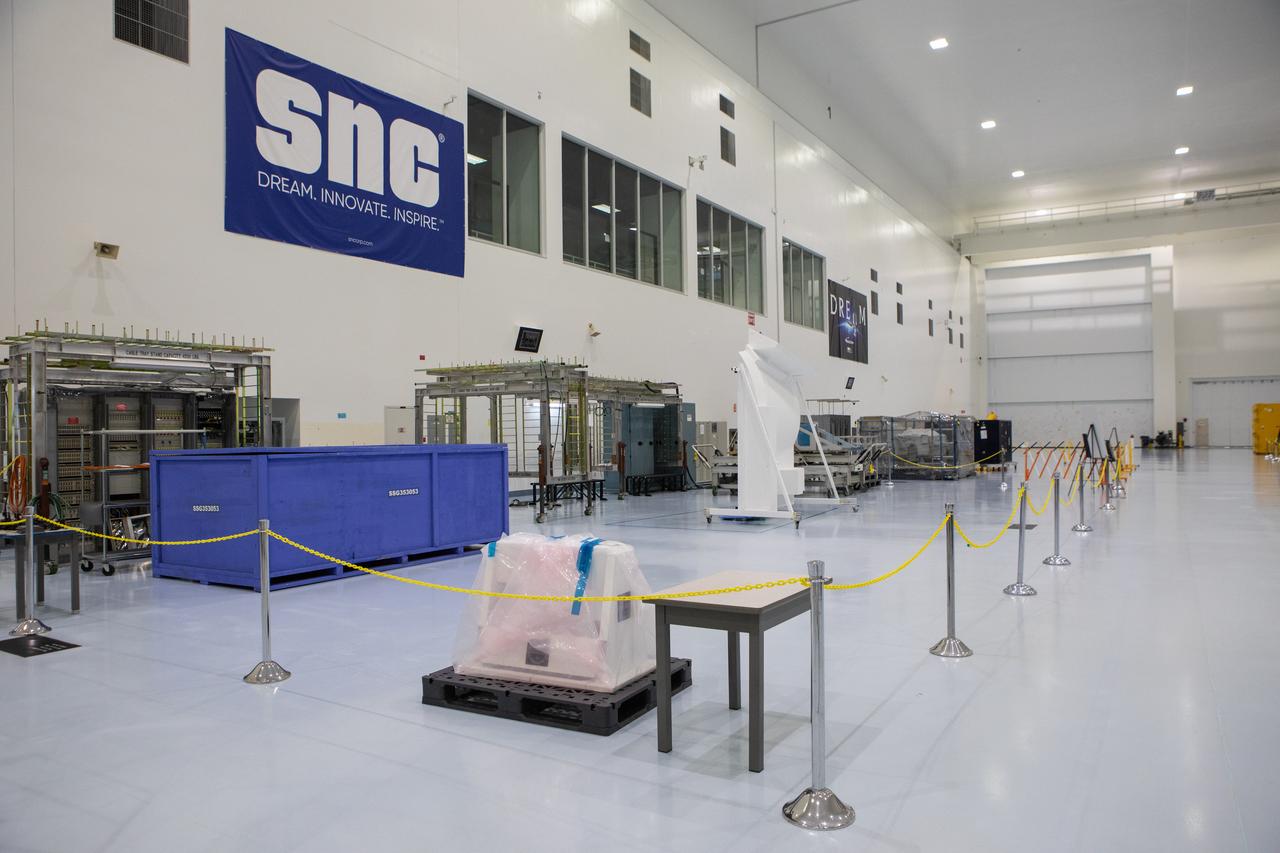
In view in this photograph, taken on May 16, 2019, is the area where the Sierra Nevada Corporation will process its Dream Chaser spacecraft in the high bay of the Space Station Processing Facility (SSPF) at NASA's Kennedy Space Center in Florida. The center is celebrating the SSPF’s 25th anniversary. The facility was built to process elements for the International Space Station. Now it is providing support for current and future NASA and commercial provider programs, including Commercial Resupply Services, Artemis 1, sending the first woman and next man to the Moon, and deep space destinations including Mars.
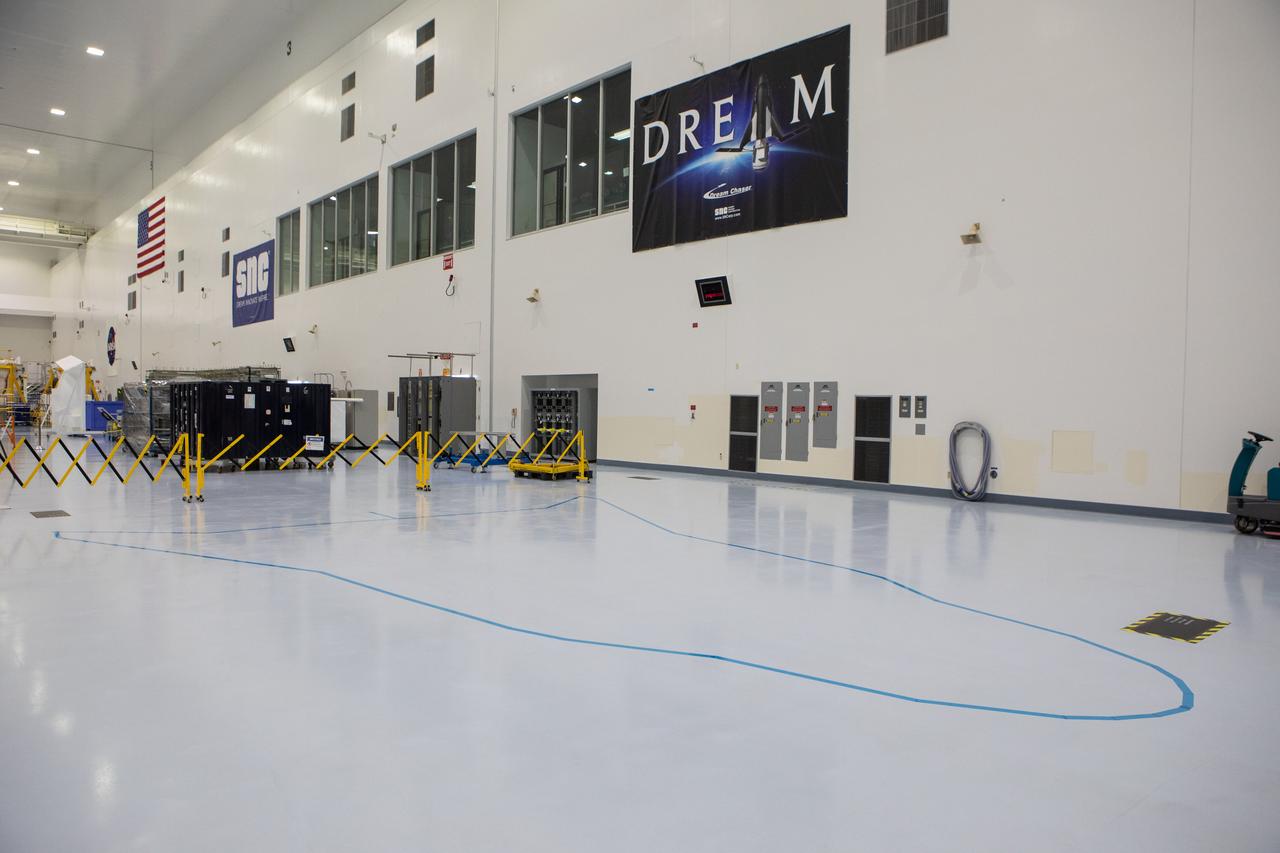
In view in this photograph, taken on May 16, 2019, is the area where the Sierra Nevada Corporation will process its Dream Chaser spacecraft in the high bay of the Space Station Processing Facility (SSPF) at NASA's Kennedy Space Center in Florida. The center is celebrating the SSPF’s 25th anniversary. The facility was built to process elements for the International Space Station. Now it is providing support for current and future NASA and commercial provider programs, including Commercial Resupply Services, Artemis 1, sending the first woman and next man to the Moon, and deep space destinations including Mars.
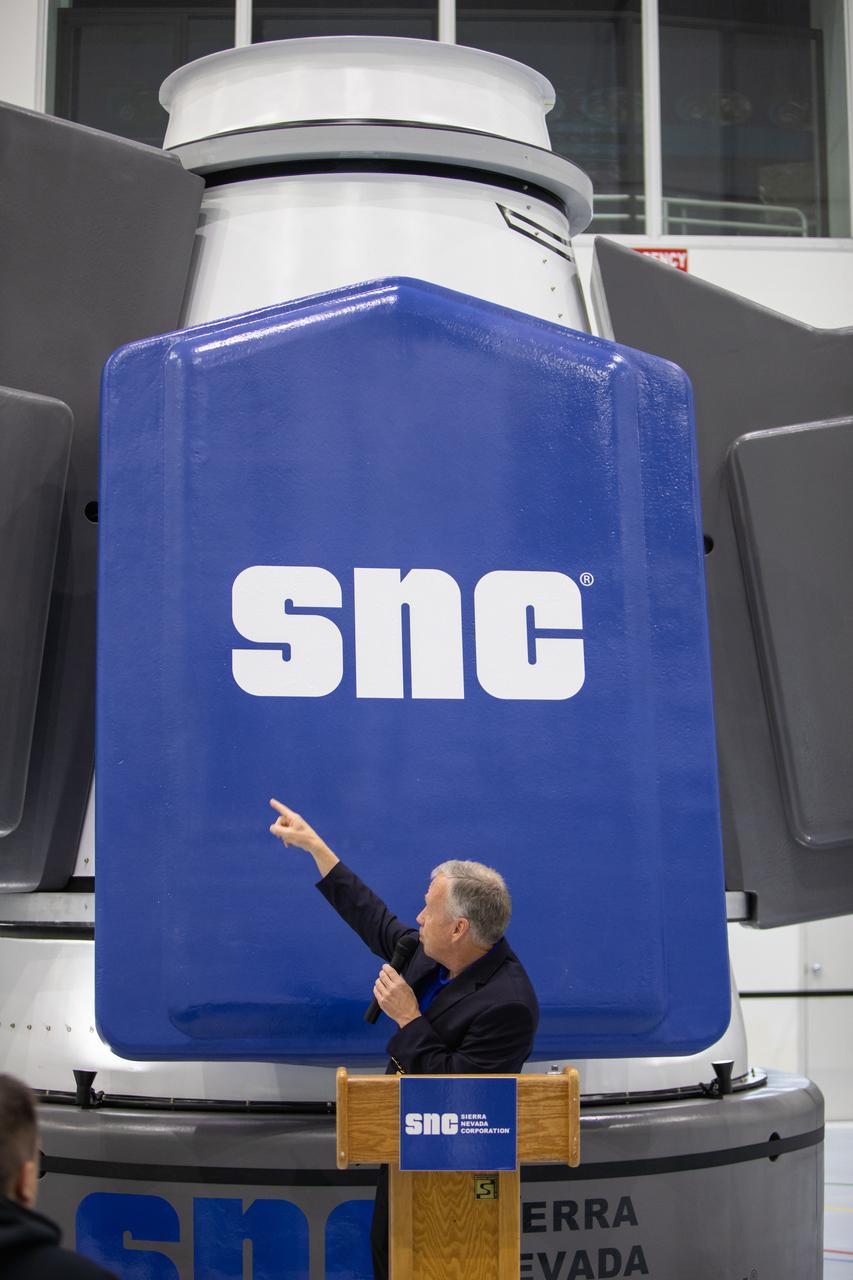
Steve Lindsey, senior vice president of strategy for Sierra Nevada Corporation Space Systems and a former NASA astronaut, discusses the capabilities of the company’s Shooting Star cargo module during a media day event in the Space Station Processing Facility high bay at Kennedy Space Center on Nov. 19, 2019. Shooting Star will attach to the back of the company’s Dream Chaser spacecraft. The cargo module will deliver more than 12,000 pounds of supplies and other cargo to the International Space Station for NASA as part of the Commercial Resupply Services-2 contract.
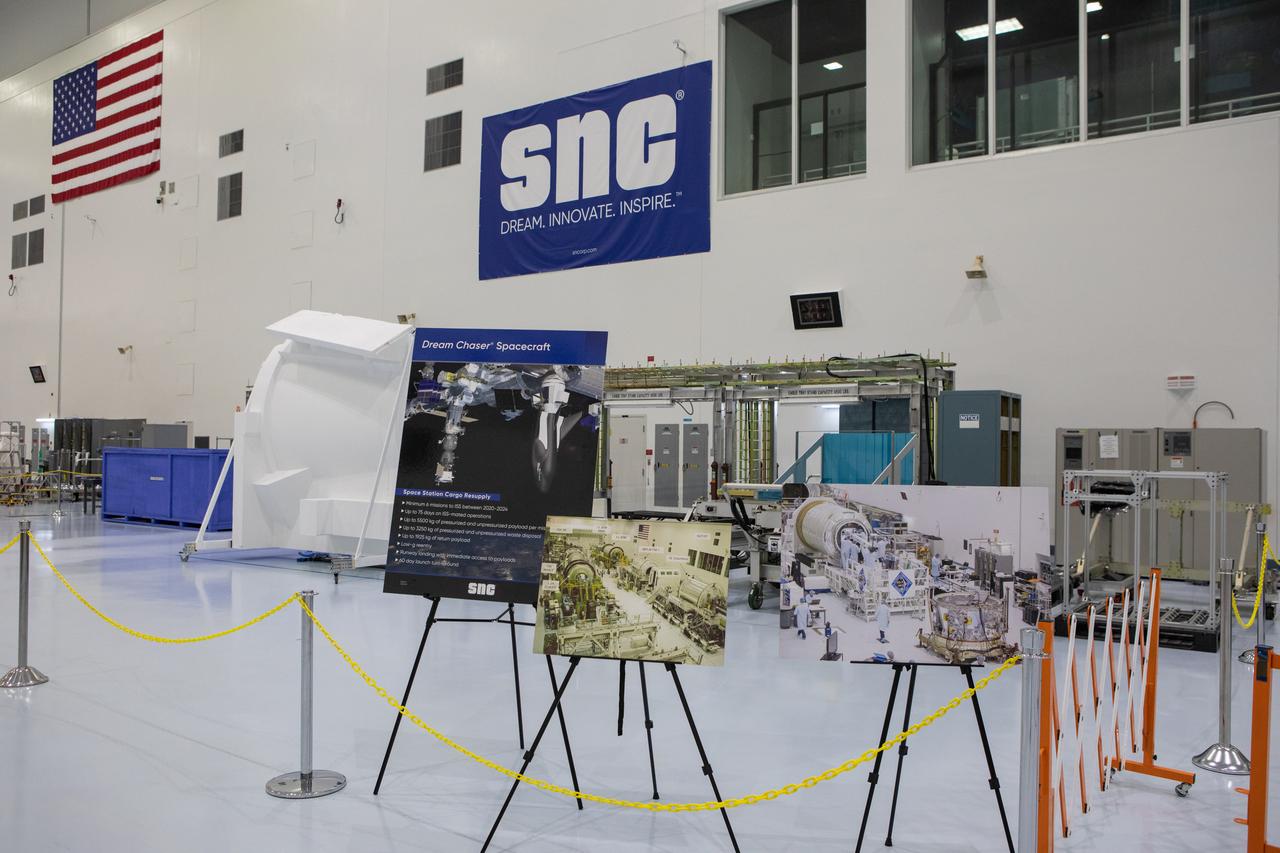
In view in this photograph, taken on May 16, 2019, is the area where the Sierra Nevada Corporation will process its Dream Chaser spacecraft in the high bay of the Space Station Processing Facility (SSPF) at NASA's Kennedy Space Center in Florida. The center is celebrating the SSPF’s 25th anniversary. The facility was built to process elements for the International Space Station. Now it is providing support for current and future NASA and commercial provider programs, including Commercial Resupply Services, Artemis 1, sending the first woman and next man to the Moon, and deep space destinations including Mars.
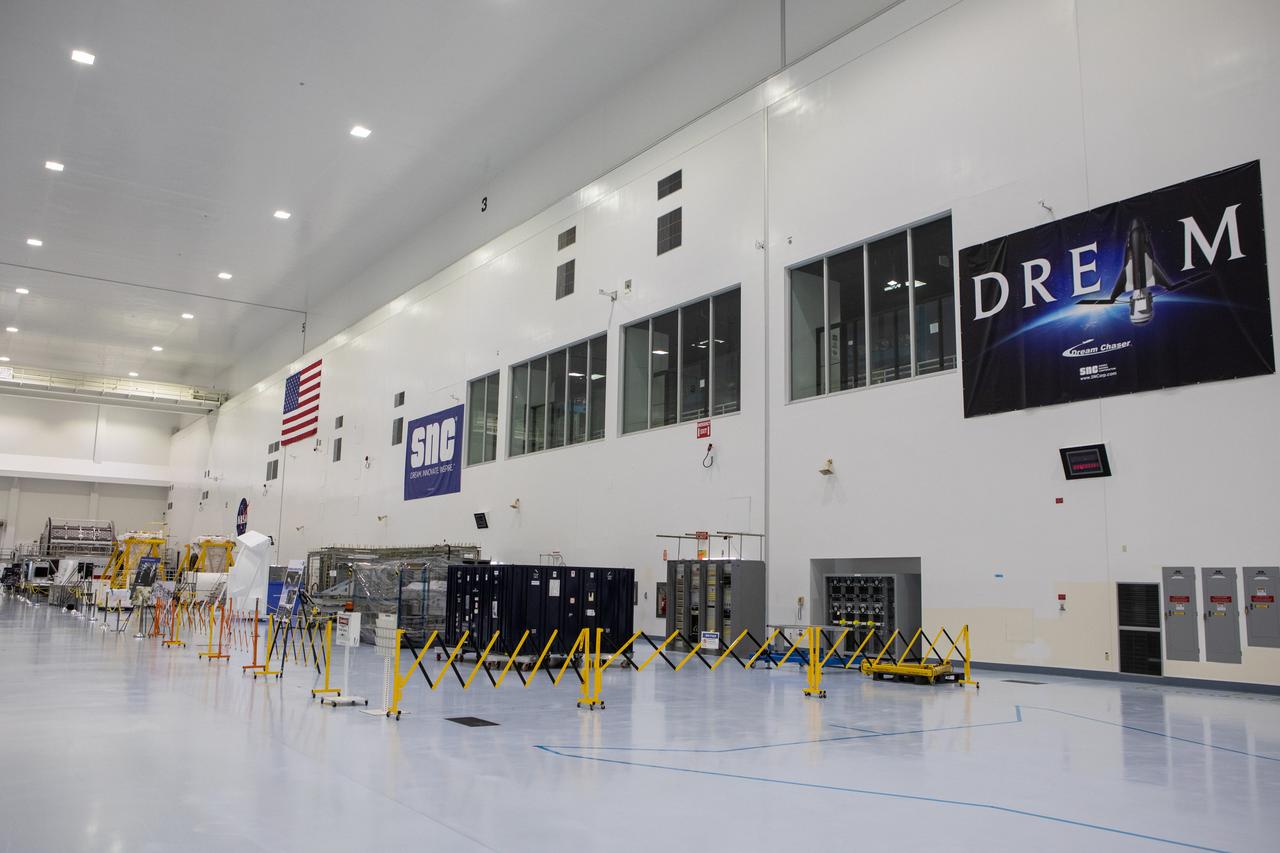
In view in this photograph, taken on May 16, 2019, is the area where the Sierra Nevada Corporation will process its Dream Chaser spacecraft in the high bay of the Space Station Processing Facility (SSPF) at NASA's Kennedy Space Center in Florida. The center is celebrating the SSPF’s 25th anniversary. The facility was built to process elements for the International Space Station. Now it is providing support for current and future NASA and commercial provider programs, including Commercial Resupply Services, Artemis 1, sending the first woman and next man to the Moon, and deep space destinations including Mars.
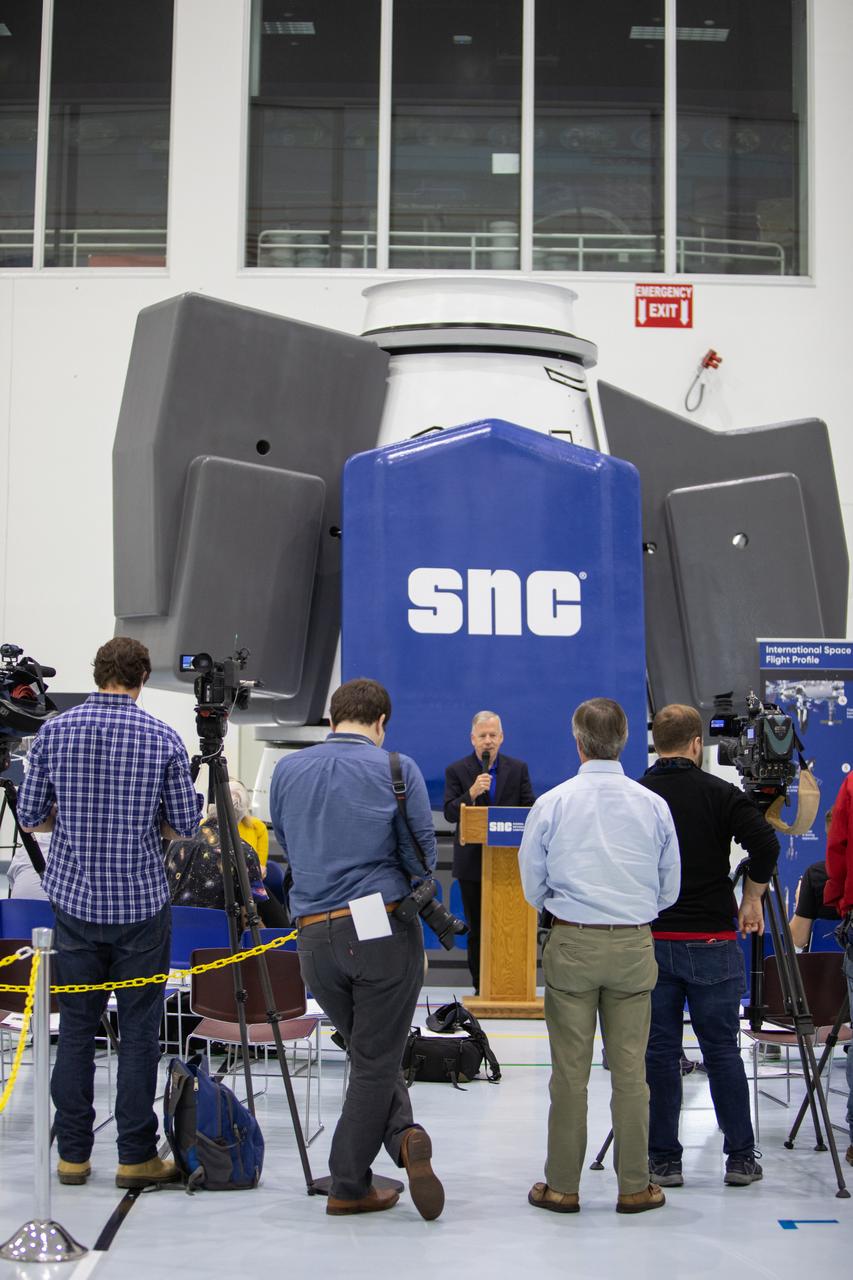
Steve Lindsey, senior vice president of strategy for Sierra Nevada Corporation Space Systems and a former NASA astronaut, discusses the capabilities of the company’s Shooting Star cargo module during a media day event in the Space Station Processing Facility high bay at Kennedy Space Center on Nov. 19, 2019. Shooting Star will attach to the back of the company’s Dream Chaser spacecraft. The cargo module will deliver more than 12,000 pounds of supplies and other cargo to the International Space Station for NASA as part of the Commercial Resupply Services-2 contract.
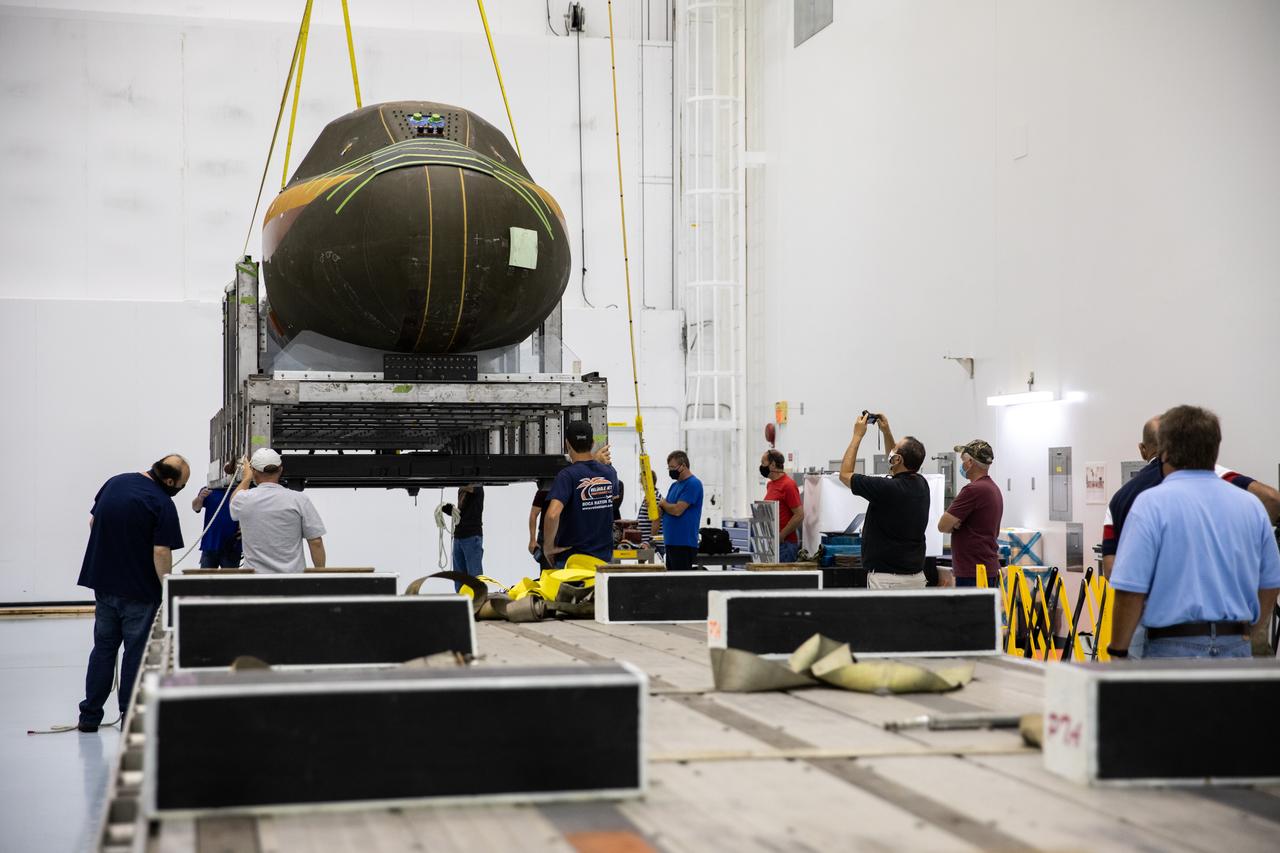
Inside the low bay of the Space Station Processing Facility at NASA’s Kennedy Space Center in Florida, Sierra Nevada Corporation’s (SNC) Dream Chaser pressure test article on its support structure is lifted up by crane from the flatbed truck on June 3, 2020, for its move into the high bay. The test article was shipped from Louisville, Colorado. It is similar to the actual pressurized cabin being used in the Dream Chaser spaceplane for Commercial Resupply Services-2 (CRS-2) missions. NASA selected Dream Chaser to provide cargo delivery, return and disposal service for the International Space Station under the CRS-2 contract. The test article will remain at Kennedy while SNC engineers use it to develop and verify refurbishment operations that will be used on Dream Chaser between flights.
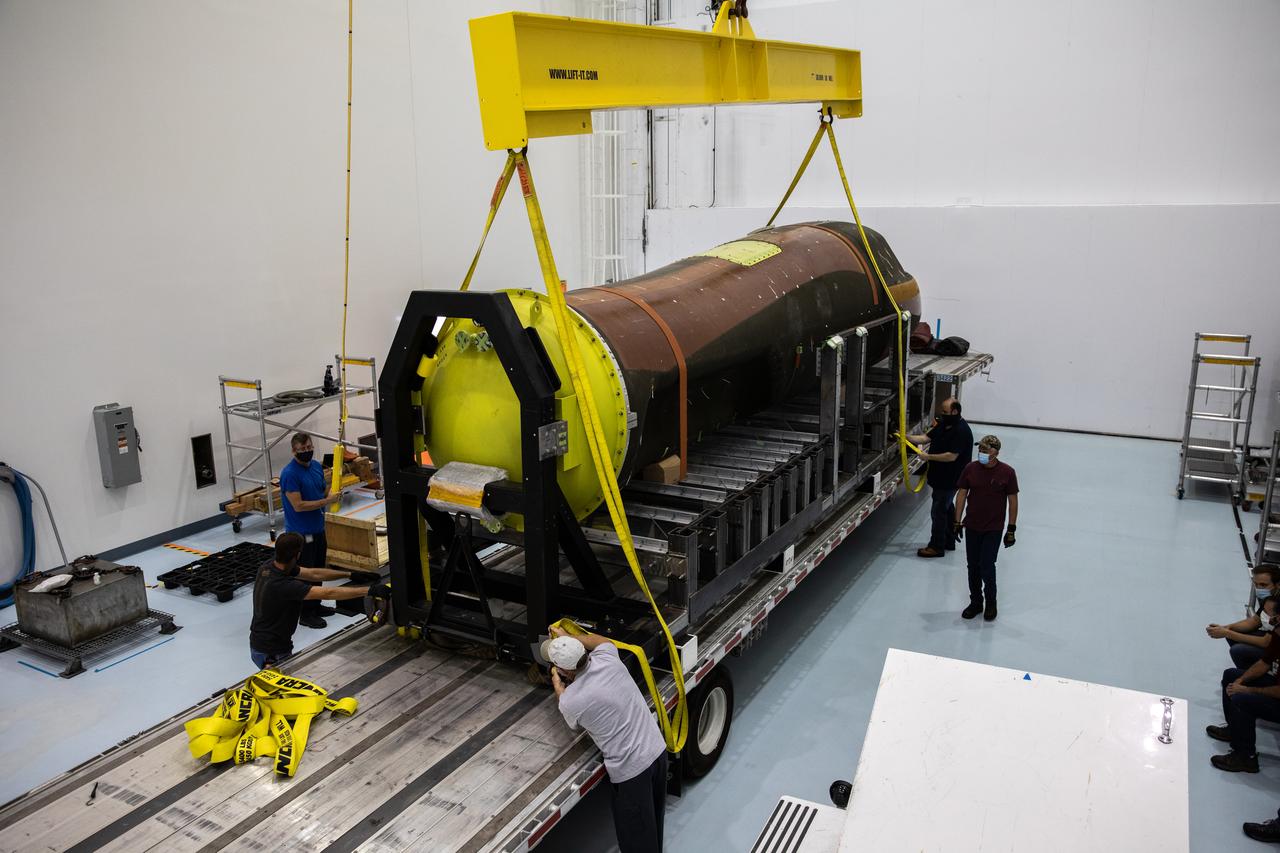
Sierra Nevada Corporation’s (SNC) Dream Chaser pressure test article is moved into the low bay of the Space Station Processing Facility at NASA’s Kennedy Space Center in Florida on June 3, 2020. Workers attach a crane to the test article to begin lifting it off of the flatbed truck. The test article was shipped from Louisville, Colorado. It is similar to the actual pressurized cabin being used in the Dream Chaser spaceplane for Commercial Resupply Services-2 (CRS-2) missions. NASA selected Dream Chaser to provide cargo delivery, return and disposal service for the International Space Station under the CRS-2 contract. The test article will remain at Kennedy while SNC engineers use it to develop and verify refurbishment operations that will be used on Dream Chaser between flights.
Inside the low bay of the Space Station Processing Facility at NASA’s Kennedy Space Center in Florida, workers monitor the progress as Sierra Nevada Corporation’s (SNC) Dream Chaser pressure test article on its support structure is lowered by crane away from the flatbed truck on June 3, 2020, for its move into the high bay. The test article was shipped from Louisville, Colorado. It is similar to the actual pressurized cabin being used in the Dream Chaser spaceplane for Commercial Resupply Services-2 (CRS-2) missions. NASA selected Dream Chaser to provide cargo delivery, return and disposal service for the International Space Station under the CRS-2 contract. The test article will remain at Kennedy while SNC engineers use it to develop and verify refurbishment operations that will be used on Dream Chaser between flights.
Inside the low bay of the Space Station Processing Facility at NASA’s Kennedy Space Center in Florida, workers assist as Sierra Nevada Corporation’s (SNC) Dream Chaser pressure test article on its support structure is lowered by crane on June 3, 2020, for its move into the high bay. The test article was shipped from Louisville, Colorado. It is similar to the actual pressurized cabin being used in the Dream Chaser spaceplane for Commercial Resupply Services-2 (CRS-2) missions. NASA selected Dream Chaser to provide cargo delivery, return and disposal service for the International Space Station under the CRS-2 contract. The test article will remain at Kennedy while SNC engineers use it to develop and verify refurbishment operations that will be used on Dream Chaser between flights.
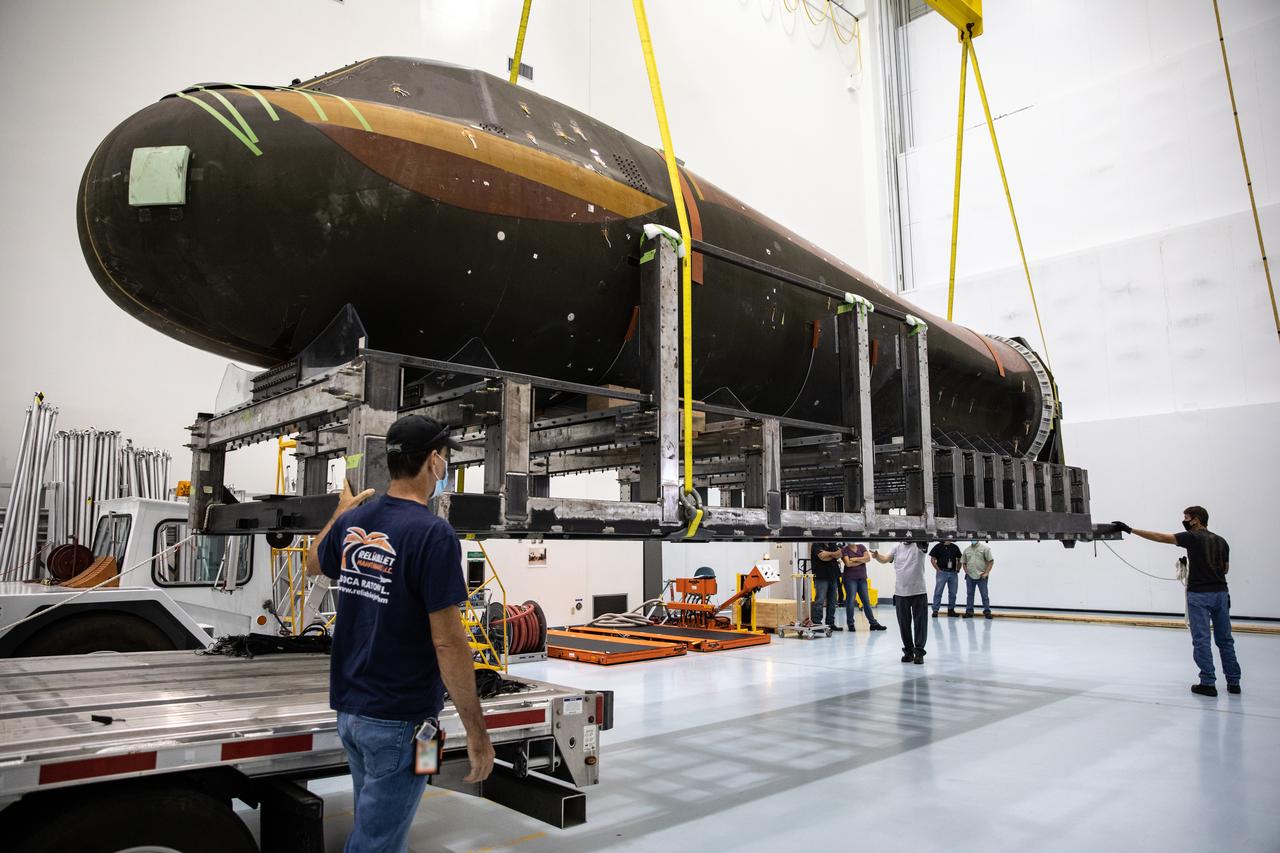
Inside the low bay of the Space Station Processing Facility at NASA’s Kennedy Space Center in Florida, Sierra Nevada Corporation’s (SNC) Dream Chaser pressure test article on its support structure is lifted up by crane from the flatbed truck on June 3, 2020, for its move into the high bay. The test article was shipped from Louisville, Colorado. It is similar to the actual pressurized cabin being used in the Dream Chaser spaceplane for Commercial Resupply Services-2 (CRS-2) missions. NASA selected Dream Chaser to provide cargo delivery, return and disposal service for the International Space Station under the CRS-2 contract. The test article will remain at Kennedy while SNC engineers use it to develop and verify refurbishment operations that will be used on Dream Chaser between flights.
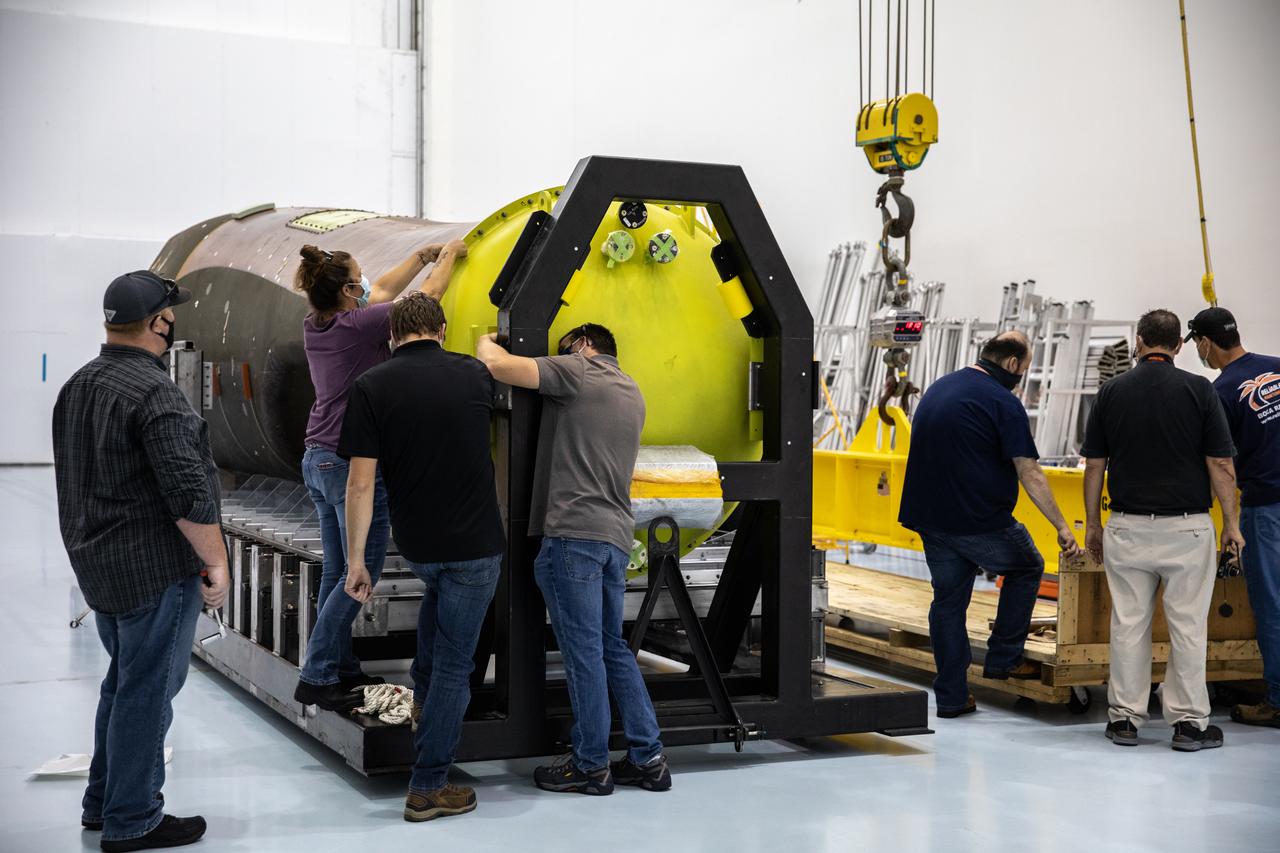
Inside the low bay of the Space Station Processing Facility at NASA’s Kennedy Space Center in Florida, workers assist as Sierra Nevada Corporation’s (SNC) Dream Chaser pressure test article on its support structure is lowered by crane on June 3, 2020, for its move into the high bay. The test article was shipped from Louisville, Colorado. It is similar to the actual pressurized cabin being used in the Dream Chaser spaceplane for Commercial Resupply Services-2 (CRS-2) missions. NASA selected Dream Chaser to provide cargo delivery, return and disposal service for the International Space Station under the CRS-2 contract. The test article will remain at Kennedy while SNC engineers use it to develop and verify refurbishment operations that will be used on Dream Chaser between flights.
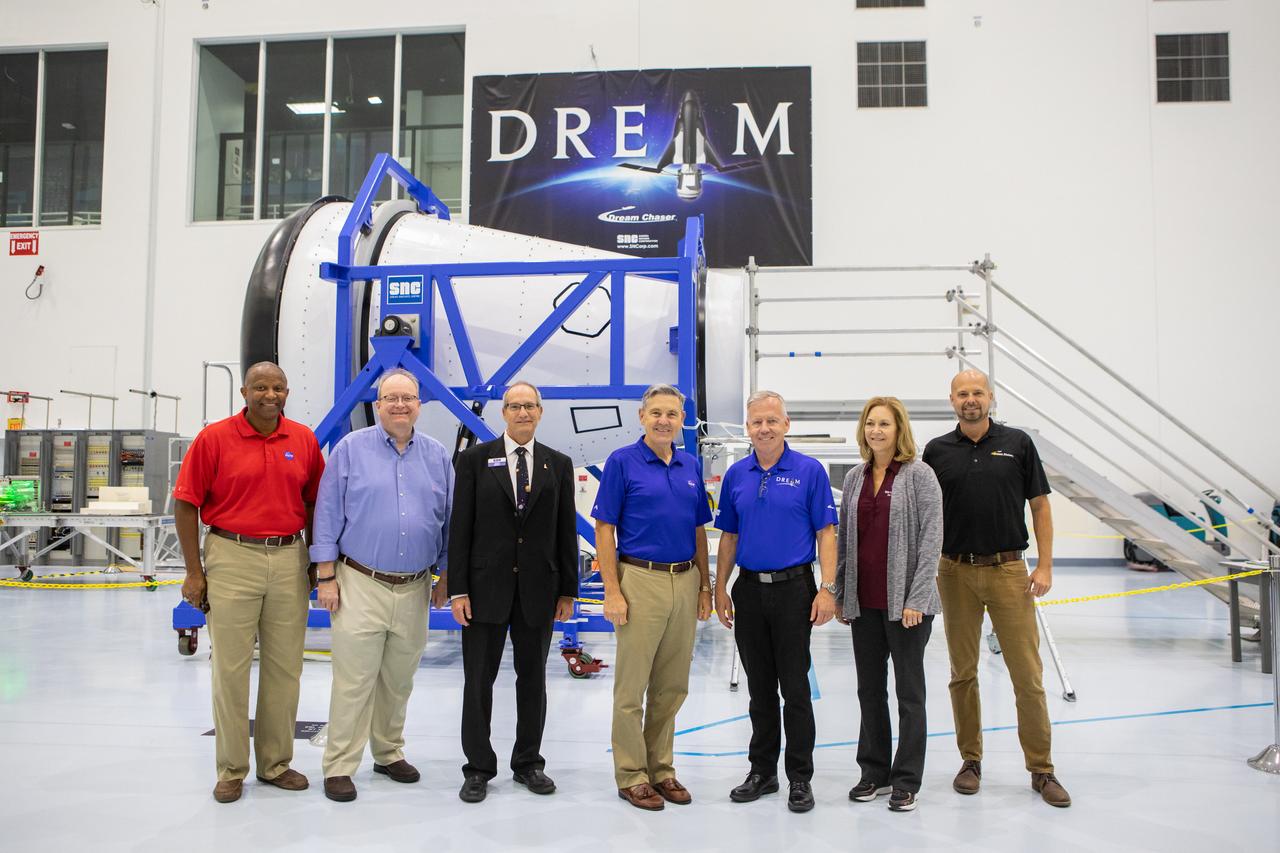
A mockup of the cargo logistics module for Sierra Nevada Corporation’s Dream Chaser, the company’s reusable spaceplane, arrived at the Space Station Processing Facility (SSPF) at NASA’s Kennedy Space Center in Florida in August. On Sept. 20, 2019, senior leadership had the opportunity to view the cargo module in the SSPF high bay. From left are Kelvin Manning, Kennedy associate director, technical; Burt Summerfield, associate director, management; John Roth, vice president, Business Development Space Systems, Sierra Nevada Corporation; Kennedy Center Director Bob Cabana; Steve Lindsey, vice president, Space Exploration Systems, Sierra Nevada Corporation; Kennedy Deputy Director Janet Petro; and Nate Wood, Sierra Nevada Corporation. The SSPF is providing support for current and future NASA and commercial provider programs, including Commercial Resupply Services, Artemis 1, sending the first woman and next man to the Moon, and deep space destinations including Mars.
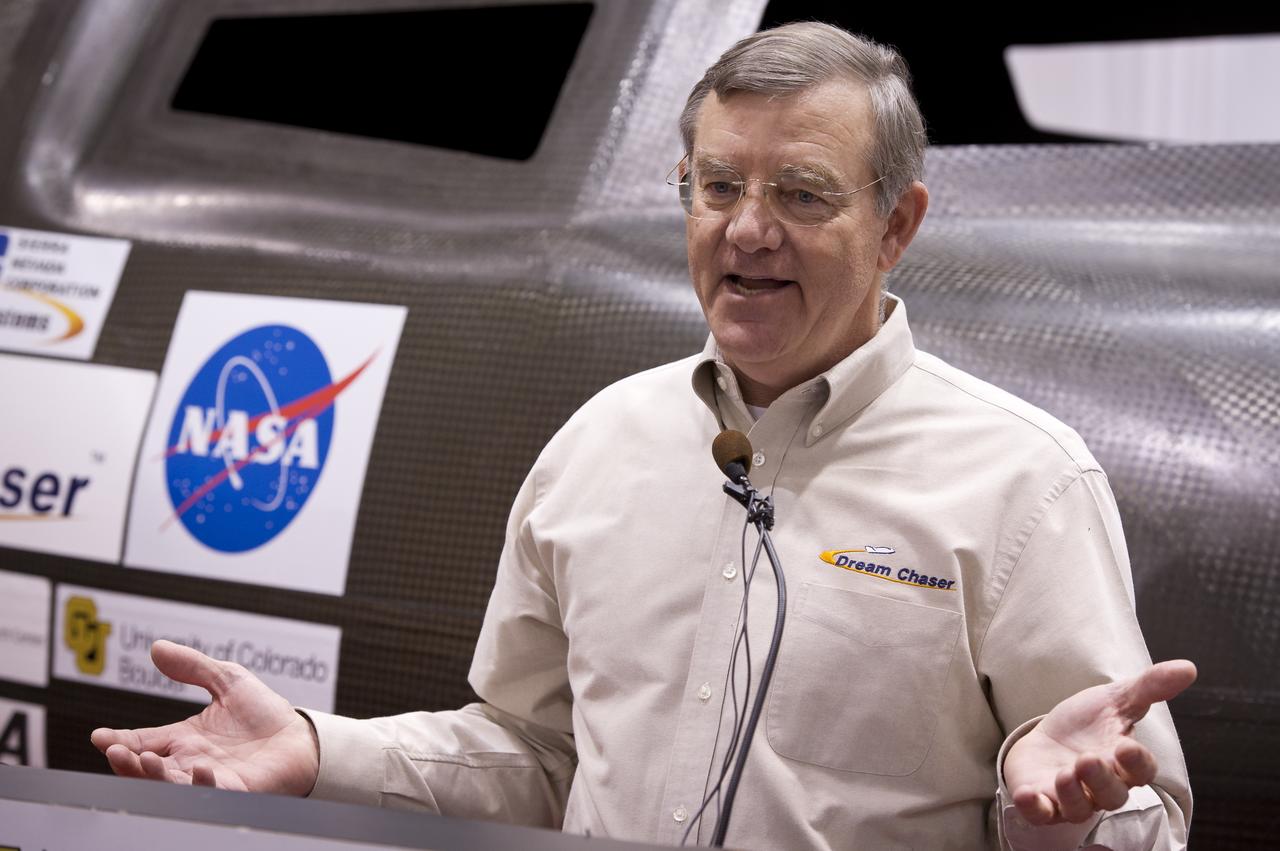
Director of Advanced Programs, Sierra Nevada Corporation, Jim Voss talks during a press conference with Sierra Nevada's Dream Chaser spacecraft in the background on Saturday, Feb. 5, 2011, at the University of Colorado at Boulder. Sierra Nevada's Dream Chaser spacecraft is under development with support from NASA's Commercial Crew Development Program to provide crew transportation to and from low Earth orbit. NASA is helping private companies develop innovative technologies to ensure that the U.S. remains competitive in future space endeavors. Photo Credit: (NASA/Bill Ingalls)
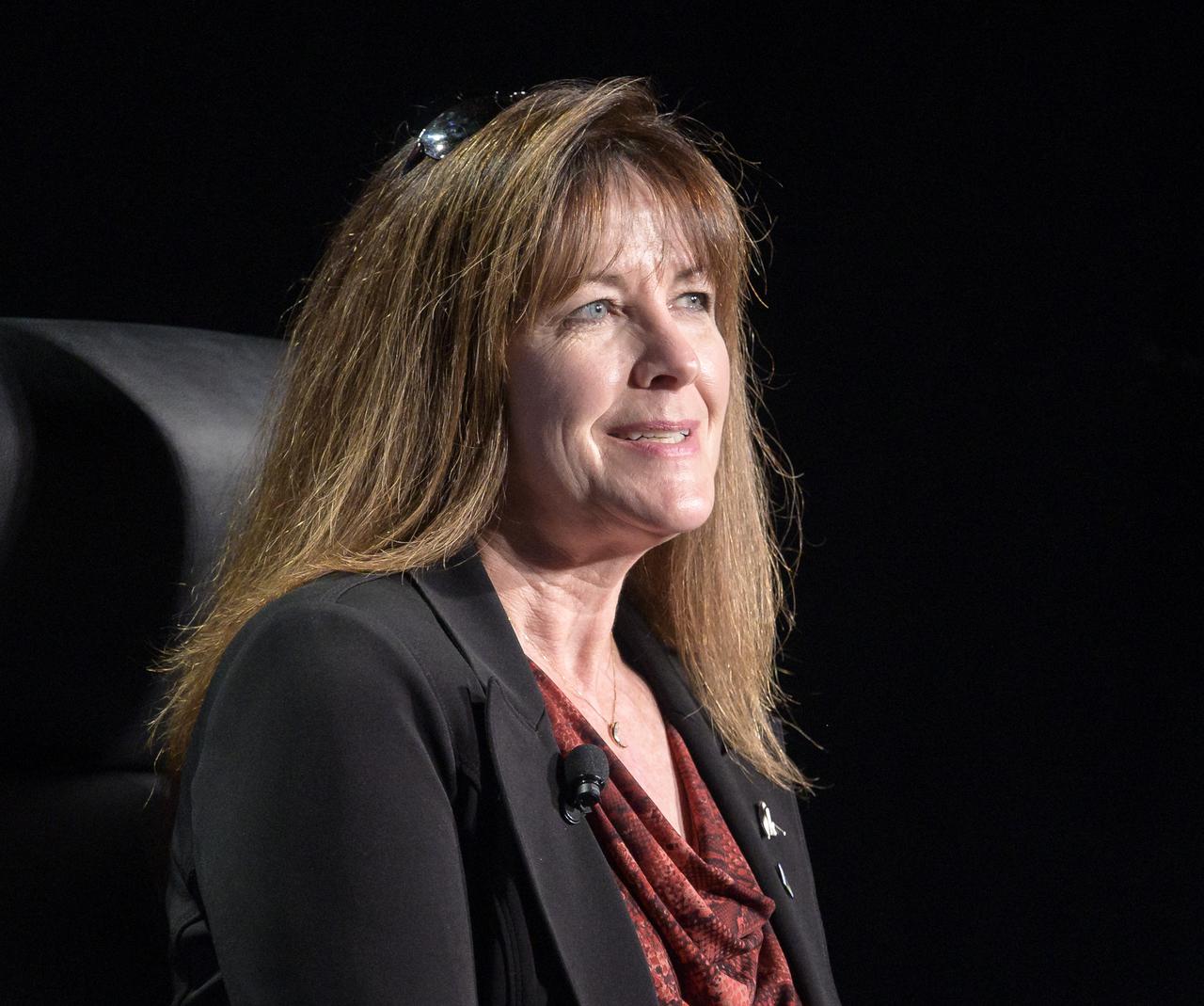
Executive Vice President, Sierra Space, Sierra Nevada Corporation, Janet Kavandi participates in a panel discussion titled “Technology Drives Exploration: Paving the Next Era of Space Exploration” during the 36th Space Symposium, Thursday, Aug. 26, 2021, in Colorado Springs, Colorado. Photo Credit: (NASA/Bill Ingalls)
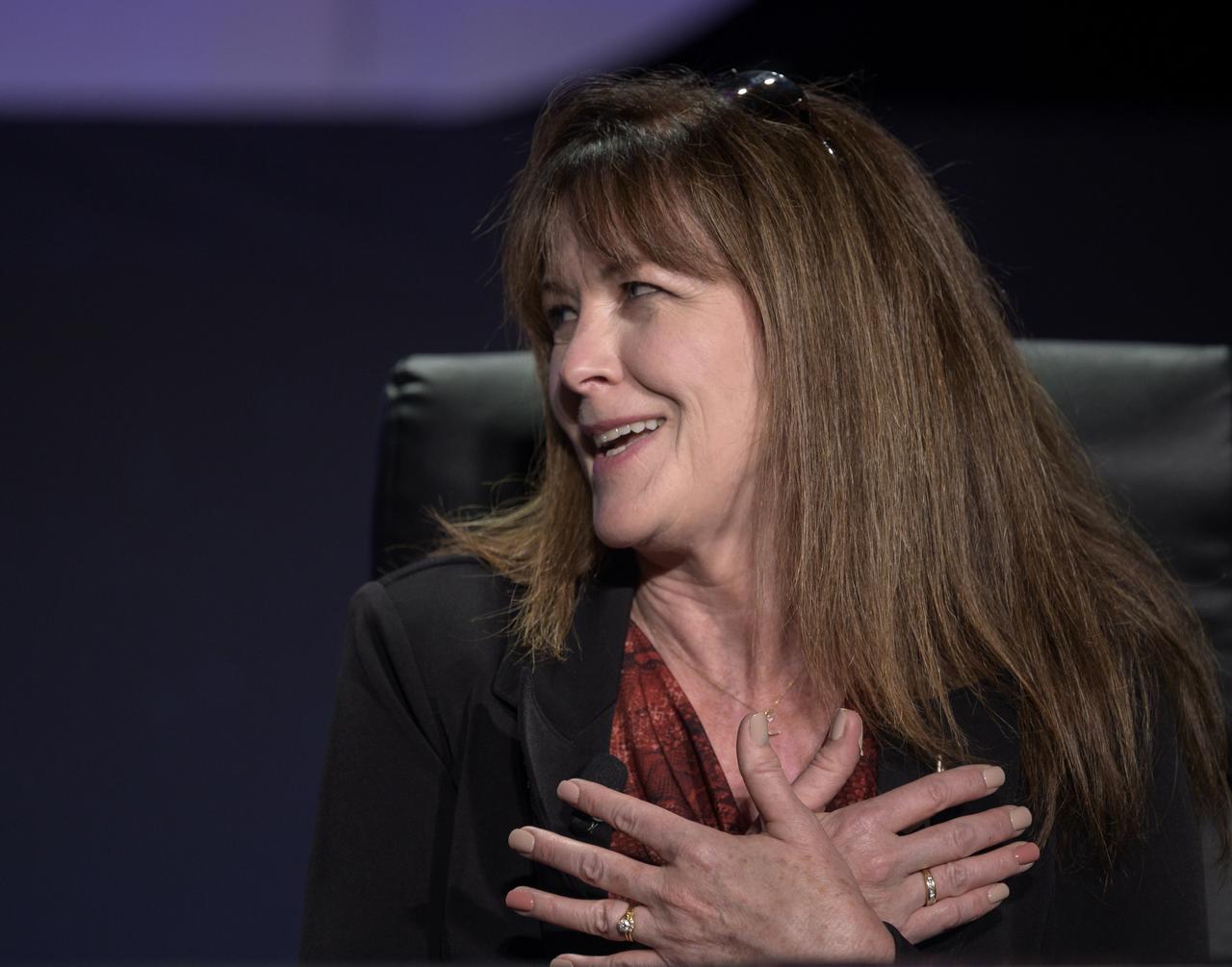
Executive Vice President, Sierra Space, Sierra Nevada Corporation, Janet Kavandi participates in a panel discussion titled “Technology Drives Exploration: Paving the Next Era of Space Exploration” during the 36th Space Symposium, Thursday, Aug. 26, 2021, in Colorado Springs, Colorado. Photo Credit: (NASA/Bill Ingalls)
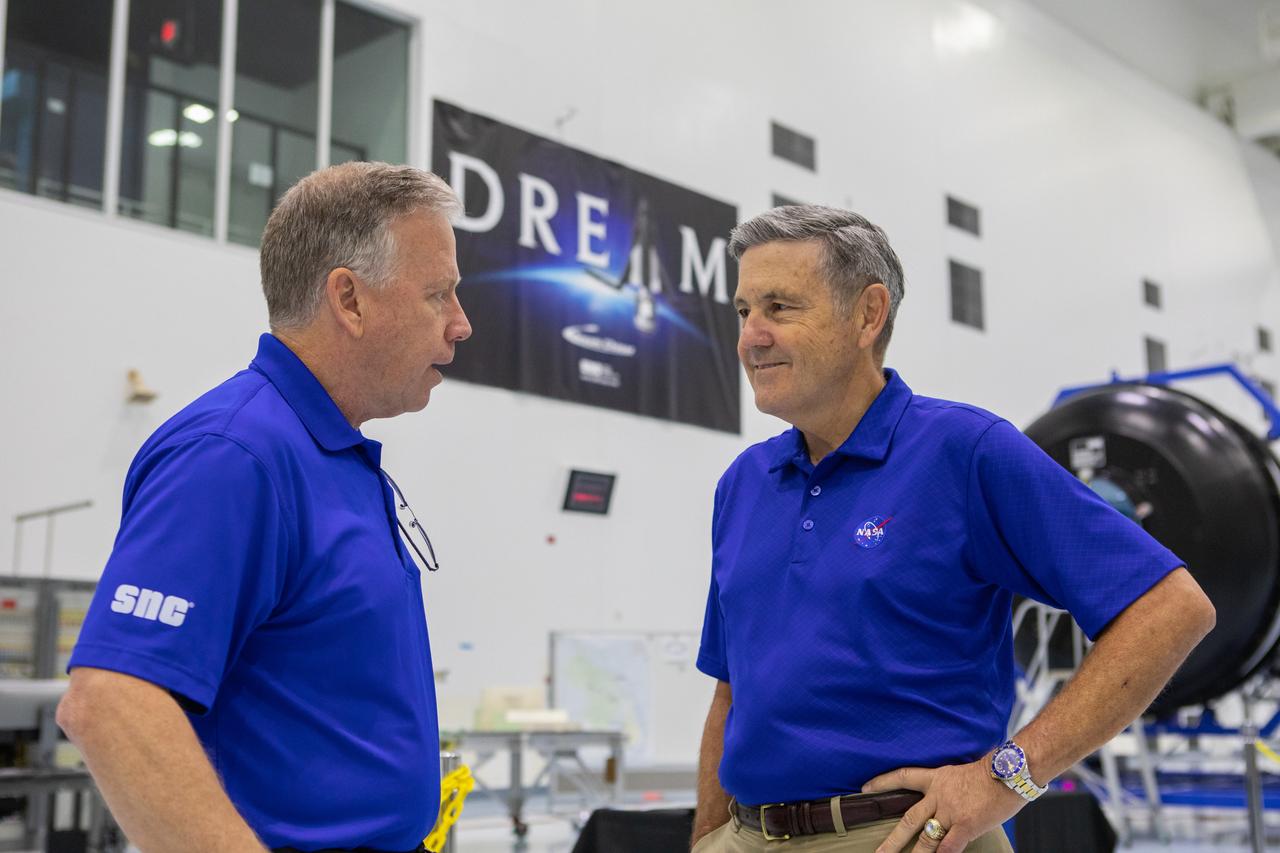
A mockup of the cargo logistics module for Sierra Nevada Corporation’s Dream Chaser, the company’s reusable spaceplane, arrived at the Space Station Processing Facility (SSPF) at NASA’s Kennedy Space Center in Florida in August. On Sept. 20, 2019, senior leadership had the opportunity to view the cargo module in the SSPF high bay. Kennedy Center Director Bob Cabana, at right, speaks with Steve Lindsey, vice president, Space Exploration Systems, Sierra Nevada Corporation. The SSPF is providing support for current and future NASA and commercial provider programs, including Commercial Resupply Services, Artemis 1, sending the first woman and next man to the Moon, and deep space destinations including Mars.
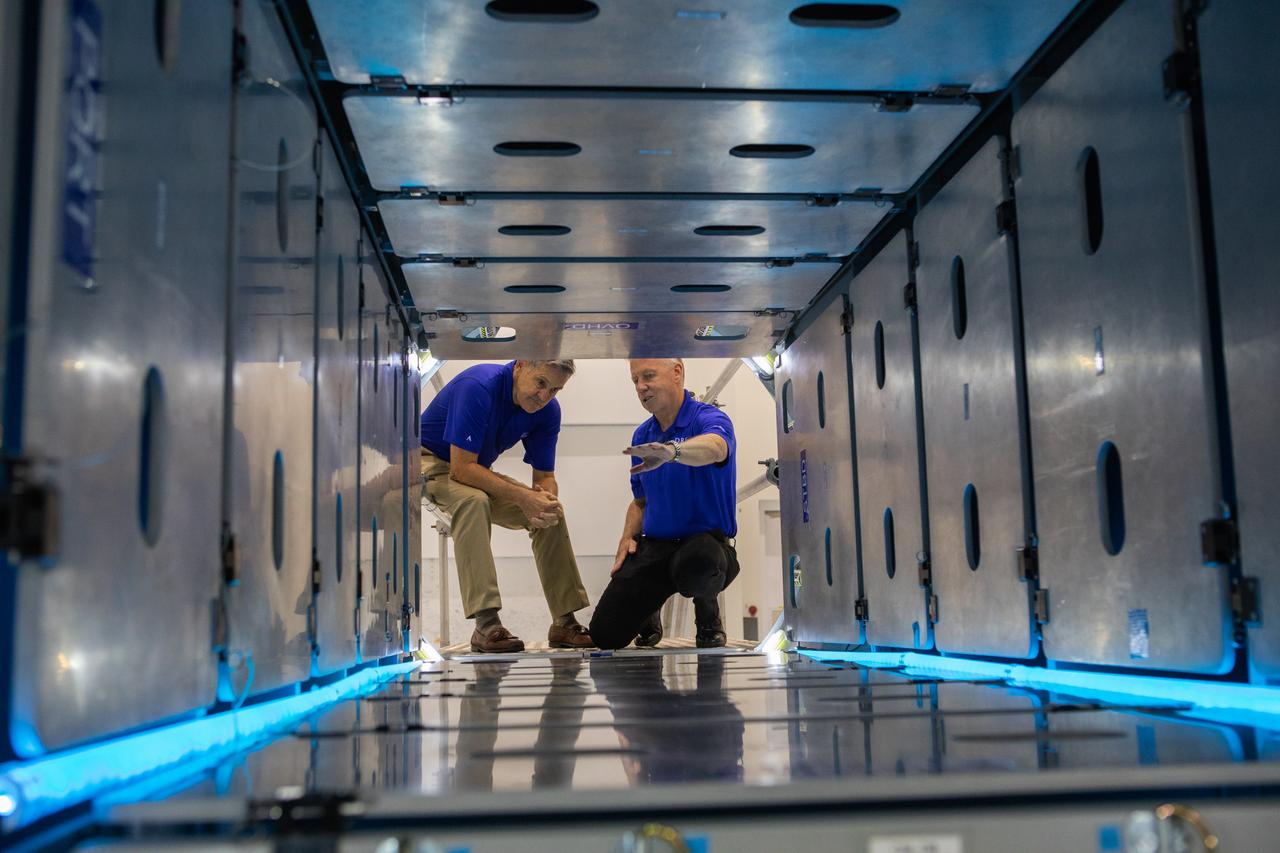
A mockup of the cargo logistics module for Sierra Nevada Corporation’s Dream Chaser, the company’s reusable spaceplane, arrived at the Space Station Processing Facility (SSPF) at NASA’s Kennedy Space Center in Florida in August. On Sept. 20, 2019, senior leadership had the opportunity to view the cargo module in the SSPF high bay. Kennedy Center Director Bob Cabana, views the interior of the cargo module with Steve Lindsey, vice president, Space Exploration Systems, Sierra Nevada Corporation. The SSPF is providing support for current and future NASA and commercial provider programs, including Commercial Resupply Services, Artemis 1, sending the first woman and next man to the Moon, and deep space destinations including Mars.
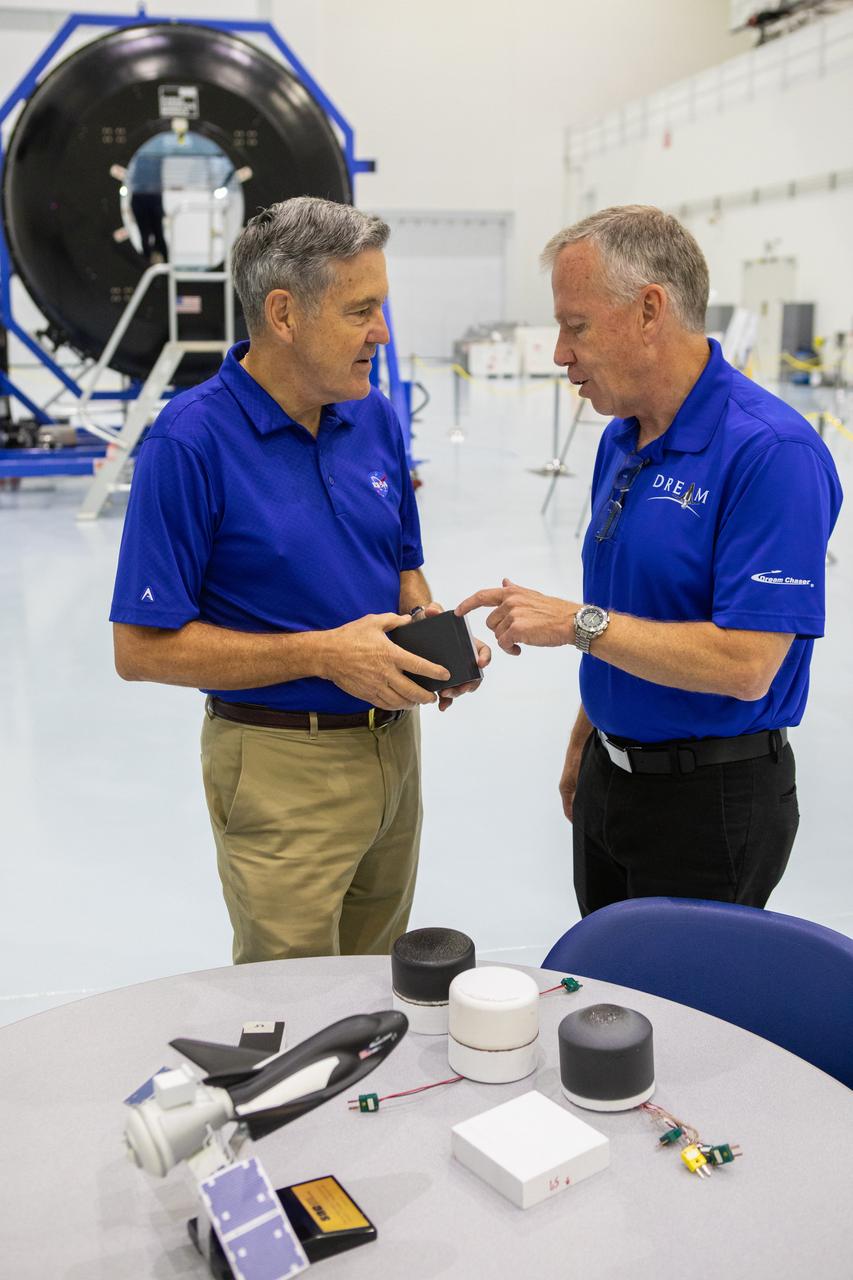
A mockup of the cargo logistics module for Sierra Nevada Corporation’s Dream Chaser, the company’s reusable spaceplane, arrived at the Space Station Processing Facility (SSPF) at NASA’s Kennedy Space Center in Florida in August. On Sept. 20, 2019, senior leadership had the opportunity to view the cargo module in the SSPF high bay. Kennedy Center Director Bob Cabana, left, speaks to Steve Lindsey, vice president, Space Exploration Systems, Sierra Nevada Corporation. The SSPF is providing support for current and future NASA and commercial provider programs, including Commercial Resupply Services, Artemis 1, sending the first woman and next man to the Moon, and deep space destinations including Mars.
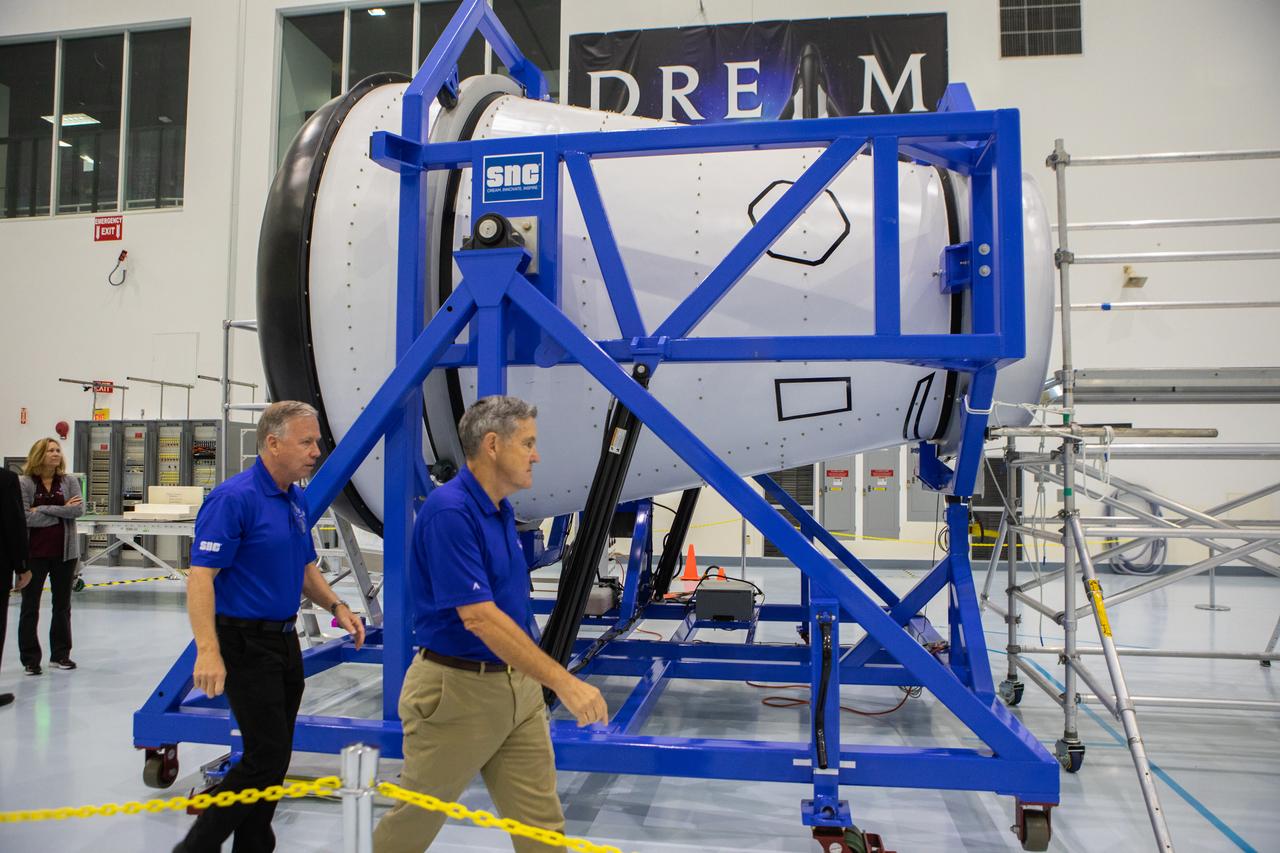
A mockup of the cargo logistics module for Sierra Nevada Corporation’s Dream Chaser, the company’s reusable spaceplane, arrived at the Space Station Processing Facility (SSPF) at NASA’s Kennedy Space Center in Florida in August. On Sept. 20, 2019, senior leadership had the opportunity to view the cargo module in the SSPF high bay. Kennedy Center Director Bob Cabana, at right, views the cargo module with Steve Lindsey, vice president, Space Exploration Systems, Sierra Nevada Corporation. The SSPF is providing support for current and future NASA and commercial provider programs, including Commercial Resupply Services, Artemis 1, sending the first woman and next man to the Moon, and deep space destinations including Mars.
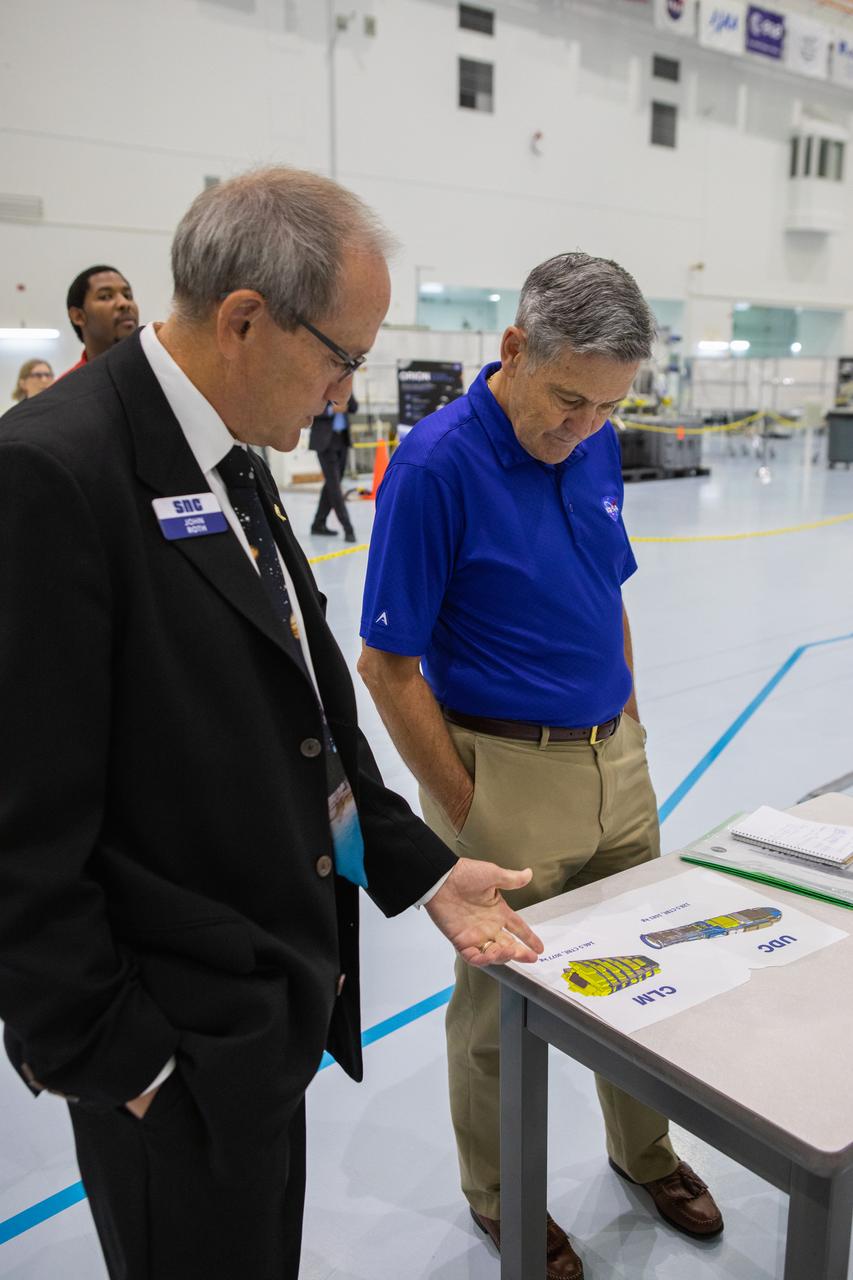
A mockup of the cargo logistics module for Sierra Nevada Corporation’s Dream Chaser, the company’s reusable spaceplane, arrived at the Space Station Processing Facility (SSPF) at NASA’s Kennedy Space Center in Florida in August. On Sept. 20, 2019, senior leadership had the opportunity to view the cargo module in the SSPF high bay. Kennedy Center Director Bob Cabana, at right, listens to John Roth, vice president, Business Development Space Systems, Sierra Nevada Corporation. The SSPF is providing support for current and future NASA and commercial provider programs, including Commercial Resupply Services, Artemis 1, sending the first woman and next man to the Moon, and deep space destinations including Mars.
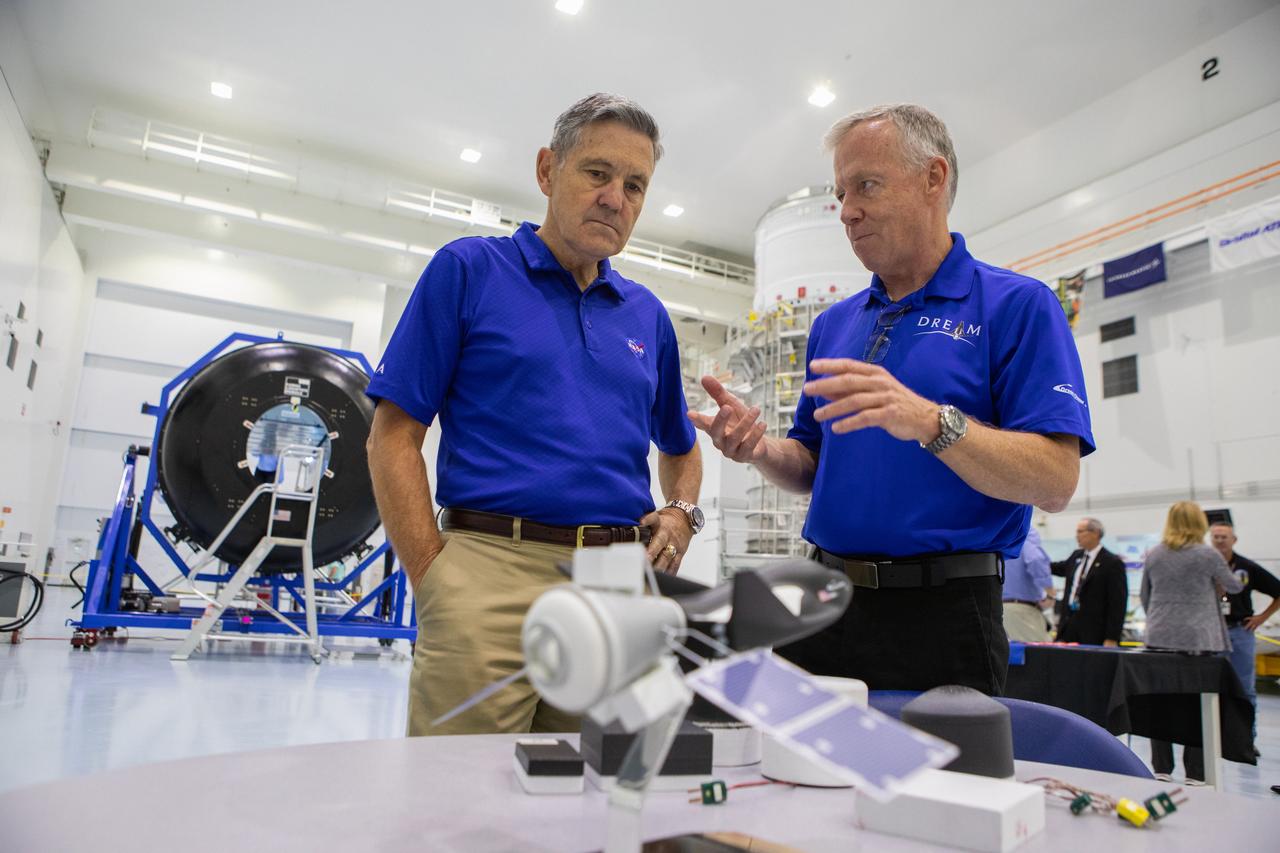
A mockup of the cargo logistics module for Sierra Nevada Corporation’s Dream Chaser, the company’s reusable spaceplane, arrived at the Space Station Processing Facility (SSPF) at NASA’s Kennedy Space Center in Florida in August. On Sept. 20, 2019, senior leadership had the opportunity to view the cargo module in the SSPF high bay. Kennedy Center Director Bob Cabana, left, speaks to Steve Lindsey, vice president, Space Exploration Systems, Sierra Nevada Corporation. The SSPF is providing support for current and future NASA and commercial provider programs, including Commercial Resupply Services, Artemis 1, sending the first woman and next man to the Moon, and deep space destinations including Mars.

Edwards, Calif. – ED-0155-29 - Steve Lindsey, Sierra Nevada Corporation, or SNC, director of flight operations and former space shuttle astronaut, talks to the media about the development work Sierra Nevada Corporation, or SNC, will perform in collaboration with NASA's Commercial Crew Program, or CCP, with its Dream Chaser flight test vehicle at the agency's Dryden Flight Research Center in the coming months. At left is NASA Administrator Charlie Bolden. At right is Dryden Flight Research Deputy Center Director Patrick Stoliker. SNC is one of three companies working with CCP during the agency's Commercial Crew Integrated Capability, or CCiCap, initiative, which is intended to lead to the availability of commercial human spaceflight services for government and commercial customers. To learn more about CCP and its industry partners, visit www.nasa.gov_commercialcrew. Image credit: NASA_Tom Tschida
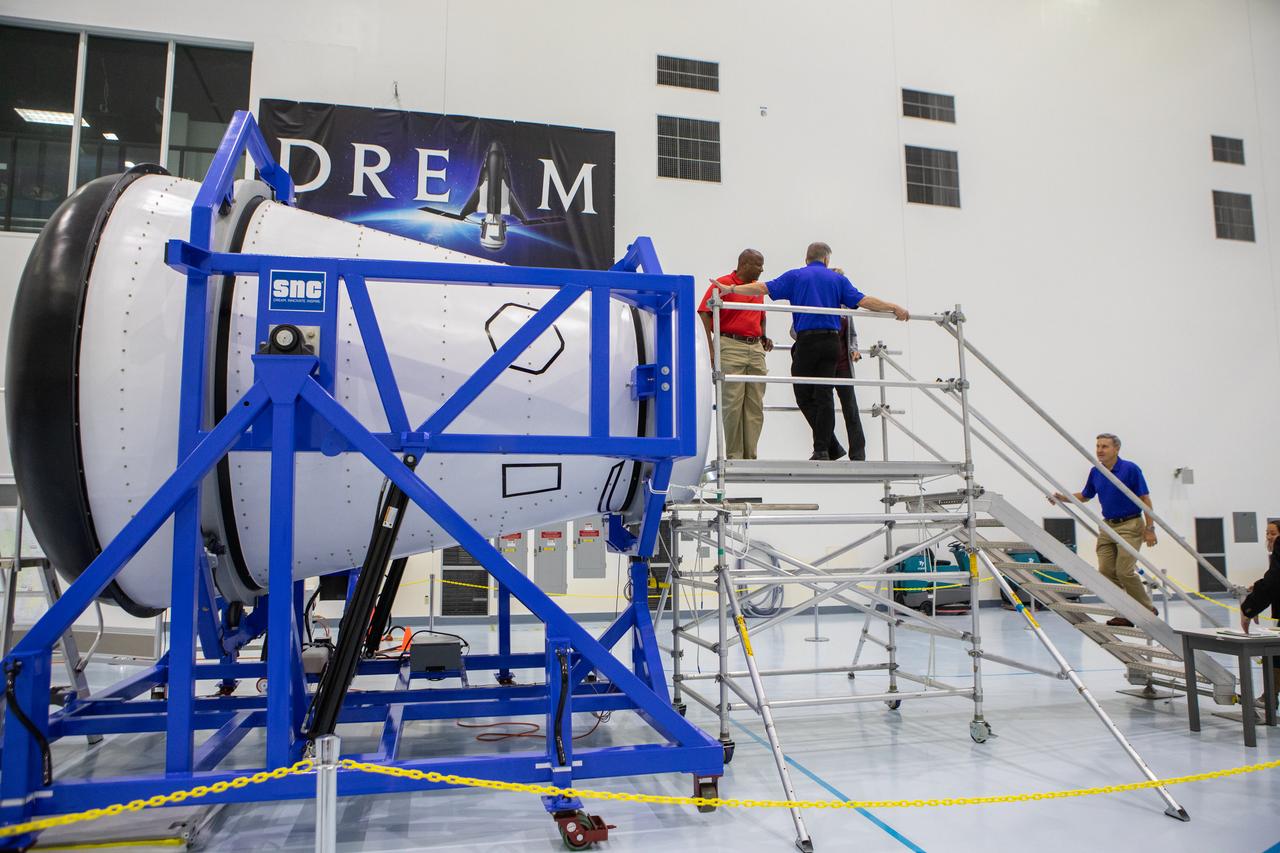
A mockup of the cargo logistics module for Sierra Nevada Corporation’s Dream Chaser, the company’s reusable spaceplane, arrived at the Space Station Processing Facility (SSPF) at NASA’s Kennedy Space Center in Florida in August. On Sept. 20, 2019, senior leadership had the opportunity to view the cargo module in the SSPF high bay. From left are Kelvin Manning, Kennedy associate director, technical; Steve Lindsey, vice president, Space Exploration Systems, Sierra Nevada Corporation; behind Lindsey is Kennedy Deputy Director Janet Petro; and ascending the stairs is Kennedy Center Director Bob Cabana. The SSPF is providing support for current and future NASA and commercial provider programs, including Commercial Resupply Services, Artemis 1, sending the first woman and next man to the Moon, and deep space destinations including Mars.

A mockup of the cargo logistics module for Sierra Nevada Corporation’s Dream Chaser, the company’s reusable spaceplane, arrived at the Space Station Processing Facility (SSPF) at NASA’s Kennedy Space Center in Florida in August. On Sept. 20, 2019, senior leadership had the opportunity to view the cargo module in the SSPF high bay. From left are Kelvin Manning, Kennedy associate director, technical; Steve Lindsey, vice president, Space Exploration Systems, Sierra Nevada Corporation; Kennedy Deputy Director Janet Petro; and Kennedy Center Director Bob Cabana. The SSPF is providing support for current and future NASA and commercial provider programs, including Commercial Resupply Services, Artemis 1, sending the first woman and next man to the Moon, and deep space destinations including Mars.
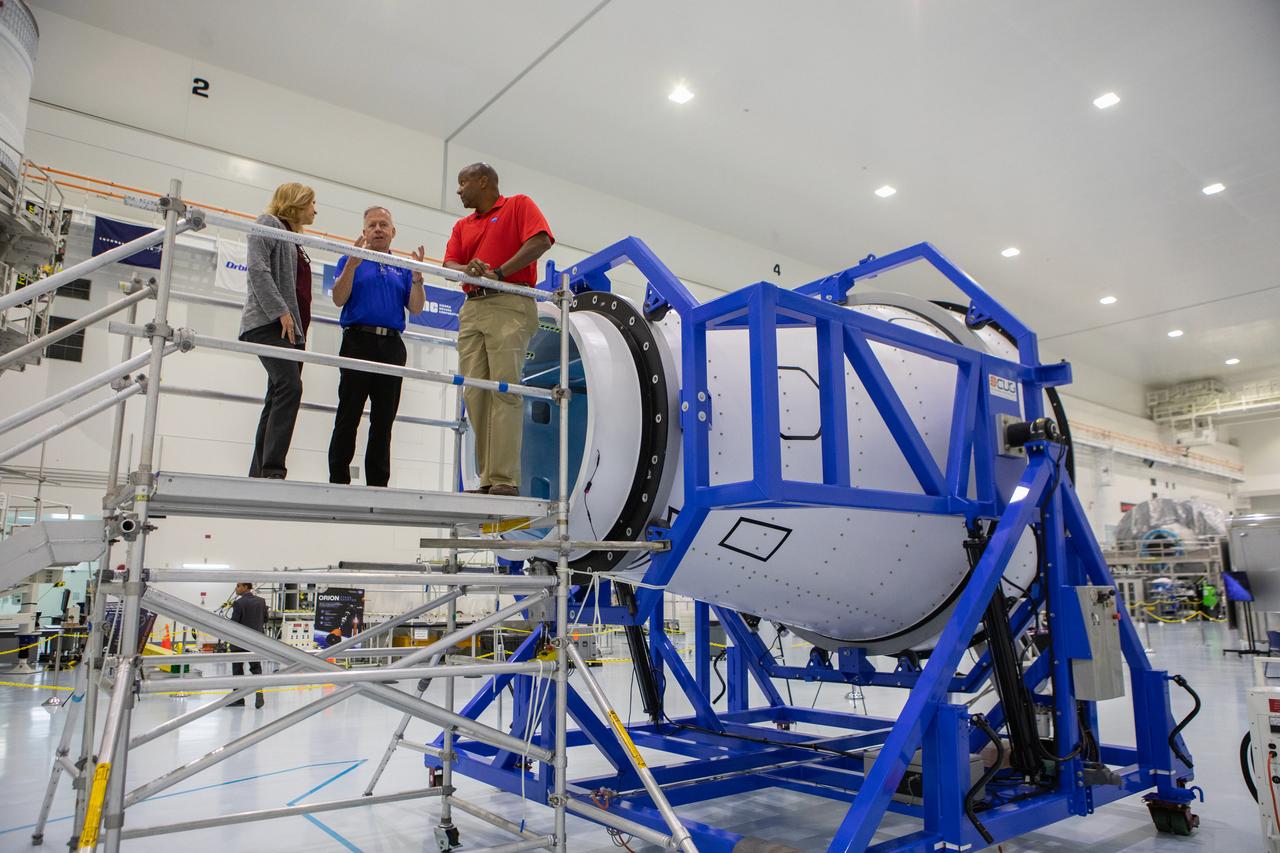
A mockup of the cargo logistics module for Sierra Nevada Corporation’s Dream Chaser, the company’s reusable spaceplane, arrived at the Space Station Processing Facility (SSPF) at NASA’s Kennedy Space Center in Florida in August. On Sept. 20, 2019, senior leadership had the opportunity to view the cargo module in the SSPF high bay. From left are Kennedy Deputy Director Janet Petro; Steve Lindsey, vice president, Space Exploration Systems, Sierra Nevada Corporation; and Kelvin Manning, Kennedy associate director, technical. The SSPF is providing support for current and future NASA and commercial provider programs, including Commercial Resupply Services, Artemis 1, sending the first woman and next man to the Moon, and deep space destinations including Mars.
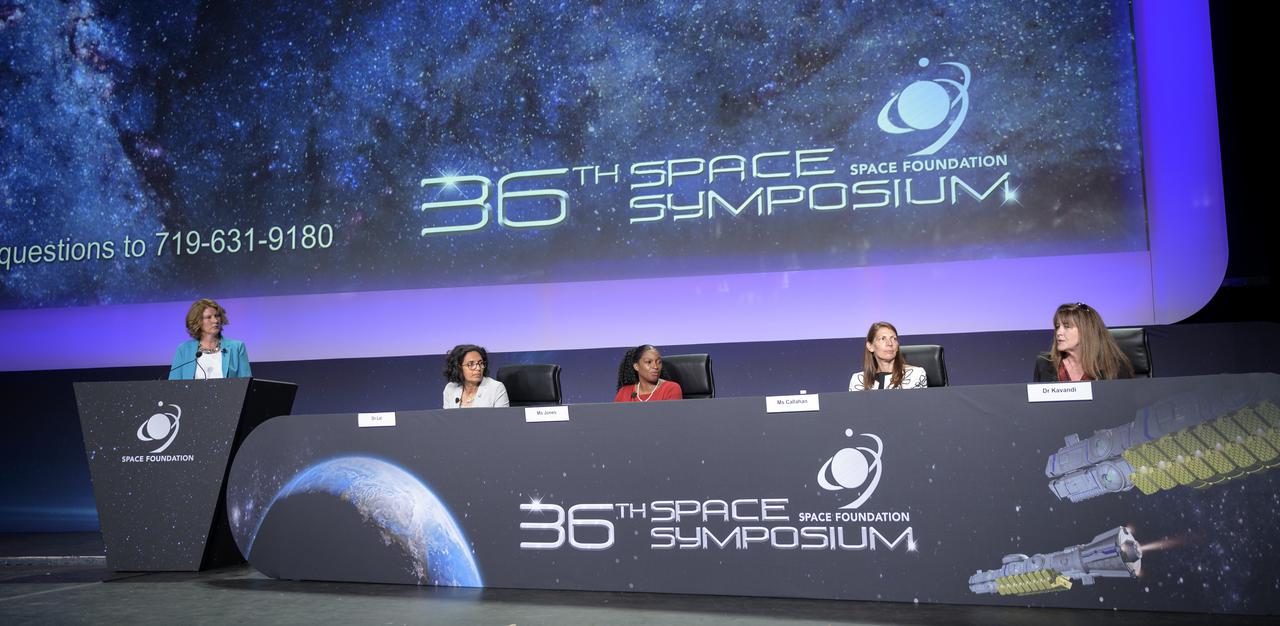
NASA Director of the Technology Demonstration Missions Program, Trudy Kortes moderates a panel discussion titled “Technology Drives Exploration: Paving the Next Era of Space Exploration” with NASA Senior Advisor for Budget and Finance Bhavya Lal; Director of the Program Management Office at MSI STEM Research and Development Consortium (MSRDC), Latonia Jones; Vice President and General Manager, Commercial Civil Space, Lockheed Martin Space, Lisa Callahan; and Executive Vice President, Sierra Space, Sierra Nevada Corporation, Janet Kavandi, right, during the 36th Space Symposium, Thursday, Aug. 26, 2021, in Colorado Springs, Colorado. Photo Credit: (NASA/Bill Ingalls)
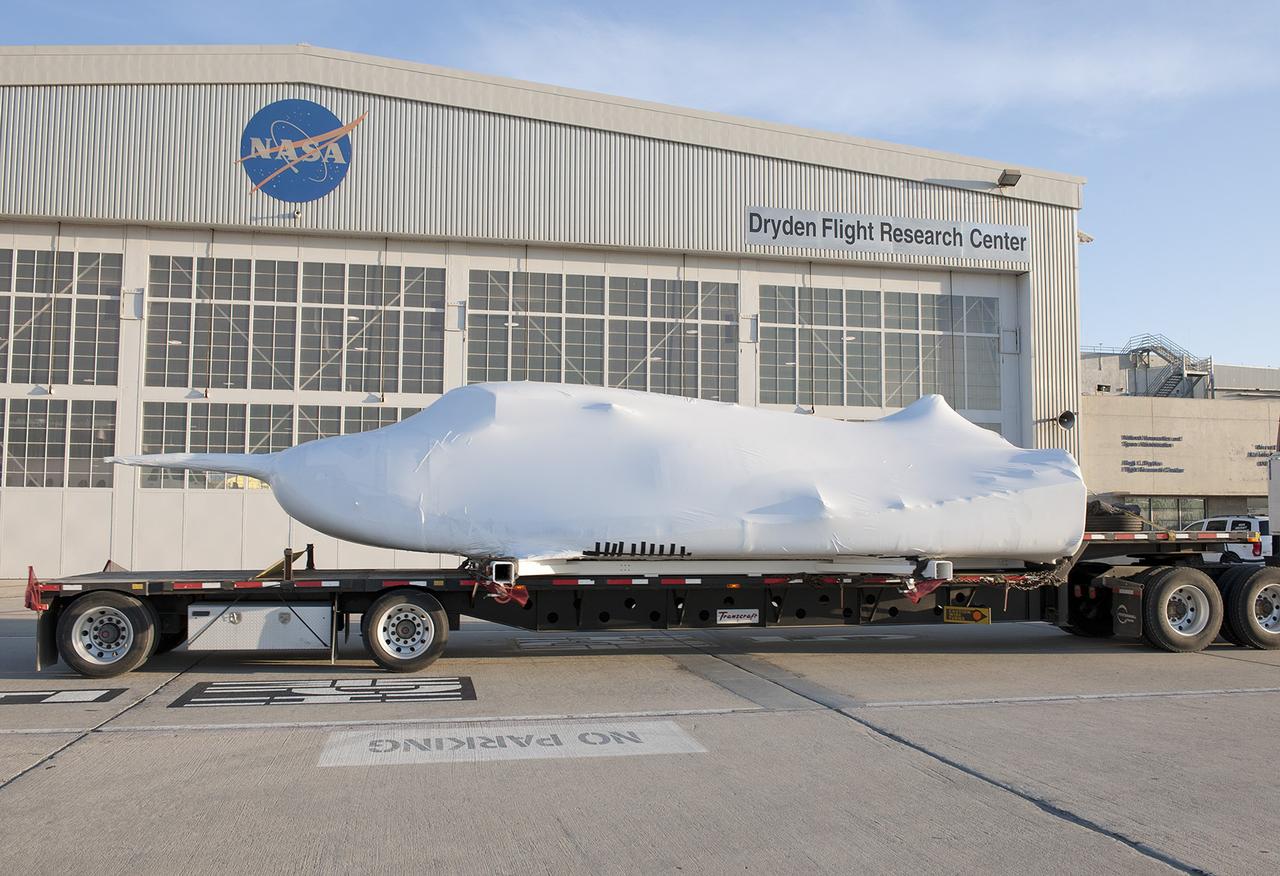
EDWARDS, Calif. – ED13-0142-08: The flatbed truck and trailer that transported Sierra Nevada Corporation, or SNC, Space Systems' Dream Chaser engineering test article pauses behind Hangar 4802 on the aircraft ramp at NASA's Dryden Flight Research Center on Edwards Air Force Base, Calif., upon arrival at the center. The vehicle was shrouded in protective plastic wrap with its wings and tail structure removed for its four-day overland transport from Sierra Nevada's facility in Louisville, Colo., to NASA Dryden. SNC is one of three companies working with NASA's Commercial Crew Program, or CCP, during the agency's Commercial Crew Integrated Capability, or CCiCap, initiative, which is intended to lead to the availability of commercial human spaceflight services for government and commercial customers. To learn more about CCP and its industry partners, visit www.nasa.gov/commercialcrew. Image credit: NASA/Tom Tschida
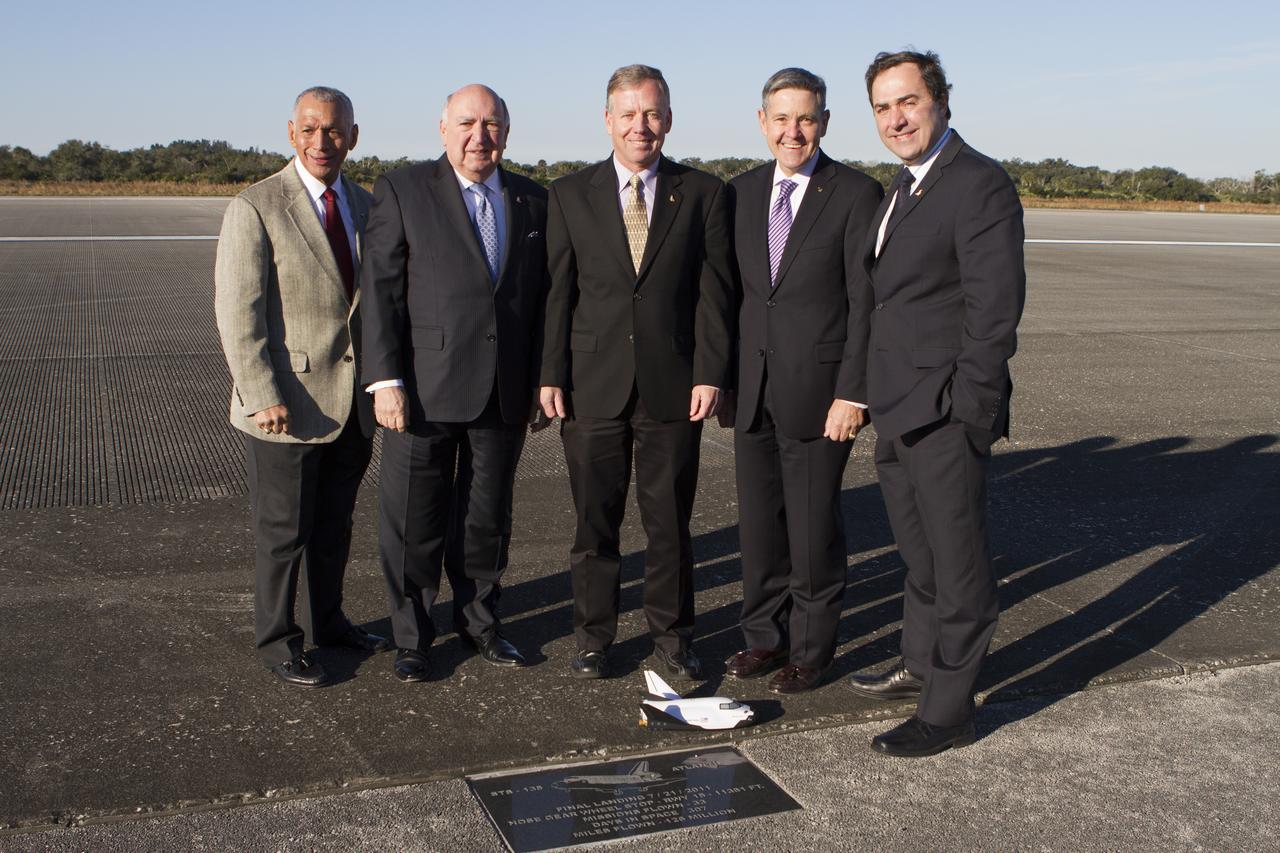
NASA and aerospace industry representatives tour facilities along Florida’s Space Coast prior to announcements made by Sierra Nevada Corporation, or SNC, Space Systems, to prepare for a November 2016 orbital flight of its Dream Chaser spacecraft. Walking along the 3.5-mile-long runway at Kennedy Space Center’s Shuttle Landing Facility are, from left, Frank DiBello, president and CEO of Space Florida Steve Lindsey, Dream Chaser program manager for SNC Space Systems Bob Cabana, director of NASA’s Kennedy Space Center Mark Sirangelo, corporate vice president and head of SNC Space Systems and Charlie Bolden, administrator of NASA.
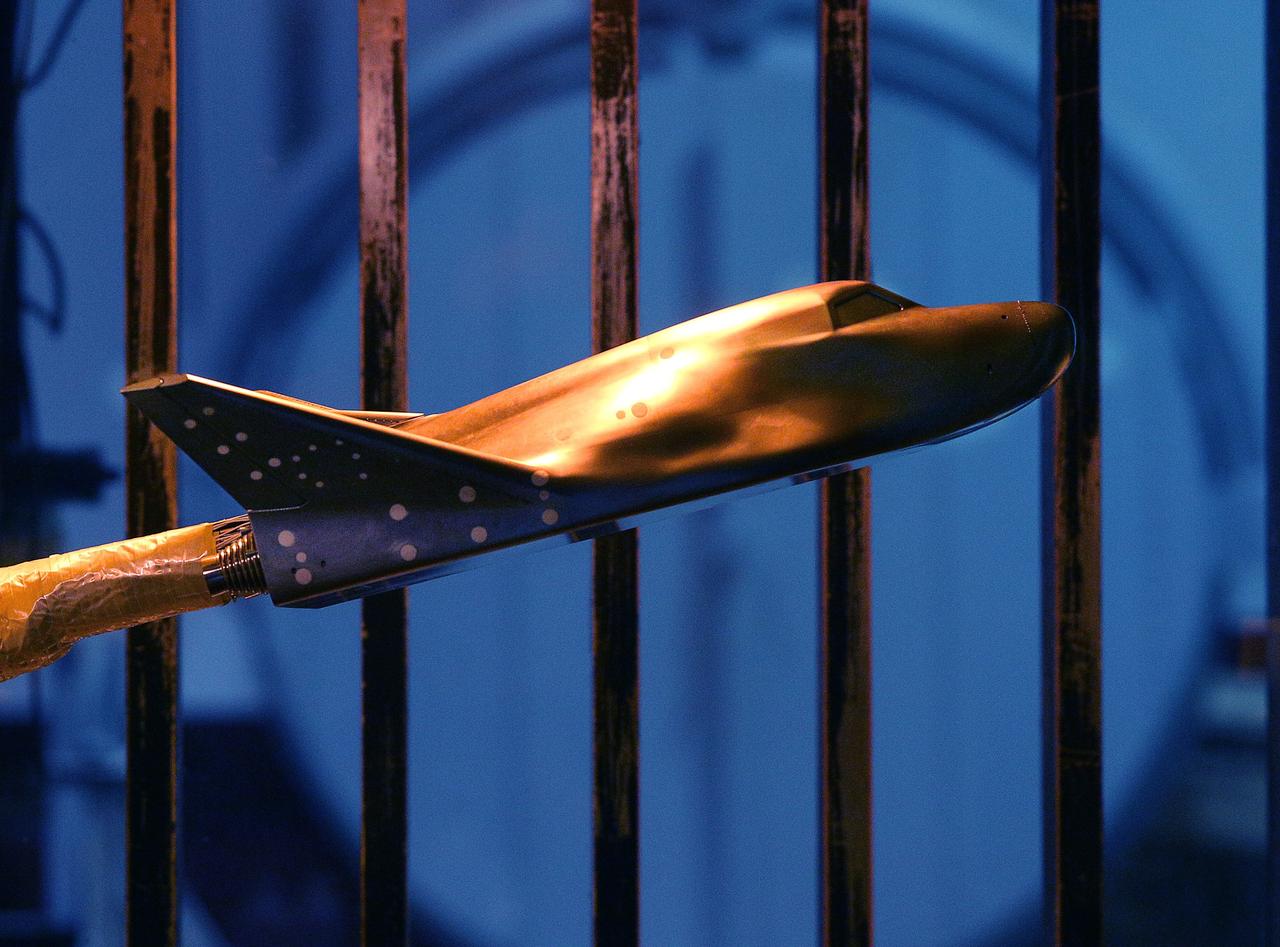
HAMPTON, Va. – A precise scale model of the Dream Chaser spacecraft begins an evaluation inside the Unitary Plan Wind Tunnel at NASA's Langley Research Center in Virginia. The Dream Chaser is in development by Sierra Nevada Corporation in partnership with NASA's Commercial Crew Program. The data gathered from the wind tunnel was used to further test the design through the company's Commercial Crew Integrated Capability agreement with NASA. Photo credit: NASA/ David C. Bowman
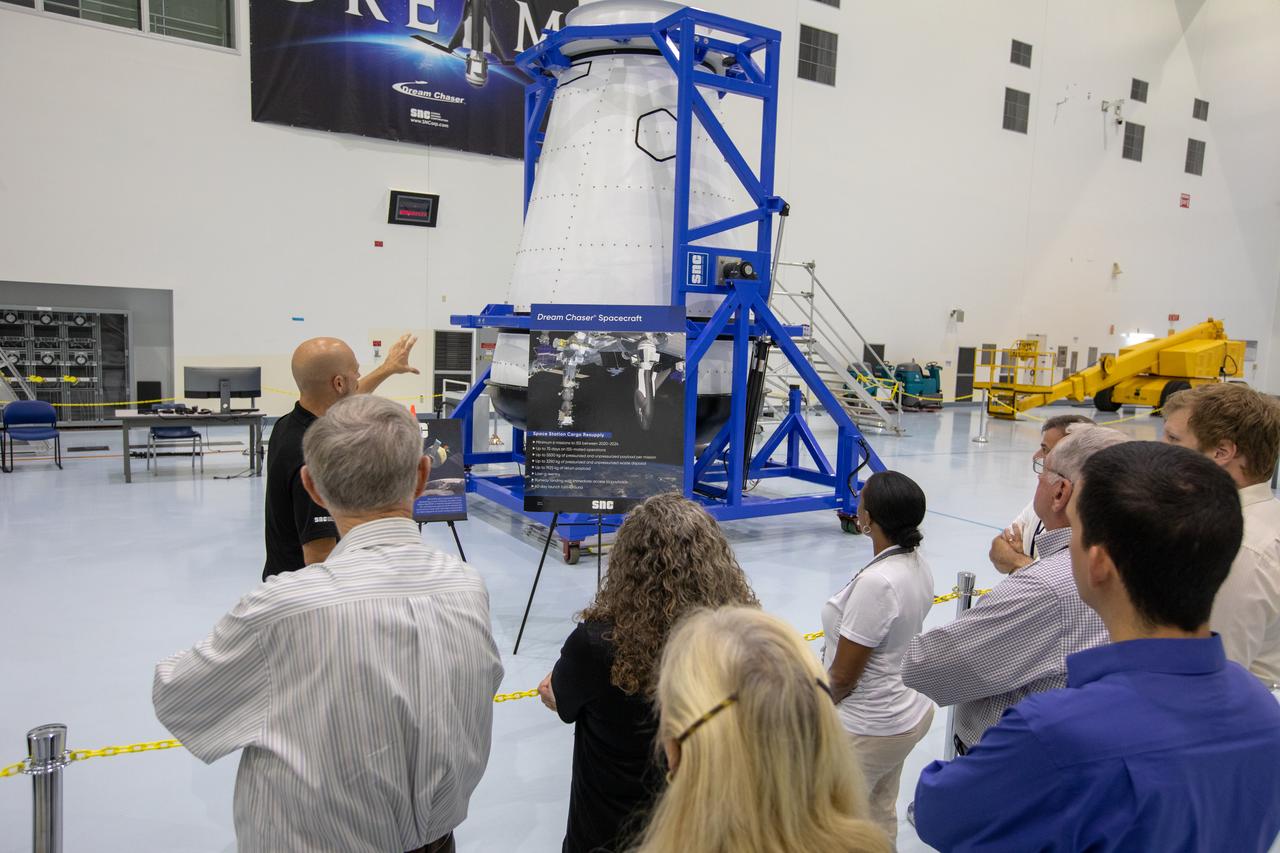
Members of the NASA Advisory Council toured the Space Station Processing Facility high bay at Kennedy Space Center in Florida on Oct. 29, 2019. In view is Sierra Nevada Corporation’s cargo logistics module. The NASA Advisory Council provides the NASA administrator with counsel and advice on programs and issues of importance to the agency. Committee members conduct fact-finding sessions throughout the year in an effort to gain a broad understanding of current NASA issues and future mission implementation plans.

EDWARDS AFB, Calif. - ED13-0300-003 – An Erickson Air-Crane helicopter lifts Sierra Nevada Corporation's Dream Chaser flight vehicle during a captive-carry flight test. The test was a rehearsal for free flights at Edwards later this year. The spacecraft is under development in partnership with NASA's Commercial Crew Program. Although the spacecraft is designed for crew members, the vehicle will not have anyone onboard during the free flights. Photo credit: NASA/Carla Thomas
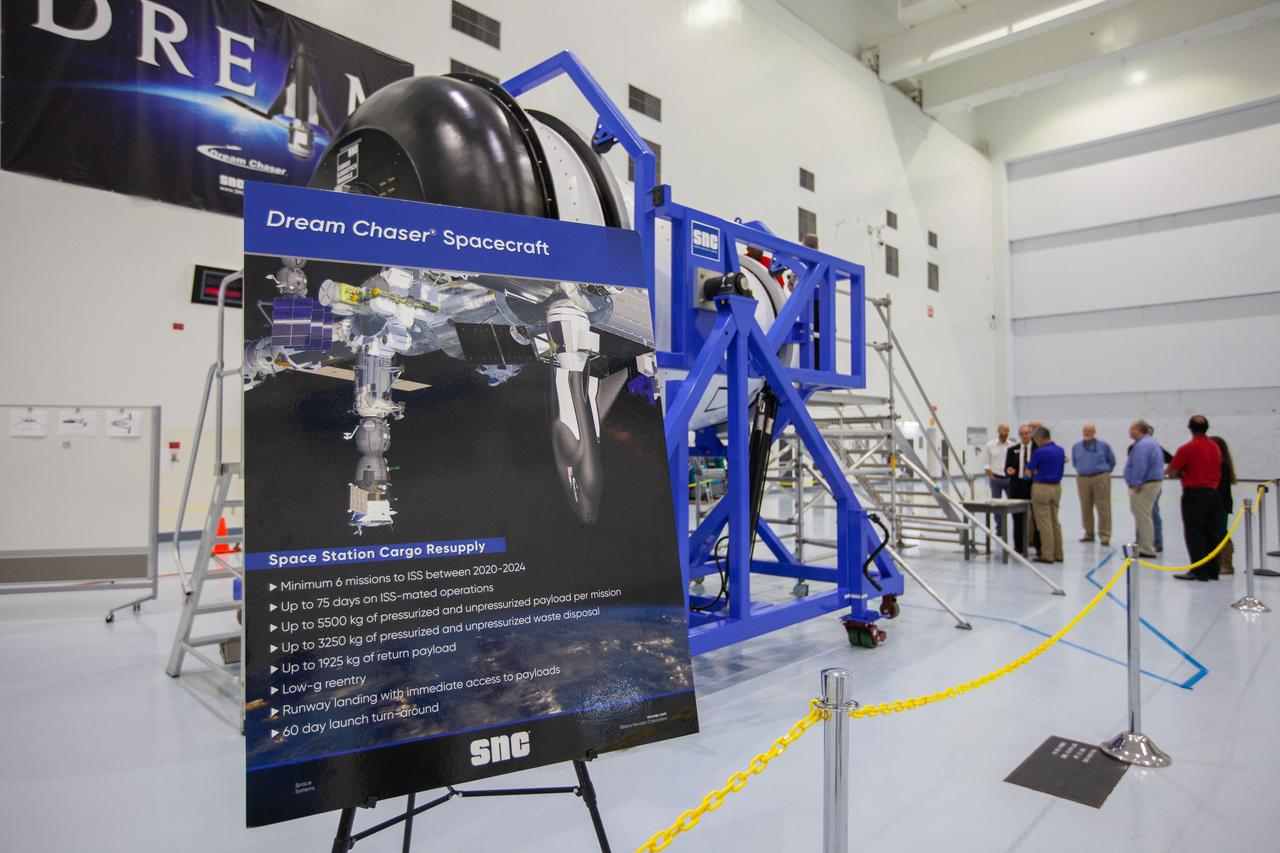
A mockup of the cargo logistics module for Sierra Nevada Corporation’s Dream Chaser, the company’s reusable spaceplane, arrived at the Space Station Processing Facility (SSPF) at NASA’s Kennedy Space Center in Florida in August. On Sept. 20, 2019, senior leadership had the opportunity to view the cargo module in the SSPF high bay. The SSPF is providing support for current and future NASA and commercial provider programs, including Commercial Resupply Services, Artemis 1, sending the first woman and next man to the Moon, and deep space destinations including Mars.
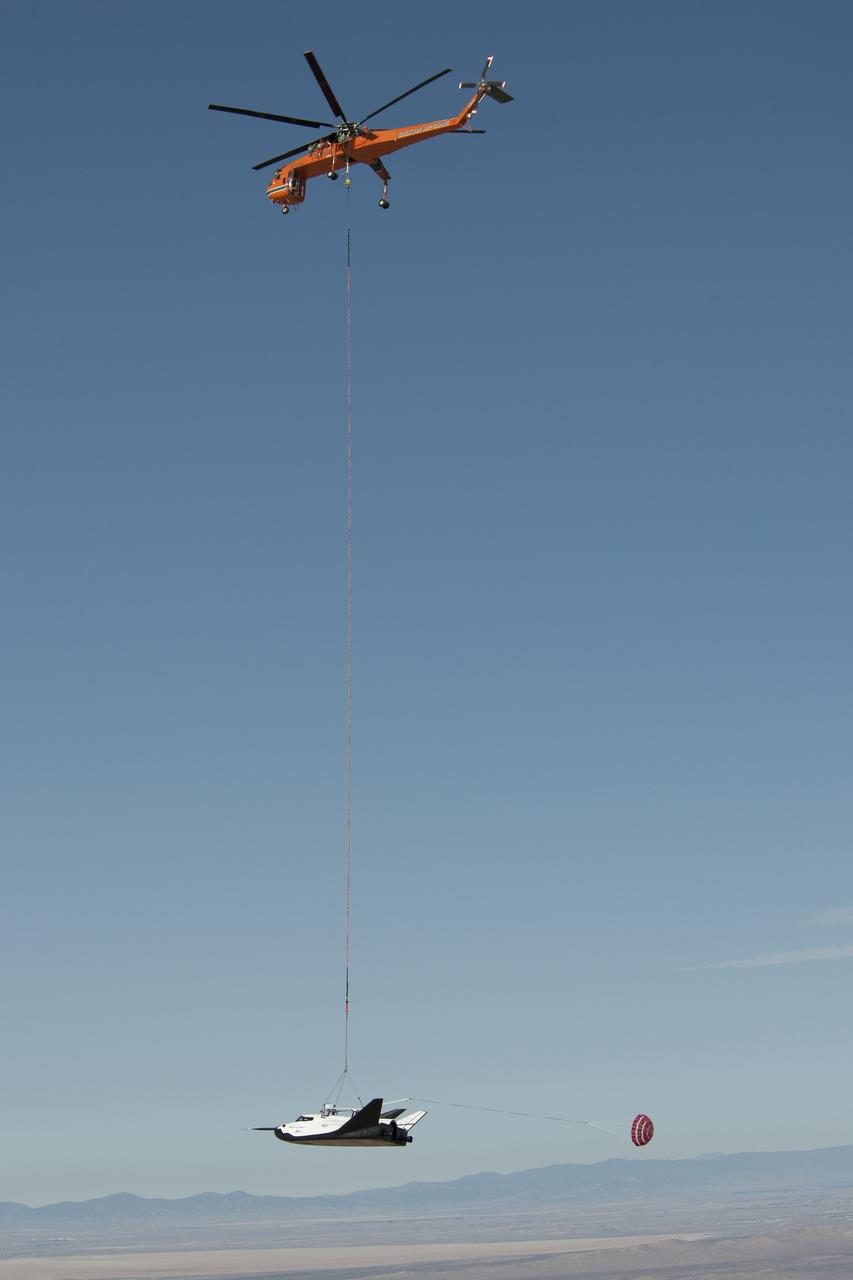
EDWARDS AFB, Calif. - ED13-0300-001 – An Erickson Air-Crane helicopter lifts Sierra Nevada Corporation's Dream Chaser flight vehicle during a captive-carry flight test. The test was a rehearsal for free flights at Edwards later this year. The spacecraft is under development in partnership with NASA's Commercial Crew Program. Although the spacecraft is designed for crew members, the vehicle will not have anyone onboard during the free flights. Photo credit: NASA/Carla Thomas
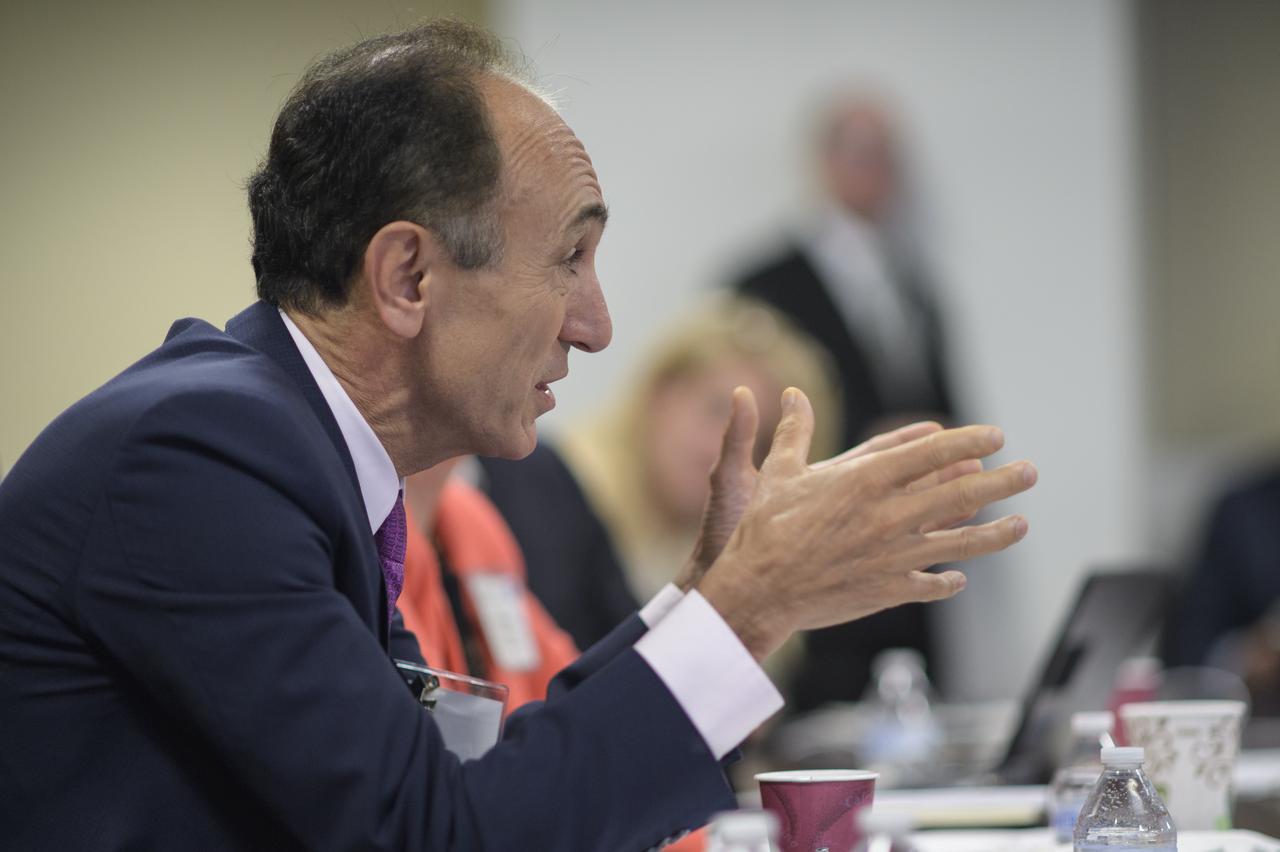
Users' Advisory Group member Faith Ozmen, CEO of the Sierra Nevada Corporation is seen durring the first meeting of the National Space Council Users' Advisory Group, Tuesday, June 19, 2018 at NASA Headquarters in Washington. The Users' Advisory Group will advise and inform the National Space Council on a broad range of aerospace topics, including the impacts of U.S. and international laws and regulations, national security space priorities, scientific and human space exploration priorities, and ways to bolster support. Photo Credit: (NASA/Joel Kowsky)
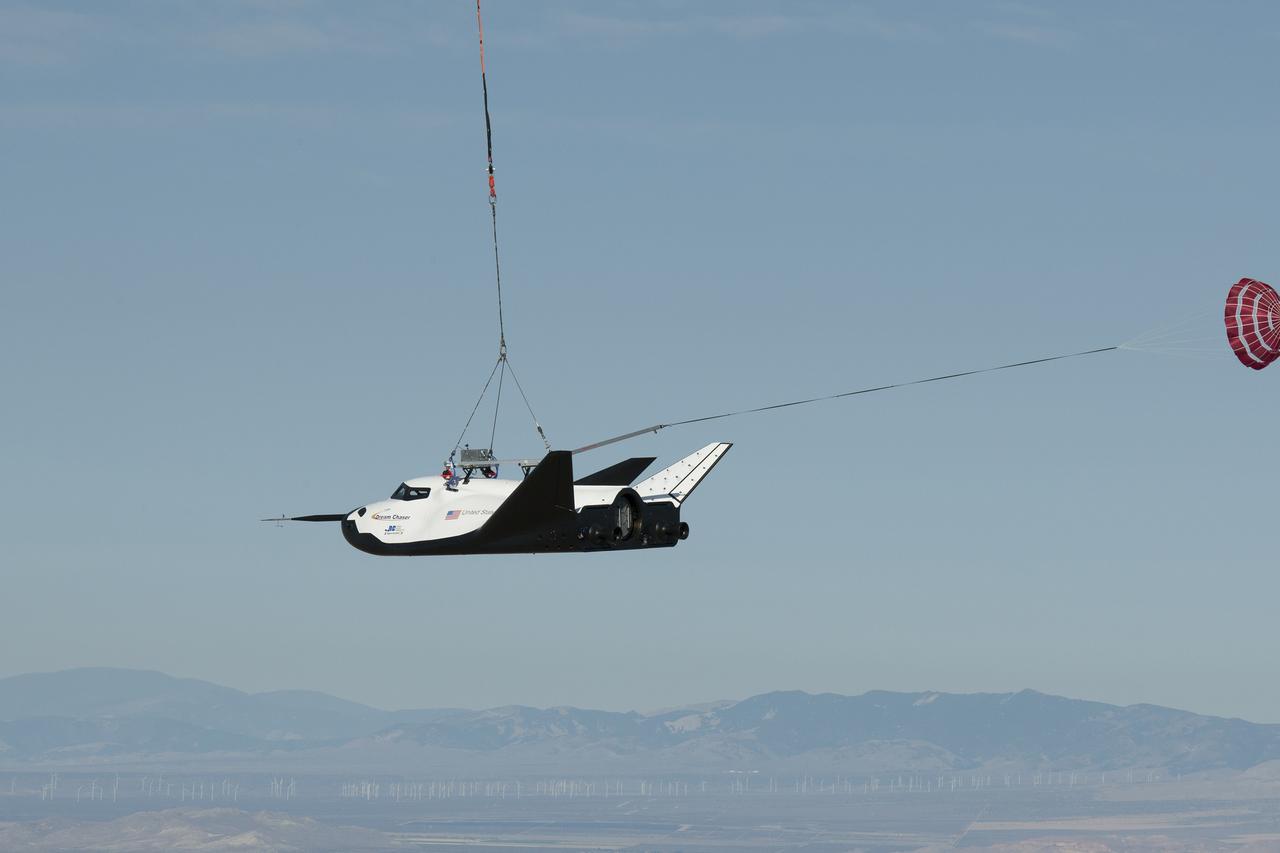
EDWARDS AFB, Calif. - ED13-0300-002 – An Erickson Air-Crane helicopter lifts Sierra Nevada Corporation's Dream Chaser flight vehicle during a captive-carry flight test. The test was a rehearsal for free flights at Edwards later this year. The spacecraft is under development in partnership with NASA's Commercial Crew Program. Although the spacecraft is designed for crew members, the vehicle will not have anyone onboard during the free flights. Photo credit: NASA/Carla Thomas
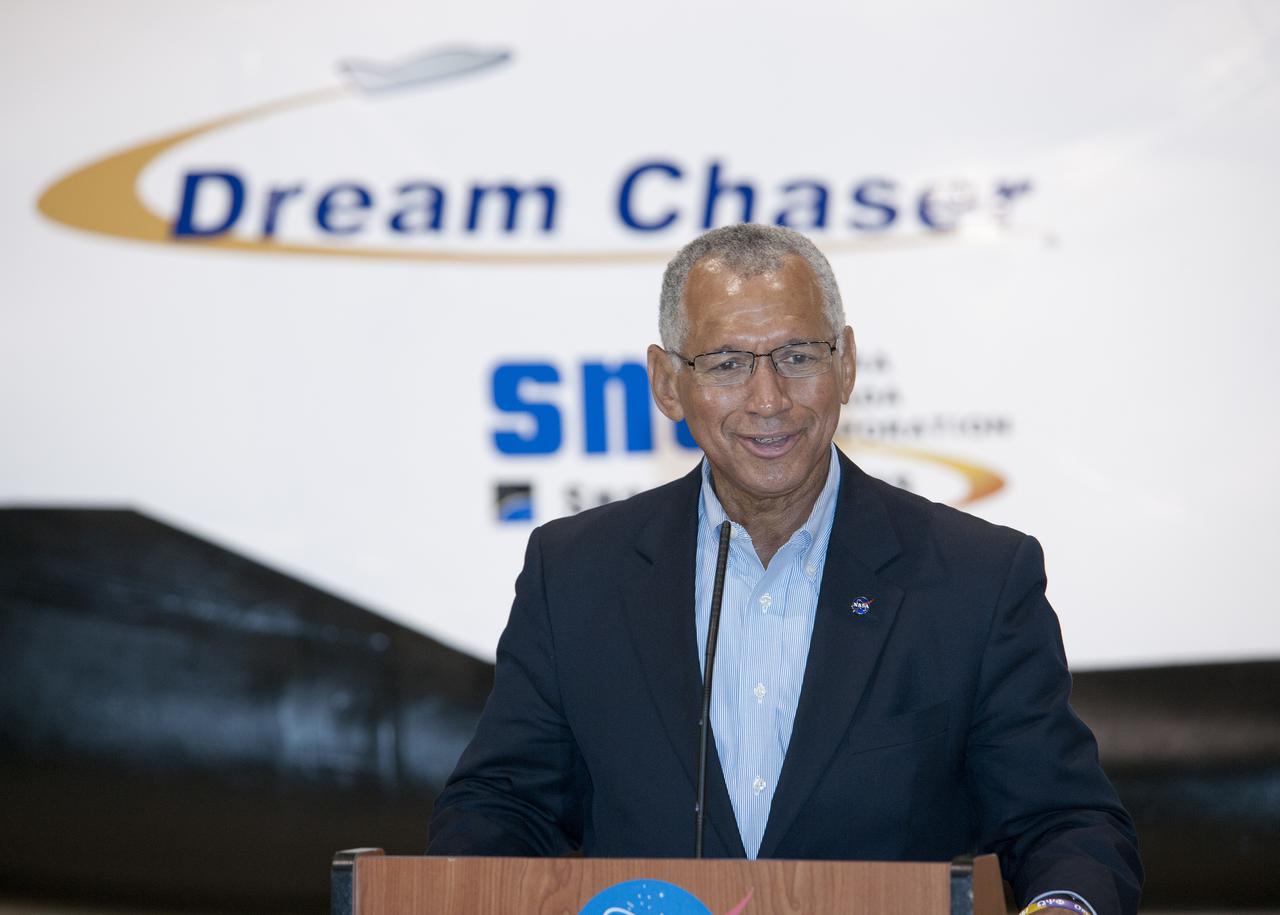
Edwards, Calif. – ED-0155-20 - NASA Administrator Charlie Bolden talks to the media about the importance of the agency's Commercial Crew Program, or CCP, and the development work Sierra Nevada Corporation, or SNC, will perform with its Dream Chaser flight test vehicle at the agency's Dryden Flight Research Center in the coming months. SNC is one of three companies working with CCP during the agency's Commercial Crew Integrated Capability, or CCiCap, initiative, which is intended to lead to the availability of commercial human spaceflight services for government and commercial customers. To learn more about CCP and its industry partners, visit www.nasa.gov_commercialcrew. Image credit: NASA_Ken Ulbrich
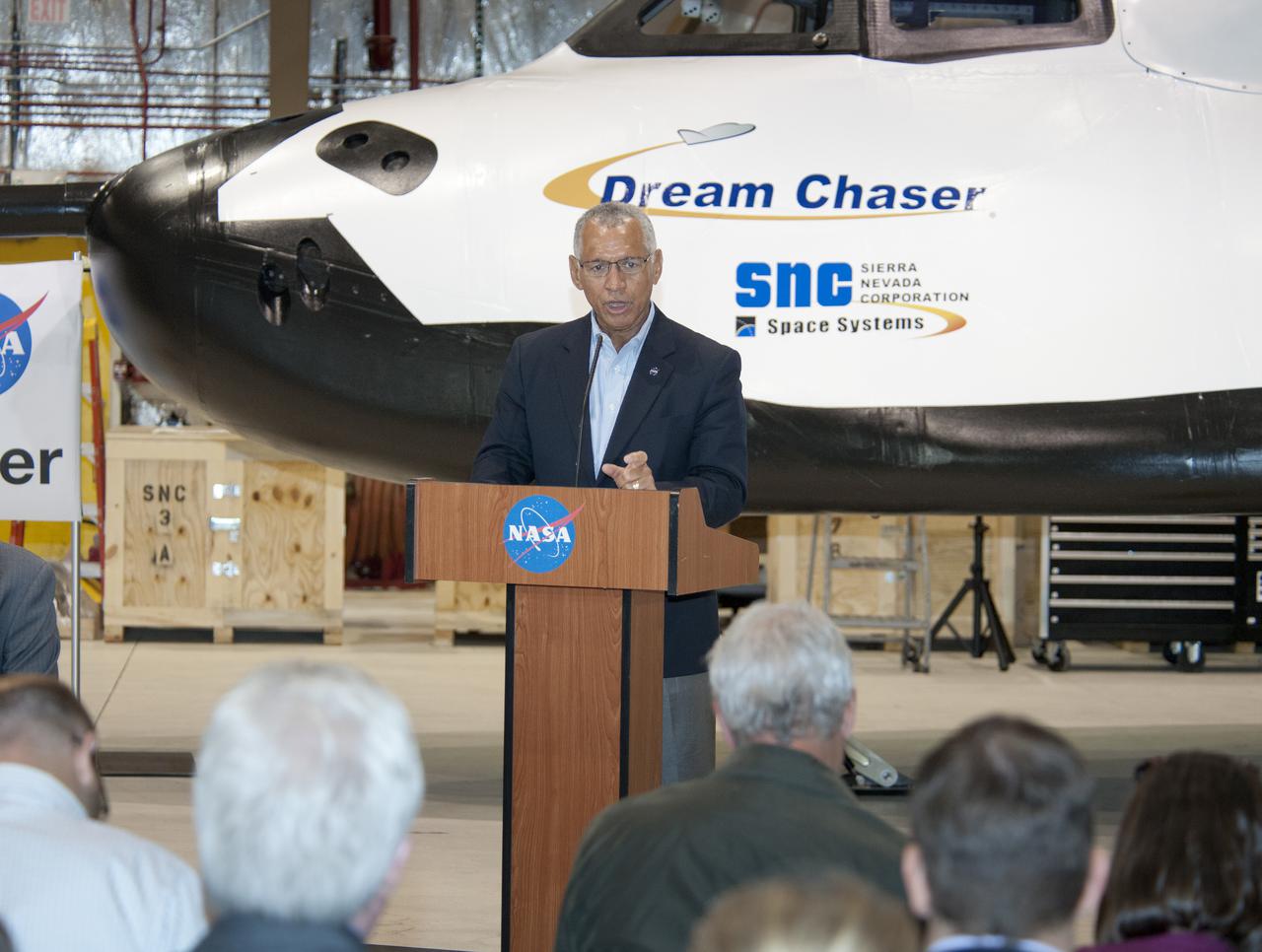
Edwards, Calif. – ED-0155-23 - NASA Administrator Charlie Bolden talks to the media about the importance of the agency's Commercial Crew Program, or CCP, and the development work Sierra Nevada Corporation, or SNC, will perform with its Dream Chaser flight test vehicle at the agency's Dryden Flight Research Center in the coming months. SNC is one of three companies working with CCP during the agency's Commercial Crew Integrated Capability, or CCiCap, initiative, which is intended to lead to the availability of commercial human spaceflight services for government and commercial customers. To learn more about CCP and its industry partners, visit www.nasa.gov_commercialcrew. Image credit: NASA_Ken Ulbrich
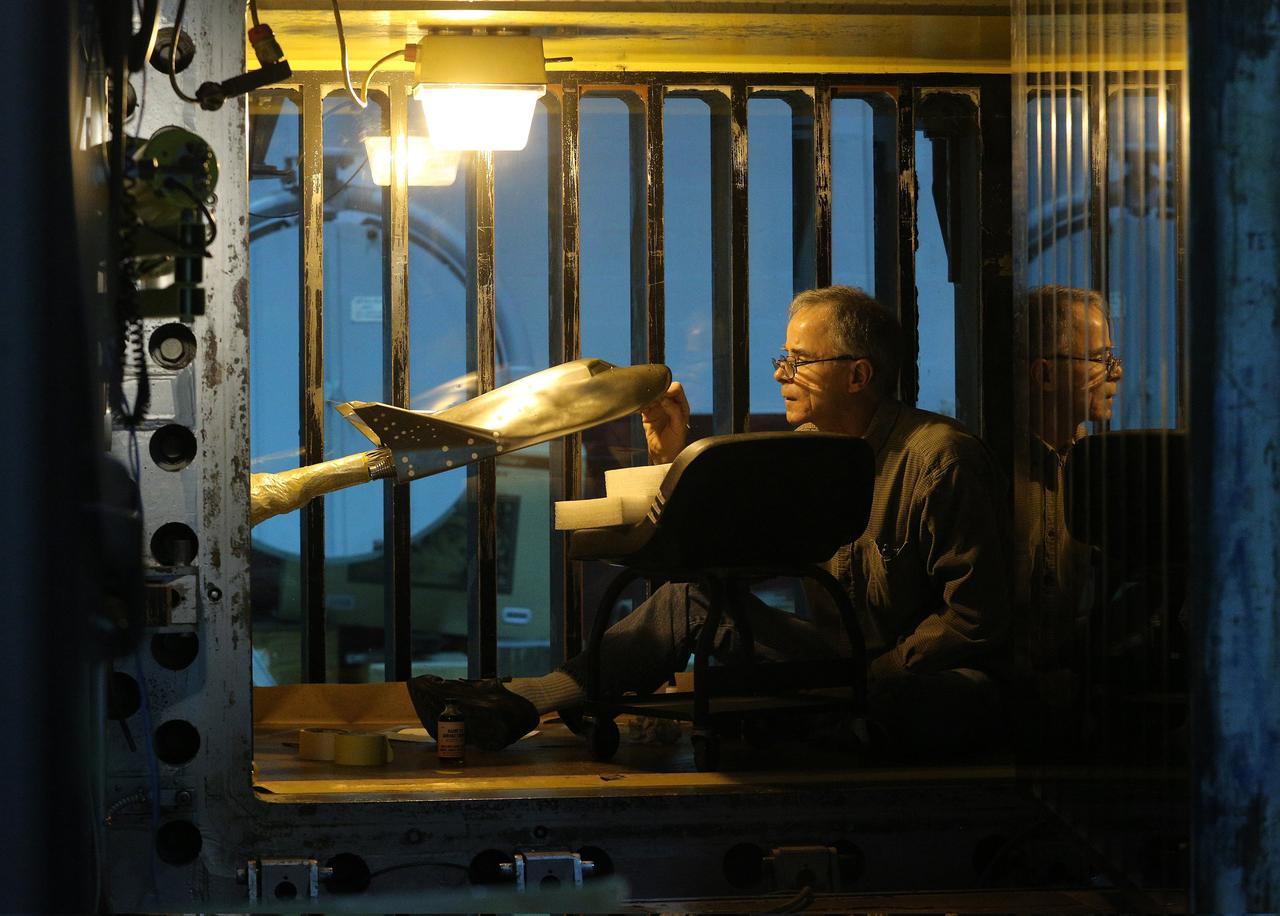
HAMPTON, Va. – NASA technician Ricky Hall works inside the Unitary Plan Wind Tunnel at NASA's Langley Research Center in Virginia to affix grains of sand to a precise scale model of the Dream Chaser spacecraft. Sierra Nevada Corporation is developing the Dream Chaser in partnership with NASA's Commercial Crew Program. The sand creates turbulence at key points to simulate the conditions the real spacecraft will encounter during its return to Earth. The data gathered from the wind tunnel was used to further test the design through the company's Commercial Crew Integrated Capability agreement with NASA. Photo credit: NASA/ David C. Bowman
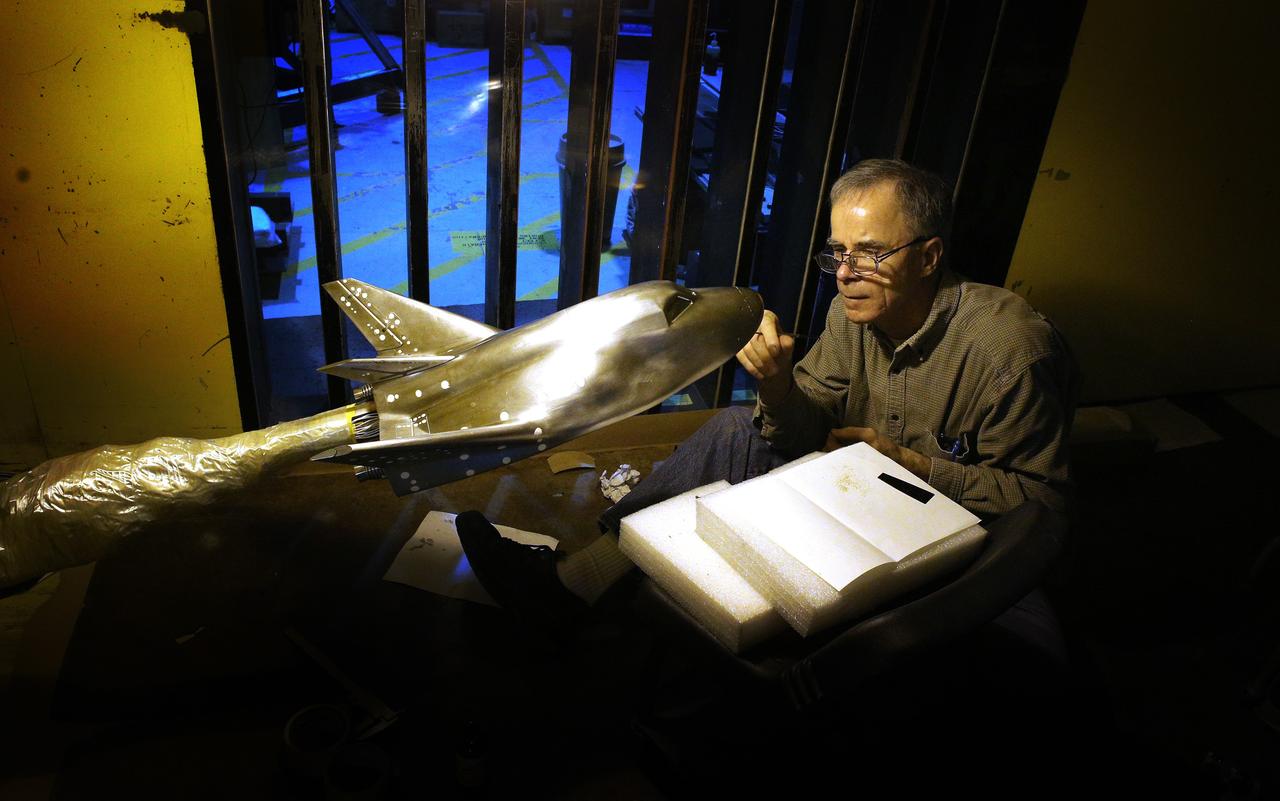
HAMPTON, Va. – NASA technician Ricky Hall works inside the Unitary Plan Wind Tunnel at NASA's Langley Research Center in Virginia to affix grains of sand to a precise scale model of the Dream Chaser spacecraft. Sierra Nevada Corporation is developing the Dream Chaser in partnership with NASA's Commercial Crew Program. The sand creates turbulence at key points to simulate the conditions the real spacecraft will encounter during its return to Earth. The data gathered from the wind tunnel was used to further test the design through the company's Commercial Crew Integrated Capability agreement with NASA. Photo credit: NASA/ David C. Bowman
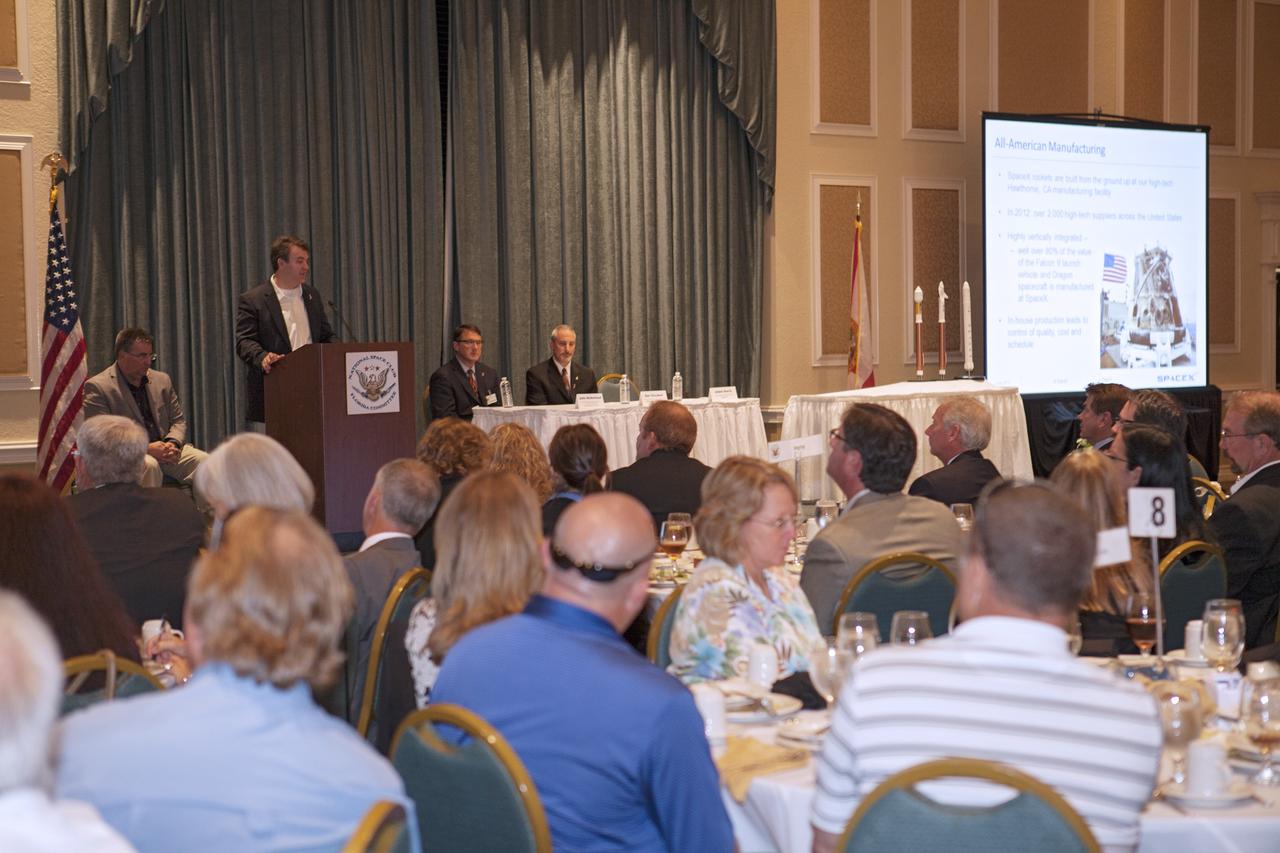
CAPE CANAVERAL, Fla. - Adam Harris, vice president of government sales for Space Exploration Technologies, or SpaceX, speaks to a crowd of spaceflight enthusiasts at the National Space Club Florida Committee's June meeting near the Kennedy Space Center. Harris was joined at the Radisson Resort at the Port in Cape Canaveral, Fla., by Ed Mango, manager of NASA's Commercial Crew Program, or CCP, left, and representatives from The Boeing Company and Sierra Nevada Corporation, or SNC. All three CCP partner are planning to increase their commercial activities on Florida’s space coast to send astronauts to low-Earth orbit. To learn more about the Commercial Crew Program, visit www.nasa.gov/commercialcrew. Photo credit: Kim Shiflett
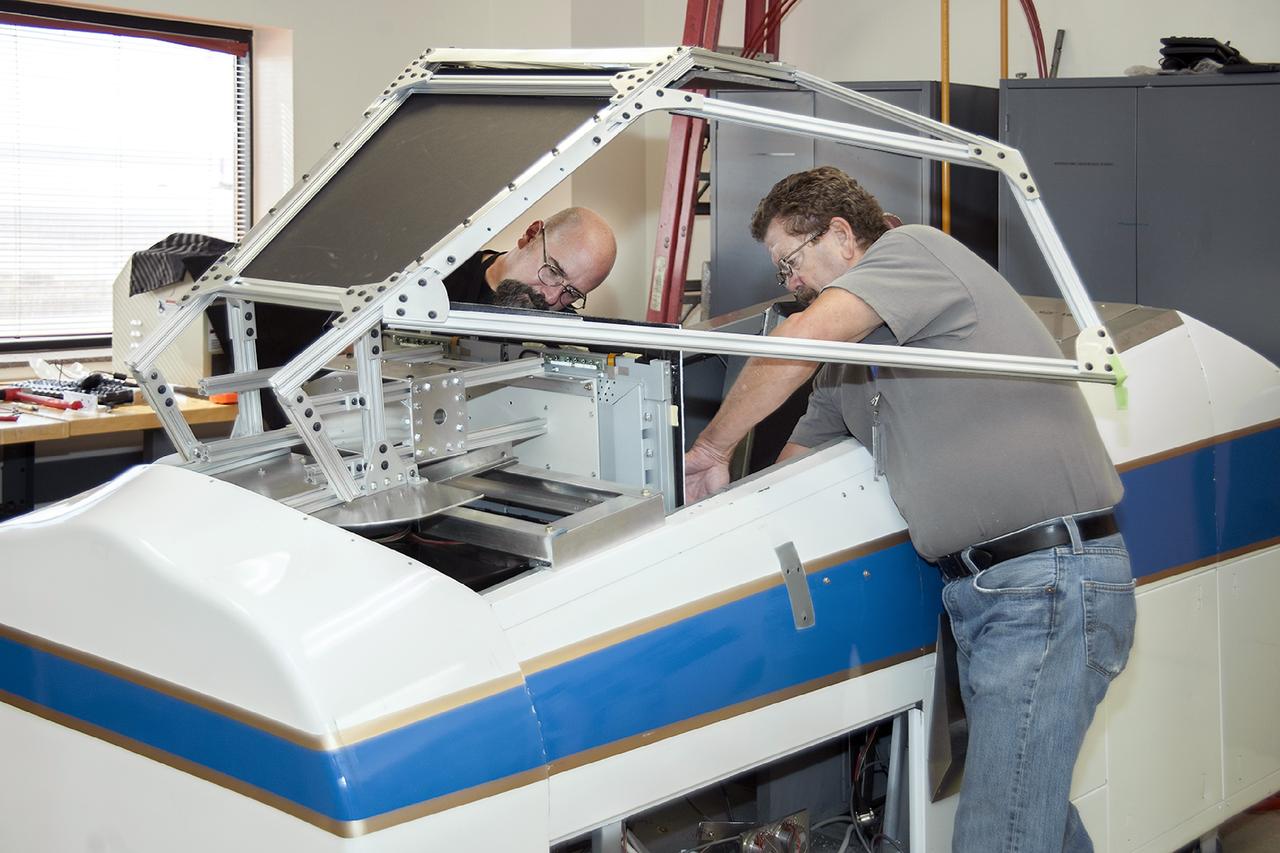
DRYDEN FLIGHT RESEARCH CENTER, Calif. - Simulation technicians Brent Bieber, left, and Dennis Pitts install a boilerplate Dream Chaser canopy structure over the cockpit of a flight simulator in the simulation laboratory at NASA's Dryden Flight Research Center in California. The modification will give Dream Chaser pilot-astronauts a more representative view of the actual flight profiles the spacecraft would fly during piloted approach and landing tests. Sierra Nevada Corporation's Space Systems division is conducting uncrewed captive- and free-flight approach and landing tests of its Dream Chaser at Dryden during the summer and fall. Photo credit: NASA/Ken Ulbrich
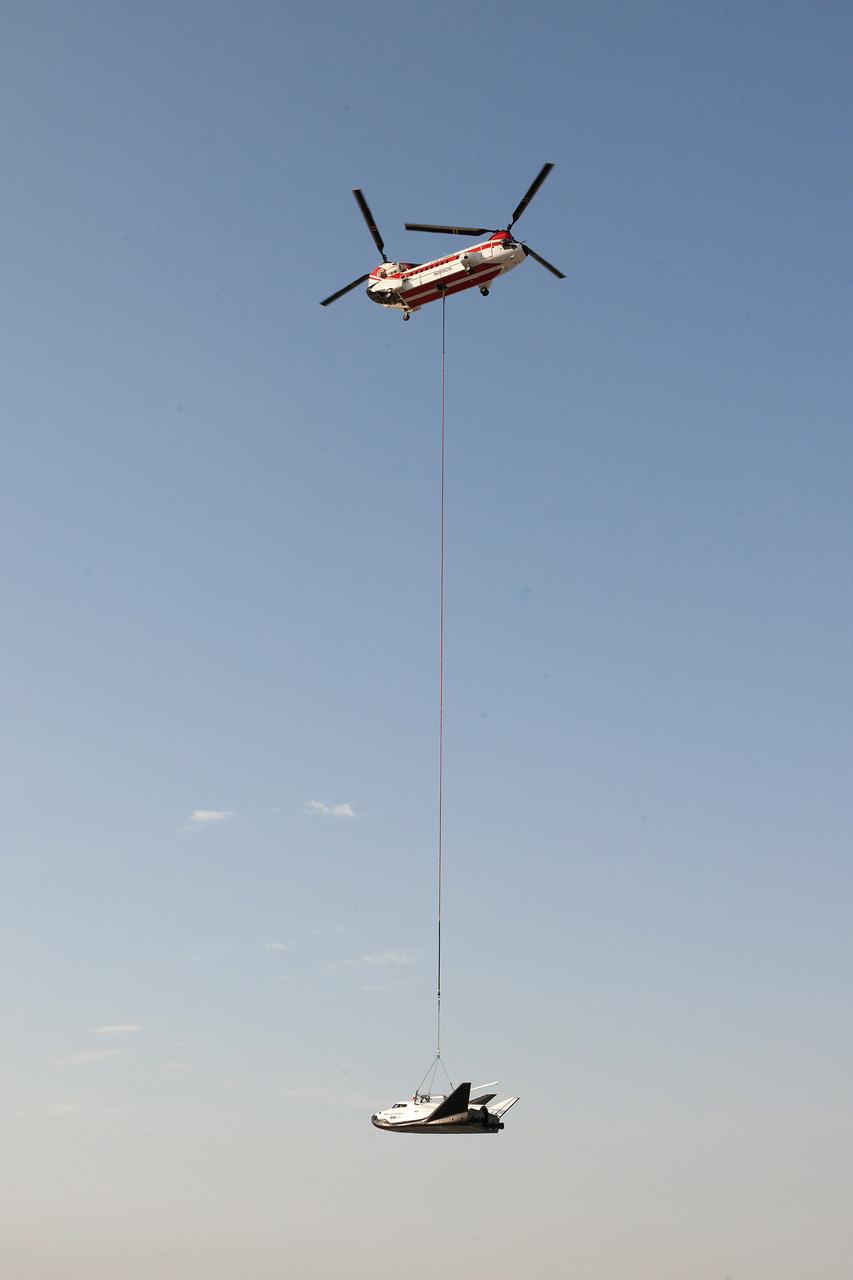
Sierra Nevada's Dream Chaser lifted off ramp on Wednesday, Aug. 30 at NASA Armstrong Flight Research Center by Columbia 234 UT helicopter for captive carry flight.
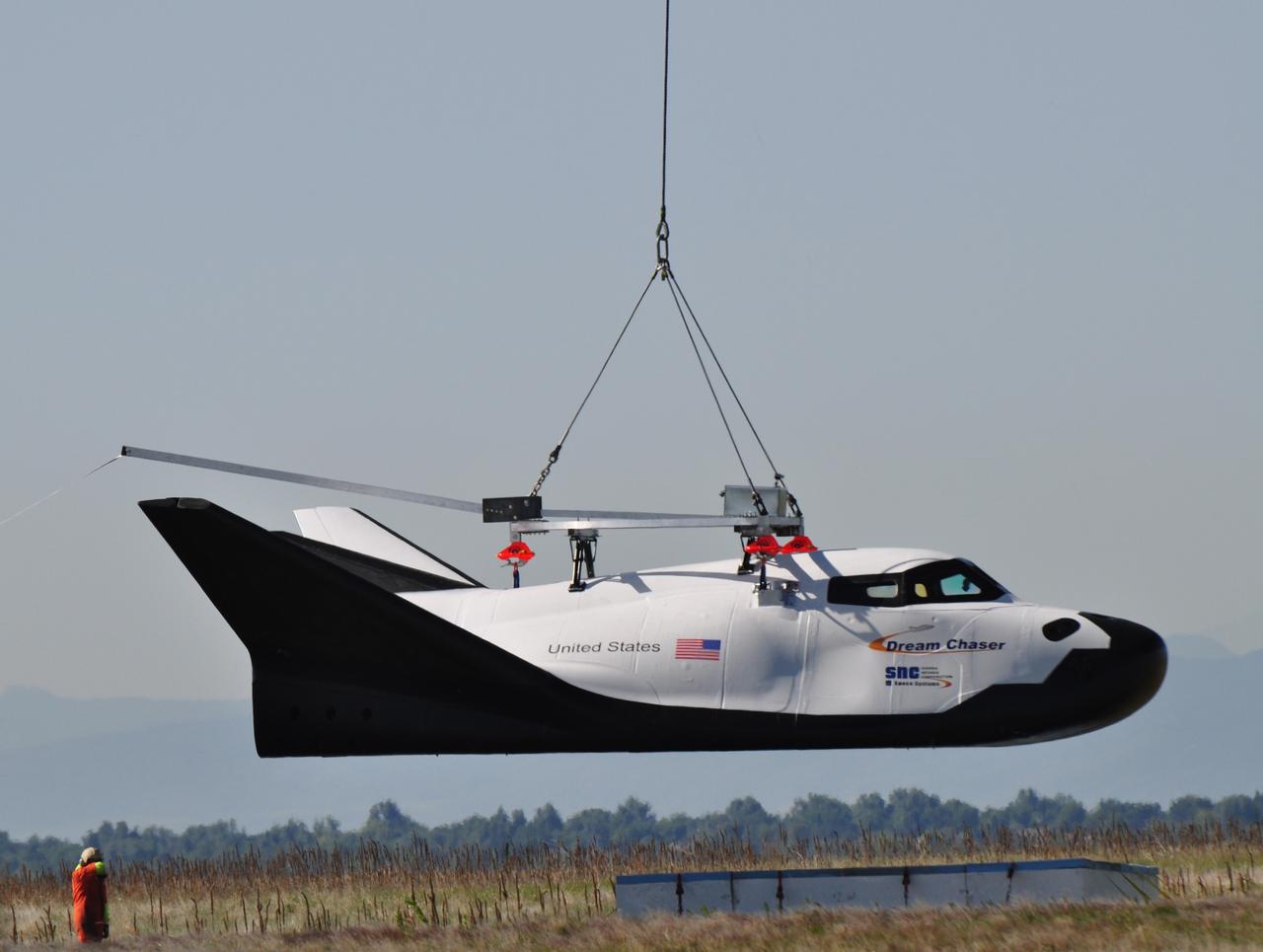
LOUISVILLE, Colo. – Sierra Nevada Corporation Space Systems’ Dream Chaser full-scale test vehicle is lifted by an Erickson Air-Crane helicopter to verify proper aerodynamic flight performance near the Rocky Mountain Metropolitan Airport in Jefferson County, Colo. This captive-carry test is one of several milestones the company is meeting during its partnership with NASA’s Commercial Crew Program CCP. Data from this test will provide SNC an early opportunity to evaluate and prove hardware, facilities and ground operations in preparation for approach and landing tests scheduled for later this year. In 2011, NASA selected Sierra Nevada during Commercial Crew Development Round 2 CCDev2) activities to mature the design and development of a crew transportation system with the overall goal of accelerating a United States-led capability to the International Space Station. The goal of CCP is to drive down the cost of space travel as well as open up space to more people than ever before by balancing industry’s own innovative capabilities with NASA's 50 years of human spaceflight experience. Six other aerospace companies also are maturing launch vehicle and spacecraft designs under CCDev2, including Alliant Techsystems Inc. ATK, The Boeing Co., Excalibur Almaz Inc., Blue Origin, Space Exploration Technologies SpaceX, and United Launch Alliance ULA. For more information, visit www.nasa.gov/commercialcrew. Image credit: Sierra Nevada Corp.
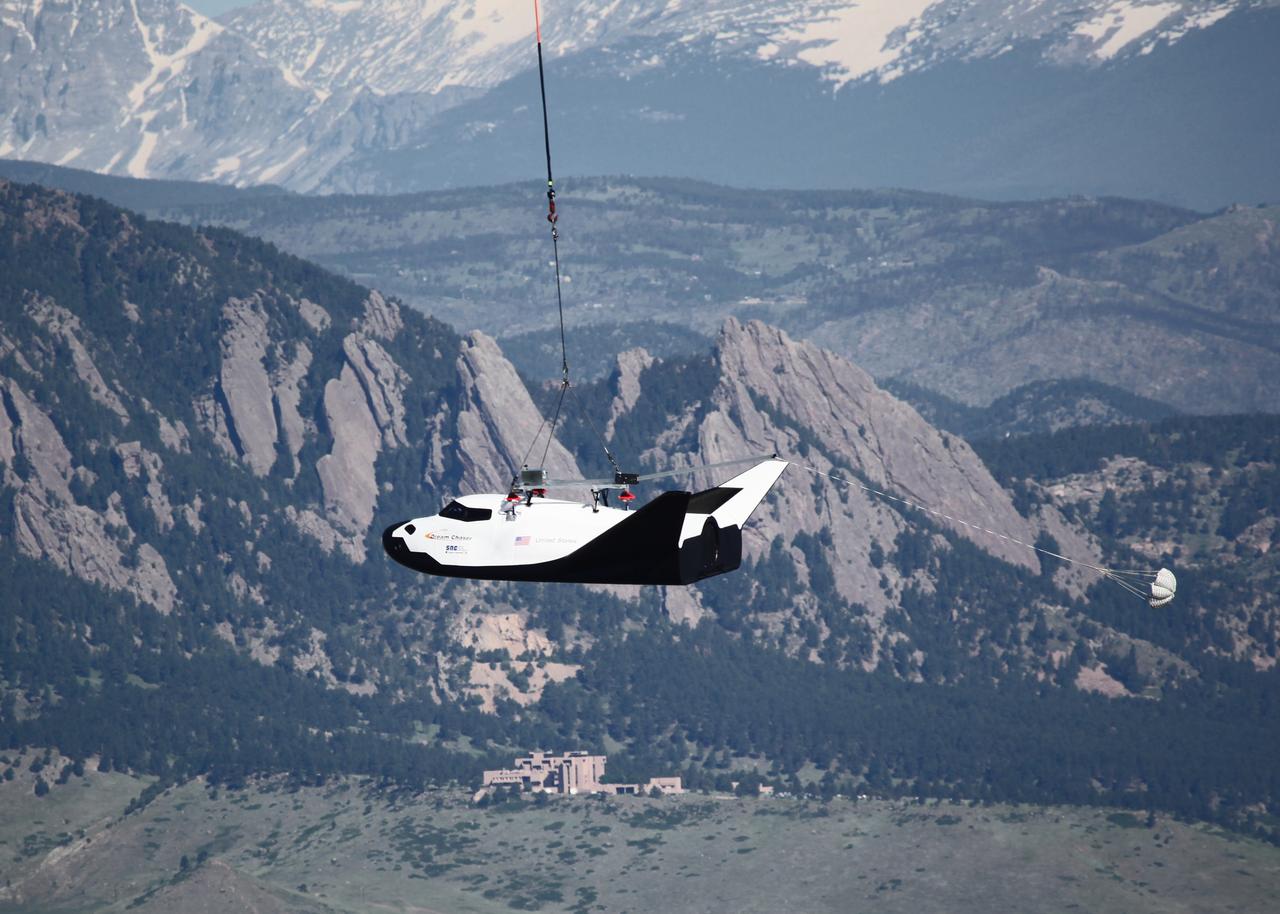
LOUISVILLE, Colo. – Sierra Nevada Corporation Space Systems’ Dream Chaser full-scale test vehicle is lifted by an Erickson Air-Crane helicopter to verify proper aerodynamic flight performance near the Rocky Mountain Metropolitan Airport in Jefferson County, Colo. This captive-carry test is one of several milestones the company is meeting during its partnership with NASA’s Commercial Crew Program CCP. Data from this test will provide SNC an early opportunity to evaluate and prove hardware, facilities and ground operations in preparation for approach and landing tests scheduled for later this year. In 2011, NASA selected Sierra Nevada during Commercial Crew Development Round 2 CCDev2) activities to mature the design and development of a crew transportation system with the overall goal of accelerating a United States-led capability to the International Space Station. The goal of CCP is to drive down the cost of space travel as well as open up space to more people than ever before by balancing industry’s own innovative capabilities with NASA's 50 years of human spaceflight experience. Six other aerospace companies also are maturing launch vehicle and spacecraft designs under CCDev2, including Alliant Techsystems Inc. ATK, The Boeing Co., Excalibur Almaz Inc., Blue Origin, Space Exploration Technologies SpaceX, and United Launch Alliance ULA. For more information, visit www.nasa.gov/commercialcrew. Image credit: Sierra Nevada Corp.
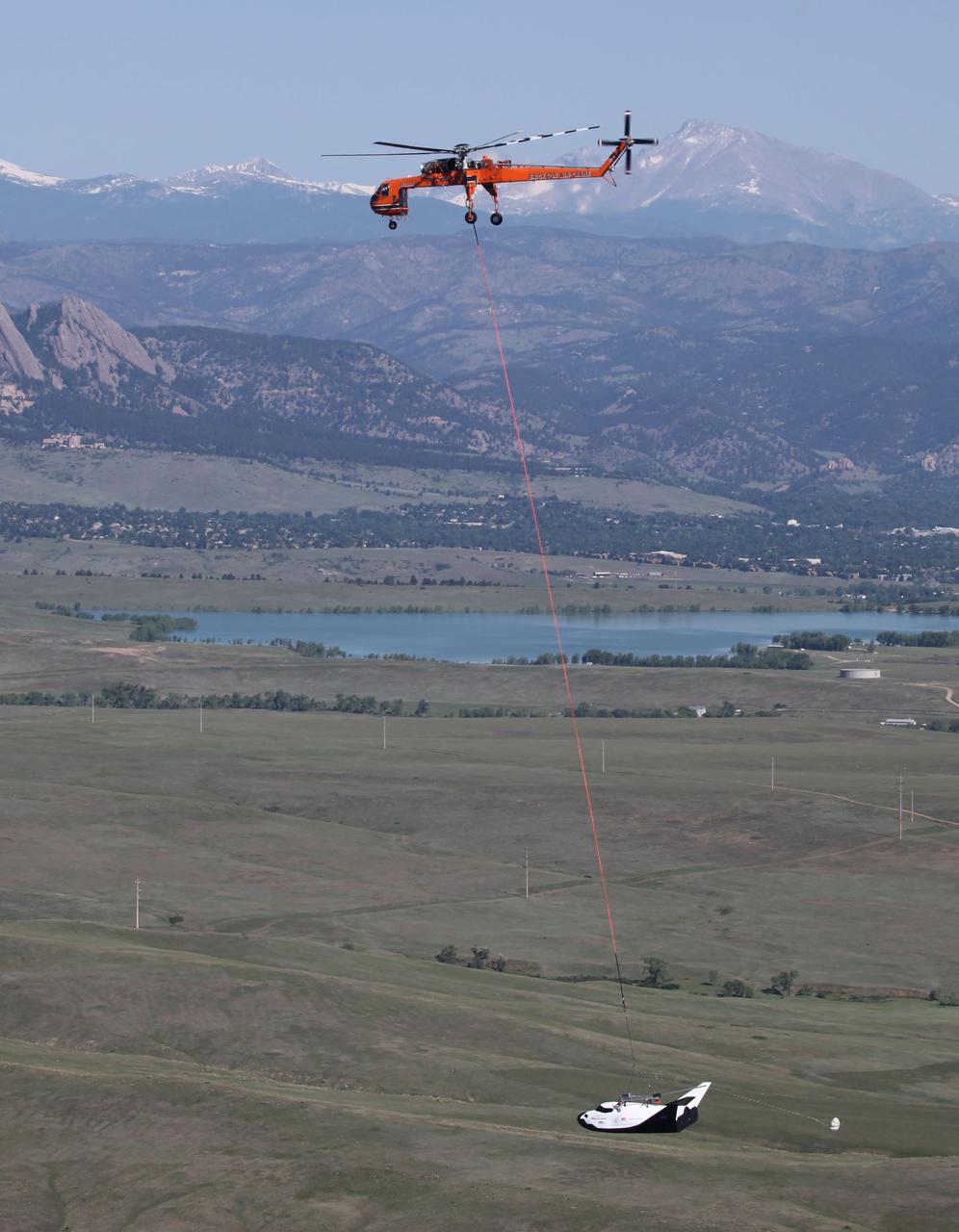
LOUISVILLE, Colo. – An Erickson Air-Crane helicopter lifts Sierra Nevada Corporation Space Systems’ Dream Chaser full-scale test vehicle to verify proper aerodynamic flight performance near the Rocky Mountain Metropolitan Airport in Jefferson County, Colo. This captive-carry test is one of several milestones the company is meeting during its partnership with NASA’s Commercial Crew Program CCP. Data from this test will provide SNC an early opportunity to evaluate and prove hardware, facilities and ground operations in preparation for approach and landing tests scheduled for later this year. In 2011, NASA selected Sierra Nevada during Commercial Crew Development Round 2 CCDev2) activities to mature the design and development of a crew transportation system with the overall goal of accelerating a United States-led capability to the International Space Station. The goal of CCP is to drive down the cost of space travel as well as open up space to more people than ever before by balancing industry’s own innovative capabilities with NASA's 50 years of human spaceflight experience. Six other aerospace companies also are maturing launch vehicle and spacecraft designs under CCDev2, including Alliant Techsystems Inc. ATK, The Boeing Co., Excalibur Almaz Inc., Blue Origin, Space Exploration Technologies SpaceX, and United Launch Alliance ULA. For more information, visit www.nasa.gov/commercialcrew. Image credit: Sierra Nevada Corp.

NASA astronaut Raja Chari climbs through a hatch of Lockheed Martin’s deep space habitat ground prototype at NASA’s Kennedy Space Center in Florida on March 25, 2019. Chari is one of the astronauts helping engineers refine requirements for the design of an American-made deep space habitat for the Gateway. Astronauts provide important design perspective as they may one day live and work aboard the lunar outpost, which would be located about 250,000 miles from Earth. To date, five habitat prototypes have been developed through NASA’s Next Space Exploration for Technologies Partnerships, or NextSTEP. Lockheed Martin was the first to turn their habitat over to NASA for testing. Ground prototypes developed by Bigelow Aerospace, Boeing, Northrop Grumman and Sierra Nevada Corporation will be tested in the future at various facilities across the country. A sixth company, NanoRacks, plans to develop a prototype as well.
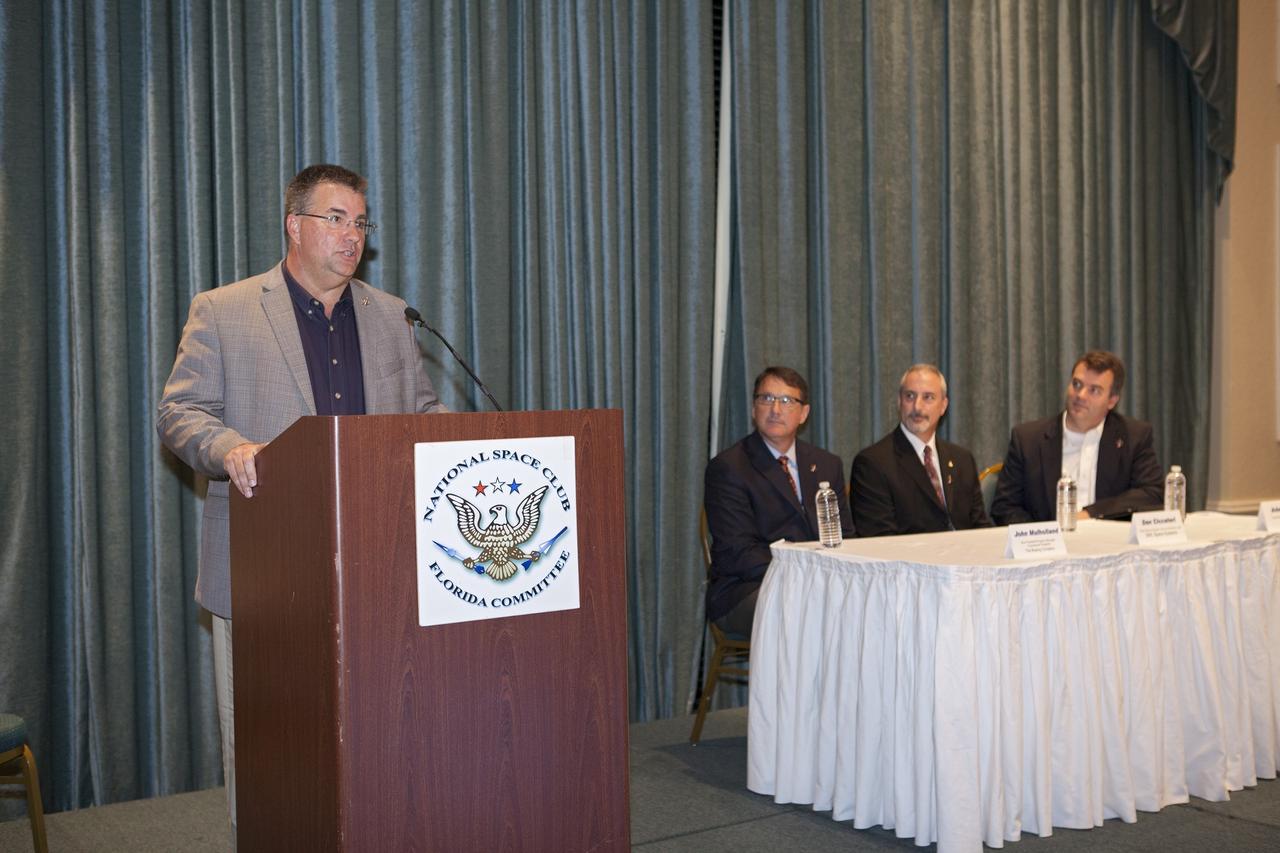
CAPE CANAVERAL, Fla. - Ed Mango, manager of NASA's Commercial Crew Program, or CCP, speaks to a crowd of spaceflight enthusiasts at the National Space Club Florida Committee's June meeting near the Kennedy Space Center. Mango was joined at the Radisson Resort at the Port in Cape Canaveral, Fla., by partner representatives from The Boeing Company, Sierra Nevada Corporation, or SNC, and Space Exploration Technologies, or SpaceX, all of whom plan to increase their commercial activities on Florida’s space coast to send astronauts to low-Earth orbit. Seated from left are vice president and program manager of Boeing's Commercial Programs John Mulholland, SNC's chief systems engineer Dan Ciccateri, and SpaceX's vice president of government sales Adam Harris. To learn more about the Commercial Crew Program, visit www.nasa.gov/commercialcrew. Photo credit: Kim Shiflett
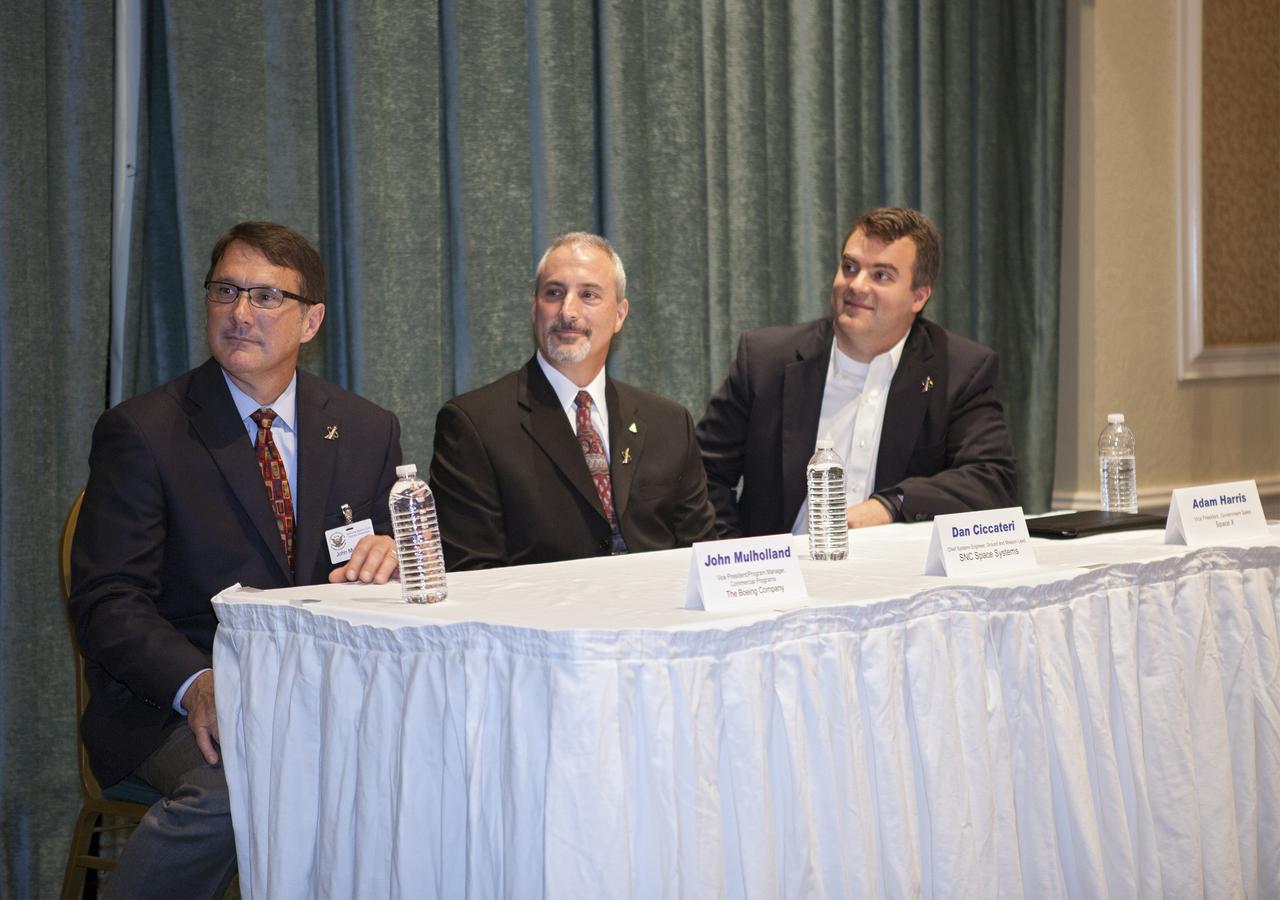
CAPE CANAVERAL, Fla. - NASA Commercial Crew Program, or CCP, partner representatives participate in the National Space Club Florida Committee's June meeting near the Kennedy Space Center. From left are The Boeing Company's vice president and program manager of Commercial Programs John Mulholland, Sierra Nevada Corporation, or SNC, Space Systems chief systems engineer Dan Ciccateri, and Space Exploration Technologies, or SpaceX, vice president of government sales Adam Harris. CCP Program Manager Ed Mango and the partners talked about plans to increase commercial activities on Florida’s space coast to send astronauts to low-Earth orbit. To learn more about the Commercial Crew Program, visit www.nasa.gov/commercialcrew. Photo credit: Kim Shiflett
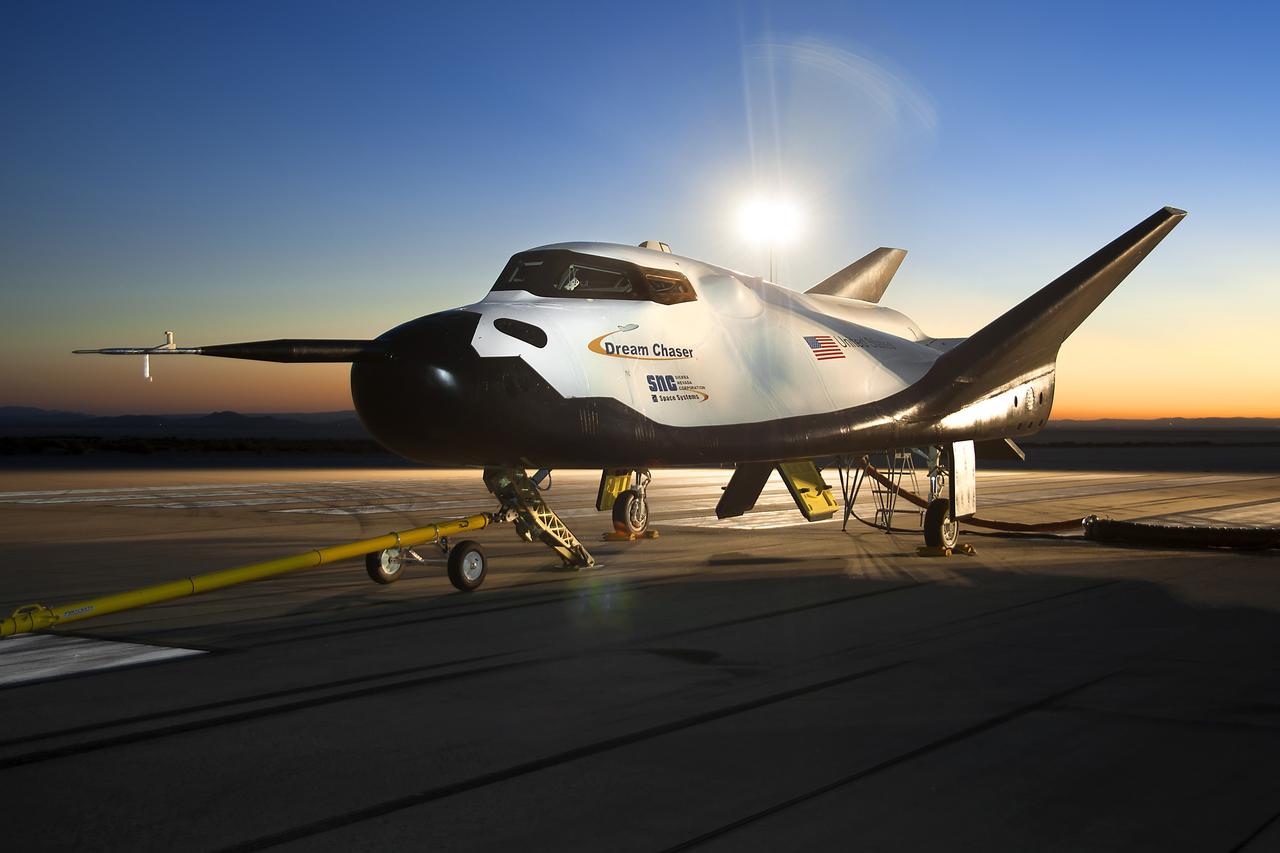
Edwards, Calif. – ED13-0266-023- The Sierra Nevada Corporation, or SNC, Dream Chaser flight vehicle is prepared for 60 mile per hour tow tests on taxi and runways at NASA's Dryden Flight Research Center at Edwards Air Force Base in California. Ground testing at 10, 20, 40 and 60 miles per hour is helping the company validate the performance of the spacecraft's braking and landing systems prior to captive-carry and free-flight tests scheduled for later this year. SNC is continuing the development of its Dream Chaser spacecraft under the agency's Commercial Crew Development Round 2, or CCDev2, and Commercial Crew Integrated Capability, or CCiCap, phases, which are intended to lead to the availability of commercial human spaceflight services for government and commercial customers. To learn more about CCP and its industry partners, visit www.nasa.gov/commercialcrew. Image credit: NASA/Ken Ulbrich
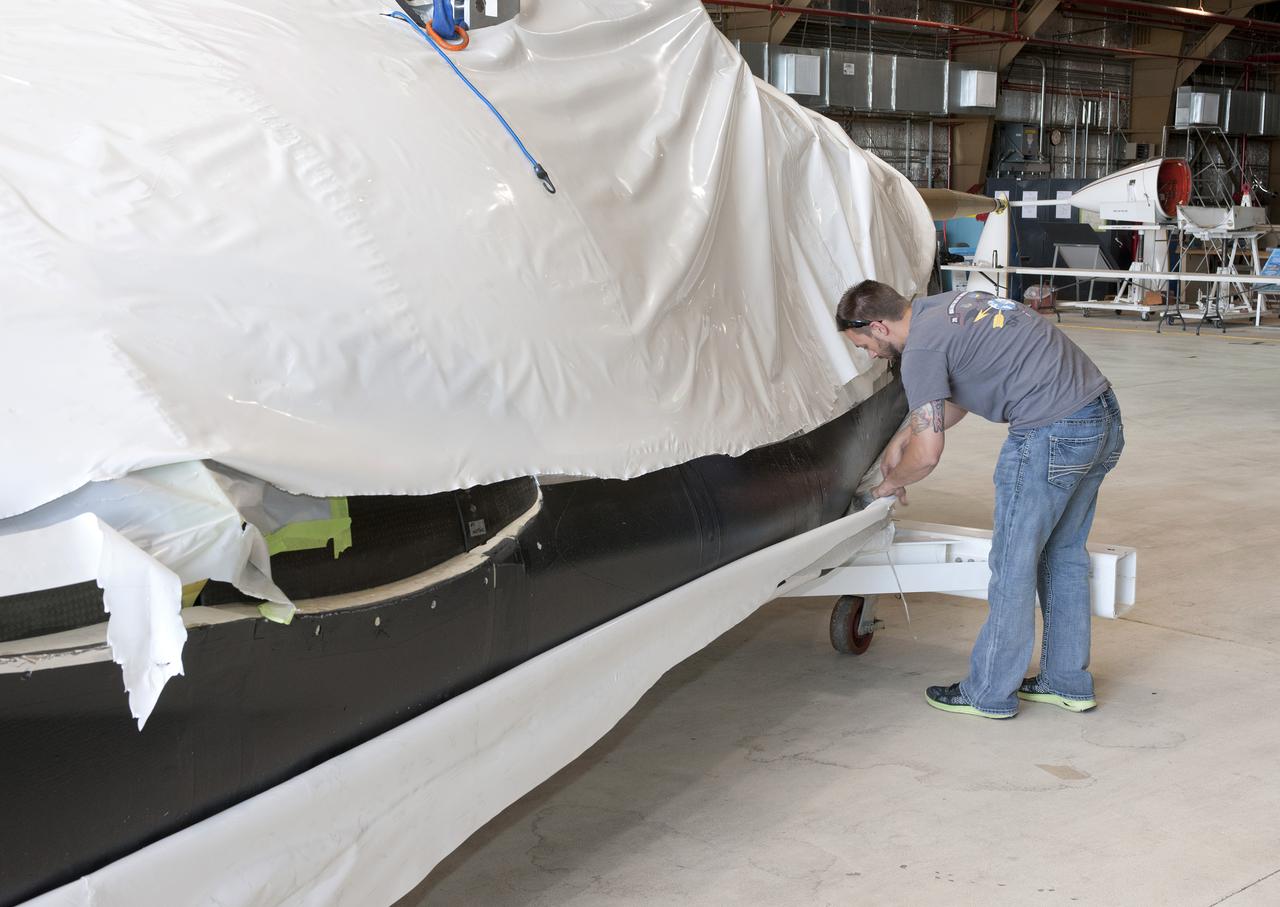
Edwards, Calif. – ED-0144-05 - Plastic wrapping that protected the Sierra Nevada Corporation, or SNC, Dream Chaser flight test vehicle during its transport from Colorado is carefully removed by SNC employee Jason Dixon following the craft's arrival at NASA's Dryden Flight Research Center in southern California. The prototype space access vehicle will undergo ground and approach-and-landing flight tests in the coming months at Dryden as part of NASA's Commercial Crew Program, or CCP, development work. SNC is one of three companies working with CCP during the agency's Commercial Crew Integrated Capability, or CCiCap, initiative, which is intended to lead to the availability of commercial human spaceflight services for government and commercial customers. To learn more about CCP and its industry partners, visit www.nasa.gov_commercialcrew. Image credit: NASA_Tom Tschida
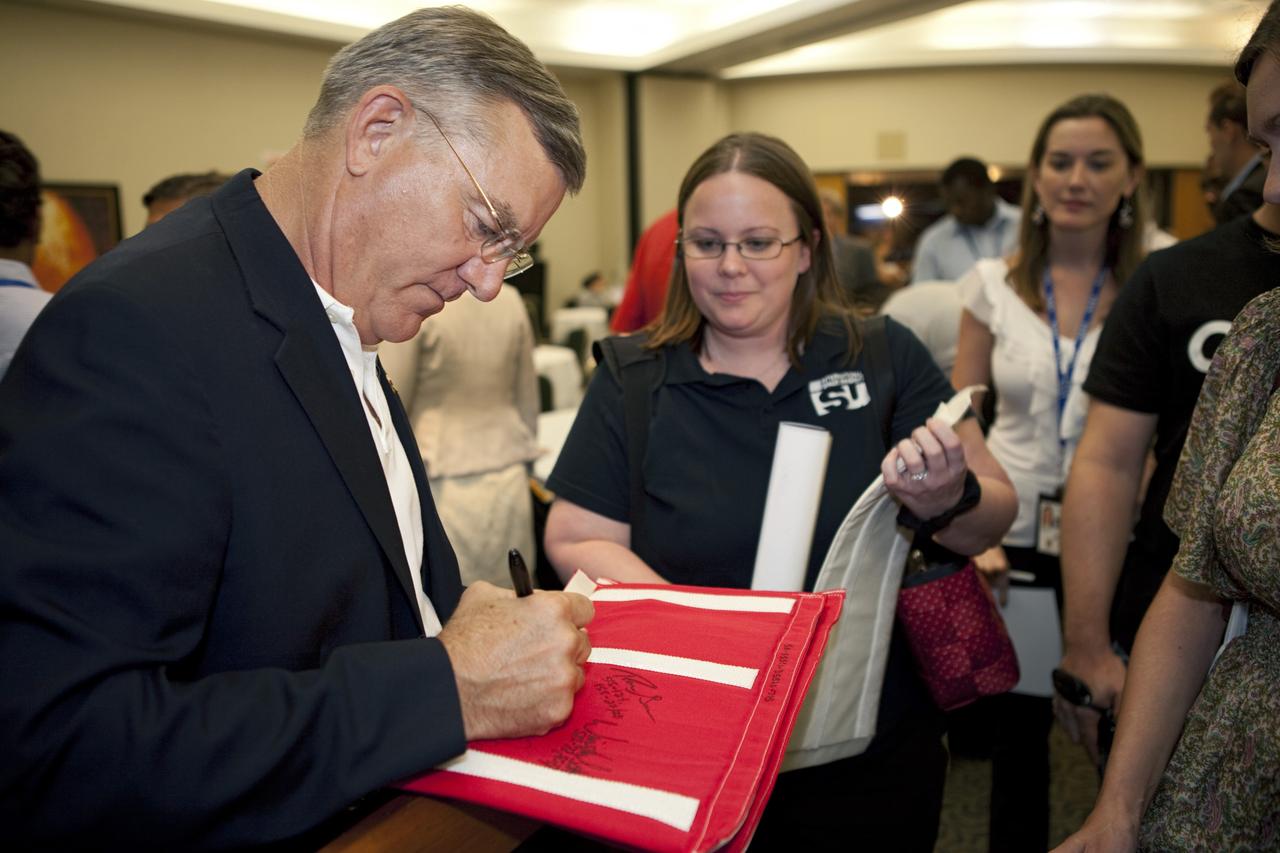
CAPE CANAVERAL, Fla. – Jim Voss, director of advanced programs at Sierra Nevada Corporation and former NASA astronaut, signs autographs and talks with participants of the International Space University during a panel discussion on the future of human spaceflight at the Kennedy Space Center Visitor Complex in Florida. The International Space University is a nine-week intensive course designed for post-graduate university students and professionals during the summer. The program is hosted by a different country each year, providing a unique educational experience for participants from around the world. NASA Kennedy Space Center and the Florida Institute of Technology in Melbourne, Fla., are co-hosting this year’s event which runs from June 4 to Aug. 3. There are about 125 participants representing 31 countries. For more information, visit http://www.isunet.edu. Photo credit: NASA/Kim Shiflett
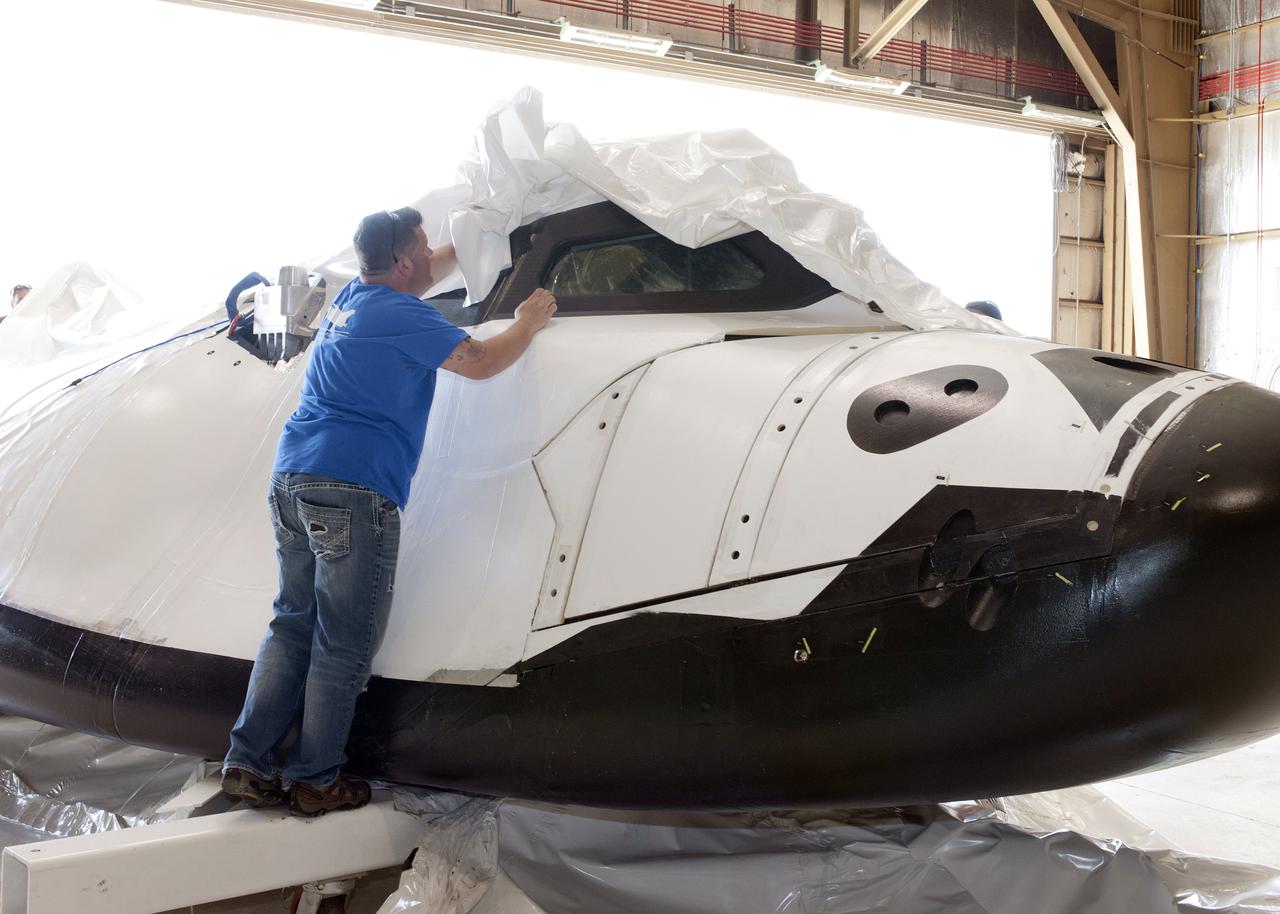
Edwards, Calif. – ED-0144-09 - Plastic wrapping that protected the Sierra Nevada Corporation, or SNC, Dream Chaser flight test vehicle during its transport from Colorado is carefully removed by SNC Dream Chaser crew chief Christian White following the craft's arrival at NASA's Dryden Flight Research Center in southern California. The prototype space access vehicle will undergo ground and approach-and-landing flight tests in the coming months at Dryden as part of NASA's Commercial Crew Program, or CCP, development work. SNC is one of three companies working with CCP during the agency's Commercial Crew Integrated Capability, or CCiCap, initiative, which is intended to lead to the availability of commercial human spaceflight services for government and commercial customers. To learn more about CCP and its industry partners, visit www.nasa.gov_commercialcrew. Image credit: NASA_Tom Tschida
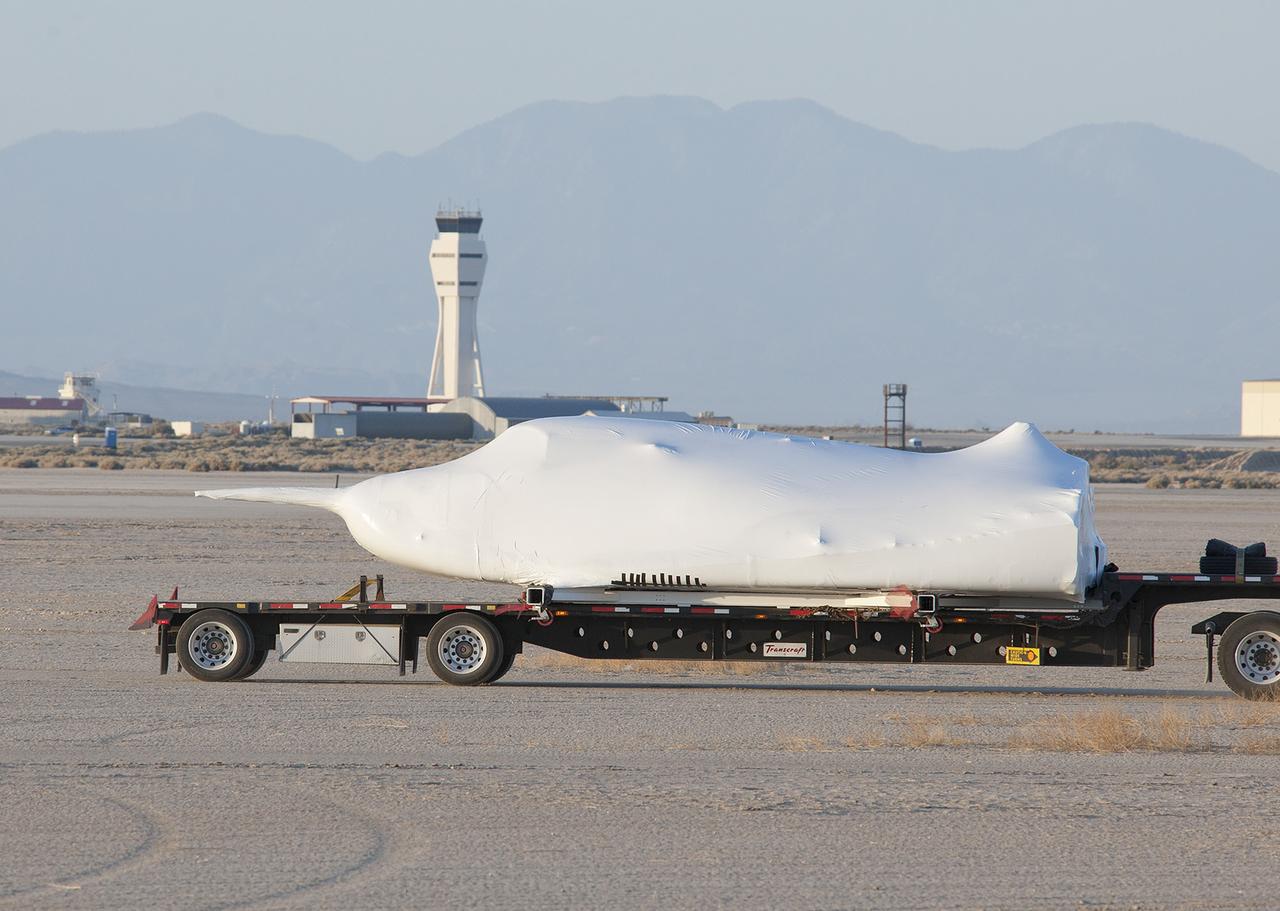
EDWARDS, Calif. – ED13-0142-03: Shrouded in plastic wrap with its wings and tail structure removed for ground transport, Sierra Nevada Corporation, or SNC, Space Systems' Dream Chaser engineering test article is hauled across the bed of Rogers Dry Lake in front of the control tower at Edwards Air Force Base, Calif., to NASA's Dryden Flight Research Center. The Dream Chaser will begin its flight test program in collaboration with NASA's Commercial Crew Program this summer. SNC is one of three companies working with NASA's Commercial Crew Program, or CCP, during the agency's Commercial Crew Integrated Capability, or CCiCap, initiative, which is intended to lead to the availability of commercial human spaceflight services for government and commercial customers. To learn more about CCP and its industry partners, visit www.nasa.gov/commercialcrew. Image credit: NASA/Tom Tschida
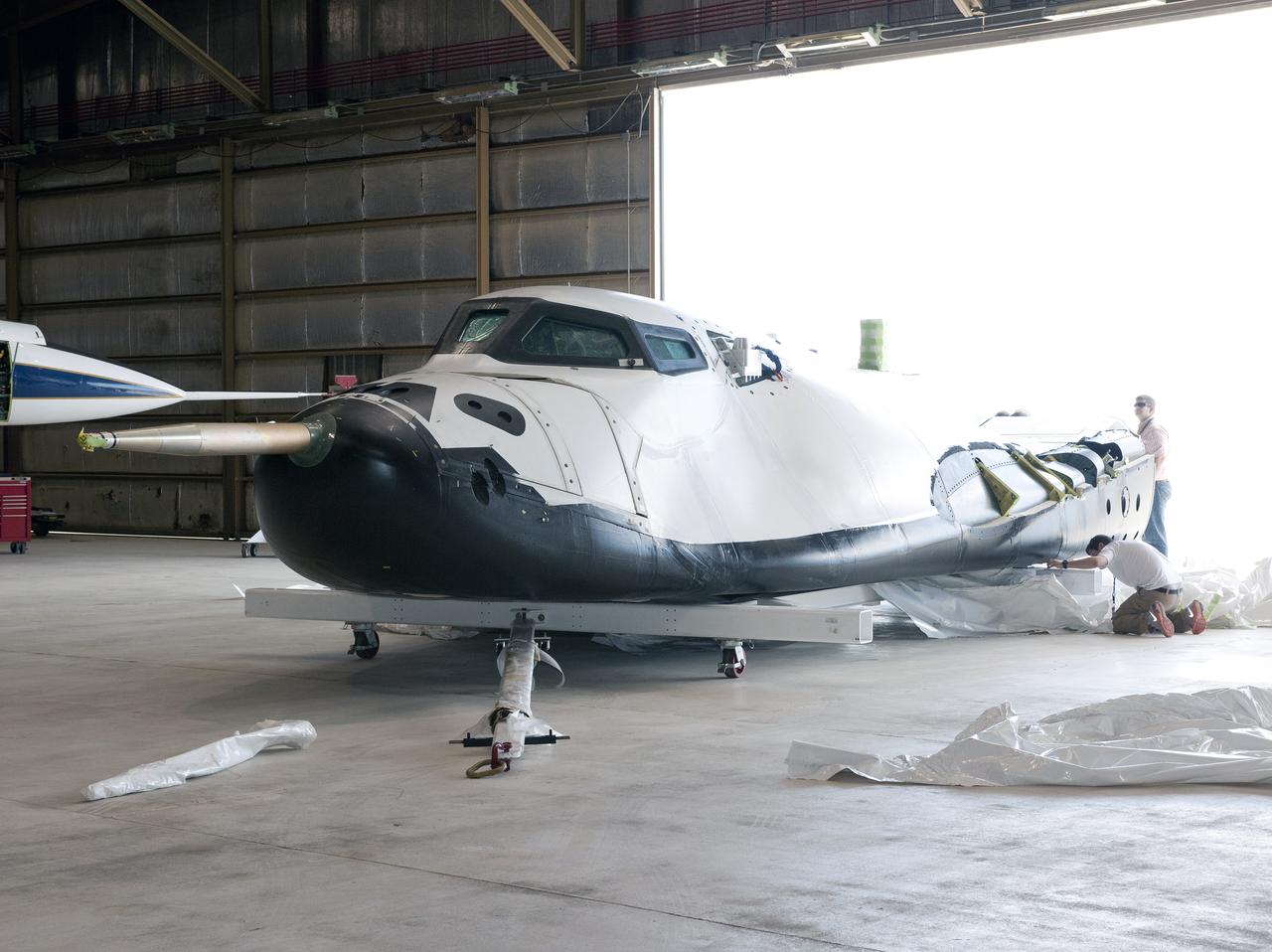
Edwards, Calif. – ED-0144-12 - Plastic wrapping that protected the Sierra Nevada Corporation, or SNC, Dream Chaser flight test vehicle during its transport from Colorado is carefully removed by SNC employee Will Armijo following the craft's arrival at NASA's Dryden Flight Research Center in southern California. The prototype space access vehicle will undergo ground and approach-and-landing flight tests in the coming months at Dryden as part of NASA's Commercial Crew Program, or CCP, development work. SNC is one of three companies working with CCP during the agency's Commercial Crew Integrated Capability, or CCiCap, initiative, which is intended to lead to the availability of commercial human spaceflight services for government and commercial customers. To learn more about CCP and its industry partners, visit www.nasa.gov_commercialcrew. Image credit: NASA_Tom Tschida
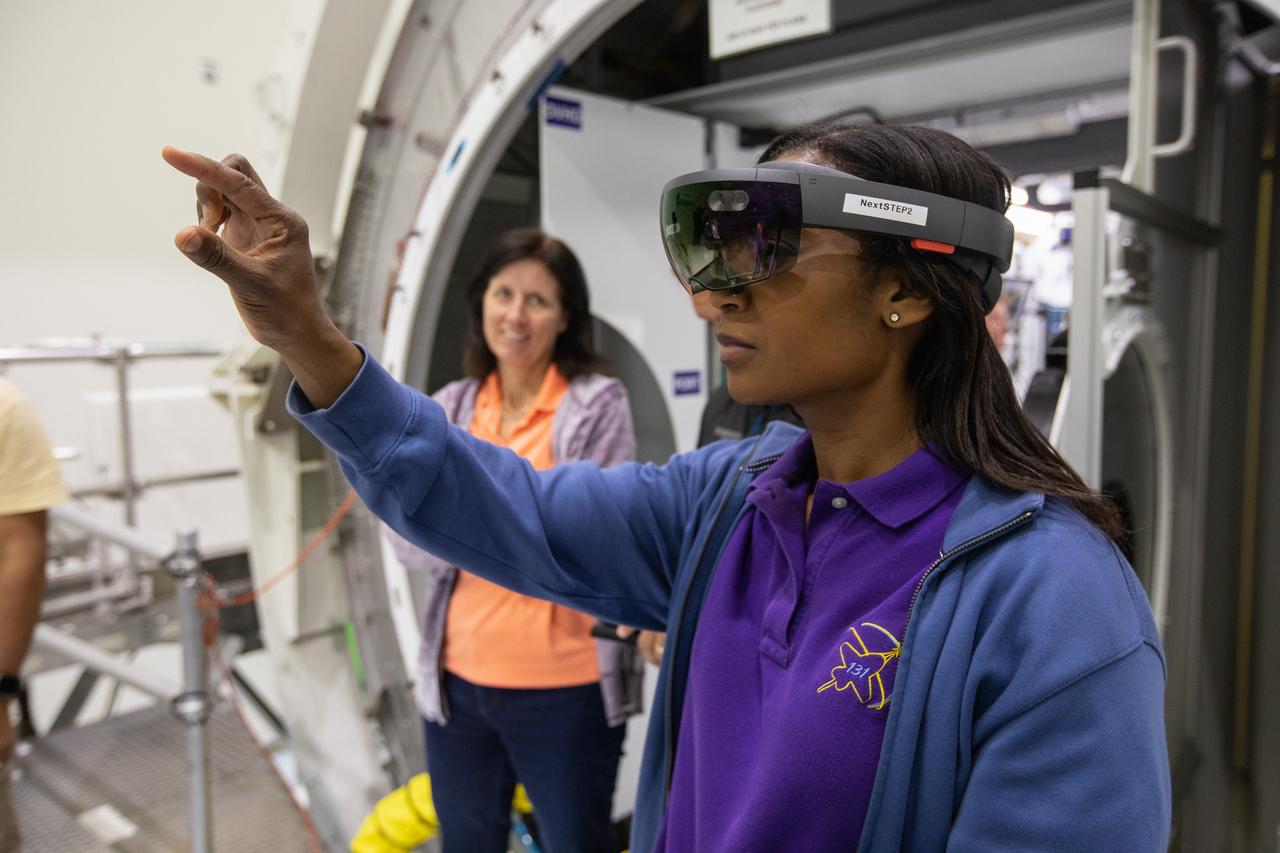
NASA began evaluating five habitat prototypes developed through NASA’s Next Space Exploration for Technologies Partnerships, or NextSTEP, to help engineers refine requirements for the design of an American-made deep space habitat for the Gateway. Lockheed Martin turned over its prototype to NASA, and testing began with crew on March 25, 2019, at Kennedy Space Center in Florida. Pictured inside the Space Station Processing Facility on March 26, 2019, from left are astronauts Shannon Walker and Stephanie Wilson. Astronauts are participating in the evaluations to provide their perspectives as those who may one day live aboard the lunar outpost, which would be located about 250,000 miles from Earth. Ground prototypes developed by Bigelow Aerospace, Boeing, Northrop Grumman, and Sierra Nevada Corporation will be tested in the future at various facilities across the country. A sixth company, NanoRacks, plans to develop a prototype as well.
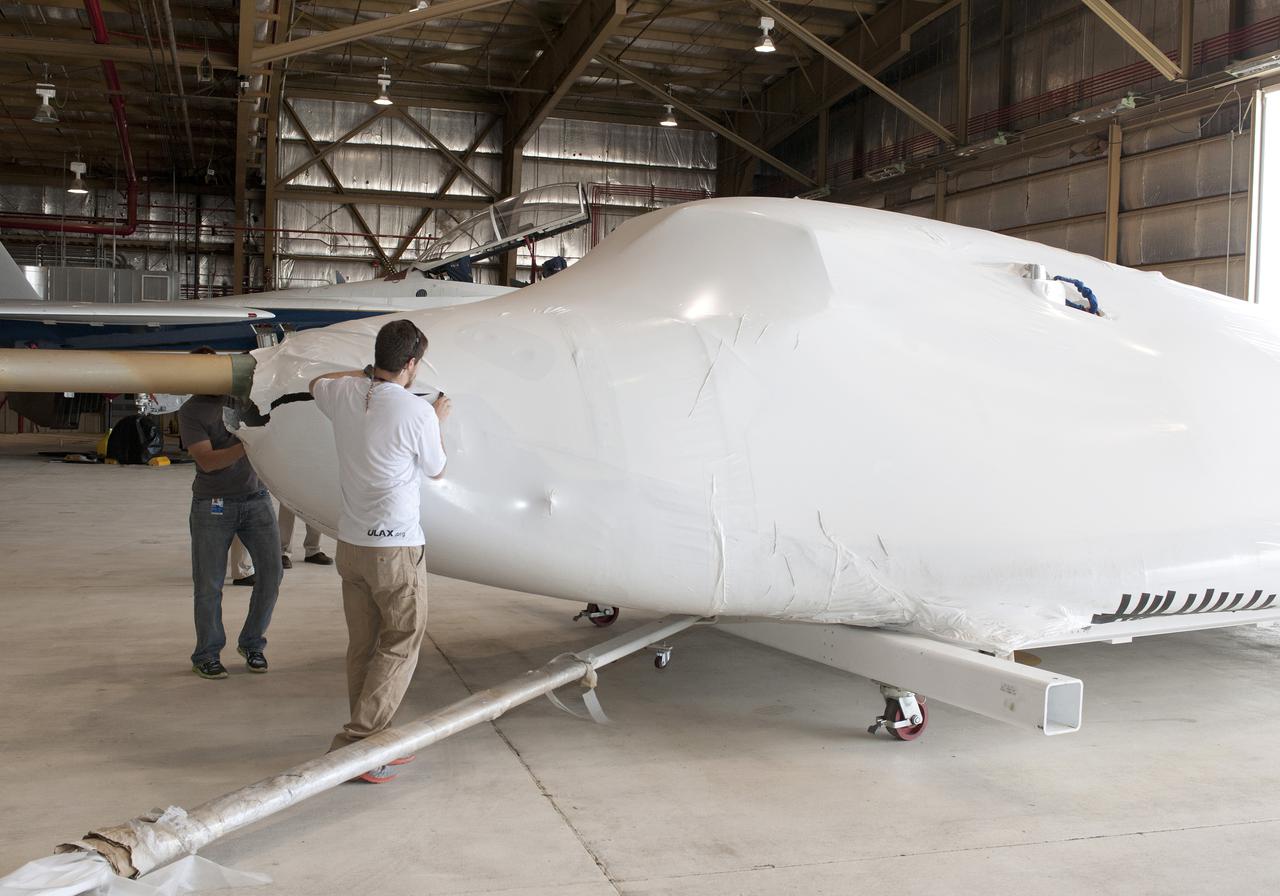
Edwards, Calif. – ED-0144-01 - Plastic wrapping that protected the Sierra Nevada Corporation, or SNC, Dream Chaser flight test vehicle during its transport from Colorado is carefully removed by SNC employee Will Armijo following the craft's arrival at NASA's Dryden Flight Research Center in southern California. The prototype space access vehicle will undergo ground and approach-and-landing flight tests in the coming months as part of NASA's Commercial Crew Program, or CCP, development work. SNC is one of three companies working with CCP during the agency's Commercial Crew Integrated Capability, or CCiCap, initiative, which is intended to lead to the availability of commercial human spaceflight services for government and commercial customers. To learn more about CCP and its industry partners, visit www.nasa.gov_commercialcrew. Image credit: NASA_Tom Tschida
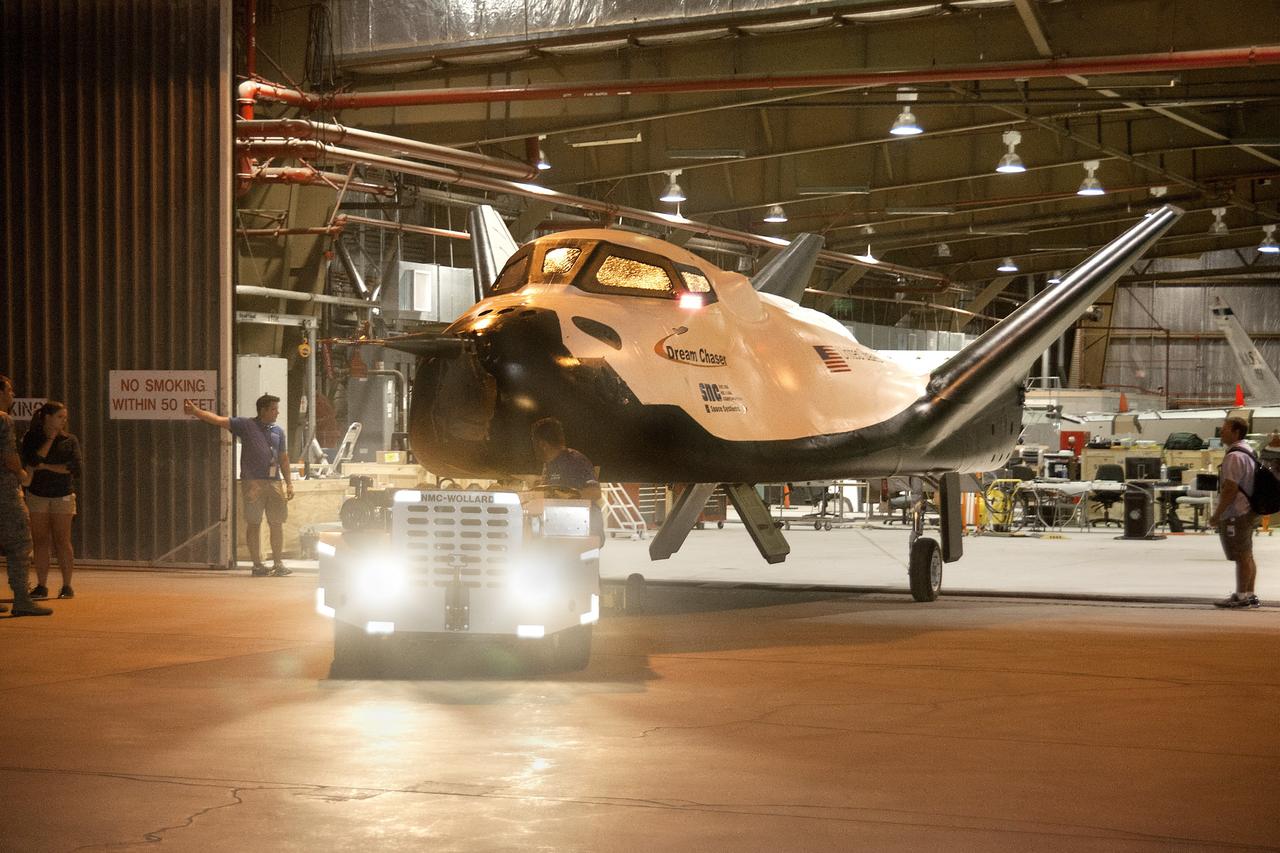
Edwards, Calif. – ED13-0266-004- The Sierra Nevada Corporation, or SNC, Dream Chaser flight vehicle pulls out of a hangar at NASA's Dryden Flight Research Center in California in preparation for tow tests. Ground testing at 10, 20, 40 and 60 miles per hour is helping the company validate the performance of the spacecraft's braking and landing systems prior to captive-carry and free-flight tests scheduled for later this year. SNC is continuing the development of its Dream Chaser spacecraft under the agency's Commercial Crew Development Round 2, or CCDev2, and Commercial Crew Integrated Capability, or CCiCap, phases, which are intended to lead to the availability of commercial human spaceflight services for government and commercial customers. To learn more about CCP and its industry partners, visit www.nasa.gov/commercialcrew. Image credit: NASA/Ken Ulbrich
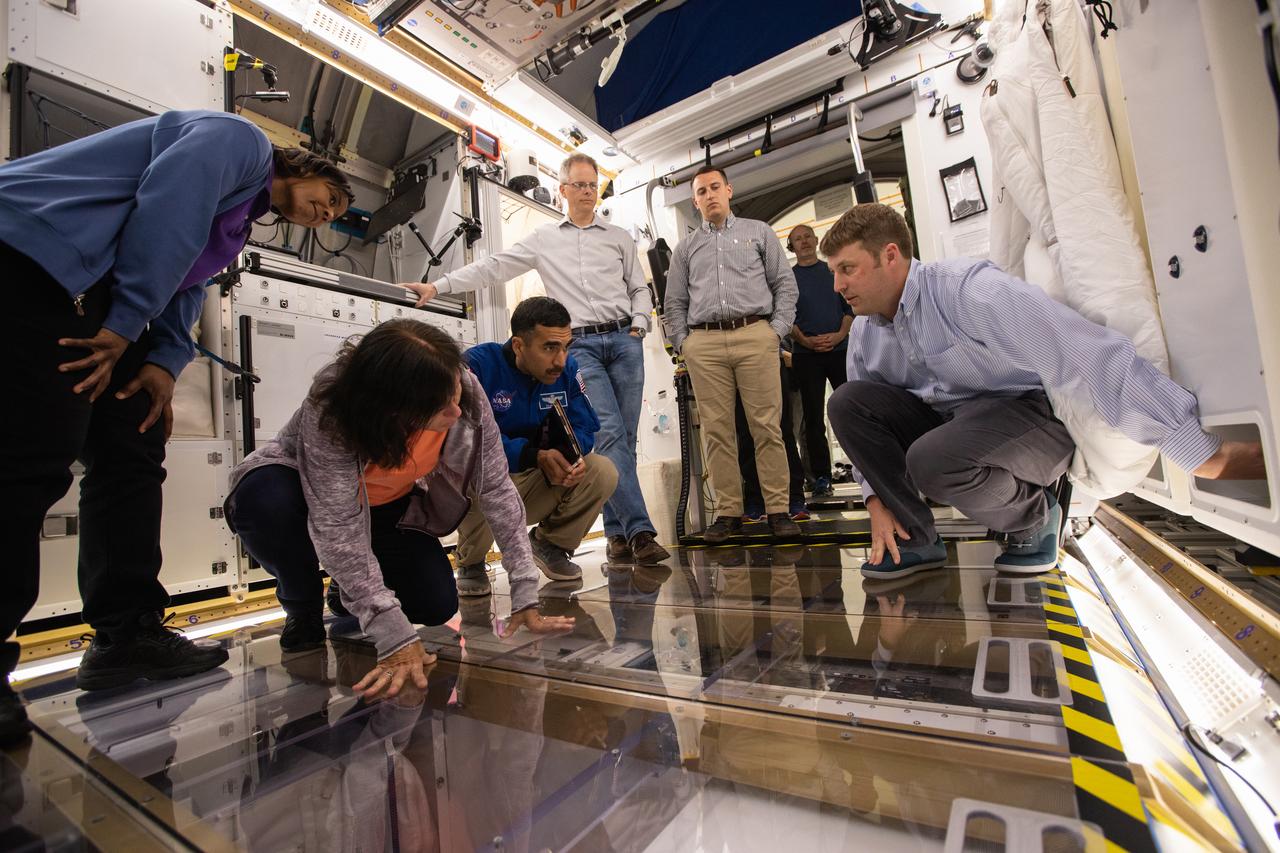
NASA began evaluating five habitat prototypes developed through NASA’s Next Space Exploration for Technologies Partnerships, or NextSTEP, to help engineers refine requirements for the design of an American-made deep space habitat for the Gateway. Lockheed Martin turned over its prototype to NASA, and testing began with crew on March 25, 2019, at Kennedy Space Center in Florida. Pictured inside the habitat prototype on March 26, 2019, from left are astronauts Stephanie Wilson, Shannon Walker and Raja Chari. Astronauts are participating in the evaluations to provide their perspectives as those who may one day live aboard the lunar outpost, which would be located about 250,000 miles from Earth. Ground prototypes developed by Bigelow Aerospace, Boeing, Northrop Grumman, and Sierra Nevada Corporation will be tested in the future at various facilities across the country. A sixth company, NanoRacks, plans to develop a prototype as well.
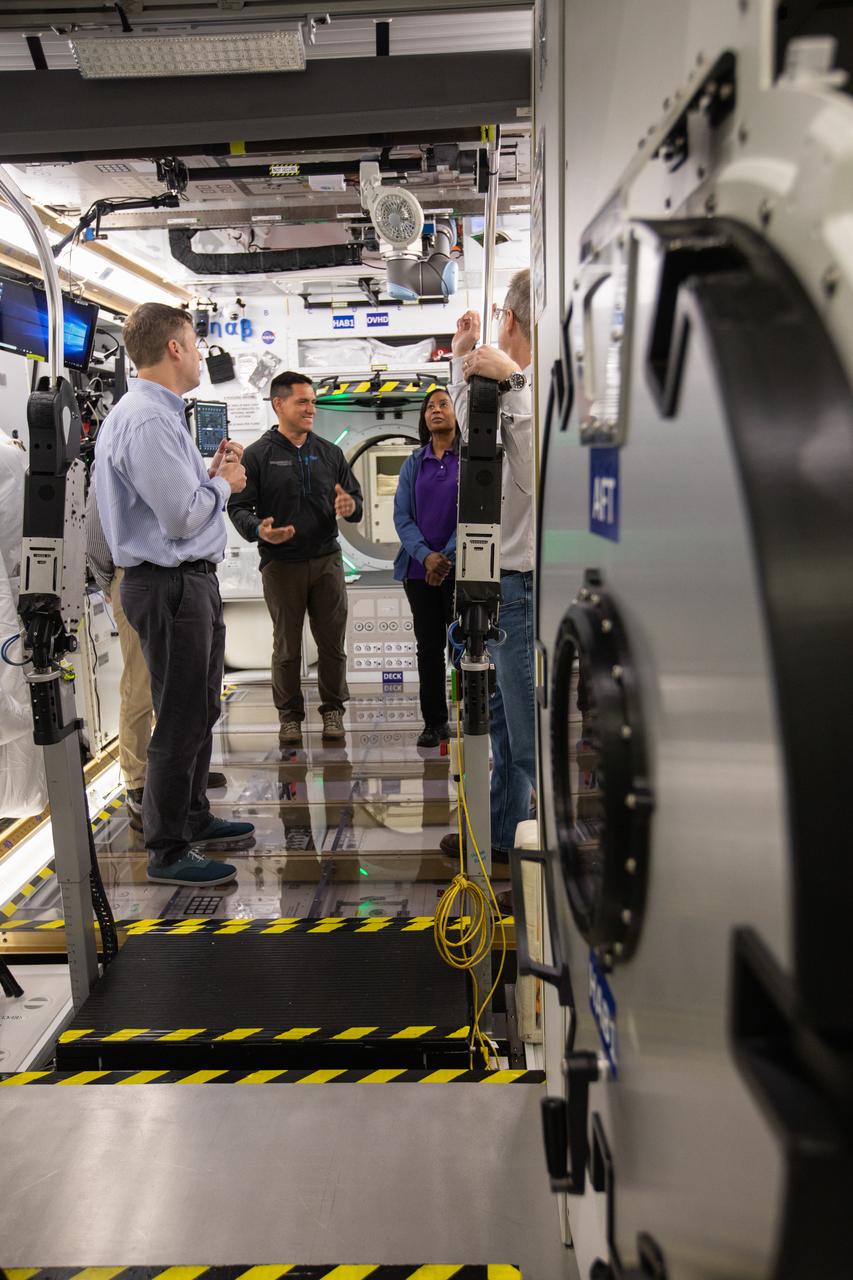
NASA began evaluating five habitat prototypes developed through NASA’s Next Space Exploration for Technologies Partnerships, or NextSTEP, to help engineers refine requirements for the design of an American-made deep space habitat for the Gateway. Lockheed Martin turned over its prototype to NASA, and testing began with crew on March 25, 2019, at Kennedy Space Center in Florida. Pictured inside the habitat prototype on March 26, 2019, second from left is astronaut Frank Rubio. Next to him is astronaut Stephanie Wilson. Astronauts are participating in the evaluations to provide their perspectives as those who may one day live aboard the lunar outpost, which would be located about 250,000 miles from Earth. Ground prototypes developed by Bigelow Aerospace, Boeing, Northrop Grumman, and Sierra Nevada Corporation will be tested in the future at various facilities across the country. A sixth company, NanoRacks, plans to develop a prototype as well.
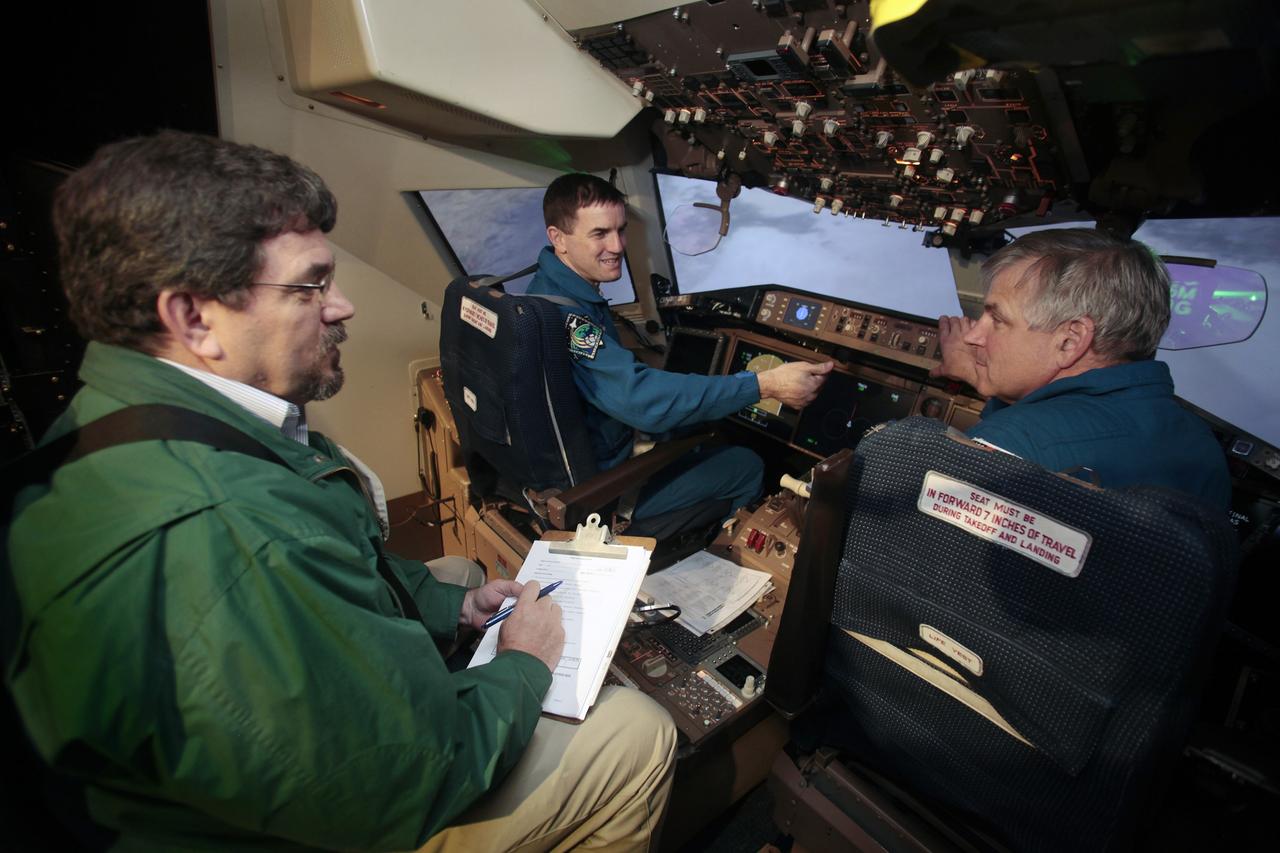
HAMPTON, Va. – Bruce Jackson, an aerospace engineer at NASA’s Langley Flight Research Center, briefs astronauts Rex Walheim, left, and Gregory Johnson as they evaluate Sierra Nevada Corporation, or SNC, Space Systems' Dream Chaser landing simulation, in support of NASA Commercial Crew Program, or CCP, efforts. The simulation makes use of the Synthetic Vision and Enhanced Vision systems in the center's Cockpit Motion Facility. SNC is one of three companies working with CCP during the agency's Commercial Crew Integrated Capability, or CCiCap, initiative, which is intended to lead to the availability of commercial human spaceflight services for government and commercial customers. To learn more about CCP and its industry partners, visit www.nasa.gov/commercialcrew. Image credit: NASA/David C. Bowman
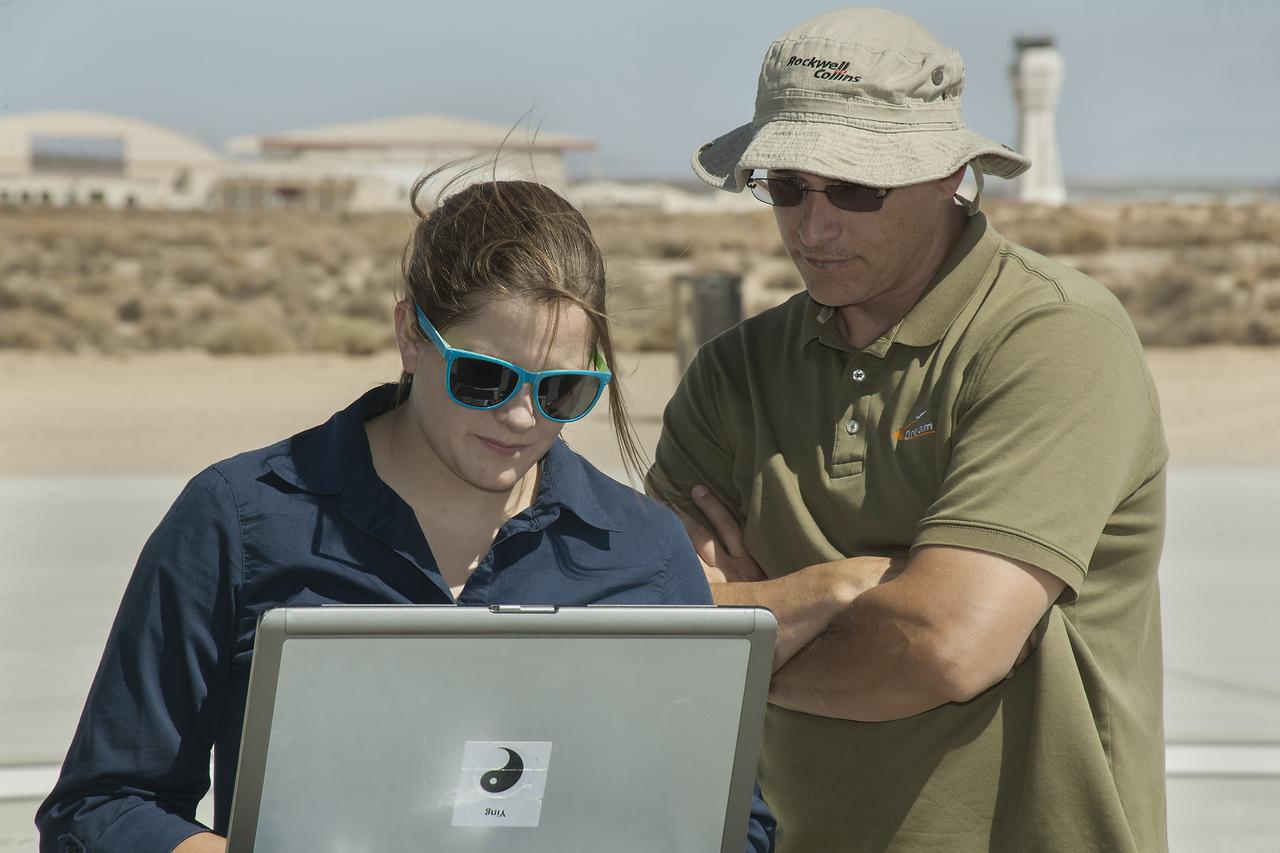
Edwards, Calif. – ED13-0266-056- Sierra Nevada Corporation, or SNC, team members monitor the company's Dream Chaser flight vehicle systems during 60 mph tow testing on taxi and runways at NASA's Dryden Flight Research Center at Edwards Air Force Base in California. Ground testing at 10, 20, 40 and 60 miles per hour is helping the company validate the performance of the spacecraft's braking and landing systems prior to captive-carry and free-flight tests scheduled for later this year. SNC is continuing the development of its Dream Chaser spacecraft under the agency's Commercial Crew Development Round 2, or CCDev2, and Commercial Crew Integrated Capability, or CCiCap, phases, which are intended to lead to the availability of commercial human spaceflight services for government and commercial customers. To learn more about CCP and its industry partners, visit www.nasa.gov/commercialcrew. Image credit: NASA/Ken Ulbrich