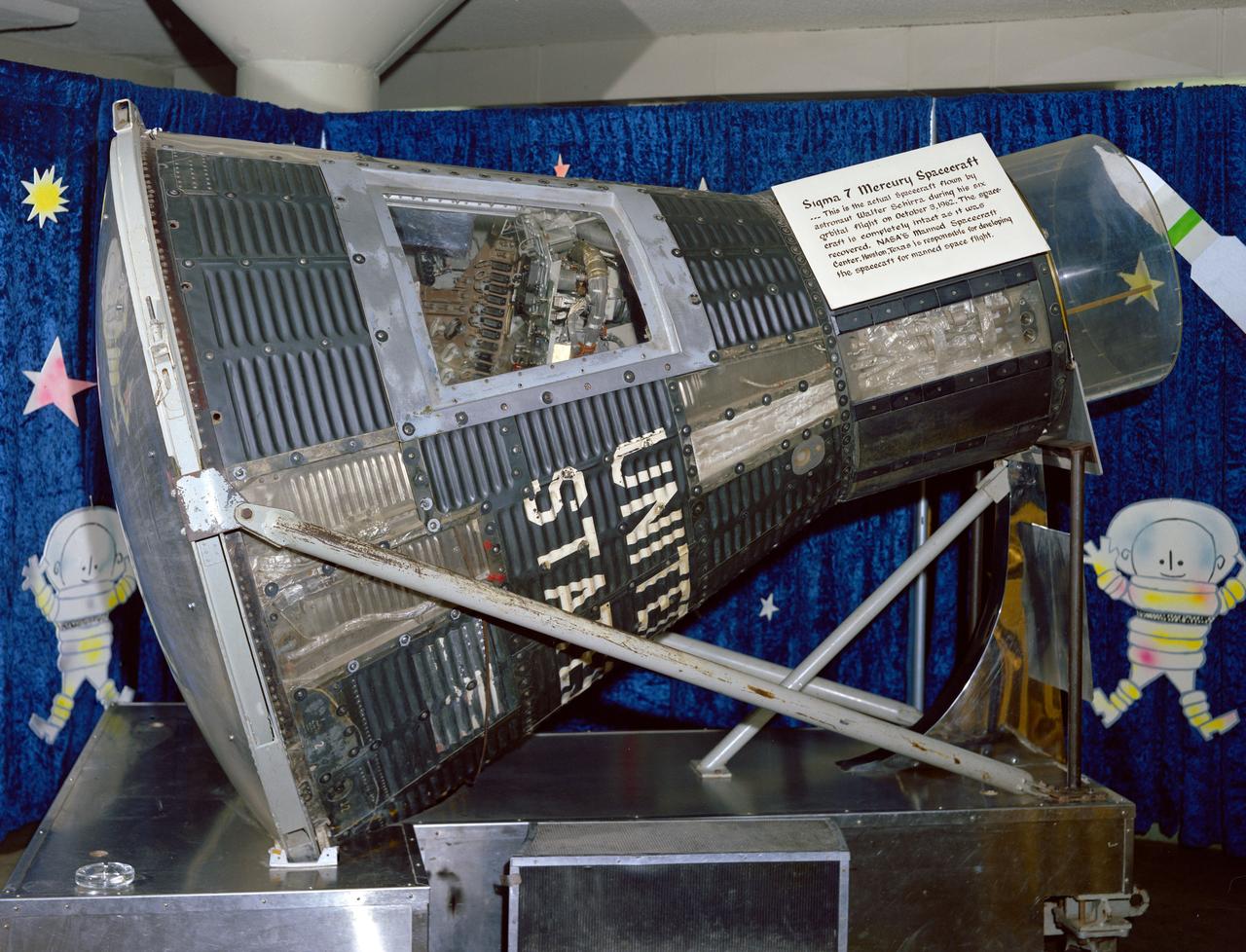
S66-53205 (1966) --- Mercury Atlas (MA-8) Sigma 7 capsule on display at the Johnson Space Center. Photo credit: NASA
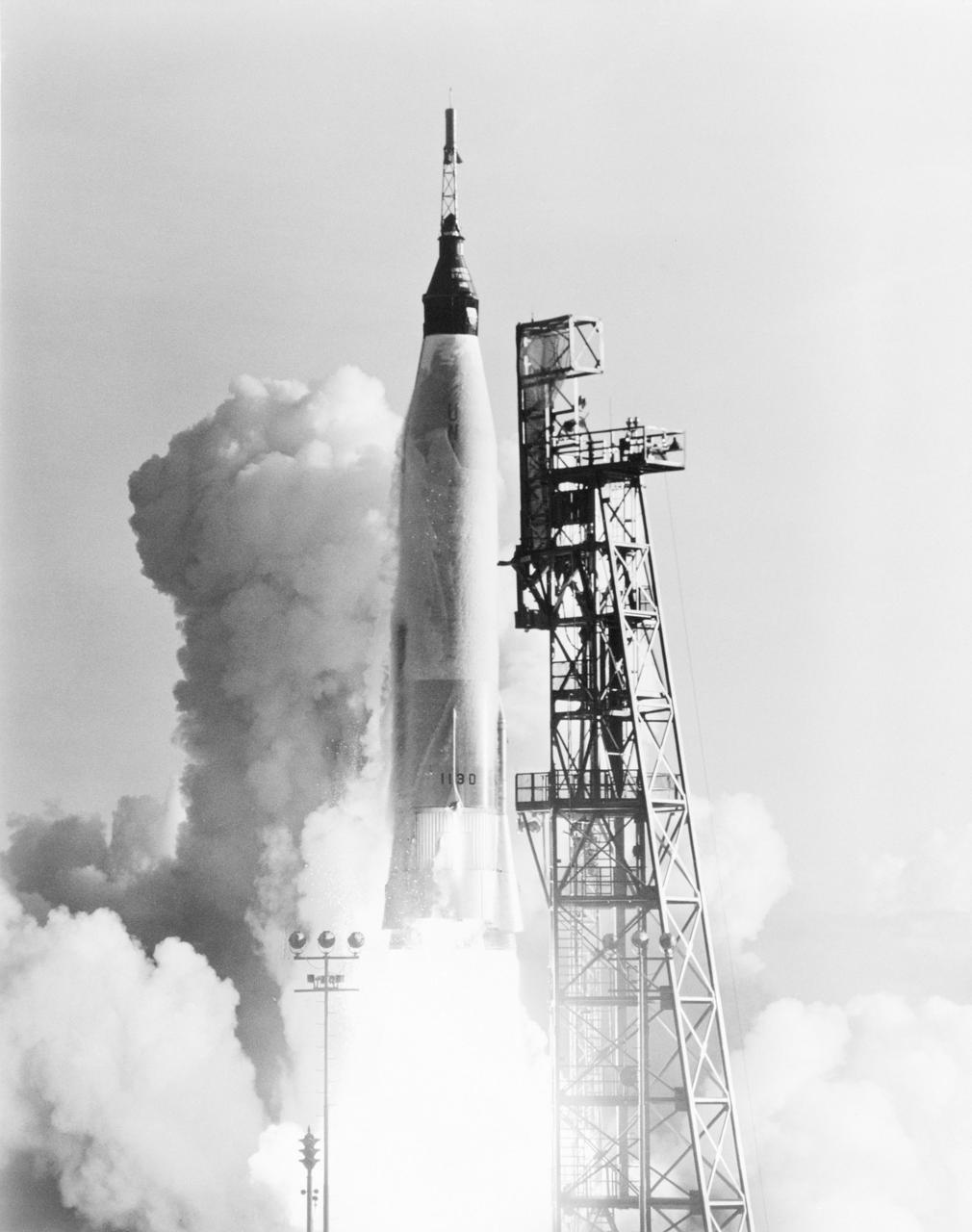
S62-06006 (3 Oct. 1962) --- Launch of the Mercury-Atlas 8 "Sigma 7" mission. Photo credit: NASA
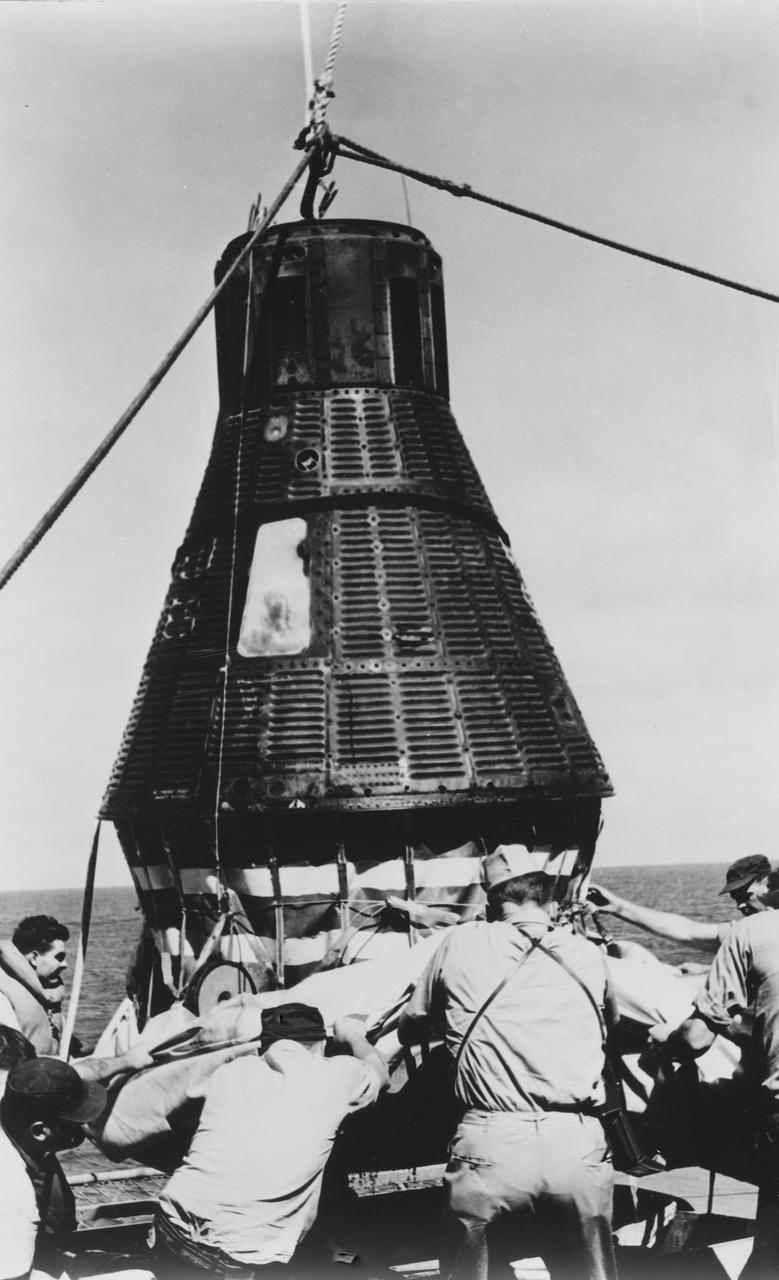
S62-06175 (3 Oct. 1962) --- Closeup view of the Mercury-Atlas 8 (MA-8) Sigma 7 capsule being lowered to recovery ship's deck. Navy personnel remove the floatation device before opening the capsule. Photo credit: NASA
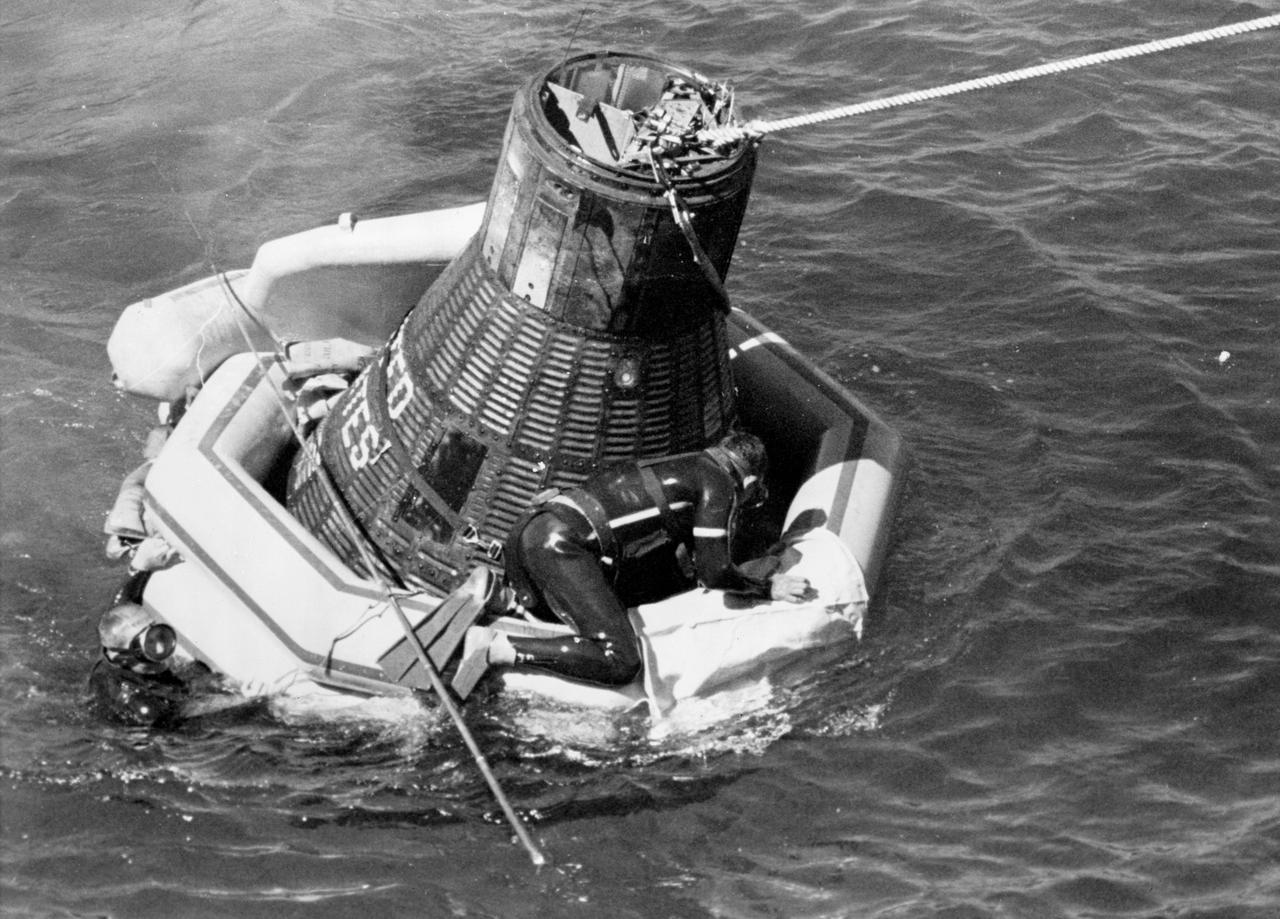
S62-061060 (3 Oct. 1962) --- Navy frogman astride Mercury-Atlas 8 caspule, the Sigma 7, floatation collar to secure tow line for recovery by USS Kearsarge. Photo credit: NASA
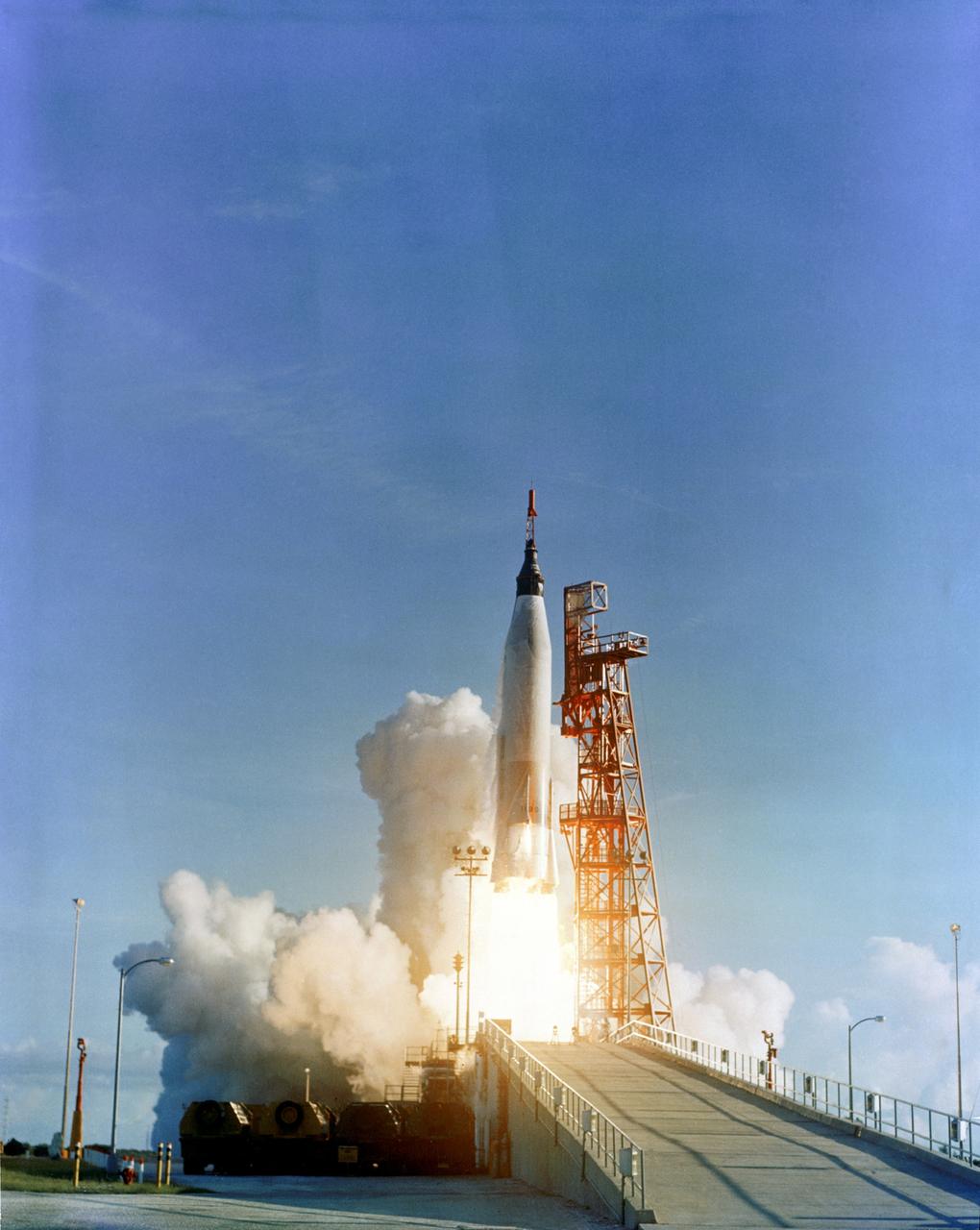
S62-07872 (3 Oct. 1962) --- Launch of the Mercury-Atlas 8 (MA-8) "Sigma 7" mission, carrying astronaut Walter M. Schirra Jr., pilot of the Earth-orbital spaceflight. Photo credit: NASA

Astronaut Walter M. "Wally" Schirra, one of the original seven astronauts for Mercury Project selected by NASA on April 27, 1959. The MA-8 (Mercury-Atlas) mission with Sigma 7 spacecraft was the third marned orbital flight by the United States, and made the six orbits in 9-1/4 hours.
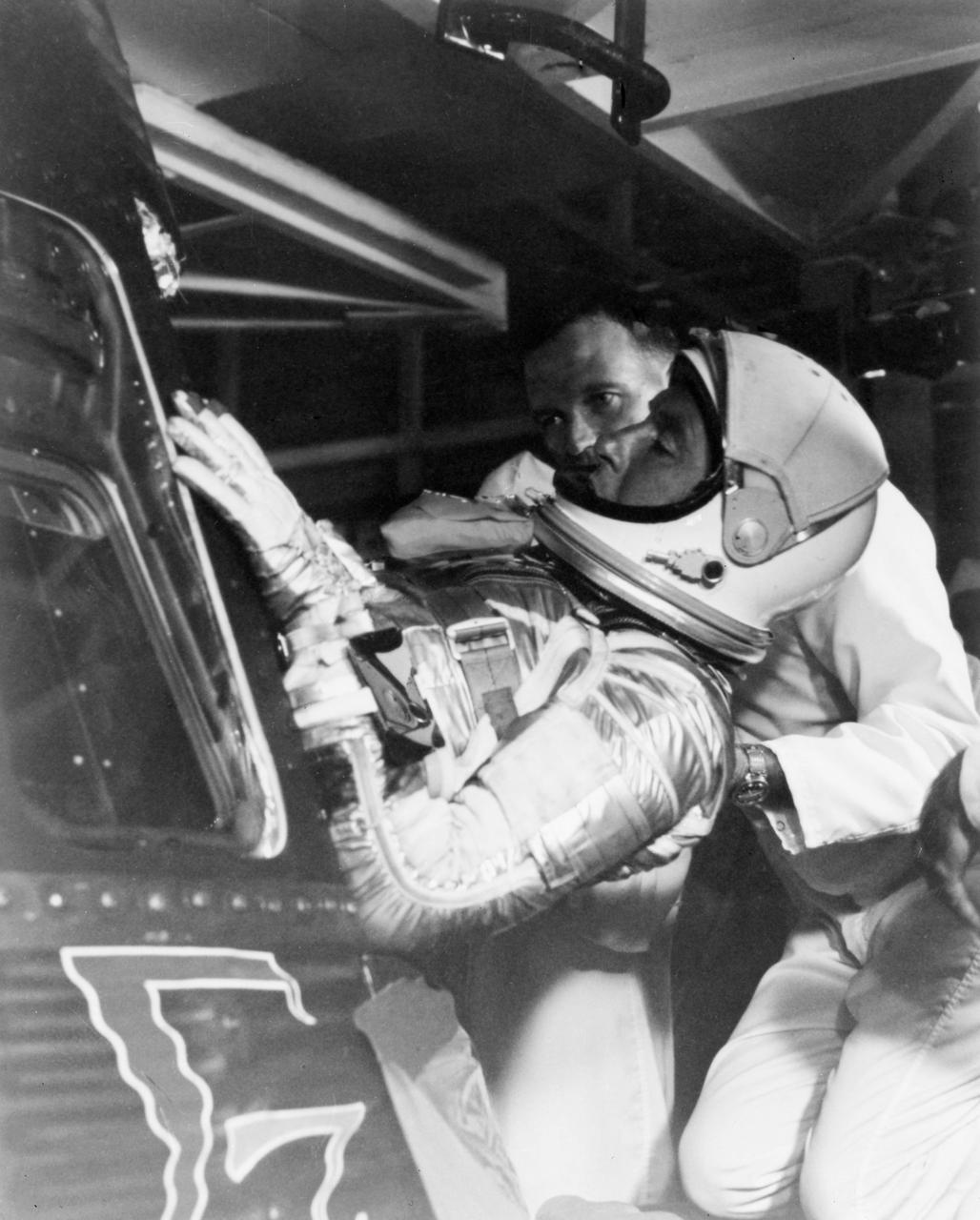
S62-06002 (3 Oct. 1962) --- Astronaut Walter M. Schirra Jr., pilot of the Mercury-Atlas 8 (MA-8) Earth-orbital spaceflight, is assisted by backup pilot L. Gordon Cooper into his Sigma 7 spacecraft for the begining of the MA-8 mission. Photo credit: NASA
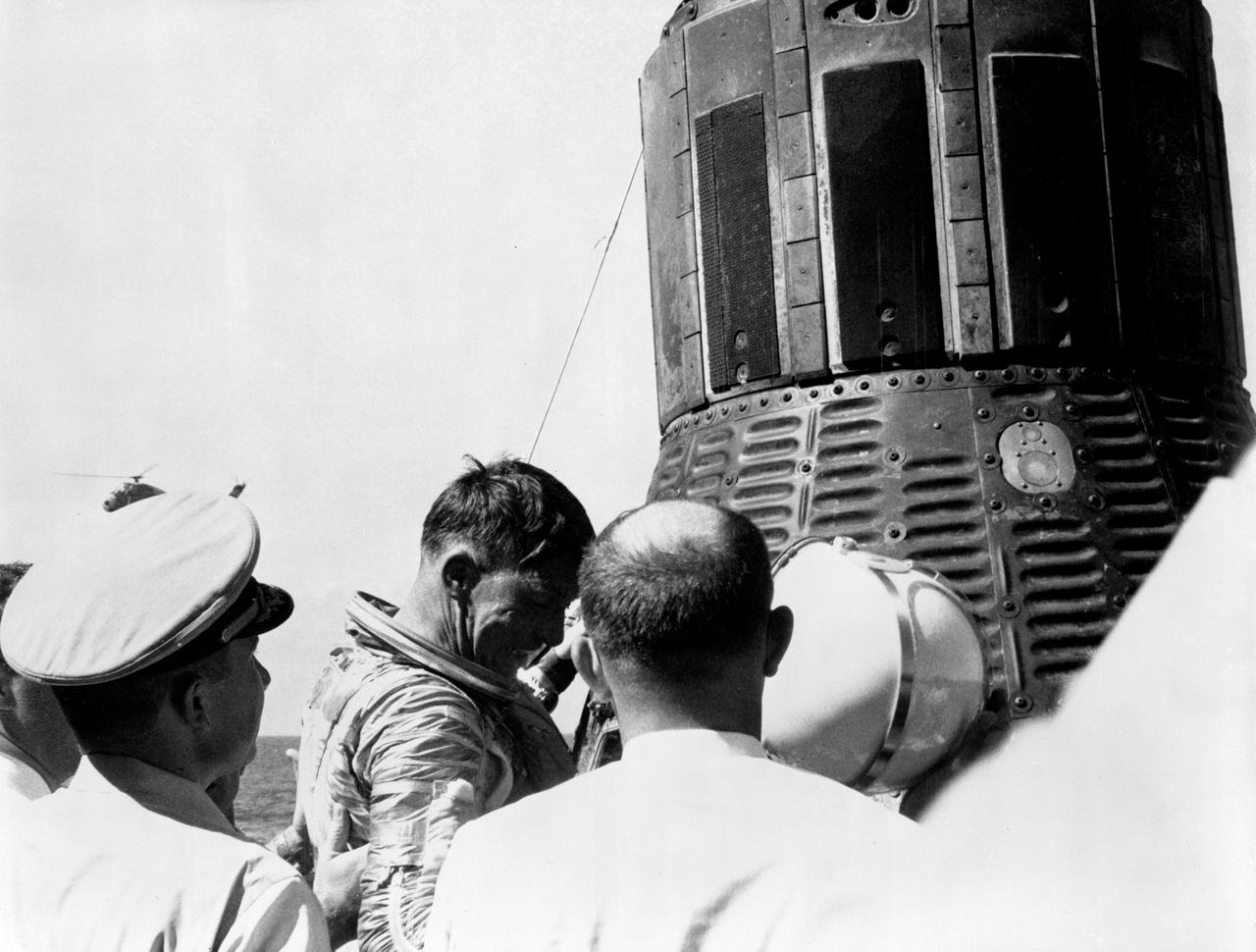
S62-06148 (3 Oct. 1962) --- Close-up view of Mercury-Atlas 8 (MA-8) astronaut Walter Schirra being removed from his Sigma 7 capsule by Navy personnel. Schirra has just removed his helmet. Photo credit: NASA
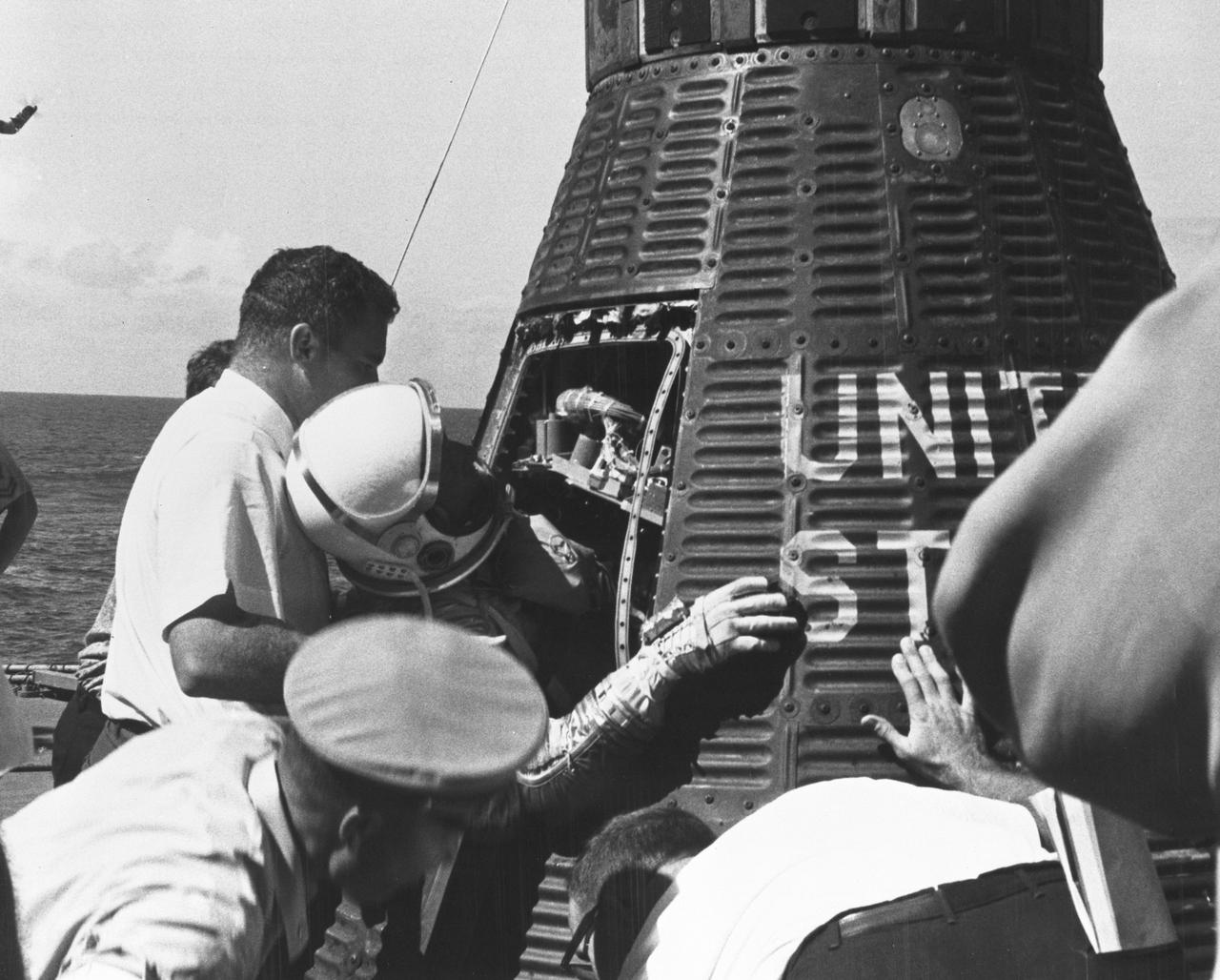
S62-06108 (3 Oct. 1962) --- Close-up view of Mercury-Atlas 8 (MA-8) astronaut Walter Schirra Jr. being removed from his Sigma 7 capsule by Navy personnel. Photo credit: NASA
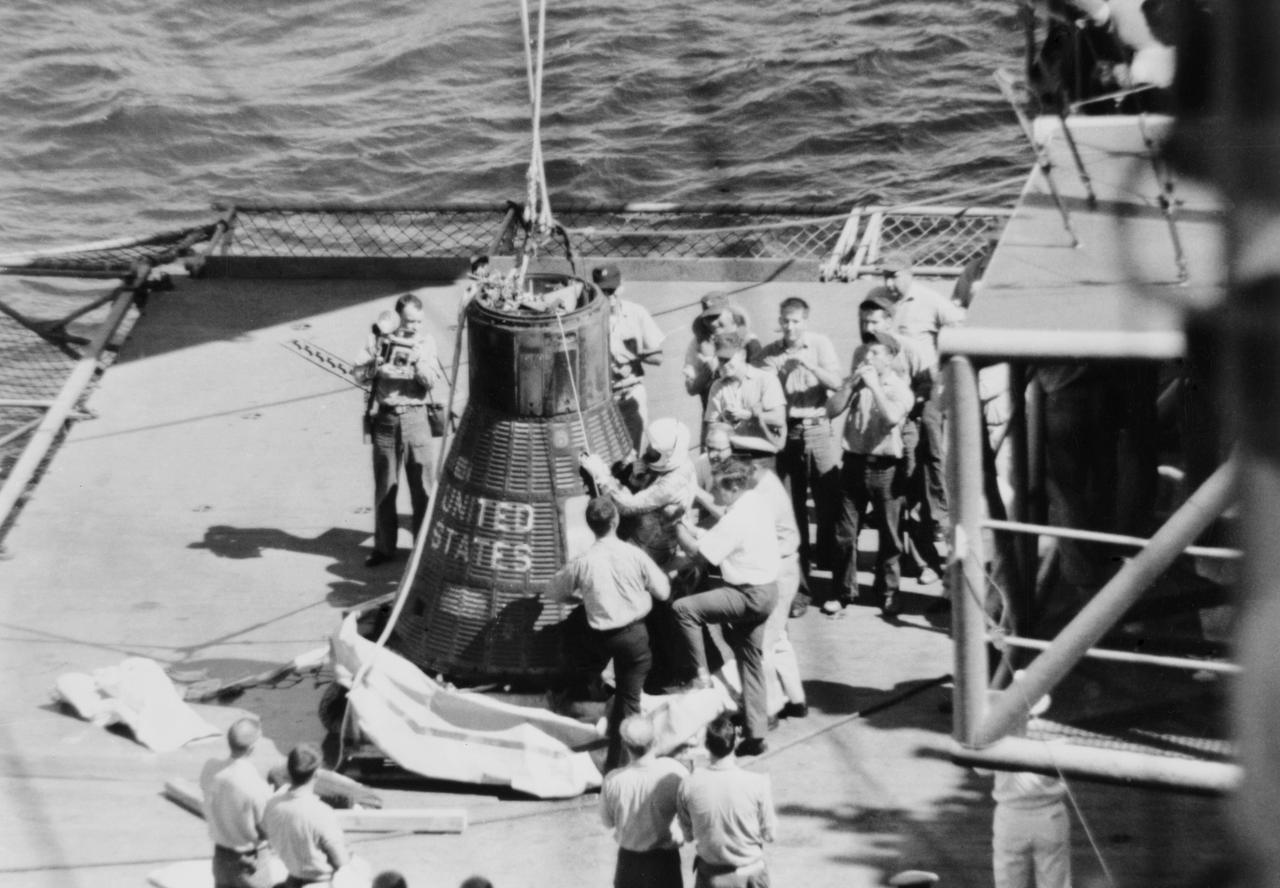
S62-06144 (3 Oct. 1962) --- Wide angle view of Mercury-Atlas 8 (MA-8) astronaut Walter Schirra Jr. being removed from his Sigma 7 capsule by Navy personnel. Photo credit: NASA
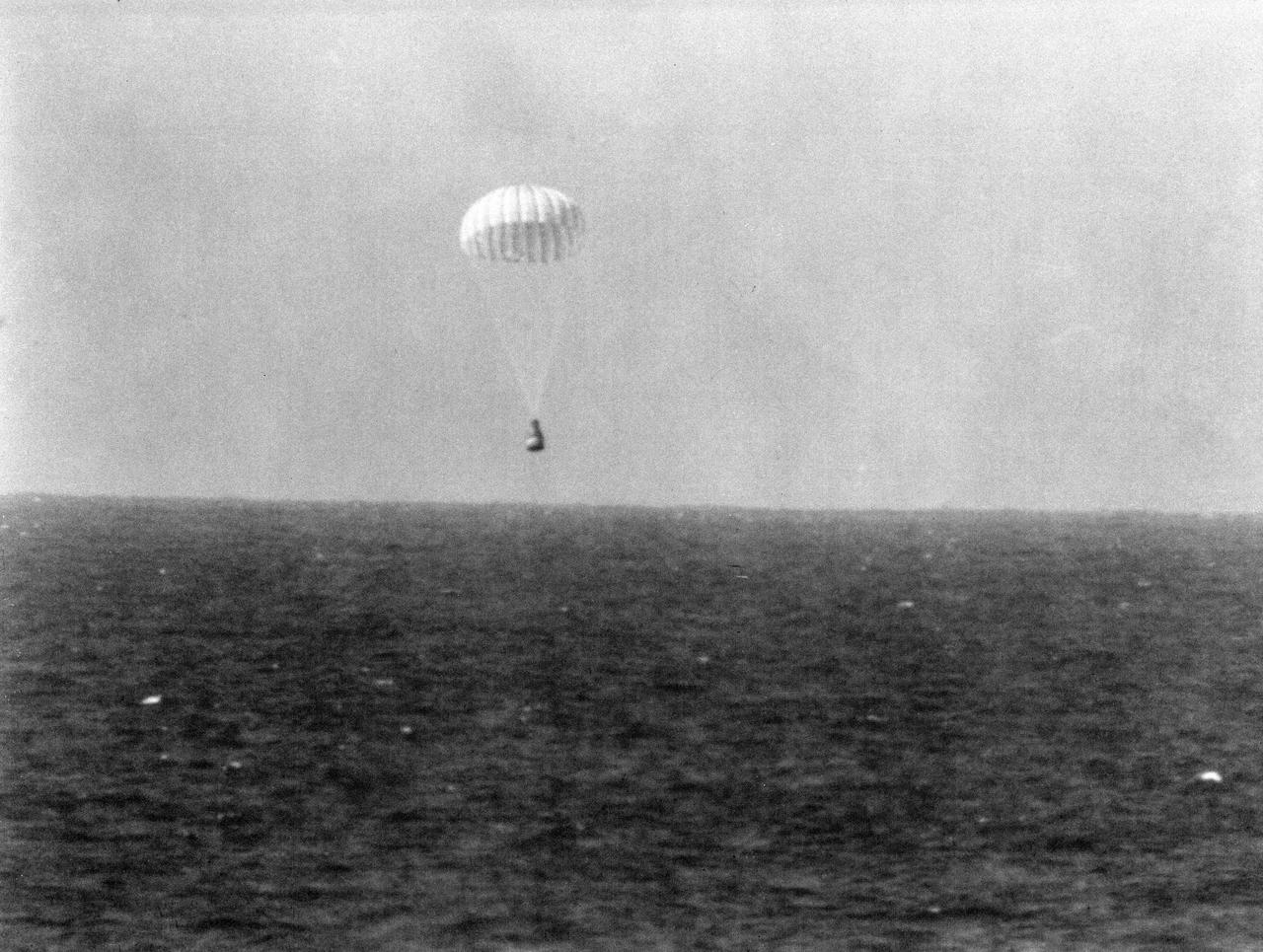
S62-04534 (3 Oct. 1962) --- Landing with parachute extended of astronaut Walter M. Schirra's Mercury-Atlas 8 (MA-8) capsule, called the Sigma 7, after a world orbital flight. Photo credit: NASA
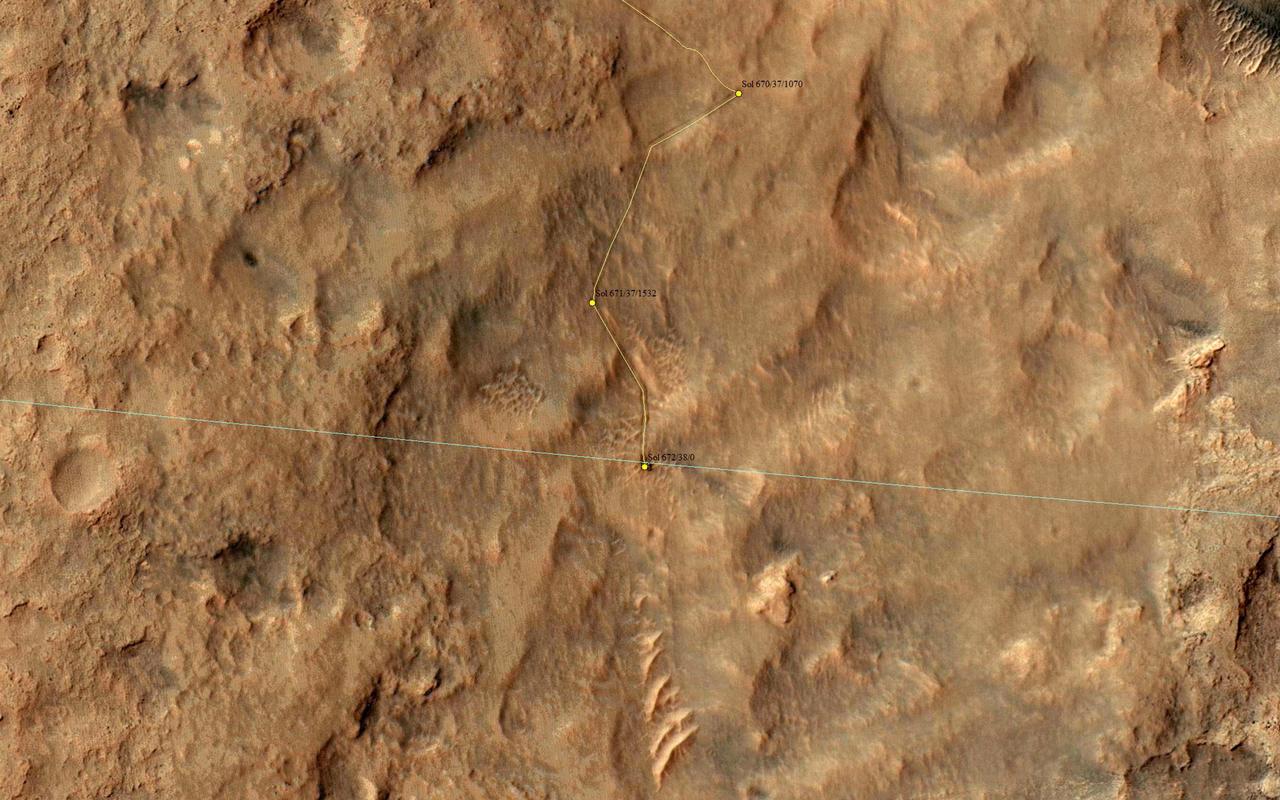
NASA Mars Reconnaissance Orbiter captured this image on 27 June 2014, when Curiosity had just crossed the edge of the 3-sigma landing.

Lean Six Sigma Event
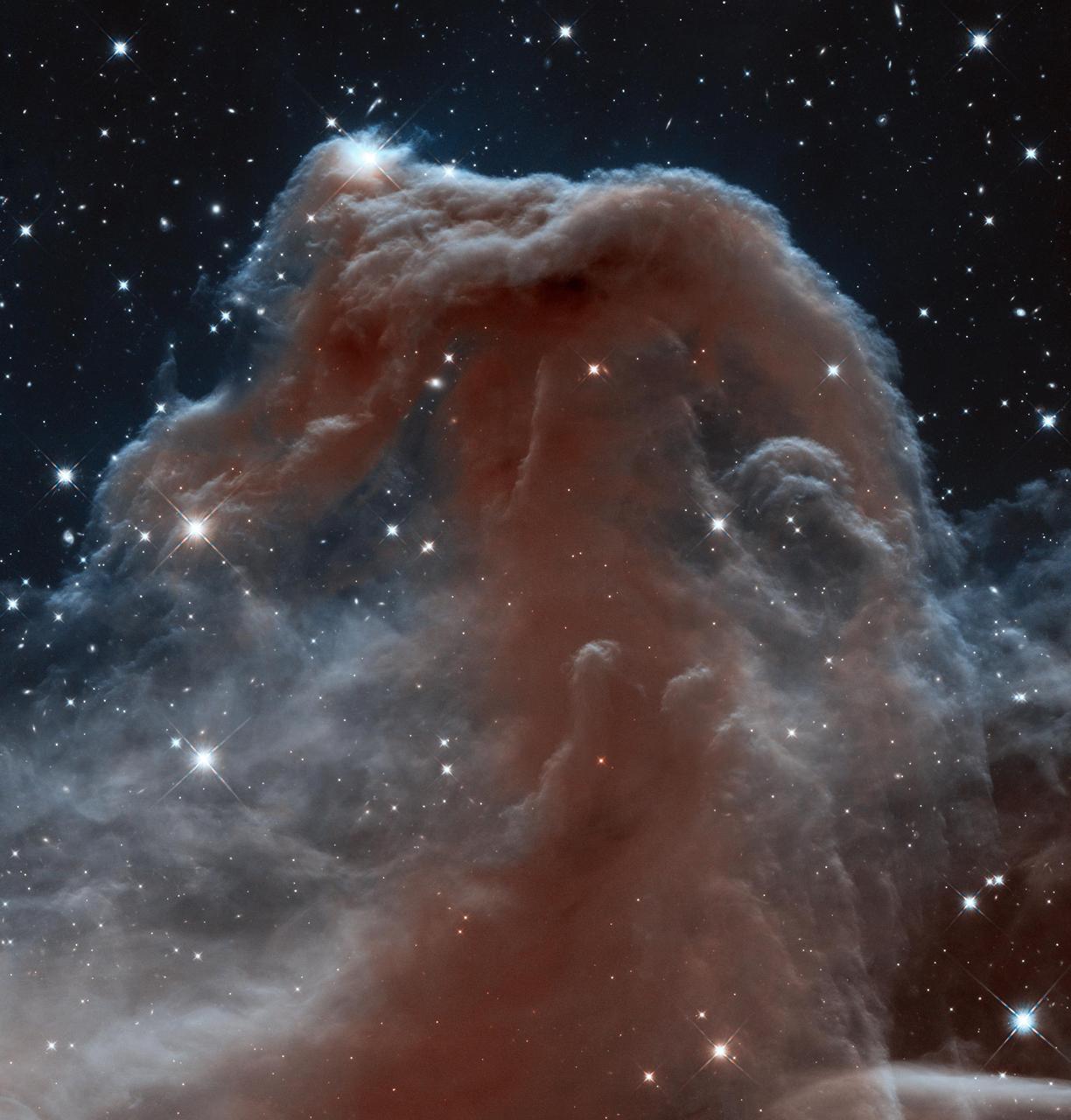
Backlit wisps along the Horsehead Nebula upper ridge are being illuminated by Sigma Orionis, a young five-star system just off the top of this image from the Hubble Space Telescope.
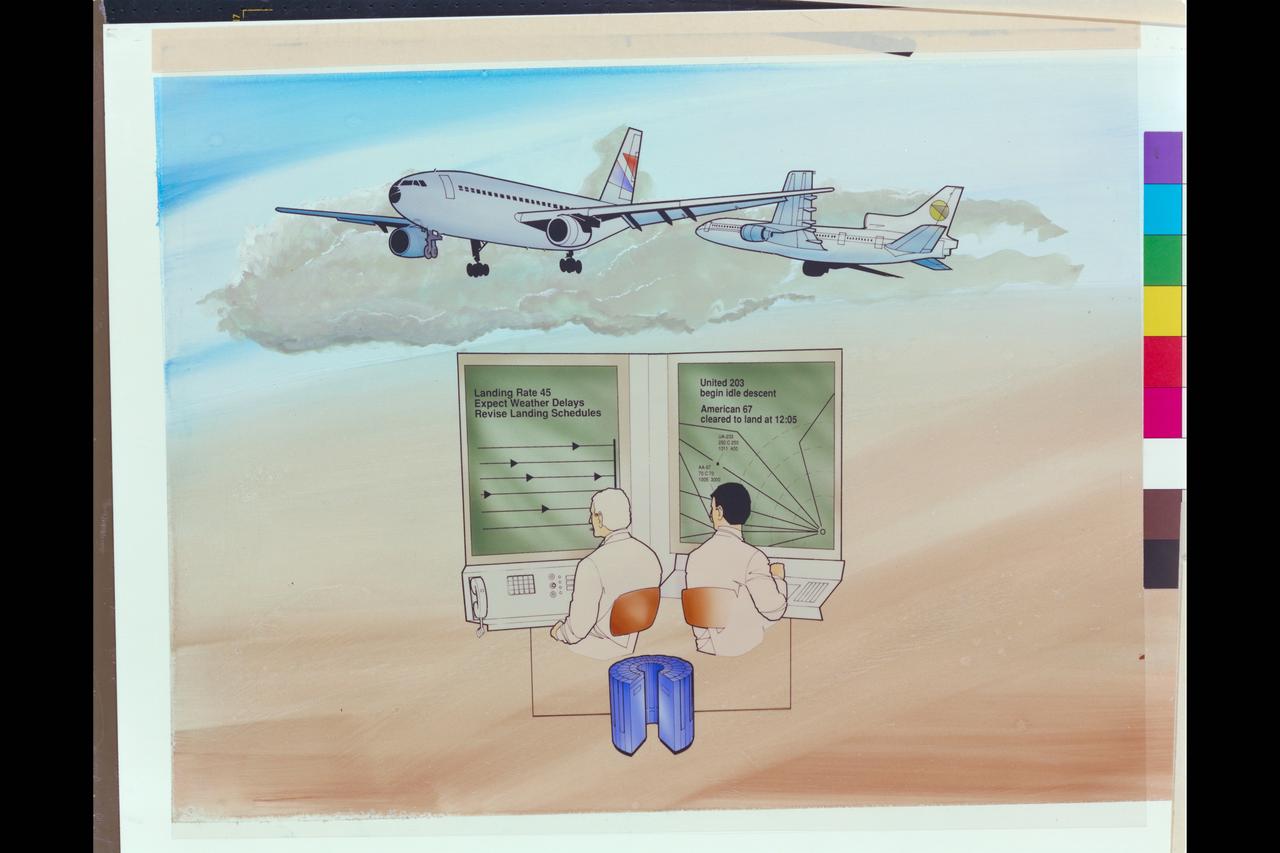
Date: Feb 11, 1988 Artist: unknown ATC (Air Traffic Control) SIGMA Lab Artwork
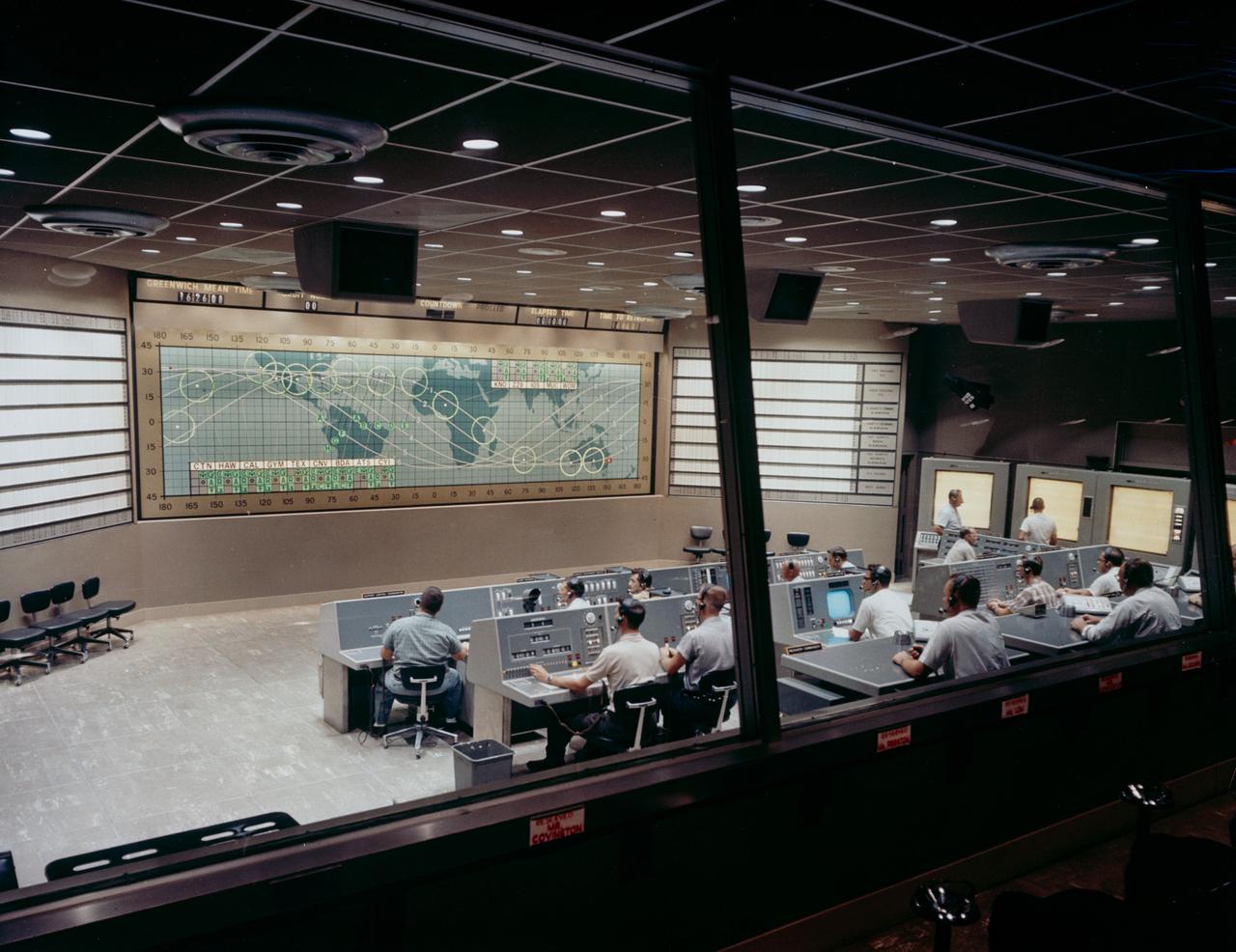
S62-05139 (1962) --- View of Mercury Control Center prior to the Mercury-Atlas 8 (MA-8) flight of the Sigma 7. Photo credit: NASA
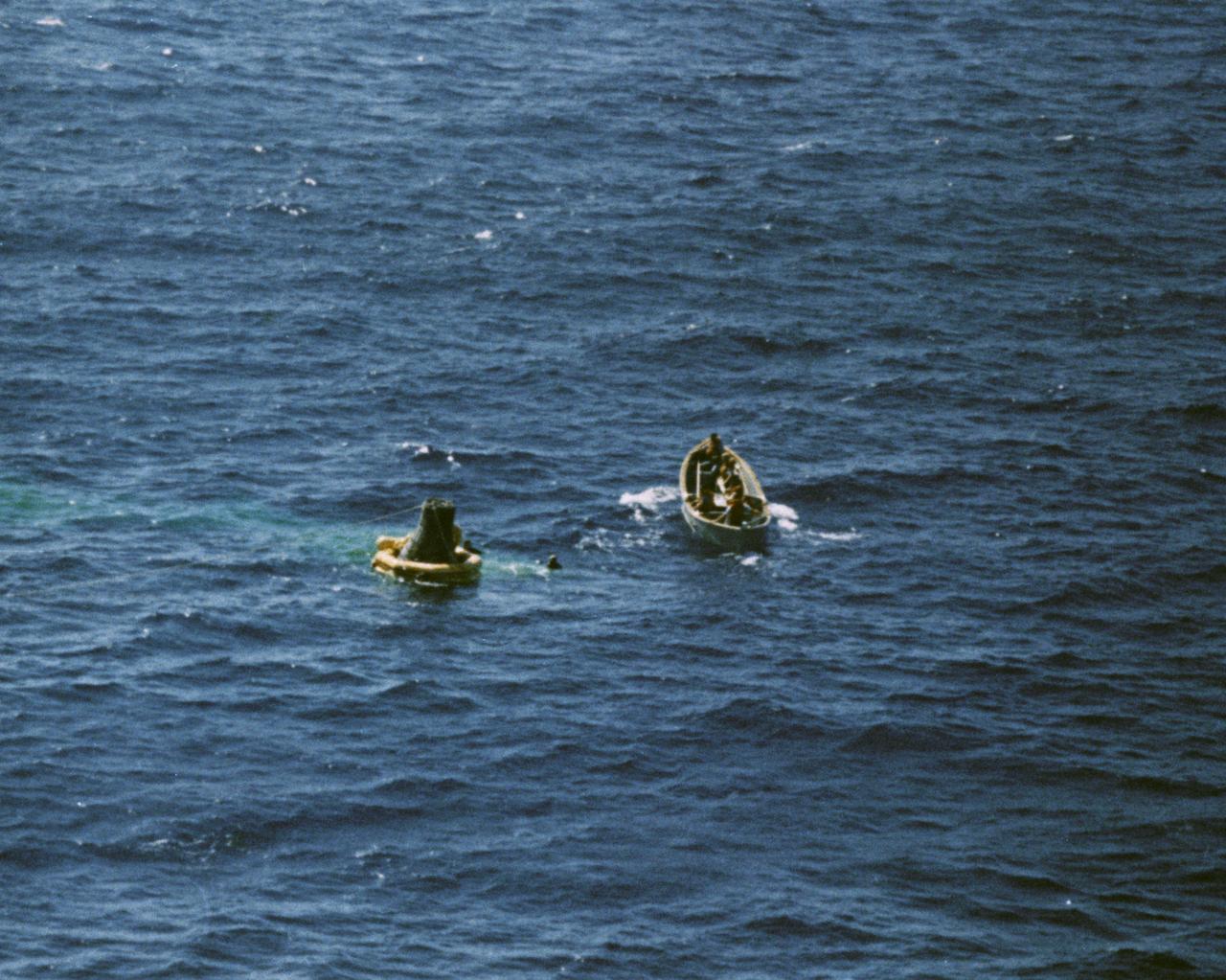
S62-09049 (3 Oct. 1962) --- Aerial view of a life boat from the USS Kearsarge, recovery ship, approaching the floating Sigma 7 capsule for the Mercury-Atlas 8 (MA-8) mission. Photo credit: NASA
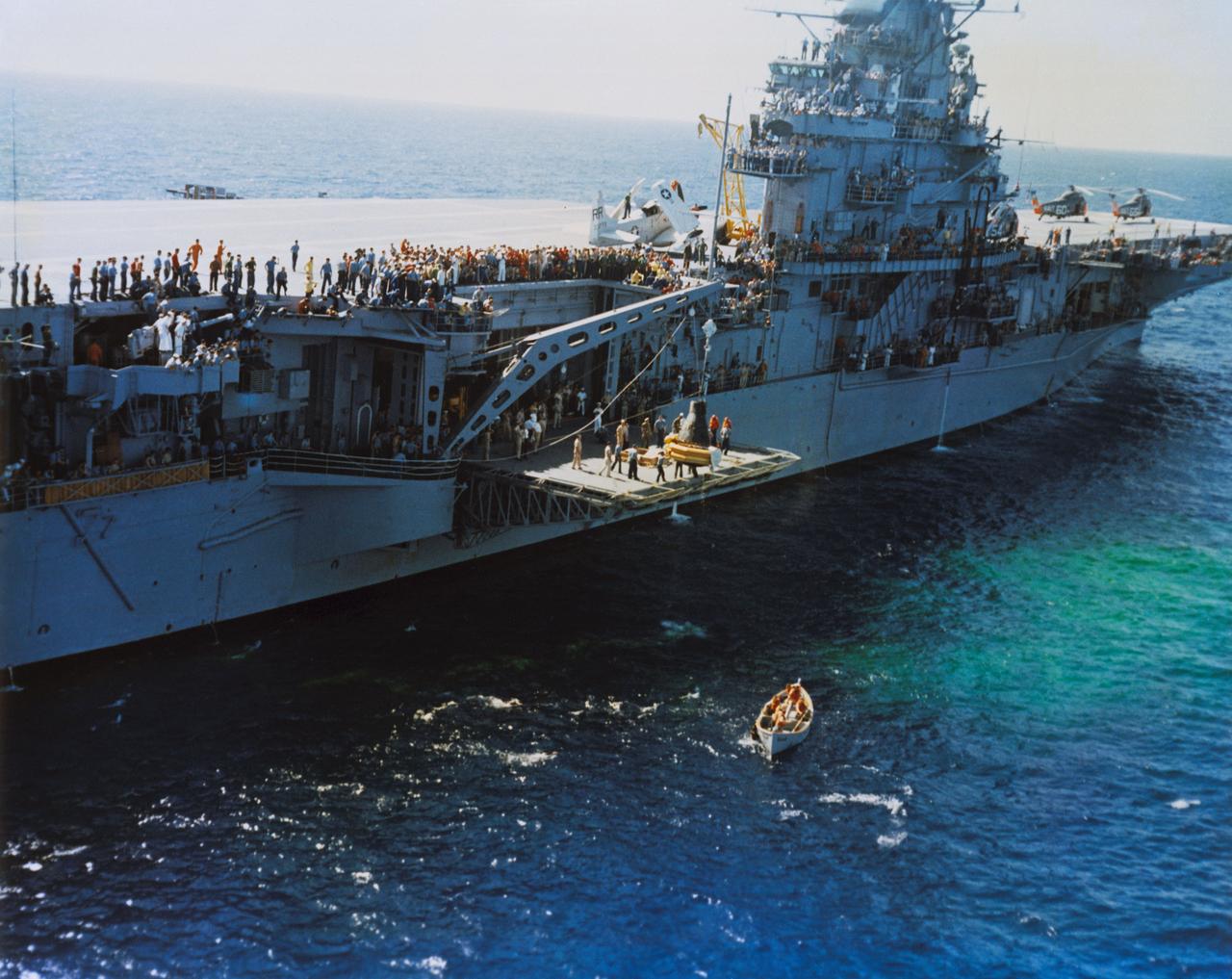
S62-09050 (3 Oct. 1962) --- Aerial view of the Mercury-Atlas 8 (MA-8) Sigma 7 capsule being lowered to the deck of the carrier USS Kearsarge. Photo credit: NASA
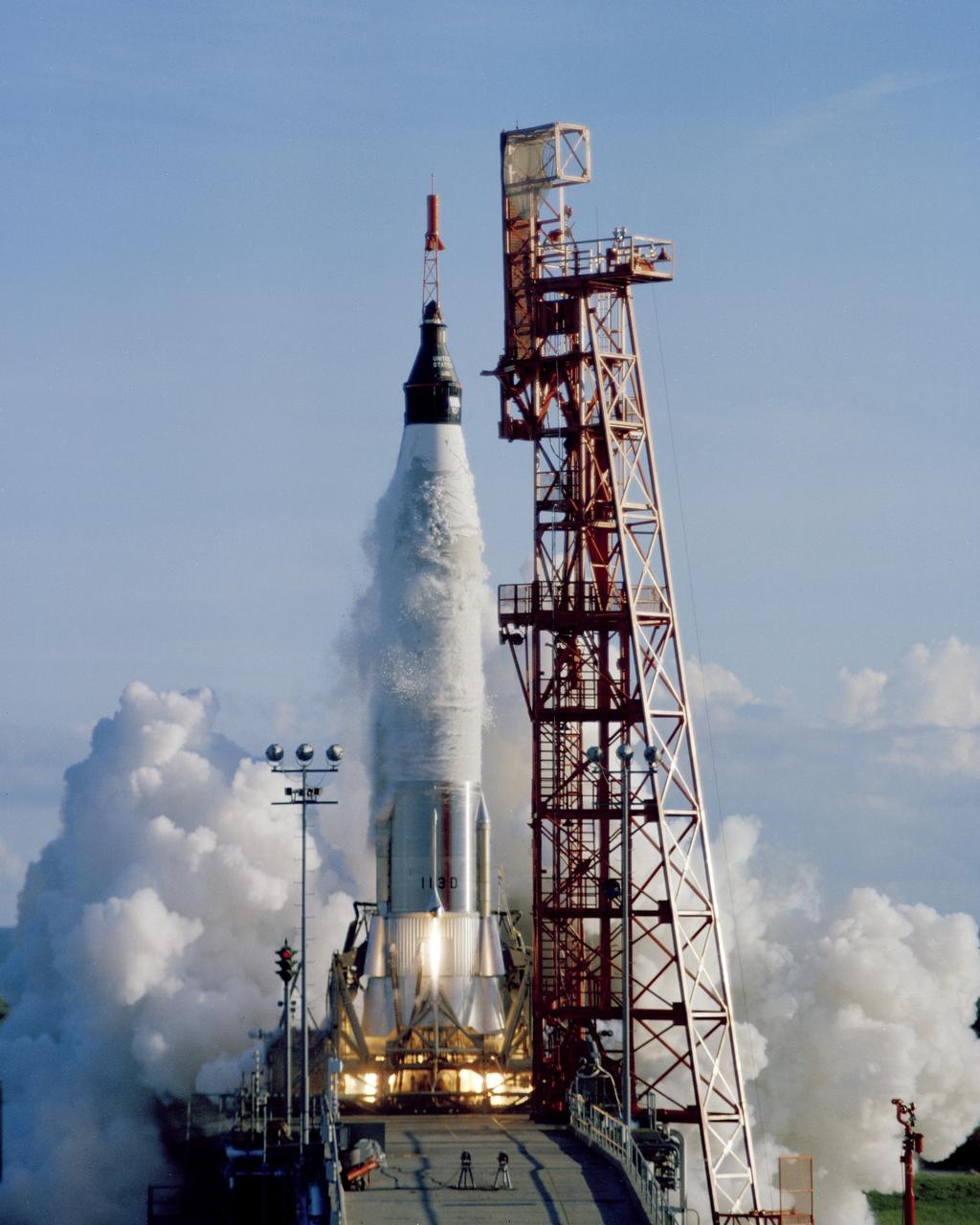
CAPE CANAVERAL, Fla. -- An Atlas launch vehicle lifts off with the Mercury spacecraft Sigma 7 atop with astronaut Walter M. Schirra Jr. aboard. The fifth American into space and the third to orbit the Earth plans to circle the globe six time prior to a planned splashdown in the Pacific Ocean. Photo Credit: NASA
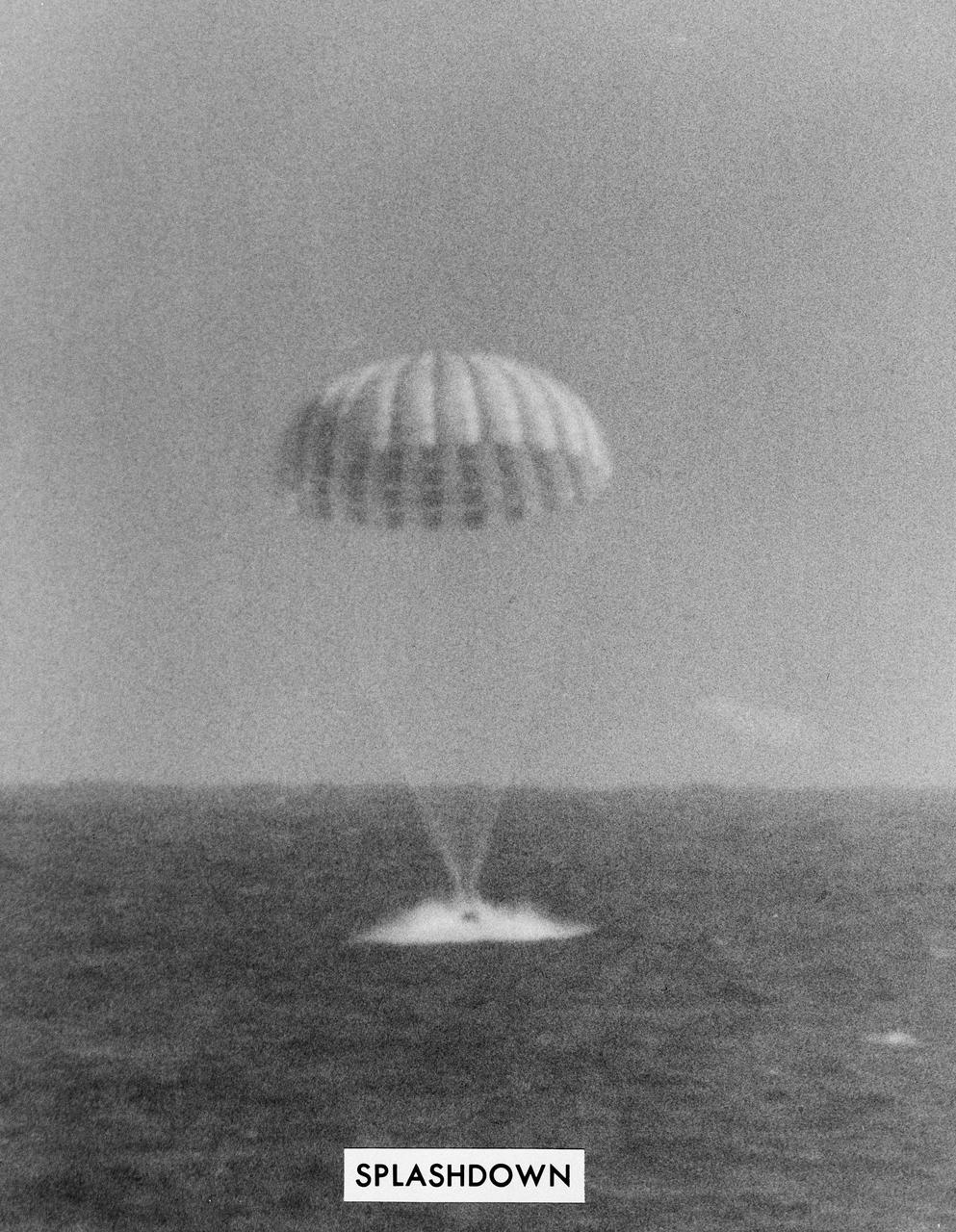
S63-00693 (3 Oct. 1962) --- Landing with parachute extended of astronaut Walter M. Schirra's Mercury-Atlas 8 (MA-8) capsule, called the Sigma 7, after a world orbital flight. Photo is labeled "Splashdown". Photo credit: NASA
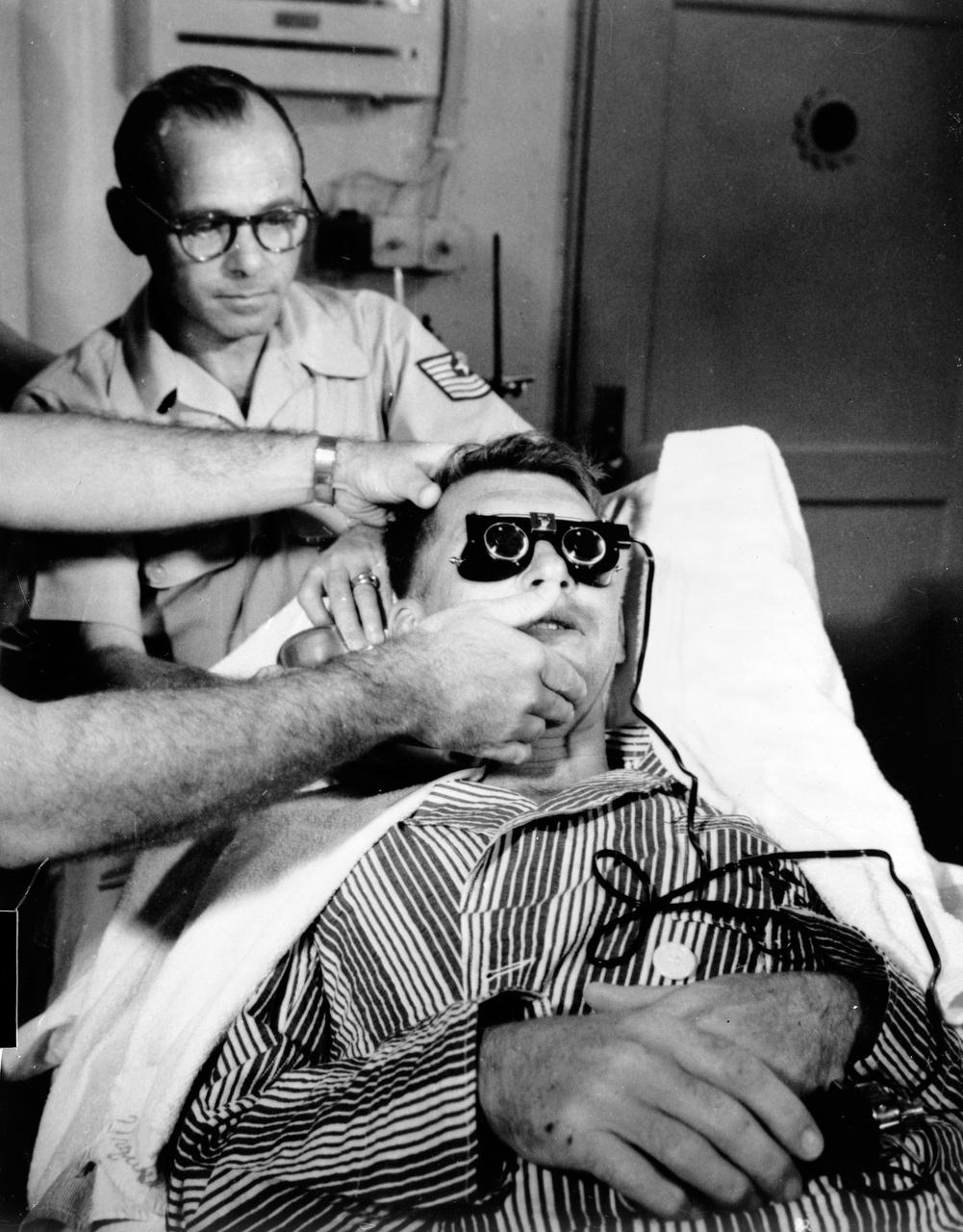
S62-06157 (1962) --- Astronaut Walter Schirra Jr. gets modified calonic test. His balance mechanism (semicircular canals) are tested by running cool water into ear and measuring effect on eye motions (nystagmus) after his six-orbit flight in the Sigma 7 spacecraft. Photo credit: NASA
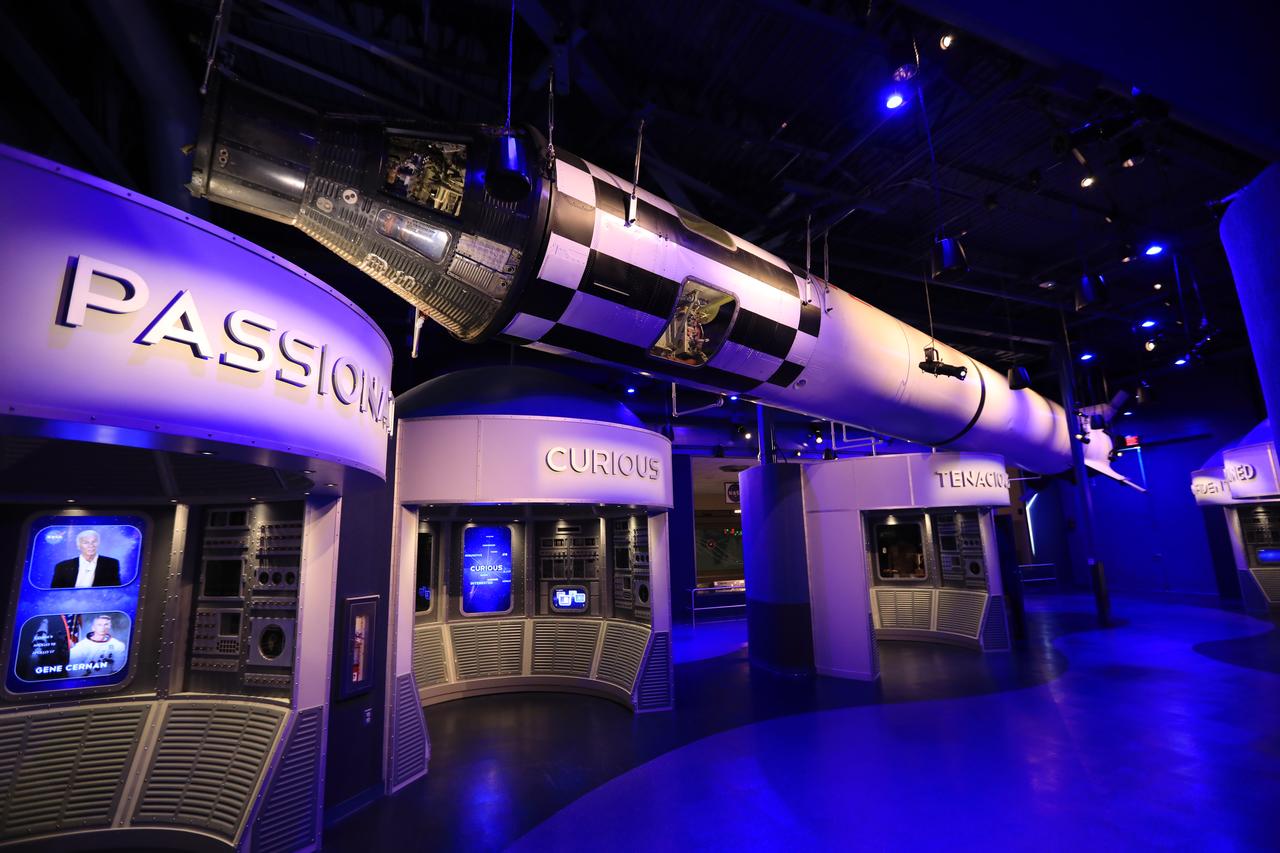
Inside the Heroes and Legends attraction at the Kennedy Space Center Visitor Complex, the Sigma 7 Mercury spacecraft in this exhibit was piloted by astronaut Wally Schirra during his six-orbit mission on Oct. 3, 1962. For display purposes, it is shown here attached to a Redstone launch vehicle like the one that boosted astronauts Alan Shepard and Gus Grissom on sub-orbital flights in 1961. Schirra's capsule was actually launched by the more powerful Atlas rocket in order to reach orbit. The new facility looks back to the pioneering efforts of Mercury, Gemini and Apollo. It sets the stage by providing the background and context for space exploration and the legendary men and women who pioneered the nation's journey into space.

jsc2021e019401 (1/19/2021) --- A preflight macro shot of SIGMA-7 interface for Pilote experiment, In order to test the ergonomics of a multisensory interface for controlling robotic arms and spacecraft, it is necessary to perform the trials in microgravity. Performing the test on Earth would lead to a design of a work station using terrestrial ergonomic principles that do not correspond to conditions experienced on a spacecraft in orbit. The Pilote investigation tests the effectiveness of novel control schemes for the remote operation of robotic arms and space vehicles, using virtual reality and a new class of user-machine interfaces based on haptics. Image courtesy of CNES/DE PRADA Thierry.
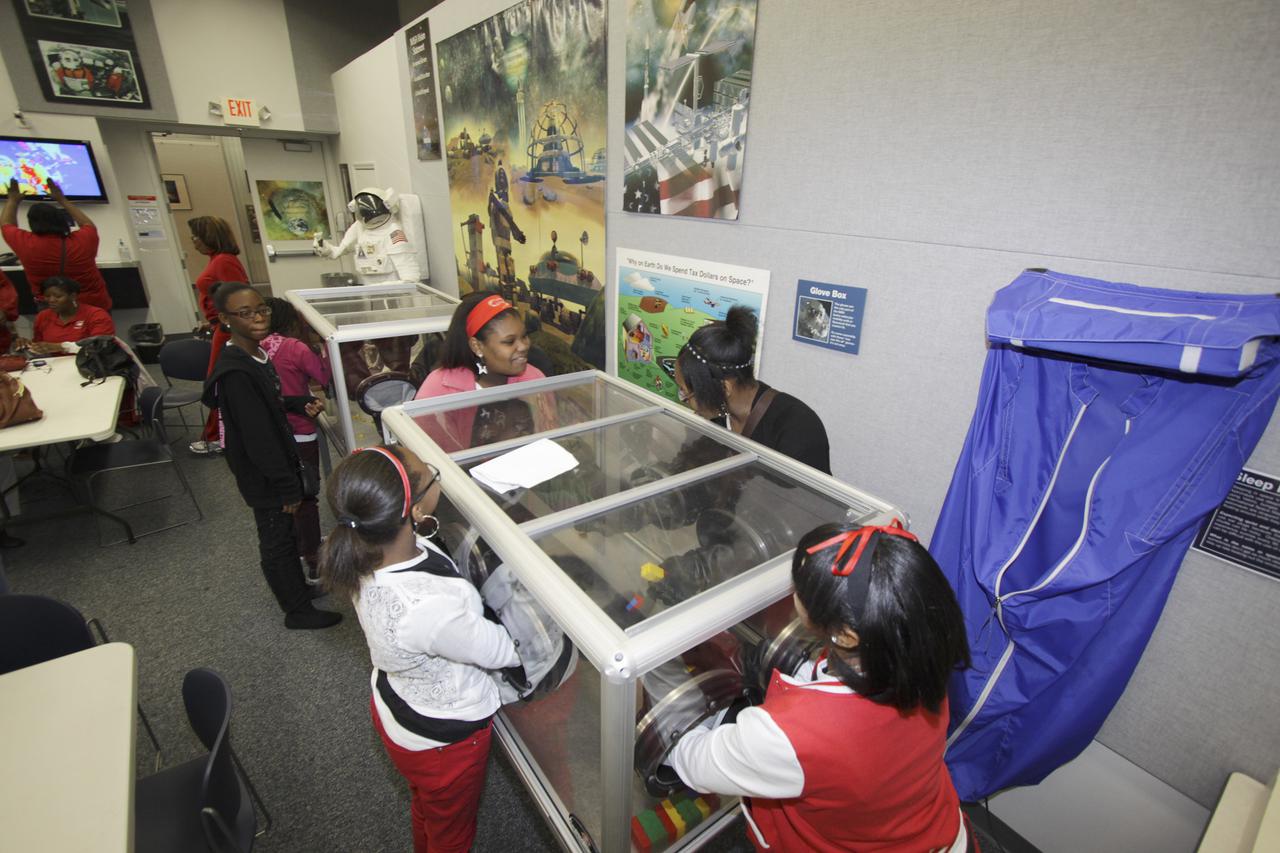
CAPE CANAVERAL, Fla. – Middle and High school students from Florida's Putnam and Volusia counties use a glove box practice working with materials with protected hands during a science demonstration at the NASA's Center for Space at the Kennedy Space Center. The 11 to 18-year-old students are part of Delta Academy and Delta GEMS, an African American women’s mentoring program affiliated with Delta Sigma Theta. The sorority uses their collective efforts to promote academic excellence, provide scholarships and support underserved students. As a part of the science program, the young scholars participated in a presentation by professional women who work at Kennedy discussing career choices and encouraging interest in science, technology, engineering and mathematics STEM careers. Photo credit: NASA_Jim Grossmann
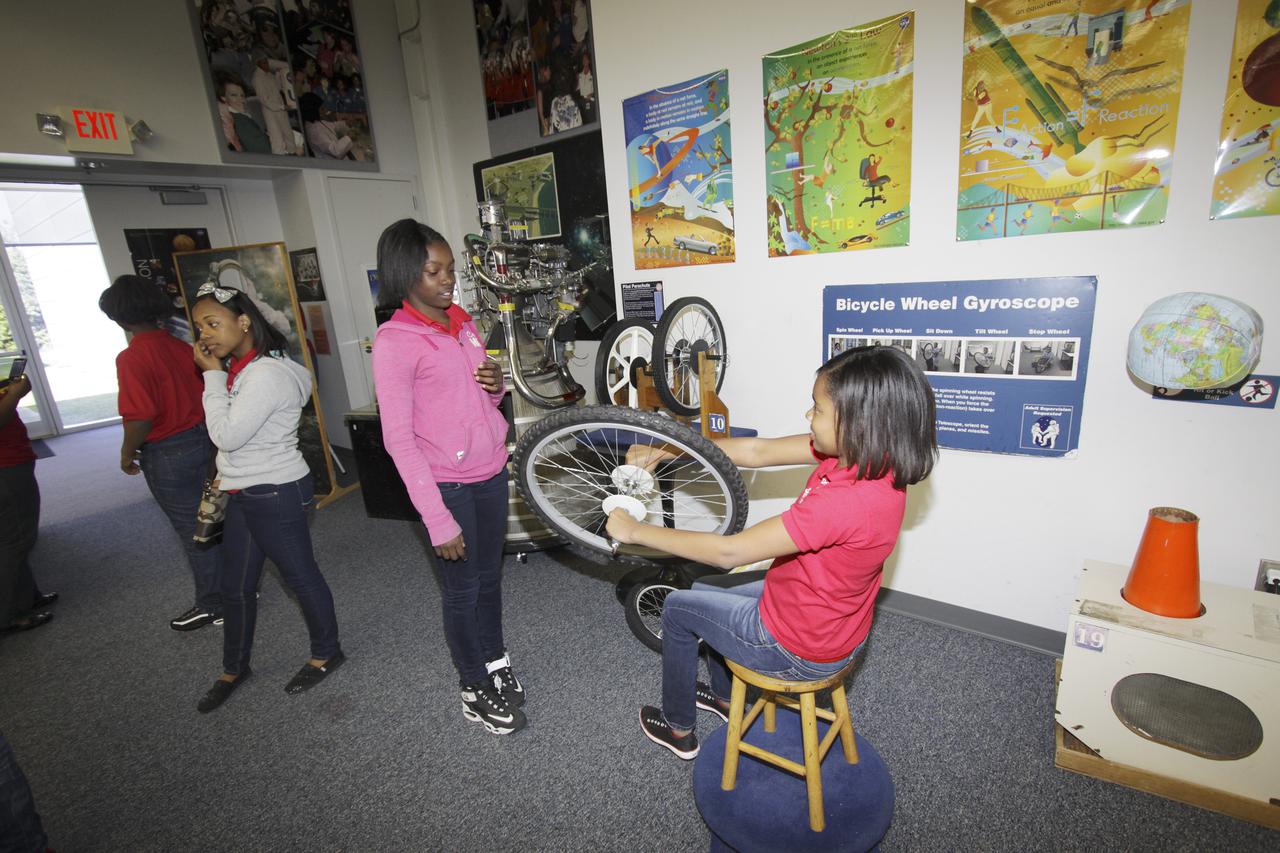
CAPE CANAVERAL, Fla. – Middle and High school students from Florida's Putnam and Volusia counties use a bicycle wheel as a gyroscope to simulate principals of motion during a science demonstration at the NASA's Center for Space Education at the Kennedy Space Center. The 11 to 18-year-old students are part of Delta Academy and Delta GEMS, an African American women’s mentoring program affiliated with Delta Sigma Theta. The sorority uses their collective efforts to promote academic excellence, provide scholarships and support underserved students. As a part of the science program, the young scholars participated in a presentation by professional women who work at Kennedy discussing career choices and encouraging interest in science, technology, engineering and mathematics STEM careers. Photo credit: NASA_Jim Grossmann