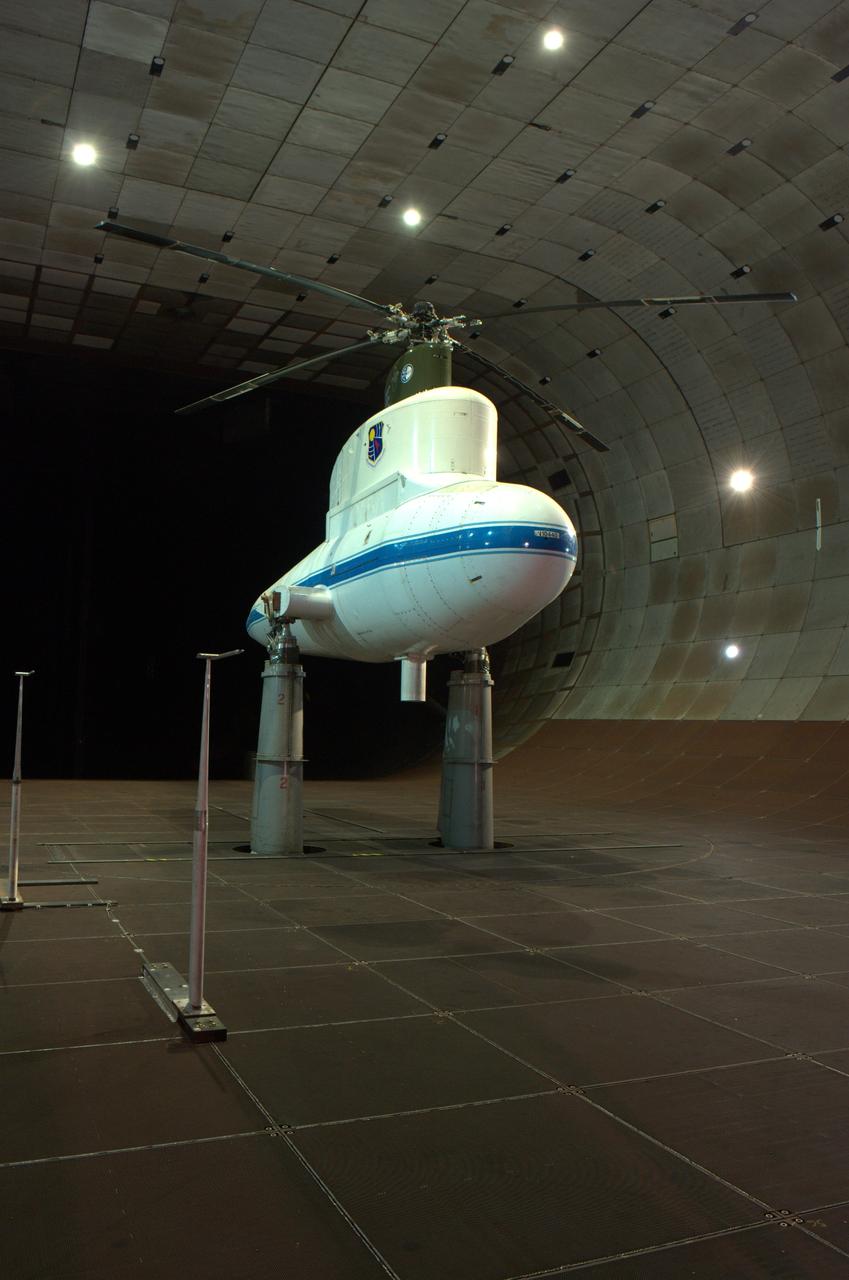
Army/Sikorsky Active Rotor Test TR40-019 in teh 40x80ft wind tunnel at Ames Research Center.
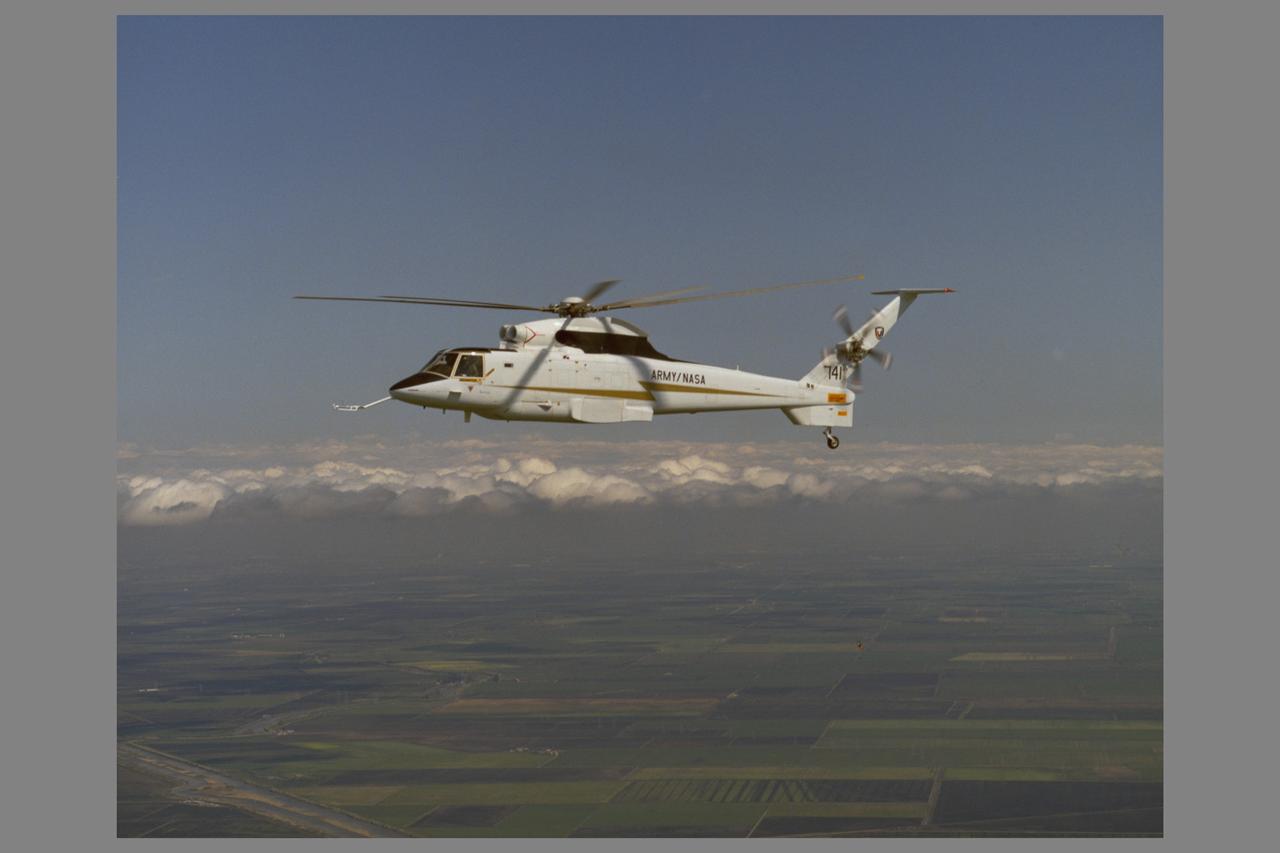
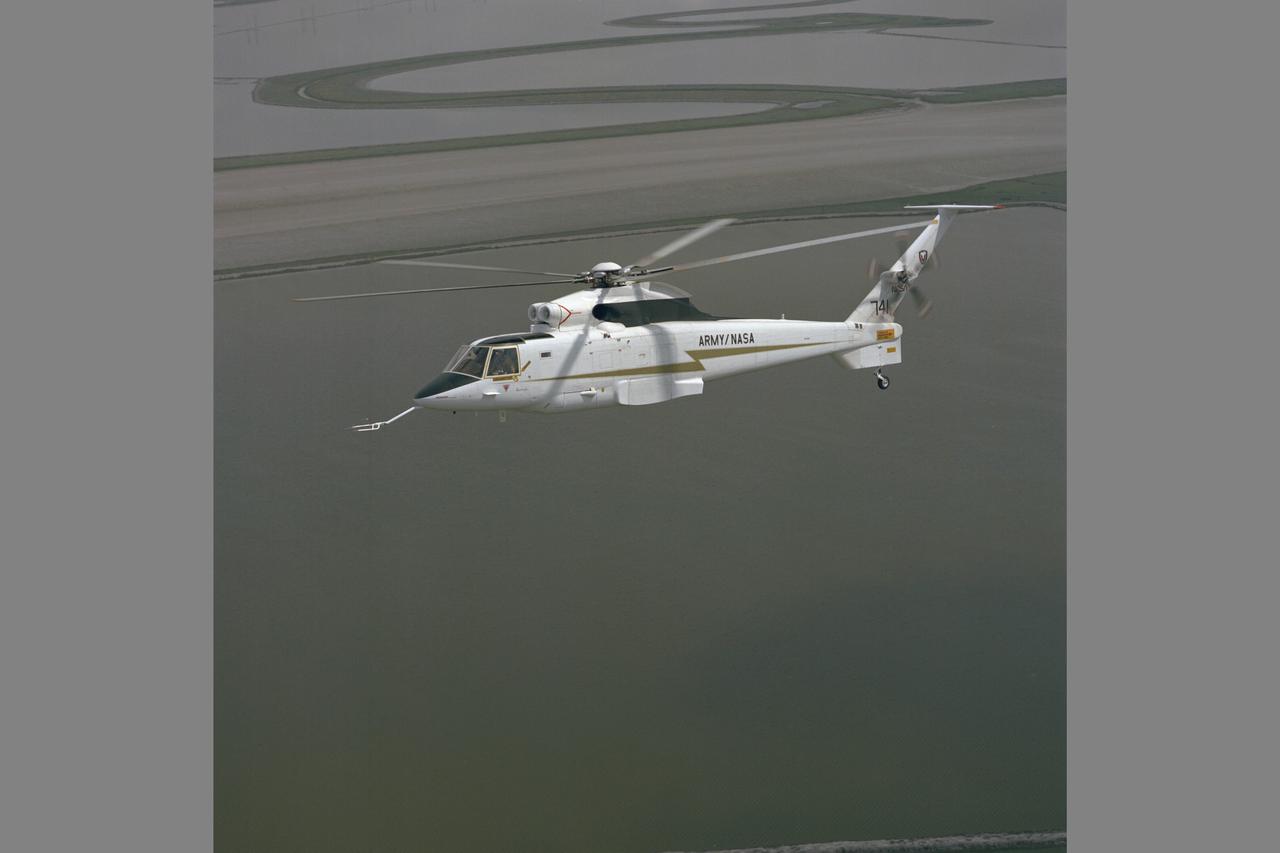
Sikorsky RSRA - Rotor Systems Research Aircraft (72-002 NASA 741) in helicopter configuration flight. Note: Used in publication in Flight Research at Ames; 57 Years of Development and Validation of Aeronautical Technology NASA SP-1998-3300 fig. 131
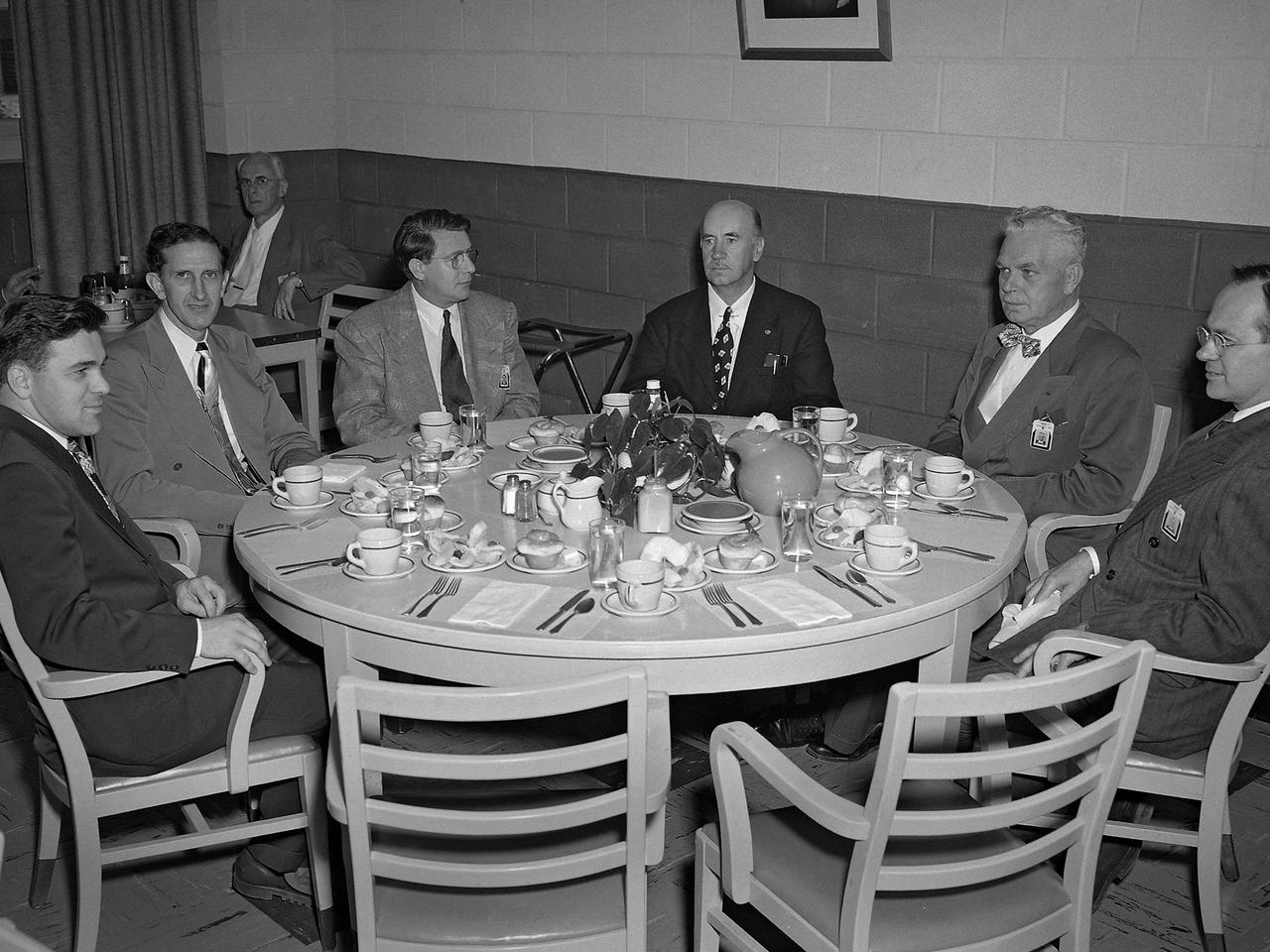
Dr. Igor Sikorsky, fourth from the left, visits the National Advisory Committee for Aeronautics (NACA) Lewis Flight Propulsion Laboratory in Cleveland, Ohio. The legendary Russian-born aviation pioneer visited NACA Lewis several times during the 1940s and 1950s. In 1946 Sikorsky arrived at Lewis for the 1946 National Air Races, which included demonstrations by five of his helicopters. NACA flight mechanic Joseph Sikosky personally escorted Sikorsky during the visit. Sikorsky frequently addressed local professional organizations, such as the American Society of Mechanical Engineers, during his visits. Sikorsky built and flew the first multi-engine aircraft as a youth in Russia. In his mid-20s Sikorsky designed and oversaw the manufacturing of 75 four-engine bombers. During the Bolshevik Revolution he fled to New York City where he worked jobs outside of aviation. In 1923 Sikorsky obtained funding to build a twin-engine water aircraft. This aircraft was the first US twin-engine flying machine and a world-wide success. In 1939 Sikorsky designed the first successful US helicopter. He then put all of his efforts into helicopters, and built some of the most successful helicopters in use today. Sikorsky passed away in 1972. From left to right: unknown; John Collins, Chief of the Engine Performance and Materials Division; Abe Silverstein, Chief of Research; Sikorsky; lab Director Ray Sharp; and Executive Officer Robert Sessions.
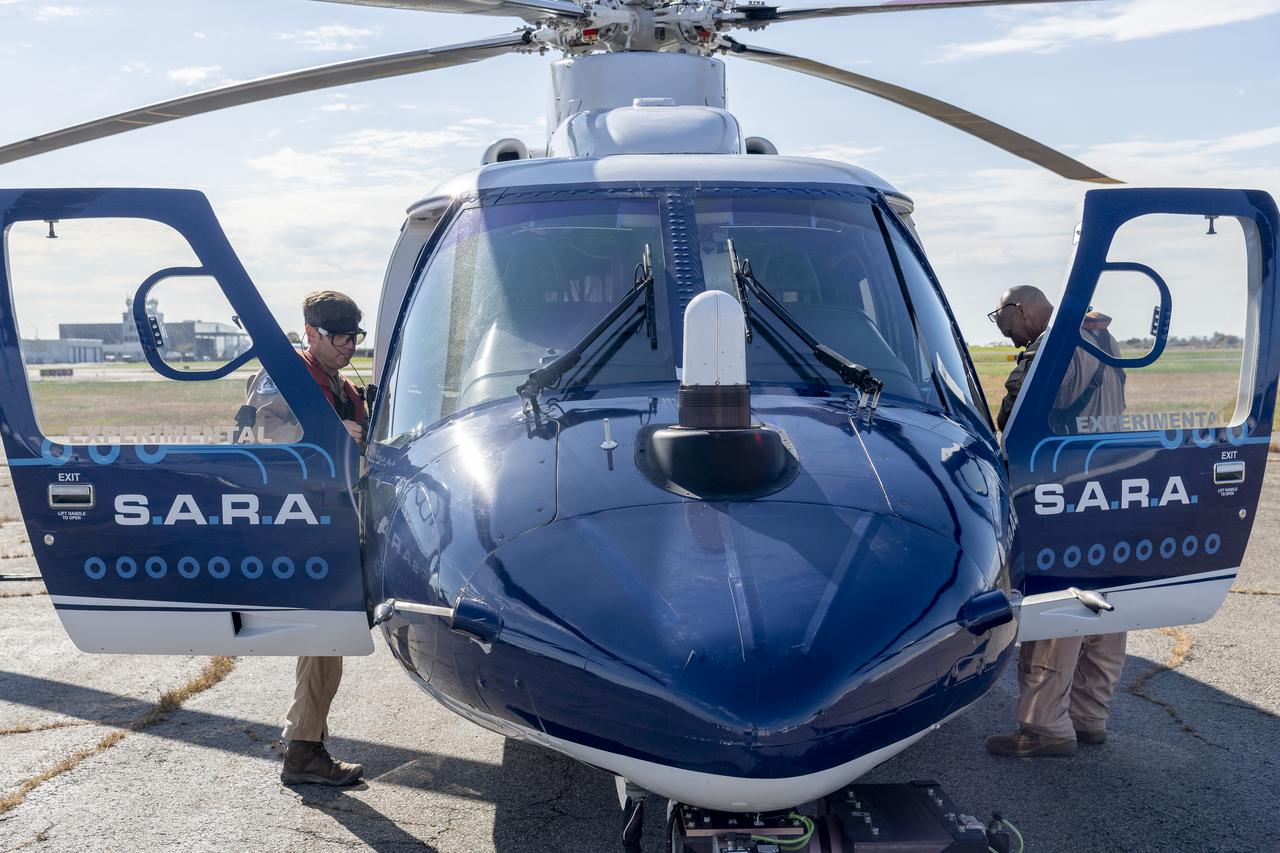
NASA pilot Scott Howe, left, and Sikorsky safety pilot Brent Davis, prepare to board Sikorsky’s SARA S-76B experimental aircraft at Sikorsky Memorial Airport, Bridgeport, Connecticut on Tuesday, Oct. 24, 2023. In addition to Sikorsky’s MATRIX autonomous flight technology, SARA is also outfitted with multiple NASA autonomous flight software systems the pilots and test team will evaluate during their flights over Long Island Sound.

UH-60 (USA 78-23012 NASA 750) Sikorsky Airloads Research Team, Front Row: Frank Pichay, Jim Phillips, Karen Studebaker, Stan Uyeda, Munro Dearing, Rick Simmons, Mario Garcia, Anna Almaraz, Allen Au, Frank Presbury, Bob Kufeld, Marianne Kidder, Nancy Bashford, Jack Brilla, Dwight Balough, Chico Rijfkogel, Paul Aristo. Back Row; Tom English, Dick Denman, Patrich Brunn, Tom Reynolds, Bud Billings, Paul Espinosa, Bill Bjorkman, Chee Tung, Leonard Hee, Bill Bousman, Tom Maier, Ron Fong, Steve Timmons, Jeff Cross, Colin Coleman, Paul Loschke, John Lewis, Jim Lasko, Alex Macalma. NASA SP Flight Research at Ames: 57 Years of Development and Validation of Aeronautical Technology Fig. 136 NASA SP-1998-3300
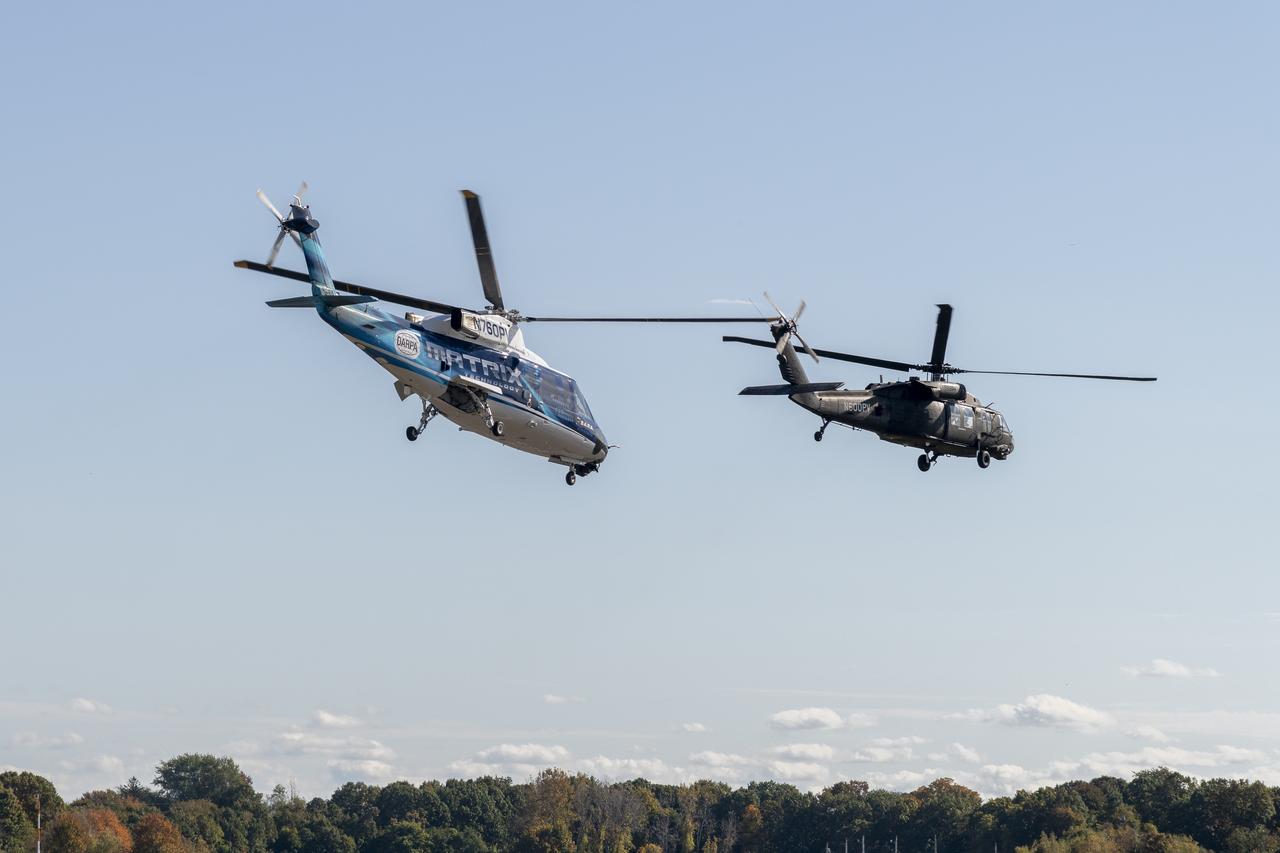
NASA pilots along with Sikorsky safety pilots take off in Sikorsky’s SARA S-76B, left, and Black Hawk Optionally Piloted Vehicle from Sikorsky Memorial Airport, Bridgeport, Connecticut on Tuesday, Oct. 24, 2023. NASA is using these experimental aircraft to test and evaluate multiple autonomous flight software systems designed for Advanced Air Mobility concepts.
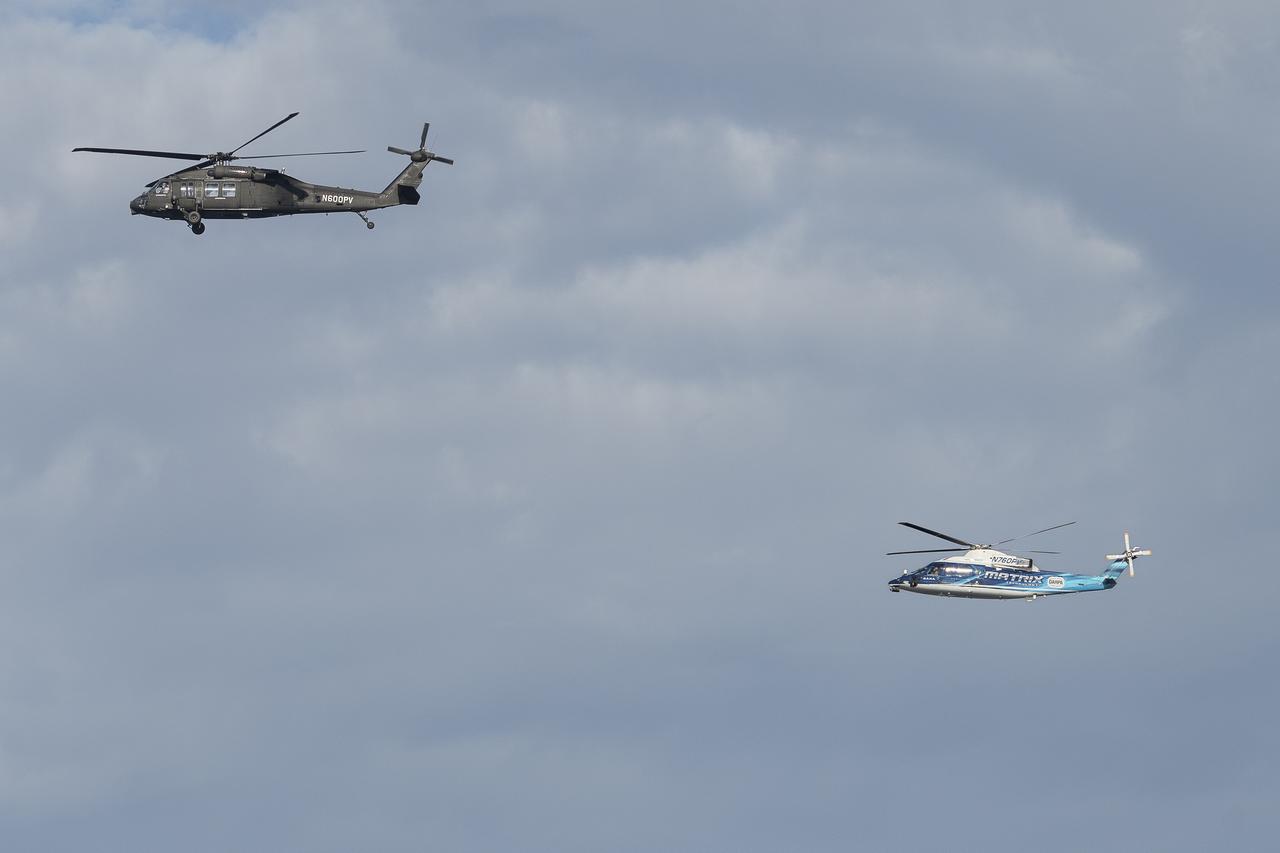
NASA pilots along with Sikorsky safety pilots flying Sikorsky’s Black Hawk Optionally Piloted Vehicle, left, and SARA S-76B over Long Island Sound Thursday, Oct. 26, 2023. These flights will allow NASA researchers to test and evaluate multiple Advanced Air Mobility autonomous flight software products designed by NASA.
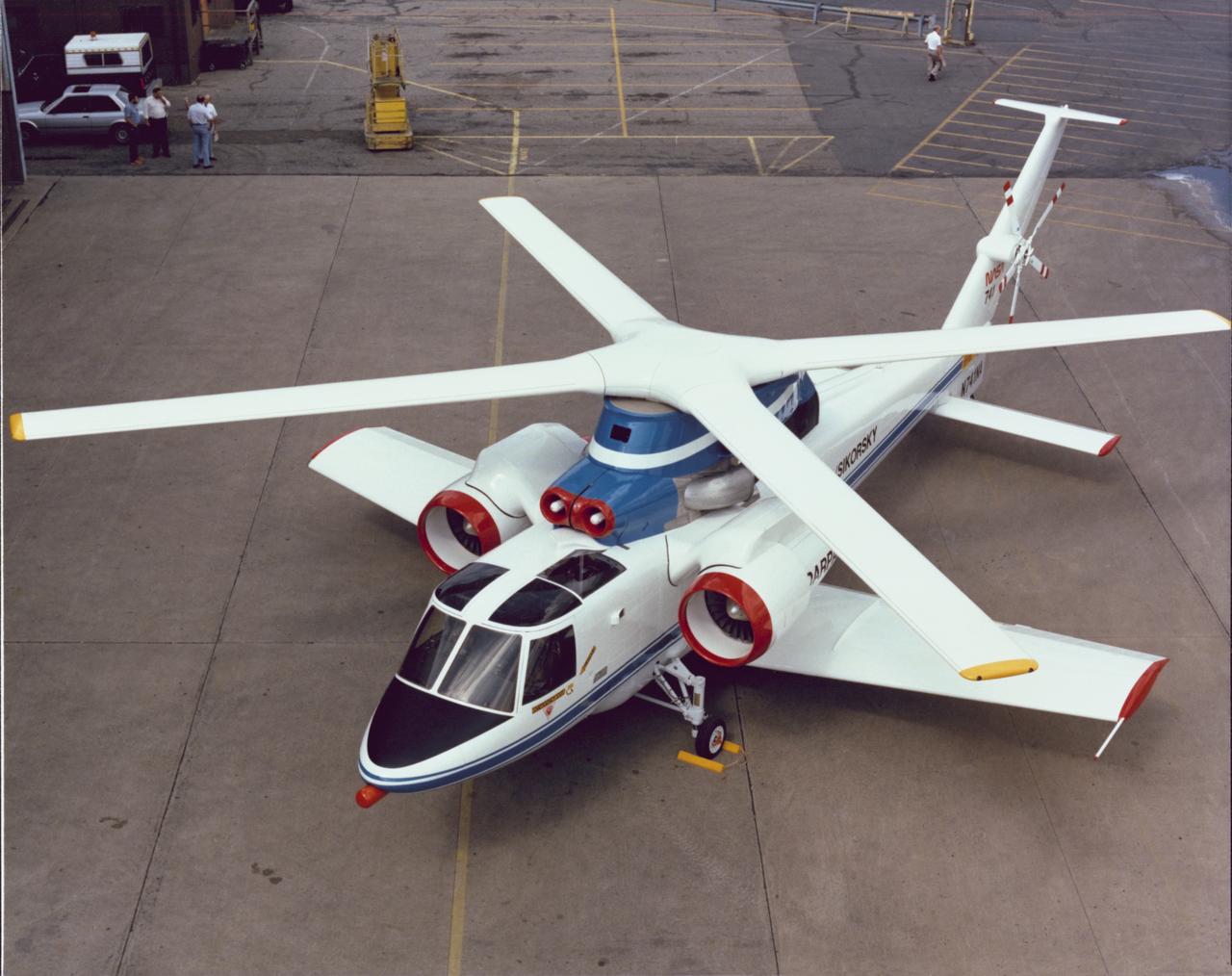
Photo credit to Sikorsky X-Wing (NASA-741) roll-out at Sikorsky Helicopter Co.
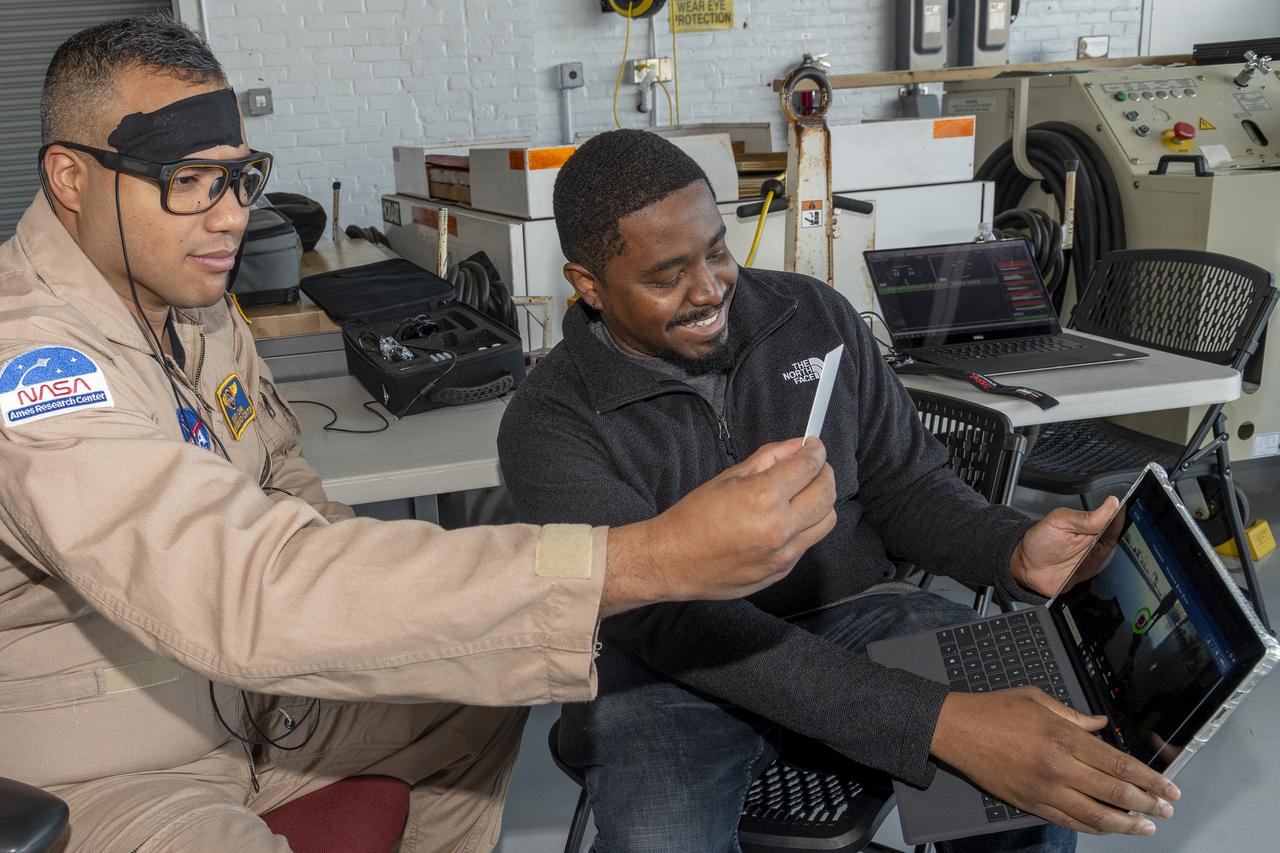
NASA research pilot David Zahn, left, wearing a temporal sensor and pupil tracking glasses works with NASA human factors researcher Kevin J. Monk to calibrate the glasses for accuracy, Thursday, Oct. 26, 2023. The researchers will use the glasses for Advanced Air Mobility autonomous flight research at Sikorsky Memorial Airport in Bridgeport, Connecticut to evaluate the time a pilot spends looking at a navigation tablet along with their vision pattern while using the tablet.
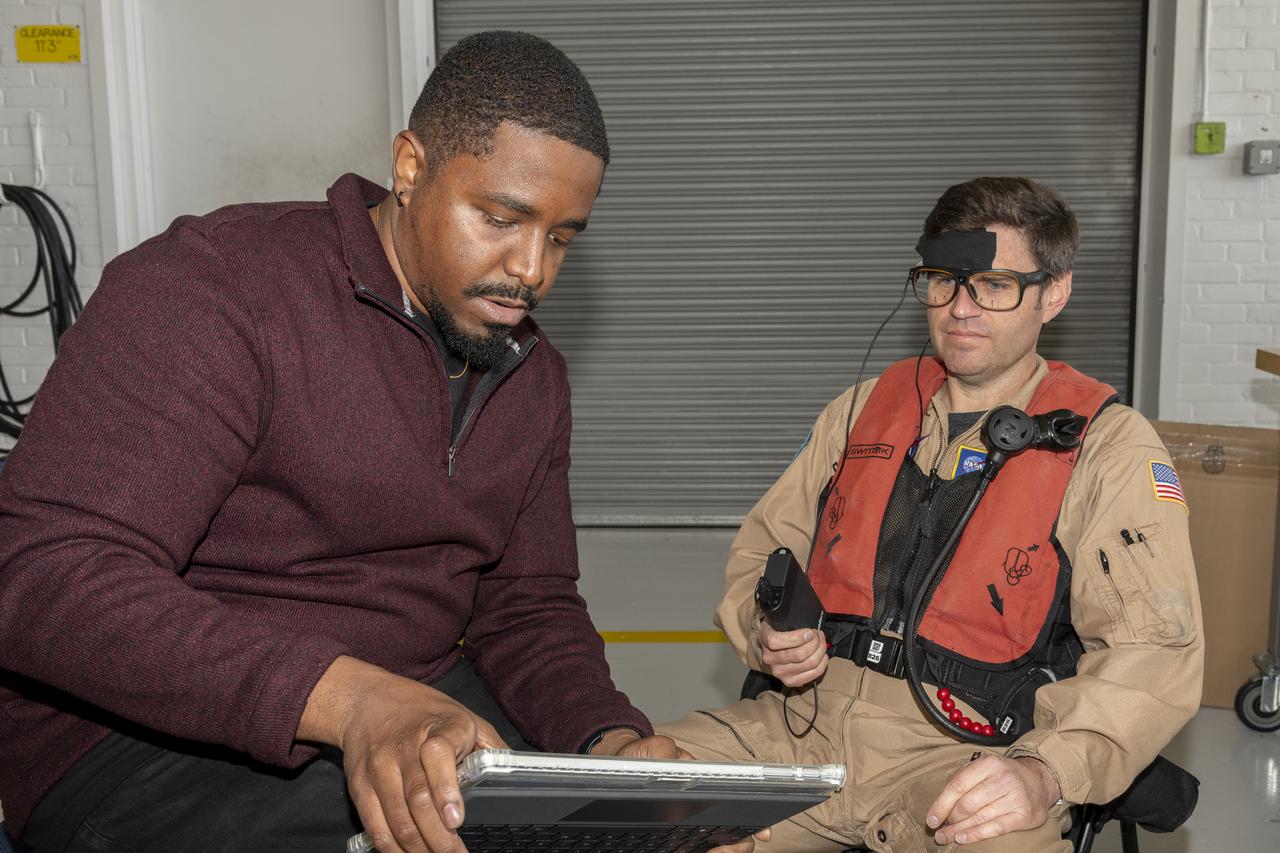
NASA human factors researcher Kevin J. Monk, left, and NASA pilot Scott Howe verify the connectivity and accuracy of the biometric sensors placed on Howe for test flight at Sikorsky Memorial Airport, Bridgeport, Connecticut on Tuesday, Oct. 24, 2023. These sensors will track various physiological responses sending the data to Monk’s computer as Howe engages with the autonomous flight software used to fly the aircraft.
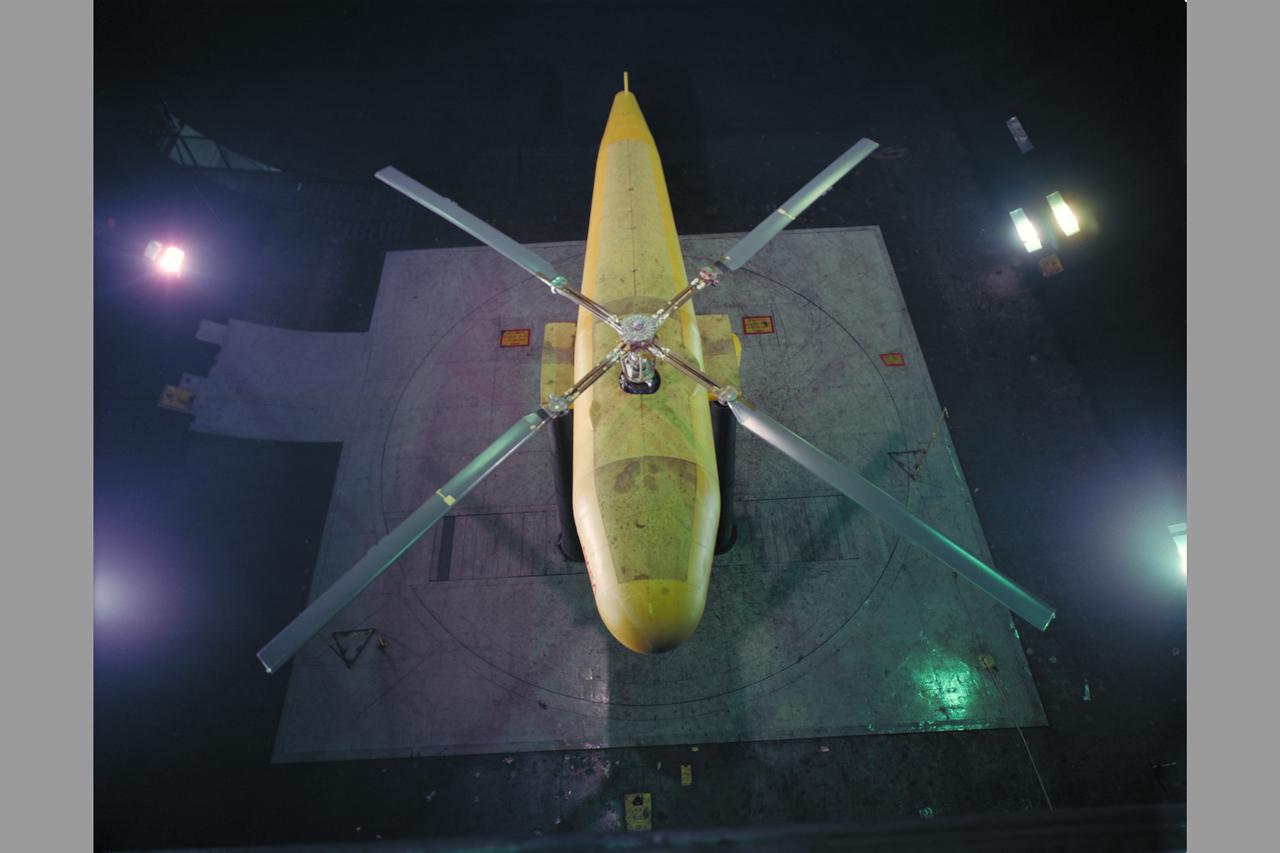
Sikorsky Bearingless Main Rotor test in 40x80ft w.t.
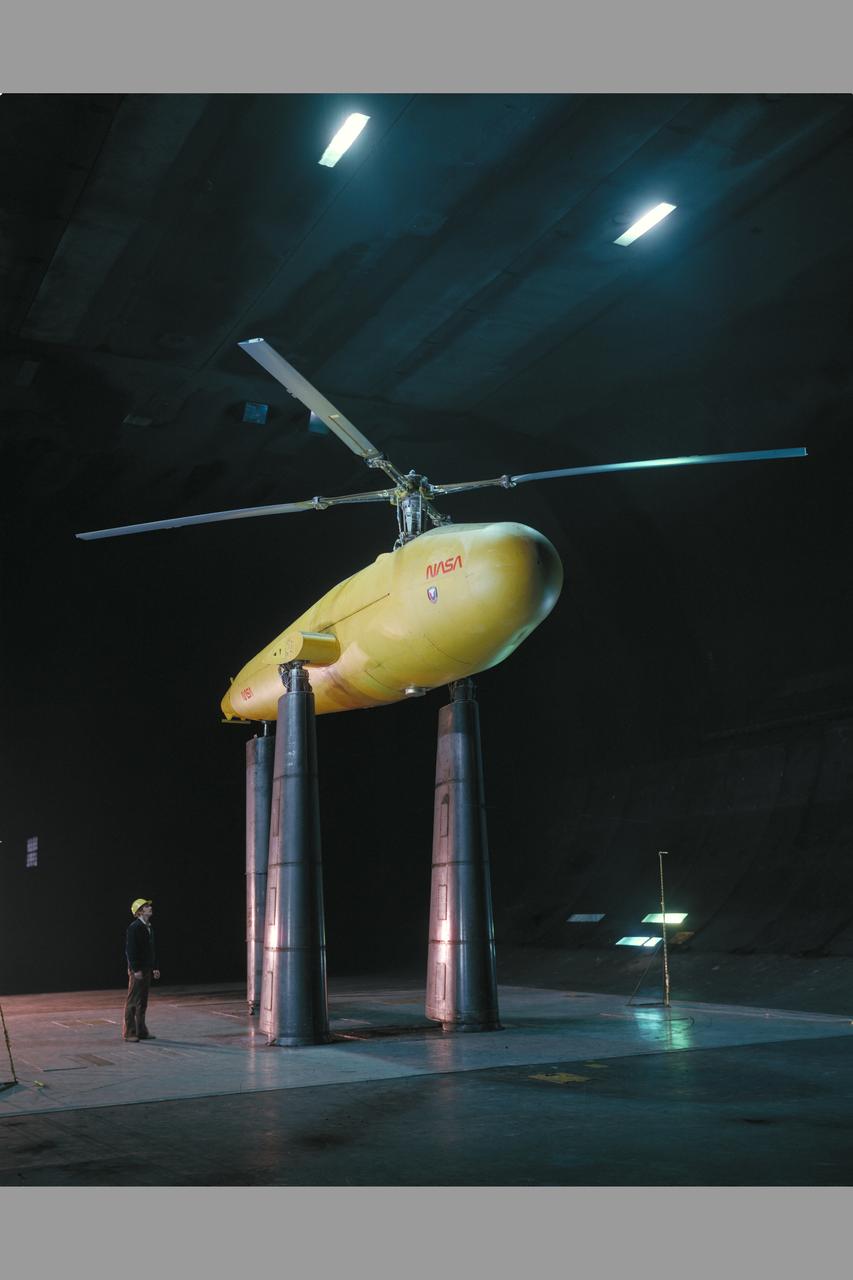
Sikorsky Bearingless Main Rotor test in 40x80ft w.t.
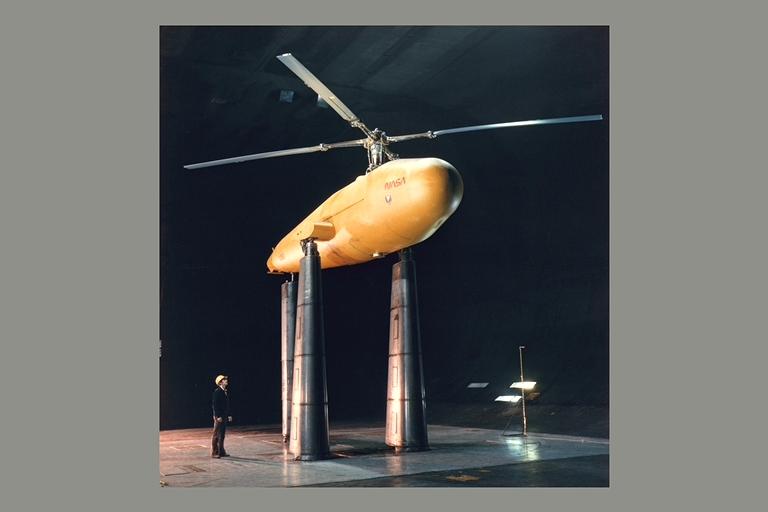
Sikorsky Bearingless Main Rotor test in 40x80ft w.t.
NASA Ames Sikorsky Rotor Systems Research Aircraft (RSRA) NASA-740 in flight (nickname Gurtrude)
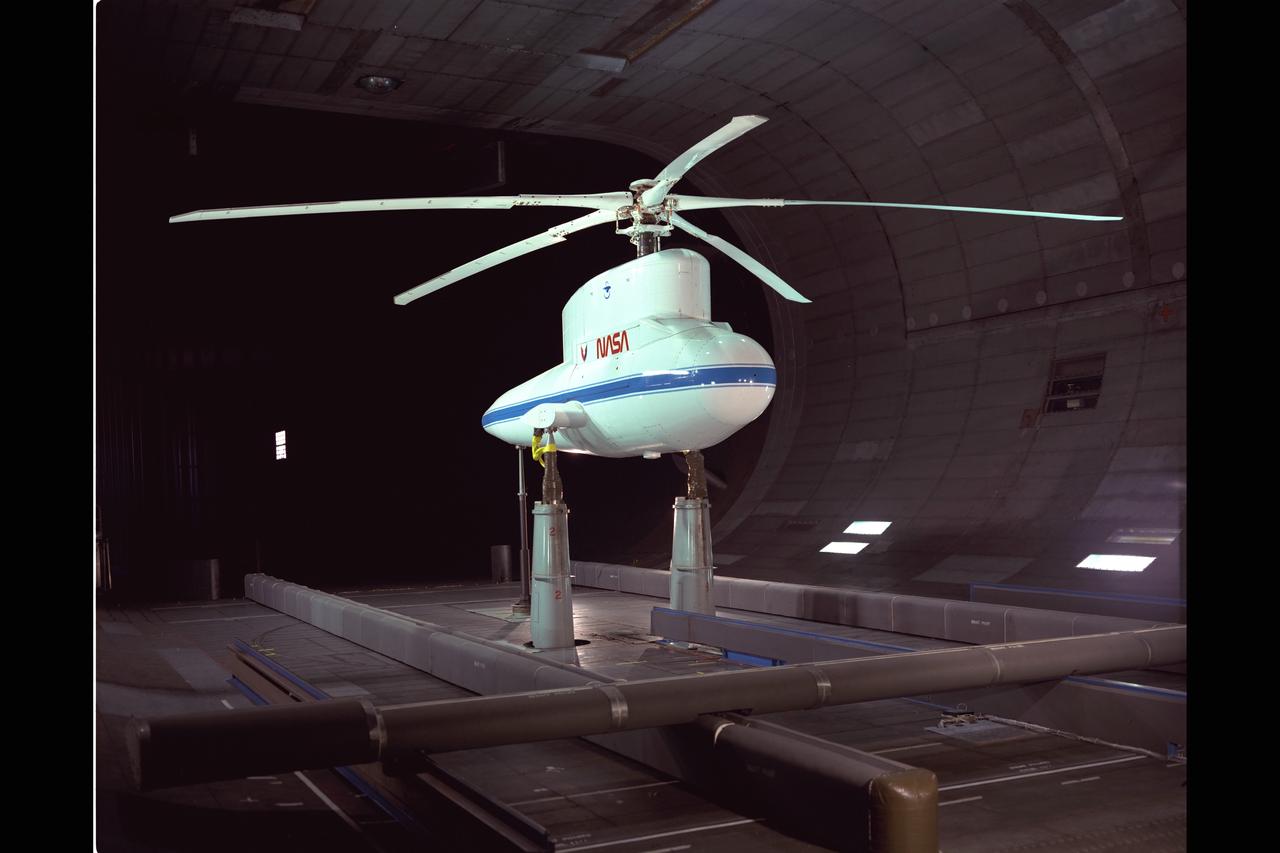
Sikorsky Bearingless Main rotor (SBMR) mounted on the Ames Rotor Test Apparatus (RTA) for testing in the NASA Ames40x80ft Subsonic Wind Tunnel, test-584.
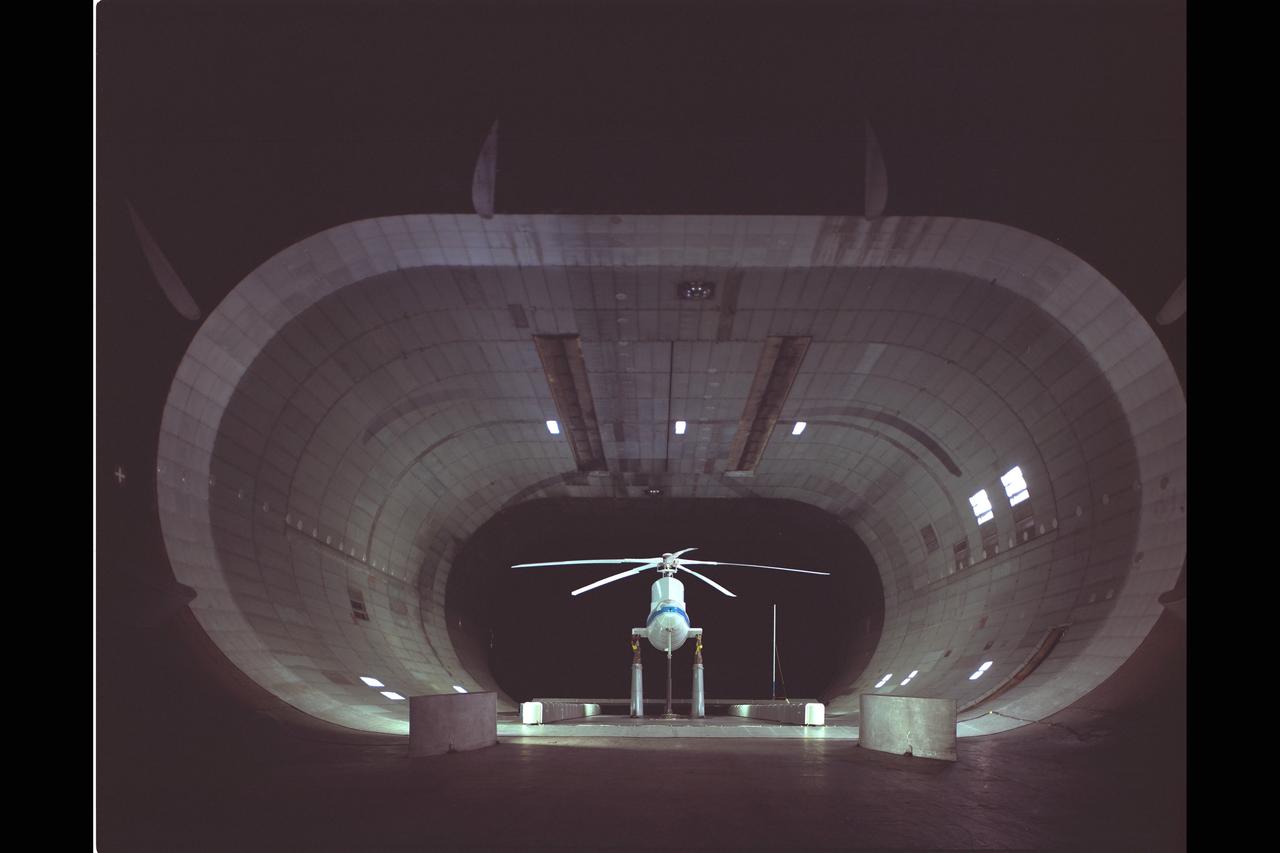
Sikorsky Bearingless Main rotor (SBMR) mounted on the Ames Rotor Test Apparatus (RTA) for testing in the NASA Ames40x80ft Subsonic Wind Tunnel, test-584.
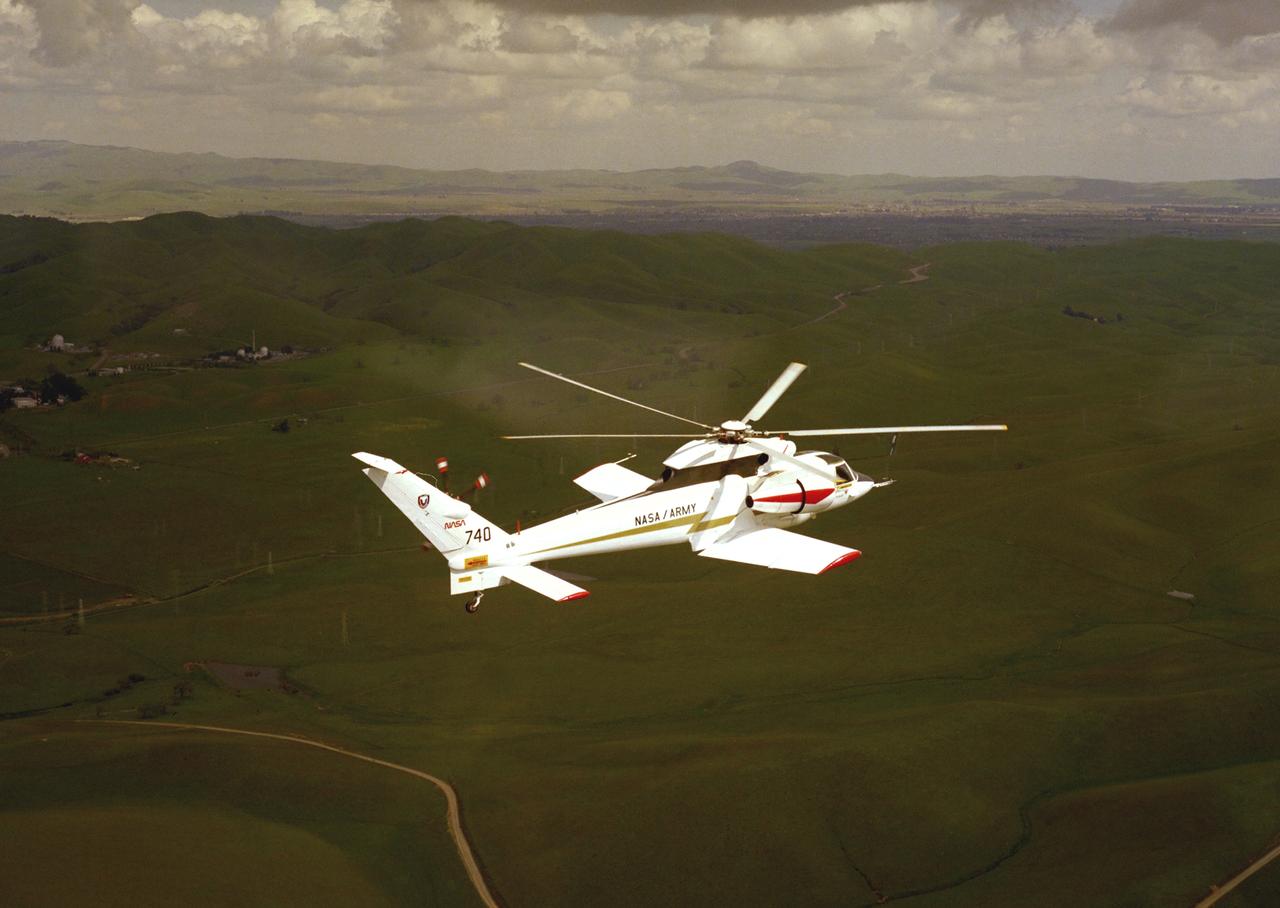
NASA Ames Sikorsky Rotor Systems Research Aircraft (RSRA) NASA-740 in flight out of Ames over east foothill of the Silicon Valley, CA
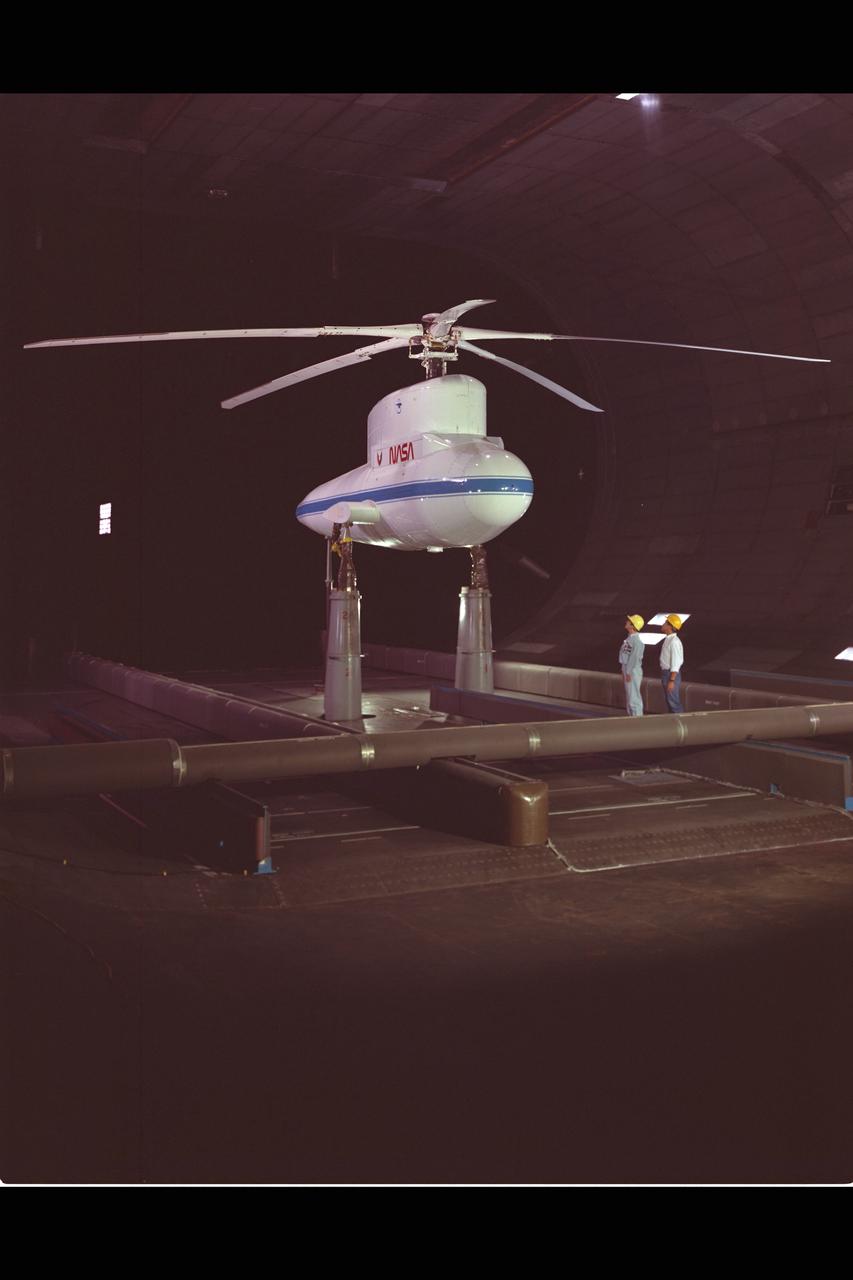
Sikorsky Bearingless Main rotor (SBMR) mounted on the Ames Rotor Test Apparatus (RTA) for testing in the NASA Ames40x80ft Subsonic Wind Tunnel, test-584.
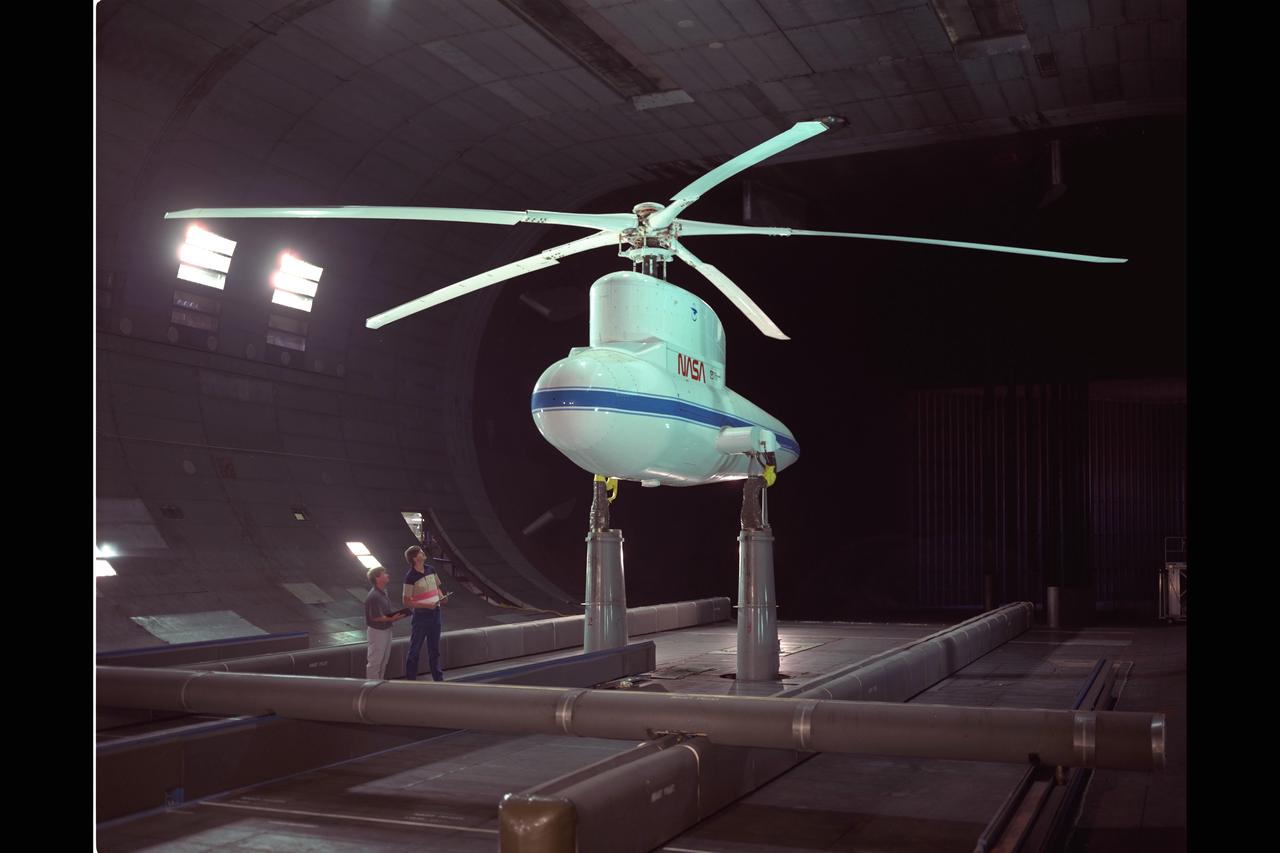
Sikorsky Bearingless Main rotor (SBMR) mounted on the Ames Rotor Test Apparatus (RTA) for testing in the NASA Ames40x80ft Subsonic Wind Tunnel, test-584.
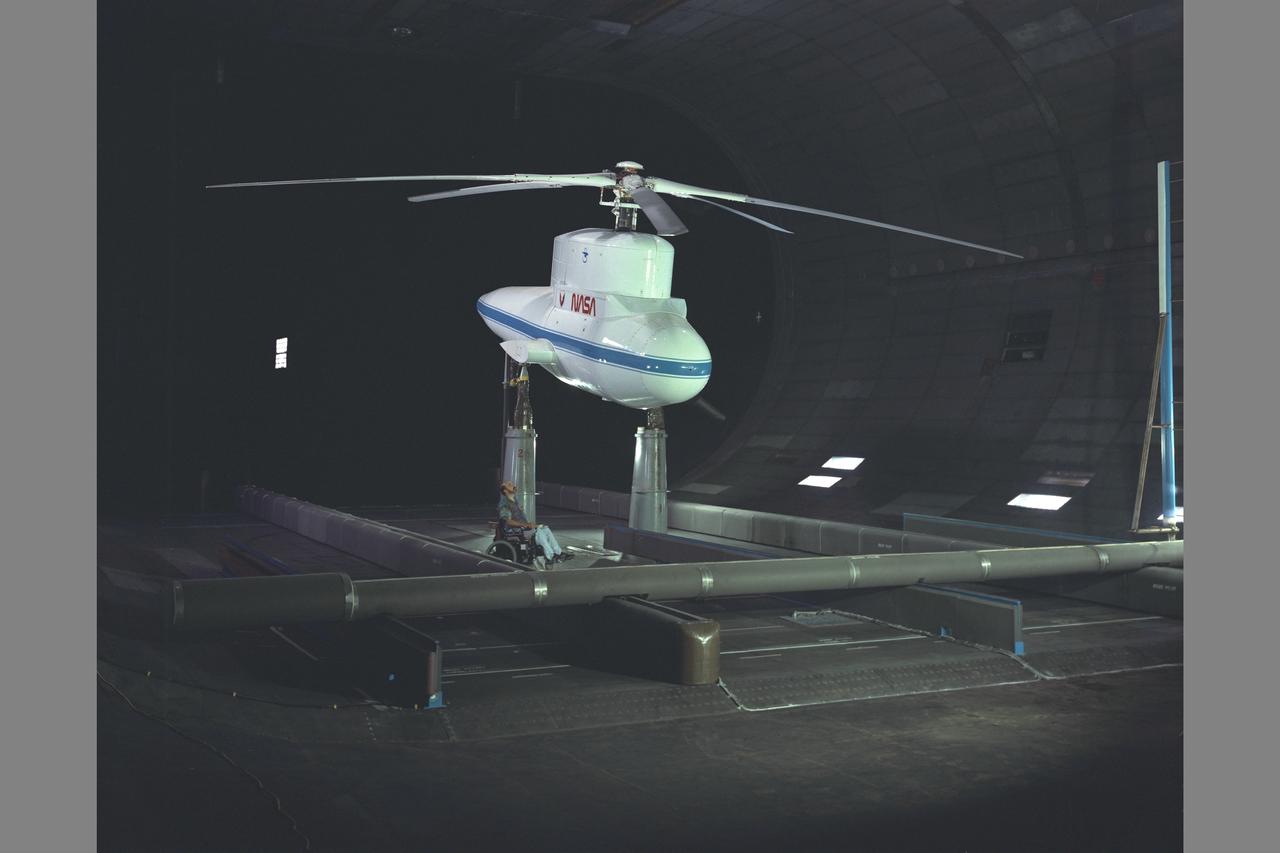
Sikorsky Bearingless Main rotor (SBMR) mounted on the Ames Rotor Test Apparatus (RTA) for testing in the NASA Ames 40x80ft Subsonic Wind Tunnel, test-584. Shown with NASA engineer Bob McMahon
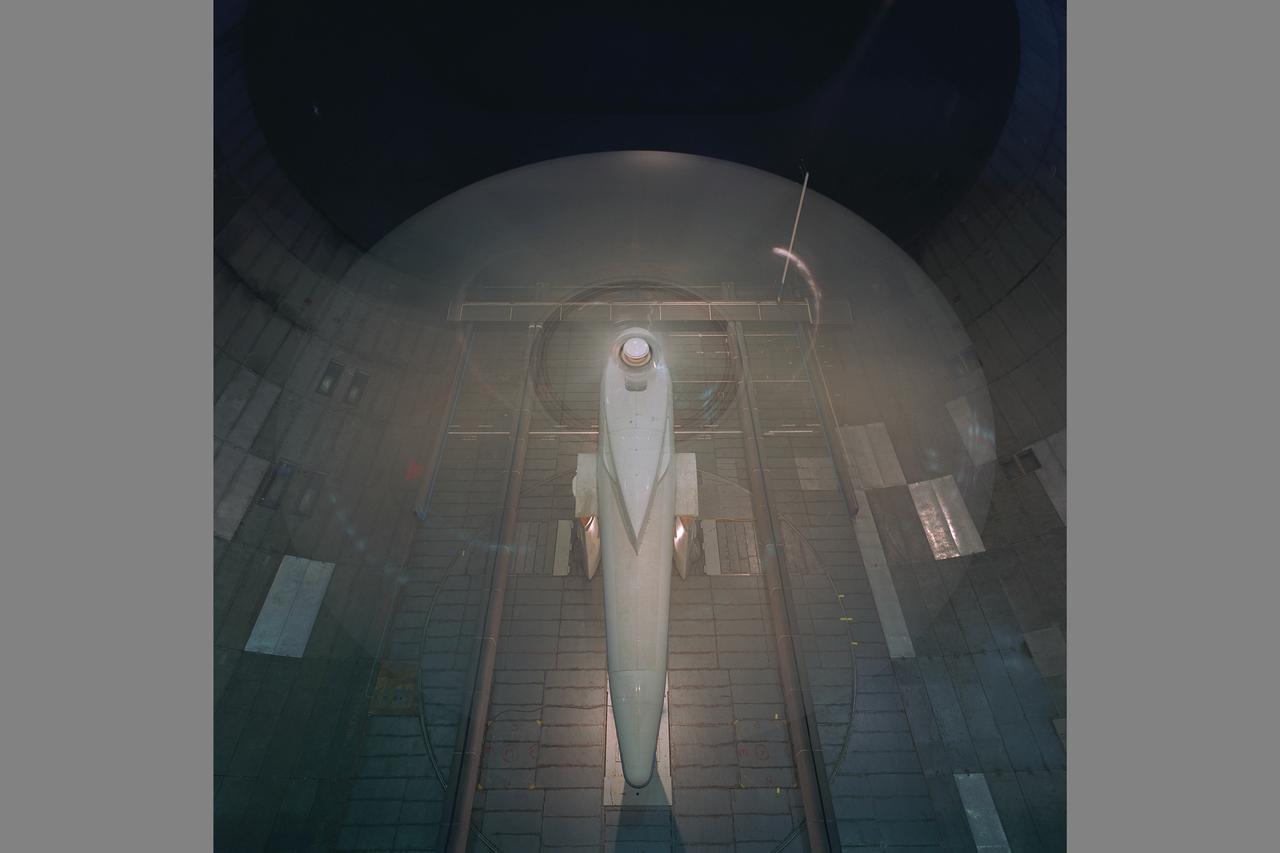
Sikorsky Bearingless Main rotor (SBMR) mounted on the Ames Rotor Test Apparatus (RTA) during testing in the NASA Ames 40x80ft Subsonic Wind Tunnel, test-584. Rotors in motion.
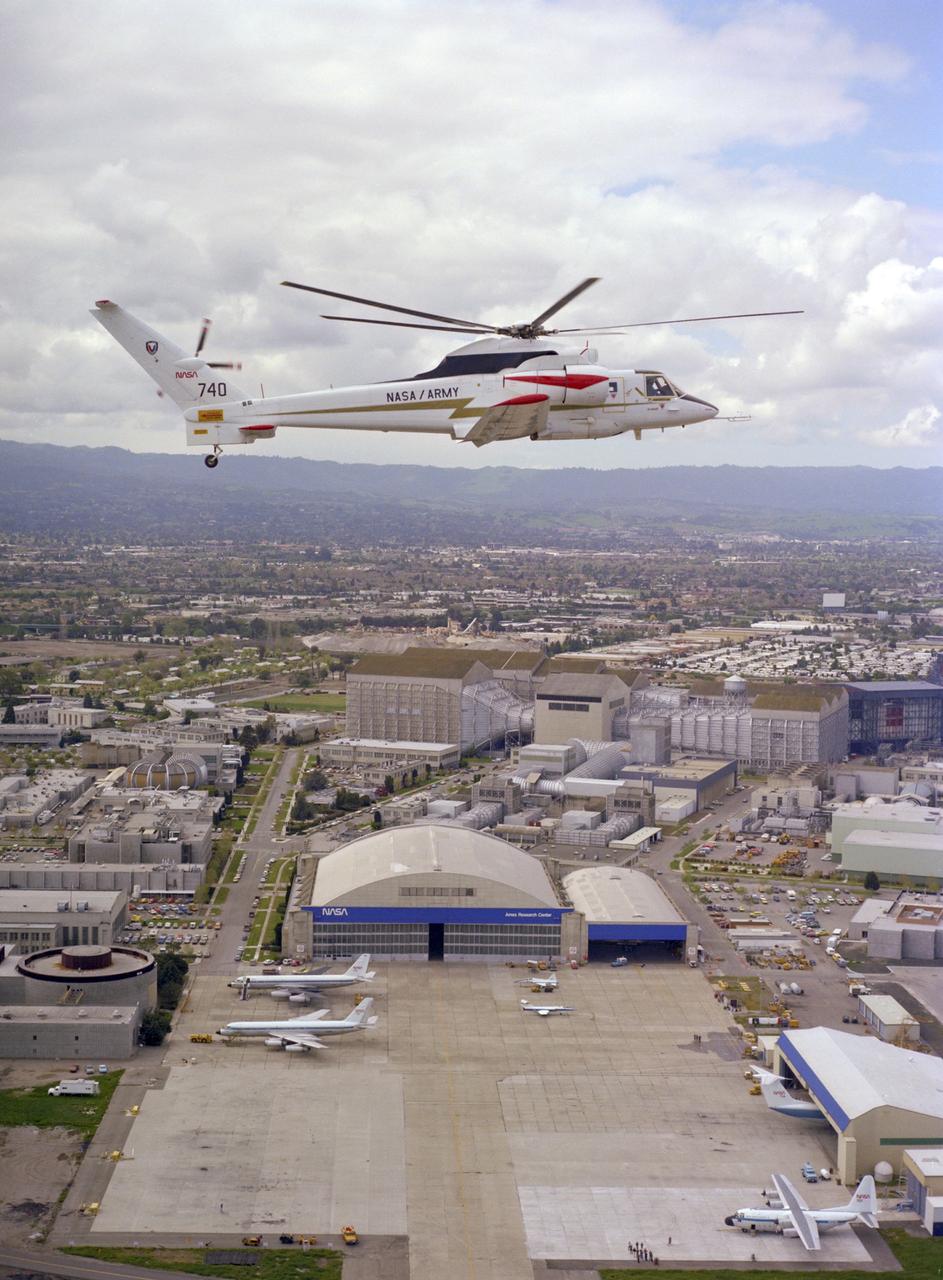
Sikorsky Rotor Systems Research Aircraft ' RSRA' (72-001 NASA-740) compound configuration in flight: NASA Ames Research Center, Hangar and 40x 80x120ft W.T. in the background. Note: Used in publication in Flight Research at Ames; 57 Years of Development and Validation of Aeronautical Technology NASA SP-1998-3300 fig. 132
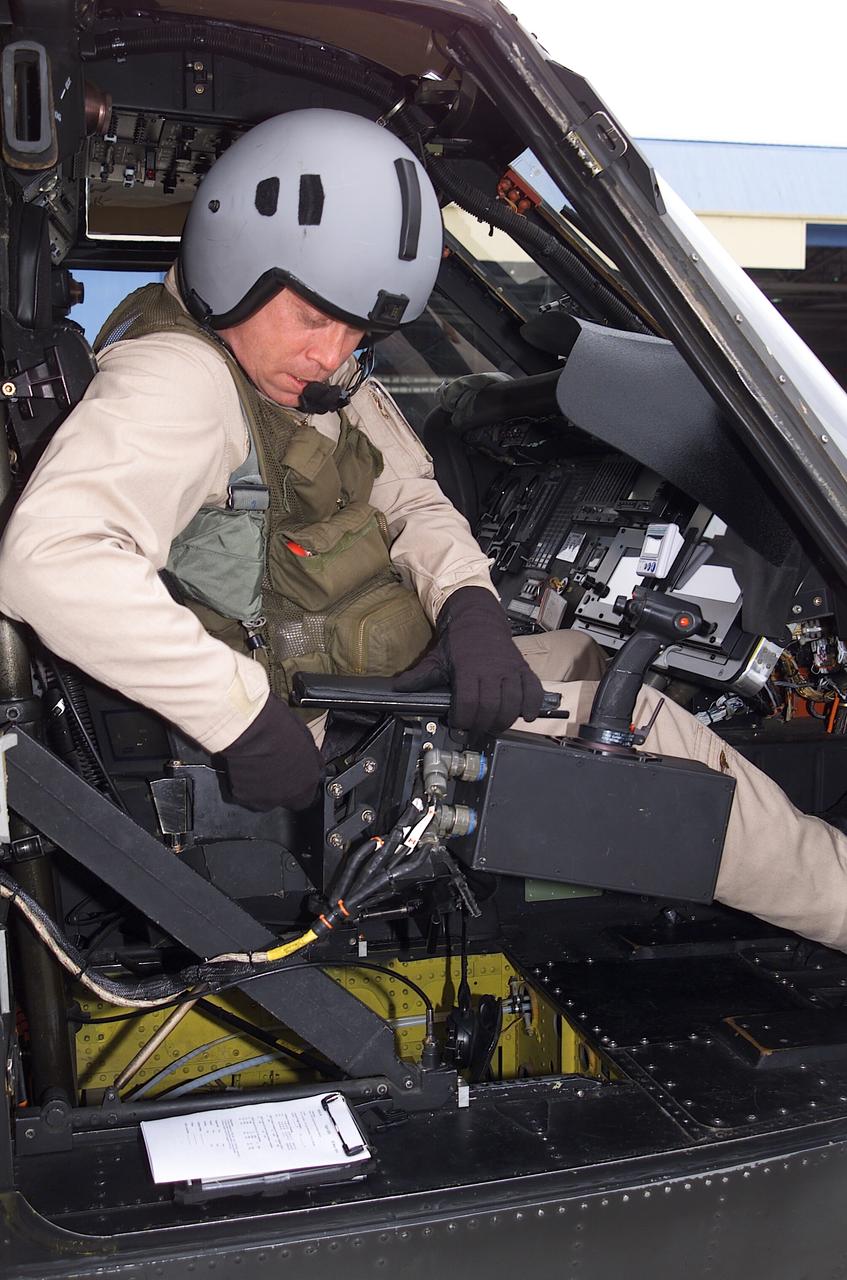
NRTC/RITA Precision Pathway Terminal Guidance: UH-60 RASCAL (#012) (National Rotocraft Technology Center/Rotorcraft Industry Technology Association) runway independent aircraft - Sikorsky Helicopter pilot Kevin Bredenbeck preparing for flight in RASCAL with Dave Arterburn
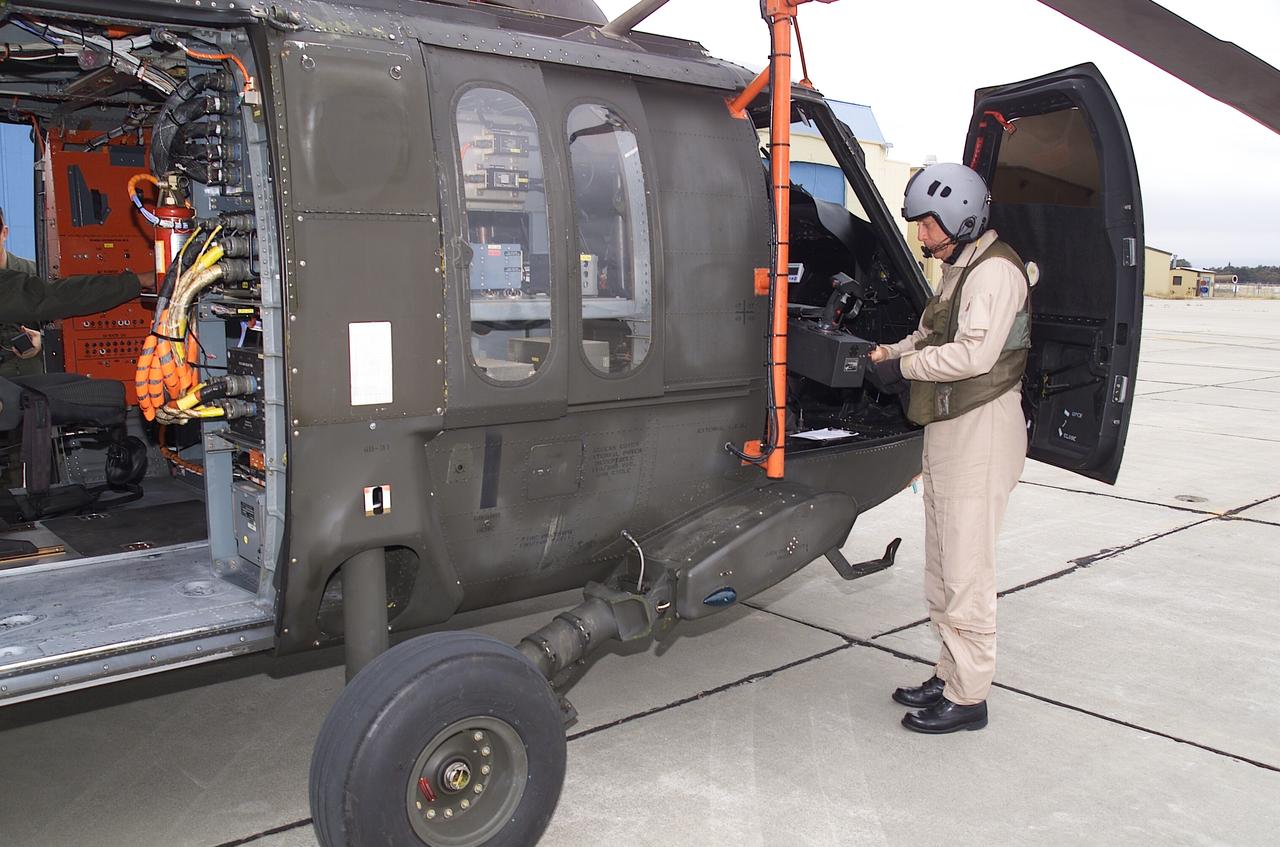
NRTC/RITA Precision Pathway Terminal Guidance: UH-60 RASCAL (#012) (National Rotocraft Technology Center/Rotorcraft Industry Technology Association) runway independent aircraft - Sikorsky Helicopter pilot Kevin Bredenbeck preparing for flight in RASCAL with Dave Arterburn
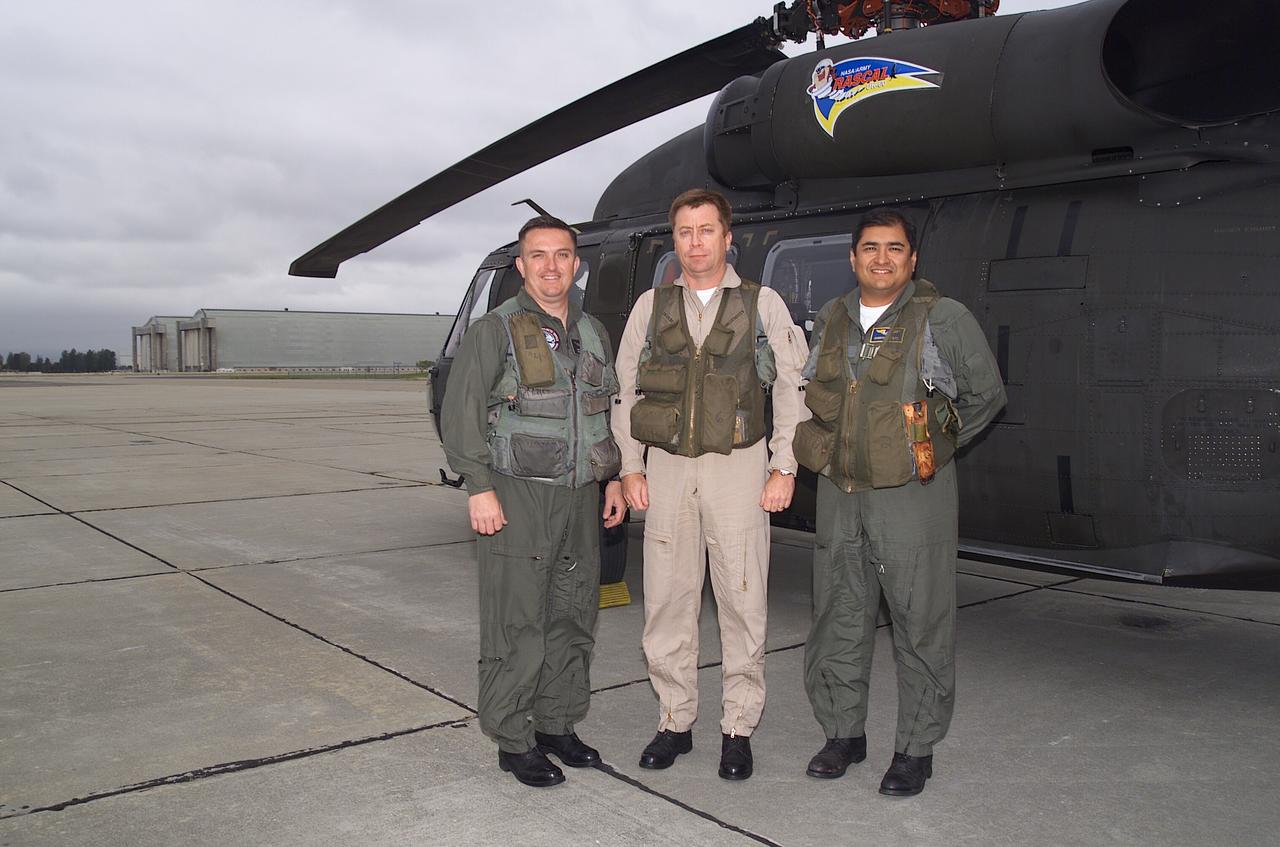
NRTC/RITA Precision Pathway Terminal Guidance: UH-60 RASCAL (#012) (National Rotocraft Technology Center/Rotorcraft Industry Technology Association) runway independent aircraft - Sikorsky Helicopter pilot Kevin Bredenbeck with Dave Arterburn and Ernie Morales of Ames
Sikorsky UH-60 (USA 82-23748 NASA-748) Airloads research aircraft - Blackhawk helicopter with MUX-Bucket in flight over Livermore, CA. Note: Used in publication in Flight Research at Ames; 57 Years of Development and Validation of Aeronautical Technology NASA SP-1998-3300 fig. 135
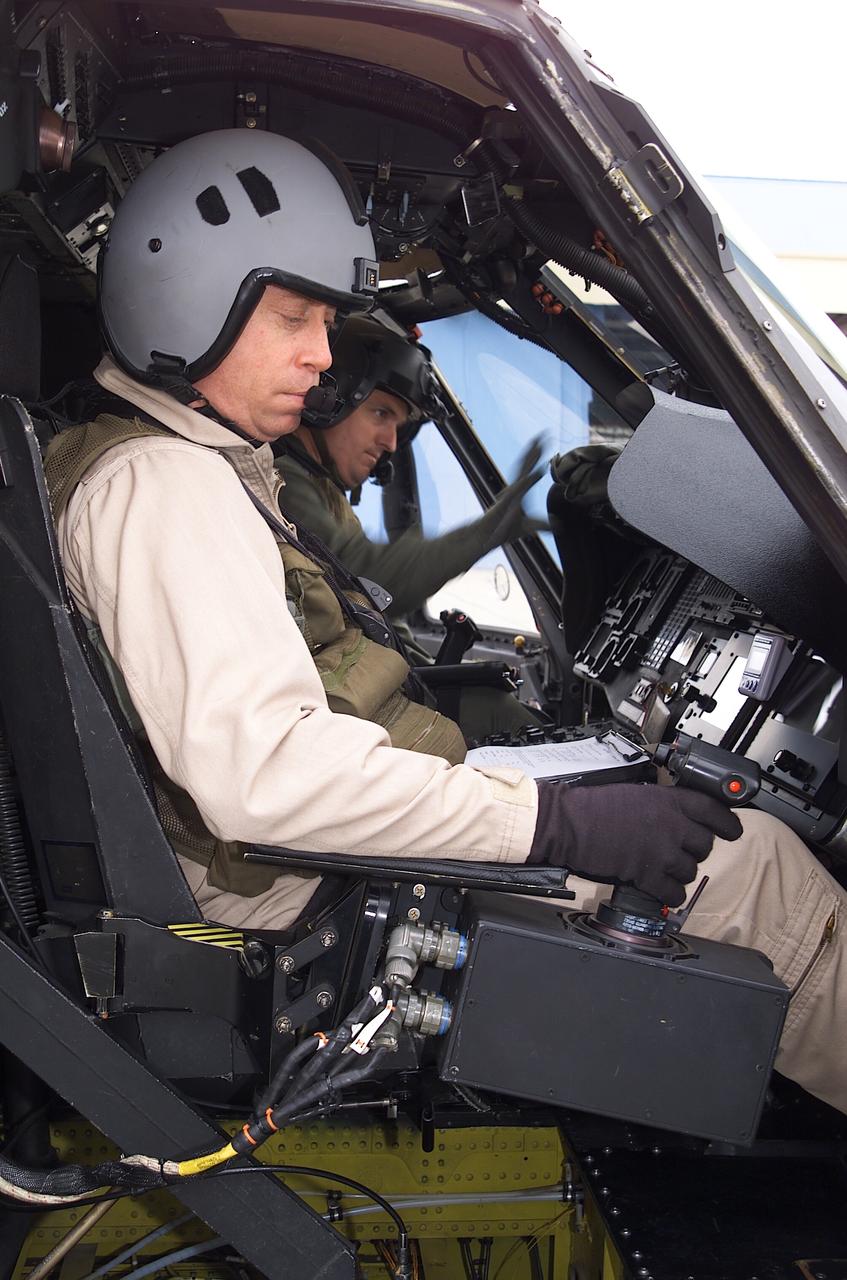
NRTC/RITA Precision Pathway Terminal Guidance: UH-60 RASCAL (#012) (National Rotocraft Technology Center/Rotorcraft Industry Technology Association) runway independent aircraft; Sikorsky Helicopter pilot Kevin Bredenbeck preparing for flight in RASCAL with Dave Arterburn
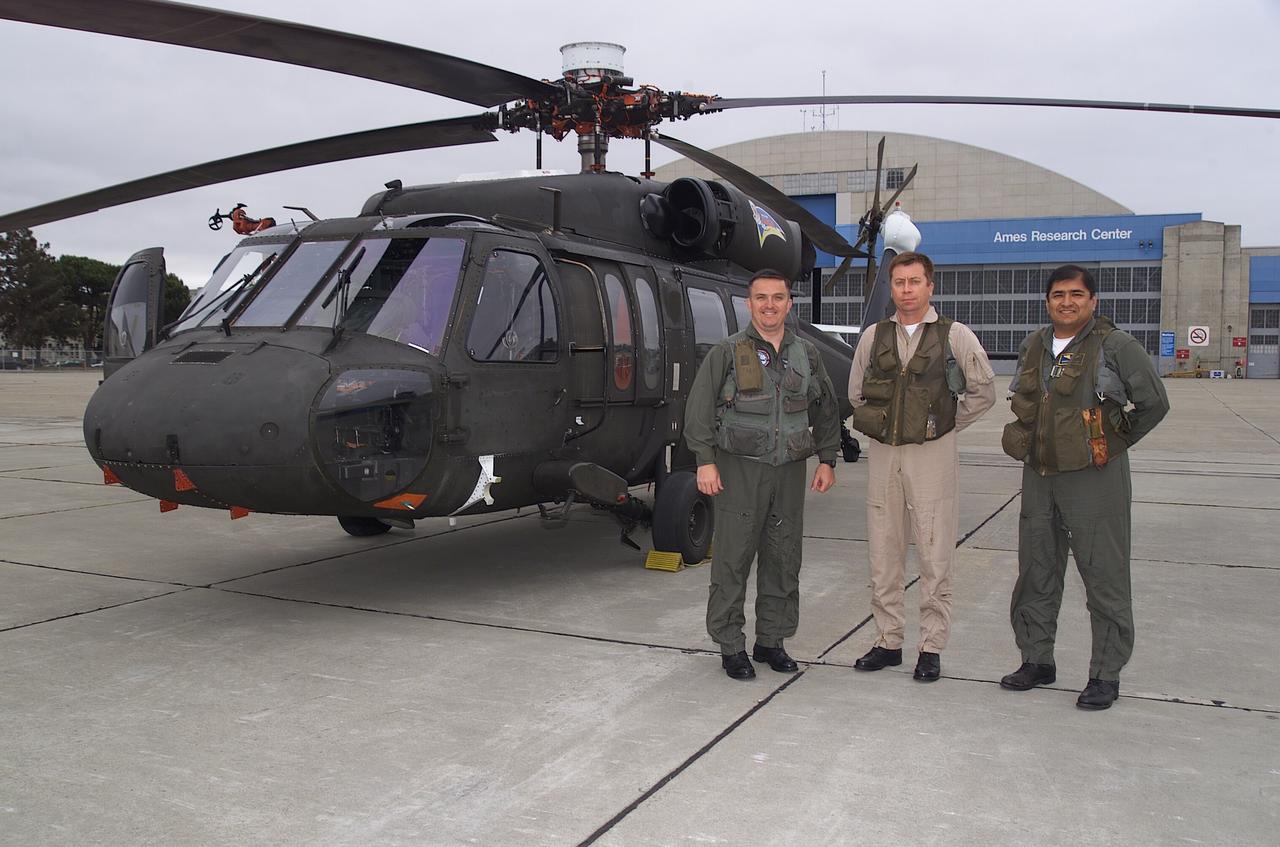
NRTC/RITA Precision Pathway Terminal Guidance: UH-60 RASCAL (#012) (National Rotocraft Technology Center/Rotorcraft Industry Technology Association) runway independent aircraft - Sikorsky Helicopter pilot Kevin Bredenbeck with Dave Arterburn and Ernie Morales of Ames

Technicians set up test hardware inside the test section of the Icing Research Tunnel at the National Aeronautics and Space Administration (NASA) Lewis Research Center. The Icing Research Tunnel was built in the early 1940s to study the formation of ice on aircraft surfaces and develop methods of preventing or eradicating that ice. Ice buildup is dangerous because it adds extra weight, effects aerodynamics, and sometimes blocks air flow through engines. The Icing Research Tunnel is a closed-loop atmospheric wind tunnel with a 6- by 9-foot test section. The tunnel can produce speeds up to 300 miles per hour and temperatures from 30 to -45 °F. NACA engineers struggled initially to perfect a spray bar system to introduce moisture into the airstream. The tunnel was shut down in the late 1950s as the center focused its energy exclusively on space. Industrial customers began using the tunnel sporadically, then steadily, in the 1960s. Boeing, Aerojet, Lockheed, Sikorsky, Beech and others ran tests during the 1960s. Boeing analyzed engine inlets for the CH-47 Chinook, CH-46 (Sea Knight) and CH-113. This photograph was taken during a series of 100 ice-phobic coatings for the Federal Aviation Administration. They found that many of the coatings reduced ice adhesion to the test sample, but they could not be used for aircraft applications.