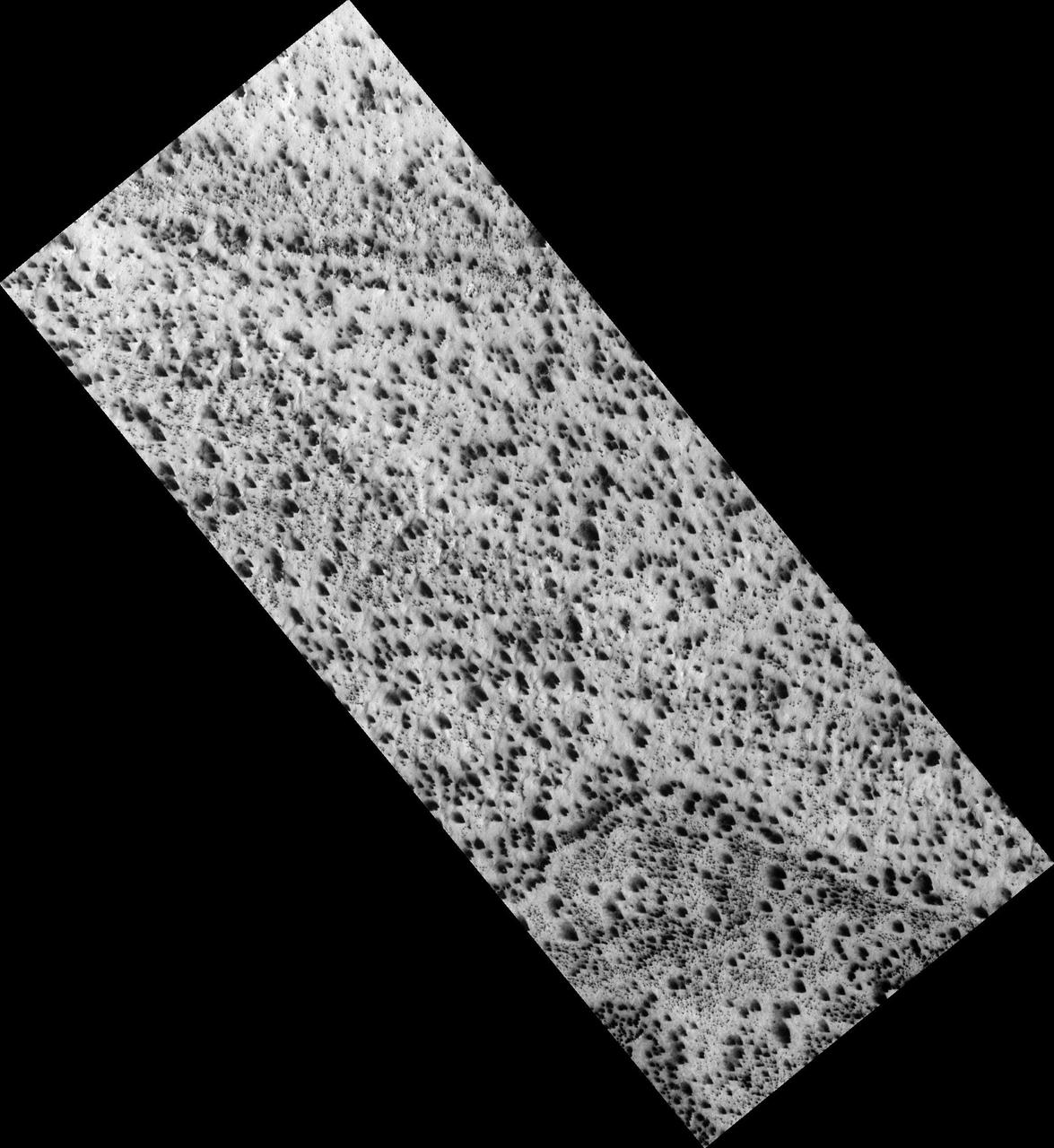
Lizard-Skin Surface Texture
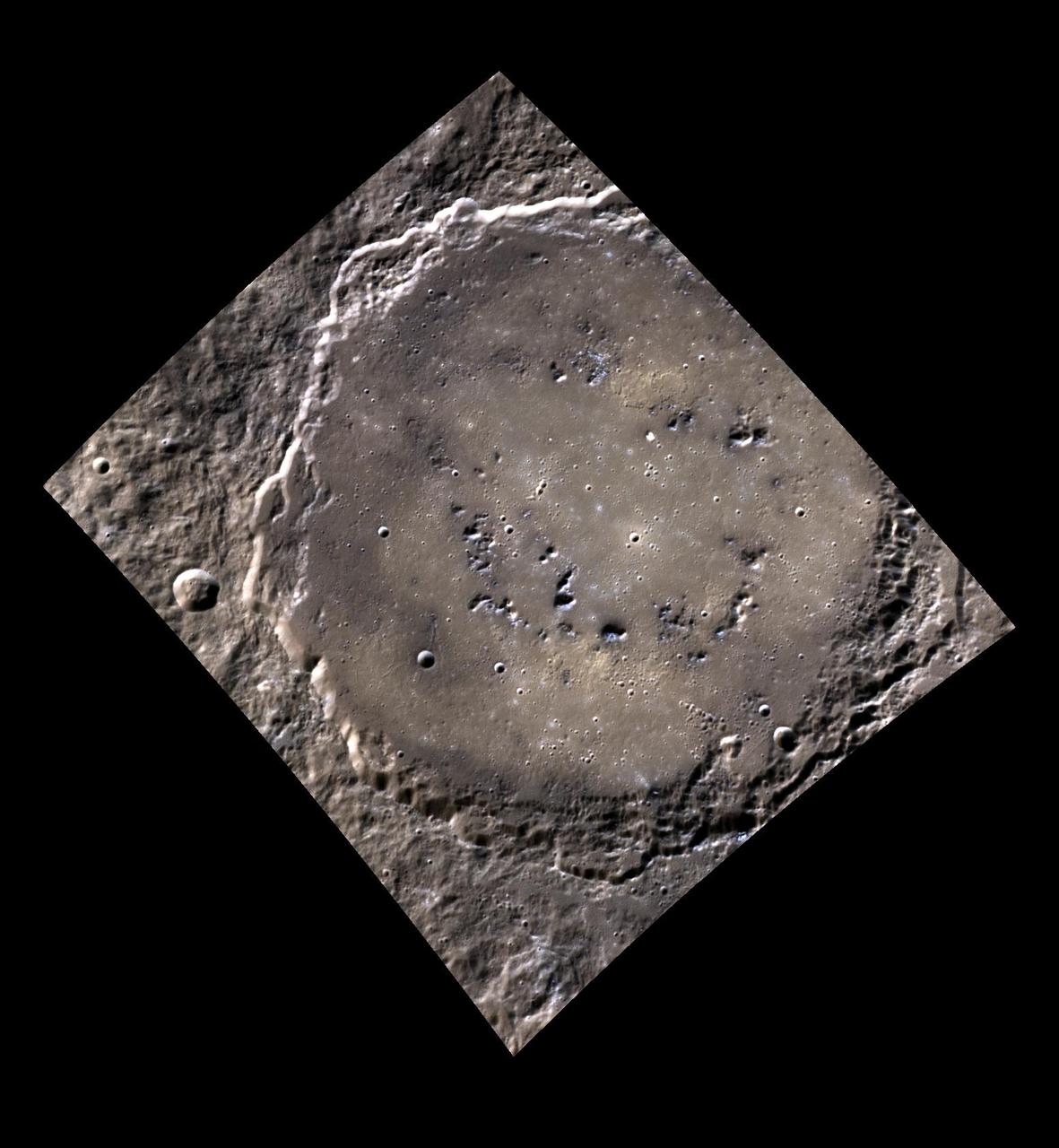
The Knight in the Panther Skin
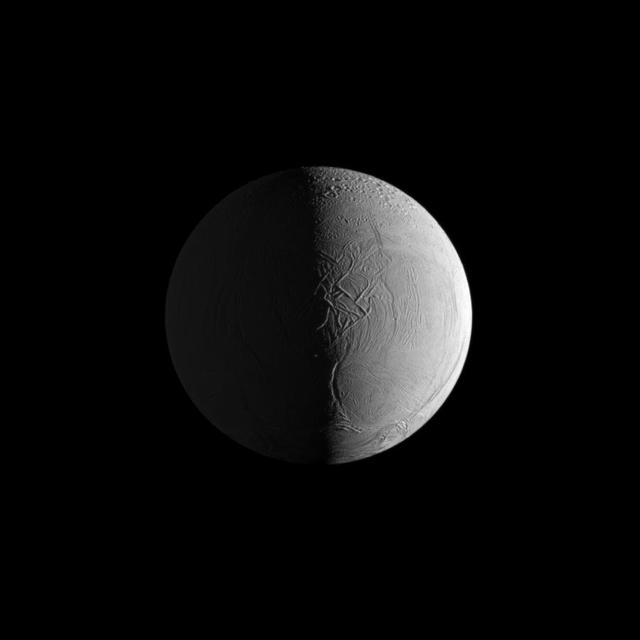
Two sources of light reveal the dramatic surface of Saturn moon Enceladus in this NASA Cassini image in which geologic features give the appearance of the leathery skin of an elephant.
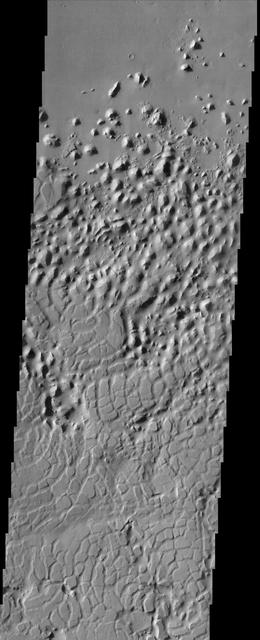
The style of erosion along the highlands-lowlands boundary of southern Elysium Planitia has produced a strange pattern of troughs that look like the skin of a reptile, as seen in this image from NASA Mars Odyssey spacecraft.
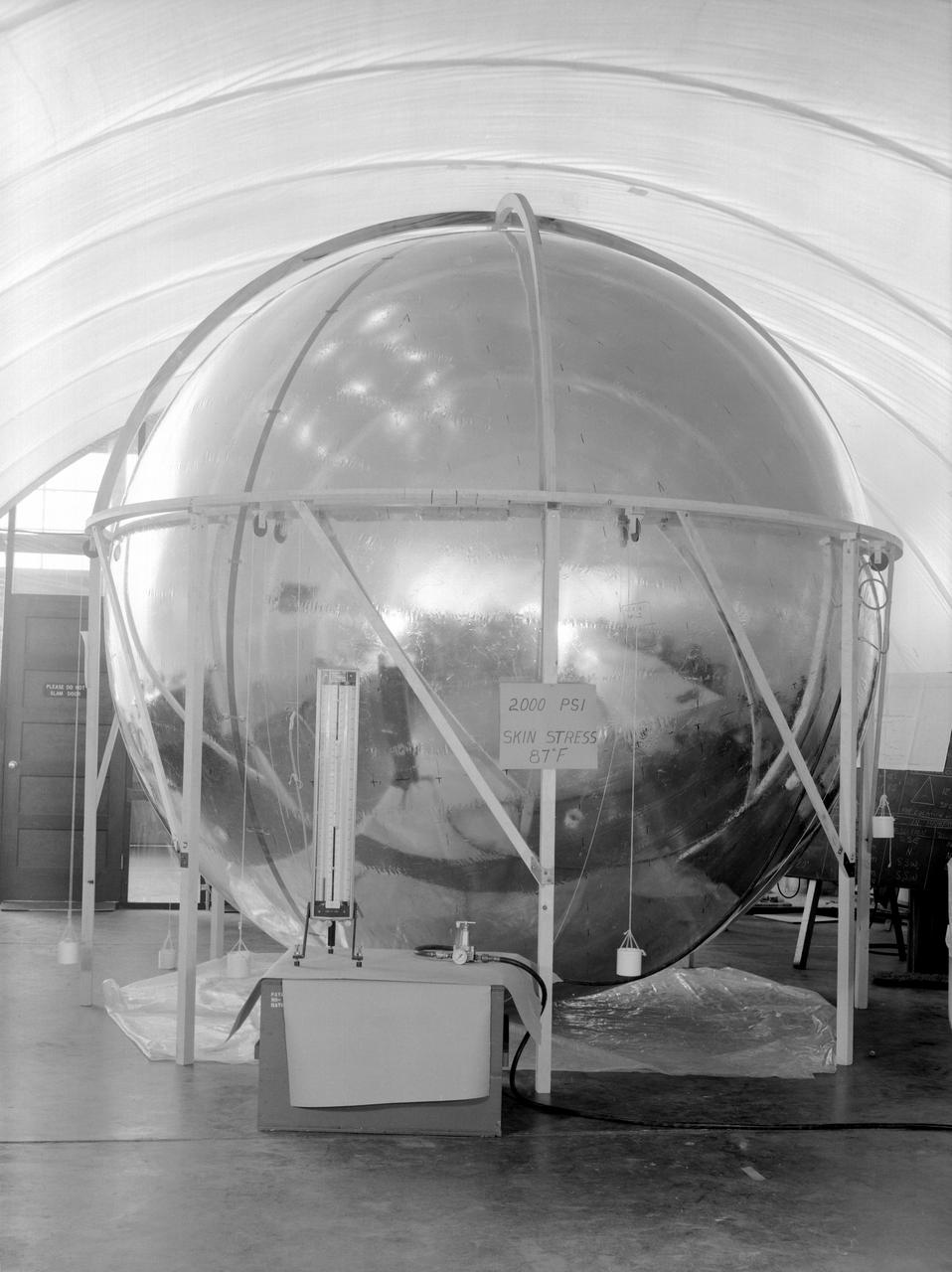
Photographed in 1960. -- Skin Stress Test of the 12-foot satellite built as a prototype of the full-scale Echo satellite. The 12-foot diameter of the sphere was chosen because that was the ceiling height in the Langley model shop. The proposal to build the 12-foot satellite was made in November 1957. -- Published in James R. Hansen, Spaceflight Revolution: NASA Langley Research Center From Sputnik to Apollo, NASA SP-4308, pp. 170-171.
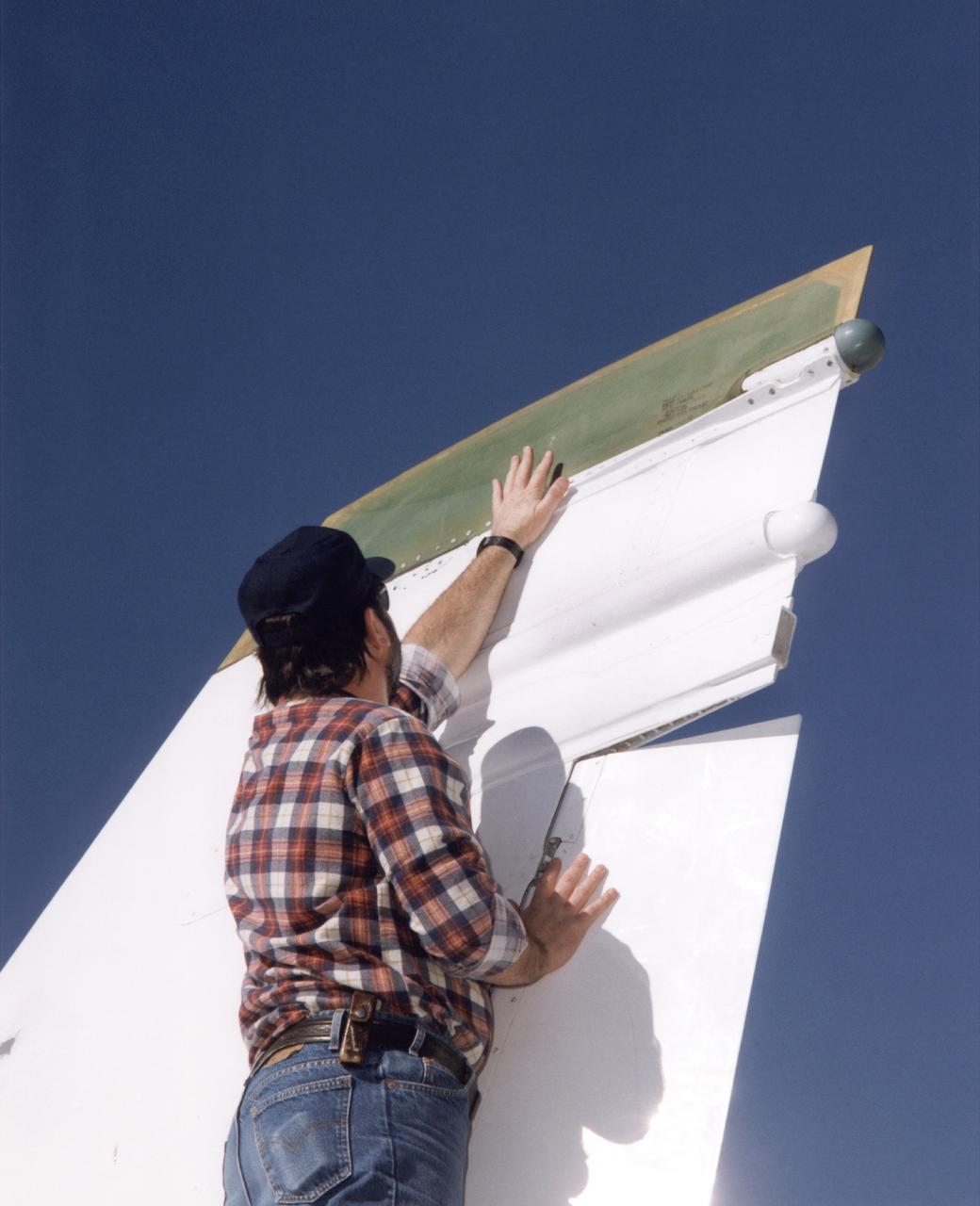
Bob Cummings, a technician at NASA's Dryden Flight Research Center, Edwards, California, checks out a new "Smart Skin" antenna mounted on the tip of the right vertical fin of Dryden's F/A-18 Systems Research Aircraft. Flight tests of the antenna system demonstrated a five-fold increase in voice communications range and a substantial improvement in the pattern of radiation and quality of transmission compared to the standard dorsal blade antenna on the aircraft. The Smart Skin antenna system was electrically as well as physically connected to the airframe, making the aircraft skin operate as an antenna along with the antenna itself. The concept was developed by TRW Avionics Systems Division and integrated into the F/A-18's vertical fin by Northrop-Grumman Corporation.

Lockheed Martin technicians work to align and check the fastener holes on the X-59’s fuselage skin. The aircraft, under construction at Lockheed Martin Skunk Works in Palmdale, California, will demonstrate the ability to fly supersonic while reducing the loud sonic boom to a quiet sonic thump.
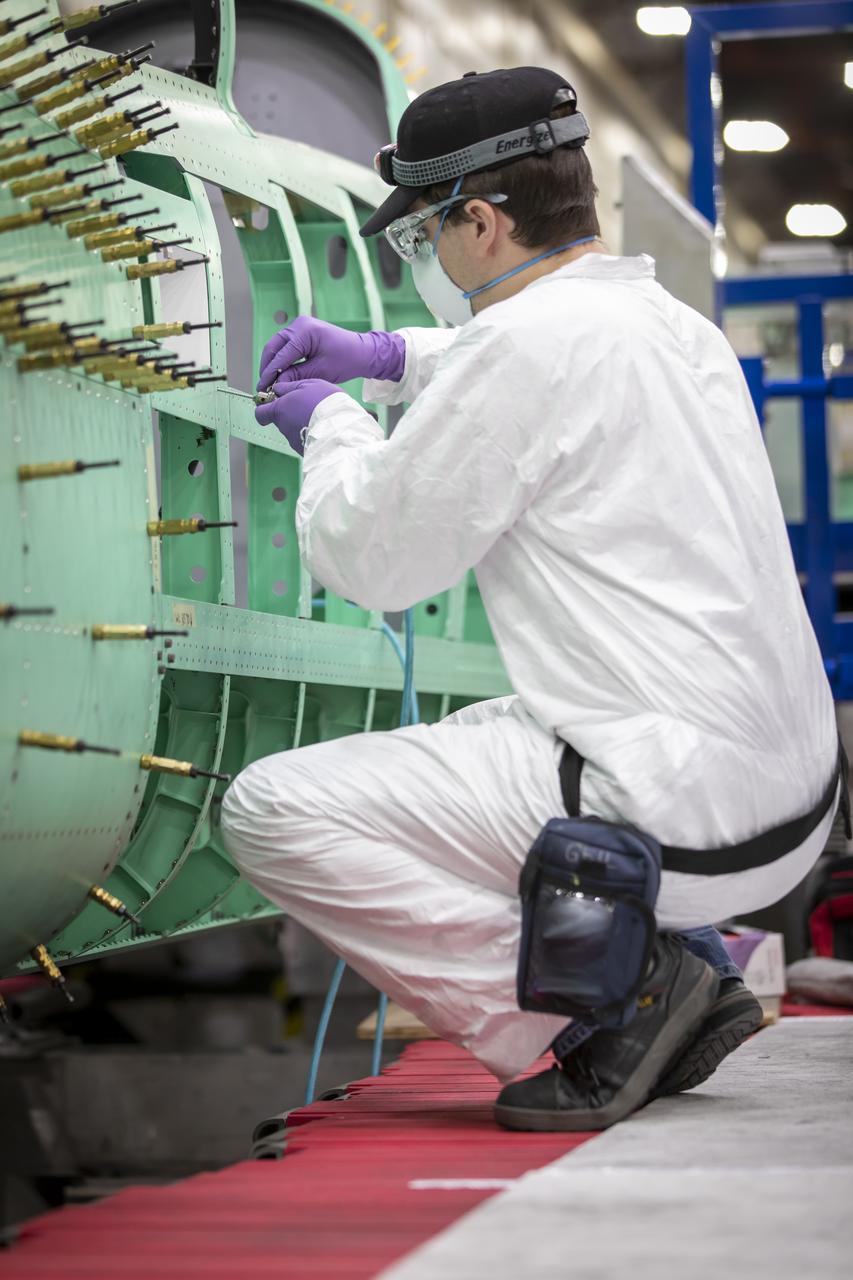
Event: SEG 210 Forebody A Lockheed Martin technician prepares to install the left fuselage skins onto the X-59. Once in the air, the aircraft, currently under construction at Lockheed Martin Skunk Works in Palmdale, California, will demonstrate the ability to fly supersonic while reducing the loud sonic boom to a quiet sonic thump.
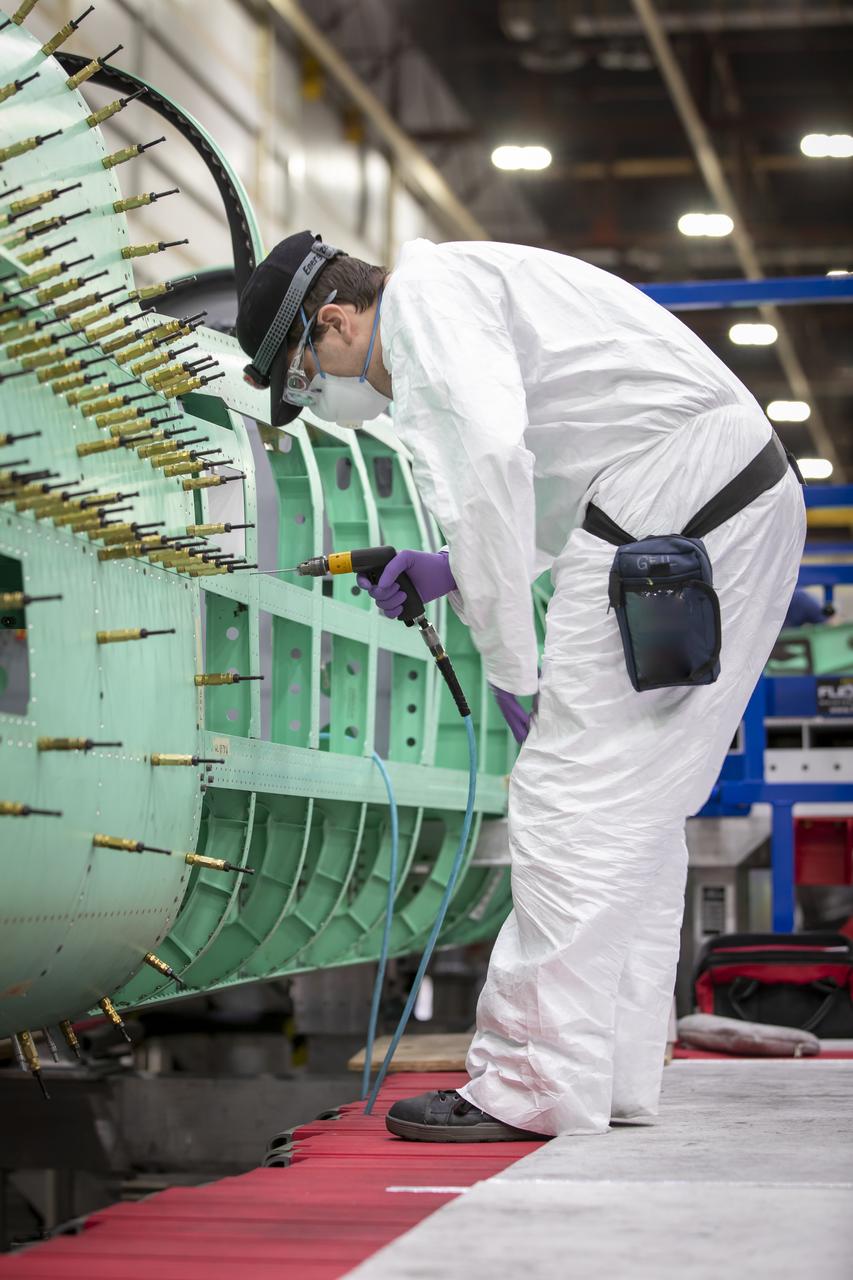
Event: SEG 210 Forebody A Lockheed Martin technician prepares to install the left fuselage skins onto the X-59. Once in the air, the aircraft, currently under construction at Lockheed Martin Skunk Works in Palmdale, California, will demonstrate the ability to fly supersonic while reducing the loud sonic boom to a quiet sonic thump.
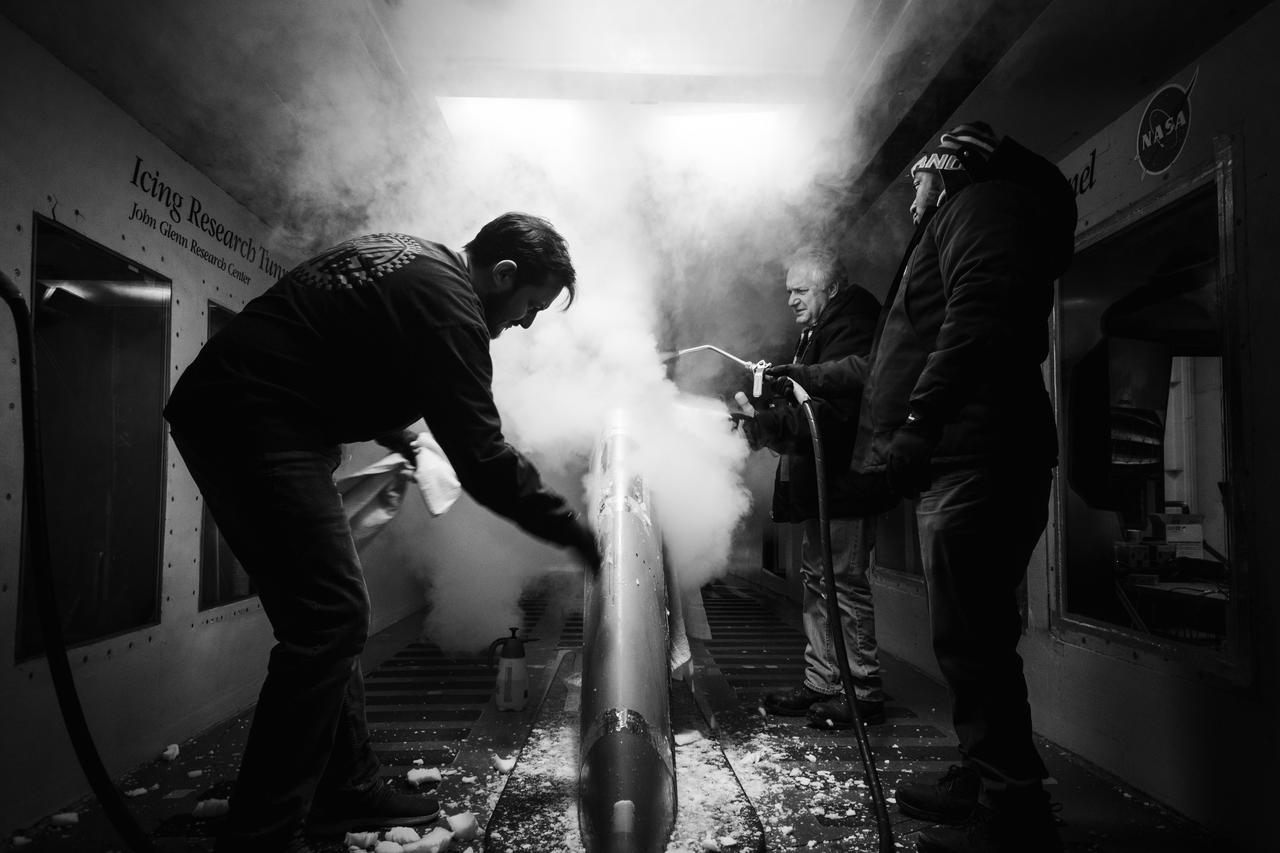
Technicians spray steam to help scrape off ice at the Icing Research Tunnel. The technicians need all the help they can get in sub-zero temperatures. Photo Credit: (NASA/Jordan Salkin)
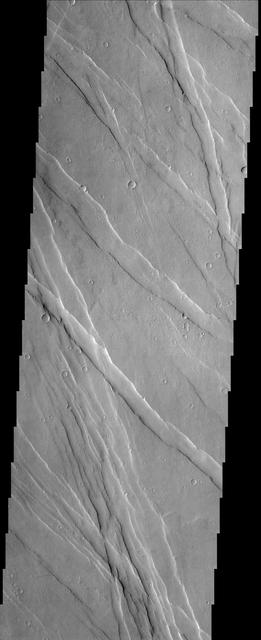
Extensional forces in the volcanic province of Tharsis, shown in this image from NASA Mars Odyssey spacecraft, have produced a fractured terrain that resembles wrinkled skin. http://photojournal.jpl.nasa.gov/catalog/PIA04005
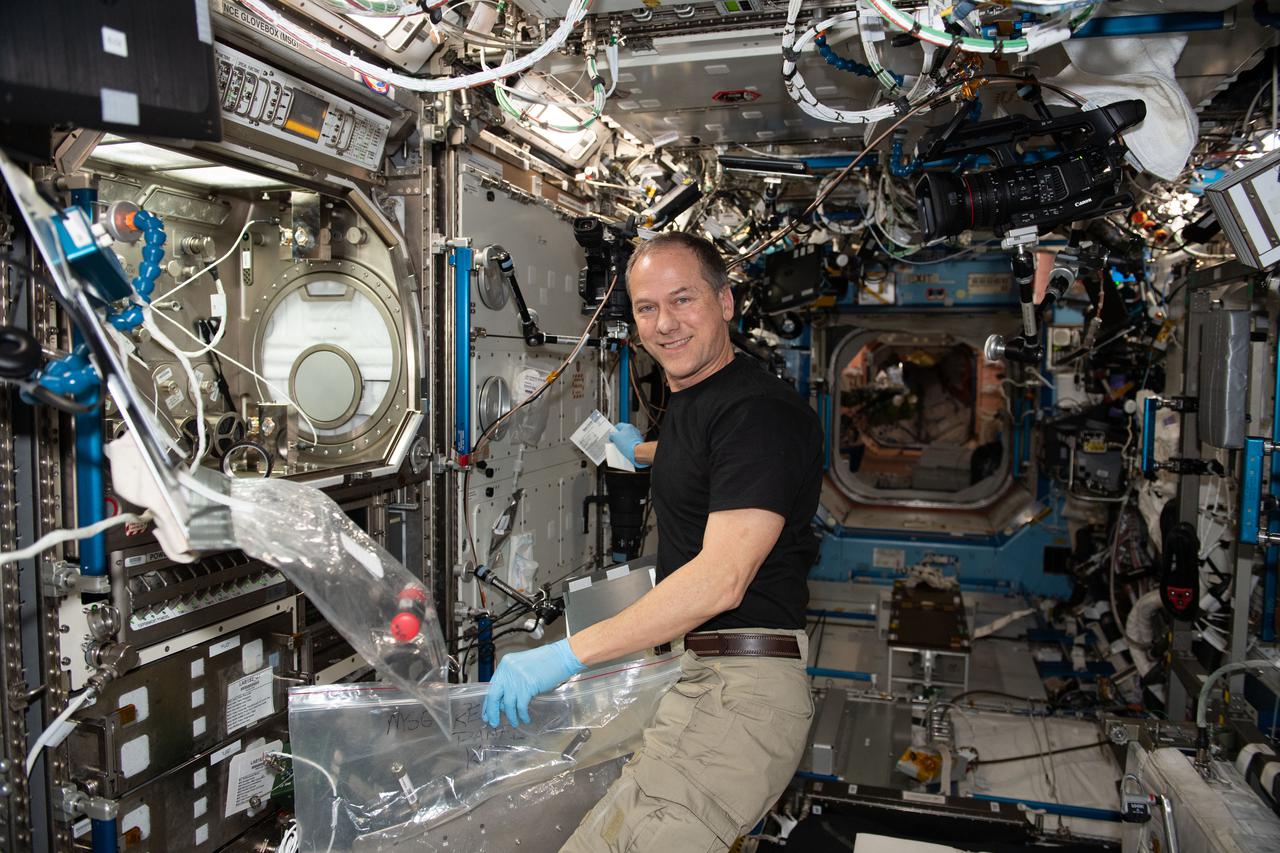
iss066e156074 (March 1, 2022) --- NASA astronaut and Expediiton 66 Flight Engineer Tom Marshburn wraps up research operations inside the U.S. Destiny laboratory module's Microgravity Science Glovebox. Marshburn had completed growing and observing skin tissue samples to understand why microgravity accelerates skin aging in astronauts and learn how to prevent skin deterioration in space and improve skin conditions on Earth.
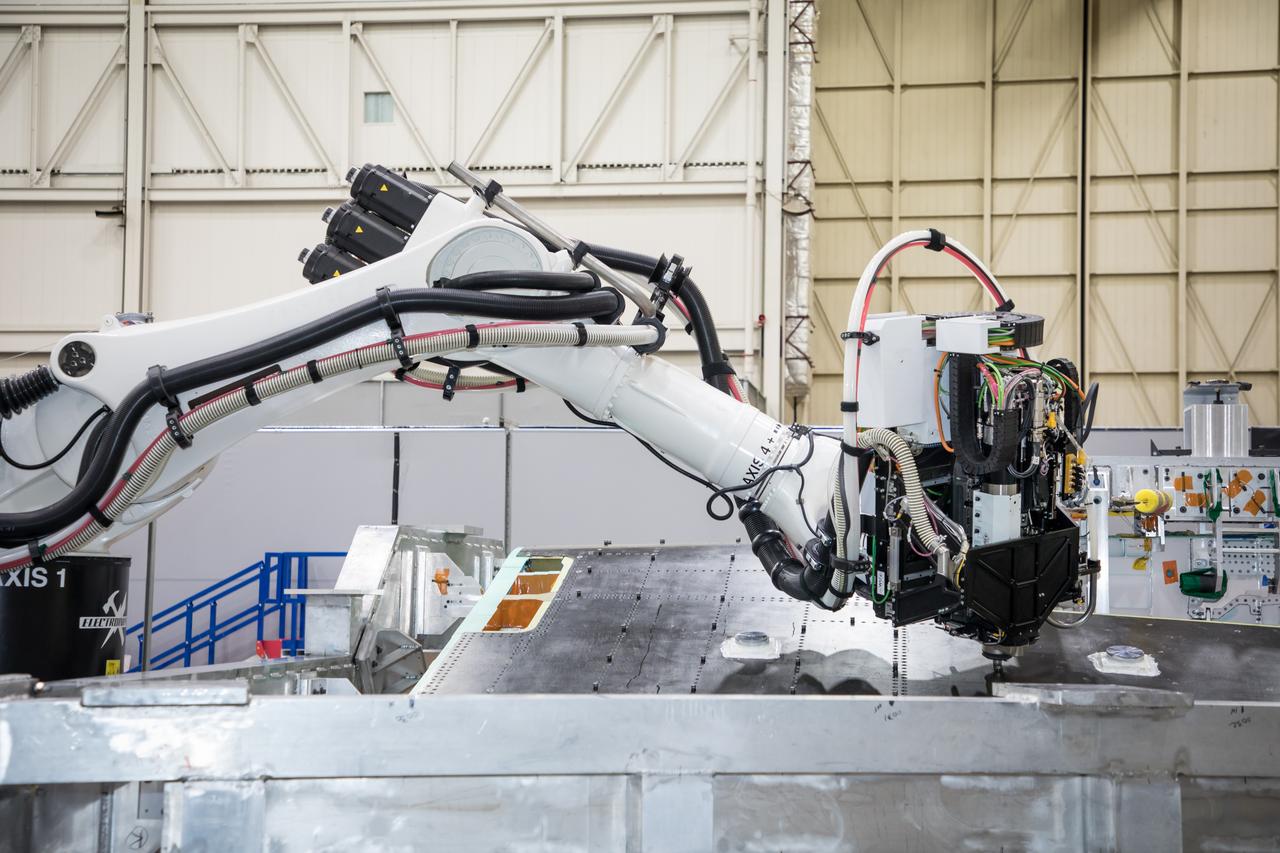
Lockheed Martin Photography By Garry Tice 1011 Lockheed Way, Palmdale, Ca. 93599 Event: SEG 410 Main Wing, COBRA Drillng Machine, Drilling Lower Wing Skins Date: 1/07/20 Additional Info:
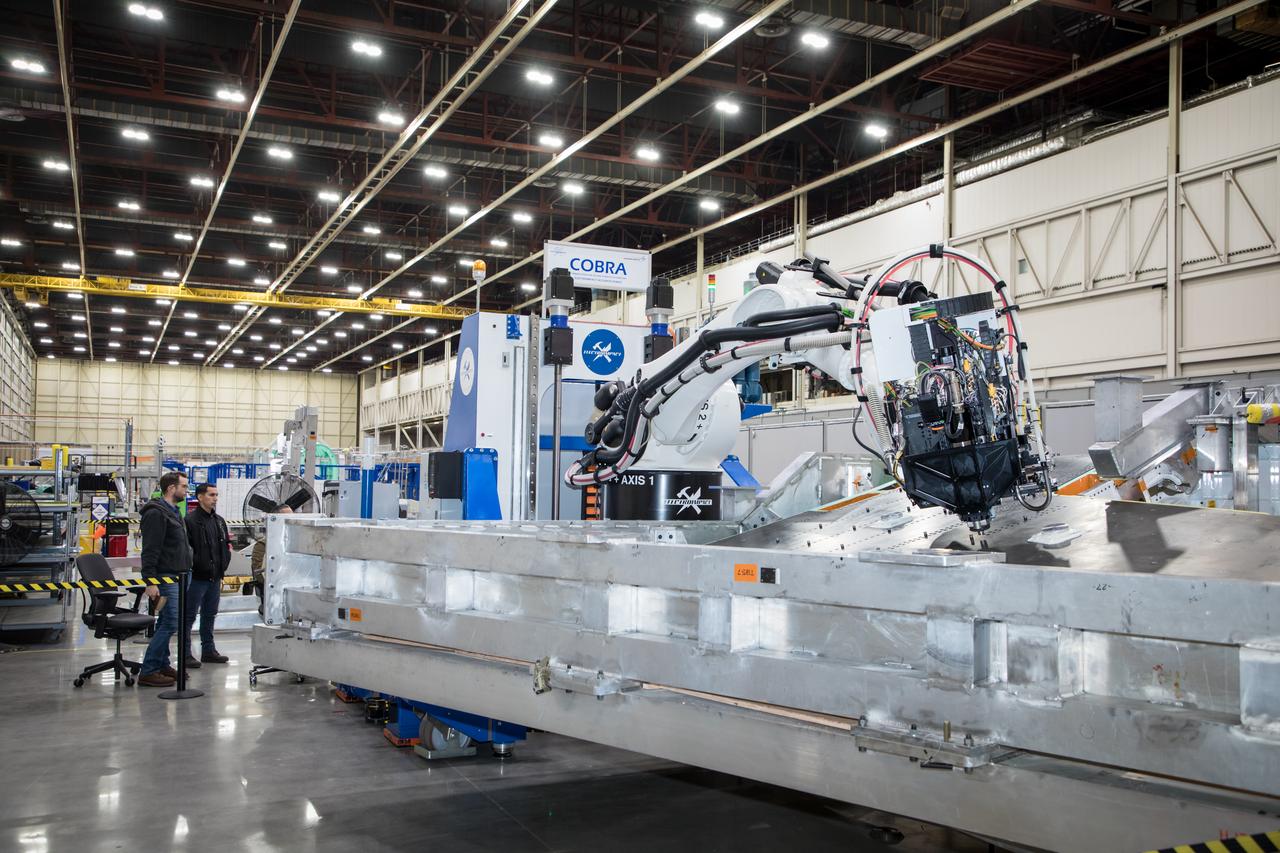
Lockheed Martin Photography By Garry Tice 1011 Lockheed Way, Palmdale, Ca. 93599 Event: SEG 410 Main Wing, COBRA Drillng Machine, Drilling Lower Wing Skins Date: 1/07/20 Additional Info:
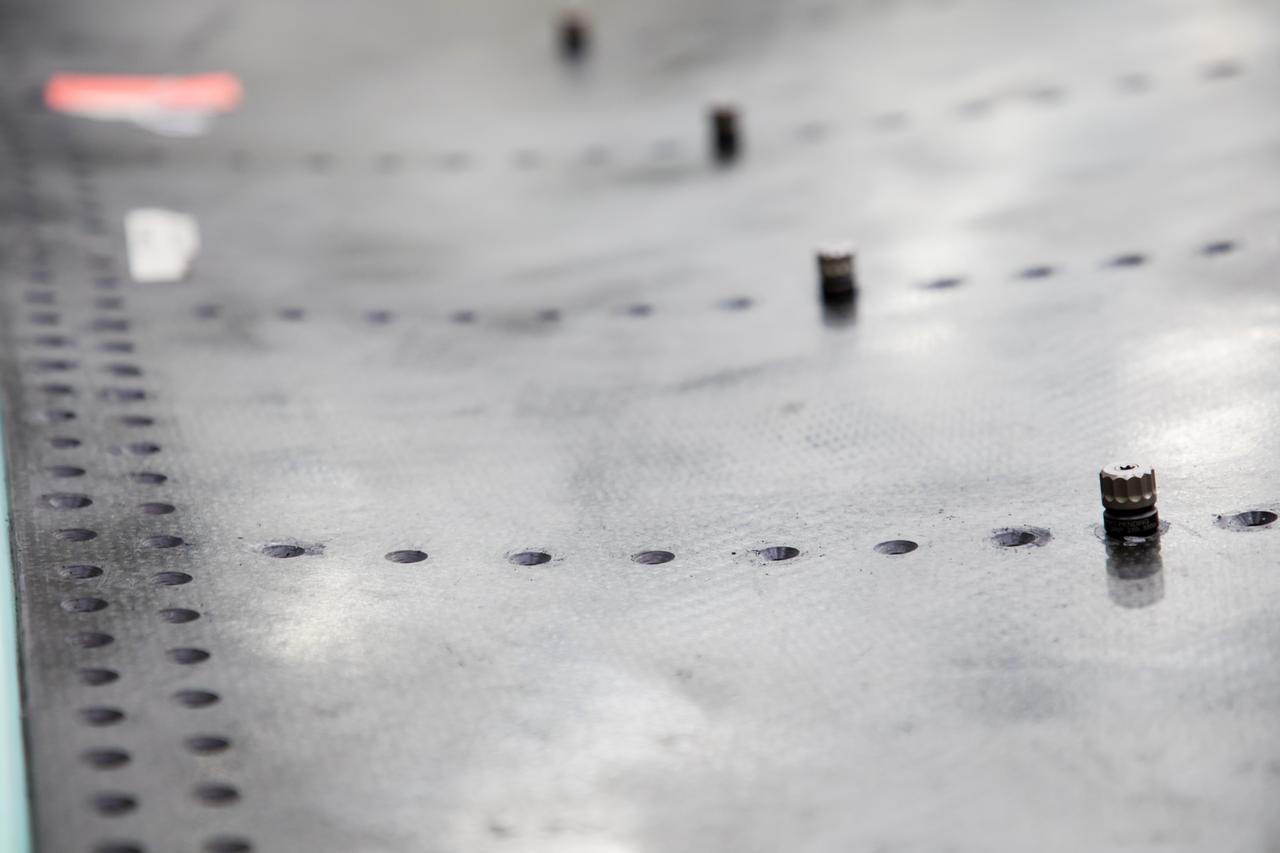
Lockheed Martin Photography By Garry Tice 1011 Lockheed Way, Palmdale, Ca. 93599 Event: SEG 410 Main Wing, COBRA Drillng Machine, Drilling Lower Wing Skins Date: 1/07/20 Additional Info:
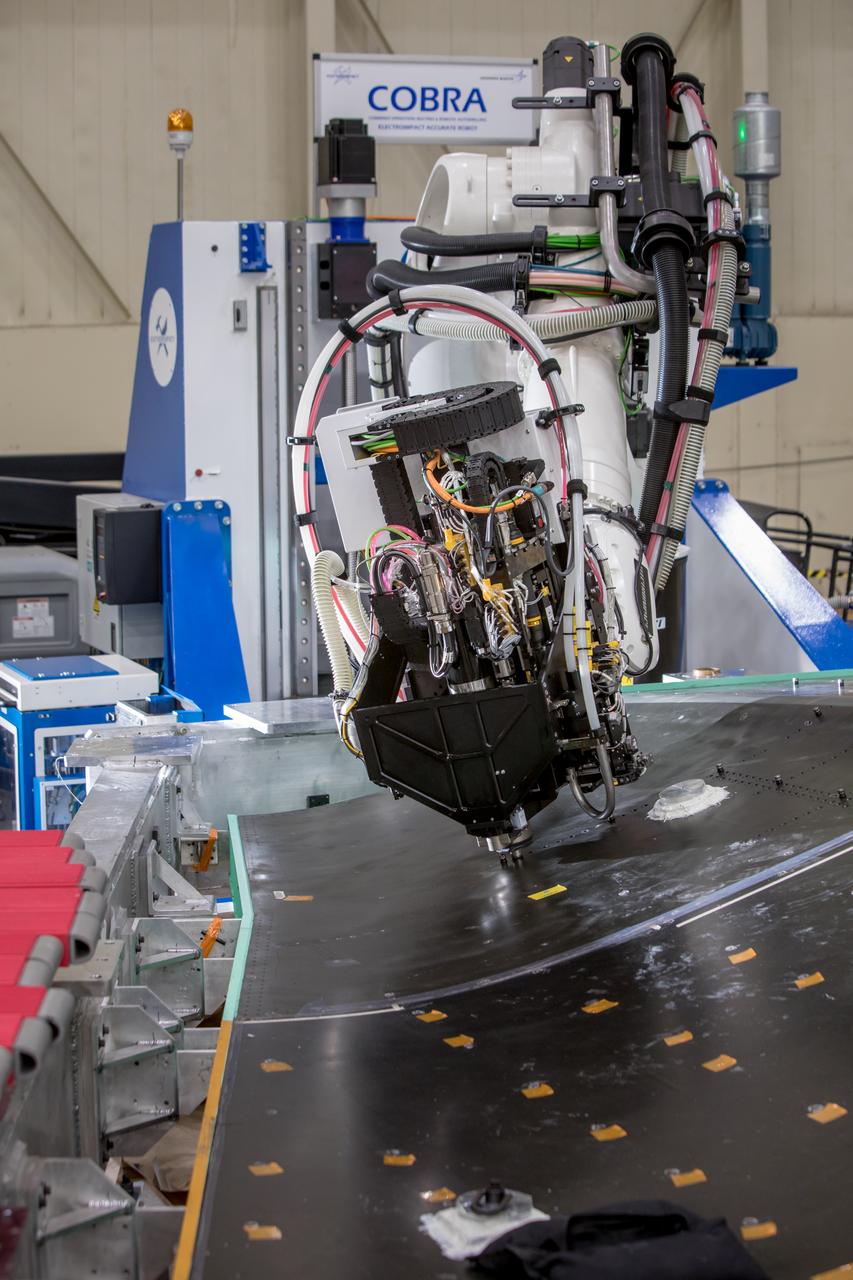
Lockheed Martin Photography By Garry Tice 1011 Lockheed Way, Palmdale, Ca. 93599 Event: SEG 410 Main Wing, COBRA Drillng Machine, Drilling Lower Wing Skins Date: 12/23/19 Additional Info:

Lockheed Martin Photography By Garry Tice 1011 Lockheed Way, Palmdale, Ca. 93599 Event: SEG 410 Main Wing, COBRA Drillng Machine, Drilling Lower Wing Skins Date: 1/07/20 Additional Info:
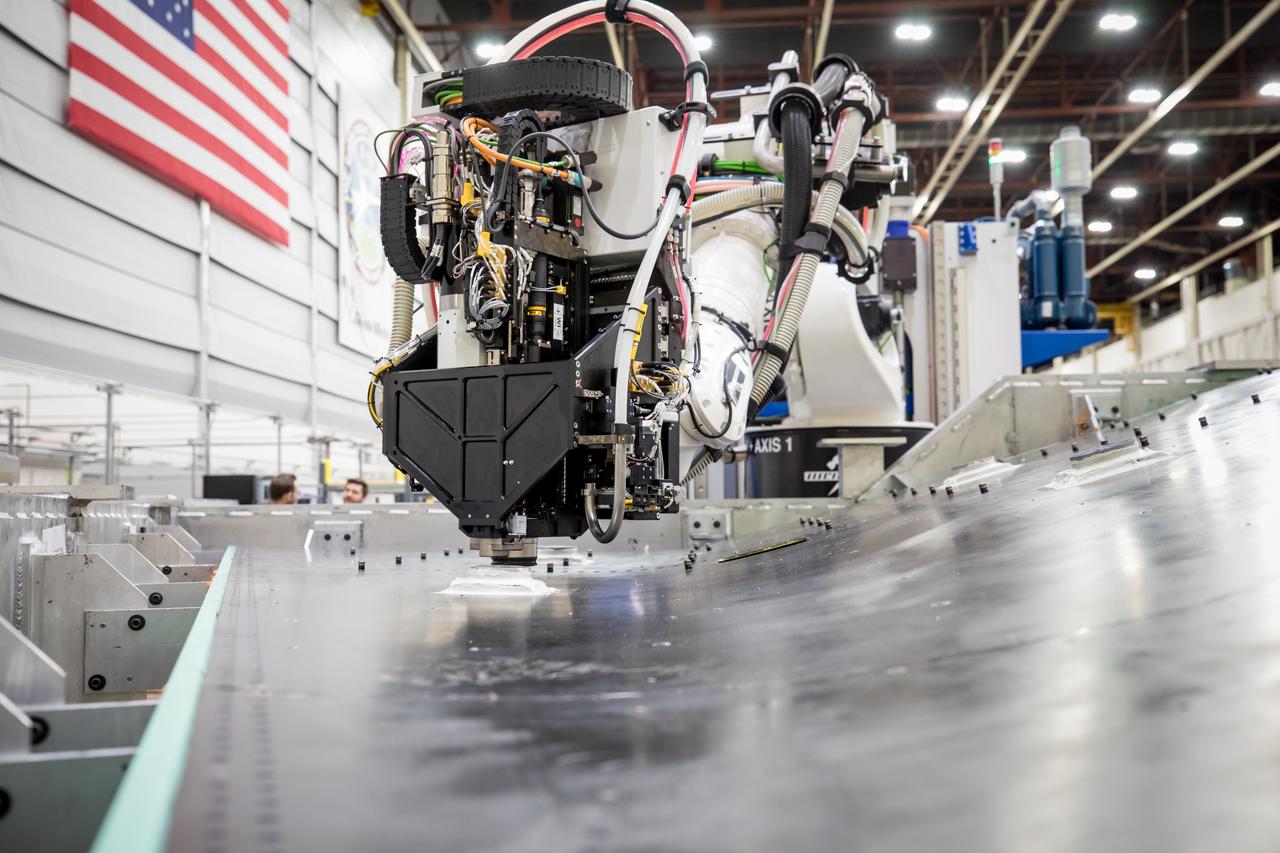
Lockheed Martin Photography By Garry Tice 1011 Lockheed Way, Palmdale, Ca. 93599 Event: SEG 410 Main Wing, COBRA Drillng Machine, Drilling Lower Wing Skins Date: 1/07/20 Additional Info:
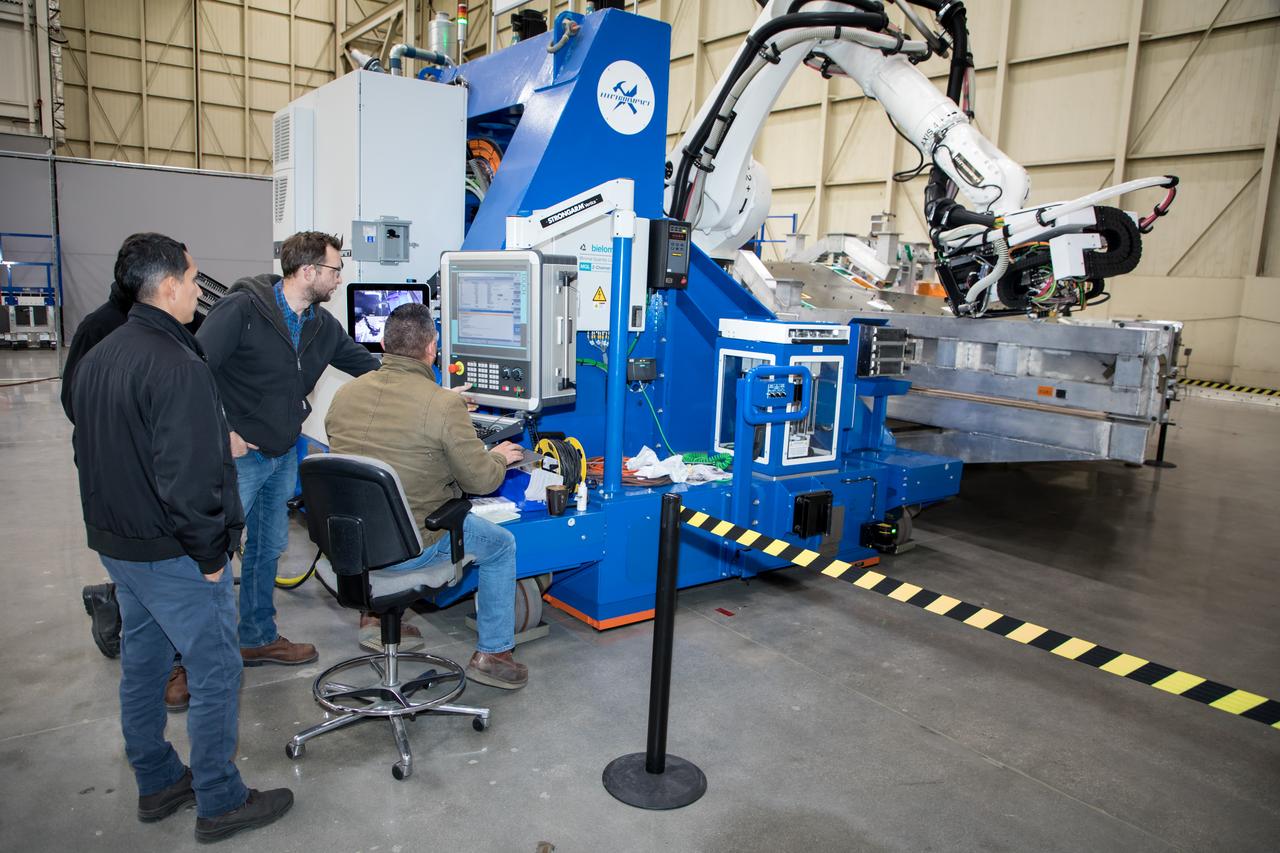
Lockheed Martin Photography By Garry Tice 1011 Lockheed Way, Palmdale, Ca. 93599 Event: SEG 410 Main Wing, COBRA Drillng Machine, Drilling Lower Wing Skins Date: 1/07/20 Additional Info:
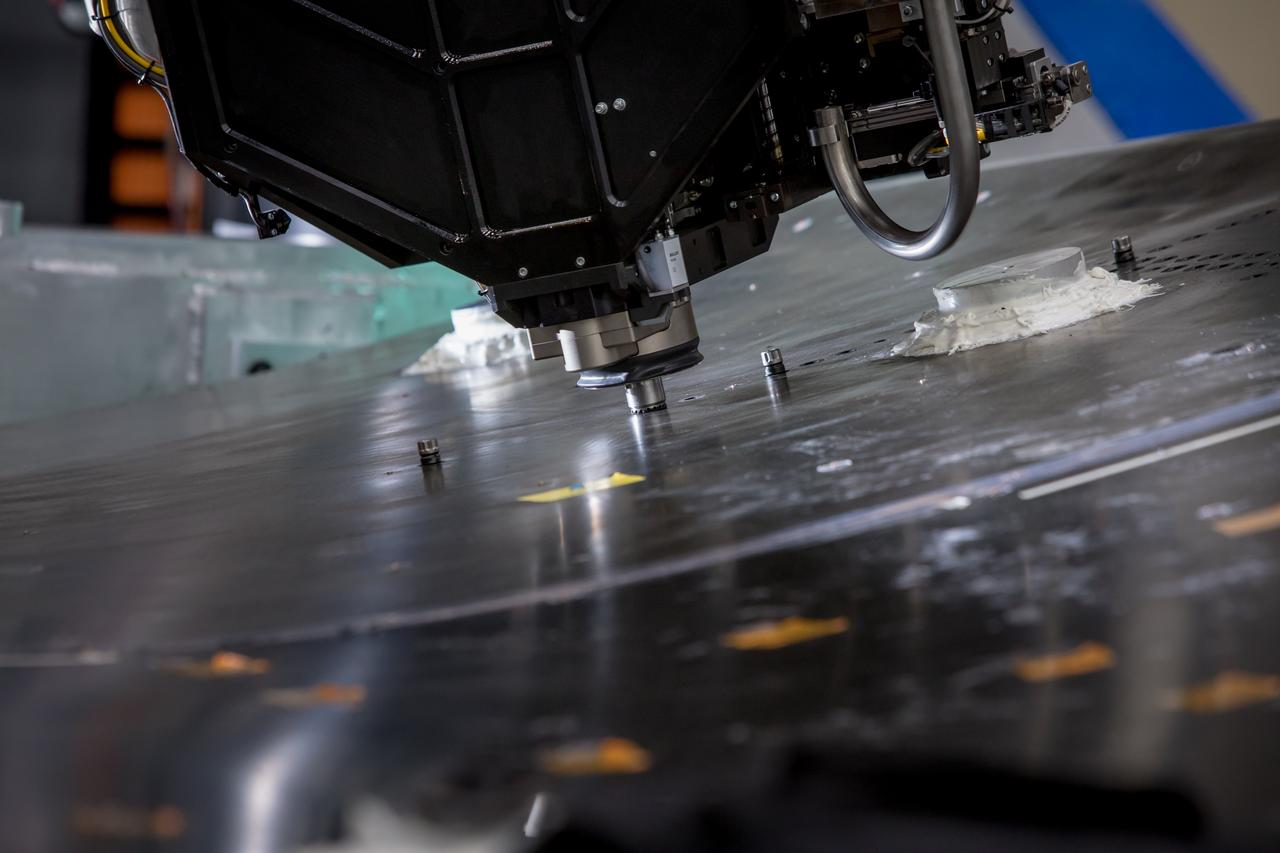
Lockheed Martin Photography By Garry Tice 1011 Lockheed Way, Palmdale, Ca. 93599 Event: SEG 410 Main Wing, COBRA Drillng Machine, Drilling Lower Wing Skins Date: 12/23/19 Additional Info:
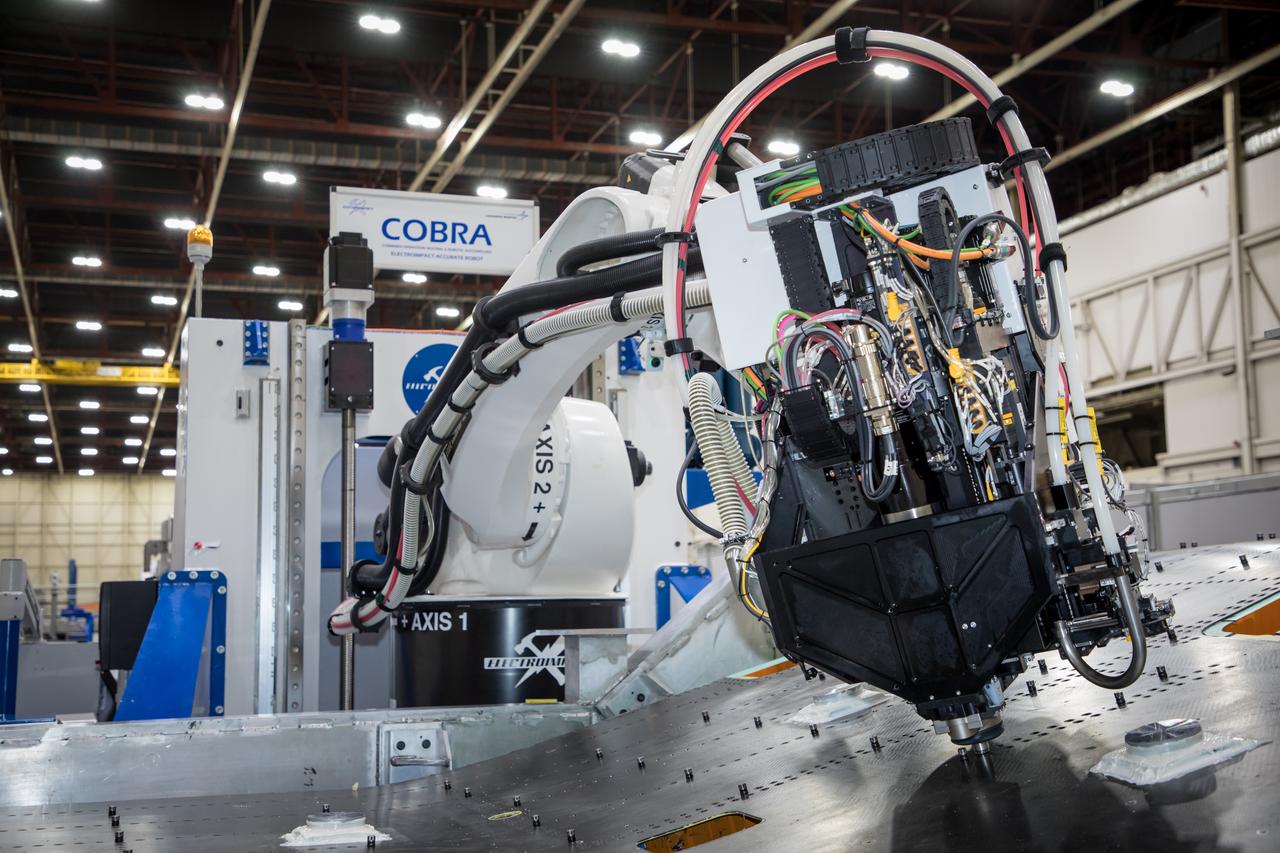
Lockheed Martin Photography By Garry Tice 1011 Lockheed Way, Palmdale, Ca. 93599 Event: SEG 410 Main Wing, COBRA Drillng Machine, Drilling Lower Wing Skins Date: 1/07/20 Additional Info:
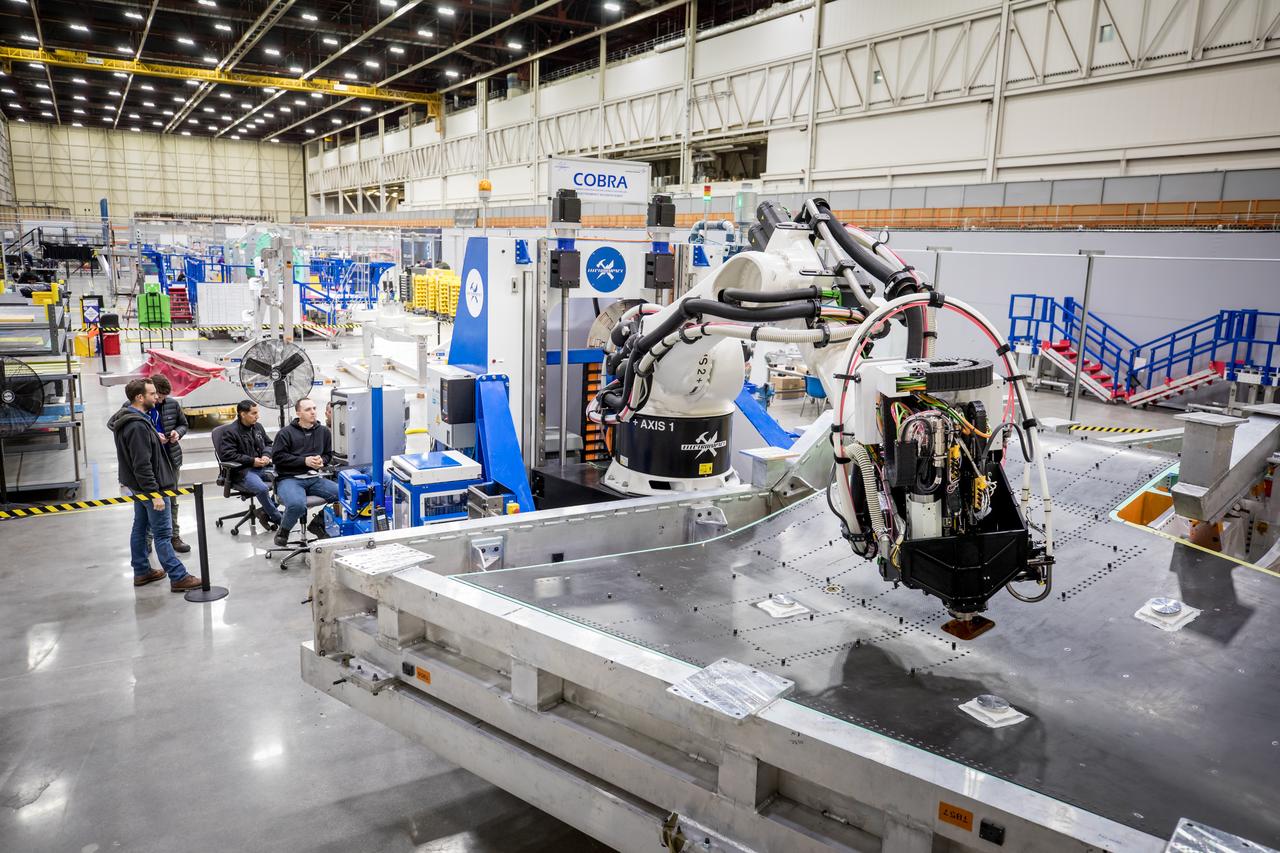
Lockheed Martin Photography By Garry Tice 1011 Lockheed Way, Palmdale, Ca. 93599 Event: SEG 410 Main Wing, COBRA Drillng Machine, Drilling Lower Wing Skins Date: 1/07/20 Additional Info:
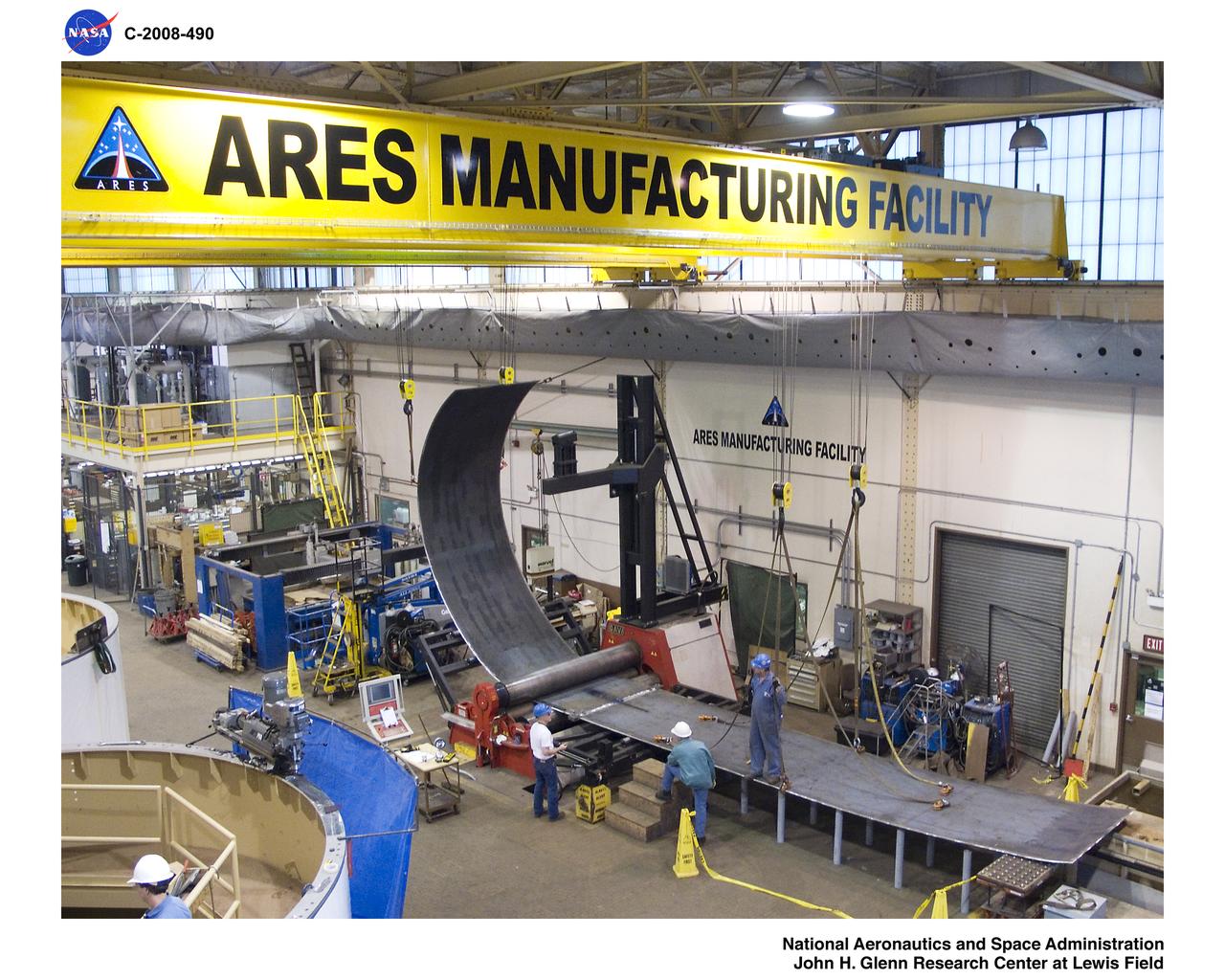
IS-2: Roll skin on Davi
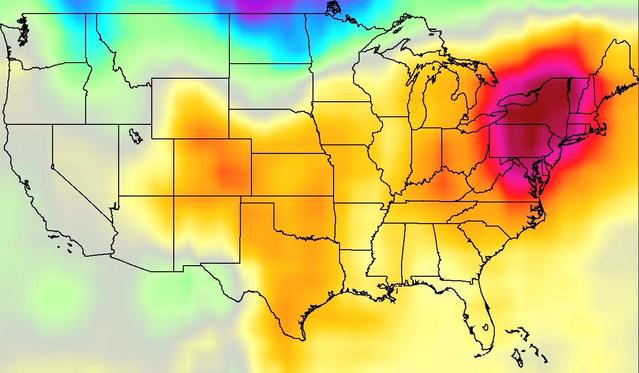
NASA Aqua spacecraft has illustrated surface air and skin temperature for the period from July 16-24, showing movement of a dome of heat across the eastern two-thirds of the country. See More Details for the movies.
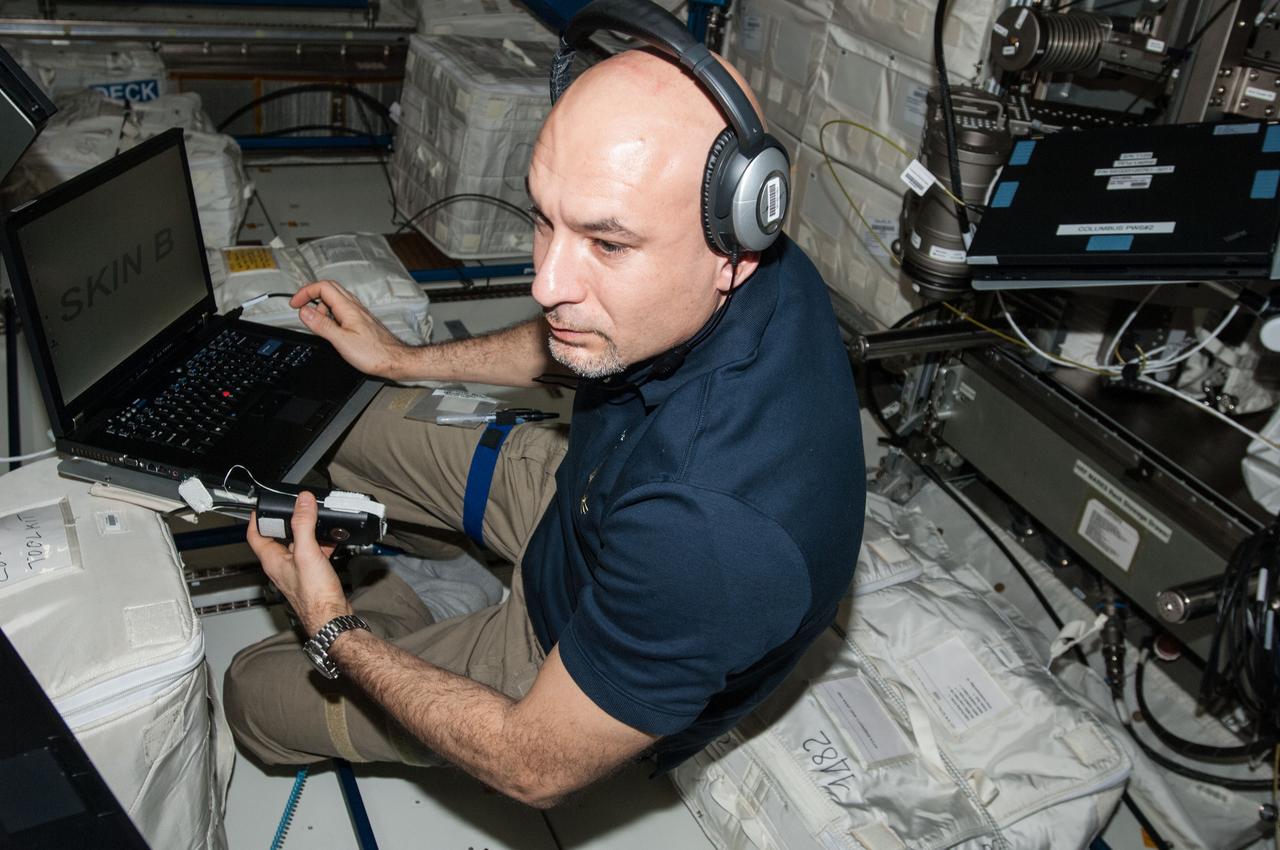
ISS036-E-034961 (21 Aug. 2013) --- European Space Agency astronaut Luca Parmitano, Expedition 36 flight engineer, wears communication headgear while using a computer in the Columbus laboratory of the International Space Station.
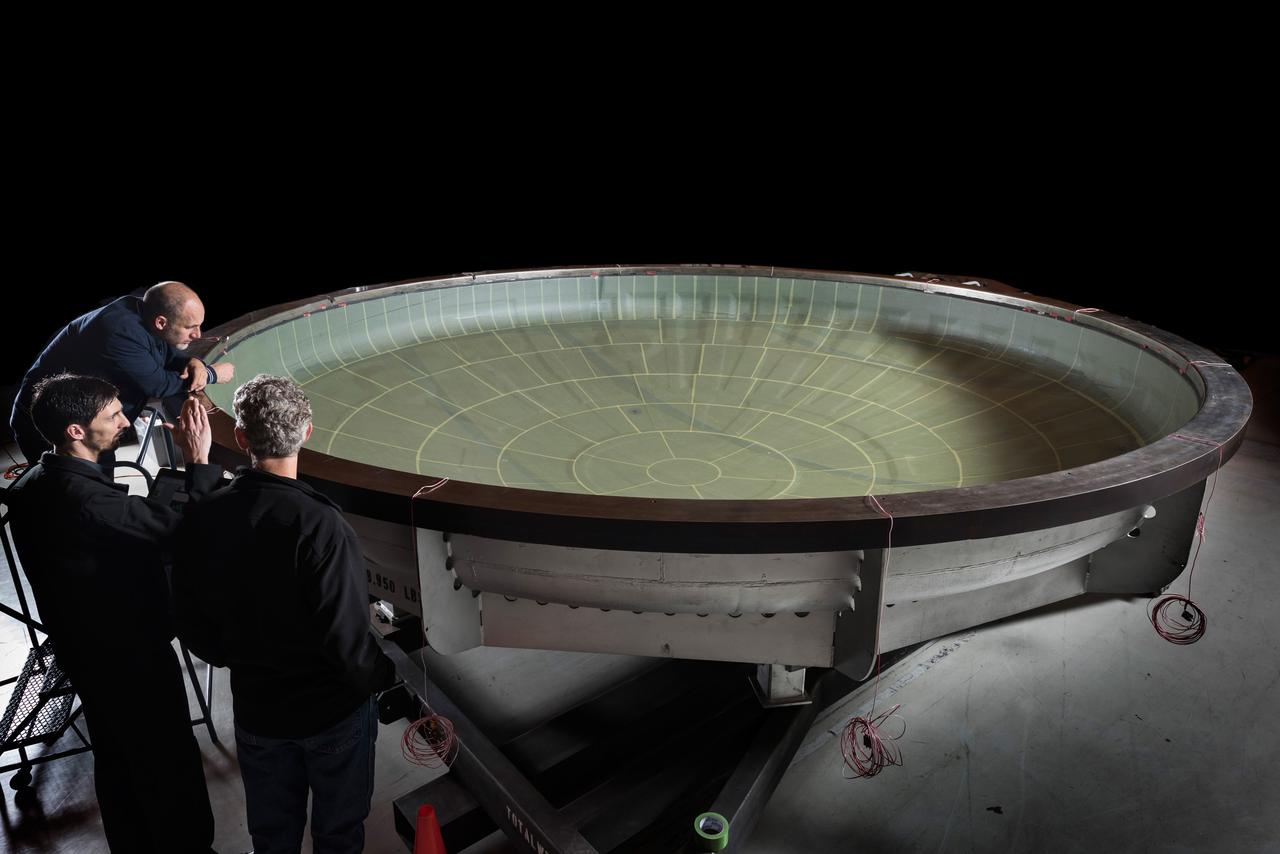
The NASA Super Guppy arrived at Moffett Field on Jan. 7, 2016, carrying the Artemis I Orion heat shield skin. The heat shield is being primarily built at Lockheed Martin’s Littleton, Colo. facility, and it was temporarily sent to Lockheed Martin’s Sunnyvale, Calif. facility for an autoclave cure (shown here). The heat shield is a stiffened skin design, and this cure process is the last step prior to attaching titanium stiffeners to the interior surface. Once the skin and stiffeners are attached, ablative material is applied to the exterior. Part of Batch image transfer from Flickr.
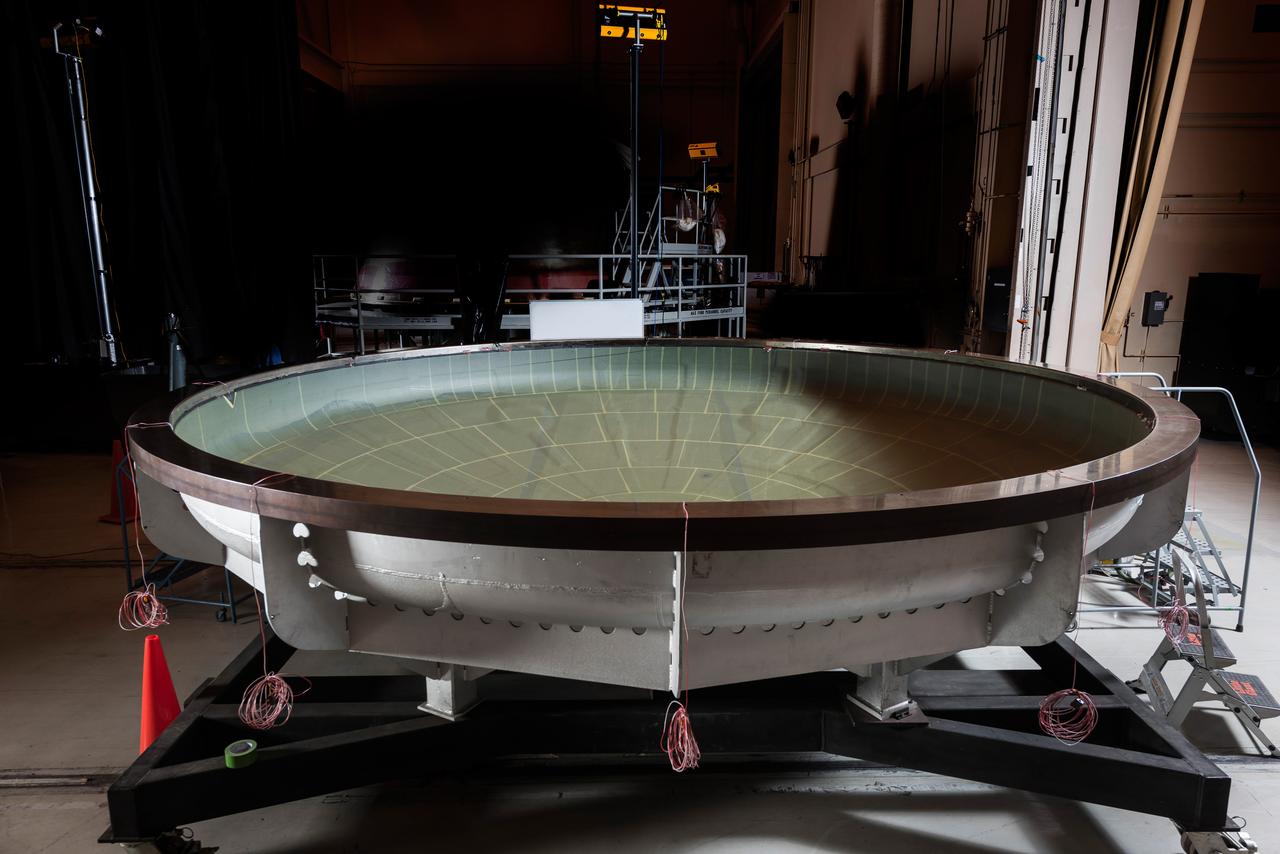
The NASA Super Guppy arrived at Moffett Field on Jan. 7, 2016, carrying the Artemis I Orion heat shield skin. The heat shield is being primarily built at Lockheed Martin’s Littleton, Colo. facility, and it was temporarily sent to Lockheed Martin’s Sunnyvale, Calif. facility for an autoclave cure (shown here). The heat shield is a stiffened skin design, and this cure process is the last step prior to attaching titanium stiffeners to the interior surface. Once the skin and stiffeners are attached, ablative material is applied to the exterior. Part of Batch image transfer from Flickr.
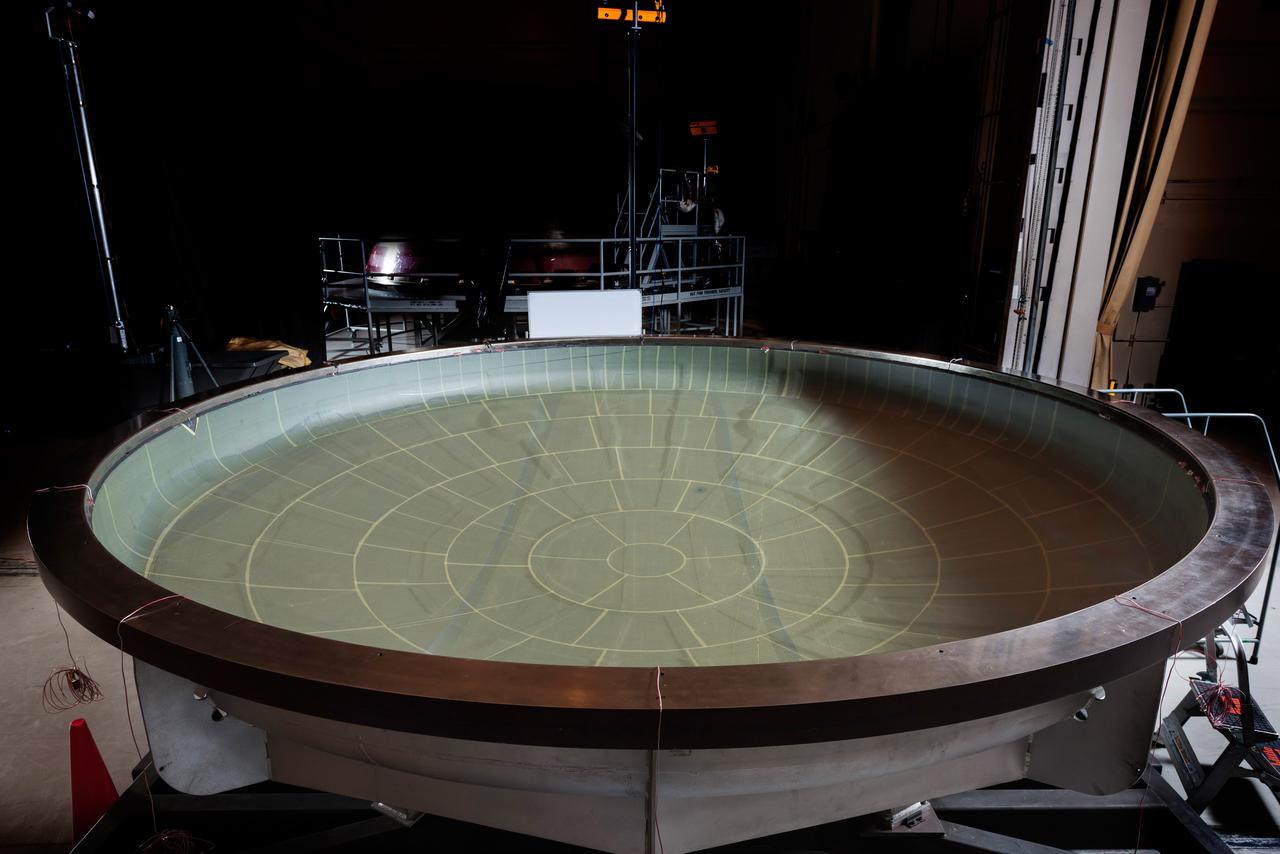
The NASA Super Guppy arrived at Moffett Field on Jan. 7, 2016, carrying the Artemis I Orion heat shield skin. The heat shield is being primarily built at Lockheed Martin’s Littleton, Colo. facility, and it was temporarily sent to Lockheed Martin’s Sunnyvale, Calif. facility for an autoclave cure (shown here). The heat shield is a stiffened skin design, and this cure process is the last step prior to attaching titanium stiffeners to the interior surface. Once the skin and stiffeners are attached, ablative material is applied to the exterior. Part of Batch image transfer from Flickr.
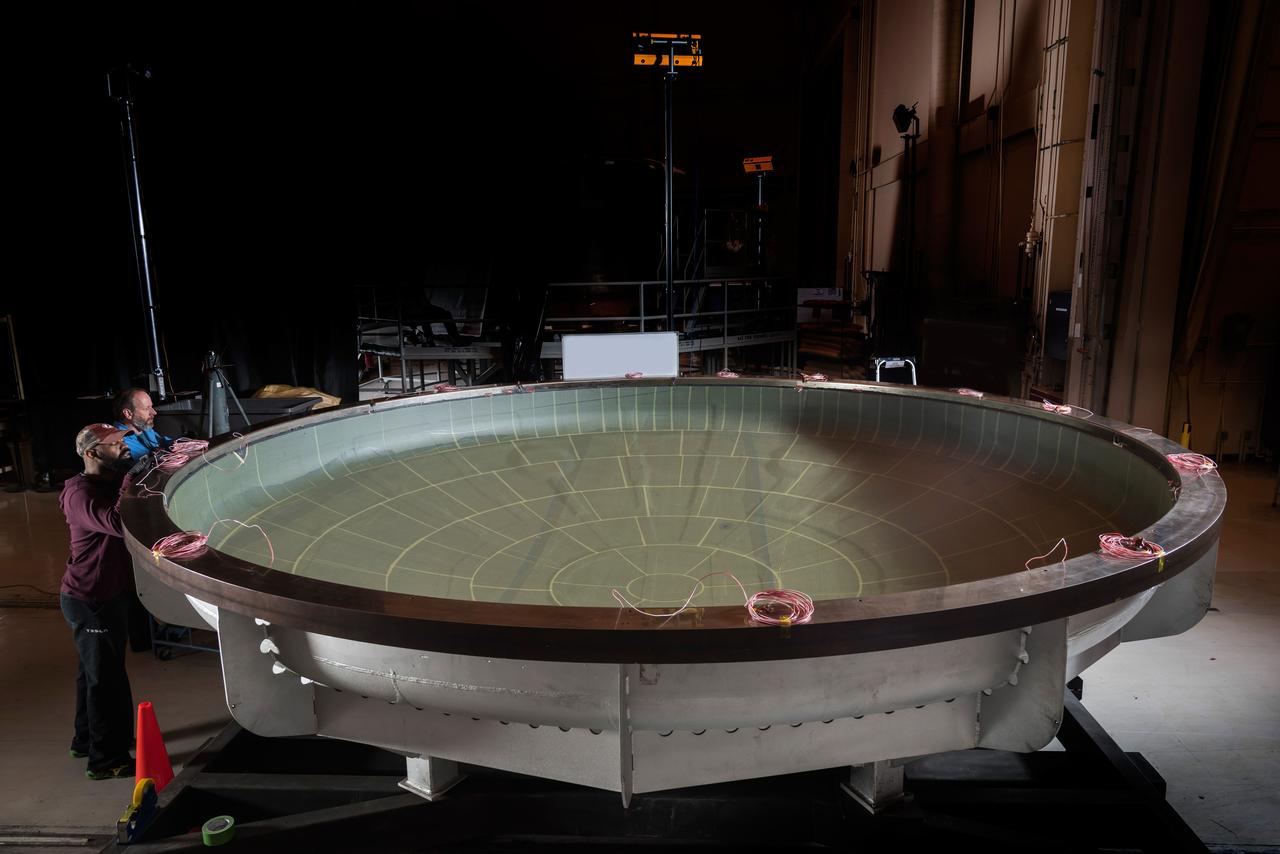
The NASA Super Guppy arrived at Moffett Field on Jan. 7, 2016, carrying the Artemis I Orion heat shield skin. The heat shield is being primarily built at Lockheed Martin’s Littleton, Colo. facility, and it was temporarily sent to Lockheed Martin’s Sunnyvale, Calif. facility for an autoclave cure (shown here). The heat shield is a stiffened skin design, and this cure process is the last step prior to attaching titanium stiffeners to the interior surface. Once the skin and stiffeners are attached, ablative material is applied to the exterior. Part of Batch image transfer from Flickr.
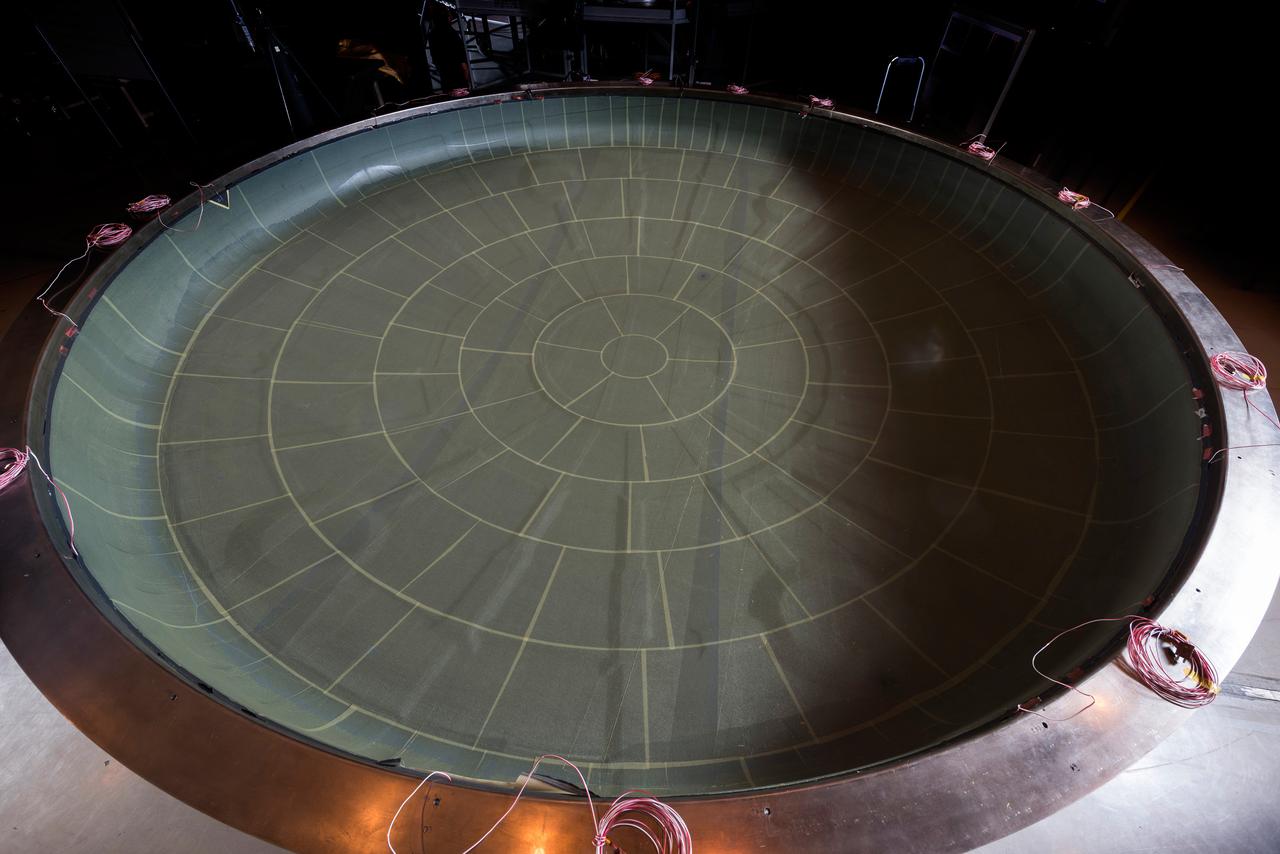
The NASA Super Guppy arrived at Moffett Field on Jan. 7, 2016, carrying the Artemis I Orion heat shield skin. The heat shield is being primarily built at Lockheed Martin’s Littleton, Colo. facility, and it was temporarily sent to Lockheed Martin’s Sunnyvale, Calif. facility for an autoclave cure (shown here). The heat shield is a stiffened skin design, and this cure process is the last step prior to attaching titanium stiffeners to the interior surface. Once the skin and stiffeners are attached, ablative material is applied to the exterior. Part of Batch image transfer from Flickr.

Dr. Wernher von Braun, Marshall's first Center Director (1960-1970), skin diving in Puerto Rico.
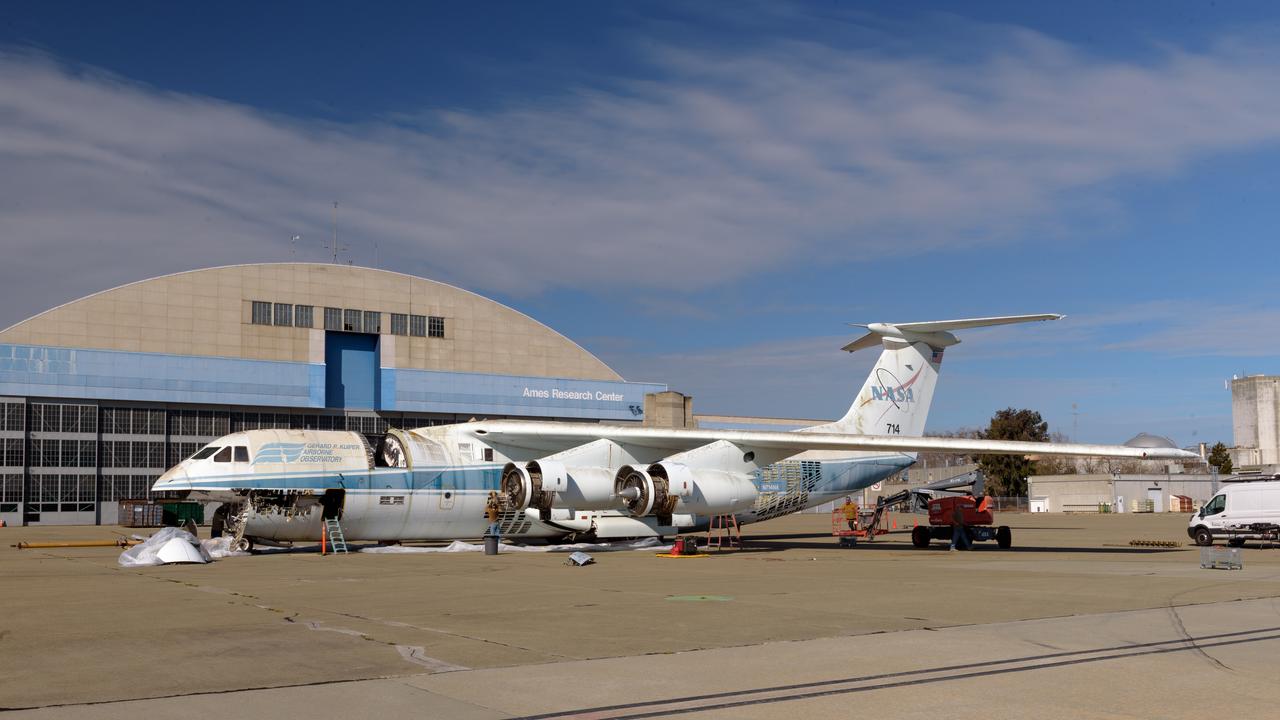
Removing the skin from the airframe of the modified C-141 Kuiper Airborne Observatory, (KAO) (NASA-714), on the N211 apron at Moffett Field, California.
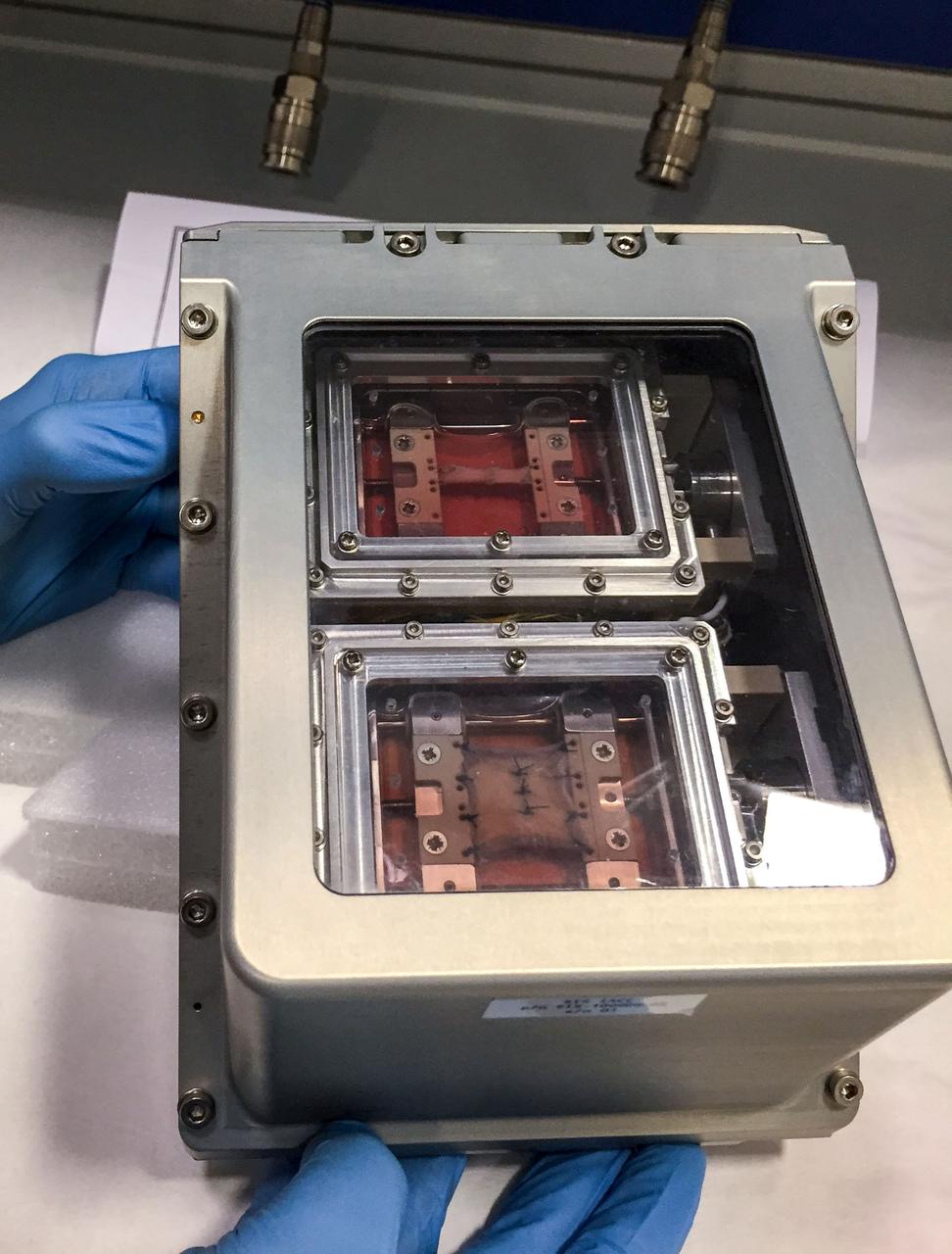
jsc2022e042612 (4/29/2022) --- Preflight image of skin and vein vessel samples cultured in the Suture in Space investigation hardware. Image courtesy of University of Florence.
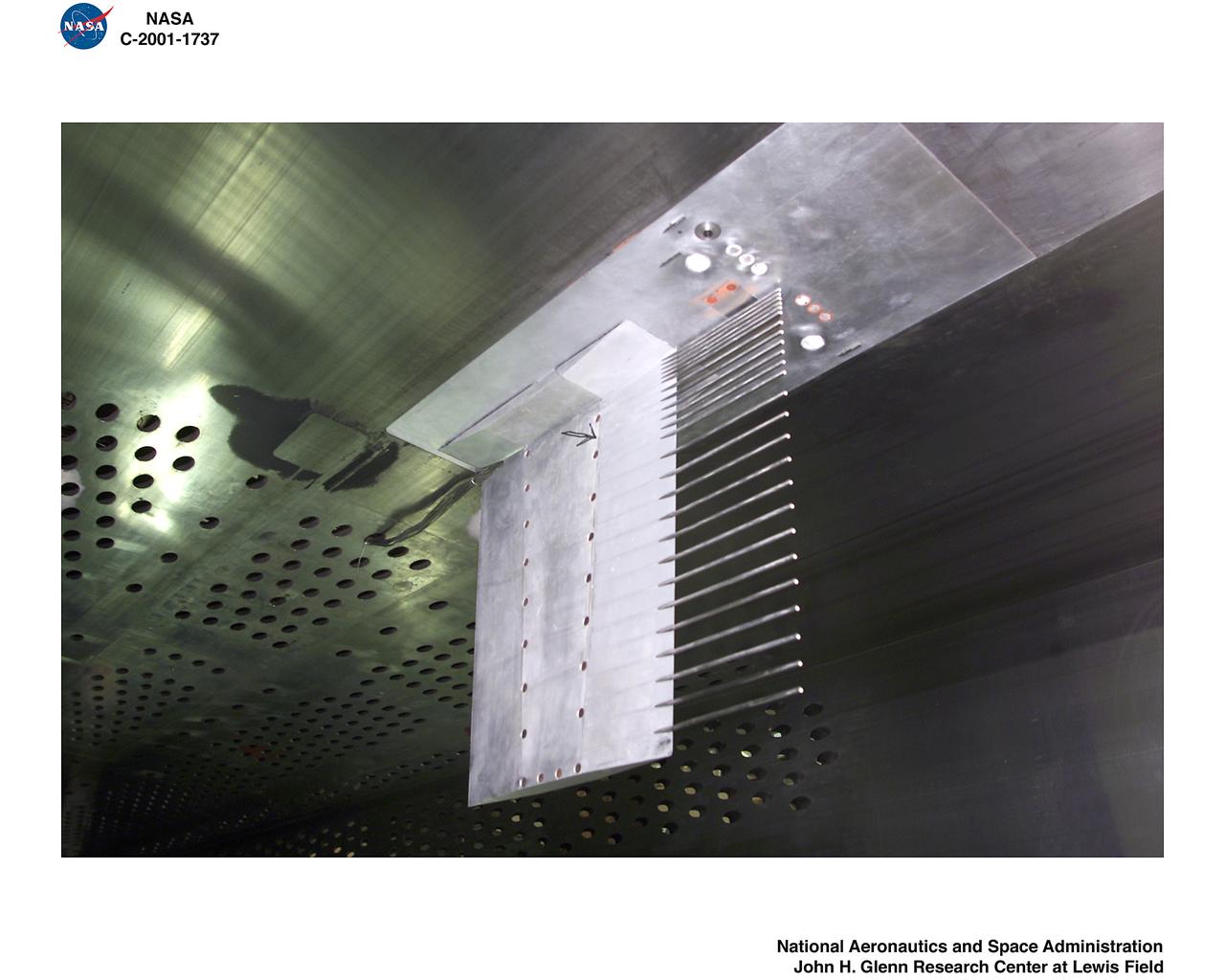
8X6 FOOT SUPERSONIC WIND TUNNEL TEST OF NASA DRYDEN FLIGHT RESEARCH CENTER SKIN FRICTION GAUGES WITH PRESSURE GAUGES AND HOT FILMS

Removing the skin from the airframe of the modified C-141 Kuiper Airborne Observatory, (KAO) (NASA-714), on the N211 apron at Moffett Field, California.
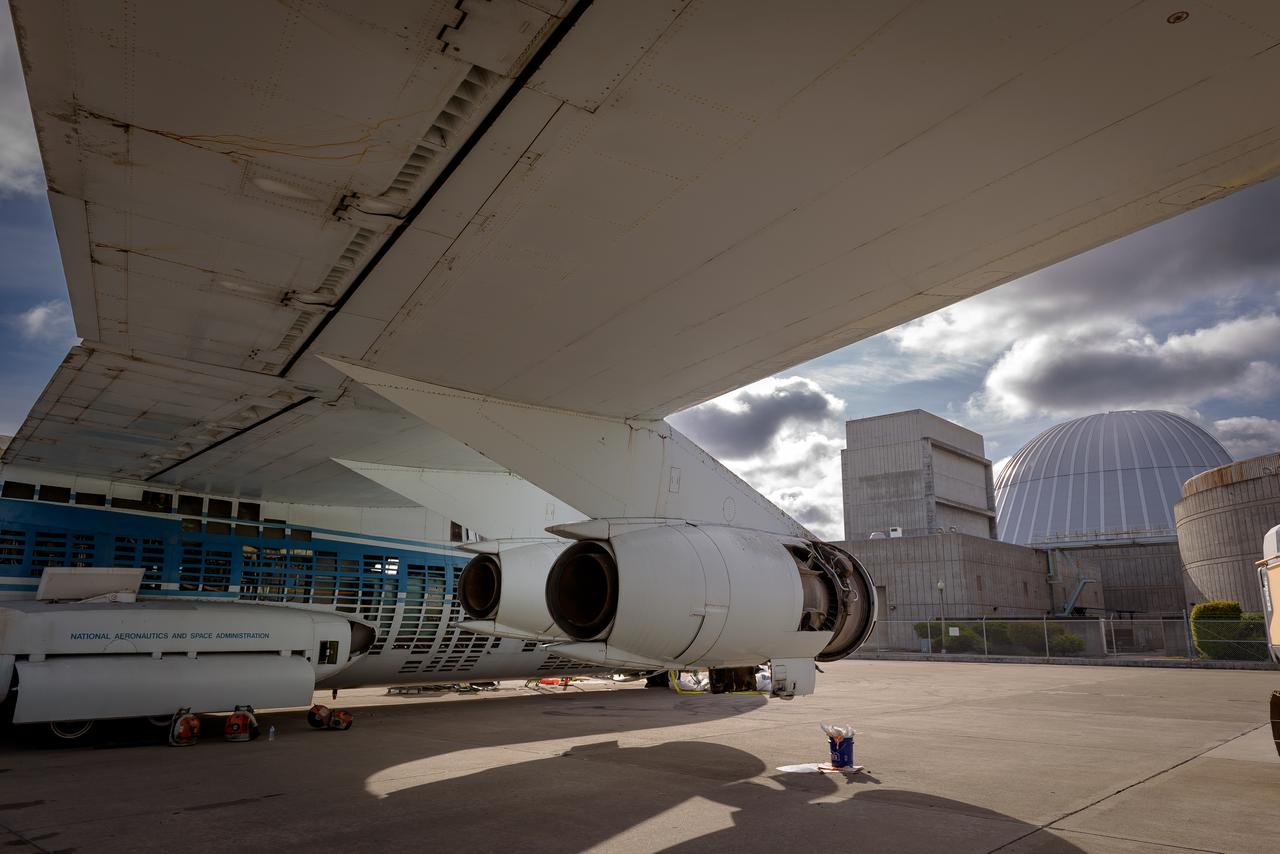
Removing the skin from the airframe of the modified C-141 Kuiper Airborne Observatory, (KAO) (NASA-714), on the N211 apron at Moffett Field, California.
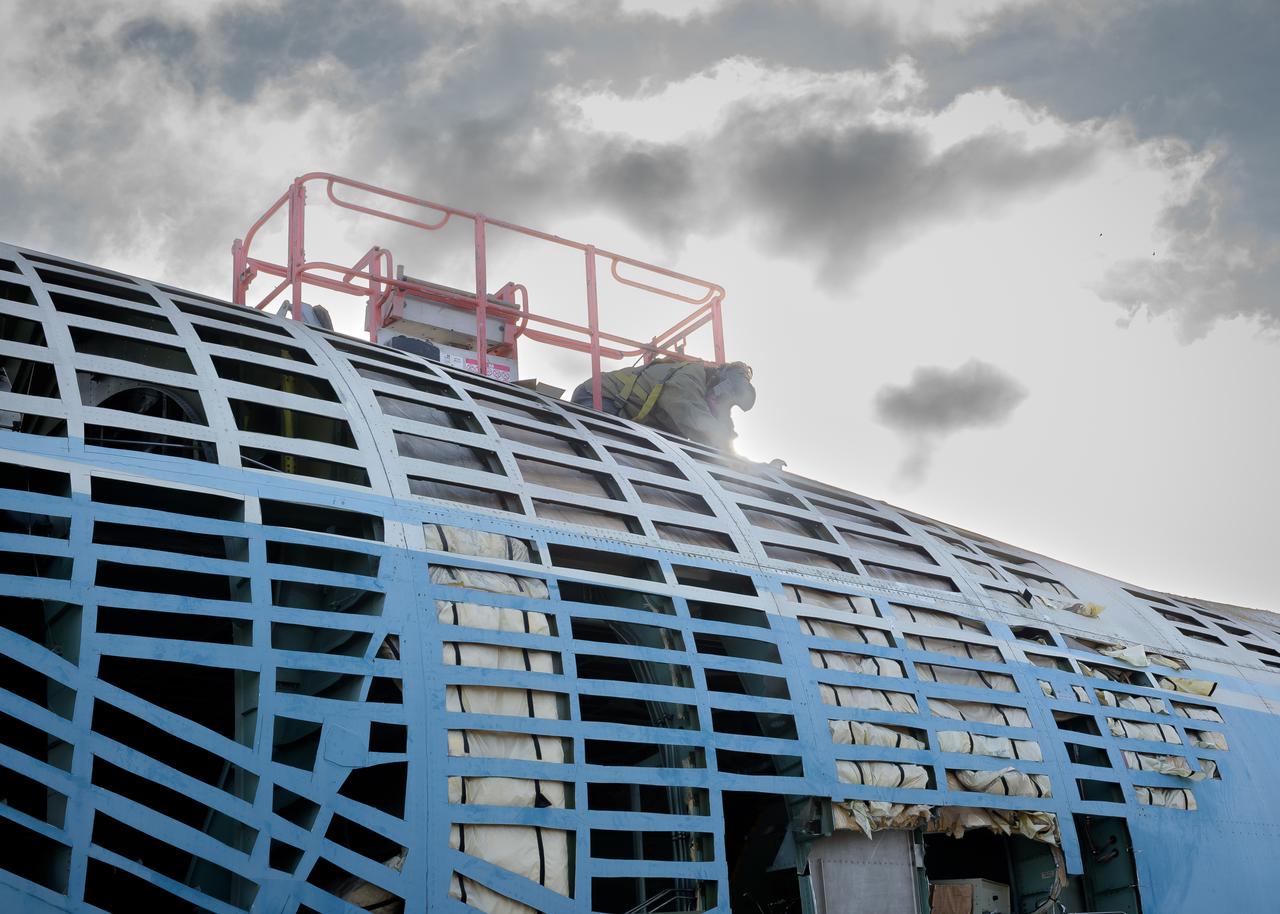
Removing the skin from the airframe of the modified C-141 Kuiper Airborne Observatory, (KAO) (NASA-714), on the N211 apron at Moffett Field, California.
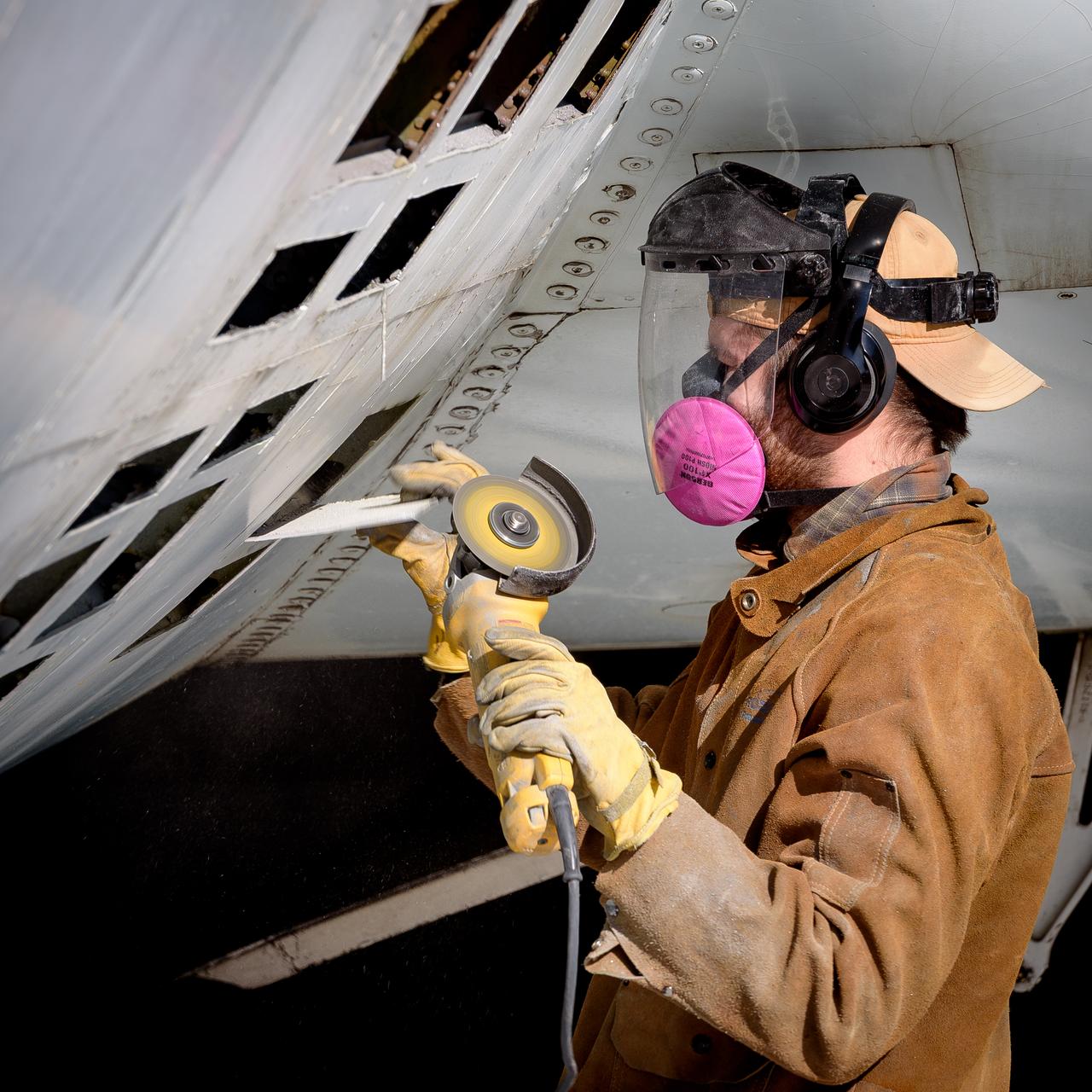
The skin is removed from the airframe of the modified C-141 Kuiper Airborne Observatory, (KAO) (NASA-714), on the N211 apron at Moffett Field, California.
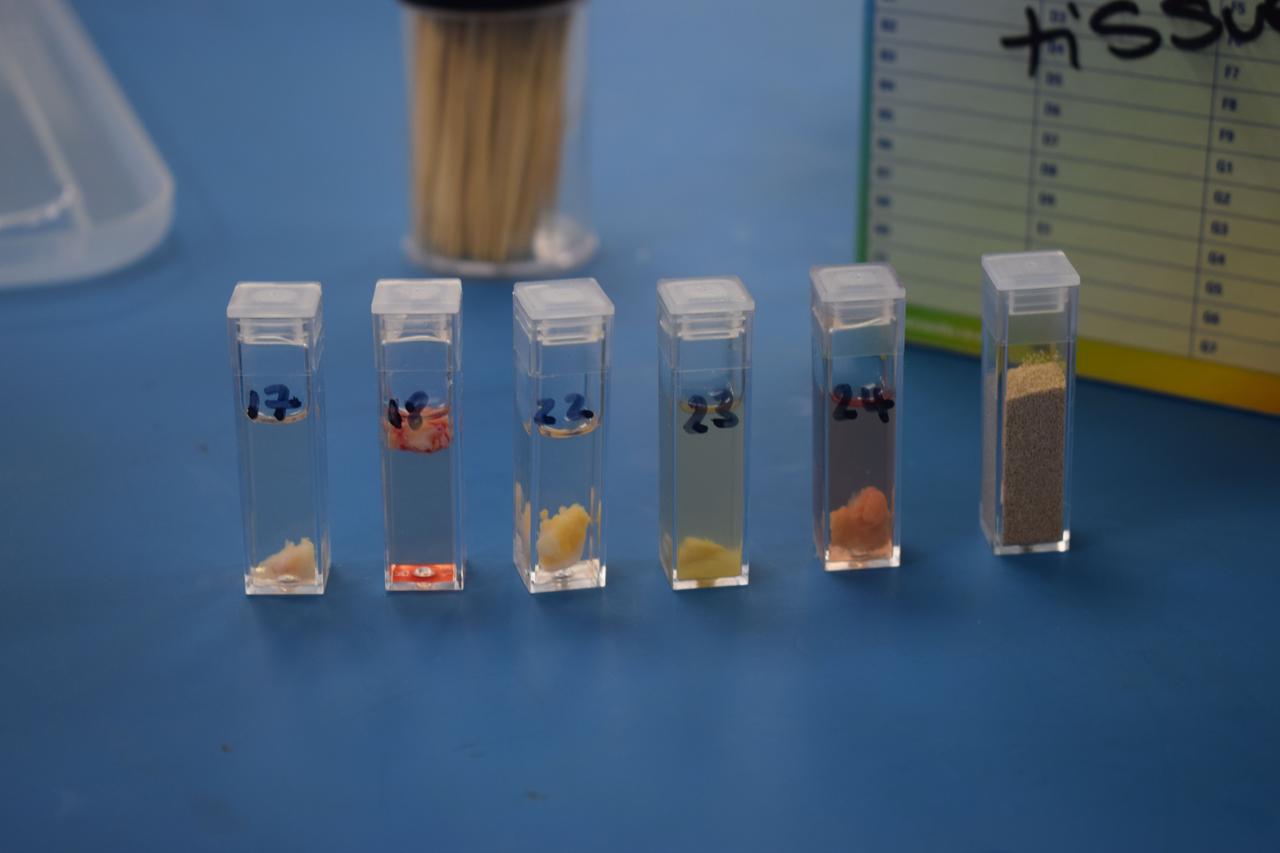
jsc2022e057883 (5/12/2022) --- A close up view of six sample cuvettes that are planned to hold five human skin tissue and microbiome samples from Diabetic Foot Ulcer patients and one yeast sample from Malta. This is part of the Follow-up Study of Human Skin Tissue Microbiome Studies and Yeast Cells in Space (Ice Cubes #9.2 – Maleth 2) investigation. Image courtesy of Space Applications Services, NV/SA.
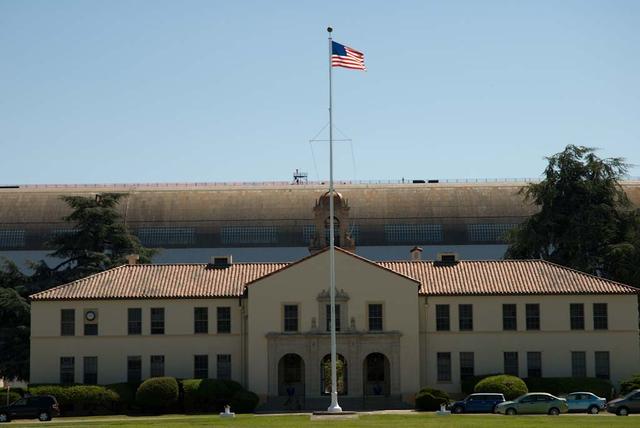
NASA Research Park (NRP) shenandoah Plaza Historic Buildings at Moffett Federal Airfield, CA B-17 Lunar Science Institute (a skinned Hangar One in background) taken by Photo summer student Shashank
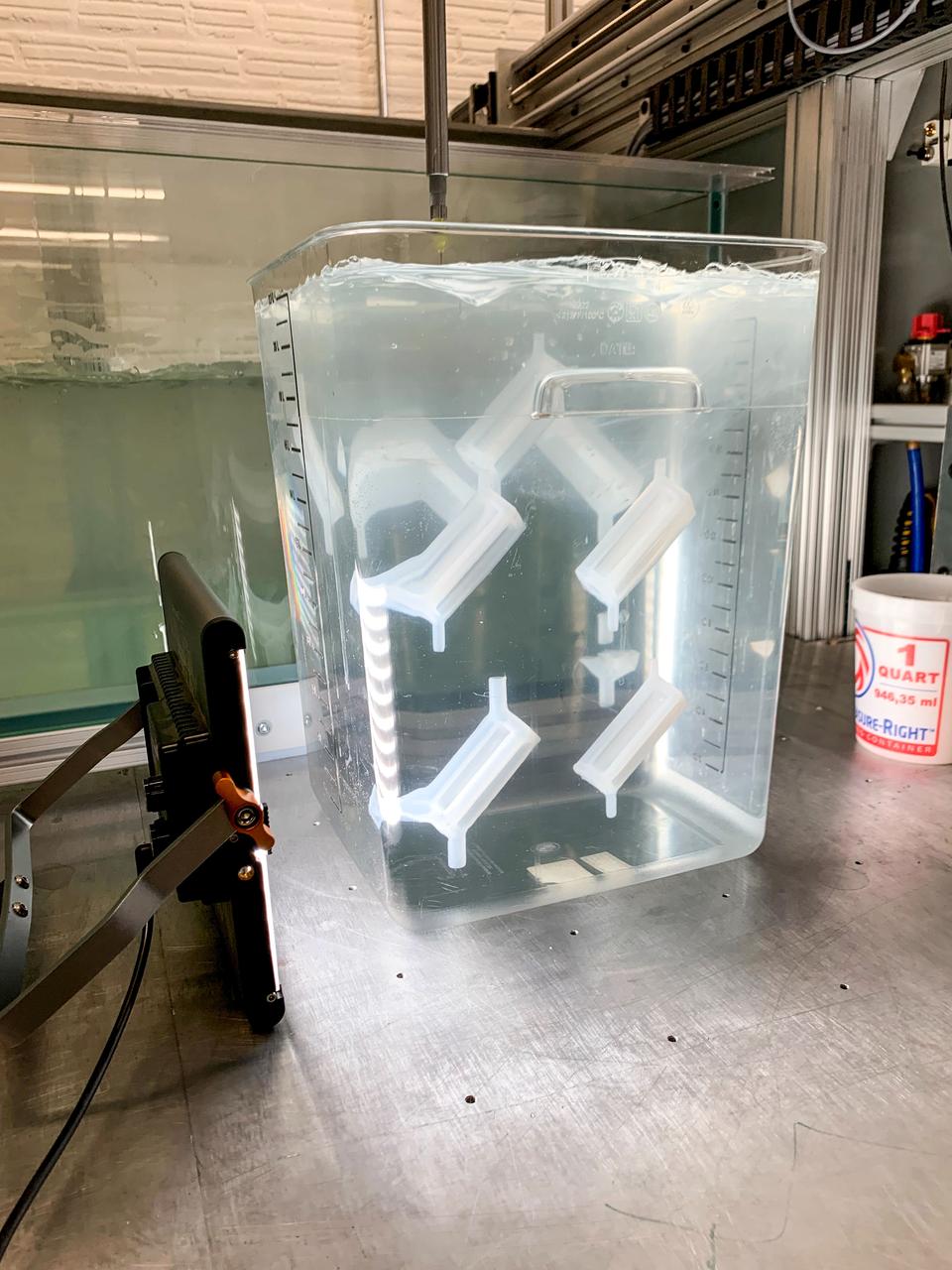
jsc2022e083569 (10/18/2022) --- Preparation of the silicone skins that will contain and shape the liquid extrusion process during the MIT Space Exploration Initiative Extrusion experiment in orbit. Image and sample production courtesy of Rapid Liquid Printing.
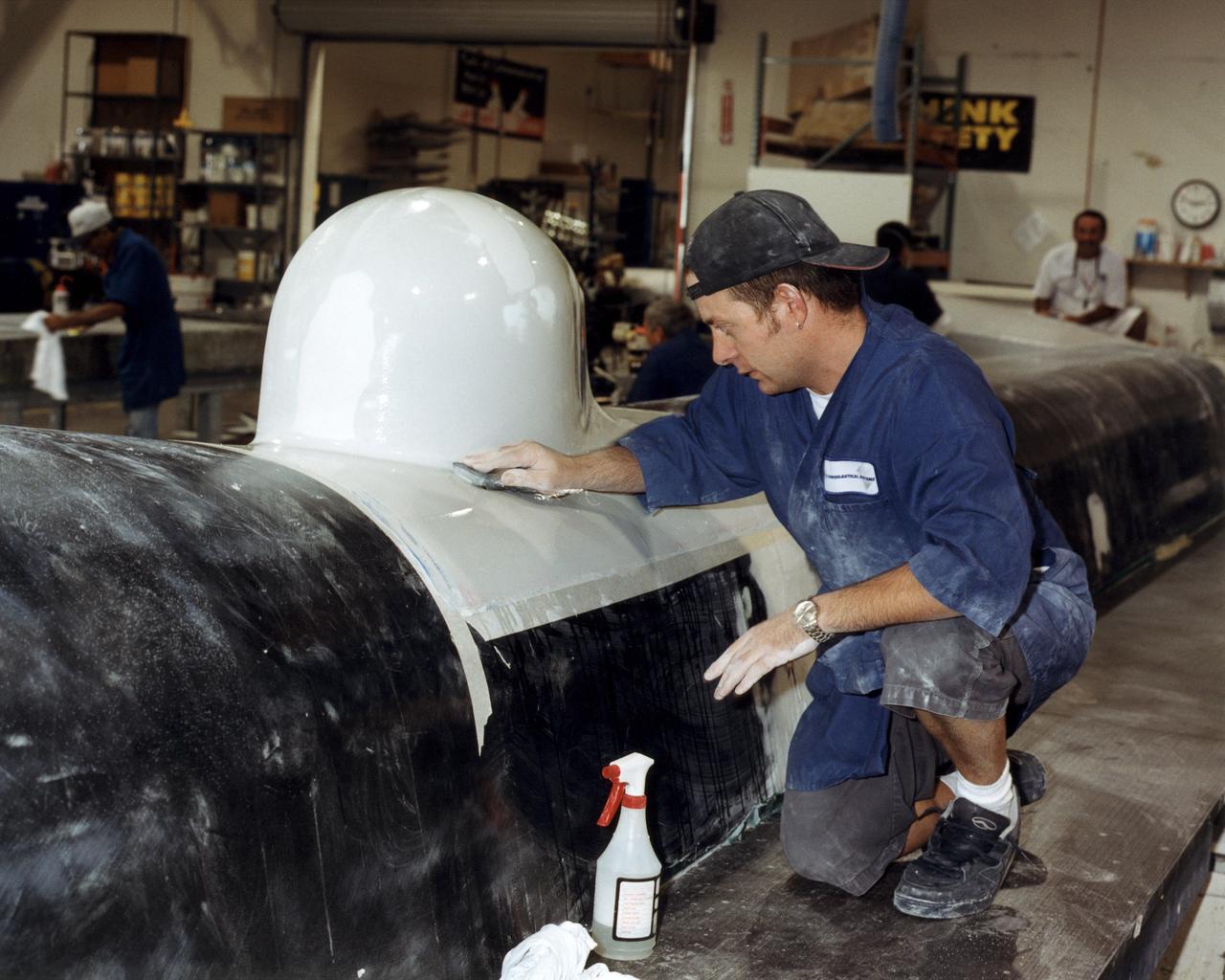
Technician Shawn Warren carefully smoothes out the composite skin of an instrument fairing<br>atop the upper fuselage of the Altair unmanned aerial vehicle (UAV) at General Atomics Aeronautical Systems, Inc., facility at Adelanto, Calif.
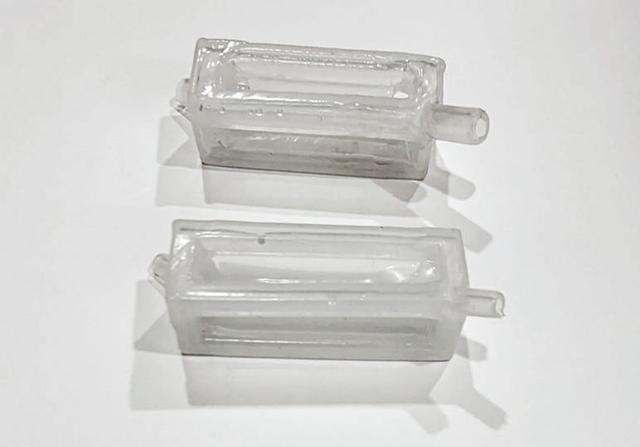
jsc2022e083568 (11/2/2022) --- An example of the silicone skins that will contain and shape the liquid extrusion process during the MIT Space Exploration Initiative Extrusion experiment in orbit. Image and sample production courtesy of Rapid Liquid Printing.
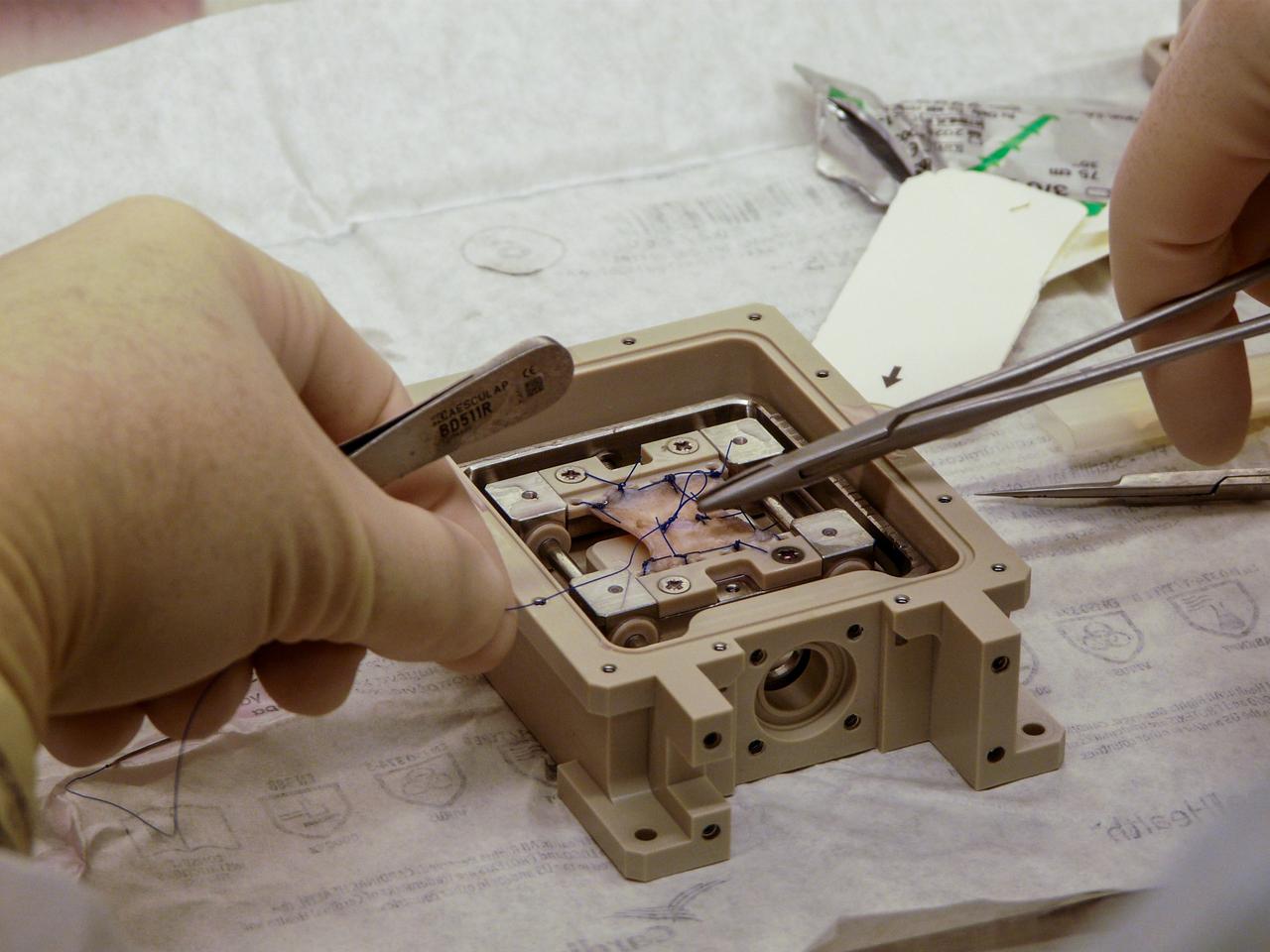
jsc2022e042613 (2/18/2021) --- Preflight image of a sutured skin sample mounted on a frame for monitoring suture mechanical properties in for the Suture in Space investigation. Image courtesy of Kayser Italia.
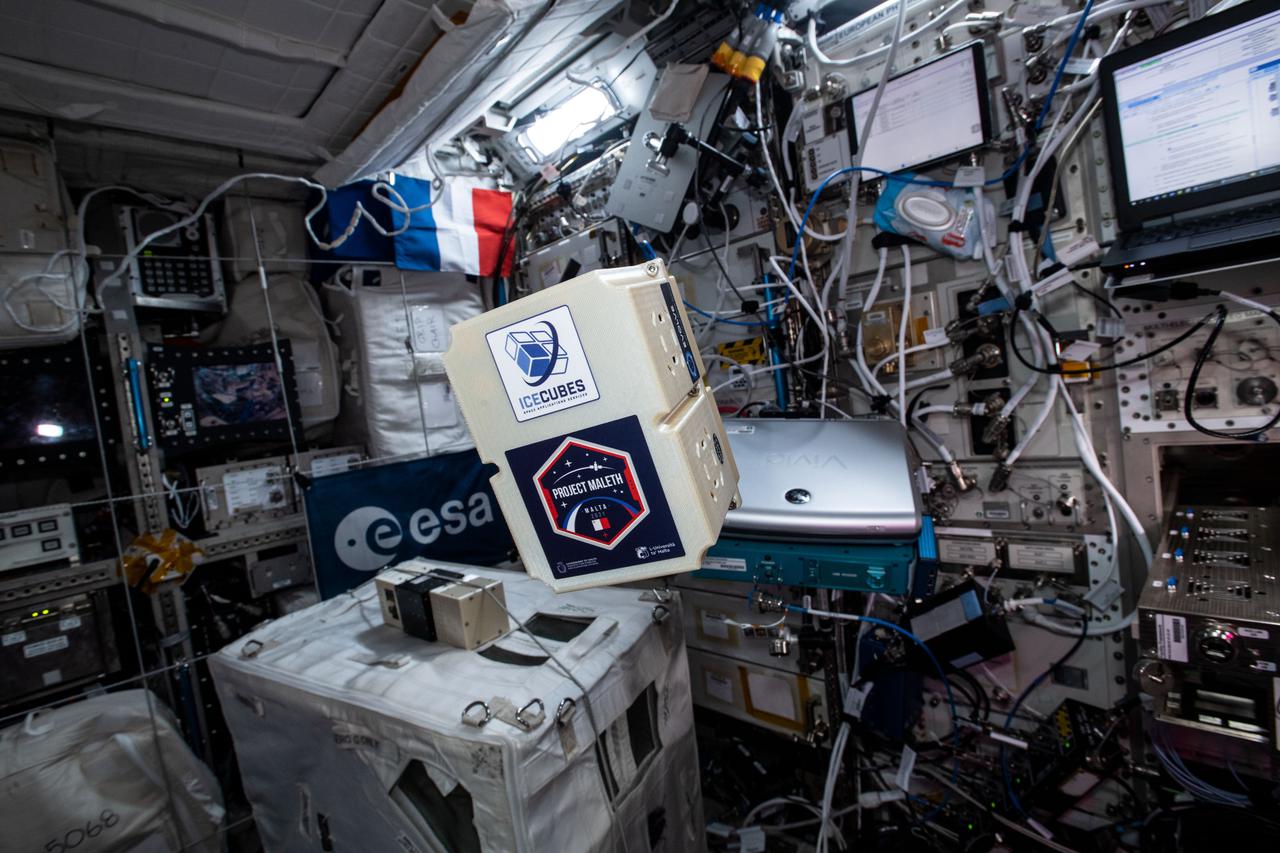
iss065e343722 (9/2/2021) --- A view aboard the International Space Station Columbus module with the Ice Cube #9 BioCube. Ice Cube #9 seeks to analize the Skin Microbiome of Diabetic Foot Ulcers
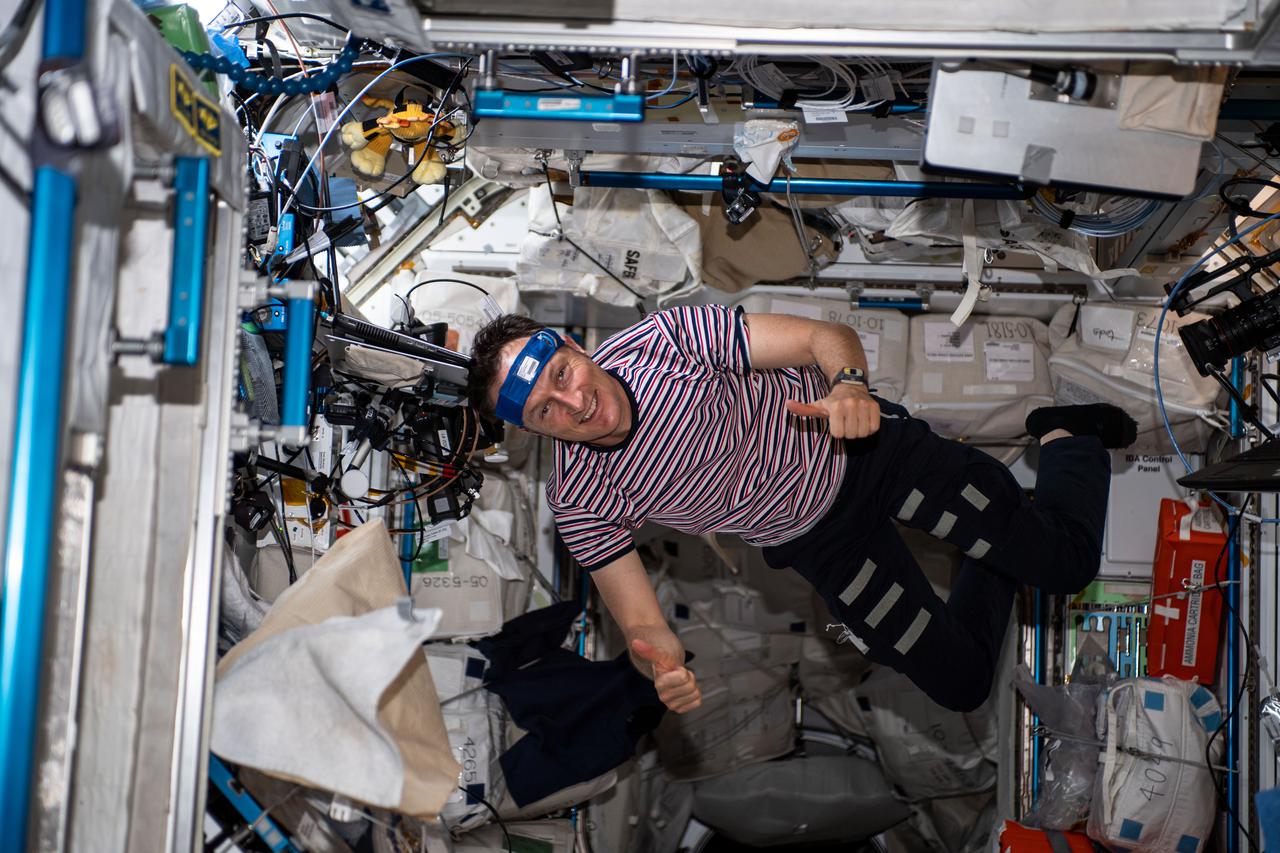
iss066e077810 (Nov. 16, 2021) --- ESA (European Space Agency) astronaut and Expedition 66 Flight Engineer Matthias Maurer wears the Thermo-Mini headband that measures core body and skin temperature changes in astronauts.
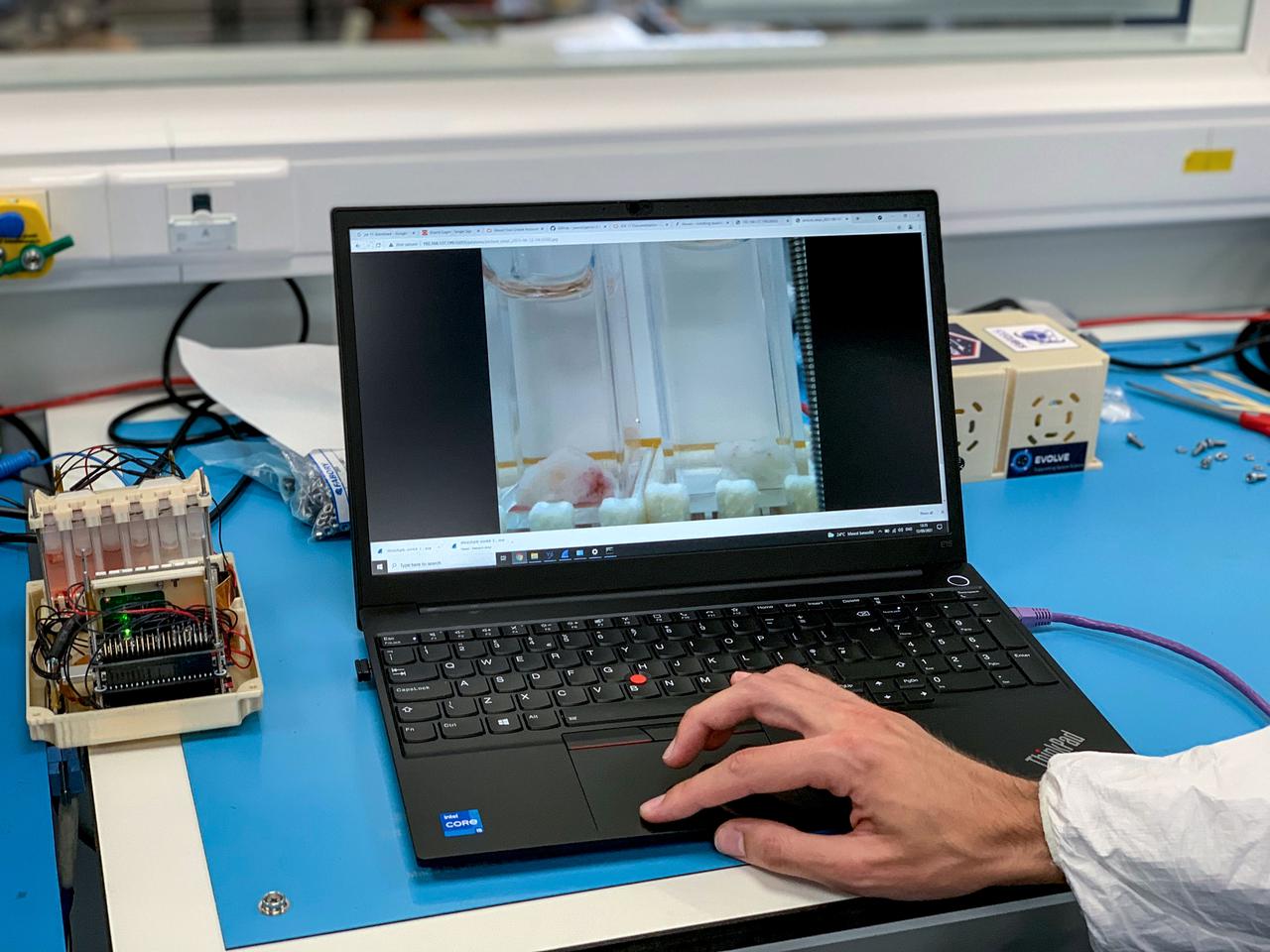
jsc2021e037898 (8/12/2021) --- A preflight image shows a zoomed up picture of two sample cuvettes containing human skin samples taken by the raspberry Pi video feed. Videos of up to 60 FPS can be recorded and saved for remote use. The Ice Cubes #9 – Project Maleth (Space Omics Analysis of the Skin Microbiome of Diabetic Foot Ulcers, or SpaceOMIX) investigation that studies Diabetes Mellitus Type 2 and Diabetic Foot Ulcers (DFU) using genetics and space biosciences is new and innovative research. Image courtesy Space Applications Services.
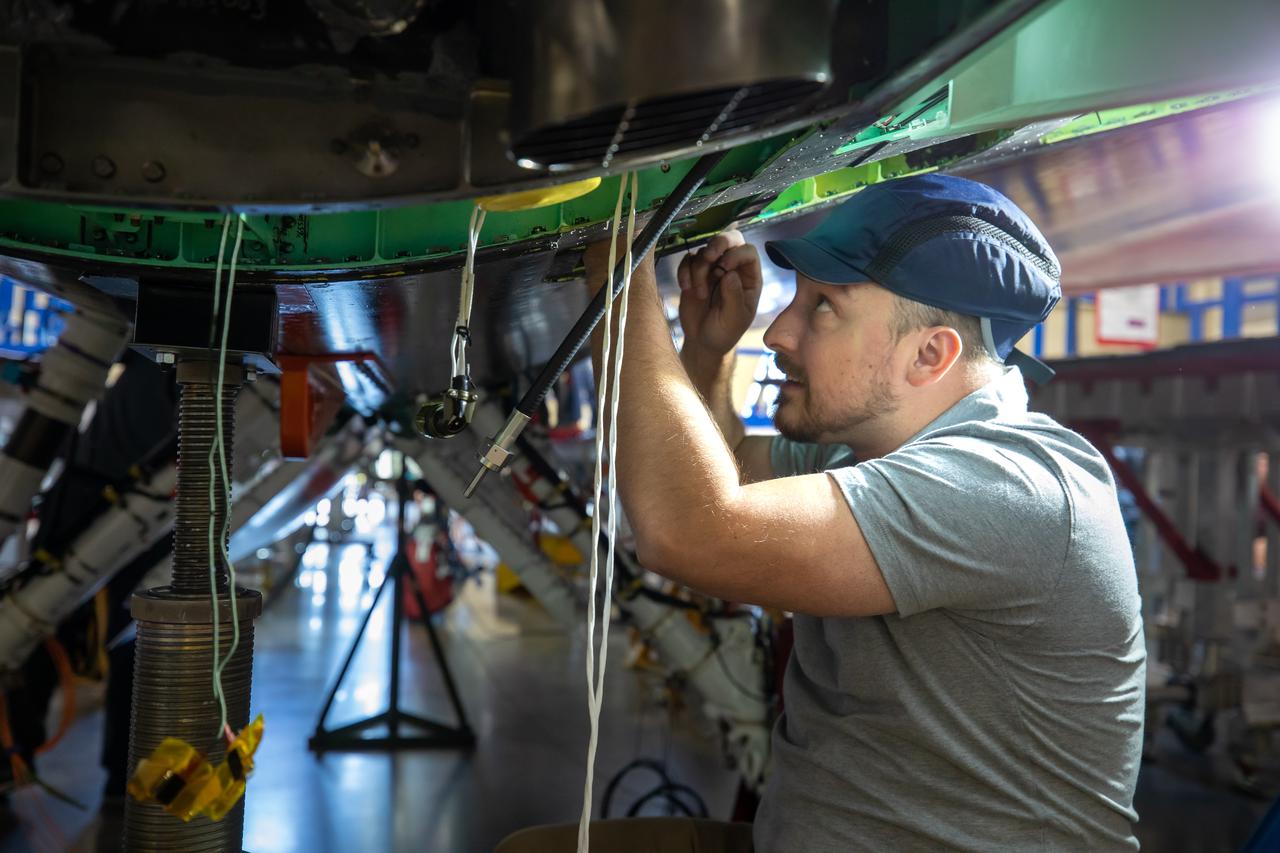
A Lockheed Martin Skunk Works technician works to complete wiring on the X-59 aircraft in preparation for the power-on system checkouts. Once complete, the X-59 aircraft will demonstrate the ability to fly supersonic while reducing the loud sonic boom to a quiet sonic thump and help enable commercial supersonic air travel over land. This aircraft is the centerpiece of NASA’s Quesst mission.
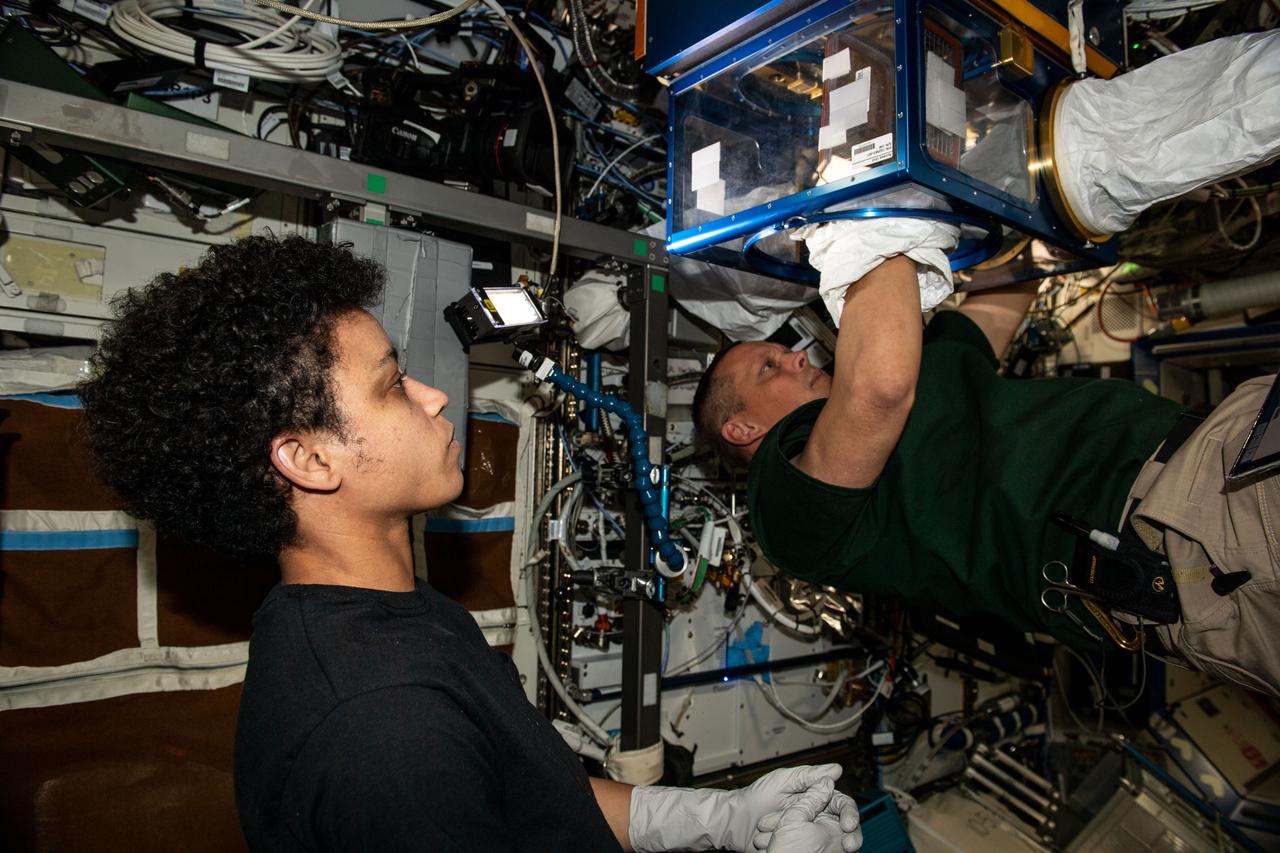
iss067e189949 (July 18, 2022) --- NASA's Expedition 67 Flight Engineers Jessica Watkins and Bob Hines transport research gear and samples from the SpaceX Dragon resupply ship into the U.S. Destiny laboratory module. The duo then activated an experiment to explore how microgravity affects the skin healing process.
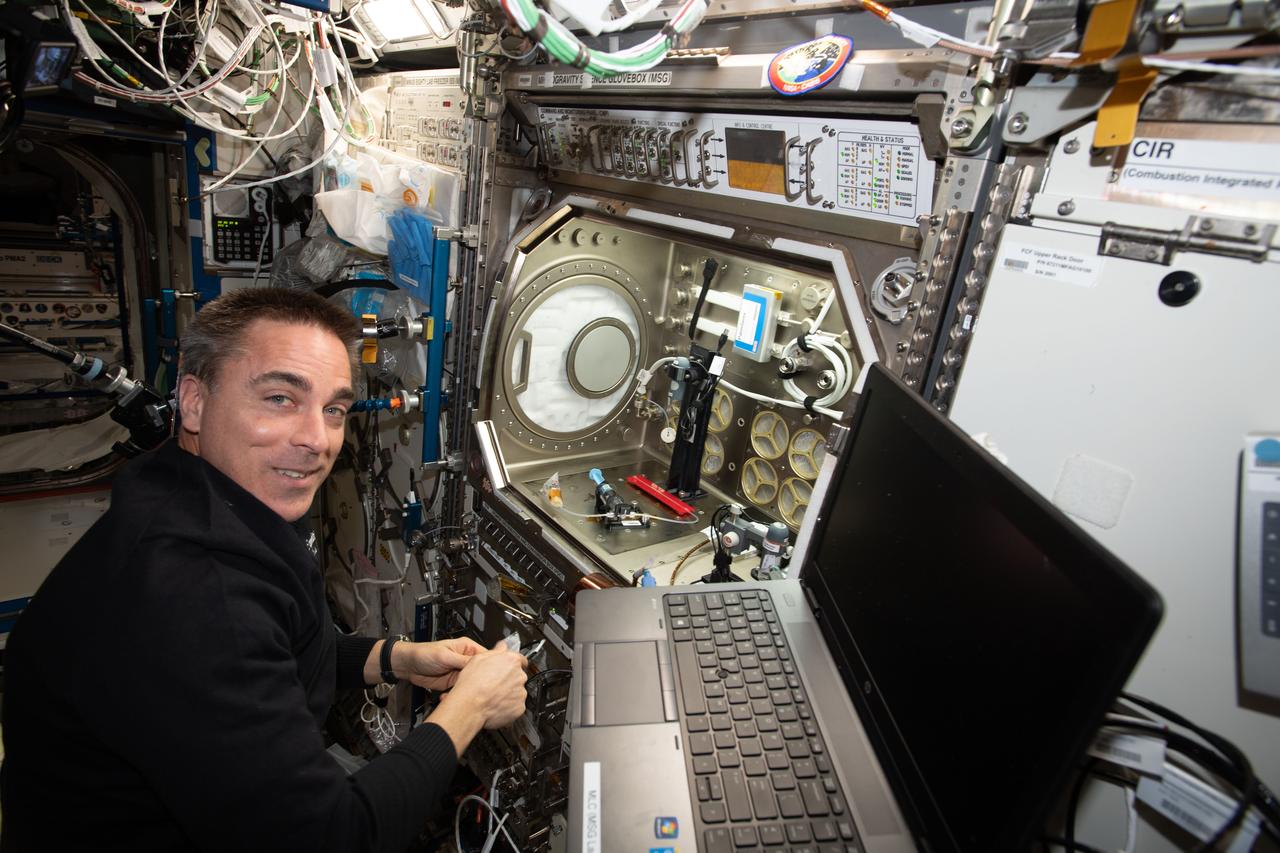
iss063e022562 (June 3, 2020) --- NASA astronaut and Expedition 63 Commander Chris Cassidy sets up the Microgravity Science Glovebox for a space bubbles experiment. The Electrolysis Measurement study is observing how bubbles inside microfluid systems may help produce oxygen on a spacecraft and deliver drugs though skin patches.
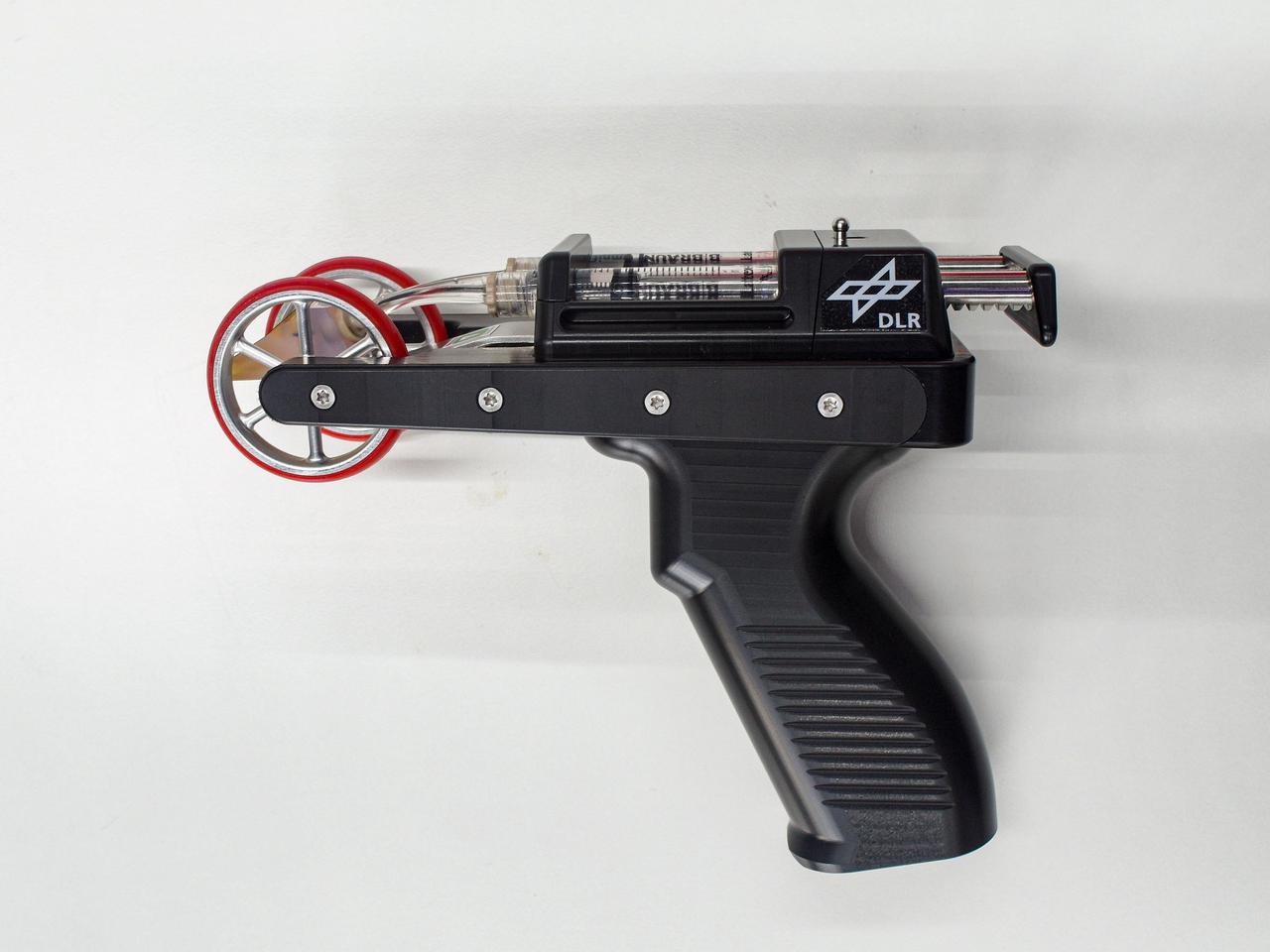
jsc2021e063287 (1/3/2021) --- Bioprinting, a subcategory of 3D printing, uses viable cells and biological molecules to print tissue structures. Bioprint FirstAid Handheld Bioprinter (Bioprint FirstAid), an investigation from European Space Agency (ESA), demonstrates a portable, handheld bioprinter that uses a patient’s own skin cells to create a tissue-forming patch to cover a wound and accelerate the healing process. Image courtesy of OHB/DLR/ESA.
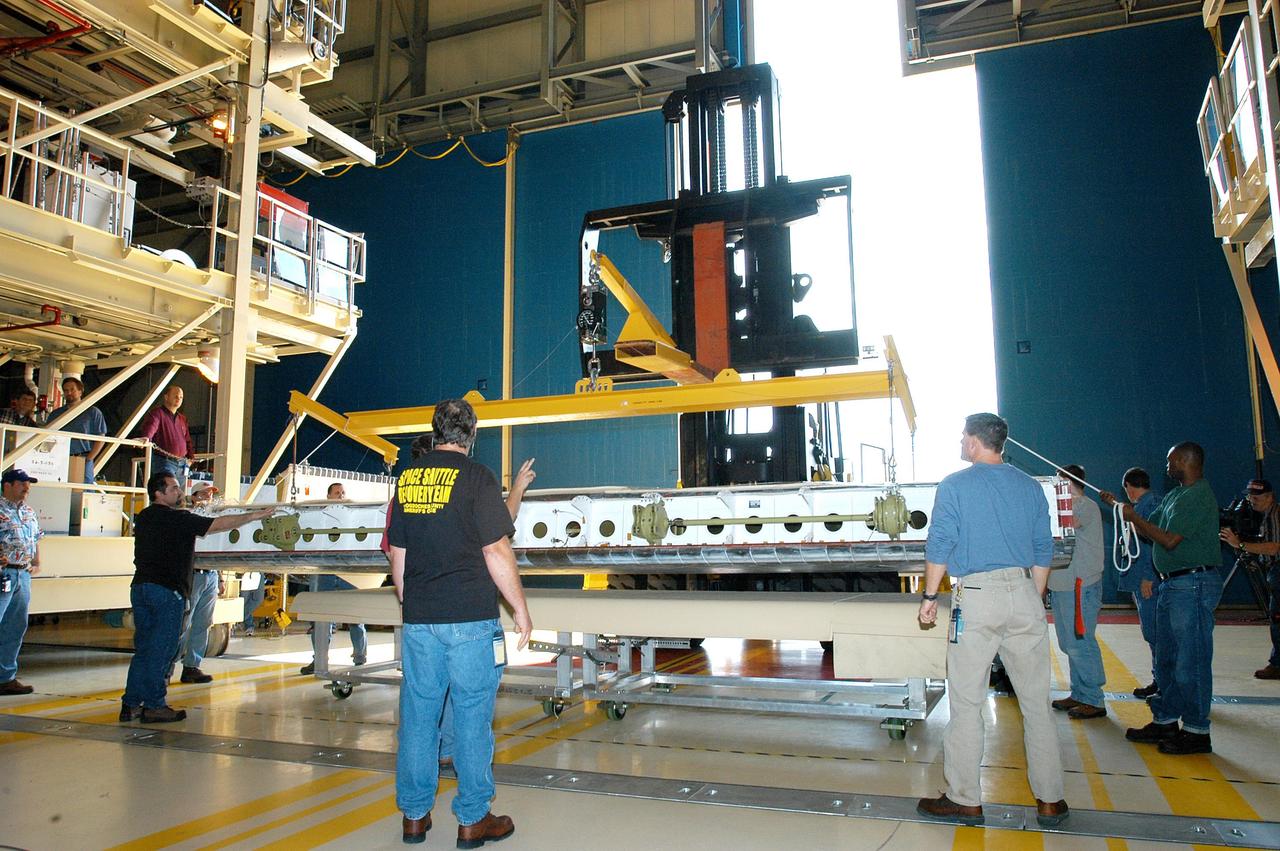
KENNEDY SPACE CENTER, FLA. - Workers in the Orbiter Processing Facility help prepare the body flap for lifting prior to installation on the orbiter Discovery. The body flap is an aluminum structure consisting of ribs, spars, skin panels and a trailing edge assembly. It thermally shields the three main engines during entry and provides pitch control trim during landing approach. Discovery is being processed for launch on the first Return to Flight mission, STS-114.
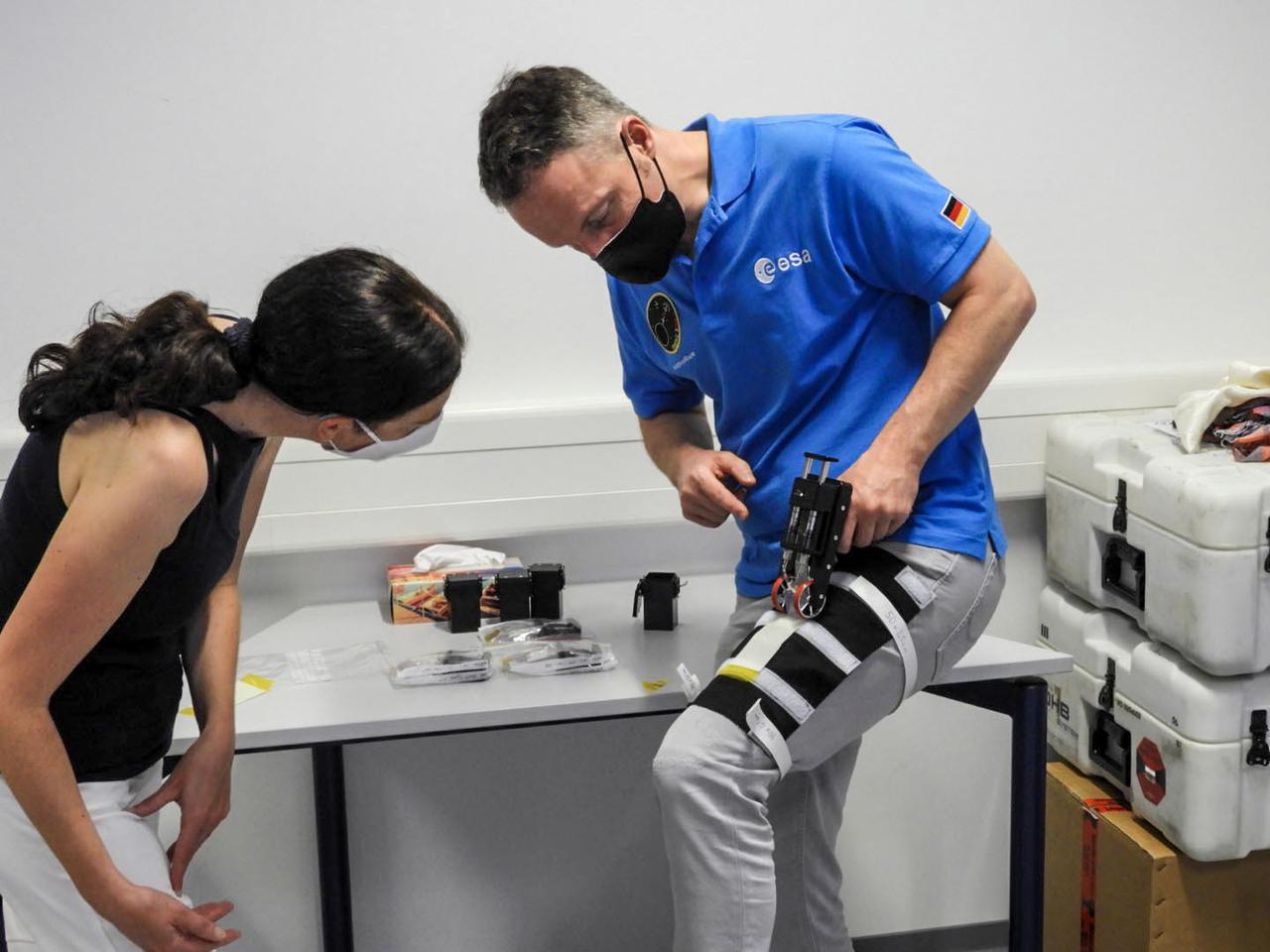
jsc2021e063288 (12/10/2021) --- European Space Agency (ESA) astronaut Matthias Maurer demonstrates the Bioprint FirstAid prototype during a training session. Bioprint FirstAid Handheld Bioprinter (Bioprint FirstAid) demonstrates a portable, handheld bioprinter that uses a patient’s own skin cells to create a tissue-forming patch to cover a wound and accelerate the healing process. Image courtesy of OHB/DLR/ESA.
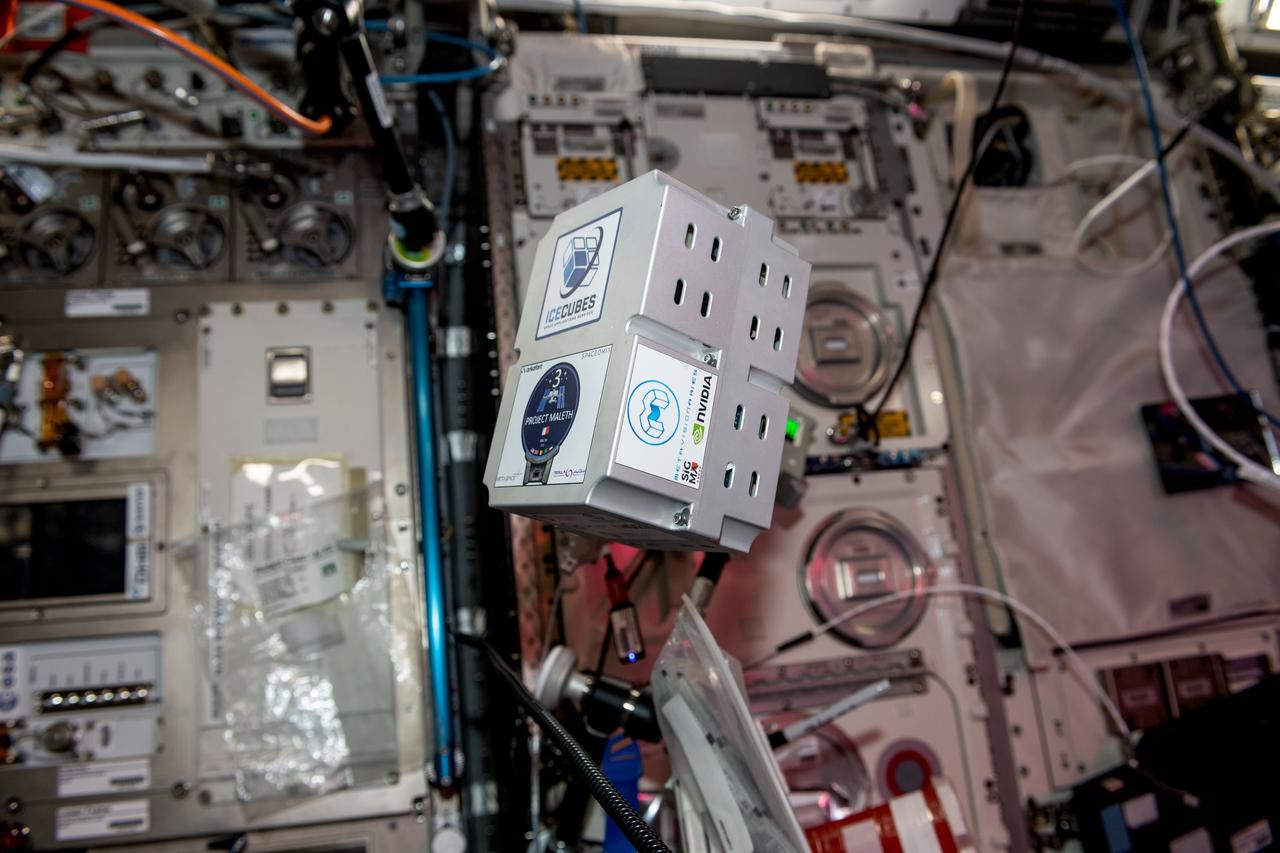
iss068e075605 (3/17/2023) --- A view of the ICE Cubes #9.2 – Maleth 2 Biocube aboard the Internatinal Space Station (ISS). ICE Cubes #9.2 – Maleth 2 by the SpaceOMIX team identifies important biomarkers found in the human skin microbiome (such as miRNA, and other mRNA transcripts) that can potentially be targeted for therapy or general well-being to enhance space travel to deeper missions to the Moon and to Mars.
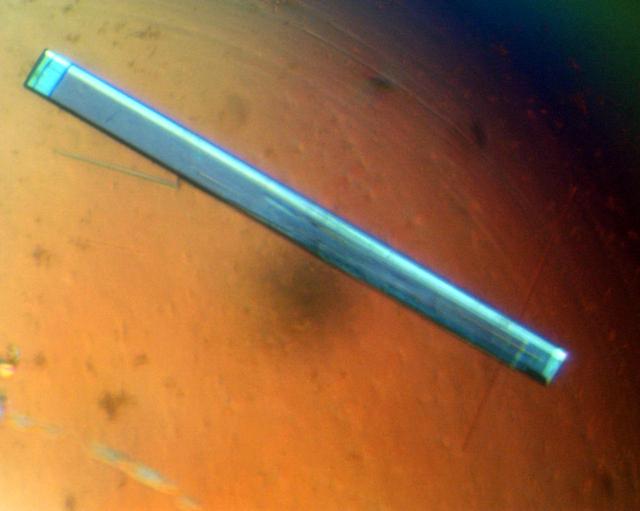
Parvalbumins are found in the muscles, endocrine glands, skin cells, and some neurons of vertebrates, but the role they play for musculature is not yet understood. Researchers are exploring theories of a correlation between parvalbumin concentration levels and the relaxation speed of mammalian muscles after contraction. An ultra-high resolution structure was achieved from samples grown on STS-83 and in July 1997, during STS-94, PCAM produced the largest crystals of pike parvalbumin grown to date. Principal Investigator: Dan Carter of New Century Pharmaceuticals.
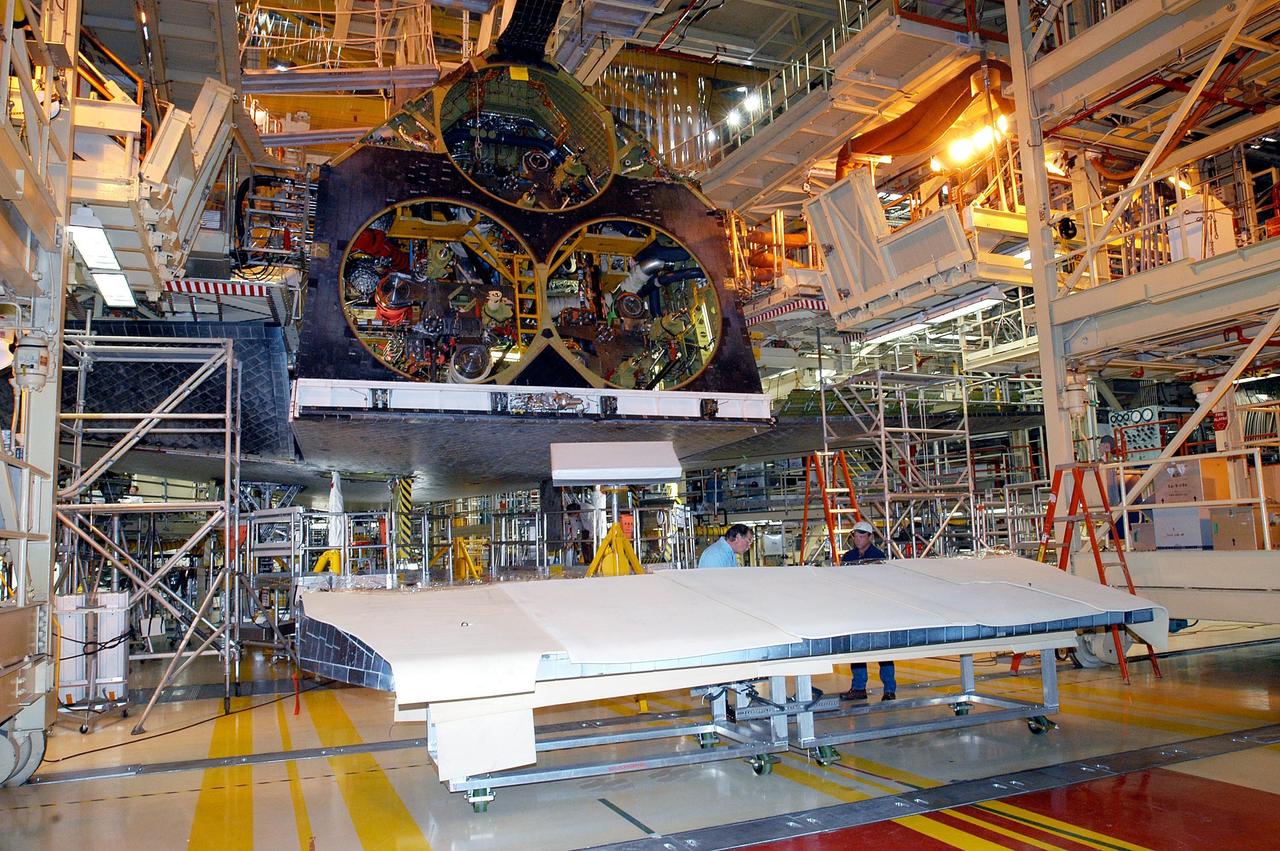
KENNEDY SPACE CENTER, FLA. - In the Orbiter Processing Facility, the body flap for the orbiter Discovery is prepared for installation. The body flap is an aluminum structure consisting of ribs, spars, skin panels and a trailing edge assembly. It thermally shields the three main engines during entry and provides pitch control trim during landing approach. Discovery is being processed for launch on the first Return to Flight mission, STS-114.
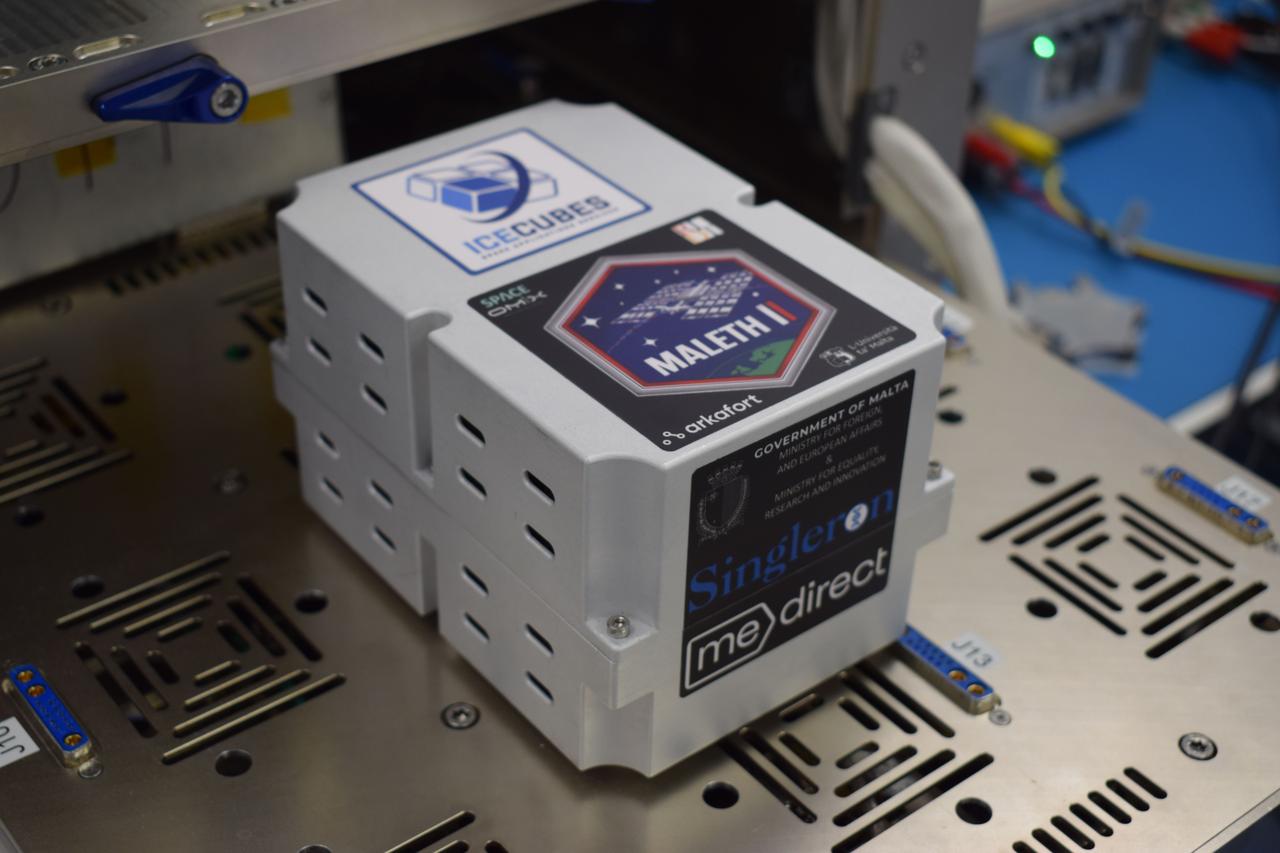
jsc2022e057890 (5/12/2022) --- MALETH II Biocube, based on the ICE Cubes platform by Space Applications Services, that takes Malta’s second space mission samples to the International Space Station. This is part of the Follow-up Study of Human Skin Tissue Microbiome Studies and Yeast Cells in Space (Ice Cubes #9.2 – Maleth 2) investigation. Image courtesy of Glenn Sciortino, Arkafort Ltd.
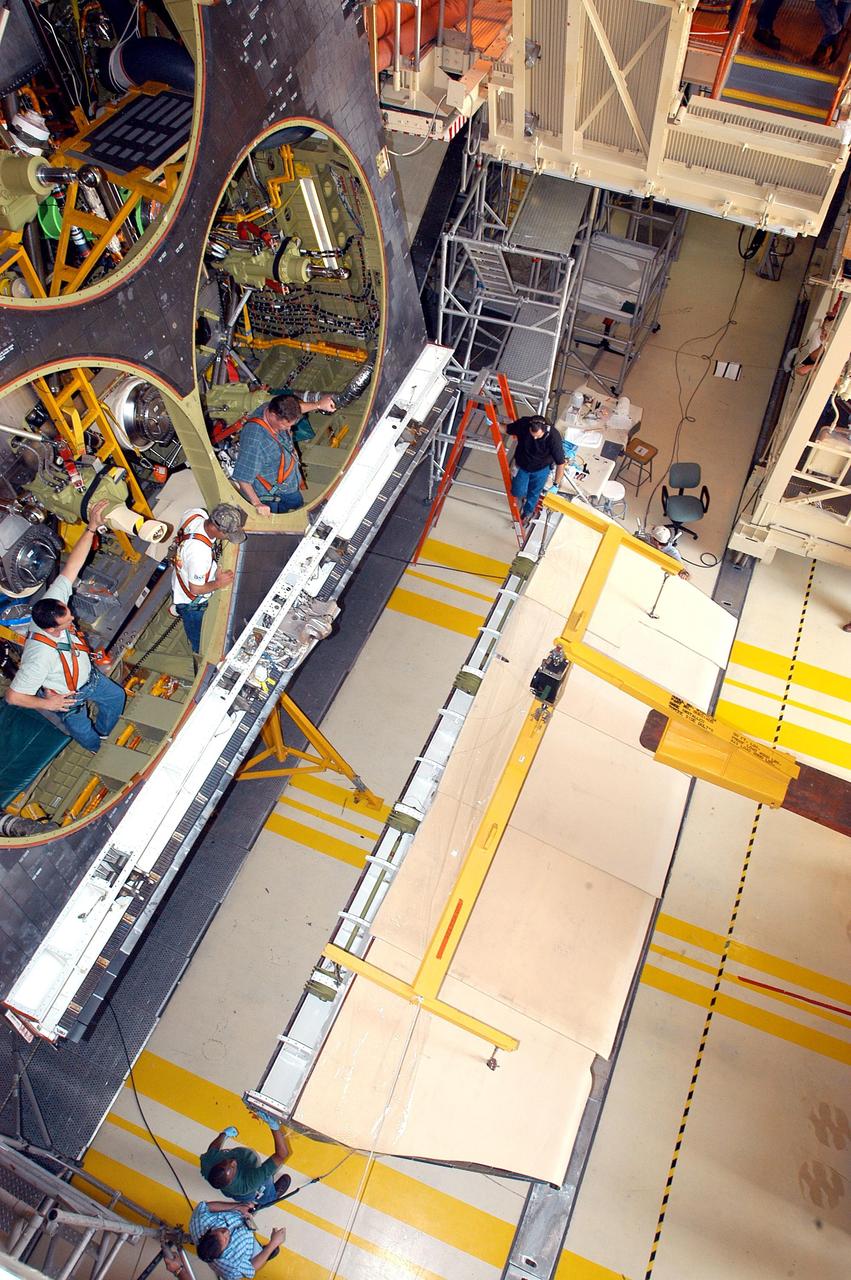
KENNEDY SPACE CENTER, FLA. - A Hyster forklift in the Orbiter Processing Facility moves the body flap toward the aft of the orbiter Discovery. The body flap is an aluminum structure consisting of ribs, spars, skin panels and a trailing edge assembly. It thermally shields the three main engines during entry and provides pitch control trim during landing approach. Discovery is being processed for launch on the first Return to Flight mission, STS-114.
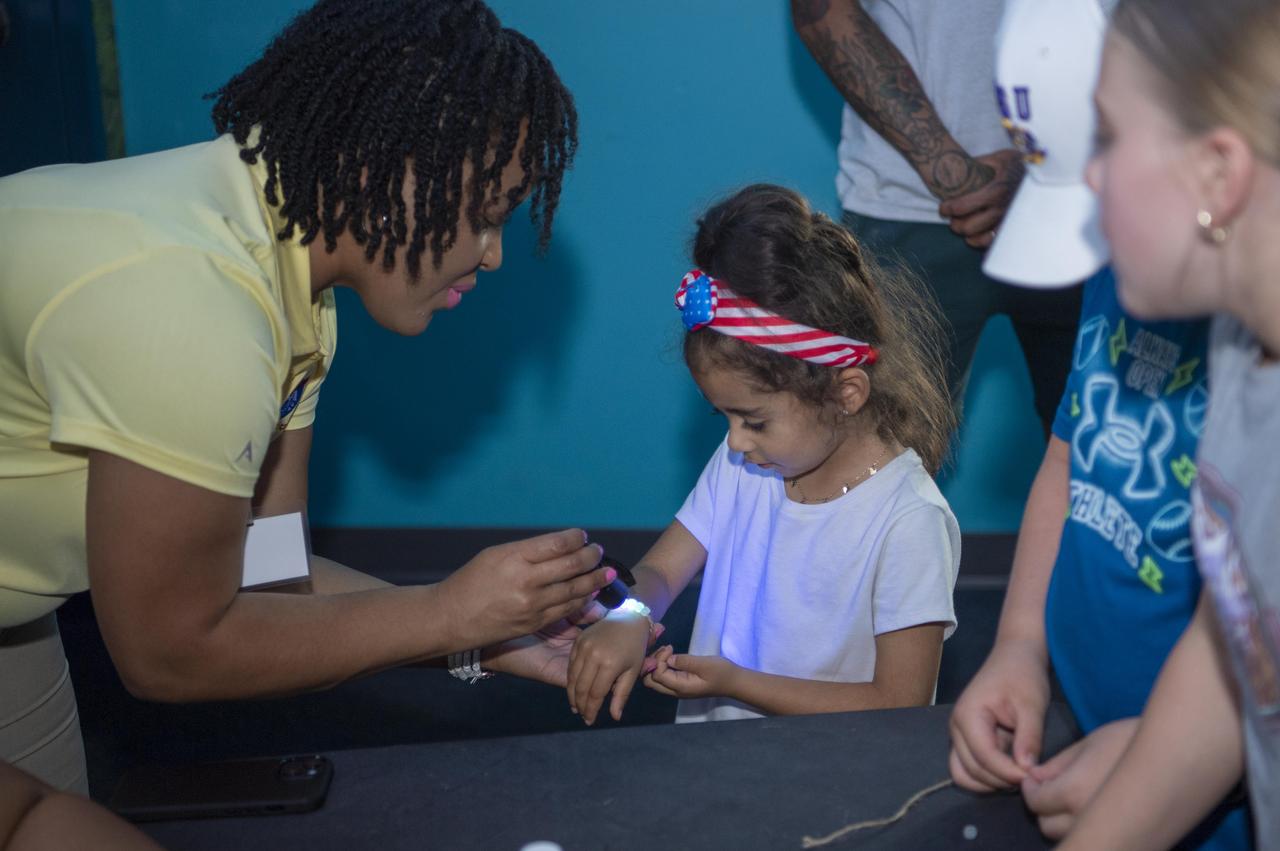
NASA Public Affairs Specialist Samone Wilson, left, uses a solar bead activity to teach a young visitor to the Audubon Aquarium in New Orleans about skin protection on July 5. NASA hosted an information/interactive exhibit at the aquarium in conjunction with NASA activities at the 30th annual ESSENCE Fest in New Orleans during the Fourth of July weekend.
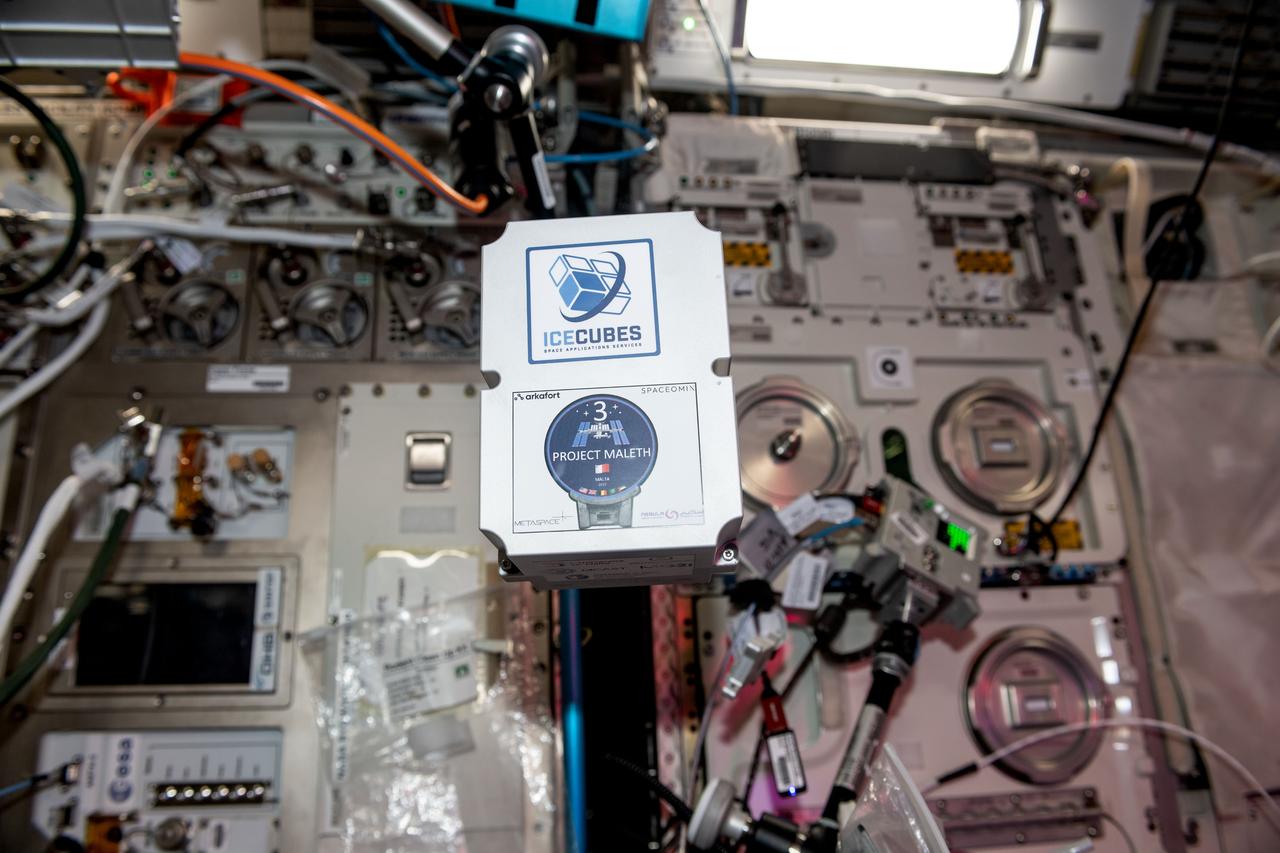
iss068e075603 (3/17/2023) --- A view of the ICE Cubes #9.2 – Maleth 2 Biocube aboard the Internatinal Space Station (ISS). ICE Cubes #9.2 – Maleth 2 by the SpaceOMIX team identifies important biomarkers found in the human skin microbiome (such as miRNA, and other mRNA transcripts) that can potentially be targeted for therapy or general well-being to enhance space travel to deeper missions to the Moon and to Mars.
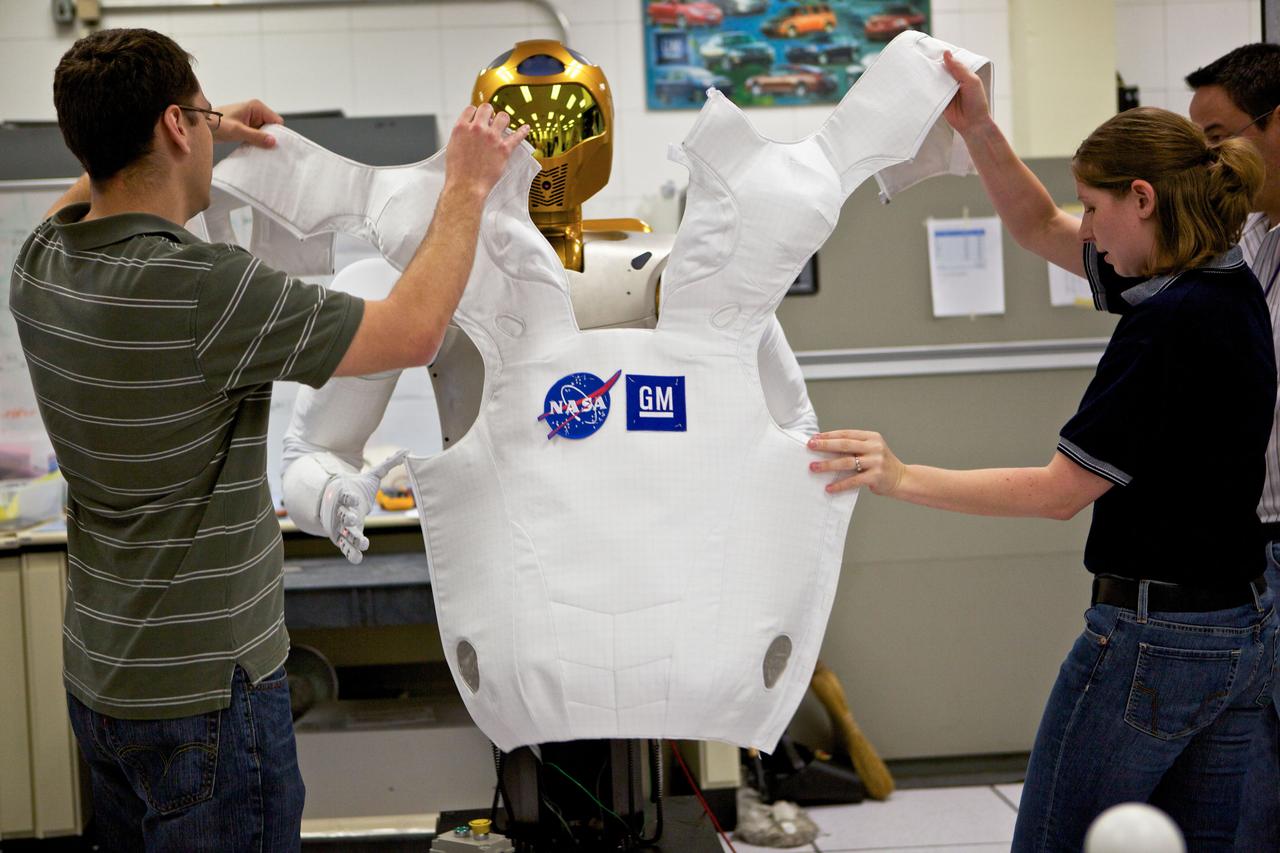
JSC2010-E-090928 (1 June 2010) --- Engineer Court Edmondson and soft goods designer Heather Bibby help Robonaut 2 try on its new flight suit. The materials in R2?s ?skin? were upgraded in preparation for the robot?s journey to the International Space Station due to the station?s stringent flammability requirements. R2 is scheduled to launch on board space shuttle Discovery as part of the STS-133 mission. Photo credit: NASA or National Aeronautics and Space Administration
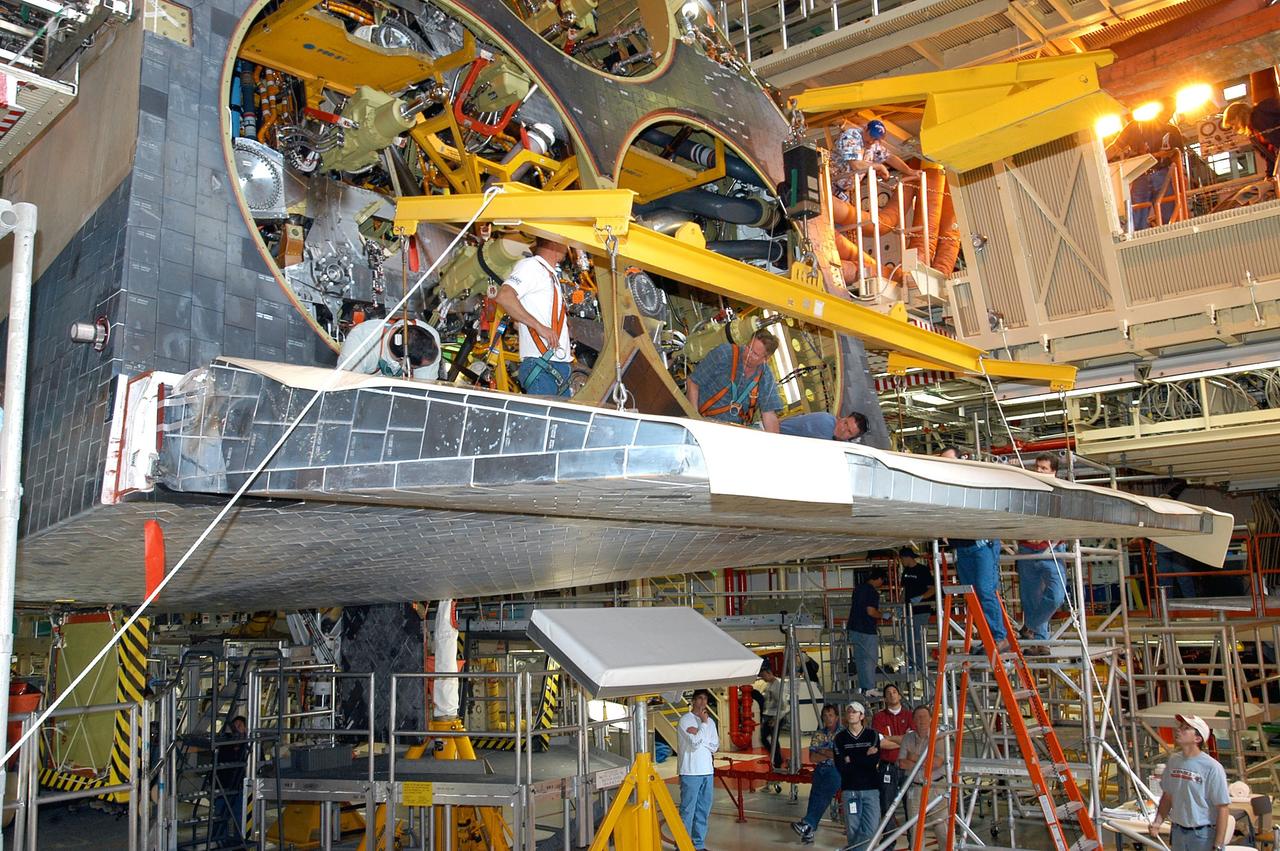
KENNEDY SPACE CENTER, FLA. - The body flap is installed on the orbiter Discovery. The body flap is an aluminum structure consisting of ribs, spars, skin panels and a trailing edge assembly. It thermally shields the three main engines during entry and provides pitch control trim during landing approach. Discovery is being processed for launch on the first Return to Flight mission, STS-114.
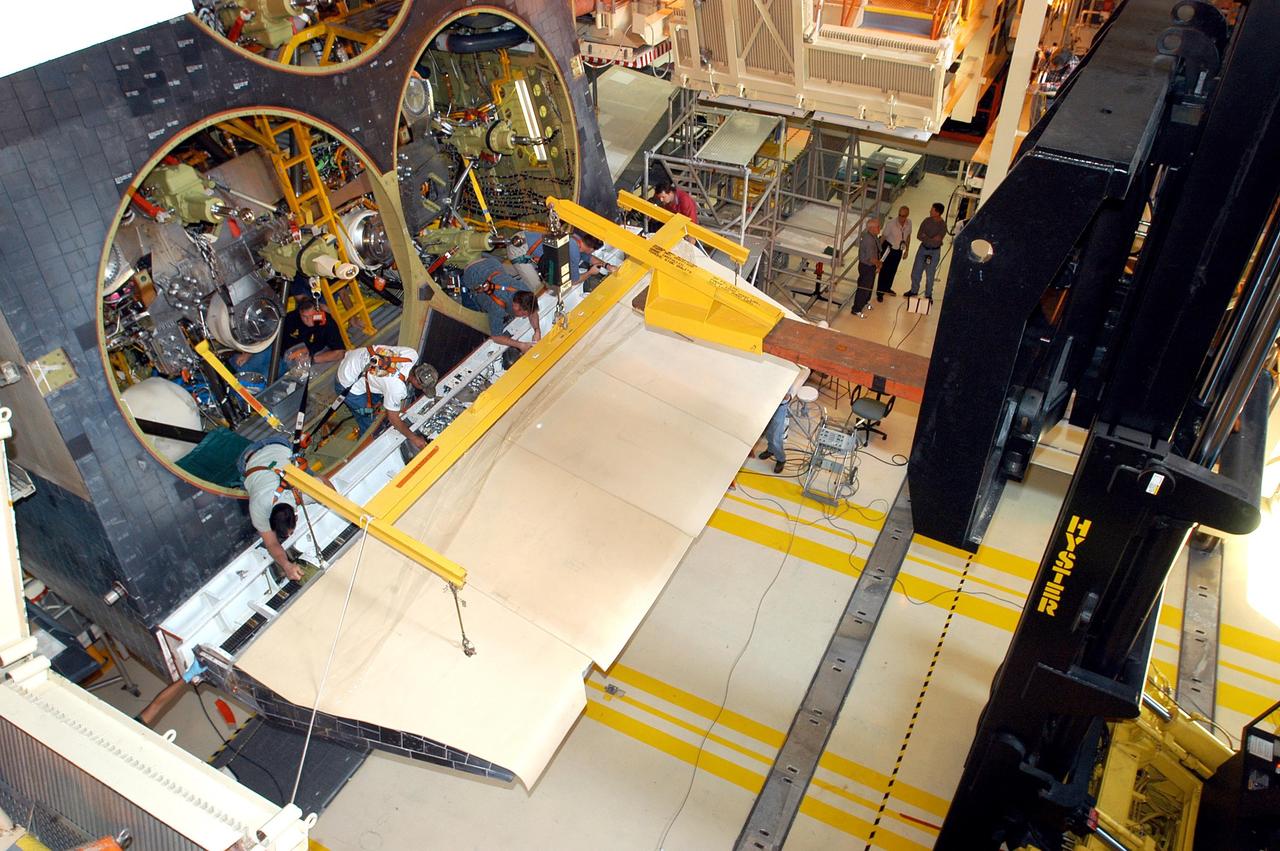
KENNEDY SPACE CENTER, FLA. - In the Orbiter Processing Facility, A Hyster forklift supports the body flap as workers secure it to the orbiter Discovery. The body flap is an aluminum structure consisting of ribs, spars, skin panels and a trailing edge assembly. It thermally shields the three main engines during entry and provides pitch control trim during landing approach. Discovery is being processed for launch on the first Return to Flight mission, STS-114.
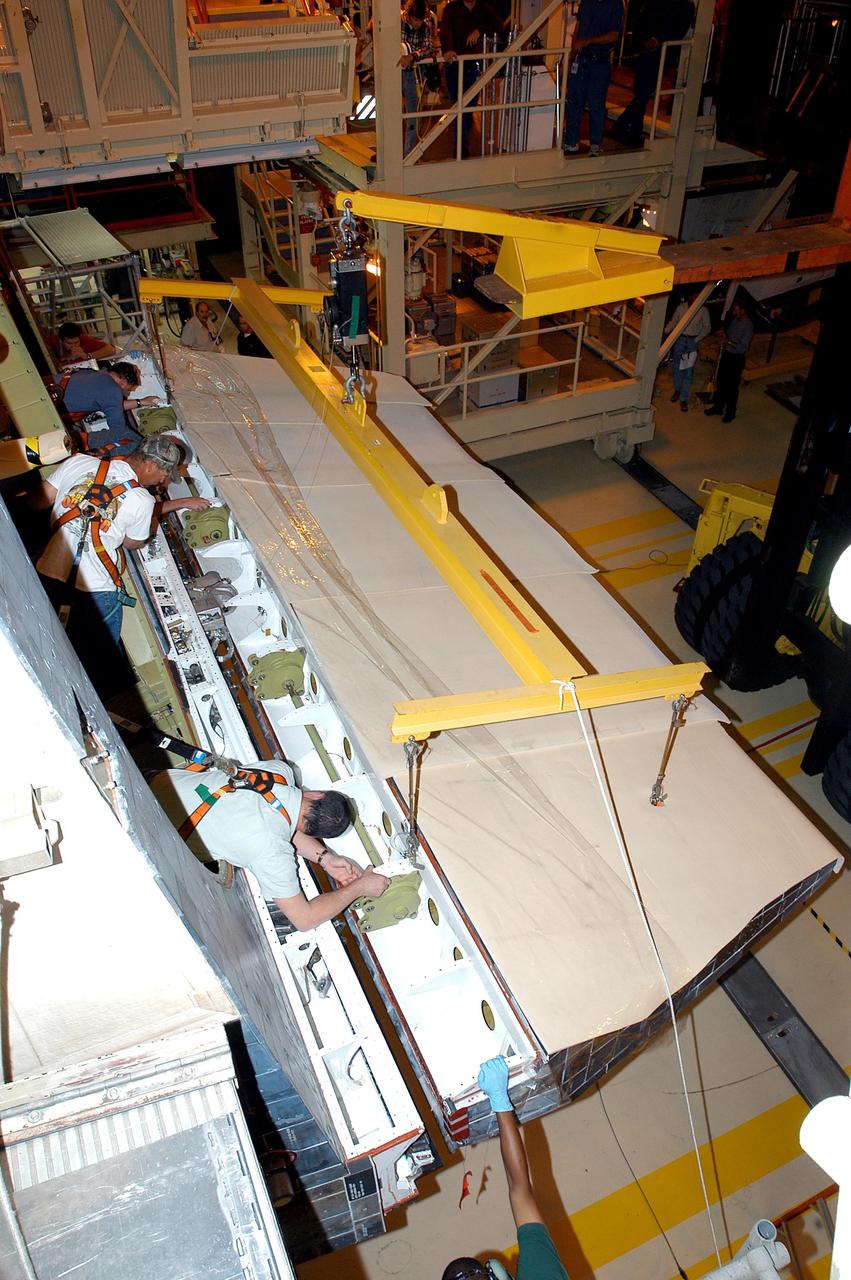
KENNEDY SPACE CENTER, FLA. - Workers in the Orbiter Processing Facility help move the body flap into position on the orbiter Discovery. The body flap is an aluminum structure consisting of ribs, spars, skin panels and a trailing edge assembly. It thermally shields the three main engines during entry and provides pitch control trim during landing approach. Discovery is being processed for launch on the first Return to Flight mission, STS-114.
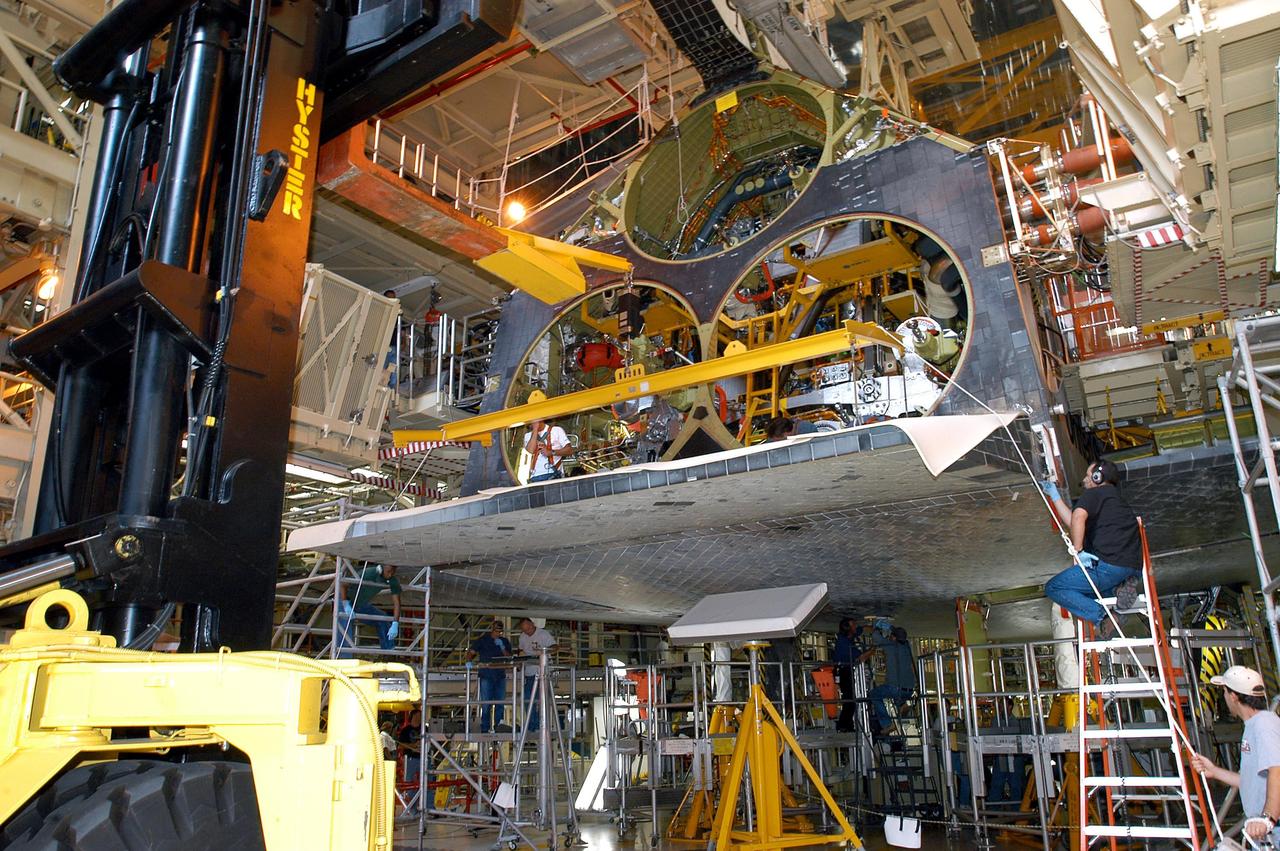
KENNEDY SPACE CENTER, FLA. - The body flap is installed on the orbiter Discovery. The body flap is an aluminum structure consisting of ribs, spars, skin panels and a trailing edge assembly. It thermally shields the three main engines during entry and provides pitch control trim during landing approach. Discovery is being processed for launch on the first Return to Flight mission, STS-114.
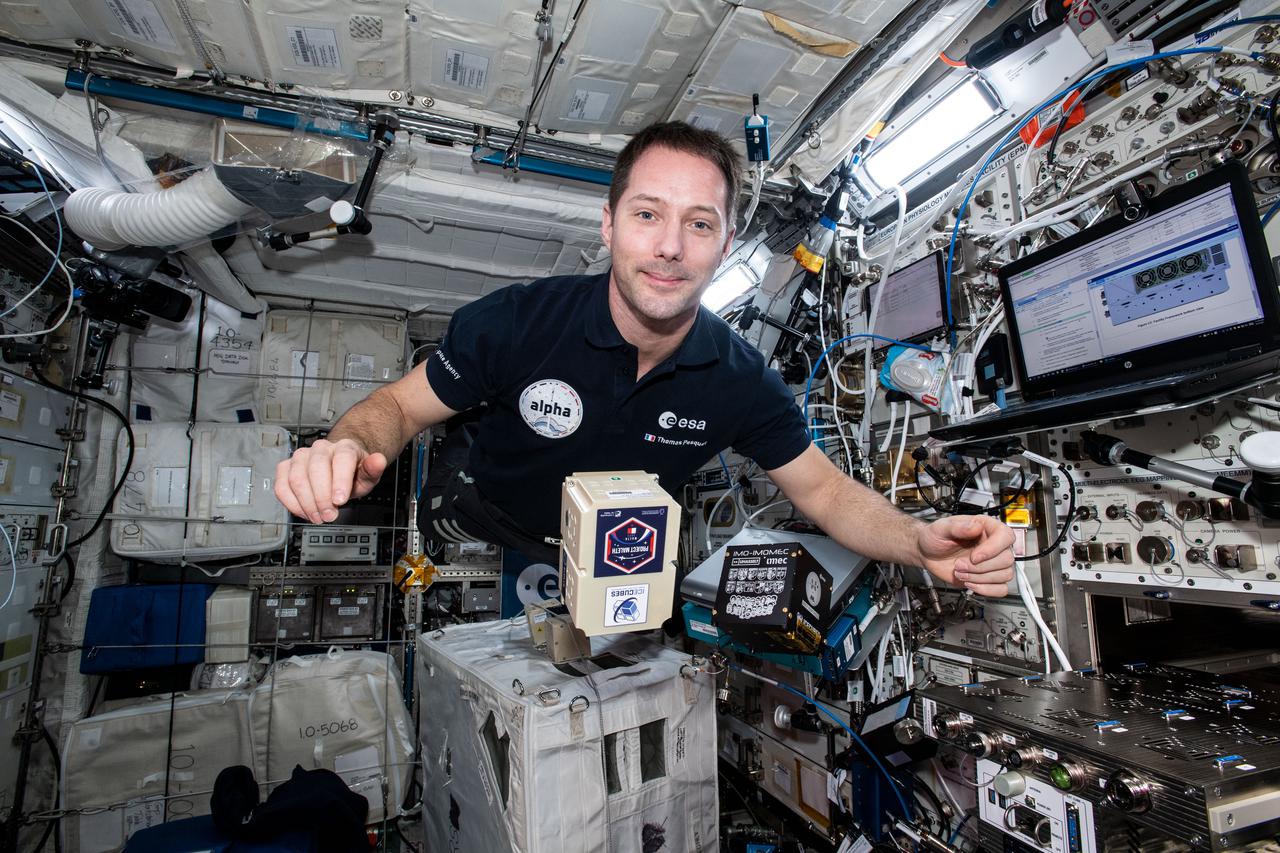
iss065e343728 (9/2/2021) --- European Space Agency (ESA) astronaut Thomas Pesquet is pictured aboard the International Space Station Columbus module with the Ice Cube #8 and #9 BioCubes. The Ice Cube #8 investigation uses quantum technology to produce high-resolution, high-precision measurements of the local magnetic field to create a high-resolution map of the Earth’s magnetic field. Ice Cube #9 seeks to analize the Skin Microbiome of Diabetic Foot Ulcers
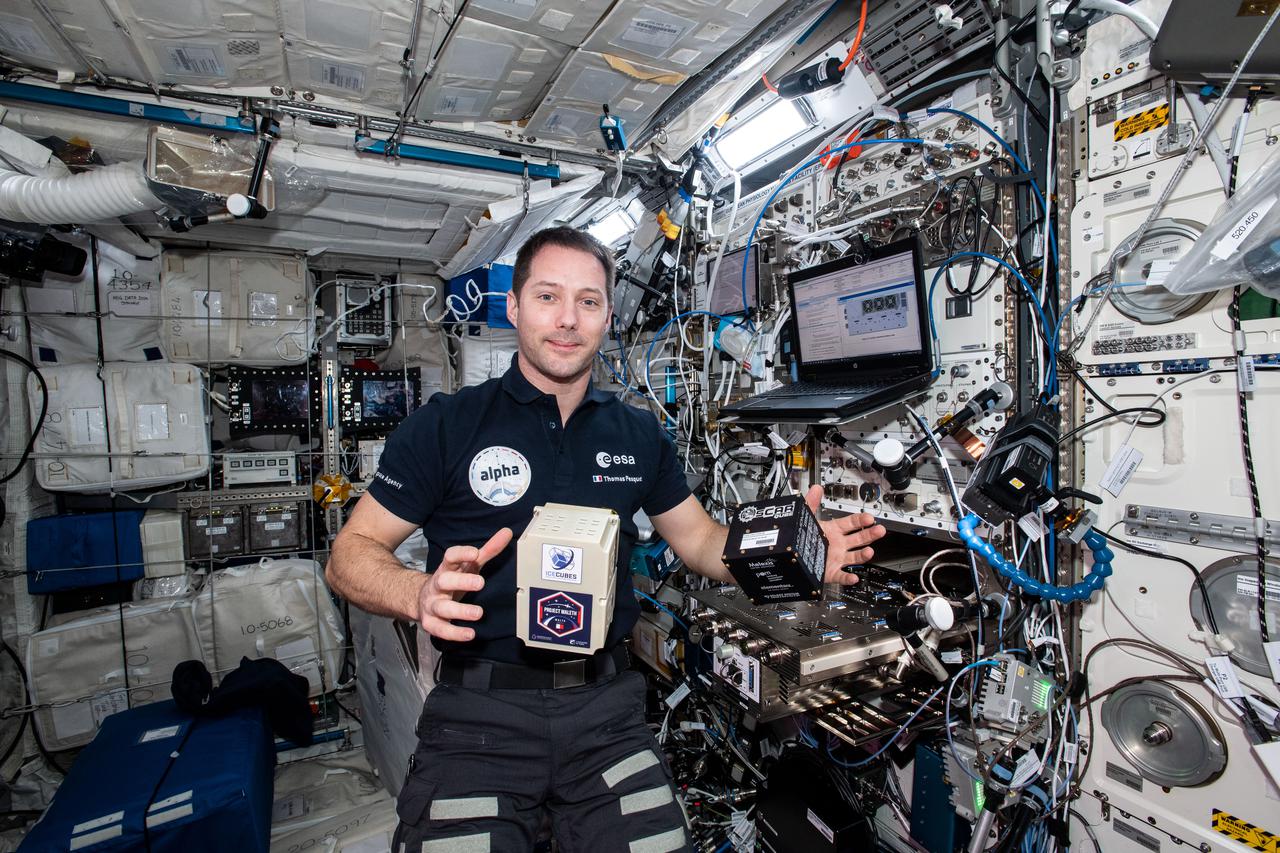
iss065e343725 (9/2/2021) --- European Space Agency (ESA) astronaut Thomas Pesquet is pictured aboard the International Space Station Columbus module with the Ice Cube #8 and #9 BioCubes. The Ice Cube #8 investigation uses quantum technology to produce high-resolution, high-precision measurements of the local magnetic field to create a high-resolution map of the Earth’s magnetic field. Ice Cube #9 seeks to analize the Skin Microbiome of Diabetic Foot Ulcers
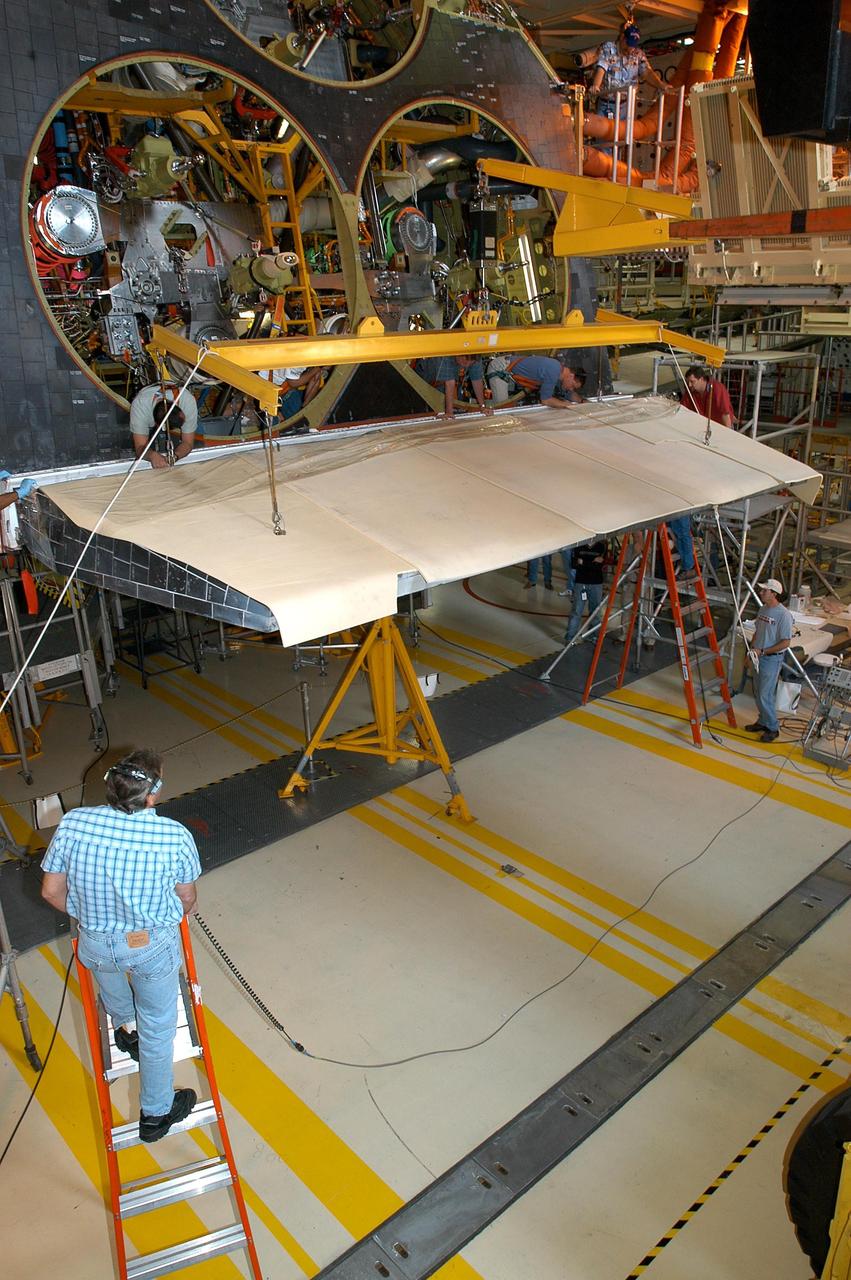
KENNEDY SPACE CENTER, FLA. - A worker on a ladder (lower left) observes installation of the body flap onto the orbiter Discovery. The body flap is an aluminum structure consisting of ribs, spars, skin panels and a trailing edge assembly. It thermally shields the three main engines during entry and provides pitch control trim during landing approach. Discovery is being processed for launch on the first Return to Flight mission, STS-114.
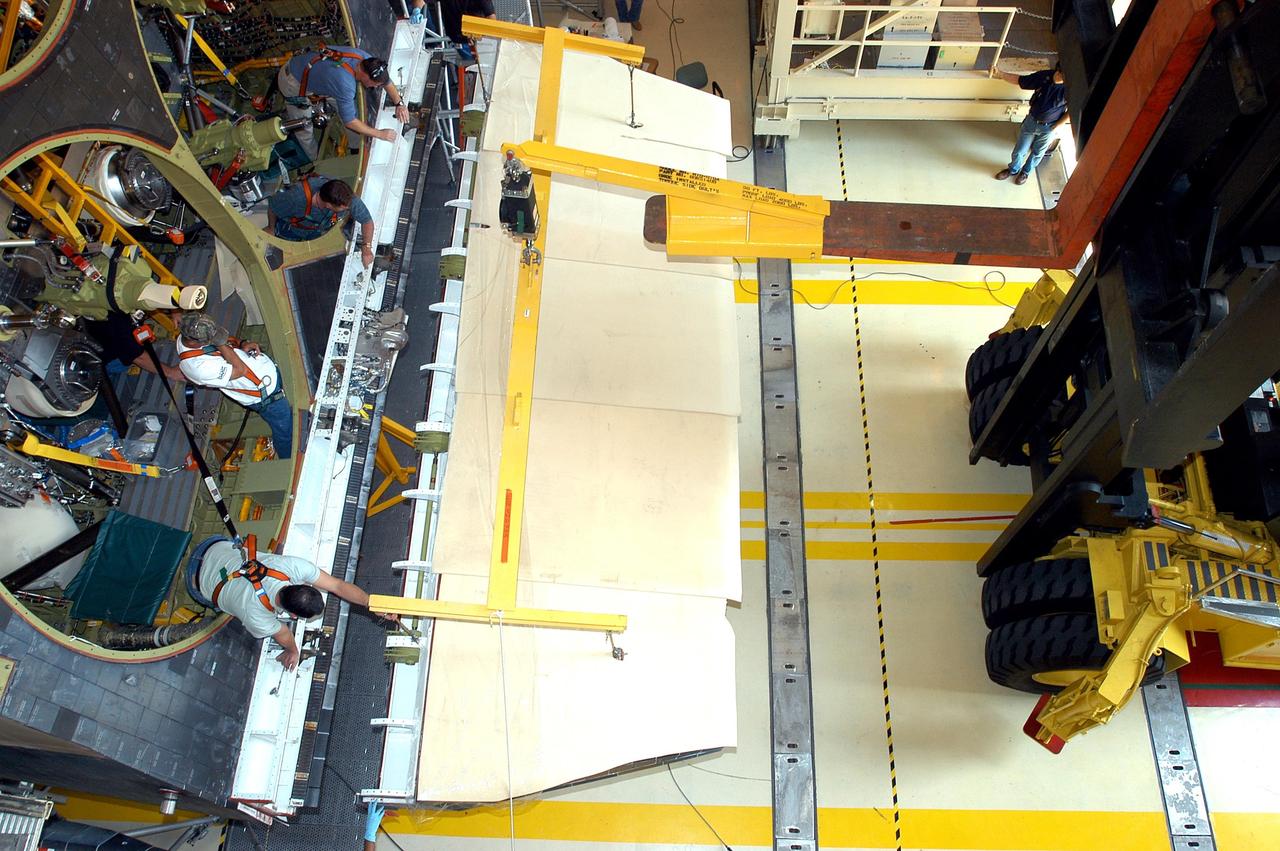
KENNEDY SPACE CENTER, FLA. - In the Orbiter Processing Facility, the body flap is moved into position for installation on the orbiter Discovery. The body flap is an aluminum structure consisting of ribs, spars, skin panels and a trailing edge assembly. It thermally shields the three main engines during entry and provides pitch control trim during landing approach. Discovery is being processed for launch on the first Return to Flight mission, STS-114.
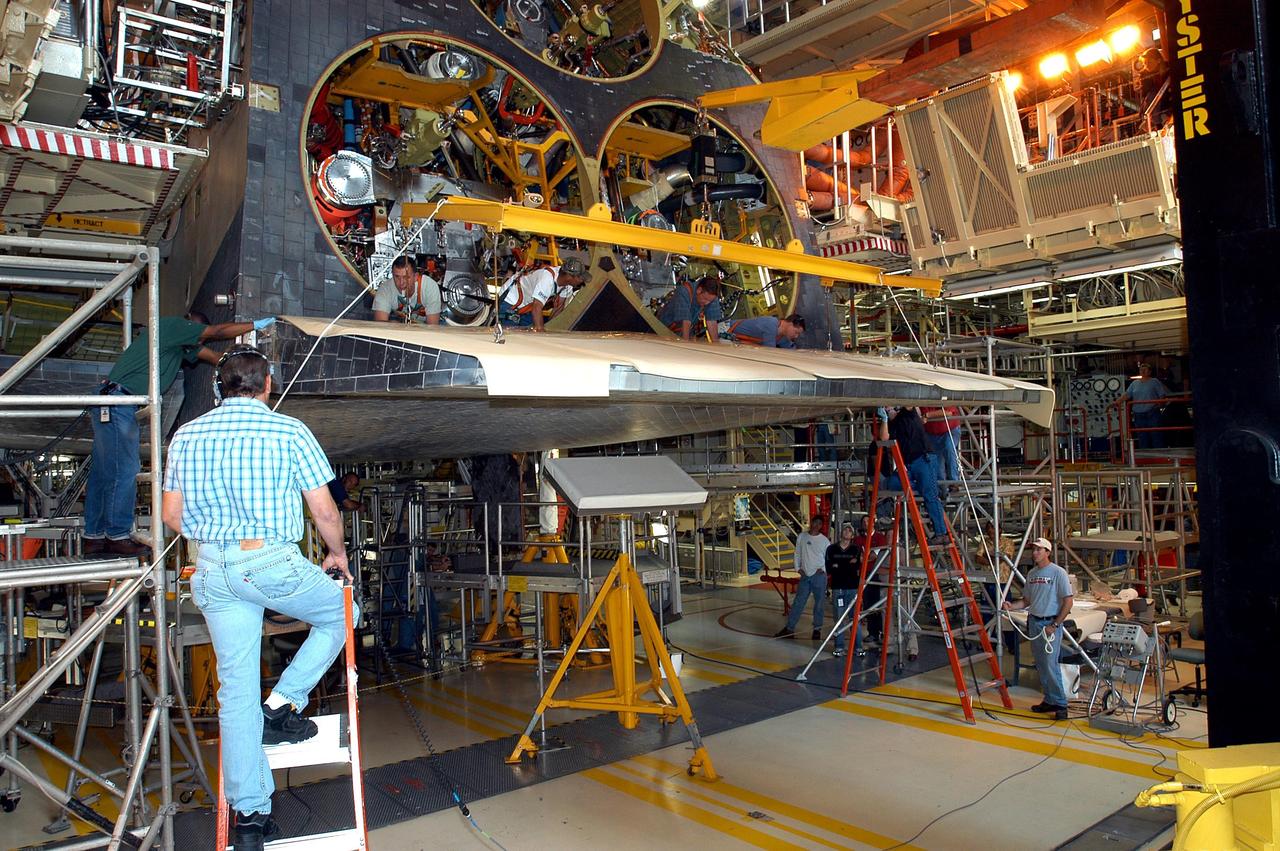
KENNEDY SPACE CENTER, FLA. - Workers on ladders (left and right) check installation of the body flap onto the orbiter Discovery. The body flap is an aluminum structure consisting of ribs, spars, skin panels and a trailing edge assembly. It thermally shields the three main engines during entry and provides pitch control trim during landing approach. Discovery is being processed for launch on the first Return to Flight mission, STS-114.
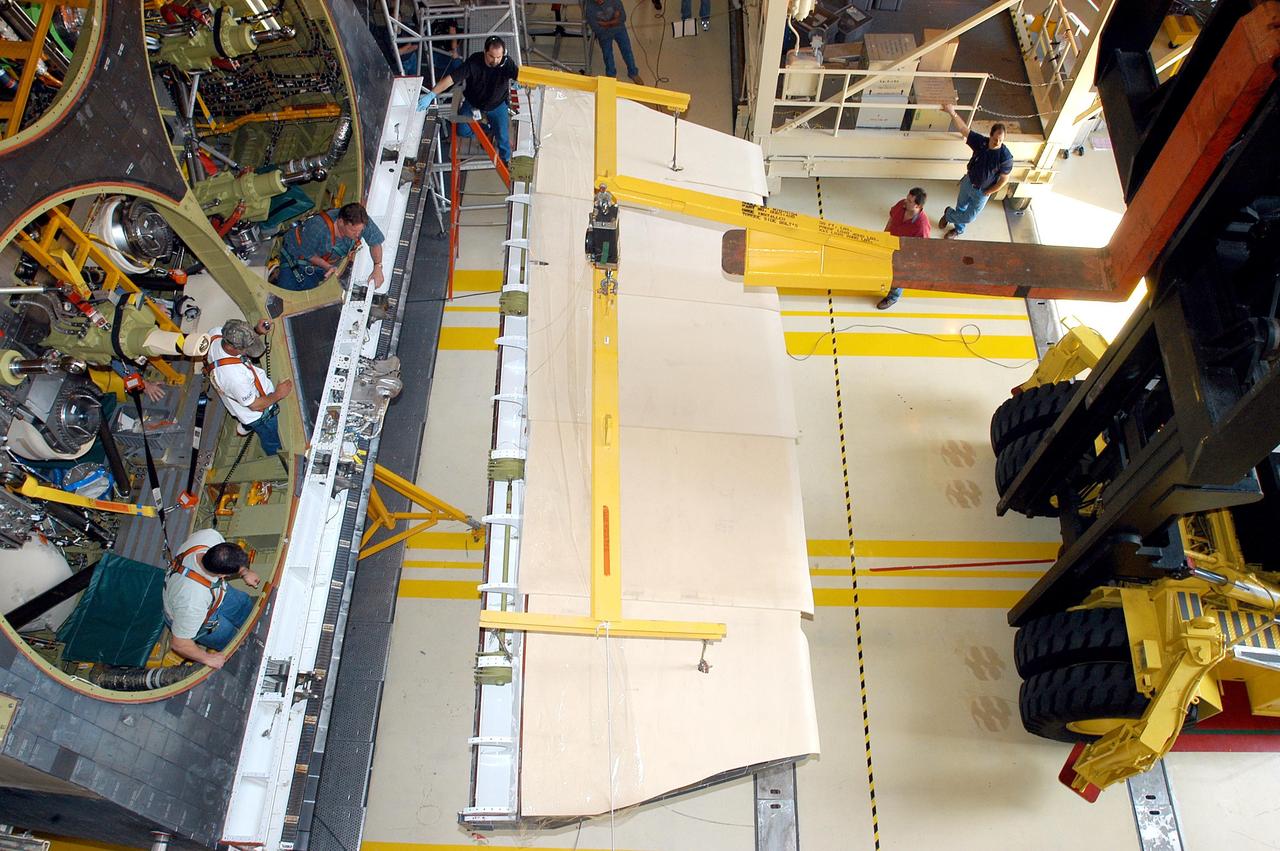
KENNEDY SPACE CENTER, FLA. - In the Orbiter Processing Facility, the body flap is moved into position for installation on the orbiter Discovery. The body flap is an aluminum structure consisting of ribs, spars, skin panels and a trailing edge assembly. It thermally shields the three main engines during entry and provides pitch control trim during landing approach. Discovery is being processed for launch on the first Return to Flight mission, STS-114.
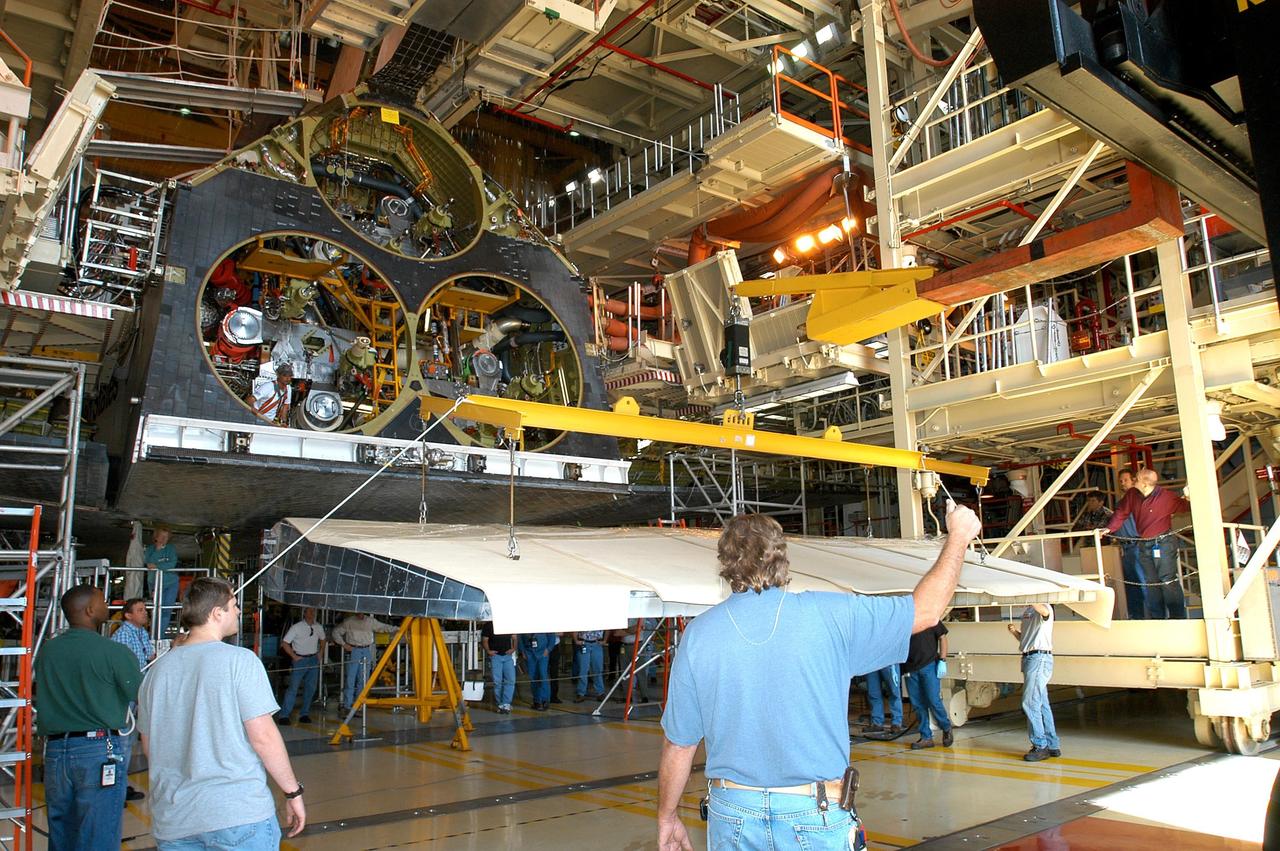
KENNEDY SPACE CENTER, FLA. - A Hyster forklift in the Orbiter Processing Facility lifts the body flap to be installed on the orbiter Discovery. The body flap is an aluminum structure consisting of ribs, spars, skin panels and a trailing edge assembly. It thermally shields the three main engines during entry and provides pitch control trim during landing approach. Discovery is being processed for launch on the first Return to Flight mission, STS-114.
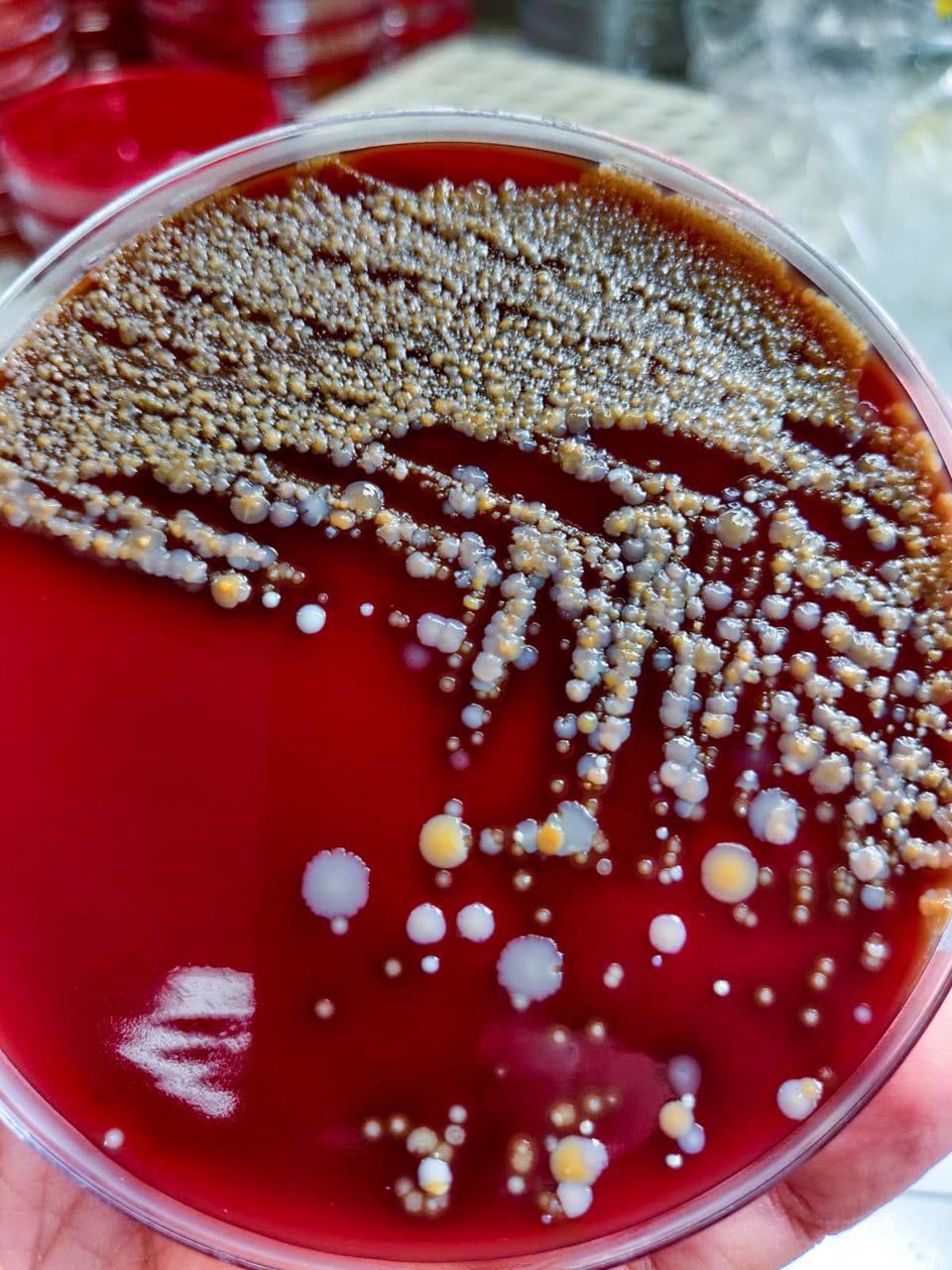
sc2021e033545 (8/4/2021) --- A preflight view the Ice Cubes #9 – Project Maleth (Space Omics Analysis of the Skin Microbiome of Diabetic Foot Ulcers, or SpaceOMIX) The investigation studies Diabetes Mellitus Type 2 and Diabetic Foot Ulcers (DFU) using genetics and space biosciences is new and innovative research. Image credit: DOI: Ministry for Foreign and European Affairs, Malta
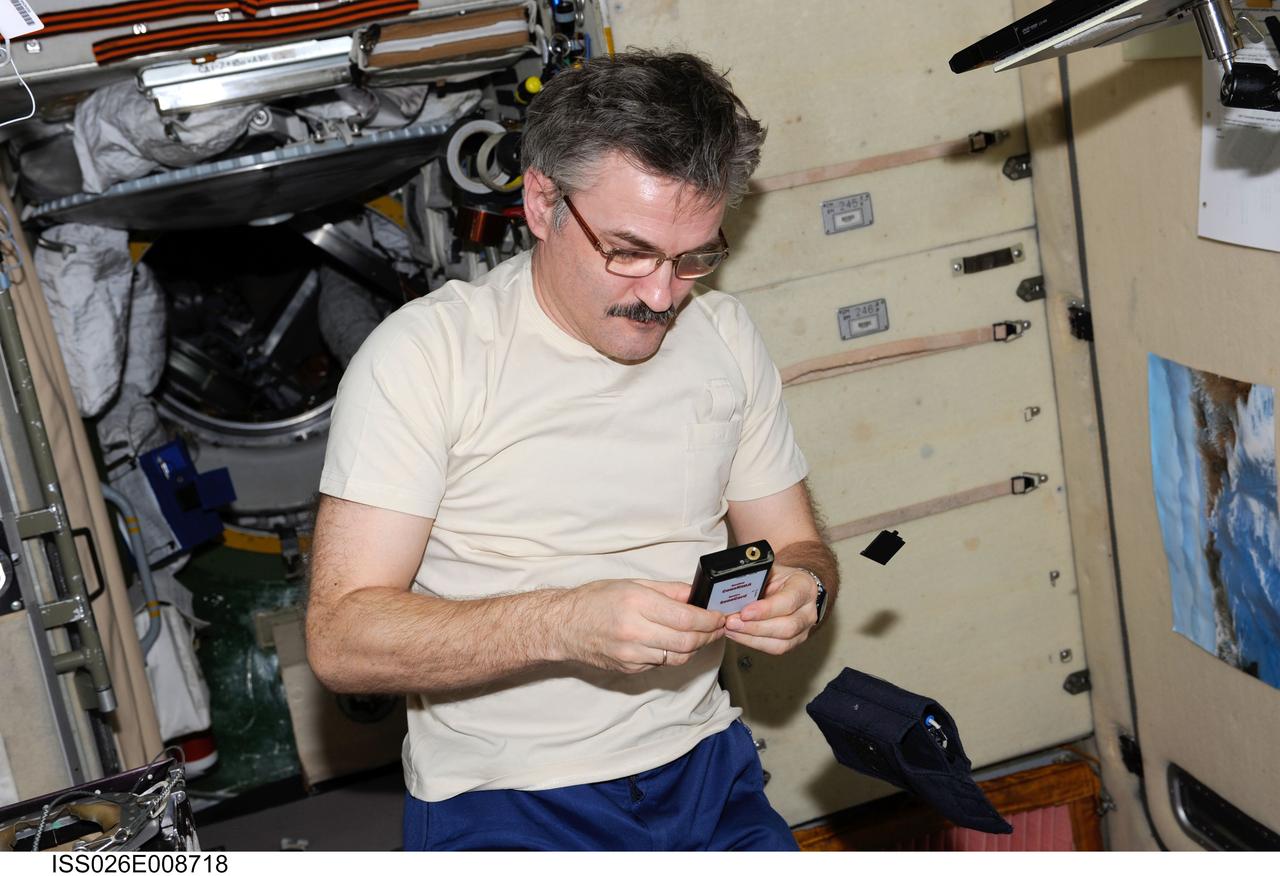
ISS026-E-008718 (8 Dec. 2010) --- Russian cosmonaut Alexander Kaleri, Expedition 26 flight engineer, sets up the Russian MBI-12 payload for a Sonokard experiment session in the Zvezda Service Module of the International Space Station. Kaleri used a sports shirt from the Sonokard kit with a special device in the pocket for testing a new method for acquiring physiological data without using direct contact on the skin. Measurements are recorded on a data card for return to Earth.

CAPE CANAVERAL, Fla. – In the Operations and Checkout Building's high bay, technicians pick up one of the "skins" to apply to the outer mold of the simulator Orion crew module. Part of NASA's Constellation Program, the Orion spacecraft will return humans to the moon and prepare for future voyages to Mars and other destinations in our solar system. Orion is targeted to begin carrying humans to the International Space Station in 2015 and to the moon by 2020. Photo credit: NASA/Kim Shiflett

CAPE CANAVERAL, Fla. – In the Operations and Checkout Building's high bay, "skins" are being applied to the outer mold of the simulator Orion crew module. Part of NASA's Constellation Program, the Orion spacecraft will return humans to the moon and prepare for future voyages to Mars and other destinations in our solar system. Orion is targeted to begin carrying humans to the International Space Station in 2015 and to the moon by 2020. Photo credit: NASA/Kim Shiflett

CAPE CANAVERAL, Fla. – In the Operations and Checkout Building's high bay, technicians are preparing to start testing how to put the "skins" on the outer mold of the simulator Orion crew module. Part of NASA's Constellation Program, the Orion spacecraft will return humans to the moon and prepare for future voyages to Mars and other destinations in our solar system. Orion is targeted to begin carrying humans to the International Space Station in 2015 and to the moon by 2020. Photo credit: NASA/Kim Shiflett
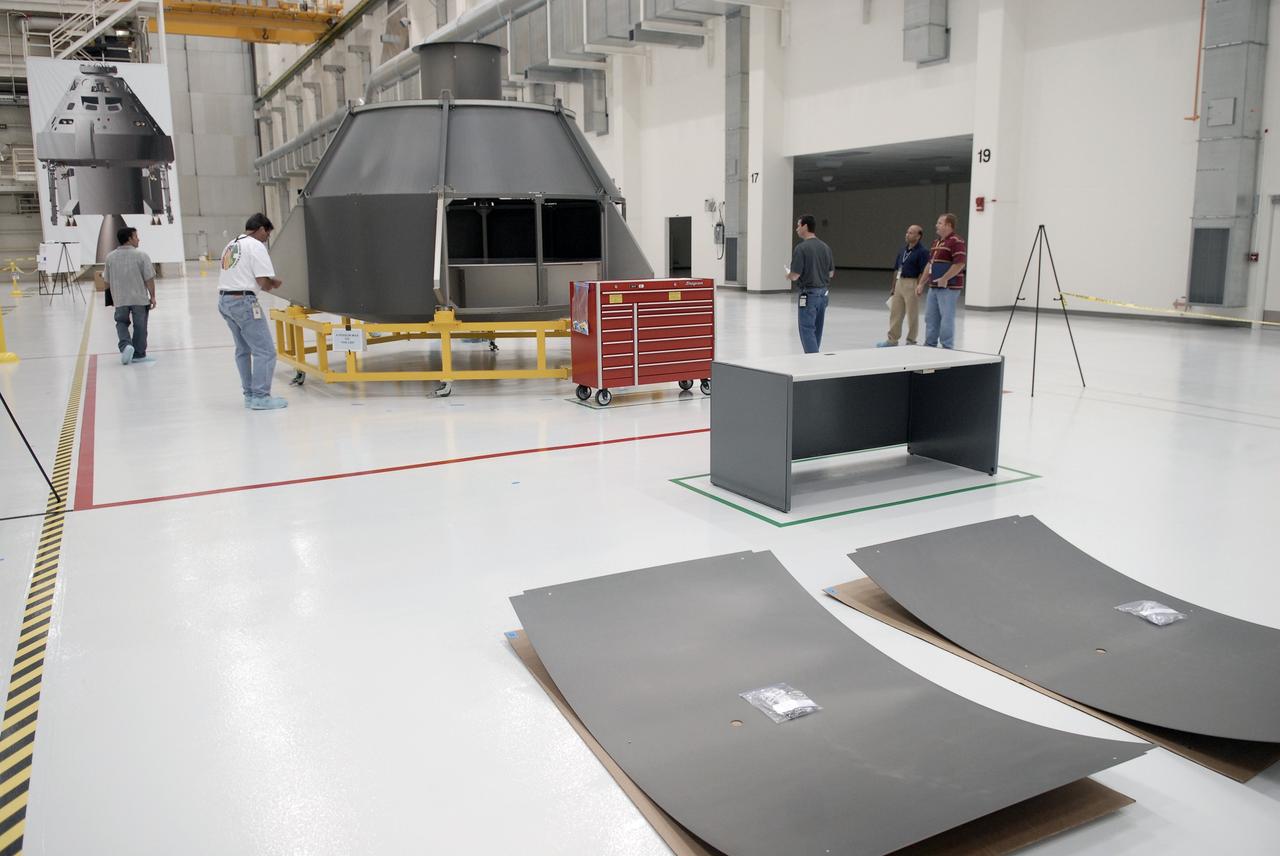
CAPE CANAVERAL, Fla. – In the Operations and Checkout Building's high bay, technicians begin testing how to put the "skins" on the outer mold of the simulator Orion crew module.Part of NASA's Constellation Program, the Orion spacecraft will return humans to the moon and prepare for future voyages to Mars and other destinations in our solar system. Orion is targeted to begin carrying humans to the International Space Station in 2015 and to the moon by 2020. Photo credit: NASA/Kim Shiflett
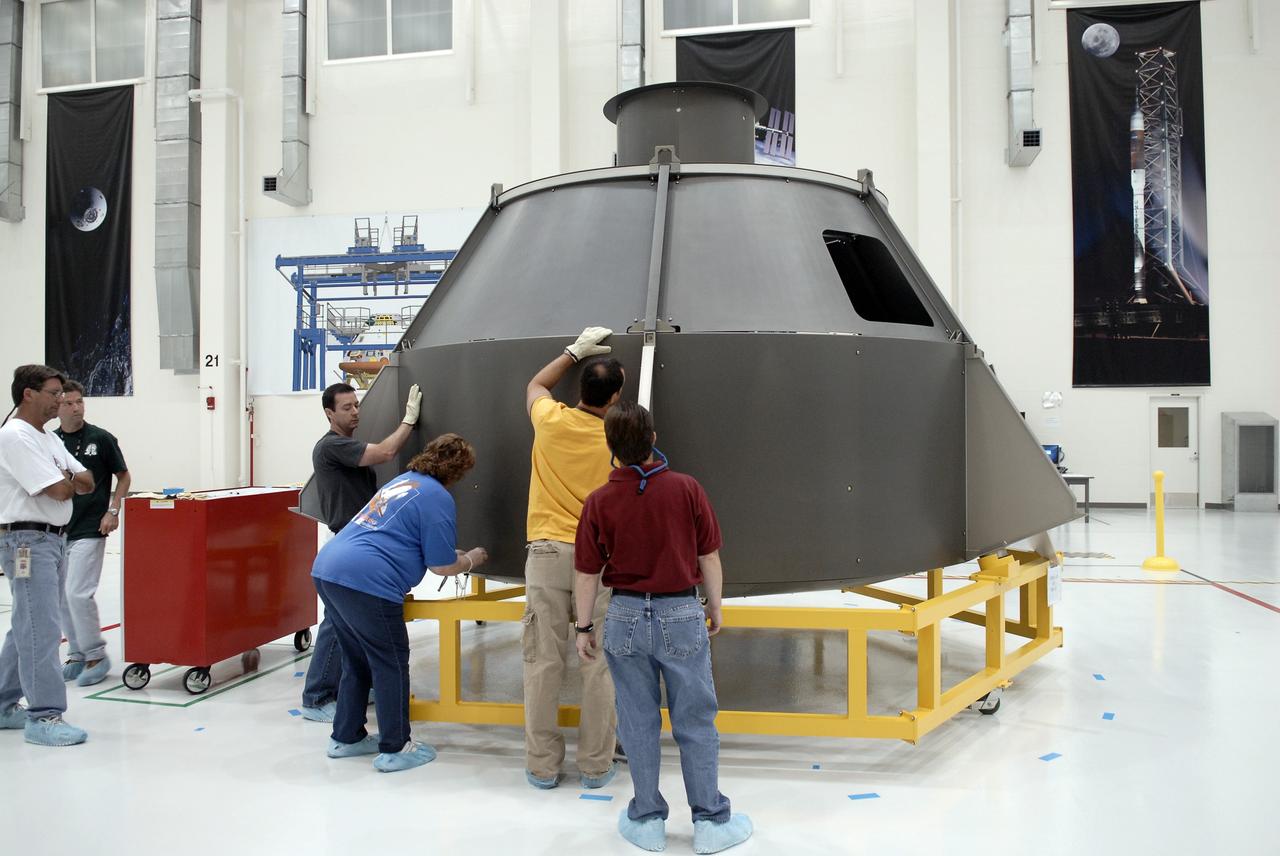
CAPE CANAVERAL, Fla. – In the Operations and Checkout Building's high bay, technicians test how to put the "skins" on the outer mold of the simulator Orion crew module. Part of NASA's Constellation Program, the Orion spacecraft will return humans to the moon and prepare for future voyages to Mars and other destinations in our solar system. Orion is targeted to begin carrying humans to the International Space Station in 2015 and to the moon by 2020. Photo credit: NASA/Kim Shiflett
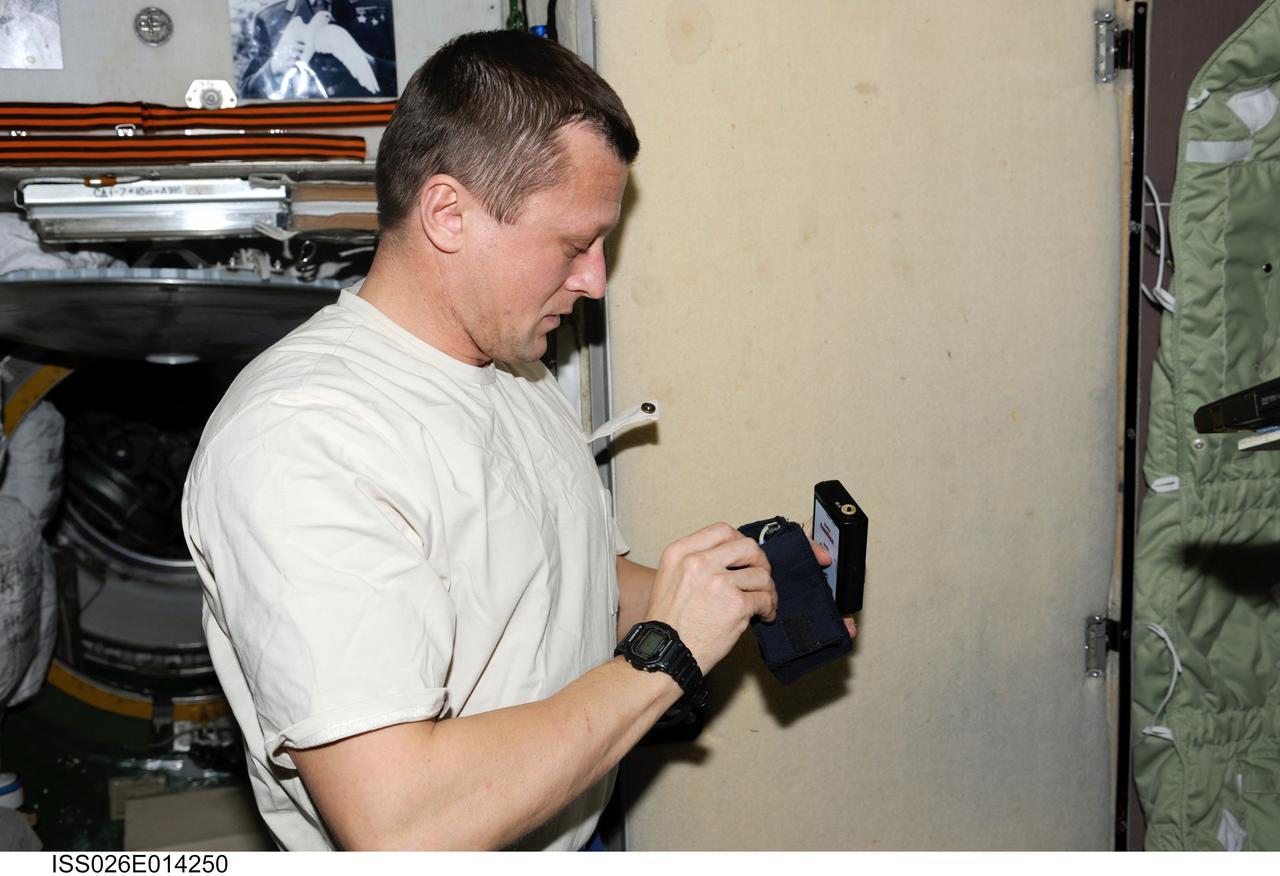
ISS026-E-014250 (3 Jan. 2011) --- Russian cosmonaut Dmitry Kondratyev, Expedition 26 flight engineer, sets up the Russian MBI-12 payload for a Sonokard experiment session in the Zvezda Service Module of the International Space Station. Kondratyev used a sports shirt from the Sonokard kit with a special device in the pocket for testing a new method for acquiring physiological data without using direct contact on the skin. Measurements are recorded on a data card for return to Earth.
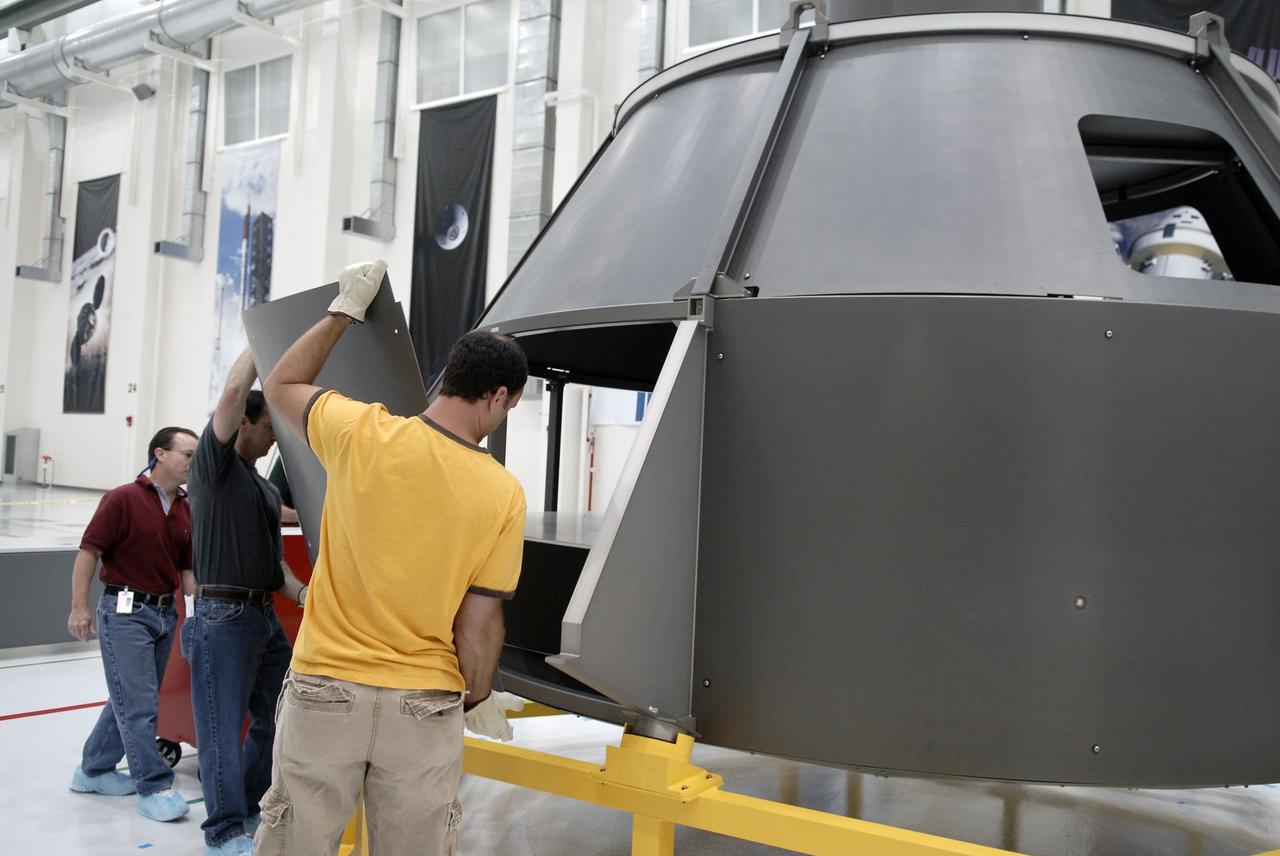
CAPE CANAVERAL, Fla. – In the Operations and Checkout Building's high bay, technicians test how to put the "skins" on the outer mold of the simulator Orion crew module. Part of NASA's Constellation Program, the Orion spacecraft will return humans to the moon and prepare for future voyages to Mars and other destinations in our solar system. Orion is targeted to begin carrying humans to the International Space Station in 2015 and to the moon by 2020. Photo credit: NASA/Kim Shiflett
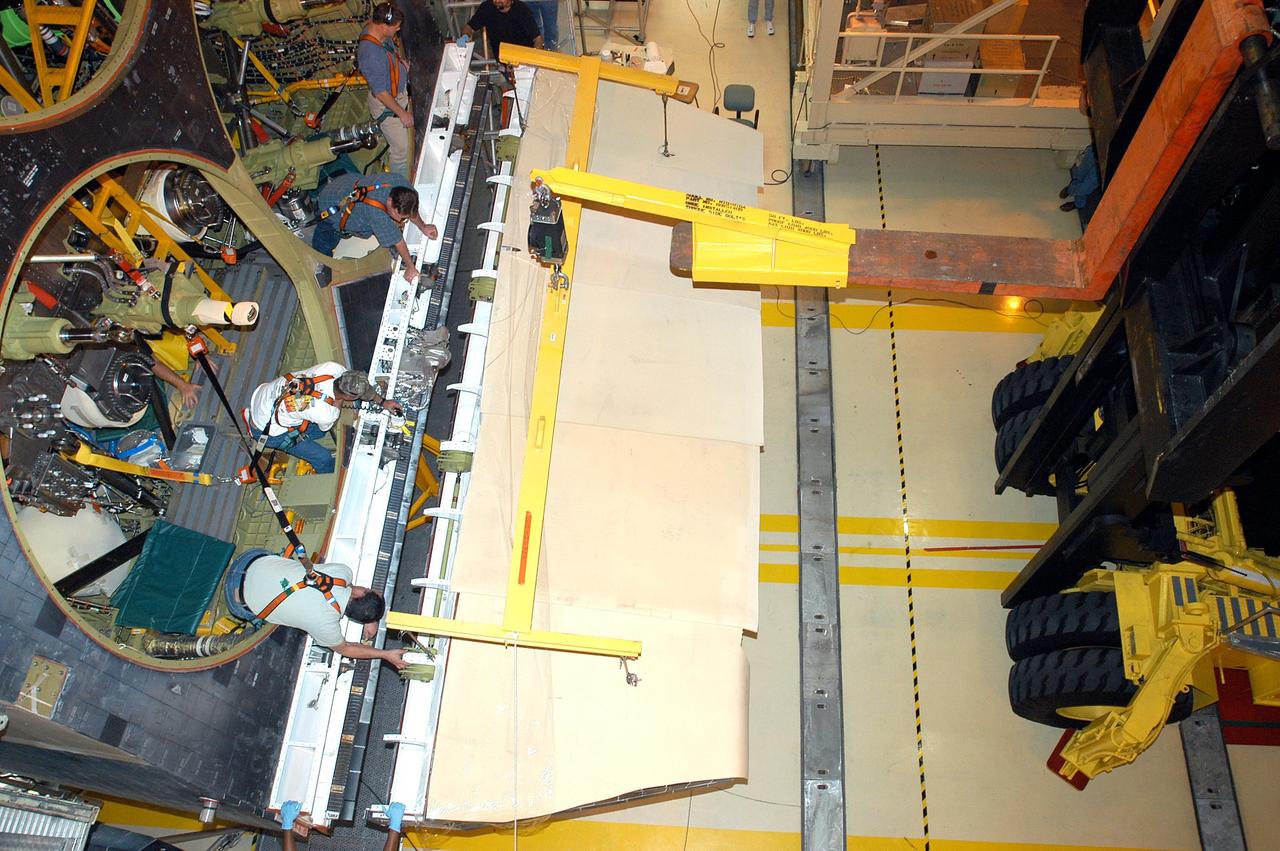
KENNEDY SPACE CENTER, FLA. - Workers in the Orbiter Processing Facility lean toward the body flap to be installed on the orbiter Discovery. The body flap is an aluminum structure consisting of ribs, spars, skin panels and a trailing edge assembly. It thermally shields the three main engines during entry and provides pitch control trim during landing approach. Discovery is being processed for launch on the first Return to Flight mission, STS-114.
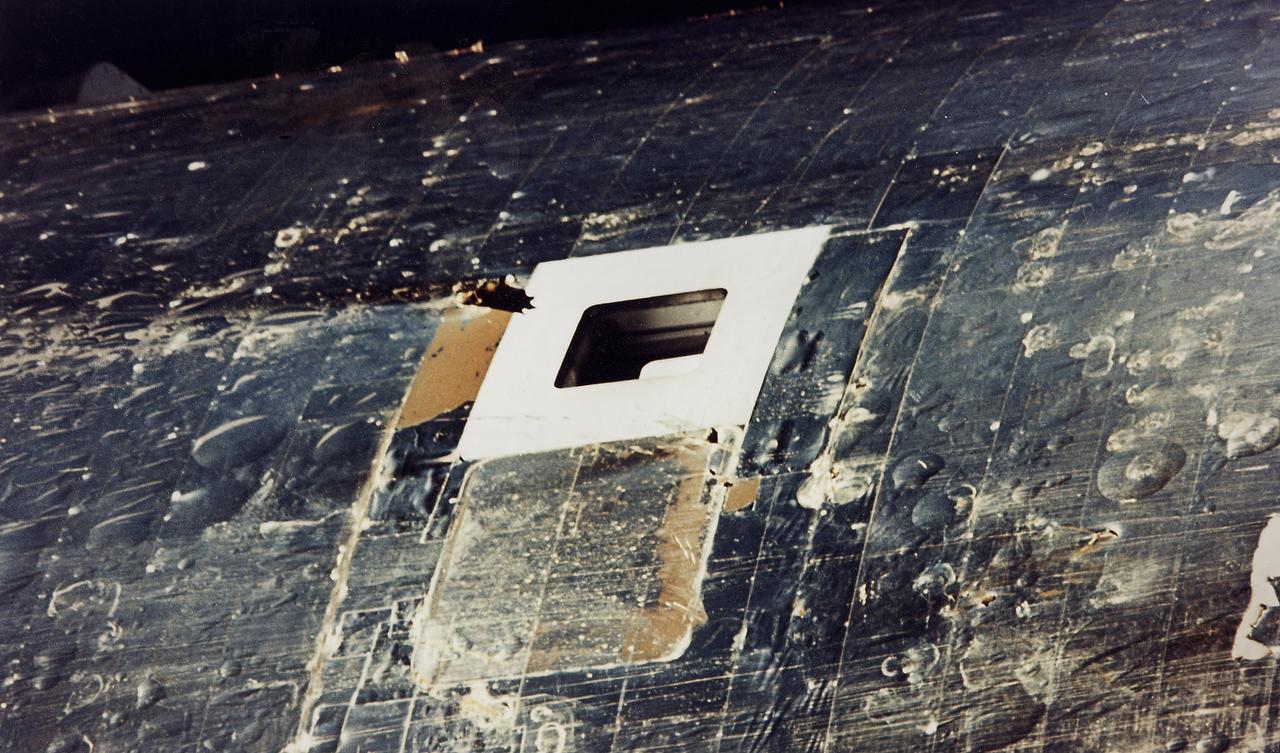
The Saturn V vehicle, carrying the unmarned orbital workshop for the Skylab-1 mission, lifted off successfully and all systems performed normally. Sixty-three seconds into flight, engineers in the operation support and control center saw an unexpected telemetry indication that signalled that damages occurred on one solar array and the micrometeoroid shield during the launch. The micrometeoroid shield, a thin protective cylinder surrounding the workshop protecting it from tiny space particles and the sun's scorching heat, ripped loose from its position around the workshop. This caused the loss of one solar wing and jammed the other. Still unoccupied, the Skylab was stricken with the loss of the heat shield and sunlight beat mercilessly on the lab's sensitive skin. Internal temperatures soared, rendering the the station uninhabitable, threatening foods, medicines, films, and experiments. This image shows the sun-ravaged skin of the Orbital Workshop, bared by the missing heat shield, with blister scars and tarnish from temperatures that reached 300 degrees F. The rectangular opening at the upper center is the scientific airlock through which the parasol to protect the workshop from sun's rays was later deployed. This view was taken during a fly-around inspection by the Skylab-2 crew. The Marshall Space Flight Center had a major role in developing the procedures to repair the damaged Skylab.
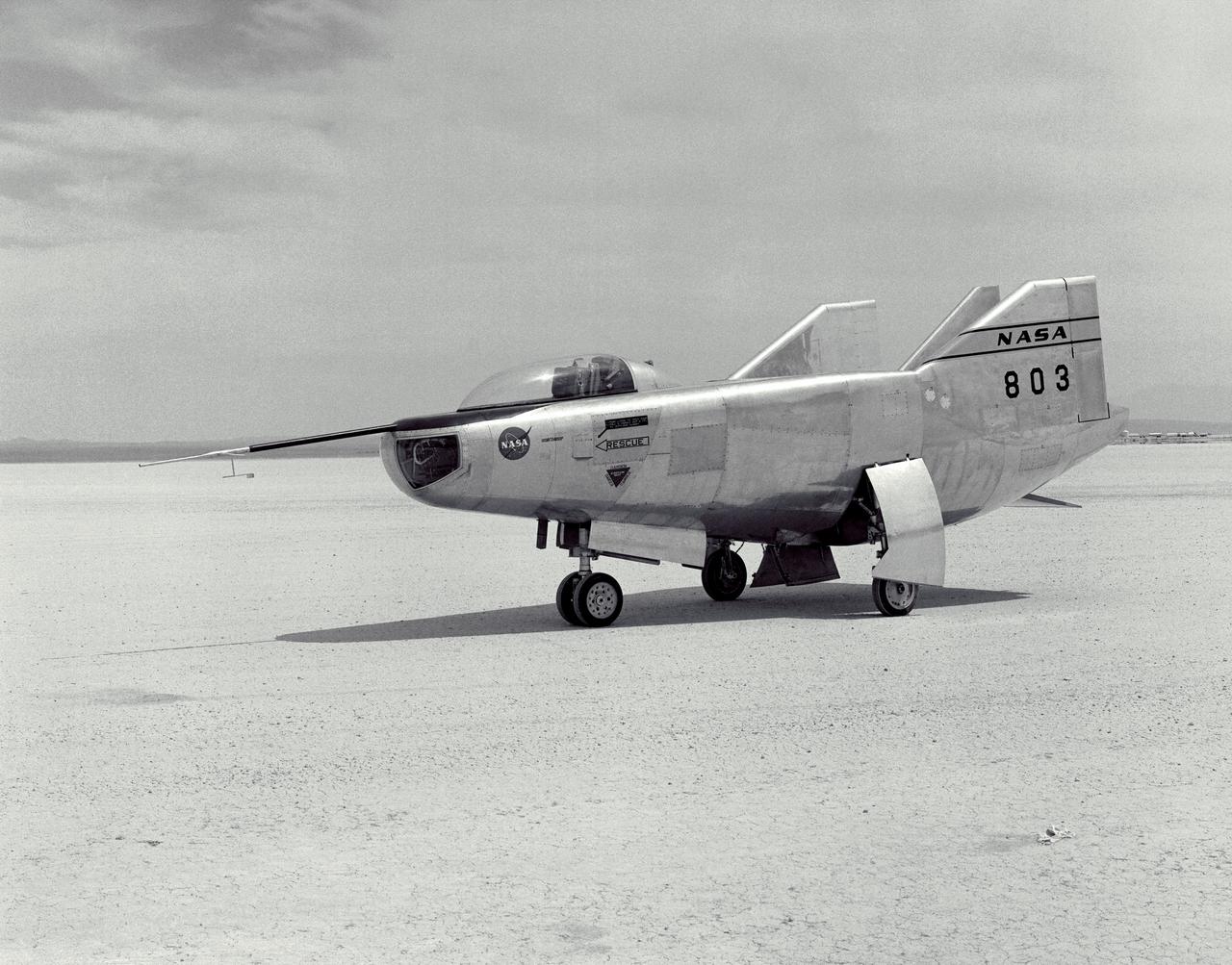
The M2-F3 Lifting Body is seen here on the lakebed at the NASA Flight Research Center (FRC--later the Dryden Flight Research Center), Edwards, California. After a three-year-long redesign and rebuilding effort, the M2-F3 was ready to fly. The May 1967 crash of the M2-F2 had damaged both the external skin and the internal structure of the lifting body. At first, it seemed that the vehicle had been irreparably damaged, but the original manufacturer, Northrop, did the repair work and returned the redesigned M2-F3 with a center fin for stability to the FRC.
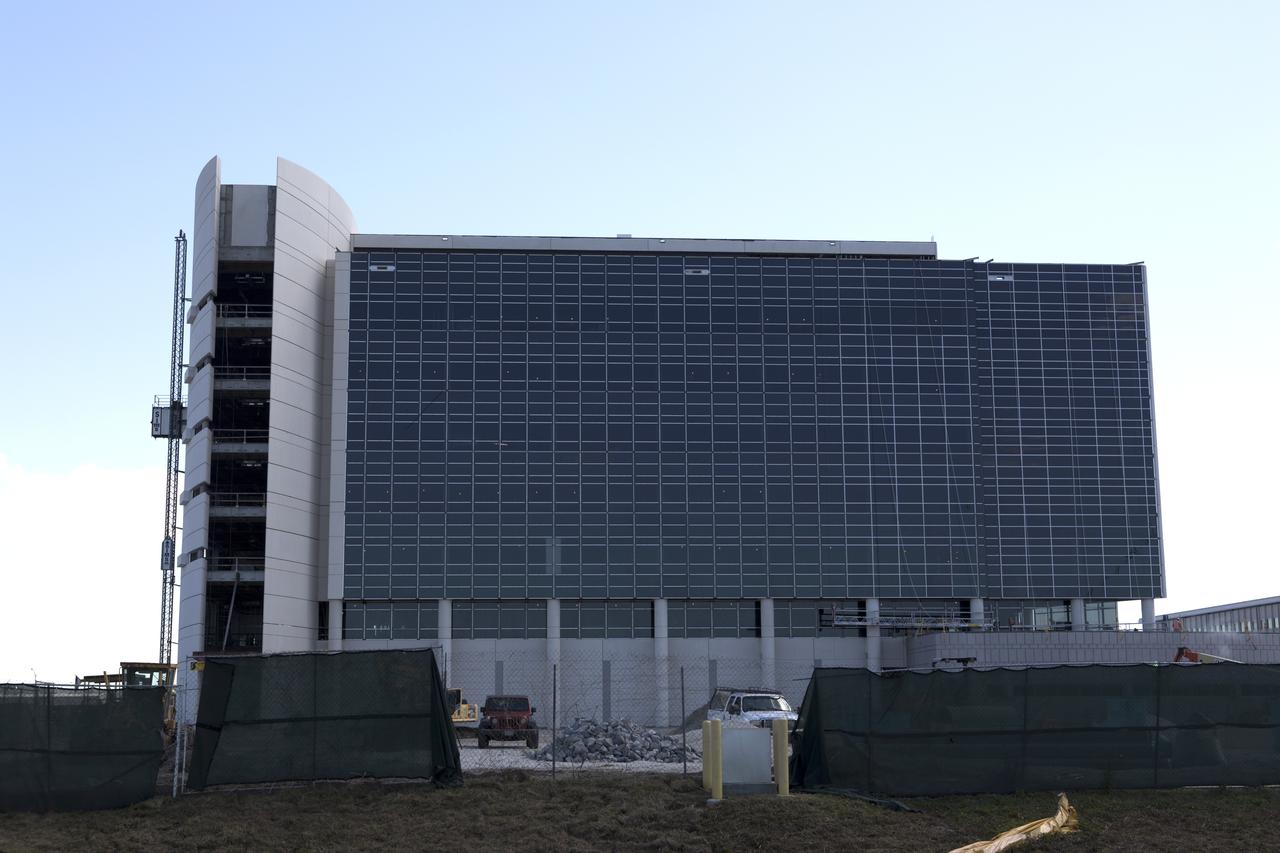
NASA's Kennedy Space Center in Florida is a premier, multi-user spaceport with ongoing construction adding new, ultra-modern facilities. A key element of the Central Campus makeover is a new, seven-story, 200,000-square-foot headquarters building that has taken shape in the heart of the spaceport. The headquarters building's glass facade, as seen from NASA Causeway, is complete. The exterior skin of the building also is nearly finished. The remainder of the glass components are being installed on each floor. Construction of interior walls and utilities on most floors is well underway. Construction of the headquarters building is targeted for completion in November 2017 and employees are expected to be able to move in soon after.
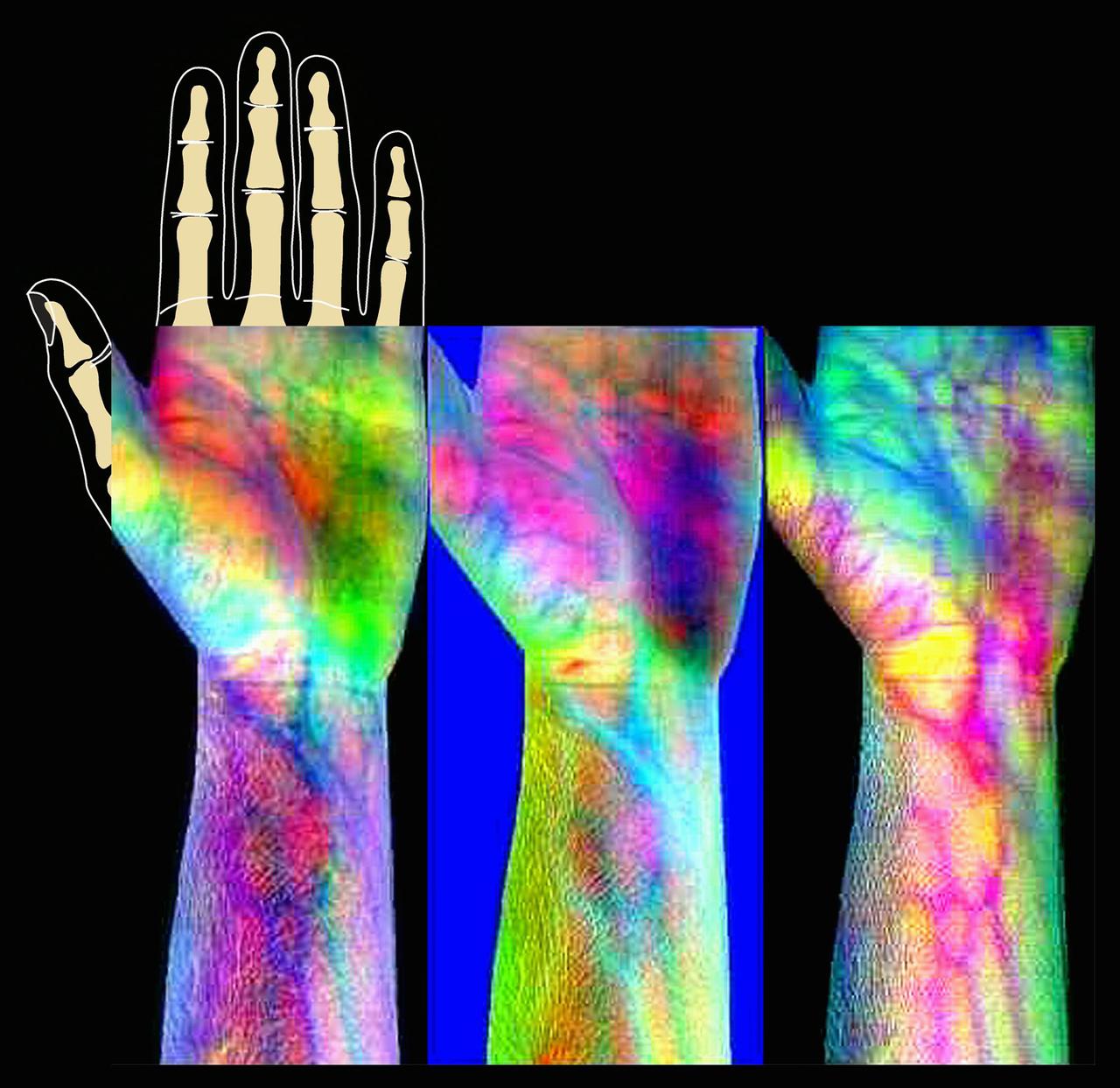
ProVision Technologies, a NASA research partnership center at Sternis Space Center in Mississippi, has developed a new hyperspectral imaging (HSI) system that is much smaller than the original large units used aboard remote sensing aircraft and satellites. The new apparatus is about the size of a breadbox. Health-related applications of HSI include non-invasive analysis of human skin to characterize wounds and wound healing rates (especially important for space travelers who heal more slowly), determining if burns are first-, second-, or third degree (rather than painful punch biopsies). The work is sponsored under NASA's Space Product Development (SPD) program.
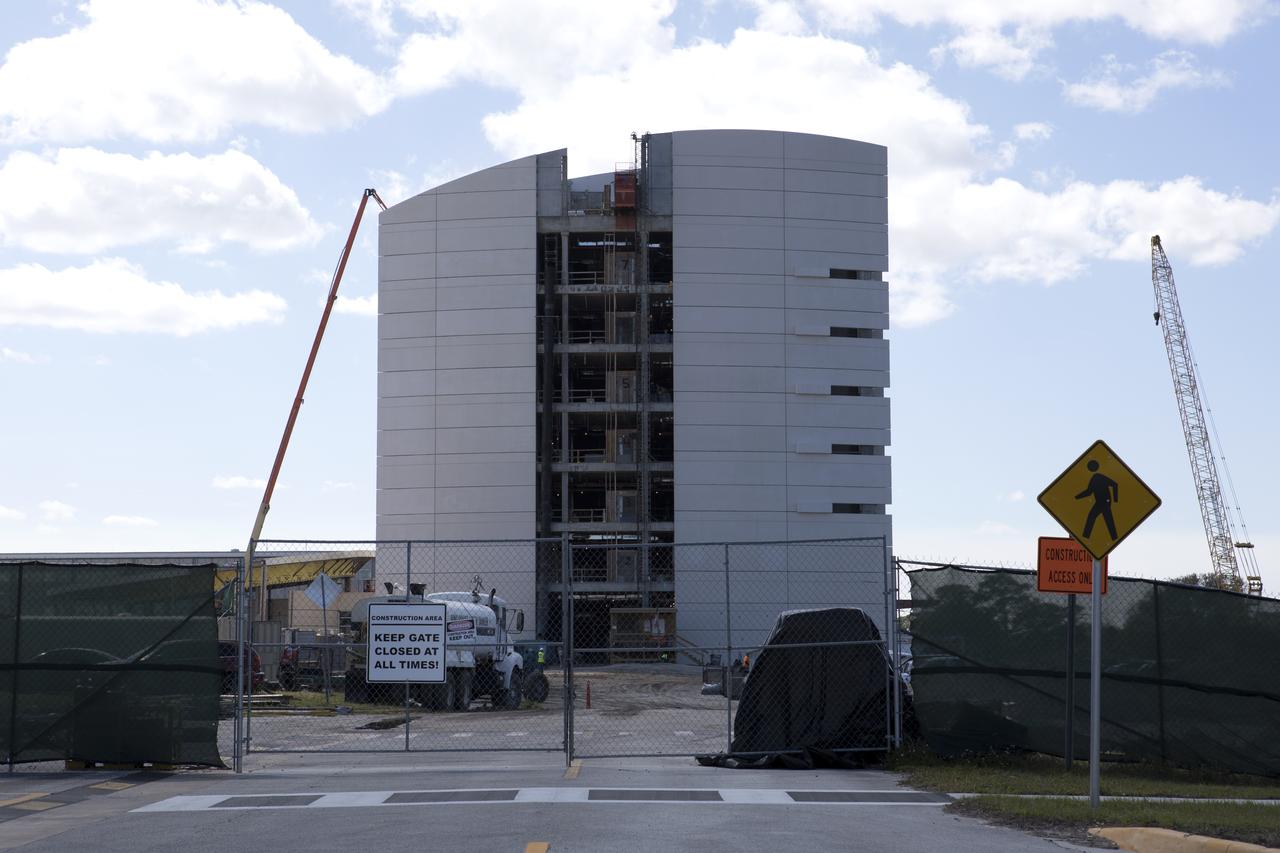
NASA's Kennedy Space Center in Florida is a premier, multi-user spaceport with ongoing construction adding new, ultra-modern facilities. A key element of the Central Campus makeover is a new, seven-story, 200,000-square-foot headquarters building that has taken shape in the heart of the spaceport. The headquarters building's glass facade, as seen from NASA Causeway, is complete. The exterior skin of the building also is nearly finished. The remainder of the glass components are being installed on each floor. Construction of interior walls and utilities on most floors is well underway. Construction of the headquarters building is targeted for completion in November 2017 and employees are expected to be able to move in soon after.

iss065e343729 (9/2/2021) --- A view aboard the International Space Station Columbus module with the Ice Cube #8 and #9 BioCubes. The Ice Cube #8 investigation uses quantum technology to produce high-resolution, high-precision measurements of the local magnetic field to create a high-resolution map of the Earth’s magnetic field. Ice Cube #9 seeks to analize the Skin Microbiome of Diabetic Foot Ulcers . The Ice Cube #8 investigation uses quantum technology to produce high-resolution, high-precision measurements of the local magnetic field to create a high-resolution map of the Earth’s magnetic field.
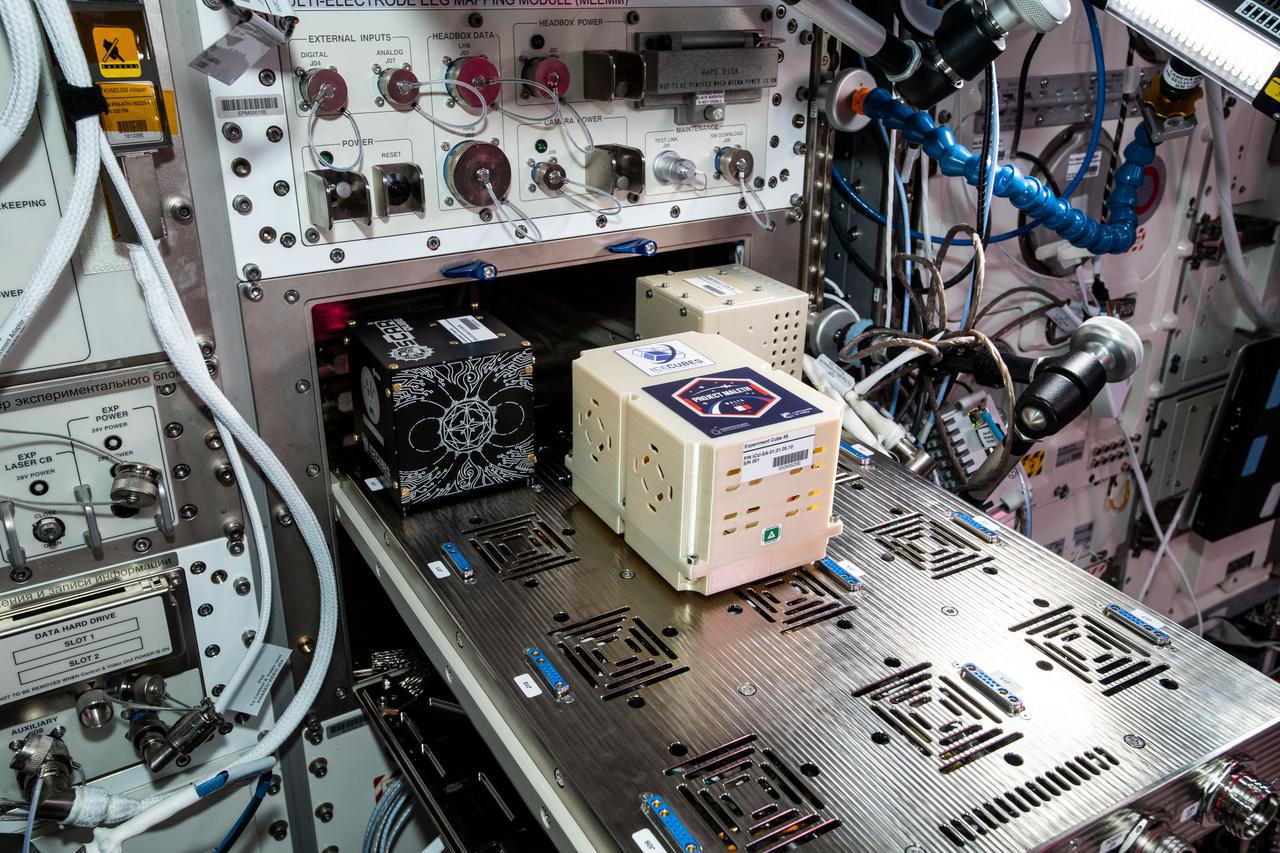
iss065e343736 (9/2/2021) --- A view aboard the International Space Station Columbus module with the Ice Cube #8 and #9 BioCubes. The Ice Cube #8 investigation uses quantum technology to produce high-resolution, high-precision measurements of the local magnetic field to create a high-resolution map of the Earth’s magnetic field. Ice Cube #9 seeks to analize the Skin Microbiome of Diabetic Foot Ulcers . The Ice Cube #8 investigation uses quantum technology to produce high-resolution, high-precision measurements of the local magnetic field to create a high-resolution map of the Earth’s magnetic field.
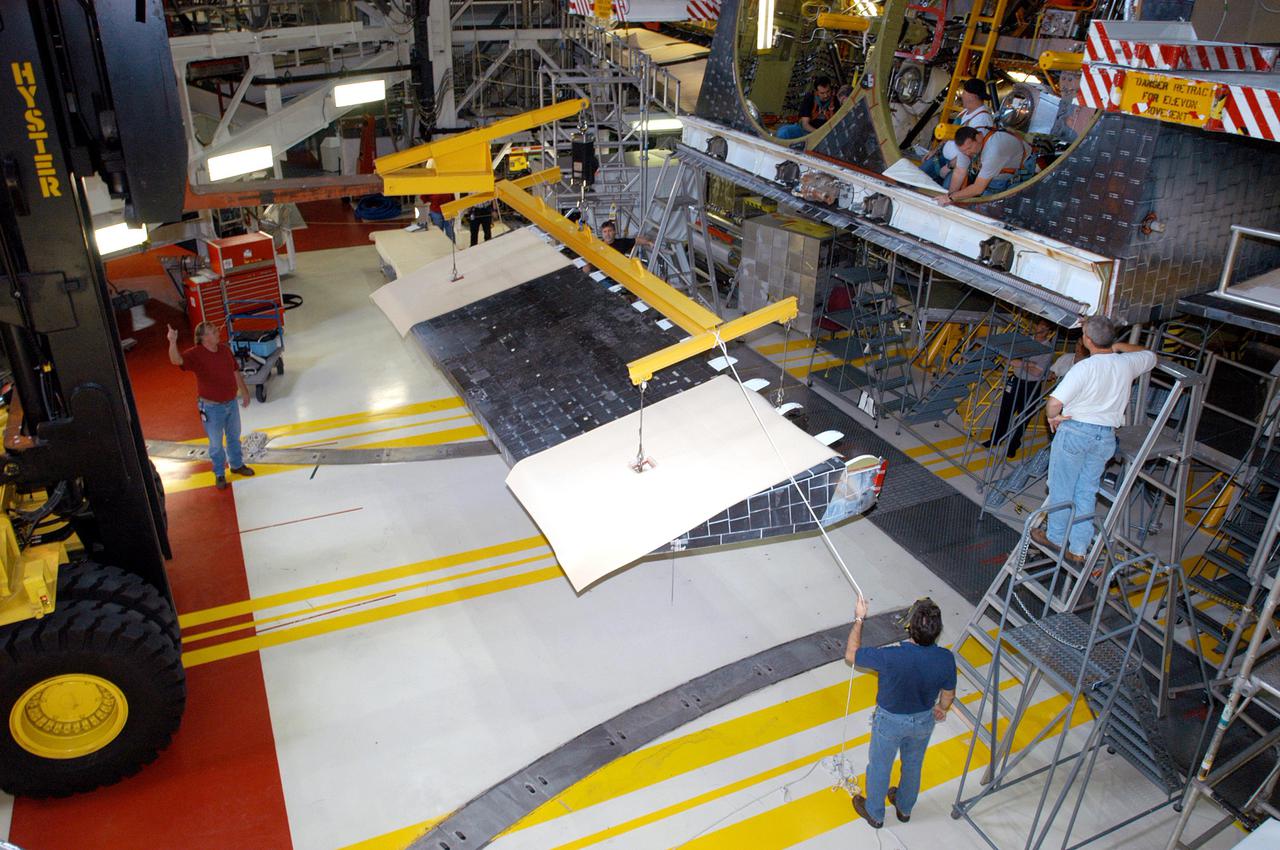
KENNEDY SPACE CENTER, FLA. - In the Orbiter Processing Facility, workers help guide the body flap toward the orbiter Atlantis for installation. The body flap is an aluminum structure consisting of ribs, spars, skin panels and a trailing edge assembly. It thermally shields the three Space Shuttle Main Engines during entry and provides the orbiter with pitch control trim during its atmospheric flight after entry. Atlantis is being processed for its mission, designated STS-121, this summer to the International Space Station. The launch planning window is July 12 - August 3.
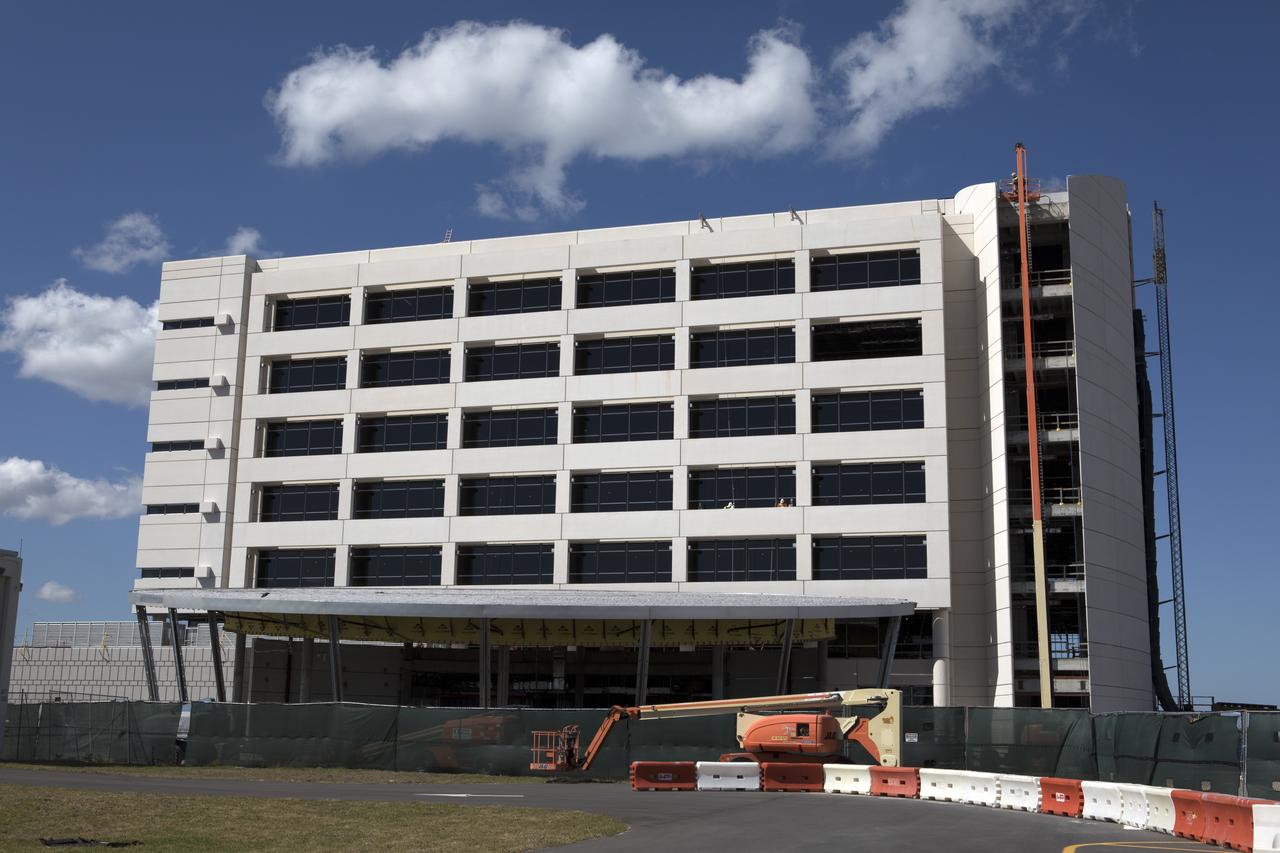
NASA's Kennedy Space Center in Florida is a premier, multi-user spaceport with ongoing construction adding new, ultra-modern facilities. A key element of the Central Campus makeover is a new, seven-story, 200,000-square-foot headquarters building that has taken shape in the heart of the spaceport. The headquarters building's glass facade, as seen from NASA Causeway, is complete. The exterior skin of the building also is nearly finished. The remainder of the glass components are being installed on each floor. Construction of interior walls and utilities on most floors is well underway. Construction of the headquarters building is targeted for completion in November 2017 and employees are expected to be able to move in soon after.
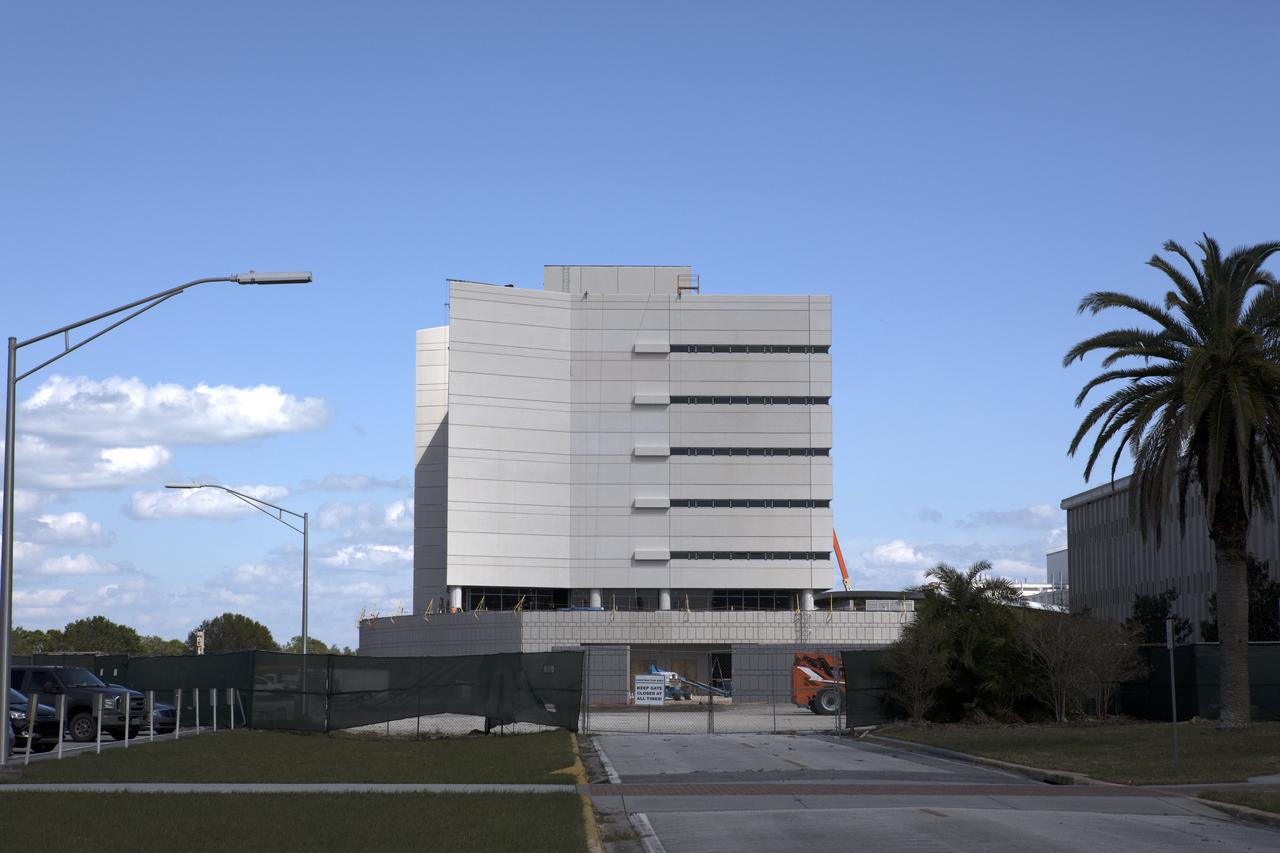
NASA's Kennedy Space Center in Florida is a premier, multi-user spaceport with ongoing construction adding new, ultra-modern facilities. A key element of the Central Campus makeover is a new, seven-story, 200,000-square-foot headquarters building that has taken shape in the heart of the spaceport. The headquarters building's glass facade, as seen from NASA Causeway, is complete. The exterior skin of the building also is nearly finished. The remainder of the glass components are being installed on each floor. Construction of interior walls and utilities on most floors is well underway. Construction of the headquarters building is targeted for completion in November 2017 and employees are expected to be able to move in soon after.
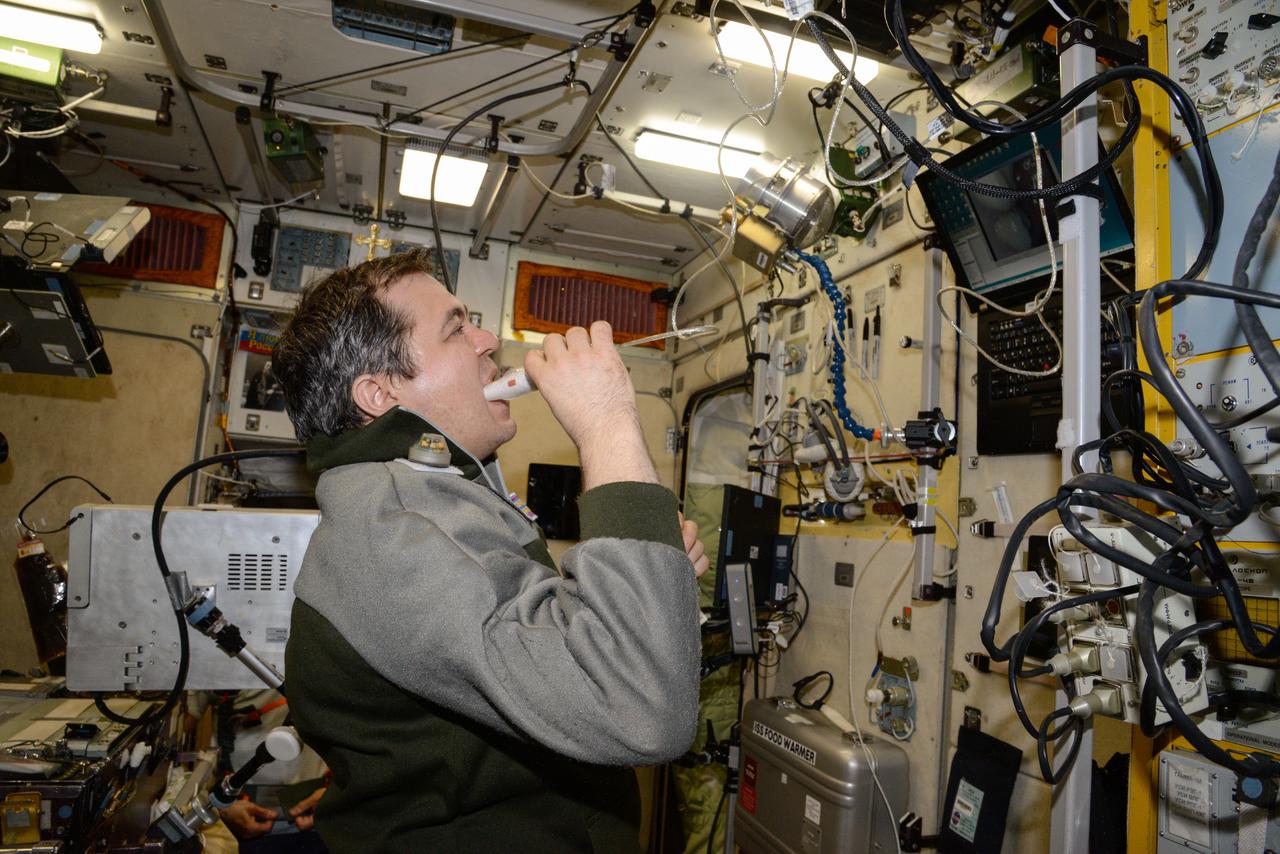
iss047e136530 (6/2/2016) --- A view of Cosmonaut Oleg Skripochka, during a BIMS Experiment session in the Service module aboard the International Space Station (ISS). The Study of Processes for Informational Support of In-Flight Medical Support using an Onboard Medical Information System Integrated into the Information Control System of the ISS Russian Segment (BIMS) uses telemedicine technologies to collect information by non-contact means from the ear, nose, and throat (ENT), gums, teeth, and small areas of skin from International Space Station (ISS) crews for medical support of manned spaceflights and in-flight biomedical research.
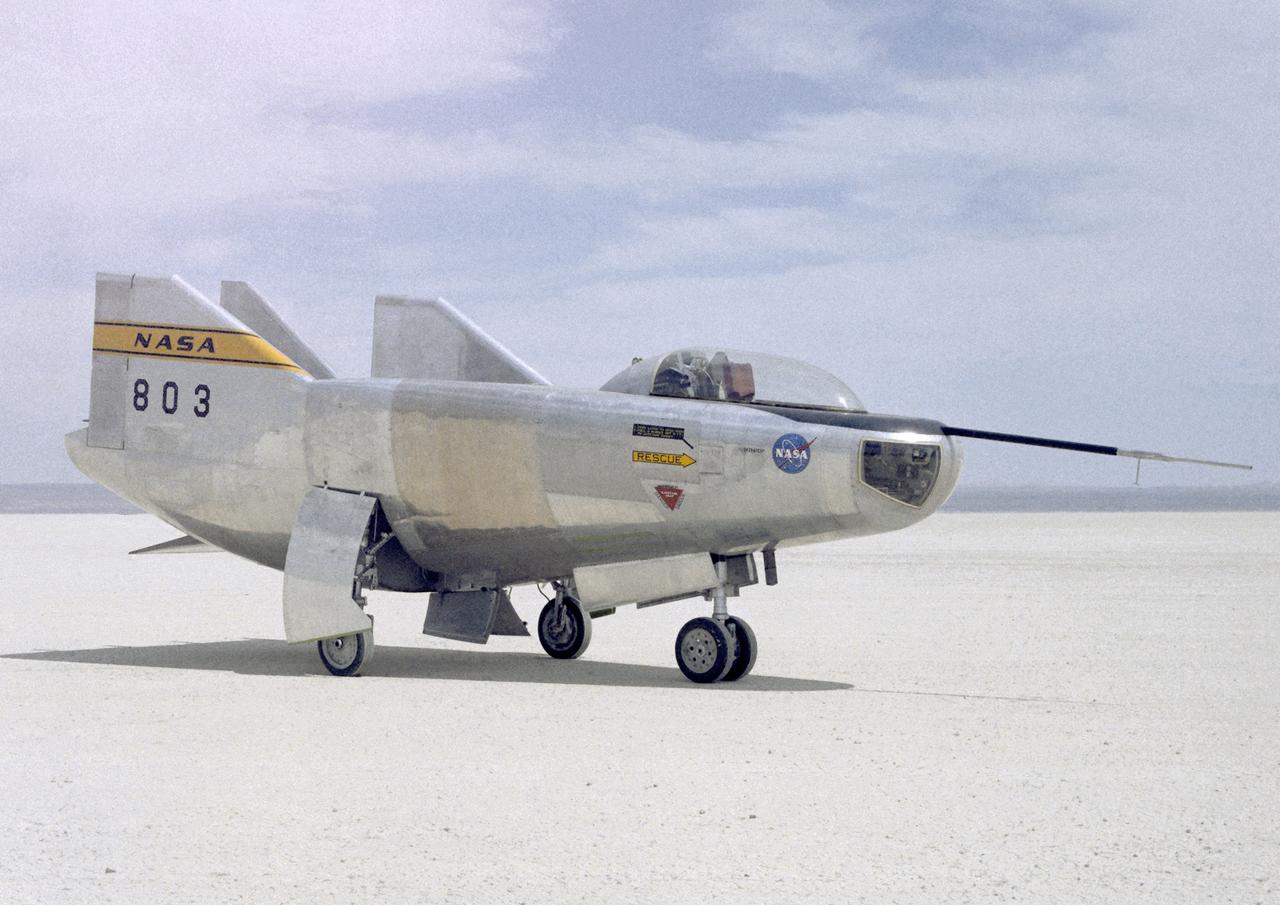
The M2-F3 Lifting Body is seen here on the lakebed next to the NASA Flight Research Center (FRC--later Dryden Flight Research Center), Edwards, California. The May 1967 crash of the M2-F2 had torn off the left fin and landing gear. It had also damaged the external skin and internal structure. Flight Research Center engineers worked with Ames Research Center and the Air Force in redesigning the vehicle with a center fin to provide greater stability. Then Northrop Corporation cooperated with the FRC in rebuilding the vehicle. The entire process took three years.
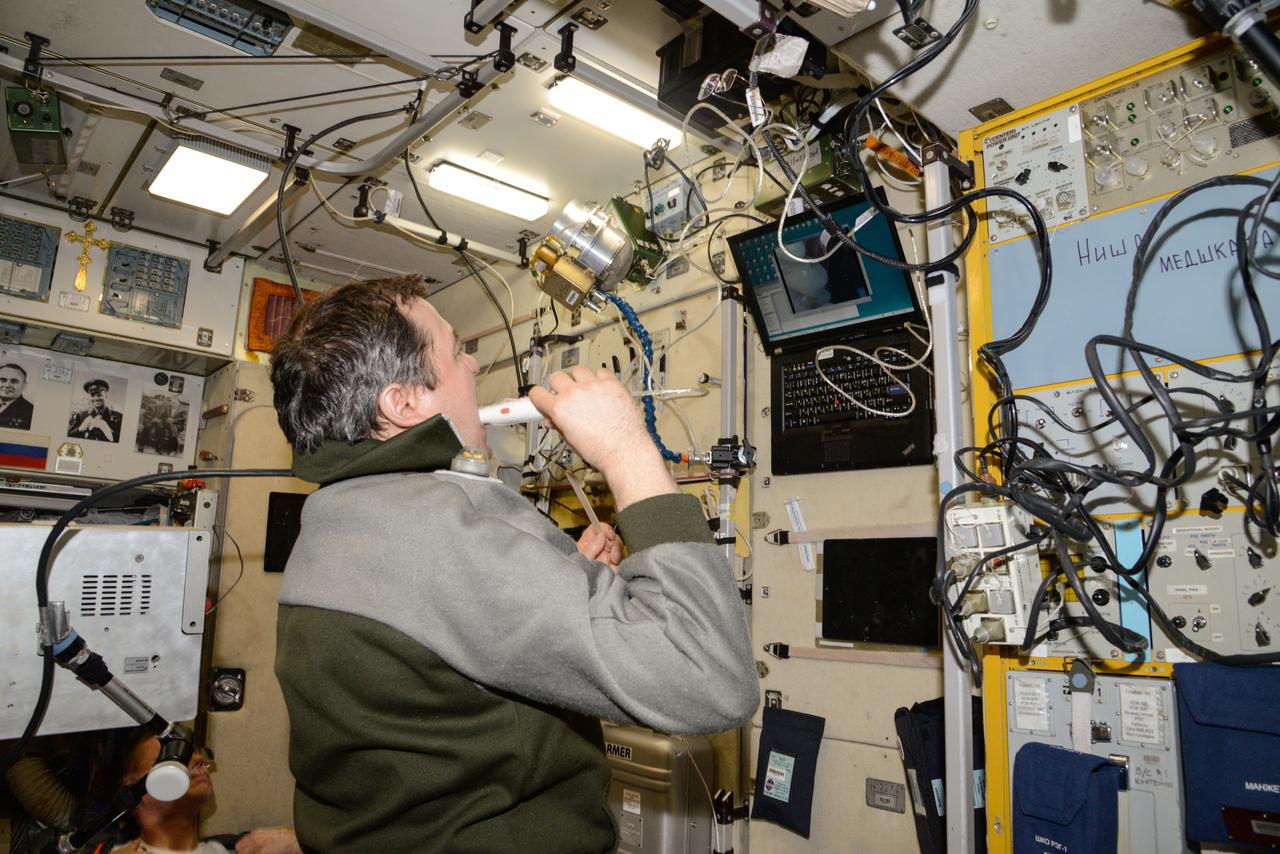
iss047e136529 (6/2/2016) --- A view of Cosmonaut Oleg Skripochka, during a BIMS Experiment session in the Service module aboard the International Space Station (ISS). The Study of Processes for Informational Support of In-Flight Medical Support using an Onboard Medical Information System Integrated into the Information Control System of the ISS Russian Segment (BIMS) uses telemedicine technologies to collect information by non-contact means from the ear, nose, and throat (ENT), gums, teeth, and small areas of skin from International Space Station (ISS) crews for medical support of manned spaceflights and in-flight biomedical research.

These banana-shaped loops are part of a computer-generated snapshot of our sun's magnetic field. The solar magnetic-field lines loop through the sun's corona, break through the sun's surface, and cornect regions of magnetic activity, such as sunspots. This image --part of a magnetic-field study of the sun by NASA's Allen Gary -- shows the outer portion (skins) of interconnecting systems of hot (2 million degrees Kelvin) coronal loops within and between two active magnetic regions on opposite sides of the sun's equator. The diameter of these coronal loops at their foot points is approximately the same size as the Earth's radius (about 6,000 kilometers).
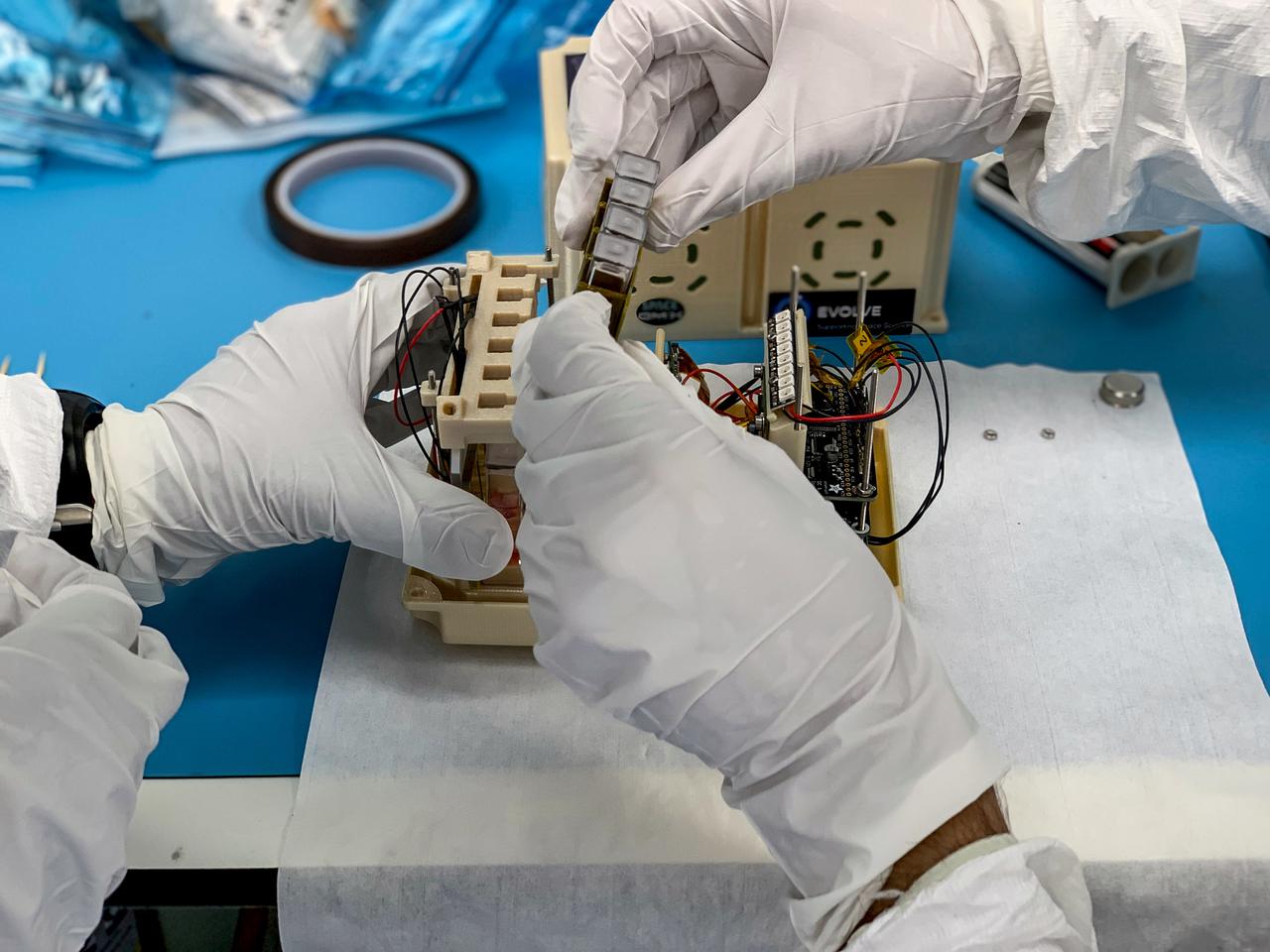
jsc2021e037896 (8/12/2021) --- A preflight imagevshows integration of 2nd to 5th sample cuvettes to fit between the first and last samples cuvettes. The sample cuvettes are securely fastened in place using tools and under strict clean room preparations. The Ice Cubes #9 – Project Maleth (Space Omics Analysis of the Skin Microbiome of Diabetic Foot Ulcers, or SpaceOMIX) investigation that studies Diabetes Mellitus Type 2 and Diabetic Foot Ulcers (DFU) using genetics and space biosciences is new and innovative research. Image courtesy Space Applications Services.
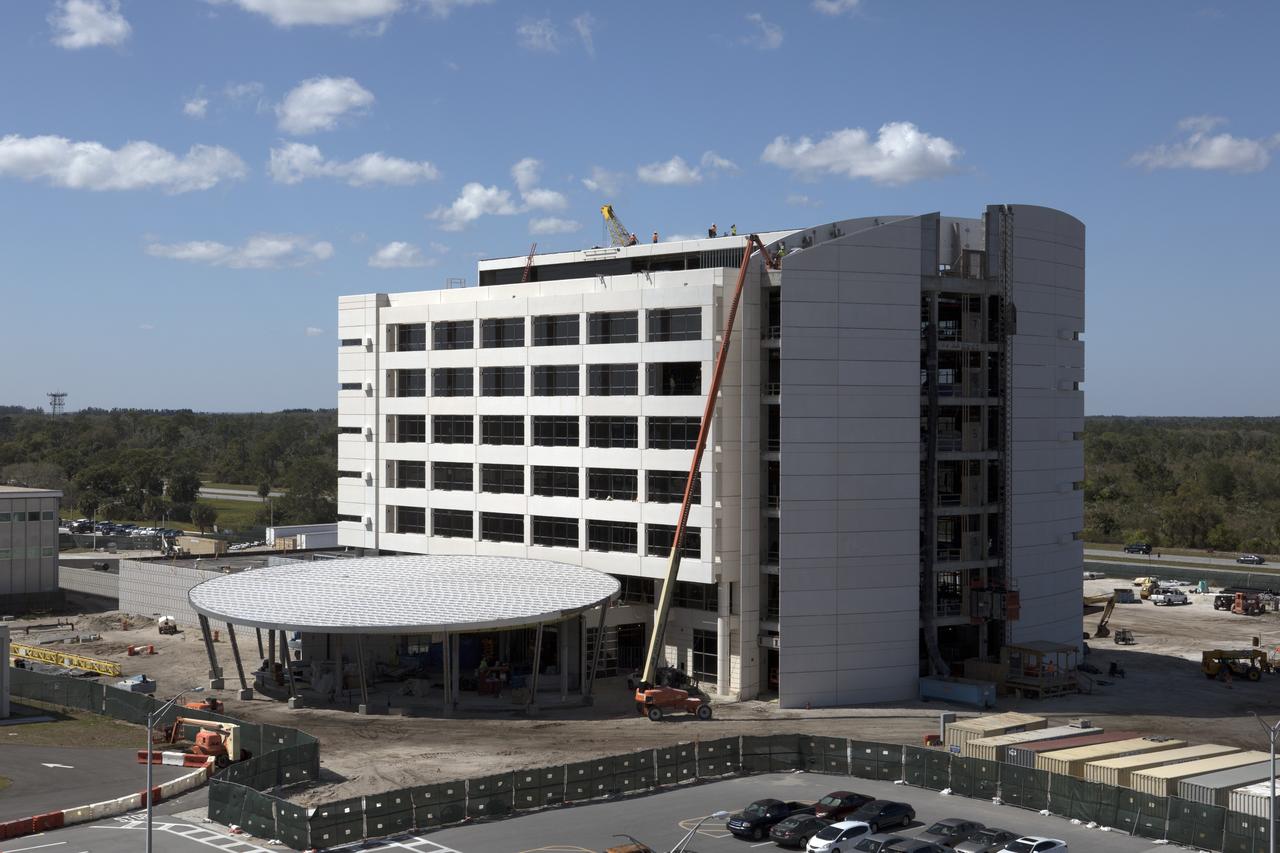
NASA's Kennedy Space Center in Florida is a premier, multi-user spaceport with ongoing construction adding new, ultra-modern facilities. A key element of the Central Campus makeover is a new, seven-story, 200,000-square-foot headquarters building that has taken shape in the heart of the spaceport. The headquarters building's glass facade, as seen from NASA Causeway, is complete. The exterior skin of the building also is nearly finished. The remainder of the glass components are being installed on each floor. Construction of interior walls and utilities on most floors is well underway. Construction of the headquarters building is targeted for completion in November 2017 and employees are expected to be able to move in soon after.

jsc2021e037900 (8/12/2021) --- A preflight image shows the two cameras facing the six cuvettes. A set of soft RGB led lights are also present that will illuminate to varying levels the lighting inside the cube. The top cover is shown alongside the base together with the prominent logos of the misson. The Ice Cubes #9 – Project Maleth (Space Omics Analysis of the Skin Microbiome of Diabetic Foot Ulcers, or SpaceOMIX) investigation that studies Diabetes Mellitus Type 2 and Diabetic Foot Ulcers (DFU) using genetics and space biosciences is new and innovative research. Image courtesy Space Applications Services.
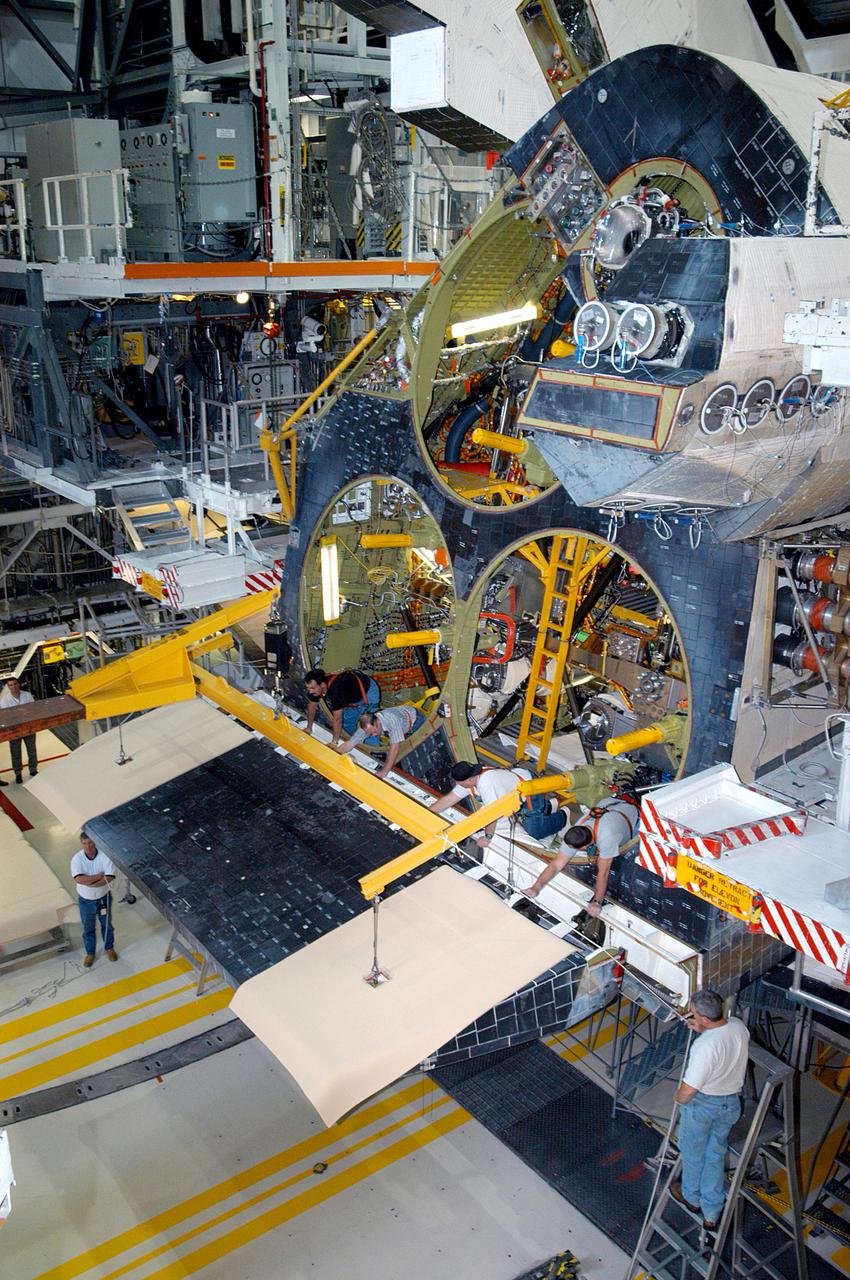
KENNEDY SPACE CENTER, FLA. - In the Orbiter Processing Facility, workers inside the openings for the Space Shuttle Main Engines reach out to install the body flap, suspended behind the orbiter Atlantis. The body flap is an aluminum structure consisting of ribs, spars, skin panels and a trailing edge assembly. It thermally shields the three Space Shuttle Main Engines during entry and provides the orbiter with pitch control trim during its atmospheric flight after entry. Atlantis is being processed for its mission, designated STS-121, this summer to the International Space Station. The launch planning window is July 12 - August 3.