
Portrait of Orion Service Module Spacecraft Adapter Jettisonable (SAJ) Hardware Lead Engineer Lizalyn Smith. Ms. Smith participated in various 'Hidden Figures to Modern Figures' events sponsored by NASA Glenn Research Center to encourage students to pursue STEM-based careers.
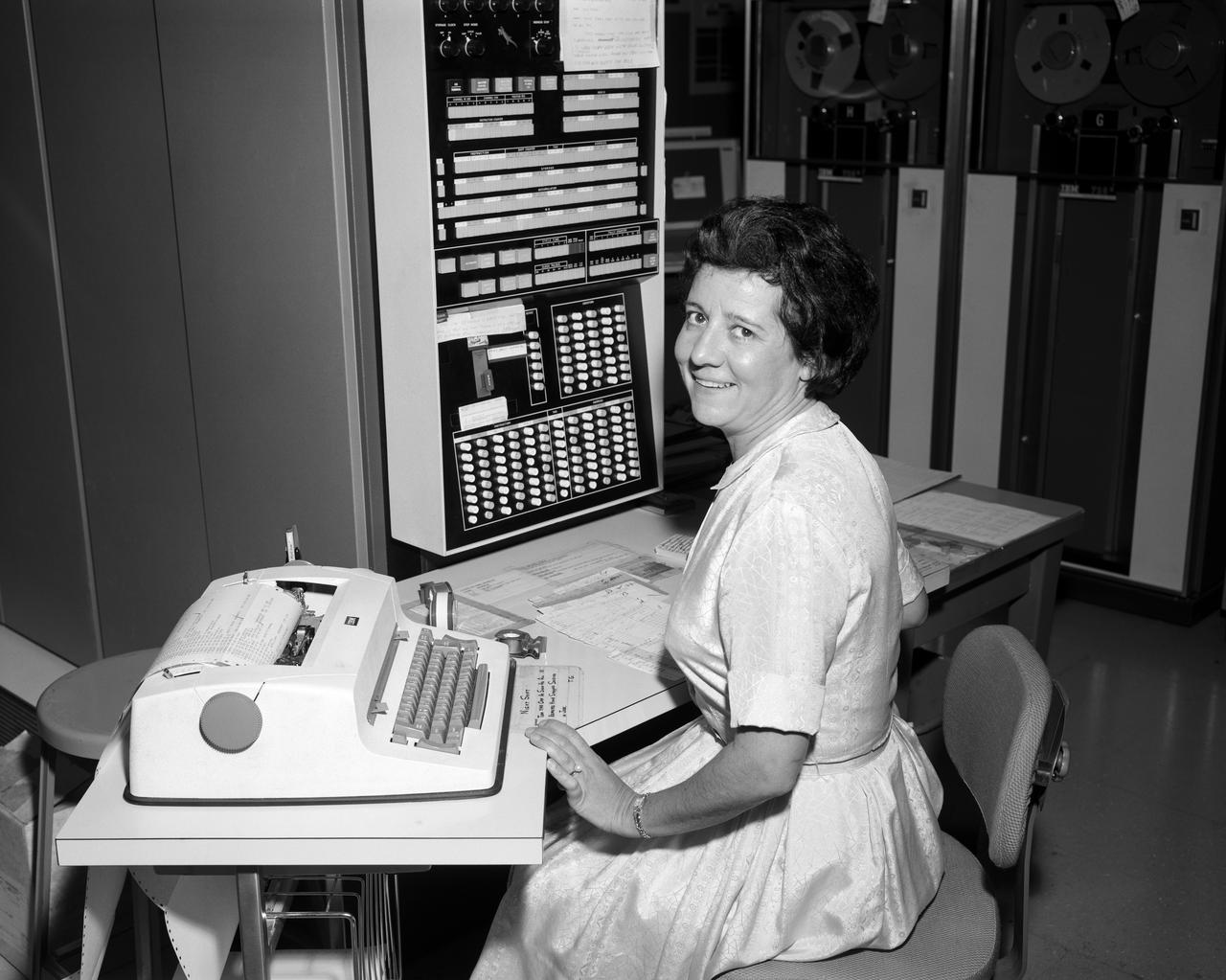
NASA Ames Computer Division, Smith (Weidlich). Candid: Marcia Smith Operating the IBM #740 Computer, Room #119-A, Building N-233.
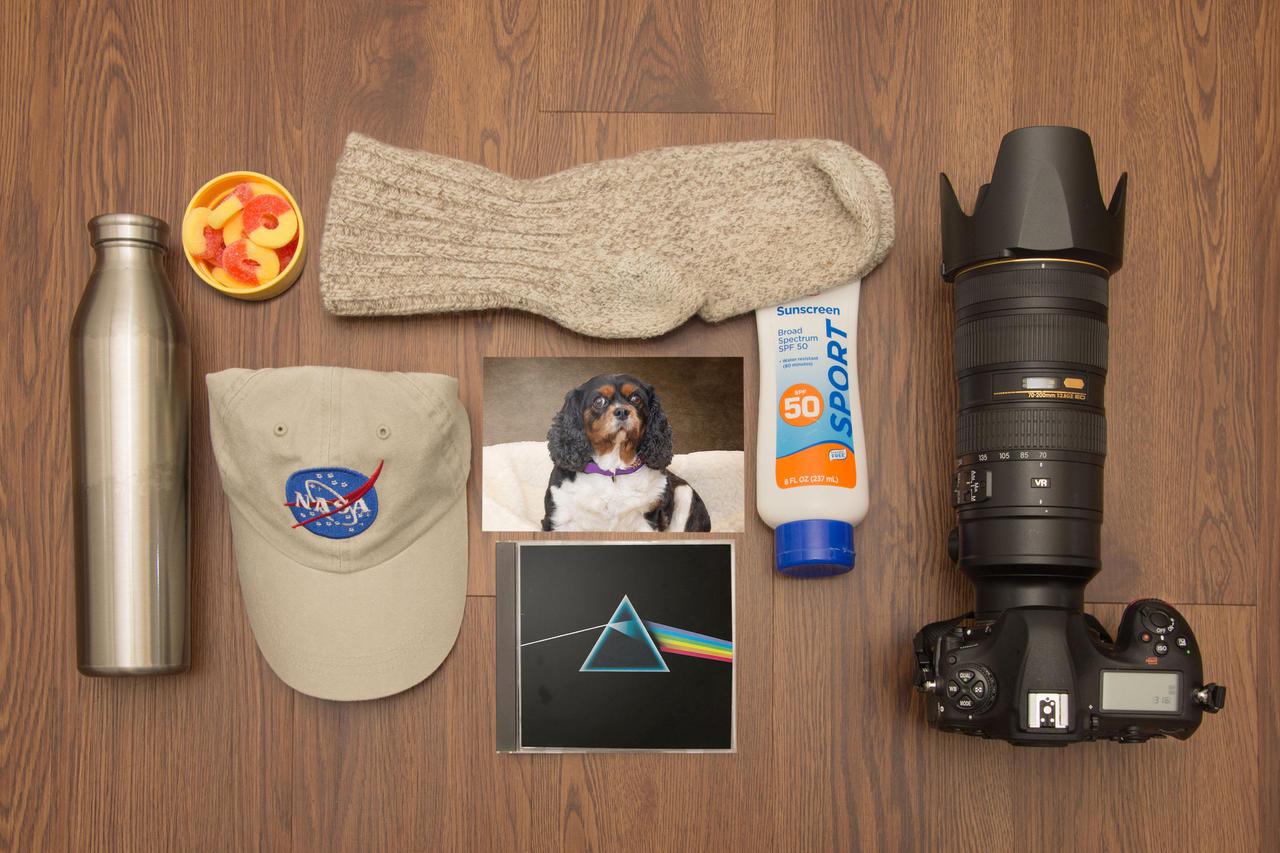
The first thing that went into my Moonkit was my camera. Some of the most iconic photographs ever taken were captured on the surface of the Moon by NASA astronauts. The camera has to go. The hat and sunscreen will be a must to protect me from the unfiltered sunlight. Warm socks? Of course, my feet are always cold. A little “Moon Music” and a photo of Holly, the best dog in the world, will pass the time during breaks. Lastly, I need to eat. Water and gummy peach rings will pack in a small corner of my pack. Marv Smith Lead Photographer, NASA Glenn Research Center
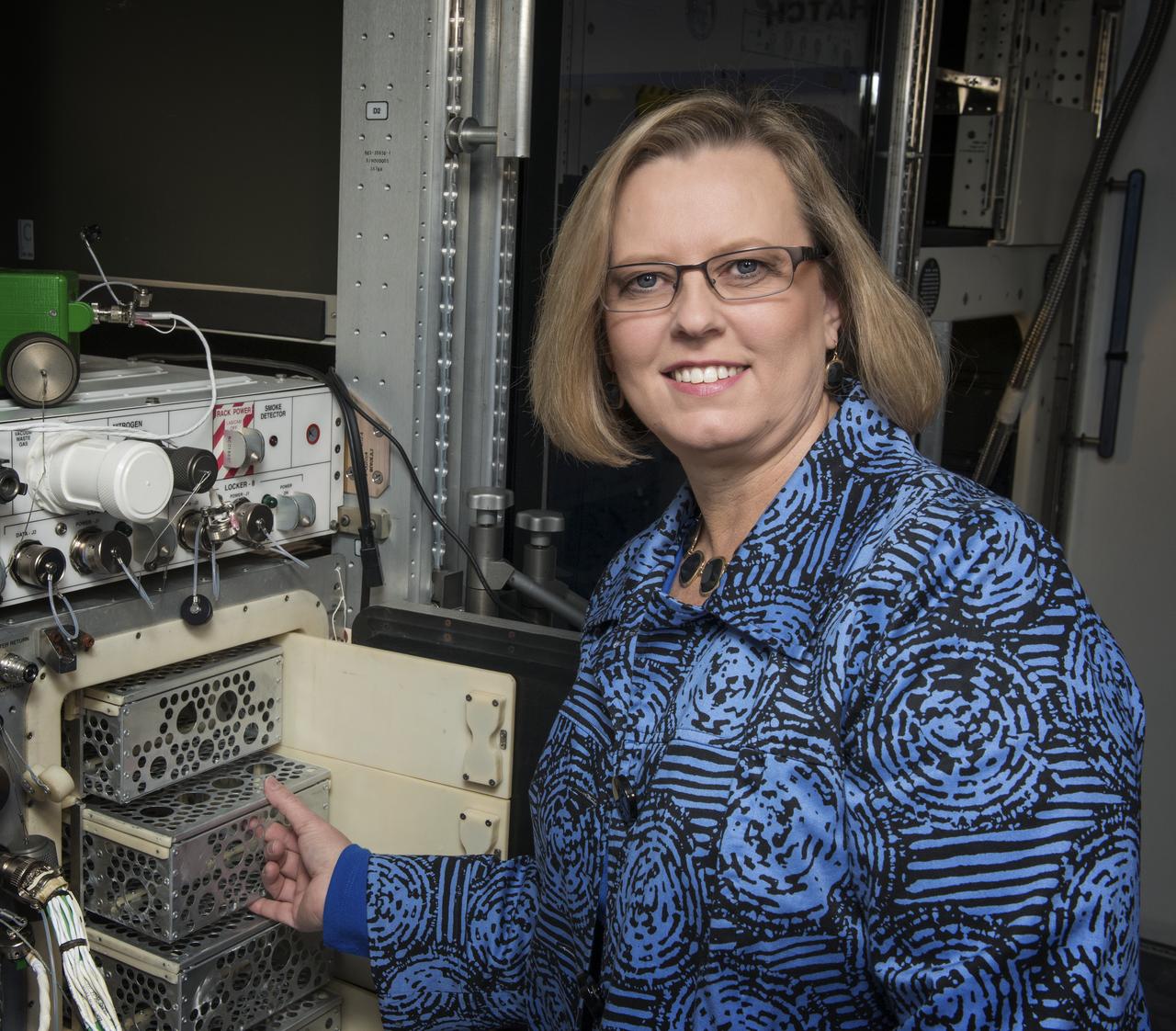
LISA SMITH, THE TRAINING TEAM LEAD IN MARSHALL'S MISSION OPERATIONS LAB, EXAMINES THE DRAWERS IN THE GLACIER MOCK-UP, A TRAINING VERSION OF A FREEZER ON THE INTERNATIONAL SPACE STATION INSTALLED IN THE MARSHALL CENTER'S LABORATORY TRAINING COMPLEX
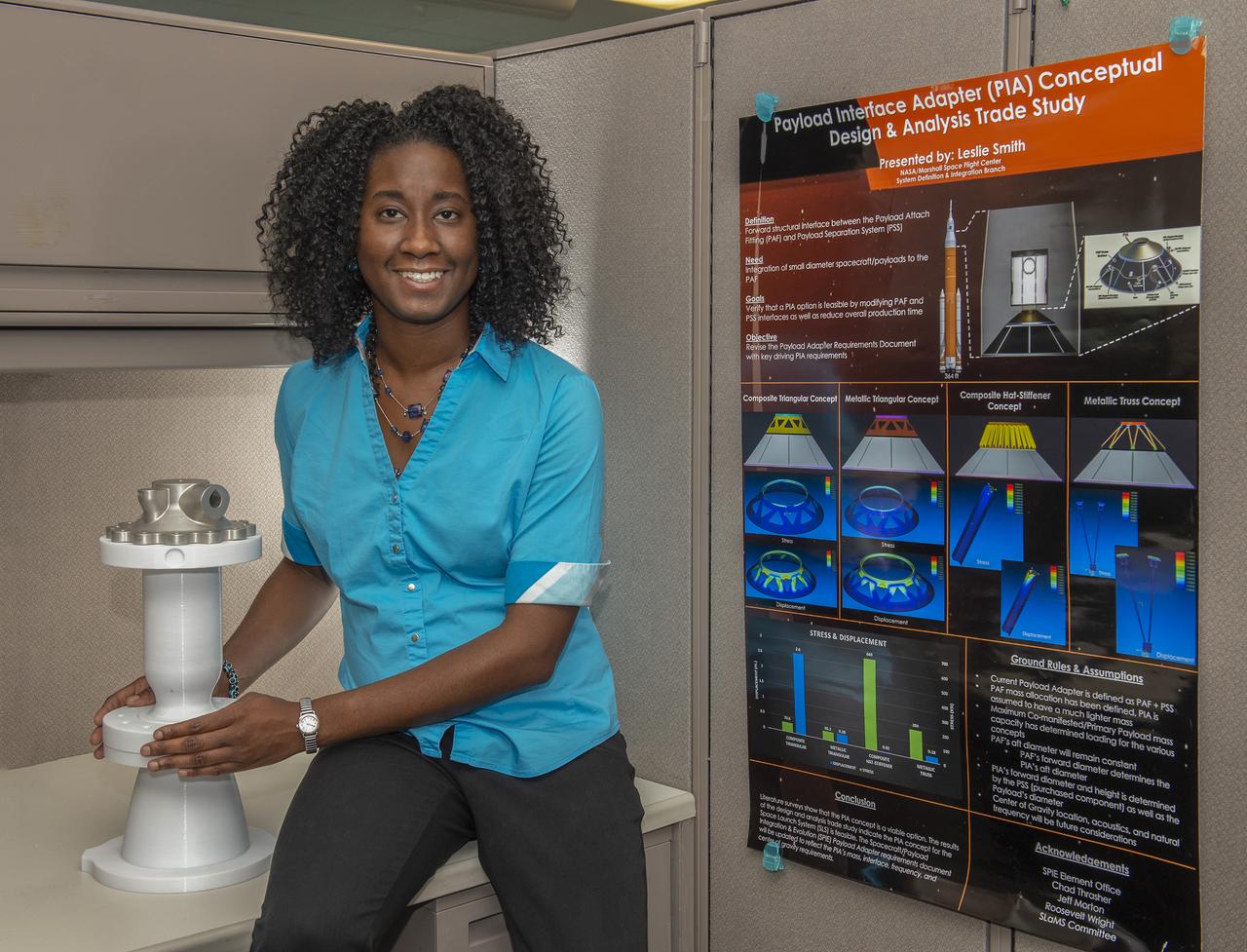
Leslie Smith, Systems Engineer, poses with an additive manufactured small combustion chamber, and poster she designed, of the Payload Interface Adapter (PIA) trade study that depicts four different concepts. The PIA is vital in helping transport various payloads to Beyond Earth Orbit.
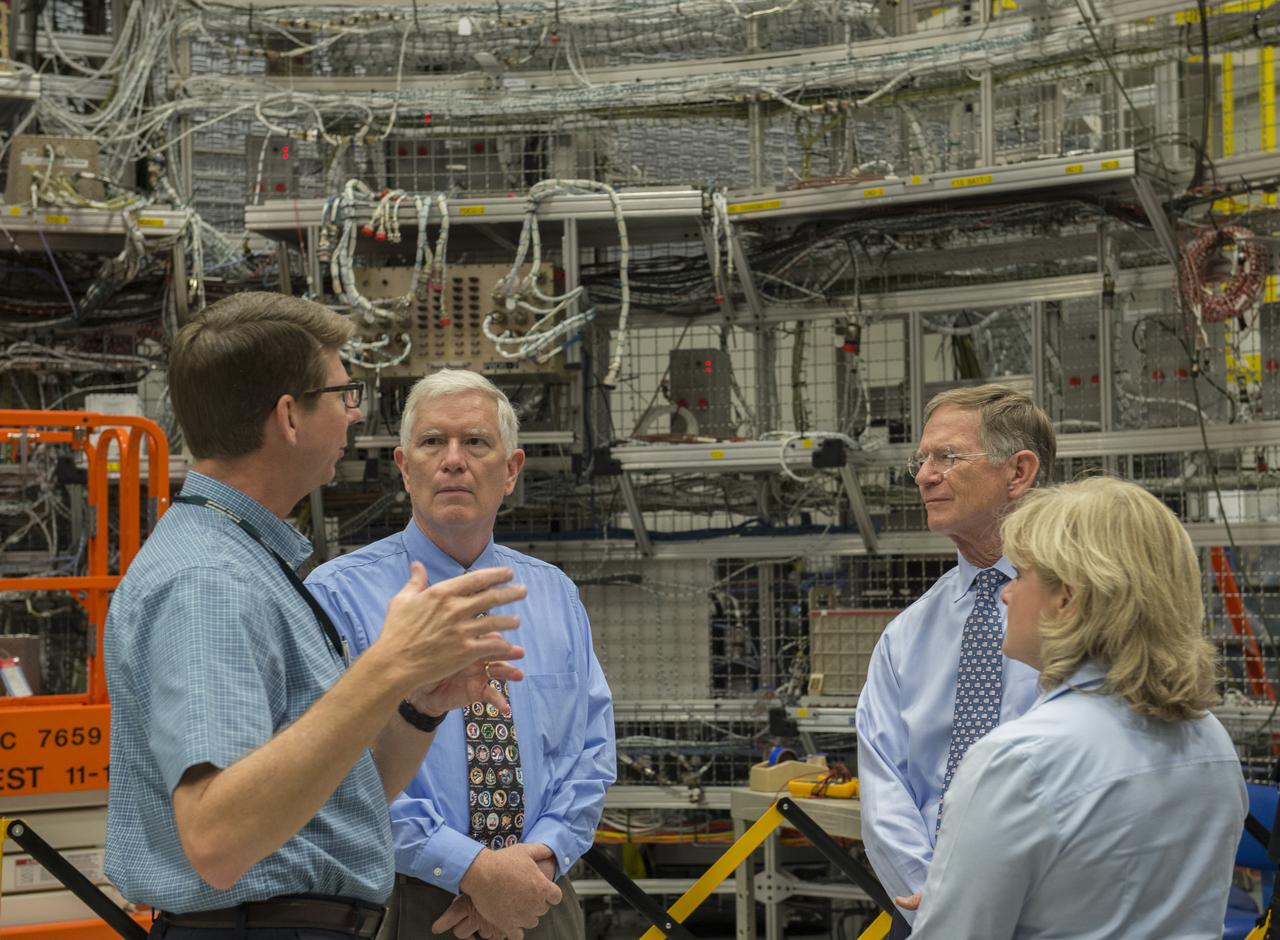
U.S. Rep. Mo Brooks, (L), and U.S. Rep. Lamar Smith, view progress on NASA's Space Launch System July 21, during a tour of NASA's Marshall Space Flight Center.
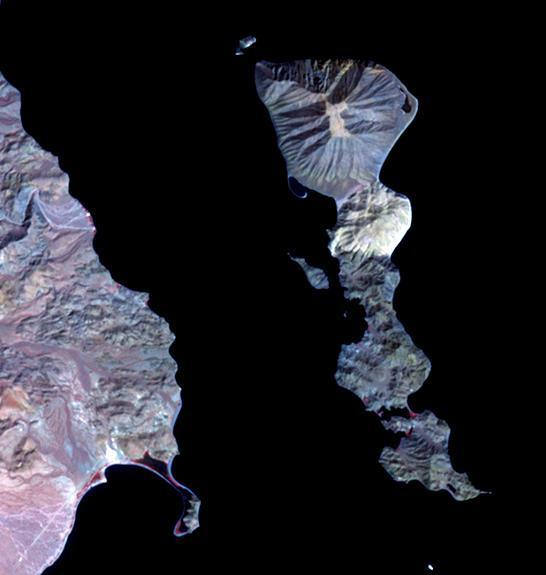
Located in the Gulf of California, Smith Island sits just off the eastern shore of Mexico's Baja Peninsula. The 7 kilometers long island is dominated by Volcan Coronado on the northern end. The uninhabited island is a refuge for a rich marine assemblage, including sea lion colonies. The image was acquired September 23, 2023, covers an area of 8.2 by 9.5 km, and is located at 29.1 degrees north, 113.5 degrees west. https://photojournal.jpl.nasa.gov/catalog/PIA26284
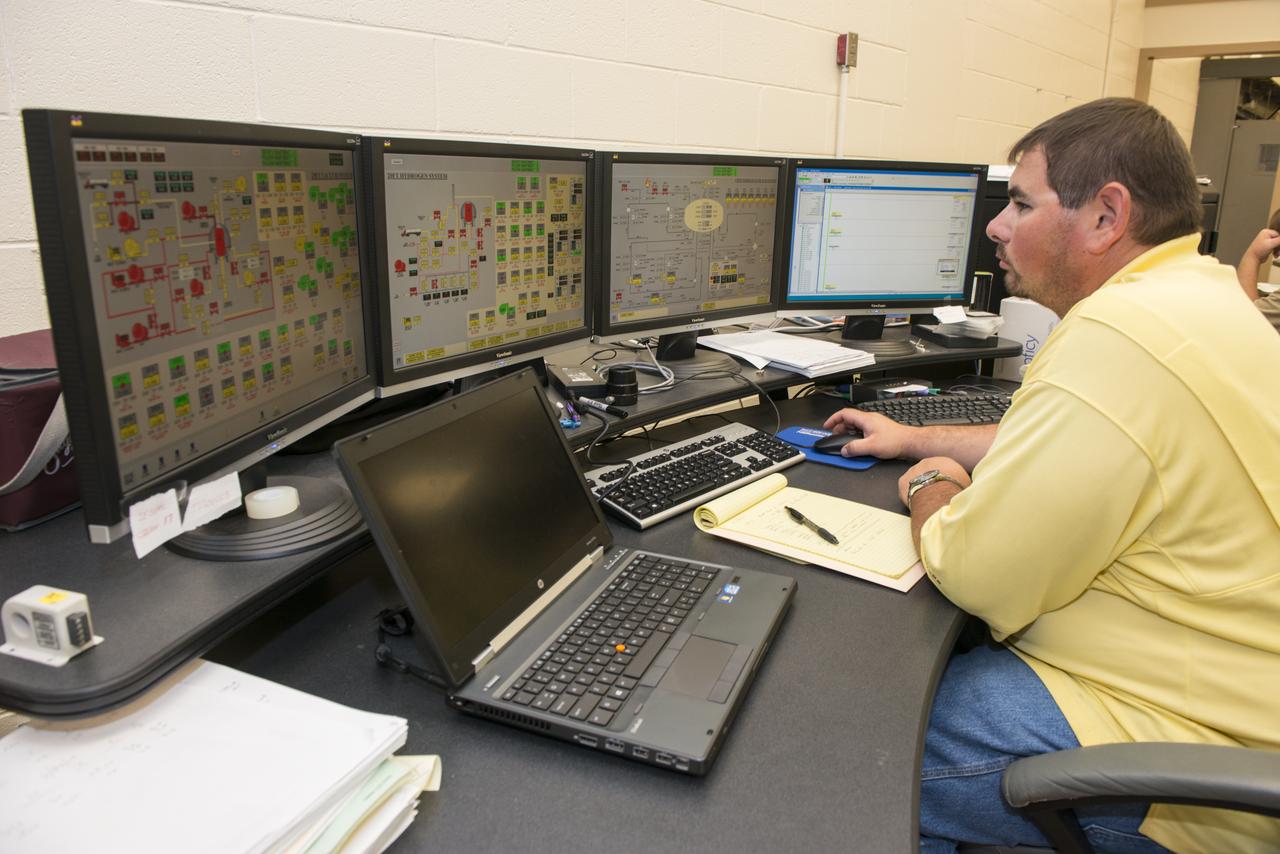
CHRIS SMITH MONITORS TESTING OF THE CPST (CRYOTANK) TANK TEST IN BUILDING 4561 IN THE EAST TEST AREA.

S103-E-5248 (22 December 1999) --- Astronaut Steven L. Smith, payload commander, waves to a crew mate located inside the Space Shuttle Discovery's cabin during the first space walk of NASA's third servicing visit to the Hubble Space Telescope (HST). The photo was taken with an electronic still camera (ESC).
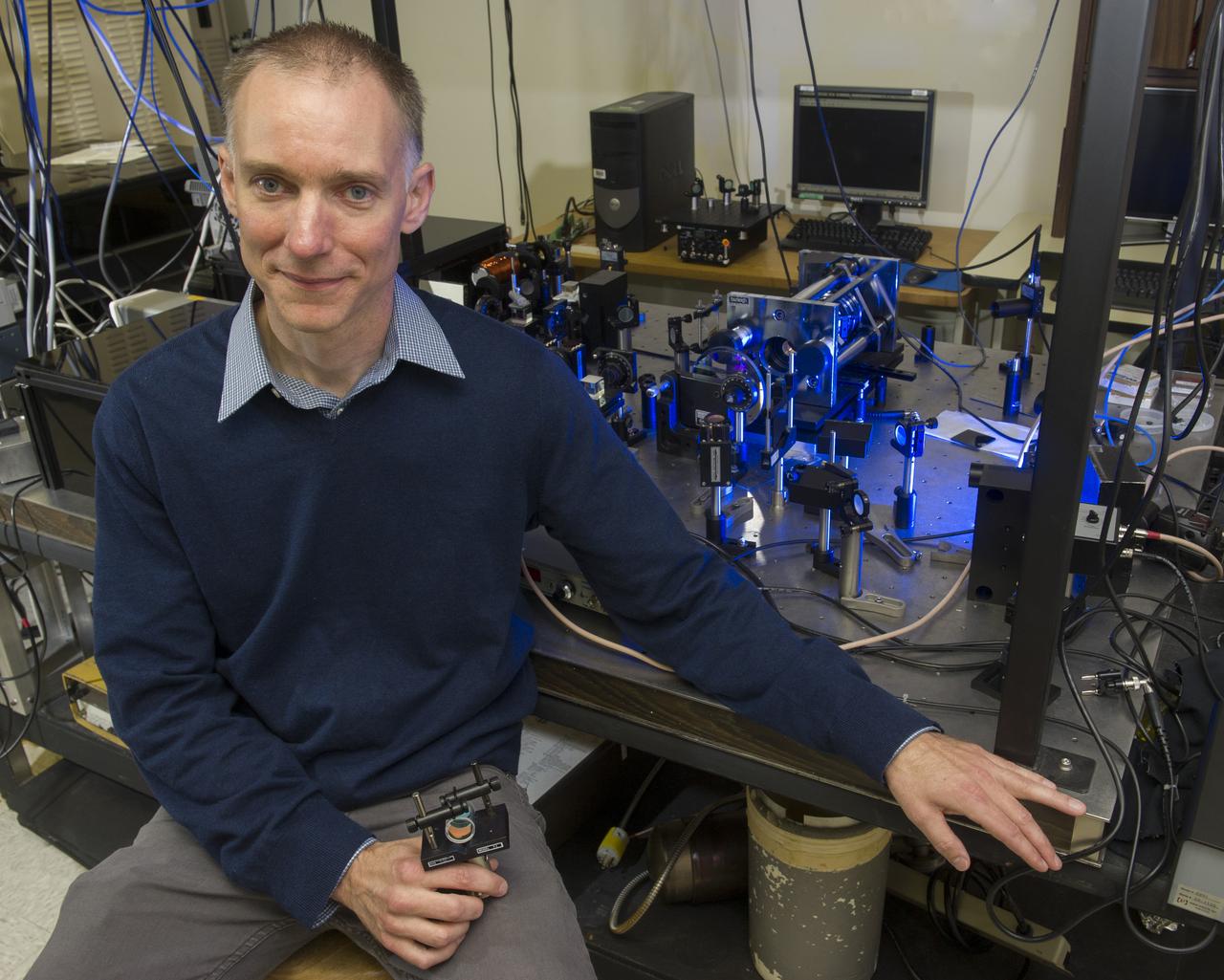
NASA RESEARCHER DR. DAVID SMITH AT NASA’S MARSHALL SPACE FLIGHT CENTER IN HUNTSVILLE, ALA., IS LEADING A THREE-YEAR PROJECT TO REVOLUTIONIZE IN-FLIGHT NAVIGATION SYSTEMS FOR SPACE VEHICLES AND MILITARY AND COMMERCIAL VEHICLES. SMITH AND HIS TEAM SEEK TO REFINE THE HIGHLY SENSITIVE OPTICAL GYROSCOPES THAT DRIVE SPACE VEHICLES’ INERTIAL GUIDANCE SYSTEMS – DELIVERING GYROSCOPES AT LEAST 1,000 TIMES MORE SENSITIVE THAN CURRENT SYSTEMS.

NASA RESEARCHER DR. DAVID SMITH AT NASA’S MARSHALL SPACE FLIGHT CENTER IN HUNTSVILLE, ALA., IS LEADING A THREE-YEAR PROJECT TO REVOLUTIONIZE IN-FLIGHT NAVIGATION SYSTEMS FOR SPACE VEHICLES AND MILITARY AND COMMERCIAL VEHICLES. SMITH AND HIS TEAM SEEK TO REFINE THE HIGHLY SENSITIVE OPTICAL GYROSCOPES THAT DRIVE SPACE VEHICLES’ INERTIAL GUIDANCE SYSTEMS – DELIVERING GYROSCOPES AT LEAST 1,000 TIMES MORE SENSITIVE THAN CURRENT SYSTEMS.
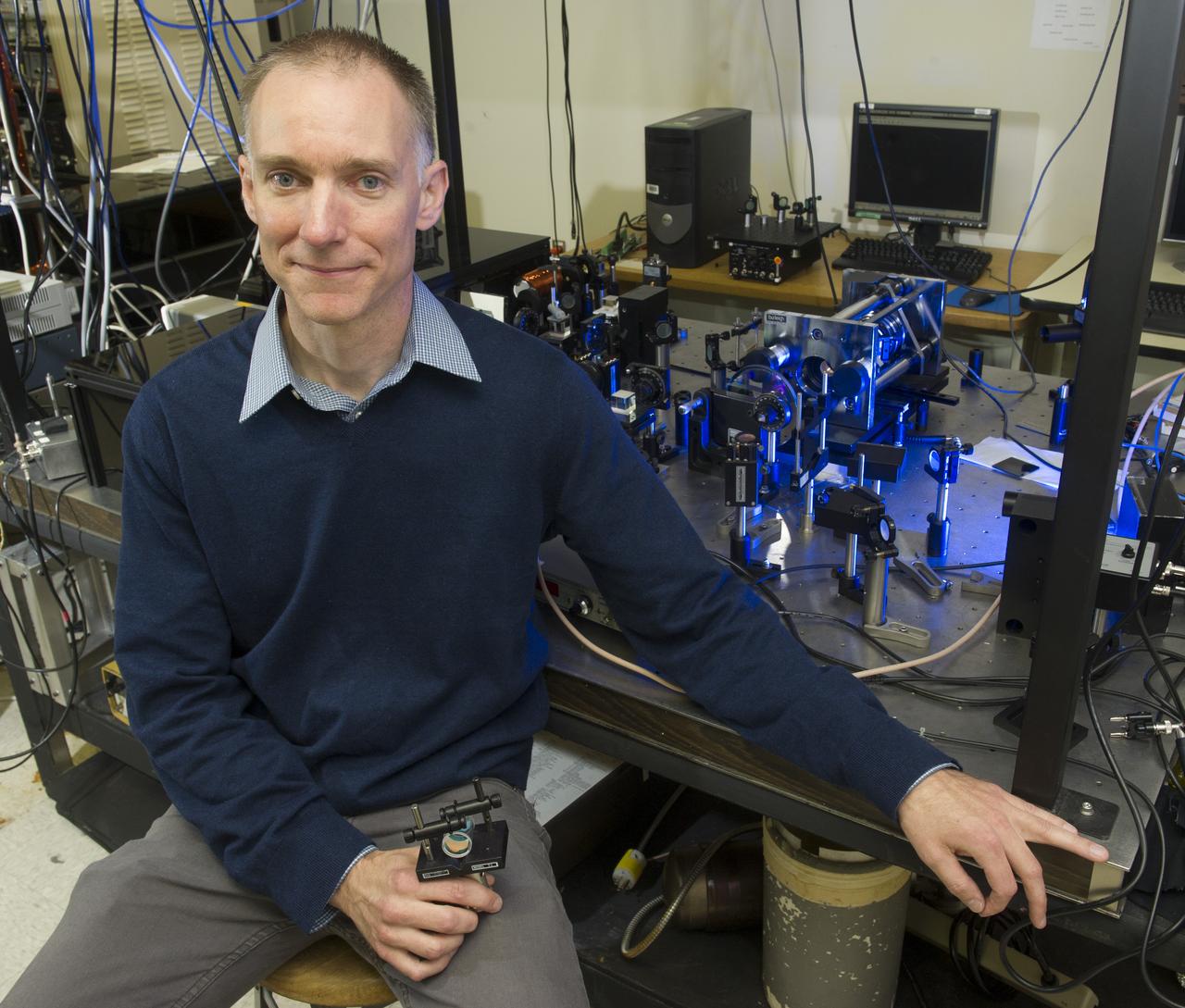
NASA RESEARCHER DR. DAVID SMITH AT NASA’S MARSHALL SPACE FLIGHT CENTER IN HUNTSVILLE, ALA., IS LEADING A THREE-YEAR PROJECT TO REVOLUTIONIZE IN-FLIGHT NAVIGATION SYSTEMS FOR SPACE VEHICLES AND MILITARY AND COMMERCIAL VEHICLES. SMITH AND HIS TEAM SEEK TO REFINE THE HIGHLY SENSITIVE OPTICAL GYROSCOPES THAT DRIVE SPACE VEHICLES’ INERTIAL GUIDANCE SYSTEMS – DELIVERING GYROSCOPES AT LEAST 1,000 TIMES MORE SENSITIVE THAN CURRENT SYSTEMS.
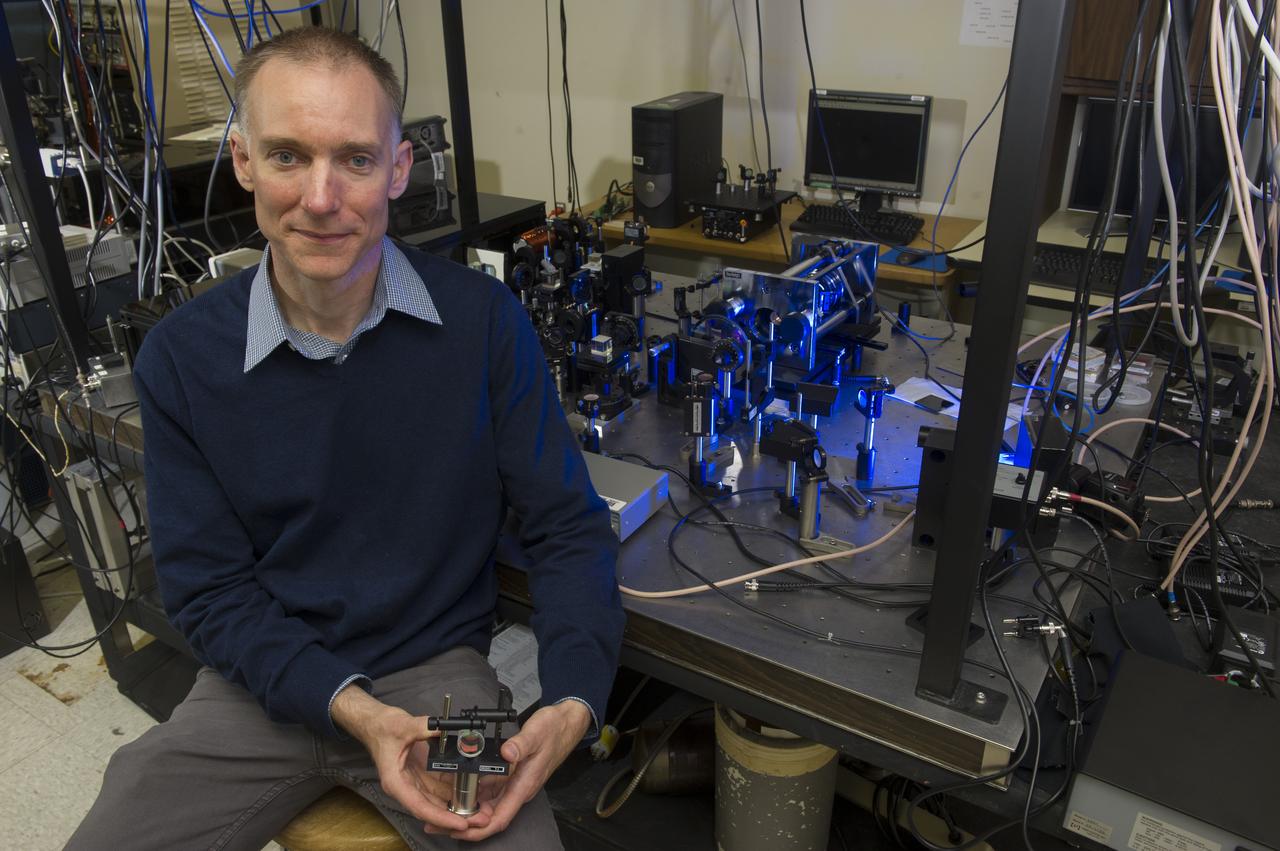
NASA RESEARCHER DR. DAVID SMITH AT NASA’S MARSHALL SPACE FLIGHT CENTER IN HUNTSVILLE, ALA., IS LEADING A THREE-YEAR PROJECT TO REVOLUTIONIZE IN-FLIGHT NAVIGATION SYSTEMS FOR SPACE VEHICLES AND MILITARY AND COMMERCIAL VEHICLES. SMITH AND HIS TEAM SEEK TO REFINE THE HIGHLY SENSITIVE OPTICAL GYROSCOPES THAT DRIVE SPACE VEHICLES’ INERTIAL GUIDANCE SYSTEMS – DELIVERING GYROSCOPES AT LEAST 1,000 TIMES MORE SENSITIVE THAN CURRENT SYSTEMS.
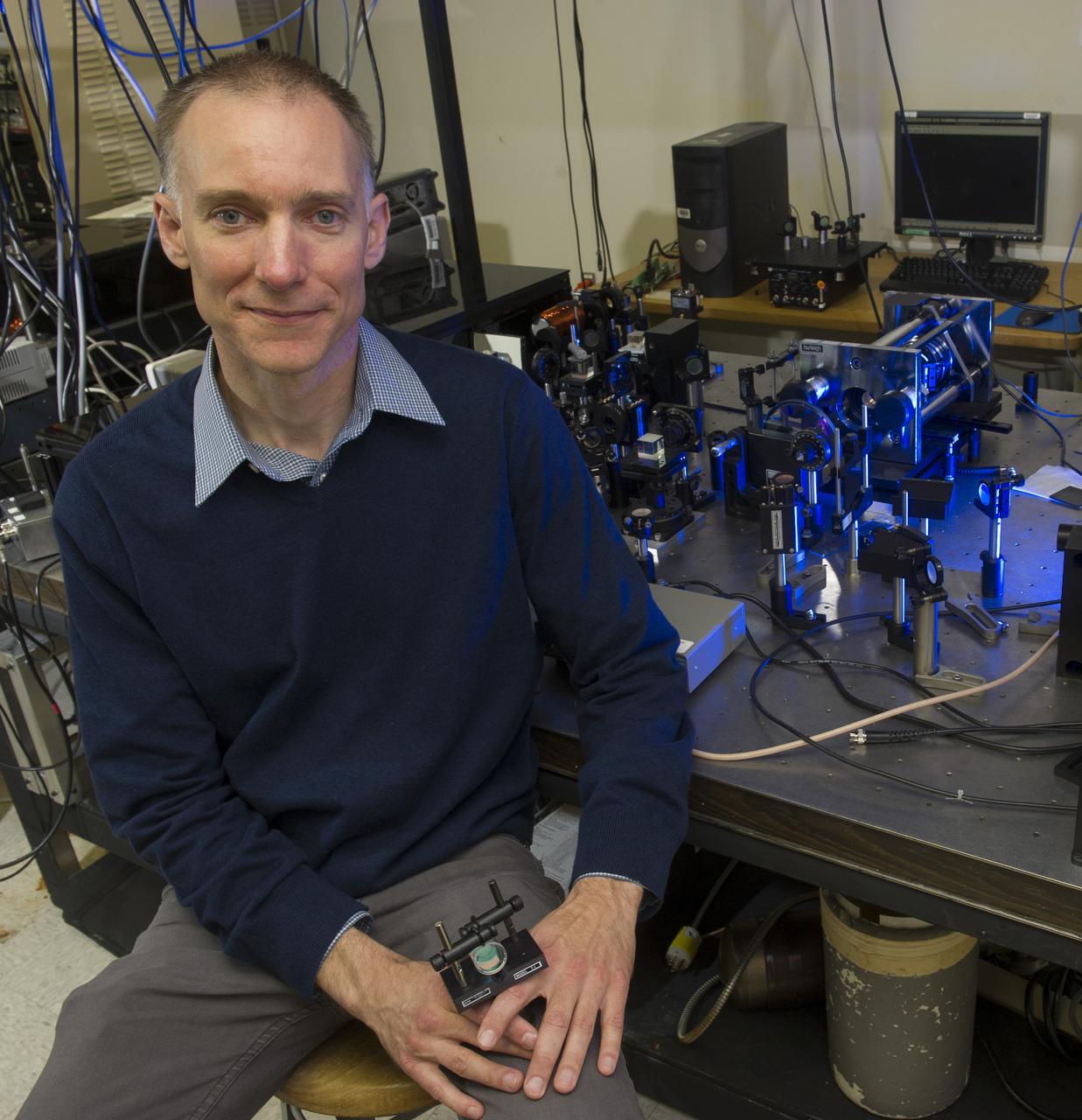
NASA RESEARCHER DR. DAVID SMITH AT NASA’S MARSHALL SPACE FLIGHT CENTER IN HUNTSVILLE, ALA., IS LEADING A THREE-YEAR PROJECT TO REVOLUTIONIZE IN-FLIGHT NAVIGATION SYSTEMS FOR SPACE VEHICLES AND MILITARY AND COMMERCIAL VEHICLES. SMITH AND HIS TEAM SEEK TO REFINE THE HIGHLY SENSITIVE OPTICAL GYROSCOPES THAT DRIVE SPACE VEHICLES’ INERTIAL GUIDANCE SYSTEMS – DELIVERING GYROSCOPES AT LEAST 1,000 TIMES MORE SENSITIVE THAN CURRENT SYSTEMS.
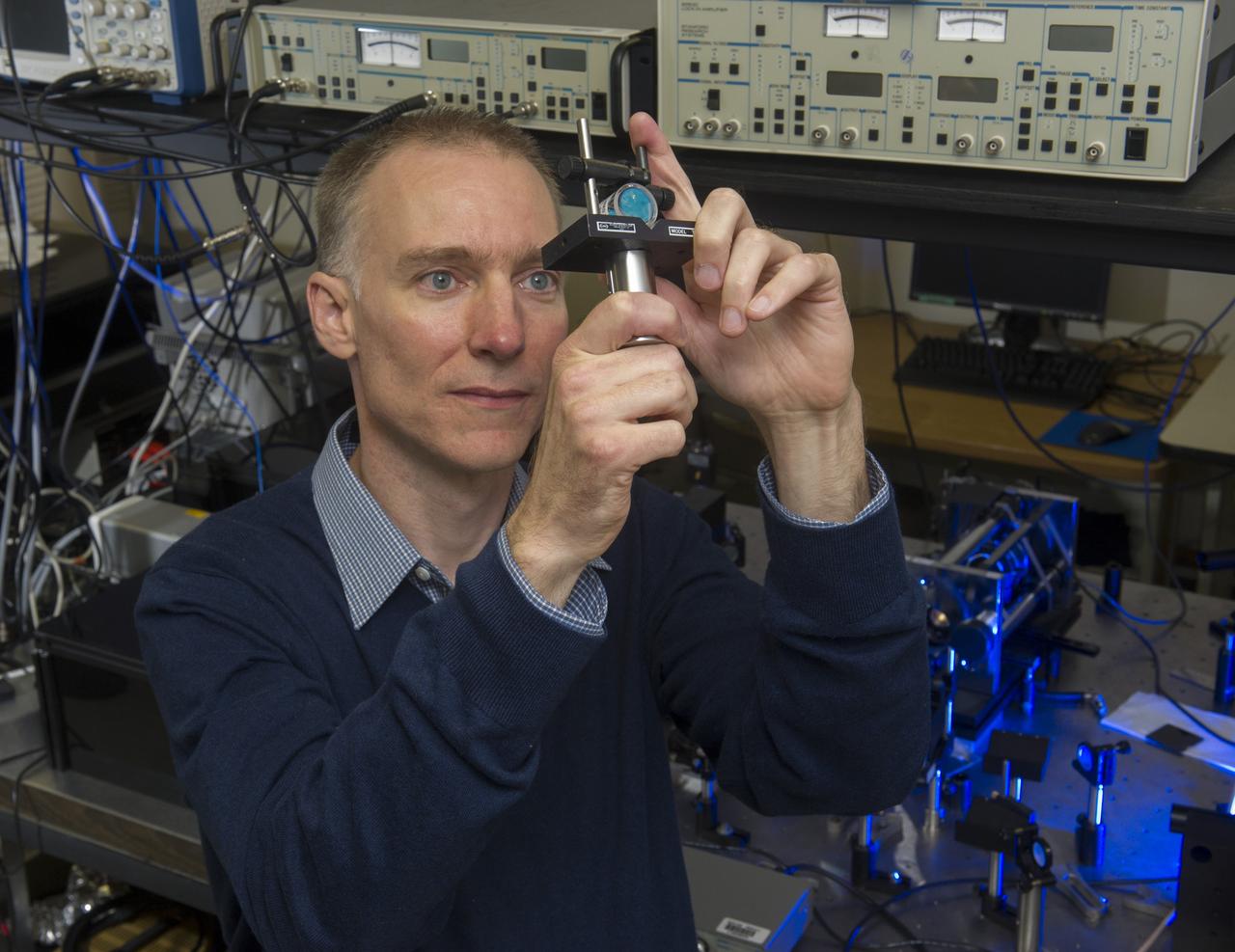
NASA RESEARCHER DR. DAVID SMITH AT NASA’S MARSHALL SPACE FLIGHT CENTER IN HUNTSVILLE, ALA., IS LEADING A THREE-YEAR PROJECT TO REVOLUTIONIZE IN-FLIGHT NAVIGATION SYSTEMS FOR SPACE VEHICLES AND MILITARY AND COMMERCIAL VEHICLES. SMITH AND HIS TEAM SEEK TO REFINE THE HIGHLY SENSITIVE OPTICAL GYROSCOPES THAT DRIVE SPACE VEHICLES’ INERTIAL GUIDANCE SYSTEMS – DELIVERING GYROSCOPES AT LEAST 1,000 TIMES MORE SENSITIVE THAN CURRENT SYSTEMS.
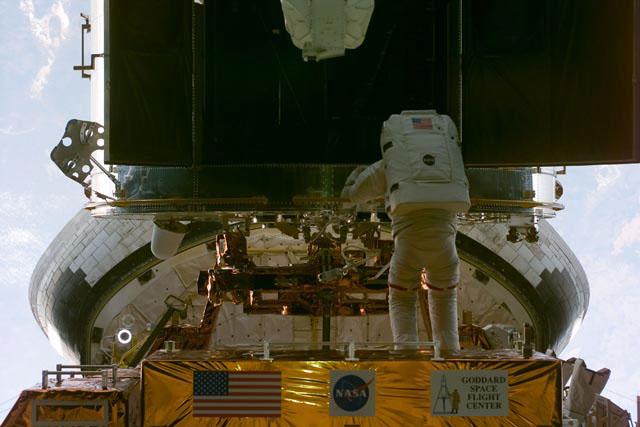
S103-E-5260 (22 December 1999) --- Astronaut Steven L. Smith, payload commander, holds onto a handrail during the first space walk of the STS-103 servicing mission with the Hubble Space Telescope (HST).
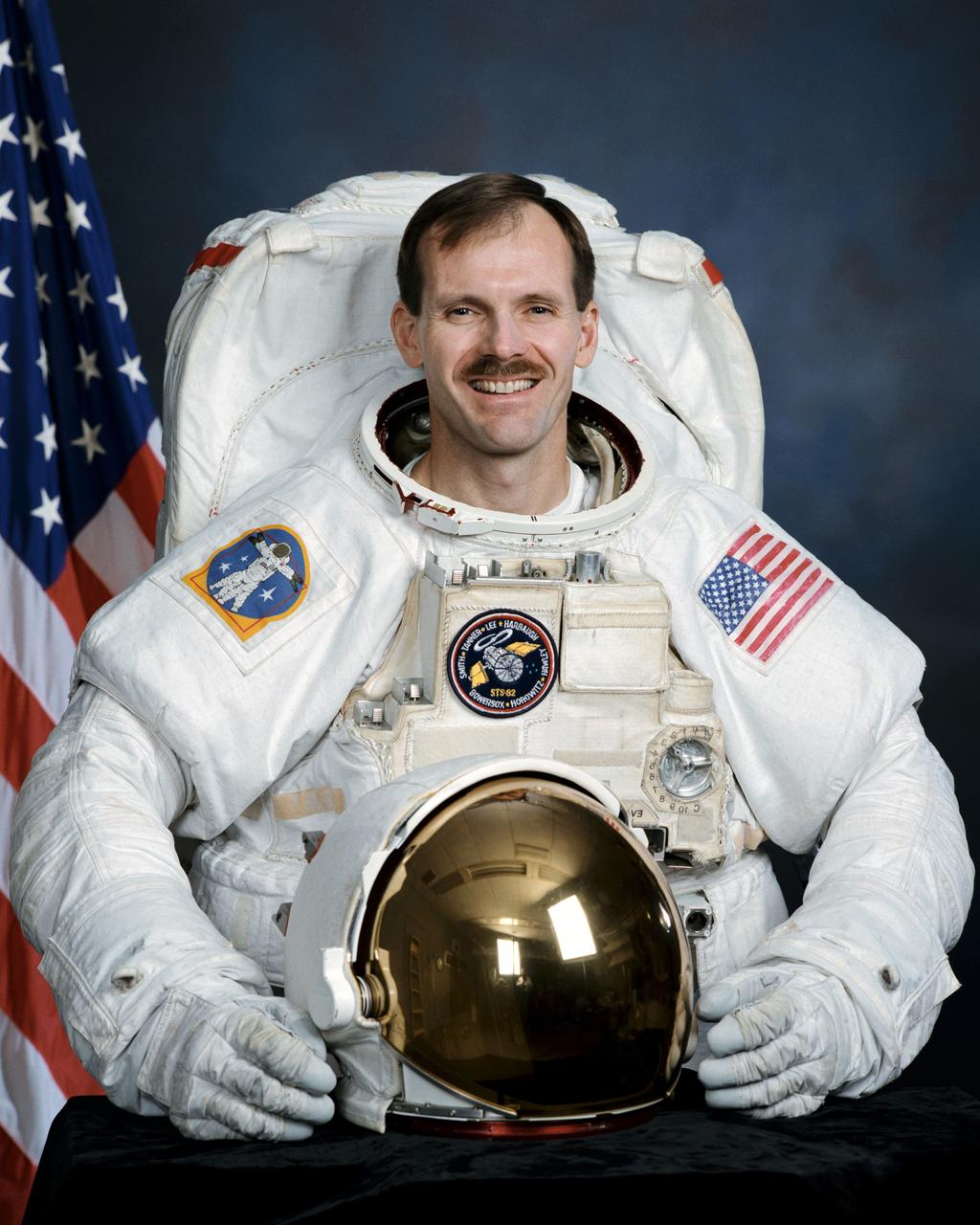
S97-17579 (8 Aug. 1997) --- Astronaut Steven L. Smith, mission specialist.
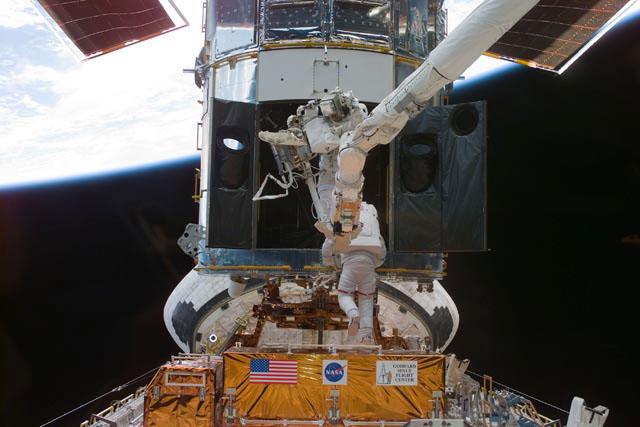
S103-E-5208 --- Astronauts Steven L. Smith (bottom), payload commander, and John M. Grunsfeld, mission specialist, perform servicing tasks on the temporarily-captured Hubble Space Telescope (HST). Grunsfeld is on a foot restraint connected to Discovery's remote manipulator system (RMS) robot arm. Smith, making his second servicing visit to HST, is using handrails on the telescope. The photo was taken with an electronic still camera (ESC).
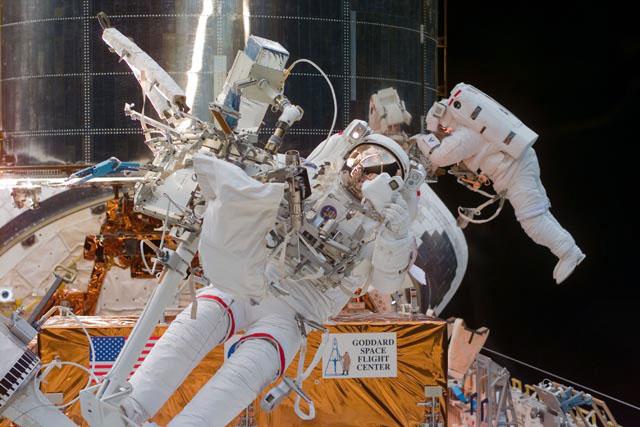
S103-E-5347 (24 December 1999) --- Astronaut Steven L. Smith, payload commander, prepares to use a 35mm camera during the final space walk of the STS-103 mission. Smith is standing on a foot restraint connected to the end of Discovery's remote manipulator system (RMS) robot arm. Astronaut John M. Grunsfeld, mission specialist, translates along a handrail system on the Hubble Space Telescope (HST) in the background.
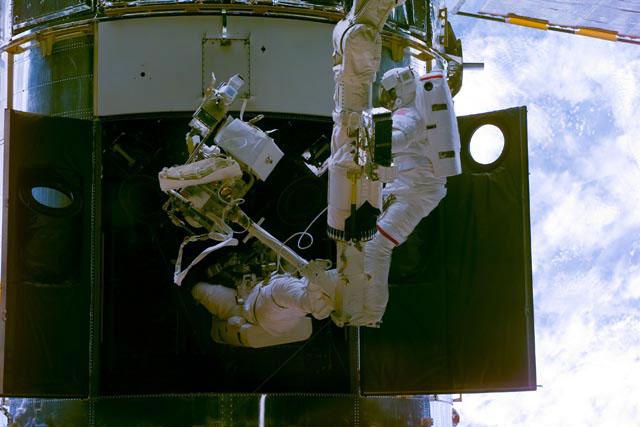
STS-103 mission specialist John M. Grunsfeld (attached to a workstation on the RMS arm) and payload commander Steven L. Smith (free-floating) perform a changeout of the Rate Sensor Units (RSU) in one of the bays of -V3 plane of the Hubble Space Telescope (HST). This repair was performed during the first of three extravehicular activities (EVAs) of the mission. Grunsfeld is distinguished by having no marks on his EMU and Smith is distinguished by the red strip on the pants of his EMU.
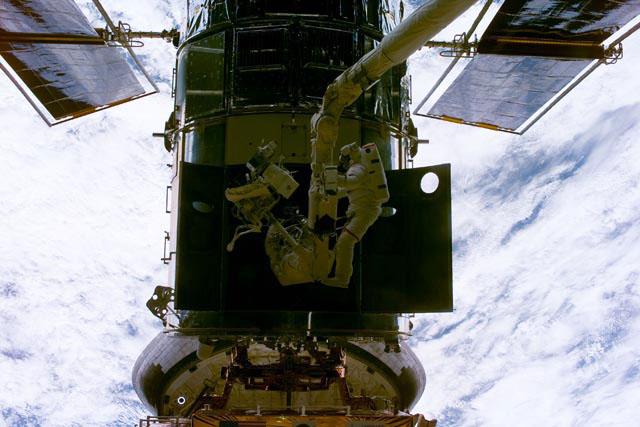
STS-103 mission specialist John M. Grunsfeld (attached to a workstation on the RMS arm) and payload commander Steven L. Smith (free-floating) perform a changeout of the Rate Sensor Units (RSU) in one of the bays of -V3 plane of the Hubble Space Telescope (HST). This repair was performed during the first of three extravehicular activities (EVAs) of the mission. Grunsfeld is distinguished by having no marks on his EMU and Smith is distinguished by the red strip on the pants of his EMU.
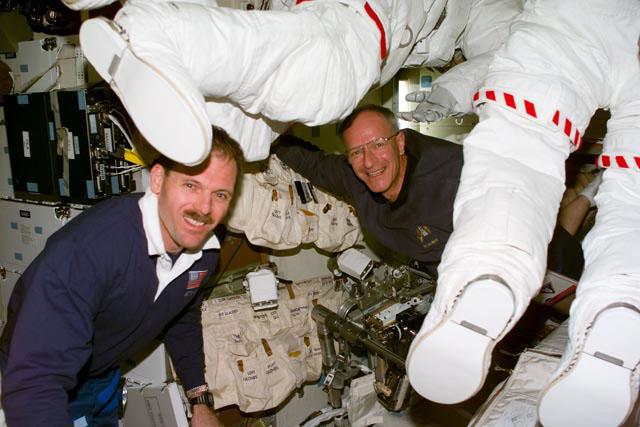
S103-E-5023 (20 December 1999) --- Astronauts Steven L. Smith (foreground) and Claude Nicollier take an early look at their extravehicular mobility unit (EMU) space suits on Discovery's mid deck near the end of their first full day in space. Smith is payload commander and Nicollier, mission specialist representing the European Space Agency (ESA). The two will participate in space walks to service the Hubble Space Telescope later in the week. The photo was recorded with an electronic still camera (ESC) at 21:52.32 GMT, December 20, 1999.

S103-E-5345 (24 December 1999) --- Astronaut Steven L. Smith, payload commander, takes a picture with a 35mm camera during the final space walk of the STS-103 mission. Smith is standing on a foot restraint connected to the end of Discovery's remote manipulator system (RMS) robot arm. Astronaut John M. Grunsfeld, mission specialist, translates along a handrail system on the Hubble Space Telescope (HST) in the background.
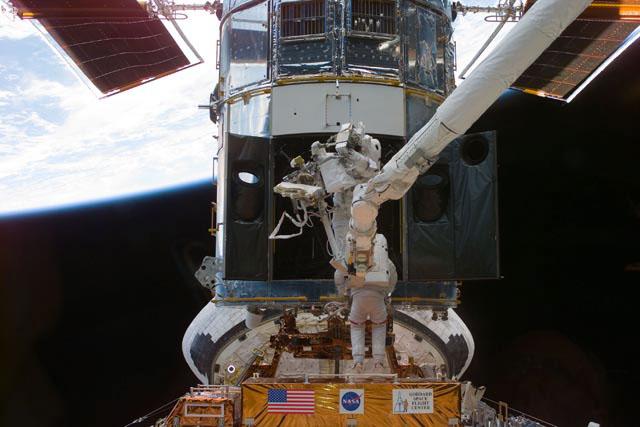
S103-E-5209 --- Astronauts Steven L. Smith (bottom), payload commander, and John M. Grunsfeld, mission specialist, perform servicing tasks on the temporarily-captured Hubble Space Telescope (HST). Grunsfeld is on a foot restraint connected to Discovery's remote manipulator system (RMS) robot arm. Smith, making his second servicing visit to HST, is using handrails on the telescope. The photo was taken with an electronic still camera (ESC).
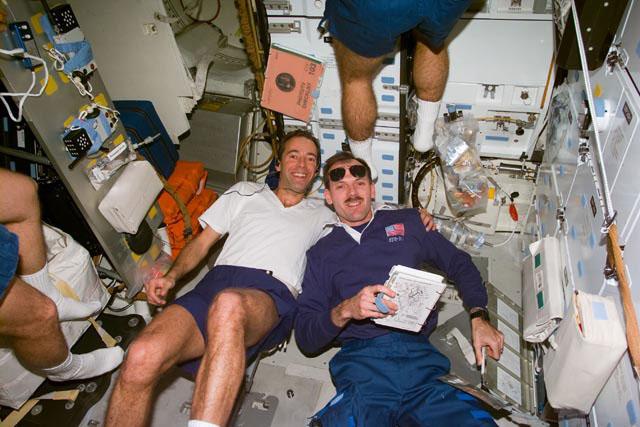
S103-E-5194 (21 December 1999) --- Astronaut Jean-Francois Clervoy (left), mission specialist representing the European Space Agency (ESA), works out on an ergometer device; and astronaut Steven L. Smith, payload commander, fetches a reference manual. Two unidentified STS-103 crew mates are busy at various tasks, partially out of the frame. This photo was taken with an electronic still camera (ESC) at 11:08:38 GMT, Dec. 21, 1999.
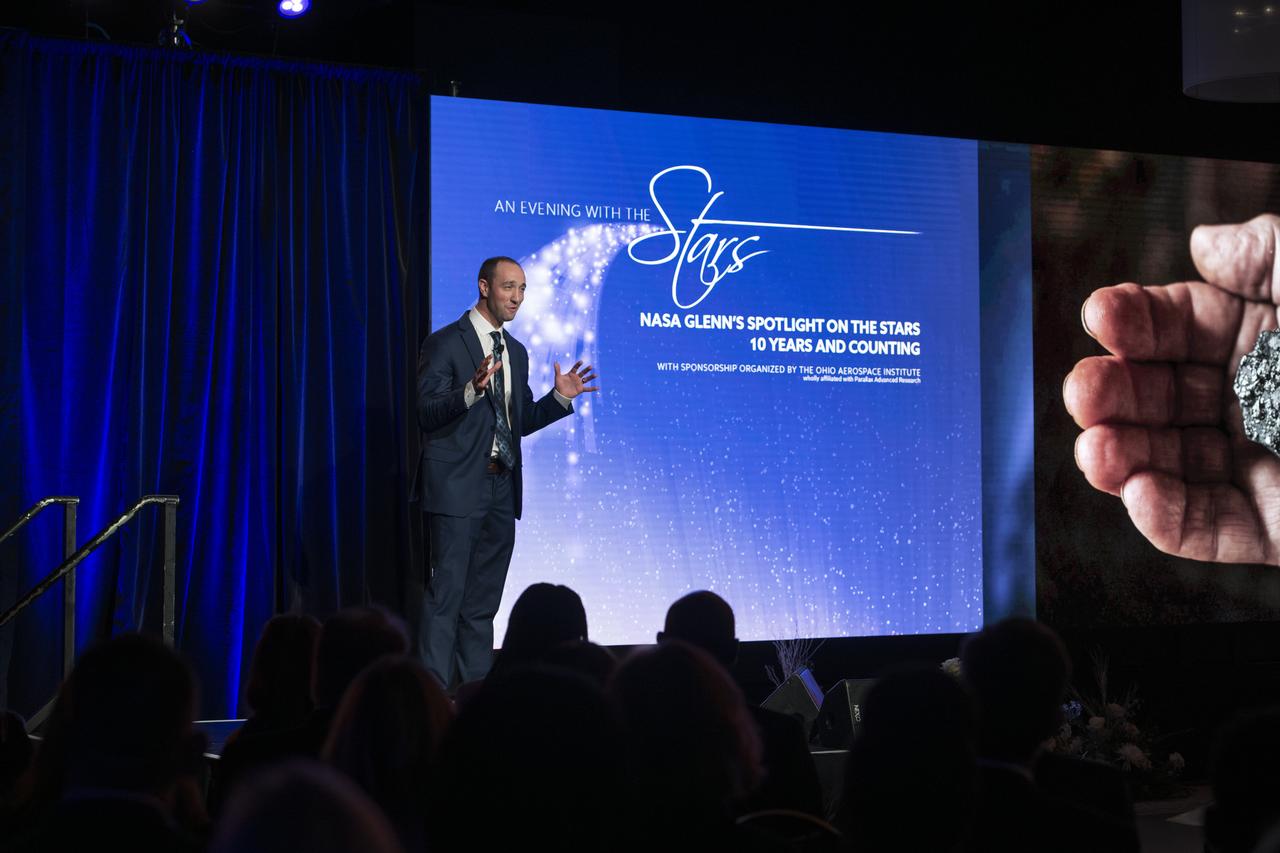
NASA Glenn's Spotlight on the Stars, 10 Years and Counting was held at Windows on the River in Cleveland, OH on November 20th, 2024. Sponsorship organized by the Ohio Aerospace Institute. Welcome by Dennis Andersh, CEO and President, Parallax Advanced Research, Ohio Aerospace Institute. Remarks by Terrence Slaybaugh, Vice President of Sites and Infrastructure, JobsOhio. Introduction of 10th Anniversary Video, Dr. Wanda Peters, Acting Deputy Director, NASA Glenn Research Center. Remarks/Introduction of Presenters, Dr. James Kenyon, Director, NASA Glenn Research Center. Keynote Speakers: Nikki Welch, NASA Glenn Communications, Connecting People to the Mission. Timothy Smith, NASA Glenn's Superalloy Achievements. Carlos Garcia-Galan, Dreaming of Going to the Moon. Photo Credit: (NASA/Sara Lowthian-Hanna)
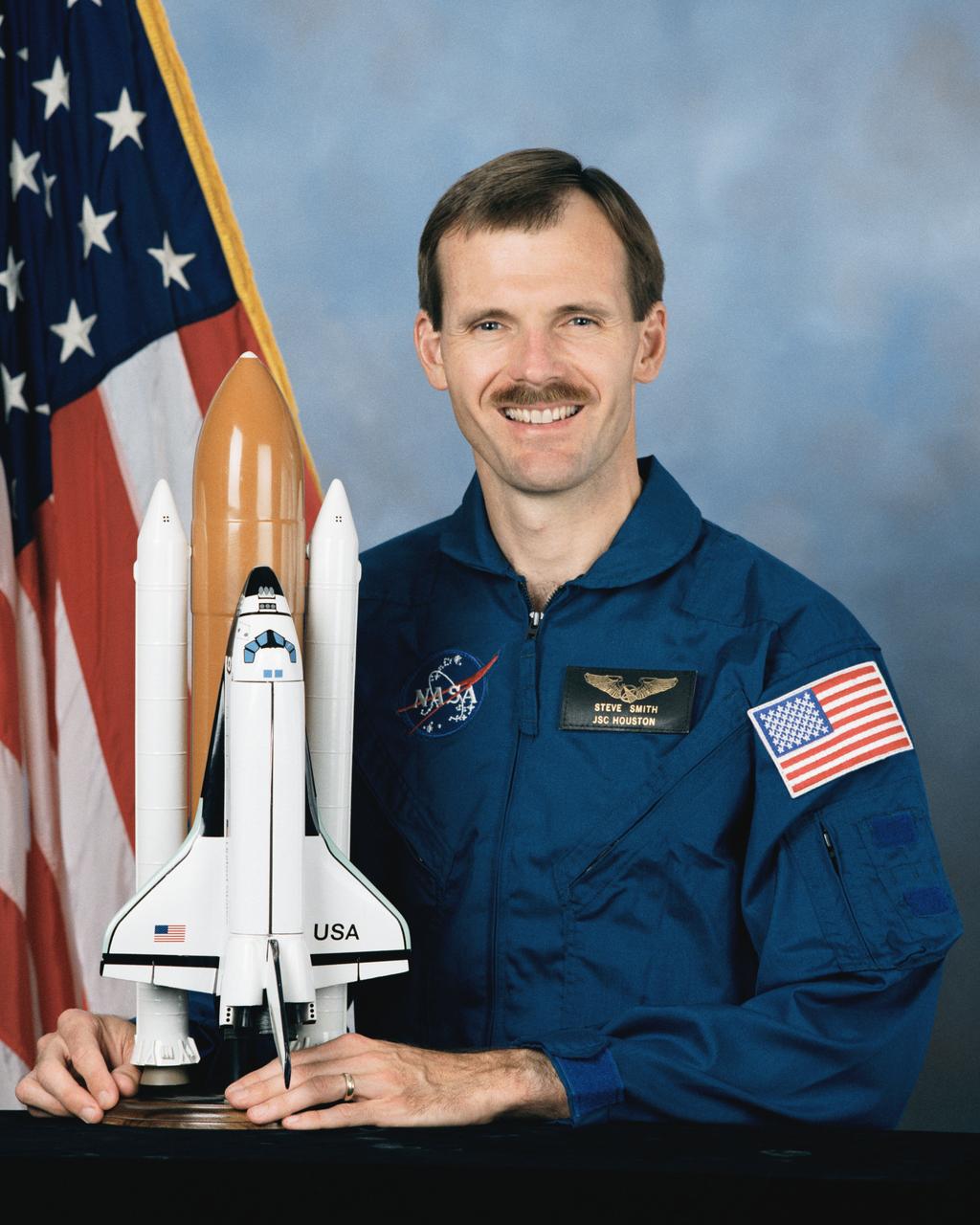
S92-44999 (September 1992) --- Astronaut Steven L. Smith.
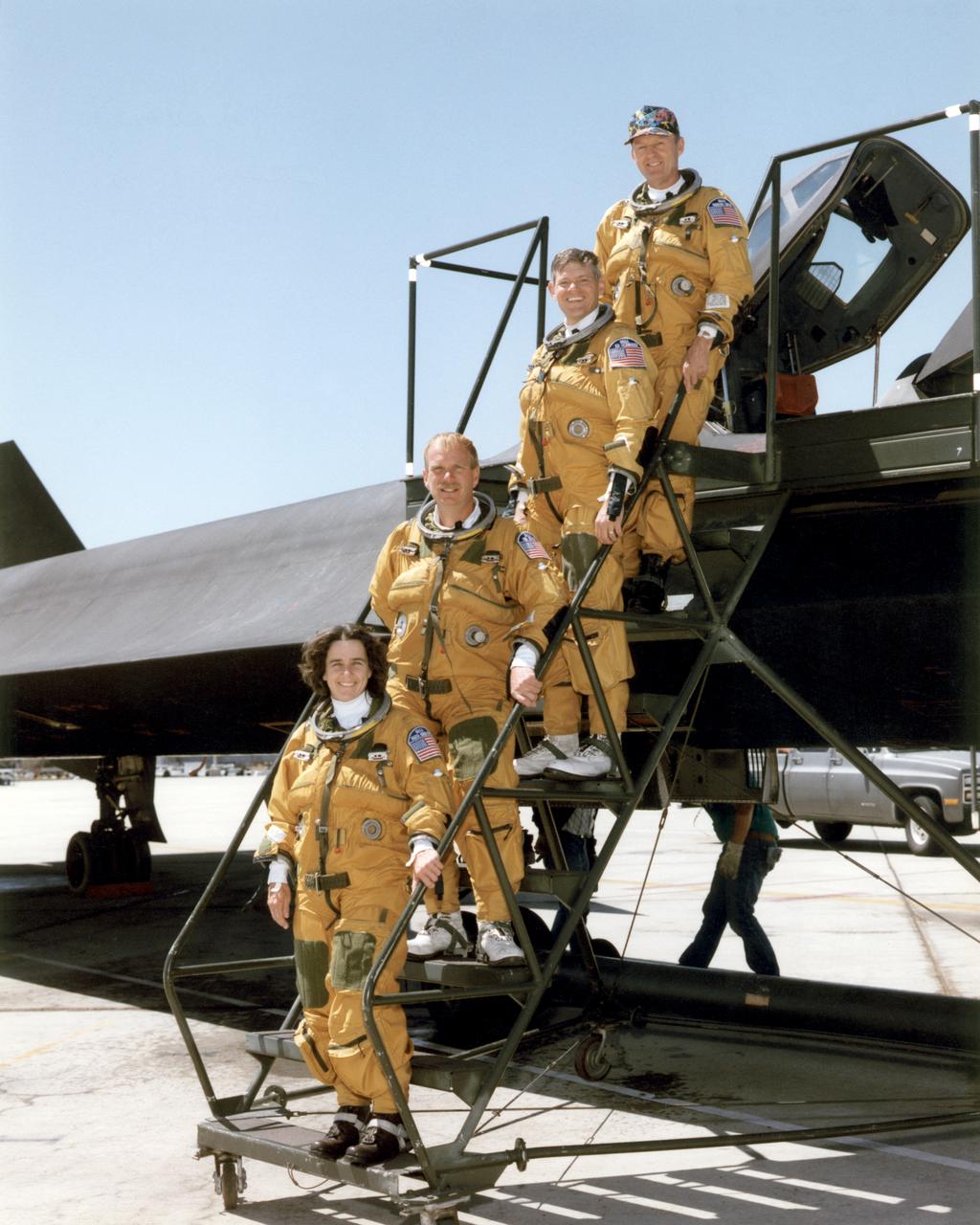
Flight engineers Marta Bohn-Meyer and Bob Meyer and pilots Ed Schneider and Rogers Smith flew the triple-sonic SR-71 in high-speed research experiments at NASA Dryden.
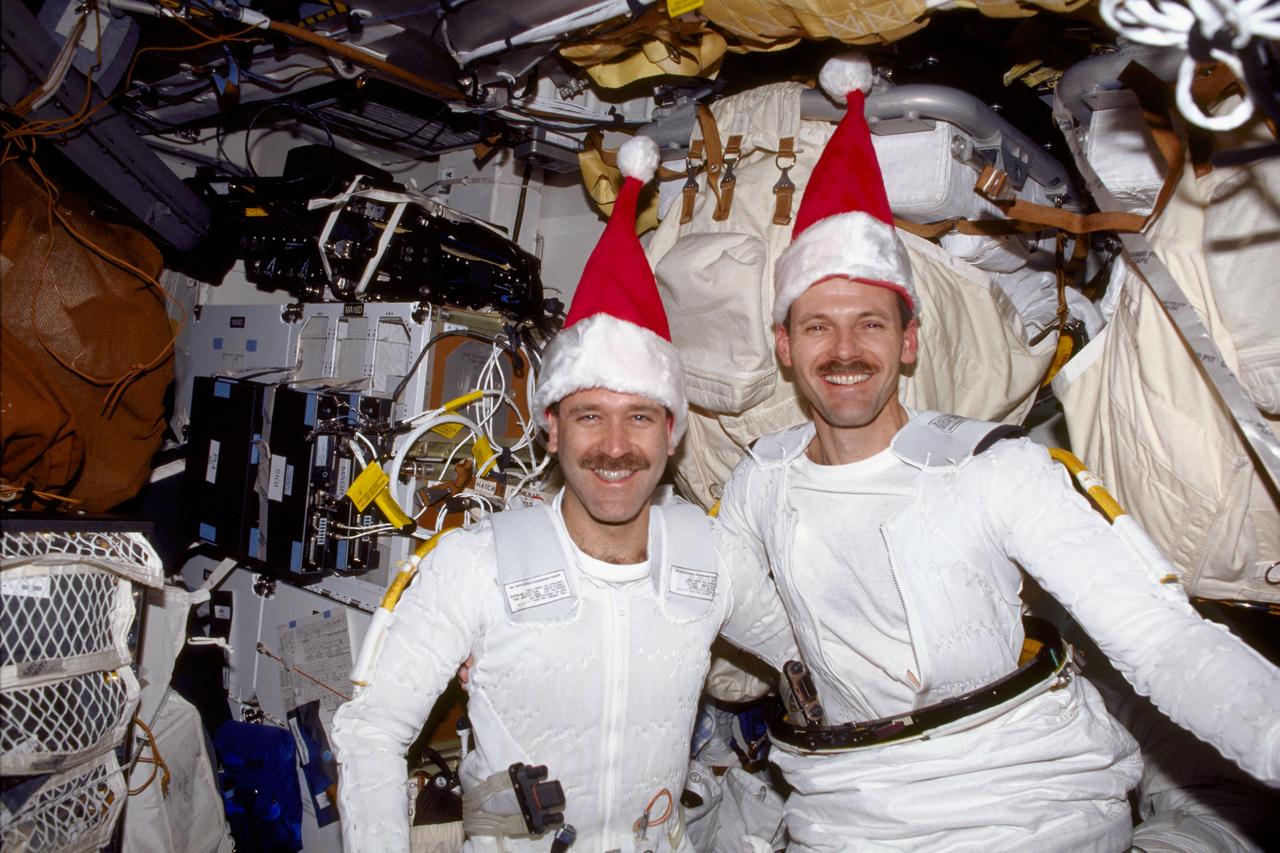
STS103-340-036 (19-27 December 1999) --- Wearing Santa hats, astronauts John M. Grunsfeld and Steven L. Smith blend with the season for a brief celebration on the mid deck of the Space Shuttle Discovery. The interruption was very brief as the two mission specialists shortly went about completing their suit-up process in order to participate in STS-103 space walk activity, performing needed work on the Hubble Space Telescope (HST).
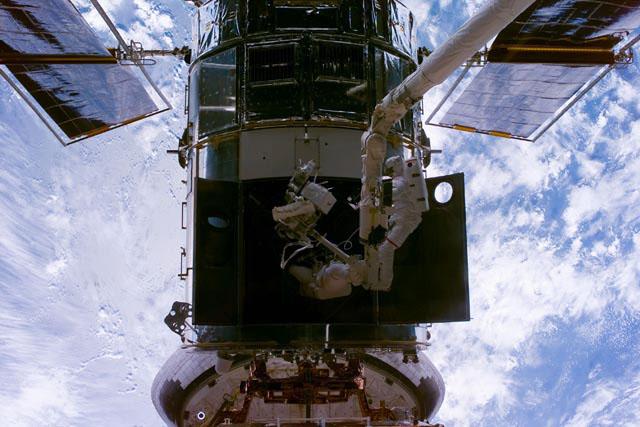
S103-E-5206 --- Astronauts Steven L. Smith (right), payload commander, and John M. Grunsfeld use the Canadian-built remote manipulator system (RMS) robot arm to perform servicing tasks on the temporarily-captured Hubble Space Telescope (HST). The photo was taken with an electronic still camera (ESC).
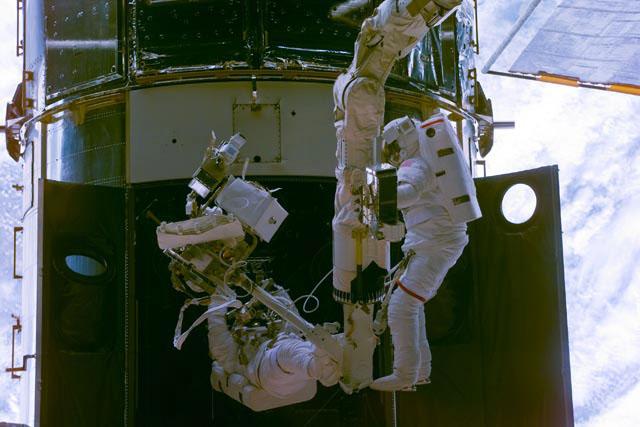
S103-E-5204 --- Astronauts Steven L. Smith (right), payload commander, and John M. Grunsfeld use the Canadian-built remote manipulator system (RMS) robot arm to perform servicing tasks on the temporarily-captured Hubble Space Telescope (HST). The photo was taken with an electronic still camera.
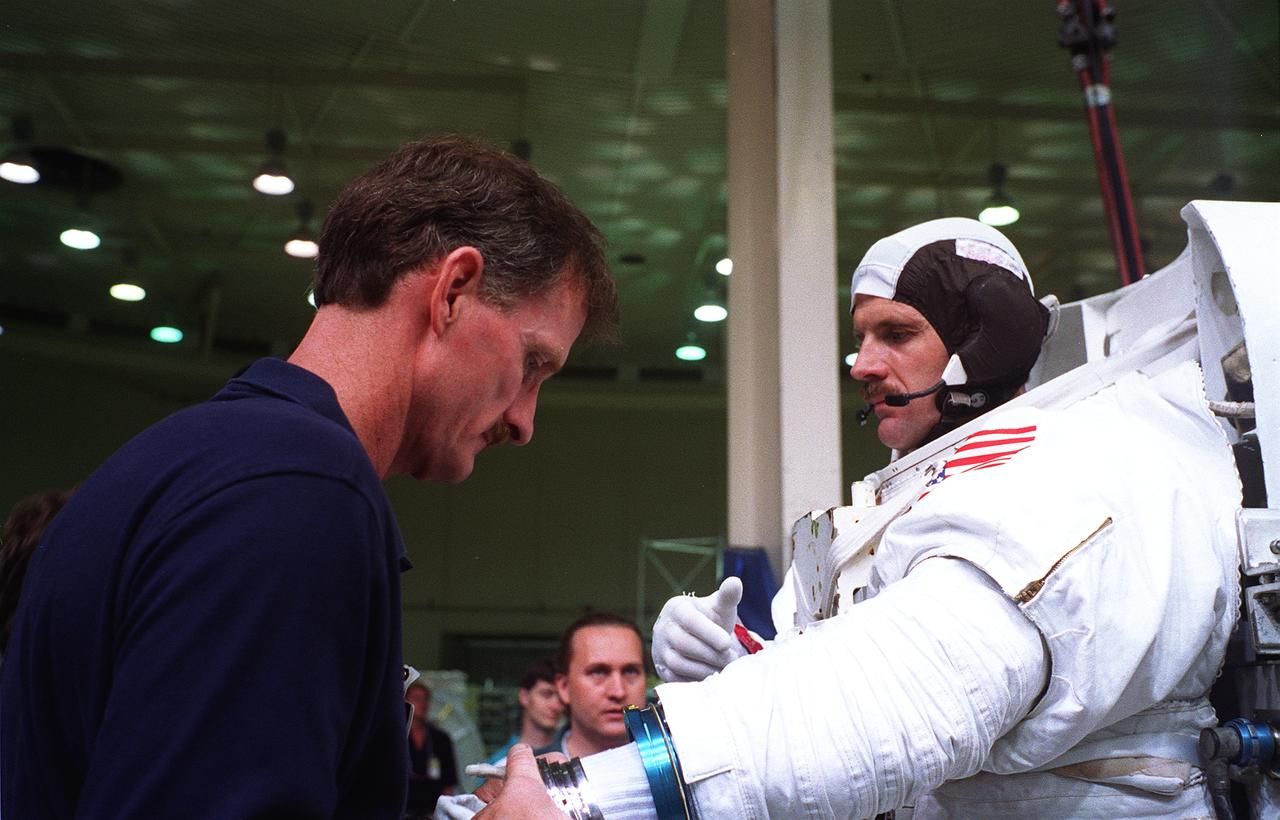
S96-11807 (10 June 1996) --- Astronaut Steven L. Smith (right), STS-82 mission specialist assigned to extravehicular activity (EVA) involved with the servicing of the Hubble Space Telescope (HST), gets help with the final touches of suit donning from crewmate Joseph R. Tanner. Minutes later, Smith was underwater in a nearby tank and neutrally buoyant, rehearsing some of the HST servicing chores with a crewmate.
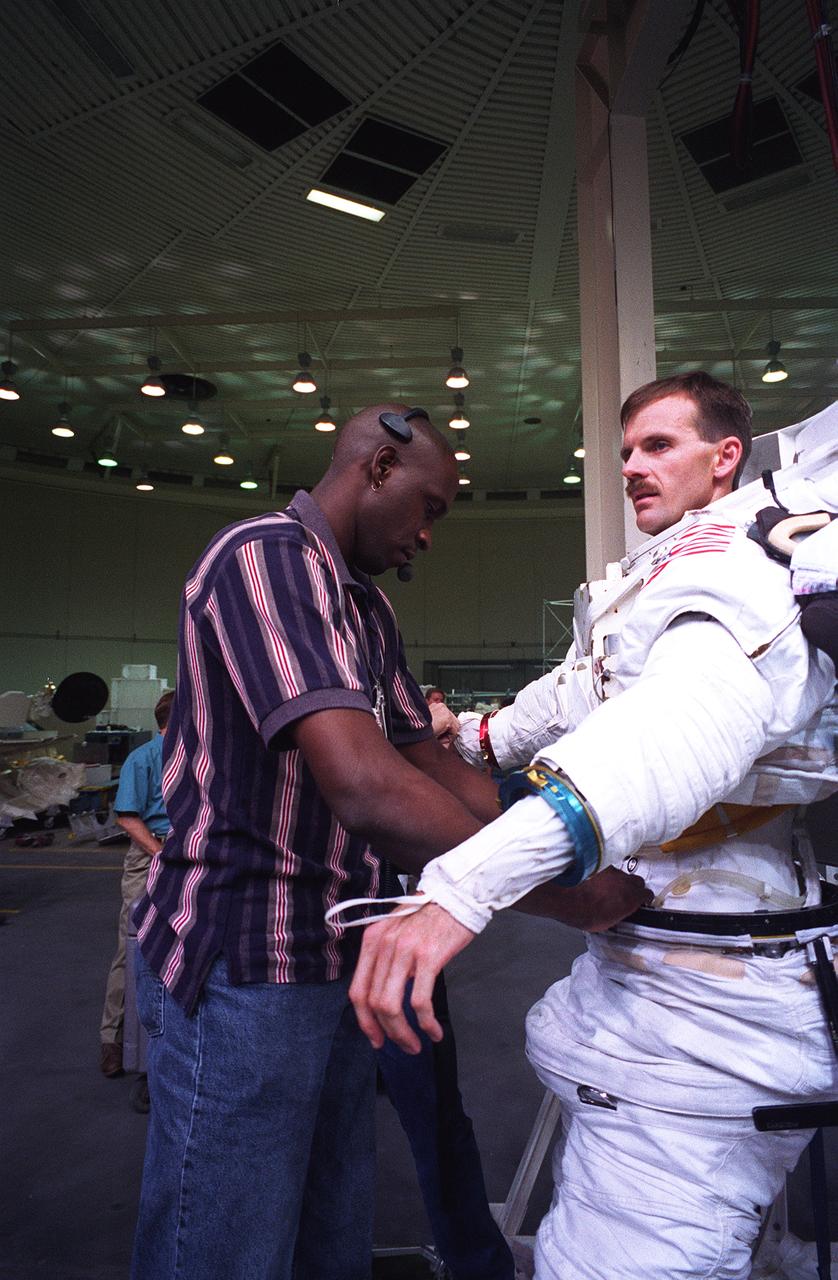
S96-11810 (10 June 1996) --- Astronaut Steven L. Smith, STS-82 mission specialist assigned to extravehicular activity (EVA) involved with the servicing of the Hubble Space Telescope (HST), gets help with the final touches of suit donning from John Williams, an Extravehicular Mobility Unit (EMU) technician. Minutes later, Smith was underwater in a nearby tank and neutrally buoyant, rehearsing some of the HST servicing chores with a crewmate.
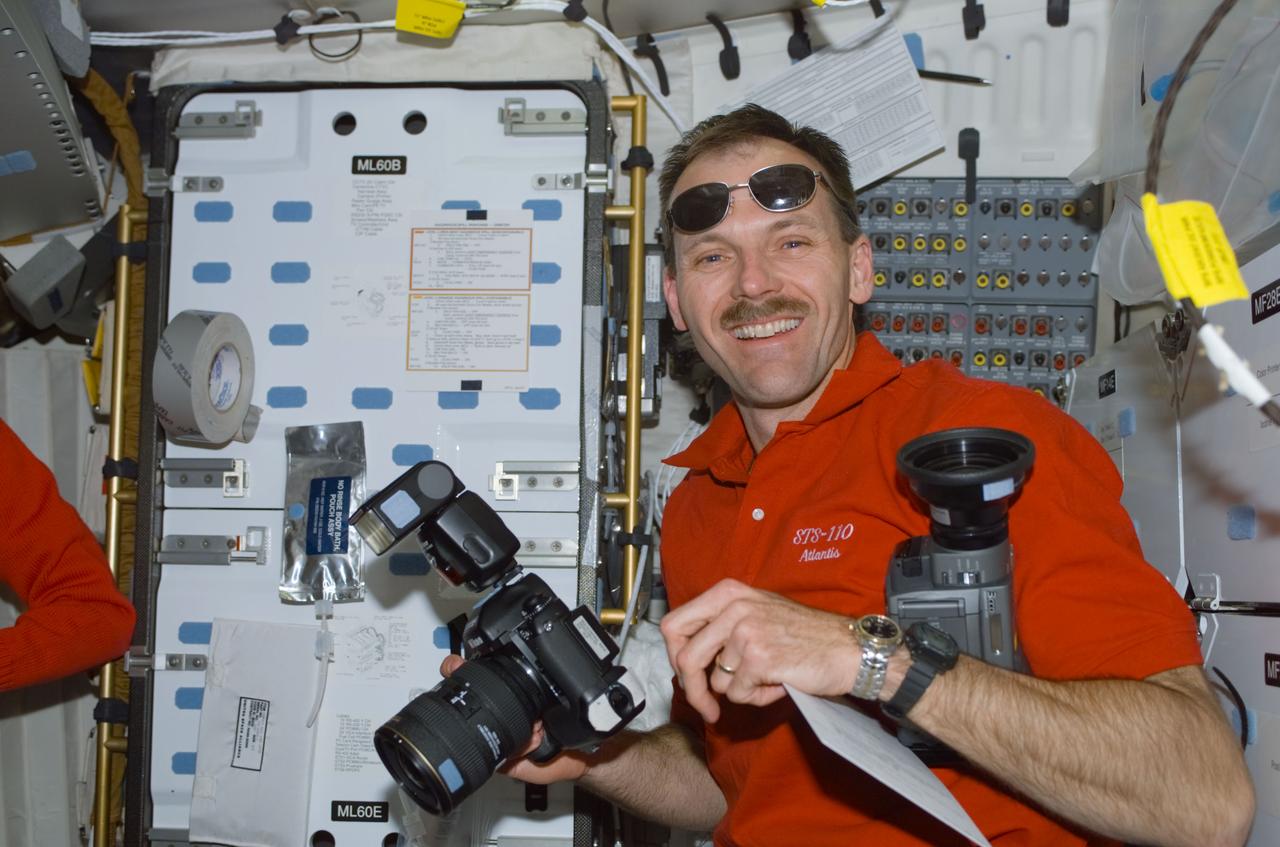
STS110-E-5088 (9 April 2002) --- Astronaut Steven L. Smith, STS-110 mission specialist, holds cameras on the mid deck of the Space Shuttle Atlantis. The image was taken with a digital still camera.
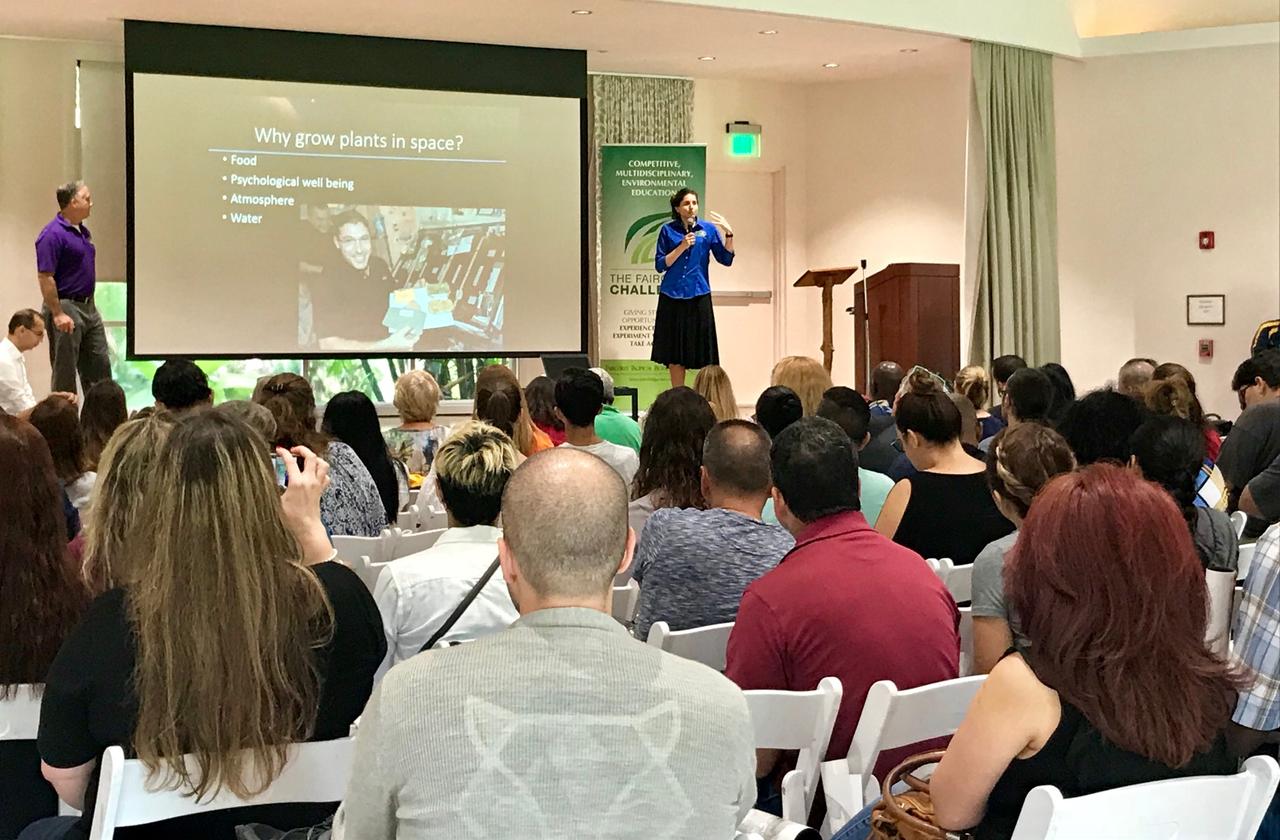
Kennedy scientists Trent Smith, left, and Dr. Gioia Massa speak to middle and high school teachers at Fairchild Tropical Botanic Garden in Miami during the kickoff of the 2017-2018 Fairchild Challenge-Growing Beyond Earth. More than 130 teachers gathered for the opening workshop, where they learned about food production in space and the Veggie hardware currently on the International Space Station. NASA has partnered with Fairchild to create this STEM-based challenge in which students will follow specific research protocols and analyze plant growth factors, flavor and nutrition, in order to help NASA choose the next crops for astronauts to grow aboard the station.
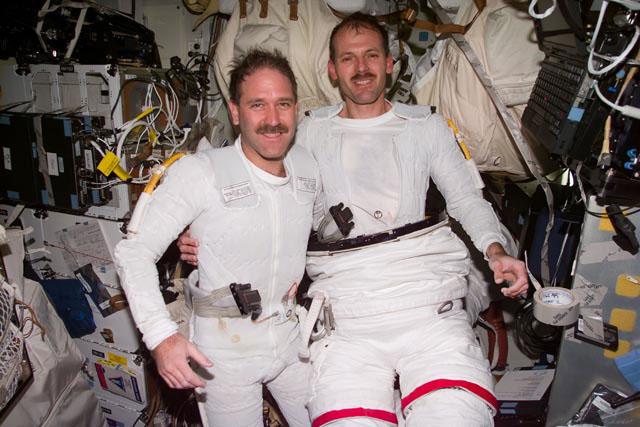
S103-E-5366 (24 December 1999) --- Astronauts John M. Grunsfeld (left), mission specialist, and Steven L. Smith, payload commander, are pictured prior to donning their extravehicular mobility unit (EMU) space suits onboard Discovery's mid deck. Hours later, the two completed the third and final space walk scheduled for NASA's third servicing mission to the Hubble Space Telescope (HST).
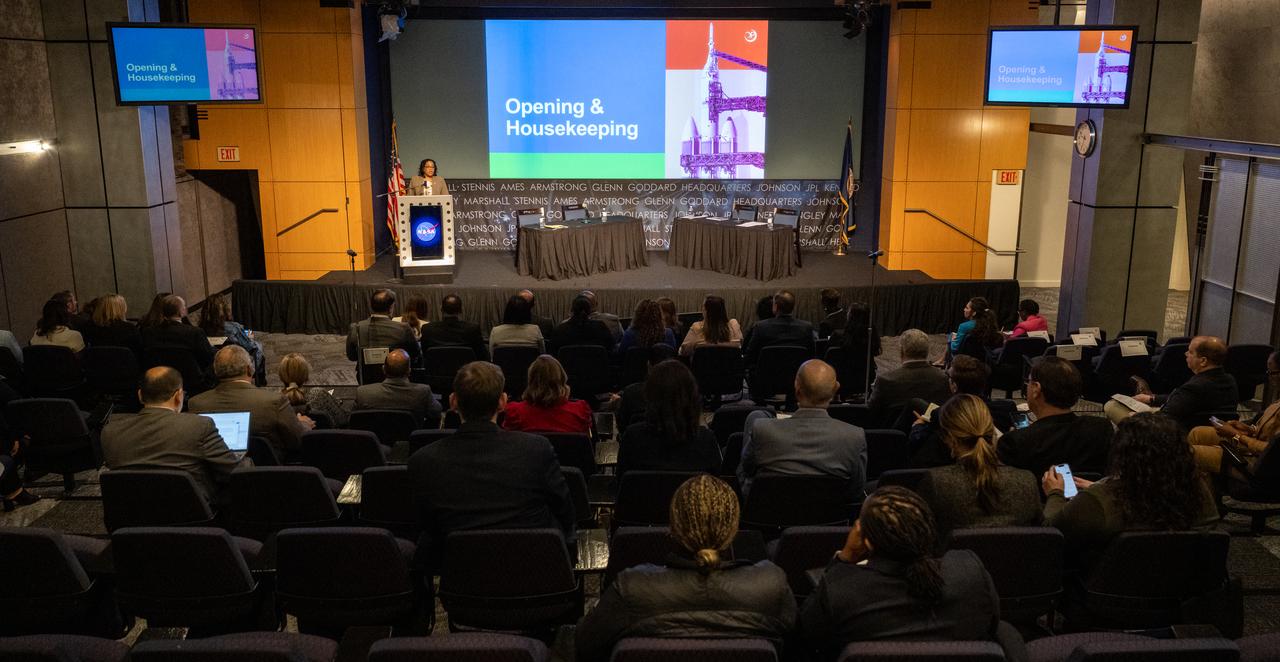
Senior Procurement Executive, Deputy Chief Acquisition Officer and Assistant Administrator for Procurement Karla Smith Jackson delivers remarks during a NASA Office of Procurement Enterprise Reverse Industry Day event Thursday, April 24, 2025, at the Mary W. Jackson NASA Headquarters building in Washington. Photo Credit: (NASA/Keegan Barber)
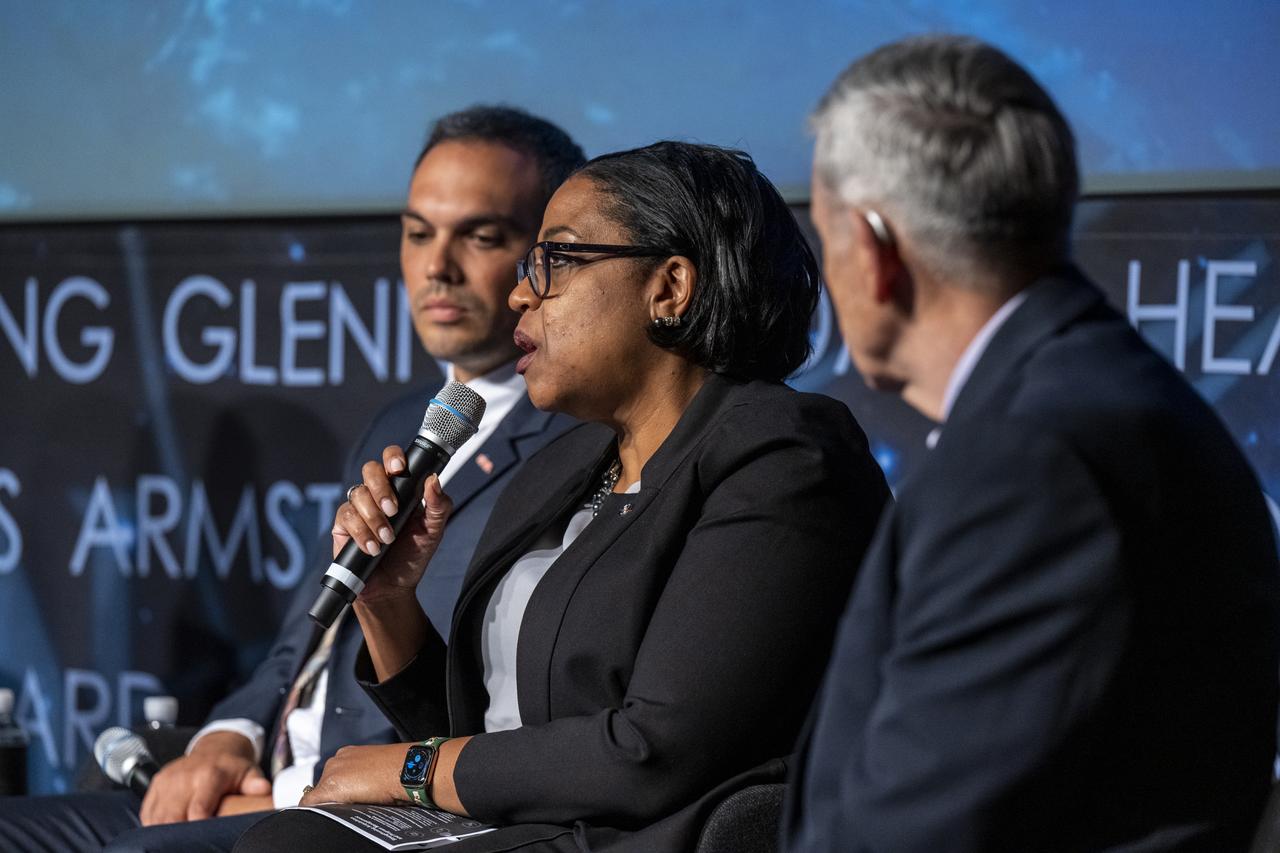
Senior Procurement Executive, Deputy Chief Acquisition Officer and Assistant Administrator for Procurement Karla Smith Jackson speaks during a Strengthening Acquisition and Program Management at the Agency fireside chat, Thursday, May 18, 2023, at the Mary W. Jackson NASA Headquarters building in Washington. Photo Credit: (NASA/Keegan Barber)
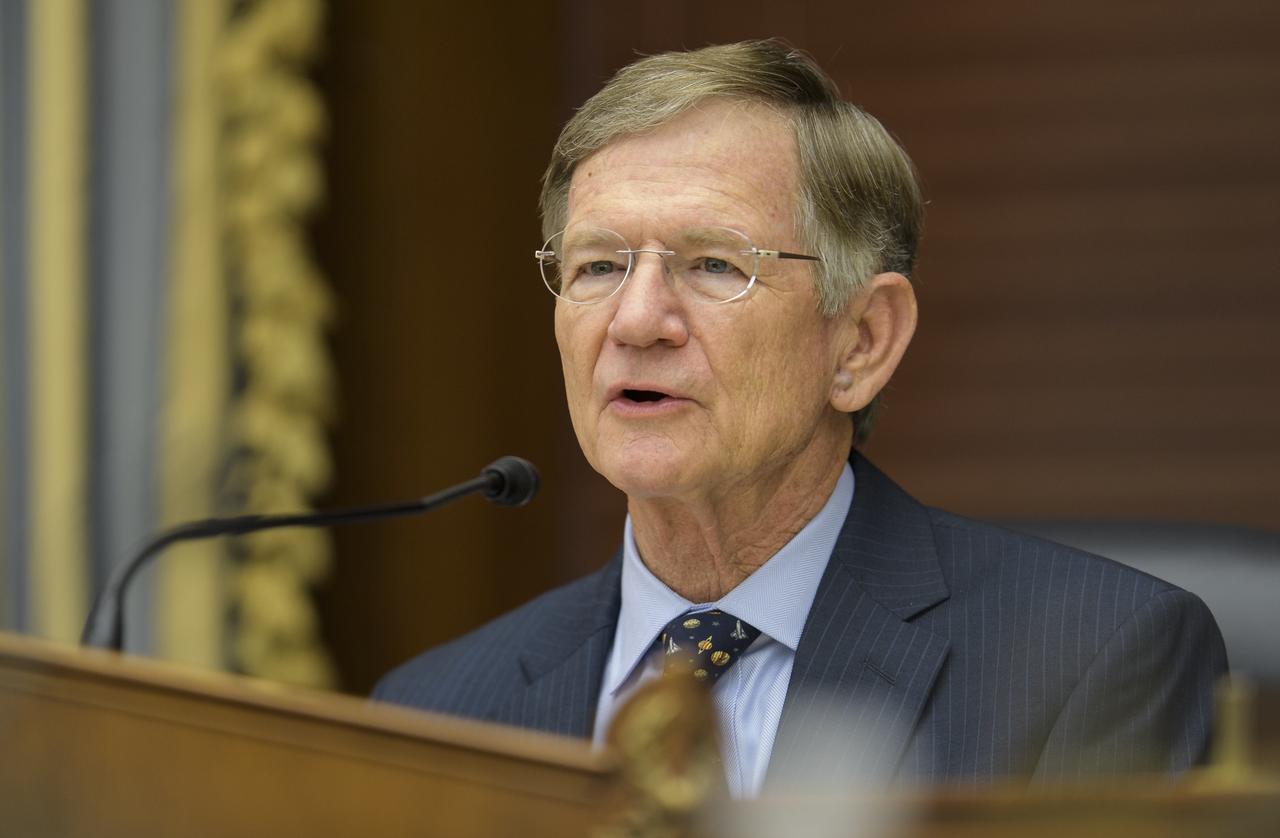
Rep. Lamar Smith, R-Texas, chairman of the House Committee on Science, Space, and Technology, delivers his opening statement during a hearing titled "America's Human Presence in Low-Earth Orbit" on Thursday, May 17, 2018 in the Rayburn House Office Building in Washington. Photo Credit: (NASA/Joel Kowsky)
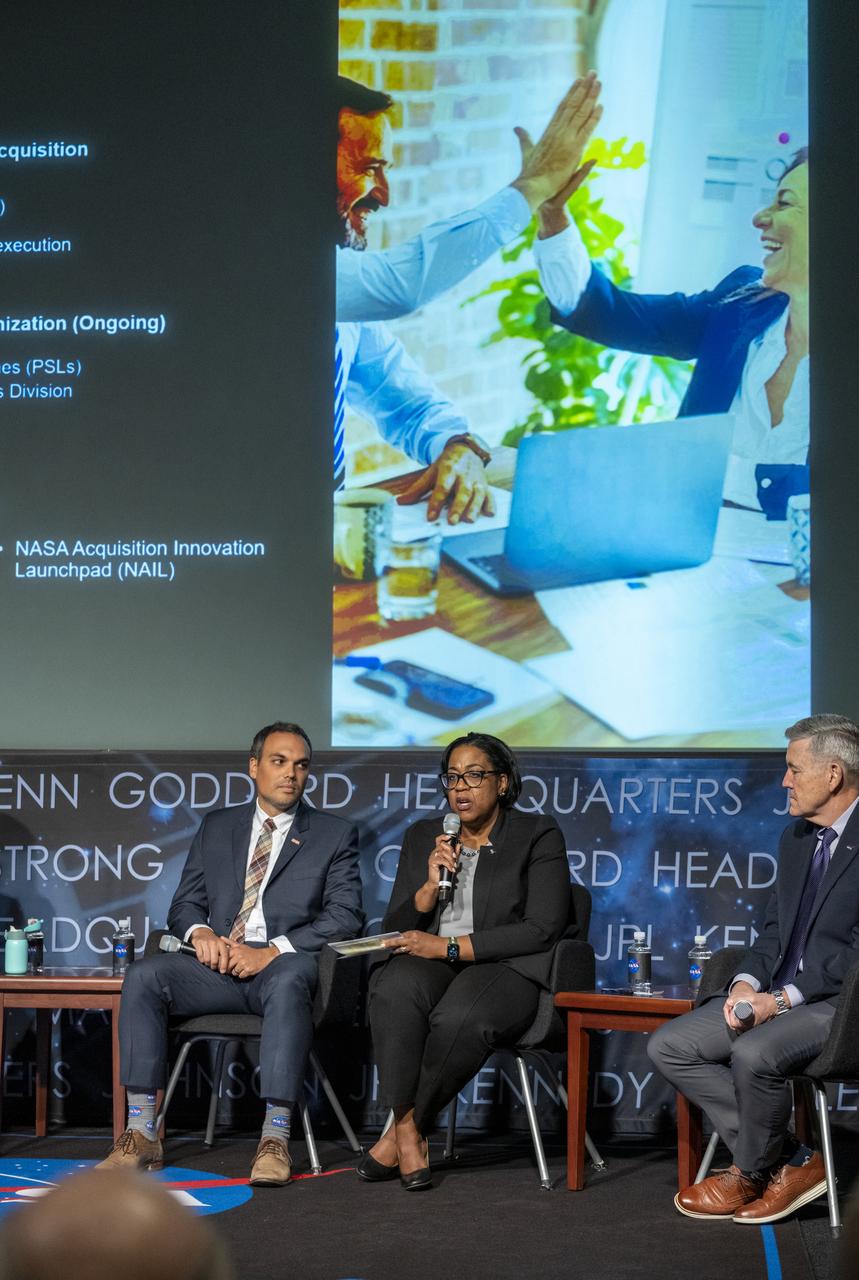
Senior Procurement Executive, Deputy Chief Acquisition Officer and Assistant Administrator for Procurement Karla Smith Jackson speaks during a Strengthening Acquisition and Program Management at the Agency fireside chat, Thursday, May 18, 2023, at the Mary W. Jackson NASA Headquarters building in Washington. Photo Credit: (NASA/Keegan Barber)
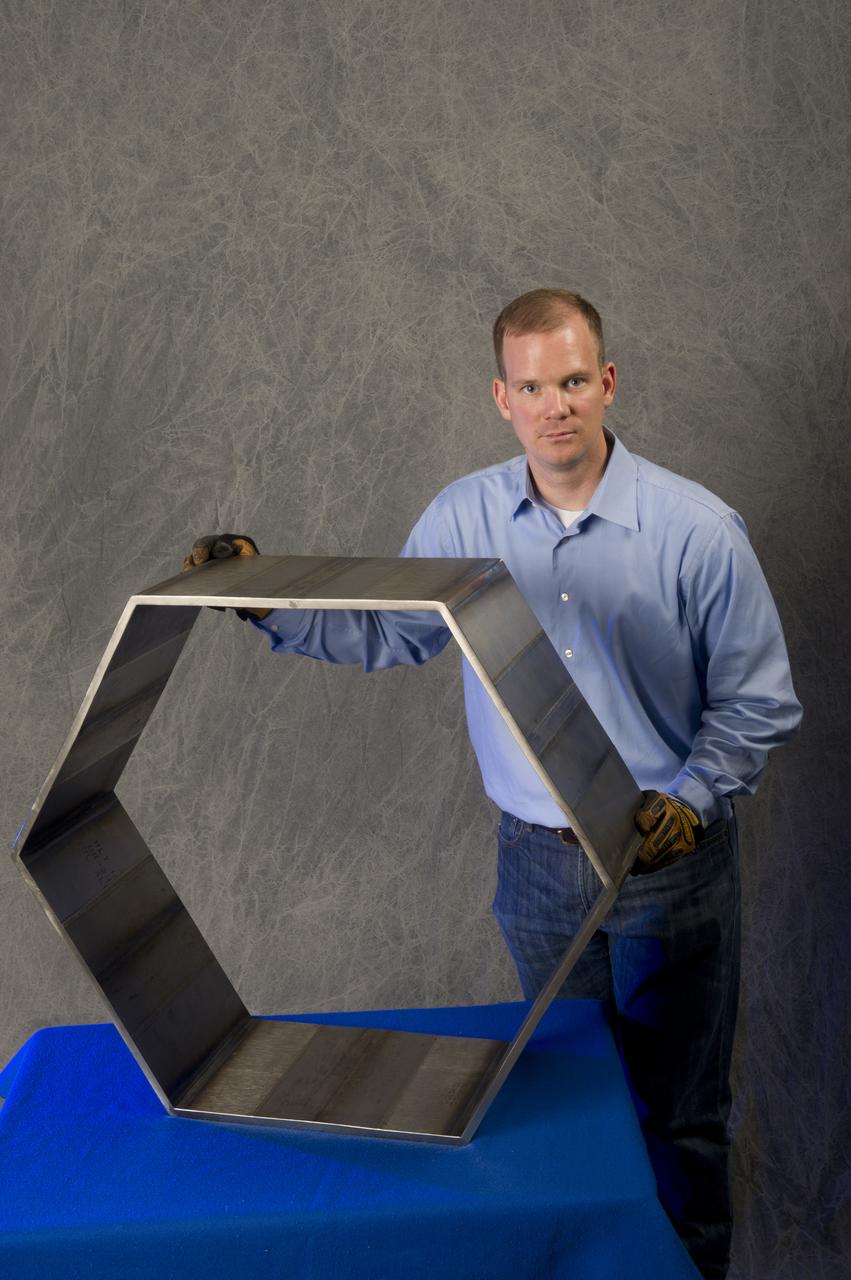
SAMUEL SMITH (WELD TECHNICIAN, JACOBS ESTS GROUP/ALL POINTS) DISPLAYS A HEXAGON THAT WAS FABRICATED FROM FRICTION STIR WELDED PLATES OF 6AL-4V TITANIUM (ELI) USING THERMAL STIR WELDING. THIS WORK WAS PERFORMED FOR A NASA TECHNOLOGY TRANSFER INDUSTRIAL PARTNER (KEYSTONE SYNERGETIC ENTERPRISES, INC.) IN SUPPORT OF A PROJECT FOR THE U.S. NAVY
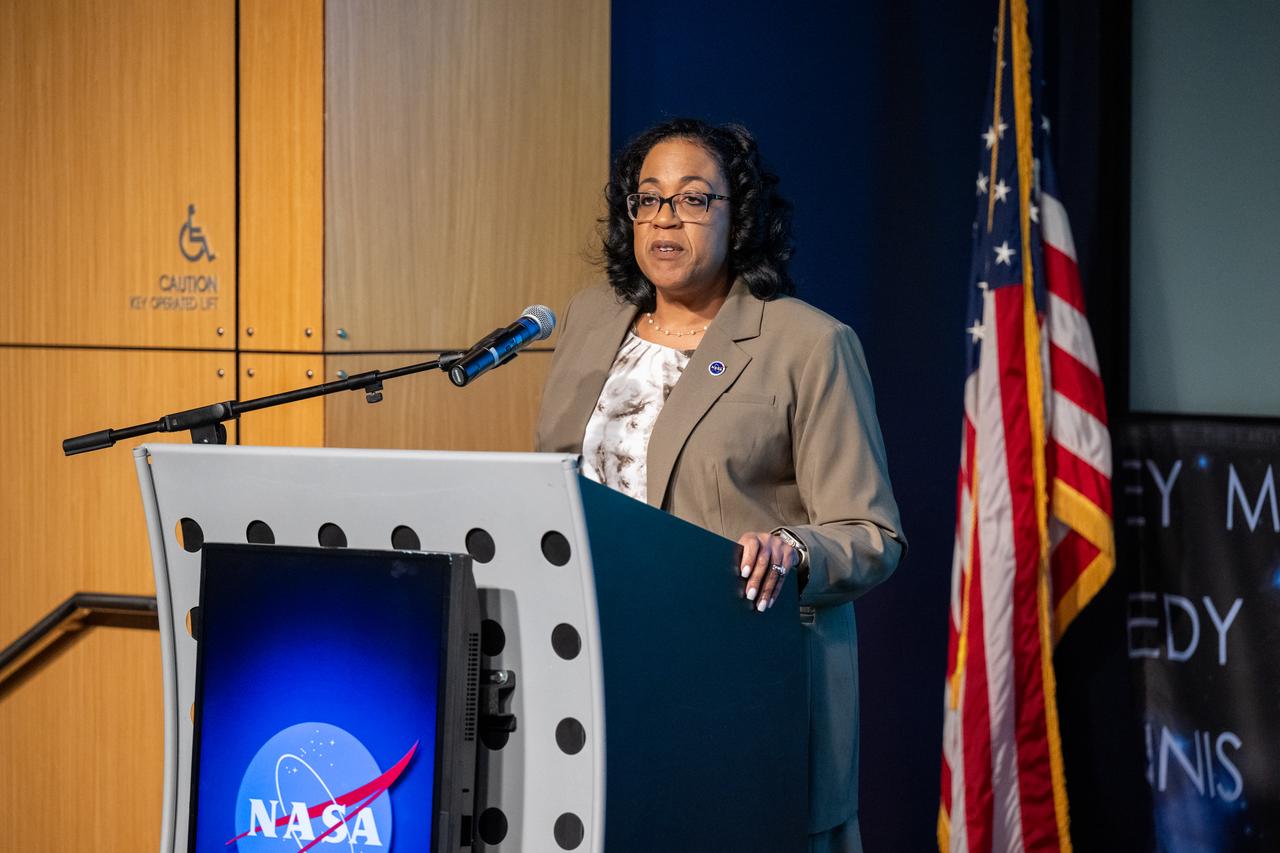
Senior Procurement Executive, Deputy Chief Acquisition Officer and Assistant Administrator for Procurement Karla Smith Jackson delivers remarks during a NASA Office of Procurement Enterprise Reverse Industry Day event Thursday, April 24, 2025, at the Mary W. Jackson NASA Headquarters building in Washington. Photo Credit: (NASA/Keegan Barber)
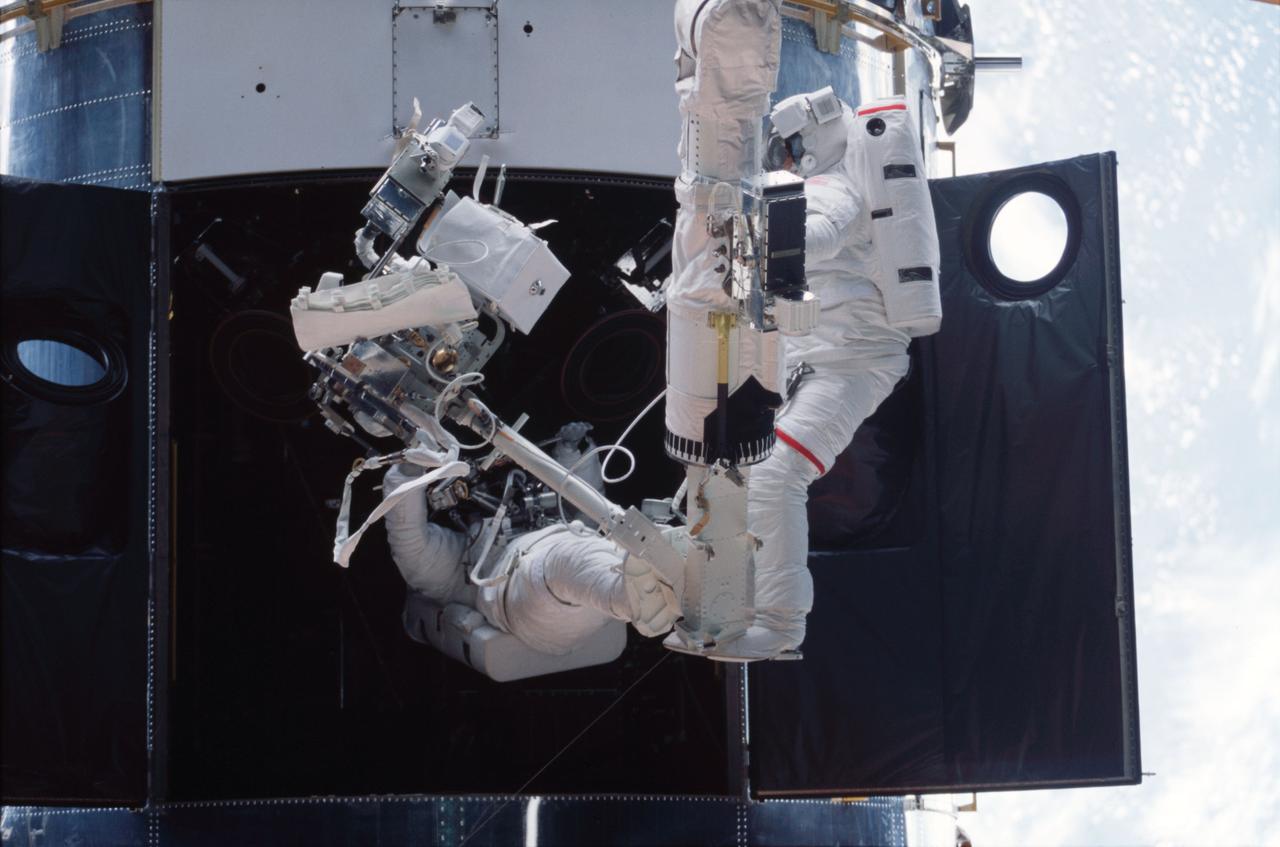
STS103-331-013 (19-27 December 1999) --- Astronauts John M. Grunsfeld (right) and Steven L. Smith share space on the end of the remote manipulator system (RMS) as they change out gyroscopes, contained in rate sensor units (RSU) inside the Hubble Space Telescope (HST).
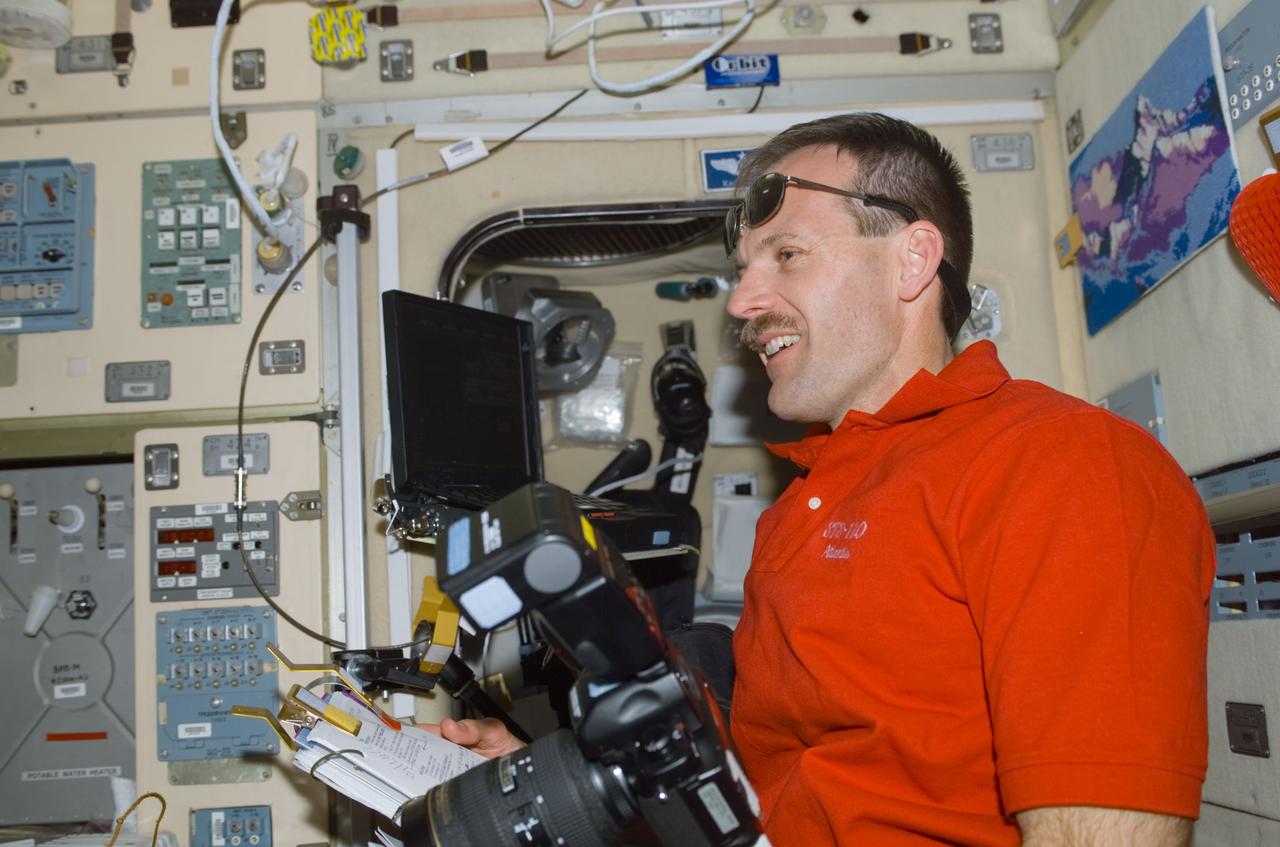
STS110-E-5131 (10 April 2002) --- Astronaut Steven L. Smith, STS-110 mission specialist, holds a still camera and a procedures checklist in the Zvezda Service Module on the International Space Station (ISS). The image was taken with a digital still camera.
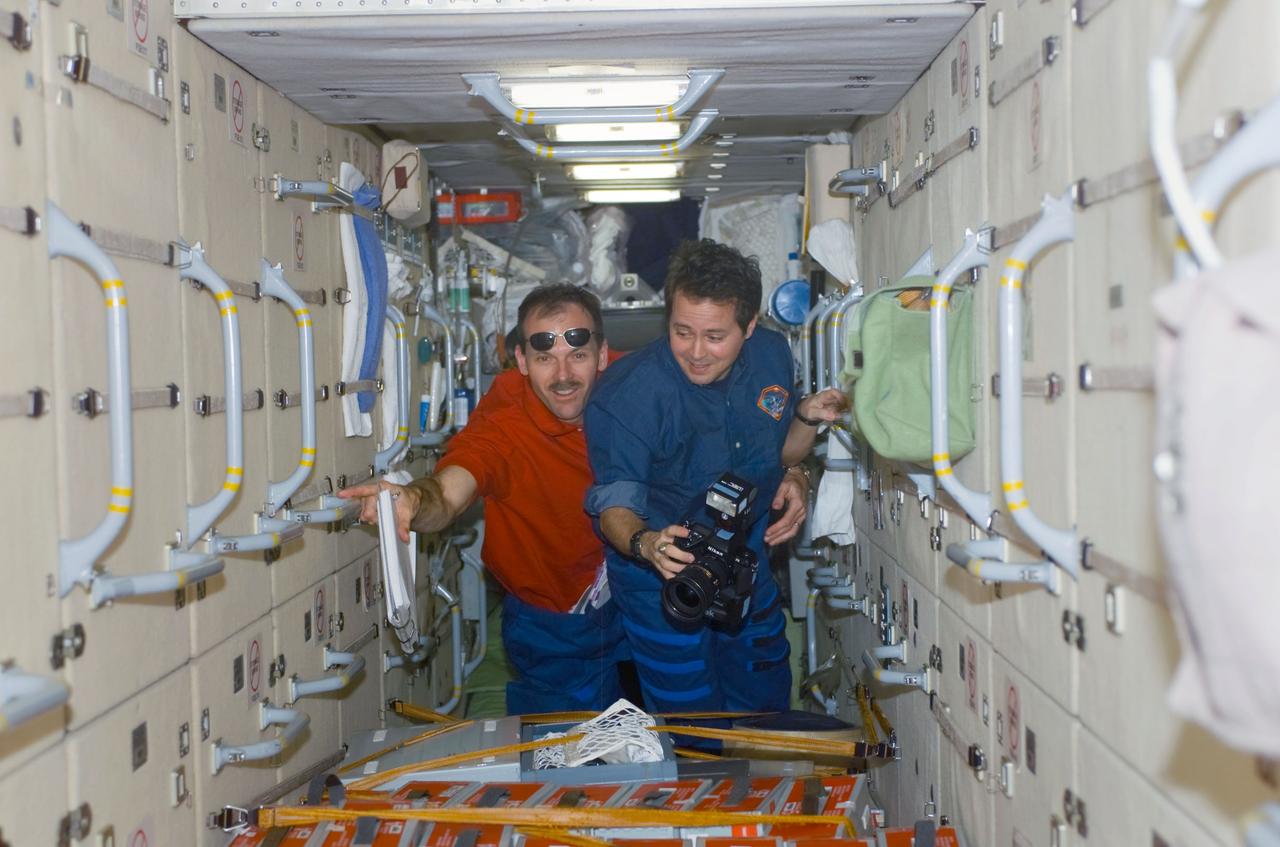
STS110-E-5115 (10 April 2002) --- Astronauts Daniel W. Bursch (right), Expedition Four flight engineer, and Steven L. Smith, STS-110 mission specialist, traverse through the functional cargo block (FGB), or Zarya on the International Space Station (ISS). The image was taken with a digital still camera.
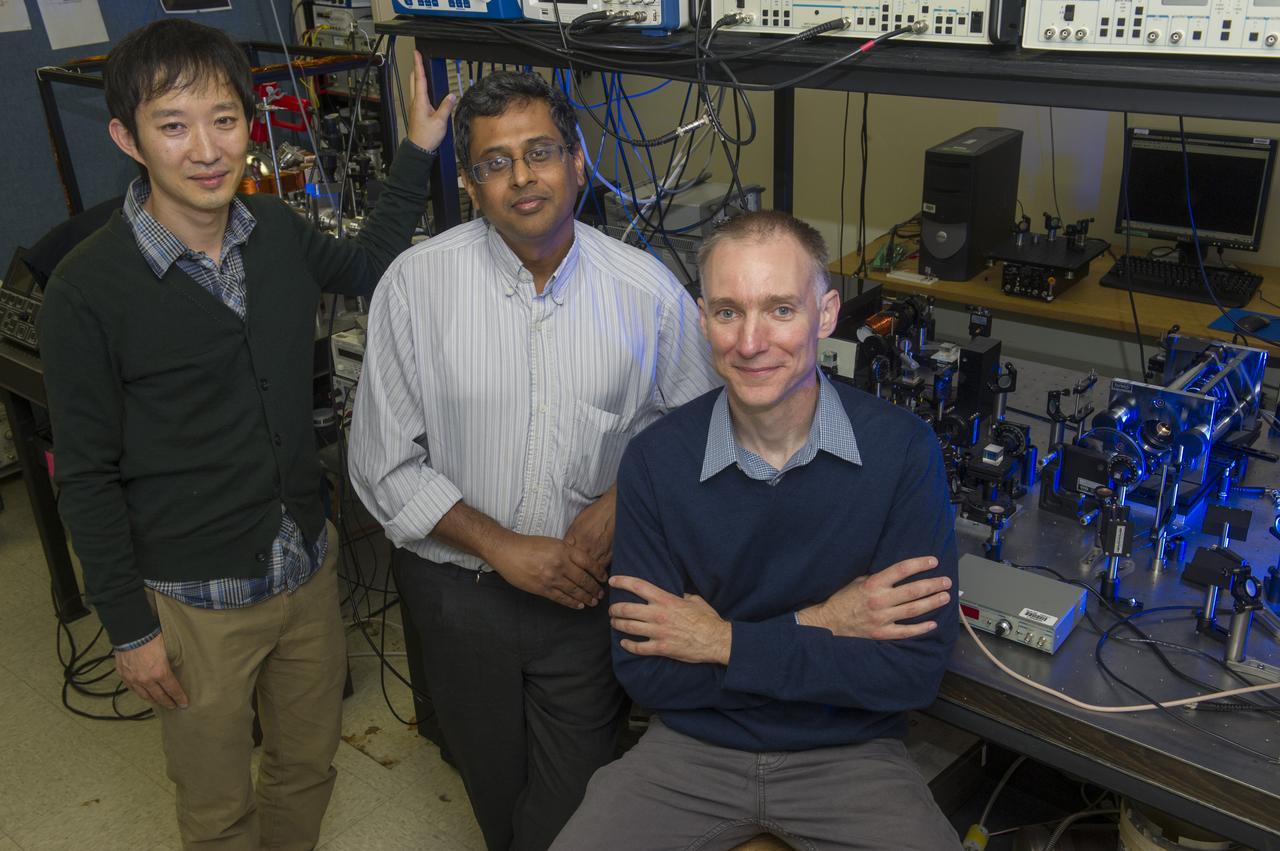
FROM RIGHT, MARSHALL RESEARCHER DR. DAVID SMITH, U.S. ARMY RESEARCHER KRISHNA MYNENI AND ARMY CONTRACTOR HONGROK CHANG HAVE BEGUN A THREE-YEAR NASA PROJECT TO DEVELOP INNOVATIVE NEW GYROSCOPES THAT COULD DRAMATICALLY IMPROVE IN-FLIGHT NAVIGATION CAPABILITIES FOR SPACE VEHICLES, MILITARY AIR AND SEA ASSETS AND COMMERCIAL VEHICLES. THE “FAST LIGHT OPTICAL GYROSCOPES FOR PRECISE INERTIAL NAVIGATION” PROJECT INCLUDES RESEARCHERS AT NASA’S MARSHALL SPACE FLIGHT CENTER IN HUNTSVILLE, ALA.; THE U.S. ARMY AVIATION AND MISSILE RESEARCH, DEVELOPMENT AND ENGINEERING CENTER (AMRDEC) AT REDSTONE ARSENAL IN HUNTSVILLE; AND NORTHWESTERN UNIVERSITY IN EVANSTON, ILL.
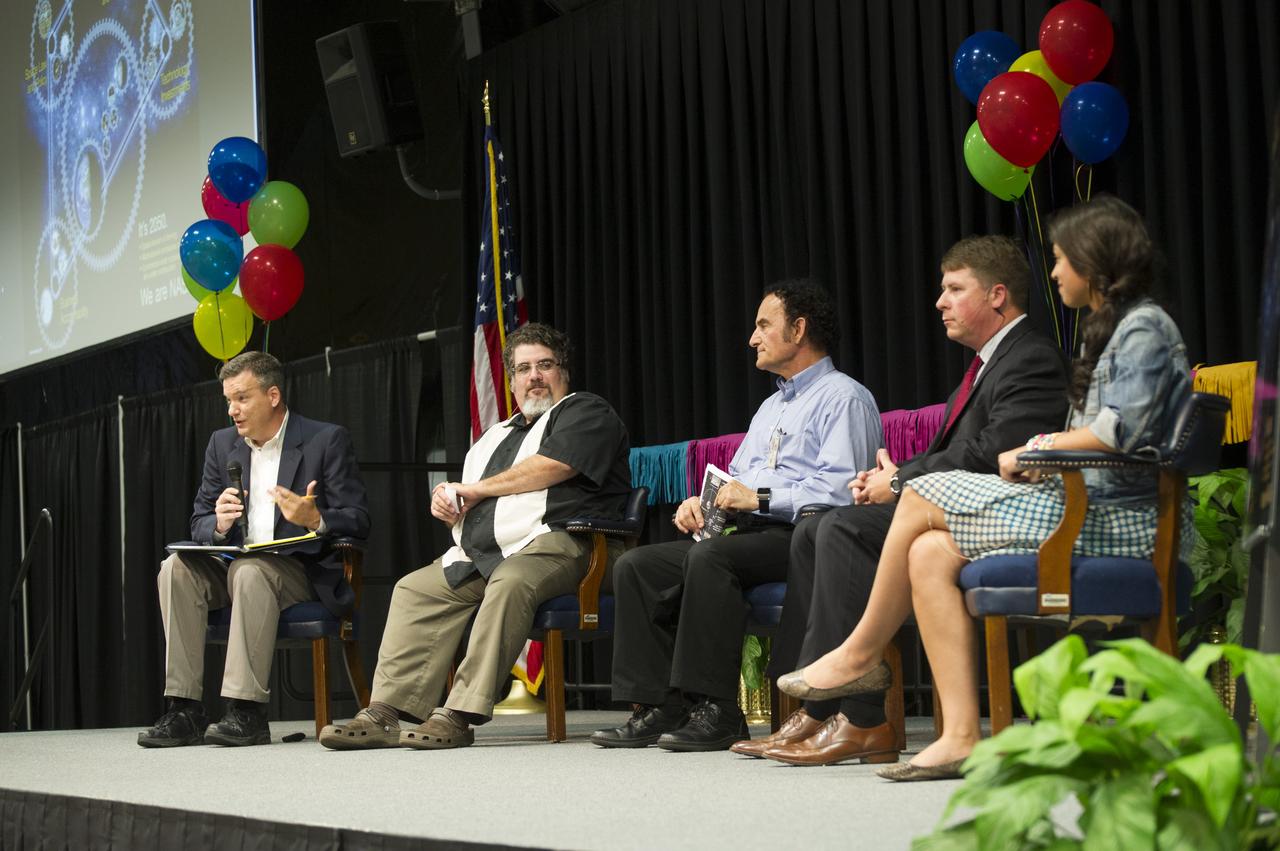
MEMBERS OF SPACE 2100 TEAM PRESENT KEYNOTE ADDRESS AT 2014 CIO AWARDS CEREMONY. (L TO R) DREW SMITH, PABLO GARCIA, DR. PETER CURRERI, CHRIS WHITE, AND ALAYNA DEVINENI
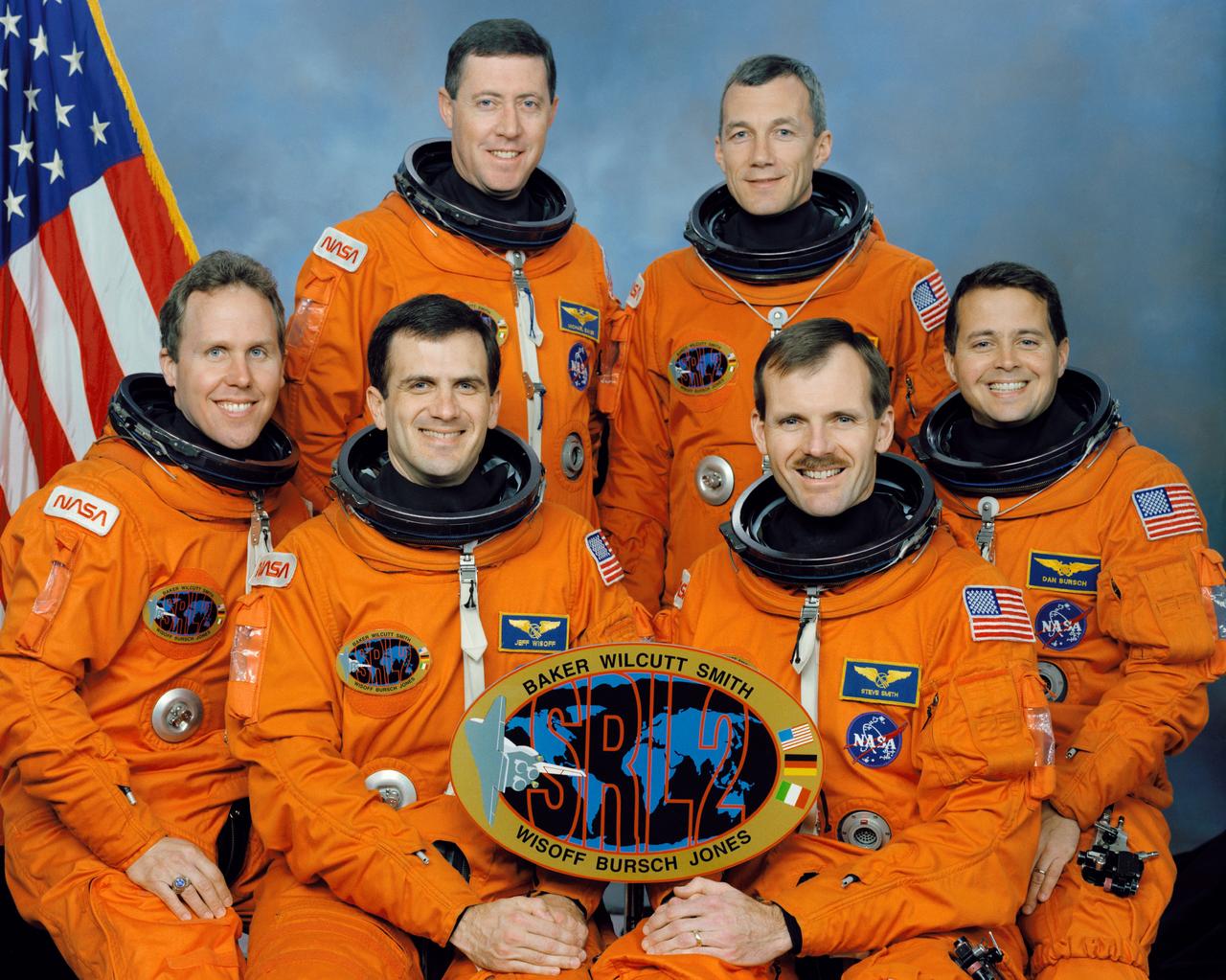
These six NASA astronauts composed the crew of the STS-68 mission that launched aboard the Space Shuttle Endeavour on September 30, 1994. Standing are, left to right, Michael A. Baker, mission commander; and Terrence W. Wilcutt, pilot. On the front row are, left to right, Thomas D. Jones, payload commander; and Peter J. K. (Jeff) Wisoff, Steven L. Smith, and Daniel W. Bursch, all mission specialists. STS-68 marked the second flight of the Space Radar Laboratory, part of NASA’s mission to planet Earth.
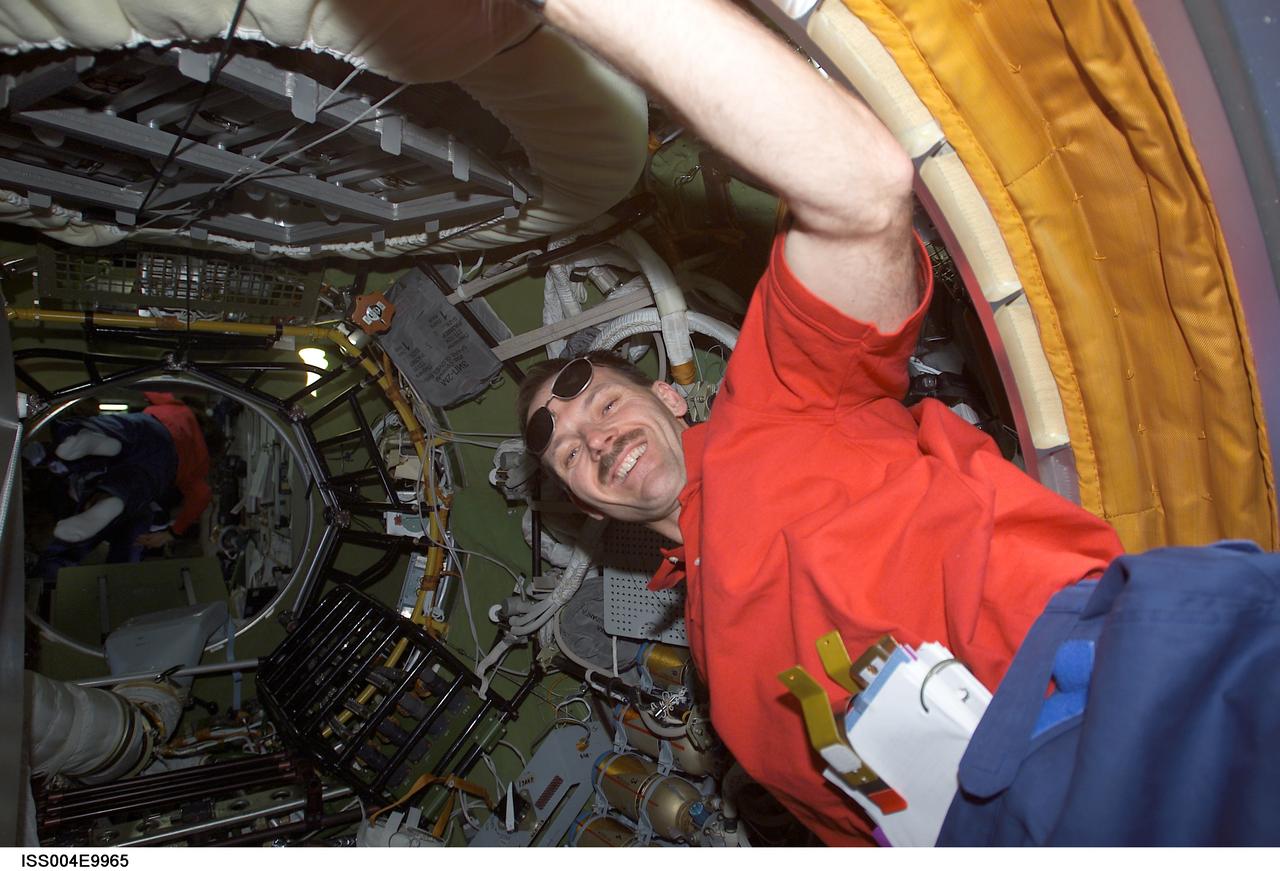
ISS004-E-9965 (10 April 2002) --- Astronaut Steven L. Smith, STS-110 mission specialist, enters the Zvezda Service Module’s transfer compartment on the International Space Station (ISS).
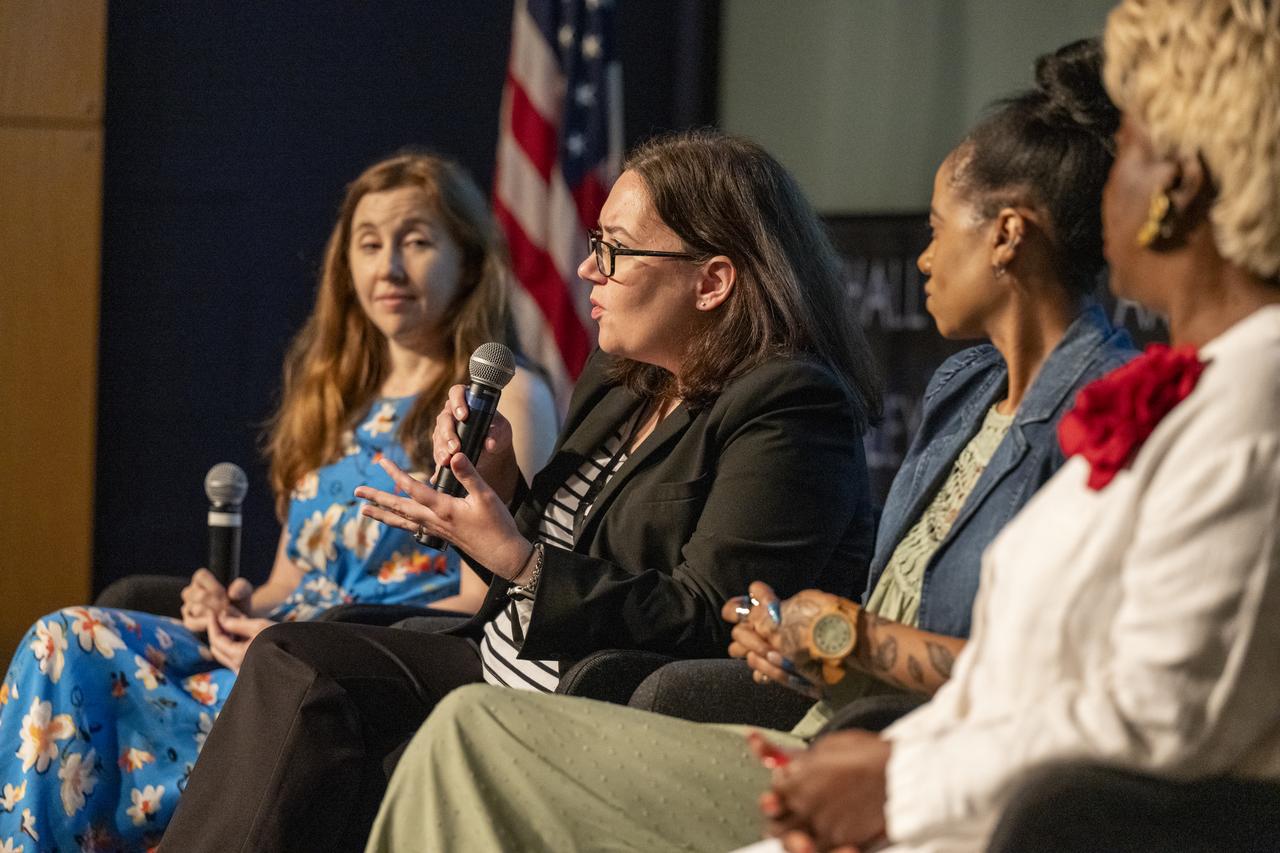
Chief Knowledge Officer for NASA’s Aeronautics Research Mission Directorate (ARMD) Tiffany Smith, second from left, answers questions during a high school student engagement event, Thursday, July 6, 2023, at the Mary W. Jackson NASA Headquarters building in Washington. Photo Credit: (NASA/Keegan Barber)
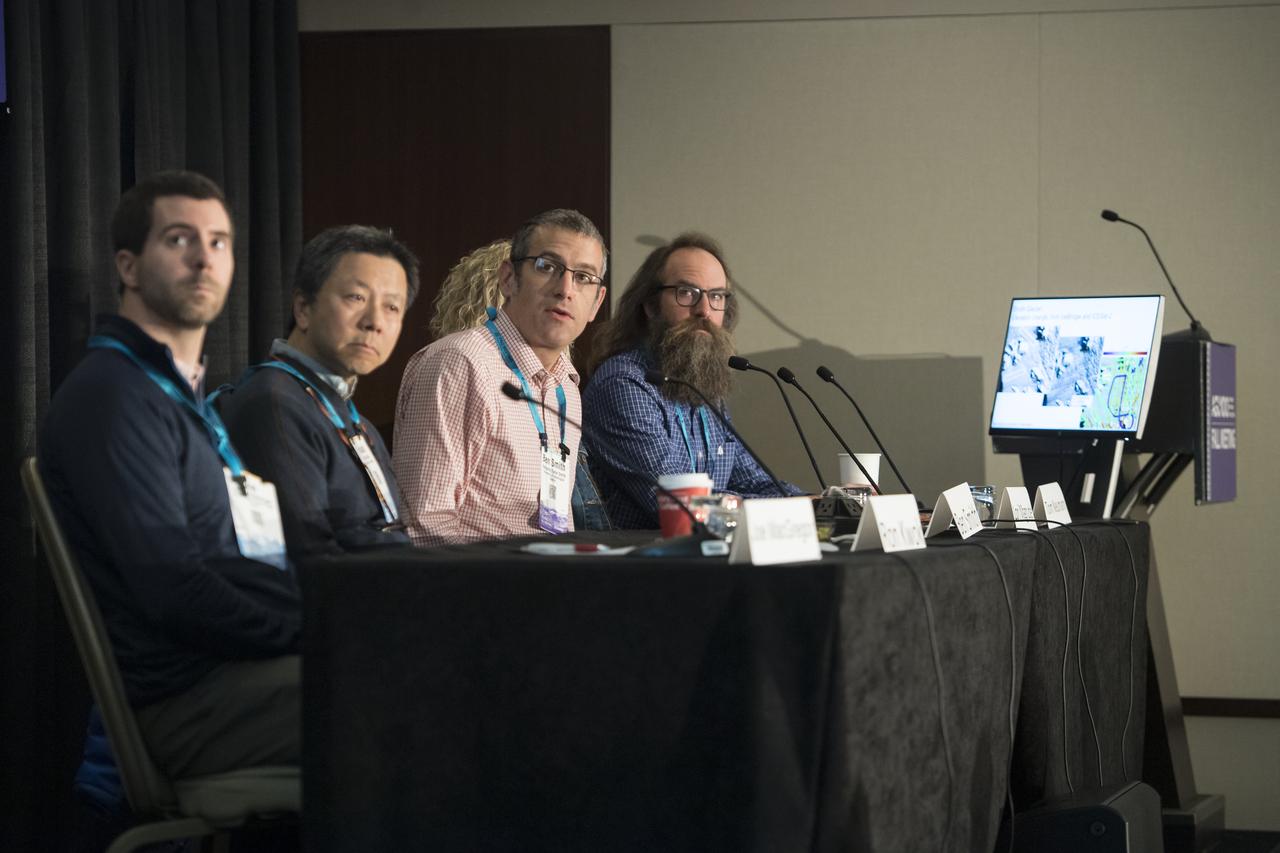
Ben Smith speaks during the press briefing, "First Results from New ICESat-2 Mission, Tuesday, December 11, 2018 at the Marriott Marquis in Washington as part of the American Geophysical Union (AGU) annual meeting. Photo Credit: (NASA/Aubrey Gemignani)
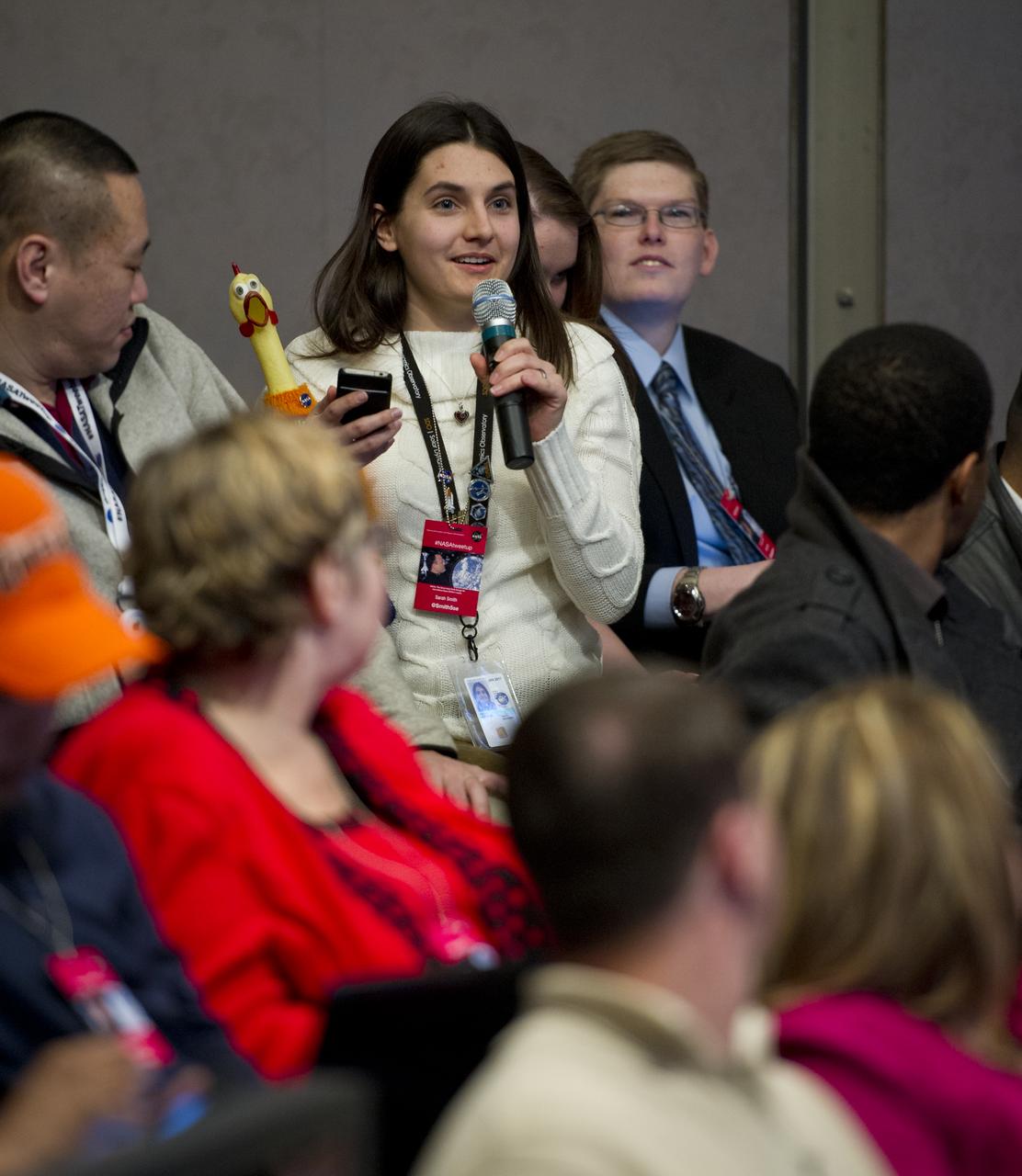
NASA Twitter follower Sarah Smith, Twitter handle @smith5se, asks a question at a Tweetup hosted by astronaut Ron Garan at NASA Headquarters in Washington, Tuesday, Feb. 14, 2012. Photo Credit: (NASA/Carla Cioffi)
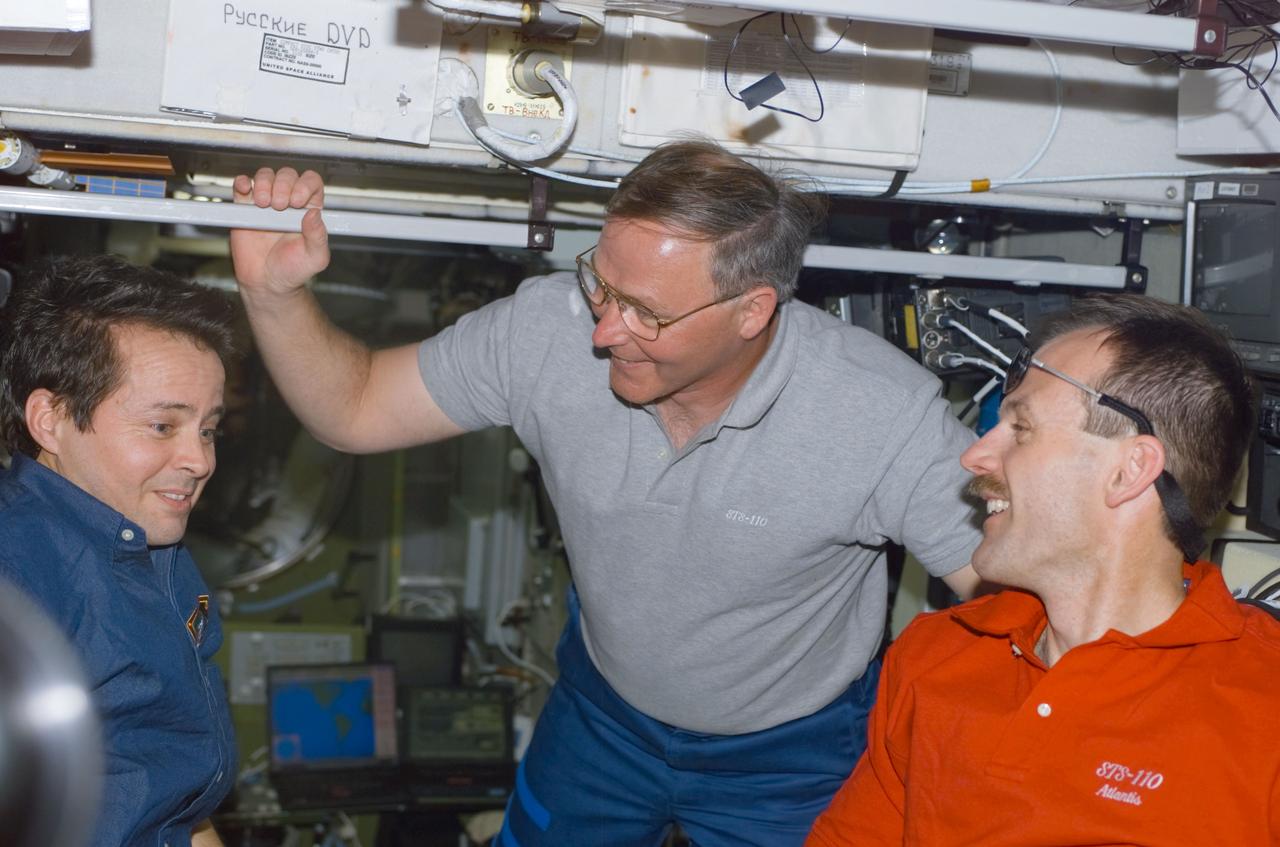
STS110-E-5122 (10 April 2002) --- Astronauts Daniel W. Bursch (left), Expedition Four flight engineer, Jerry L. Ross and Steven L. Smith, both STS-110 mission specialists, converse in the Zvezda Service Module on the International Space Station (ISS). The image was taken with a digital still camera.
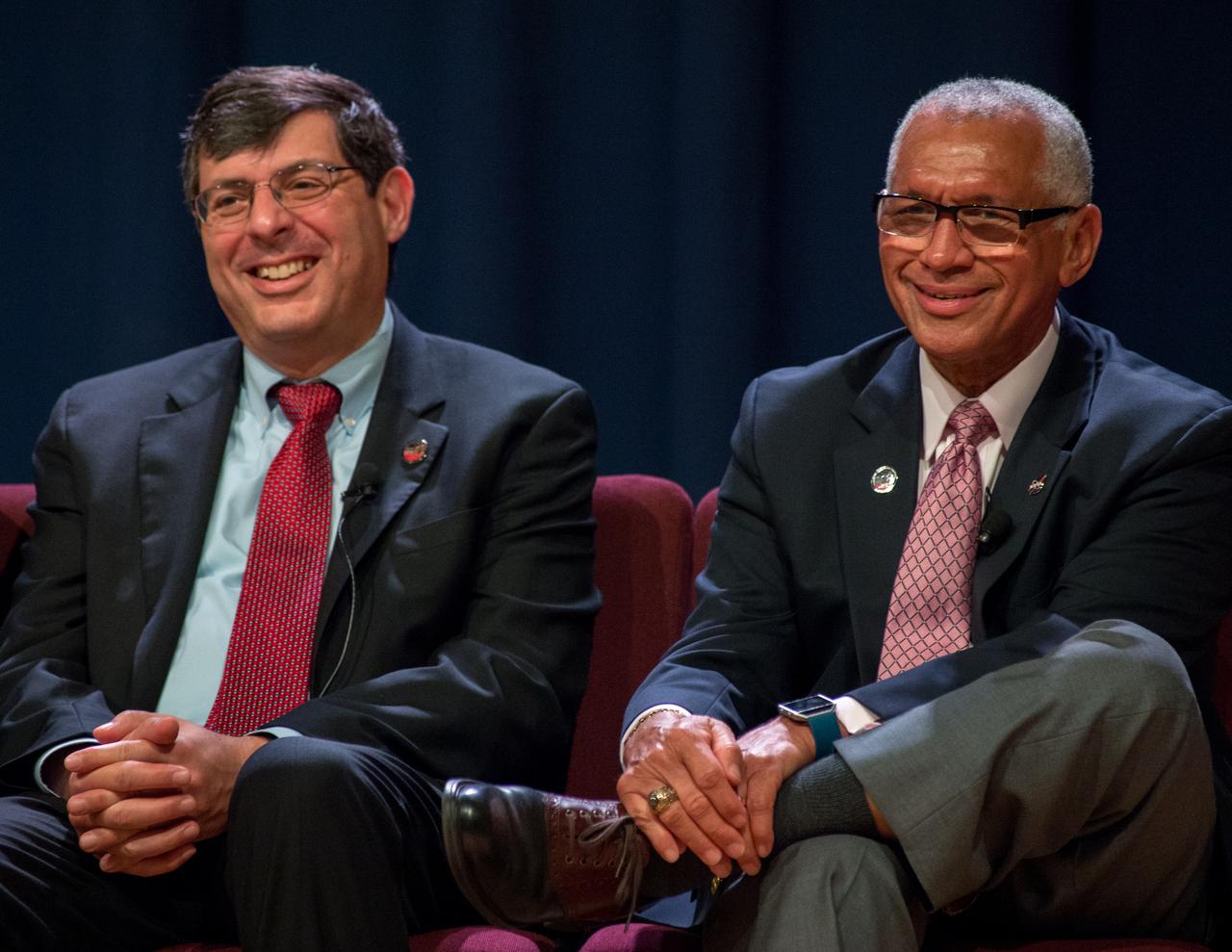
James Webb Space Telescope (JWST) Town Hall - Panel question and answer - Bill Ochs; Dr. John Mather; Dr. Eric Smith; Thomas Zurbuchen; Center Director Chris Scolese; NASA Administrator Charlie Bolden.
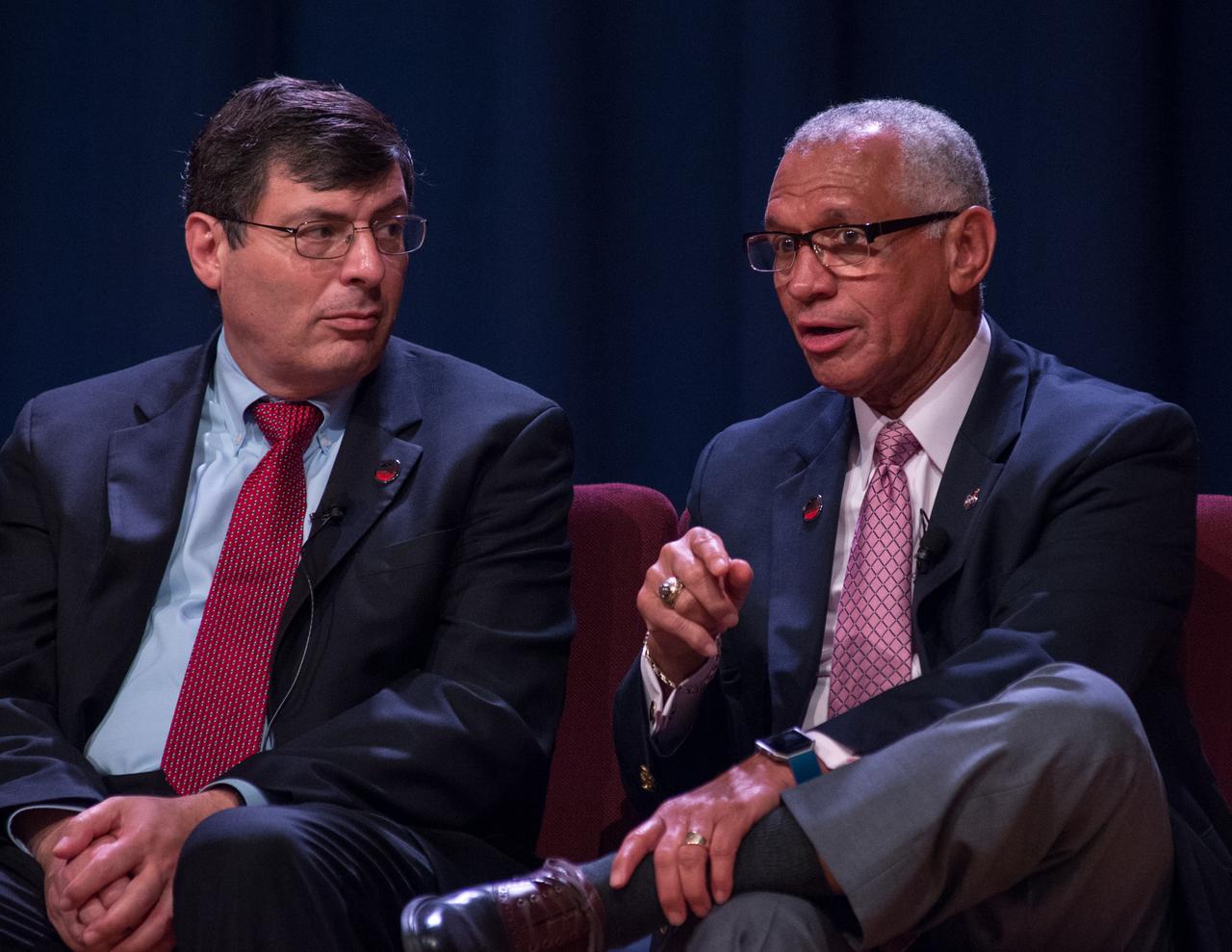
James Webb Space Telescope (JWST) Town Hall - Panel question and answer - Bill Ochs; Dr. John Mather; Dr. Eric Smith; Thomas Zurbuchen; Center Director Chris Scolese; NASA Administrator Charlie Bolden.
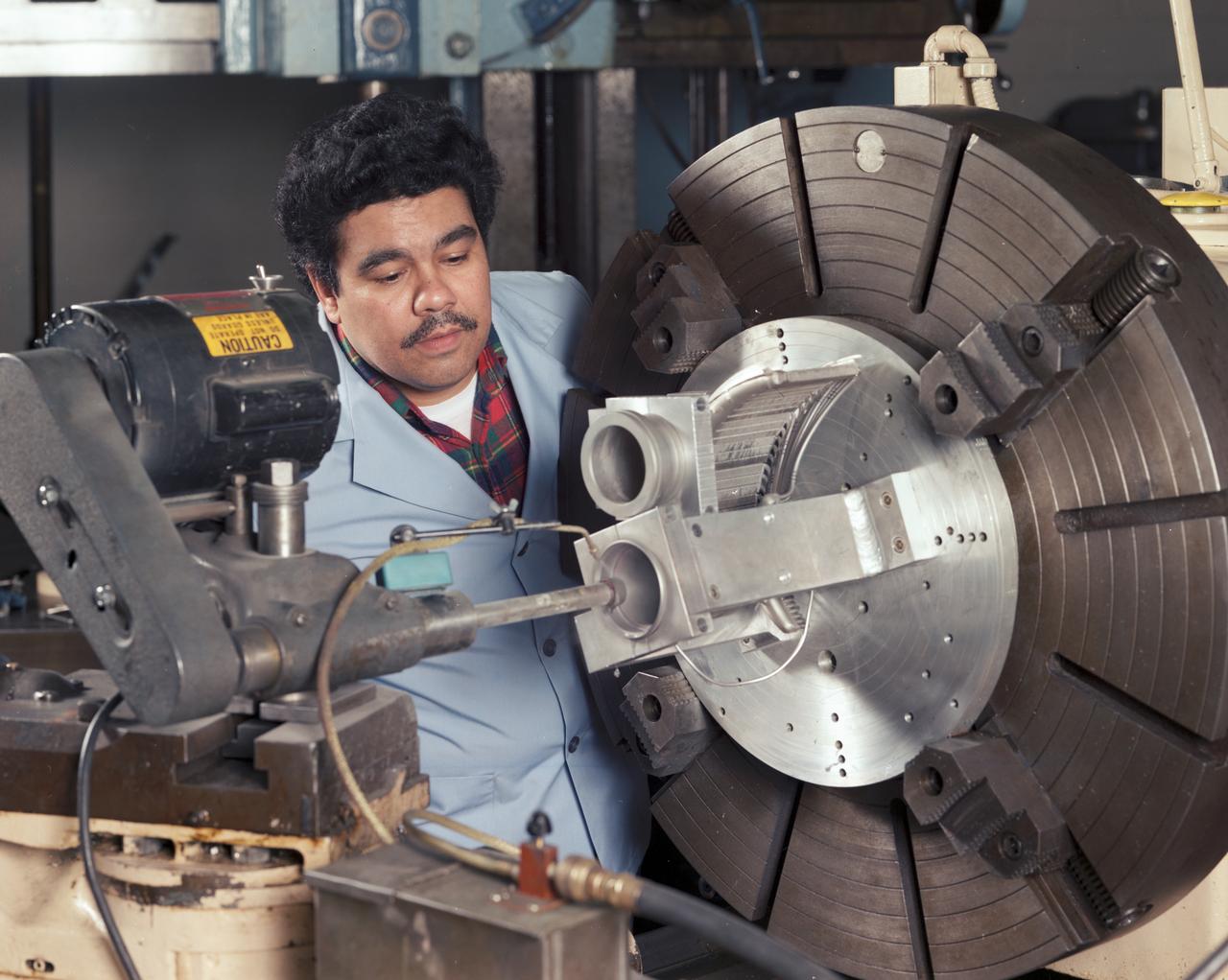
Fabrication of Stirling Engine Cylinder Test Hardware in the Machine Shop
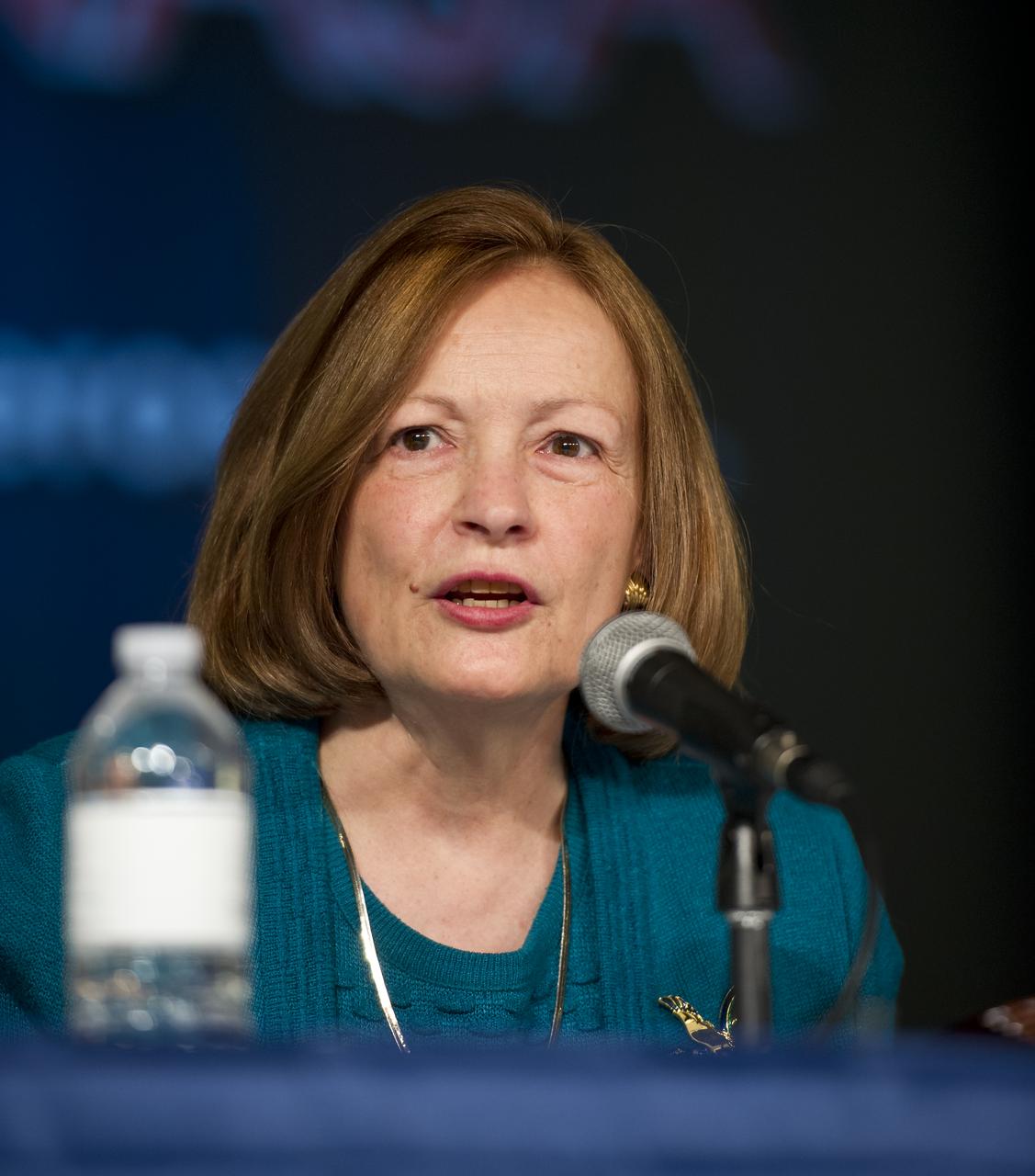
Marcia Smith, President, spacepolicyonline.com, participates in a panel discussion at the Women, Innovation and Aerospace event celebrating Women's History Month at the George Washington University Jack Morton Auditorium, Thursday, March 8, 2012 in Washington. The WIA day-long event will help to foster a discussion for students and early career professionals about how to continue to encourage women to enter and succeed in the field of aerospace. Photo Credit: (NASA/Carla Cioffi)
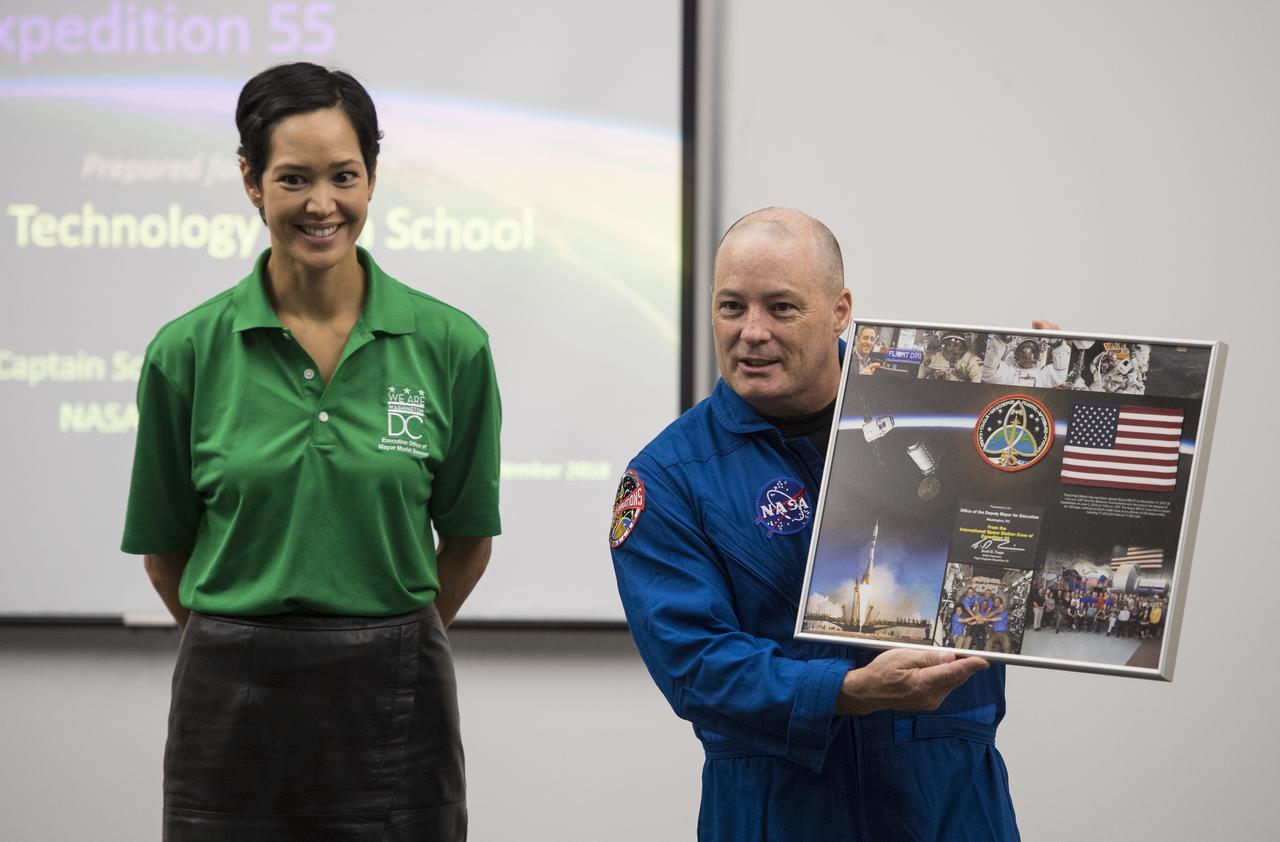
NASA astronaut Scott Tingle presents a montage for Washington, DC's Office of the Deputy Mayor for Education to Ahnna Smith, Interim Deputy Mayor for Education, prior to speaking to students about his time onboard the International Space Station, Friday, Sept. 14, 2018 at McKinley Technology High School in Washington, DC. Tingle spent 168 days onboard the International Space Station as part of Expeditions 54 and 55. Photo Credit: (NASA/Joel Kowsky)

Robert Smith, from the University of Alberta, speaks during a panel discussion alongside Rebecca Charbonneau, from the American Institute of Physics and Patrick McCray, from the University of California Santa Barbara, on history of the Hubble Space Telescope during an event titled “Beyond the Deep Field: Hubble’s Legacy and the Future of Cosmic Observation,” Thursday, June 4, 2026, at the Mary W. Jackson NASA Headquarters building in Washington. Photo Credit: (NASA/Joel Kowsky)

Rebecca Charbonneau, from the American Institute of Physics, right, speaks alongside Robert Smith, from the University of Alberta, left, and Patrick McCray, from the University of California Santa Barbara, during a panel discussion on history of the Hubble Space Telescope during an event titled “Beyond the Deep Field: Hubble’s Legacy and the Future of Cosmic Observation,” Thursday, June 4, 2026, at the Mary W. Jackson NASA Headquarters building in Washington. Photo Credit: (NASA/Joel Kowsky)
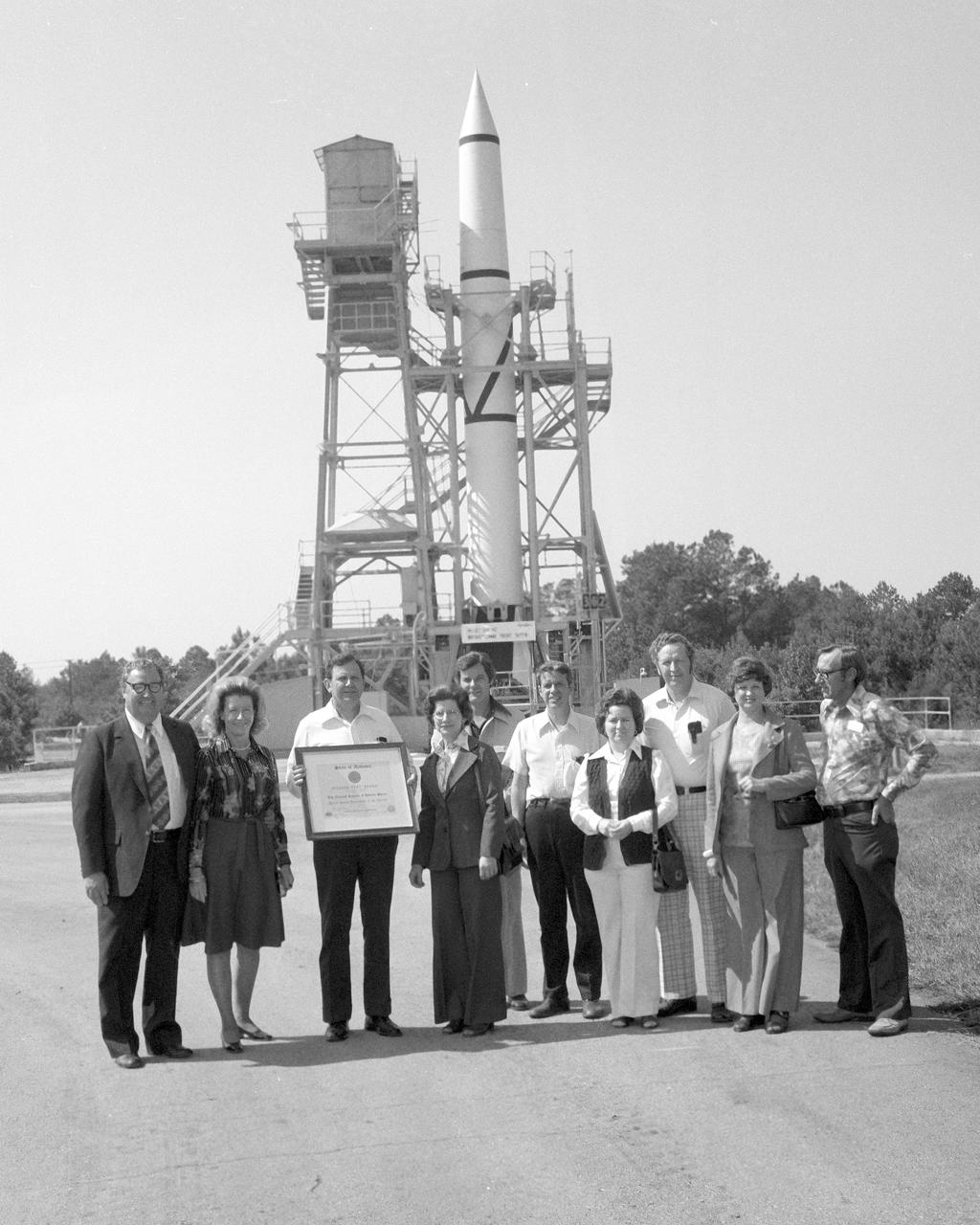
On October 02, 1976, Marshall Space Flight Center’s (MSFC) Redstone test stand was received into the National Registry of Historical Places. Photographed in front of the Redstone test stand along with their wives are (left to right), Madison County Commission Chairman James Record, Dr. William R. Lucas, MSFC Center Director from June 15, 1974 until July 3, 1986, (holding certificate), Ed, Buckbee, Space and Rocket Center Director; Harvie Jones, Huntsville Architect; Dick Smith; and Joe Jones.
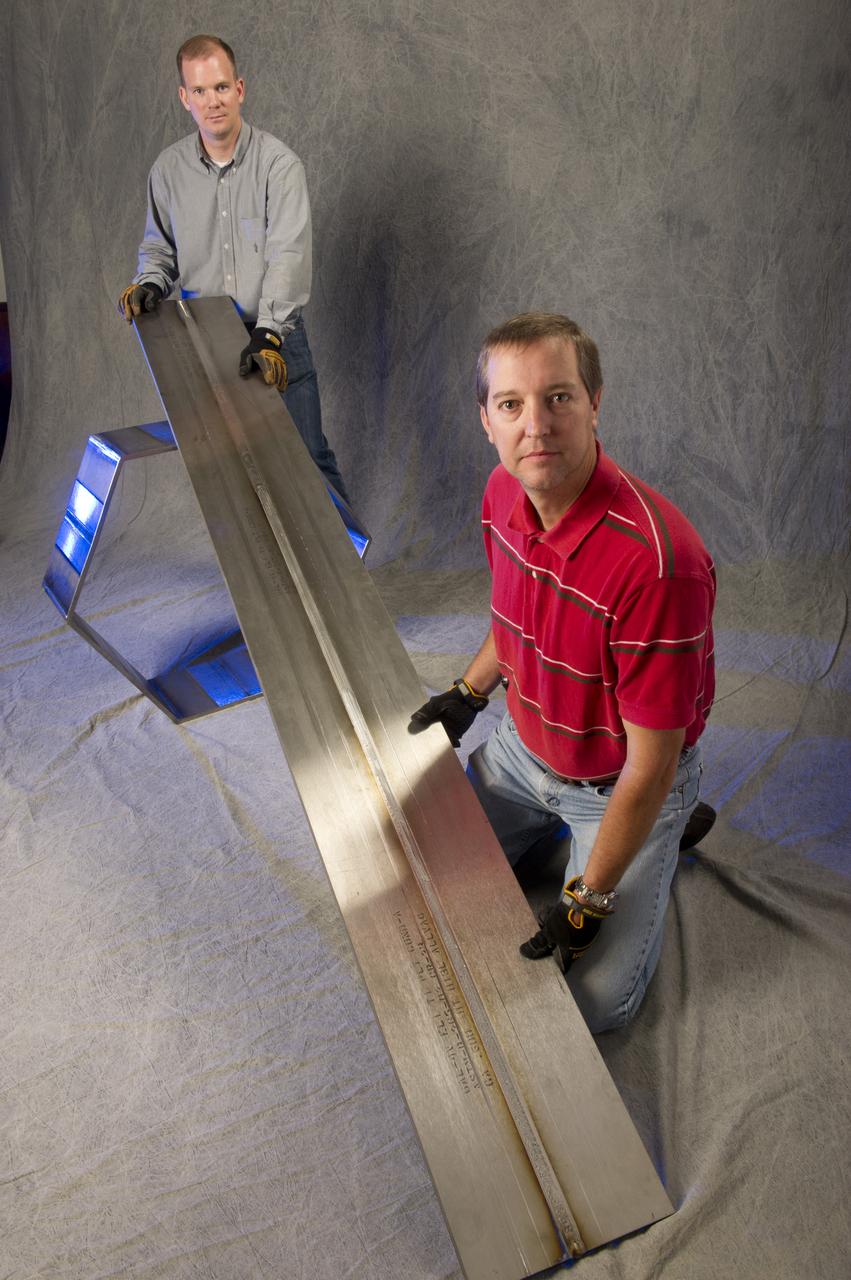
SAMUEL SMITH (WELD TECHNICIAN, JACOBS ESTS GROUP/ALL POINTS) AND ANDRÉ PASEUR (WELD TECHNICIAN, JACOBS ESTS GROUP/ERC) DISPLAY TWO PROCESS DEMONSTRATION ARTICLES – A 9-FOOT BUTT WELD (FOREGROUND) AND A HEXAGON FABRICATED FROM FRICTION STIR WELDED PLATES (BACKGROUND) – THAT WERE FABRICATED FROM 6AL-4V TITANIUM (ELI) USING THERMAL STIR WELDING. THIS WORK WAS PERFORMED FOR A NASA TECHNOLOGY TRANSFER INDUSTRIAL PARTNER (KEYSTONE SYNERGETIC ENTERPRISES, INC.) IN SUPPORT OF A PROJECT FOR THE U.S. NAVY
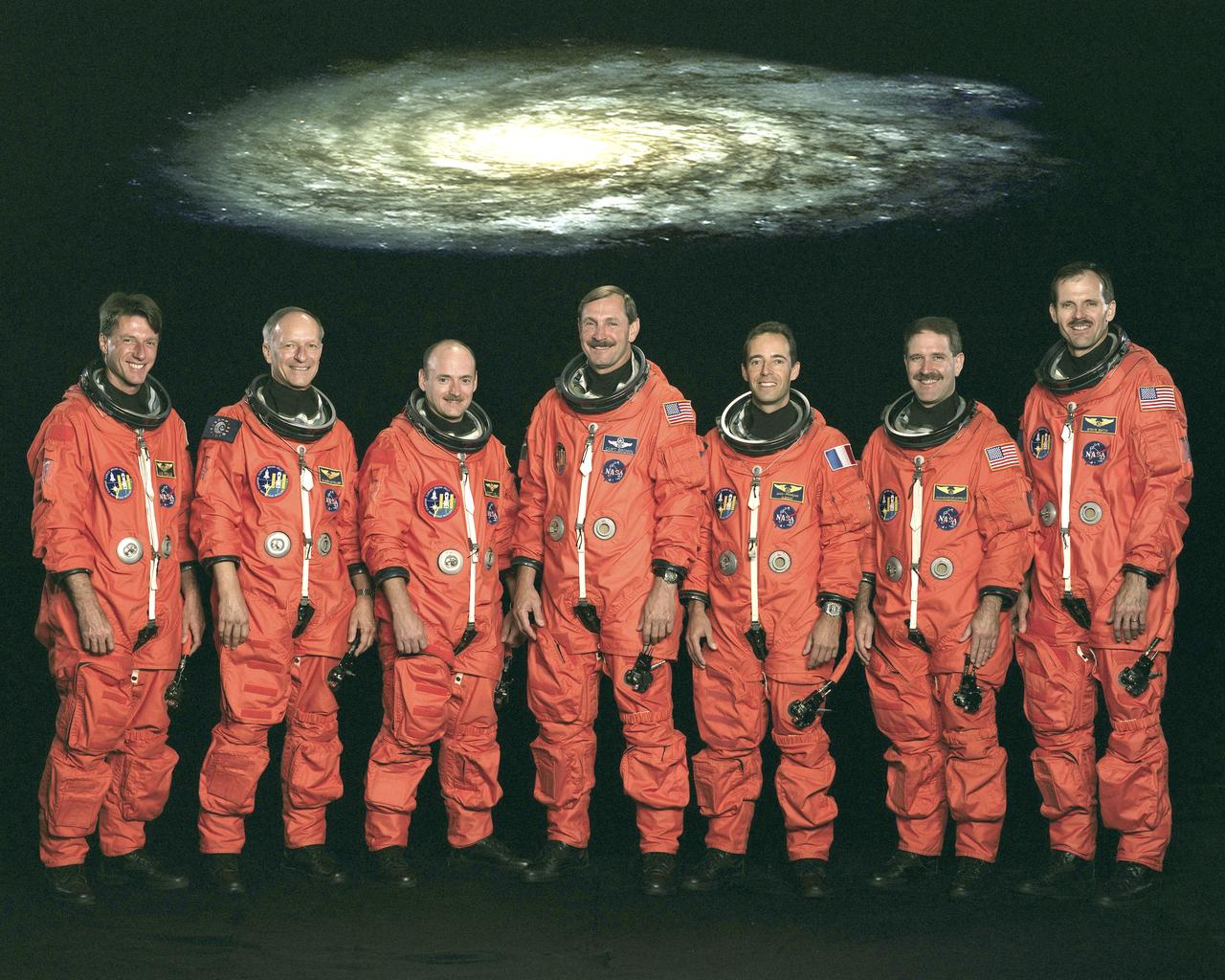
The STS-103 crew portrait includes (from left) C. Michael Foale, mission specialist; Claude Nicollier, mission specialist representing the European Space Agency (ESA) ; Scott J. Kelly, pilot; Curtis L. Brown, commander; and mission specialists Jean-Francois Clervoy (ESA), John M. Grunsfeld, and Steven L. Smith. Launched aboard the Space Shuttle Discovery on December 19, 1999 at 6:50 p.m. (CST), the STS-103 mission served as the third Hubble Space Telescope (HST) servicing mission.
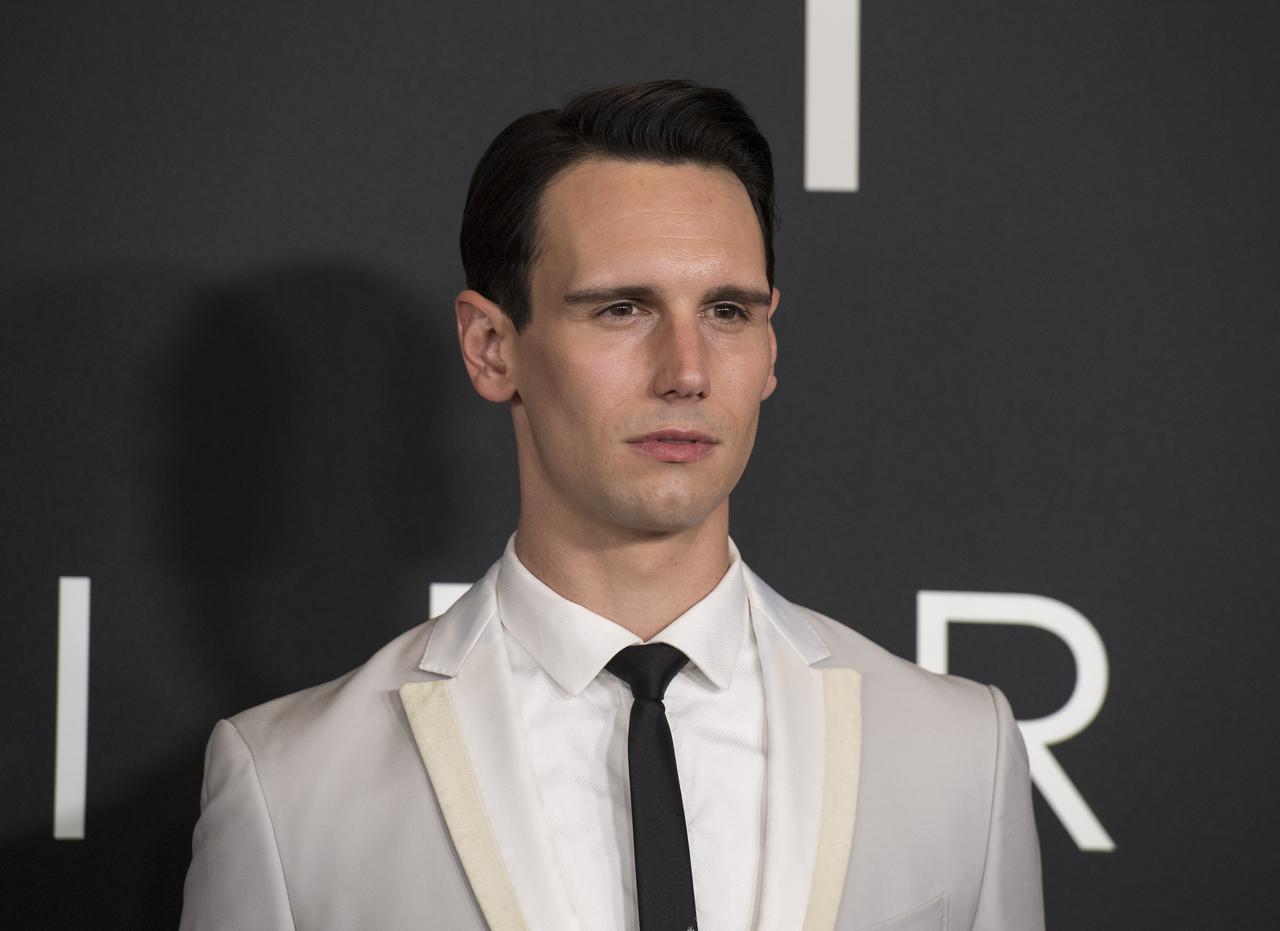
American actor Cory Michael Smith arrives on the red carpet for the premiere of the film "First Man" at the Smithsonian National Air and Space Museum Thursday, Oct. 4, 2018 in Washington. The film is based on the book by Jim Hansen, and chronicles the life of NASA astronaut Neil Armstrong from test pilot to his historic Moon landing. Photo Credit: (NASA/Aubrey Gemignani)

Rebecca Charbonneau, from the American Institute of Physics, right, speaks alongside Robert Smith, from the University of Alberta, left, and Patrick McCray, from the University of California Santa Barbara, during a panel discussion on history of the Hubble Space Telescope during an event titled “Beyond the Deep Field: Hubble’s Legacy and the Future of Cosmic Observation,” Thursday, June 4, 2026, at the Mary W. Jackson NASA Headquarters building in Washington. Photo Credit: (NASA/Joel Kowsky)
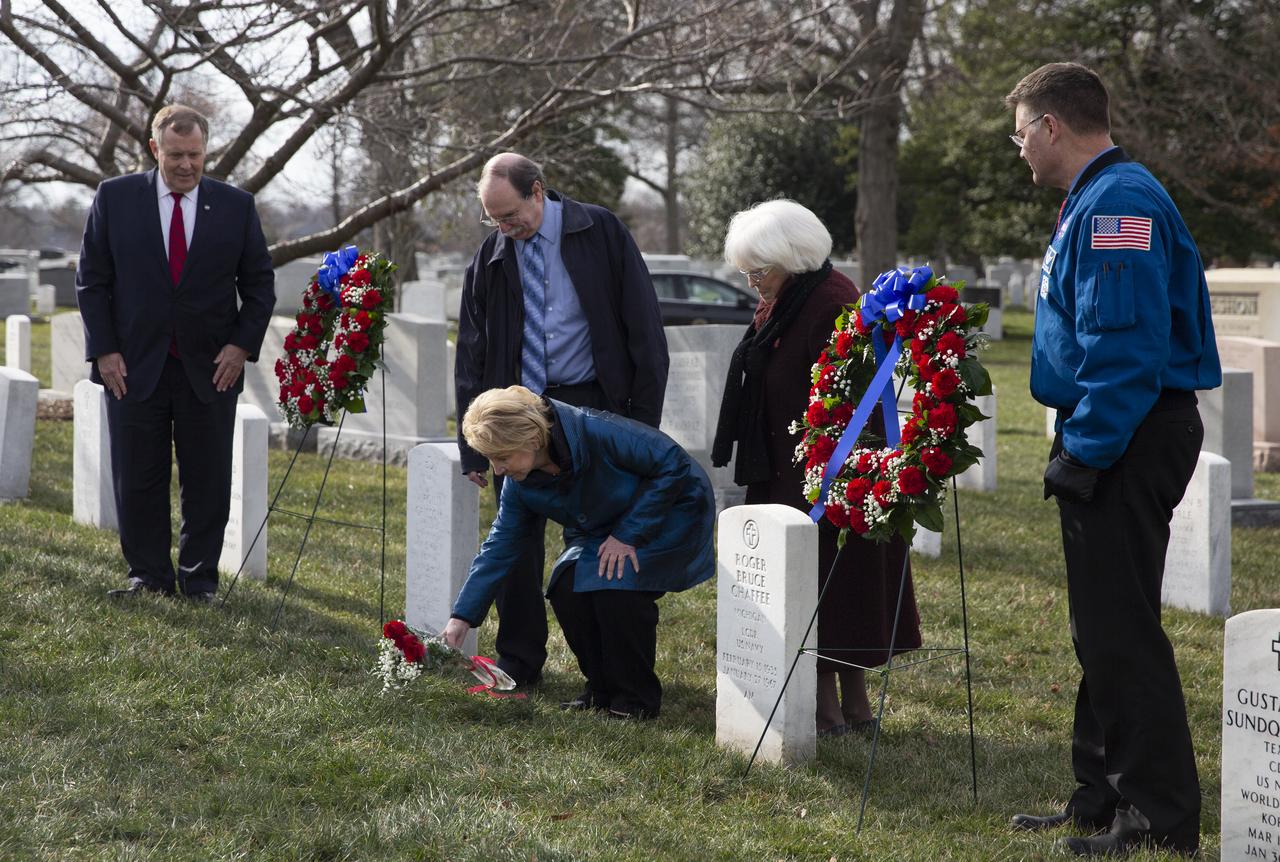
NASA Deputy Administrator Jim Morhard, left, and NASA astronaut Doug Wheelock, right, look on as June Scobee Rodgers, widow of Challenger commander Richard Scobee, Chuck Resnik, brother of Challenger mission specialist Judy Resnik, and Jane Smith Wolcott, widow of Challenger pilot Michael Smith, place flowers at the graves of Apollo 1 astronauts Virgil “Gus” Grissom, and Roger Chaffee as part of NASA’s Day of Remembrance, Thursday, Jan. 30, 2020, at Arlington National Cemetery in Arlington, Va. The wreaths were laid in memory of those men and women who lost their lives in the quest for space exploration. Photo Credit: (NASA/Joel Kowsky)
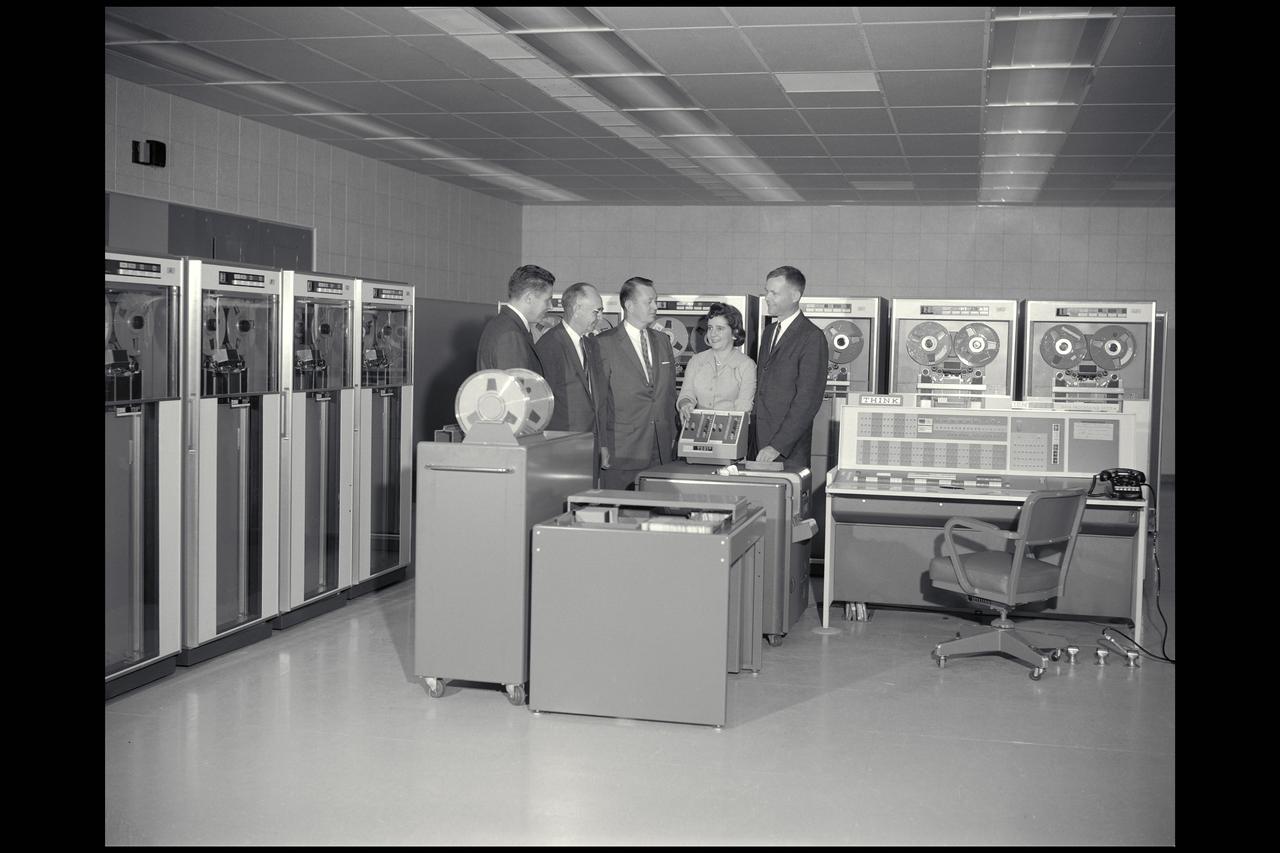
IBM 7090 computer and personnel: L-R: R Smith, IBM; Smith DeFrance, Ames; H Funk, IBM; Marcie Chartz Smith, Ames; D Swartz, IBM; discuss installation of computer at Ames.
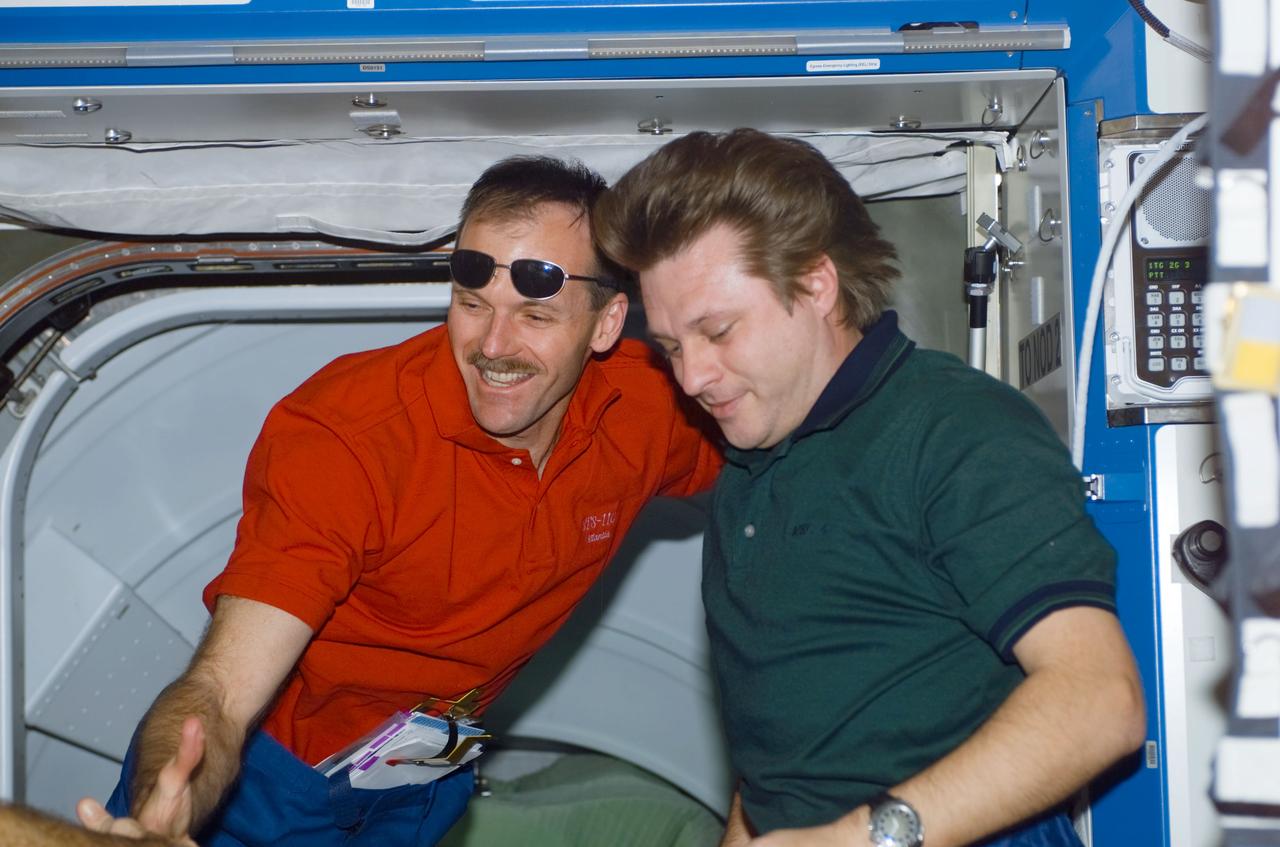
STS110-E-5097 (10 April 2002) --- Astronaut Steven L. Smith (left), STS-110 mission specialist, and cosmonaut Yury I. Onufrienko, Expedition Four mission commander, converse in the Destiny laboratory near the Pressurized Mating Adapter (PMA-2) on the International Space Station (ISS). The image was taken with a digital still camera.
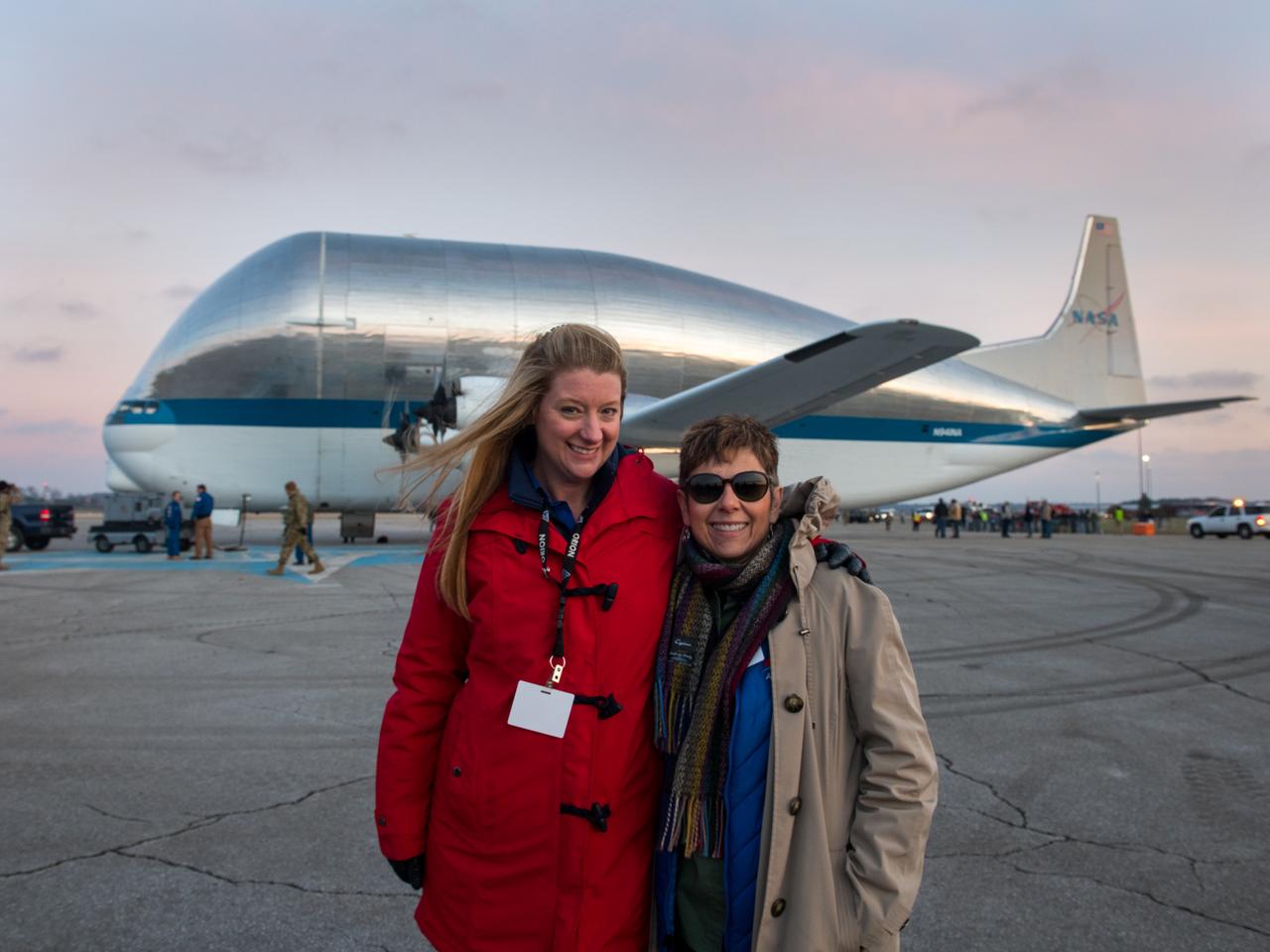
Orion Spacecraft Arrives in Ohio Aboard the Super Guppy at Mansfield Lahm Airport, Nicole Smith, Project Manager for Orion Testing at Plum Brook Station and Dr. Marla Perez-Davis, Acting Glenn Research Center Director, pose in front of the Super Guppy
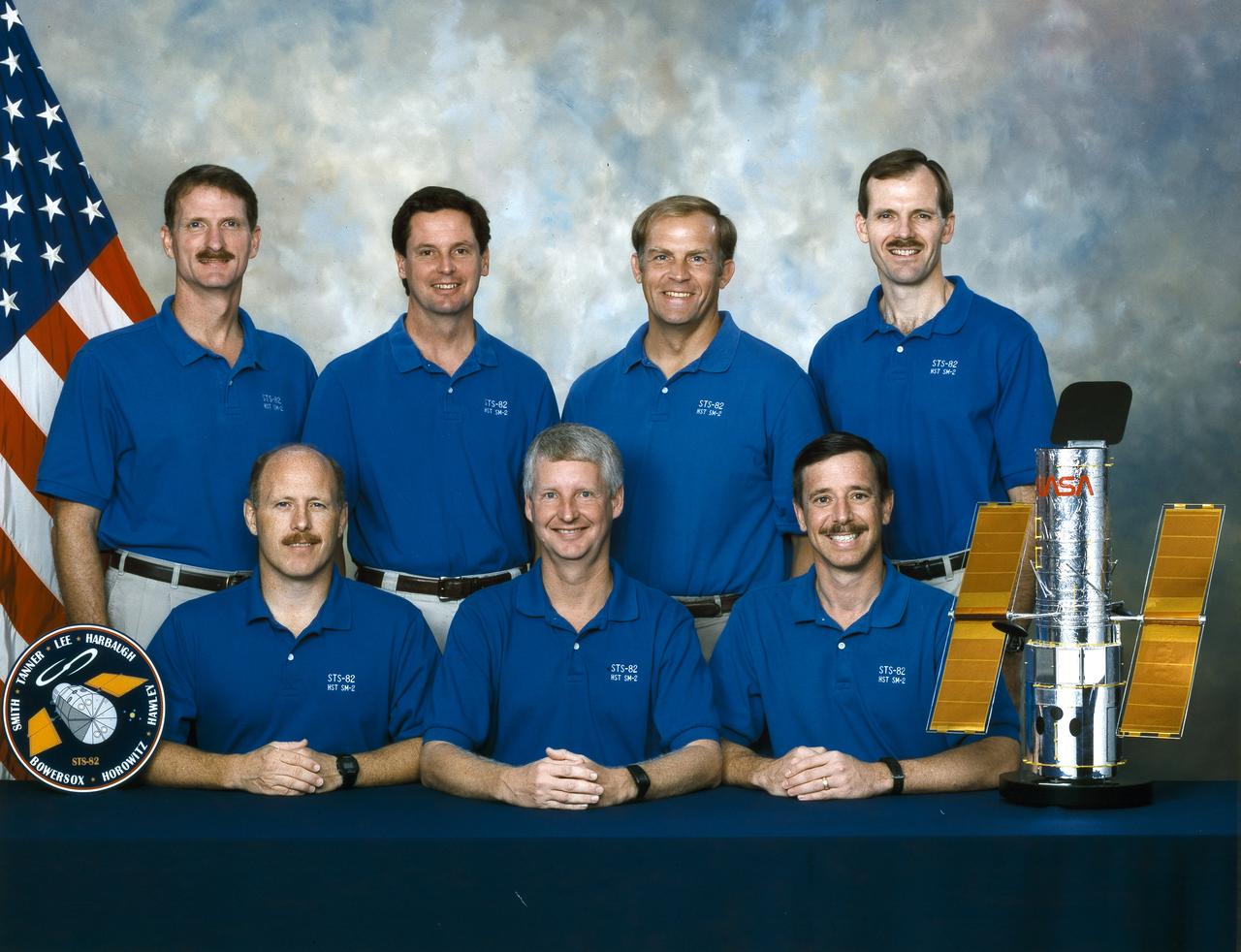
The crew assigned to the STS-82 mission included (seated front left to right) Kenneth D. Bowersox, commander; Steven A. Hawley, mission specialist; and Scott J. Horowitz, pilot. On the back row (left to right) are Joseph R. Tanner, mission specialist; Gregory J. Harbaugh, mission specialist; Mark C. Lee, payload commander; and Steven L. Smith, mission specialist. Launched aboard the Space Shuttle Discovery on February 11, 1997 at 3:55:17 am (EST), the STS-82 mission served as the second Hubble Space telescope servicing mission.
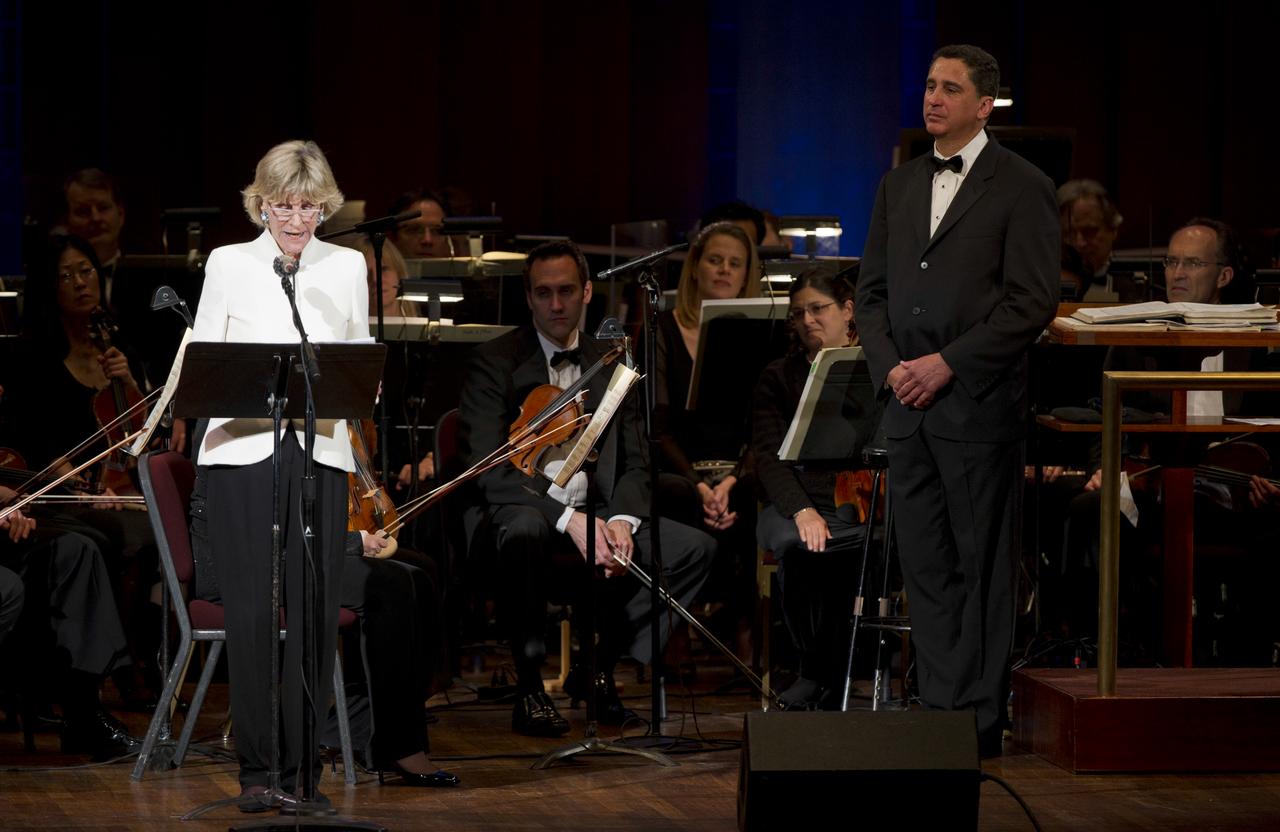
Jean Kennedy Smith, sister of John F. Kennedy, delivers remarks during a program entitled Human Spaceflight: The Kennedy Legacy as Emil de Cou, conductor of the Space Philharmonic, right, looks on, Wednesday, May 25, 2011, in the concert hall at the John F. Kennedy Center for the Performing Arts in Washington. The event marked the 50th Anniversary of President John F. Kennedy's Special Message to the Congress on Urgent National Needs in which he stated "landing a man on the moon and returning him safely to earth". Photo Credit: (NASA/Paul E. Alers)
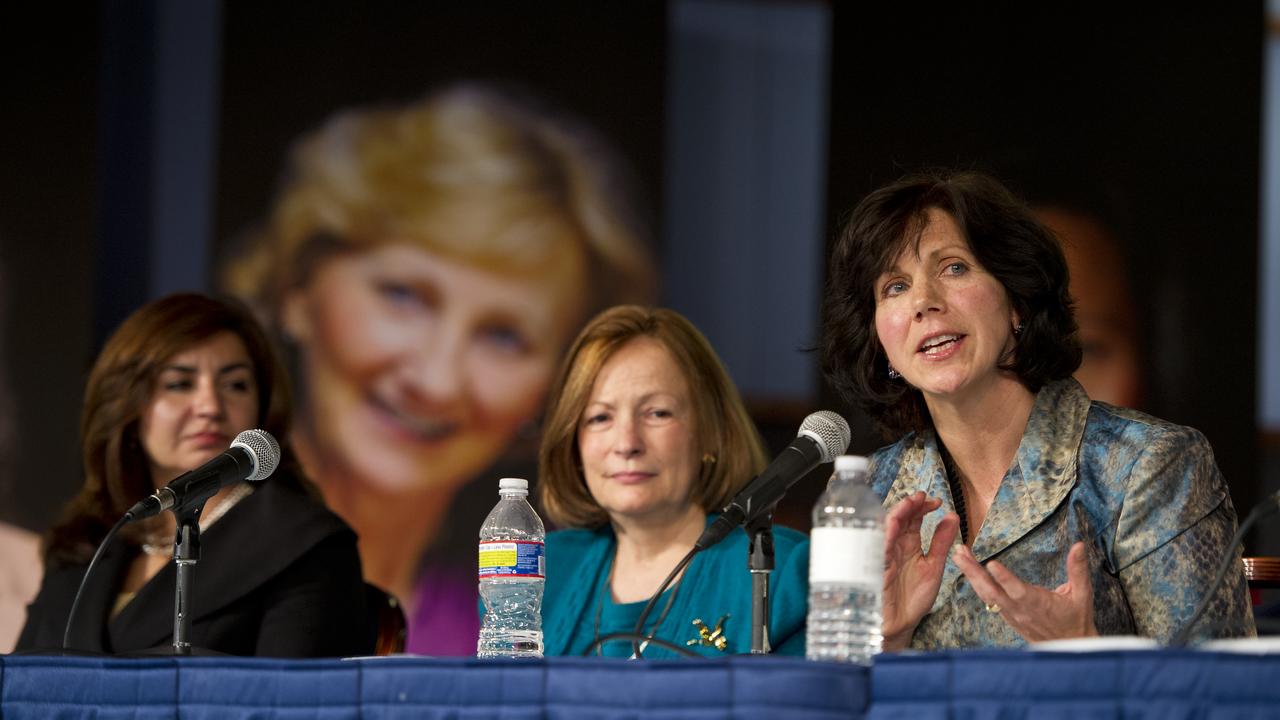
Catherine Didion, far right, Senior Fellow, National Academy of Engineering, participates in a panel discussion at the Women, Innovation and Aerospace event celebrating Women's History Month at the George Washington University Jack Morton Auditorium, Thursday, March 8, 2012 in Washington. Didion is joined by Marcia Smith, President, Space Policy Online.com, and Veronica Villalobos, Director, Office of Diversity and Inclusion, Office of Personnel Management, far left. The WIA day-long event will help to foster a discussion for students and early career professionals about how to continue to encourage women to enter and succeed in the field of aerospace. Photo Credit: (NASA/Carla Cioffi)
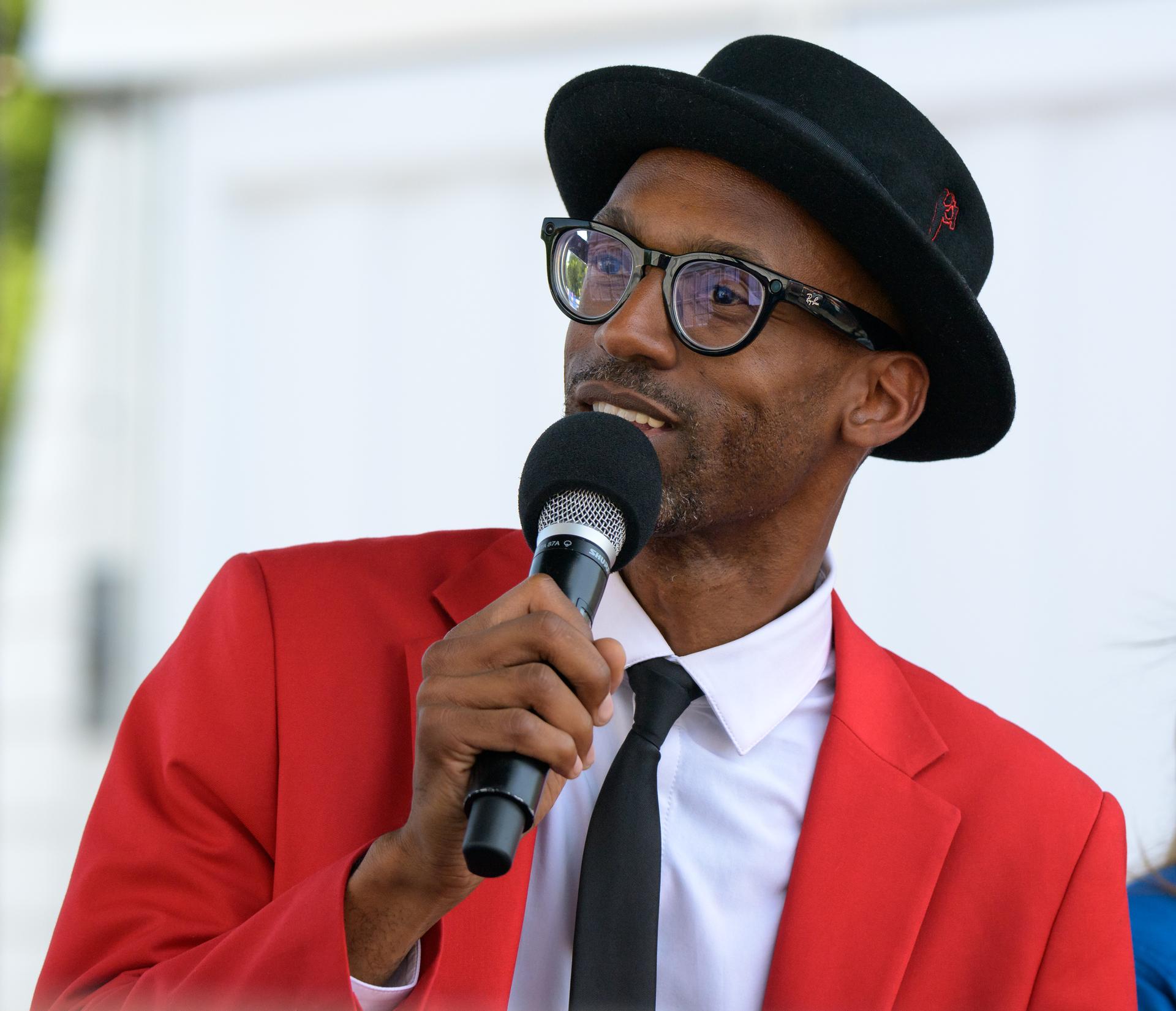
Mickey Smith Jr., America’s Educator and Motivator, moderates a panel discussion with NASA astronauts Reid Wiseman, commander; Victor Glover, pilot; Christina Koch, mission specialist; and CSA (Canadian Space Agency) astronaut Jeremy Hansen, mission specialist, during the Great American State Fair, Saturday, July 4, 2026, on the National Mall in Washington, D.C. Photo Credit: (NASA/Bill Ingalls)
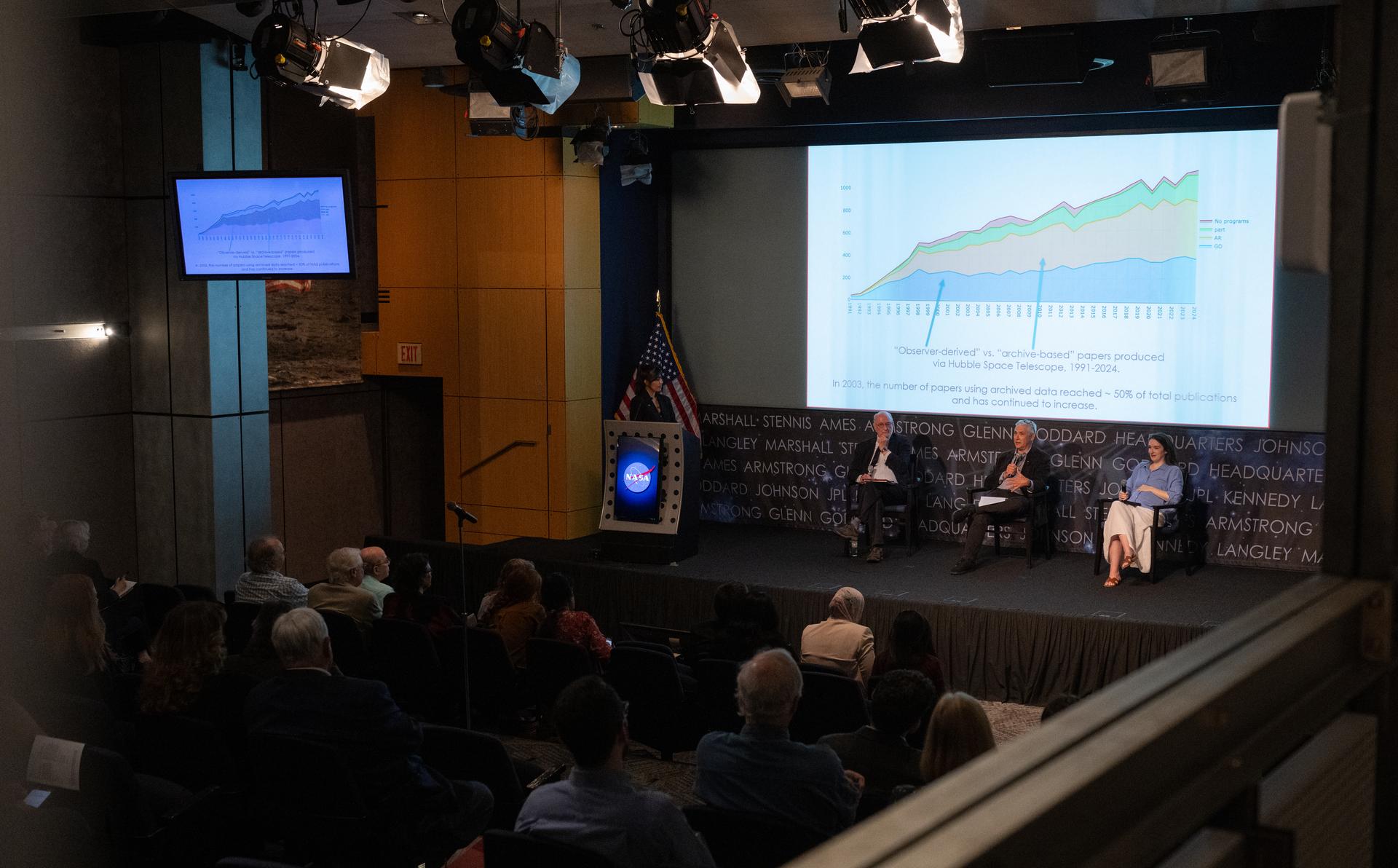
Patrick McCray, from the University of California Santa Barbara, center, speaks alongside Robert Smith, from the University of Alberta, second from left, and Rebecca Charbonneau, from the American Institute of Physics, right, during a panel discussion on history of the Hubble Space Telescope during an event titled “Beyond the Deep Field: Hubble’s Legacy and the Future of Cosmic Observation,” Thursday, June 4, 2026, at the Mary W. Jackson NASA Headquarters building in Washington. Photo Credit: (NASA/Joel Kowsky)
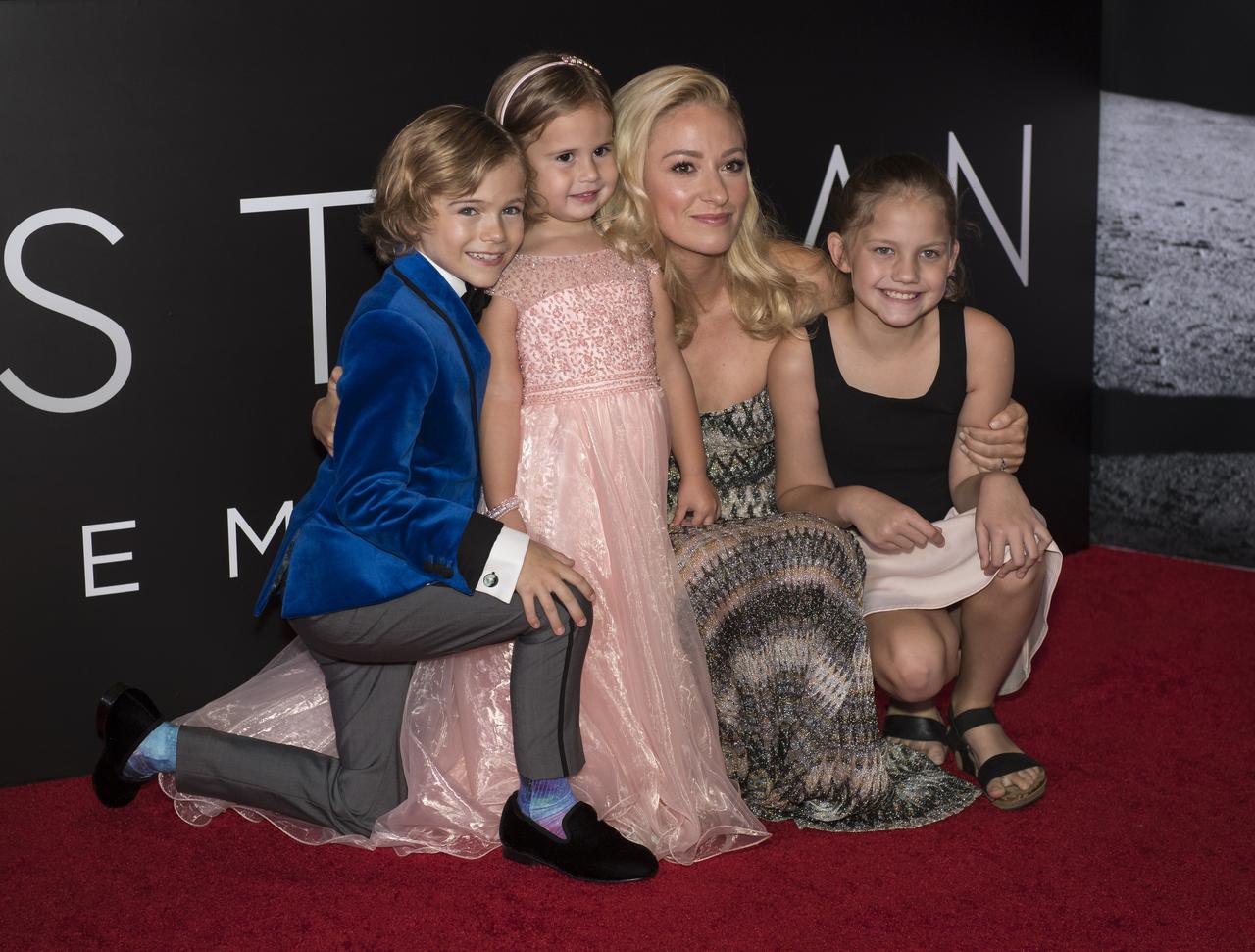
From left to right, American actor Gavin Warren, American actress Lucy Brooke Stafford, American actress Olivia Hamilton, and American actress Claire Smith arrive on the red carpet for the premiere of the film "First Man" at the Smithsonian National Air and Space Museum Thursday, Oct. 4, 2018 in Washington. The film is based on the book by Jim Hansen, and chronicles the life of NASA astronaut Neil Armstrong from test pilot to his historic Moon landing. Photo Credit: (NASA/Aubrey Gemignani)

From left to right, Senior Communications Specialist Elizabeth Landau, Chief Knowledge Officer for NASA’s Aeronautics Research Mission Directorate (ARMD) Tiffany Smith, Strategic Communications and Outreach Lead Denise Hill, and Strategic Integration & Management Division Director Alotta Taylor, answer questions during a high school student engagement event, Thursday, July 6, 2023, at the Mary W. Jackson NASA Headquarters building in Washington. Photo Credit: (NASA/Keegan Barber)
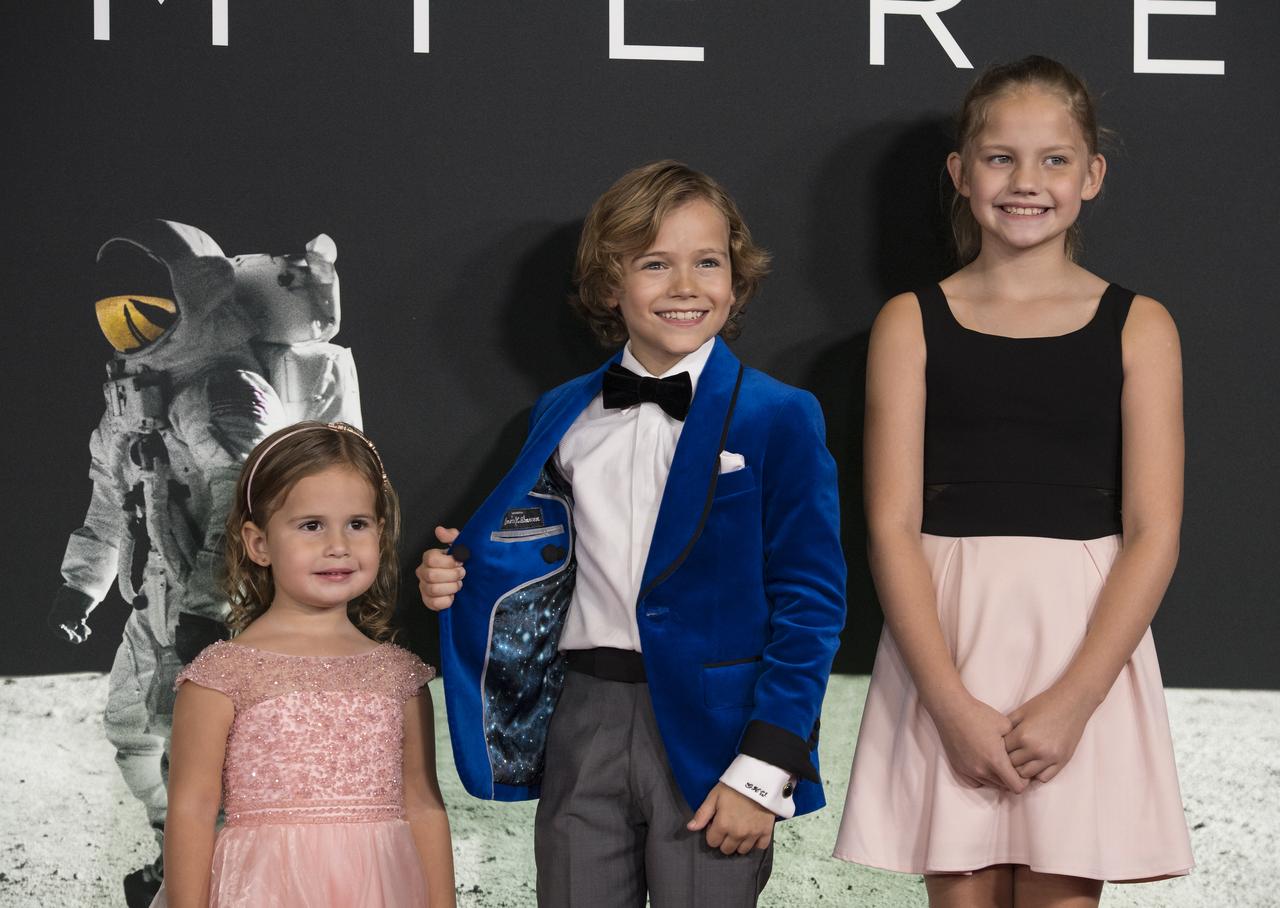
From left to right, American actress Lucy Brooke Stafford, American actor Gavin Warren, and American actress Claire Smith arrive on the red carpet for the premiere of the film "First Man" at the Smithsonian National Air and Space Museum Thursday, Oct. 4, 2018 in Washington. The film is based on the book by Jim Hansen, and chronicles the life of NASA astronaut Neil Armstrong from test pilot to his historic Moon landing. Photo Credit: (NASA/Aubrey Gemignani)
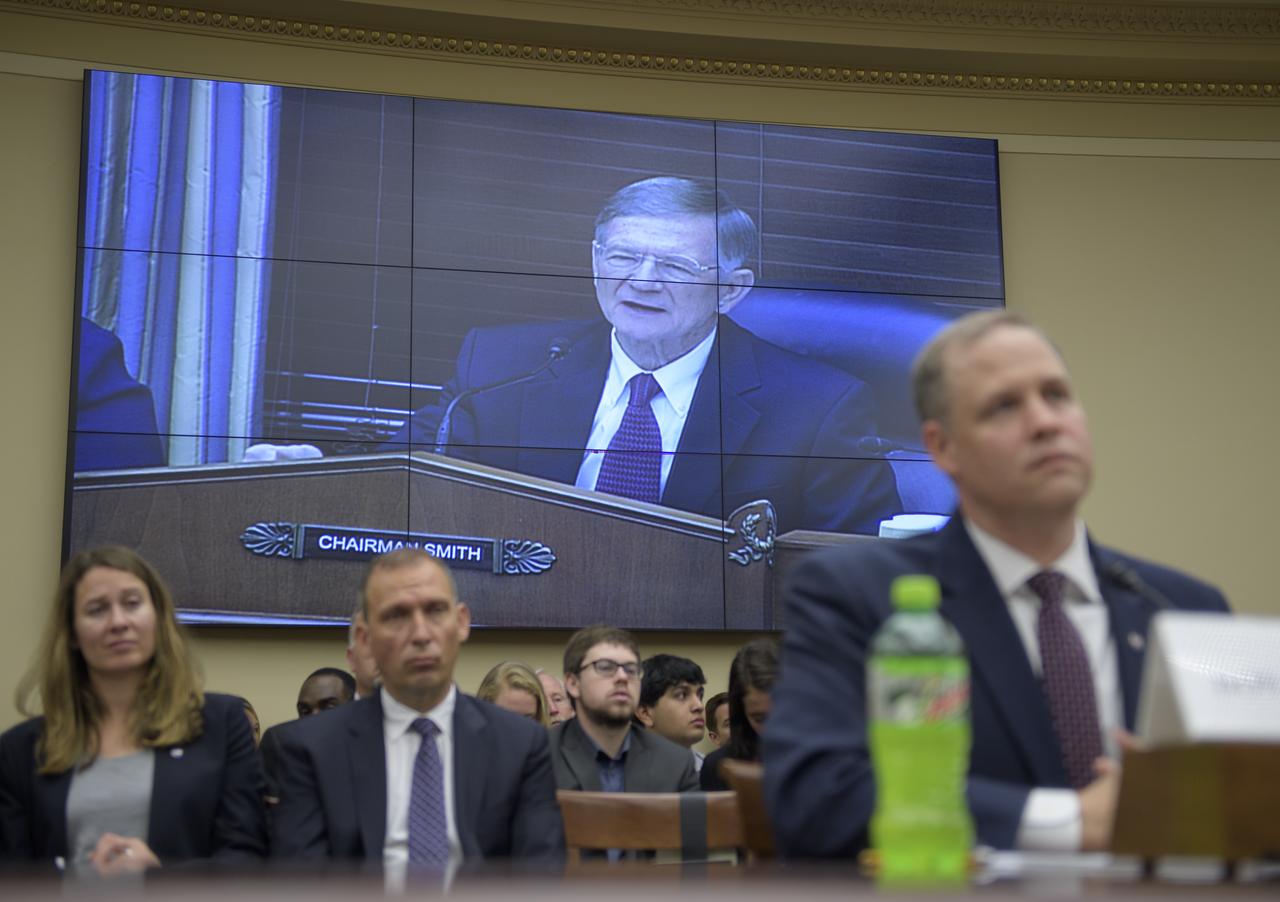
Rep. Lamar Smith, R-Texas, Chairman of the House Committee on Science, Space, and Technology questions NASA Administrator Jim Bridenstine during a House Committee on Science, Space, and Technology hearing on the James Webb Space Telescope, Wednesday, July 25, 2018 at the Rayburn House Office Building in Washington. Photo Credit: (NASA/Bill Ingalls)

From left to right, Senior Communications Specialist Elizabeth Landau, Chief Knowledge Officer for NASA’s Aeronautics Research Mission Directorate (ARMD) Tiffany Smith, Strategic Communications and Outreach Lead Denise Hill, and Strategic Integration & Management Division Director Alotta Taylor, answer questions during a high school student engagement event, Thursday, July 6, 2023, at the Mary W. Jackson NASA Headquarters building in Washington. Photo Credit: (NASA/Keegan Barber)

Flight Director Matt Smith studies the data during the second post-launch trajectory correction maneuver during Perseverance's cruise to Mars. The team is in the Mission Support Area at NASA's Jet Propulsion Laboratory in Southern California. https://photojournal.jpl.nasa.gov/catalog/PIA24195
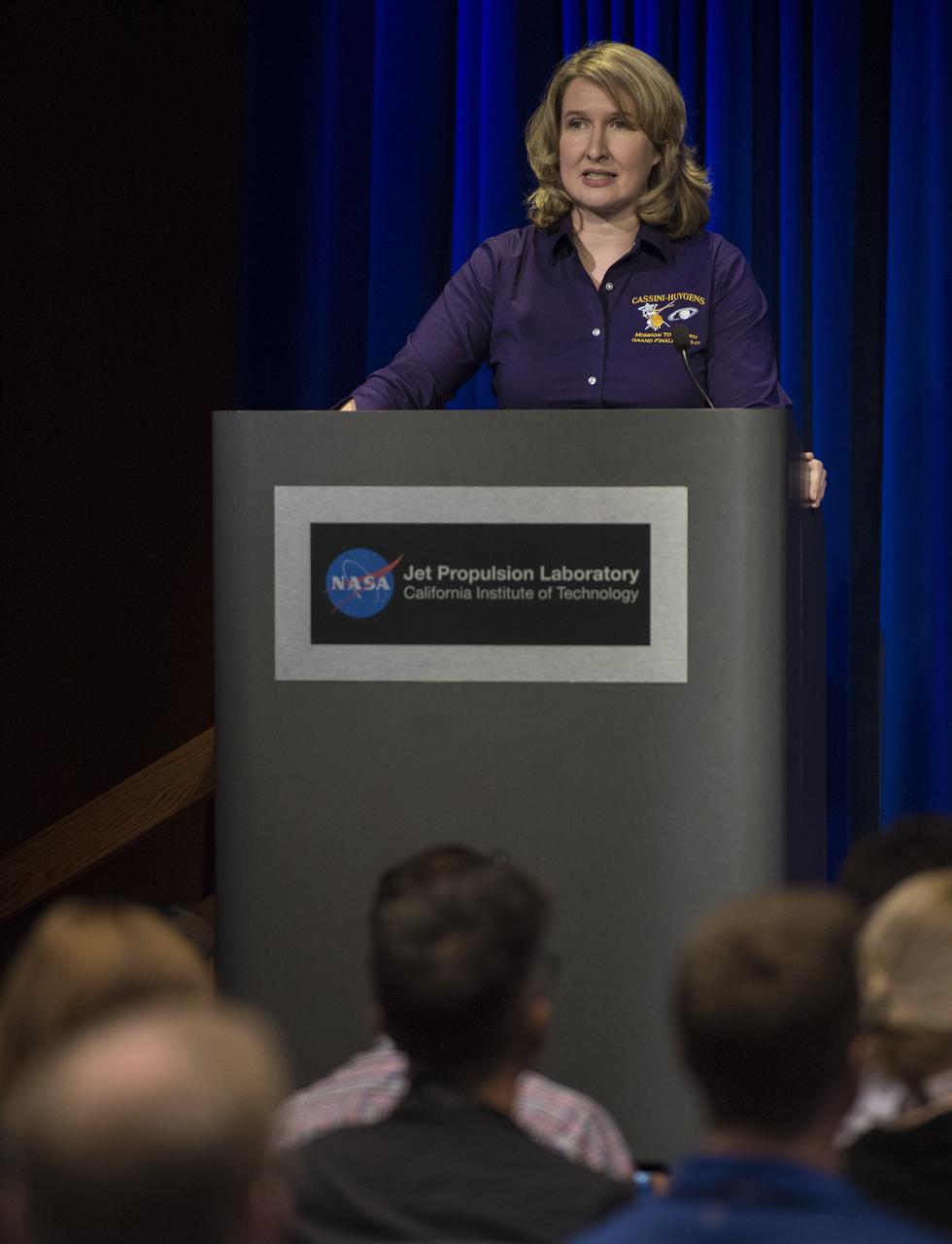
NASA JPL digital and social media lead Stephanie Smith, introduces technical producer for NASA's Eyes at JPL, Jason Craig, Thursday, Sept. 14, 2017 at NASA's Jet Propulsion Laboratory in Pasadena, California. Since its arrival in 2004, the Cassini-Huygens mission has been a discovery machine, revolutionizing our knowledge of the Saturn system and captivating us with data and images never before obtained with such detail and clarity. On Sept. 15, 2017, operators will deliberately plunge the spacecraft into Saturn, as Cassini gathered science until the end. The “plunge” ensures Saturn’s moons will remain pristine for future exploration. During Cassini’s final days, mission team members from all around the world gathered at NASA’s Jet Propulsion Laboratory, Pasadena, California, to celebrate the achievements of this historic mission. Photo Credit: (NASA/Joel Kowsky)
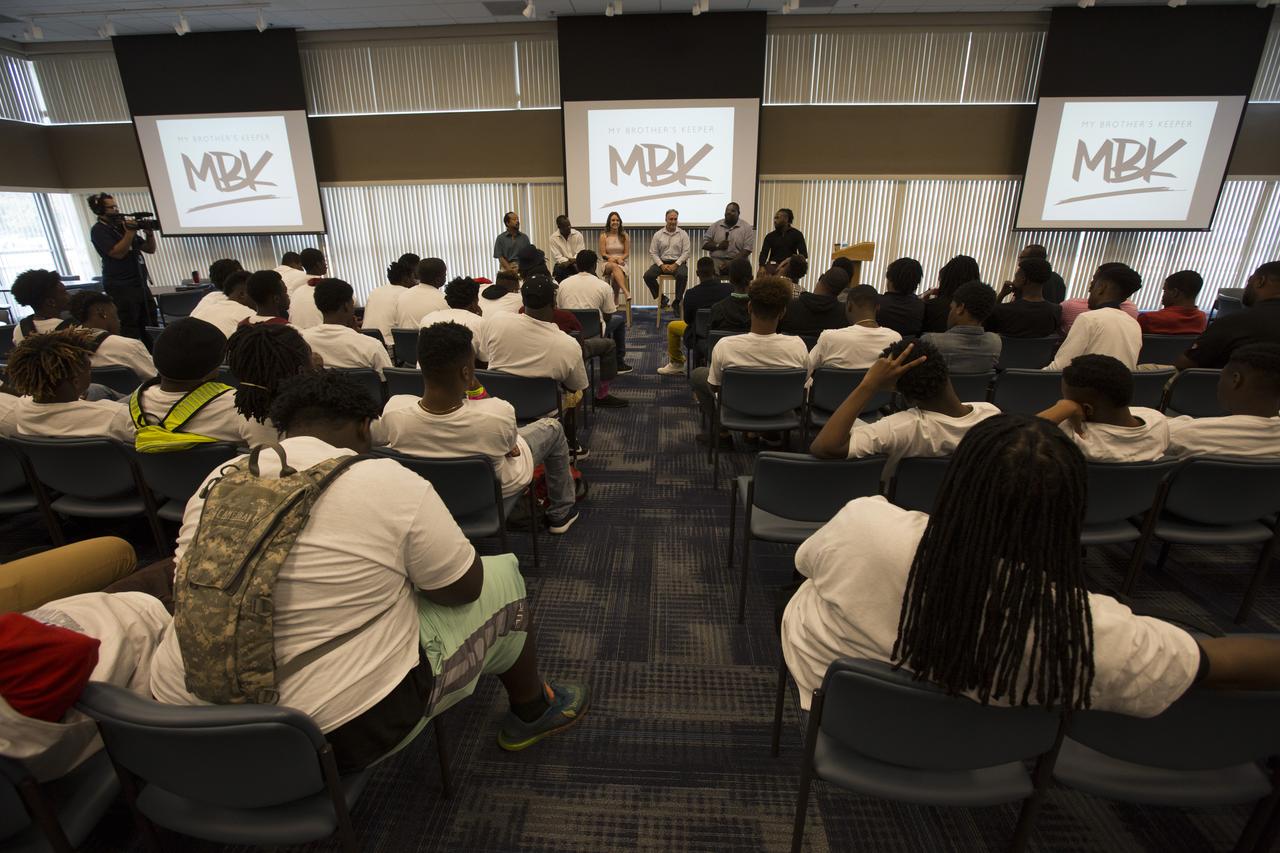
Students in the My Brother’s Keeper program hear from experts from across NASA’s Kennedy Space Center during a panel discussion in the Space Station Processing Facility Conference Center. Seated from left to right are Sheldon Lauderdale of the Commercial Crew Program (CCP); Yves Lamothe of the Ground Systems Development and Operations Program; Jennifer Levitt of CCP; Trent Smith and DeAntae Cooper (far right) of the Exploration Research and Technology Programs; and Malcolm Boston of the Launch Services Program. The spaceport is one of six NASA centers that participated in My Brother’s Keeper National Lab Week. The event is a nationwide effort to bring youth from underrepresented communities into federal labs and centers for hands-on activities, tours and inspirational speakers.
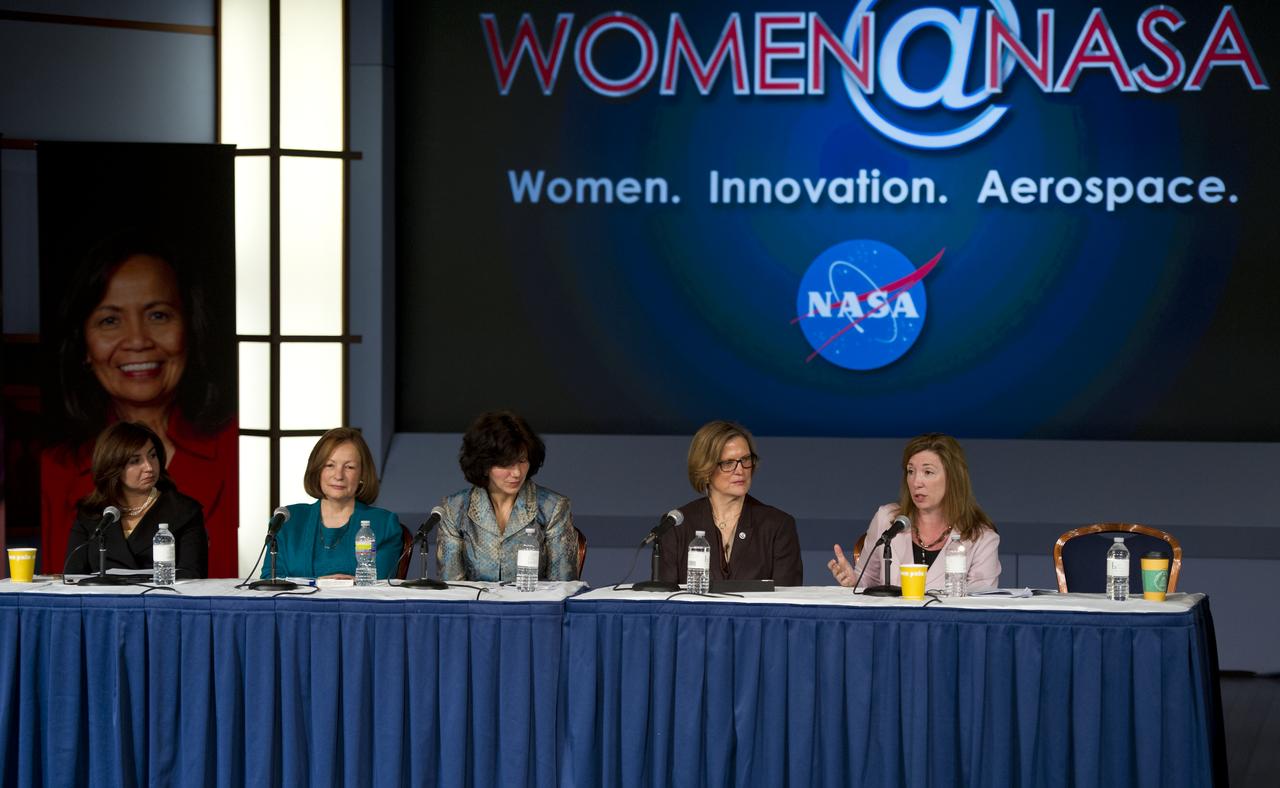
Lori Garver (far right) NASA Deputy Administrator, participates in a panel discussion at the Women, Innovation and Aerospace event celebrating Women's History Month at the George Washington University Jack Morton Auditorium, Thursday, March 8, 2012 in Washington. Garver is seen with Kathy Sullivan, NOAA Deputy Administrator; Catherine Didion, Senior Fellow, National Academy of Engineering; Marcia Smith, President, spacepolicyonline.com and Veronica Villalobos, Director, Office of Diversity and Inclusion, Office of Personnel Management (far left). The WIA day-long event will help to foster a discussion for students and early career professionals about how to continue to encourage women to enter and succeed in the field of aerospace. Photo Credit: (NASA/Carla Cioffi)

An audience member asks a question during a panel moderated by Lois Rossin, a historian in NASA’s History Office, left, with Robert Smith, from the University of Alberta, second from left, Patrick McCray, from the University of California Santa Barbara, center, and Rebecca Charbonneau, from the American Institute of Physics, right, on history of the Hubble Space Telescope during an event titled “Beyond the Deep Field: Hubble’s Legacy and the Future of Cosmic Observation,” Thursday, June 4, 2026, at the Mary W. Jackson NASA Headquarters building in Washington. Photo Credit: (NASA/Joel Kowsky)
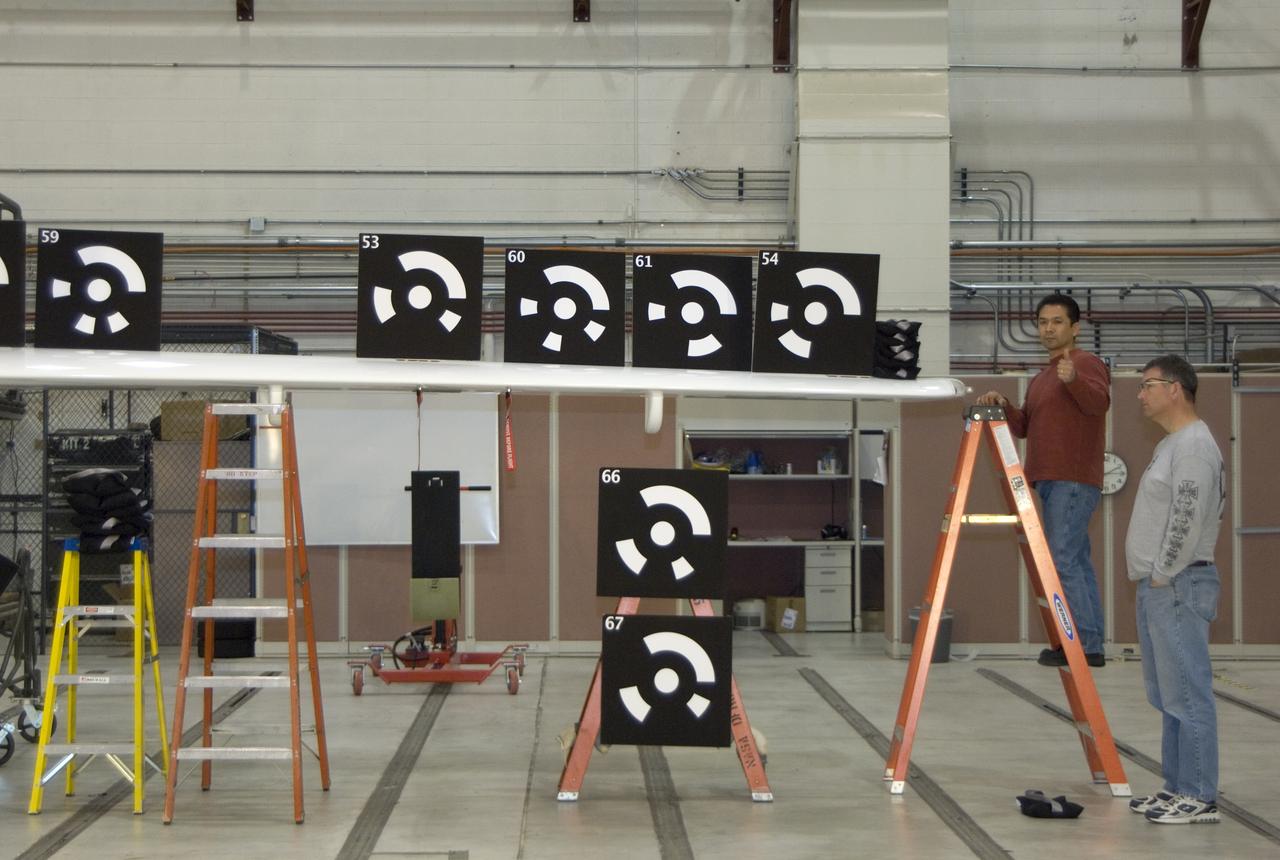
NASA engineer Larry Hudson and Ikhana ground crew member James Smith work on a ground validation test with new fiber optic sensors that led to validation flights on the Ikhana aircraft. NASA Dryden Flight Research Center is evaluating an advanced fiber optic-based sensing technology installed on the wings of NASA's Ikhana aircraft. The fiber optic system measures and displays the shape of the aircraft's wings in flight. There are other potential safety applications for the technology, such as vehicle structural health monitoring. If an aircraft structure can be monitored with sensors and a computer can manipulate flight control surfaces to compensate for stresses on the wings, structural control can be established to prevent situations that might otherwise result in a loss of control.
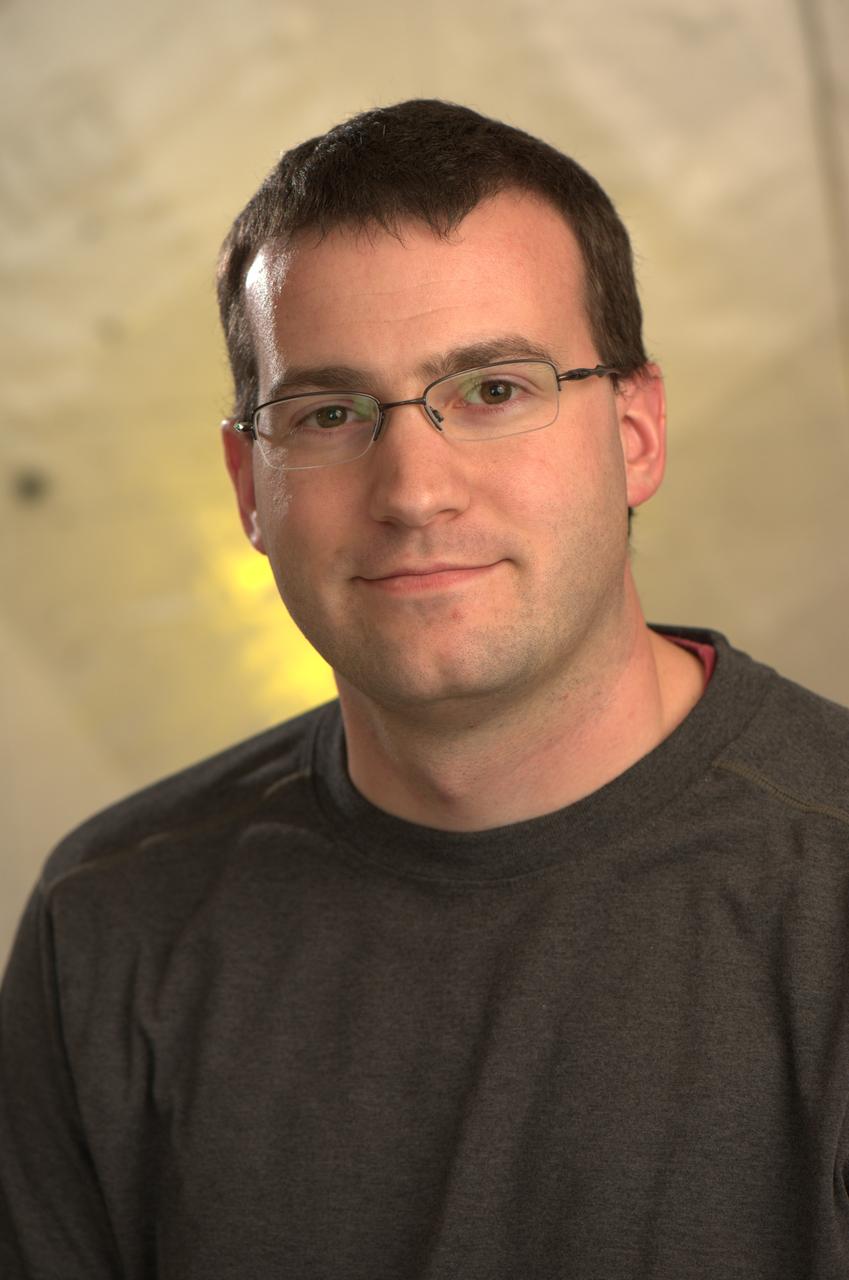
Kepler Team members Jeff Smith
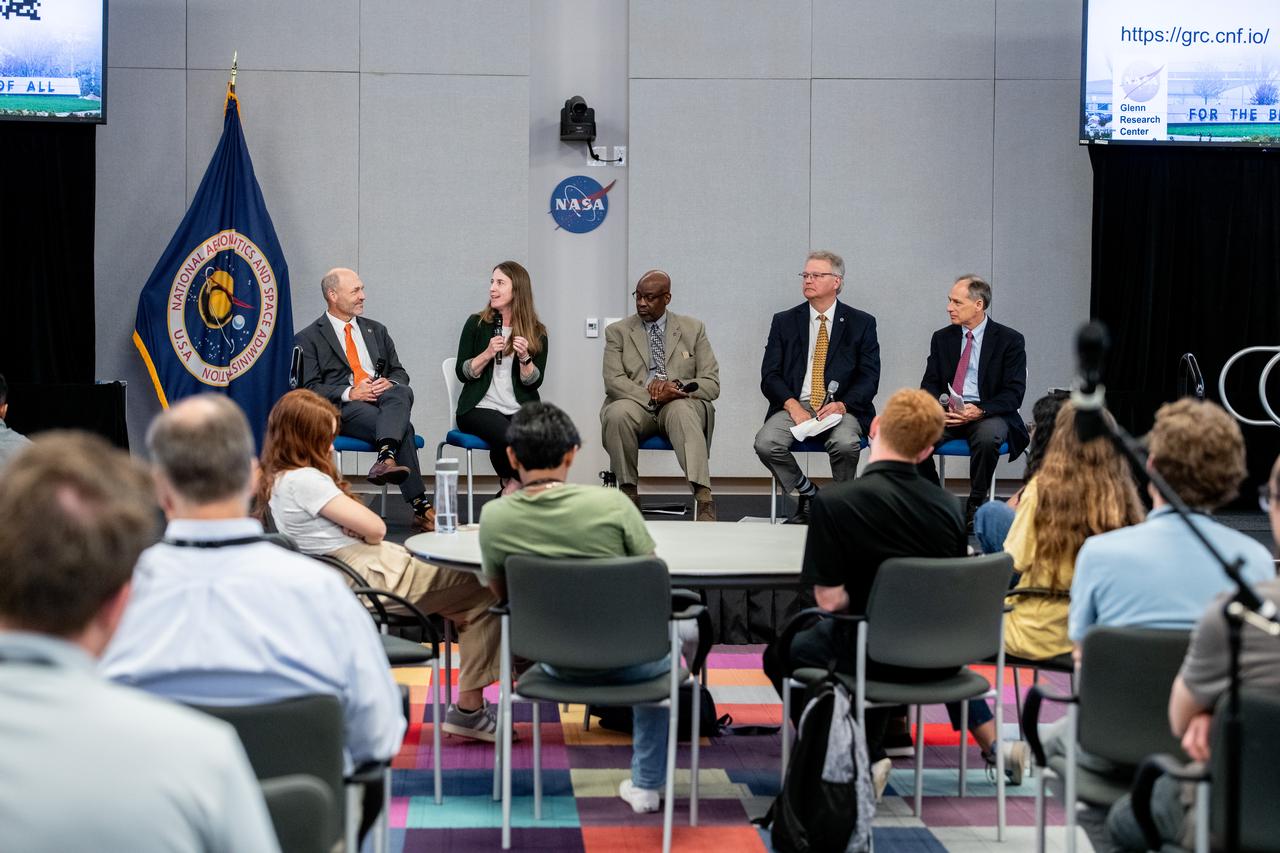
During the meeting, Dr. Calvin and center leaders will explore how technologies being developed at NASA Glenn could help reduce the effects of climate change. The panelists who will be leading the discussion include: Dr. Calvin; Larry Sivic, Associate Director; Dr. Rickey Shyne, Director of Research and Engineering; Bryan Smith, Director of Facilities, Test, & Manufacturing; and W. Allen Kilgore, Acting Director of Aeronautics. Director of Space Flight Systems Dr. Mike Barrett will serve as the moderator.
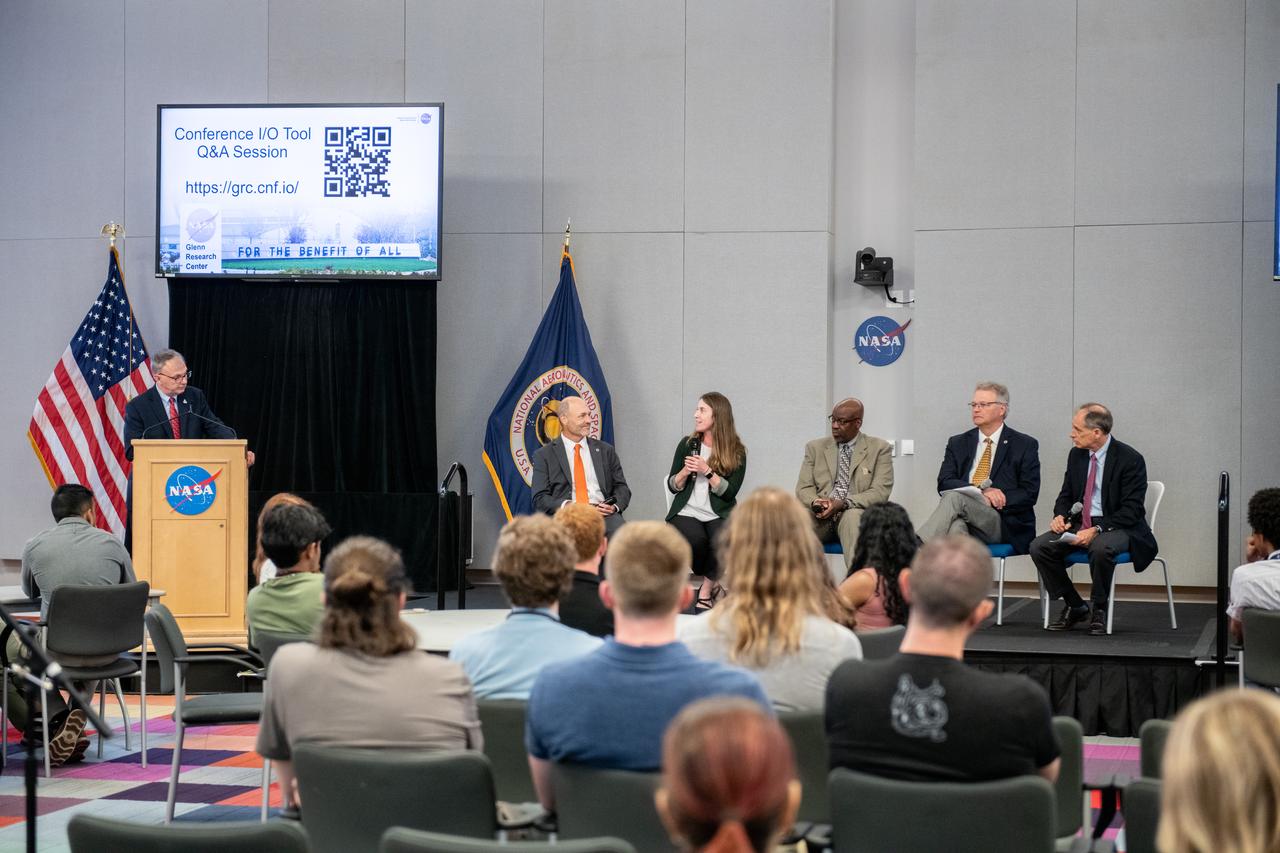
During the climate town hall meeting on June 17th 2024, Dr. Calvin and center leaders explored how technologies being developed at NASA Glenn Research Center could help reduce the effects of climate change. The panelists who lead the discussion include: Dr. Calvin; Dr. Rickey Shyne, Director of Research and Engineering; Bryan Smith, Director of Facilities, Test, & Manufacturing; and W. Allen Kilgore, Acting Director of Aeronautics. Director of Space Flight Systems Dr. Mike Barrett served as the moderator.
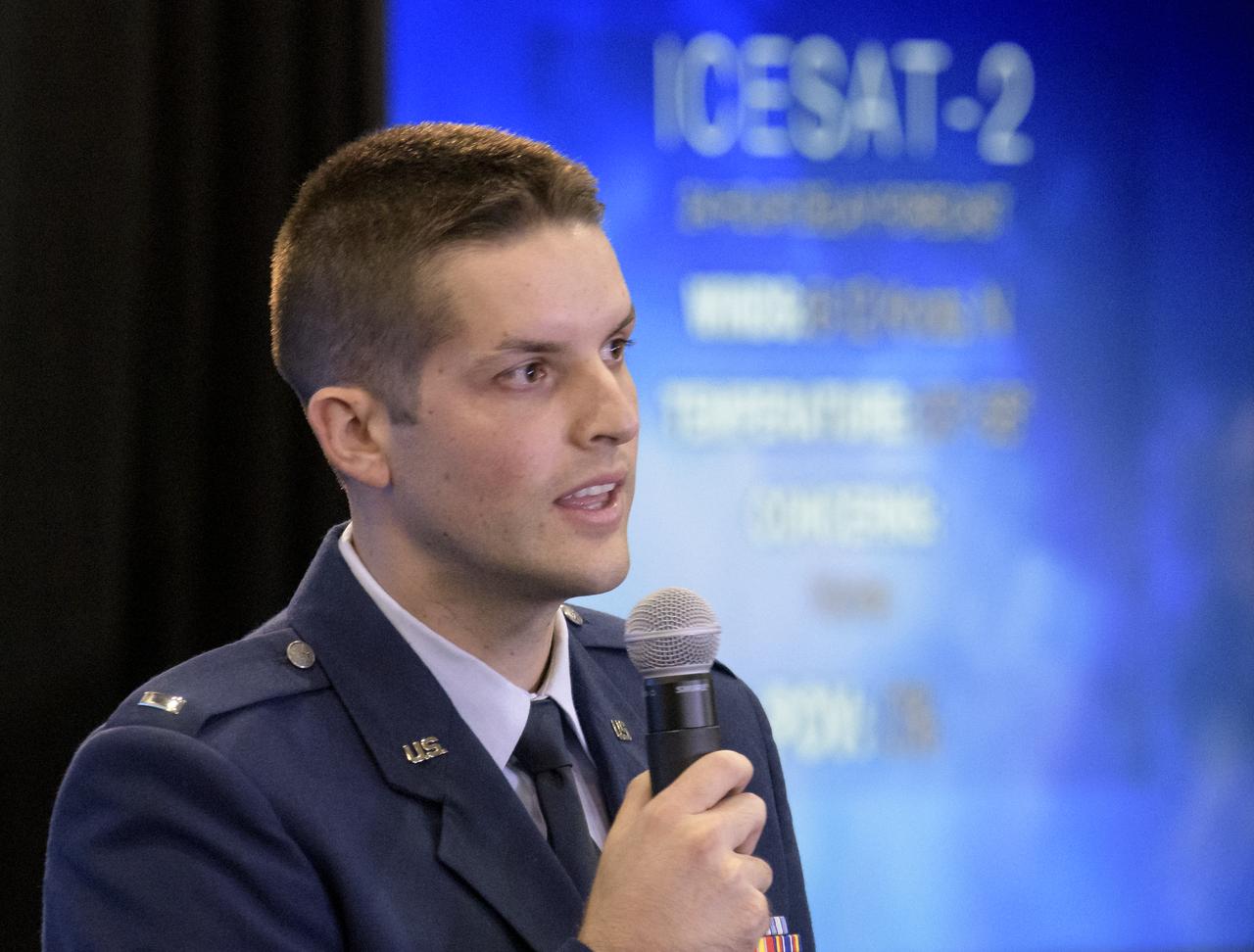
1st Lt. Daniel Smith, Weather Officer, 30th Space Wing, Vandenberg Air Force Base, is seen during a NASA Ice, Cloud and land Elevation Satellite-2 (ICESat-2) prelaunch briefing, Thursday, Sept. 13, 2018, at Vandenberg Air Force Base in California. The ICESat-2 mission will measure the changing height of Earth's ice. Photo Credit: (NASA/Bill Ingalls)
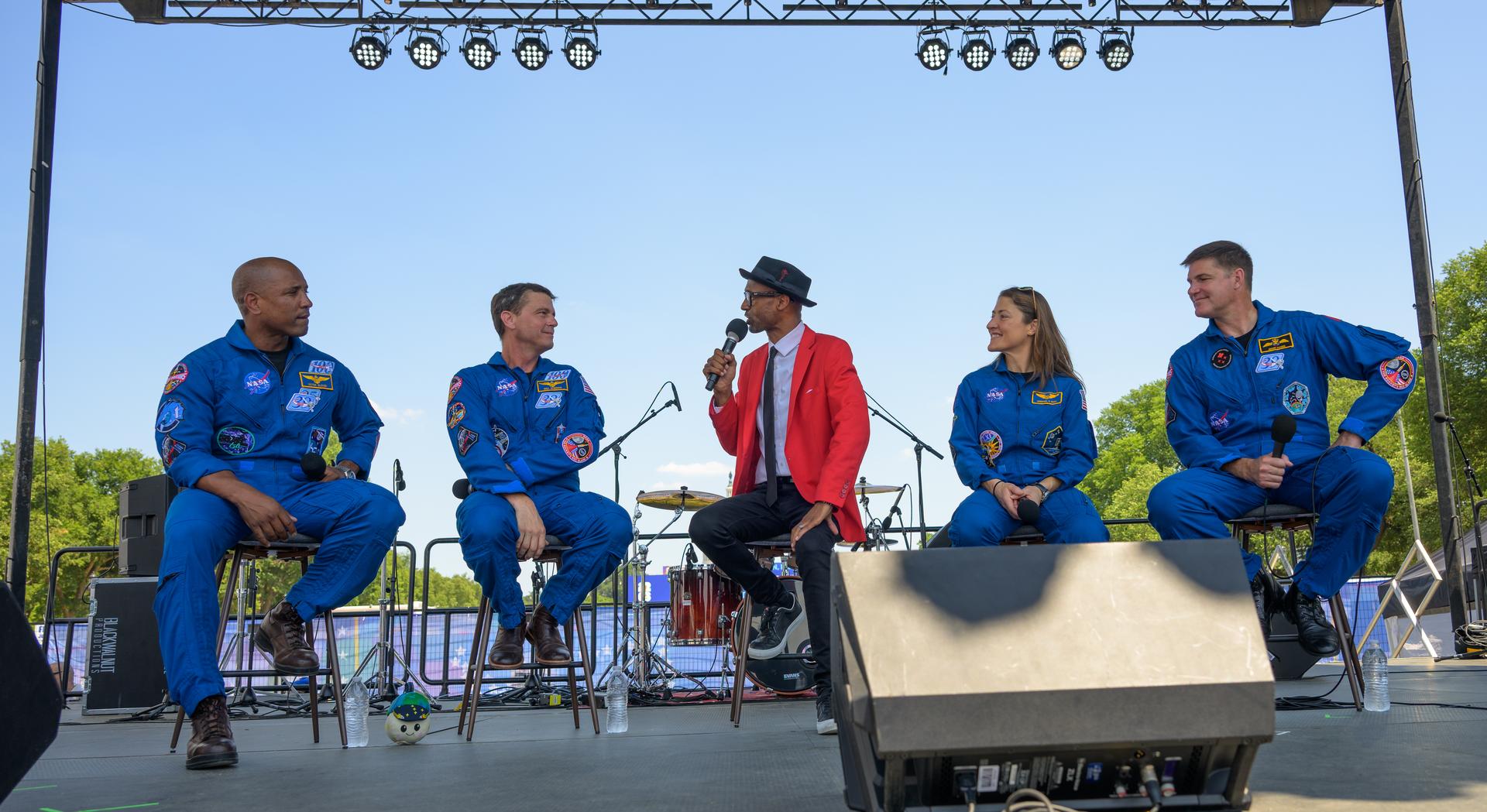
NASA astronauts Victor Glover, pilot; left, Reid Wiseman, commander; Christina Koch, mission specialist; and CSA (Canadian Space Agency) astronaut Jeremy Hansen, mission specialist, right, participate in a panel discussion with Mickey Smith Jr., America’s Educator and Motivator, center, during the Great American State Fair, Saturday, July 4, 2026, on the National Mall in Washington, D.C. Photo Credit: (NASA/Bill Ingalls)
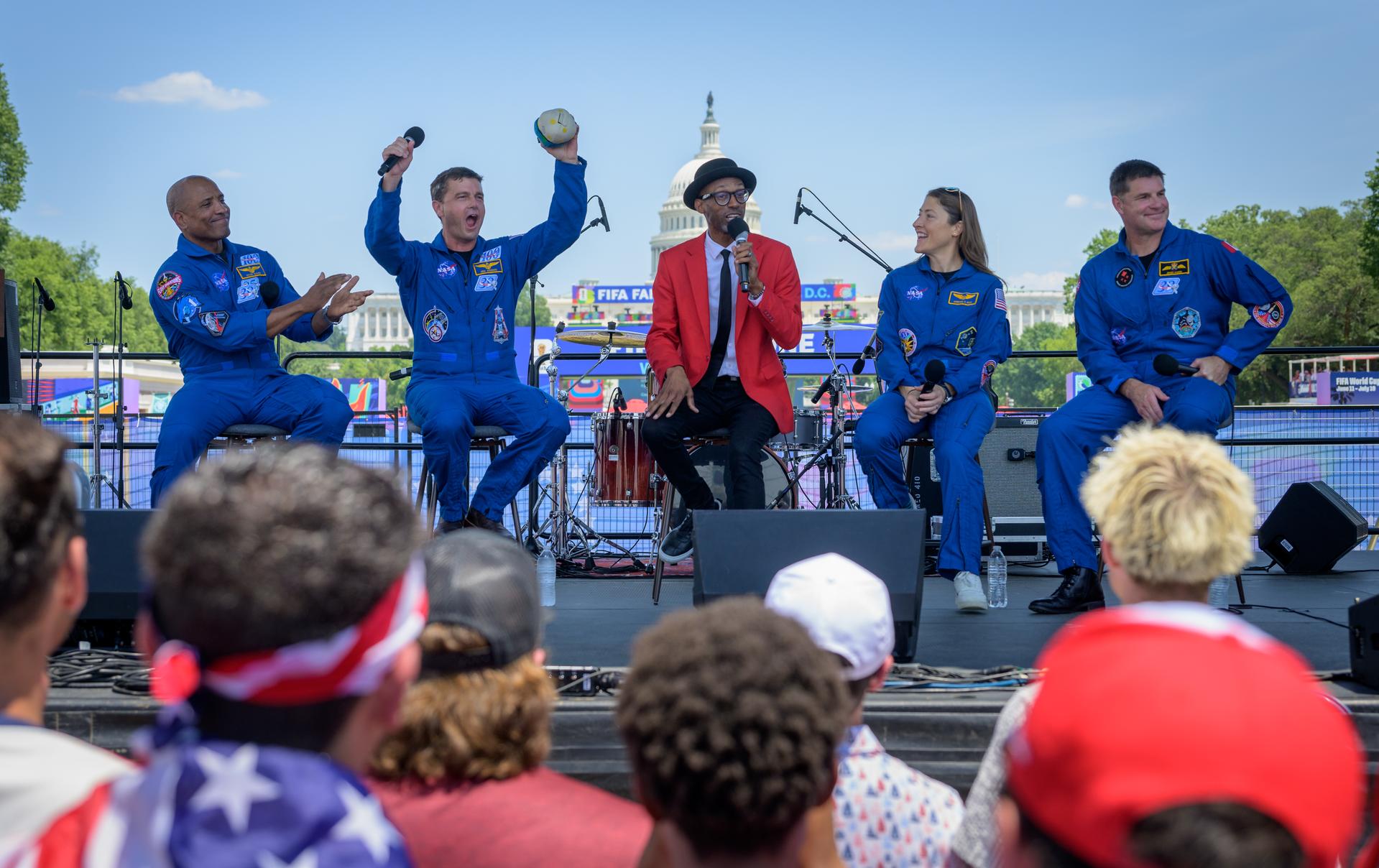
NASA astronauts Victor Glover, pilot; left, Reid Wiseman, commander; Christina Koch, mission specialist; and CSA (Canadian Space Agency) astronaut Jeremy Hansen, mission specialist, right, participate in a panel discussion with Mickey Smith Jr., America’s Educator and Motivator, center, during the Great American State Fair, Saturday, July 4, 2026, on the National Mall in Washington, D.C. Photo Credit: (NASA/Bill Ingalls)
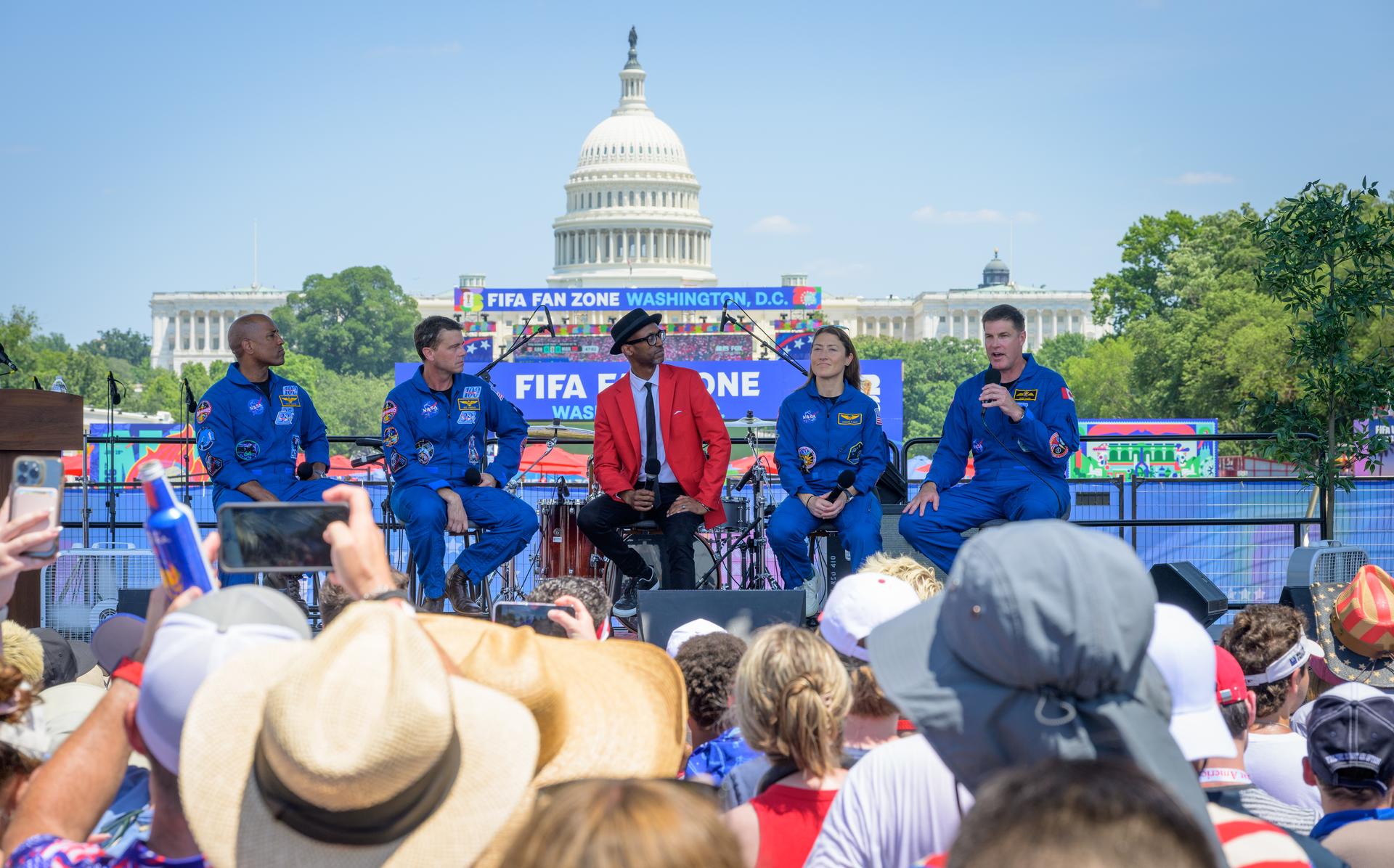
NASA astronauts Victor Glover, pilot; left, Reid Wiseman, commander; Christina Koch, mission specialist; and CSA (Canadian Space Agency) astronaut Jeremy Hansen, mission specialist, right, participate in a panel discussion with Mickey Smith Jr., America’s Educator and Motivator, center, during the Great American State Fair, Saturday, July 4, 2026, on the National Mall in Washington, D.C. Photo Credit: (NASA/Bill Ingalls)
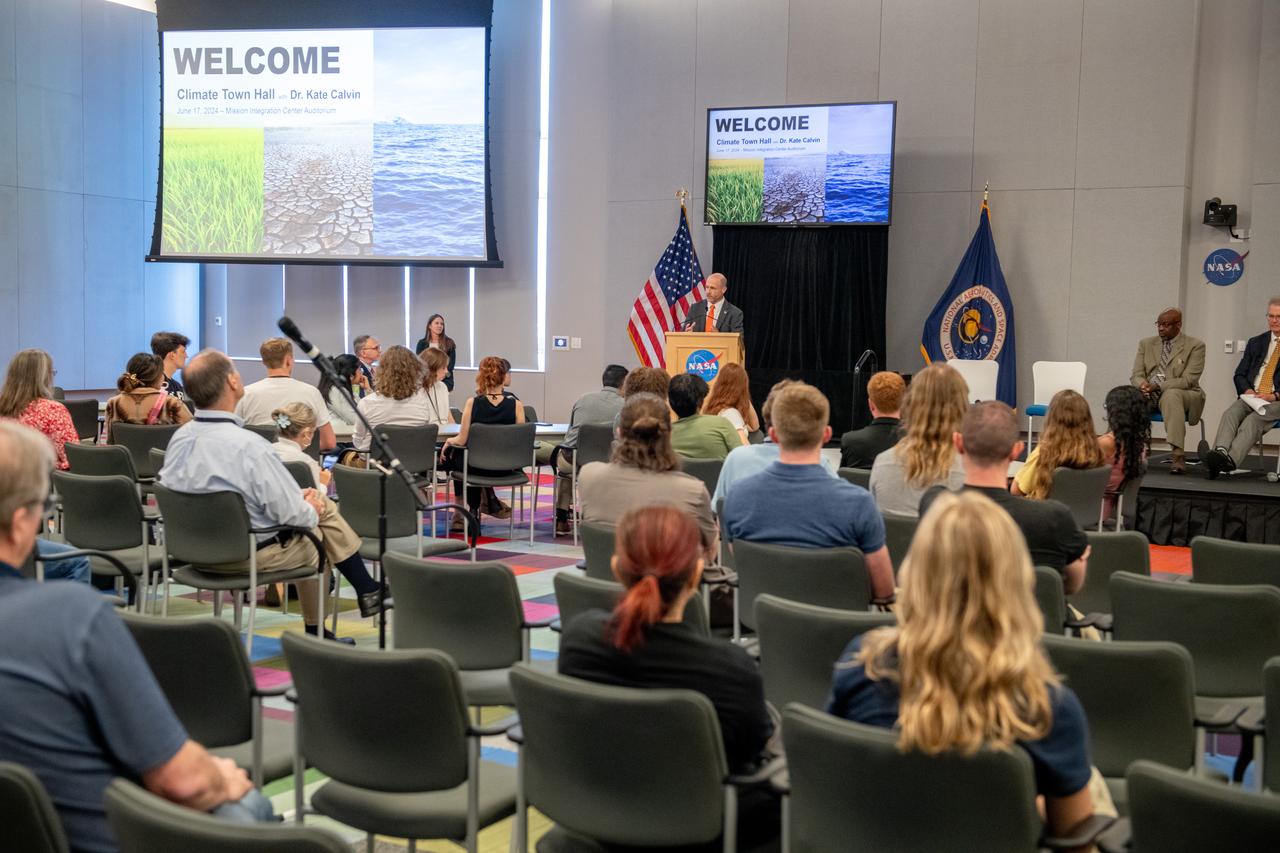
During the meeting, Dr. Calvin and center leaders will explore how technologies being developed at NASA Glenn could help reduce the effects of climate change. The panelists who will be leading the discussion include: Dr. Calvin; Larry Sivic, Associate Director; Dr. Rickey Shyne, Director of Research and Engineering; Bryan Smith, Director of Facilities, Test, & Manufacturing; and W. Allen Kilgore, Acting Director of Aeronautics. Director of Space Flight Systems Dr. Mike Barrett will serve as the moderator.
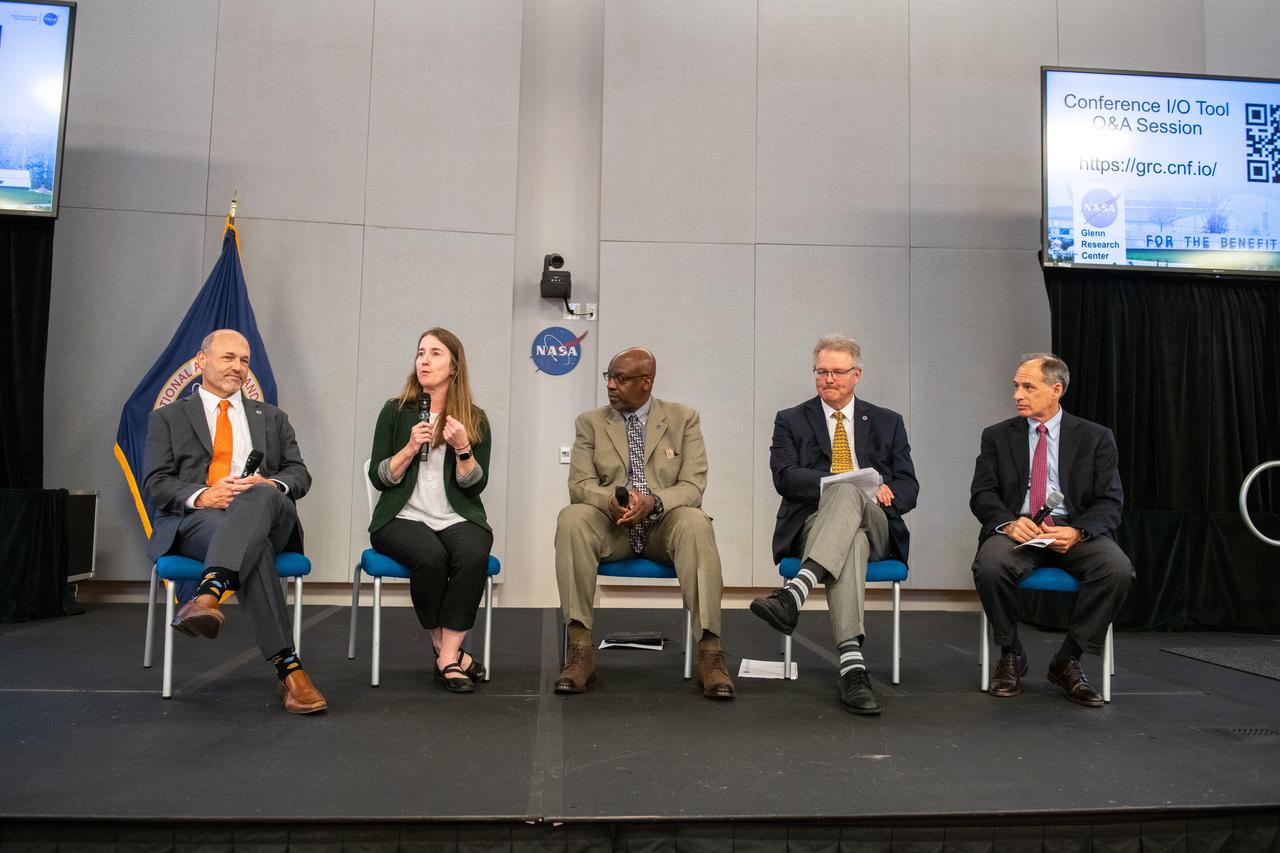
During the climate town hall meeting on June 17th 2024, Dr. Calvin and center leaders explored how technologies being developed at NASA Glenn Research Center could help reduce the effects of climate change. The panelists who lead the discussion include: Dr. Calvin; Dr. Rickey Shyne, Director of Research and Engineering; Bryan Smith, Director of Facilities, Test, & Manufacturing; and W. Allen Kilgore, Acting Director of Aeronautics. Director of Space Flight Systems Dr. Mike Barrett served as the moderator.
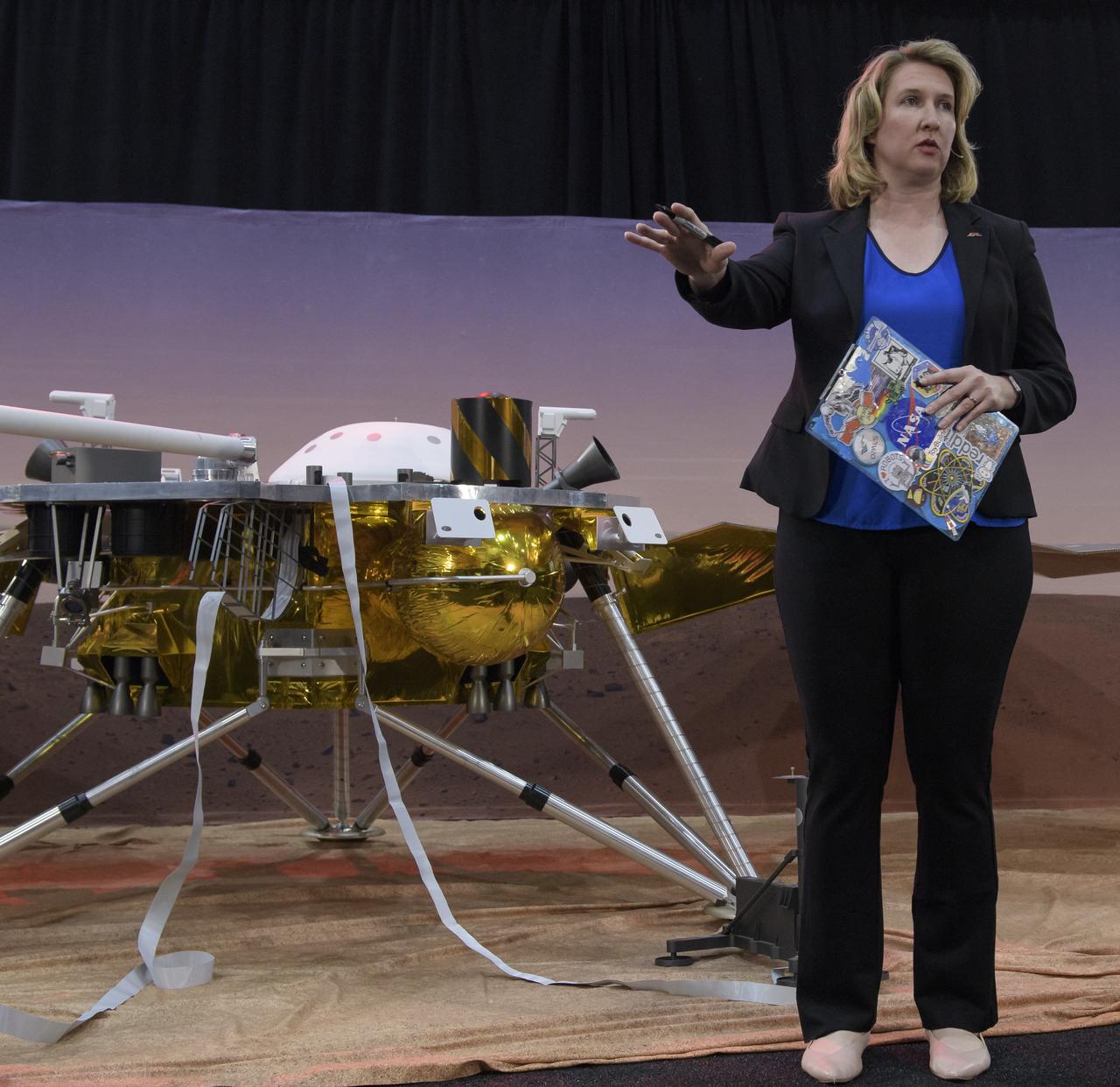
Stephanie Smith, Digital & Social Media Supervisor, Jet Propulsion Laboratory moderates a prelaunch media briefing for the NASA InSight mission, Thursday, May 3, 2018, at Vandenberg Air Force Base in California. InSight, short for Interior Exploration using Seismic Investigations, Geodesy and Heat Transport, is a Mars lander designed to study the "inner space" of Mars: its crust, mantle, and core. Photo Credit: (NASA/Bill Ingalls)
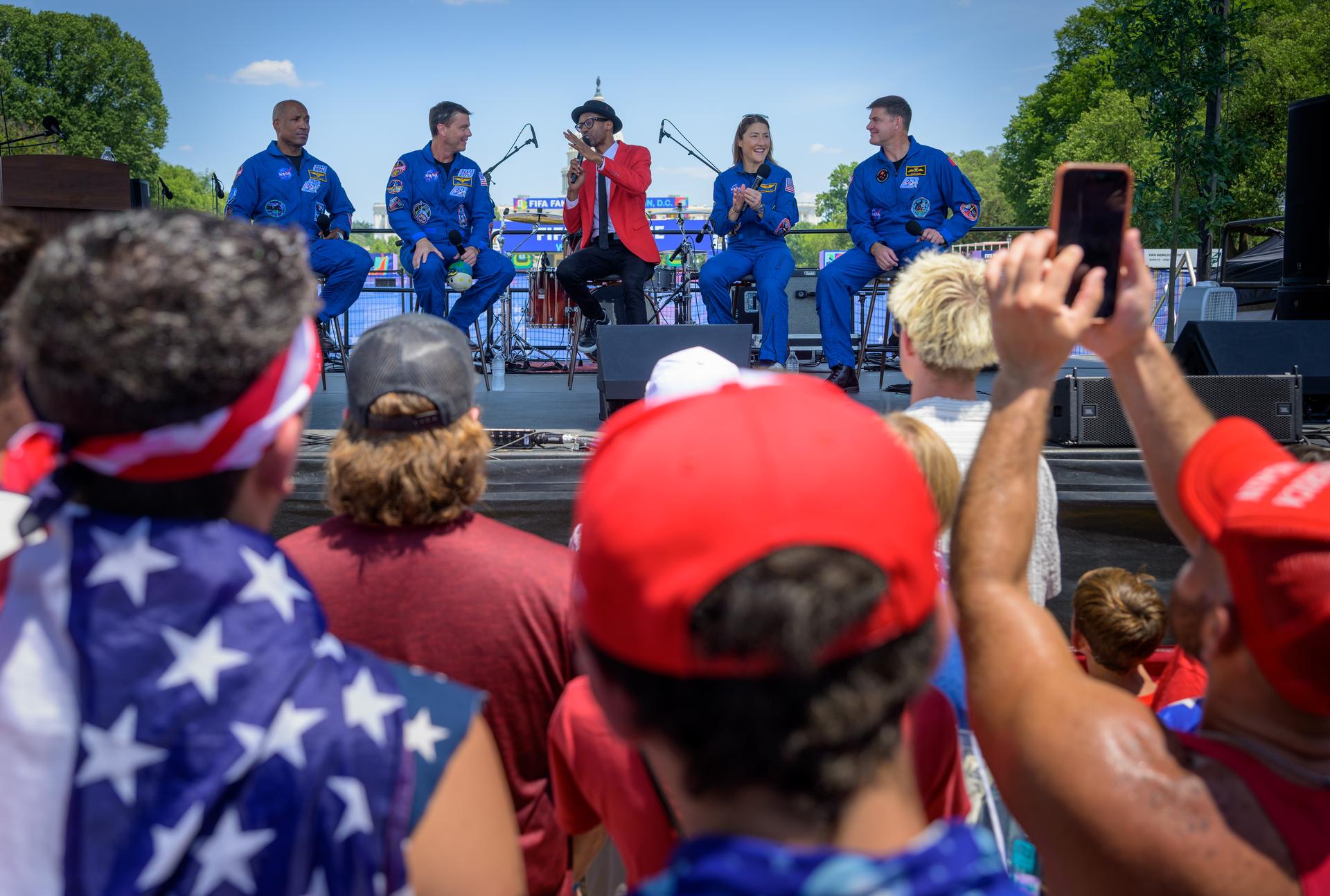
NASA astronauts Victor Glover, pilot; left, Reid Wiseman, commander; Christina Koch, mission specialist; and CSA (Canadian Space Agency) astronaut Jeremy Hansen, mission specialist, right, participate in a panel discussion with Mickey Smith Jr., America’s Educator and Motivator, center, during the Great American State Fair, Saturday, July 4, 2026, on the National Mall in Washington, D.C. Photo Credit: (NASA/Bill Ingalls)
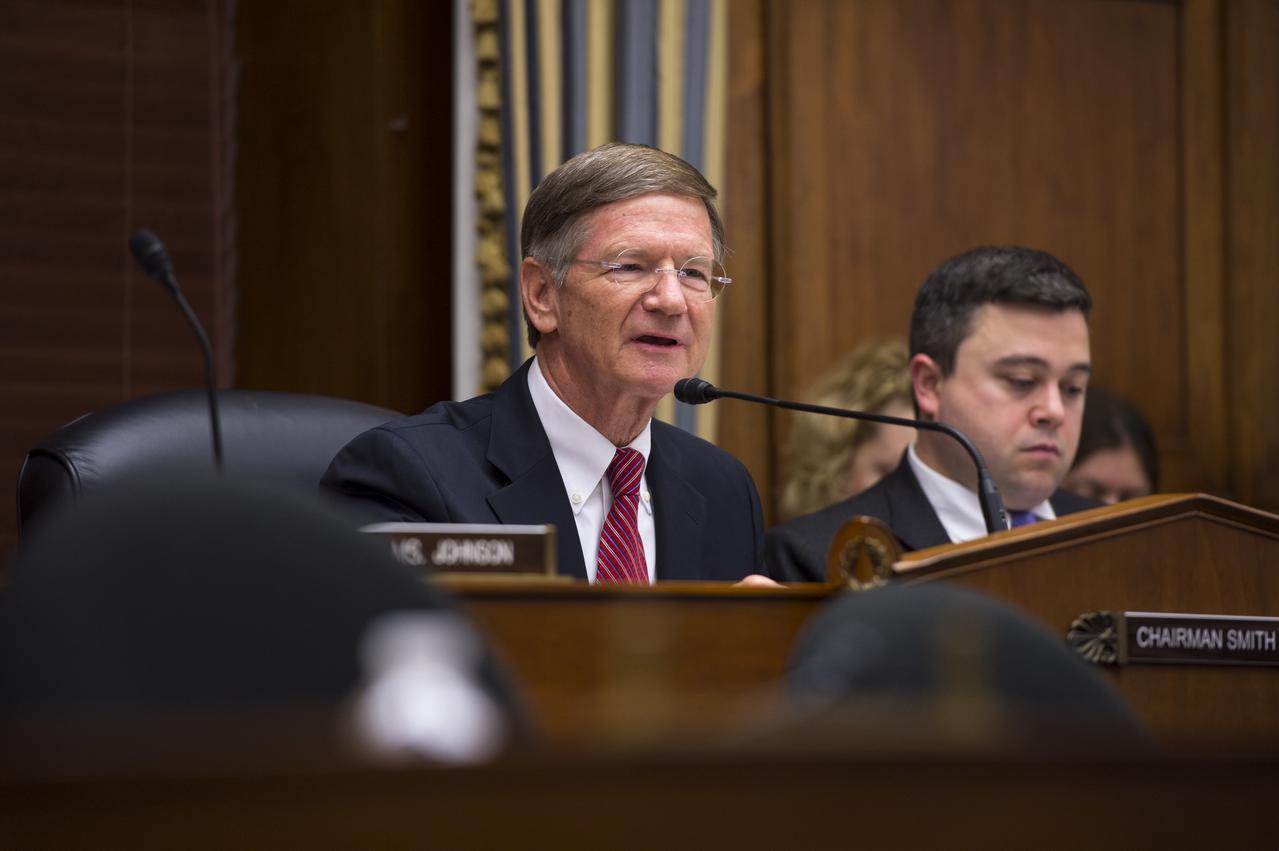
Chairman Lamar Smith (R-TX) held a full-committee event Thursday, July 24, 2014 at the Rayburn House Office Building in Washington, DC to allow members of the Committee on Science, Space, and Technology an opportunity to ask astronauts Steve Swanson and Reid Wiseman questions through a live downlink with the International Space Station (ISS). Expedition 40 astronauts Steve Swanson and Reid Wiseman have been living and working at the ISS for over two months and are scheduled to return to Earth toward the end of this year.
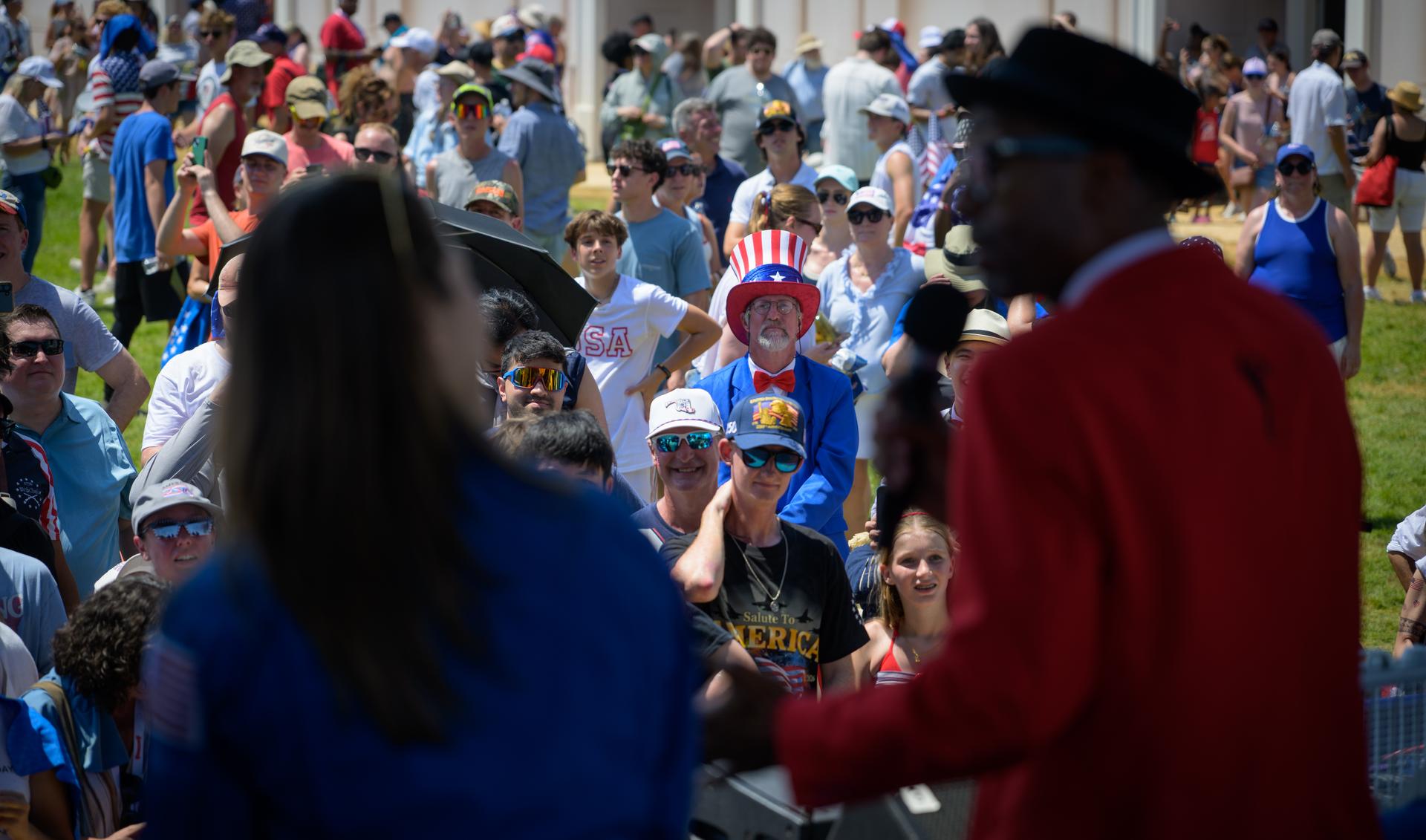
NASA astronauts Victor Glover, pilot; Reid Wiseman, commander; Christina Koch, mission specialist; and CSA (Canadian Space Agency) astronaut Jeremy Hansen, mission specialist, participate in a panel discussion with Mickey Smith Jr., America’s Educator and Motivator, during the Great American State Fair, Saturday, July 4, 2026, on the National Mall in Washington, D.C. Photo Credit: (NASA/Bill Ingalls)
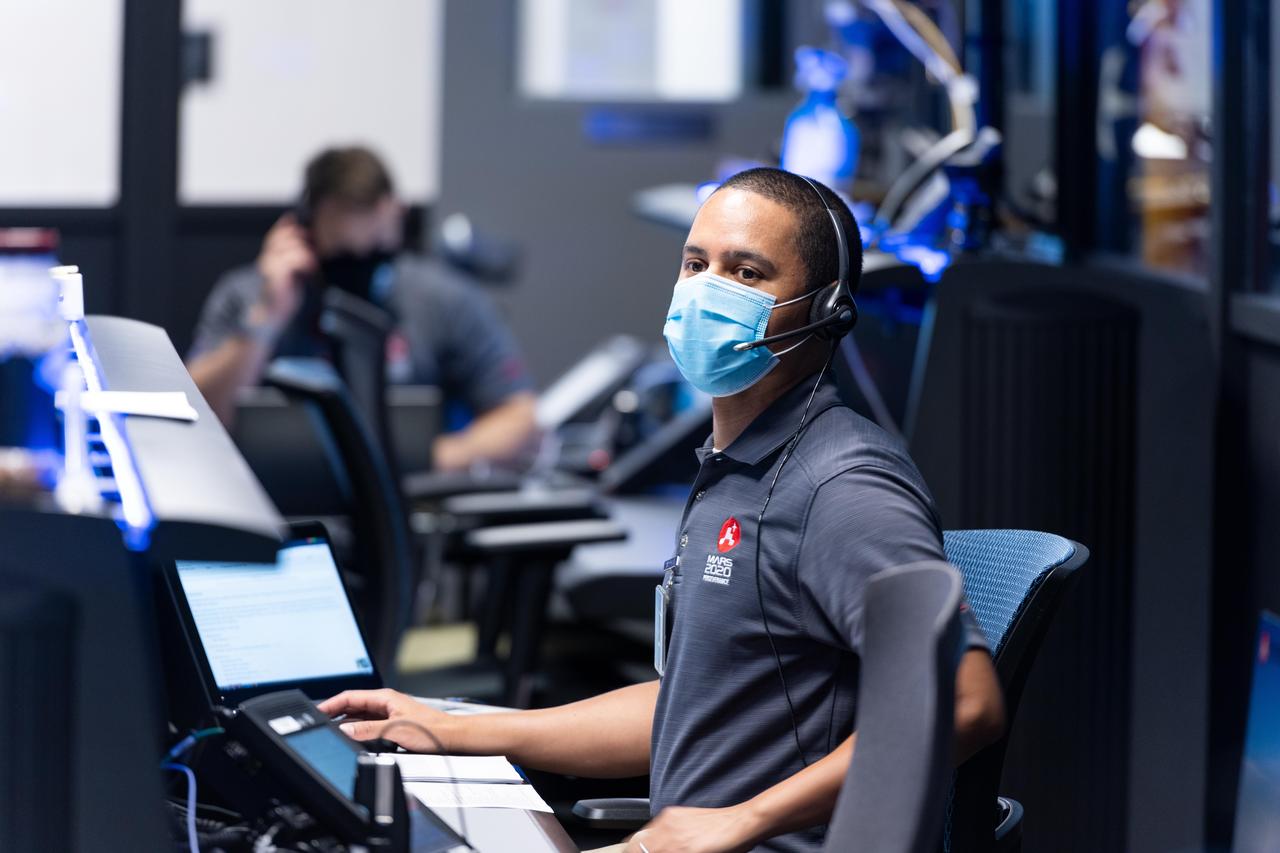
Matt Smith, flight director for the second Mars 2020 mission trajectory correction maneuver (TCM-2), studying the screens at NASA's Jet Propulsion Laboratory in Southern California. TCMs are a series of planned adjustments to put the rover on the correct path to land on Mars. https://photojournal.jpl.nasa.gov/catalog/PIA24193
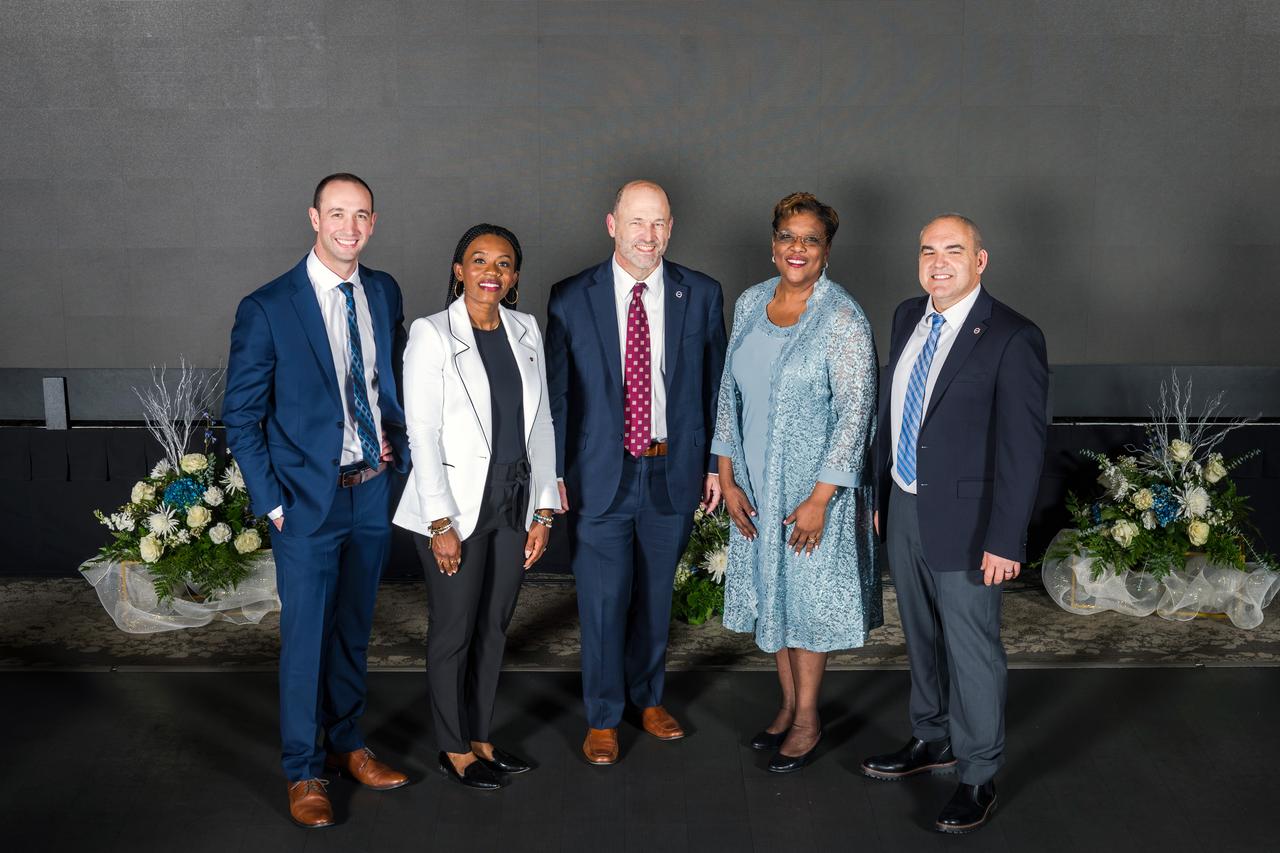
NASA Glenn's Spotlight on the Stars, 10 Years and Counting was held at Windows on the River in Cleveland, OH on November 20th, 2024. Sponsorship organized by the Ohio Aerospace Institute. Pictured from left to right: Timothy Smith, Nikki Welch, Center Director Dr. James Kenyon, Acting Deputy Center Director Dr. Wanda Peters, Carlos Garcia-Galan. Welcome by Dennis Andersh, CEO and President, Parallax Advanced Research, Ohio Aerospace Institute. Remarks by Terrence Slaybaugh, Vice President of Sites and Infrastructure, JobsOhio. Introduction of 10th Anniversary Video, Dr. Wanda Peters, Acting Deputy Director, NASA Glenn Research Center. Remarks/Introduction of Presenters, Dr. James Kenyon, Director, NASA Glenn Research Center. Keynote Speakers: Nikki Welch, NASA Glenn Communications, Connecting People to the Mission. Timothy Smith, NASA Glenn's Superalloy Achievements. Carlos Garcia-Galan, Dreaming of Going to the Moon.