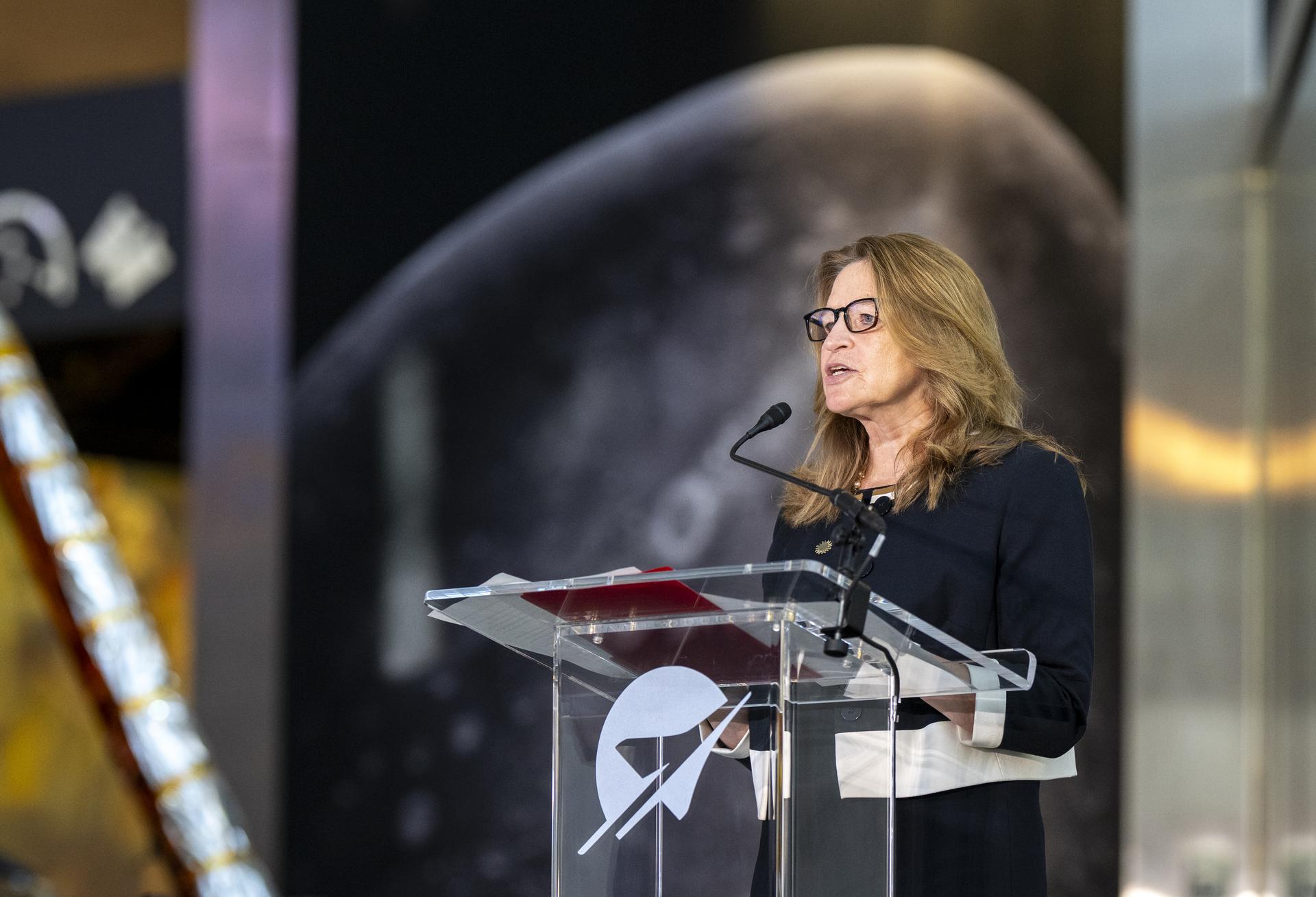
Under Secretary for Science and Research at the Smithsonian Institution Ellen Stofan delivers remarks during the Smithsonian’s National Air and Space Museum rededication ceremony Wednesday, July 1, 2026, in Washington. Photo Credit: (NASA/Keegan Barber)
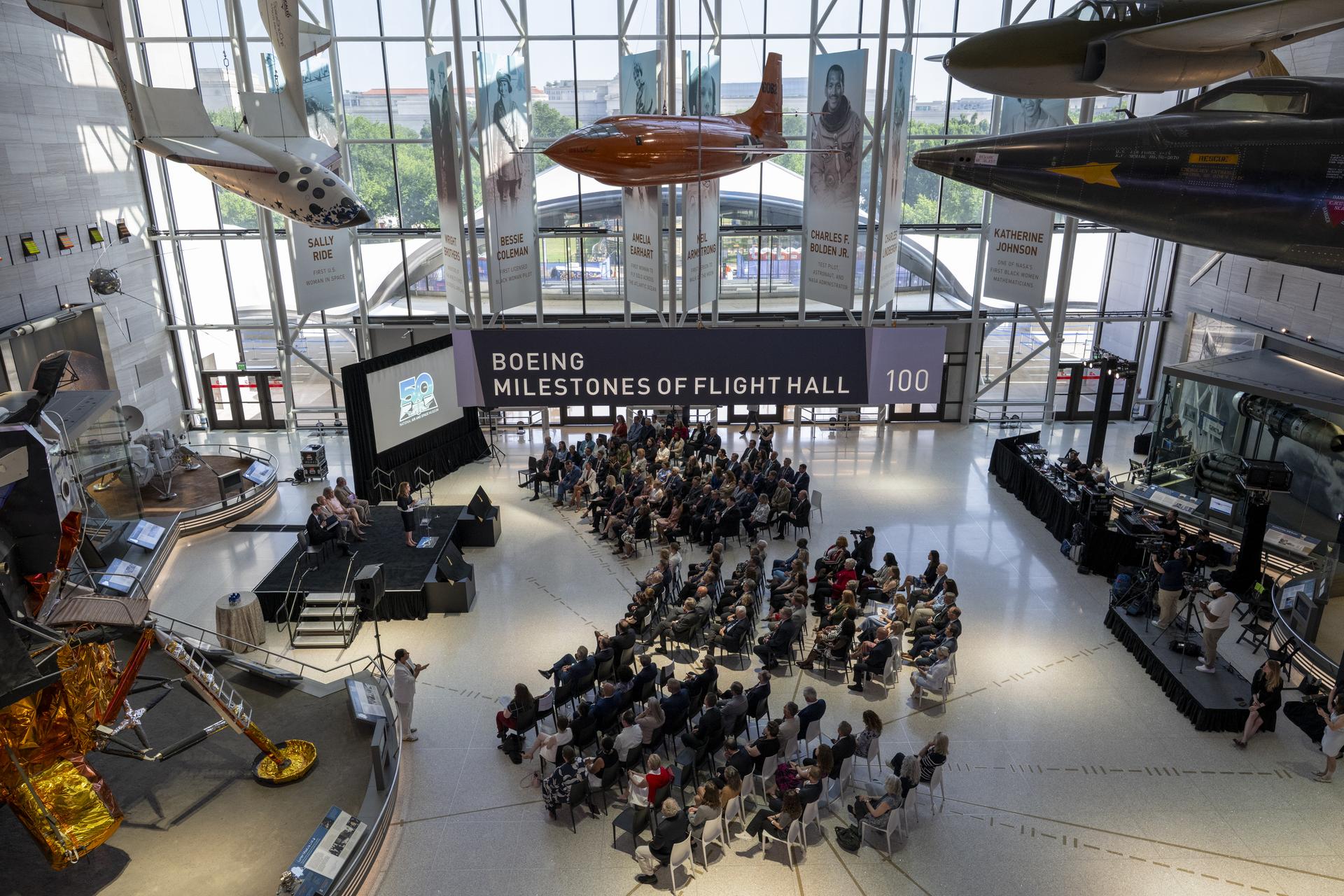
Under Secretary for Science and Research at the Smithsonian Institution Ellen Stofan delivers remarks during the Smithsonian’s National Air and Space Museum rededication ceremony Wednesday, July 1, 2026, in Washington. Photo Credit: (NASA/Keegan Barber)
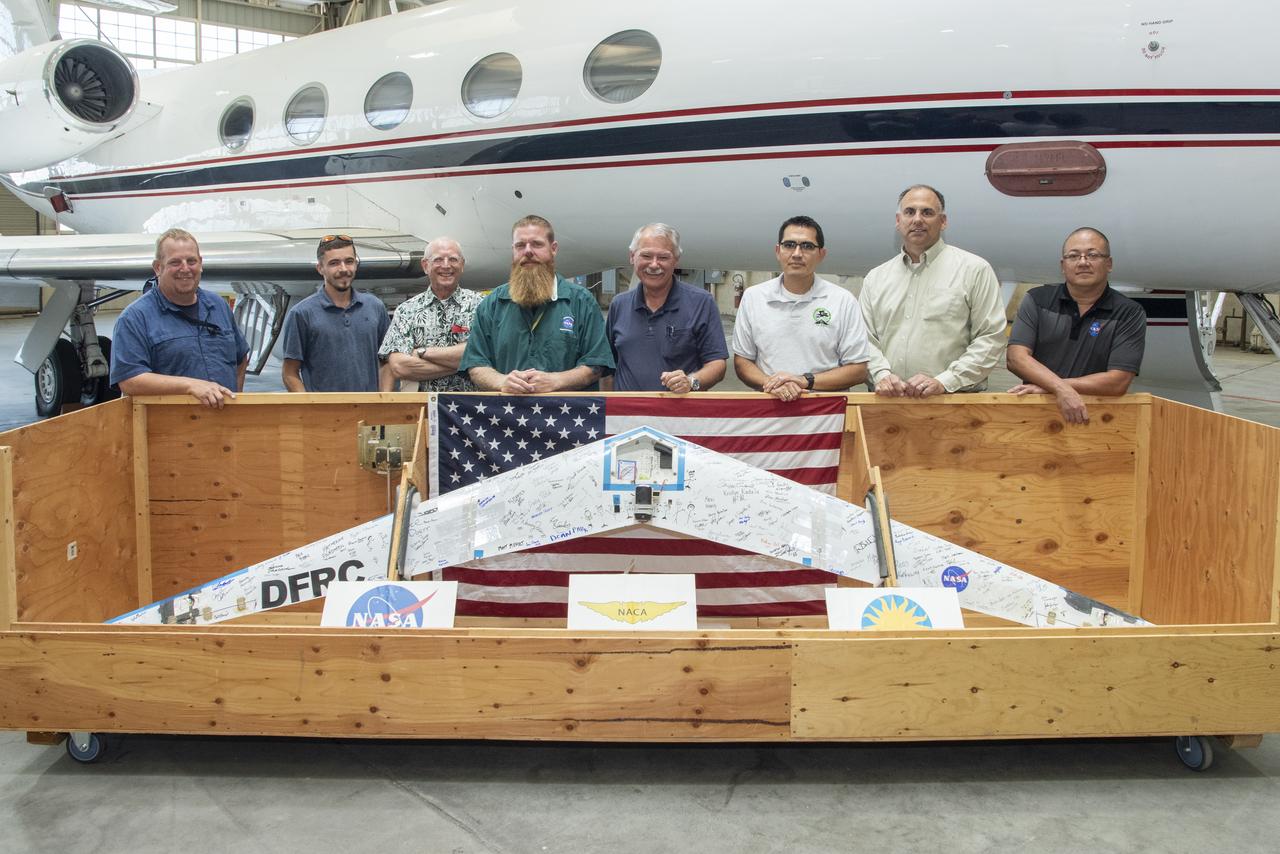
Preliminary Research Aerodynamic Design to Lower Drag, or Prandtl-D1, will be displayed in an upcoming Innovations Gallery at the National Air and Space Museum, the Smithsonian Institute. The aircraft, which flew from NASA's Armstrong Flight Research Center in California, uses a method of aircraft design that introduces a twist that results in a more efficient wing. From left are Robert "Red" Jensen, Logan Shaw, Christian Gelzer, Justin Hall, Al Bowers, Oscar Murillo, Brian Eslinger and Derek Abramson
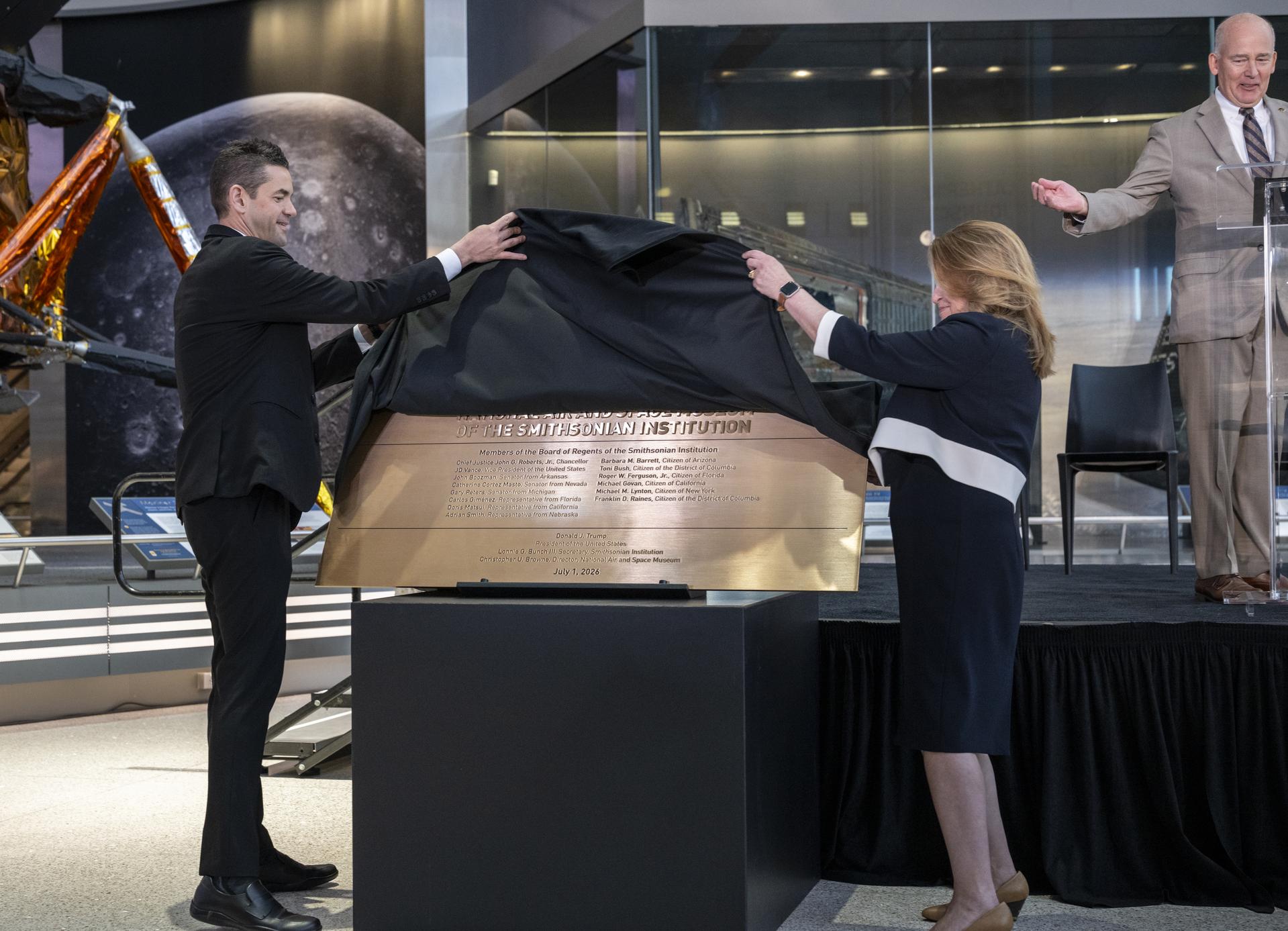
NASA Administrator Jared Isaacman, left, and Under Secretary for Science and Research at the Smithsonian Institution Ellen Stofan, right, unveil a plaque during the Smithsonian’s National Air and Space Museum rededication ceremony Wednesday, July 1, 2026, in Washington. Photo Credit: (NASA/Keegan Barber)
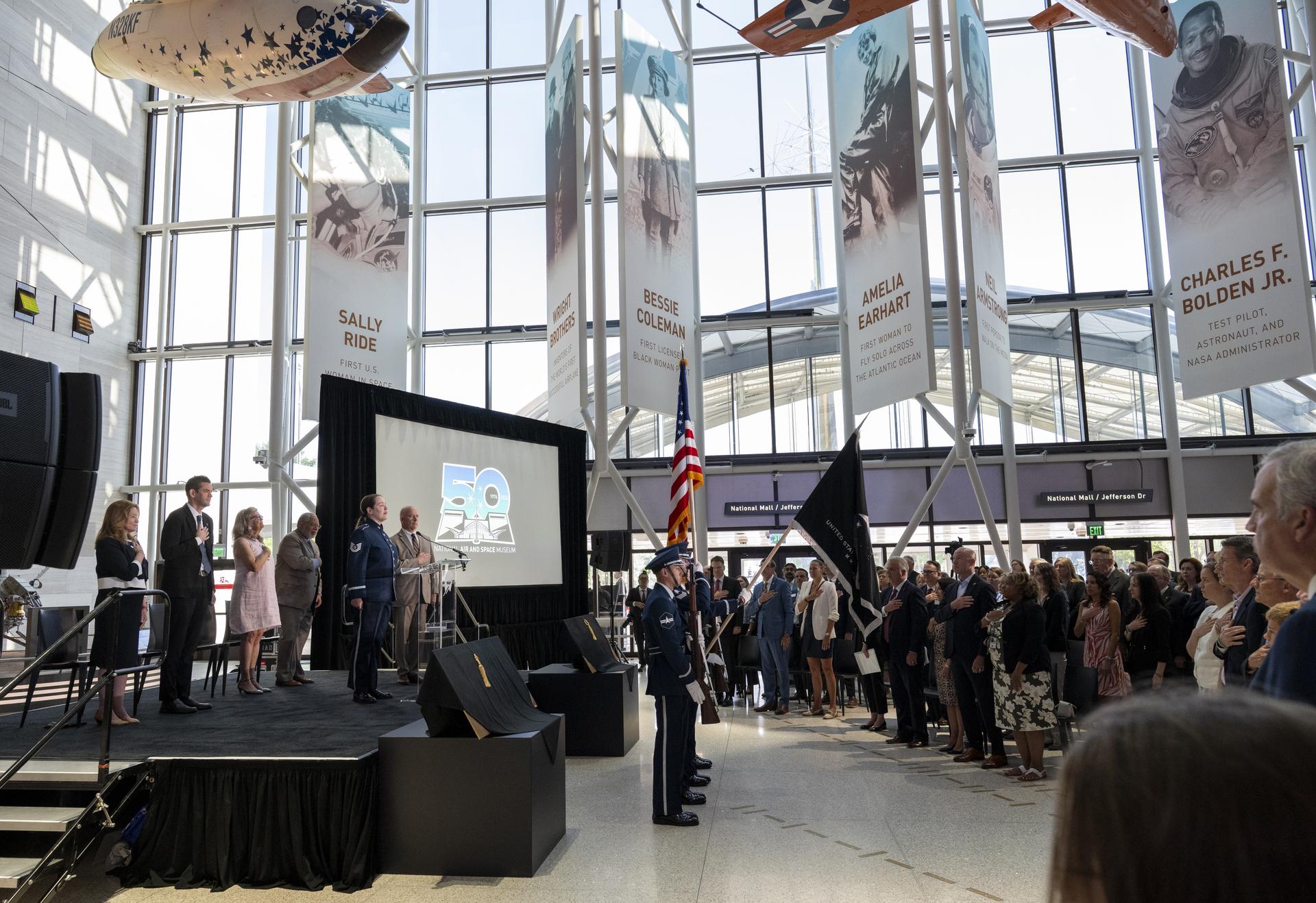
Guests stand for the singing of the national anthem prior to the Smithsonian’s National Air and Space Museum rededication ceremony Wednesday, July 1, 2026, in Washington. Photo Credit: (NASA/Keegan Barber)
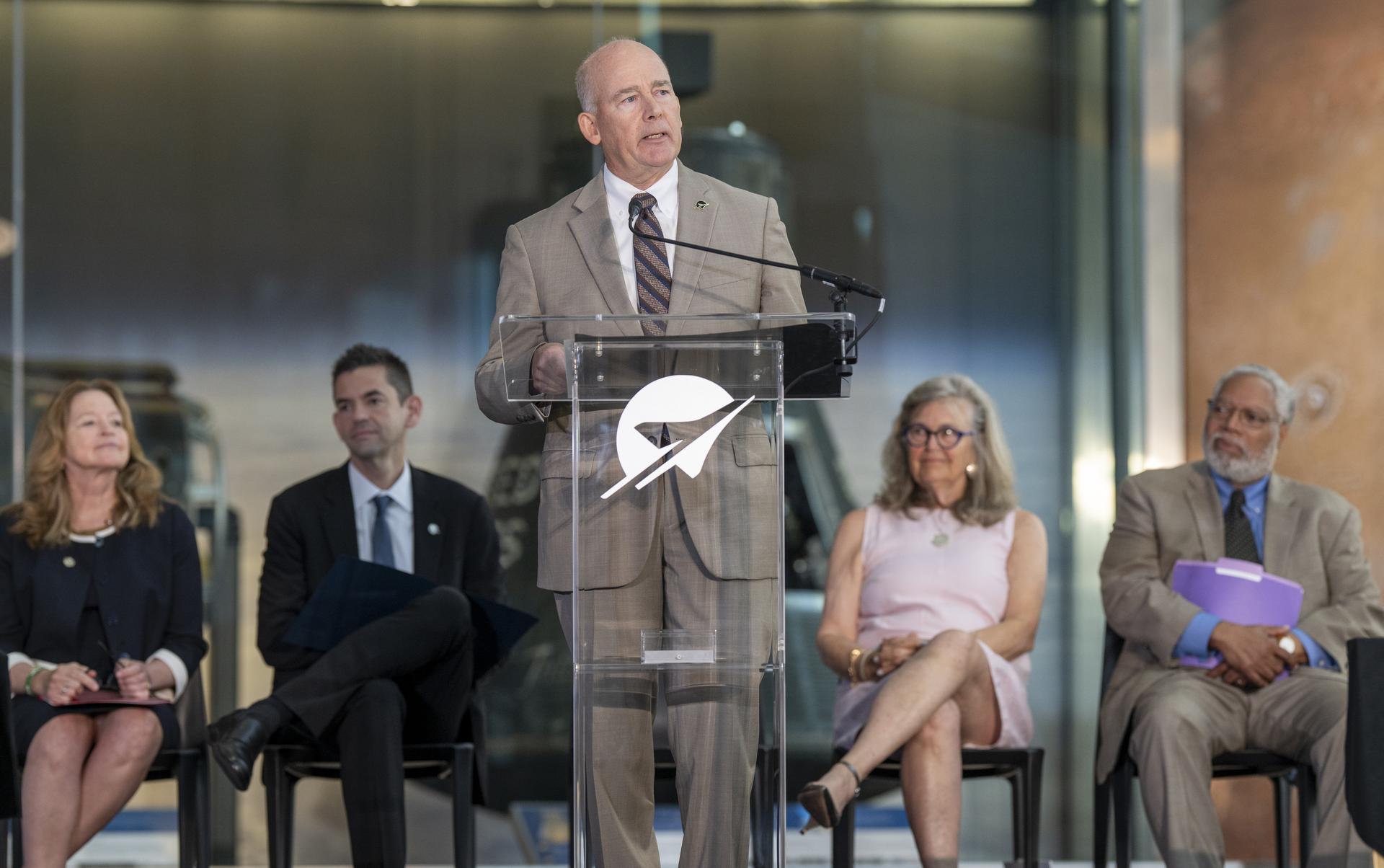
Director of the Smithsonian’s National Air and Space Museum Christopher Browne delivers remarks during the museum’s rededication ceremony Wednesday, July 1, 2026, in Washington. Photo Credit: (NASA/Keegan Barber)
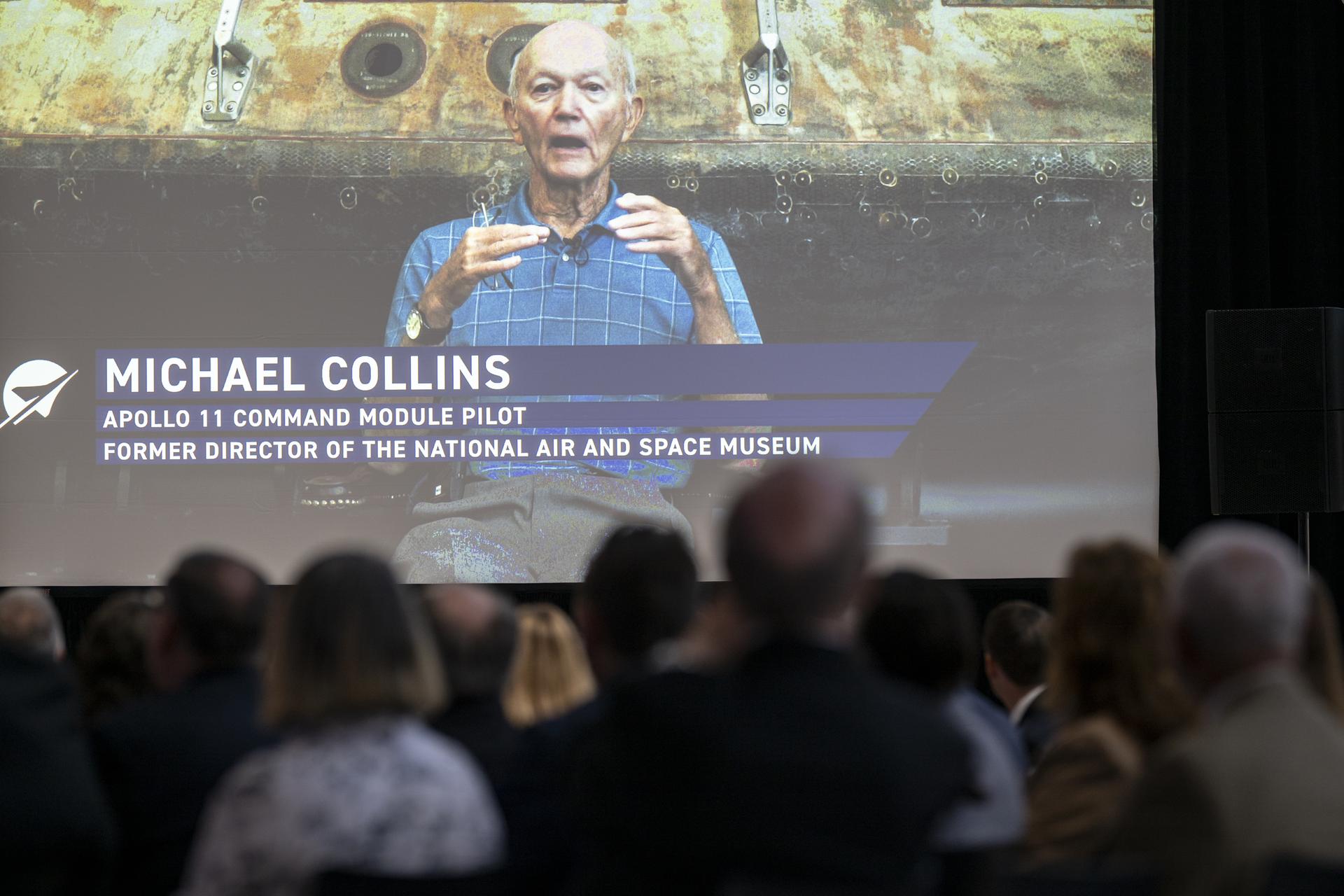
Guests view a video presentation during the Smithsonian’s National Air and Space Museum rededication ceremony Wednesday, July 1, 2026, in Washington. Photo Credit: (NASA/Keegan Barber)
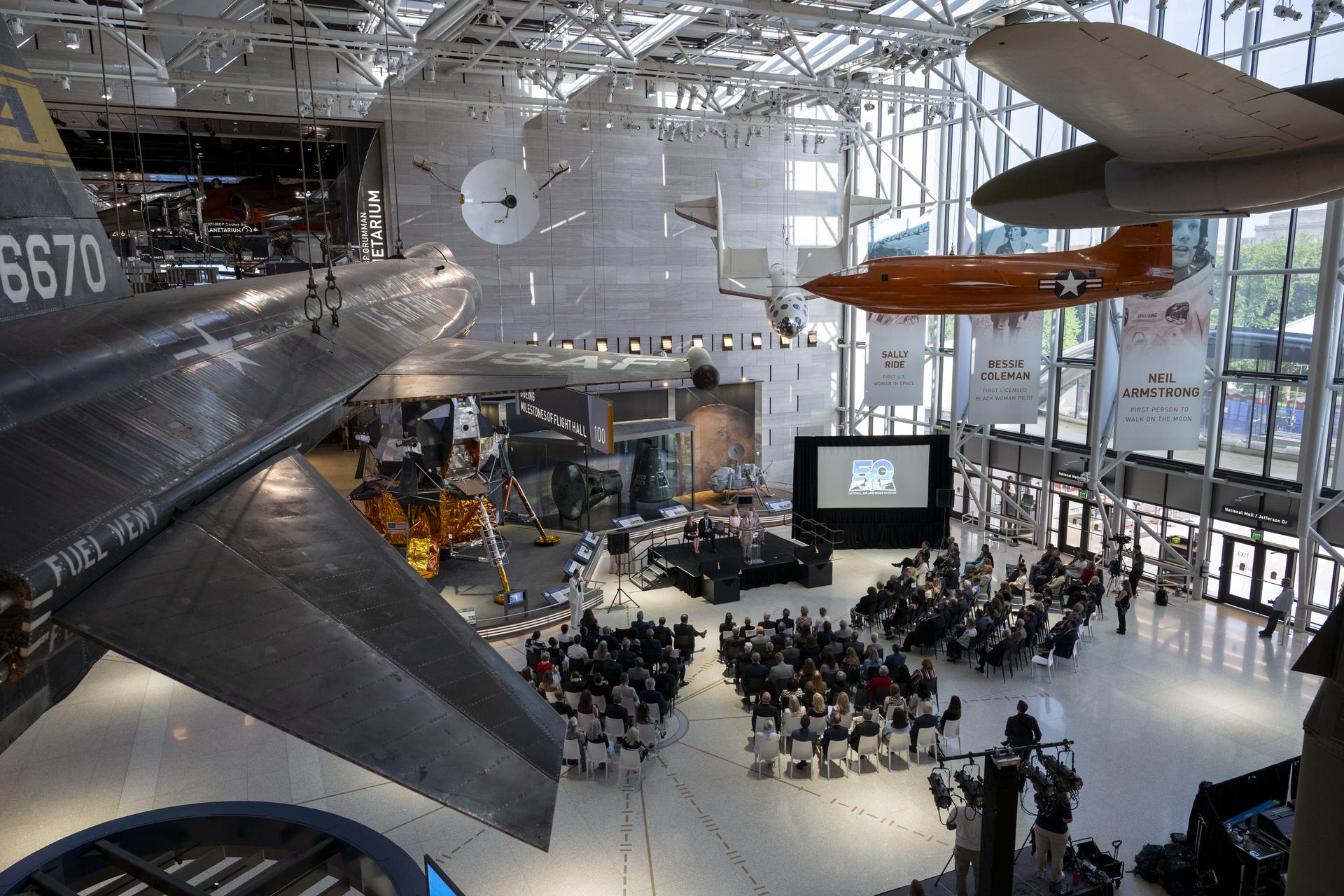
Director of the Smithsonian’s National Air and Space Museum Christopher Browne delivers remarks during the museum’s rededication ceremony Wednesday, July 1, 2026, in Washington. Photo Credit: (NASA/Keegan Barber)
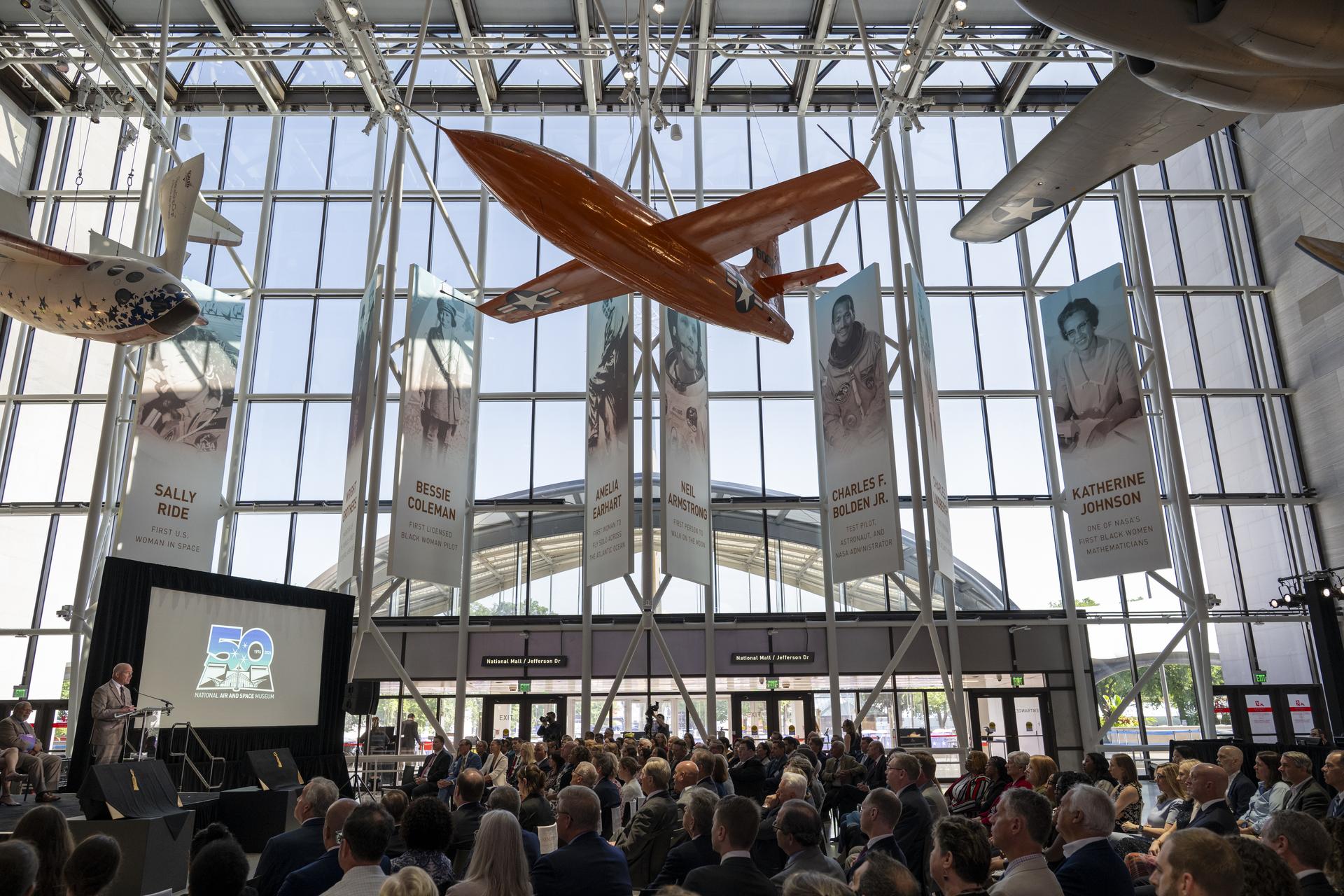
Director of the Smithsonian’s National Air and Space Museum Christopher Browne delivers remarks during the museum’s rededication ceremony Wednesday, July 1, 2026, in Washington. Photo Credit: (NASA/Keegan Barber)
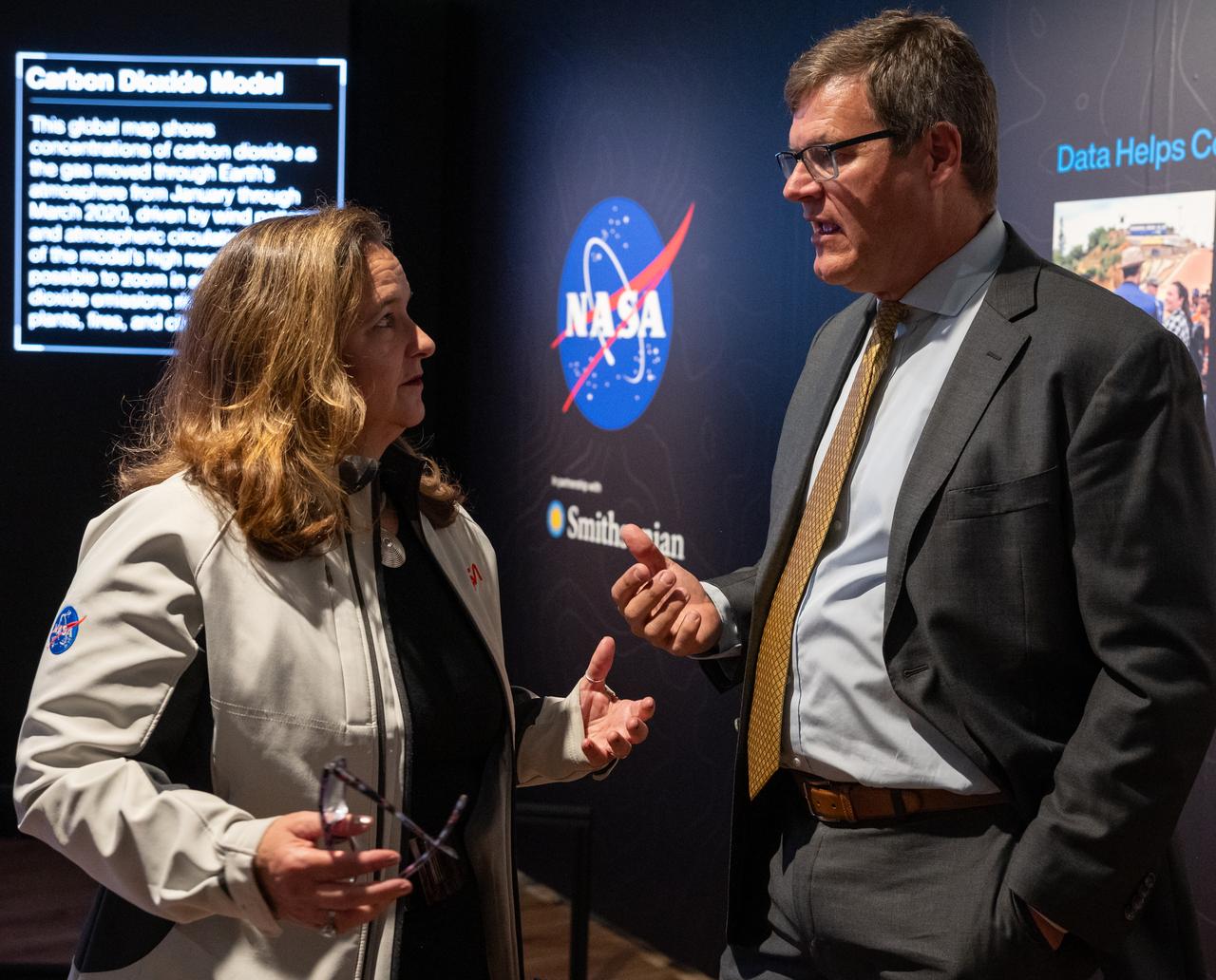
NASA Earth Sciences, Division Director, Karen St. Germain, left, and Smithsonian Museum of Natural History, Sant Director, Kirk Johnson, talk during a preview of the Earth Information Center at the Smithsonian National Museum of Natural History, in Washington, Monday, Oct. 7, 2024. The exhibit includes a video wall displaying Earth science data visualizations and videos, an interpretive panel showing Earth’s connected systems, information on our changing world, and an overview of how NASA and the Smithsonian study our home planet. Photo Credit: (NASA/Bill Ingalls)
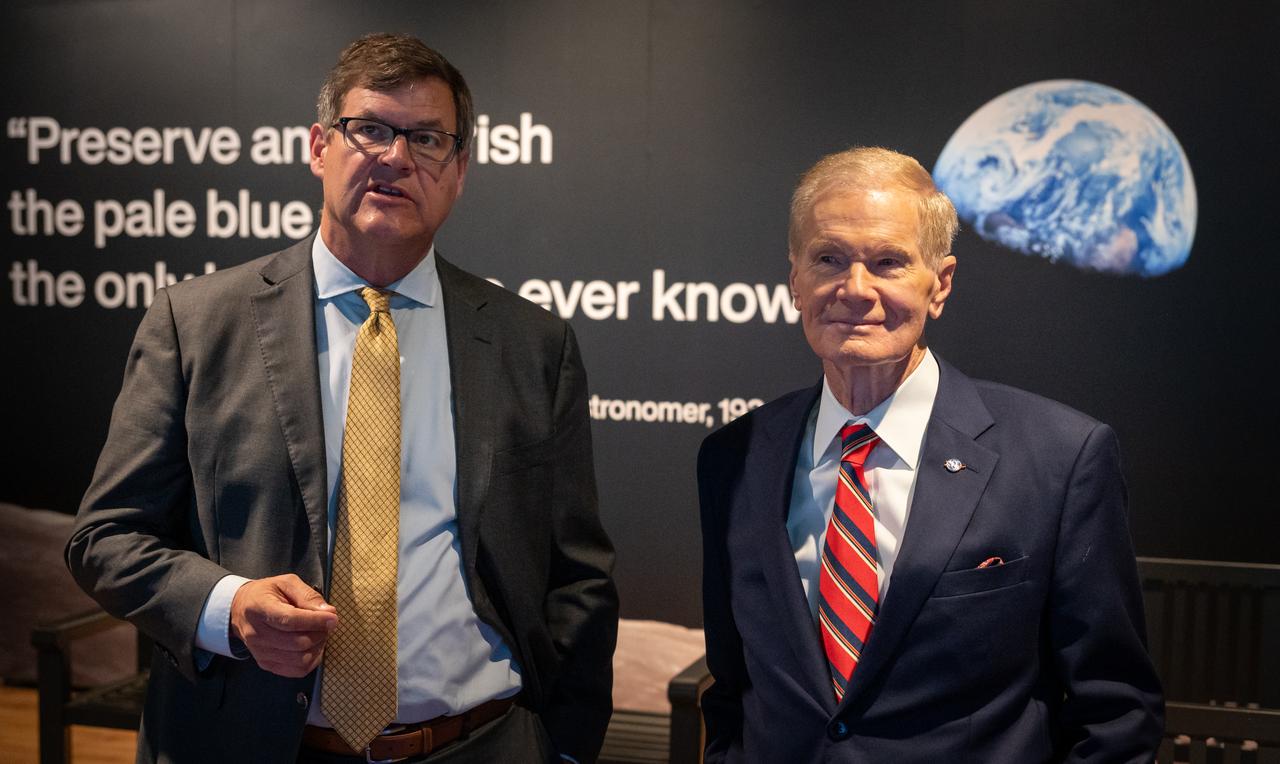
Smithsonian Museum of Natural History, Sant Director, Kirk Johnson, left, talks with NASA Administrator Bill Nelson, during a preview of the Earth Information Center at the Smithsonian National Museum of Natural History, in Washington, Monday, Oct. 7, 2024. The exhibit includes a video wall displaying Earth science data visualizations and videos, an interpretive panel showing Earth’s connected systems, information on our changing world, and an overview of how NASA and the Smithsonian study our home planet. Photo Credit: (NASA/Bill Ingalls)
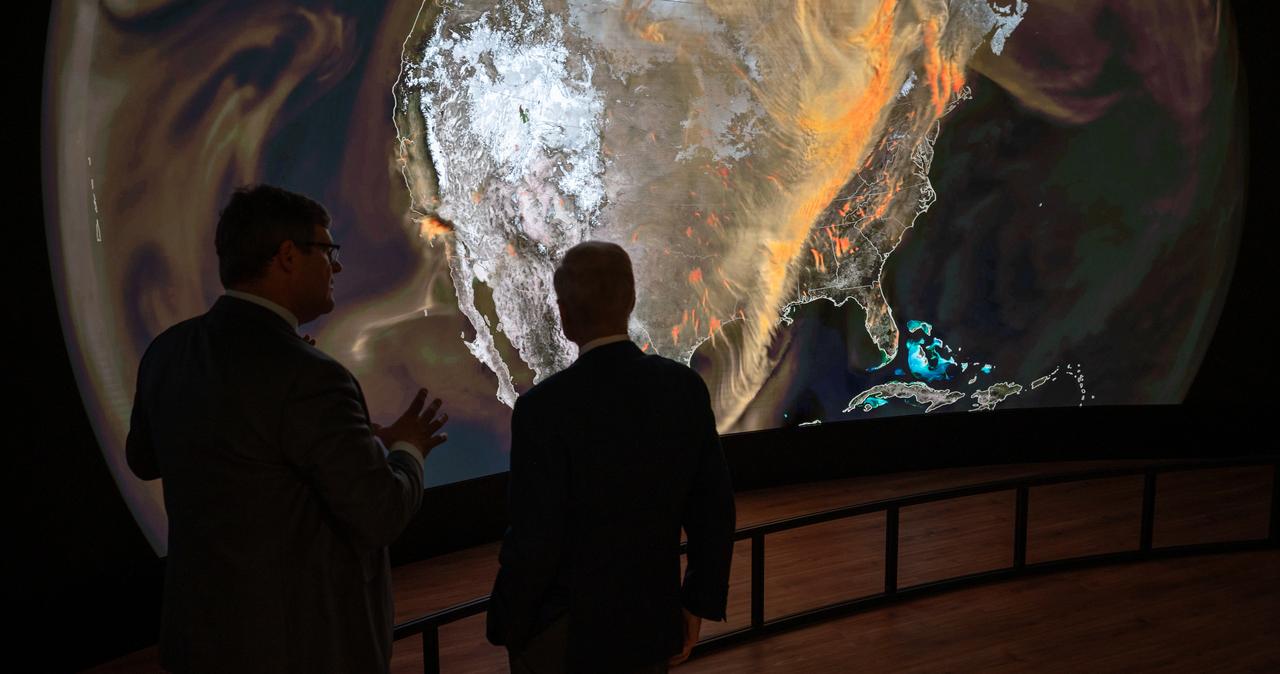
Smithsonian Museum of Natural History, Sant Director, Kirk Johnson, left, talks with NASA Administrator Bill Nelson, during a preview of the Earth Information Center at the Smithsonian National Museum of Natural History, in Washington, Monday, Oct. 7, 2024. The exhibit includes a video wall displaying Earth science data visualizations and videos, an interpretive panel showing Earth’s connected systems, information on our changing world, and an overview of how NASA and the Smithsonian study our home planet. Photo Credit: (NASA/Bill Ingalls)
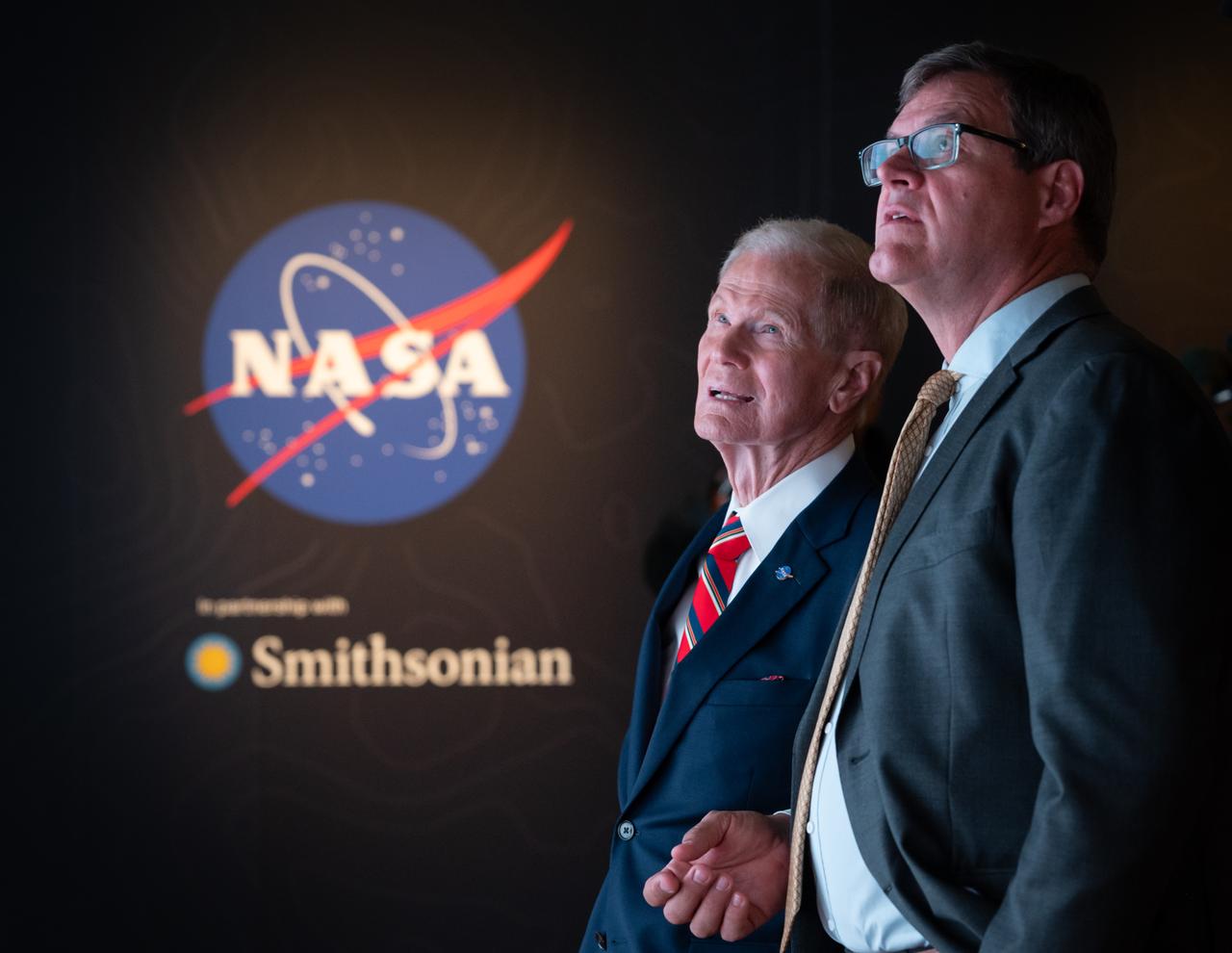
NASA Administrator Bill Nelson, left, and Smithsonian Museum of Natural History, Sant Director, Kirk Johnson, preview the Earth Information Center at the Smithsonian National Museum of Natural History, in Washington, Monday, Oct. 7, 2024. The exhibit includes a video wall displaying Earth science data visualizations and videos, an interpretive panel showing Earth’s connected systems, information on our changing world, and an overview of how NASA and the Smithsonian study our home planet. Photo Credit: (NASA/Bill Ingalls)
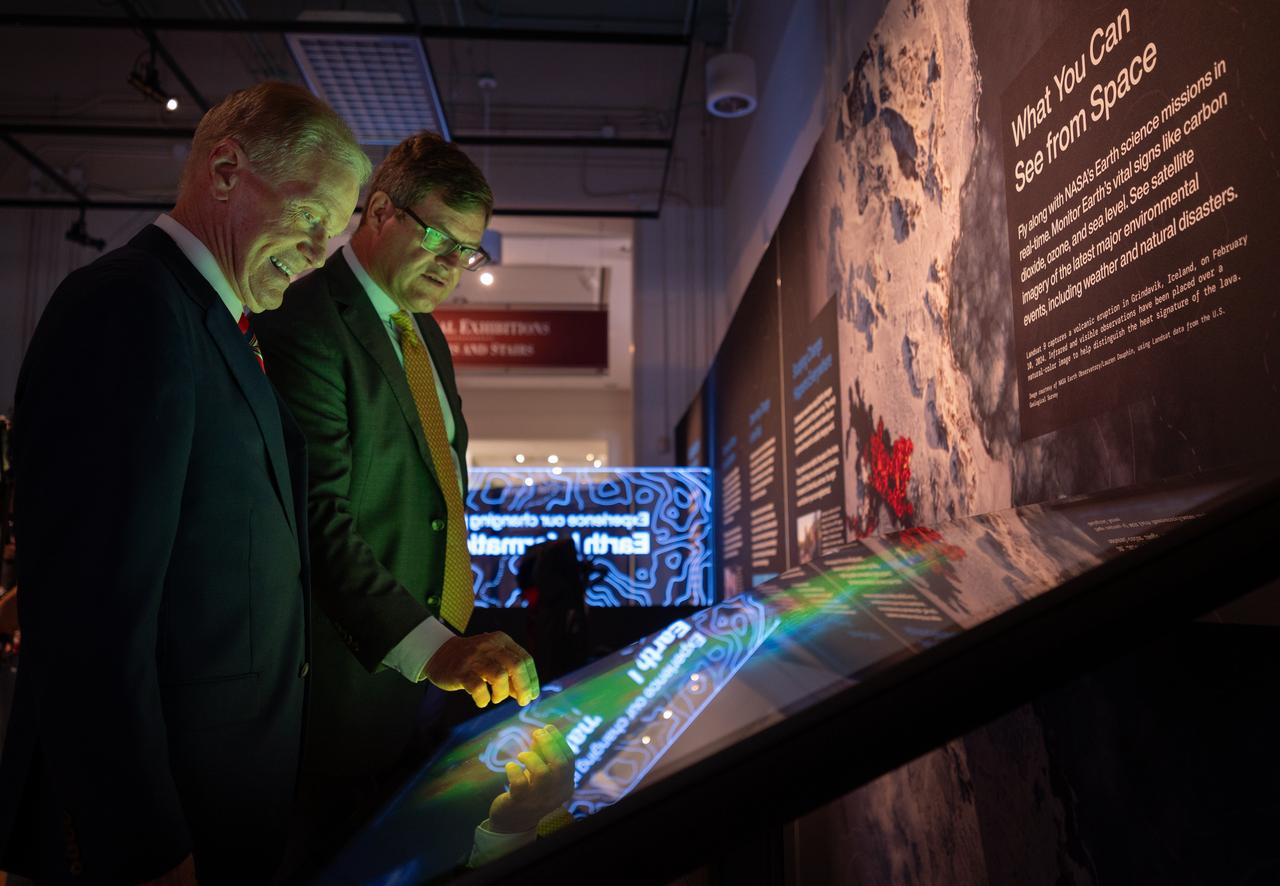
NASA Administrator Bill Nelson, left, and Smithsonian Museum of Natural History, Sant Director, Kirk Johnson, preview the Earth Information Center at the Smithsonian National Museum of Natural History, in Washington, Monday, Oct. 7, 2024. The exhibit includes a video wall displaying Earth science data visualizations and videos, an interpretive panel showing Earth’s connected systems, information on our changing world, and an overview of how NASA and the Smithsonian study our home planet. Photo Credit: (NASA/Bill Ingalls)
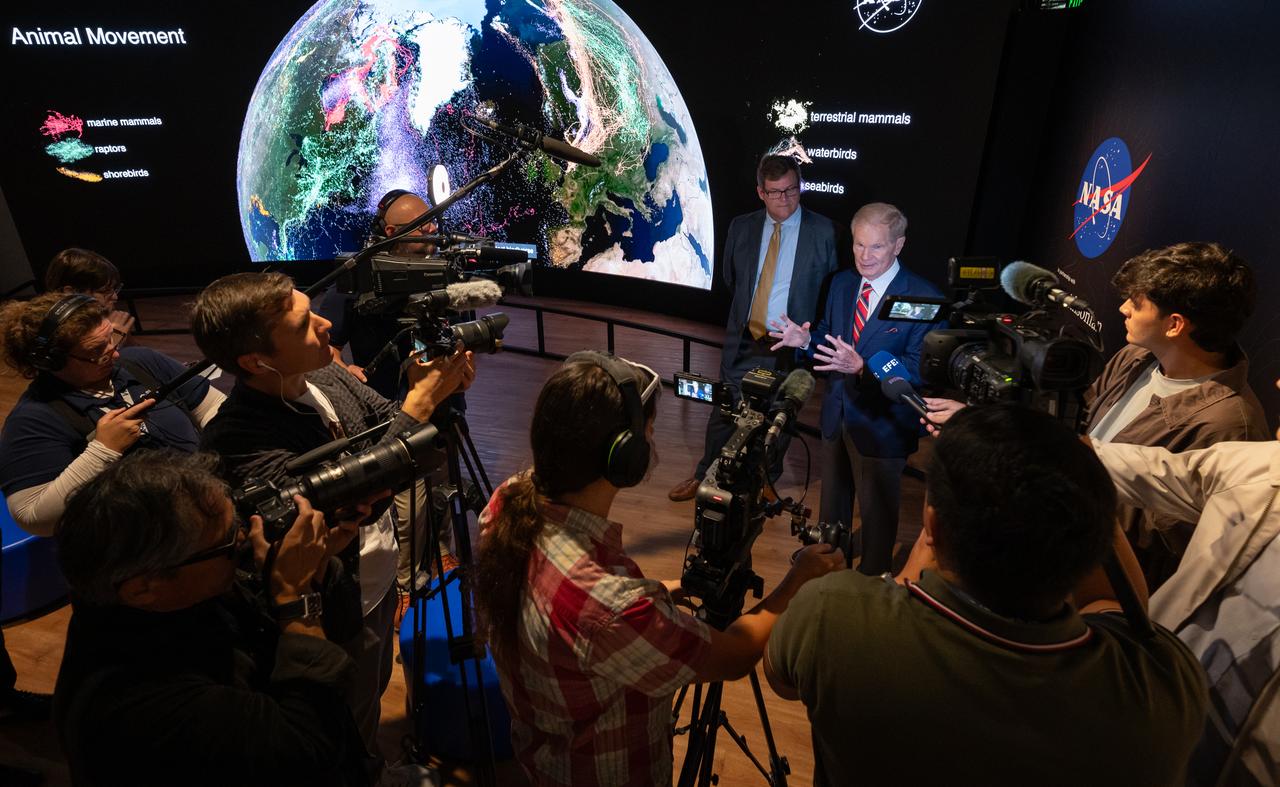
Smithsonian Museum of Natural History, Sant Director, Kirk Johnson, left, and NASA Administrator Bill Nelson, talk with media during a preview the Earth Information Center at the Smithsonian National Museum of Natural History, in Washington, Monday, Oct. 7, 2024. The exhibit includes a video wall displaying Earth science data visualizations and videos, an interpretive panel showing Earth’s connected systems, information on our changing world, and an overview of how NASA and the Smithsonian study our home planet. Photo Credit: (NASA/Bill Ingalls)
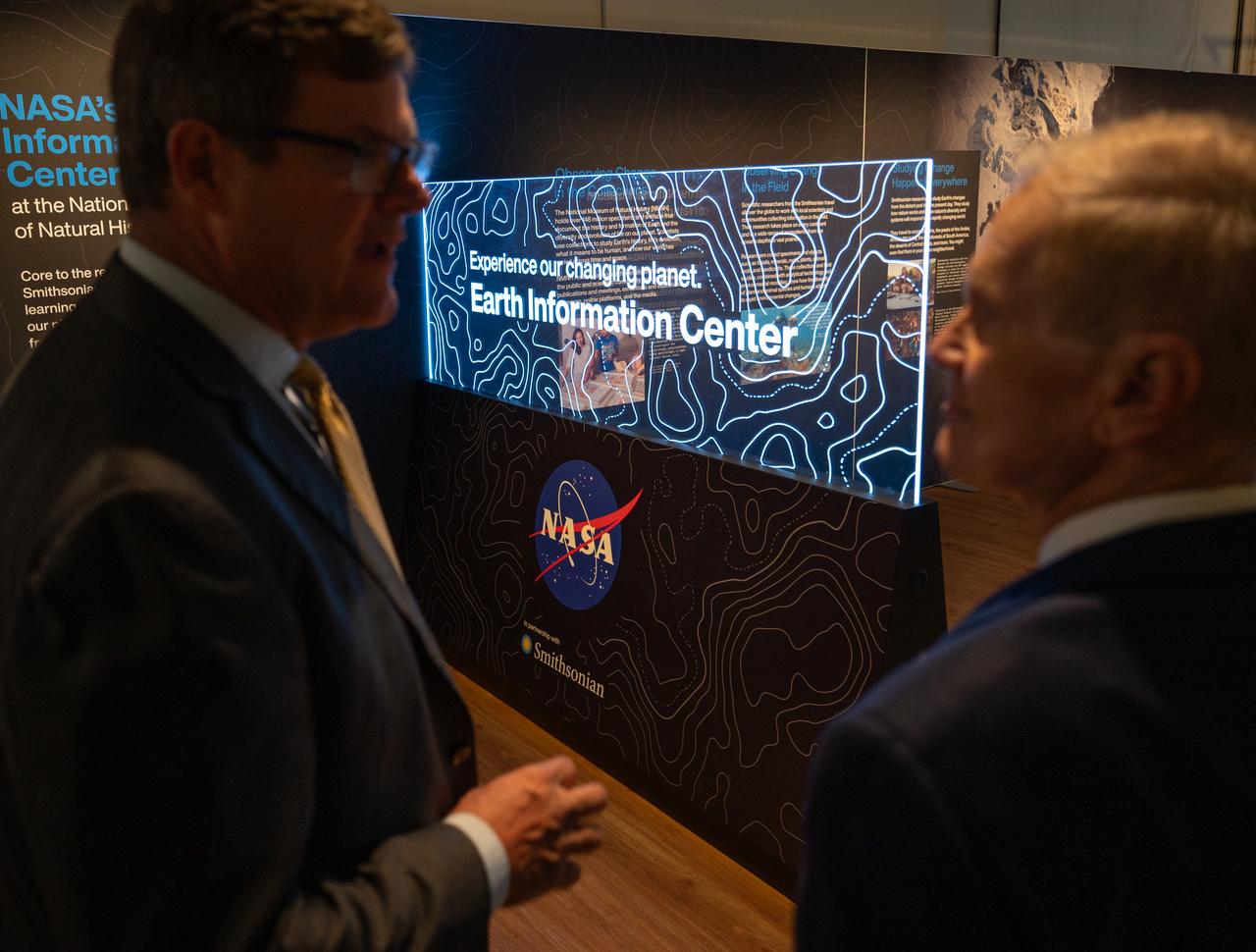
Smithsonian Museum of Natural History, Sant Director, Kirk Johnson, left, talks with NASA Administrator Bill Nelson, during a preview of the Earth Information Center at the Smithsonian National Museum of Natural History, in Washington, Monday, Oct. 7, 2024. The exhibit includes a video wall displaying Earth science data visualizations and videos, an interpretive panel showing Earth’s connected systems, information on our changing world, and an overview of how NASA and the Smithsonian study our home planet. Photo Credit: (NASA/Bill Ingalls)
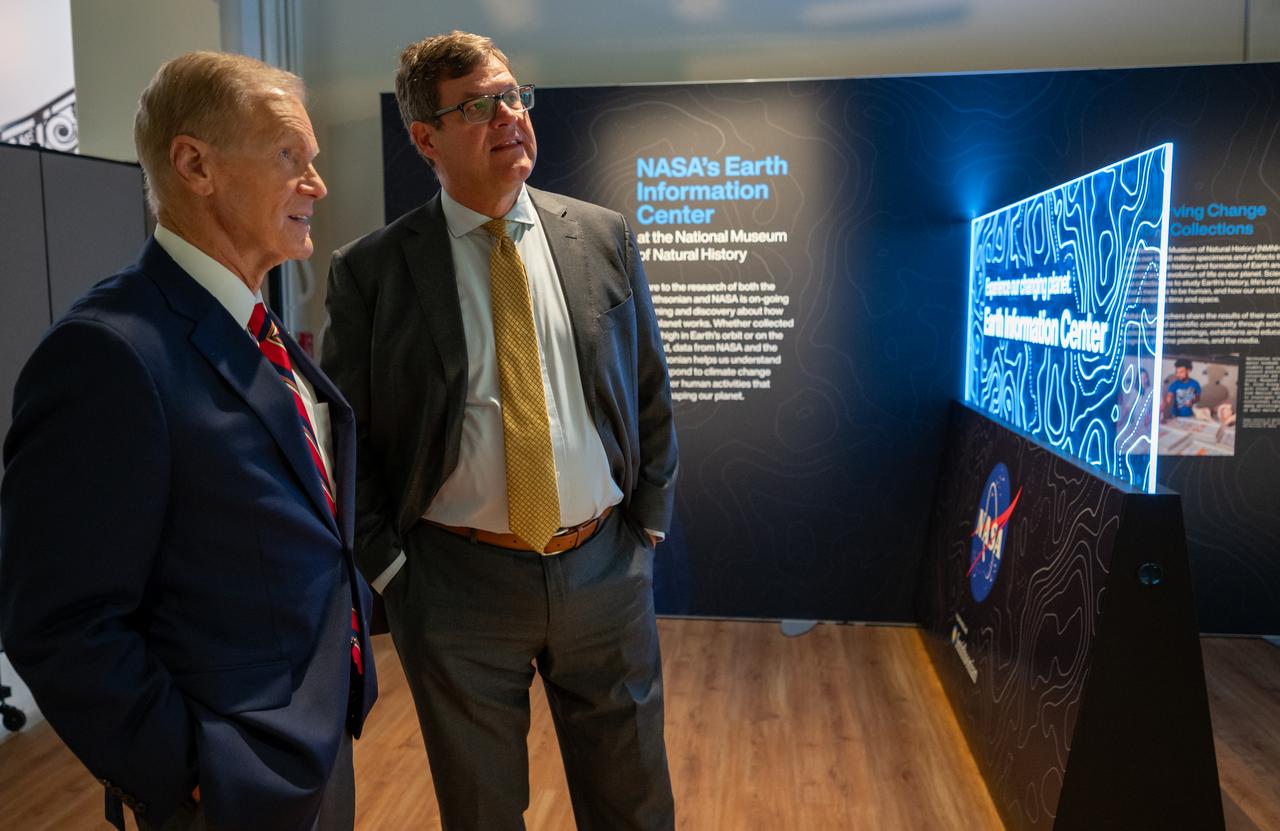
NASA Administrator Bill Nelson, left, talks with Smithsonian Museum of Natural History, Sant Director, Kirk Johnson, during a preview of the Earth Information Center at the Smithsonian National Museum of Natural History, in Washington, Monday, Oct. 7, 2024. The exhibit includes a video wall displaying Earth science data visualizations and videos, an interpretive panel showing Earth’s connected systems, information on our changing world, and an overview of how NASA and the Smithsonian study our home planet. Photo Credit: (NASA/Bill Ingalls)
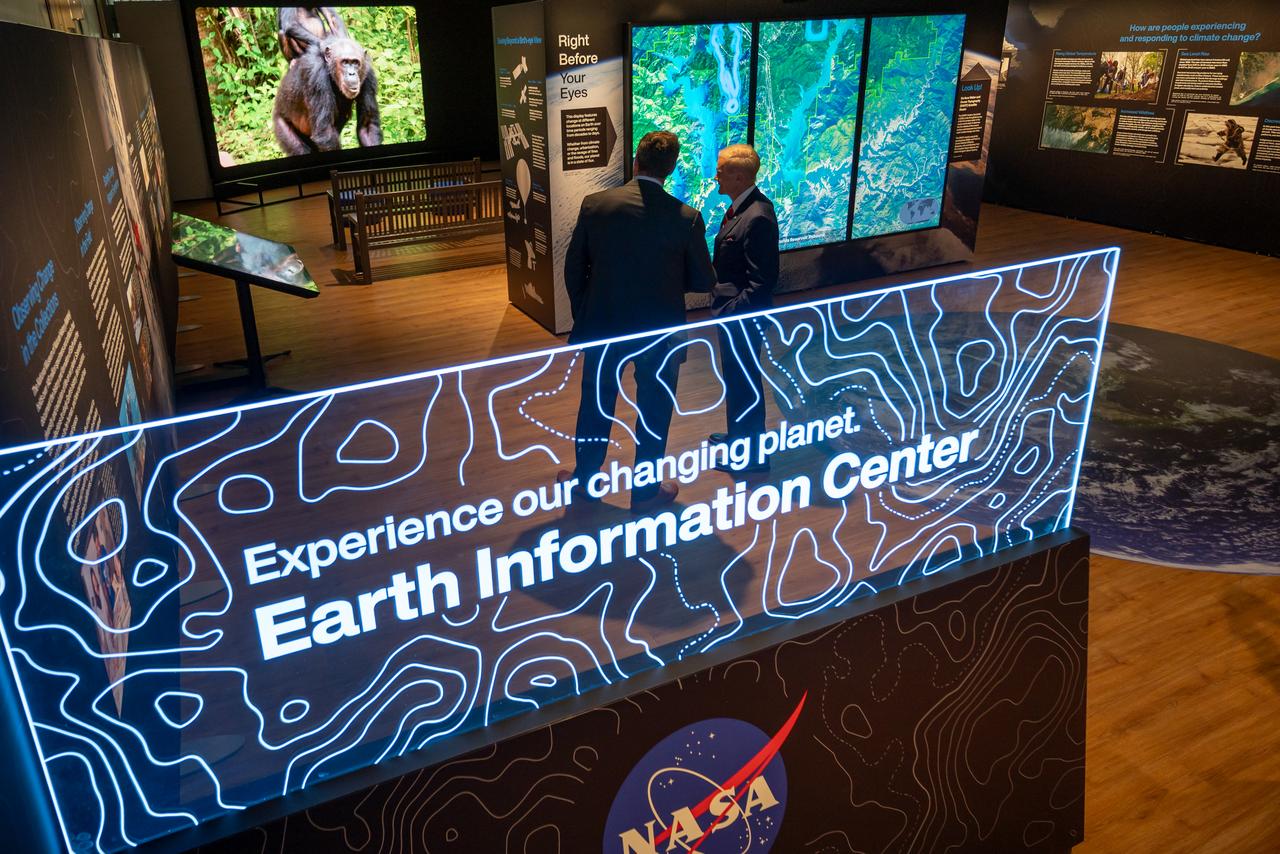
Smithsonian Museum of Natural History, Sant Director, Kirk Johnson, left, talks with NASA Administrator Bill Nelson, during a preview of the Earth Information Center at the Smithsonian National Museum of Natural History, in Washington, Monday, Oct. 7, 2024. The exhibit includes a video wall displaying Earth science data visualizations and videos, an interpretive panel showing Earth’s connected systems, information on our changing world, and an overview of how NASA and the Smithsonian study our home planet. Photo Credit: (NASA/Bill Ingalls)
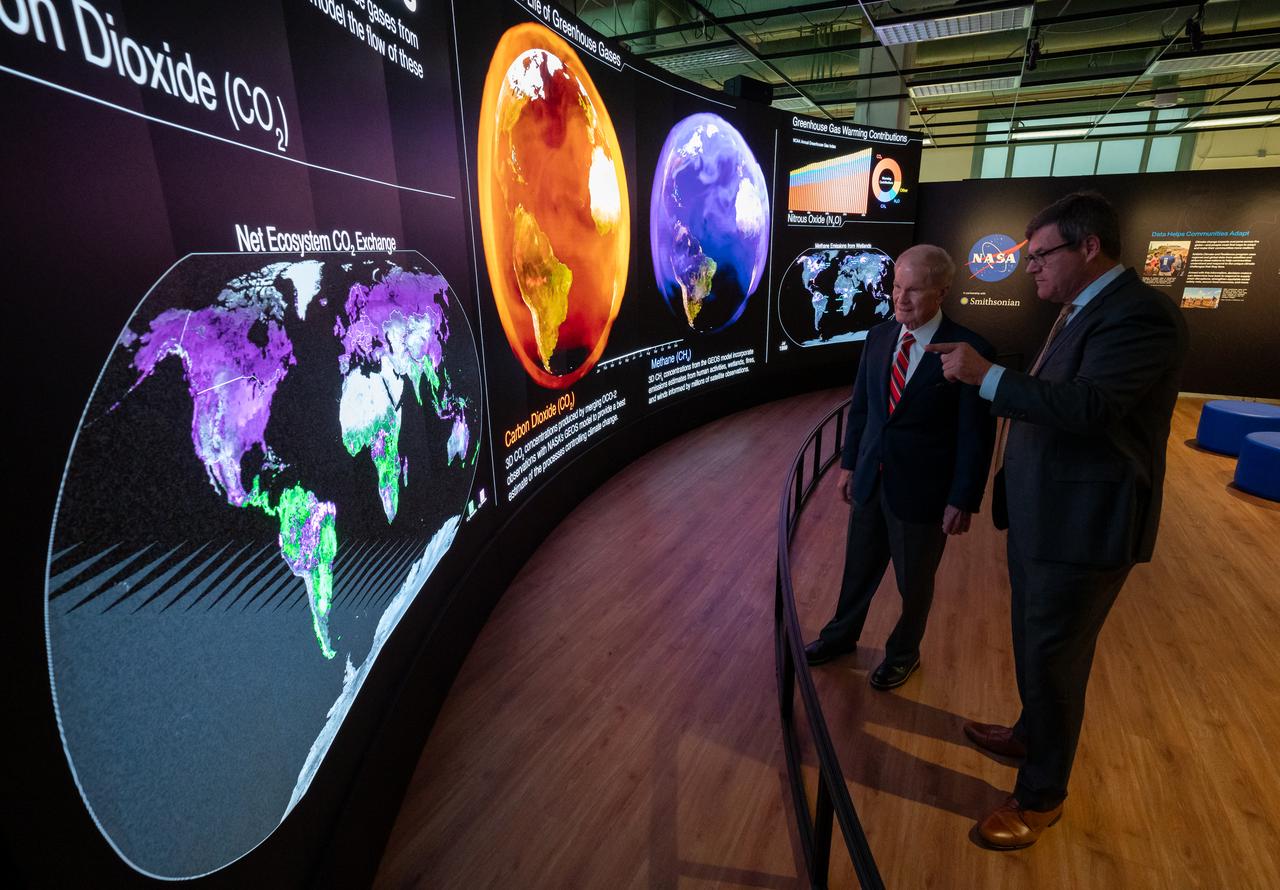
NASA Administrator Bill Nelson, left, and Smithsonian Museum of Natural History, Sant Director, Kirk Johnson, preview the Earth Information Center at the Smithsonian National Museum of Natural History, in Washington, Monday, Oct. 7, 2024. The exhibit includes a video wall displaying Earth science data visualizations and videos, an interpretive panel showing Earth’s connected systems, information on our changing world, and an overview of how NASA and the Smithsonian study our home planet. Photo Credit: (NASA/Bill Ingalls)
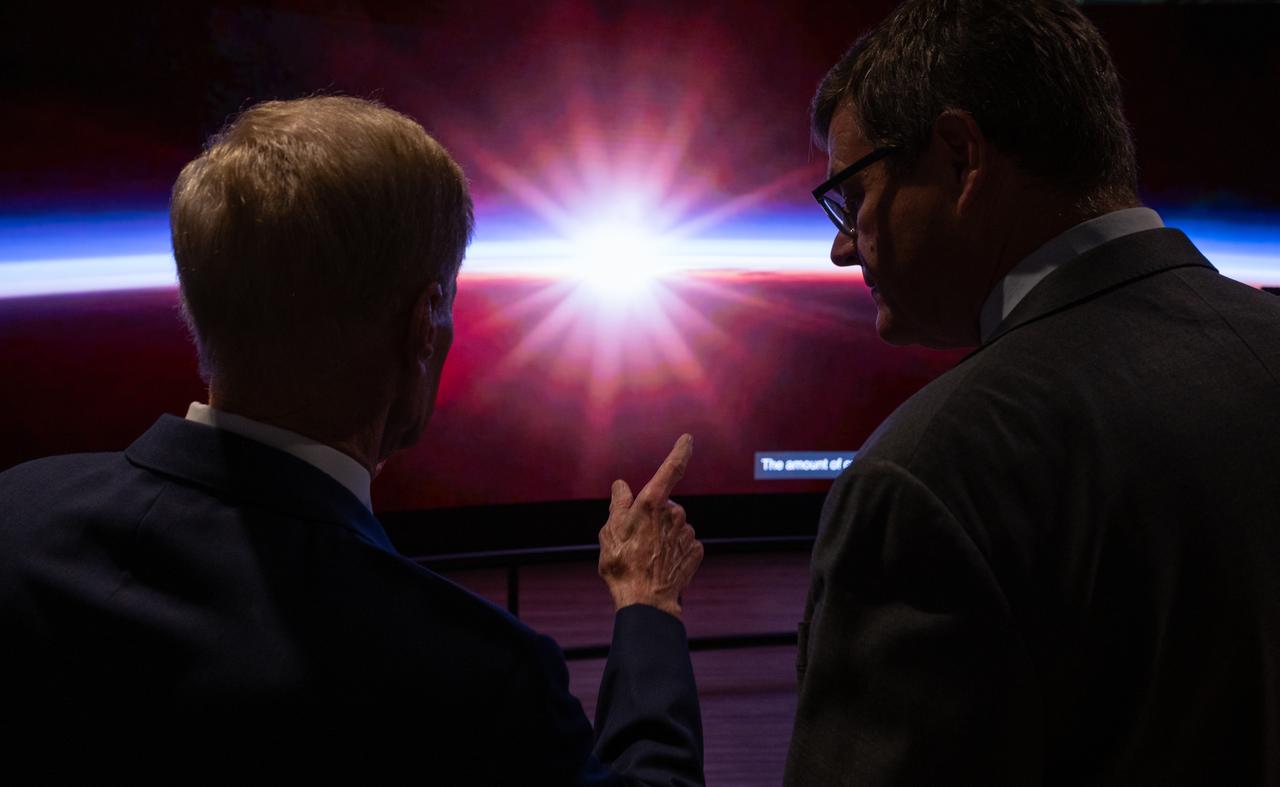
NASA Administrator Bill Nelson, left, and Smithsonian Museum of Natural History, Sant Director, Kirk Johnson, preview the Earth Information Center at the Smithsonian National Museum of Natural History, in Washington, Monday, Oct. 7, 2024. The exhibit includes a video wall displaying Earth science data visualizations and videos, an interpretive panel showing Earth’s connected systems, information on our changing world, and an overview of how NASA and the Smithsonian study our home planet. Photo Credit: (NASA/Bill Ingalls)
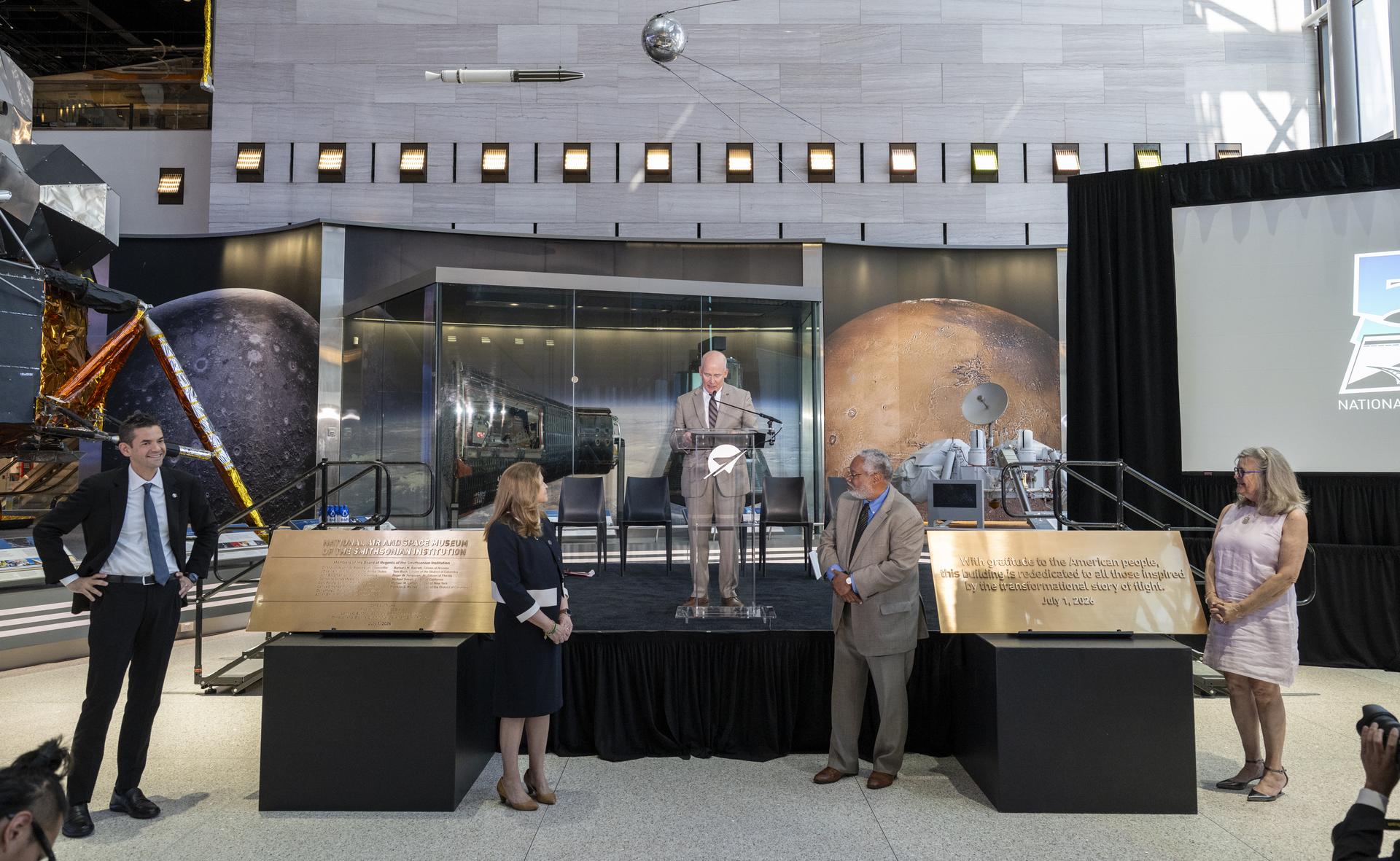
From left to right, NASA Administrator Jared Isaacman, Under Secretary for Science and Research at the Smithsonian Institution Ellen Stofan, Director of the Smithsonian’s National Air and Space Museum Christopher Browne, Secretary of the Smithsonian Institution Lonnie G. Bunch III, and Wright brother’s great-grandniece Amanda Wright Lane are seen after unveiling plaques during the Smithsonian’s National Air and Space Museum rededication ceremony Wednesday, July 1, 2026, in Washington. Photo Credit: (NASA/Keegan Barber)
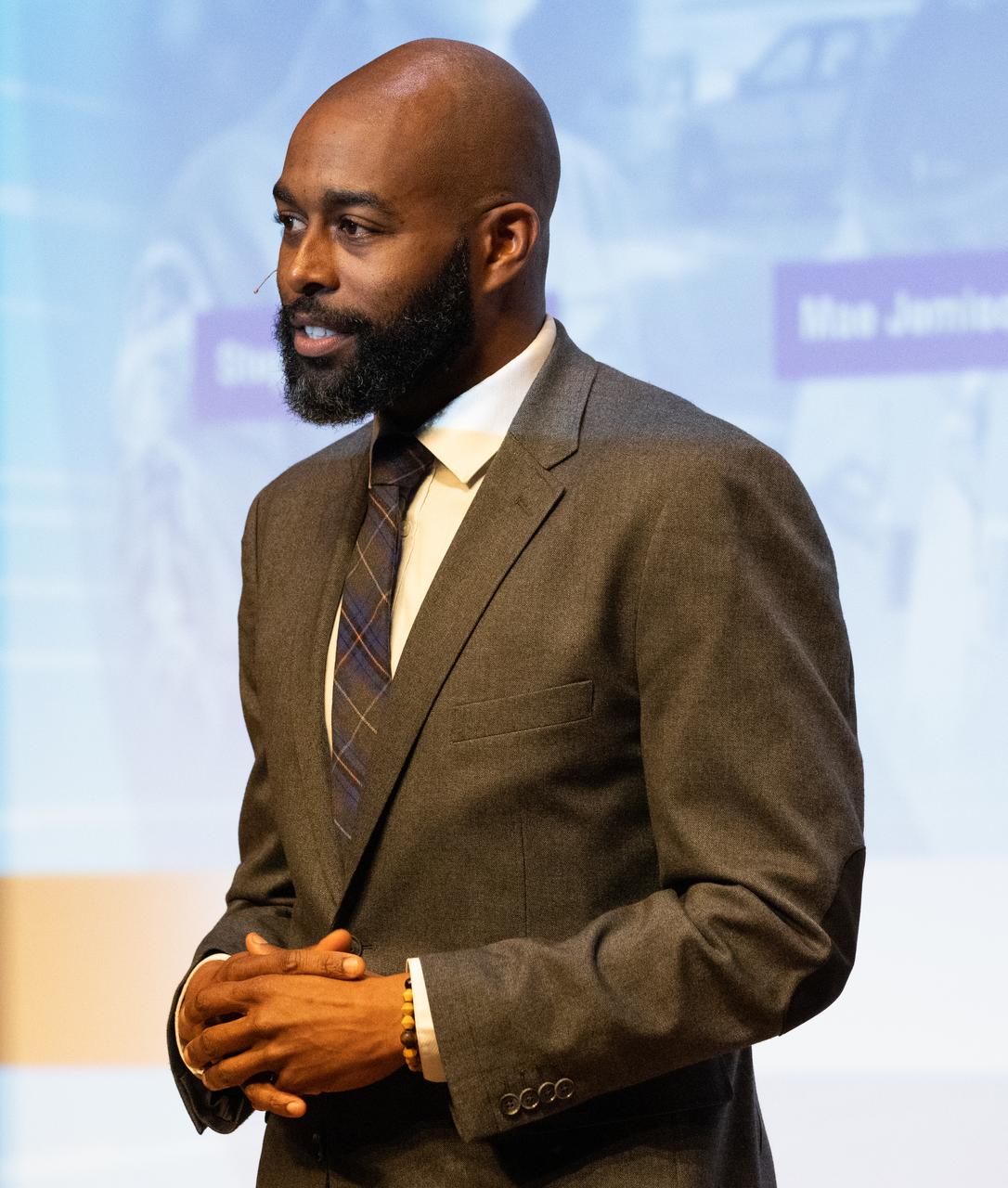
Christopher Williams, STEM Education Specialist at the Smithsonian National Museum of African American History and Culture, is seen during an event celebrating Black History Month at the Smithsonian National Museum of African American History and Culture, Friday, Feb. 10, 2023, in Washington. Photo Credit: (NASA/Joel Kowsky)
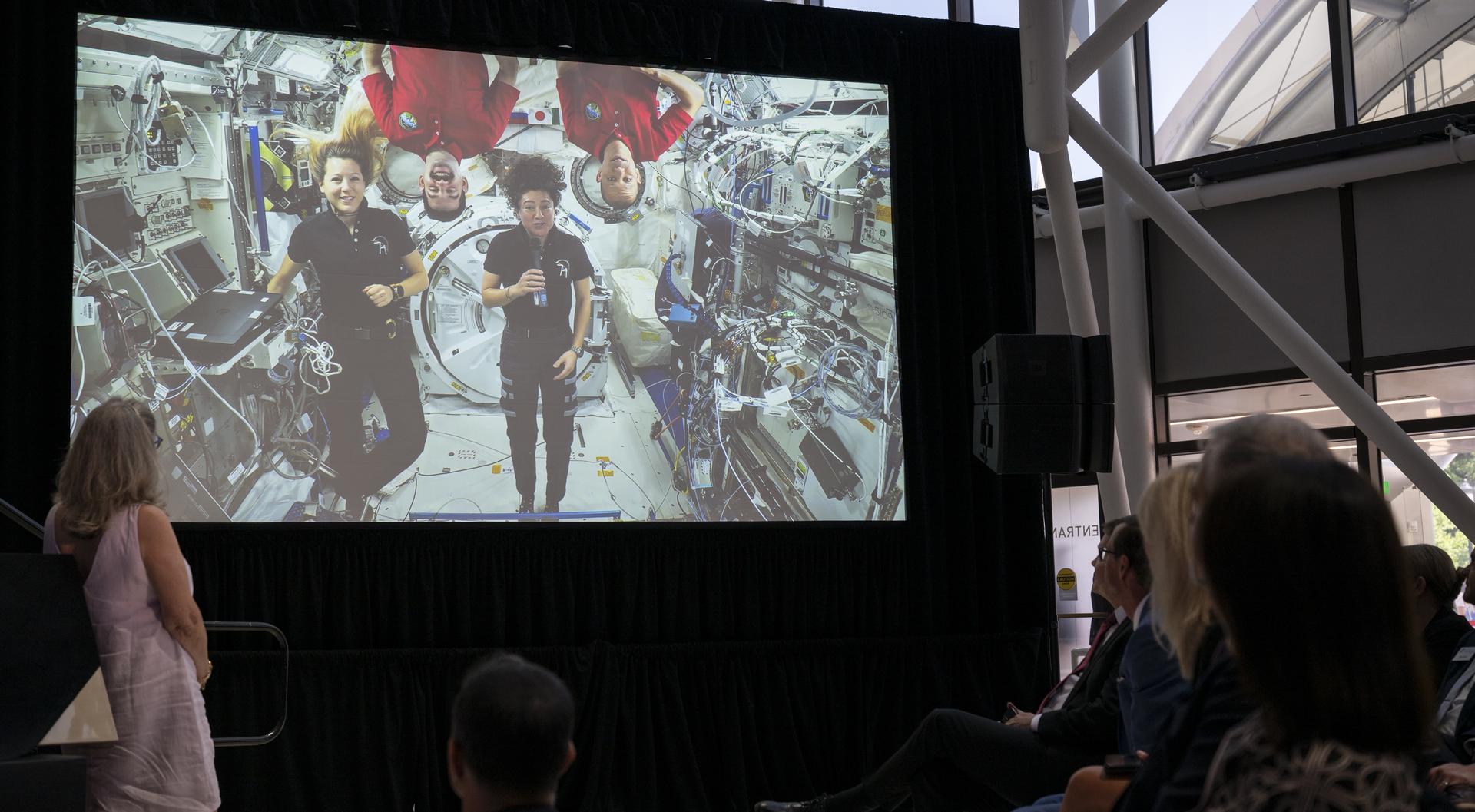
Guests watch a prerecorded message from members of Expedition 74 aboard the International Space Station during the Smithsonian’s National Air and Space Museum rededication ceremony Wednesday, July 1, 2026, in Washington. Photo Credit: (NASA/Keegan Barber)
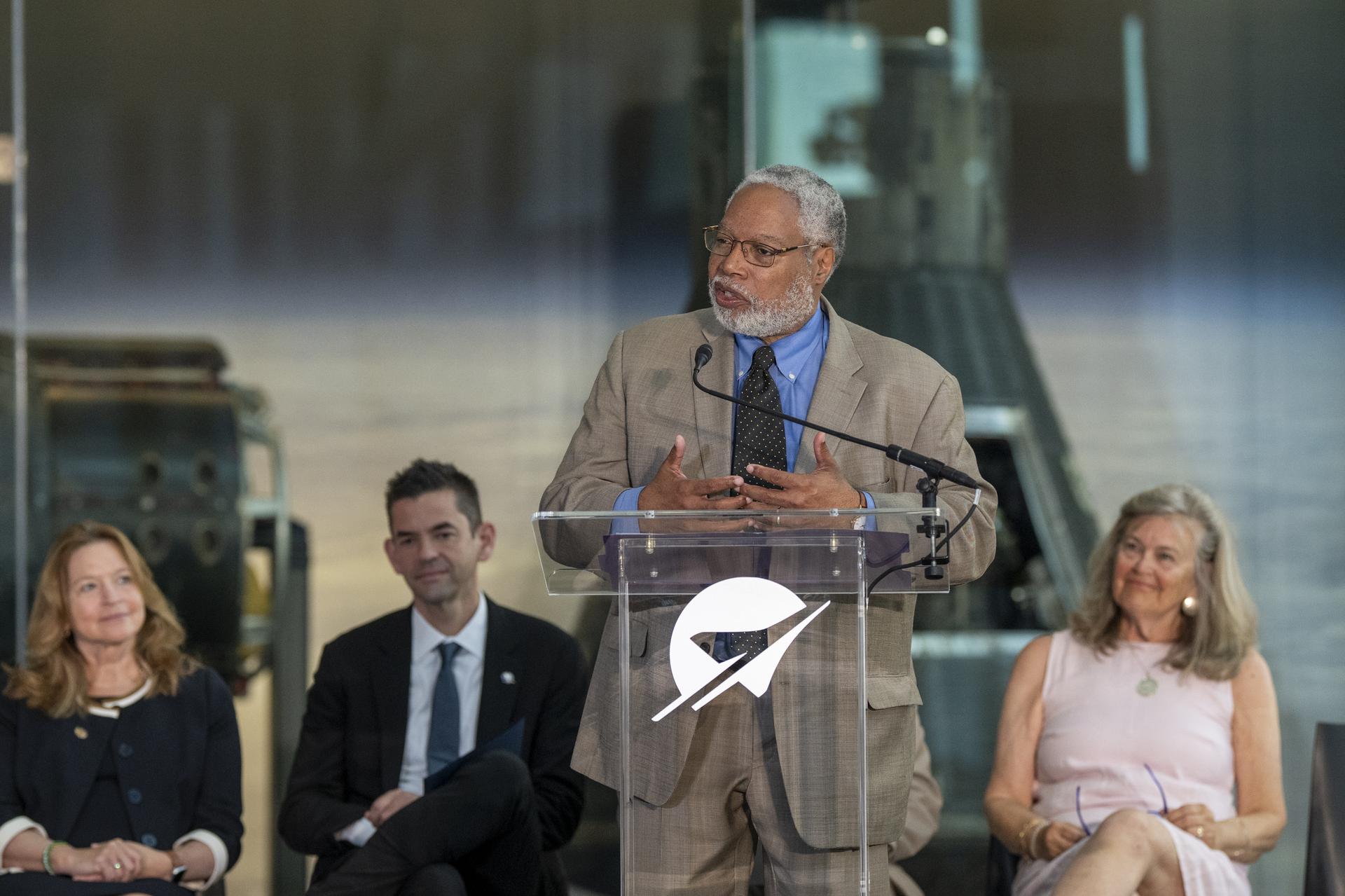
Secretary of the Smithsonian Institution Lonnie G. Bunch III delivers remarks during the Smithsonian’s National Air and Space Museum rededication ceremony Wednesday, July 1, 2026, in Washington. The swatch is being returned to the museum after having been flown aboard NASA’s Artemis II mission around the Moon and back to Earth in April 2026. Photo Credit: (NASA/Keegan Barber)
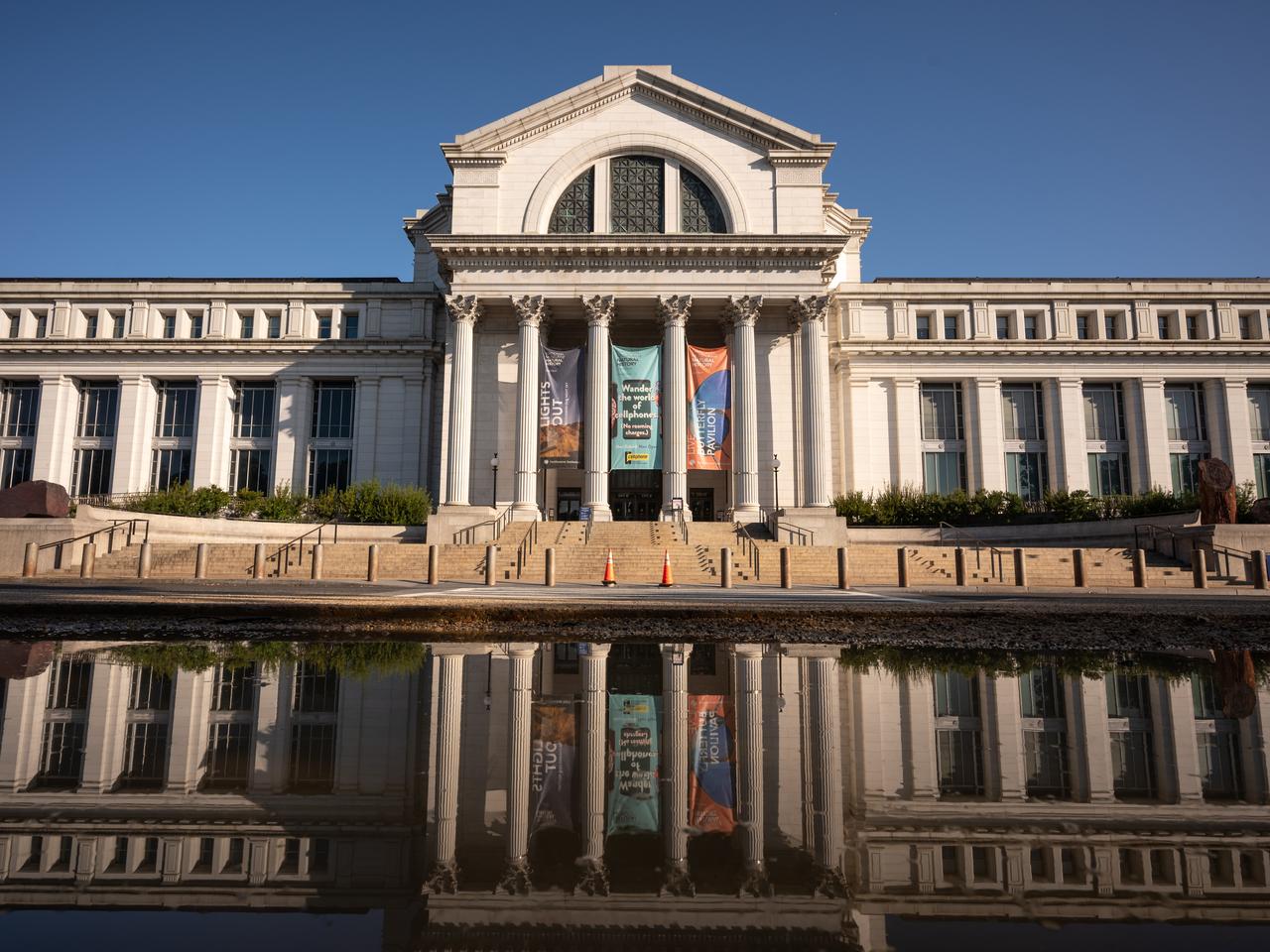
The Smithsonian National Museum of Natural History in Washington is seen as the new Earth Information Center is previewed, Monday, Oct. 7, 2024. The exhibit includes a video wall displaying Earth science data visualizations and videos, an interpretive panel showing Earth’s connected systems, information on our changing world, and an overview of how NASA and the Smithsonian study our home planet. Photo Credit: (NASA/Bill Ingalls)
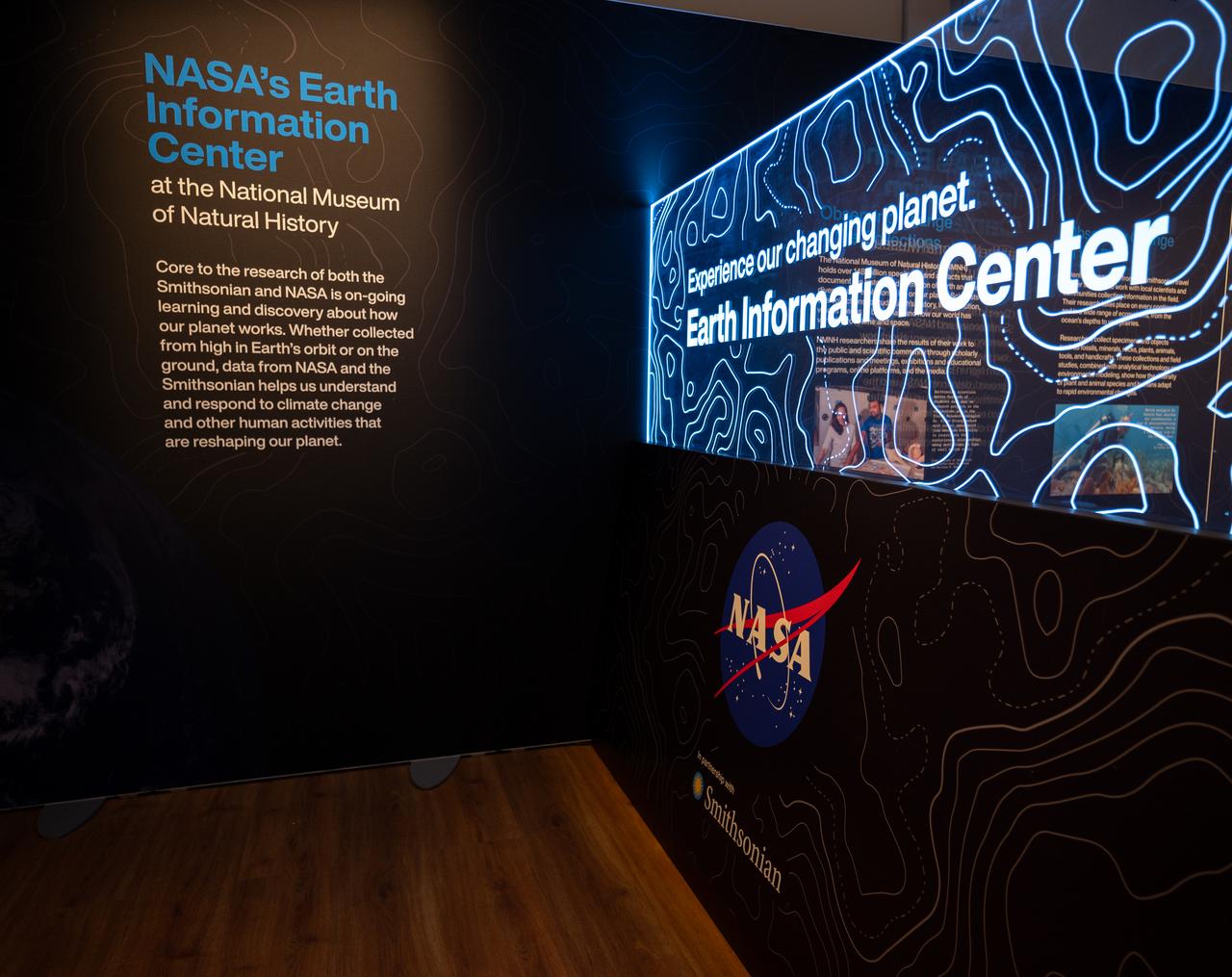
The Earth Information Center at the Smithsonian National Museum of Natural History, in Washington, is previewed, Monday, Oct. 7, 2024. The exhibit includes a video wall displaying Earth science data visualizations and videos, an interpretive panel showing Earth’s connected systems, information on our changing world, and an overview of how NASA and the Smithsonian study our home planet. Photo Credit: (NASA/Bill Ingalls)
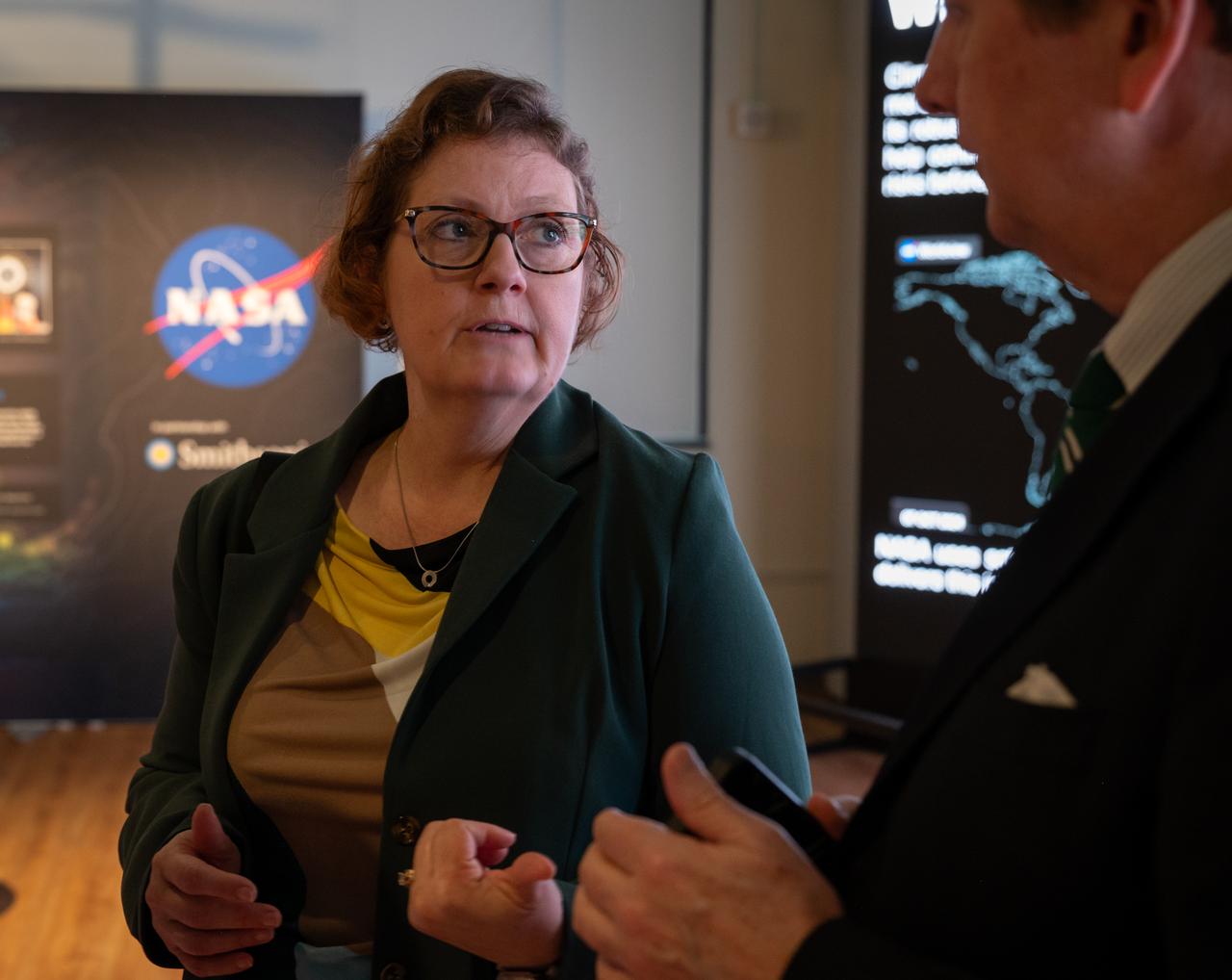
NASA Earth Sciences Division, Deputy Director, Julie Robinson, previews of the Earth Information Center at the Smithsonian National Museum of Natural History, in Washington, Monday, Oct. 7, 2024. The exhibit includes a video wall displaying Earth science data visualizations and videos, an interpretive panel showing Earth’s connected systems, information on our changing world, and an overview of how NASA and the Smithsonian study our home planet. Photo Credit: (NASA/Bill Ingalls)
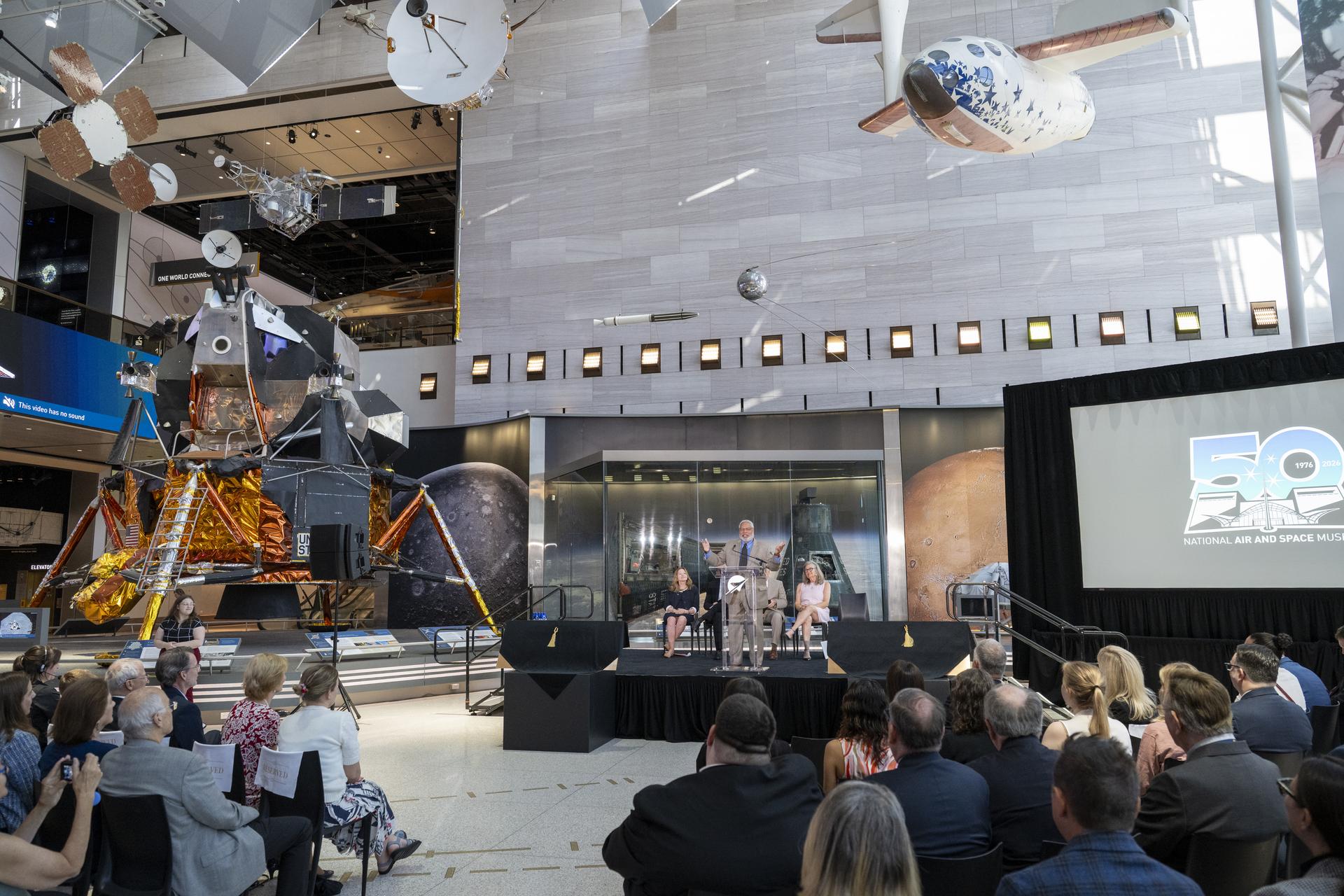
Secretary of the Smithsonian Institution Lonnie G. Bunch III delivers remarks during the Smithsonian’s National Air and Space Museum rededication ceremony Wednesday, July 1, 2026, in Washington. The swatch is being returned to the museum after having been flown aboard NASA’s Artemis II mission around the Moon and back to Earth in April 2026. Photo Credit: (NASA/Keegan Barber)
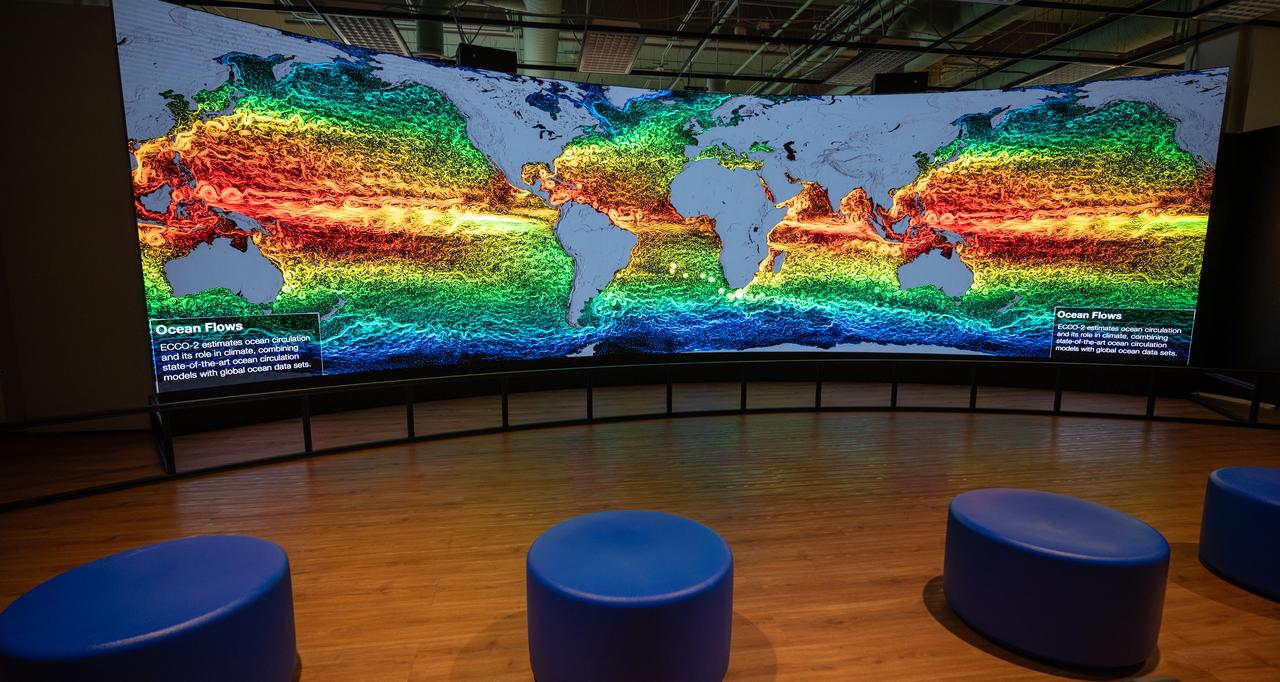
The Earth Information Center at the Smithsonian National Museum of Natural History, in Washington, is previewed, Monday, Oct. 7, 2024. The exhibit includes a video wall displaying Earth science data visualizations and videos, an interpretive panel showing Earth’s connected systems, information on our changing world, and an overview of how NASA and the Smithsonian study our home planet. Photo Credit: (NASA/Bill Ingalls)
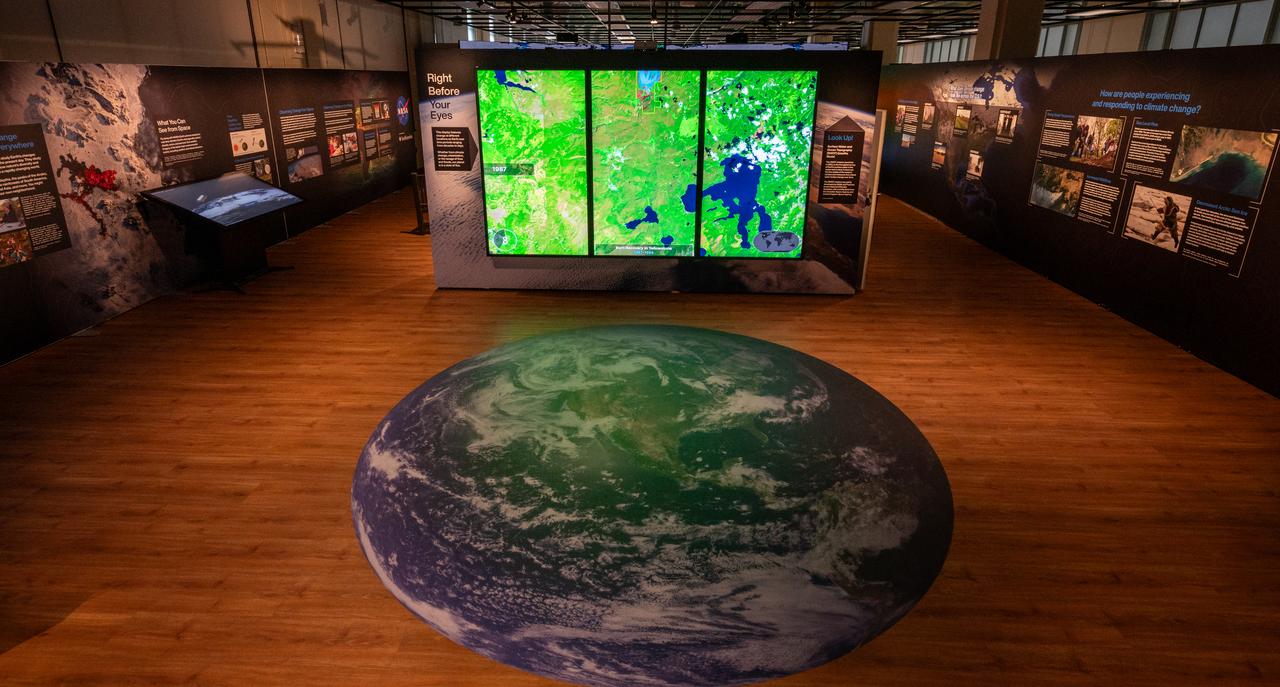
The Earth Information Center at the Smithsonian National Museum of Natural History, in Washington, is previewed, Monday, Oct. 7, 2024. The exhibit includes a video wall displaying Earth science data visualizations and videos, an interpretive panel showing Earth’s connected systems, information on our changing world, and an overview of how NASA and the Smithsonian study our home planet. Photo Credit: (NASA/Bill Ingalls)
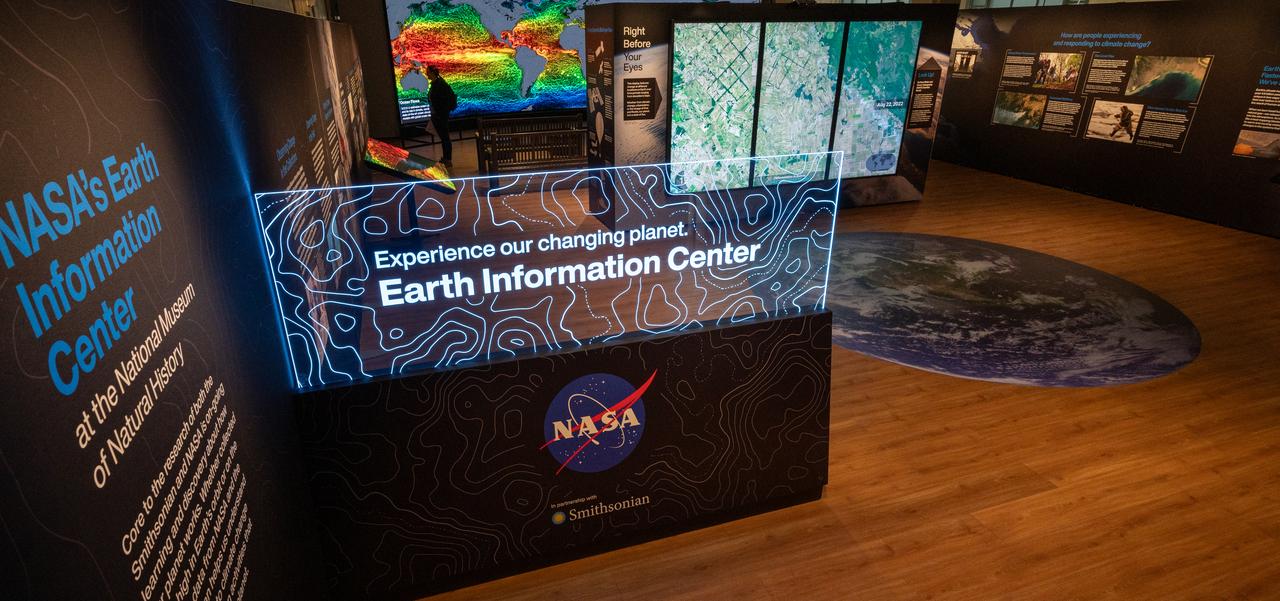
The Earth Information Center at the Smithsonian National Museum of Natural History, in Washington, is previewed, Monday, Oct. 7, 2024. The exhibit includes a video wall displaying Earth science data visualizations and videos, an interpretive panel showing Earth’s connected systems, information on our changing world, and an overview of how NASA and the Smithsonian study our home planet. Photo Credit: (NASA/Bill Ingalls)
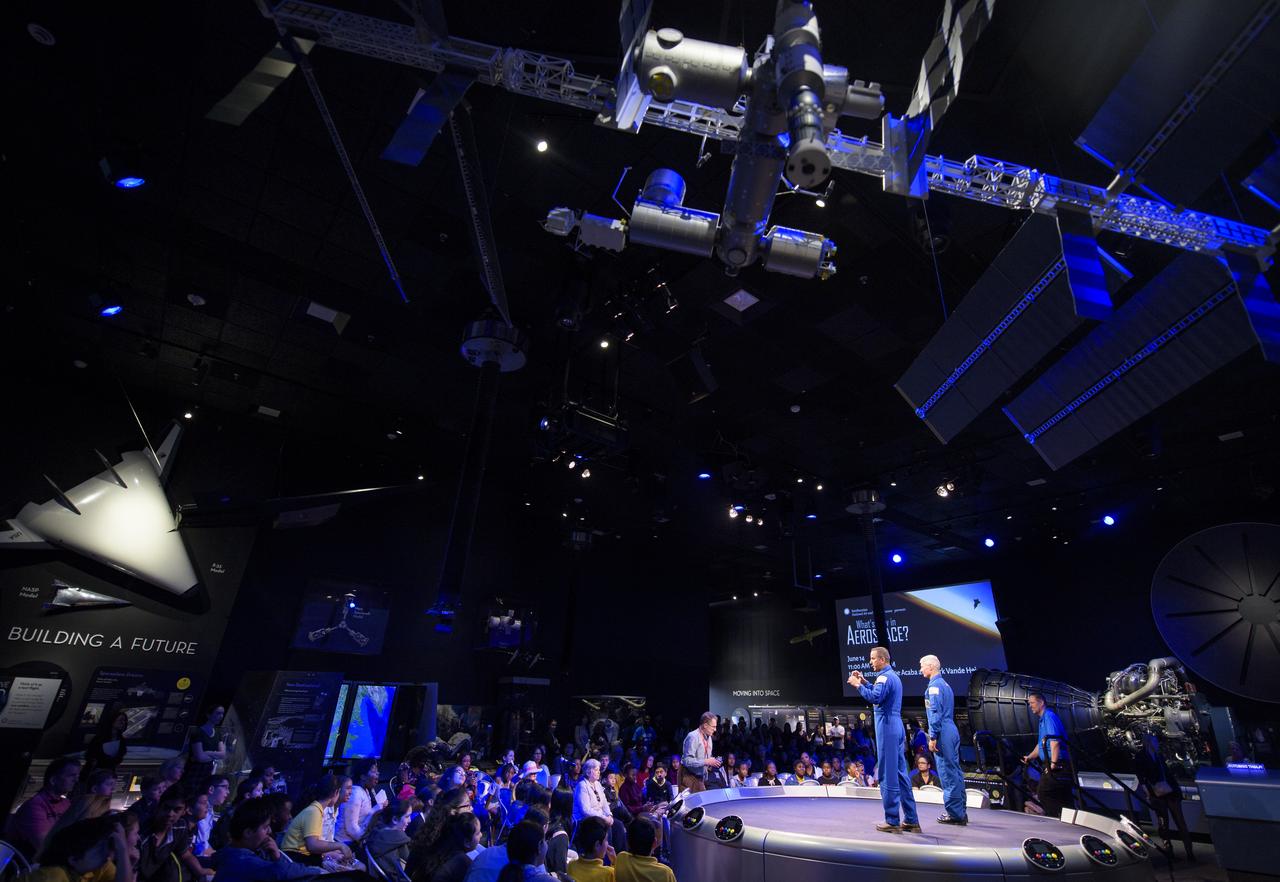
NASA astronauts Joe Acaba, left, and Mark Vande Hei right, answer audience questions with the Smithsonian's Marty Kelsey, center, during "What's New in Aerospace," Thursday, June 14, 2018 at the Smithsonian National Air and Space Museum in Washington. Acaba and Vande Hei answered questions from the audience and spoke about their experiences aboard the International Space Station for 168 days as part of Expedition 53 and 54. Photo Credit: (NASA/Joel Kowsky)
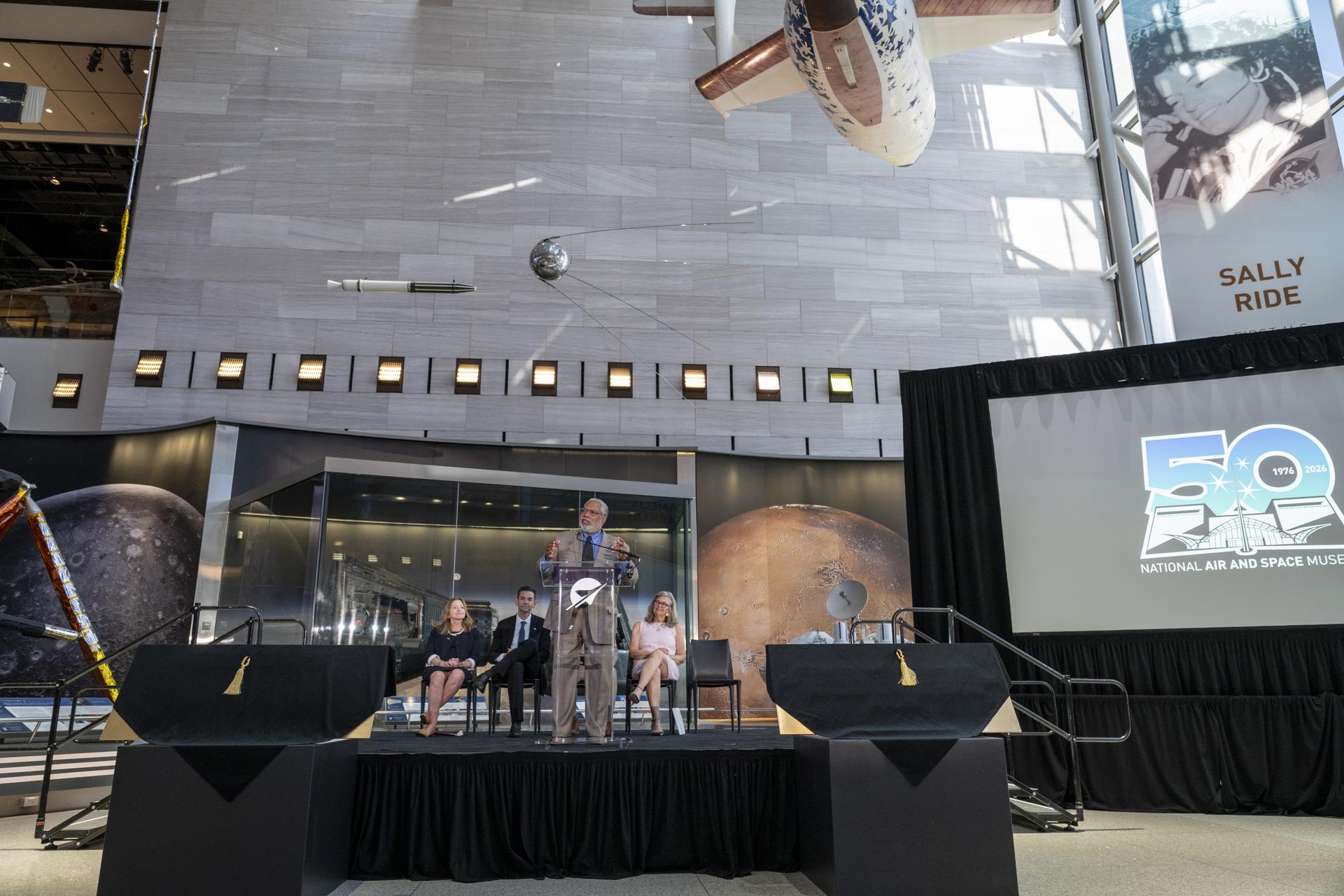
Secretary of the Smithsonian Institution Lonnie G. Bunch III delivers remarks during the Smithsonian’s National Air and Space Museum rededication ceremony Wednesday, July 1, 2026, in Washington. The swatch is being returned to the museum after having been flown aboard NASA’s Artemis II mission around the Moon and back to Earth in April 2026. Photo Credit: (NASA/Keegan Barber)
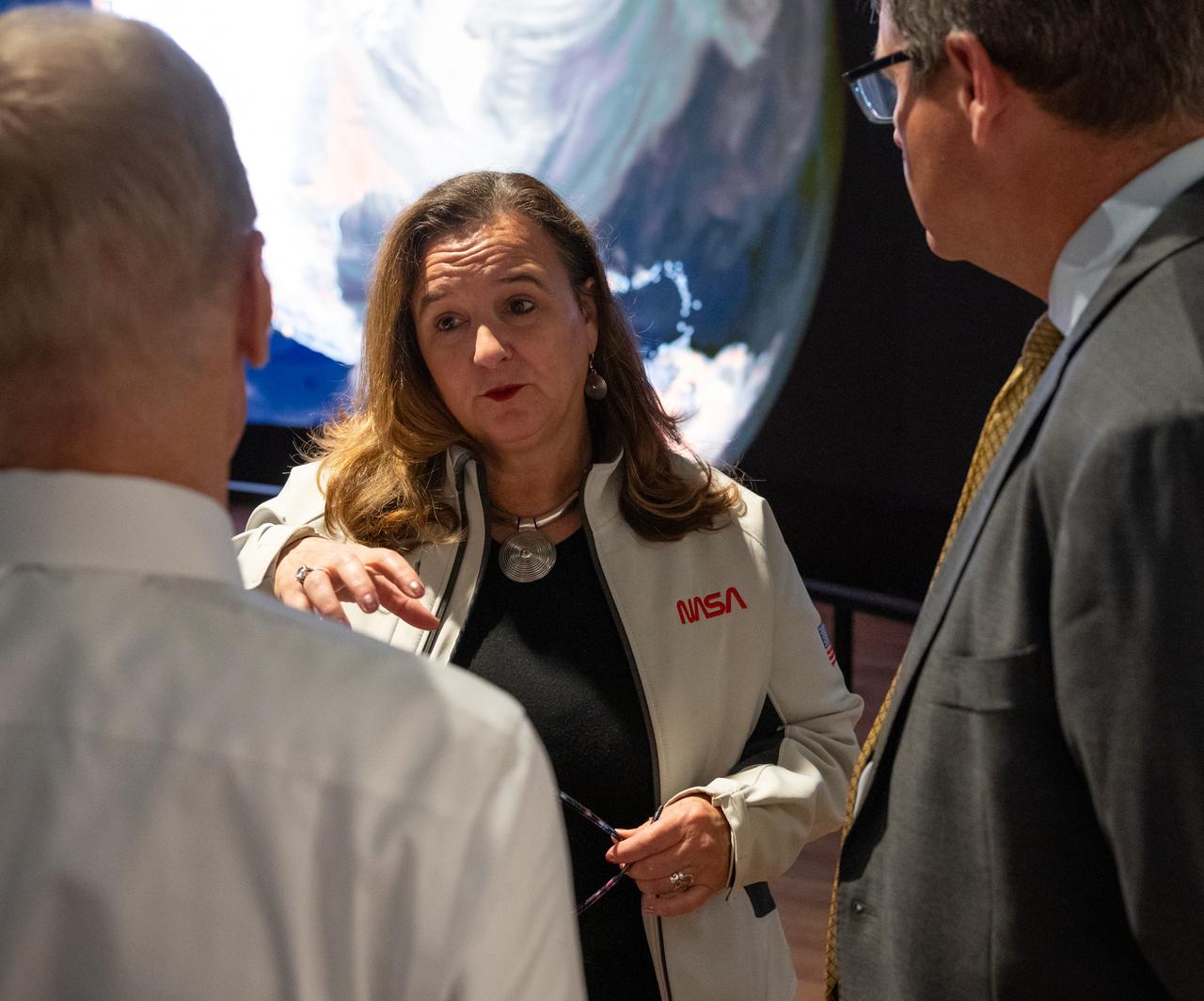
NASA Earth Sciences, Division Director, Karen St. Germain, center, speaks with NASA Administrator Bill Nelson, left, and Smithsonian Museum of Natural History, Sant Director, Kirk Johnson, during a preview of the Earth Information Center at the Smithsonian National Museum of Natural History, in Washington, Monday, Oct. 7, 2024. The exhibit includes a video wall displaying Earth science data visualizations and videos, an interpretive panel showing Earth’s connected systems, information on our changing world, and an overview of how NASA and the Smithsonian study our home planet. Photo Credit: (NASA/Bill Ingalls)
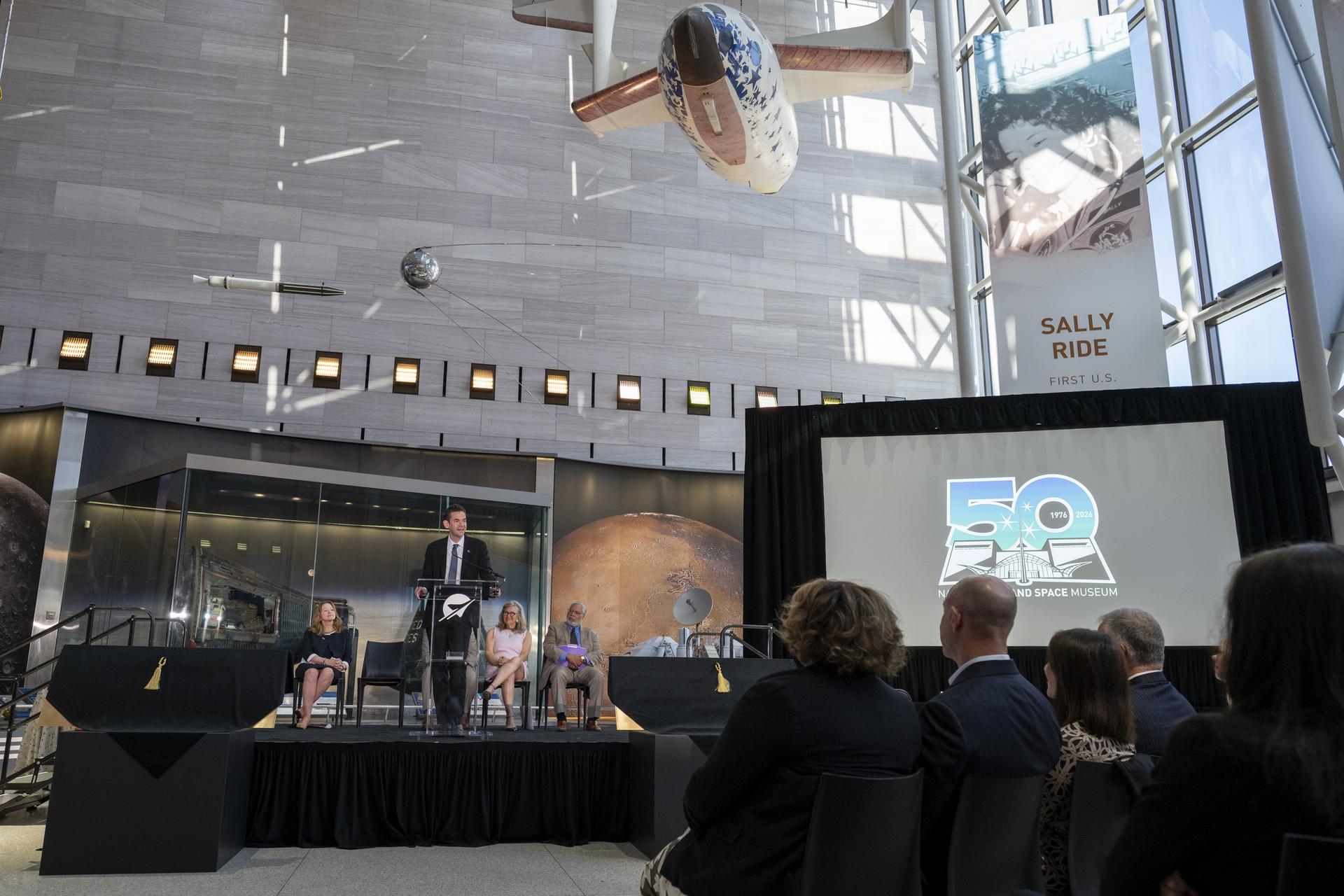
NASA Administrator Jared Isaacman delivers remarks during the Smithsonian’s National Air and Space Museum rededication ceremony Wednesday, July 1, 2026, in Washington. Photo Credit: (NASA/Keegan Barber)
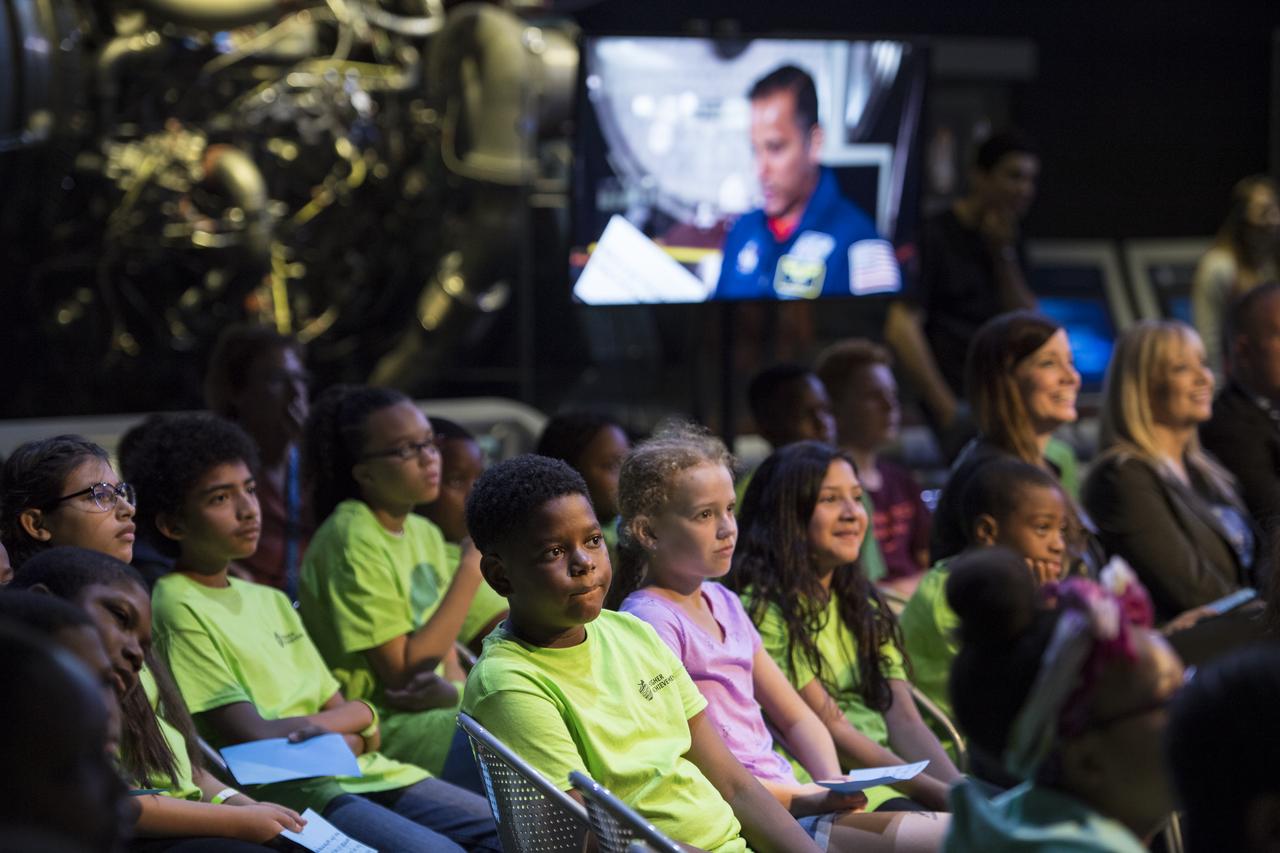
Students watch a video about NASA astronaut Joe Acaba during a STEM in 30 event, Wednesday, June 27, 2018 at Smithsonian's National Air and Space Museum in Washington. Photo Credit: (NASA/Aubrey Gemignani)
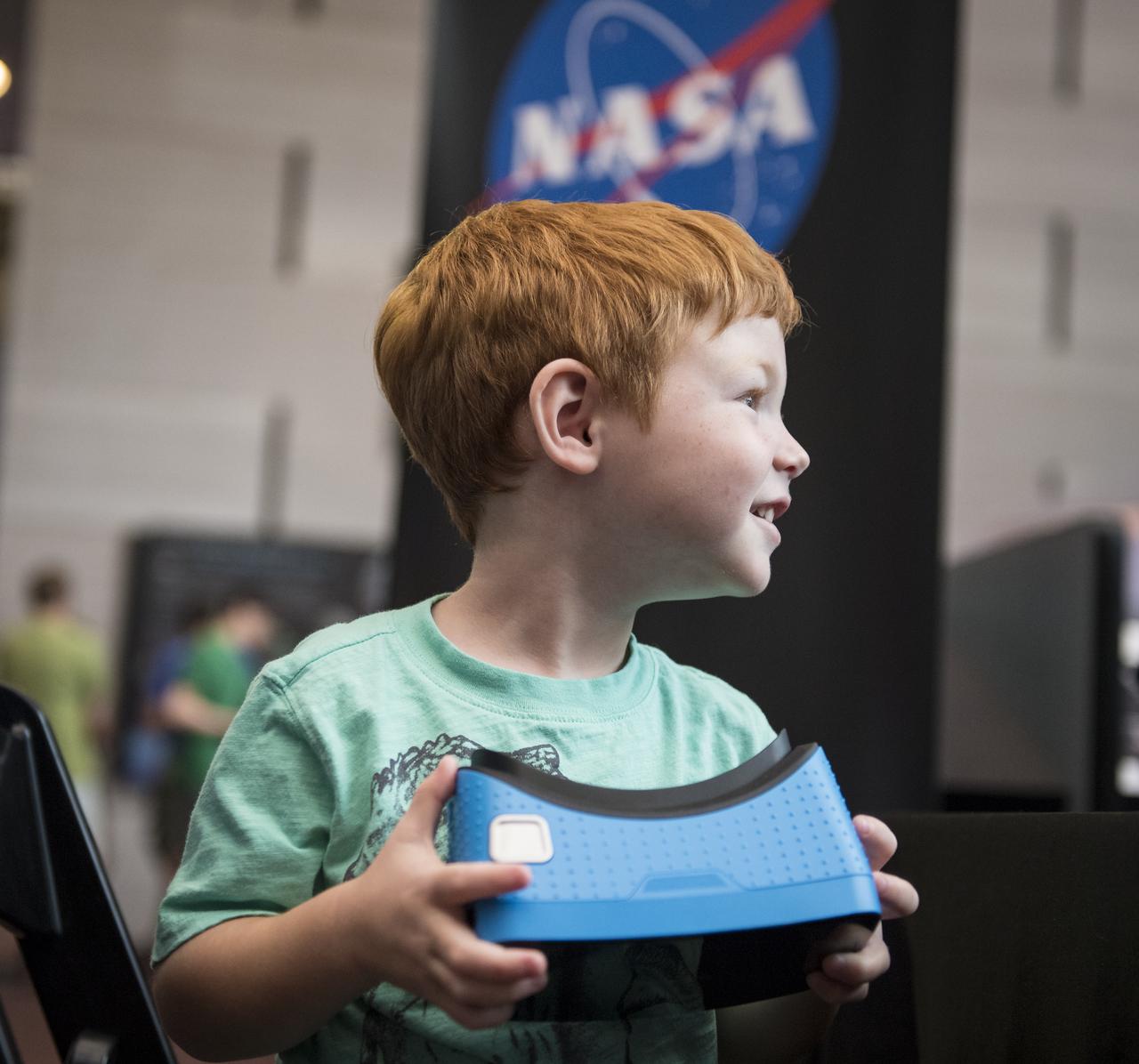
Visitors explore the activities in the Space Race Gallery at Smithsonian's National Air and Space Museum, Wednesday, June 27, 2018 in Washington. Photo Credit: (NASA/Aubrey Gemignani)
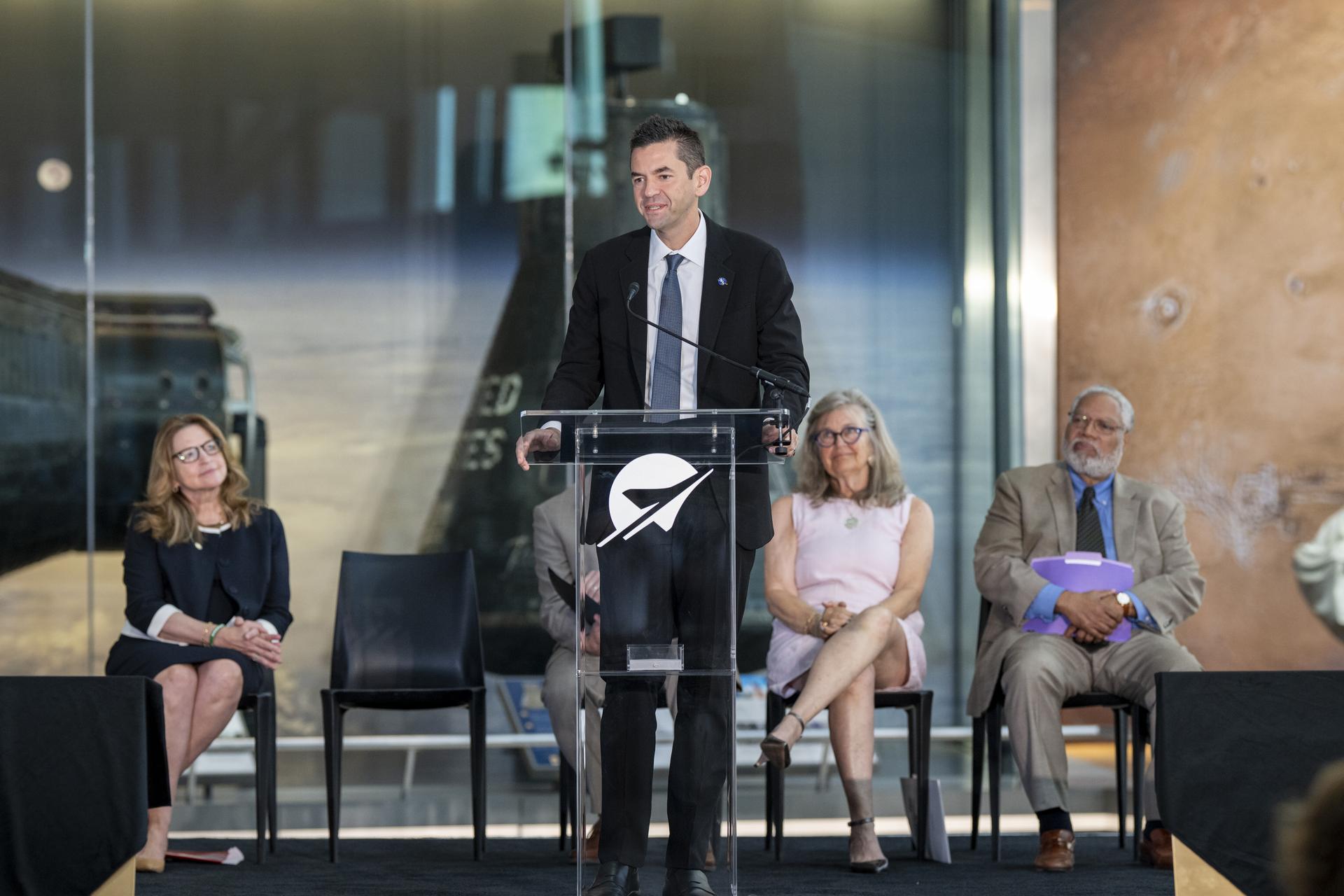
NASA Administrator Jared Isaacman delivers remarks during the Smithsonian’s National Air and Space Museum rededication ceremony Wednesday, July 1, 2026, in Washington. Photo Credit: (NASA/Keegan Barber)
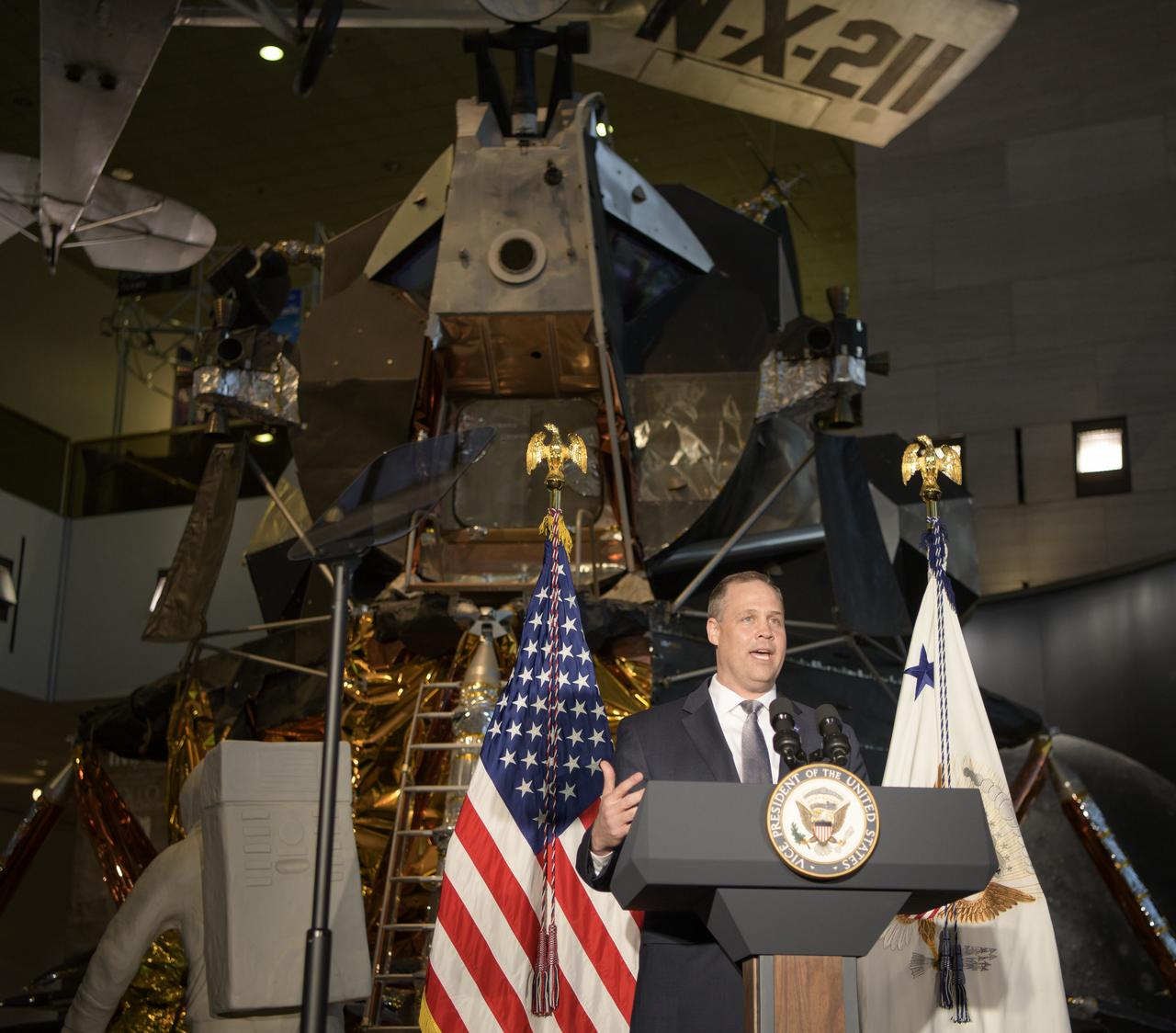
NASA Administrator Jim Bridenstine gives remarks at the premiere of the film "Apollo 11: First Steps Edition", Tuesday, May 14, 2019 at the Smithsonian's National Air and Space Museum in Washington. Photo Credit: (NASA/Bill Ingalls)
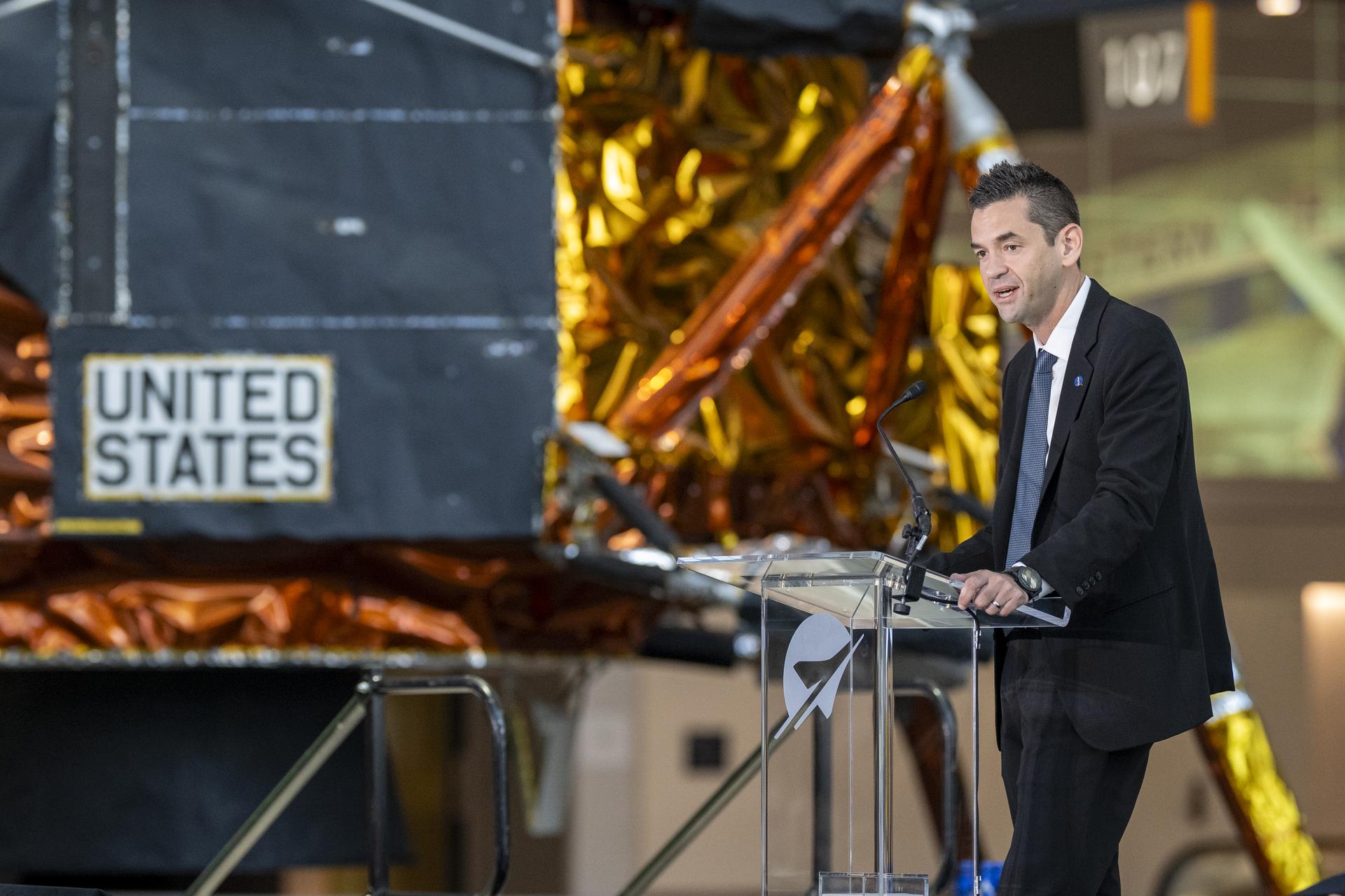
NASA Administrator Jared Isaacman delivers remarks during the Smithsonian’s National Air and Space Museum rededication ceremony Wednesday, July 1, 2026, in Washington. Photo Credit: (NASA/Keegan Barber)
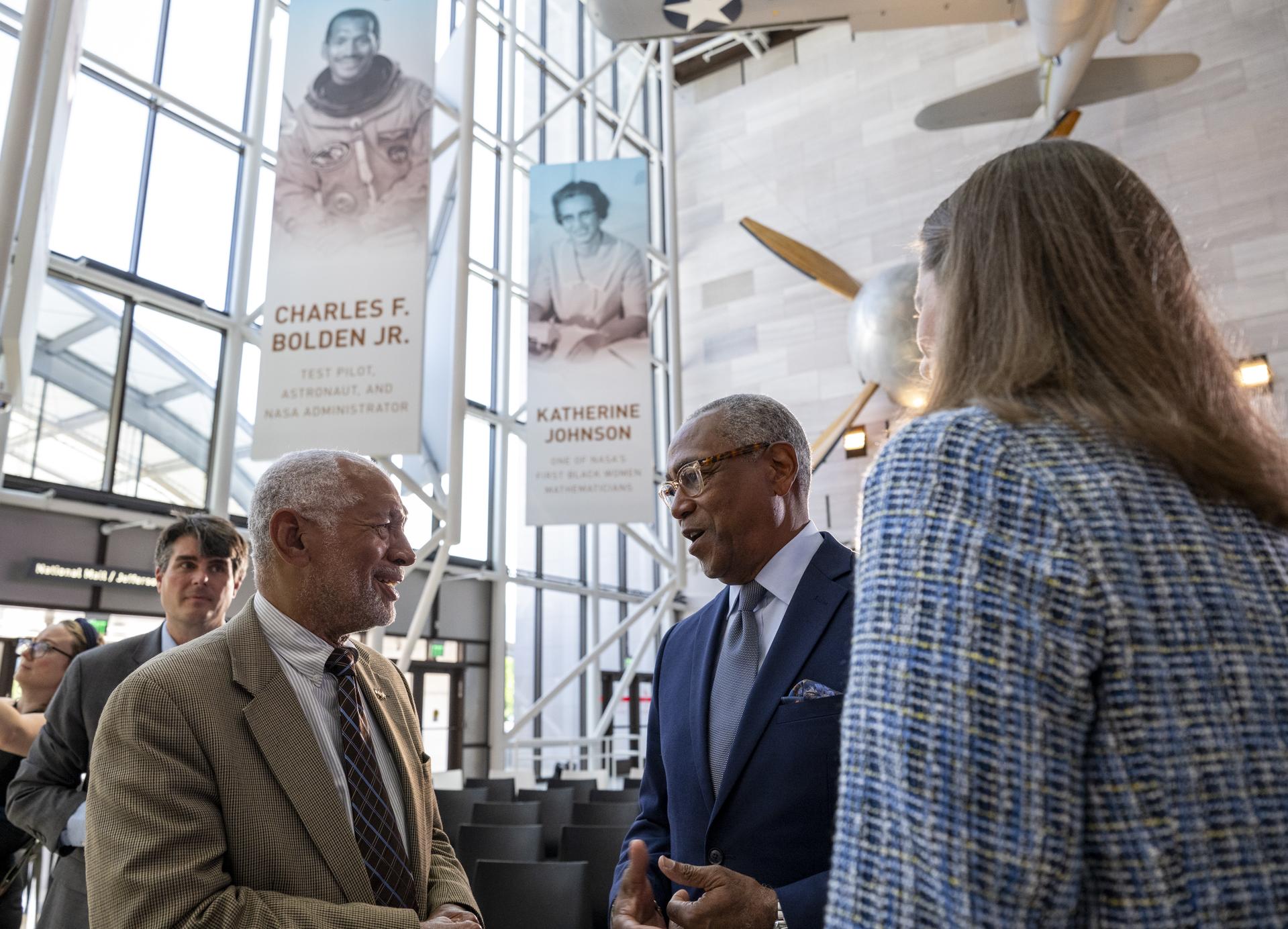
Former NASA Administrator Charles Bolden, left, speaks with guests following the Smithsonian’s National Air and Space Museum rededication ceremony Wednesday, July 1, 2026, in Washington. Photo Credit: (NASA/Keegan Barber)
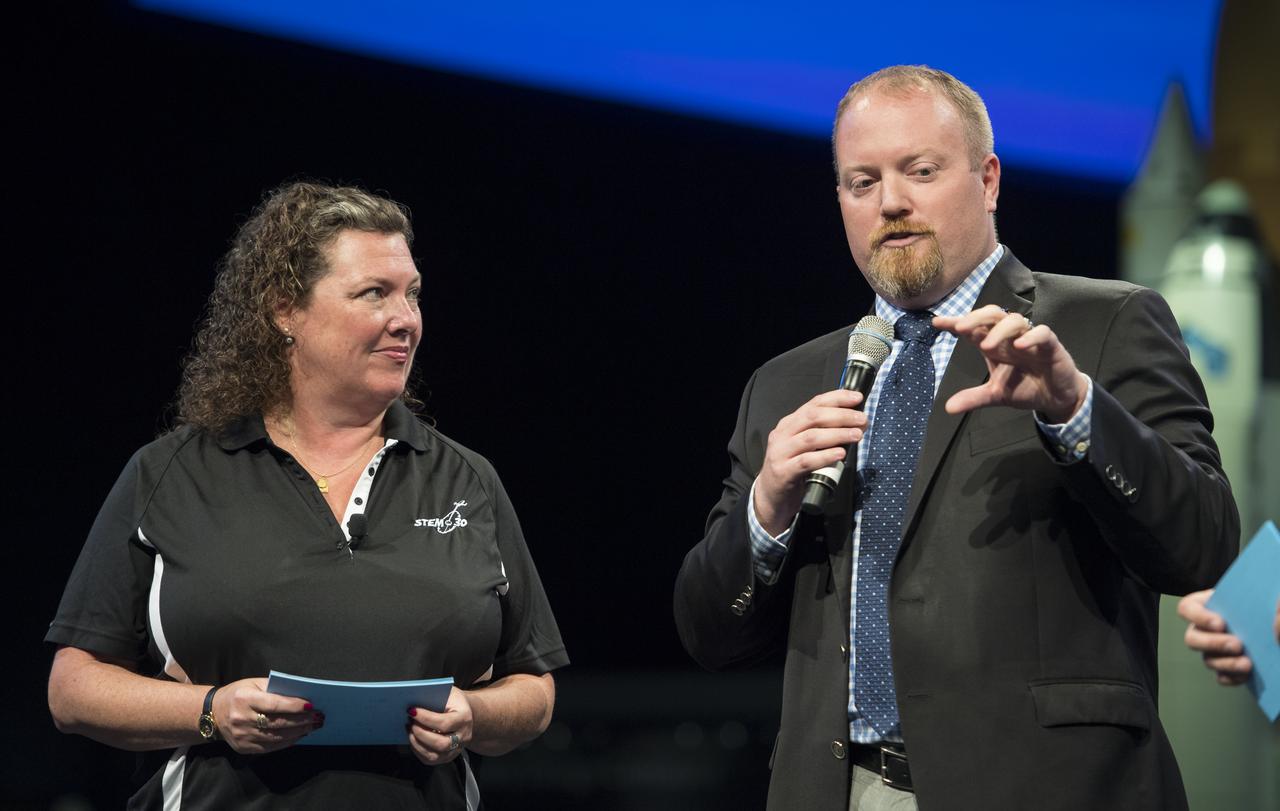
Jason Crusan, director, NASA Advanced Exploration Systems (AES) Division, speaks with the STEM in 30 team Wednesday, June 27, 2018 at Smithsonian's National Air and Space Museum in Washington. Photo Credit: (NASA/Aubrey Gemignani)
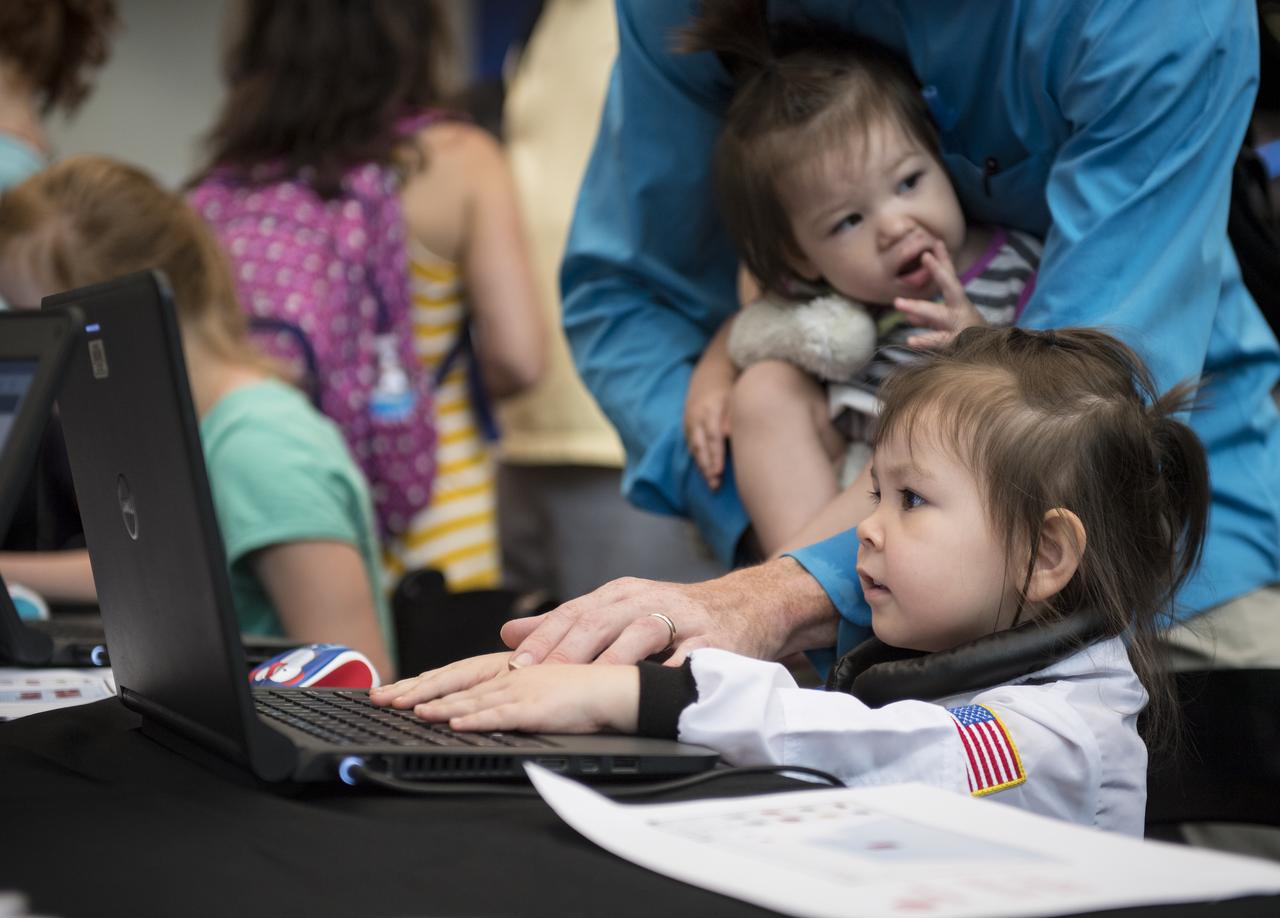
Visitors explore the activities in the Space Race Gallery at Smithsonian's National Air and Space Museum, Wednesday, June 27, 2018 in Washington. Photo Credit: (NASA/Aubrey Gemignani)
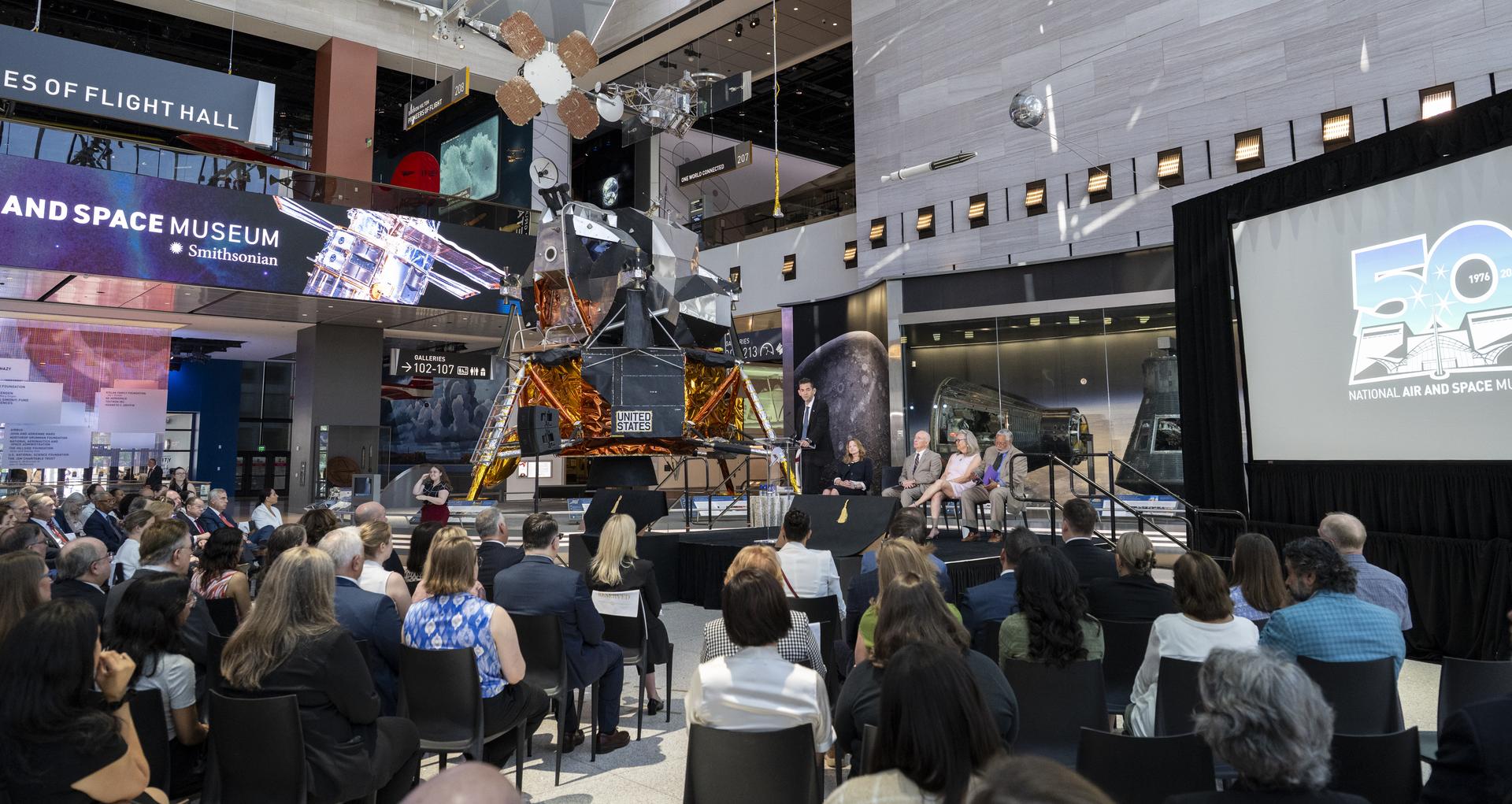
NASA Administrator Jared Isaacman delivers remarks during the Smithsonian’s National Air and Space Museum rededication ceremony Wednesday, July 1, 2026, in Washington. Photo Credit: (NASA/Keegan Barber)
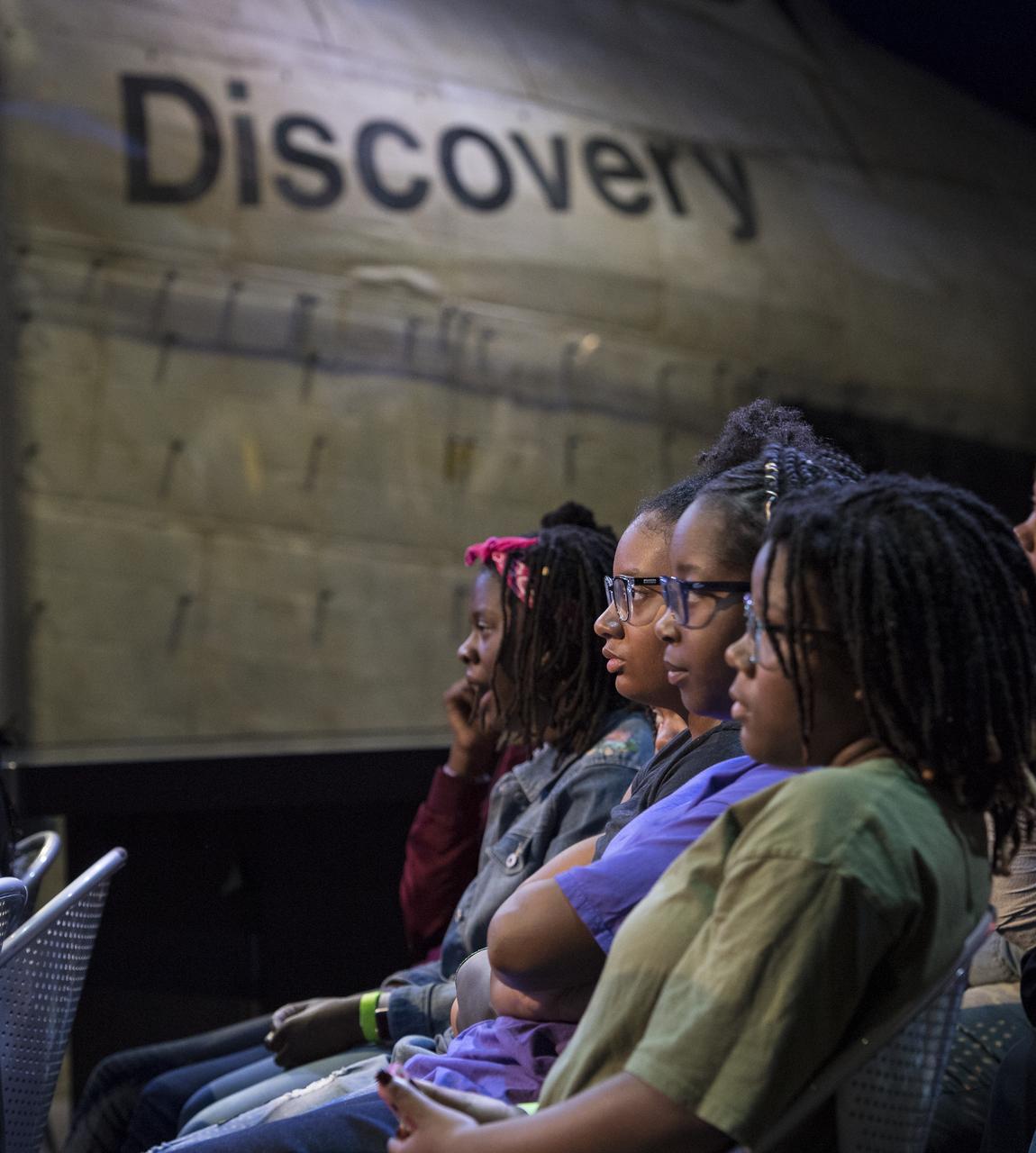
Students watch a video about NASA astronaut Joe Acaba during a STEM in 30 event, Wednesday, June 27, 2018 at Smithsonian's National Air and Space Museum in Washington. Photo Credit: (NASA/Aubrey Gemignani)
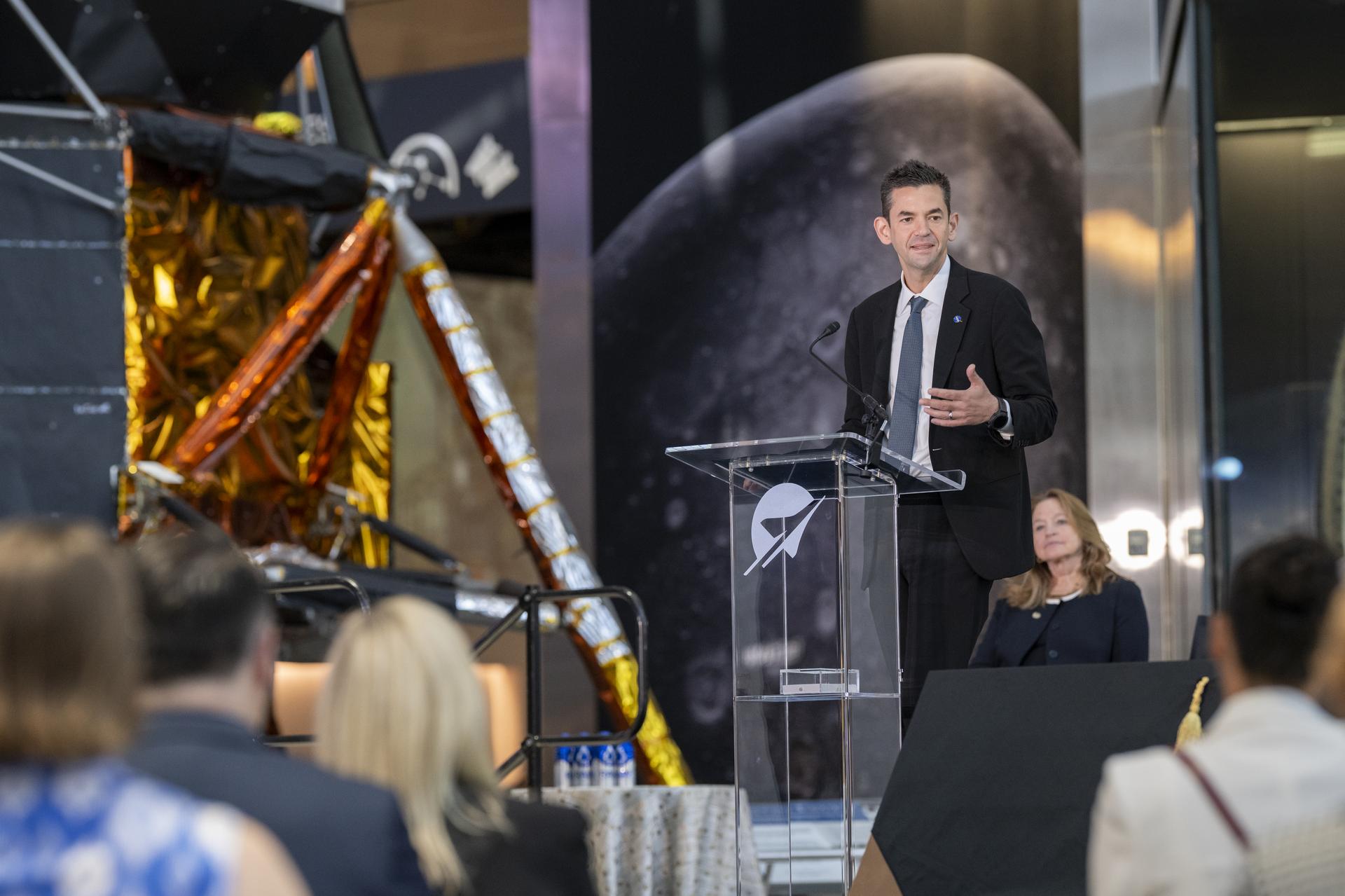
NASA Administrator Jared Isaacman delivers remarks during the Smithsonian’s National Air and Space Museum rededication ceremony Wednesday, July 1, 2026, in Washington. Photo Credit: (NASA/Keegan Barber)
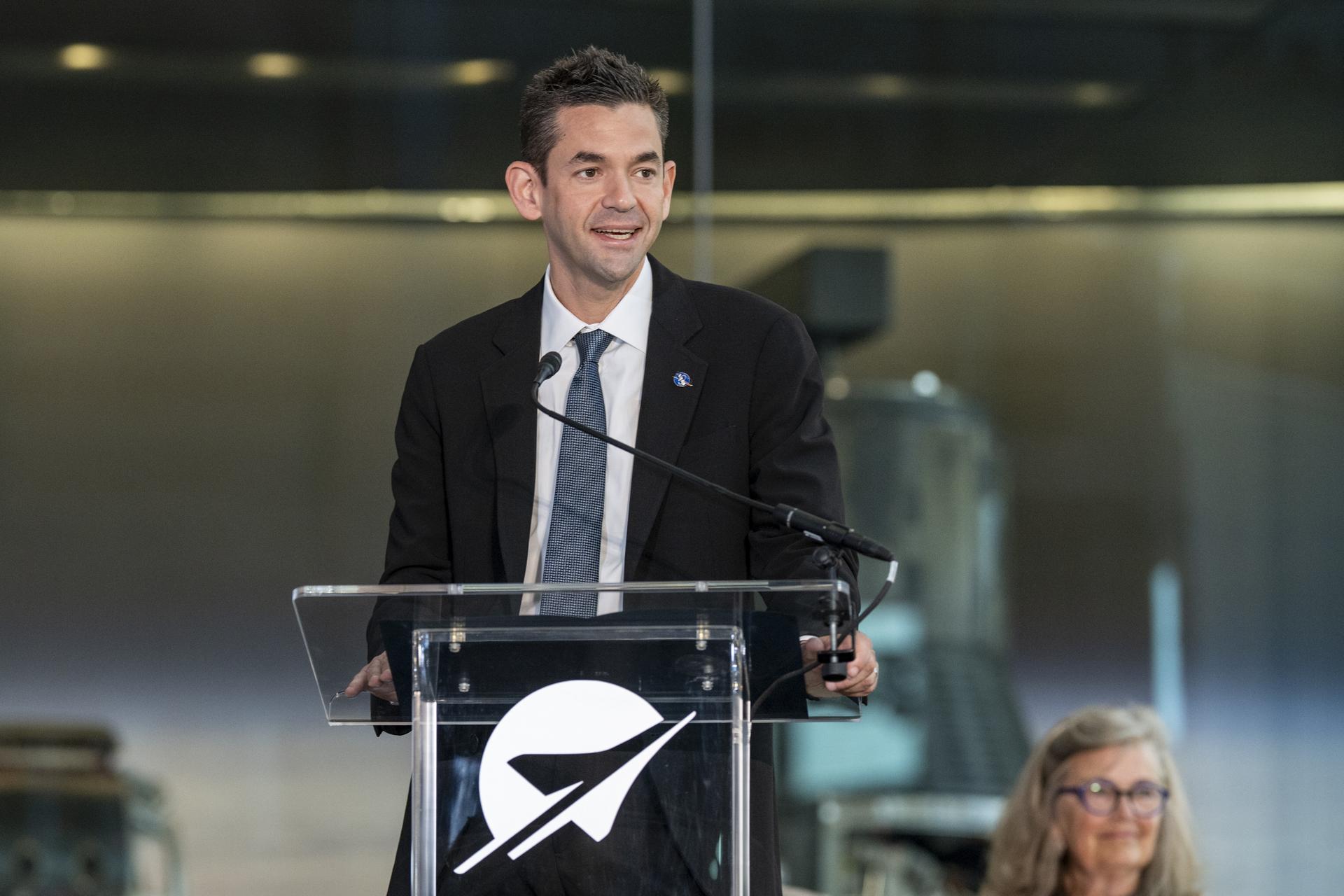
NASA Administrator Jared Isaacman delivers remarks during the Smithsonian’s National Air and Space Museum rededication ceremony Wednesday, July 1, 2026, in Washington. Photo Credit: (NASA/Keegan Barber)
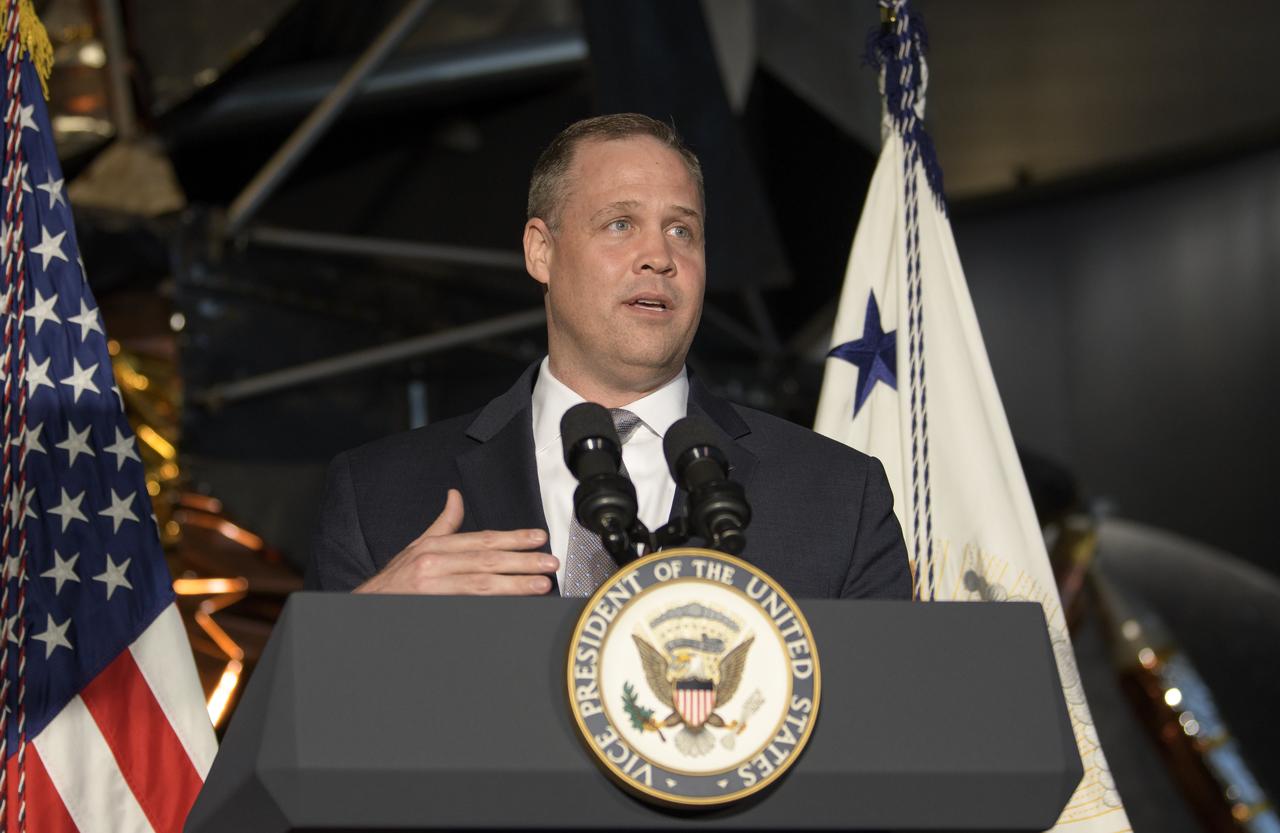
NASA Administrator Jim Bridenstine gives remarks at the premiere of the film "Apollo 11: First Steps Edition", Tuesday, May 14, 2019 at the Smithsonian's National Air and Space Museum in Washington. Photo Credit: (NASA/Bill Ingalls)

Visitors explore the activities in the Space Race Gallery at Smithsonian's National Air and Space Museum, Wednesday, June 27, 2018 in Washington. Photo Credit: (NASA/Aubrey Gemignani)
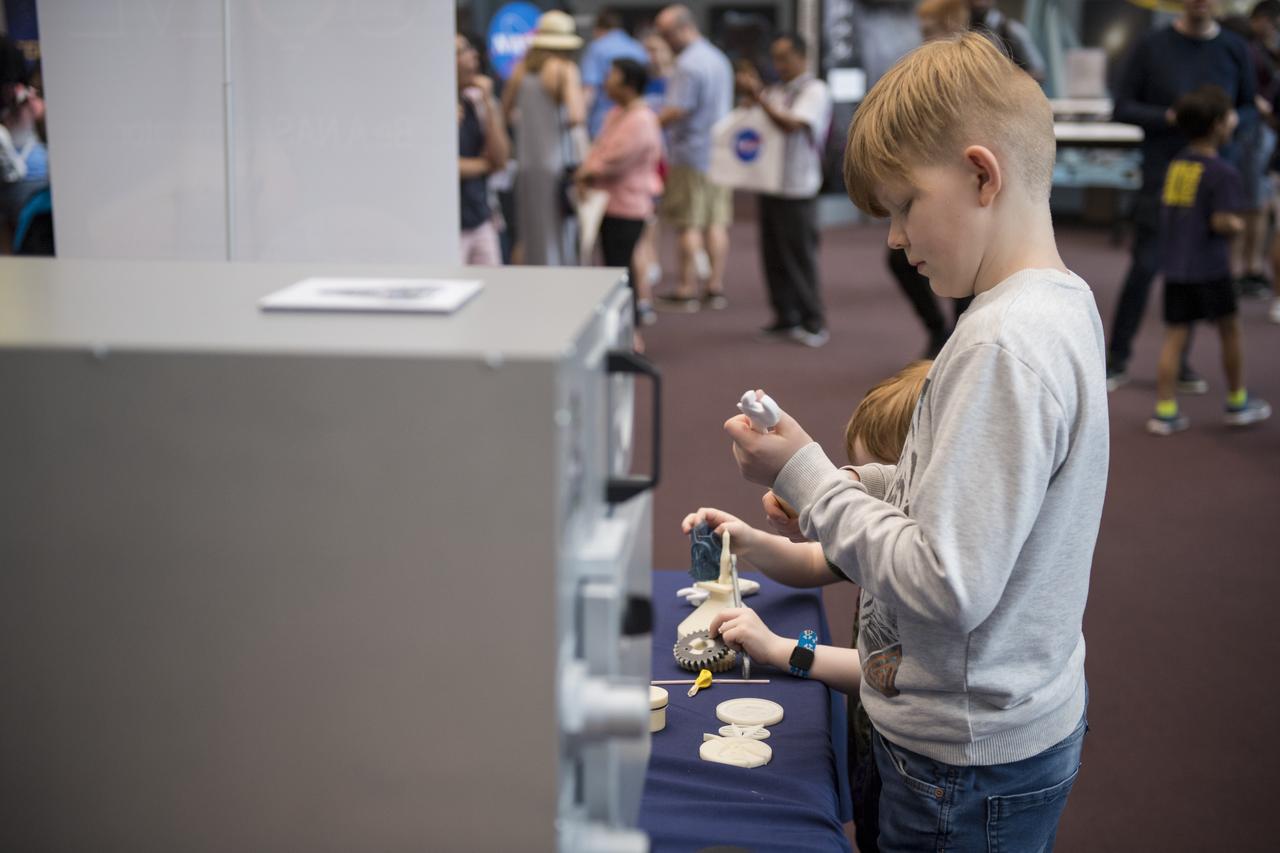
Visitors explore the activities in the Space Race Gallery at Smithsonian's National Air and Space Museum, Wednesday, June 27, 2018 in Washington. Photo Credit: (NASA/Aubrey Gemignani)
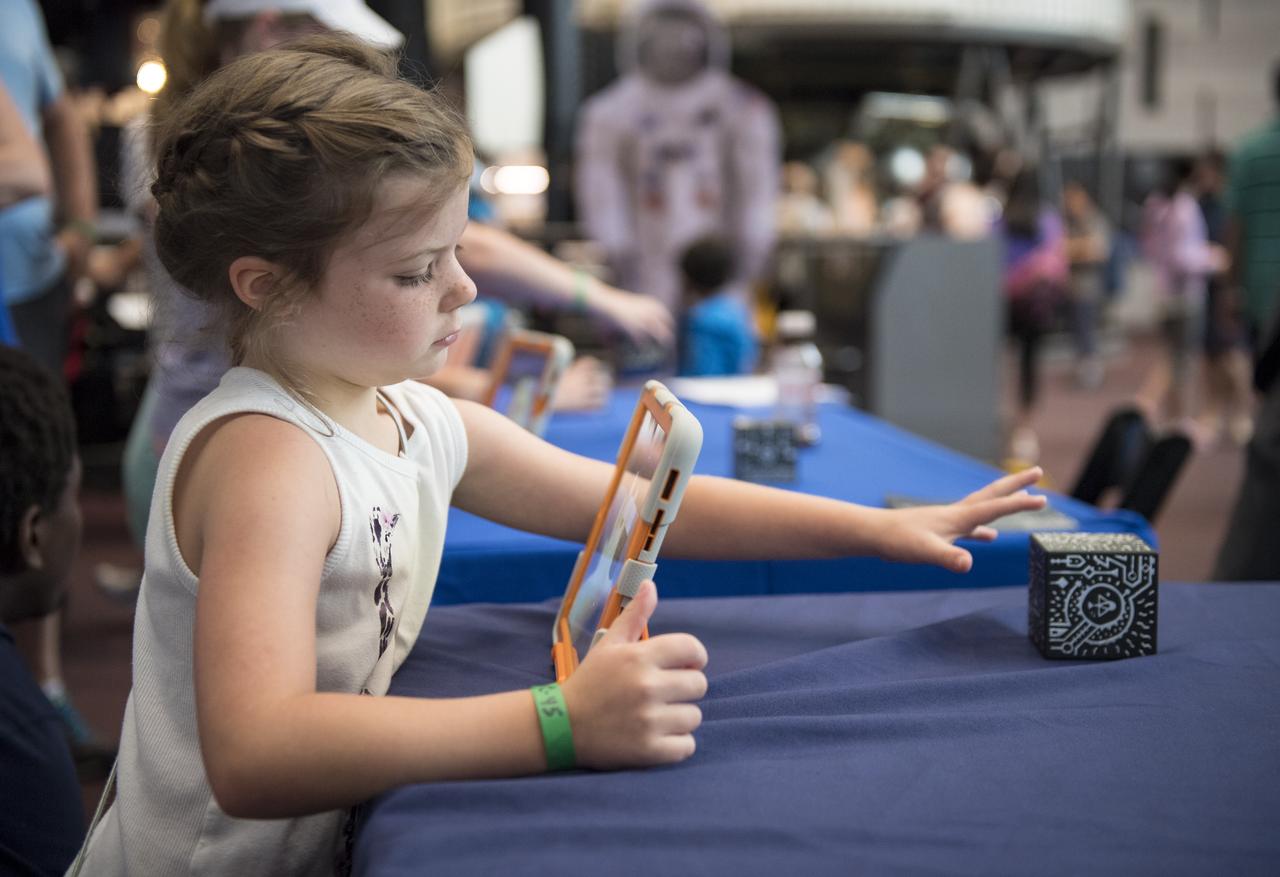
Visitors explore the activities in the Space Race Gallery at Smithsonian's National Air and Space Museum, Wednesday, June 27, 2018 in Washington. Photo Credit: (NASA/Aubrey Gemignani)
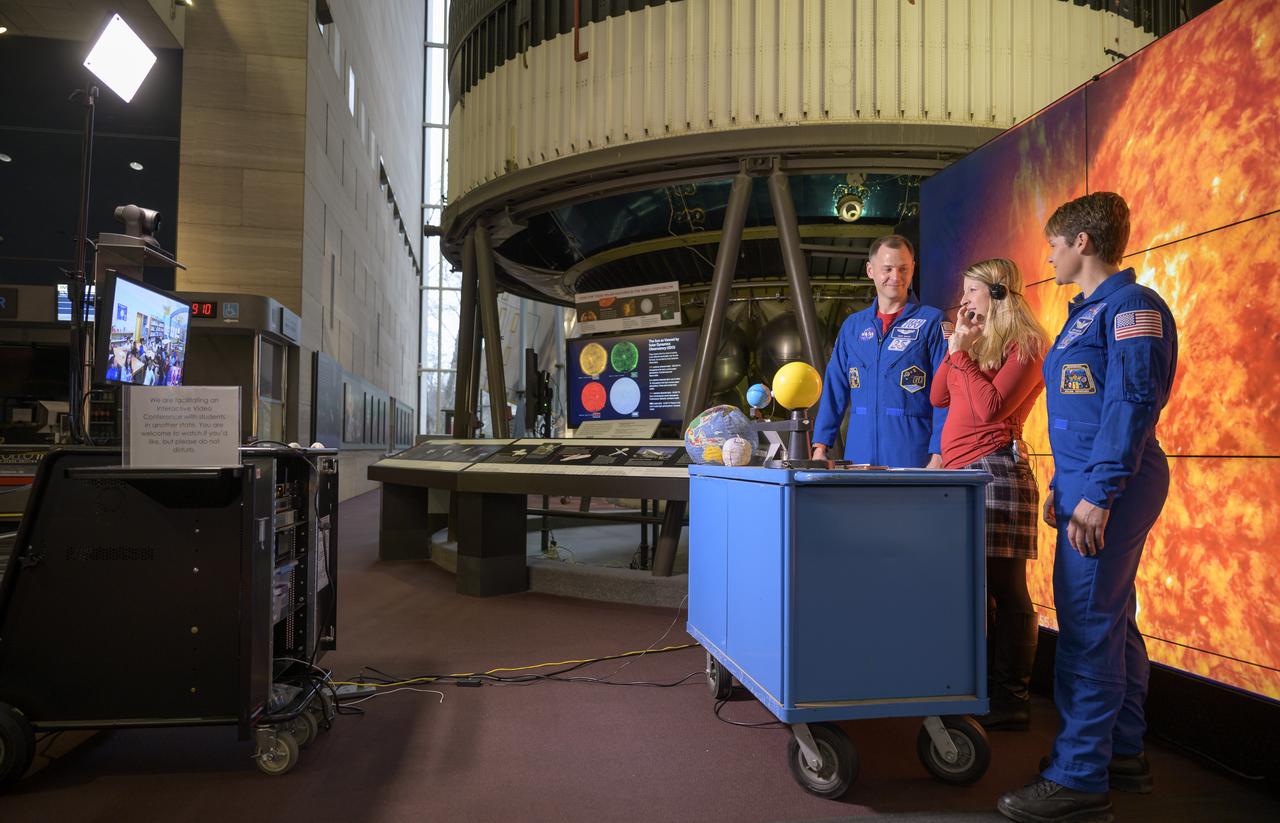
NASA astronauts Nick Hague, left, and Anne McClain, right, join Bevin James of the Smithsonian Air and Space Museum as she hosts an interactive video teleconference with 5th graders at the John P Parker school located in Cincinnati, Ohio, Tuesday, Jan. 14, 2020, from the Smithsonian National Air and Space Museum in Washington. Hague most recently spent 203 days living and working onboard the International Space Station as part of Expeditions 59 and 60. McClain most recently spent 204 days living and working onboard the International Space Station as part of Expeditions 58 and 59. Photo Credit: (NASA/Bill Ingalls)
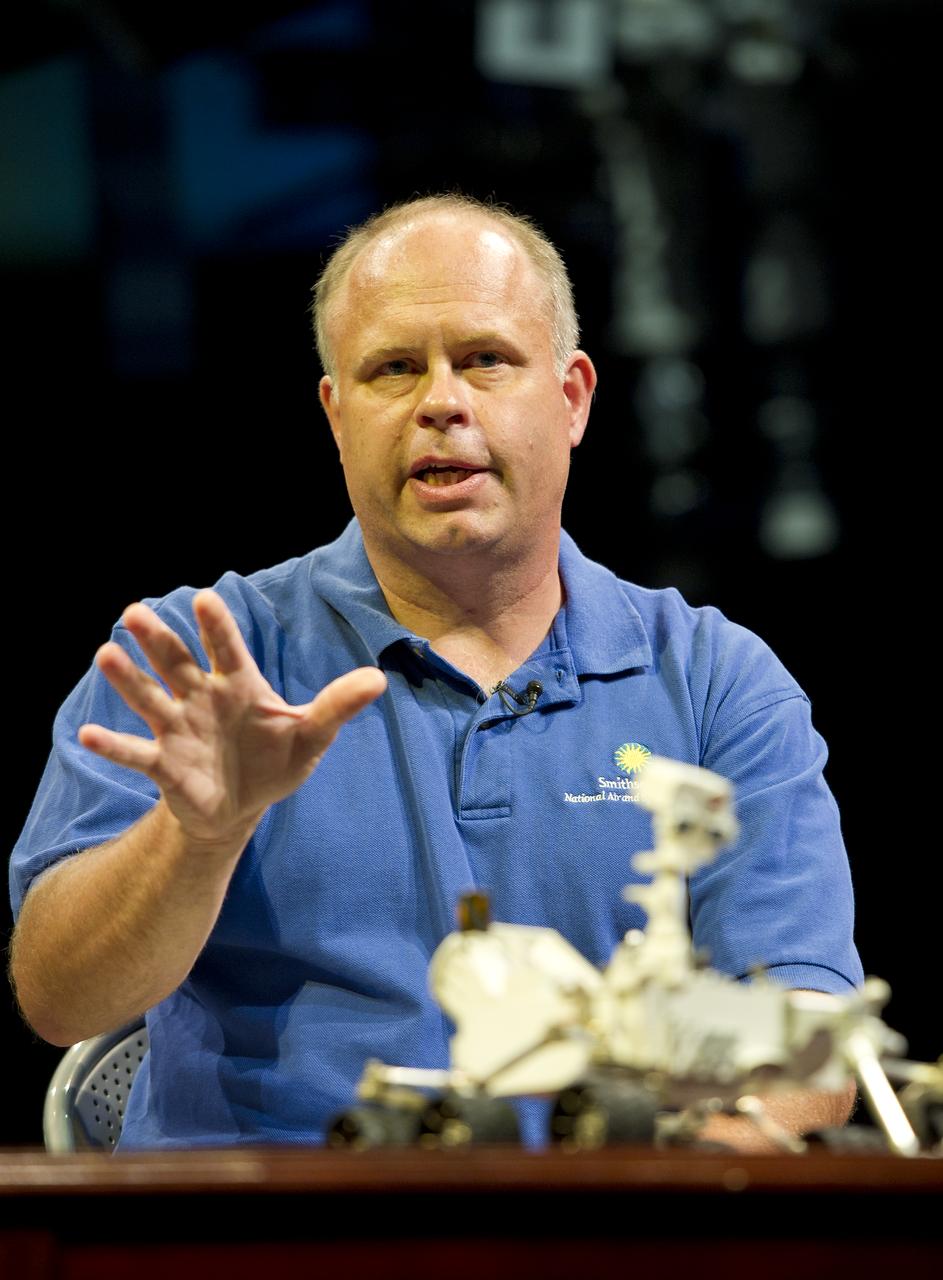
John Grant, geologist, Smithsonian National Air and Space Museum in Washington, speaks at a Mars Science Laboratory (MSL) press conference at the Smithsonian's National Air and Space Museum on Friday, July 22, 2011 in Washington. The Mars Science Laboratory (MSL), or Curiosity, is scheduled to launch late this year from NASA's Kennedy Space Center in Florida and land in August 2012. Curiosity is twice as long and more than five times as heavy as previous Mars rovers. The rover will study whether the landing region at Gale crater had favorable environmental conditions for supporting microbial life and for preserving clues about whether life ever existed. Photo Credit: (NASA/Carla Cioffi)
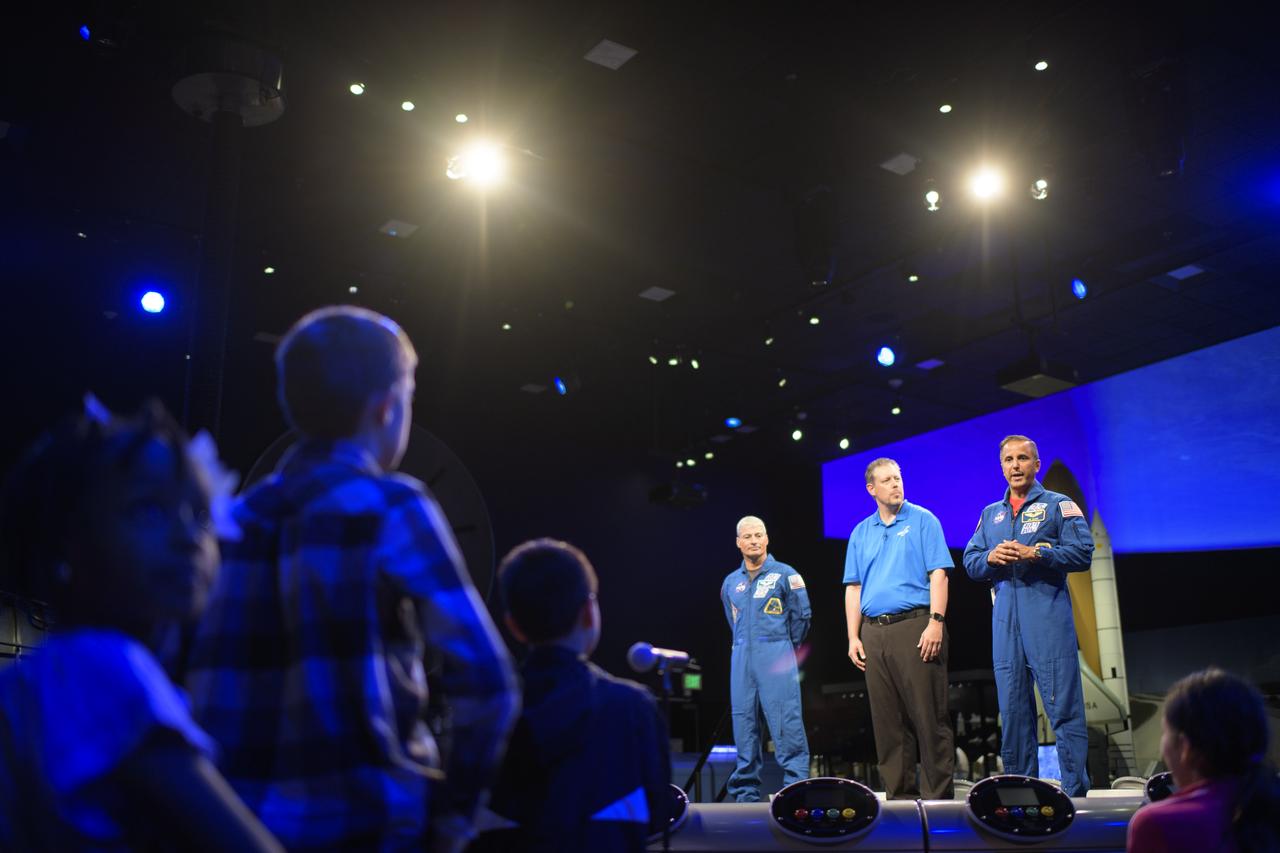
NASA astronauts Mark Vande Hei, left, and Joe Acaba right, answer audience questions with the Smithsonian's Marty Kelsey, center, during "What's New in Aerospace," Thursday, June 14, 2018 at the Smithsonian National Air and Space Museum in Washington. Acaba and Vande Hei answered questions from the audience and spoke about their experiences aboard the International Space Station for 168 days as part of Expedition 53 and 54. Photo Credit: (NASA/Joel Kowsky)
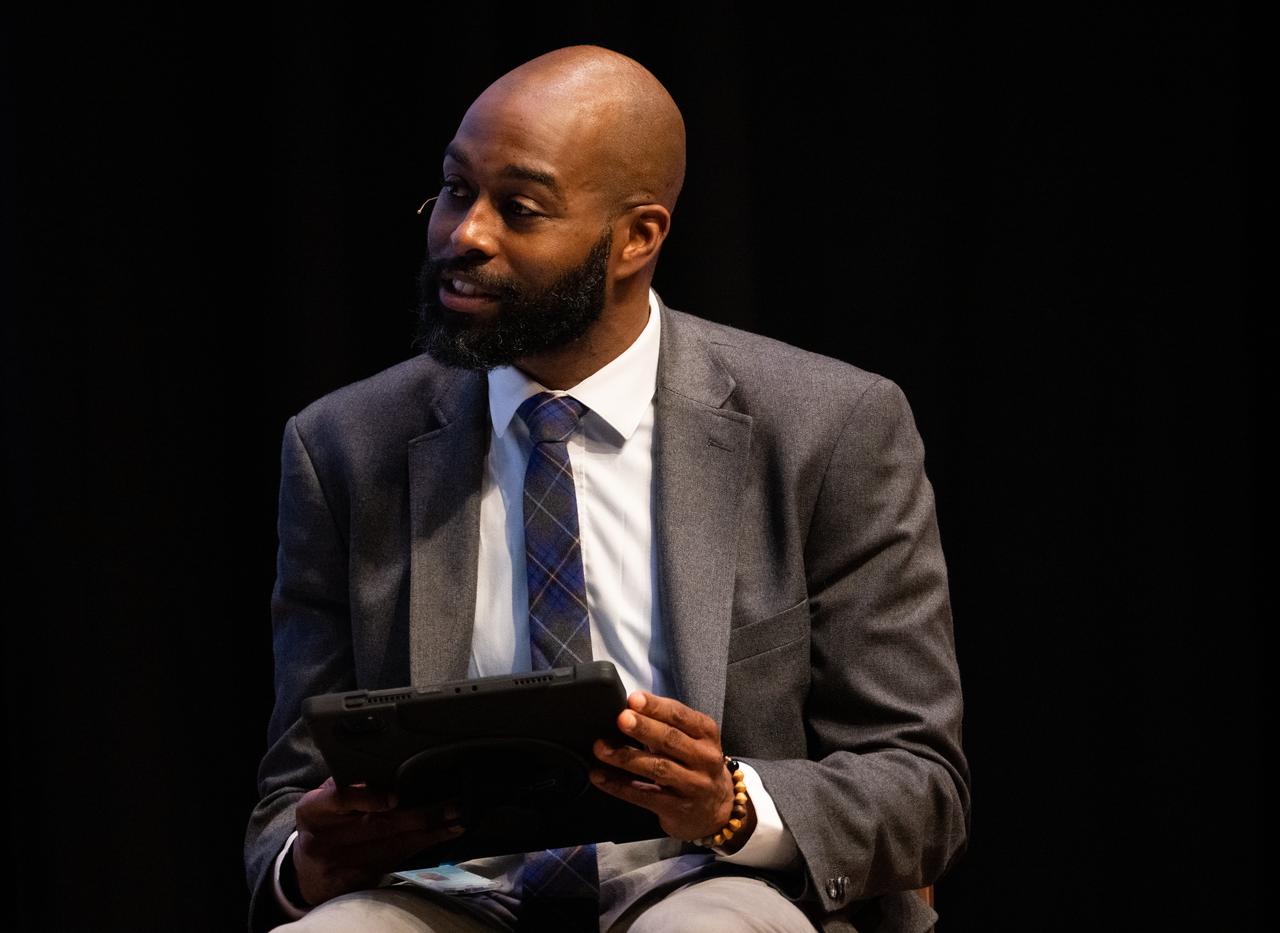
Christopher Williams, STEM Education Specialist at the Smithsonian National Museum of African American History and Culture, asks a question during a panel discussion titled A Space for Us All at an event celebrating Black History Month at the Smithsonian National Museum of African American History and Culture, Friday, Feb. 10, 2023, in Washington. Photo Credit: (NASA/Joel Kowsky)
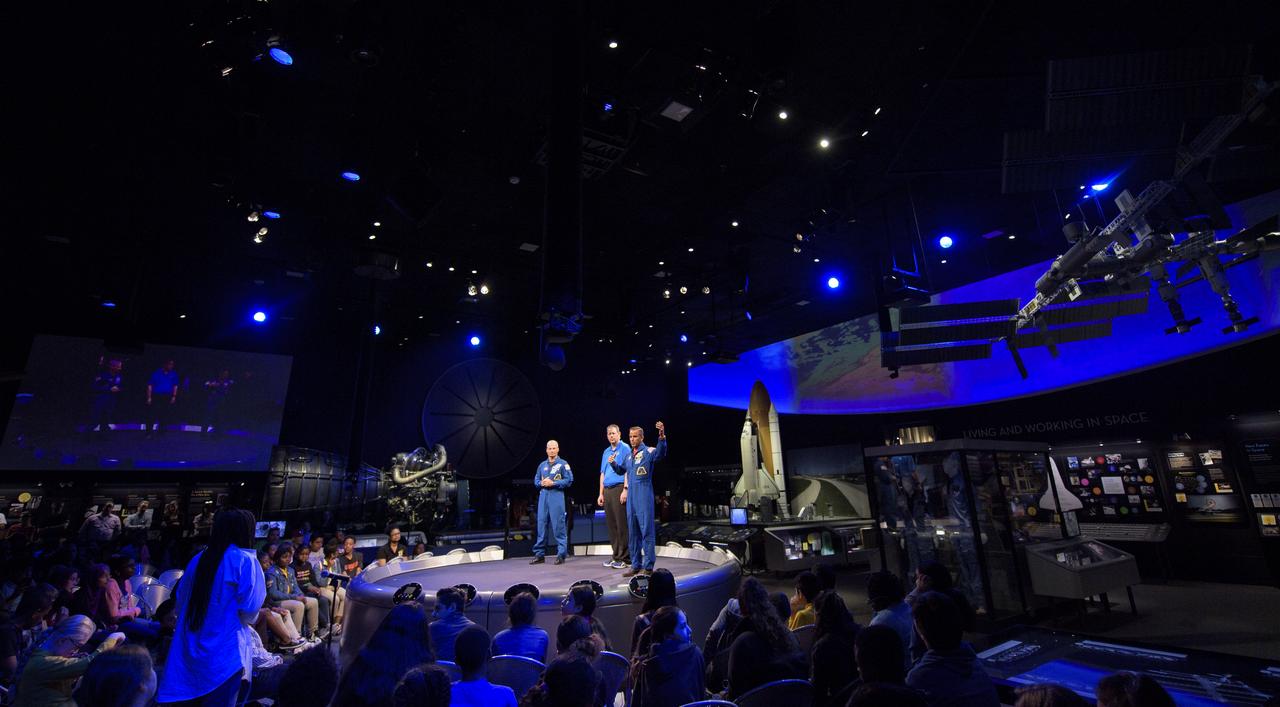
NASA astronauts Mark Vande Hei, left, and Joe Acaba right, answer audience questions with the Smithsonian's Marty Kelsey, center, during "What's New in Aerospace," Thursday, June 14, 2018 at the Smithsonian National Air and Space Museum in Washington. Acaba and Vande Hei answered questions from the audience and spoke about their experiences aboard the International Space Station for 168 days as part of Expedition 53 and 54. Photo Credit: (NASA/Joel Kowsky)

Smithsonian Under Secretary for Science and Research Ellen Stofan delivers remarks during an event to unveil the first public display of a sample from asteroid Bennu, Friday, Nov. 3, 2023, at the Smithsonian’s National Museum of Natural History in Washington. The sample was collected from the carbon rich near Earth asteroid Bennu in October 2020 by NASA’s OSIRIS-REx spacecraft. Photo Credit: (NASA/Keegan Barber)
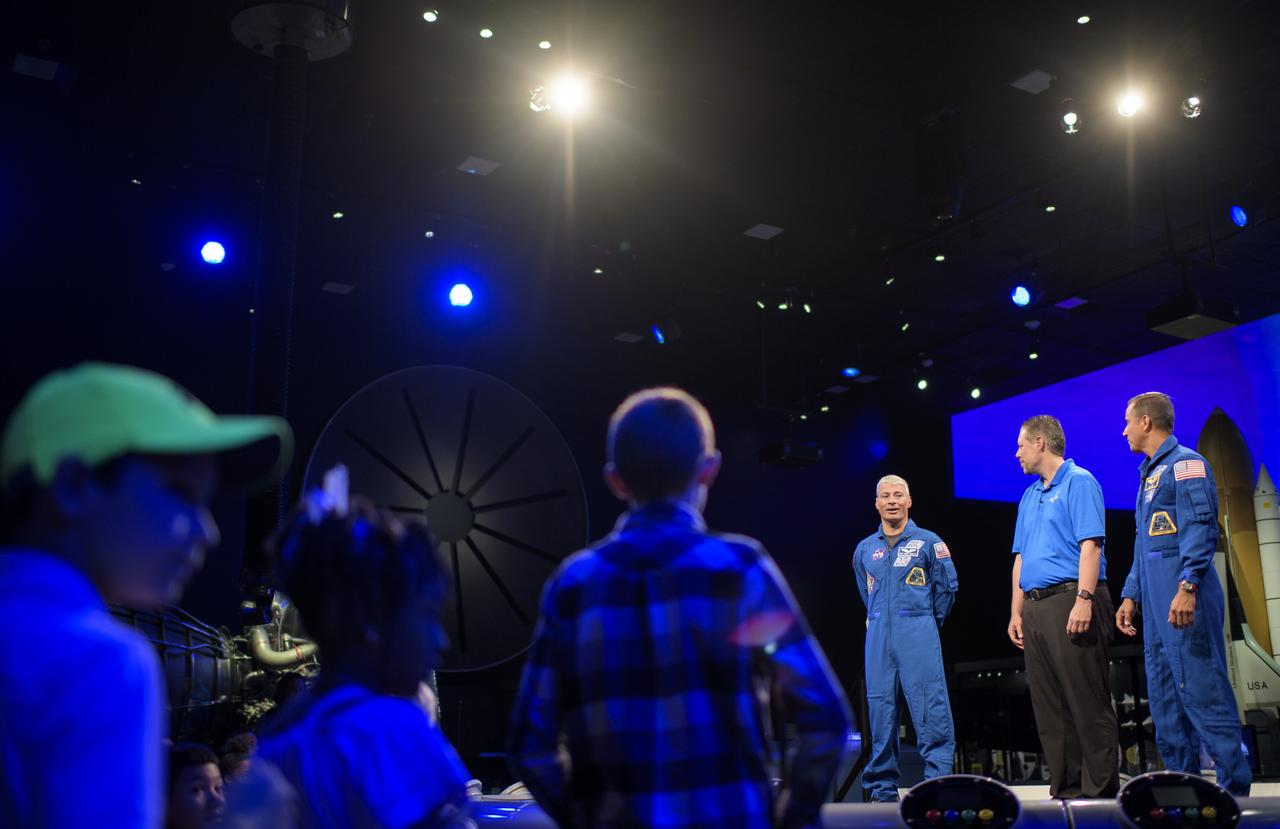
NASA astronauts Mark Vande Hei, left, and Joe Acaba right, answer audience questions with the Smithsonian's Marty Kelsey, center, during "What's New in Aerospace," Thursday, June 14, 2018 at the Smithsonian National Air and Space Museum in Washington. Acaba and Vande Hei answered questions from the audience and spoke about their experiences aboard the International Space Station for 168 days as part of Expedition 53 and 54. Photo Credit: (NASA/Joel Kowsky)
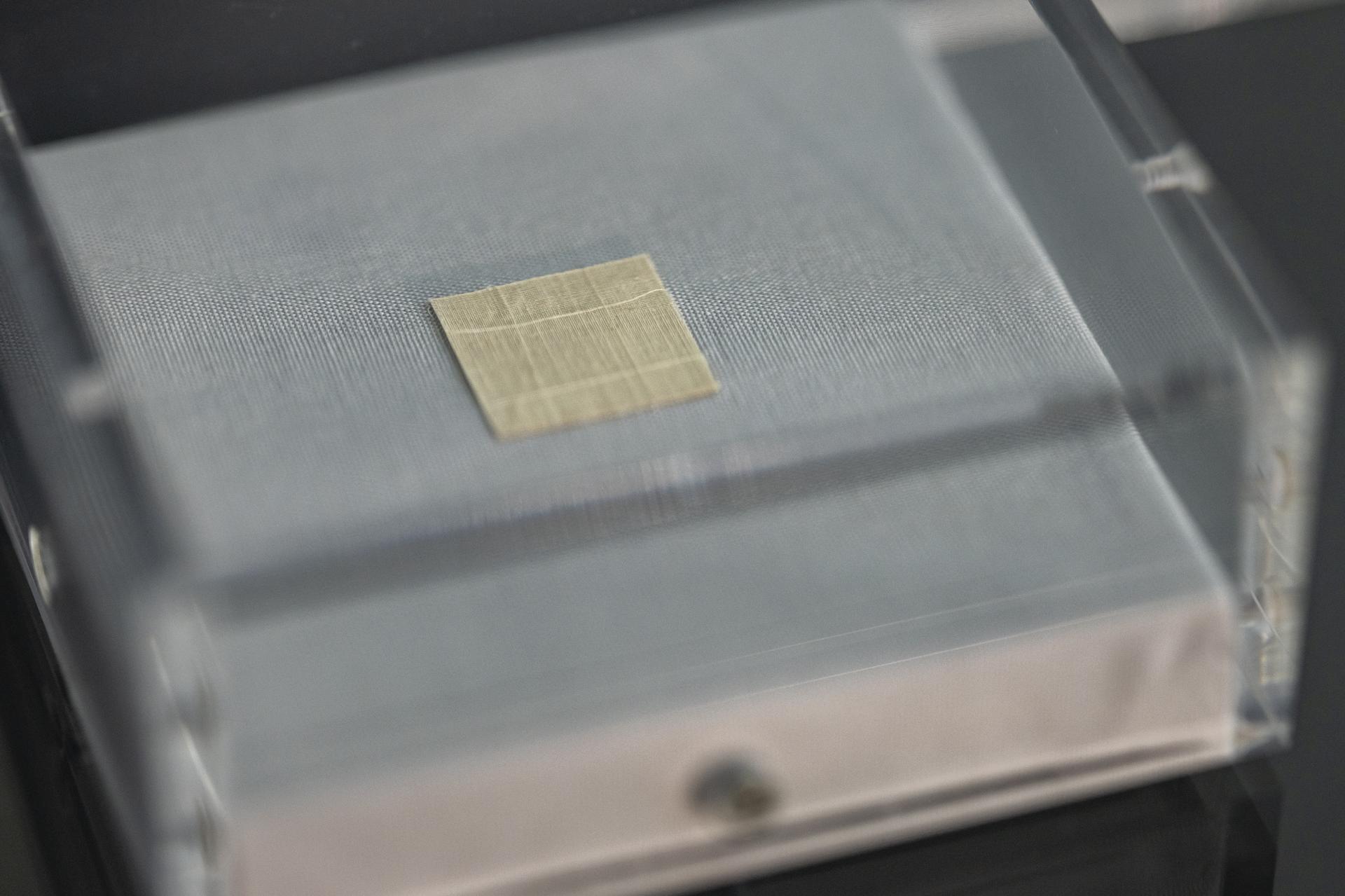
A swatch of muslin fabric from the original Wright Flyer the Wright Brothers used to make the first powered flight in 1903 is seen prior to the Smithsonian’s National Air and Space Museum rededication ceremony Wednesday, July 1, 2026, in Washington. The swatch is being returned to the museum after having been flown aboard NASA’s Artemis II mission around the Moon and back to Earth in April 2026. Photo Credit: (NASA/Keegan Barber)
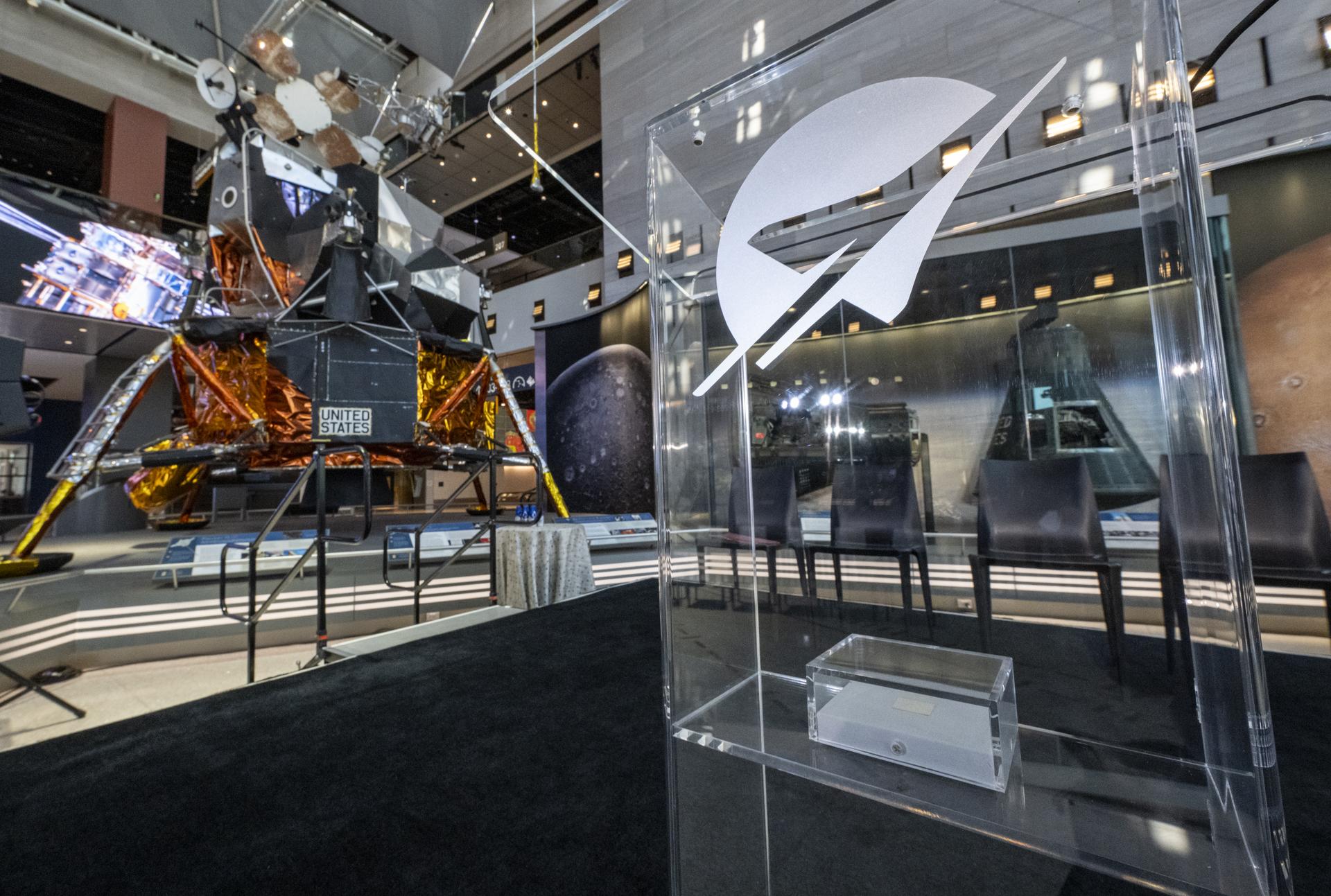
A swatch of muslin fabric from the original Wright Flyer the Wright Brothers used to make the first powered flight in 1903 is seen prior to the Smithsonian’s National Air and Space Museum rededication ceremony Wednesday, July 1, 2026, in Washington. The swatch is being returned to the museum after having been flown aboard NASA’s Artemis II mission around the Moon and back to Earth in April 2026. Photo Credit: (NASA/Keegan Barber)
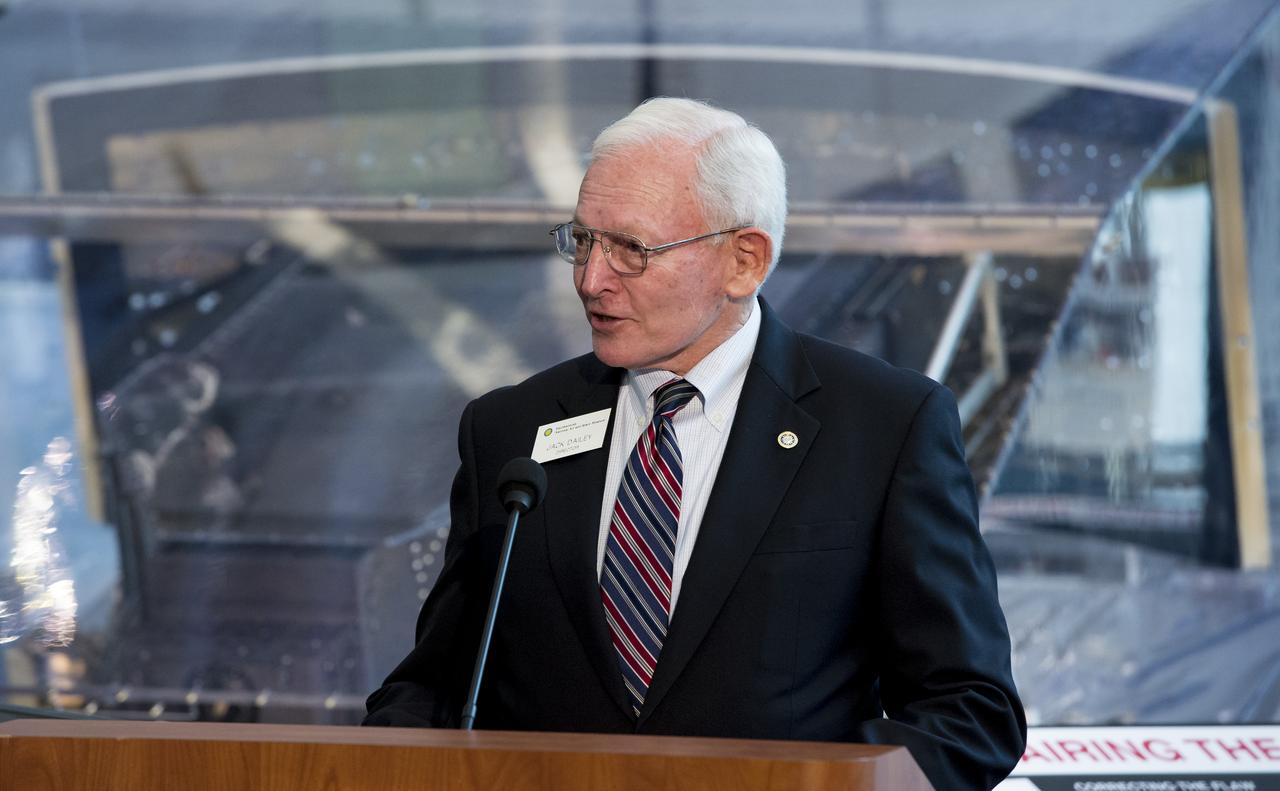
Gen. J.R. "Jack" Dailey, Director of the Smithsonian National Air and Space Museum speaks at an event unveiling a new exhibit featuring Hubble's Corrective Optics Space Telescope Axial Replacement (COSTAR) and the Wide Field and Planetary Camera 2 (WFPC2) on Wednesday, April 23, 2014 at the Smithsonian National Air and Space Museum in Washington, DC. COSTAR and WFPC2 were installed in Hubble during the first space shuttle servicing mission in 1993 and returned to Earth on the fifth and final servicing mission in 2009. Photo Credit: (NASA/Joel Kowsky)
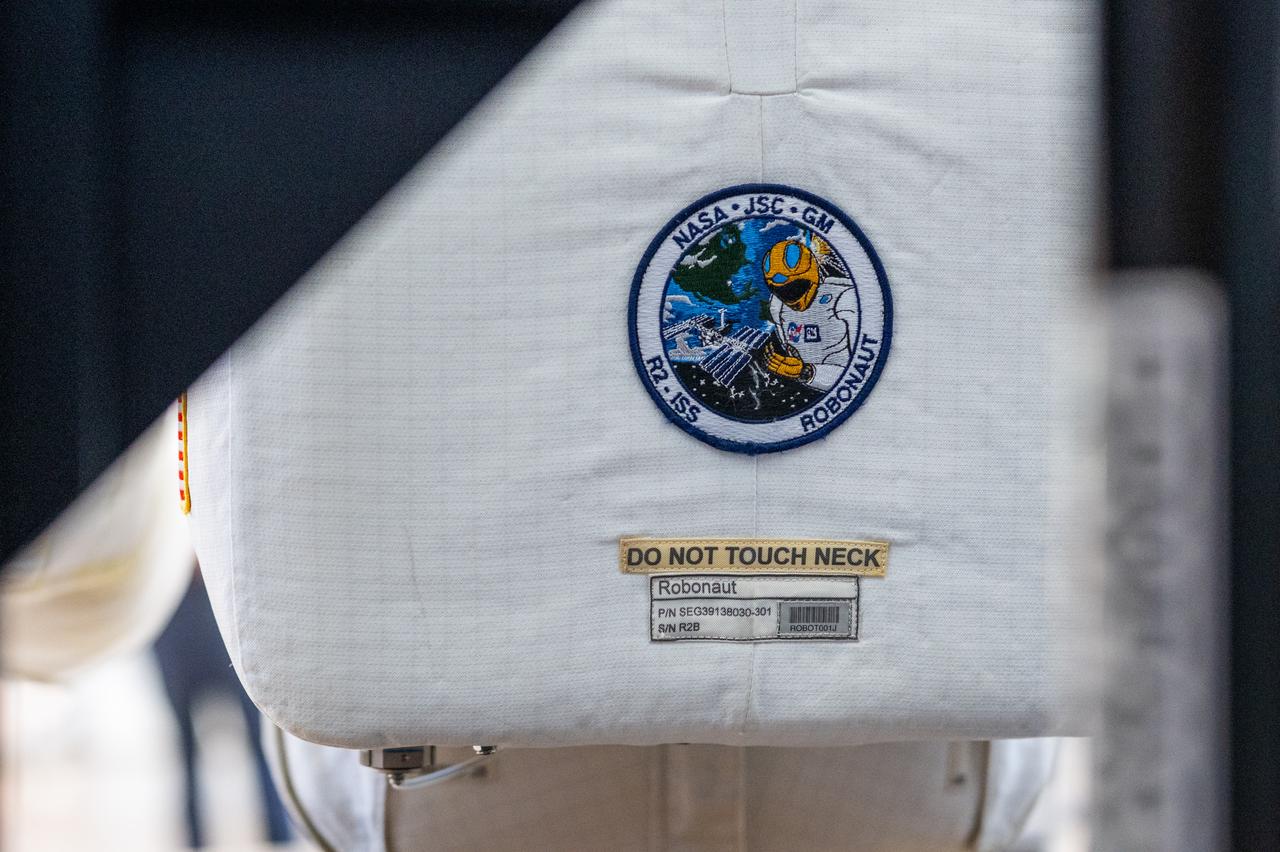
Robonaut 2 is seen at the Smithsonian National Air and Space Museum’s Steve F. Udvar-Hazy Center Thursday, Oct. 24, 2024, in Chantilly, Va. Robonaut 2, the first humanoid robot to fly to space, is displayed publicly for the first time near the space shuttle Discovery. Photo Credit: (NASA/Keegan Barber)

Future Engineers "Two for the Crew" competition winner, Austin Suder, speaks about his Carabiner Tool Clip, during a STEM in 30 event, Wednesday, June 27, 2018 at Smithsonian's National Air and Space Museum in Washington. Photo Credit: (NASA/Aubrey Gemignani)
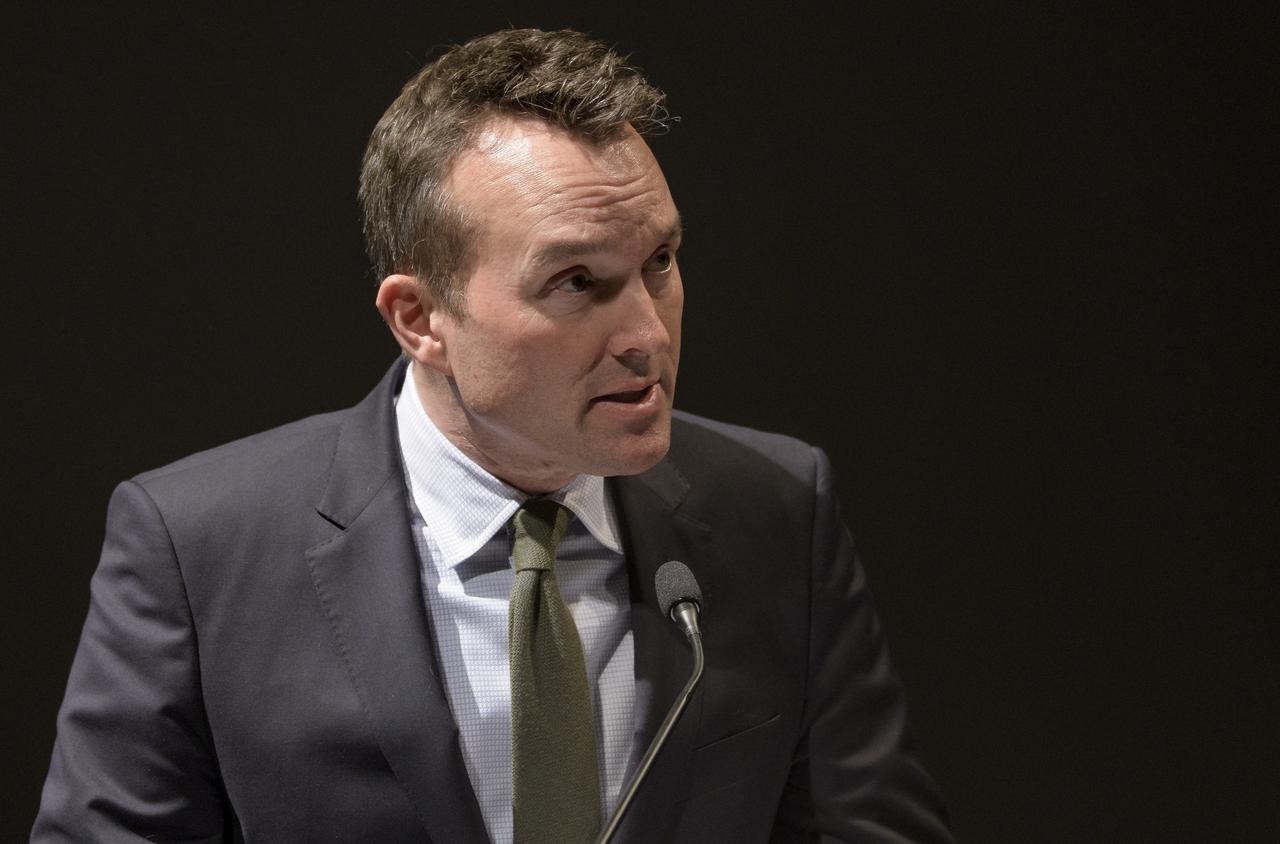
President and CEO of Aerospace Industries Association Eric Fanning gives remarks at the premiere of the film "Apollo 11: First Steps Edition", Tuesday, May 14, 2019 at the Smithsonian's National Air and Space Museum in Washington. Photo Credit: (NASA/Bill Ingalls)

Robonaut 2 is seen at the Smithsonian National Air and Space Museum’s Steve F. Udvar-Hazy Center Thursday, Oct. 24, 2024, in Chantilly, Va. Robonaut 2, the first humanoid robot to fly to space, is displayed publicly for the first time near the space shuttle Discovery. Photo Credit: (NASA/Keegan Barber)

Film director Todd Douglas Miller gives remarks during after the premiere of the film "Apollo 11: First Steps Edition", Tuesday, May 14, 2019 at the Smithsonian's National Air and Space Museum in Washington. Photo Credit: (NASA/Bill Ingalls)
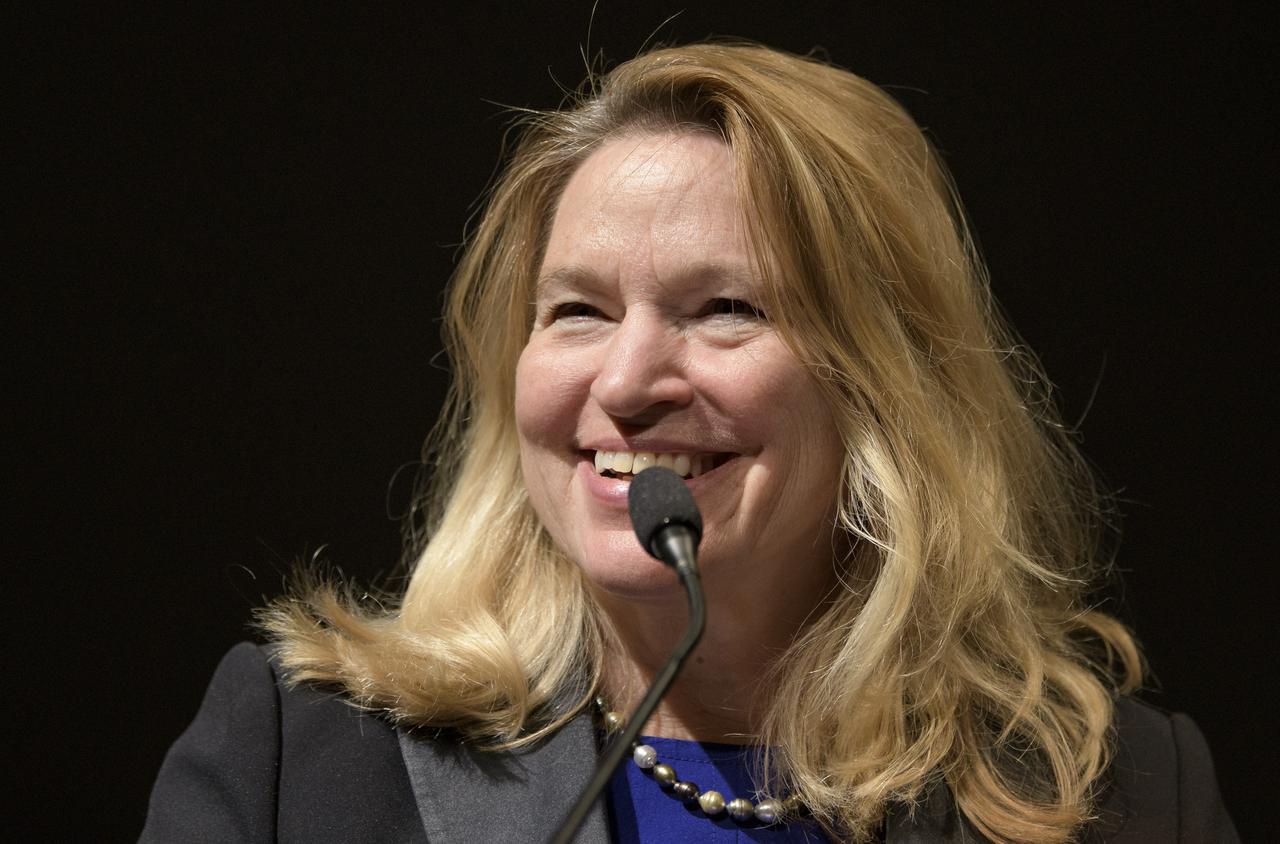
John and Adrienne Mars Director of the National Air and Space Museum Ellen Stofan, moderates a panel discussion after the premiere of the film "Apollo 11: First Steps Edition", Tuesday, May 14, 2019 at the Smithsonian's National Air and Space Museum in Washington. Photo Credit: (NASA/Bill Ingalls)
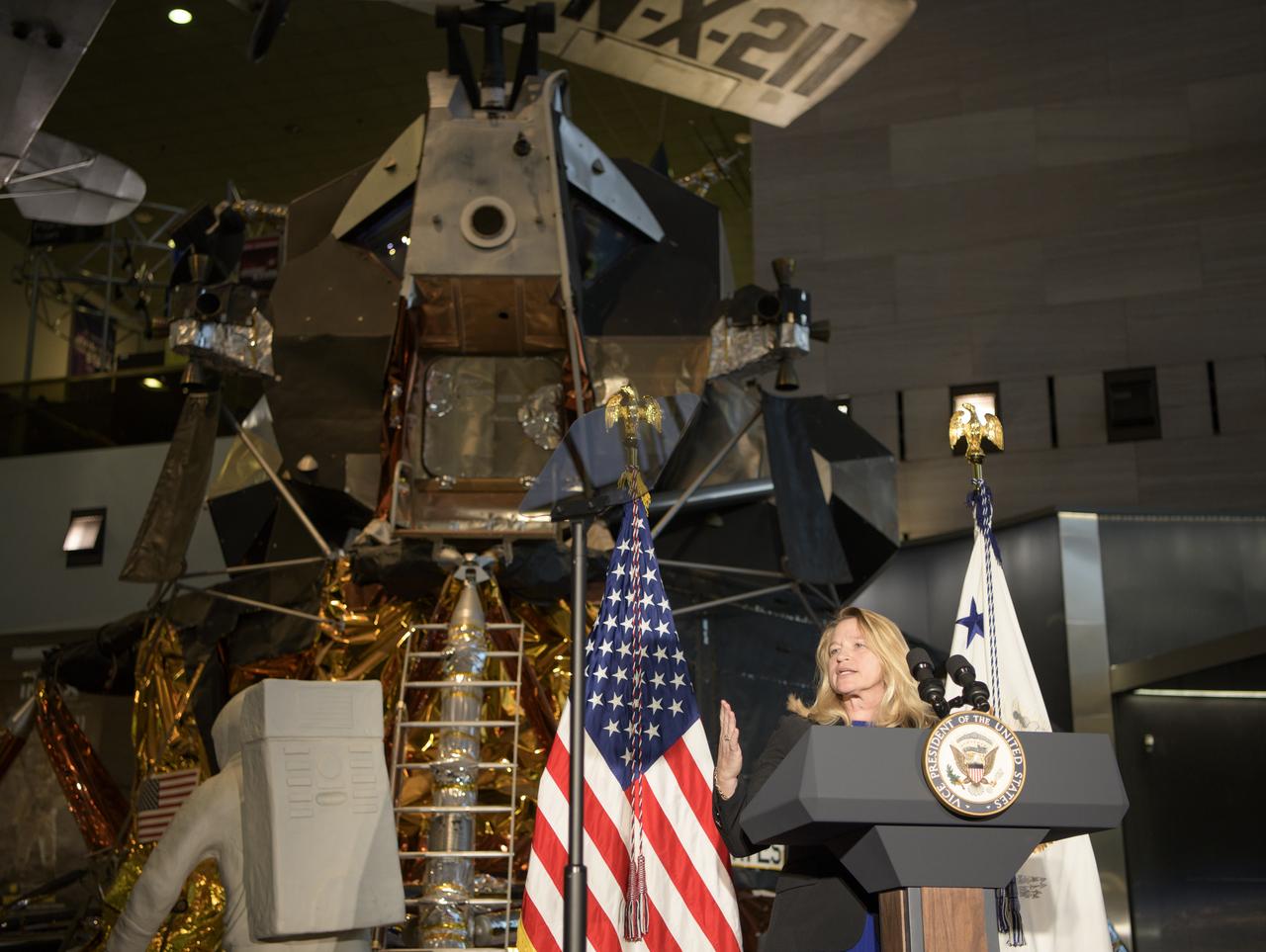
John and Adrienne Mars Director of the National Air and Space Museum Ellen Stofan gives opening remarks during the premiere of "Apollo 11: First Steps Edition", Tuesday, May 14, 2019 at the Smithsonian's National Air and Space Museum in Washington. Photo Credit: (NASA/Bill Ingalls)
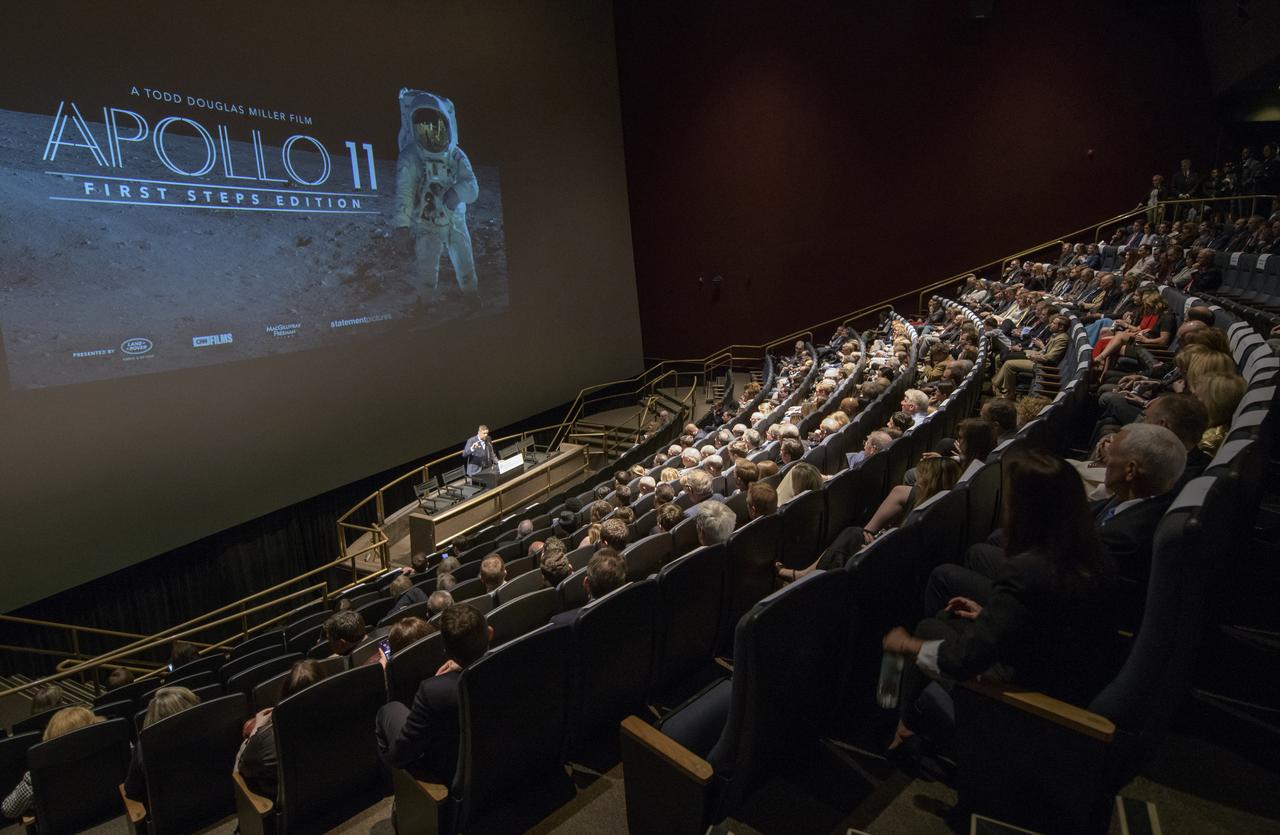
Film director Todd Douglas Miller introduces his film "Apollo 11: First Steps Edition" during the premiere, Tuesday, May 14, 2019 at the Smithsonian's National Air and Space Museum in Washington. Photo Credit: (NASA/Bill Ingalls)
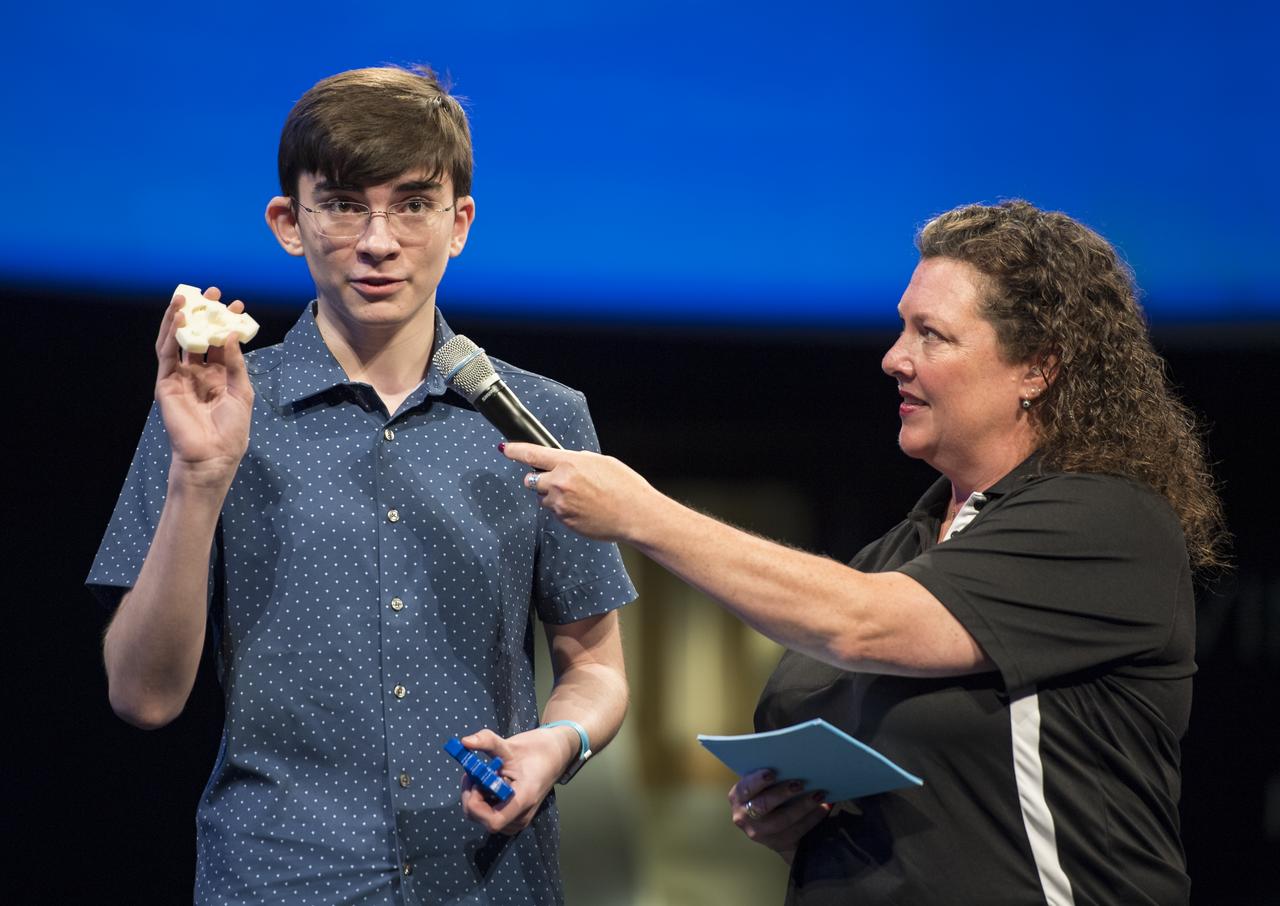
Future Engineers "Two for the Crew" competition winner, Ansel Austin, speaks about his Trillium Tool, a type of wrench, during a STEM in 30 event, Wednesday, June 27, 2018 at Smithsonian's National Air and Space Museum in Washington. Photo Credit: (NASA/Aubrey Gemignani)
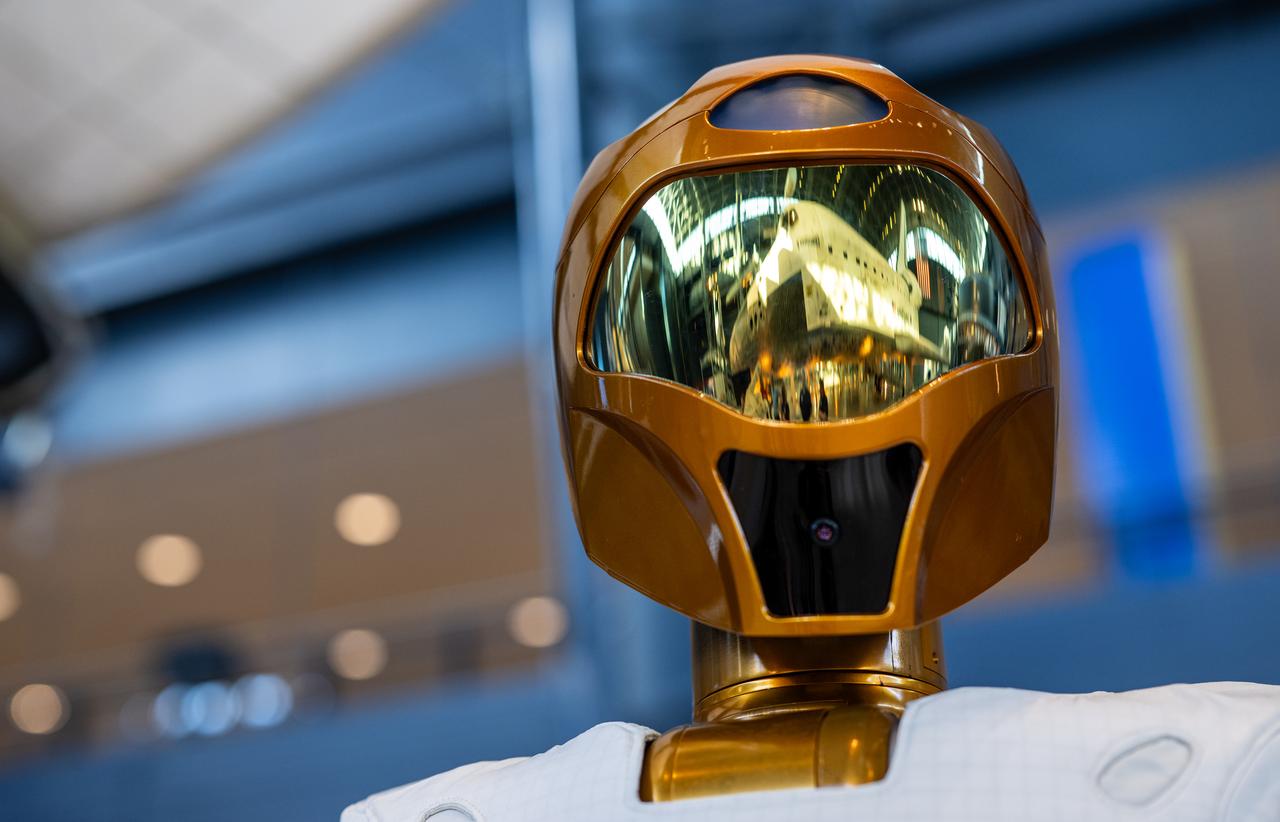
Robonaut 2 is seen at the Smithsonian National Air and Space Museum’s Steve F. Udvar-Hazy Center Thursday, Oct. 24, 2024, in Chantilly, Va. Robonaut 2, the first humanoid robot to fly to space, is displayed publicly for the first time near the space shuttle Discovery. Photo Credit: (NASA/Keegan Barber)
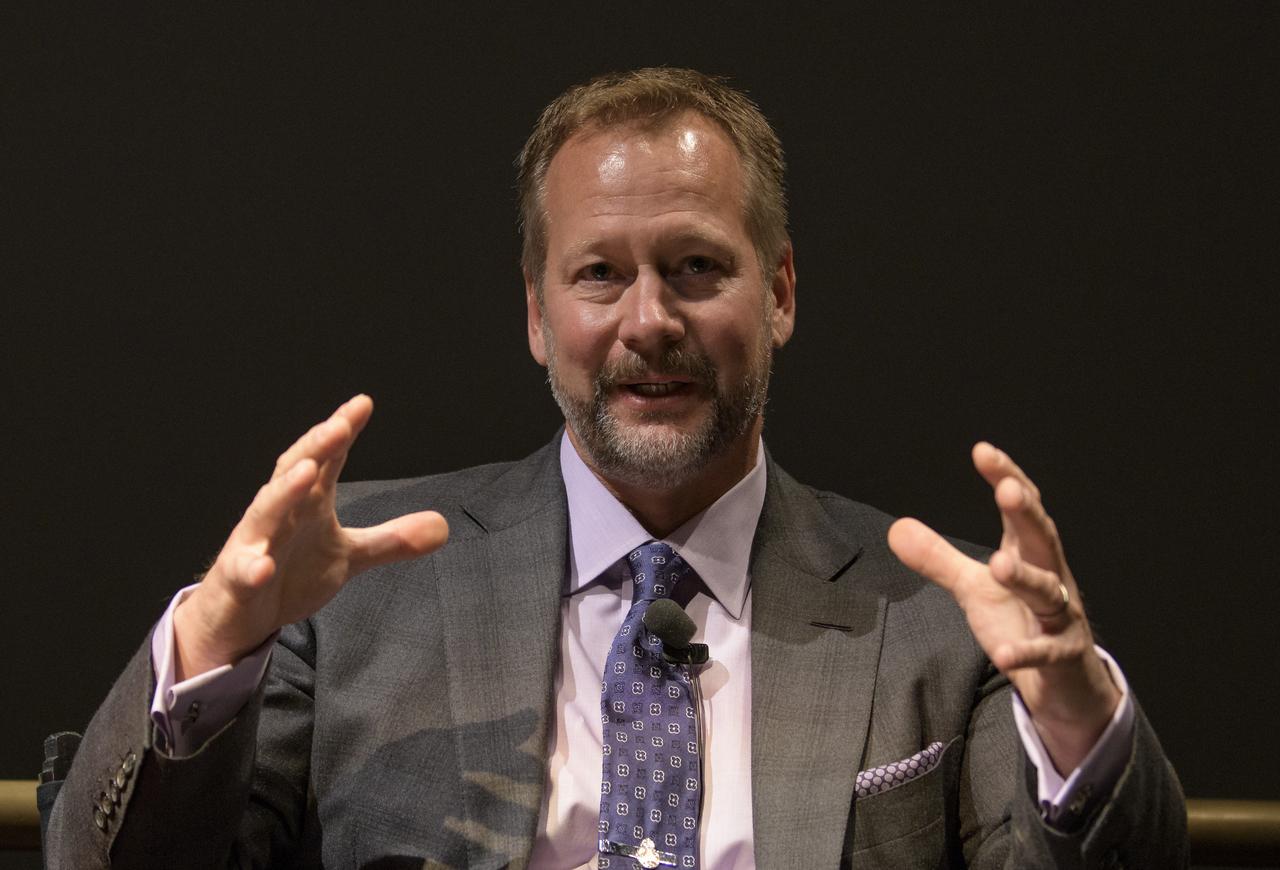
Senior Vice President, Space Business Unit, Aerojet Rocketdyne Jim Maser participates in a panel discussion after the premiere of the film "Apollo 11: First Steps Edition", Tuesday, May 14, 2019 at the Smithsonian's National Air and Space Museum in Washington. Photo Credit: (NASA/Bill Ingalls)
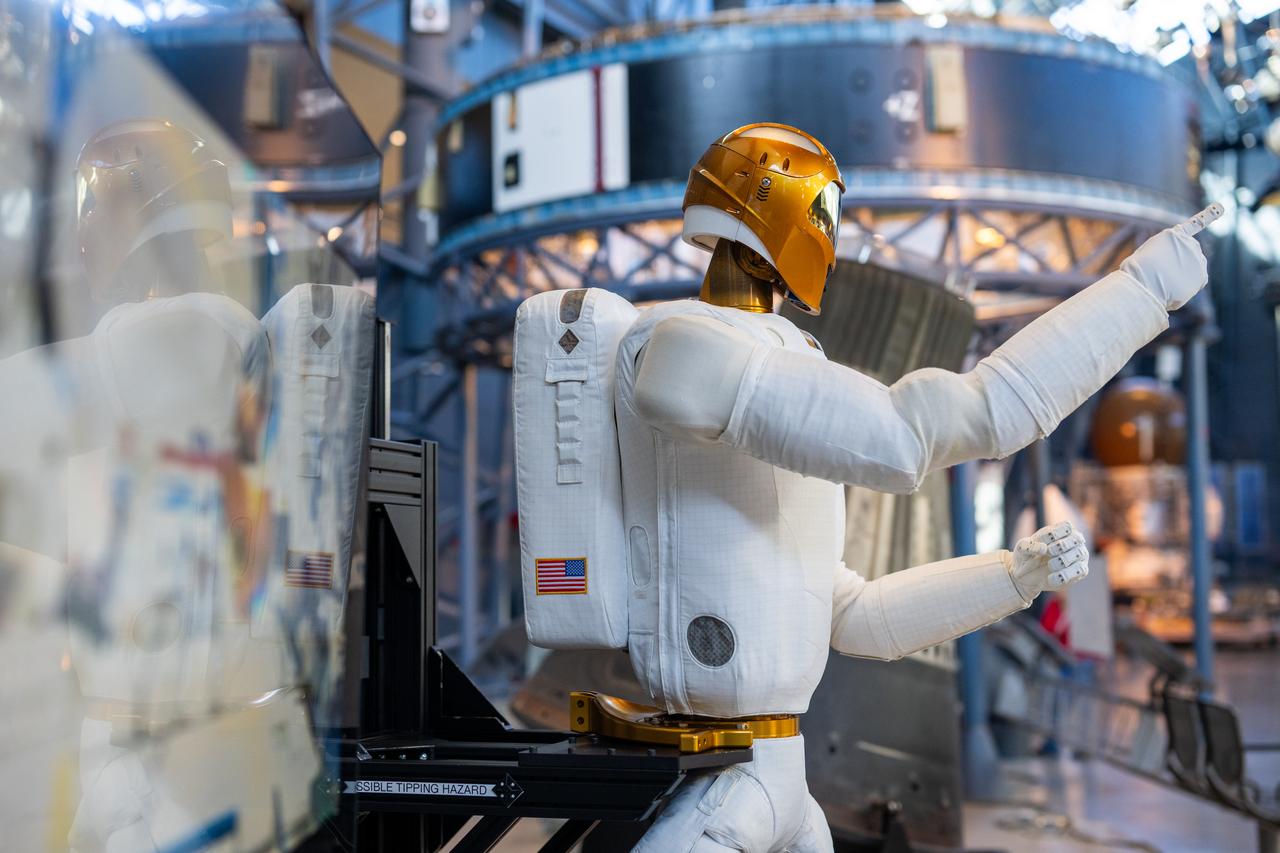
Robonaut 2 is seen at the Smithsonian National Air and Space Museum’s Steve F. Udvar-Hazy Center Thursday, Oct. 24, 2024, in Chantilly, Va. Robonaut 2, the first humanoid robot to fly to space, is displayed publicly for the first time near the space shuttle Discovery. Photo Credit: (NASA/Keegan Barber)
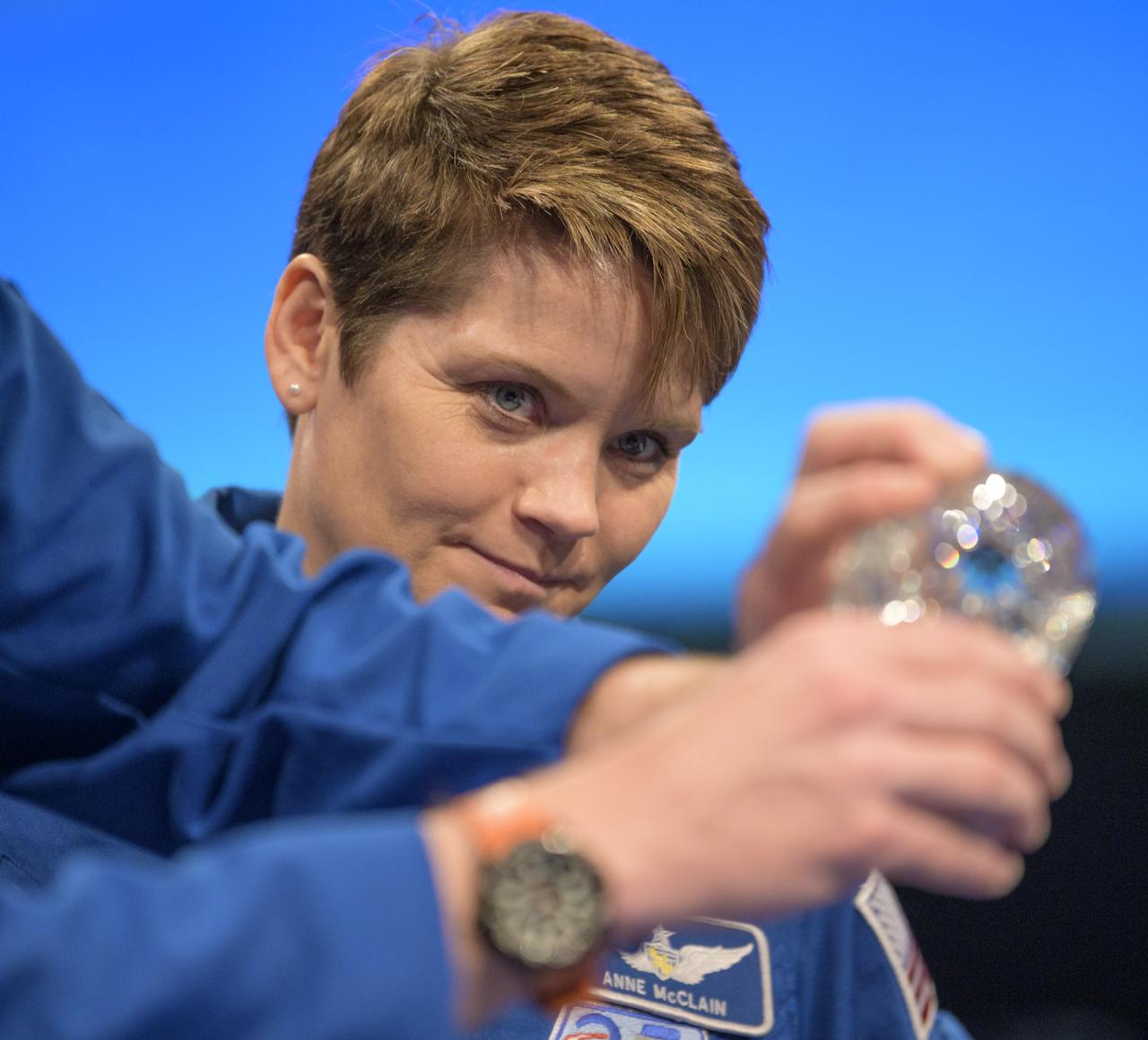
NASA astronaut Anne McClain is a guest on the program “STEM in 30,” Tuesday, Jan. 14, 2020, at the Smithsonian National Air and Space Museum in Washington. McClain most recently spent 204 days living and working onboard the International Space Station as part of Expeditions 58 and 59. Photo Credit: (NASA/Bill Ingalls)
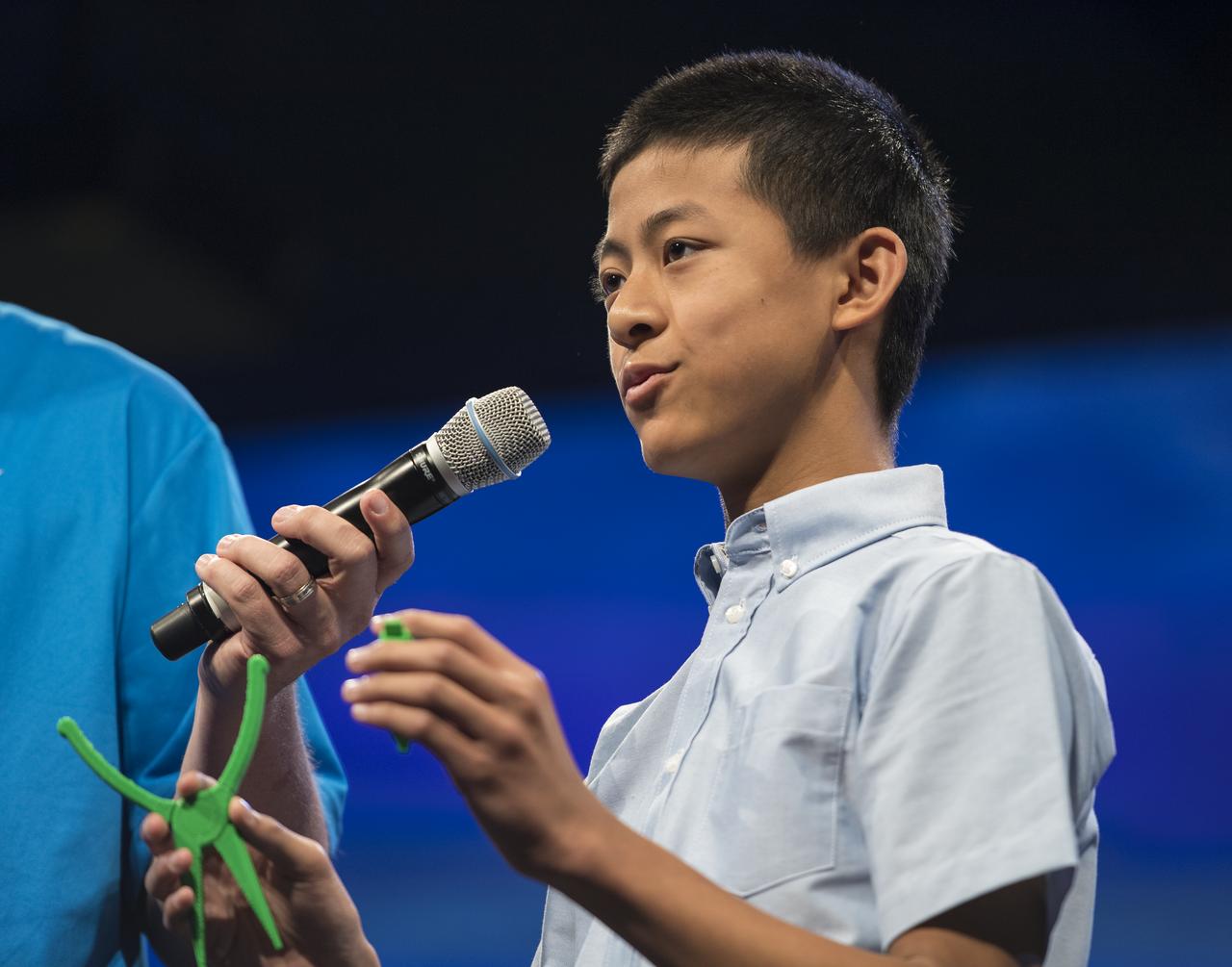
Future Engineers "Two for the Crew" competition winner, Jason Qin, speaks about his Two Pliers + 1 Handle, during a STEM in 30 event, Wednesday, June 27, 2018 at Smithsonian's National Air and Space Museum in Washington. Photo Credit: (NASA/Aubrey Gemignani)

Rep. Kendra Horn, D-Okla., participates in a panel discussion after the premiere of the film "Apollo 11: First Steps Edition", Tuesday, May 14, 2019 at the Smithsonian's National Air and Space Museum in Washington. Photo Credit: (NASA/Bill Ingalls)
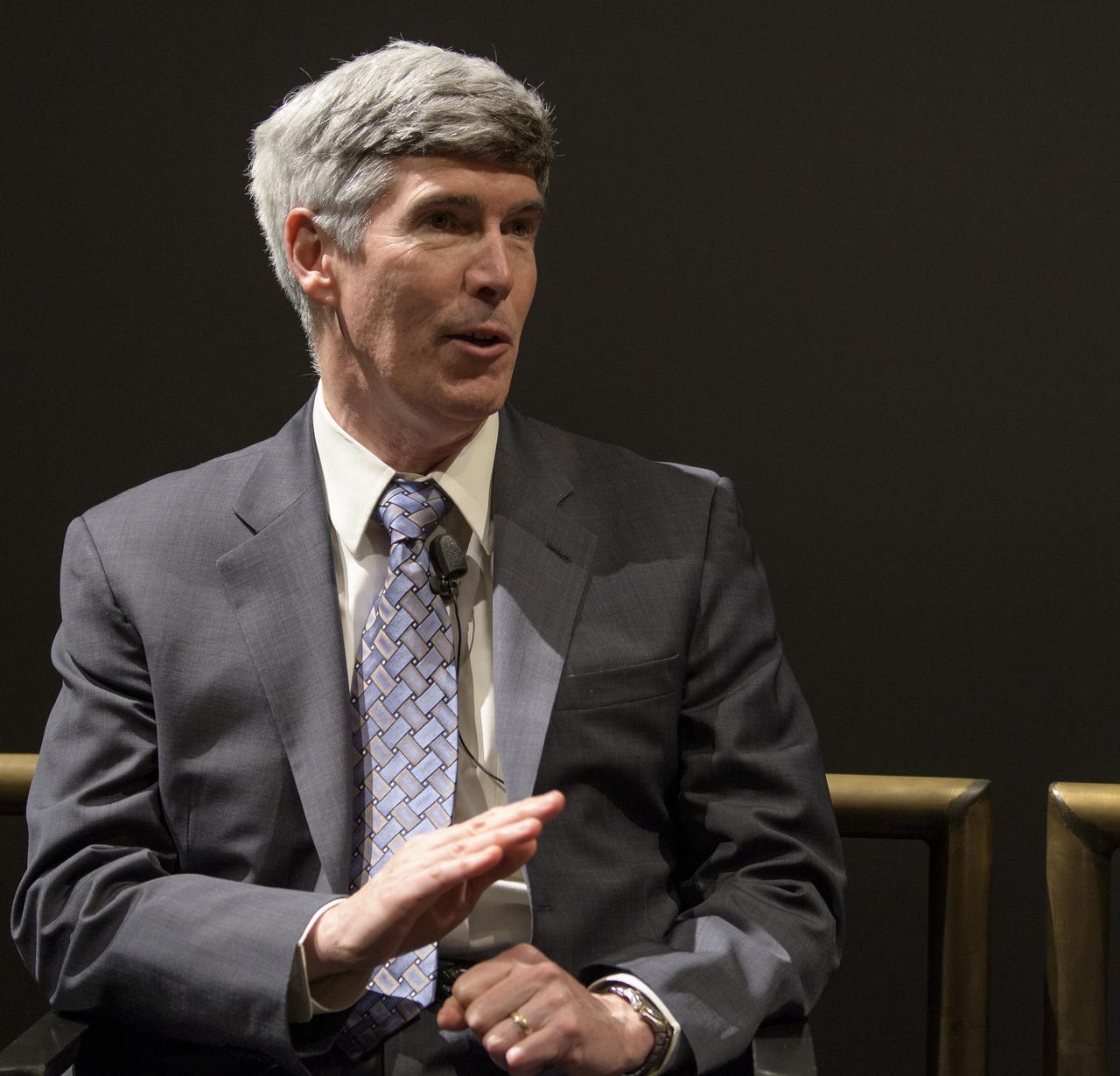
NASA Chief Historian Bill Barry participates in a panel discussion after the premiere of the film "Apollo 11: First Steps Edition", Tuesday, May 14, 2019 at the Smithsonian's National Air and Space Museum in Washington. Photo Credit: (NASA/Bill Ingalls)
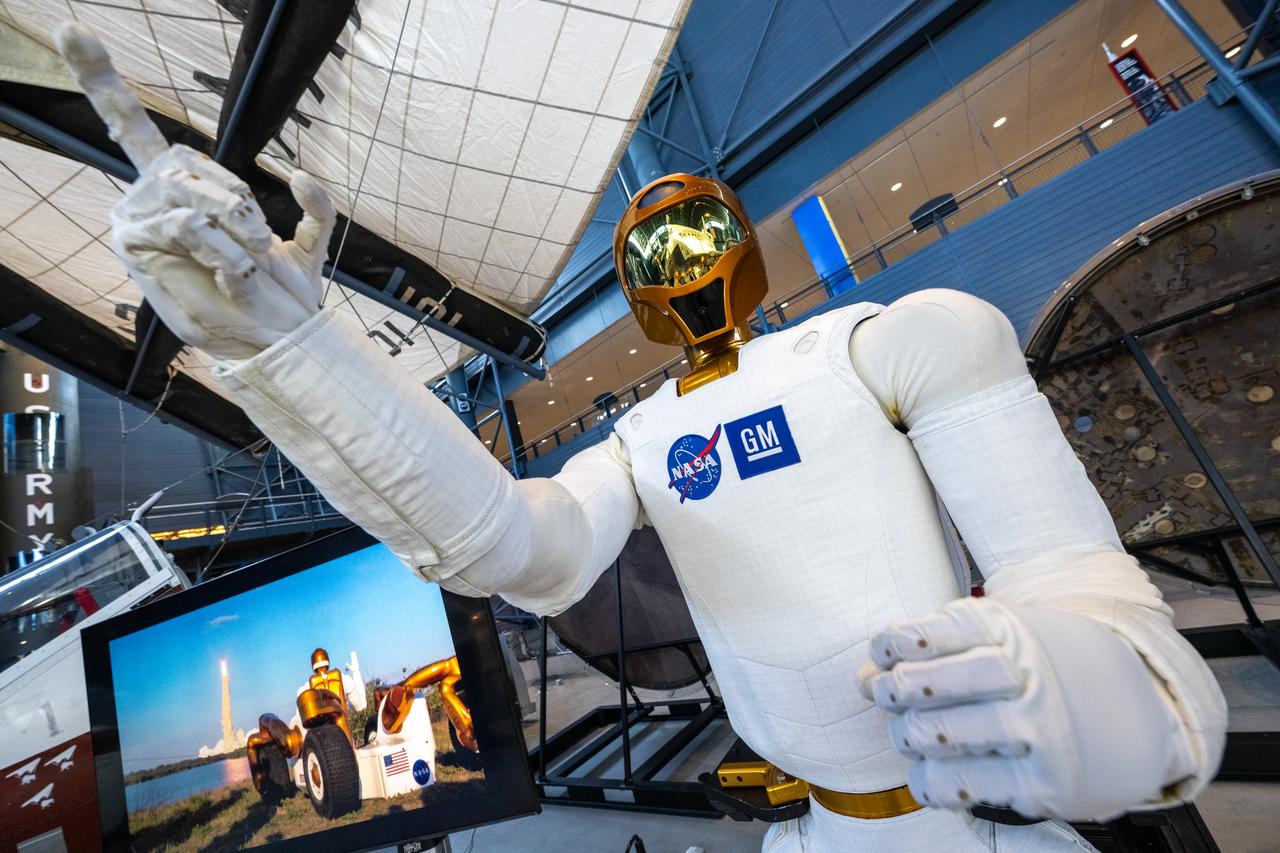
Robonaut 2 is seen at the Smithsonian National Air and Space Museum’s Steve F. Udvar-Hazy Center Thursday, Oct. 24, 2024, in Chantilly, Va. Robonaut 2, the first humanoid robot to fly to space, is displayed publicly for the first time near the space shuttle Discovery. Photo Credit: (NASA/Keegan Barber)
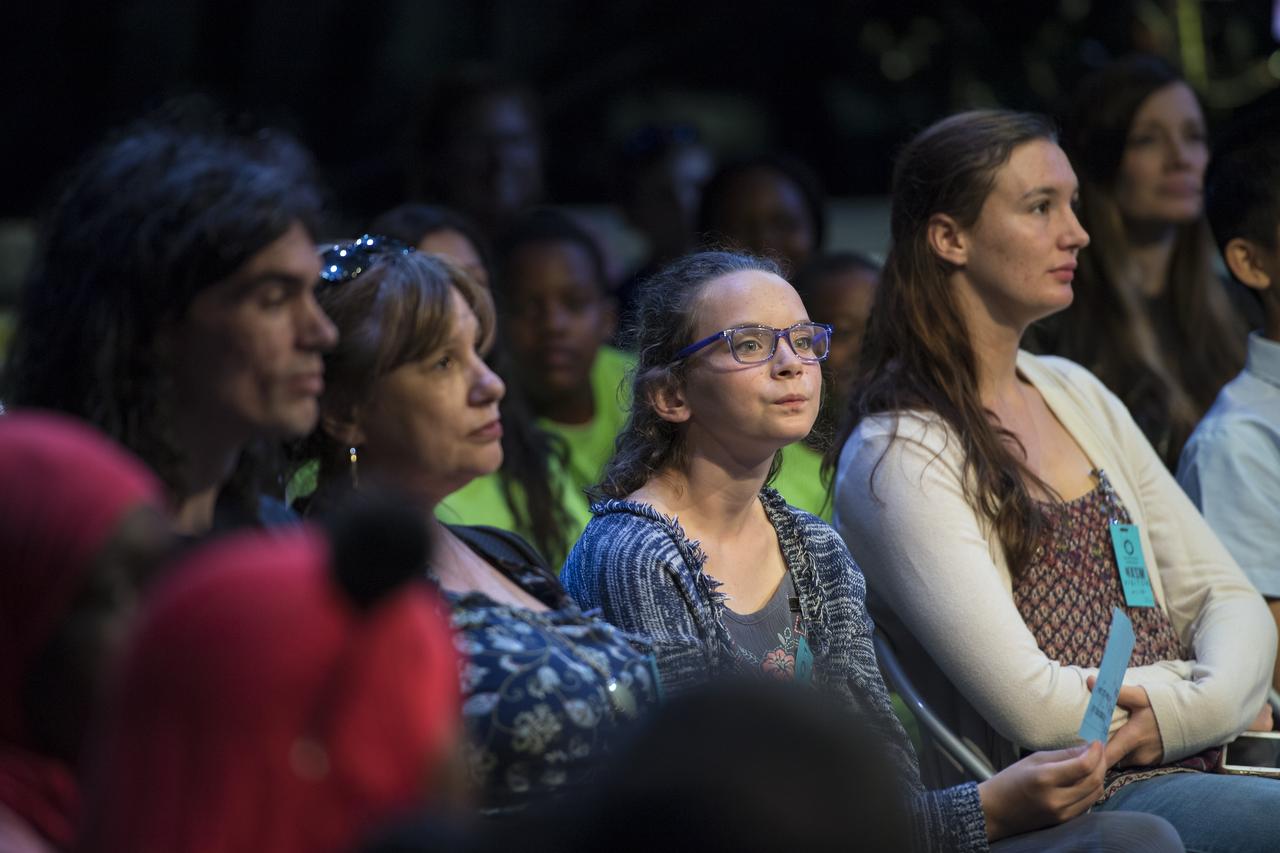
NASA astronaut Serena Auñon-Chancellor's niece, Anna Sophia, listens as Jason Crusan, director, NASA Advanced Exploration Systems (AES) Division, speaks with the STEM in 30 team Wednesday, June 27, 2018 at Smithsonian's National Air and Space Museum in Washington. Photo Credit: (NASA/Aubrey Gemignani)
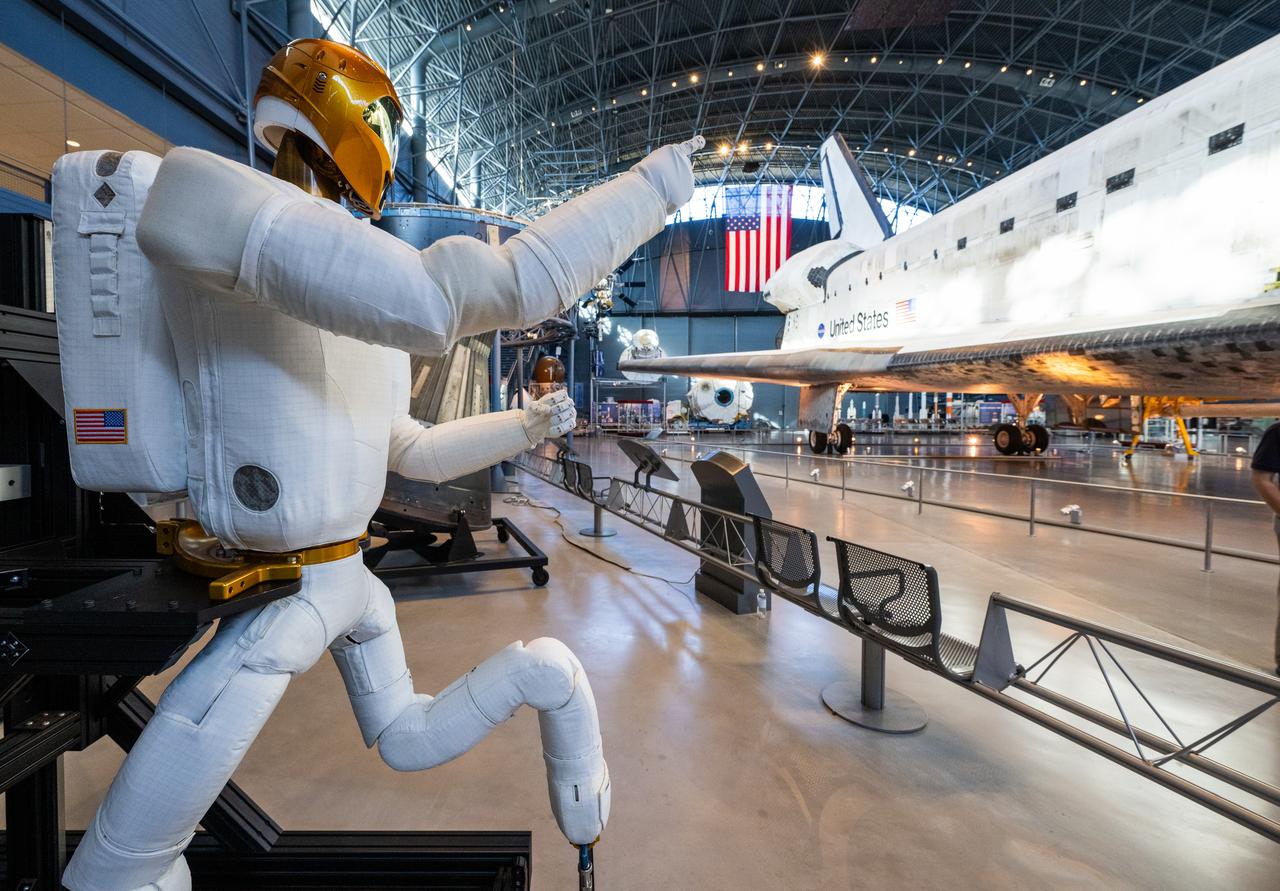
Robonaut 2 is seen at the Smithsonian National Air and Space Museum’s Steve F. Udvar-Hazy Center Thursday, Oct. 24, 2024, in Chantilly, Va. Robonaut 2, the first humanoid robot to fly to space, is displayed publicly for the first time near the space shuttle Discovery. Photo Credit: (NASA/Keegan Barber)

Film director Todd Douglas Miller gives remarks during after the premiere of the film "Apollo 11: First Steps Edition", Tuesday, May 14, 2019 at the Smithsonian's National Air and Space Museum in Washington. Photo Credit: (NASA/Bill Ingalls)
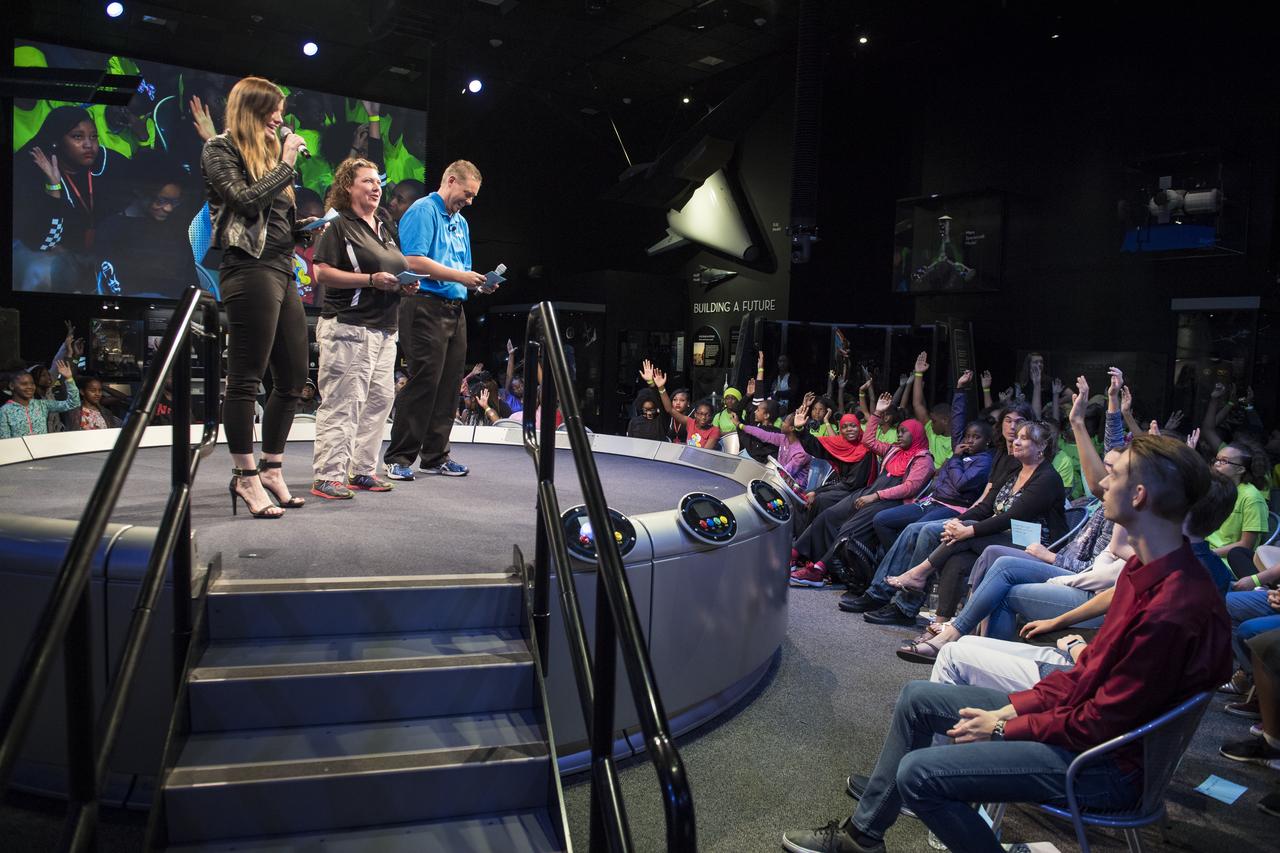
Deanne Bell, engineer, television host, and the founder & CEO of Future Engineers speaks to students during a STEM in 30 event where they announced the winners of the "Two for the Crew" competition, Wednesday, June 27, 2018 at Smithsonian's National Air and Space Museum in Washington. Photo Credit: (NASA/Aubrey Gemignani)
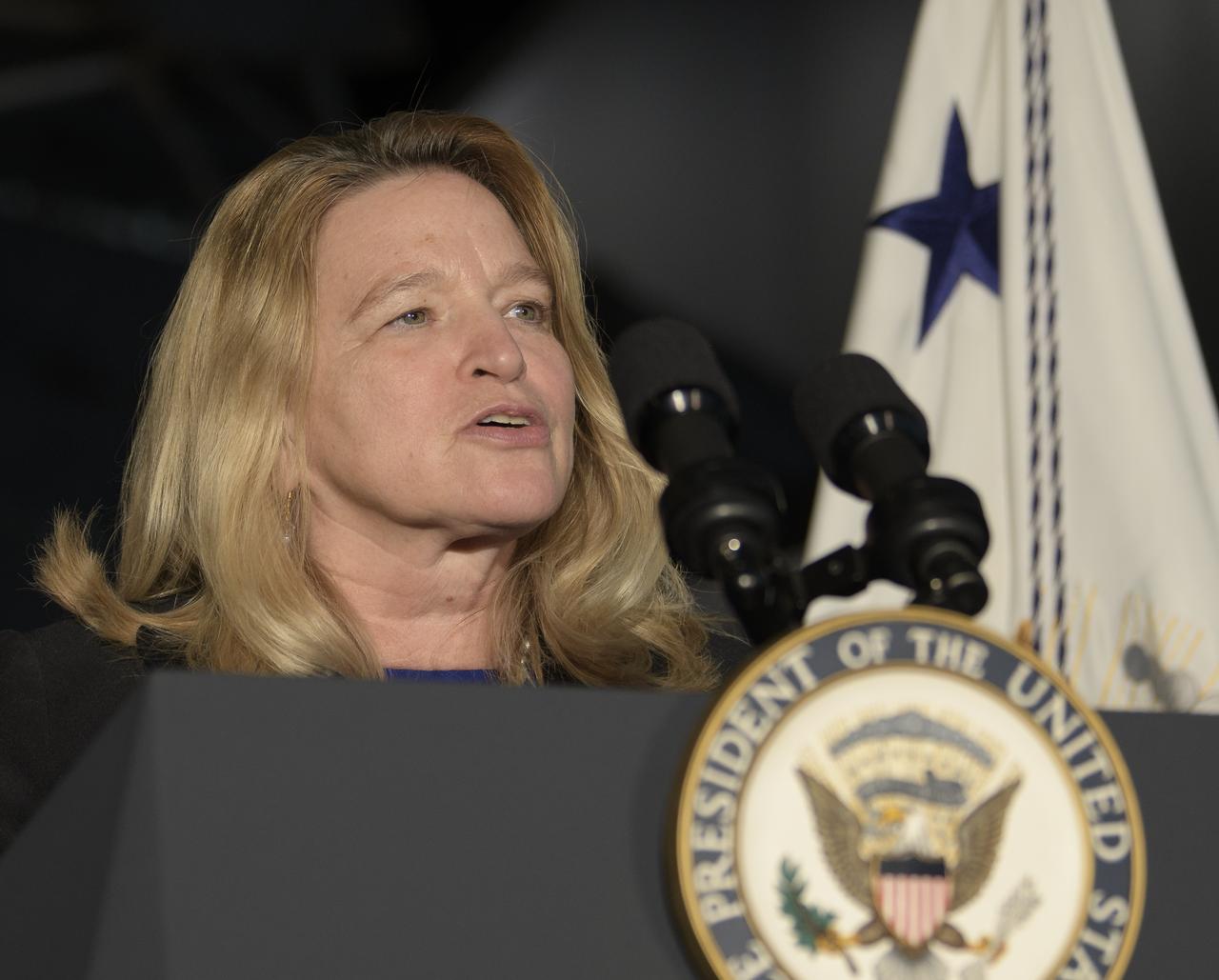
John and Adrienne Mars Director of the National Air and Space Museum Ellen Stofan gives opening remarks during the premiere of "Apollo 11: First Steps Edition", Tuesday, May 14, 2019 at the Smithsonian's National Air and Space Museum in Washington. Photo Credit: (NASA/Bill Ingalls)
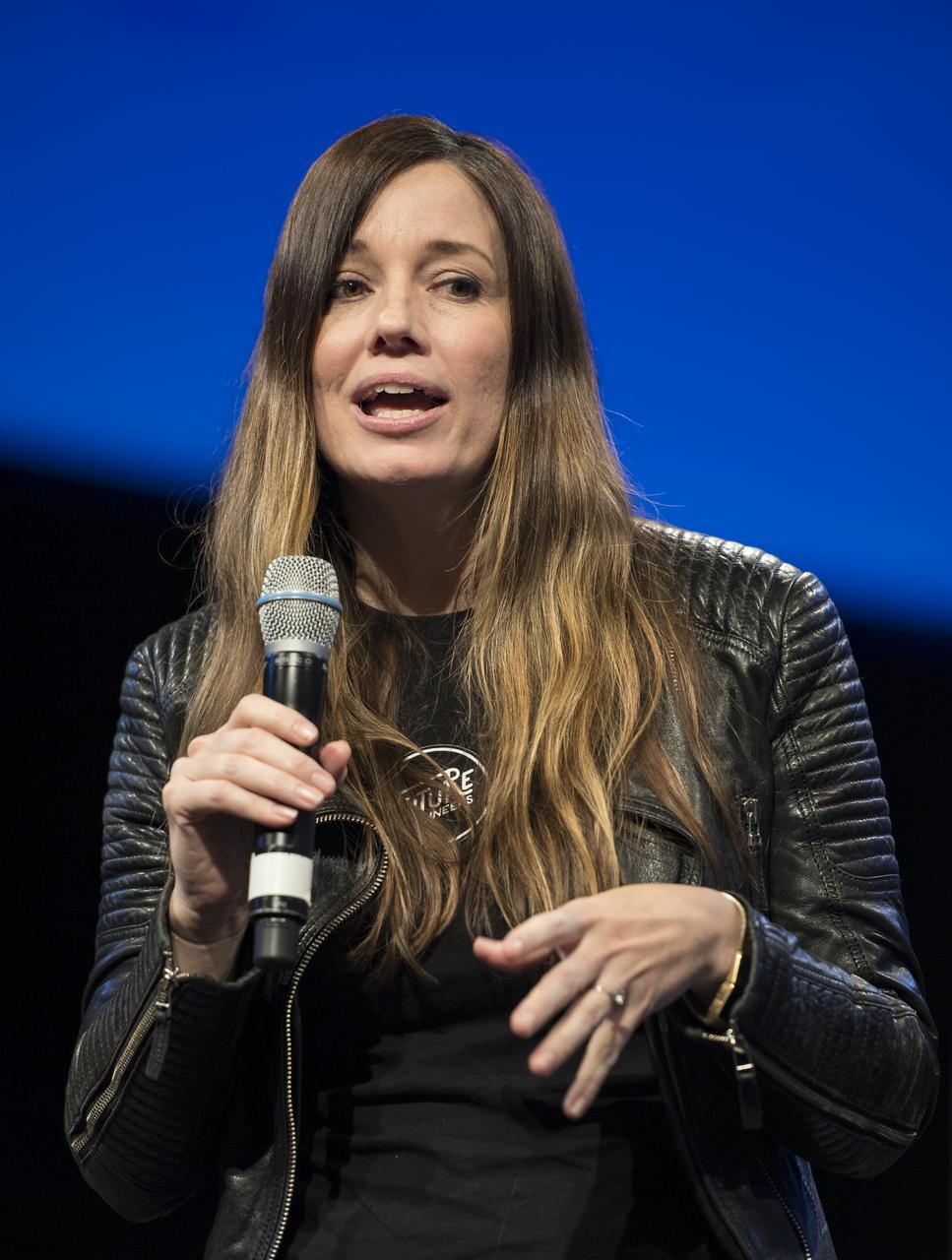
Deanne Bell, engineer, television host, and the founder & CEO of Future Engineers speaks to students during a STEM in 30 event where they announced the winners of the "Two for the Crew" competition, Wednesday, June 27, 2018 at Smithsonian's National Air and Space Museum in Washington. Photo Credit: (NASA/Aubrey Gemignani)
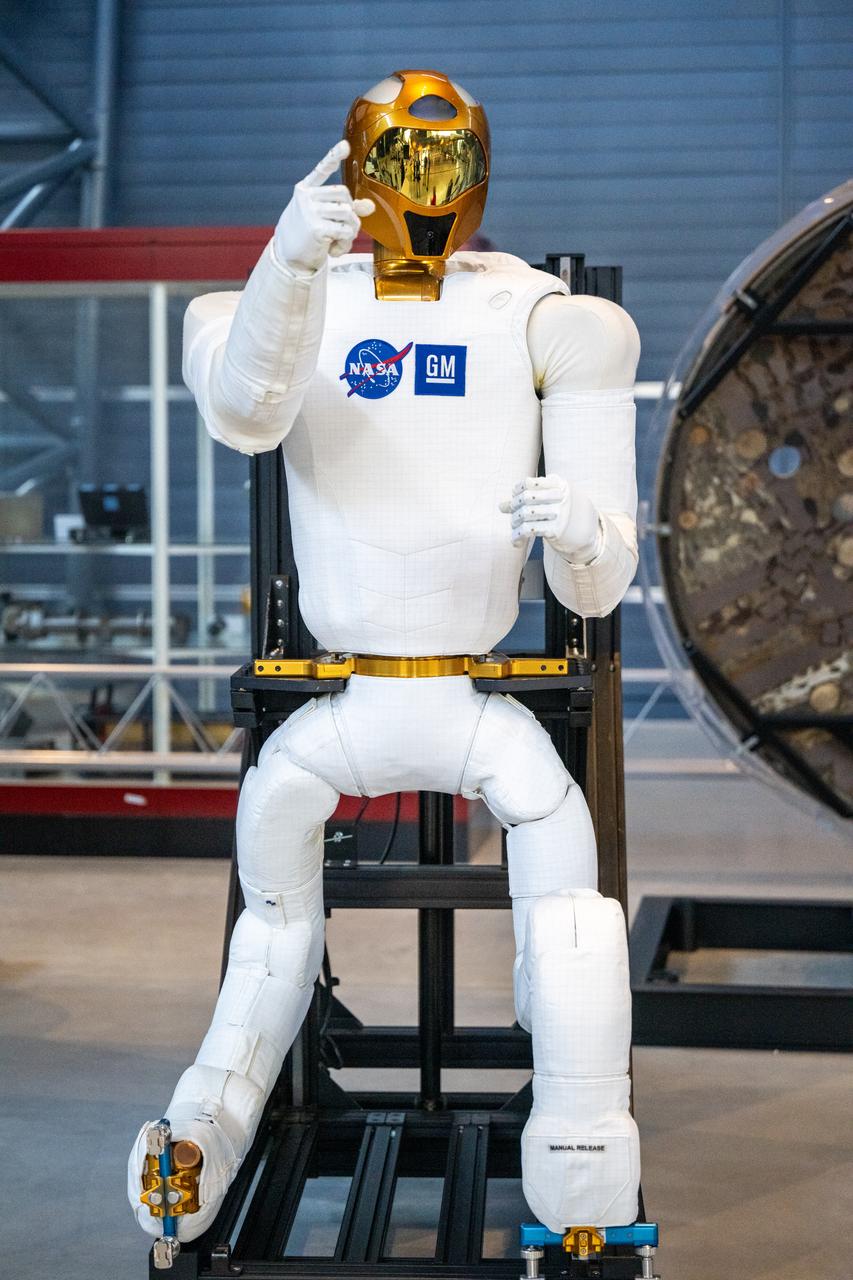
Robonaut 2 is seen at the Smithsonian National Air and Space Museum’s Steve F. Udvar-Hazy Center Thursday, Oct. 24, 2024, in Chantilly, Va. Robonaut 2, the first humanoid robot to fly to space, is displayed publicly for the first time near the space shuttle Discovery. Photo Credit: (NASA/Keegan Barber)
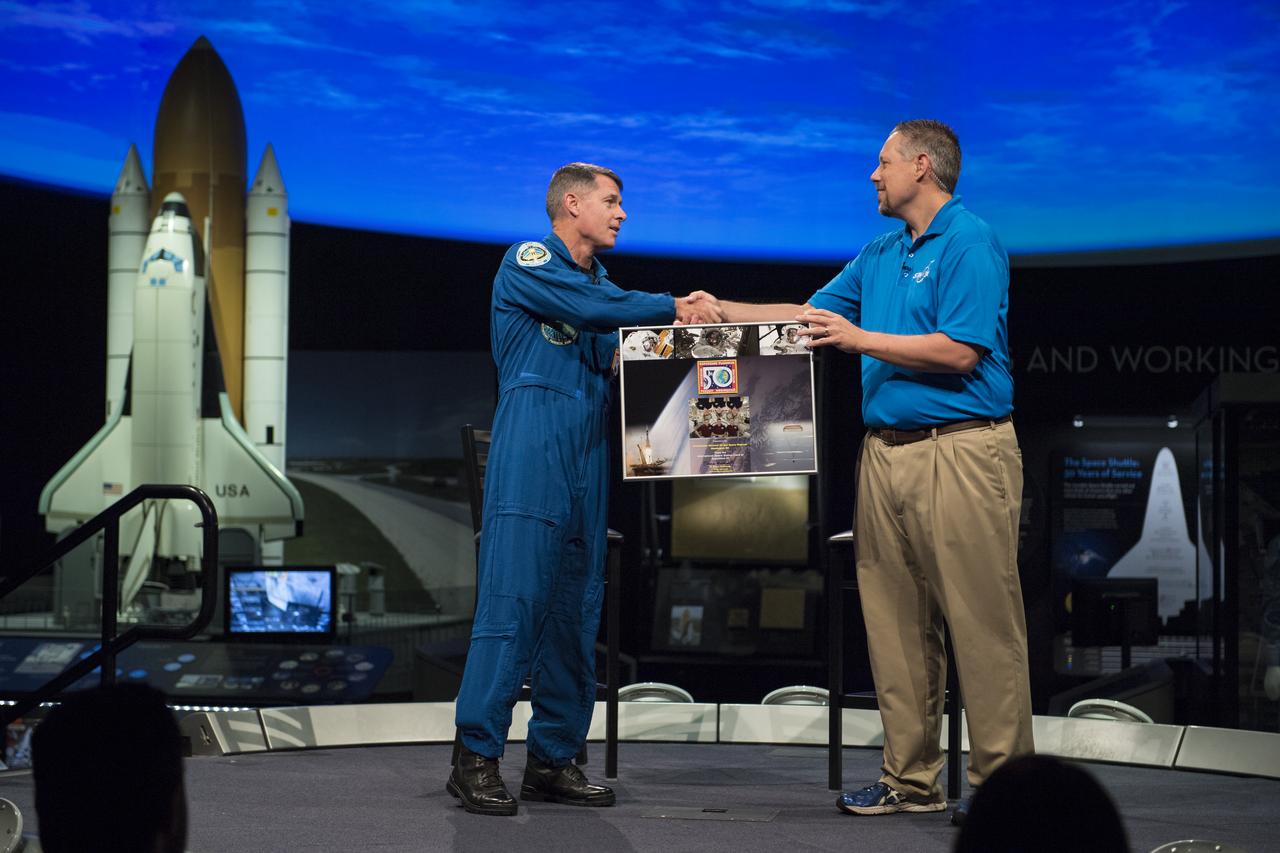
NASA astronaut Shane Kimbrough presents Marty Kelsey, STEM in 30 host, Smithsonian National Air and Space Museum (NASM), a montage with photos and a patch from Expedition 50, Tuesday, September 12, 2017 at Smithsonian's National Air and Space Museum in Washington. During Expedition 50, Kimbrough completed four spacewalks for a total of 39 hours outside the ISS, and concluded his 173-day mission when he landed in a remote area near the town of Zhezkazgan, Kazakhstan in April 2017. Photo Credit: (NASA/Aubrey Gemignani)
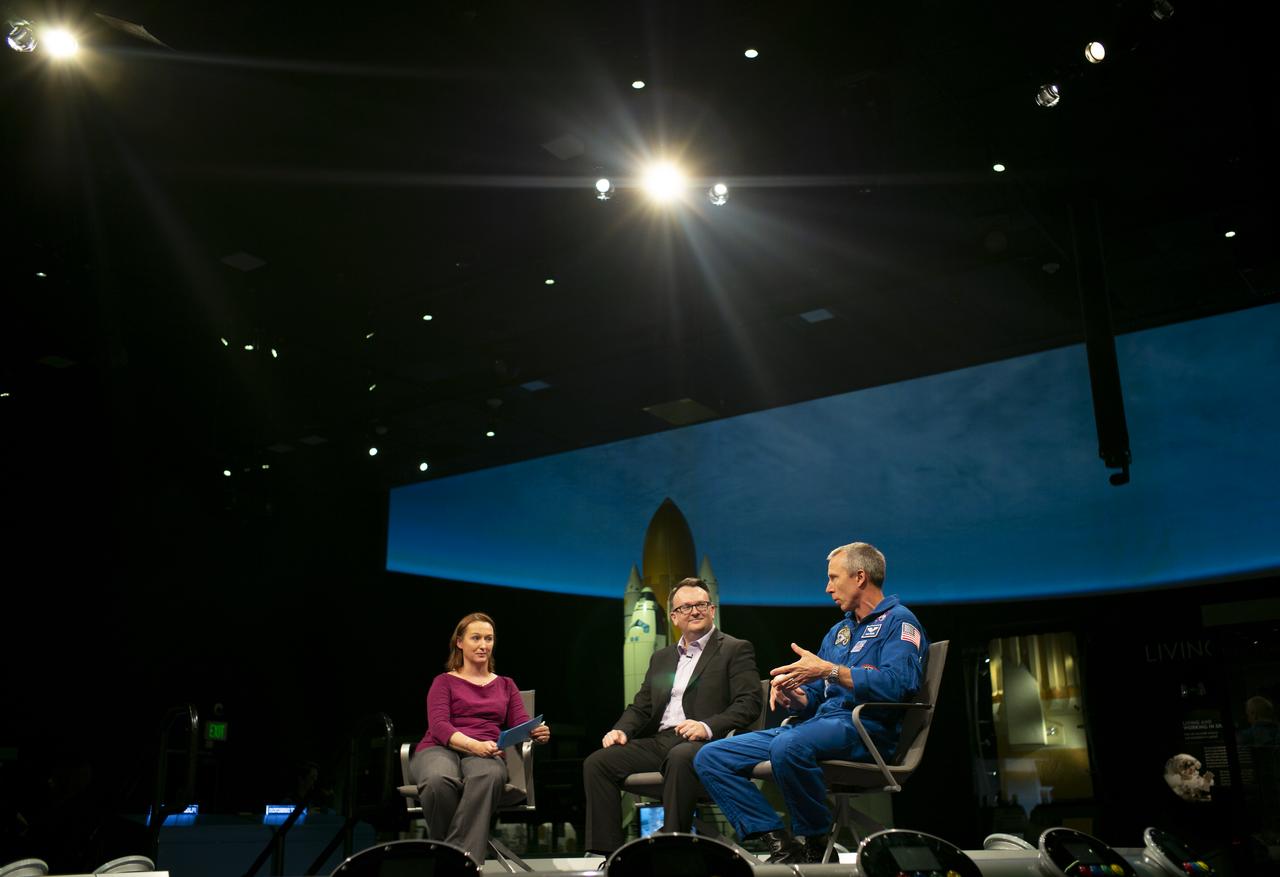
Smithsonian National Air and Space Museum curators Jennifer Levasseur, left, and Jeremy Kinney, center, speak with NASA astronaut Drew Feustel about his experiences on two space shuttle missions, STS-125 and STS-134, and a long duration mission onboard the International Space Station during “What’s New in Aerospace,” Thursday, May 9, 2019 at the Smithsonian’s National Air and Space Museum in Washington, DC. Feustel most recently spent 197 days living and working onboard the International Space Station as part of Expedition 55 and as commander of Expedition 56. Feustel ventured outside the space station on three spacewalks, moving him up to second among U.S. spacewalkers with a cumulative time of 61 hours 48 minutes over nine spacewalks. Photo Credit: (NASA/Joel Kowsky)
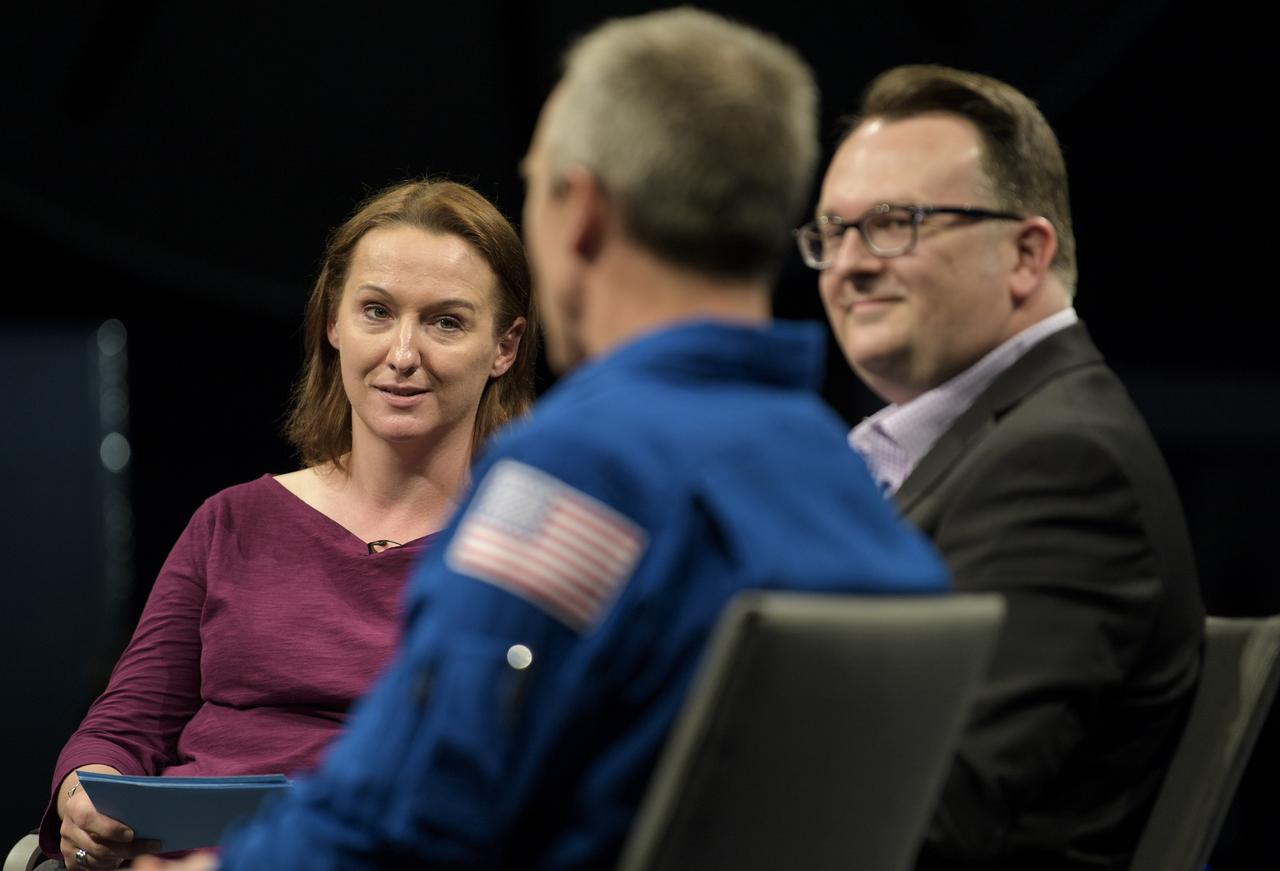
Smithsonian National Air and Space Museum curators Jennifer Levasseur, left, and Jeremy Kinney, center, speak with NASA astronaut Drew Feustel about his experiences on two space shuttle missions, STS-125 and STS-134, and a long duration mission onboard the International Space Station during “What’s New in Aerospace,” Thursday, May 9, 2019 at the Smithsonian’s National Air and Space Museum in Washington, DC. Feustel most recently spent 197 days living and working onboard the International Space Station as part of Expedition 55 and as commander of Expedition 56. Feustel ventured outside the space station on three spacewalks, moving him up to second among U.S. spacewalkers with a cumulative time of 61 hours 48 minutes over nine spacewalks. Photo Credit: (NASA/Joel Kowsky)
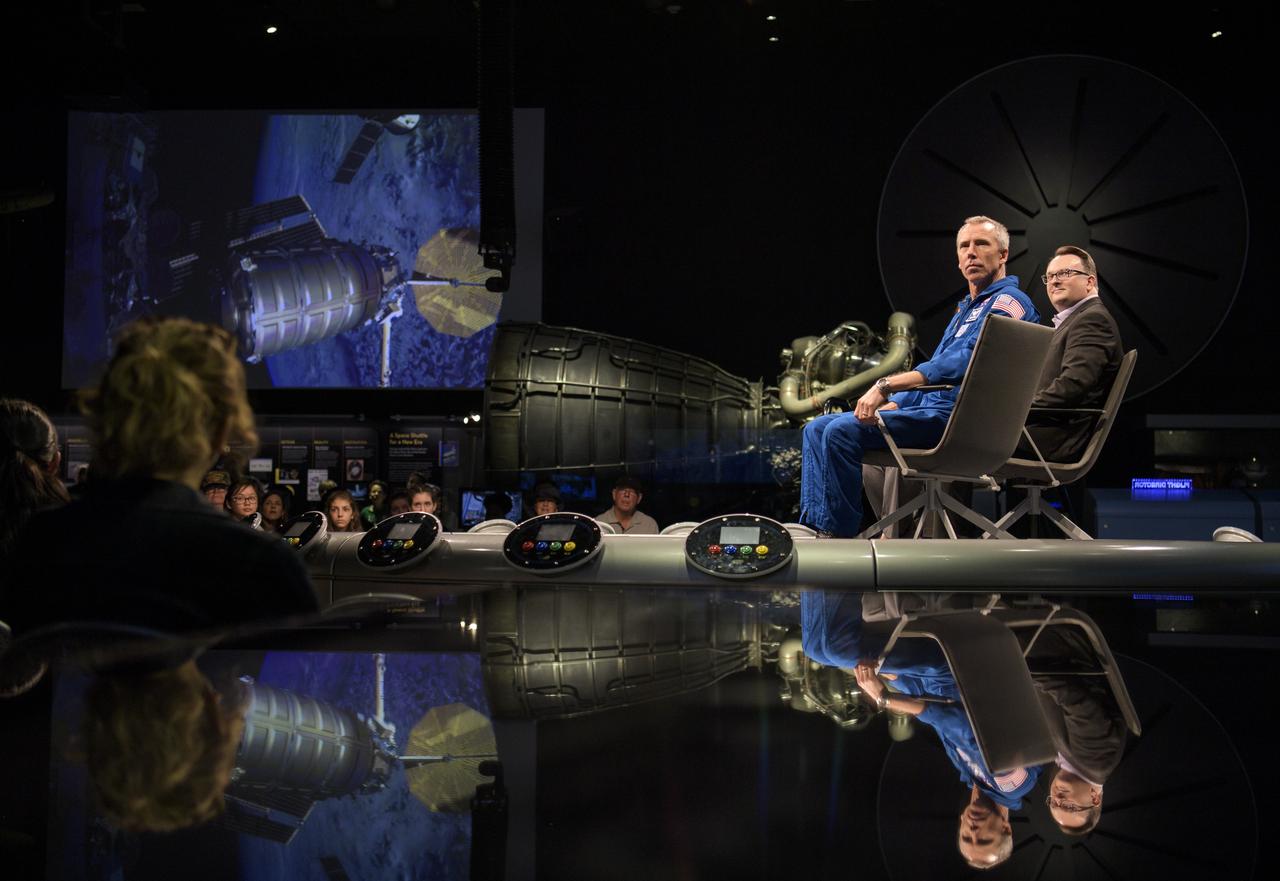
Smithsonian National Air and Space Museum curator Jeremy Kinney, right, and NASA astronaut Drew Feustel, left, are seen as a short video about Feustel’s mission to the International Space Station is shown during “What’s New in Aerospace,” Thursday, May 9, 2019 at the Smithsonian’s National Air and Space Museum in Washington, DC. Feustel most recently spent 197 days living and working onboard the International Space Station as part of Expedition 55 and as commander of Expedition 56. Feustel ventured outside the space station on three spacewalks, moving him up to second among U.S. spacewalkers with a cumulative time of 61 hours 48 minutes over nine spacewalks. Photo Credit: (NASA/Joel Kowsky)
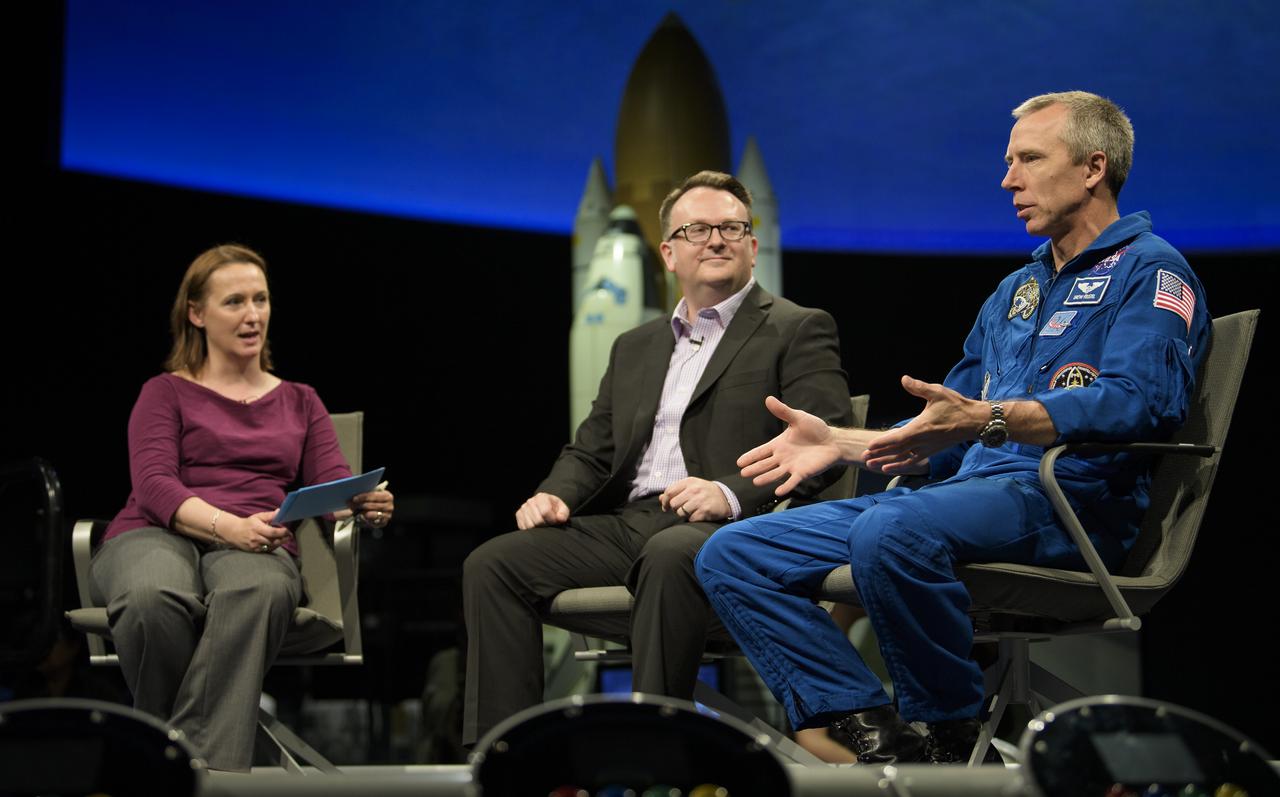
Smithsonian National Air and Space Museum curators Jennifer Levasseur, left, and Jeremy Kinney, center, speak with NASA astronaut Drew Feustel about his experiences on two space shuttle missions, STS-125 and STS-134, and a long duration mission onboard the International Space Station during “What’s New in Aerospace,” Thursday, May 9, 2019 at the Smithsonian’s National Air and Space Museum in Washington, DC. Feustel most recently spent 197 days living and working onboard the International Space Station as part of Expedition 55 and as commander of Expedition 56. Feustel ventured outside the space station on three spacewalks, moving him up to second among U.S. spacewalkers with a cumulative time of 61 hours 48 minutes over nine spacewalks. Photo Credit: (NASA/Joel Kowsky)
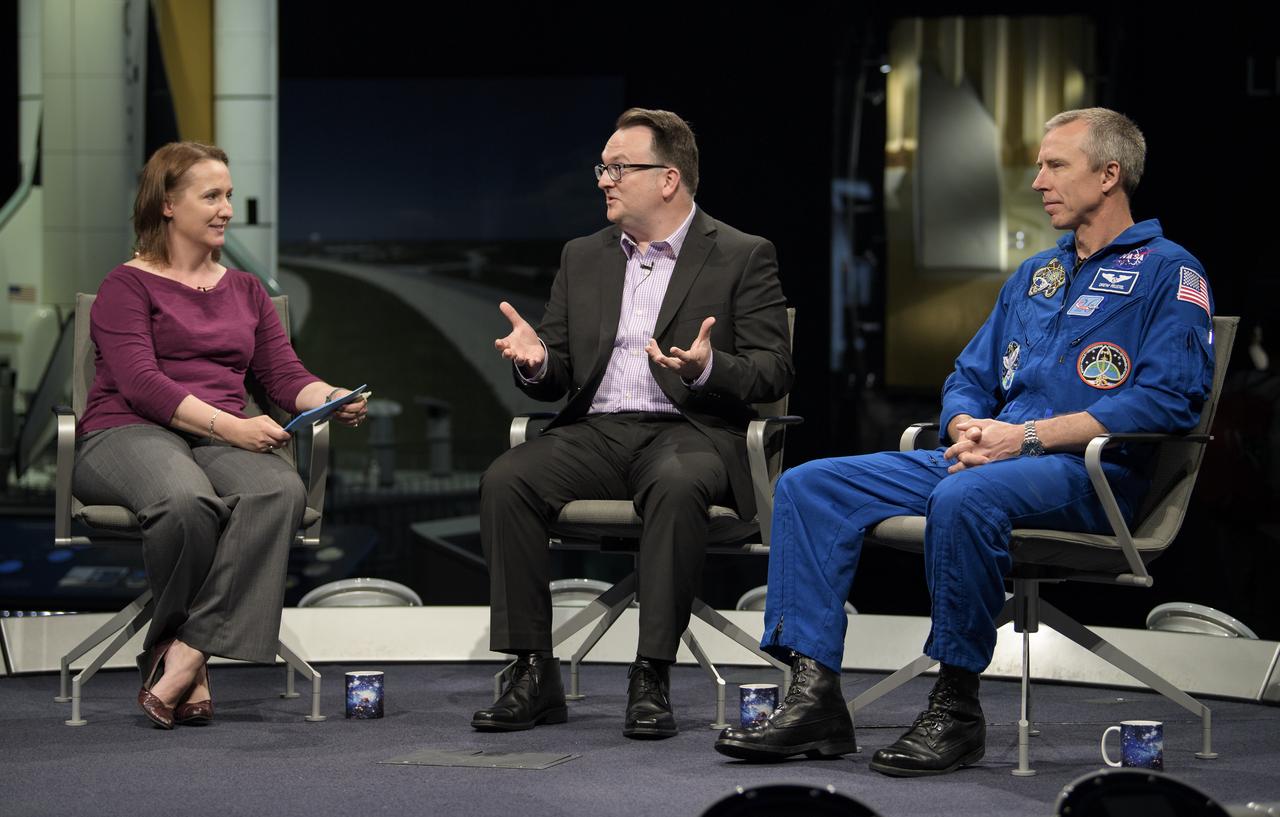
Smithsonian National Air and Space Museum curators Jennifer Levasseur, left, and Jeremy Kinney, center, speak with NASA astronaut Drew Feustel about his experiences on two space shuttle missions, STS-125 and STS-134, and a long duration mission onboard the International Space Station during “What’s New in Aerospace,” Thursday, May 9, 2019 at the Smithsonian’s National Air and Space Museum in Washington, DC. Feustel most recently spent 197 days living and working onboard the International Space Station as part of Expedition 55 and as commander of Expedition 56. Feustel ventured outside the space station on three spacewalks, moving him up to second among U.S. spacewalkers with a cumulative time of 61 hours 48 minutes over nine spacewalks. Photo Credit: (NASA/Joel Kowsky)
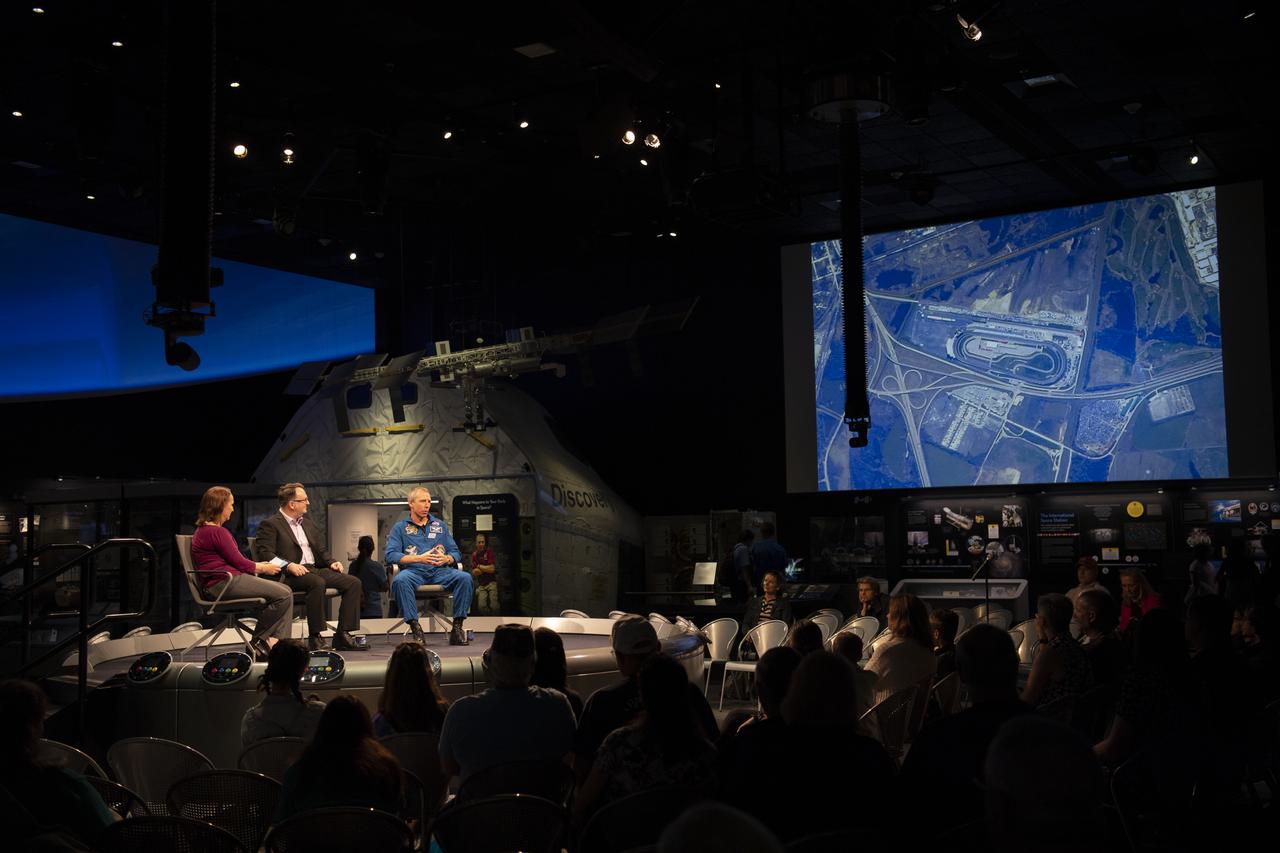
Smithsonian National Air and Space Museum curators Jennifer Levasseur, left, and Jeremy Kinney, center, speak with NASA astronaut Drew Feustel about photographing racetracks around the world during his time onboard the International Space Station during “What’s New in Aerospace,” Thursday, May 9, 2019 at the Smithsonian’s National Air and Space Museum in Washington, DC. Feustel most recently spent 197 days living and working onboard the International Space Station as part of Expedition 55 and as commander of Expedition 56. Feustel ventured outside the space station on three spacewalks, moving him up to second among U.S. spacewalkers with a cumulative time of 61 hours 48 minutes over nine spacewalks. Photo Credit: (NASA/Joel Kowsky)
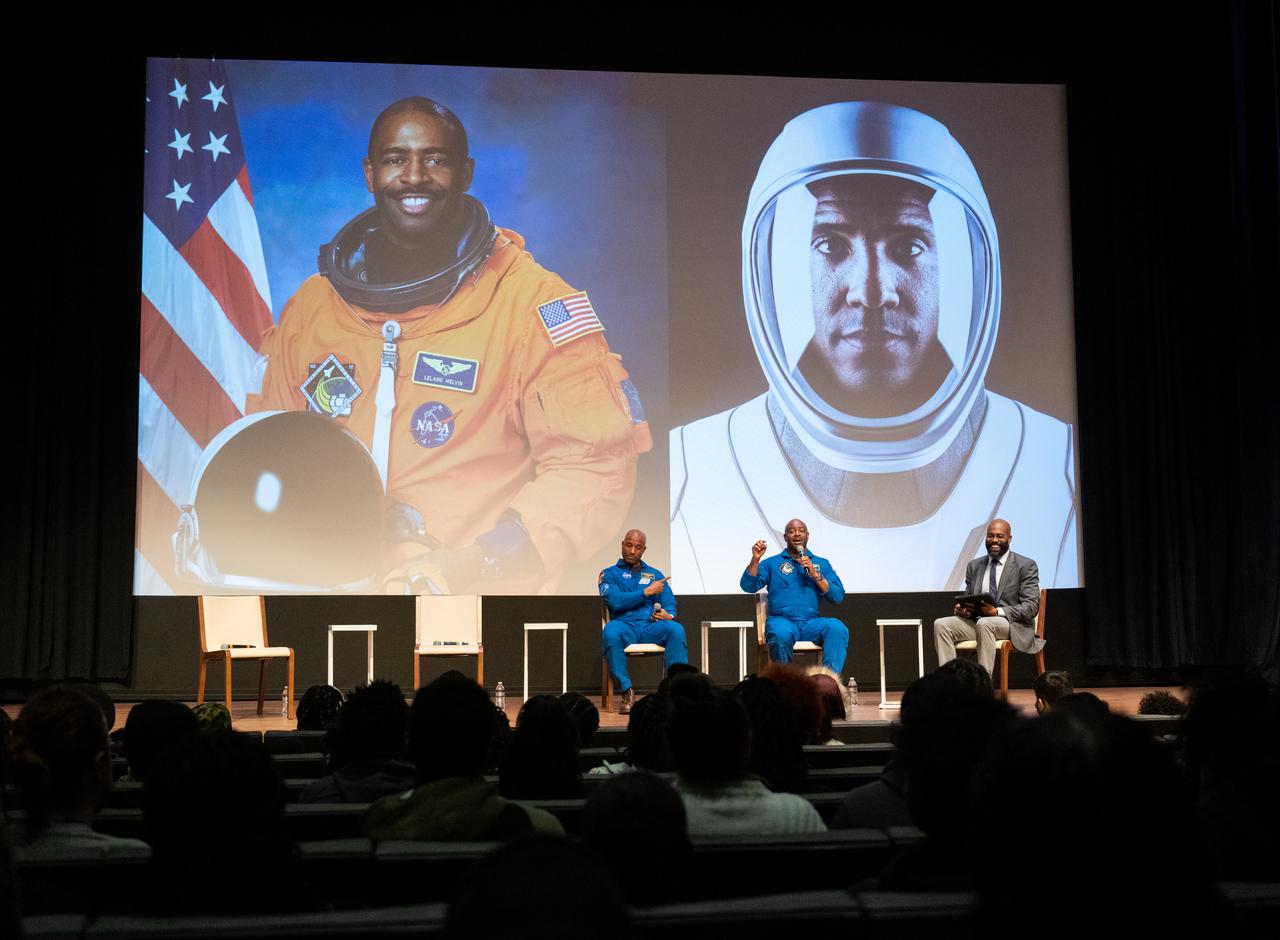
NASA astronaut Victor Glover, left, retired NASA astronaut Leland Melvin, center, and Christopher Williams, STEM Education Specialist at the Smithsonian National Museum of African American History and Culture, right, are seen during a panel discussion titled A Space for Us All at an event celebrating Black History Month at the Smithsonian National Museum of African American History and Culture, Friday, Feb. 10, 2023, in Washington. Photo Credit: (NASA/Joel Kowsky)
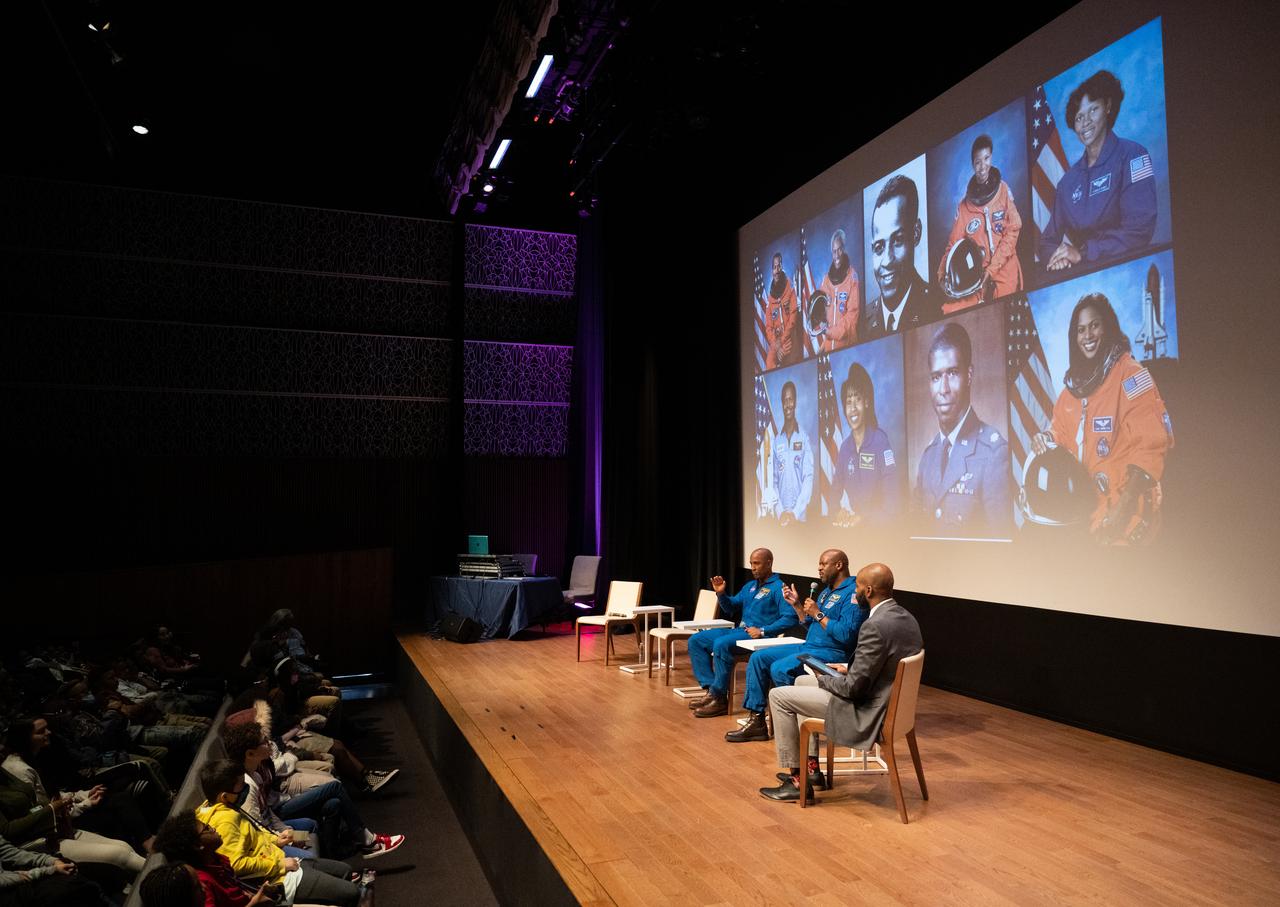
NASA astronaut Victor Glover, left, retired NASA astronaut Leland Melvin, center, and Christopher Williams, STEM Education Specialist at the Smithsonian National Museum of African American History and Culture, right, are seen during a panel discussion titled A Space for Us All at an event celebrating Black History Month at the Smithsonian National Museum of African American History and Culture, Friday, Feb. 10, 2023, in Washington. Photo Credit: (NASA/Joel Kowsky)
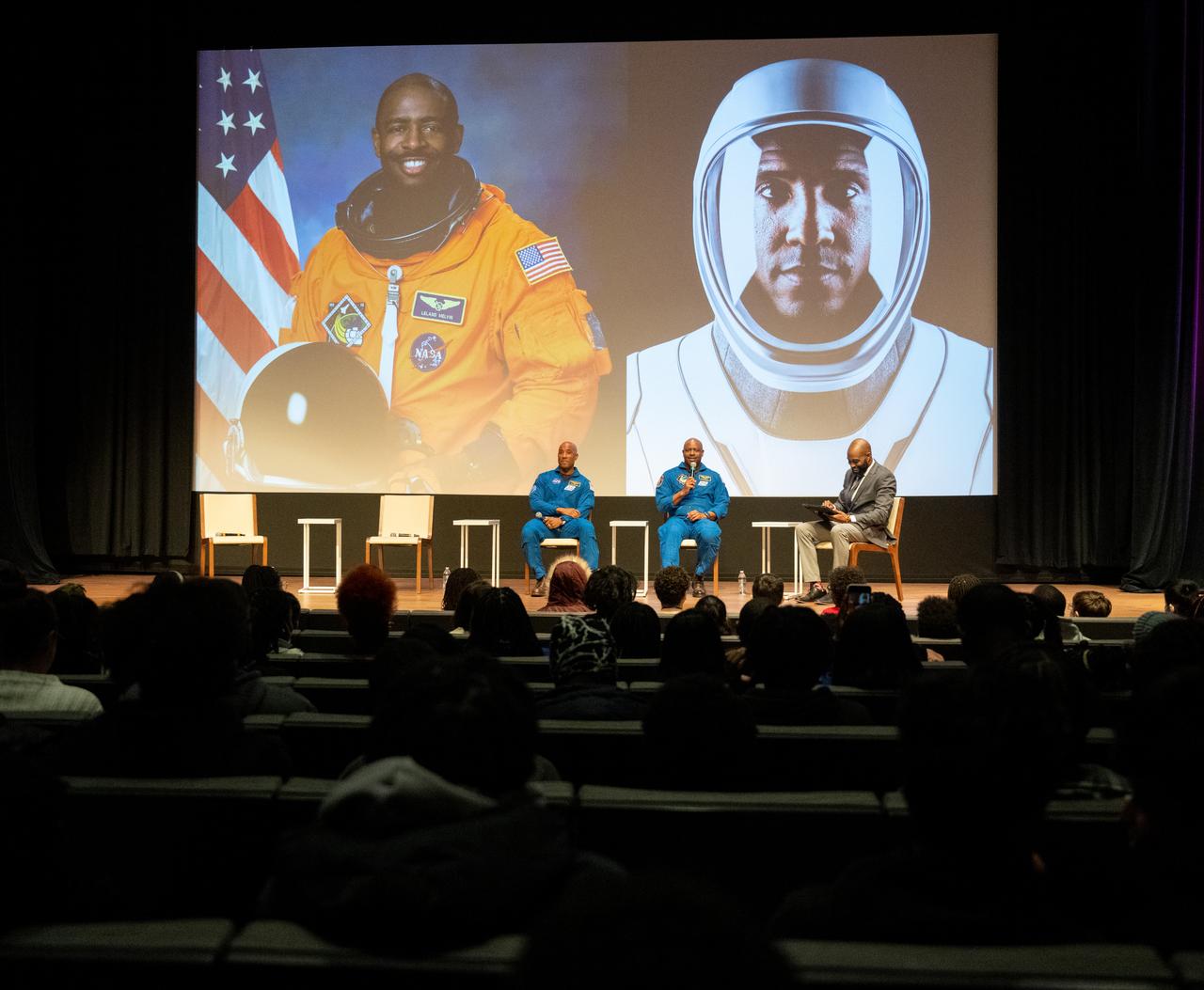
NASA astronaut Victor Glover, left, retired NASA astronaut Leland Melvin, center, and Christopher Williams, STEM Education Specialist at the Smithsonian National Museum of African American History and Culture, right, are seen during a panel discussion titled A Space for Us All at an event celebrating Black History Month at the Smithsonian National Museum of African American History and Culture, Friday, Feb. 10, 2023, in Washington. Photo Credit: (NASA/Joel Kowsky)
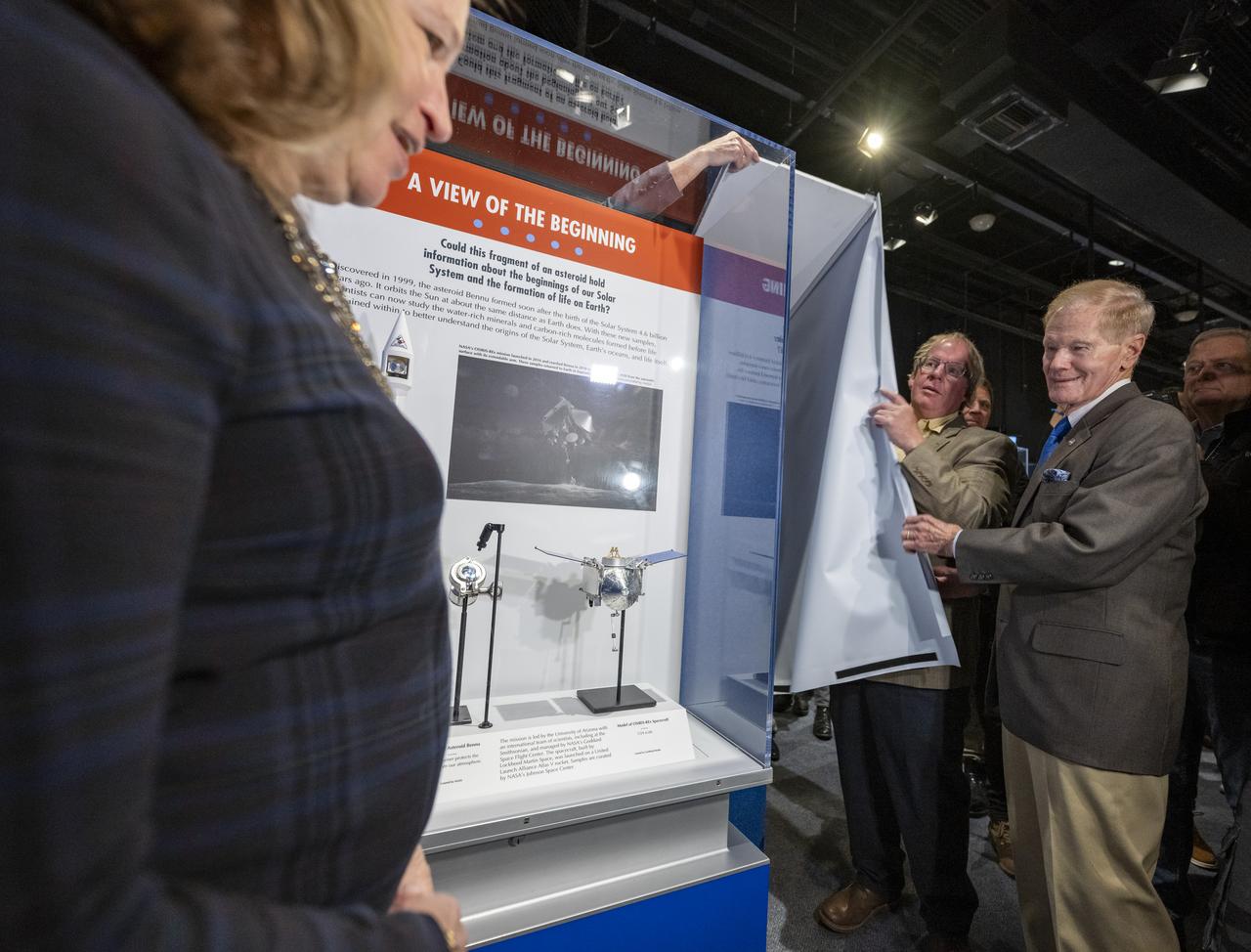
From left to right, Smithsonian Under Secretary for Science and Research Ellen Stofan, National Museum of Natural History curator of meteorites Tim McCoy, and NASA Administrator Bill Nelson unveil the first public display of a sample from asteroid Bennu, Friday, Nov. 3, 2023, at the Smithsonian’s National Museum of Natural History in Washington. The sample was collected from the carbon rich near Earth asteroid Bennu in October 2020 by NASA’s OSIRIS-REx spacecraft. Photo Credit: (NASA/Keegan Barber)
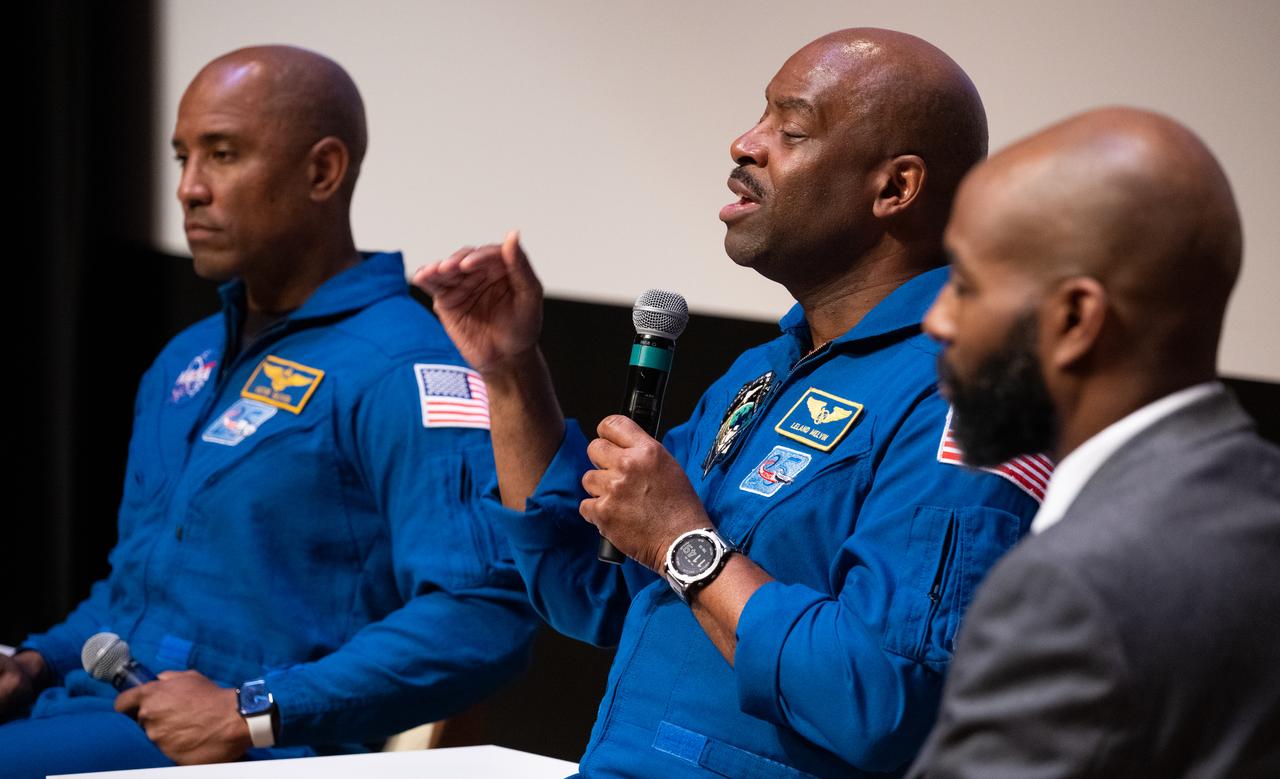
NASA astronaut Victor Glover, left, and Christopher Williams, STEM Education Specialist at the Smithsonian National Museum of African American History and Culture, right, look on as retired NASA astronaut Leland Melvin, center, answers a question during a panel discussion titled A Space for Us All at an event celebrating Black History Month at the Smithsonian National Museum of African American History and Culture, Friday, Feb. 10, 2023, in Washington. Photo Credit: (NASA/Joel Kowsky)
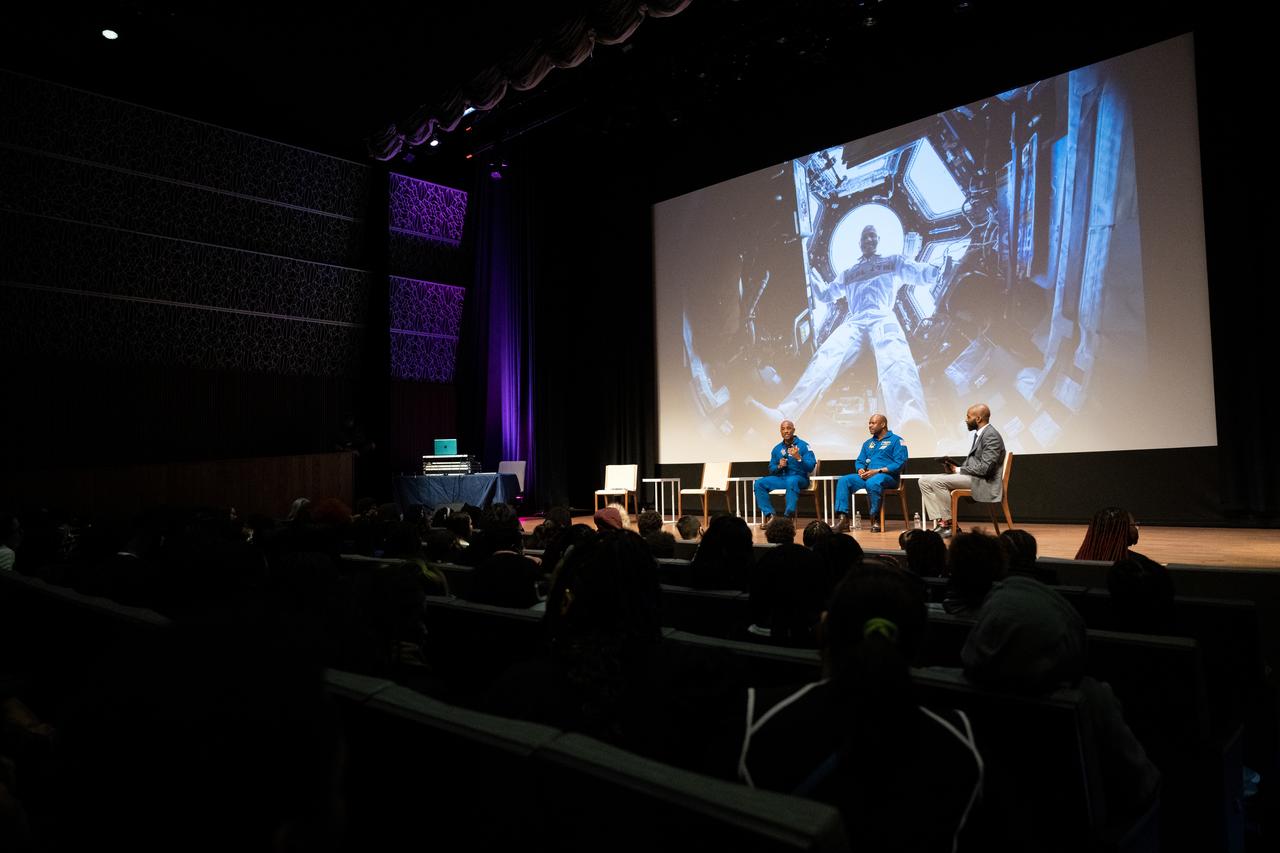
NASA astronaut Victor Glover, left, retired NASA astronaut Leland Melvin, center, and Christopher Williams, STEM Education Specialist at the Smithsonian National Museum of African American History and Culture, right, are seen during a panel discussion titled A Space for Us All at an event celebrating Black History Month at the Smithsonian National Museum of African American History and Culture, Friday, Feb. 10, 2023, in Washington. Photo Credit: (NASA/Joel Kowsky)
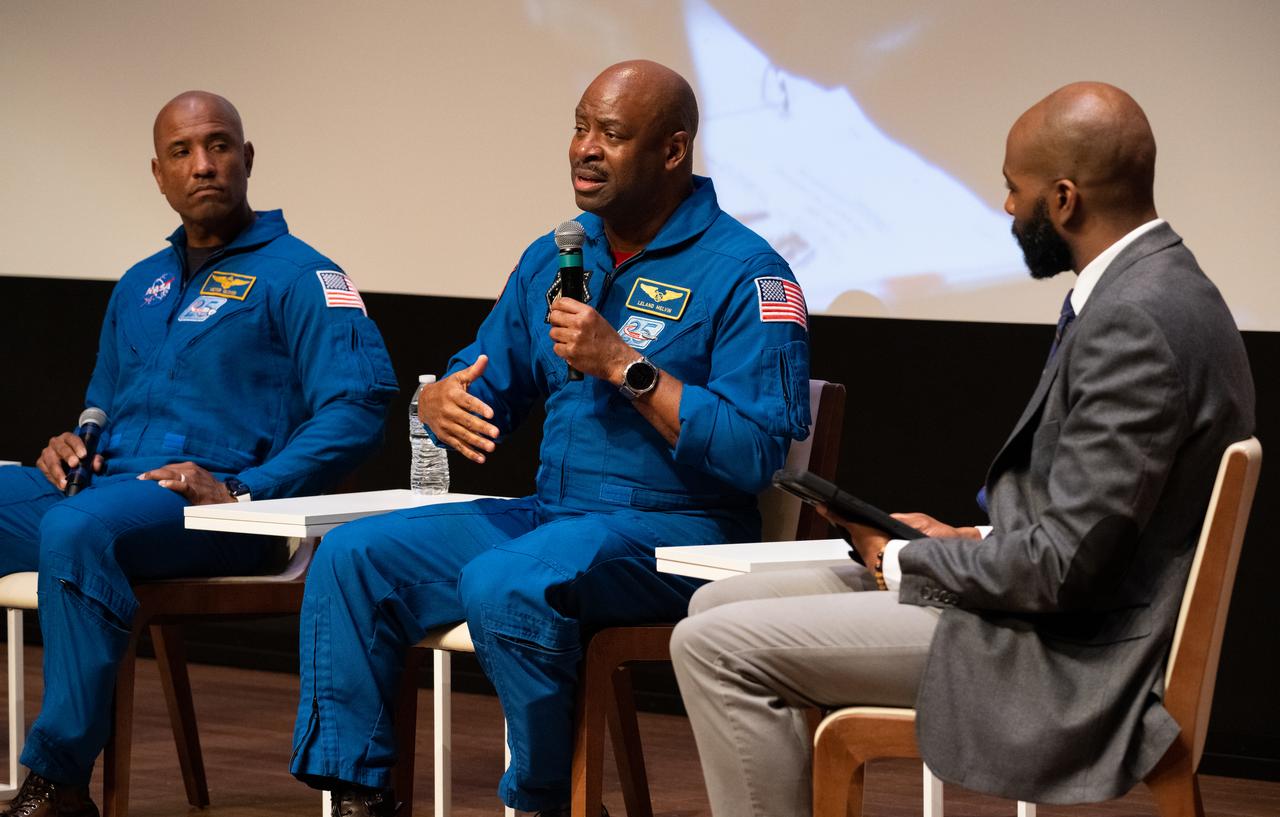
NASA astronaut Victor Glover, left, and Christopher Williams, STEM Education Specialist at the Smithsonian National Museum of African American History and Culture, right, look on as retired NASA astronaut Leland Melvin, center, answers a question during a panel discussion titled A Space for Us All at an event celebrating Black History Month at the Smithsonian National Museum of African American History and Culture, Friday, Feb. 10, 2023, in Washington. Photo Credit: (NASA/Joel Kowsky)
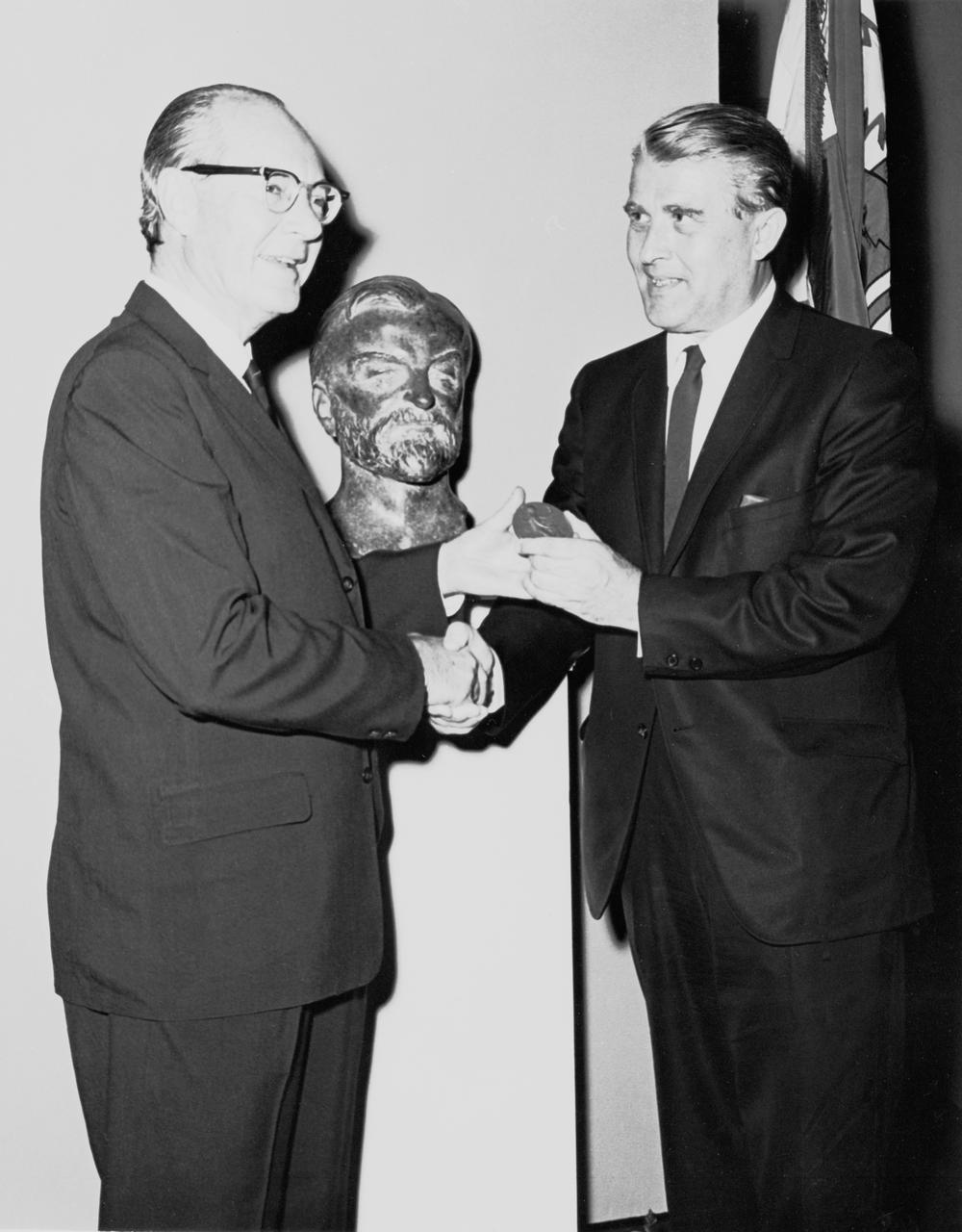
Throughout his career, Dr. von Braun received numerous awards for his contributions to space flight. On June 6, 1967, Dr. Fred L. Whipple, Director of the Smithsonian Astrophysical Observatory, presented Dr. von Braun with the Smithsonian Langley Medal.