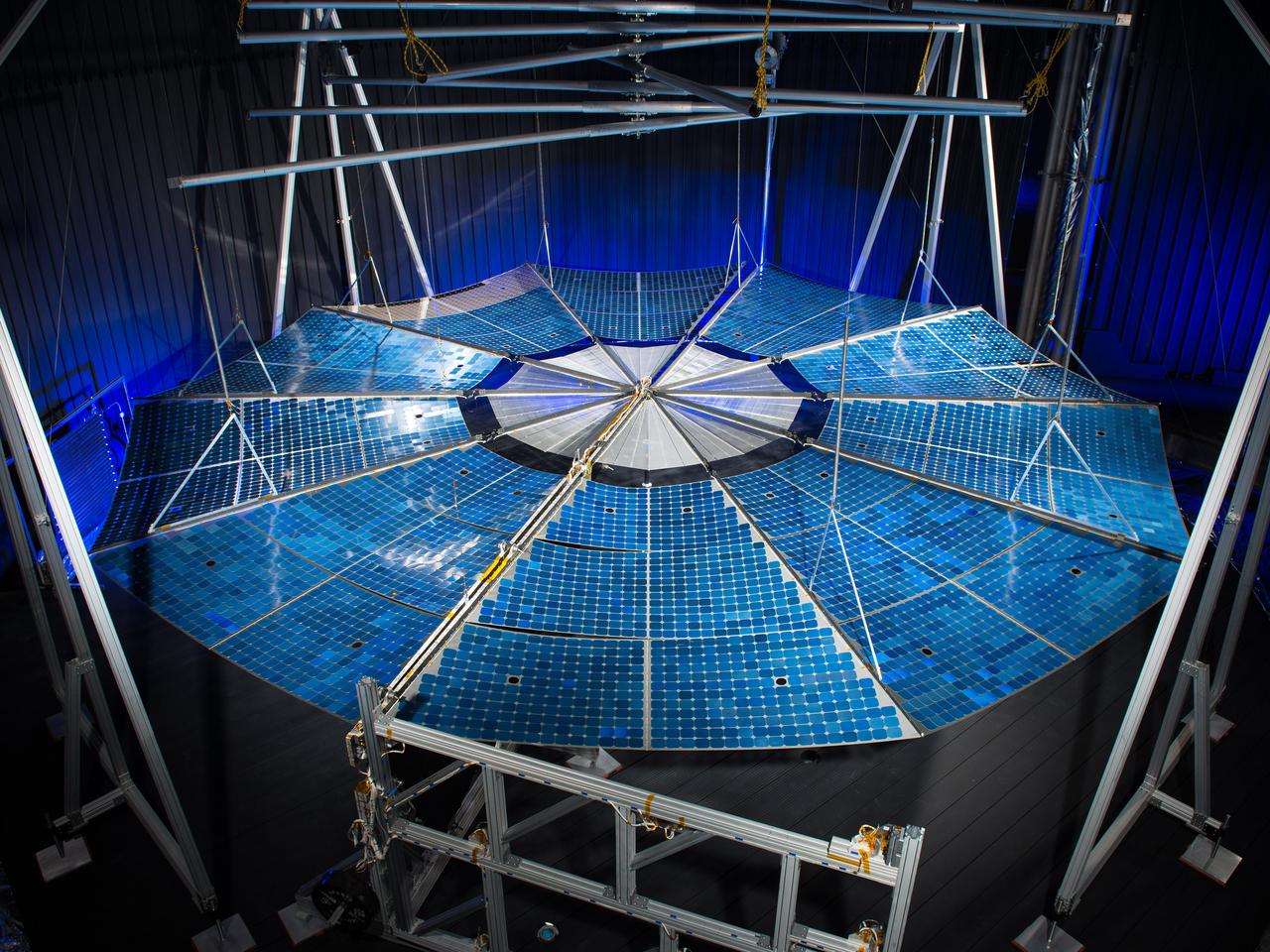
ATK Solar Array Deployment Test at NASA Plum Brook Station Space Power Facility.
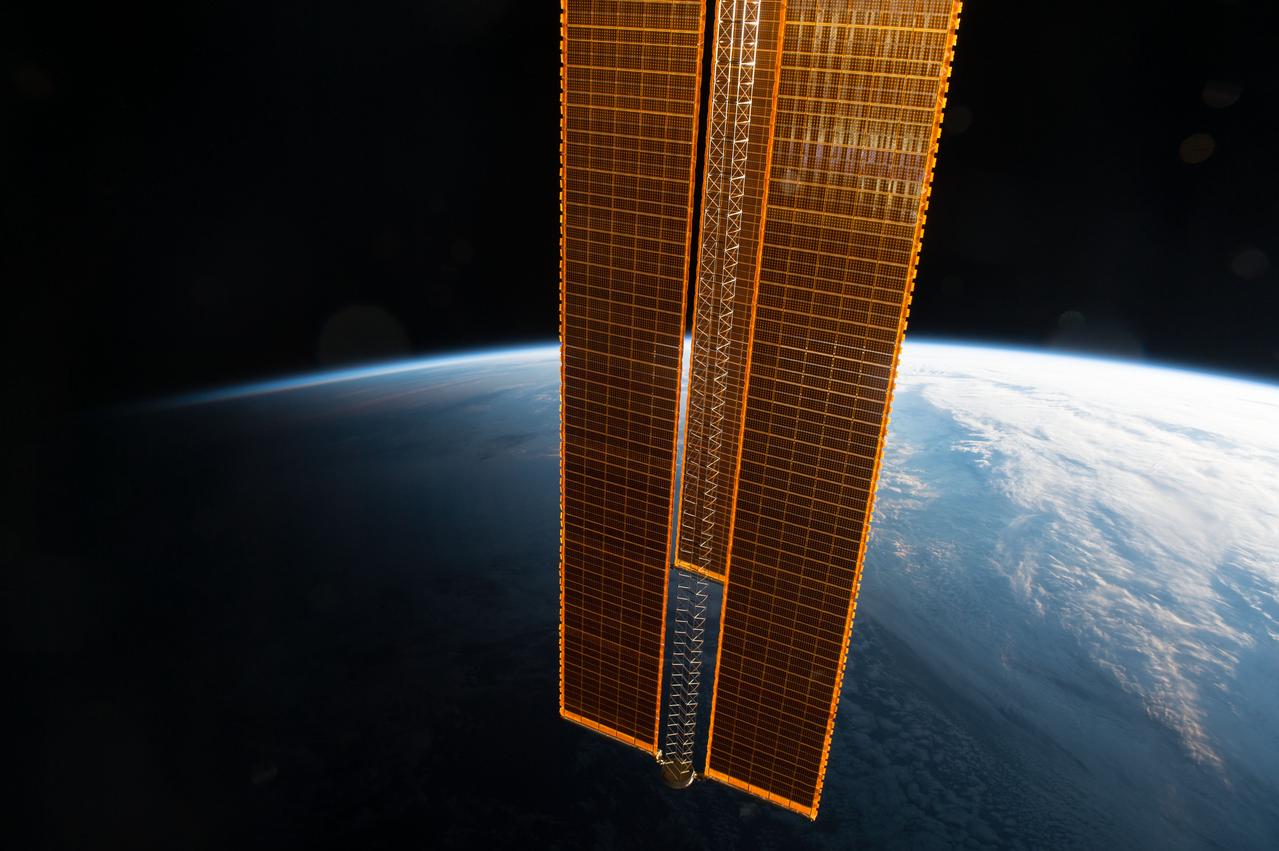
View of golden solar array with Earth limb in the background taken by the Expedition 49 crew.

Candidate Solar Array Materials
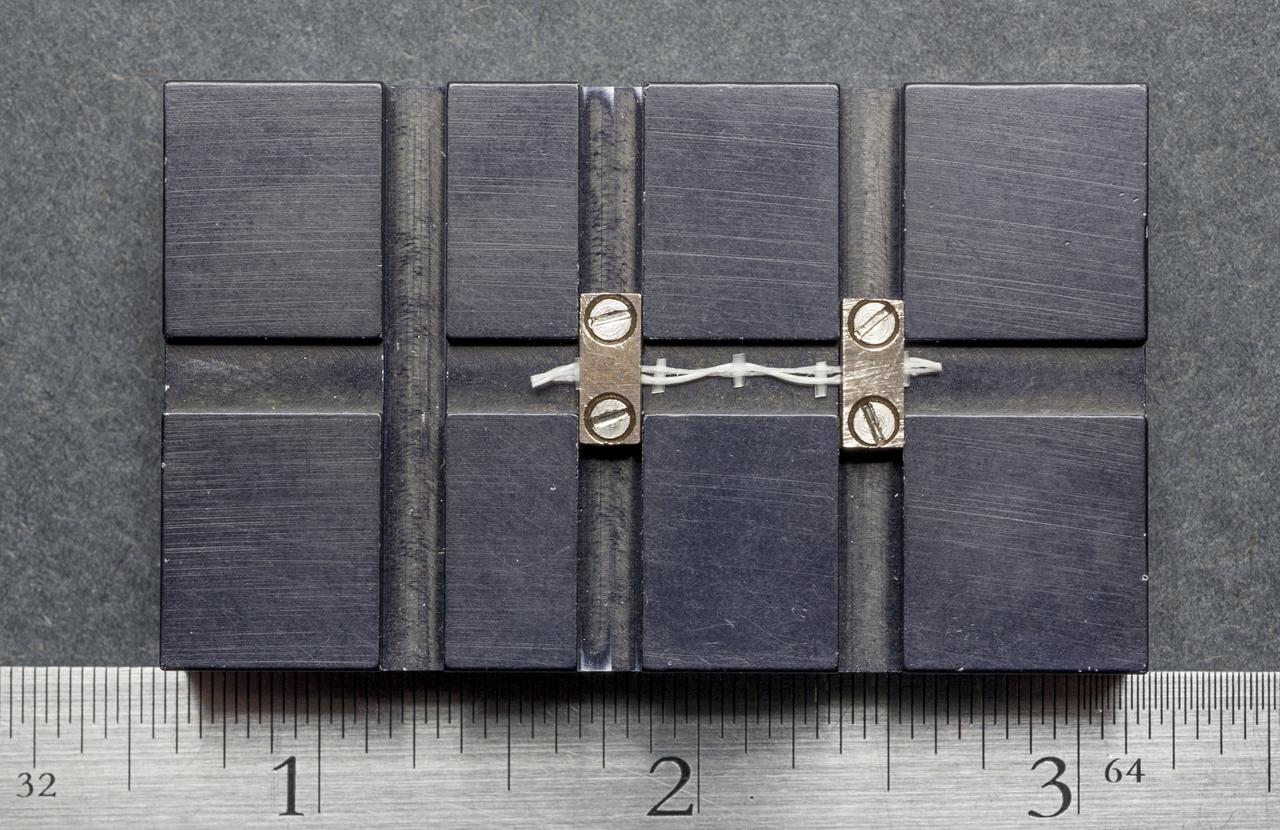
Candidate Solar Array Materials
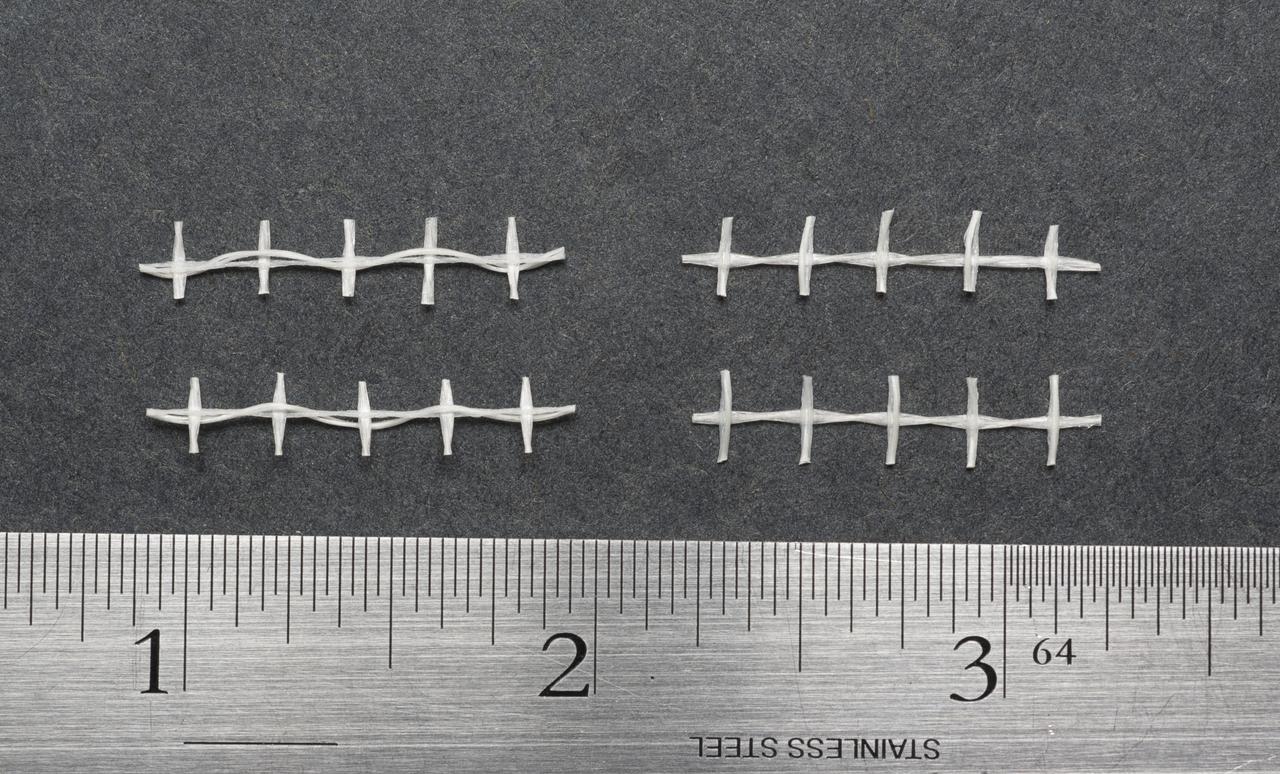
Candidate Solar Array Materials
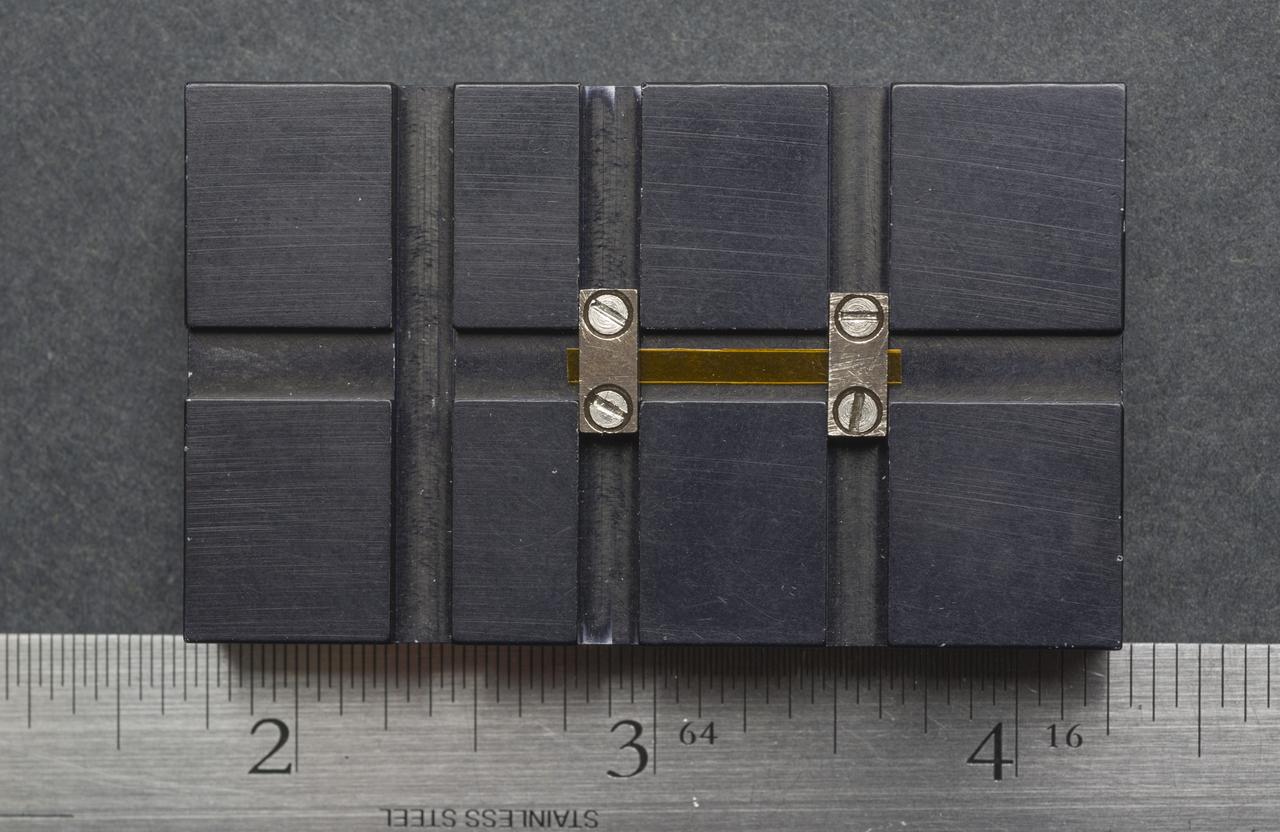
Candidate Solar Array Materials
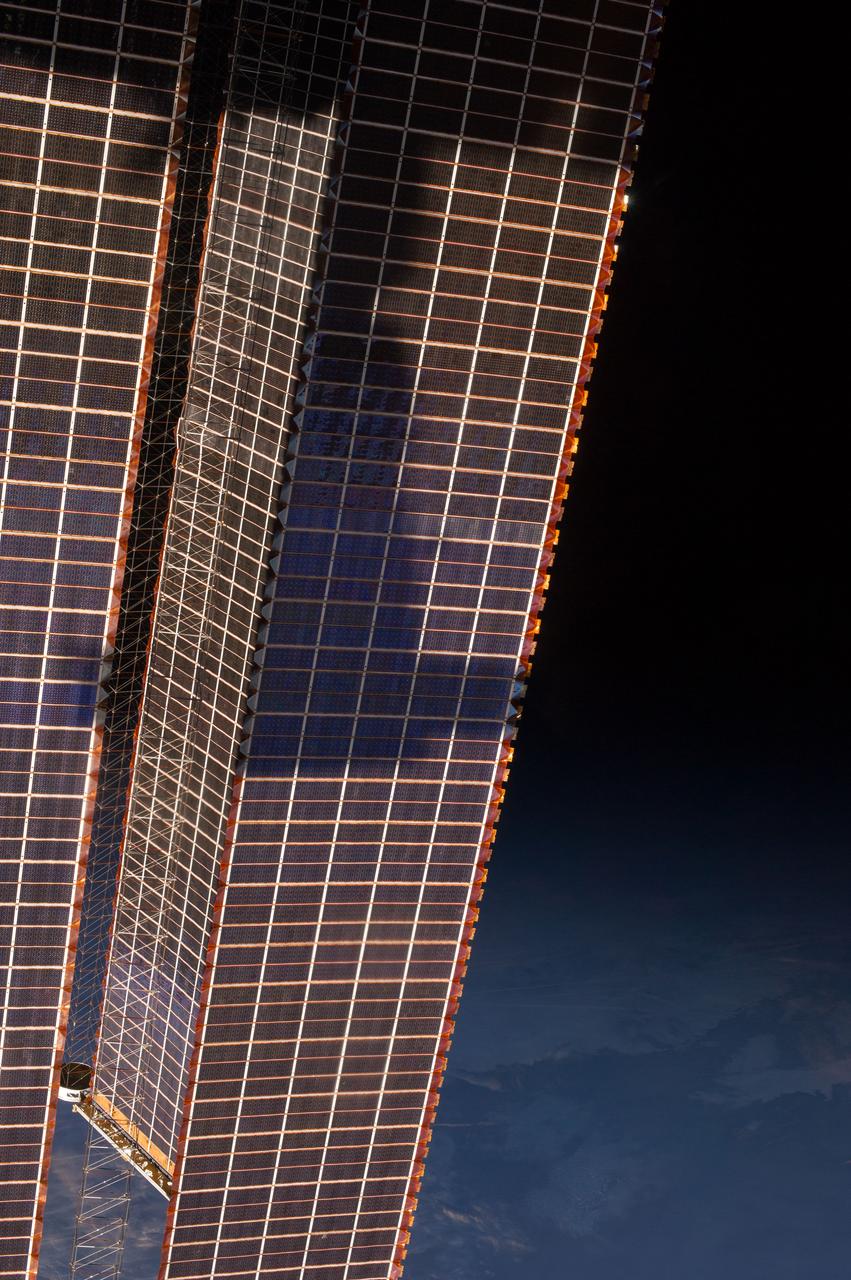
View of a solar array taken by the Expedition 37 crew.
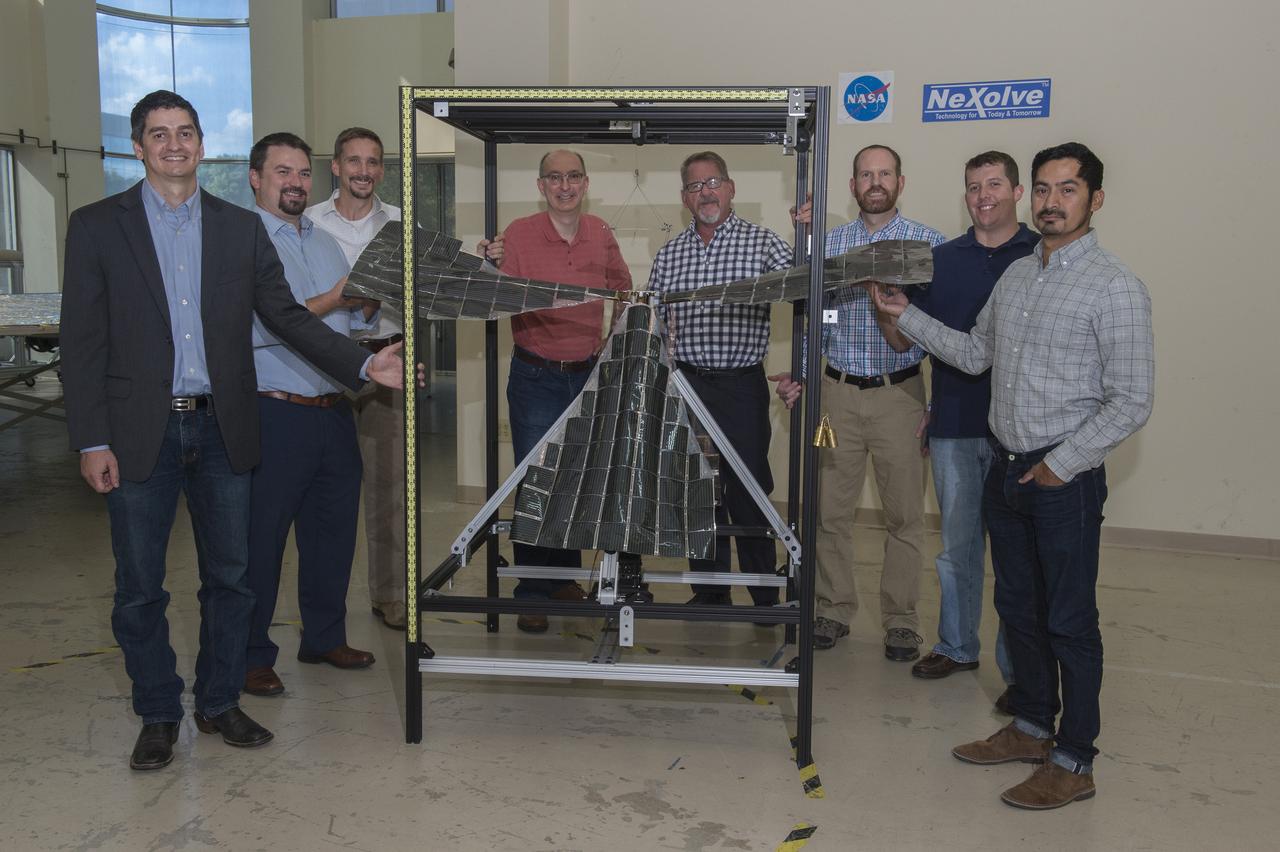
JOHN CARR, AT FAR LEFT, CO-PRINCIPAL INVESTIGATOR FOR NASA'S LIGHTWEIGHT INTEGRATED SOLAR ARRAY AND TRANSCEIVER PROJECT, POSES WITH THE LISA-T TEAM AFTER A DEMONSTRATION AND TESTING AT NEXOLVE
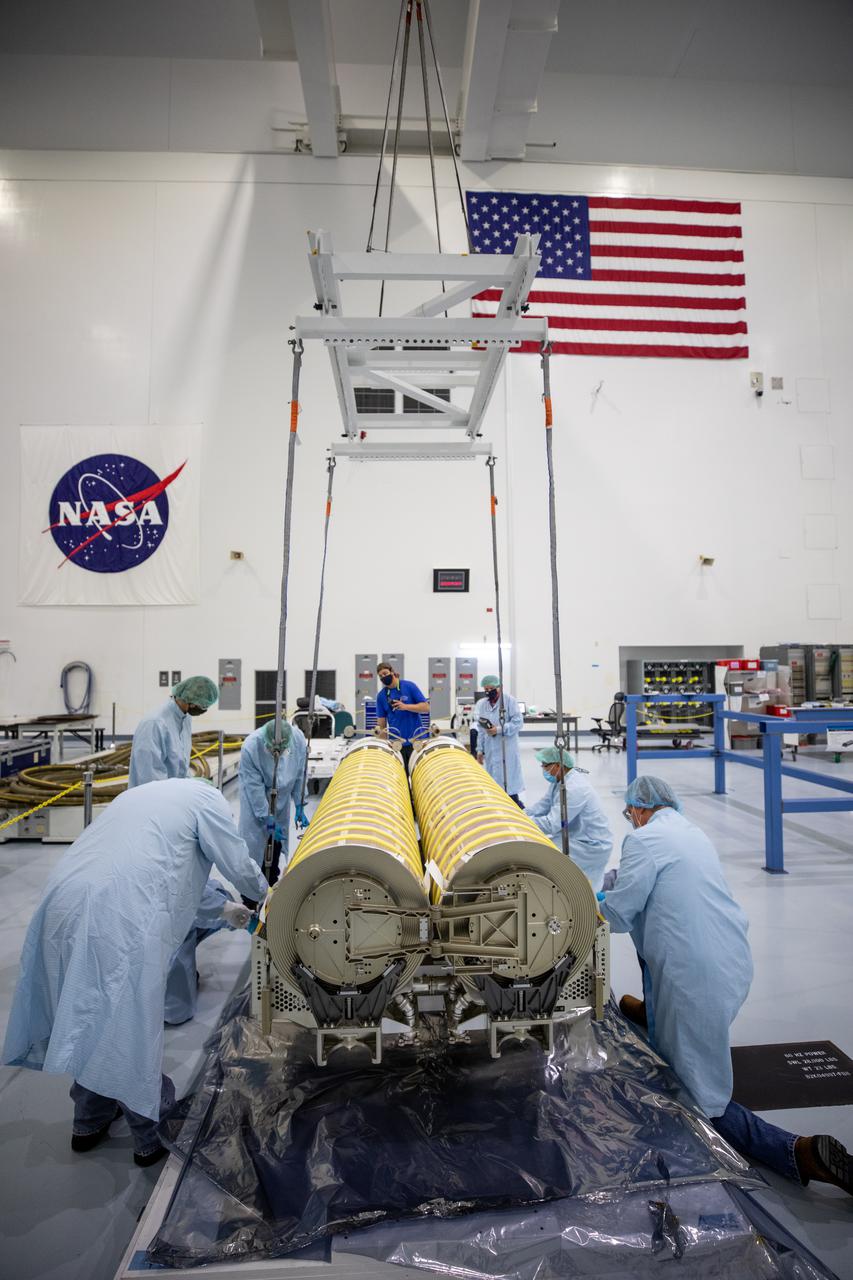
NASA and Boeing workers move solar arrays for the International Space Station to flight support equipment in the high bay of the Space Station Processing Facility at NASA’s Kennedy Space Center in Florida on April 2, 2021. The 63- by- 20-foot solar arrays will launch to the International Space Station later this year. They are the first two of six new solar arrays that in total will produce more than 120 kilowatts of electricity from the Sun’s energy, enough to power more than 40 average U.S. homes. Combined with the eight original, larger arrays, this advanced hardware will provide 215 kilowatts of energy, a 20 to 30 percent increase in power, helping maximize the space station’s capabilities for years to come. The arrays will produce electricity to sustain the station’s systems and equipment, plus augment the electricity available to continue a wide variety of public and private experiments and research in the microgravity environment of low-Earth orbit.
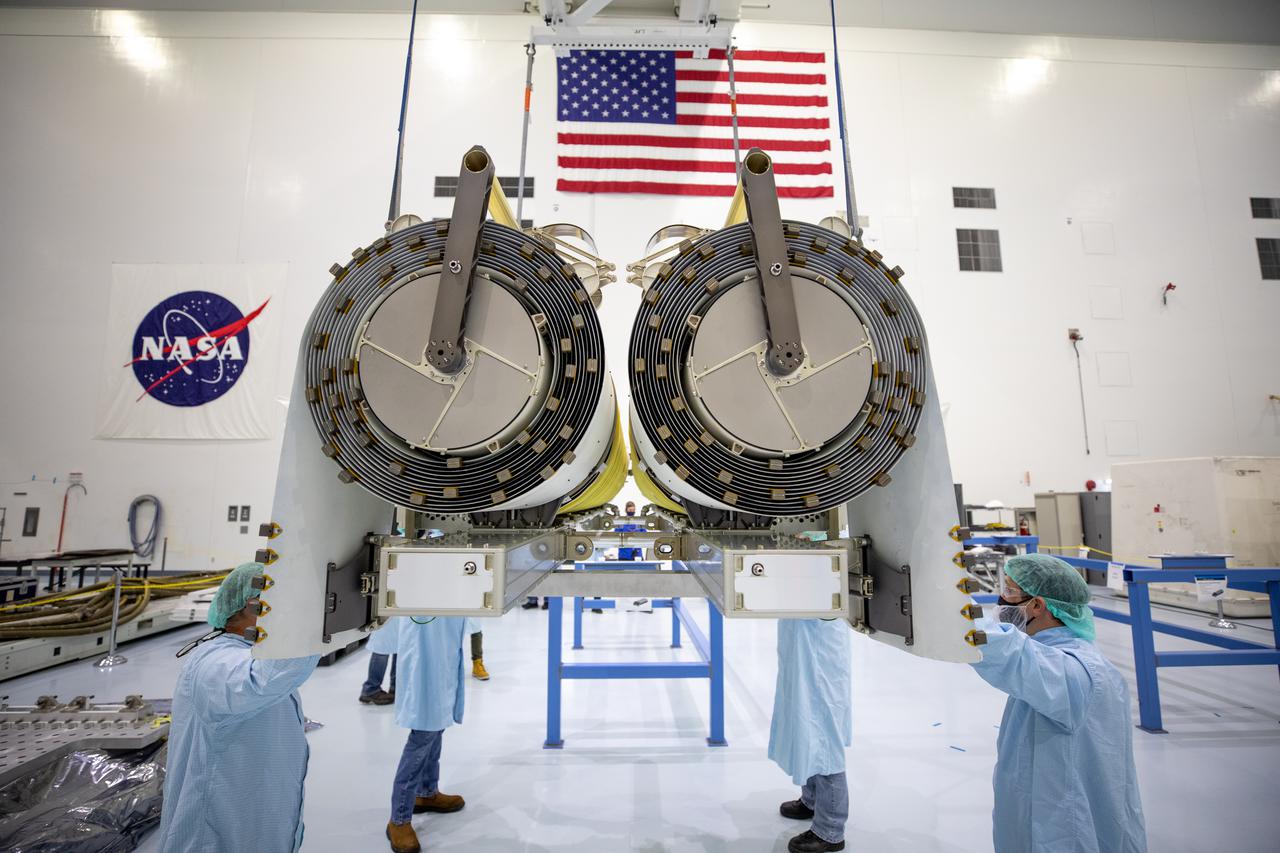
NASA and Boeing workers help position the solar arrays onto flight support equipment inside the high bay of the Space Station Processing Facility at NASA’s Kennedy Space Center in Florida on April 2, 2021. The 63- by- 20-foot solar arrays will launch to the International Space Station later this year. They are the first two of six new solar arrays that in total will produce more than 120 kilowatts of electricity from the Sun’s energy, enough to power more than 40 average U.S. homes. Combined with the eight original, larger arrays, this advanced hardware will provide 215 kilowatts of energy, a 20 to 30 percent increase in power, helping maximize the space station’s capabilities for years to come. The arrays will produce electricity to sustain the station’s systems and equipment, plus augment the electricity available to continue a wide variety of public and private experiments and research in the microgravity environment of low-Earth orbit.
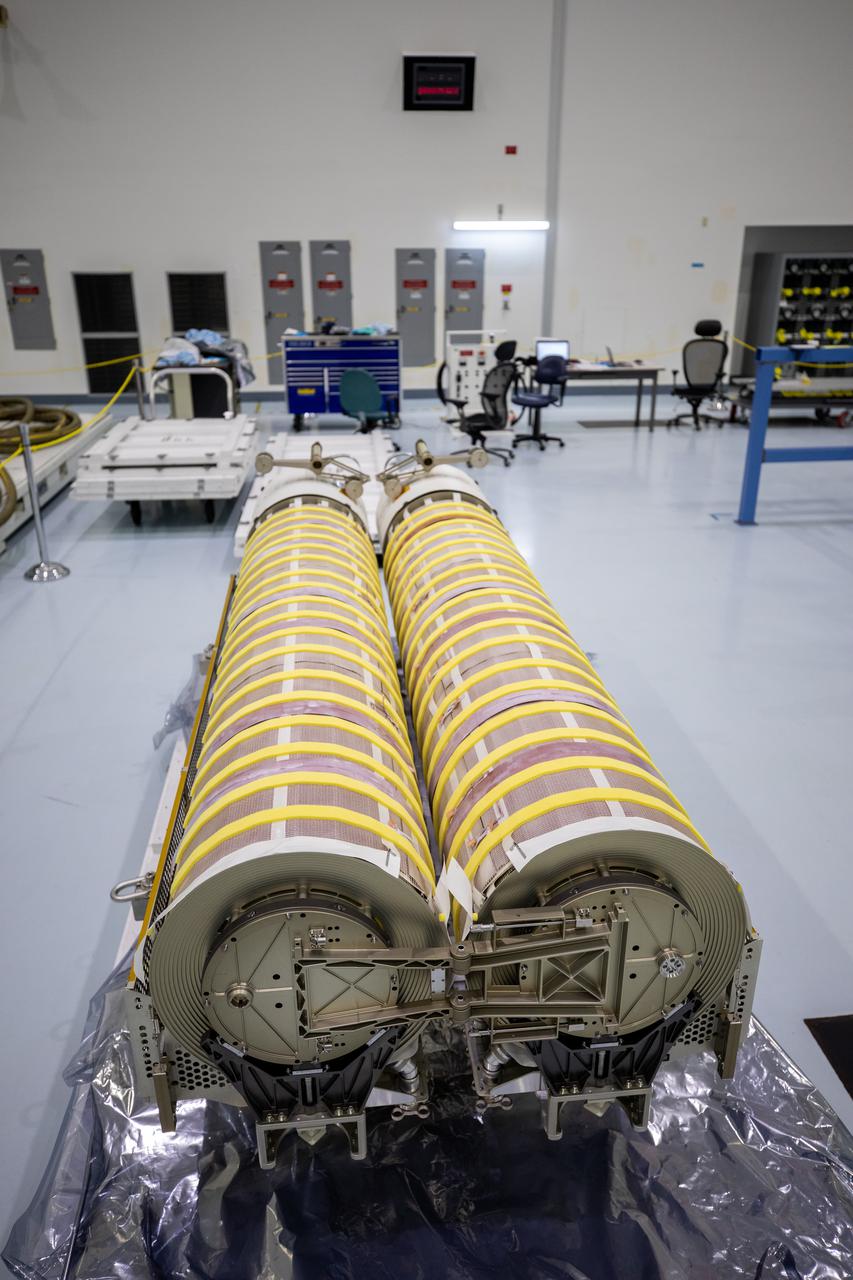
In view are the first two of six solar arrays shortly before NASA and Boeing workers began lifting them into flight support equipment the Space Station Processing Facility at NASA’s Kennedy Space Center in Florida on April 2, 2021. The 63- by- 20-foot solar arrays will launch to the International Space Station later this year. The six new solar arrays in total will produce more than 120 kilowatts of electricity from the Sun’s energy, enough to power more than 40 average U.S. homes. Combined with the eight original, larger arrays, this advanced hardware will provide 215 kilowatts of energy, a 20 to 30 percent increase in power, helping maximize the space station’s capabilities for years to come. The arrays will produce electricity to sustain the station’s systems and equipment, plus augment the electricity available to continue a wide variety of public and private experiments and research in the microgravity environment of low-Earth orbit.
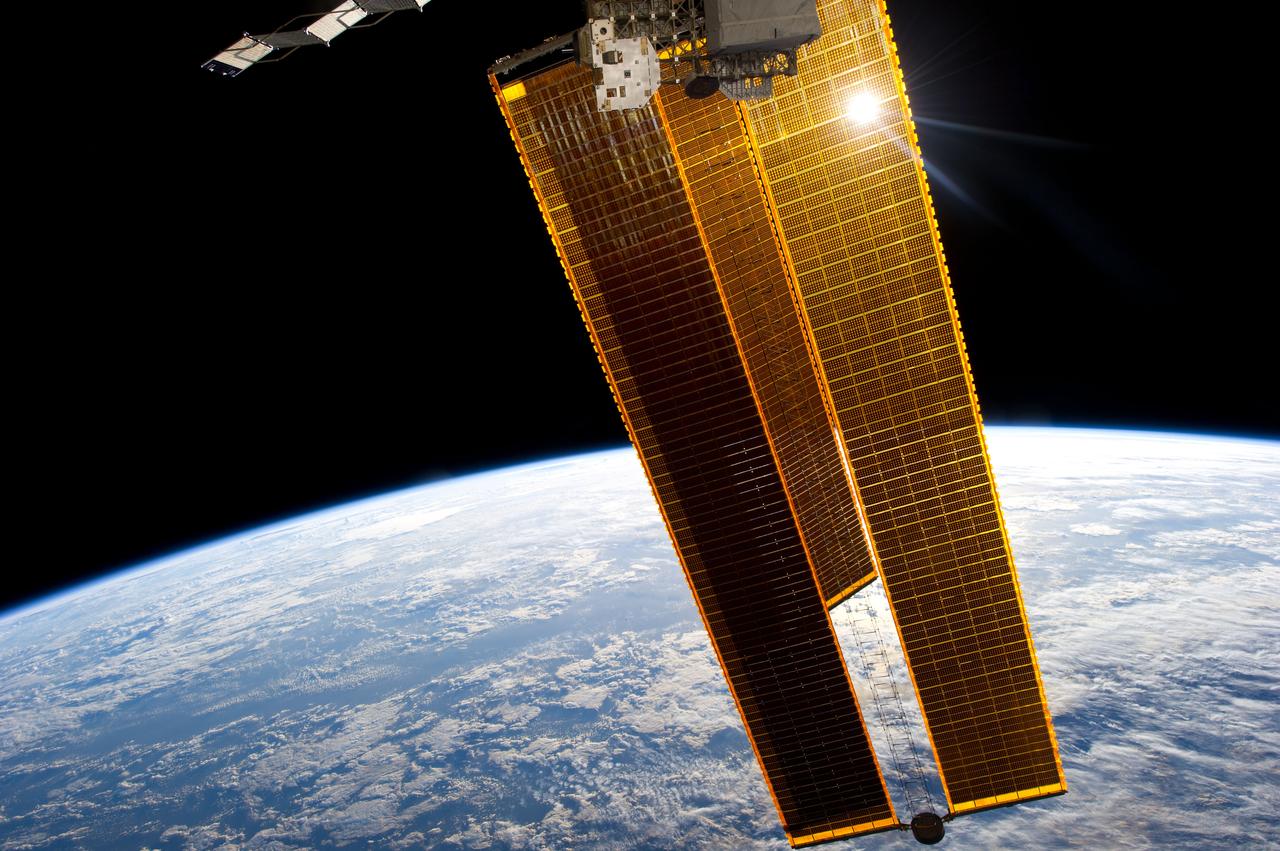
Photographic documentation of an ISS solar array with the Earth in the background as seen by the Expedition 36 crew.
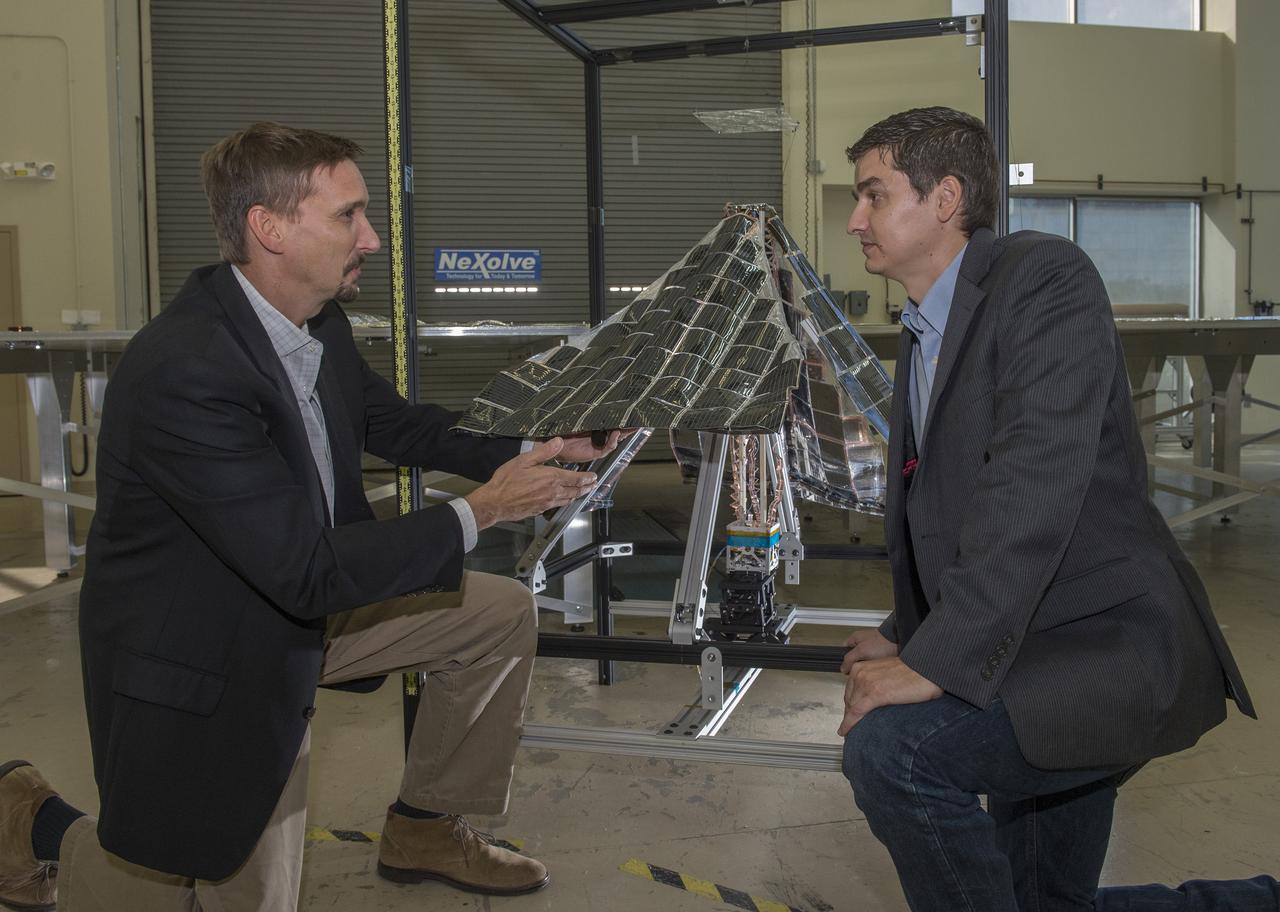
JOHN CARR, RIGHT, CO-PRINCIPAL INVESTIGATOR FOR NASA'S LIGHTWEIGHT INTEGRATED SOLAR ARRAY AND TRANSCEIVER PROJECT, TALKS WITH GREG LAUE, DIRECTOR OF AEROSPACE PRODUCTS FOR NEXOLVE, MANUFACTURER OF THE THIN-FILM TECHNOLOGY AND A PARTNER IN THE PROJECT.
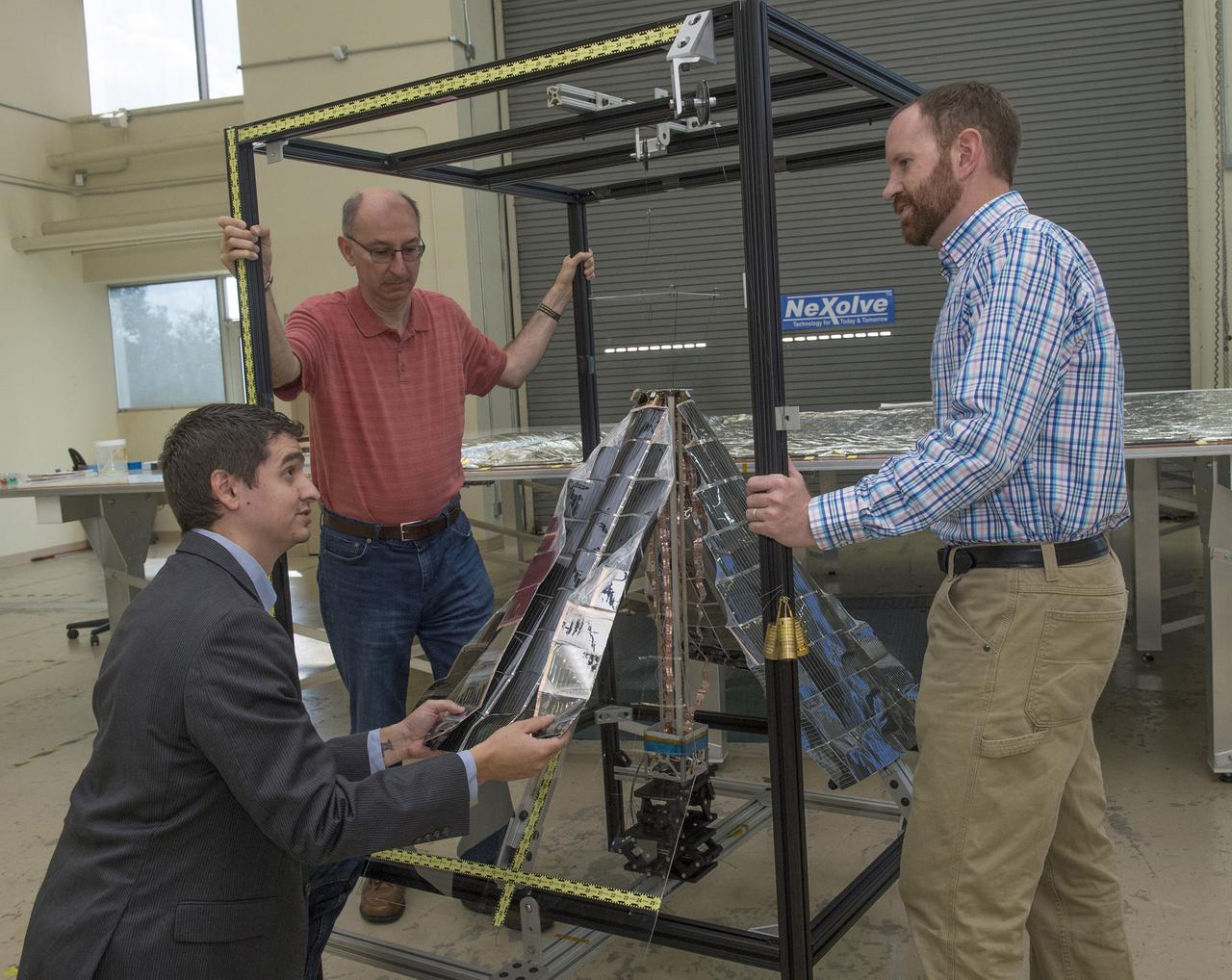
JOHN CARR, CO-PRINCIPAL INVESTIGATOR FOR NASA'S LIGHTWEIGHT INTEGRATED SOLAR ARRAY AND TRANSCEIVER PROJECT, KNEELS TO SHOW HOW ONE OF THE THIN-FILM SIDES OR "PETALS" IN WHICH PHOTO-VOLTAIC CELLS ARE EMBEDDED, IS FOLDED AND STOWED BEFORE LAUNCH. LOOKING ON DURING A DEMONSTRATION AFTER TESTING AT NEXOLVE, ARE LES JOHNSON, LEFT, ALSO CO-PRINCIPAL INVESTIGATOR, AND DARREN BOYD, RIGHT, THE RADIO FREQUENCY LEAD FOR THE PROJECT.
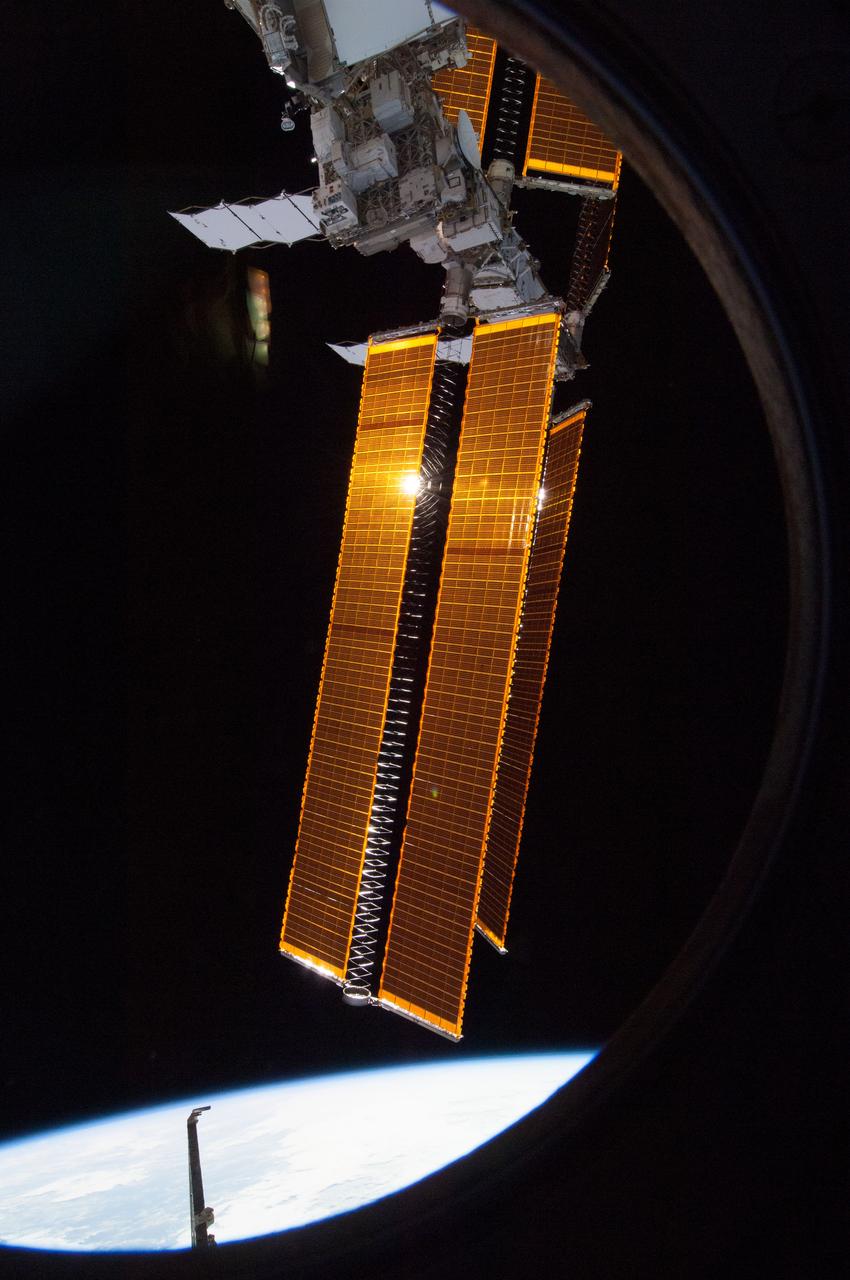
View of one of the International Space Stations solar arrays is visible from a window in the ISS with an Earth limb in the background. Photo taken by the Expedition 37 crew.
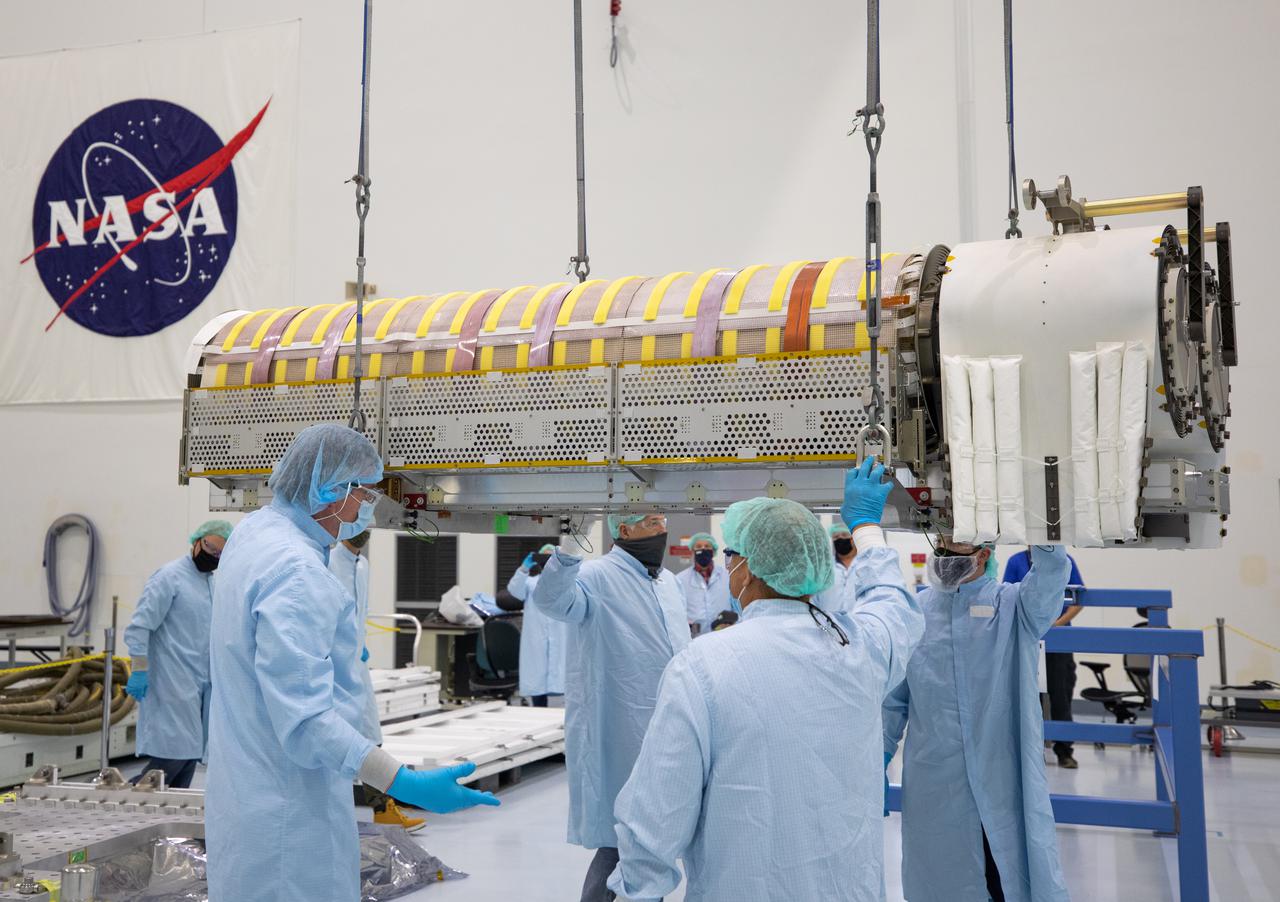
NASA and Boeing workers lift solar arrays into flight support equipment on April 2, 2021, in the Space Station Processing Facility at NASA’s Kennedy Space Center in Florida. The 63- by- 20-foot solar arrays will launch to the International Space Station later this year. They are the first two of six new solar arrays that in total will produce more than 120 kilowatts of electricity from the Sun’s energy, enough to power more than 40 average U.S. homes. Combined with the eight original, larger arrays, this advanced hardware will provide 215 kilowatts of energy, a 20 to 30 percent increase in power, helping maximize the space station’s capabilities for years to come. The arrays will produce electricity to sustain the station’s systems and equipment, plus augment the electricity available to continue a wide variety of public and private experiments and research in the microgravity environment of low-Earth orbit. Most of the station systems, including its batteries, scientific equipment racks, and communications equipment have been upgraded since humans began a continuous presence on the orbiting laboratory in November 2000. For more than two decades, astronauts have lived and worked on this unique orbiting lab, supporting scientific research that has led to numerous discoveries that benefit people on Earth and prepare for future Artemis missions to the Moon and beyond.
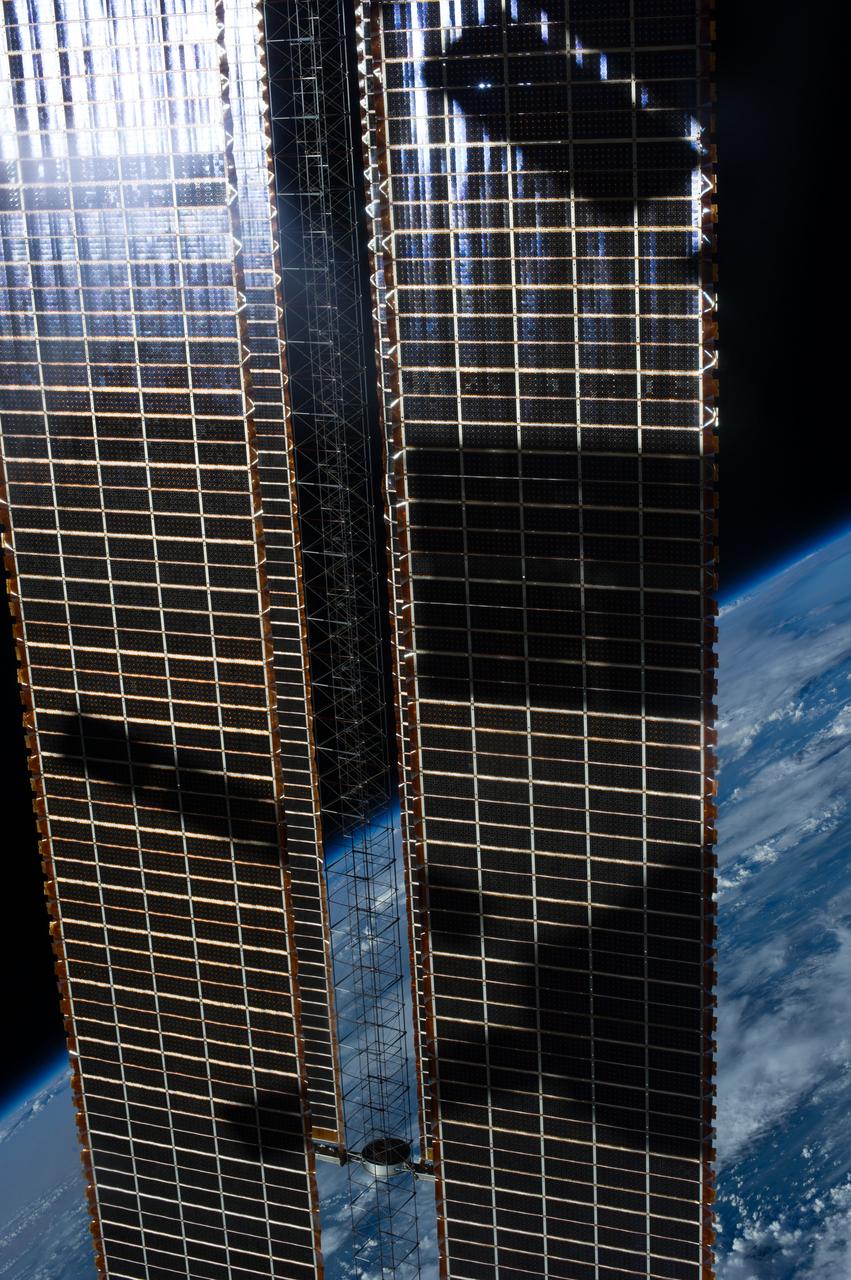
View of the solar array over an Earth limb taken during a day pass by an Expedition 36 crew member on board the International Space Station (ISS). Per Twitter message: Our Space Station casting shadows on itself.

Interior view of the Solar Array Test Building
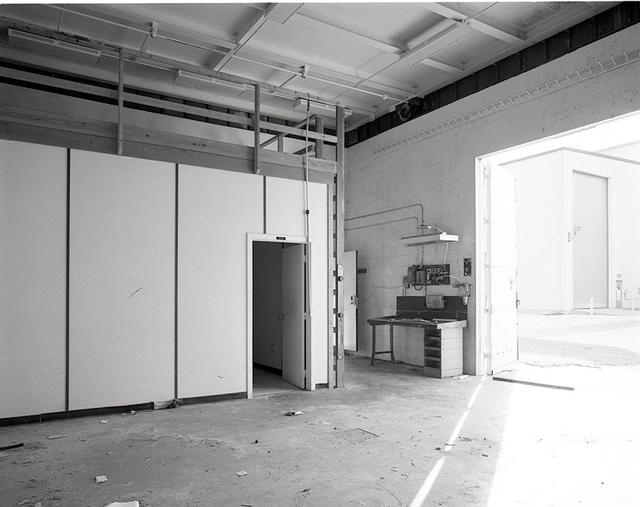
Interior view of the Solar Array Test Building
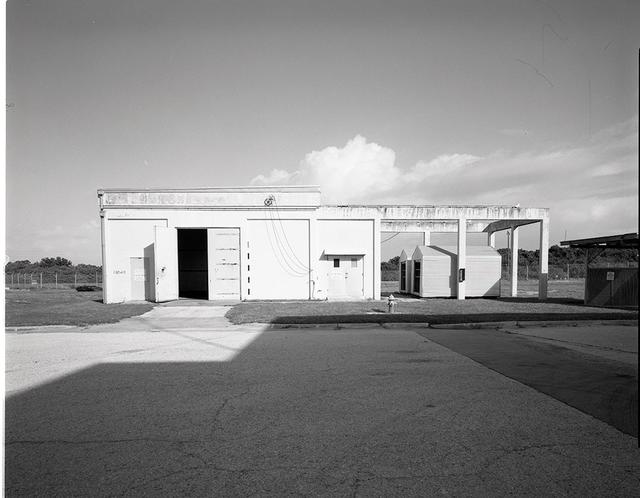
Exterior view of the Solar Array Test Building
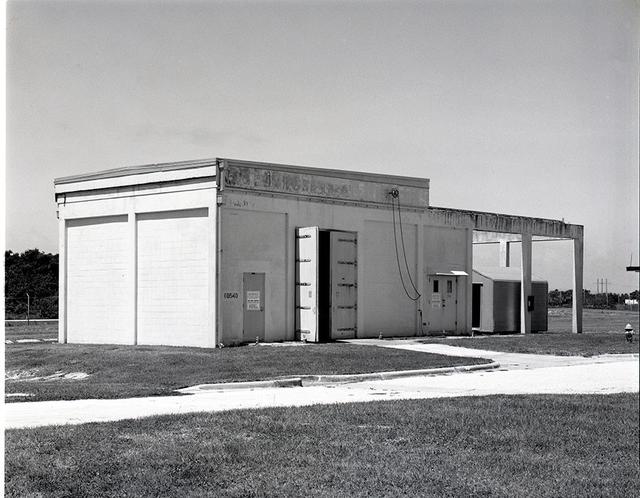
Exterior view of the Solar Array Test Building
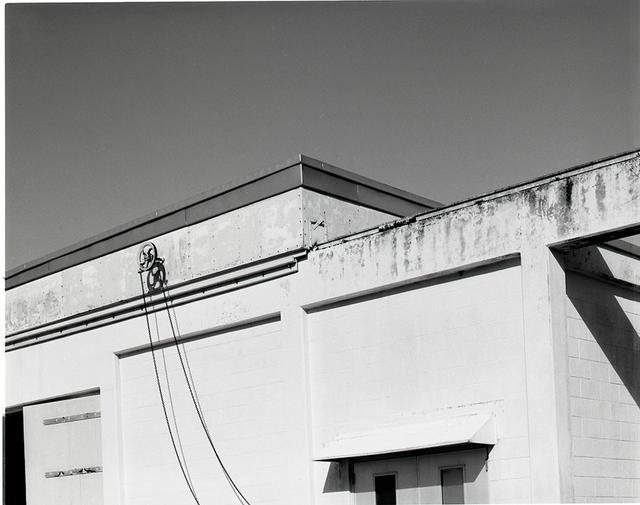
Exterior view of the Solar Array Test Building
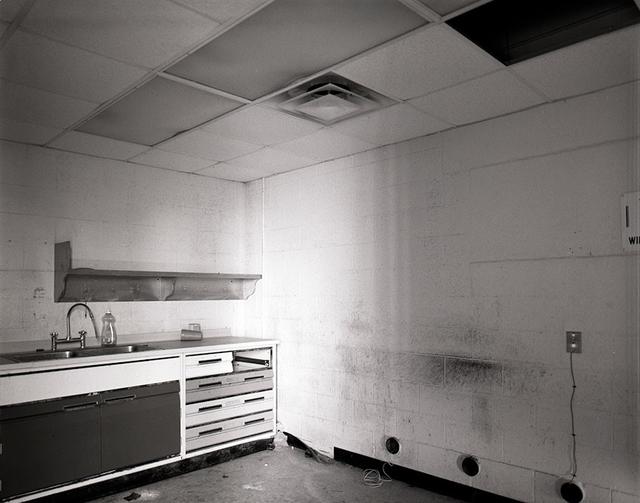
Interior view of the Solar Array Test Building
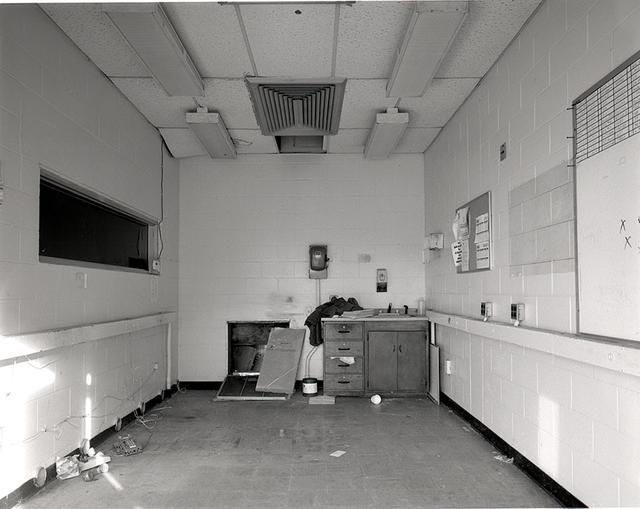
Interior view of the Solar Array Test Building
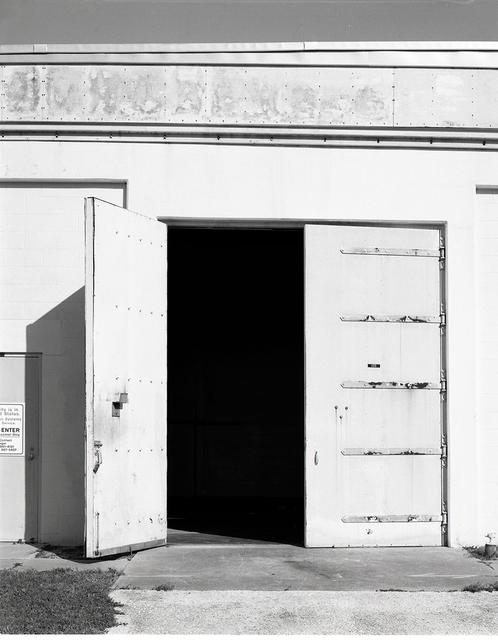
Exterior view of the Solar Array Test Building
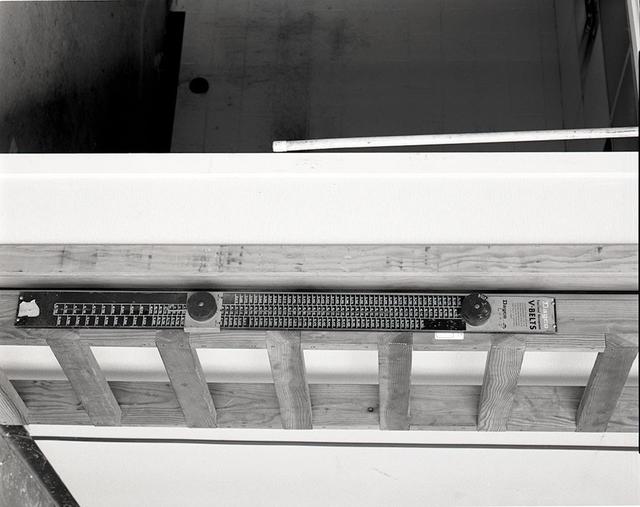
Interior view of the Solar Array Test Building
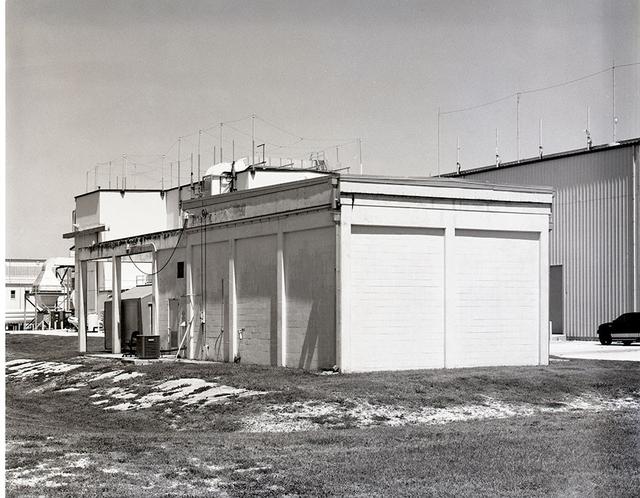
Exterior view of the Solar Array Test Building
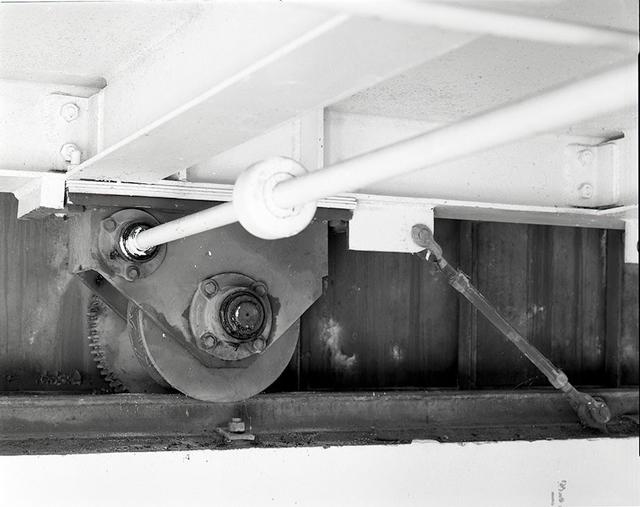
Interior view of the Solar Array Test Building
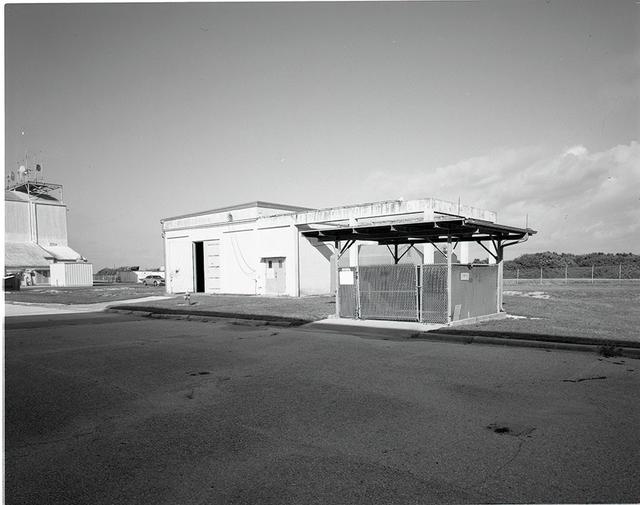
Exterior view of the Solar Array Test Building
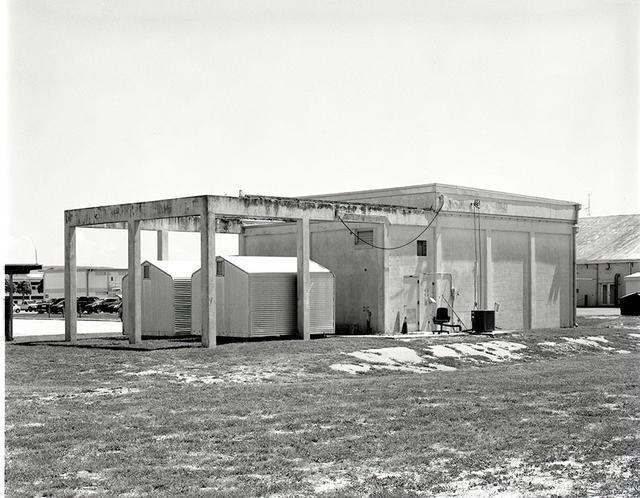
Exterior view of the Solar Array Test Building

The first two of six new solar arrays for the International Space Station have been loaded into Dragon’s unpressurized spacecraft trunk. SpaceX will deliver them to the orbiting laboratory during its next cargo resupply mission, targeted for June 3 at 1:29pm. The arrays will provide additional electrical power for the numerous research and science investigations conducted every day, as well as the continued operations of the station. Spacewalking astronauts will install the two new arrays in two spacewalks that will take place in June.

The Gateway space station hosts the Orion spacecraft in a polar orbit around the Moon, supporting scientific discovery on the lunar surface during the Artemis IV mission.
Workers inside the Astrotech Space Operations Facility in Titusville, Florida, begin to extend one of the solar arrays on NASA’s Lucy spacecraft on Aug. 19, 2021. Both solar arrays will be opened to make sure they operate correctly. In view installed on top of the spacecraft is the high gain antenna. Lucy is scheduled to launch no earlier than Saturday, Oct. 16, on a United Launch Alliance Atlas V 401 rocket from Space Launch Complex 41 at Cape Canaveral Space Force Station. NASA’s Launch Services Program based at Kennedy Space Center is managing the launch. Over its 12-year primary mission, Lucy will explore a record-breaking number of asteroids, flying by one asteroid in the solar system’s main belt and seven Trojan asteroids. Additionally, Lucy’s path will circle back to Earth three times for gravity assists, making it the first spacecraft ever to return to the vicinity of Earth from the outer solar system.
Workers inside the Astrotech Space Operations Facility in Titusville, Florida, work to open and extend one of the solar arrays on NASA’s Lucy spacecraft on Aug. 19, 2021. Both solar arrays will be opened to make sure they operate correctly. In view installed on top of the spacecraft is the high gain antenna. Lucy is scheduled to launch no earlier than Saturday, Oct. 16, on a United Launch Alliance Atlas V 401 rocket from Space Launch Complex 41 at Cape Canaveral Space Force Station. NASA’s Launch Services Program based at Kennedy Space Center is managing the launch. Over its 12-year primary mission, Lucy will explore a record-breaking number of asteroids, flying by one asteroid in the solar system’s main belt and seven Trojan asteroids. Additionally, Lucy’s path will circle back to Earth three times for gravity assists, making it the first spacecraft ever to return to the vicinity of Earth from the outer solar system.
Workers inside the Astrotech Space Operations Facility in Titusville, Florida, work to open and extend one of the solar arrays on NASA’s Lucy spacecraft on Aug. 19, 2021. Both solar arrays will be opened to make sure they operate correctly. In view installed on top of the spacecraft is the high gain antenna. Lucy is scheduled to launch no earlier than Saturday, Oct. 16, on a United Launch Alliance Atlas V 401 rocket from Space Launch Complex 41 at Cape Canaveral Space Force Station. NASA’s Launch Services Program based at Kennedy Space Center is managing the launch. Over its 12-year primary mission, Lucy will explore a record-breaking number of asteroids, flying by one asteroid in the solar system’s main belt and seven Trojan asteroids. Additionally, Lucy’s path will circle back to Earth three times for gravity assists, making it the first spacecraft ever to return to the vicinity of Earth from the outer solar system.
Workers inside the Astrotech Space Operations Facility in Titusville, Florida, begin to extend one of the solar arrays on NASA’s Lucy spacecraft on Aug. 19, 2021. Both solar arrays will be opened to make sure they operate correctly. Lucy is scheduled to launch no earlier than Saturday, Oct. 16, on a United Launch Alliance Atlas V 401 rocket from Space Launch Complex 41 at Cape Canaveral Space Force Station. NASA’s Launch Services Program based at Kennedy Space Center is managing the launch. Over its 12-year primary mission, Lucy will explore a record-breaking number of asteroids, flying by one asteroid in the solar system’s main belt and seven Trojan asteroids. Additionally, Lucy’s path will circle back to Earth three times for gravity assists, making it the first spacecraft ever to return to the vicinity of Earth from the outer solar system.
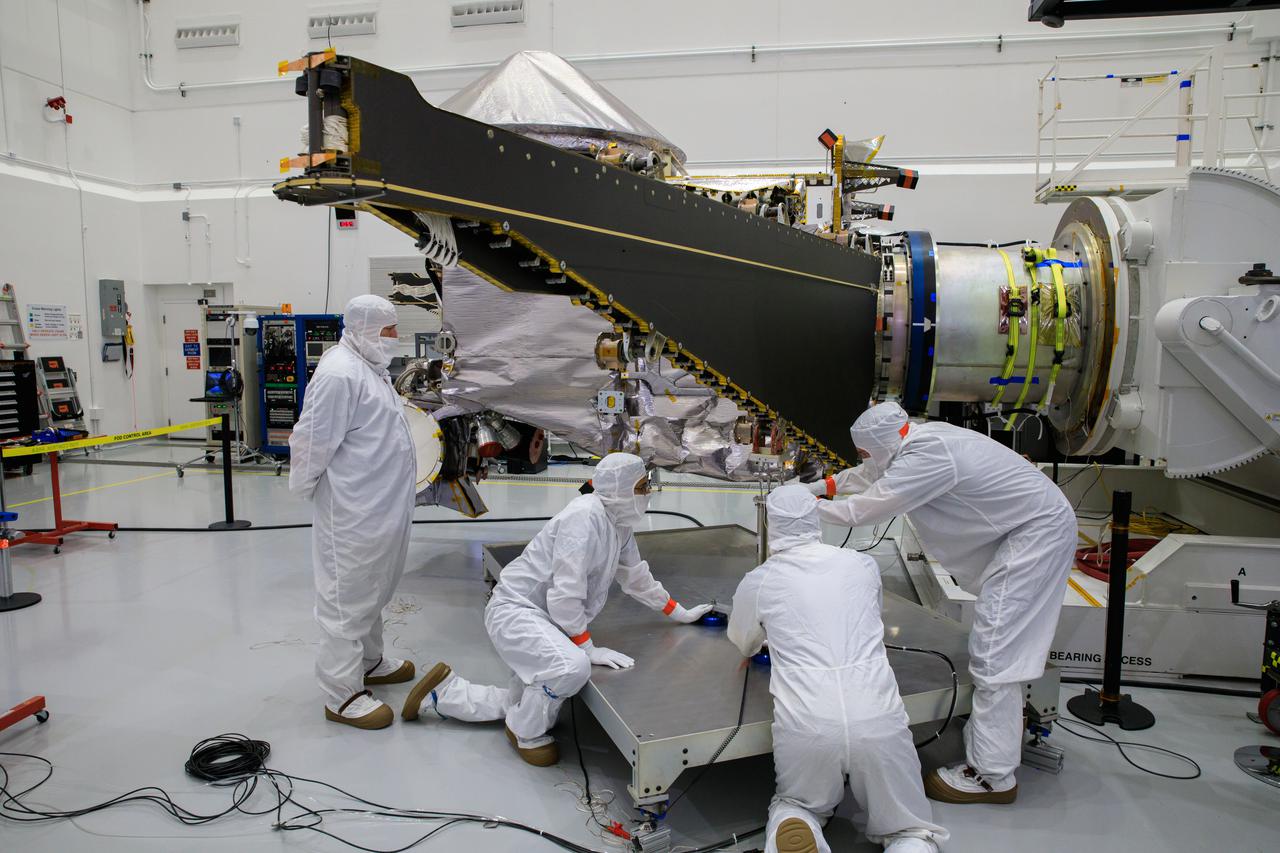
Workers inside the Astrotech Space Operations Facility in Titusville, Florida, work to open and extend one of the solar arrays on NASA’s Lucy spacecraft on Aug. 19, 2021. Both solar arrays will be opened to make sure they operate correctly. In view installed on top of the spacecraft is the high gain antenna. Lucy is scheduled to launch no earlier than Saturday, Oct. 16, on a United Launch Alliance Atlas V 401 rocket from Space Launch Complex 41 at Cape Canaveral Space Force Station. NASA’s Launch Services Program based at Kennedy Space Center is managing the launch. Over its 12-year primary mission, Lucy will explore a record-breaking number of asteroids, flying by one asteroid in the solar system’s main belt and seven Trojan asteroids. Additionally, Lucy’s path will circle back to Earth three times for gravity assists, making it the first spacecraft ever to return to the vicinity of Earth from the outer solar system.
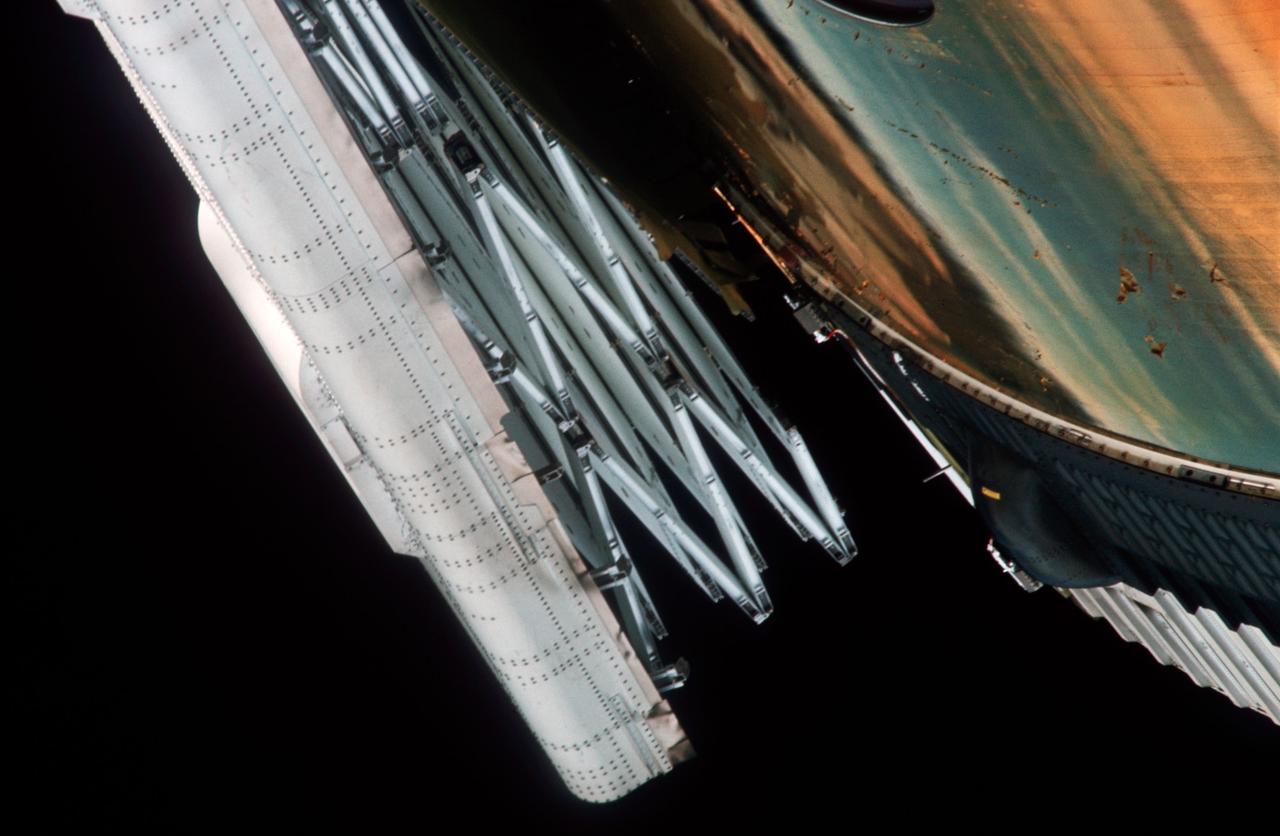
Close-up view of partially deployed, damaged solar array before astronauts performed extravehicular activity (EVA) to completey deploy it.
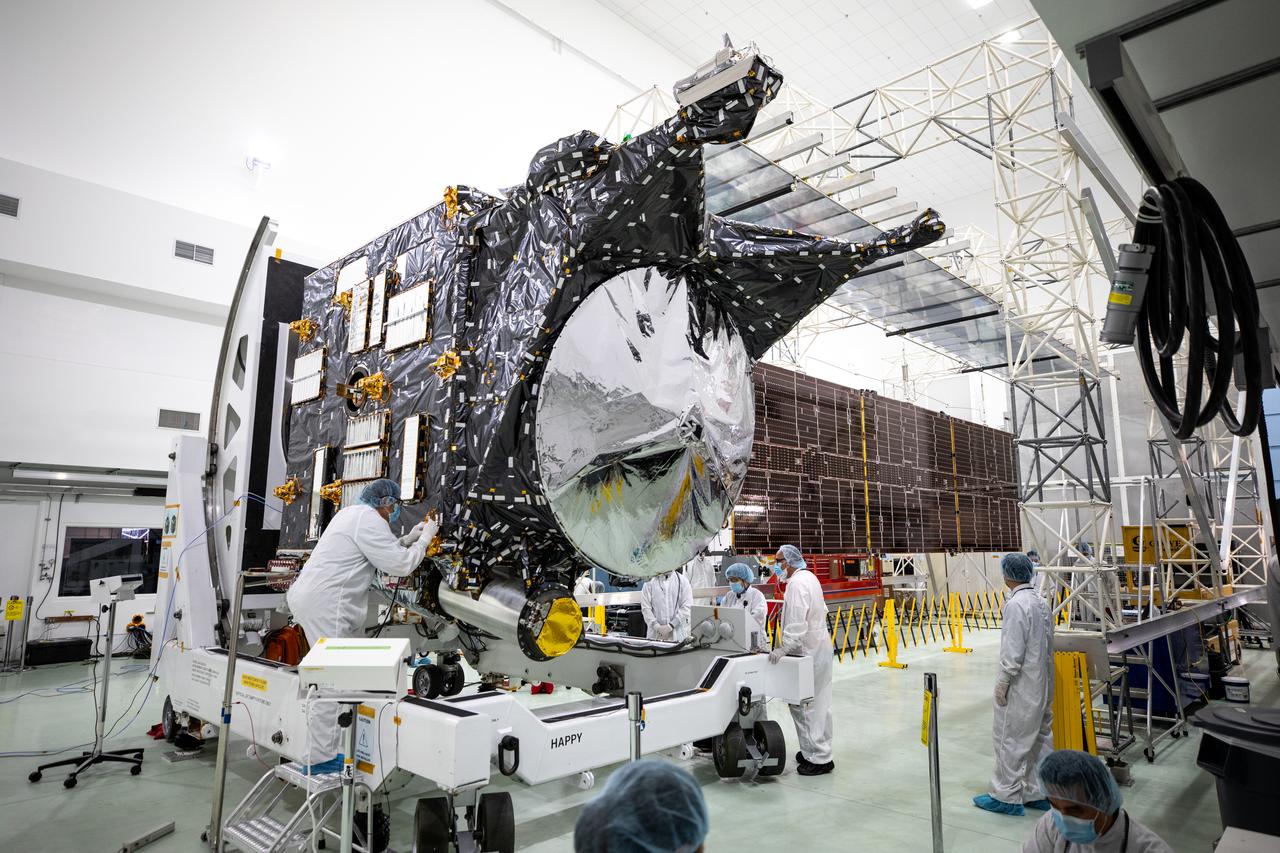
The first of two solar arrays for NASA’s Psyche spacecraft has been extended inside the Astrotech Space Operations Facility near the agency’s Kennedy Space Center in Florida on July 20, 2023. Technicians are preparing to integrate the solar arrays to the Psyche spacecraft. The solar arrays were shipped from Maxar Technologies, in San Jose, California. They are part of the solar electric propulsion system, provided by Maxar, that will power the spacecraft on its journey to explore a metal-rich asteroid. Psyche will launch atop a SpaceX Falcon Heavy rocket from Launch Complex 39A at Kennedy. Launch is targeted for Oct. 5, 2023. Riding with Psyche is a pioneering technology demonstration, NASA’s Deep Space Optical Communications (DSOC) experiment.
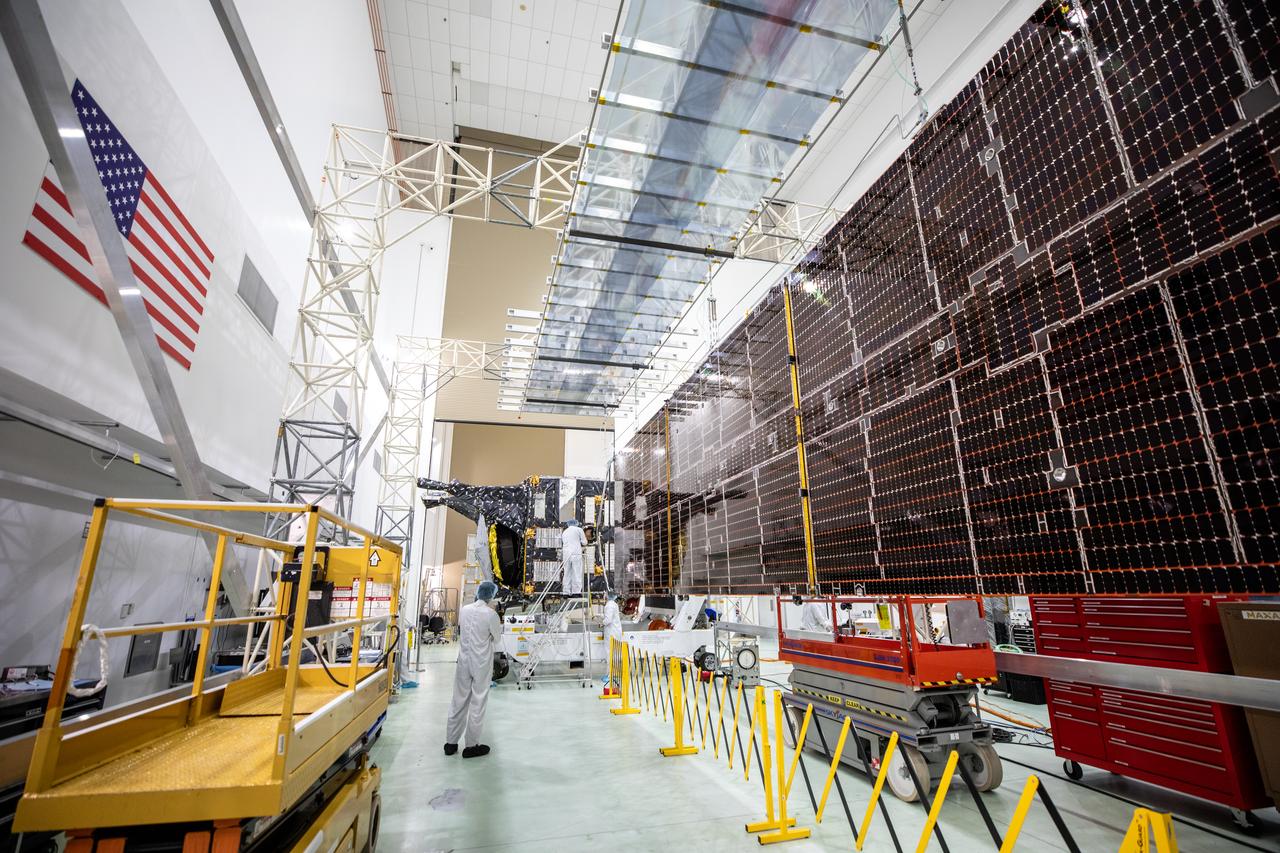
The first of two solar arrays for NASA’s Psyche spacecraft has been extended inside the Astrotech Space Operations Facility near the agency’s Kennedy Space Center in Florida on July 20, 2023. Technicians are preparing to integrate the solar arrays to the Psyche spacecraft. The solar arrays were shipped from Maxar Technologies, in San Jose, California. They are part of the solar electric propulsion system, provided by Maxar, that will power the spacecraft on its journey to explore a metal-rich asteroid. Psyche will launch atop a SpaceX Falcon Heavy rocket from Launch Complex 39A at Kennedy. Launch is targeted for Oct. 5, 2023. Riding with Psyche is a pioneering technology demonstration, NASA’s Deep Space Optical Communications (DSOC) experiment.
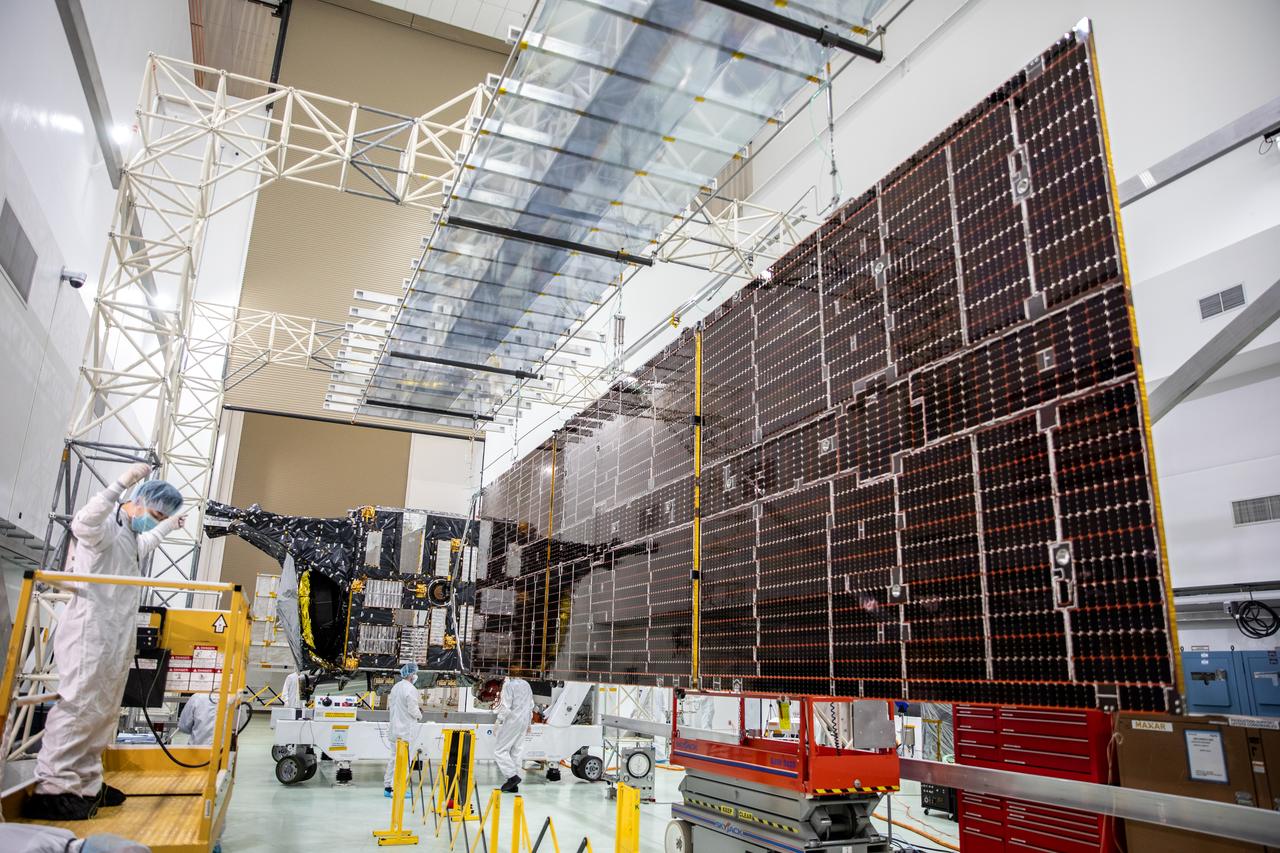
The first of two solar arrays for NASA’s Psyche spacecraft has been extended inside the Astrotech Space Operations Facility near the agency’s Kennedy Space Center in Florida on July 20, 2023. Technicians are preparing to integrate the solar arrays to the Psyche spacecraft. The solar arrays were shipped from Maxar Technologies, in San Jose, California. They are part of the solar electric propulsion system, provided by Maxar, that will power the spacecraft on its journey to explore a metal-rich asteroid. Psyche will launch atop a SpaceX Falcon Heavy rocket from Launch Complex 39A at Kennedy. Launch is targeted for Oct. 5, 2023. Riding with Psyche is a pioneering technology demonstration, NASA’s Deep Space Optical Communications (DSOC) experiment.
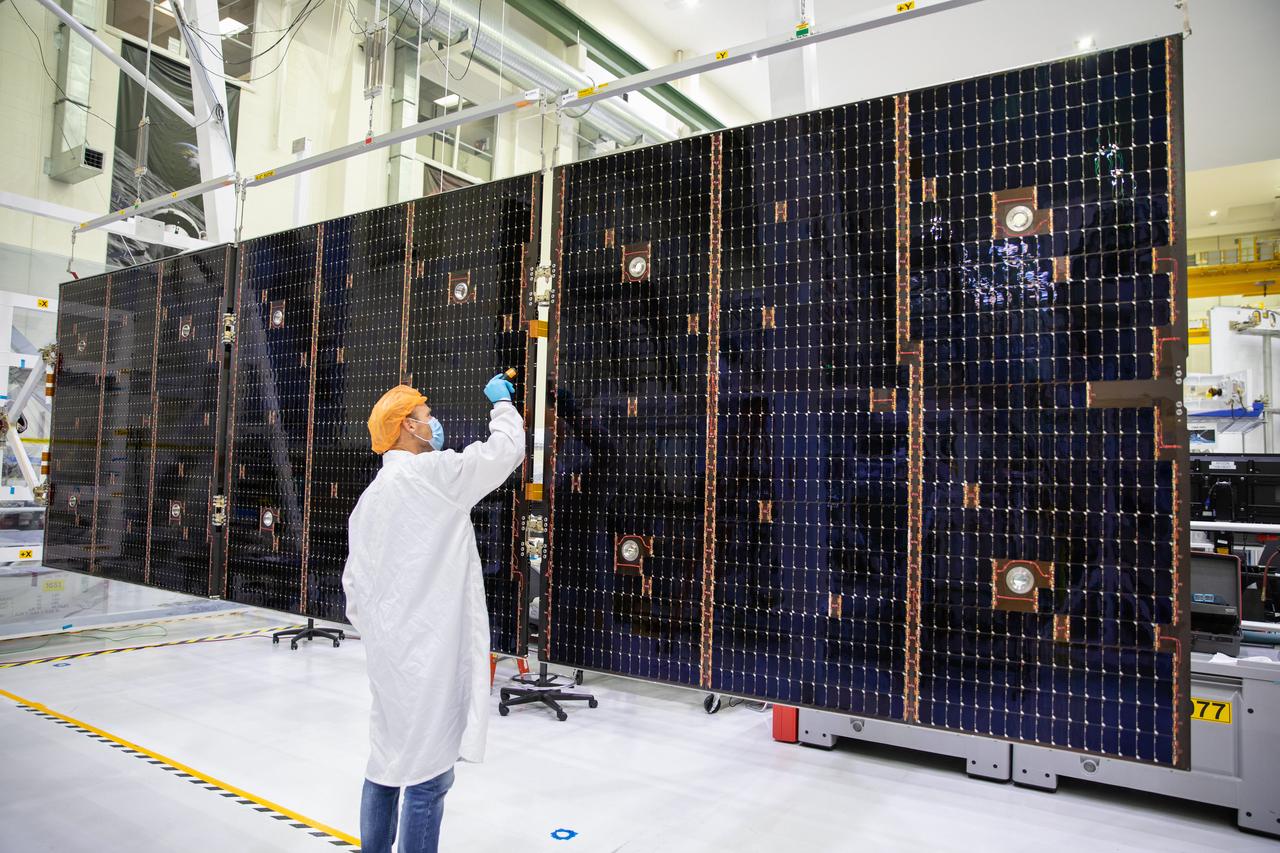
Inside the Neil Armstrong Operations and Checkout Building high bay at NASA’s Kennedy Space Center in Florida, in preparation for installation on the Artemis I spacecraft, technicians have extended one of the Artemis I solar array wings for inspection on Sept. 10, 2020, to confirm that it unfurled properly and all of the mechanisms functioned as expected. The solar array is one of four panels that will generate 11 kilowatts of power and span about 63 feet. The array is a component of Orion’s service module, which is provided by the European Space Agency and built by Airbus Defence and Space to supply Orion’s power, propulsion, air and water. The first in a series of increasingly complex missions, Artemis I will test the Orion spacecraft and Space Launch System as an integrated system ahead of crewed flights to the Moon. Under the Artemis program, NASA will land the first woman and the next man on the Moon in 2024.
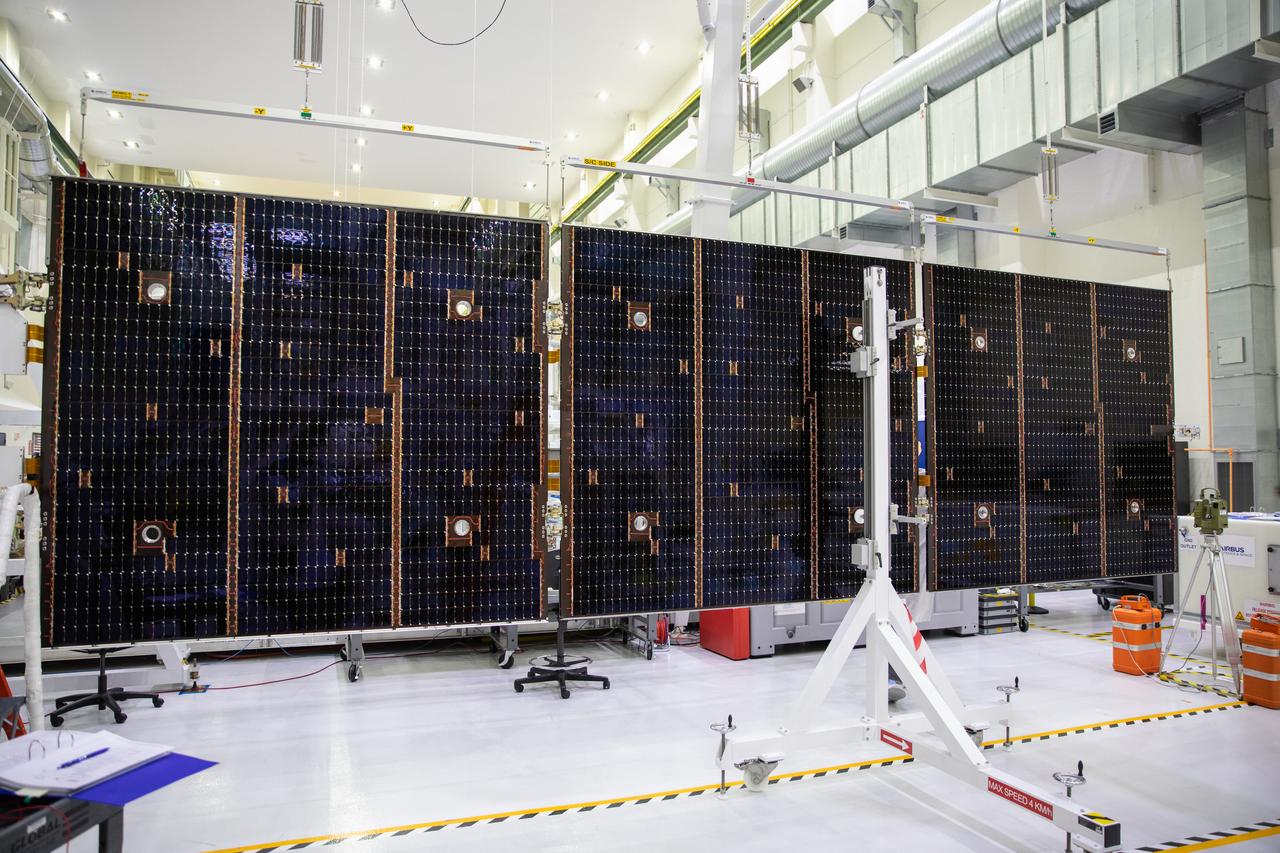
Inside the Neil Armstrong Operations and Checkout Building high bay at NASA’s Kennedy Space Center in Florida, in preparation for installation on the Artemis I spacecraft, technicians have extended one of the Artemis I solar array wings for inspection on Sept. 10, 2020, to confirm that it unfurled properly and all of the mechanisms functioned as expected. The solar array is one of four panels that will generate 11 kilowatts of power and span about 63 feet. The array is a component of Orion’s service module, which is provided by the European Space Agency and built by Airbus Defence and Space to supply Orion’s power, propulsion, air and water. The first in a series of increasingly complex missions, Artemis I will test the Orion spacecraft and Space Launch System as an integrated system ahead of crewed flights to the Moon. Under the Artemis program, NASA will land the first woman and the next man on the Moon in 2024.
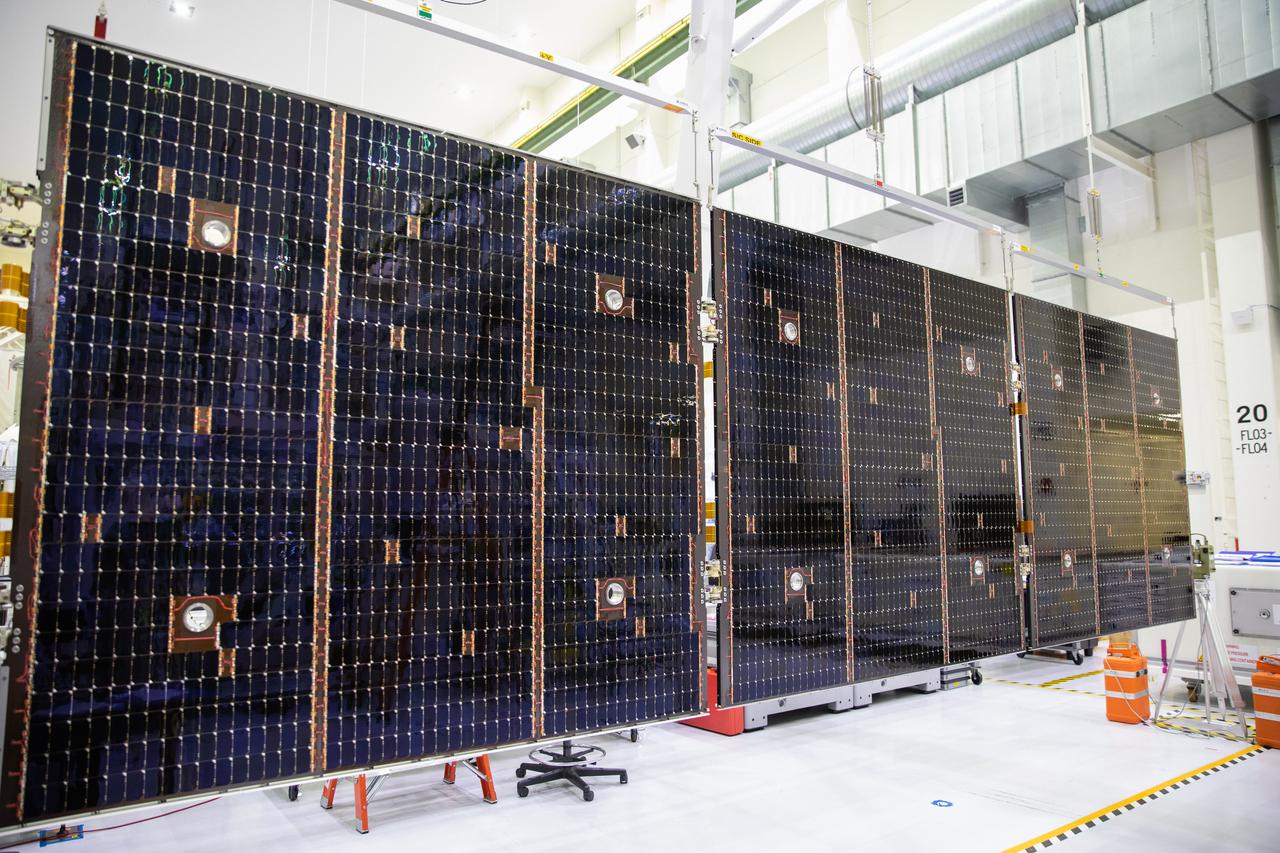
Inside the Neil Armstrong Operations and Checkout Building high bay at NASA’s Kennedy Space Center in Florida, in preparation for installation on the Artemis I spacecraft, technicians have extended one of the Artemis I solar array wings for inspection on Sept. 10, 2020, to confirm that it unfurled properly and all of the mechanisms functioned as expected. The solar array is one of four panels that will generate 11 kilowatts of power and span about 63 feet. The array is a component of Orion’s service module, which is provided by the European Space Agency and built by Airbus Defence and Space to supply Orion’s power, propulsion, air and water. The first in a series of increasingly complex missions, Artemis I will test the Orion spacecraft and Space Launch System as an integrated system ahead of crewed flights to the Moon. Under the Artemis program, NASA will land the first woman and the next man on the Moon in 2024.
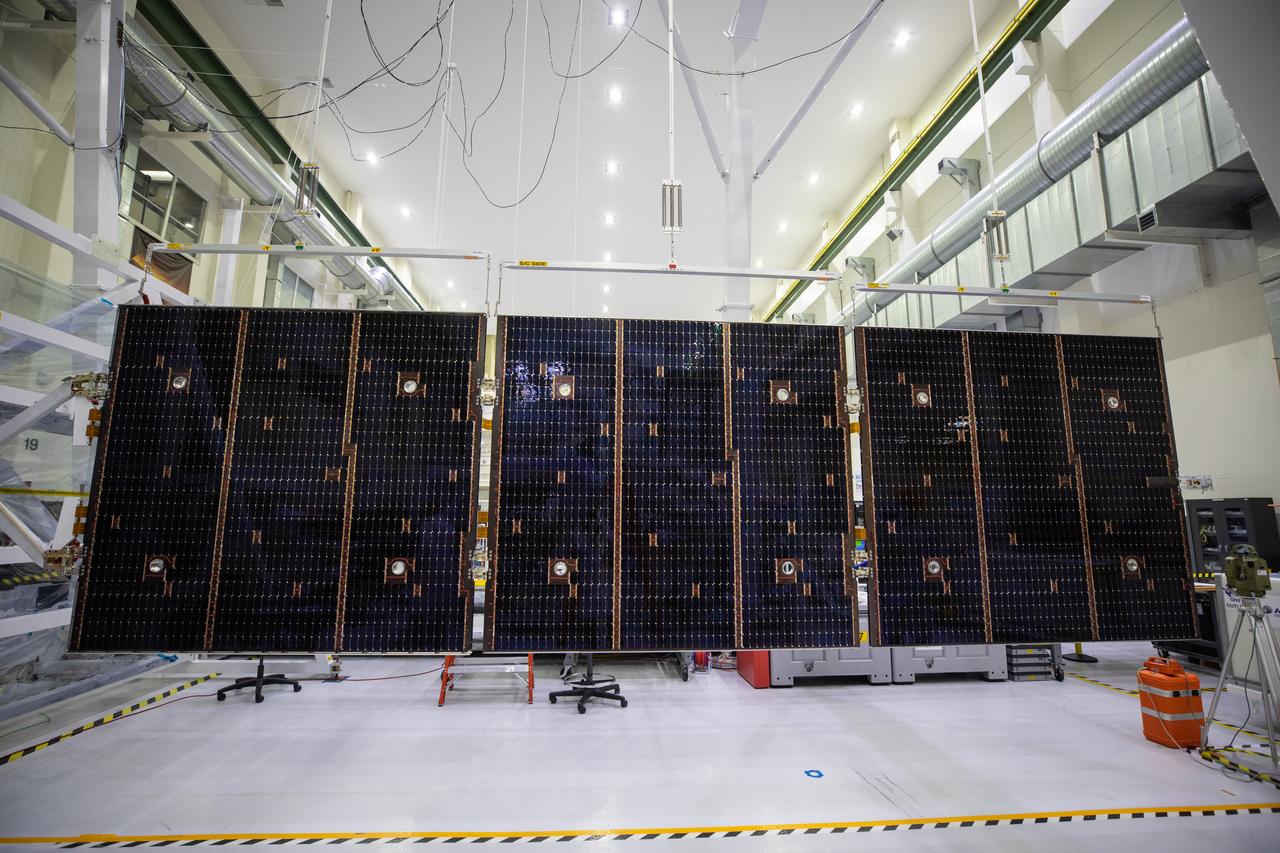
Inside the Neil Armstrong Operations and Checkout Building high bay at NASA’s Kennedy Space Center in Florida, in preparation for installation on the Artemis I spacecraft, technicians have extended one of the Artemis I solar array wings for inspection on Sept. 10, 2020, to confirm that it unfurled properly and all of the mechanisms functioned as expected. The solar array is one of four panels that will generate 11 kilowatts of power and span about 63 feet. The array is a component of Orion’s service module, which is provided by the European Space Agency and built by Airbus Defence and Space to supply Orion’s power, propulsion, air and water. The first in a series of increasingly complex missions, Artemis I will test the Orion spacecraft and Space Launch System as an integrated system ahead of crewed flights to the Moon. Under the Artemis program, NASA will land the first woman and the next man on the Moon in 2024.
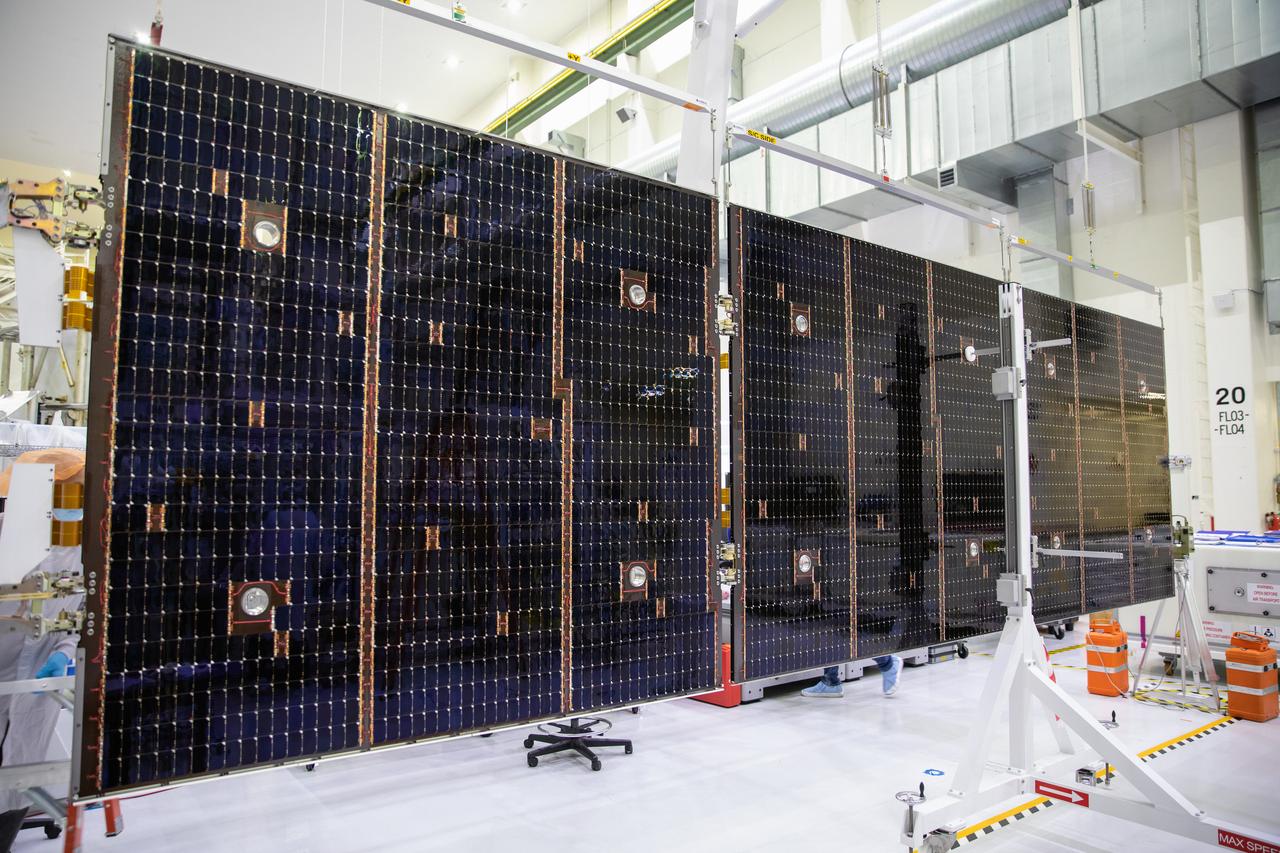
Inside the Neil Armstrong Operations and Checkout Building high bay at NASA’s Kennedy Space Center in Florida, in preparation for installation on the Artemis I spacecraft, technicians have extended one of the Artemis I solar array wings for inspection on Sept. 10, 2020, to confirm that it unfurled properly and all of the mechanisms functioned as expected. The solar array is one of four panels that will generate 11 kilowatts of power and span about 63 feet. The array is a component of Orion’s service module, which is provided by the European Space Agency and built by Airbus Defence and Space to supply Orion’s power, propulsion, air and water. The first in a series of increasingly complex missions, Artemis I will test the Orion spacecraft and Space Launch System as an integrated system ahead of crewed flights to the Moon. Under the Artemis program, NASA will land the first woman and the next man on the Moon in 2024.
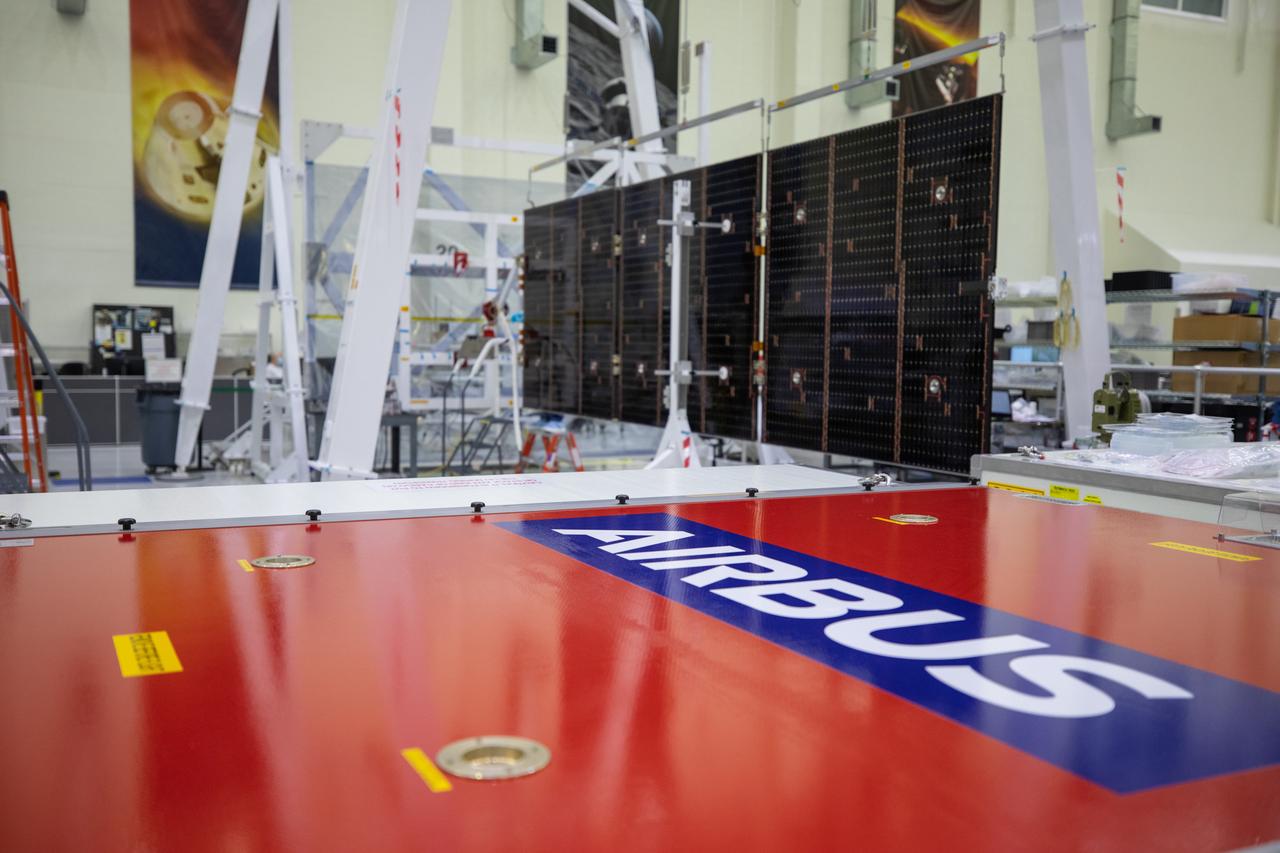
Inside the Neil Armstrong Operations and Checkout Building high bay at NASA’s Kennedy Space Center in Florida, in preparation for installation on the Artemis I spacecraft, technicians have extended one of the Artemis I solar array wings for inspection on Sept. 10, 2020, to confirm that it unfurled properly and all of the mechanisms functioned as expected. The solar array is one of four panels that will generate 11 kilowatts of power and span about 63 feet. The array is a component of Orion’s service module, which is provided by the European Space Agency and built by Airbus Defence and Space to supply Orion’s power, propulsion, air and water. The first in a series of increasingly complex missions, Artemis I will test the Orion spacecraft and Space Launch System as an integrated system ahead of crewed flights to the Moon. Under the Artemis program, NASA will land the first woman and the next man on the Moon in 2024.

Inside the Neil Armstrong Operations and Checkout Building high bay at NASA’s Kennedy Space Center in Florida, in preparation for installation on the Artemis I spacecraft, technicians have extended one of the Artemis I solar array wings for inspection on Sept. 10, 2020, to confirm that it unfurled properly and all of the mechanisms functioned as expected. The solar array is one of four panels that will generate 11 kilowatts of power and span about 63 feet. The array is a component of Orion’s service module, which is provided by the European Space Agency and built by Airbus Defence and Space to supply Orion’s power, propulsion, air and water. The first in a series of increasingly complex missions, Artemis I will test the Orion spacecraft and Space Launch System as an integrated system ahead of crewed flights to the Moon. Under the Artemis program, NASA will land the first woman and the next man on the Moon in 2024.
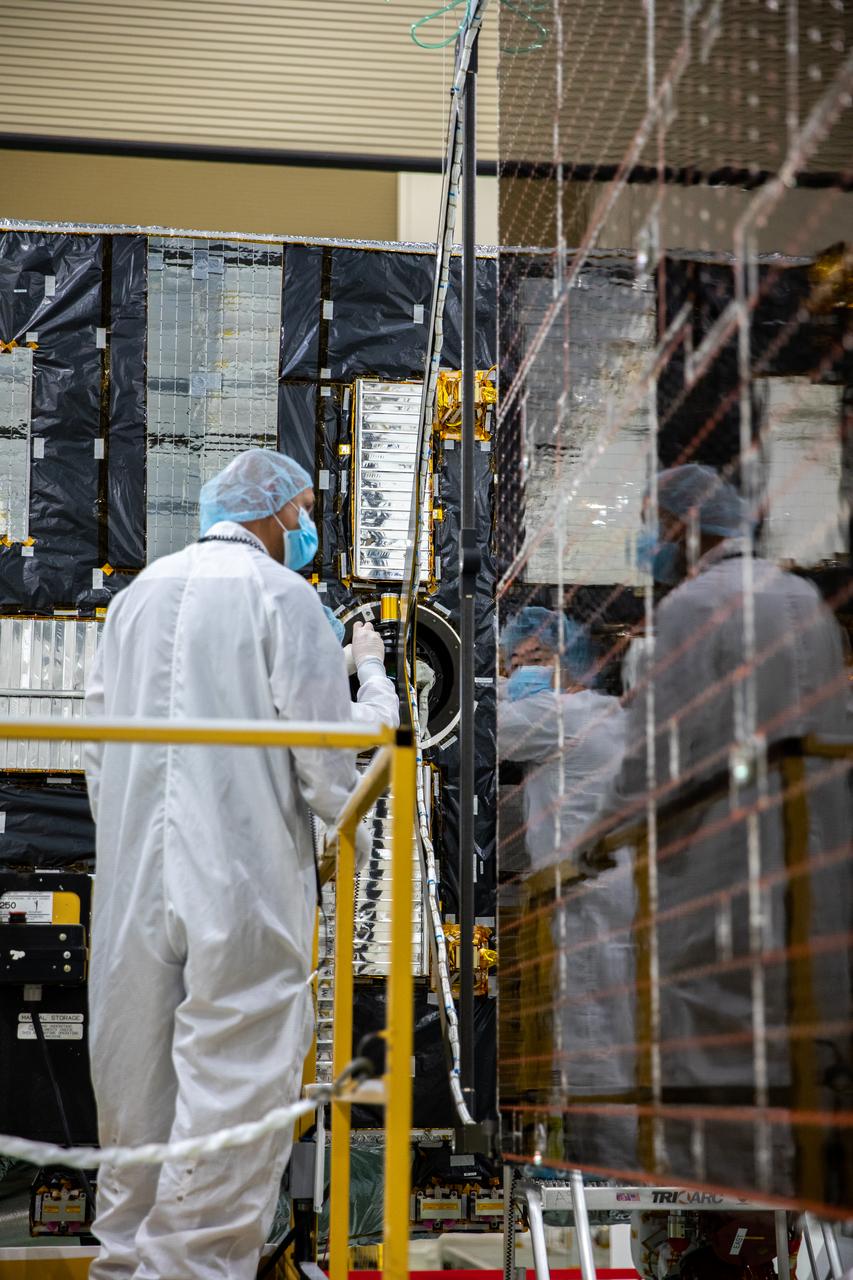
NASA team members prepare the twin solar arrays for integration with the agency’s Psyche spacecraft inside the Astrotech Space Operations Facility near the agency’s Kennedy Space Center in Florida on July 20, 2023. The solar arrays were shipped from Maxar Technologies, in San Jose, California. They are part of the solar electric propulsion system, provided by Maxar, that will power the spacecraft on its journey to explore a metal-rich asteroid. Psyche will launch atop a SpaceX Falcon Heavy rocket from Launch Complex 39A at Kennedy. Launch is targeted for Oct. 5, 2023. Riding with Psyche is a pioneering technology demonstration, NASA’s Deep Space Optical Communications (DSOC) experiment.
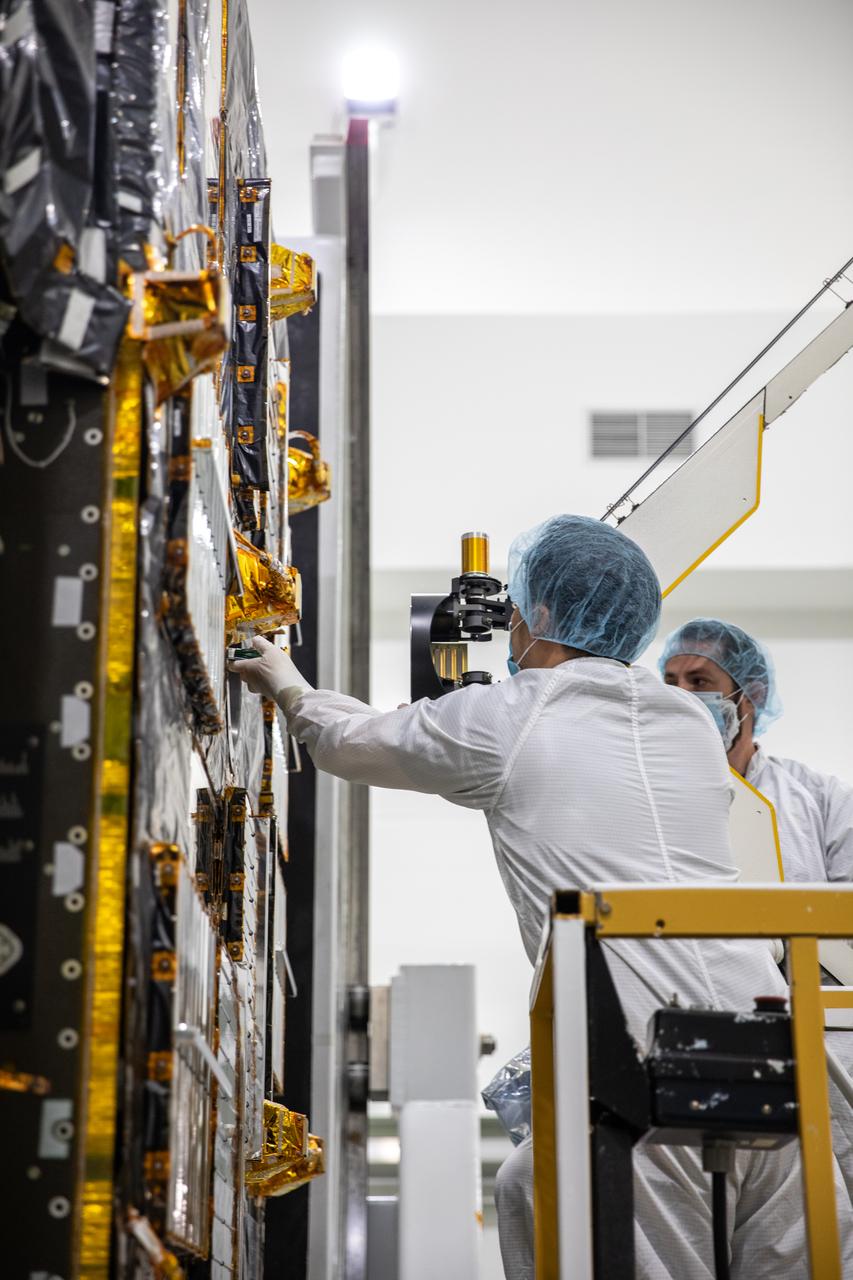
NASA team members prepare the agency’s Psyche spacecraft for integration with its twin solar arrays inside the Astrotech Space Operations Facility near the agency’s Kennedy Space Center in Florida on July 20, 2023. The solar arrays were shipped from Maxar Technologies, in San Jose, California. They are part of the solar electric propulsion system, provided by Maxar, that will power the spacecraft on its journey to explore a metal-rich asteroid. Psyche will launch atop a SpaceX Falcon Heavy rocket from Launch Complex 39A at Kennedy. Launch is targeted for Oct. 5, 2023. Riding with Psyche is a pioneering technology demonstration, NASA’s Deep Space Optical Communications (DSOC) experiment.
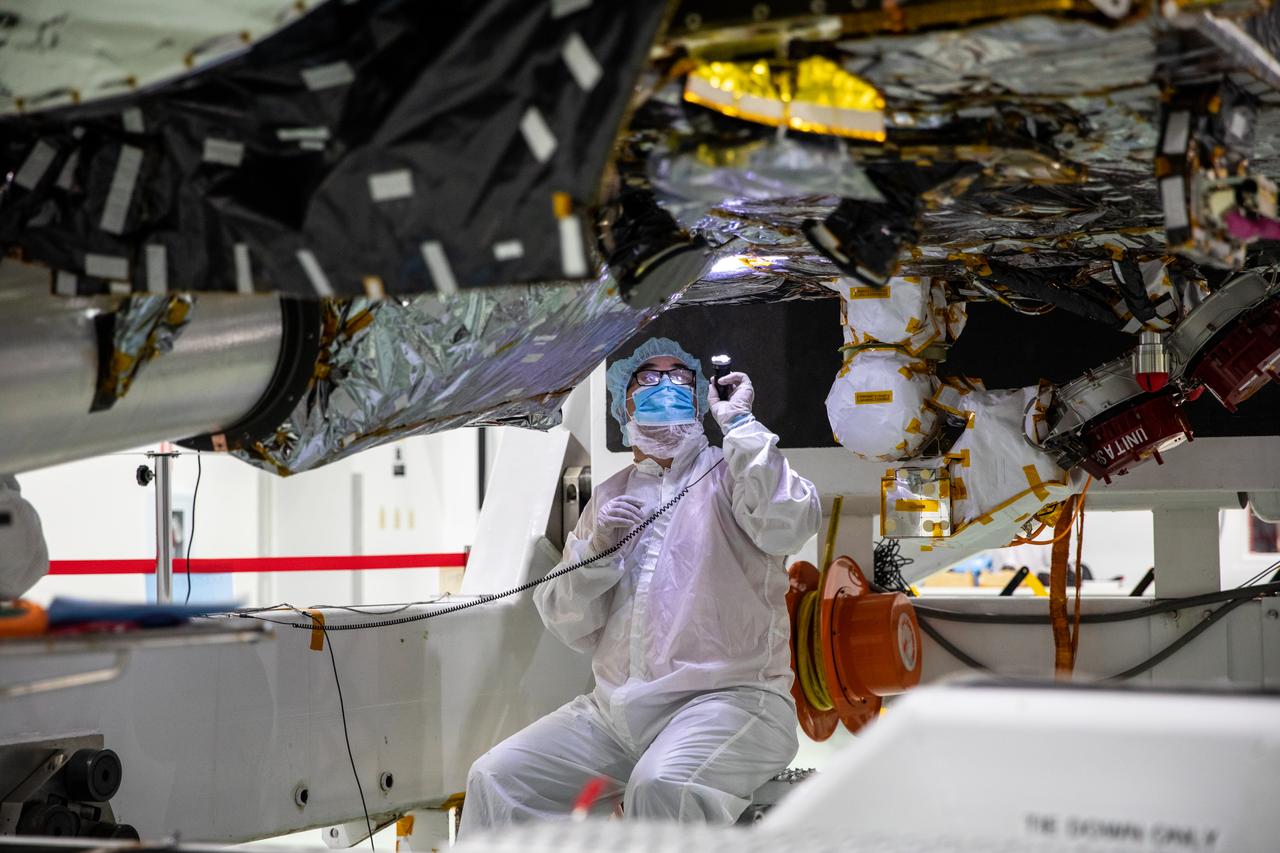
A NASA team member prepares the agency’s Psyche spacecraft for integration with its twin solar arrays inside the Astrotech Space Operations Facility near the agency’s Kennedy Space Center in Florida on July 20, 2023. The solar arrays were shipped from Maxar Technologies, in San Jose, California. They are part of the solar electric propulsion system, provided by Maxar, that will power the spacecraft on its journey to explore a metal-rich asteroid. Psyche will launch atop a SpaceX Falcon Heavy rocket from Launch Complex 39A at Kennedy. Launch is targeted for Oct. 5, 2023. Riding with Psyche is a pioneering technology demonstration, NASA’s Deep Space Optical Communications (DSOC) experiment.
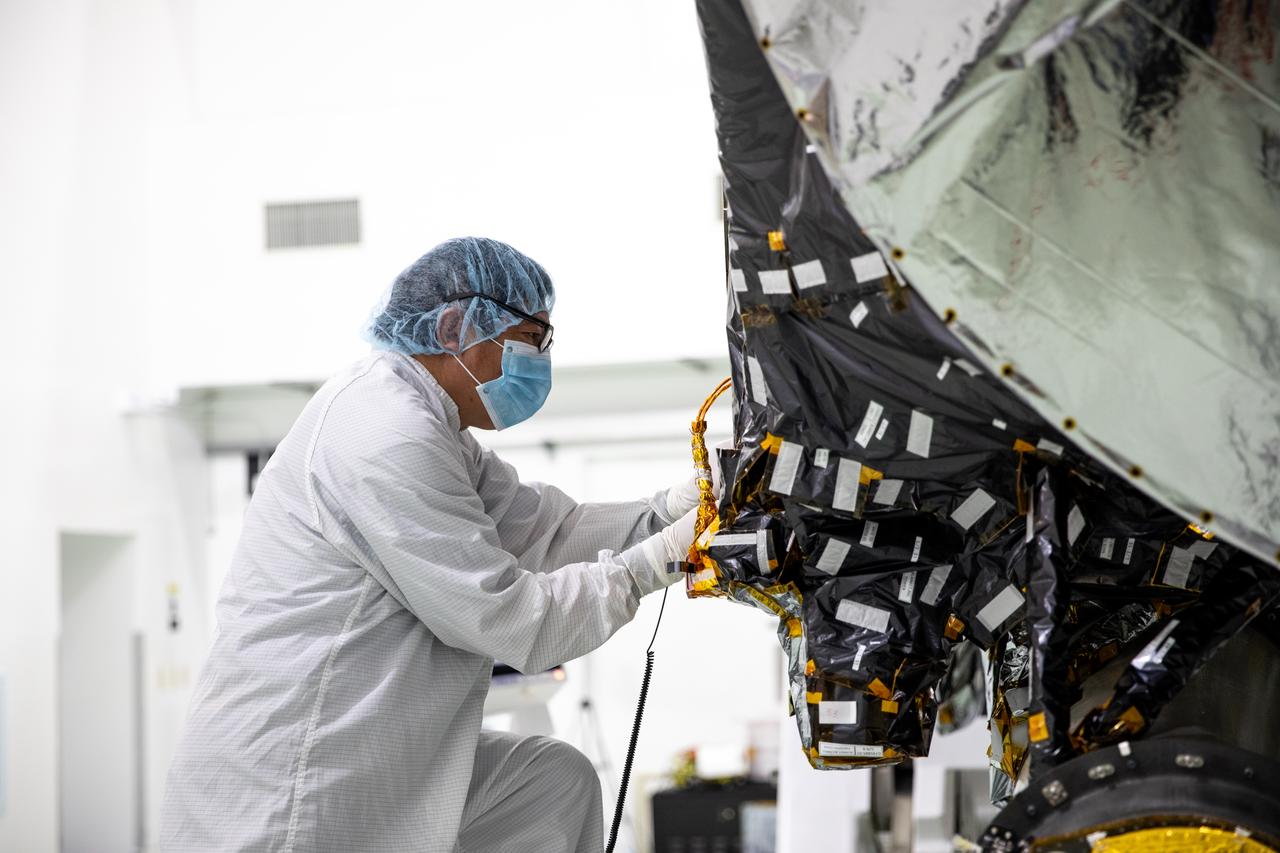
A NASA team member prepares the agency’s Psyche spacecraft for integration with its twin solar arrays inside the Astrotech Space Operations Facility near the agency’s Kennedy Space Center in Florida on July 20, 2023. The solar arrays were shipped from Maxar Technologies, in San Jose, California. They are part of the solar electric propulsion system, provided by Maxar, that will power the spacecraft on its journey to explore a metal-rich asteroid. Psyche will launch atop a SpaceX Falcon Heavy rocket from Launch Complex 39A at Kennedy. Launch is targeted for Oct. 5, 2023. Riding with Psyche is a pioneering technology demonstration, NASA’s Deep Space Optical Communications (DSOC) experiment.
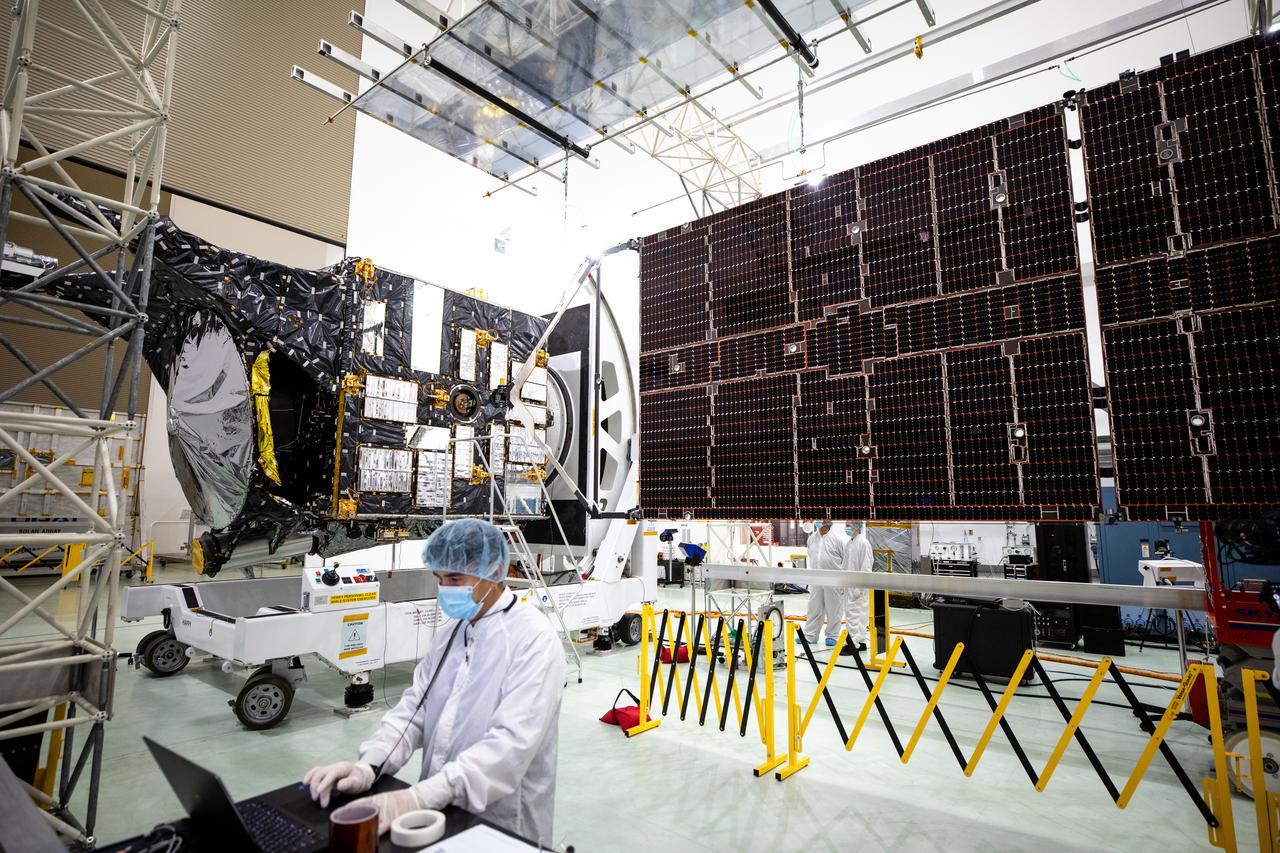
NASA team members prepare the agency’s Psyche spacecraft for integration with its twin solar arrays inside the Astrotech Space Operations Facility near the agency’s Kennedy Space Center in Florida on July 20, 2023. The solar arrays were shipped from Maxar Technologies, in San Jose, California. They are part of the solar electric propulsion system, provided by Maxar, that will power the spacecraft on its journey to explore a metal-rich asteroid. Psyche will launch atop a SpaceX Falcon Heavy rocket from Launch Complex 39A at Kennedy. Launch is targeted for Oct. 5, 2023. Riding with Psyche is a pioneering technology demonstration, NASA’s Deep Space Optical Communications (DSOC) experiment.
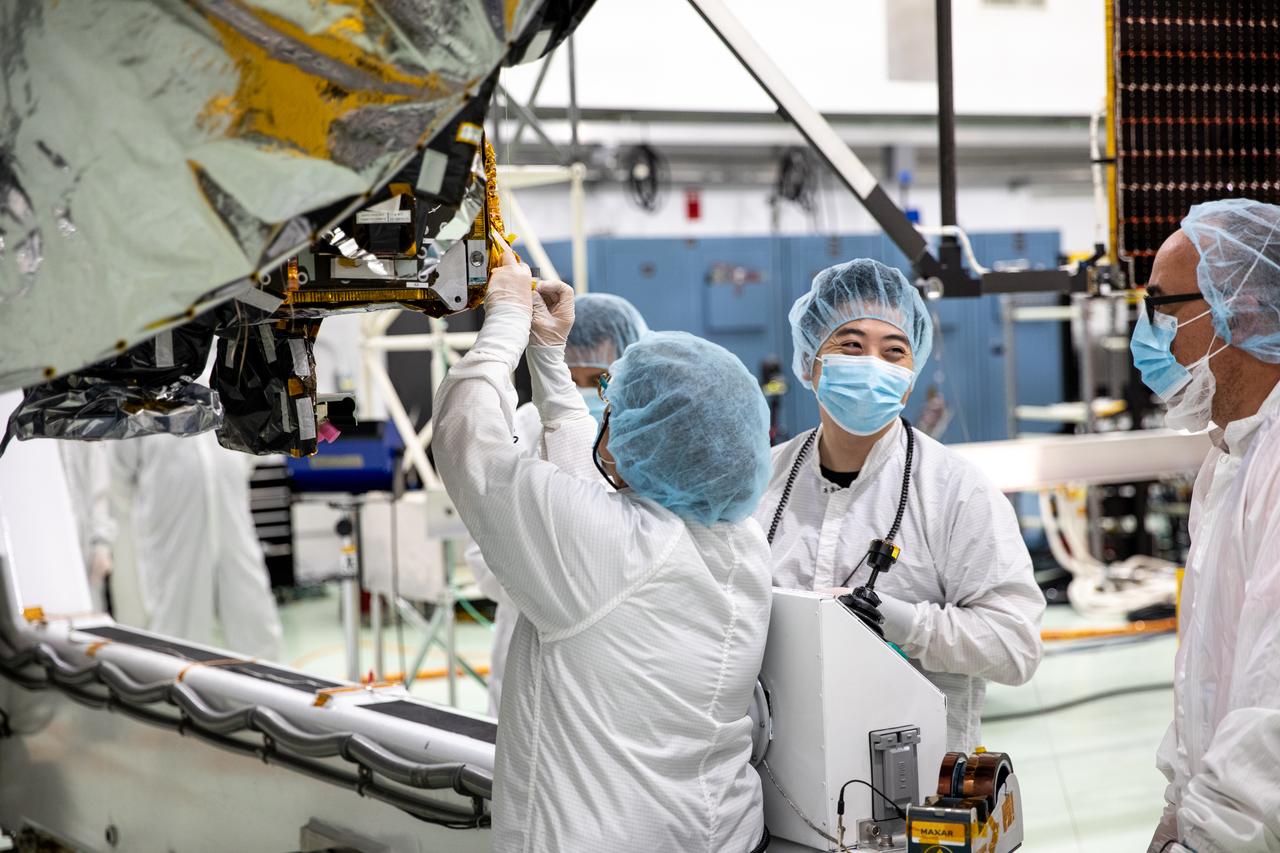
NASA team members prepare the agency’s Psyche spacecraft for integration with its twin solar arrays inside the Astrotech Space Operations Facility near the agency’s Kennedy Space Center in Florida on July 20, 2023. The solar arrays were shipped from Maxar Technologies, in San Jose, California. They are part of the solar electric propulsion system, provided by Maxar, that will power the spacecraft on its journey to explore a metal-rich asteroid. Psyche will launch atop a SpaceX Falcon Heavy rocket from Launch Complex 39A at Kennedy. Launch is targeted for Oct. 5, 2023. Riding with Psyche is a pioneering technology demonstration, NASA’s Deep Space Optical Communications (DSOC) experiment.
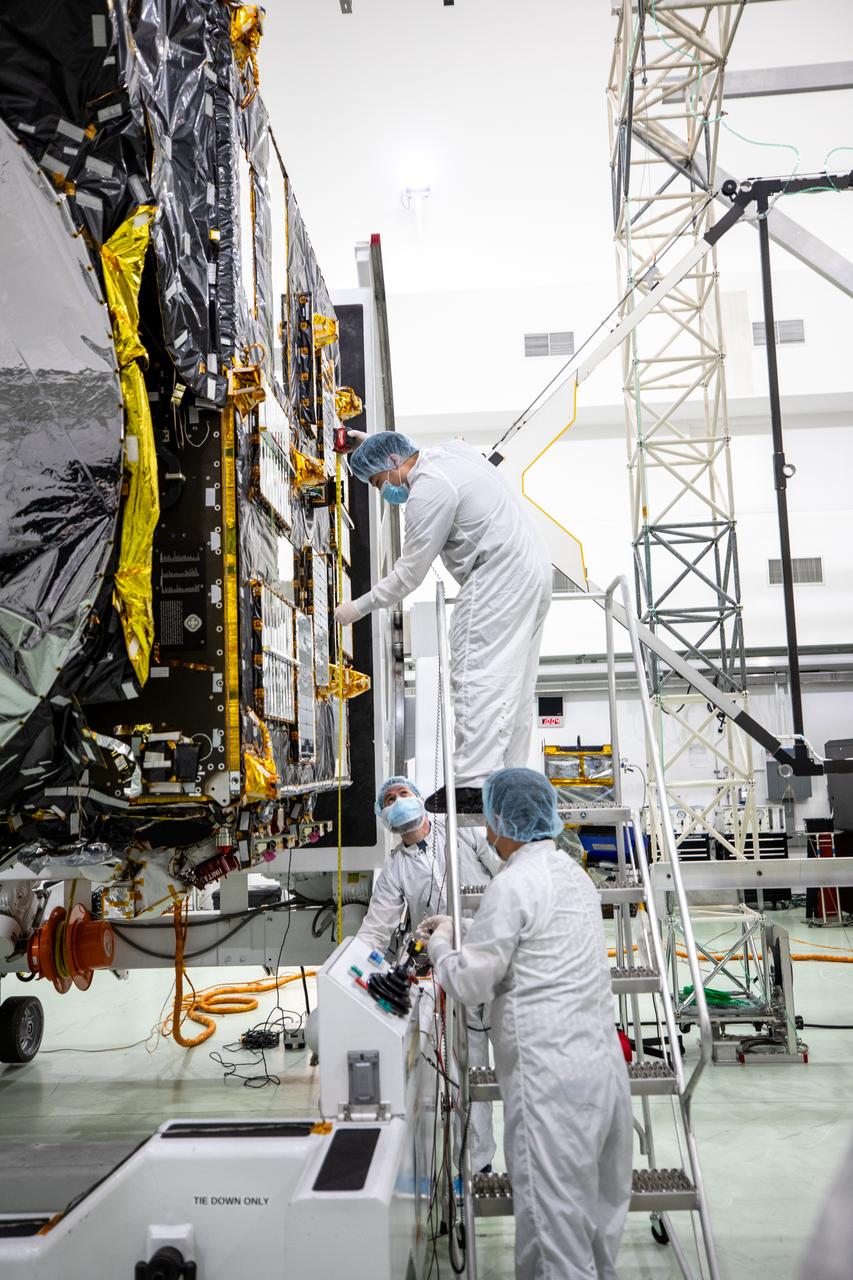
NASA team members prepare the agency’s Psyche spacecraft for integration with its twin solar arrays inside the Astrotech Space Operations Facility near the agency’s Kennedy Space Center in Florida on July 20, 2023. The solar arrays were shipped from Maxar Technologies, in San Jose, California. They are part of the solar electric propulsion system, provided by Maxar, that will power the spacecraft on its journey to explore a metal-rich asteroid. Psyche will launch atop a SpaceX Falcon Heavy rocket from Launch Complex 39A at Kennedy. Launch is targeted for Oct. 5, 2023. Riding with Psyche is a pioneering technology demonstration, NASA’s Deep Space Optical Communications (DSOC) experiment.
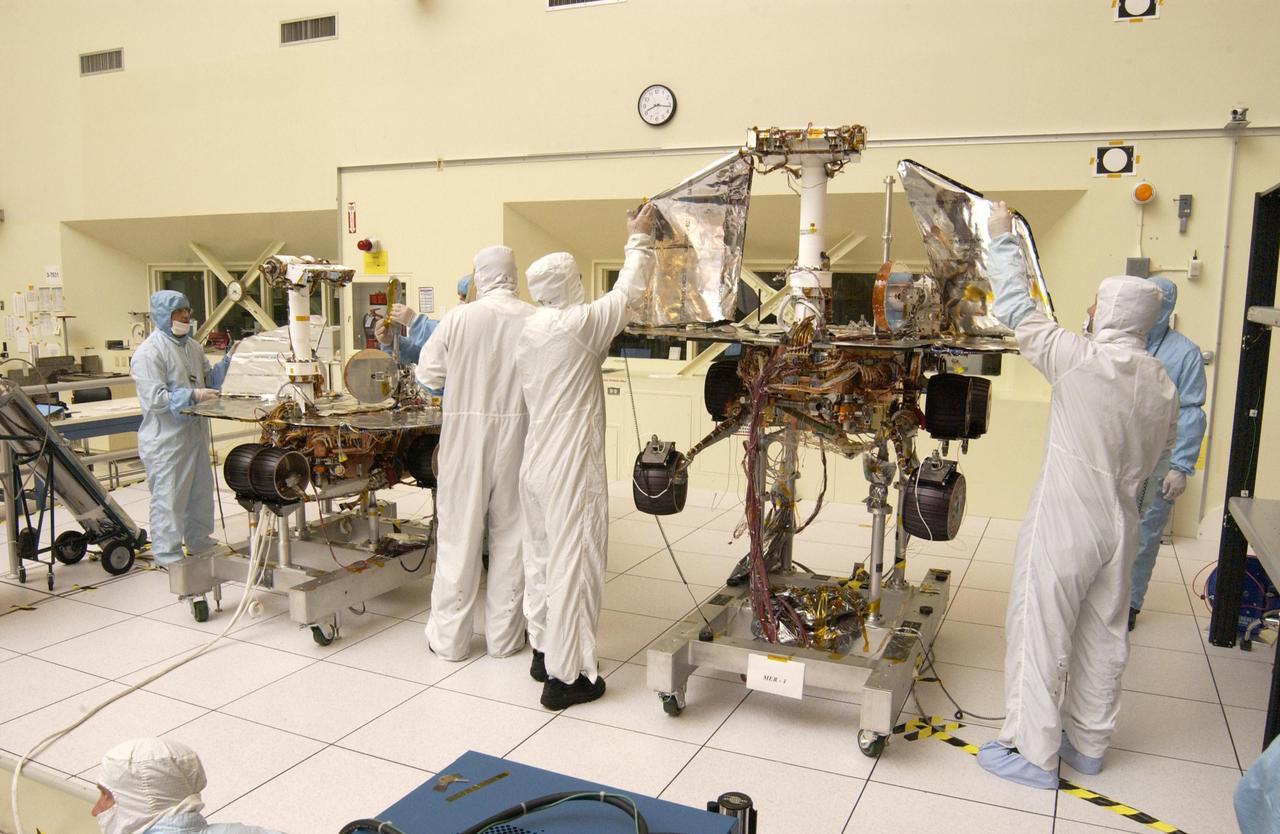
JPL engineers hand-deploying the solar arrays that provide the electrical power on NASA Mars Exploration Rover 1.
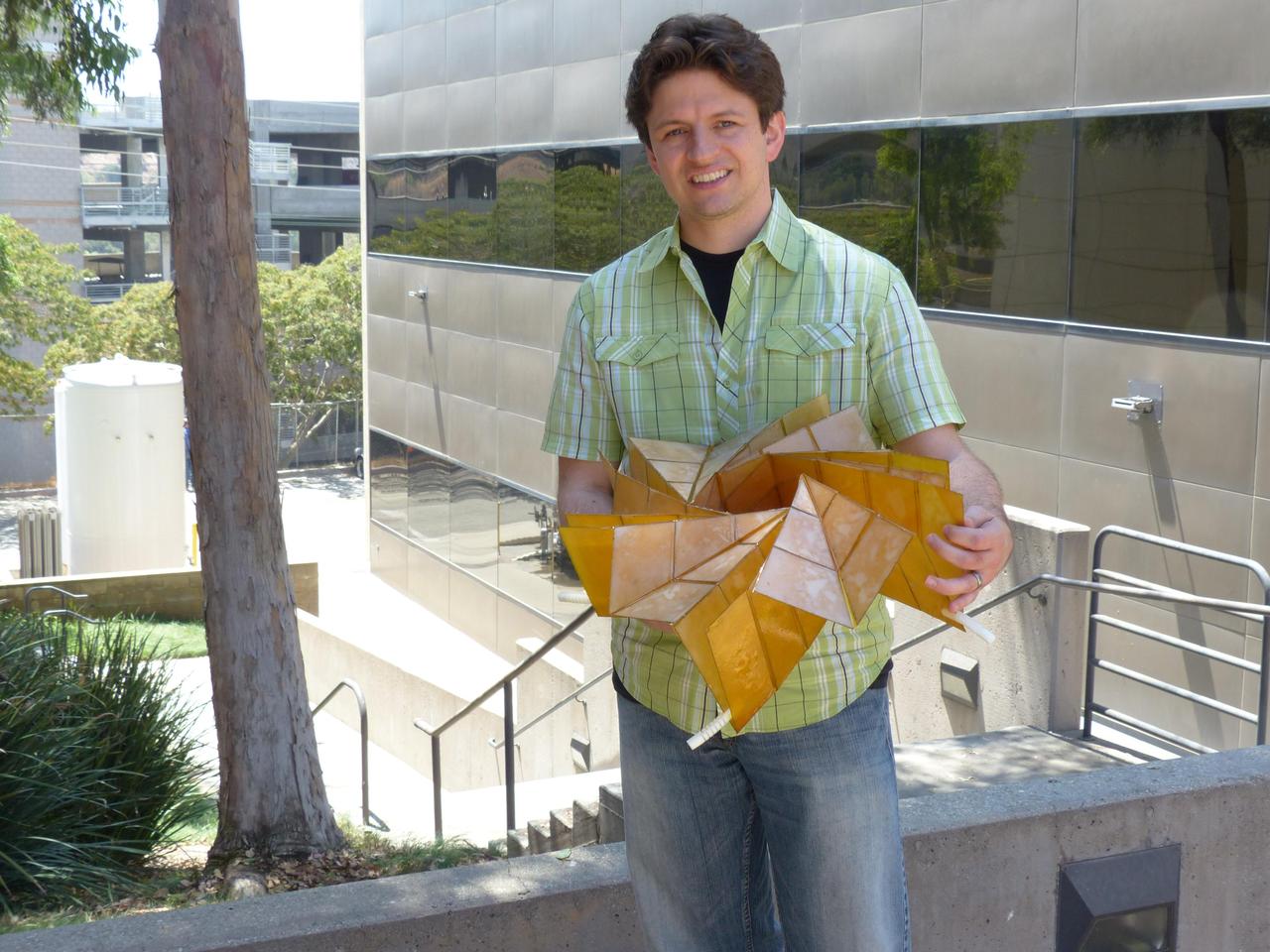
A researcher at NASA Jet Propulsion Laboratory in Pasadena, holds a prototype of a solar panel array that folds up in the style of origami.
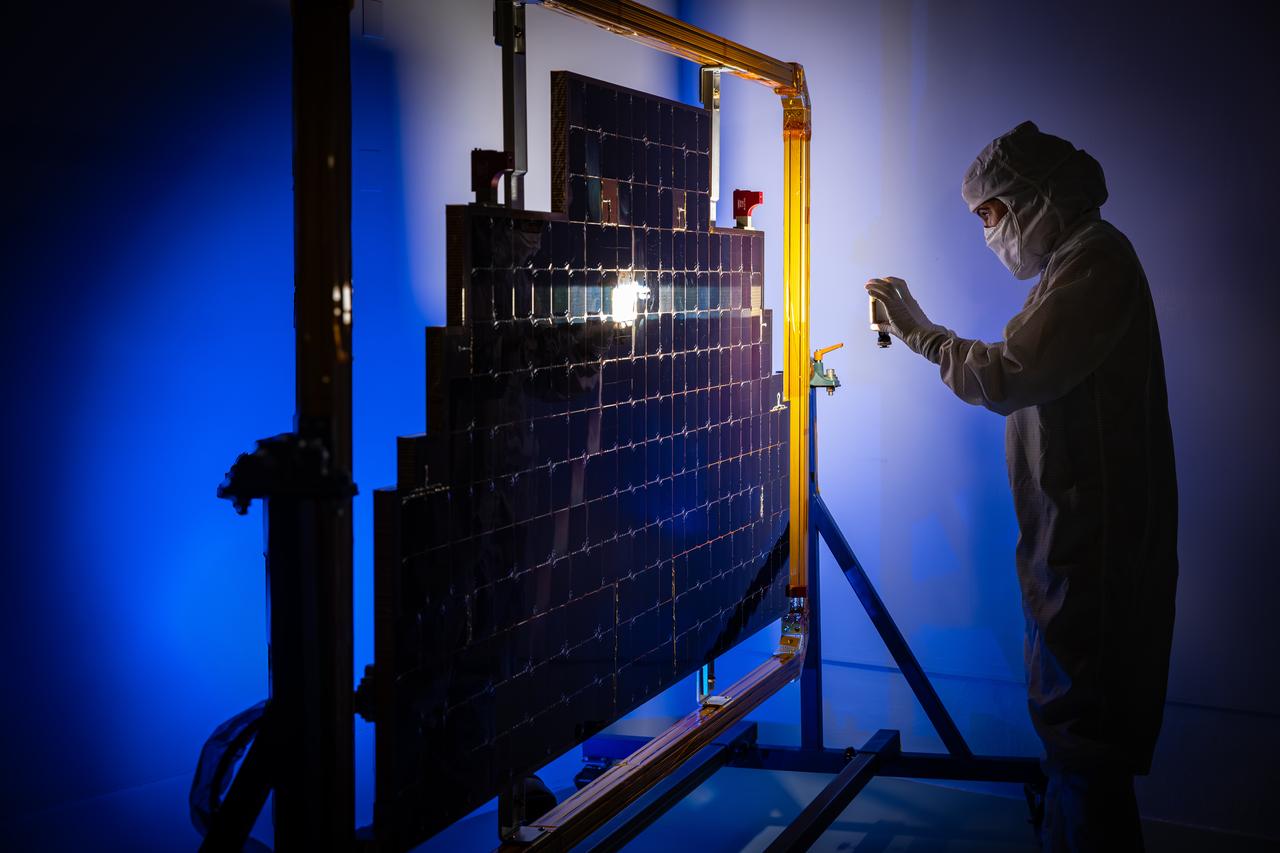
Technicians conduct an illumination test by flashing a bright light that simulates the Sun into the solar array for NASA’s IMAP (Interstellar Mapping and Acceleration Probe) observatory inside the high bay at the Astrotech Space Operations Facility near the agency’s Kennedy Space Center in Florida on Friday, June 20, 2025. The IMAP solar array converts sunlight into approximately 500 watts of power, and IMAP’s spin axis, which comes through the center of the solar arrays, points sunward to provide constant power. Launch is targeted for no earlier than September 2025 aboard a SpaceX Falcon 9 rocket from Launch Complex 39A at NASA Kennedy.
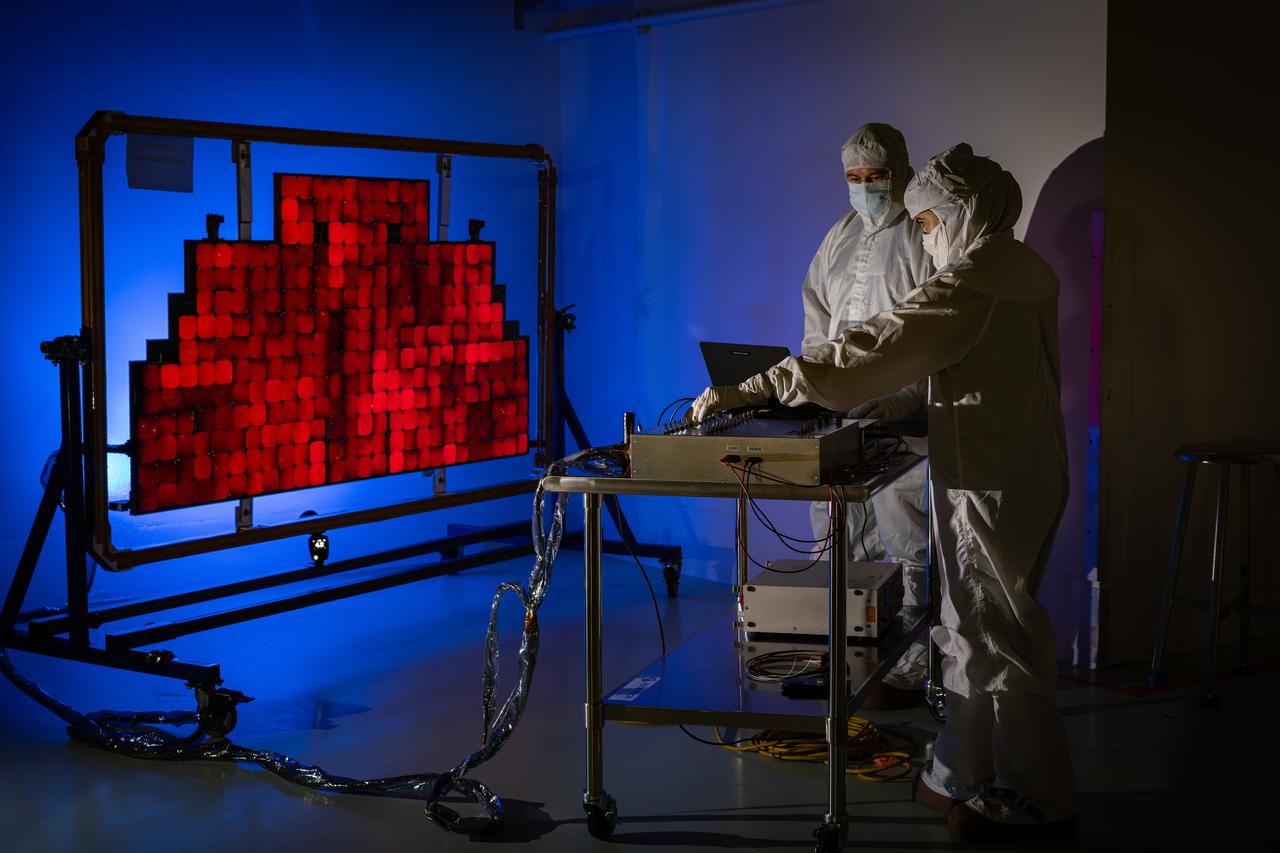
Technicians conduct an illumination test by flashing a bright light that simulates the Sun into the solar array for NASA’s IMAP (Interstellar Mapping and Acceleration Probe) observatory inside the high bay at the Astrotech Space Operations Facility near the agency’s Kennedy Space Center in Florida on Friday, June 20, 2025. The IMAP solar array converts sunlight into approximately 500 watts of power, and IMAP’s spin axis, which comes through the center of the solar arrays, points sunward to provide constant power. Launch is targeted for no earlier than September 2025 aboard a SpaceX Falcon 9 rocket from Launch Complex 39A at NASA Kennedy.
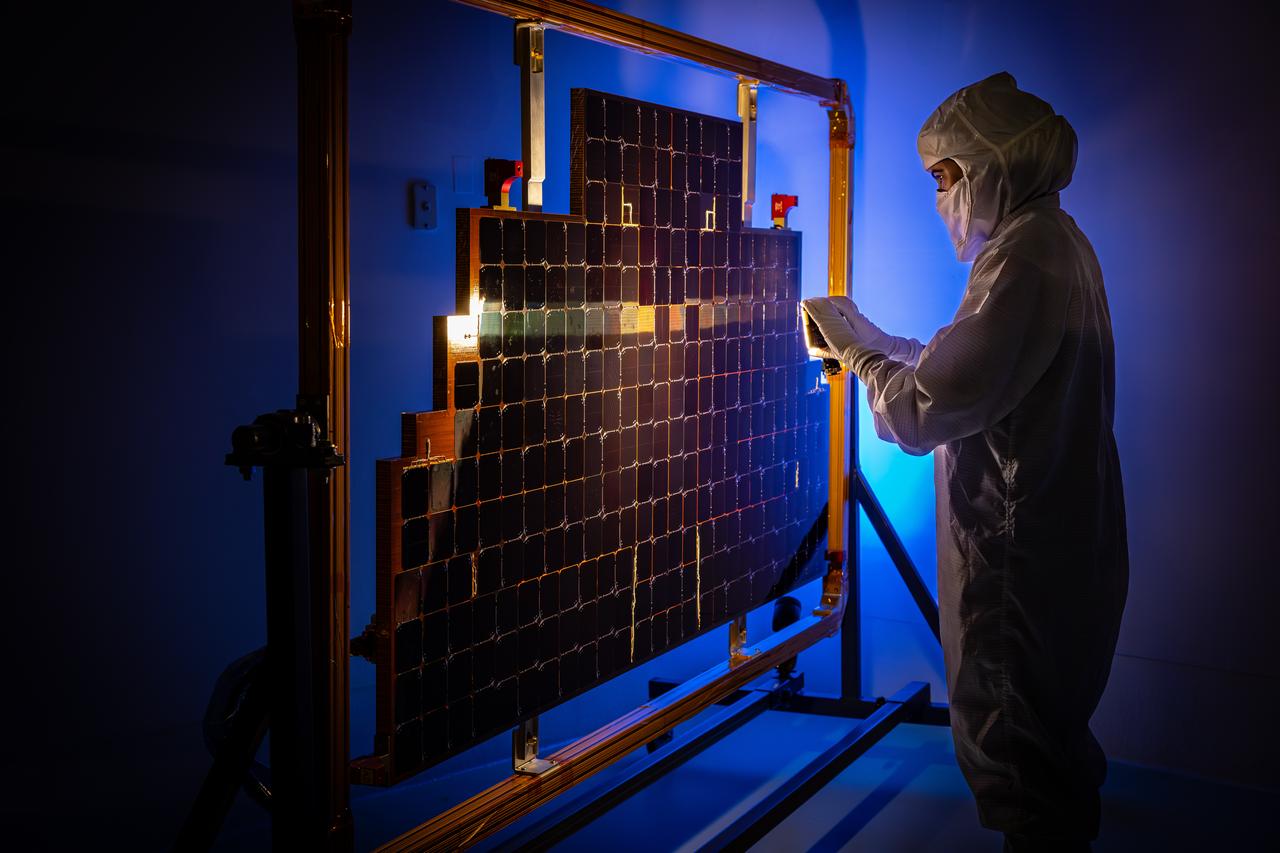
Technicians conduct an illumination test by flashing a bright light that simulates the Sun into the solar array for NASA’s IMAP (Interstellar Mapping and Acceleration Probe) observatory inside the high bay at the Astrotech Space Operations Facility near the agency’s Kennedy Space Center in Florida on Friday, June 20, 2025. The IMAP solar array converts sunlight into approximately 500 watts of power, and IMAP’s spin axis, which comes through the center of the solar arrays, points sunward to provide constant power. Launch is targeted for no earlier than September 2025 aboard a SpaceX Falcon 9 rocket from Launch Complex 39A at NASA Kennedy.
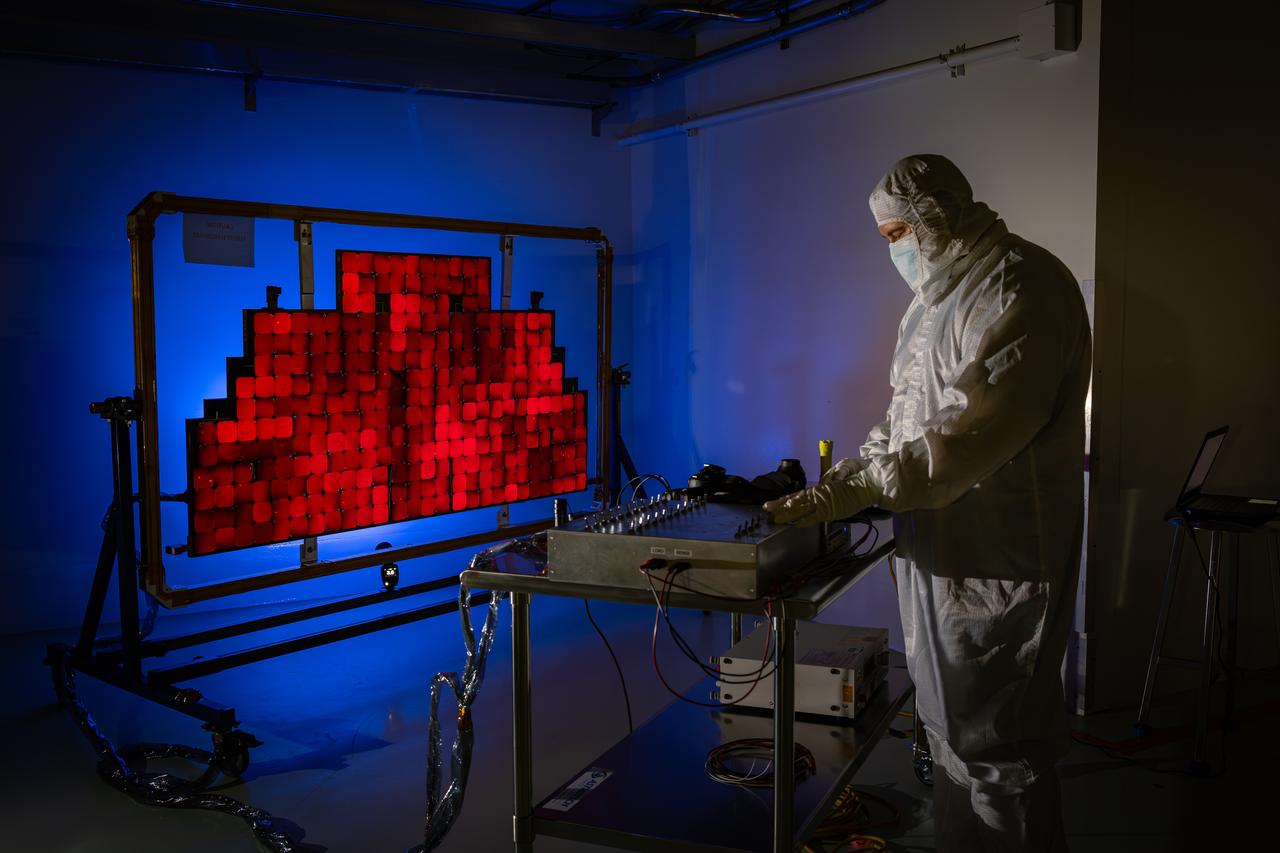
Technicians conduct an illumination test by flashing a bright light that simulates the Sun into the solar array for NASA’s IMAP (Interstellar Mapping and Acceleration Probe) observatory inside the high bay at the Astrotech Space Operations Facility near the agency’s Kennedy Space Center in Florida on Friday, June 20, 2025. The IMAP solar array converts sunlight into approximately 500 watts of power, and IMAP’s spin axis, which comes through the center of the solar arrays, points sunward to provide constant power. Launch is targeted for no earlier than September 2025 aboard a SpaceX Falcon 9 rocket from Launch Complex 39A at NASA Kennedy.
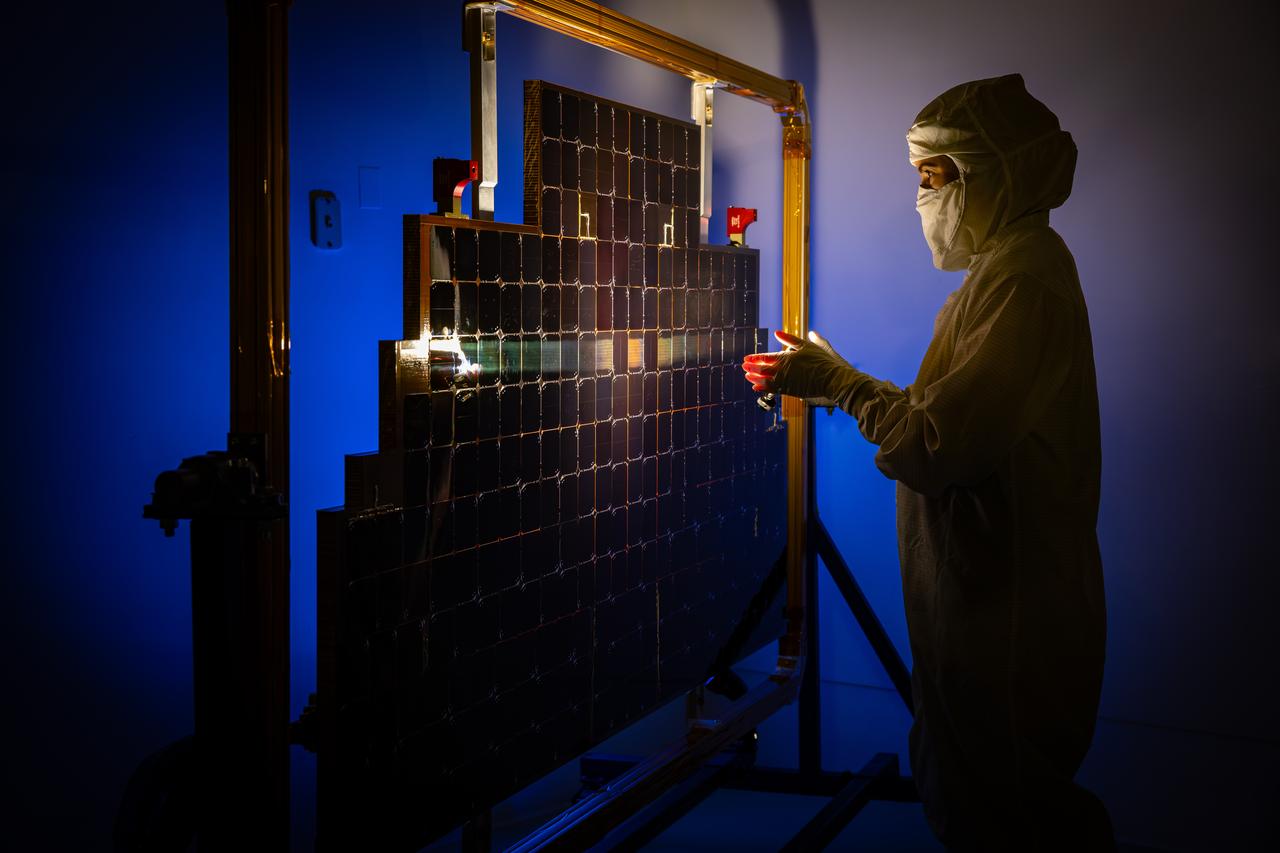
Technicians conduct an illumination test by flashing a bright light that simulates the Sun into the solar array for NASA’s IMAP (Interstellar Mapping and Acceleration Probe) observatory inside the high bay at the Astrotech Space Operations Facility near the agency’s Kennedy Space Center in Florida on Friday, June 20, 2025. The IMAP solar array converts sunlight into approximately 500 watts of power, and IMAP’s spin axis, which comes through the center of the solar arrays, points sunward to provide constant power. Launch is targeted for no earlier than September 2025 aboard a SpaceX Falcon 9 rocket from Launch Complex 39A at NASA Kennedy.
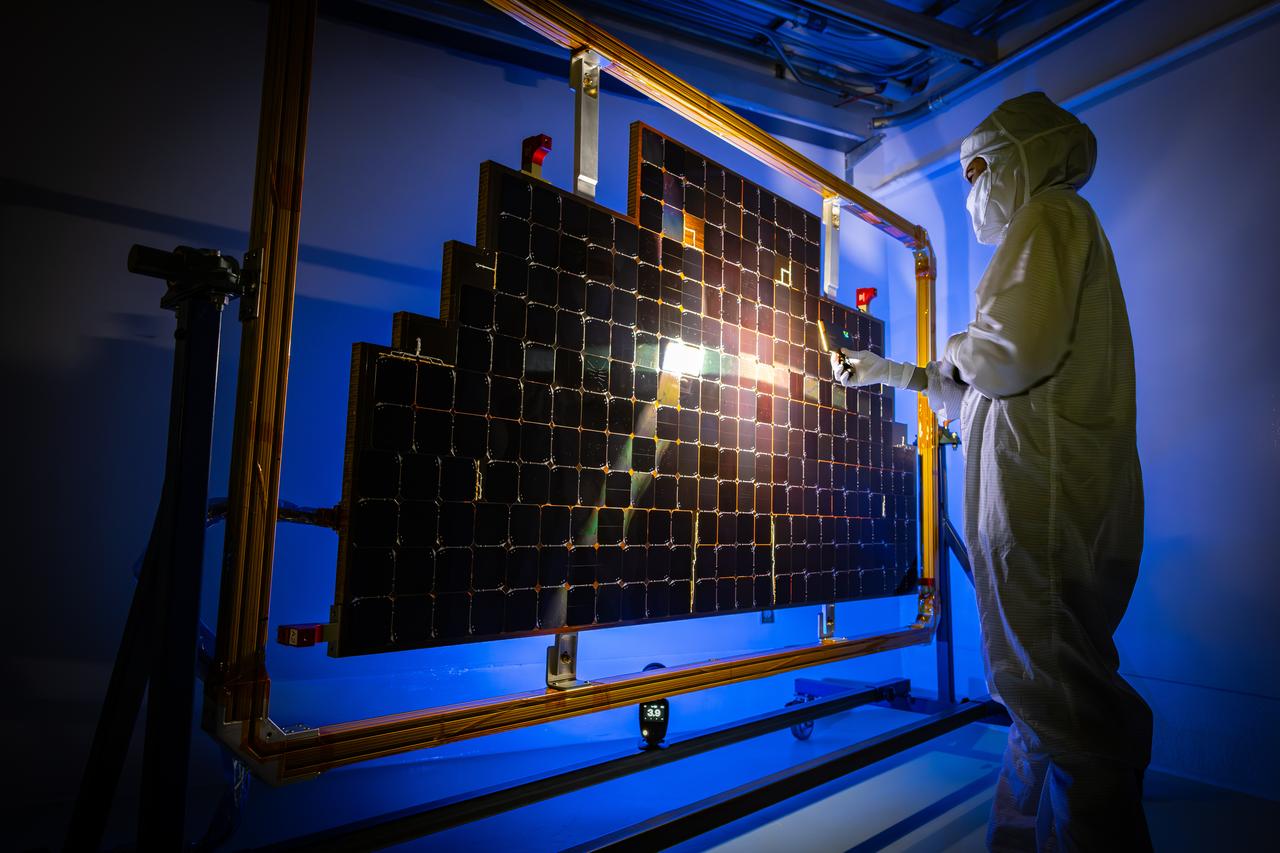
Technicians conduct an illumination test by flashing a bright light that simulates the Sun into the solar array for NASA’s IMAP (Interstellar Mapping and Acceleration Probe) observatory inside the high bay at the Astrotech Space Operations Facility near the agency’s Kennedy Space Center in Florida on Friday, June 20, 2025. The IMAP solar array converts sunlight into approximately 500 watts of power, and IMAP’s spin axis, which comes through the center of the solar arrays, points sunward to provide constant power. Launch is targeted for no earlier than September 2025 aboard a SpaceX Falcon 9 rocket from Launch Complex 39A at NASA Kennedy.
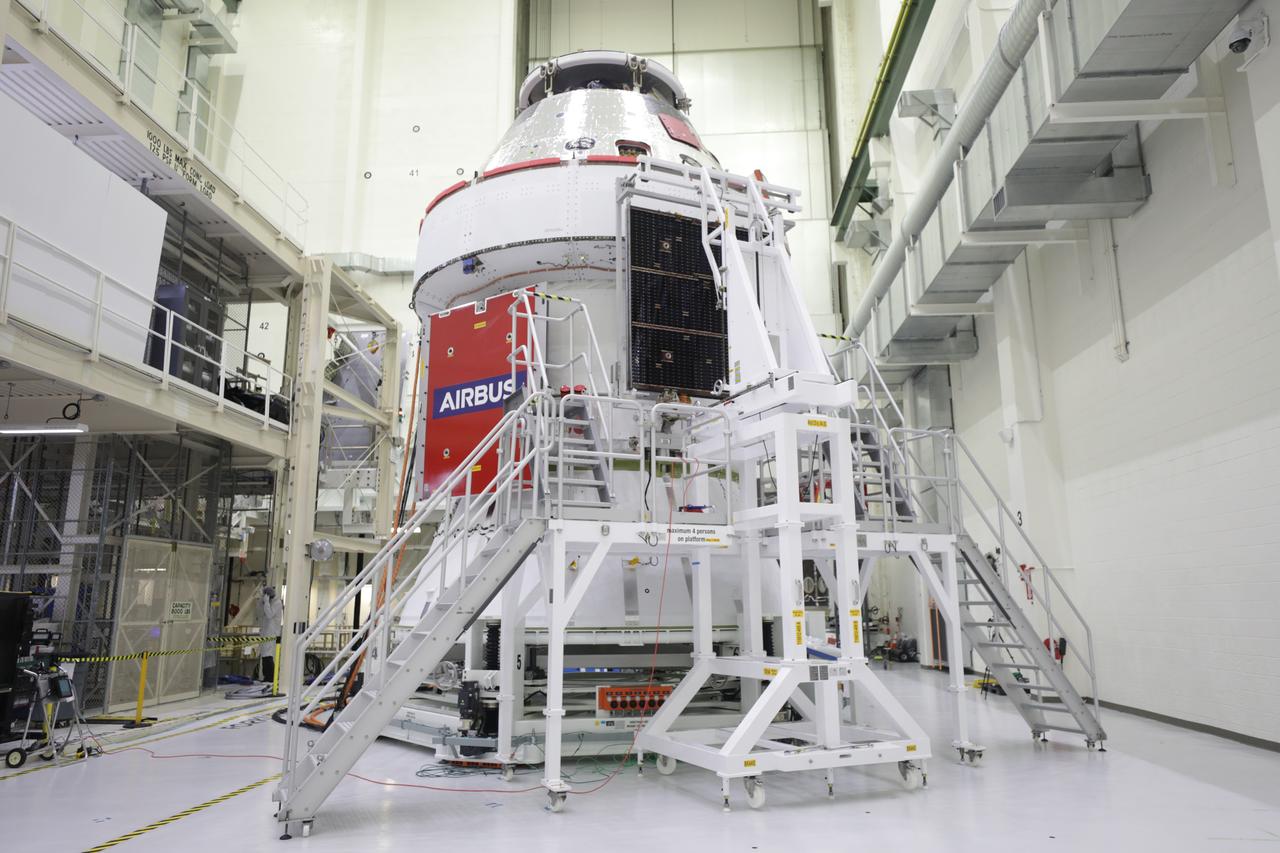
The final of four solar array wings is shown being installed prior to receiving its protective covering on the Orion spacecraft for Artemis I inside the Neil Armstrong Operations and Checkout Building high bay at NASA’s Kennedy Space Center in Florida on Sept. 30, 2020. The solar arrays were extended, inspected, and then retracted, before installation on the spacecraft. Each solar array panel will generate 11 kilowatts of power and span about 63 feet. The array is a component of Orion’s service module, which is provided by the European Space Agency and built by Airbus Defence and Space to supply Orion’s power, propulsion, air and water. The first in a series of increasingly complex missions, Artemis I will test the Orion spacecraft and Space Launch System as an integrated system ahead of crewed flights to the Moon. Under the Artemis program, NASA will land the first woman and the next man on the Moon in 2024.
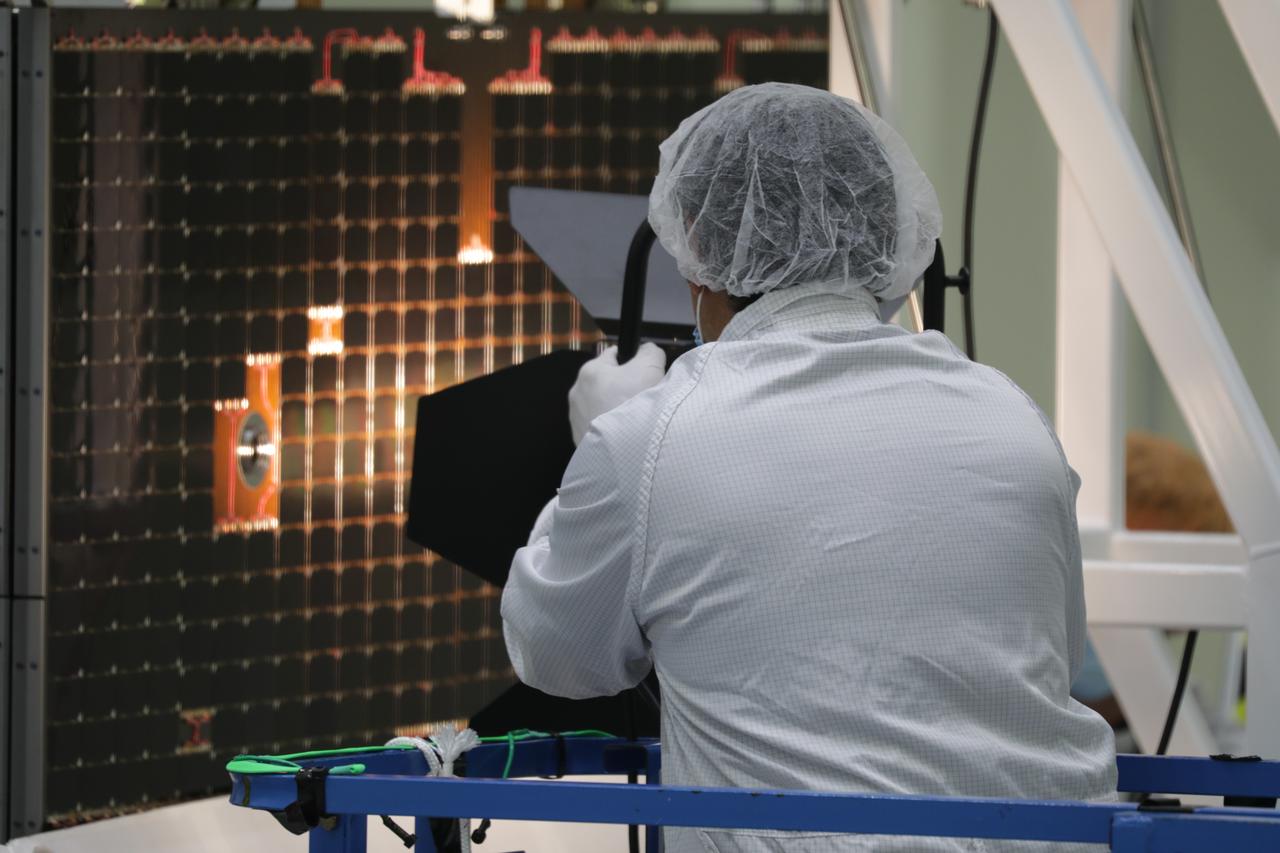
A Lockheed Martin technician is shown assisting with lighting one of the solar array wing panels as part of an illumination test during installation on the Orion spacecraft for Artemis I inside the Neil Armstrong Operations and Checkout Building high bay at NASA’s Kennedy Space Center in Florida on Sept. 30, 2020. The solar arrays were extended, inspected, and then retracted, before installation on the spacecraft. Each solar array panel will generate 11 kilowatts of power and span about 63 feet. The array is a component of Orion’s service module, which is provided by the European Space Agency and built by Airbus Defence and Space to supply Orion’s power, propulsion, air and water. The first in a series of increasingly complex missions, Artemis I will test the Orion spacecraft and Space Launch System as an integrated system ahead of crewed flights to the Moon. Under the Artemis program, NASA will land the first woman and the next man on the Moon in 2024.
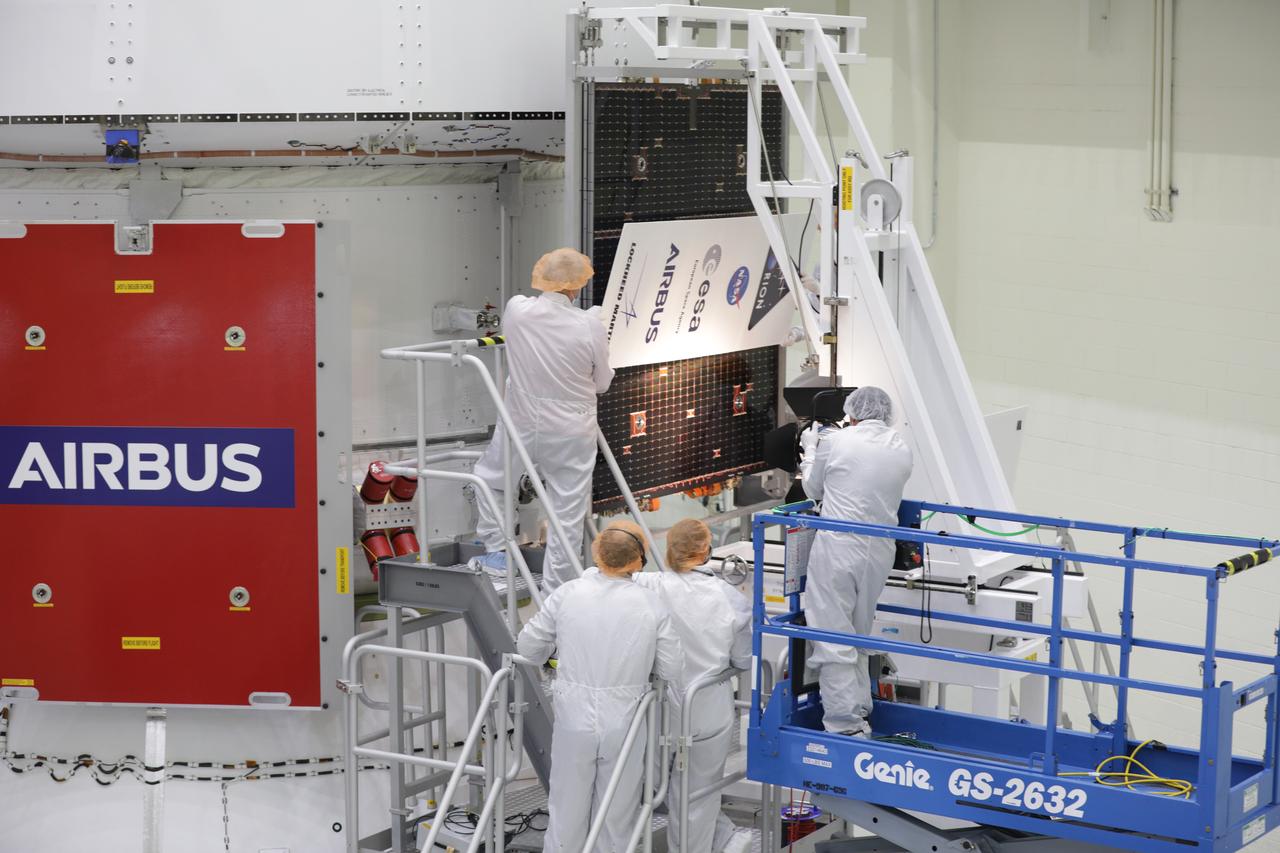
Technicians with the European Space Agency and Airbus/Airbus Netherlands are shown performing an illumination test on one of the solar array wing panels during installation on the Orion spacecraft for Artemis I inside the Neil Armstrong Operations and Checkout Building high bay at NASA’s Kennedy Space Center in Florida on Sept. 30, 2020. The solar arrays were extended, inspected, and then retracted, before installation on the spacecraft. Each solar array panel will generate 11 kilowatts of power and span about 63 feet. The array is a component of Orion’s service module, which is provided by the European Space Agency and built by Airbus Defence and Space to supply Orion’s power, propulsion, air and water. The first in a series of increasingly complex missions, Artemis I will test the Orion spacecraft and Space Launch System as an integrated system ahead of crewed flights to the Moon. Under the Artemis program, NASA will land the first woman and the next man on the Moon in 2024.
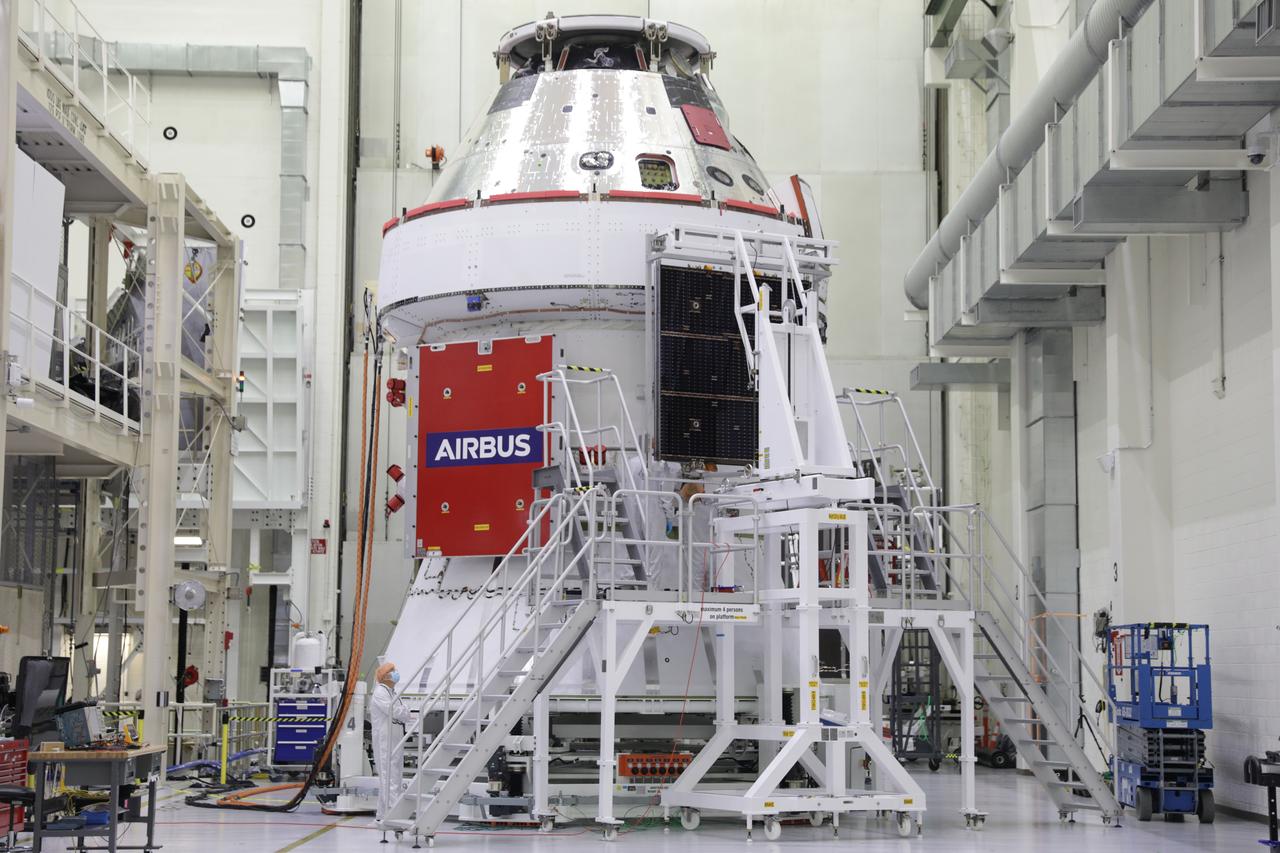
The final of four solar array wings is shown being installed prior to receiving its protective covering on the Orion spacecraft for Artemis I inside the Neil Armstrong Operations and Checkout Building high bay at NASA’s Kennedy Space Center in Florida on Sept. 30, 2020. The solar arrays were extended, inspected, and then retracted, before installation on the spacecraft. Each solar array panel will generate 11 kilowatts of power and span about 63 feet. The array is a component of Orion’s service module, which is provided by the European Space Agency and built by Airbus Defence and Space to supply Orion’s power, propulsion, air and water. The first in a series of increasingly complex missions, Artemis I will test the Orion spacecraft and Space Launch System as an integrated system ahead of crewed flights to the Moon. Under the Artemis program, NASA will land the first woman and the next man on the Moon in 2024.
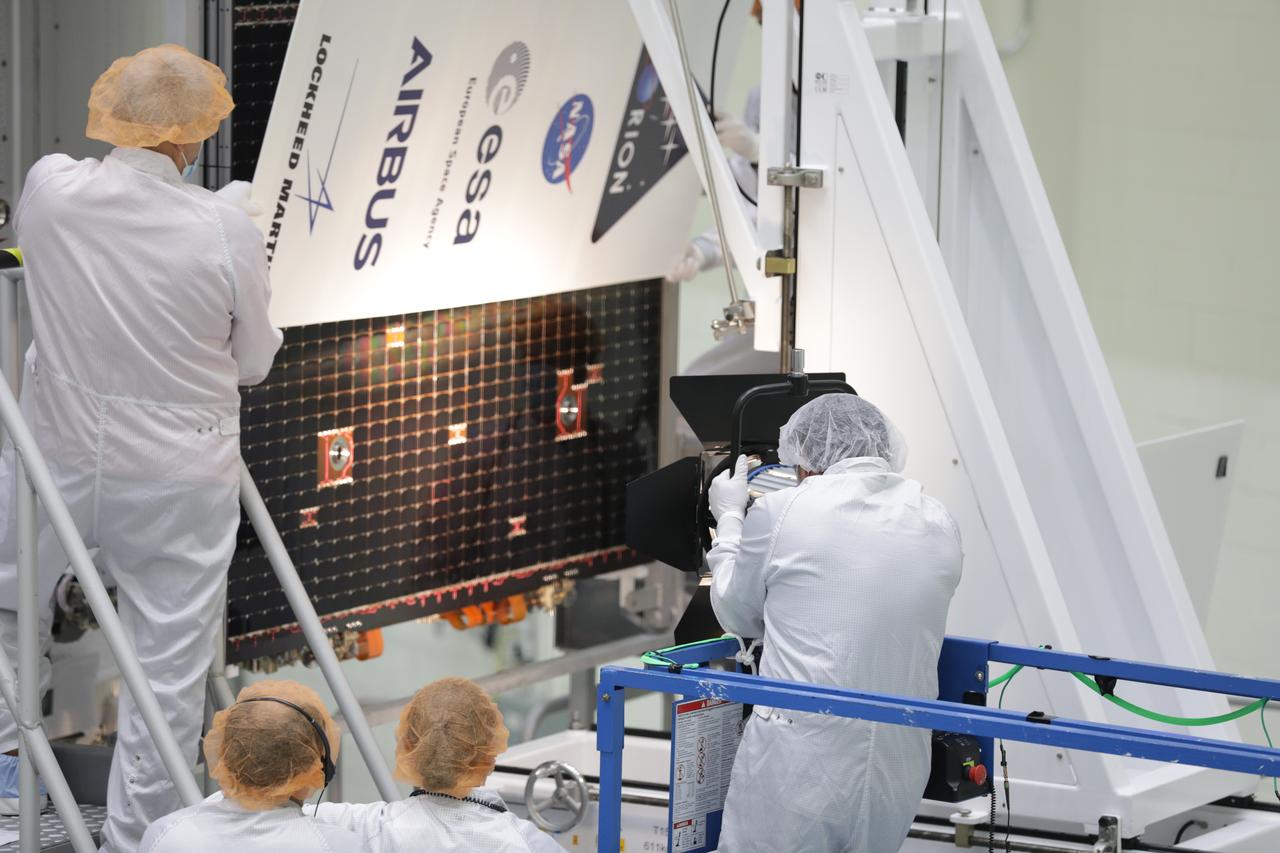
Technicians with the European Space Agency and Airbus/Airbus Netherlands are shown performing an illumination test on one of the solar array wing panels during installation on the Orion spacecraft for Artemis I inside the Neil Armstrong Operations and Checkout Building high bay at NASA’s Kennedy Space Center in Florida on Sept. 30, 2020. The solar arrays were extended, inspected, and then retracted, before installation on the spacecraft. Each solar array panel will generate 11 kilowatts of power and span about 63 feet. The array is a component of Orion’s service module, which is provided by the European Space Agency and built by Airbus Defence and Space to supply Orion’s power, propulsion, air and water. The first in a series of increasingly complex missions, Artemis I will test the Orion spacecraft and Space Launch System as an integrated system ahead of crewed flights to the Moon. Under the Artemis program, NASA will land the first woman and the next man on the Moon in 2024.
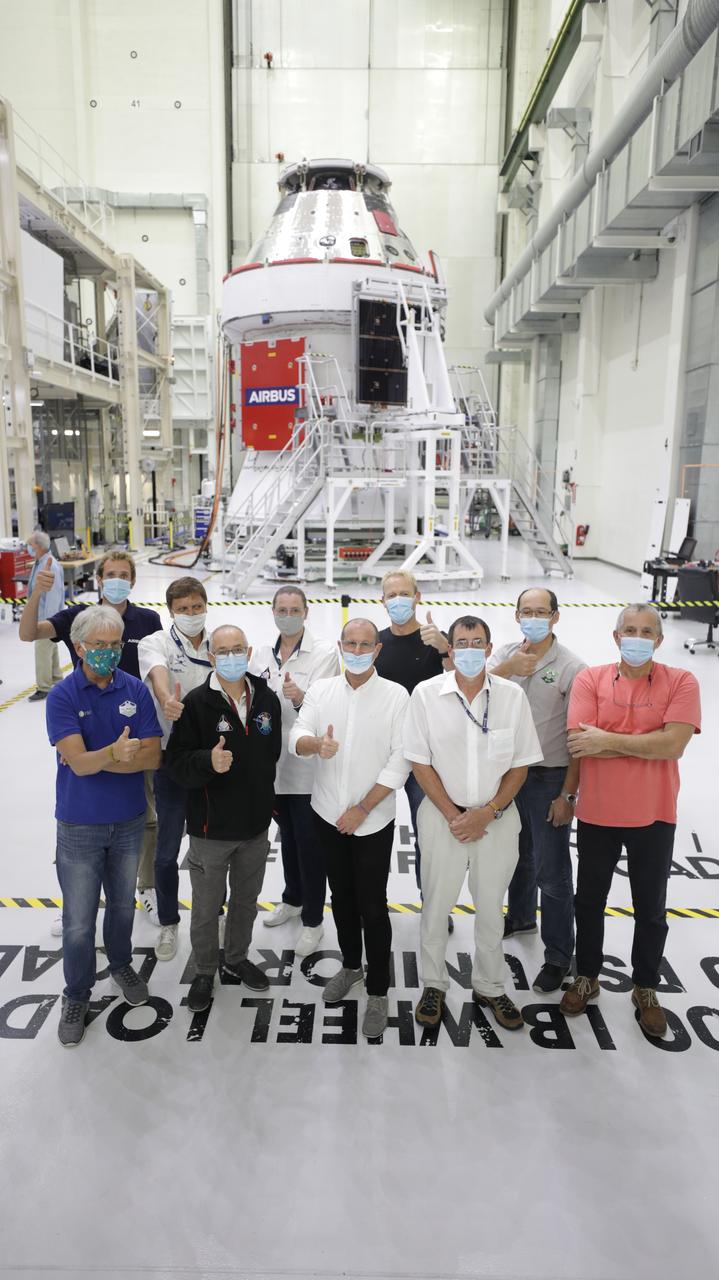
Members of the European Service Module processing team from the European Space Agency, Airbus, and Airbus Netherlands are shown with Orion’s solar array wings installed on the spacecraft for Artemis I inside the Neil Armstrong Operations and Checkout Building high bay at NASA’s Kennedy Space Center in Florida on Sept. 30, 2020. The solar arrays were extended, inspected, and then retracted, before installation on the spacecraft. Each solar array panel will generate 11 kilowatts of power and span about 63 feet. The array is a component of Orion’s service module, which is provided by the European Space Agency and built by Airbus Defence and Space to supply Orion’s power, propulsion, air and water. The first in a series of increasingly complex missions, Artemis I will test the Orion spacecraft and Space Launch System as an integrated system ahead of crewed flights to the Moon. Under the Artemis program, NASA will land the first woman and the next man on the Moon in 2024.

The final of four solar array wings is shown being installed prior to receiving its protective covering on the Orion spacecraft for Artemis I inside the Neil Armstrong Operations and Checkout Building high bay at NASA’s Kennedy Space Center in Florida on Sept. 30, 2020. The solar arrays were extended, inspected, and then retracted, before installation on the spacecraft. Each solar array panel will generate 11 kilowatts of power and span about 63 feet. The array is a component of Orion’s service module, which is provided by the European Space Agency and built by Airbus Defence and Space to supply Orion’s power, propulsion, air and water. The first in a series of increasingly complex missions, Artemis I will test the Orion spacecraft and Space Launch System as an integrated system ahead of crewed flights to the Moon. Under the Artemis program, NASA will land the first woman and the next man on the Moon in 2024.
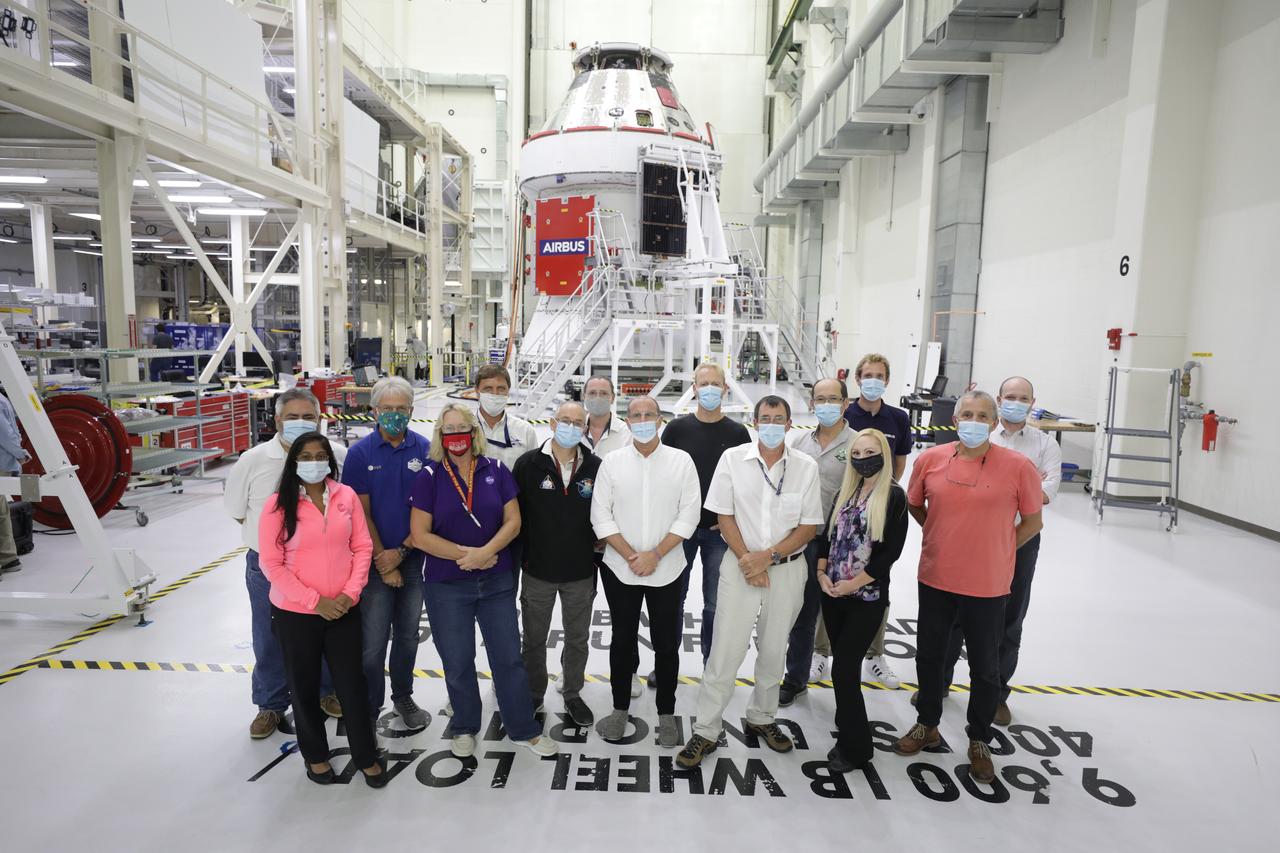
Members of the European Service Module processing team from NASA, the European Space Agency, Airbus, Airbus Netherlands, and Lockheed Martin are shown with Orion’s solar array wings installed on the spacecraft for Artemis I inside the Neil Armstrong Operations and Checkout Building high bay at NASA’s Kennedy Space Center in Florida on Sept. 30, 2020. The solar arrays were extended, inspected, and then retracted, before installation on the spacecraft. Each solar array panel will generate 11 kilowatts of power and span about 63 feet. The array is a component of Orion’s service module, which is provided by the European Space Agency and built by Airbus Defence and Space to supply Orion’s power, propulsion, air and water. The first in a series of increasingly complex missions, Artemis I will test the Orion spacecraft and Space Launch System as an integrated system ahead of crewed flights to the Moon. Under the Artemis program, NASA will land the first woman and the next man on the Moon in 2024.
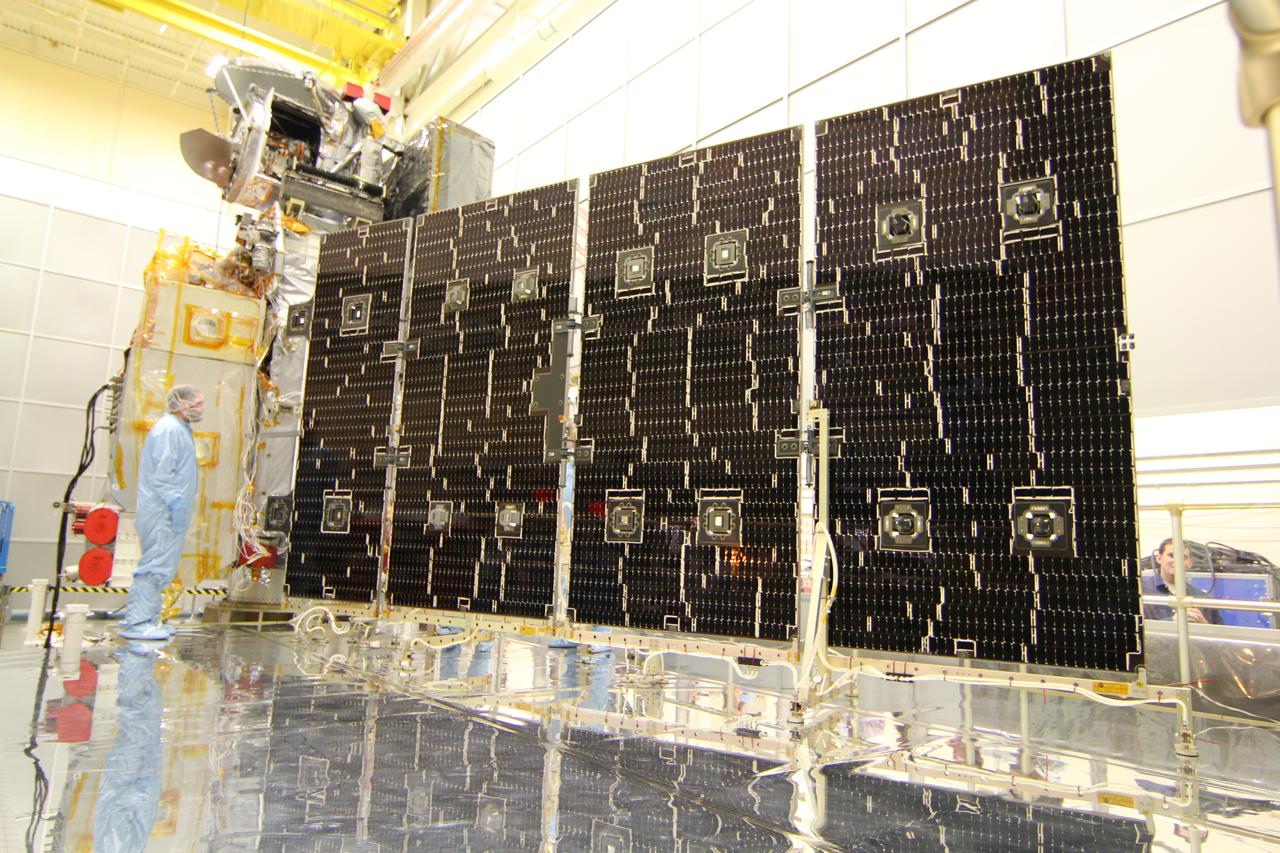
Deployment of the +Y solar array after it has been integrated onto the GPM Core spacecraft. Credit: NASA/Goddard The Global Precipitation Measurement (GPM) mission is an international partnership co-led by NASA and the Japan Aerospace Exploration Agency (JAXA) that will provide next-generation global observations of precipitation from space. GPM will study global rain, snow and ice to better understand our climate, weather, and hydrometeorological processes. As of Novermber 2013 the GPM Core Observatory is in the final stages of testing at NASA Goddard Space Flight Center. The satellite will be flown to Japan in the fall of 2013 and launched into orbit on an HII-A rocket in early 2014. For more on the GPM mission, visit <a href="http://gpm.gsfc.nasa.gov/" rel="nofollow">gpm.gsfc.nasa.gov/</a>. <b><a href="http://www.nasa.gov/audience/formedia/features/MP_Photo_Guidelines.html" rel="nofollow">NASA image use policy.</a></b> <b><a href="http://www.nasa.gov/centers/goddard/home/index.html" rel="nofollow">NASA Goddard Space Flight Center</a></b> enables NASA’s mission through four scientific endeavors: Earth Science, Heliophysics, Solar System Exploration, and Astrophysics. Goddard plays a leading role in NASA’s accomplishments by contributing compelling scientific knowledge to advance the Agency’s mission. <b>Follow us on <a href="http://twitter.com/NASA_GoddardPix" rel="nofollow">Twitter</a></b> <b>Like us on <a href="http://www.facebook.com/pages/Greenbelt-MD/NASA-Goddard/395013845897?ref=tsd" rel="nofollow">Facebook</a></b> <b>Find us on <a href="http://instagram.com/nasagoddard?vm=grid" rel="nofollow">Instagram</a></b>
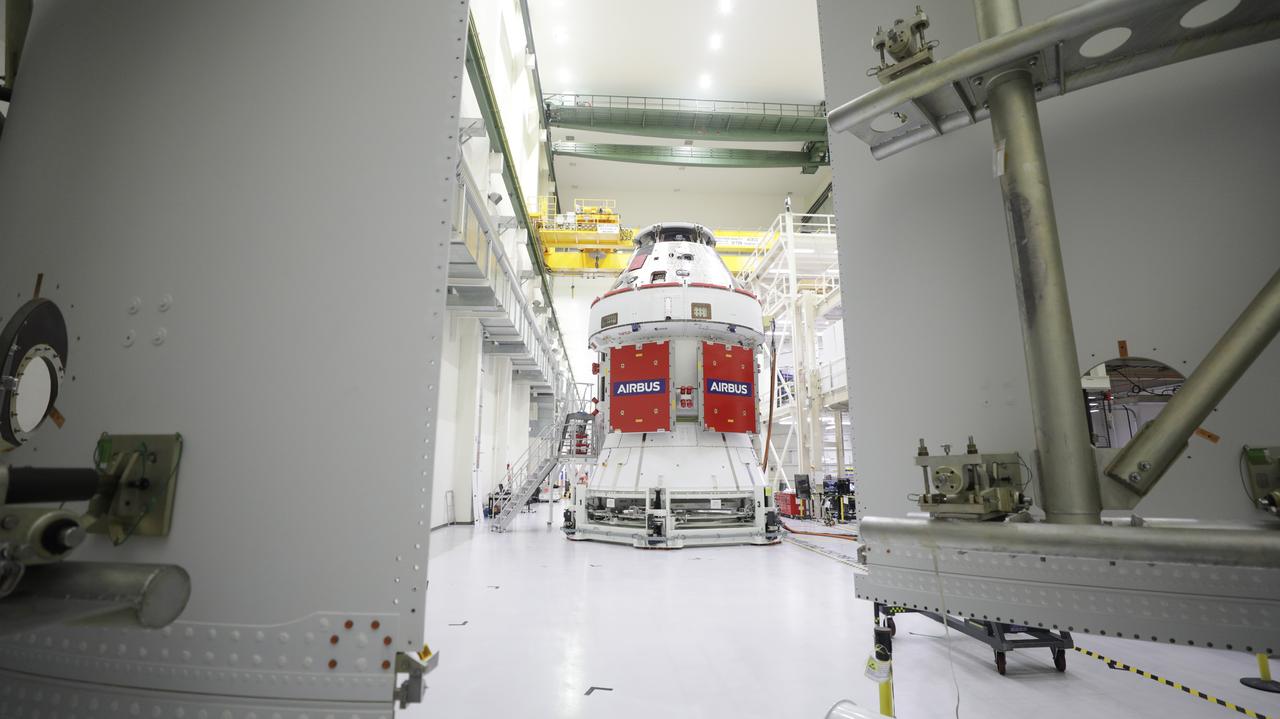
Two of the four solar array wings are shown from behind the spacecraft adapter jettison fairing panels after being installed on the Orion spacecraft for Artemis I inside the Neil Armstrong Operations and Checkout Building high bay at NASA’s Kennedy Space Center in Florida on Sept. 30, 2020. Inside the Neil Armstrong Operations and Checkout Building high bay at NASA’s Kennedy Space Center in Florida on Sept. 30, 2020, work begins to install four solar array wings on the Orion spacecraft for Artemis I. The solar arrays were extended, inspected, and then retracted, before installation on the spacecraft. Each solar array panel will generate 11 kilowatts of power and span about 63 feet. The array is a component of Orion’s service module, which is provided by the European Space Agency and built by Airbus Defence and Space to supply Orion’s power, propulsion, air and water. The first in a series of increasingly complex missions, Artemis I will test the Orion spacecraft and Space Launch System as an integrated system ahead of crewed flights to the Moon. Under the Artemis program, NASA will land the first woman and the next man on the Moon in 2024.
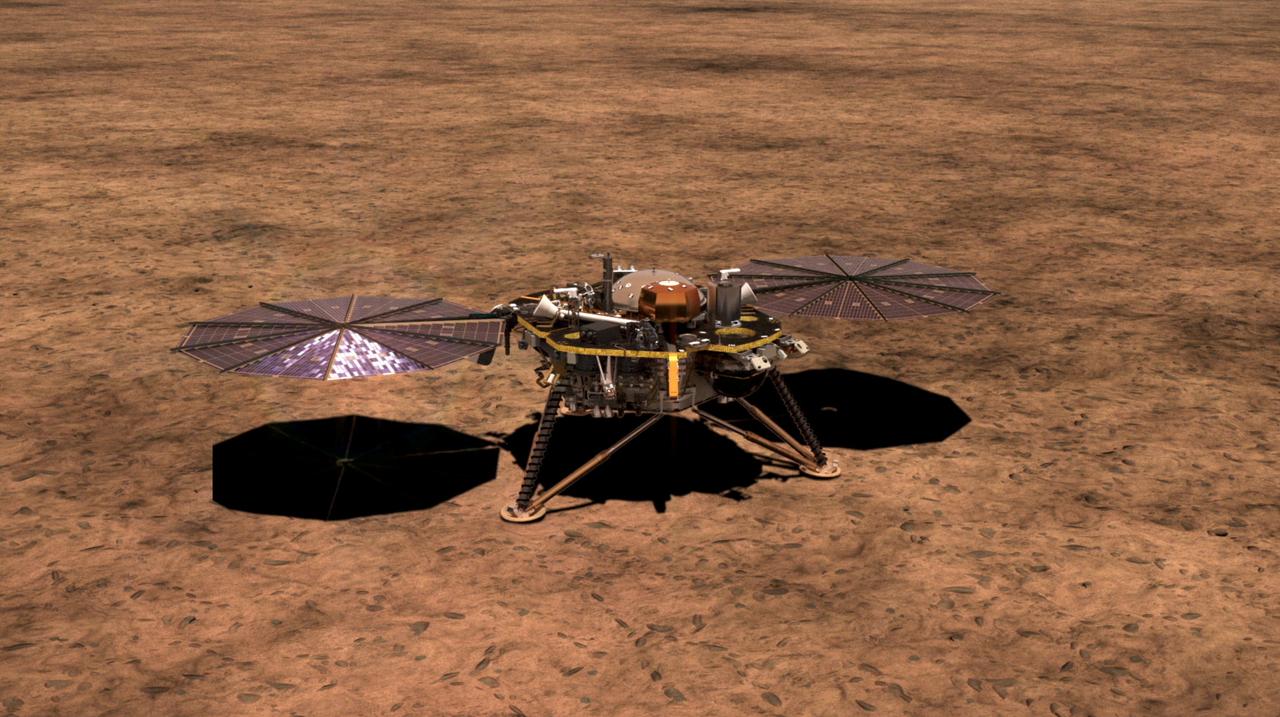
This artist's illustration shows NASA's InSight lander on the surface of Mars, with its solar arrays deployed. https://photojournal.jpl.nasa.gov/catalog/PIA22571
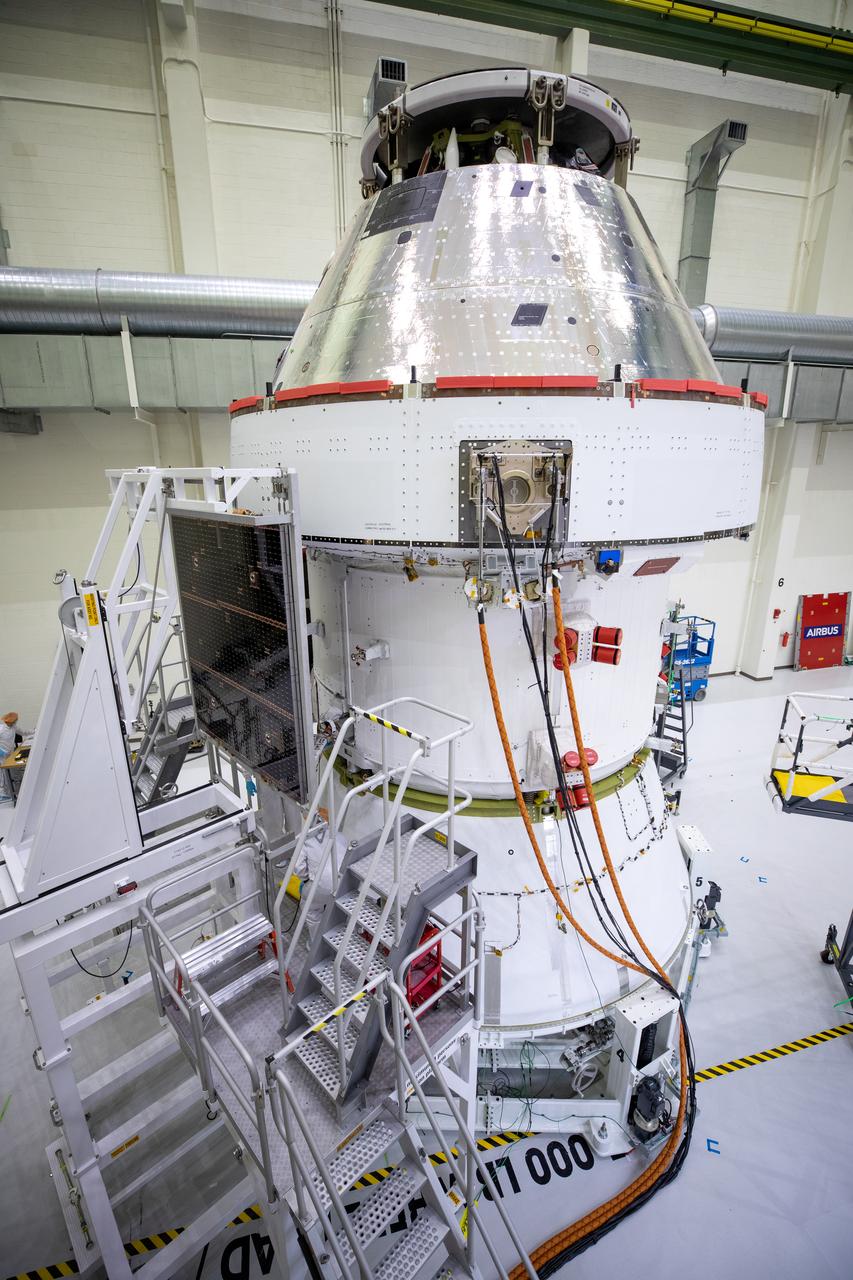
Shown is one of four solar array wings being fitted onto the Orion spacecraft for Artemis I inside the Neil Armstrong Operations and Checkout Building high bay at NASA’s Kennedy Space Center in Florida on Sept. 25, 2020. The solar arrays were extended, inspected, and then retracted before installation on the spacecraft. Each of the four solar array panels will generate 11 kilowatts of power and span about 63 feet. The array is a component of Orion’s service module, which is provided by the European Space Agency and built by Airbus Defence and Space to supply Orion’s power, propulsion, air, and water. The first in a series of increasingly complex missions, Artemis I will test the Orion spacecraft and Space Launch System as an integrated system ahead of crewed flights to the Moon. Under the Artemis program, NASA will land the first woman and the next man on the Moon in 2024.
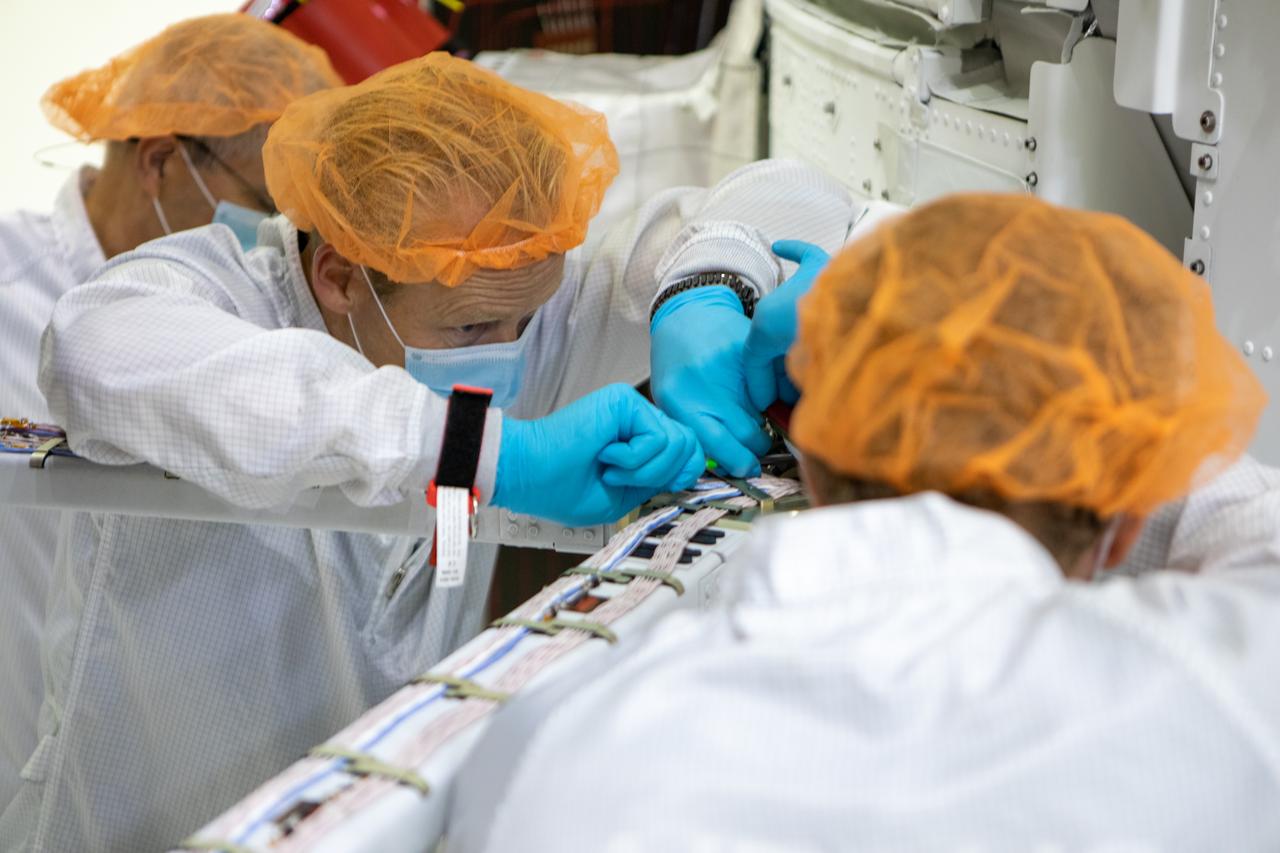
Members of the European Service Module processing team from the European Space Agency (ESA), Airbus, and Airbus Netherlands install the four solar array wings on the Orion spacecraft for Artemis I inside the Neil Armstrong Operations and Checkout Building high bay at NASA’s Kennedy Space Center in Florida on Sept. 25, 2020. The solar arrays were extended, inspected, and then retracted before installation on the spacecraft. Each solar array panel will generate 11 kilowatts of power and span about 63 feet. The array is a component of Orion’s service module, which is provided by ESA and built by Airbus Defence and Space to supply Orion’s power, propulsion, air, and water. The first in a series of increasingly complex missions, Artemis I will test the Orion spacecraft and Space Launch System as an integrated system ahead of crewed flights to the Moon. Under the Artemis program, NASA will land the first woman and the next man on the Moon in 2024.
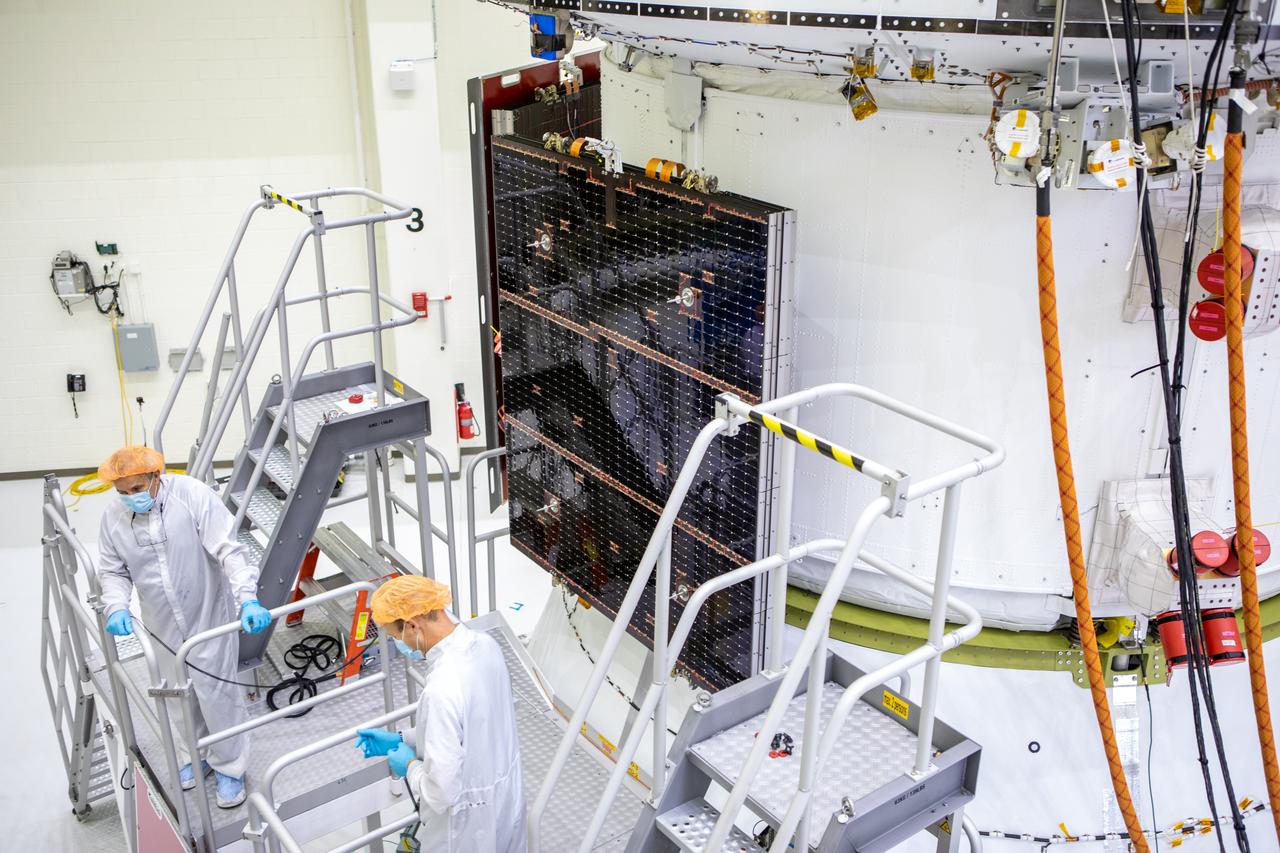
Shown is one of four solar array wings being fitted onto the Orion spacecraft for Artemis I inside the Neil Armstrong Operations and Checkout Building high bay at NASA’s Kennedy Space Center in Florida on Sept. 25, 2020. The solar arrays were extended, inspected, and then retracted before installation on the spacecraft. Each of the four solar array panels will generate 11 kilowatts of power and span about 63 feet. The array is a component of Orion’s service module, which is provided by the European Space Agency and built by Airbus Defence and Space to supply Orion’s power, propulsion, air, and water. The first in a series of increasingly complex missions, Artemis I will test the Orion spacecraft and Space Launch System as an integrated system ahead of crewed flights to the Moon. Under the Artemis program, NASA will land the first woman and the next man on the Moon in 2024.
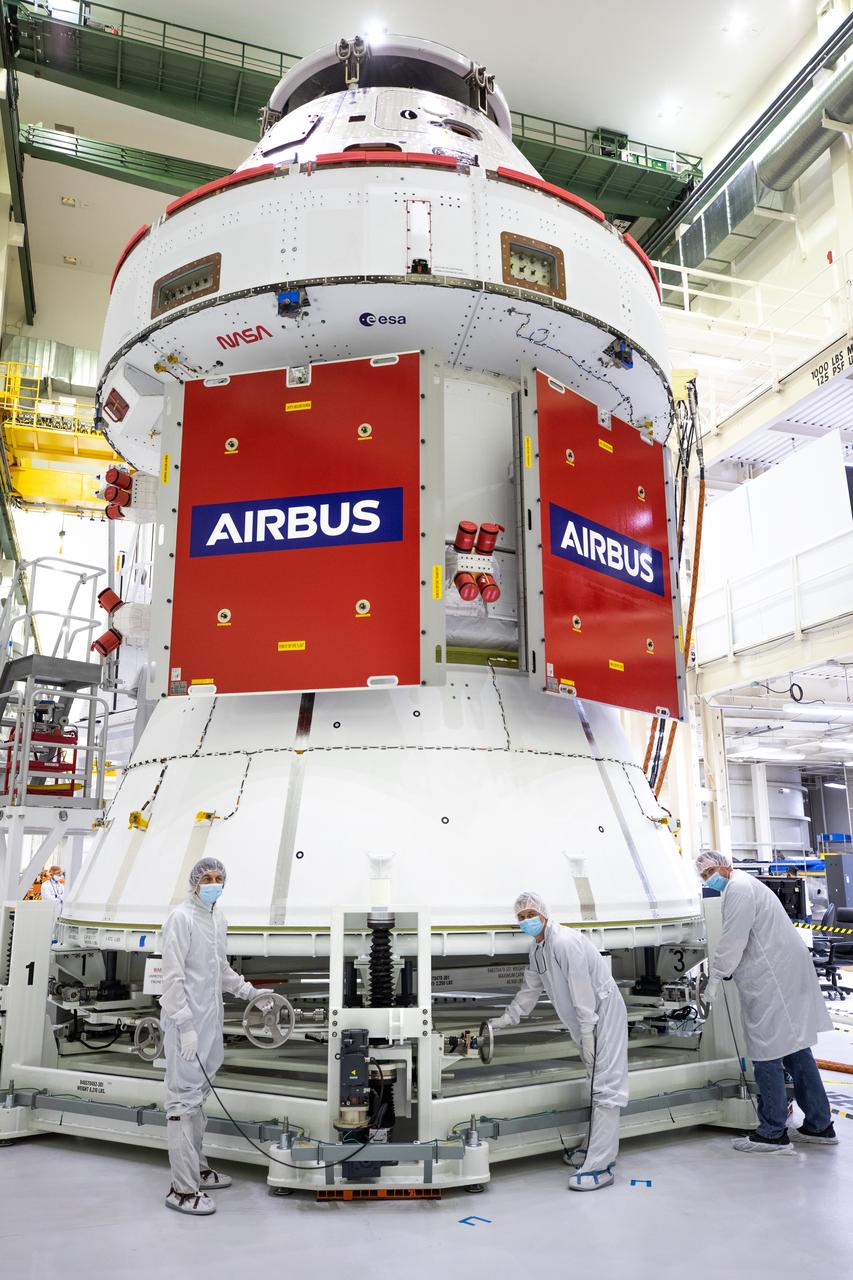
In view, protective covers have been placed over two solar array wings after they were installed on the Orion spacecraft for Artemis I inside the Neil Armstrong Operations and Checkout Building high bay at NASA’s Kennedy Space Center in Florida on Sept. 25, 2020. Standing in front of the spacecraft are technicians with ASRC. The solar arrays were extended, inspected, and then retracted before installation on the spacecraft. Each of the four solar array panels will generate 11 kilowatts of power and span about 63 feet. The array is a component of Orion’s service module, which is provided by the European Space Agency and built by Airbus Defence and Space to supply Orion’s power, propulsion, air, and water. The first in a series of increasingly complex missions, Artemis I will test the Orion spacecraft and Space Launch System as an integrated system ahead of crewed flights to the Moon. Under the Artemis program, NASA will land the first woman and the next man on the Moon in 2024.
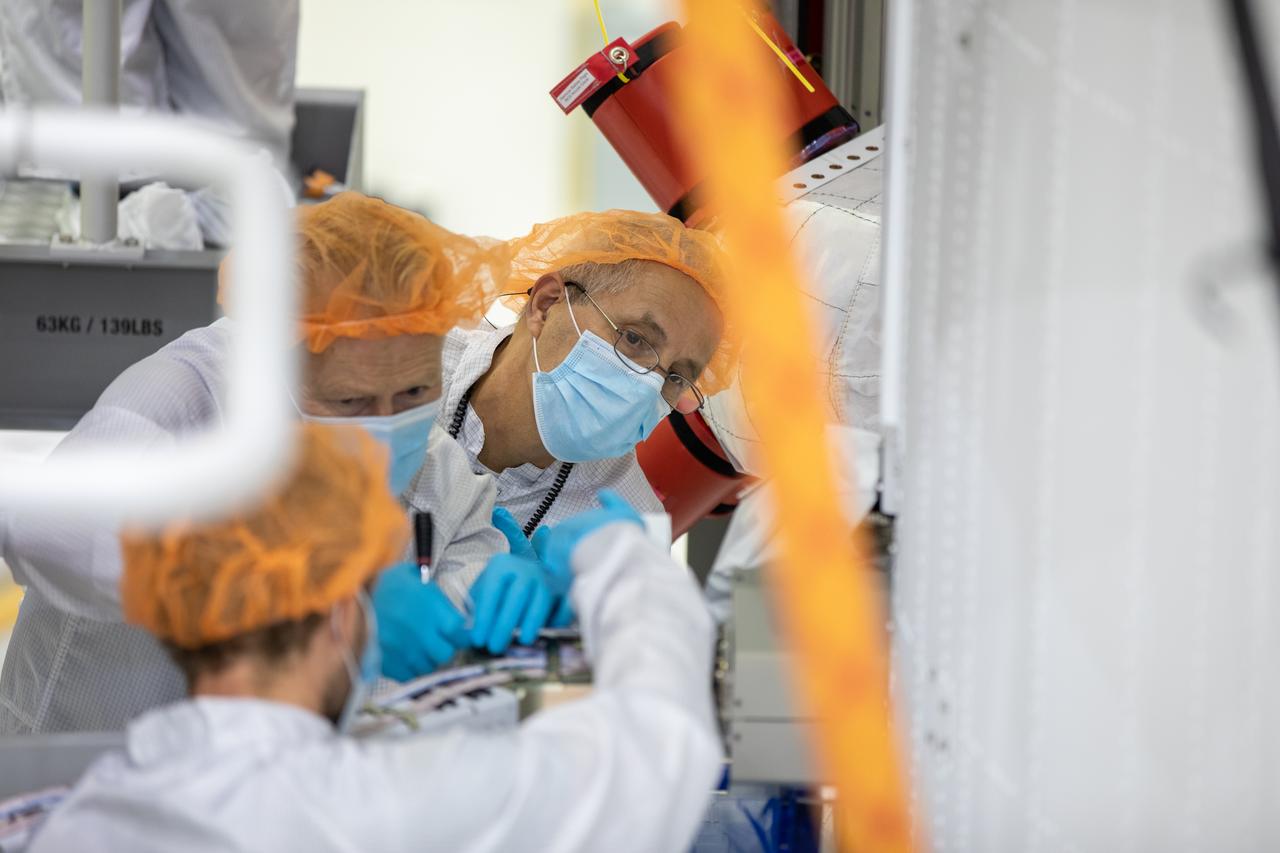
Members of the European Service Module processing team from the European Space Agency (ESA), Airbus, and Airbus Netherlands install the four solar array wings on the Orion spacecraft for Artemis I inside the Neil Armstrong Operations and Checkout Building high bay at NASA’s Kennedy Space Center in Florida on Sept. 25, 2020. The solar arrays were extended, inspected, and then retracted before installation on the spacecraft. Each solar array panel will generate 11 kilowatts of power and span about 63 feet. The array is a component of Orion’s service module, which is provided by ESA and built by Airbus Defence and Space to supply Orion’s power, propulsion, air, and water. The first in a series of increasingly complex missions, Artemis I will test the Orion spacecraft and Space Launch System as an integrated system ahead of crewed flights to the Moon. Under the Artemis program, NASA will land the first woman and the next man on the Moon in 2024.
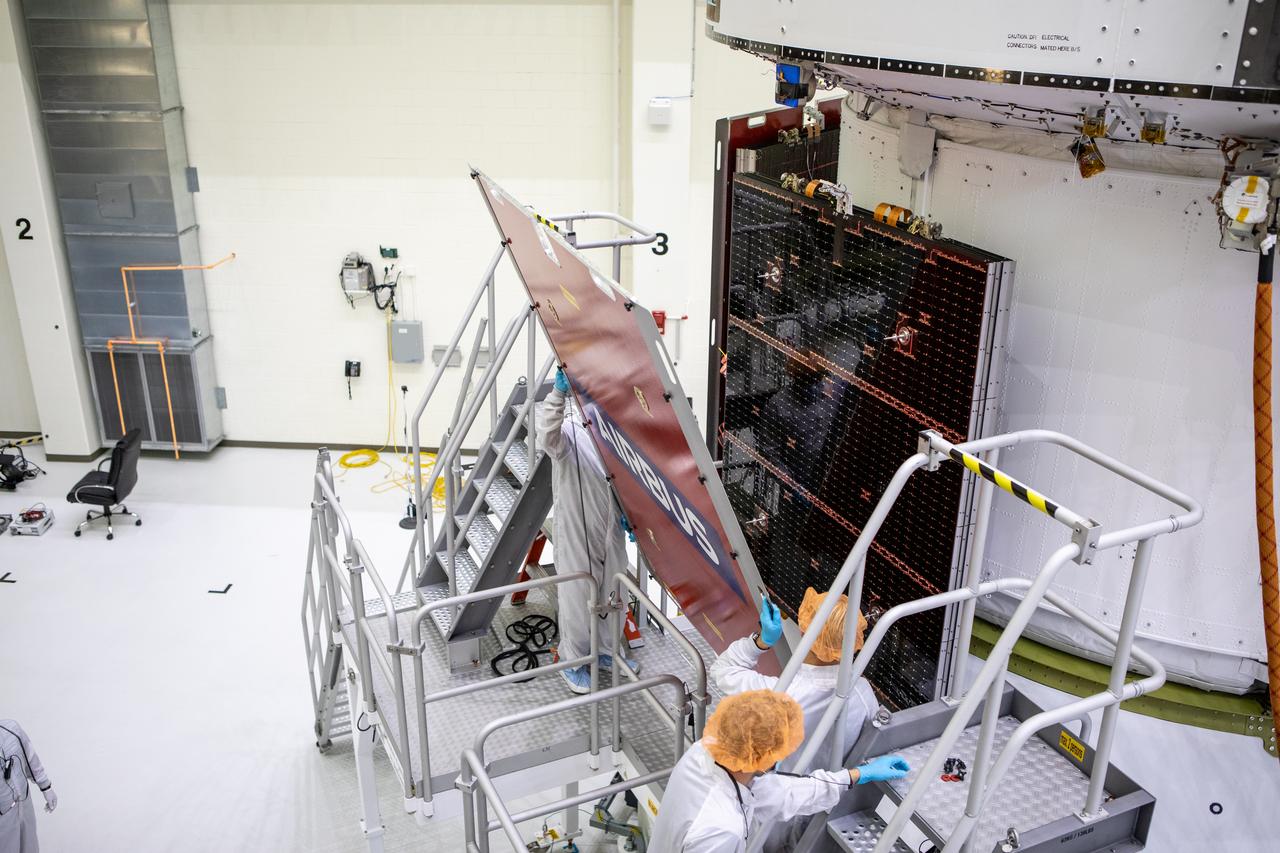
Technicians with the European Space Agency (ESA) and Airbus/Airbus Netherlands install a protective cover over one of the solar array wing panels installed on the Orion spacecraft for Artemis I inside the Neil Armstrong Operations and Checkout Building high bay at NASA’s Kennedy Space Center in Florida on Sept. 25, 2020. The solar arrays were extended, inspected, and then retracted before installation on the spacecraft. Each of the four solar array panels will generate 11 kilowatts of power and span about 63 feet. The array is a component of Orion’s service module, which is provided by ESA and built by Airbus Defence and Space to supply Orion’s power, propulsion, air, and water. The first in a series of increasingly complex missions, Artemis I will test the Orion spacecraft and Space Launch System as an integrated system ahead of crewed flights to the Moon. Under the Artemis program, NASA will land the first woman and the next man on the Moon in 2024.
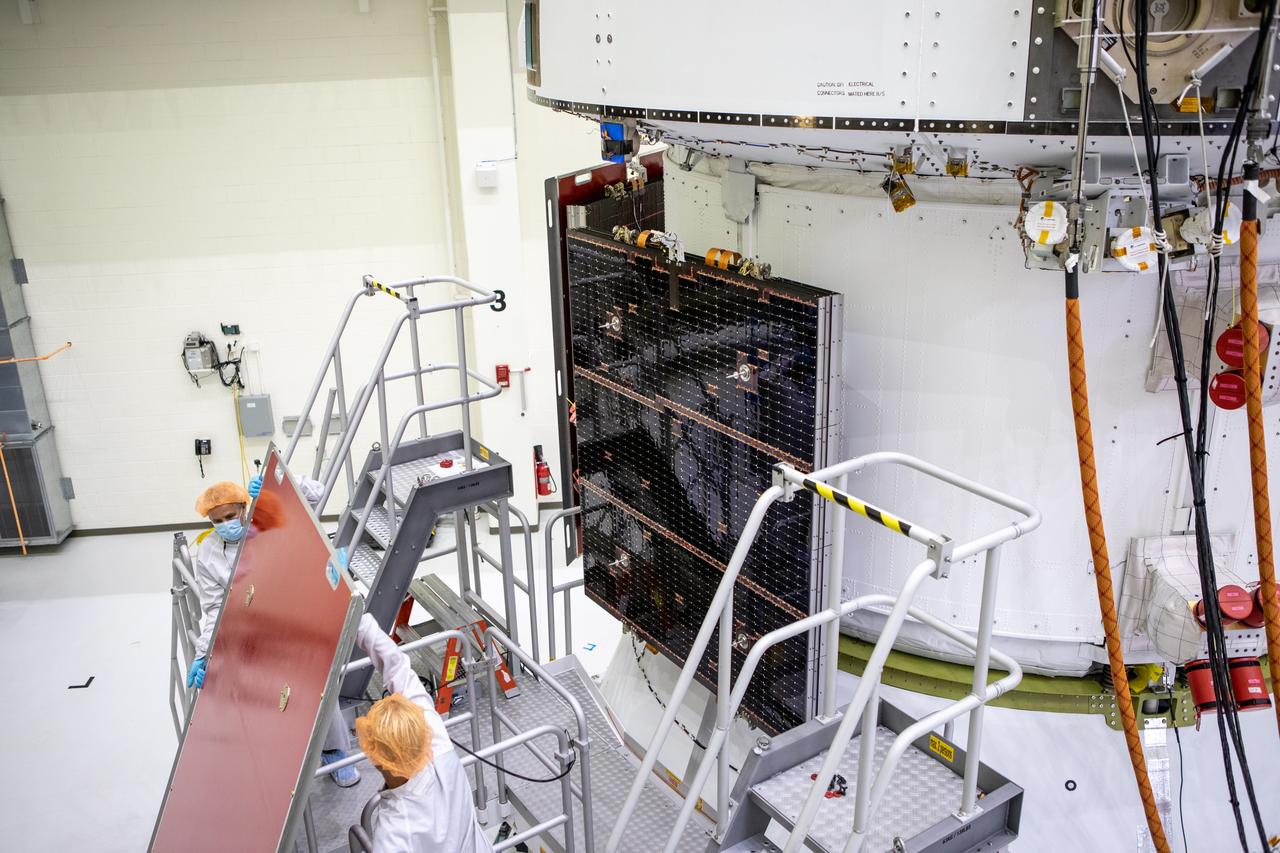
Members of the European Service Module processing team from the European Space Agency (ESA), Airbus, and Airbus Netherlands fit a protective cover over the solar arrays on the Orion spacecraft for Artemis I inside the Neil Armstrong Operations and Checkout Building high bay at NASA’s Kennedy Space Center in Florida on Sept. 25, 2020. The solar arrays were extended, inspected, and then retracted before installation on the spacecraft. Each of the four solar array panels will generate 11 kilowatts of power and span about 63 feet. The array is a component of Orion’s service module, which is provided by the European Space Agency and built by Airbus Defence and Space to supply Orion’s power, propulsion, air, and water. The first in a series of increasingly complex missions, Artemis I will test the Orion spacecraft and Space Launch System as an integrated system ahead of crewed flights to the Moon. Under the Artemis program, NASA will land the first woman and the next man on the Moon in 2024.
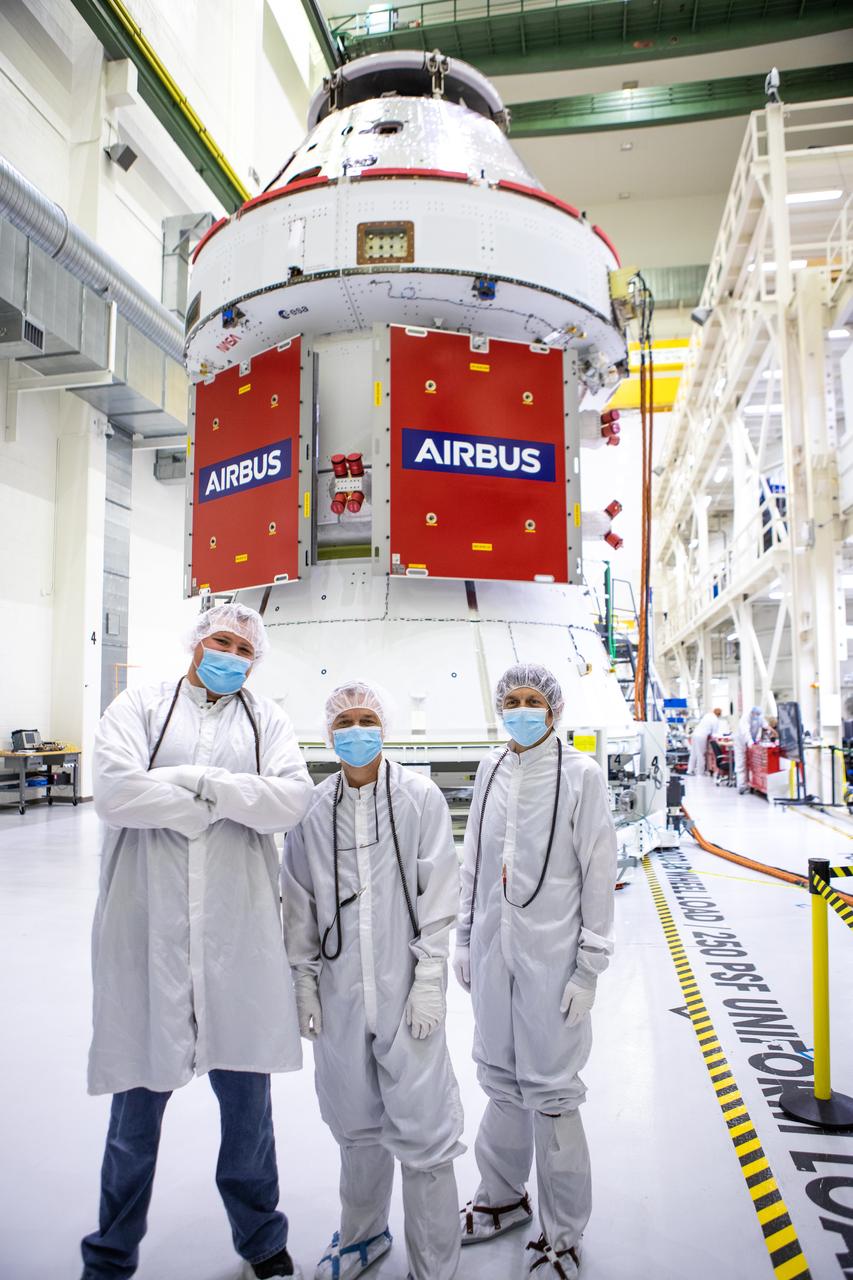
All four solar array wings were installed on the Orion spacecraft for Artemis I inside the Neil Armstrong Operations and Checkout Building high bay at NASA’s Kennedy Space Center in Florida on Sept. 25, 2020. Standing in front of the spacecraft are technicians with ASRC. The solar arrays were extended, inspected, and then retracted before installation on the spacecraft. Each solar array panel will generate 11 kilowatts of power and span about 63 feet. The array is a component of Orion’s service module, which is provided by the European Space Agency and built by Airbus Defence and Space to supply Orion’s power, propulsion, air, and water. The first in a series of increasingly complex missions, Artemis I will test the Orion spacecraft and Space Launch System as an integrated system ahead of crewed flights to the Moon. Under the Artemis program, NASA will land the first woman and the next man on the Moon in 2024.
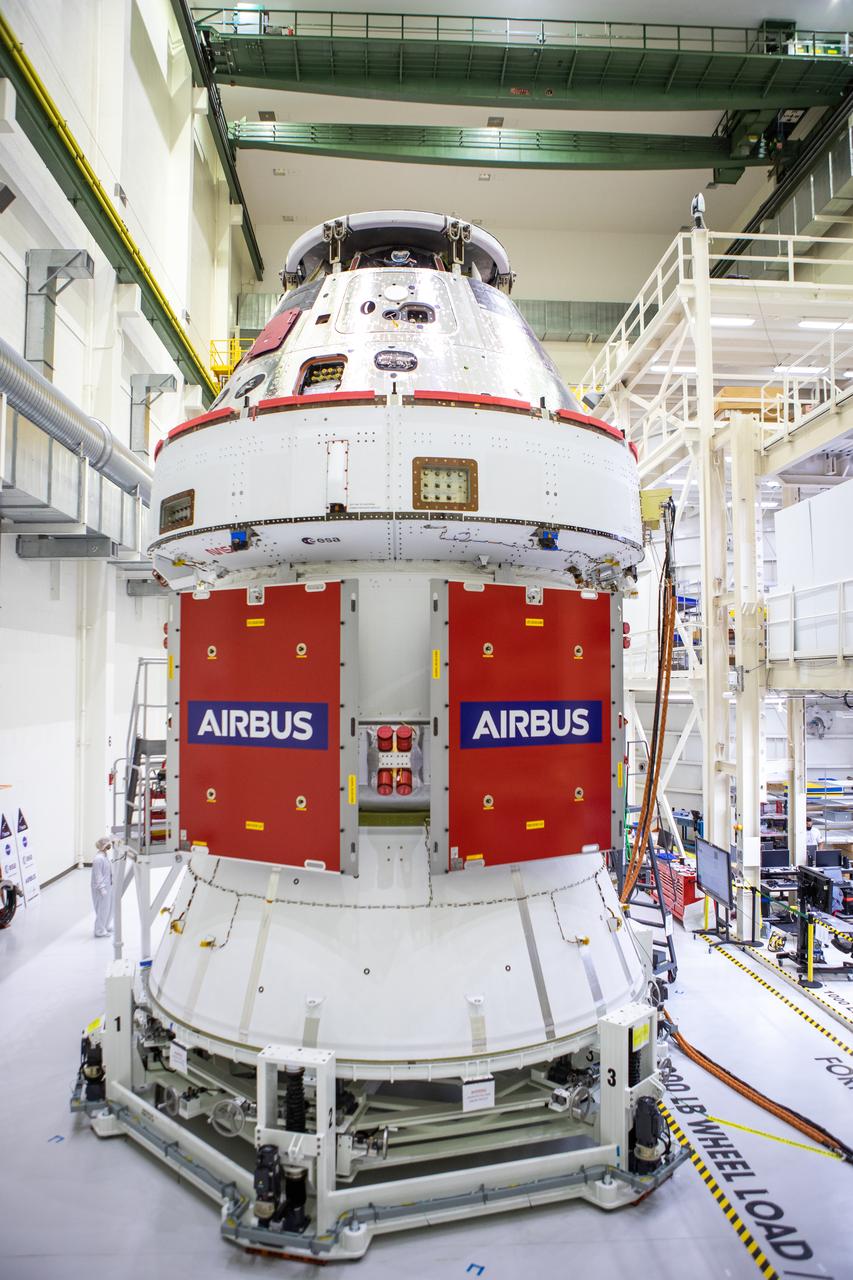
In view, protective covers have been placed over two solar array wings after installation was completed on the Orion spacecraft for Artemis I inside the Neil Armstrong Operations and Checkout Building high bay at NASA’s Kennedy Space Center in Florida on Sept. 25, 2020. The solar arrays were extended, inspected, and then retracted before installation on the spacecraft. Each of the four solar array panels will generate 11 kilowatts of power and span about 63 feet. The array is a component of Orion’s service module, which is provided by the European Space Agency and built by Airbus Defence and Space to supply Orion’s power, propulsion, air, and water. The first in a series of increasingly complex missions, Artemis I will test the Orion spacecraft and Space Launch System as an integrated system ahead of crewed flights to the Moon. Under the Artemis program, NASA will land the first woman and the next man on the Moon in 2024.
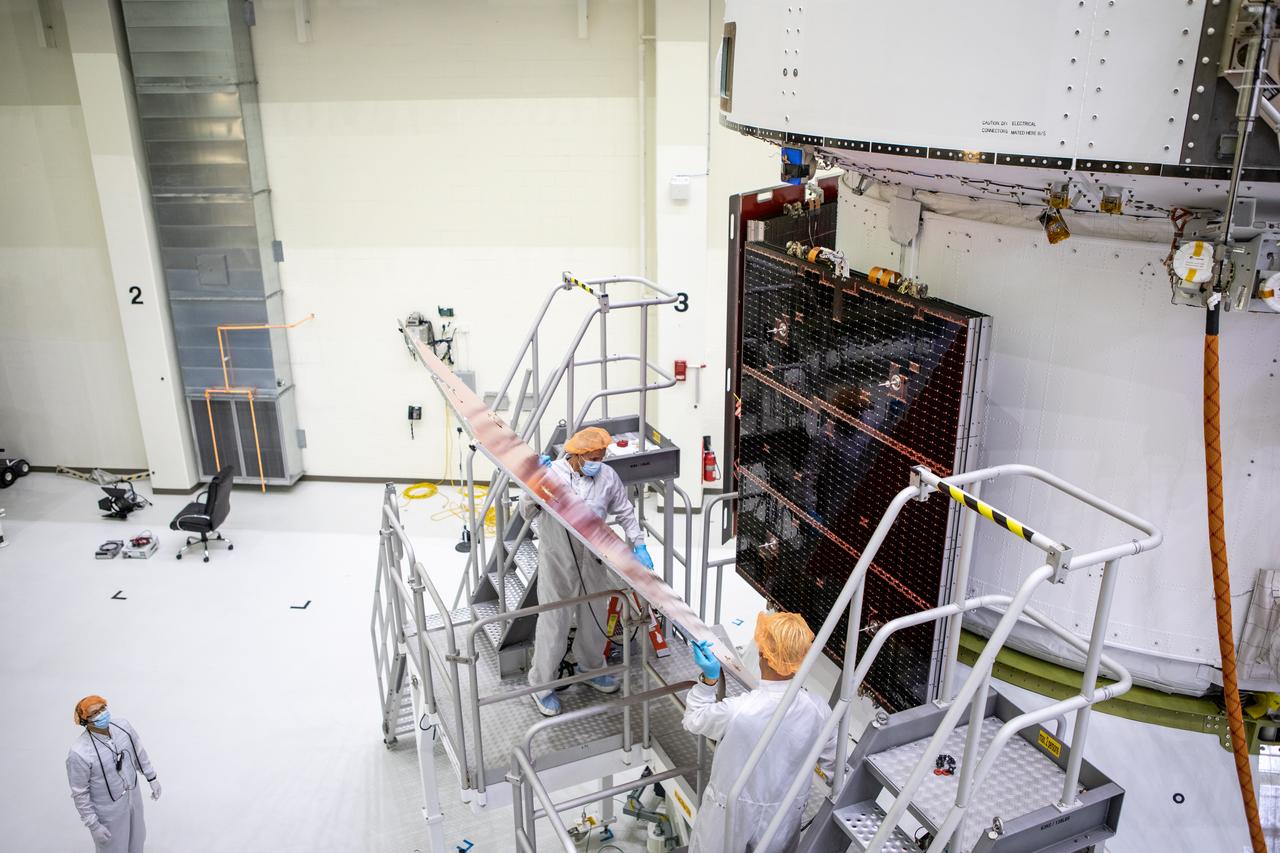
Members of the European Service Module processing team from the European Space Agency (ESA), Airbus, and Airbus Netherlands fit a protective cover over the solar array wings on the Orion spacecraft for Artemis I inside the Neil Armstrong Operations and Checkout Building high bay at NASA’s Kennedy Space Center in Florida on Sept. 25, 2020. The solar arrays were extended, inspected, and then retracted before installation on the spacecraft. Each solar array panel will generate 11 kilowatts of power and span about 63 feet. The array is a component of Orion’s service module, which is provided by ESA and built by Airbus Defence and Space to supply Orion’s power, propulsion, air, and water. The first in a series of increasingly complex missions, Artemis I will test the Orion spacecraft and Space Launch System as an integrated system ahead of crewed flights to the Moon. Under the Artemis program, NASA will land the first woman and the next man on the Moon in 2024.
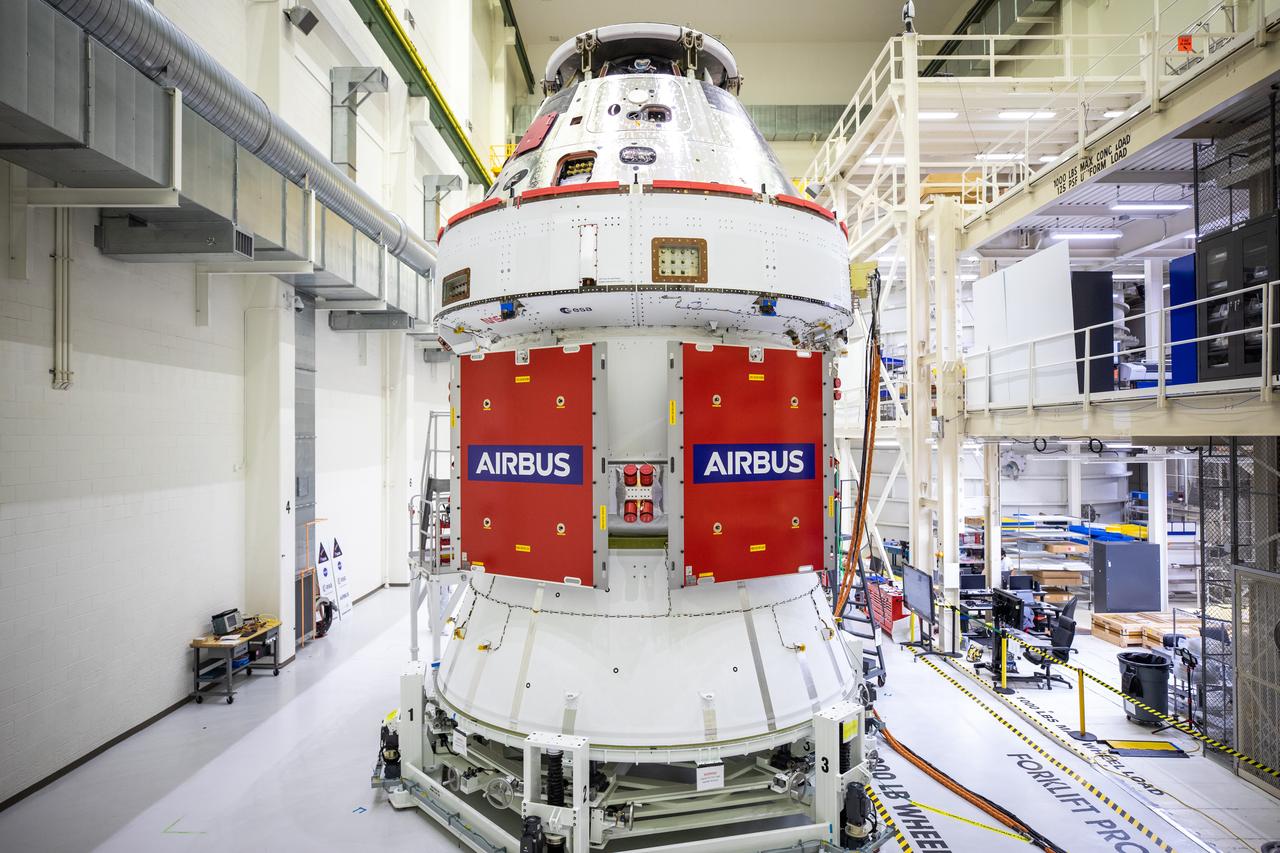
In view, protective covers have been placed over two solar array wings after installation was completed on the Orion spacecraft for Artemis I inside the Neil Armstrong Operations and Checkout Building high bay at NASA’s Kennedy Space Center in Florida on Sept. 25, 2020. The solar arrays were extended, inspected, and then retracted before installation on the spacecraft. Each of the four solar array panels will generate 11 kilowatts of power and span about 63 feet. The array is a component of Orion’s service module, which is provided by the European Space Agency and built by Airbus Defence and Space to supply Orion’s power, propulsion, air, and water. The first in a series of increasingly complex missions, Artemis I will test the Orion spacecraft and Space Launch System as an integrated system ahead of crewed flights to the Moon. Under the Artemis program, NASA will land the first woman and the next man on the Moon in 2024.
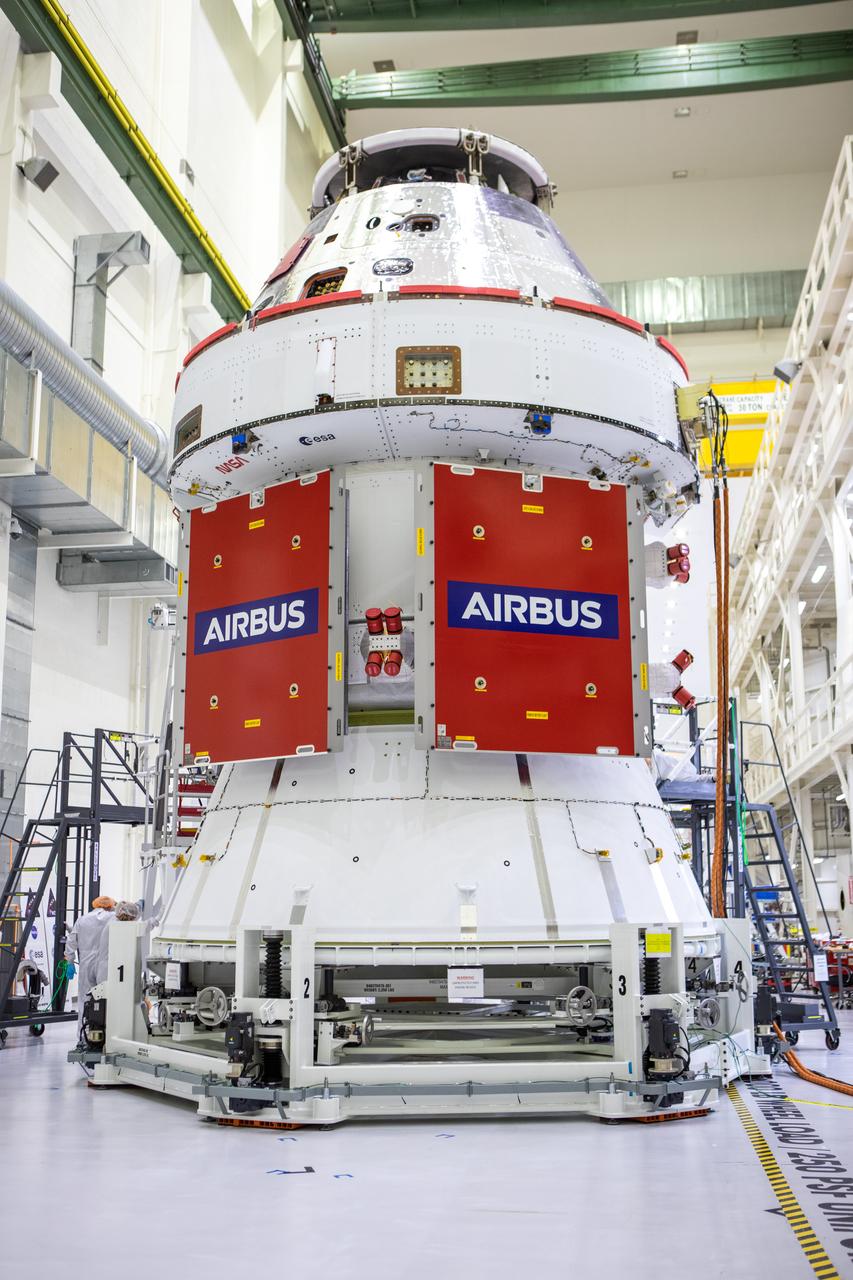
In view, protective covers have been placed over two solar array wings after installation was completed on the Orion spacecraft for Artemis I inside the Neil Armstrong Operations and Checkout Building high bay at NASA’s Kennedy Space Center in Florida on Sept. 25, 2020. The solar arrays were extended, inspected, and then retracted before installation on the spacecraft. Each of the four solar array panels will generate 11 kilowatts of power and span about 63 feet. The array is a component of Orion’s service module, which is provided by the European Space Agency and built by Airbus Defence and Space to supply Orion’s power, propulsion, air, and water. The first in a series of increasingly complex missions, Artemis I will test the Orion spacecraft and Space Launch System as an integrated system ahead of crewed flights to the Moon. Under the Artemis program, NASA will land the first woman and the next man on the Moon in 2024.
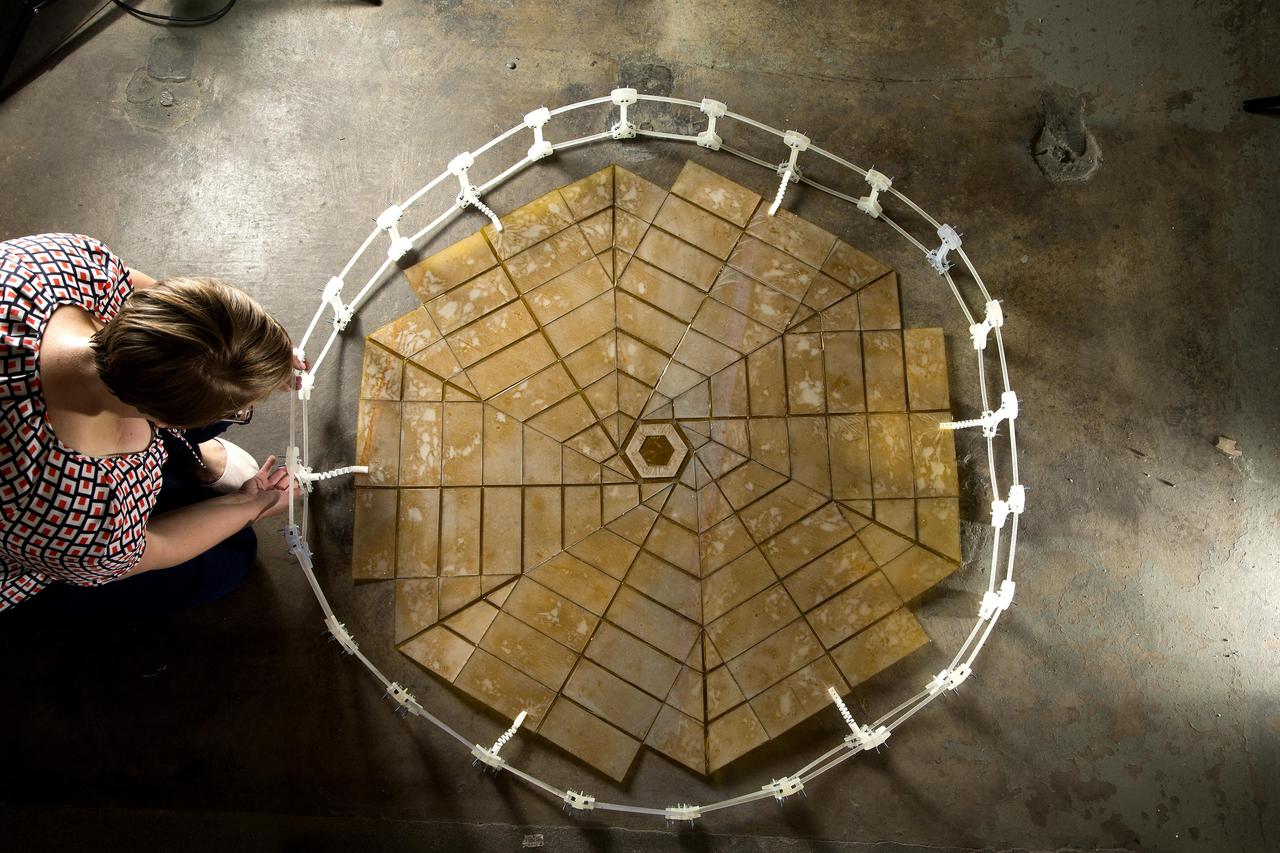
A Ph.D. student in mechanical engineering at Brigham Young University, Provo, Utah, unfolds a solar panel array that was designed using the principles of origami.
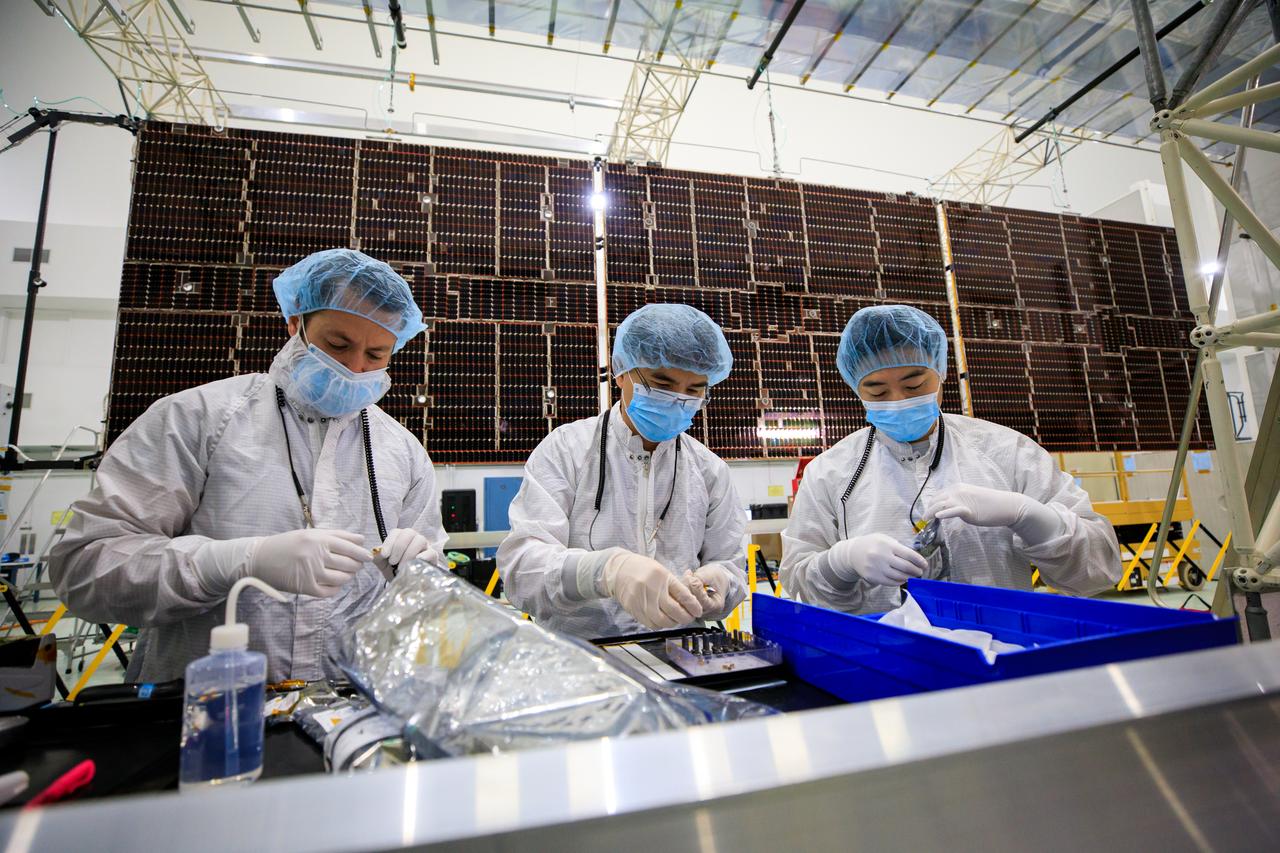
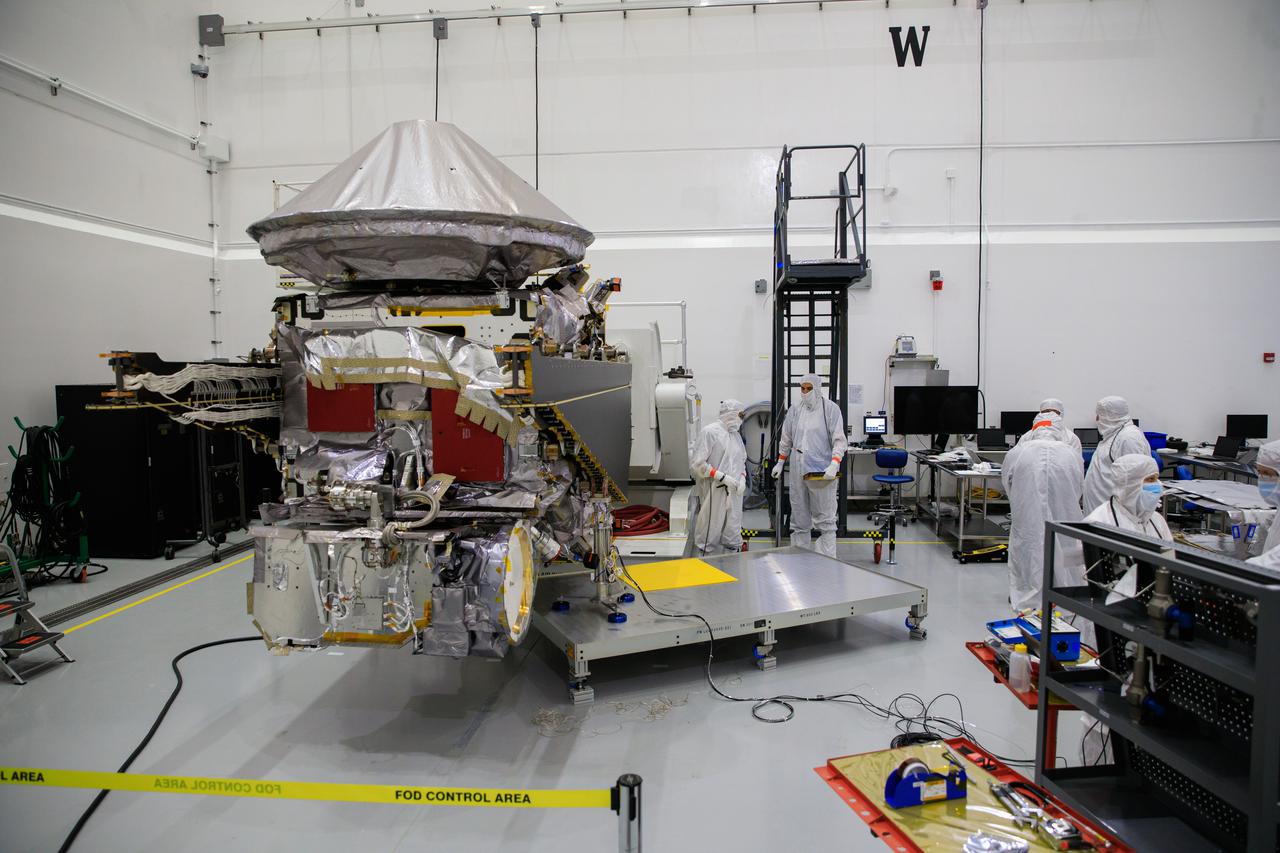
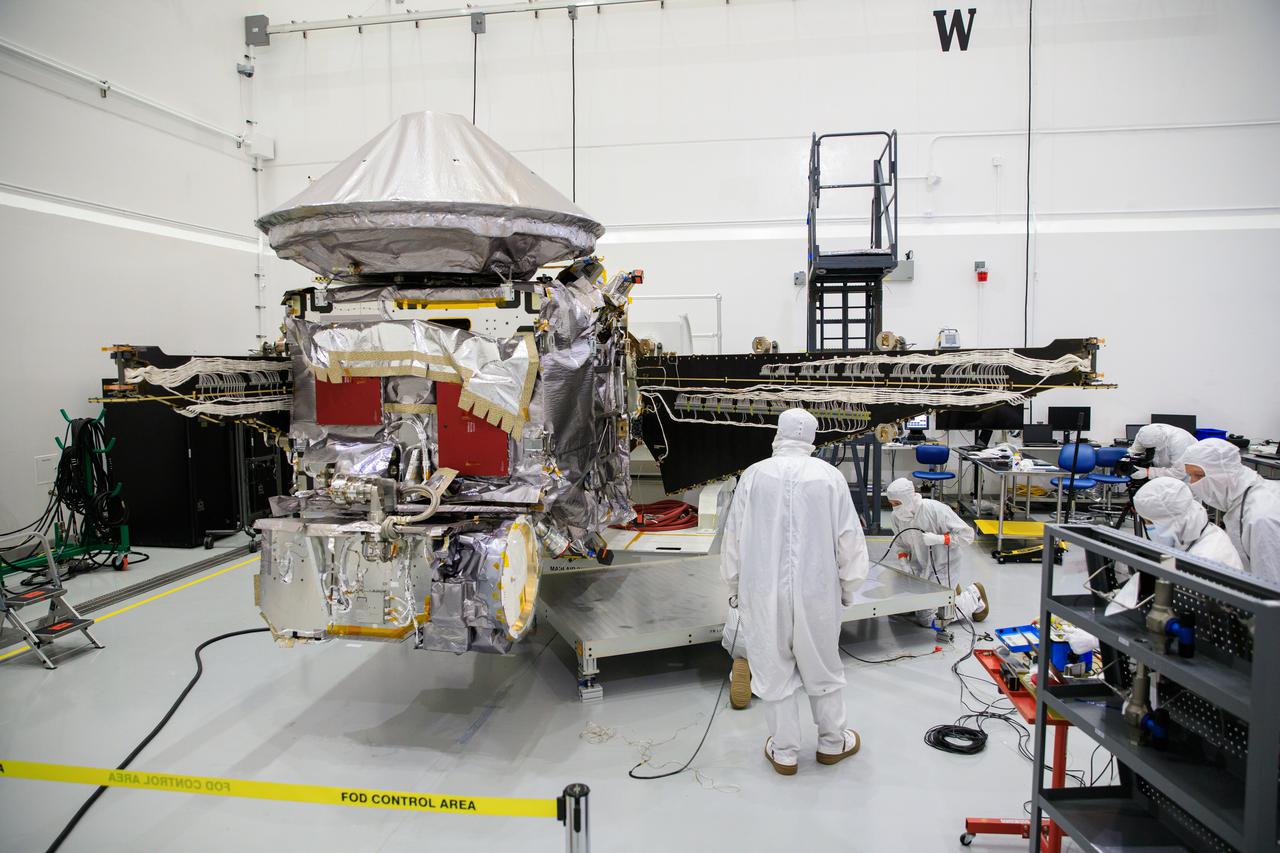
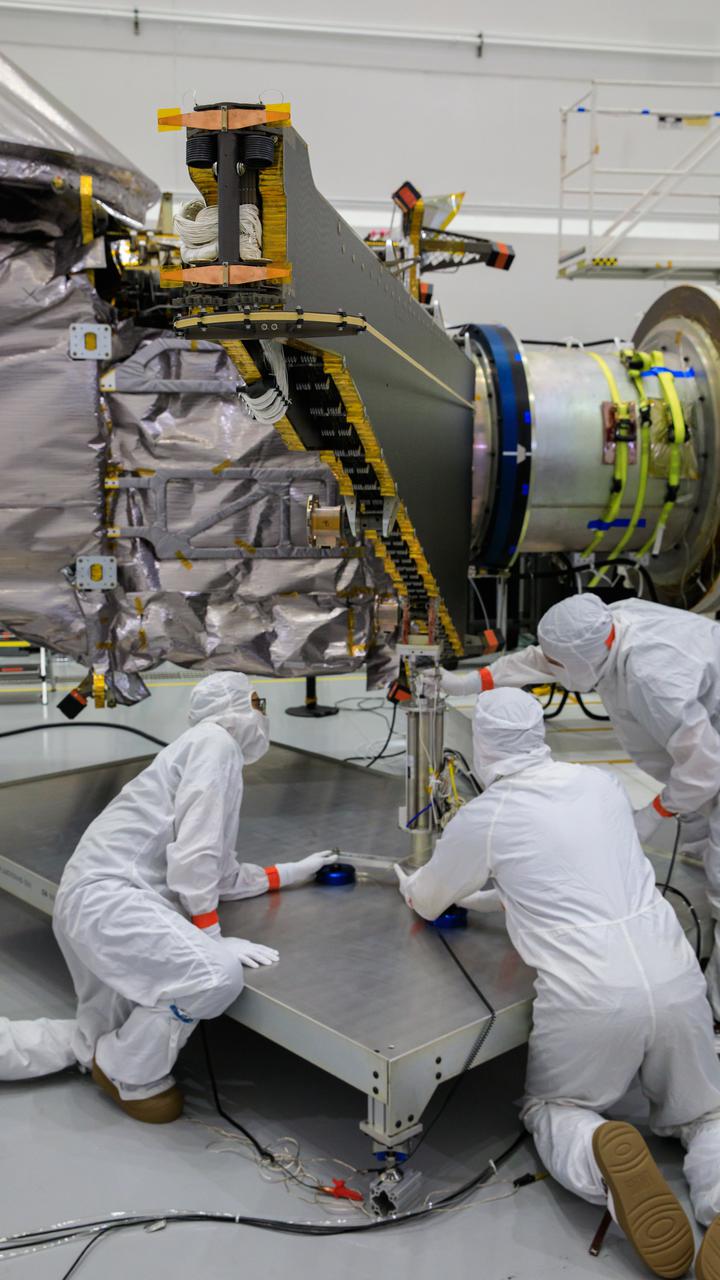
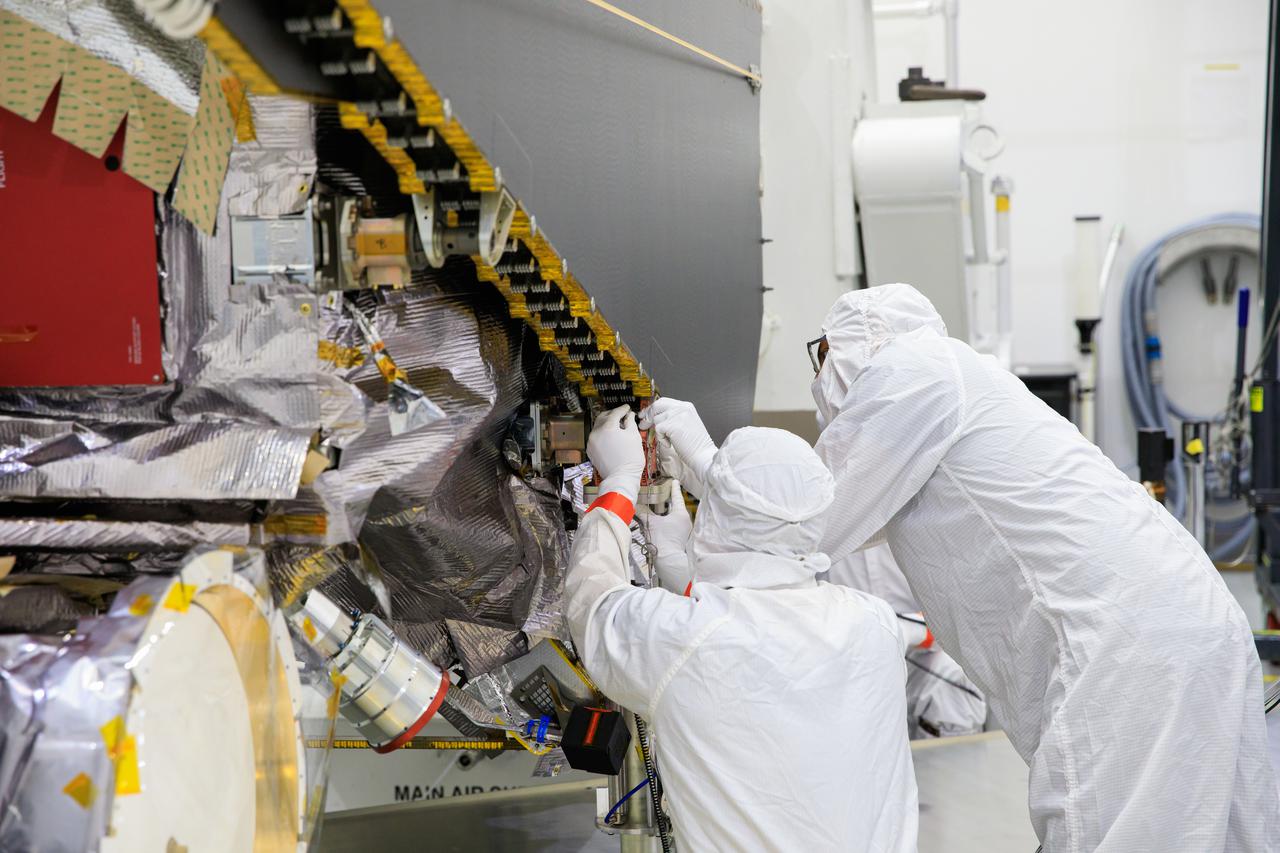
Team members prepare to integrate one of two solar arrays to the agency’s Psyche spacecraft inside the Astrotech Space Operations Facility near the agency’s Kennedy Space Center in Florida on July 24, 2023. The solar arrays were shipped from Maxar Technologies, in San Jose, California. They are part of the solar electric propulsion system, provided by Maxar, that will power the spacecraft on its journey to explore a metal-rich asteroid. Psyche will launch atop a SpaceX Falcon Heavy rocket from Launch Complex 39A at Kennedy. Launch is targeted for Oct. 5, 2023. Riding with Psyche is a pioneering technology demonstration, NASA’s Deep Space Optical Communications (DSOC) experiment.
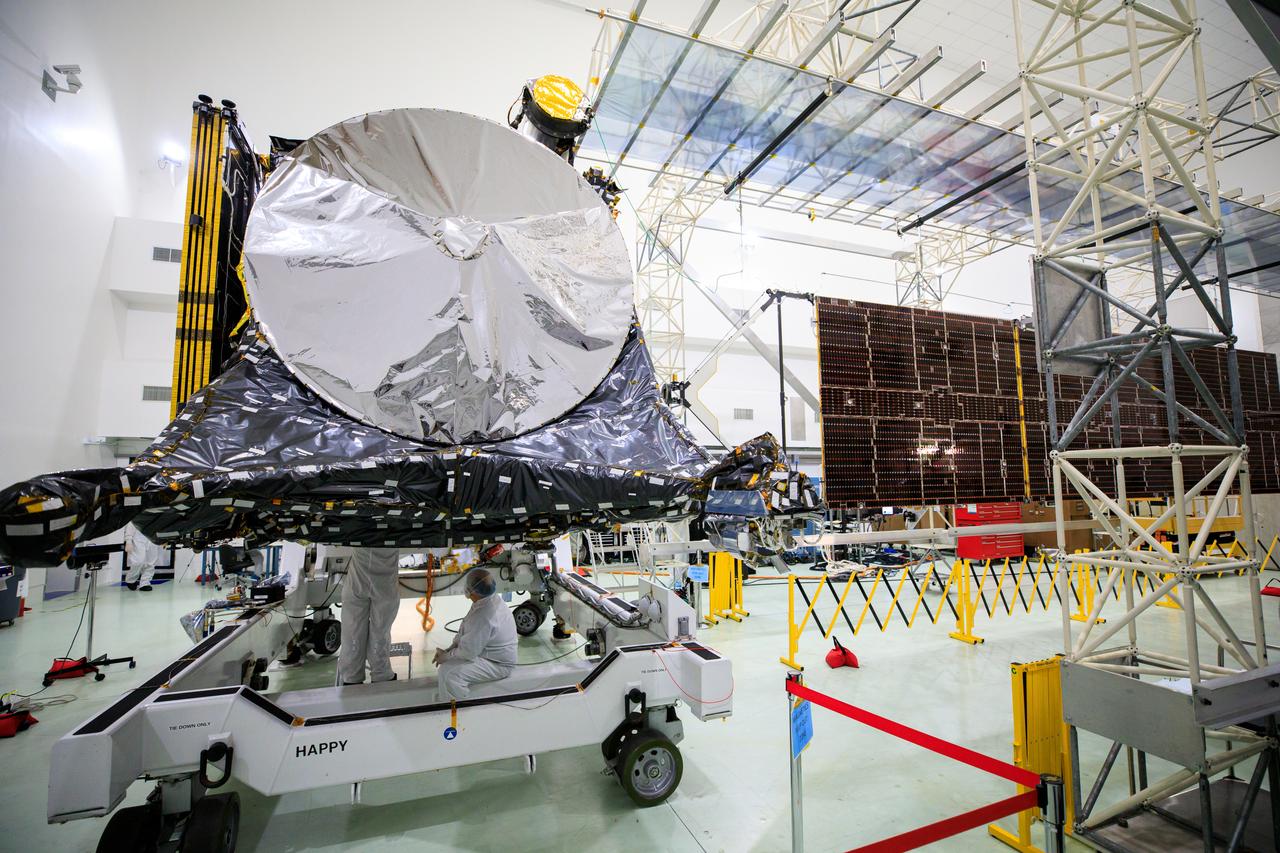
Team members prepare the agency’s Psyche spacecraft for integration with the second of two solar arrays inside the Astrotech Space Operations Facility near the agency’s Kennedy Space Center in Florida on July 24, 2023. The solar arrays were shipped from Maxar Technologies, in San Jose, California. They are part of the solar electric propulsion system, provided by Maxar, that will power the spacecraft on its journey to explore a metal-rich asteroid. Psyche will launch atop a SpaceX Falcon Heavy rocket from Launch Complex 39A at Kennedy. Launch is targeted for Oct. 5, 2023. Riding with Psyche is a pioneering technology demonstration, NASA’s Deep Space Optical Communications (DSOC) experiment.
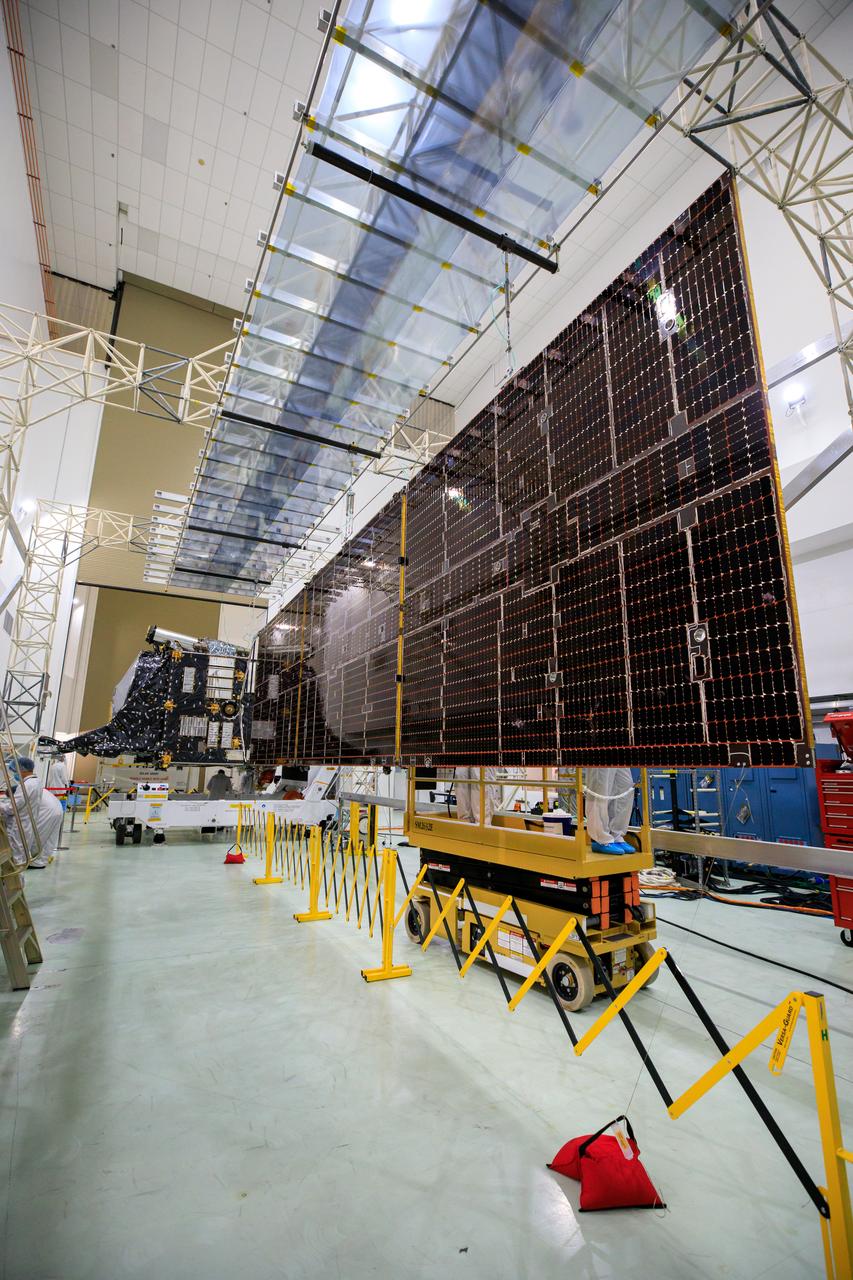
Technicians are preparing to integrate one of two solar arrays to NASA’s Psyche spacecraft inside the Astrotech Space Operations Facility near the agency’s Kennedy Space Center in Florida on July 24, 2023. The solar arrays were shipped from Maxar Technologies, in San Jose, California. They are part of the solar electric propulsion system, provided by Maxar, that will power the spacecraft on its journey to explore a metal-rich asteroid. Psyche will launch atop a SpaceX Falcon Heavy rocket from Launch Complex 39A at Kennedy. Launch is targeted for Oct. 5, 2023. Riding with Psyche is a pioneering technology demonstration, NASA’s Deep Space Optical Communications (DSOC) experiment.
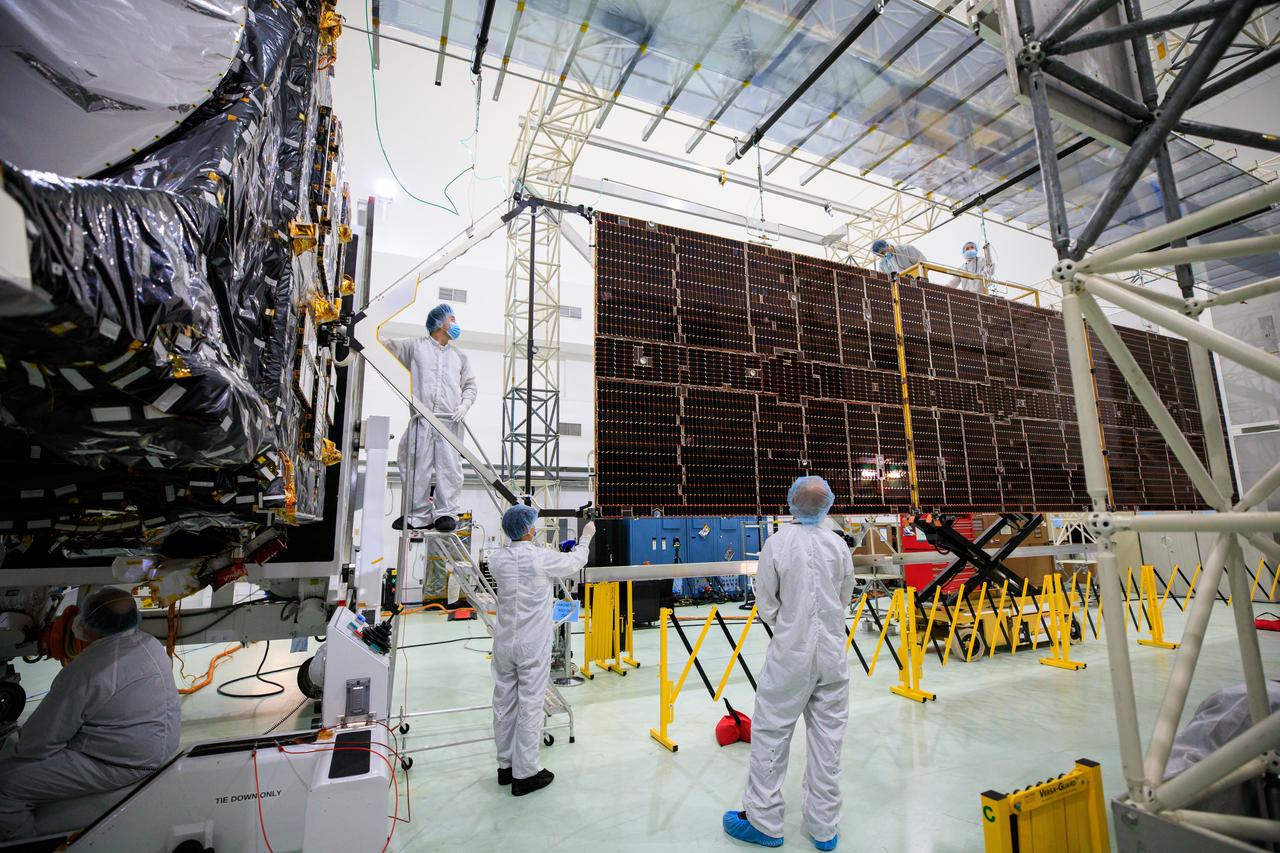
Team members prepare to integrate the second of two solar arrays with the agency’s Psyche spacecraft inside the Astrotech Space Operations Facility near the agency’s Kennedy Space Center in Florida on July 24, 2023. The solar arrays were shipped from Maxar Technologies, in San Jose, California. They are part of the solar electric propulsion system, provided by Maxar, that will power the spacecraft on its journey to explore a metal-rich asteroid. Psyche will launch atop a SpaceX Falcon Heavy rocket from Launch Complex 39A at Kennedy. Launch is targeted for Oct. 5, 2023. Riding with Psyche is a pioneering technology demonstration, NASA’s Deep Space Optical Communications (DSOC) experiment.
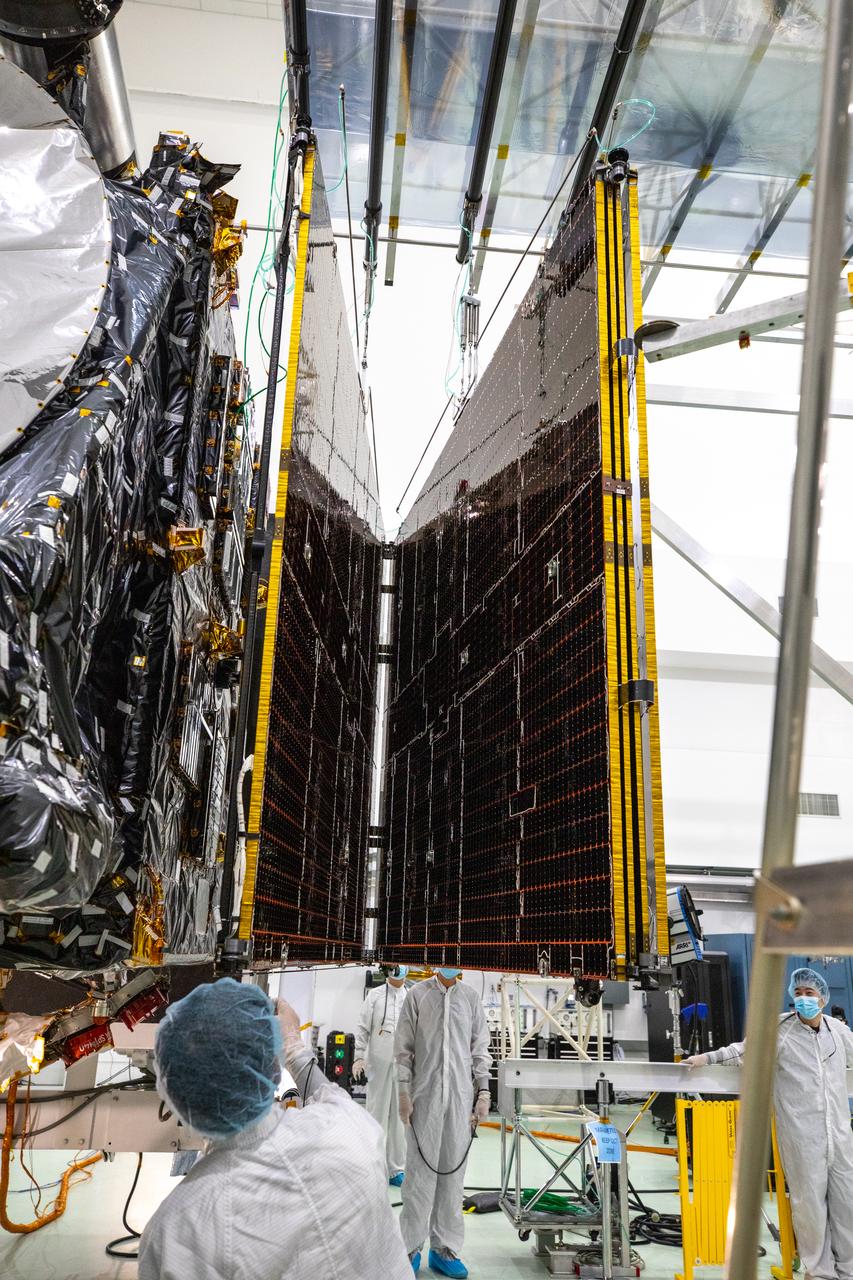
Team members retract the two solar arrays attached to NASA’s Psyche spacecraft inside the Astrotech Space Operations Facility near the agency’s Kennedy Space Center in Florida on July 25, 2023. The solar arrays, which were shipped from Maxar Technologies, in San Jose, California, are being stowed for launch. They are part of the solar electric propulsion system, provided by Maxar, that will power the spacecraft on its journey to explore a metal-rich asteroid. Psyche will launch atop a SpaceX Falcon Heavy rocket from Launch Complex 39A at Kennedy. Launch is targeted for Oct. 5, 2023. Riding with Psyche is a pioneering technology demonstration, NASA’s Deep Space Optical Communications (DSOC) experiment.
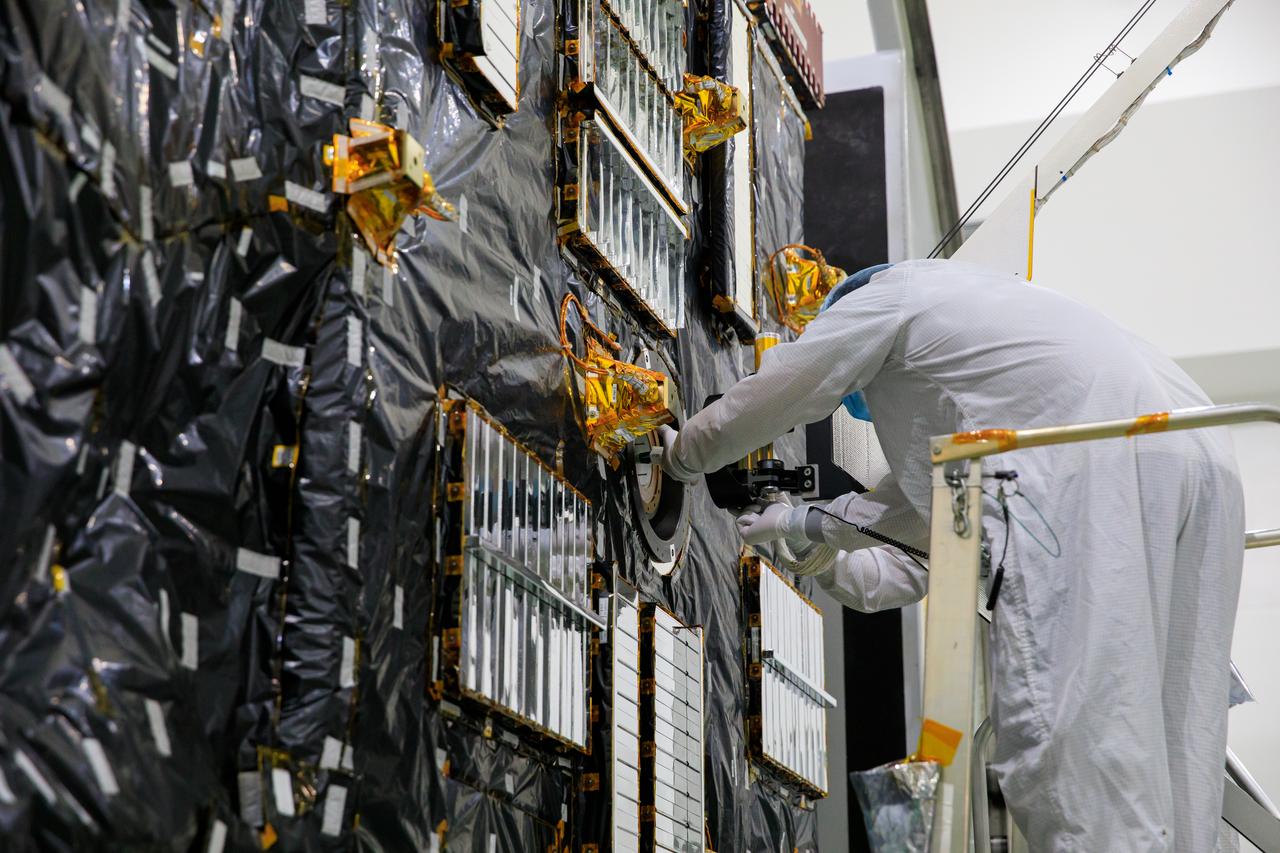
Team members prepare the agency’s Psyche spacecraft for integration with the second of two solar arrays inside the Astrotech Space Operations Facility near the agency’s Kennedy Space Center in Florida on July 24, 2023. The solar arrays were shipped from Maxar Technologies, in San Jose, California. They are part of the solar electric propulsion system, provided by Maxar, that will power the spacecraft on its journey to explore a metal-rich asteroid. Psyche will launch atop a SpaceX Falcon Heavy rocket from Launch Complex 39A at Kennedy. Launch is targeted for Oct. 5, 2023. Riding with Psyche is a pioneering technology demonstration, NASA’s Deep Space Optical Communications (DSOC) experiment.
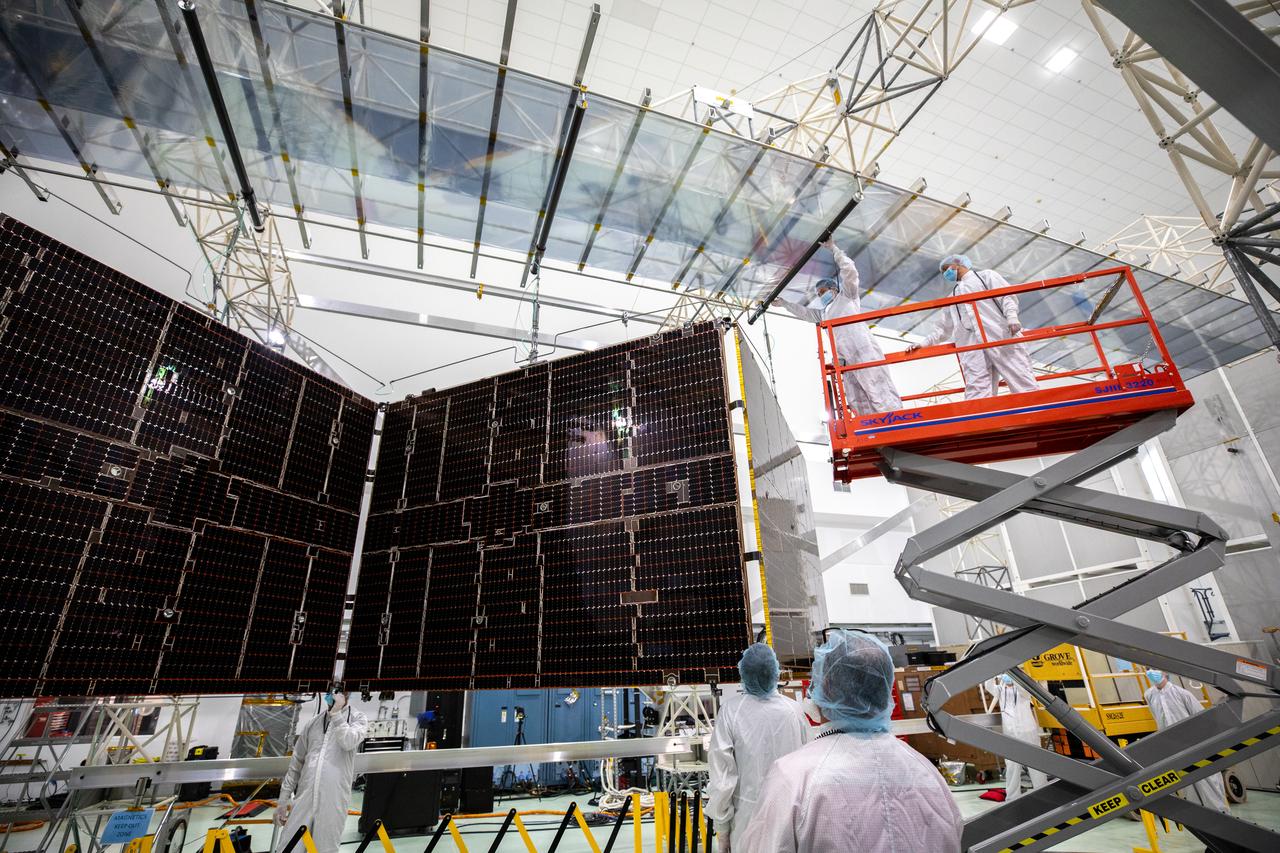
Technicians begin to retract one of the two solar arrays attached to NASA’s Psyche spacecraft inside the Astrotech Space Operations Facility near the agency’s Kennedy Space Center in Florida on July 25, 2023. The solar arrays, which were shipped from Maxar Technologies, in San Jose, California, are being stowed for launch. They are part of the solar electric propulsion system, provided by Maxar, that will power the spacecraft on its journey to explore a metal-rich asteroid. Psyche will launch atop a SpaceX Falcon Heavy rocket from Launch Complex 39A at Kennedy. Launch is targeted for Oct. 5, 2023. Riding with Psyche is a pioneering technology demonstration, NASA’s Deep Space Optical Communications (DSOC) experiment.
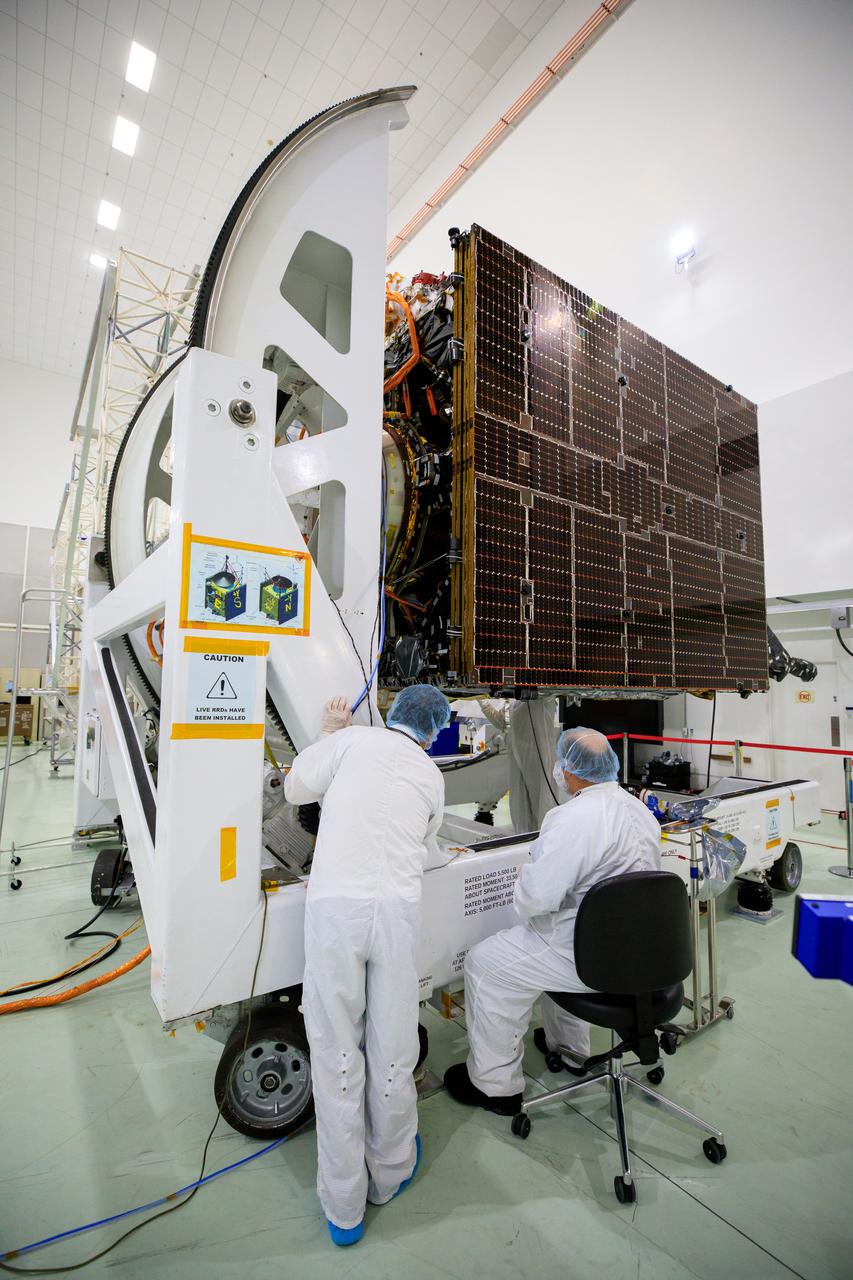
Team members prepare to integrate one of two solar arrays with NASA’s Psyche spacecraft inside the Astrotech Space Operations Facility near the agency’s Kennedy Space Center in Florida on July 24, 2023. The solar arrays were shipped from Maxar Technologies, in San Jose, California. They are part of the solar electric propulsion system, provided by Maxar, that will power the spacecraft on its journey to explore a metal-rich asteroid. Psyche will launch atop a SpaceX Falcon Heavy rocket from Launch Complex 39A at Kennedy. Launch is targeted for Oct. 5, 2023. Riding with Psyche is a pioneering technology demonstration, NASA’s Deep Space Optical Communications (DSOC) experiment.
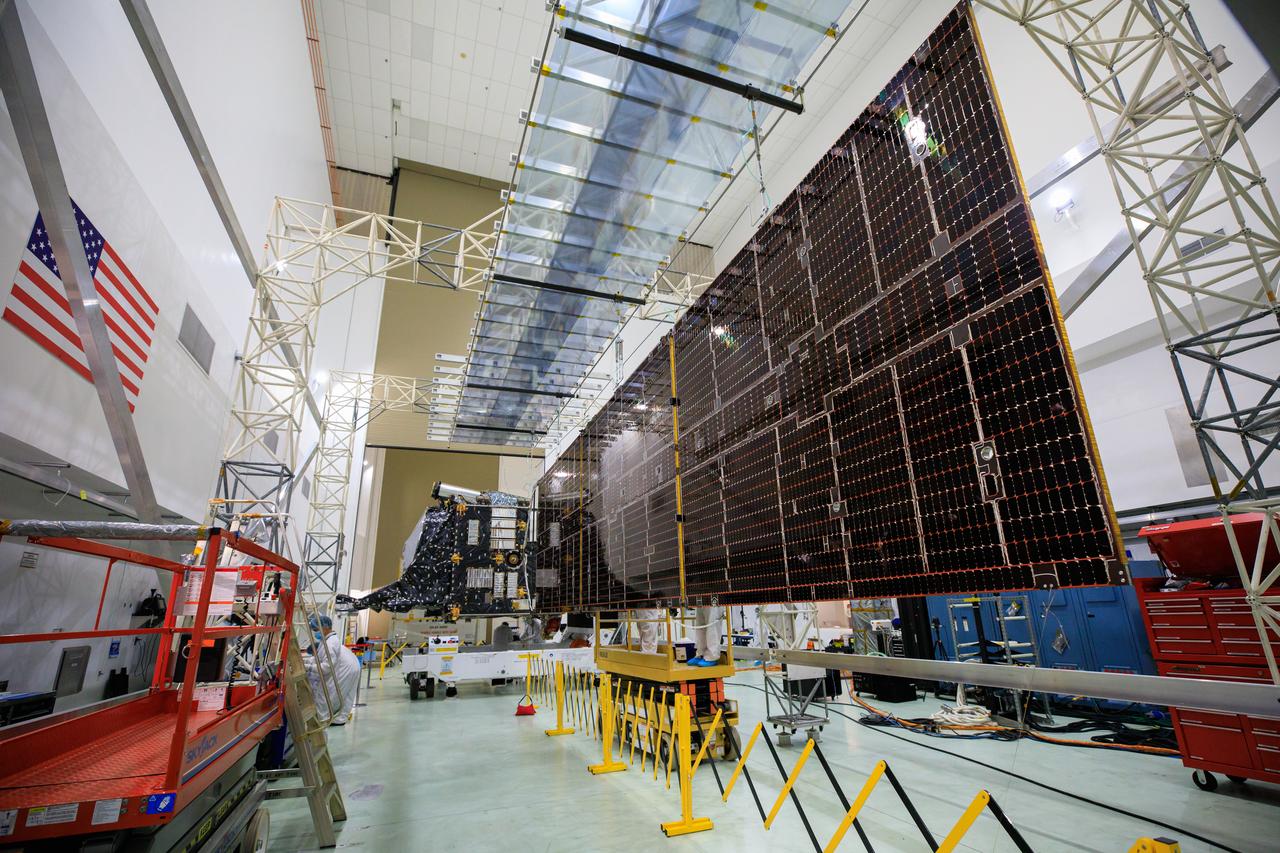
Technicians are preparing to integrate one of two solar arrays to NASA’s Psyche spacecraft inside the Astrotech Space Operations Facility near the agency’s Kennedy Space Center in Florida on July 24, 2023. The solar arrays were shipped from Maxar Technologies, in San Jose, California. They are part of the solar electric propulsion system, provided by Maxar, that will power the spacecraft on its journey to explore a metal-rich asteroid. Psyche will launch atop a SpaceX Falcon Heavy rocket from Launch Complex 39A at Kennedy. Launch is targeted for Oct. 5, 2023. Riding with Psyche is a pioneering technology demonstration, NASA’s Deep Space Optical Communications (DSOC) experiment.
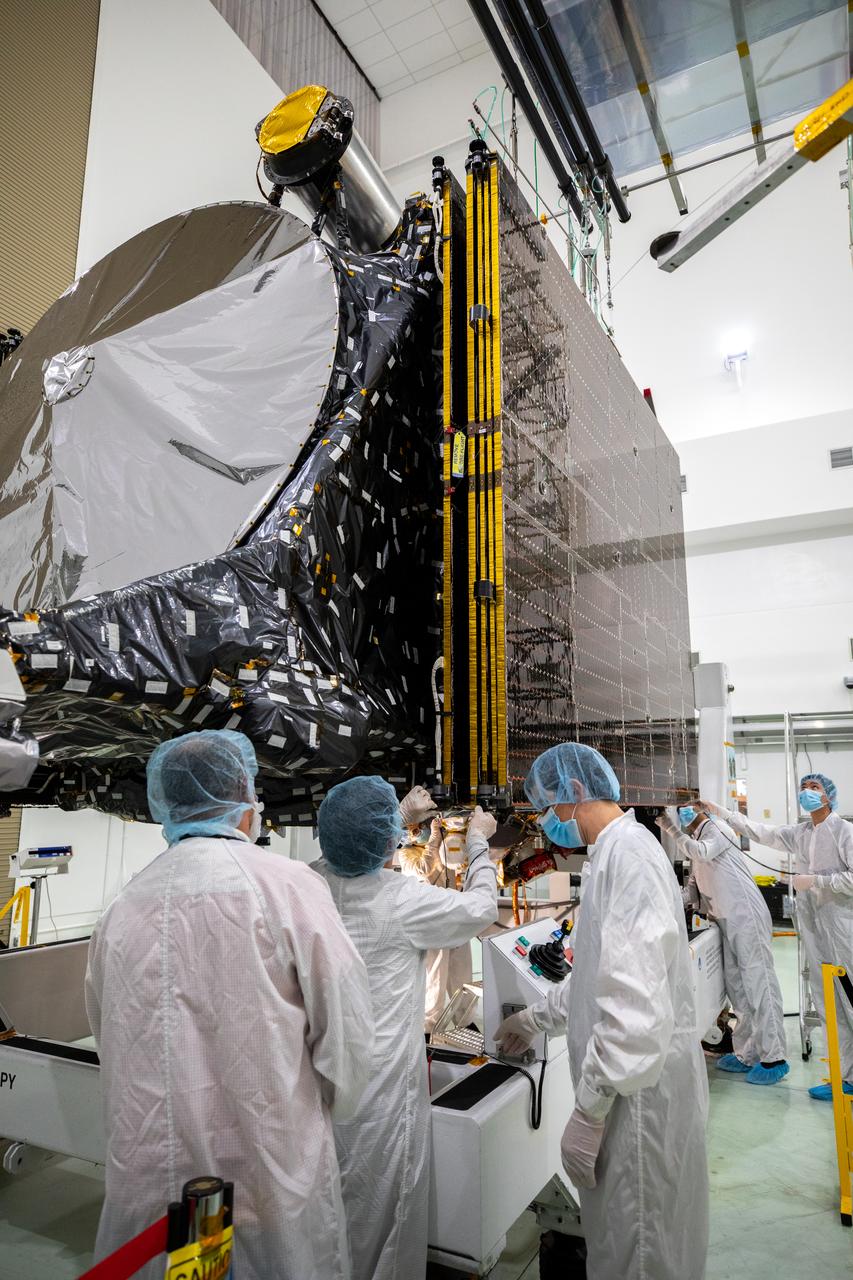
Team members retract the two solar arrays attached to NASA’s Psyche spacecraft inside the Astrotech Space Operations Facility near the agency’s Kennedy Space Center in Florida on July 25, 2023. The solar arrays, which were shipped from Maxar Technologies, in San Jose, California, are being stowed for launch. They are part of the solar electric propulsion system, provided by Maxar, that will power the spacecraft on its journey to explore a metal-rich asteroid. Psyche will launch atop a SpaceX Falcon Heavy rocket from Launch Complex 39A at Kennedy. Launch is targeted for Oct. 5, 2023. Riding with Psyche is a pioneering technology demonstration, NASA’s Deep Space Optical Communications (DSOC) experiment.
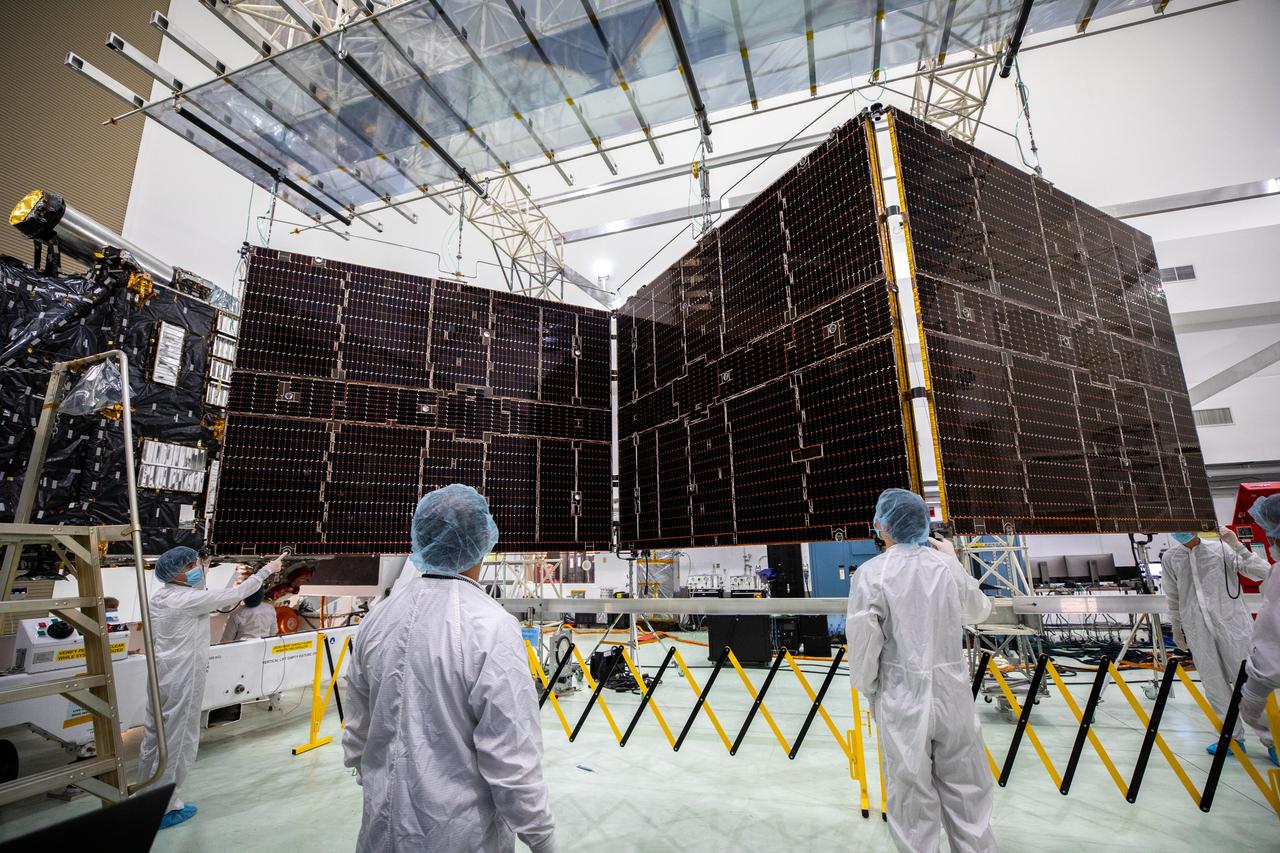
Technicians begin to retract one of the two solar arrays attached to NASA’s Psyche spacecraft inside the Astrotech Space Operations Facility near the agency’s Kennedy Space Center in Florida on July 25, 2023. The solar arrays, which were shipped from Maxar Technologies, in San Jose, California, are being stowed for launch. They are part of the solar electric propulsion system, provided by Maxar, that will power the spacecraft on its journey to explore a metal-rich asteroid. Psyche will launch atop a SpaceX Falcon Heavy rocket from Launch Complex 39A at Kennedy. Launch is targeted for Oct. 5, 2023. Riding with Psyche is a pioneering technology demonstration, NASA’s Deep Space Optical Communications (DSOC) experiment.
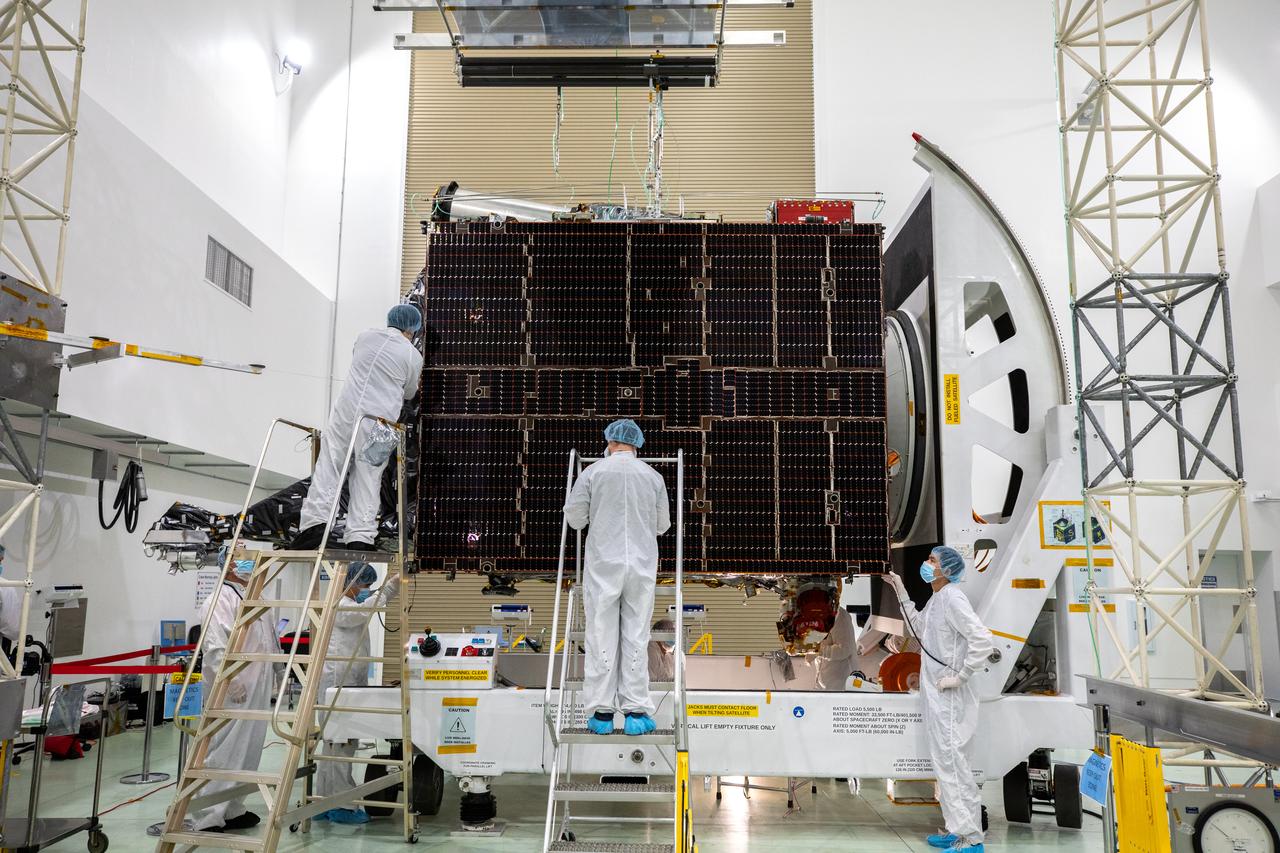
Team members have retracted the two solar arrays attached to NASA’s Psyche spacecraft inside the Astrotech Space Operations Facility near the agency’s Kennedy Space Center in Florida on July 25, 2023. The solar arrays, which were shipped from Maxar Technologies, in San Jose, California, are being stowed for launch. They are part of the solar electric propulsion system, provided by Maxar, that will power the spacecraft on its journey to explore a metal-rich asteroid. Psyche will launch atop a SpaceX Falcon Heavy rocket from Launch Complex 39A at Kennedy. Launch is targeted for Oct. 5, 2023. Riding with Psyche is a pioneering technology demonstration, NASA’s Deep Space Optical Communications (DSOC) experiment.
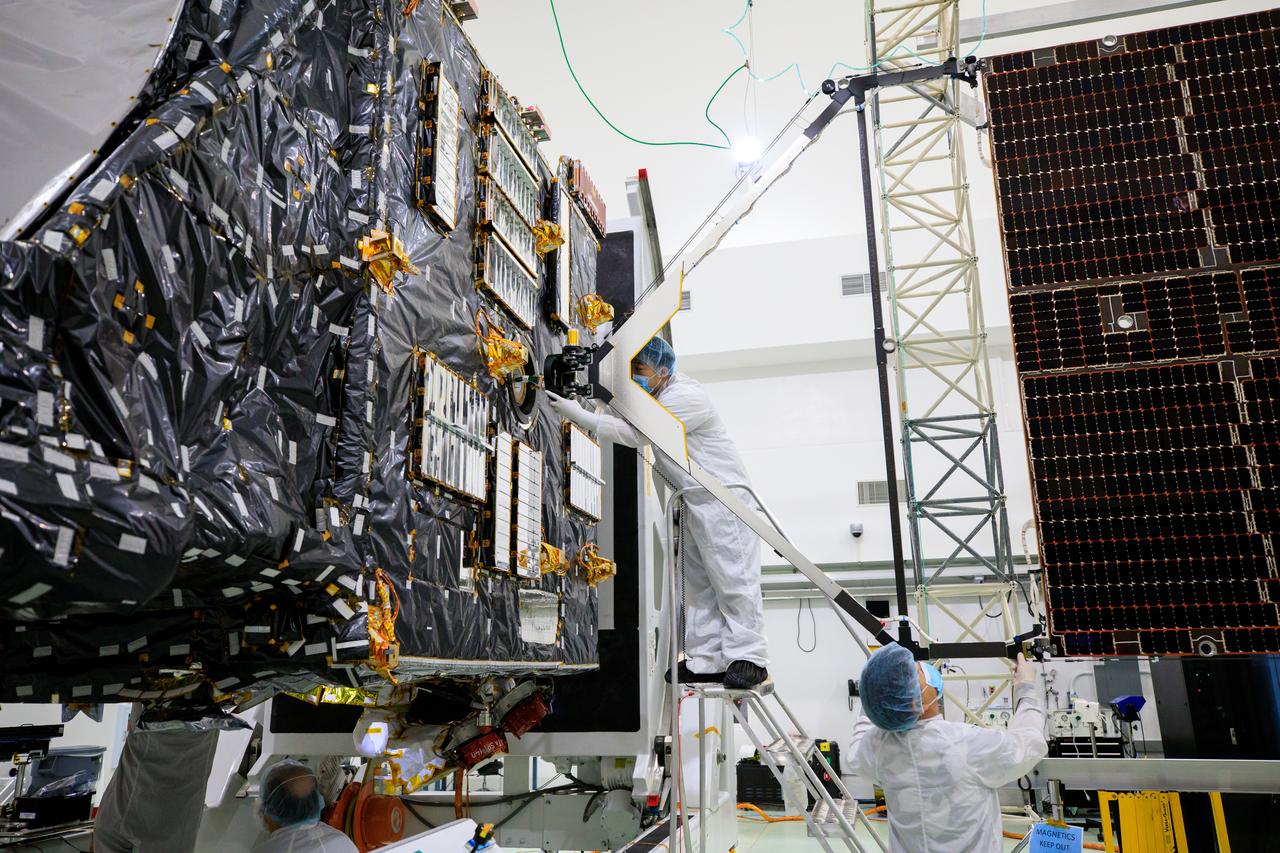
Team members prepare to integrate the second of two solar arrays with the agency’s Psyche spacecraft inside the Astrotech Space Operations Facility near the agency’s Kennedy Space Center in Florida on July 24, 2023. The solar arrays were shipped from Maxar Technologies, in San Jose, California. They are part of the solar electric propulsion system, provided by Maxar, that will power the spacecraft on its journey to explore a metal-rich asteroid. Psyche will launch atop a SpaceX Falcon Heavy rocket from Launch Complex 39A at Kennedy. Launch is targeted for Oct. 5, 2023. Riding with Psyche is a pioneering technology demonstration, NASA’s Deep Space Optical Communications (DSOC) experiment