
iss066e010713 (Oct. 24, 2021) --- Two Russian spaceships are pictured docked to the International Space Station. From left, are the Soyuz MS-19 crew ship docked to the Rassvet module and the ISS Progress 78 resupply ship docked to the Nauka multipurpose laboratory module.
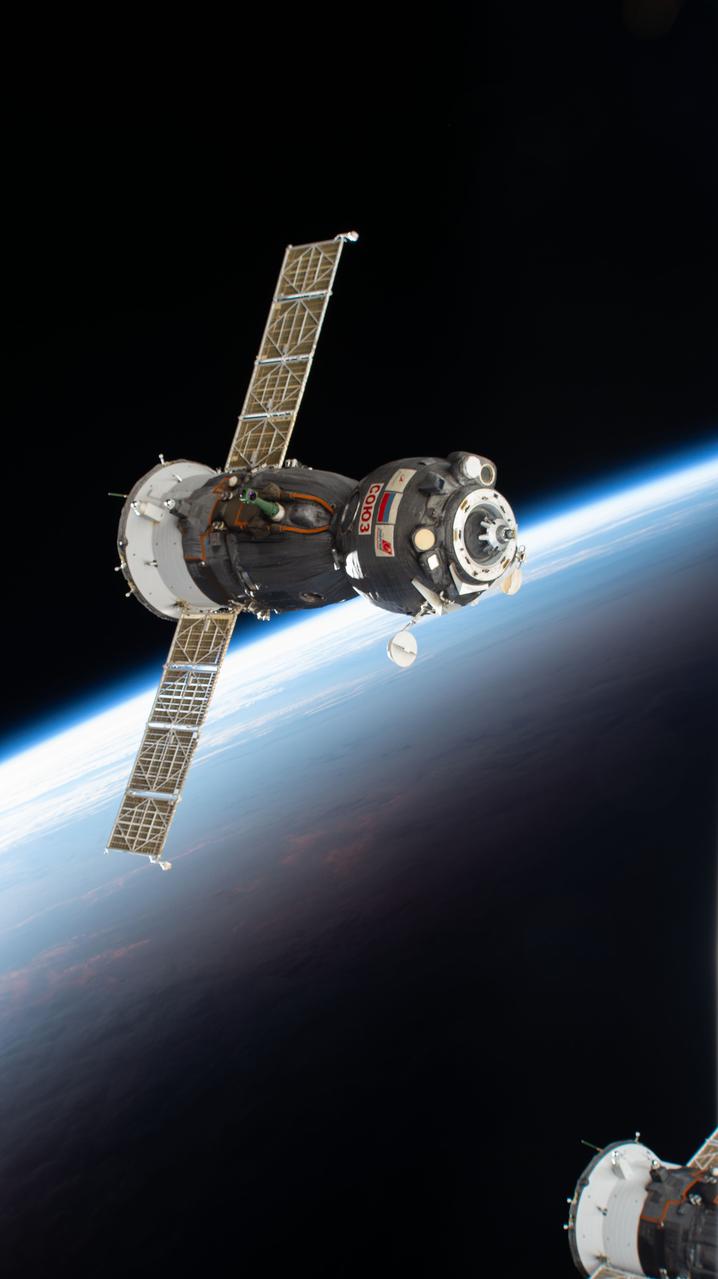
iss067e000259 (March 30, 2022) --- The Soyuz MS-19 crew ship, carrying three Expedition 66 crew members, departs the International Space Station after undocking from the Rassvet module. The Soyuz crew ship would parachute to a landing in Kazakhstan just over four hours later with NASA astronaut Mark Vande Hei and Roscosmos cosmonauts Anton Shkaplerov and Pyotr Dubrov.
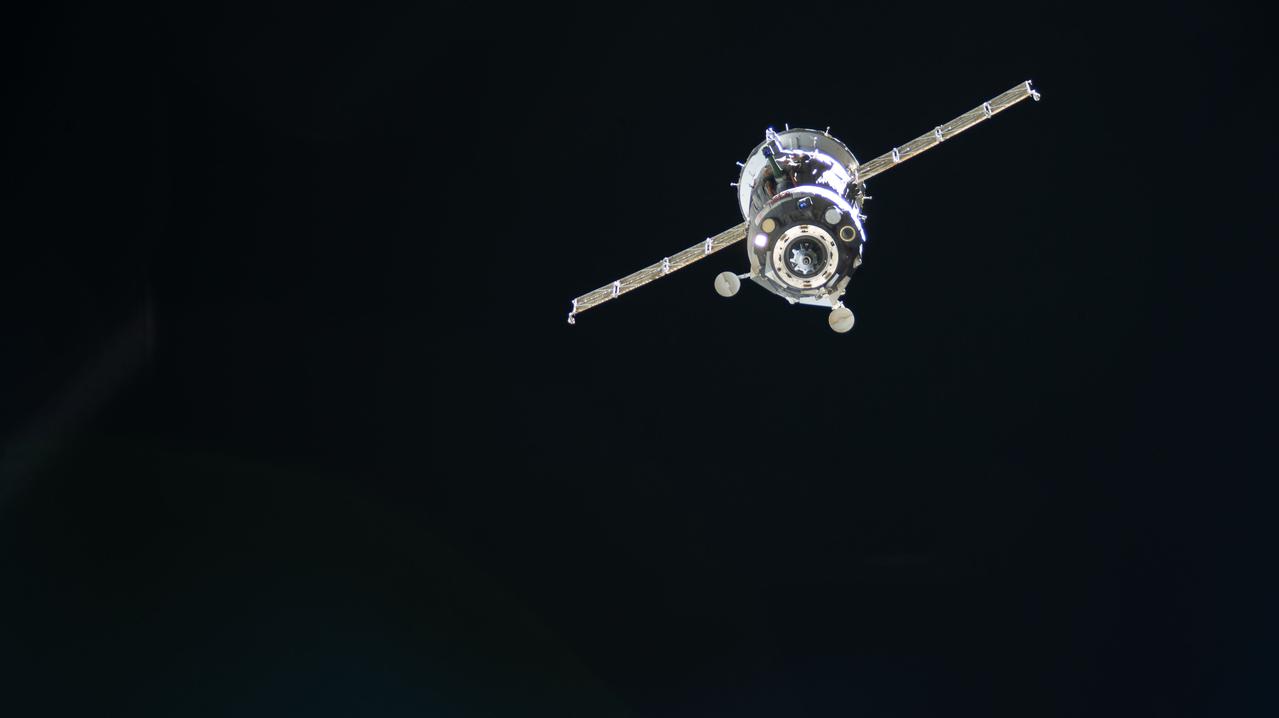
iss067e000260 (March 30, 2022) --- The Soyuz MS-19 crew ship, carrying three Expedition 66 crew members, departs the International Space Station after undocking from the Rassvet module. The Soyuz crew ship would parachute to a landing in Kazakhstan about four hours later with NASA astronaut Mark Vande Hei and Roscosmos cosmonauts Anton Shkaplerov and Pyotr Dubrov.
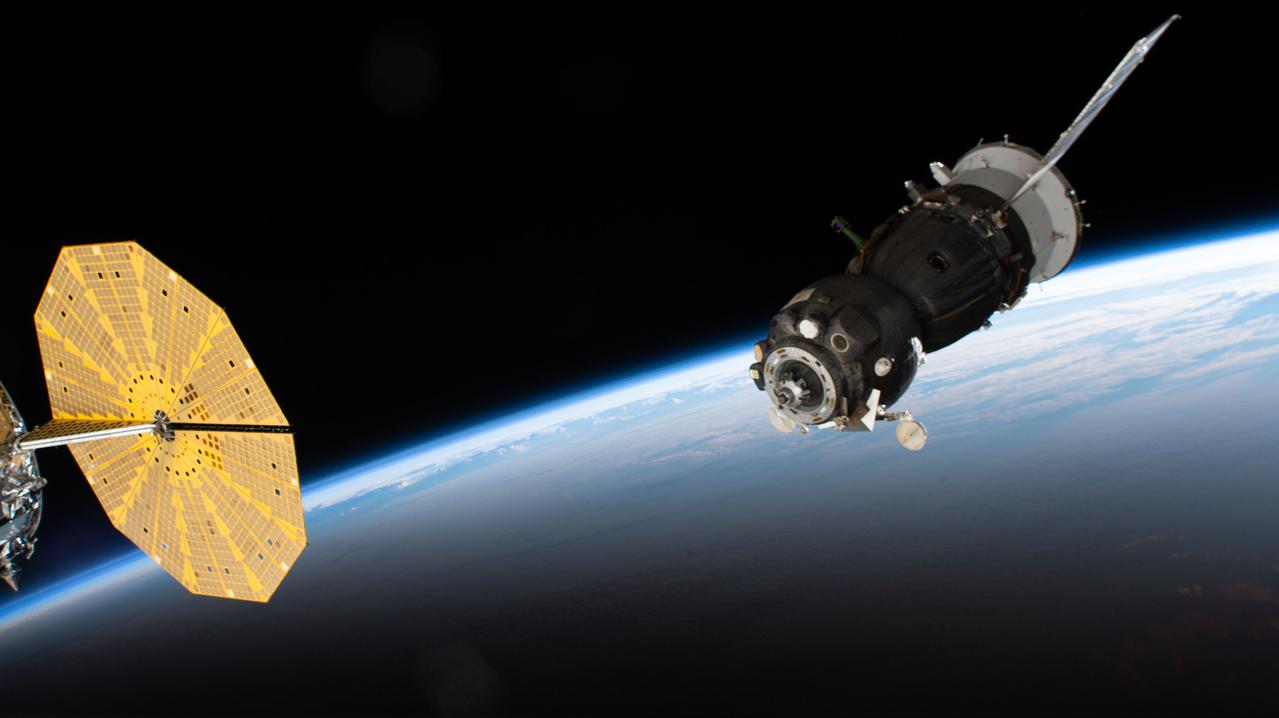
iss067e000261 (March 30, 2022) --- The Soyuz MS-19 crew ship, carrying three Expedition 66 crew members, backs away from the International Space Station after undocking from the Rassvet module. The Soyuz crew ship would parachute to a landing in Kazakhstan just over four hours later with NASA astronaut Mark Vande Hei and Roscosmos cosmonauts Anton Shkaplerov and Pyotr Dubrov. At left, is one of two cymbal-shaped UltraFlex solar arrays attached to Northrop Grumman's Cygnus space freighter.
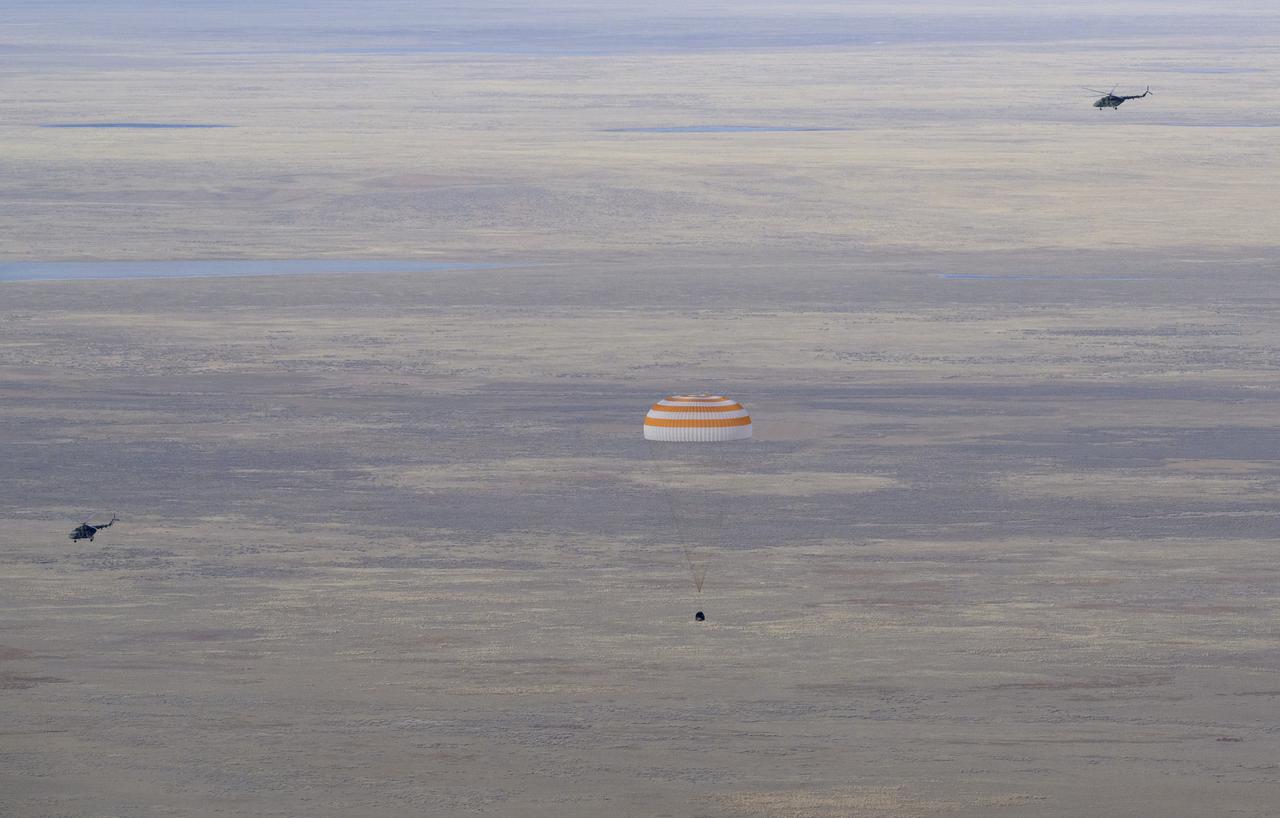
The Soyuz MS-19 spacecraft is seen as it lands in a remote area near the town of Zhezkazgan, Kazakhstan with Expedition 66 crew members Mark Vande Hei of NASA, and cosmonauts Pyotr Dubrov, and Anton Shkaplerov of Roscosmos, Wednesday, March 30, 2022. Vande Hei and Dubrov are returning to Earth after logging 355 days in space as members of Expeditions 64-66 aboard the International Space Station. For Vande Hei, his mission is the longest single spaceflight by a U.S. astronaut in history. Shkaplerov is returning after 176 days in space, serving as a Flight Engineer for Expedition 65 and commander of Expedition 66. Photo Credit: (NASA/Bill Ingalls)
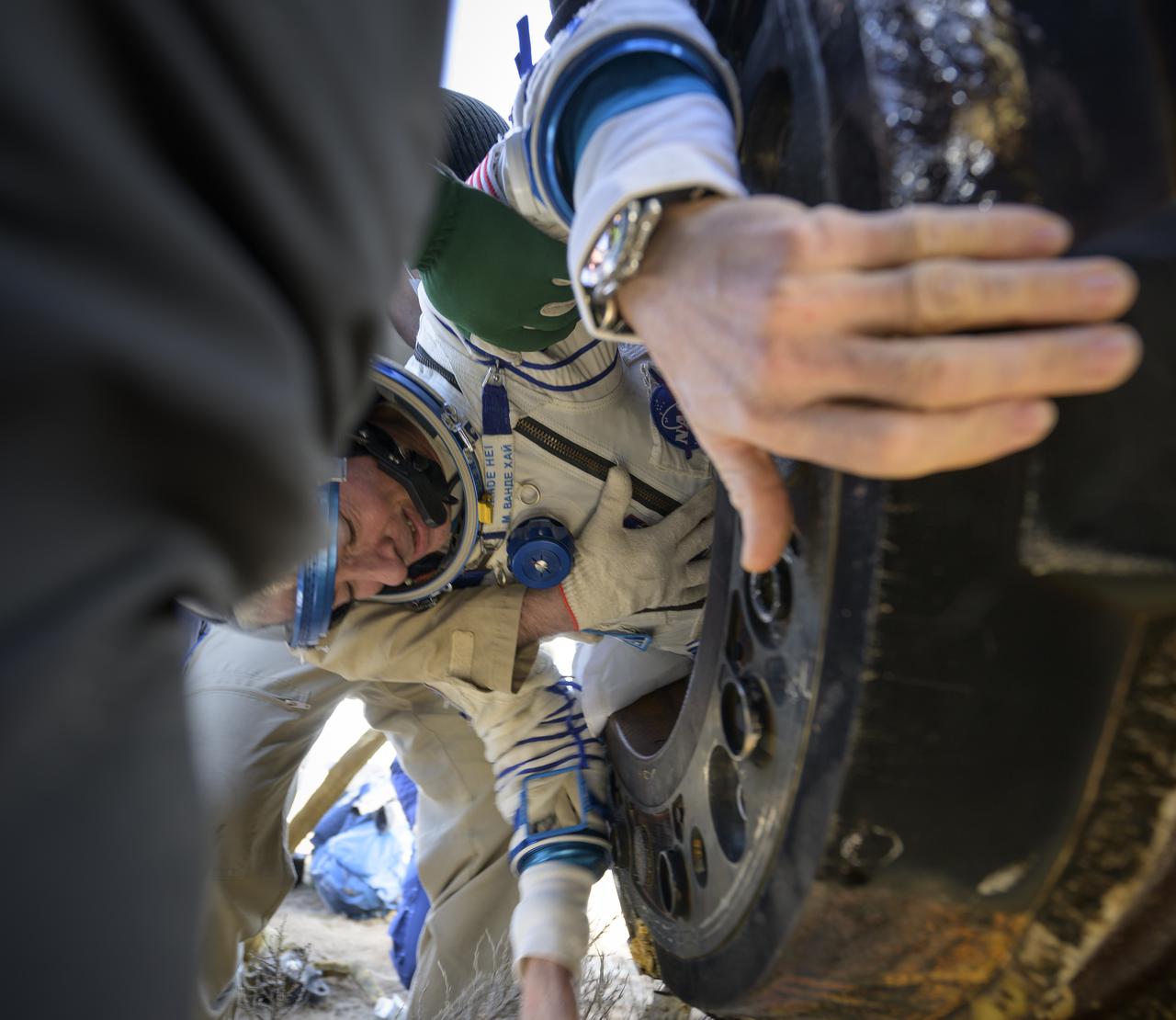
Expedition 66 NASA astronaut Mark Vande Hei is helped out of the Soyuz MS-19 spacecraft just minutes after he and Russian cosmonauts Pyotr Dubrov and Anton Shkaplerov, landed in a remote area near the town of Zhezkazgan, Kazakhstan on Wednesday, March 30, 2022. Vande Hei and Dubrov are returning to Earth after logging 355 days in space as members of Expeditions 64-66 aboard the International Space Station. For Vande Hei, his mission is the longest single spaceflight by a U.S. astronaut in history. Shkaplerov is returning after 176 days in space, serving as a Flight Engineer for Expedition 65 and commander of Expedition 66. Photo Credit: (NASA/Bill Ingalls)
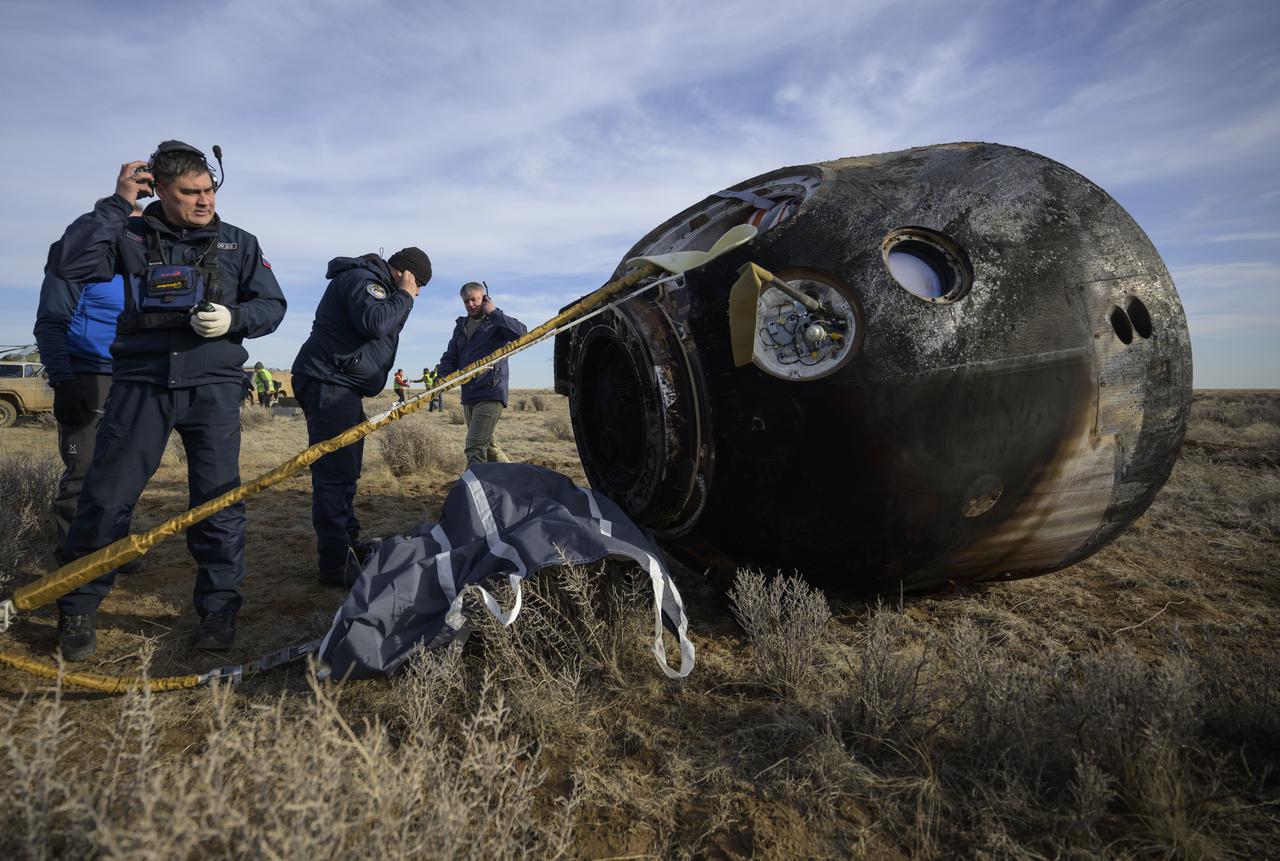
Russian Search and Rescue teams arrive at the Soyuz MS-19 spacecraft shortly after it landed in a remote area near the town of Zhezkazgan, Kazakhstan with Expedition 66 crew members Mark Vande Hei of NASA, and cosmonauts Pyotr Dubrov, and Anton Shkaplerov of Roscosmos, Wednesday, March 30, 2022. Vande Hei and Dubrov are returning to Earth after logging 355 days in space as members of Expeditions 64-66 aboard the International Space Station. For Vande Hei, his mission is the longest single spaceflight by a U.S. astronaut in history. Shkaplerov is returning after 176 days in space, serving as a Flight Engineer for Expedition 65 and commander of Expedition 66. Photo Credit: (NASA/Bill Ingalls)
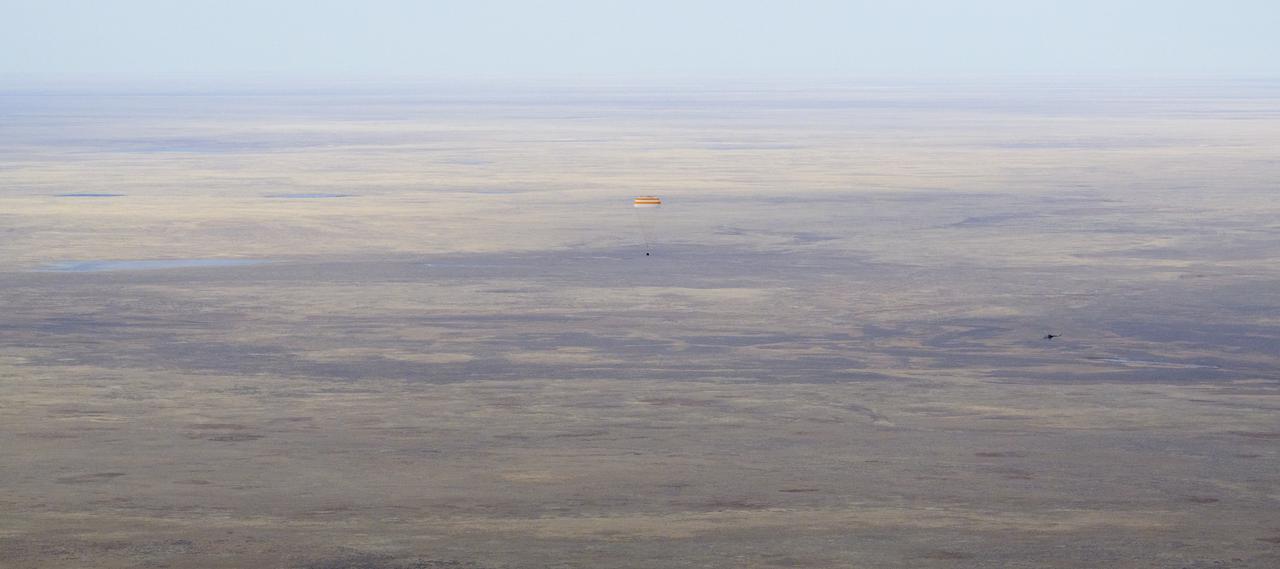
The Soyuz MS-19 spacecraft is seen as it lands in a remote area near the town of Zhezkazgan, Kazakhstan with Expedition 66 crew members Mark Vande Hei of NASA, and cosmonauts Pyotr Dubrov, and Anton Shkaplerov of Roscosmos, Wednesday, March 30, 2022. Vande Hei and Dubrov are returning to Earth after logging 355 days in space as members of Expeditions 64-66 aboard the International Space Station. For Vande Hei, his mission is the longest single spaceflight by a U.S. astronaut in history. Shkaplerov is returning after 176 days in space, serving as a Flight Engineer for Expedition 65 and commander of Expedition 66. Photo Credit: (NASA/Bill Ingalls)
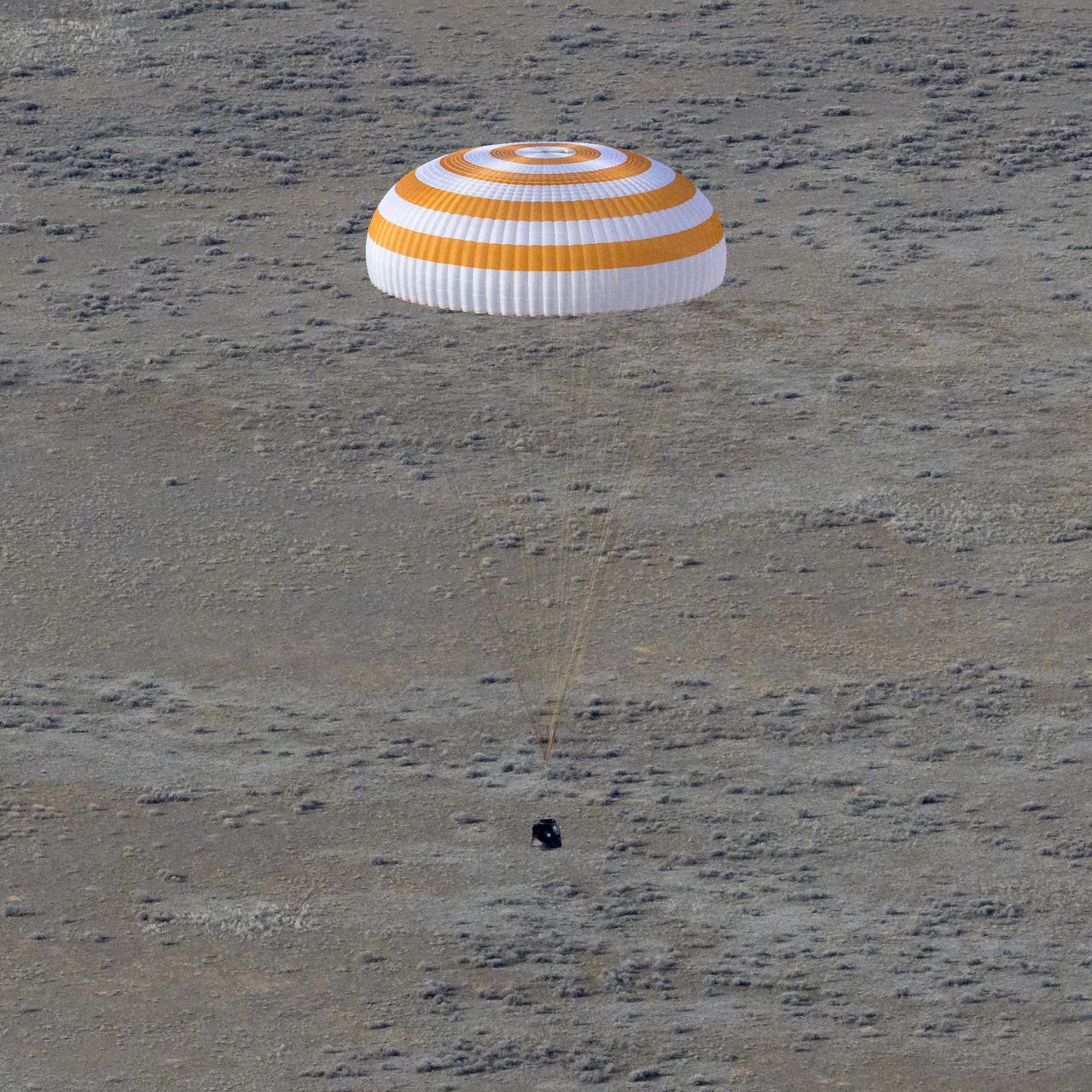
The Soyuz MS-19 spacecraft is seen as it lands in a remote area near the town of Zhezkazgan, Kazakhstan with Expedition 66 crew members Mark Vande Hei of NASA, and cosmonauts Pyotr Dubrov, and Anton Shkaplerov of Roscosmos, Wednesday, March 30, 2022. Vande Hei and Dubrov are returning to Earth after logging 355 days in space as members of Expeditions 64-66 aboard the International Space Station. For Vande Hei, his mission is the longest single spaceflight by a U.S. astronaut in history. Shkaplerov is returning after 176 days in space, serving as a Flight Engineer for Expedition 65 and commander of Expedition 66. Photo Credit: (NASA/Bill Ingalls)
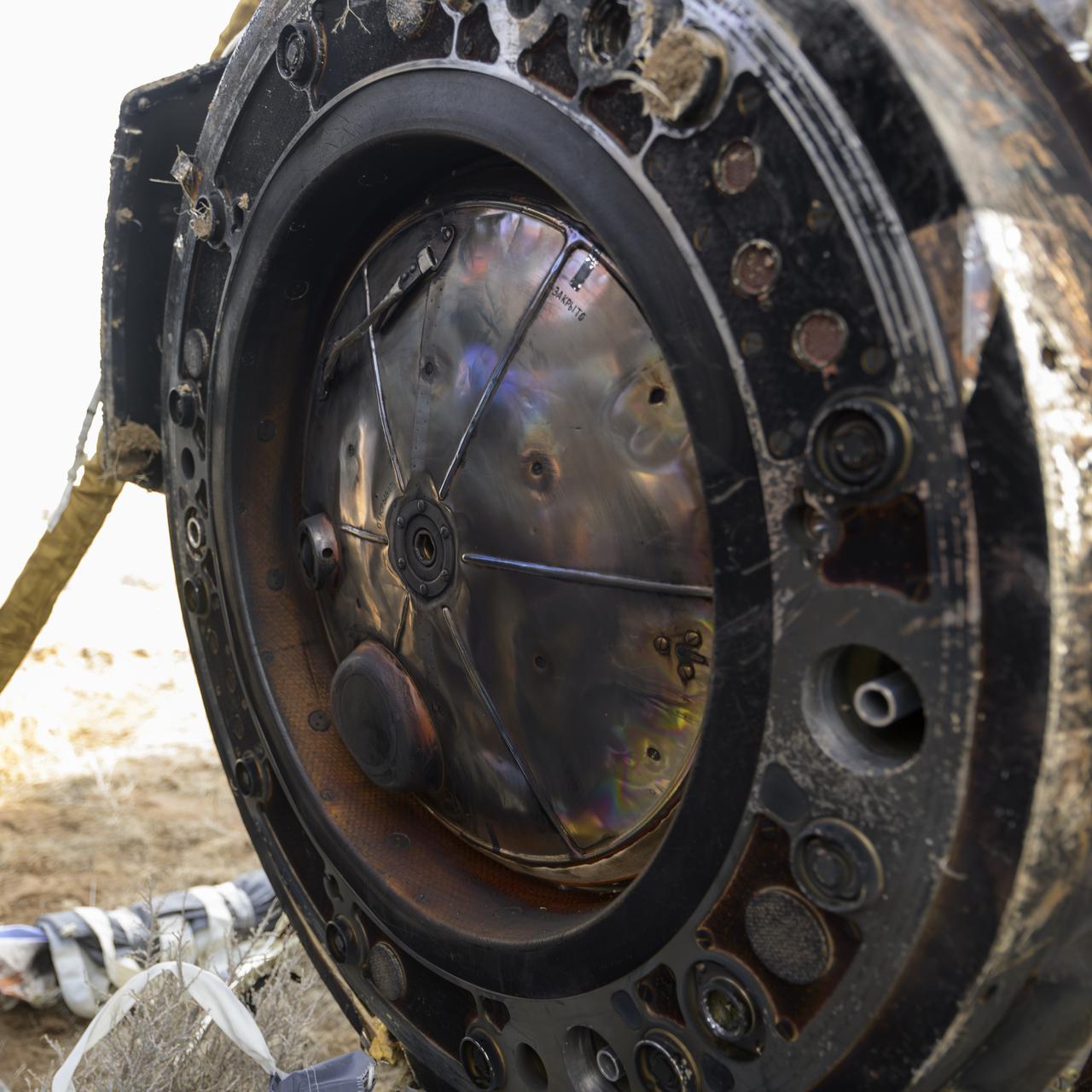
Russian Search and Rescue teams arrive at the Soyuz MS-19 spacecraft shortly after it landed in a remote area near the town of Zhezkazgan, Kazakhstan with Expedition 66 crew members Mark Vande Hei of NASA, and cosmonauts Pyotr Dubrov, and Anton Shkaplerov of Roscosmos, Wednesday, March 30, 2022. Vande Hei and Dubrov are returning to Earth after logging 355 days in space as members of Expeditions 64-66 aboard the International Space Station. For Vande Hei, his mission is the longest single spaceflight by a U.S. astronaut in history. Shkaplerov is returning after 176 days in space, serving as a Flight Engineer for Expedition 65 and commander of Expedition 66. Photo Credit: (NASA/Bill Ingalls)
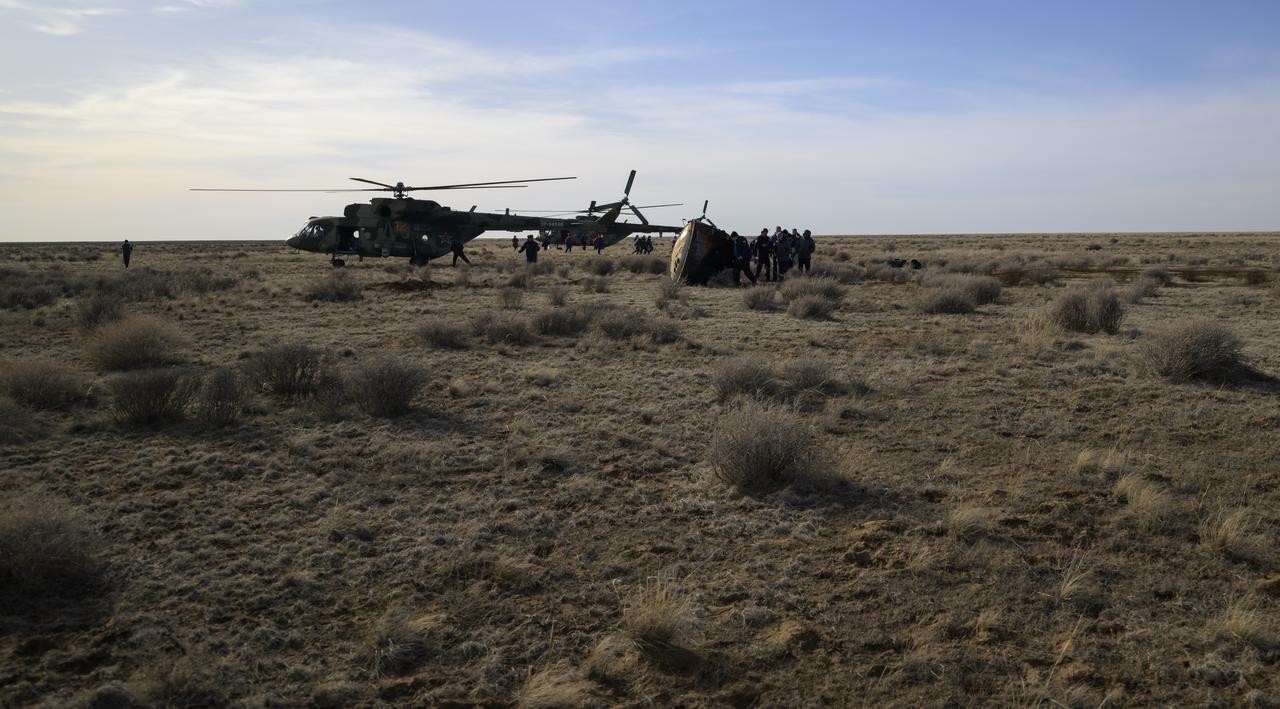
Russian Search and Rescue teams arrive at the Soyuz MS-19 spacecraft shortly after it landed in a remote area near the town of Zhezkazgan, Kazakhstan with Expedition 66 crew members Mark Vande Hei of NASA, and cosmonauts Pyotr Dubrov, and Anton Shkaplerov of Roscosmos, Wednesday, March 30, 2022. Vande Hei and Dubrov are returning to Earth after logging 355 days in space as members of Expeditions 64-66 aboard the International Space Station. For Vande Hei, his mission is the longest single spaceflight by a U.S. astronaut in history. Shkaplerov is returning after 176 days in space, serving as a Flight Engineer for Expedition 65 and commander of Expedition 66. Photo Credit: (NASA/Bill Ingalls)
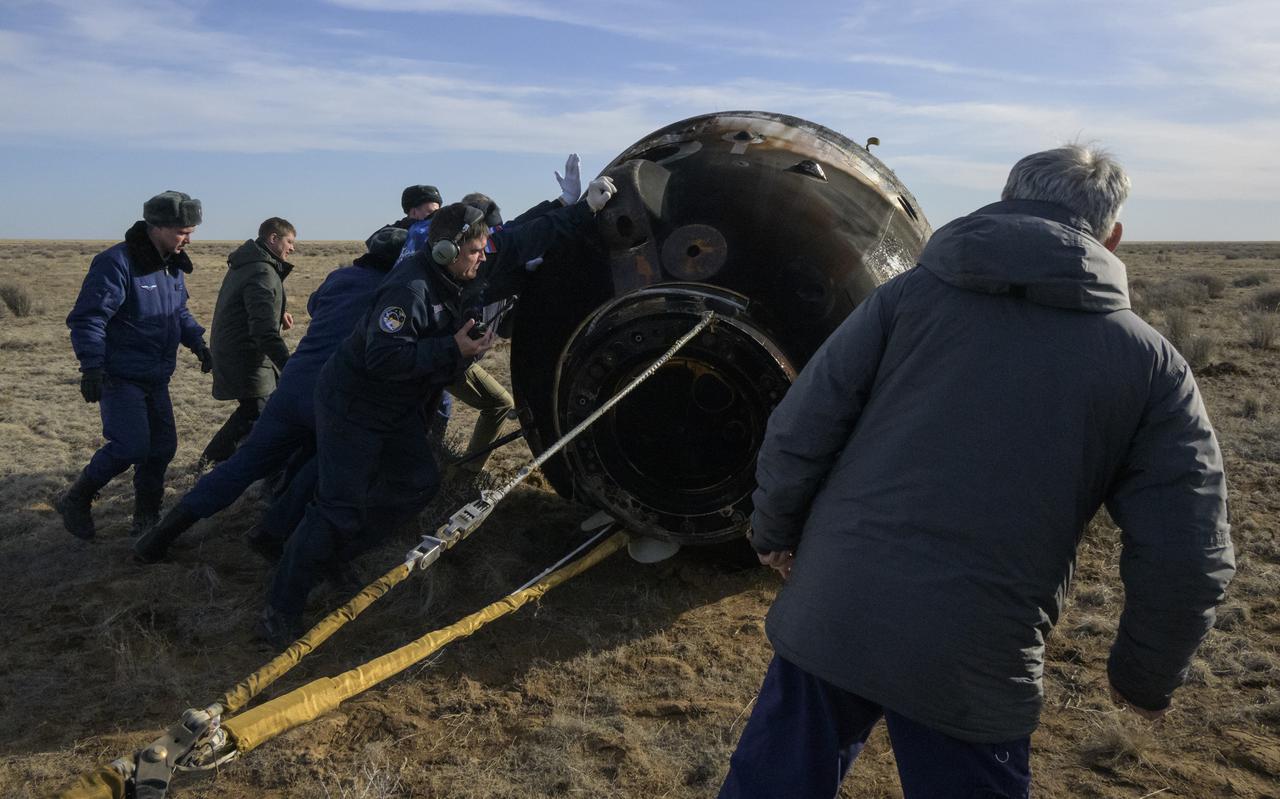
Russian Search and Rescue teams arrive at the Soyuz MS-19 spacecraft shortly after it landed in a remote area near the town of Zhezkazgan, Kazakhstan with Expedition 66 crew members Mark Vande Hei of NASA, and cosmonauts Pyotr Dubrov, and Anton Shkaplerov of Roscosmos, Wednesday, March 30, 2022. Vande Hei and Dubrov are returning to Earth after logging 355 days in space as members of Expeditions 64-66 aboard the International Space Station. For Vande Hei, his mission is the longest single spaceflight by a U.S. astronaut in history. Shkaplerov is returning after 176 days in space, serving as a Flight Engineer for Expedition 65 and commander of Expedition 66. Photo Credit: (NASA/Bill Ingalls)
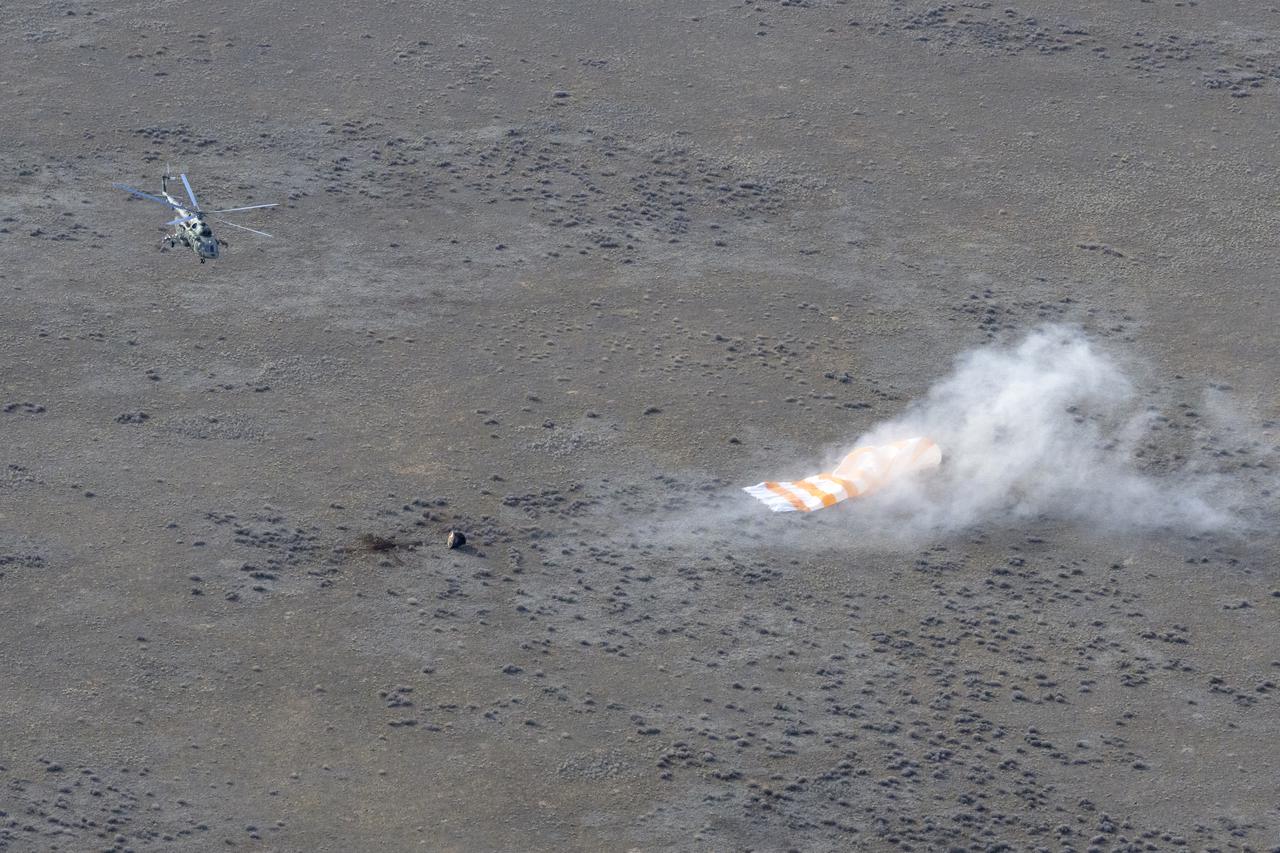
The Soyuz MS-19 spacecraft is seen as it lands in a remote area near the town of Zhezkazgan, Kazakhstan with Expedition 66 crew members Mark Vande Hei of NASA, and cosmonauts Pyotr Dubrov, and Anton Shkaplerov of Roscosmos, Wednesday, March 30, 2022. Vande Hei and Dubrov are returning to Earth after logging 355 days in space as members of Expeditions 64-66 aboard the International Space Station. For Vande Hei, his mission is the longest single spaceflight by a U.S. astronaut in history. Shkaplerov is returning after 176 days in space, serving as a Flight Engineer for Expedition 65 and commander of Expedition 66. Photo Credit: (NASA/Bill Ingalls)
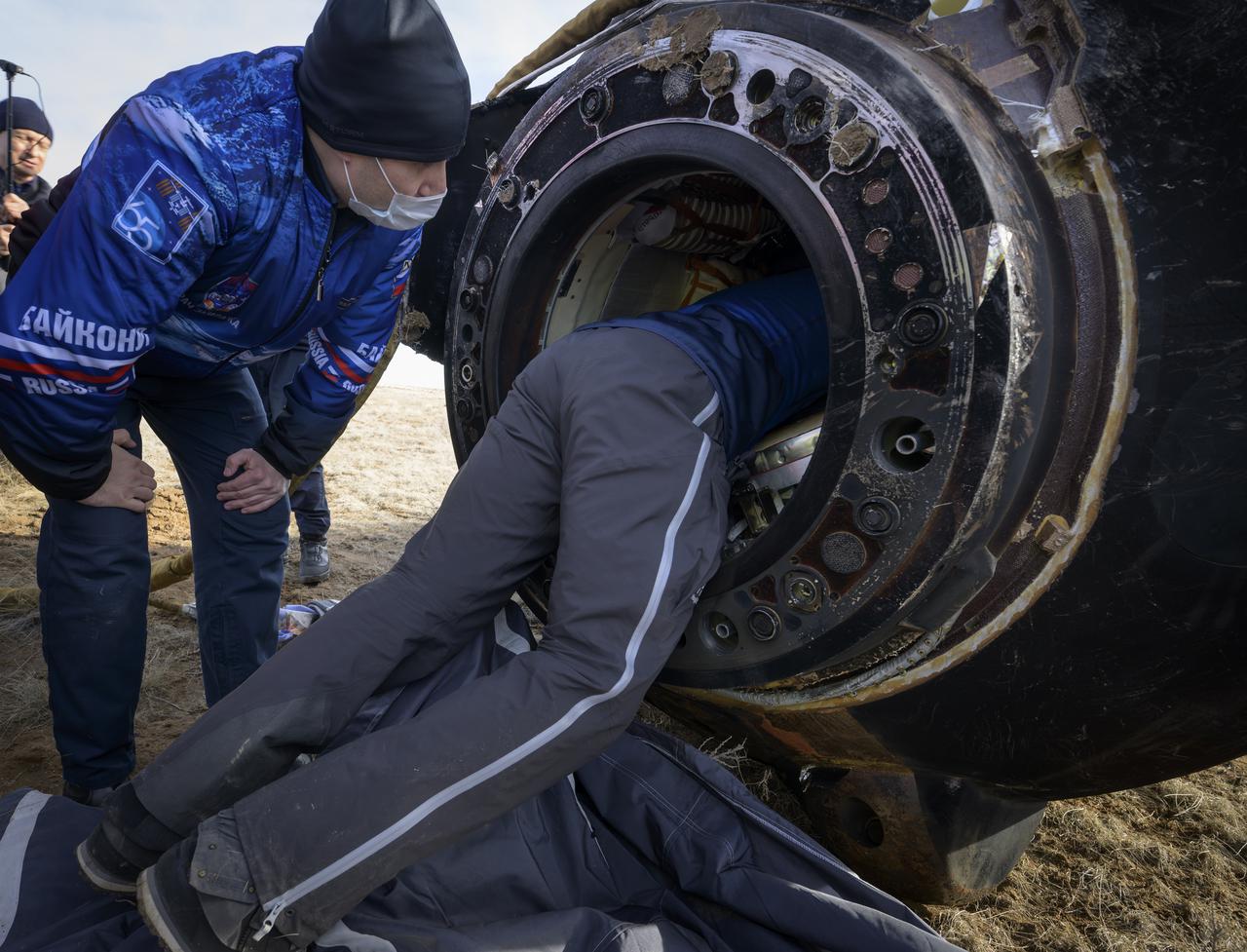
Russian Search and Rescue teams arrive at the Soyuz MS-19 spacecraft shortly after it landed in a remote area near the town of Zhezkazgan, Kazakhstan with Expedition 66 crew members Mark Vande Hei of NASA, and cosmonauts Pyotr Dubrov, and Anton Shkaplerov of Roscosmos, Wednesday, March 30, 2022. Vande Hei and Dubrov are returning to Earth after logging 355 days in space as members of Expeditions 64-66 aboard the International Space Station. For Vande Hei, his mission is the longest single spaceflight by a U.S. astronaut in history. Shkaplerov is returning after 176 days in space, serving as a Flight Engineer for Expedition 65 and commander of Expedition 66. Photo Credit: (NASA/Bill Ingalls)
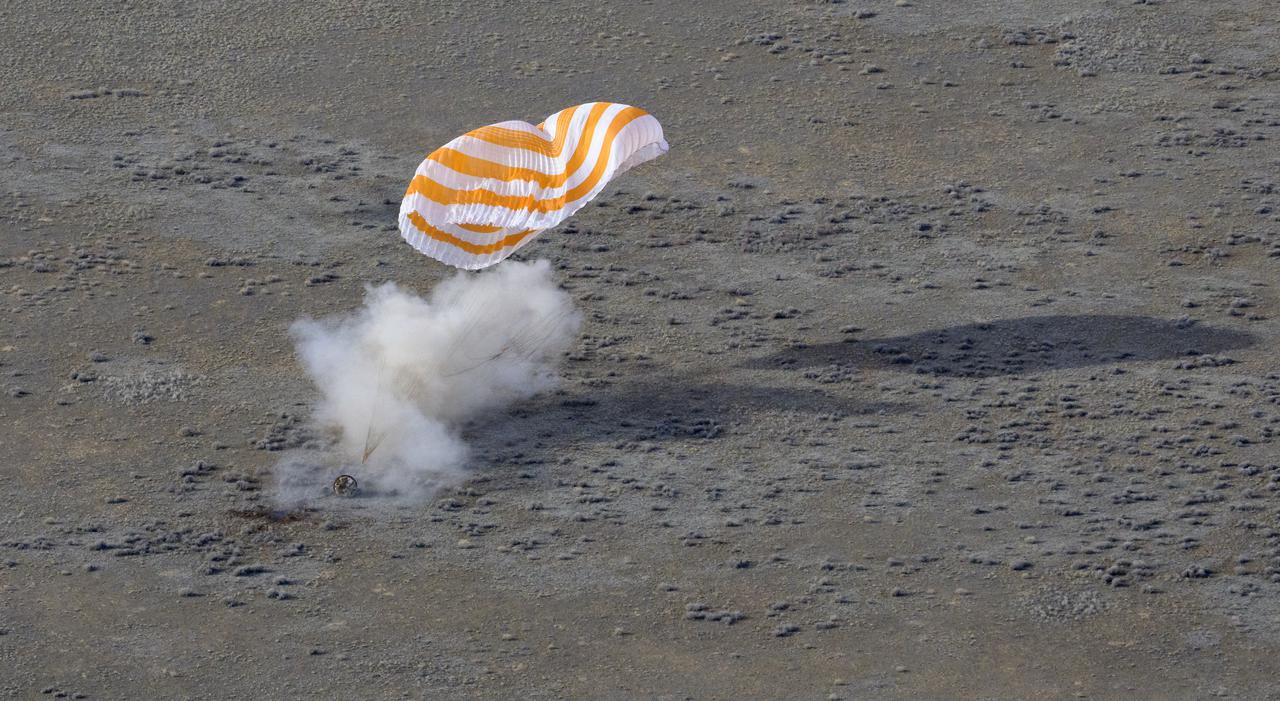
The Soyuz MS-19 spacecraft is seen as it lands in a remote area near the town of Zhezkazgan, Kazakhstan with Expedition 66 crew members Mark Vande Hei of NASA, and cosmonauts Pyotr Dubrov, and Anton Shkaplerov of Roscosmos, Wednesday, March 30, 2022. Vande Hei and Dubrov are returning to Earth after logging 355 days in space as members of Expeditions 64-66 aboard the International Space Station. For Vande Hei, his mission is the longest single spaceflight by a U.S. astronaut in history. Shkaplerov is returning after 176 days in space, serving as a Flight Engineer for Expedition 65 and commander of Expedition 66. Photo Credit: (NASA/Bill Ingalls)
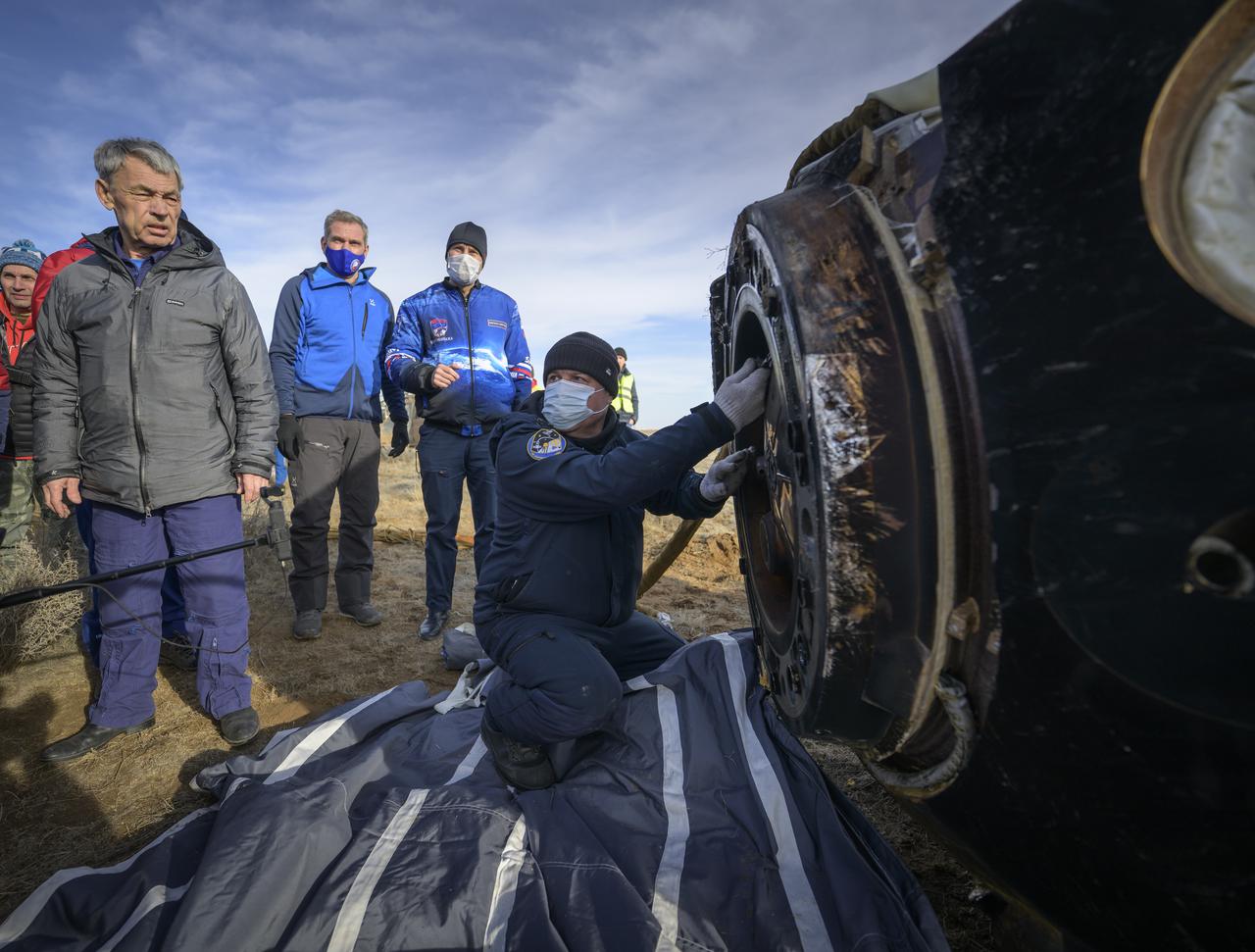
Russian Search and Rescue teams arrive at the Soyuz MS-19 spacecraft shortly after it landed in a remote area near the town of Zhezkazgan, Kazakhstan with Expedition 66 crew members Mark Vande Hei of NASA, and cosmonauts Pyotr Dubrov, and Anton Shkaplerov of Roscosmos, Wednesday, March 30, 2022. Vande Hei and Dubrov are returning to Earth after logging 355 days in space as members of Expeditions 64-66 aboard the International Space Station. For Vande Hei, his mission is the longest single spaceflight by a U.S. astronaut in history. Shkaplerov is returning after 176 days in space, serving as a Flight Engineer for Expedition 65 and commander of Expedition 66. Photo Credit: (NASA/Bill Ingalls)
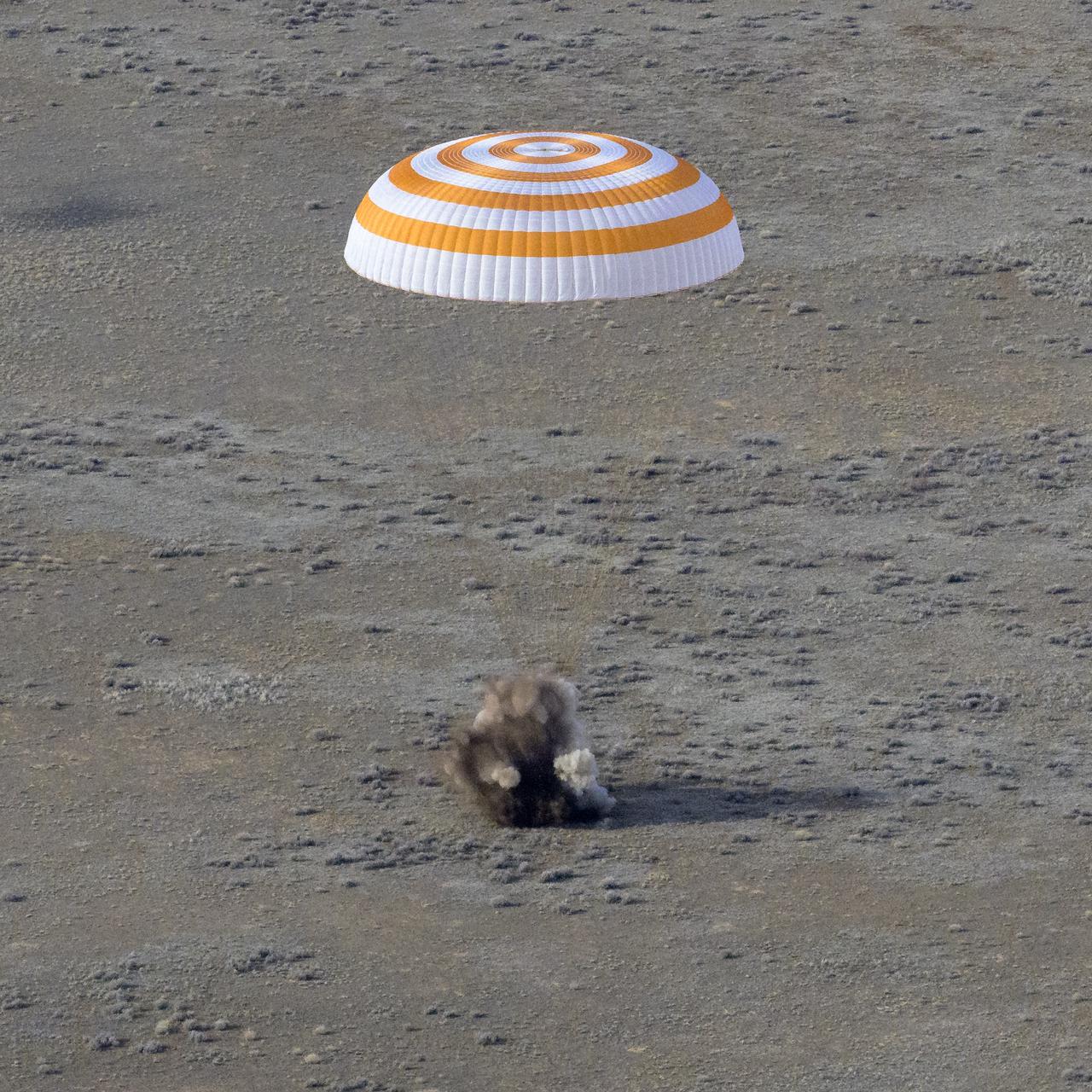
The Soyuz MS-19 spacecraft is seen as it lands in a remote area near the town of Zhezkazgan, Kazakhstan with Expedition 66 crew members Mark Vande Hei of NASA, and cosmonauts Pyotr Dubrov, and Anton Shkaplerov of Roscosmos, Wednesday, March 30, 2022. Vande Hei and Dubrov are returning to Earth after logging 355 days in space as members of Expeditions 64-66 aboard the International Space Station. For Vande Hei, his mission is the longest single spaceflight by a U.S. astronaut in history. Shkaplerov is returning after 176 days in space, serving as a Flight Engineer for Expedition 65 and commander of Expedition 66. Photo Credit: (NASA/Bill Ingalls)

Expedition 66 crew members Mark Vande Hei of NASA, left, and cosmonaut Anton Shkaplerov of Roscosmos, are seen inside their Soyuz MS-19 spacecraft after is landed with fellow crew member Pyotr Dubrov in a remote area near the town of Zhezkazgan, Kazakhstan, Wednesday, March 30, 2022. Vande Hei and Dubrov are returning to Earth after logging 355 days in space as members of Expeditions 64-66 aboard the International Space Station. For Vande Hei, his mission is the longest single spaceflight by a U.S. astronaut in history. Shkaplerov is returning after 176 days in space, serving as a Flight Engineer for Expedition 65 and commander of Expedition 66. Photo Credit: (NASA/Bill Ingalls)
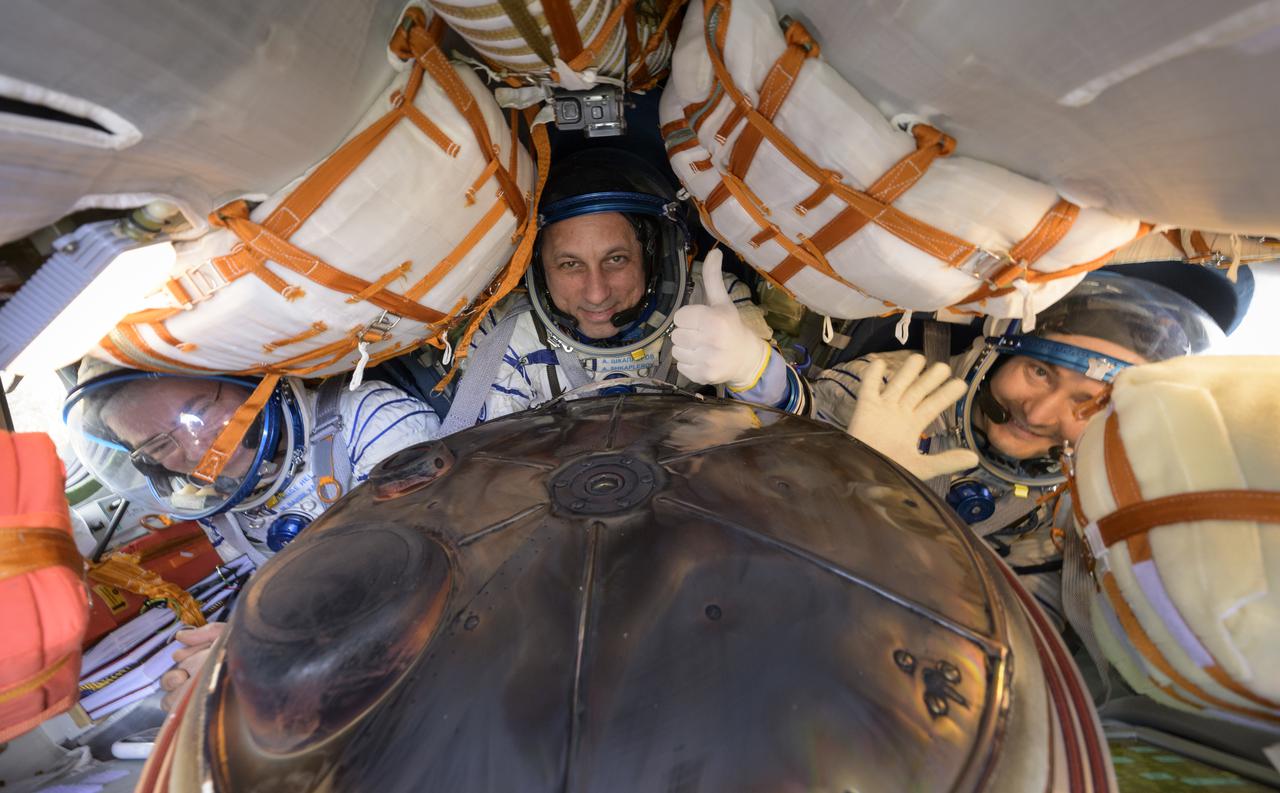
Expedition 66 crew members Mark Vande Hei of NASA, left, cosmonauts Anton Shkaplerov, center, and Pyotr Dubrov of Roscosmos, are seen inside their Soyuz MS-19 spacecraft after is landed in a remote area near the town of Zhezkazgan, Kazakhstan, Wednesday, March 30, 2022. Vande Hei and Dubrov are returning to Earth after logging 355 days in space as members of Expeditions 64-66 aboard the International Space Station. For Vande Hei, his mission is the longest single spaceflight by a U.S. astronaut in history. Shkaplerov is returning after 176 days in space, serving as a Flight Engineer for Expedition 65 and commander of Expedition 66. Photo Credit: (NASA/Bill Ingalls)
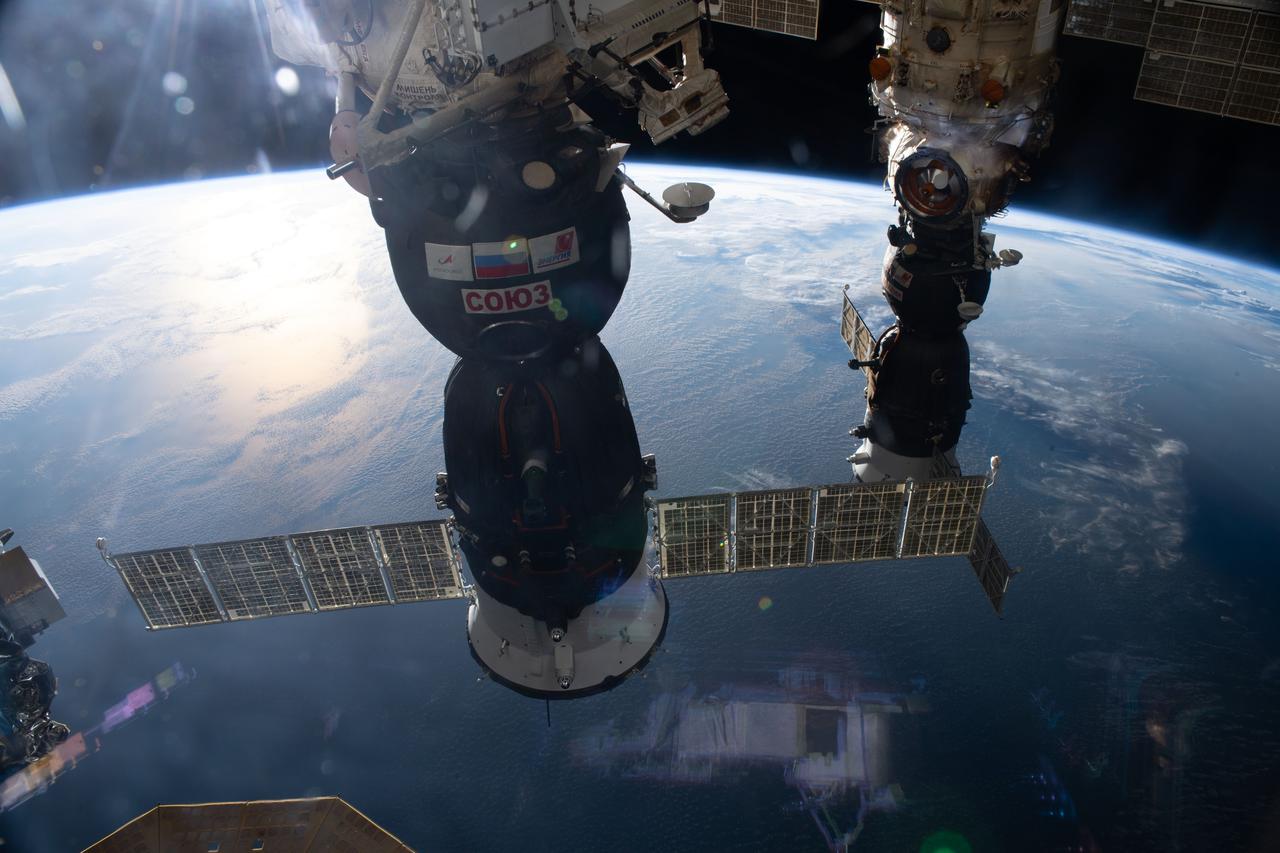
iss065e483092 (Oct. 16. 2021) --- Two Soyuz crew ships are pictured docked at the International Space Station as it orbited 264 miles above the Indian Ocean in between Australia and Indonesia. From front to back, the Soyuz MS-19 is docked to the Rassvet module and the Soyuz MS-18 is docked to the Nauka multipurpose laboratory module.
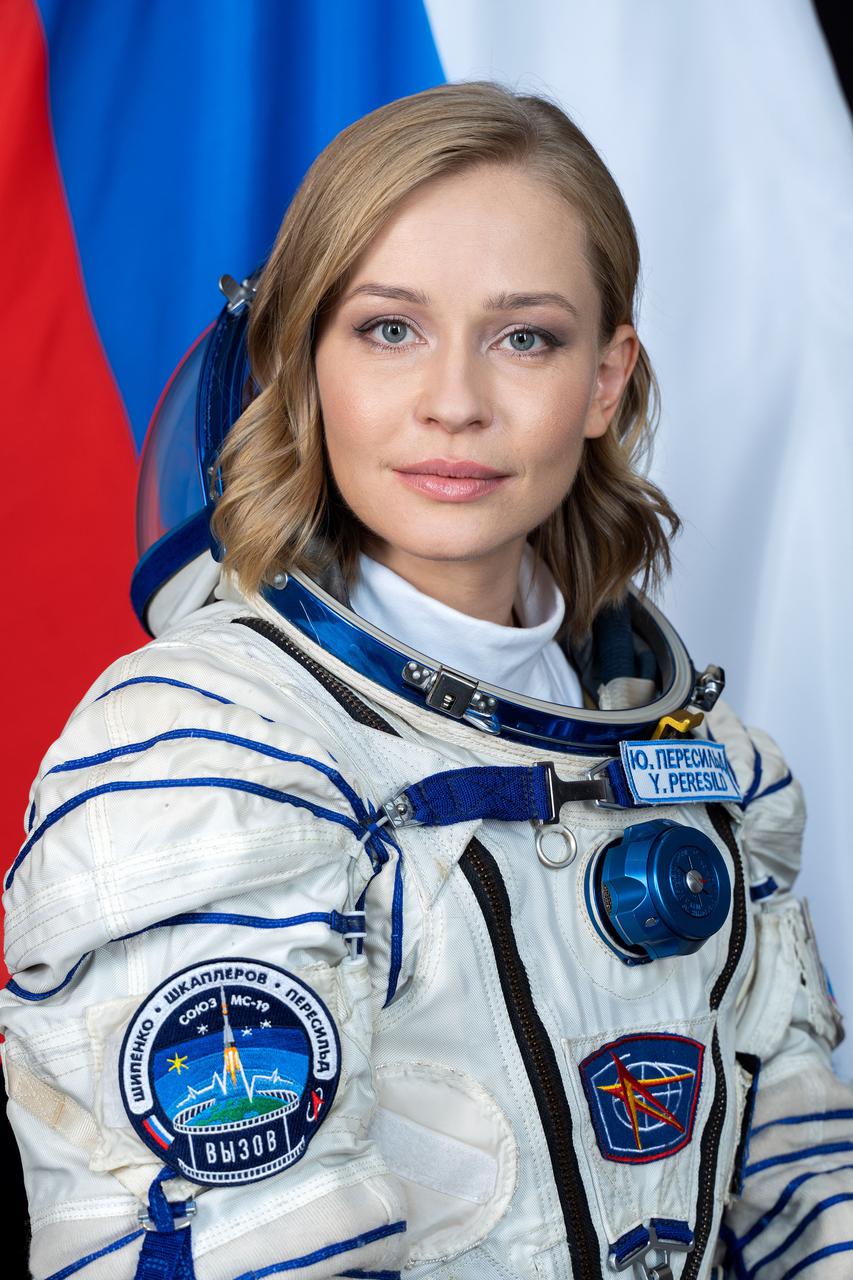
jsc2021e043286 (Aug. 26, 2021) --- Spaceflight participant and Soyuz MS-19 Board Engineer Yulia Peresild poses for a portrait at the Gagarin Cosmonaut Training Center in Russia.
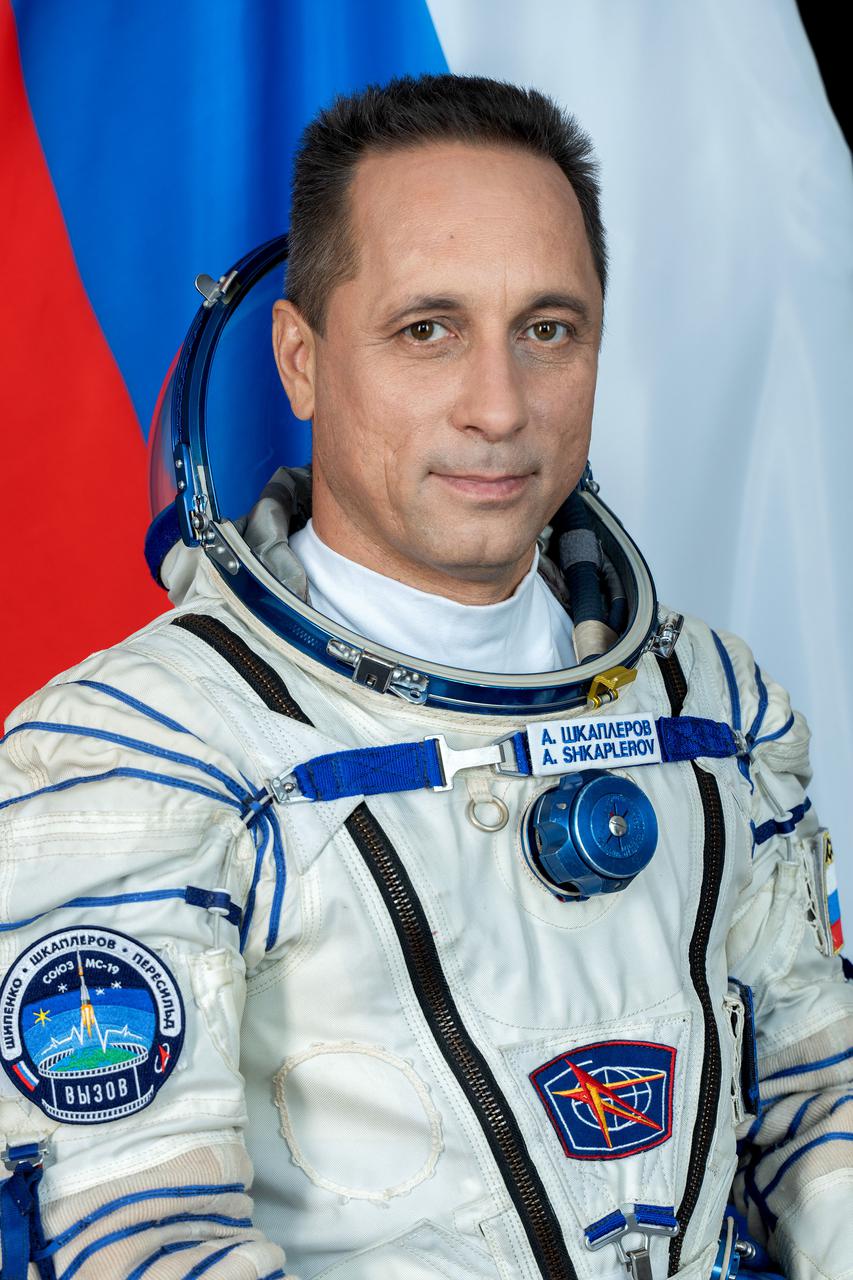
jsc2021e043287 (Aug. 26, 2021) --- Roscosmos cosmonaut and Soyuz MS-19 Commander Anton Shkaplerov poses for a portrait at the Gagarin Cosmonaut Training Center in Russia.
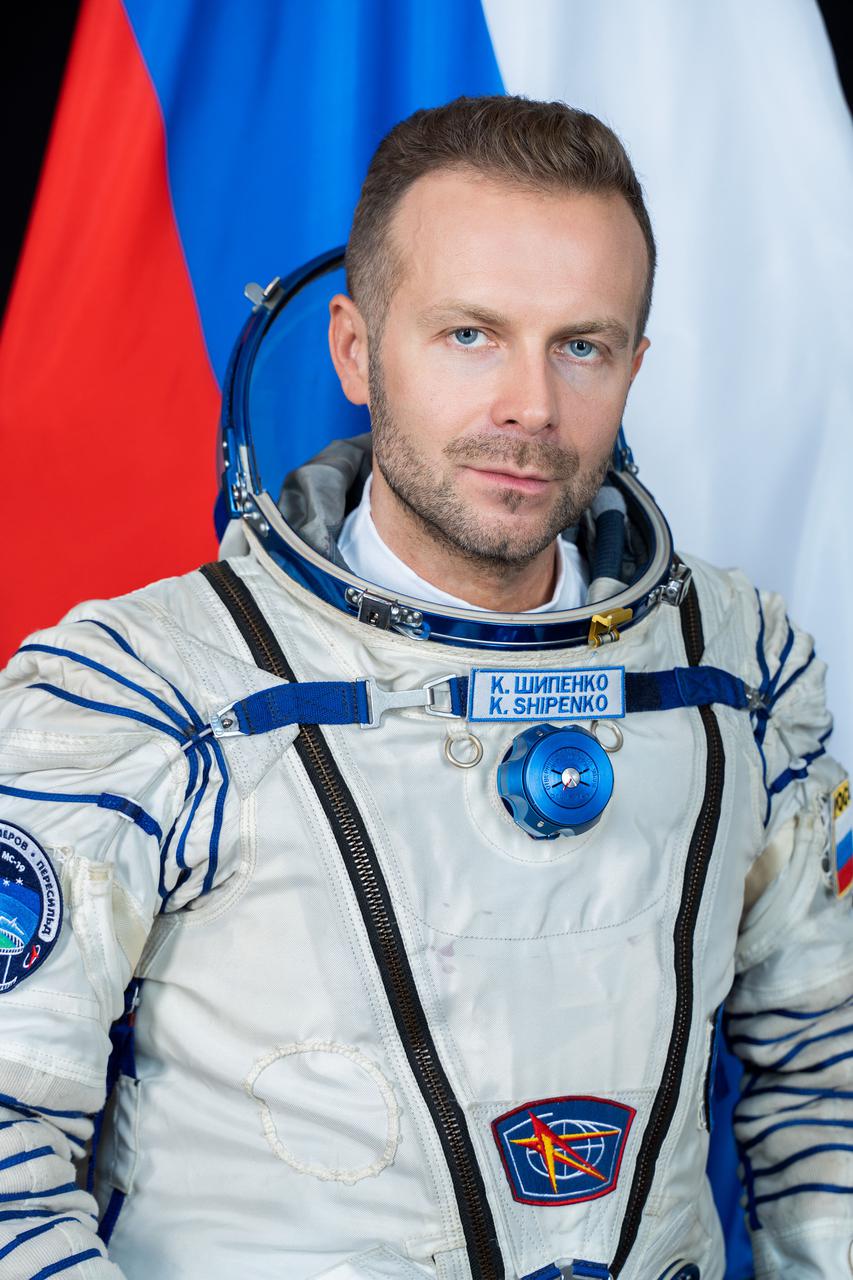
jsc2021e043286 (Aug. 26, 2021) --- Spaceflight participant and Soyuz MS-19 Board Engineer Klim Shipenko poses for a portrait at the Gagarin Cosmonaut Training Center in Russia.
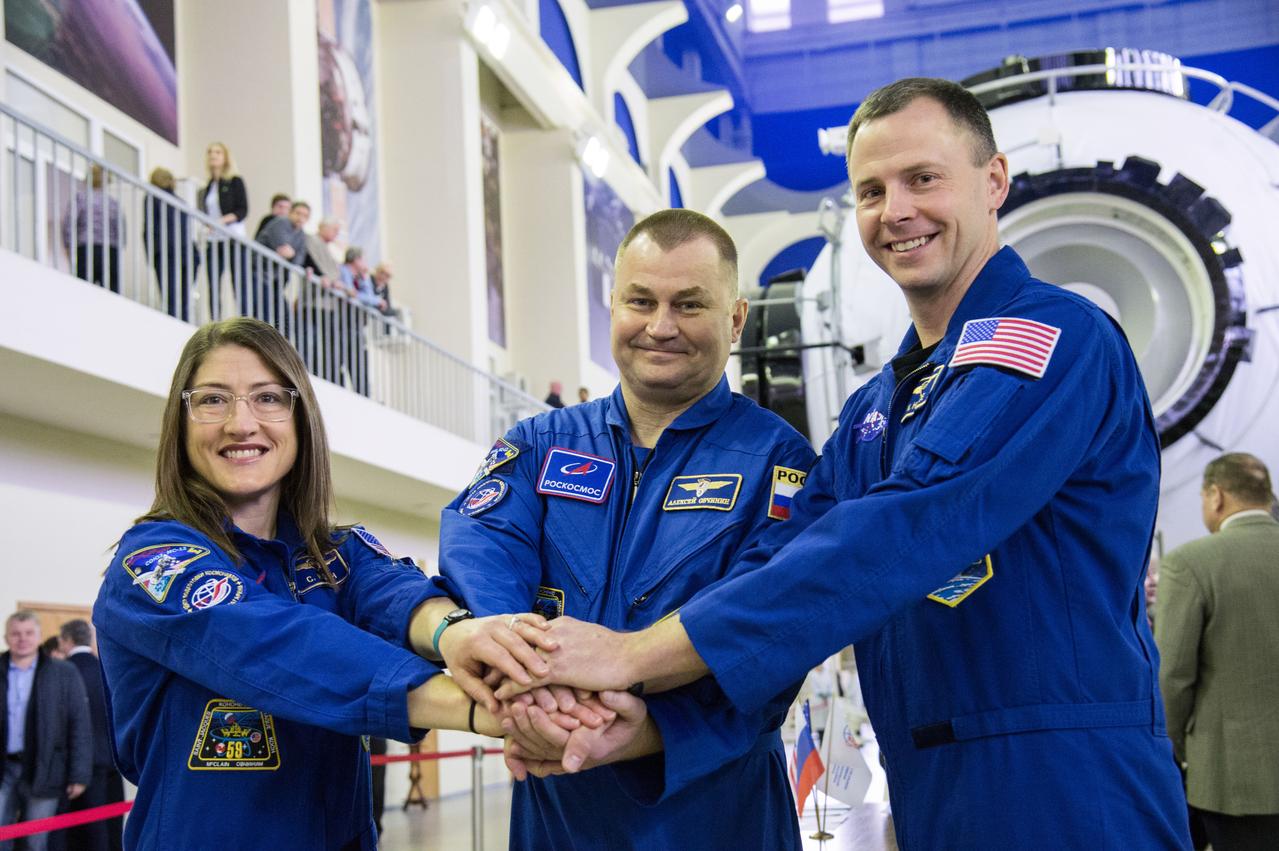
jsc2019e003767 (Feb. 19, 2019) --- At the Gagarin Cosmonaut Training Center in Star City, Russia, Expedition 59 crew members Christina Koch of NASA (left), Alexey Ovchinin of Roscosmos (center) and Nick Hague of NASA (right) pose for pictures Feb. 19 during the first of two days of final pre-launch qualification exams. They will launch March 14, U.S. time, from the Baikonur Cosmodrome in Kazakhstan on the Soyuz MS-12 spacecraft for a six-and-a-half month mission on the International Space Station. Credit: NASA/Beth Weissinger
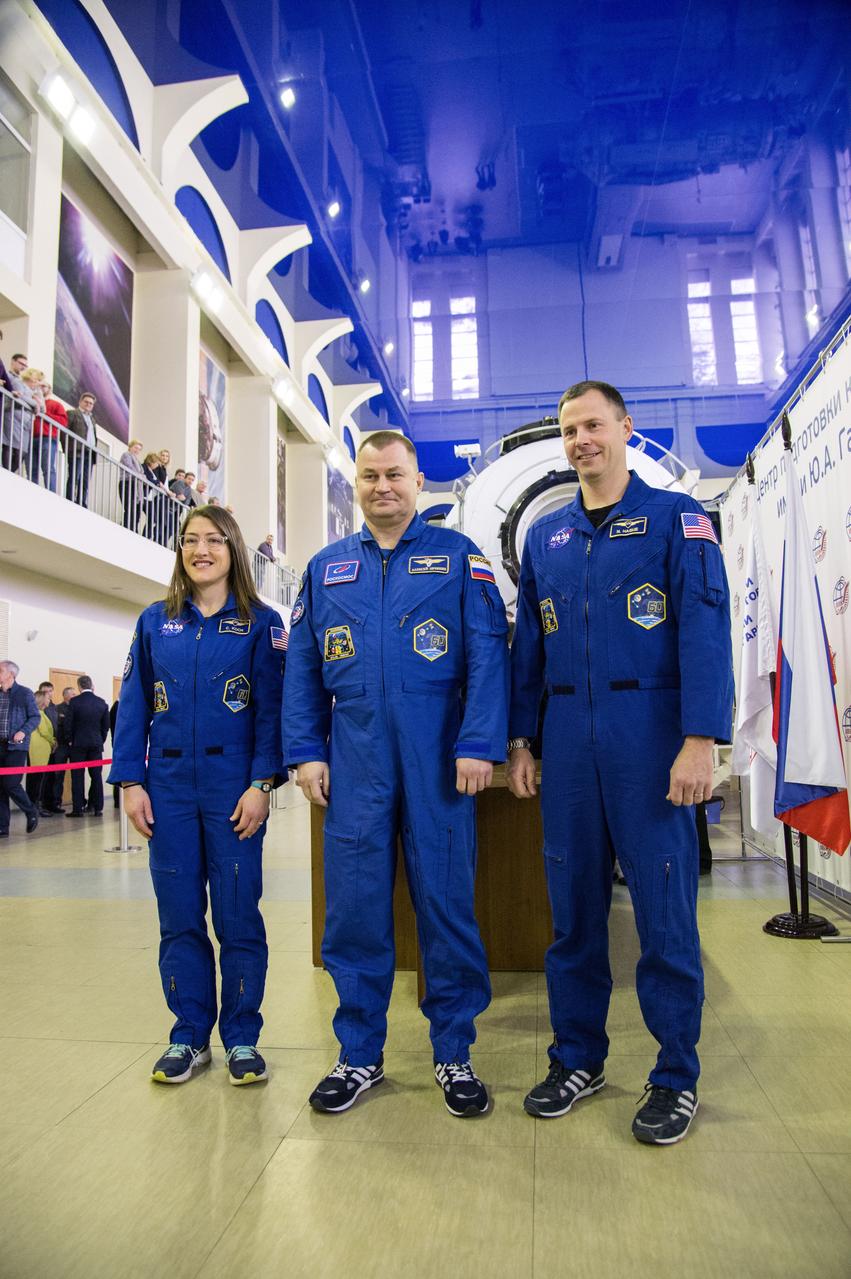
jsc2019e003769 (Feb. 19, 2019) --- At the Gagarin Cosmonaut Training Center in Star City, Russia, Expedition 59 crew members Christina Koch of NASA (left), Alexey Ovchinin of Roscosmos (center) and Nick Hague of NASA (right) pose for pictures Feb. 19 during the first of two days of final pre-launch qualification exams. They will launch March 14, U.S. time, from the Baikonur Cosmodrome in Kazakhstan on the Soyuz MS-12 spacecraft for a six-and-a-half month mission on the International Space Station. Credit: NASA/Beth Weissinger
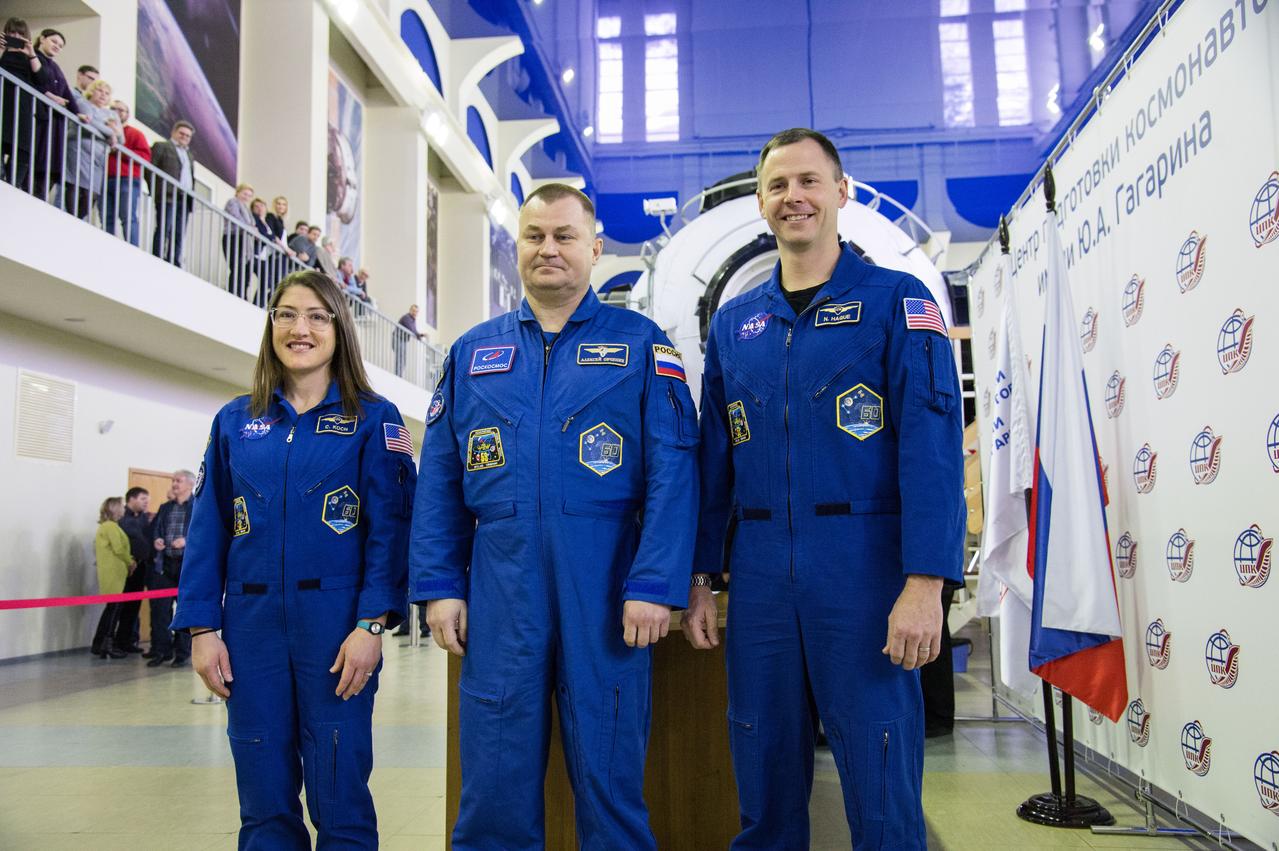
jsc2019e003768 (Feb. 19, 2019) --- At the Gagarin Cosmonaut Training Center in Star City, Russia, Expedition 59 crew members Christina Koch of NASA (left), Alexey Ovchinin of Roscosmos (center) and Nick Hague of NASA (right) pose for pictures Feb. 19 during the first of two days of final pre-launch qualification exams. They will launch March 14, U.S. time, from the Baikonur Cosmodrome in Kazakhstan on the Soyuz MS-12 spacecraft for a six-and-a-half month mission on the International Space Station. Credit: NASA/Beth Weissinger
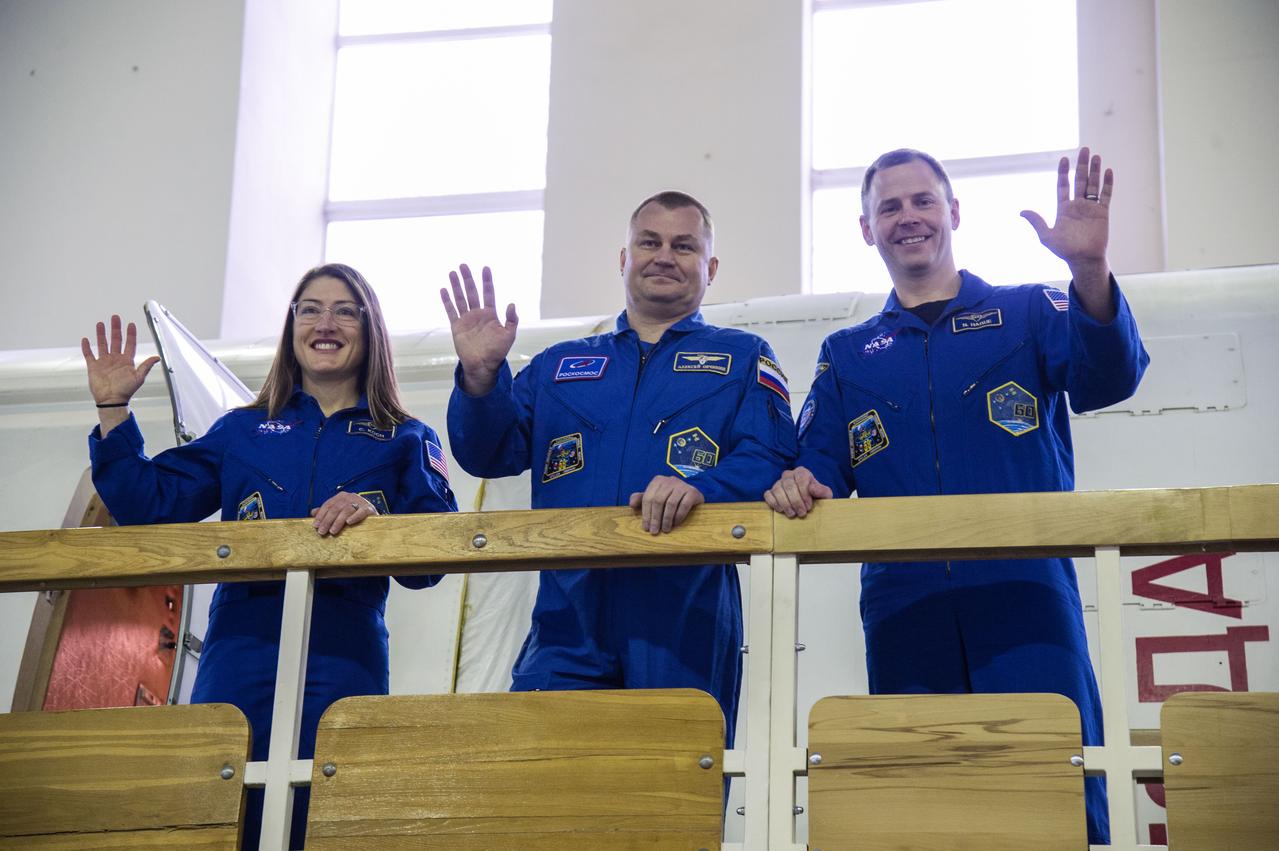
jsc2019e003765 (Feb. 19, 2019) --- At the Gagarin Cosmonaut Training Center in Star City, Russia, Expedition 59 crew members Christina Koch of NASA (left), Alexey Ovchinin of Roscosmos (center) and Nick Hague of NASA (right) wave to cameras Feb. 19 during the first of two days of final pre-launch qualification exams. They will launch March 14, U.S. time, from the Baikonur Cosmodrome in Kazakhstan on the Soyuz MS-12 spacecraft for a six-and-a-half month mission on the International Space Station. Credit: NASA/Beth Weissinger
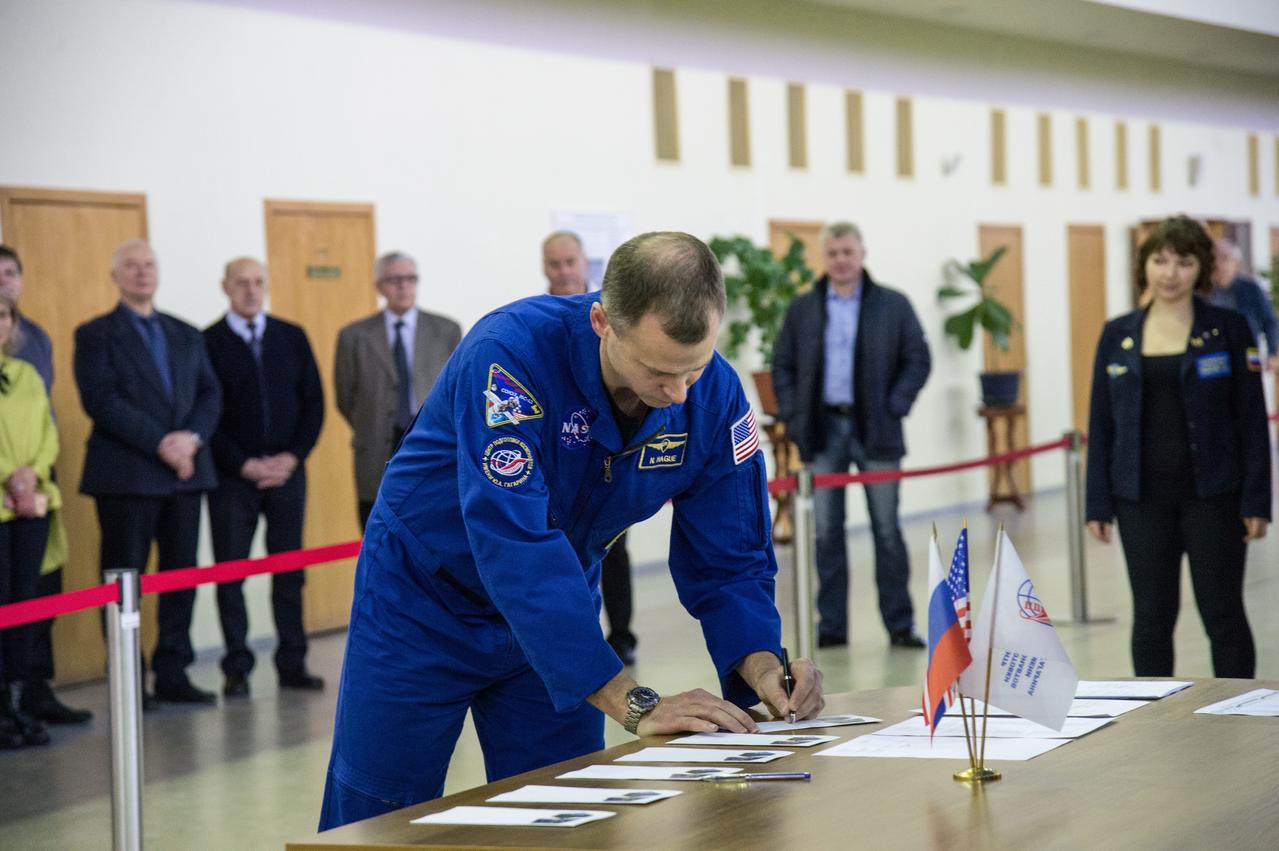
jsc2019e003774 (Feb. 19, 2019) --- At the Gagarin Cosmonaut Training Center in Star City, Russia, Expedition 59 crew member Nick Hague of NASA signs in for the start of two days of final pre-launch qualification exams Feb. 19. Hague, Christina Koch of NASA and Alexey Ovchinin of Roscosmos will launch March 14, U.S. time, from the Baikonur Cosmodrome in Kazakhstan on the Soyuz MS-12 spacecraft for a six-and-a-half month mission on the International Space Station. Credit: NASA/Beth Weissinger
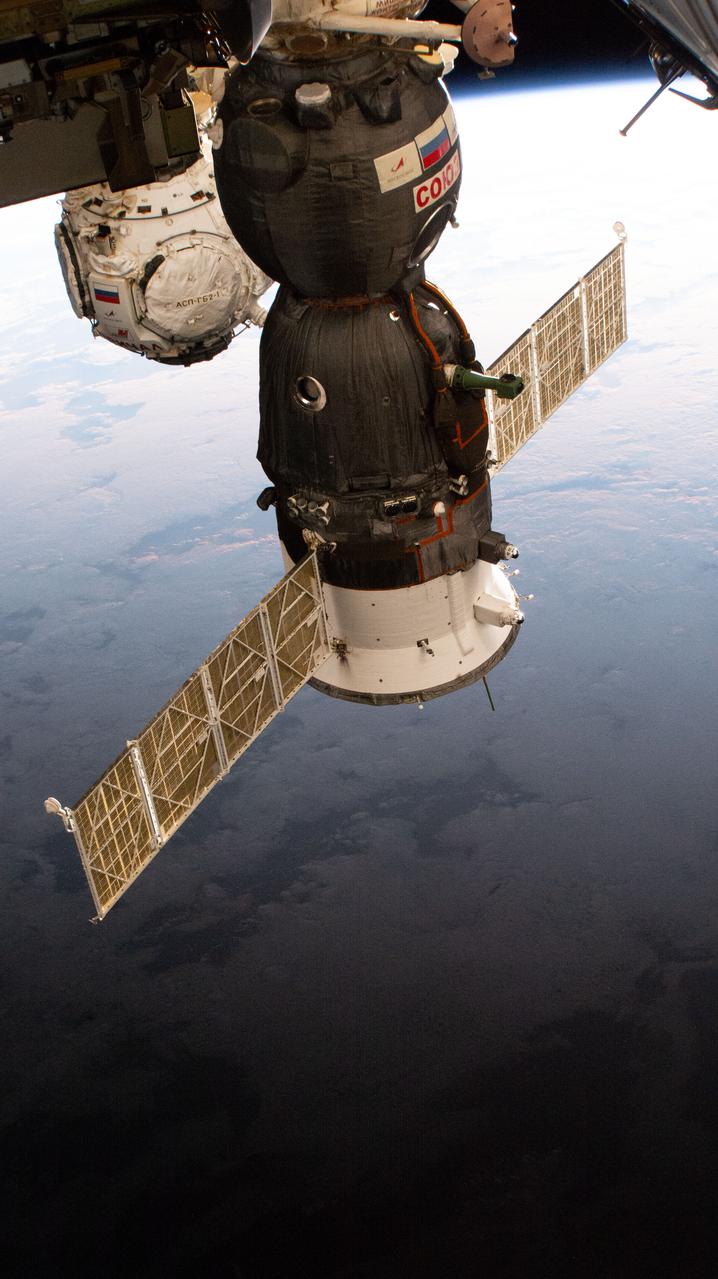
iss066e109862 (Jan. 9, 2022) --- The Soyuz MS-19 crew ship and the Prichal docking module (background) are pictured as the International Space Station orbited 260 miles above the Pacific Ocean off the coast of Peru.
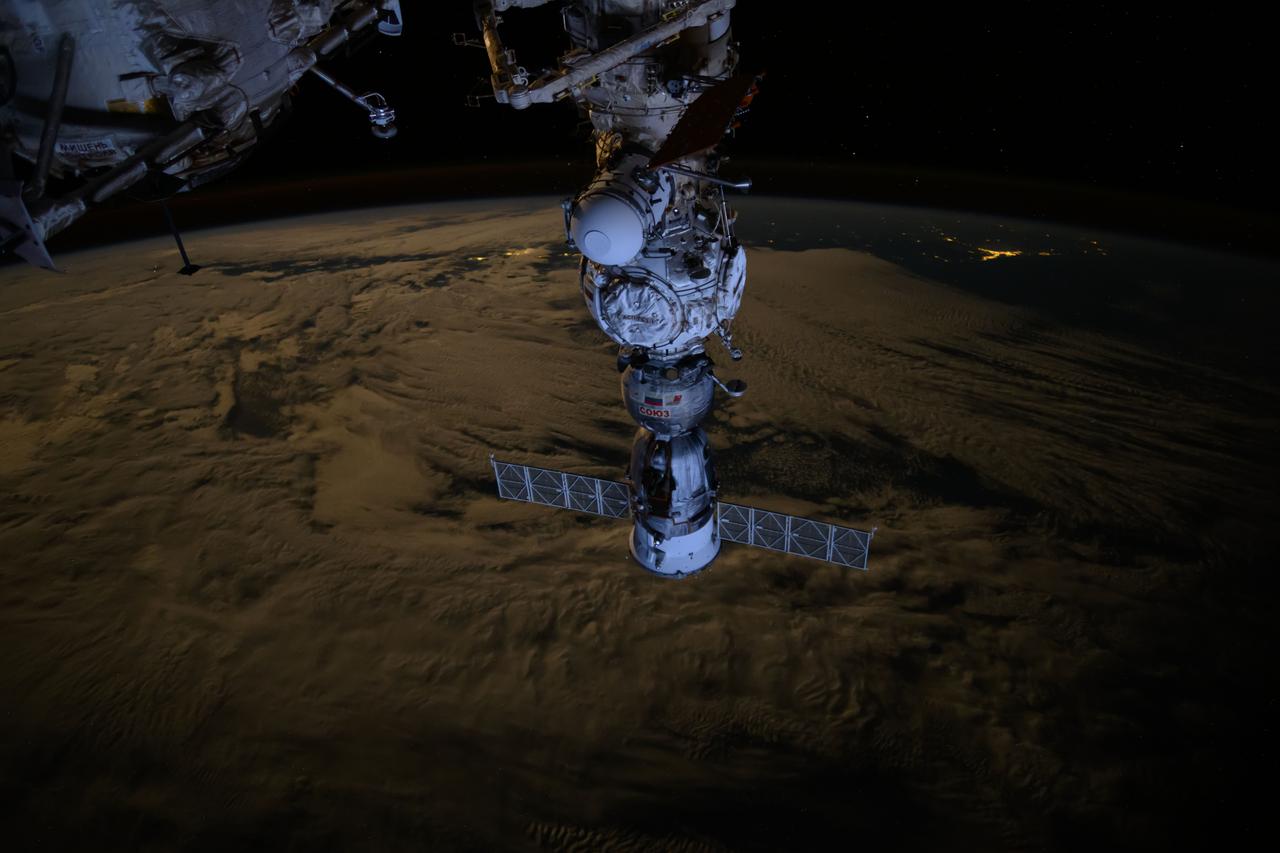
iss071e365226 (July 19, 2024) --- The Soyuz MS-25 crew ship is picture docked to the Prichal docking module as the International Space Station orbited 271 miles above the Tasman Sea off the coast of New Zealand.
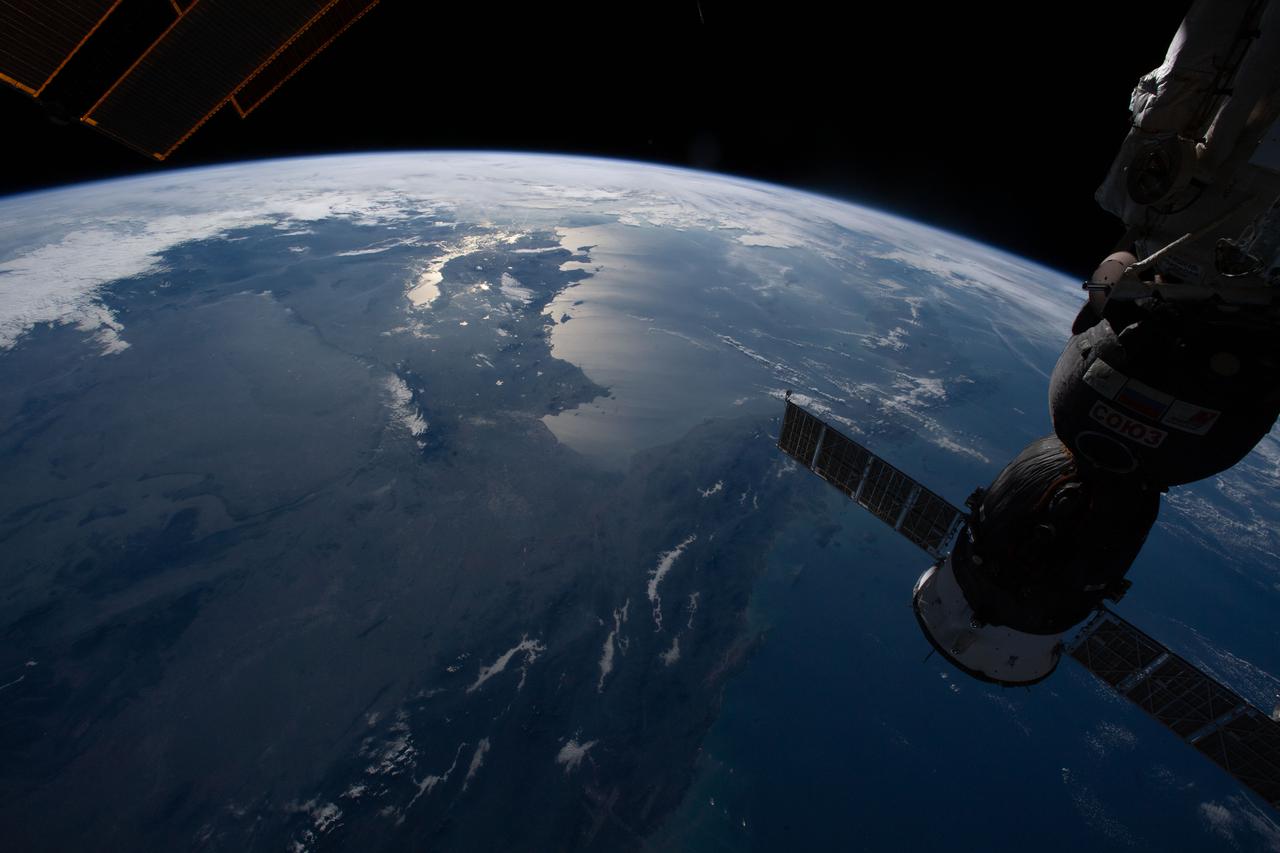
iss066e088446 (Dec. 12, 2021) --- The Soyuz MS-19 crew ship is pictured docked to the Rassvet module as the International Space Station orbited 260 miles above southeast Asia.
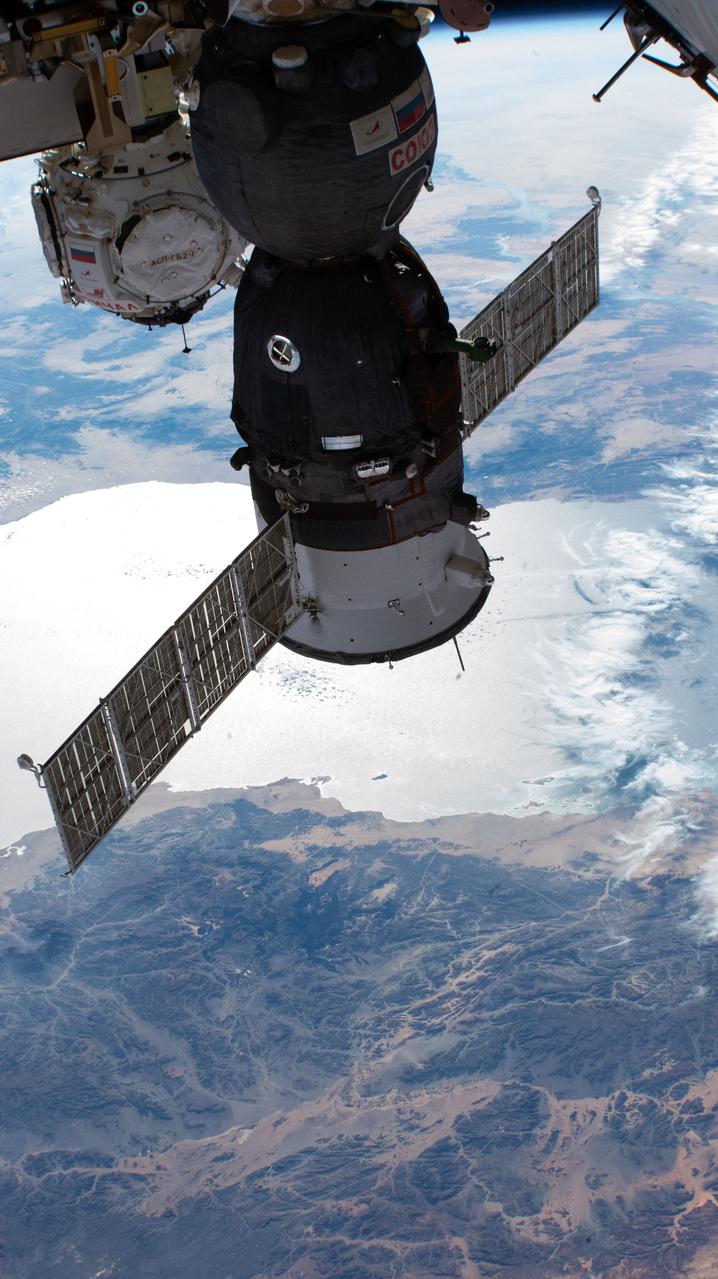
iss066e125409 (Jan. 24, 2022) --- The Soyuz MS-19 crew ship and the Prichal docking module (in the background), with the Red Sea below, are pictured as the International Space Station orbited 258 miles above Saudi Arabia.

iss066e125410 (Jan. 24, 2022) --- The Soyuz MS-19 crew ship and the Prichal docking module (in the background) are pictured as the International Space Station orbited 258 miles above the Saudi Arabia-Iraq border.
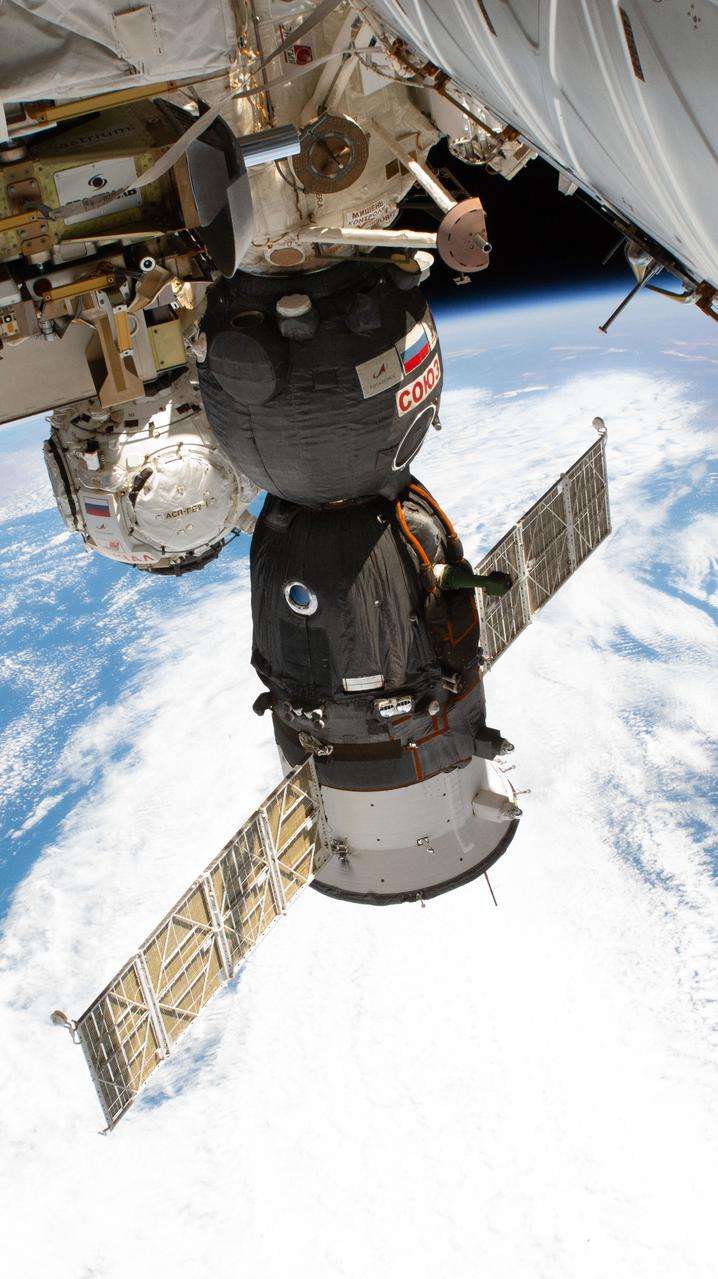
iss066e109863 (Jan. 9, 2022) --- The Soyuz MS-19 crew ship and the Prichal docking module (background) are pictured as the International Space Station orbited 270 miles above the Indian Ocean south of Australia.
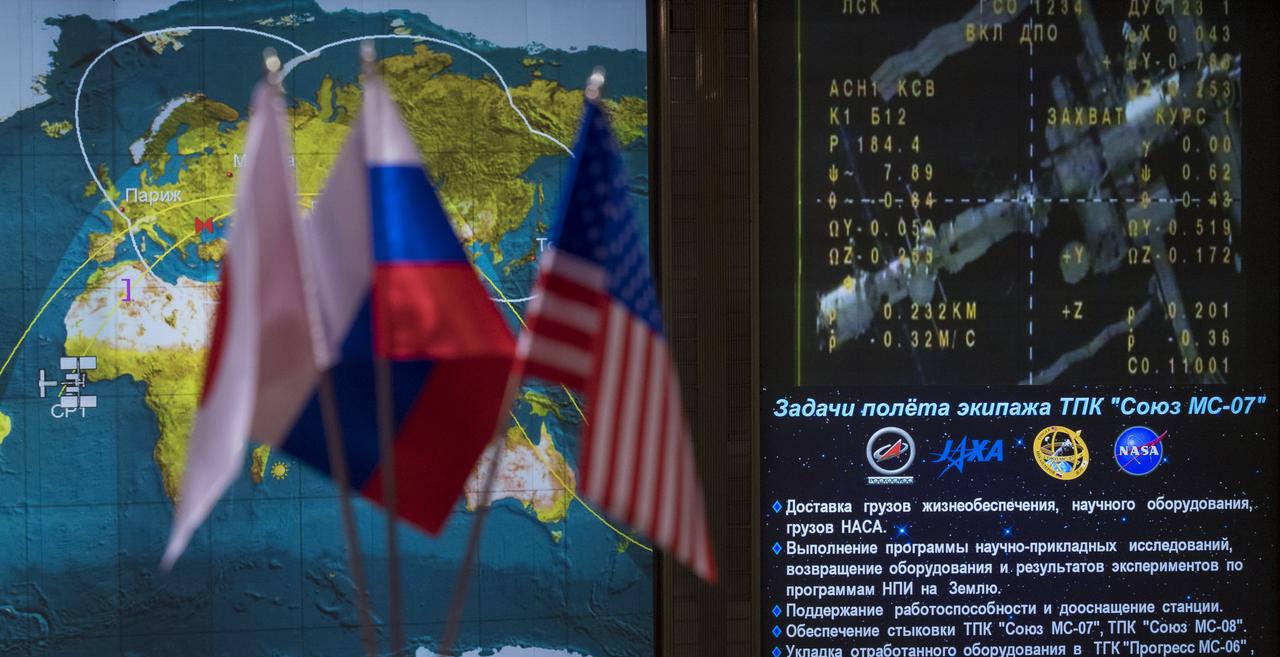
Icons for the International Space Station and Soyuz MS-07 spacecraft are seen on a tracking map along with live video of the International Space Station are seen on screen in the Moscow Mission Control Center as the Soyuz MS-07 spacecraft approaches for docking, Tuesday, Dec. 19, 2017 in Korolev, Russia. The Soyuz MS-07 spacecraft carrying Anton Shkaplerov of Roscosmos, Scott Tingle of NASA, and Norishige Kanai of the Japan Aerospace Exploration Agency (JAXA) docked with the International Space Station at 3:39 a.m. EST, Tuesday, Dec. 19 while 250 statute miles over the southern coast of Italy and joined Expedition 54 Commander Alexander Misurkin of Roscosmos, and NASA astronauts Joe Acaba and Mark Vande Hei. Photo Credit: (NASA/Joel Kowsky)
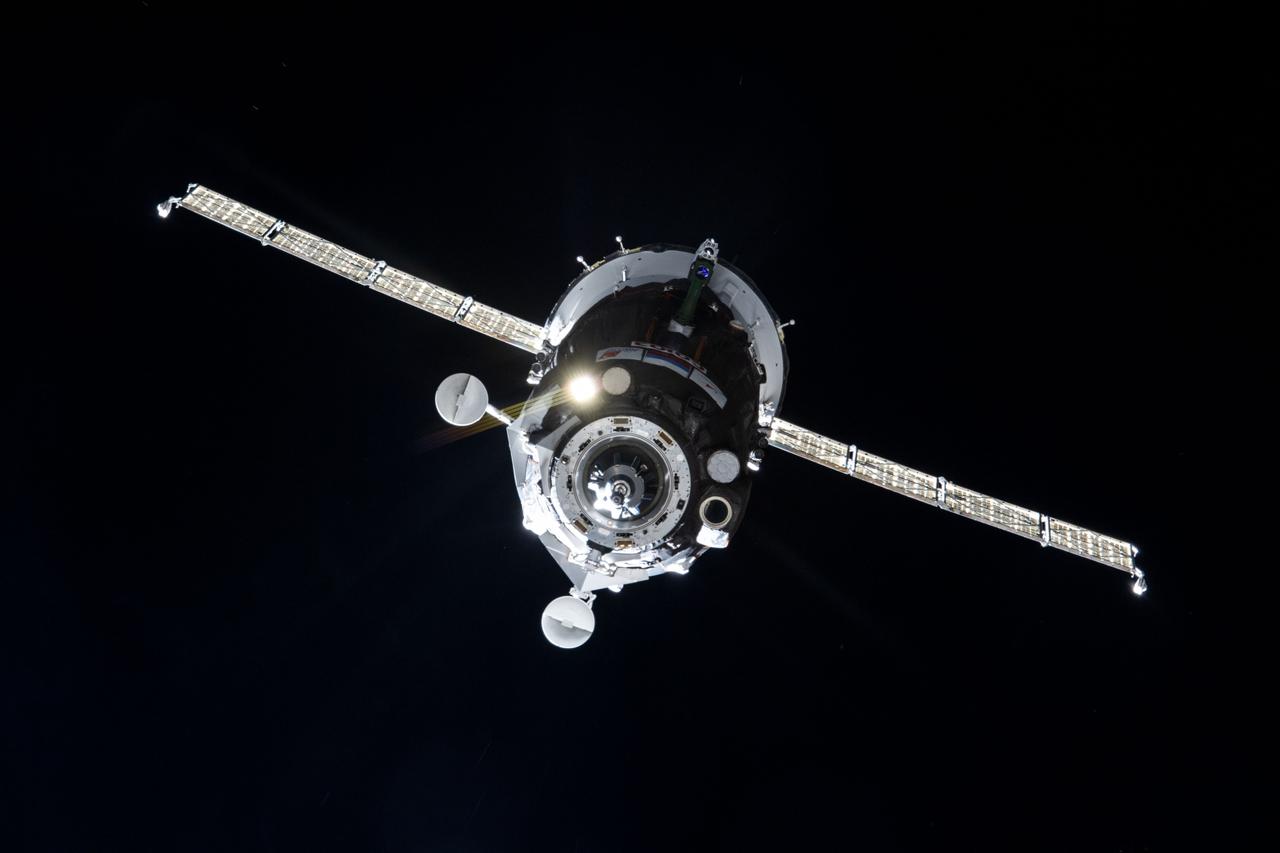
iss065e441975 (Oct. 5, 2021) --- The Soyuz MS-19 crew ship carrying three Russian crew members approaches the International Space Station for a docking to the Rassvet module. Aboard the spacecraft were Soyuz Commander and veteran cosmonaut Anton Shkaplerov, actress Yulia Peresild and producer Klim Shipenko.
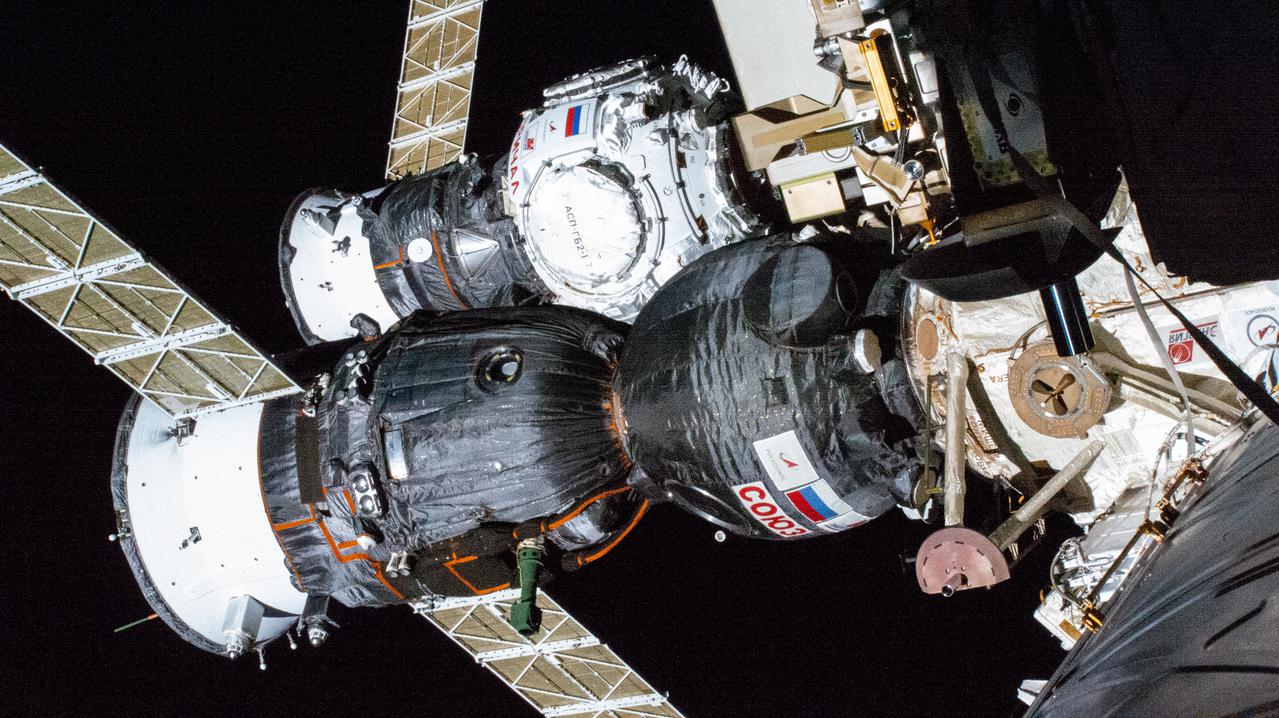
iss066e083565 (Nov. 26, 2021) --- Two Russian spaceships and a new docking module are pictured attached to the International Space Station. The Soyuz MS-19 crew ship docked to the Rassvet module in the foreground. Behind the Soyuz is the Progress delivery craft attached to the new Prichal docking module now parked on the Nauka multipurpose laboratory module.
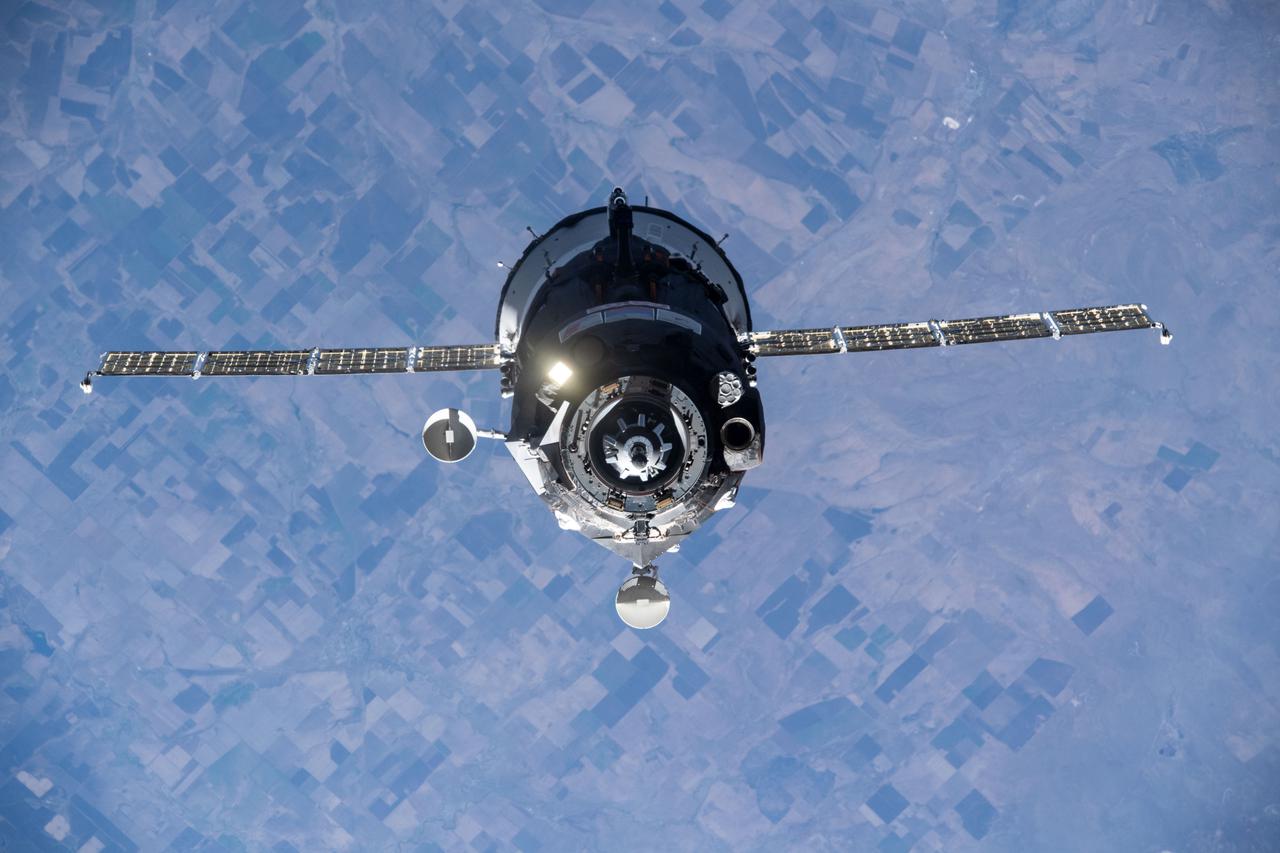
iss065e441892 (Oct. 5, 2021) --- The Soyuz MS-19 crew ship carrying three Russian crew members approaches the International Space Station for a docking to the Rassvet module. Aboard the spacecraft were Soyuz Commander and veteran cosmonaut Anton Shkaplerov, actress Yulia Peresild and producer Klim Shipenko.
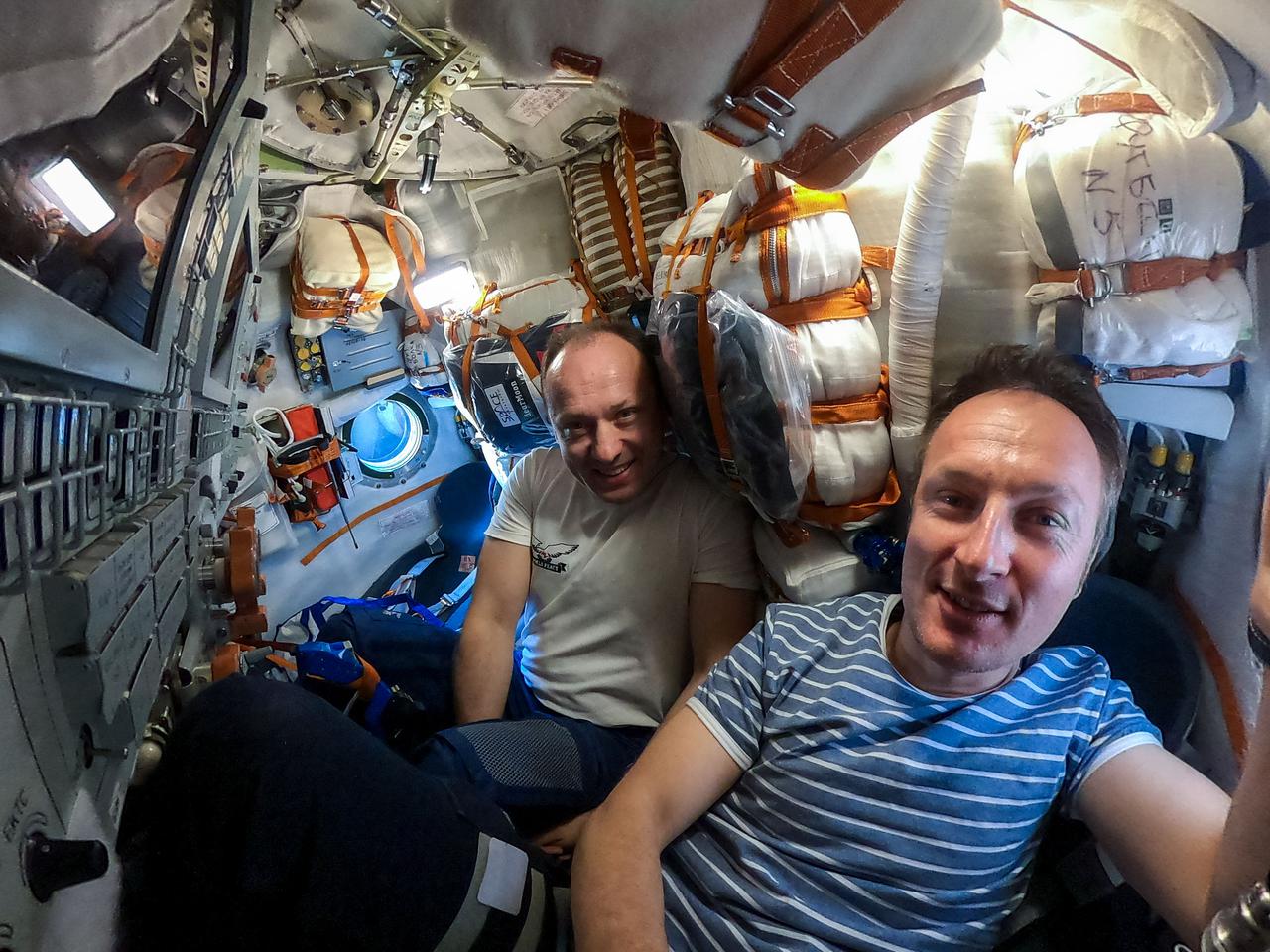
iss066e097125 (Dec. 19, 2021) --- Roscosmos cosmonaut Alexander Misurkin and ESA (European Space Agency) astronaut Matthias Maurer are pictured inside the Soyuz MS-20 crew ship. Misurkin would later undock in the Soyuz vehicle and depart from the International Space Station with spaceflight participants (not shown) Yusaku Maezawa and Yozo Hirano.
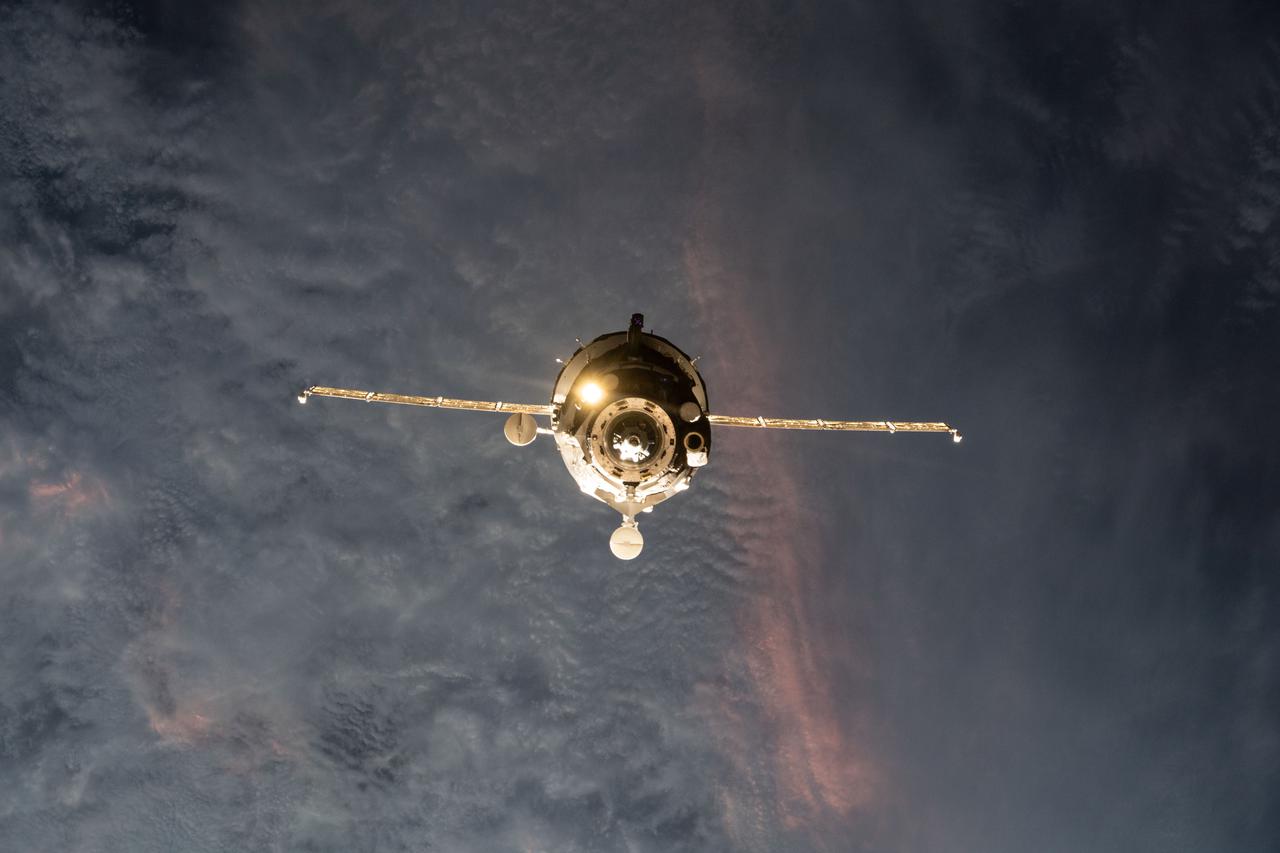
iss065e441937 (Oct. 5, 2021) --- The Soyuz MS-19 crew ship carrying three Russian crew members approaches the International Space Station for a docking to the Rassvet module. Aboard the spacecraft were Soyuz Commander and veteran cosmonaut Anton Shkaplerov, actress Yulia Peresild and producer Klim Shipenko.
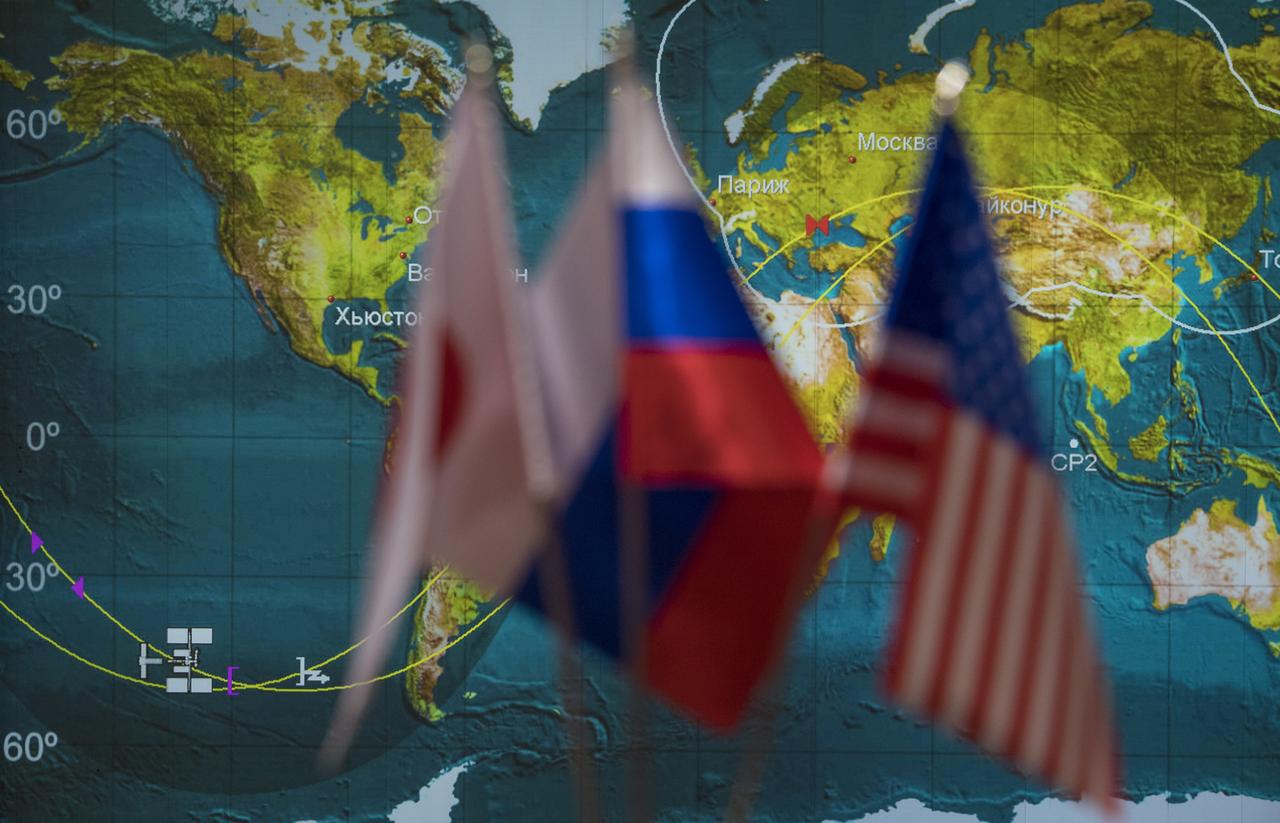
Icons for the International Space Station and Soyuz MS-07 spacecraft are seen on a tracking map on a screen in the Moscow Mission Control Center as the spacecraft approaches for docking, Tuesday, Dec. 19, 2017 in Korolev, Russia. The Soyuz MS-07 spacecraft carrying Anton Shkaplerov of Roscosmos, Scott Tingle of NASA, and Norishige Kanai of the Japan Aerospace Exploration Agency (JAXA) docked with the International Space Station at 3:39 a.m. EST, Tuesday, Dec. 19 while 250 statute miles over the southern coast of Italy and joined Expedition 54 Commander Alexander Misurkin of Roscosmos, and NASA astronauts Joe Acaba and Mark Vande Hei. Photo Credit: (NASA/Joel Kowsky)
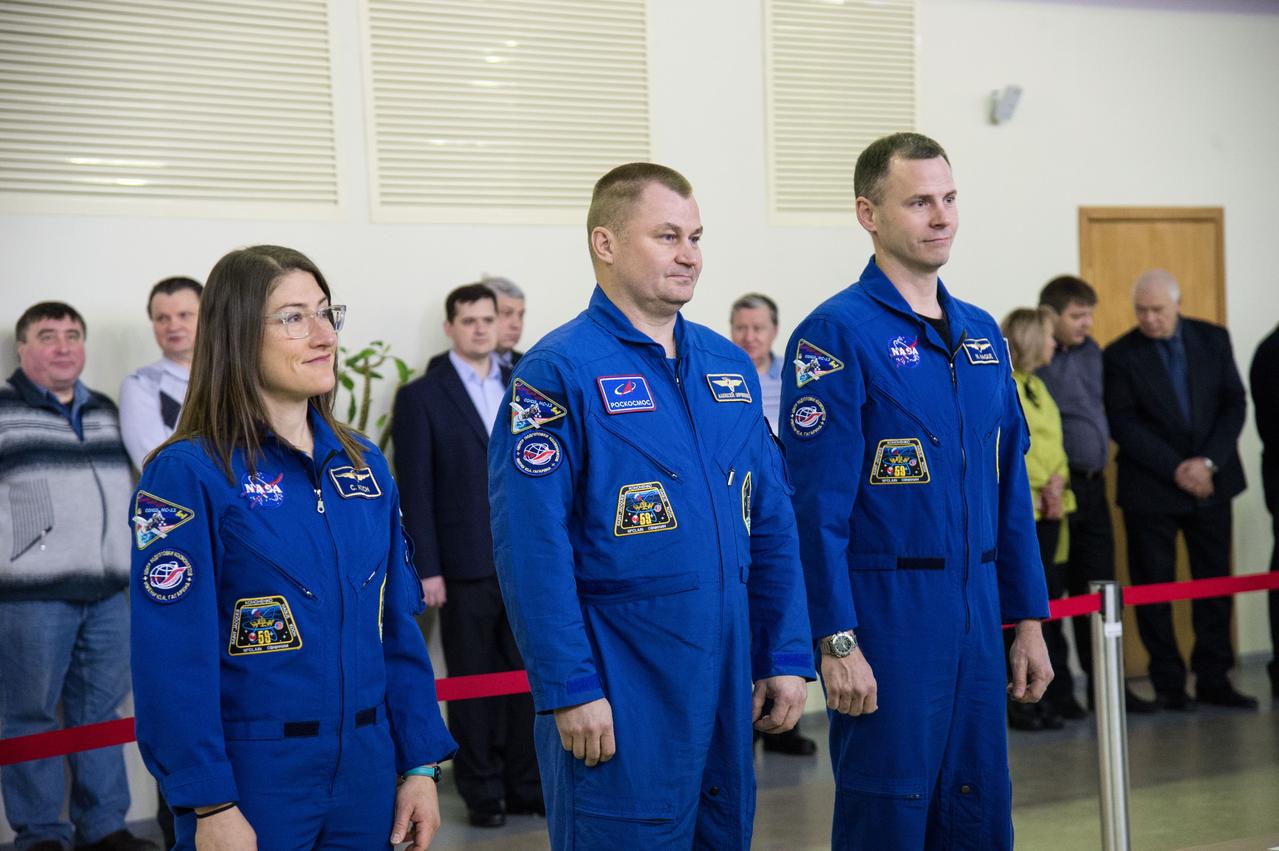
jsc2019e003772 (Feb. 19, 2019) --- At the Gagarin Cosmonaut Training Center in Star City, Russia, Expedition 59 crew members Christina Koch of NASA (left), Alexey Ovchinin of Roscosmos (center) and Nick Hague of NASA (right) report to Russian space officials Feb. 19 during the first of two days of final pre-launch qualification exams. They will launch March 14, U.S. time, from the Baikonur Cosmodrome in Kazakhstan on the Soyuz MS-12 spacecraft for a six-and-a-half month mission on the International Space Station. Credit: NASA/Beth Weissinger
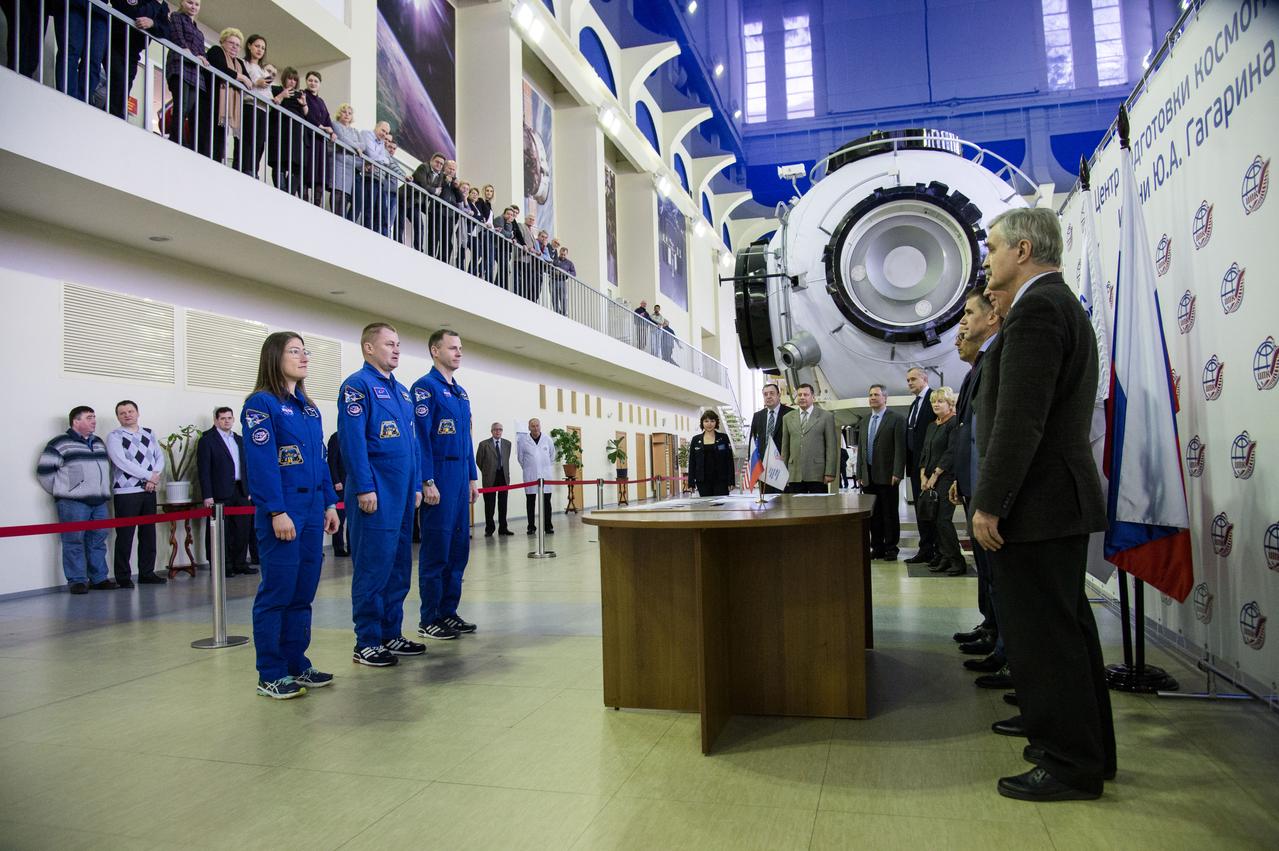
jsc2019e003775 (Feb. 19, 2019) --- At the Gagarin Cosmonaut Training Center in Star City, Russia, Expedition 59 crew members Christina Koch of NASA (left), Alexey Ovchinin of Roscosmos (center) and Nick Hague of NASA (right) report to Russian space officials Feb. 19 during the first of two days of final pre-launch qualification exams. They will launch March 14, U.S. time, from the Baikonur Cosmodrome in Kazakhstan on the Soyuz MS-12 spacecraft for a six-and-a-half month mission on the International Space Station. Credit: NASA/Beth Weissinger
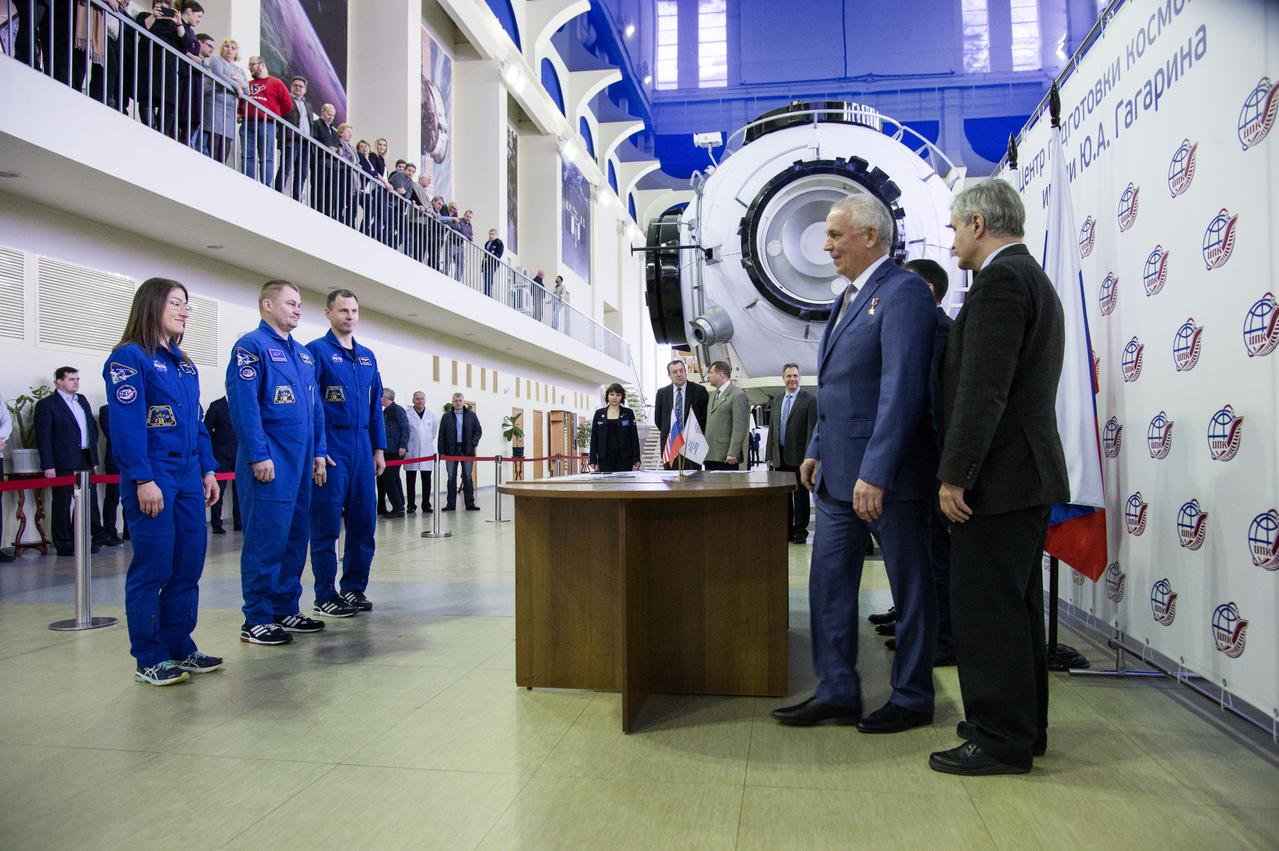
jsc2019e003770 (Feb. 19, 2019) --- At the Gagarin Cosmonaut Training Center in Star City, Russia, Expedition 59 crew members Christina Koch of NASA (left), Alexey Ovchinin of Roscosmos (center) and Nick Hague of NASA (right) report to Russian space officials Feb. 19 during the first of two days of final pre-launch qualification exams. They will launch March 14, U.S. time, from the Baikonur Cosmodrome in Kazakhstan on the Soyuz MS-12 spacecraft for a six-and-a-half month mission on the International Space Station. Credit: NASA/Beth Weissinger
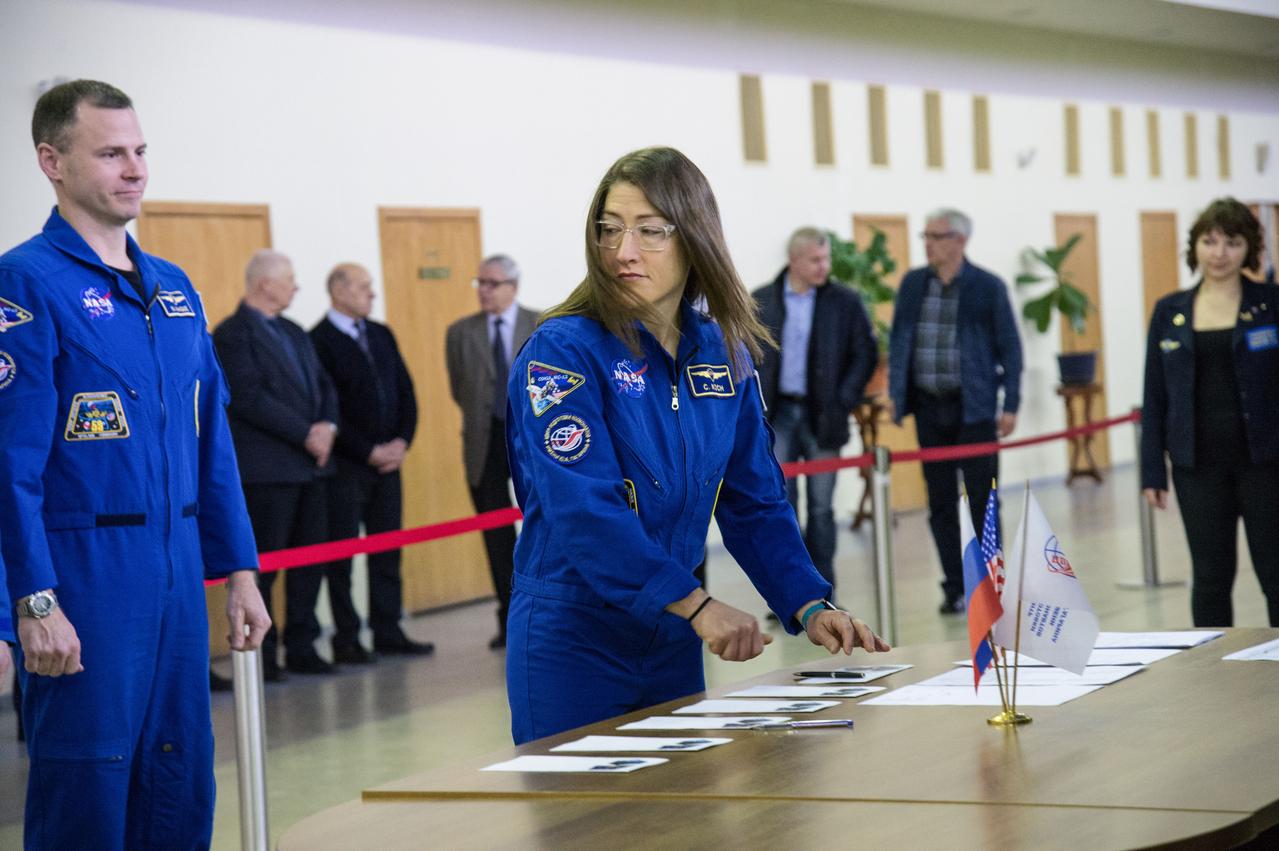
jsc2019e003773 (Feb. 19, 2019) --- At the Gagarin Cosmonaut Training Center in Star City, Russia, Expedition 59 crew member Christina Koch of NASA prepares to sign in for the start of two days of final pre-launch qualification exams Feb. 19 as her crewmate, Nick Hague of NASA looks on. Koch, Hague and Alexey Ovchinin of Roscosmos will launch March 14, U.S. time, from the Baikonur Cosmodrome in Kazakhstan on the Soyuz MS-12 spacecraft for a six-and-a-half month mission on the International Space Station. Credit: NASA/Beth Weissinger
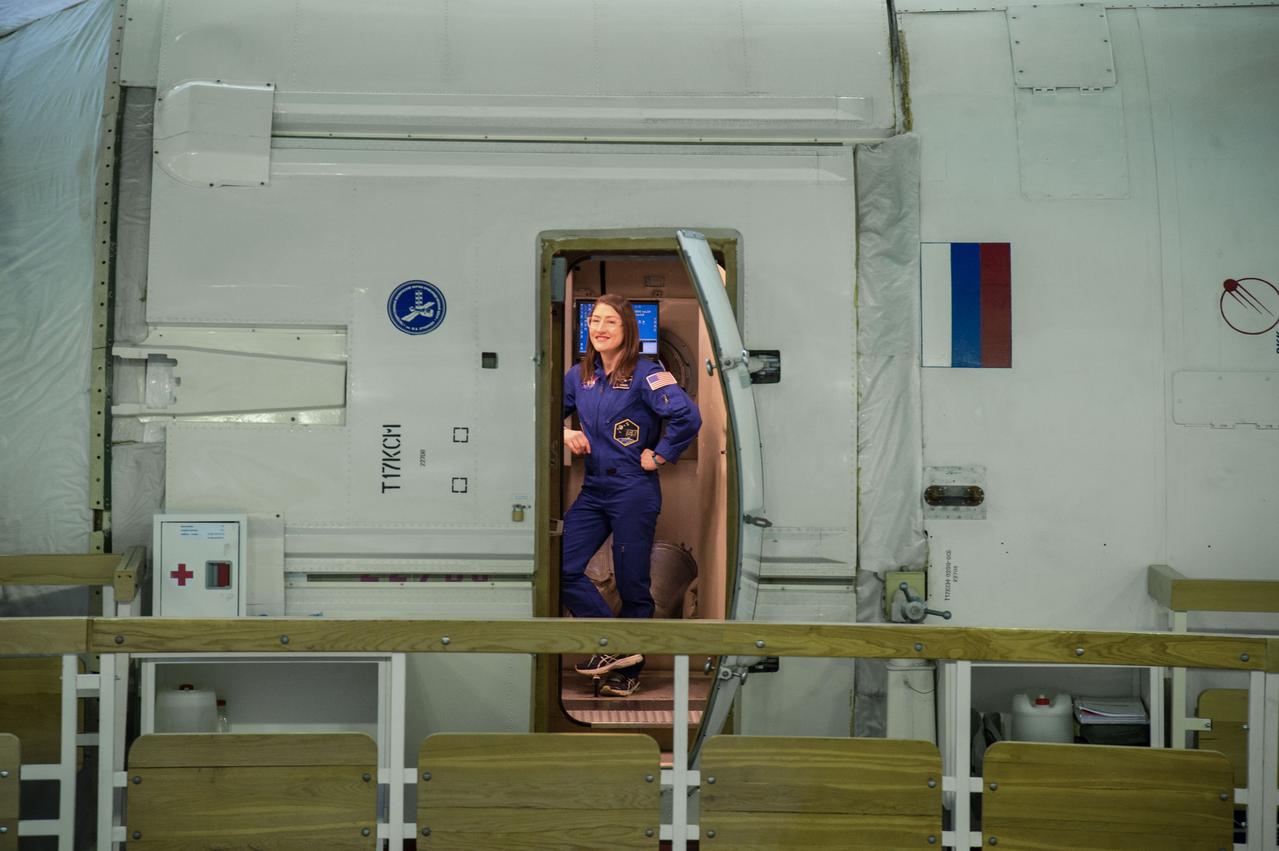
jsc2019e003766 (Feb. 19, 2019) --- At the Gagarin Cosmonaut Training Center in Star City, Russia, Expedition 59 crew member Christina Koch of NASA is seen in the hatchway of a Russian segment simulator Feb. 19 during the first of two days of final pre-launch qualification exams. Koch, Alexey Ovchinin of Roscosmos and Nick Hague of NASA will launch March 14, U.S. time, from the Baikonur Cosmodrome in Kazakhstan on the Soyuz MS-12 spacecraft for a six-and-a-half month mission on the International Space Station. Credit: NASA/Beth Weissinger
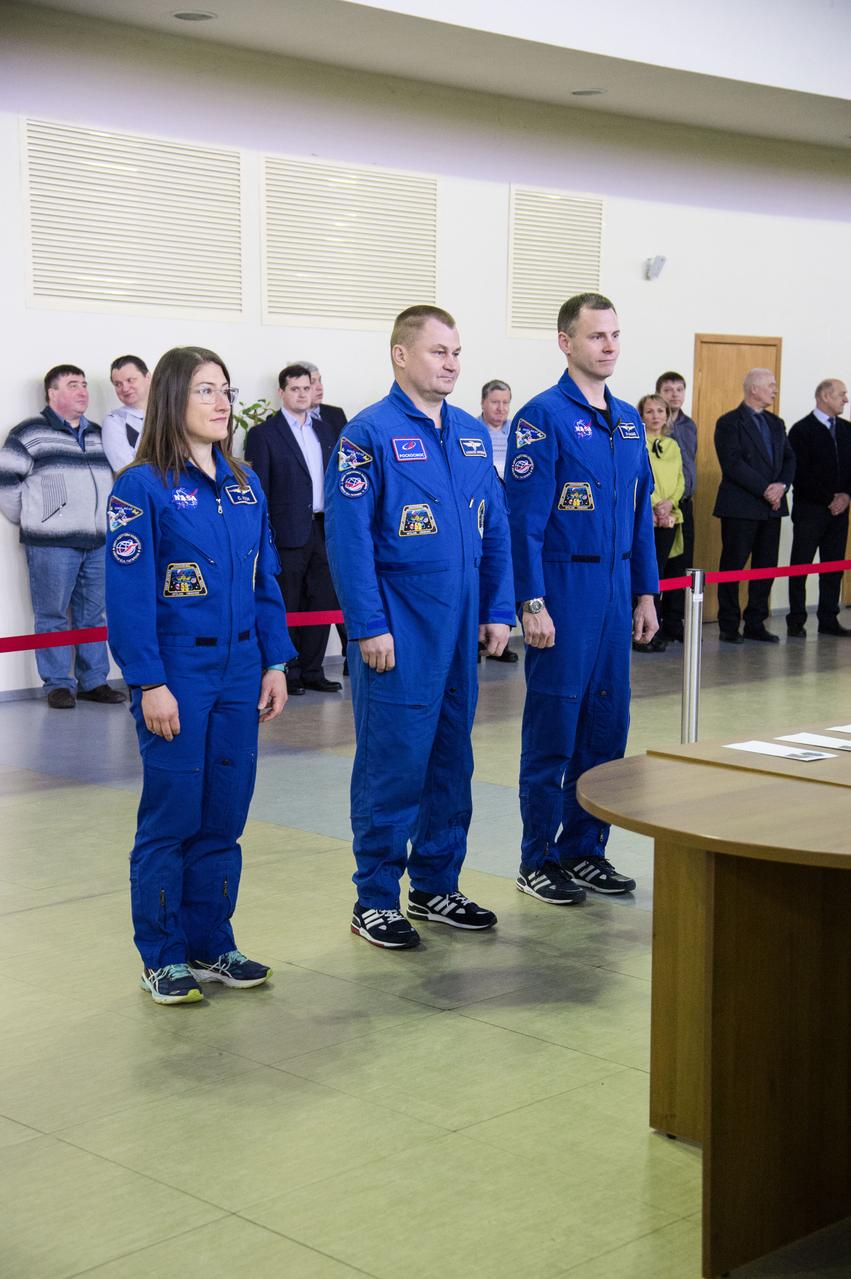
jsc2019e003771 (Feb. 19, 2019) --- At the Gagarin Cosmonaut Training Center in Star City, Russia, Expedition 59 crew members Christina Koch of NASA (left), Alexey Ovchinin of Roscosmos (center) and Nick Hague of NASA (right) report to Russian space officials Feb. 19 during the first of two days of final pre-launch qualification exams. They will launch March 14, U.S. time, from the Baikonur Cosmodrome in Kazakhstan on the Soyuz MS-12 spacecraft for a six-and-a-half month mission on the International Space Station. Credit: NASA/Beth Weissinger
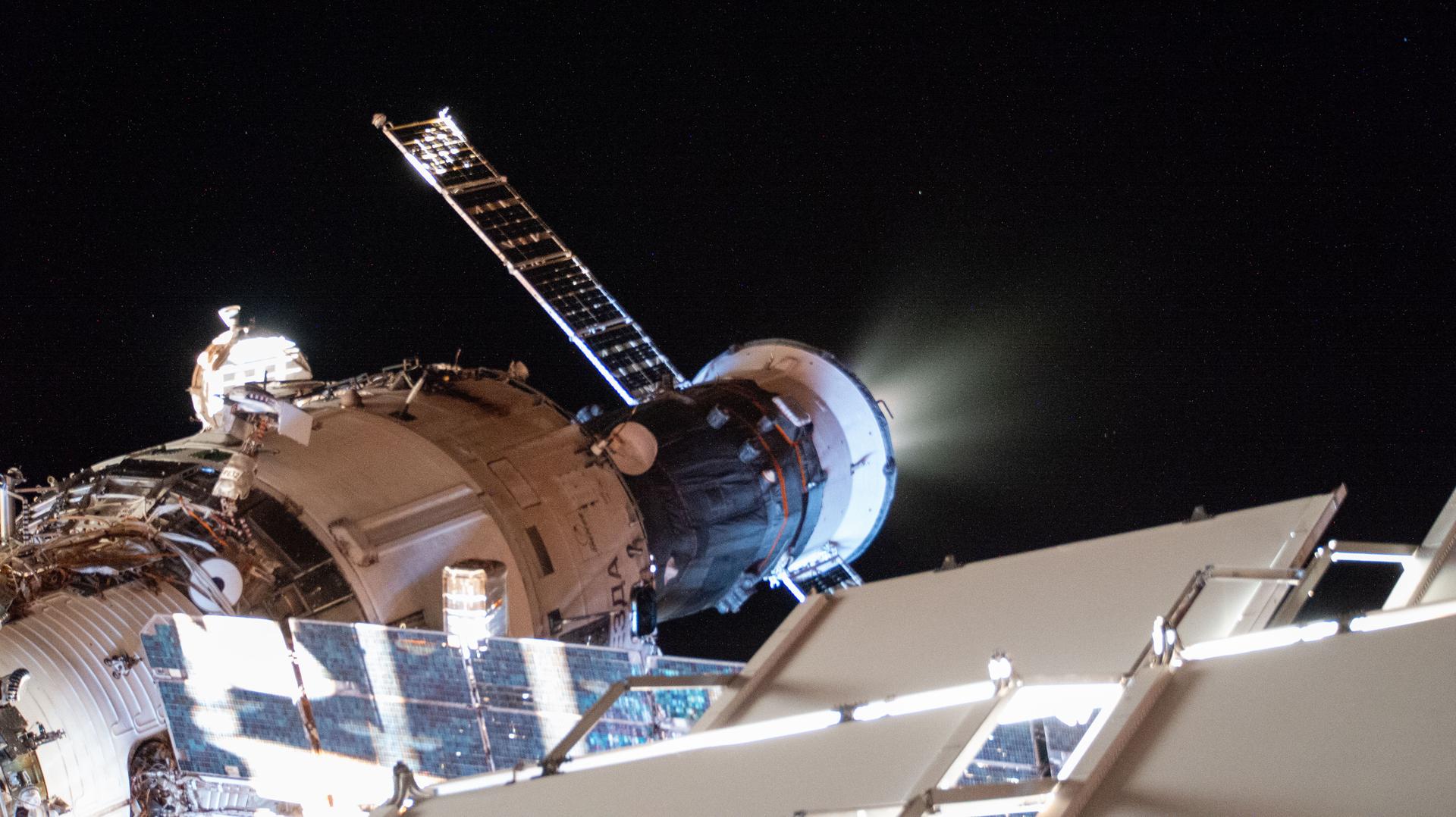
iss073e1128946 (Nov. 19, 2025) --- The Roscosmos Progress 93 cargo craft, docked to the rear port of the Zvezda service module, fires its engines to raise the International Space Station's orbit. This reboost maneuver positioned the orbital outpost at the correct altitude for the arrival of the Soyuz MS-28 crew spacecraft on Nov. 27 and the undocking of the Soyuz MS-27 crew spacecraft on Dec. 8.
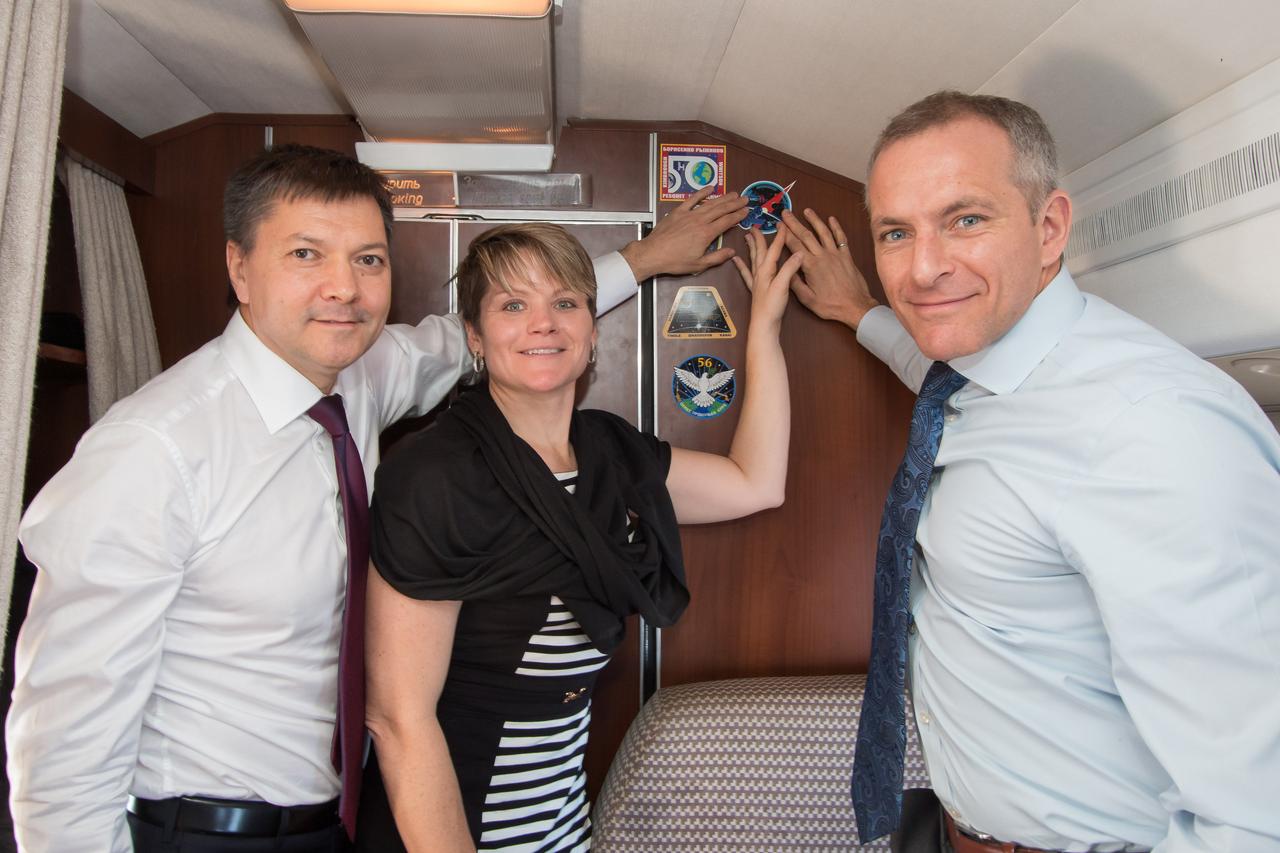
jsc2018e097261 - Aboard a Gagarin Cosmonaut Training Center aircraft, Expedition 58 crewmembers Oleg Kononenko of Roscosmos (left), Anne McClain of NASA (center) and David Saint-Jacques of the Canadian Space Agency (right) affix a Soyuz MS-11 sticker to the wall of the cabin Nov. 19 in a traditional ceremony as they flew to their launch site in Baikonur, Kazakhstan. They will launch Dec. 3 on the Soyuz MS-11 spacecraft from the Baikonur Cosmodrome in Kazakhstan for a six-and-a-half month mission on the International Space Station...NASA/Victor Zelentsov.
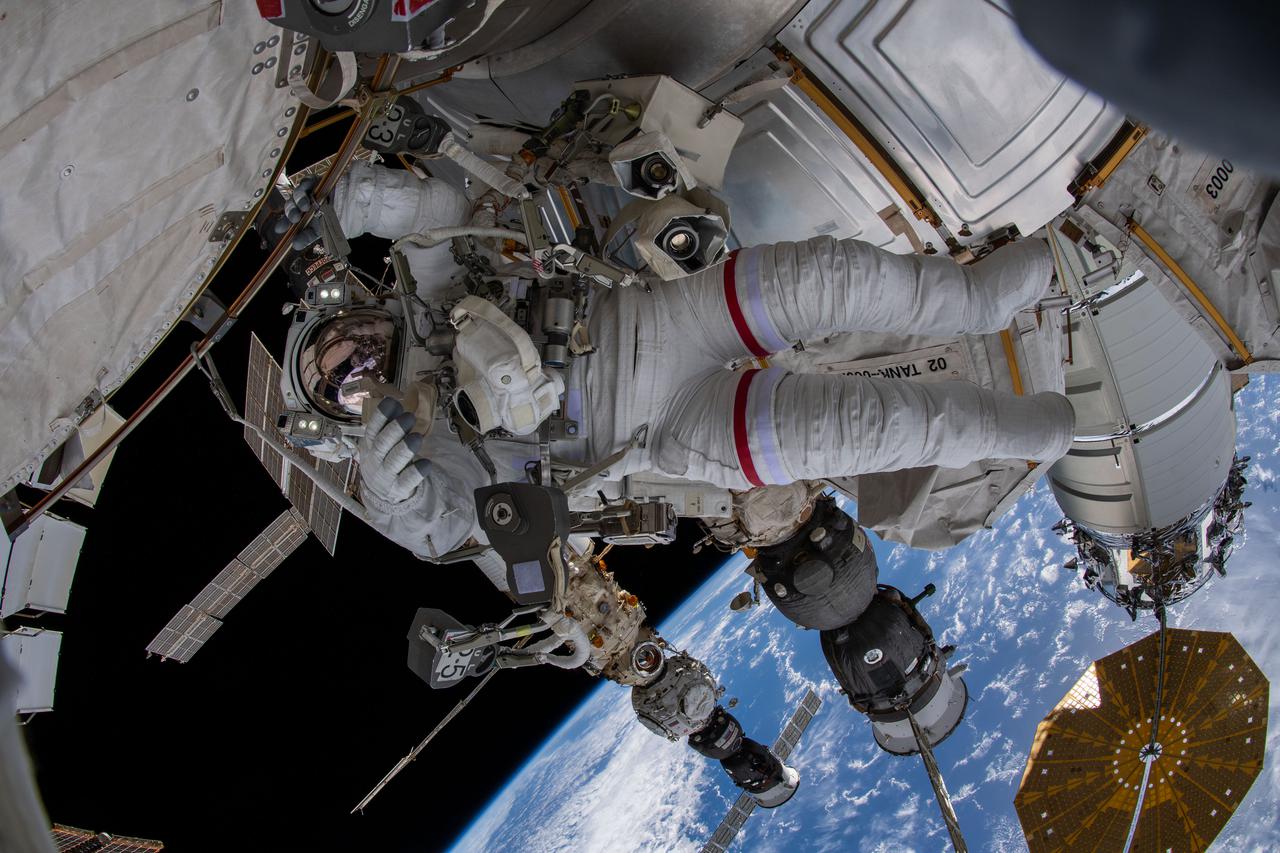
iss066e174688 (March 23, 2022) --- NASA astronaut and Expedition 66 Flight Engineer Raja Chari is pictured during a six-hour and 54-minute spacewalk to install thermal gear and electronic components on the International Space Station. Behind Chari are three spaceships attached to the orbiting lab, including (from right to left) the Northrop Grumman Cygnus space freighter, the Soyuz MS-19 crew ship, and the newly-arrived Soyuz MS-21 crew ship docked to the Prichal module.
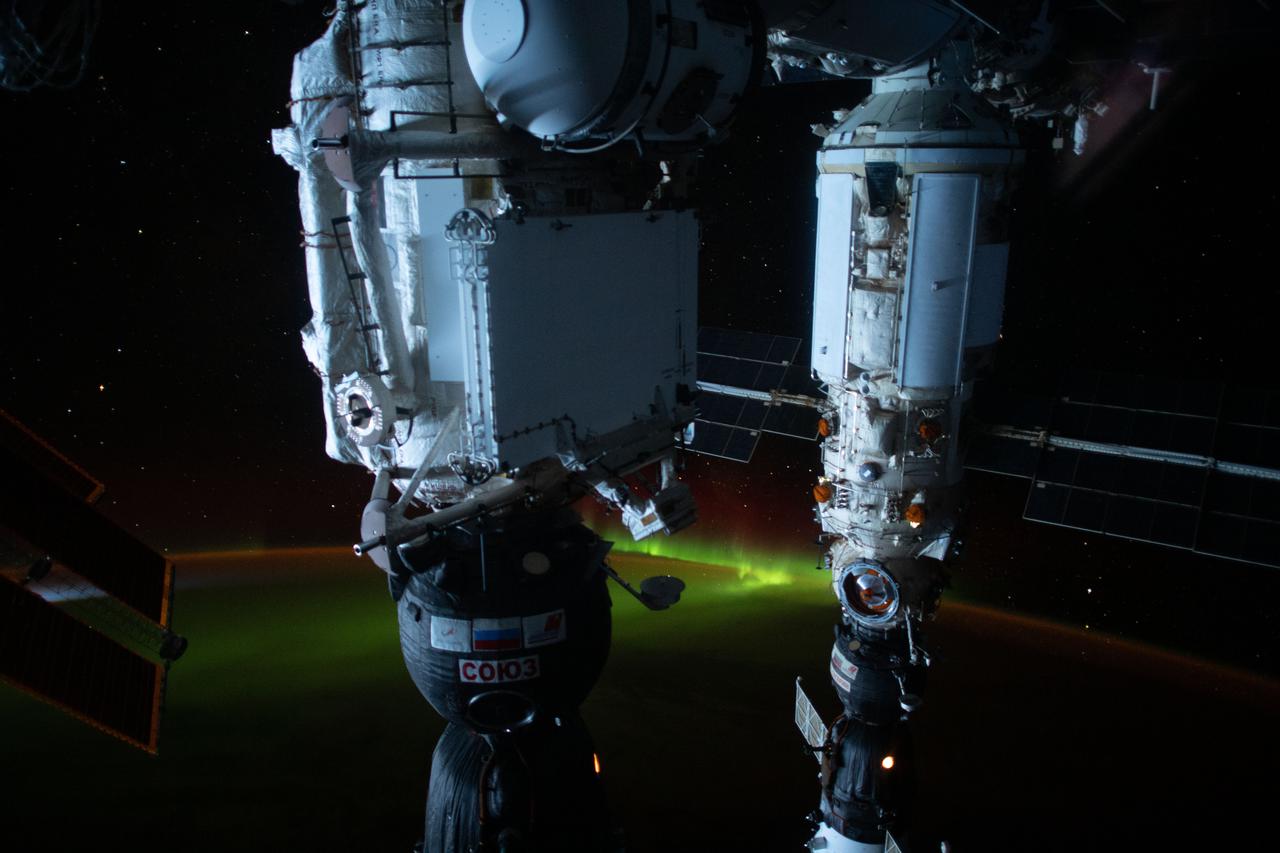
iss065e455153 (Oct. 9, 2021) --- An aurora is pictured below the International Space Station as it was orbiting 274 miles above the southern Pacific Ocean just south of Auckland Island, New Zealand. In the foreground (from left) are, the Soyuz MS-19 crew ship docked to the Rassvet module and the Soyuz MS-18 crew ship docked to the Nauka multipurpose laboratory module.
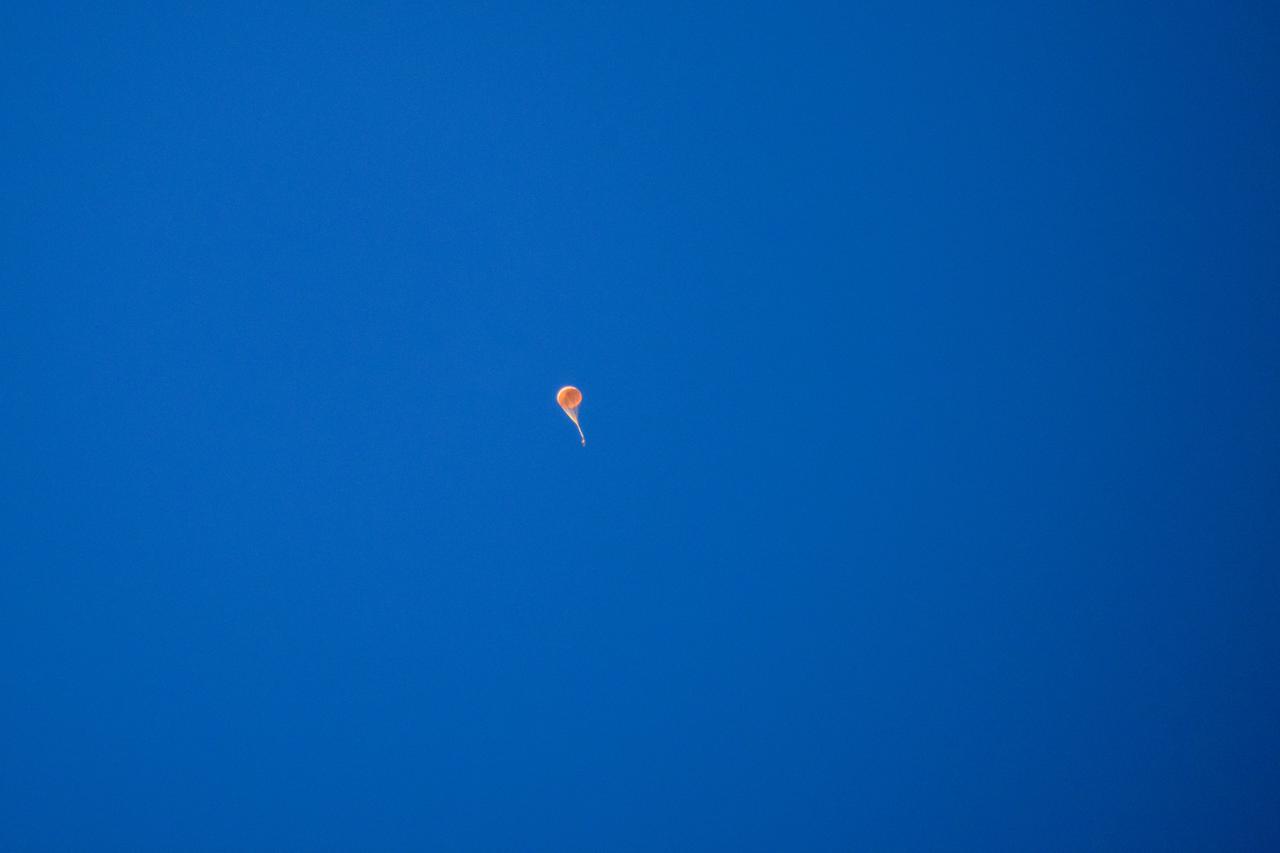
The Soyuz MS-26 spacecraft drogue parachute is seen during the landing of the Soyuz MS-26 spacecraft in a remote area near the town of Zhezkazgan, Kazakhstan with Expedition 72 NASA astronaut Don Pettit, and Roscosmos cosmonauts Alexey Ovchinin and Ivan Vagner aboard, Sunday, April 20, 2025, (April 19 Eastern). The trio are returning to Earth after logging 220 days in space as members of Expeditions 71 and 72 aboard the International Space Station. Photo Credit: (NASA/Bill Ingalls)
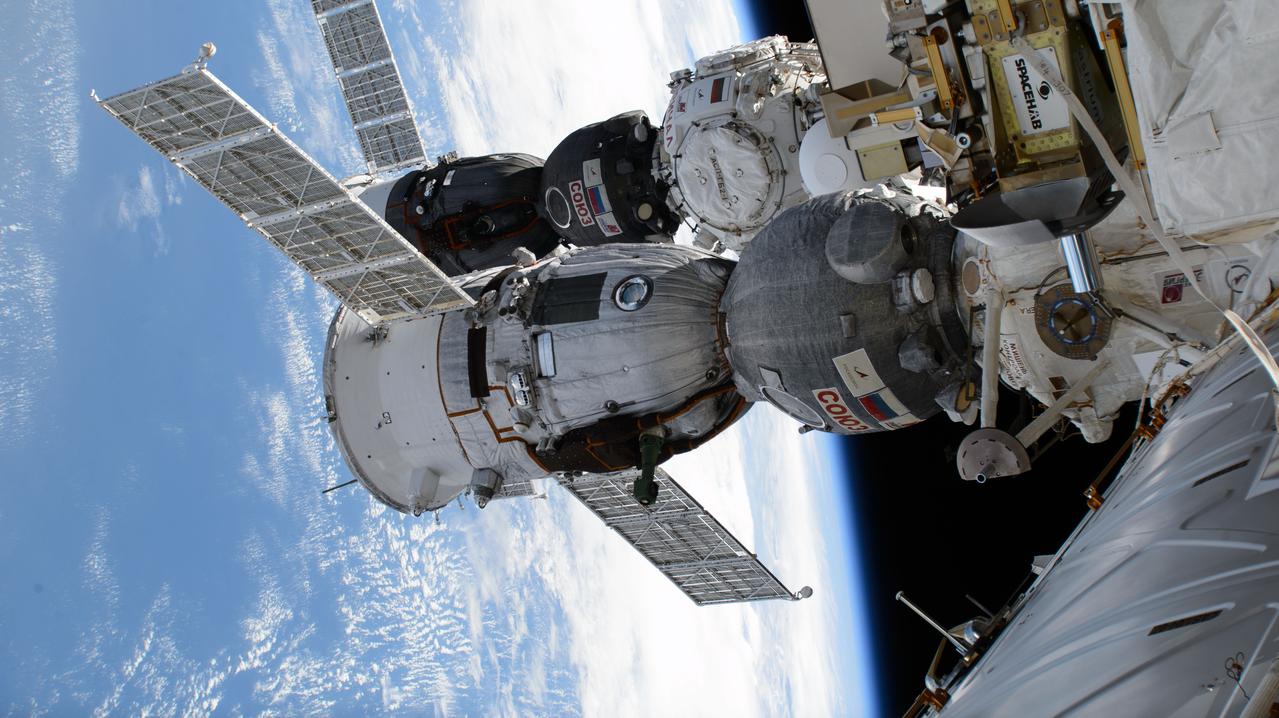
iss072e1021804 (April 19, 2025) --- The Soyuz crew ships that each brought three crew members to the International Space Station are pictured docked to the orbital outpost. In the foreground, is the Soyuz MS-26 spacecraft docked to the Rassvet module moments before it undocked and returned to Earth with NASA astronaut Pettit and Roscosmos cosmonauts Alexey Ovchinin and Ivan Vagner after 220 days in space. In the rear, is the Soyuz MS-27 spacecraft docked to the Prichal module after it launched on April 8, 2025, with NASA astronaut Jonny Kim and Roscosmos cosmonauts Sergey Ryzhikov and Alexey Zubritsky beginning an eight-month space research mission.
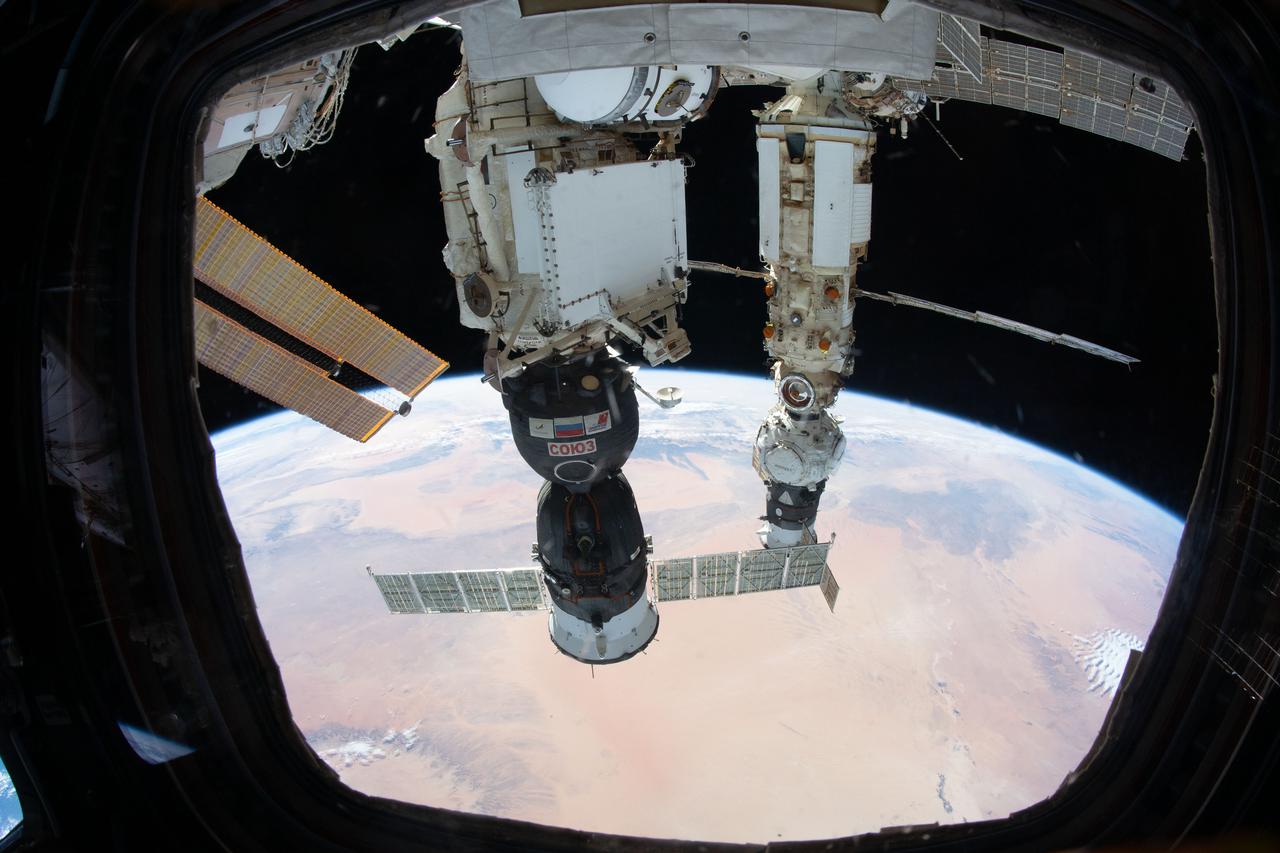
iss066e086723 (Dec. 6, 2021) --- Pictured as the International Space Station orbited 263 miles above the Algeria-Tunisia border are the Soyuz MS-19 crew ship docked to the Rassvet module and the Prichal module, still attached to the Progress delivery craft, docked to the Nauka multipurpose module.
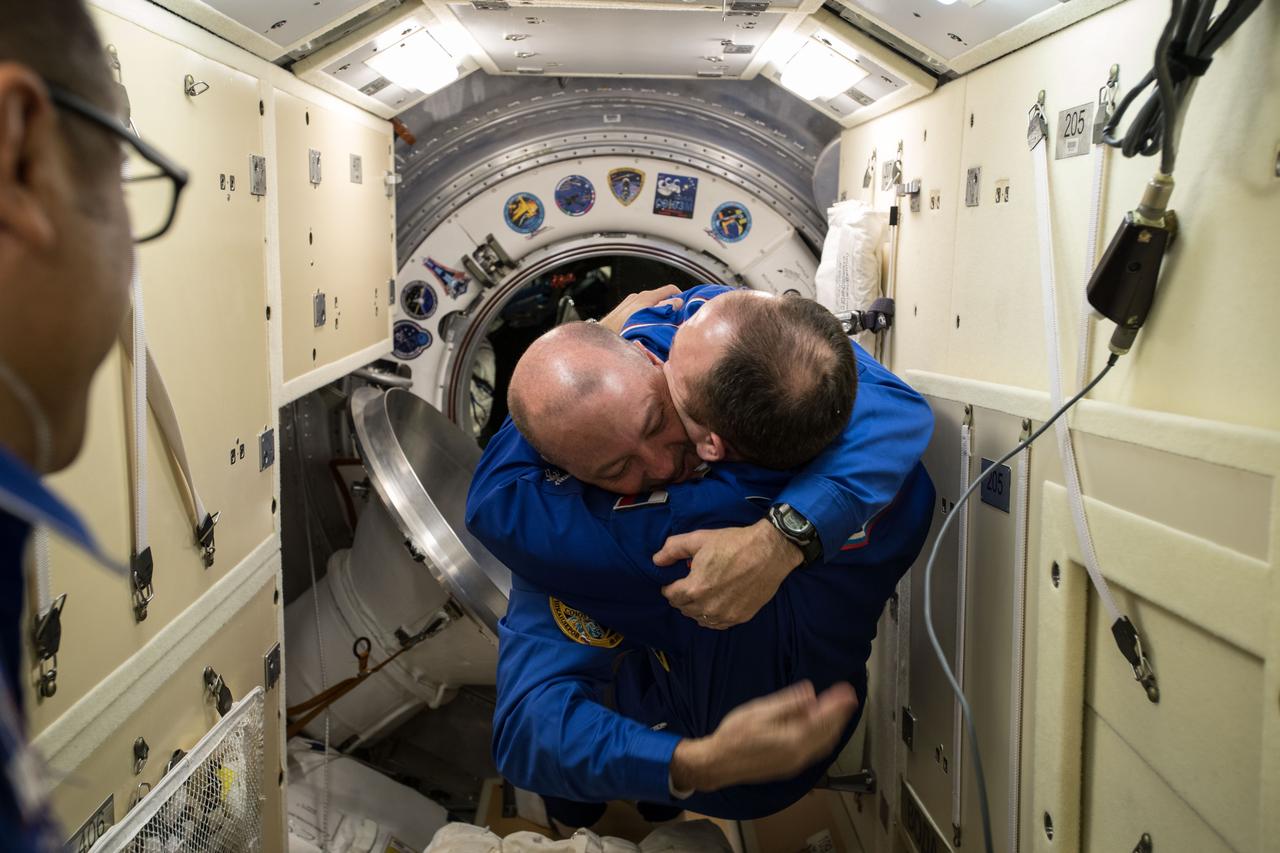
iss054e001407 (Dec. 19, 2017) --- International Space Station Commander Alexander Misurkin welcomes newly arrived Flight Engineer Scott Tingle in the Rassvet Mini-Research Module 1 following the hatch opening of the Soyuz MS-07 spacecraft.

U.S. Ambassador to Russia Jon Huntsman Jr. is seen during an interview with NASA Public Affairs Office Rob Navias in the Moscow Mission Control Center in Korolev, Russia after the Soyuz MS-07 spacecraft docked with the International Space Station, Tuesday, Dec. 19, 2017. Photo Credit: (NASA/Joel Kowsky)
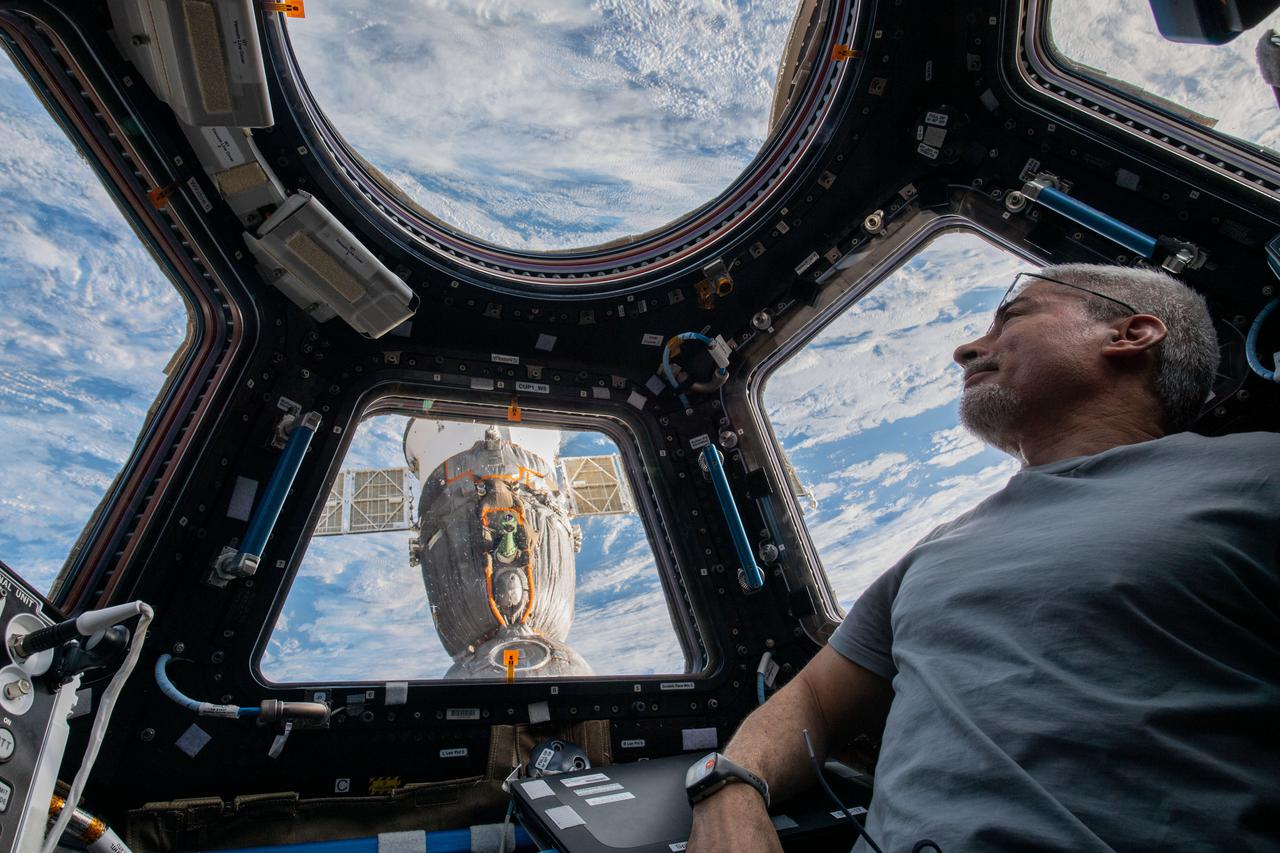
iss066e136051 (Feb. 4, 2022) --- NASA astronaut and Expedition 66 Flight Engineer Mark Vande Hei peers at the Earth below from inside the seven-windowed cupola, the International Space Station's window to the world. Just outside the cupola is the Soyuz MS-19 crew ship docked to the Rassvet module.
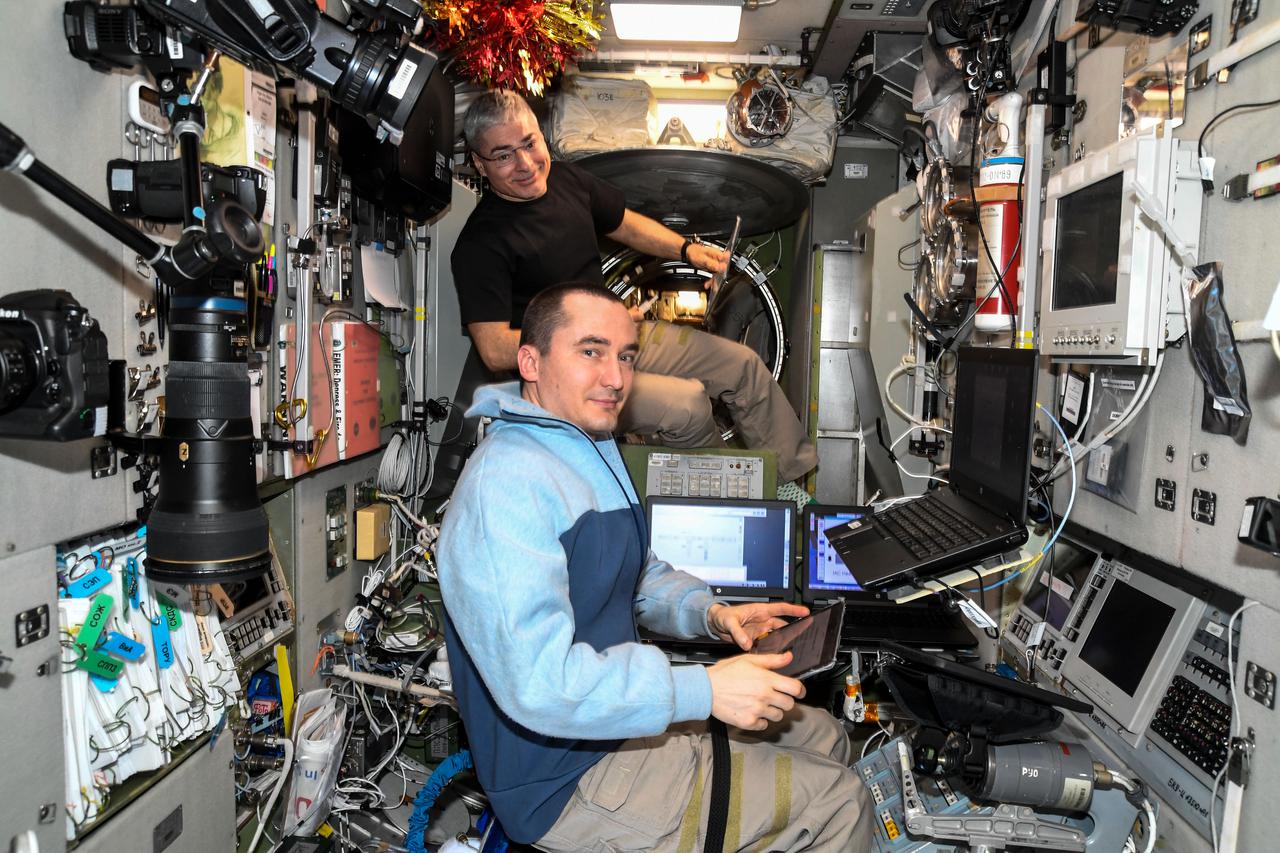
iss066e097093 (Dec. 28, 2021) --- NASA astronaut Mark Vande Hei (background) and Roscosmos cosmonaut Pyotr Dubrov train on a computer for the emergency evacuation procedures they would use in the unlikely event they would have to quickly board the Soyuz MS-19 crew ship, undock and return to Earth.
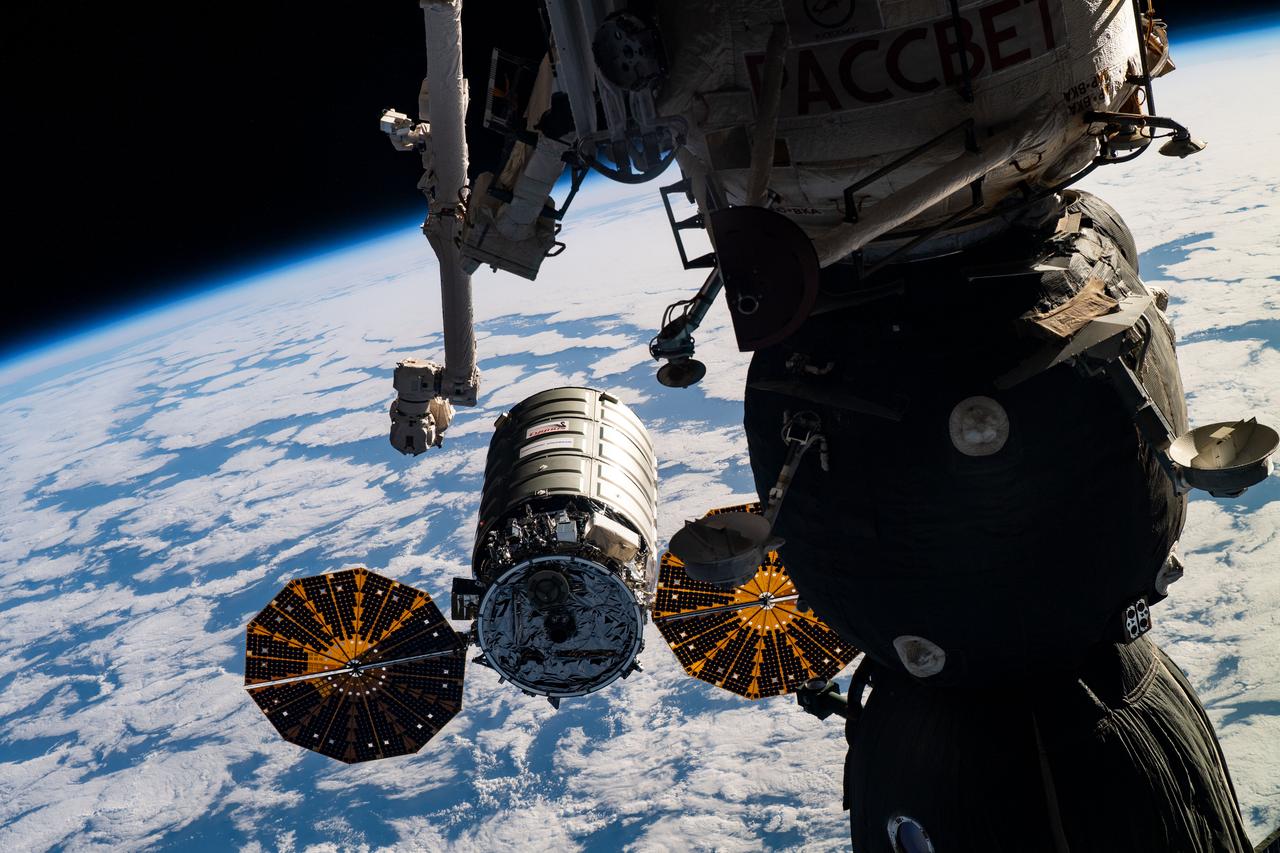
iss059e025269 (April 19, 2019) --- The Canadarm2 robotic arm is positioned to grapple the Northrop Grumman Cygnus cargo craft as it approaches its capture point with the International Space Station orbiting 255 miles above the Atlantic Ocean. Highlighting the foreground is the Soyuz MS-12 crew ship docked to the Rassvet module.
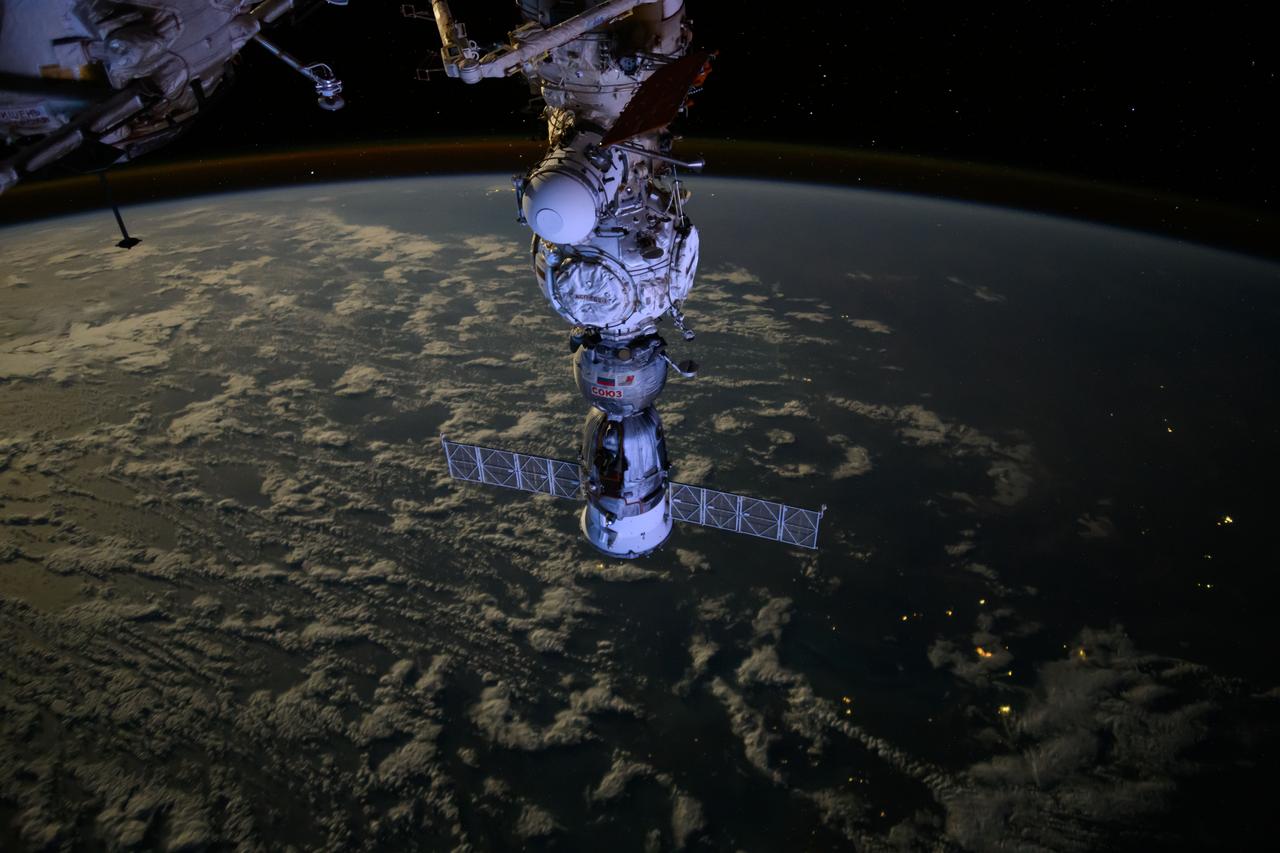
iss071e365604 (July 19, 2024) --- The Soyuz MS-25 crew ship is picture docked to the Prichal docking module as the International Space Station orbited 271 miles above the Bass Strait in between Australia's mainland province of Victoria and its island province of Tasmania.
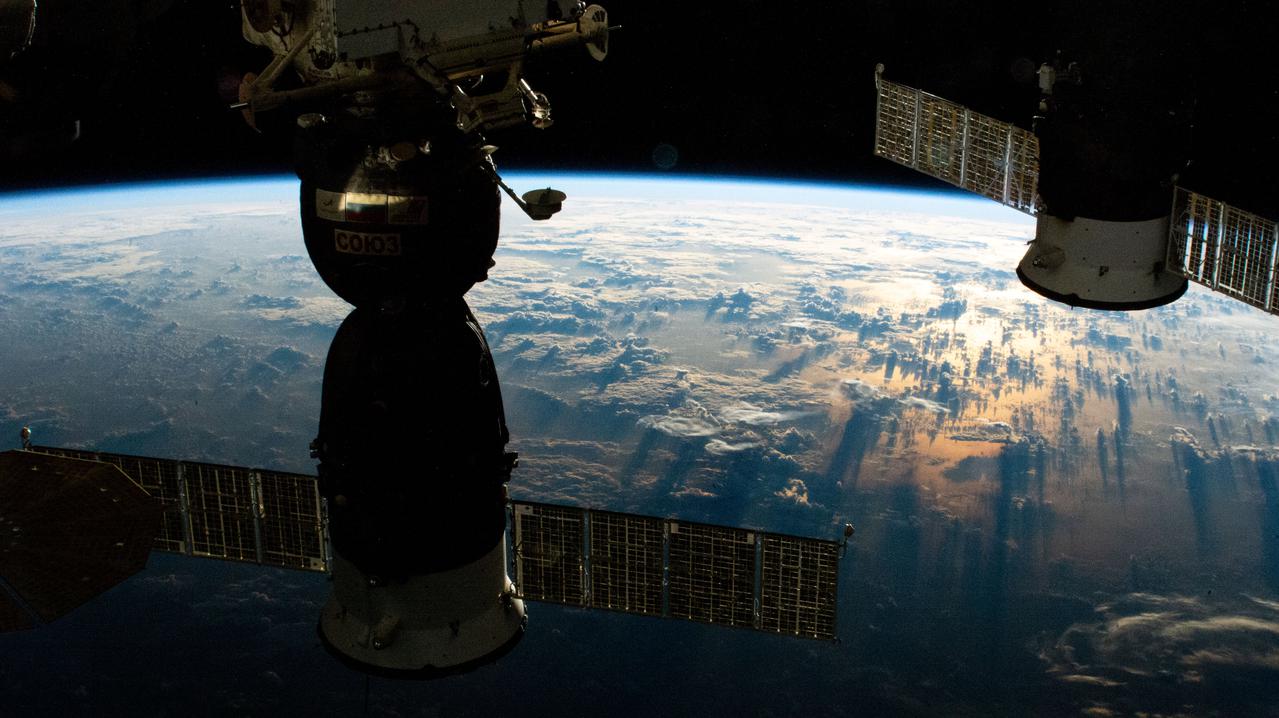
iss064e044526 (March 19, 2021) --- Two Russian spaceships (from left), the Soyuz MS-17 crew ship and the ISS Progress 77 cargo craft, are pictured docked to the International Space Station as it orbited into a sunrise 264 miles above the South Pacific.
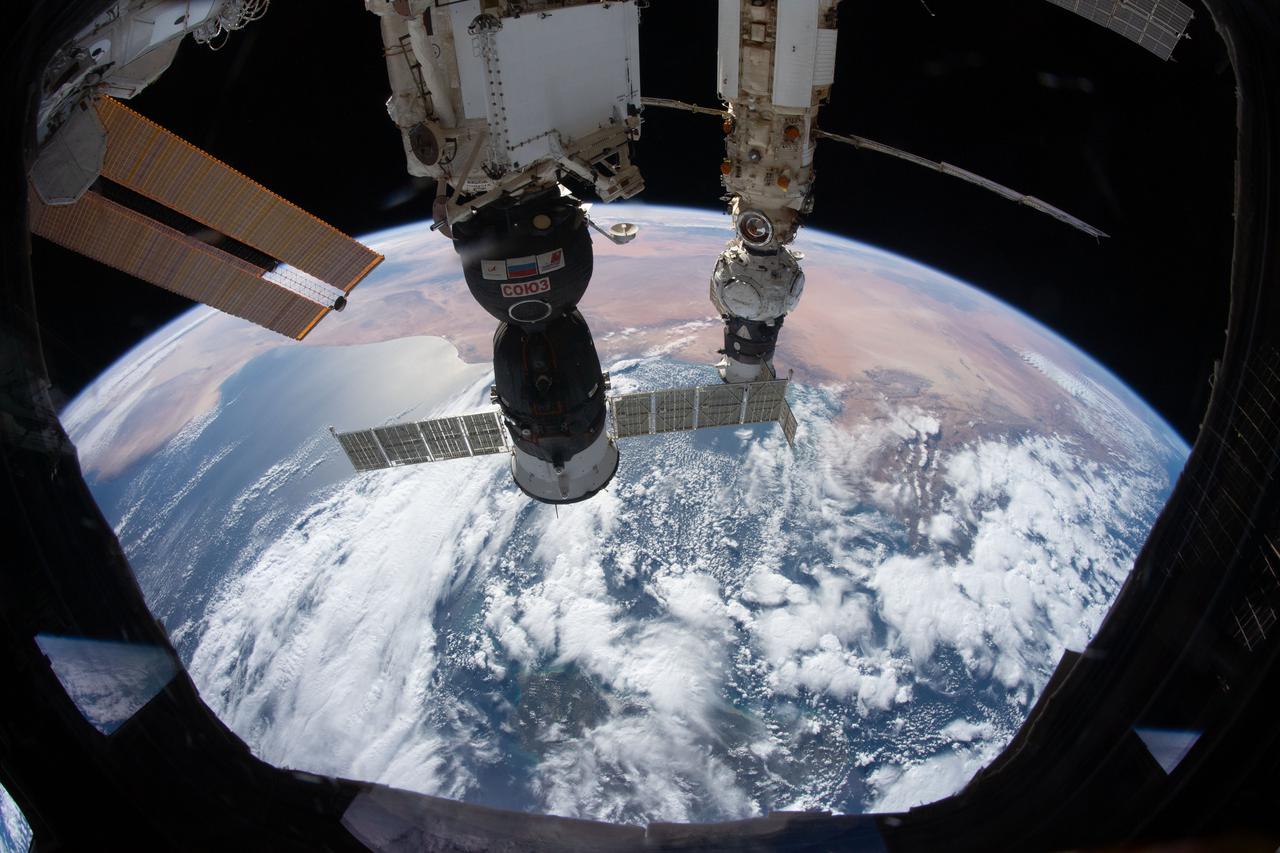
iss066e086732 (Dec. 6, 2021) --- Pictured as the International Space Station orbited 264 miles above the Mediterranean Sea are the Soyuz MS-19 crew ship docked to the Rassvet module and the Prichal module, still attached to the Progress delivery craft, docked to the Nauka multipurpose module.
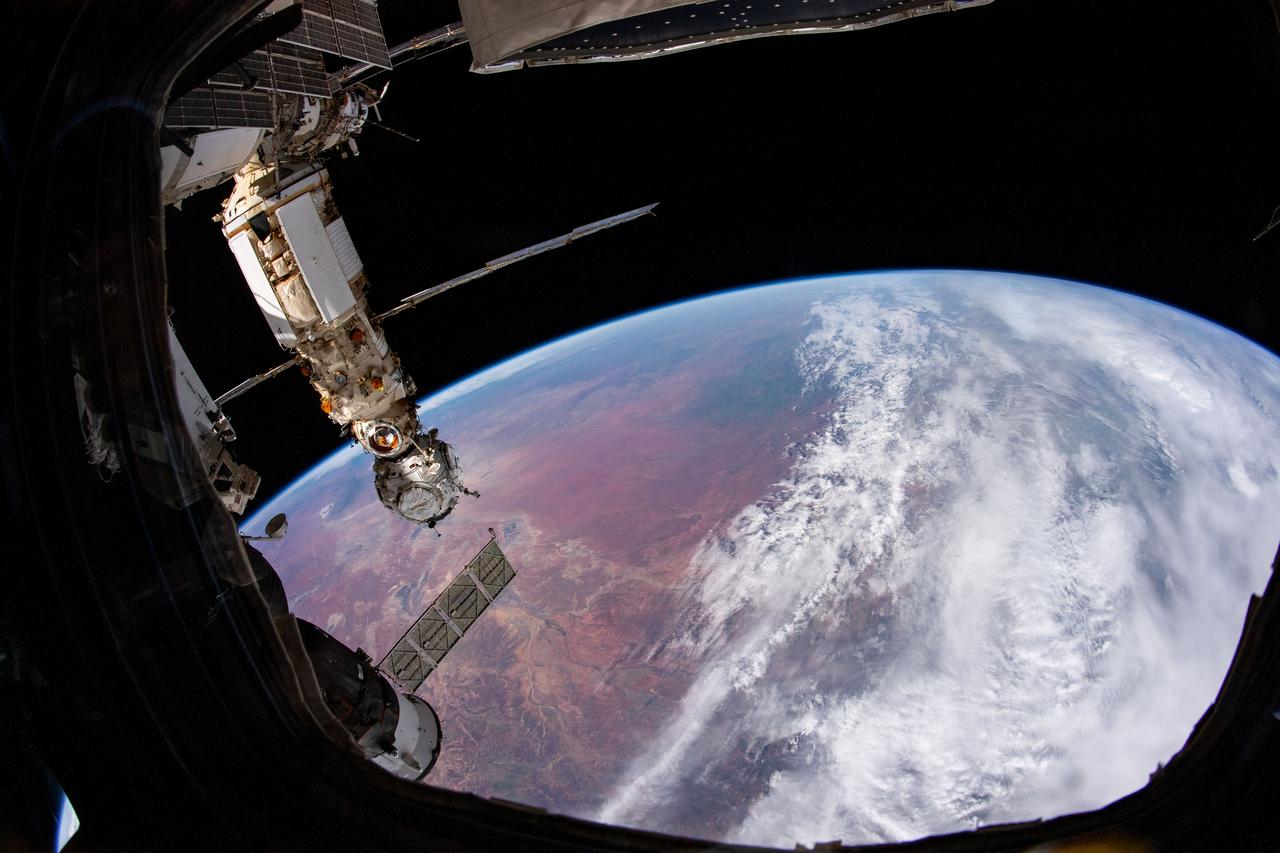
iss066e135344 (Feb. 3, 2022) --- The Nauka multipurpose laboratory module and the Prichal docking module are pictured as the International Space Station orbited 265 miles above central Australia. At lower left, is a portion of the Soyuz MS-19 crew ship docked to the Rassvet module.
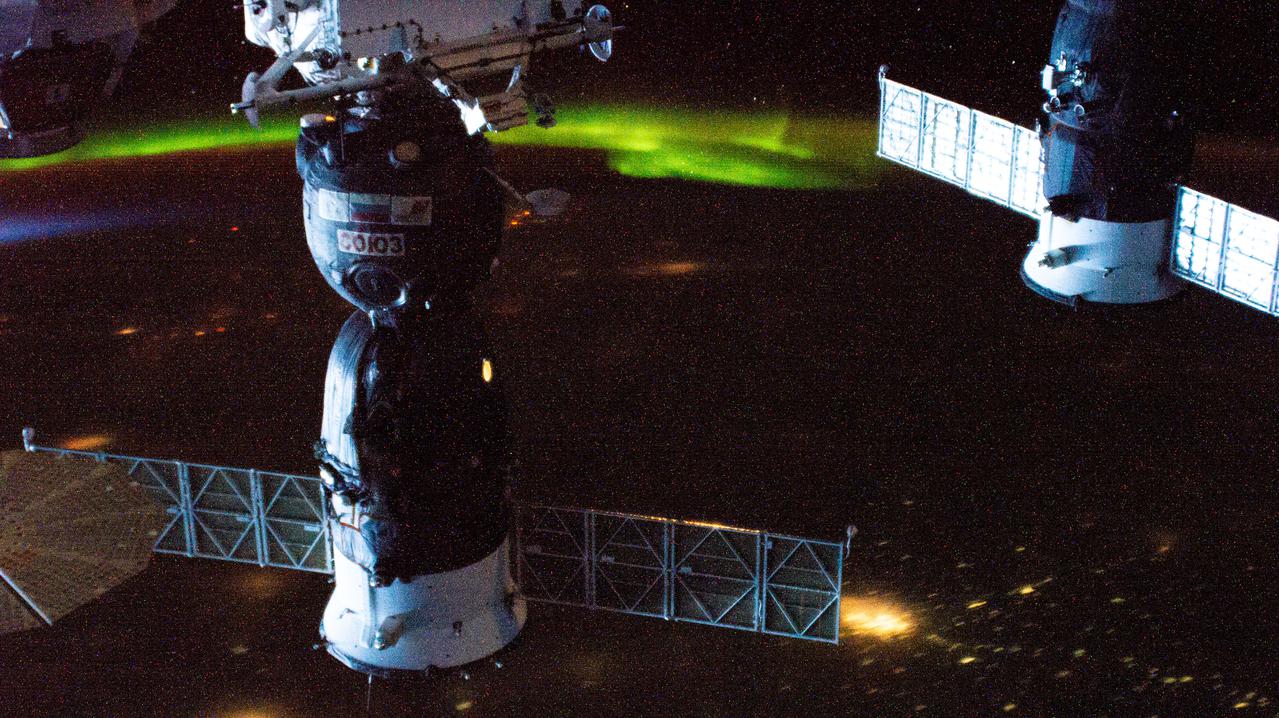
iss064e044527 (March 19, 2021) --- Two Russian spaceships (from left), the Soyuz MS-17 crew ship and the ISS Progress 77 cargo craft, are pictured docked to the International Space Station as it orbited 264 miles above Kazakhstan with an aurora glowing near the horizon.
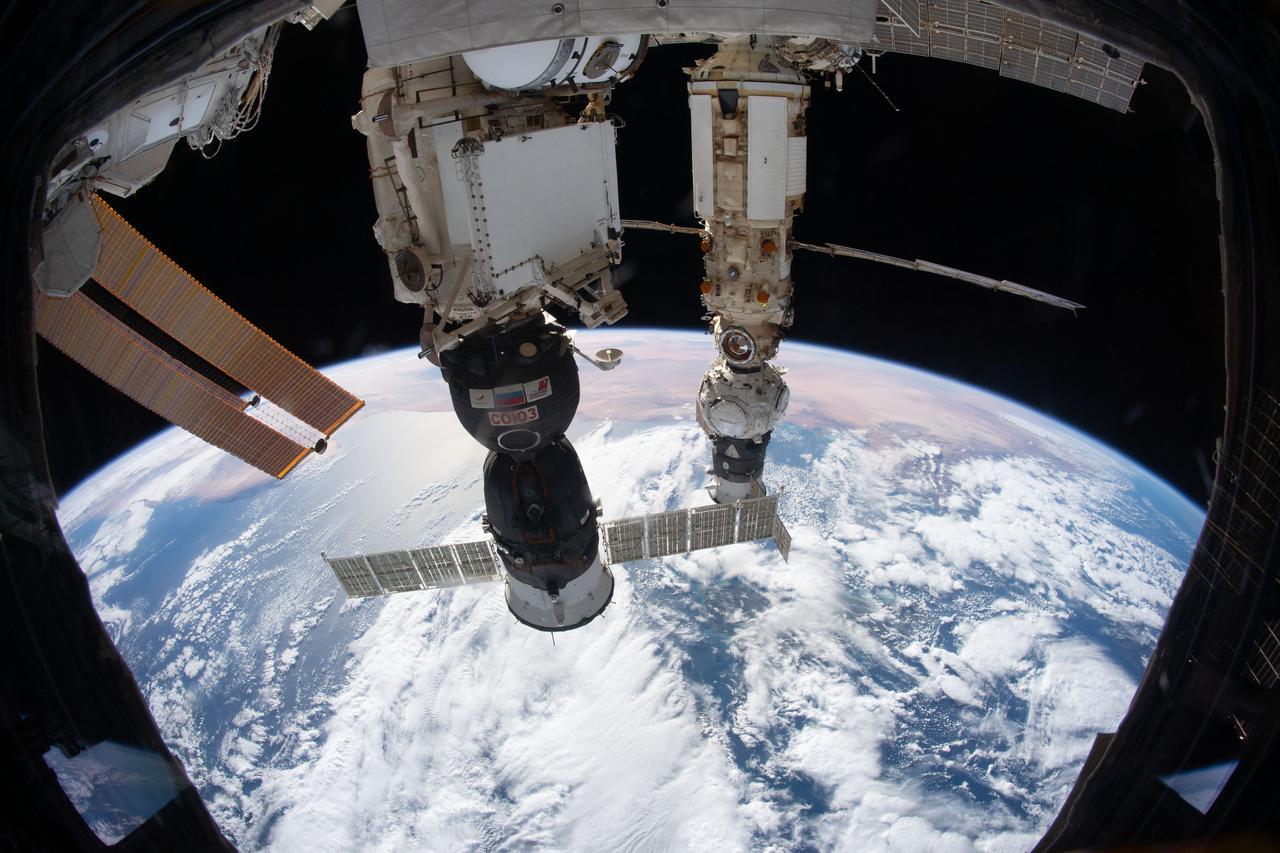
iss066e086734 (Dec. 6, 2021) --- Pictured as the International Space Station orbited 264 miles above the Tyrrhenian Sea are the Soyuz MS-19 crew ship docked to the Rassvet module and the Prichal module, still attached to the Progress delivery craft, docked to the Nauka multipurpose module.
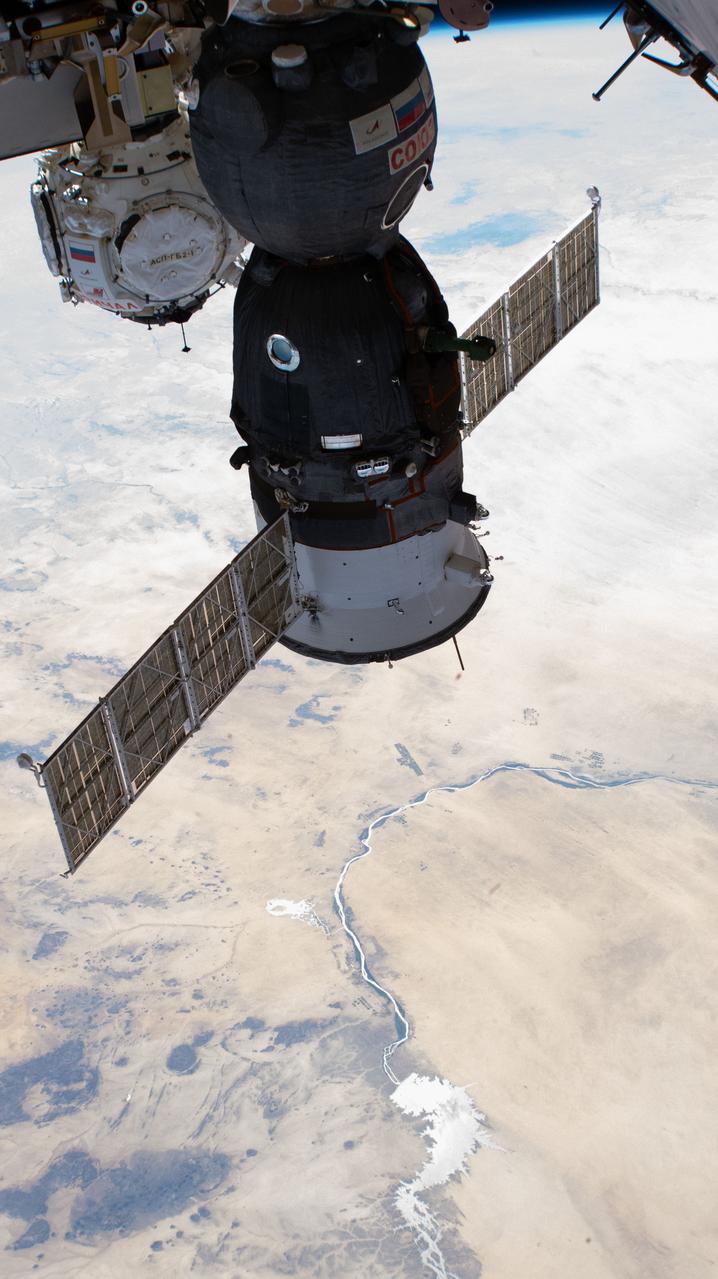
iss066e125408 (Jan. 24, 2022) --- The Soyuz MS-19 crew ship and the Prichal docking module (in the background), with the river Nile and the Menowe Reservoir below, are pictured as the International Space Station orbited 258 miles above the African nation of Sudan.
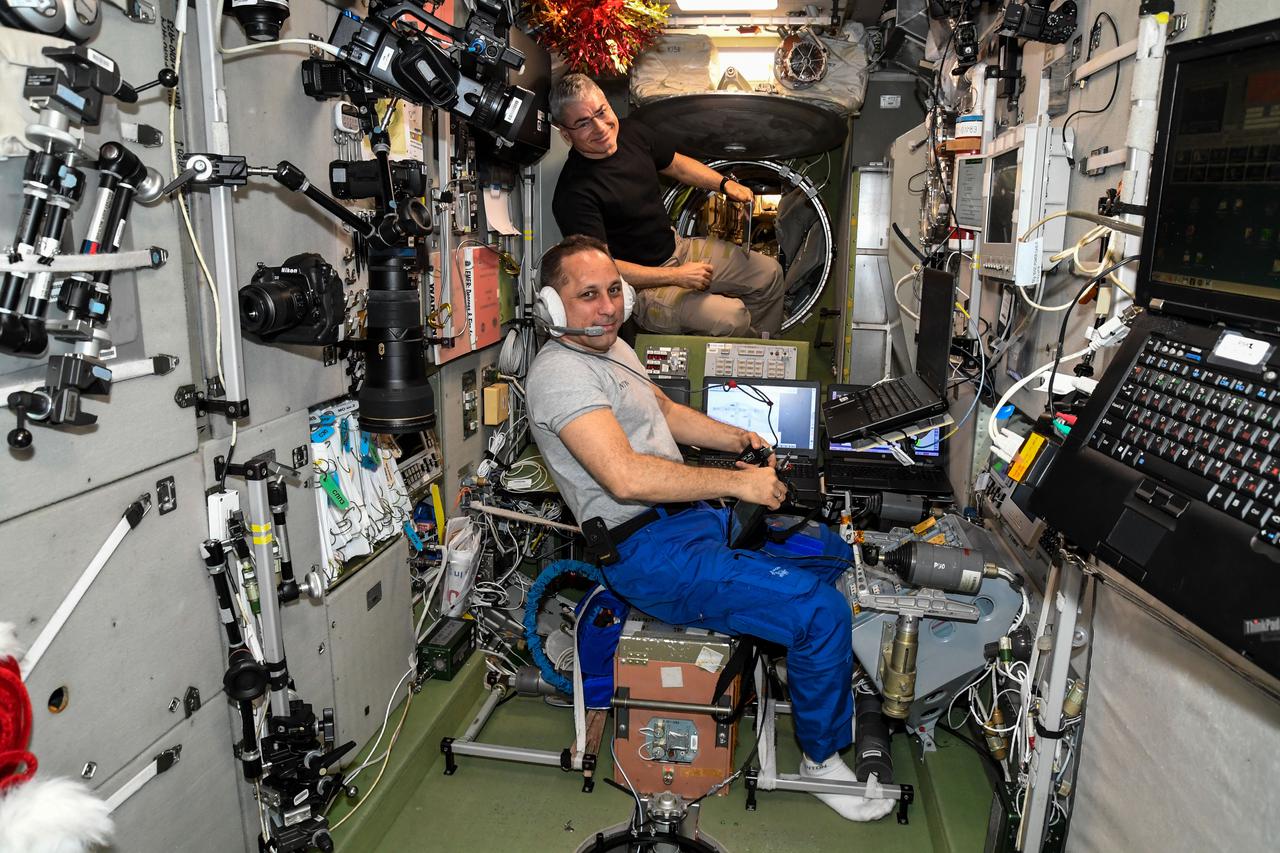
iss066e097096 (Dec. 28, 2021) --- NASA astronaut Mark Vande Hei (background) and Roscosmos cosmonaut Anton Shkaplerov train on a computer for the emergency evacuation procedures they would use in the unlikely event they would have to quickly board the Soyuz MS-19 crew ship, undock and return to Earth.
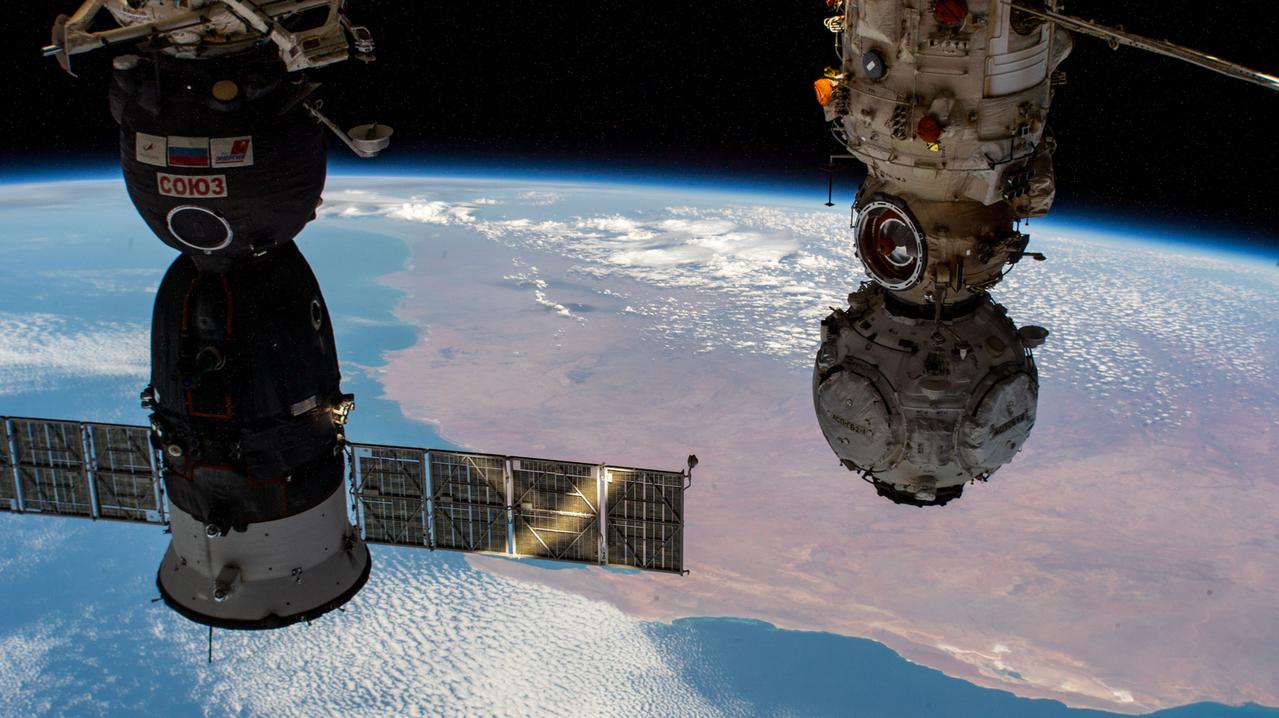
iss066e096810 (Dec. 24, 2021) --- Pictured from left, are the Soyuz MS-19 crew ship and the Nauka multipurpose laboratory module with the Prichal docking module attached as the International Space Station orbited 266 miles above the Indian Ocean off the western coast of Australia.
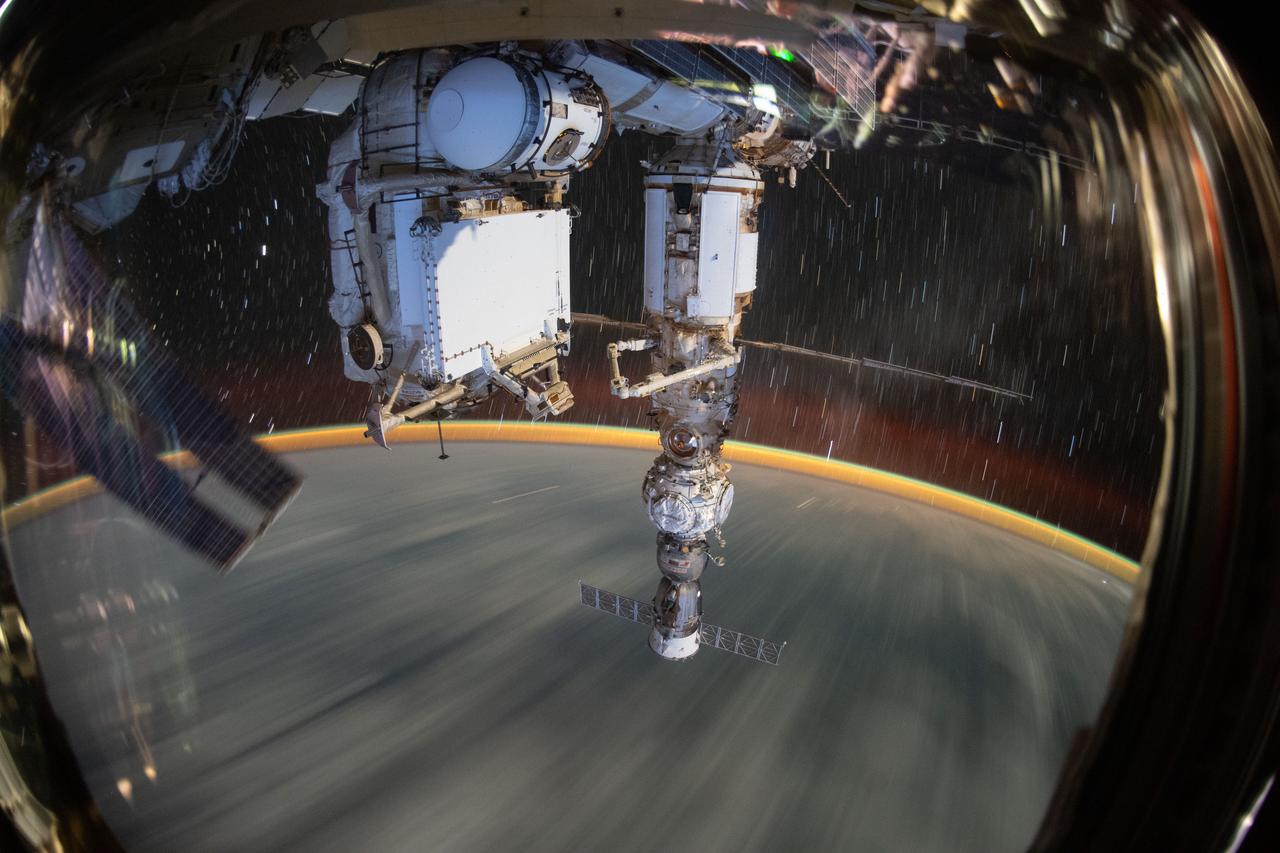
iss067e378755 (Sept. 19, 2022) --- This long-duration photograph shows the Earth 259 miles below a soaring International Space Station. In the foreground, is the Soyuz MS-21 crew ship docked to the Prichal docking module which is itself attached to the Nauka multipurpose laboratory module.
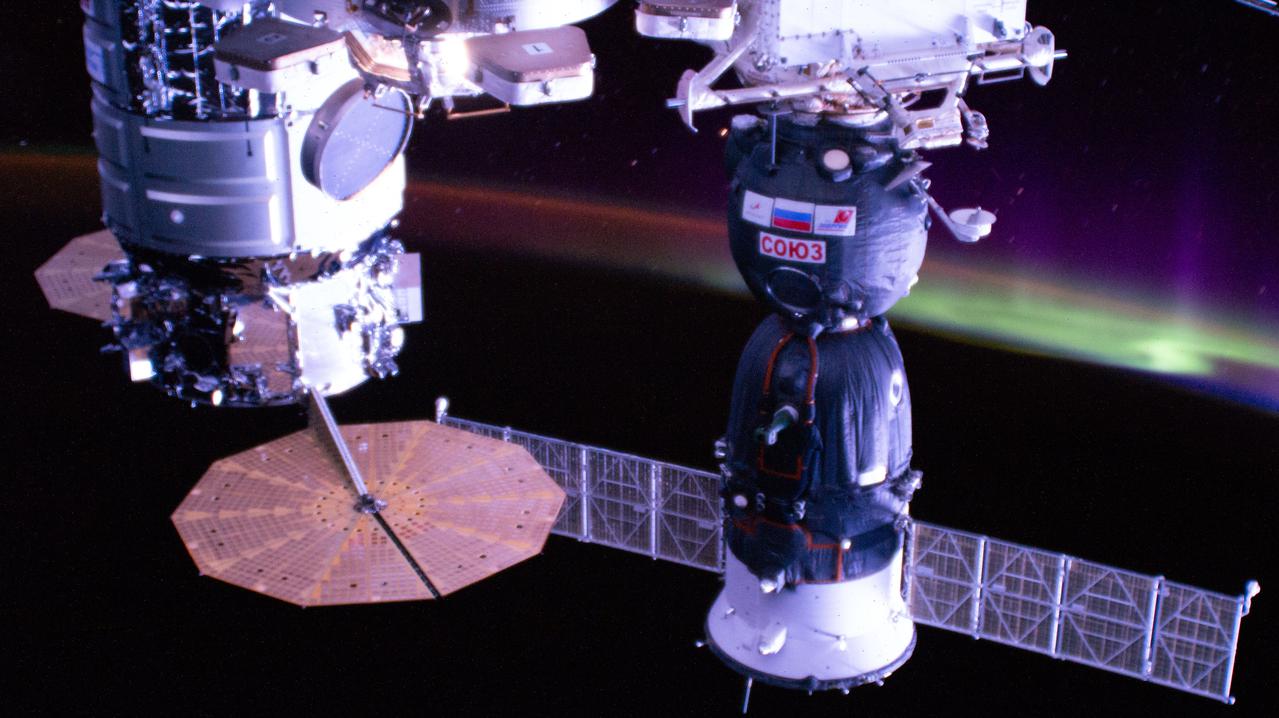
iss066e037536 (Nov. 4, 2021) --- Two spacecraft (from left), the U.S. Northrop Grumman Cygnus space freighter and Russia's Soyuz MS-19 crew ship, are pictured attached to the International Space Station as it orbited 267 miles above eastern Australia with an aurora on the horizon.
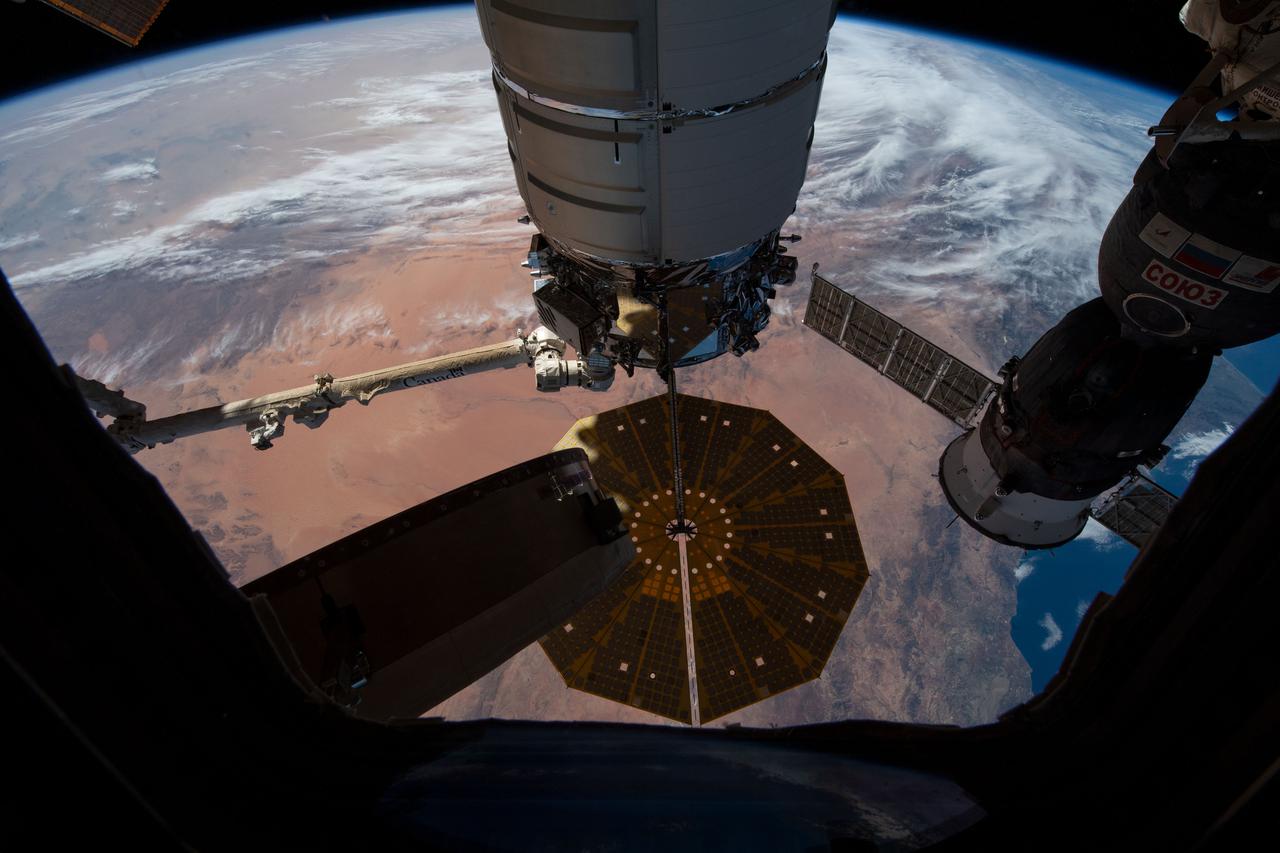
iss066e152046 (Feb. 22, 2022) --- Northrop Grumman's Cygnus space freighter, still in the grip of the Canadarm2 robotic arm, is pictured after its capture and installation to the International Space Station's Unity module. At right, is the Soyuz MS-19 crew ship docked to the Rassvet module.
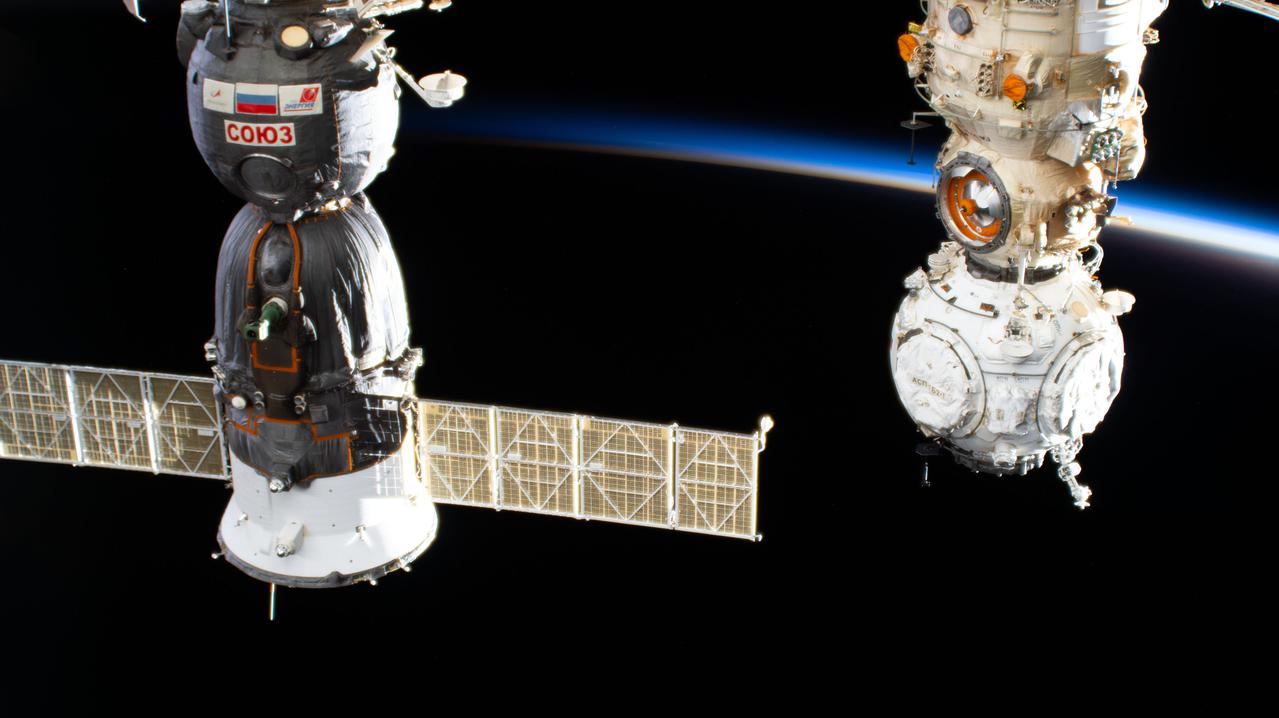
iss066e125394 (Jan. 24, 2022) --- The Soyuz MS-19 crew ship and the Prichal docking module attached to the Nauka multipurpose laboratory module are pictured as the International Space Station orbited into an orbital sunset 260 miles above the Kuril Islands in between the Sea of Okhotsk and the Pacific Ocean.

iss059e025290 (April 19, 2019) --- The Canadarm2 robotic arm controlled by NASA astronaut Anne McClain maneuvers to grapple the Northrop Grumman Cygnus cargo craft as the International Space Station orbited 256 miles above the Atlantic Ocean. Highlighting the foreground is the Soyuz MS-12 crew ship docked to the Rassvet module.
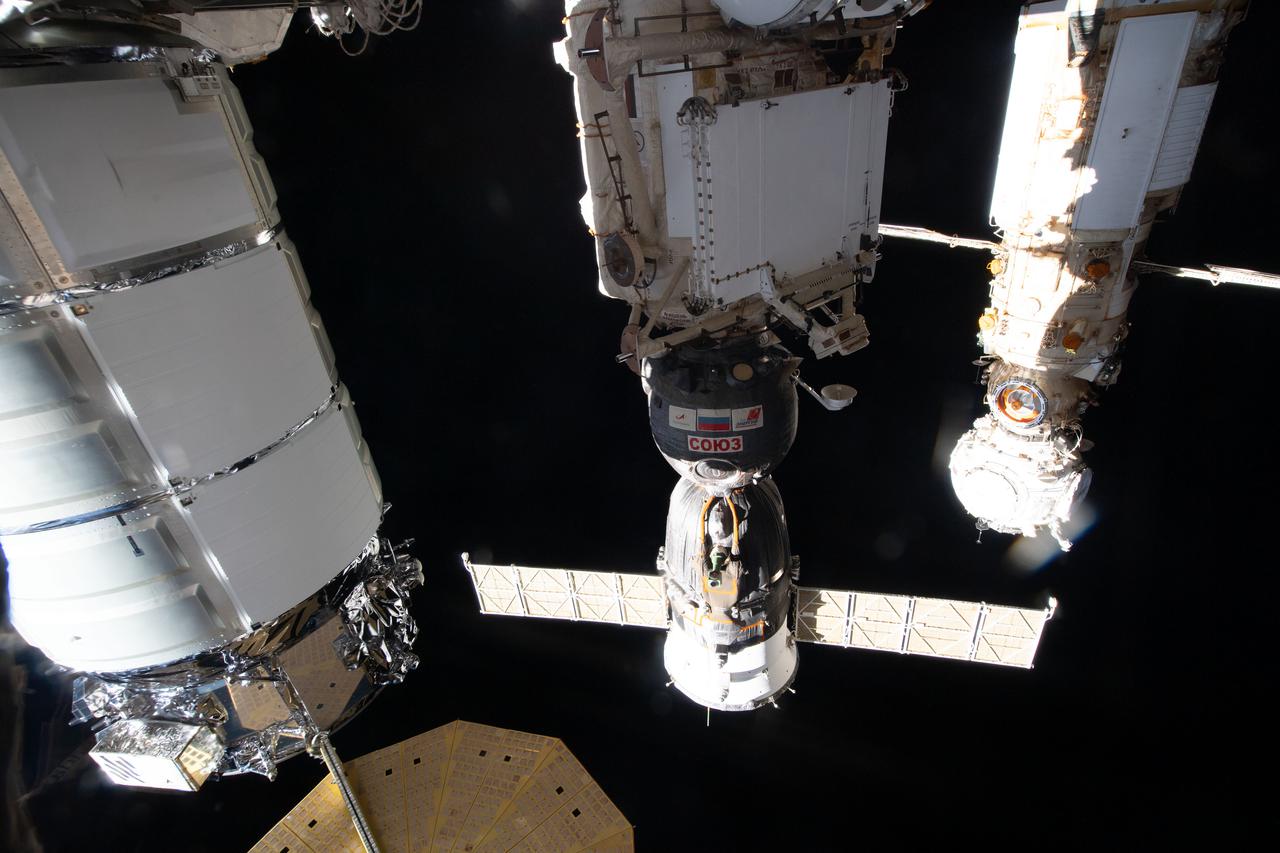
iss066e153493 (Feb. 27, 2022) --- From left to right, on the International Space Station, are the Northrop Grumman Cygnus space freighter; the Soyuz MS-19 crew crew ship docked to the Rassvet module; and the Prichal docking module attached to the Nauka multipurpose laboratory module.
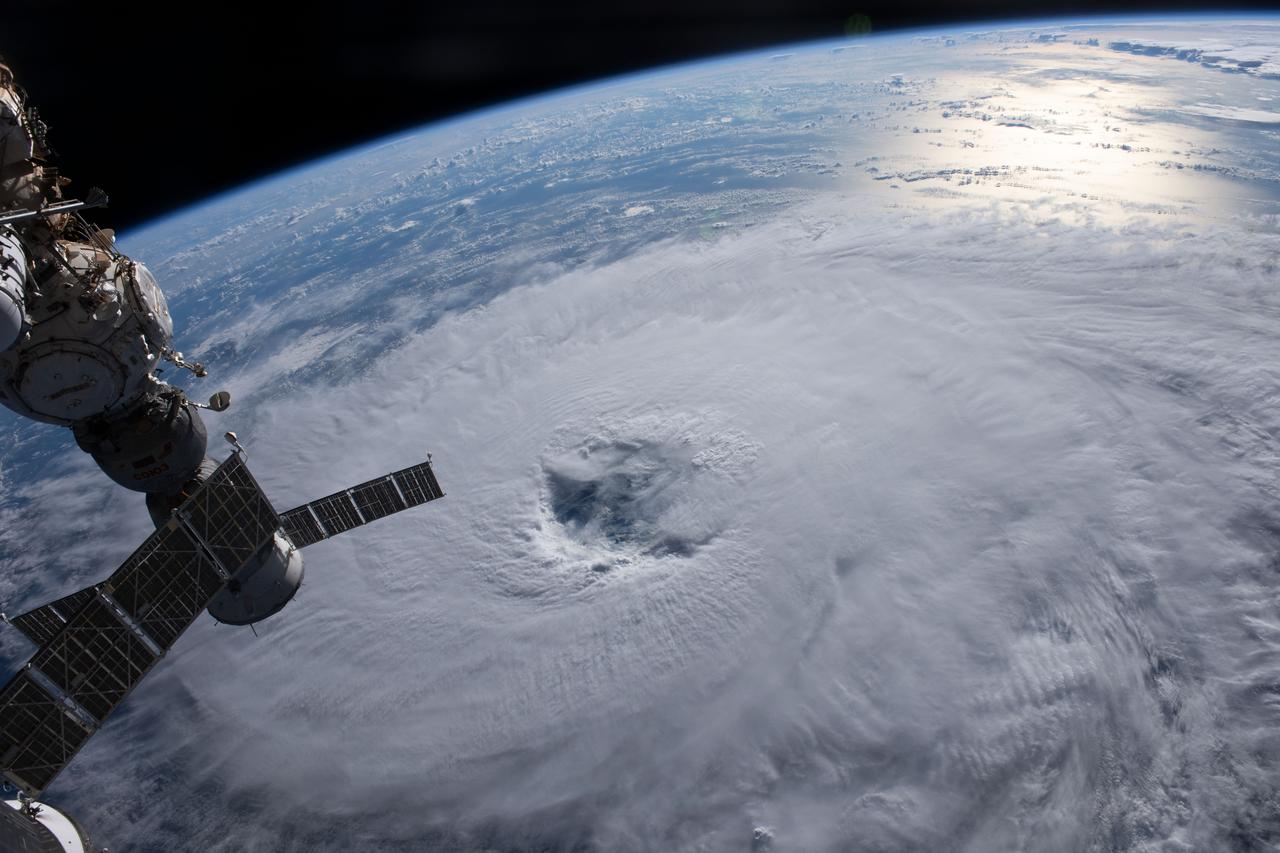
iss069e090103 (Sept. 19, 2023) --- Category 1 Hurricane Nigel is pictured on a northeasterly track in the Atlantic Ocean as the International Space Station orbited 259 miles above. At left, is the Soyuz MS-23 crew ship docked to the Prichal docking module.
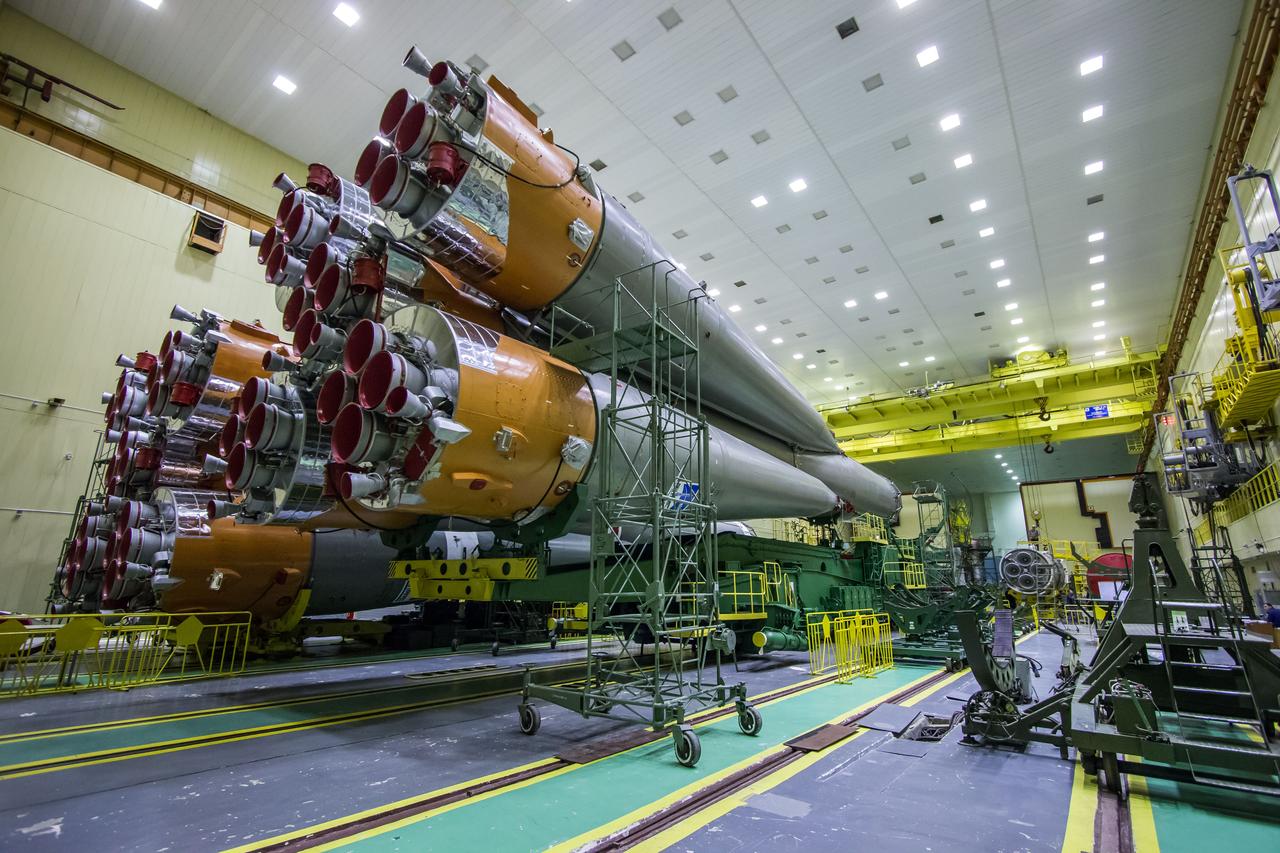
The Soyuz rocket and Soyuz MS-02 spacecraft are assembled on Friday, Oct. 14, 2016 at the Baikonur Cosmodrome in Kazakhstan. Expedition 49 flight engineer Shane Kimbrough of NASA, Soyuz commander Sergey Ryzhikov of Roscosmos, and flight engineer Andrey Borisenko of Roscosmos are scheduled to launch from the Baikonur Cosmodrome in Kazakhstan on Oct. 19. Photo Credit: (NASA/Victor Zelentsov)
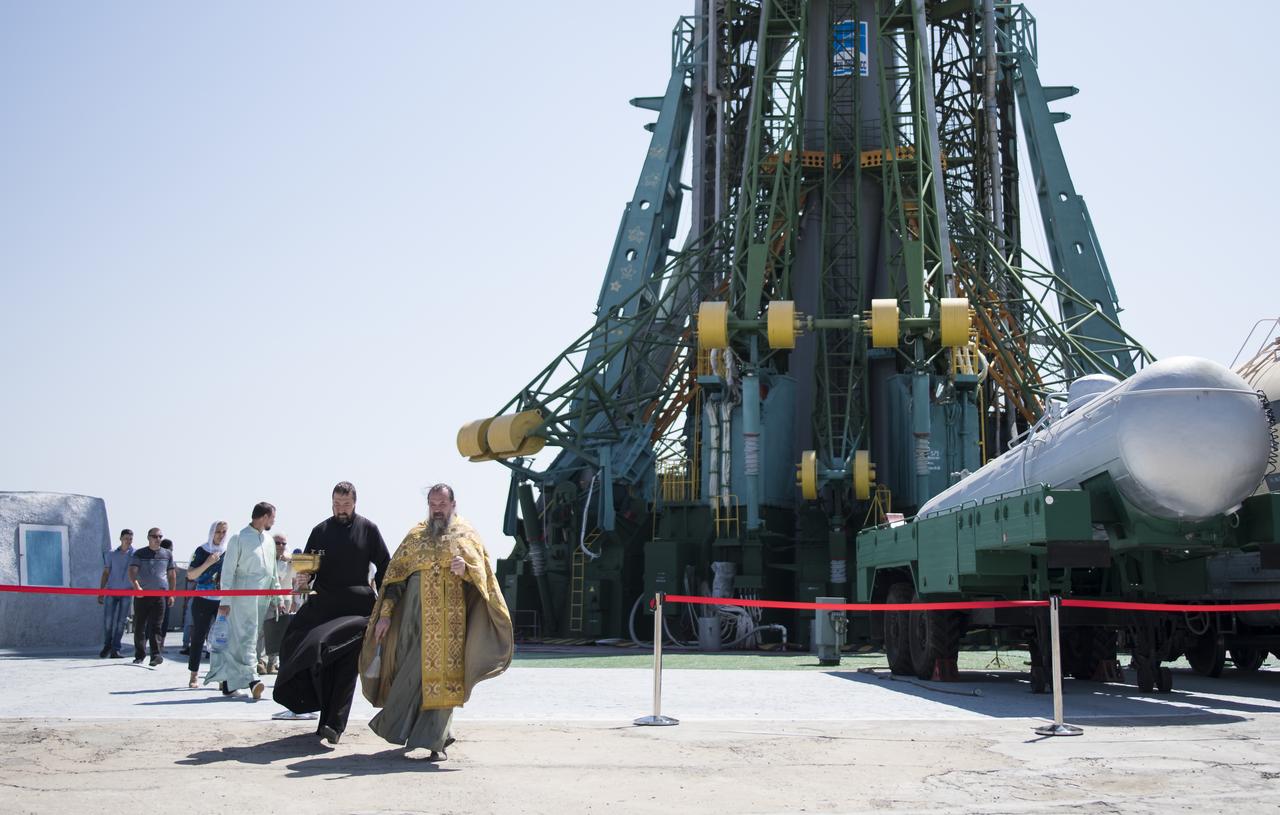
An Orthodox Priest approaches members of the media at the Baikonur Cosmodrome launch pad after blessing members of mission management and the Soyuz rocket, Friday, July 19, 2019 in Kazakhstan. Expedition 60 Soyuz Commander Alexander Skvortsov of Roscosmos, flight engineer Andrew Morgan of NASA, and flight engineer Luca Parmitano of ESA (European Space Agency) are scheduled to launch to the International Space Station aboard the Soyuz MS-13 spacecraft on July 20. Photo Credit: (NASA/Joel Kowsky)
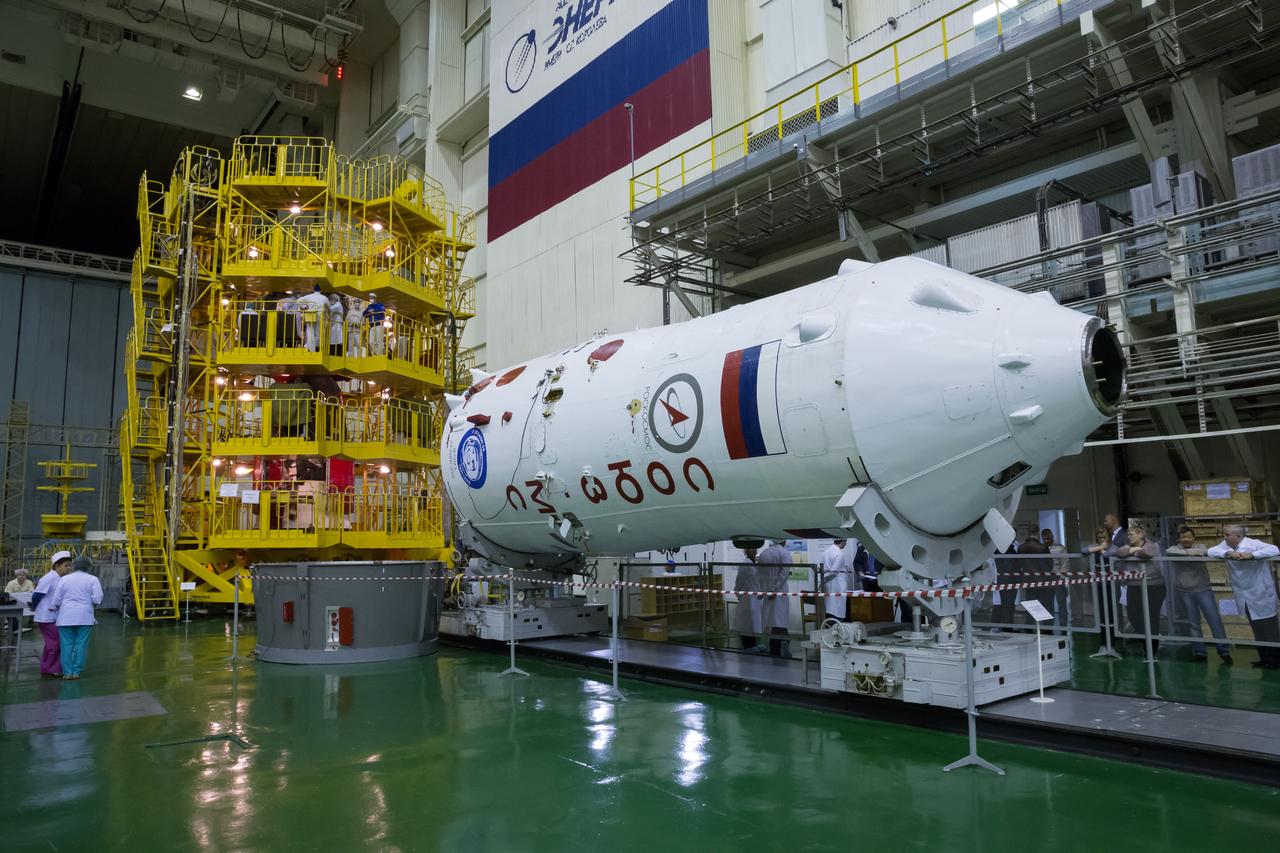
The Soyuz fairing is seen laying horizontal in front the of the Soyuz MS-02 spacecraft as Expedition 49 flight engineer Shane Kimbrough of NASA, Soyuz commander Sergey Ryzhikov of Roscosmos, and flight engineer Andrey Borisenko of Roscosmos perform their fit checks, Saturday, Oct. 8, 2016 at the Baikonur Cosmodrome in Kazakhstan. Kimbrought, Ryzhikov, and Borisenko will launch from the Baikonur Cosmodrome in Kazakhstan on Oct. 19. Photo Credit: (NASA/Victor Zelentsov)
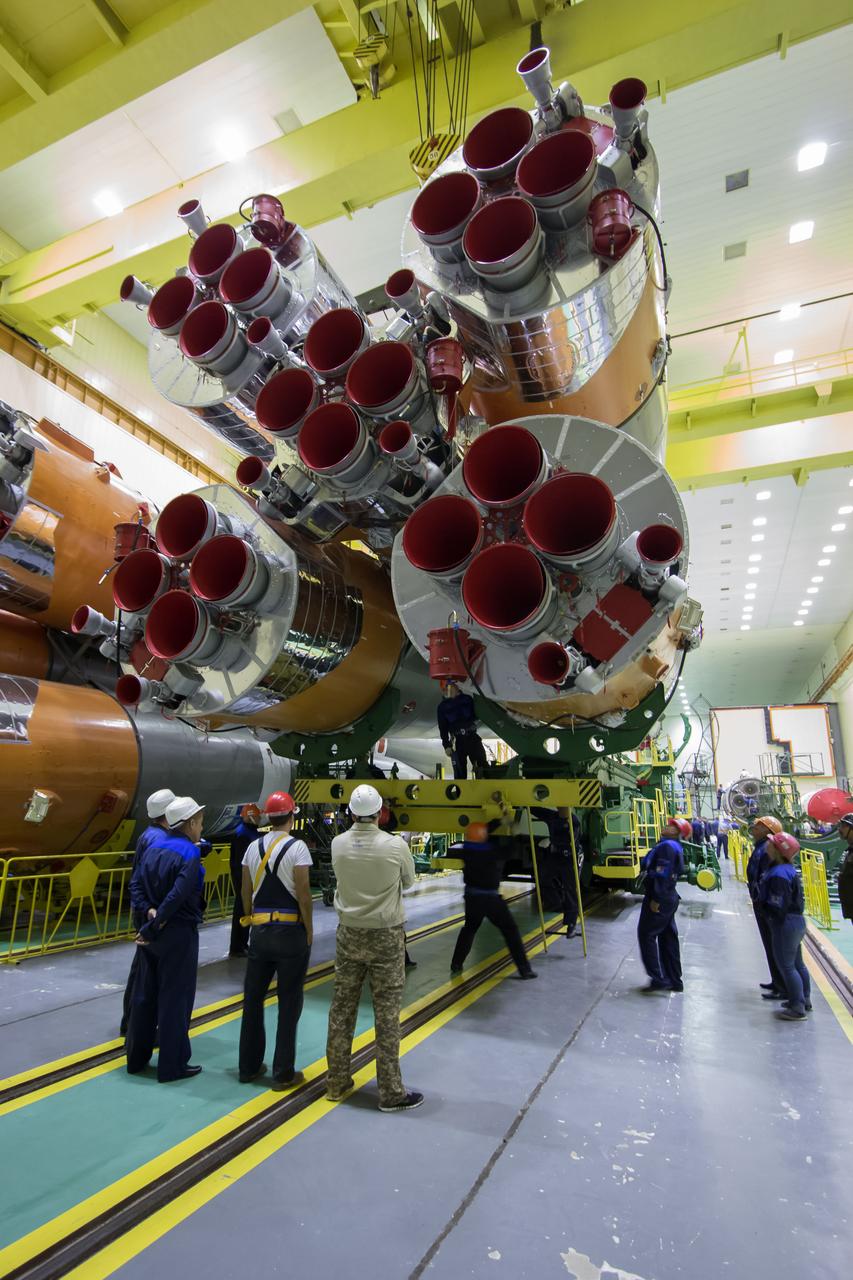
The Soyuz rocket and Soyuz MS-02 spacecraft are assembled on Friday, Oct. 14, 2016 at the Baikonur Cosmodrome in Kazakhstan. Expedition 49 flight engineer Shane Kimbrough of NASA, Soyuz commander Sergey Ryzhikov of Roscosmos, and flight engineer Andrey Borisenko of Roscosmos are scheduled to launch from the Baikonur Cosmodrome in Kazakhstan on Oct. 19. Photo Credit: (NASA/Victor Zelentsov)
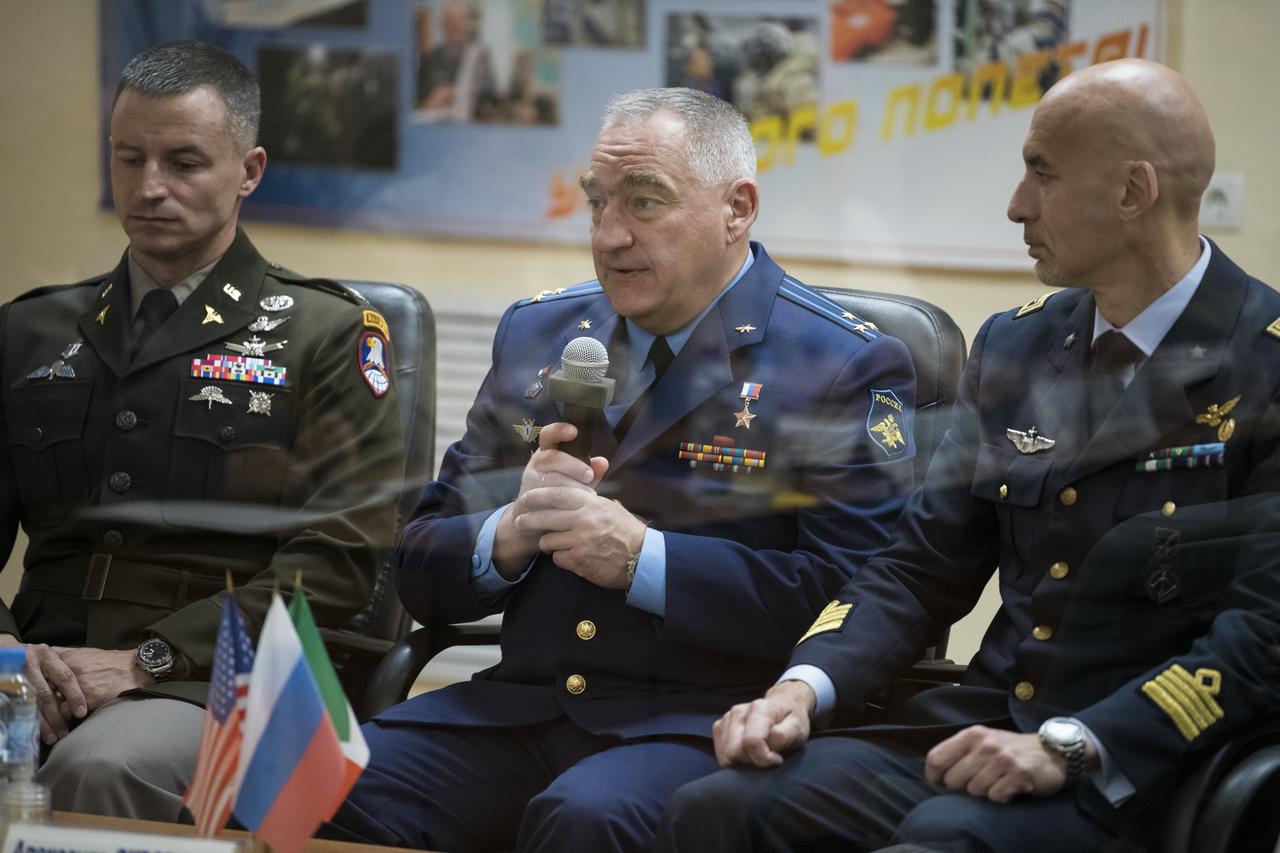
Expedition 60 Soyuz Commander Alexander Skvortsov of Roscosmos, center, speaks during the State Commission meeting to approve the Soyuz launch of Expedition 60 to the International Space Station, Friday, July 19, 2019 at the Cosmonaut Hotel in Baikonur, Kazakhstan. Skvortsov, Andrew Morgan of NASA, left, and Luca Parmitano of ESA (European Space Agency), right, are scheduled to launch to the International Space Station aboard the Soyuz MS-13 spacecraft on Saturday, July 20. Photo Credit: (NASA/Joel Kowsky)
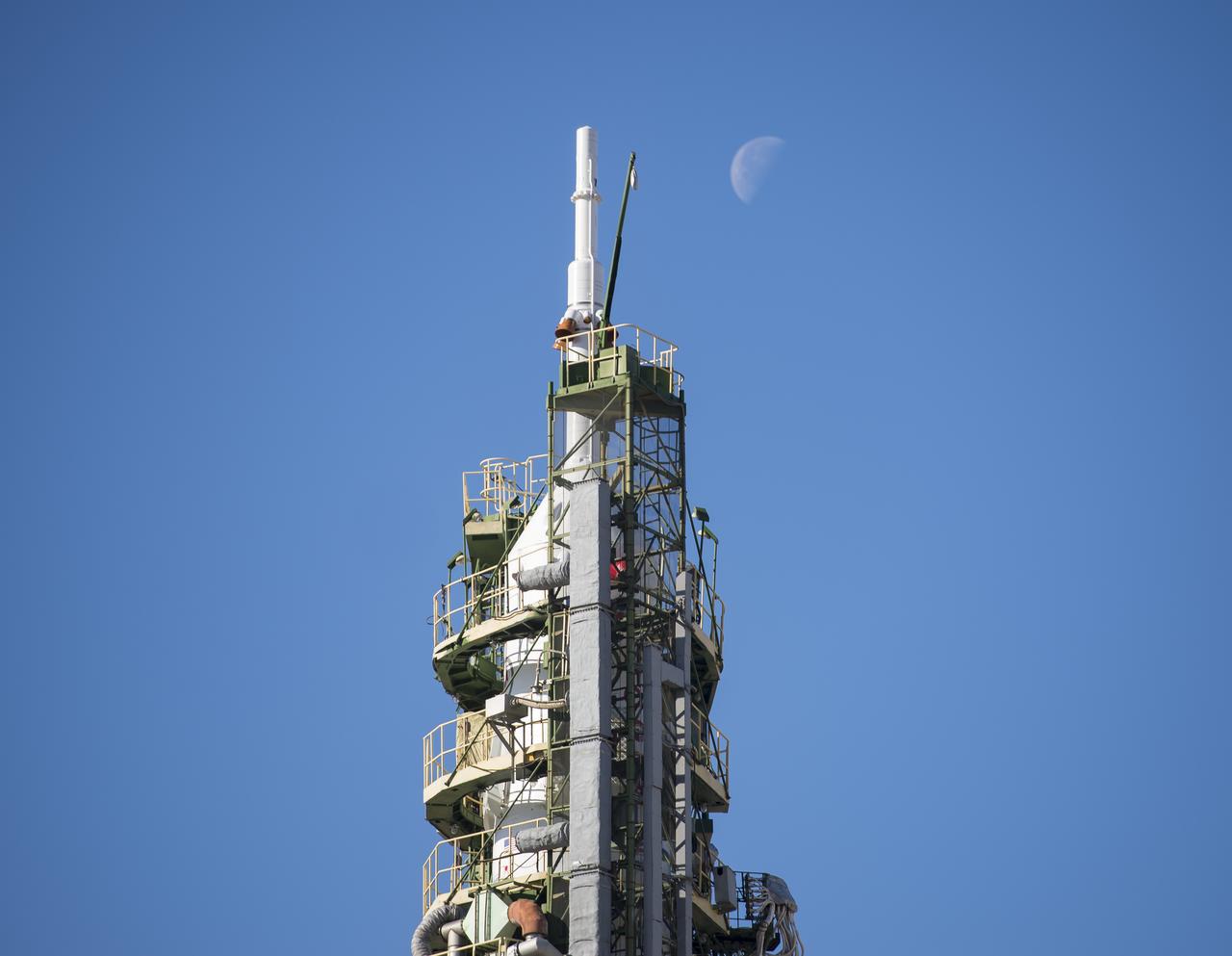
The moon is seen behind the Soyuz MS-04 spacecraft at the Baikonur Cosmodrome launch pad on Wednesday, April 19, 2017 in Kazakhstan. Launch of the Soyuz rocket is scheduled for April 20 Baikonur time and will carry Expedition 51 Soyuz Commander Fyodor Yurchikhin of Roscosmos and Flight Engineer Jack Fischer of NASA into orbit to begin their four and a half month mission on the International Space Station. Photo Credit: (NASA/Aubrey Gemignani)
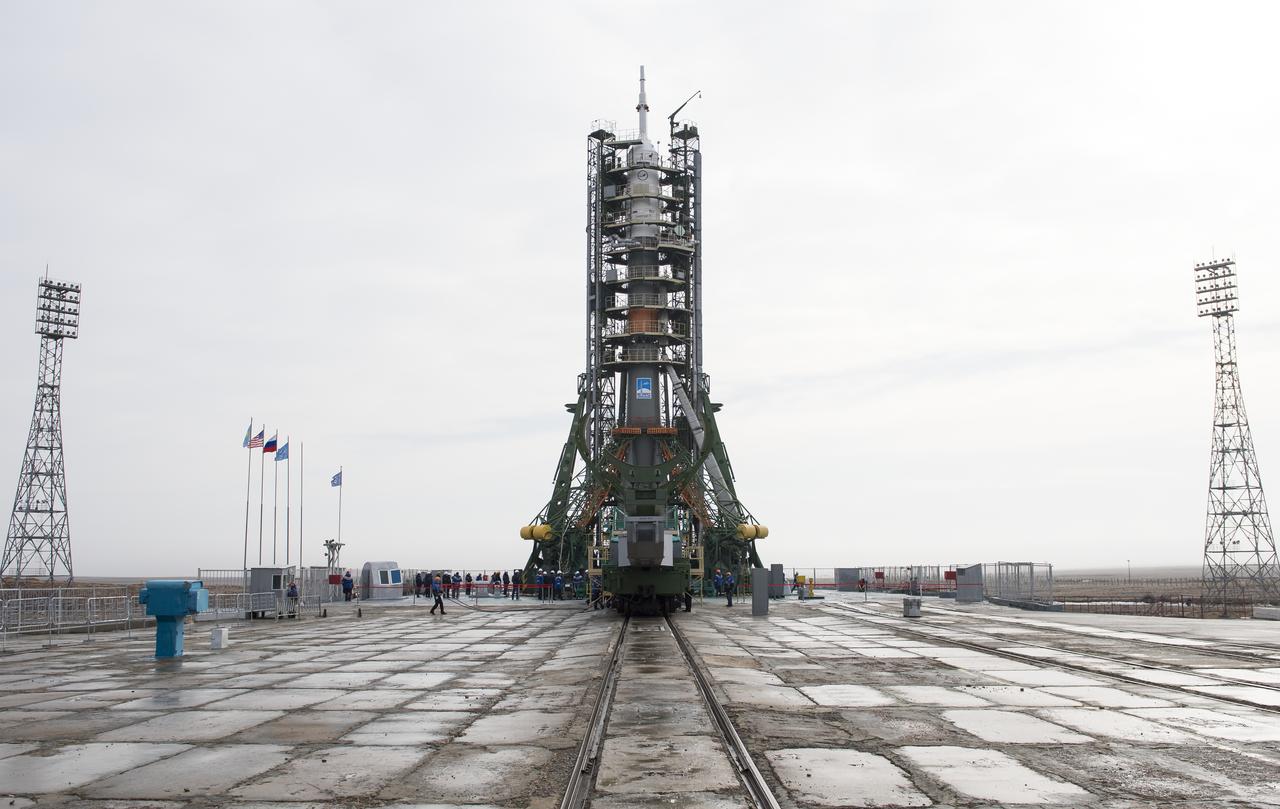
The Soyuz rocket is rolled out by train to the launch pad, (iptcdow}, March 19, 2018 at the Baikonur Cosmodrome in Kazakhstan. Expedition 55 Soyuz Commander Oleg Artemyev of Roscosmos, Ricky Arnold and Drew Feustel of NASA are scheduled to launch aboard their Soyuz MS-08 spacecraft at 11:44pm Baikonur time, 1:44pm EDT, on Wednesday, March, 21. Photo Credit: (NASA/Joel Kowsky)
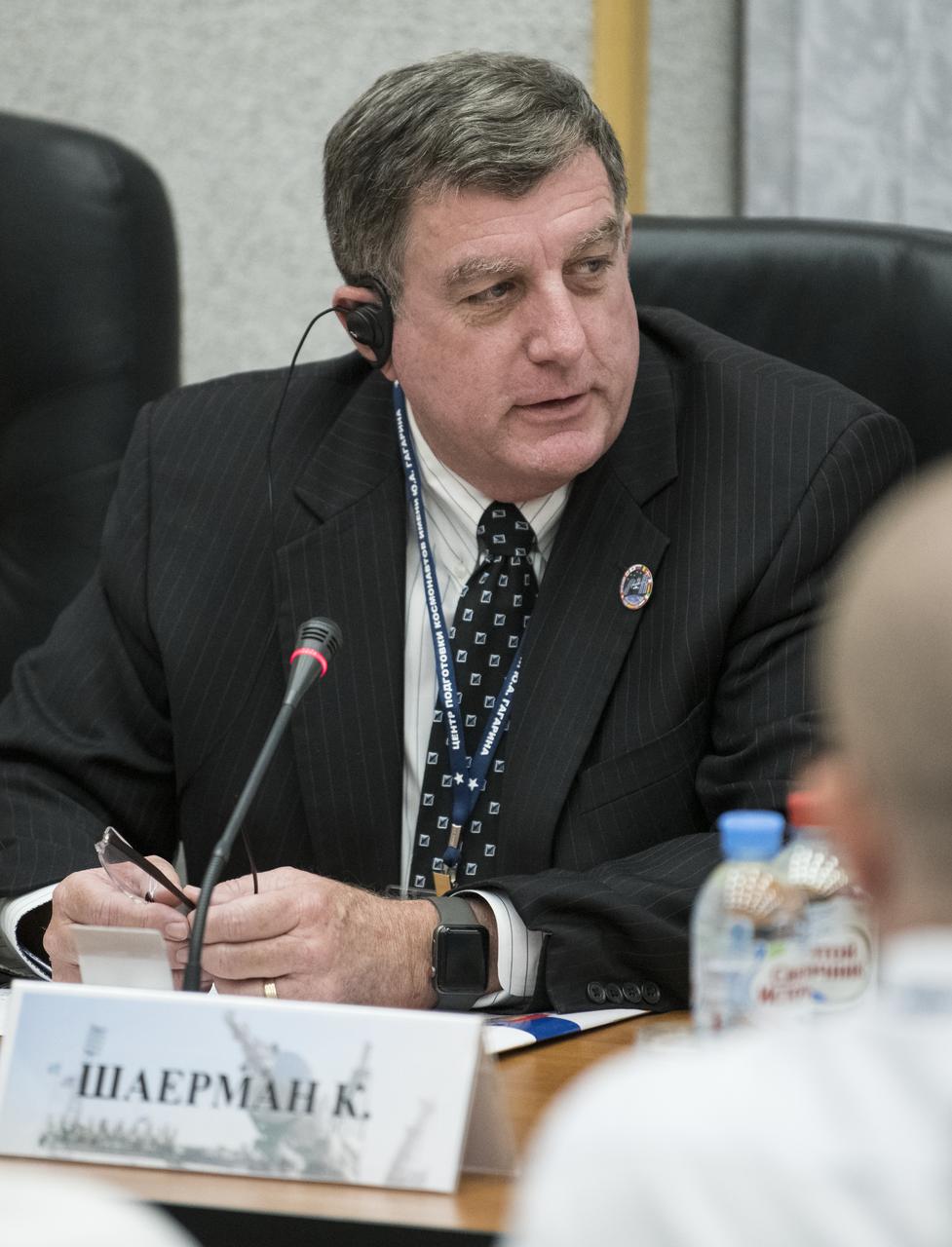
NASA International Space Station Program Manager Kirk Shireman is seen during the State Commission meeting to approve the Soyuz launch of Expedition 60 to the International Space Station, Friday, July 19, 2019 at the Cosmonaut Hotel in Baikonur, Kazakhstan. Expedition 60 Soyuz Commander Alexander Skvortsov of Roscosmos, Andrew Morgan of NASA, and Luca Parmitano of ESA (European Space Agency) are scheduled to launch to the International Space Station aboard the Soyuz MS-13 spacecraft on Saturday, July 20. Photo Credit: (NASA/Joel Kowsky)
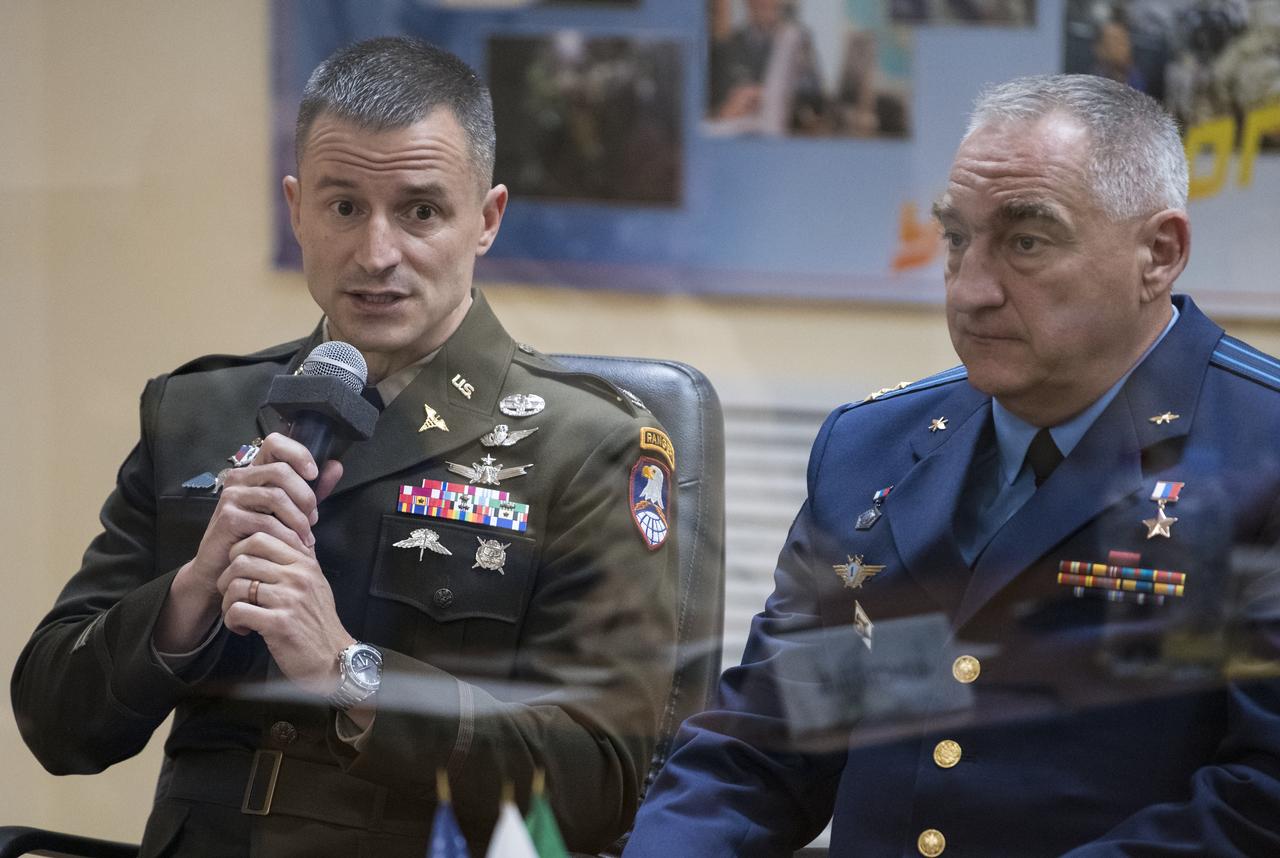
Expedition 60 flight engineer Andrew Morgan of NASA speaks during the State Commission meeting to approve the Soyuz launch of Expedition 60 to the International Space Station, Friday, July 19, 2019 at the Cosmonaut Hotel in Baikonur, Kazakhstan. Morgan, Soyuz Commander Alexander Skvortsov of Roscosmos, and Luca Parmitano of ESA (European Space Agency) are scheduled to launch to the International Space Station aboard the Soyuz MS-13 spacecraft on Saturday, July 20. Photo Credit: (NASA/Joel Kowsky)
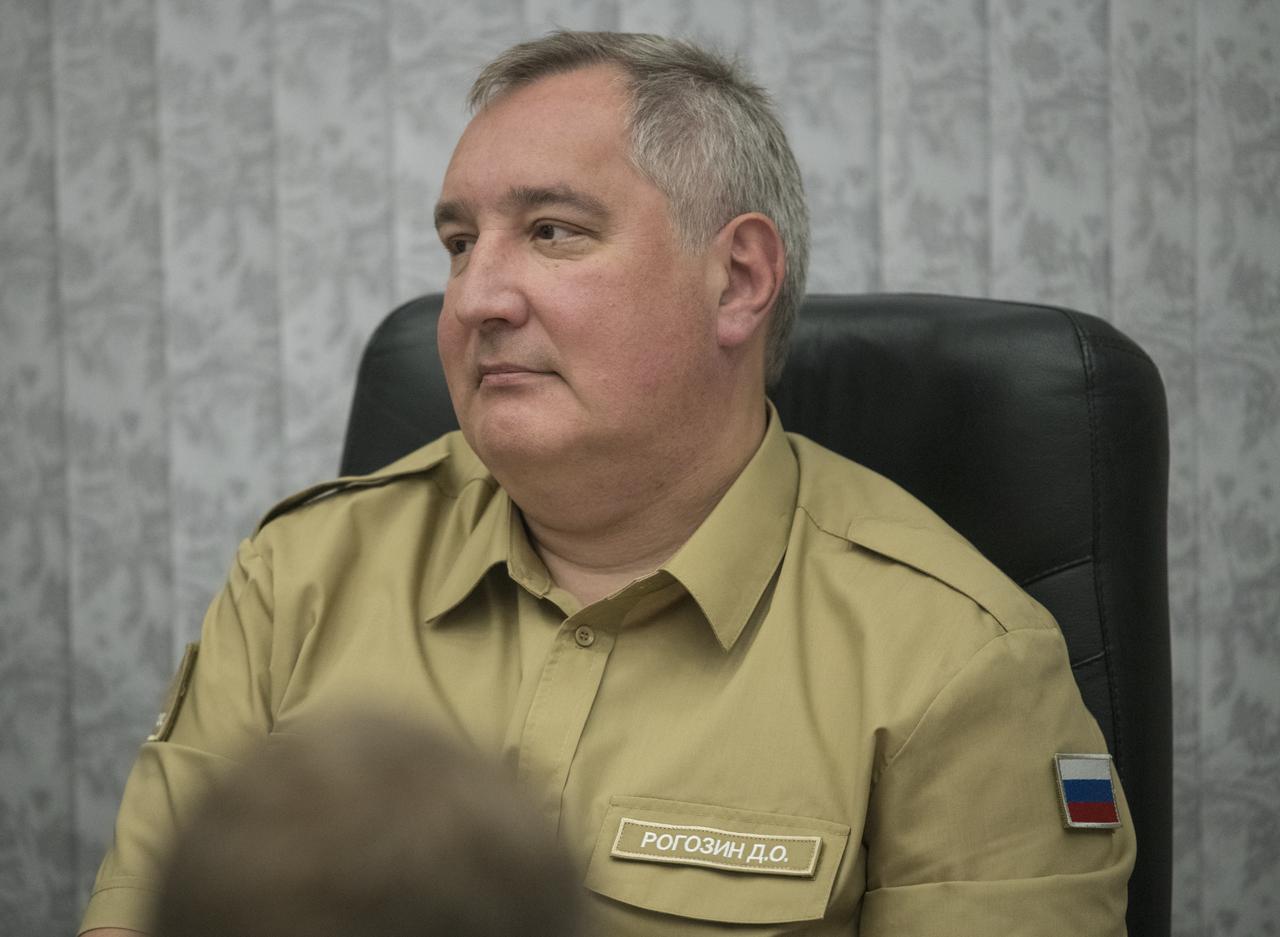
Dmitry Rogozin, Director General of Roscosmos, is seen during the State Commission meeting to approve the Soyuz launch of Expedition 60 to the International Space Station, Friday, July 19, 2019 at the Cosmonaut Hotel in Baikonur, Kazakhstan. Expedition 60 Soyuz Commander Alexander Skvortsov of Roscosmos, Andrew Morgan of NASA, and Luca Parmitano of ESA (European Space Agency) are scheduled to launch to the International Space Station aboard the Soyuz MS-13 spacecraft on Saturday, July 20. Photo Credit: (NASA/Joel Kowsky)
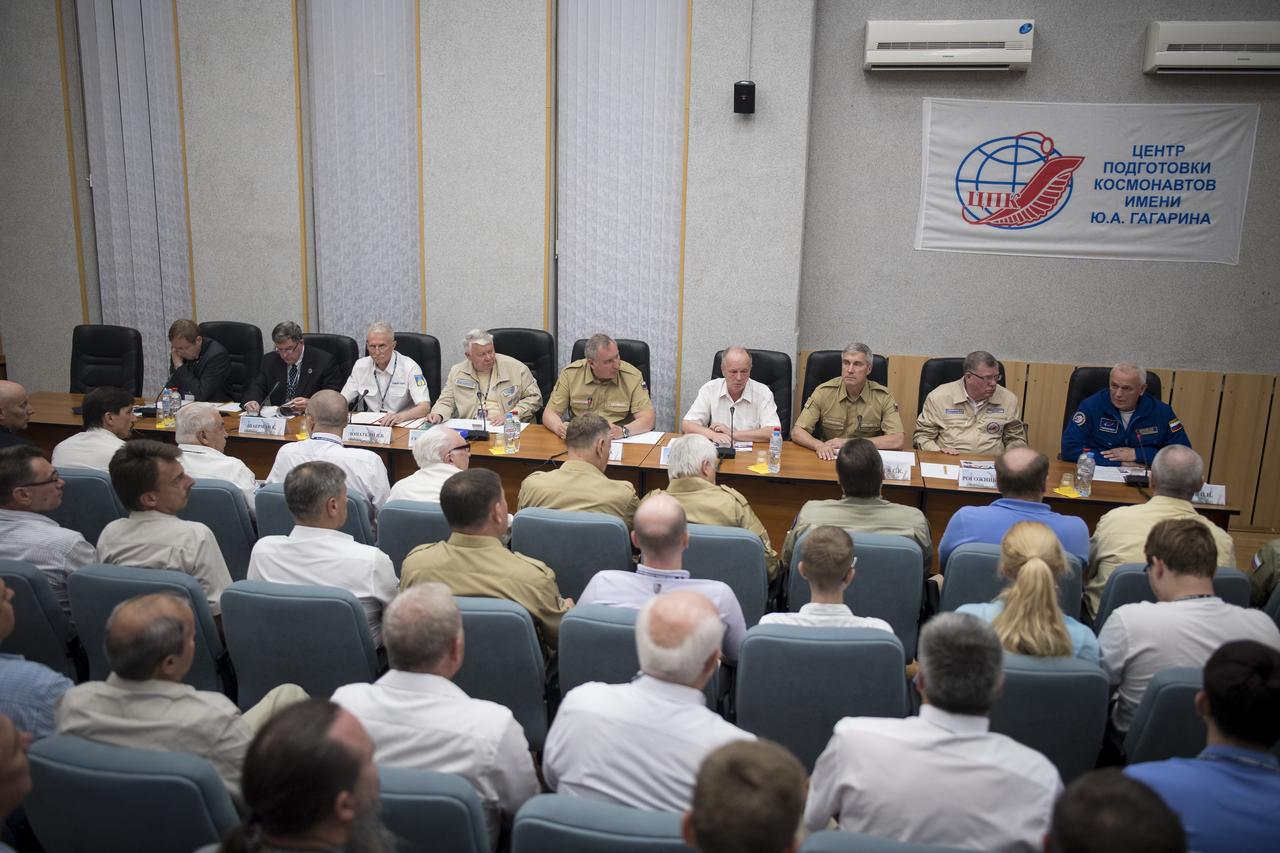
Members of the State Commission meet to approve the Soyuz launch of Expedition 60 to the International Space Station, Friday, July 19, 2019 at the Cosmonaut Hotel in Baikonur, Kazakhstan. Expedition 60 Soyuz Commander Alexander Skvortsov of Roscosmos, Andrew Morgan of NASA, and Luca Parmitano of ESA (European Space Agency) are scheduled to launch to the International Space Station aboard the Soyuz MS-13 spacecraft on Saturday, July 20. Photo Credit: (NASA/Joel Kowsky)
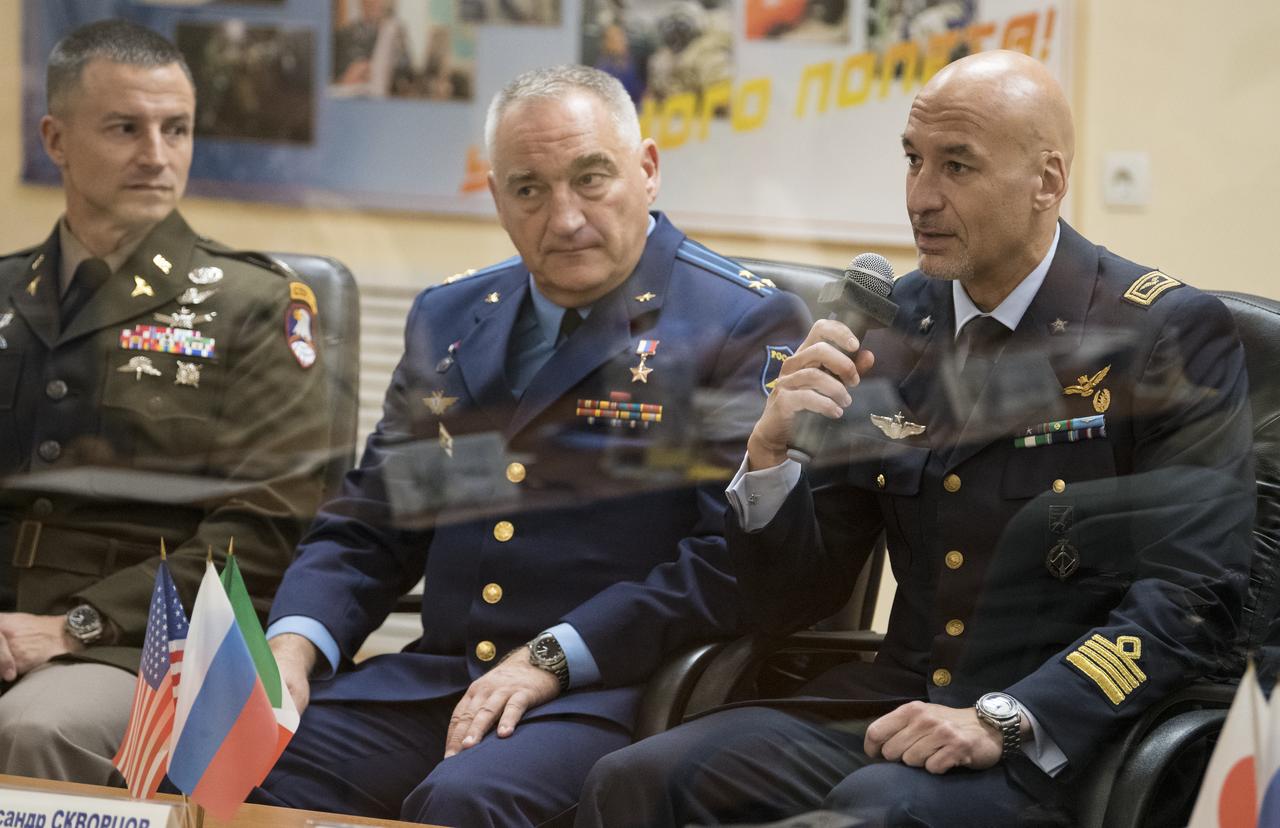
Expedition 60 flight engineer Luca Parmitano of ESA (European Space Agency), right, speaks during the State Commission meeting to approve the Soyuz launch of Expedition 60 to the International Space Station, Friday, July 19, 2019 at the Cosmonaut Hotel in Baikonur, Kazakhstan. Parmitano, Soyuz Commander Alexander Skvortsov of Roscosmos, center, and Andrew Morgan of NASA, left, are scheduled to launch to the International Space Station aboard the Soyuz MS-13 spacecraft on Saturday, July 20. Photo Credit: (NASA/Joel Kowsky)

The escape tower is seen waiting to be attached as the Soyuz rocket and Soyuz MS-02 spacecraft are assembled on Friday, Oct. 14, 2016 at the Baikonur Cosmodrome in Kazakhstan. Expedition 49 flight engineer Shane Kimbrough of NASA, Soyuz commander Sergey Ryzhikov of Roscosmos, and flight engineer Andrey Borisenko of Roscosmos are scheduled to launch from the Baikonur Cosmodrome in Kazakhstan on Oct. 19. Photo Credit: (NASA/Victor Zelentsov)
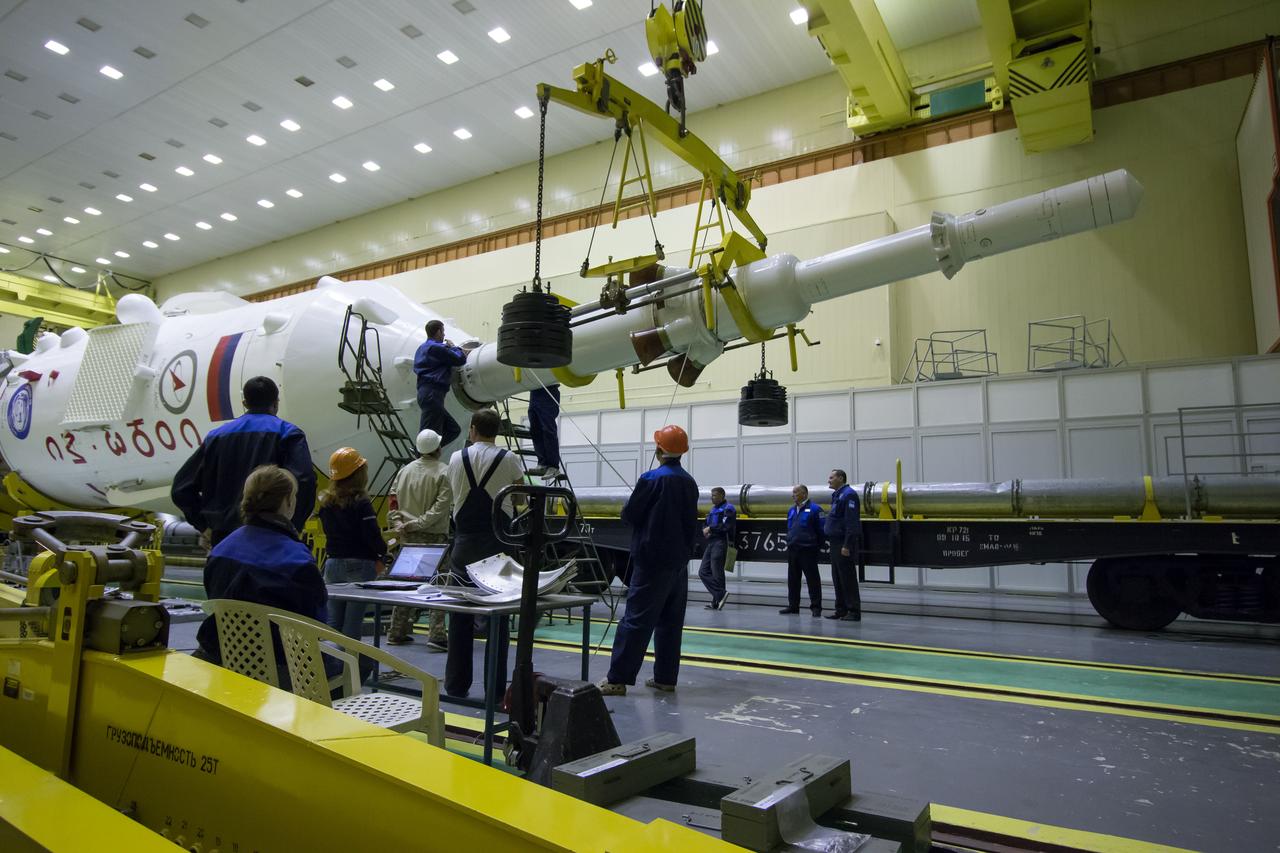
Workers prepare to attach the escape tower to the Soyuz MS-02 spacecraft during assembly of the Soyuz rocket on Friday, Oct. 14, 2016 at the Baikonur Cosmodrome in Kazakhstan. Expedition 49 flight engineer Shane Kimbrough of NASA, Soyuz commander Sergey Ryzhikov of Roscosmos, and flight engineer Andrey Borisenko of Roscosmos are scheduled to launch from the Baikonur Cosmodrome in Kazakhstan on Oct. 19. Photo Credit: (NASA/Victor Zelentsov)

Johann-Dietrich Wörner, Director General of ESA (European Space Agency), is seen during the State Commission meeting to approve the Soyuz launch of Expedition 60 to the International Space Station, Friday, July 19, 2019 at the Cosmonaut Hotel in Baikonur, Kazakhstan. Expedition 60 Soyuz Commander Alexander Skvortsov of Roscosmos, Andrew Morgan of NASA, and Luca Parmitano of ESA (European Space Agency) are scheduled to launch to the International Space Station aboard the Soyuz MS-13 spacecraft on Saturday, July 20. Photo Credit: (NASA/Joel Kowsky)
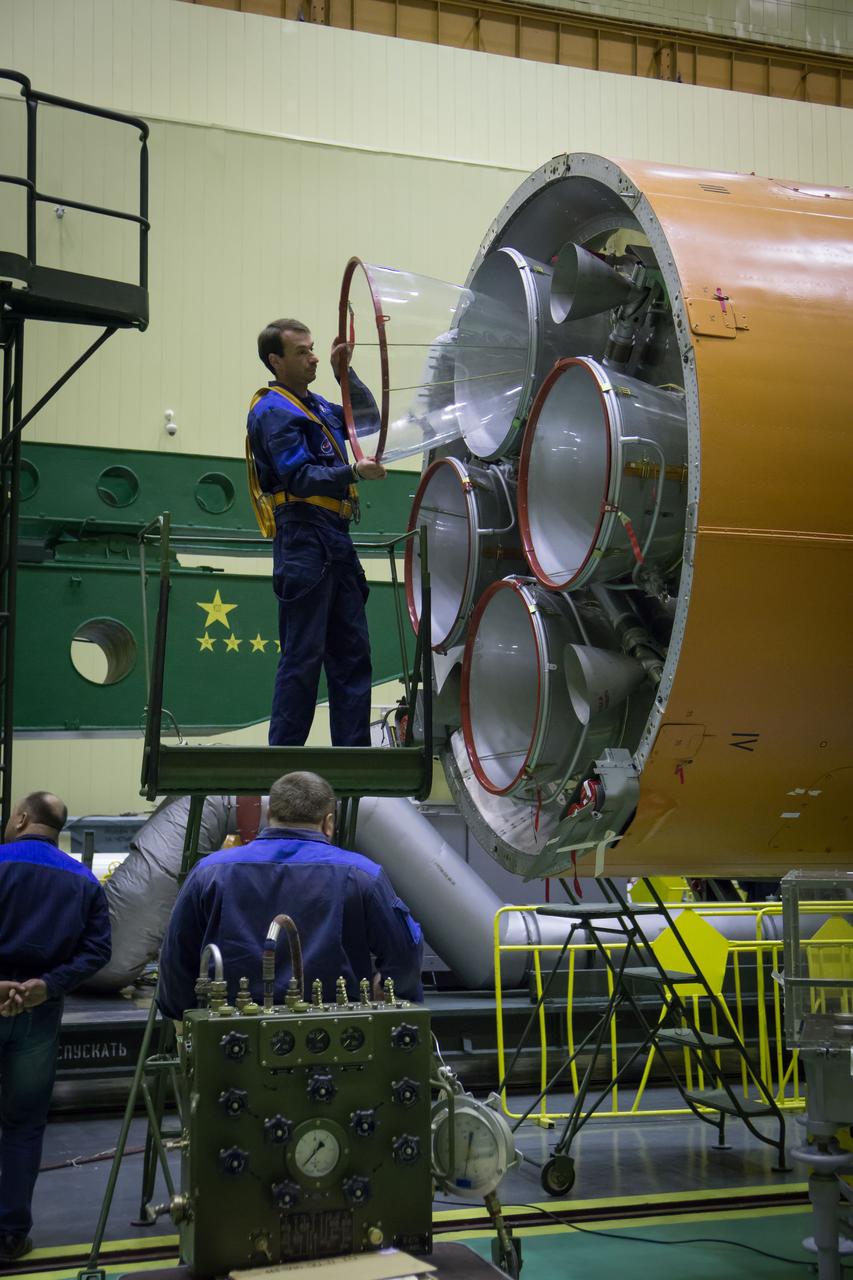
A worker removes a protective cover from an engine as the Soyuz rocket and Soyuz MS-02 spacecraft are assembled on Friday, Oct. 14, 2016 at the Baikonur Cosmodrome in Kazakhstan. Expedition 49 flight engineer Shane Kimbrough of NASA, Soyuz commander Sergey Ryzhikov of Roscosmos, and flight engineer Andrey Borisenko of Roscosmos are scheduled to launch from the Baikonur Cosmodrome in Kazakhstan on Oct. 19. Photo Credit: (NASA/Victor Zelentsov)

The Soyuz MS-02 spacecraft, encapsulated in its fairing, is seen undergoing final checks during final assembly of the Soyuz rocket on Friday, Oct. 14, 2016 at the Baikonur Cosmodrome in Kazakhstan. Expedition 49 flight engineer Shane Kimbrough of NASA, Soyuz commander Sergey Ryzhikov of Roscosmos, and flight engineer Andrey Borisenko of Roscosmos are scheduled to launch from the Baikonur Cosmodrome in Kazakhstan on Oct. 19. Photo Credit: (NASA/Victor Zelentsov)
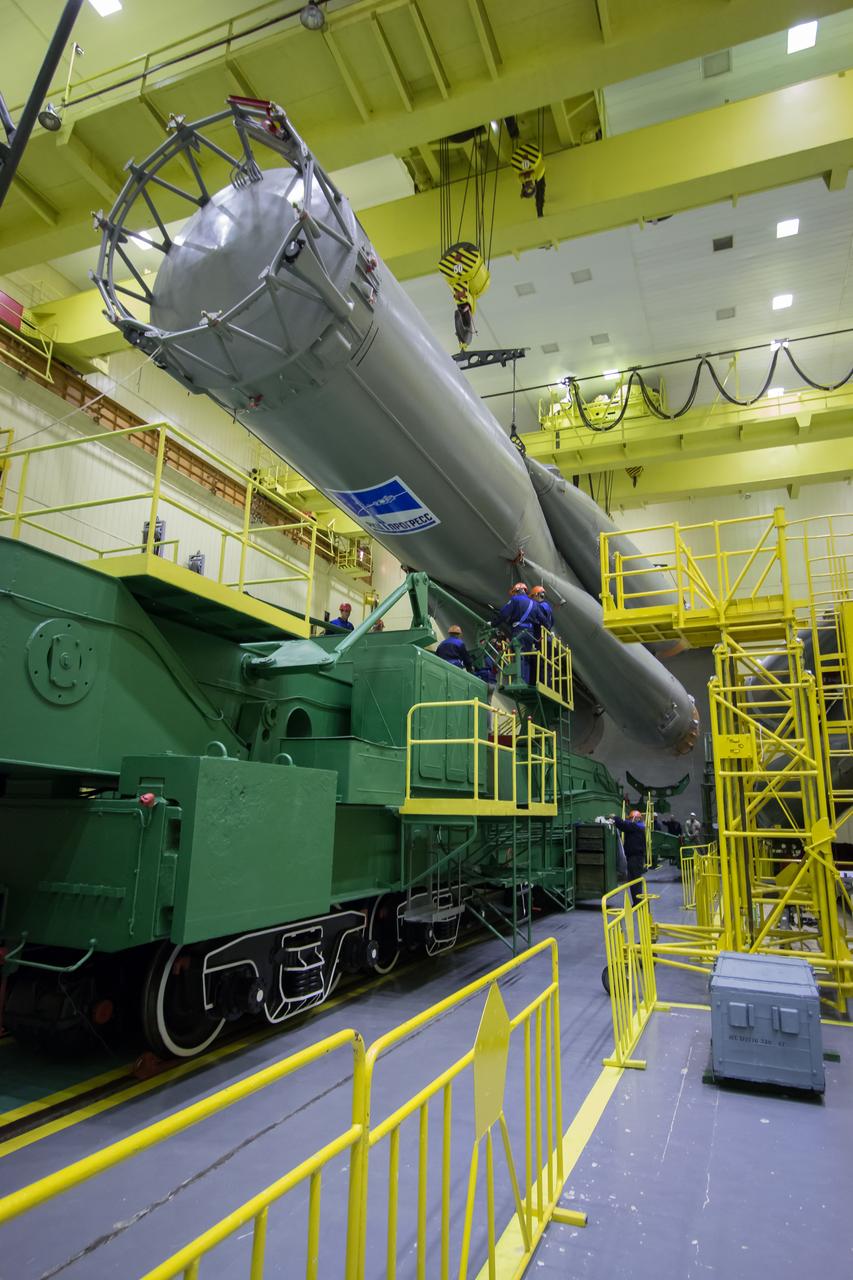
The Soyuz rocket and Soyuz MS-02 spacecraft are assembled on Friday, Oct. 14, 2016 at the Baikonur Cosmodrome in Kazakhstan. Expedition 49 flight engineer Shane Kimbrough of NASA, Soyuz commander Sergey Ryzhikov of Roscosmos, and flight engineer Andrey Borisenko of Roscosmos are scheduled to launch from the Baikonur Cosmodrome in Kazakhstan on Oct. 19. Photo Credit: (NASA/Victor Zelentsov)

Norishige Kanai of the Japan Aerospace Exploration Agency (JAXA) is seen after the opening of the hatches between the Soyuz MS-07 spacecraft and the International Space Station on the screens in the Moscow Mission Control Center in Korolev, Russia a few hours after the Soyuz MS-07 docked to the International Space Station on Tuesday, Dec. 19, 2017. Hatches were opened at 5:55 a.m. EST and Shkaplerov, Scott Tingle of NASA, and Norishige Kanai of the Japan Aerospace Exploration Agency (JAXA) joined Expedition 54 Commander Alexander Misurkin of Roscosmos and crewmates Mark Vande Hei and Joe Acaba of NASA aboard the orbiting laboratory. Photo Credit: (NASA/Joel Kowsky)
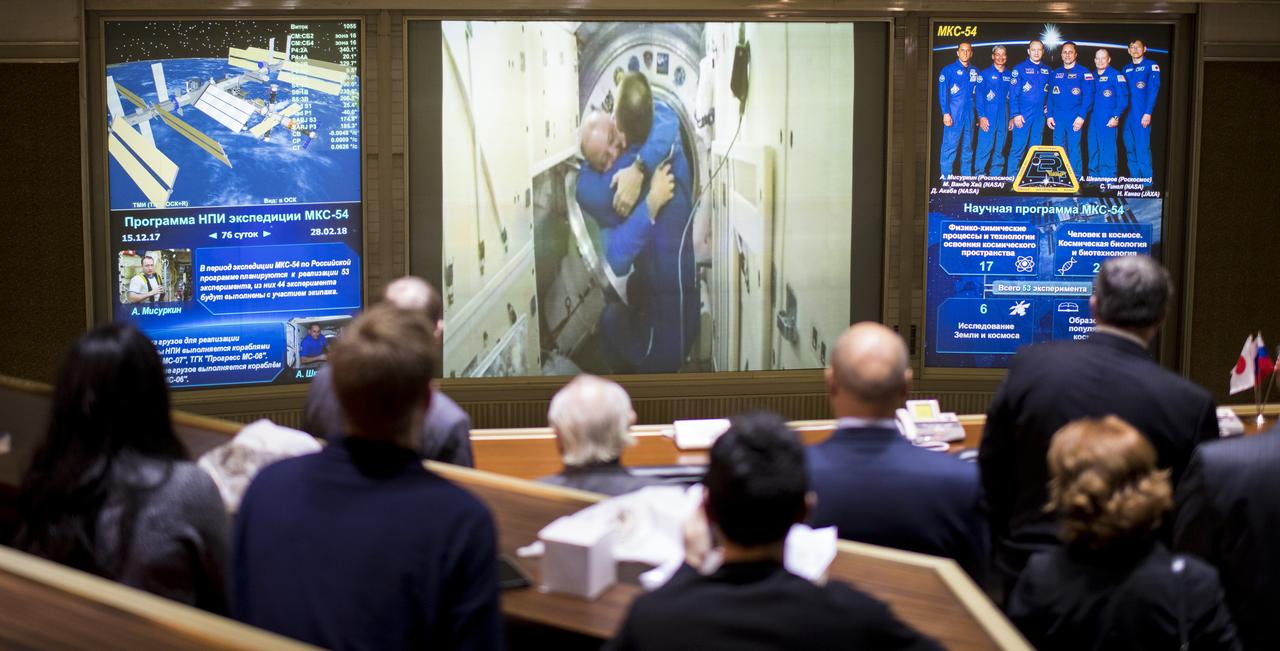
Scott Tingle of NASA is seen embracing Expedition 54 Commander Alexander Misurkin after the opening of the hatches between the Soyuz MS-07 spacecraft and the International Space Station on the screens in the Moscow Mission Control Center in Korolev, Russia a few hours after the Soyuz MS-07 docked to the International Space Station on Tuesday, Dec. 19, 2017. Hatches were opened at 5:55 a.m. EST and Tingle, Anton Shkaplerov of Roscosmos, and Norishige Kanai of the Japan Aerospace Exploration Agency (JAXA) joined Expedition 54 Commander Alexander Misurkin of Roscosmos and crewmates Mark Vande Hei and Joe Acaba of NASA aboard the orbiting laboratory. Photo Credit: (NASA/Joel Kowsky)
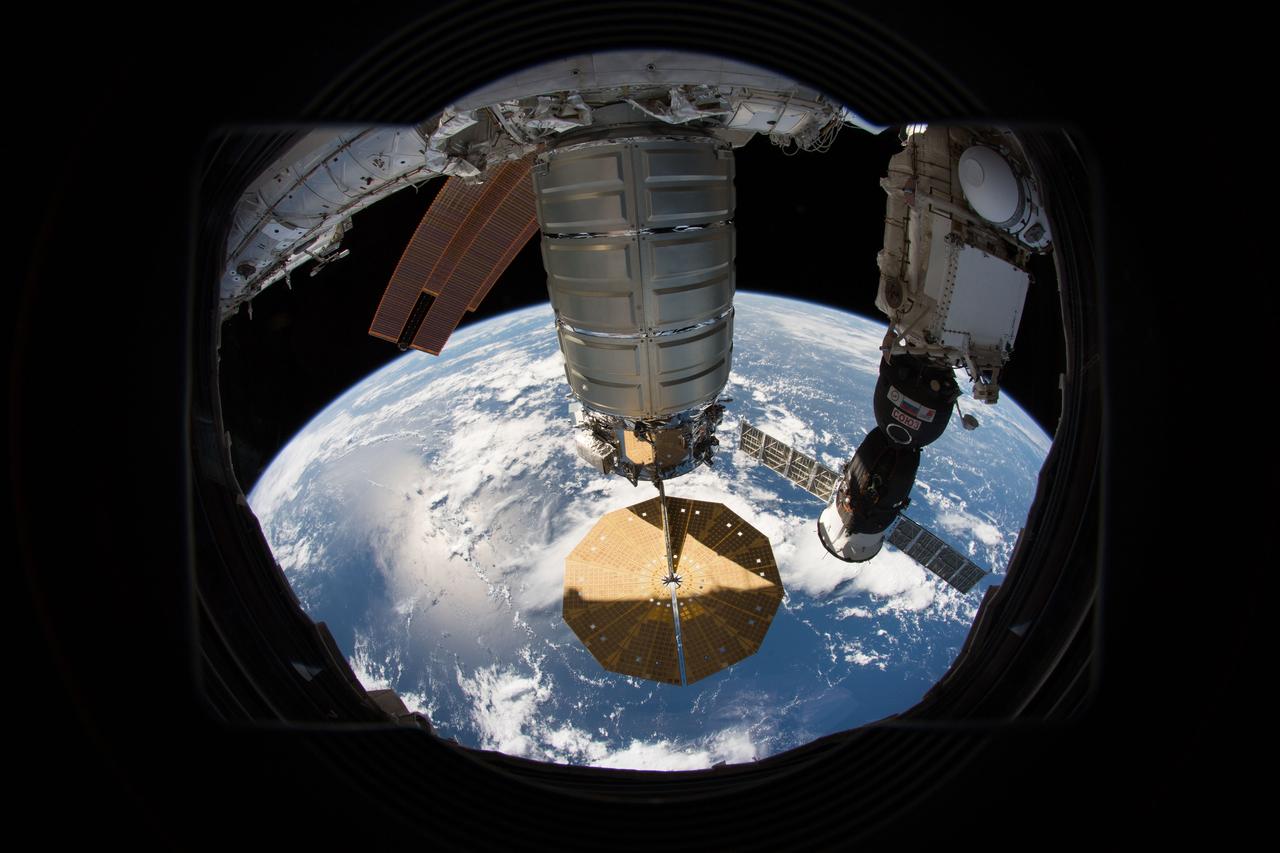
iss056e025135 (June 19, 2018) --- This fish-eye lens view from a window on the International Space Station shows the Northrop Grumman (formerly Orbital ATK) Cygnus commercial space freighter with its cymbal-like Ultra-Flex solar arrays attached to the Unity module. To its right is the Soyuz MS-09 spacecraft docked to the Rassvet module. Cygnus is due to end its mission July 15. The Soyuz MS-09 is planned to return to Earth Dec. 13, carrying Sergey Prokopyev, Alexander Gerst and Serena Auñón-Chancellor home after 192 days in space.
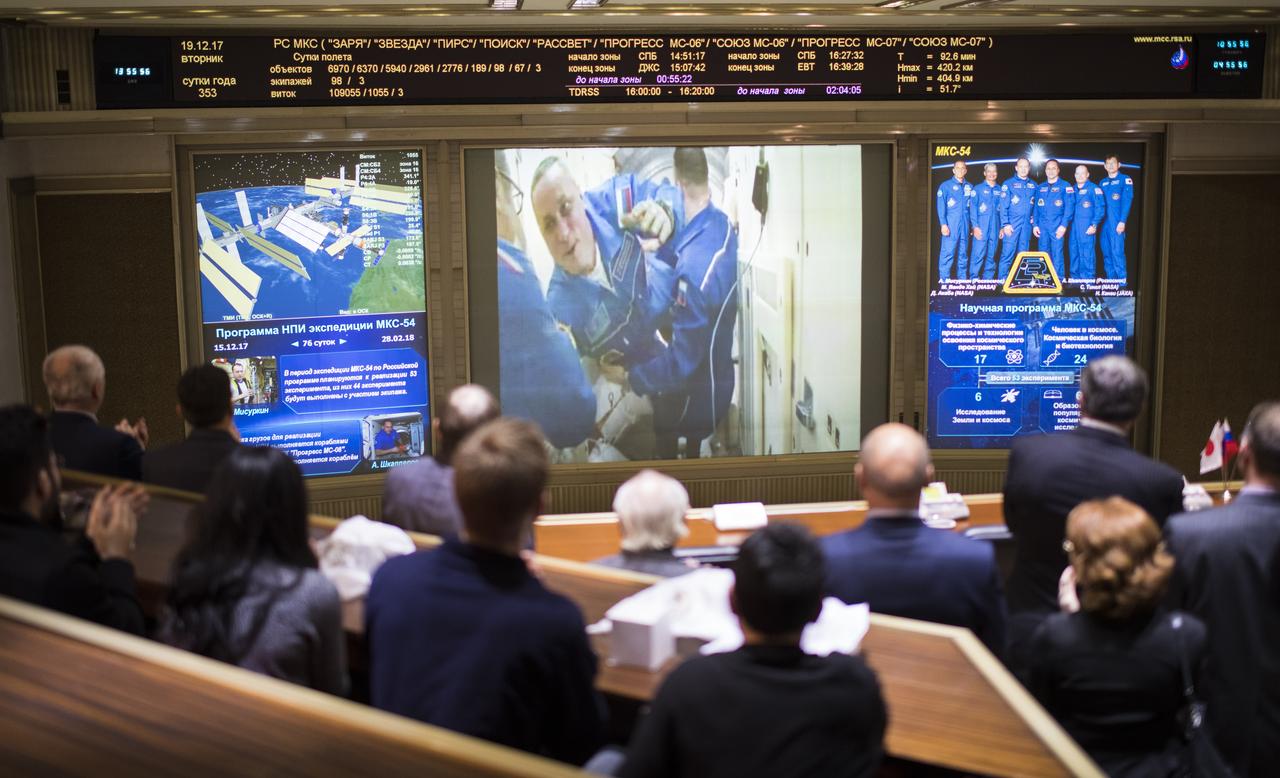
Anton Shkaplerov of Roscosmos is seen after the opening of the hatches between the Soyuz MS-07 spacecraft and the International Space Station on the screens in the Moscow Mission Control Center in Korolev, Russia a few hours after the Soyuz MS-07 docked to the International Space Station on Tuesday, Dec. 19, 2017. Hatches were opened at 5:55 a.m. EST and Shkaplerov, Scott Tingle of NASA, and Norishige Kanai of the Japan Aerospace Exploration Agency (JAXA) joined Expedition 54 Commander Alexander Misurkin of Roscosmos and crewmates Mark Vande Hei and Joe Acaba of NASA aboard the orbiting laboratory. Photo Credit: (NASA/Joel Kowsky)

U.S. Ambassador to Russia Jon Huntsman Jr. speaks with the Soyuz MS-07 crew from the Moscow Mission Control Center in Korolev, Russia a few hours after the Soyuz MS-07 docked to the International Space Station on Tuesday, Dec. 19, 2017. Hatches were opened at 5:55 a.m. EST and Anton Shkaplerov of Roscosmos, Scott Tingle of NASA, and Norishige Kanai of the Japan Aerospace Exploration Agency (JAXA) joined Expedition 54 Commander Alexander Misurkin of Roscosmos and crewmates Mark Vande Hei and Joe Acaba of NASA aboard the orbiting laboratory. Photo Credit: (NASA/Joel Kowsky)
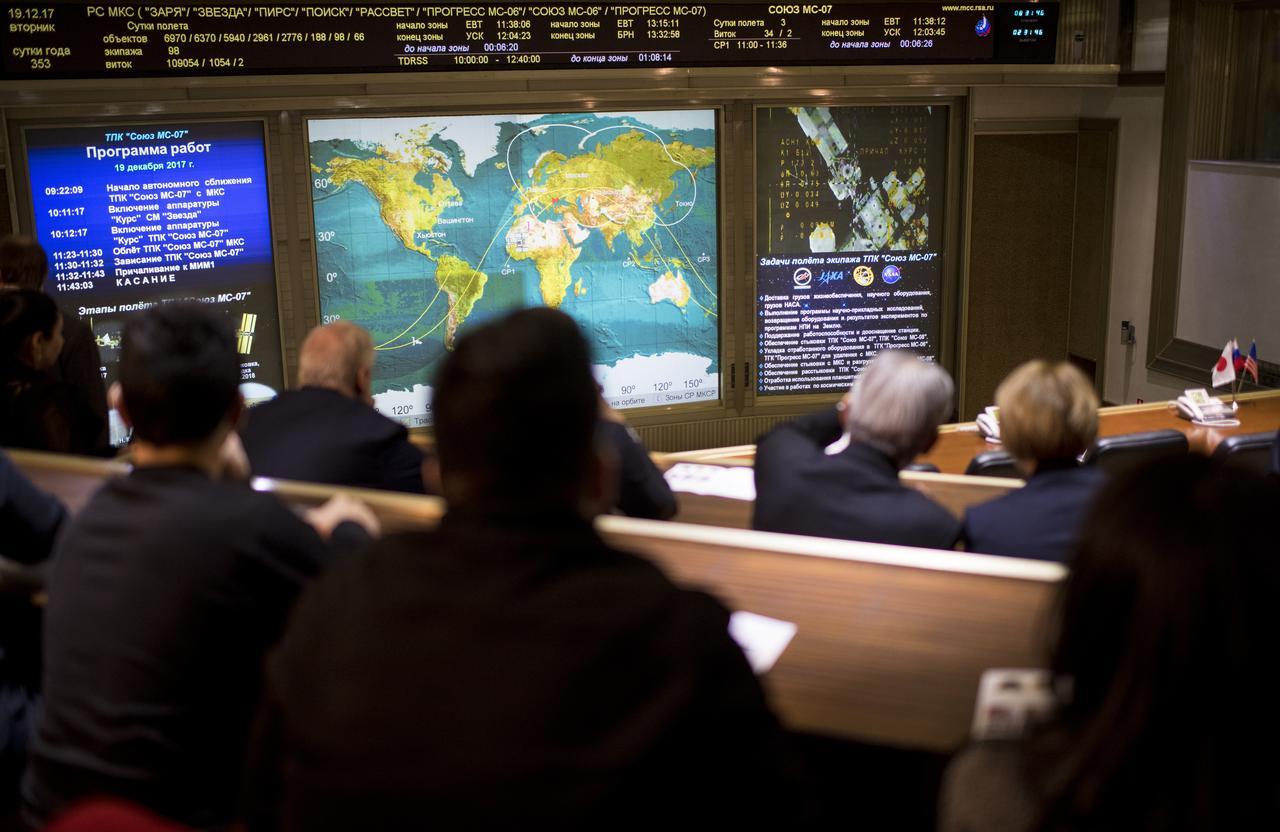
Friends and family members of the Soyuz MS-07 crew watch a live view of the International Space Station, as seen by cameras onboard the spacecraft with Expedition 54-55 crewmembers Anton Shkaplerov of Roscosmos, Scott Tingle of NASA, and Norishige Kanai of the Japan Aerospace Exploration Agency (JAXA) onboard, on screens at the Moscow Mission Control Center as the spacecraft approaches for docking, Tuesday, Dec. 19, 2017 in Korolev, Russia. The Soyuz MS-07 spacecraft carrying Shkaplerov, Tingle, and Kanai docked with the International Space Station at 3:39 a.m. EST, Tuesday, Dec. 19 while 250 statute miles over the southern coast of Italy and joined Expedition 54 Commander Alexander Misurkin of Roscosmos, and NASA astronauts Joe Acaba and Mark Vande Hei. Photo Credit: (NASA/Joel Kowsky)
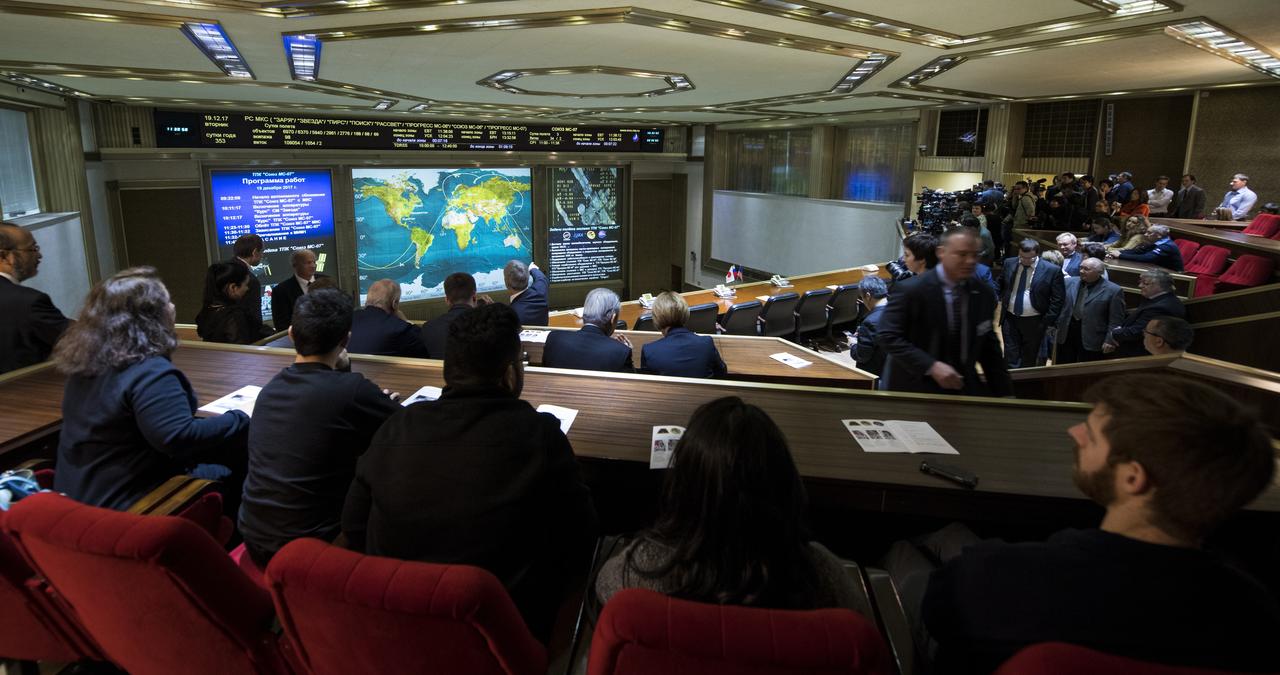
Friends and family members of the Soyuz MS-07 crew watch a live view of the International Space Station, as seen by cameras onboard the spacecraft with Expedition 54-55 crewmembers Anton Shkaplerov of Roscosmos, Scott Tingle of NASA, and Norishige Kanai of the Japan Aerospace Exploration Agency (JAXA) onboard, on screens at the Moscow Mission Control Center as the spacecraft approaches for docking, Tuesday, Dec. 19, 2017 in Korolev, Russia. The Soyuz MS-07 spacecraft carrying Shkaplerov, Tingle, and Kanai docked with the International Space Station at 3:39 a.m. EST, Tuesday, Dec. 19 while 250 statute miles over the southern coast of Italy and joined Expedition 54 Commander Alexander Misurkin of Roscosmos, and NASA astronauts Joe Acaba and Mark Vande Hei. Photo Credit: (NASA/Joel Kowsky)