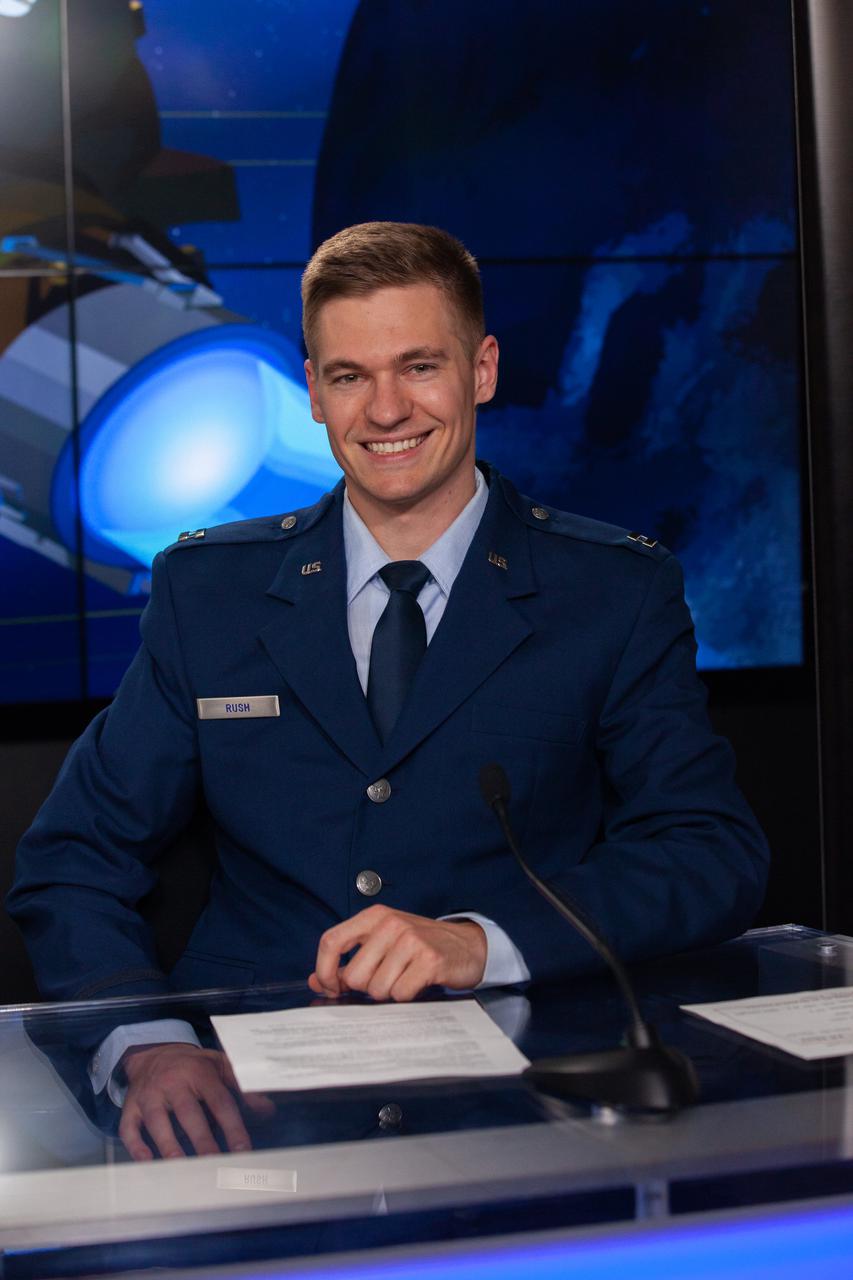
Capt. Maximillian Rush, weather officer for Space Launch Delta 30, participates in a prelaunch news conference for NASA’s Double Asteroid Redirection Test (DART) mission at Vandenberg Space Force Base in California on Nov. 22, 2021. DART is the first mission to test technologies for preventing an impact of Earth by a hazardous asteroid. The mission is scheduled to launch no earlier than 1:21 a.m. EST Wednesday, Nov. 24 (10:21 p.m. PST Tuesday, Nov. 23), aboard a SpaceX Falcon 9 rocket from Vandenberg. NASA's Launch Services Program based at Kennedy Space Center in Florida, America's multi-user spaceport, is managing the launch.
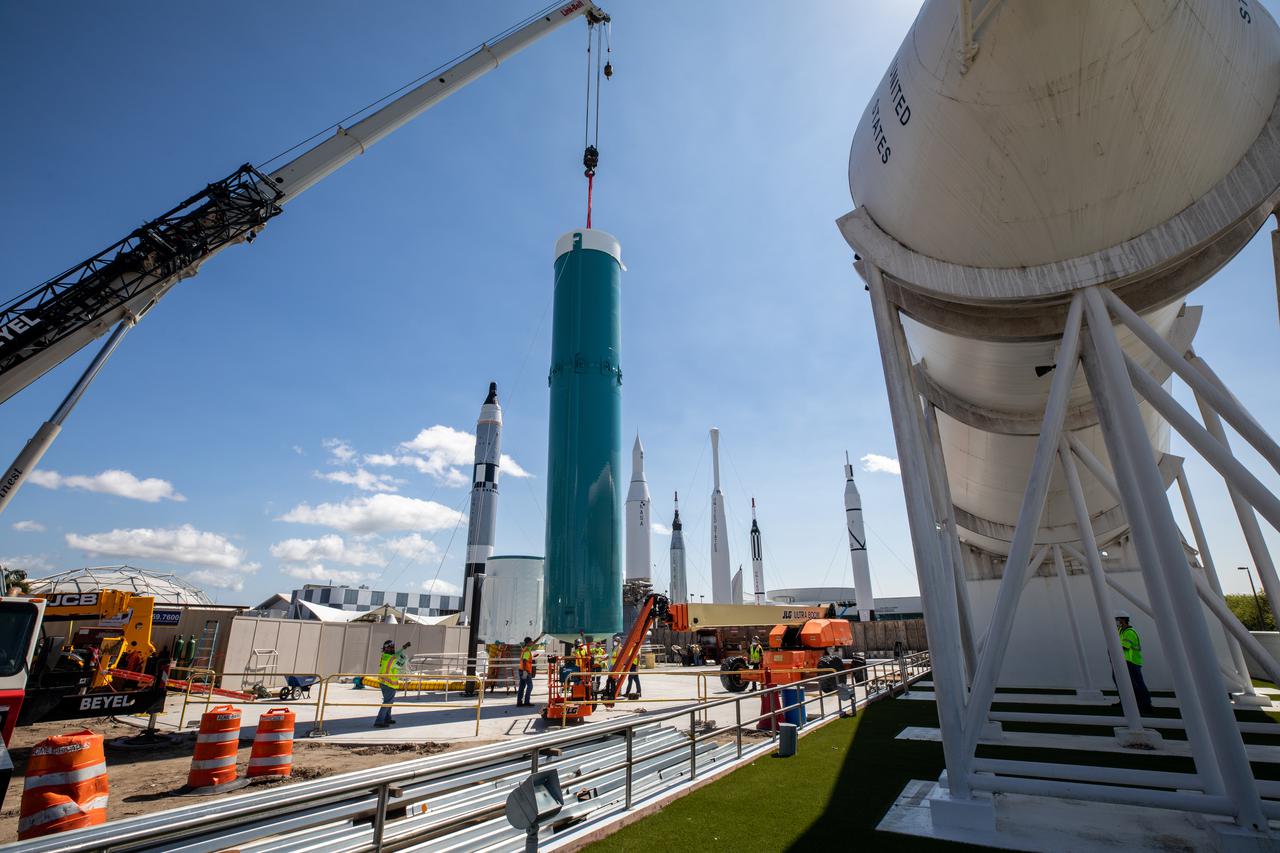
The last United Launch Alliance Delta II rocket joined the lineup of historic launch vehicles in the Rocket Garden at the Kennedy Space Center Visitor Complex in Florida, on March 3, 2021. Workers use a crane to stack the segments of the Delta II in its display area. The Delta II rocket was a workhorse for NASA and civilian scientists, the U.S. military, and commercial clients throughout its almost 30 years of service. Since its first launch in 1989, the Delta II has launched 154 successful missions. NASA’s Launch Services Program launched the ICESat-2 spacecraft on the final Delta II launch on Sept. 15, 2018, from Vandenberg Air Force Base in California.
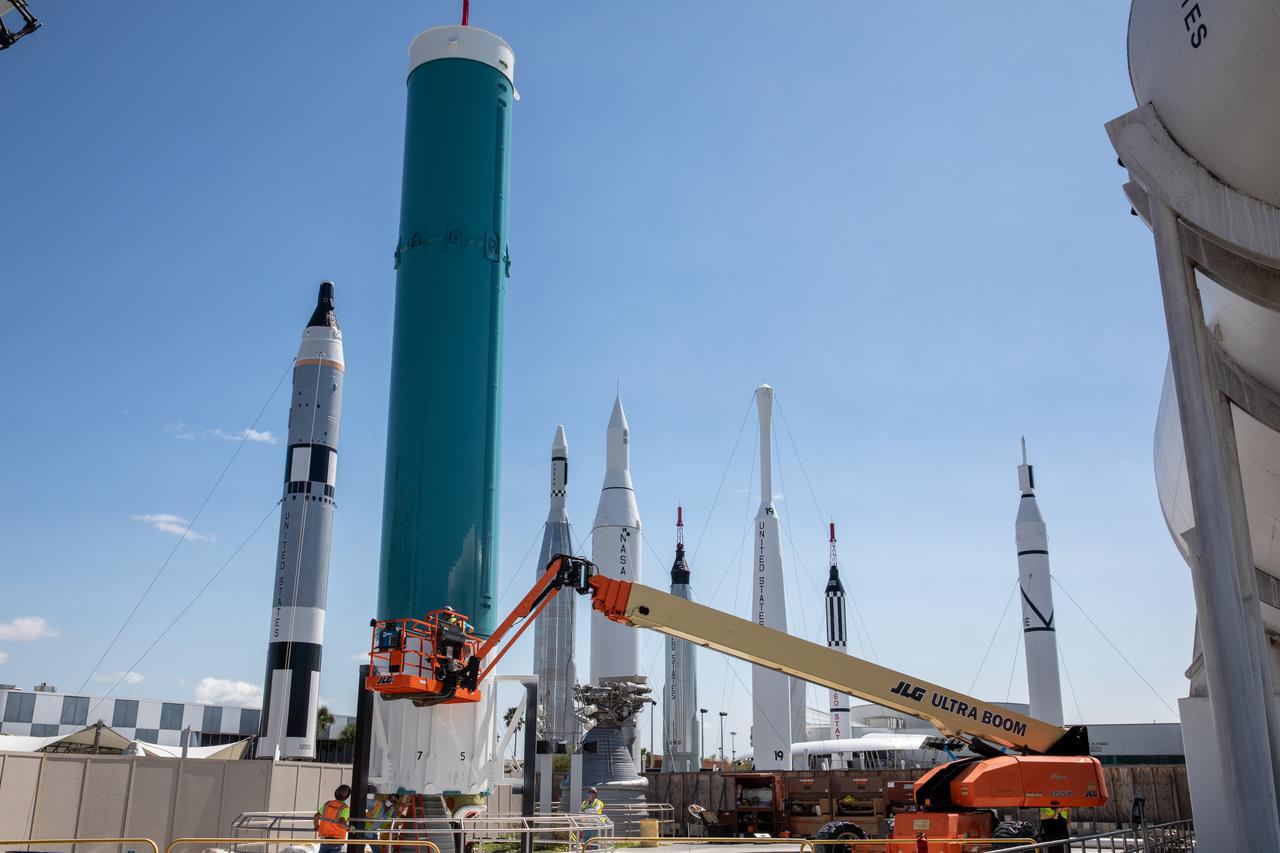
The last United Launch Alliance Delta II rocket joined the lineup of historic launch vehicles in the Rocket Garden at the Kennedy Space Center Visitor Complex in Florida, on March 3, 2021. Workers use a crane to stack the segments of the Delta II in its display area. The Delta II rocket was a workhorse for NASA and civilian scientists, the U.S. military, and commercial clients throughout its almost 30 years of service. Since its first launch in 1989, the Delta II has launched 154 successful missions. NASA’s Launch Services Program launched the ICESat-2 spacecraft on the final Delta II launch on Sept. 15, 2018, from Vandenberg Air Force Base in California.
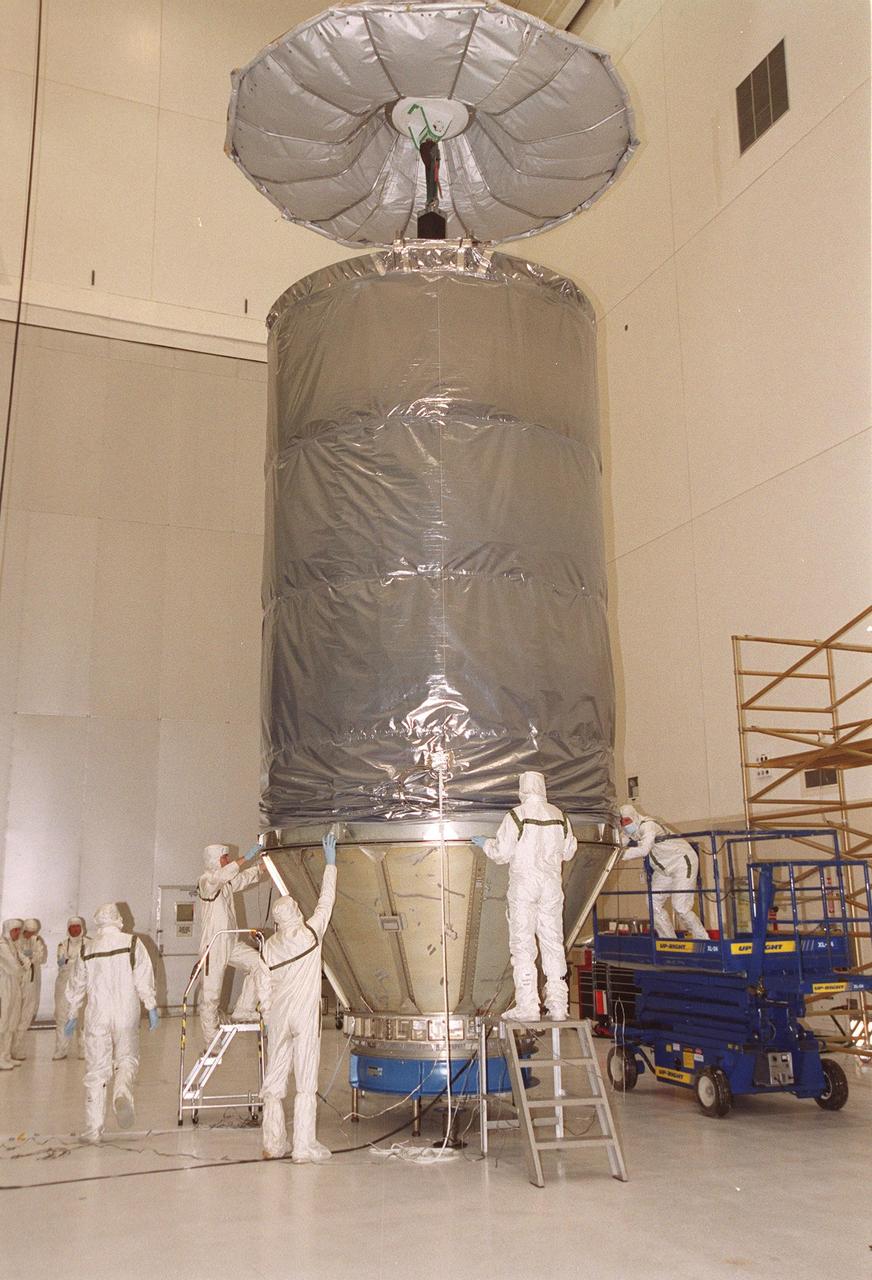
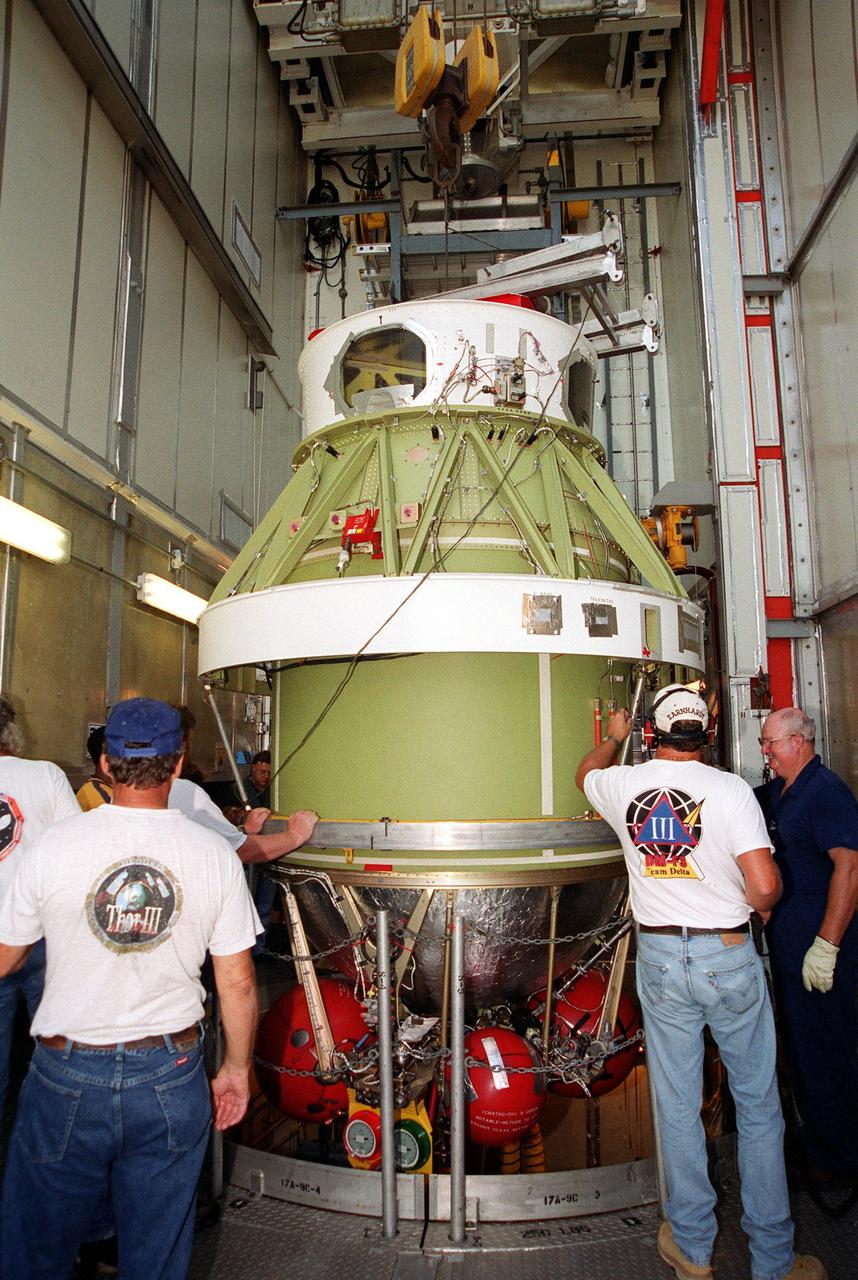
KENNEDY SPACE CENTER, Fla. -- In KSC’s Spacecraft Assembly and Encapsulation Facility -2, workers adjust the canister as it is lowered over the Microwave Anisotropy Probe (MAP). The spacecraft will be transported to Launch Complex 17, Cape Canaveral Air Force Station. Launch of MAP via a Boeing Delta II rocket is scheduled for June 30
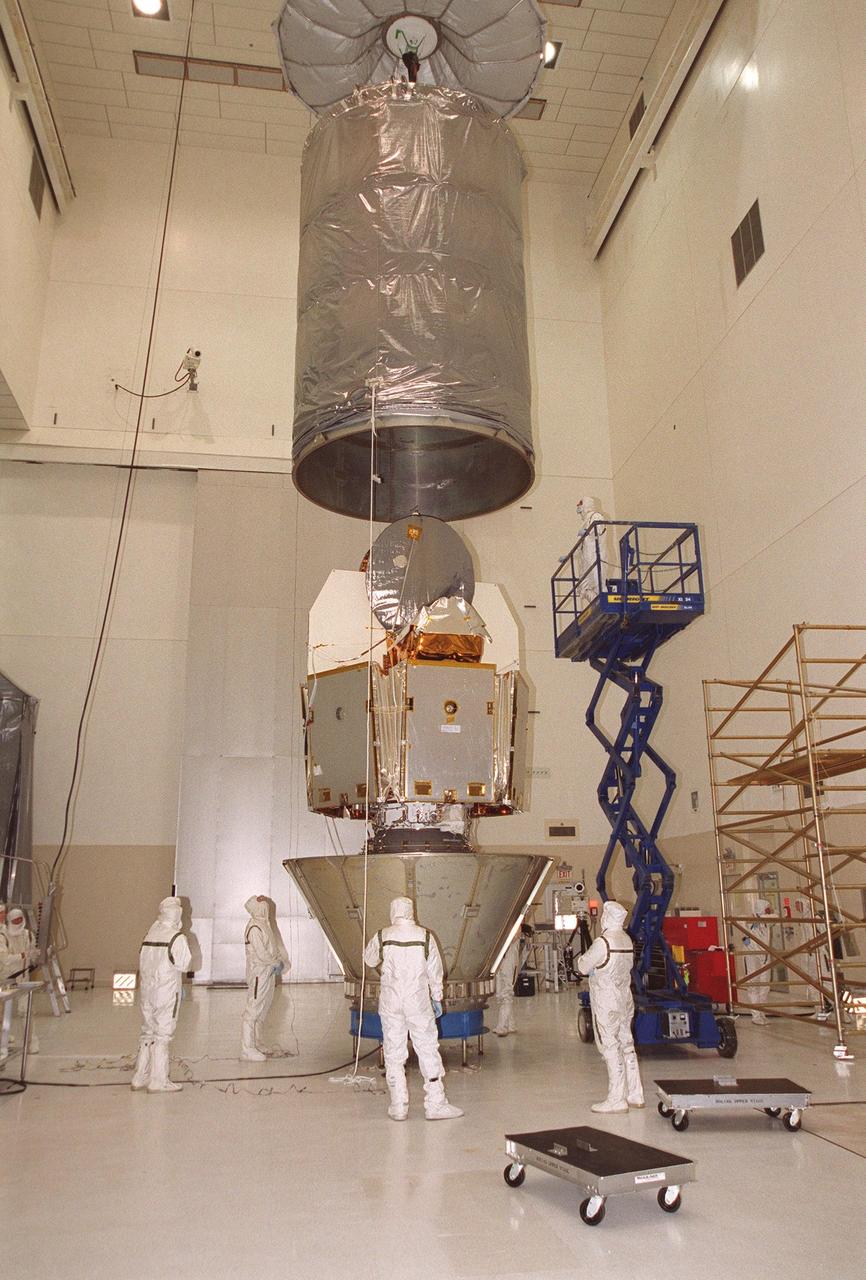
KENNEDY SPACE CENTER, Fla. -- In KSC’s Spacecraft Assembly and Encapsulation Facility -2, workers lower a canister over the Microwave Anisotropy Probe (MAP) before transporting to Launch Complex 17, Cape Canaveral Air Force Station. Launch of MAP via a Boeing Delta II rocket is scheduled for June 30.
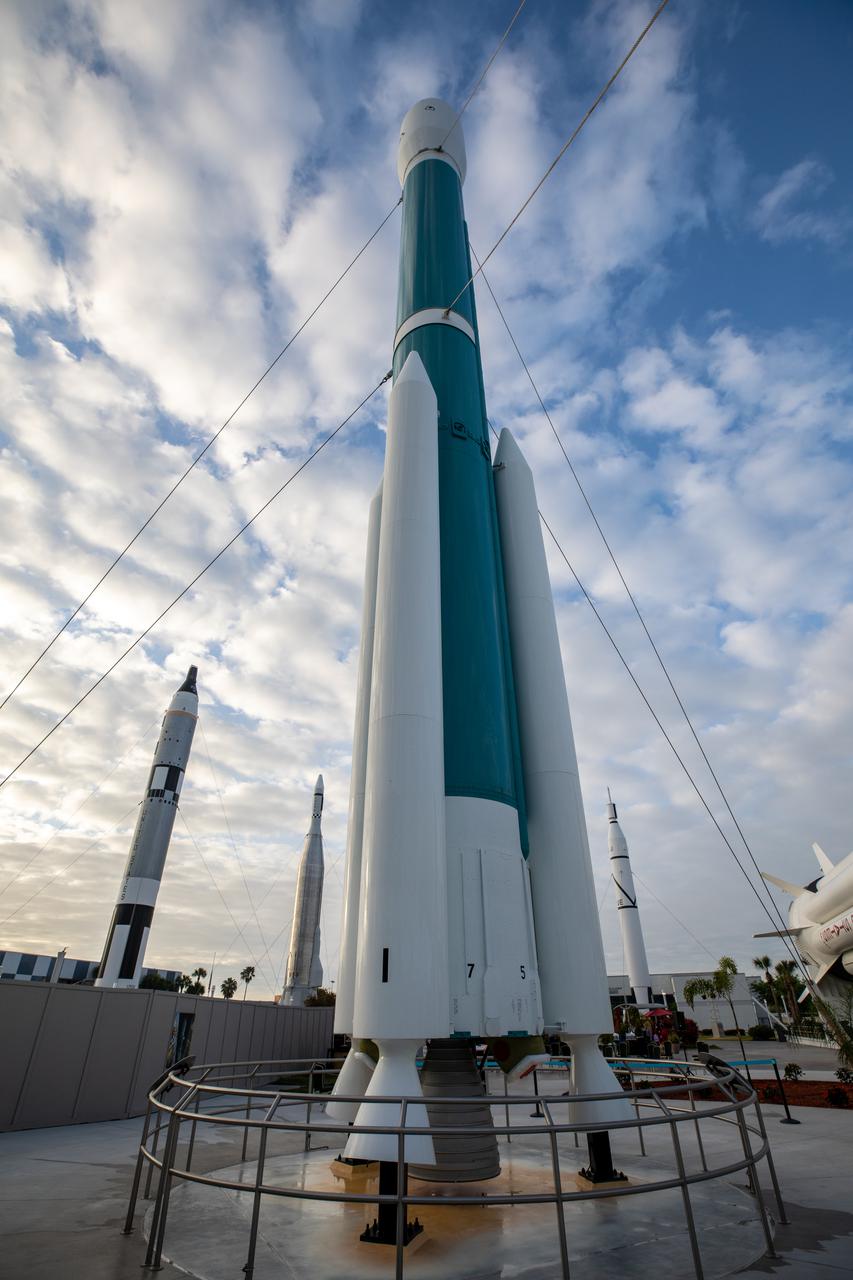
During a ribbon-cutting ceremony, the last United Launch Alliance Delta II rocket joins the lineup of historic launch vehicles in the Rocket Garden at the Kennedy Space Center Visitor Complex in Florida, on March 23, 2021. The Delta II rocket was a workhorse for NASA and civilian scientists, the U.S. military, and commercial clients throughout its almost 30 years of service. Since its first launch in 1989, the Delta II has launched 154 successful missions. NASA’s Launch Services Program launched the ICESat-2 spacecraft on the final Delta II launch for the agency on Sept. 15, 2018, from Vandenberg Air Force Base in California.
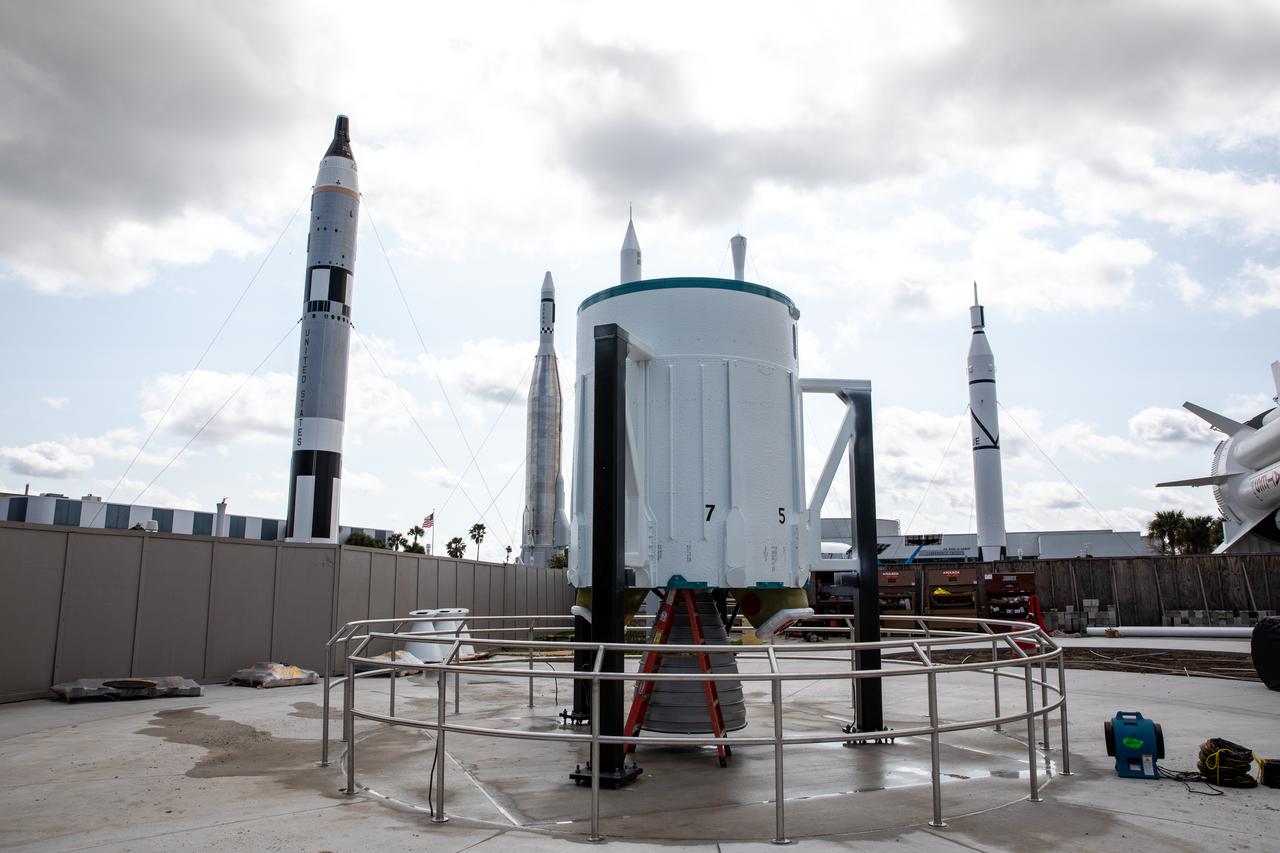
The last United Launch Alliance Delta II rocket joined the lineup of historic launch vehicles in the Rocket Garden at the Kennedy Space Center Visitor Complex in Florida, on March 3, 2021. The first segment was placed in its display area. The Delta II rocket was a workhorse for NASA and civilian scientists, the U.S. military, and commercial clients throughout its almost 30 years of service. Since its first launch in 1989, the Delta II has launched 154 successful missions. NASA’s Launch Services Program launched the ICESat-2 spacecraft on the final Delta II launch on Sept. 15, 2018, from Vandenberg Air Force Base in California.
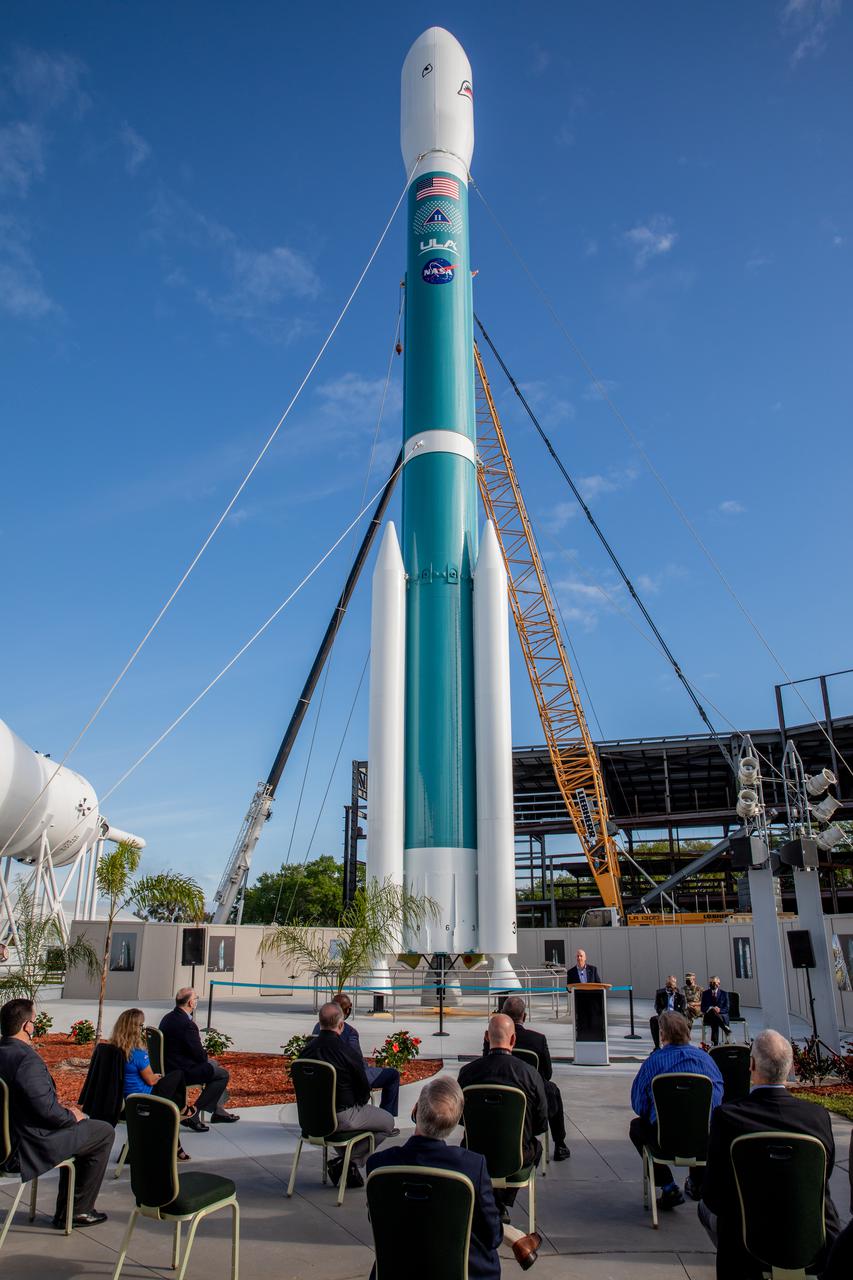
Guests attend a ribbon-cutting ceremony for the last United Launch Alliance Delta II rocket as it joins the lineup of historic launch vehicles in the Rocket Garden at the Kennedy Space Center Visitor Complex in Florida, on March 23, 2021. The Delta II rocket was a workhorse for NASA and civilian scientists, the U.S. military, and commercial clients throughout its almost 30 years of service. Since its first launch in 1989, the Delta II has launched 154 successful missions. NASA’s Launch Services Program launched the ICESat-2 spacecraft on the final Delta II launch on Sept. 15, 2018, from Vandenberg Air Force Base in California.
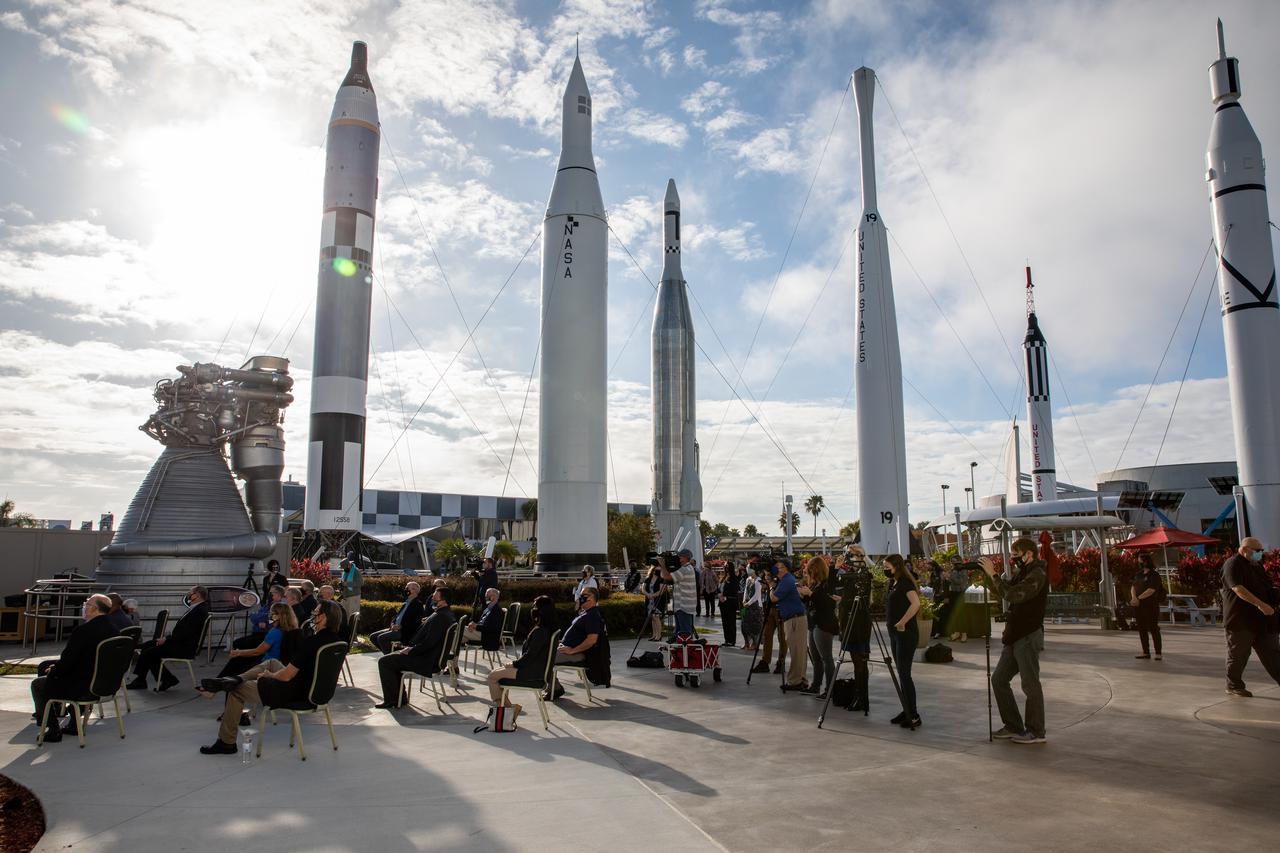
Guests attend a ribbon-cutting ceremony to welcome the last United Launch Alliance Delta II rocket to the lineup of historic launch vehicles in the Rocket Garden at the Kennedy Space Center Visitor Complex in Florida, on March 23, 2021. The Delta II rocket was a workhorse for NASA and civilian scientists, the U.S. military, and commercial clients throughout its almost 30 years of service. Since its first launch in 1989, the Delta II has launched 154 successful missions. NASA’s Launch Services Program launched the ICESat-2 spacecraft on the final Delta II launch on Sept. 15, 2018, from Vandenberg Air Force Base in California.
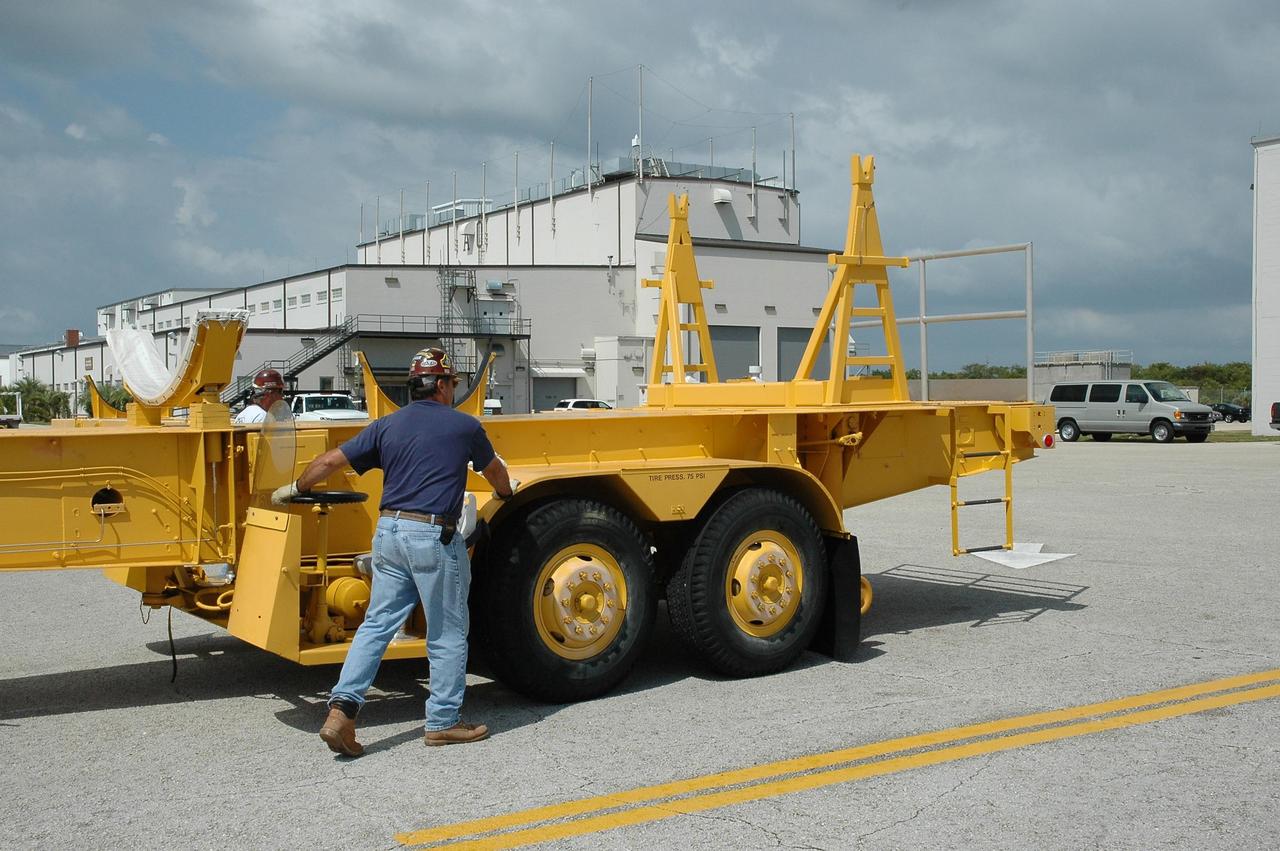
KENNEDY SPACE CENTER, FLA. -- In Hangar M on Cape Canaveral Air Force Station, a worker guides a transporter into place to receive the Delta II first stage. The Delta will be moved to the launch pad. Dawn's mission is to explore two of the asteroid belt's most intriguing and dissimilar occupants: asteroid Vesta and the dwarf planet Ceres. Dawn is scheduled to launch June 30 from Launch Complex 17-B. Photo credit: NASA/Jack Pfaller
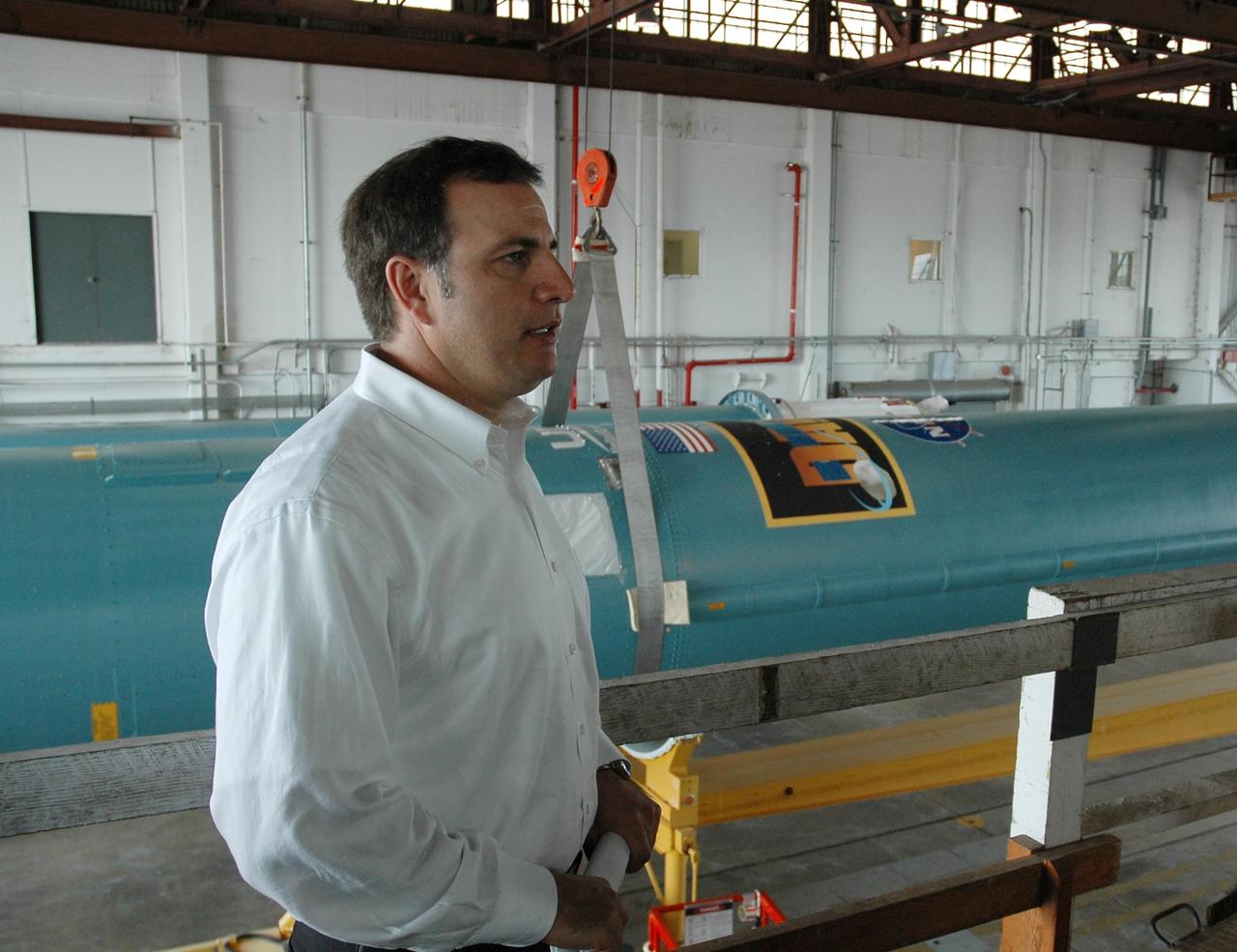
KENNEDY SPACE CENTER, FLA. -- Inside Hangar M on Cape Canaveral Air Force Station, Larry Penepent, manager of Launch Operations Engineering with United Launch Alliance, oversees the transfer of the Delta II first stage onto a transporter. The Delta will be moved to the launch pad. Dawn's mission is to explore two of the asteroid belt's most intriguing and dissimilar occupants: asteroid Vesta and the dwarf planet Ceres. Dawn is scheduled to launch June 30 from Launch Complex 17-B. Photo credit: NASA/Jack Pfaller
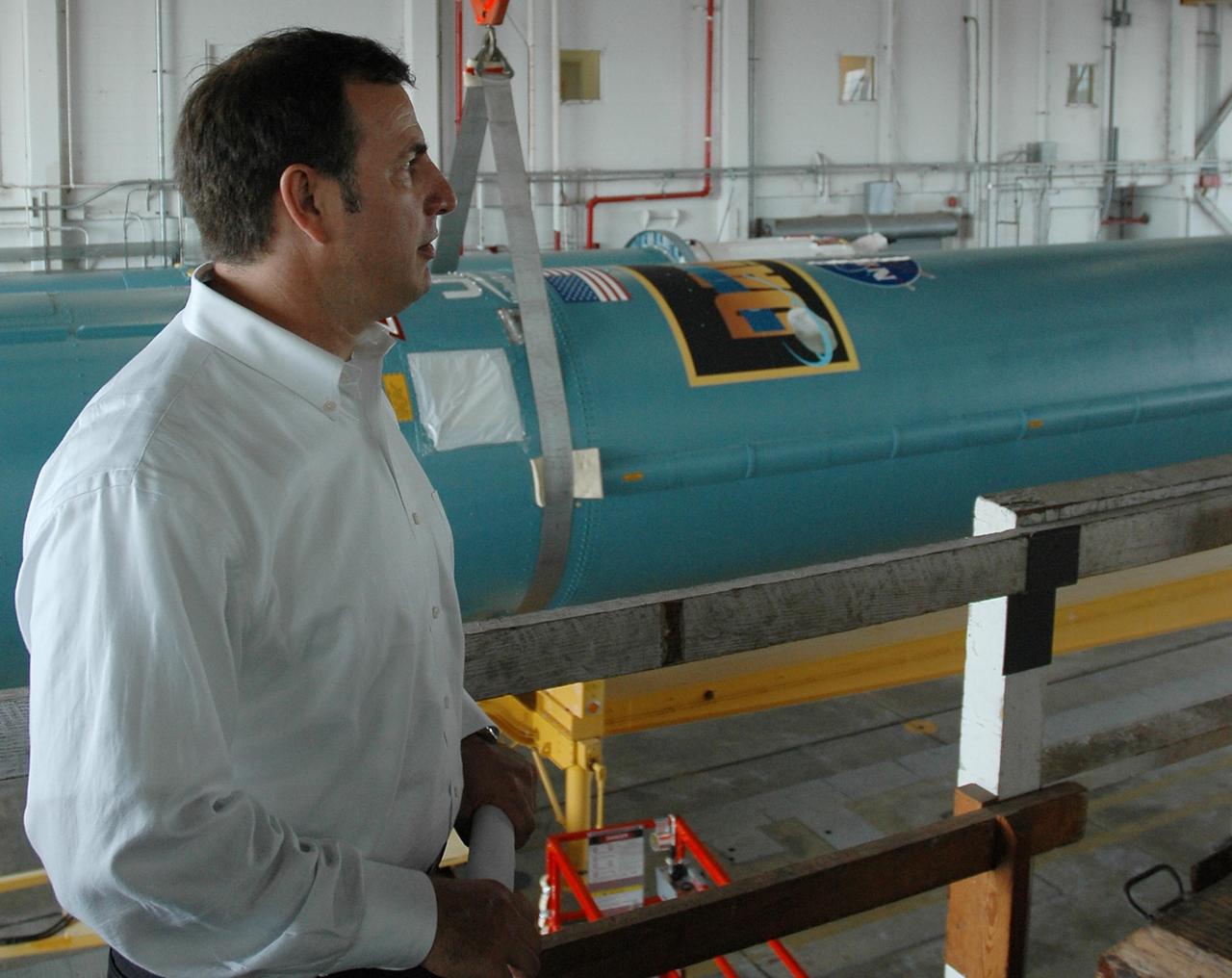
KENNEDY SPACE CENTER, FLA. -- Inside Hangar M on Cape Canaveral Air Force Station, Larry Penepent, manager of Launch Operations Engineering with United Launch Alliance, oversees the transfer of the Delta II first stage onto a transporter. The Delta will be moved to the launch pad. Dawn's mission is to explore two of the asteroid belt's most intriguing and dissimilar occupants: asteroid Vesta and the dwarf planet Ceres. Dawn is scheduled to launch June 30 from Launch Complex 17-B. Photo credit: NASA/Jack Pfaller
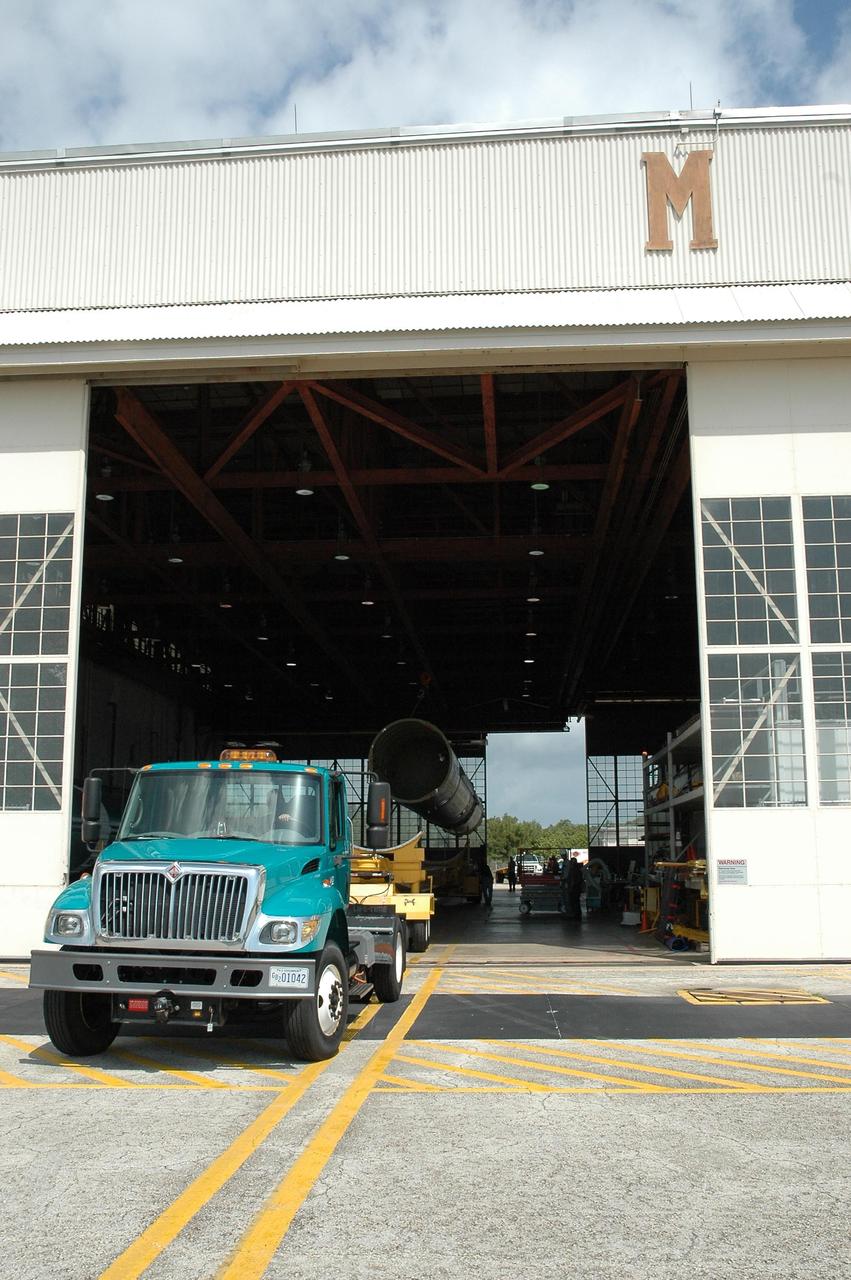
KENNEDY SPACE CENTER, FLA. -- With the transporter in place inside Hangar M on Cape Canaveral Air Force Station, the suspended Delta II first stage can be placed on it. The Delta will be moved to the launch pad. Dawn's mission is to explore two of the asteroid belt's most intriguing and dissimilar occupants: asteroid Vesta and the dwarf planet Ceres. Dawn is scheduled to launch June 30 from Launch Complex 17-B. Photo credit: NASA/Jack Pfaller

The last United Launch Alliance Delta II rocket joined the lineup of historic launch vehicles in the Rocket Garden at the Kennedy Space Center Visitor Complex in Florida, on March 3, 2021. Workers use a crane to lift a segment of the Delta II for stacking in its display area. The Delta II rocket was a workhorse for NASA and civilian scientists, the U.S. military, and commercial clients throughout its almost 30 years of service. Since its first launch in 1989, the Delta II has launched 154 successful missions. NASA’s Launch Services Program launched the ICESat-2 spacecraft on the final Delta II launch on Sept. 15, 2018, from Vandenberg Air Force Base in California.
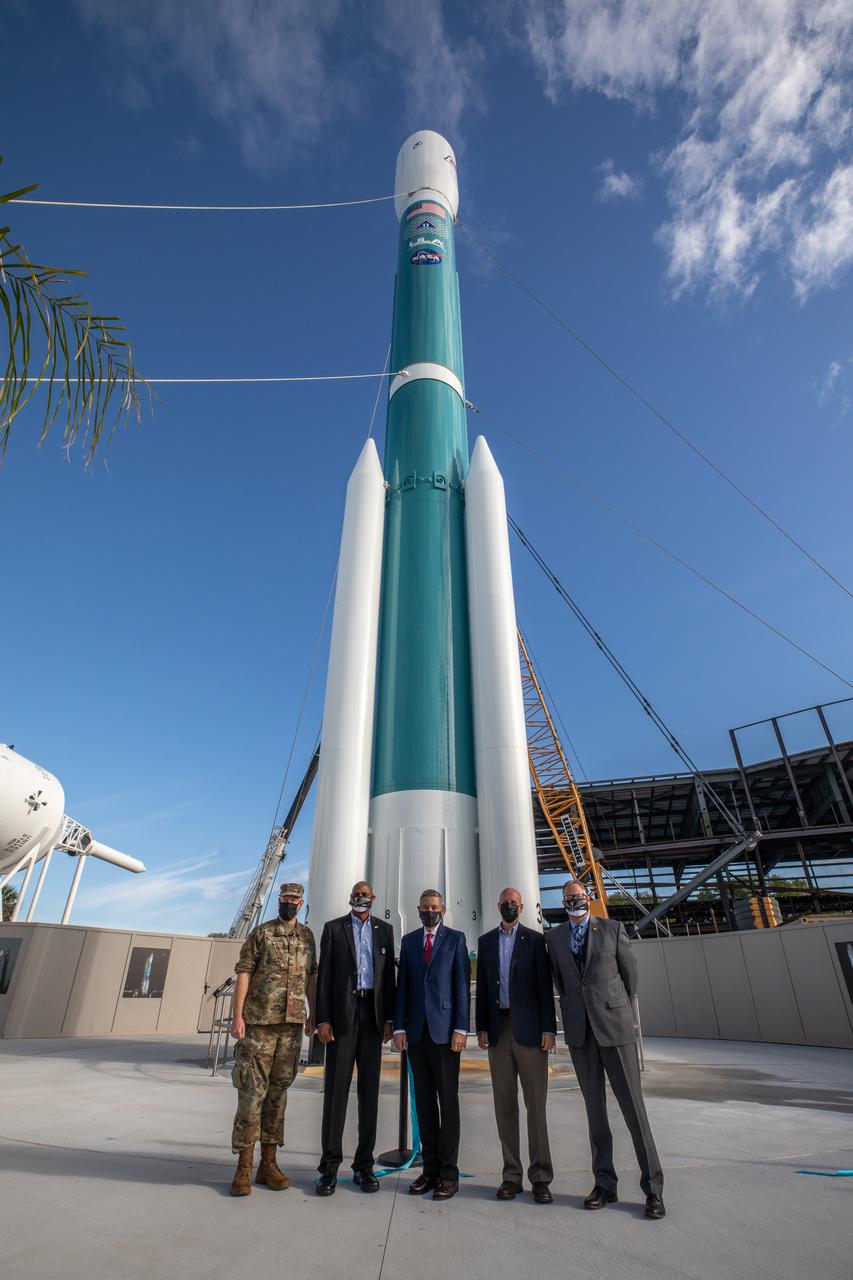
The last United Launch Alliance Delta II rocket joins the lineup of historic launch vehicles in the Rocket Garden during a ribbon-cutting ceremony at the Kennedy Space Center Visitor Complex in Florida, on March 23, 2021. From left, are Brigadier General Stephen Purdy Jr., 45th Space Wing commander and Eastern Range director, Patrick Space Force Base and Cape Canaveral Air Force Station; Ron Fortson, director and general manager, Launch Operations, United Launch Alliance; Kennedy Space Center Director Bob Cabana; Tim Dunn, launch director, Launch Services Program; and Therrin Protze, chief operating officer, Delaware North/KSCVC. The Delta II rocket was a workhorse for NASA and civilian scientists, the U.S. military, and commercial clients throughout its almost 30 years of service. Since its first launch in 1989, the Delta II has launched 154 successful missions. NASA’s Launch Services Program launched the ICESat-2 spacecraft on the final Delta II launch for the agency on Sept. 15, 2018, from Vandenberg Air Force Base in California.
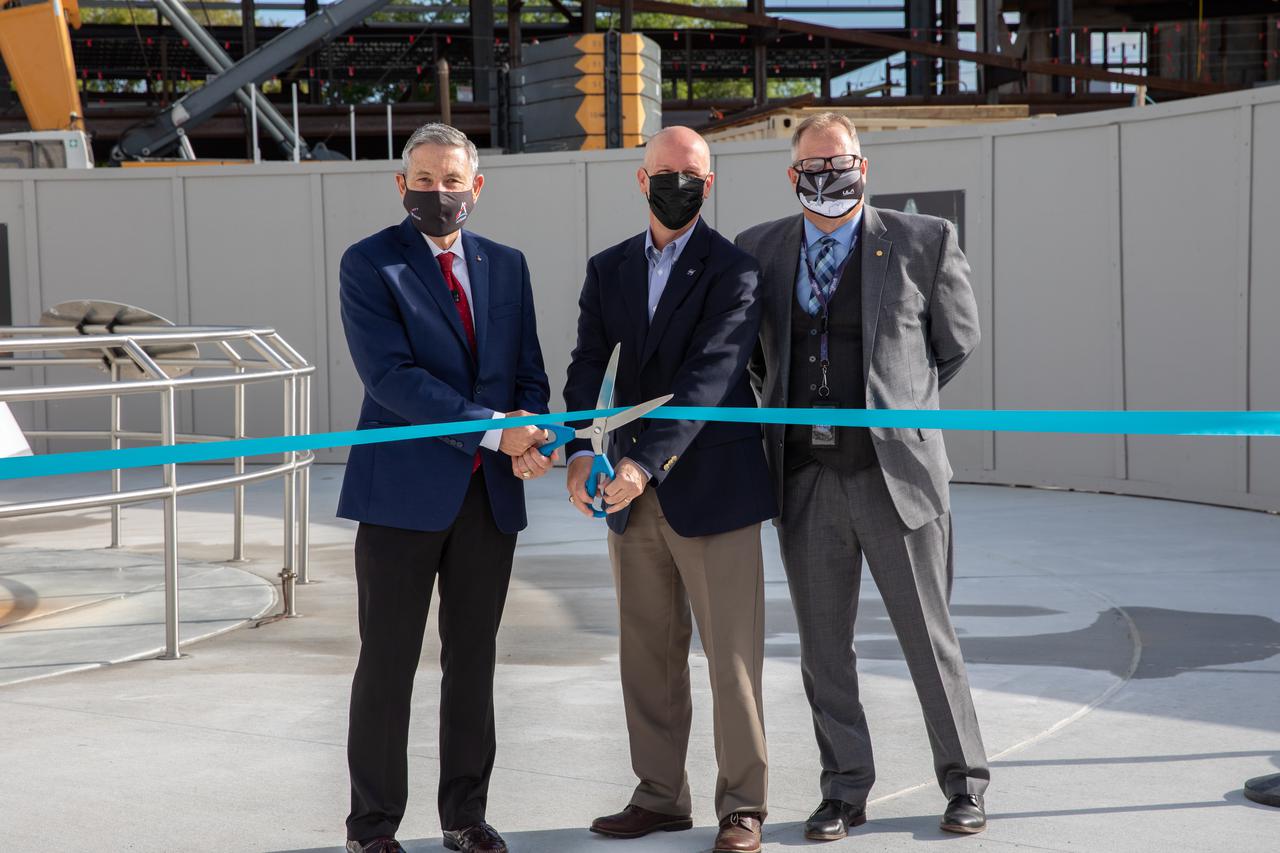
A ribbon-cutting ceremony welcomes the last United Launch Alliance Delta II rocket to the lineup of historic launch vehicles in the Rocket Garden at the Kennedy Space Center Visitor Complex in Florida, on March 23, 2021. Cutting the ribbon, from left are Kennedy Space Center Director Bob Cabana, Tim Dunn, launch director, Launch Services Program, and Therrin Protze, chief operating officer, Delaware North/KSCVC. The Delta II rocket was a workhorse for NASA and civilian scientists, the U.S. military, and commercial clients throughout its almost 30 years of service. Since its first launch in 1989, the Delta II has launched 154 successful missions. NASA’s Launch Services Program launched the ICESat-2 spacecraft on the final Delta II launch on Sept. 15, 2018, from Vandenberg Air Force Base in California.
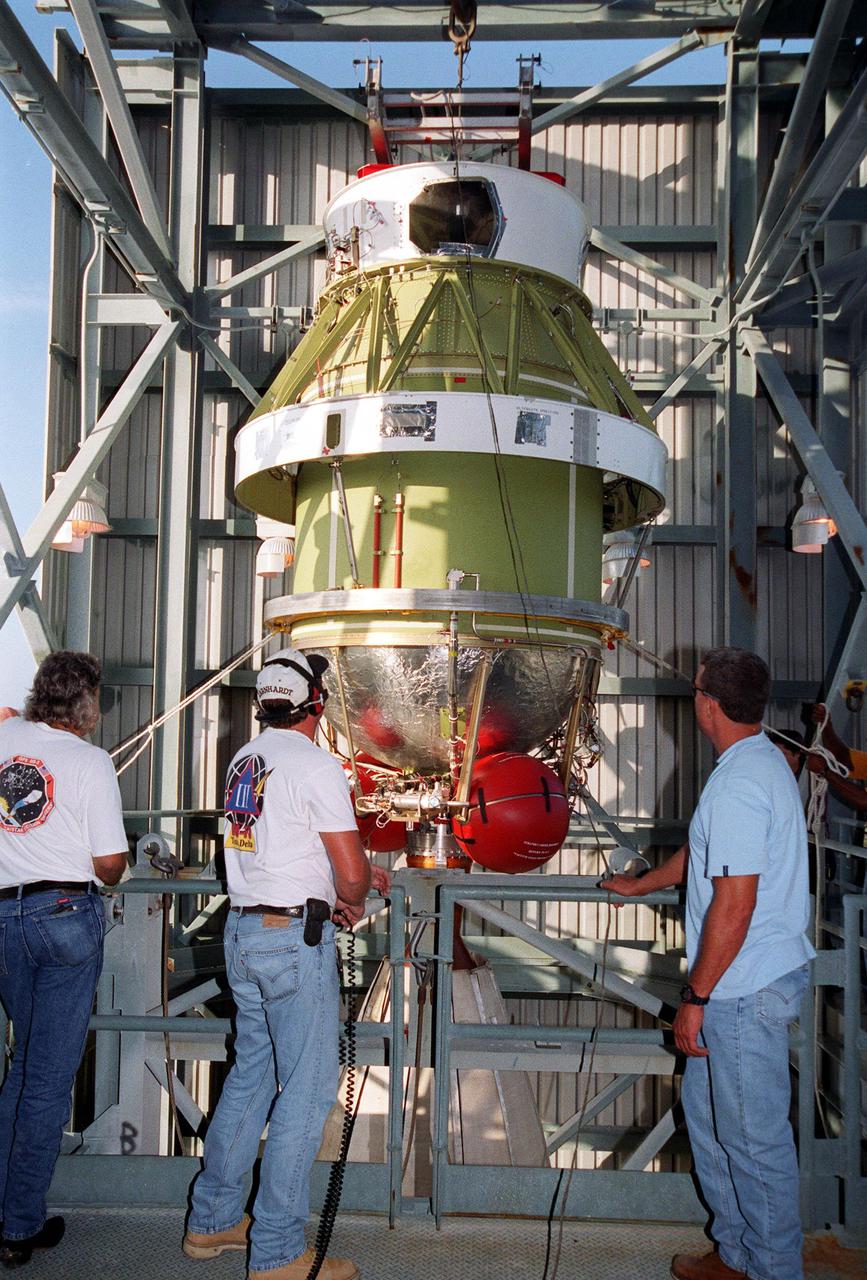
KENNEDY SPACE CENTER, Fla. -- The second stage of a Delta II rocket arrives near the top of the gantry on Launch Complex 17-A, Cape Canaveral Air Force Station, for mating with the first stage. The Delta II will propel the Genesis spacecraft on a journey to capture samples of the ions and elements in the solar wind and return them to Earth for scientists to use to determine the exact composition of the Sun and the solar system’s origin. NASA’s Genesis project in managed by the Jet Propulsion Laboratory in Pasadena, Calif. Lockheed Martin Astronautics built the Genesis spacecraft for NASA in Denver, Colo. The launch is scheduled for July 30 at 12:36 p.m. EDT
KENNEDY SPACE CENTER, Fla. -- The second stage of a Delta II rocket is moved into position on the gantry on Launch Complex 17-A, Cape Canaveral Air Force Station, for mating with the first stage. The Delta II will propel the Genesis spacecraft on a journey to capture samples of the ions and elements in the solar wind and return them to Earth for scientists to use to determine the exact composition of the Sun and the solar system’s origin. NASA’s Genesis project in managed by the Jet Propulsion Laboratory in Pasadena, Calif. Lockheed Martin Astronautics built the Genesis spacecraft for NASA in Denver, Colo. The launch is scheduled for July 30 at 12:36 p.m. EDT
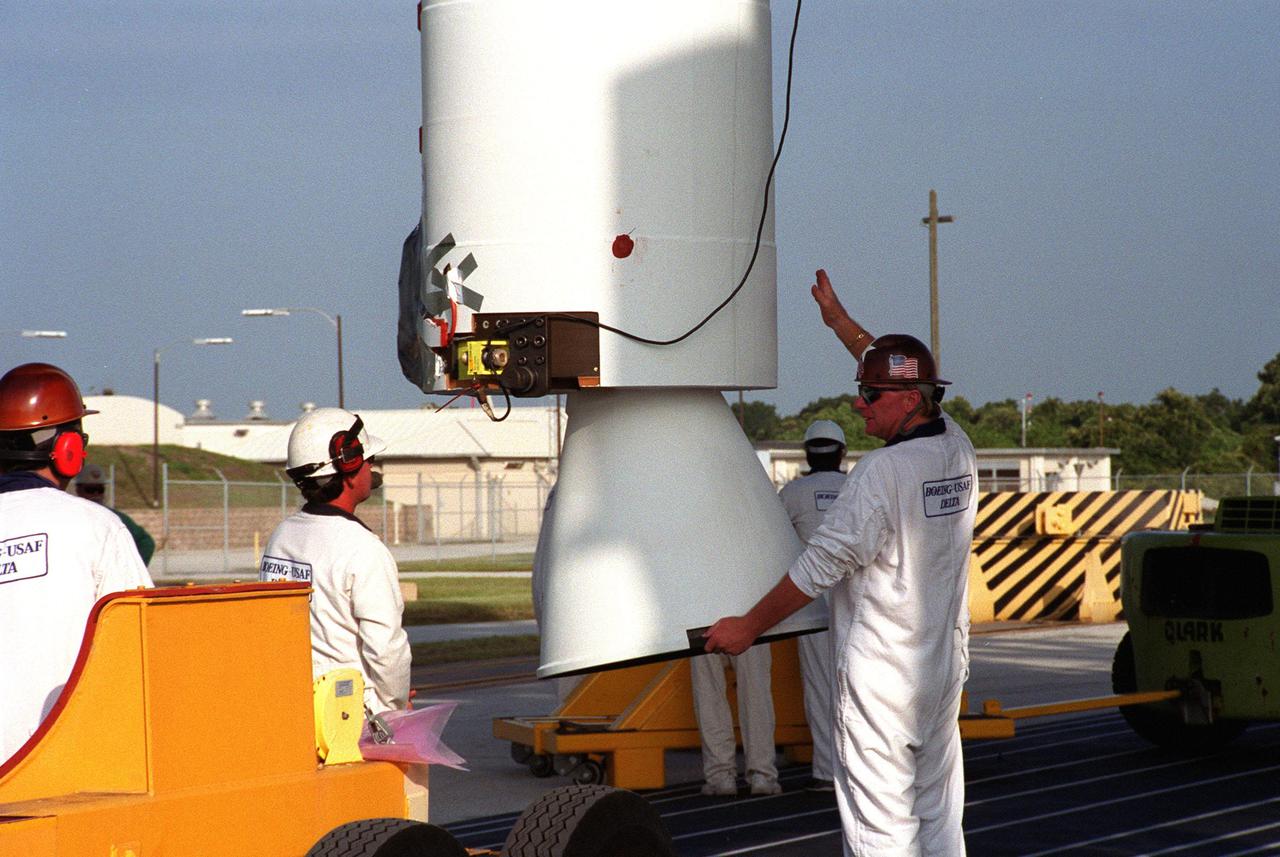
KENNEDY SPACE CENTER, Fla. -- Workers on Launch Complex 17-A, Cape Canaveral Air Force Station, oversee the lifting of a solid rocket booster to be mated with the Delta II rocket for the Genesis spacecraft launch. Genesis will capture samples of the ions and elements in the solar wind and return them to Earth for scientists to use to determine the exact composition of the Sun and the solar system’s origin. NASA’s Genesis project is managed by the Jet Propulsion Laboratory in Pasadena, Calif. Lockheed Martin Astronautics built the Genesis spacecraft for NASA in Denver, Colo. Launch of Genesis aboard a Boeing Delta II rocket is scheduled for July 30 at 12:36 p.m. EDT
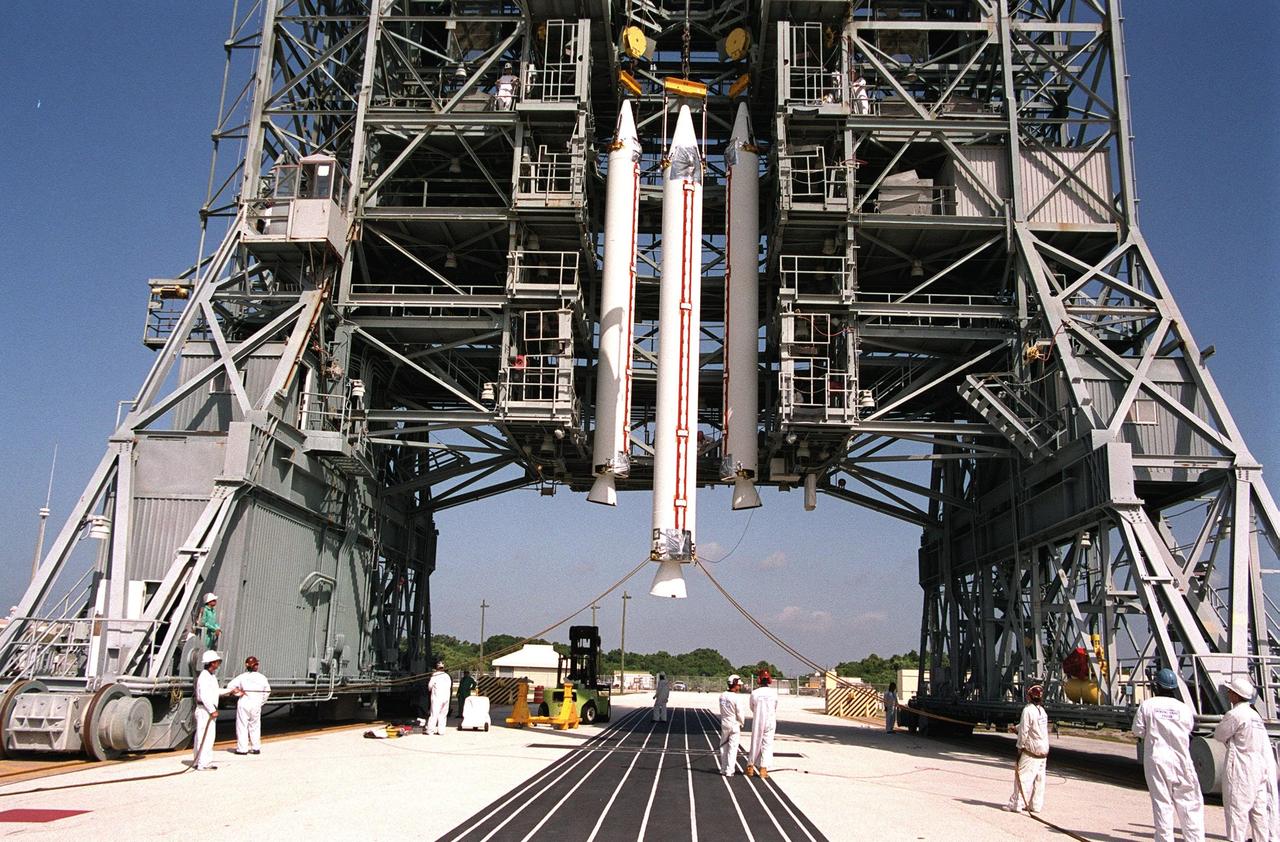
KENNEDY SPACE CENTER, Fla. -- The third solid rocket booster joins the other two on Launch Complex 17-A, Cape Canaveral Air Force Station. They will be mated to the Delta II rocket for the Genesis spacecraft launch. Genesis will capture samples of the ions and elements in the solar wind and return them to Earth for scientists to use to determine the exact composition of the Sun and the solar system’s origin. NASA’s Genesis project is managed by the Jet Propulsion Laboratory in Pasadena, Calif. Lockheed Martin Astronautics built the Genesis spacecraft for NASA in Denver, Colo. Launch of Genesis aboard a Boeing Delta II rocket is scheduled for July 30 at 12:36 p.m. EDT
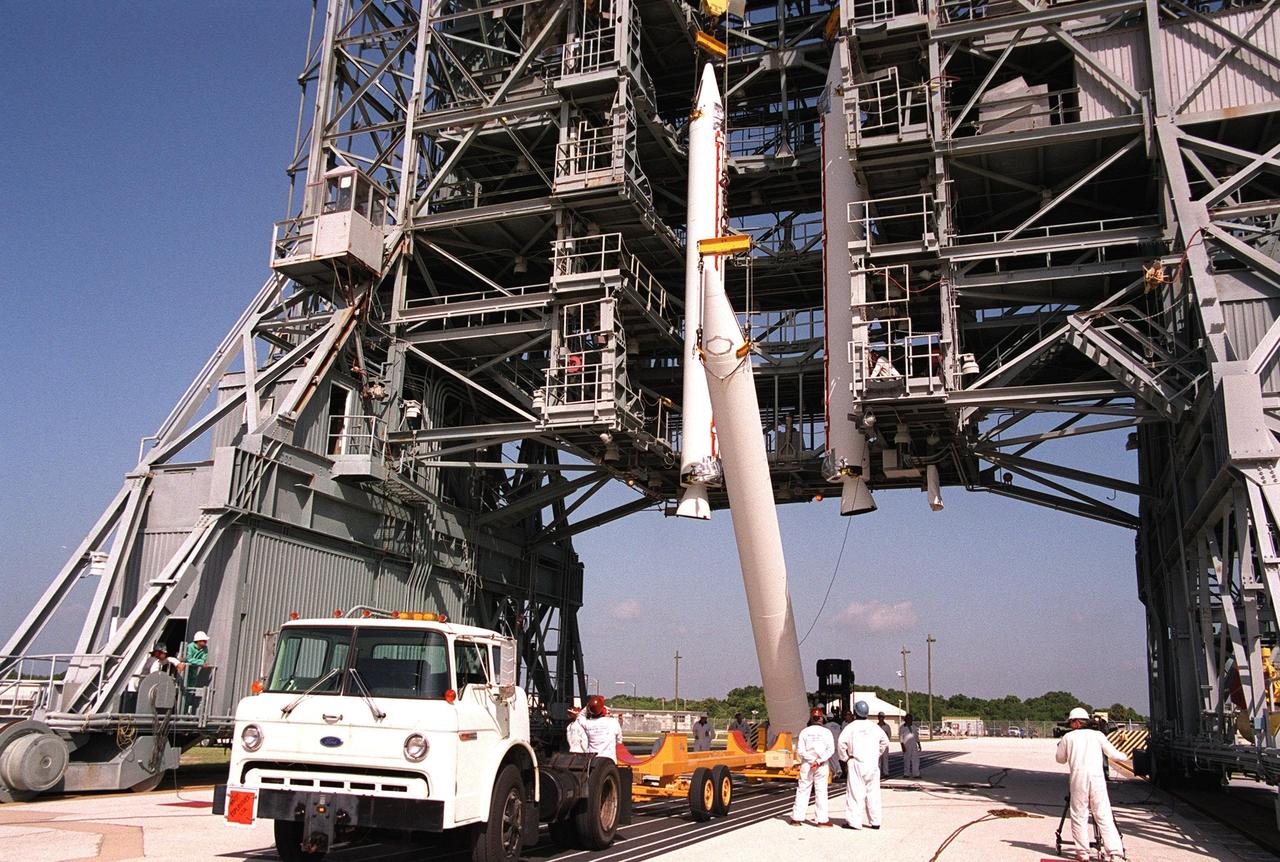
KENNEDY SPACE CENTER, Fla. -- A third solid rocket booster is raised to join the other two on Launch Complex 17-A, Cape Canaveral Air Force Station. They will be mated to the Delta II rocket for the Genesis spacecraft launch. Genesis will capture samples of the ions and elements in the solar wind and return them to Earth for scientists to use to determine the exact composition of the Sun and the solar system’s origin. NASA’s Genesis project is managed by the Jet Propulsion Laboratory in Pasadena, Calif. Lockheed Martin Astronautics built the Genesis spacecraft for NASA in Denver, Colo. Launch of Genesis aboard a Boeing Delta II rocket is scheduled for July 30 at 12:36 p.m. EDT
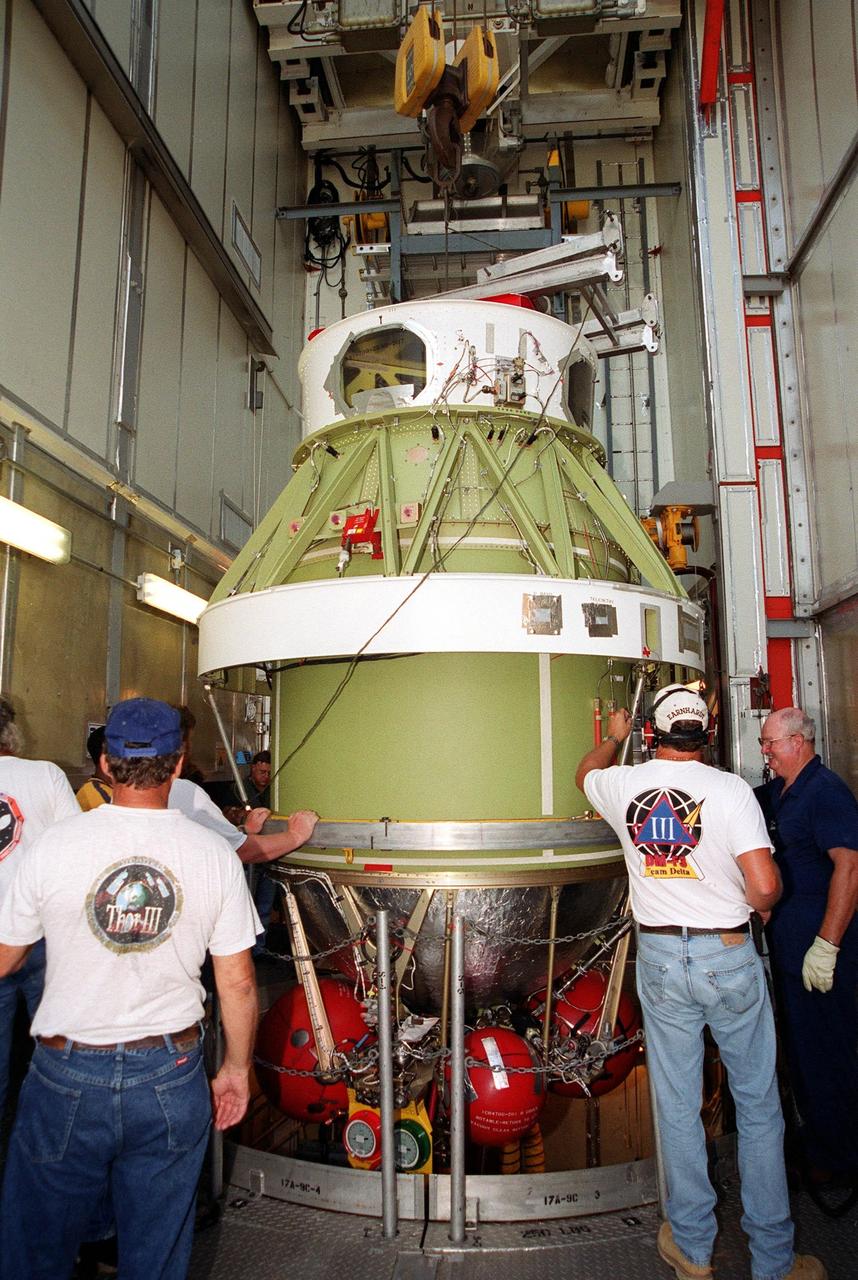
KENNEDY SPACE CENTER, Fla. -- The second stage of a Delta II rocket is moved into position on the gantry on Launch Complex 17-A, Cape Canaveral Air Force Station, for mating with the first stage. The Delta II will propel the Genesis spacecraft on a journey to capture samples of the ions and elements in the solar wind and return them to Earth for scientists to use to determine the exact composition of the Sun and the solar system’s origin. NASA’s Genesis project in managed by the Jet Propulsion Laboratory in Pasadena, Calif. Lockheed Martin Astronautics built the Genesis spacecraft for NASA in Denver, Colo. The launch is scheduled for July 30 at 12:36 p.m. EDT
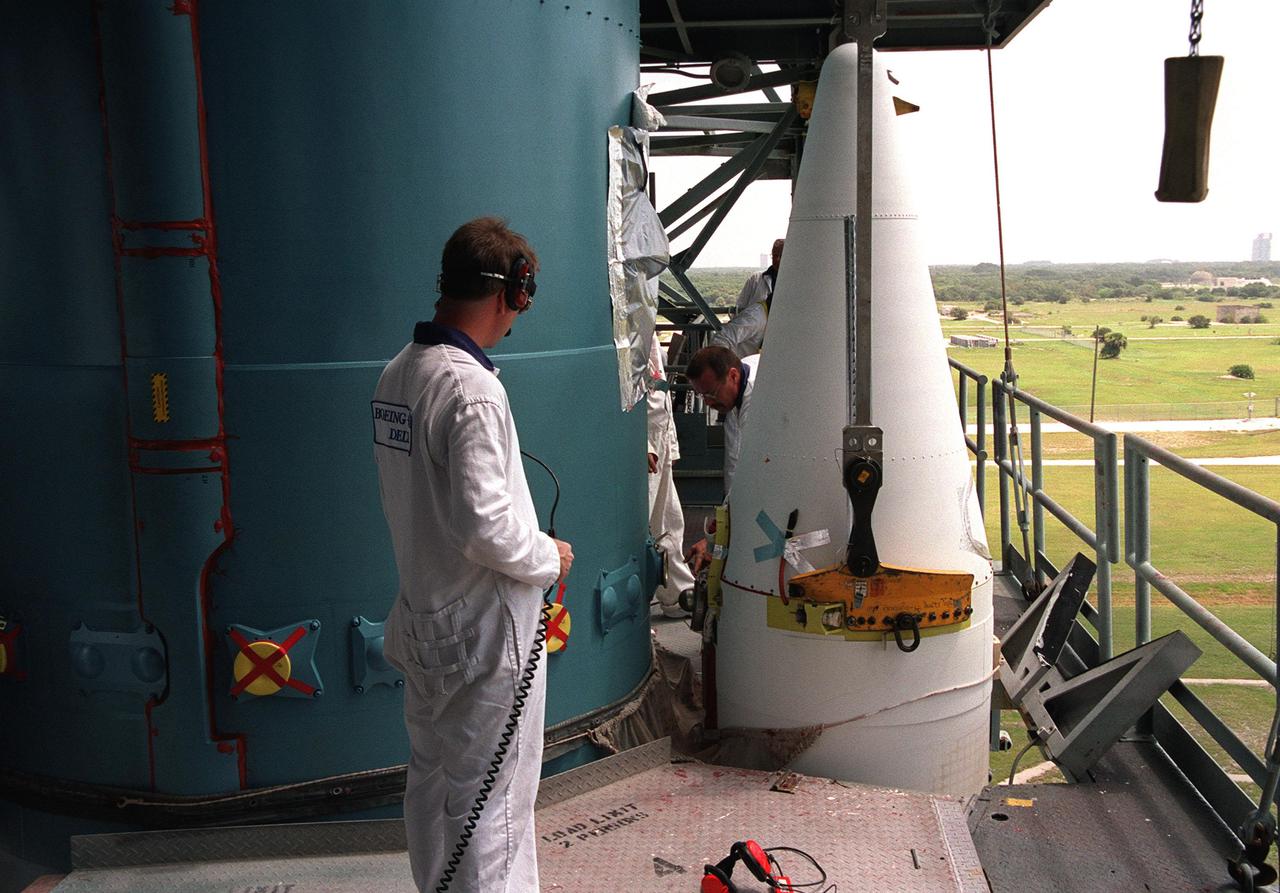
KENNEDY SPACE CENTER, Fla. -- Technicians on Launch Complex 17-A, Cape Canaveral Air Force Station, check the fittings on the solid rocket boosters surrounding the Delta II rocket that will launch the Genesis spacecraft. Genesis will capture samples of the ions and elements in the solar wind and return them to Earth for scientists to use to determine the exact composition of the Sun and the solar system’s origin. NASA’s Genesis project is managed by the Jet Propulsion Laboratory in Pasadena, Calif. Lockheed Martin Astronautics built the Genesis spacecraft for NASA in Denver, Colo. Launch of Genesis aboard a Boeing Delta II rocket is scheduled for July 30 at 12:36 p.m. EDT
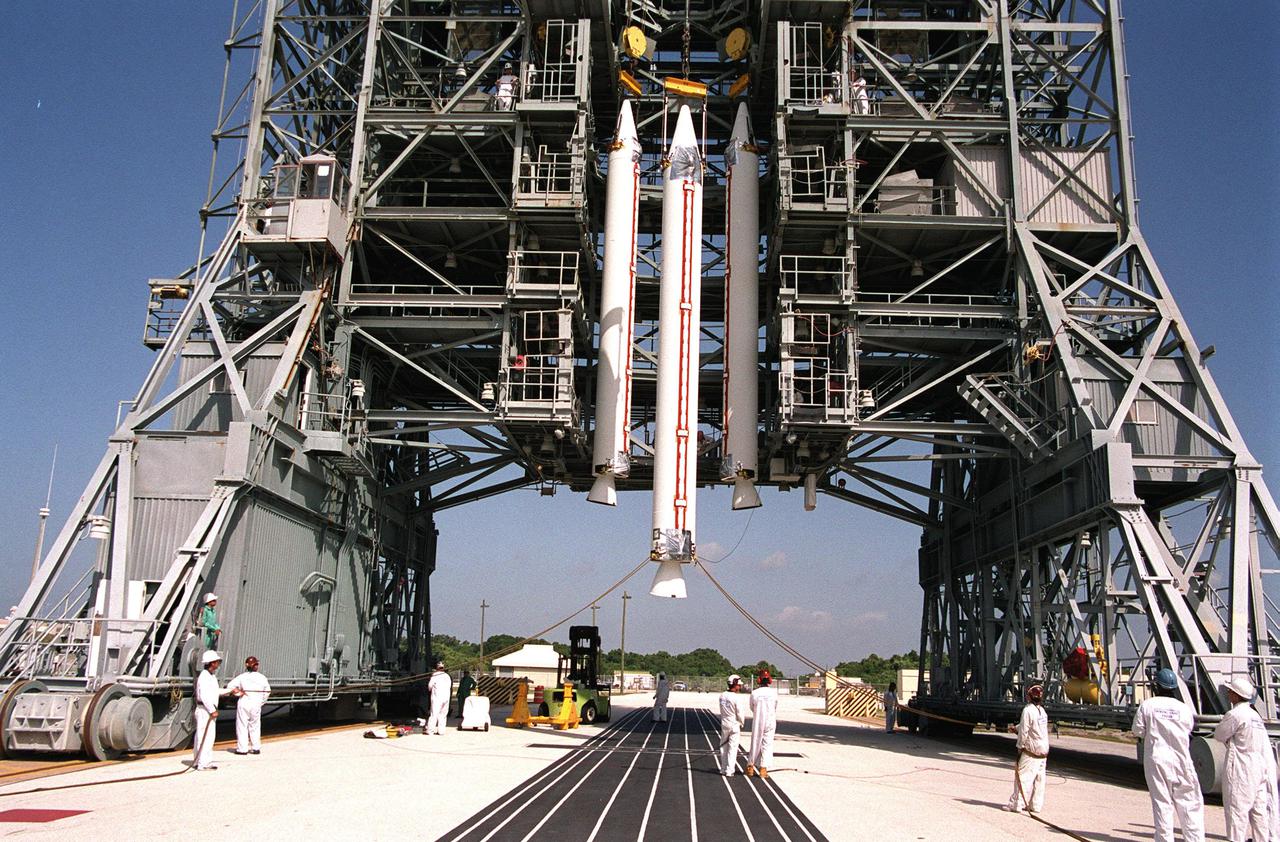
KENNEDY SPACE CENTER, Fla. -- The third solid rocket booster joins the other two on Launch Complex 17-A, Cape Canaveral Air Force Station. They will be mated to the Delta II rocket for the Genesis spacecraft launch. Genesis will capture samples of the ions and elements in the solar wind and return them to Earth for scientists to use to determine the exact composition of the Sun and the solar system’s origin. NASA’s Genesis project is managed by the Jet Propulsion Laboratory in Pasadena, Calif. Lockheed Martin Astronautics built the Genesis spacecraft for NASA in Denver, Colo. Launch of Genesis aboard a Boeing Delta II rocket is scheduled for July 30 at 12:36 p.m. EDT
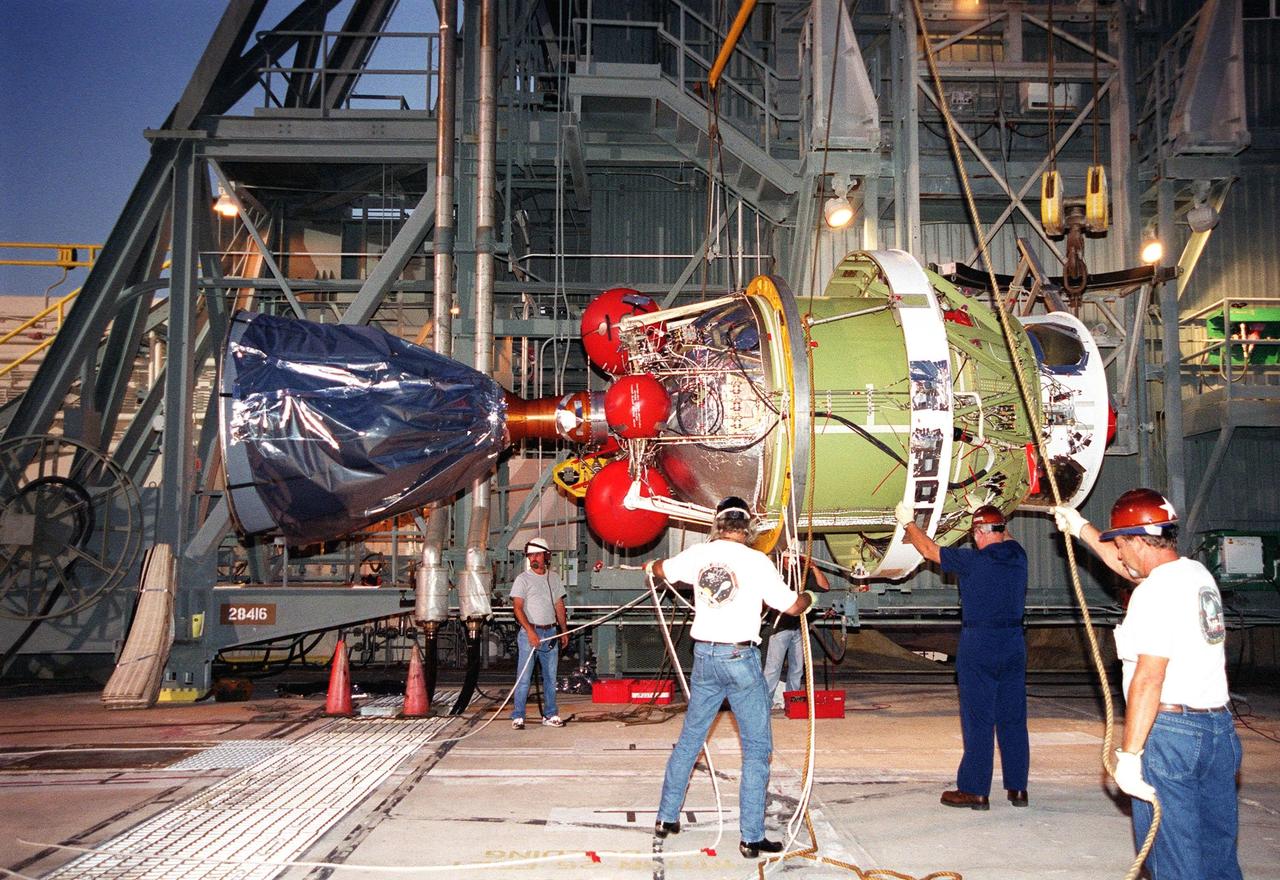
KENNEDY SPACE CENTER, Fla. -- Workers at Launch Complex 17-A, Cape Canaveral Air Force Station, oversee the lifting of the second stage of a Delta II rocket, which is to be mated with the first stage. The Delta II will propel the Genesis spacecraft on a journey to capture samples of the ions and elements in the solar wind and return them to Earth for scientists to use to determine the exact composition of the Sun and the solar system’s origin. NASA’s Genesis project in managed by the Jet Propulsion Laboratory in Pasadena, Calif. Lockheed Martin Astronautics built the Genesis spacecraft for NASA in Denver, Colo. The launch is scheduled for July 30 at 12:36 p.m. EDT
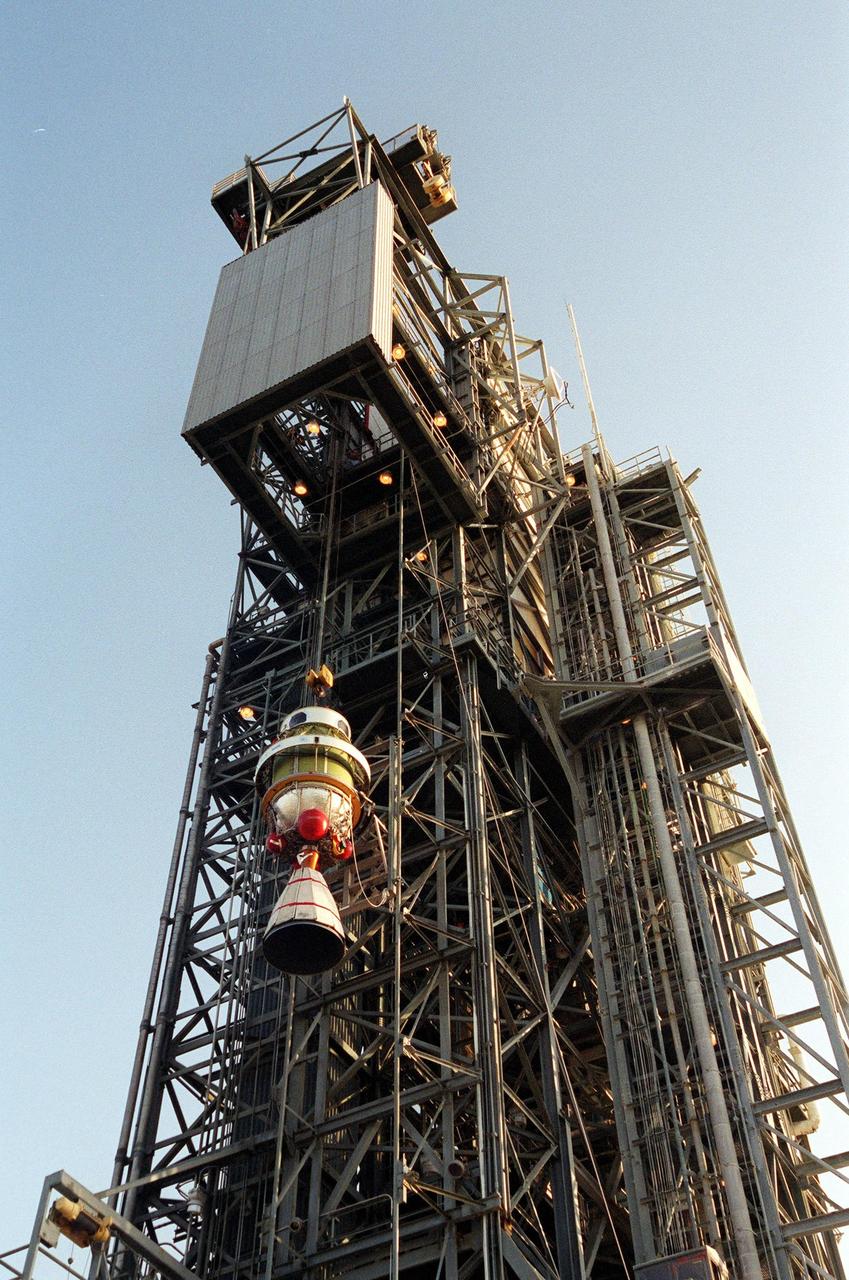
KENNEDY SPACE CENTER, Fla. -- The second stage of a Delta II rocket rises up the gantry on Launch Complex 17-A, Cape Canaveral Air Force Station, where it will be mated with the first stage. The Delta II will propel the Genesis spacecraft on a journey to capture samples of the ions and elements in the solar wind and return them to Earth for scientists to use to determine the exact composition of the Sun and the solar system’s origin. NASA’s Genesis project in managed by the Jet Propulsion Laboratory in Pasadena, Calif. Lockheed Martin Astronautics built the Genesis spacecraft for NASA in Denver, Colo. The launch is scheduled for July 30 at 12:36 p.m. EDT
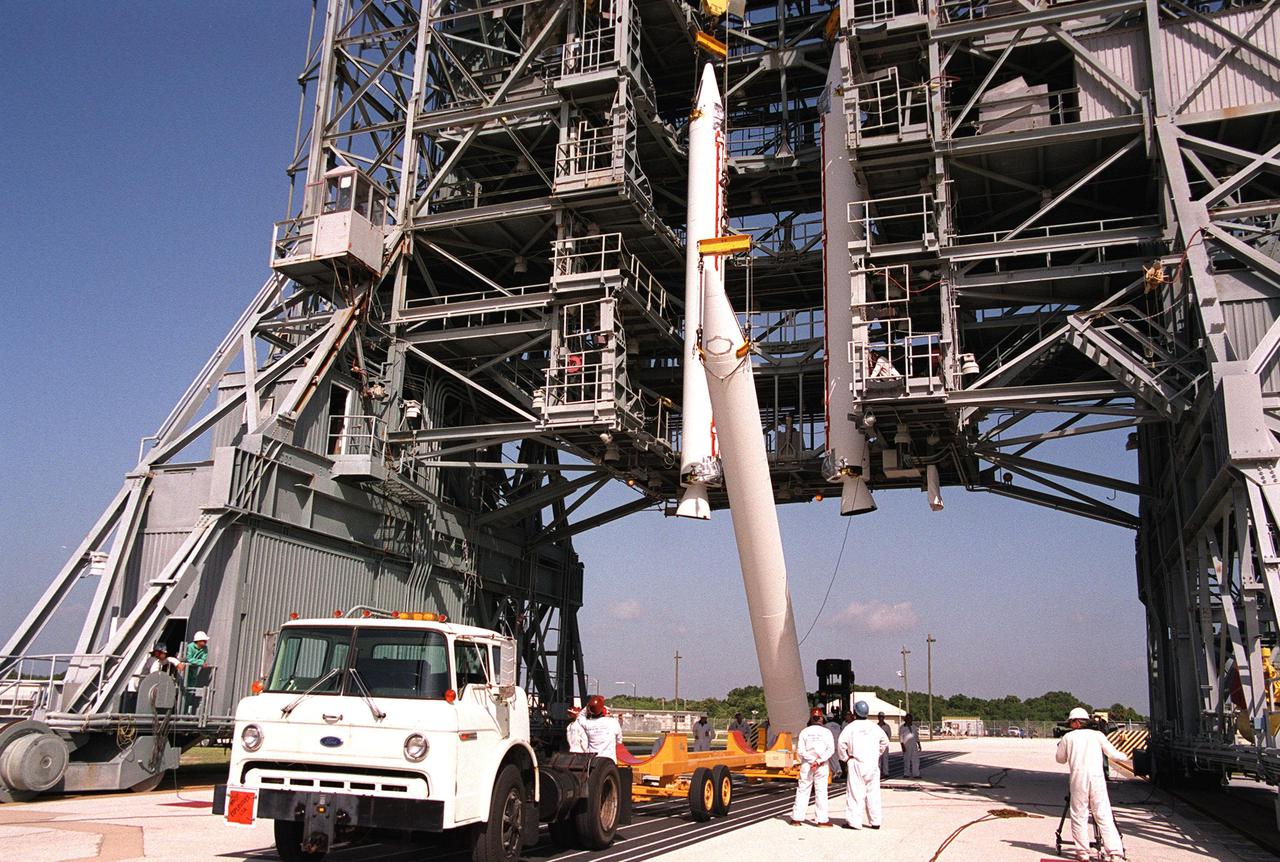
KENNEDY SPACE CENTER, Fla. -- A third solid rocket booster is raised to join the other two on Launch Complex 17-A, Cape Canaveral Air Force Station. They will be mated to the Delta II rocket for the Genesis spacecraft launch. Genesis will capture samples of the ions and elements in the solar wind and return them to Earth for scientists to use to determine the exact composition of the Sun and the solar system’s origin. NASA’s Genesis project is managed by the Jet Propulsion Laboratory in Pasadena, Calif. Lockheed Martin Astronautics built the Genesis spacecraft for NASA in Denver, Colo. Launch of Genesis aboard a Boeing Delta II rocket is scheduled for July 30 at 12:36 p.m. EDT
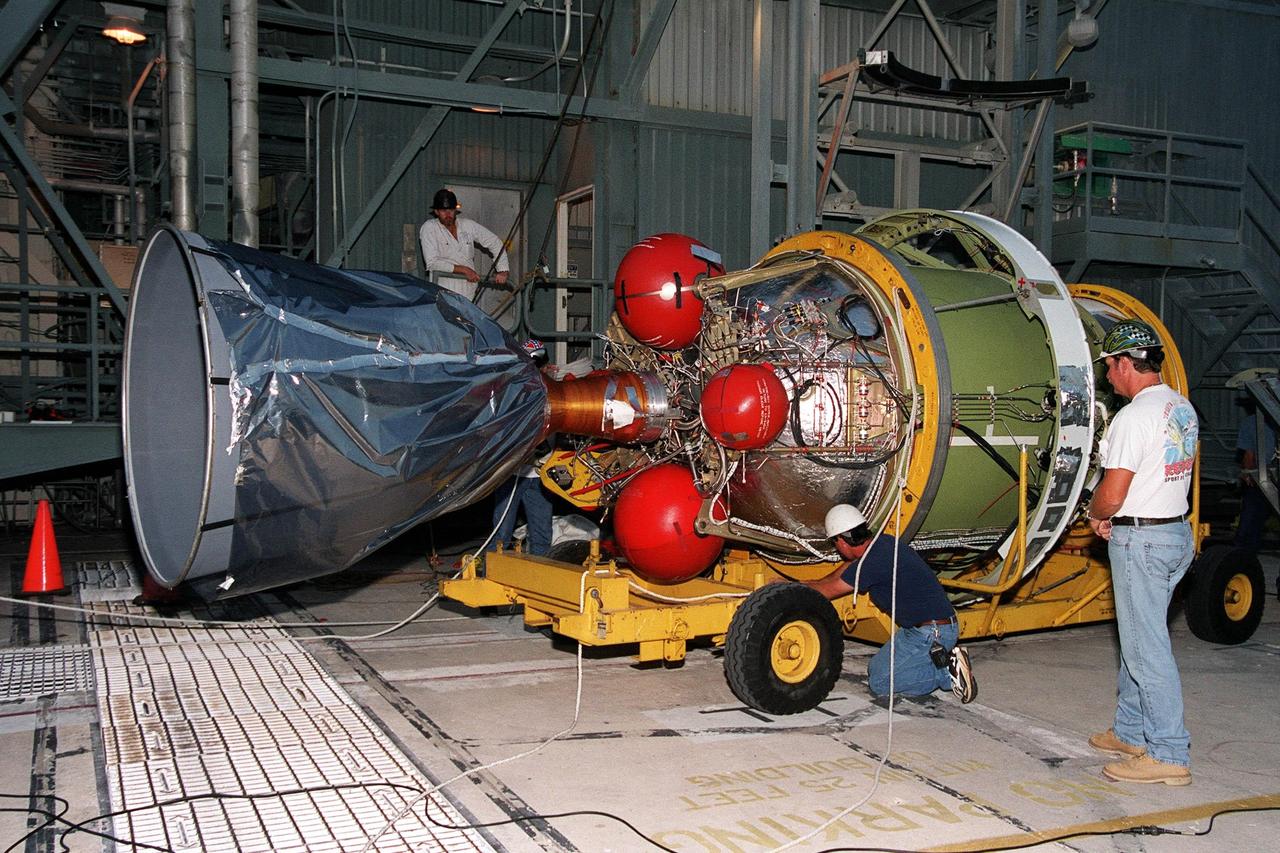
KENNEDY SPACE CENTER, Fla. -- The second stage of a Delta II rocket arrives at Launch Complex 17-A, Cape Canaveral Air Force Station, to be mated with the first stage. The Delta II will propel the Genesis spacecraft on a journey to capture samples of the ions and elements in the solar wind and return them to Earth for scientists to use to determine the exact composition of the Sun and the solar system’s origin. NASA’s Genesis project in managed by the Jet Propulsion Laboratory in Pasadena, Calif. Lockheed Martin Astronautics built the Genesis spacecraft for NASA in Denver, Colo. The launch is scheduled for July 30 at 12:36 p.m. EDT
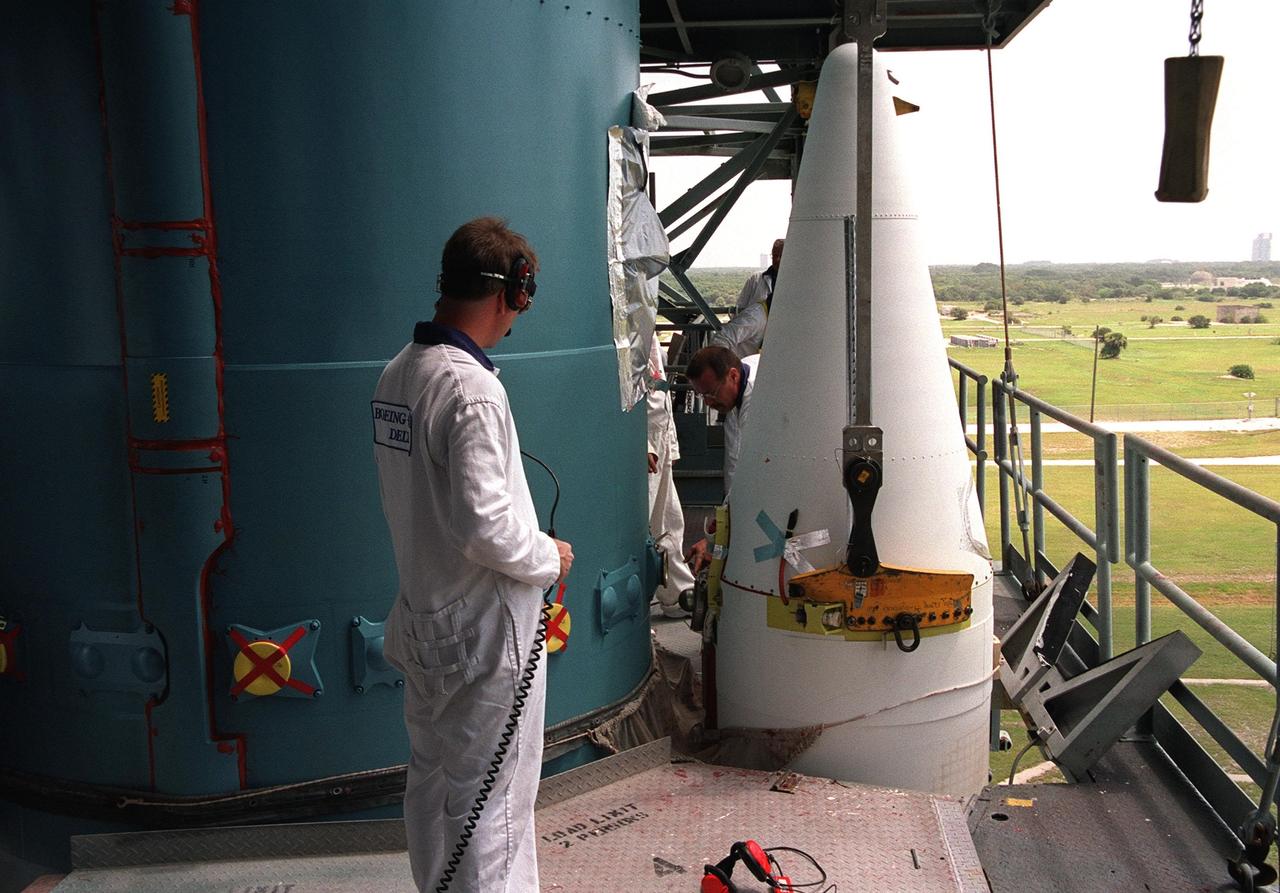
KENNEDY SPACE CENTER, Fla. -- Technicians on Launch Complex 17-A, Cape Canaveral Air Force Station, check the fittings on the solid rocket boosters surrounding the Delta II rocket that will launch the Genesis spacecraft. Genesis will capture samples of the ions and elements in the solar wind and return them to Earth for scientists to use to determine the exact composition of the Sun and the solar system’s origin. NASA’s Genesis project is managed by the Jet Propulsion Laboratory in Pasadena, Calif. Lockheed Martin Astronautics built the Genesis spacecraft for NASA in Denver, Colo. Launch of Genesis aboard a Boeing Delta II rocket is scheduled for July 30 at 12:36 p.m. EDT
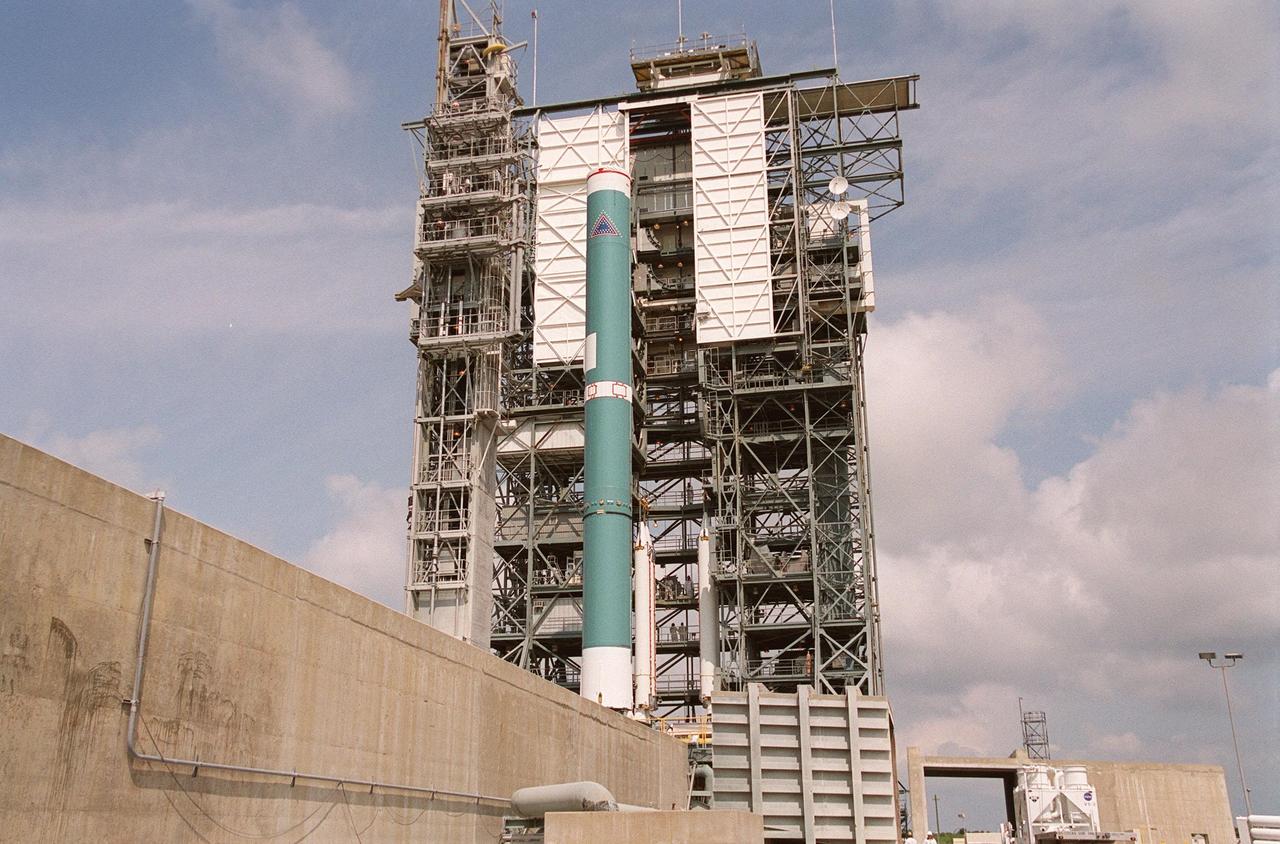
KENNEDY SPACE CENTER, FLA. -- On Launch Complex 17-B, Cape Canaveral Air Force Station, the Delta II rocket waits to be mated to four solid rocket boosters (behind the Delta). The rocket will launch the MAP instrument into a lunar-assisted trajectory to the Sun-Earth for a 27-month mission. The MAP mission will examine conditions in the early universe by measuring temperature differences in cosmic microwave background radiation, which is the radiant heat left over from the Big Bang. The properties of this radiation directly reflect conditions in the early universe. MAP is scheduled to launch June 30 at 3:46:46 p.m. EDT
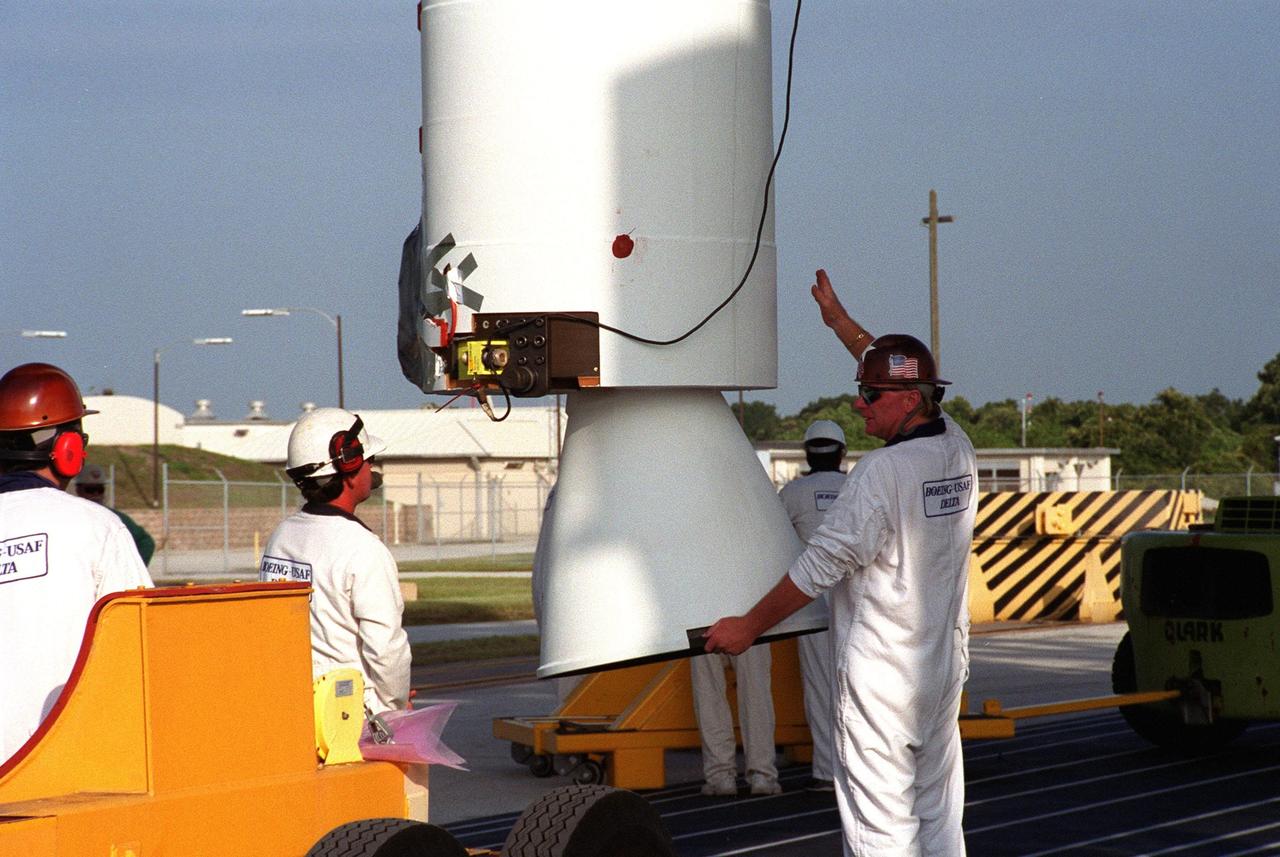
KENNEDY SPACE CENTER, Fla. -- Workers on Launch Complex 17-A, Cape Canaveral Air Force Station, oversee the lifting of a solid rocket booster to be mated with the Delta II rocket for the Genesis spacecraft launch. Genesis will capture samples of the ions and elements in the solar wind and return them to Earth for scientists to use to determine the exact composition of the Sun and the solar system’s origin. NASA’s Genesis project is managed by the Jet Propulsion Laboratory in Pasadena, Calif. Lockheed Martin Astronautics built the Genesis spacecraft for NASA in Denver, Colo. Launch of Genesis aboard a Boeing Delta II rocket is scheduled for July 30 at 12:36 p.m. EDT
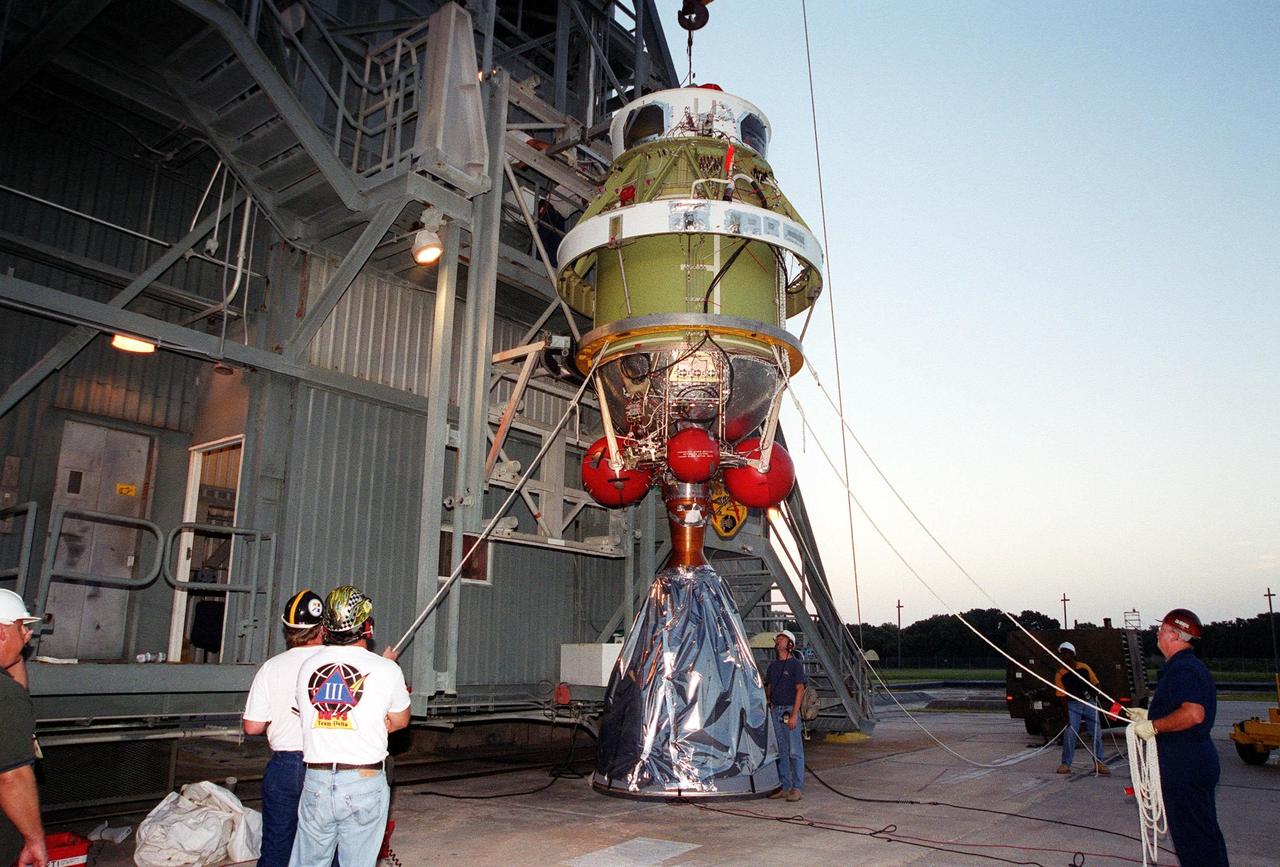
KENNEDY SPACE CENTER, Fla. -- After being raised to a vertical position, the second stage of a Delta II rocket is ready to be lifted up the gantry on Launch Complex 17-A, Cape Canaveral Air Force Station, where it will be mated with the first stage. The Delta II will propel the Genesis spacecraft on a journey to capture samples of the ions and elements in the solar wind and return them to Earth for scientists to use to determine the exact composition of the Sun and the solar system’s origin. NASA’s Genesis project in managed by the Jet Propulsion Laboratory in Pasadena, Calif. Lockheed Martin Astronautics built the Genesis spacecraft for NASA in Denver, Colo. The launch is scheduled for July 30 at 12:36 p.m. EDT
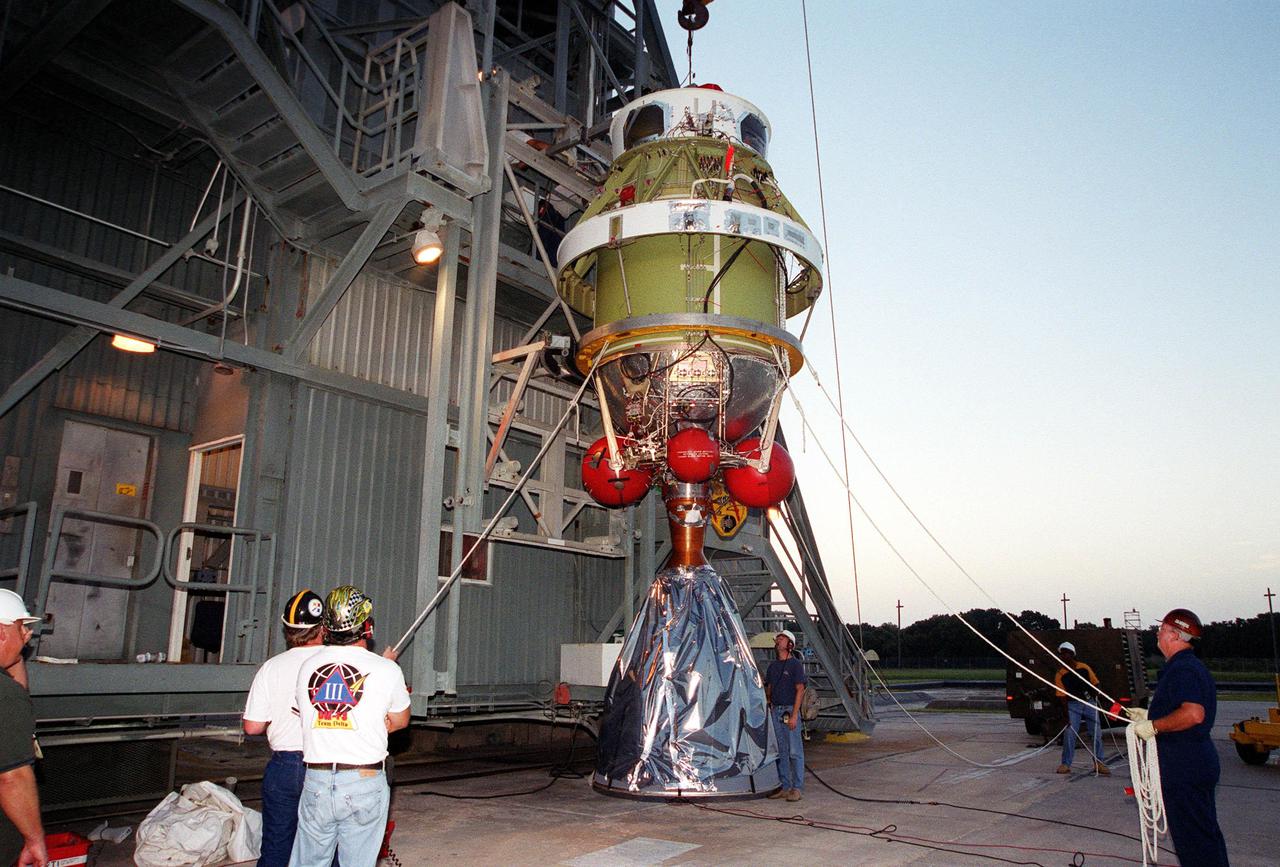
KENNEDY SPACE CENTER, Fla. -- After being raised to a vertical position, the second stage of a Delta II rocket is ready to be lifted up the gantry on Launch Complex 17-A, Cape Canaveral Air Force Station, where it will be mated with the first stage. The Delta II will propel the Genesis spacecraft on a journey to capture samples of the ions and elements in the solar wind and return them to Earth for scientists to use to determine the exact composition of the Sun and the solar system’s origin. NASA’s Genesis project in managed by the Jet Propulsion Laboratory in Pasadena, Calif. Lockheed Martin Astronautics built the Genesis spacecraft for NASA in Denver, Colo. The launch is scheduled for July 30 at 12:36 p.m. EDT
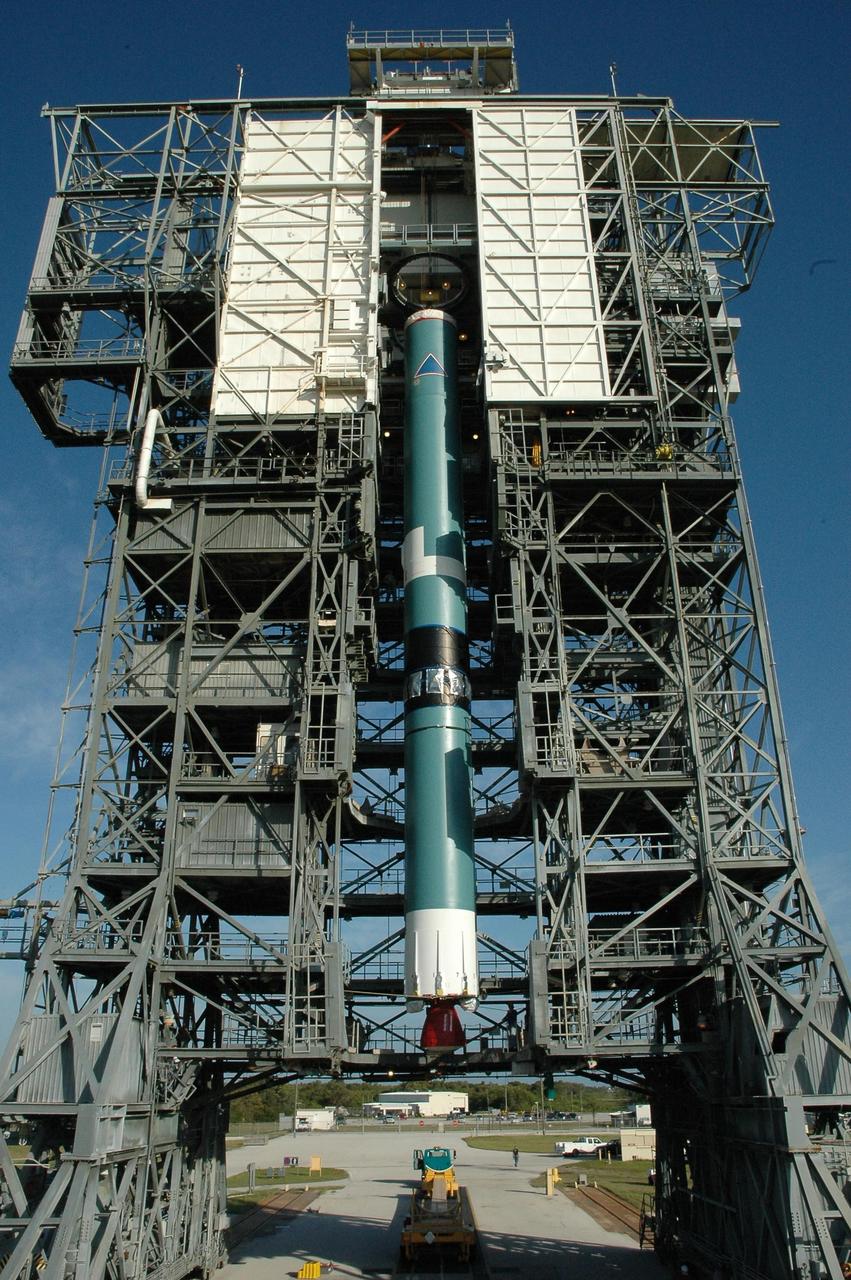
KENNEDY SPACE CENTER, FLA. -- On Launch Pad 17-B at Cape Canaveral Air Force Station, the first stage of a Delta II rocket is placed in the mobile service tower. The rocket is the launch vehicle for the Dawn spacecraft, targeted for liftoff on June 30. Dawn's mission is to explore two of the asteroid belt's most intriguing and dissimilar occupants: asteroid Vesta and the dwarf planet Ceres. Photo credit: NASA/Amanda Diller
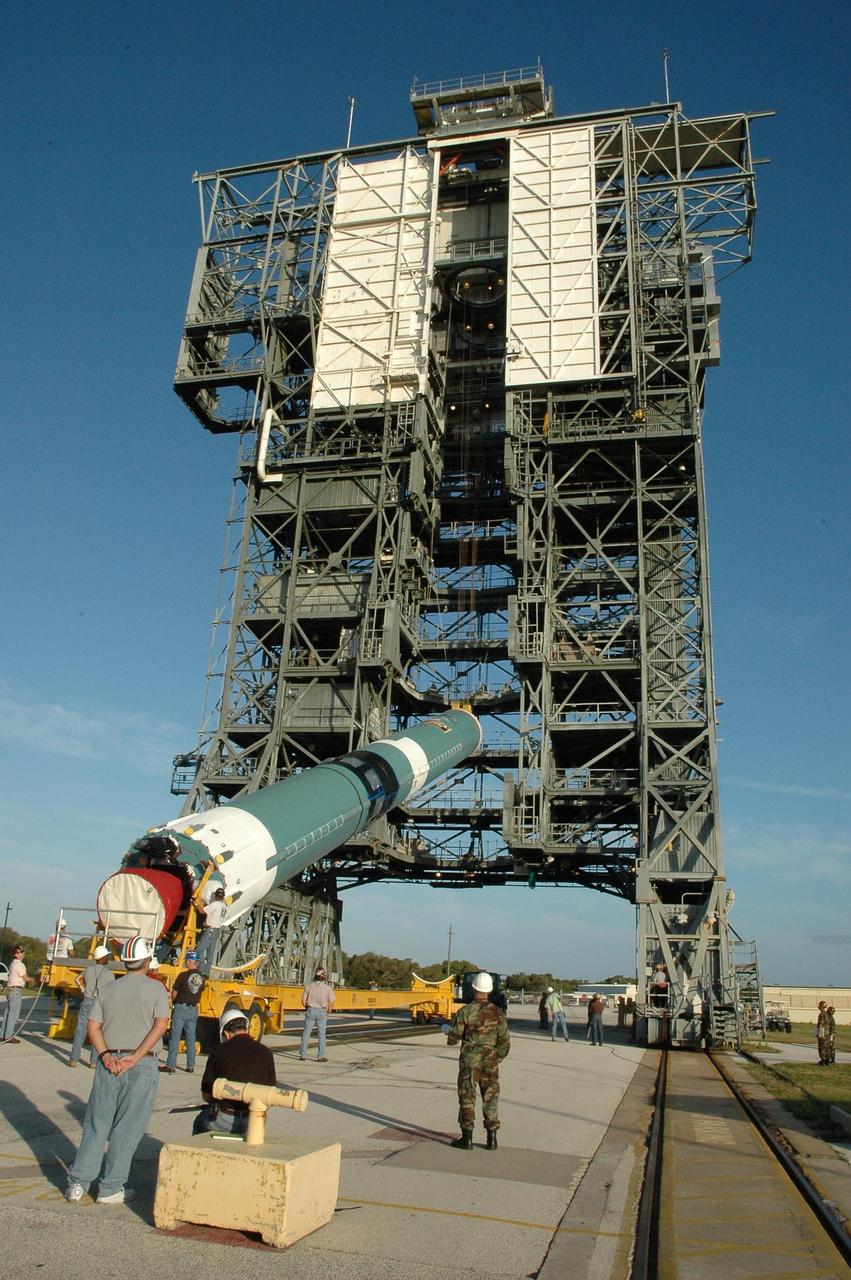
KENNEDY SPACE CENTER, FLA. -- On Launch Pad 17-B at Cape Canaveral Air Force Station, the first stage of a Delta II rocket is being raised off its transporter into a vertical position. Once vertical, the rocket will be lifted up into the mobile service tower. The rocket is the launch vehicle for the Dawn spacecraft, targeted for liftoff on June 30. Dawn's mission is to explore two of the asteroid belt's most intriguing and dissimilar occupants: asteroid Vesta and the dwarf planet Ceres. Photo credit: NASA/Amanda Diller
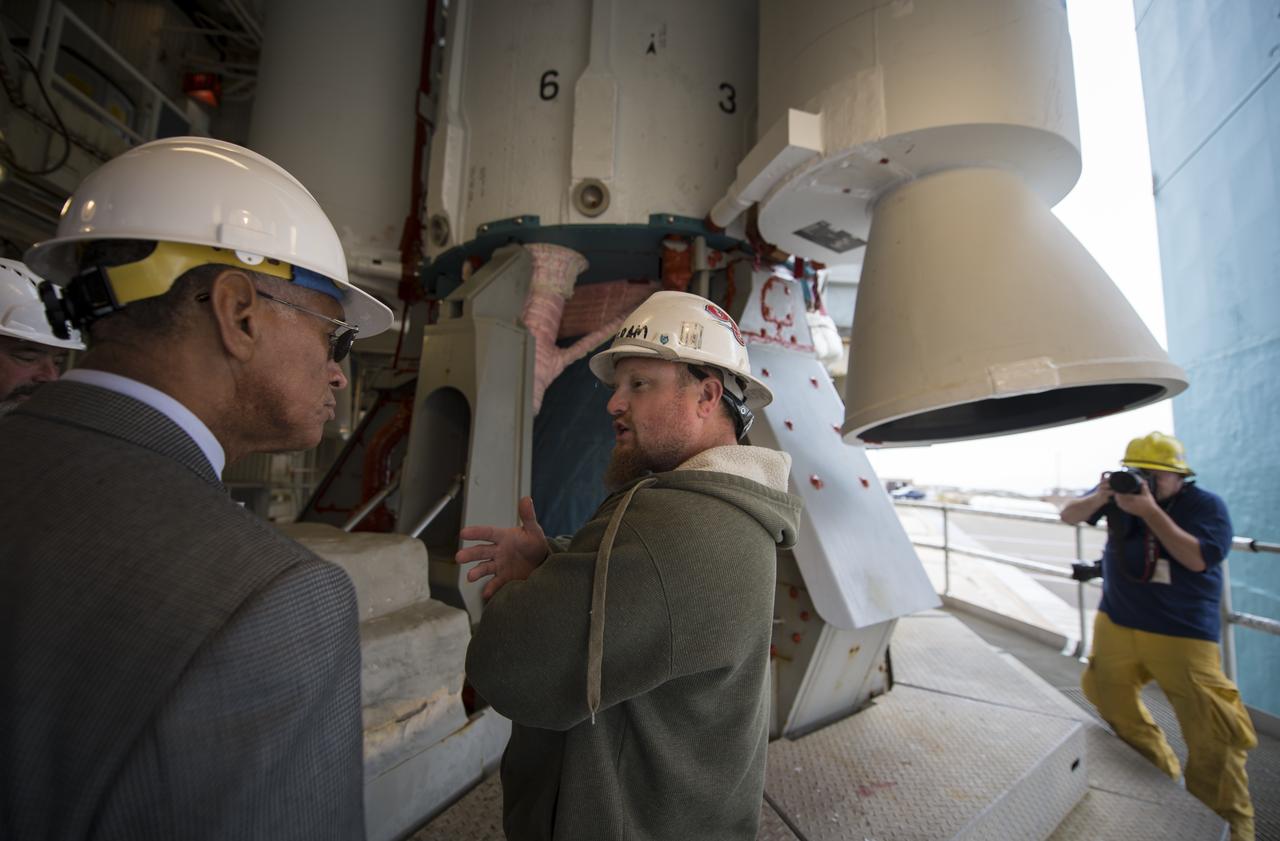
NASA Administrator Charles Bolden, left, talks with an engineer at the base of the United Launch Alliance Delta II rocket with the Orbiting Carbon Observatory-2 (OCO-2) satellite onboard, Monday, June 30, 2014, Space Launch Complex 2, Vandenberg Air Force Base, Calif. OCO-2 will measure the global distribution of carbon dioxide, the leading human-produced greenhouse gas driving changes in Earth’s climate. OCO-2 is set for a July 1, 2014 launch. Photo Credit: (NASA/Bill Ingalls)
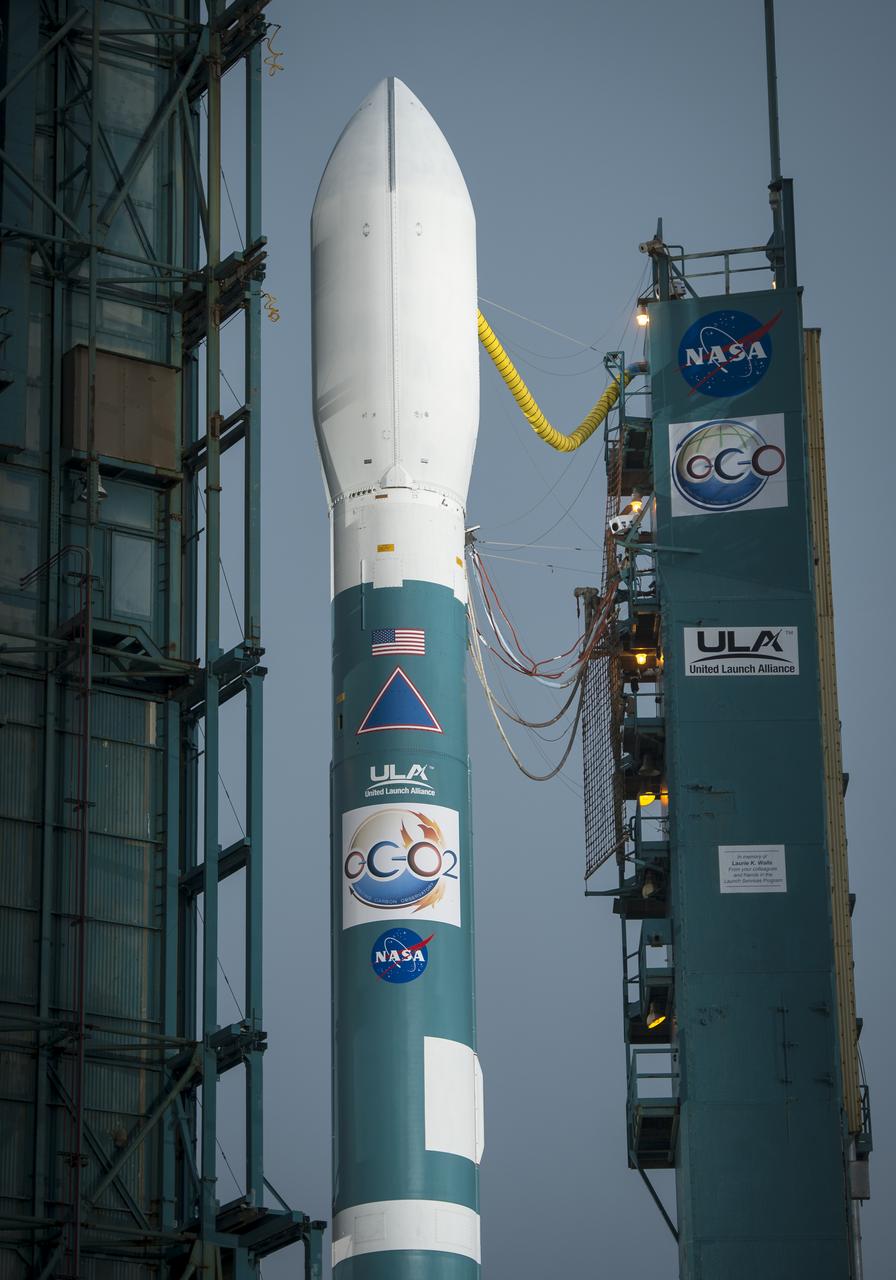
The United Launch Alliance Delta II rocket with the Orbiting Carbon Observatory-2 (OCO-2) satellite onboard, is seen as the launch gantry is moved at the Space Launch Complex 2, Monday, June 30, 2014, Vandenberg Air Force Base, Calif. OCO-2 will measure the global distribution of carbon dioxide, the leading human-produced greenhouse gas driving changes in Earth’s climate. OCO-2 is set for a July 1, 2014 launch. Photo Credit: (NASA/Bill Ingalls)
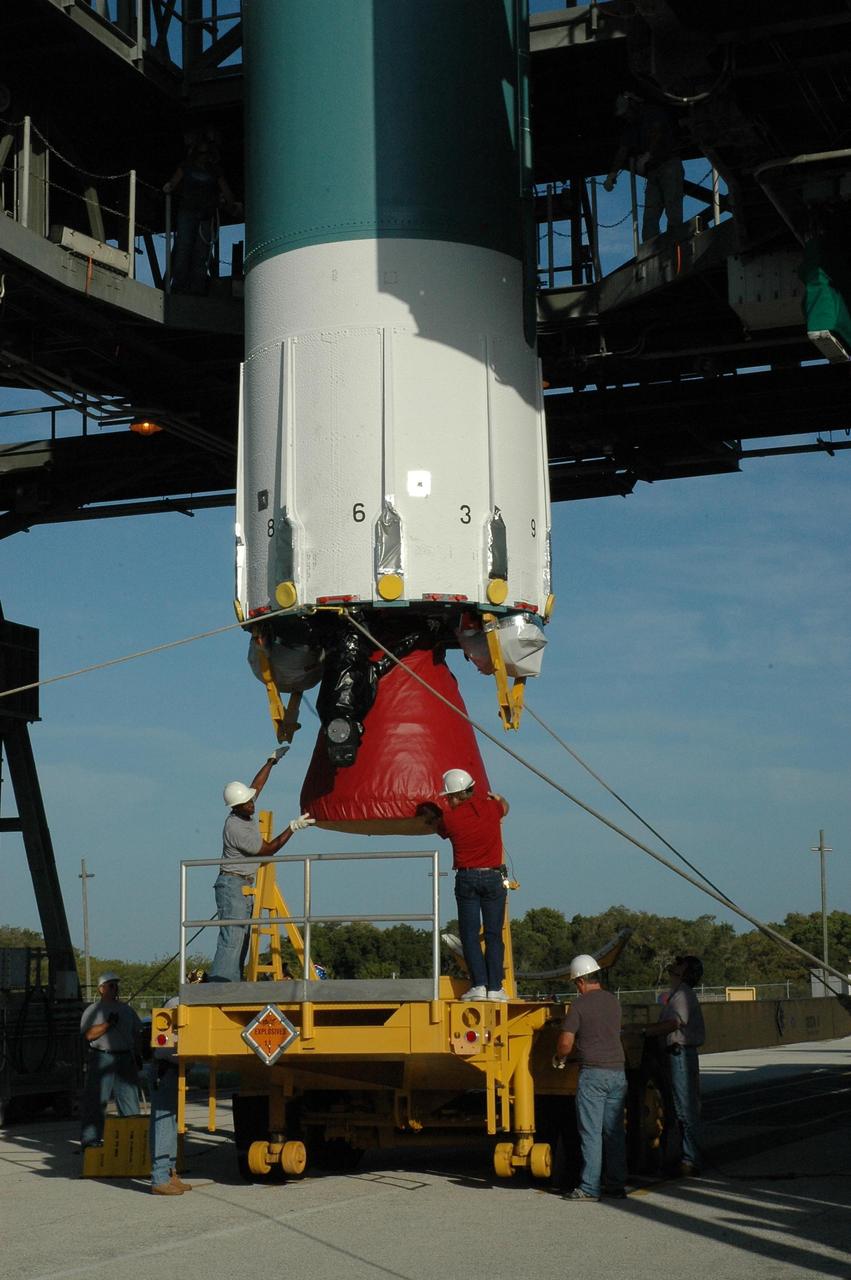
KENNEDY SPACE CENTER, FLA. -- On Launch Pad 17-B at Cape Canaveral Air Force Station, the first stage of a Delta II rocket is checked before it is lifted into the mobile service tower. The rocket is the launch vehicle for the Dawn spacecraft, targeted for liftoff on June 30. Dawn's mission is to explore two of the asteroid belt's most intriguing and dissimilar occupants: asteroid Vesta and the dwarf planet Ceres. Photo credit: NASA/Amanda Diller
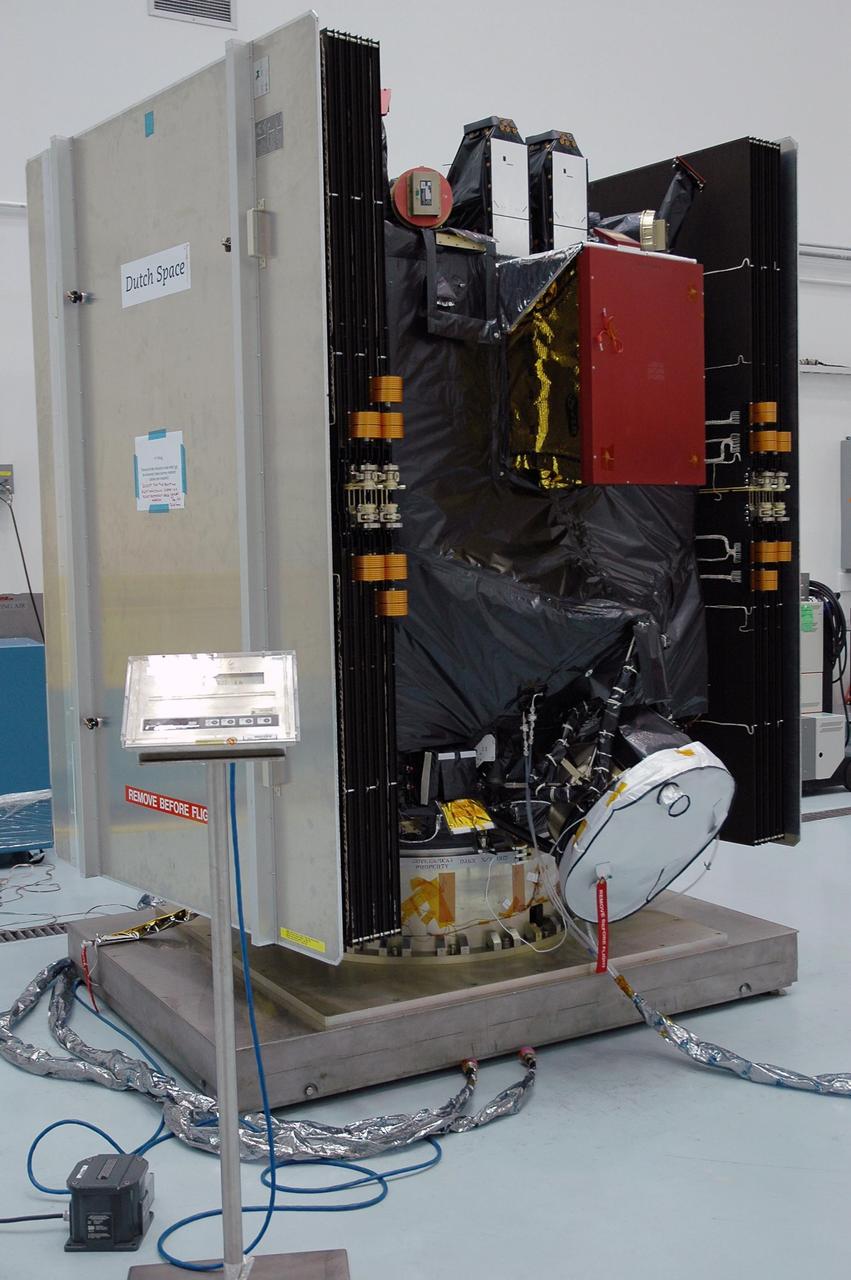
KENNEDY SPACE CENTER, FLA. -- Inside Astrotech's Hazardous Processing Facility, the Dawn spacecraft is weighed before fueling. Dawn is scheduled to launch June 30 aboard a Delta II rocket from Launch Complex 17-B at Cape Canaveral Air Force Station. Dawn's mission is to explore two of the asteroid belt's most intriguing and dissimilar occupants: asteroid Vesta and the dwarf planet Ceres. Photo credit: NASA/Charisse Nahser
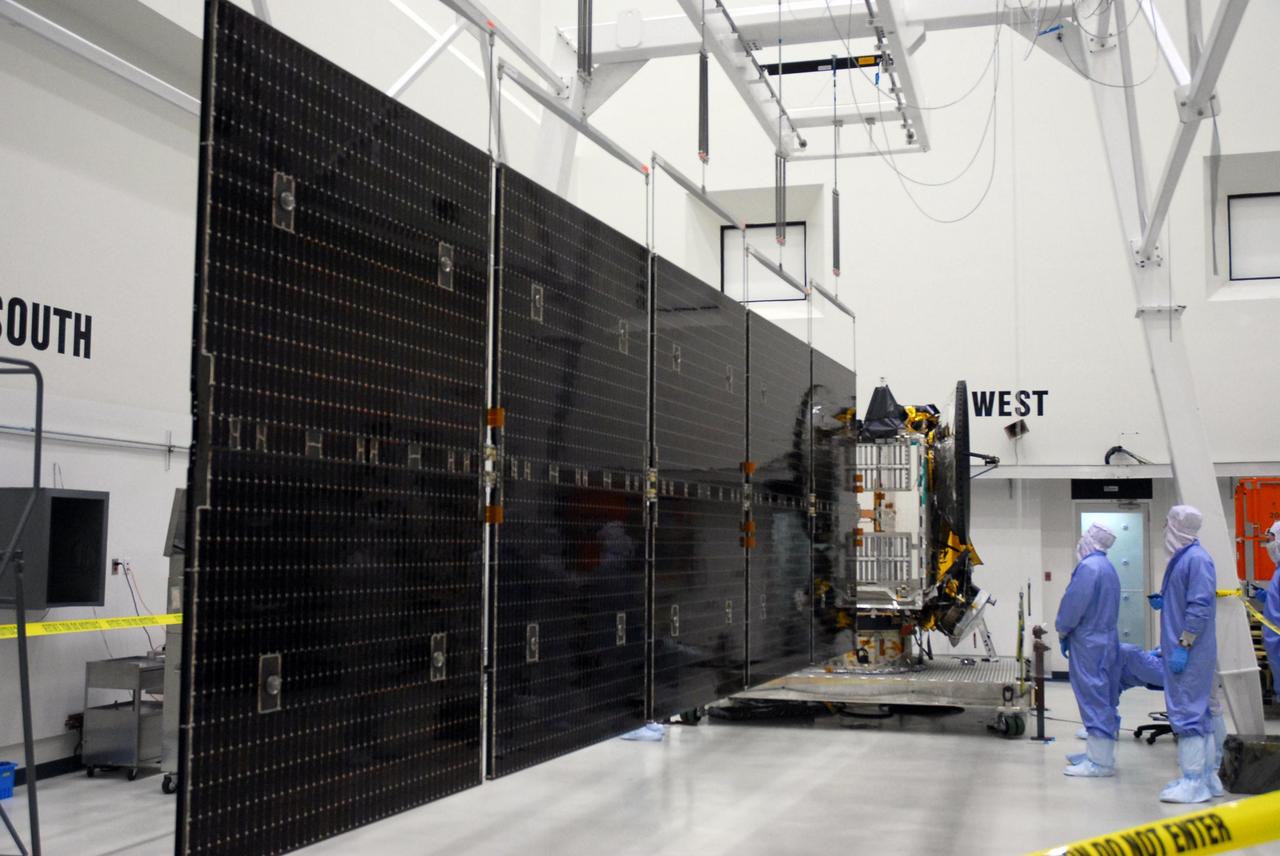
KENNEDY SPACE CENTER, FLA. -- At Astrotech, the more than 32-foot-long solar panels on one side of the Dawn spacecraft are fully deployed during a test. Dawn's mission is to explore two of the asteroid belt's most intriguing and dissimilar occupants: asteroid Vesta and the dwarf planet Ceres. Dawn is scheduled to launch June 30 aboard a Delta II rocket from Launch Complex 17-B at Cape Canaveral Air Force Station. Photo credit: NASA/George Shelton
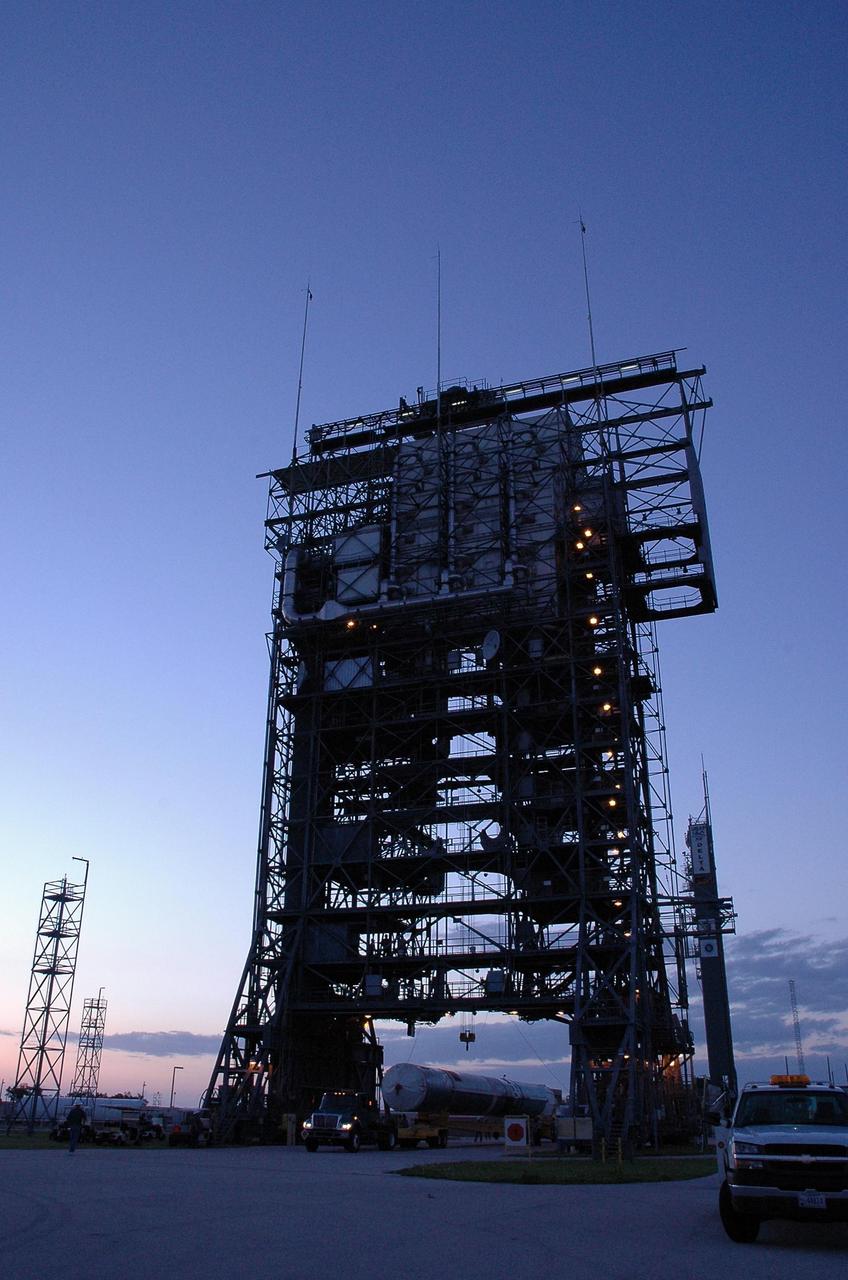
KENNEDY SPACE CENTER, FLA. -- The first stage of a Delta II rocket rolls under the mobile service tower on Launch Pad 17-B at Cape Canaveral Air Force Station. The rocket is the launch vehicle for the Dawn spacecraft, targeted for liftoff on June 30. Dawn's mission is to explore two of the asteroid belt's most intriguing and dissimilar occupants: asteroid Vesta and the dwarf planet Ceres. Photo credit: NASA/Amanda Diller

KENNEDY SPACE CENTER, FLA. -- In Hangar M on Cape Canaveral Air Force Station, workers secure straps to an overhead crane around the Delta II rocket's first stage. It will be lifted and placed onto a transporter for its move to the launch pad. Dawn's mission is to explore two of the asteroid belt's most intriguing and dissimilar occupants: asteroid Vesta and the dwarf planet Ceres. Dawn is scheduled to launch June 30 from Launch Complex 17-B. Photo credit: NASA/Jack Pfaller
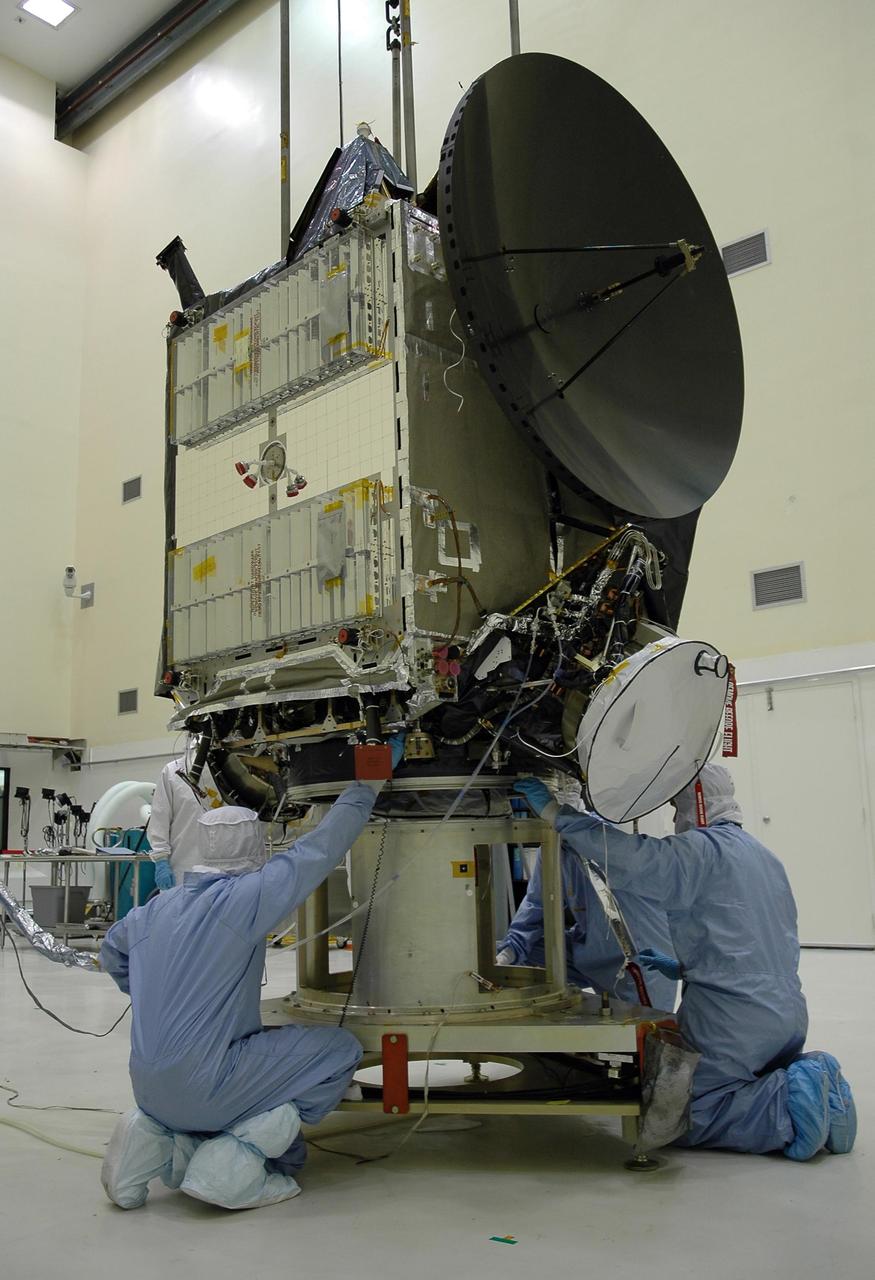
KENNEDY SPACE CENTER, FLA. -- In a clean room at Astrotech, workers prepare the Dawn spacecraft to be moved to a work stand for solar panel installation. Dawn's mission is to explore two of the asteroid belt's most intriguing and dissimilar occupants: asteroid Vesta and the dwarf planet Ceres. Dawn is scheduled to launch June 30 aboard a Delta II rocket from Launch Complex 17-B at Cape Canaveral Air Force Station. Photo credit: NASA/Jack Pfaller
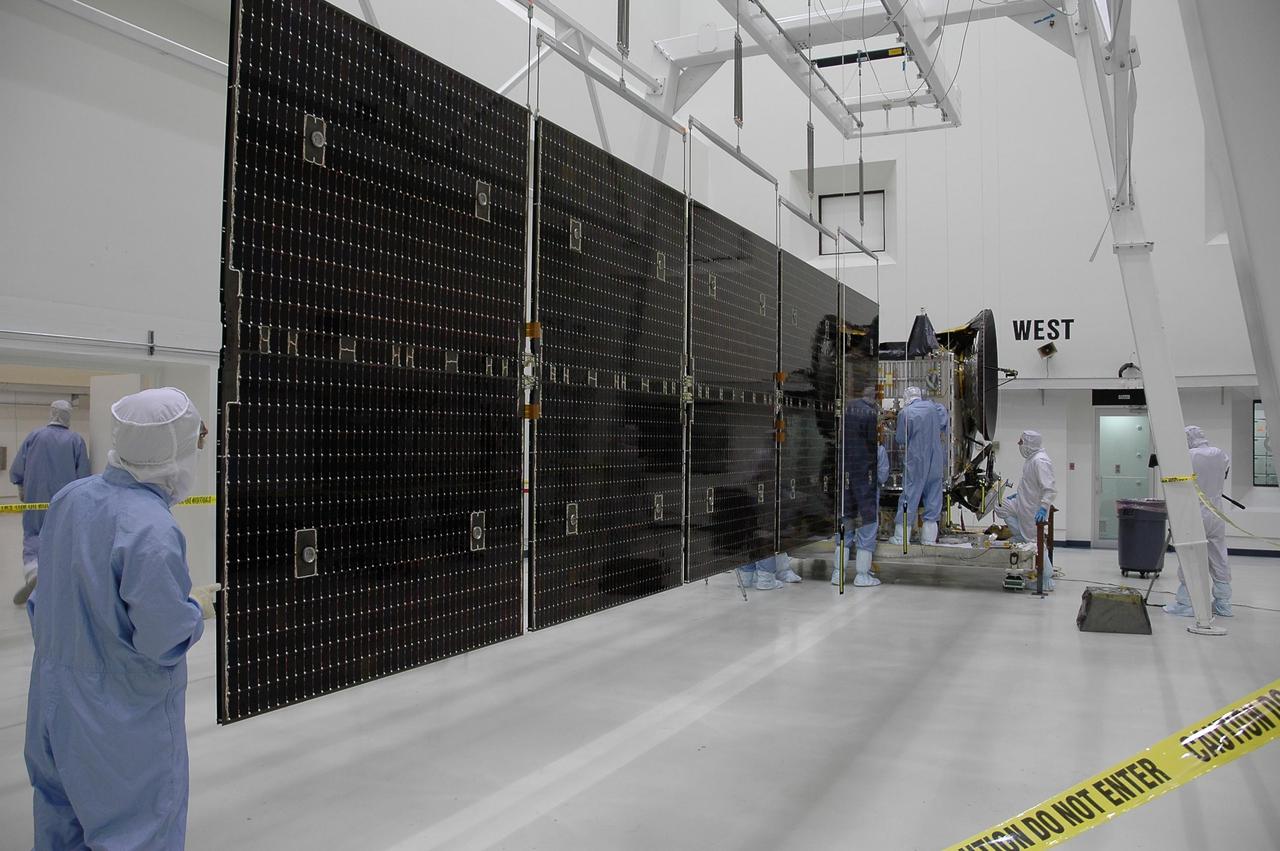
KENNEDY SPACE CENTER, FLA. -- In a clean room at Astrotech, the solar array panels at left are being installed on the Dawn spacecraft, in the background. Dawn's mission is to explore two of the asteroid belt's most intriguing and dissimilar occupants: asteroid Vesta and the dwarf planet Ceres. Dawn is scheduled to launch June 30 aboard a Delta II rocket from Launch Complex 17-B at Cape Canaveral Air Force Station. Photo credit: NASA/Jack Pfaller
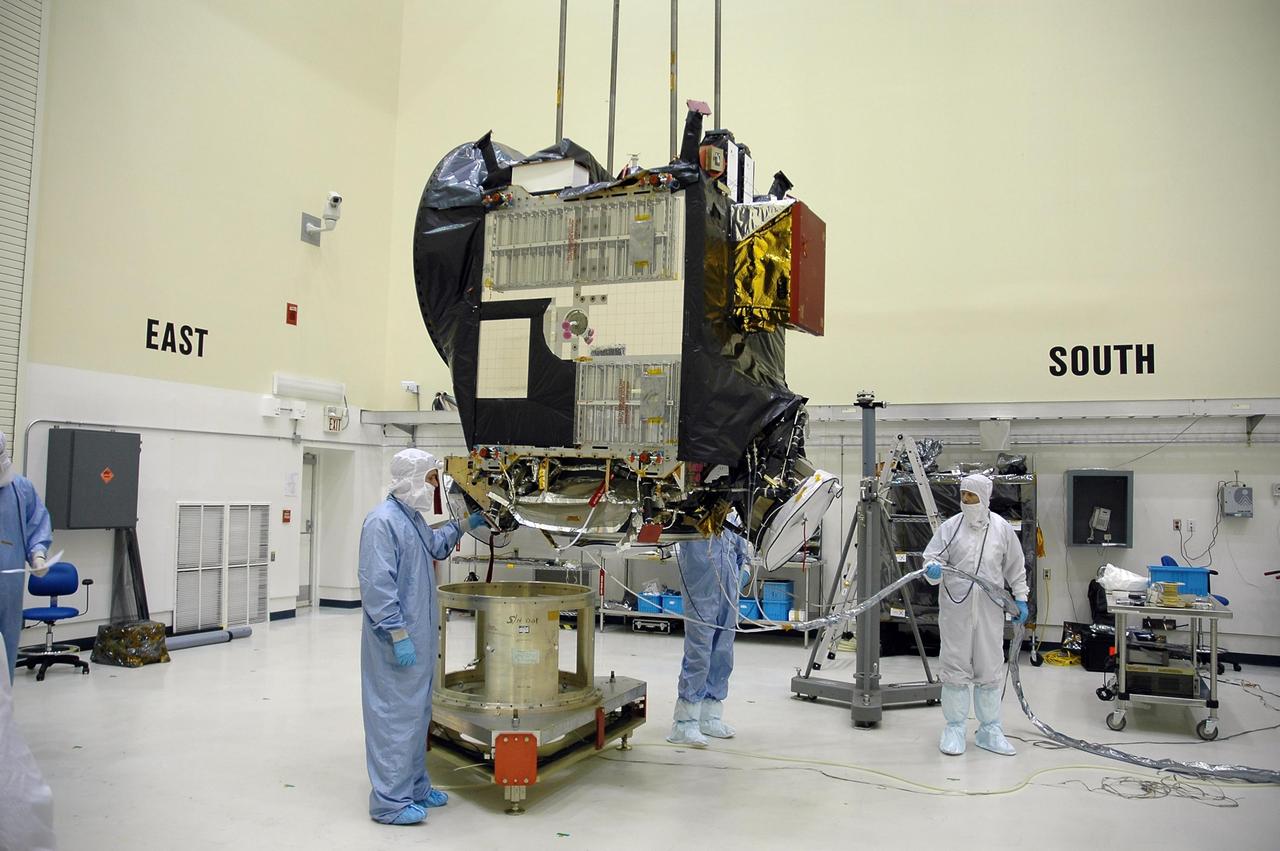
KENNEDY SPACE CENTER, FLA. -- In a clean room at Astrotech, workers stand near while the Dawn spacecraft is lifted and moved toward a work stand for solar panel installation. Dawn's mission is to explore two of the asteroid belt's most intriguing and dissimilar occupants: asteroid Vesta and the dwarf planet Ceres. Dawn is scheduled to launch June 30 aboard a Delta II rocket from Launch Complex 17-B at Cape Canaveral Air Force Station. Photo credit: NASA/Jack Pfaller
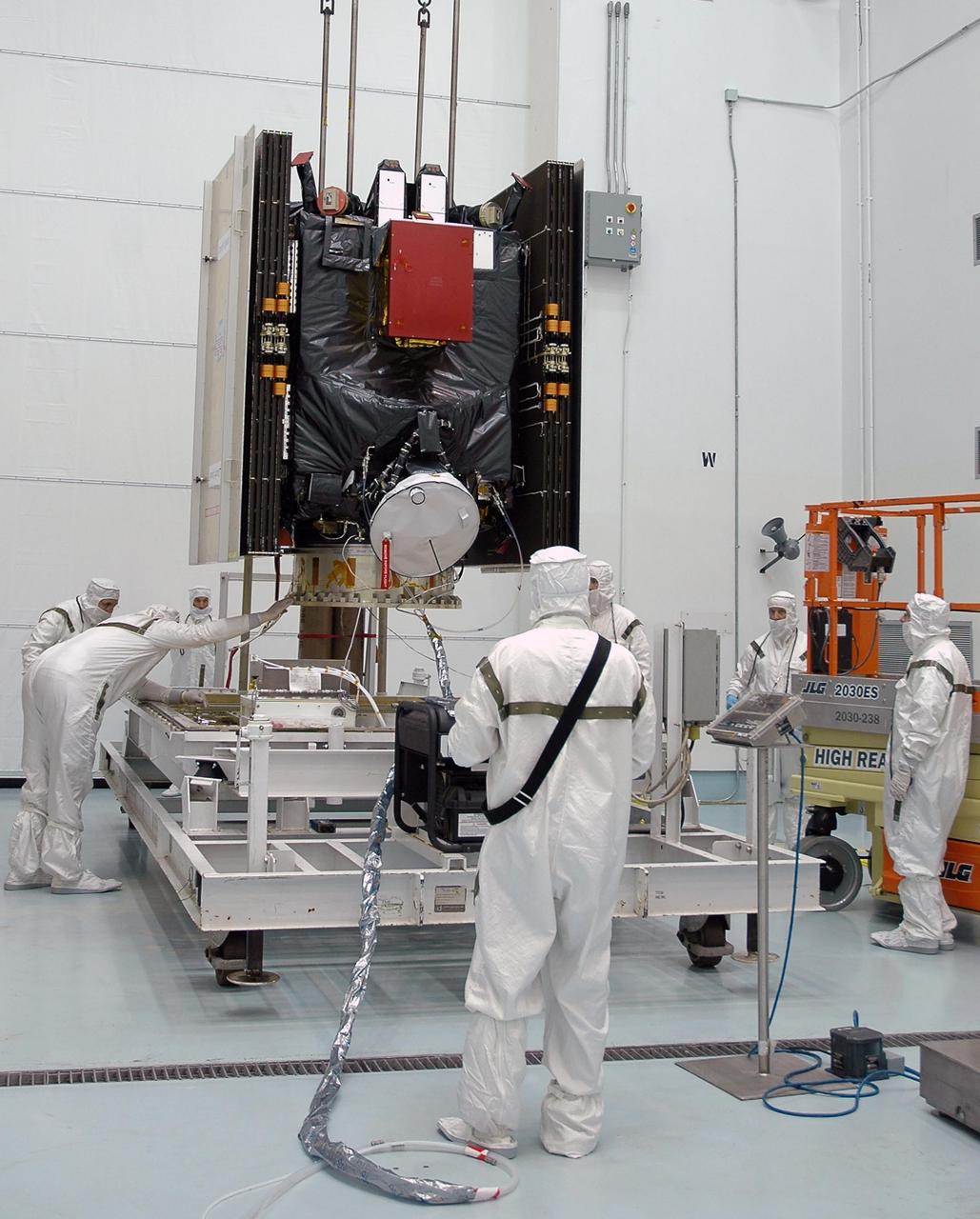
KENNEDY SPACE CENTER, FLA. -- Inside Astrotech's Hazardous Processing Facility, technicians check the progress of the Dawn spacecraft as it is lifted off the transporter. Dawn will be moved to a scale for weighing and then prepared for fueling. Dawn is scheduled to launch June 30 aboard a Delta II rocket from Launch Complex 17-B at Cape Canaveral Air Force Station. Dawn's mission is to explore two of the asteroid belt's most intriguing and dissimilar occupants: asteroid Vesta and the dwarf planet Ceres. Photo credit: NASA/Charisse Nahser
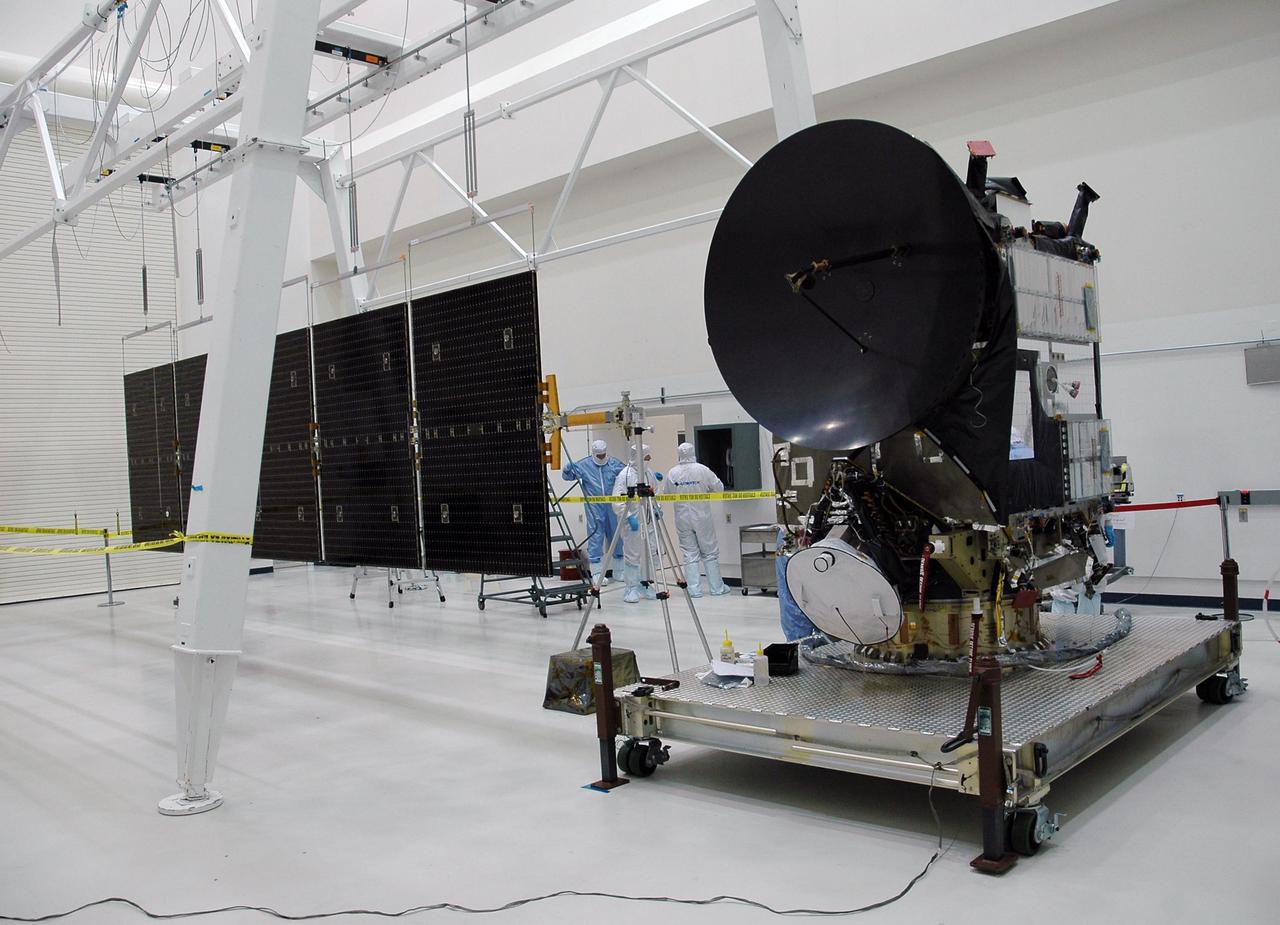
KENNEDY SPACE CENTER, FLA. -- In another clean room at Astrotech, solar array panels at left are ready to be installed on the Dawn spacecraft, at right. Dawn's mission is to explore two of the asteroid belt's most intriguing and dissimilar occupants: asteroid Vesta and the dwarf planet Ceres. Dawn is scheduled to launch June 30 aboard a Delta II rocket from Launch Complex 17-B at Cape Canaveral Air Force Station. Photo credit: NASA/Jack Pfaller
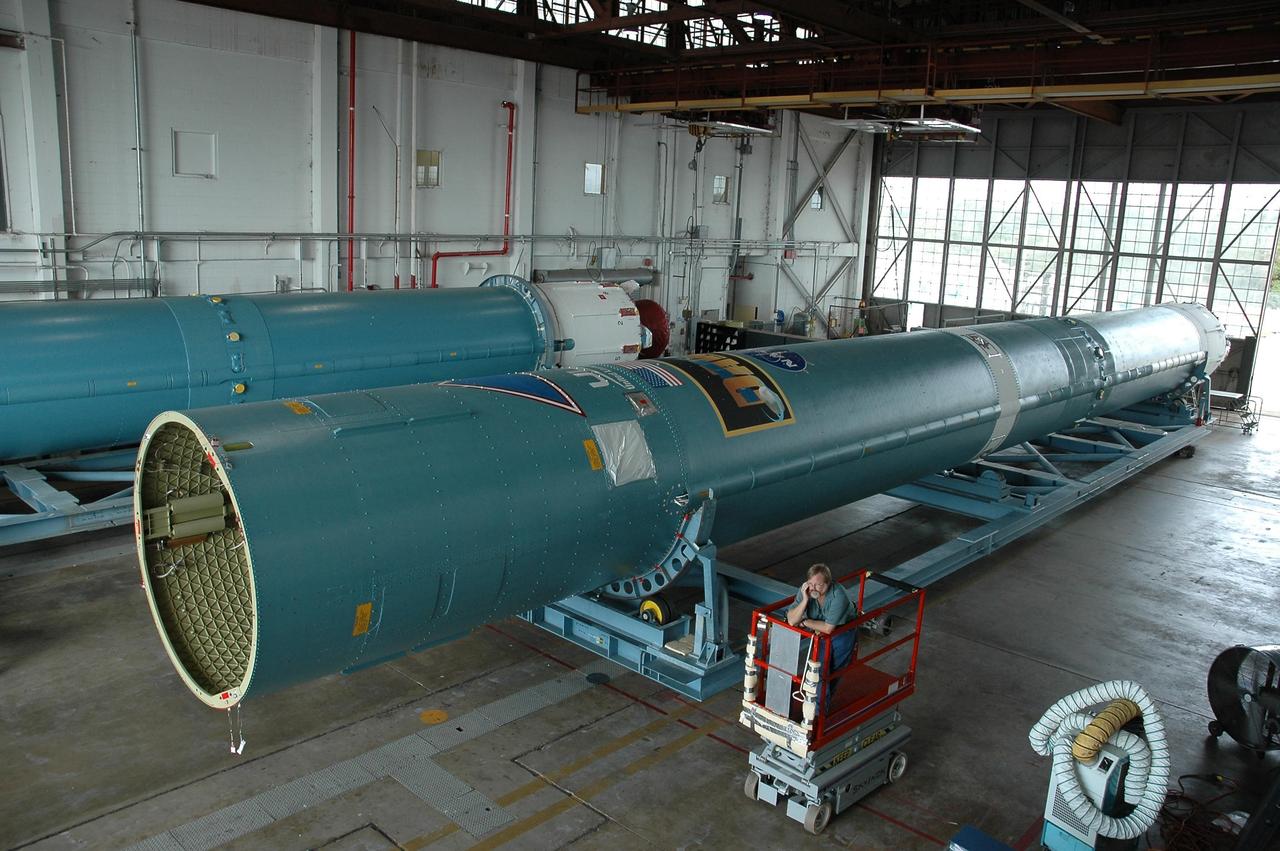
KENNEDY SPACE CENTER, FLA. -- In Hangar M on Cape Canaveral Air Force Station, the first stage of the Delta II rocket that will launch the Dawn spacecraft is ready to be transferred to a transporter for its move to the launch pad. Dawn's mission is to explore two of the asteroid belt's most intriguing and dissimilar occupants: asteroid Vesta and the dwarf planet Ceres. Dawn is scheduled to launch June 30 from Launch Complex 17-B. Photo credit: NASA/Jack Pfaller
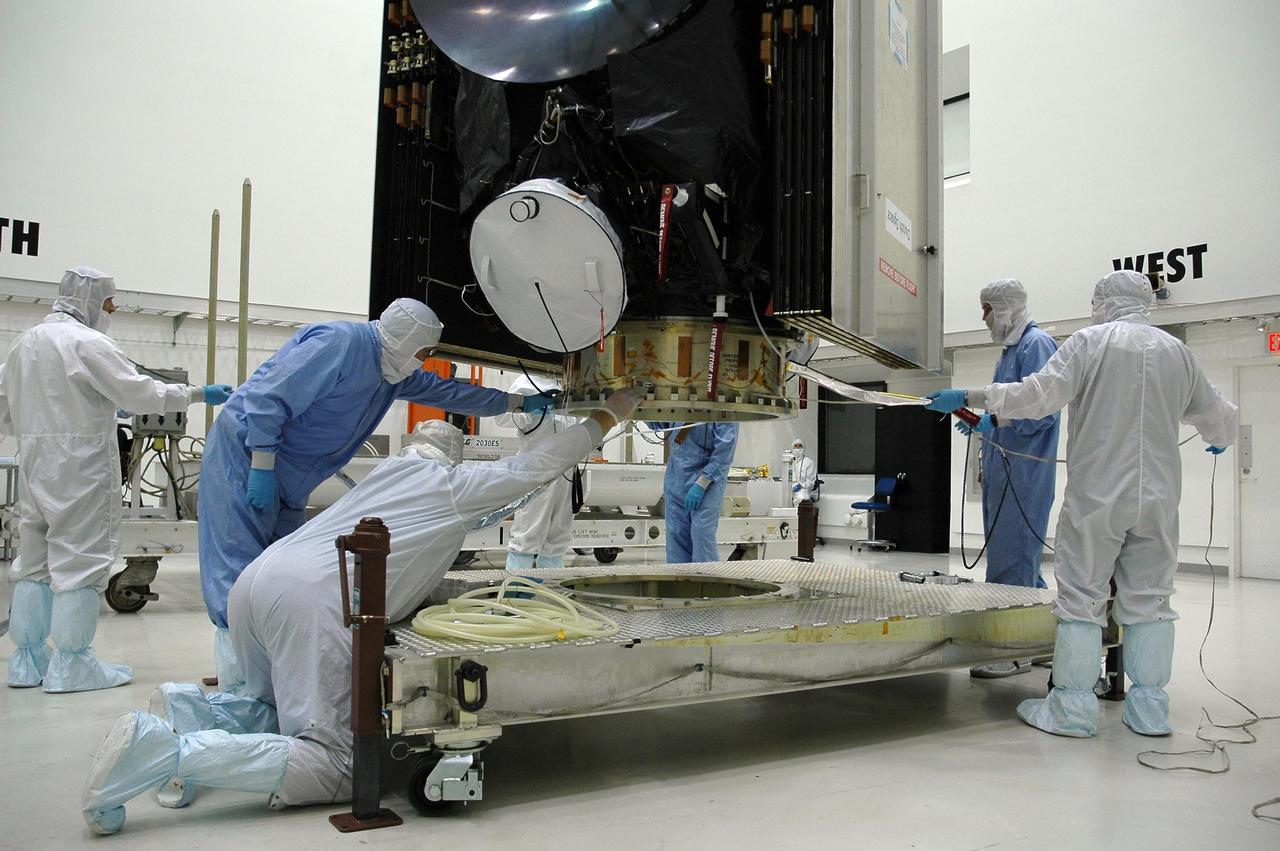
KENNEDY SPACE CENTER, FLA. -- At Astrotech's Payload Processing Facility, technicians check the Dawn spacecraft as it is lifted off the dolly. Dawn will be placed on a transporter and moved to the Hazardous Processing Facility for fueling. Dawn is scheduled to launch June 30 aboard a Delta II rocket from Launch Complex 17-B at Cape Canaveral Air Force Station. Dawn's mission is to explore two of the asteroid belt's most intriguing and dissimilar occupants: asteroid Vesta and the dwarf planet Ceres. Photo credit: NASA/Charisse Nahser
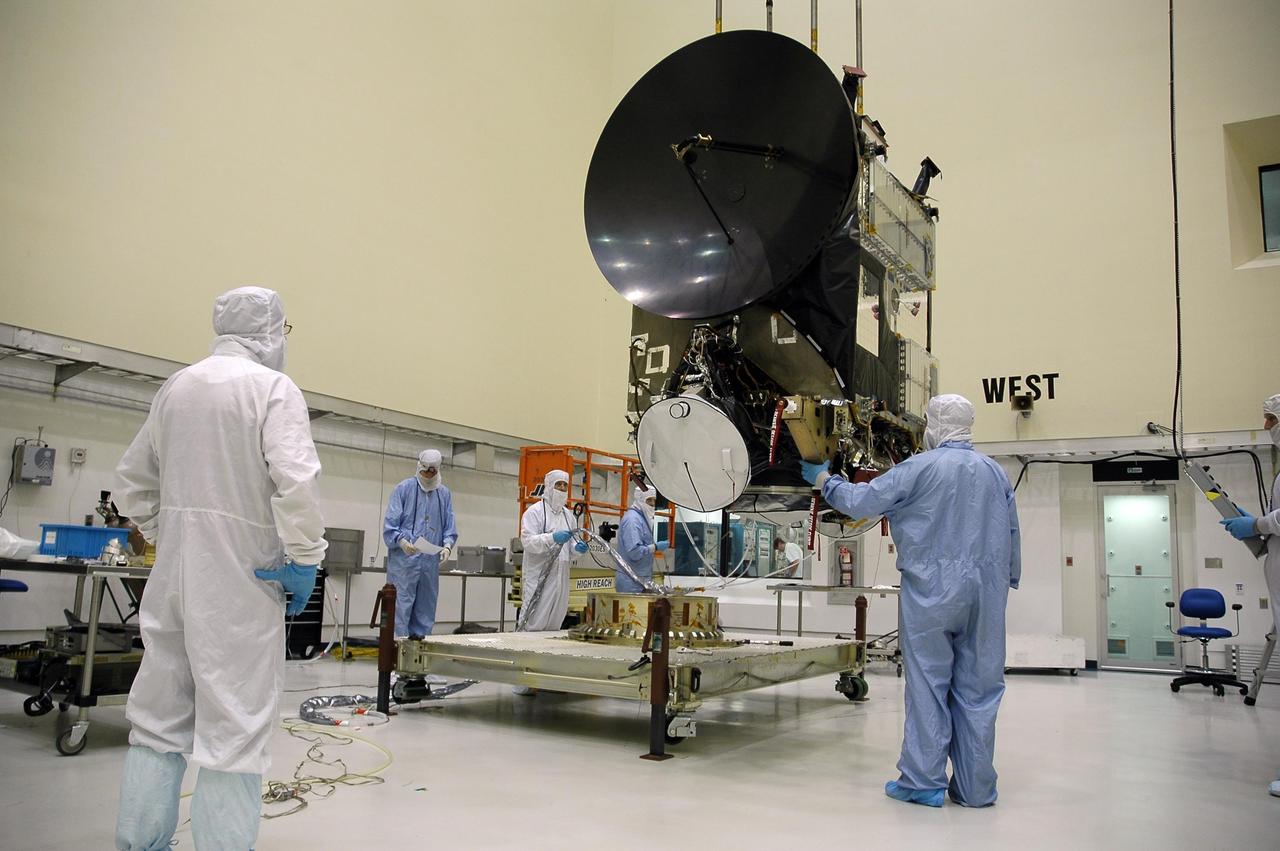
KENNEDY SPACE CENTER, FLA. -- In a clean room at Astrotech, the Dawn spacecraft is lowered toward a work stand for solar panel installation. Dawn's mission is to explore two of the asteroid belt's most intriguing and dissimilar occupants: asteroid Vesta and the dwarf planet Ceres. Dawn is scheduled to launch June 30 aboard a Delta II rocket from Launch Complex 17-B at Cape Canaveral Air Force Station. Photo credit: NASA/Jack Pfaller
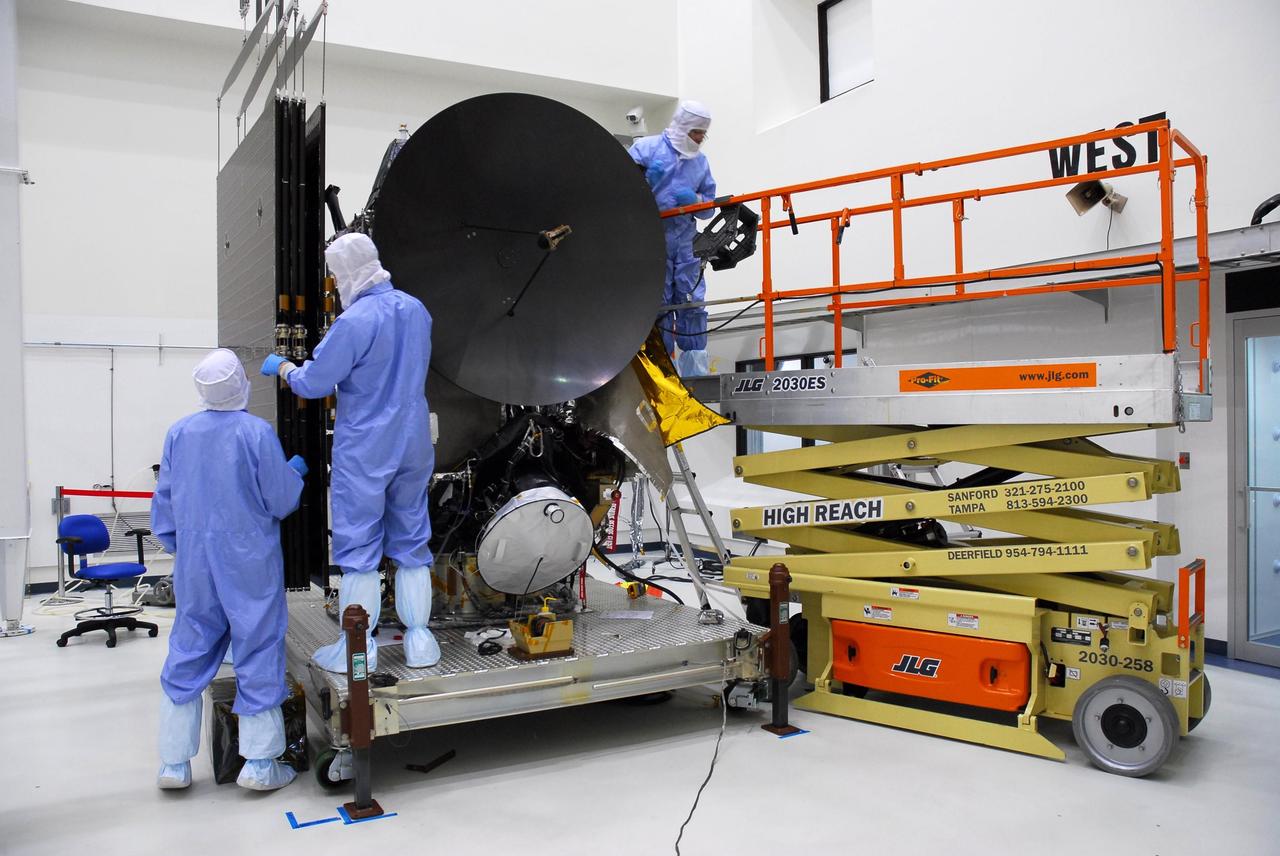
KENNEDY SPACE CENTER, FLA. -- At Astrotech, workers get ready to test deploy the large solar array panels on one side of the Dawn spacecraft. Dawn's mission is to explore two of the asteroid belt's most intriguing and dissimilar occupants: asteroid Vesta and the dwarf planet Ceres. Dawn is scheduled to launch June 30 aboard a Delta II rocket from Launch Complex 17-B at Cape Canaveral Air Force Station. Photo credit: NASA/George Shelton
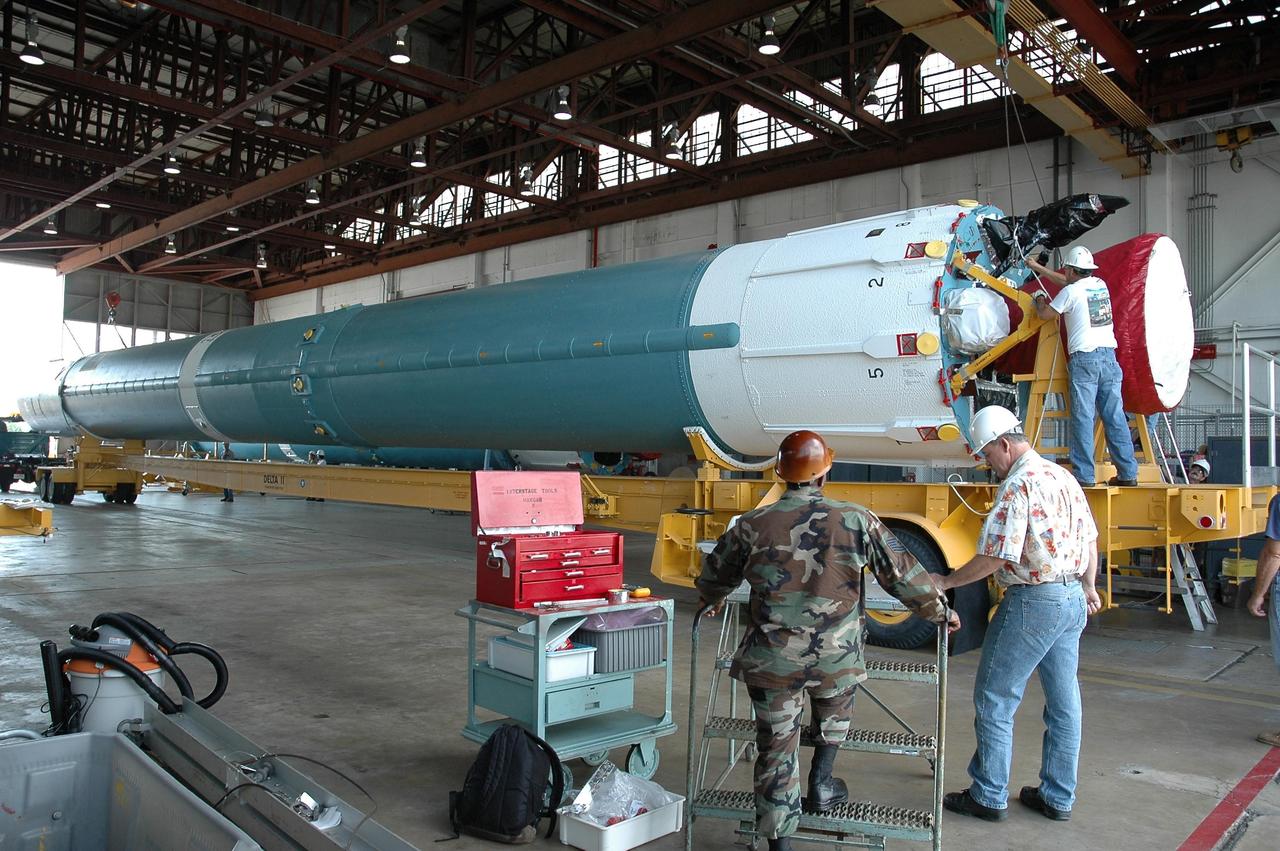
KENNEDY SPACE CENTER, FLA. -- After its successful transfer to a transporter, the Delta II first stage is ready to move out of Hangar M on Cape Canaveral Air Force Station. Dawn's mission is to explore two of the asteroid belt's most intriguing and dissimilar occupants: asteroid Vesta and the dwarf planet Ceres. Dawn is scheduled to launch June 30 from Launch Complex 17-B. Photo credit: NASA/Jack Pfaller
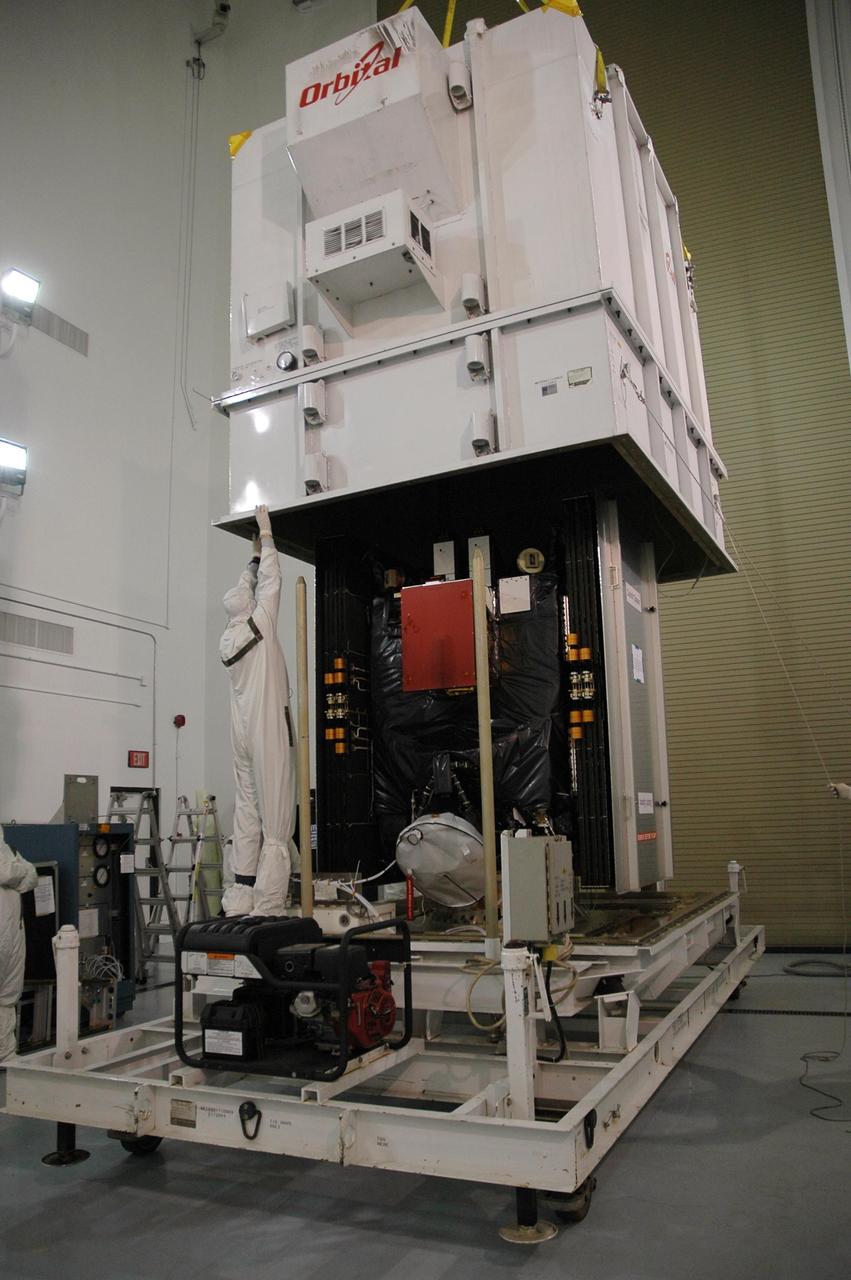
KENNEDY SPACE CENTER, FLA. -- Inside Astrotech's Hazardous Processing Facility, the shipping container is removed from around the Dawn spacecraft. Dawn will be moved to a scale for weighing and then prepared for fueling. Dawn is scheduled to launch June 30 aboard a Delta II rocket from Launch Complex 17-B at Cape Canaveral Air Force Station. Dawn's mission is to explore two of the asteroid belt's most intriguing and dissimilar occupants: asteroid Vesta and the dwarf planet Ceres. Photo credit: NASA/Charisse Nahser
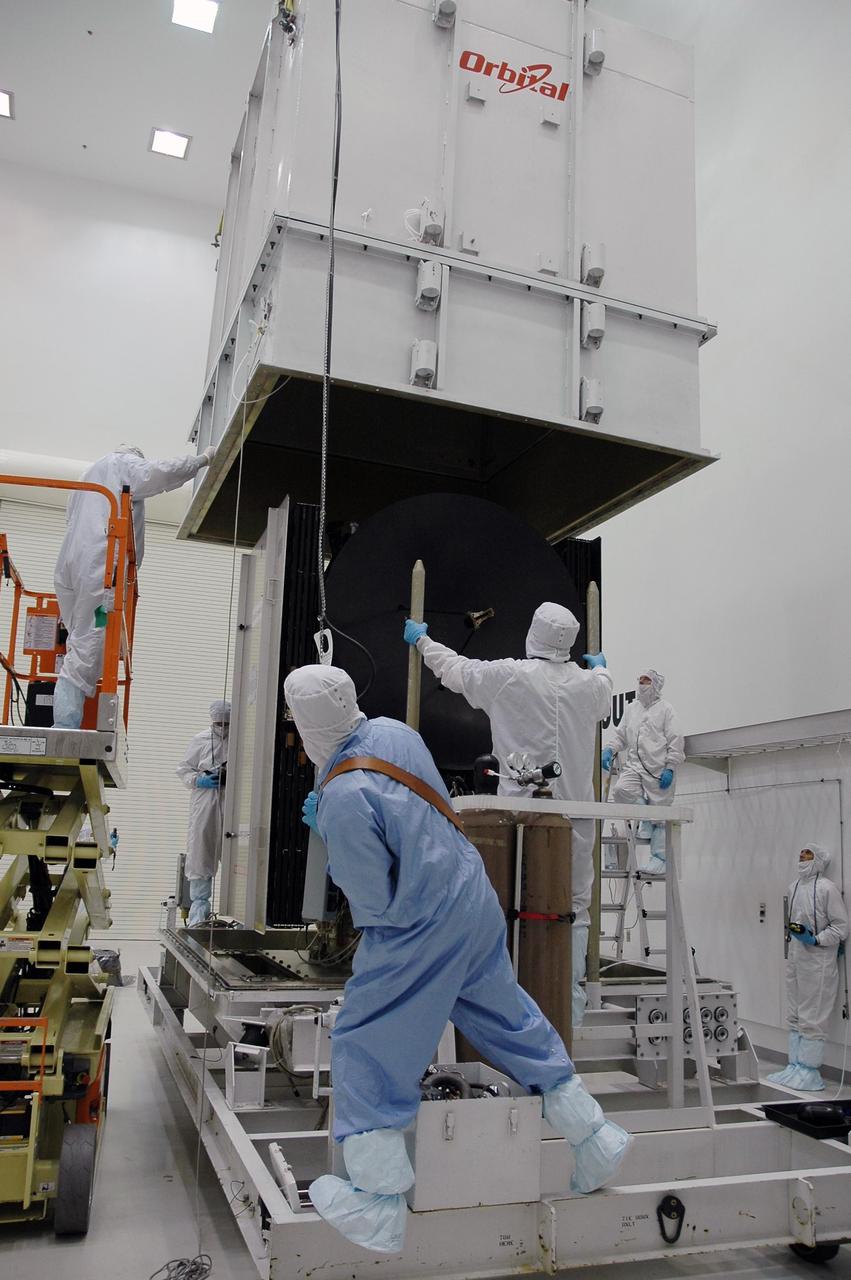
KENNEDY SPACE CENTER, FLA. --At Astrotech's Payload Processing Facility, technicians check the progress of the shipping container as it is lowered around the Dawn spacecraft. Dawn will be moved to the Hazardous Processing Facility for fueling. Dawn is scheduled to launch June 30 aboard a Delta II rocket from Launch Complex 17-B at Cape Canaveral Air Force Station. Dawn's mission is to explore two of the asteroid belt's most intriguing and dissimilar occupants: asteroid Vesta and the dwarf planet Ceres. Photo credit: NASA/Charisse Nahser
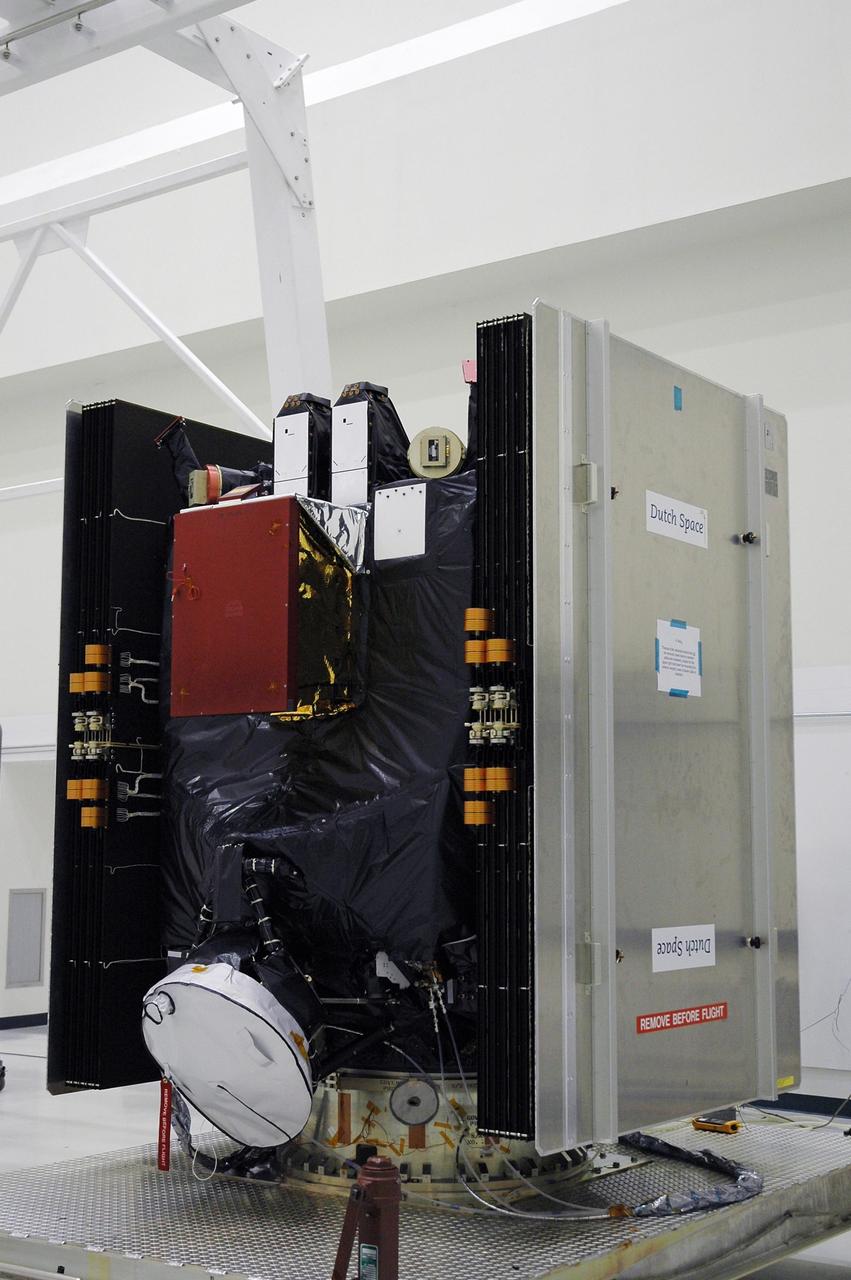
KENNEDY SPACE CENTER, FLA. -- At Astrotech's Payload Processing Facility, the solar panels on the Dawn spacecraft are stowed in preparation for Dawn's transfer to a transporter and move to the Hazardous Processing Facility for fueling. Dawn is scheduled to launch June 30 aboard a Delta II rocket from Launch Complex 17-B at Cape Canaveral Air Force Station. Dawn's mission is to explore two of the asteroid belt's most intriguing and dissimilar occupants: asteroid Vesta and the dwarf planet Ceres. Photo credit: NASA/Charisse Nahser
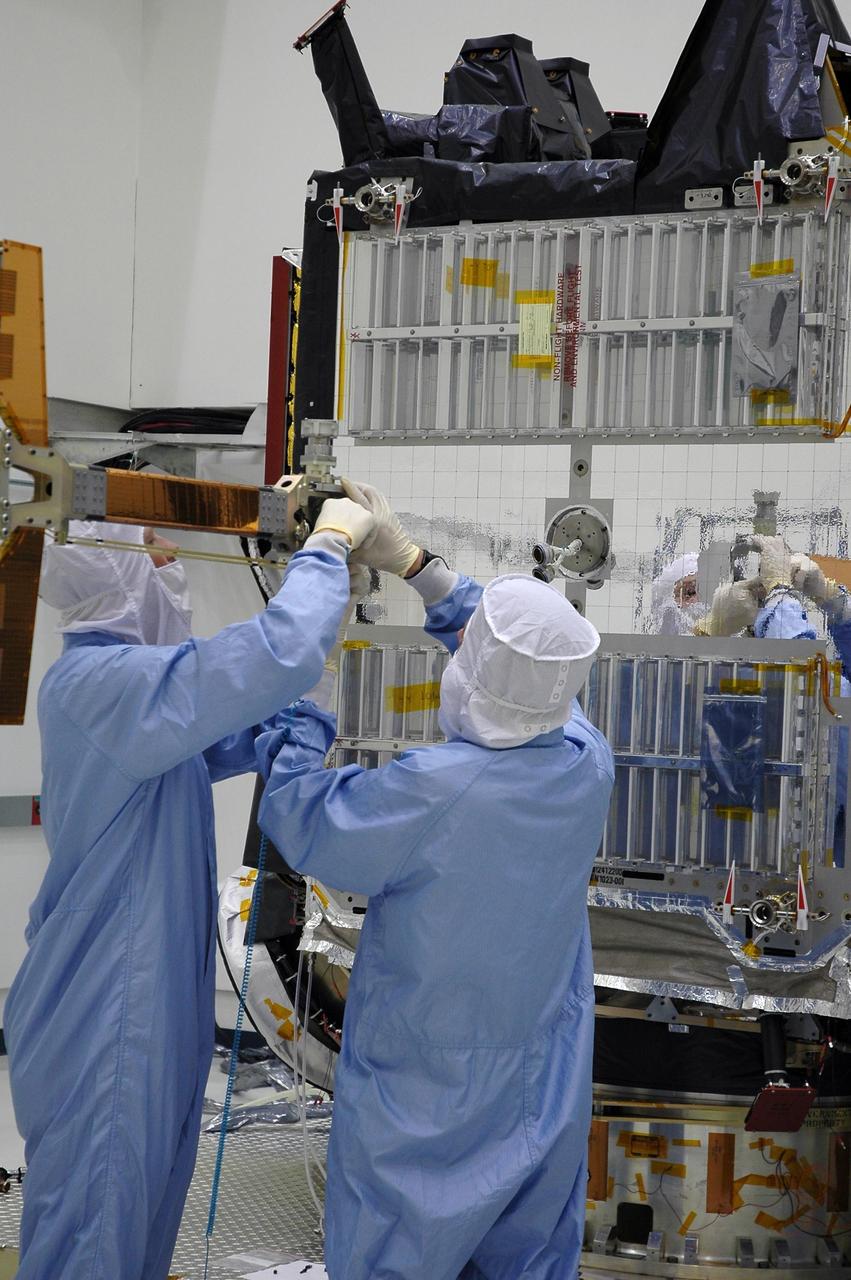
KENNEDY SPACE CENTER, FLA. -- In a clean room at Astrotech, workers prepare the Dawn spacecraft for installation of its solar array panels. Dawn's mission is to explore two of the asteroid belt's most intriguing and dissimilar occupants: asteroid Vesta and the dwarf planet Ceres. Dawn is scheduled to launch June 30 aboard a Delta II rocket from Launch Complex 17-B at Cape Canaveral Air Force Station. Photo credit: NASA/Jack Pfaller
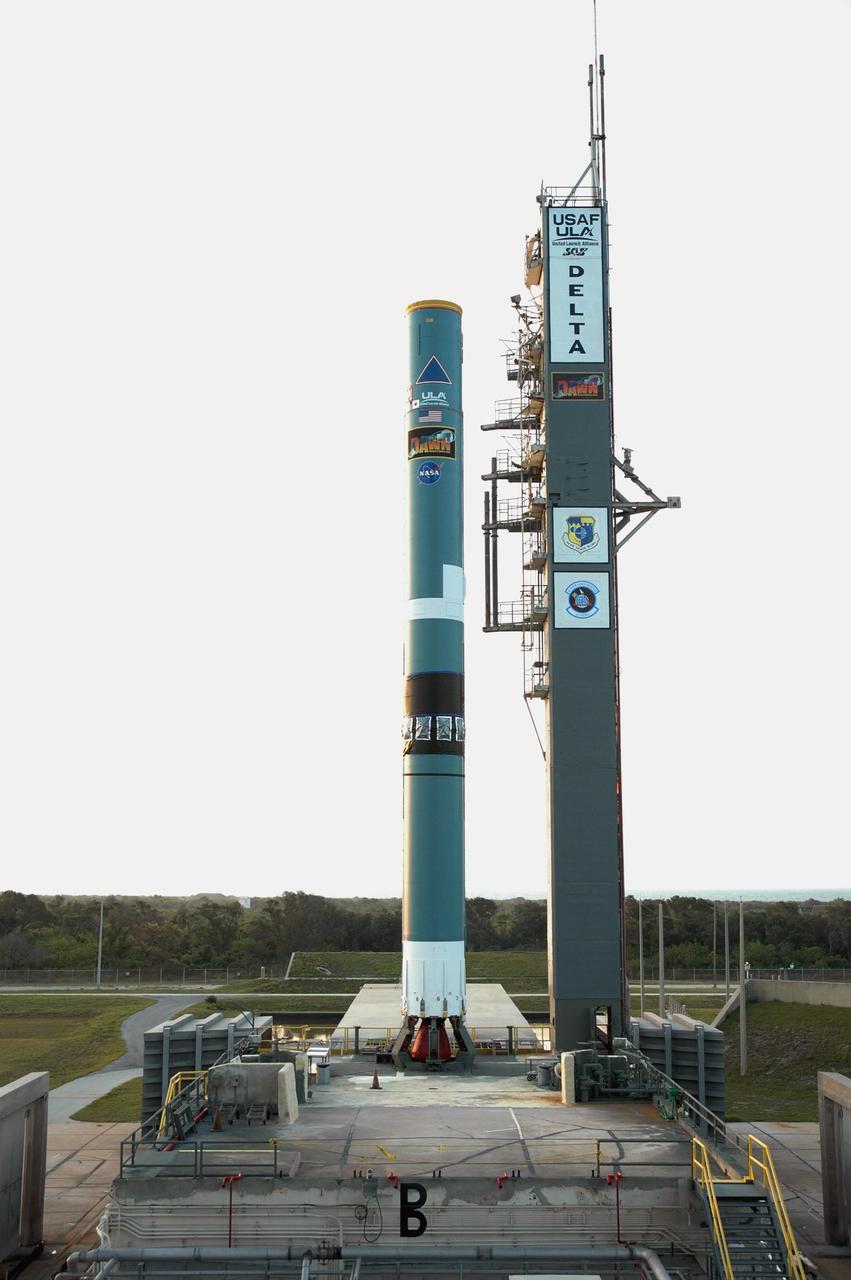
KENNEDY SPACE CENTER, FLA. -- On Launch Pad 17-B at Cape Canaveral Air Force Station, the 1st stage of the Delta II rocket awaits solid rocket booster attachment. The rocket is the launch vehicle for the Dawn spacecraft, scheduled to launch June 30. Dawn's mission is to explore two of the asteroid belt's most intriguing and dissimilar occupants: asteroid Vesta and the dwarf planet Ceres. Photo credit: NASA/Jim Grossmann
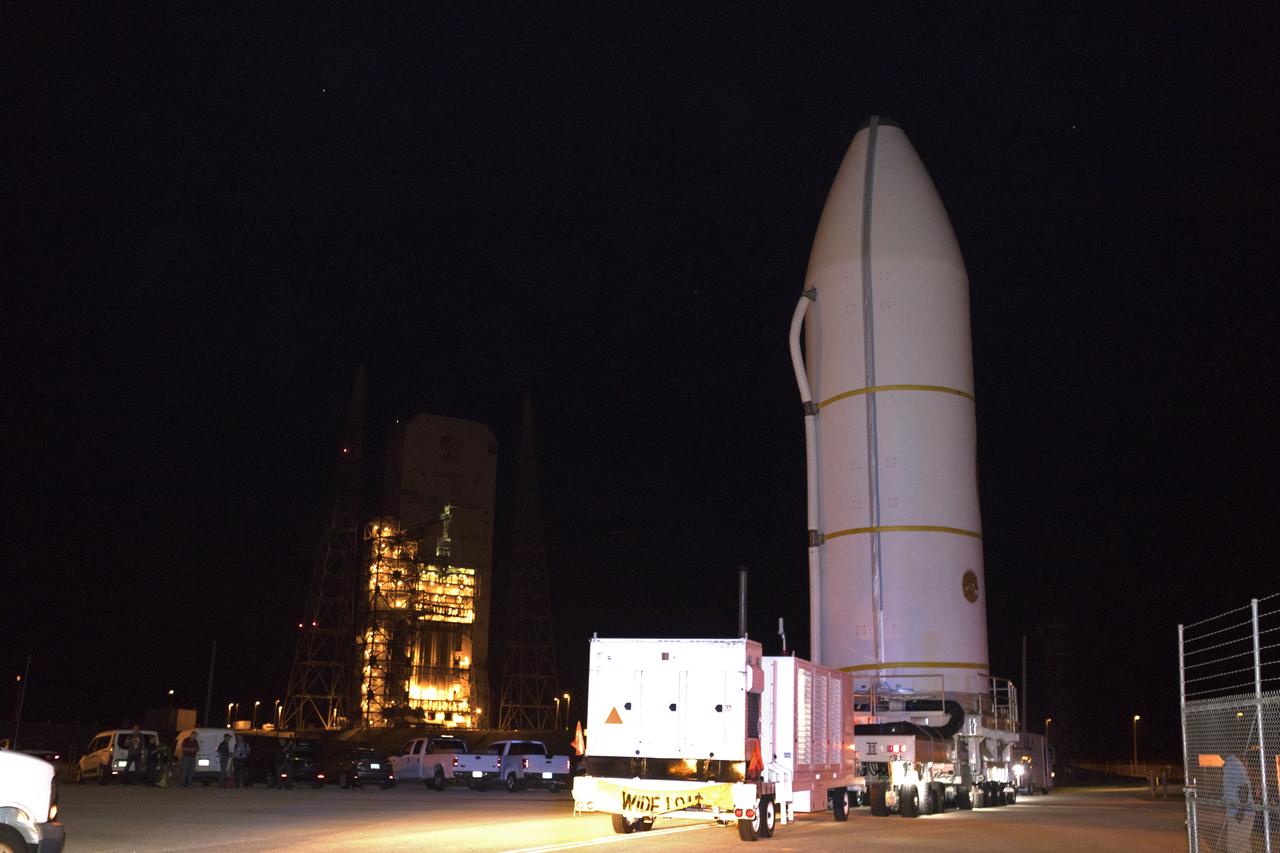
On Monday, July 30, 2018 NASA's Parker Solar Probe, encapsulated in its payload fairing, arrives at Space Launch Complex 37 at Cape Canaveral Air Force Station where it will be mated atop a United Launch Alliance Delta IV Heavy rocket. The mission will perform the closest-ever observations of a star when it travels through the Sun's atmosphere, called the corona. The probe will rely on measurements and imaging to revolutionize our understanding of the corona and the Sun-Earth connection.
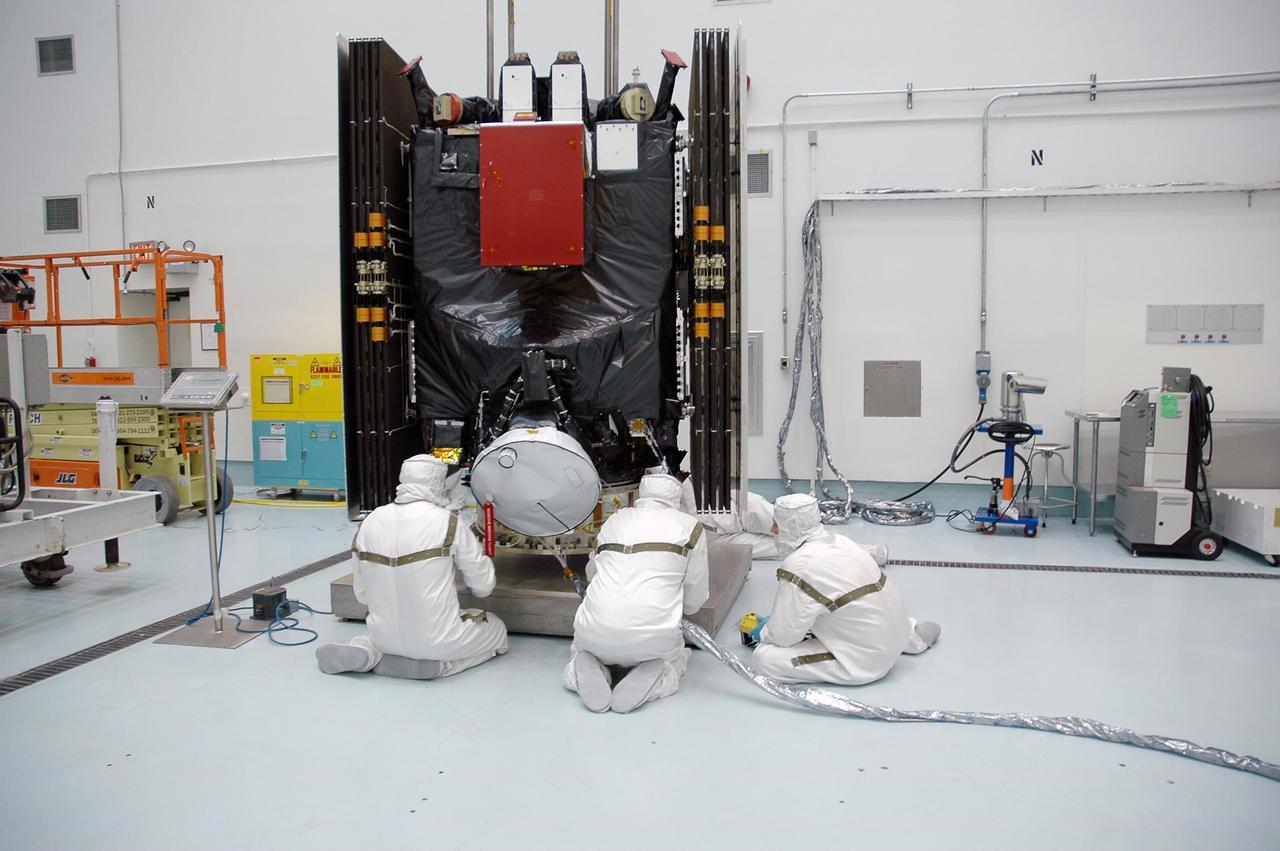
KENNEDY SPACE CENTER, FLA. -- Inside Astrotech's Hazardous Processing Facility, technicians check the Dawn spacecraft as it is lowered onto a scale for weighing. Next, Dawn will be prepared for fueling. Dawn is scheduled to launch June 30 aboard a Delta II rocket from Launch Complex 17-B at Cape Canaveral Air Force Station. Dawn's mission is to explore two of the asteroid belt's most intriguing and dissimilar occupants: asteroid Vesta and the dwarf planet Ceres. Photo credit: NASA/Charisse Nahser
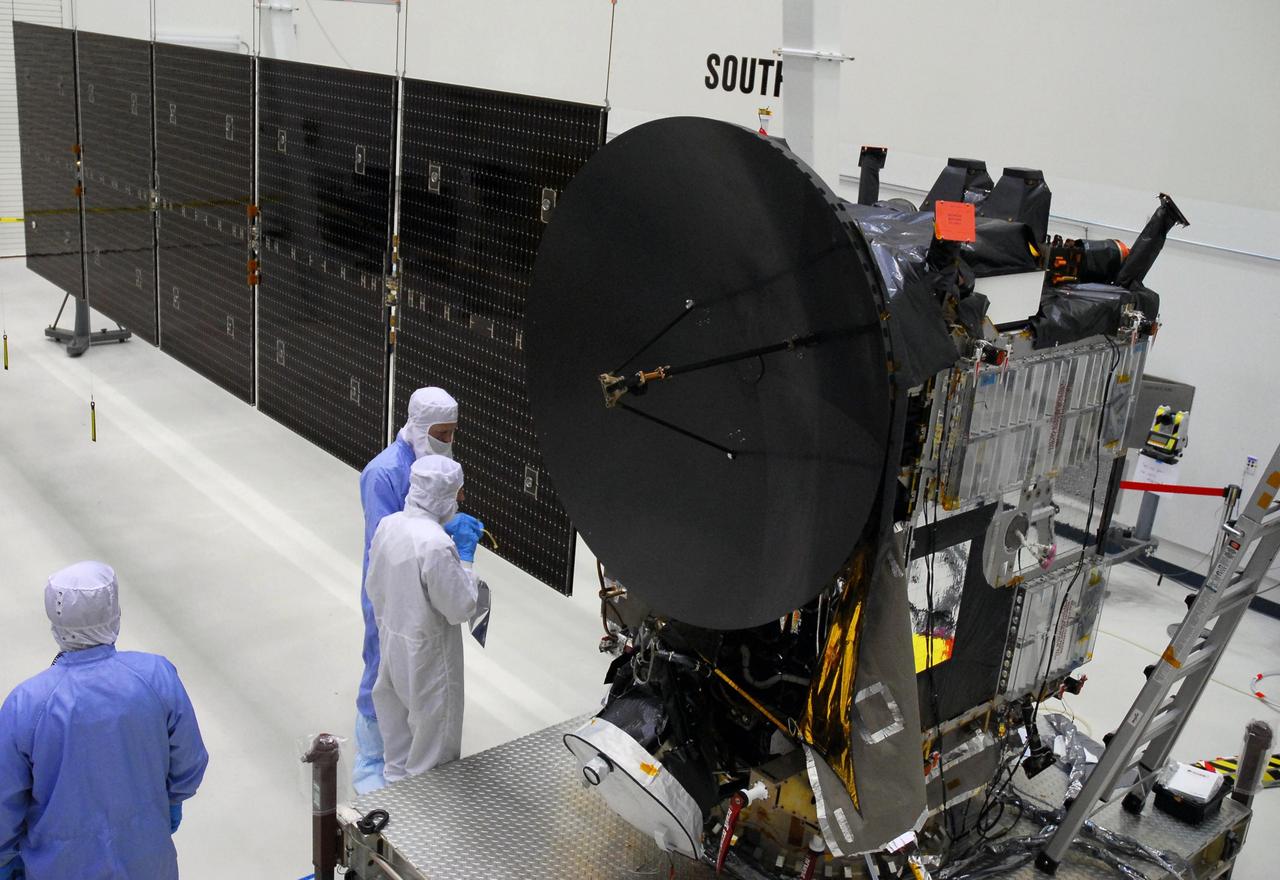
KENNEDY SPACE CENTER, FLA. -- At Astrotech, workers check the Dawn spacecraft after testing the deployment of its more than 32-foot-long solar panels on one side. Dawn's mission is to explore two of the asteroid belt's most intriguing and dissimilar occupants: asteroid Vesta and the dwarf planet Ceres. Dawn is scheduled to launch June 30 aboard a Delta II rocket from Launch Complex 17-B at Cape Canaveral Air Force Station. Photo credit: NASA/George Shelton
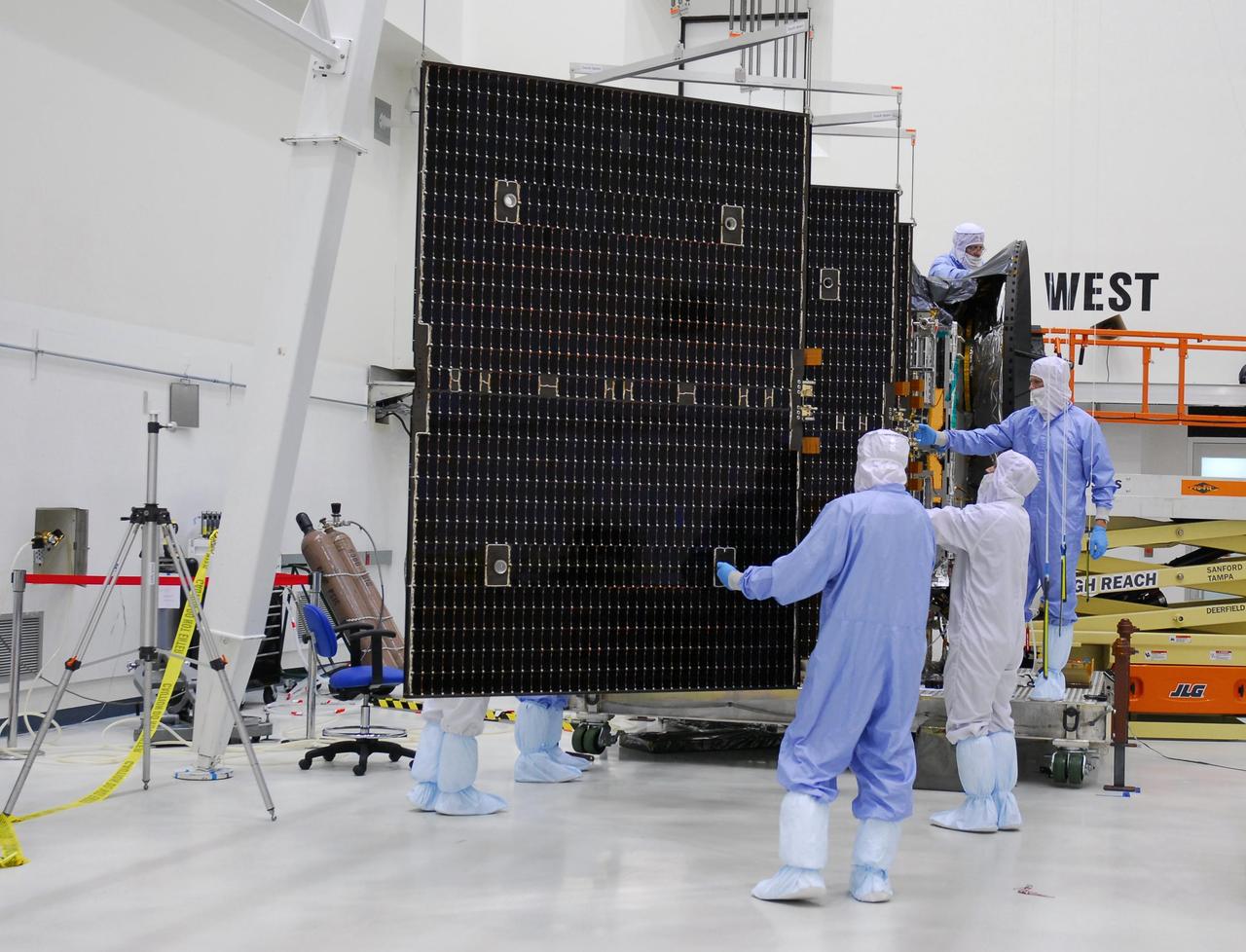
KENNEDY SPACE CENTER, FLA. -- At Astrotech, workers fold the large solar array panels on one side of the Dawn spacecraft. The panels will be tested for deployment and stowage. Dawn's mission is to explore two of the asteroid belt's most intriguing and dissimilar occupants: asteroid Vesta and the dwarf planet Ceres. Dawn is scheduled to launch June 30 aboard a Delta II rocket from Launch Complex 17-B at Cape Canaveral Air Force Station. Photo credit: NASA/George Shelton
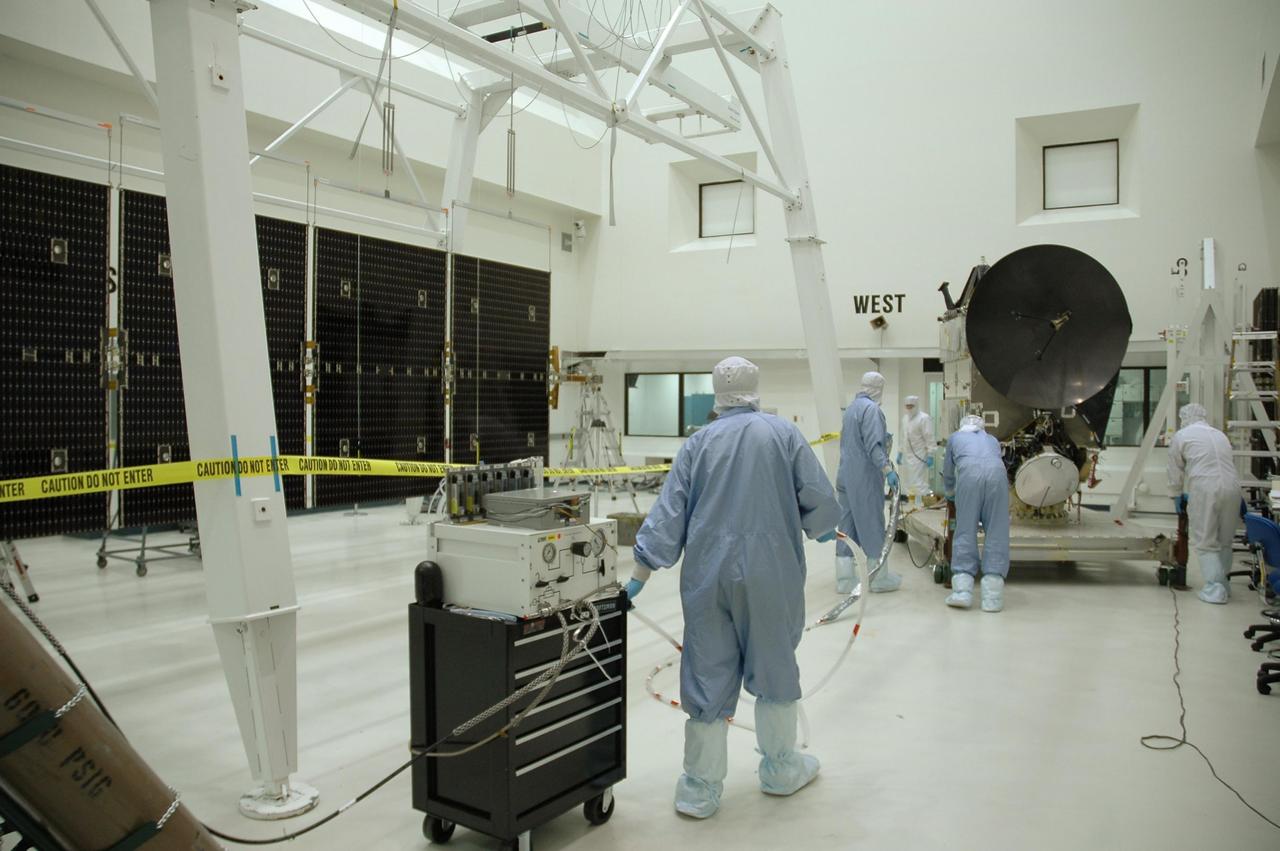
KENNEDY SPACE CENTER, FLA. -- In another clean room at Astrotech, solar array panels are lined up at left to be installed on the Dawn spacecraft, at right. Dawn's mission is to explore two of the asteroid belt's most intriguing and dissimilar occupants: asteroid Vesta and the dwarf planet Ceres. Dawn is scheduled to launch June 30 aboard a Delta II rocket from Launch Complex 17-B at Cape Canaveral Air Force Station. Photo credit: NASA/Jack Pfaller
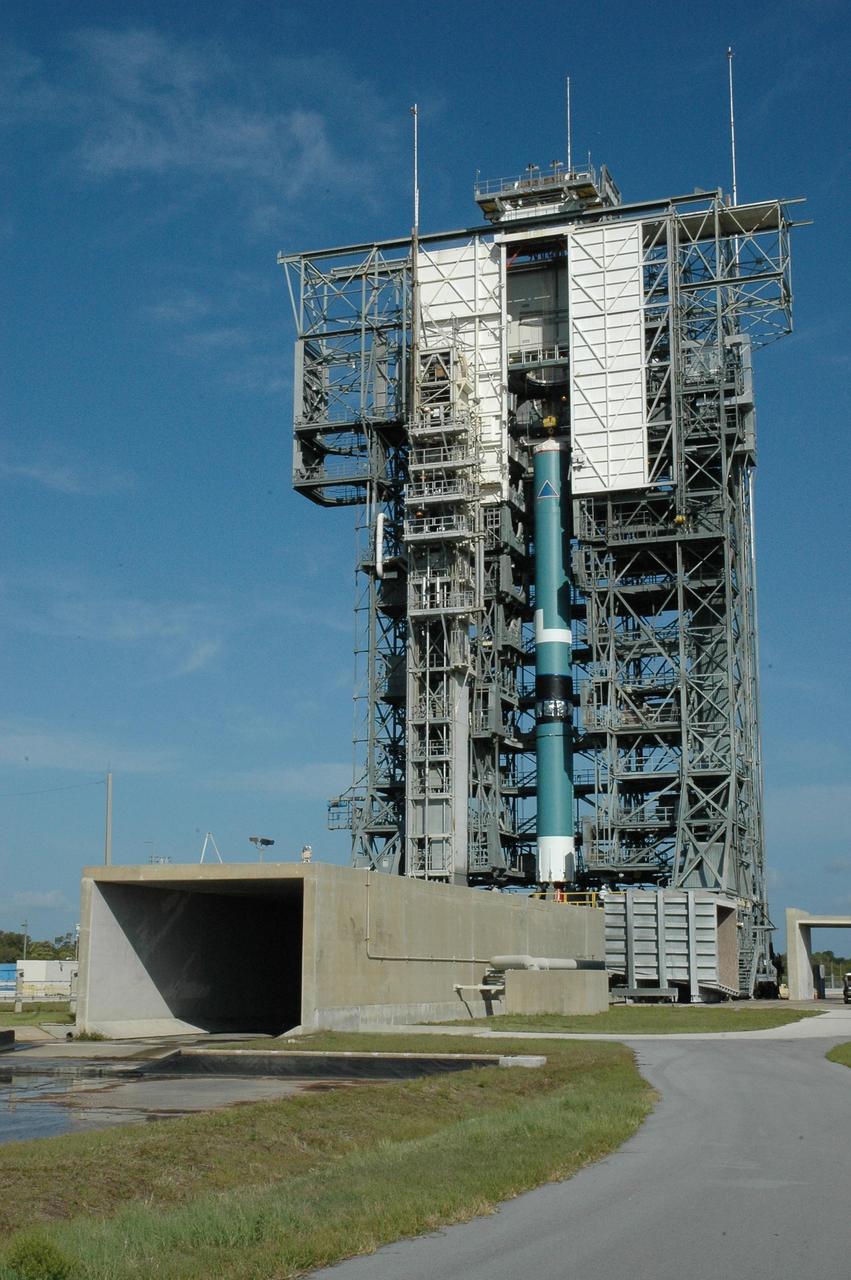
KENNEDY SPACE CENTER, FLA. -- In the mobile service tower on Launch Pad 17-B at Cape Canaveral Air Force Station, the Delta II first stage is ready to receive the upper stages and solid rocket boosters for launch. The rocket is the launch vehicle for the Dawn spacecraft, targeted for liftoff on June 30. Dawn's mission is to explore two of the asteroid belt's most intriguing and dissimilar occupants: asteroid Vesta and the dwarf planet Ceres. Photo credit: NASA/Amanda Diller
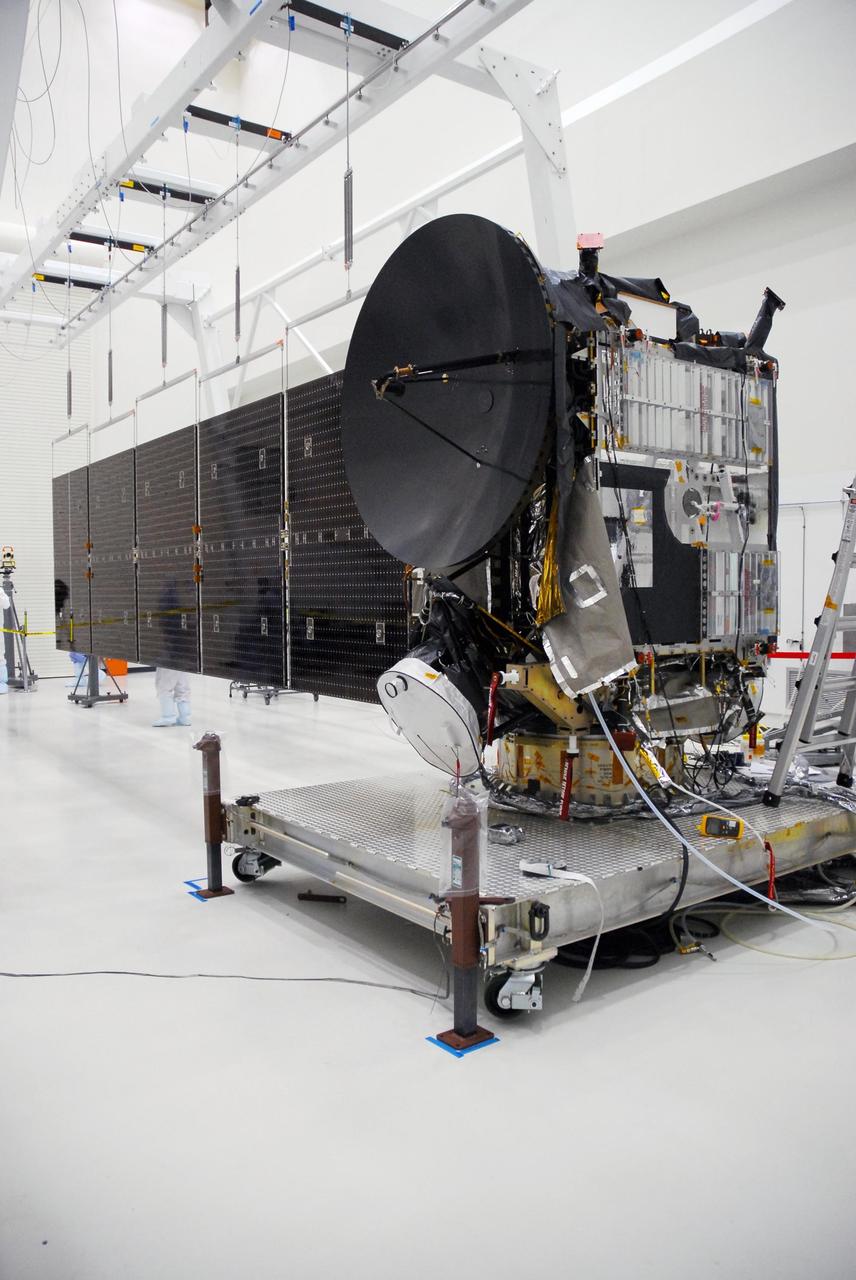
KENNEDY SPACE CENTER, FLA. -- At Astrotech, the more than 32-foot-long solar panels on one side of the Dawn spacecraft are fully deployed during a test. Dawn's mission is to explore two of the asteroid belt's most intriguing and dissimilar occupants: asteroid Vesta and the dwarf planet Ceres. Dawn is scheduled to launch June 30 aboard a Delta II rocket from Launch Complex 17-B at Cape Canaveral Air Force Station. Photo credit: NASA/George Shelton
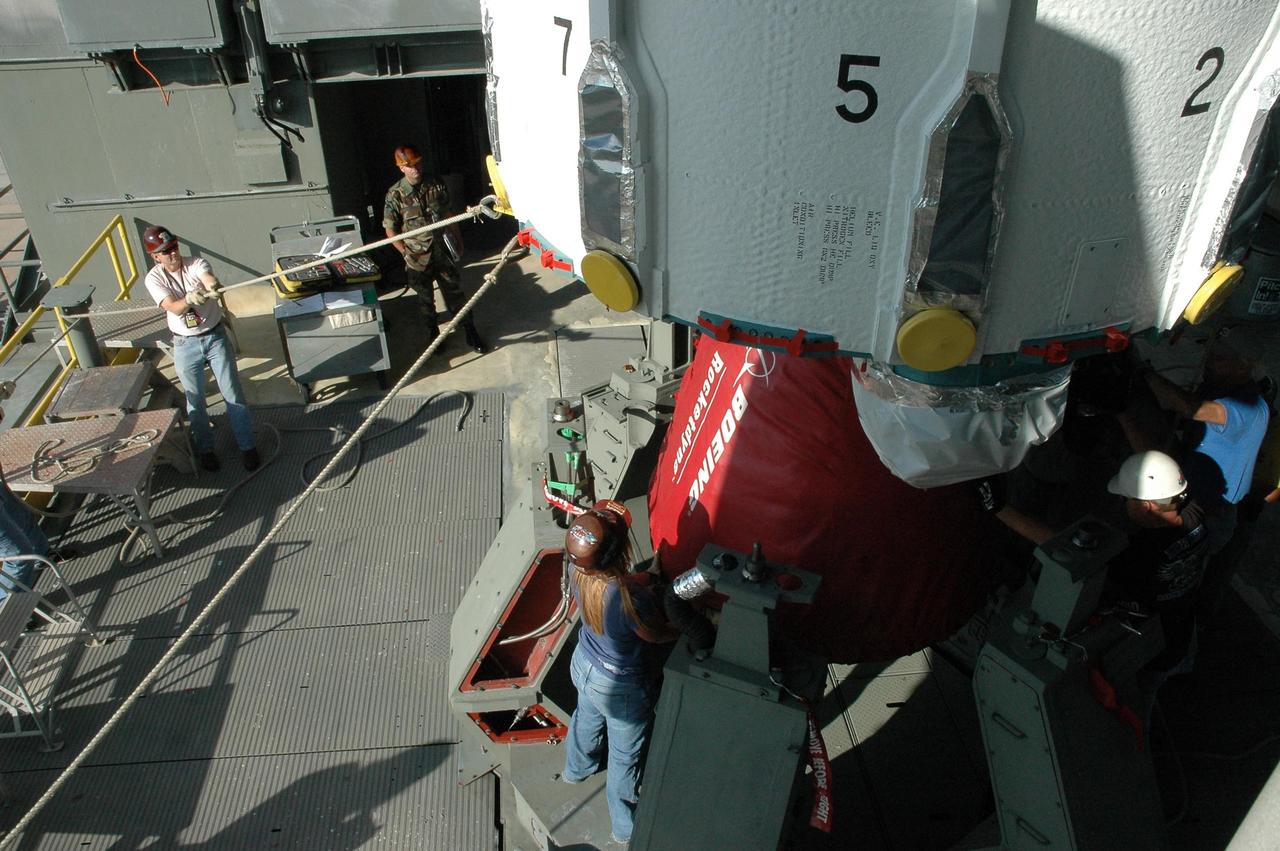
KENNEDY SPACE CENTER, FLA. -- On Launch Pad 17-B at Cape Canaveral Air Force Station, workers make final checks of the Delta II rocket in the mobile service tower. The rocket is the launch vehicle for the Dawn spacecraft, targeted for liftoff on June 30. Dawn's mission is to explore two of the asteroid belt's most intriguing and dissimilar occupants: asteroid Vesta and the dwarf planet Ceres. Photo credit: NASA/Amanda Diller
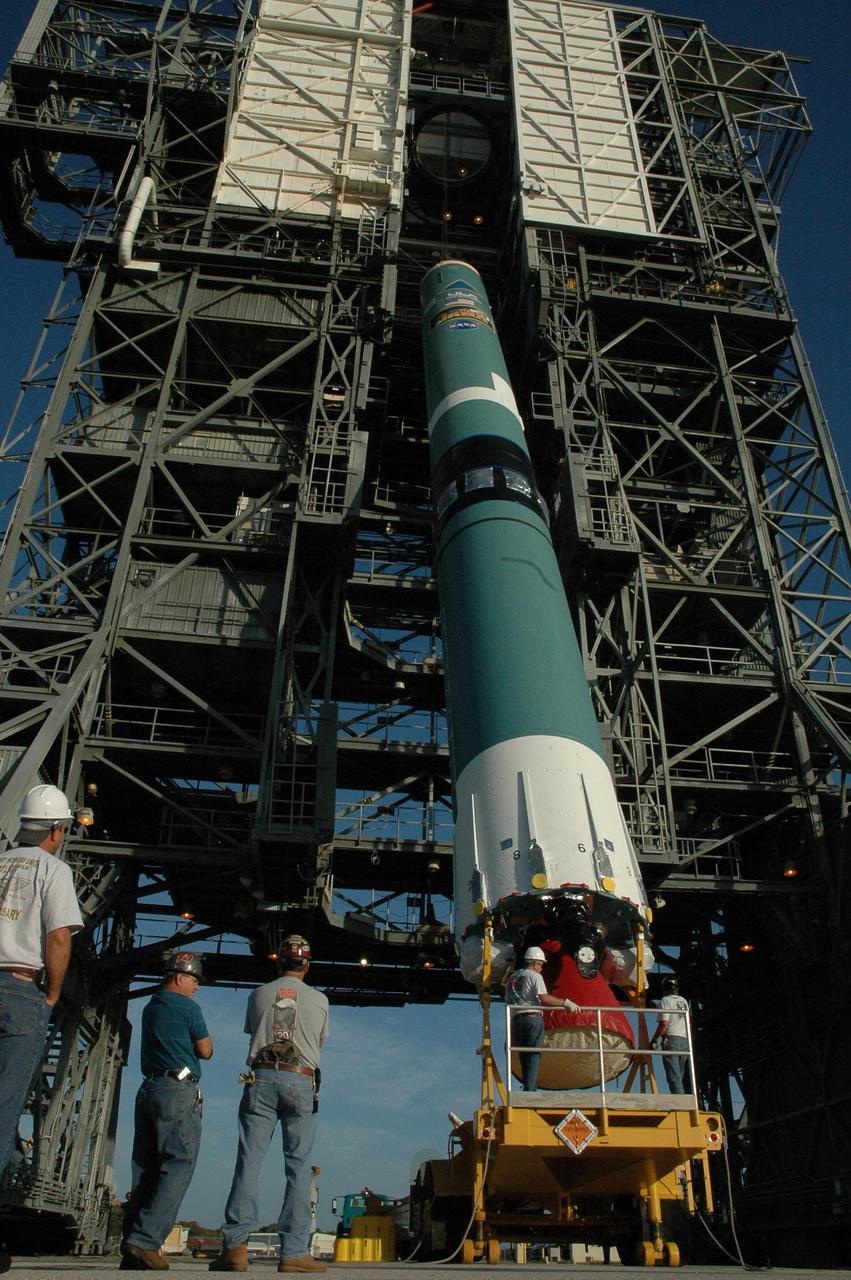
KENNEDY SPACE CENTER, FLA. -- On Launch Pad 17-B at Cape Canaveral Air Force Station, the first stage of a Delta II rocket is being raised to a vertical position before being lifted into the mobile service tower. The rocket is the launch vehicle for the Dawn spacecraft, targeted for liftoff on June 30. Dawn's mission is to explore two of the asteroid belt's most intriguing and dissimilar occupants: asteroid Vesta and the dwarf planet Ceres. Photo credit: NASA/Amanda Diller
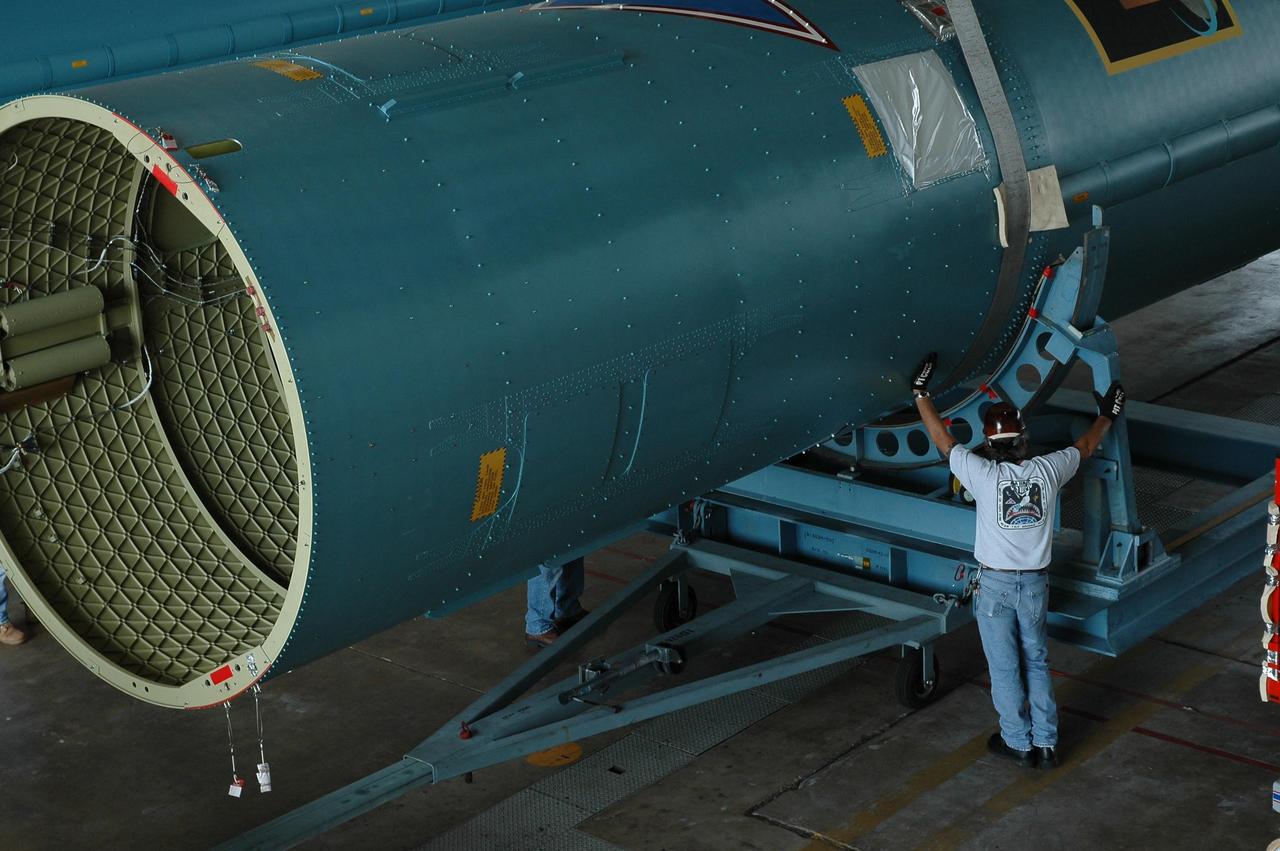
KENNEDY SPACE CENTER, FLA. -- In Hangar M on Cape Canaveral Air Force Station, workers secure straps to an overhead crane around the Delta II rocket's first stage. It will be lifted and placed onto a transporter for its move to the launch pad. Dawn's mission is to explore two of the asteroid belt's most intriguing and dissimilar occupants: asteroid Vesta and the dwarf planet Ceres. Dawn is scheduled to launch June 30 from Launch Complex 17-B. Photo credit: NASA/Jack Pfaller
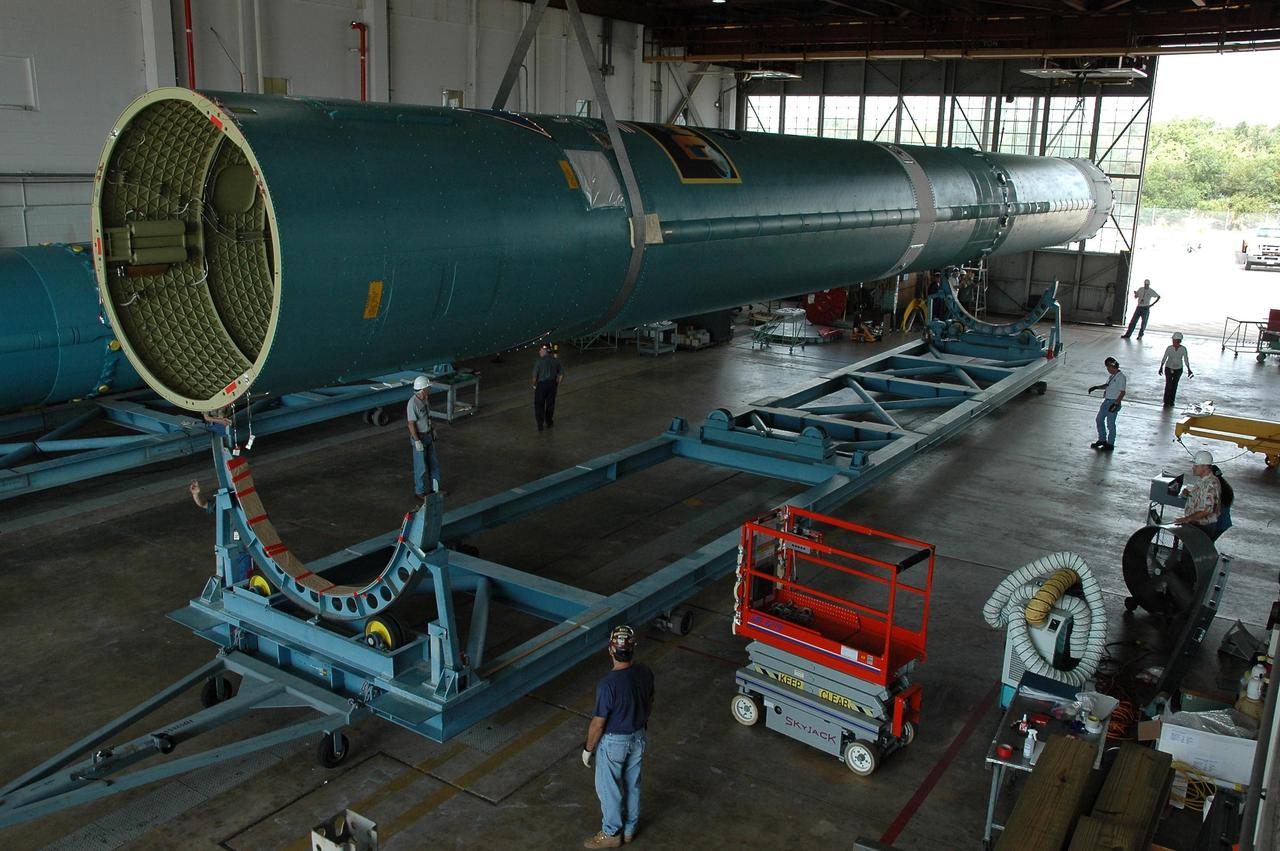
KENNEDY SPACE CENTER, FLA. -- In Hangar M on Cape Canaveral Air Force Station, an overhead crane lifts the Delta II first stage off its stand. It will be placed onto a transporter for its move to the launch pad. Dawn's mission is to explore two of the asteroid belt's most intriguing and dissimilar occupants: asteroid Vesta and the dwarf planet Ceres. Dawn is scheduled to launch June 30 from Launch Complex 17-B. Photo credit: NASA/Jack Pfaller
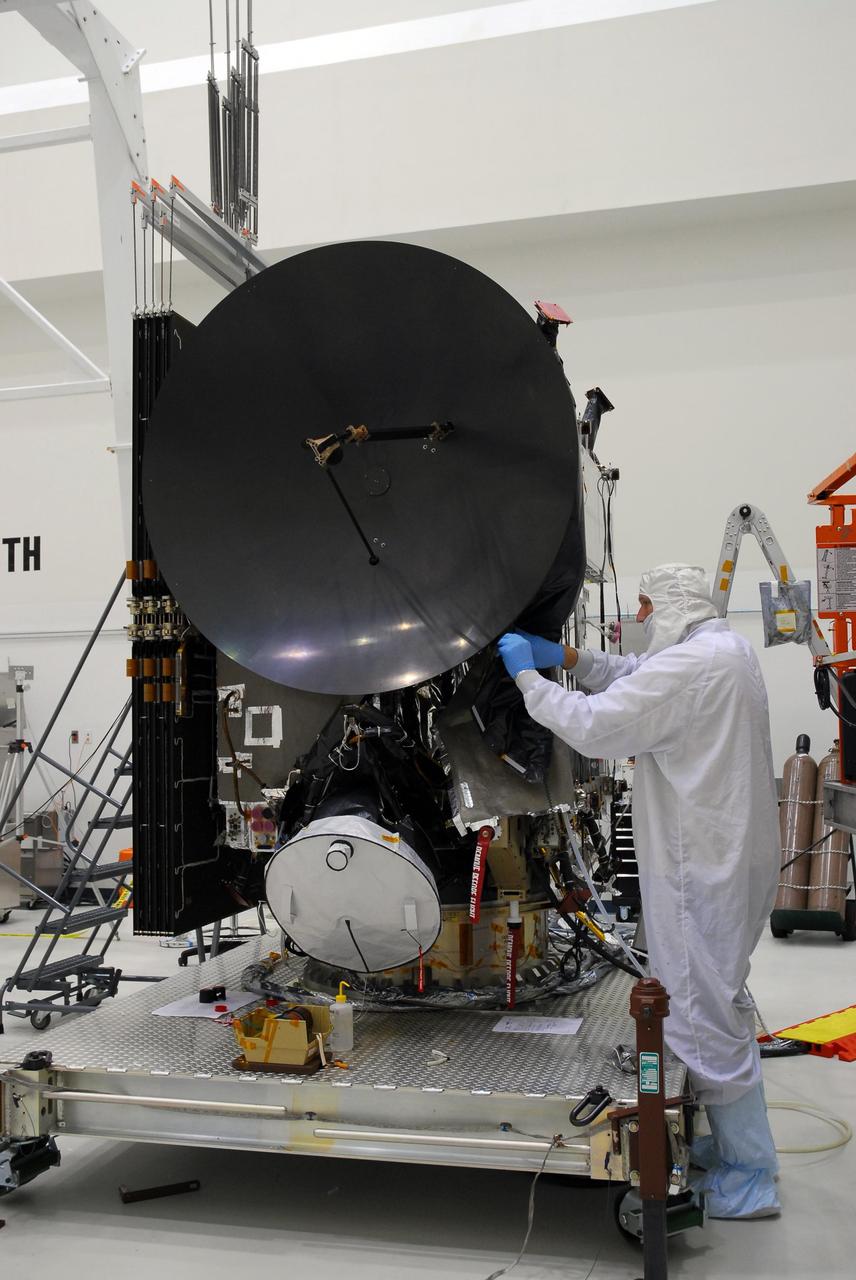
KENNEDY SPACE CENTER, FLA. -- At Astrotech, workers prepare the Dawn spacecraft before test deploying its large solar panels on one side. Dawn's mission is to explore two of the asteroid belt's most intriguing and dissimilar occupants: asteroid Vesta and the dwarf planet Ceres. Dawn is scheduled to launch June 30 aboard a Delta II rocket from Launch Complex 17-B at Cape Canaveral Air Force Station. Photo credit: NASA/George Shelton
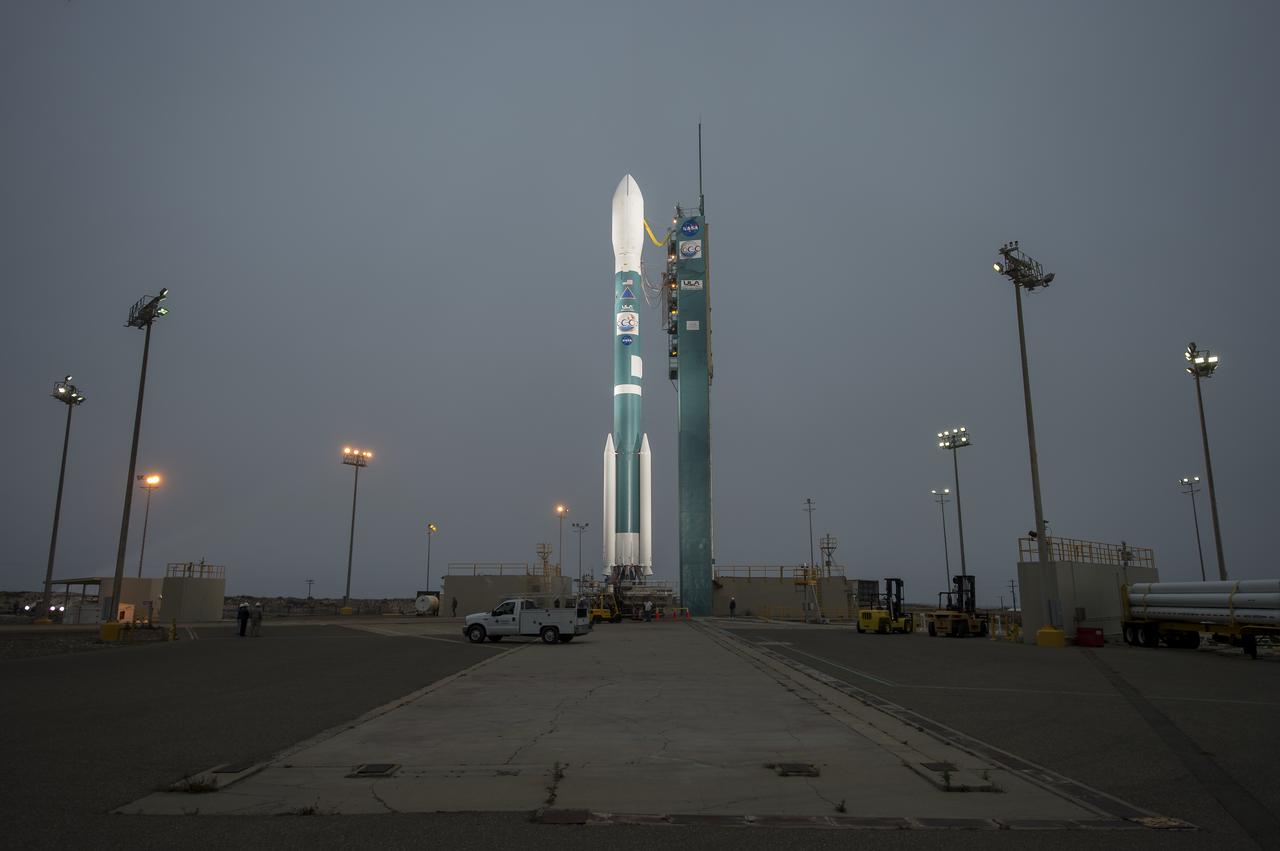
The United Launch Alliance Delta II rocket with the Orbiting Carbon Observatory-2 (OCO-2) satellite onboard, is seen moments after the launch gantry was moved at the Space Launch Complex 2, Monday, June 30, 2014, Vandenberg Air Force Base, Calif. OCO-2 will measure the global distribution of carbon dioxide, the leading human-produced greenhouse gas driving changes in Earth’s climate. OCO-2 is set for a July 1, 2014 launch. Photo Credit: (NASA/Bill Ingalls)
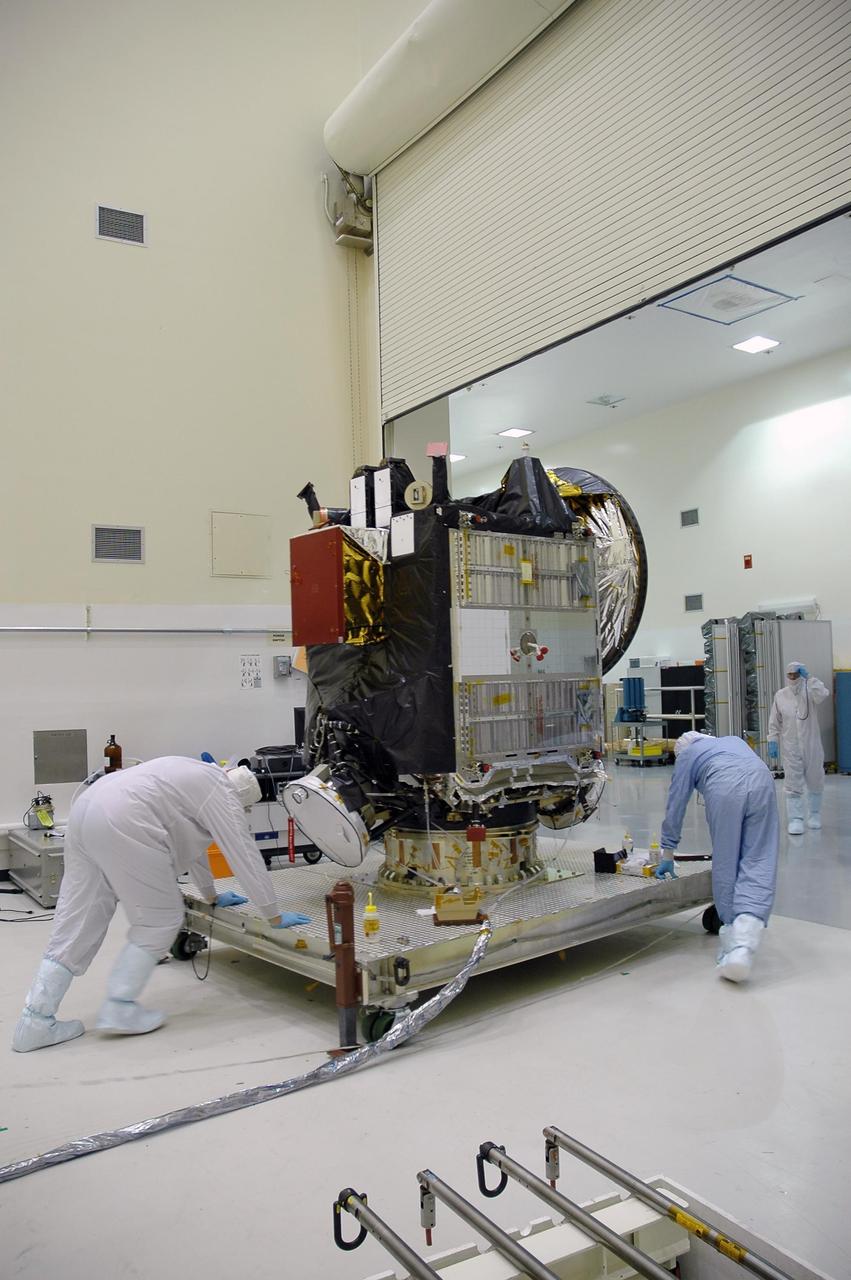
KENNEDY SPACE CENTER, FLA. -- In a clean room at Astrotech, the Dawn spacecraft, secure on a work stand, is moved to another room for solar panel installation. Dawn's mission is to explore two of the asteroid belt's most intriguing and dissimilar occupants: asteroid Vesta and the dwarf planet Ceres. Dawn is scheduled to launch June 30 aboard a Delta II rocket from Launch Complex 17-B at Cape Canaveral Air Force Station. Photo credit: NASA/Jack Pfaller
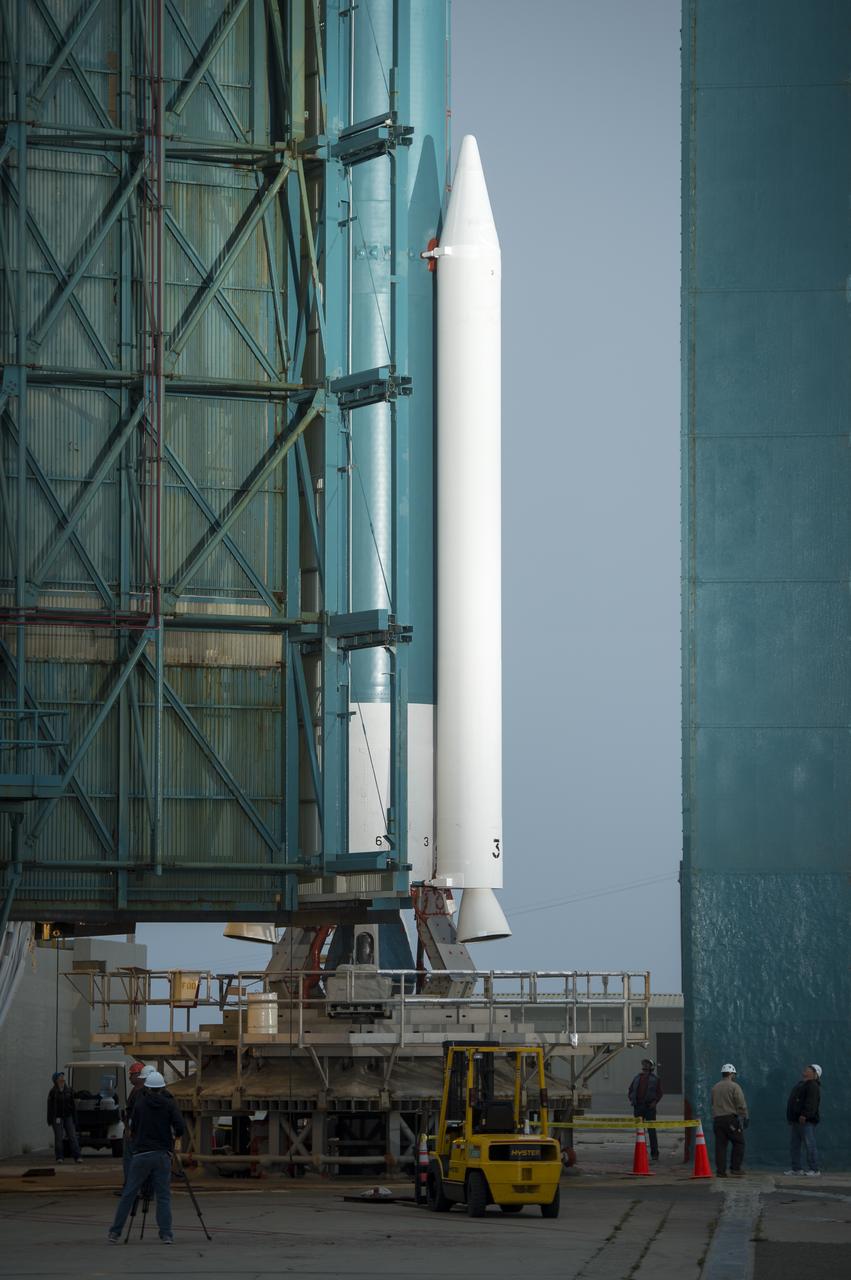
Workers monitor the progress of the rollback of the launch gantry from the United Launch Alliance Delta II rocket with the Orbiting Carbon Observatory-2 (OCO-2) satellite onboard, at Space Launch Complex 2, Monday, June 30, 2014, Vandenberg Air Force Base, Calif. OCO-2 will measure the global distribution of carbon dioxide, the leading human-produced greenhouse gas driving changes in Earth’s climate. OCO-2 is set for a July 1, 2014 launch. Photo Credit: (NASA/Bill Ingalls)
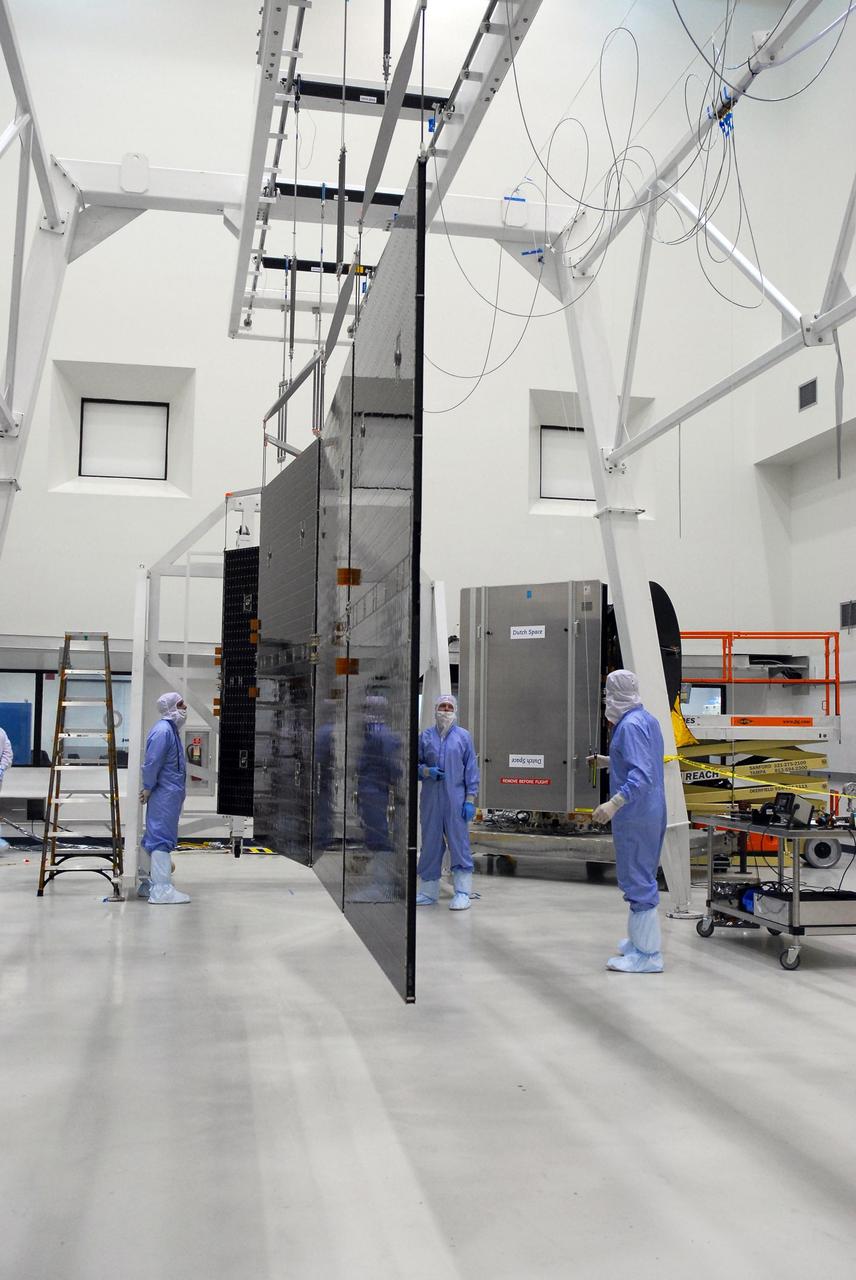
KENNEDY SPACE CENTER, FLA. -- At Astrotech, a suspended set of solar array panels is opened prior to installation on the Dawn spacecraft. Another set was installed previously. Dawn is scheduled to launch June 30 aboard a Delta II rocket from Launch Complex 17-B at Cape Canaveral Air Force Station. Dawn's mission is to explore two of the asteroid belt's most intriguing and dissimilar occupants: asteroid Vesta and the dwarf planet Ceres. Photo credit: NASA/George Shelton
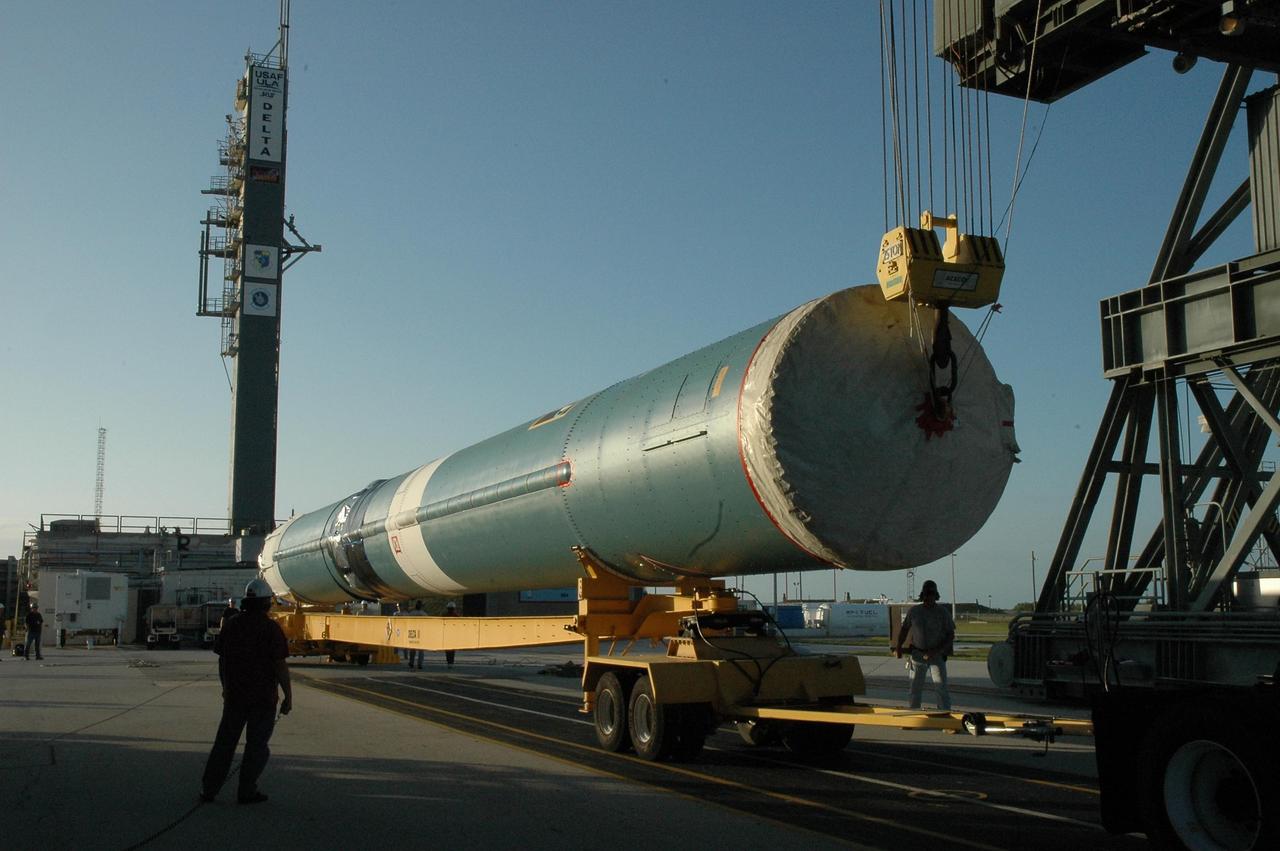
KENNEDY SPACE CENTER, FLA. -- On Launch Pad 17-B at Cape Canaveral Air Force Station, the first stage of a Delta II rocket is ready for raising to a vertical position. Once vertical, the rocket will be lifted up into the mobile service tower. The rocket is the launch vehicle for the Dawn spacecraft, targeted for liftoff on June 30. Dawn's mission is to explore two of the asteroid belt's most intriguing and dissimilar occupants: asteroid Vesta and the dwarf planet Ceres. Photo credit: NASA/Amanda Diller
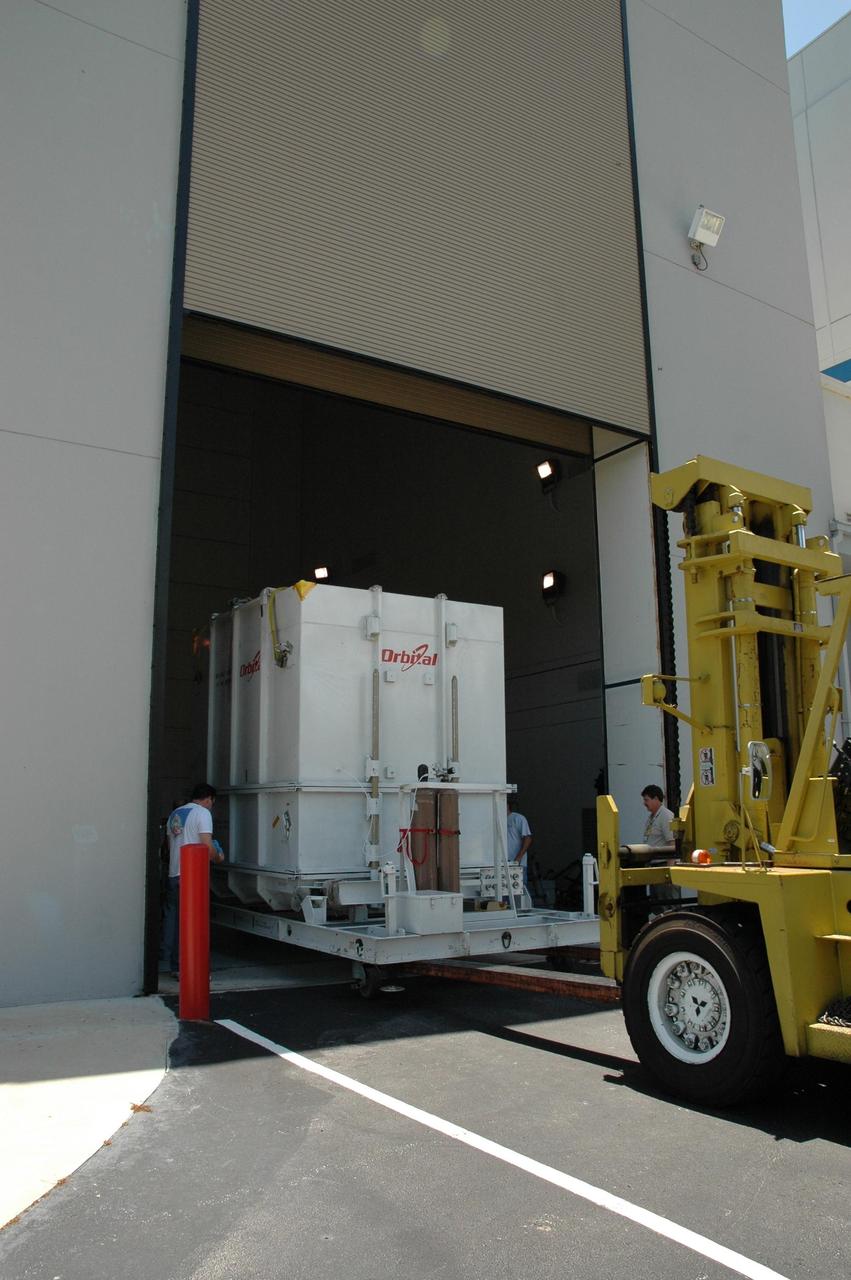
KENNEDY SPACE CENTER, FLA. -- The Dawn spacecraft, inside its shipping container, is moved out of the Astrotech's Payload Processing Facility for transfer to the Hazardous Processing Facility for fueling. Dawn is scheduled to launch June 30 aboard a Delta II rocket from Launch Complex 17-B at Cape Canaveral Air Force Station. Dawn's mission is to explore two of the asteroid belt's most intriguing and dissimilar occupants: asteroid Vesta and the dwarf planet Ceres. Photo credit: NASA/Charisse Nahser
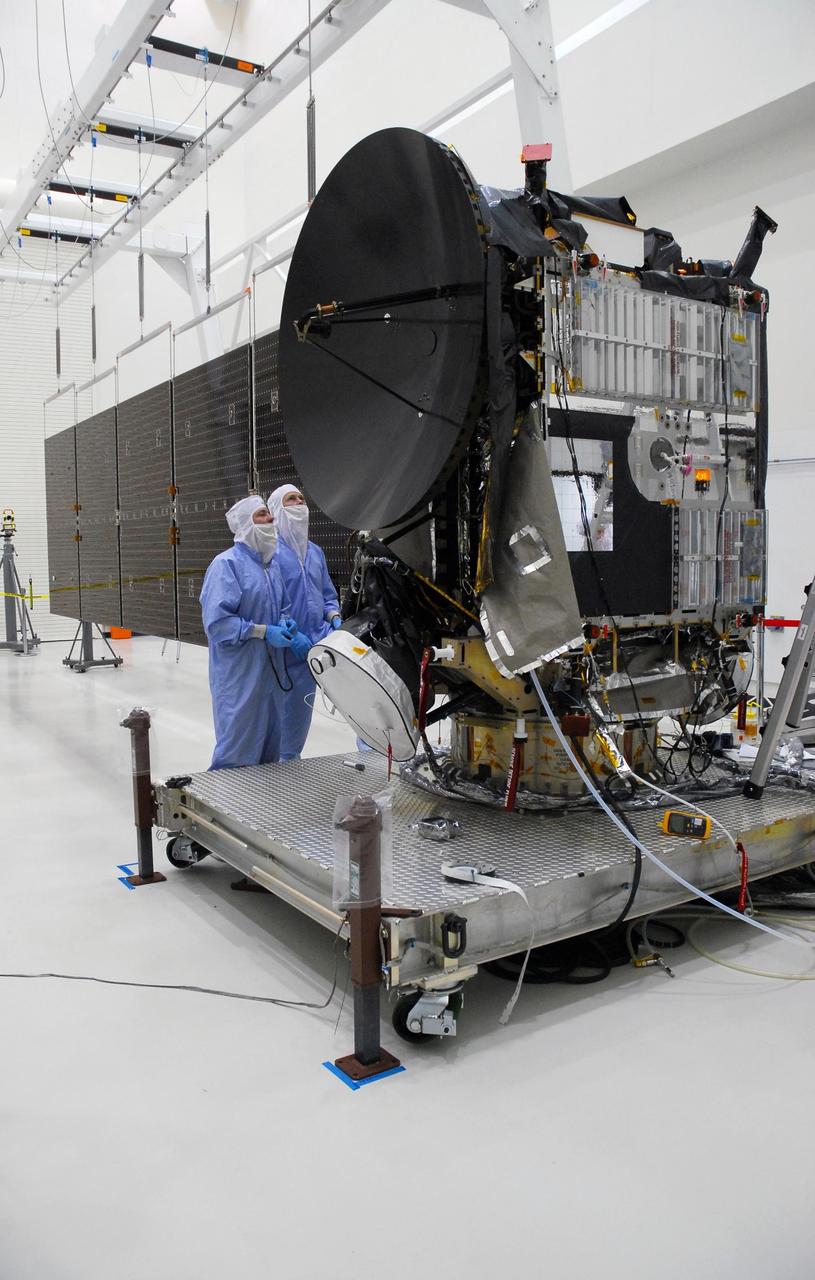
KENNEDY SPACE CENTER, FLA. -- At Astrotech, two Dutch technicians examine the Dawn spacecraft after deployment of the solar panels on one side. Dawn is scheduled to launch June 30 aboard a Delta II rocket from Launch Complex 17-B at Cape Canaveral Air Force Station. Dawn's mission is to explore two of the asteroid belt's most intriguing and dissimilar occupants: asteroid Vesta and the dwarf planet Ceres. Photo credit: NASA/George Shelton
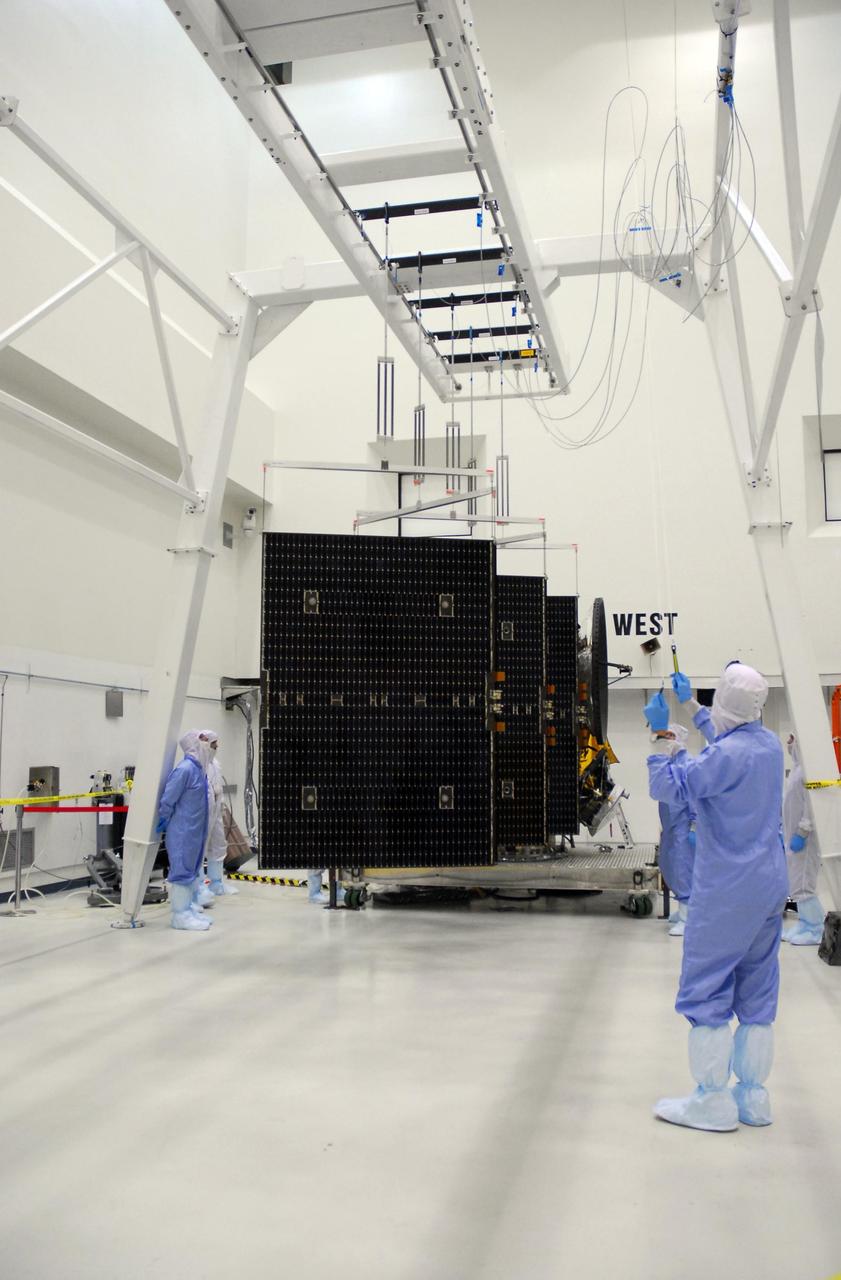
KENNEDY SPACE CENTER, FLA. -- At Astrotech, the more than 32-foot-long solar panels on one side of the Dawn spacecraft glide open during a test deployment. Dawn's mission is to explore two of the asteroid belt's most intriguing and dissimilar occupants: asteroid Vesta and the dwarf planet Ceres. Dawn is scheduled to launch June 30 aboard a Delta II rocket from Launch Complex 17-B at Cape Canaveral Air Force Station. Photo credit: NASA/George Shelton
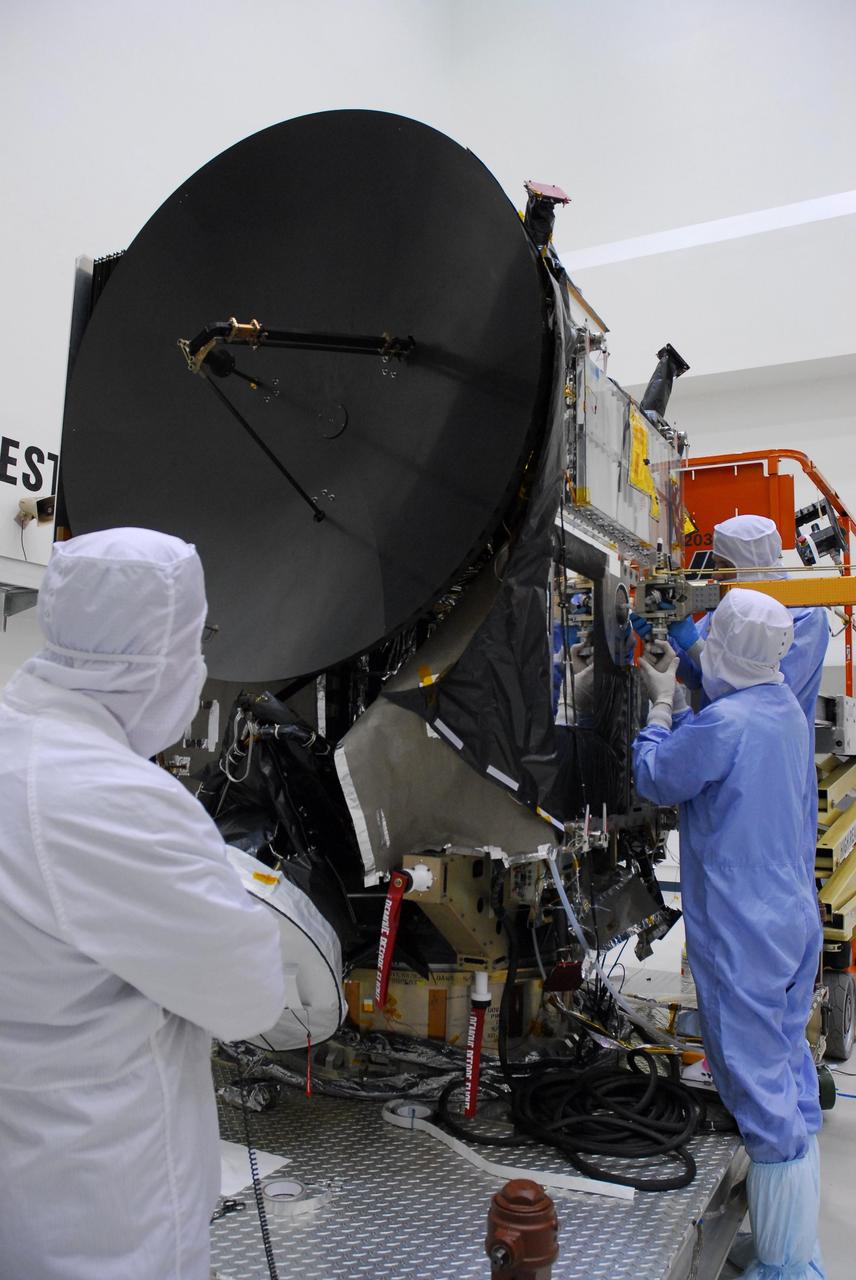
KENNEDY SPACE CENTER, FLA. -- At Astrotech, workers prepare the Dawn spacecraft for installation of a second set of solar array panels. Together, the panels extend 64.6 feet when fully open. Dawn is scheduled to launch June 30 aboard a Delta II rocket from Launch Complex 17-B at Cape Canaveral Air Force Station. Dawn's mission is to explore two of the asteroid belt's most intriguing and dissimilar occupants: asteroid Vesta and the dwarf planet Ceres. Photo credit: NASA/George Shelton
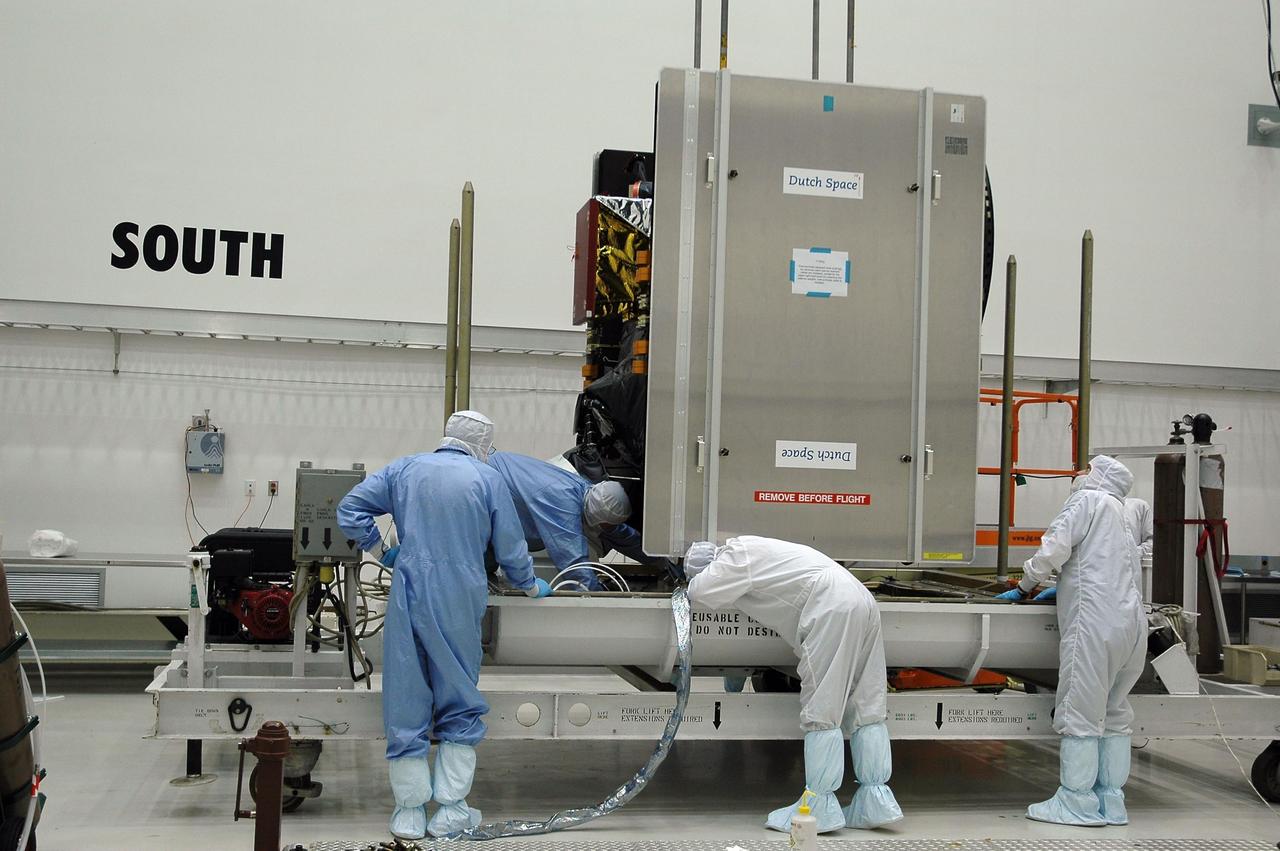
KENNEDY SPACE CENTER, FLA. -- At Astrotech's Payload Processing Facility, technicians check the Dawn spacecraft as it is lowered onto a transporter. Dawn will be moved to the Hazardous Processing Facility for fueling. Dawn is scheduled to launch June 30 aboard a Delta II rocket from Launch Complex 17-B at Cape Canaveral Air Force Station. Dawn's mission is to explore two of the asteroid belt's most intriguing and dissimilar occupants: asteroid Vesta and the dwarf planet Ceres. Photo credit: NASA/Charisse Nahser
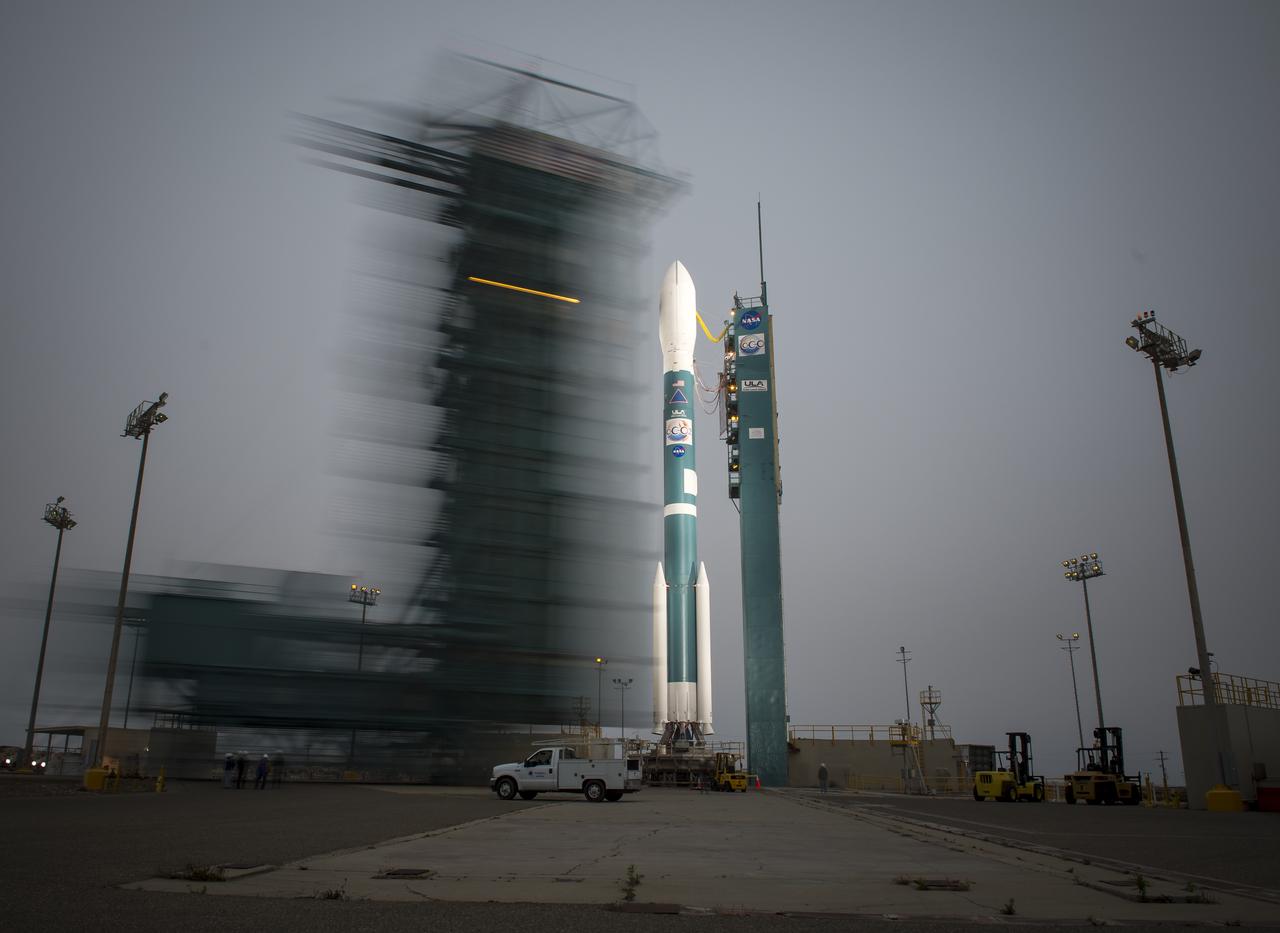
The launch gantry is rolled back to reveal the United Launch Alliance Delta II rocket with the Orbiting Carbon Observatory-2 (OCO-2) satellite onboard, at the Space Launch Complex 2, Monday, June 30, 2014, Vandenberg Air Force Base, Calif. OCO-2 will measure the global distribution of carbon dioxide, the leading human-produced greenhouse gas driving changes in Earth’s climate. OCO-2 is set for a July 1, 2014 launch. Photo Credit: (NASA/Bill Ingalls)
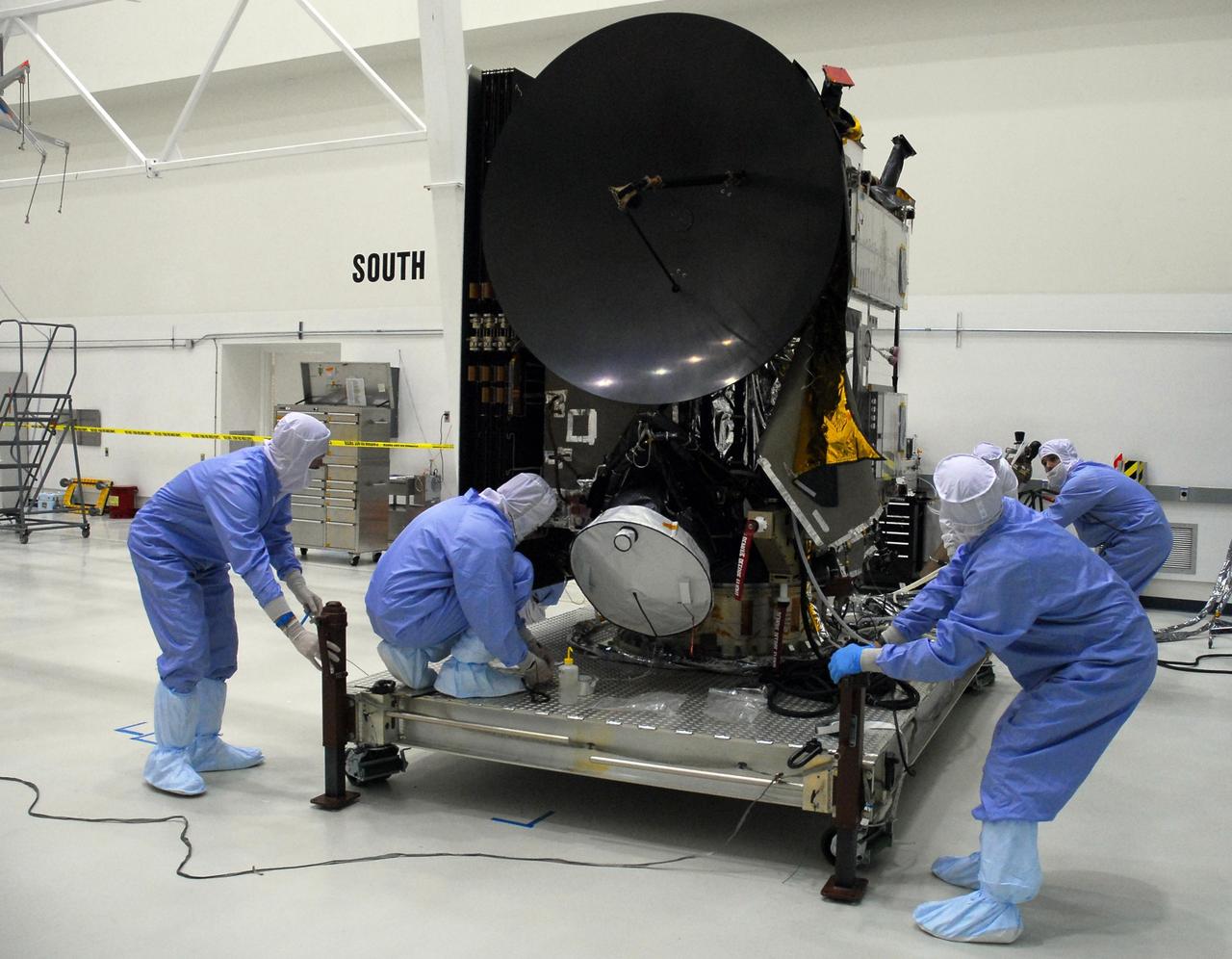
KENNEDY SPACE CENTER, FLA. -- At Astrotech, workers prepare to relocate the Dawn spacecraft for installation of the second set of solar array panels. Together, the panels extend 64.6 feet when fully open. Dawn is scheduled to launch June 30 aboard a Delta II rocket from Launch Complex 17-B at Cape Canaveral Air Force Station. Dawn's mission is to explore two of the asteroid belt's most intriguing and dissimilar occupants: asteroid Vesta and the dwarf planet Ceres. Photo credit: NASA/George Shelton
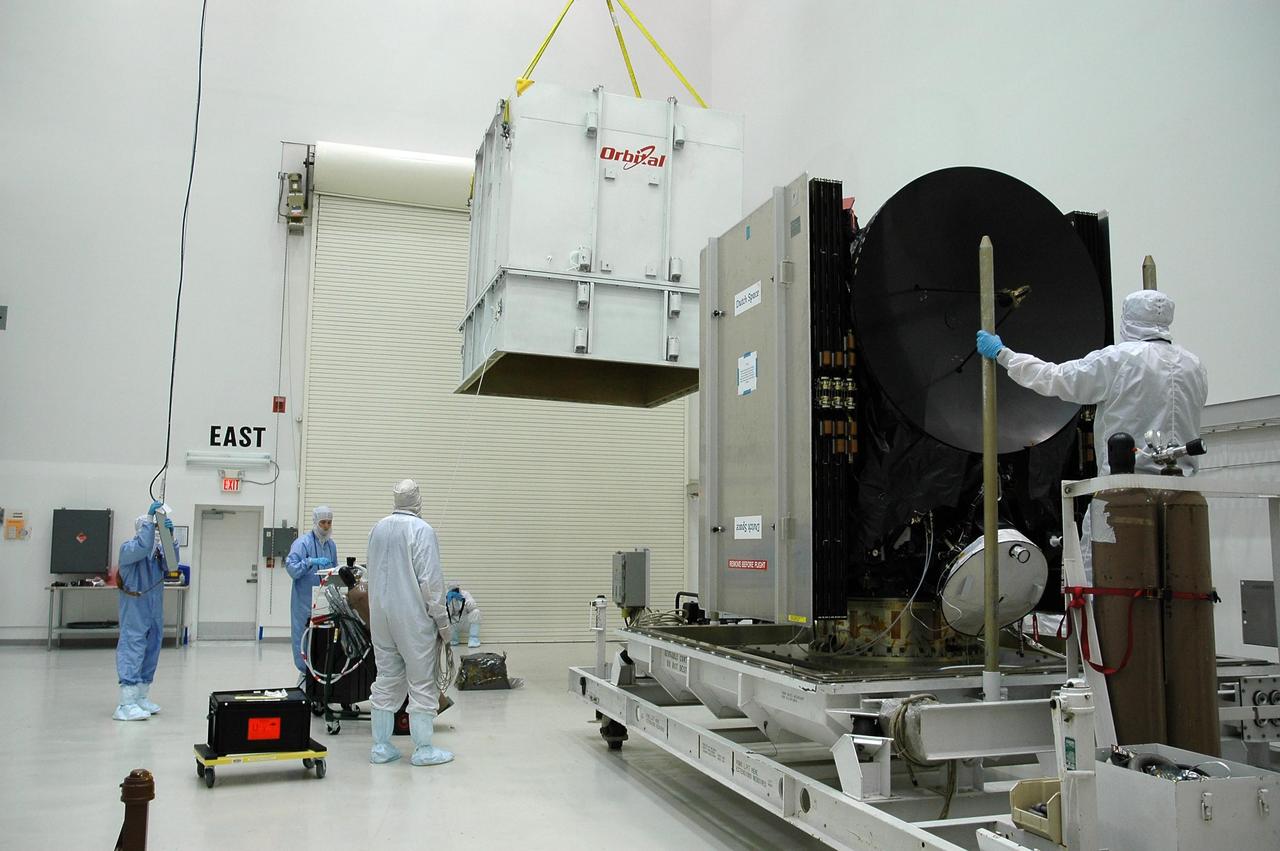
KENNEDY SPACE CENTER, FLA. --At Astrotech's Payload Processing Facility, technicians maneuver the shipping container to place around the Dawn spacecraft, at right. Dawn will be moved to the Hazardous Processing Facility for fueling. Dawn is scheduled to launch June 30 aboard a Delta II rocket from Launch Complex 17-B at Cape Canaveral Air Force Station. Dawn's mission is to explore two of the asteroid belt's most intriguing and dissimilar occupants: asteroid Vesta and the dwarf planet Ceres. Photo credit: NASA/Charisse Nahser
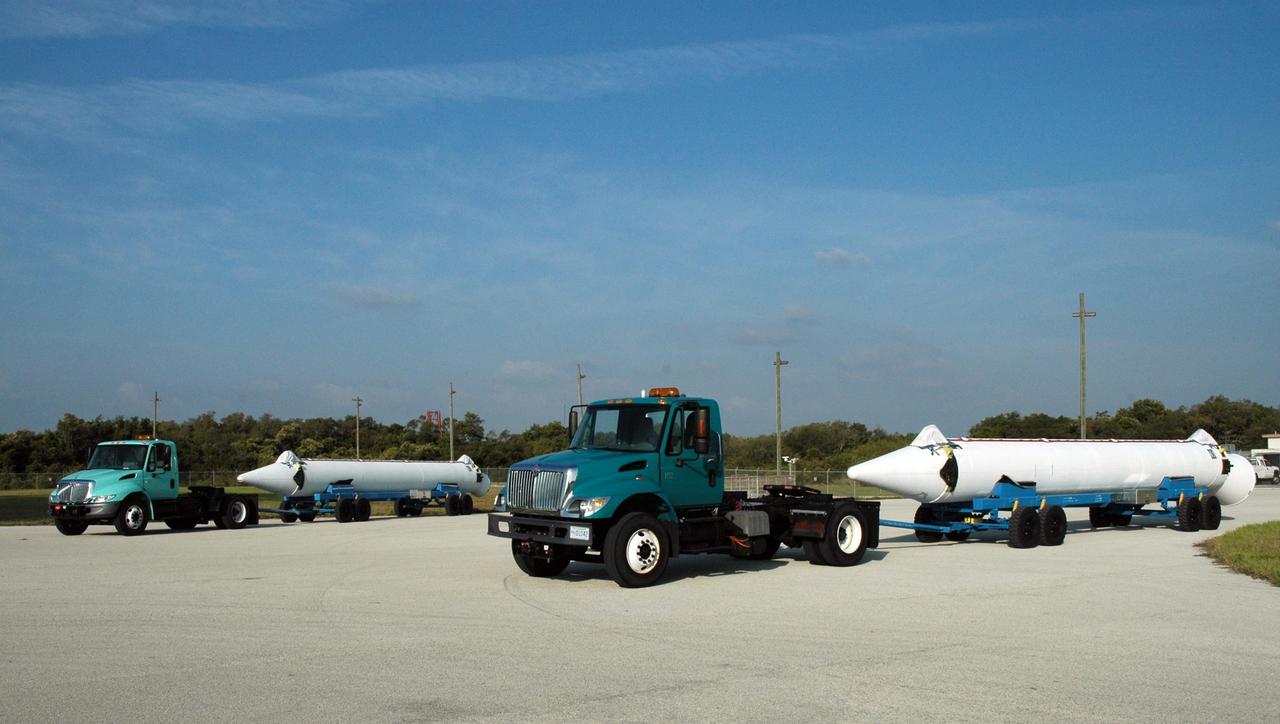
KENNEDY SPACE CENTER, FLA. -- Solid rocket boosters arrive on Launch Pad 17-B at Cape Canaveral Air Force Station to be mated to the Delta II rocket waiting there. The rocket is the launch vehicle for the Dawn spacecraft, scheduled to launch June 30. Dawn's mission is to explore two of the asteroid belt's most intriguing and dissimilar occupants: asteroid Vesta and the dwarf planet Ceres. Photo credit: NASA/Jim Grossmann
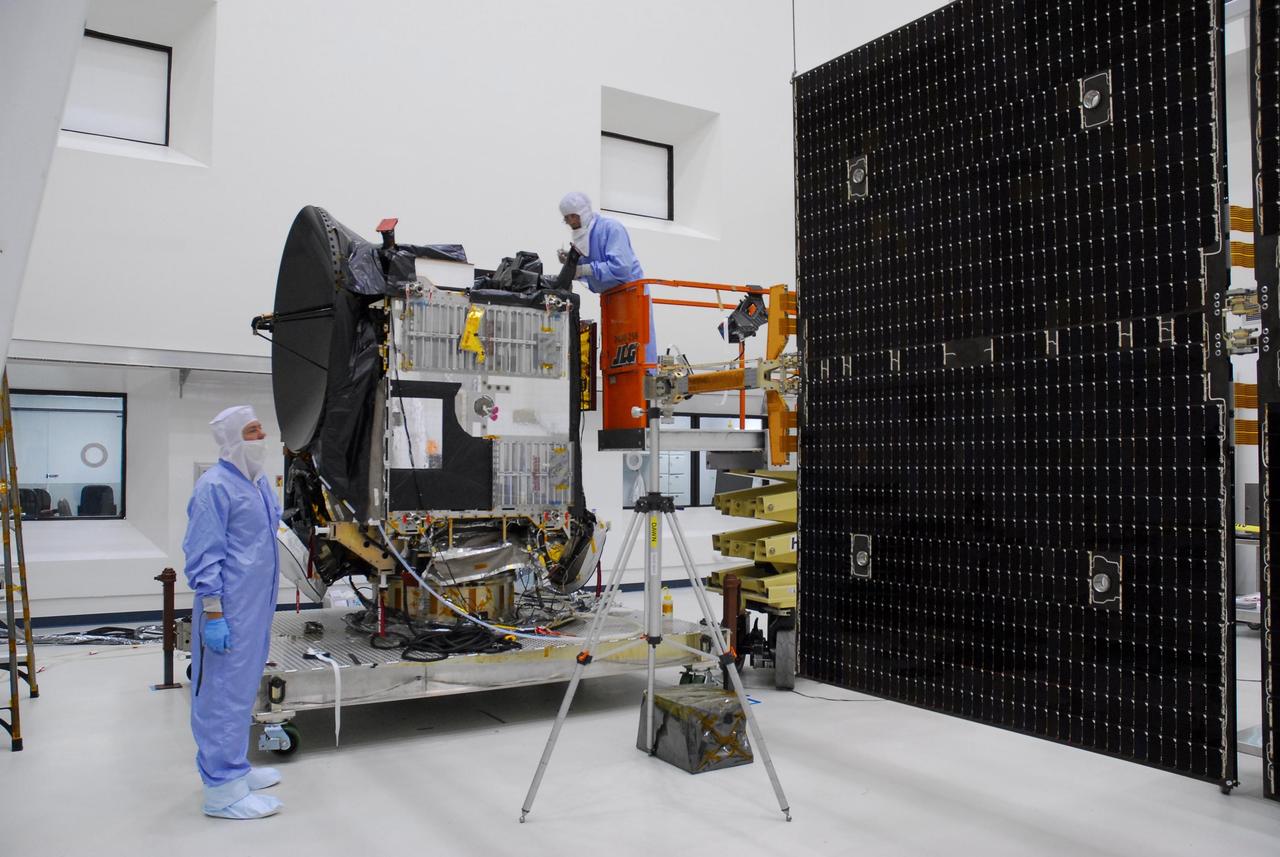
KENNEDY SPACE CENTER, FLA. -- At Astrotech, workers prepare the Dawn spacecraft, at left, for installation of a second set of solar array panels, at right. Together, the panels extend 64.6 feet when fully open. Dawn is scheduled to launch June 30 aboard a Delta II rocket from Launch Complex 17-B at Cape Canaveral Air Force Station. Dawn's mission is to explore two of the asteroid belt's most intriguing and dissimilar occupants: asteroid Vesta and the dwarf planet Ceres. Photo credit: NASA/George Shelton
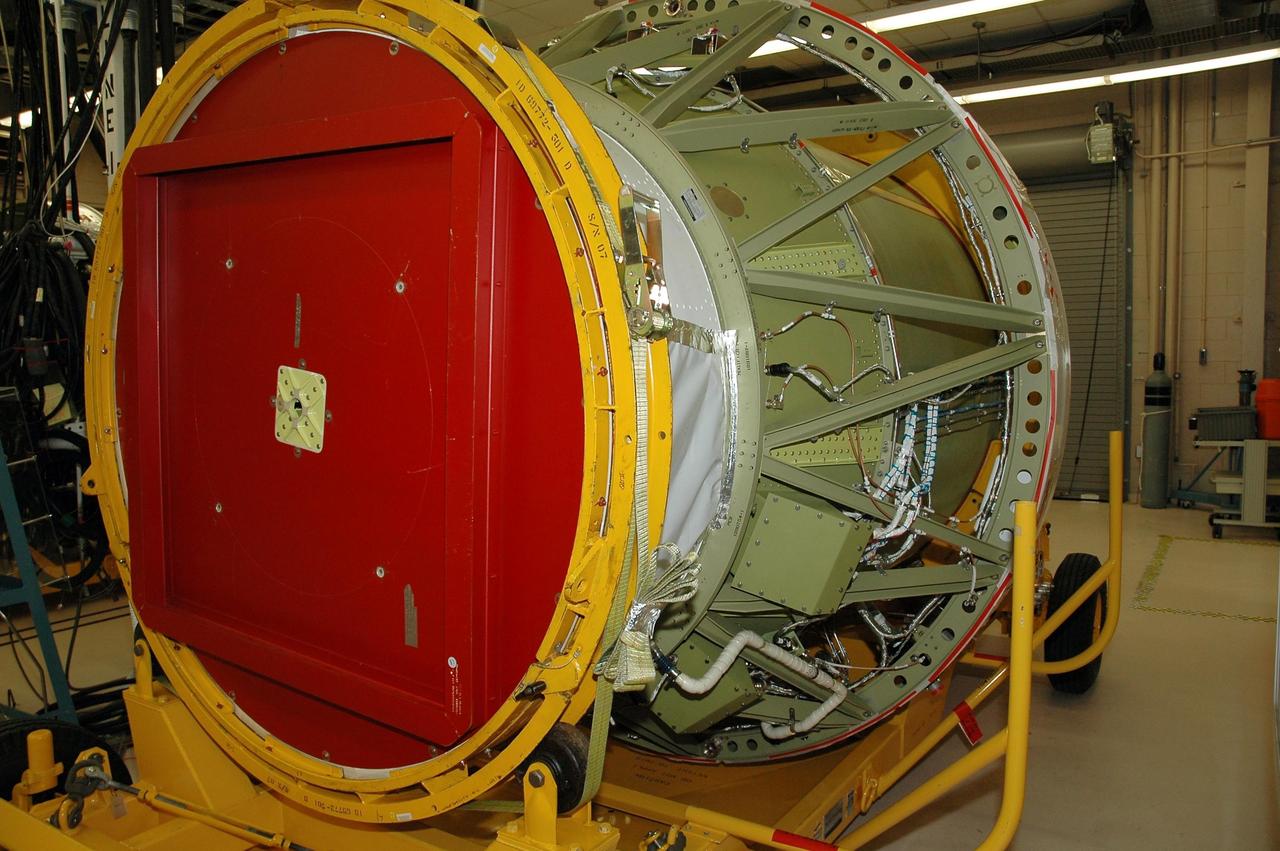
KENNEDY SPACE CENTER, FLA. -- In Hangar A&O at Cape Canaveral Air Force Station, the Delta II second stage for the Dawn spacecraft is ready for transfer to the launch pad. Dawn's mission is to explore two of the asteroid belt's most intriguing and dissimilar occupants: asteroid Vesta and the dwarf planet Ceres. Dawn is scheduled to launch June 30 from Launch Complex 17-B. Photo credit: NASA/Jack Pfaller
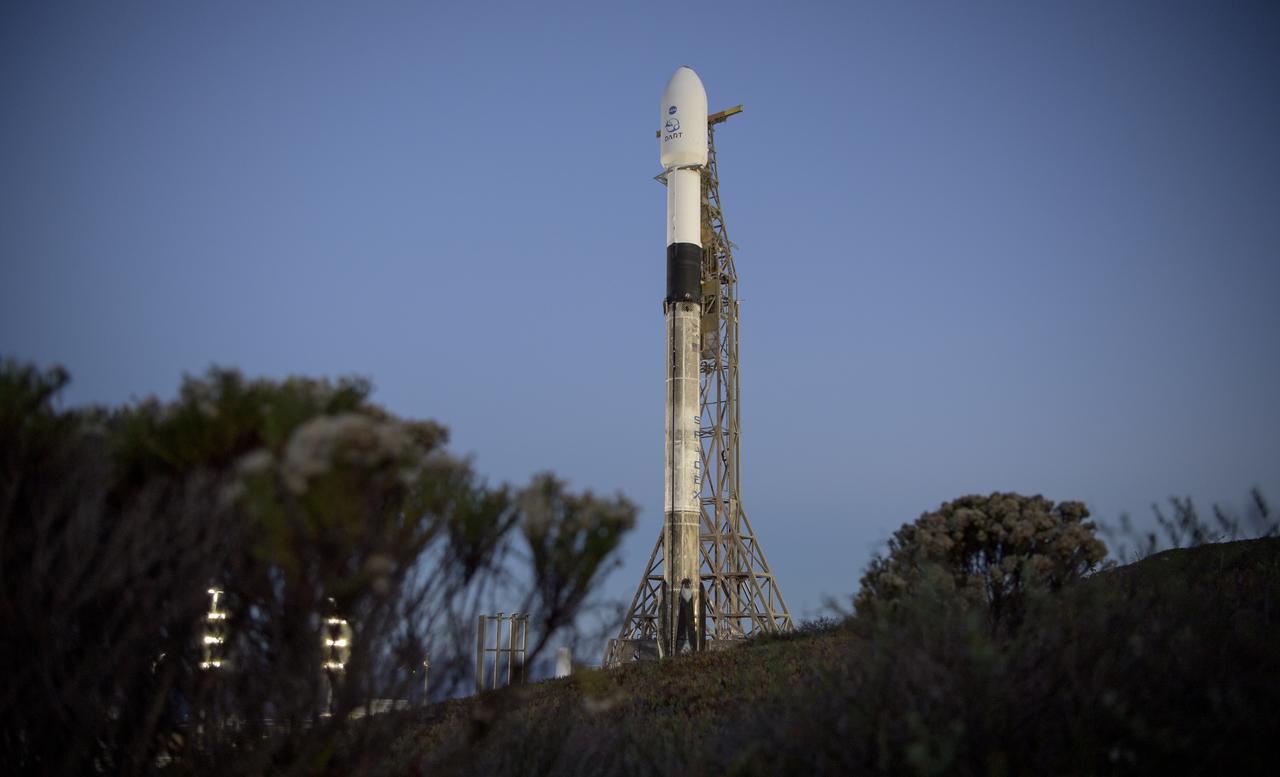
The SpaceX Falcon 9 rocket with the Double Asteroid Redirection Test, or DART, spacecraft onboard, is seen during sunrise, Tuesday, Nov. 23, 2021, at Space Launch Complex 4E, Vandenberg Space Force Base in California. DART is the world’s first full-scale planetary defense test, demonstrating one method of asteroid deflection technology. The mission was built and is managed by the Johns Hopkins APL for NASA’s Planetary Defense Coordination Office. Photo Credit: (NASA/Bill Ingalls)
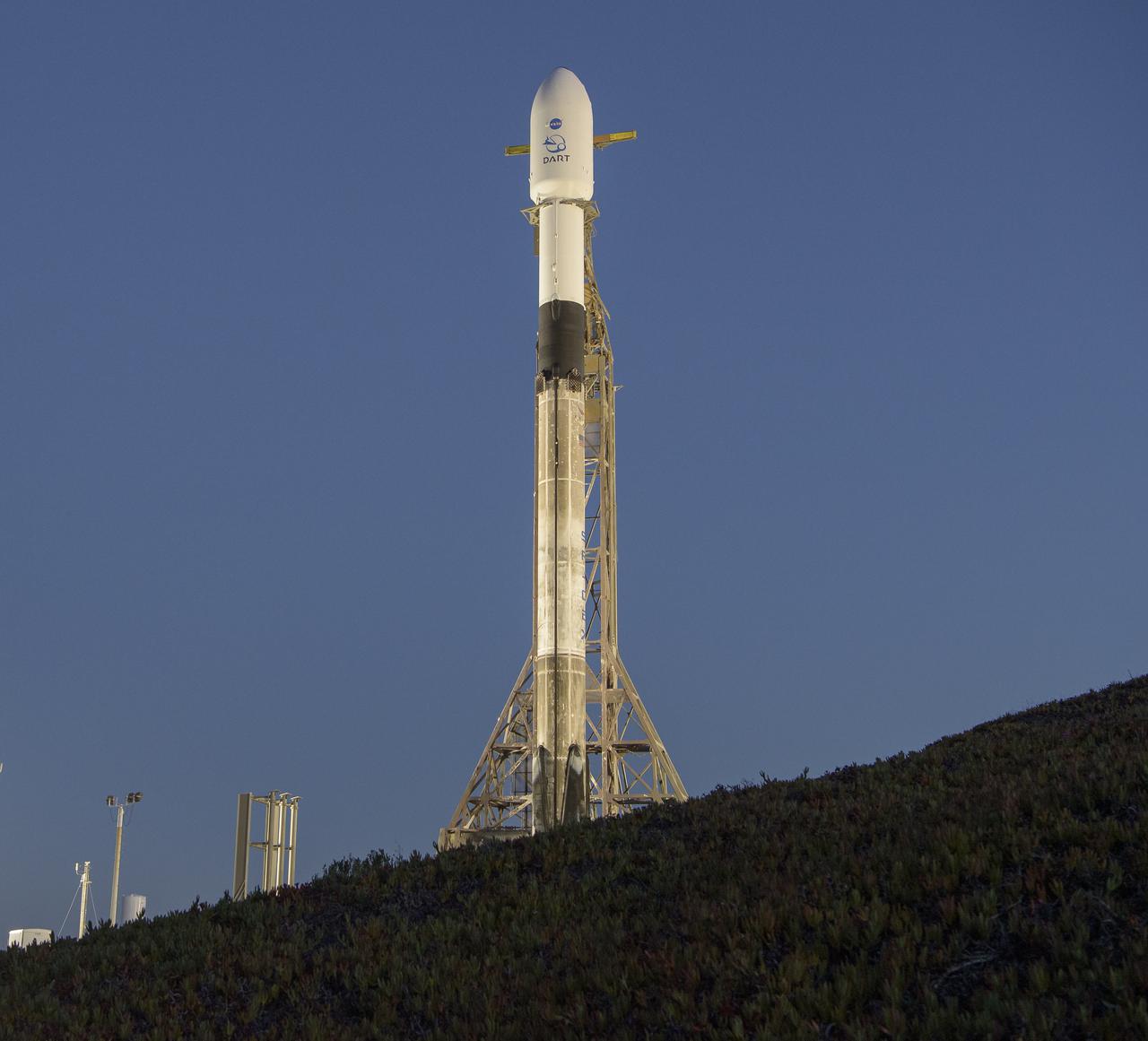
The SpaceX Falcon 9 rocket with the Double Asteroid Redirection Test, or DART, spacecraft onboard, is seen during sunrise, Tuesday, Nov. 23, 2021, at Space Launch Complex 4E, Vandenberg Space Force Base in California. DART is the world’s first full-scale planetary defense test, demonstrating one method of asteroid deflection technology. The mission was built and is managed by the Johns Hopkins APL for NASA’s Planetary Defense Coordination Office. Photo Credit: (NASA/Bill Ingalls)
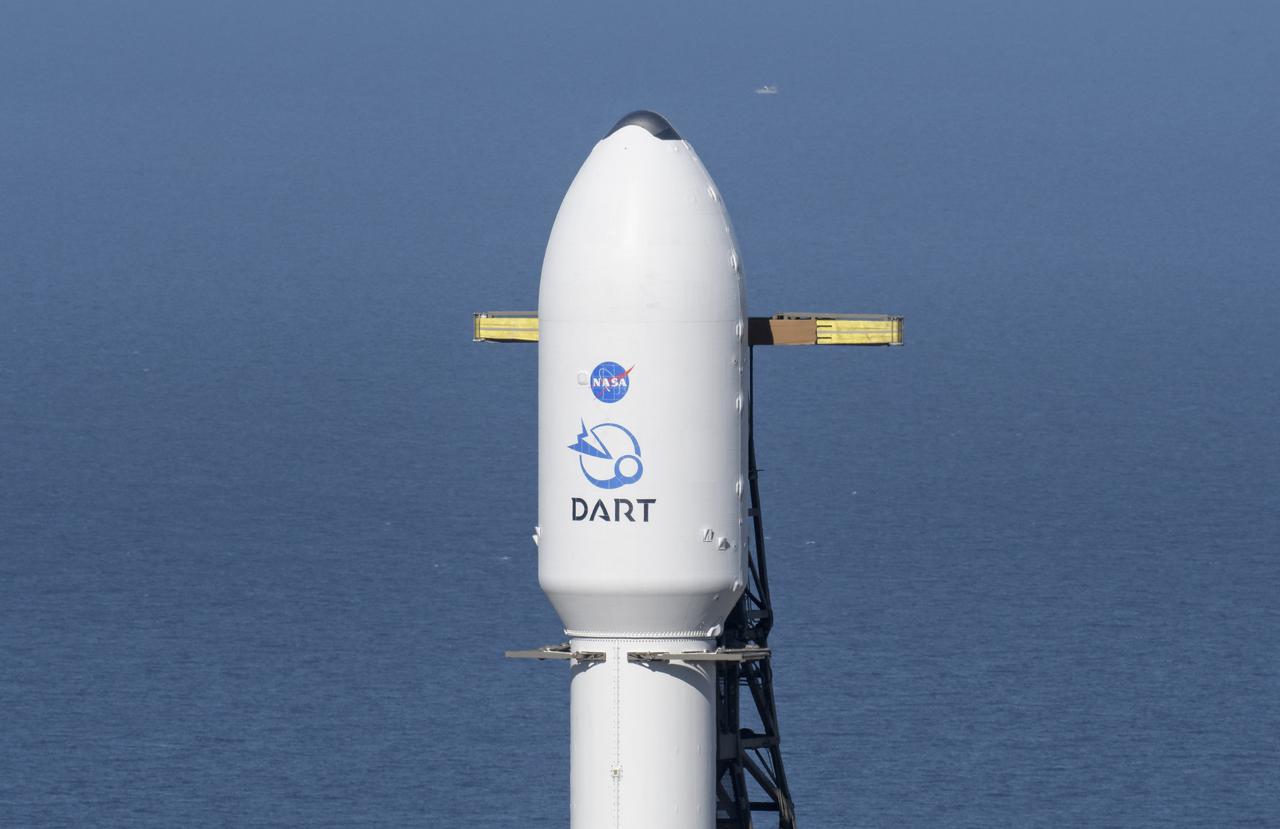
The SpaceX Falcon 9 rocket with the Double Asteroid Redirection Test, or DART, spacecraft onboard, is seen, Tuesday, Nov. 23, 2021, at Space Launch Complex 4E, Vandenberg Space Force Base in California. DART is the world’s first full-scale planetary defense test, demonstrating one method of asteroid deflection technology. The mission was built and is managed by Johns Hopkins APL for NASA’s Planetary Defense Coordination Office. Photo Credit: (NASA/Bill Ingalls)
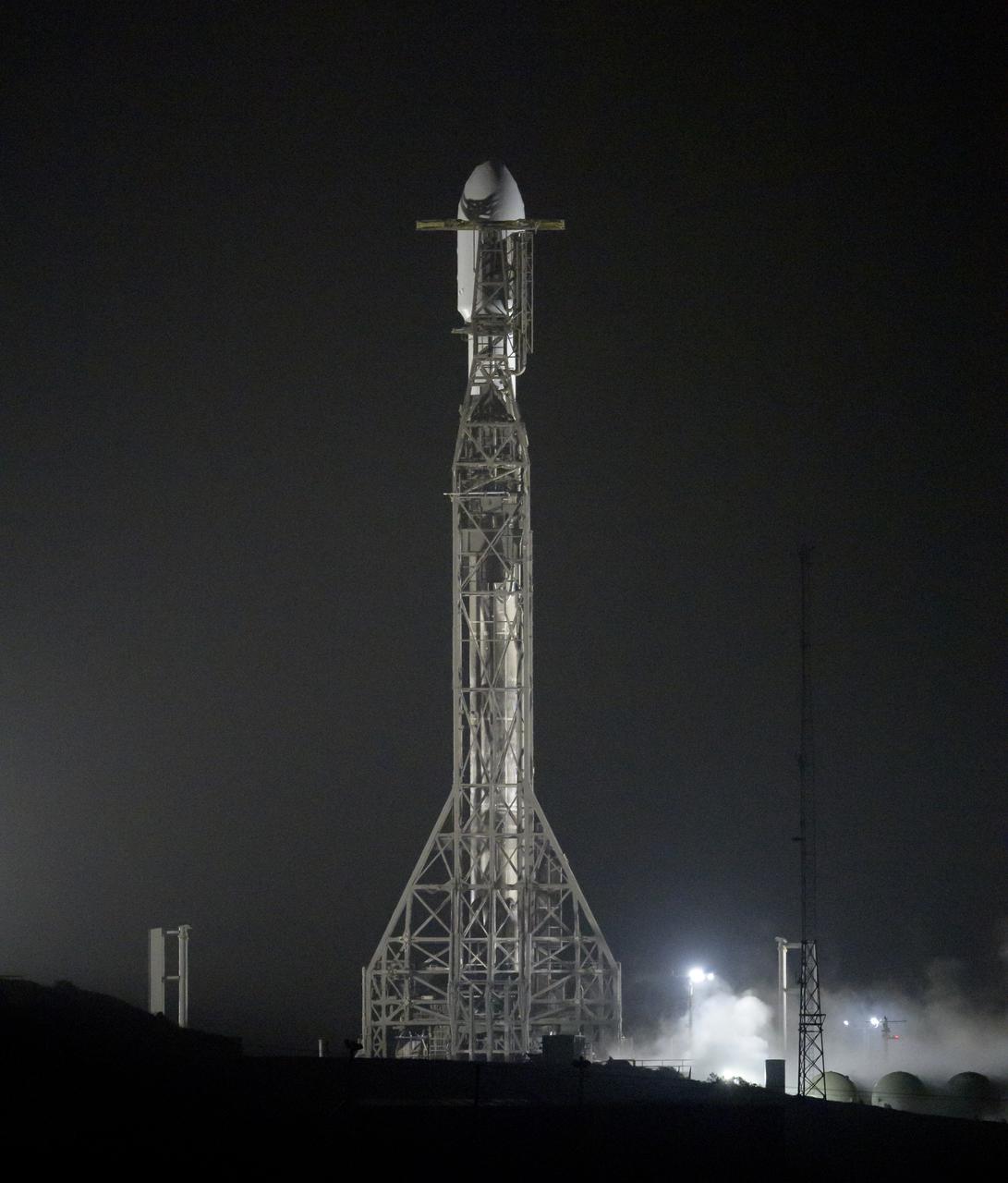
The SpaceX Falcon 9 rocket with the Double Asteroid Redirection Test, or DART, spacecraft onboard, is seen ready for launch, Tuesday, Nov. 23, 2021, at Space Launch Complex 4E, Vandenberg Space Force Base in California. DART is the world’s first full-scale planetary defense test, demonstrating one method of asteroid deflection technology. The mission was built and is managed by Johns Hopkins APL for NASA’s Planetary Defense Coordination Office. Photo Credit: (NASA/Bill Ingalls)
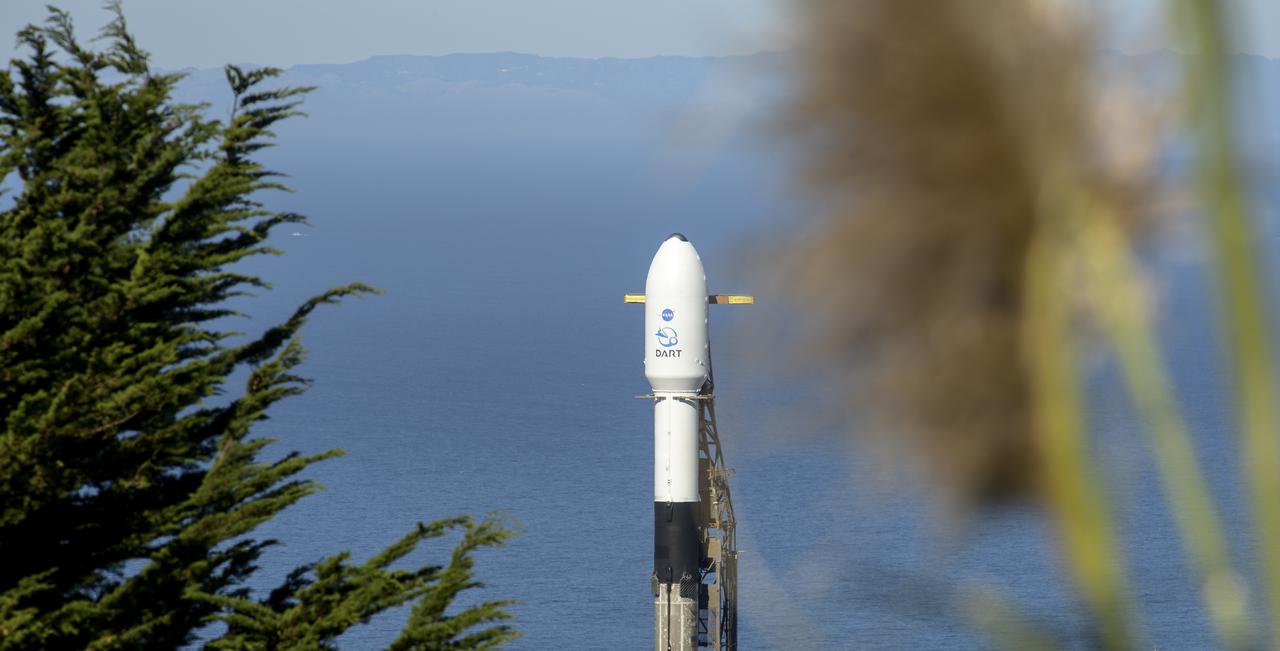
The SpaceX Falcon 9 rocket with the Double Asteroid Redirection Test, or DART, spacecraft onboard, is seen, Tuesday, Nov. 23, 2021, at Space Launch Complex 4E, Vandenberg Space Force Base in California. DART is the world’s first full-scale planetary defense test, demonstrating one method of asteroid deflection technology. The mission was built and is managed by Johns Hopkins APL for NASA’s Planetary Defense Coordination Office. Photo Credit: (NASA/Bill Ingalls)
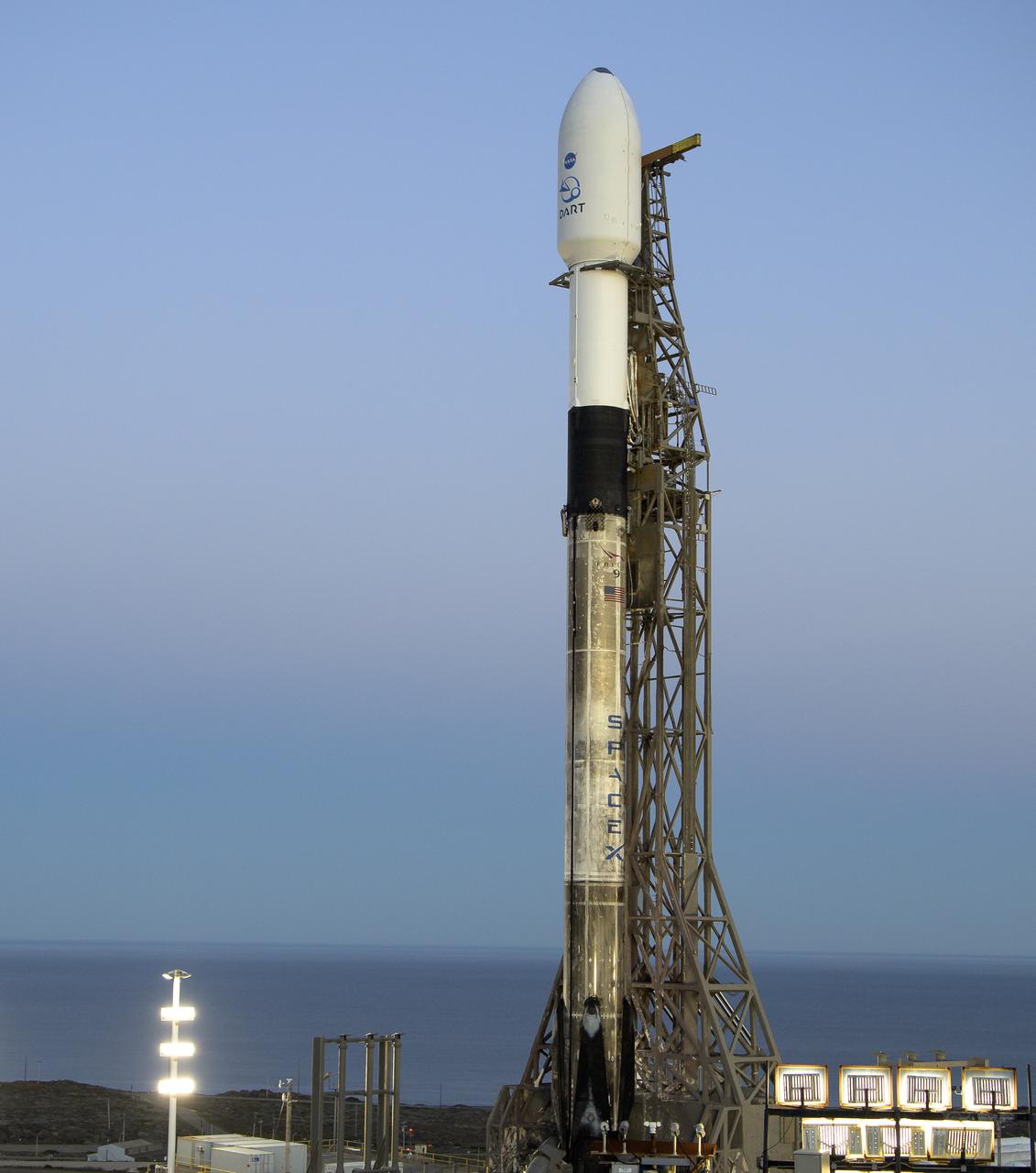
The SpaceX Falcon 9 rocket with the Double Asteroid Redirection Test, or DART, spacecraft onboard, is seen during sunrise, Tuesday, Nov. 23, 2021, at Space Launch Complex 4E, Vandenberg Space Force Base in California. DART is the world’s first full-scale planetary defense test, demonstrating one method of asteroid deflection technology. The mission was built and is managed by the Johns Hopkins APL for NASA’s Planetary Defense Coordination Office. Photo Credit: (NASA/Bill Ingalls)
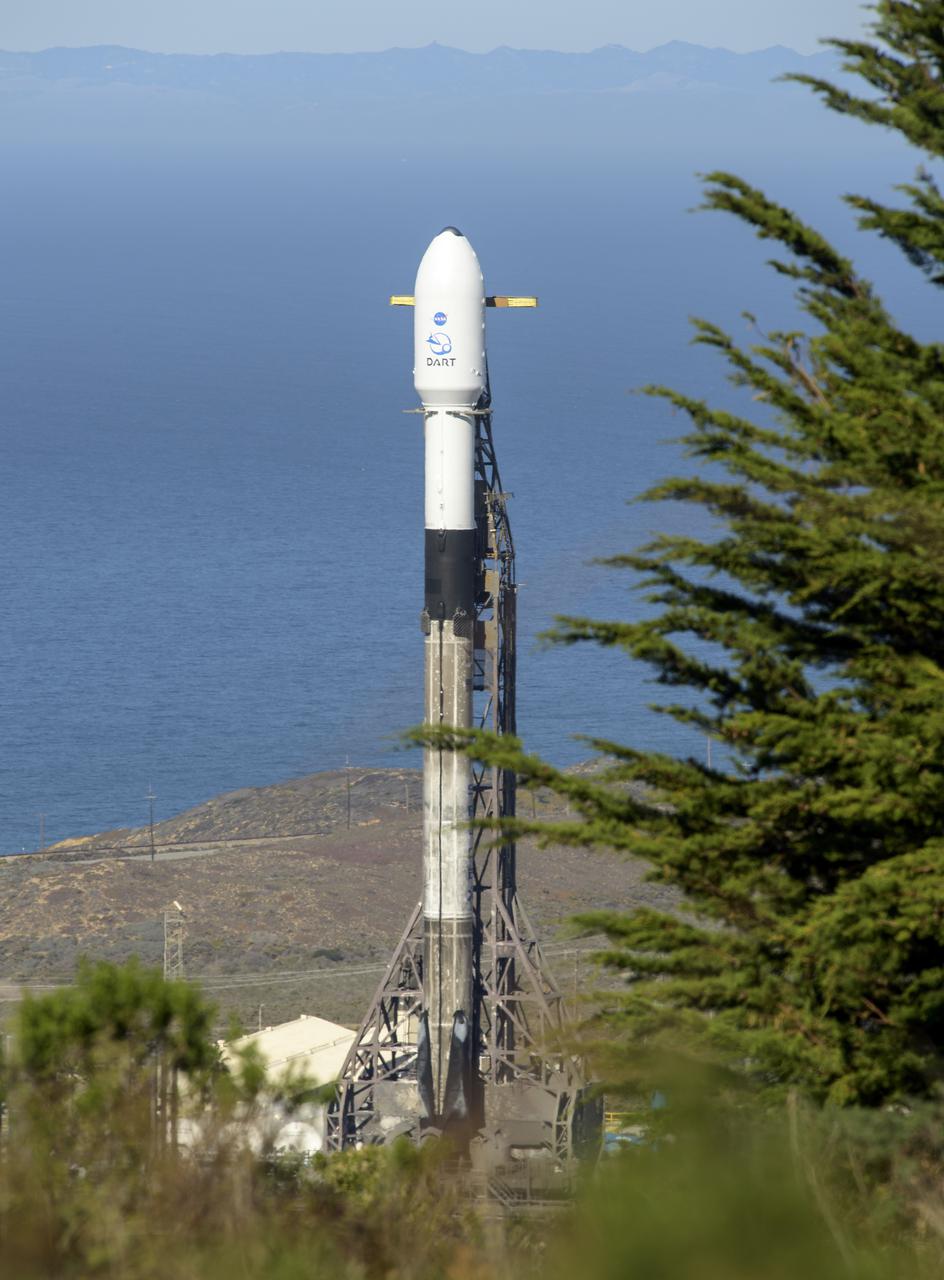
The SpaceX Falcon 9 rocket with the Double Asteroid Redirection Test, or DART, spacecraft onboard, is seen, Tuesday, Nov. 23, 2021, at Space Launch Complex 4E, Vandenberg Space Force Base in California. DART is the world’s first full-scale planetary defense test, demonstrating one method of asteroid deflection technology. The mission was built and is managed by Johns Hopkins APL for NASA’s Planetary Defense Coordination Office. Photo Credit: (NASA/Bill Ingalls)
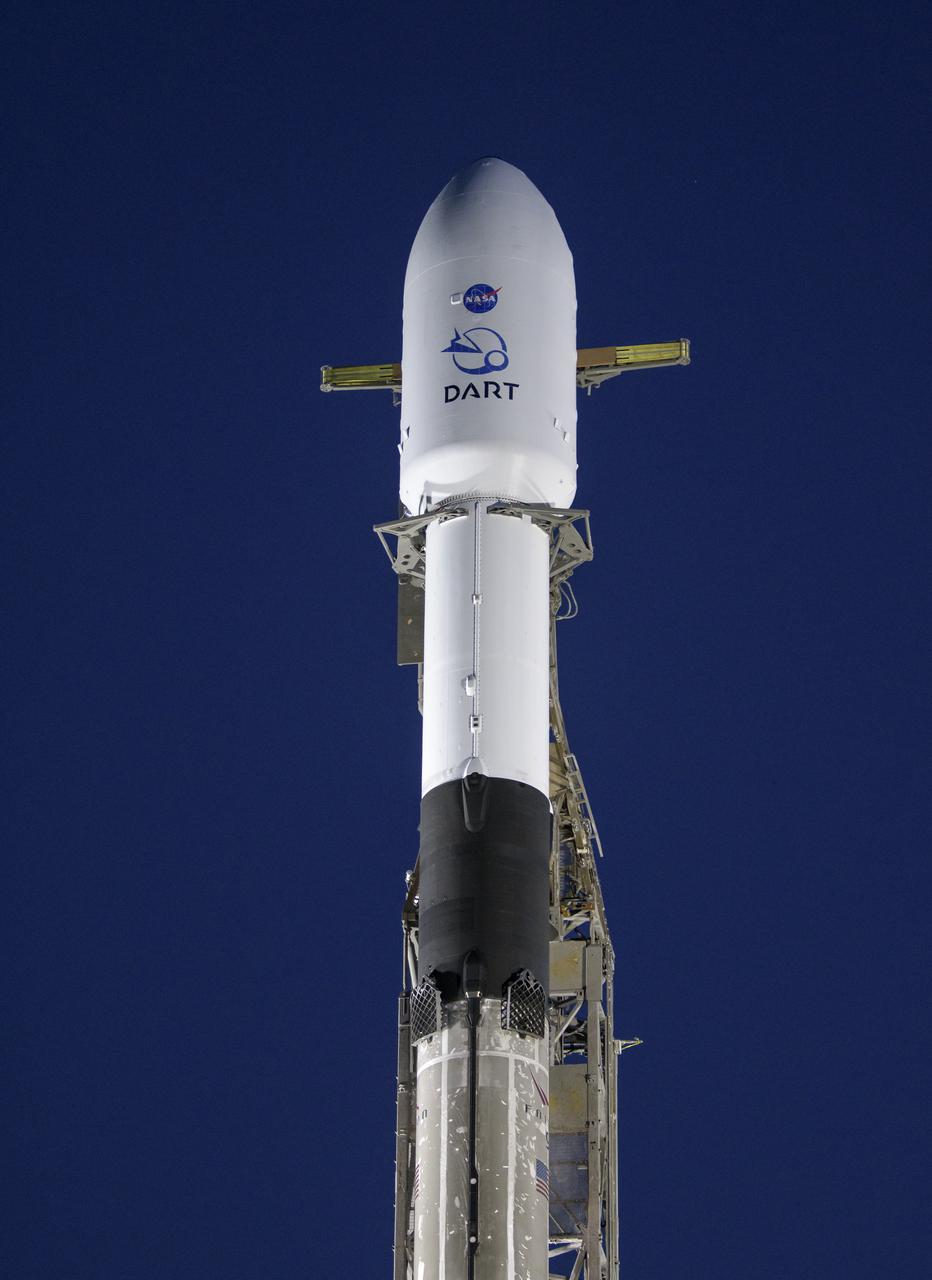
The SpaceX Falcon 9 rocket with the Double Asteroid Redirection Test, or DART, spacecraft onboard, is seen during sunrise, Tuesday, Nov. 23, 2021, at Space Launch Complex 4E, Vandenberg Space Force Base in California. DART is the world’s first full-scale planetary defense test, demonstrating one method of asteroid deflection technology. The mission was built and is managed by the Johns Hopkins APL for NASA’s Planetary Defense Coordination Office. Photo Credit: (NASA/Bill Ingalls)
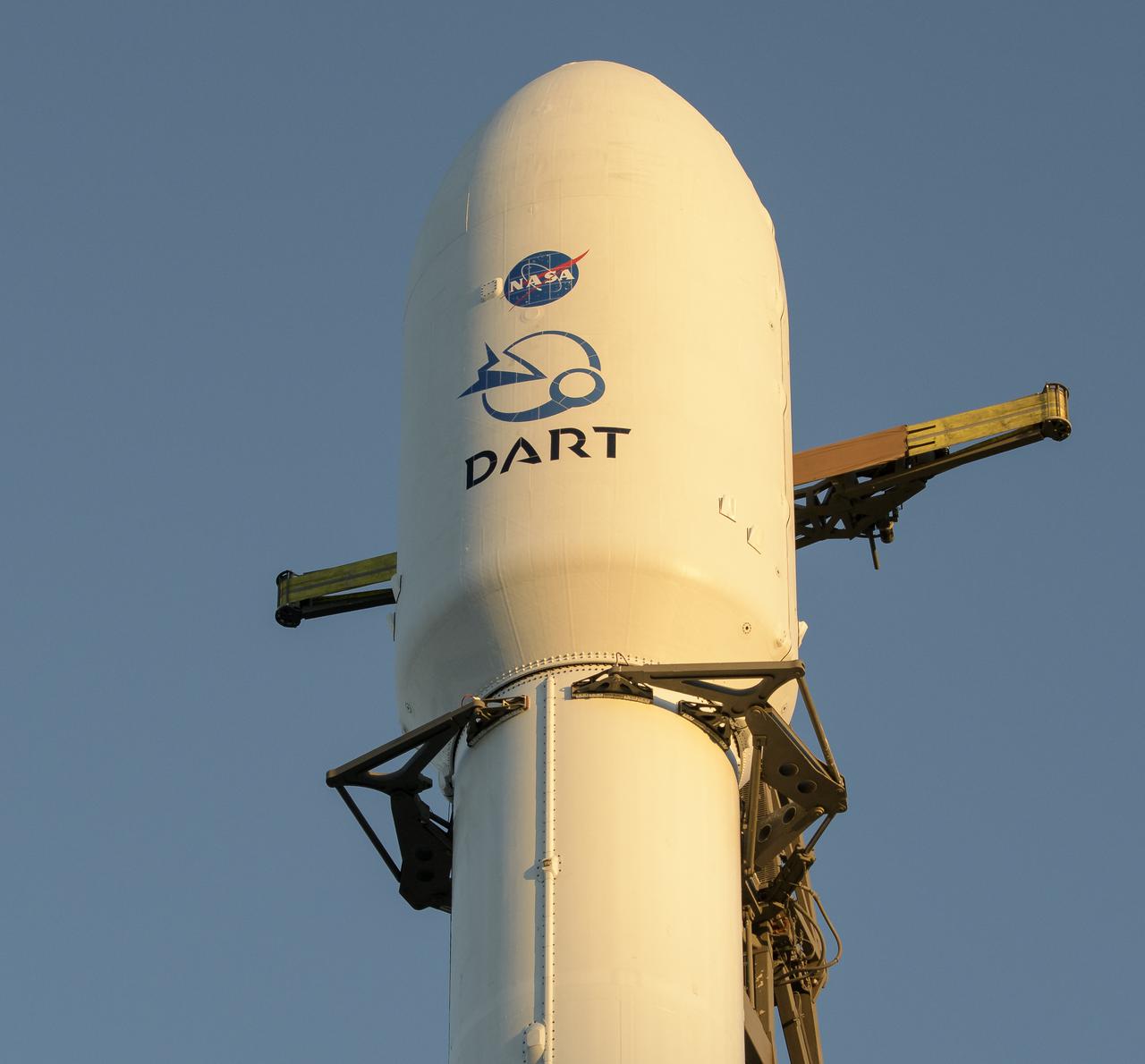
The SpaceX Falcon 9 rocket with the Double Asteroid Redirection Test, or DART, spacecraft onboard, is seen during sunrise, Tuesday, Nov. 23, 2021, at Space Launch Complex 4E, Vandenberg Space Force Base in California. DART is the world’s first full-scale planetary defense test, demonstrating one method of asteroid deflection technology. The mission was built and is managed by the Johns Hopkins APL for NASA’s Planetary Defense Coordination Office. Photo Credit: (NASA/Bill Ingalls)
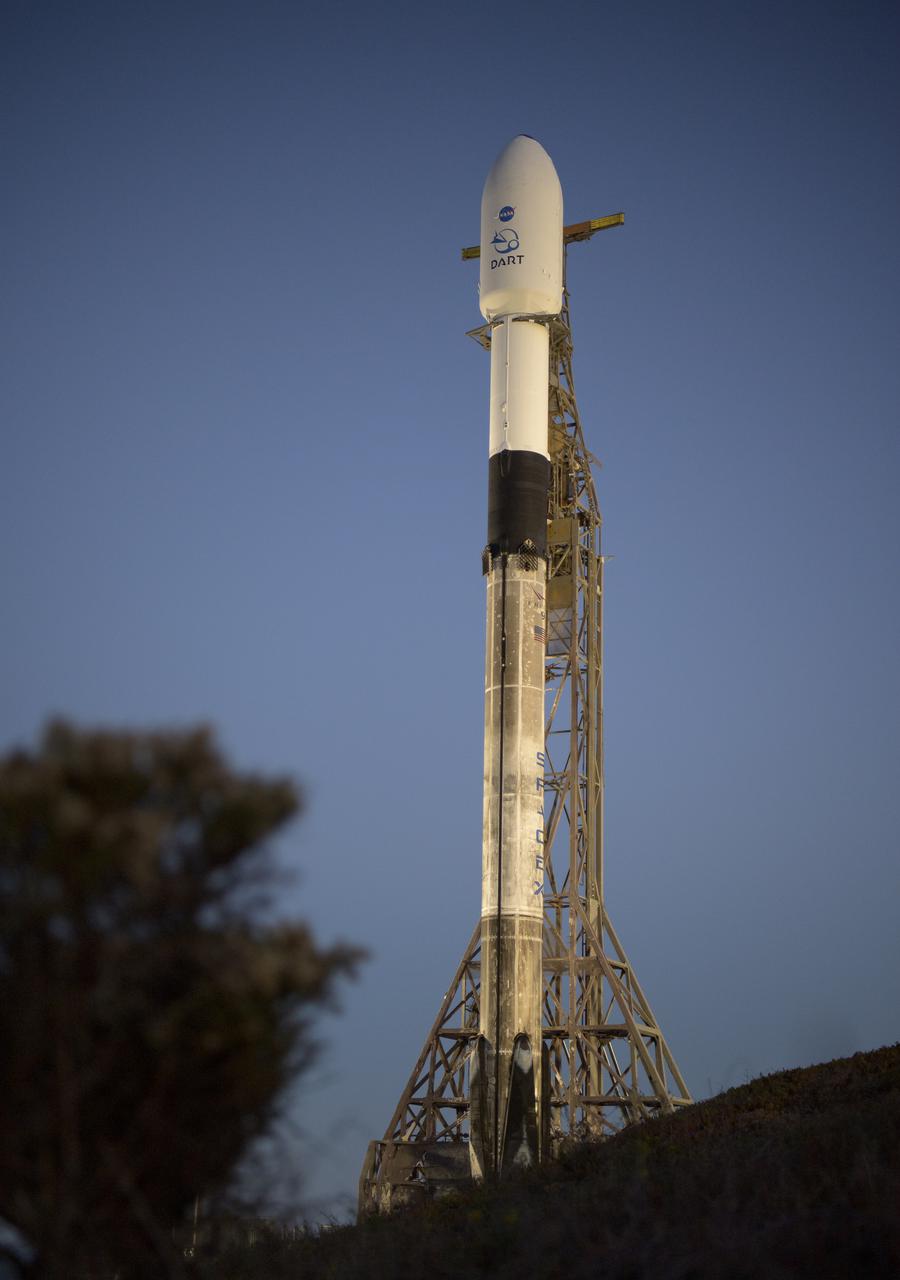
The SpaceX Falcon 9 rocket with the Double Asteroid Redirection Test, or DART, spacecraft onboard, is seen during sunrise, Tuesday, Nov. 23, 2021, at Space Launch Complex 4E, Vandenberg Space Force Base in California. DART is the world’s first full-scale planetary defense test, demonstrating one method of asteroid deflection technology. The mission was built and is managed by the Johns Hopkins APL for NASA’s Planetary Defense Coordination Office. Photo Credit: (NASA/Bill Ingalls)
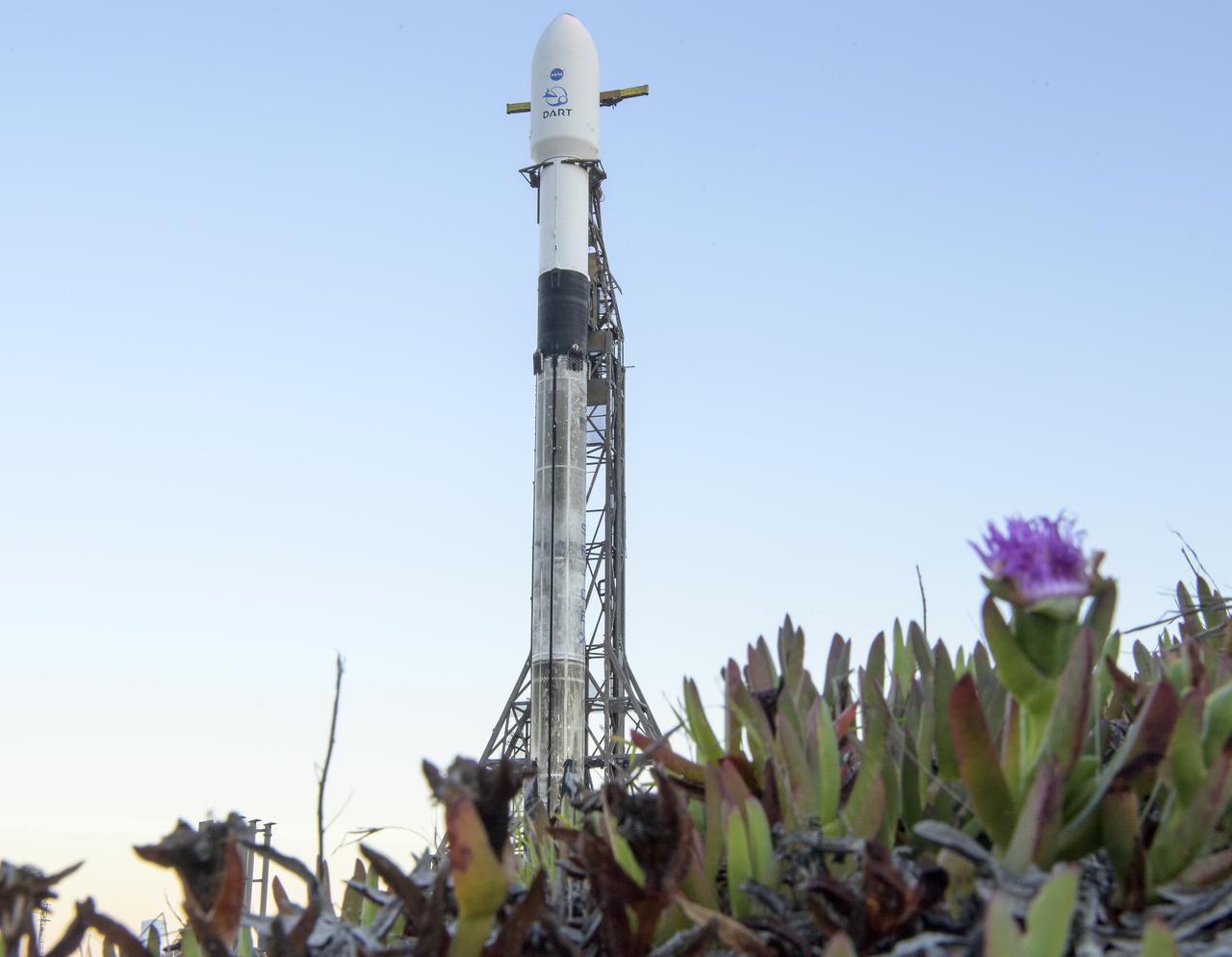
The SpaceX Falcon 9 rocket with the Double Asteroid Redirection Test, or DART, spacecraft onboard, is seen during sunrise, Tuesday, Nov. 23, 2021, at Space Launch Complex 4E, Vandenberg Space Force Base in California. DART is the world’s first full-scale planetary defense test, demonstrating one method of asteroid deflection technology. The mission was built and is managed by the Johns Hopkins APL for NASA’s Planetary Defense Coordination Office. Photo Credit: (NASA/Bill Ingalls)
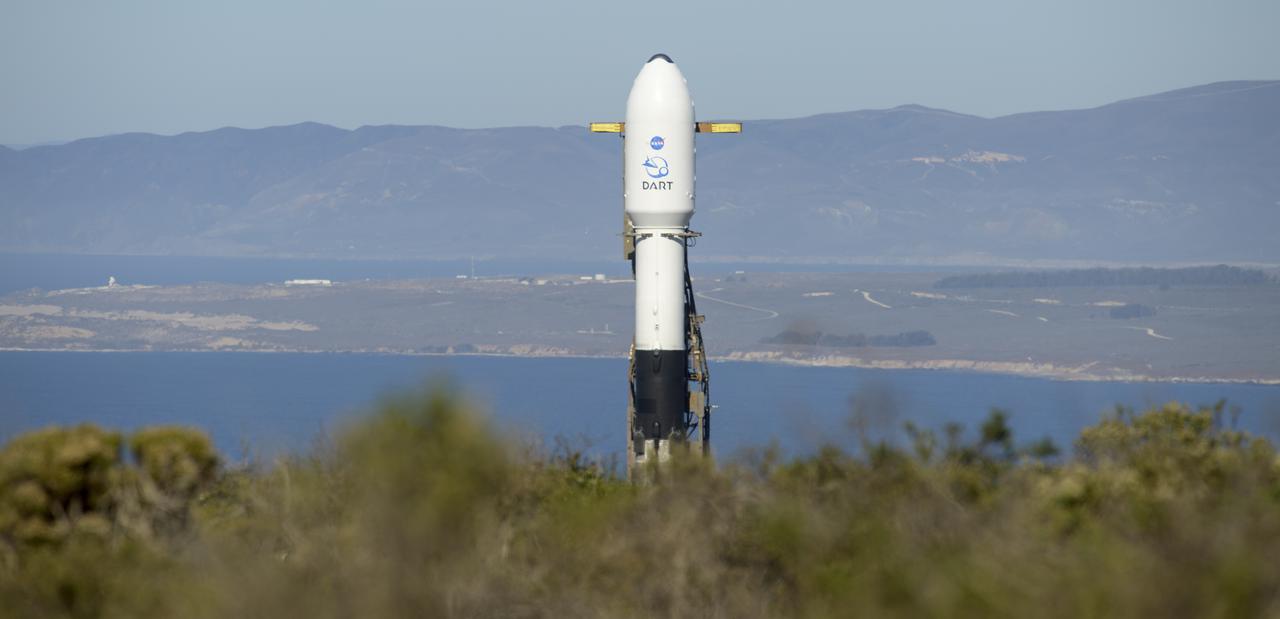
The SpaceX Falcon 9 rocket with the Double Asteroid Redirection Test, or DART, spacecraft onboard, is seen, Tuesday, Nov. 23, 2021, at Space Launch Complex 4E, Vandenberg Space Force Base in California. DART is the world’s first full-scale planetary defense test, demonstrating one method of asteroid deflection technology. The mission was built and is managed by Johns Hopkins APL for NASA’s Planetary Defense Coordination Office. Photo Credit: (NASA/Bill Ingalls)
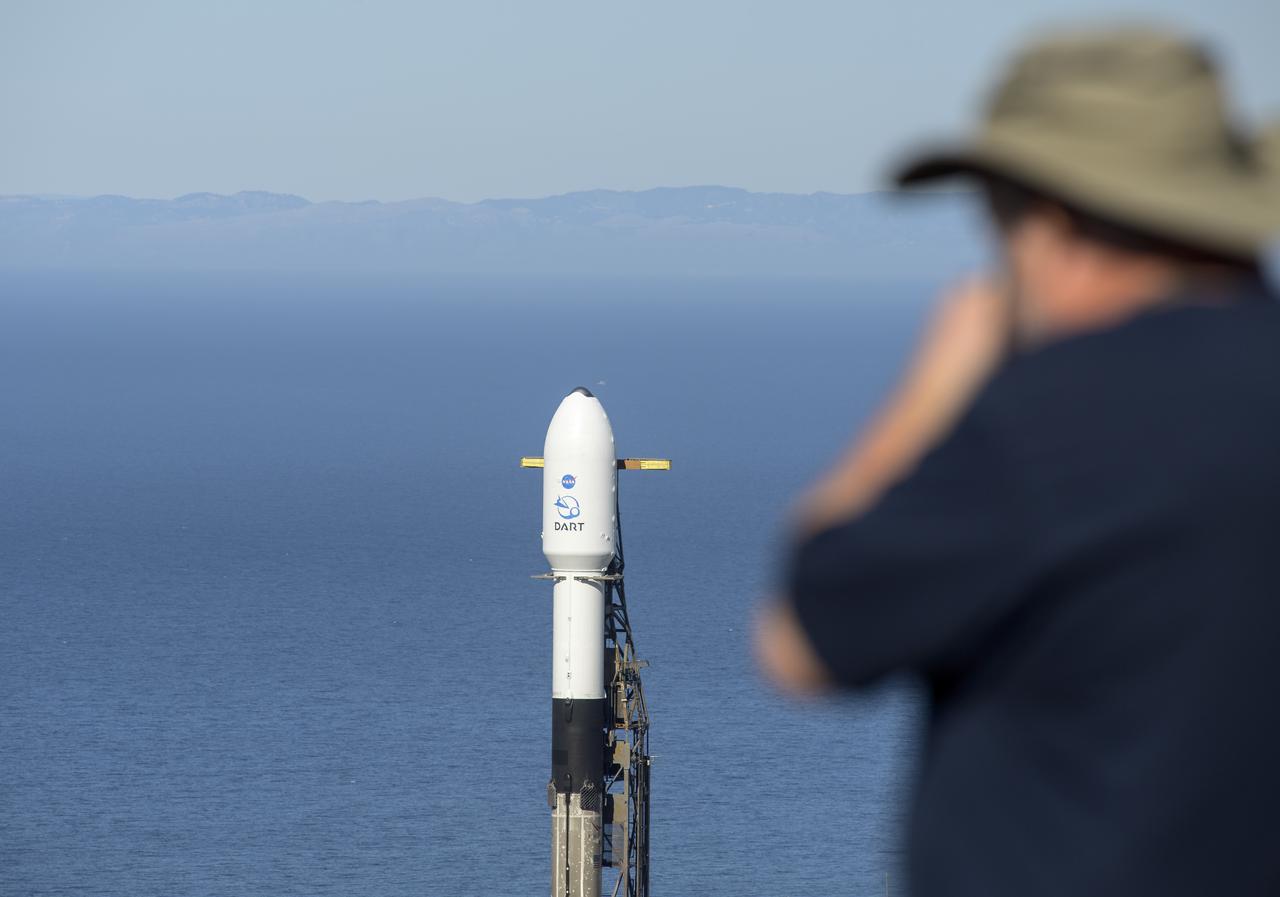
The SpaceX Falcon 9 rocket with the Double Asteroid Redirection Test, or DART, spacecraft onboard, is seen, Tuesday, Nov. 23, 2021, at Space Launch Complex 4E, Vandenberg Space Force Base in California. DART is the world’s first full-scale planetary defense test, demonstrating one method of asteroid deflection technology. The mission was built and is managed by Johns Hopkins APL for NASA’s Planetary Defense Coordination Office. Photo Credit: (NASA/Bill Ingalls)
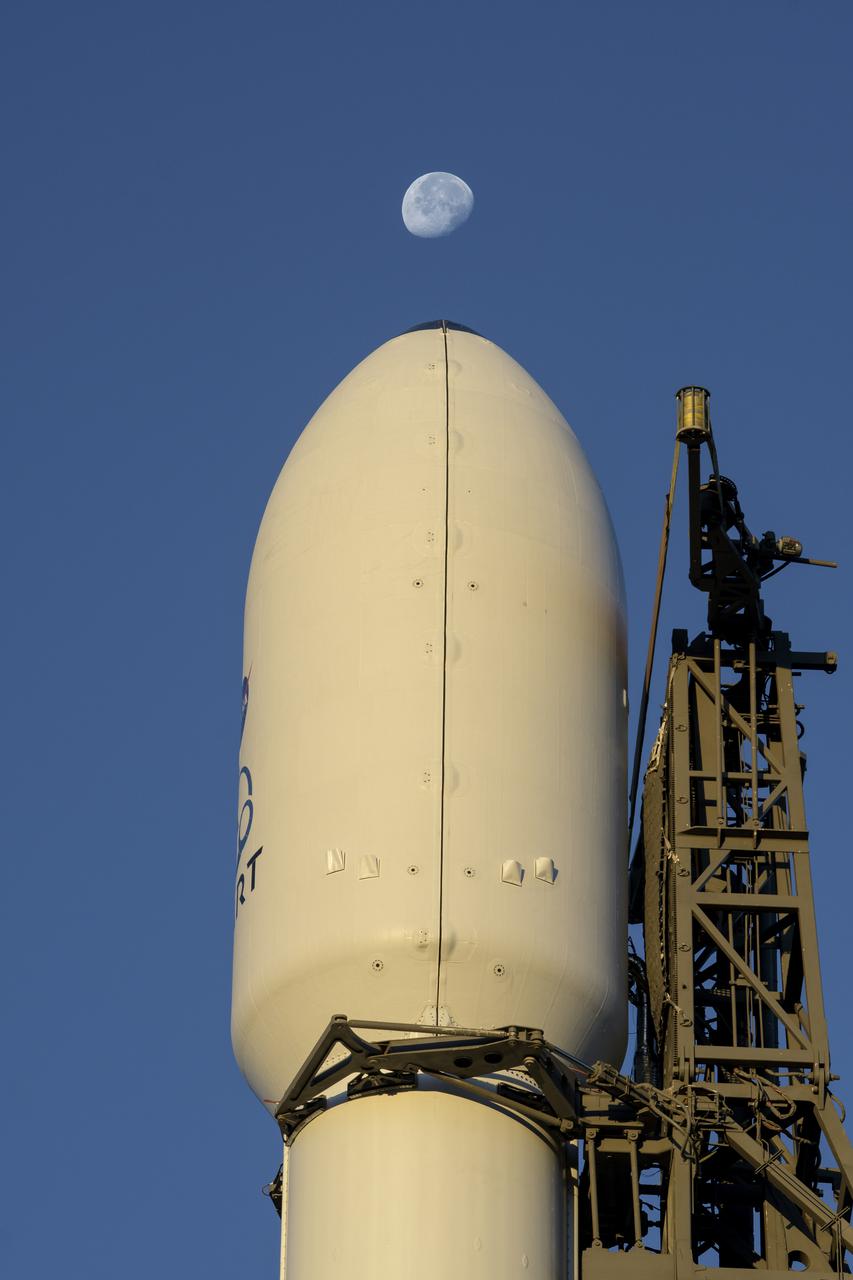
The SpaceX Falcon 9 rocket with the Double Asteroid Redirection Test, or DART, spacecraft onboard, is seen during sunrise, Tuesday, Nov. 23, 2021, at Space Launch Complex 4E, Vandenberg Space Force Base in California. DART is the world’s first full-scale planetary defense test, demonstrating one method of asteroid deflection technology. The mission was built and is managed by the Johns Hopkins APL for NASA’s Planetary Defense Coordination Office. Photo Credit: (NASA/Bill Ingalls)
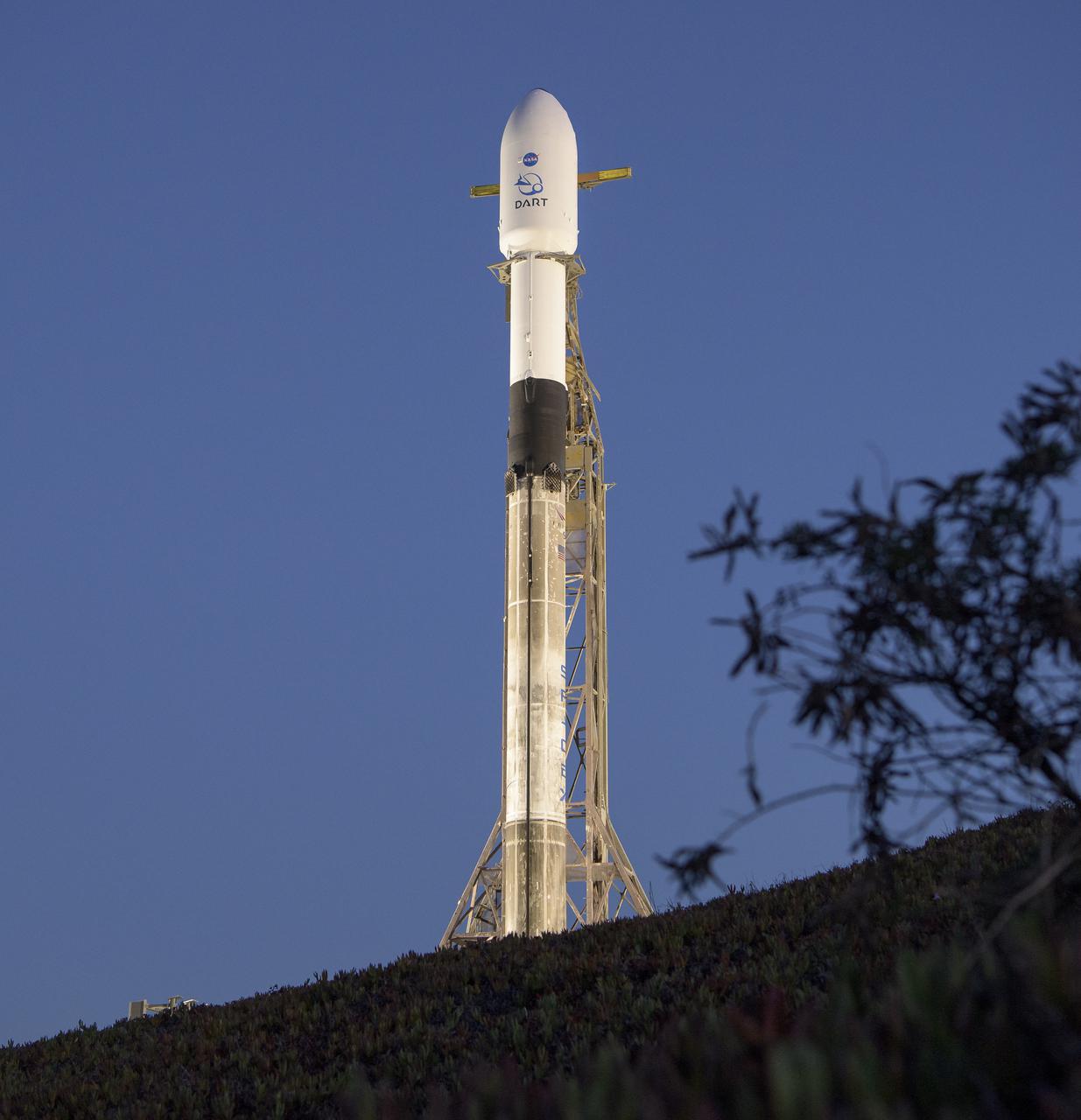
The SpaceX Falcon 9 rocket with the Double Asteroid Redirection Test, or DART, spacecraft onboard, is seen during sunrise, Tuesday, Nov. 23, 2021, at Space Launch Complex 4E, Vandenberg Space Force Base in California. DART is the world’s first full-scale planetary defense test, demonstrating one method of asteroid deflection technology. The mission was built and is managed by the Johns Hopkins APL for NASA’s Planetary Defense Coordination Office. Photo Credit: (NASA/Bill Ingalls)