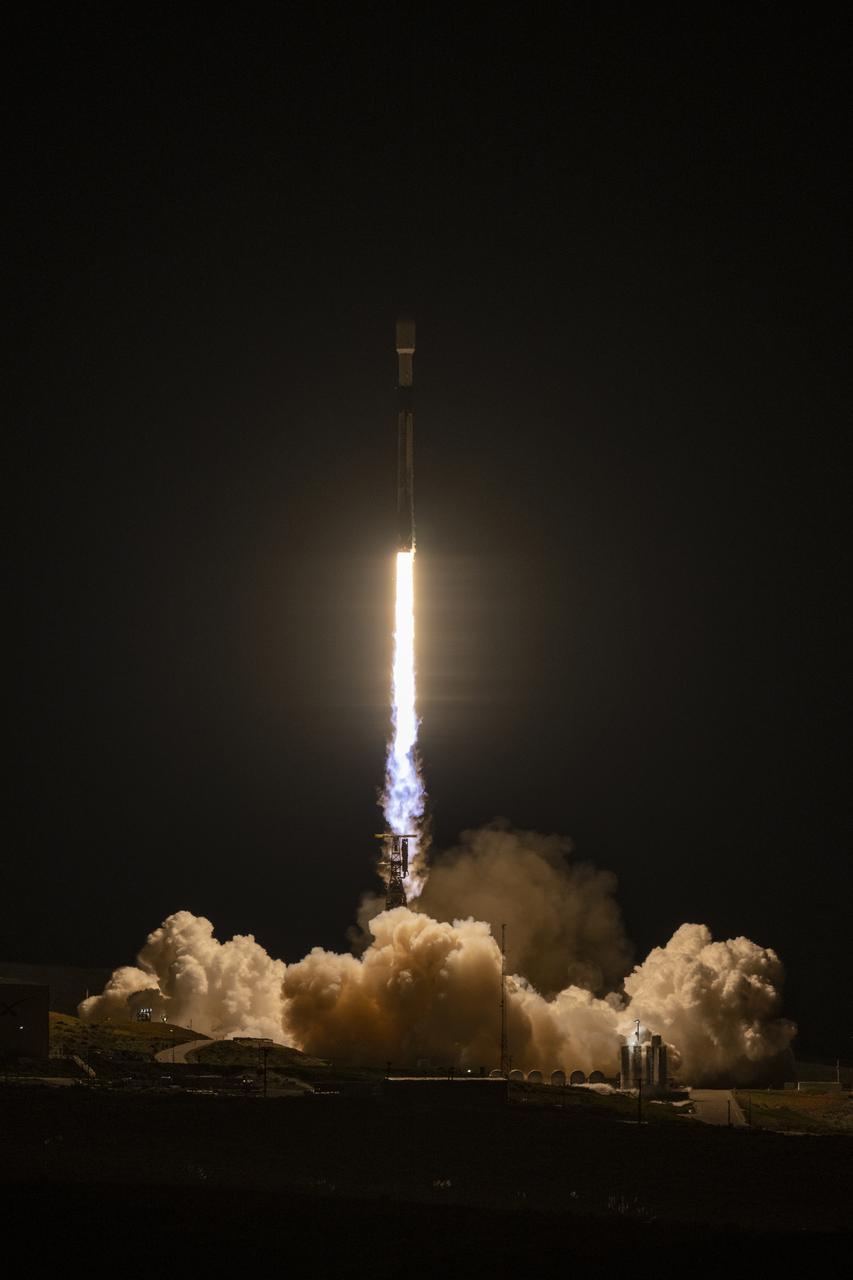
A SpaceX Falcon 9 rocket launches with the Surface Water and Ocean Topography (SWOT) spacecraft onboard, Friday, Dec. 16, 2022, from Space Launch Complex 4E at Vandenberg Space Force Base in California. Jointly developed by NASA and Centre National D'Etudes Spatiales (CNES), with contributions from the Canadian Space Agency (CSA) and United Kingdom Space Agency, SWOT is the first satellite mission that will observe nearly all water on Earth’s surface, measuring the height of water in the planet’s lakes, rivers, reservoirs, and the ocean. Photo Credit: (NASA/Keegan Barber)
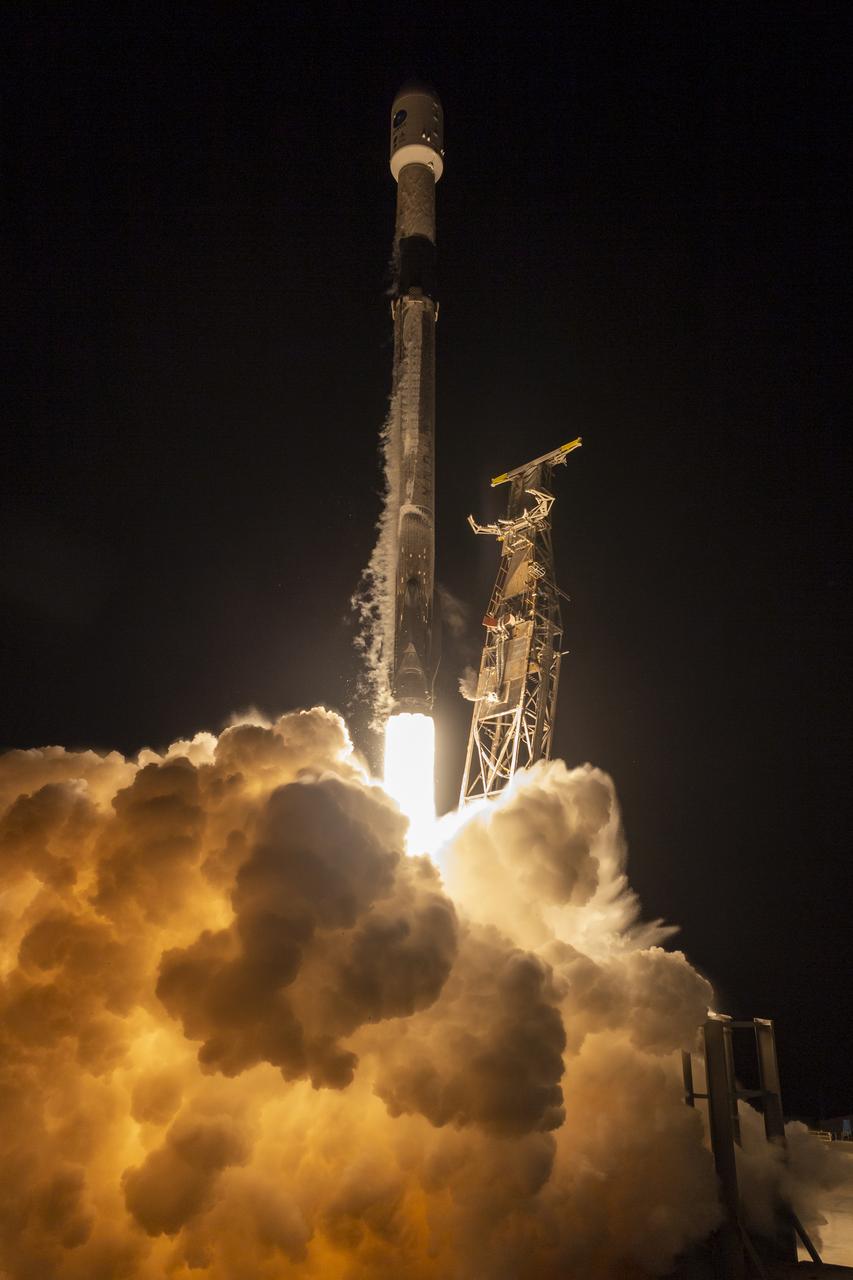
A SpaceX Falcon 9 rocket launches with the Surface Water and Ocean Topography (SWOT) spacecraft onboard, Friday, Dec. 16, 2022, from Space Launch Complex 4E at Vandenberg Space Force Base in California. Jointly developed by NASA and Centre National D'Etudes Spatiales (CNES), with contributions from the Canadian Space Agency (CSA) and United Kingdom Space Agency, SWOT is the first satellite mission that will observe nearly all water on Earth’s surface, measuring the height of water in the planet’s lakes, rivers, reservoirs, and the ocean. Photo Credit: (NASA/Keegan Barber)
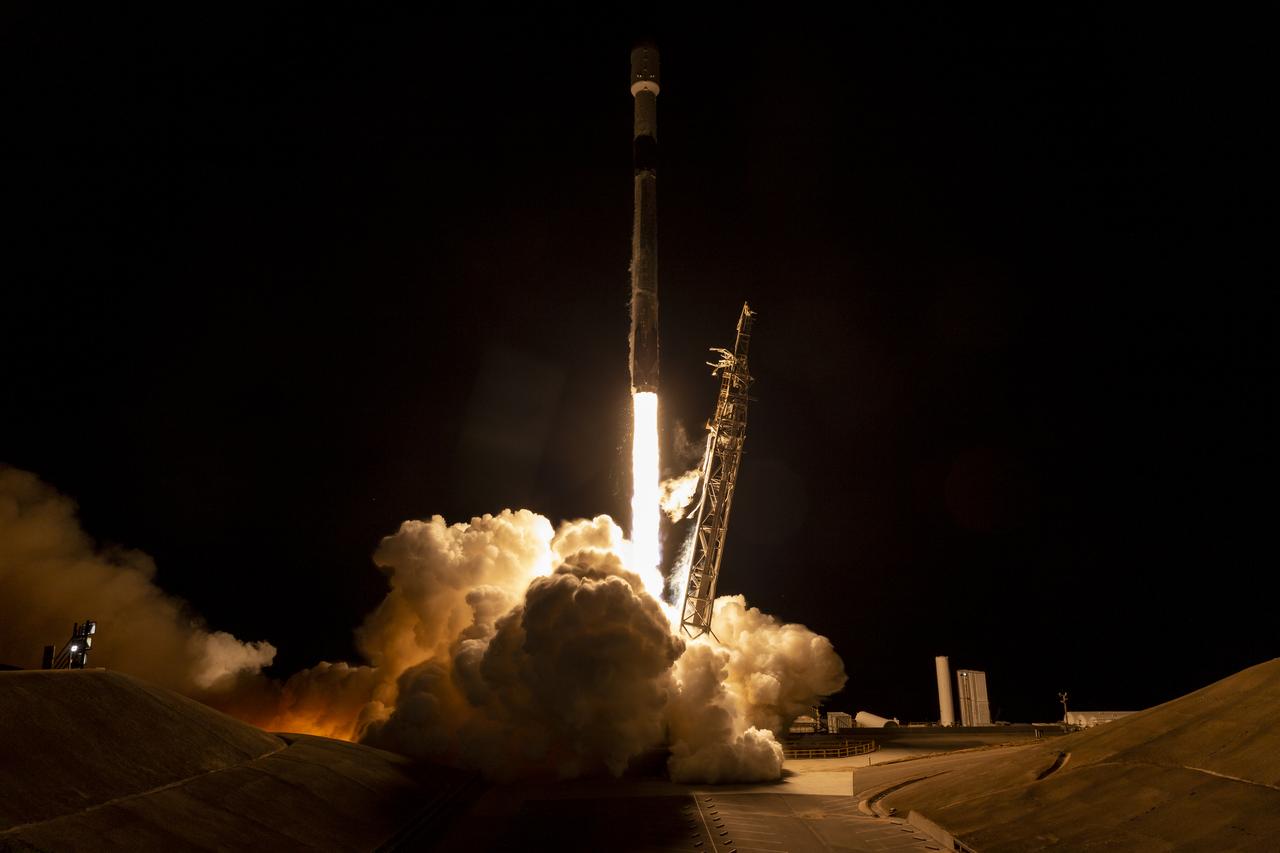
A SpaceX Falcon 9 rocket launches with the Surface Water and Ocean Topography (SWOT) spacecraft onboard, Friday, Dec. 16, 2022, from Space Launch Complex 4E at Vandenberg Space Force Base in California. Jointly developed by NASA and Centre National D'Etudes Spatiales (CNES), with contributions from the Canadian Space Agency (CSA) and United Kingdom Space Agency, SWOT is the first satellite mission that will observe nearly all water on Earth’s surface, measuring the height of water in the planet’s lakes, rivers, reservoirs, and the ocean. Photo Credit: (NASA/Keegan Barber)
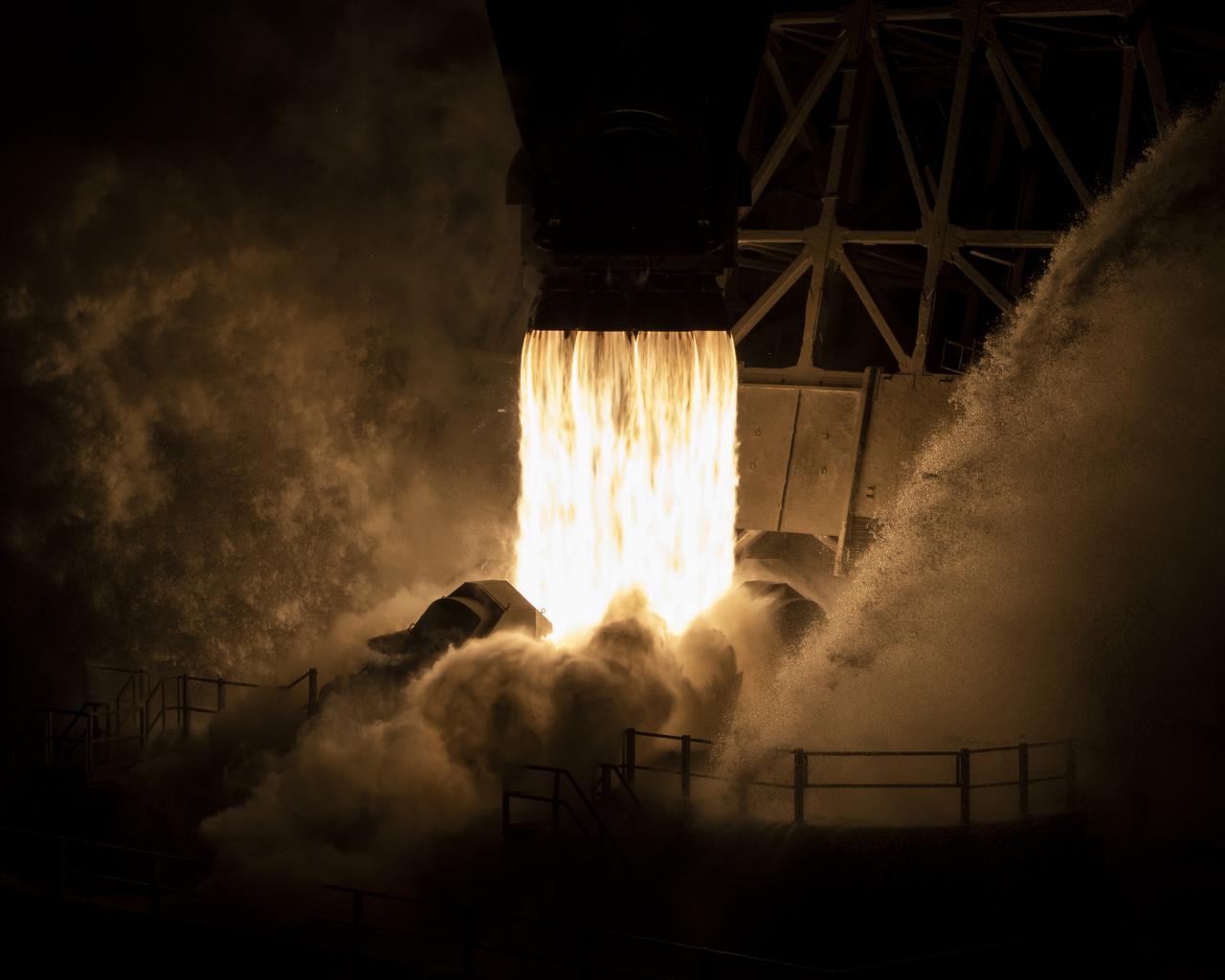
A SpaceX Falcon 9 rocket launches with the Surface Water and Ocean Topography (SWOT) spacecraft onboard, Friday, Dec. 16, 2022, from Space Launch Complex 4E at Vandenberg Space Force Base in California. Jointly developed by NASA and Centre National D'Etudes Spatiales (CNES), with contributions from the Canadian Space Agency (CSA) and United Kingdom Space Agency, SWOT is the first satellite mission that will observe nearly all water on Earth’s surface, measuring the height of water in the planet’s lakes, rivers, reservoirs, and the ocean. Photo Credit: (NASA/Keegan Barber)
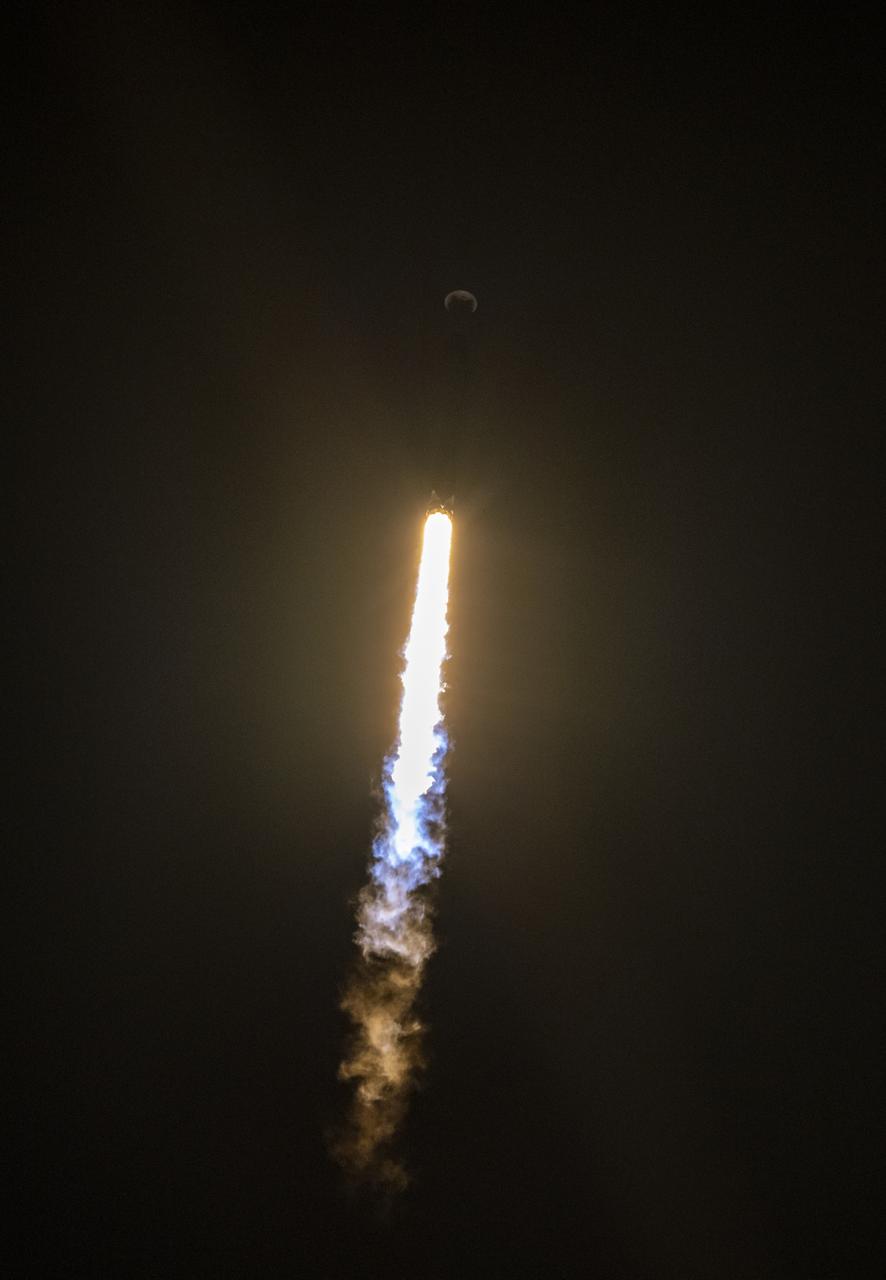
A SpaceX Falcon 9 rocket launches with the Surface Water and Ocean Topography (SWOT) spacecraft onboard, Friday, Dec. 16, 2022, from Space Launch Complex 4E at Vandenberg Space Force Base in California. Jointly developed by NASA and Centre National D'Etudes Spatiales (CNES), with contributions from the Canadian Space Agency (CSA) and United Kingdom Space Agency, SWOT is the first satellite mission that will observe nearly all water on Earth’s surface, measuring the height of water in the planet’s lakes, rivers, reservoirs, and the ocean. Photo Credit: (NASA/Keegan Barber)
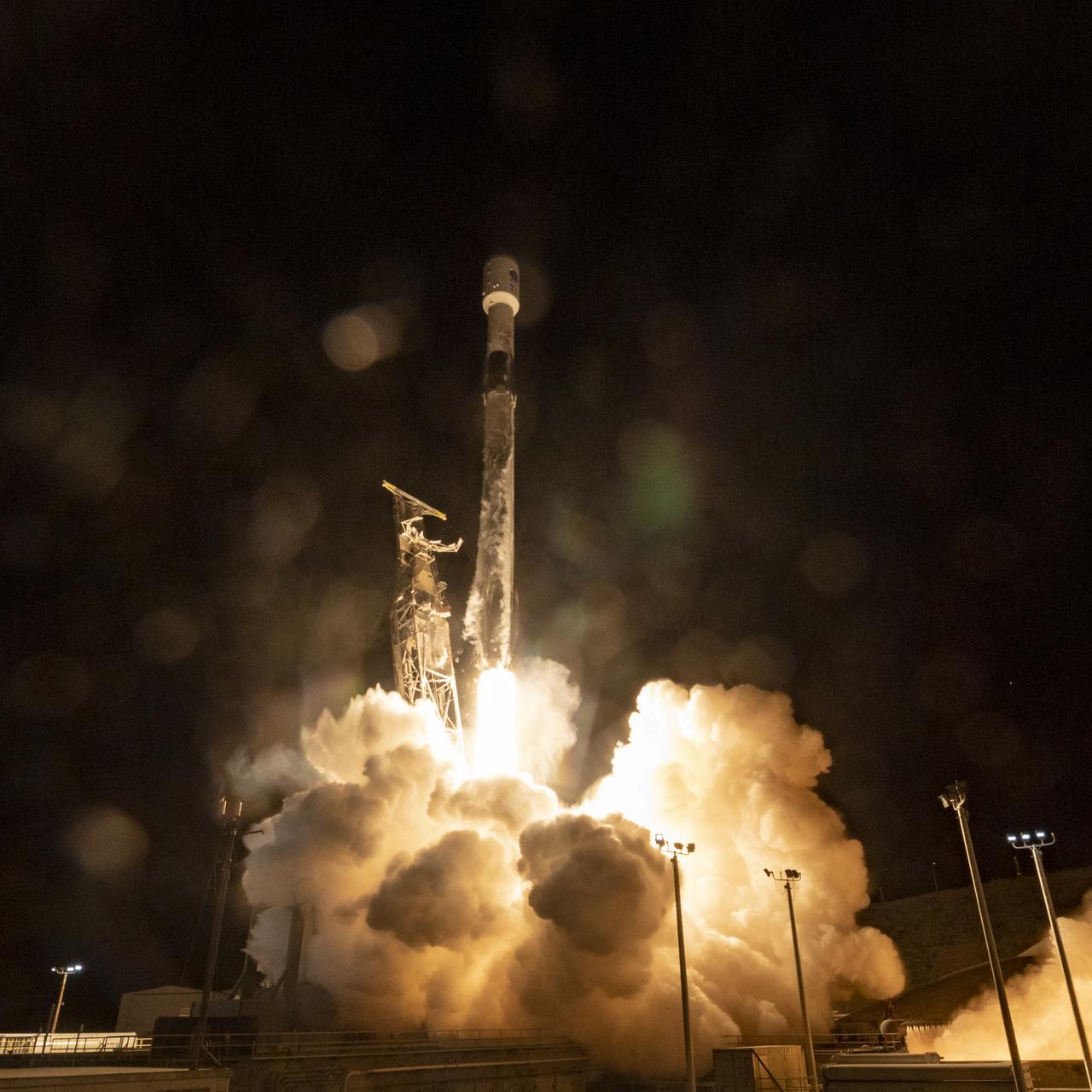
A SpaceX Falcon 9 rocket launches with the Surface Water and Ocean Topography (SWOT) spacecraft onboard, Friday, Dec. 16, 2022, from Space Launch Complex 4E at Vandenberg Space Force Base in California. Jointly developed by NASA and Centre National D'Etudes Spatiales (CNES), with contributions from the Canadian Space Agency (CSA) and United Kingdom Space Agency, SWOT is the first satellite mission that will observe nearly all water on Earth’s surface, measuring the height of water in the planet’s lakes, rivers, reservoirs, and the ocean. Photo Credit: (NASA/Keegan Barber)
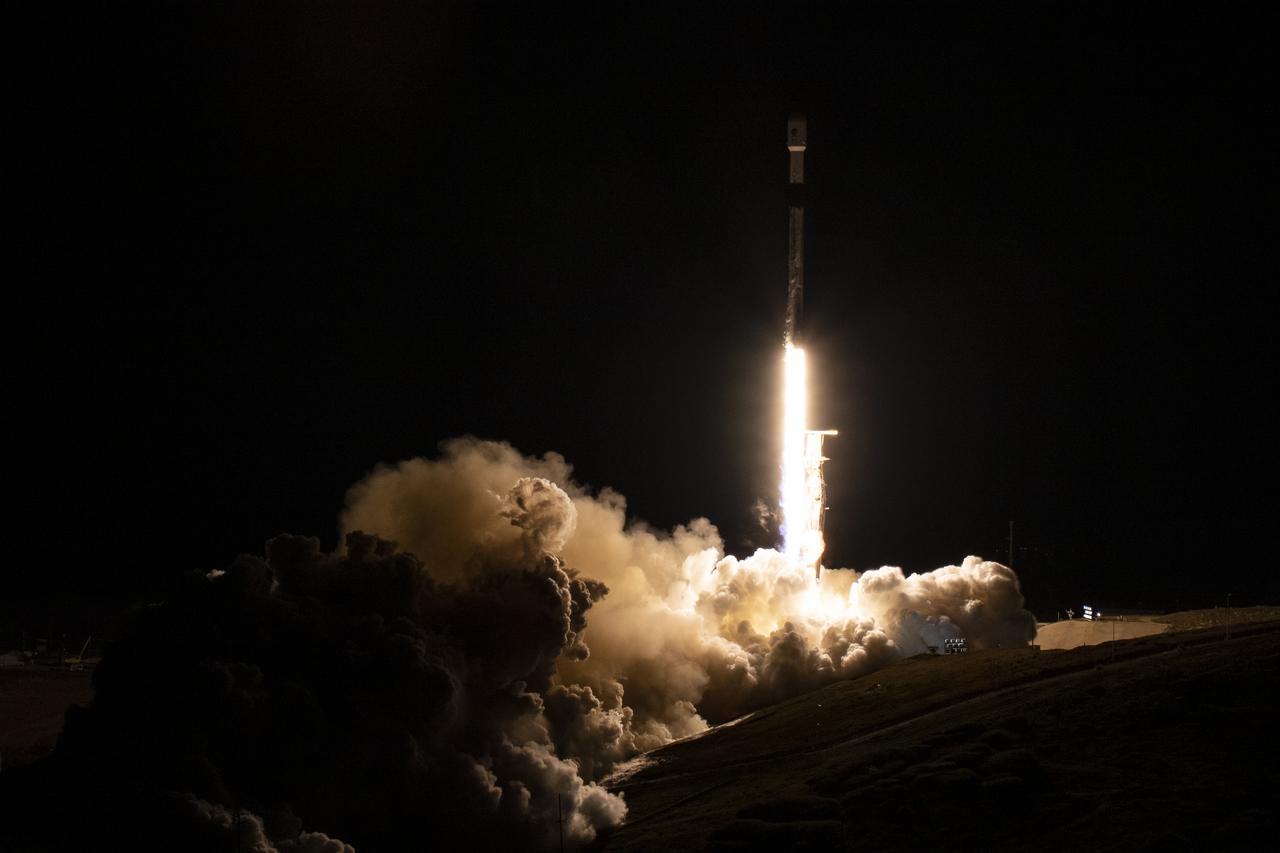
A SpaceX Falcon 9 rocket launches with the Surface Water and Ocean Topography (SWOT) spacecraft onboard, Friday, Dec. 16, 2022, from Space Launch Complex 4E at Vandenberg Space Force Base in California. Jointly developed by NASA and Centre National D'Etudes Spatiales (CNES), with contributions from the Canadian Space Agency (CSA) and United Kingdom Space Agency, SWOT is the first satellite mission that will observe nearly all water on Earth’s surface, measuring the height of water in the planet’s lakes, rivers, reservoirs, and the ocean. Photo Credit: (NASA/Keegan Barber)
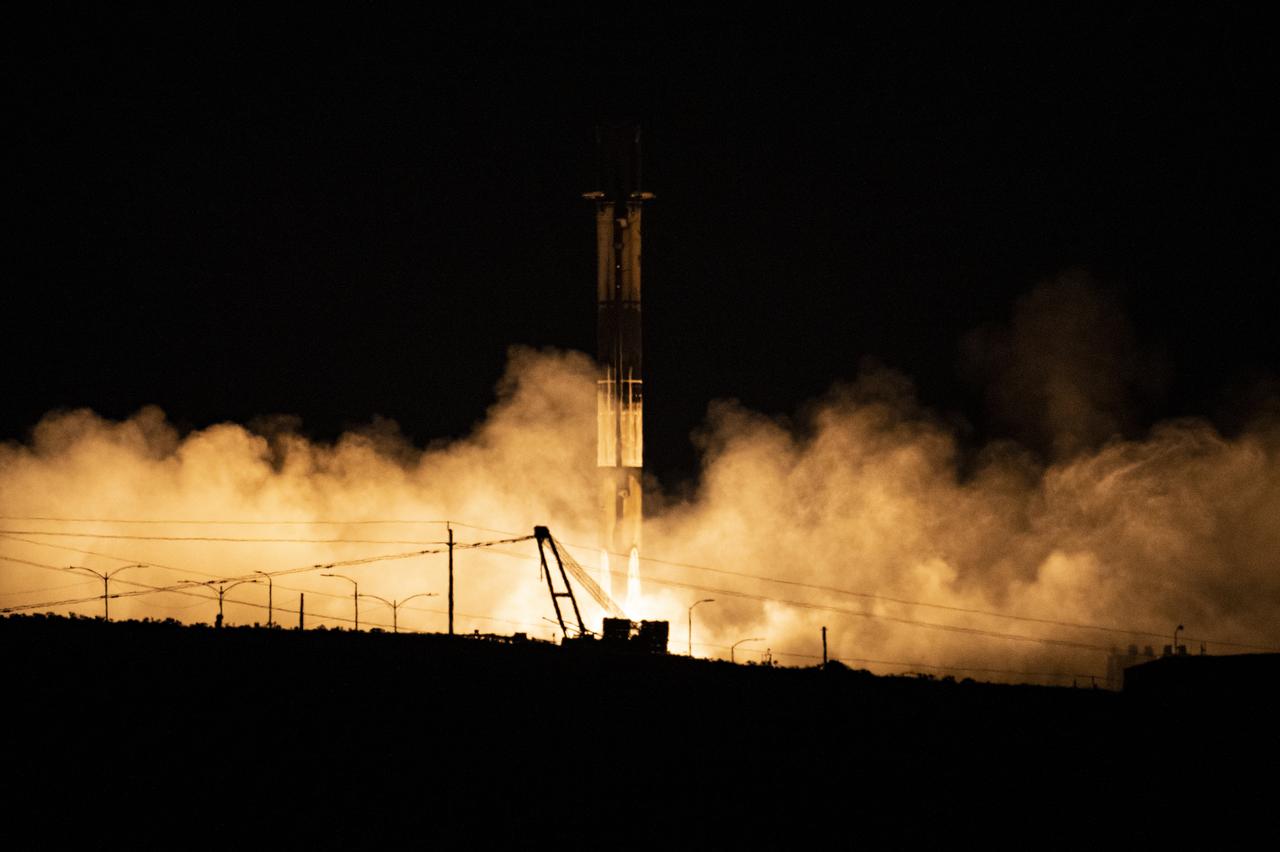
A SpaceX Falcon 9 first-stage booster returns to the landing pad following the launch of the Surface Water and Ocean Topography (SWOT) spacecraft, Friday, Dec. 16, 2022, from Space Launch Complex 4E at Vandenberg Space Force Base in California. Jointly developed by NASA and Centre National D'Etudes Spatiales (CNES), with contributions from the Canadian Space Agency (CSA) and United Kingdom Space Agency, SWOT is the first satellite mission that will observe nearly all water on Earth’s surface, measuring the height of water in the planet’s lakes, rivers, reservoirs, and the ocean. Photo Credit: (NASA/Keegan Barber)
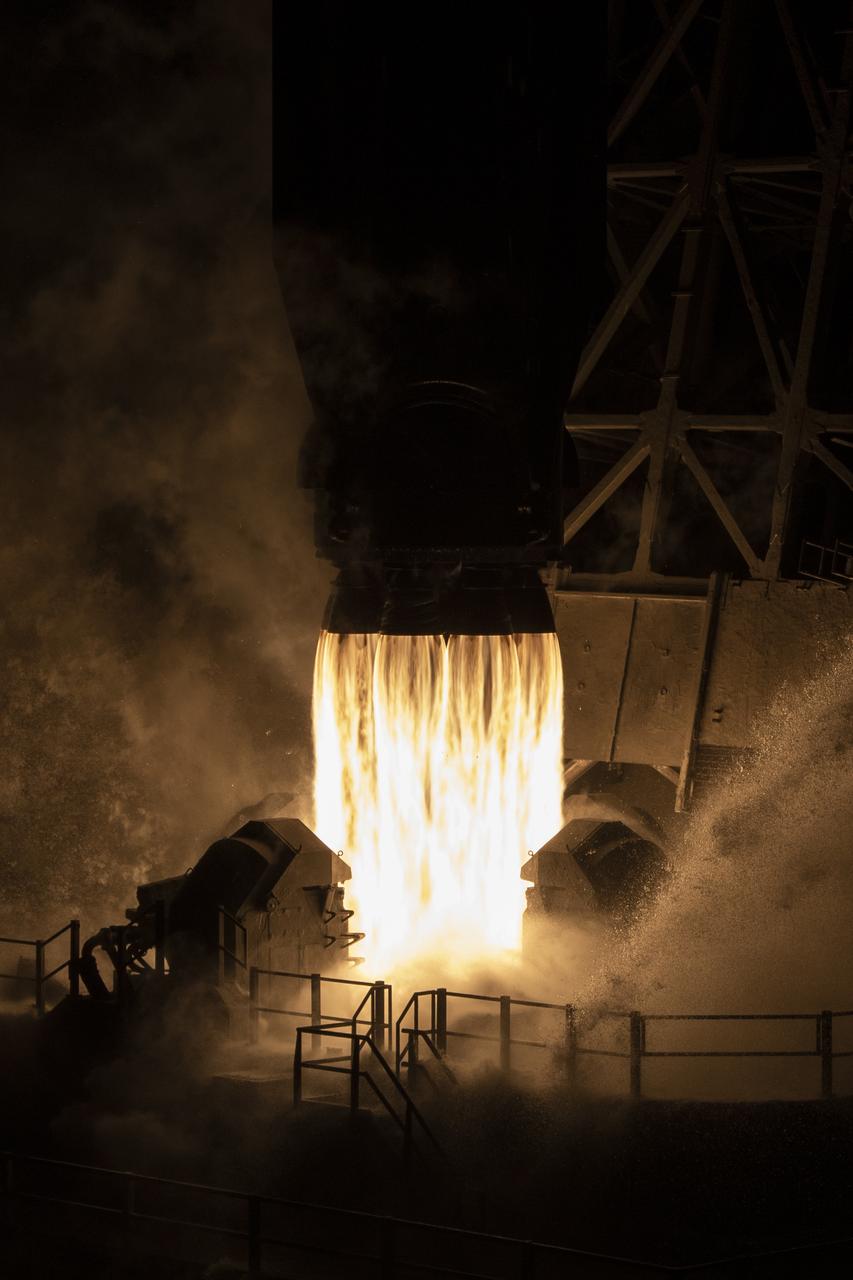
A SpaceX Falcon 9 rocket launches with the Surface Water and Ocean Topography (SWOT) spacecraft onboard, Friday, Dec. 16, 2022, from Space Launch Complex 4E at Vandenberg Space Force Base in California. Jointly developed by NASA and Centre National D'Etudes Spatiales (CNES), with contributions from the Canadian Space Agency (CSA) and United Kingdom Space Agency, SWOT is the first satellite mission that will observe nearly all water on Earth’s surface, measuring the height of water in the planet’s lakes, rivers, reservoirs, and the ocean. Photo Credit: (NASA/Keegan Barber)
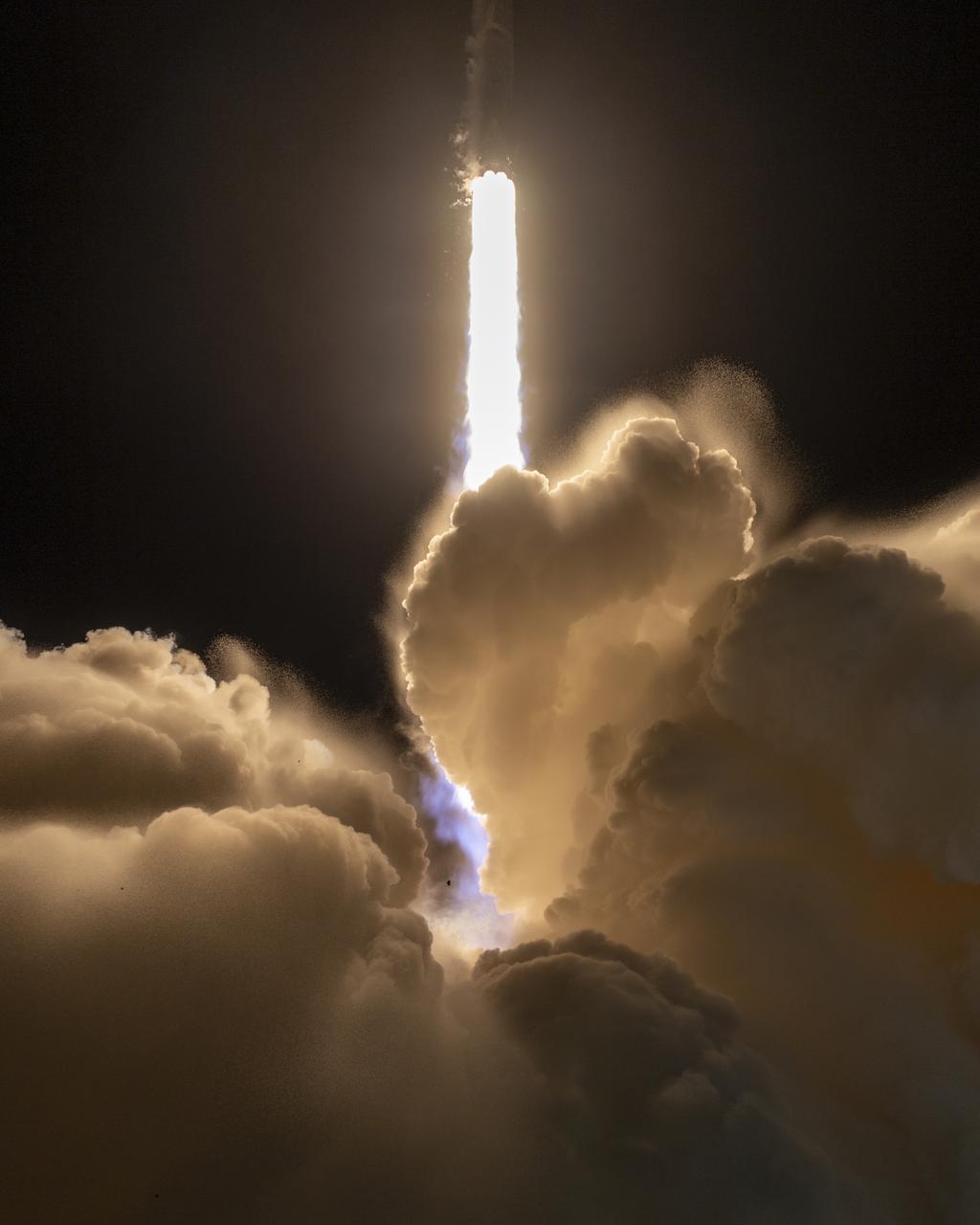
A SpaceX Falcon 9 rocket launches with the Surface Water and Ocean Topography (SWOT) spacecraft onboard, Friday, Dec. 16, 2022, from Space Launch Complex 4E at Vandenberg Space Force Base in California. Jointly developed by NASA and Centre National D'Etudes Spatiales (CNES), with contributions from the Canadian Space Agency (CSA) and United Kingdom Space Agency, SWOT is the first satellite mission that will observe nearly all water on Earth’s surface, measuring the height of water in the planet’s lakes, rivers, reservoirs, and the ocean. Photo Credit: (NASA/Keegan Barber)
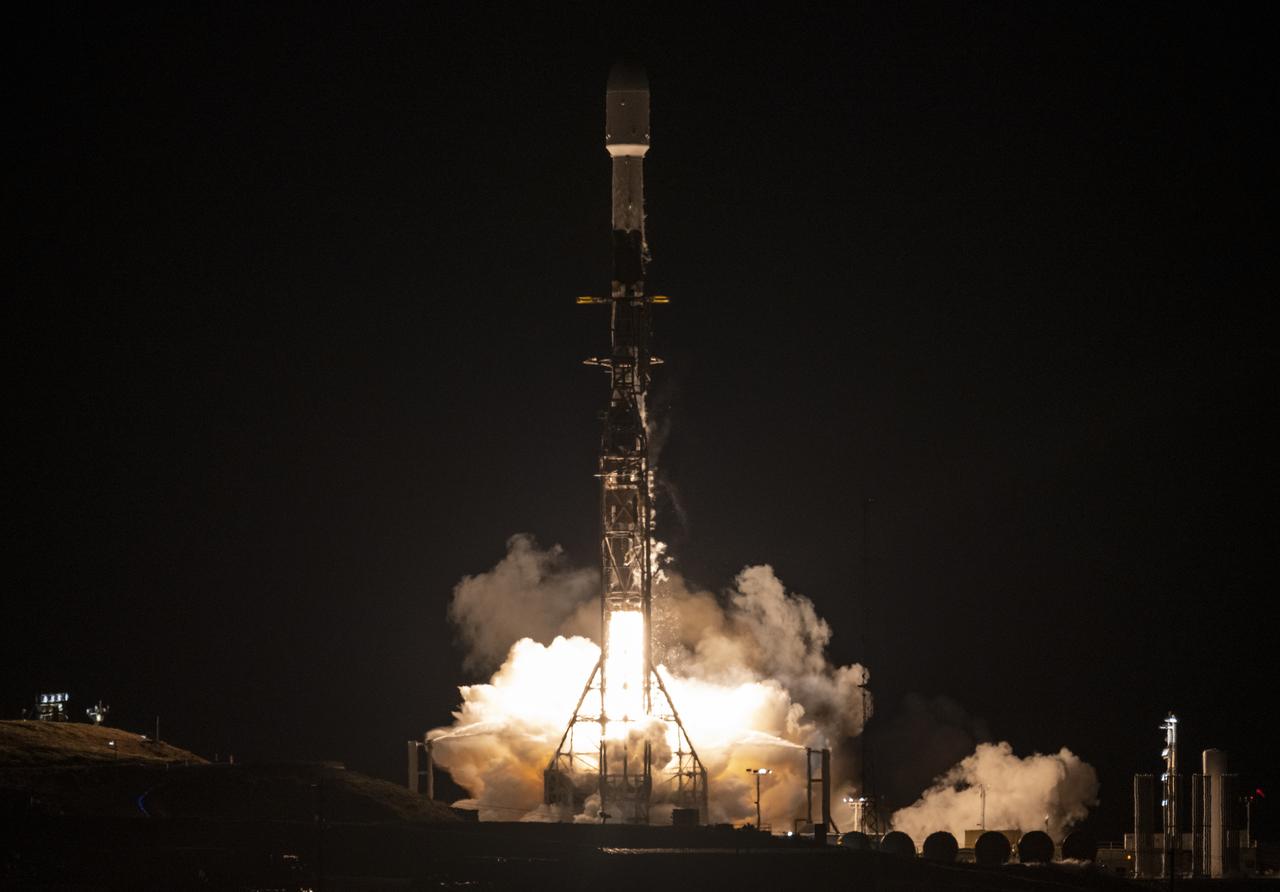
A SpaceX Falcon 9 rocket launches with the Surface Water and Ocean Topography (SWOT) spacecraft onboard, Friday, Dec. 16, 2022, from Space Launch Complex 4E at Vandenberg Space Force Base in California. Jointly developed by NASA and Centre National D'Etudes Spatiales (CNES), with contributions from the Canadian Space Agency (CSA) and United Kingdom Space Agency, SWOT is the first satellite mission that will observe nearly all water on Earth’s surface, measuring the height of water in the planet’s lakes, rivers, reservoirs, and the ocean. Photo Credit: (NASA/Keegan Barber)
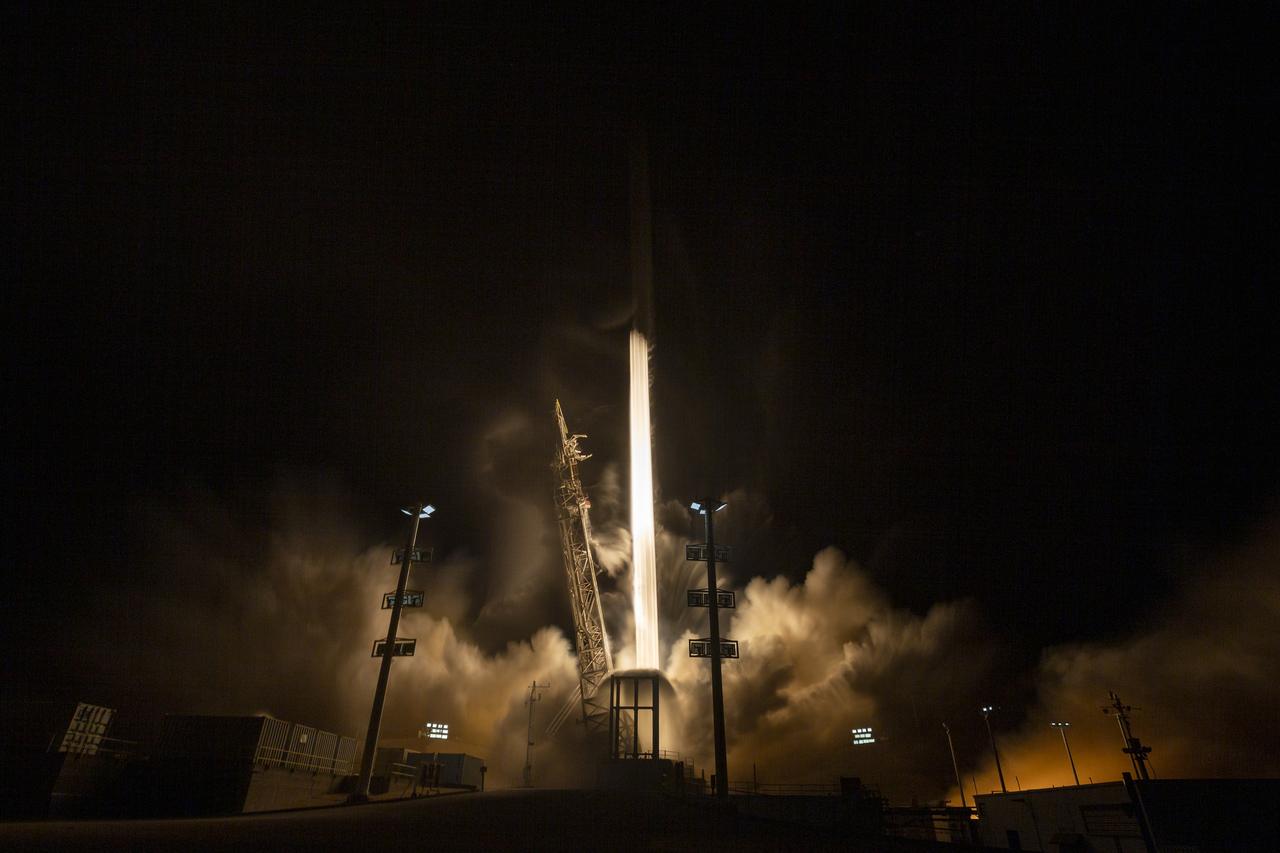
In this 30 second exposure, A SpaceX Falcon 9 rocket launches with the Surface Water and Ocean Topography (SWOT) spacecraft onboard, Friday, Dec. 16, 2022, from Space Launch Complex 4E at Vandenberg Space Force Base in California. Jointly developed by NASA and Centre National D'Etudes Spatiales (CNES), with contributions from the Canadian Space Agency (CSA) and United Kingdom Space Agency, SWOT is the first satellite mission that will observe nearly all water on Earth’s surface, measuring the height of water in the planet’s lakes, rivers, reservoirs, and the ocean. Photo Credit: (NASA/Keegan Barber)
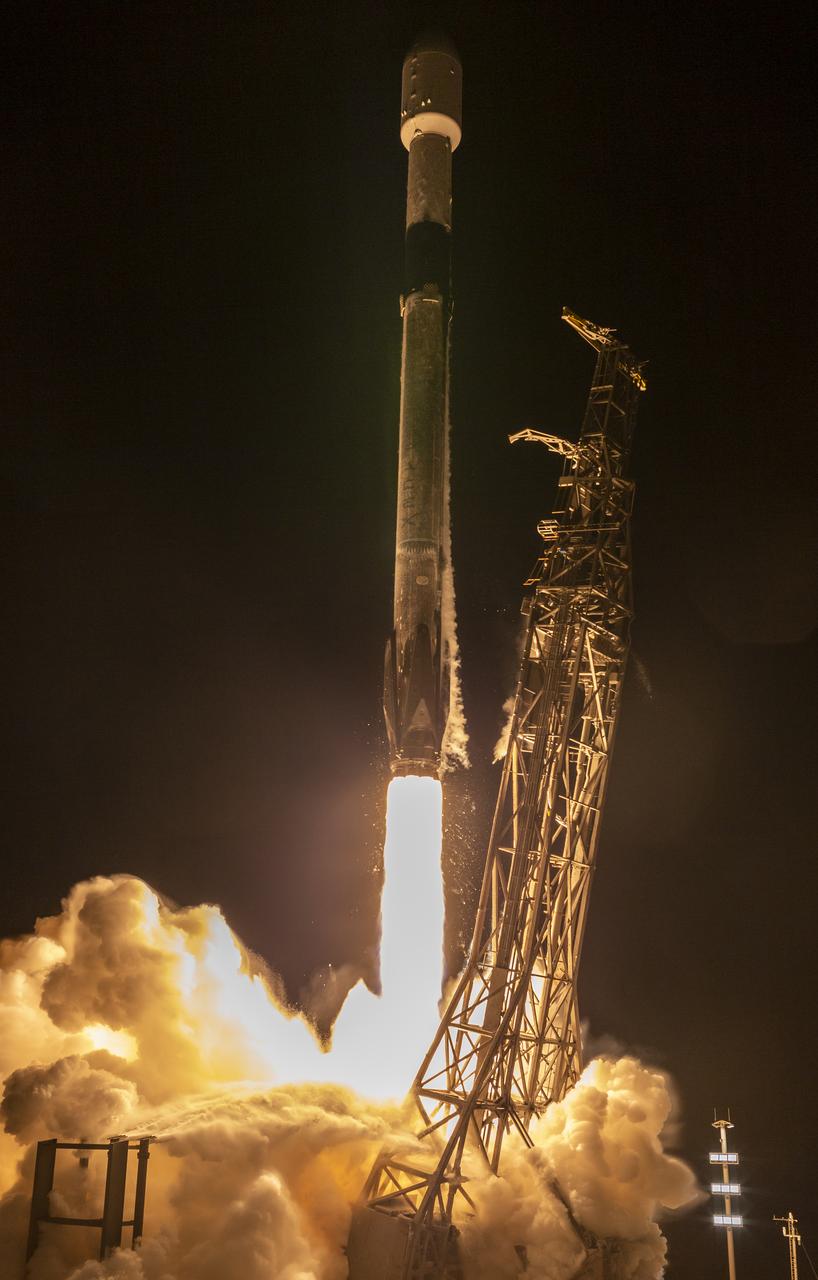
A SpaceX Falcon 9 rocket launches with the Surface Water and Ocean Topography (SWOT) spacecraft onboard, Friday, Dec. 16, 2022, from Space Launch Complex 4E at Vandenberg Space Force Base in California. Jointly developed by NASA and Centre National D'Etudes Spatiales (CNES), with contributions from the Canadian Space Agency (CSA) and United Kingdom Space Agency, SWOT is the first satellite mission that will observe nearly all water on Earth’s surface, measuring the height of water in the planet’s lakes, rivers, reservoirs, and the ocean. Photo Credit: (NASA/Keegan Barber)
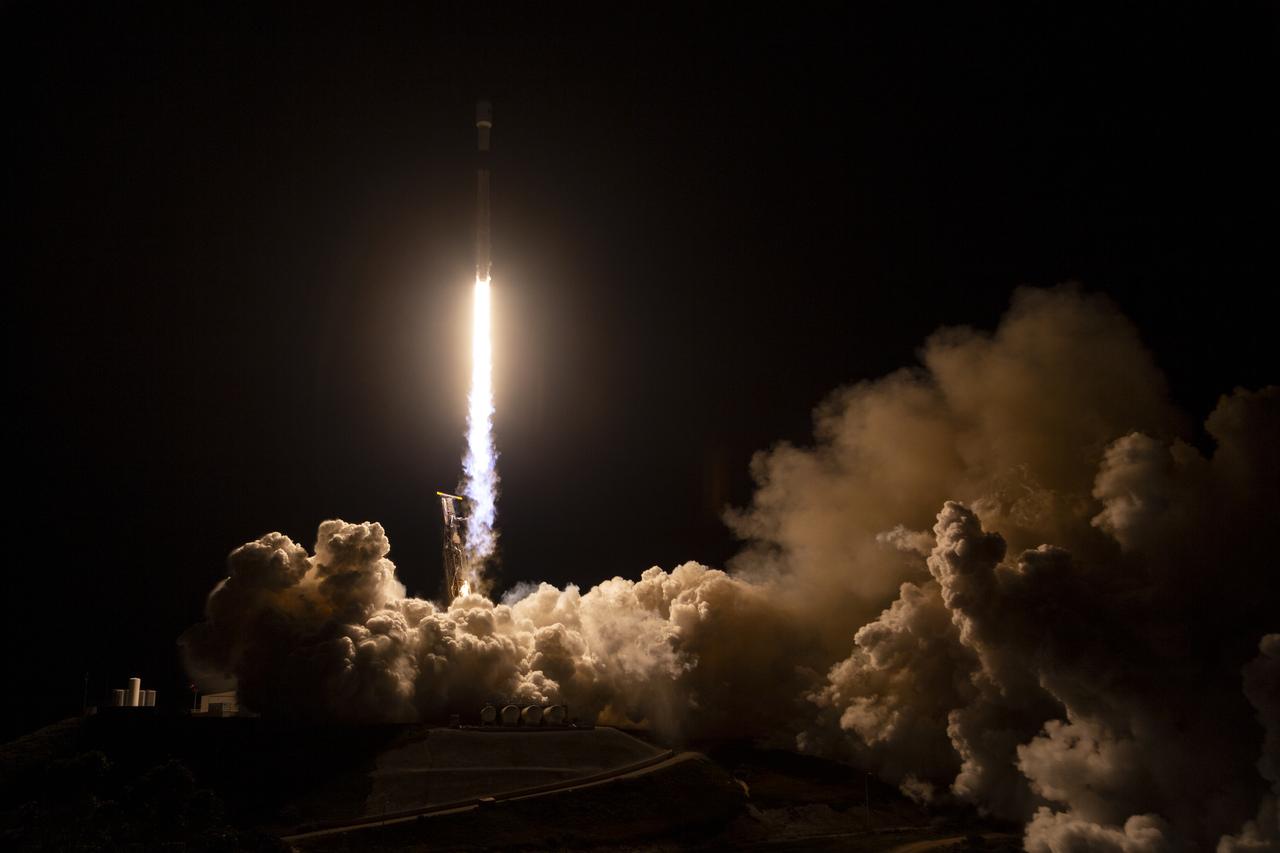
A SpaceX Falcon 9 rocket launches with the Surface Water and Ocean Topography (SWOT) spacecraft onboard, Friday, Dec. 16, 2022, from Space Launch Complex 4E at Vandenberg Space Force Base in California. Jointly developed by NASA and Centre National D'Etudes Spatiales (CNES), with contributions from the Canadian Space Agency (CSA) and United Kingdom Space Agency, SWOT is the first satellite mission that will observe nearly all water on Earth’s surface, measuring the height of water in the planet’s lakes, rivers, reservoirs, and the ocean. Photo Credit: (NASA/Keegan Barber)
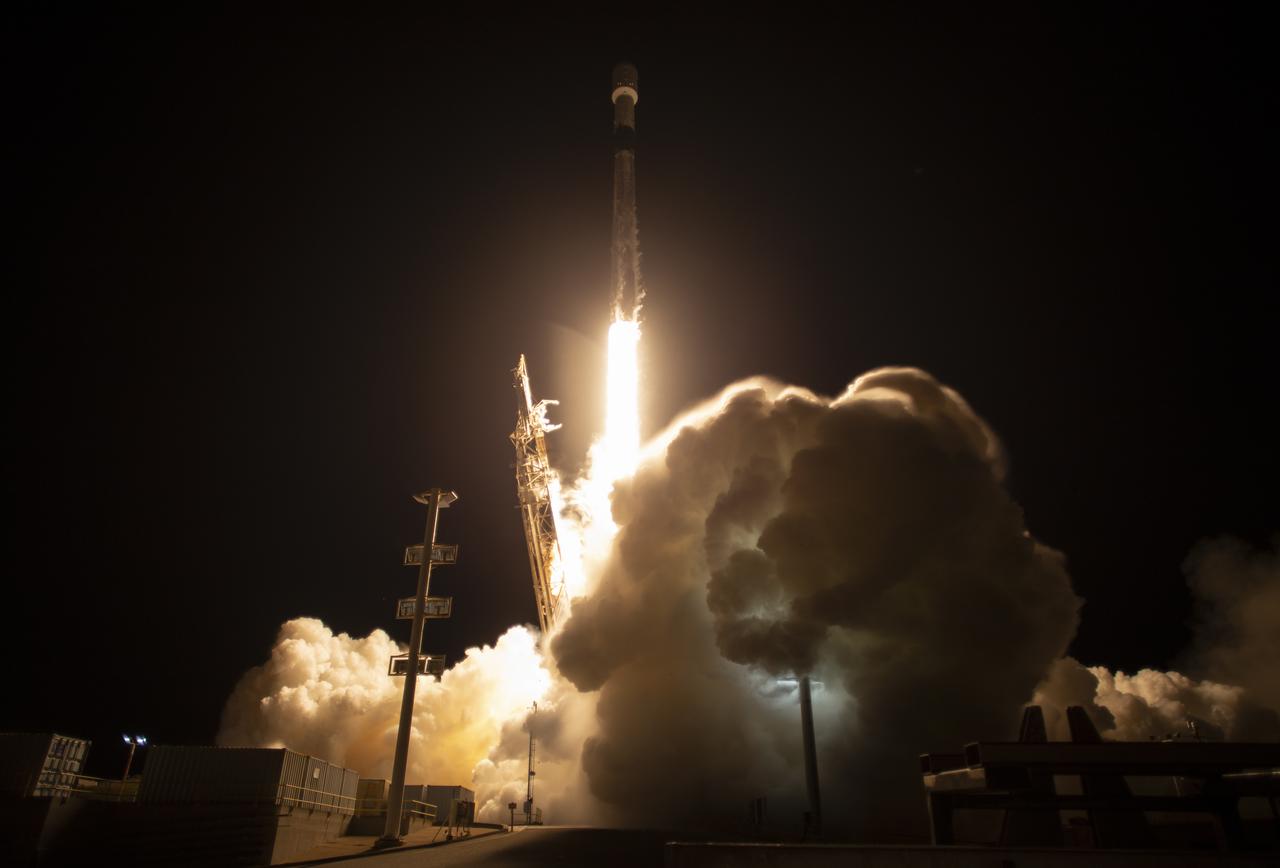
A SpaceX Falcon 9 rocket launches with the Surface Water and Ocean Topography (SWOT) spacecraft onboard, Friday, Dec. 16, 2022, from Space Launch Complex 4E at Vandenberg Space Force Base in California. Jointly developed by NASA and Centre National D'Etudes Spatiales (CNES), with contributions from the Canadian Space Agency (CSA) and United Kingdom Space Agency, SWOT is the first satellite mission that will observe nearly all water on Earth’s surface, measuring the height of water in the planet’s lakes, rivers, reservoirs, and the ocean. Photo Credit: (NASA/Keegan Barber)
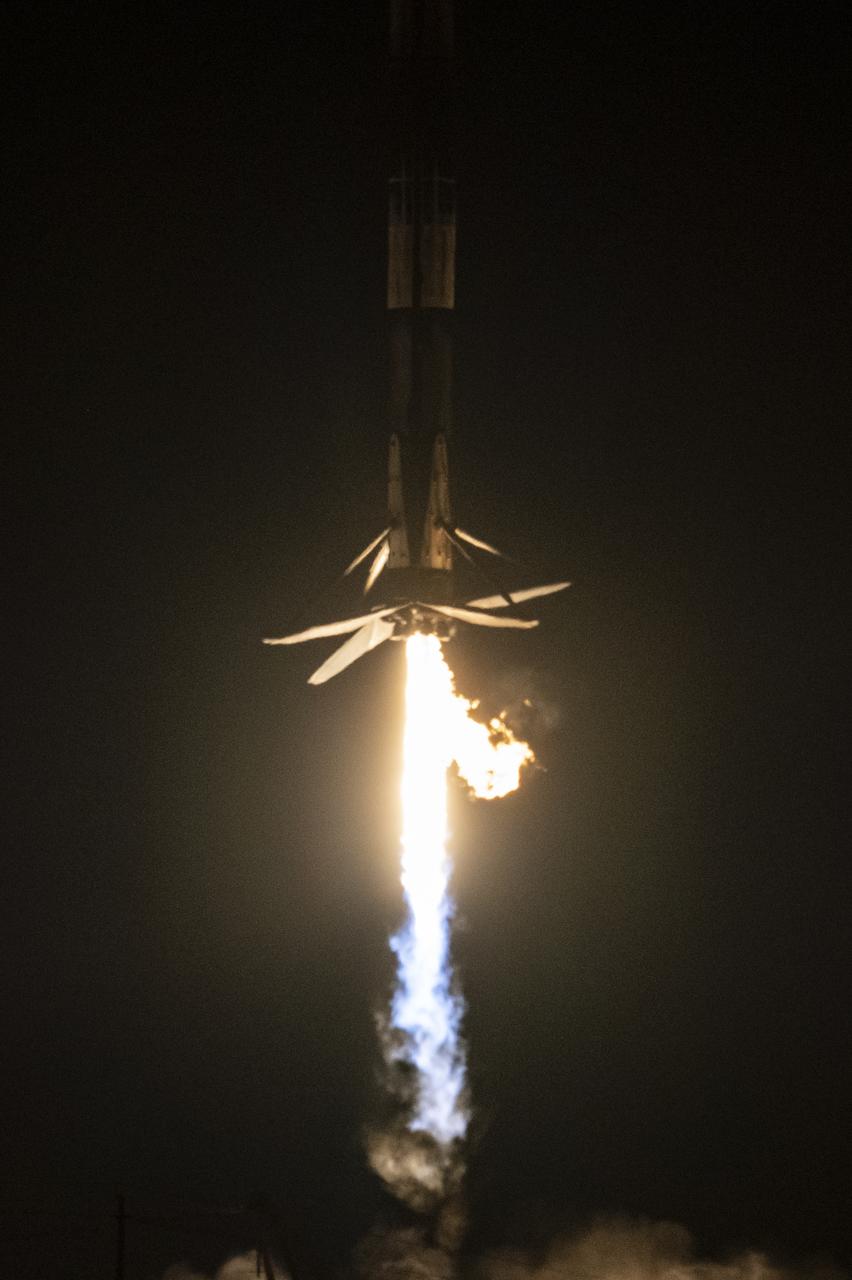
A SpaceX Falcon 9 first-stage booster returns to the landing pad following the launch of the Surface Water and Ocean Topography (SWOT) spacecraft, Friday, Dec. 16, 2022, from Space Launch Complex 4E at Vandenberg Space Force Base in California. Jointly developed by NASA and Centre National D'Etudes Spatiales (CNES), with contributions from the Canadian Space Agency (CSA) and United Kingdom Space Agency, SWOT is the first satellite mission that will observe nearly all water on Earth’s surface, measuring the height of water in the planet’s lakes, rivers, reservoirs, and the ocean. Photo Credit: (NASA/Keegan Barber)
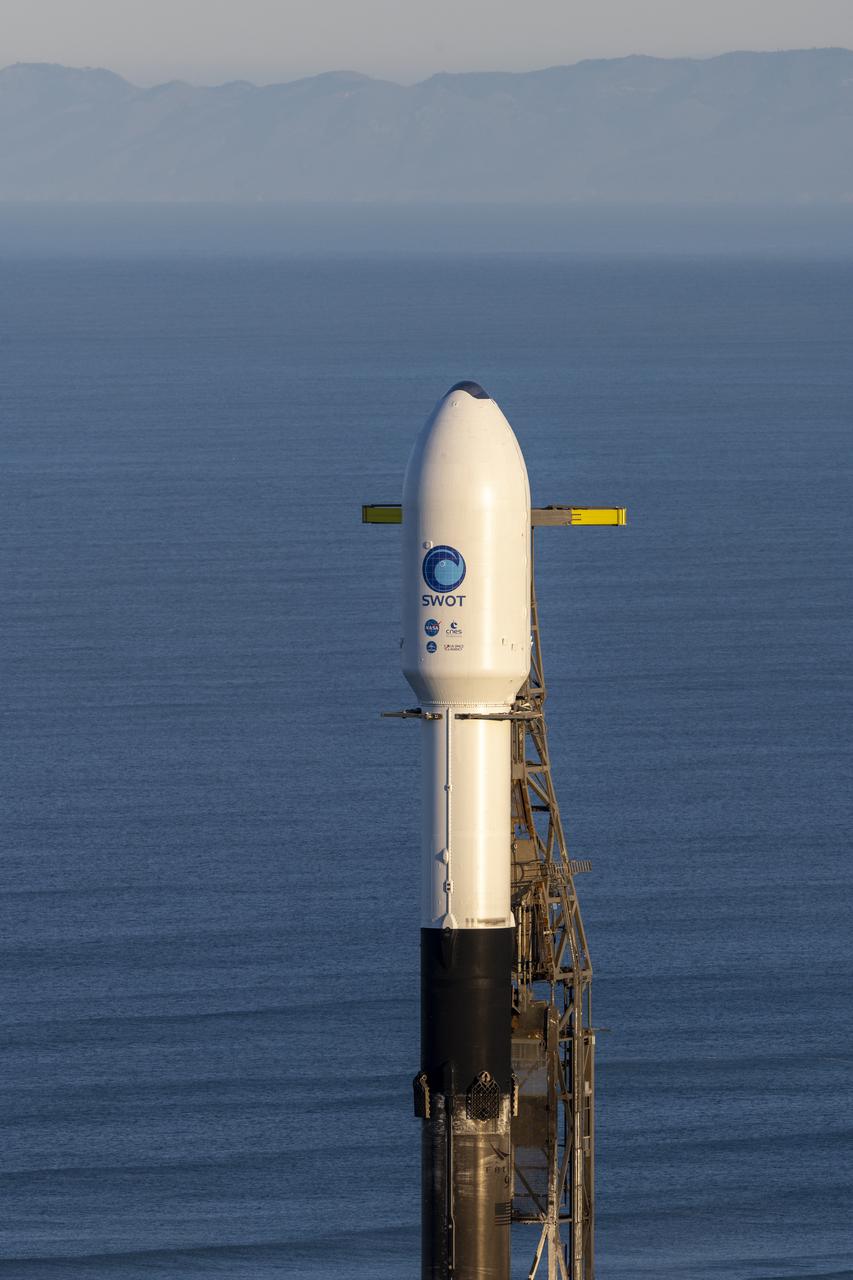
A SpaceX Falcon 9 rocket with the Surface Water and Ocean Topography (SWOT) spacecraft onboard is seen as preparations for launch continue, Wednesday, Dec. 14, 2022, at Space Launch Complex 4E at Vandenberg Space Force Base in California. Jointly developed by NASA and Centre National D'Etudes Spatiales (CNES), with contributions from the Canadian Space Agency (CSA) and United Kingdom Space Agency, SWOT is the first satellite mission that will observe nearly all water on Earth’s surface, measuring the height of water in the planet’s lakes, rivers, reservoirs, and the ocean. Photo Credit: (NASA/Keegan Barber)
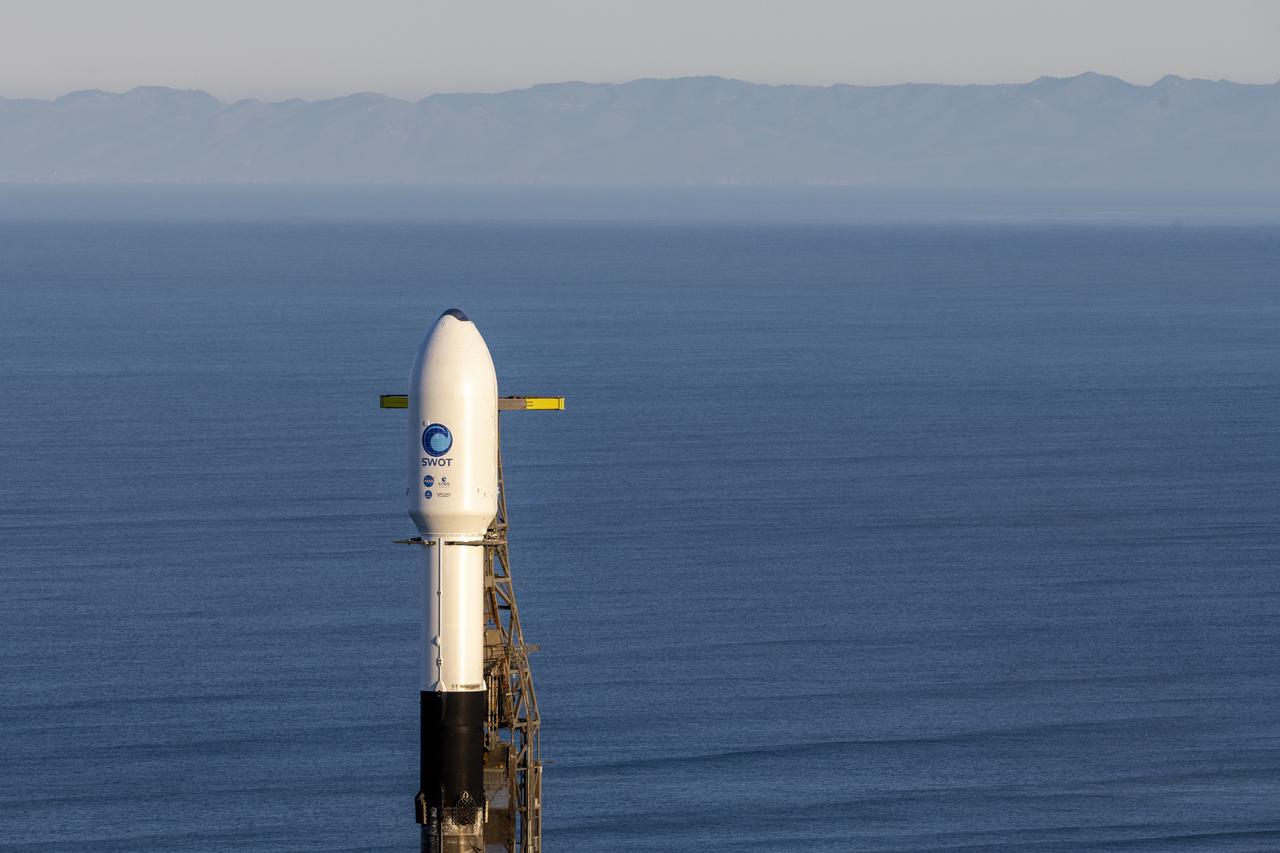
A SpaceX Falcon 9 rocket with the Surface Water and Ocean Topography (SWOT) spacecraft onboard is seen as preparations for launch continue, Wednesday, Dec. 14, 2022, at Space Launch Complex 4E at Vandenberg Space Force Base in California. Jointly developed by NASA and Centre National D'Etudes Spatiales (CNES), with contributions from the Canadian Space Agency (CSA) and United Kingdom Space Agency, SWOT is the first satellite mission that will observe nearly all water on Earth’s surface, measuring the height of water in the planet’s lakes, rivers, reservoirs, and the ocean. Photo Credit: (NASA/Keegan Barber)
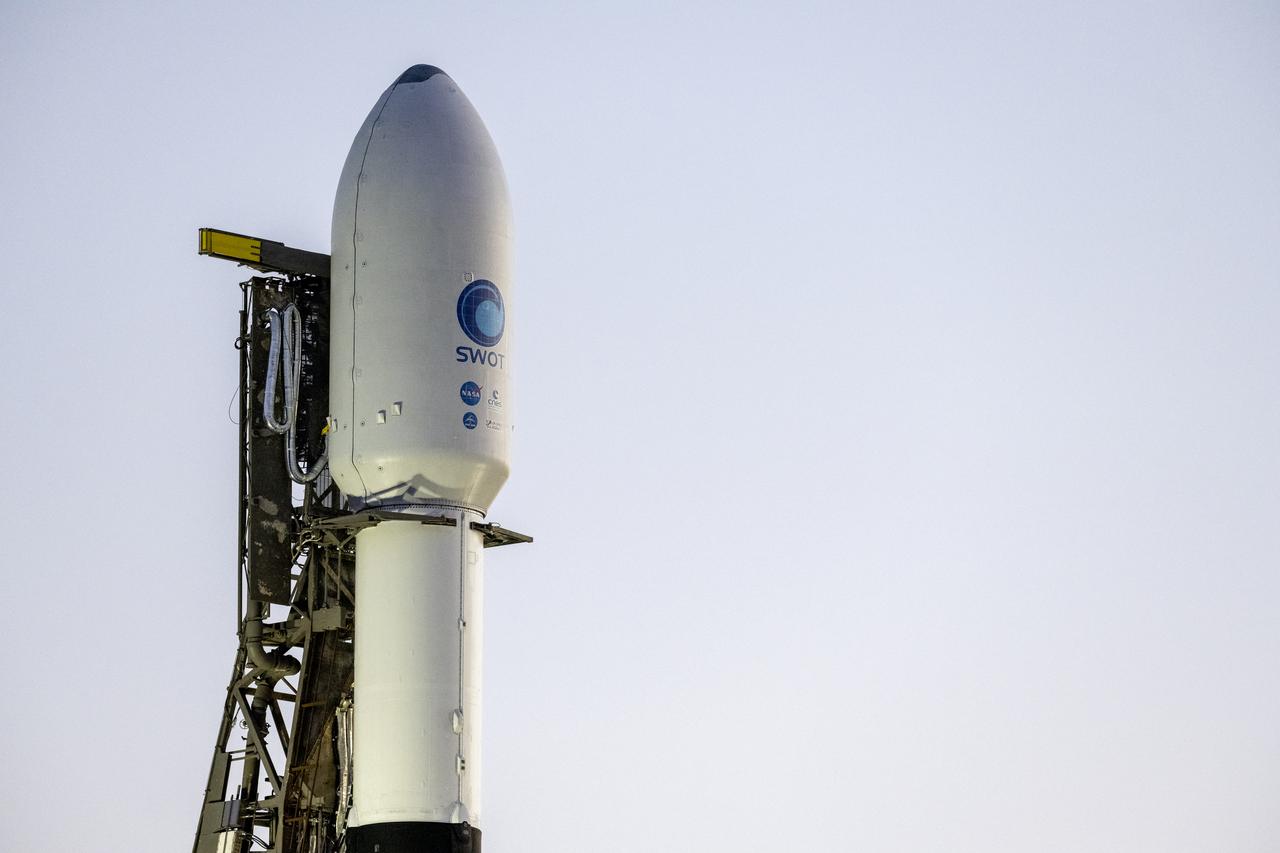
A SpaceX Falcon 9 rocket with the Surface Water and Ocean Topography (SWOT) spacecraft onboard is seen as preparations for launch continue, Wednesday, Dec. 14, 2022, at Space Launch Complex 4E at Vandenberg Space Force Base in California. Jointly developed by NASA and Centre National D'Etudes Spatiales (CNES), with contributions from the Canadian Space Agency (CSA) and United Kingdom Space Agency, SWOT is the first satellite mission that will observe nearly all water on Earth’s surface, measuring the height of water in the planet’s lakes, rivers, reservoirs, and the ocean. Photo Credit: (NASA/Keegan Barber)
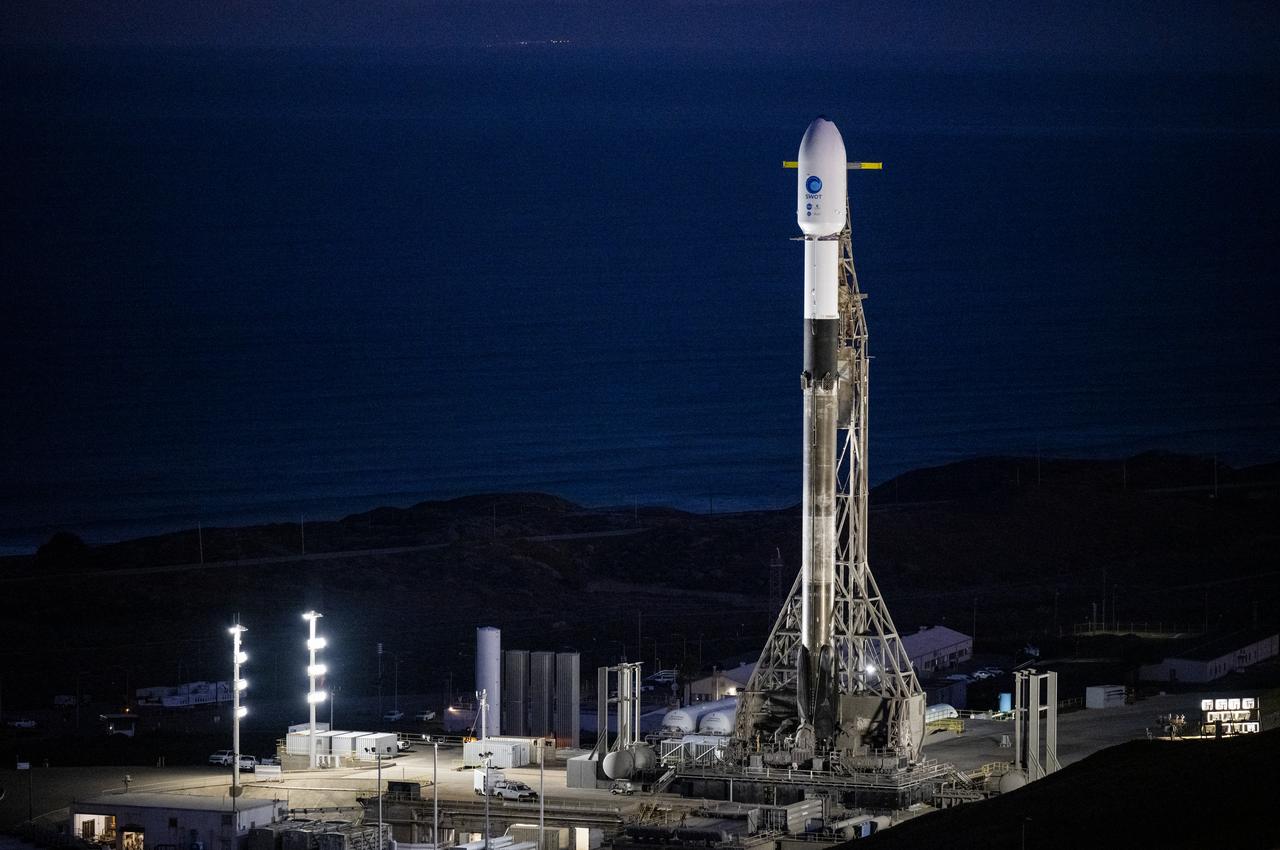
A SpaceX Falcon 9 rocket with the Surface Water and Ocean Topography (SWOT) spacecraft onboard is seen as preparations for launch continue, Wednesday, Dec. 14, 2022, at Space Launch Complex 4E at Vandenberg Space Force Base in California. Jointly developed by NASA and Centre National D'Etudes Spatiales (CNES), with contributions from the Canadian Space Agency (CSA) and United Kingdom Space Agency, SWOT is the first satellite mission that will observe nearly all water on Earth’s surface, measuring the height of water in the planet’s lakes, rivers, reservoirs, and the ocean. Photo Credit: (NASA/Keegan Barber)
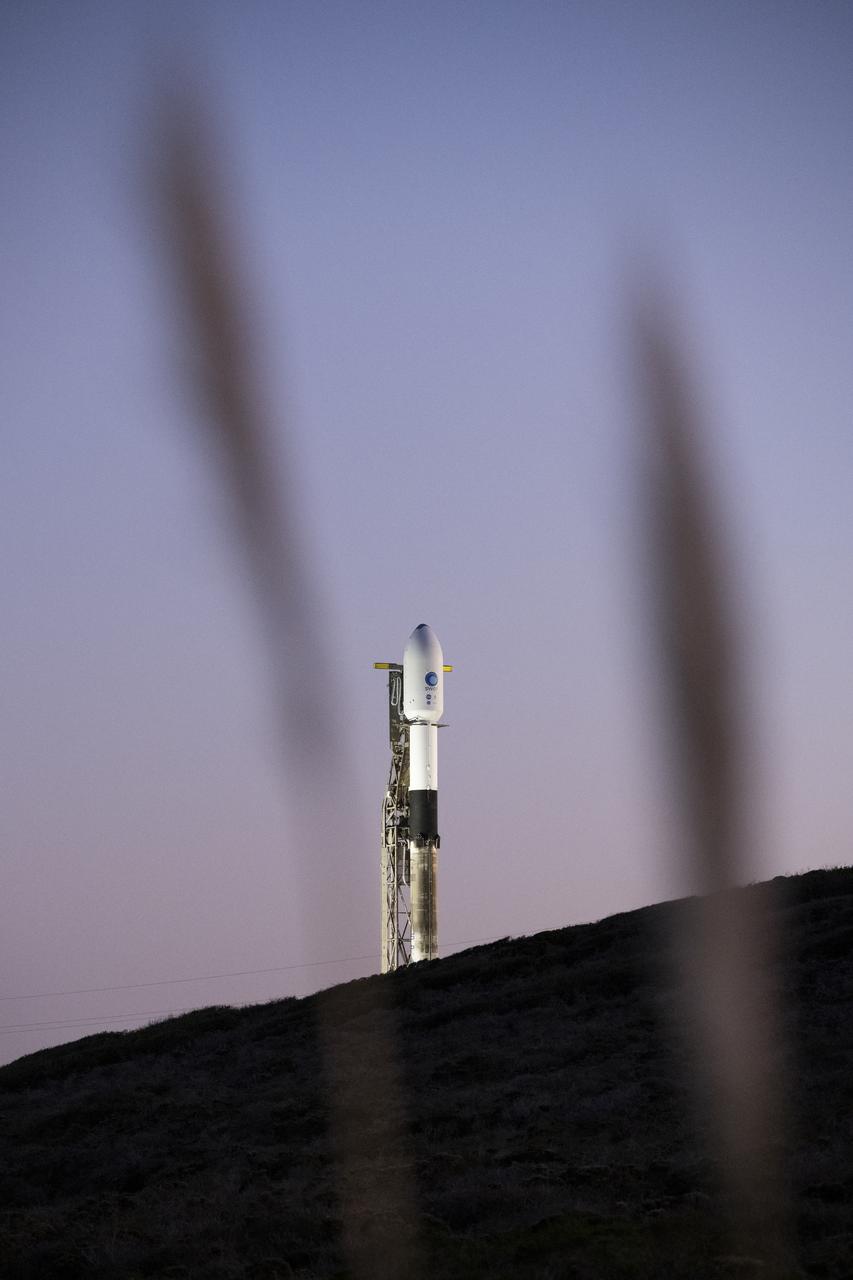
A SpaceX Falcon 9 rocket with the Surface Water and Ocean Topography (SWOT) spacecraft onboard is seen as preparations for launch continue, Wednesday, Dec. 14, 2022, at Space Launch Complex 4E at Vandenberg Space Force Base in California. Jointly developed by NASA and Centre National D'Etudes Spatiales (CNES), with contributions from the Canadian Space Agency (CSA) and United Kingdom Space Agency, SWOT is the first satellite mission that will observe nearly all water on Earth’s surface, measuring the height of water in the planet’s lakes, rivers, reservoirs, and the ocean. Photo Credit: (NASA/Keegan Barber)
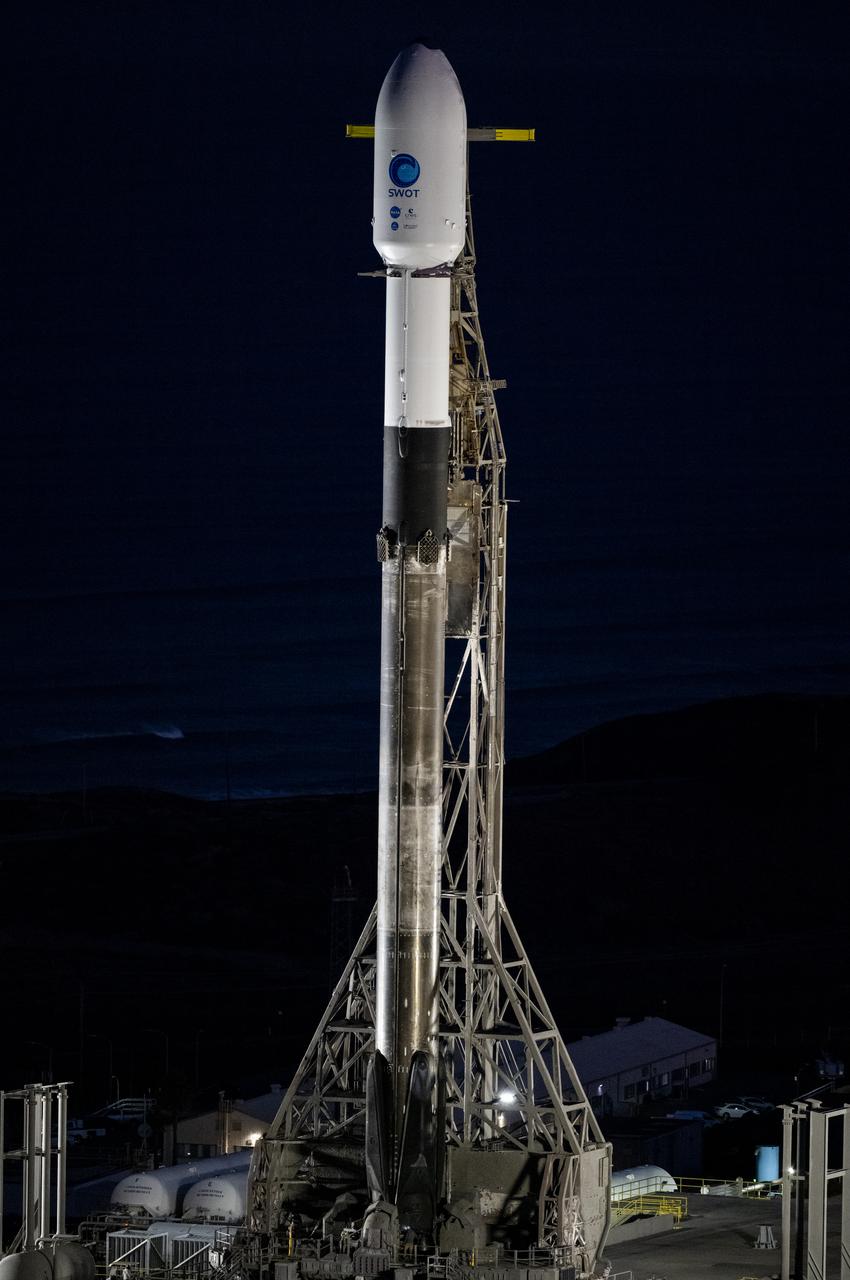
A SpaceX Falcon 9 rocket with the Surface Water and Ocean Topography (SWOT) spacecraft onboard is seen as preparations for launch continue, Wednesday, Dec. 14, 2022, at Space Launch Complex 4E at Vandenberg Space Force Base in California. Jointly developed by NASA and Centre National D'Etudes Spatiales (CNES), with contributions from the Canadian Space Agency (CSA) and United Kingdom Space Agency, SWOT is the first satellite mission that will observe nearly all water on Earth’s surface, measuring the height of water in the planet’s lakes, rivers, reservoirs, and the ocean. Photo Credit: (NASA/Keegan Barber)
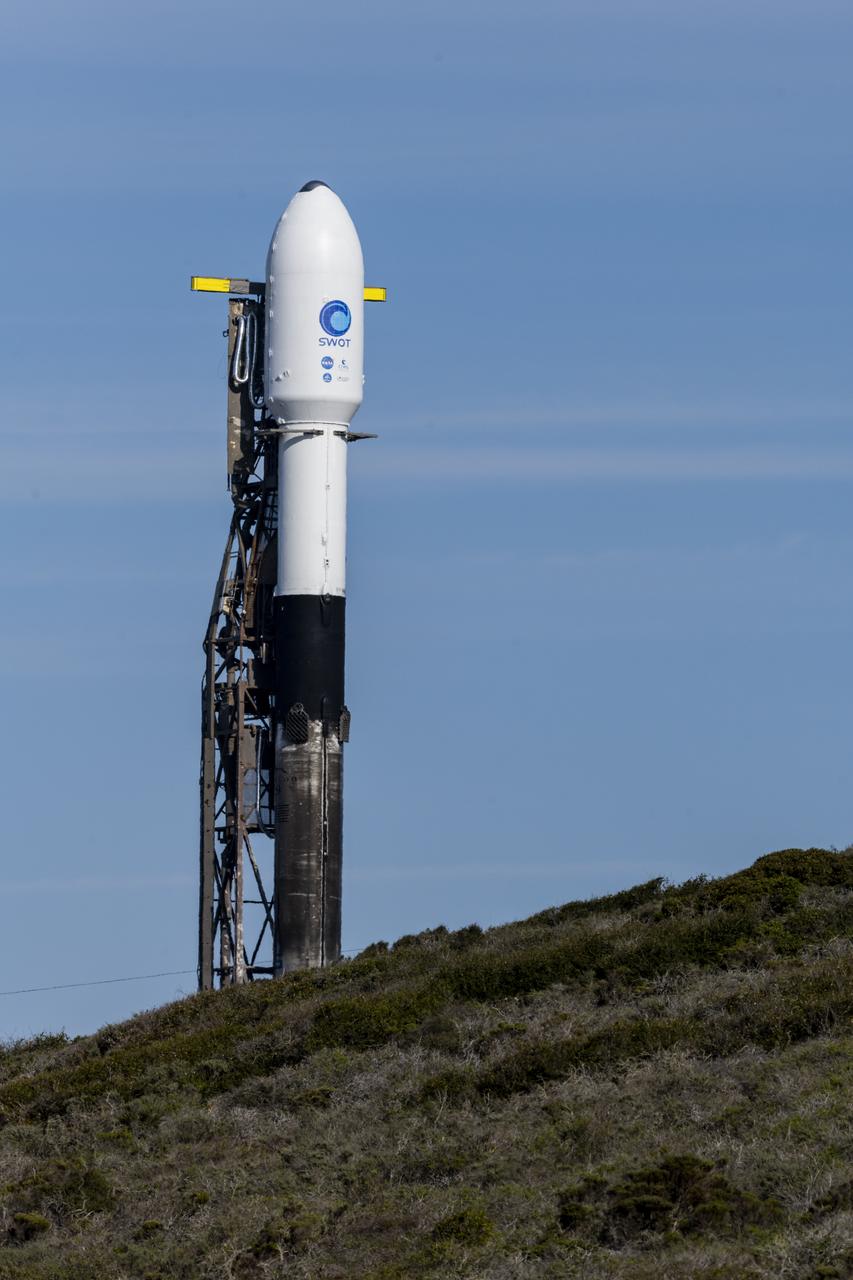
A SpaceX Falcon 9 rocket with the Surface Water and Ocean Topography (SWOT) spacecraft onboard is seen as preparations for launch continue, Wednesday, Dec. 14, 2022, at Space Launch Complex 4E at Vandenberg Space Force Base in California. Jointly developed by NASA and Centre National D'Etudes Spatiales (CNES), with contributions from the Canadian Space Agency (CSA) and United Kingdom Space Agency, SWOT is the first satellite mission that will observe nearly all water on Earth’s surface, measuring the height of water in the planet’s lakes, rivers, reservoirs, and the ocean. Photo Credit: (NASA/Keegan Barber)
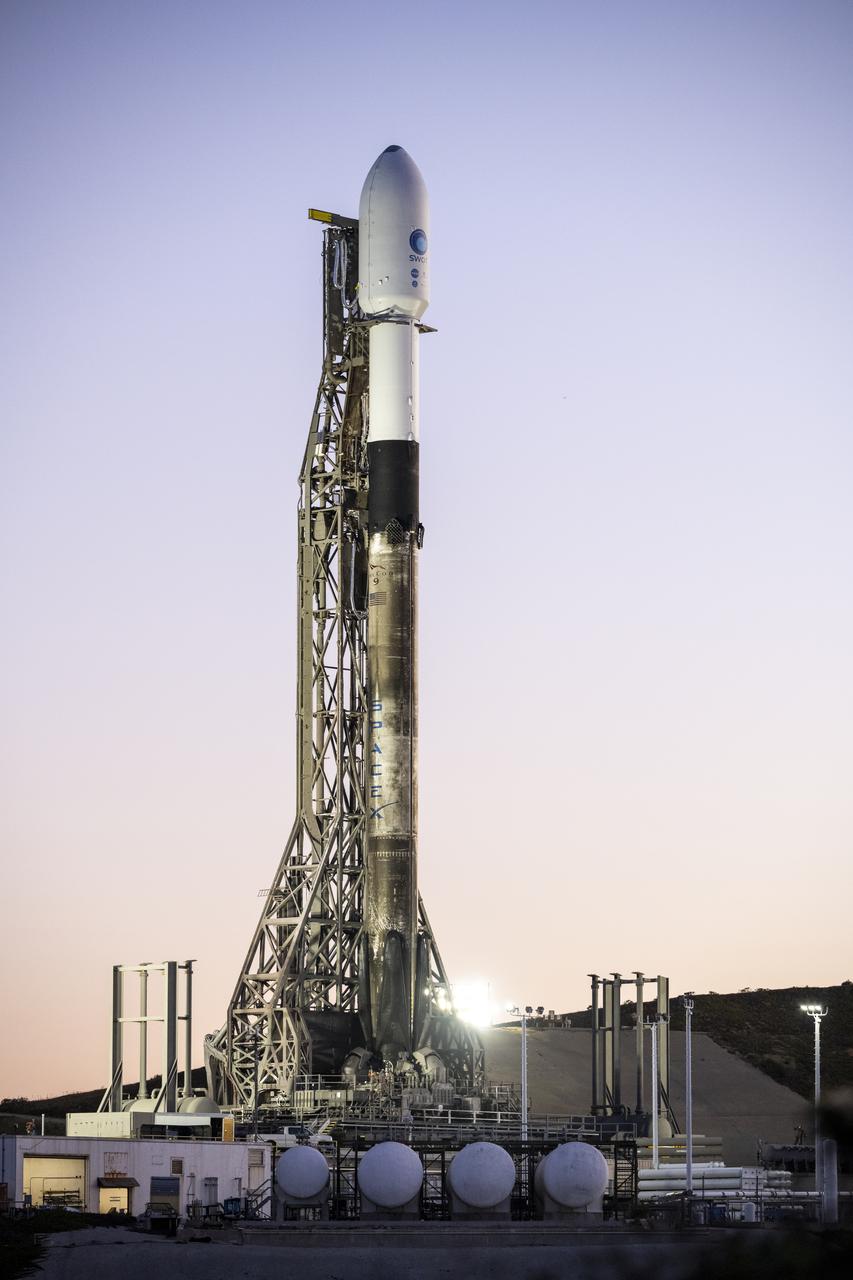
A SpaceX Falcon 9 rocket with the Surface Water and Ocean Topography (SWOT) spacecraft onboard is seen as preparations for launch continue, Wednesday, Dec. 14, 2022, at Space Launch Complex 4E at Vandenberg Space Force Base in California. Jointly developed by NASA and Centre National D'Etudes Spatiales (CNES), with contributions from the Canadian Space Agency (CSA) and United Kingdom Space Agency, SWOT is the first satellite mission that will observe nearly all water on Earth’s surface, measuring the height of water in the planet’s lakes, rivers, reservoirs, and the ocean. Photo Credit: (NASA/Keegan Barber)
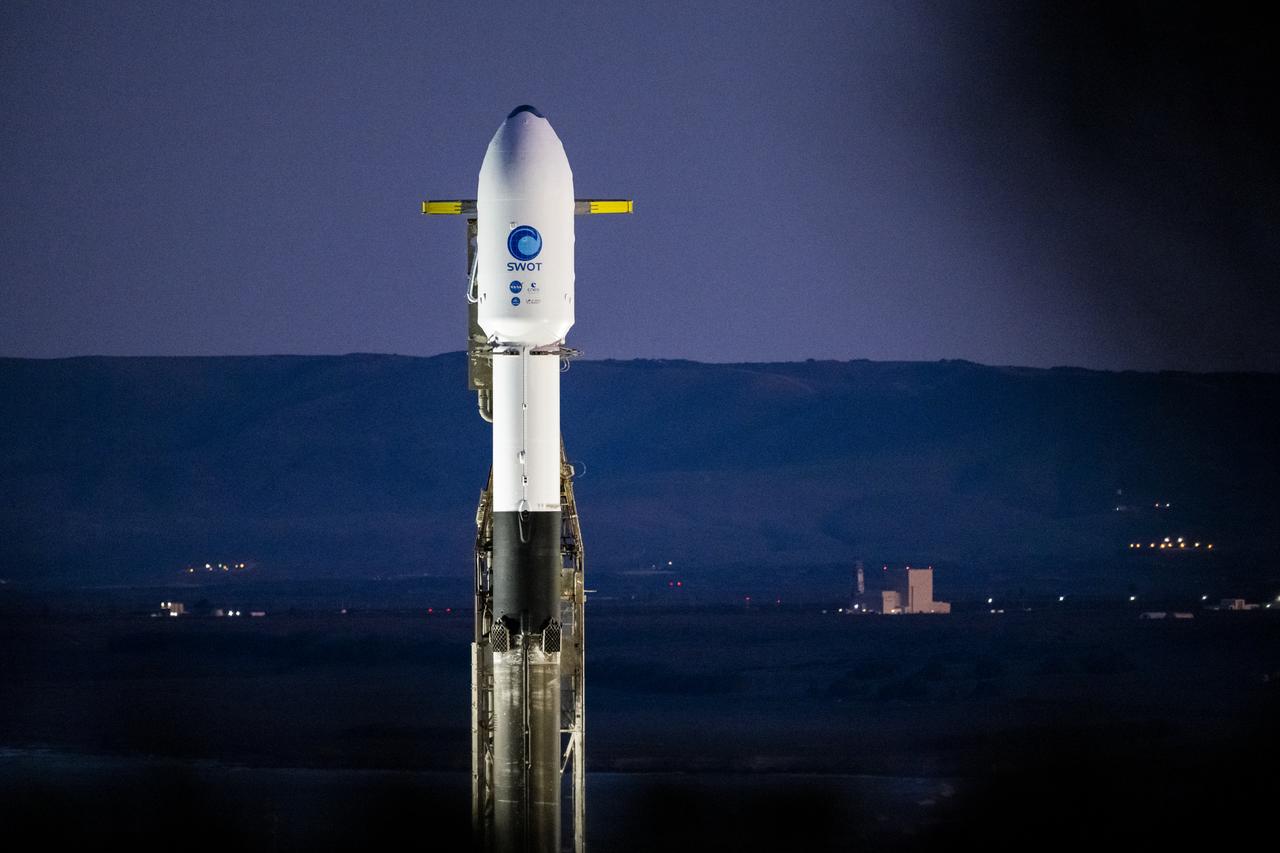
A SpaceX Falcon 9 rocket with the Surface Water and Ocean Topography (SWOT) spacecraft onboard is seen as preparations for launch continue, Wednesday, Dec. 14, 2022, at Space Launch Complex 4E at Vandenberg Space Force Base in California. Jointly developed by NASA and Centre National D'Etudes Spatiales (CNES), with contributions from the Canadian Space Agency (CSA) and United Kingdom Space Agency, SWOT is the first satellite mission that will observe nearly all water on Earth’s surface, measuring the height of water in the planet’s lakes, rivers, reservoirs, and the ocean. Photo Credit: (NASA/Keegan Barber)
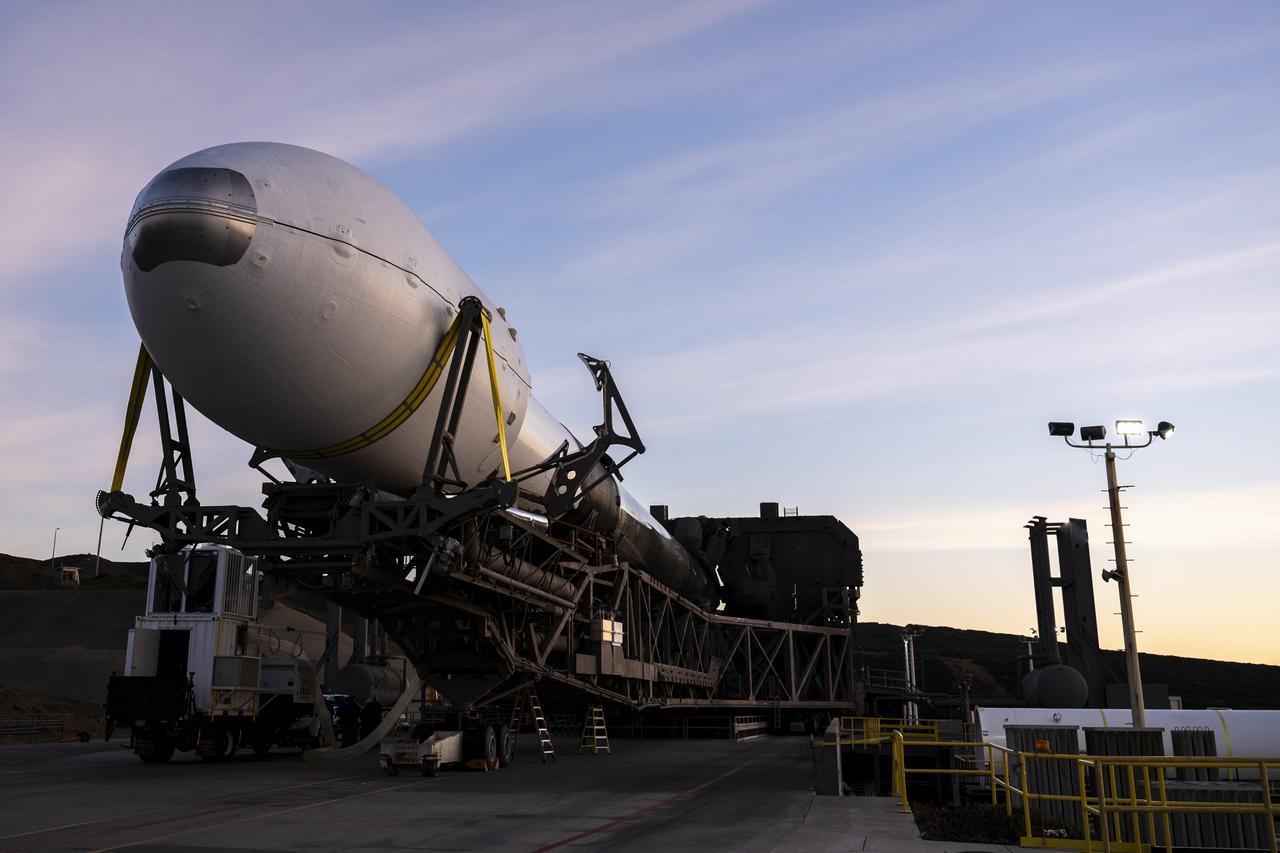
A SpaceX Falcon 9 rocket with the Surface Water and Ocean Topography (SWOT) spacecraft onboard is seen as it rolls out to the pad, Tuesday, Dec. 13, 2022, at Space Launch Complex 4E at Vandenberg Space Force Base in California. Jointly developed by NASA and Centre National D'Etudes Spatiales (CNES), with contributions from the Canadian Space Agency (CSA) and United Kingdom Space Agency, SWOT is the first satellite mission that will observe nearly all water on Earth’s surface, measuring the height of water in the planet’s lakes, rivers, reservoirs, and the ocean. Photo Credit: (NASA/Keegan Barber)
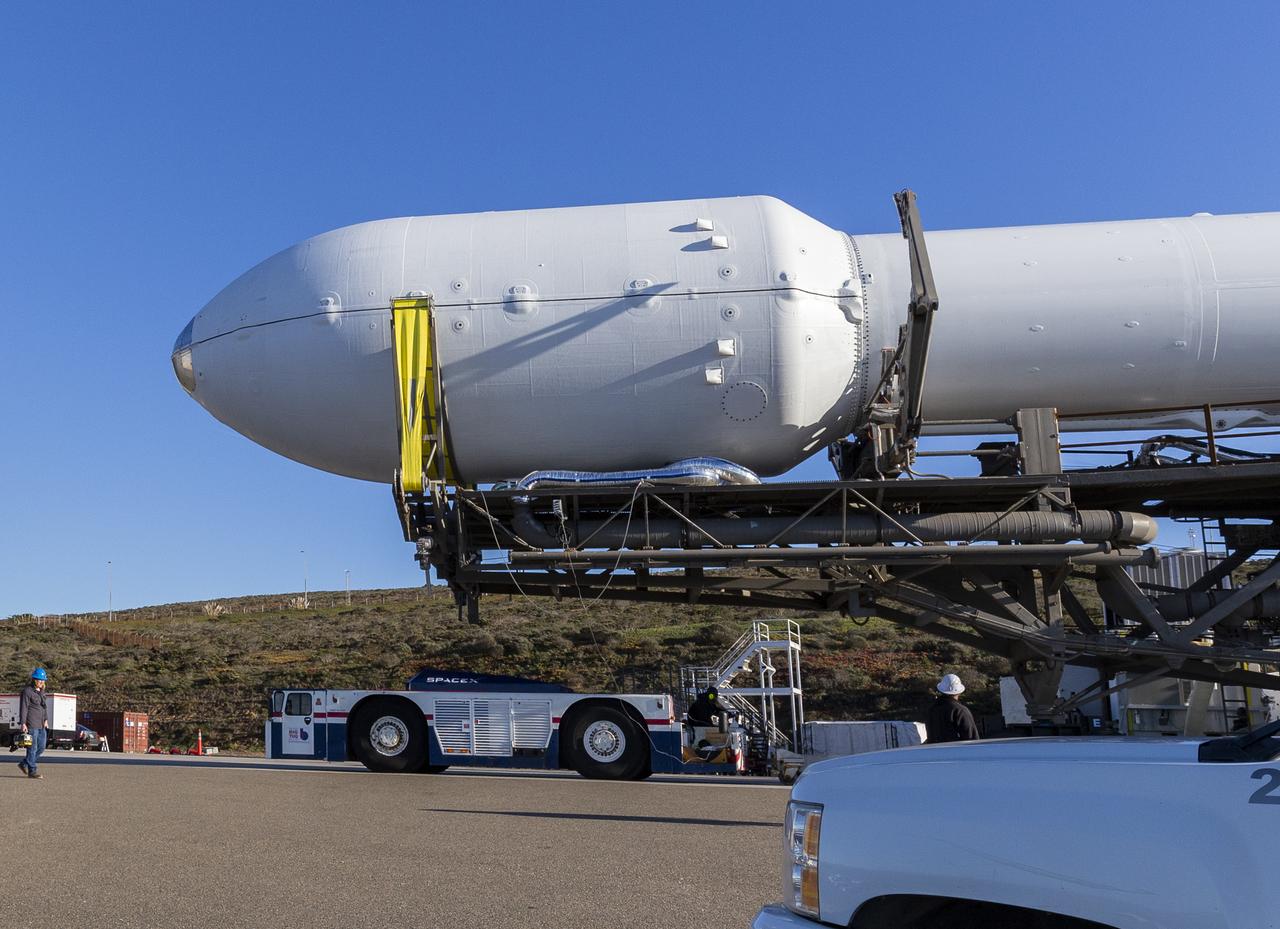
A SpaceX Falcon 9 rocket with the Surface Water and Ocean Topography (SWOT) spacecraft onboard is seen as it rolls out to the pad, Tuesday, Dec. 13, 2022, at Space Launch Complex 4E at Vandenberg Space Force Base in California. Jointly developed by NASA and Centre National D'Etudes Spatiales (CNES), with contributions from the Canadian Space Agency (CSA) and United Kingdom Space Agency, SWOT is the first satellite mission that will observe nearly all water on Earth’s surface, measuring the height of water in the planet’s lakes, rivers, reservoirs, and the ocean. Photo Credit: (NASA/Keegan Barber)
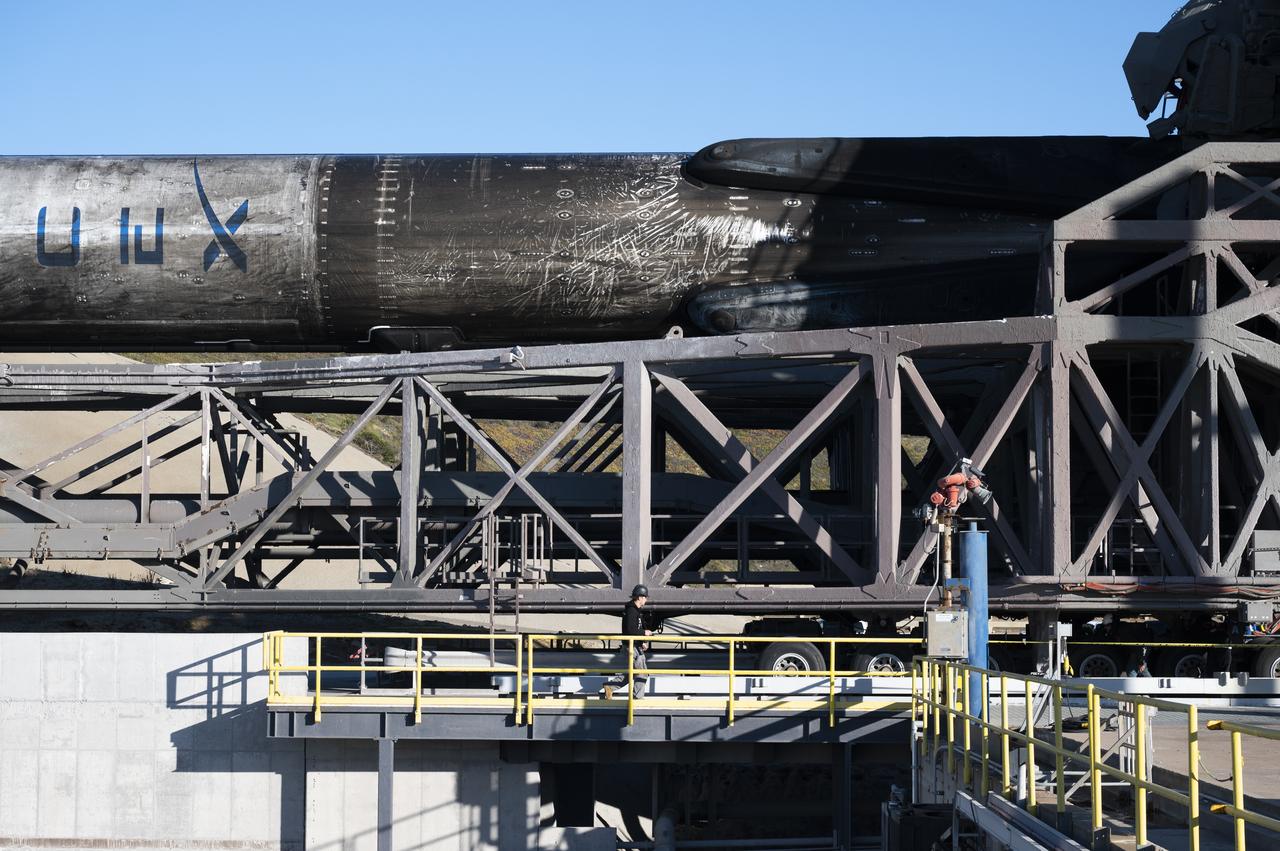
A SpaceX Falcon 9 rocket with the Surface Water and Ocean Topography (SWOT) spacecraft onboard is seen as it rolls out to the pad, Tuesday, Dec. 13, 2022, at Space Launch Complex 4E at Vandenberg Space Force Base in California. Jointly developed by NASA and Centre National D'Etudes Spatiales (CNES), with contributions from the Canadian Space Agency (CSA) and United Kingdom Space Agency, SWOT is the first satellite mission that will observe nearly all water on Earth’s surface, measuring the height of water in the planet’s lakes, rivers, reservoirs, and the ocean. Photo Credit: (NASA/Keegan Barber)
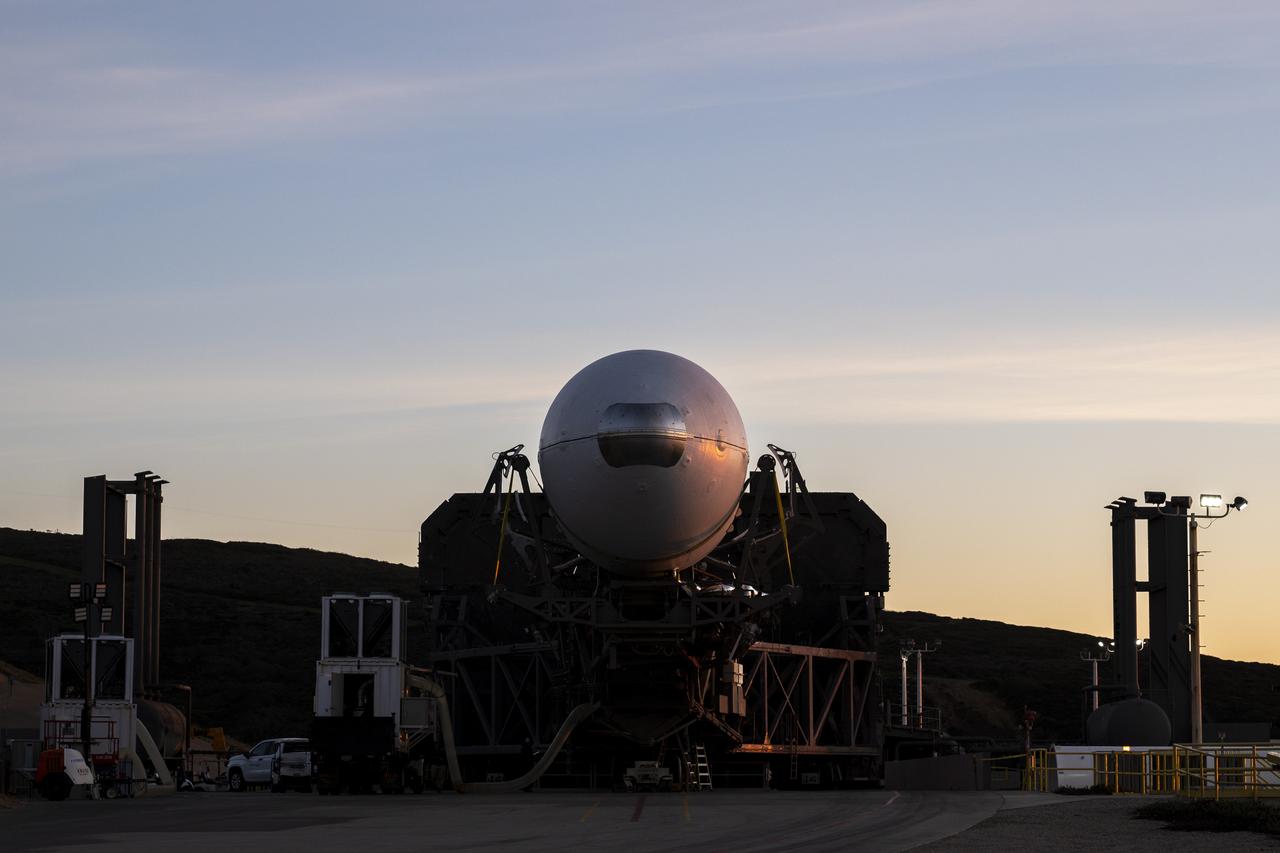
A SpaceX Falcon 9 rocket with the Surface Water and Ocean Topography (SWOT) spacecraft onboard is seen as it rolls out to the pad, Tuesday, Dec. 13, 2022, at Space Launch Complex 4E at Vandenberg Space Force Base in California. Jointly developed by NASA and Centre National D'Etudes Spatiales (CNES), with contributions from the Canadian Space Agency (CSA) and United Kingdom Space Agency, SWOT is the first satellite mission that will observe nearly all water on Earth’s surface, measuring the height of water in the planet’s lakes, rivers, reservoirs, and the ocean. Photo Credit: (NASA/Keegan Barber)
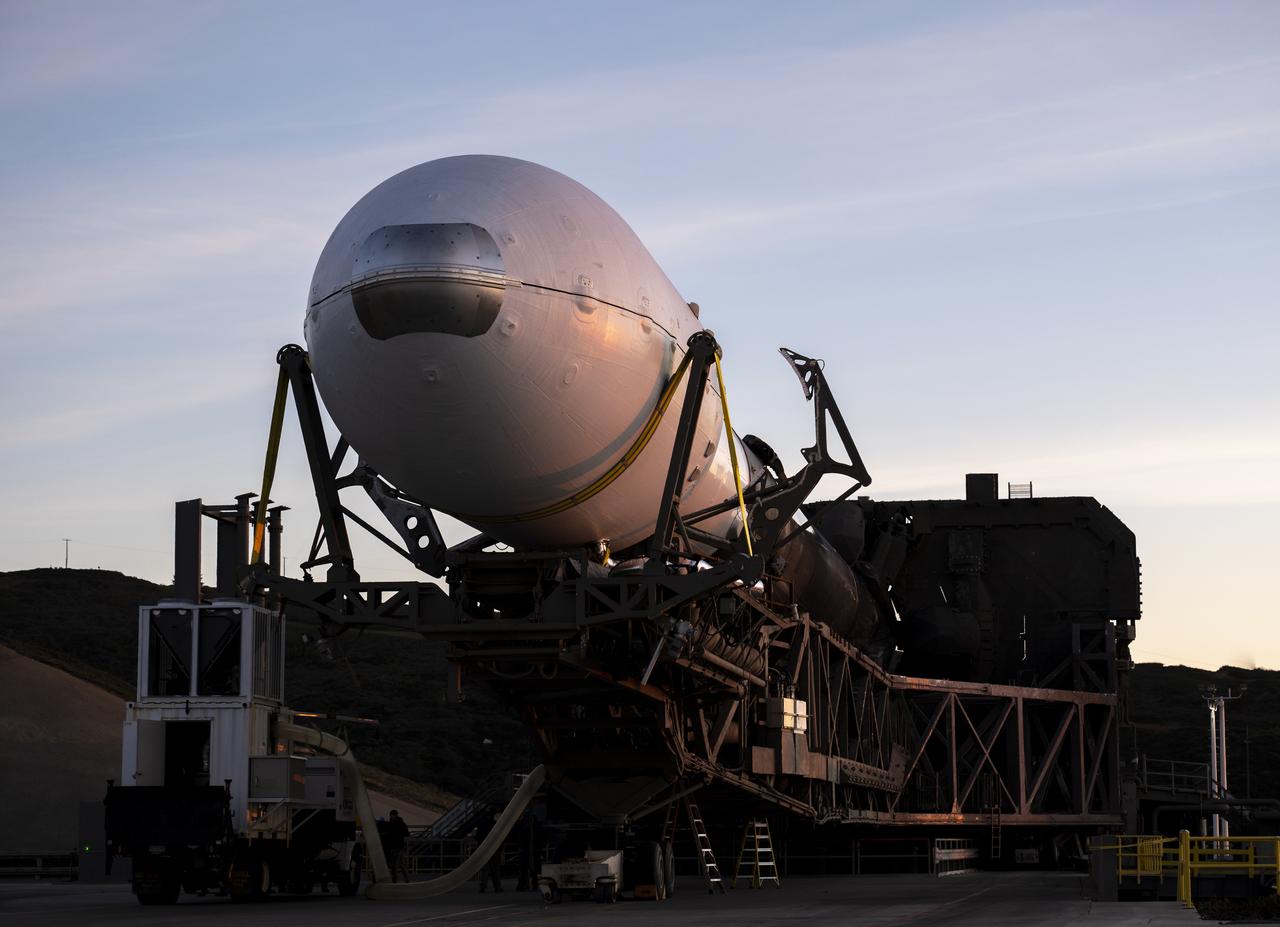
A SpaceX Falcon 9 rocket with the Surface Water and Ocean Topography (SWOT) spacecraft onboard is seen as it rolls out to the pad, Tuesday, Dec. 13, 2022, at Space Launch Complex 4E at Vandenberg Space Force Base in California. Jointly developed by NASA and Centre National D'Etudes Spatiales (CNES), with contributions from the Canadian Space Agency (CSA) and United Kingdom Space Agency, SWOT is the first satellite mission that will observe nearly all water on Earth’s surface, measuring the height of water in the planet’s lakes, rivers, reservoirs, and the ocean. Photo Credit: (NASA/Keegan Barber)
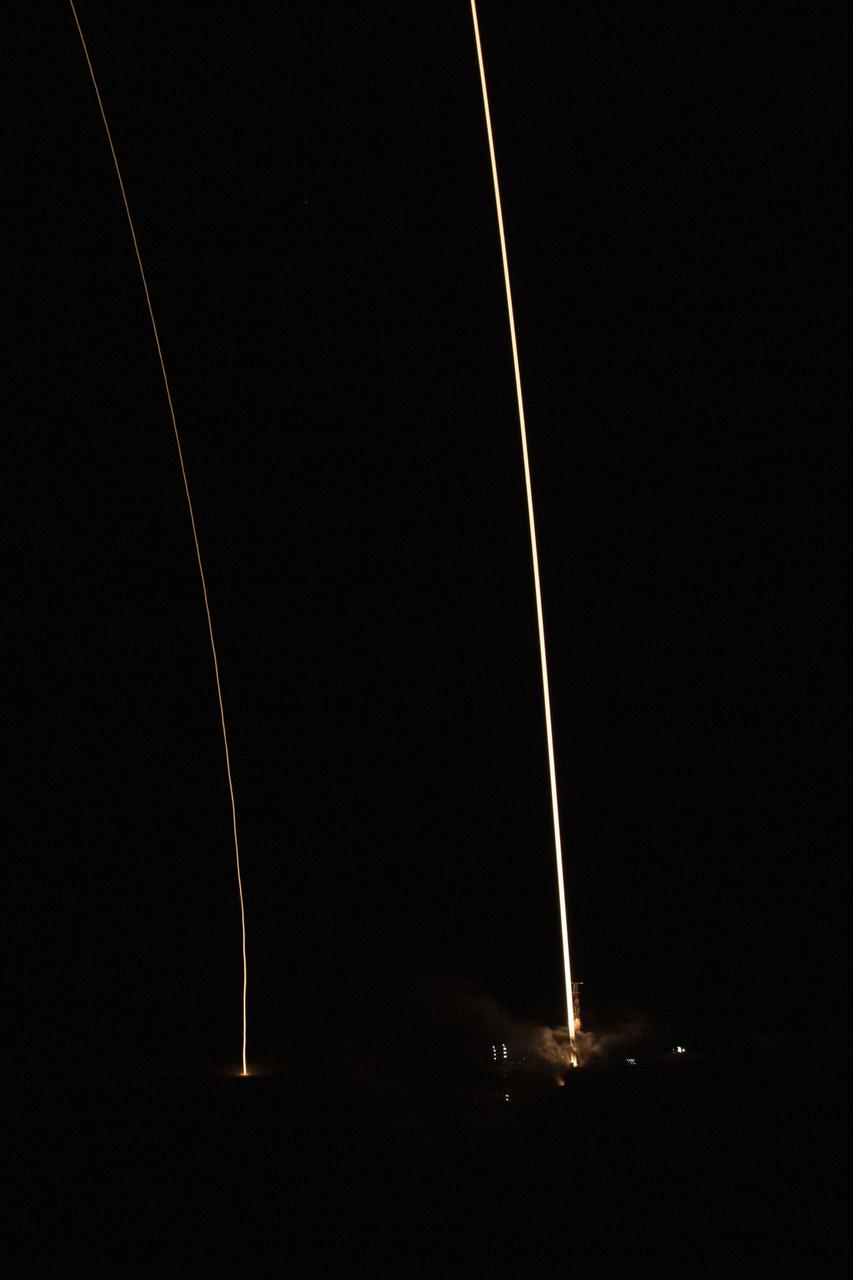
In this 8 minute exposure, A SpaceX Falcon 9 rocket launches with the Surface Water and Ocean Topography (SWOT) spacecraft onboard, right, Friday, Dec. 16, 2022, from Space Launch Complex 4E at Vandenberg Space Force Base in California. The SpaceX Falcon 9 first-stage booster is also seen, left, as it returns to the landing pad following the launch. Jointly developed by NASA and Centre National D'Etudes Spatiales (CNES), with contributions from the Canadian Space Agency (CSA) and United Kingdom Space Agency, SWOT is the first satellite mission that will observe nearly all water on Earth’s surface, measuring the height of water in the planet’s lakes, rivers, reservoirs, and the ocean. Photo Credit: (NASA/Keegan Barber)
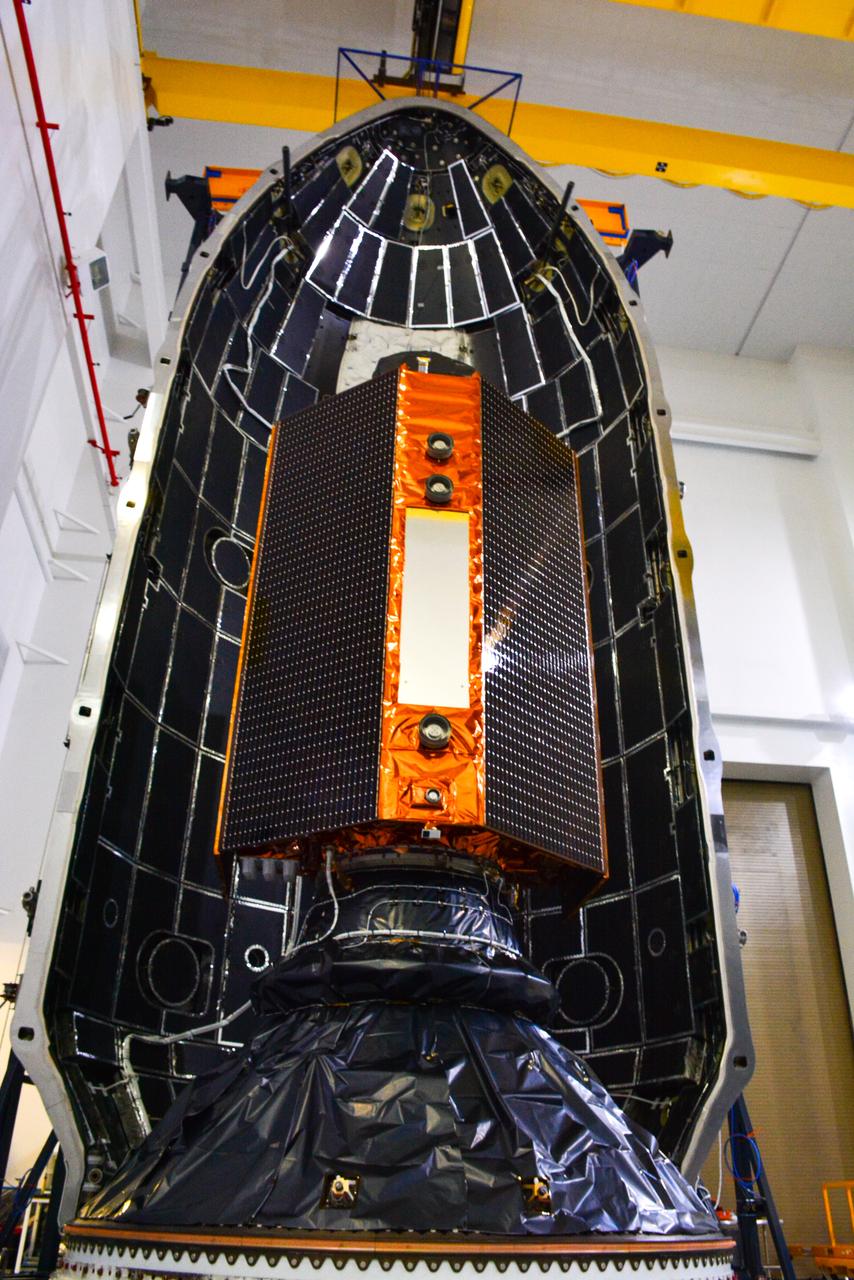
The U.S.-European Sentinel-6 Michael Freilich ocean-monitoring satellite is being encapsulated in the SpaceX Falcon 9 rocket’s payload fairing on Nov. 3, 2020, inside SpaceX’s Payload Processing Facility at Vandenberg Air Force Base (VAFB) in California. Sentinel-6 is scheduled to launch on Nov. 21, 2020, at 12:17 p.m. EST (9:17 a.m. PST), from Space Launch Complex 4E at VAFB. The Launch Services Program at NASA’s Kennedy Space Center in Florida is responsible for launch management.
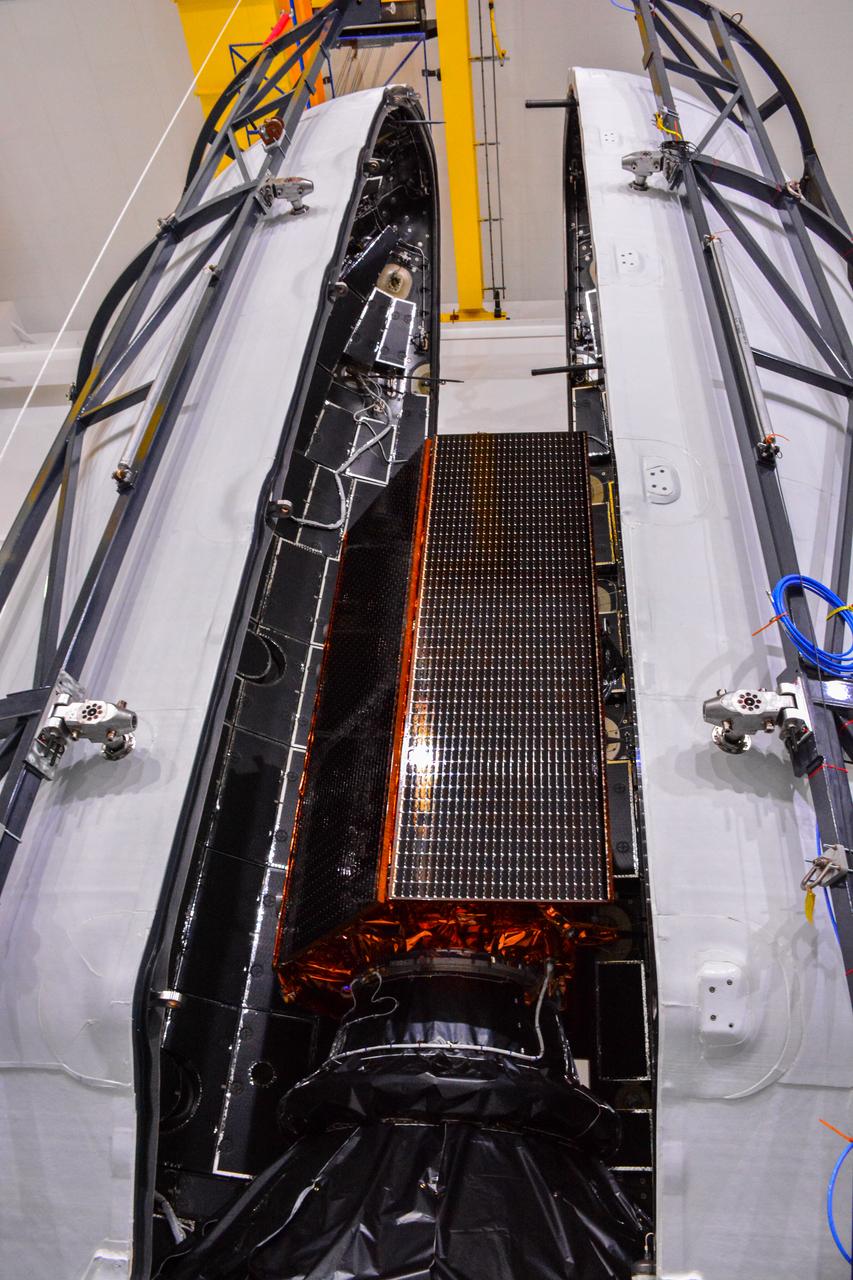
The U.S.-European Sentinel-6 Michael Freilich ocean-monitoring satellite is encapsulated in the SpaceX Falcon 9 rocket’s payload fairing on Nov. 3, 2020, inside SpaceX’s Payload Processing Facility at Vandenberg Air Force Base (VAFB) in California. Sentinel-6 is scheduled to launch on Nov. 21, 2020, at 12:17 p.m. EST (9:17 a.m. PST), from Space Launch Complex 4E at VAFB. The Launch Services Program at NASA’s Kennedy Space Center in Florida is responsible for launch management.

The U.S.-European Sentinel-6 Michael Freilich ocean-monitoring satellite is being encapsulated in the SpaceX Falcon 9 rocket’s payload fairing on Nov. 3, 2020, inside SpaceX’s Payload Processing Facility at Vandenberg Air Force Base (VAFB) in California. Sentinel-6 is scheduled to launch on Nov. 21, 2020, at 12:17 p.m. EST (9:17 a.m. PST), from Space Launch Complex 4E at VAFB. The Launch Services Program at NASA’s Kennedy Space Center in Florida is responsible for launch management.
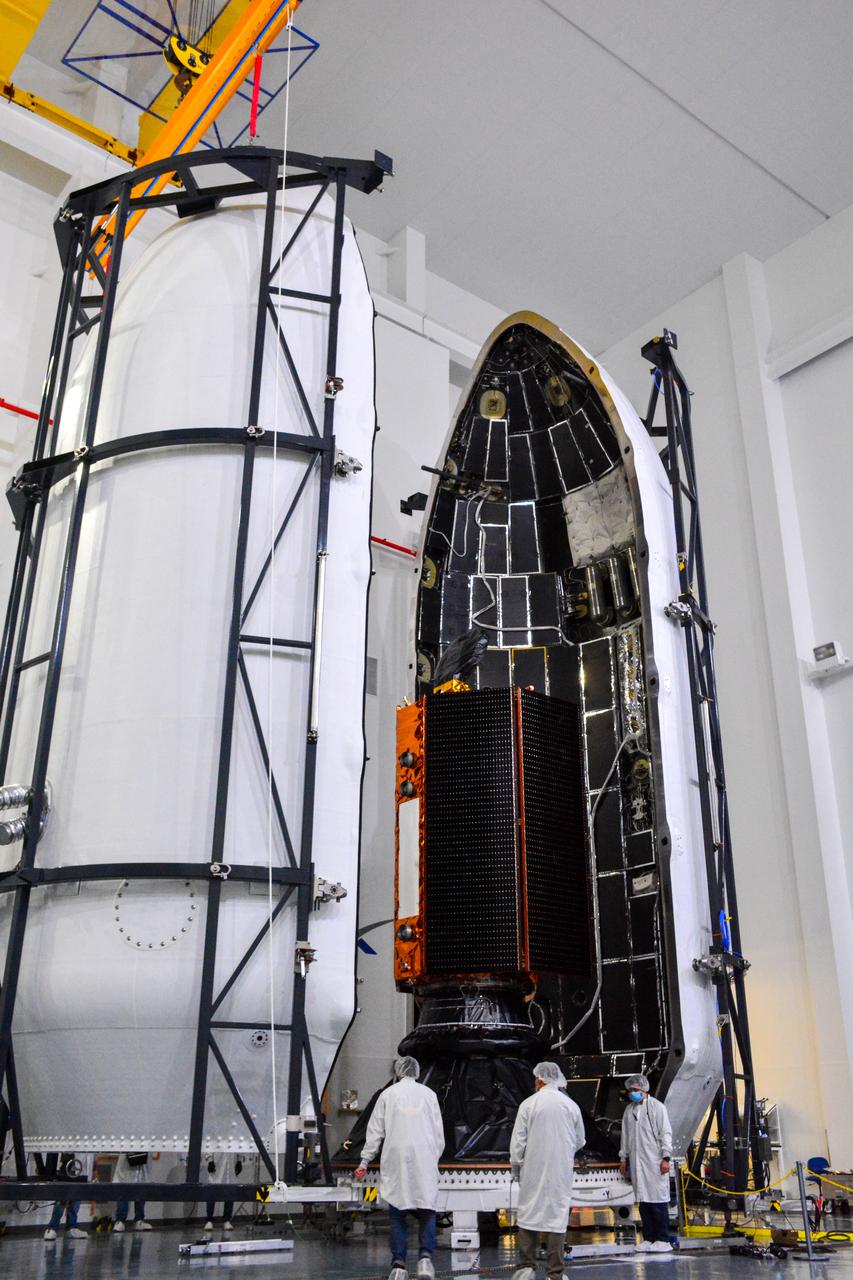
The U.S.-European Sentinel-6 Michael Freilich ocean-monitoring satellite is encapsulated in the SpaceX Falcon 9 rocket’s payload fairing on Nov. 3, 2020, inside SpaceX’s Payload Processing Facility at Vandenberg Air Force Base (VAFB) in California. Sentinel-6 is scheduled to launch on Nov. 21, 2020, at 12:17 p.m. EST (9:17 a.m. PST), from Space Launch Complex 4E at VAFB. The Launch Services Program at NASA’s Kennedy Space Center in Florida is responsible for launch management.
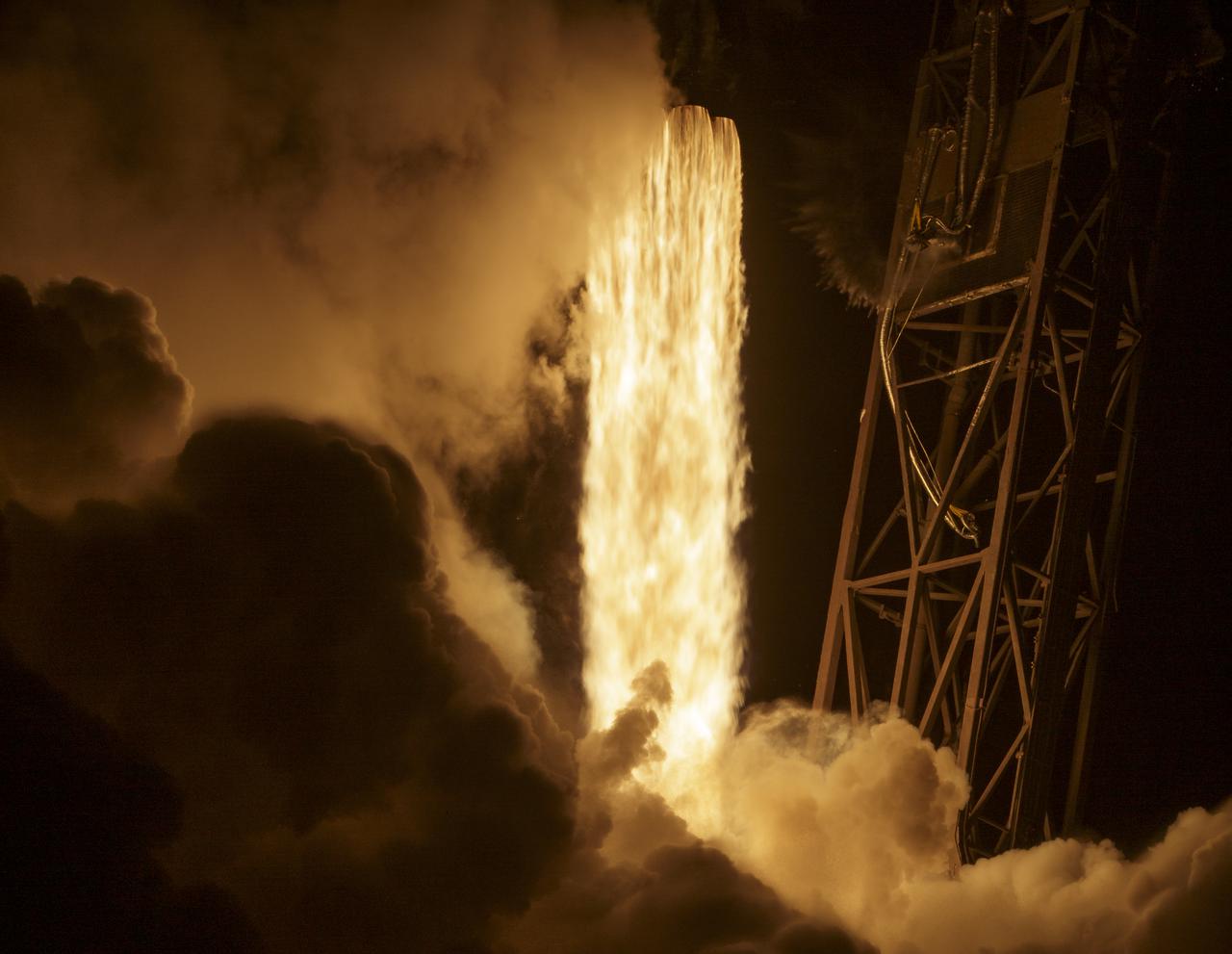
The SpaceX Falcon 9 rocket launches with the Double Asteroid Redirection Test, or DART, spacecraft onboard, Tuesday, Nov. 23, 2021, Pacific time (Nov. 24 Eastern time) from Space Launch Complex 4E at Vandenberg Space Force Base in California. DART is the world’s first full-scale planetary defense test, demonstrating one method of asteroid deflection technology. The mission was built and is managed by Johns Hopkins APL for NASA’s Planetary Defense Coordination Office. Photo Credit: (NASA/Bill Ingalls)
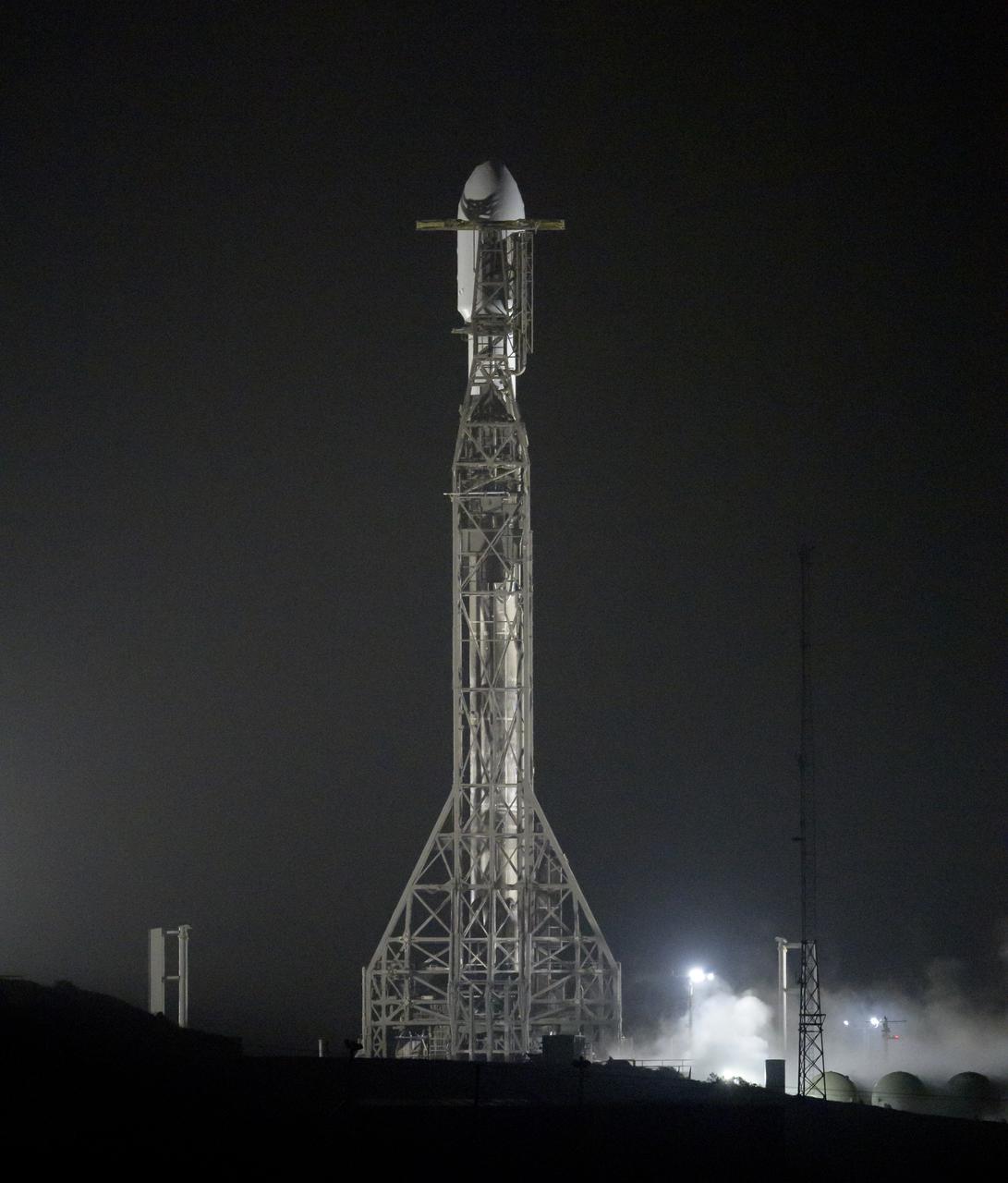
The SpaceX Falcon 9 rocket with the Double Asteroid Redirection Test, or DART, spacecraft onboard, is seen ready for launch, Tuesday, Nov. 23, 2021, at Space Launch Complex 4E, Vandenberg Space Force Base in California. DART is the world’s first full-scale planetary defense test, demonstrating one method of asteroid deflection technology. The mission was built and is managed by Johns Hopkins APL for NASA’s Planetary Defense Coordination Office. Photo Credit: (NASA/Bill Ingalls)
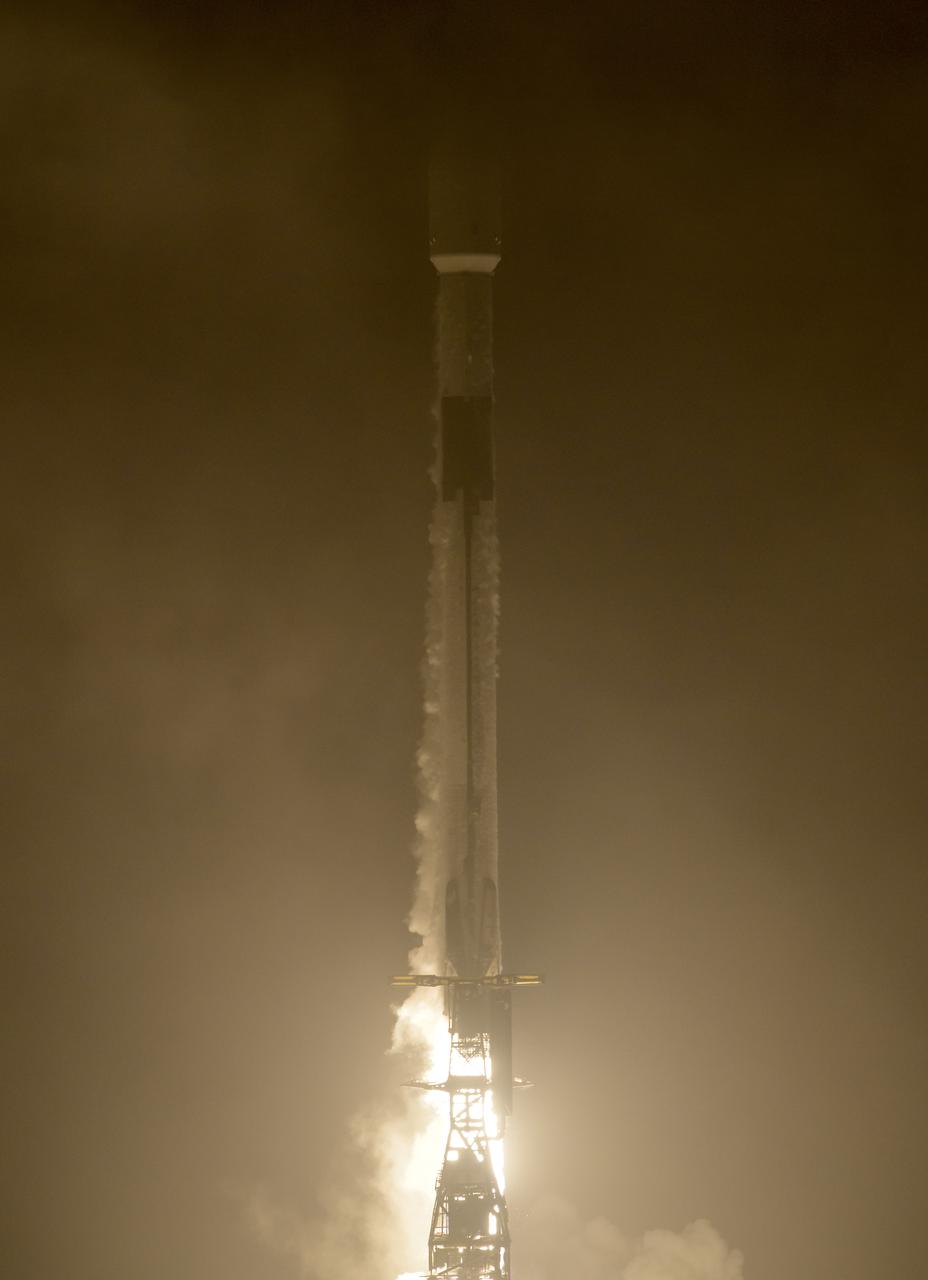
The SpaceX Falcon 9 rocket launches with the Double Asteroid Redirection Test, or DART, spacecraft onboard, Tuesday, Nov. 23, 2021, Pacific time (Nov. 24 Eastern time) from Space Launch Complex 4E at Vandenberg Space Force Base in California. DART is the world’s first full-scale planetary defense test, demonstrating one method of asteroid deflection technology. The mission was built and is managed by Johns Hopkins APL for NASA’s Planetary Defense Coordination Office. Photo Credit: (NASA/Bill Ingalls)
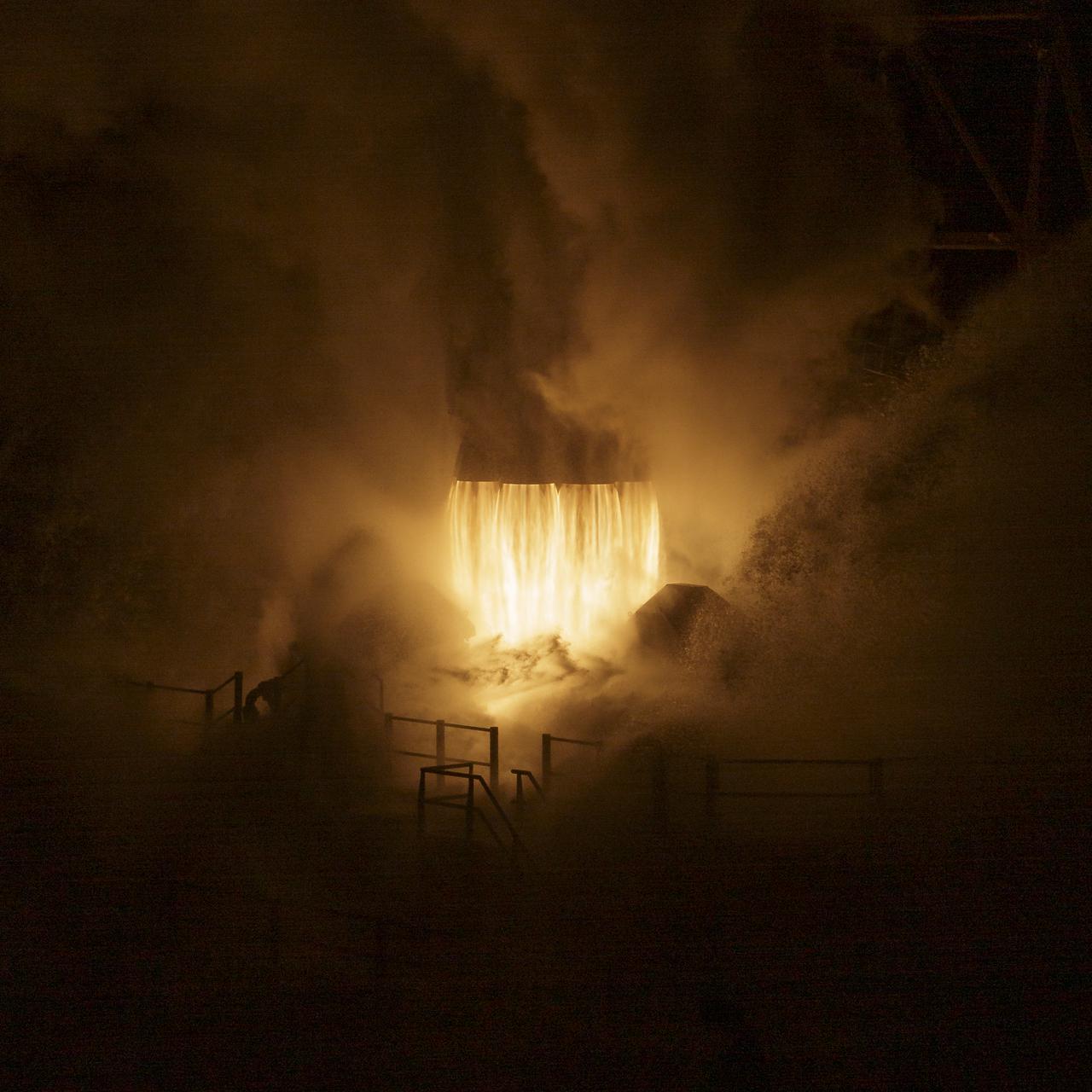
The SpaceX Falcon 9 rocket launches with the Double Asteroid Redirection Test, or DART, spacecraft onboard, Tuesday, Nov. 23, 2021, Pacific time (Nov. 24 Eastern time) from Space Launch Complex 4E at Vandenberg Space Force Base in California. DART is the world’s first full-scale planetary defense test, demonstrating one method of asteroid deflection technology. The mission was built and is managed by Johns Hopkins APL for NASA’s Planetary Defense Coordination Office. Photo Credit: (NASA/Bill Ingalls)
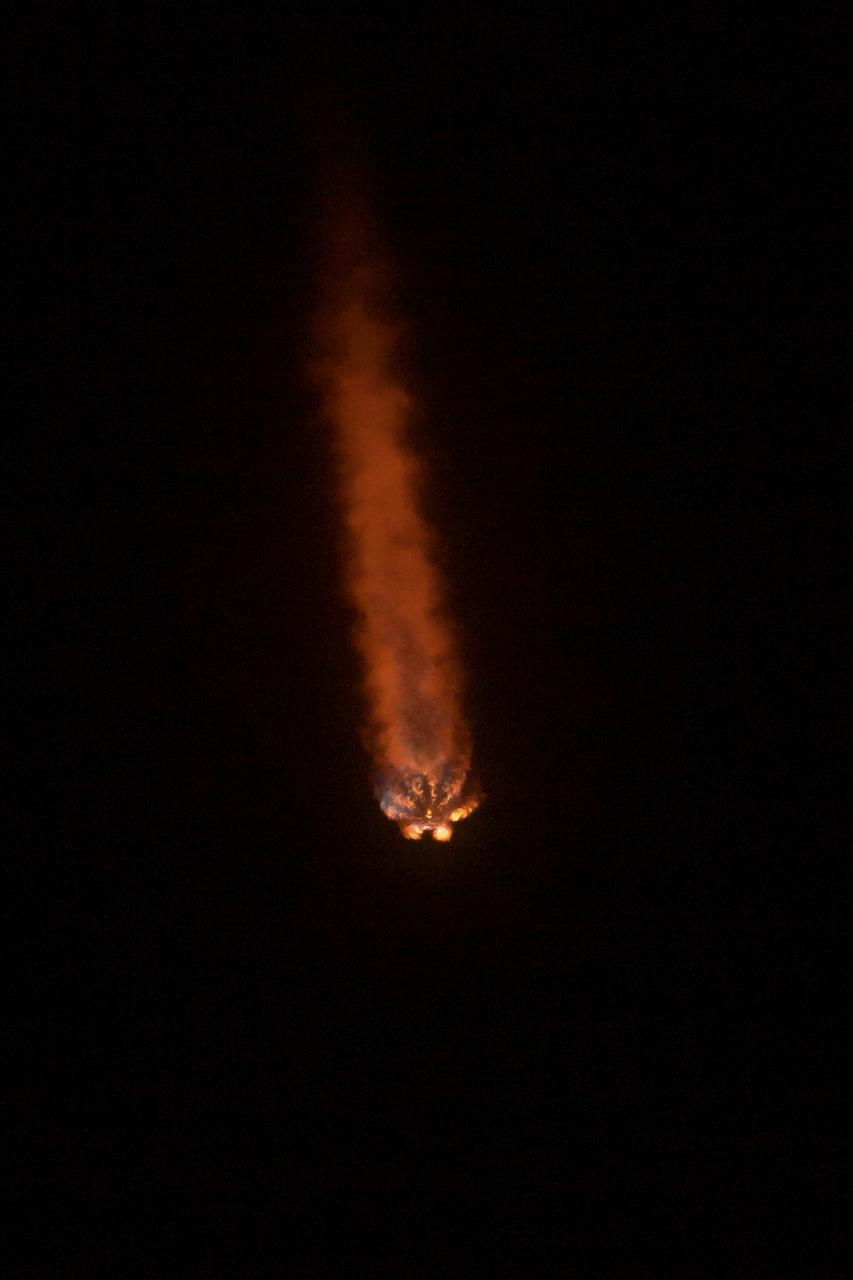
The SpaceX Falcon 9 rocket launches with the Double Asteroid Redirection Test, or DART, spacecraft onboard, Tuesday, Nov. 23, 2021, Pacific time (Nov. 24 Eastern time) from Space Launch Complex 4E at Vandenberg Space Force Base in California. DART is the world’s first full-scale planetary defense test, demonstrating one method of asteroid deflection technology. The mission was built and is managed by Johns Hopkins APL for NASA’s Planetary Defense Coordination Office. Photo Credit: (NASA/Bill Ingalls)
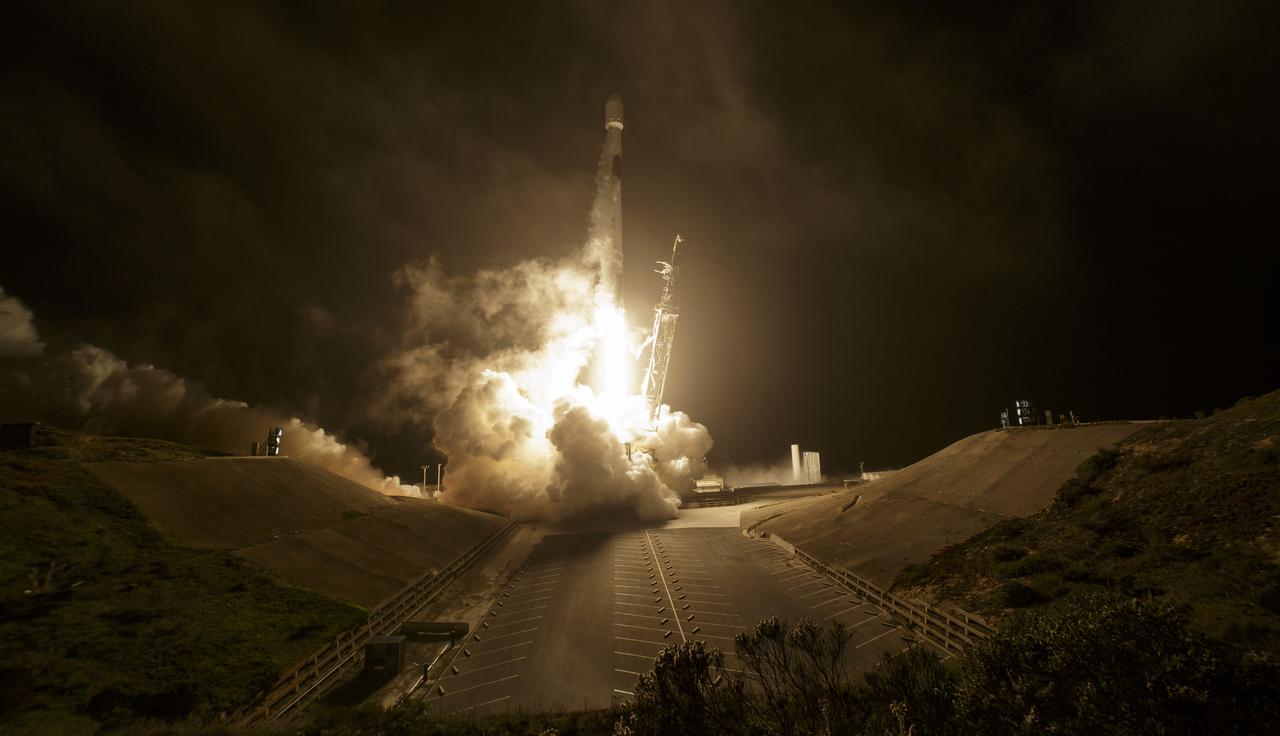
The SpaceX Falcon 9 rocket launches with the Double Asteroid Redirection Test, or DART, spacecraft onboard, Tuesday, Nov. 23, 2021, Pacific time (Nov. 24 Eastern time) from Space Launch Complex 4E at Vandenberg Space Force Base in California. DART is the world’s first full-scale planetary defense test, demonstrating one method of asteroid deflection technology. The mission was built and is managed by Johns Hopkins APL for NASA’s Planetary Defense Coordination Office. Photo Credit: (NASA/Bill Ingalls)
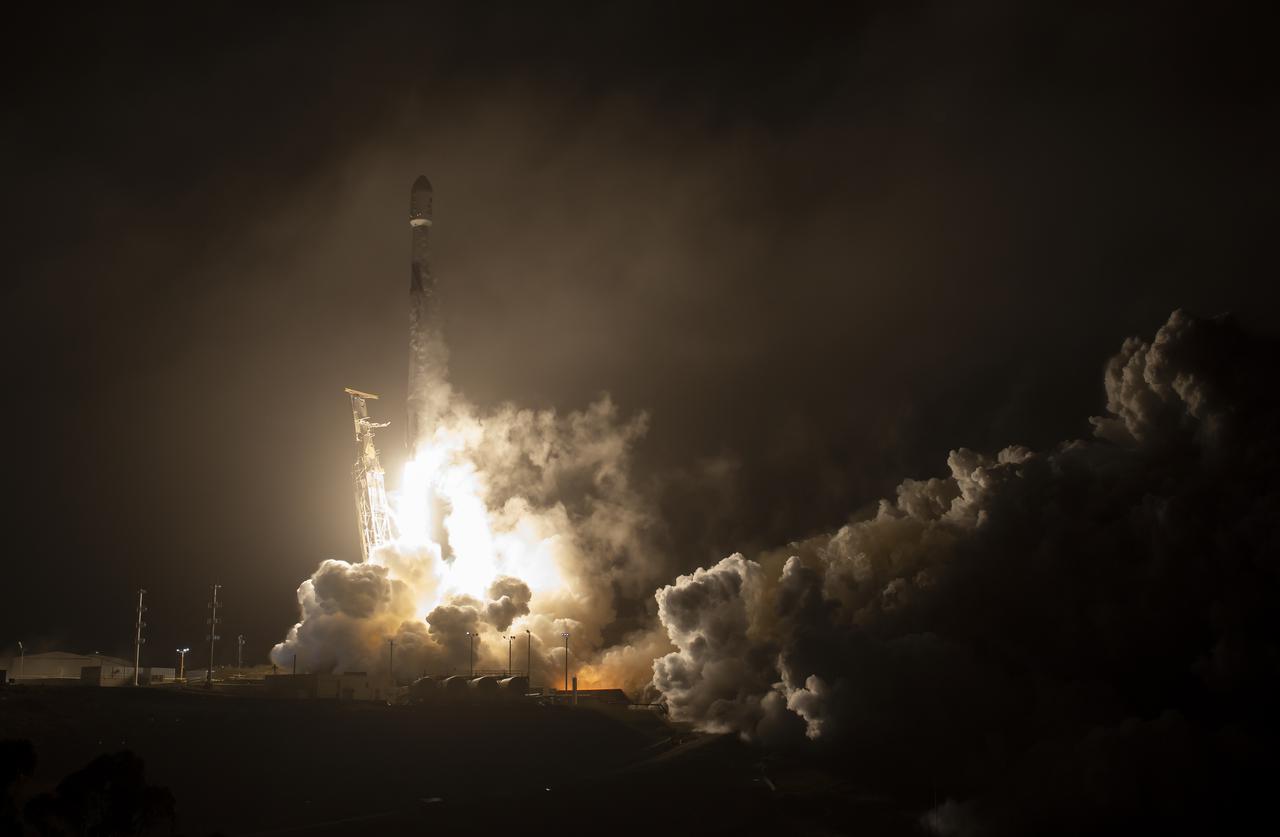
The SpaceX Falcon 9 rocket launches with the Double Asteroid Redirection Test, or DART, spacecraft onboard, Tuesday, Nov. 23, 2021, Pacific time (Nov. 24 Eastern time) from Space Launch Complex 4E at Vandenberg Space Force Base in California. DART is the world’s first full-scale planetary defense test, demonstrating one method of asteroid deflection technology. The mission was built and is managed by Johns Hopkins APL for NASA’s Planetary Defense Coordination Office. Photo Credit: (NASA/Bill Ingalls)
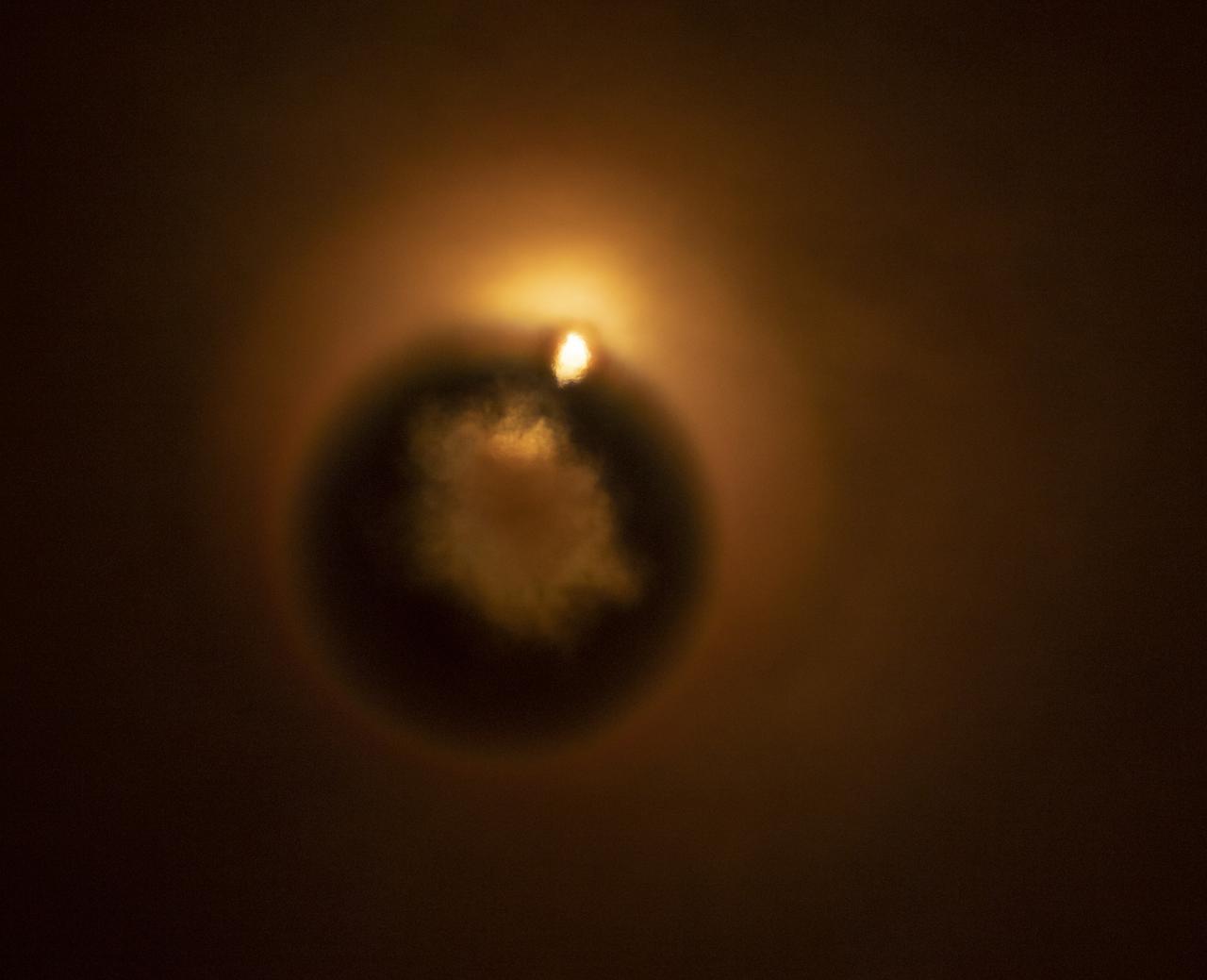
The SpaceX Falcon 9 rocket launches with the Double Asteroid Redirection Test, or DART, spacecraft onboard, Tuesday, Nov. 23, 2021, Pacific time (Nov. 24 Eastern time) from Space Launch Complex 4E at Vandenberg Space Force Base in California. DART is the world’s first full-scale planetary defense test, demonstrating one method of asteroid deflection technology. The mission was built and is managed by Johns Hopkins APL for NASA’s Planetary Defense Coordination Office. Photo Credit: (NASA/Bill Ingalls)
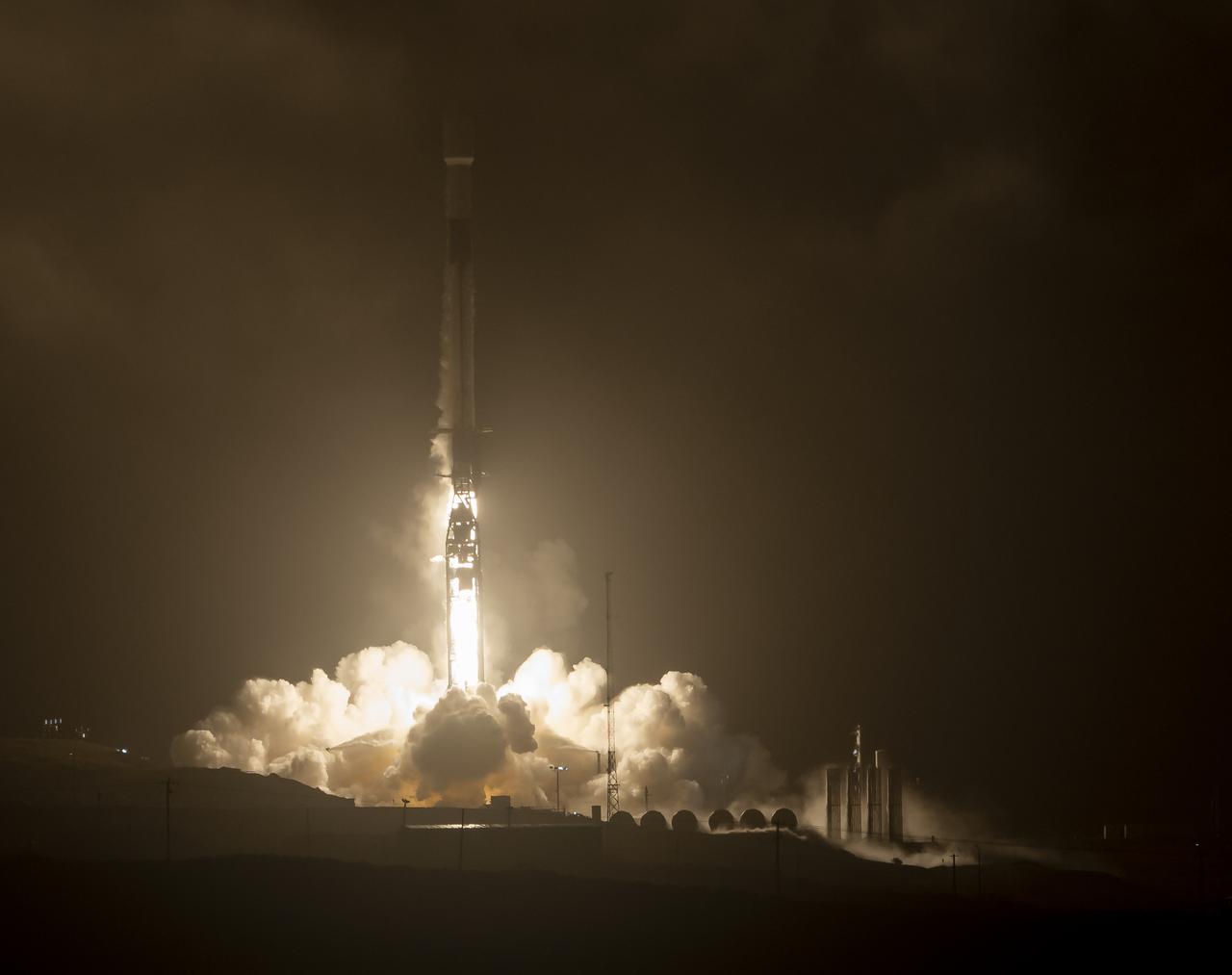
The SpaceX Falcon 9 rocket launches with the Double Asteroid Redirection Test, or DART, spacecraft onboard, Tuesday, Nov. 23, 2021, Pacific time (Nov. 24 Eastern time) from Space Launch Complex 4E at Vandenberg Space Force Base in California. DART is the world’s first full-scale planetary defense test, demonstrating one method of asteroid deflection technology. The mission was built and is managed by Johns Hopkins APL for NASA’s Planetary Defense Coordination Office. Photo Credit: (NASA/Bill Ingalls)
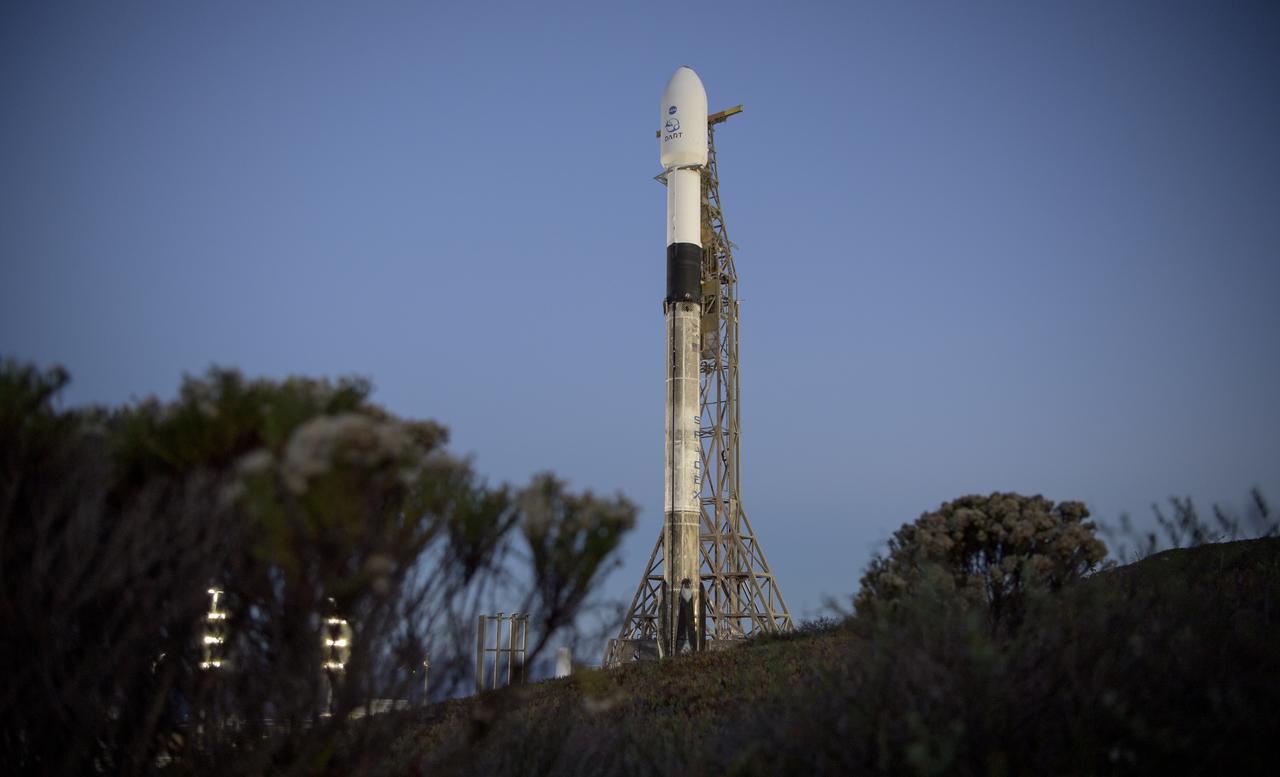
The SpaceX Falcon 9 rocket with the Double Asteroid Redirection Test, or DART, spacecraft onboard, is seen during sunrise, Tuesday, Nov. 23, 2021, at Space Launch Complex 4E, Vandenberg Space Force Base in California. DART is the world’s first full-scale planetary defense test, demonstrating one method of asteroid deflection technology. The mission was built and is managed by the Johns Hopkins APL for NASA’s Planetary Defense Coordination Office. Photo Credit: (NASA/Bill Ingalls)
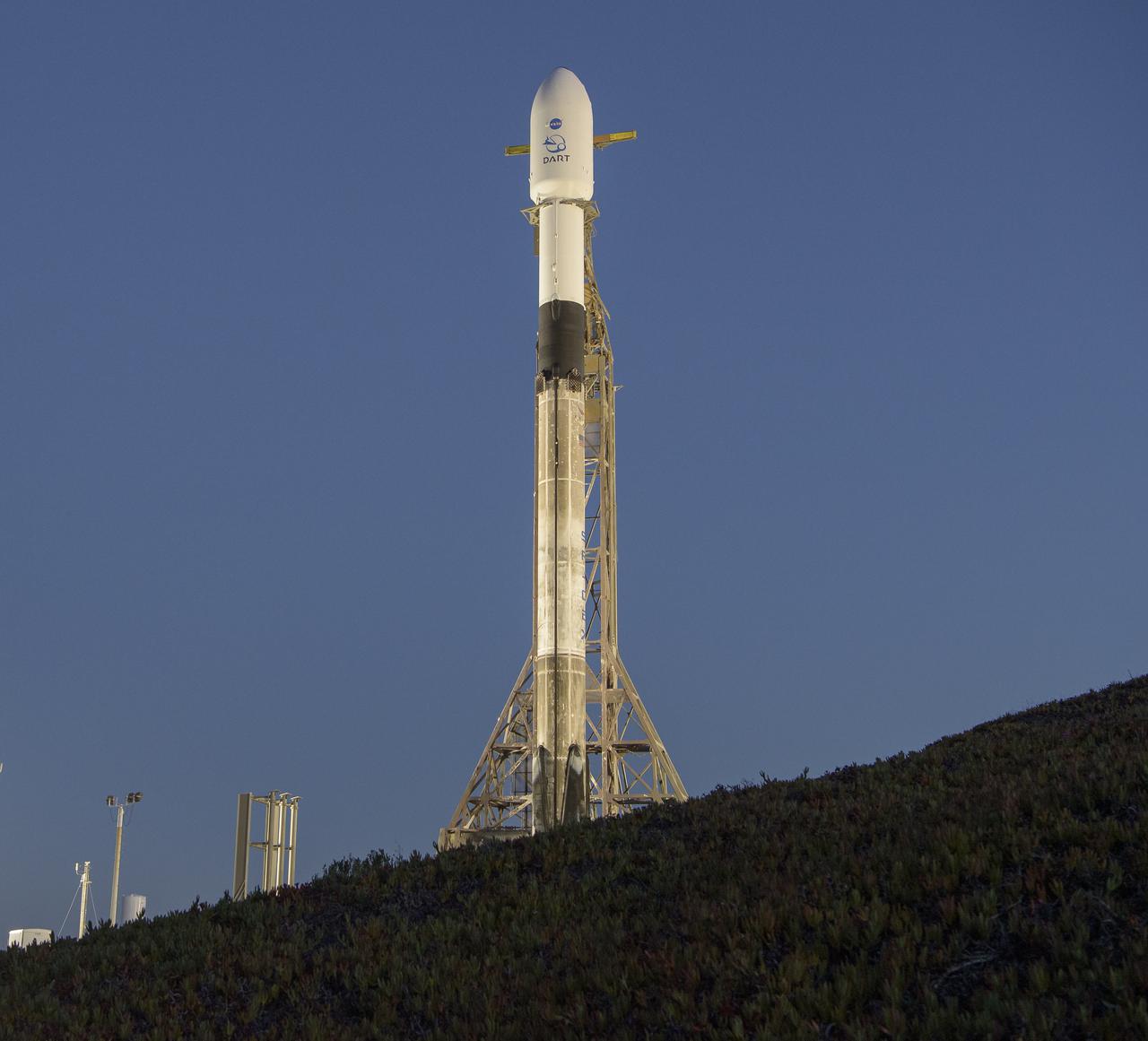
The SpaceX Falcon 9 rocket with the Double Asteroid Redirection Test, or DART, spacecraft onboard, is seen during sunrise, Tuesday, Nov. 23, 2021, at Space Launch Complex 4E, Vandenberg Space Force Base in California. DART is the world’s first full-scale planetary defense test, demonstrating one method of asteroid deflection technology. The mission was built and is managed by the Johns Hopkins APL for NASA’s Planetary Defense Coordination Office. Photo Credit: (NASA/Bill Ingalls)
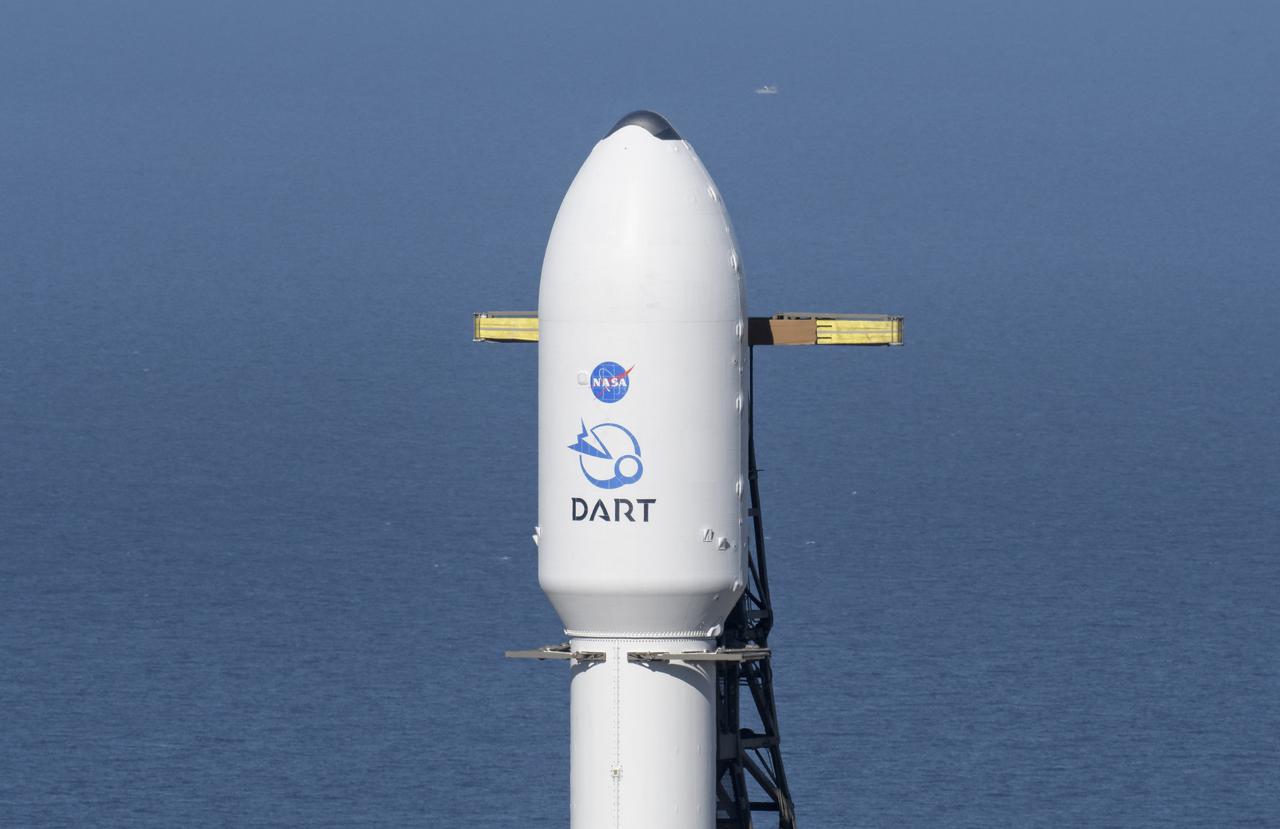
The SpaceX Falcon 9 rocket with the Double Asteroid Redirection Test, or DART, spacecraft onboard, is seen, Tuesday, Nov. 23, 2021, at Space Launch Complex 4E, Vandenberg Space Force Base in California. DART is the world’s first full-scale planetary defense test, demonstrating one method of asteroid deflection technology. The mission was built and is managed by Johns Hopkins APL for NASA’s Planetary Defense Coordination Office. Photo Credit: (NASA/Bill Ingalls)
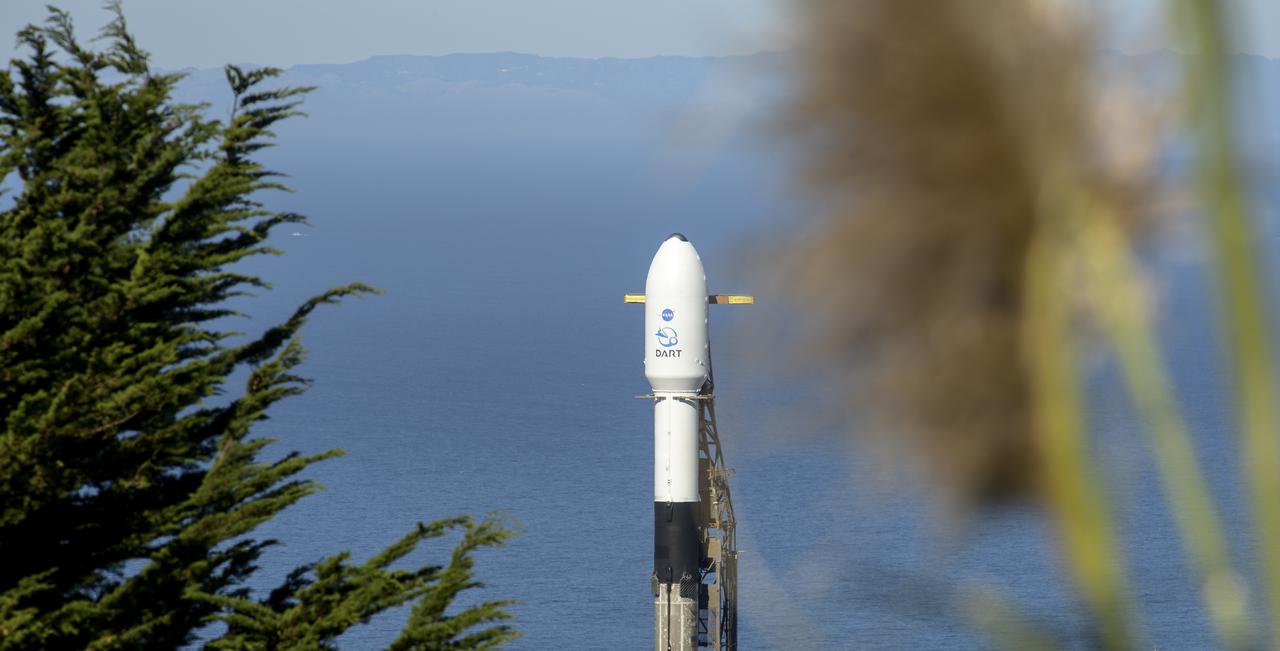
The SpaceX Falcon 9 rocket with the Double Asteroid Redirection Test, or DART, spacecraft onboard, is seen, Tuesday, Nov. 23, 2021, at Space Launch Complex 4E, Vandenberg Space Force Base in California. DART is the world’s first full-scale planetary defense test, demonstrating one method of asteroid deflection technology. The mission was built and is managed by Johns Hopkins APL for NASA’s Planetary Defense Coordination Office. Photo Credit: (NASA/Bill Ingalls)
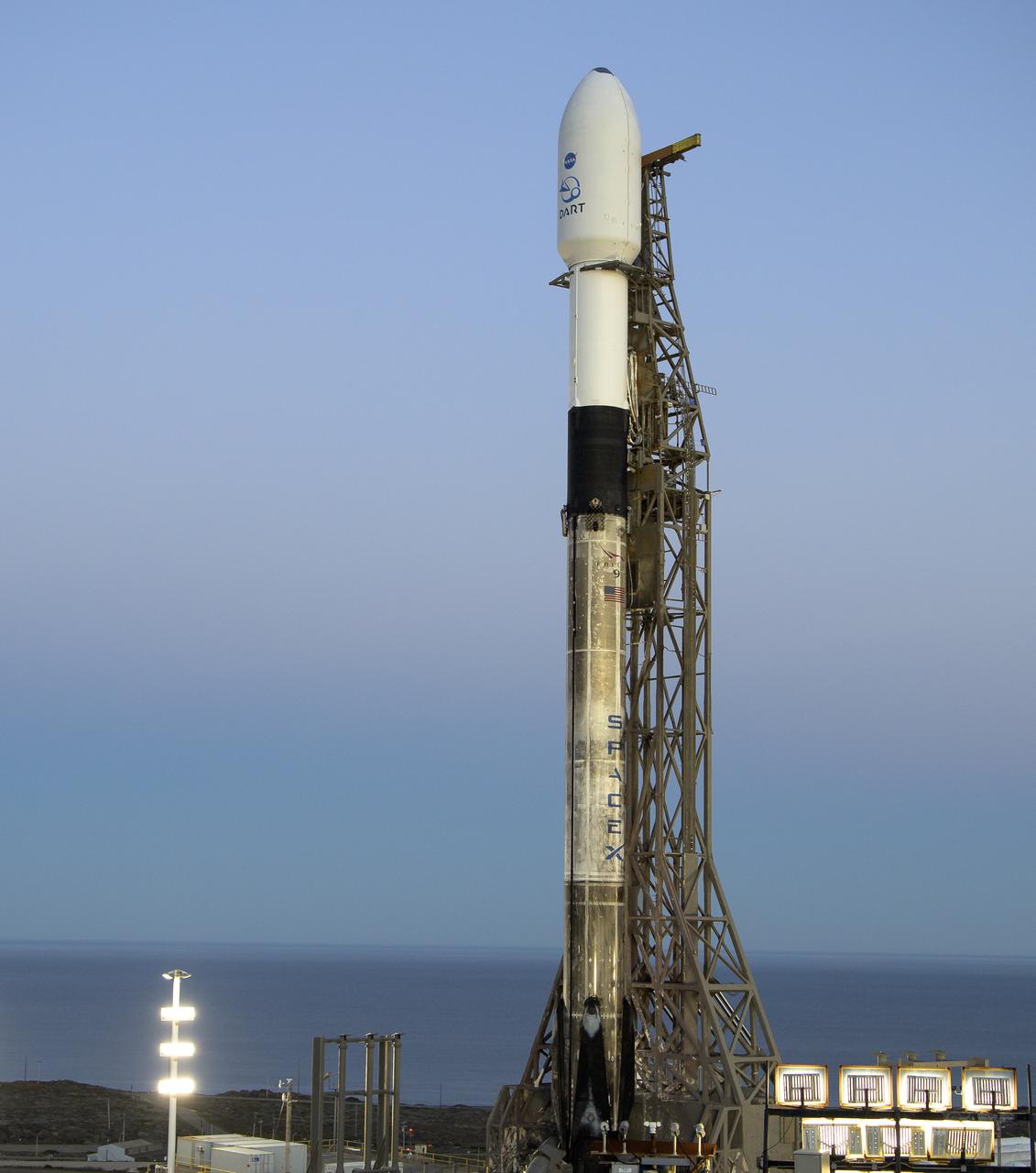
The SpaceX Falcon 9 rocket with the Double Asteroid Redirection Test, or DART, spacecraft onboard, is seen during sunrise, Tuesday, Nov. 23, 2021, at Space Launch Complex 4E, Vandenberg Space Force Base in California. DART is the world’s first full-scale planetary defense test, demonstrating one method of asteroid deflection technology. The mission was built and is managed by the Johns Hopkins APL for NASA’s Planetary Defense Coordination Office. Photo Credit: (NASA/Bill Ingalls)
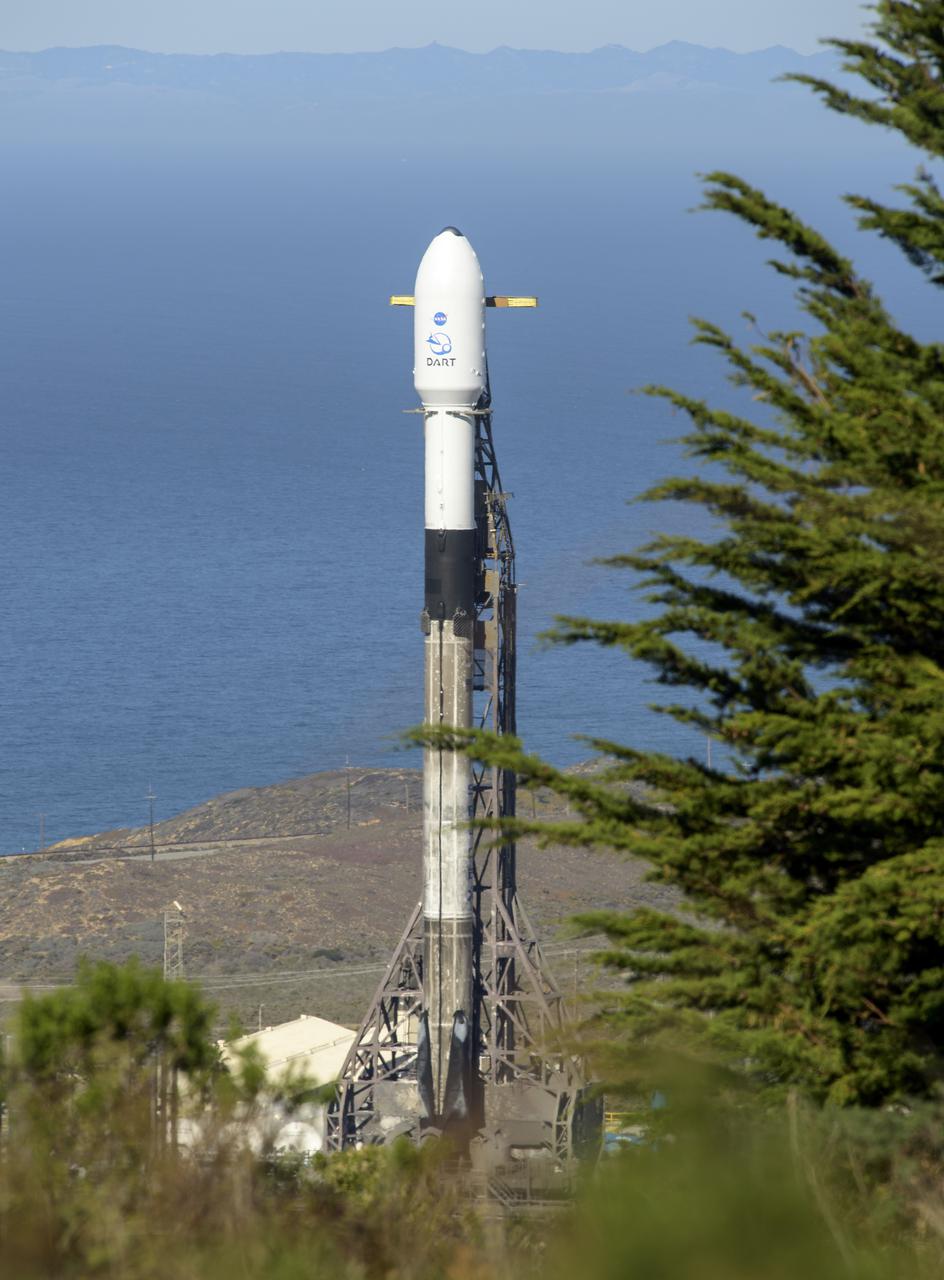
The SpaceX Falcon 9 rocket with the Double Asteroid Redirection Test, or DART, spacecraft onboard, is seen, Tuesday, Nov. 23, 2021, at Space Launch Complex 4E, Vandenberg Space Force Base in California. DART is the world’s first full-scale planetary defense test, demonstrating one method of asteroid deflection technology. The mission was built and is managed by Johns Hopkins APL for NASA’s Planetary Defense Coordination Office. Photo Credit: (NASA/Bill Ingalls)
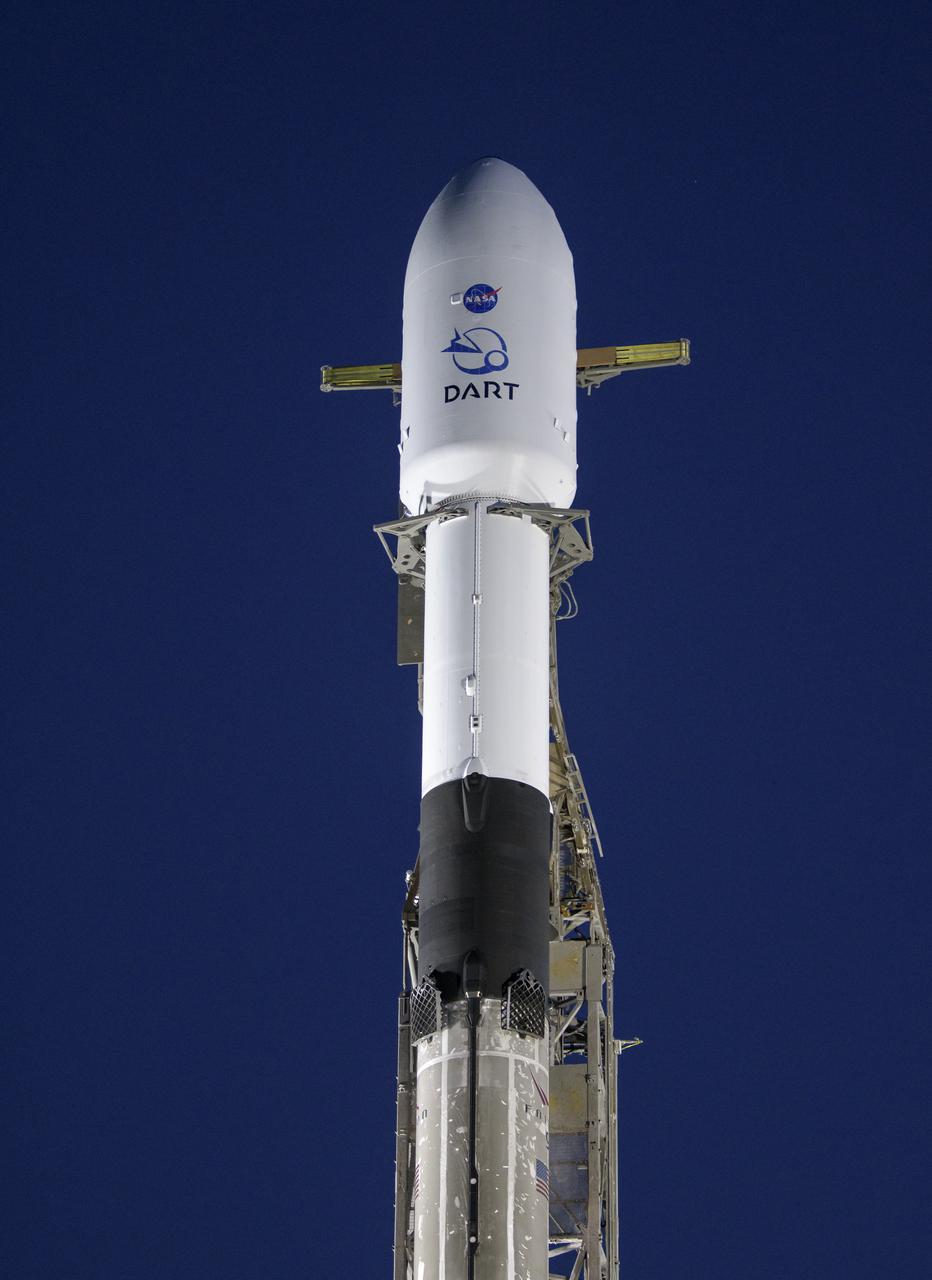
The SpaceX Falcon 9 rocket with the Double Asteroid Redirection Test, or DART, spacecraft onboard, is seen during sunrise, Tuesday, Nov. 23, 2021, at Space Launch Complex 4E, Vandenberg Space Force Base in California. DART is the world’s first full-scale planetary defense test, demonstrating one method of asteroid deflection technology. The mission was built and is managed by the Johns Hopkins APL for NASA’s Planetary Defense Coordination Office. Photo Credit: (NASA/Bill Ingalls)
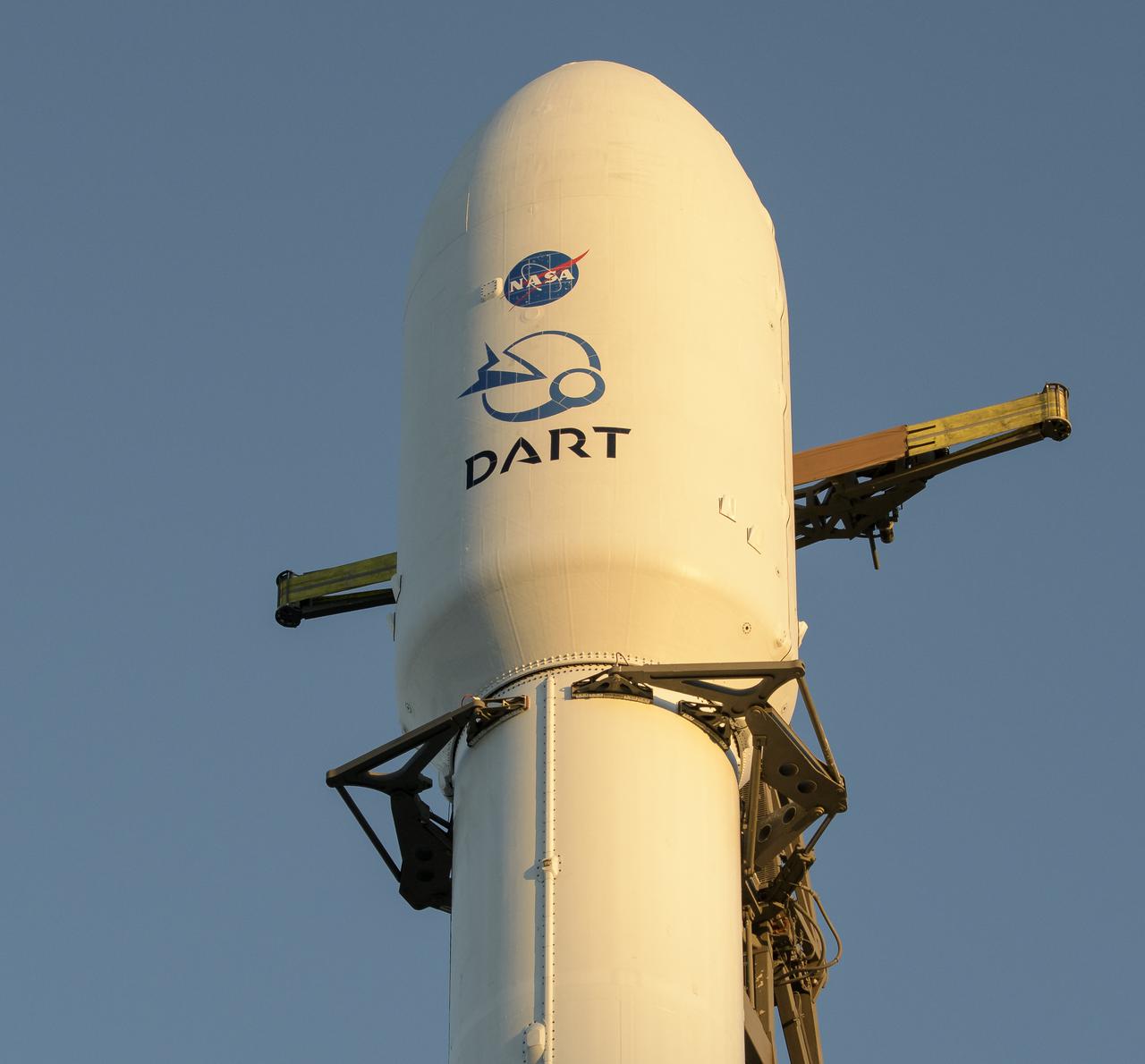
The SpaceX Falcon 9 rocket with the Double Asteroid Redirection Test, or DART, spacecraft onboard, is seen during sunrise, Tuesday, Nov. 23, 2021, at Space Launch Complex 4E, Vandenberg Space Force Base in California. DART is the world’s first full-scale planetary defense test, demonstrating one method of asteroid deflection technology. The mission was built and is managed by the Johns Hopkins APL for NASA’s Planetary Defense Coordination Office. Photo Credit: (NASA/Bill Ingalls)
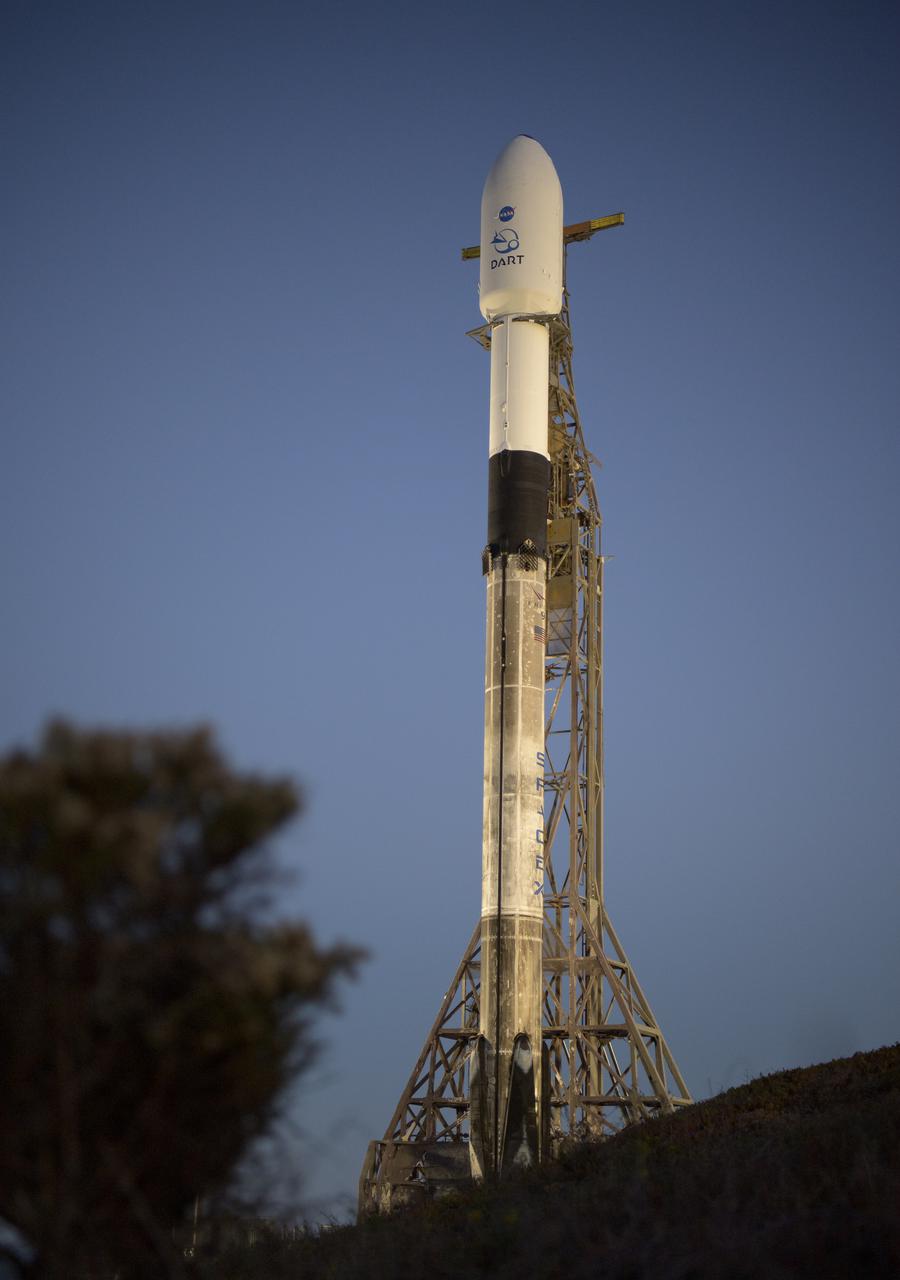
The SpaceX Falcon 9 rocket with the Double Asteroid Redirection Test, or DART, spacecraft onboard, is seen during sunrise, Tuesday, Nov. 23, 2021, at Space Launch Complex 4E, Vandenberg Space Force Base in California. DART is the world’s first full-scale planetary defense test, demonstrating one method of asteroid deflection technology. The mission was built and is managed by the Johns Hopkins APL for NASA’s Planetary Defense Coordination Office. Photo Credit: (NASA/Bill Ingalls)
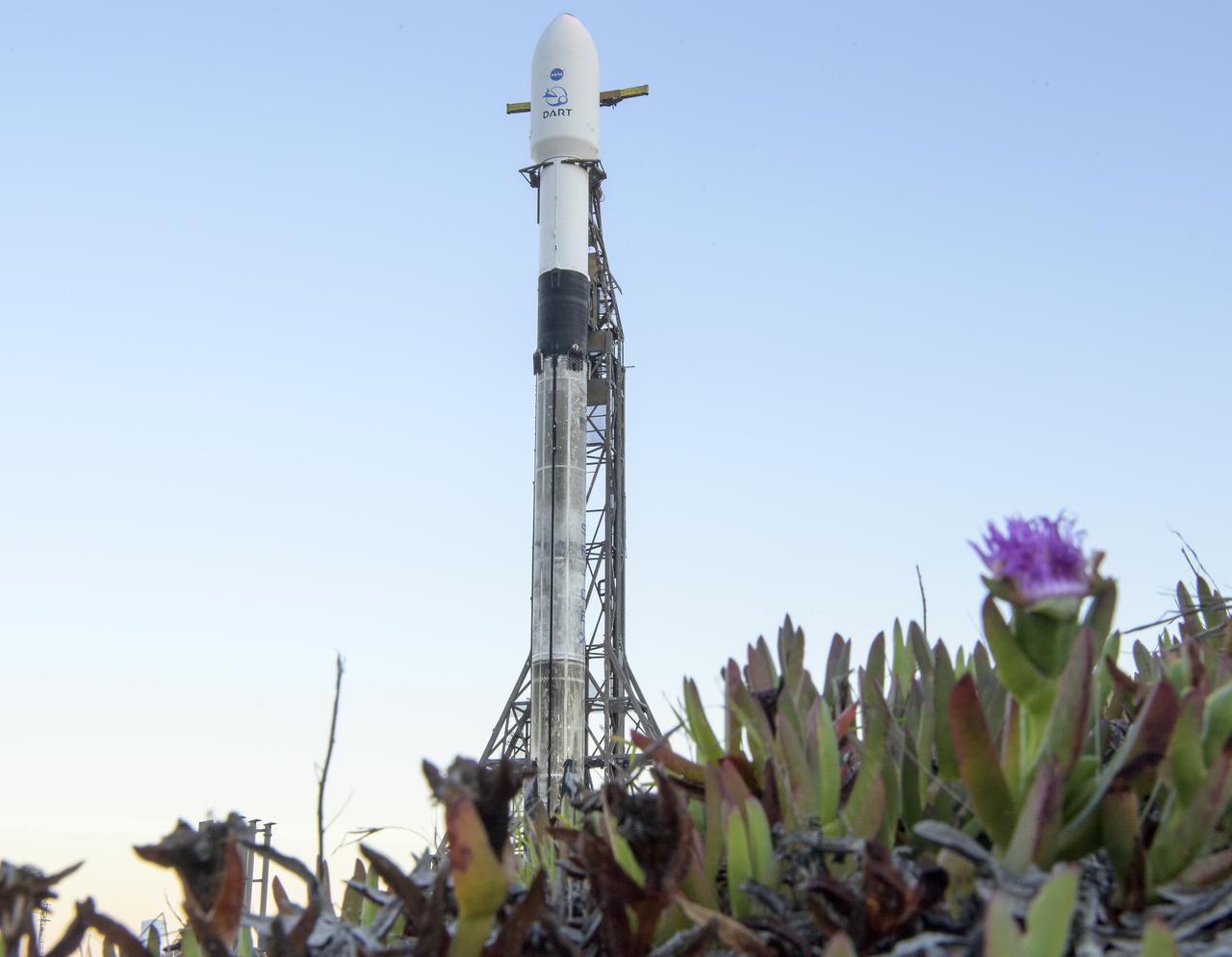
The SpaceX Falcon 9 rocket with the Double Asteroid Redirection Test, or DART, spacecraft onboard, is seen during sunrise, Tuesday, Nov. 23, 2021, at Space Launch Complex 4E, Vandenberg Space Force Base in California. DART is the world’s first full-scale planetary defense test, demonstrating one method of asteroid deflection technology. The mission was built and is managed by the Johns Hopkins APL for NASA’s Planetary Defense Coordination Office. Photo Credit: (NASA/Bill Ingalls)
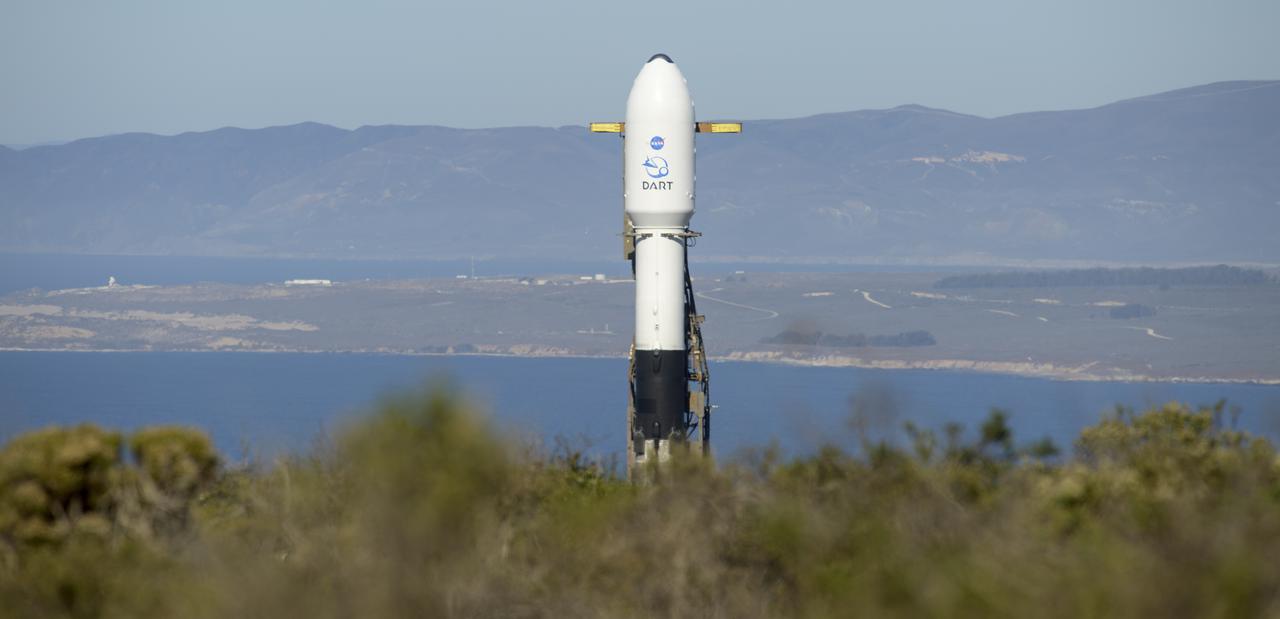
The SpaceX Falcon 9 rocket with the Double Asteroid Redirection Test, or DART, spacecraft onboard, is seen, Tuesday, Nov. 23, 2021, at Space Launch Complex 4E, Vandenberg Space Force Base in California. DART is the world’s first full-scale planetary defense test, demonstrating one method of asteroid deflection technology. The mission was built and is managed by Johns Hopkins APL for NASA’s Planetary Defense Coordination Office. Photo Credit: (NASA/Bill Ingalls)
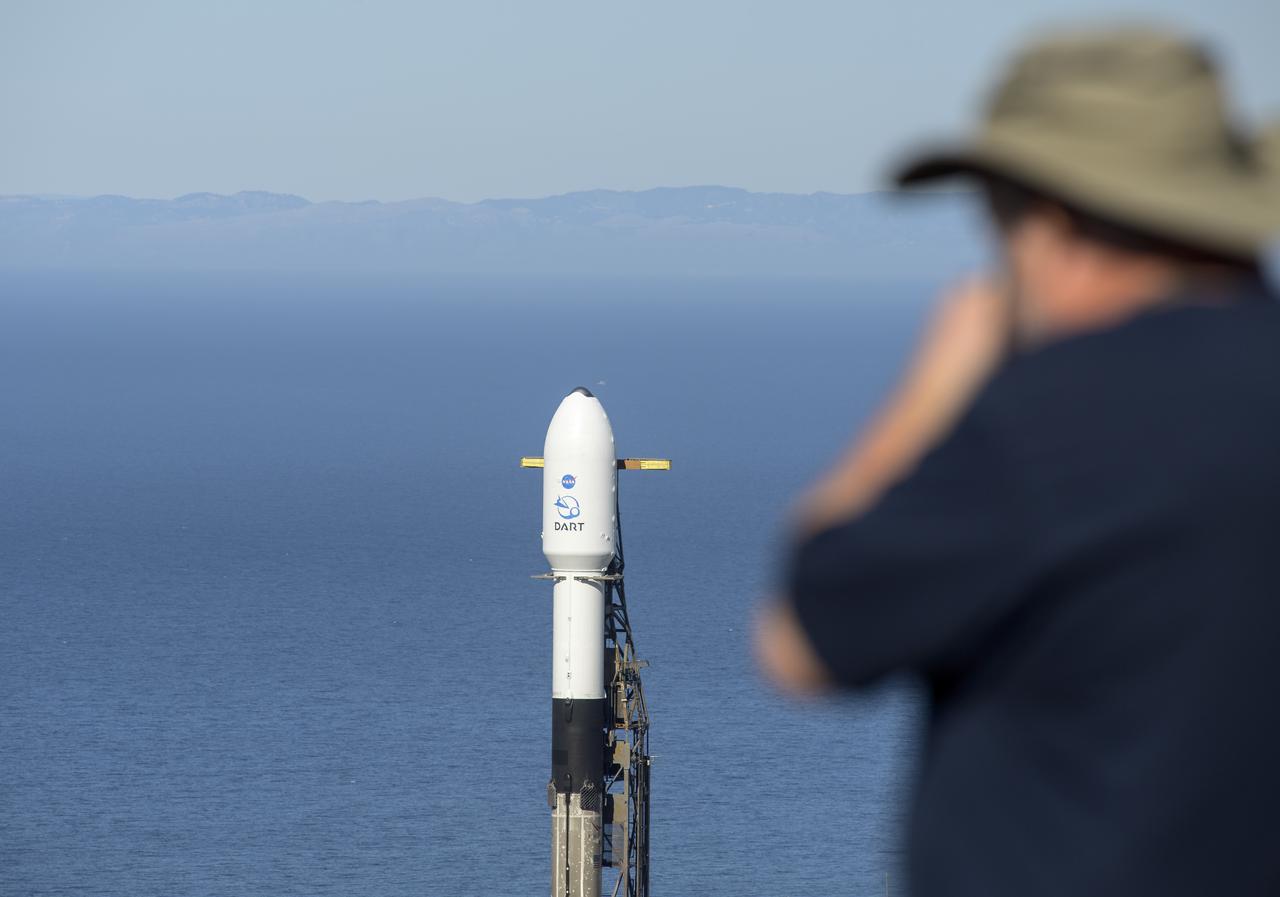
The SpaceX Falcon 9 rocket with the Double Asteroid Redirection Test, or DART, spacecraft onboard, is seen, Tuesday, Nov. 23, 2021, at Space Launch Complex 4E, Vandenberg Space Force Base in California. DART is the world’s first full-scale planetary defense test, demonstrating one method of asteroid deflection technology. The mission was built and is managed by Johns Hopkins APL for NASA’s Planetary Defense Coordination Office. Photo Credit: (NASA/Bill Ingalls)
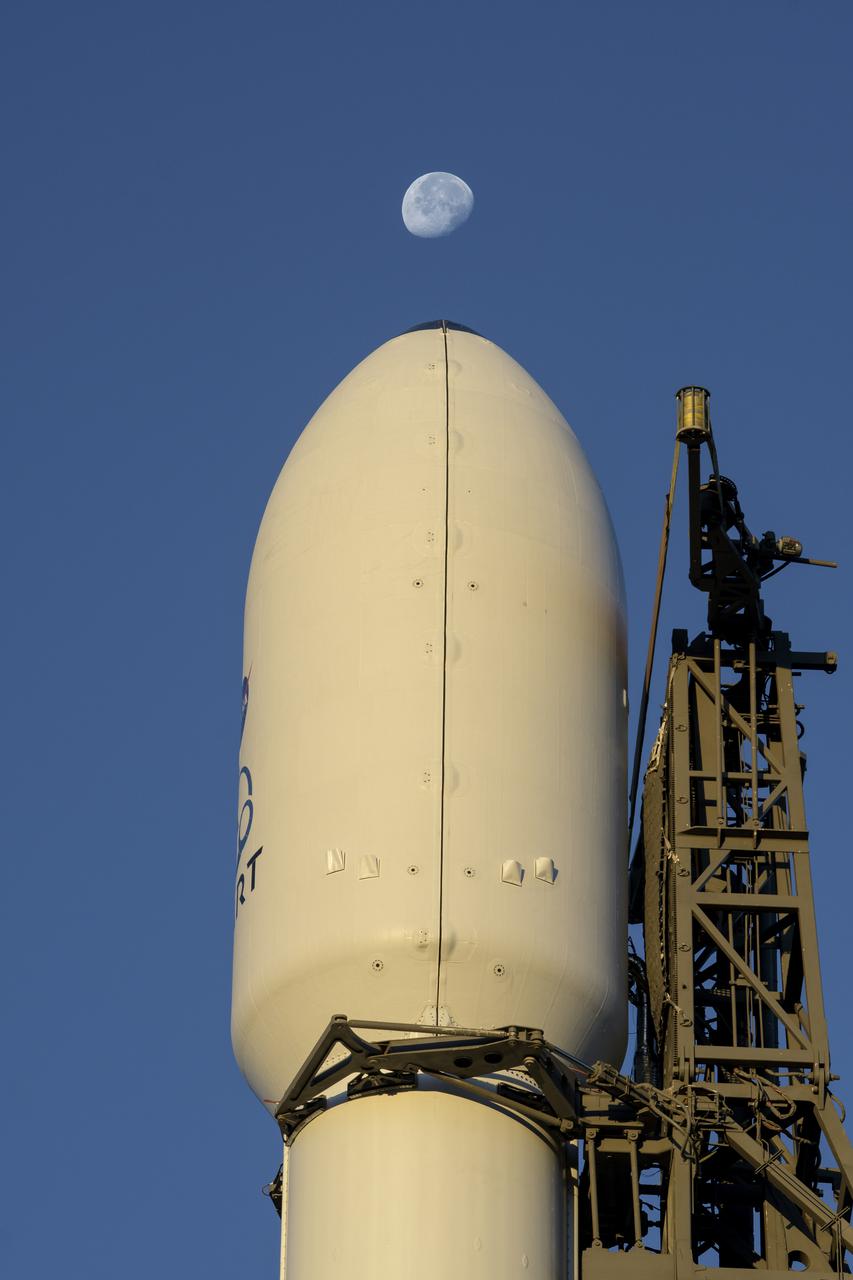
The SpaceX Falcon 9 rocket with the Double Asteroid Redirection Test, or DART, spacecraft onboard, is seen during sunrise, Tuesday, Nov. 23, 2021, at Space Launch Complex 4E, Vandenberg Space Force Base in California. DART is the world’s first full-scale planetary defense test, demonstrating one method of asteroid deflection technology. The mission was built and is managed by the Johns Hopkins APL for NASA’s Planetary Defense Coordination Office. Photo Credit: (NASA/Bill Ingalls)
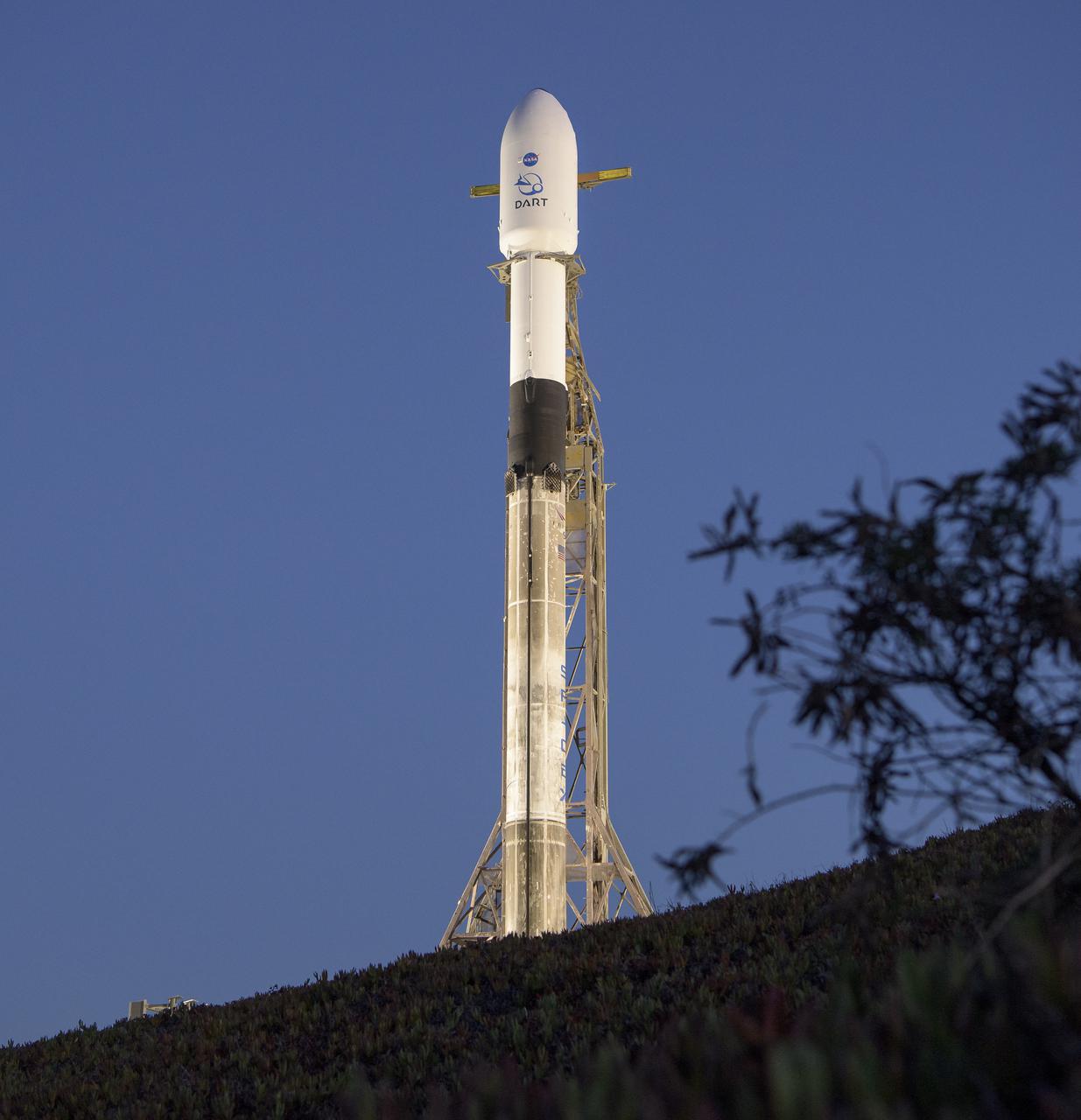
The SpaceX Falcon 9 rocket with the Double Asteroid Redirection Test, or DART, spacecraft onboard, is seen during sunrise, Tuesday, Nov. 23, 2021, at Space Launch Complex 4E, Vandenberg Space Force Base in California. DART is the world’s first full-scale planetary defense test, demonstrating one method of asteroid deflection technology. The mission was built and is managed by the Johns Hopkins APL for NASA’s Planetary Defense Coordination Office. Photo Credit: (NASA/Bill Ingalls)
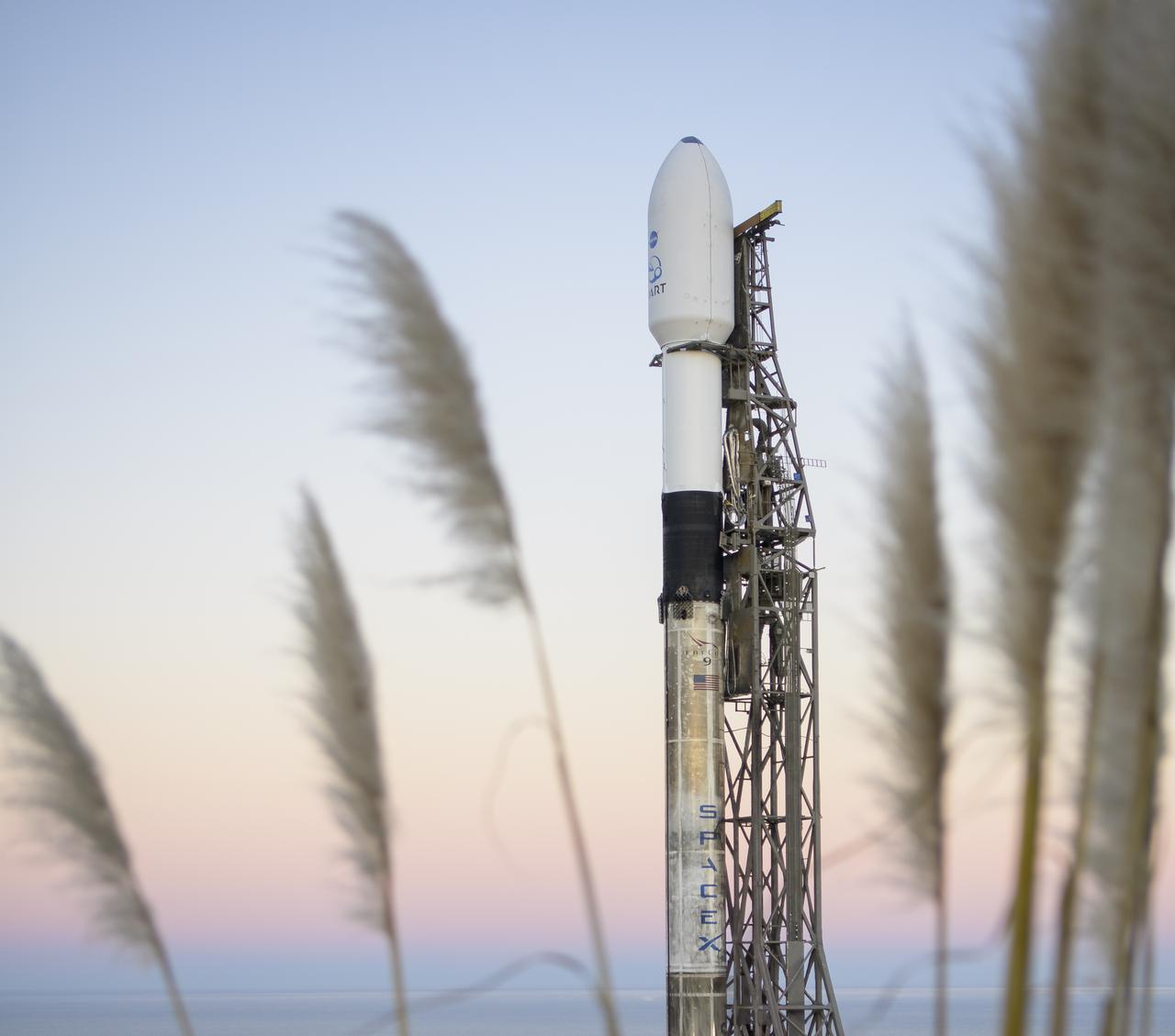
The SpaceX Falcon 9 rocket with the Double Asteroid Redirection Test, or DART, spacecraft onboard, is seen during sunrise, Tuesday, Nov. 23, 2021, at Space Launch Complex 4E, Vandenberg Space Force Base in California. DART is the world’s first full-scale planetary defense test, demonstrating one method of asteroid deflection technology. The mission was built and is managed by the Johns Hopkins APL for NASA’s Planetary Defense Coordination Office. Photo Credit: (NASA/Bill Ingalls)
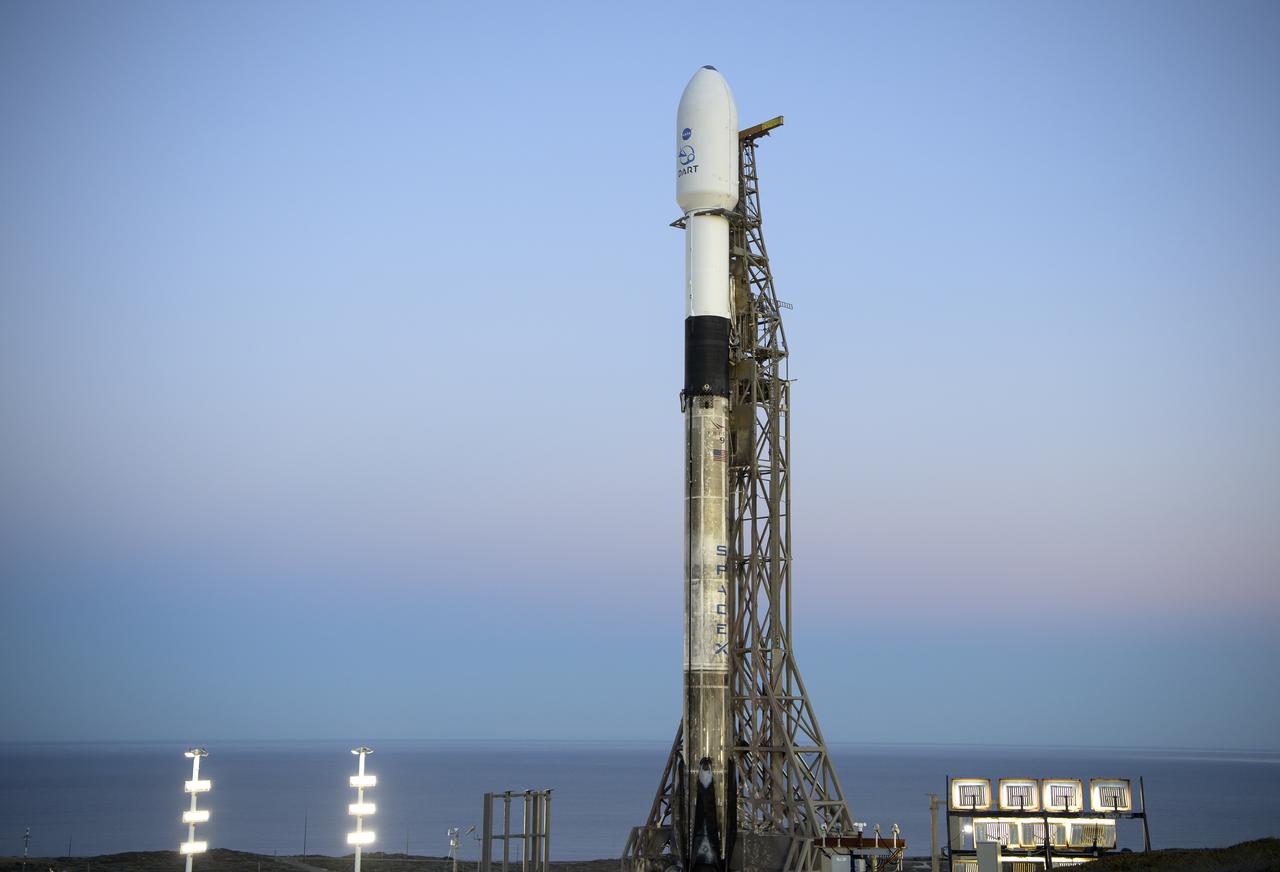
The SpaceX Falcon 9 rocket with the Double Asteroid Redirection Test, or DART, spacecraft onboard, is seen during sunrise, Tuesday, Nov. 23, 2021, at Space Launch Complex 4E, Vandenberg Space Force Base in California. DART is the world’s first full-scale planetary defense test, demonstrating one method of asteroid deflection technology. The mission was built and is managed by the Johns Hopkins APL for NASA’s Planetary Defense Coordination Office. Photo Credit: (NASA/Bill Ingalls)
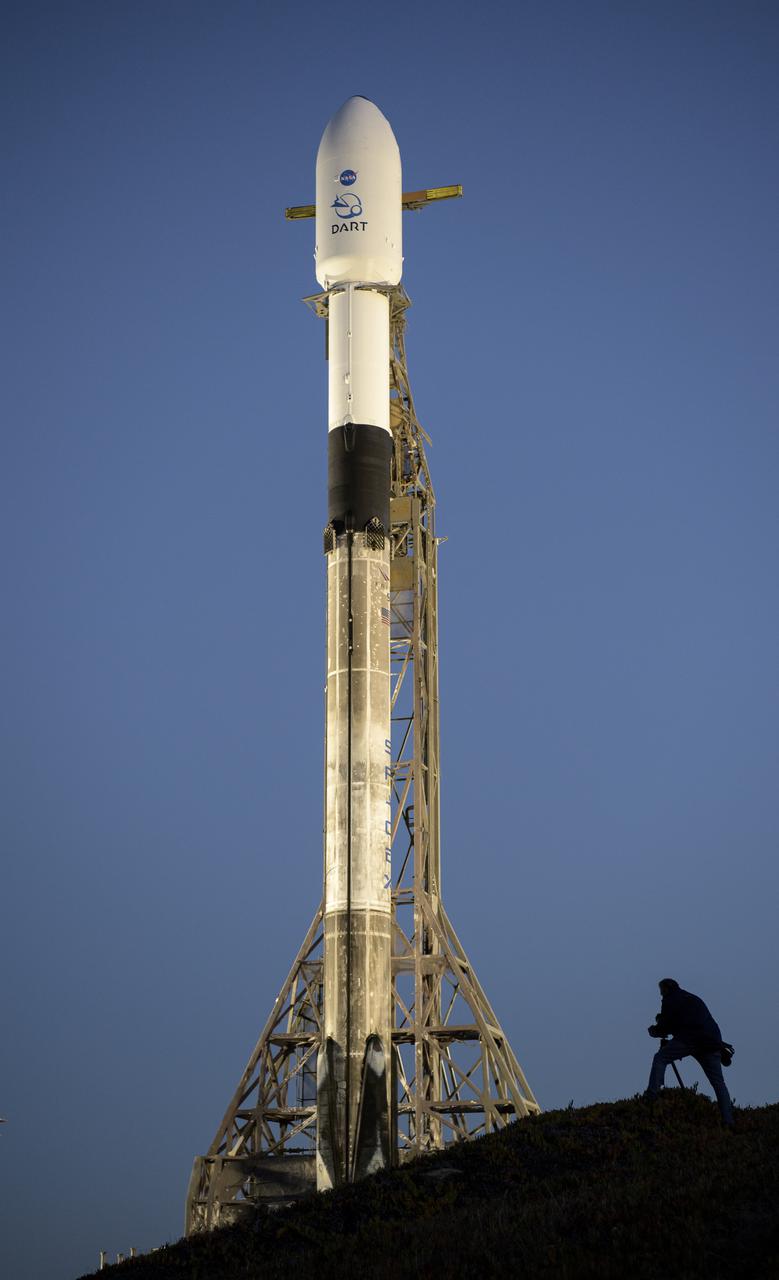
The SpaceX Falcon 9 rocket with the Double Asteroid Redirection Test, or DART, spacecraft onboard, is seen during sunrise, Tuesday, Nov. 23, 2021, at Space Launch Complex 4E, Vandenberg Space Force Base in California. DART is the world’s first full-scale planetary defense test, demonstrating one method of asteroid deflection technology. The mission was built and is managed by the Johns Hopkins APL for NASA’s Planetary Defense Coordination Office. Photo Credit: (NASA/Bill Ingalls)
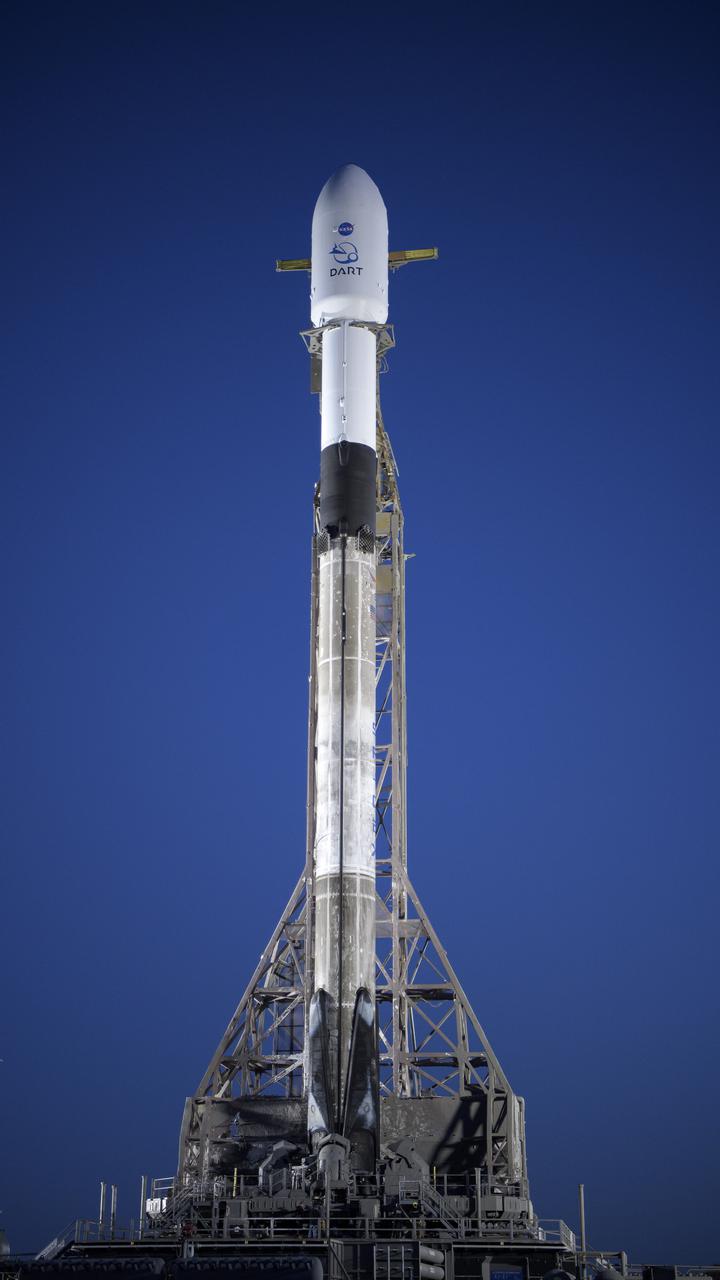
The SpaceX Falcon 9 rocket with the Double Asteroid Redirection Test, or DART, spacecraft onboard, is seen during sunrise, Tuesday, Nov. 23, 2021, at Space Launch Complex 4E, Vandenberg Space Force Base in California. DART is the world’s first full-scale planetary defense test, demonstrating one method of asteroid deflection technology. The mission was built and is managed by the Johns Hopkins APL for NASA’s Planetary Defense Coordination Office. Photo Credit: (NASA/Bill Ingalls)
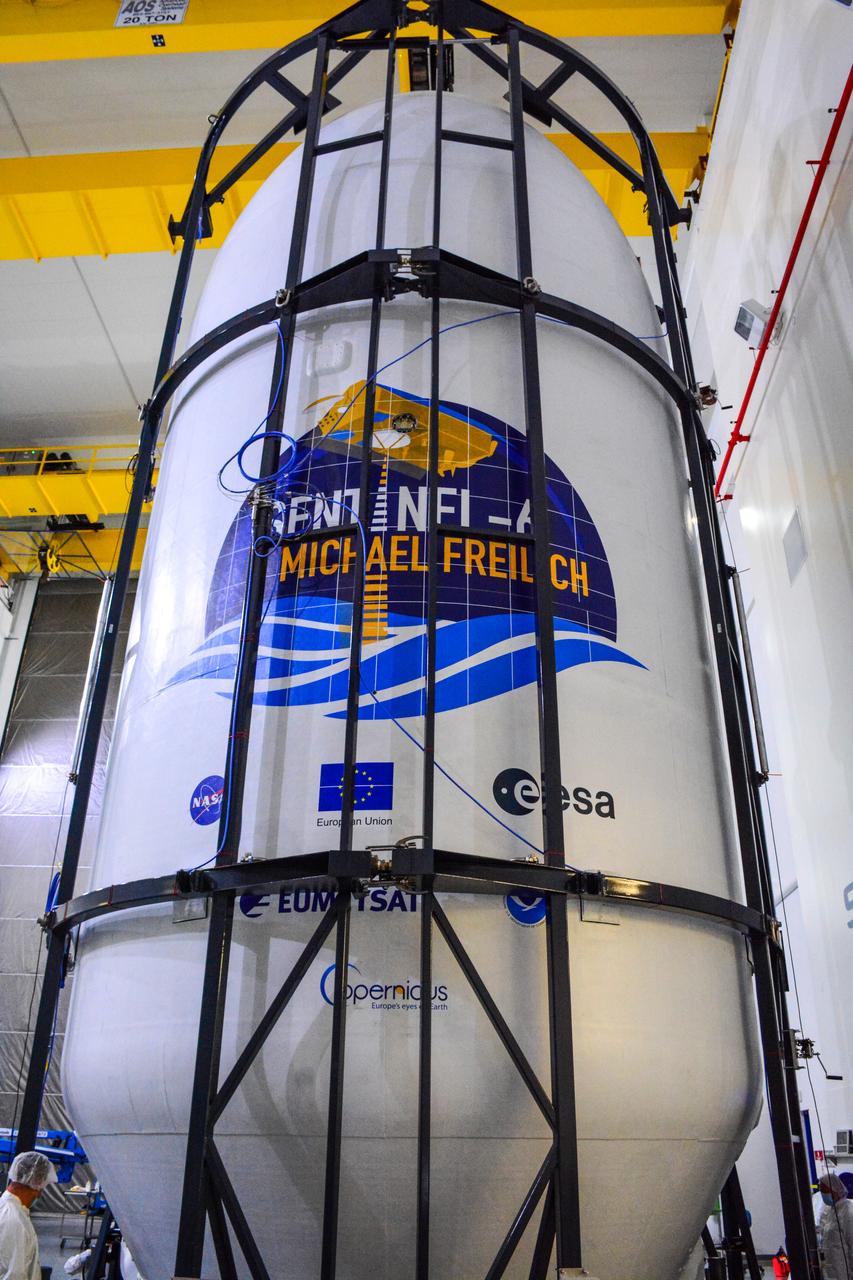
The U.S.-European Sentinel-6 Michael Freilich ocean-monitoring satellite, secured inside the SpaceX Falcon 9 rocket’s payload fairing, is shown inside SpaceX’s Payload Processing Facility at Vandenberg Air Force Base (VAFB) in California following encapsulation on Nov. 3, 2020. Sentinel-6 is scheduled to launch on Nov. 21, 2020, at 12:17 p.m. EST (9:17 a.m. PST), from Space Launch Complex 4E at VAFB. The Launch Services Program at NASA’s Kennedy Space Center in Florida is responsible for launch management.
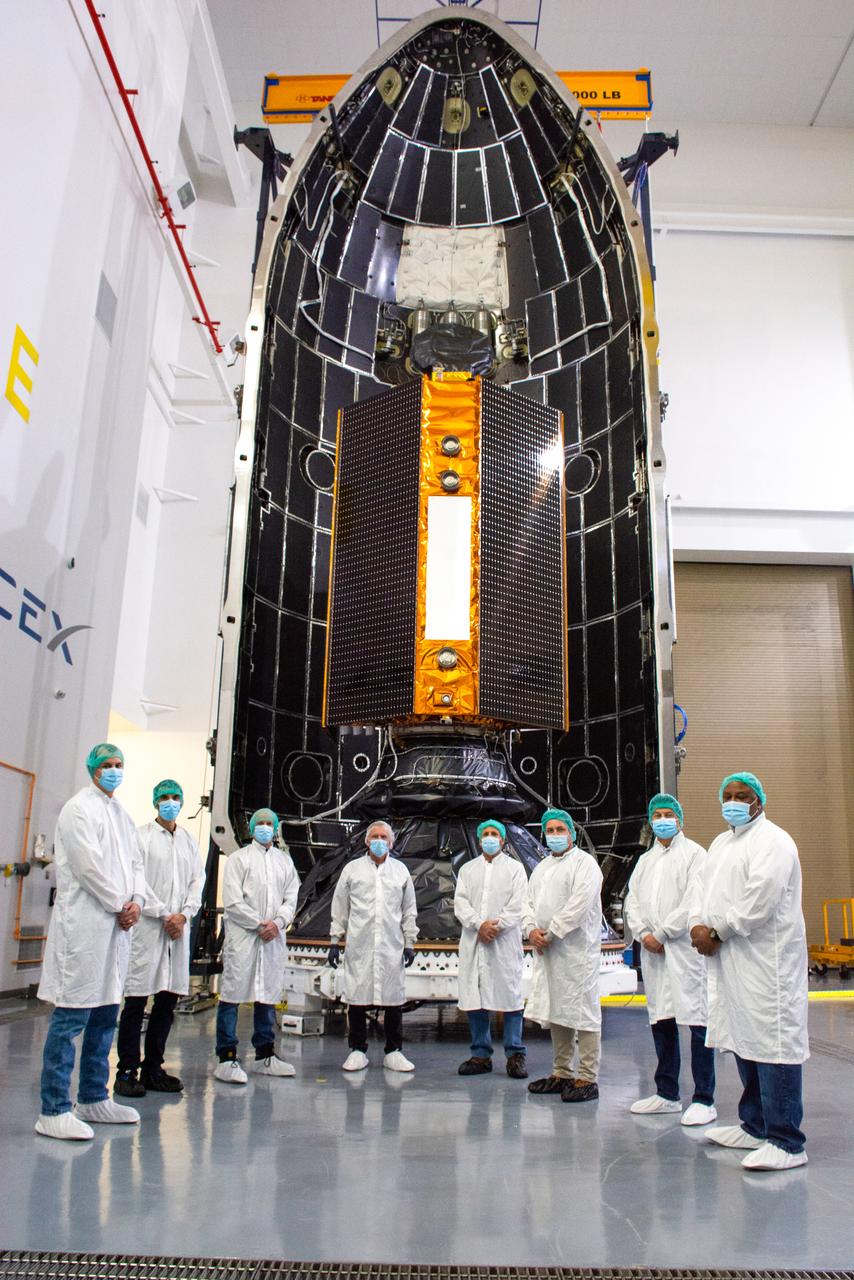
Inside SpaceX’s Payload Processing Facility at Vandenberg Air Force Base in California, the U.S.-European Sentinel-6 Michael Freilich ocean-monitoring satellite is being encapsulated in the SpaceX Falcon 9 payload fairing on Nov. 3, 2020. Sentinel-6 is scheduled to launch on Nov. 21, 2020, at 12:17 p.m. EST (9:17 a.m. PST), atop the SpaceX Falcon 9 rocket from Space Launch Complex 4E at Vandenberg Air Force Base. The Launch Services Program at Kennedy is responsible for launch management.
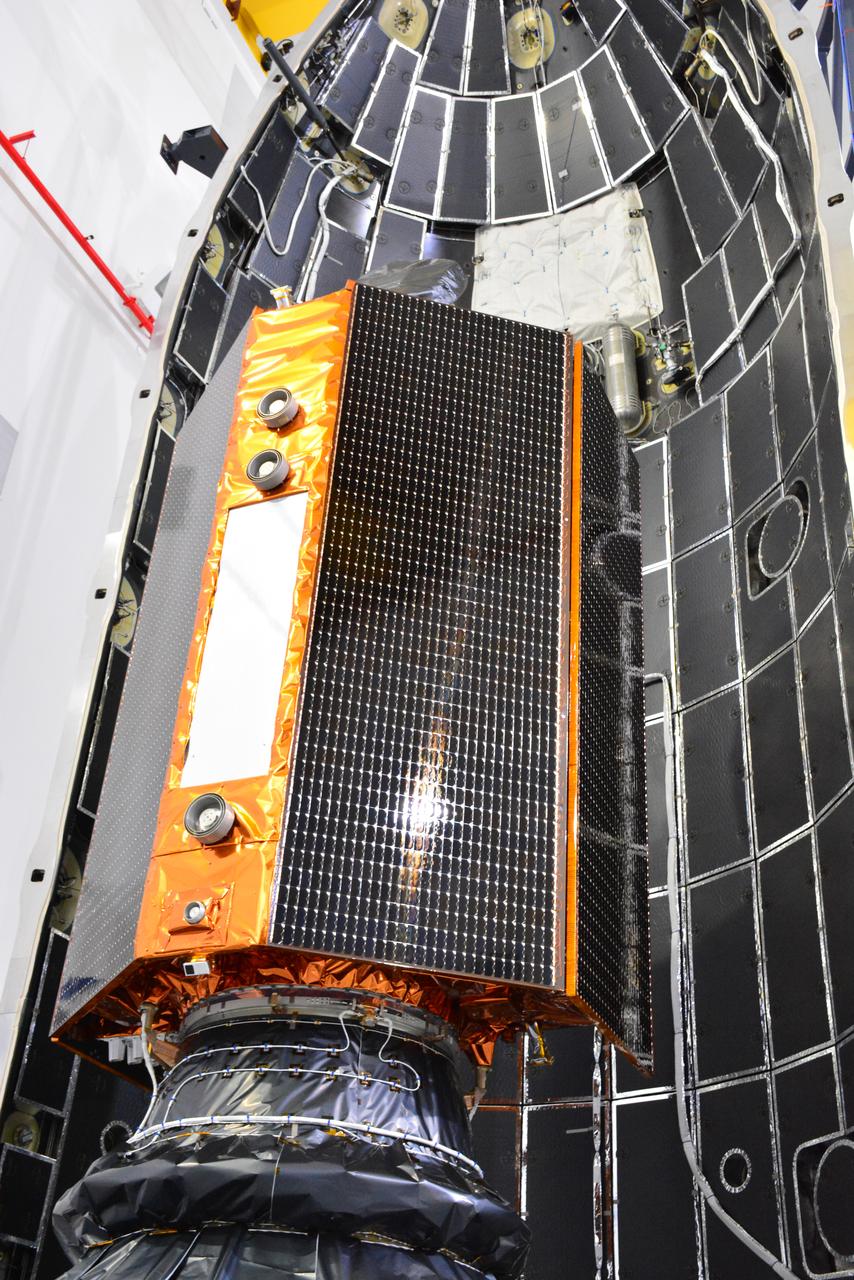
Inside SpaceX’s Payload Processing Facility at Vandenberg Air Force Base in California, the U.S.-European Sentinel-6 Michael Freilich ocean-monitoring satellite is being encapsulated in the SpaceX Falcon 9 payload fairing on Nov. 3, 2020. Sentinel-6 is scheduled to launch on Nov. 21, 2020, at 12:17 p.m. EST (9:17 a.m. PST), atop the SpaceX Falcon 9 rocket from Space Launch Complex 4E at Vandenberg Air Force Base. The Launch Services Program at Kennedy is responsible for launch management.
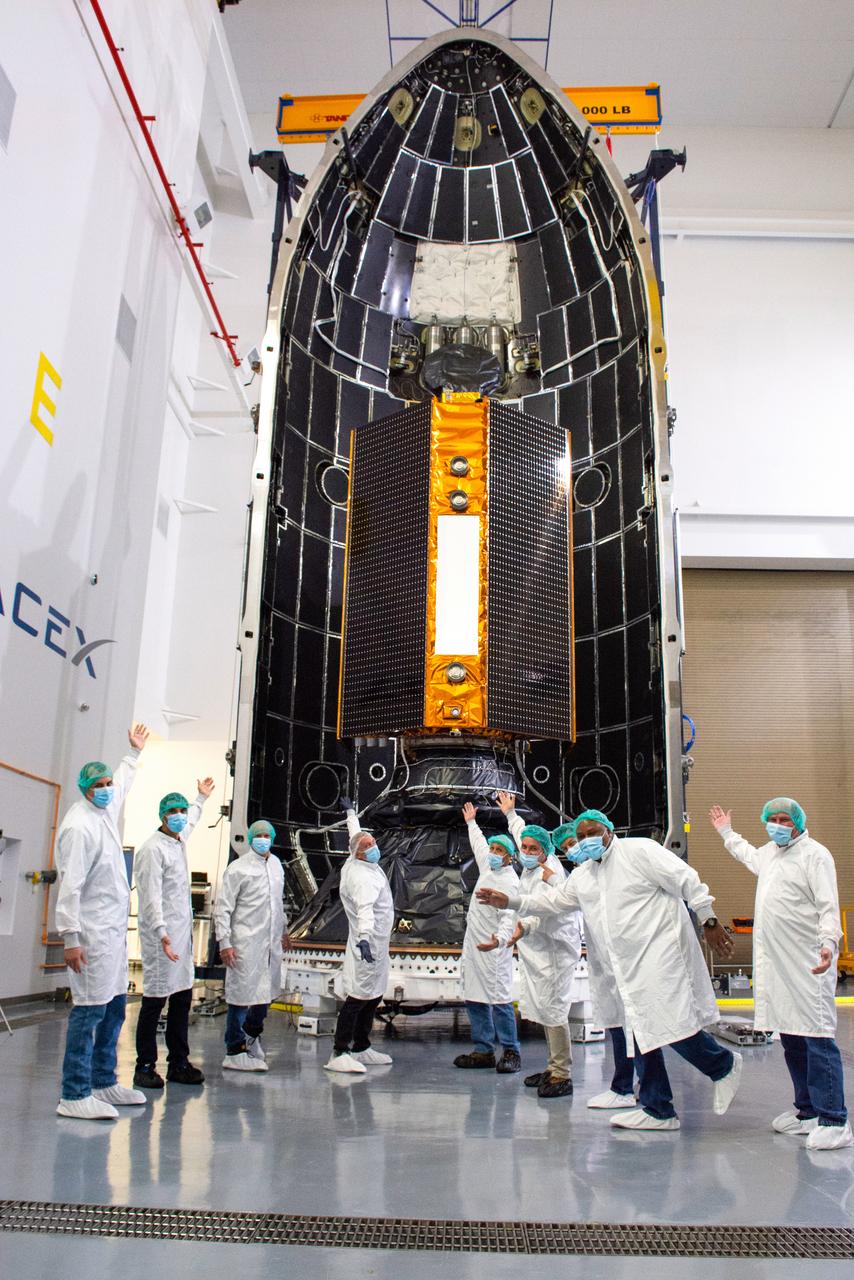
Inside SpaceX’s Payload Processing Facility at Vandenberg Air Force Base in California, the U.S.-European Sentinel-6 Michael Freilich ocean-monitoring satellite is being encapsulated in the SpaceX Falcon 9 payload fairing on Nov. 3, 2020. Sentinel-6 is scheduled to launch on Nov. 21, 2020, at 12:17 p.m. EST (9:17 a.m. PST), atop the SpaceX Falcon 9 rocket from Space Launch Complex 4E at Vandenberg Air Force Base. The Launch Services Program at Kennedy is responsible for launch management.
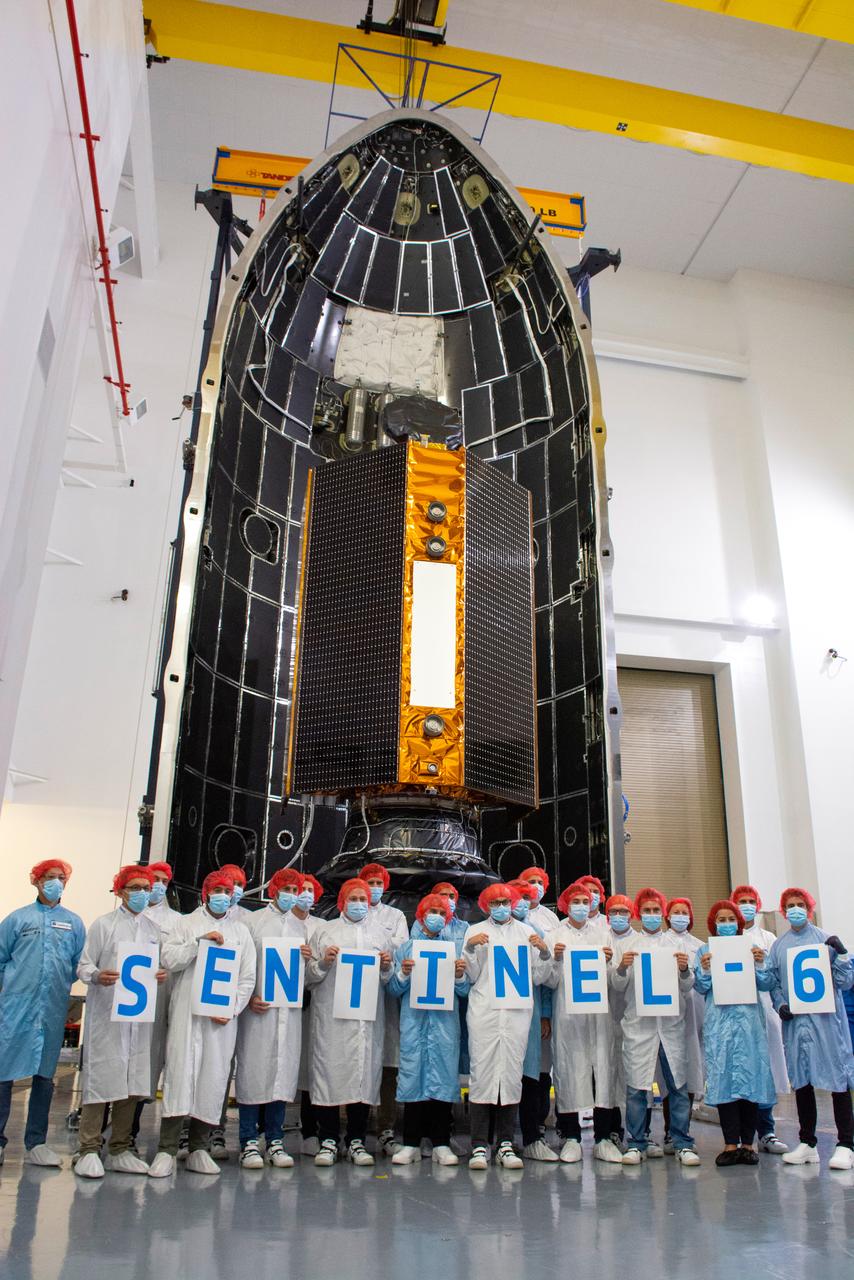
Inside SpaceX’s Payload Processing Facility at Vandenberg Air Force Base in California, the U.S.-European Sentinel-6 Michael Freilich ocean-monitoring satellite is being encapsulated in the SpaceX Falcon 9 payload fairing on Nov. 3, 2020. Sentinel-6 is scheduled to launch on Nov. 21, 2020, at 12:17 p.m. EST (9:17 a.m. PST), atop the SpaceX Falcon 9 rocket from Space Launch Complex 4E at Vandenberg Air Force Base. The Launch Services Program at Kennedy is responsible for launch management.
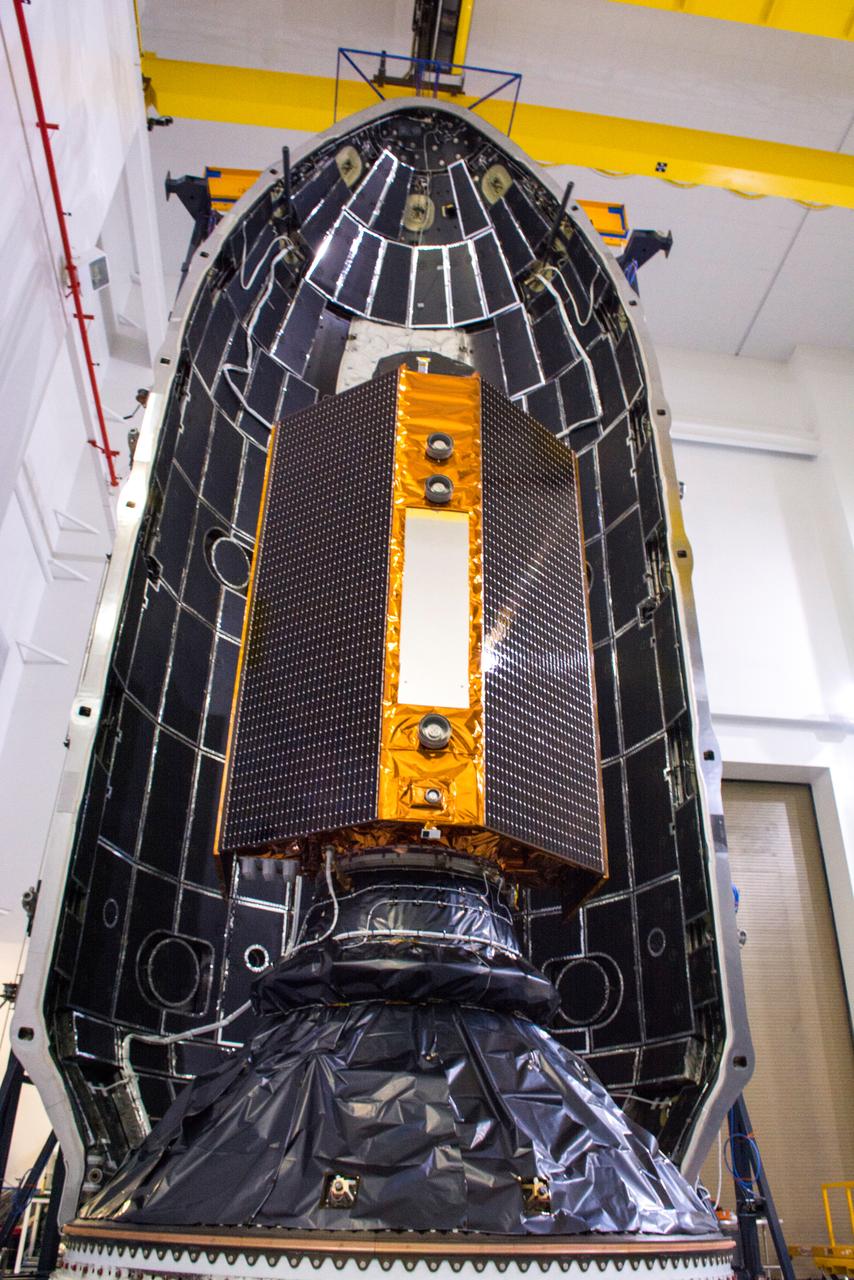
Inside SpaceX’s Payload Processing Facility at Vandenberg Air Force Base in California, the U.S.-European Sentinel-6 Michael Freilich ocean-monitoring satellite is being encapsulated in the SpaceX Falcon 9 payload fairing on Nov. 3, 2020. Sentinel-6 is scheduled to launch on Nov. 21, 2020, at 12:17 p.m. EST (9:17 a.m. PST), atop the SpaceX Falcon 9 rocket from Space Launch Complex 4E at Vandenberg Air Force Base. The Launch Services Program at Kennedy is responsible for launch management.
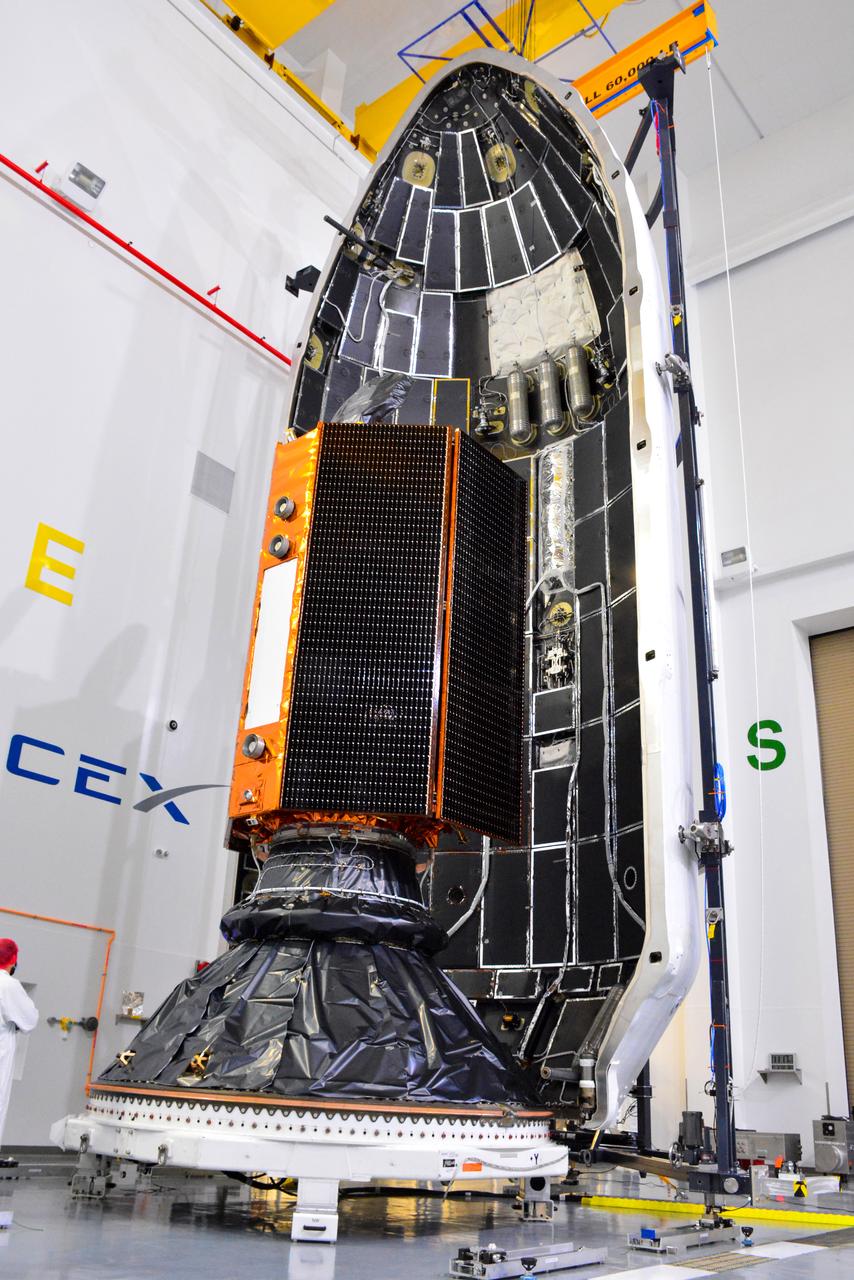
Inside SpaceX’s Payload Processing Facility at Vandenberg Air Force Base in California, the U.S.-European Sentinel-6 Michael Freilich ocean-monitoring satellite is being encapsulated in the SpaceX Falcon 9 payload fairing on Nov. 3, 2020. Sentinel-6 is scheduled to launch on Nov. 21, 2020, at 12:17 p.m. EST (9:17 a.m. PST), atop the SpaceX Falcon 9 rocket from Space Launch Complex 4E at Vandenberg Air Force Base. The Launch Services Program at Kennedy is responsible for launch management.
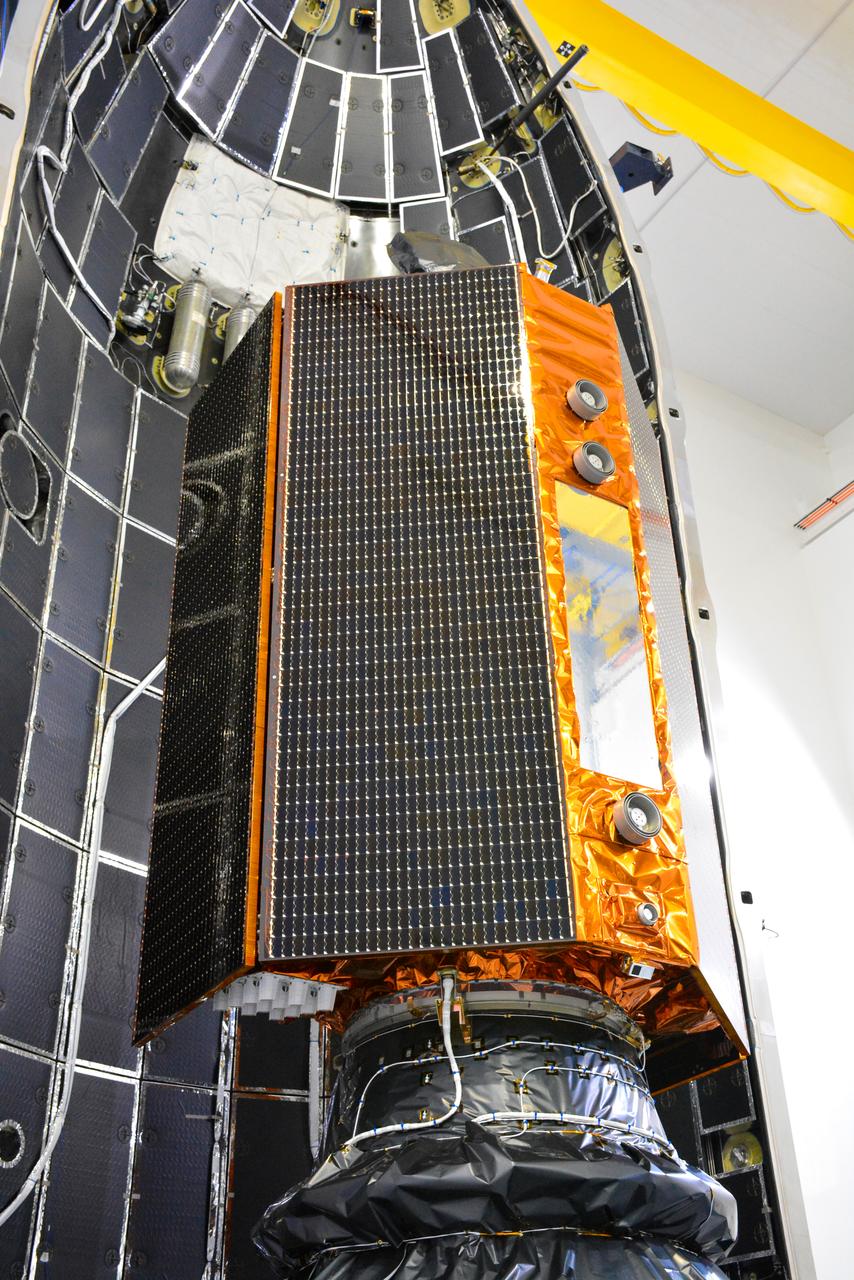
Inside SpaceX’s Payload Processing Facility at Vandenberg Air Force Base in California, the U.S.-European Sentinel-6 Michael Freilich ocean-monitoring satellite is being encapsulated in the SpaceX Falcon 9 payload fairing on Nov. 3, 2020. Sentinel-6 is scheduled to launch on Nov. 21, 2020, at 12:17 p.m. EST (9:17 a.m. PST), atop the SpaceX Falcon 9 rocket from Space Launch Complex 4E at Vandenberg Air Force Base. The Launch Services Program at Kennedy is responsible for launch management.
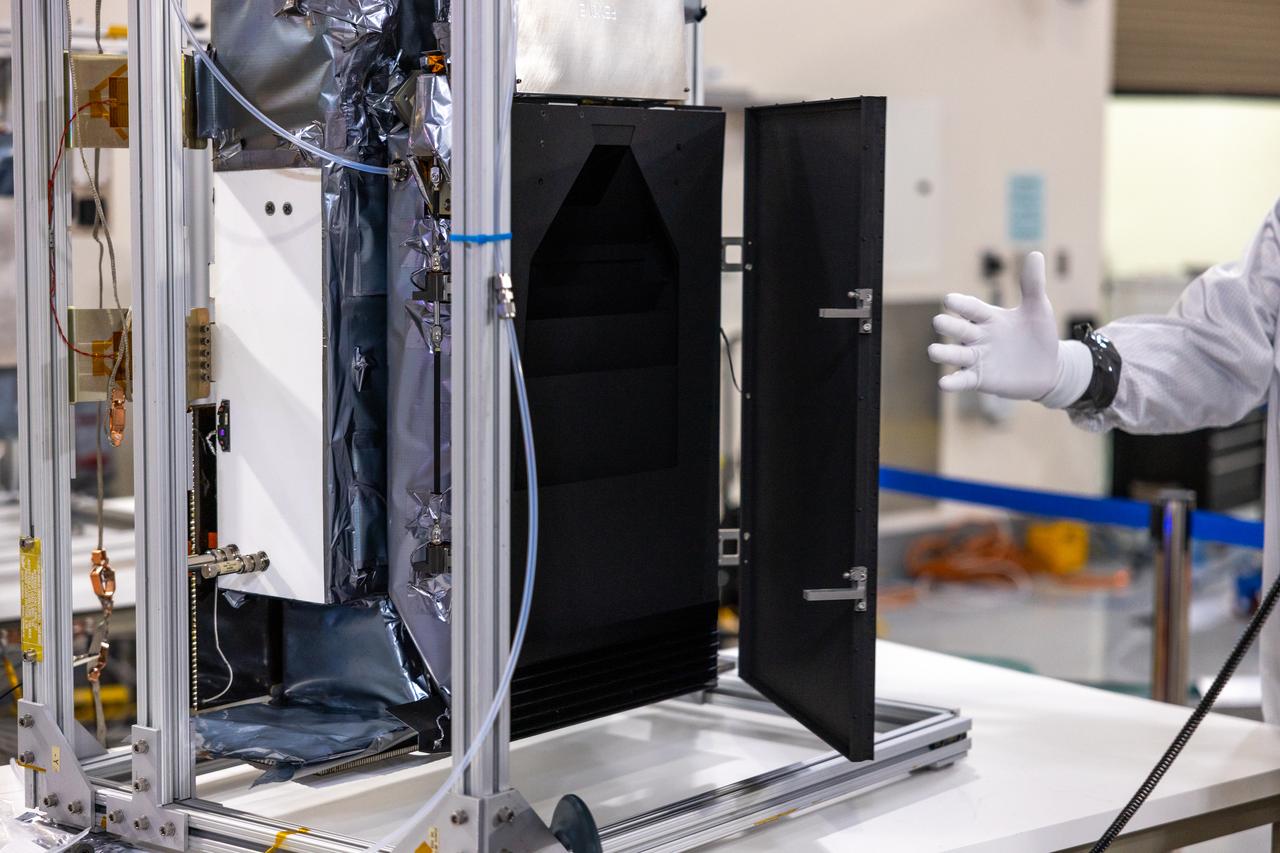
Crews conduct additional solar array deployment testing for NASA’s PUNCH (Polarimeter to Unify the Corona and Heliosphere) satellites at Astrotech Space Operations located on Vandenberg Space Force Base in California on Wednesday, Jan. 22, 2025. PUNCH, consisting of four satellites, will produce continuous 3D images of the solar wind and solar storms as it travels from the Sun to Earth to better understand how material in the corona accelerates. PUNCH, along with NASA’s SPHEREx (Spectro-Photometer for the History of the Universe, Epoch of Reionization and Ices Explorer), a space telescope, will launch aboard a SpaceX Falcon 9 rocket from Launch Complex 4E at Vandenberg Space Force Base in Central California on Thursday, Feb. 27, 2025.
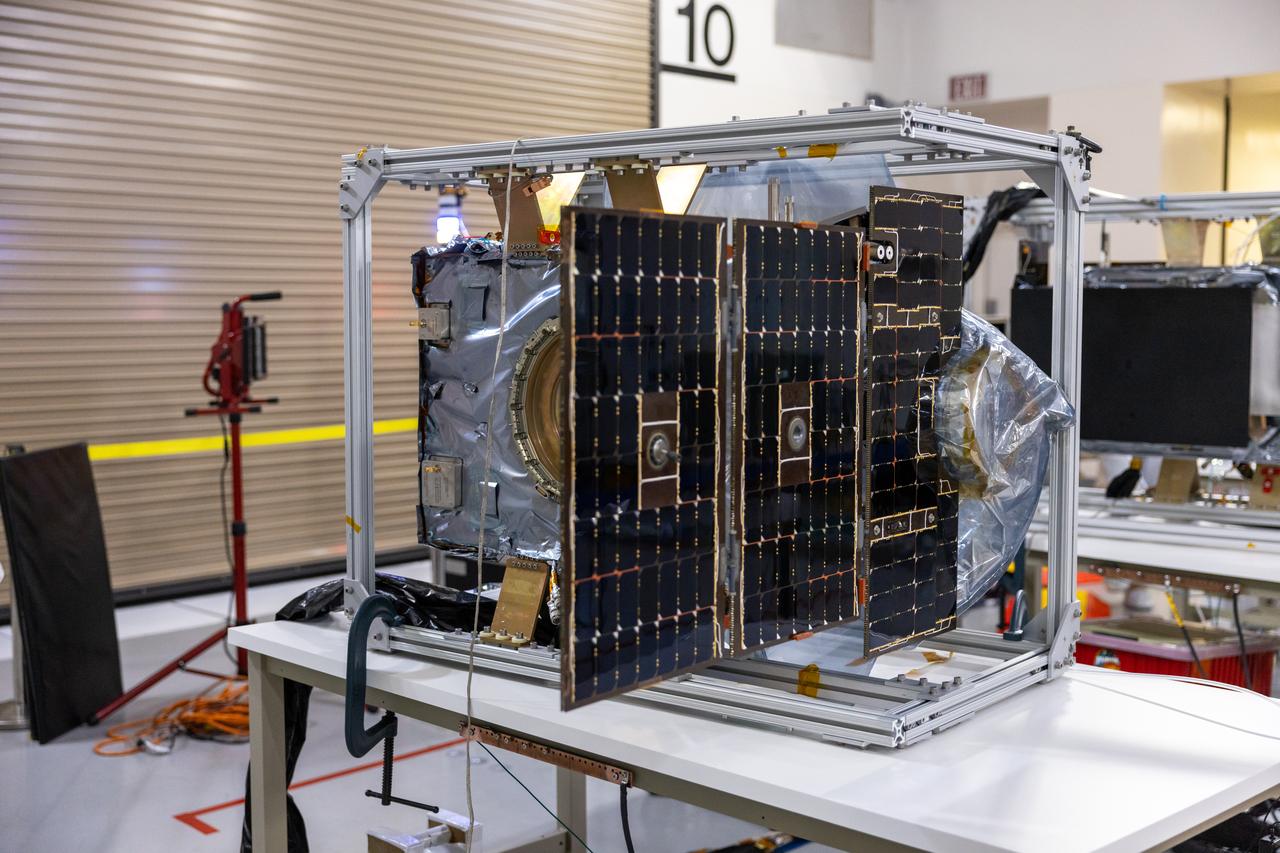
Crews conduct additional solar array deployment testing for NASA’s PUNCH (Polarimeter to Unify the Corona and Heliosphere) satellites at Astrotech Space Operations located on Vandenberg Space Force Base in California on Wednesday, Jan. 22, 2025. PUNCH, consisting of four satellites, will produce continuous 3D images of the solar wind and solar storms as it travels from the Sun to Earth to better understand how material in the corona accelerates. PUNCH, along with NASA’s SPHEREx (Spectro-Photometer for the History of the Universe, Epoch of Reionization and Ices Explorer), a space telescope, will launch aboard a SpaceX Falcon 9 rocket from Launch Complex 4E at Vandenberg Space Force Base in Central California on Thursday, Feb. 27, 2025.
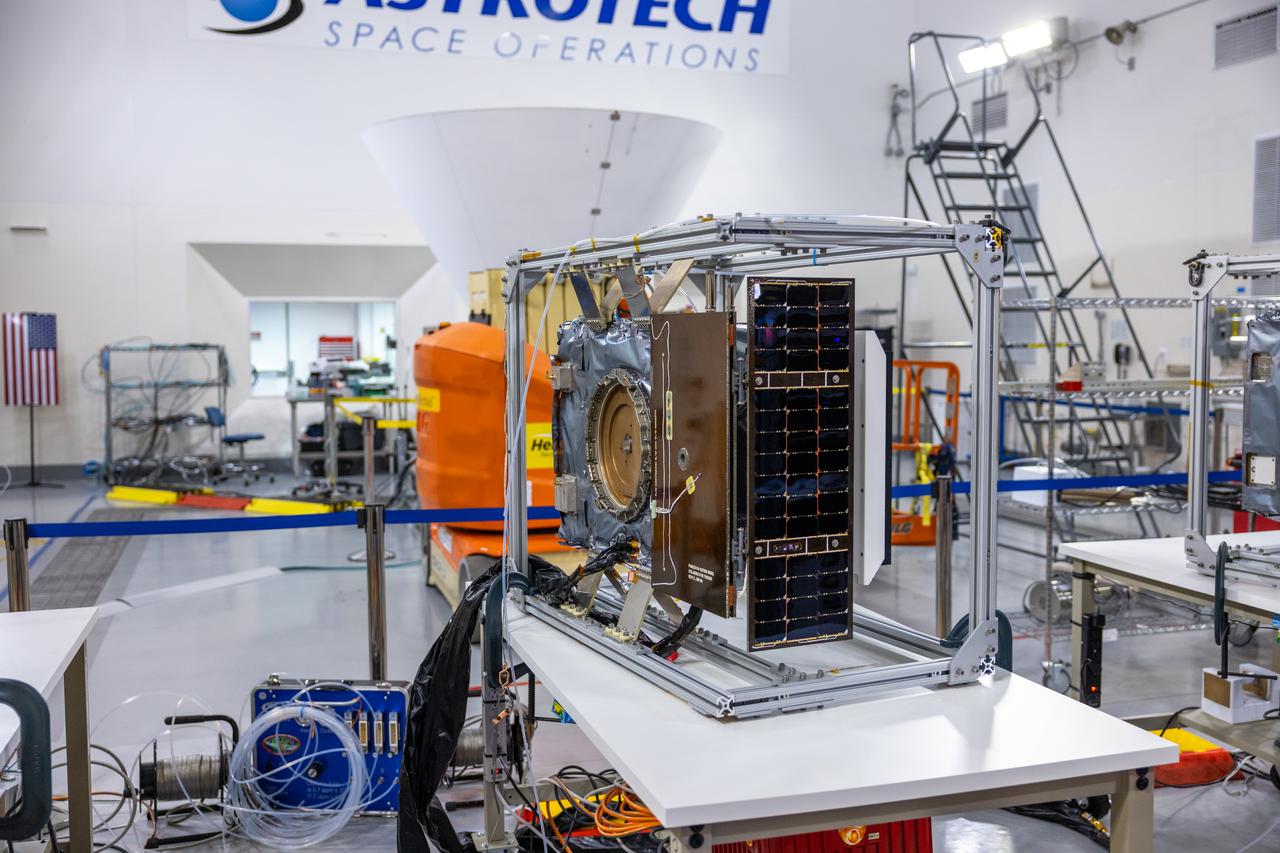
Crews conduct additional solar array deployment testing for NASA’s PUNCH (Polarimeter to Unify the Corona and Heliosphere) satellites at Astrotech Space Operations located on Vandenberg Space Force Base in California on Wednesday, Jan. 22, 2025. PUNCH, consisting of four satellites, will produce continuous 3D images of the solar wind and solar storms as it travels from the Sun to Earth to better understand how material in the corona accelerates. PUNCH, along with NASA’s SPHEREx (Spectro-Photometer for the History of the Universe, Epoch of Reionization and Ices Explorer), a space telescope, will launch aboard a SpaceX Falcon 9 rocket from Launch Complex 4E at Vandenberg Space Force Base in Central California on Thursday, Feb. 27, 2025.
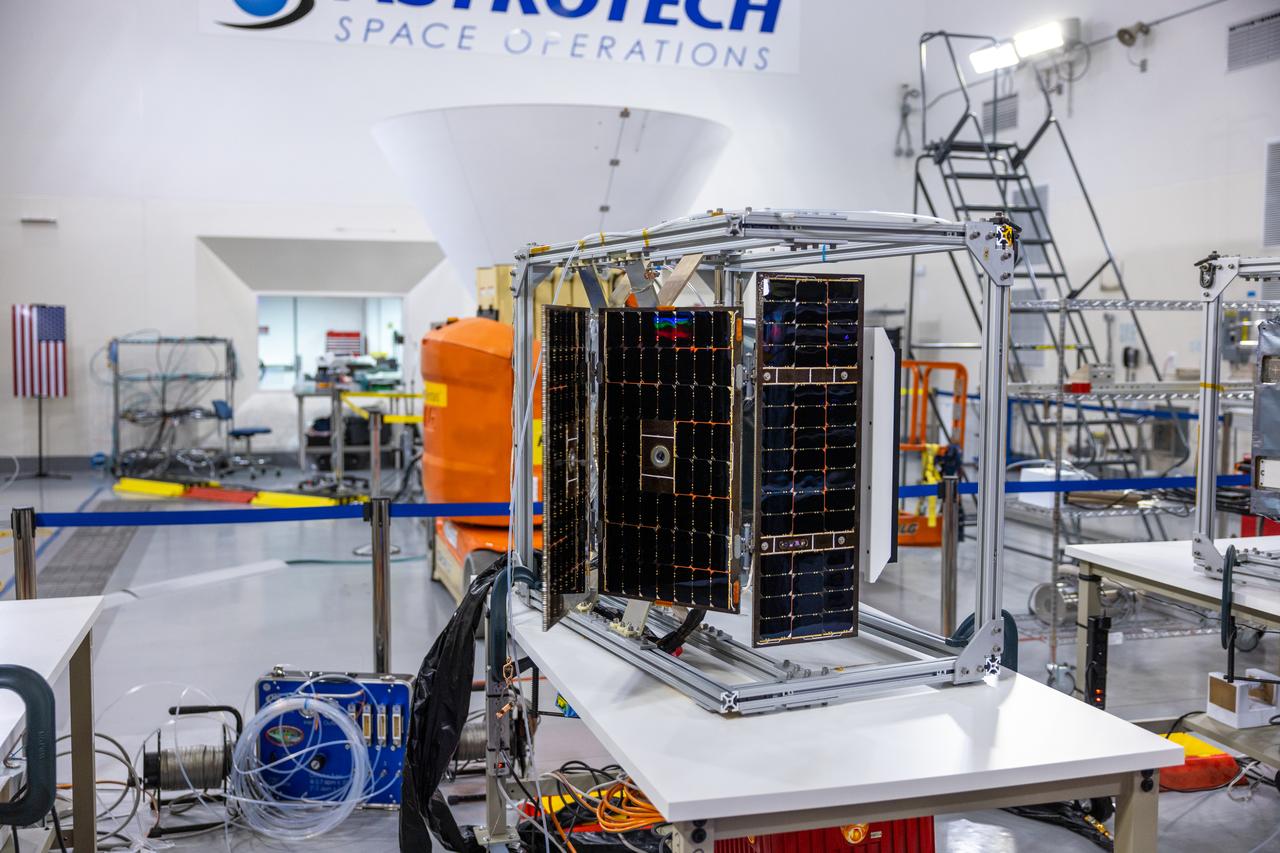
Crews conduct additional solar array deployment testing for NASA’s PUNCH (Polarimeter to Unify the Corona and Heliosphere) satellites at Astrotech Space Operations located on Vandenberg Space Force Base in California on Wednesday, Jan. 22, 2025. PUNCH, consisting of four satellites, will produce continuous 3D images of the solar wind and solar storms as it travels from the Sun to Earth to better understand how material in the corona accelerates. PUNCH, along with NASA’s SPHEREx (Spectro-Photometer for the History of the Universe, Epoch of Reionization and Ices Explorer), a space telescope, will launch aboard a SpaceX Falcon 9 rocket from Launch Complex 4E at Vandenberg Space Force Base in Central California on Thursday, Feb. 27, 2025.
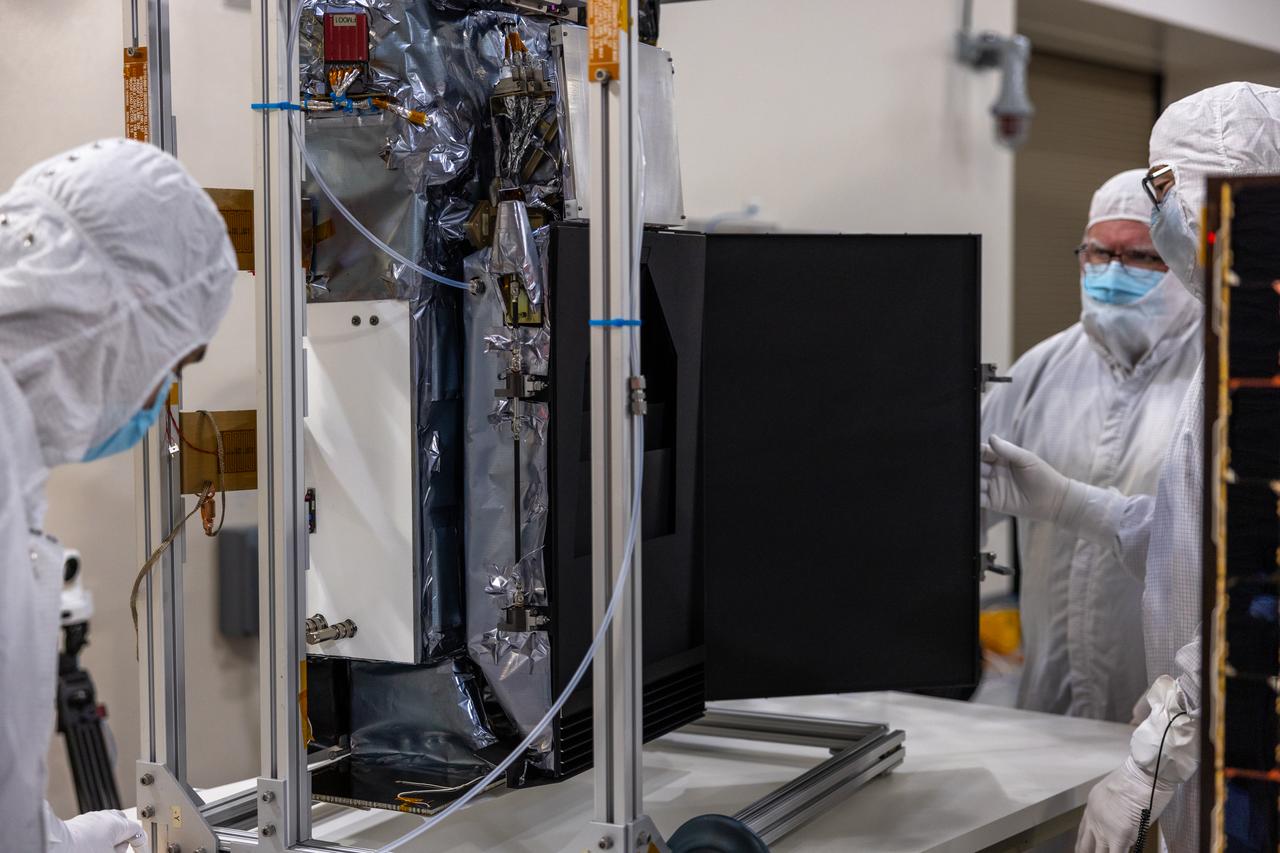
Crews conduct additional solar array deployment testing for NASA’s PUNCH (Polarimeter to Unify the Corona and Heliosphere) satellites at Astrotech Space Operations located on Vandenberg Space Force Base in California on Wednesday, Jan. 22, 2025. PUNCH, consisting of four satellites, will produce continuous 3D images of the solar wind and solar storms as it travels from the Sun to Earth to better understand how material in the corona accelerates. PUNCH, along with NASA’s SPHEREx (Spectro-Photometer for the History of the Universe, Epoch of Reionization and Ices Explorer), a space telescope, will launch aboard a SpaceX Falcon 9 rocket from Launch Complex 4E at Vandenberg Space Force Base in Central California on Thursday, Feb. 27, 2025.
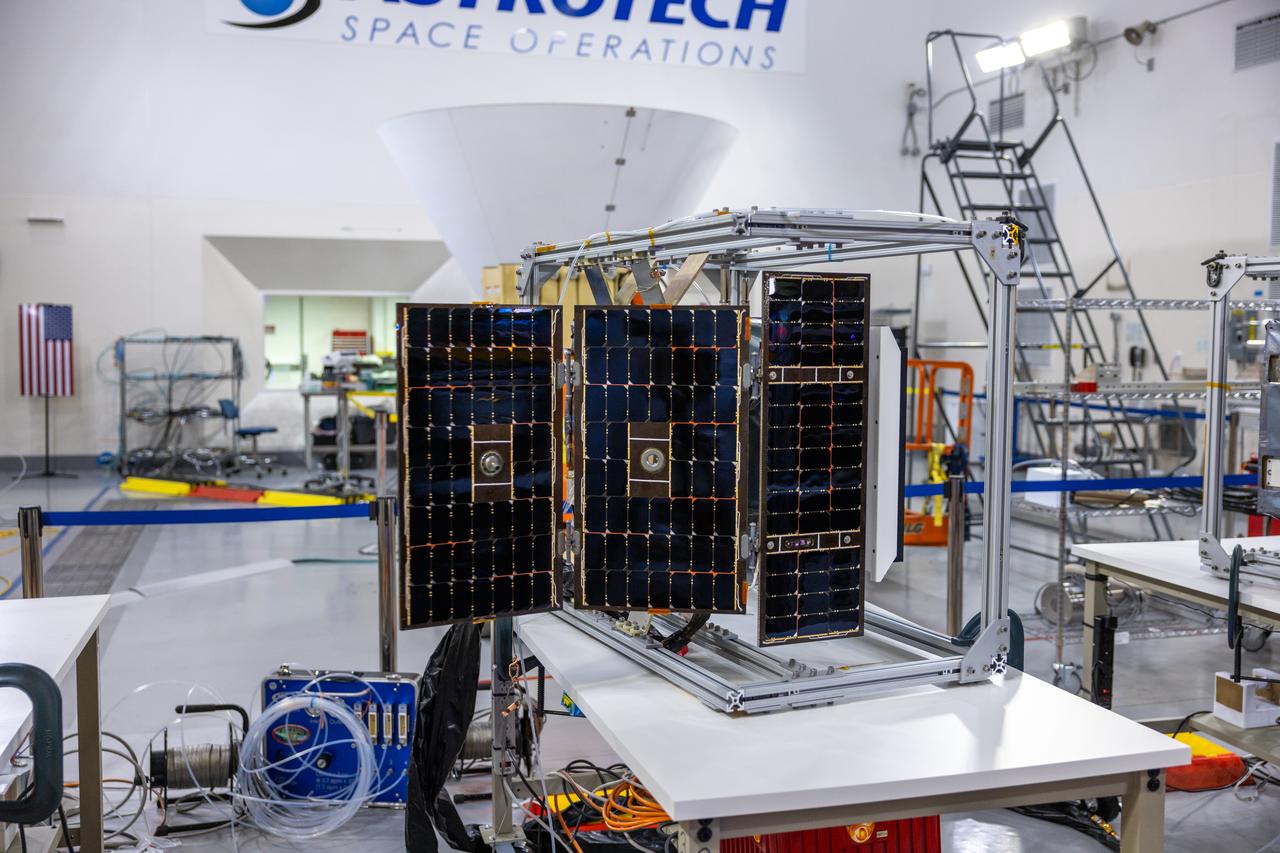
Crews conduct additional solar array deployment testing for NASA’s PUNCH (Polarimeter to Unify the Corona and Heliosphere) satellites at Astrotech Space Operations located on Vandenberg Space Force Base in California on Wednesday, Jan. 22, 2025. PUNCH, consisting of four satellites, will produce continuous 3D images of the solar wind and solar storms as it travels from the Sun to Earth to better understand how material in the corona accelerates. PUNCH, along with NASA’s SPHEREx (Spectro-Photometer for the History of the Universe, Epoch of Reionization and Ices Explorer), a space telescope, will launch aboard a SpaceX Falcon 9 rocket from Launch Complex 4E at Vandenberg Space Force Base in Central California on Thursday, Feb. 27, 2025.
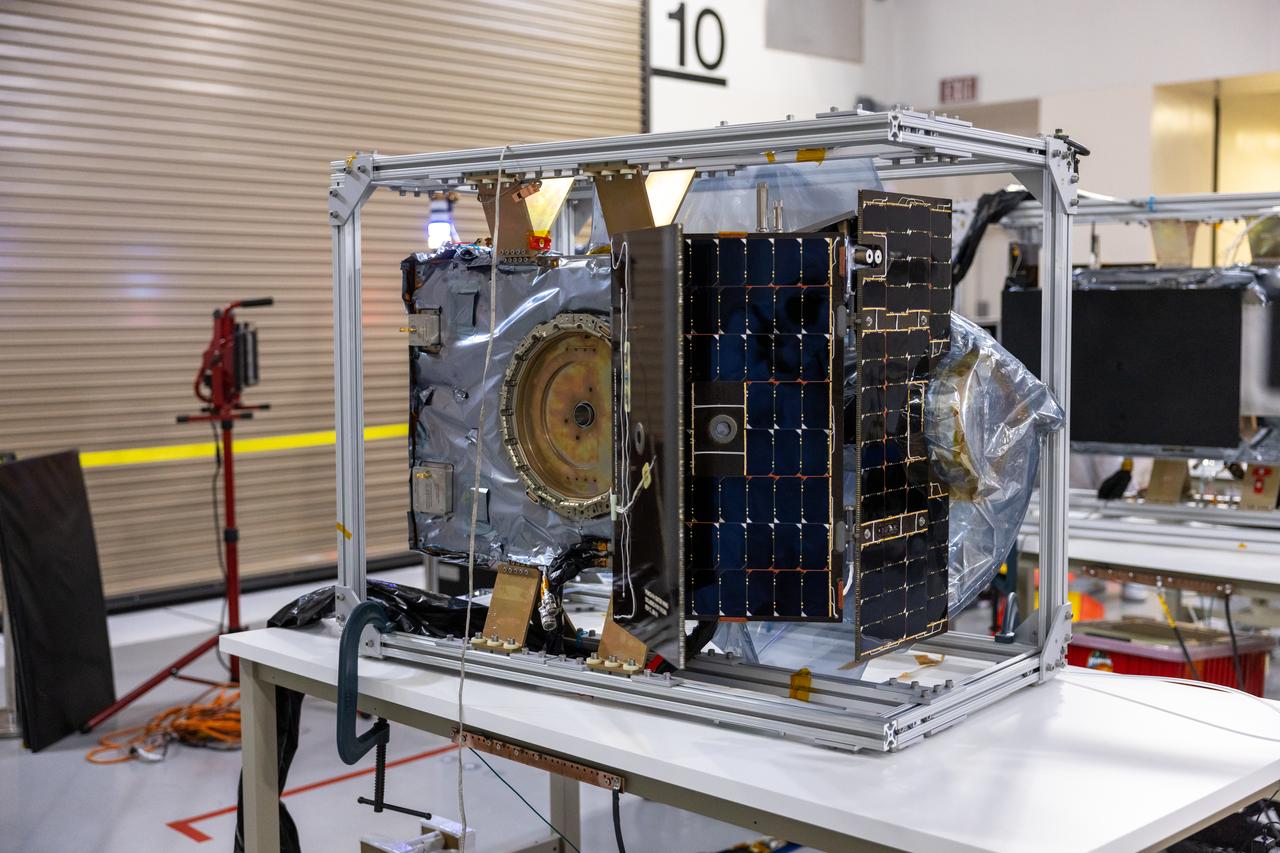
Crews conduct additional solar array deployment testing for NASA’s PUNCH (Polarimeter to Unify the Corona and Heliosphere) satellites at Astrotech Space Operations located on Vandenberg Space Force Base in California on Wednesday, Jan. 22, 2025. PUNCH, consisting of four satellites, will produce continuous 3D images of the solar wind and solar storms as it travels from the Sun to Earth to better understand how material in the corona accelerates. PUNCH, along with NASA’s SPHEREx (Spectro-Photometer for the History of the Universe, Epoch of Reionization and Ices Explorer), a space telescope, will launch aboard a SpaceX Falcon 9 rocket from Launch Complex 4E at Vandenberg Space Force Base in Central California on Thursday, Feb. 27, 2025.
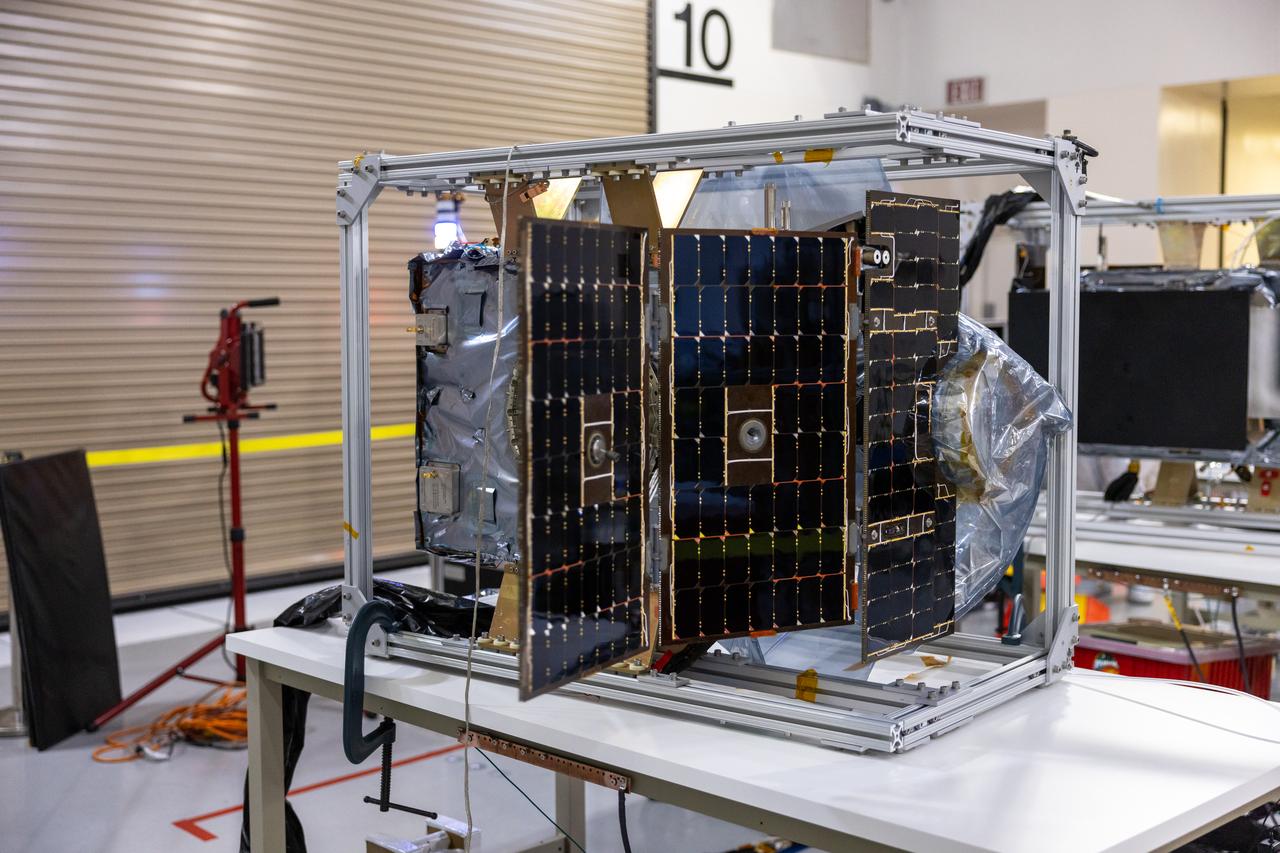
Crews conduct additional solar array deployment testing for NASA’s PUNCH (Polarimeter to Unify the Corona and Heliosphere) satellites at Astrotech Space Operations located on Vandenberg Space Force Base in California on Wednesday, Jan. 22, 2025. PUNCH, consisting of four satellites, will produce continuous 3D images of the solar wind and solar storms as it travels from the Sun to Earth to better understand how material in the corona accelerates. PUNCH, along with NASA’s SPHEREx (Spectro-Photometer for the History of the Universe, Epoch of Reionization and Ices Explorer), a space telescope, will launch aboard a SpaceX Falcon 9 rocket from Launch Complex 4E at Vandenberg Space Force Base in Central California on Thursday, Feb. 27, 2025.
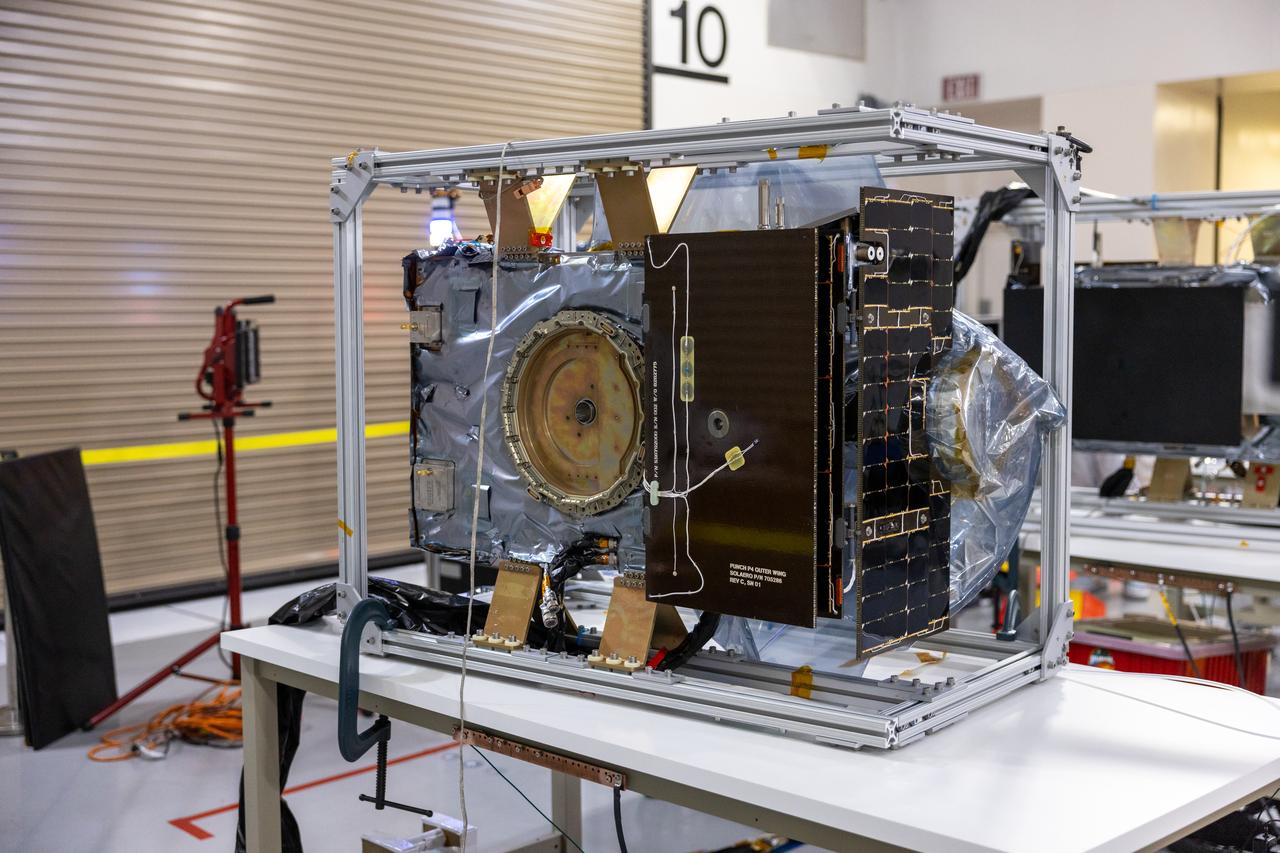
Crews conduct additional solar array deployment testing for NASA’s PUNCH (Polarimeter to Unify the Corona and Heliosphere) satellites at Astrotech Space Operations located on Vandenberg Space Force Base in California on Wednesday, Jan. 22, 2025. PUNCH, consisting of four satellites, will produce continuous 3D images of the solar wind and solar storms as it travels from the Sun to Earth to better understand how material in the corona accelerates. PUNCH, along with NASA’s SPHEREx (Spectro-Photometer for the History of the Universe, Epoch of Reionization and Ices Explorer), a space telescope, will launch aboard a SpaceX Falcon 9 rocket from Launch Complex 4E at Vandenberg Space Force Base in Central California on Thursday, Feb. 27, 2025.
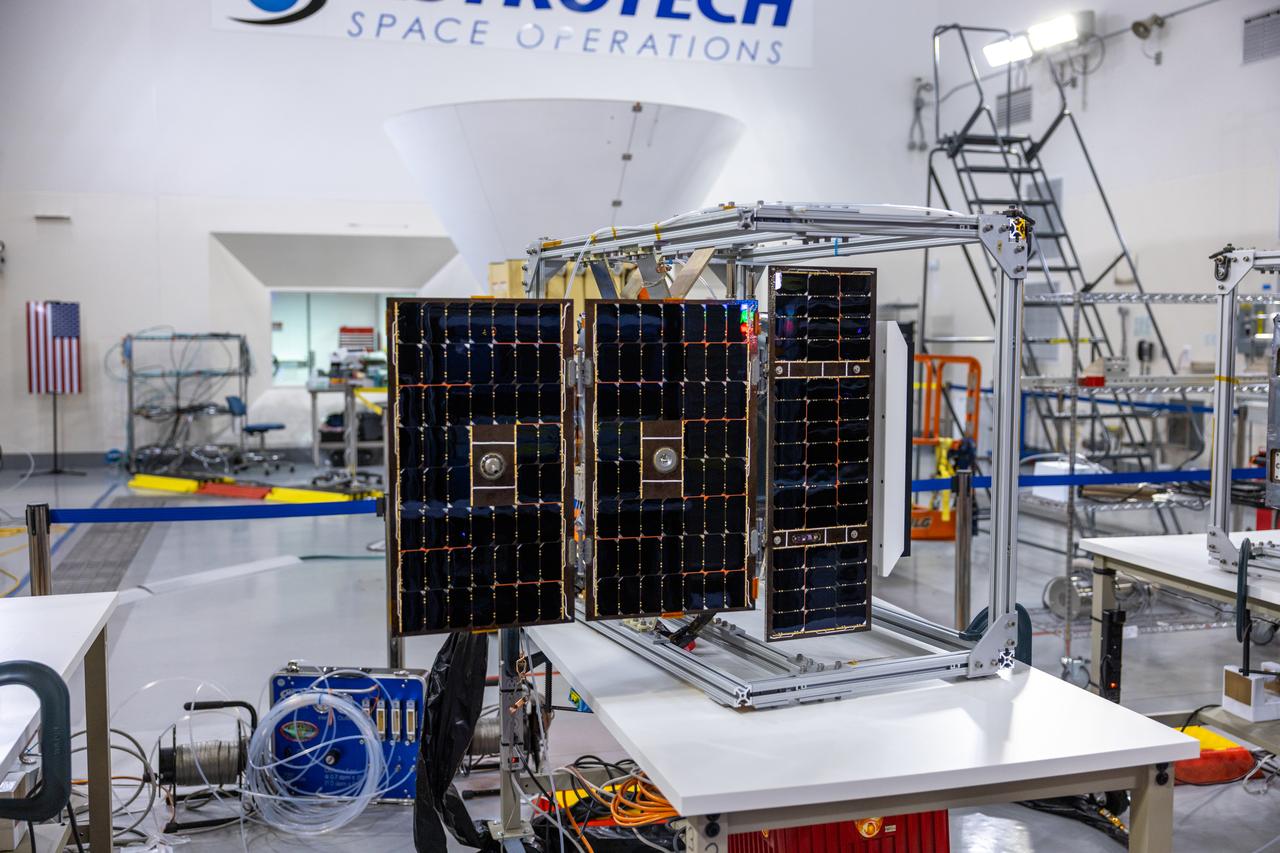
Crews conduct additional solar array deployment testing for NASA’s PUNCH (Polarimeter to Unify the Corona and Heliosphere) satellites at Astrotech Space Operations located on Vandenberg Space Force Base in California on Wednesday, Jan. 22, 2025. PUNCH, consisting of four satellites, will produce continuous 3D images of the solar wind and solar storms as it travels from the Sun to Earth to better understand how material in the corona accelerates. PUNCH, along with NASA’s SPHEREx (Spectro-Photometer for the History of the Universe, Epoch of Reionization and Ices Explorer), a space telescope, will launch aboard a SpaceX Falcon 9 rocket from Launch Complex 4E at Vandenberg Space Force Base in Central California on Thursday, Feb. 27, 2025.
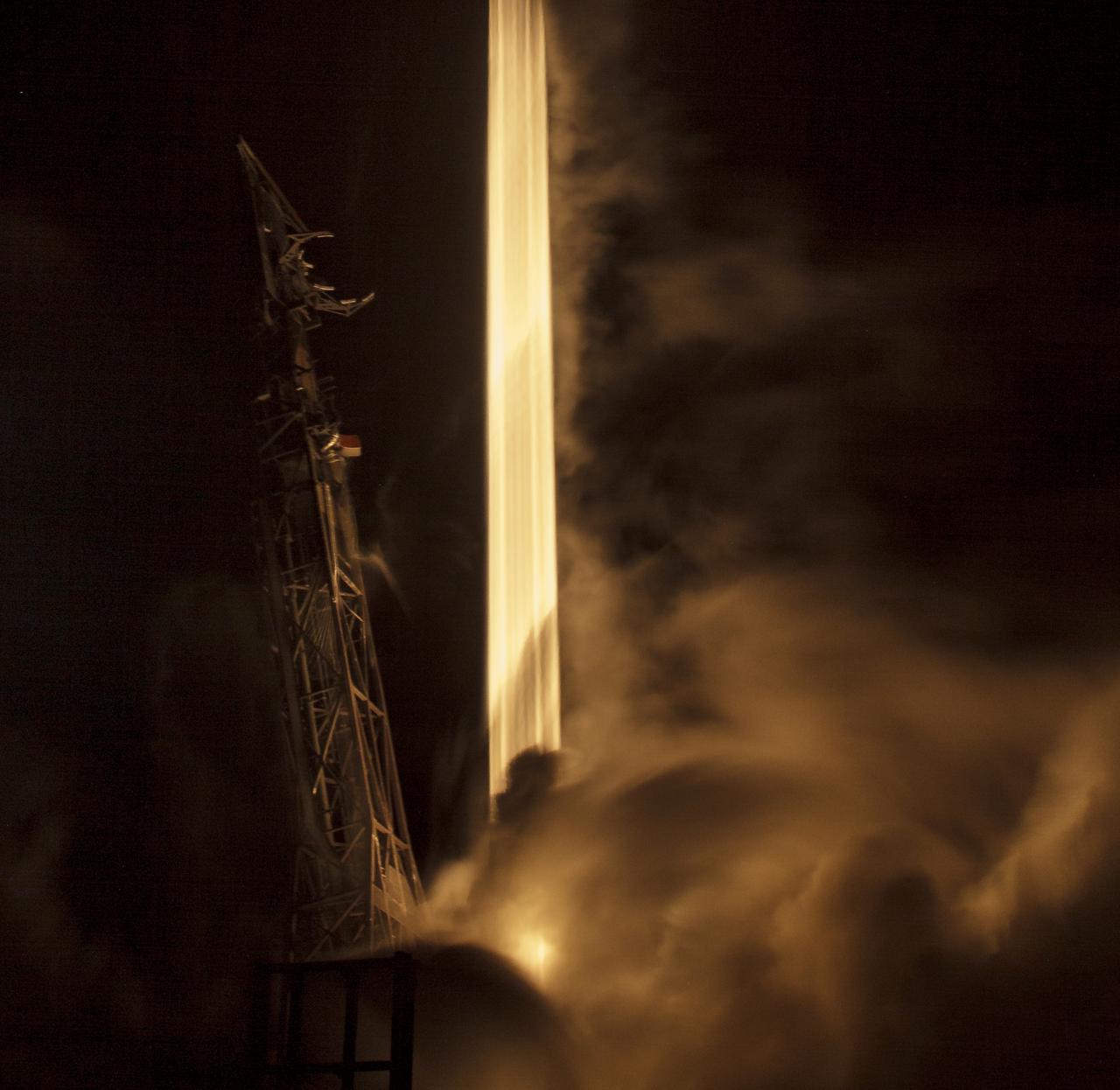
The SpaceX Falcon 9 rocket is seen in this 30-second exposure photograph as it launches with the Double Asteroid Redirection Test, or DART, spacecraft onboard, Tuesday, Nov. 23, 2021, Pacific time (Nov. 24 Eastern time) from Space Launch Complex 4E at Vandenberg Space Force Base in California. DART is the world’s first full-scale planetary defense test, demonstrating one method of asteroid deflection technology. The mission was built and is managed by Johns Hopkins APL for NASA’s Planetary Defense Coordination Office. Photo Credit: (NASA/Bill Ingalls)

Long exposure photograph showing the NASA/German Research Centre for Geosciences GRACE Follow-On spacecraft launching onboard a SpaceX Falcon 9 rocket, Tuesday, May 22, 2018, from Space Launch Complex 4E at Vandenberg Air Force Base in California. The mission will measure changes in how mass is redistributed within and among Earth's atmosphere, oceans, land and ice sheets, as well as within Earth itself. GRACE-FO is sharing its ride to orbit with five Iridium NEXT communications satellites as part of a commercial rideshare agreement. Photo Credit: (NASA/Bill Ingalls)
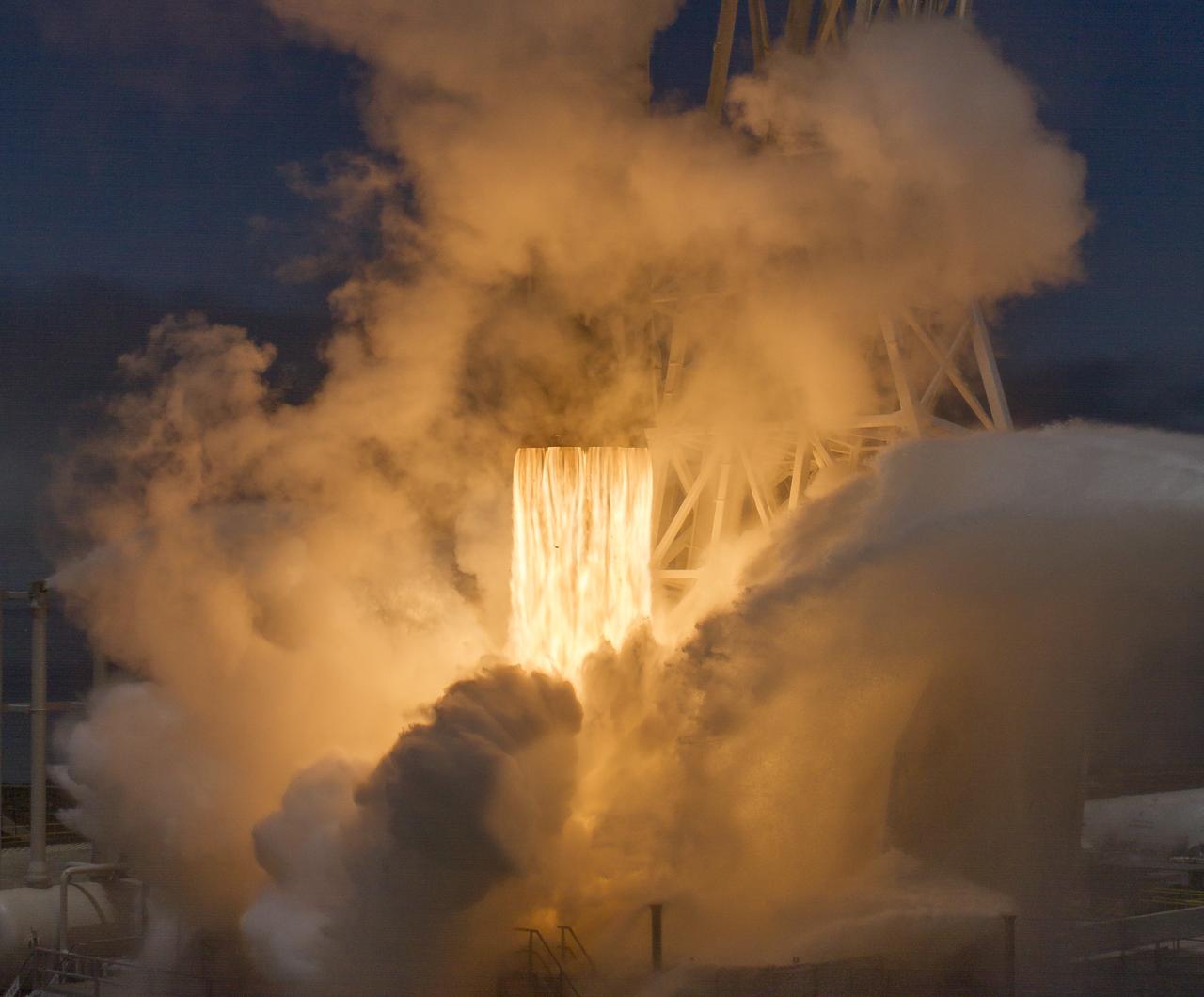
The NASA/German Research Centre for Geosciences GRACE Follow-On spacecraft launch onboard a SpaceX Falcon 9 rocket, Tuesday, May 22, 2018, from Space Launch Complex 4E at Vandenberg Air Force Base in California. The mission will measure changes in how mass is redistributed within and among Earth's atmosphere, oceans, land and ice sheets, as well as within Earth itself. GRACE-FO is sharing its ride to orbit with five Iridium NEXT communications satellites as part of a commercial rideshare agreement. Photo Credit: (NASA/Bill Ingalls)
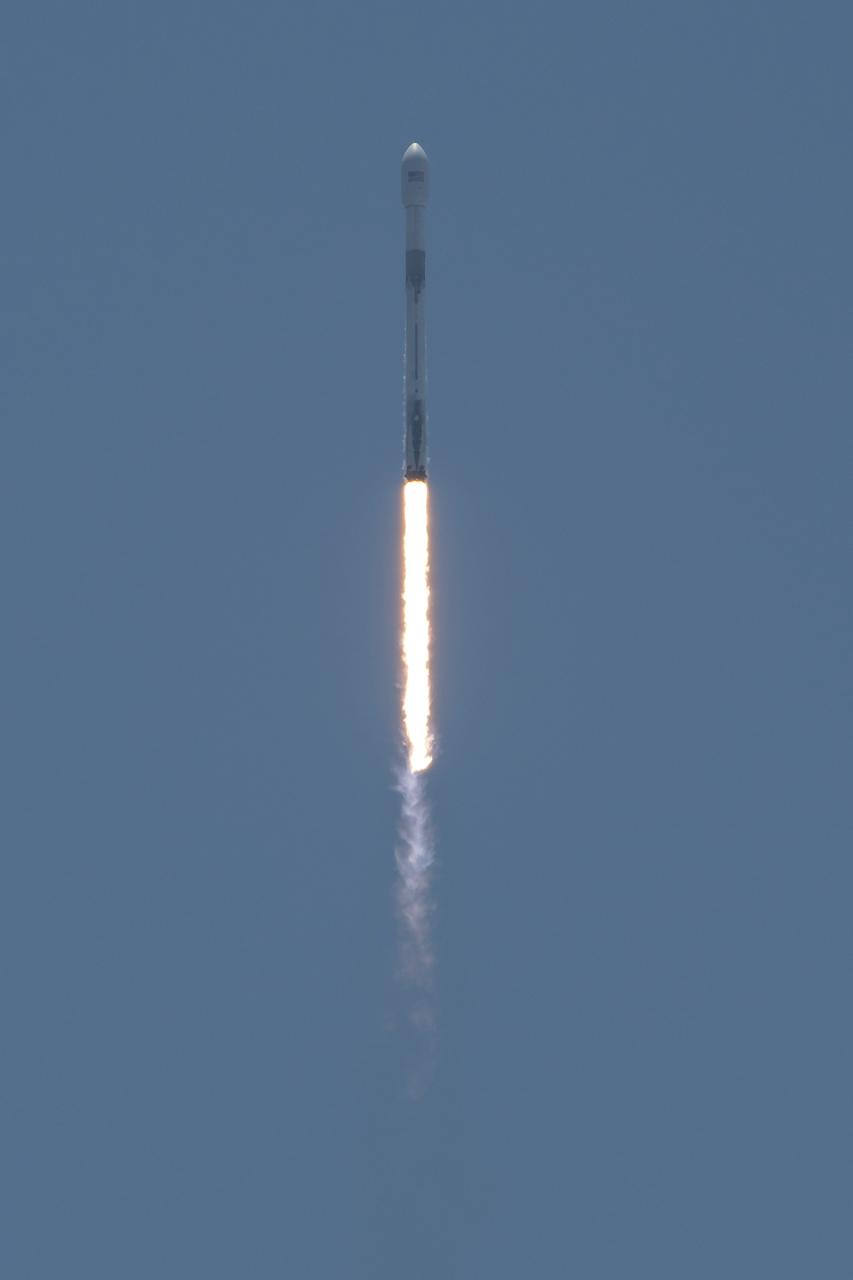
The NASA/German Research Centre for Geosciences GRACE Follow-On spacecraft launch onboard a SpaceX Falcon 9 rocket, Tuesday, May 22, 2018, from Space Launch Complex 4E at Vandenberg Air Force Base in California. The mission will measure changes in how mass is redistributed within and among Earth's atmosphere, oceans, land and ice sheets, as well as within Earth itself. GRACE-FO is sharing its ride to orbit with five Iridium NEXT communications satellites as part of a commercial rideshare agreement. Photo Credit: (NASA/Bill Ingalls)
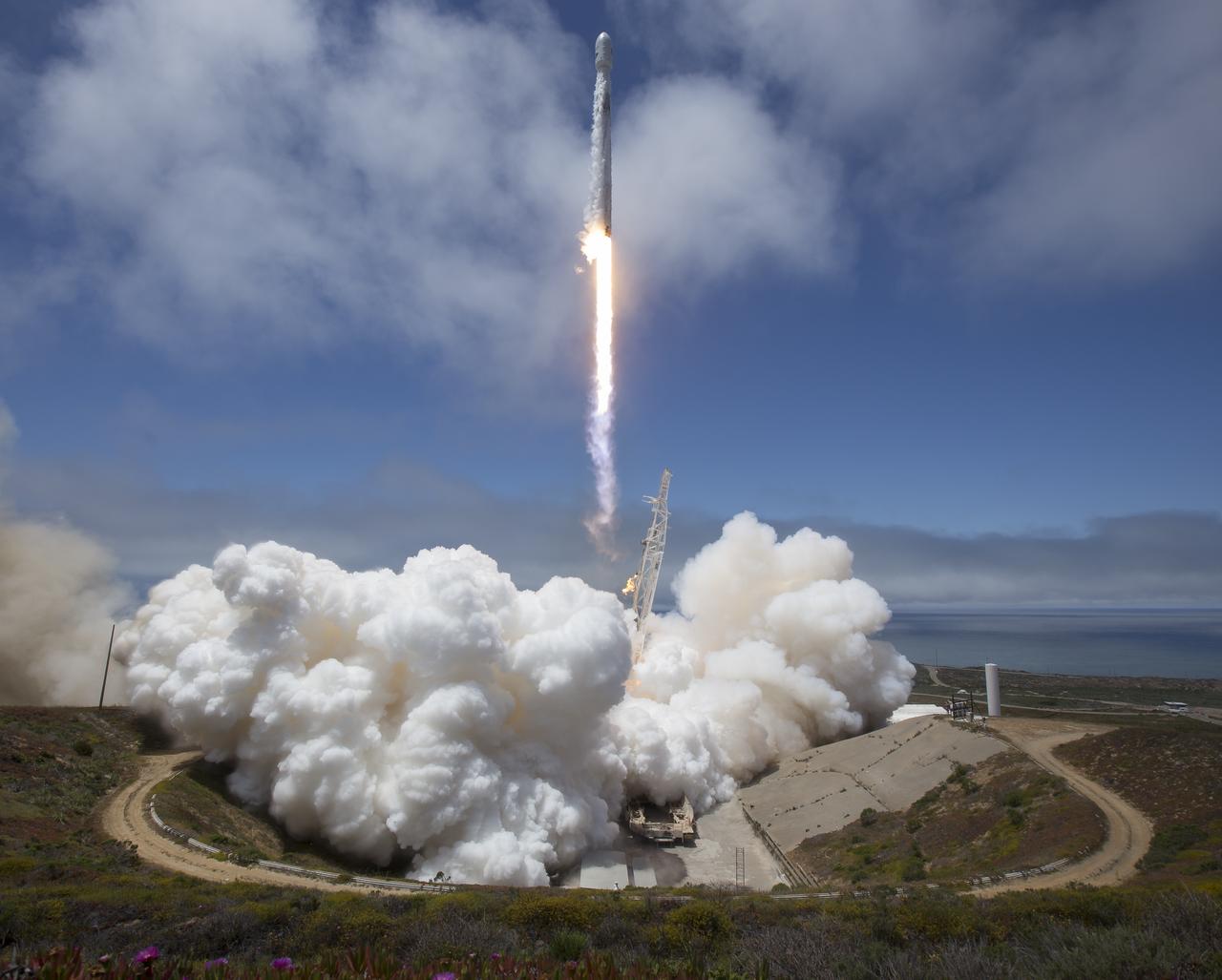
The NASA/German Research Centre for Geosciences GRACE Follow-On spacecraft launch onboard a SpaceX Falcon 9 rocket, Tuesday, May 22, 2018, from Space Launch Complex 4E at Vandenberg Air Force Base in California. The mission will measure changes in how mass is redistributed within and among Earth's atmosphere, oceans, land and ice sheets, as well as within Earth itself. GRACE-FO is sharing its ride to orbit with five Iridium NEXT communications satellites as part of a commercial rideshare agreement. Photo Credit: (NASA/Bill Ingalls)
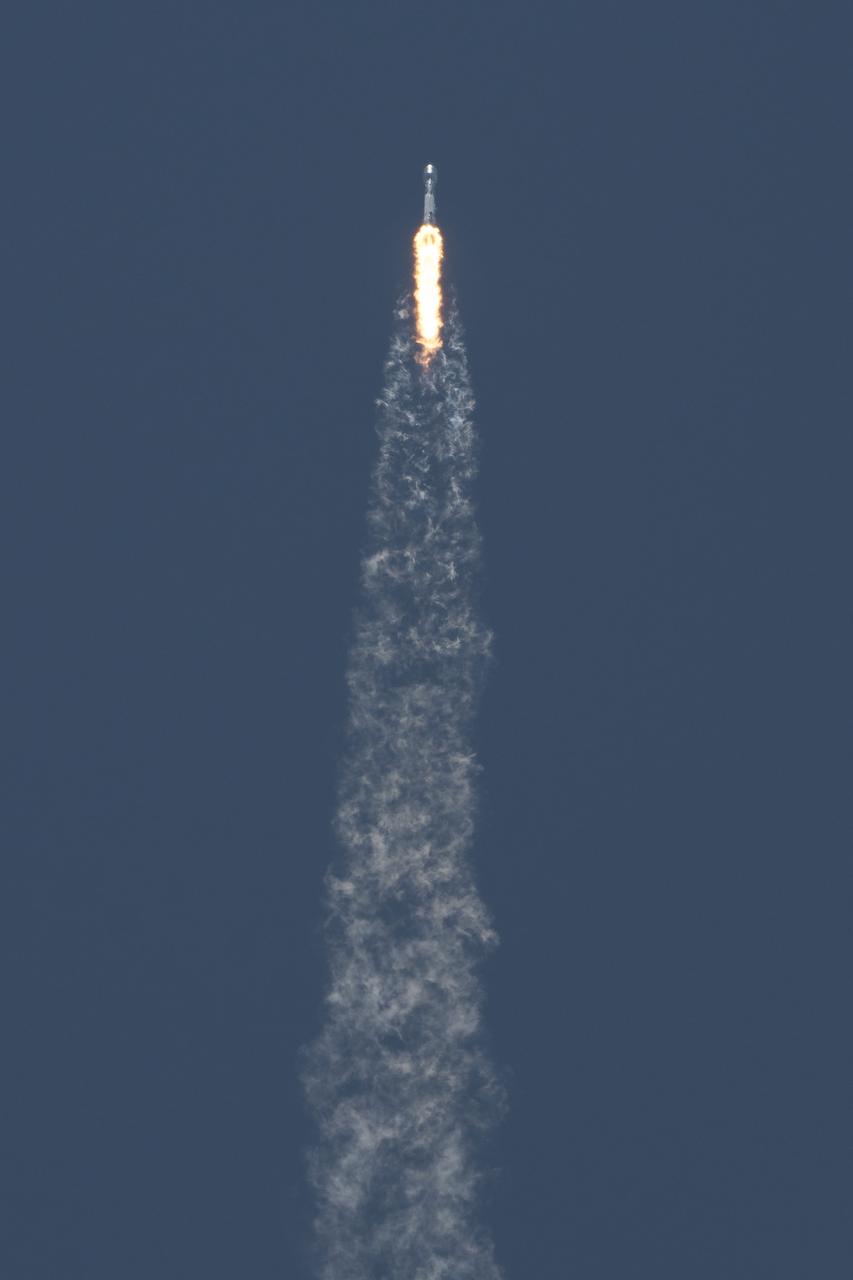
The NASA/German Research Centre for Geosciences GRACE Follow-On spacecraft launch onboard a SpaceX Falcon 9 rocket, Tuesday, May 22, 2018, from Space Launch Complex 4E at Vandenberg Air Force Base in California. The mission will measure changes in how mass is redistributed within and among Earth's atmosphere, oceans, land and ice sheets, as well as within Earth itself. GRACE-FO is sharing its ride to orbit with five Iridium NEXT communications satellites as part of a commercial rideshare agreement. Photo Credit: (NASA/Bill Ingalls)

The NASA/German Research Centre for Geosciences GRACE Follow-On spacecraft launch onboard a SpaceX Falcon 9 rocket, Tuesday, May 22, 2018, from Space Launch Complex 4E at Vandenberg Air Force Base in California. The mission will measure changes in how mass is redistributed within and among Earth's atmosphere, oceans, land and ice sheets, as well as within Earth itself. GRACE-FO is sharing its ride to orbit with five Iridium NEXT communications satellites as part of a commercial rideshare agreement. Photo Credit: (NASA/Bill Ingalls)
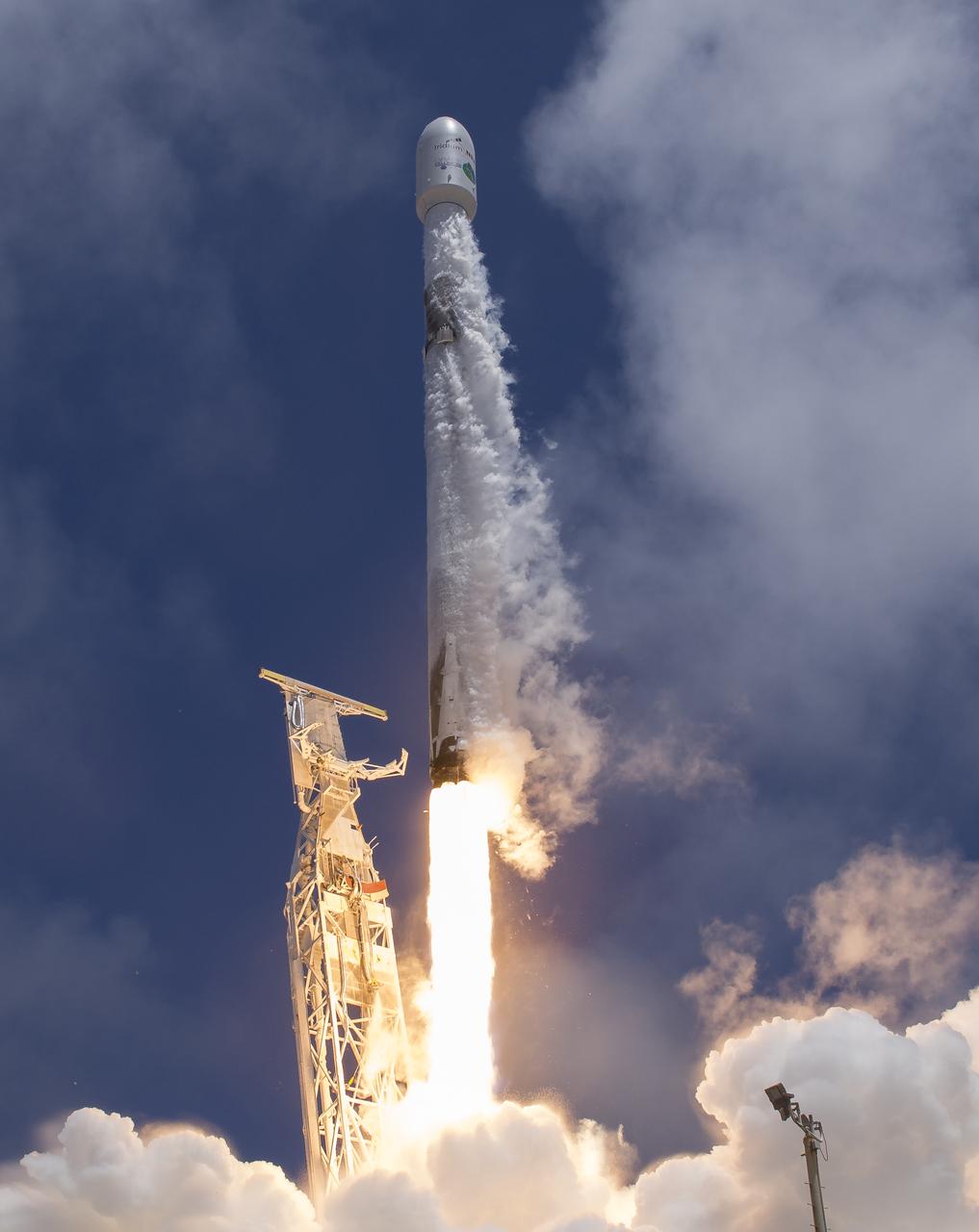
The NASA/German Research Centre for Geosciences GRACE Follow-On spacecraft launch onboard a SpaceX Falcon 9 rocket, Tuesday, May 22, 2018, from Space Launch Complex 4E at Vandenberg Air Force Base in California. The mission will measure changes in how mass is redistributed within and among Earth's atmosphere, oceans, land and ice sheets, as well as within Earth itself. GRACE-FO is sharing its ride to orbit with five Iridium NEXT communications satellites as part of a commercial rideshare agreement. Photo Credit: (NASA/Bill Ingalls)
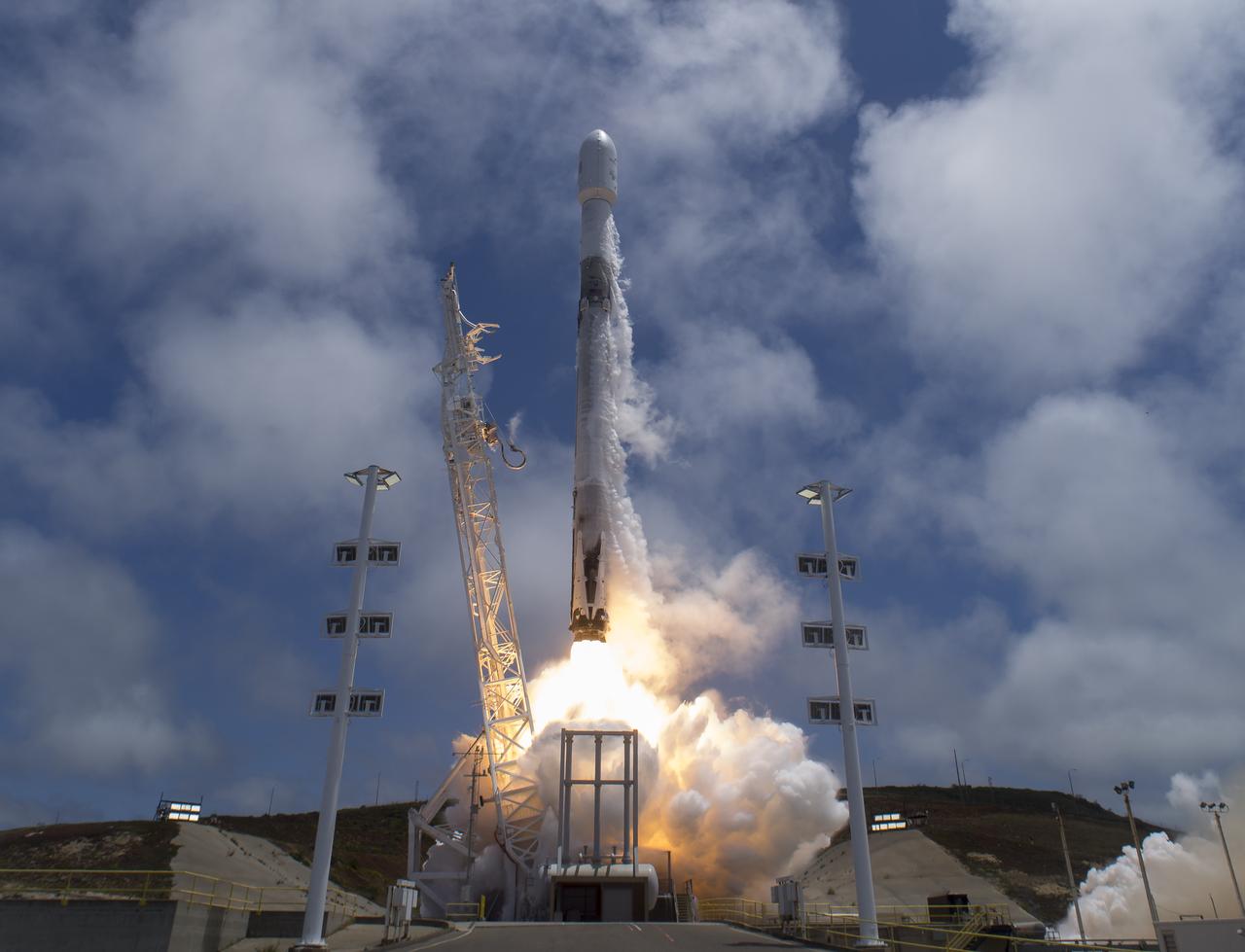
The NASA/German Research Centre for Geosciences GRACE Follow-On spacecraft launch onboard a SpaceX Falcon 9 rocket, Tuesday, May 22, 2018, from Space Launch Complex 4E at Vandenberg Air Force Base in California. The mission will measure changes in how mass is redistributed within and among Earth's atmosphere, oceans, land and ice sheets, as well as within Earth itself. GRACE-FO is sharing its ride to orbit with five Iridium NEXT communications satellites as part of a commercial rideshare agreement. Photo Credit: (NASA/Bill Ingalls)
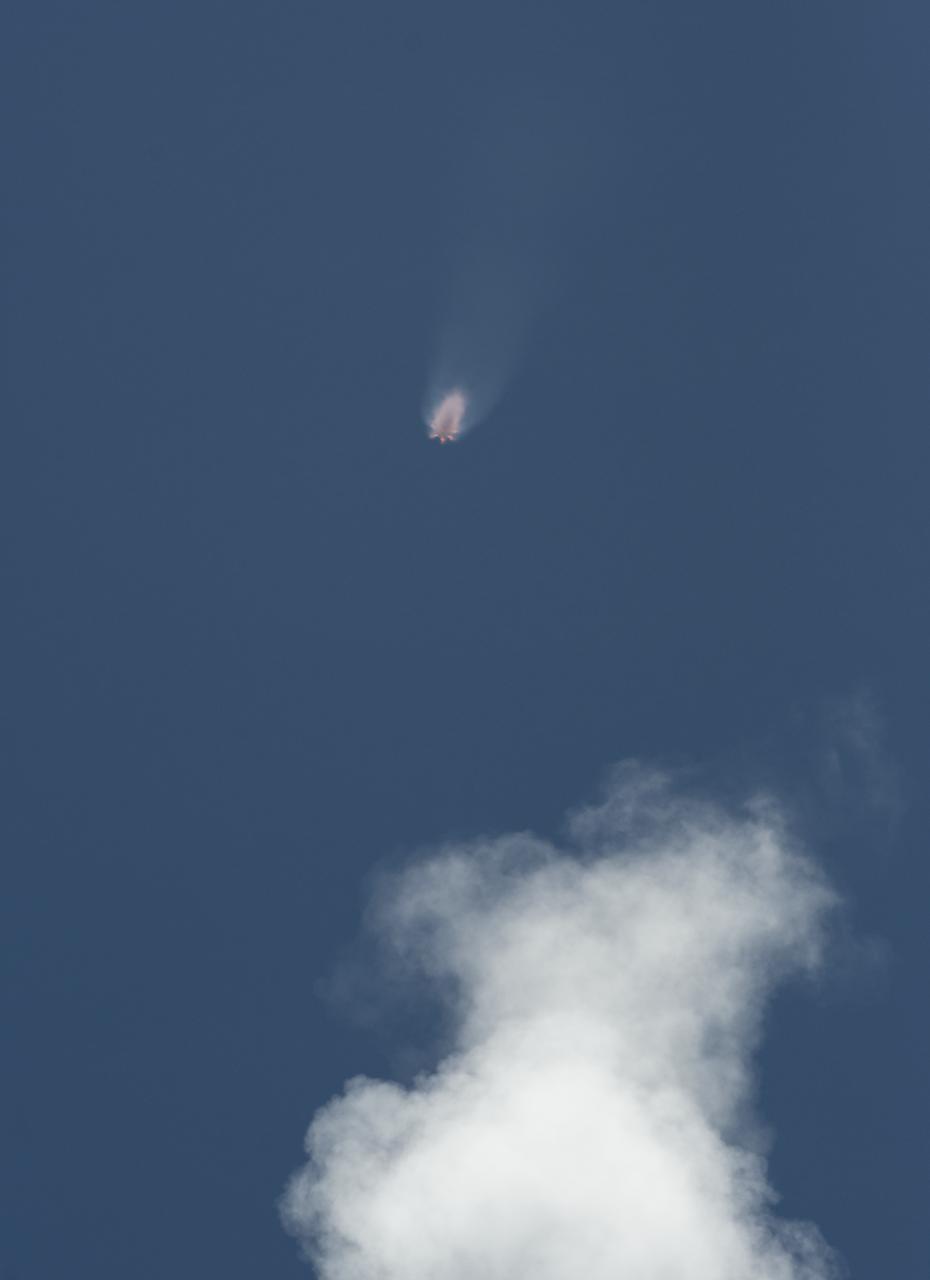
The NASA/German Research Centre for Geosciences GRACE Follow-On spacecraft launch onboard a SpaceX Falcon 9 rocket, Tuesday, May 22, 2018, from Space Launch Complex 4E at Vandenberg Air Force Base in California. The mission will measure changes in how mass is redistributed within and among Earth's atmosphere, oceans, land and ice sheets, as well as within Earth itself. GRACE-FO is sharing its ride to orbit with five Iridium NEXT communications satellites as part of a commercial rideshare agreement. Photo Credit: (NASA/Bill Ingalls)
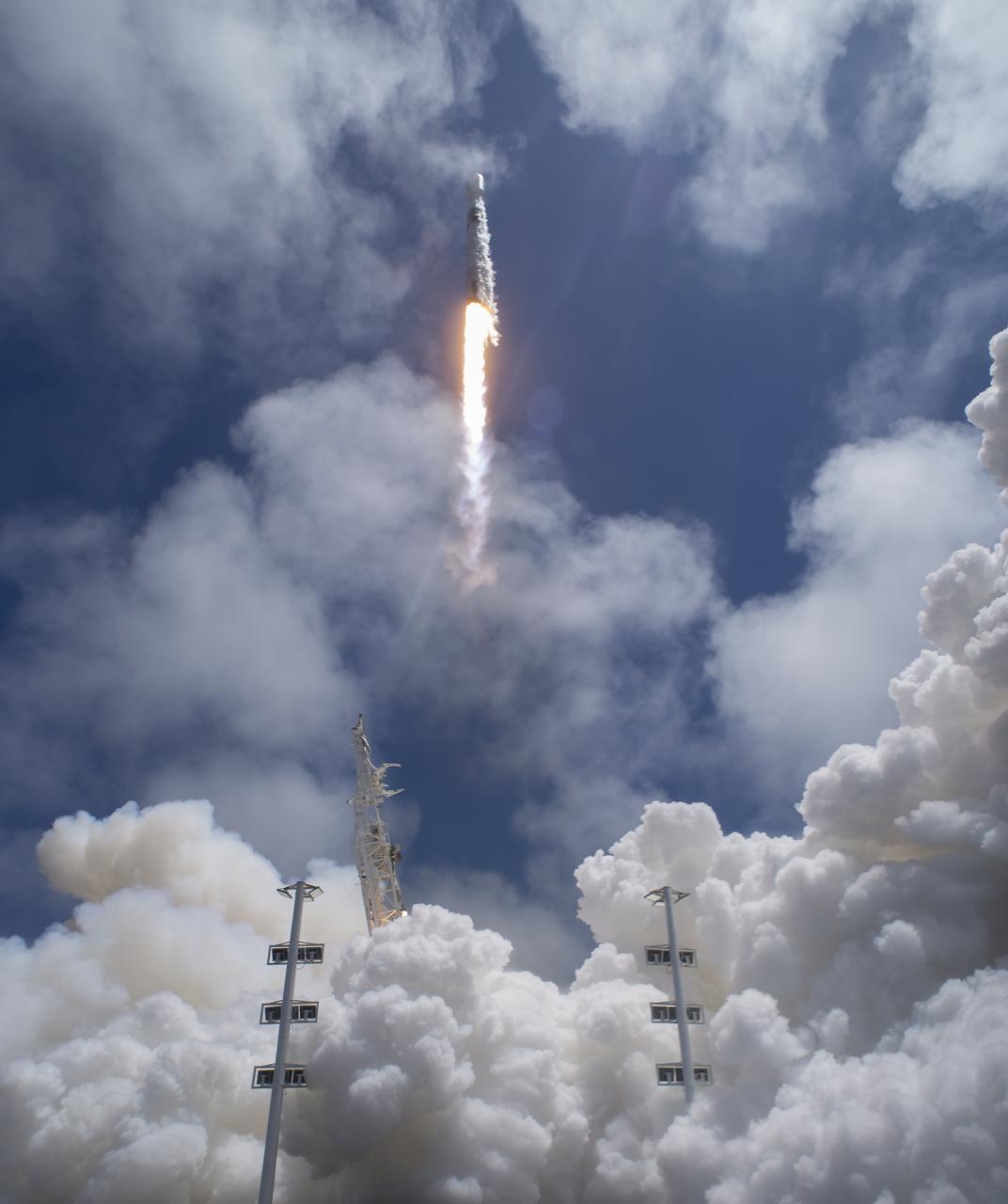
The NASA/German Research Centre for Geosciences GRACE Follow-On spacecraft launch onboard a SpaceX Falcon 9 rocket, Tuesday, May 22, 2018, from Space Launch Complex 4E at Vandenberg Air Force Base in California. The mission will measure changes in how mass is redistributed within and among Earth's atmosphere, oceans, land and ice sheets, as well as within Earth itself. GRACE-FO is sharing its ride to orbit with five Iridium NEXT communications satellites as part of a commercial rideshare agreement. Photo Credit: (NASA/Bill Ingalls)
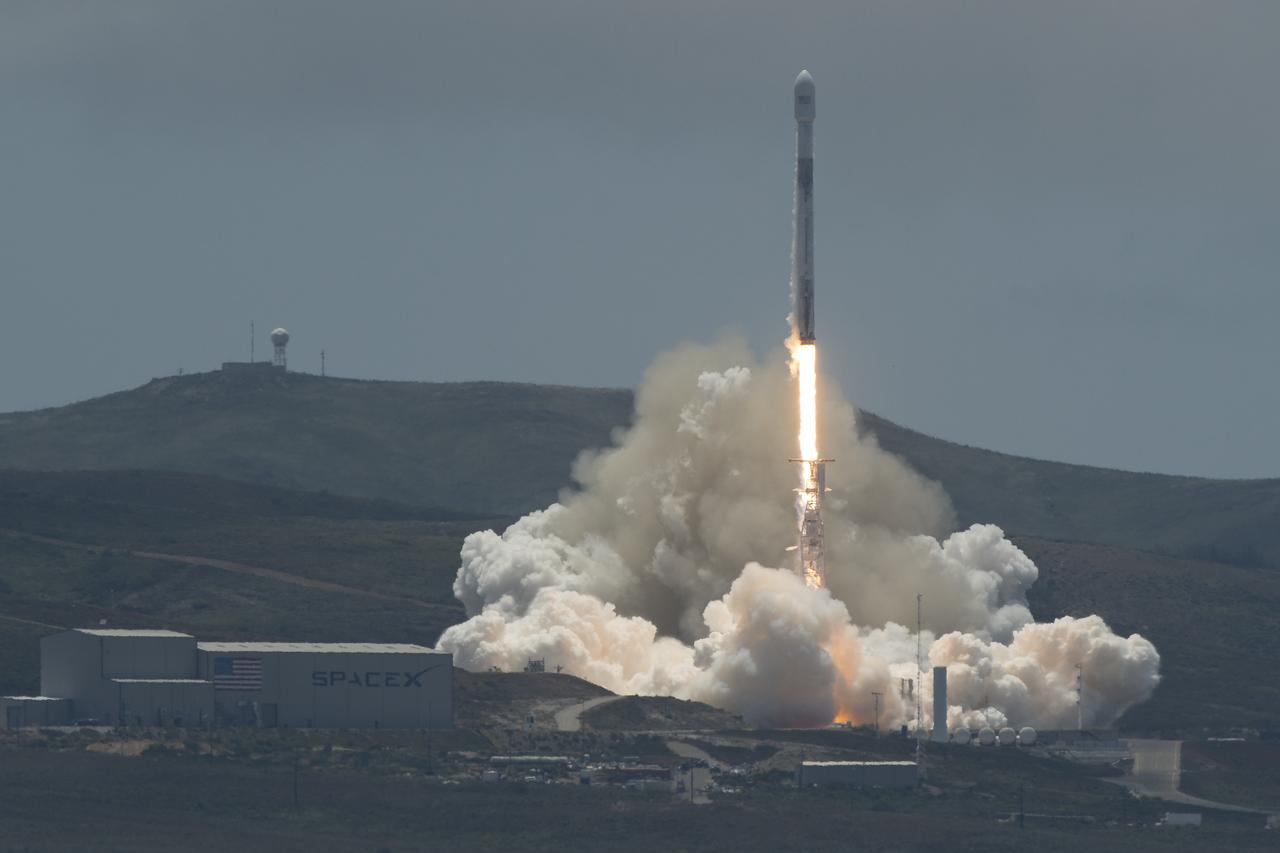
The NASA/German Research Centre for Geosciences GRACE Follow-On spacecraft launch onboard a SpaceX Falcon 9 rocket, Tuesday, May 22, 2018, from Space Launch Complex 4E at Vandenberg Air Force Base in California. The mission will measure changes in how mass is redistributed within and among Earth's atmosphere, oceans, land and ice sheets, as well as within Earth itself. GRACE-FO is sharing its ride to orbit with five Iridium NEXT communications satellites as part of a commercial rideshare agreement. Photo Credit: (NASA/Bill Ingalls)
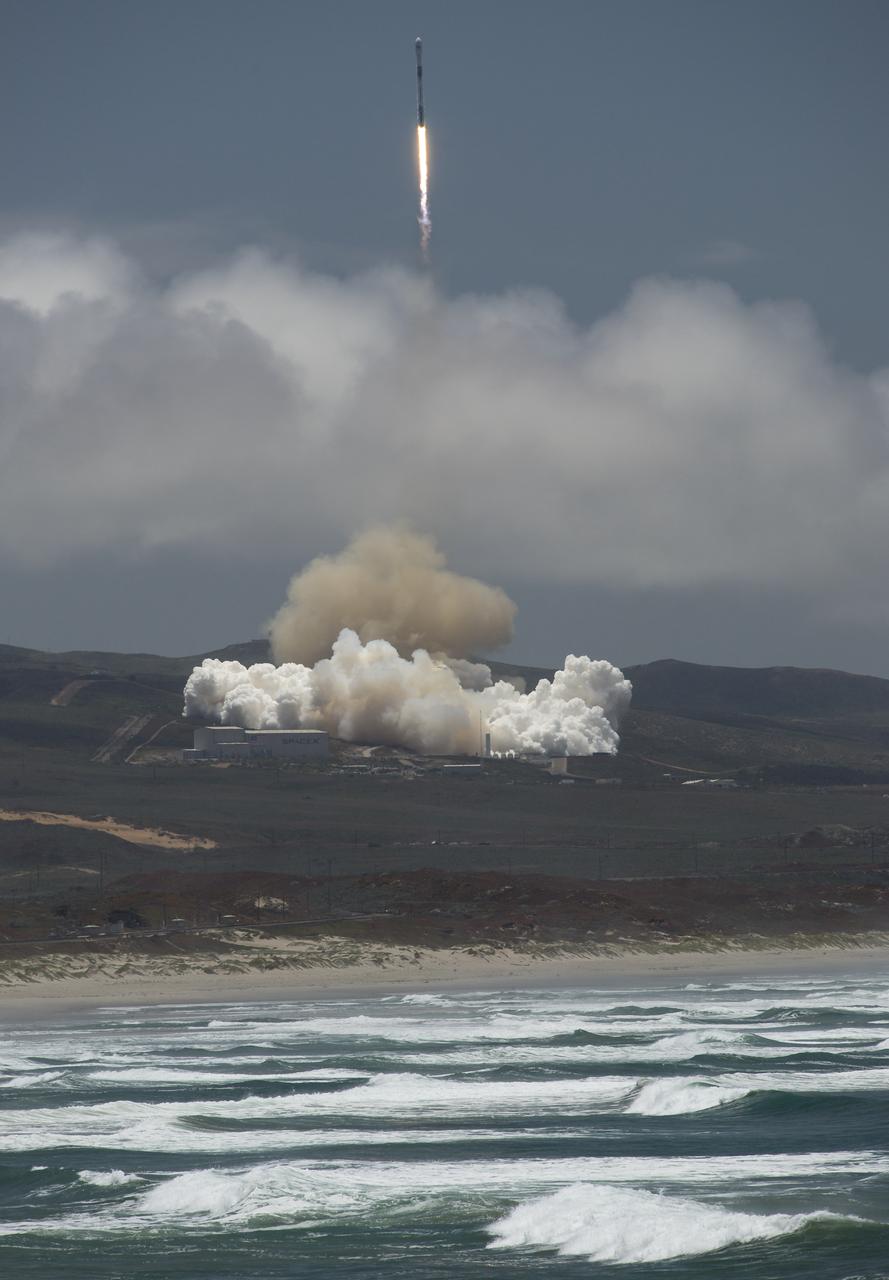
The NASA/German Research Centre for Geosciences GRACE Follow-On spacecraft launch onboard a SpaceX Falcon 9 rocket, Tuesday, May 22, 2018, from Space Launch Complex 4E at Vandenberg Air Force Base in California. The mission will measure changes in how mass is redistributed within and among Earth's atmosphere, oceans, land and ice sheets, as well as within Earth itself. GRACE-FO is sharing its ride to orbit with five Iridium NEXT communications satellites as part of a commercial rideshare agreement. Photo Credit: (NASA/Bill Ingalls)

The NASA/German Research Centre for Geosciences GRACE Follow-On spacecraft launch onboard a SpaceX Falcon 9 rocket, Tuesday, May 22, 2018, from Space Launch Complex 4E at Vandenberg Air Force Base in California. The mission will measure changes in how mass is redistributed within and among Earth's atmosphere, oceans, land and ice sheets, as well as within Earth itself. GRACE-FO is sharing its ride to orbit with five Iridium NEXT communications satellites as part of a commercial rideshare agreement. Photo Credit: (NASA/Bill Ingalls)
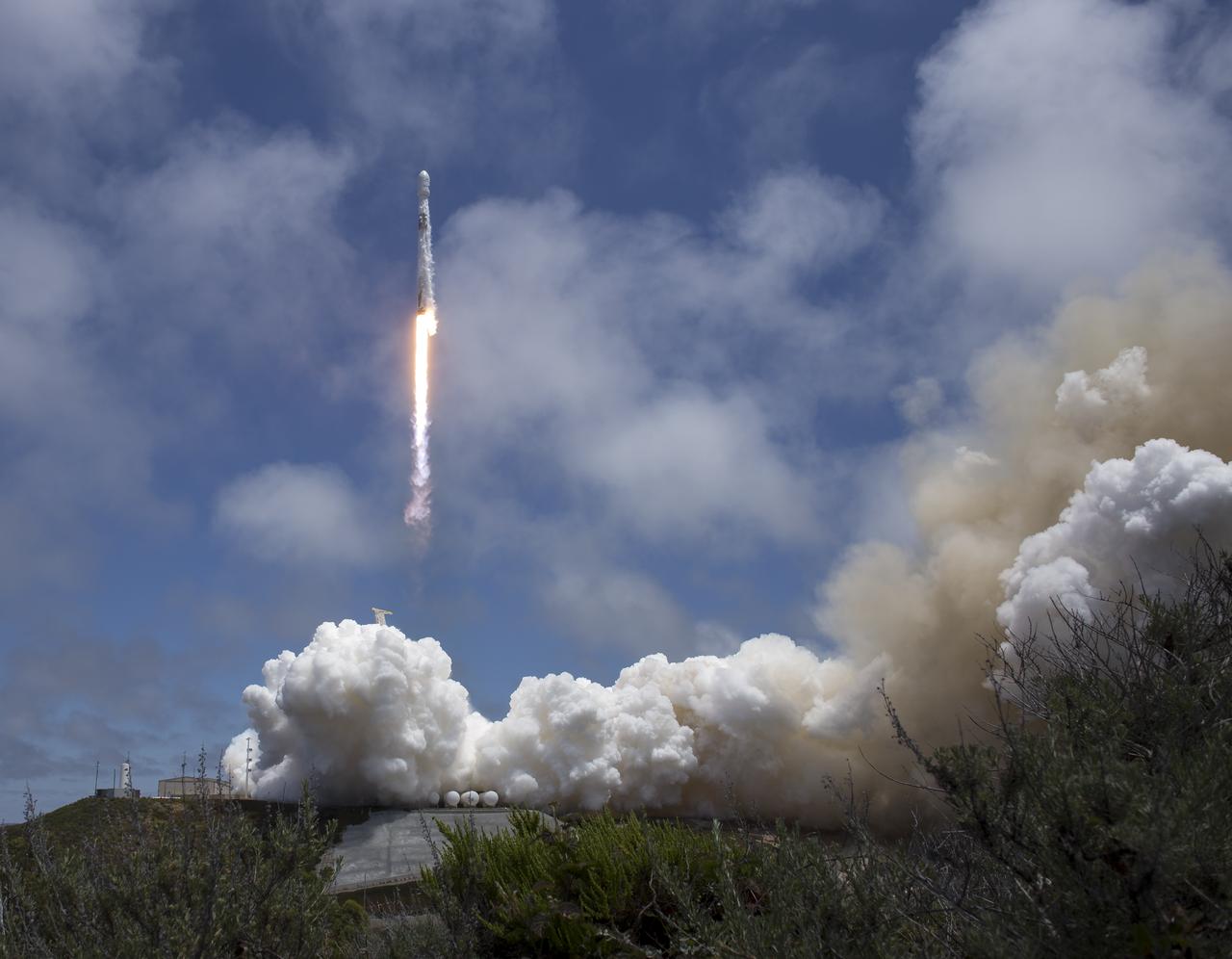
The NASA/German Research Centre for Geosciences GRACE Follow-On spacecraft launch onboard a SpaceX Falcon 9 rocket, Tuesday, May 22, 2018, from Space Launch Complex 4E at Vandenberg Air Force Base in California. The mission will measure changes in how mass is redistributed within and among Earth's atmosphere, oceans, land and ice sheets, as well as within Earth itself. GRACE-FO is sharing its ride to orbit with five Iridium NEXT communications satellites as part of a commercial rideshare agreement. Photo Credit: (NASA/Bill Ingalls)
The NASA/German Research Centre for Geosciences GRACE Follow-On spacecraft launch onboard a SpaceX Falcon 9 rocket, Tuesday, May 22, 2018, from Space Launch Complex 4E at Vandenberg Air Force Base in California. The mission will measure changes in how mass is redistributed within and among Earth's atmosphere, oceans, land and ice sheets, as well as within Earth itself. GRACE-FO is sharing its ride to orbit with five Iridium NEXT communications satellites as part of a commercial rideshare agreement. Photo Credit: (NASA/Bill Ingalls)

The NASA/German Research Centre for Geosciences GRACE Follow-On spacecraft launch onboard a SpaceX Falcon 9 rocket, Tuesday, May 22, 2018, from Space Launch Complex 4E at Vandenberg Air Force Base in California. The mission will measure changes in how mass is redistributed within and among Earth's atmosphere, oceans, land and ice sheets, as well as within Earth itself. GRACE-FO is sharing its ride to orbit with five Iridium NEXT communications satellites as part of a commercial rideshare agreement. Photo Credit: (NASA/Bill Ingalls)
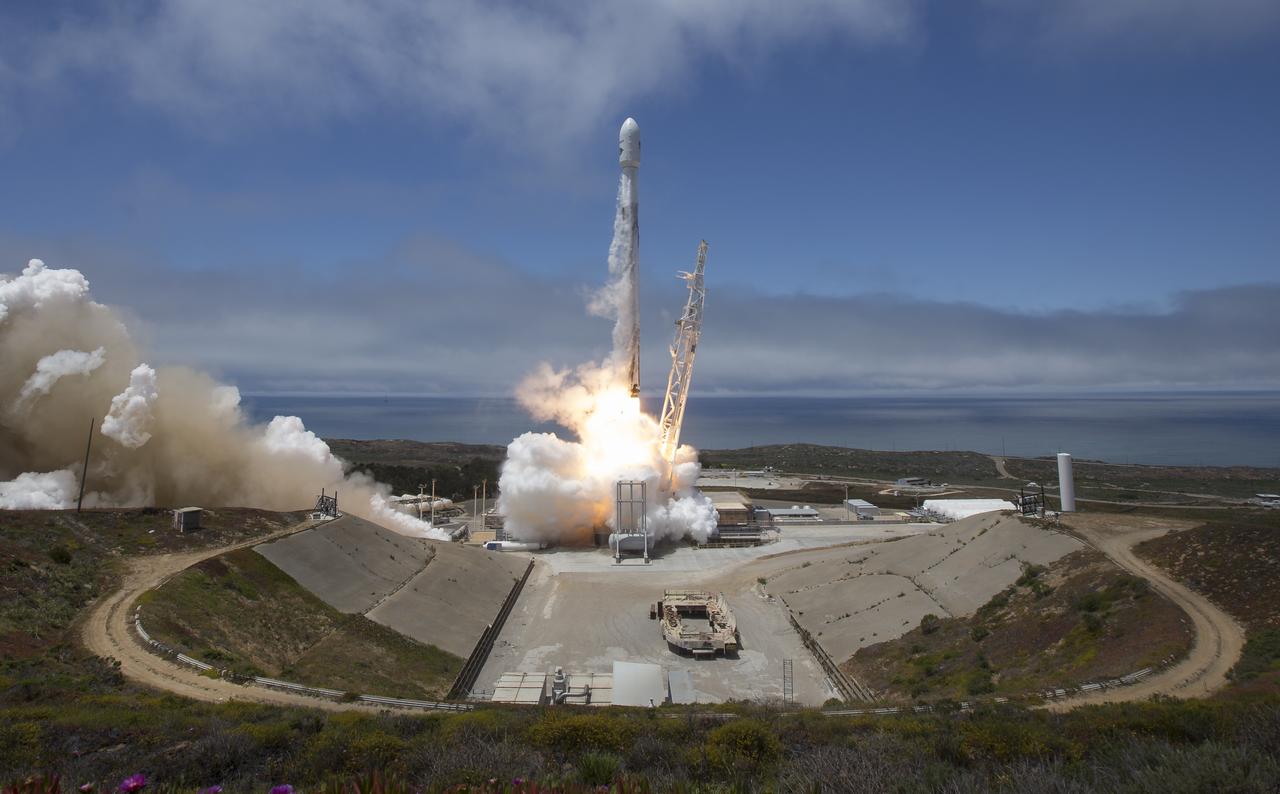
The NASA/German Research Centre for Geosciences GRACE Follow-On spacecraft launch onboard a SpaceX Falcon 9 rocket, Tuesday, May 22, 2018, from Space Launch Complex 4E at Vandenberg Air Force Base in California. The mission will measure changes in how mass is redistributed within and among Earth's atmosphere, oceans, land and ice sheets, as well as within Earth itself. GRACE-FO is sharing its ride to orbit with five Iridium NEXT communications satellites as part of a commercial rideshare agreement. Photo Credit: (NASA/Bill Ingalls)
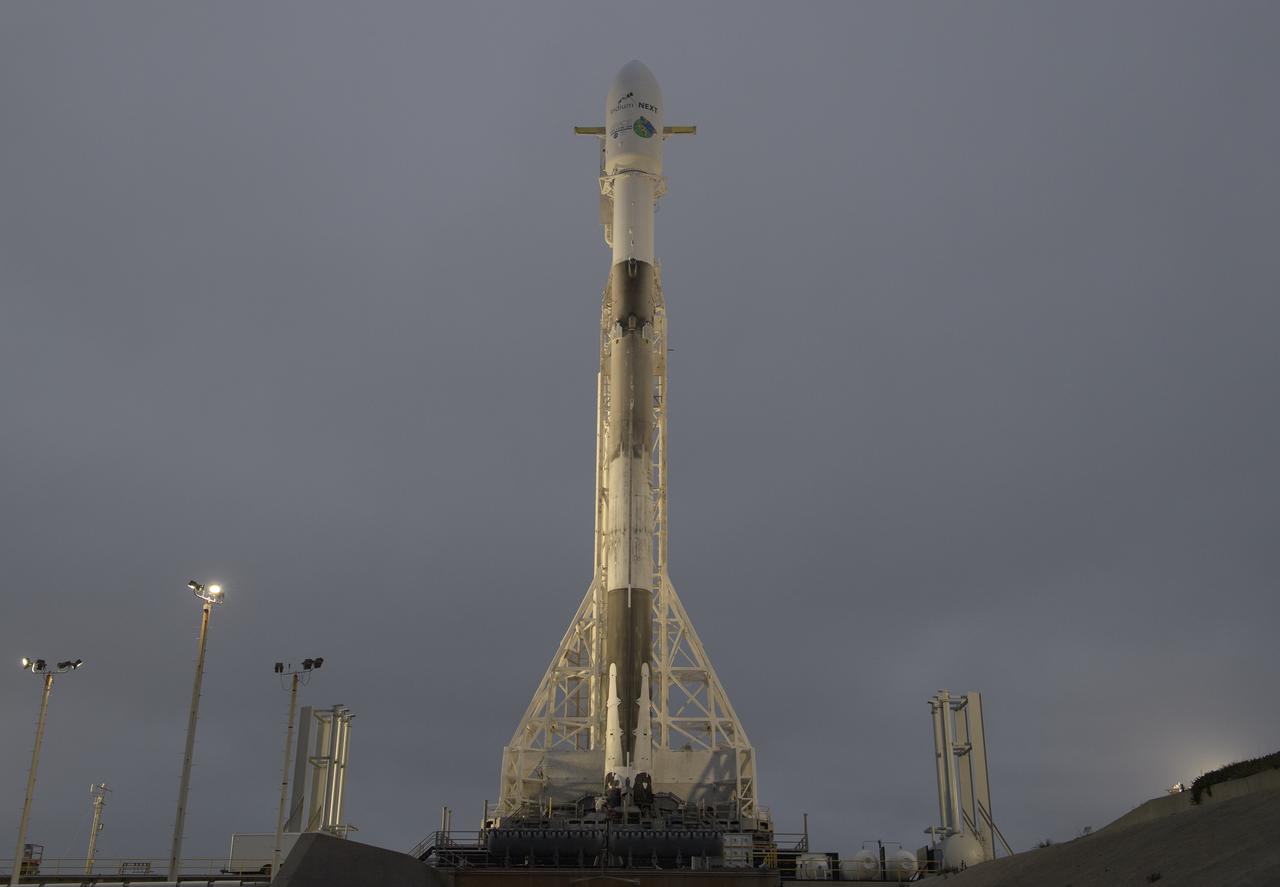
The SpaceX Falcon 9 rocket is seen with the NASA/German Research Centre for Geosciences GRACE Follow-On spacecraft onboard, Monday, May 21, 2018, at Space Launch Complex 4E at Vandenberg Air Force Base in California. The mission will measure changes in how mass is redistributed within and among Earth's atmosphere, oceans, land and ice sheets, as well as within Earth itself. GRACE-FO is sharing its ride to orbit with five Iridium NEXT communications satellites as part of a commercial rideshare agreement. Photo Credit: (NASA/Bill Ingalls)
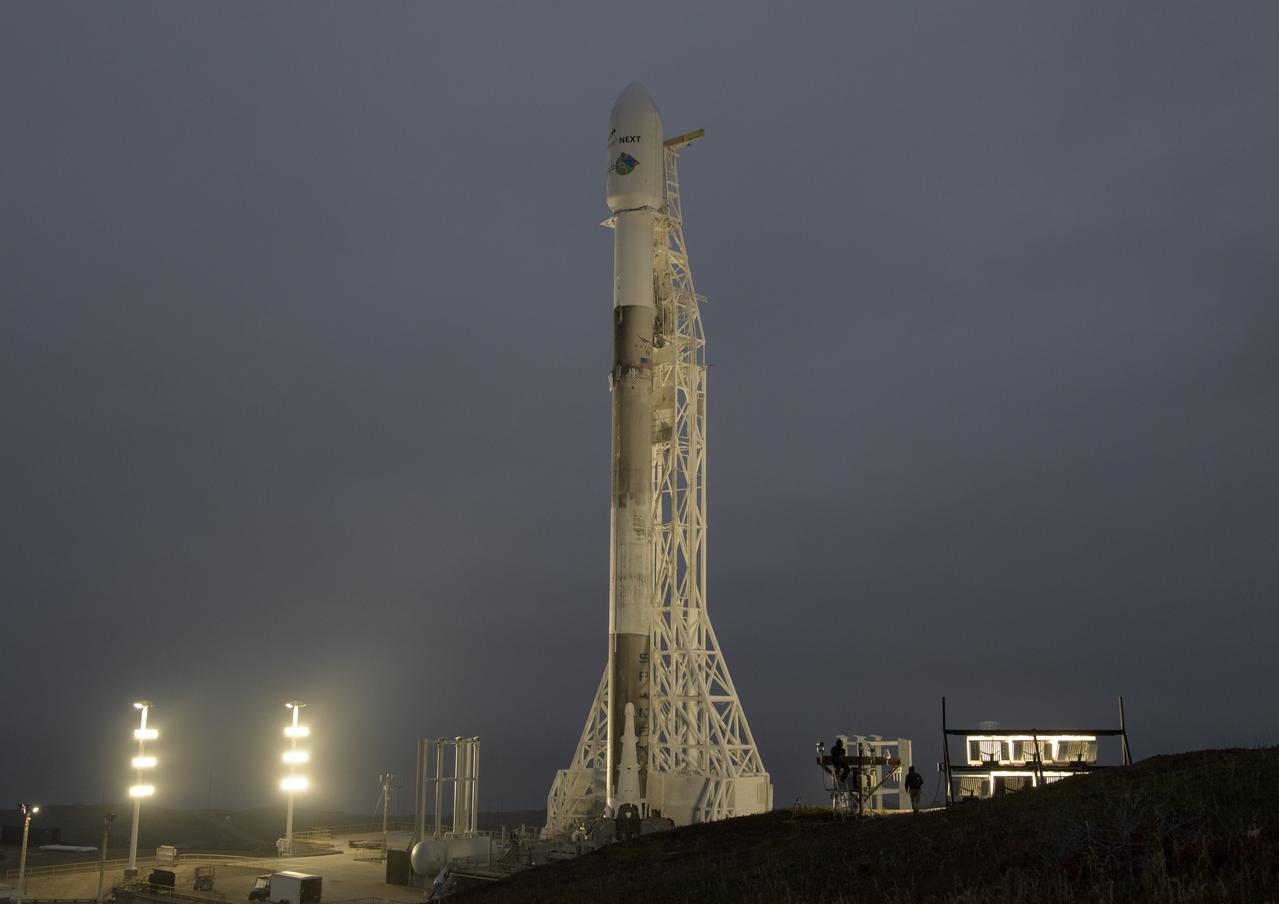
The SpaceX Falcon 9 rocket is seen with the NASA/German Research Centre for Geosciences GRACE Follow-On spacecraft onboard, Monday, May 21, 2018, at Space Launch Complex 4E at Vandenberg Air Force Base in California. The mission will measure changes in how mass is redistributed within and among Earth's atmosphere, oceans, land and ice sheets, as well as within Earth itself. GRACE-FO is sharing its ride to orbit with five Iridium NEXT communications satellites as part of a commercial rideshare agreement. Photo Credit: (NASA/Bill Ingalls)