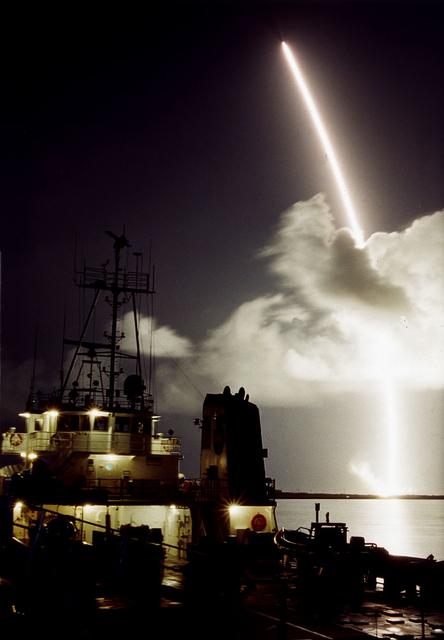
The 7-year journey to Saturn began with the liftoff of a Titan IVB/ Centaur carrying the Cassini orbiter and its attached Huygens probe. After a 2.2-billion mile journey that included two swingbys of Venus and one of the Earth to gain additional velocity, the two-story tall spacecraft will arrive at Saturn in July 2004. The orbiter will circle the planet for 4 years, its compliment of 12 scientific instruments gathering data about Saturn's atmosphere, rings and magnetosphere and conducting close-up observations of Saturnian moons. Huygens, with a separate suite of 6 science instruments, will separate from Cassini to fly on a ballistic trajectory toward Titan, the only celestial body besides Earth to have an atmosphere rich in nitrogen. Scientists are eager to study further this chemical similarity in hopes of learning more about the origins of our own planet Earth. Huygens will provide the first direct sampling of Titan's atmospheric chemistry and the first detailed photographs of its surface. The Cassini mission is an International effort involving NASA, the European Space Agency (ESA), and the Italian Space Agency, Agenzia Spaziale Italiana (ASI).
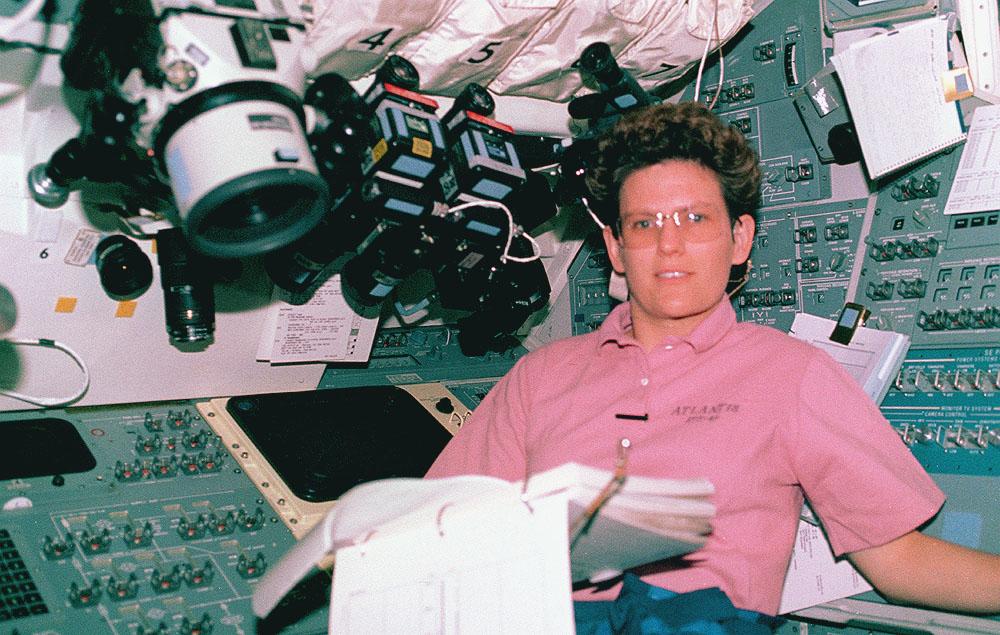
Space Shuttle Atlantis (STS-45) onboard photo of Mission Specialist Kathryn Sullivan working in the Atmospheric Laboratory for Applications and Science (Atlas-1) module. Atlas-1 flew in a series of Spacelab flights that measured long term variability in the total energy radiated by the Sun and determined the variability in the solar spectrum.
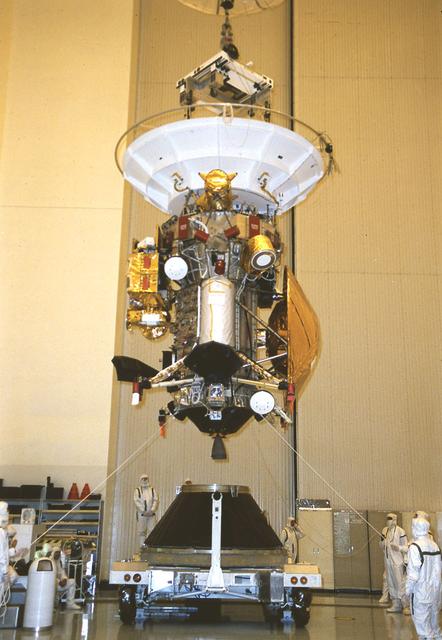
Jet Propulsion Research Lab (JPL) workers use a borescope to verify the pressure relief device bellow's integrity on a radioisotope thermoelectric generator (RTG) that has been installed on the Cassini spacecraft in the Payload Hazardous Servicing Facility. The activity is part of the mechanical and electrical verification testing of RTGs during prelaunch processing. RTGs use heat from the natural decay of plutonium to generate electrical power. The three RTGs on Cassini will enable the spacecraft to operate far from the Sun where solar power systems are not feasible. They will provide electrical power to Cassini on it seven year trip to the Saturnian system and during its four year mission at Saturn.
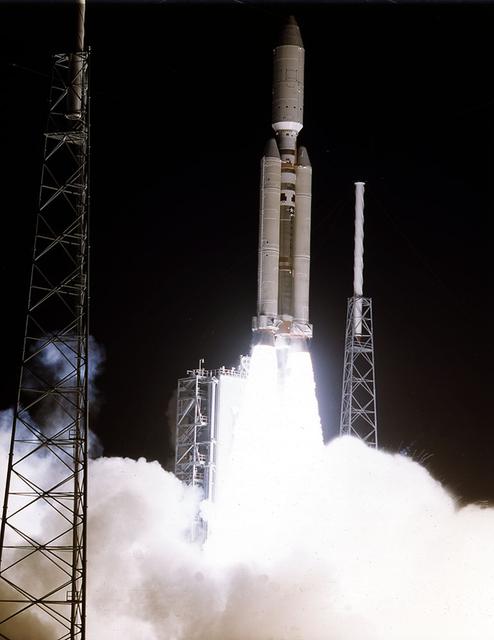
The 7-year journey to Saturn began with the liftoff of a Titan IVB/Centaur carrying the Cassini orbiter and its attached Huygens probe. After a 2.2-billion mile journey that included two swingbys of Venus and one of Earth to gain additional velocity, the two-story tall spacecraft will arrive at Saturn in July 2004. The orbiter will circle the planet for 4 years, its compliment of 12 scientific instruments gathering data about Saturn's atmosphere, rings and magnetosphere, and conducting close-up observations of the Saturnian moons. Huygens, with a separate suite of 6 science instruments, will separate from Cassini to fly on a ballistic trajectory toward Titan, the only celestial body besides Earth to have an atmosphere rich in nitrogen. Scientists are eager to study further this chemical similarity in hopes of learning more about the origins of our own planet Earth. Huygens will provide the first direct sampling of Titan's atmospheric chemistry and the first detailed photographs of its surface. The Cassini mission is an international effort involving NASA, the European Space Agency (ESA), and the Italian Space Agency, Agenzia Spaziale Italiana (ASI).
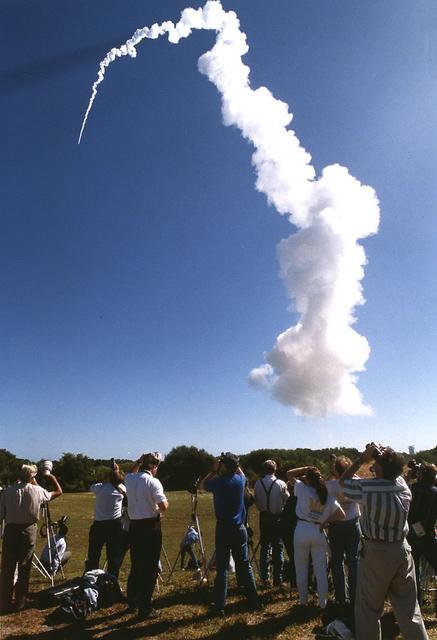
The journey back to Mars begins with a liftoff of the Mars Global Surveyor atop a Delta II 7925A expendable launch vehicle from the Cape Canaveral Air Station. After an approximate 10-month interplanetary odyssey, the spacecraft will arrive at Mars and begin a 4-month aerobreaking phase, an irnovative technique first demonstrated during the Magellan mission to Venus, to achieve a mapping orbit. It will take about 2 Earth years for Surveyor to circle above most of the planet, its suite of sophisticated remote-sensing instruments building a comprehensive global portrait of Mars by mapping its topography, magnetism, mineral composition and atmosphere. Among the locations the Surveyor will pass over are the landing sites where the two U.S. Viking landers have stood since 1975 as silent monuments to the most recent successful U.S. missions to Mars. The Global Surveyor is the first of a trio of spacecraft being launched to Mars; next is Russia's Mars `96 spacecraft, followed by the U.S.'s Mars Pathfinder.
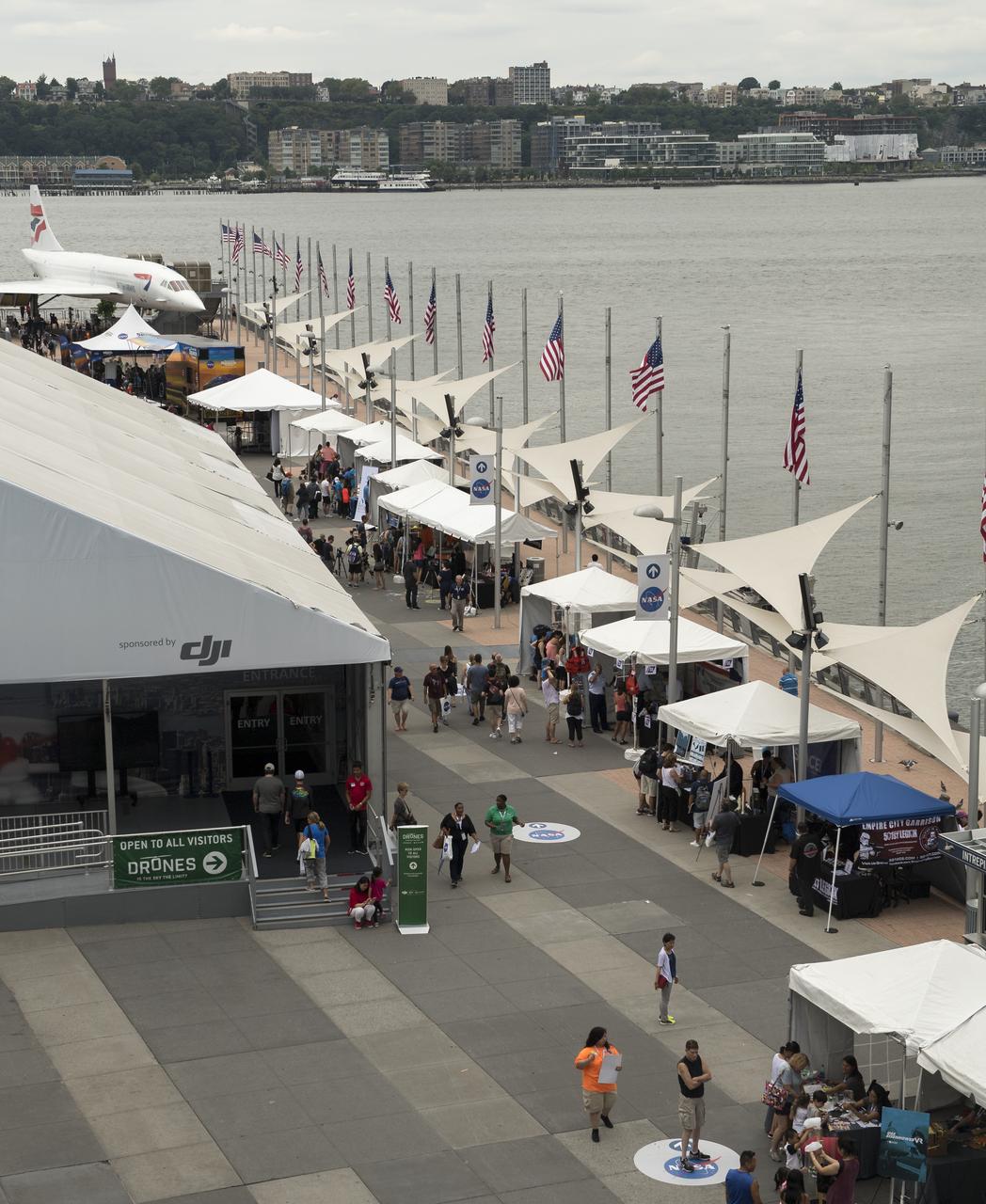
NASA exhibits line Pier 86 during the Intrepid Space & Science Festival, Saturday, Aug. 5, 2017 held at the Intrepid Sea, Air & Space Museum in New York City. The week-long festival featured talks, films and cutting-edge displays showcasing NASA technology. Photo Credit: (NASA/Bill Ingalls)
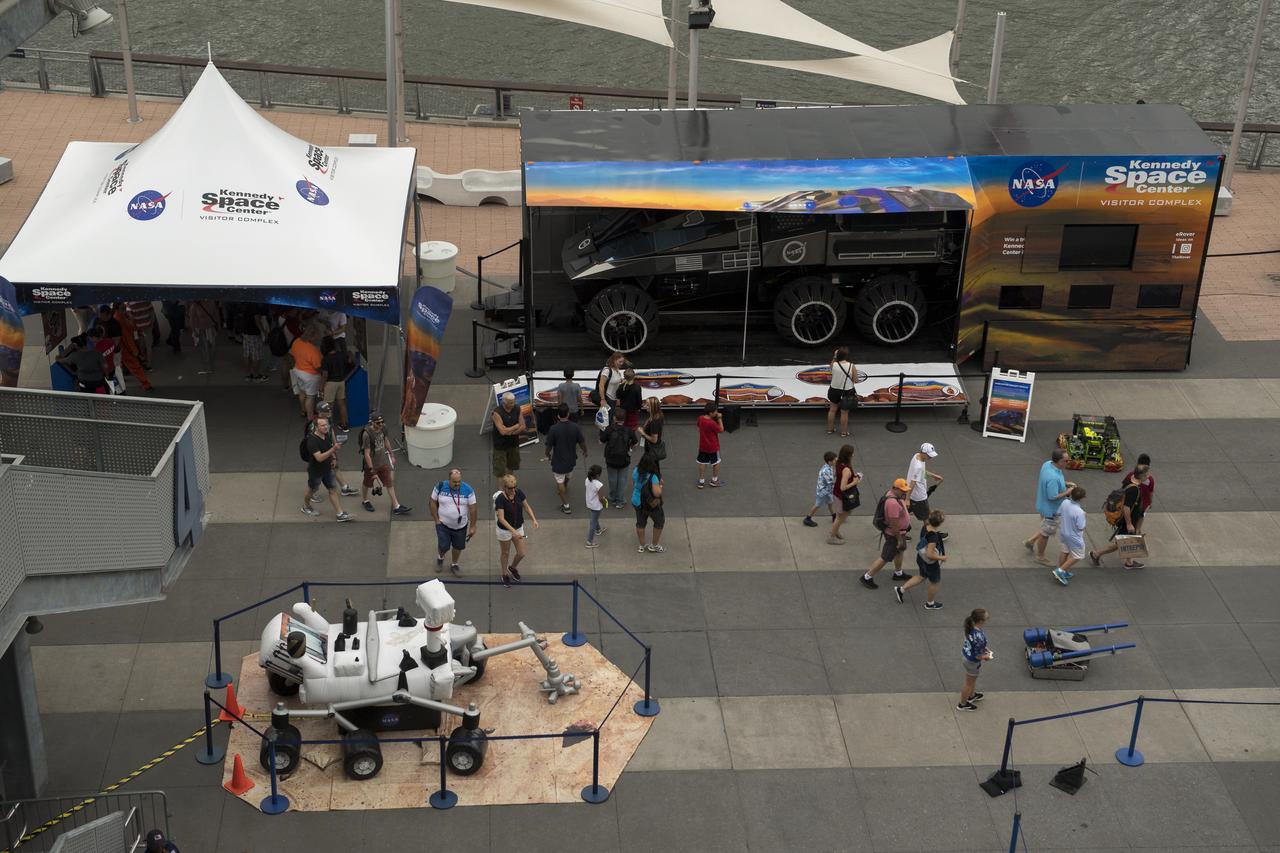
NASA exhibits line Pier 86 during the Intrepid Space & Science Festival, Saturday, Aug. 5, 2017 held at the Intrepid Sea, Air & Space Museum in New York City. The week-long festival featured talks, films and cutting-edge displays showcasing NASA technology. Photo Credit: (NASA/Bill Ingalls)
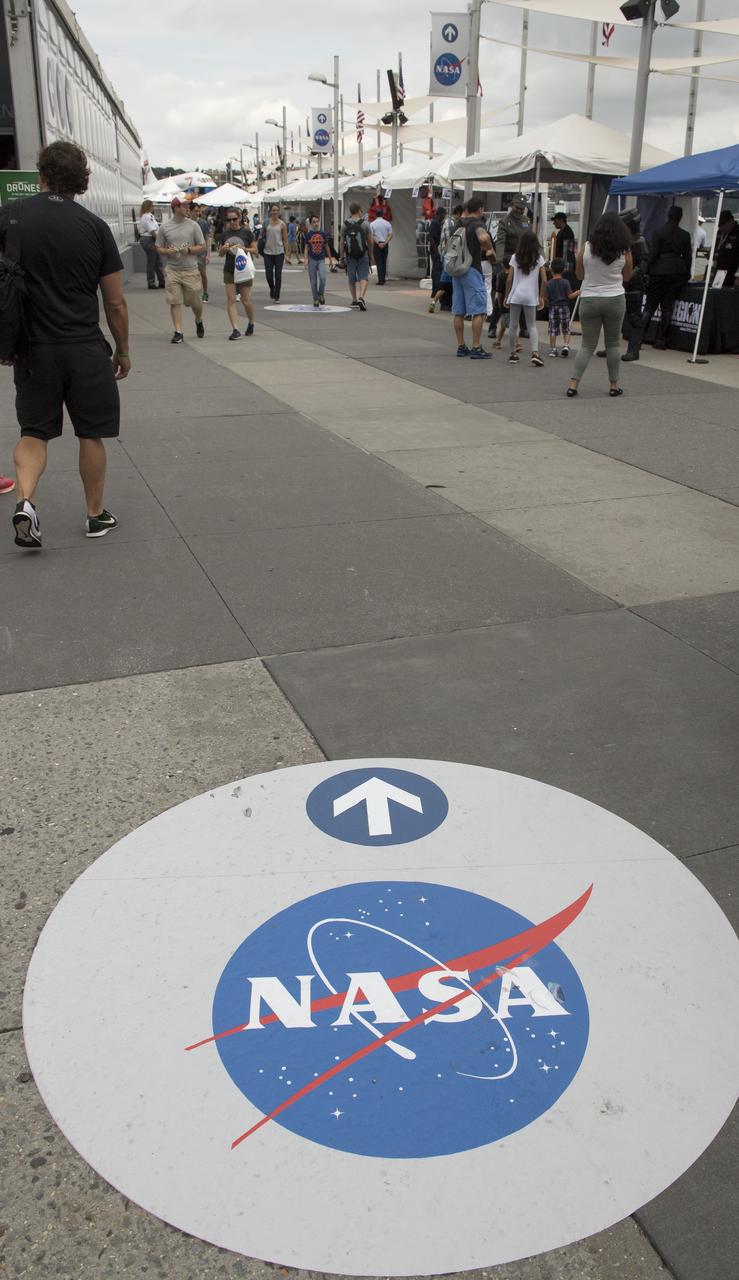
Signage points the way to NASA exhibits at the Intrepid Space & Science Festival, Saturday, Aug. 5, 2017 held at the Intrepid Sea, Air & Space Museum in New York City. The week-long festival featured talks, films and cutting-edge displays showcasing NASA technology. Photo Credit: (NASA/Bill Ingalls)
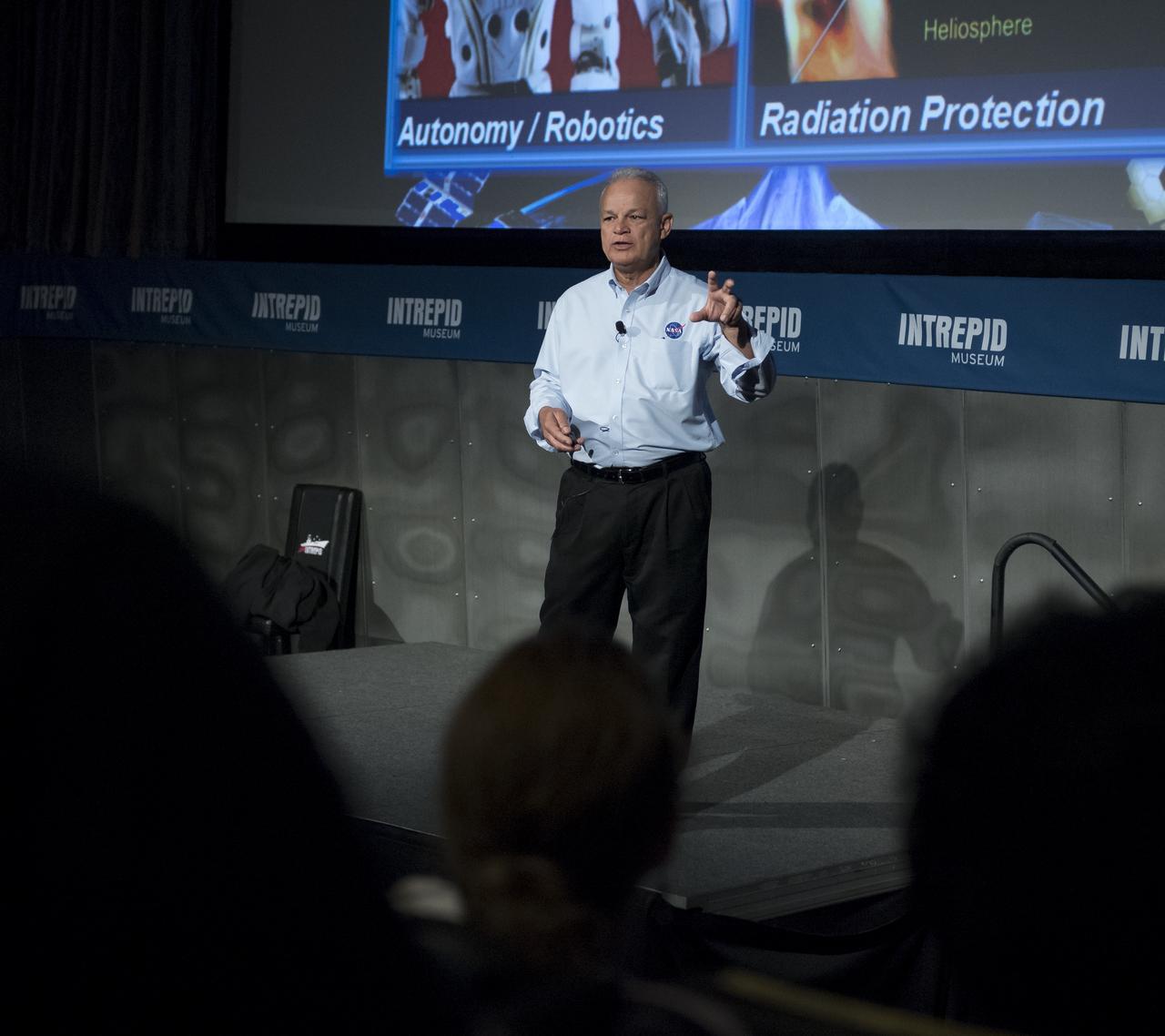
NASA Acting Chief Technologist Douglas Terrier gives a talk to teachers attending a professional development workshop held in tandem with the Intrepid Space & Science Festival, Saturday, Aug. 5, 2017 at the Intrepid Sea, Air & Space Museum in New York City. The week-long festival featured talks, films and cutting-edge displays showcasing NASA technology. Photo Credit: (NASA/Bill Ingalls)
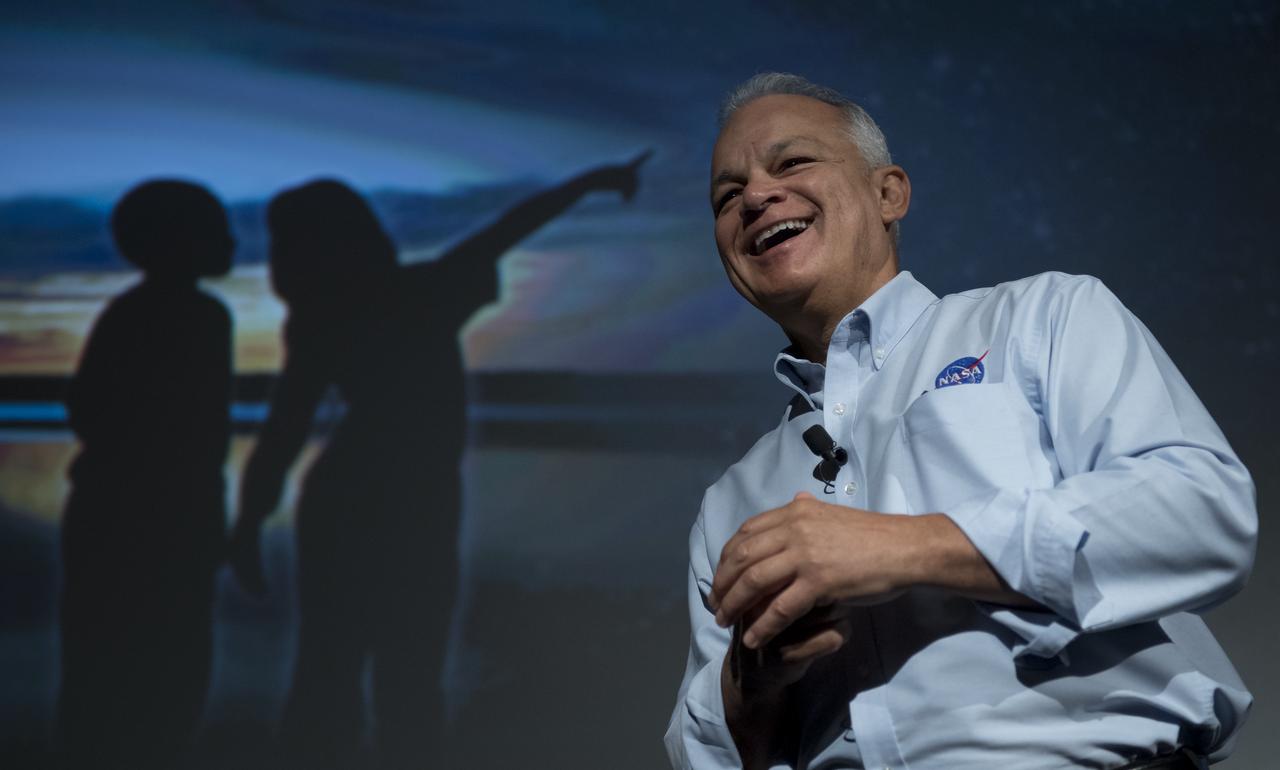
NASA Acting Chief Technologist Douglas Terrier gives a talk to teachers attending a professional development workshop held in tandem with the Intrepid Space & Science Festival, Saturday, Aug. 5, 2017 at the Intrepid Sea, Air & Space Museum in New York City. The week-long festival featured talks, films and cutting-edge displays showcasing NASA technology. Photo Credit: (NASA/Bill Ingalls)
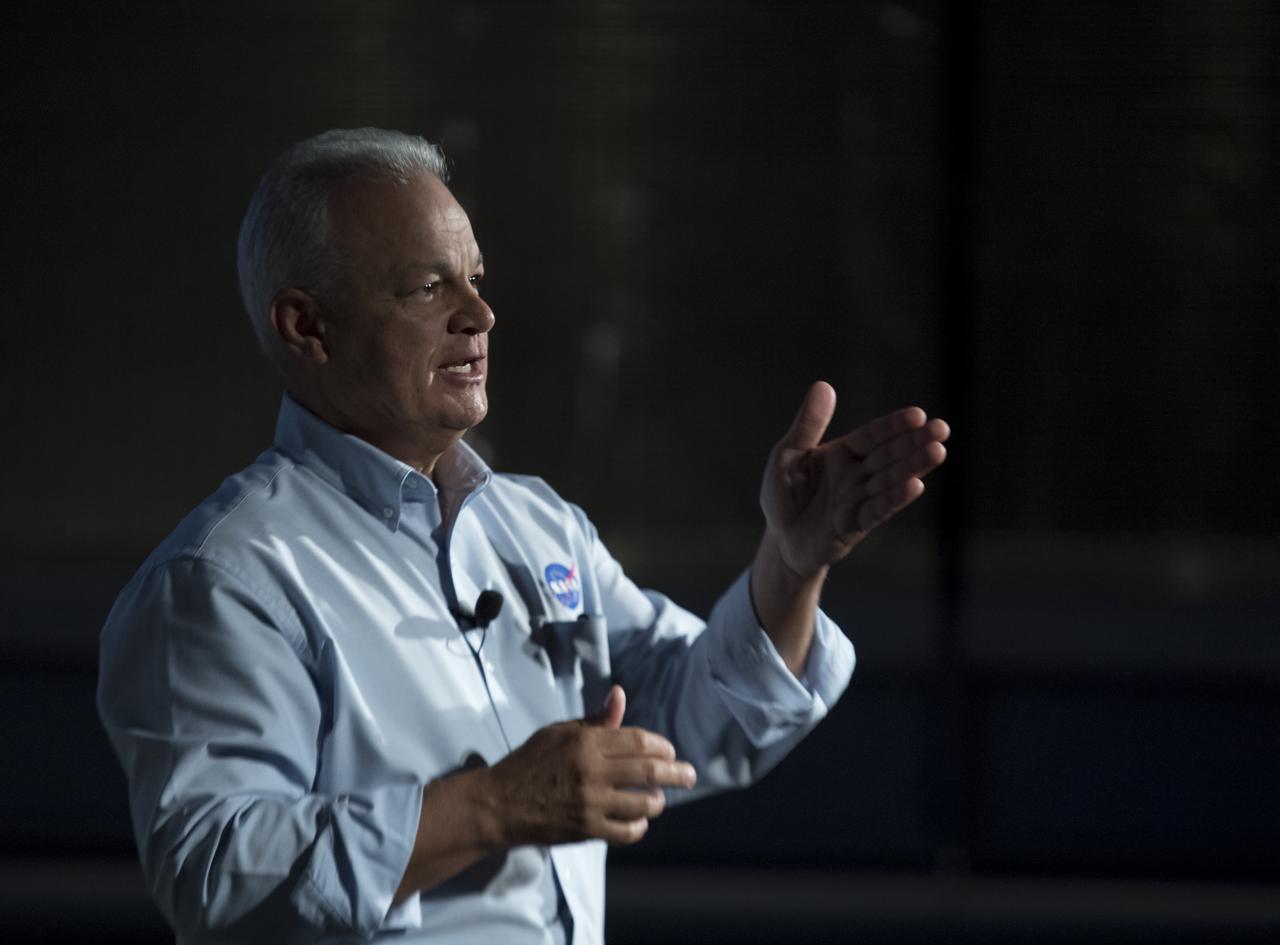
NASA Acting Chief Technologist Douglas Terrier gives a talk to teachers attending a professional development workshop held in tandem with the Intrepid Space & Science Festival, Saturday, Aug. 5, 2017 at the Intrepid Sea, Air & Space Museum in New York City. The week-long festival featured talks, films and cutting-edge displays showcasing NASA technology. Photo Credit: (NASA/Bill Ingalls)
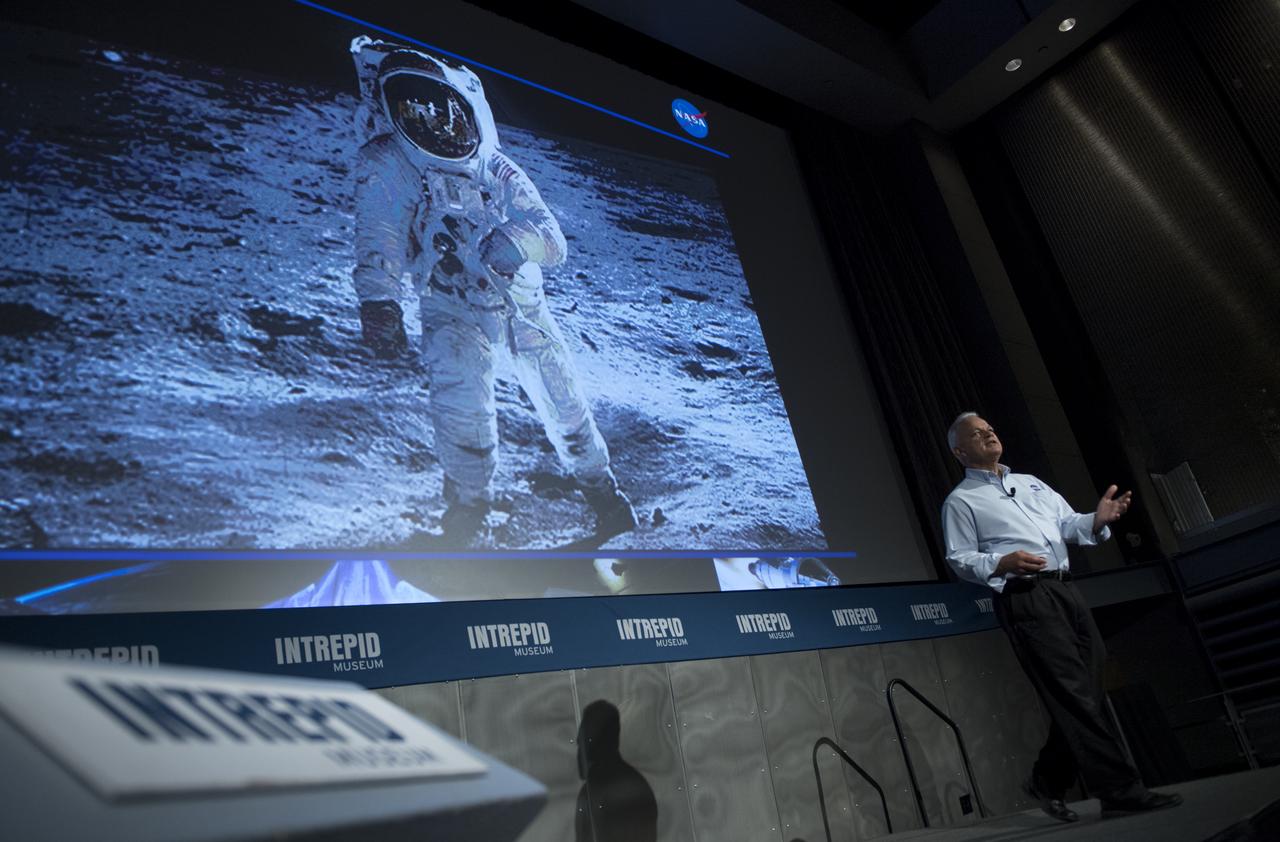
NASA Acting Chief Technologist Douglas Terrier gives a talk to teachers attending a professional development workshop held in tandem with the Intrepid Space & Science Festival, Saturday, Aug. 5, 2017 at the Intrepid Sea, Air & Space Museum in New York City. The week-long festival featured talks, films and cutting-edge displays showcasing NASA technology. Photo Credit: (NASA/Bill Ingalls)
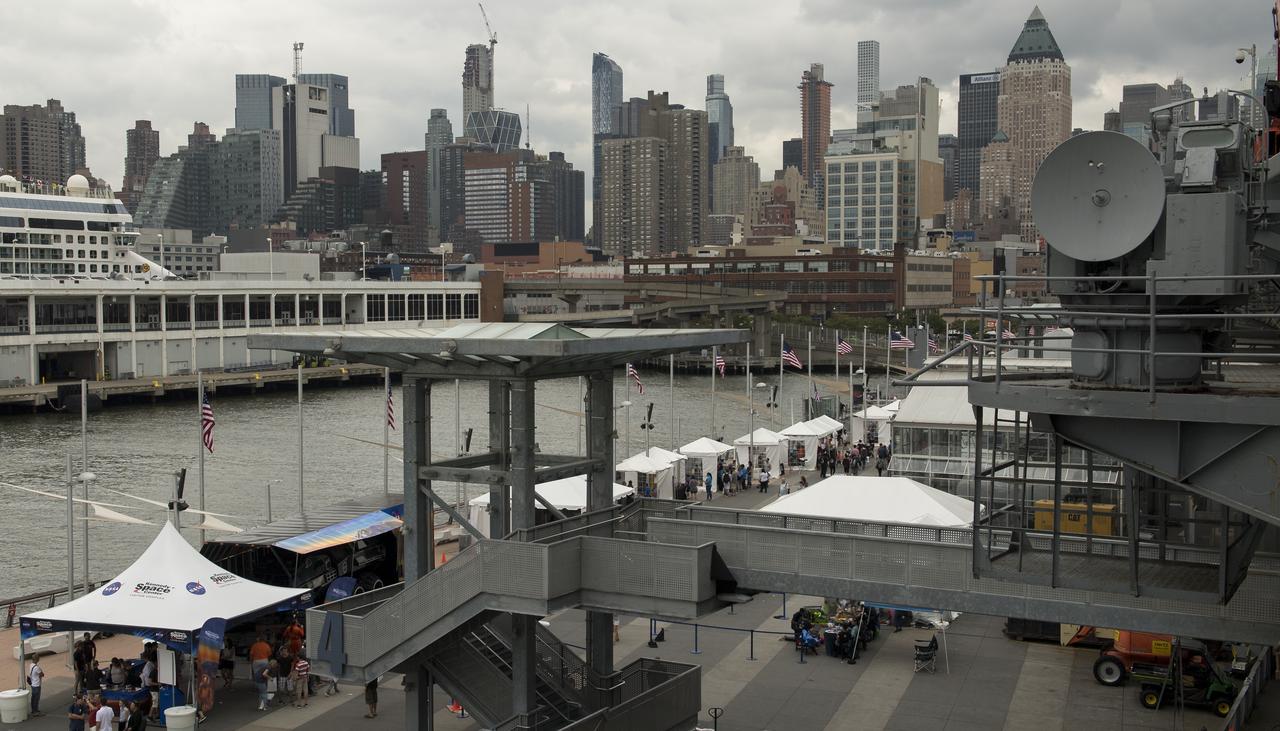
NASA exhibits under white tents line Pier 86 during the Intrepid Space & Science Festival, Saturday, Aug. 5, 2017 held at the Intrepid Sea, Air & Space Museum in New York City. The week-long festival featured talks, films and cutting-edge displays showcasing NASA technology. Photo Credit: (NASA/Bill Ingalls)
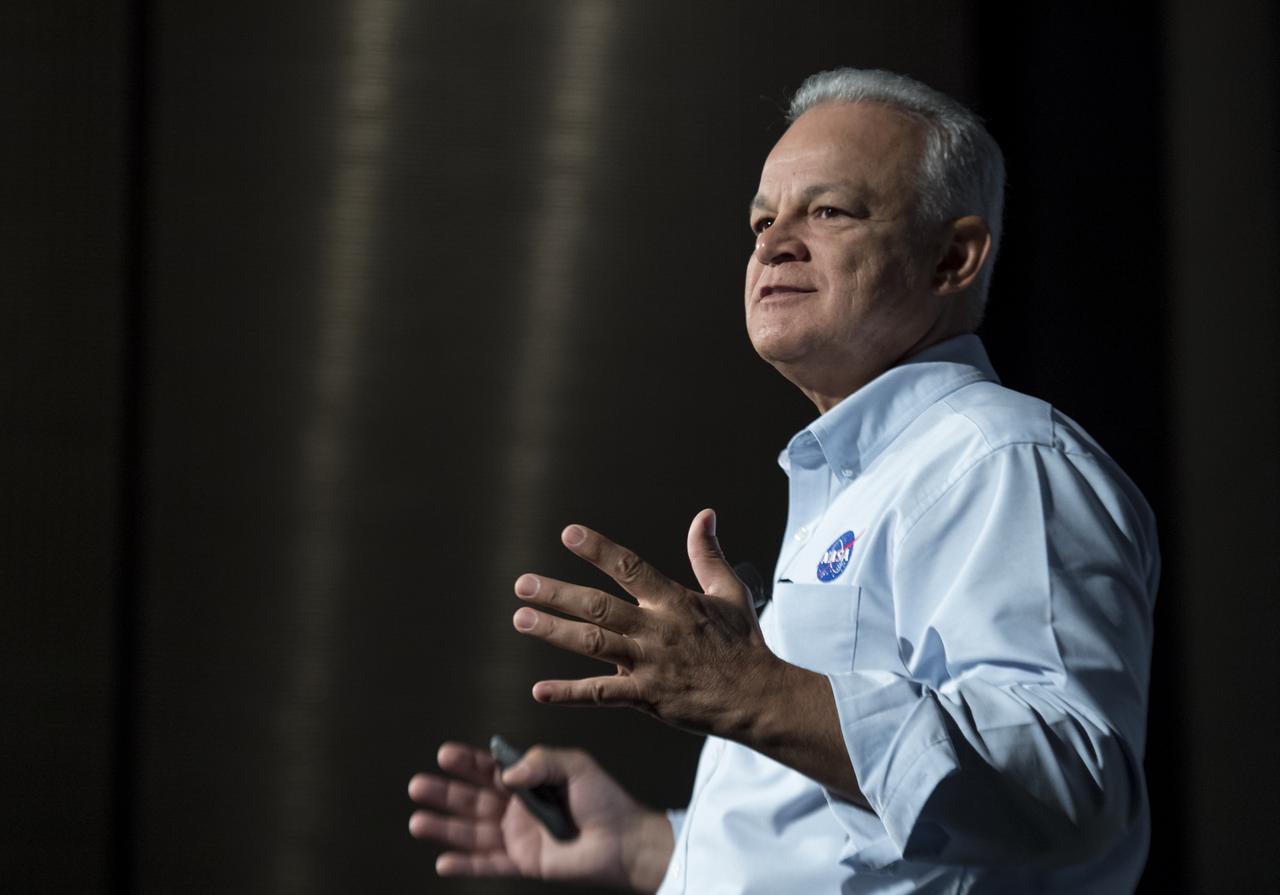
NASA Acting Chief Technologist Douglas Terrier gives a talk to teachers attending a professional development workshop held in tandem with the Intrepid Space & Science Festival, Saturday, Aug. 5, 2017 at the Intrepid Sea, Air & Space Museum in New York City. The week-long festival featured talks, films and cutting-edge displays showcasing NASA technology. Photo Credit: (NASA/Bill Ingalls)

NASA Acting Chief Technologist Douglas Terrier gives a talk to teachers attending a professional development workshop held in tandem with the Intrepid Space & Science Festival, Saturday, Aug. 5, 2017 at the Intrepid Sea, Air & Space Museum in New York City. The week-long festival featured talks, films and cutting-edge displays showcasing NASA technology. Photo Credit: (NASA/Bill Ingalls)
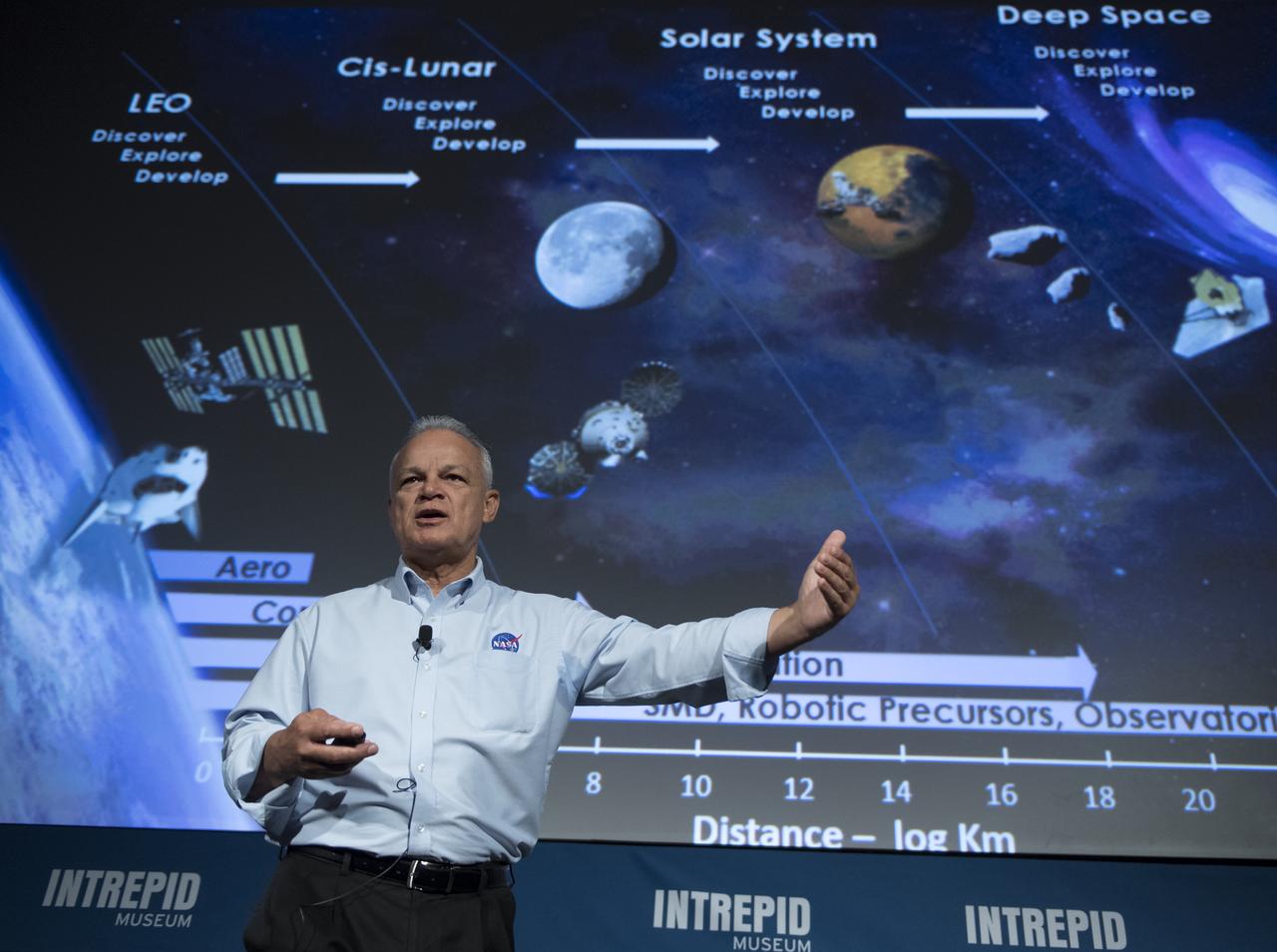
NASA Acting Chief Technologist Douglas Terrier gives a talk to teachers attending a professional development workshop held in tandem with the Intrepid Space & Science Festival, Saturday, Aug. 5, 2017 at the Intrepid Sea, Air & Space Museum in New York City. The week-long festival featured talks, films and cutting-edge displays showcasing NASA technology. Photo Credit: (NASA/Bill Ingalls)

An inflatable scale model of the SLS rocket is seen on Pier 86 during the Intrepid Space & Science Festival, Saturday, Aug. 5, 2017 held at the Intrepid Sea, Air & Space Museum in New York City. The week-long festival featured talks, films and cutting-edge displays showcasing NASA technology. Photo Credit: (NASA/Bill Ingalls)
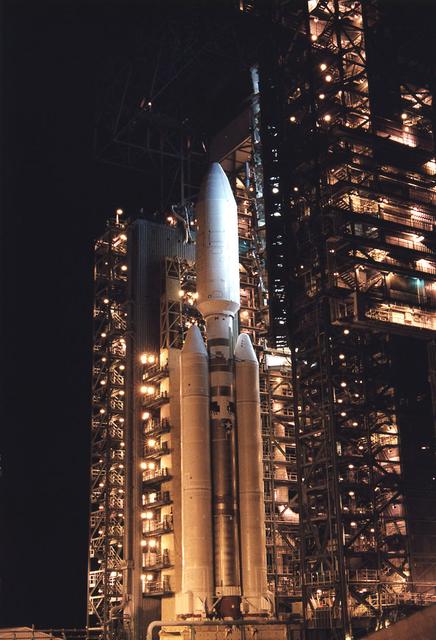
At Launch Complex 40 at Cape Canaveral Air Station, the Mobile Service Tower is being rolled away from the Titan IVB/Centaur launch vehicle carrying the Cassini spacecraft, completing a major countdown milestone. This is the second launch attempt for the Saturn-bound mission. A a first try was scrubbed primarily due to concerns about upper level wind conditions.
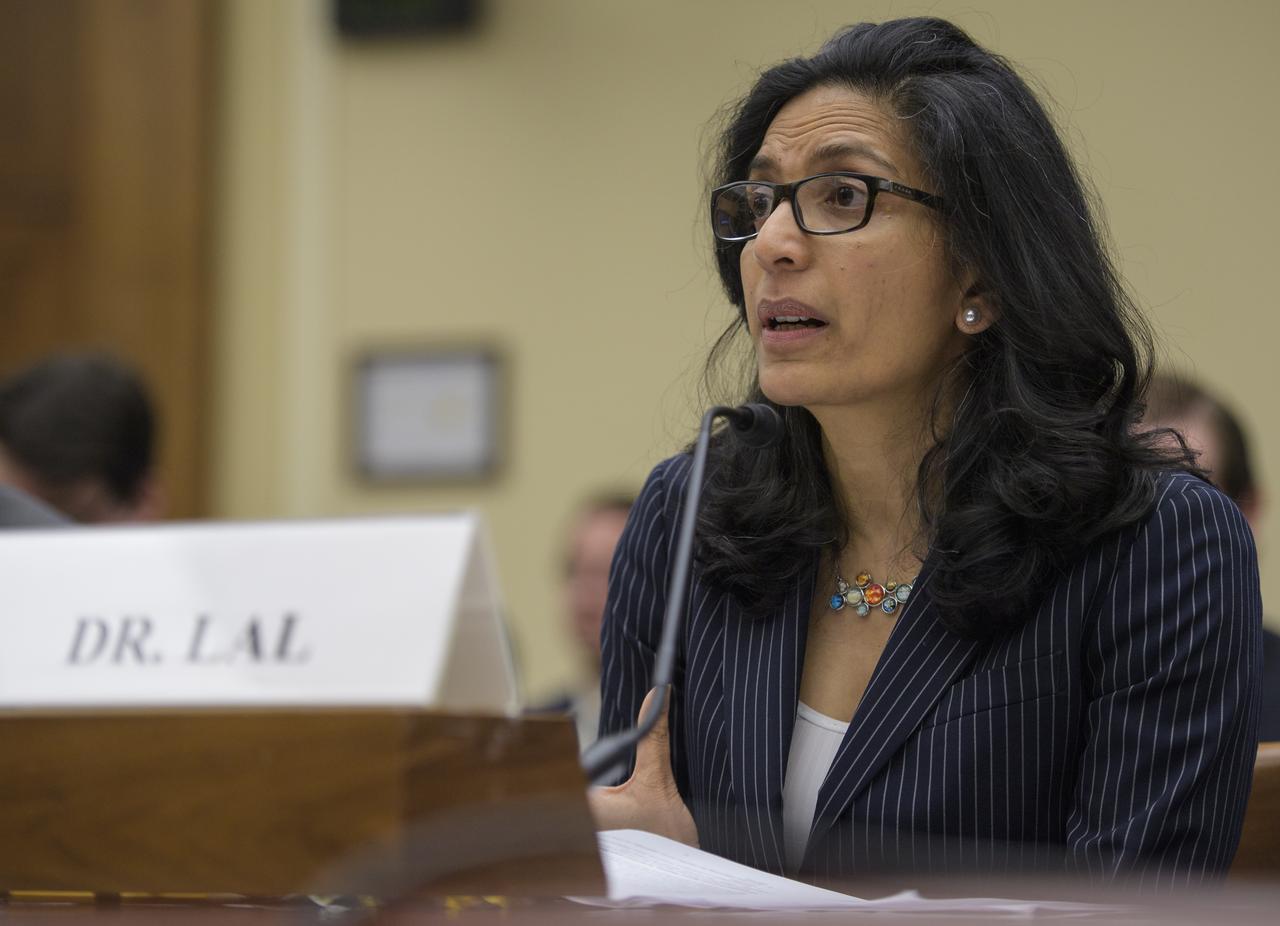
Dr. Bhavya Lal, a researcher at the Institute for Defense Analysis's Science and Technology Policy Institute, testifies during a House Committee on Science, Space, and Technology hearing titled "America's Human Presence in Low-Earth Orbit" on Thursday, May 17, 2018 in the Rayburn House Office Building in Washington. Photo Credit: (NASA/Joel Kowsky)
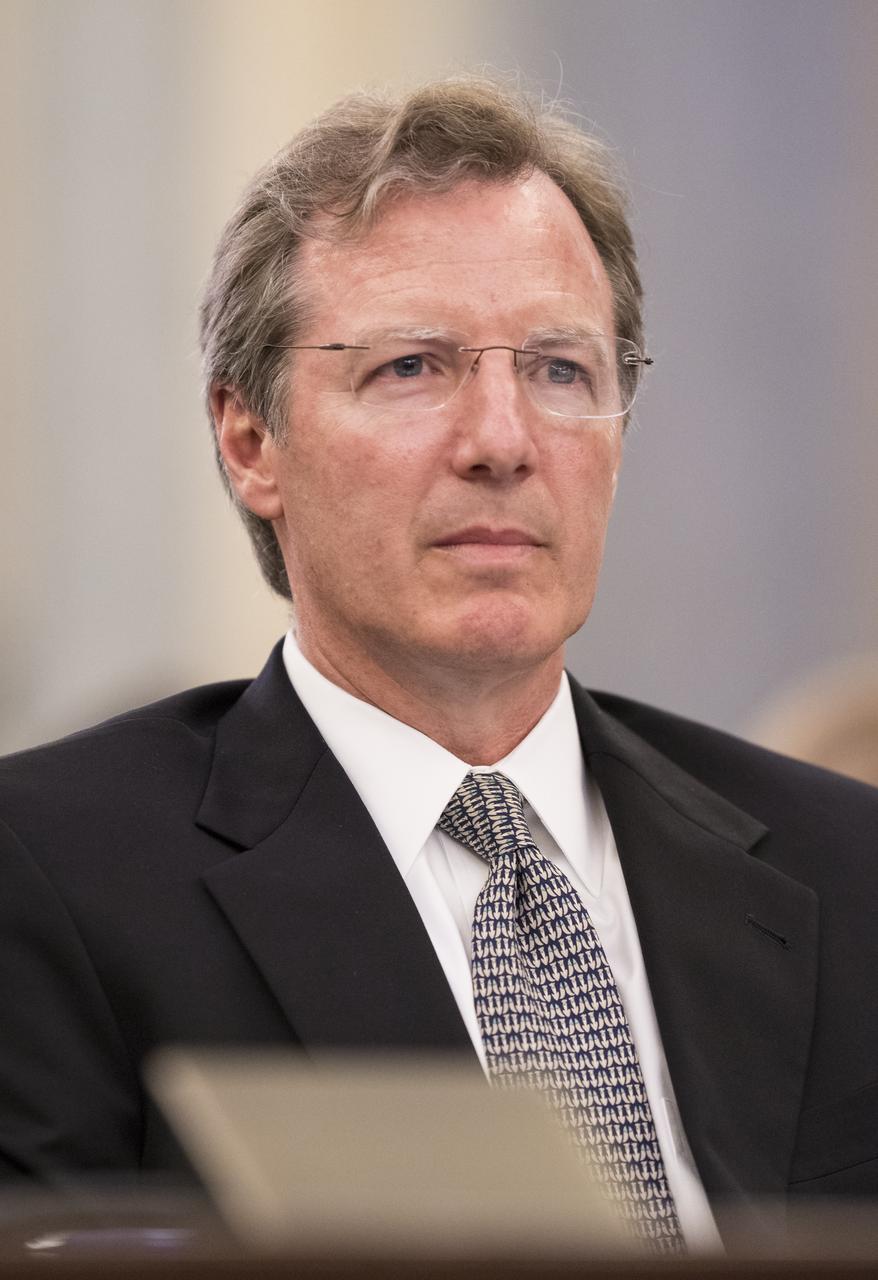
NASA Inspector General Paul Martin is seen during a Senate Subcommittee on Space, Science, and Competitiveness hearing titled "Examining the Future of the International Space Station: Administration Perspectives" Wednesday, May 16, 2018 in the Russell Senate Office Building on Capitol Hill in Washington. Photo Credit: (NASA/Joel Kowsky)
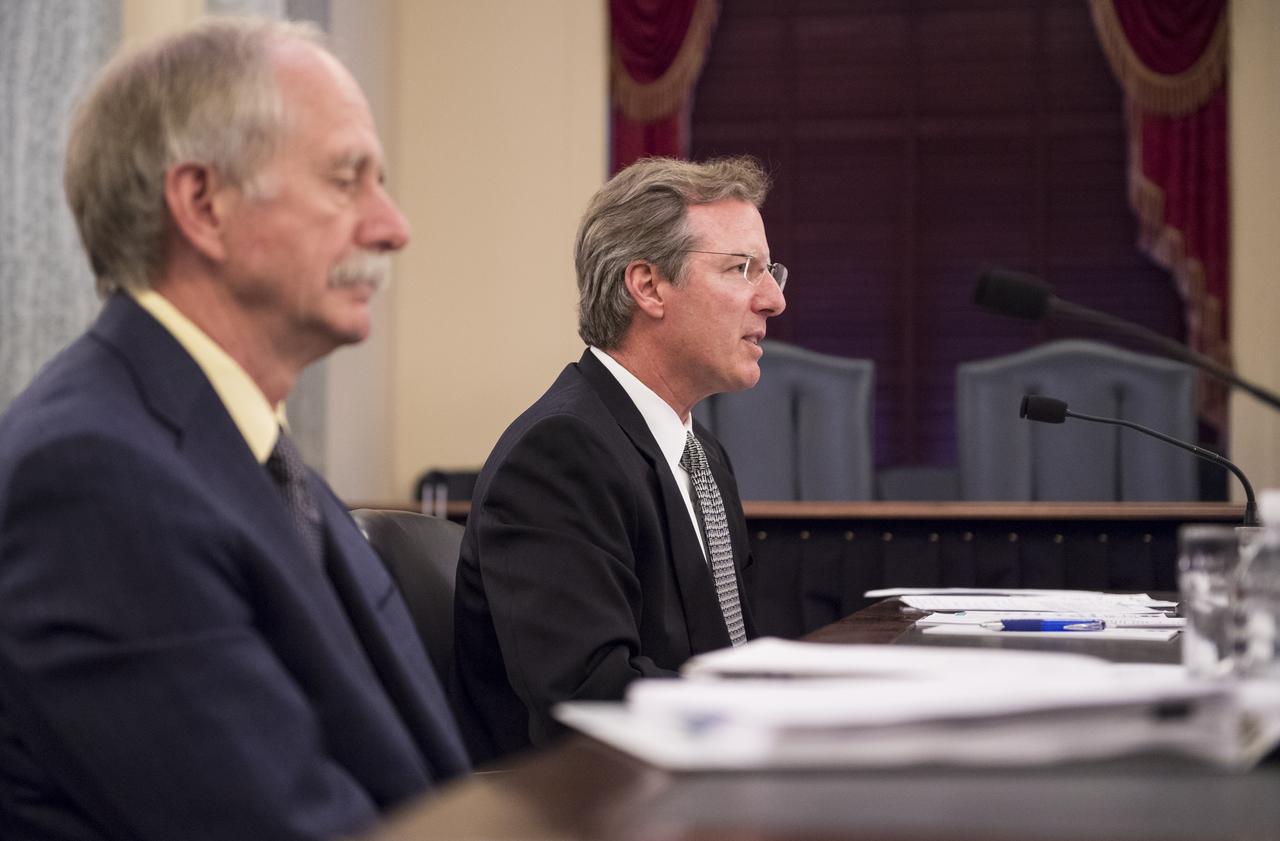
NASA Inspector General Paul Martin testifies during a Senate Subcommittee on Space, Science, and Competitiveness hearing titled "Examining the Future of the International Space Station: Administration Perspectives" held on Wednesday, May 16, 2018 in the Russell Senate Office Building on Capitol Hill in Washington. Photo Credit: (NASA/Joel Kowsky)
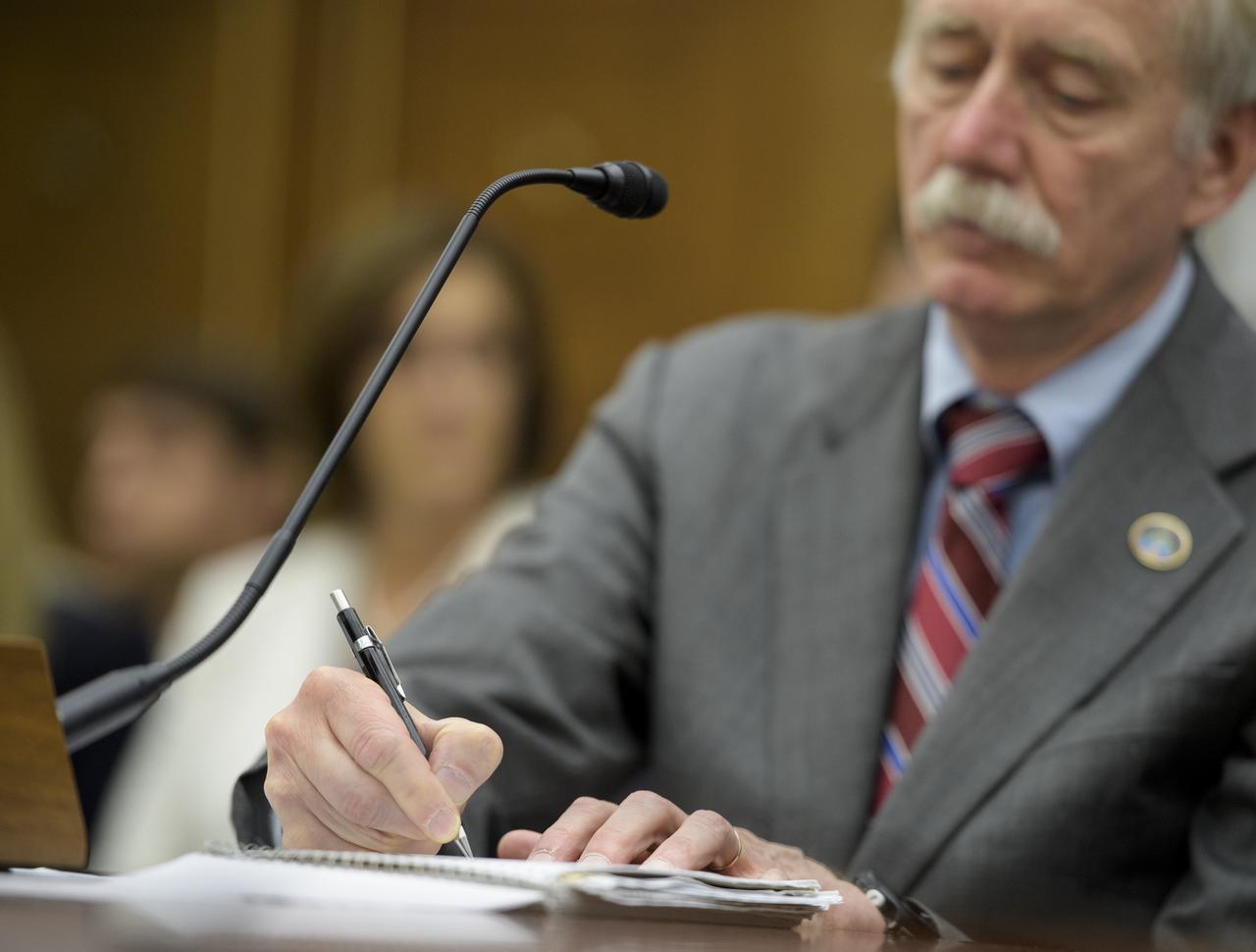
NASA Associate Administrator for the Human Exploration and Operations Mission Directorate William Gerstenmaier testifies during a House Committee on Science, Space, and Technology hearing titled "America's Human Presence in Low-Earth Orbit" on Thursday, May 17, 2018 in the Rayburn House Office Building in Washington. Photo Credit: (NASA/Joel Kowsky)
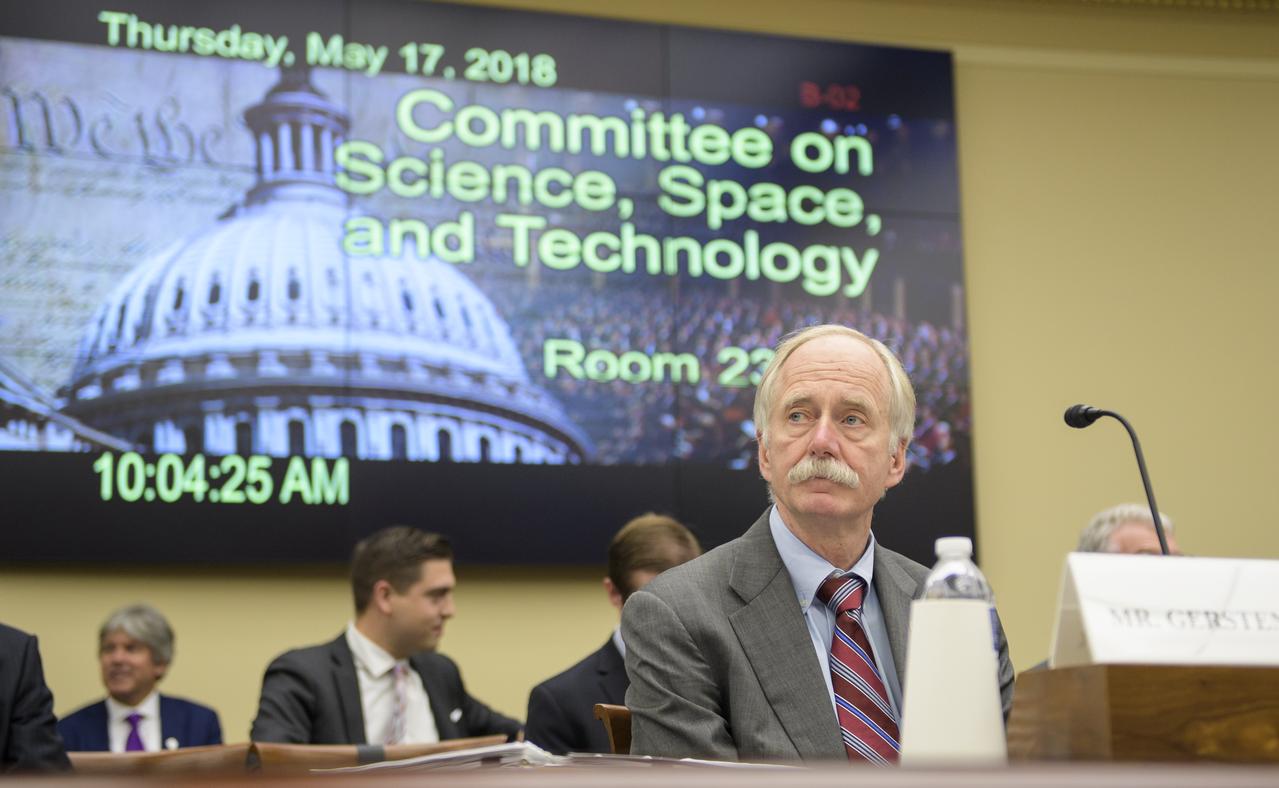
NASA Associate Administrator for the Human Exploration and Operations Mission Directorate William Gerstenmaier is seen prior to the start of a House Committee on Science, Space, and Technology Hearing titles "America's Human Presence in Low-Earth Orbit" on Thursday, May 17, 2018 in the Rayburn House Office Building in Washington. Photo Credit: (NASA/Joel Kowsky)
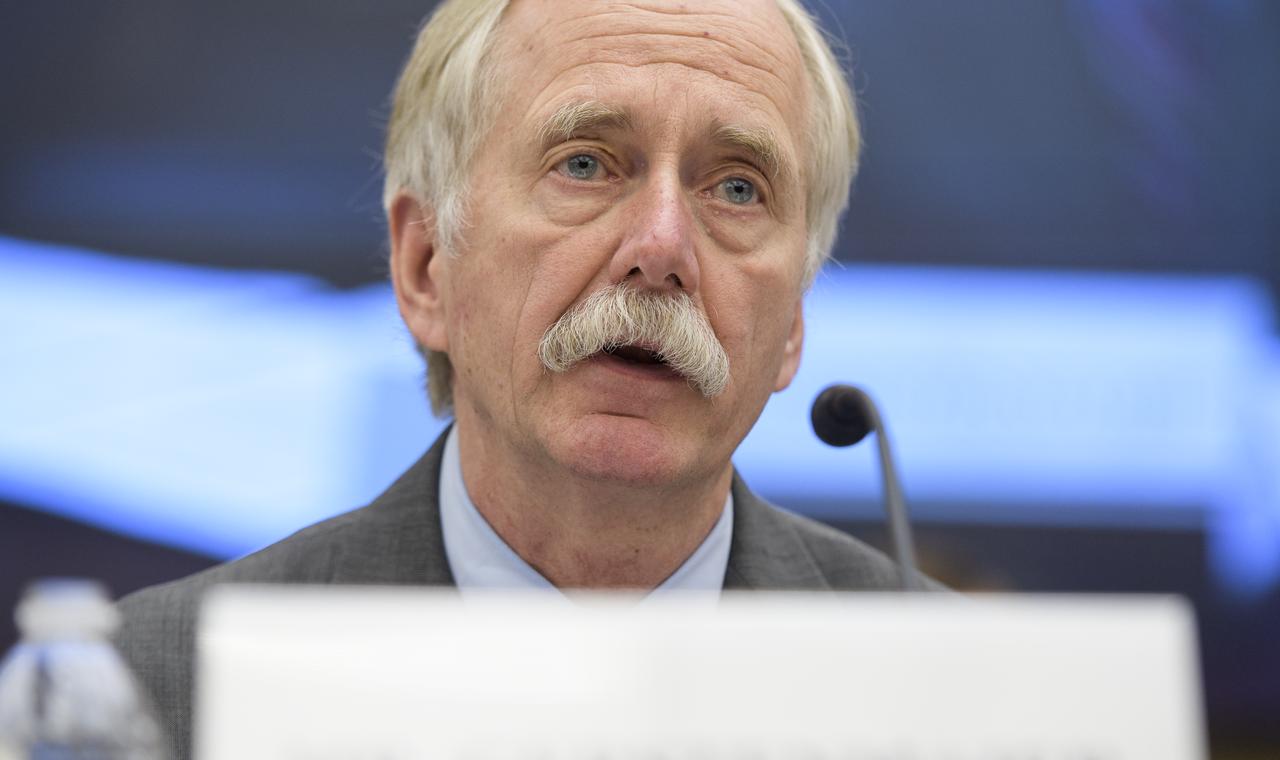
NASA Associate Administrator for the Human Exploration and Operations Mission Directorate William Gerstenmaier testifies during a House Committee on Science, Space, and Technology hearing titled "America's Human Presence in Low-Earth Orbit" on Thursday, May 17, 2018 in the Rayburn House Office Building in Washington. Photo Credit: (NASA/Joel Kowsky)
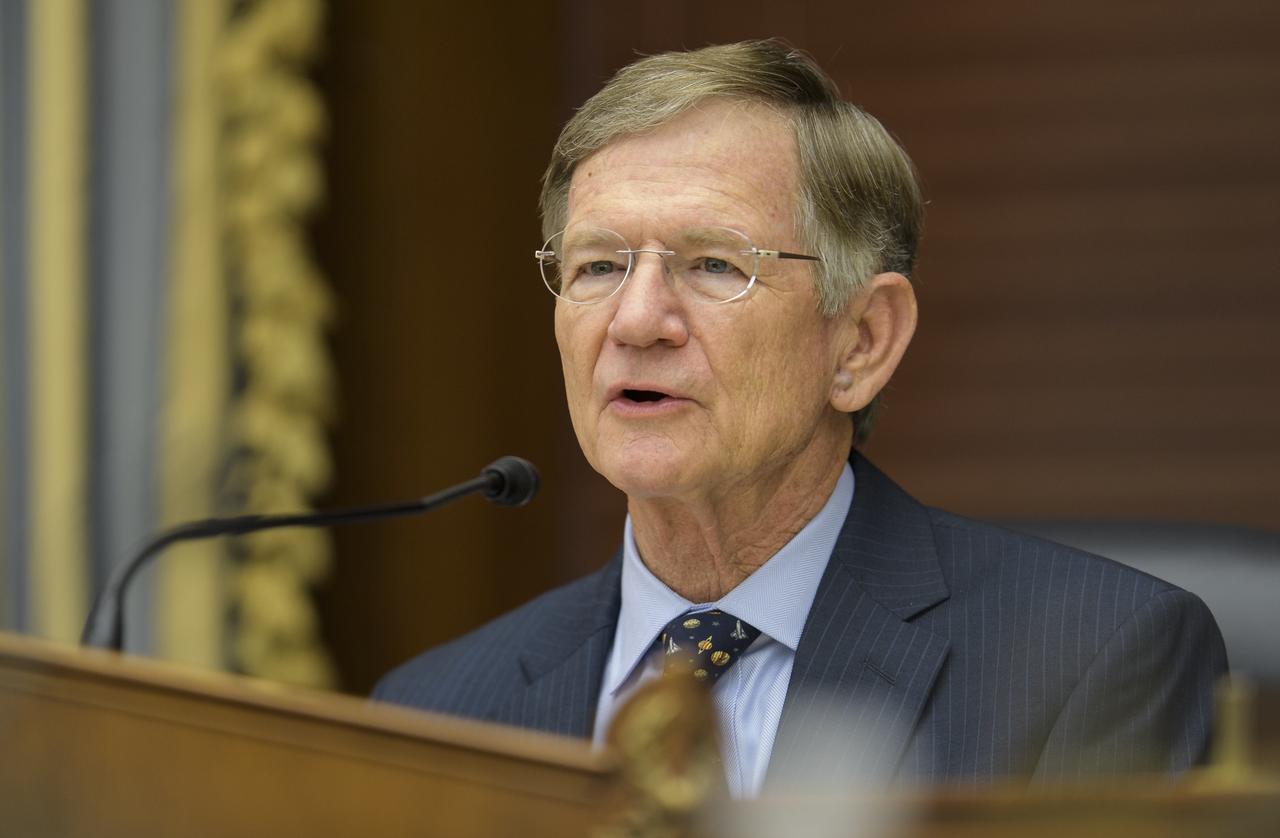
Rep. Lamar Smith, R-Texas, chairman of the House Committee on Science, Space, and Technology, delivers his opening statement during a hearing titled "America's Human Presence in Low-Earth Orbit" on Thursday, May 17, 2018 in the Rayburn House Office Building in Washington. Photo Credit: (NASA/Joel Kowsky)
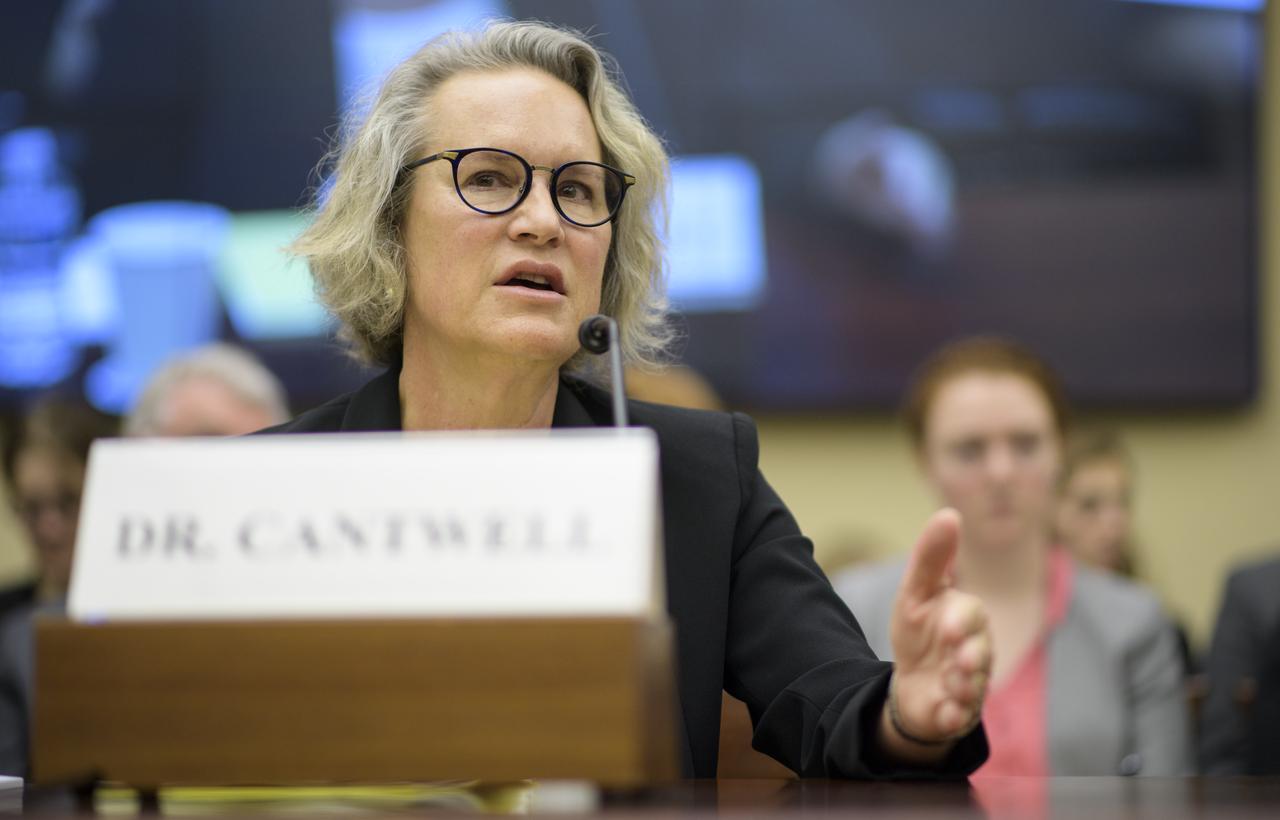
Elizabeth Cantwell, chief executive officer at the Arizona State University Research Enterprise, testifies during a House Committee on Science, Space, and Technology hearing titled "America's Human Presence in Low-Earth Orbit" on Thursday, May 17, 2018 in the Rayburn House Office Building in Washington. Photo Credit: (NASA/Joel Kowsky)
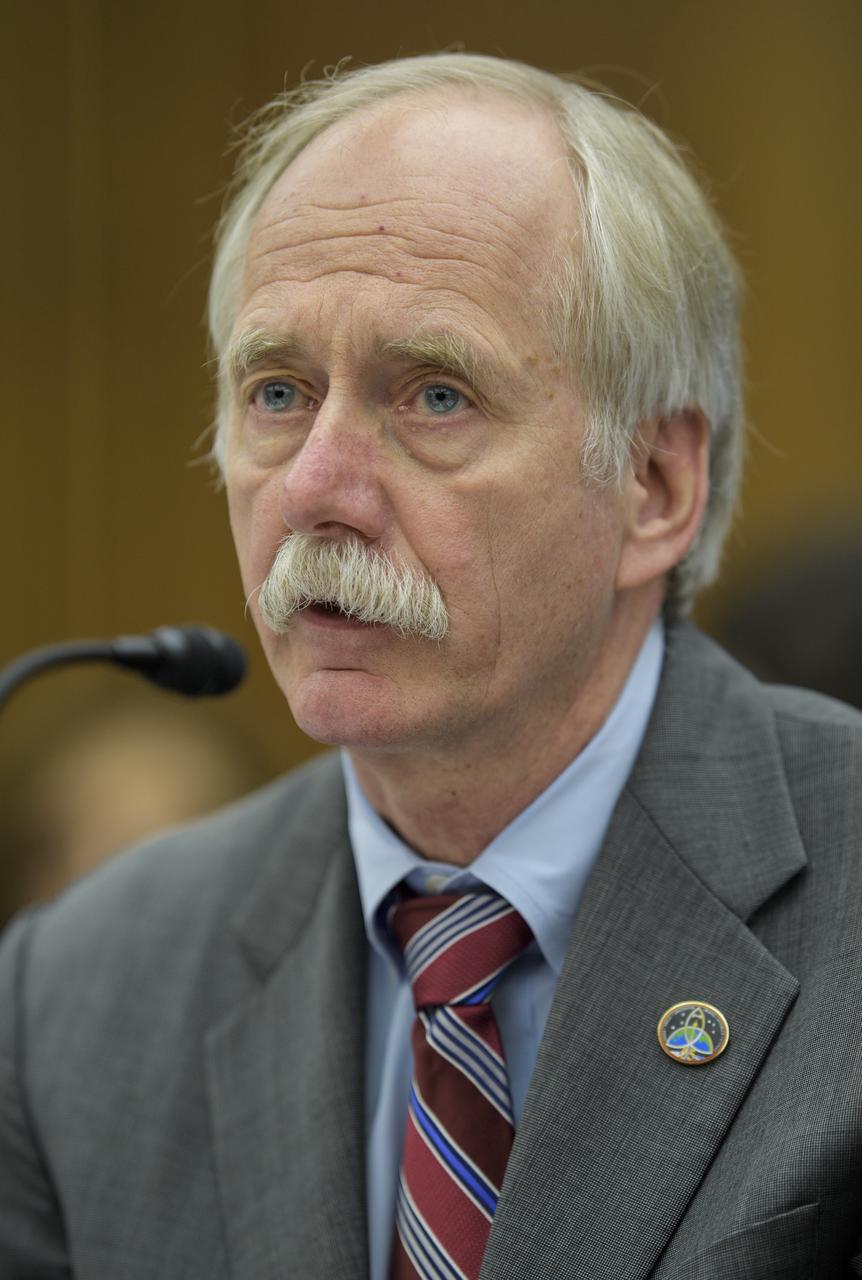
NASA Associate Administrator for the Human Exploration and Operations Mission Directorate William Gerstenmaier testifies during a House Committee on Science, Space, and Technology hearing titled "America's Human Presence in Low-Earth Orbit" on Thursday, May 17, 2018 in the Rayburn House Office Building in Washington. Photo Credit: (NASA/Joel Kowsky)
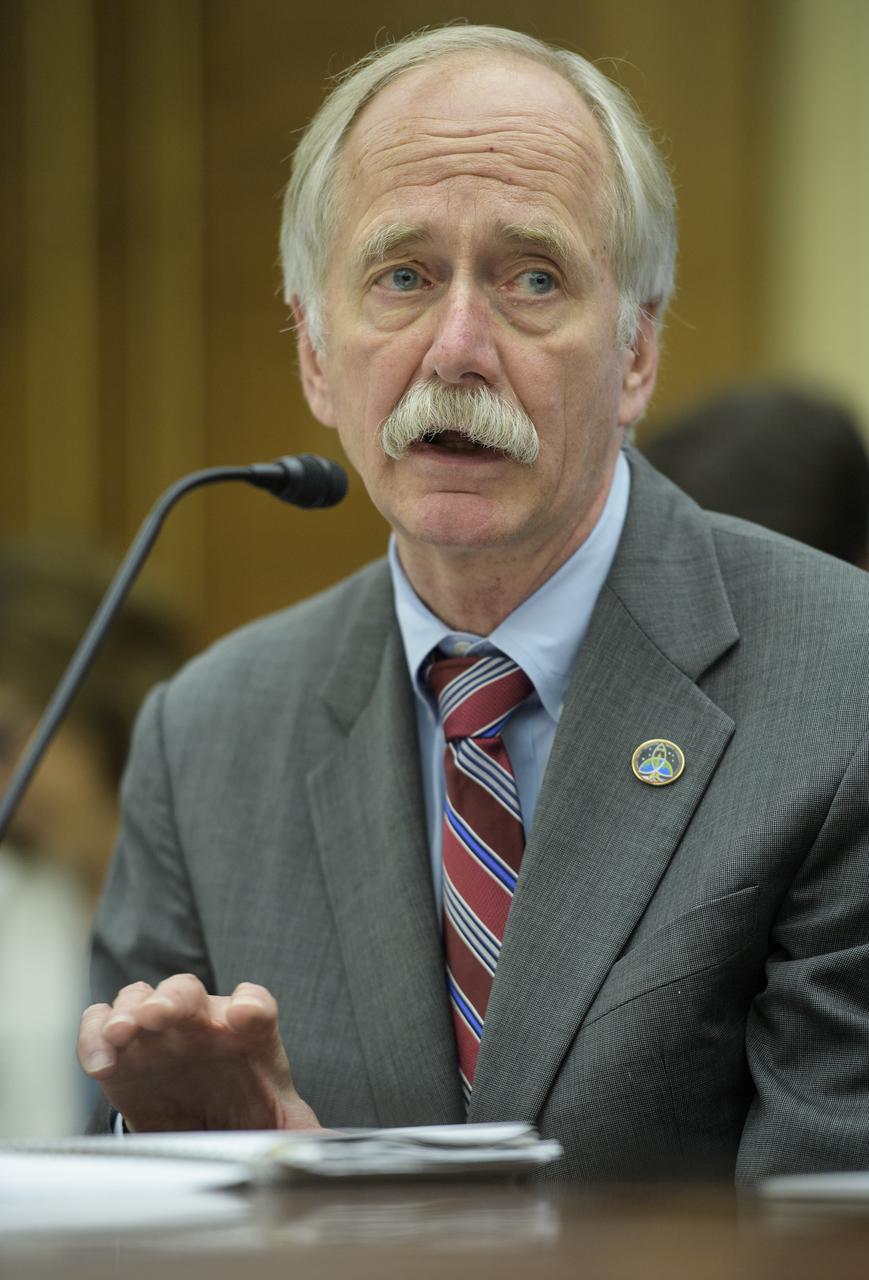
NASA Associate Administrator for the Human Exploration and Operations Mission Directorate William Gerstenmaier testifies during a House Committee on Science, Space, and Technology hearing titled "America's Human Presence in Low-Earth Orbit" on Thursday, May 17, 2018 in the Rayburn House Office Building in Washington. Photo Credit: (NASA/Joel Kowsky)
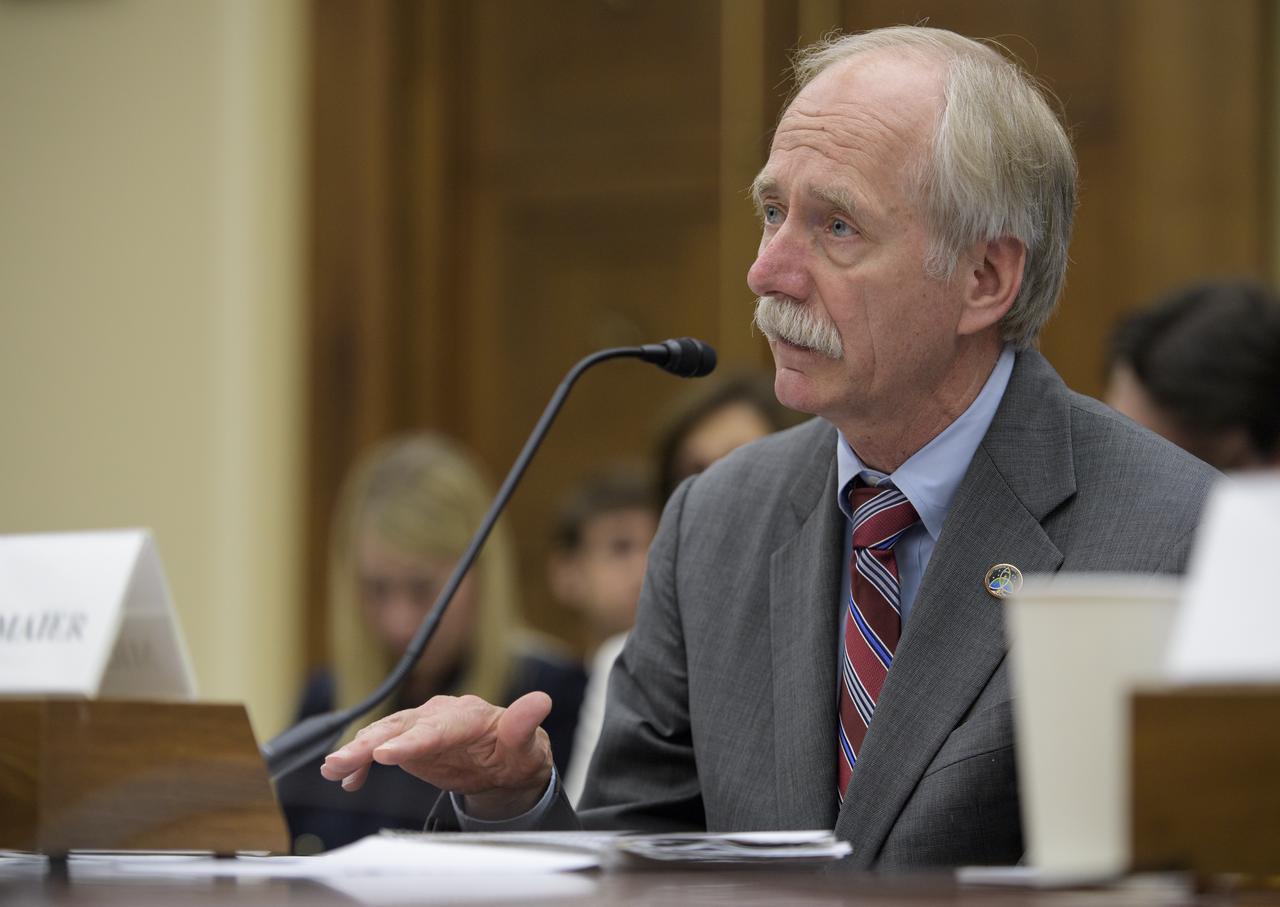
NASA Associate Administrator for the Human Exploration and Operations Mission Directorate William Gerstenmaier testifies during a House Committee on Science, Space, and Technology hearing titled "America's Human Presence in Low-Earth Orbit" on Thursday, May 17, 2018 in the Rayburn House Office Building in Washington. Photo Credit: (NASA/Joel Kowsky)
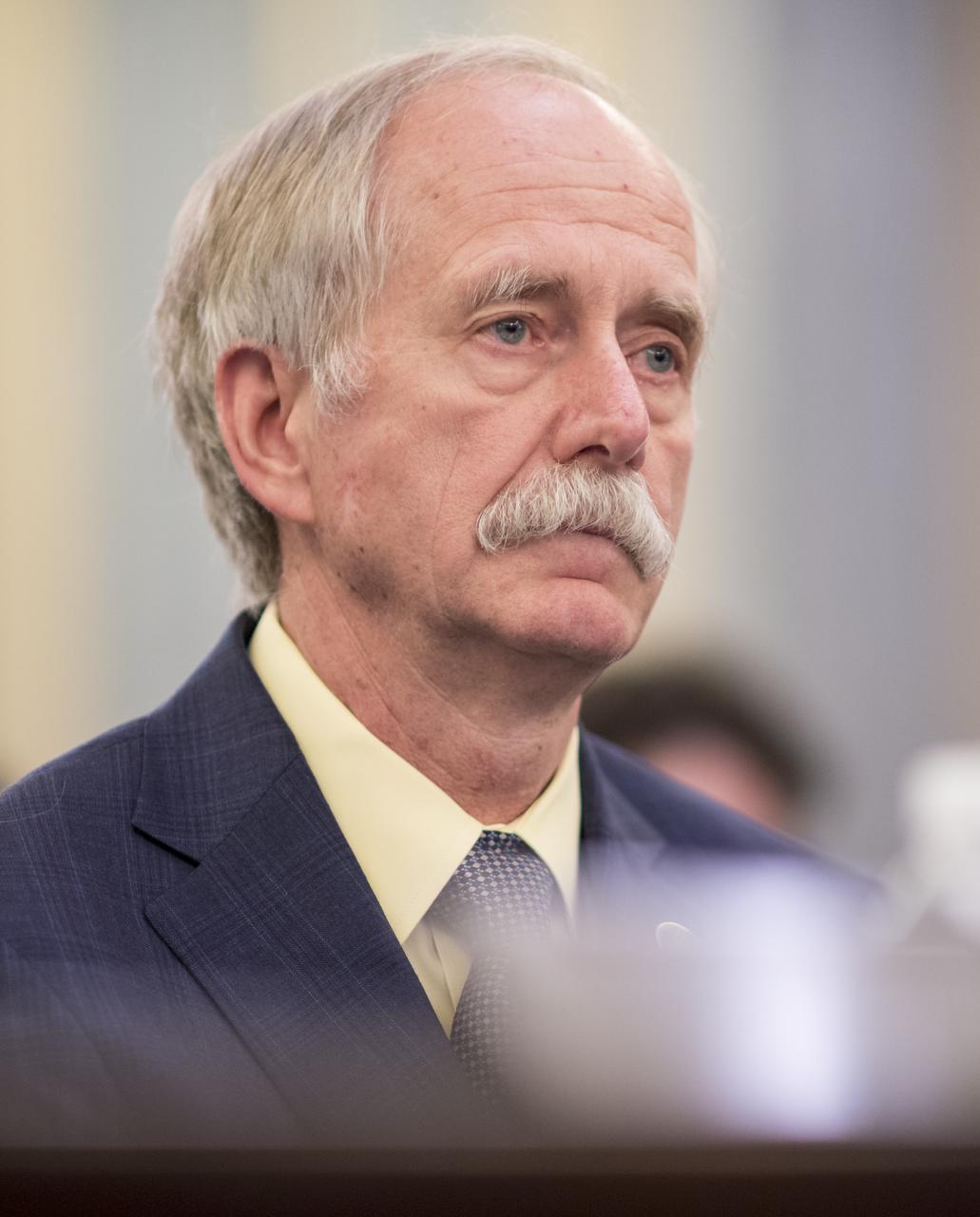
NASA Associate Administrator for the Human Exploration and Operations Mission Directorate William Gerstenmaier testifies during a Senate Subcommittee on Space, Science, and Competitiveness hearing titled "Examining the Future of the International Space Station: Administration Perspectives" held on Wednesday, May 16, 2018 in the Russell Senate Office Building on Capitol Hill in Washington. Photo Credit: (NASA/Joel Kowsky)
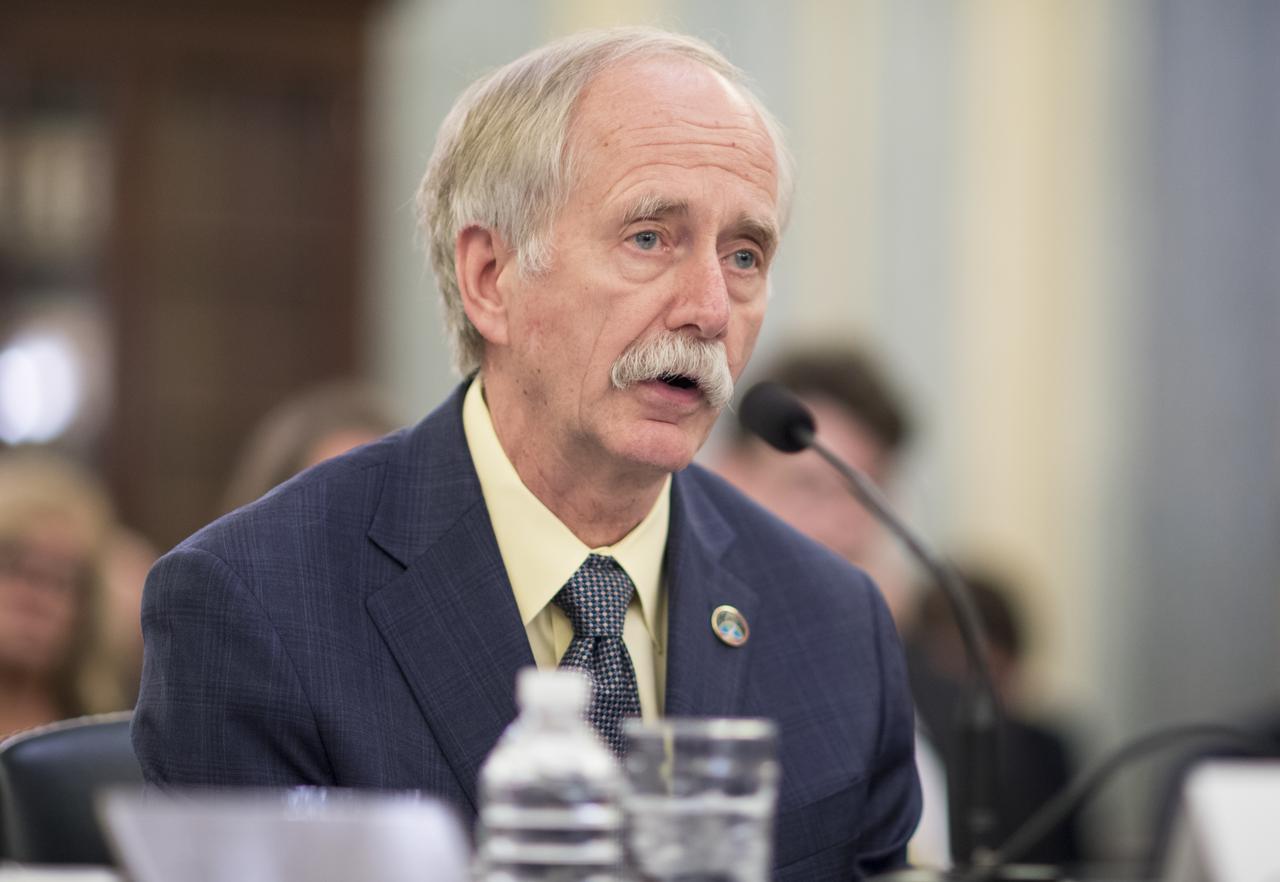
NASA Associate Administrator for the Human Exploration and Operations Mission Directorate William Gerstenmaier testifies during a Senate Subcommittee on Space, Science, and Competitiveness hearing titled "Examining the Future of the International Space Station: Administration Perspectives" held on Wednesday, May 16, 2018 in the Russell Senate Office Building on Capitol Hill in Washington. Photo Credit: (NASA/Joel Kowsky)
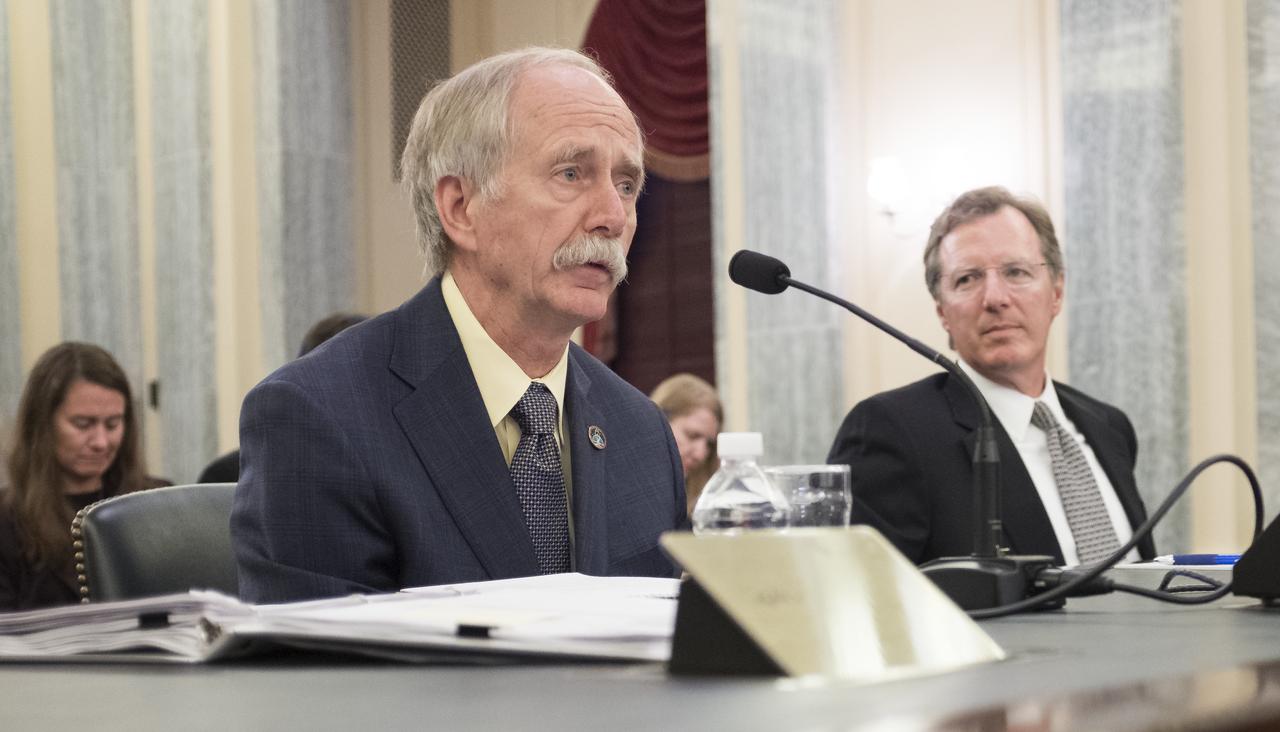
NASA Associate Administrator for the Human Exploration and Operations Mission Directorate William Gerstenmaier testifies during a Senate Subcommittee on Space, Science, and Competitiveness hearing titled "Examining the Future of the International Space Station: Administration Perspectives" held on Wednesday, May 16, 2018 in the Russell Senate Office Building on Capitol Hill in Washington. Photo Credit: (NASA/Joel Kowsky)
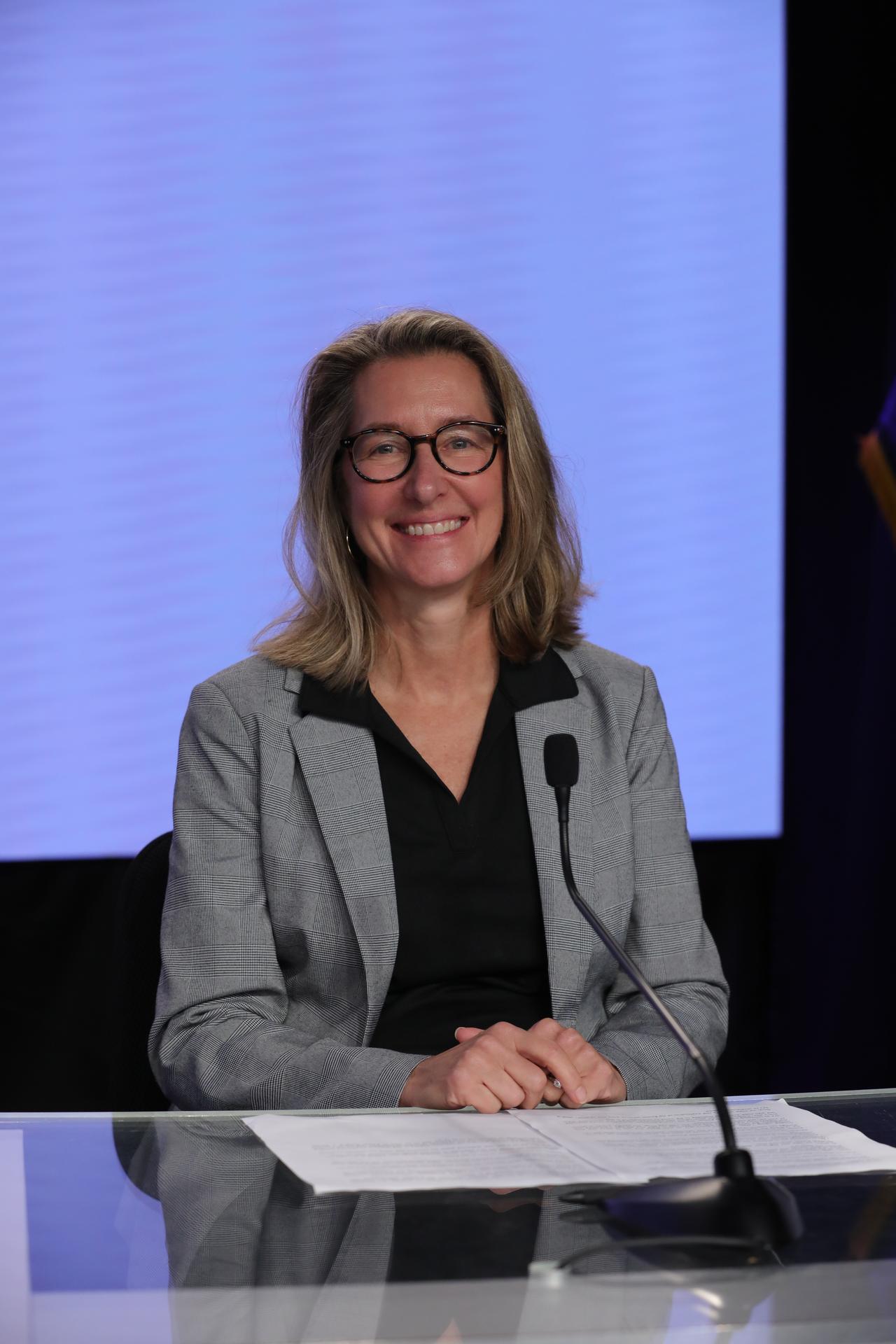
Kristen McQuinn, Roman Science Operations Center lead, Space Telescope Science Institute, participates in a science briefing for NASA’s Nancy Grace Roman Space Telescope inside the NASA News Center’s John Holliman Auditorium at Kennedy Space Center in Florida, on Saturday, Aug. 29, 2026. Roman will investigate dark energy and dark matter, conduct a statistical census of planetary systems, and enable a broad range of additional astrophysics research. Liftoff from Launch Complex 39A at Kennedy is targeted for no earlier than Sunday, Aug. 30, 2026.
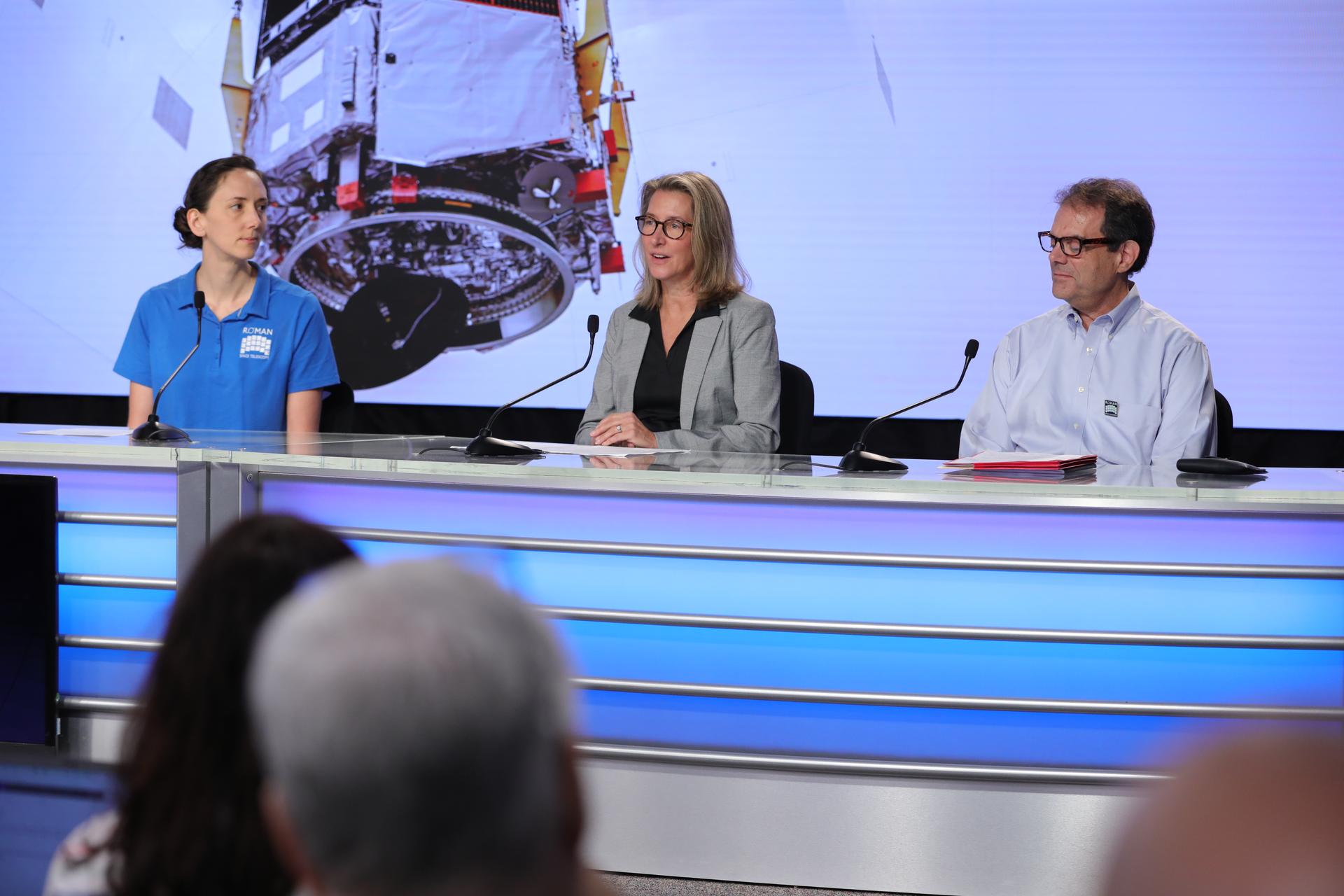
From left, Vanessa Bailey, Roman Coronagraph Instrument scientist, NASA’s Jet Propulsion Laboratory in Southern California; Kristen McQuinn, Roman Science Operations Center lead, Space Telescope Science Institute; and Lee Armus, Roman Science Support Center lead, Caltech/IPAC, participate in a science briefing for NASA’s Nancy Grace Roman Space Telescope inside the NASA News Center’s John Holliman Auditorium at Kennedy Space Center in Florida, on Saturday, Aug. 29, 2026. Roman will investigate dark energy and dark matter, conduct a statistical census of planetary systems, and enable a broad range of additional astrophysics research. Liftoff from Launch Complex 39A at Kennedy is targeted for no earlier than Sunday, Aug. 30, 2026.
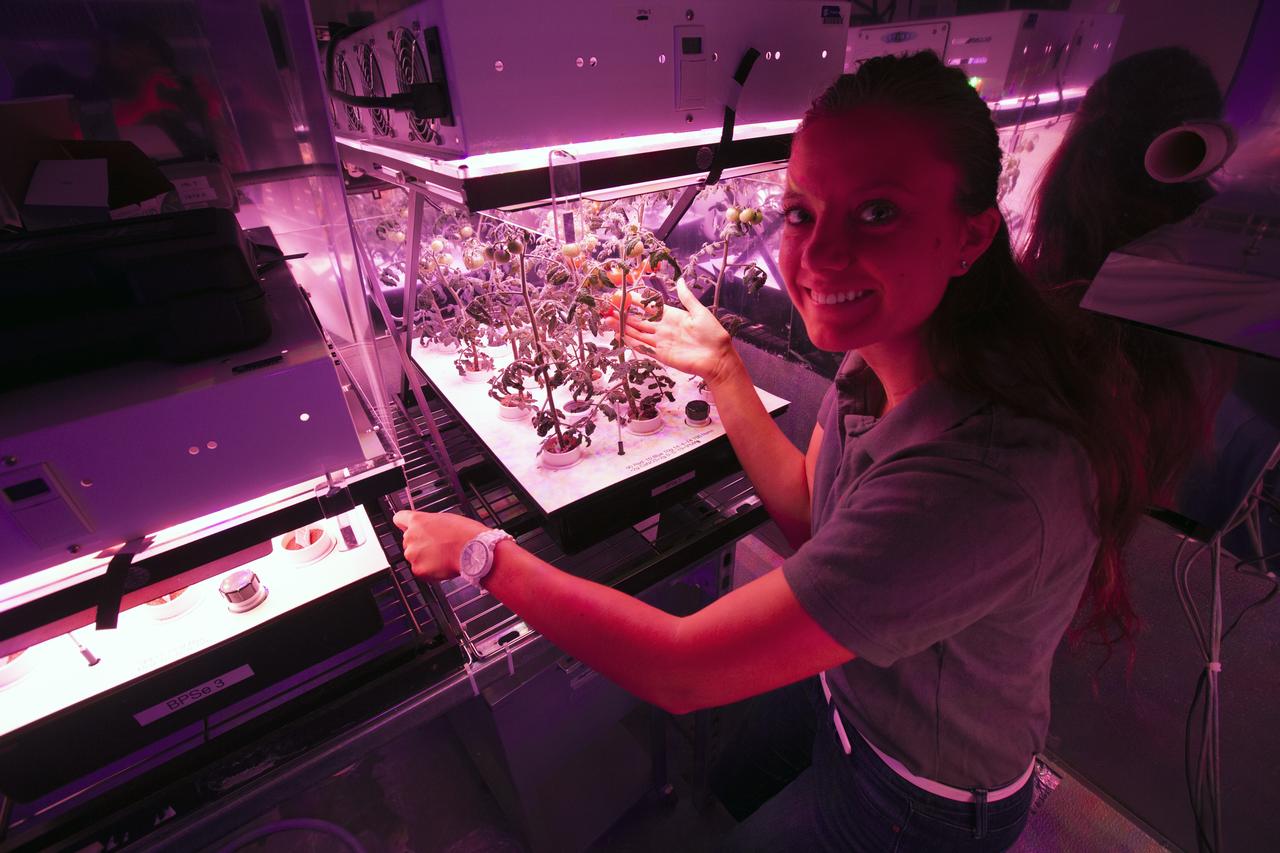
In the Space Life Sciences Laboratory at NASA's Kennedy Space Center in Florida, student interns such as Ayla Grandpre are joining agency scientists, contributing in the area of plant growth research for food production in space. Grandpre is majoring in computer science and chemistry at Rocky Mountain College in Billings, Montana. The agency attracts its future workforce through the NASA Internship, Fellowships and Scholarships, or NIFS, Program.
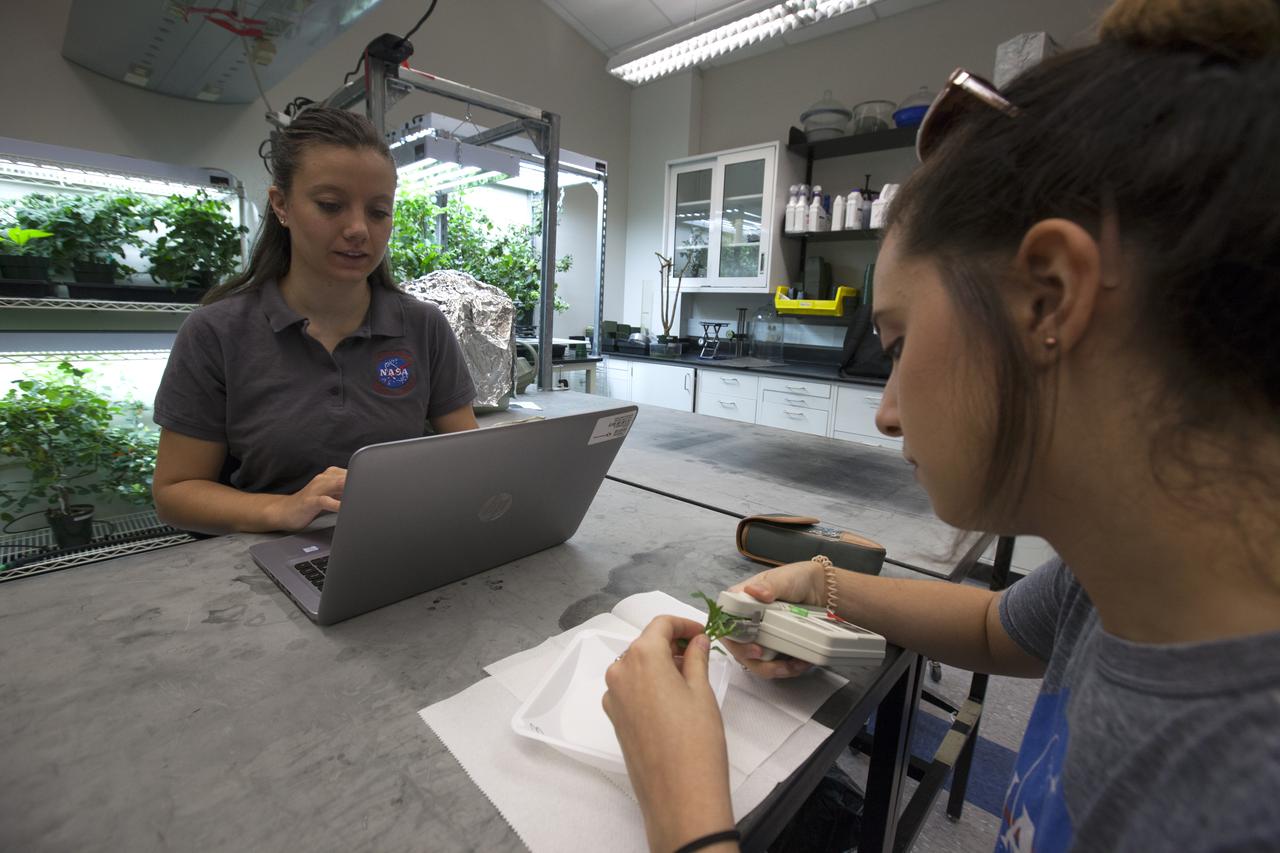
In the Space Life Sciences Laboratory at NASA's Kennedy Space Center in Florida, student interns such as Ayla Grandpre, left, and Payton Barnwell are joining agency scientists, contributing in the area of plant growth research for food production in space. Grandpre is pursuing a degree in computer science and chemistry at Rocky Mountain College in Billings, Montana. Barnwell is a mechanical engineering and nanotechnology major at Florida Polytechnic University. The agency attracts its future workforce through the NASA Internship, Fellowships and Scholarships, or NIFS, Program.
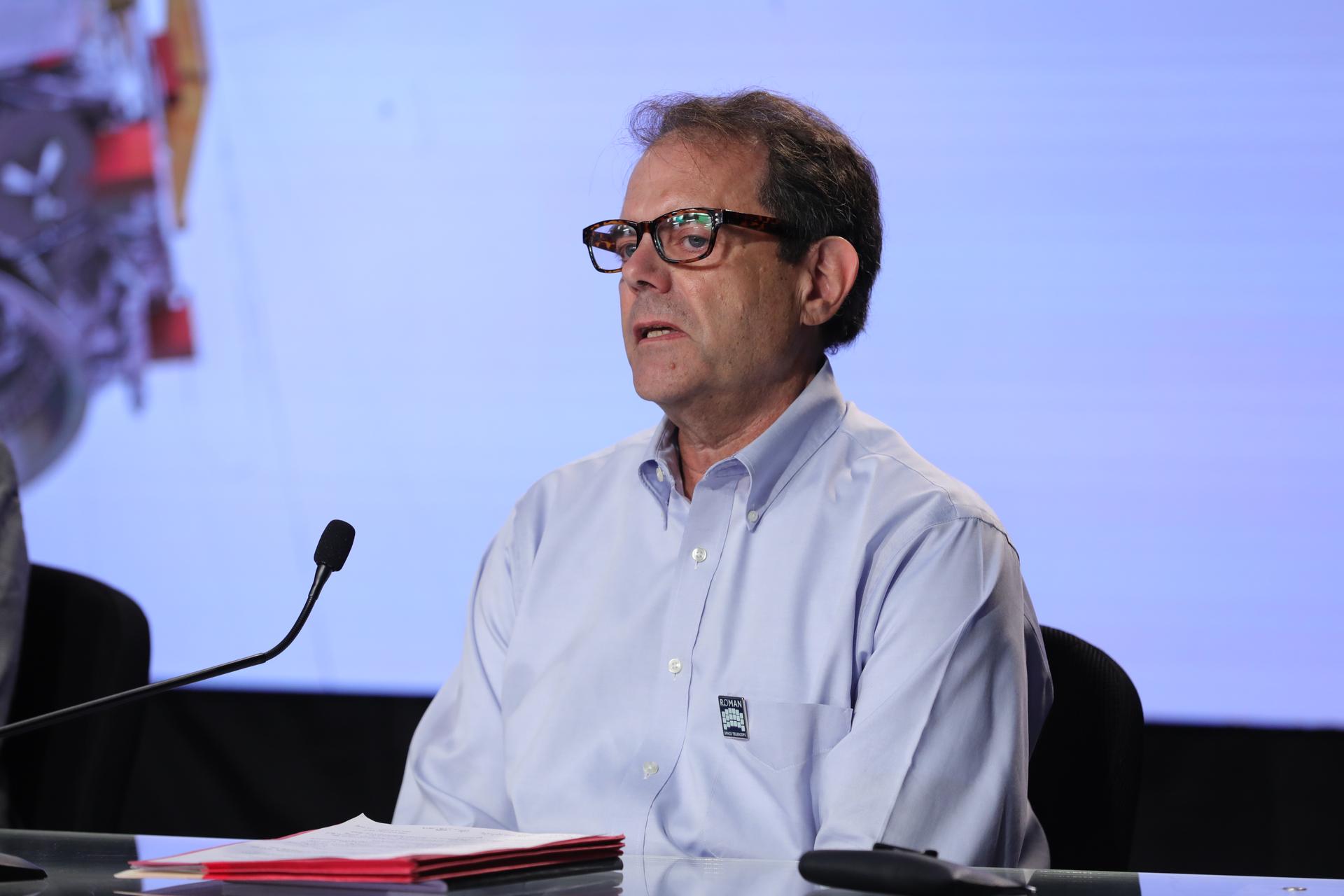
Lee Armus, Roman Science Support Center lead, Caltech/IPAC, participates in a science briefing for NASA’s Nancy Grace Roman Space Telescope inside the NASA News Center’s John Holliman Auditorium at Kennedy Space Center in Florida, on Saturday, Aug. 29, 2026. Roman will investigate dark energy and dark matter, conduct a statistical census of planetary systems, and enable a broad range of additional astrophysics research. Liftoff from Launch Complex 39A at Kennedy is targeted for no earlier than Sunday, Aug. 30, 2026.
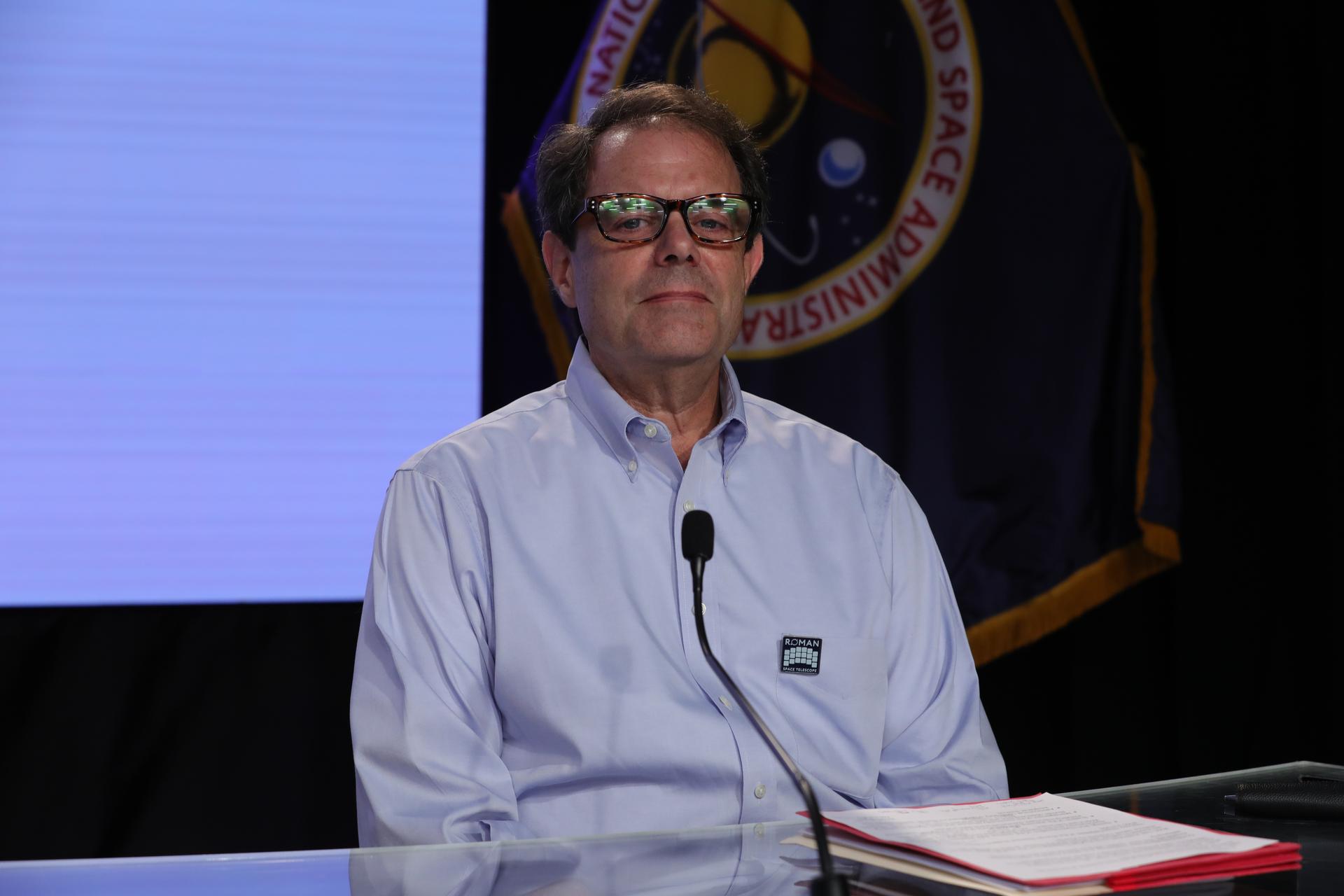
Lee Armus, Roman Science Support Center lead, Caltech/IPAC, participates in a science briefing for NASA’s Nancy Grace Roman Space Telescope inside the NASA News Center’s John Holliman Auditorium at Kennedy Space Center in Florida, on Saturday, Aug. 29, 2026. Roman will investigate dark energy and dark matter, conduct a statistical census of planetary systems, and enable a broad range of additional astrophysics research. Liftoff from Launch Complex 39A at Kennedy is targeted for no earlier than Sunday, Aug. 30, 2026.
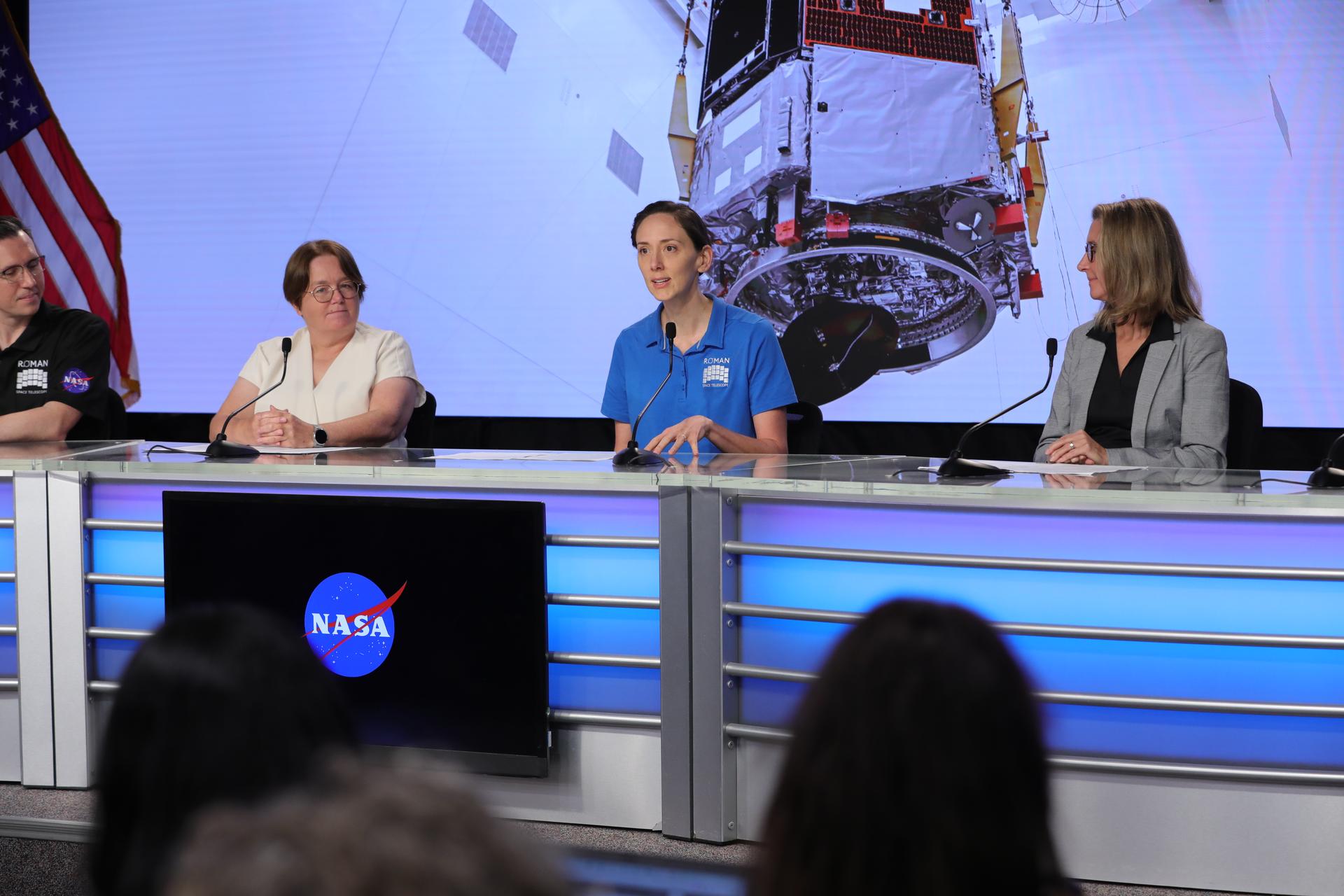
From left, Shawn Domagal-Goldman, director, Astrophysics Division, NASA Headquarters in Washington; Julie McEnery, Roman telescope senior project scientist, NASA’s Goddard Space Flight Center in Greenbelt, Maryland; Vanessa Bailey, Roman Coronagraph Instrument scientist, NASA’s Jet Propulsion Laboratory in Southern California; and Kristen McQuinn, Roman Science Operations Center lead, Space Telescope Science Institute, participate in a science briefing for NASA’s Nancy Grace Roman Space Telescope inside the NASA News Center’s John Holliman Auditorium at Kennedy Space Center in Florida, on Saturday, Aug. 29, 2026. Roman will investigate dark energy and dark matter, conduct a statistical census of planetary systems, and enable a broad range of additional astrophysics research. Liftoff from Launch Complex 39A at Kennedy is targeted for no earlier than Sunday, Aug. 30, 2026.
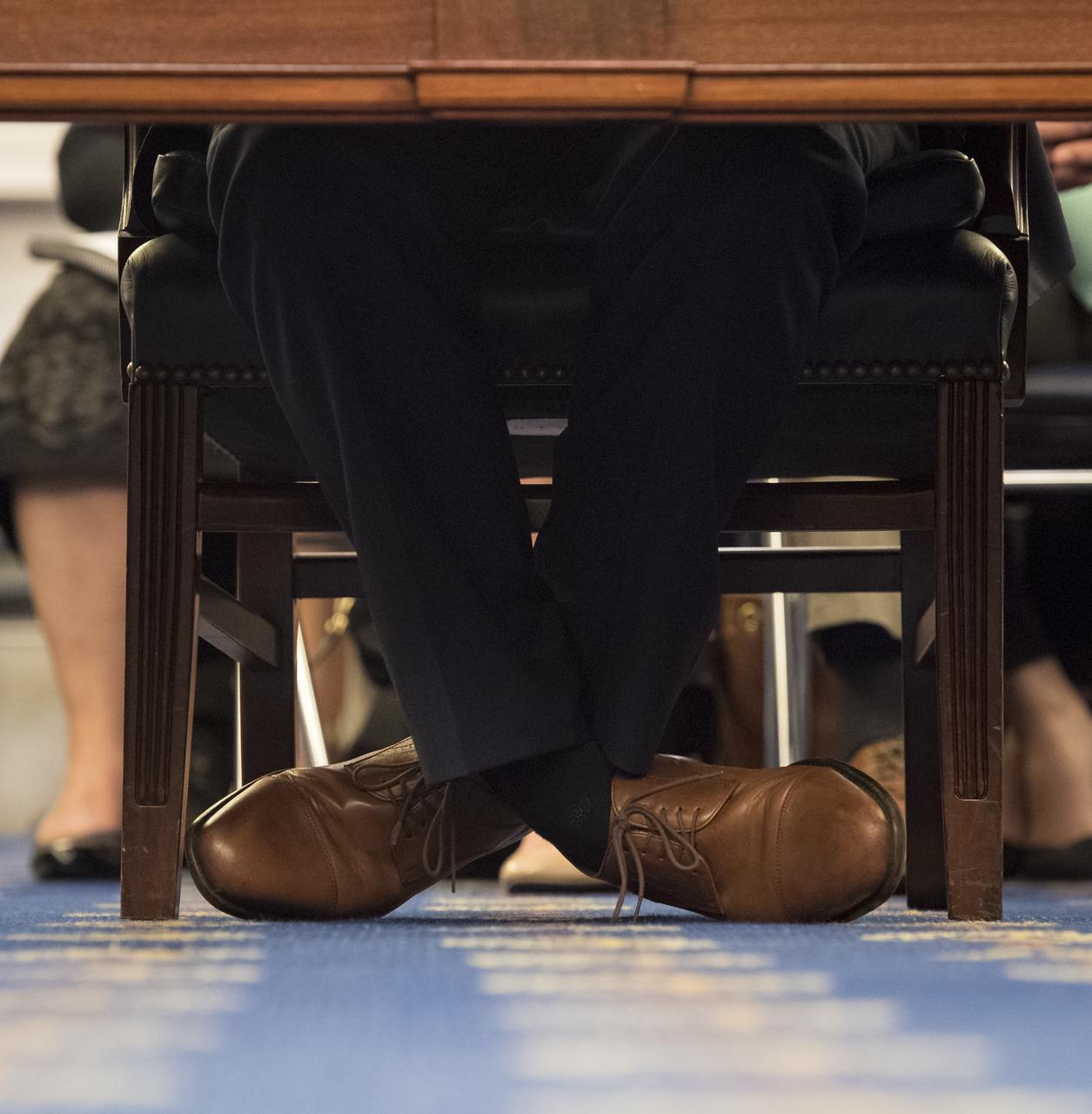
NASA Administrator Jim Bridenstine's shoes are seen while testifying during a Subcommittee on Space, Science, and Competitiveness hearing titled, "Global Space Race: Ensuring the United States Remains the Leader in Space," Wednesday, September 26, 2018 at the Russell Senate Office Building in Washington. Photo Credit: (NASA/Aubrey Gemignani)
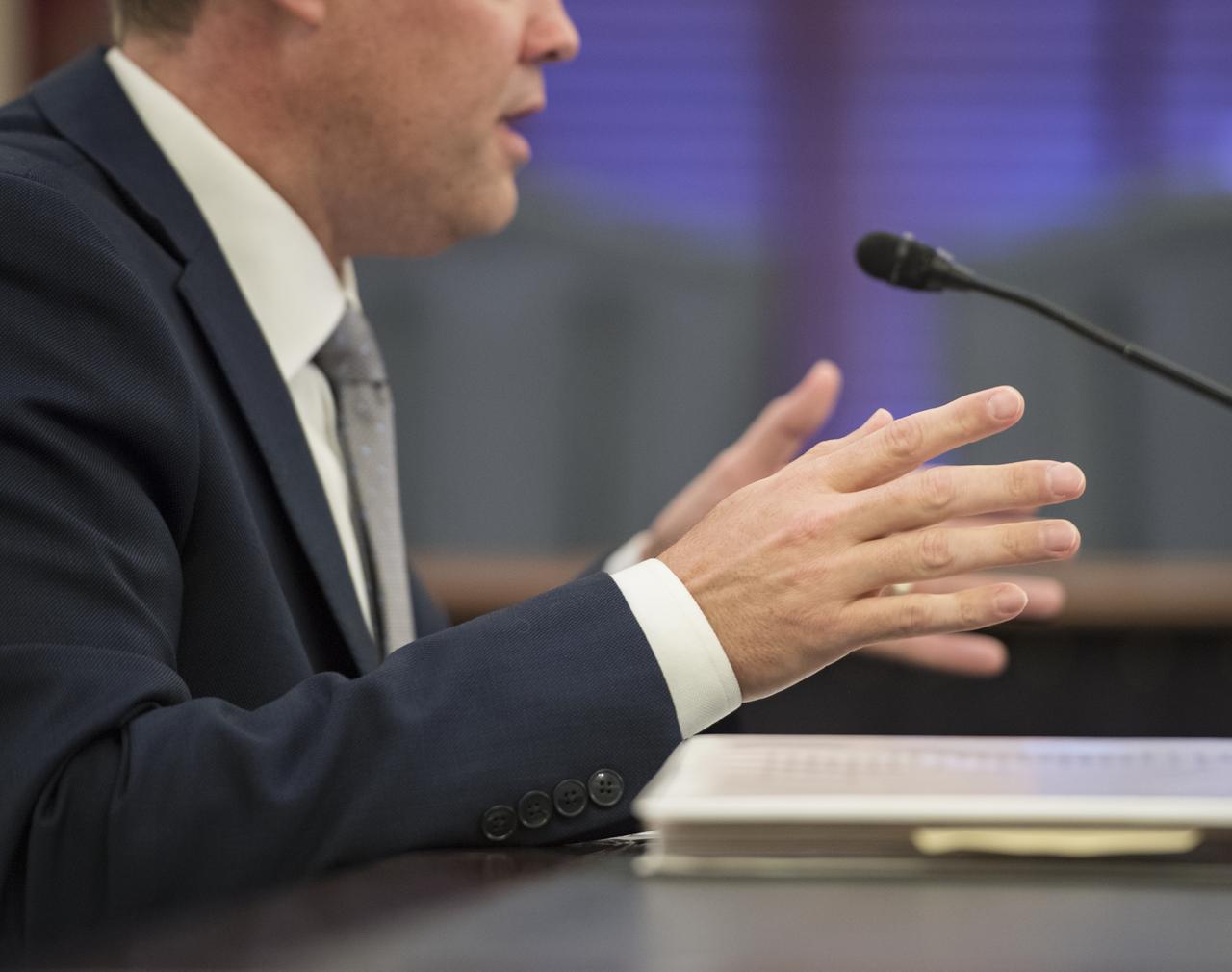
NASA Administrator Jim Bridenstine testifies during a Subcommittee on Space, Science, and Competitiveness hearing titled, "Global Space Race: Ensuring the United States Remains the Leader in Space," Wednesday, September 26, 2018 at the Russell Senate Office Building in Washington. Photo Credit: (NASA/Aubrey Gemignani)
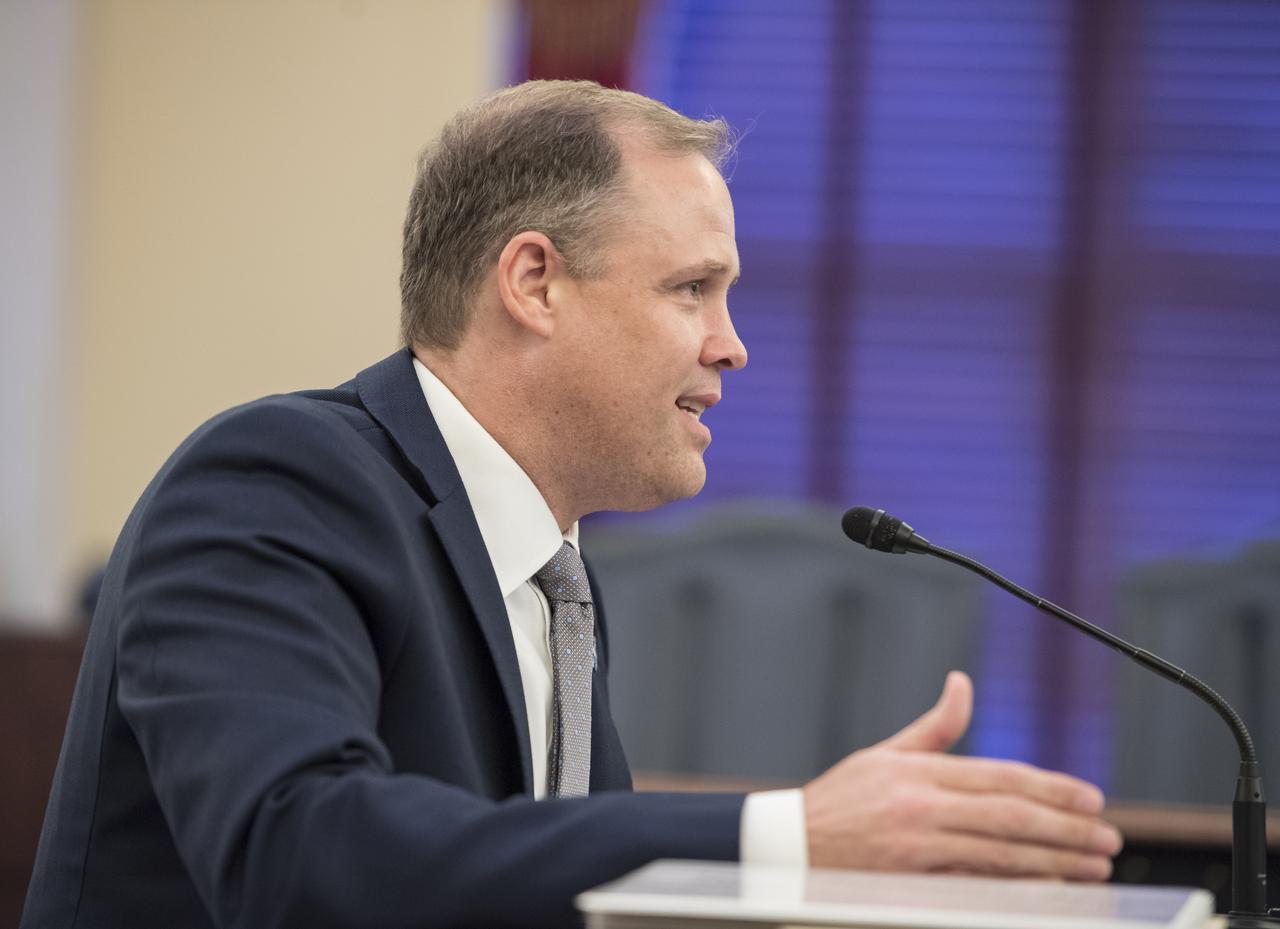
NASA Administrator Jim Bridenstine testifies during a Subcommittee on Space, Science, and Competitiveness hearing titled, "Global Space Race: Ensuring the United States Remains the Leader in Space," Wednesday, September 26, 2018 at the Russell Senate Office Building in Washington. Photo Credit: (NASA/Aubrey Gemignani)

NASA Administrator Jim Bridenstine gestures with a bottle of water while testifying during a Subcommittee on Space, Science, and Competitiveness hearing titled, "Global Space Race: Ensuring the United States Remains the Leader in Space," Wednesday, September 26, 2018 at the Russell Senate Office Building in Washington. Photo Credit: (NASA/Aubrey Gemignani)
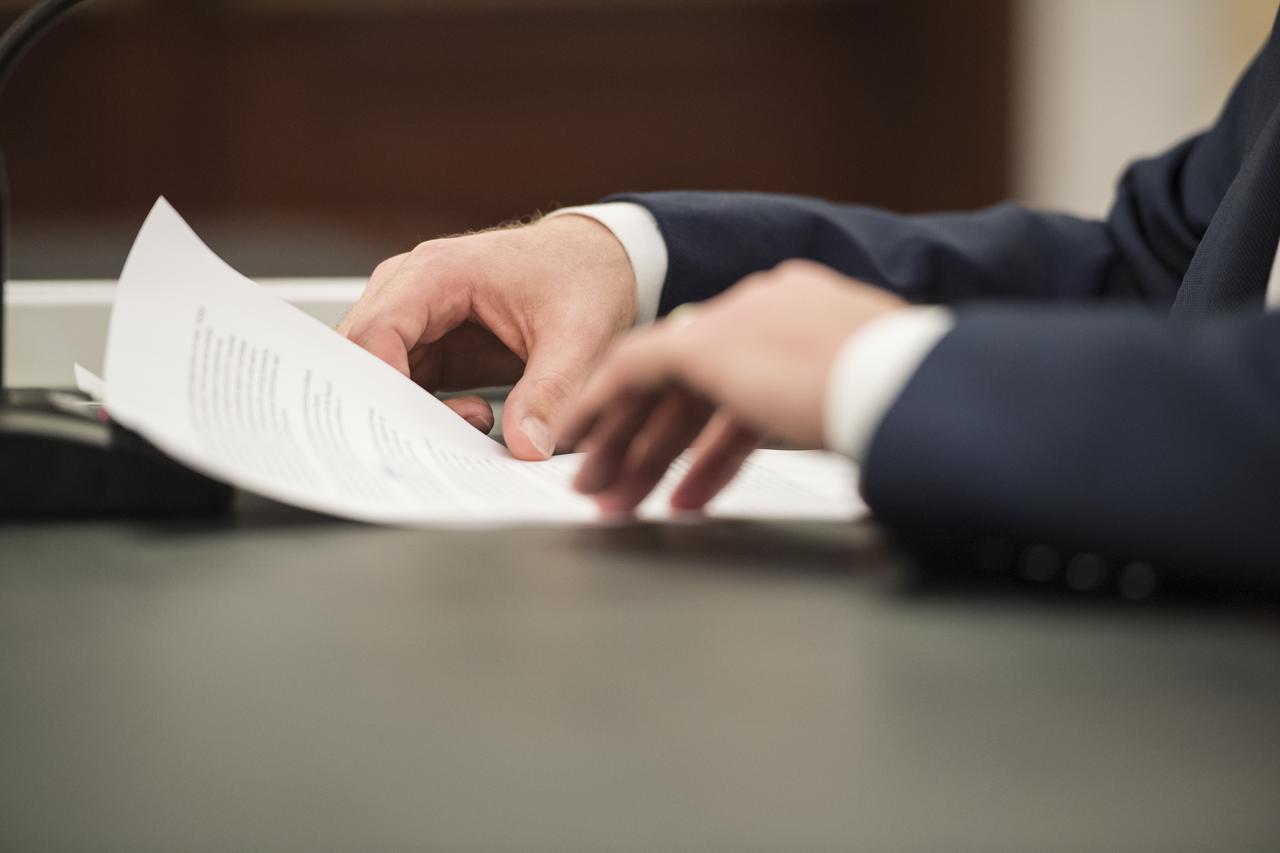
NASA Administrator Jim Bridenstine testifies during a Subcommittee on Space, Science, and Competitiveness hearing titled, "Global Space Race: Ensuring the United States Remains the Leader in Space," Wednesday, September 26, 2018 at the Russell Senate Office Building in Washington. Photo Credit: (NASA/Aubrey Gemignani)
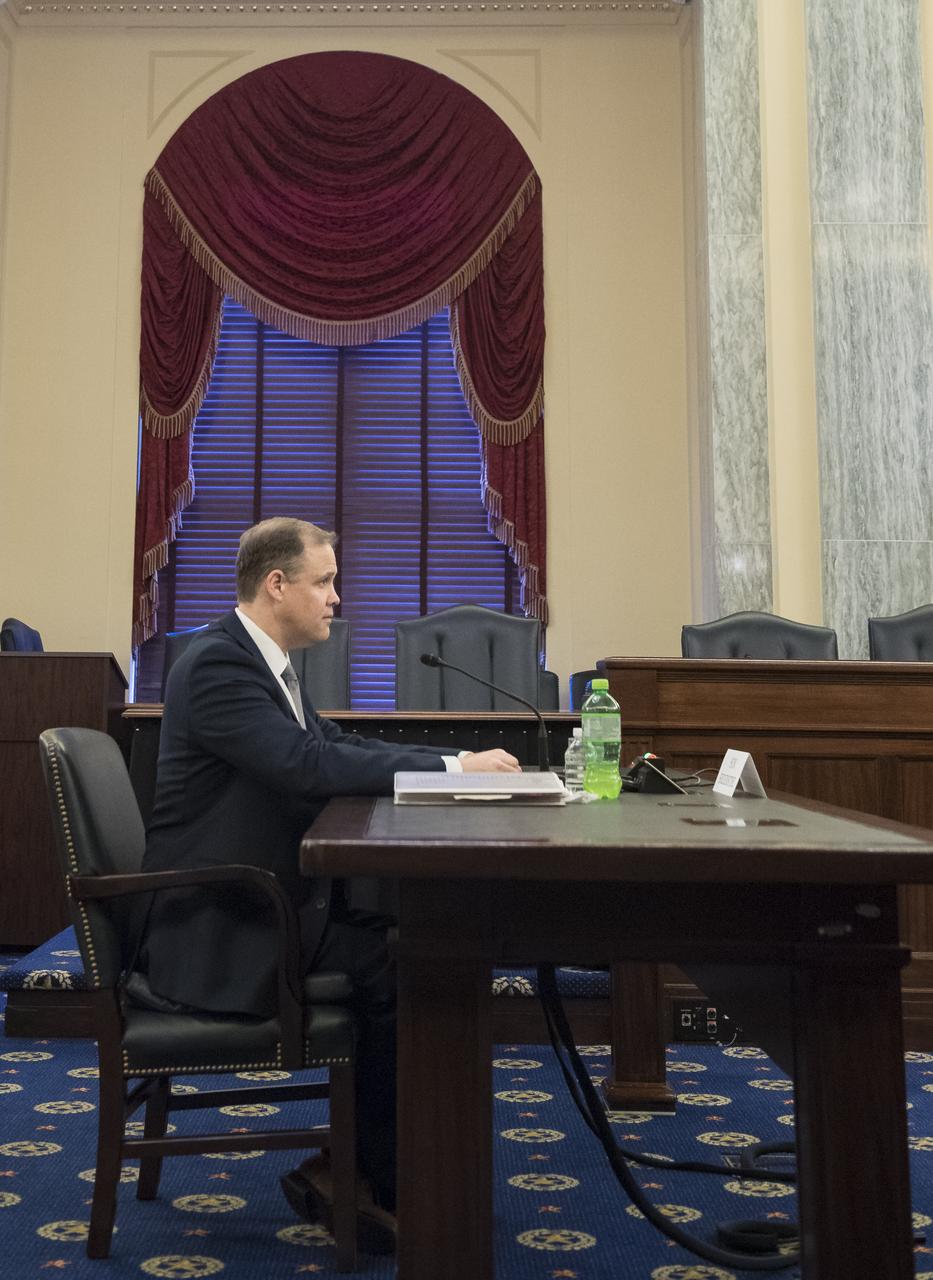
NASA Administrator Jim Bridenstine testifies during a Subcommittee on Space, Science, and Competitiveness hearing titled, "Global Space Race: Ensuring the United States Remains the Leader in Space," Wednesday, September 26, 2018 at the Russell Senate Office Building in Washington. Photo Credit: (NASA/Aubrey Gemignani)
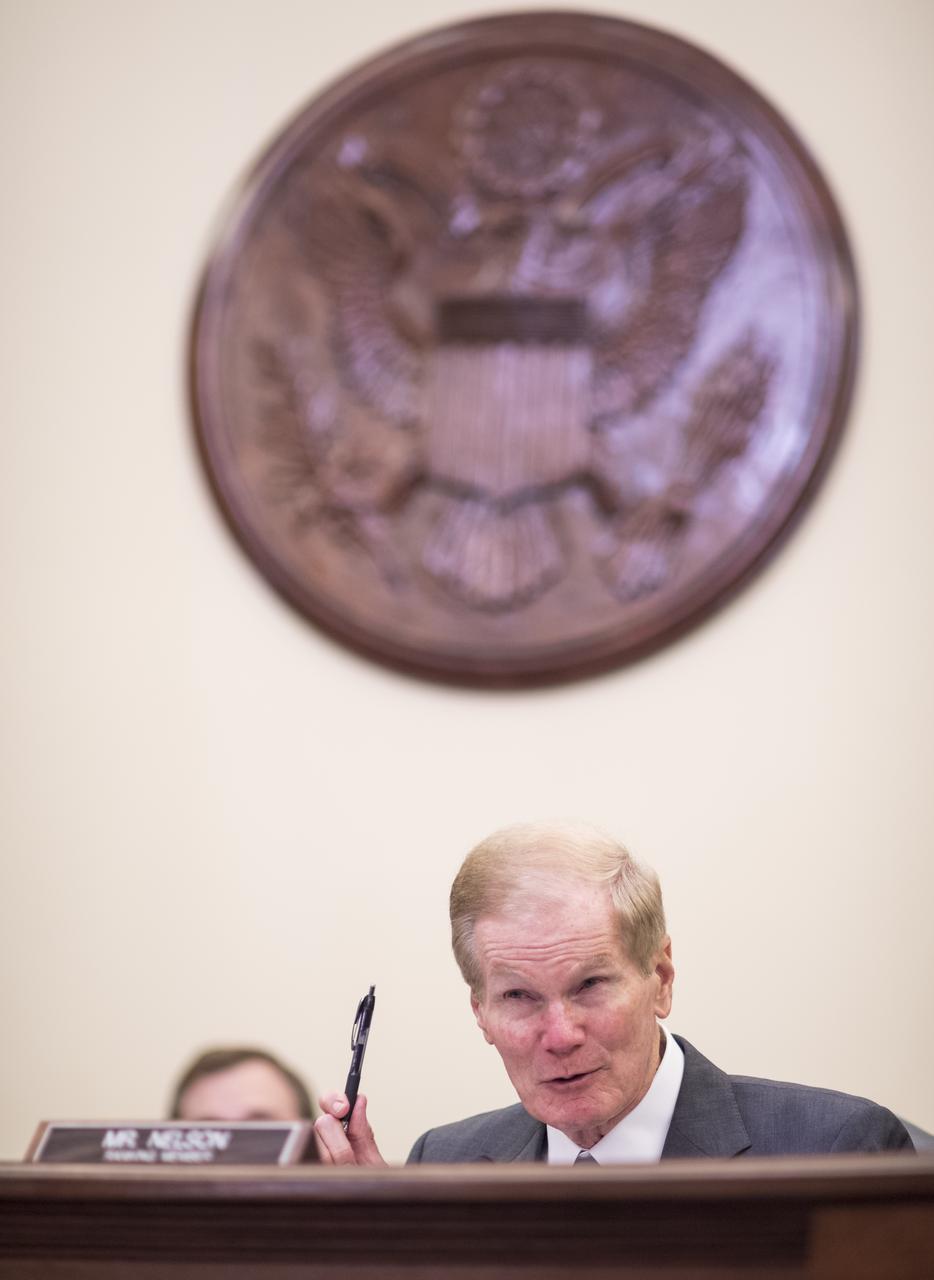
Sen. Bill Nelson, D-Fla., ranking member of the Senate Subcommittee on Space, Science, and Competitiveness speaks during a hearing titled "Examining the Future of the International Space Station: Administration Perspectives" held on Wednesday, May 16, 2018 in the Russell Senate Office Building on Capitol Hill in Washington. Photo Credit: (NASA/Joel Kowsky)
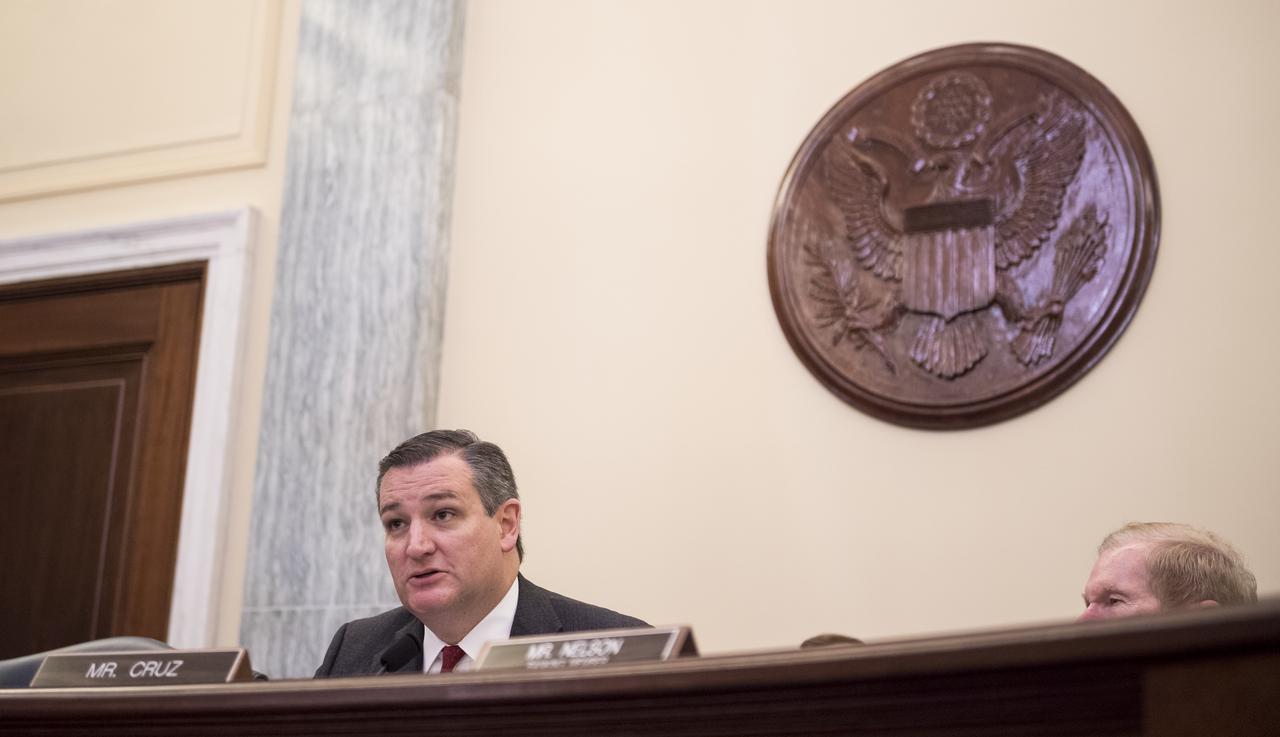
Sen. Ted Cruz, R-Texas, chairman of the Senate Subcommittee on Space, Science, and Competitiveness speaks during a hearing titled "Examining the Future of the International Space Station: Administration Perspectives," Wednesday, May 16, 2018 in the Russell Senate Office Building on Capitol Hill in Washington. Photo Credit: (NASA/Joel Kowsky)
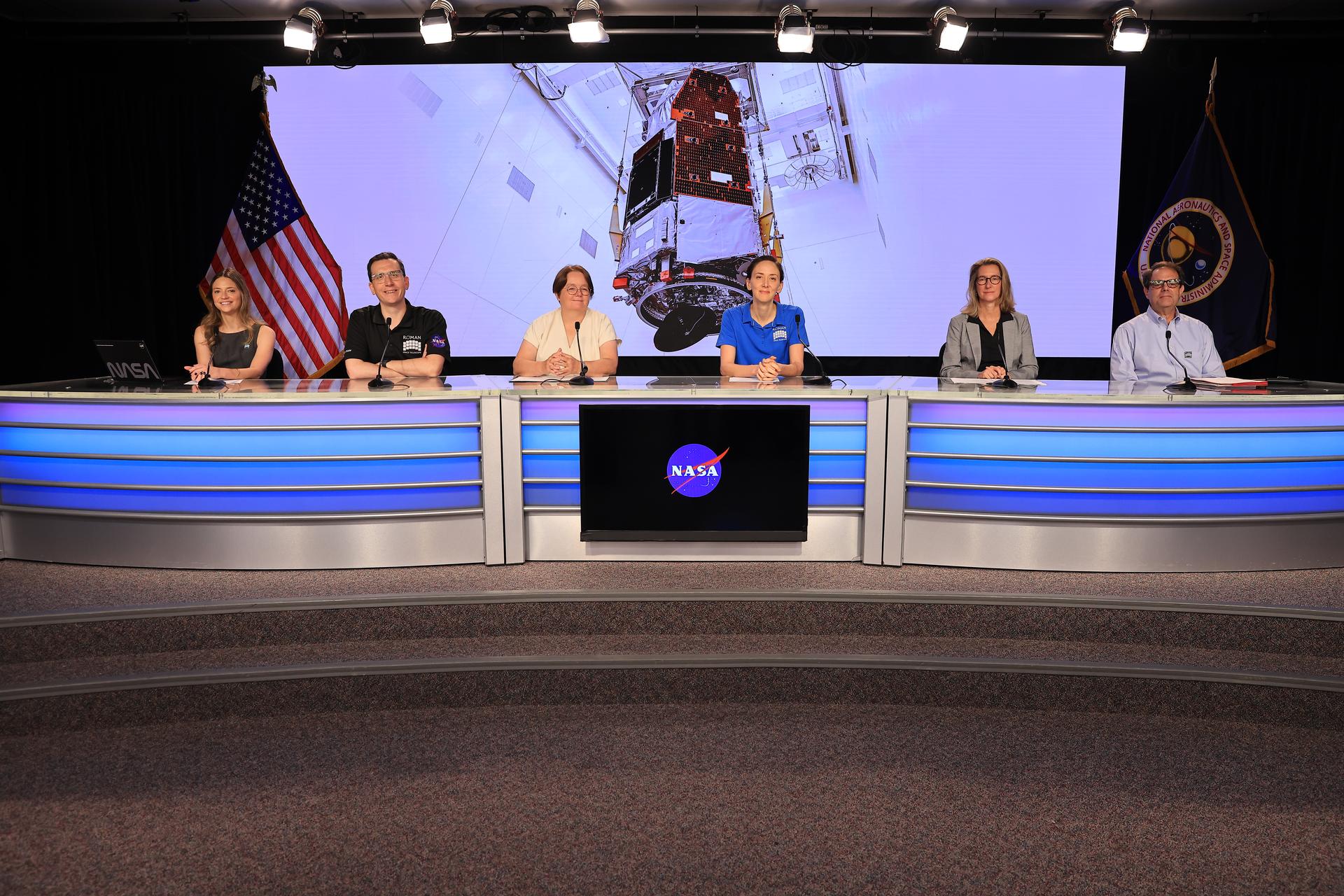
From left, Claire Andreoli, NASA Communications; Shawn Domagal-Goldman, director, Astrophysics Division, NASA Headquarters in Washington; Julie McEnery, Roman telescope senior project scientist, NASA’s Goddard Space Flight Center in Greenbelt, Maryland; Vanessa Bailey, Roman Coronagraph Instrument scientist, NASA’s Jet Propulsion Laboratory in Southern California; Kristen McQuinn, Roman Science Operations Center lead, Space Telescope Science Institute; and Lee Armus, Roman Science Support Center lead, Caltech/IPAC, participate in a science briefing for NASA’s Nancy Grace Roman Space Telescope inside the NASA News Center’s John Holliman Auditorium at Kennedy Space Center in Florida, on Saturday, Aug. 29, 2026. Roman will investigate dark energy and dark matter, conduct a statistical census of planetary systems, and enable a broad range of additional astrophysics research. Liftoff from Launch Complex 39A at Kennedy is targeted for no earlier than Sunday, Aug. 30, 2026.
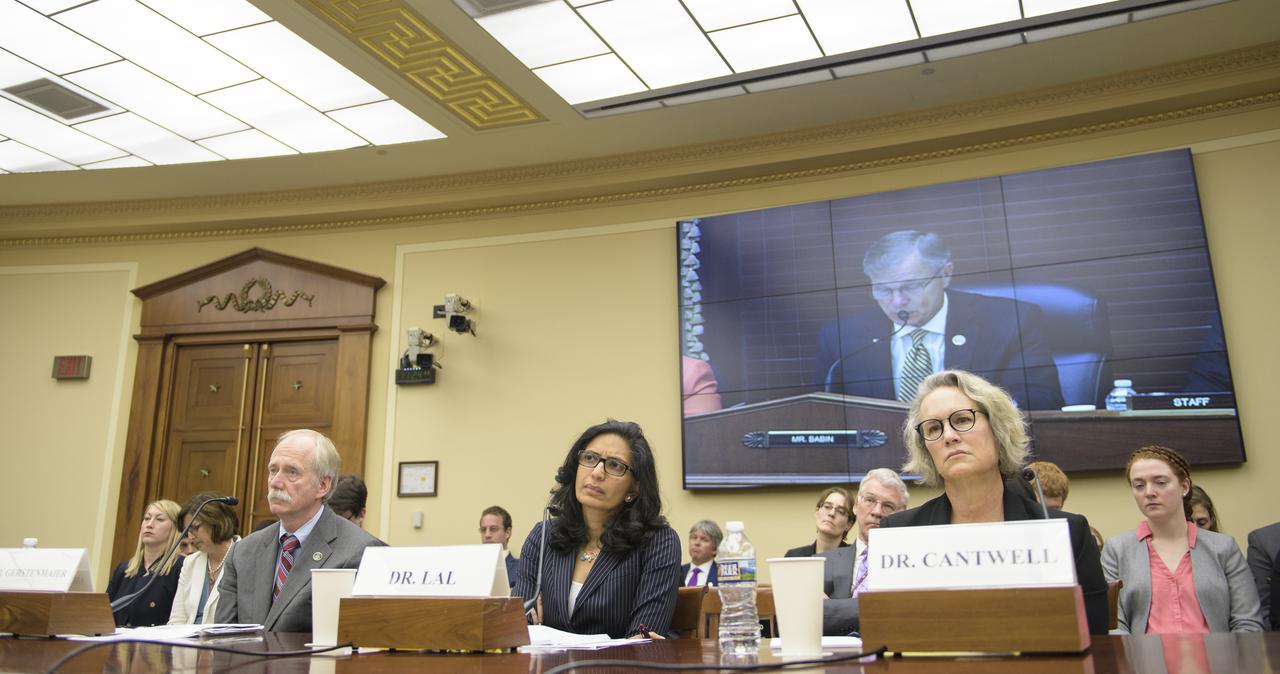
NASA Associate Administrator for the Human Exploration and Operations Mission Directorate William Gerstenmaier, left, Dr. Bhavya Lal, a researcher at the Institute for Defense Analysis's Science and Technology Policy Institute, center, and Dr. Elizabeth Cantwell, chief executive officer at the Arizona State University Research Enterprise, right, listen as Rep. Brian Babin, R-Texas, is seen on screen as he delivers an opening statement during a House Committee on Science, Space, and Technology hearing titled "America's Human Presence in Low-Earth Orbit" on Thursday, May 17, 2018 in the Rayburn House Office Building in Washington. Photo Credit: (NASA/Joel Kowsky)
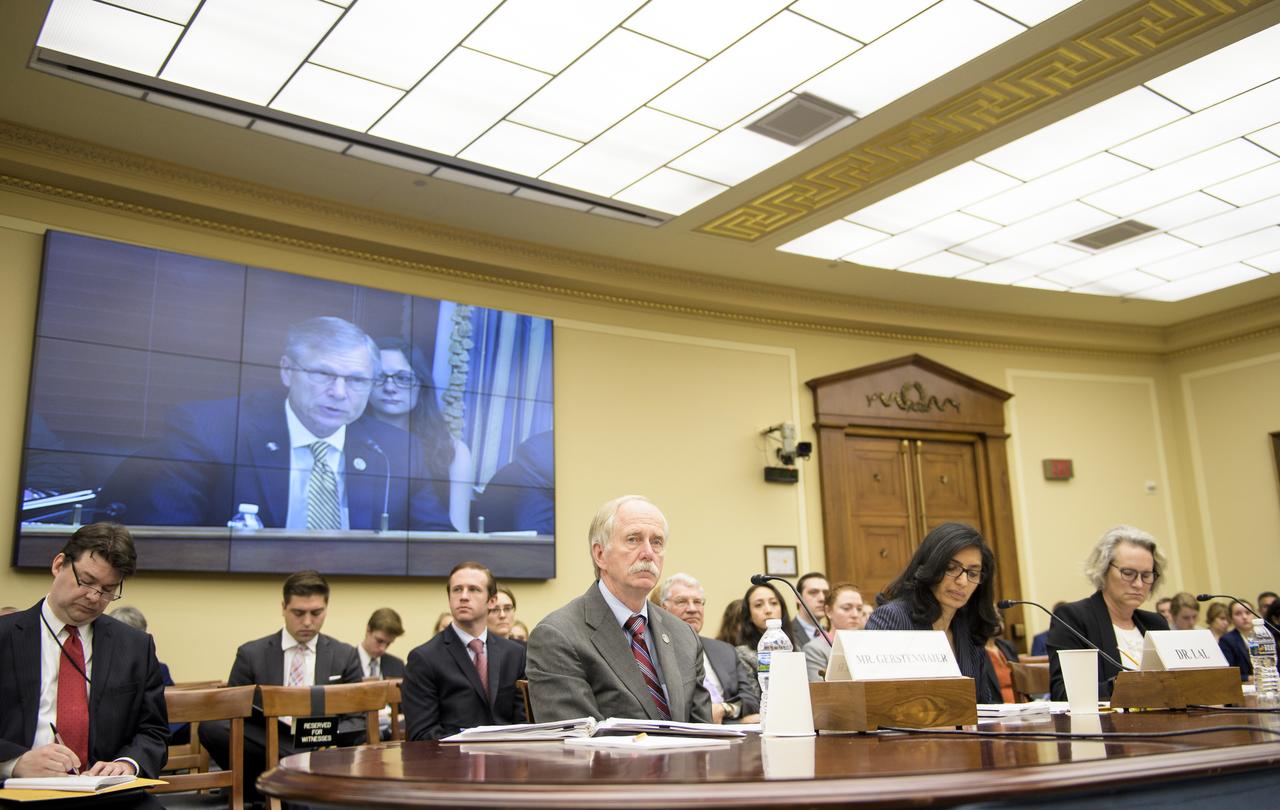
NASA Associate Administrator for the Human Exploration and Operations Mission Directorate William Gerstenmaier, left, Dr. Bhavya Lal, a researcher at the Institute for Defense Analysis's Science and Technology Policy Institute, center, and Dr. Elizabeth Cantwell, chief executive officer at the Arizona State University Research Enterprise, right, listen as Rep. Brian Babin, R-Texas, is seen on screen as he delivers an opening statement during a House Committee on Science, Space, and Technology hearing titled "America's Human Presence in Low-Earth Orbit" on Thursday, May 17, 2018 in the Rayburn House Office Building in Washington. Photo Credit: (NASA/Joel Kowsky)
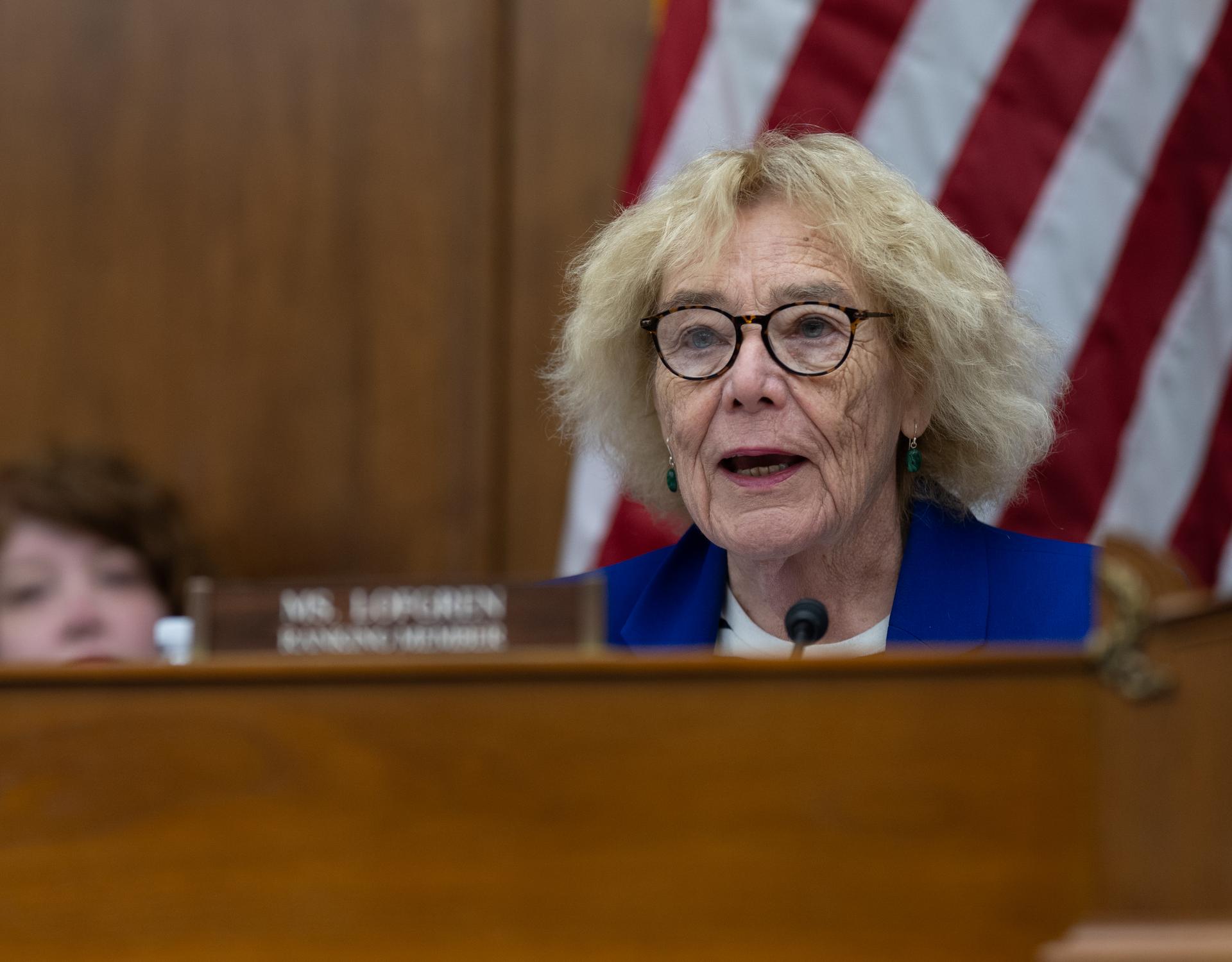
House Science, Space, and Technology Committee Ranking Member Zoe Lofgren, D-Calif., gives opening remarks during a hearing regarding the President’s Fiscal Year 2027 budget request for NASA, Wednesday, April 22, 2026, at the Rayburn House Office Building in Washington. Photo Credit: (NASA/Joel Kowsky)
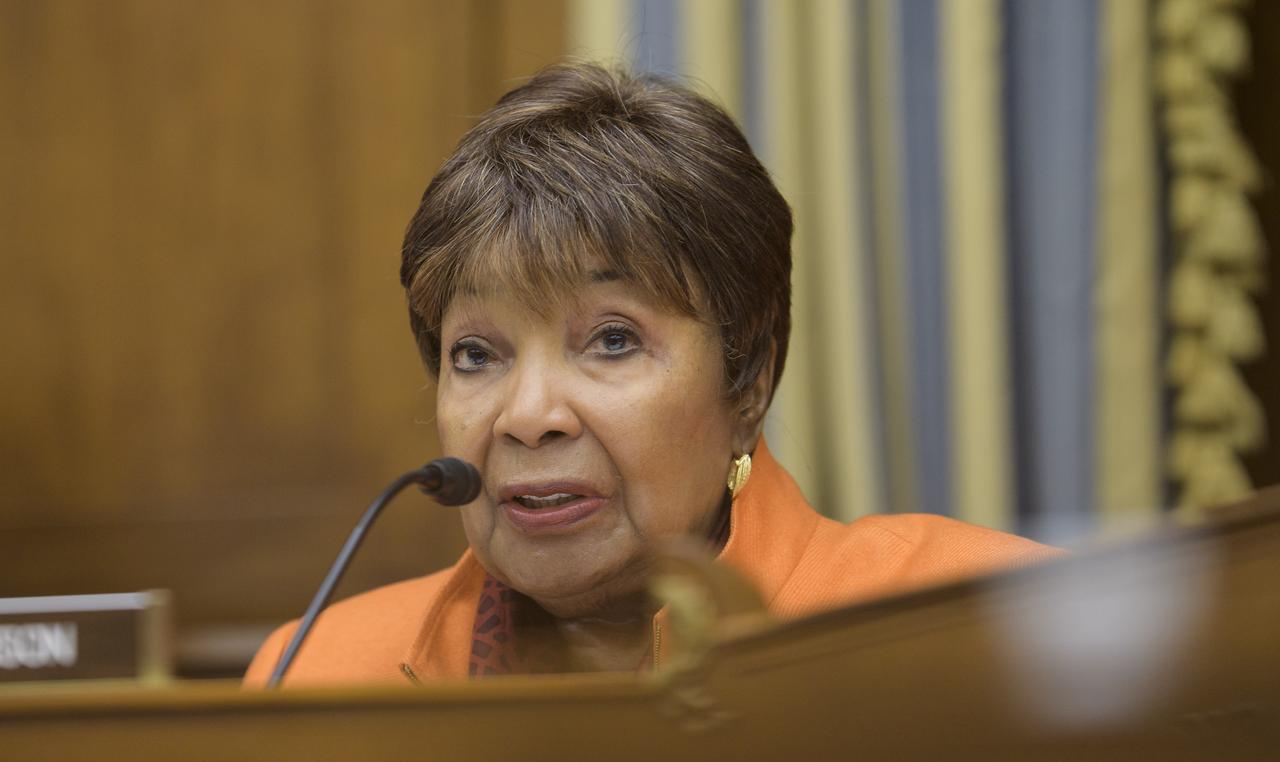
Rep. Eddie Bernice Johnson, D-Texas, ranking member of the House Committee on Science, Space, and Technology delivers her opening statement during a hearing titled "America's Human Presence in Low-Earth Orbit" on Thursday, May 17, 2018 in the Rayburn House Office Building in Washington. Photo Credit: (NASA/Joel Kowsky)

In the Space Life Sciences Laboratory at NASA's Kennedy Space Center in Florida, student interns are joining agency scientists, contributing in the area of plant growth research for food production in space. The agency attracts its future workforce through the NASA Internship, Fellowships and Scholarships, or NIFS, Program.
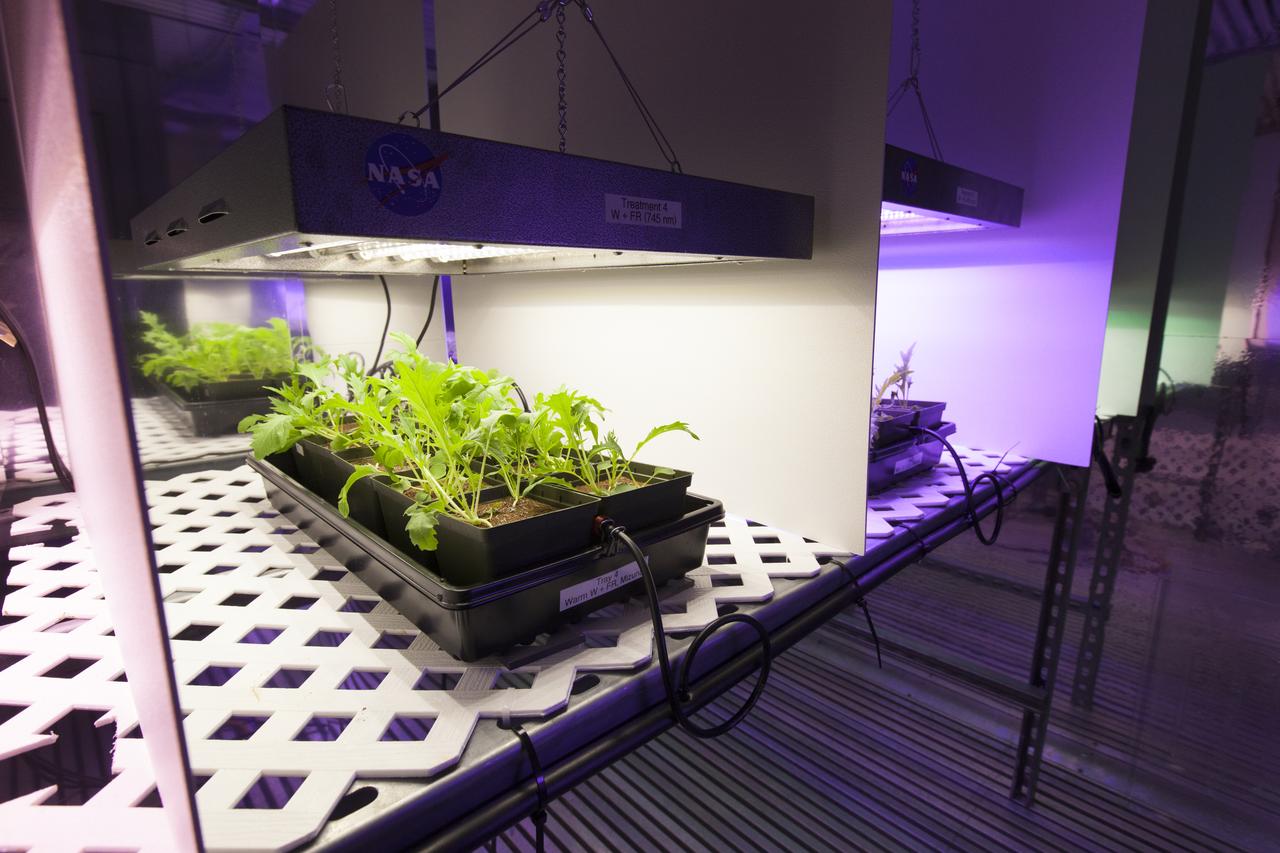
In the Space Life Sciences Laboratory at NASA's Kennedy Space Center in Florida, student interns are joining agency scientists, contributing in the area of plant growth research for food production in space. The agency attracts its future workforce through the NASA Internship, Fellowships and Scholarships, or NIFS, Program.

In the Space Life Sciences Laboratory at NASA's Kennedy Space Center in Florida, student interns are joining agency scientists, contributing in the area of plant growth research for food production in space. The agency attracts its future workforce through the NASA Internship, Fellowships and Scholarships, or NIFS, Program.
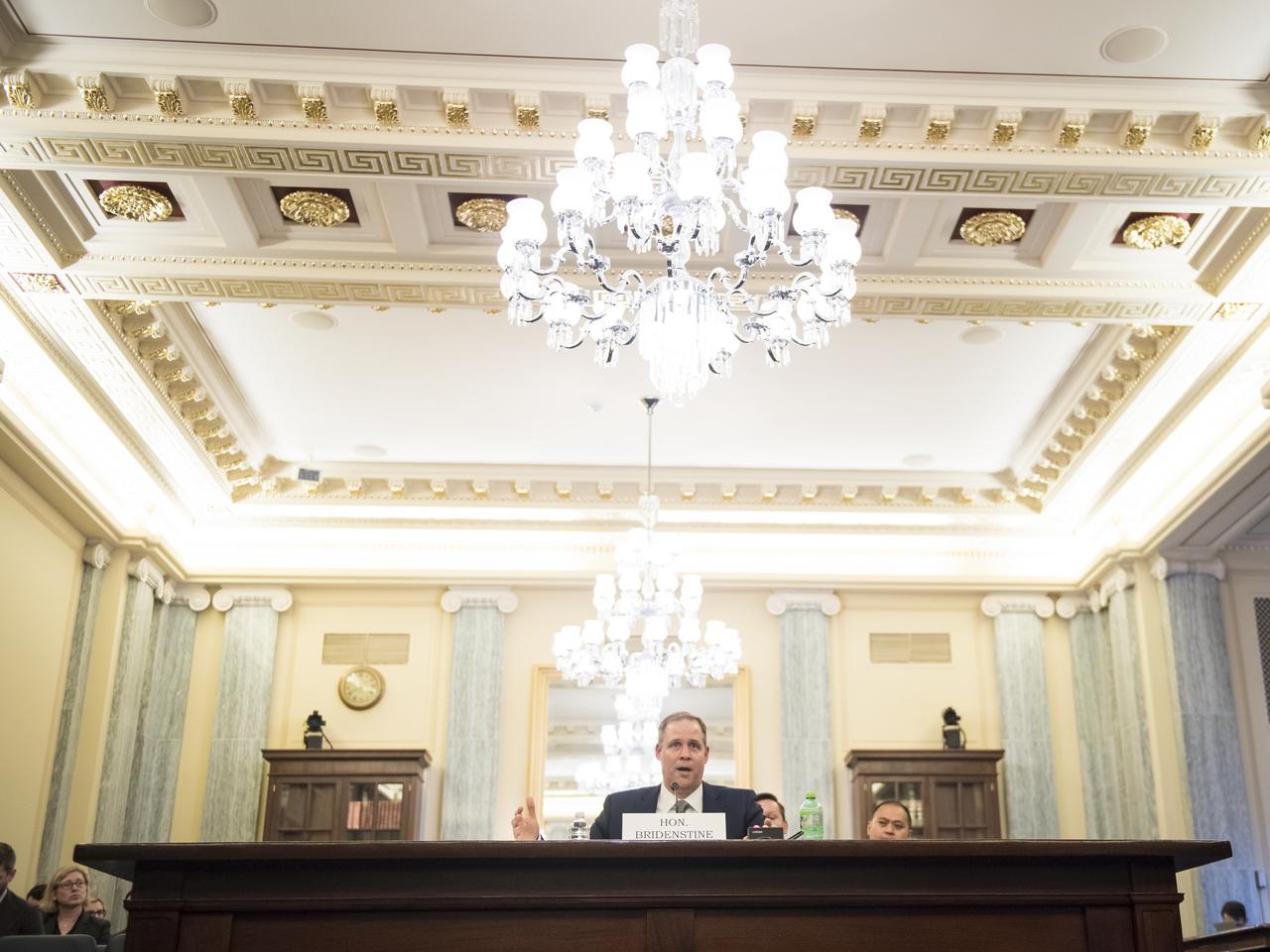
NASA Administrator Jim Bridenstine testifies during a Subcommittee on Space, Science, and Competitiveness hearing titled, "Global Space Race: Ensuring the United States Remains the Leader in Space," Wednesday, September 26, 2018 at the Russell Senate Office Building in Washington. Photo Credit: (NASA/Aubrey Gemignani)
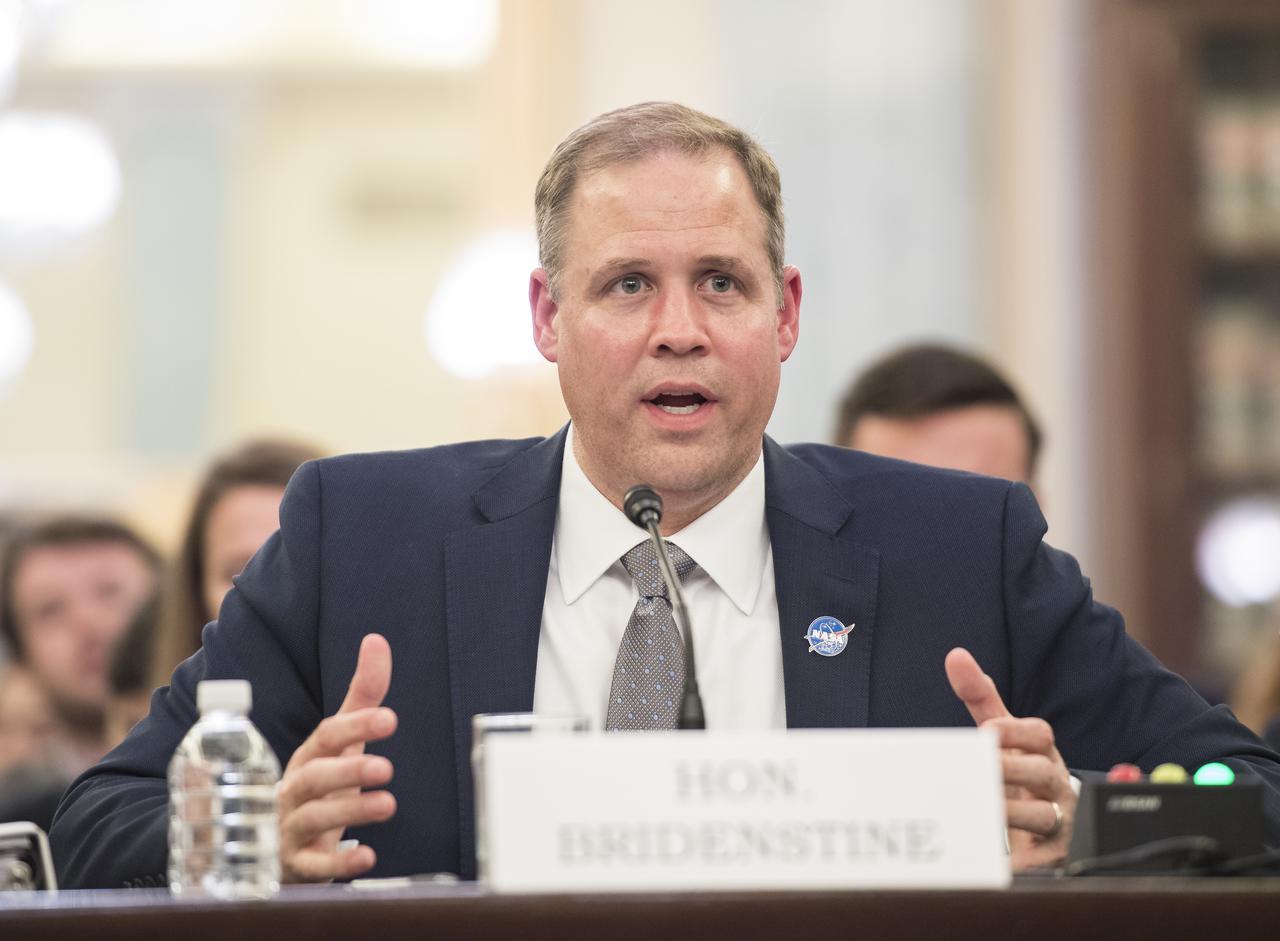
NASA Administrator Jim Bridenstine testifies during a Subcommittee on Space, Science, and Competitiveness hearing titled, "Global Space Race: Ensuring the United States Remains the Leader in Space," Wednesday, September 26, 2018 at the Russell Senate Office Building in Washington. Photo Credit: (NASA/Aubrey Gemignani)
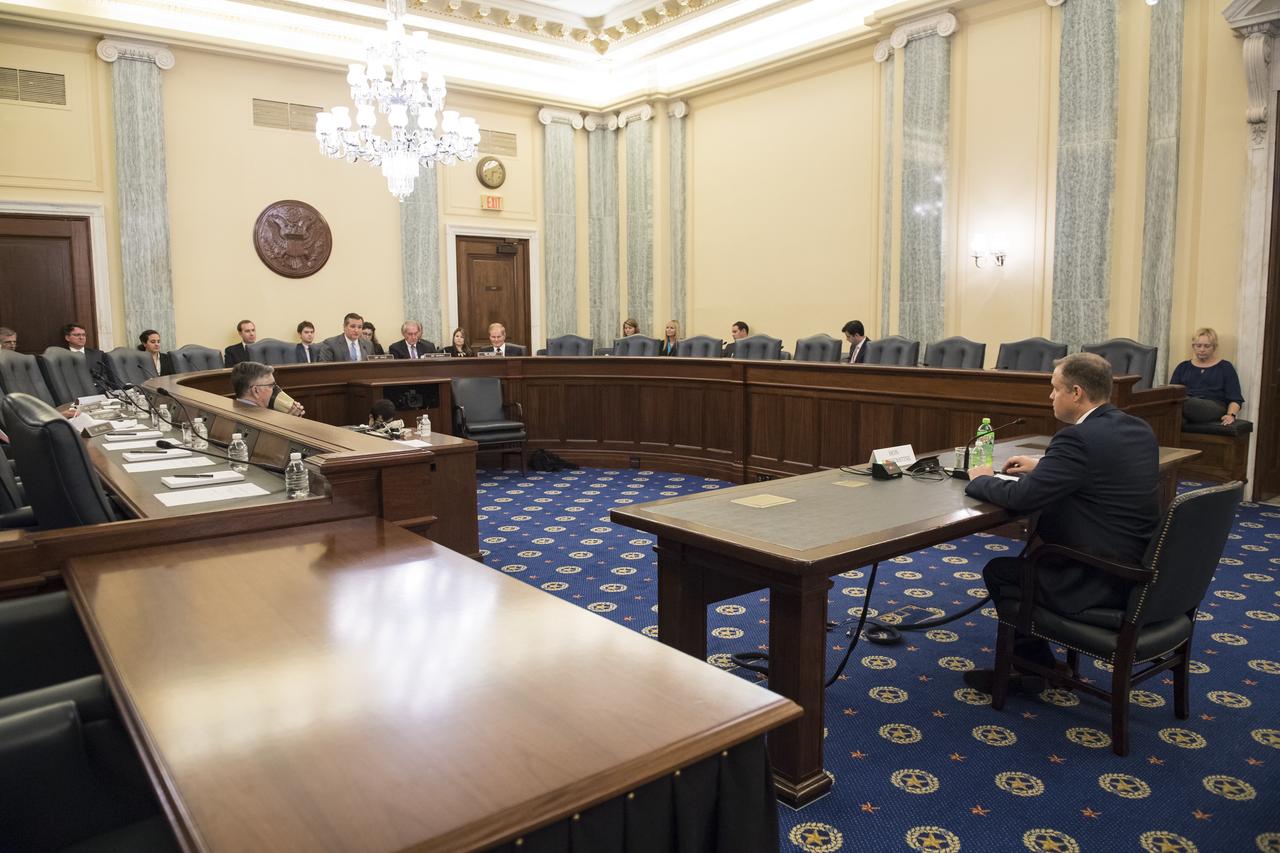
NASA Administrator Jim Bridenstine testifies during a Subcommittee on Space, Science, and Competitiveness hearing titled, "Global Space Race: Ensuring the United States Remains the Leader in Space," Wednesday, September 26, 2018 at the Russell Senate Office Building in Washington. Photo Credit: (NASA/Aubrey Gemignani)

NASA Administrator Bill Nelson testifies during a House Science, Space, and Technology Committee hearing regarding the NASA Fiscal Year 2025 budget, Tuesday, April 30, 2024, at the Rayburn House Office Building in Washington. Photo Credit: (NASA/Bill Ingalls)

NASA Administrator Bill Nelson testifies during a House Science, Space, and Technology Committee hearing regarding the NASA Fiscal Year 2025 budget, Tuesday, April 30, 2024, at the Rayburn House Office Building in Washington. Photo Credit: (NASA/Bill Ingalls)
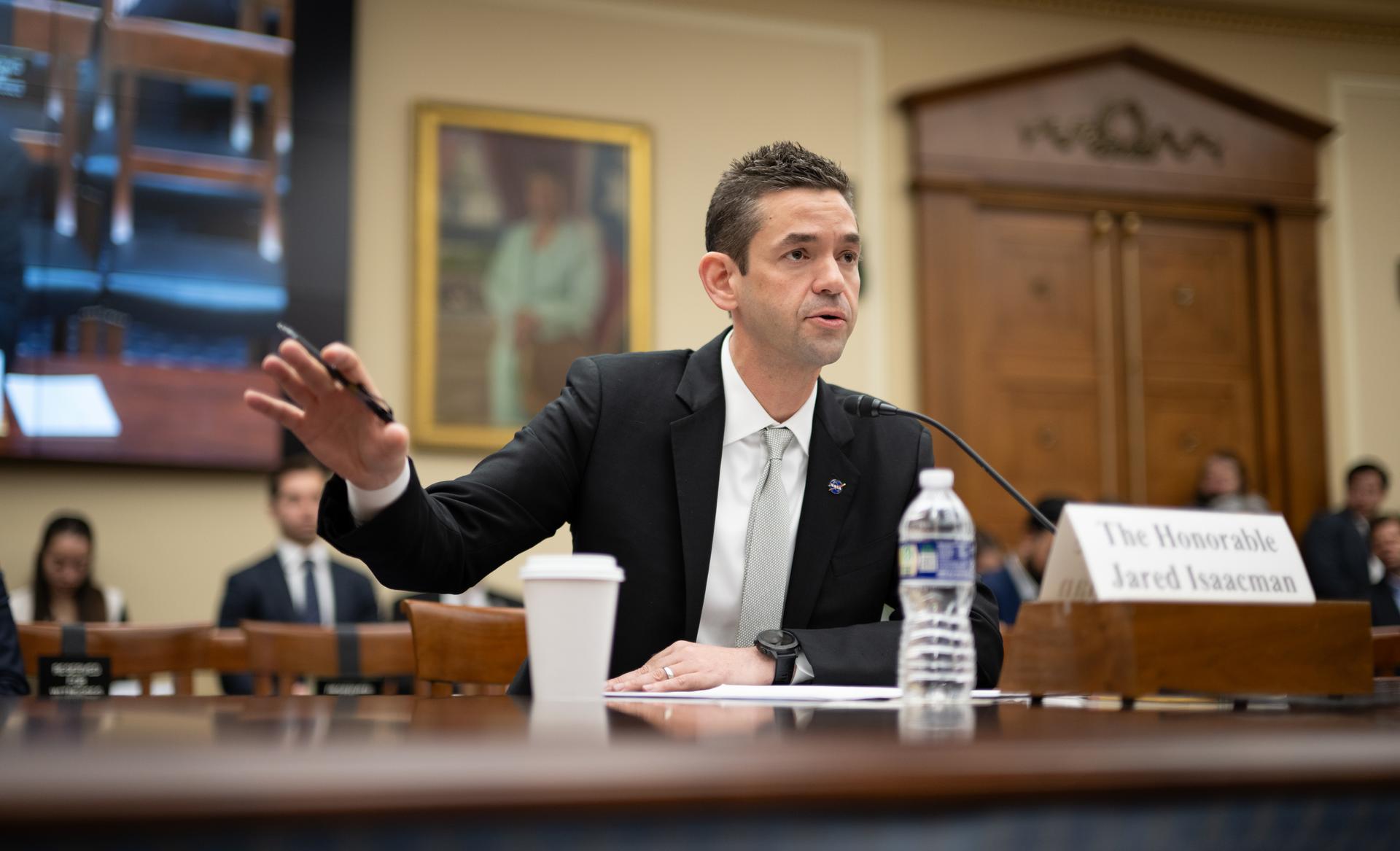
NASA Administrator Jared Isaacman testifies during a House Committee on Science, Space, and Technology hearing regarding the President’s Fiscal Year 2027 budget request for the agency, Wednesday, April 22, 2026, at the Rayburn House Office Building in Washington. Photo Credit: (NASA/Joel Kowsky)

NASA Administrator Bill Nelson testifies during a House Science, Space, and Technology Committee hearing regarding the NASA Fiscal Year 2025 budget, Tuesday, April 30, 2024, at the Rayburn House Office Building in Washington. Photo Credit: (NASA/Bill Ingalls)
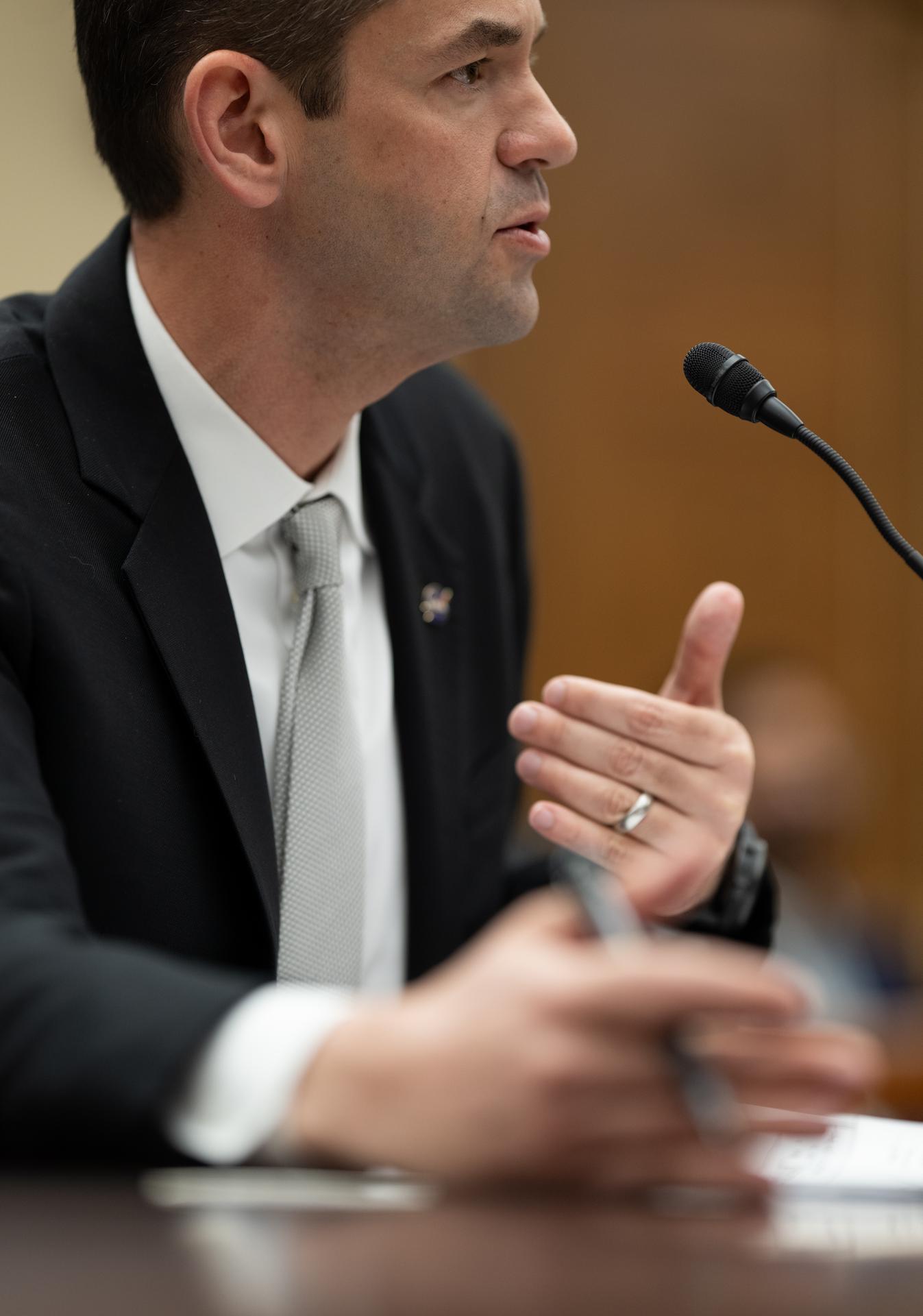
NASA Administrator Jared Isaacman testifies during a House Committee on Science, Space, and Technology hearing regarding the President’s Fiscal Year 2027 budget request for the agency, Wednesday, April 22, 2026, at the Rayburn House Office Building in Washington. Photo Credit: (NASA/Joel Kowsky)

NASA Administrator Bill Nelson testifies during a House Science, Space, and Technology Committee hearing regarding the NASA Fiscal Year 2025 budget, Tuesday, April 30, 2024, at the Rayburn House Office Building in Washington. Photo Credit: (NASA/Bill Ingalls)

House Science, Space, and Technology Committee Chairman Frank Lucas, R-Okla., gives opening remarks during a hearing regarding the NASA Fiscal Year 2025 budget, Tuesday, April 30, 2024, at the Rayburn House Office Building in Washington. Photo Credit: (NASA/Bill Ingalls)
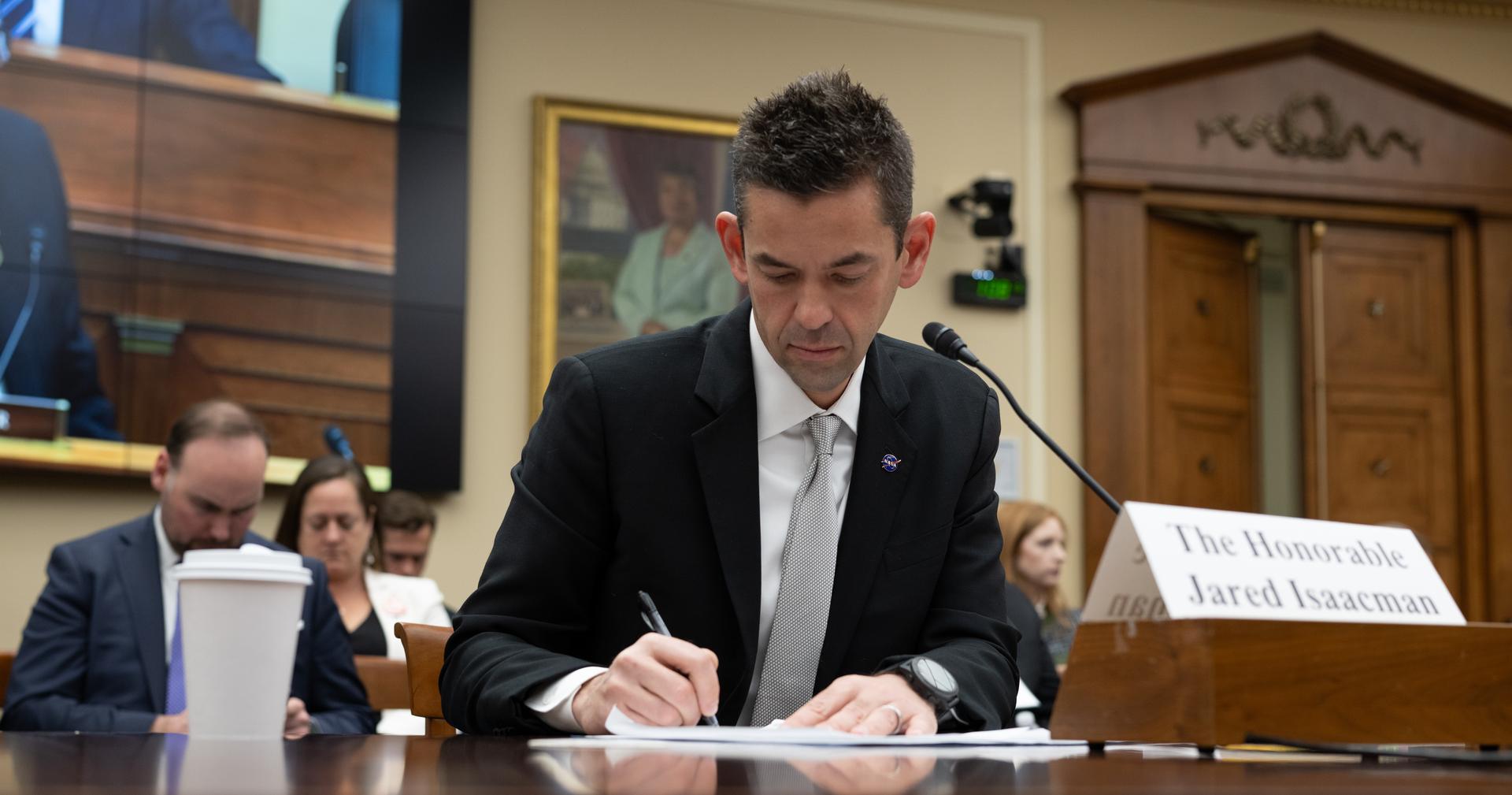
NASA Administrator Jared Isaacman testifies during a House Committee on Science, Space, and Technology hearing regarding the President’s Fiscal Year 2027 budget request for the agency, Wednesday, April 22, 2026, at the Rayburn House Office Building in Washington. Photo Credit: (NASA/Joel Kowsky)

NASA Administrator Bill Nelson testifies during a House Science, Space, and Technology Committee hearing regarding the NASA Fiscal Year 2025 budget, Tuesday, April 30, 2024, at the Rayburn House Office Building in Washington. Photo Credit: (NASA/Bill Ingalls)
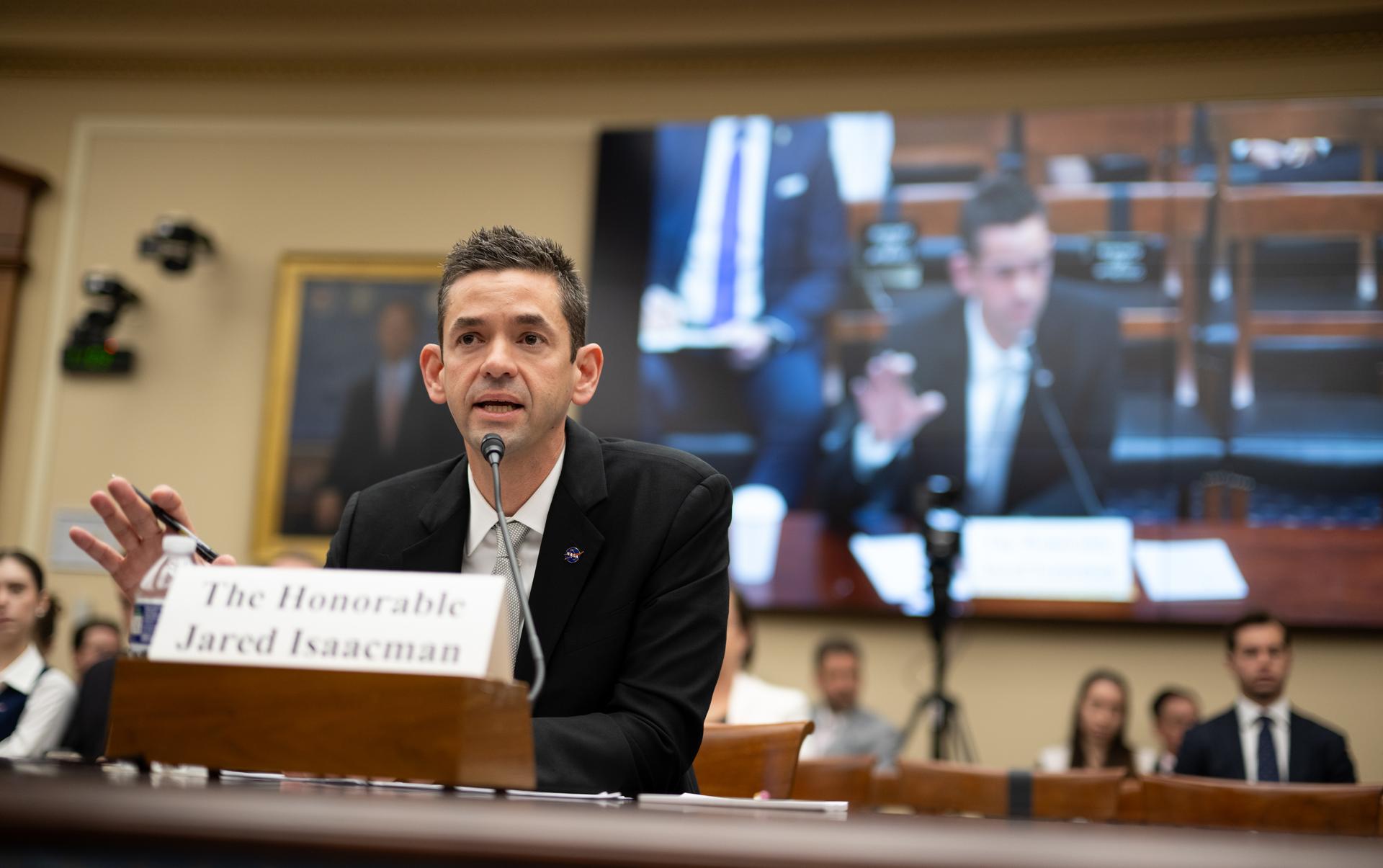
NASA Administrator Jared Isaacman testifies during a House Committee on Science, Space, and Technology hearing regarding the President’s Fiscal Year 2027 budget request for the agency, Wednesday, April 22, 2026, at the Rayburn House Office Building in Washington. Photo Credit: (NASA/Joel Kowsky)
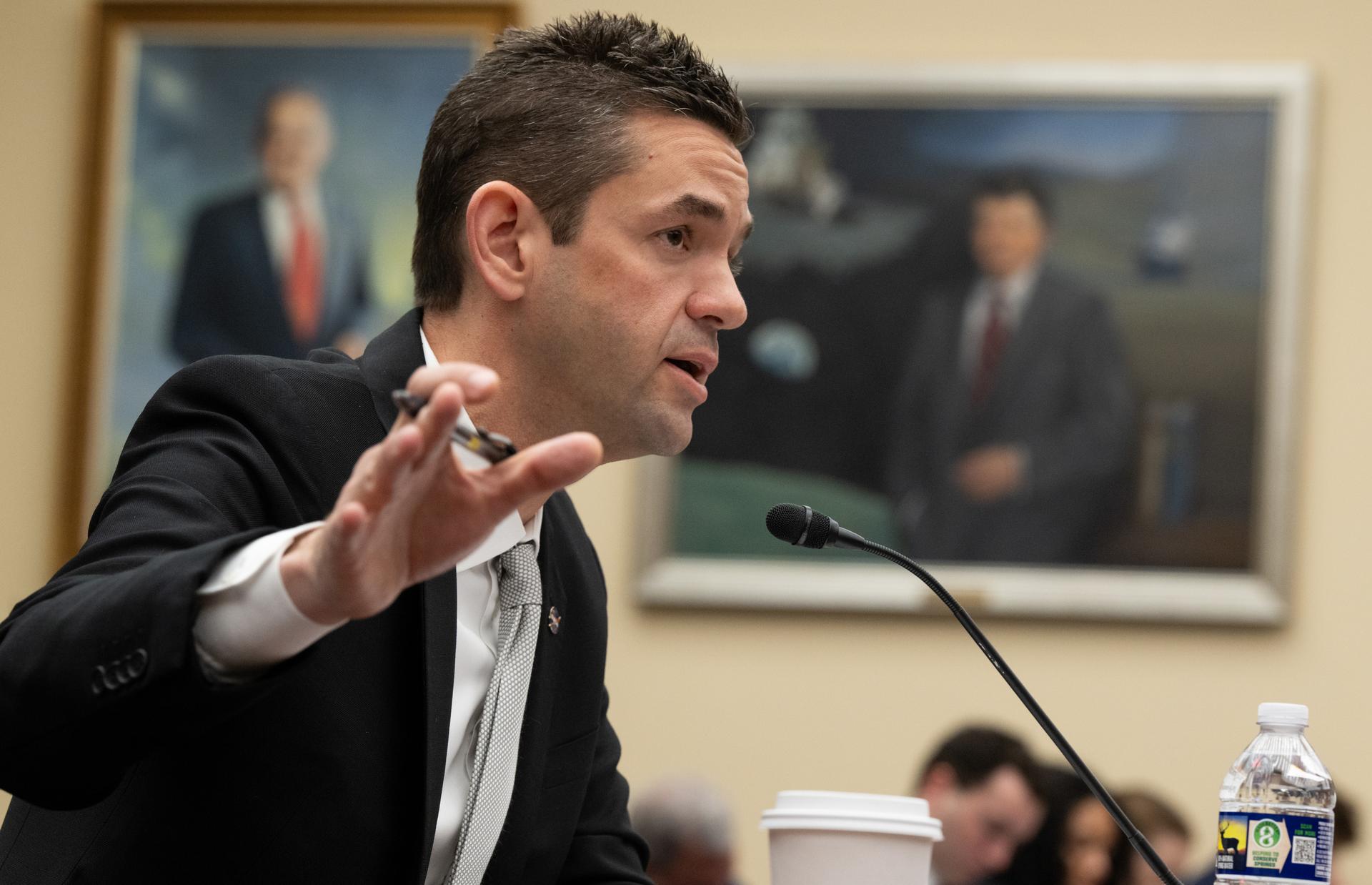
NASA Administrator Jared Isaacman testifies during a House Committee on Science, Space, and Technology hearing regarding the President’s Fiscal Year 2027 budget request for the agency, Wednesday, April 22, 2026, at the Rayburn House Office Building in Washington. Photo Credit: (NASA/Joel Kowsky)
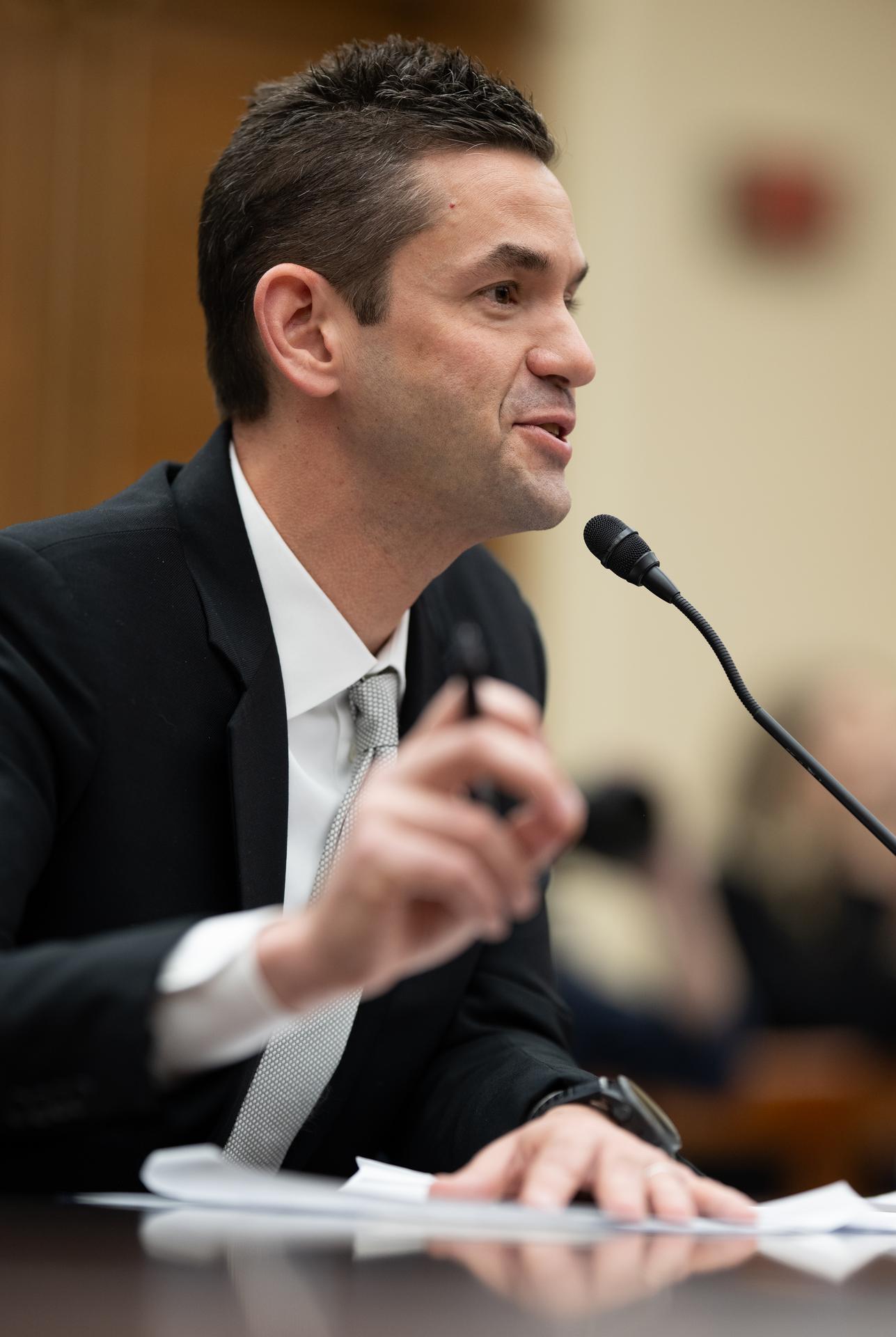
NASA Administrator Jared Isaacman testifies during a House Committee on Science, Space, and Technology hearing regarding the President’s Fiscal Year 2027 budget request for the agency, Wednesday, April 22, 2026, at the Rayburn House Office Building in Washington. Photo Credit: (NASA/Joel Kowsky)
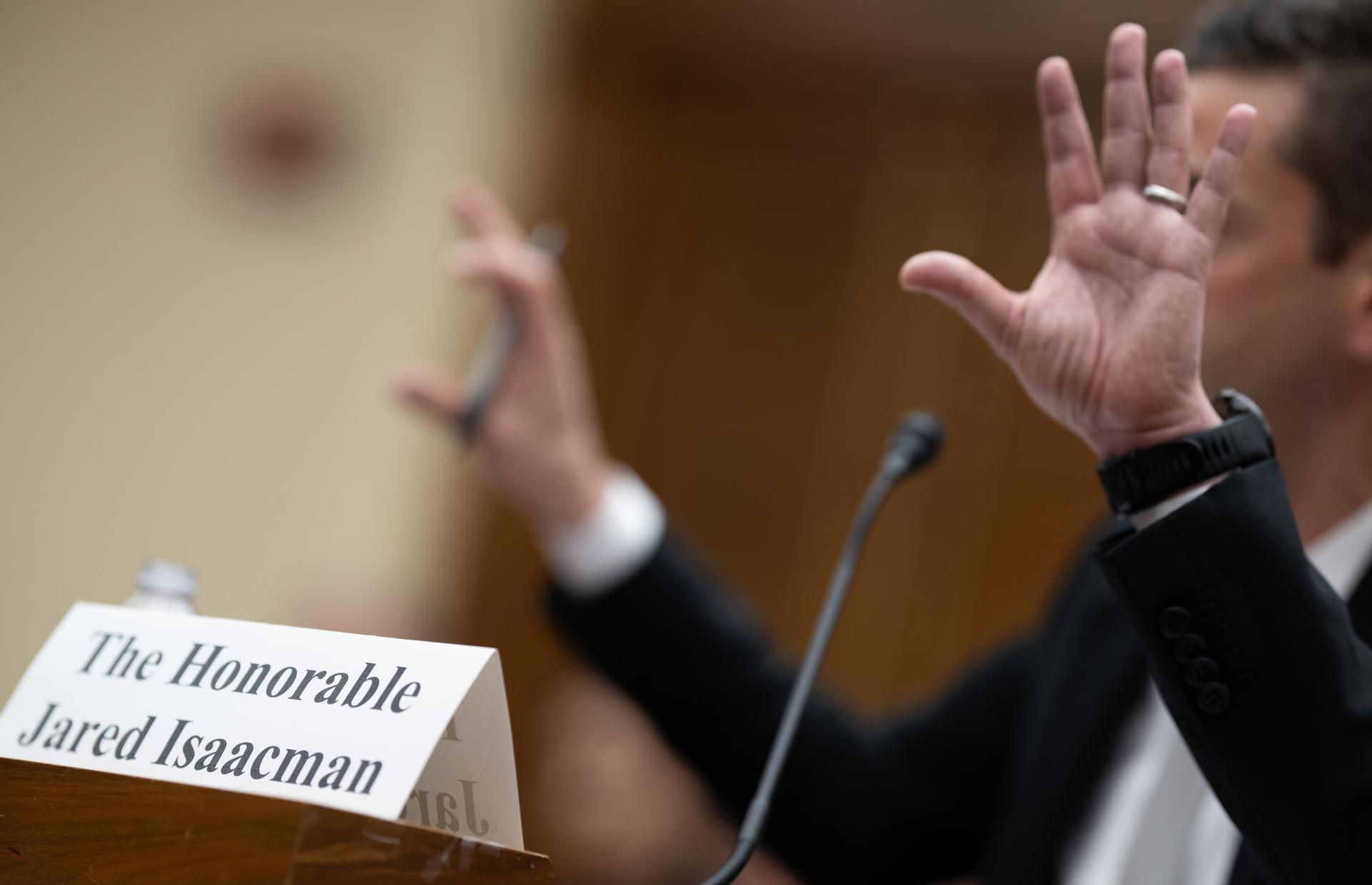
NASA Administrator Jared Isaacman testifies during a House Committee on Science, Space, and Technology hearing regarding the President’s Fiscal Year 2027 budget request for the agency, Wednesday, April 22, 2026, at the Rayburn House Office Building in Washington. Photo Credit: (NASA/Joel Kowsky)
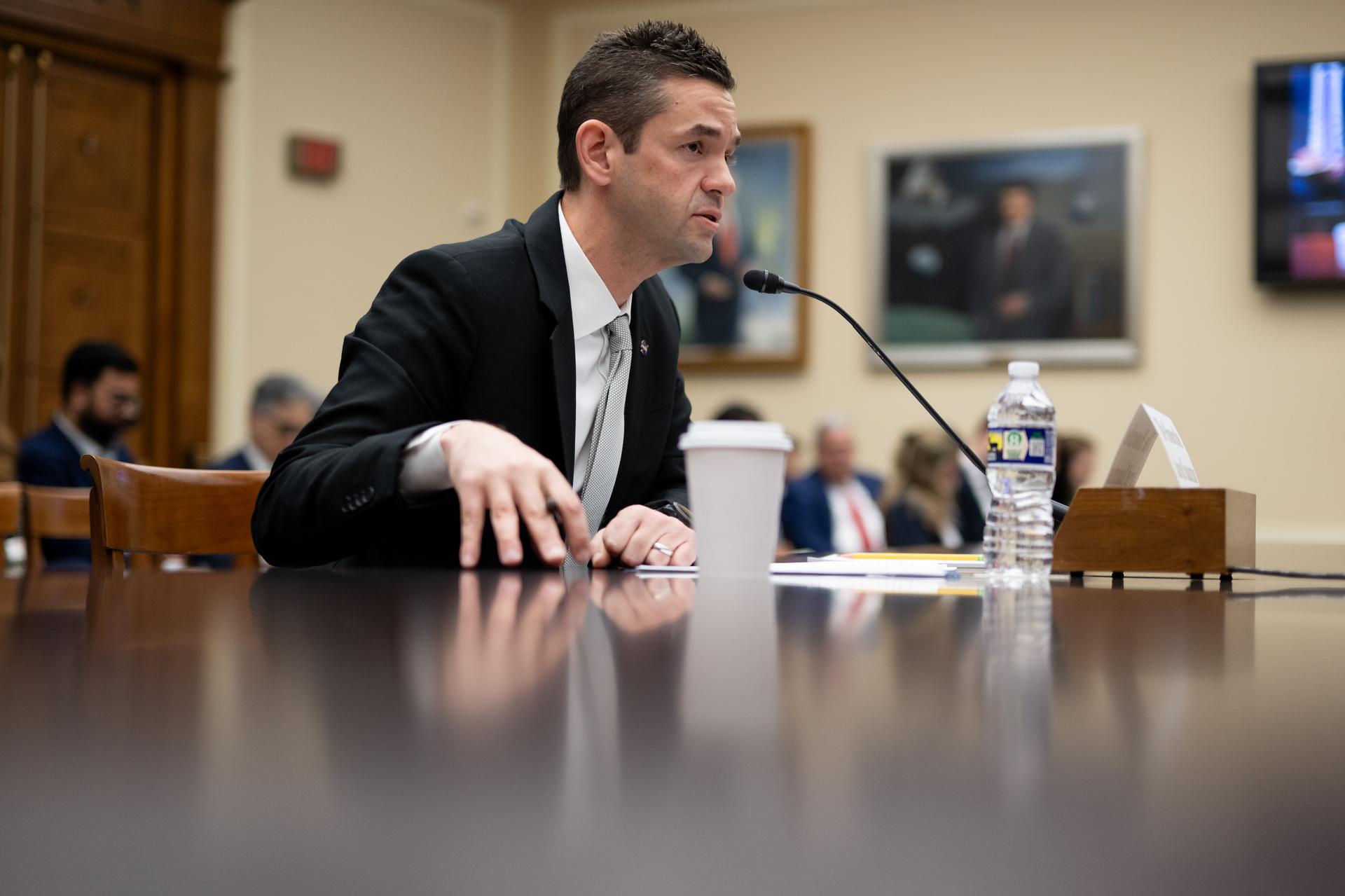
NASA Administrator Jared Isaacman testifies during a House Committee on Science, Space, and Technology hearing regarding the President’s Fiscal Year 2027 budget request for the agency, Wednesday, April 22, 2026, at the Rayburn House Office Building in Washington. Photo Credit: (NASA/Joel Kowsky)

NASA Administrator Bill Nelson, seen on a television monitor, testifies during a House Science, Space, and Technology Committee hearing regarding the NASA Fiscal Year 2025 budget, Tuesday, April 30, 2024, at the Rayburn House Office Building in Washington. Photo Credit: (NASA/Bill Ingalls)
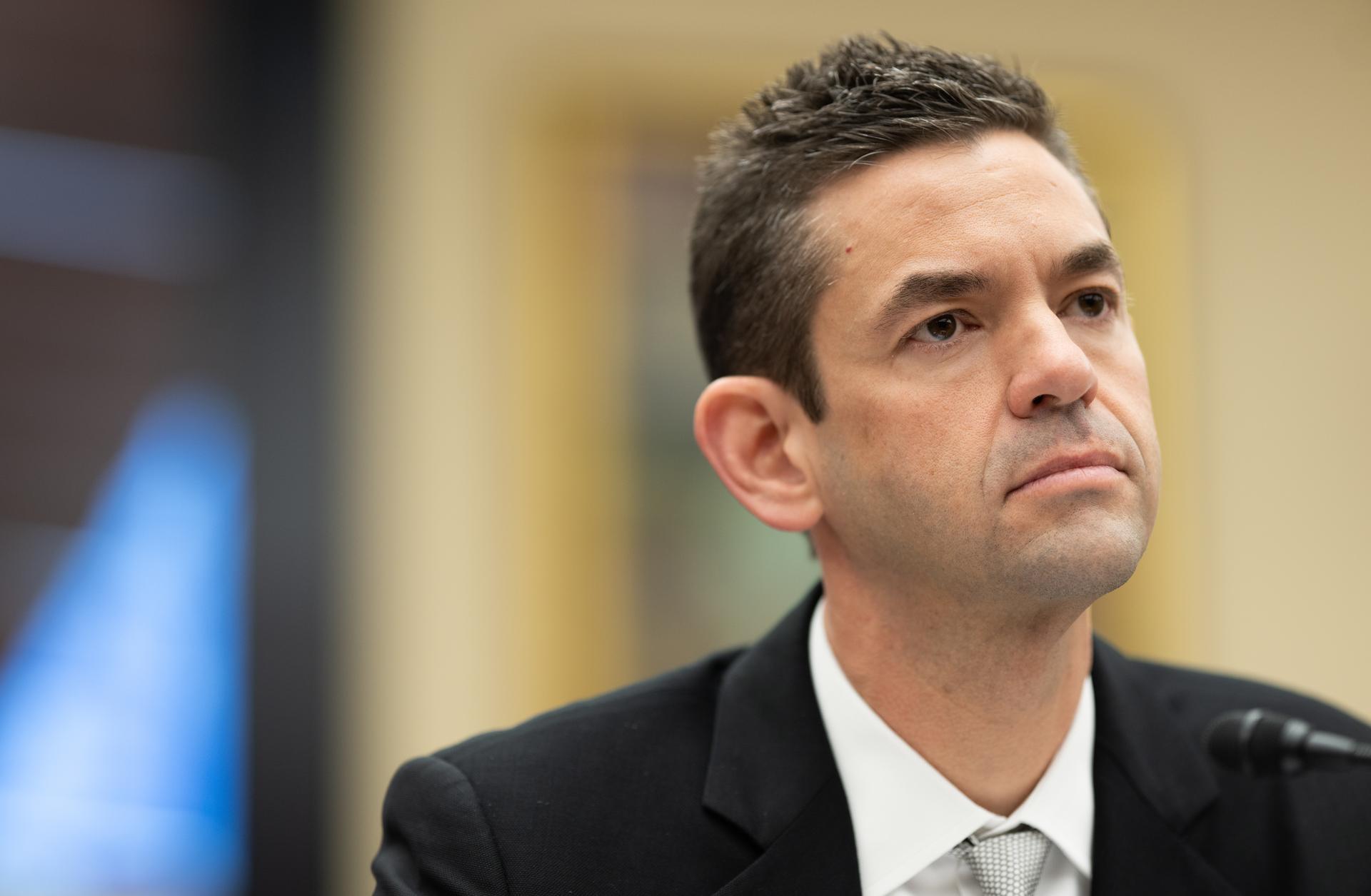
NASA Administrator Jared Isaacman testifies during a House Committee on Science, Space, and Technology hearing regarding the President’s Fiscal Year 2027 budget request for the agency, Wednesday, April 22, 2026, at the Rayburn House Office Building in Washington. Photo Credit: (NASA/Joel Kowsky)

NASA Administrator Bill Nelson testifies during a House Science, Space, and Technology Committee hearing regarding the NASA Fiscal Year 2025 budget, Tuesday, April 30, 2024, at the Rayburn House Office Building in Washington. Photo Credit: (NASA/Bill Ingalls)

NASA Administrator Bill Nelson testifies during a House Science, Space, and Technology Committee hearing regarding the NASA Fiscal Year 2025 budget, Tuesday, April 30, 2024, at the Rayburn House Office Building in Washington. Photo Credit: (NASA/Bill Ingalls)

NASA Administrator Bill Nelson testifies during a House Science, Space, and Technology Committee hearing regarding the NASA Fiscal Year 2025 budget, Tuesday, April 30, 2024, at the Rayburn House Office Building in Washington. Photo Credit: (NASA/Bill Ingalls)
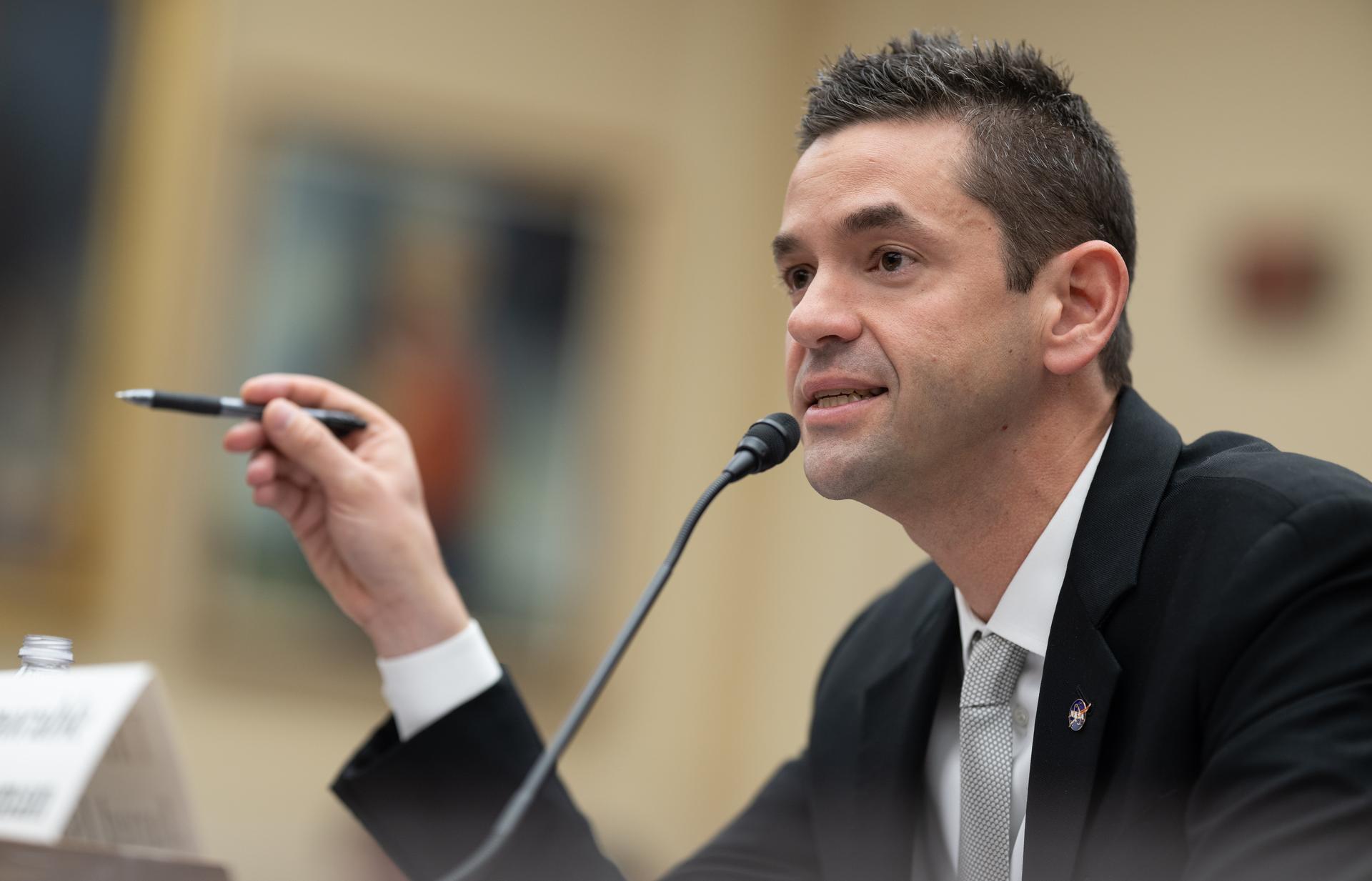
NASA Administrator Jared Isaacman testifies during a House Committee on Science, Space, and Technology hearing regarding the President’s Fiscal Year 2027 budget request for the agency, Wednesday, April 22, 2026, at the Rayburn House Office Building in Washington. Photo Credit: (NASA/Joel Kowsky)

NASA Administrator Bill Nelson testifies during a House Science, Space, and Technology Committee hearing regarding the NASA Fiscal Year 2025 budget, Tuesday, April 30, 2024, at the Rayburn House Office Building in Washington. Photo Credit: (NASA/Bill Ingalls)

NASA Administrator Bill Nelson testifies during a House Science, Space, and Technology Committee hearing regarding the NASA Fiscal Year 2025 budget, Tuesday, April 30, 2024, at the Rayburn House Office Building in Washington. Photo Credit: (NASA/Bill Ingalls)

NASA Administrator Bill Nelson testifies during a House Science, Space, and Technology Committee hearing regarding the NASA Fiscal Year 2025 budget, Tuesday, April 30, 2024, at the Rayburn House Office Building in Washington. Photo Credit: (NASA/Bill Ingalls)

House Science, Space, and Technology Committee Ranking Member Zoe Lofgren, D-CA, gives opening remarks during a hearing regarding the NASA Fiscal Year 2025 budget, Tuesday, April 30, 2024, at the Rayburn House Office Building in Washington. Photo Credit: (NASA/Bill Ingalls)
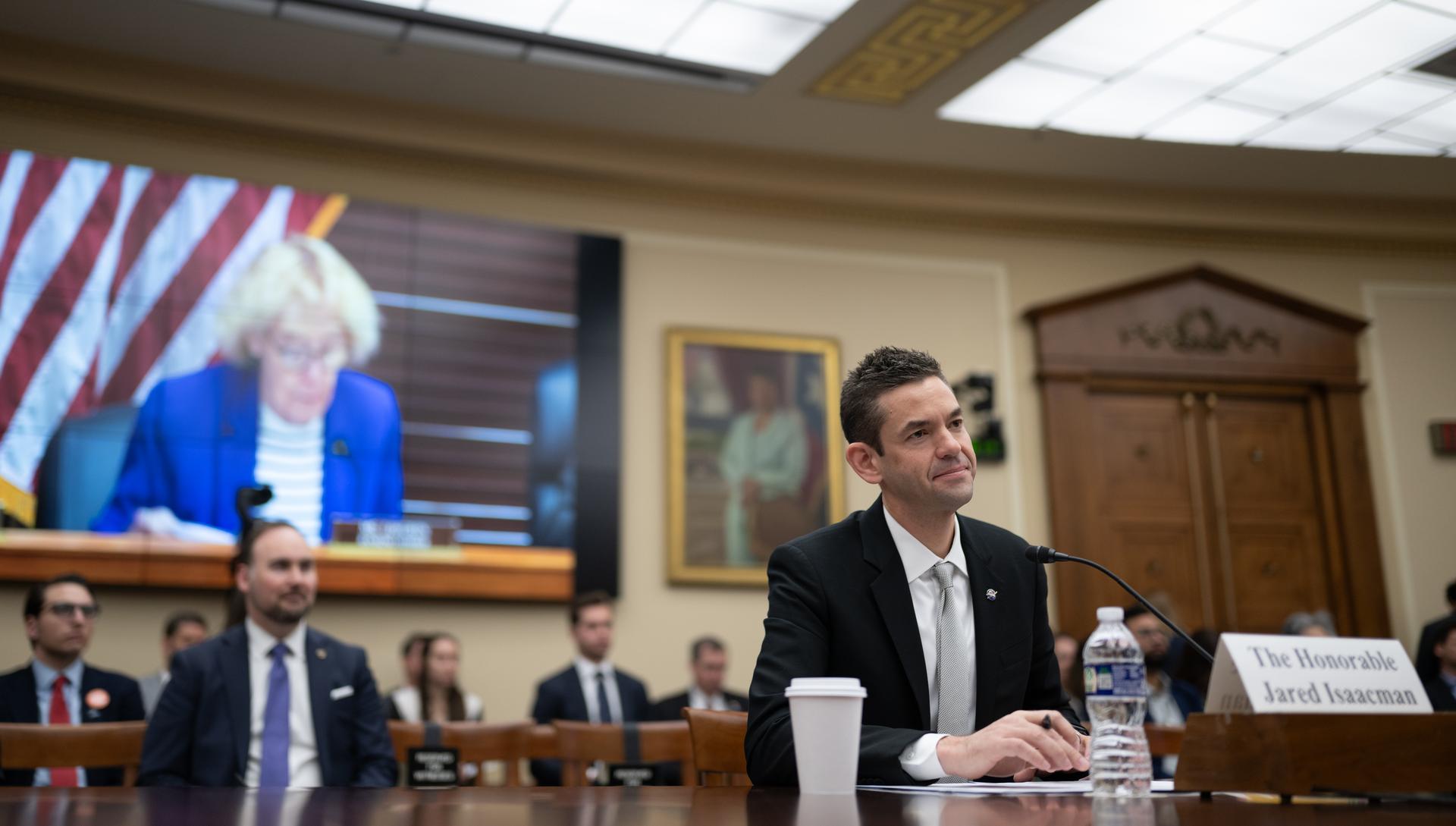
NASA Administrator Jared Isaacman testifies during a House Committee on Science, Space, and Technology hearing regarding the President’s Fiscal Year 2027 budget request for the agency, Wednesday, April 22, 2026, at the Rayburn House Office Building in Washington. Photo Credit: (NASA/Joel Kowsky)

NASA Administrator Bill Nelson testifies during a House Science, Space, and Technology Committee hearing regarding the NASA Fiscal Year 2025 budget, Tuesday, April 30, 2024, at the Rayburn House Office Building in Washington. Photo Credit: (NASA/Bill Ingalls)

NASA Administrator Bill Nelson testifies during a House Science, Space, and Technology Committee hearing regarding the NASA Fiscal Year 2025 budget, Tuesday, April 30, 2024, at the Rayburn House Office Building in Washington. Photo Credit: (NASA/Bill Ingalls)
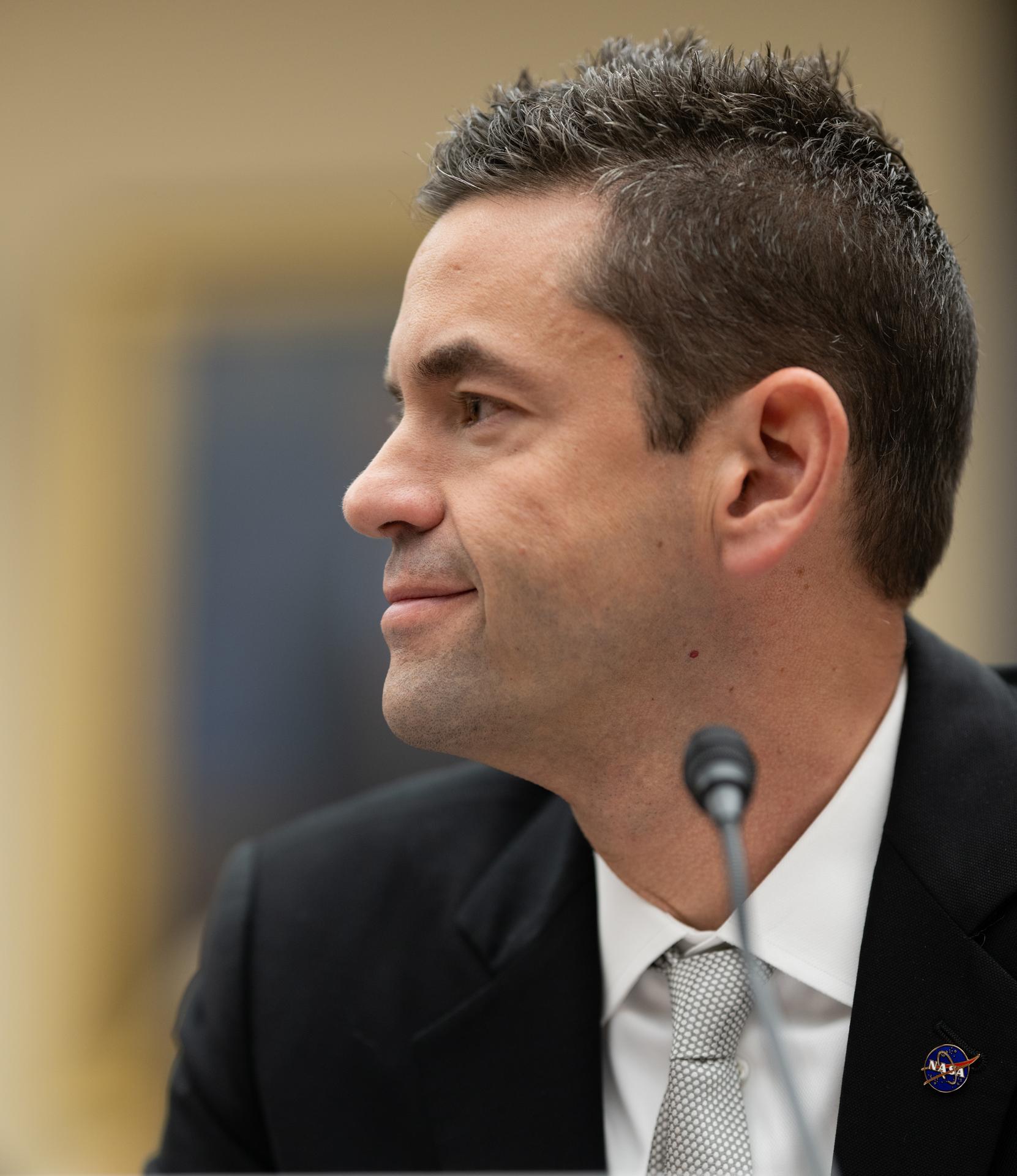
NASA Administrator Jared Isaacman testifies during a House Committee on Science, Space, and Technology hearing regarding the President’s Fiscal Year 2027 budget request for the agency, Wednesday, April 22, 2026, at the Rayburn House Office Building in Washington. Photo Credit: (NASA/Joel Kowsky)
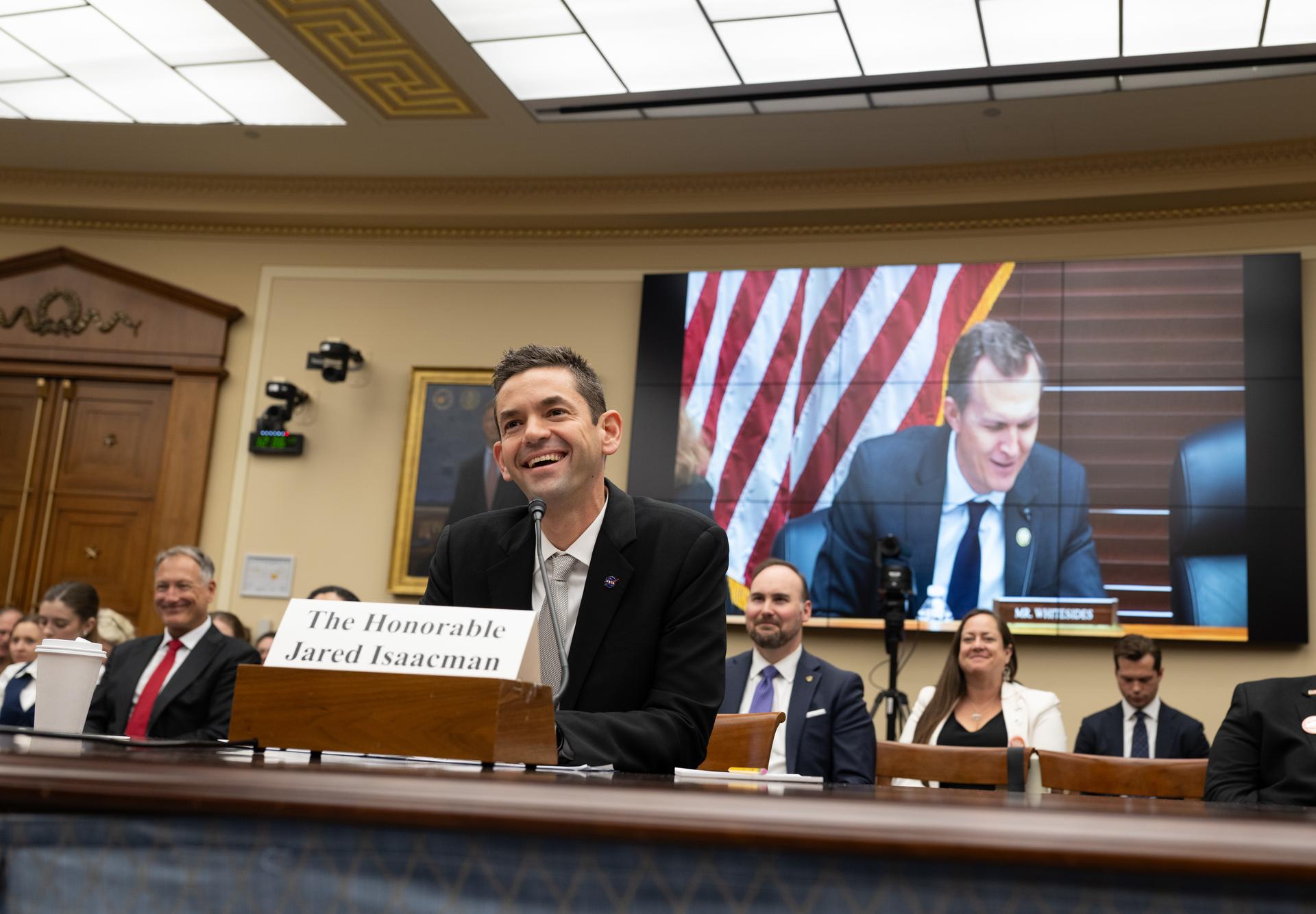
NASA Administrator Jared Isaacman testifies during a House Committee on Science, Space, and Technology hearing regarding the President’s Fiscal Year 2027 budget request for the agency, Wednesday, April 22, 2026, at the Rayburn House Office Building in Washington. Photo Credit: (NASA/Joel Kowsky)
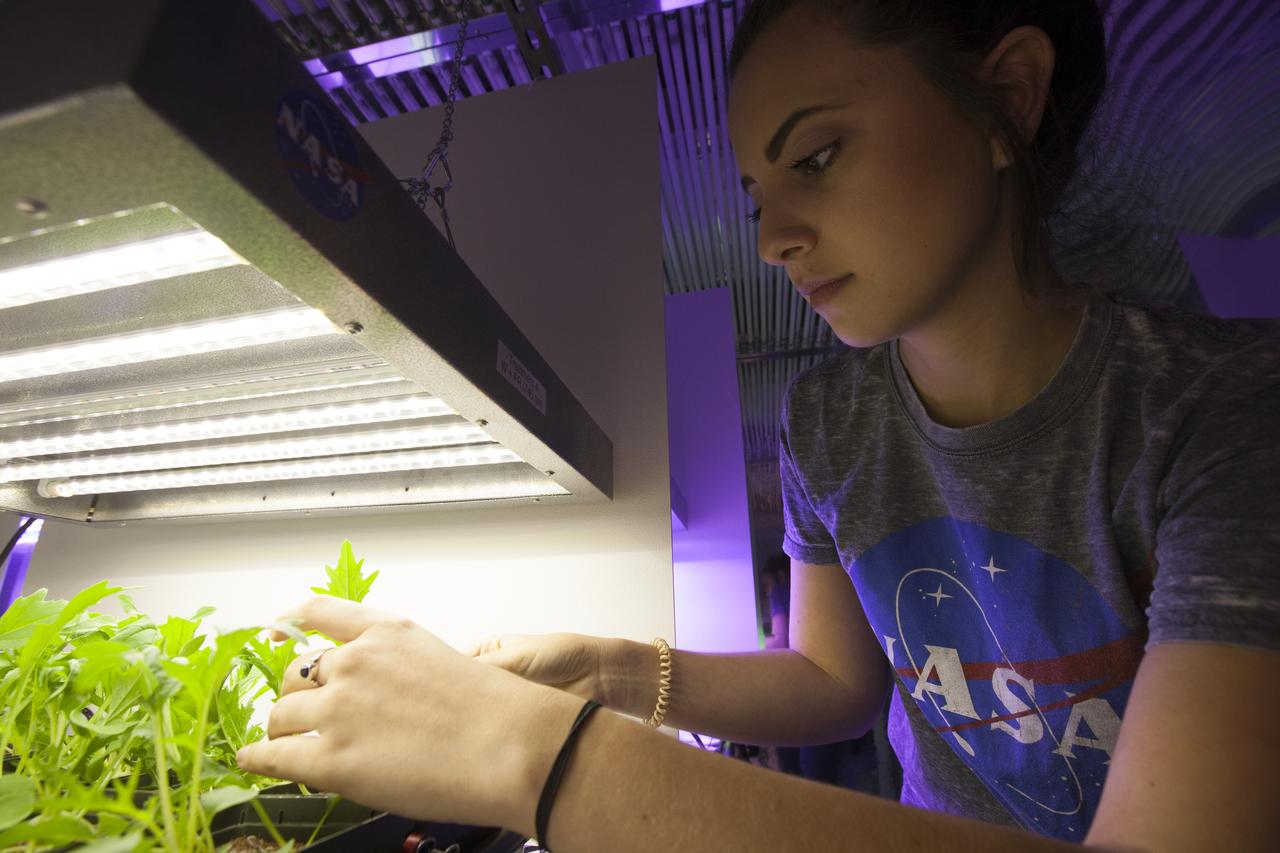
In the Space Life Sciences Laboratory at NASA's Kennedy Space Center in Florida, student interns such as Payton Barnwell are joining agency scientists, contributing in the area of plant growth research for food production in space. Barnwell is a mechanical engineering and nanotechnology major at Florida Polytechnic University. The agency attracts its future workforce through the NASA Internship, Fellowships and Scholarships, or NIFS, Program.
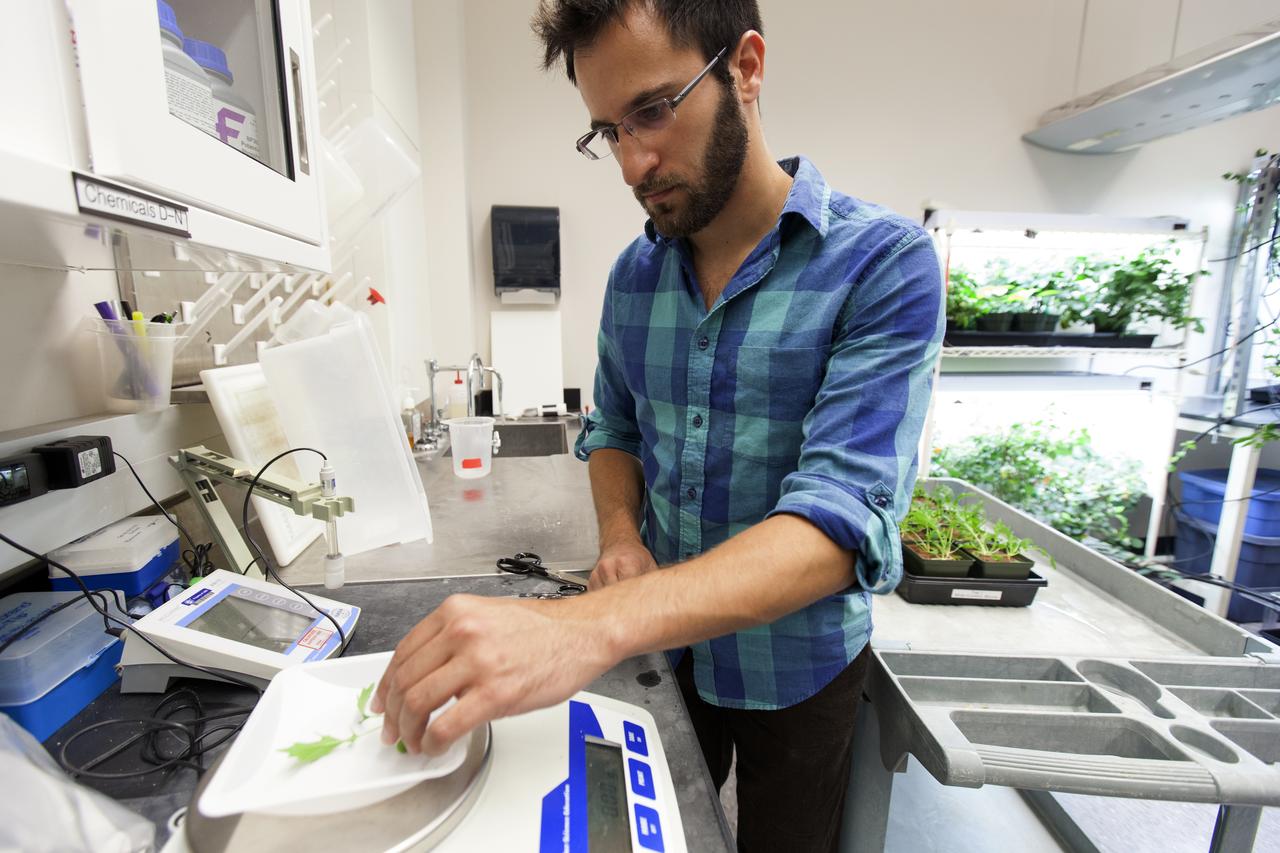
In the Space Life Sciences Laboratory at NASA's Kennedy Space Center in Florida, student interns such as Alex Litvin are joining agency scientists, contributing in the area of plant growth research for food production in space. Litvin is pursuing doctorate in horticulture at Iowa State University. The agency attracts its future workforce through the NASA Internship, Fellowships and Scholarships, or NIFS, Program.
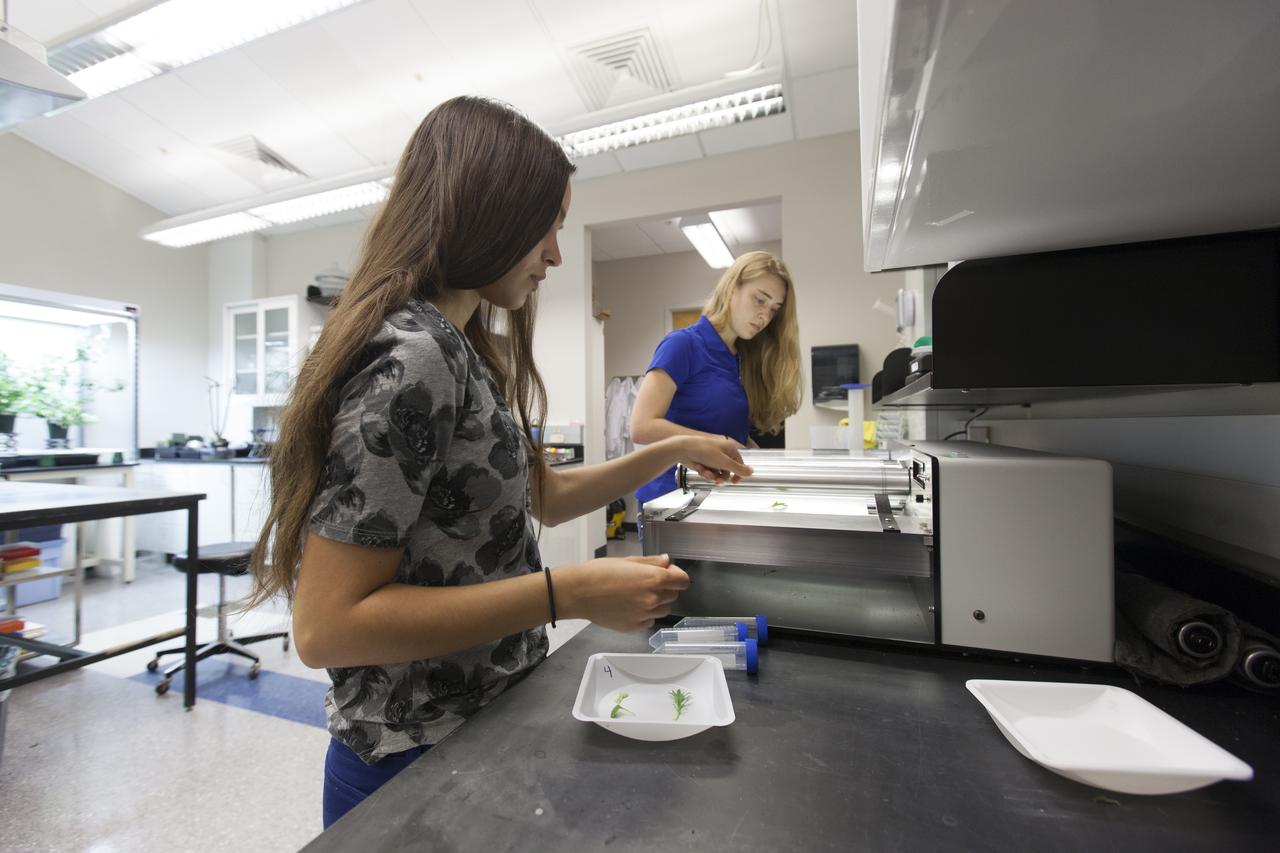
In the Space Life Sciences Laboratory at NASA's Kennedy Space Center in Florida, student interns such as Emma Boehm, left, and Jessica Scotten are joining agency scientists, contributing in the area of plant growth research for food production in space. Boehm is pursuing a degree in ecology and evolution at the University of Minnesota. Scotten is majoring in microbiology at Oregon State University. The agency attracts its future workforce through the NASA Internship, Fellowships and Scholarships, or NIFS, Program.
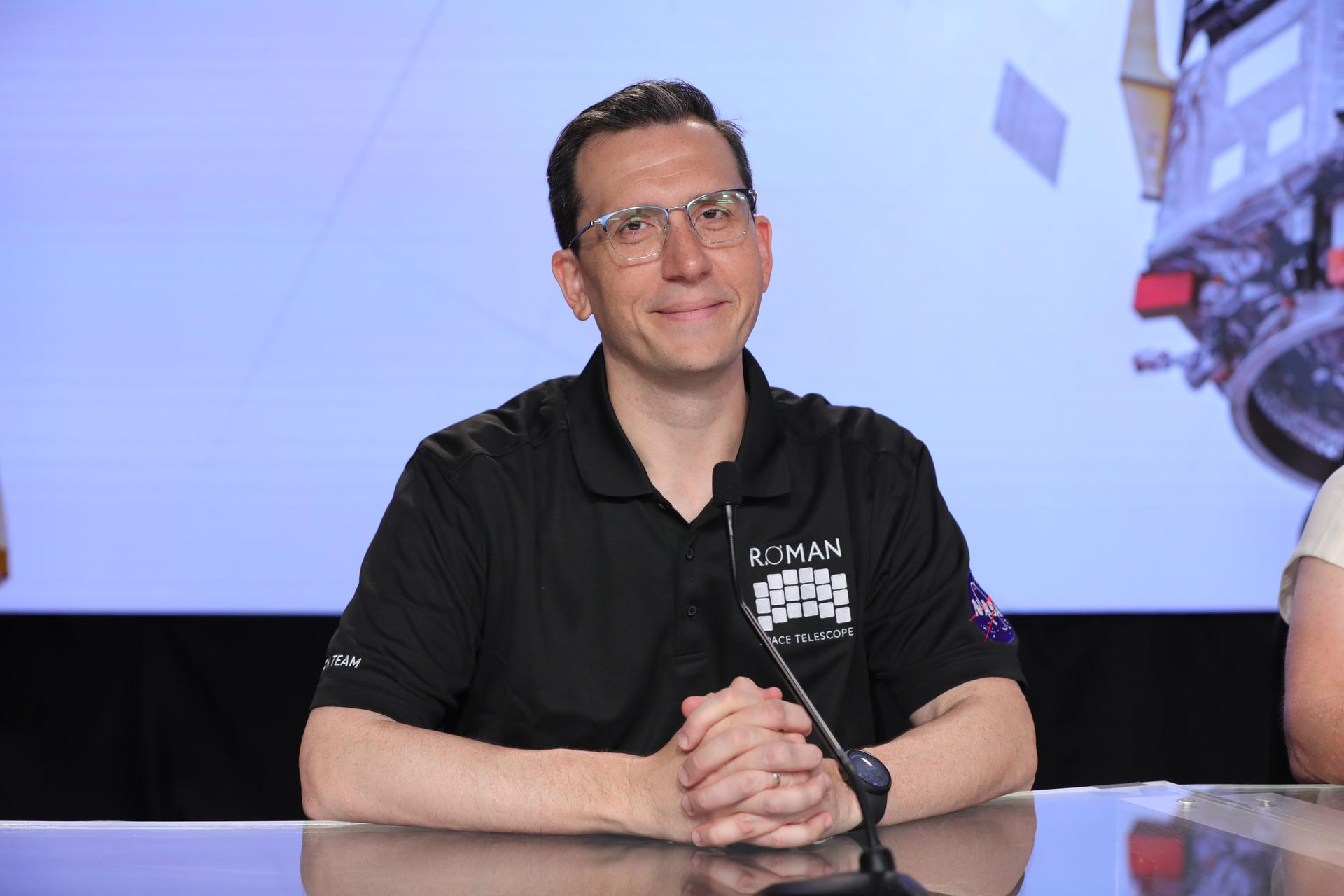
Shawn Domagal-Goldman, director, Astrophysics Division, NASA Headquarters in Washington, participates in a science briefing for NASA’s Nancy Grace Roman Space Telescope inside the NASA News Center’s John Holliman Auditorium at Kennedy Space Center in Florida, on Saturday, Aug. 29, 2026. Roman will investigate dark energy and dark matter, conduct a statistical census of planetary systems, and enable a broad range of additional astrophysics research. Liftoff from Launch Complex 39A at Kennedy is targeted for no earlier than Sunday, Aug. 30, 2026.
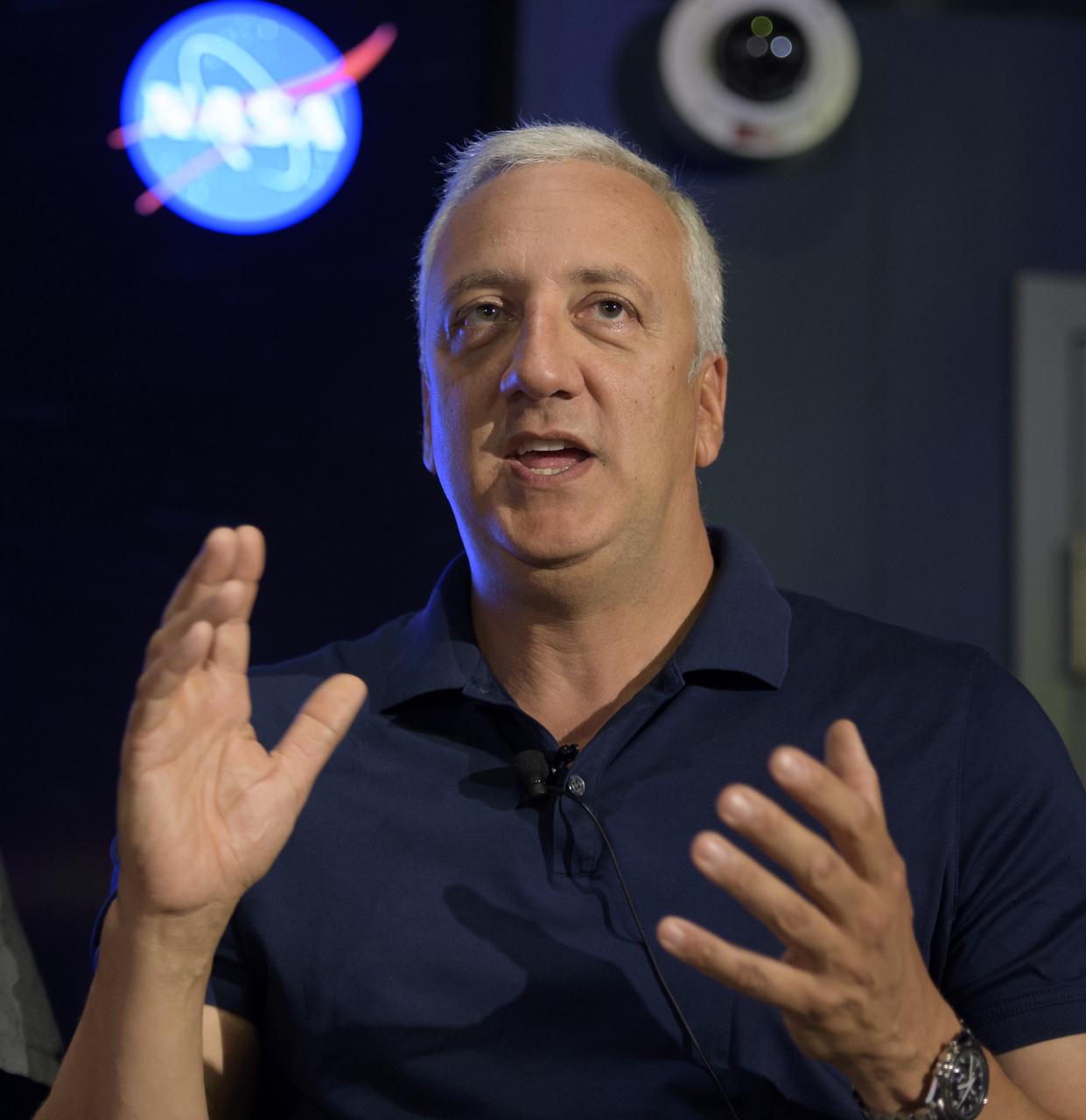
Former NASA astronaut Mike Massimino participates in a panel discussion titled "The Big Picture", Saturday, Aug. 5, 2017 at the Intrepid Sea, Air & Space Museum in New York City. Photo Credit: (NASA/Bill Ingalls)
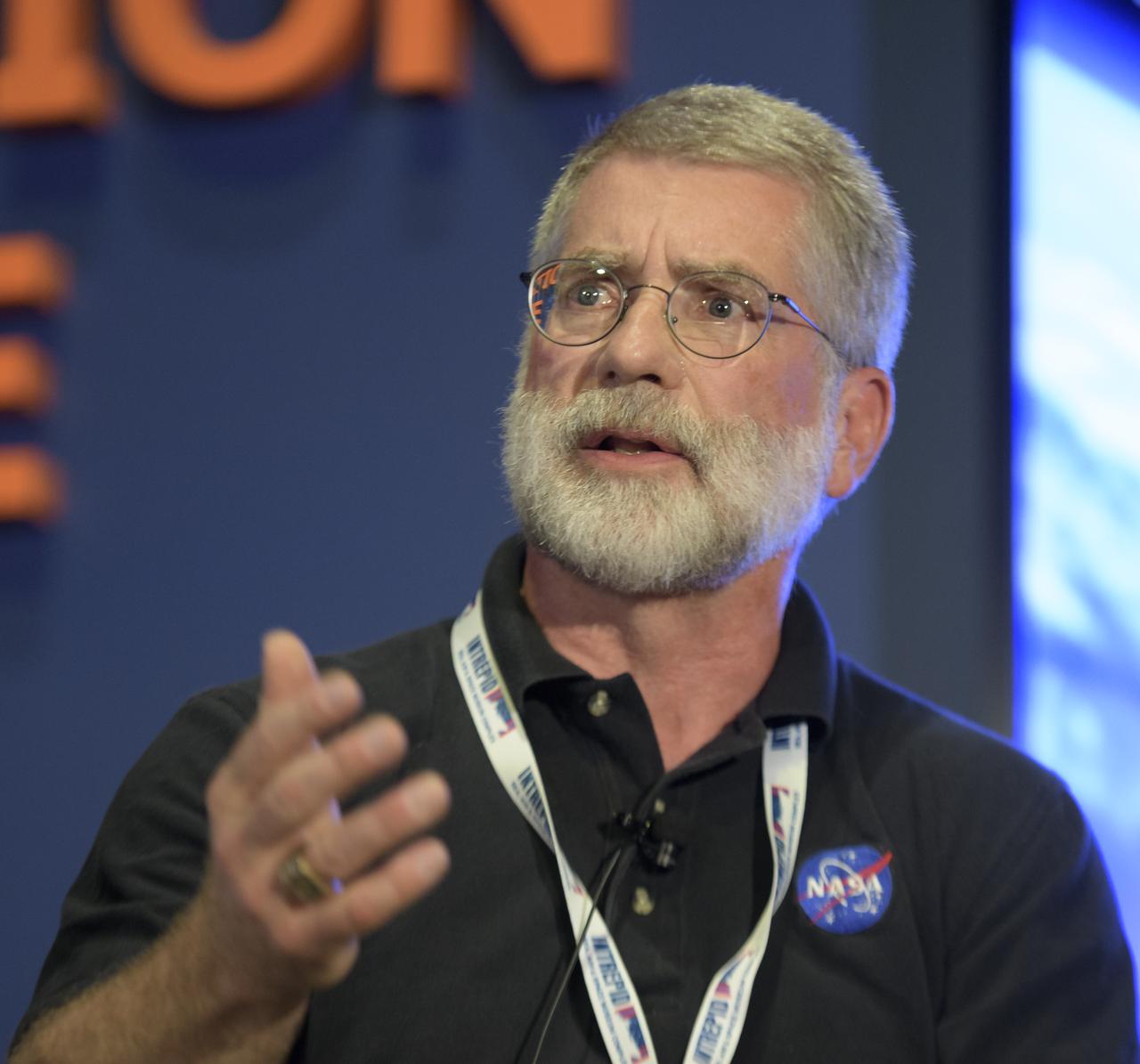
NASA James Webb Space Telescope systems engineer Mike Menzel, participates in a panel discussion titled "The Big Picture", Saturday, Aug. 5, 2017 at the Intrepid Sea, Air & Space Museum in New York City. Photo Credit: (NASA/Bill Ingalls)
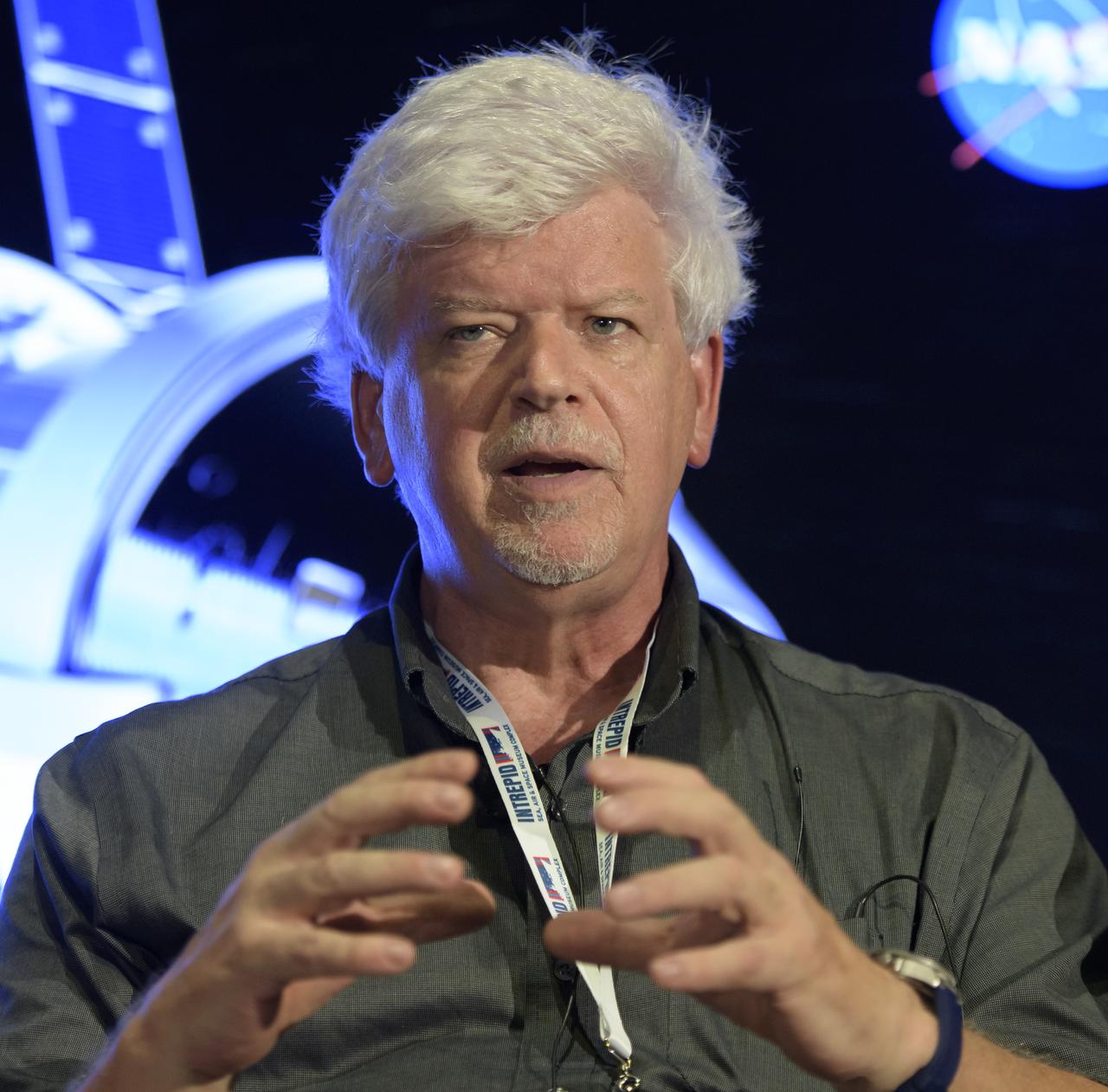
Honeybee Robotics co-founder and chairman Stephen Gorevan participates in a panel discussion titled "The Big Picture", Saturday, Aug. 5, 2017 at the Intrepid Sea, Air & Space Museum in New York City. Photo Credit: (NASA/Bill Ingalls)
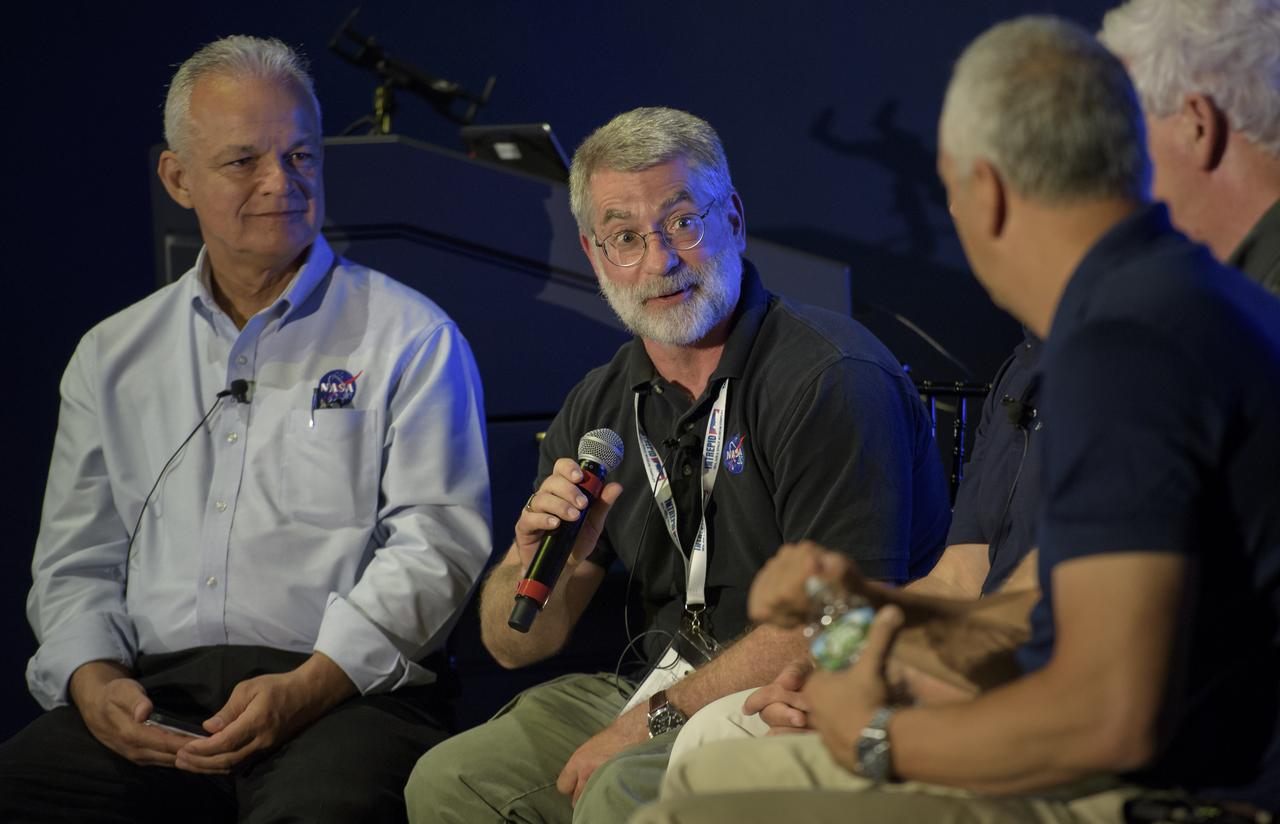
NASA James Webb Space Telescope systems engineer Mike Menzel, center, participates in a panel discussion titled "The Big Picture", Saturday, Aug. 5, 2017 at the Intrepid Sea, Air & Space Museum in New York City. Photo Credit: (NASA/Bill Ingalls)
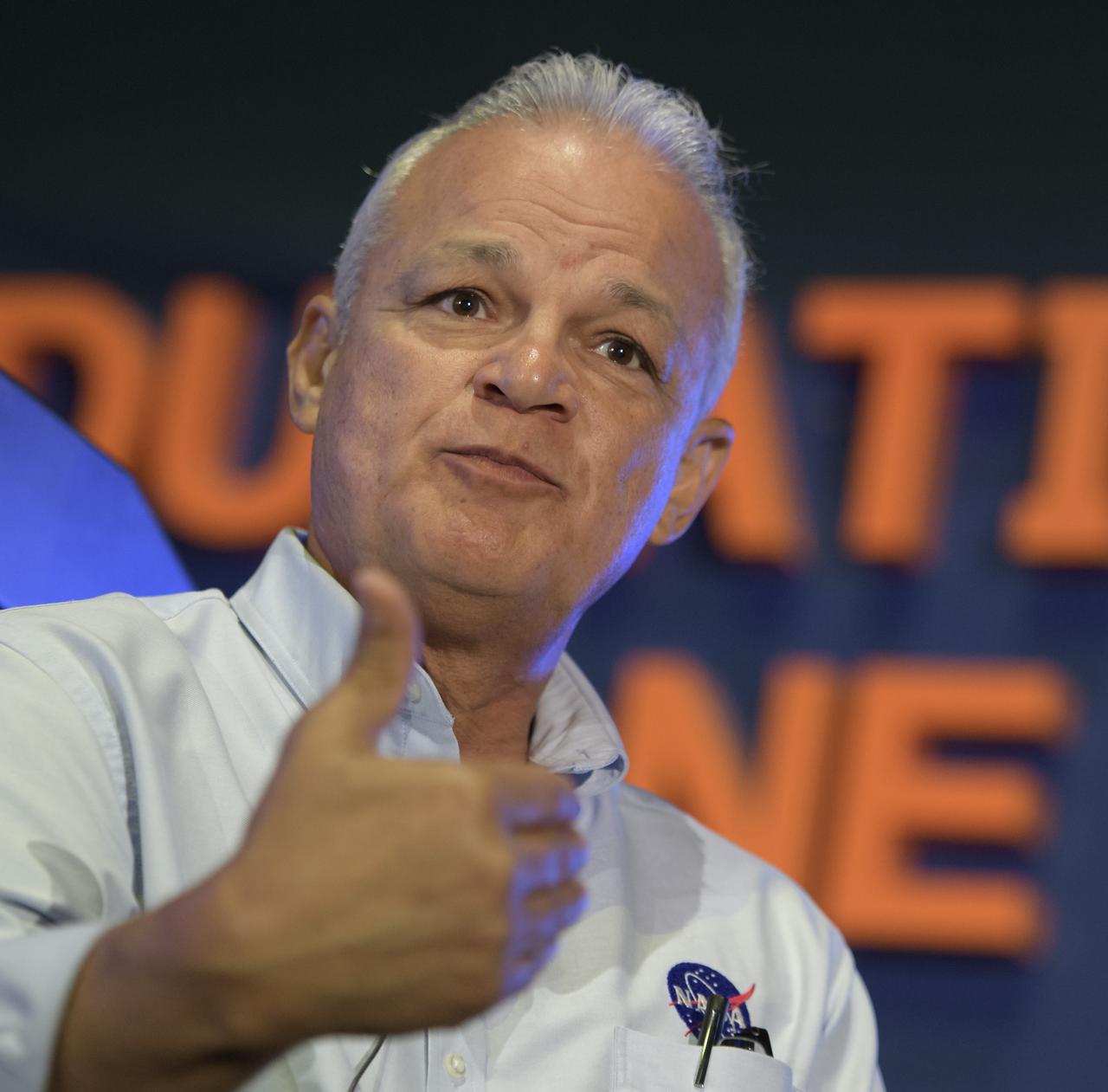
NASA Acting Chief Technologist Douglas Terrier, moderates a panel discussion titled "The Big Picture" with NASA James Webb Space Telescope systems engineer Mike Menzel, SpaceX Director of space operations and former NASA astronaut Garret Reisman, Honeybee Robotics co-founder and chairman Stephen Gorevan, and former NASA astronaut Mike Massimino, Saturday, Aug. 5, 2017 at the Intrepid Sea, Air & Space Museum in New York City. Photo Credit: (NASA/Bill Ingalls)
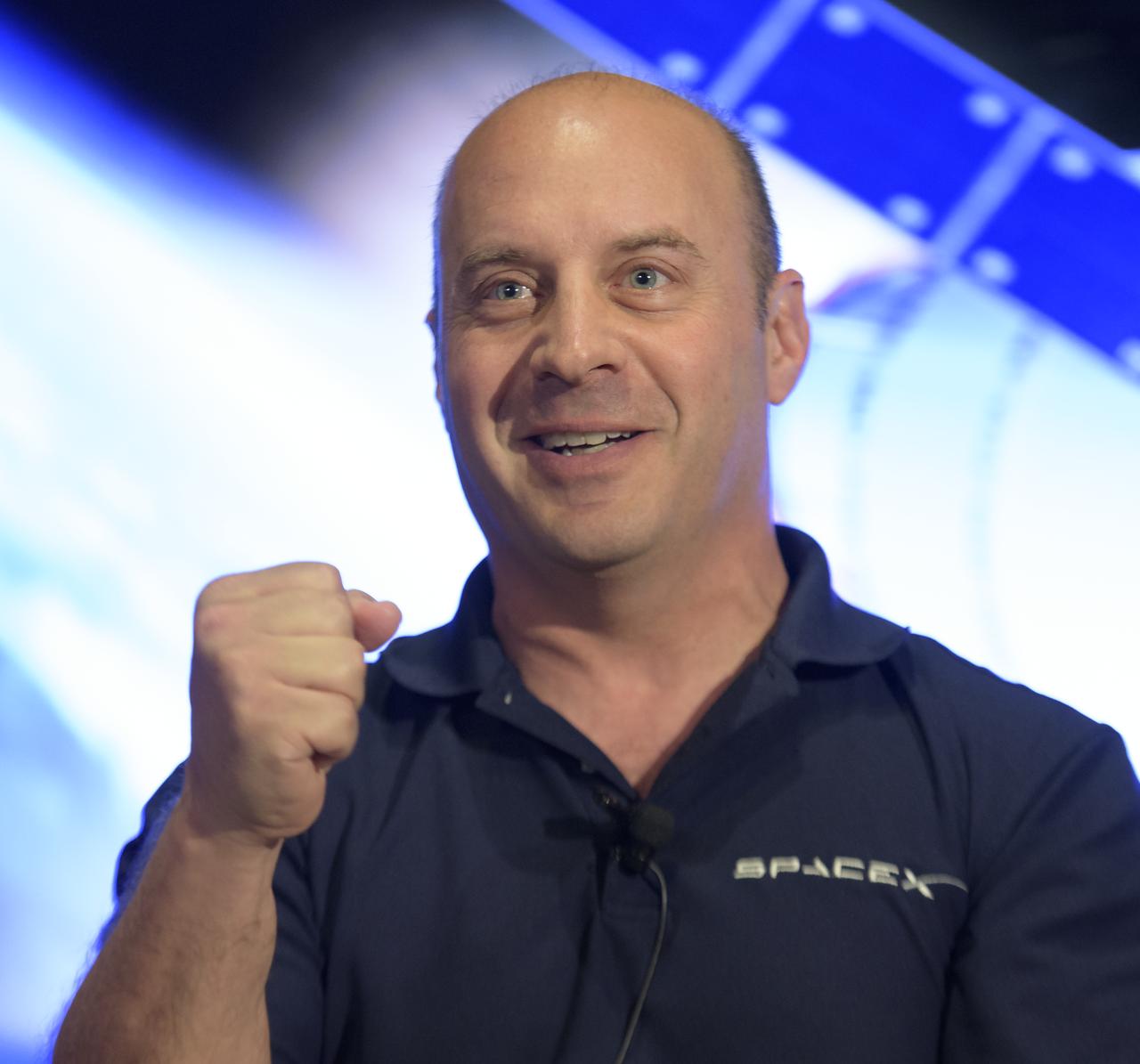
SpaceX Director of space operations and former NASA astronaut Garret Reisman participates in a panel discussion titled "The Big Picture", Saturday, Aug. 5, 2017 at the Intrepid Sea, Air & Space Museum in New York City. Photo Credit: (NASA/Bill Ingalls)
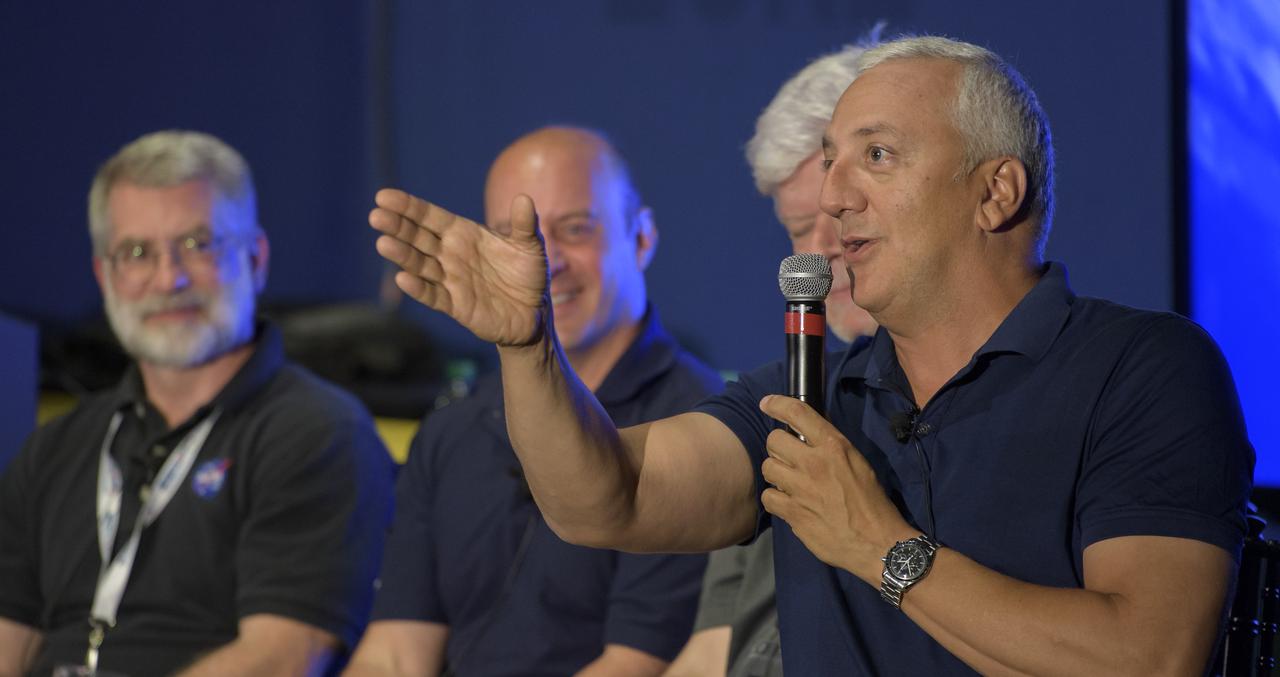
Former NASA astronaut Mike Massimino participates in a panel discussion titled "The Big Picture", Saturday, Aug. 5, 2017 at the Intrepid Sea, Air & Space Museum in New York City. Photo Credit: (NASA/Bill Ingalls)
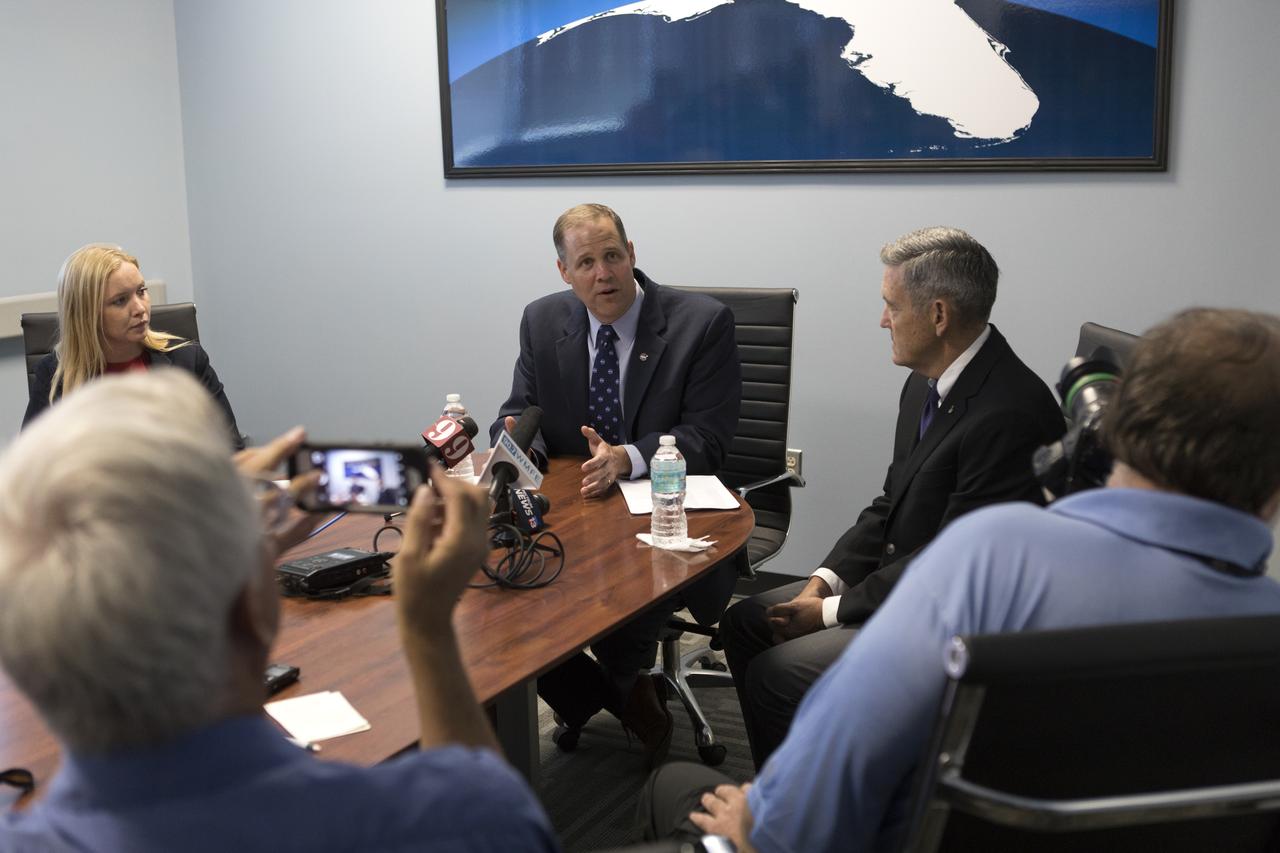
NASA Administrator Jim Bridenstine, center, talks with members of the local media in a conference room inside the Space Life Sciences Laboratory during his tour of Kennedy Space Center in Florida, on Aug. 7, 2018. Seated at right is Kennedy Center Director Bob Cabana. The administrator toured Kennedy facilities and received updates on various center accomplishments.
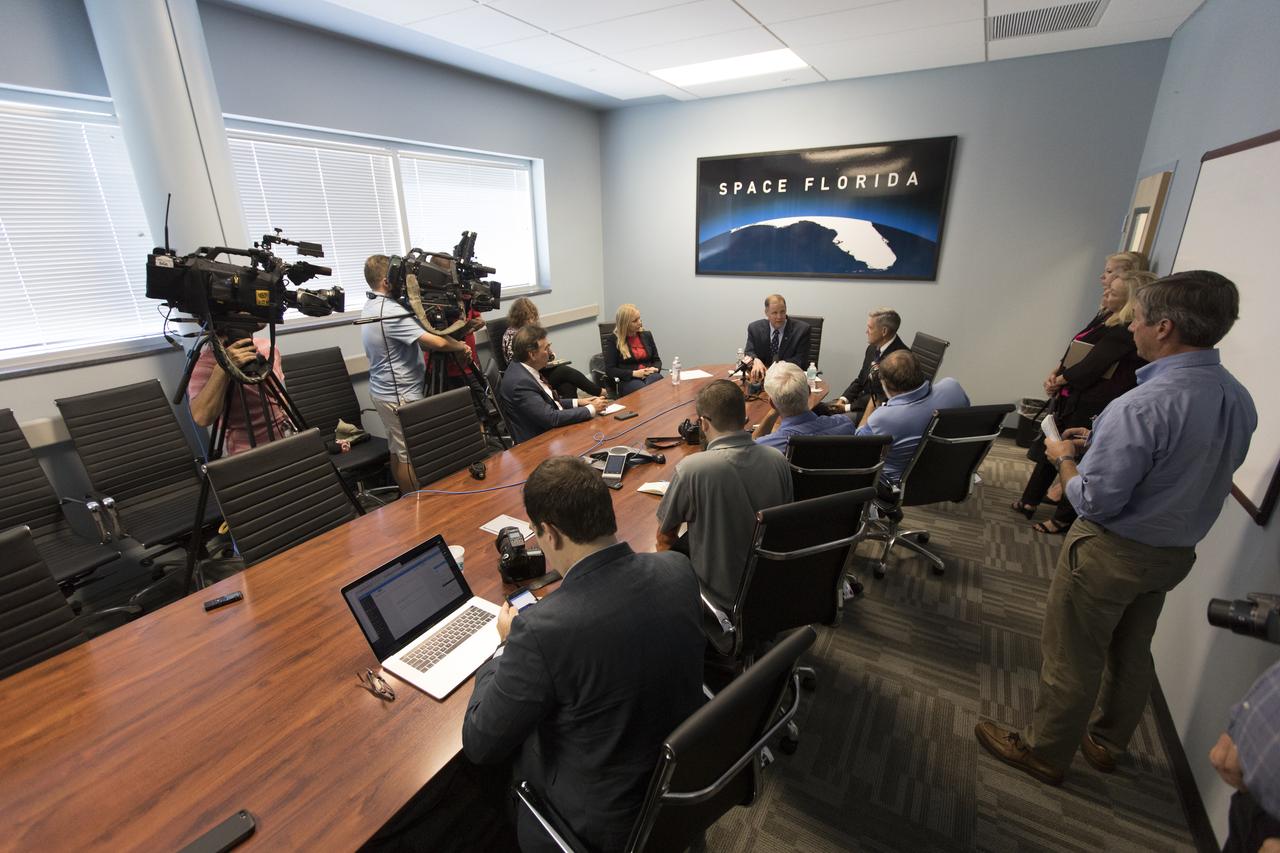
NASA Administrator Jim Bridenstine, seated, far end of the table, center, talks with members of the local media in a conference room inside the Space Life Sciences Laboratory during his tour of Kennedy Space Center in Florida, on Aug. 7, 2018. Seated next to him is Kennedy Center Director Bob Cabana. The administrator toured Kennedy facilities and received updates on various center accomplishments.