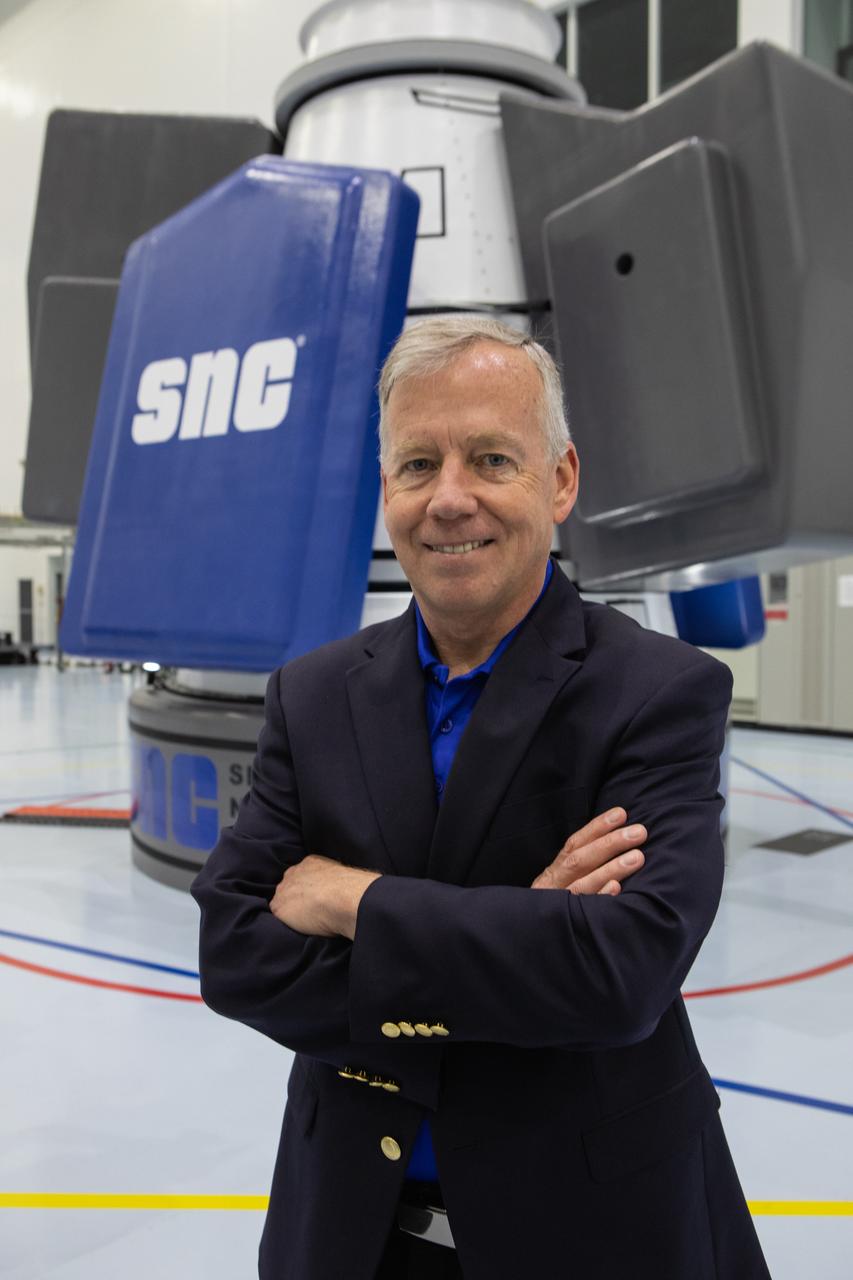
Steve Lindsey, senior vice president of strategy for Sierra Nevada Corporation Space Systems and a former NASA astronaut, poses in front of the company’s Shooting Star cargo module in the Space Station Processing Facility high bay at Kennedy Space Center on Nov. 19, 2019. Shooting Star will attach to the back of the company’s Dream Chaser spacecraft. The cargo module will deliver more than 12,000 pounds of supplies and other cargo to the International Space Station for NASA as part of the Commercial Resupply Services-2 contract.
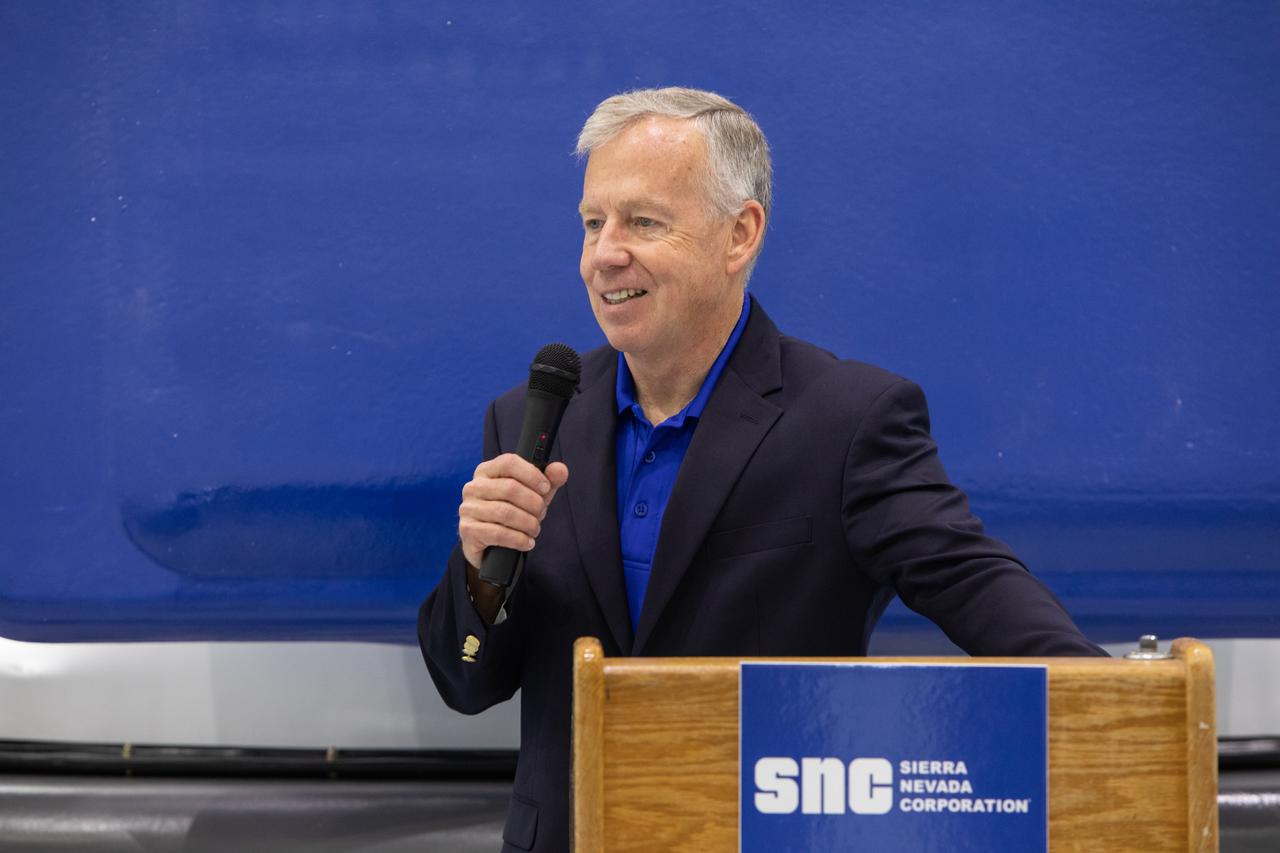
Steve Lindsey, senior vice president of strategy for Sierra Nevada Corporation Space Systems and a former NASA astronaut, discusses the capabilities of the company’s Shooting Star cargo module in the Space Station Processing Facility high bay at Kennedy Space Center on Nov. 19, 2019. Shooting Star will attach to the back of the company’s Dream Chaser spacecraft. The cargo module will deliver more than 12,000 pounds of supplies and other cargo to the International Space Station for NASA as part of the Commercial Resupply Services-2 contract.
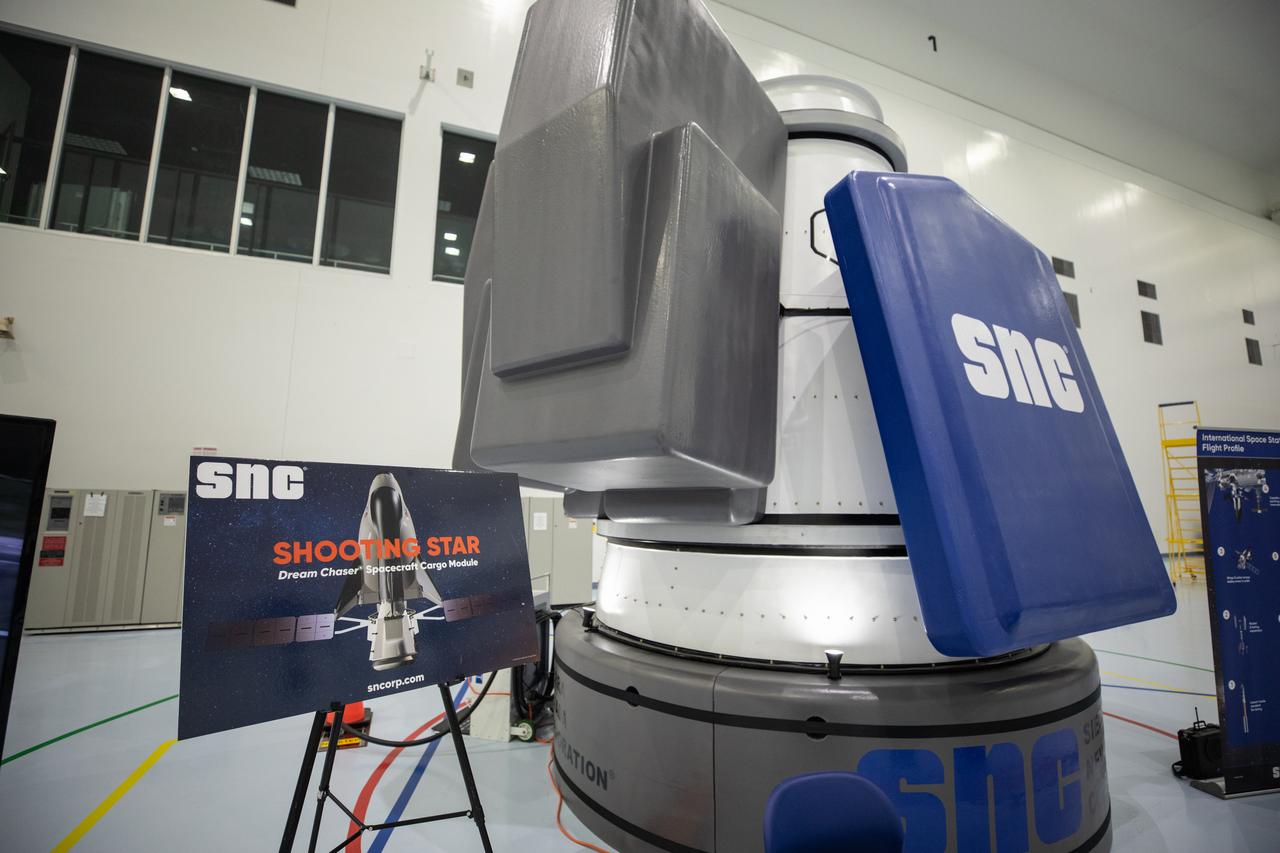
A look at a testing mockup of Sierra Nevada Corporation’s Shooting Star cargo module in the Space Station Processing Facility high bay at Kennedy Space Center on Nov. 19, 2019. Shooting Star will attach to the back of the company’s Dream Chaser spacecraft. The cargo module will deliver more than 12,000 pounds of supplies and other cargo to the International Space Station for NASA as part of the Commercial Resupply Services-2 contract.

A look at a testing mockup of Sierra Nevada Corporation’s Shooting Star cargo module in the Space Station Processing Facility high bay at Kennedy Space Center on Nov. 19, 2019. Shooting Star will attach to the back of the company’s Dream Chaser spacecraft. The cargo module will deliver more than 12,000 pounds of supplies and other cargo to the International Space Station for NASA as part of the Commercial Resupply Services-2 contract.
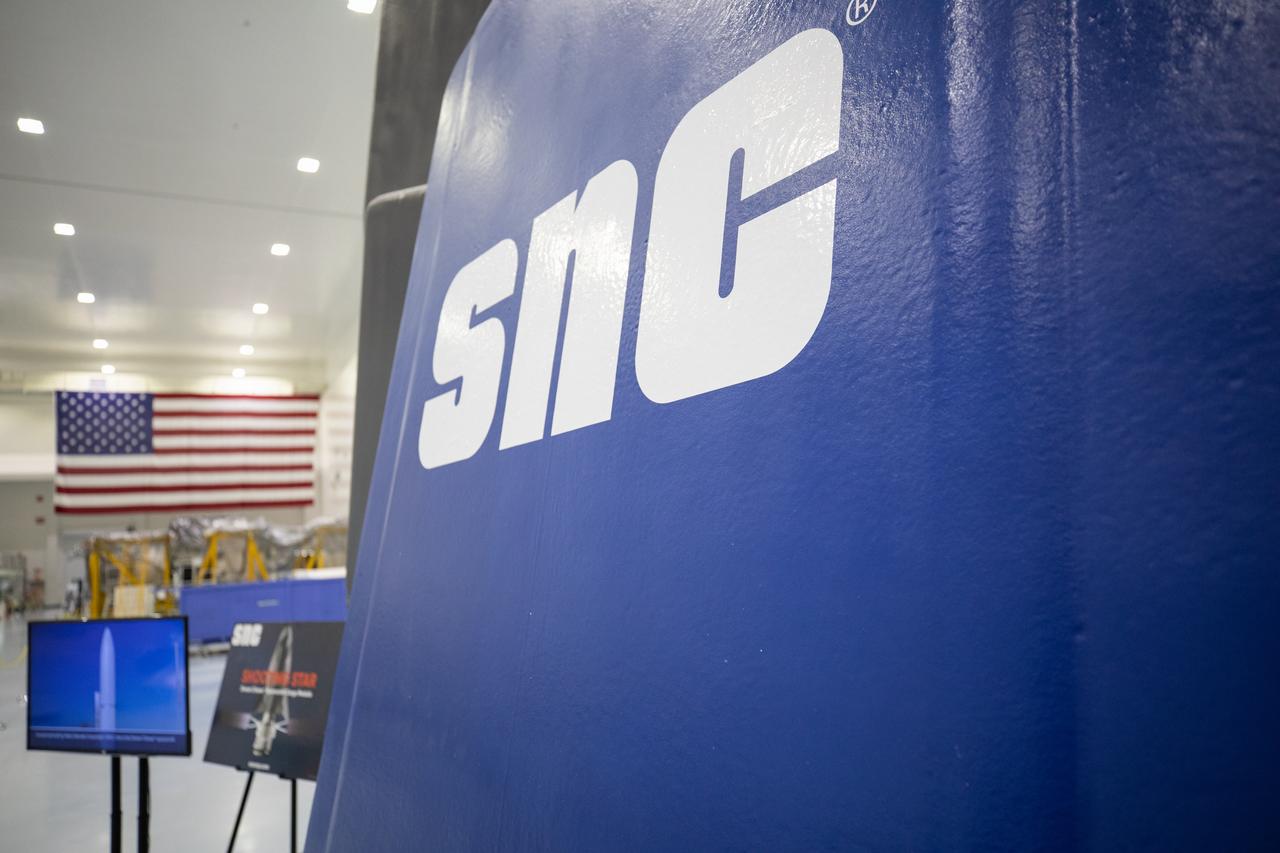
A look at a testing mockup of Sierra Nevada Corporation’s Shooting Star cargo module in the Space Station Processing Facility high bay at Kennedy Space Center on Nov. 19, 2019. Shooting Star will attach to the back of the company’s Dream Chaser spacecraft. The cargo module will deliver more than 12,000 pounds of supplies and other cargo to the International Space Station for NASA as part of the Commercial Resupply Services-2 contract.
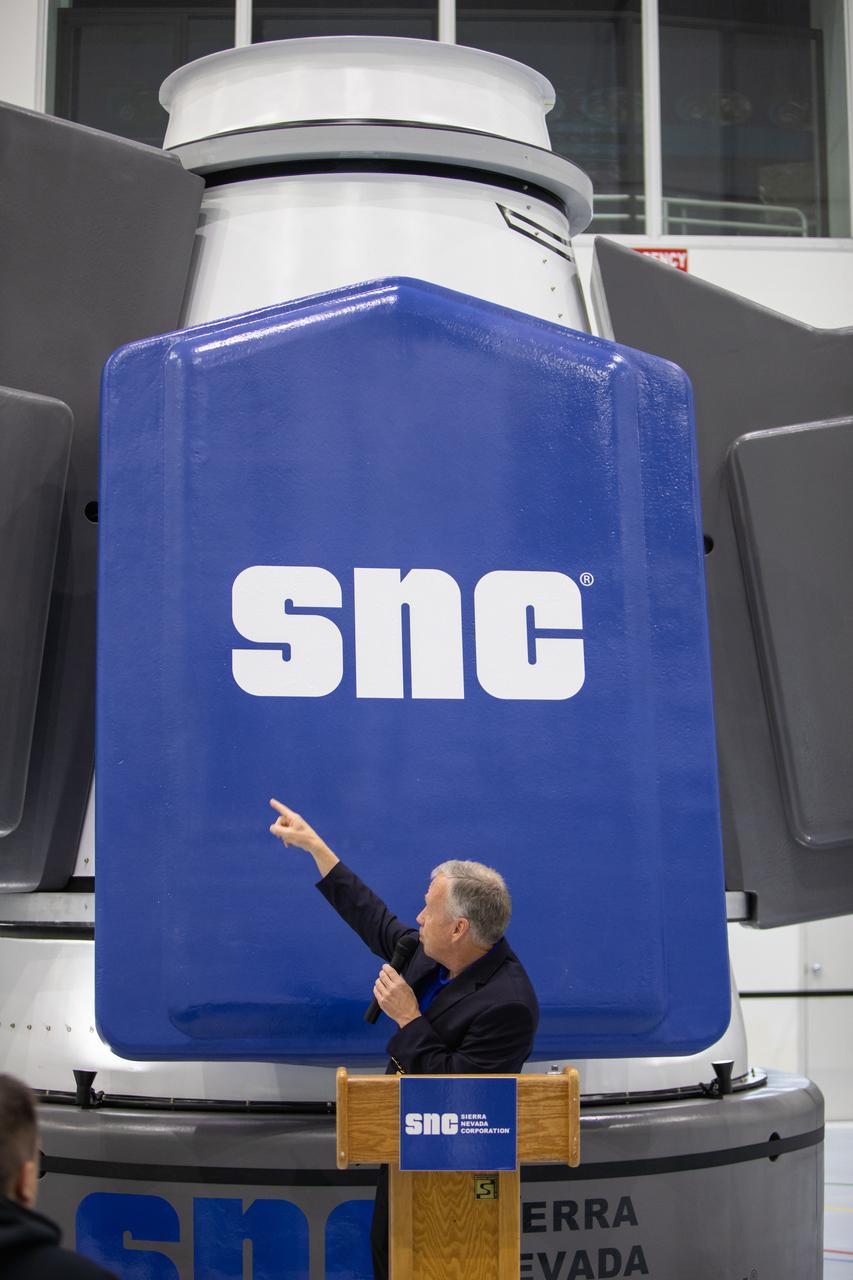
Steve Lindsey, senior vice president of strategy for Sierra Nevada Corporation Space Systems and a former NASA astronaut, discusses the capabilities of the company’s Shooting Star cargo module during a media day event in the Space Station Processing Facility high bay at Kennedy Space Center on Nov. 19, 2019. Shooting Star will attach to the back of the company’s Dream Chaser spacecraft. The cargo module will deliver more than 12,000 pounds of supplies and other cargo to the International Space Station for NASA as part of the Commercial Resupply Services-2 contract.
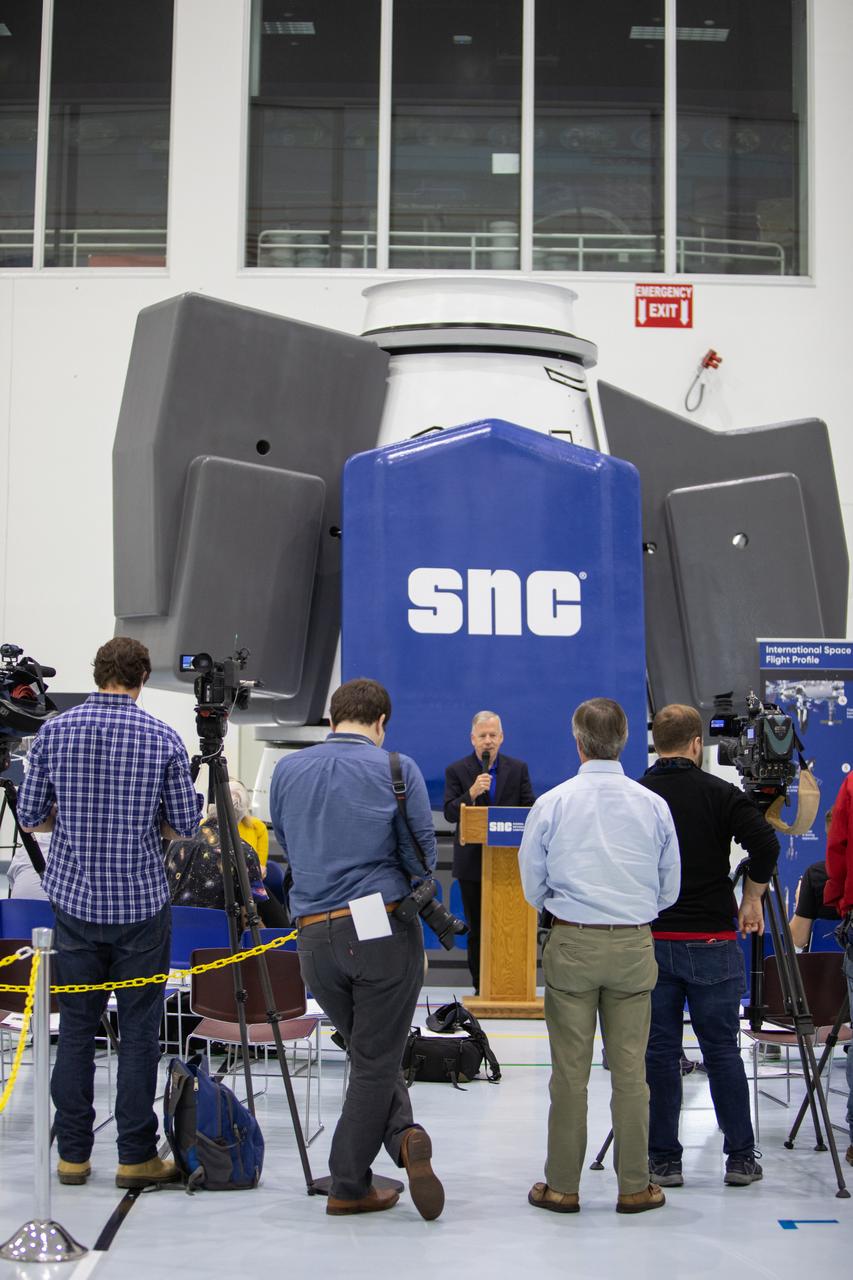
Steve Lindsey, senior vice president of strategy for Sierra Nevada Corporation Space Systems and a former NASA astronaut, discusses the capabilities of the company’s Shooting Star cargo module during a media day event in the Space Station Processing Facility high bay at Kennedy Space Center on Nov. 19, 2019. Shooting Star will attach to the back of the company’s Dream Chaser spacecraft. The cargo module will deliver more than 12,000 pounds of supplies and other cargo to the International Space Station for NASA as part of the Commercial Resupply Services-2 contract.
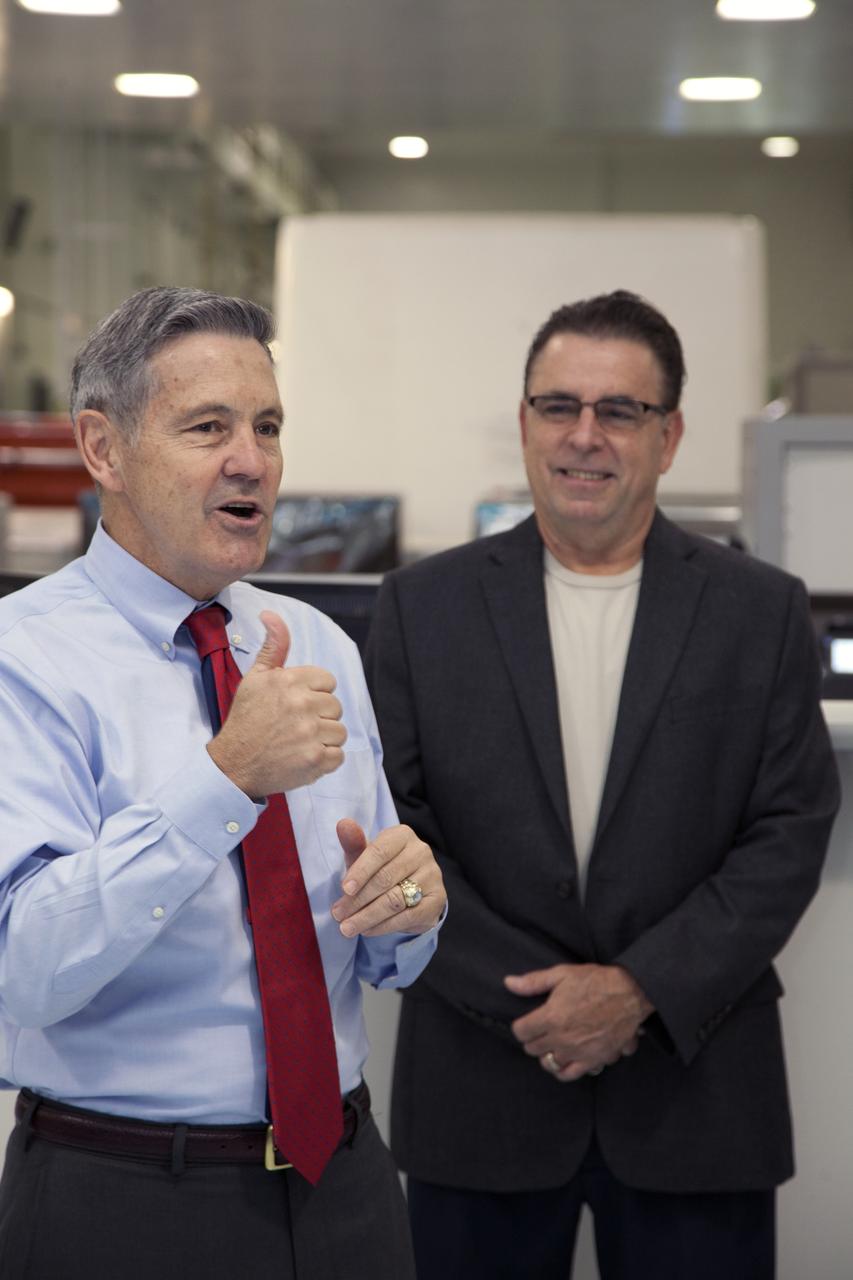
Kennedy Space Center Director Bob Cabana, left, speaks to guests during a ribbon cutting ceremony in the high bay of the Space Station Processing Facility at the Florida Space port. With him is Bill Dowdell, International Space Station technical director. The event celebrated completion of facility modifications to improve processing and free up zones tailored to a variety of needs supporting a robust assortment of space-bound hardware including NASA programs and commercial space companies.
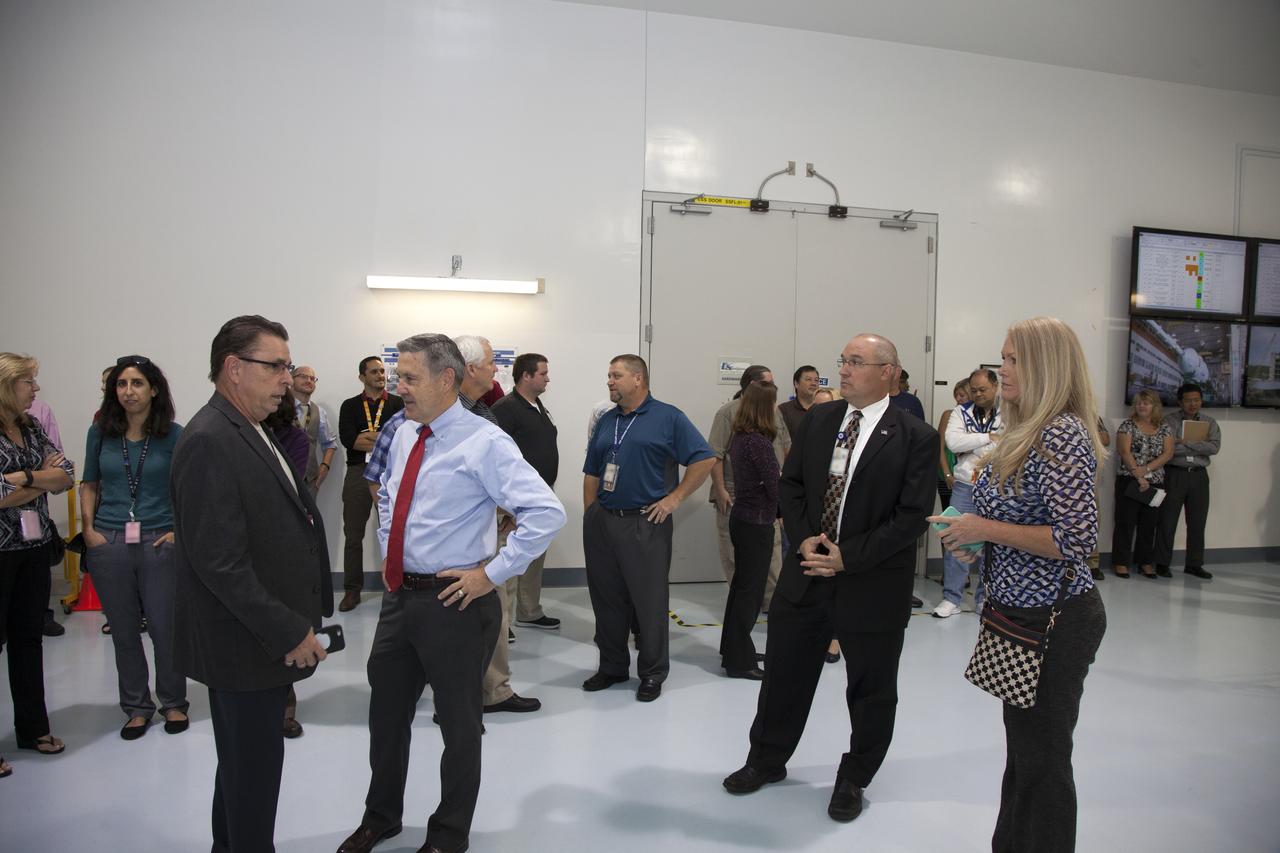
Kennedy Space Center Director Bob Cabana, center, talks with Bill Dowdell, Kennedy's International Space Station technical director, during a ribbon cutting ceremony in the high bay of the Space Station Processing Facility at the Florida spaceport. The event celebrated completion of facility modifications to improve processing and free up zones tailored to a variety of needs supporting a robust assortment of space-bound hardware including NASA programs and commercial space companies.
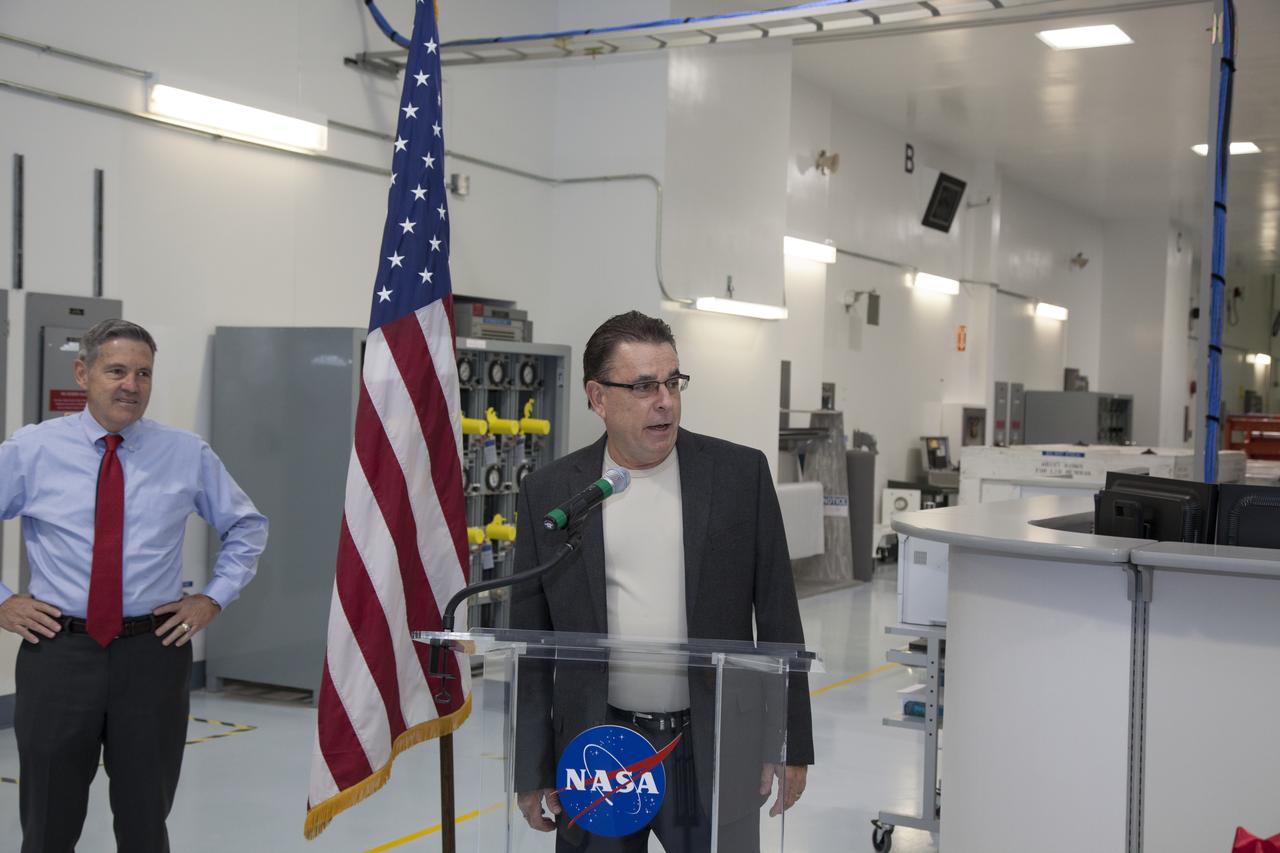
Bill Dowdell, International Space Station technical director, speaks to guests during a ribbon cutting ceremony in the high bay of the Space Station Processing Facility at NASA's Kennedy Space Center in Florida spaceport. Joining him is Kennedy's director, Bob Cabana. The event celebrated completion of facility modifications to improve processing and free up zones tailored to a variety of needs supporting a robust assortment of space-bound hardware including NASA programs and commercial space companies.
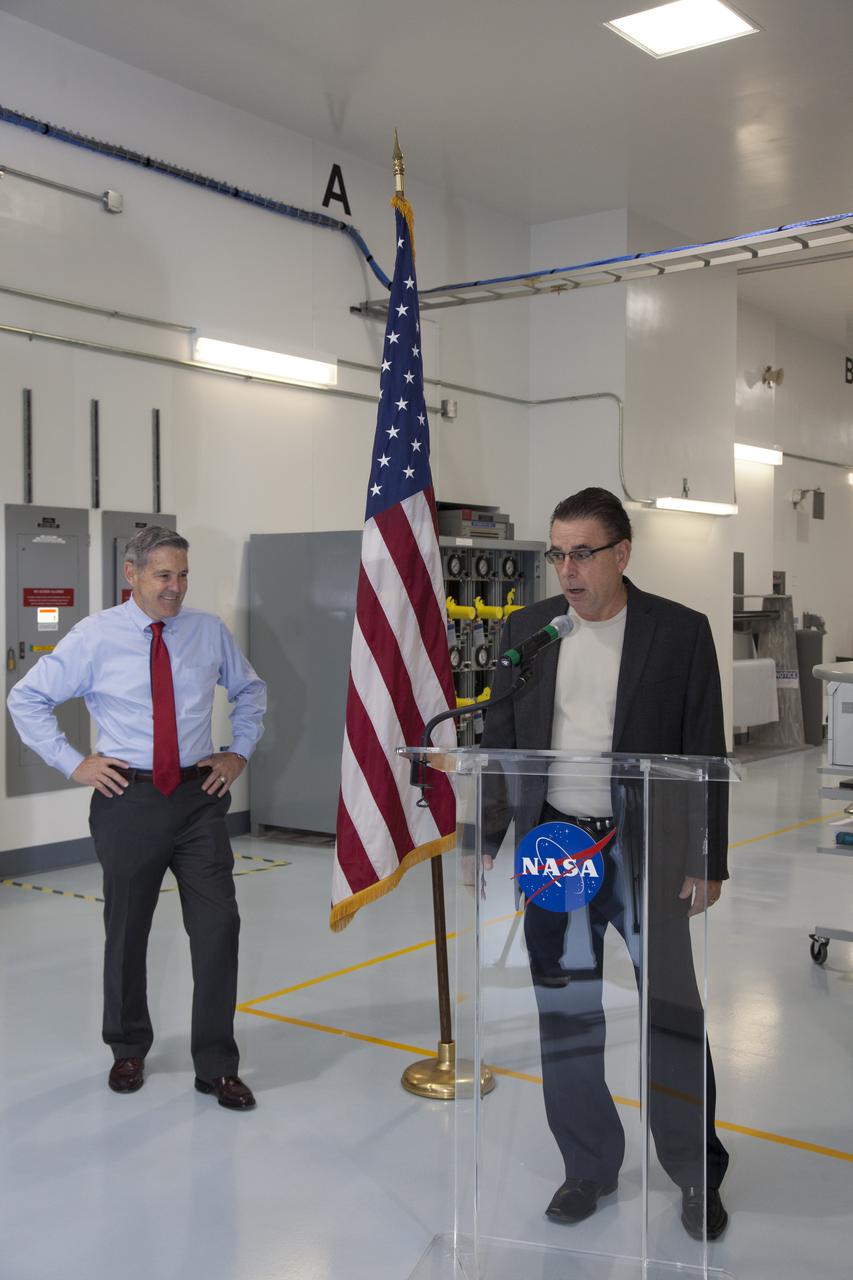
Bill Dowdell, International Space Station technical director, speaks to guests during a ribbon cutting ceremony in the high bay of the Space Station Processing Facility at NASA's Kennedy Space Center in Florida spaceport. Joining him is Kennedy's director, Bob Cabana. The event celebrated completion of facility modifications to improve processing and free up zones tailored to a variety of needs supporting a robust assortment of space-bound hardware including NASA programs and commercial space companies.
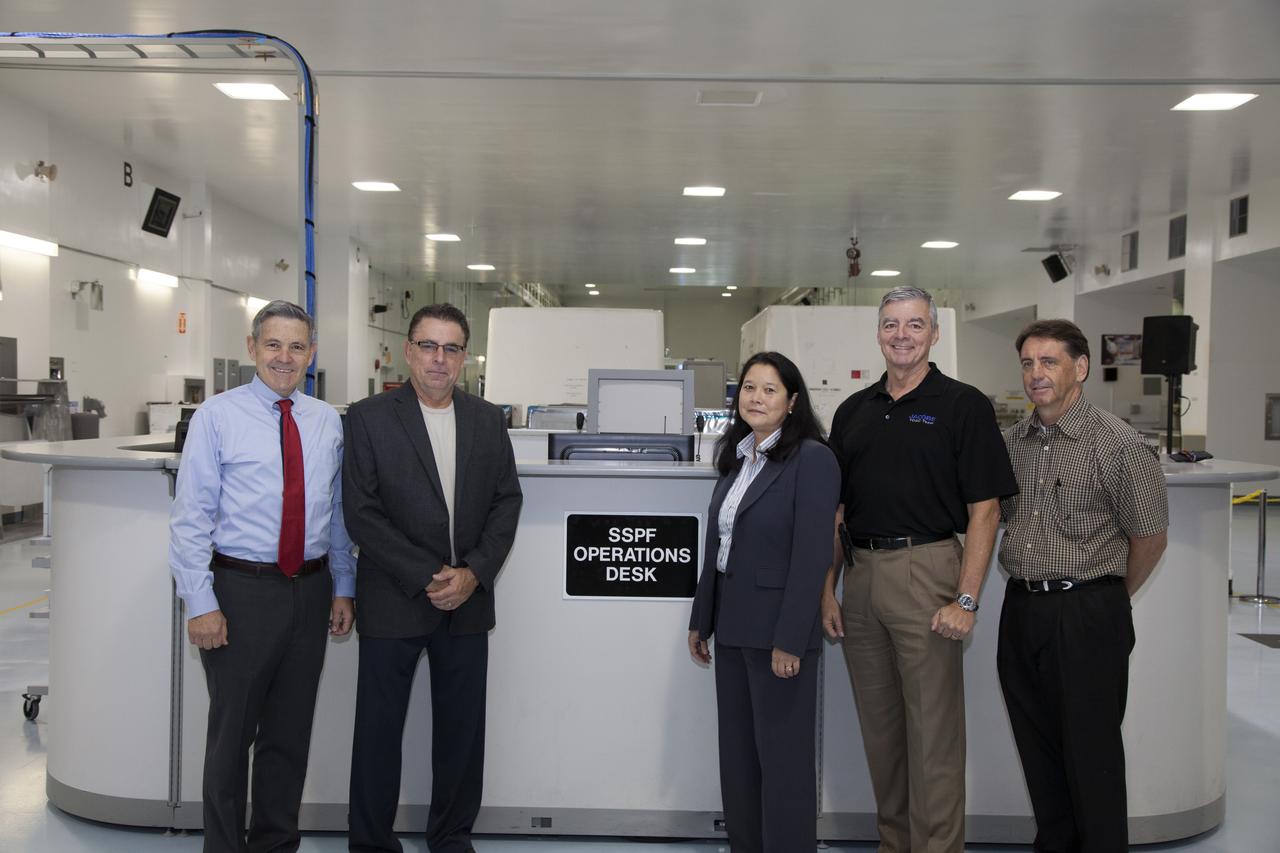
During a ribbon cutting ceremony in the high bay of the Space Station Processing Facility at NASA's Kennedy Space Center in Florida, center director Bob Cabana, far left, is joined by Bill Dowdell, Kennedy's International Space Station technical director, Josephine Burnett, director of Exploration Research and Technology, Andy Allen, Jacobs vice president and general manager and Test and Operations Support Contract program manager, and Jeff McAlear, Jacobs director of Processing Services. The event celebrated completion of facility modifications to improve processing and free up zones tailored to a variety of needs supporting a robust assortment of space-bound hardware including NASA programs and commercial space companies.
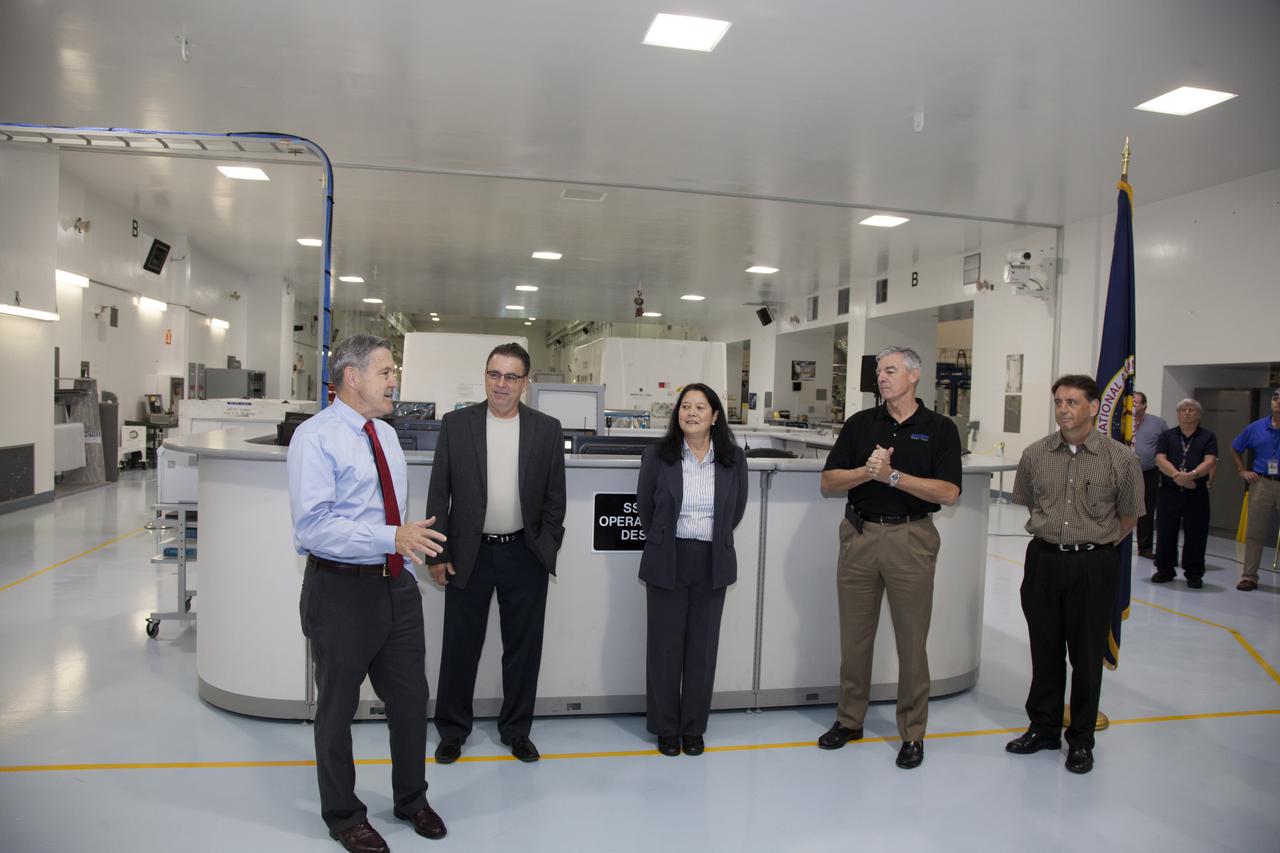
During a ribbon cutting ceremony in the high bay of the Space Station Processing Facility at NASA's Kennedy Space Center in Florida, center director Bob Cabana, far left, is joined by Bill Dowdell, Kennedy's International Space Station technical director, Josephine Burnett, director of Exploration Research and Technology, Andy Allen, Jacobs vice president and general manager and Test and Operations Support Contract program manager, and Jeff McAlear, Jacobs director of Processing Services. The event celebrated completion of facility modifications to improve processing and free up zones tailored to a variety of needs supporting a robust assortment of space-bound hardware including NASA programs and commercial space companies.
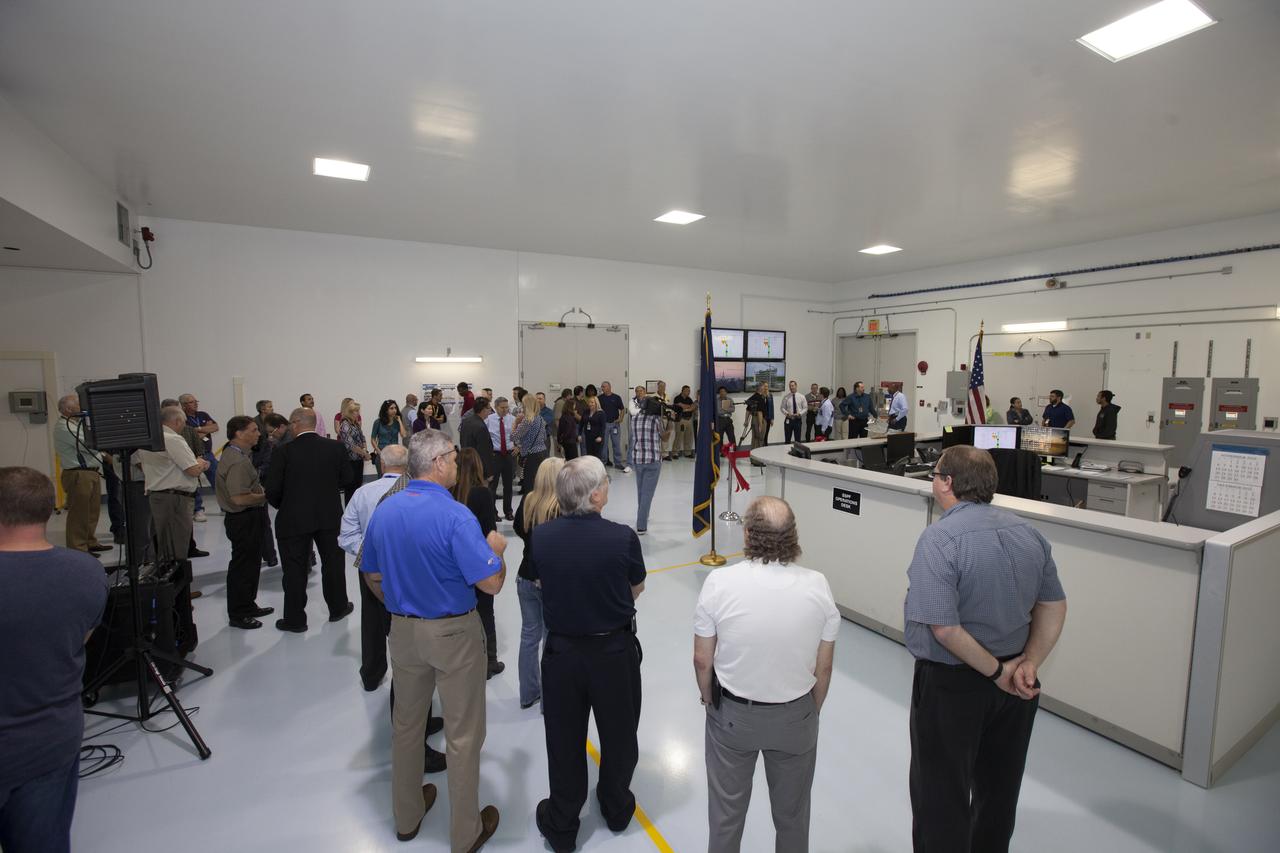
A crowd gathers for a ribbon cutting ceremony in the high bay of the Space Station Processing Facility at NASA's Kennedy Space Center in Florida. The event celebrated completion of facility modifications to improve processing and free up zones tailored to a variety of needs supporting a robust assortment of space-bound hardware including NASA programs and commercial space companies.
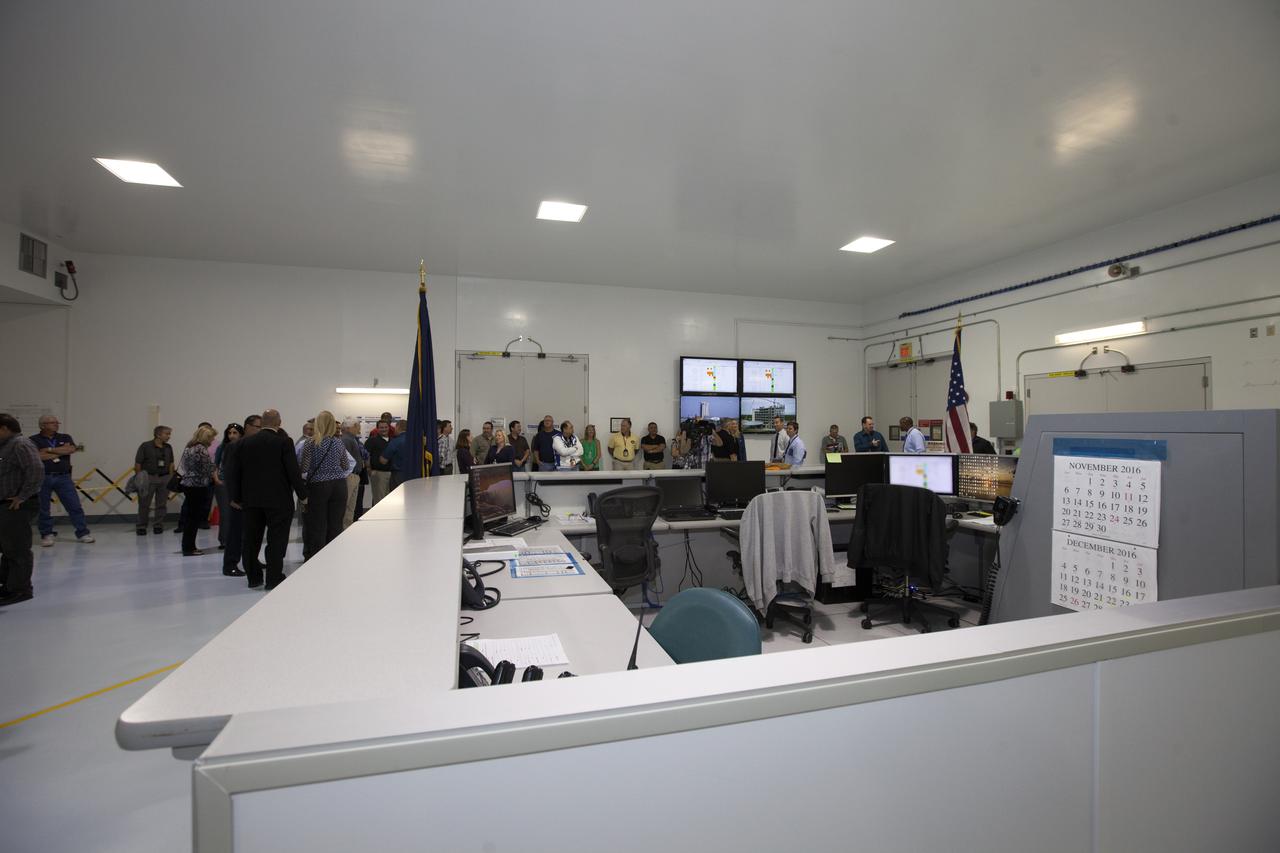
A crowd gathers for a ribbon cutting ceremony in the high bay of the Space Station Processing Facility at NASA's Kennedy Space Center in Florida. The event celebrated completion of facility modifications to improve processing and free up zones tailored to a variety of needs supporting a robust assortment of space-bound hardware including NASA programs and commercial space companies.
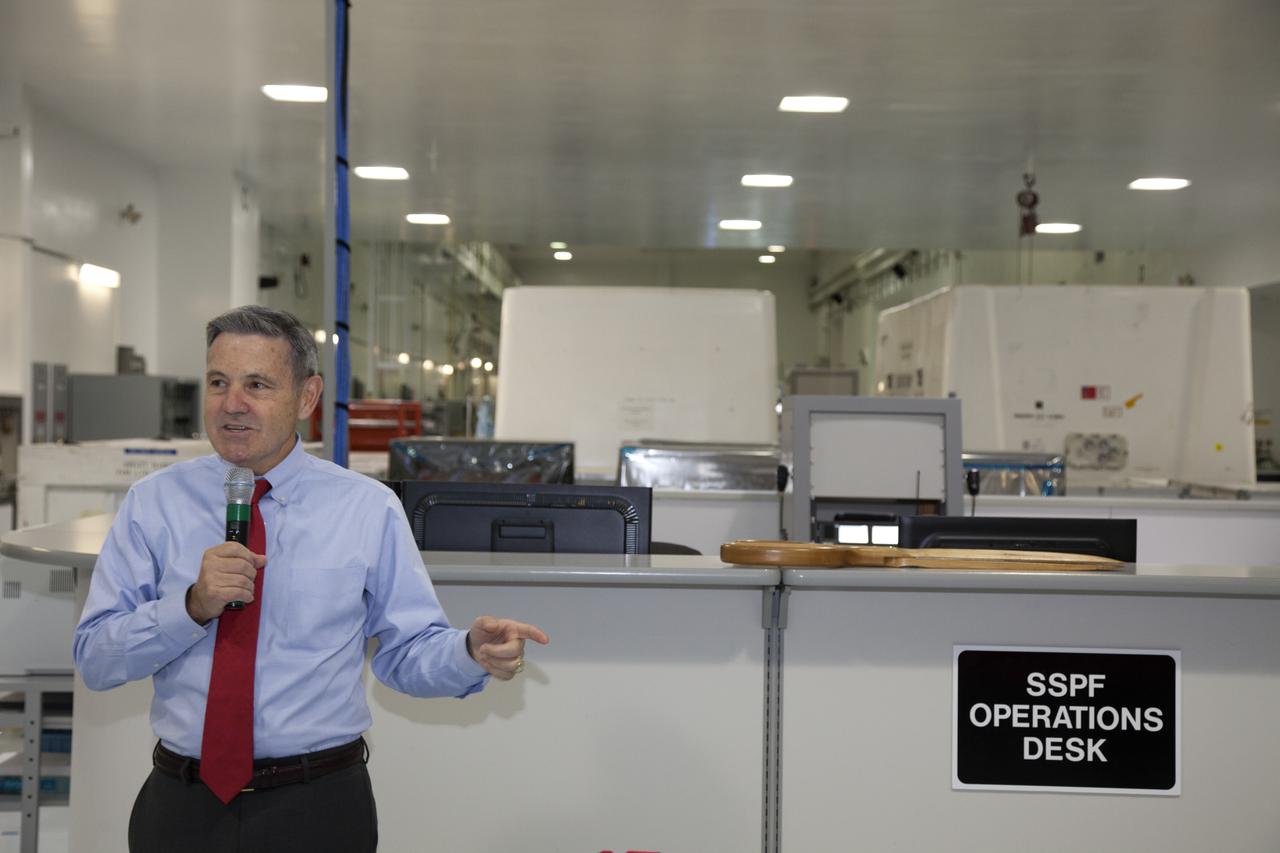
Kennedy Space Center Director Bob Cabana speaks to guests during a ribbon cutting ceremony in the high bay of the Space Station Processing Facility at the Florida spaceport. The event celebrated completion of facility modifications to improve processing and free up zones tailored to a variety of needs supporting a robust assortment of space-bound hardware including NASA programs and commercial space companies.
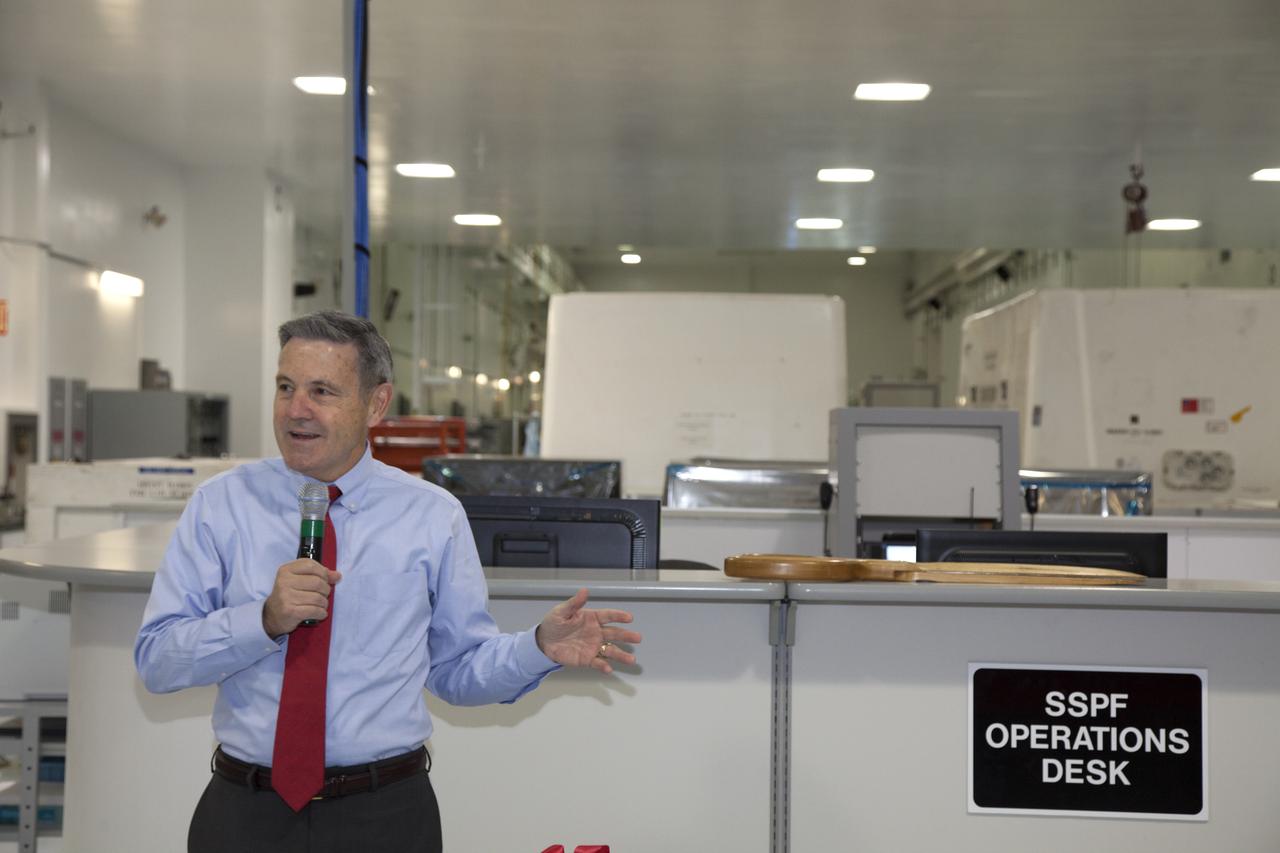
Kennedy Space Center Director Bob Cabana speaks to guests during a ribbon cutting ceremony in the high bay of the Space Station Processing Facility at the Florida spaceport. The event celebrated completion of facility modifications to improve processing and free up zones tailored to a variety of needs supporting a robust assortment of space-bound hardware including NASA programs and commercial space companies.
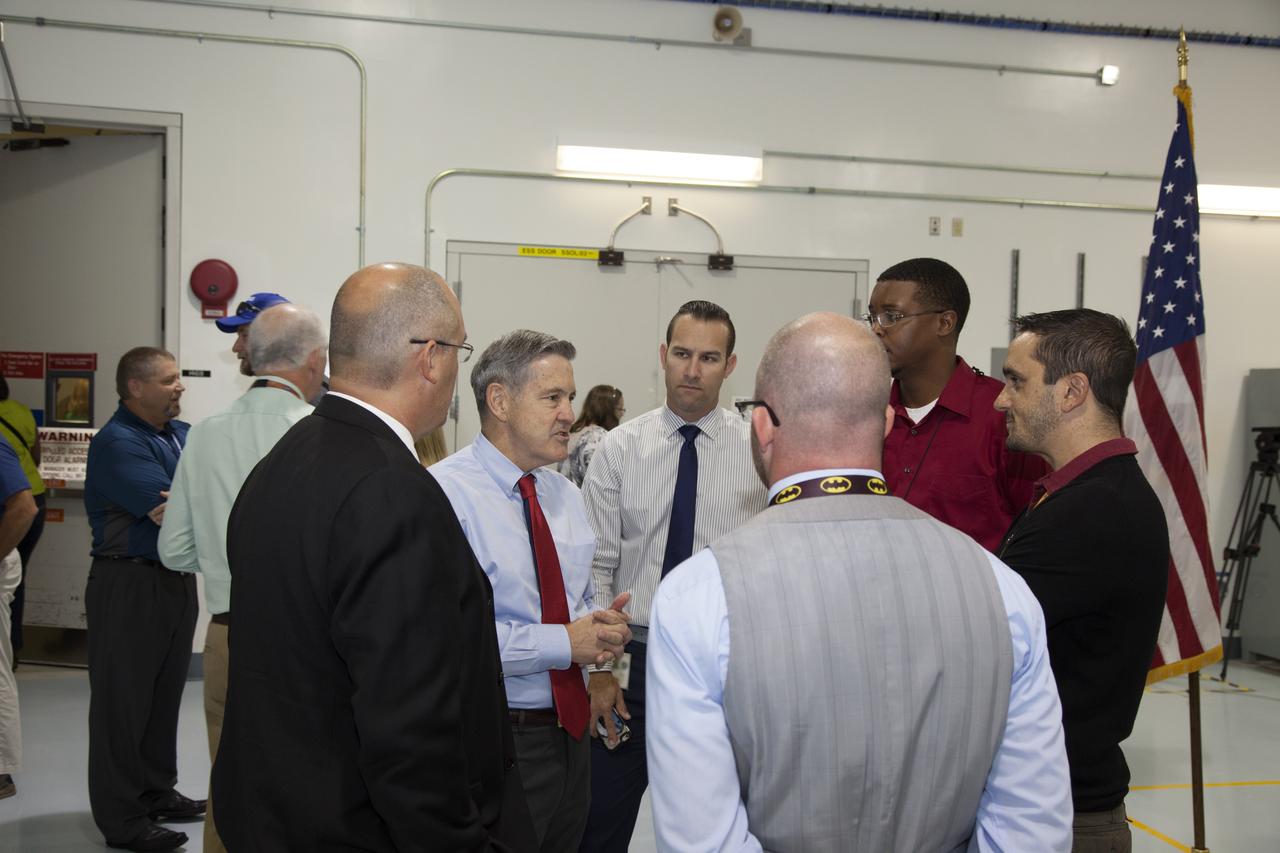
Kennedy Space Center Director Bob Cabana, center, speaks to guests during a ribbon cutting ceremony in the high bay of the Space Station Processing Facility at the Florida Spaceport. The event celebrated completion of facility modifications to improve processing and free up zones tailored to a variety of needs supporting a robust assortment of space-bound hardware including NASA programs and commercial space companies.
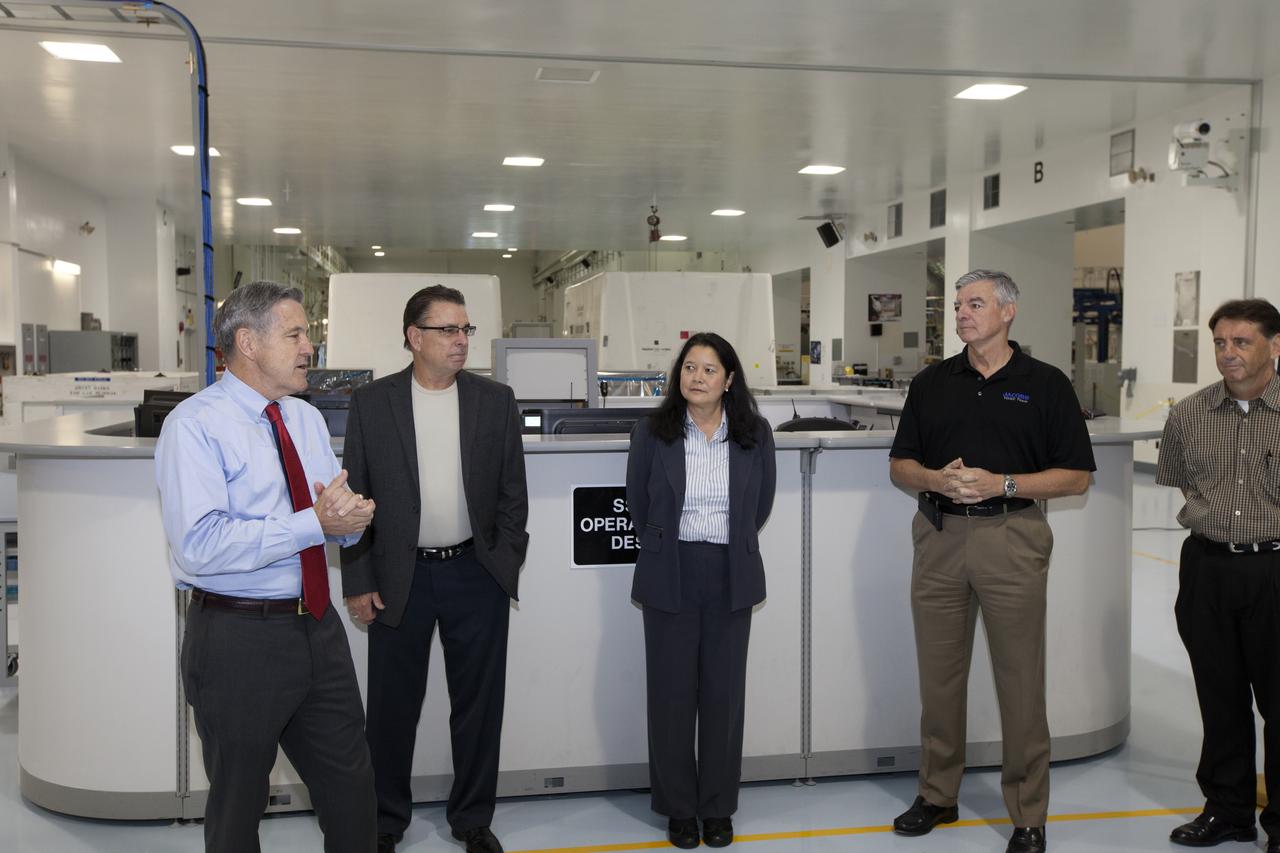
Kennedy Space Center Director Bob Cabana, far left, speaks to guests during a ribbon cutting ceremony in the high bay of the Space Station Processing Facility at the Florida spaceport. Joining Cabana, from the left, are Bill Dowdell, Kennedy's International Space Station technical director, Josephine Burnett, director of Exploration Research and Technology, Andy Allen, Jacobs vice president and general manager and Test and Operations Support Contract program manager, and Jeff McAlear, Jacobs director of Processing Services. The event celebrated completion of facility modifications to improve processing and free up zones tailored to a variety of needs supporting a robust assortment of space-bound hardware including NASA programs and commercial space companies.
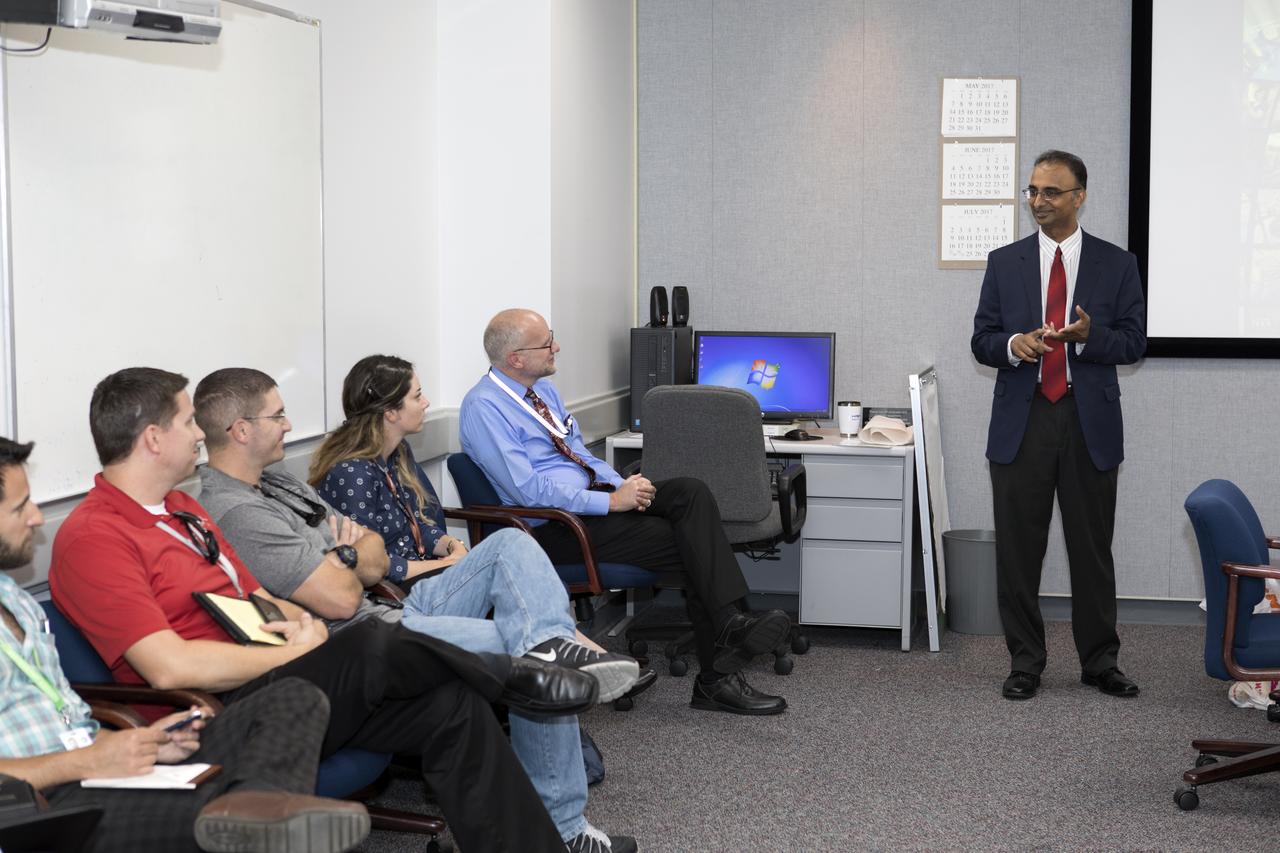
Prasun Desai, deputy associate administrator for Management in NASA's Space Technology Mission Directorate, speaks to Exploration Research and Technology managers in the Space Station Processing Facility at the Kennedy Space Center in Florida.
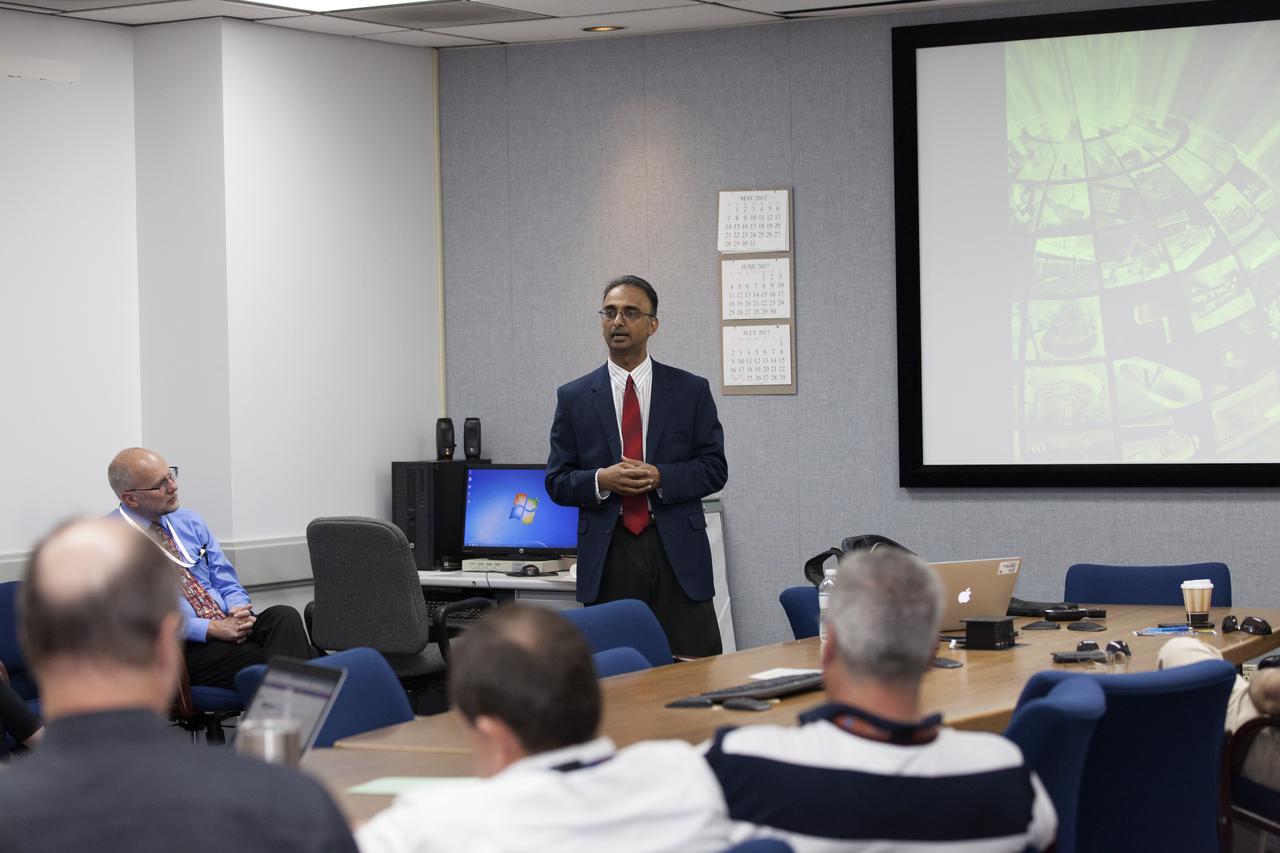
Prasun Desai, deputy associate administrator for Management in NASA's Space Technology Mission Directorate, speaks to Exploration Research and Technology managers in the Space Station Processing Facility at the Kennedy Space Center in Florida.
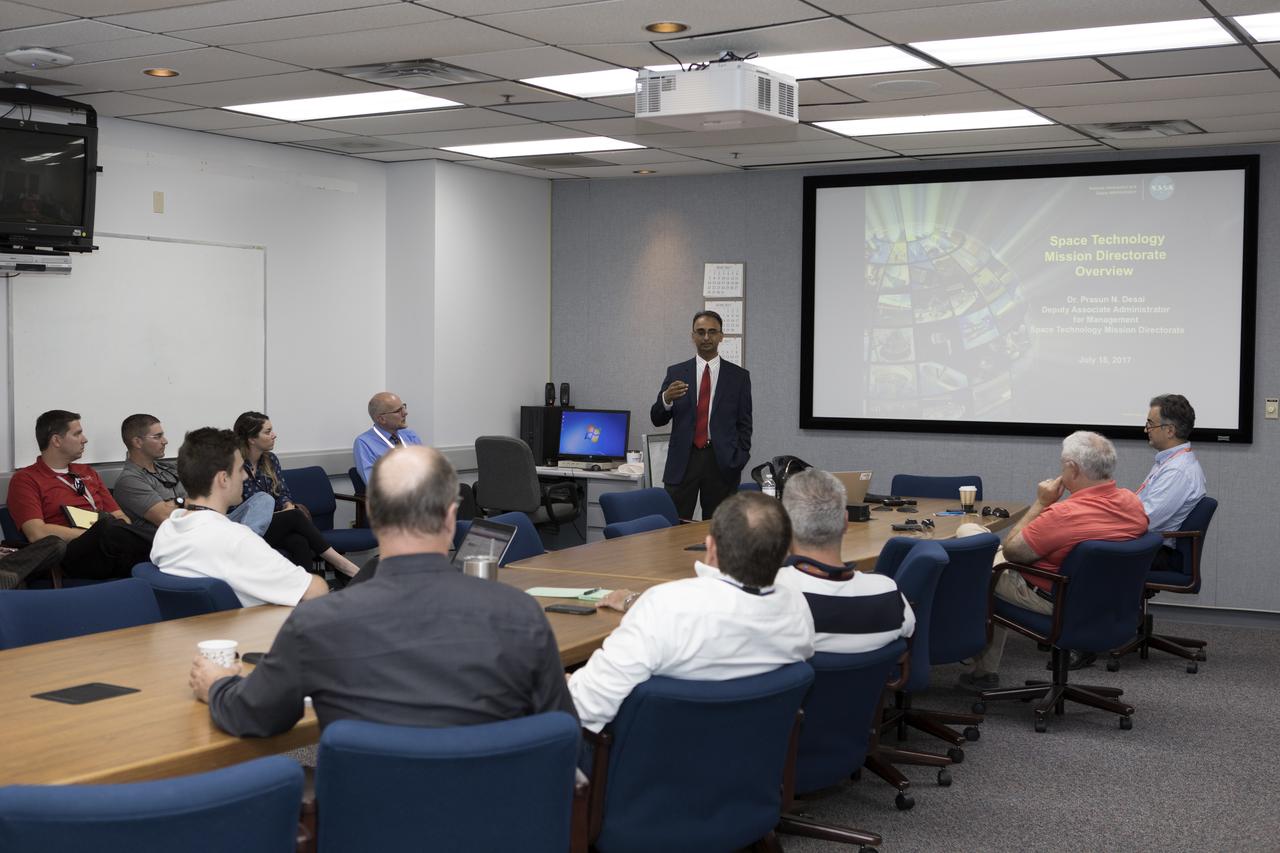
Prasun Desai, deputy associate administrator for Management in NASA's Space Technology Mission Directorate, speaks to Exploration Research and Technology managers in the Space Station Processing Facility at the Kennedy Space Center in Florida.
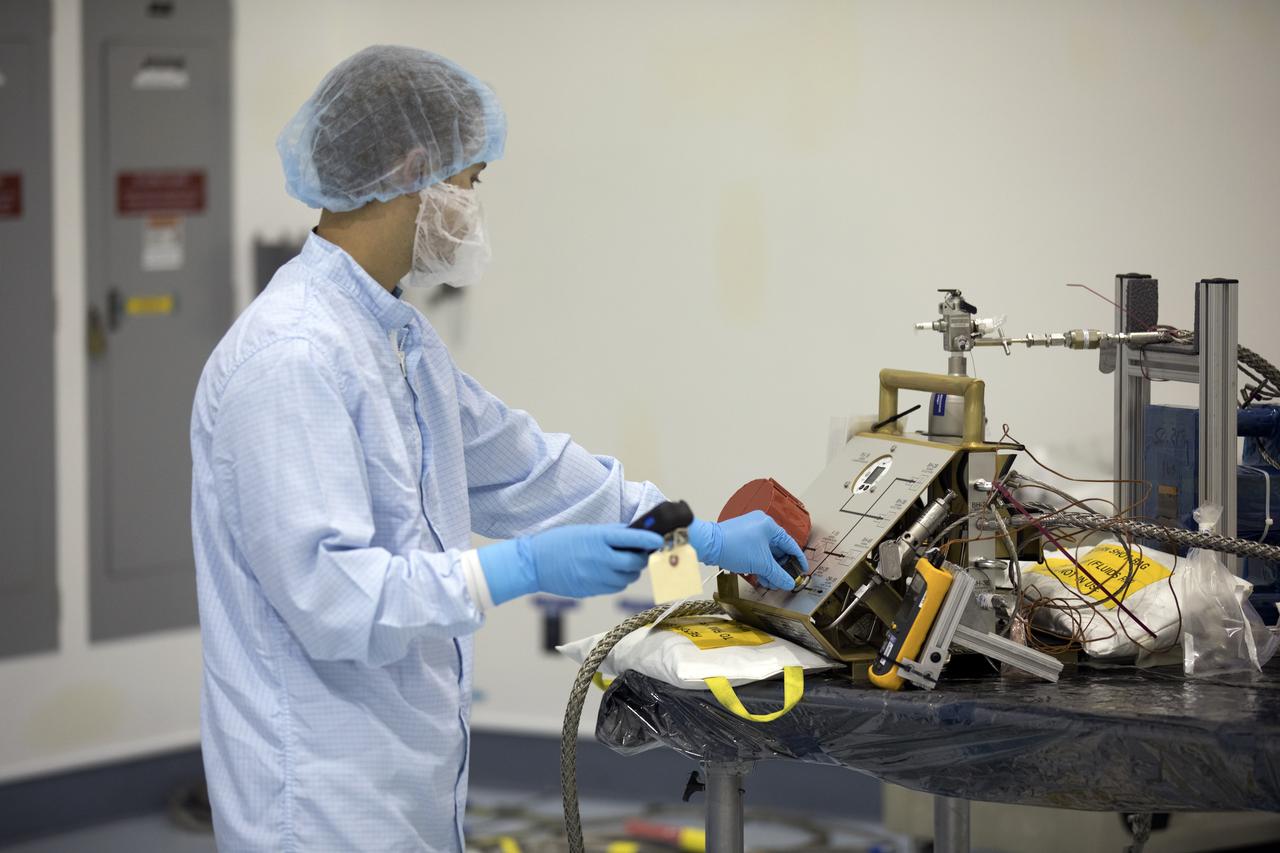
In the Space Station Processing Facility at NASA's Kennedy Space Center in Florida, Jacobs Test and Operations Support Contract, or TOSC, technician John Thompson helps fill portable breathing apparatuses, or PBAS. The PBAs are to be use on board the International Space Staton to provide astronauts with breathable air in the event of a fire or other emergency situation.
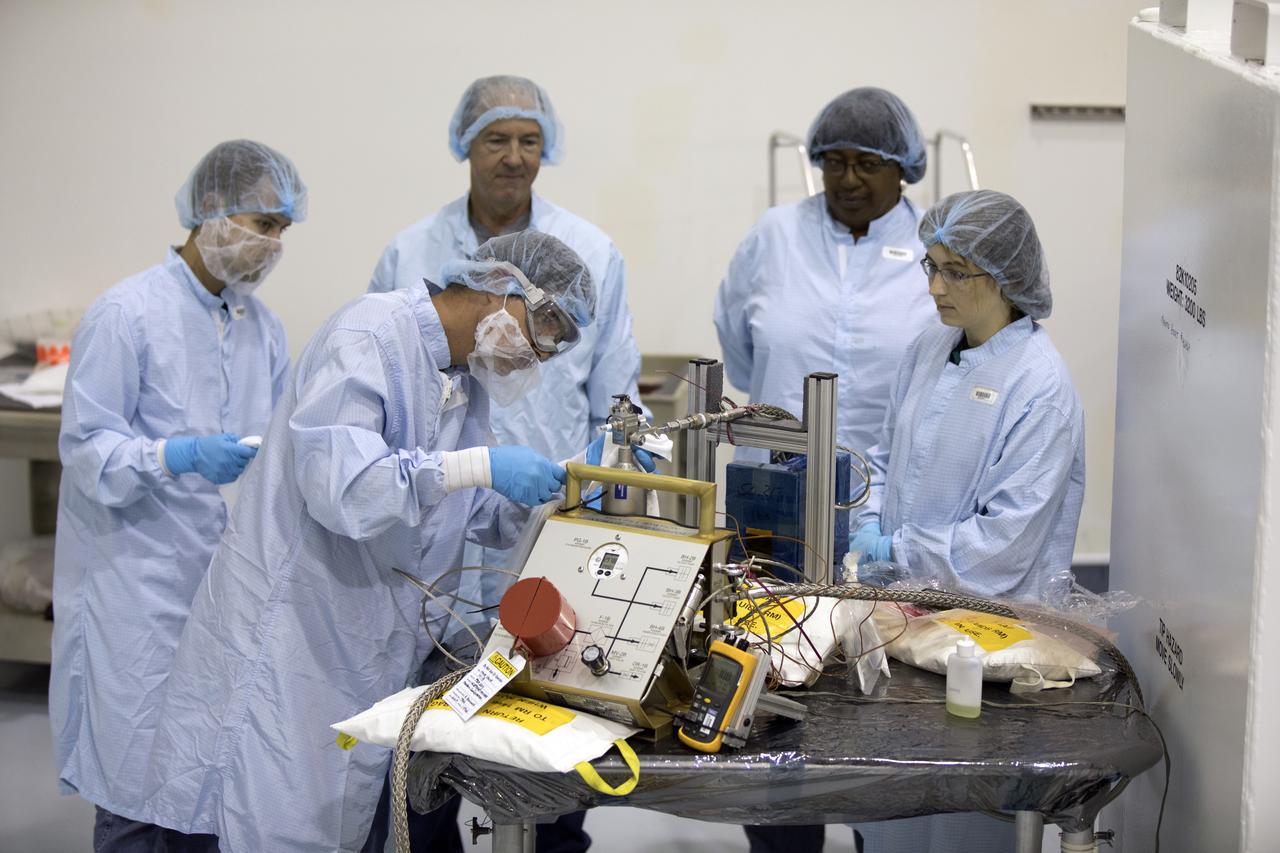
In the Space Station Processing Facility at NASA's Kennedy Space Center in Florida, Jacobs Test and Operations Support Contract, or TOSC, technicians fill portable breathing apparatuses, or PBAS. The PBAs are to be use on board the International Space Staton to provide astronauts with breathable air in the event of a fire or other emergency situation.
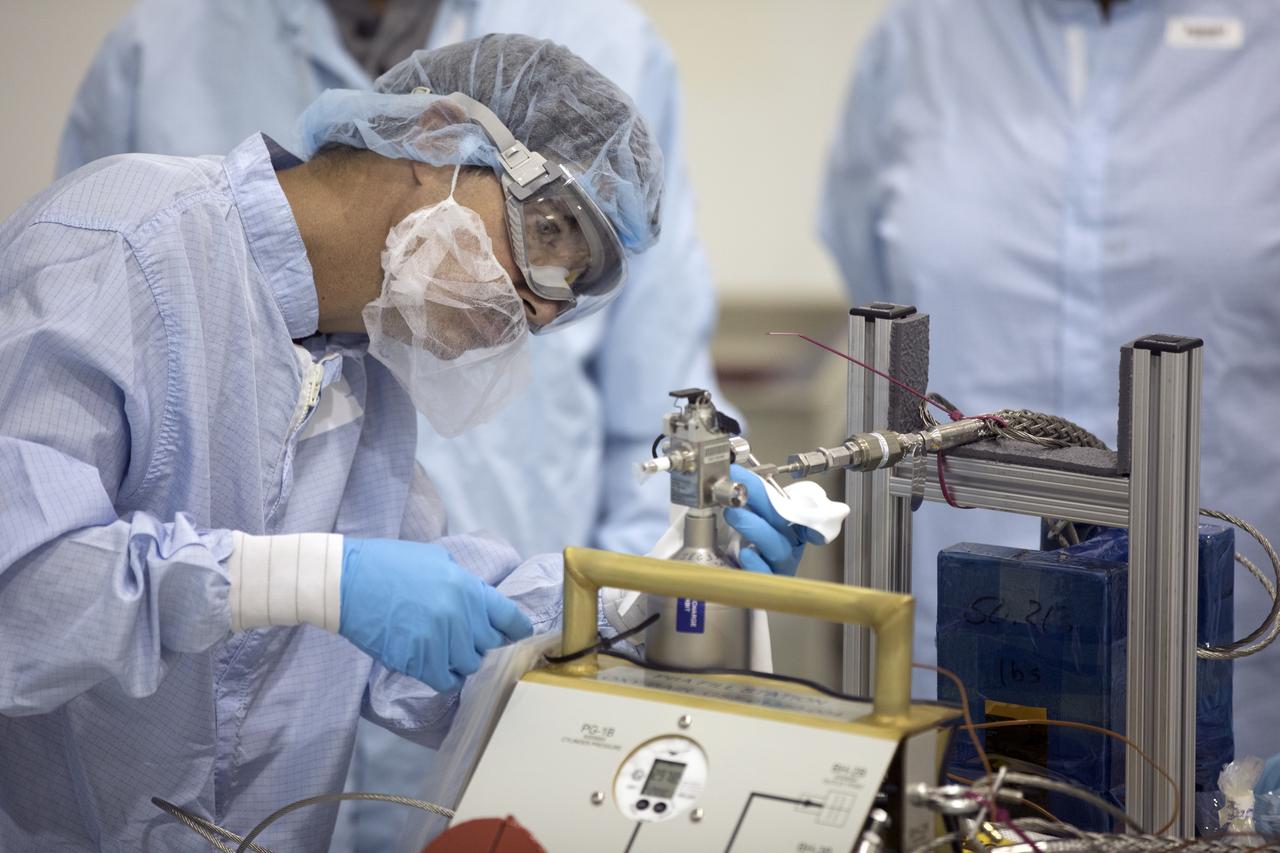
In the Space Station Processing Facility at NASA's Kennedy Space Center in Florida, Jacobs Test and Operations Support Contract, or TOSC, technician Rod Ostgrard helps fill portable breathing apparatuses, or PBAS. The PBAs are to be use on board the International Space Staton to provide astronauts with breathable air in the event of a fire or other emergency situation.
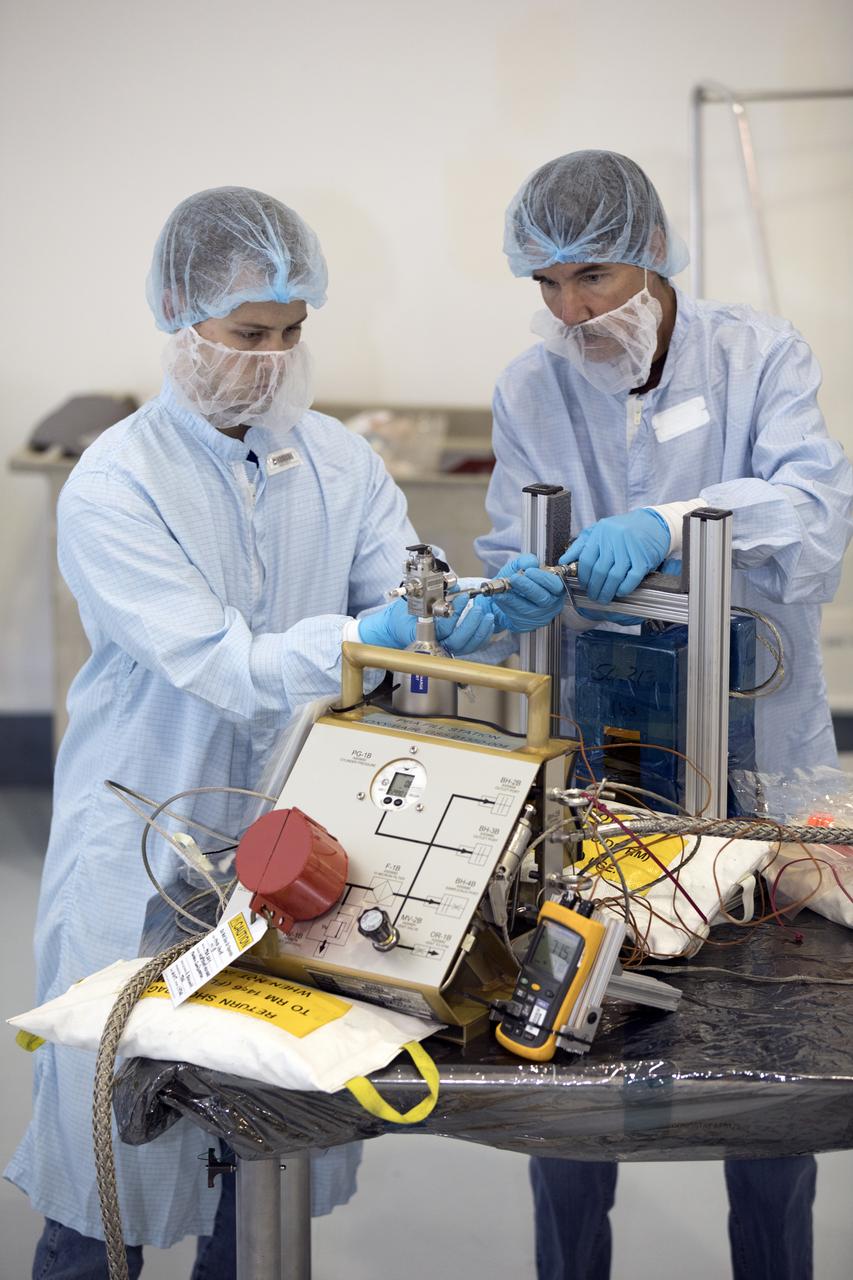
In the Space Station Processing Facility at NASA's Kennedy Space Center in Florida, Jacobs Test and Operations Support Contract, or TOSC, technicians John Thompson, left and Rod Ostgrad, help fill portable breathing apparatuses, or PBAS. The PBAs are to be use on board the International Space Staton to provide astronauts with breathable air in the event of a fire or other emergency situation.
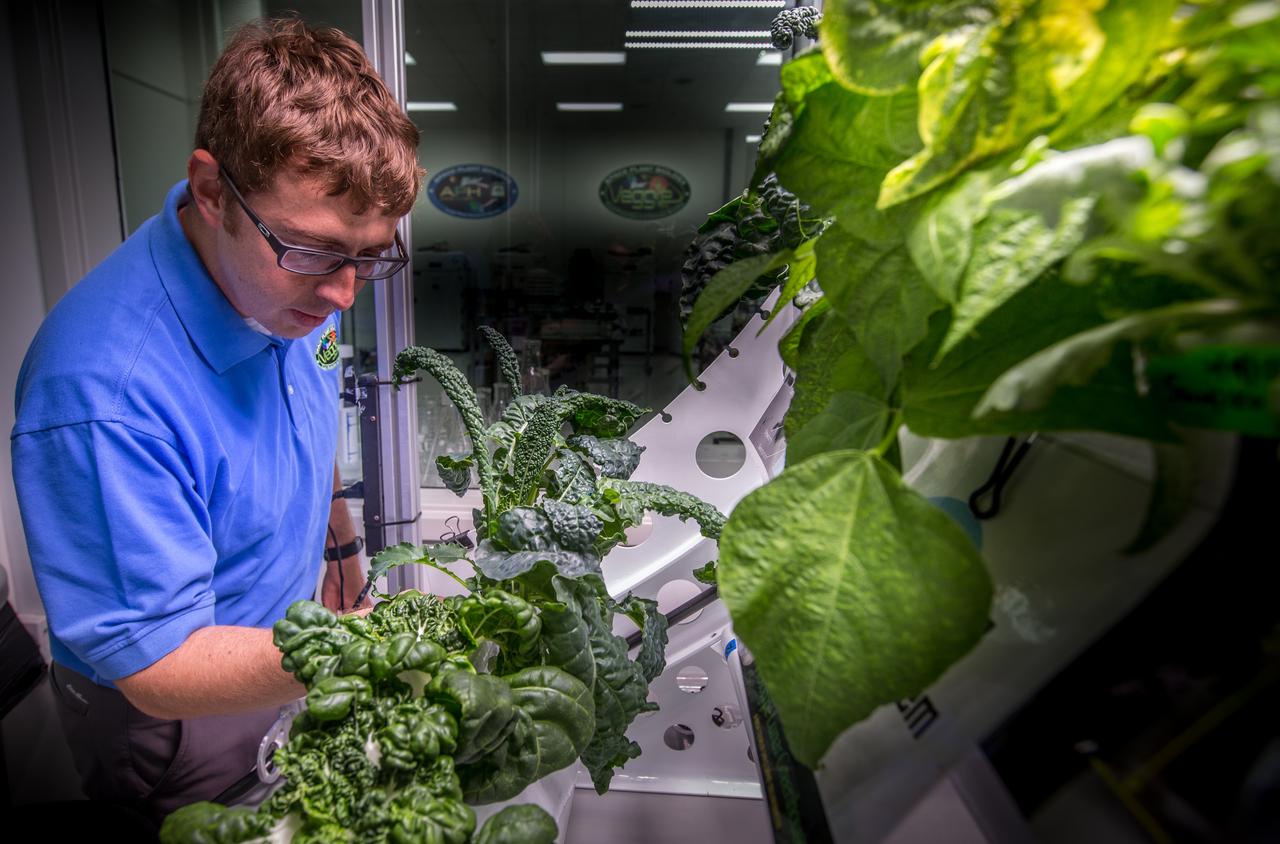
NASA's Matt Romeyn in the Veggie Lab of the Space Station Processing Facility at the agency's Kennedy Space Center in Florida.
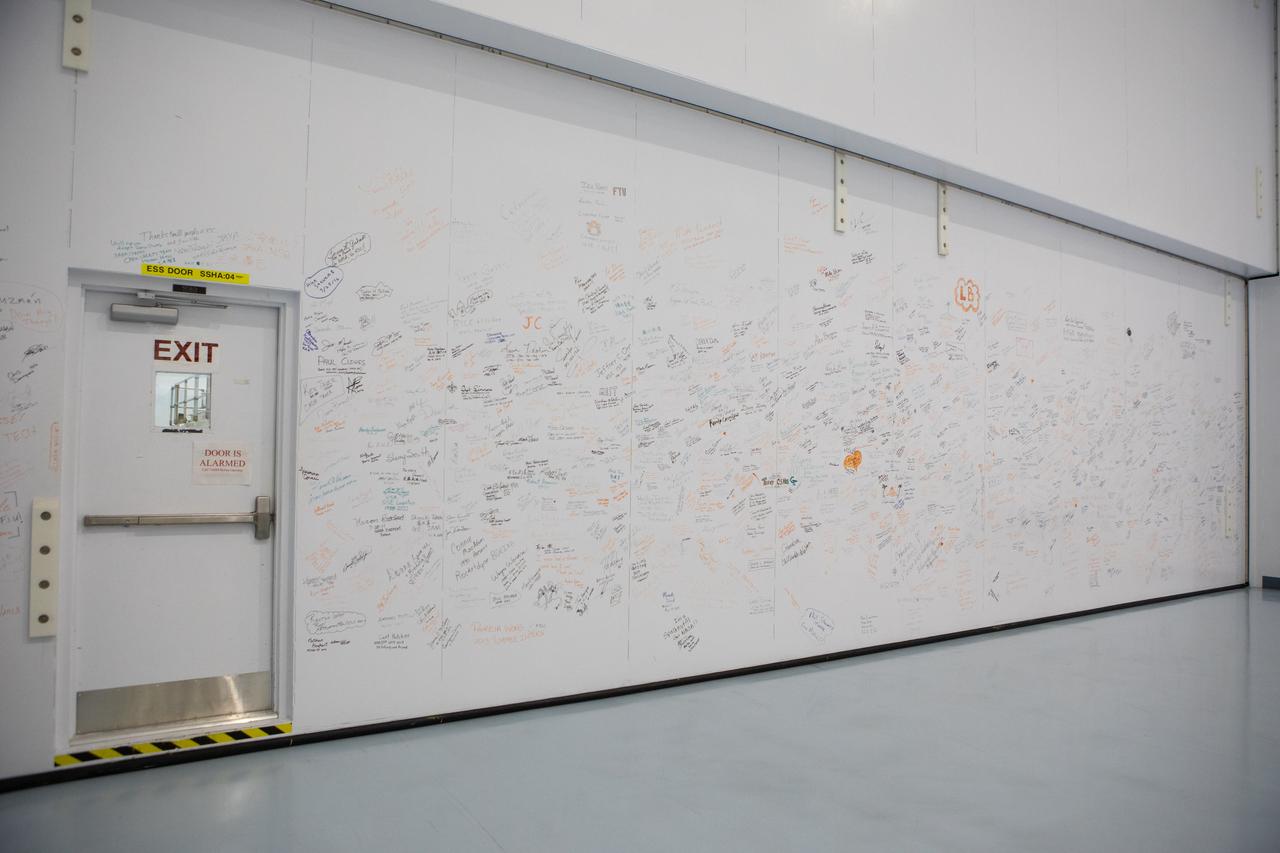
A photograph taken on May 16, 2019, shows a wall inside the Space Station Processing Facility (SSPF) at NASA's Kennedy Space Center in Florida, containing signatures of many of those who worked on the International Space Station Program. The center is celebrating the SSPF’s 25th anniversary. The facility was built to process elements for the space station. Now it is providing support for current and future NASA and commercial provider programs, including Commercial Resupply Services, Artemis 1, sending the first woman and next man to the Moon, and deep space destinations including Mars.
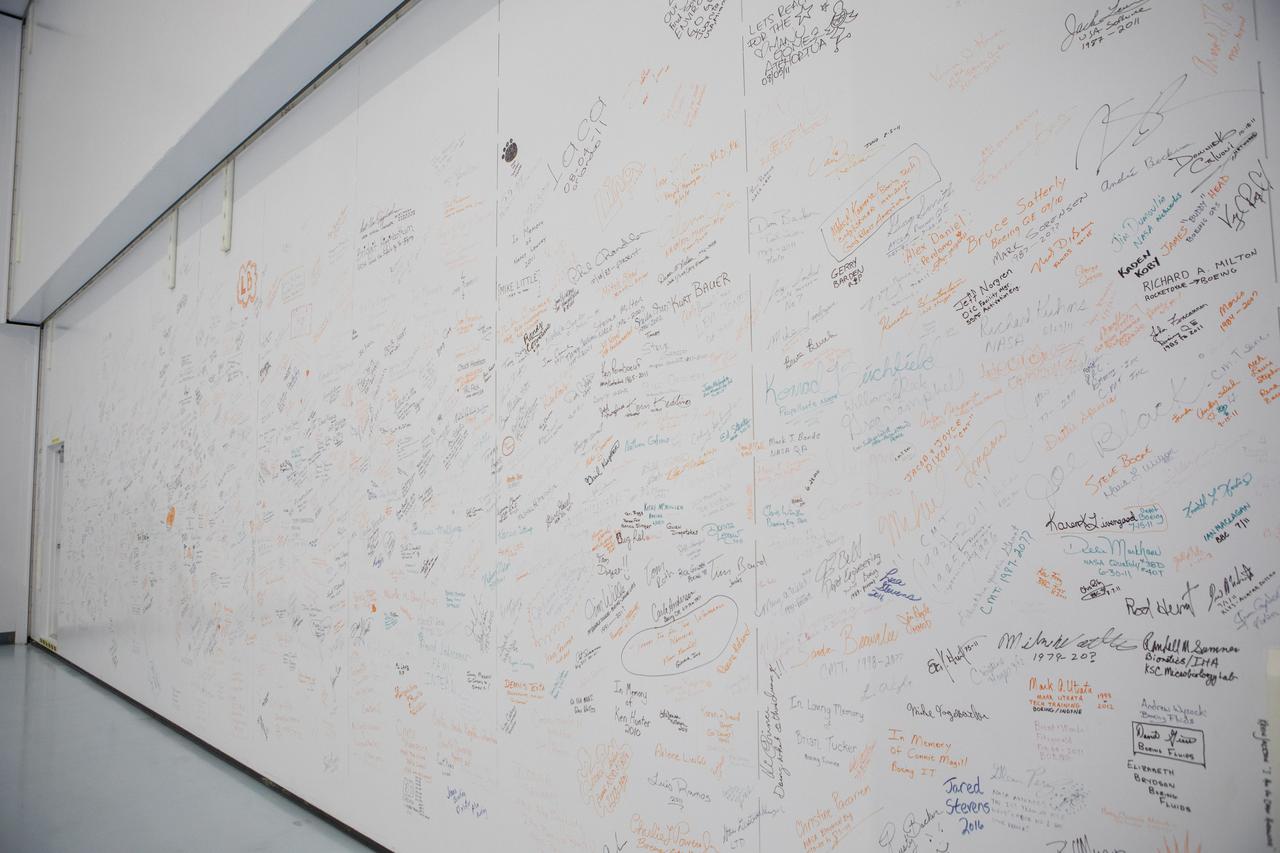
A photograph taken on May 16, 2019, shows a wall inside the Space Station Processing Facility (SSPF) at NASA's Kennedy Space Center in Florida, containing signatures of many of those who worked on the International Space Station Program. The center is celebrating the SSPF’s 25th anniversary. The facility was built to process elements for the space station. Now it is providing support for current and future NASA and commercial provider programs, including Commercial Resupply Services, Artemis 1, sending the first woman and next man to the Moon, and deep space destinations including Mars.

Cucumbers are grown in a controlled environment chamber at NASA’s Kennedy Space Center on April 17, 2023. The activity is taking place inside the Plant Production Area at the Florida spaceport’s Space Station Processing Facility.

Melons are grown in a controlled environment chamber at NASA’s Kennedy Space Center on April 17, 2023. The activity is taking place inside the Plant Production Area at the Florida spaceport’s Space Station Processing Facility.
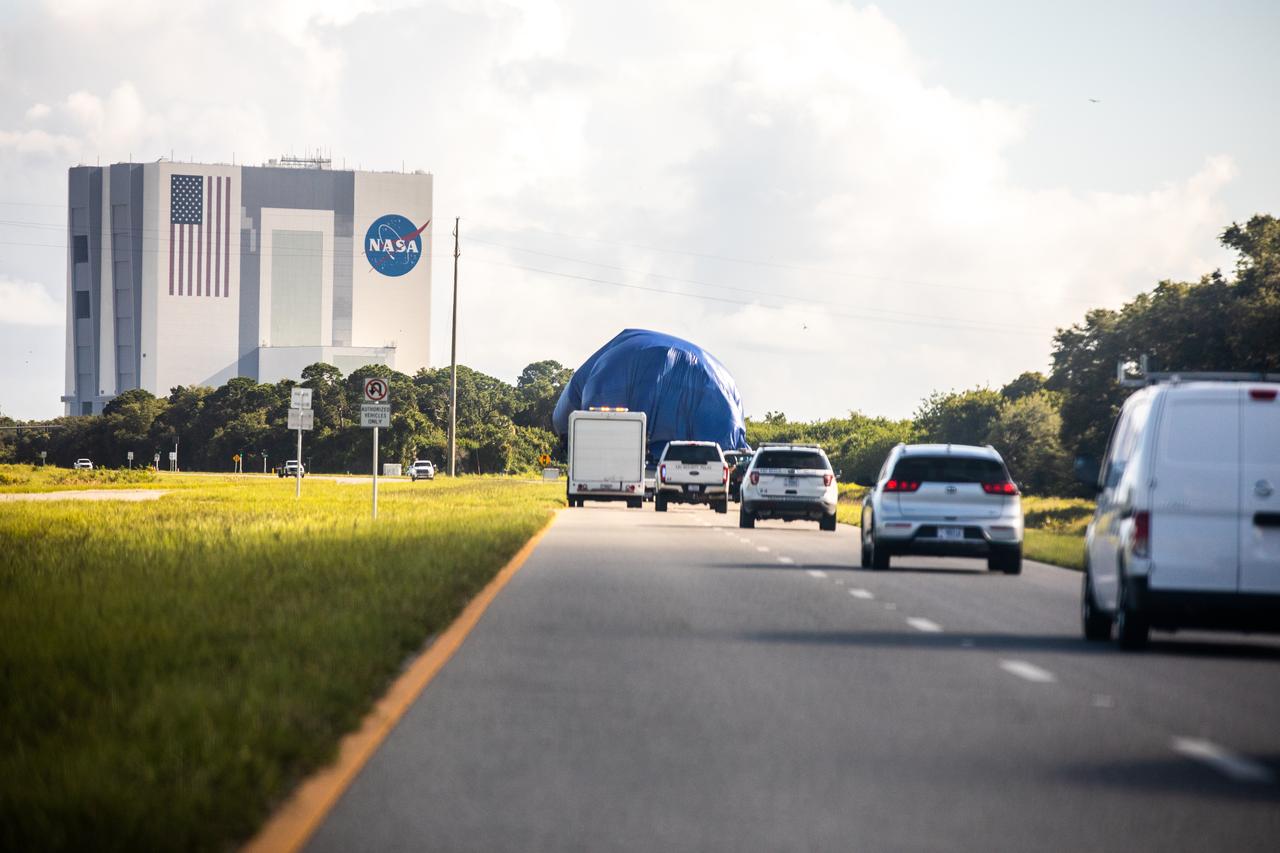
A flatbed truck, carrying the node structural test article (STA), is on its way to the Launch and Landing Facility from the Space Station Processing Facility (SSPF) at NASA’s Kennedy Space Center in Florida on July 20, 2020. In view is the iconic Vehicle Assembly Building. The Node STA was used to prove the manufacturing processes and procedures were robust for extended human spaceflight. Those same processes and procedures were then used to build Node 1, which Kennedy Center Director Bob Cabana flew to the space station on STS 88. NASA has stored the node STA in the SSPF, and it is moving to a new location to allow for more space in the facility’s high bay to support the agency’s space exploration and commercialization efforts in low-Earth orbit.
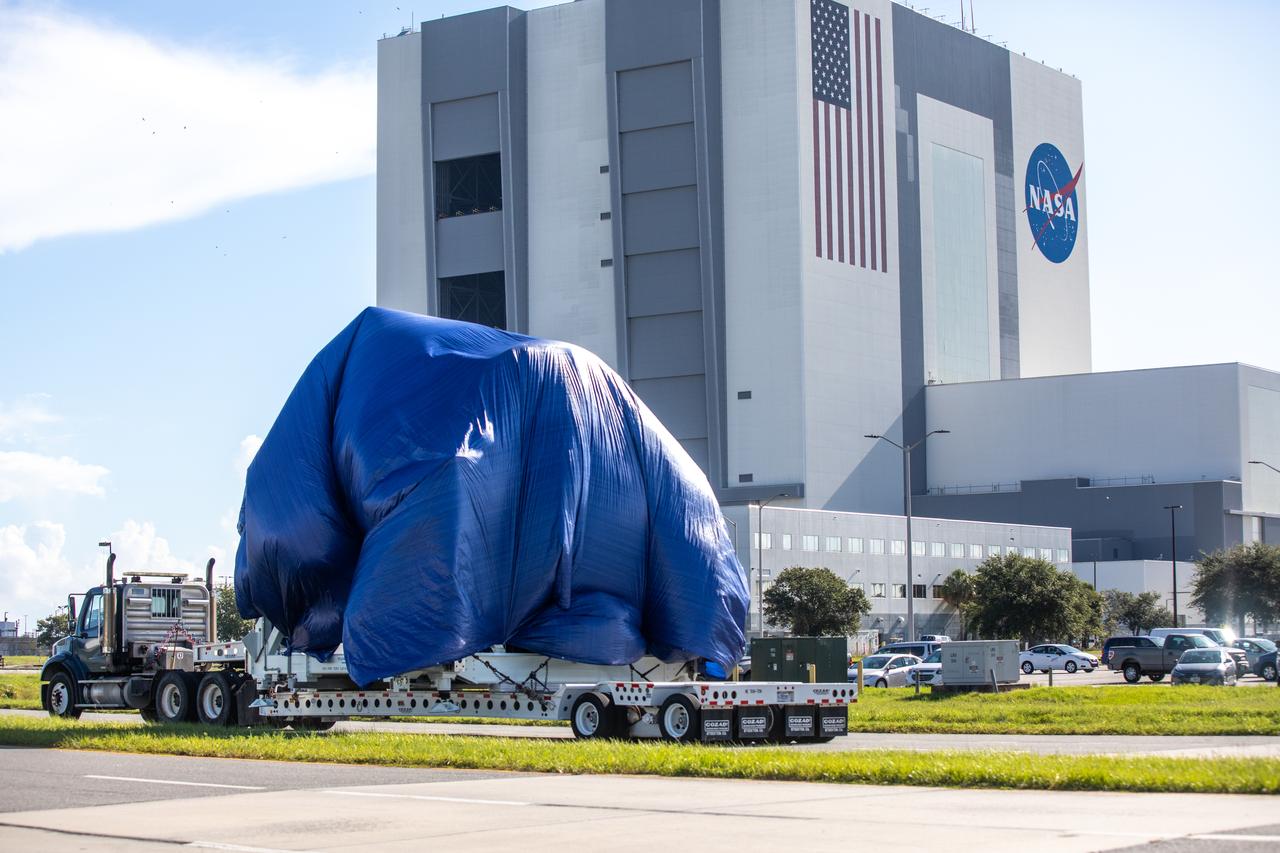
A flatbed truck, carrying the node structural test article (STA), is on its way to the Launch and Landing Facility from the Space Station Processing Facility (SSPF) at NASA’s Kennedy Space Center in Florida on July 20, 2020. In view is the iconic Vehicle Assembly Building. The Node STA was used to prove the manufacturing processes and procedures were robust for extended human spaceflight. Those same processes and procedures were then used to build Node 1, which Kennedy Center Director Bob Cabana flew to the space station on STS 88. NASA has stored the node STA in the SSPF, and it is moving to a new location to allow for more space in the facility’s high bay to support the agency’s space exploration and commercialization efforts in low-Earth orbit.
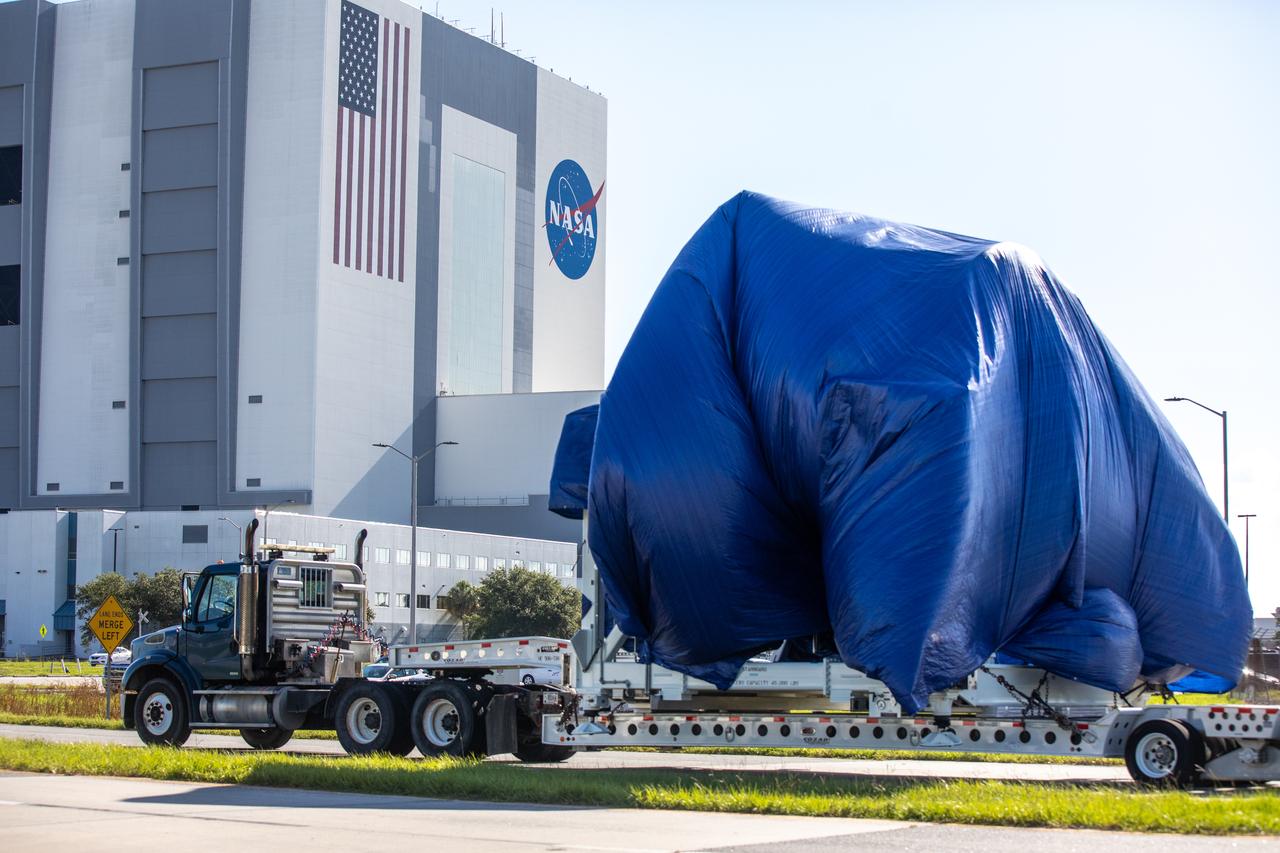
A flatbed truck, carrying the node structural test article (STA), is on its way to the Launch and Landing Facility from the Space Station Processing Facility (SSPF) at NASA’s Kennedy Space Center in Florida on July 20, 2020. In view is the iconic Vehicle Assembly Building. The Node STA was used to prove the manufacturing processes and procedures were robust for extended human spaceflight. Those same processes and procedures were then used to build Node 1, which Kennedy Center Director Bob Cabana flew to the space station on STS 88. NASA has stored the node STA in the SSPF, and it is moving to a new location to allow for more space in the facility’s high bay to support the agency’s space exploration and commercialization efforts in low-Earth orbit.

Shown here are microgreens – a quick-growing, highly nutritious crop – inside the Plant Production Area at NASA’s Kennedy Space Center’s Space Station Processing Facility in Florida on April 17, 2023. The microgreens will be used to make mixes to create complex flavors to help with menu fatigue in space.

Horticulture scientist Blake Costine adjusts moisture sensors for the Advanced Plant Imaging project at NASA’s Kennedy Space Center on April 17, 2023. In this project, hyperspectral cameras are used to assess plant health. The activity is taking place inside the Plant Production Area at the Florida spaceport’s Space Station Processing Facility.

Horticulturalists study the use of 3D printed materials as media to grow plants at NASA’s Kennedy Space Center on April 17, 2023. The activity is taking place inside the Plant Production Area at the Florida spaceport’s Space Station Processing Facility.

Lead horticulturist LaShelle Spencer studies the use of 3D printed materials as media to grow plants at NASA’s Kennedy Space Center on April 17, 2023. The activity is taking place inside the Plant Production Area at the Florida spaceport’s Space Station Processing Facility.

Shown here are moisture sensors for the Advanced Plant Imaging project at NASA’s Kennedy Space Center on April 17, 2023. In this project, hyperspectral cameras are used to assess plant health. The activity is taking place inside the Plant Production Area at the Florida spaceport’s Space Station Processing Facility.

Horticulture scientist Blake Costine adjusts moisture sensors for the Advanced Plant Imaging project at NASA’s Kennedy Space Center on April 17, 2023. In this project, hyperspectral cameras are used to assess plant health. The activity is taking place inside the Plant Production Area at the Florida spaceport’s Space Station Processing Facility.
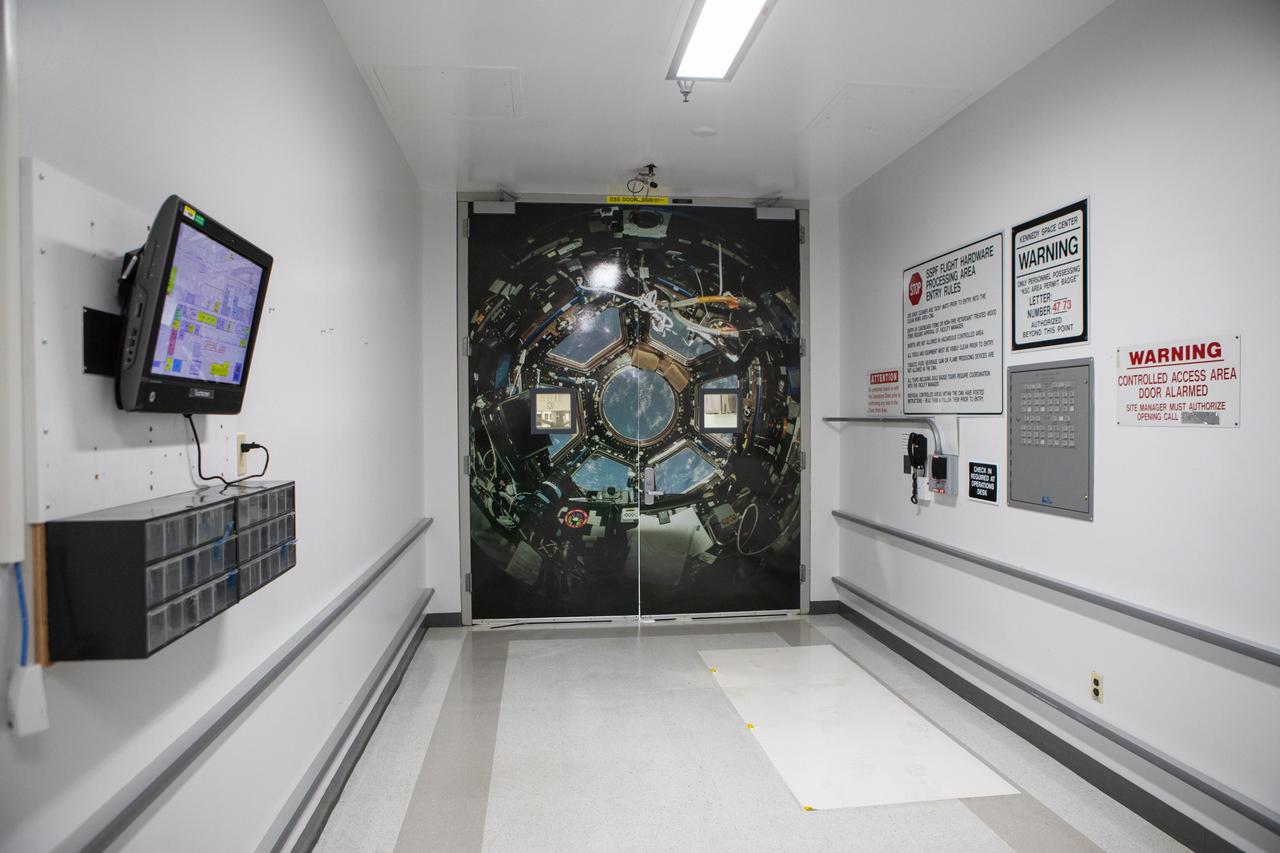
Artwork simulating a view inside the International Space Station marks the entranceway to the high bay in the Space Station Processing Facility (SSPF) at NASA's Kennedy Space Center in Florida, on May 16, 2019. The center is celebrating the SSPF’s 25th anniversary. The facility was built to process elements for the International Space Station. Now it is providing support for current and future NASA and commercial provider programs, including Commercial Resupply Services, Artemis 1, sending the first woman and next man to the Moon, and deep space destinations including Mars.

John "JC" Carver, a payload integration engineer with NASA Kennedy Space Center's Test and Operations Support Contract, harvests half the Arabidopsis thaliana plants inside the growth chamber of the Advanced Plant Habitat (APH) Flight Unit No. 1. The harvest is part of an ongoing verification test of the APH unit, which is located inside the International Space Station Environmental Simulator in Kennedy's Space Station Processing Facility. The APH undergoing testing at Kennedy is identical to one on the station and uses red, green and broad-spectrum white LED lights to grow plants in an environmentally controlled chamber. The seeds grown during the verification test will be grown on the station to help scientists understand how these plants adapt to spaceflight.

Arabidopsis thaliana plants are seen inside the growth chamber of the Advanced Plant Habitat (APH) Flight Unit No. 1 prior to harvest of half the plants. The harvest is part of an ongoing verification test of the APH unit, which is located inside the International Space Station Environmental Simulator in NASA Kennedy Space Center's Space Station Processing Facility. The APH undergoing testing at Kennedy is identical to one on the station and uses red, green and broad-spectrum white LED lights to grow plants in an environmentally controlled chamber. The seeds grown during the verification test will be grown on the station to help scientists understand how these plants adapt to spaceflight.
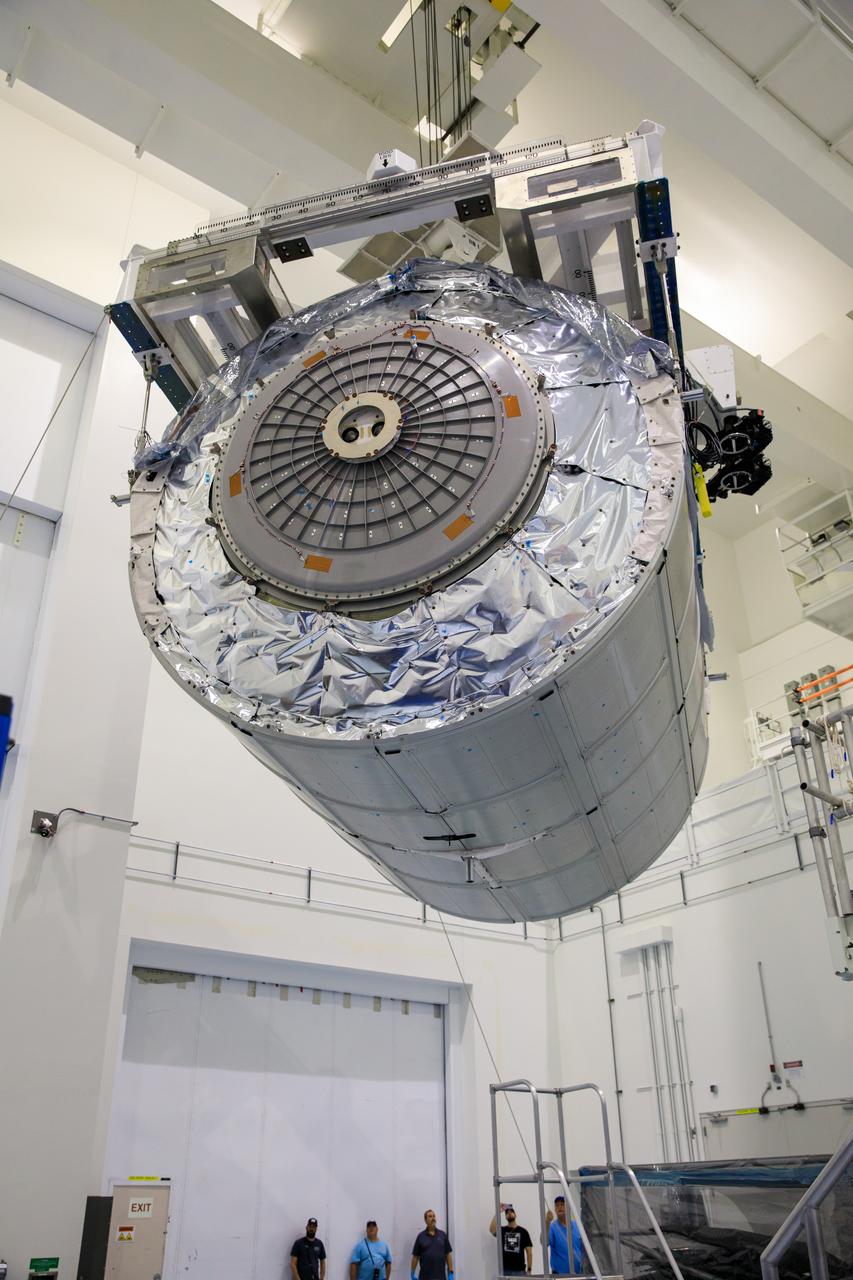
The Multi-Purpose Logistics Module (MPLM), used during the Space Shuttle Program to transfer cargo to and from the International Space Station, is moved by crane inside the Space Station Processing Facility high bay at NASA’s Kennedy Space Center in Florida on April 20, 2023. The MPLM is being prepared for transport to Ellington Field in Houston, where it will then be transported by road to Axiom’s facility near Ellington to be utilized to further commercialization of space. Three MPLMs were built by Thales Alenia Space Italia (TASI) for the Italian Space Agency (ASI) and named after Italian masters (Leonardo, Raffaello, and Donatello). Only two ever flew to the space station, Leonardo and Raffaello, with Axiom intending to use Raffaello as a future element that will attach to a segment being built by the company for addition to the space station.
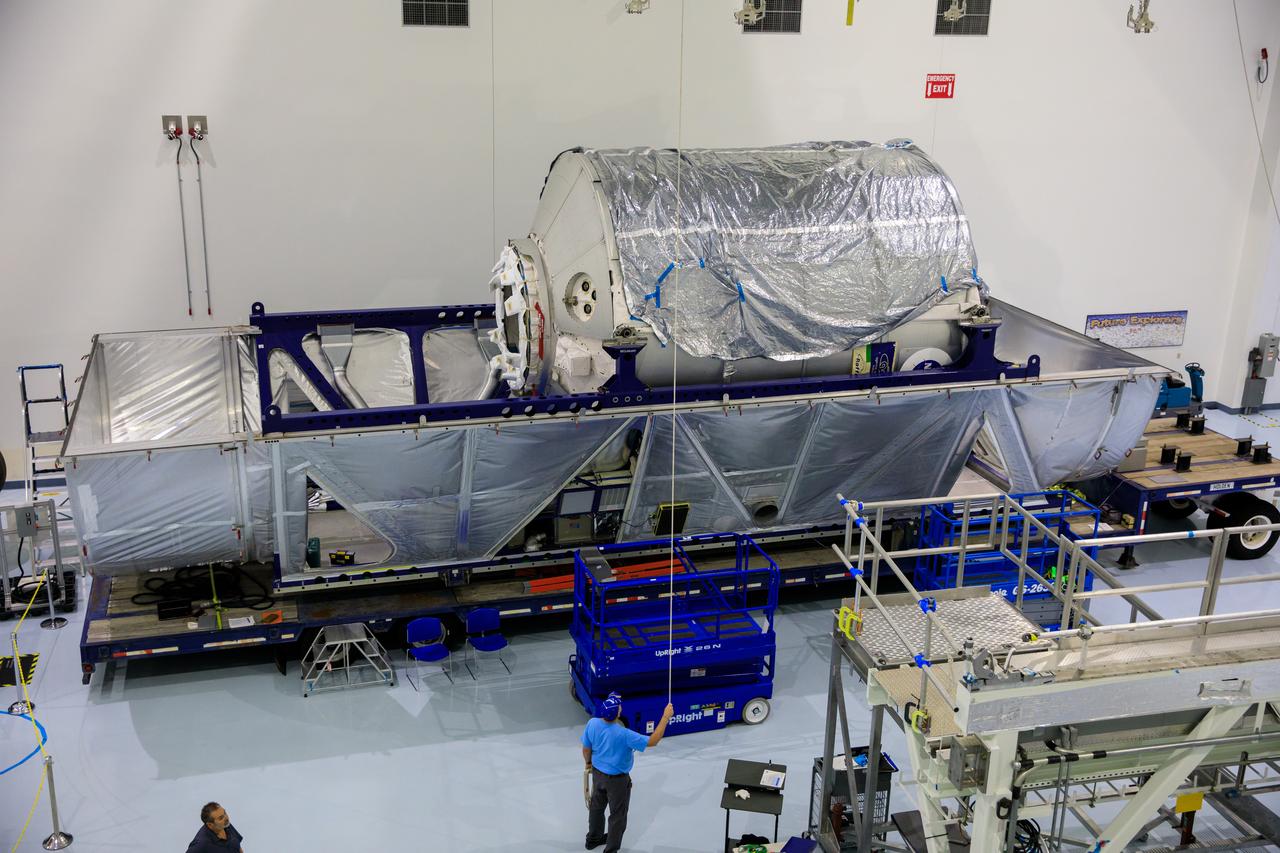
The Multi-Purpose Logistics Module (MPLM), used during the Space Shuttle Program to transfer cargo to and from the International Space Station, is secured in its transport container inside the Space Station Processing Facility high bay at NASA’s Kennedy Space Center in Florida on April 20, 2023. The MPLM is being prepared for transport to Ellington Field in Houston, where it will then be transported by road to Axiom’s facility near Ellington to be utilized to further commercialization of space. Three MPLMs were built by Thales Alenia Space Italia (TASI) for the Italian Space Agency (ASI) and named after Italian masters (Leonardo, Raffaello, and Donatello). Only two ever flew to the space station, Leonardo and Raffaello, with Axiom intending to use Raffaello as a future element that will attach to a segment being built by the company for addition to the space station.
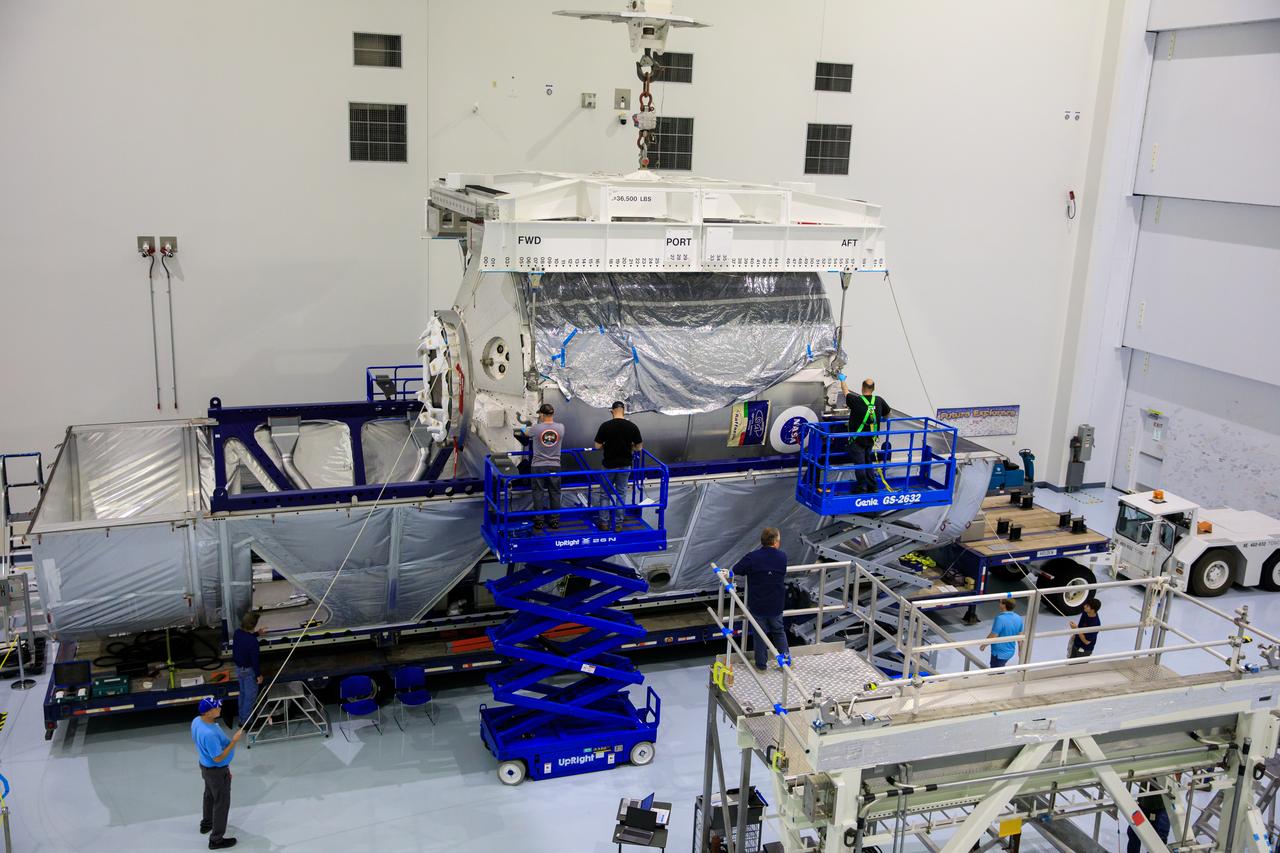
The Multi-Purpose Logistics Module (MPLM), used during the Space Shuttle Program to transfer cargo to and from the International Space Station, is lowered by crane into its transport container inside the Space Station Processing Facility high bay at NASA’s Kennedy Space Center in Florida on April 20, 2023. The MPLM is being prepared for transport to Ellington Field in Houston, where it will then be transported by road to Axiom’s facility near Ellington to be utilized to further commercialization of space. Three MPLMs were built by Thales Alenia Space Italia (TASI) for the Italian Space Agency (ASI) and named after Italian masters (Leonardo, Raffaello, and Donatello). Only two ever flew to the space station, Leonardo and Raffaello, with Axiom intending to use Raffaello as a future element that will attach to a segment being built by the company for addition to the space station.
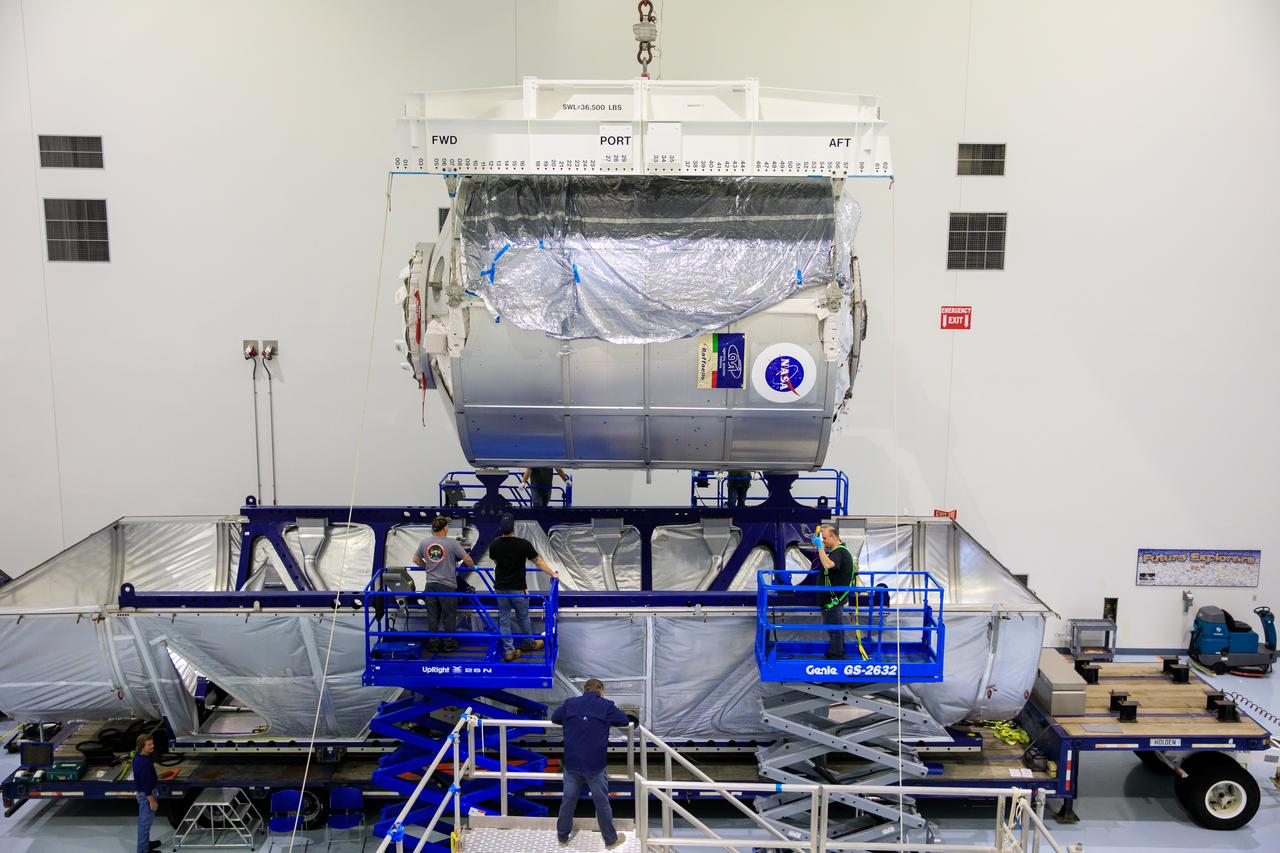
The Multi-Purpose Logistics Module (MPLM), used during the Space Shuttle Program to transfer cargo to and from the International Space Station, is lowered by crane into its transport container inside the Space Station Processing Facility high bay at NASA’s Kennedy Space Center in Florida on April 20, 2023. The MPLM is being prepared for transport to Ellington Field in Houston, where it will then be transported by road to Axiom’s facility near Ellington to be utilized to further commercialization of space. Three MPLMs were built by Thales Alenia Space Italia (TASI) for the Italian Space Agency (ASI) and named after Italian masters (Leonardo, Raffaello, and Donatello). Only two ever flew to the space station, Leonardo and Raffaello, with Axiom intending to use Raffaello as a future element that will attach to a segment being built by the company for addition to the space station.
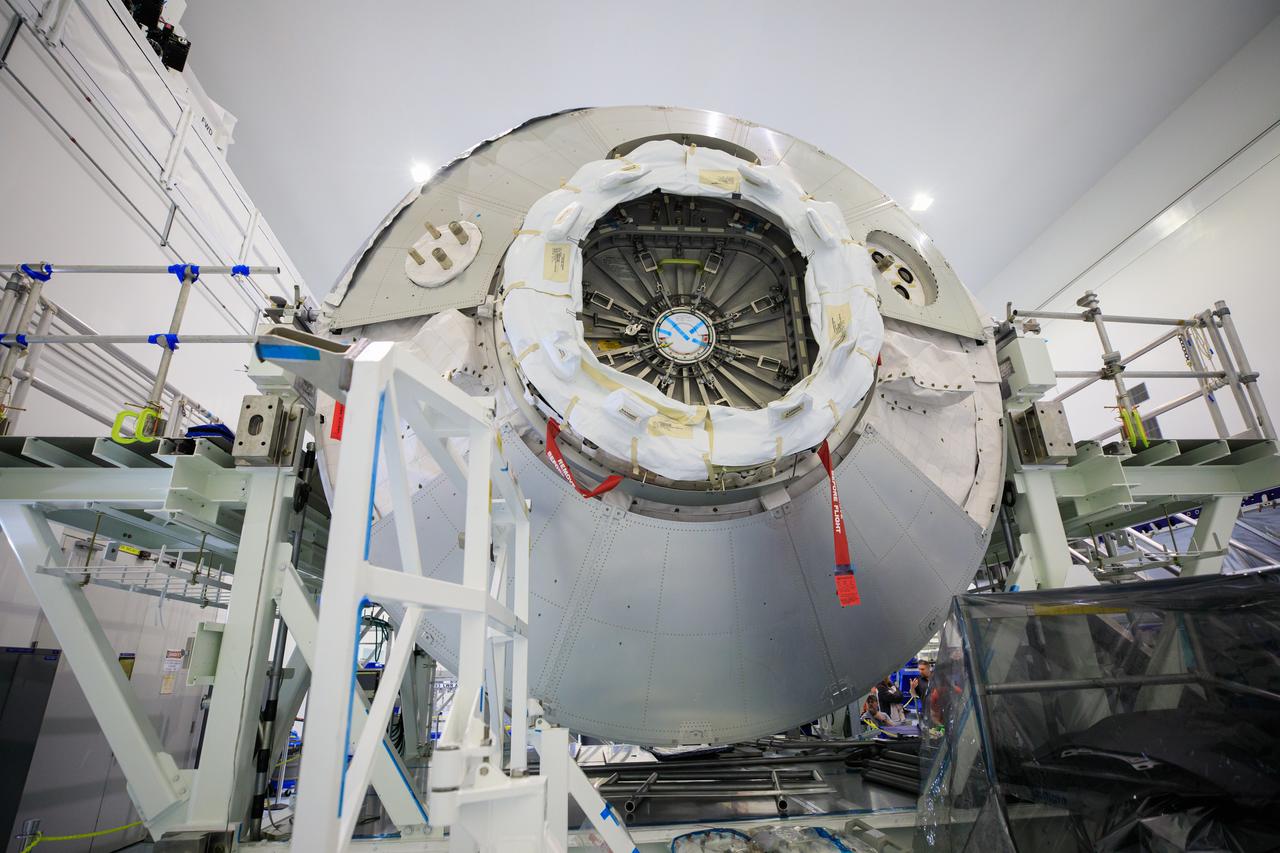
The Multi-Purpose Logistics Module (MPLM), used during the Space Shuttle Program to transfer cargo to and from the International Space Station, is secured in a stand inside the Space Station Processing Facility high bay at NASA’s Kennedy Space Center in Florida on April 20, 2023. The MPLM is being prepared for transport to Ellington Field in Houston, where it will then be transported by road to Axiom’s facility near Ellington to be utilized to further commercialization of space. Three MPLMs were built by Thales Alenia Space Italia (TASI) for the Italian Space Agency (ASI) and named after Italian masters (Leonardo, Raffaello, and Donatello). Only two ever flew to the space station, Leonardo and Raffaello, with Axiom intending to use Raffaello as a future element that will attach to a segment being built by the company for addition to the space station.
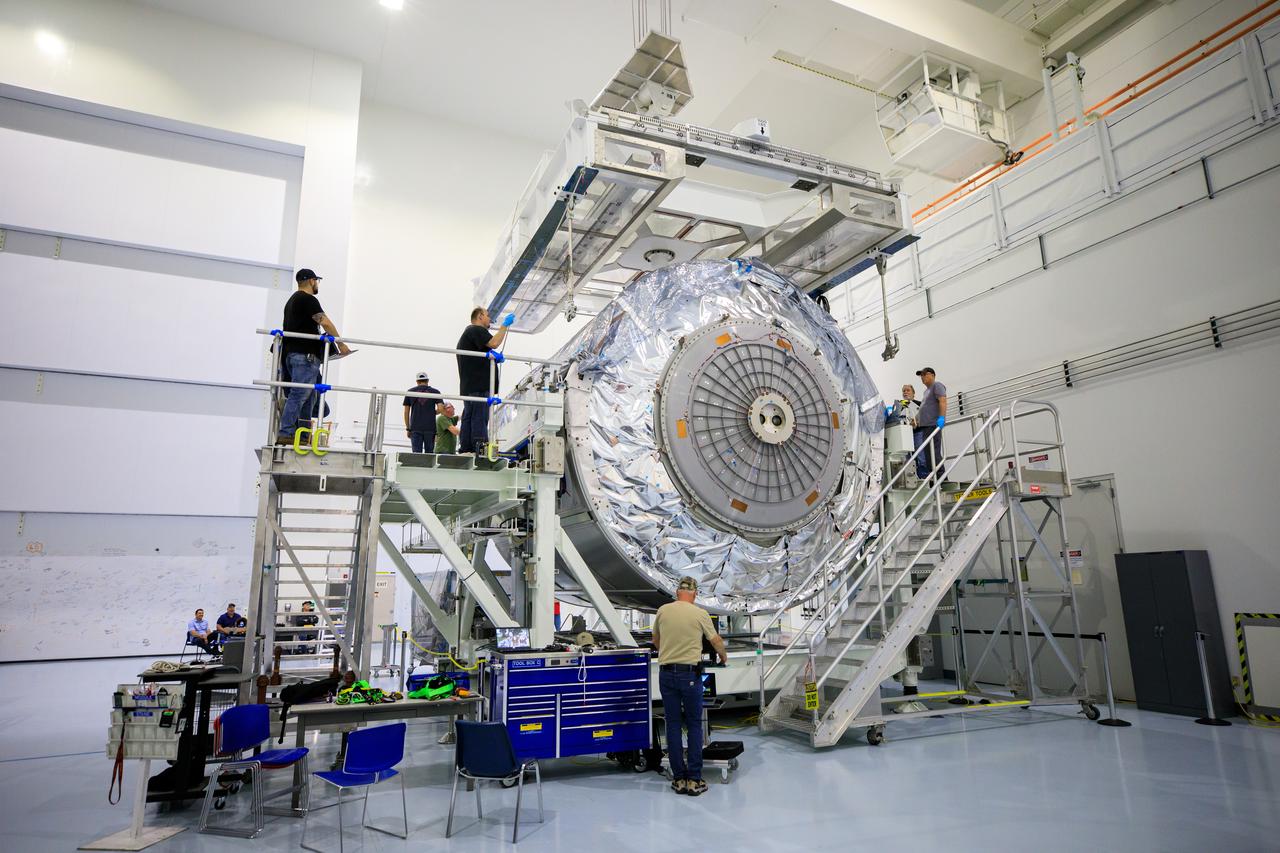
The Multi-Purpose Logistics Module (MPLM), used during the Space Shuttle Program to transfer cargo to and from the International Space Station, is lifted by crane inside the Space Station Processing Facility high bay at NASA’s Kennedy Space Center in Florida on April 20, 2023. The MPLM is being prepared for transport to Ellington Field in Houston, where it will then be transported by road to Axiom’s facility near Ellington to be utilized to further commercialization of space. Three MPLMs were built by Thales Alenia Space Italia (TASI) for the Italian Space Agency (ASI) and named after Italian masters (Leonardo, Raffaello, and Donatello). Only two ever flew to the space station, Leonardo and Raffaello, with Axiom intending to use Raffaello as a future element that will attach to a segment being built by the company for addition to the space station.
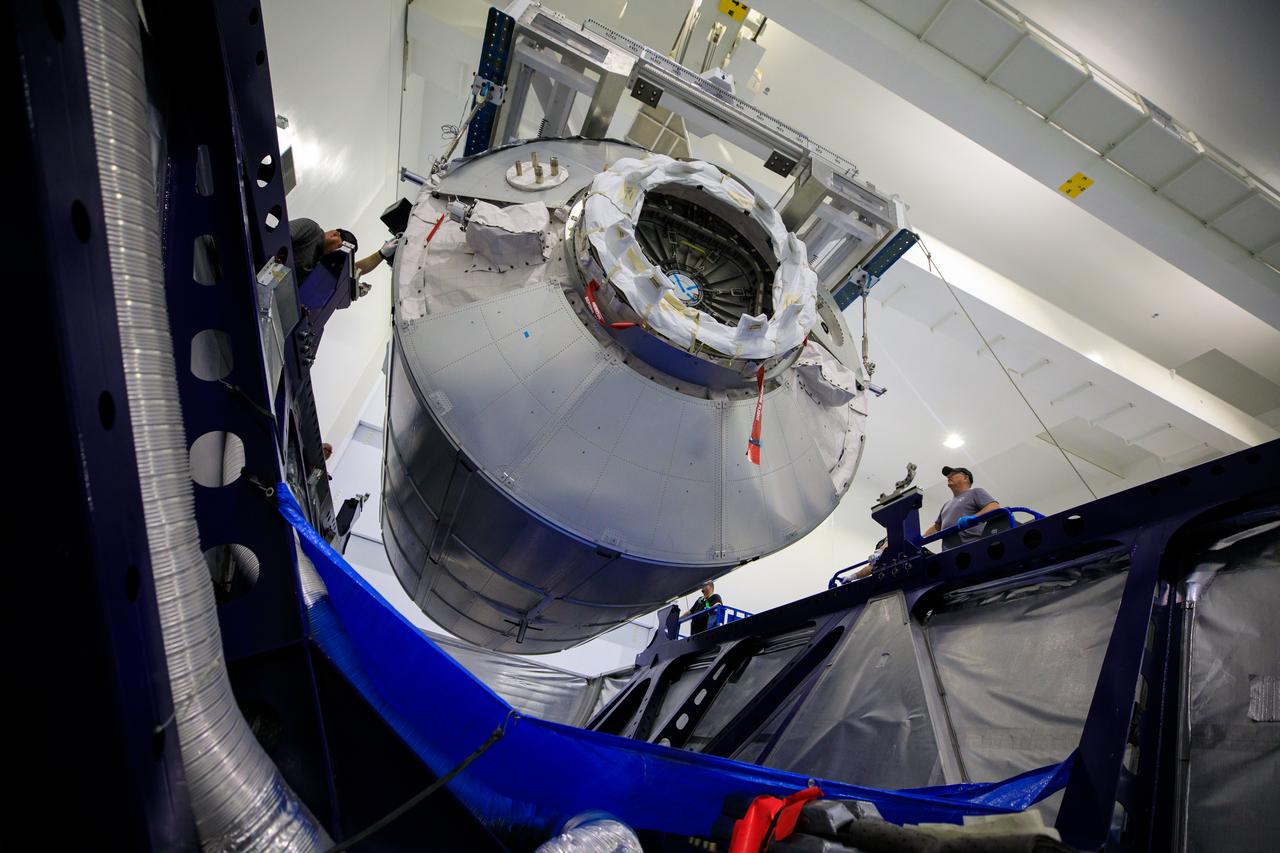
The Multi-Purpose Logistics Module (MPLM), used during the Space Shuttle Program to transfer cargo to and from the International Space Station, is lowered by crane into its transport container inside the Space Station Processing Facility high bay at NASA’s Kennedy Space Center in Florida on April 20, 2023. The MPLM is being prepared for transport to Ellington Field in Houston, where it will then be transported by road to Axiom’s facility near Ellington to be utilized to further commercialization of space. Three MPLMs were built by Thales Alenia Space Italia (TASI) for the Italian Space Agency (ASI) and named after Italian masters (Leonardo, Raffaello, and Donatello). Only two ever flew to the space station, Leonardo and Raffaello, with Axiom intending to use Raffaello as a future element that will attach to a segment being built by the company for addition to the space station.
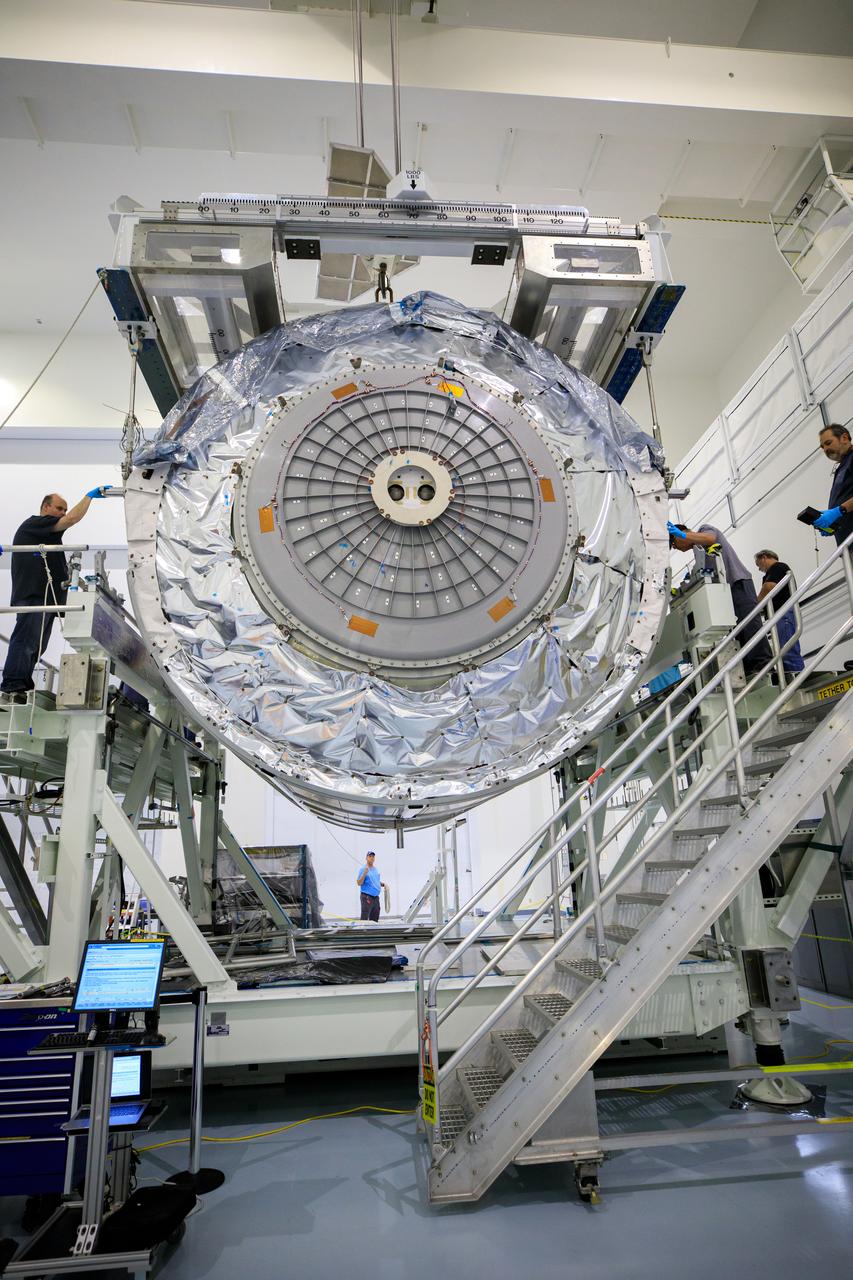
The Multi-Purpose Logistics Module (MPLM), used during the Space Shuttle Program to transfer cargo to and from the International Space Station, is hoisted up by crane inside the Space Station Processing Facility high bay at NASA’s Kennedy Space Center in Florida on April 20, 2023. The MPLM is being prepared for transport to Ellington Field in Houston, where it will then be transported by road to Axiom’s facility near Ellington to be utilized to further commercialization of space. Three MPLMs were built by Thales Alenia Space Italia (TASI) for the Italian Space Agency (ASI) and named after Italian masters (Leonardo, Raffaello, and Donatello). Only two ever flew to the space station, Leonardo and Raffaello, with Axiom intending to use Raffaello as a future element that will attach to a segment being built by the company for addition to the space station.

Team members pause for a photo after the successful harvest of half the Arabidopsis thaliana plants inside the growth chamber of the Advanced Plant Habitat (APH) Flight Unit No. 1. From right to left are Jeff Richards with Stinger-Ghaffarian Technologies; David Hanson, part of the principal investigator's team; Oscar Monje with NASA Kennedy Space Center's Engineering Services Contract; and John "JC" Carver, a payload integration engineer with Kennedy's Test and Operations Support Contract. The harvest is part of an ongoing verification test of the APH unit, which is located inside the International Space Station Environmental Simulator in Kennedy's Space Station Processing Facility. The APH undergoing testing at Kennedy is identical to one on the station and uses red, green and broad-spectrum white LED lights to grow plants in an environmentally controlled chamber. The seeds grown during the verification test will be grown on the station to help scientists understand how these plants adapt to spaceflight.

John "JC" Carver, a payload integration engineer with NASA Kennedy Space Center's Test and Operations Support Contract, places Arabidopsis thaliana plants harvested from the Advanced Plant Habitat (APH) Flight Unit No. 1 into a Mini ColdBag that quickly freezes the plants. The harvest is part of an ongoing verification test of the APH unit, which is located inside the International Space Station Environmental Simulator in Kennedy's Space Station Processing Facility. The APH undergoing testing at Kennedy is identical to one on the station and uses red, green and broad-spectrum white LED lights to grow plants in an environmentally controlled chamber. The seeds grown during the verification test will be grown on the station to help scientists understand how these plants adapt to spaceflight.

John "JC" Carver, a payload integration engineer with NASA Kennedy Space Center's Test and Operations Support Contract, uses a FluorPen to measure the chlorophyll fluorescence of Arabidopsis thaliana plants inside the growth chamber of the Advanced Plant Habitat (APH) Flight Unit No. 1. Half the plants were then harvested. The harvest is part of an ongoing verification test of the APH unit, which is located inside the International Space Station Environmental Simulator in Kennedy's Space Station Processing Facility. The APH undergoing testing at Kennedy is identical to one on the station and uses red, green and broad-spectrum white LED lights to grow plants in an environmentally controlled chamber. The seeds grown during the verification test will be grown on the station to help scientists understand how these plants adapt to spaceflight.

John "JC" Carver, a payload integration engineer with NASA Kennedy Space Center's Test and Operations Support Contract, opens the door to the growth chamber of the Advanced Plant Habitat (APH) Flight Unit No. 1 for a test harvest of half of the Arabidopsis thaliana plants growing within. The harvest is part of an ongoing verification test of the APH unit, which is located inside the International Space Station Environmental Simulator in Kennedy's Space Station Processing Facility. The APH undergoing testing at Kennedy is identical to one on the station and uses red, green and broad-spectrum white LED lights to grow plants in an environmentally controlled chamber. The seeds grown during the verification test will be grown on the station to help scientists understand how these plants adapt to spaceflight.

John "JC" Carver, a payload integration engineer with NASA Kennedy Space Center's Test and Operations Support Contract, opens the door to the growth chamber of the Advanced Plant Habitat (APH) Flight Unit No. 1 for a test harvest of half of the Arabidopsis thaliana plants growing within. The harvest is part of an ongoing verification test of the APH unit, which is located inside the International Space Station Environmental Simulator in Kennedy's Space Station Processing Facility. The APH undergoing testing at Kennedy is identical to one on the station and uses red, green and broad-spectrum white LED lights to grow plants in an environmentally controlled chamber. The seeds grown during the verification test will be grown on the station to help scientists understand how these plants adapt to spaceflight.

John "JC" Carver, a payload integration engineer with NASA Kennedy Space Center's Test and Operations Support Contract, places Arabidopsis thaliana plants harvested from the Advanced Plant Habitat (APH) Flight Unit No. 1 into an Ultra-low Freezer chilled to -150 degrees Celsius. The harvest is part of an ongoing verification test of the APH unit, which is located inside the International Space Station Environmental Simulator in Kennedy's Space Station Processing Facility. The APH undergoing testing at Kennedy is identical to one on the station and uses red, green and broad-spectrum white LED lights to grow plants in an environmentally controlled chamber. The seeds grown during the verification test will be grown on the station to help scientists understand how these plants adapt to spaceflight.

John "JC" Carver, a payload integration engineer with NASA Kennedy Space Center's Test and Operations Support Contract, uses a FluorPen to measure the chlorophyll fluorescence of Arabidopsis thaliana plants inside the growth chamber of the Advanced Plant Habitat (APH) Flight Unit No. 1. Half the plants were then harvested. The harvest is part of an ongoing verification test of the APH unit, which is located inside the International Space Station Environmental Simulator in Kennedy's Space Station Processing Facility. The APH undergoing testing at Kennedy is identical to one on the station and uses red, green and broad-spectrum white LED lights to grow plants in an environmentally controlled chamber. The seeds grown during the verification test will be grown on the station to help scientists understand how these plants adapt to spaceflight.
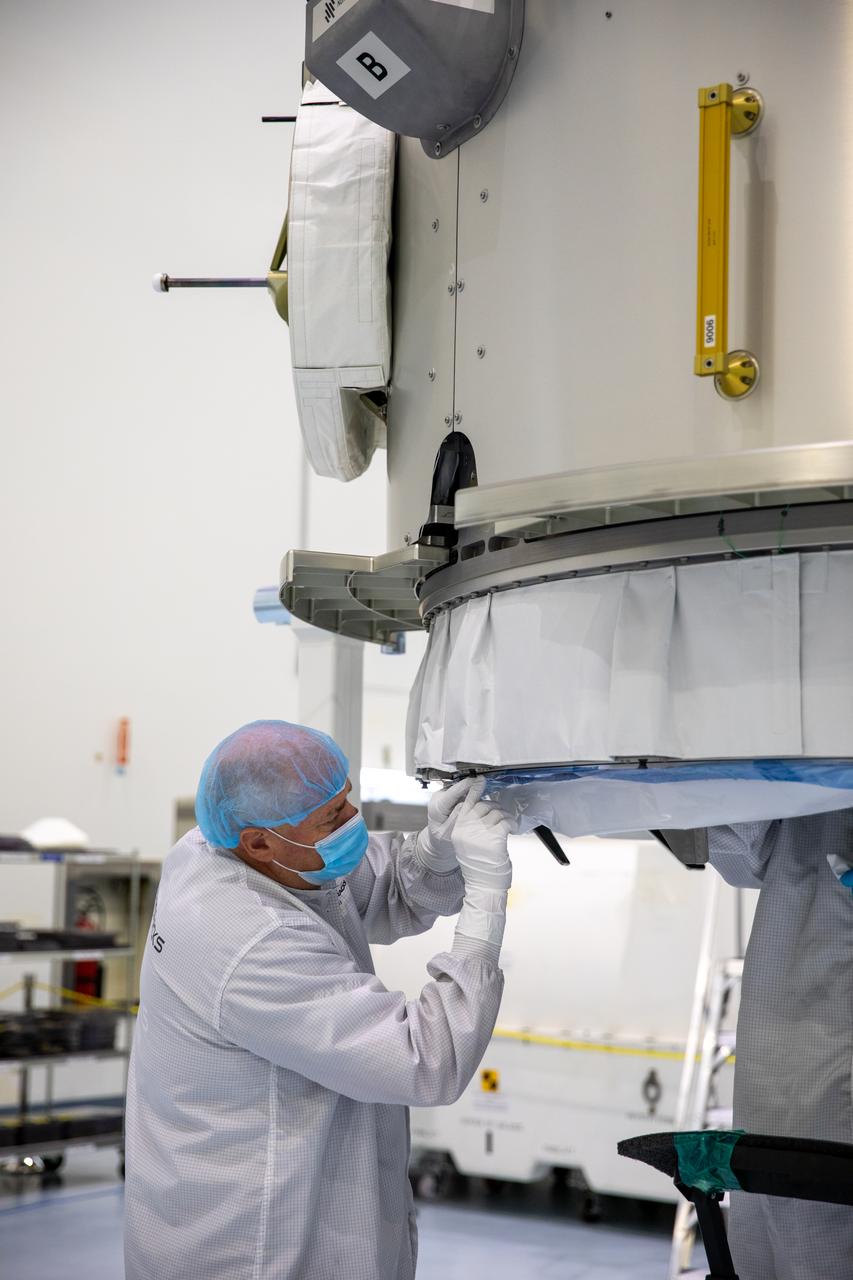
A Nanoracks technician works on the NanoRacks Bishop Airlock inside the Space Station Processing Facility at NASA's Kennedy Space Center in Florida on Oct. 7, 2020. The next-generation Nanoracks payload facility is being prepared for its flight to the International Space Station on SpaceX’s 21st commercial resupply services to the space station. It will provide payload hosting, robotics testing, satellite deployment, serve as an outside toolbox for station crew spacewalks, and more. CRS-21 is scheduled to launch on a SpaceX Falcon 9 from Kennedy’s Launch Complex 39A.
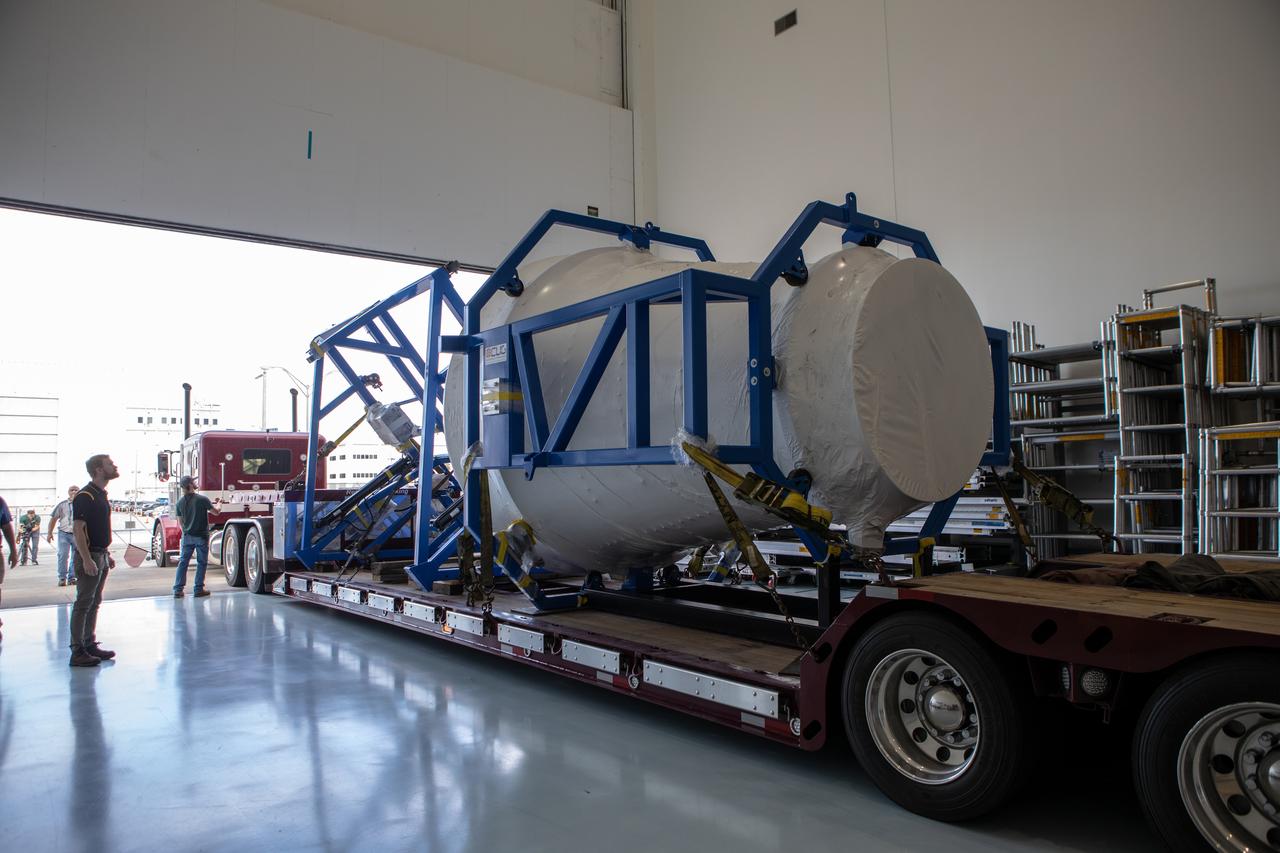
A truck carrying the cargo logistics module for Sierra Nevada Corporation’s Dream Chaser, the company’s reusable spaceplane, enters the Space Station Processing Facility high bay at NASA’s Kennedy Space Center in Florida on Aug. 27, 2019. The cargo module – a 15-foot attachment to Dream Chaser – provides extra storage for payloads and provides cargo disposal upon re-entry into Earth’s atmosphere. Dream Chaser will deliver more than 12,000 pounds of cargo to the International Space Station under the agency’s Commercial Resupply Services 2 contract. The spacecraft and cargo module will begin resupply and return services missions to the space station in late 2021.
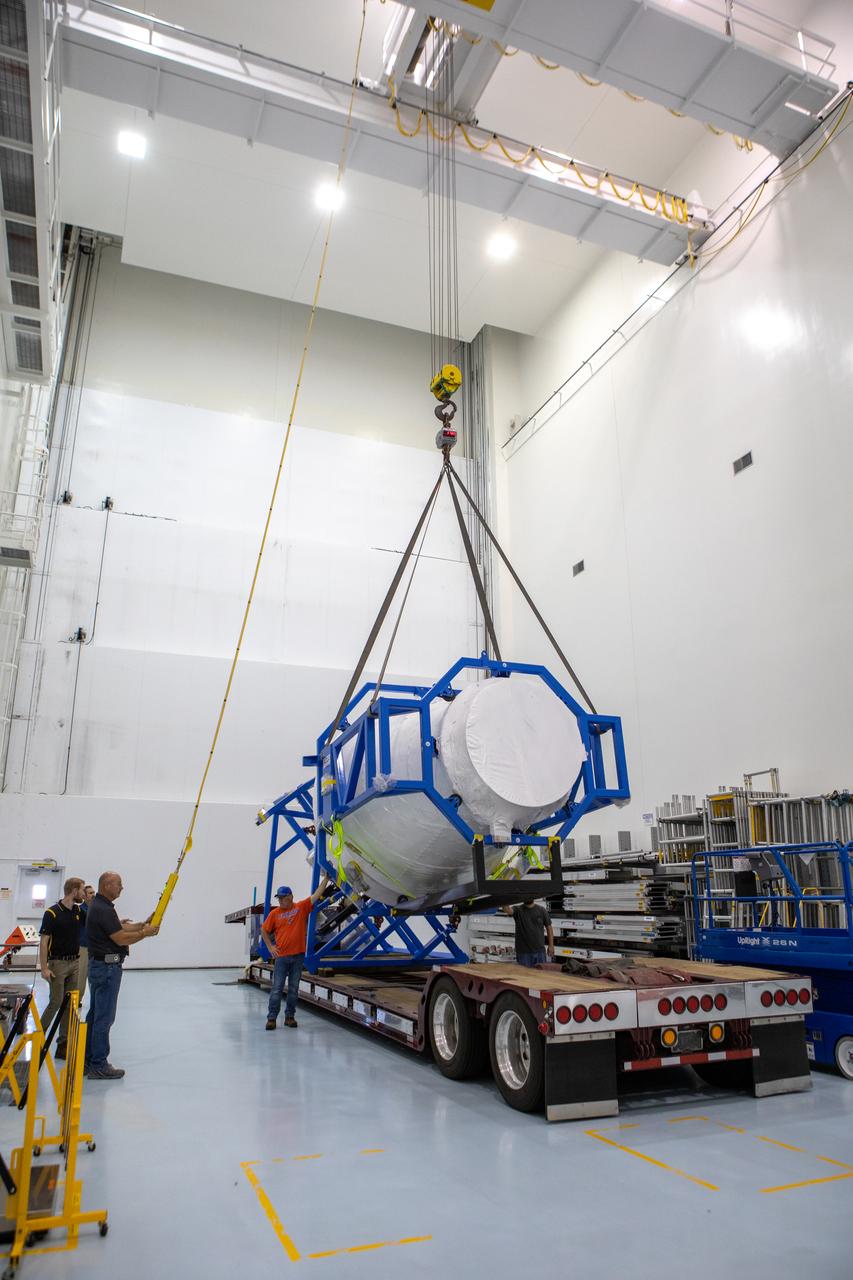
The cargo logistics module for Sierra Nevada Corporation’s Dream Chaser, the company’s reusable spaceplane, is lifted from the bed of a truck following its arrival at the Space Station Processing Facility high bay at NASA’s Kennedy Space Center in Florida on Aug. 27, 2019. The cargo module – a 15-foot attachment to Dream Chaser – provides extra storage for payloads and provides cargo disposal upon re-entry into Earth’s atmosphere. Dream Chaser will deliver more than 12,000 pounds of cargo to the International Space Station under the agency’s Commercial Resupply Services 2 contract. The spacecraft and cargo module will begin resupply and return services missions to the space station in late 2021.
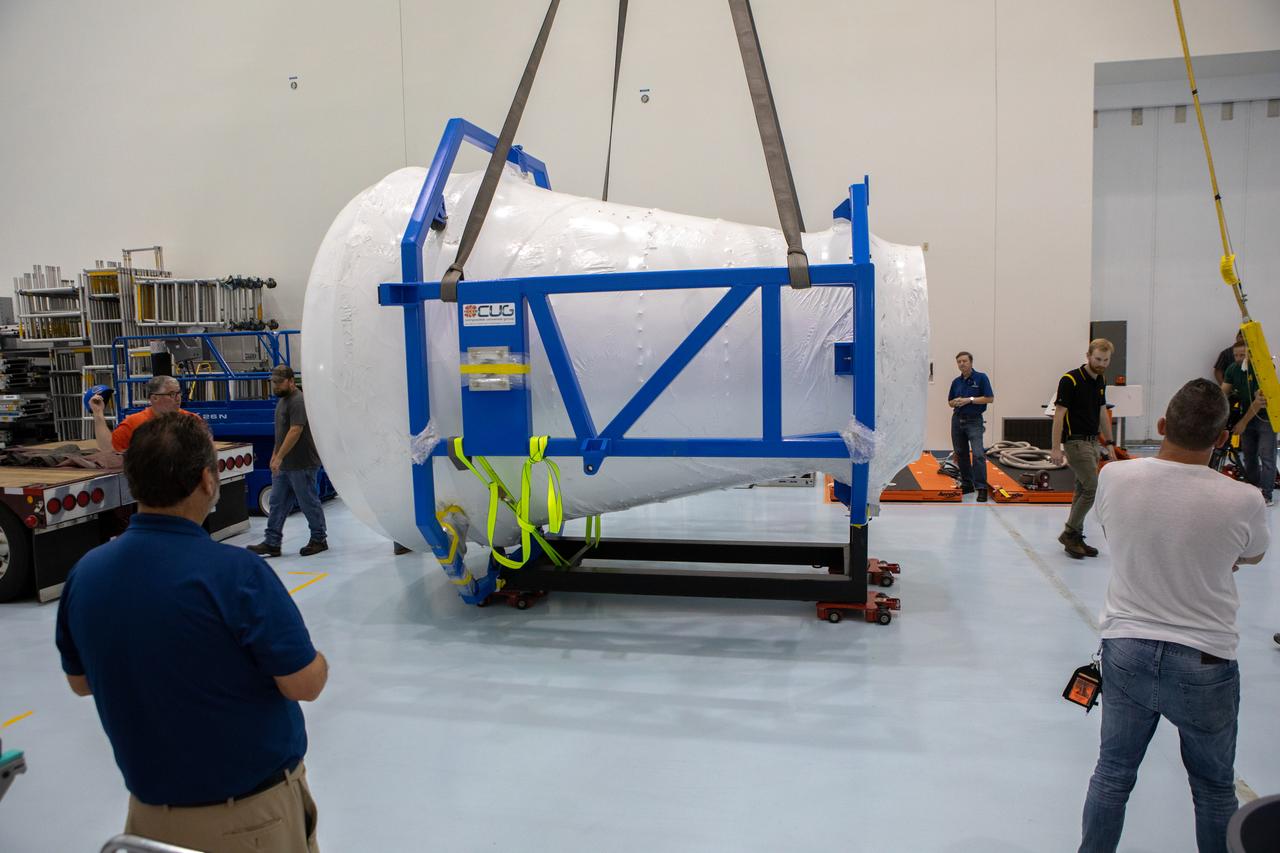
The cargo logistics module for Sierra Nevada Corporation’s Dream Chaser, the company’s reusable spaceplane, arrives at the Space Station Processing Facility high bay at NASA’s Kennedy Space Center in Florida on Aug. 27, 2019. The cargo module – a 15-foot attachment to Dream Chaser – provides extra storage for payloads and provides cargo disposal upon re-entry into Earth’s atmosphere. Dream Chaser will deliver more than 12,000 pounds of cargo to the International Space Station under the agency’s Commercial Resupply Services 2 contract. The spacecraft and cargo module will begin resupply and return services missions to the space station in late 2021.
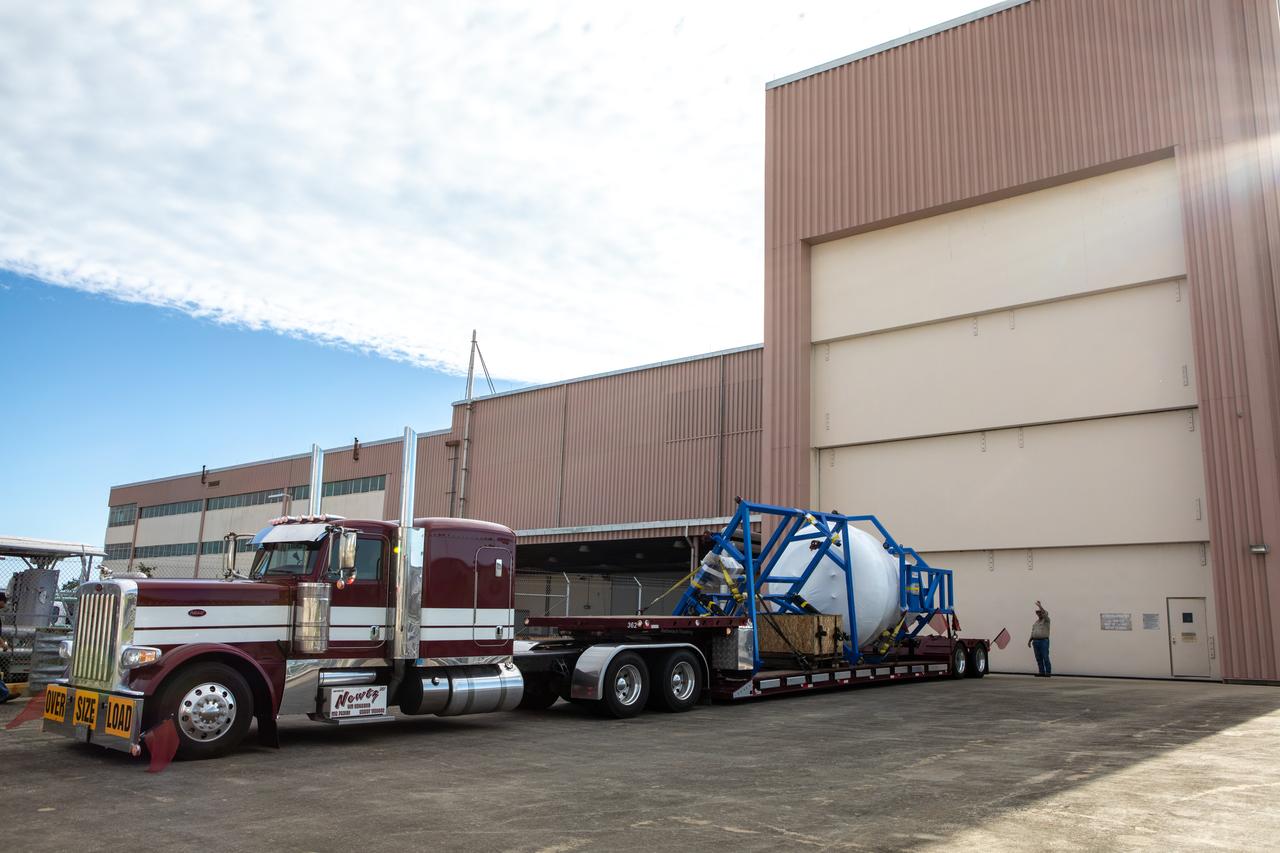
A truck carrying the cargo logistics module for Sierra Nevada Corporation’s Dream Chaser, the company’s reusable spaceplane, arrives at the Space Station Processing Facility high bay entrance at NASA’s Kennedy Space Center in Florida on Aug. 27, 2019. The cargo module – a 15-foot attachment to Dream Chaser – provides extra storage for payloads and provides cargo disposal upon re-entry into Earth’s atmosphere. Dream Chaser will deliver more than 12,000 pounds of cargo to the International Space Station under the agency’s Commercial Resupply Services 2 contract. The spacecraft and cargo module will begin resupply and return services missions to the space station in late 2021.
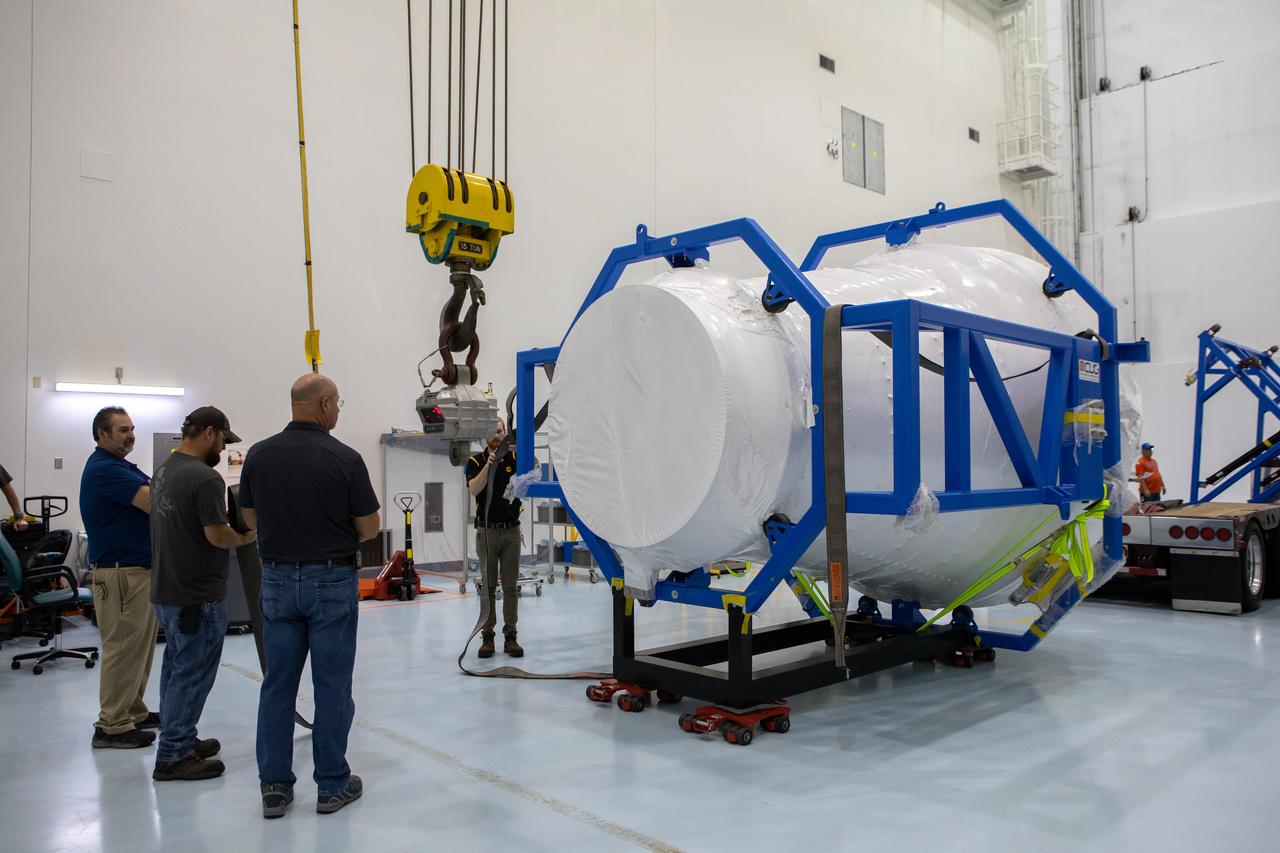
The cargo logistics module for Sierra Nevada Corporation’s Dream Chaser, the company’s reusable spaceplane, is photographed inside the Space Station Processing Facility high bay at NASA’s Kennedy Space Center in Florida following its arrival on Aug. 27, 2019. The cargo module – a 15-foot attachment to Dream Chaser – provides extra storage for payloads and provides cargo disposal upon re-entry into Earth’s atmosphere. Dream Chaser will deliver more than 12,000 pounds of cargo to the International Space Station under the agency’s Commercial Resupply Services 2 contract. The spacecraft and cargo module will begin resupply and return services missions to the space station in late 2021.
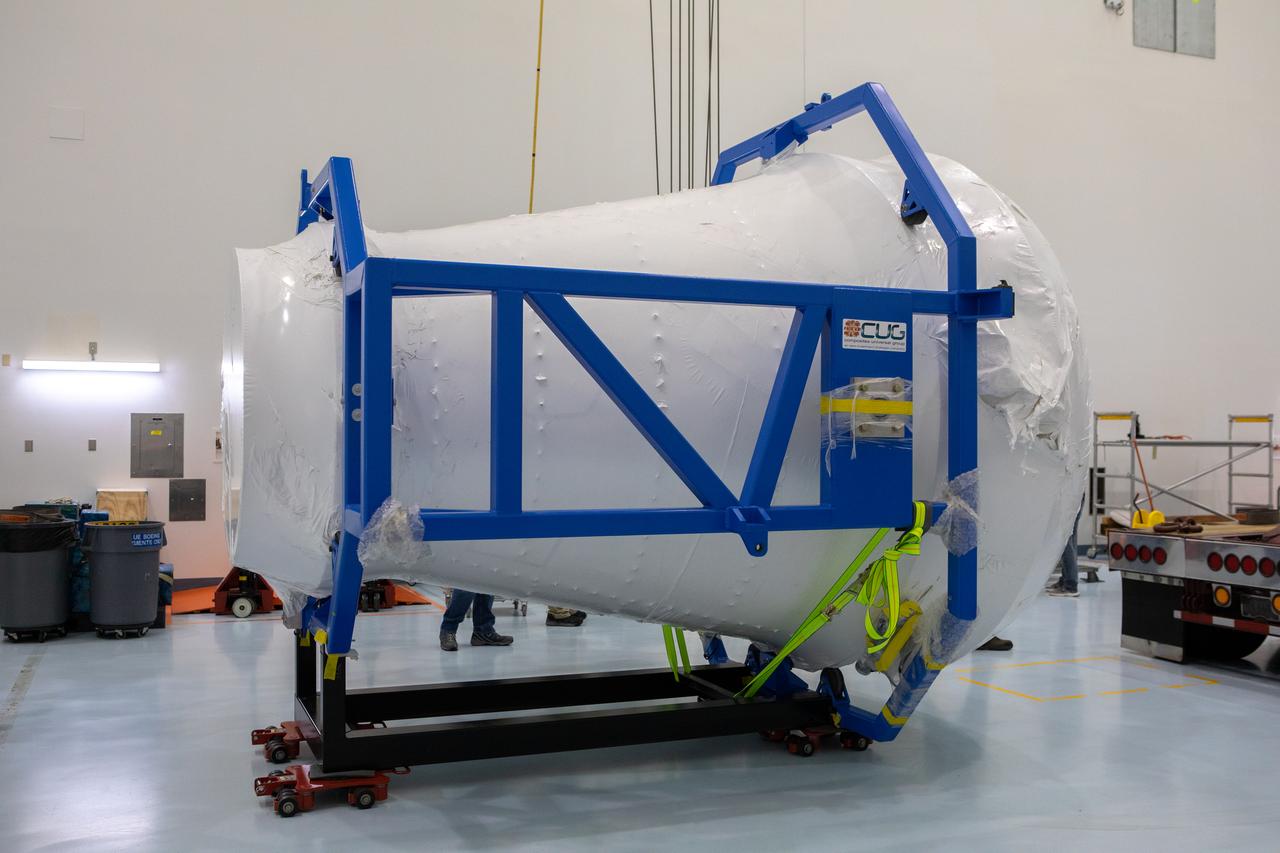
The cargo logistics module for Sierra Nevada Corporation’s Dream Chaser, the company’s reusable spaceplane, is photographed inside the Space Station Processing Facility high bay at NASA’s Kennedy Space Center in Florida following its arrival on Aug. 27, 2019. The cargo module – a 15-foot attachment to Dream Chaser – provides extra storage for payloads and provides cargo disposal upon re-entry into Earth’s atmosphere. Dream Chaser will deliver more than 12,000 pounds of cargo to the International Space Station under the agency’s Commercial Resupply Services 2 contract. The spacecraft and cargo module will begin resupply and return services missions to the space station in late 2021.
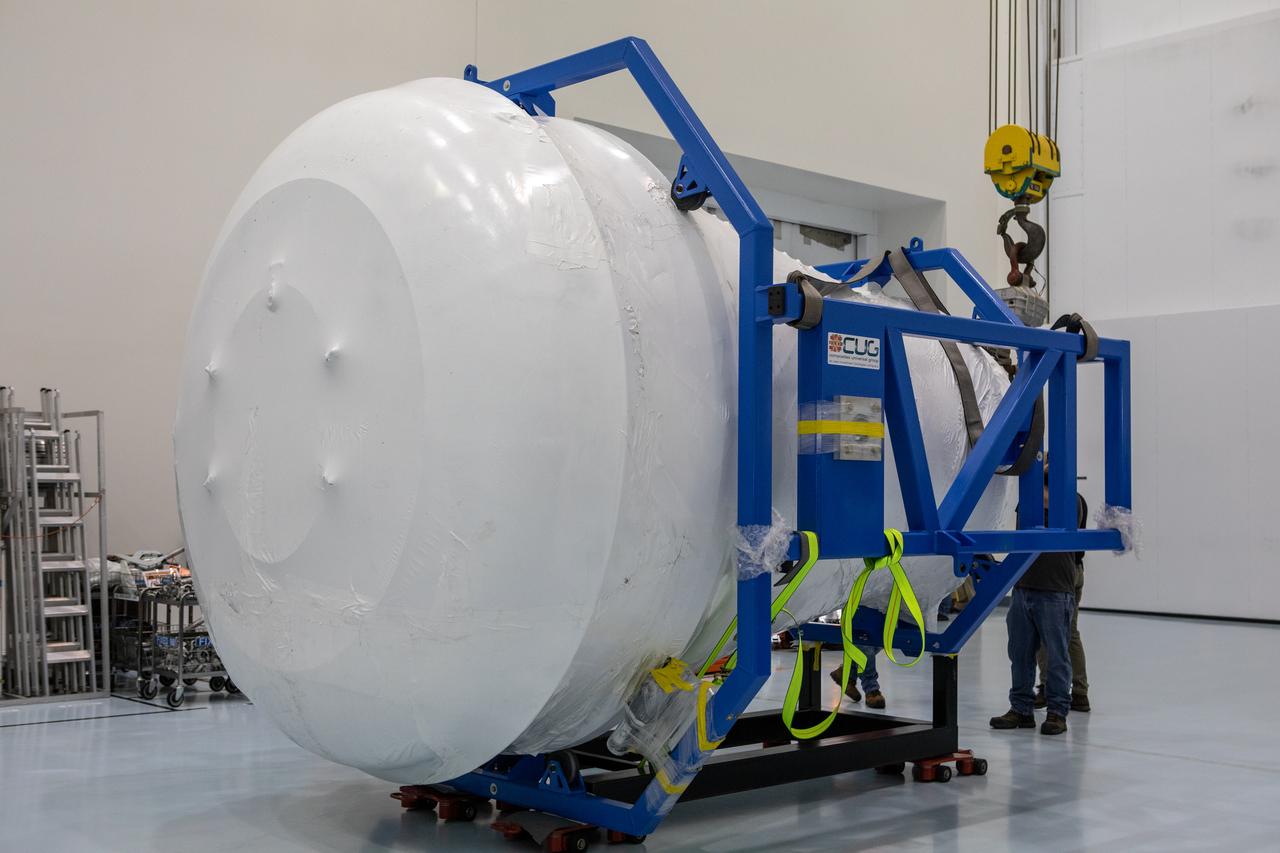
The cargo logistics module for Sierra Nevada Corporation’s Dream Chaser, the company’s reusable spaceplane, is photographed inside the Space Station Processing Facility high bay at NASA’s Kennedy Space Center in Florida following its arrival on Aug. 27, 2019. The cargo module – a 15-foot attachment to Dream Chaser – provides extra storage for payloads and provides cargo disposal upon re-entry into Earth’s atmosphere. Dream Chaser will deliver more than 12,000 pounds of cargo to the International Space Station under the agency’s Commercial Resupply Services 2 contract. The spacecraft and cargo module will begin resupply and return services missions to the space station in late 2021.
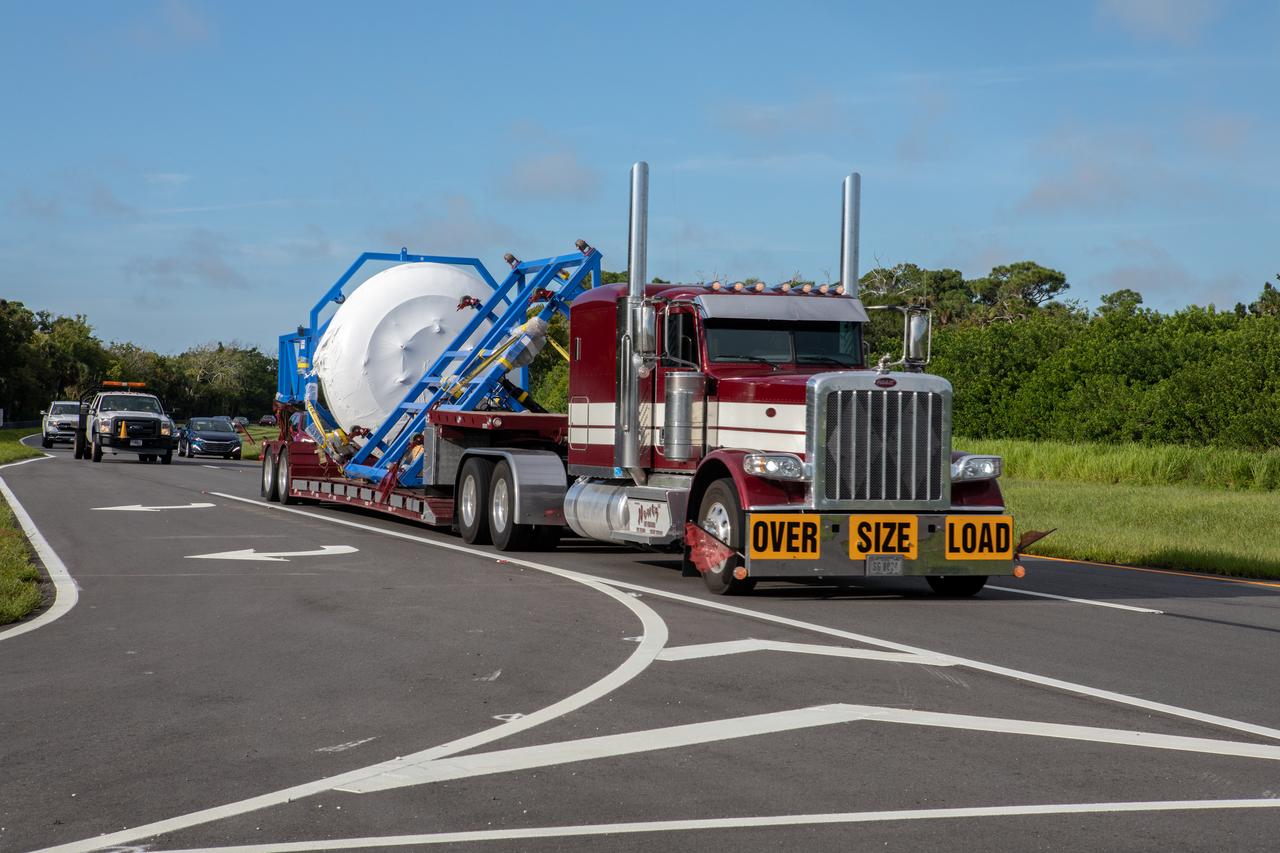
The cargo logistics module for Sierra Nevada Corporation’s Dream Chaser, the company’s reusable spaceplane, is in transit to the Space Station Processing Facility at NASA’s Kennedy Space Center in Florida on Aug. 27, 2019. The cargo module – a 15-foot attachment to Dream Chaser – provides extra storage for payloads and provides cargo disposal upon re-entry into Earth’s atmosphere. Dream Chaser will deliver more than 12,000 pounds of cargo to the International Space Station under NASA’s Commercial Resupply Services 2 contract. The spacecraft and cargo module will begin resupply and return services missions to the space station in late 2021.
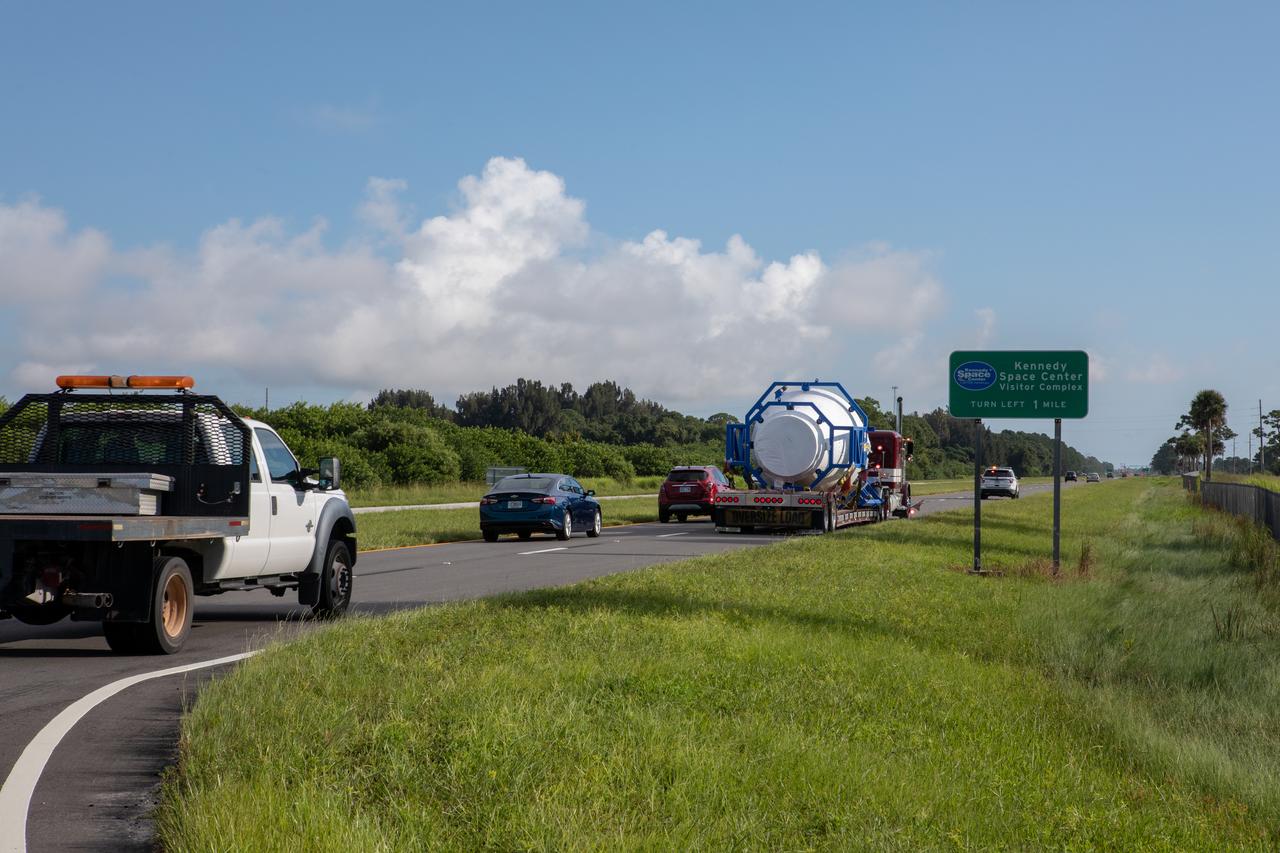
The cargo logistics module for Sierra Nevada Corporation’s Dream Chaser, the company’s reusable spaceplane, arrives at NASA’s Kennedy Space Center in Florida on Aug. 27, 2019. The cargo module – secured atop a truck – is being taken to Kennedy’s Space Station Processing Facility. A 15-foot attachment to Dream Chaser, the cargo module provides extra storage for payloads and provides cargo disposal upon re-entry into Earth’s atmosphere. Dream Chaser will deliver more than 12,000 pounds of cargo to the International Space Station under NASA’s Commercial Resupply Services 2 contract. The spacecraft and cargo module will begin resupply and return services missions to the space station in late 2021.
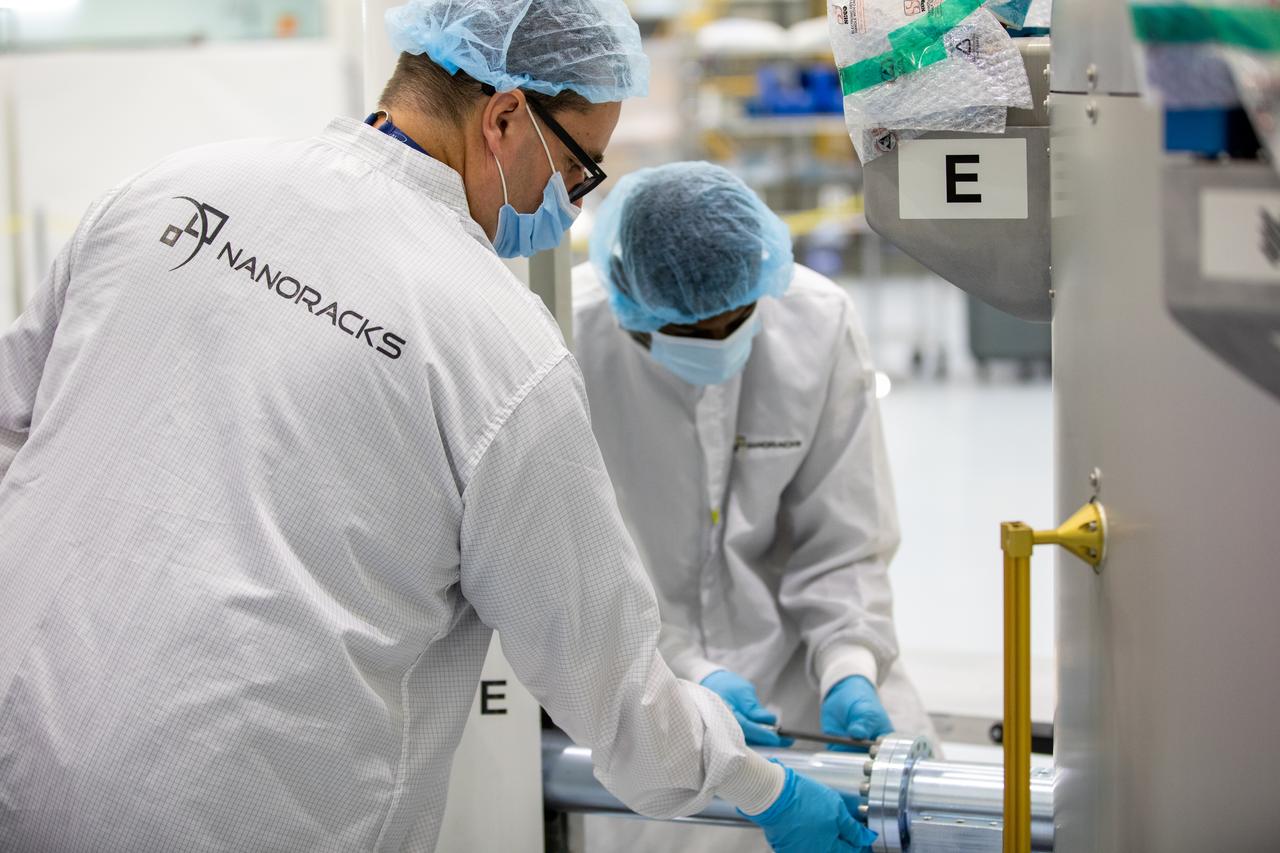
Nanoracks technicians work on the Nanoracks Bishop Airlock inside the Space Station Processing Facility at NASA's Kennedy Space Center in Florida on Sept. 29, 2020. The next-generation Nanoracks payload facility is being prepared for its flight to the International Space Station on SpaceX’s 21st commercial resupply services mission (CRS-21) to the International Space Station. The Bishop Airlock is the first commercially funded airlock for the space station. It will provide payload hosting, robotics testing, satellite deployment, serve as an outside toolbox for station crew spacewalks, and more. CRS-21 is scheduled to launch on a SpaceX Falcon 9 rocket no earlier than November from Launch Complex 39A at Kennedy Space Center.
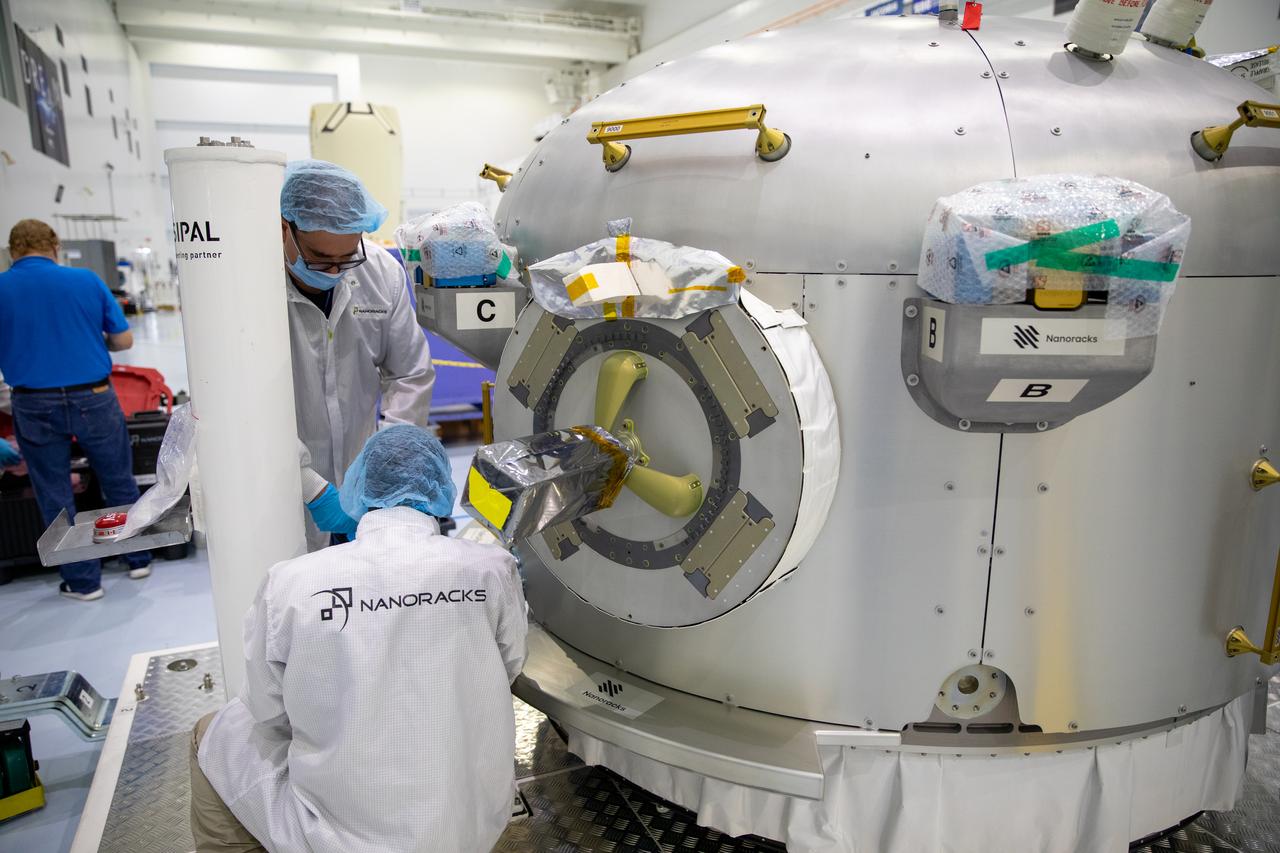
Nanoracks technicians work on the NanoRacks Bishop Airlock inside the Space Station Processing Facility at NASA's Kennedy Space Center in Florida on Sept. 29, 2020. The next-generation Nanoracks payload facility is being prepared for its flight to the International Space Station on SpaceX’s 21st commercial resupply services mission (CRS-21) to the International Space Station. The Bishop Airlock is the first commercially funded airlock for the space station. It will provide payload hosting, robotics testing, satellite deployment, serve as an outside toolbox for station crew spacewalks, and more. CRS-21 is scheduled to launch on a SpaceX Falcon 9 rocket no earlier than November from Launch Complex 39A at Kennedy Space Center.
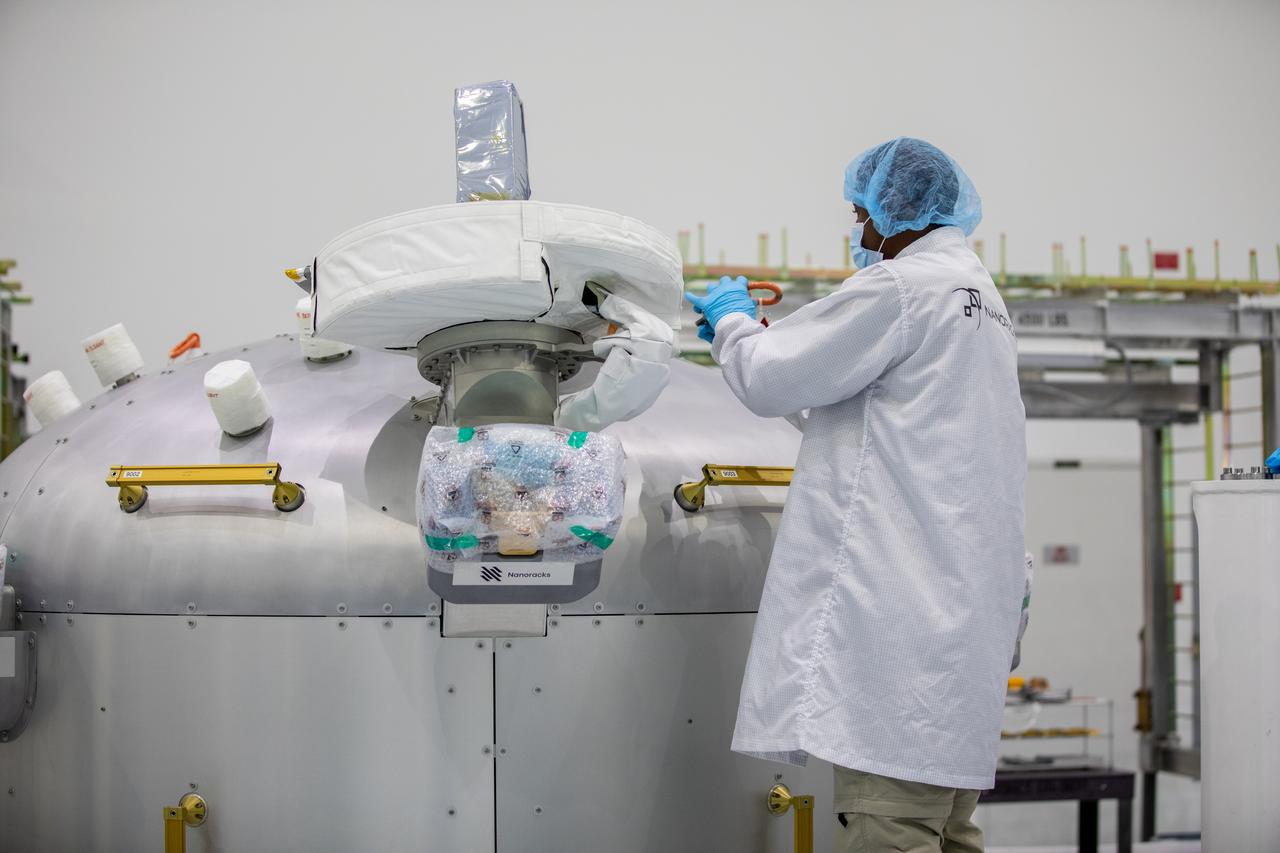
A Nanoracks technician works on the Nanoracks Bishop Airlock inside the Space Station Processing Facility at NASA's Kennedy Space Center in Florida on Sept. 29, 2020. The next-generation Nanoracks payload facility is being prepared for its flight to the International Space Station on SpaceX’s 21st commercial resupply services mission (CRS-21) to the International Space Station. The Bishop Airlock is the first commercially funded airlock for the space station. It will provide payload hosting, robotics testing, satellite deployment, and serve as an outside toolbox for station crew spacewalks, and more. CRS-21 is scheduled to launch on a SpaceX Falcon 9 rocket no earlier than November from Launch Complex 39A at Kennedy Space Center.
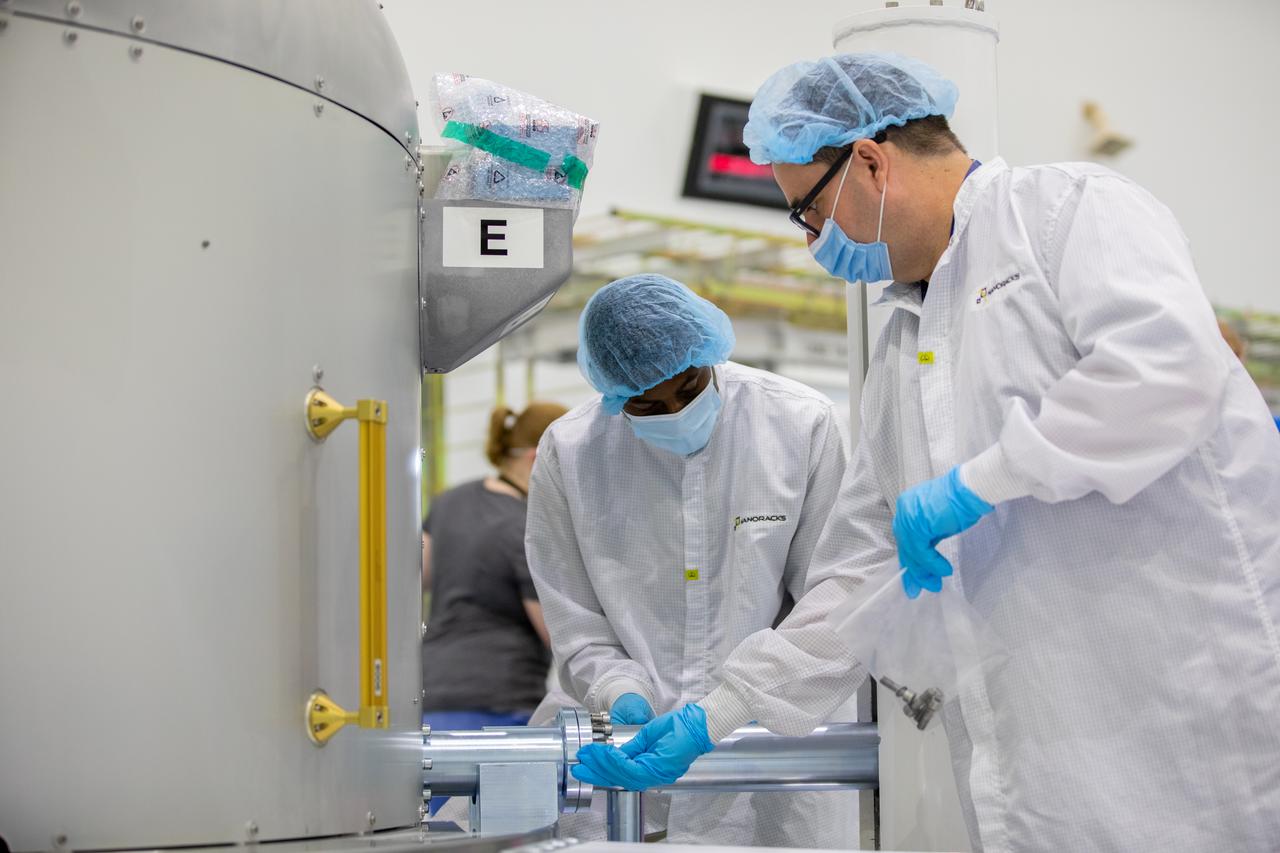
Nanoracks technicians work on the NanoRacks Bishop Airlock inside the Space Station Processing Facility at NASA's Kennedy Space Center in Florida on Sept. 29, 2020. The next-generation Nanoracks payload facility is being prepared for its flight to the International Space Station on SpaceX’s 21st commercial resupply services mission (CRS-21) to the International Space Station. The Bishop Airlock is the first commercially funded airlock for the space station. It will provide payload hosting, robotics testing, satellite deployment, serve as an outside toolbox for station crew spacewalks, and more. CRS-21 is scheduled to launch on a SpaceX Falcon 9 rocket no earlier than November from Launch Complex 39A at Kennedy Space Center.
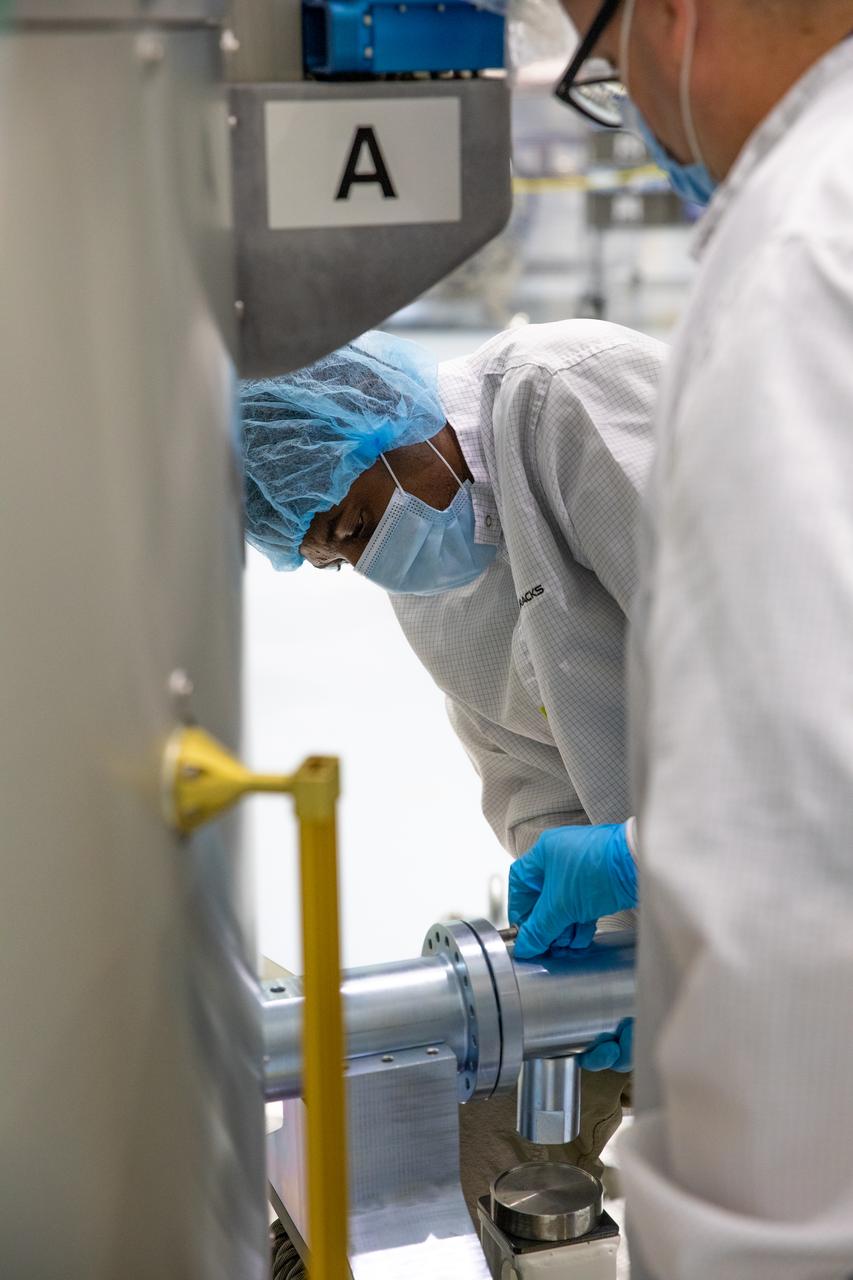
Nanoracks technicians work on the NanoRacks Bishop Airlock inside the Space Station Processing Facility at NASA's Kennedy Space Center in Florida on Sept. 29, 2020. The next-generation Nanoracks payload facility is being prepared for its flight to the International Space Station on SpaceX’s 21st commercial resupply services mission (CRS-21) to the International Space Station. The Bishop Airlock is the first commercially funded airlock for the space station. It will provide payload hosting, robotics testing, satellite deployment, serve as an outside toolbox for station crew spacewalks, and more. CRS-21 is scheduled to launch on a SpaceX Falcon 9 rocket no earlier than November from Launch Complex 39A at Kennedy Space Center.
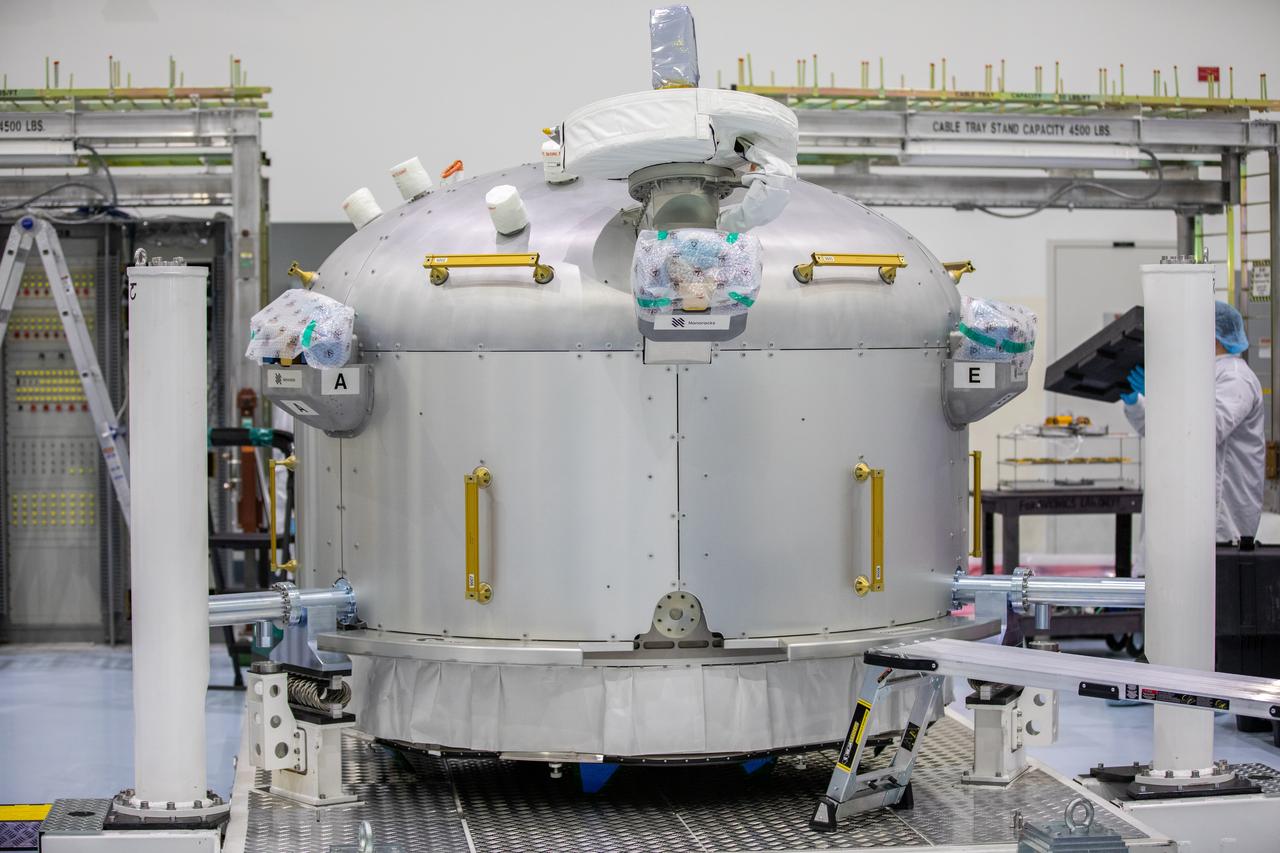
The Nanoracks Bishop Airlock is in view inside the Space Station Processing Facility at NASA's Kennedy Space Center in Florida on Sept. 29, 2020. The next-generation Nanoracks payload facility is being prepared for its flight to the International Space Station on SpaceX’s 21st commercial resupply services mission (CRS-21) to the International Space Station. The Bishop Airlock is the first commercially funded airlock for the space station. It will provide payload hosting, robotics testing, satellite deployment, serve as an outside toolbox for station crew spacewalks, and more. CRS-21 is scheduled to launch on a SpaceX Falcon 9 rocket no earlier than November from Launch Complex 39A at Kennedy Space Center.
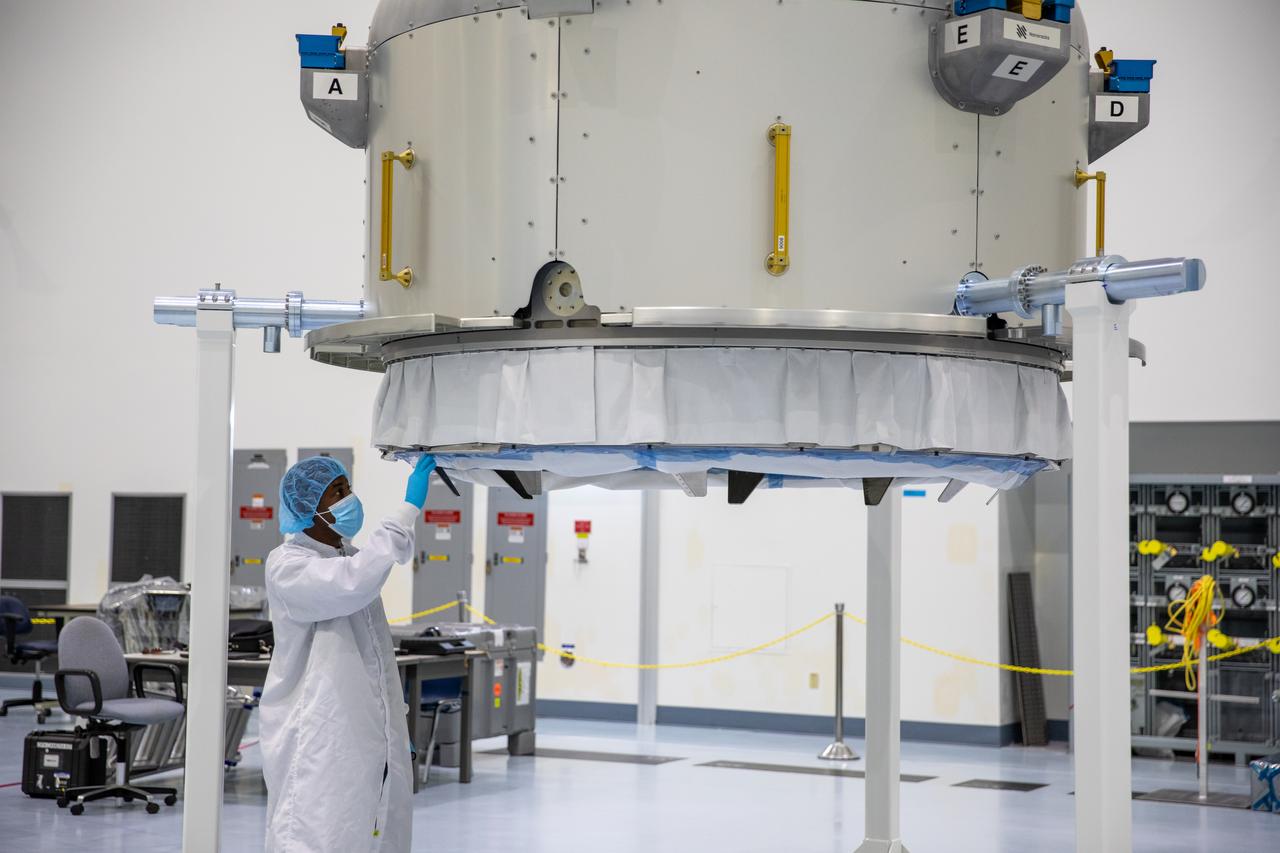
A Nanoracks technician works on the Nanoracks Bishop Airlock inside the Space Station Processing Facility at NASA's Kennedy Space Center in Florida on Oct. 7, 2020. The next-generation Nanoracks payload facility is being prepared for its flight to the International Space Station on SpaceX’s 21st commercial resupply services mission (CRS-21) to the International Space Station. The Bishop Airlock is the first commercially funded airlock for the space station. It will provide payload hosting, robotics testing, satellite deployment, and serve as an outside toolbox for station crew spacewalks, and more. CRS-21 is scheduled to launch on a SpaceX Falcon 9 from Kennedy’s Launch Complex 39A.
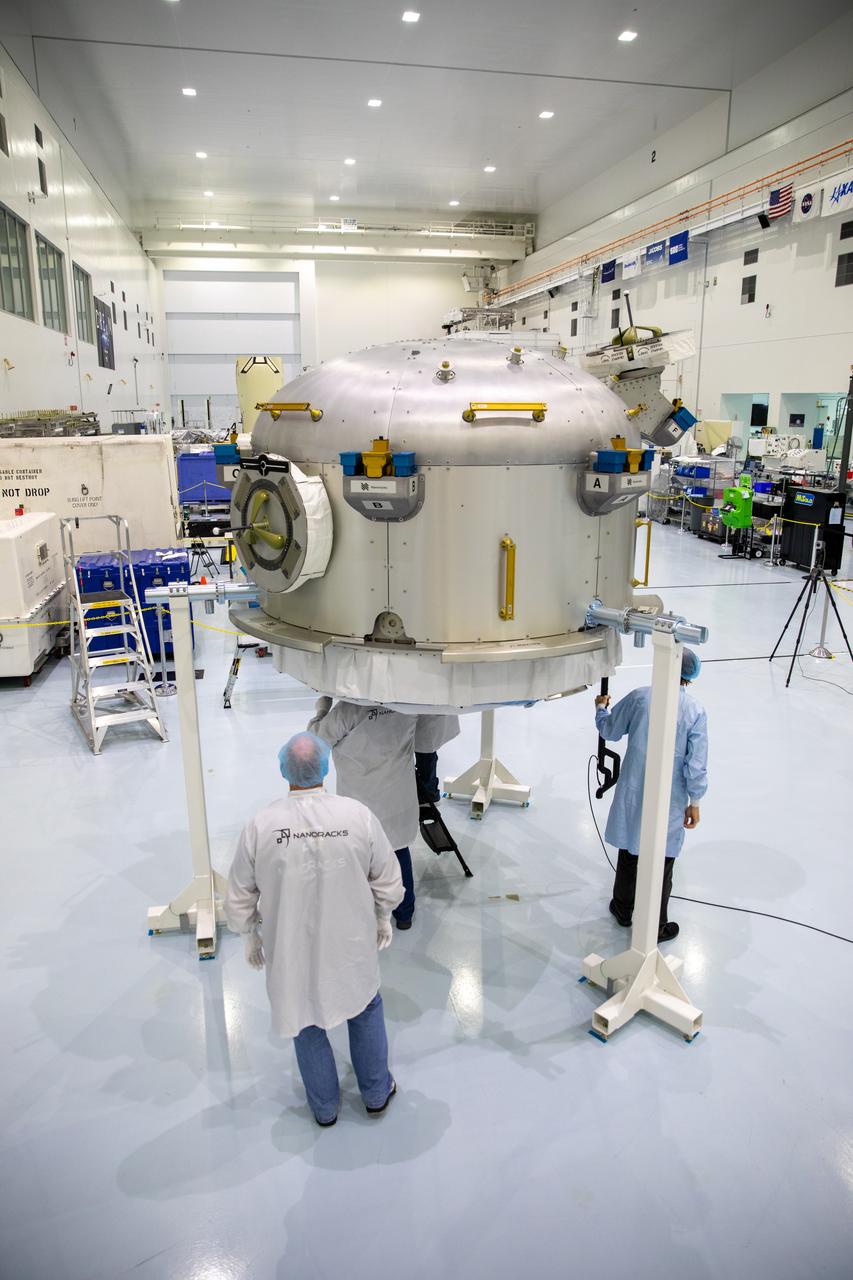
Nanoracks technicians work on the Nanoracks Bishop Airlock inside the Space Station Processing Facility at NASA's Kennedy Space Center in Florida on Oct. 7, 2020. The next-generation Nanoracks payload facility is being prepared for its flight to the International Space Station on SpaceX’s 21st commercial resupply services mission (CRS-21) to the International Space Station. The Bishop Airlock is the first commercially funded airlock for the space station. It will provide payload hosting, robotics testing, satellite deployment, serve as an outside toolbox for station crew spacewalks, and more. CRS-21 is scheduled to launch on a SpaceX Falcon 9 from Kennedy’s Launch Complex 39A.
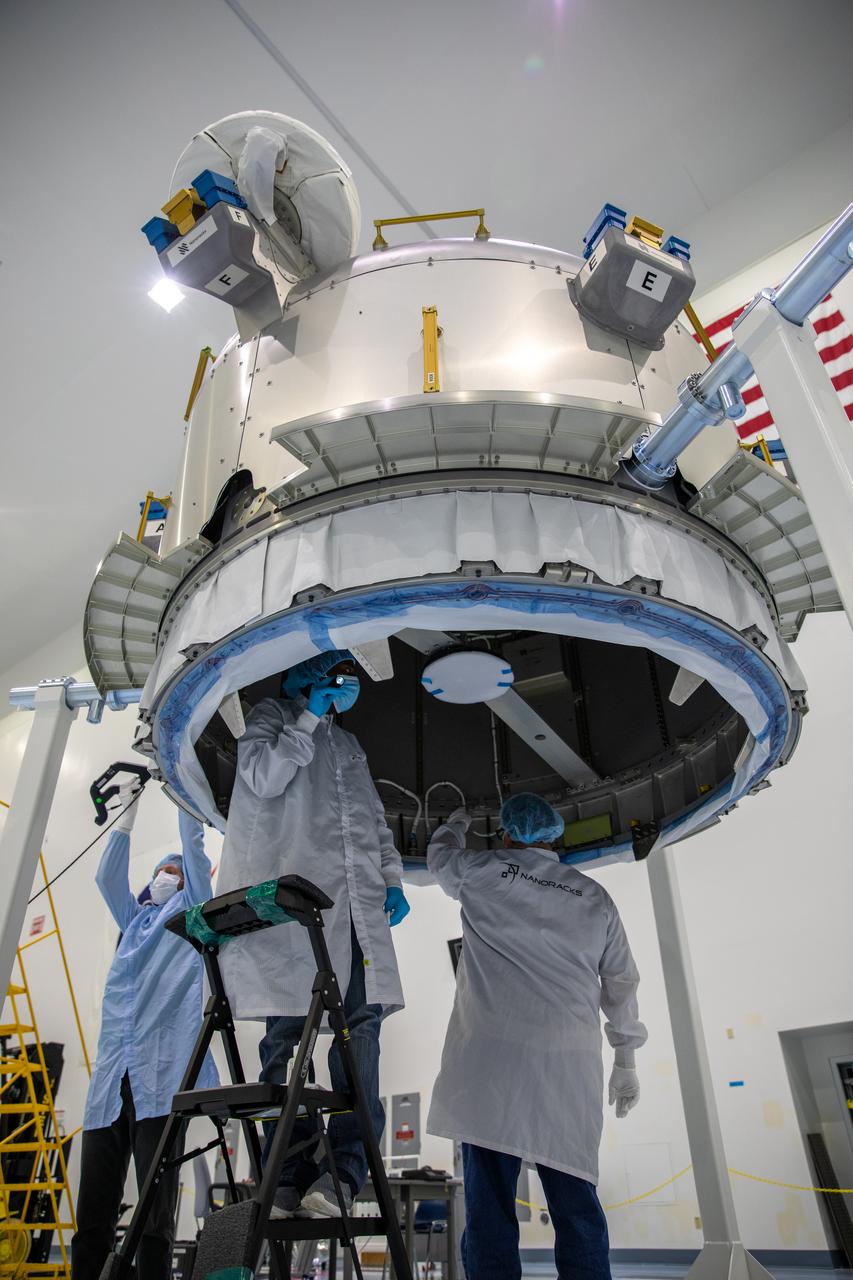
Nanoracks technicians work on the NanoRacks Bishop Airlock inside the Space Station Processing Facility at NASA's Kennedy Space Center in Florida on Oct. 7, 2020. The next-generation Nanoracks payload facility is being prepared for its flight to the International Space Station on SpaceX’s 21st commercial resupply services mission (CRS-21) to the International Space Station. The Bishop Airlock is the first commercially funded airlock for the space station. It will provide payload hosting, robotics testing, satellite deployment, serve as an outside toolbox for station crew spacewalks, and more. CRS-21 is scheduled to launch on a SpaceX Falcon 9 from Kennedy’s Launch Complex 39A.
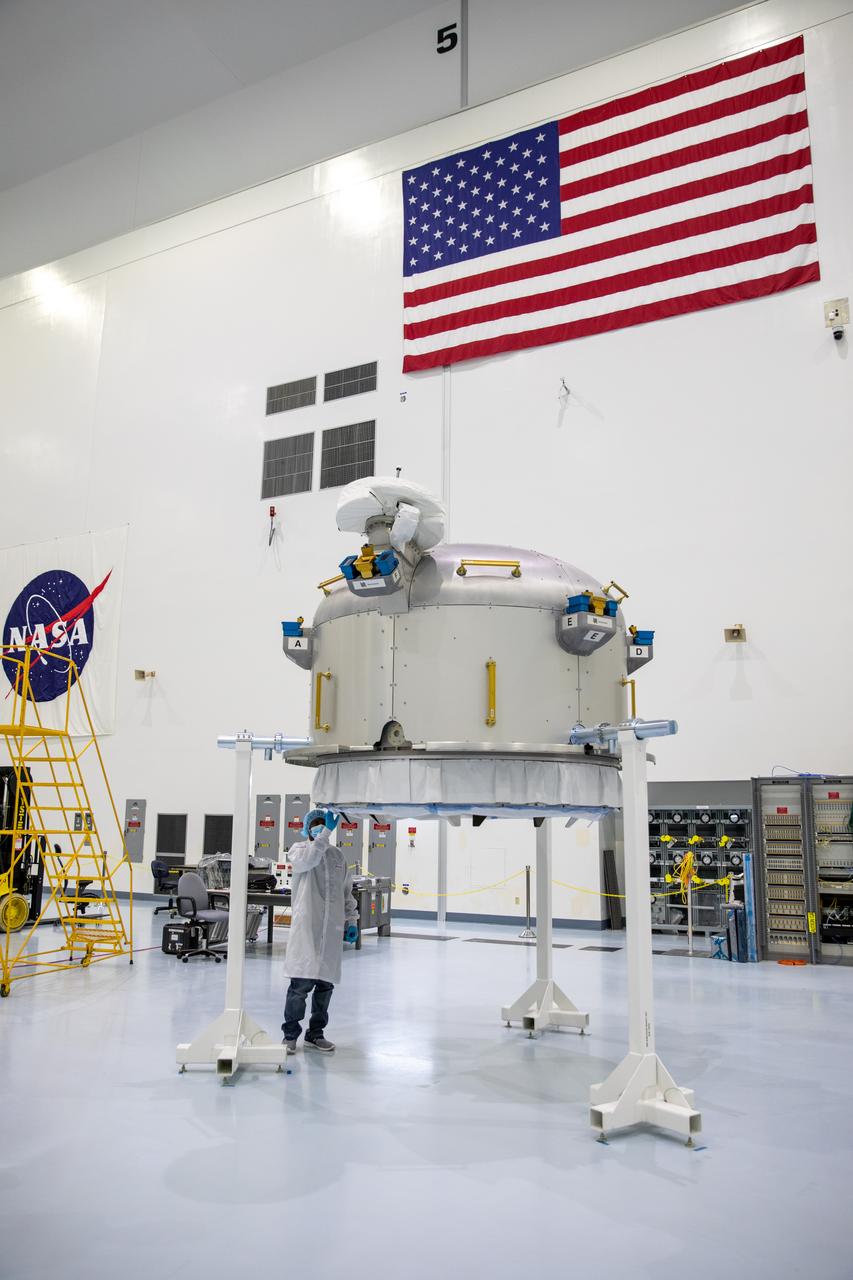
A Nanoracks technician works on the Nanoracks Bishop Airlock inside the Space Station Processing Facility at NASA's Kennedy Space Center in Florida on Oct. 7, 2020. The next-generation Nanoracks payload facility is being prepared for its flight to the International Space Station on SpaceX’s 21st commercial resupply services mission (CRS-21) to the International Space Station. The Bishop Airlock is the first commercially funded airlock for the space station. It will provide payload hosting, robotics testing, satellite deployment, serve as an outside toolbox for station crew spacewalks, and more. CRS-21 is scheduled to launch on a SpaceX Falcon 9 from Kennedy’s Launch Complex 39A.
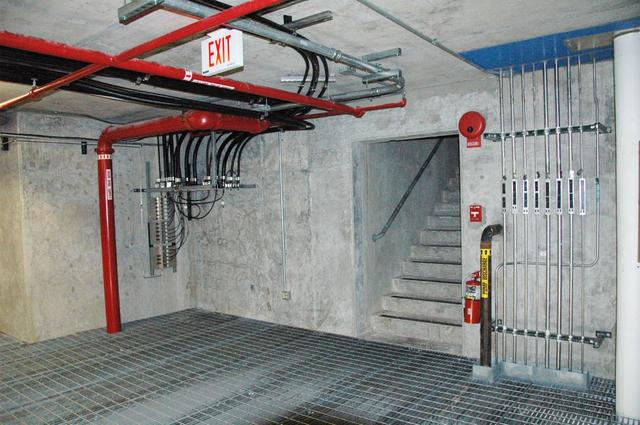
Interior view of the Space Station Processing Facility

Interior view of the Space Station Processing Facility

Interior view of the Space Station Processing Facility
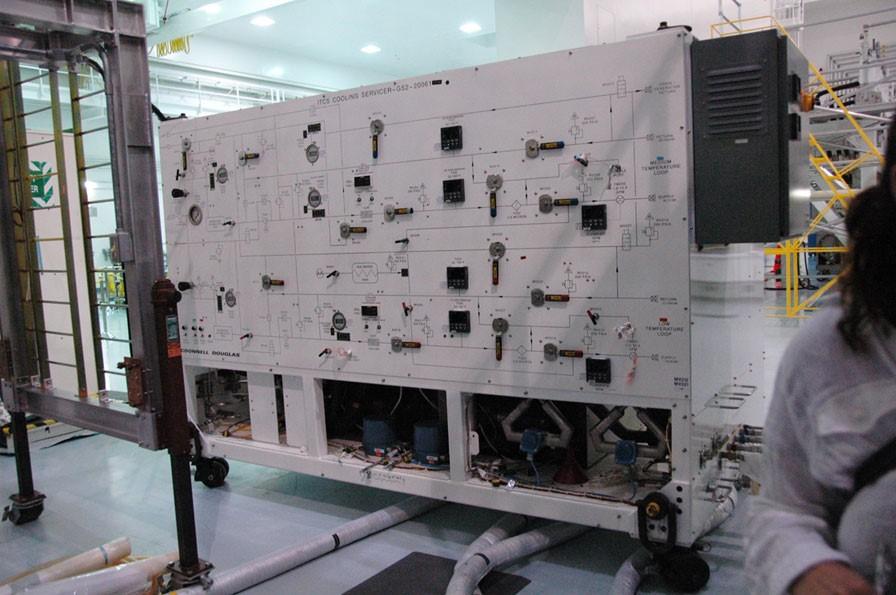
Interior view of the Space Station Processing Facility
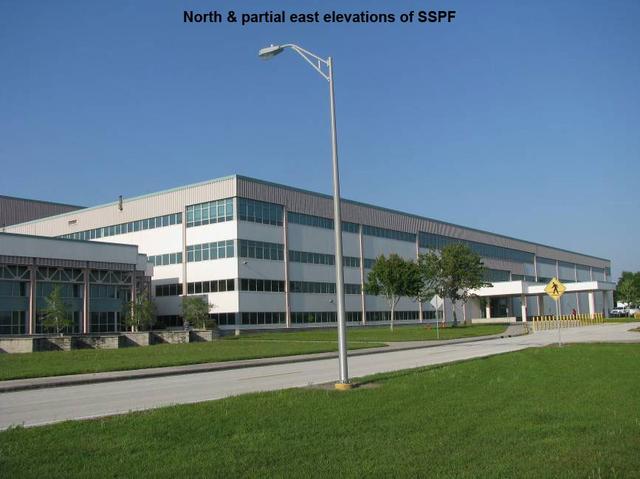
Exterior view of the Space Station Processing Facility
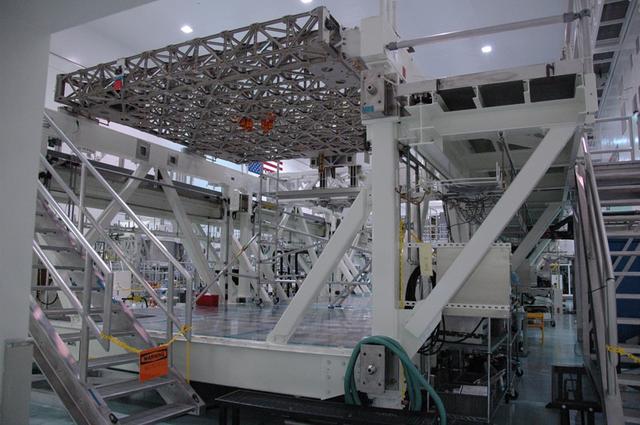
Interior view of the Space Station Processing Facility
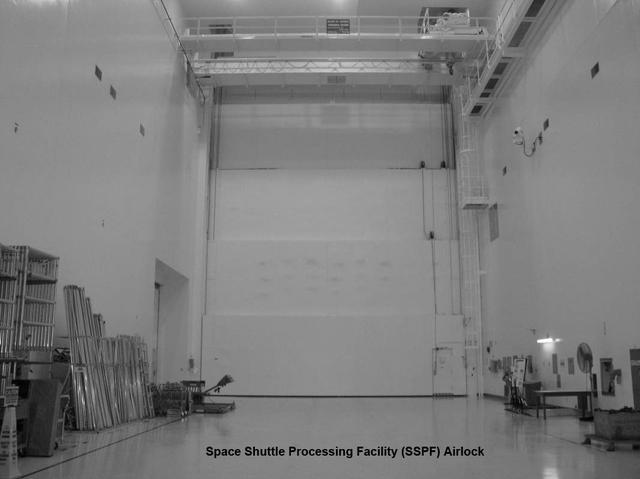
Interior view of the Space Station Processing Facility
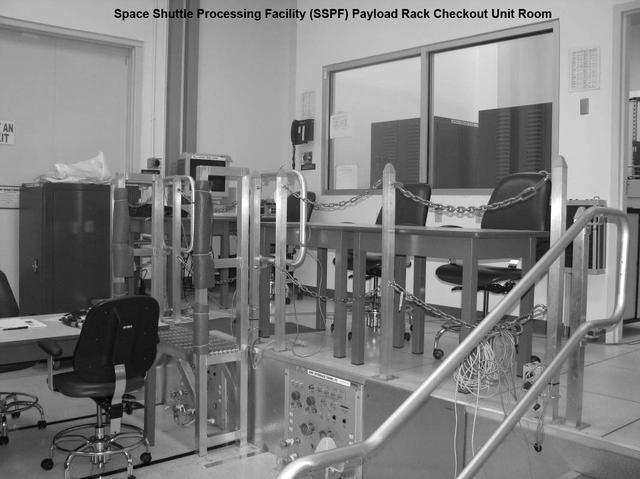
Interior view of the Space Station Processing Facility
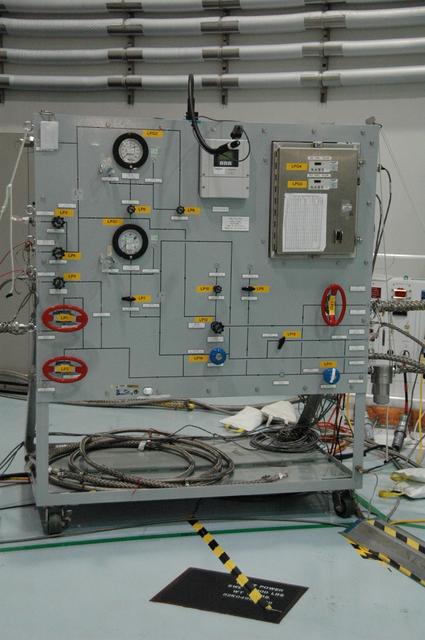
Interior view of the Space Station Processing Facility
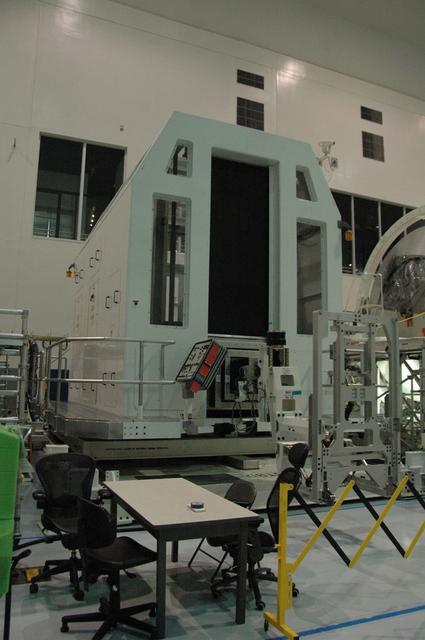
Interior view of the Space Station Processing Facility

Interior view of the Space Station Processing Facility
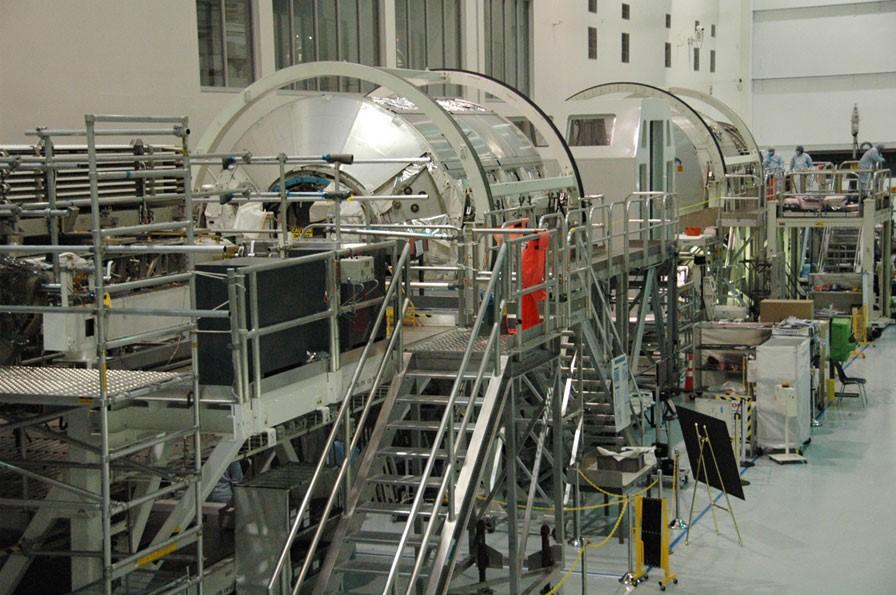
Interior view of the Space Station Processing Facility
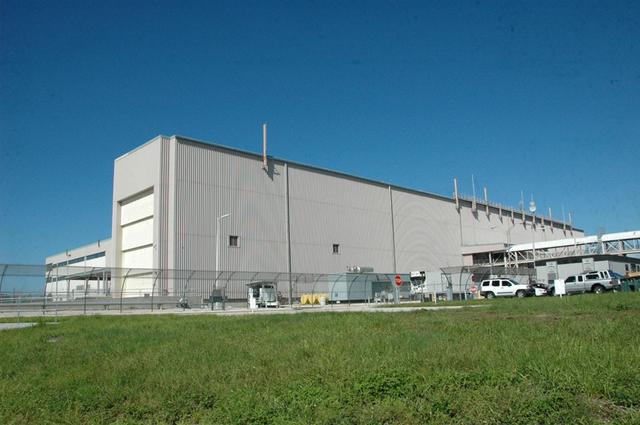
Exterior view of the Space Station Processing Facility

Interior view of the Space Station Processing Facility
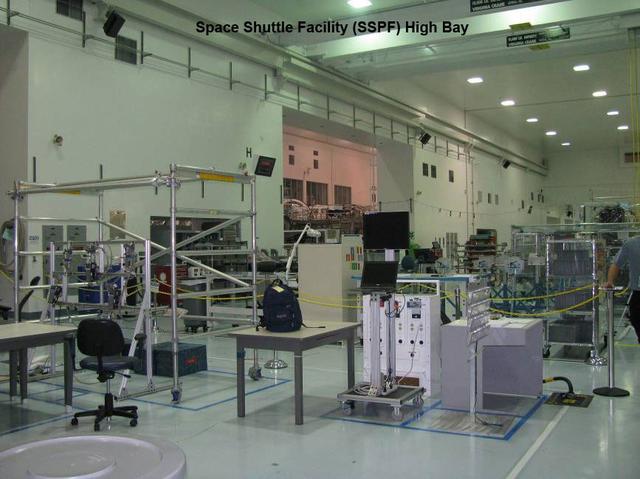
Interior view of the Space Station Processing Facility
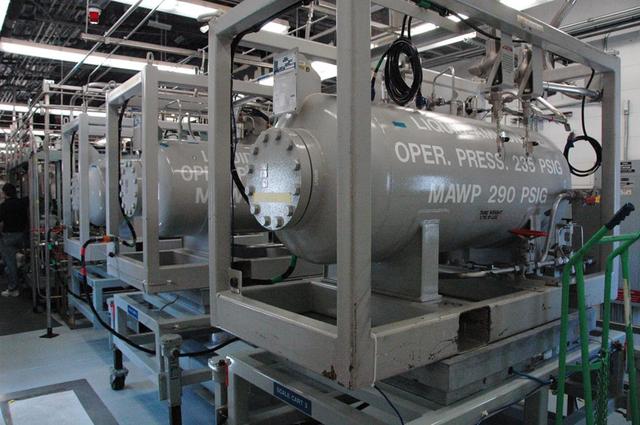
Interior view of the Space Station Processing Facility
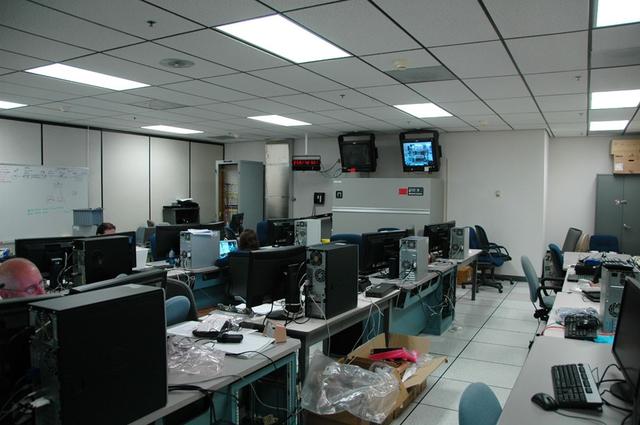
Interior view of the Space Station Processing Facility

Interior view of the Space Station Processing Facility

Interior view of the Space Station Processing Facility
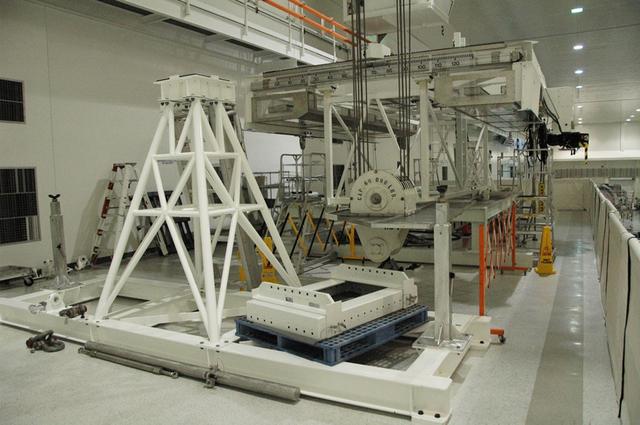
Interior view of the Space Station Processing Facility

Exterior view of the Space Station Processing Facility

Interior view of the Space Station Processing Facility