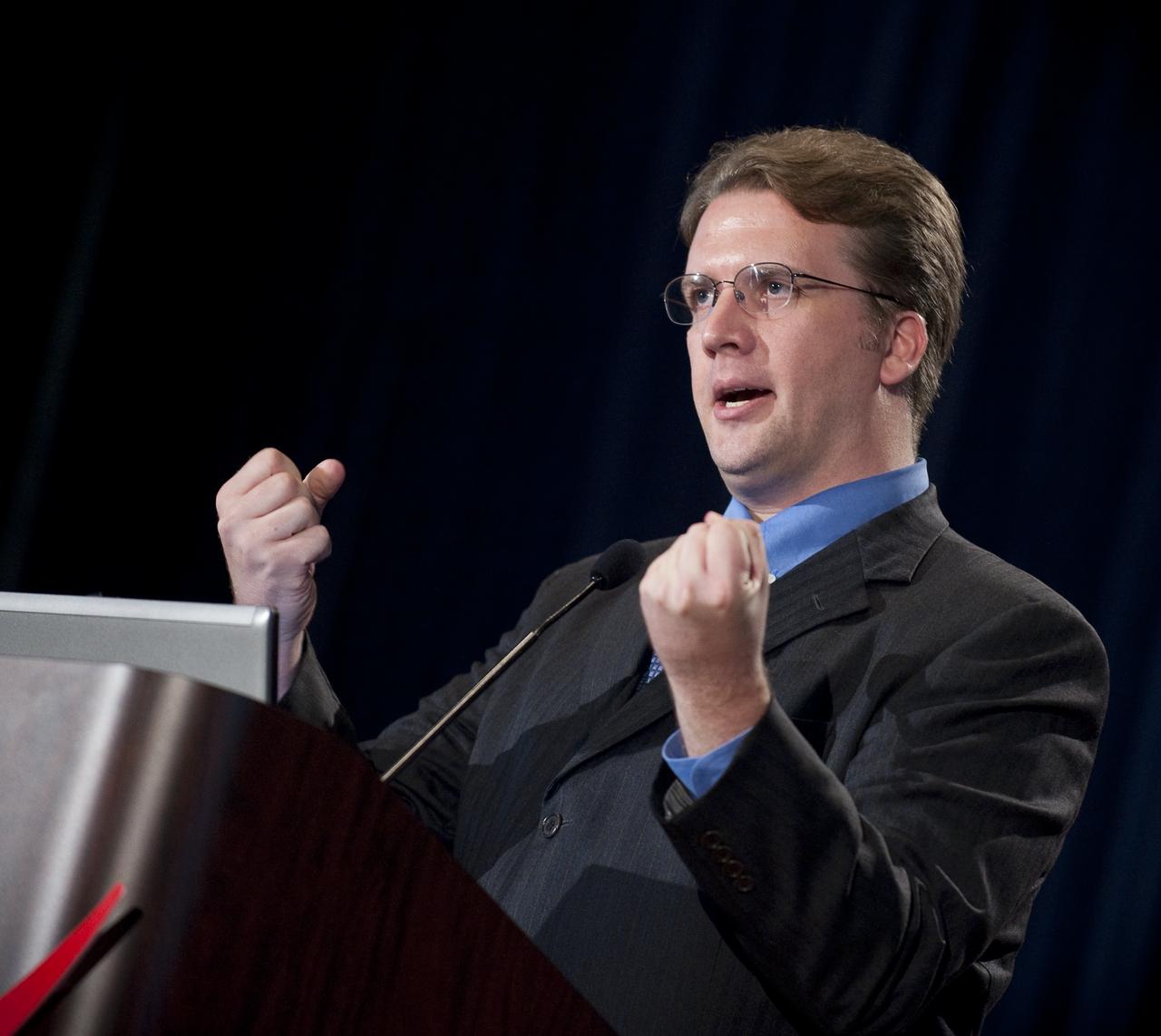
NASA Small Satellite Subsystem Technology and Edison Small Satellite Demonstrations Program Executive Brant Sponberg speaks during the NASA New Space Technology Industry Forum being held at the University of Maryland in College Park on Tuesday, July 13, 2010. During the two-day event, speakers are focusing on the president's fiscal year 2011 budget request for NASA's new Space Technology Program. Representatives from industry, academia and the federal government are in attendance to discuss strategy, development and implementation of NASA's proposed new technology-enabled exploration. Photo Credit: (NASA/Bill Ingalls)
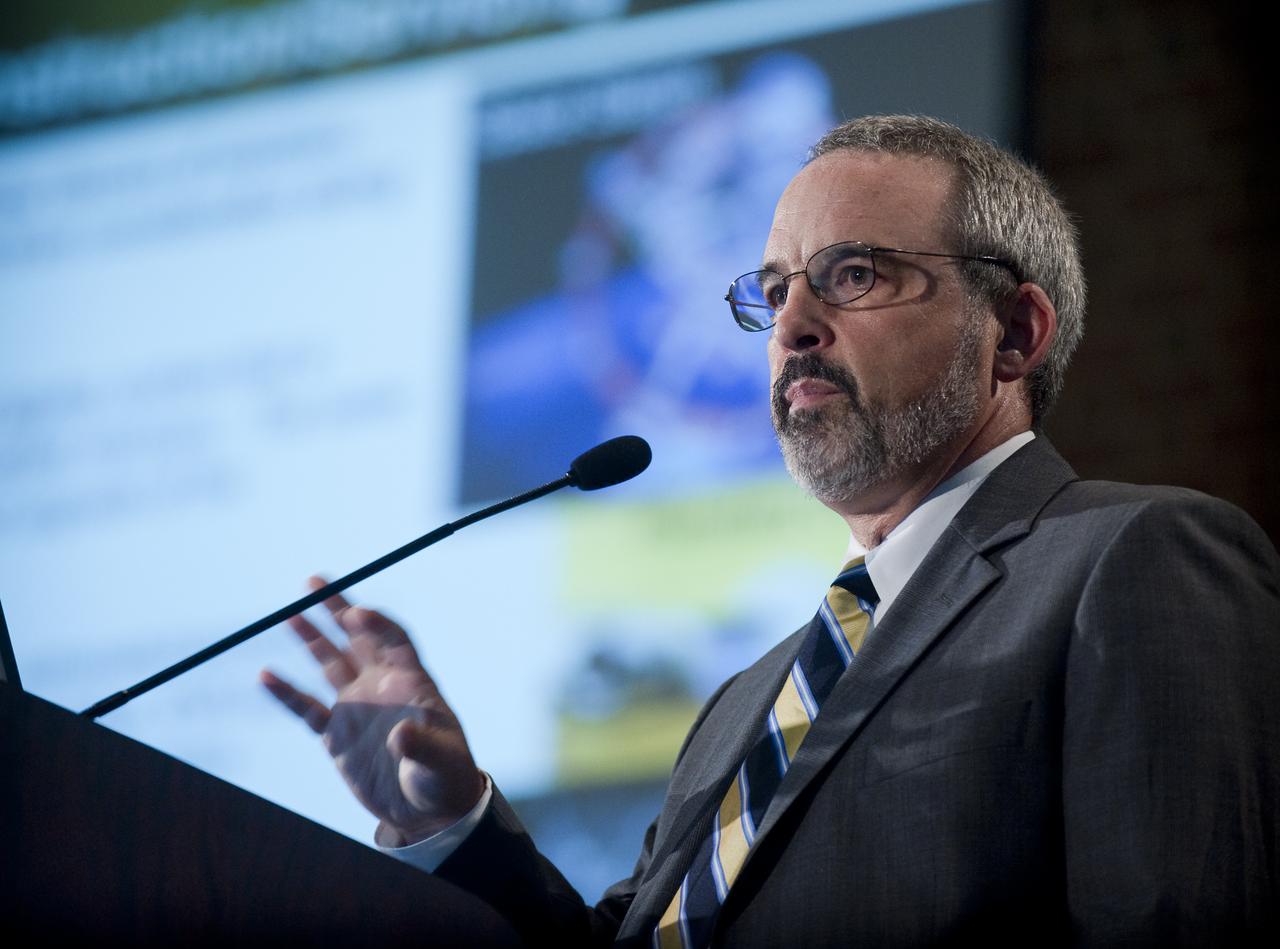
NASA Program Manager for Game Changing Technology Program Jean Francois Barthelemy speaks during the NASA New Space Technology Industry Forum being held at the University of Maryland in College Park on Tuesday, July 13, 2010. During the two-day event, speakers are focusing on the president's fiscal year 2011 budget request for NASA's new Space Technology Program. Representatives from industry, academia and the federal government are in attendance to discuss strategy, development and implementation of NASA's proposed new technology-enabled exploration. Photo Credit: (NASA/Bill Ingalls)
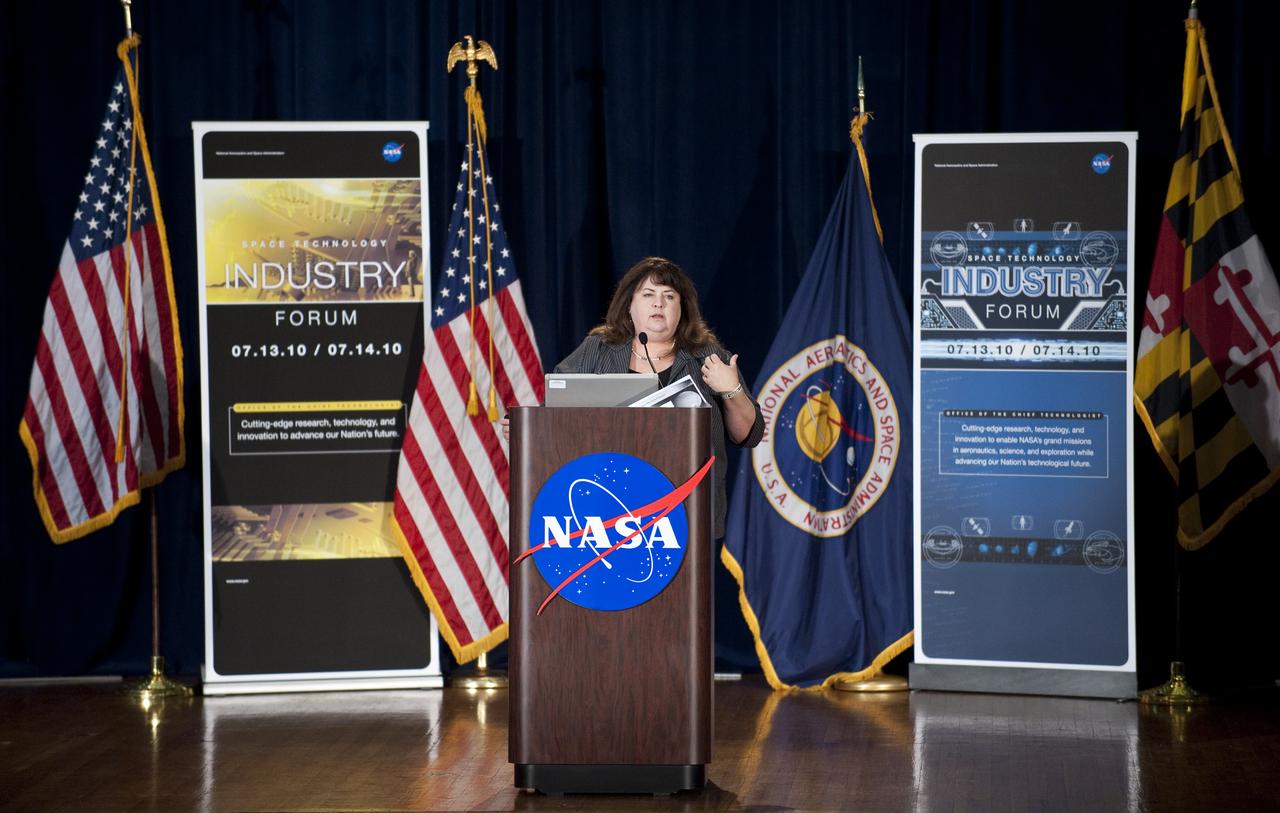
NASA's Program Executive for Technology Demonstration Missions Bonnie James speaks during the NASA New Space Technology Industry Forum being held at the University of Maryland in College Park on Tuesday, July 13, 2010. During the two-day event, speakers are focusing on the president's fiscal year 2011 budget request for NASA's new Space Technology Program. Representatives from industry, academia and the federal government are in attendance to discuss strategy, development and implementation of NASA's proposed new technology-enabled exploration. Photo Credit: (NASA/Bill Ingalls)
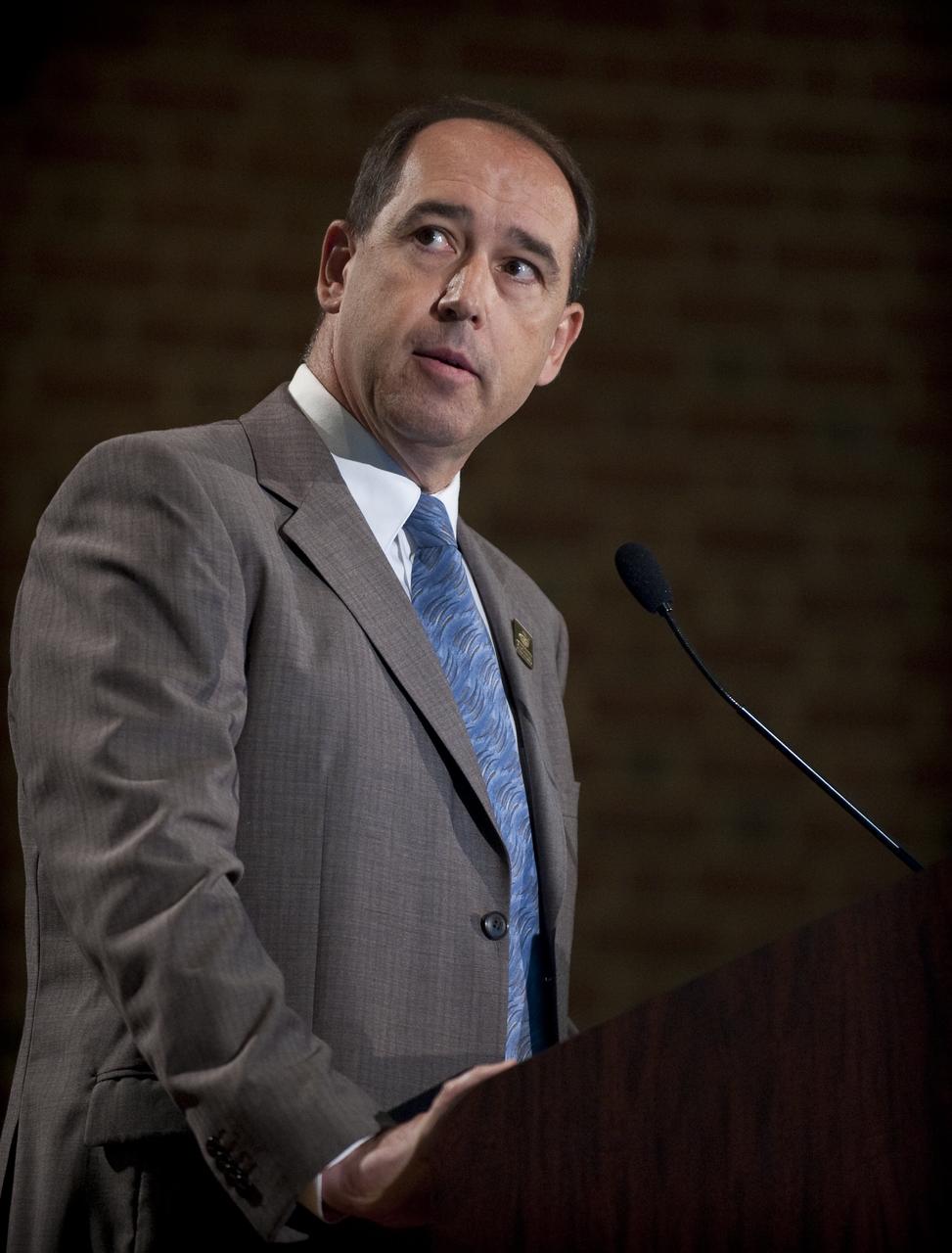
NASA's Manager of Centennial Challenges Andy Petro speaks during the NASA New Space Technology Industry Forum being held at the University of Maryland in College Park on Tuesday, July 13, 2010. During the two-day event, speakers are focusing on the president's fiscal year 2011 budget request for NASA's new Space Technology Program. Representatives from industry, academia and the federal government are in attendance to discuss strategy, development and implementation of NASA's proposed new technology-enabled exploration. Photo Credit: (NASA/Bill Ingalls)
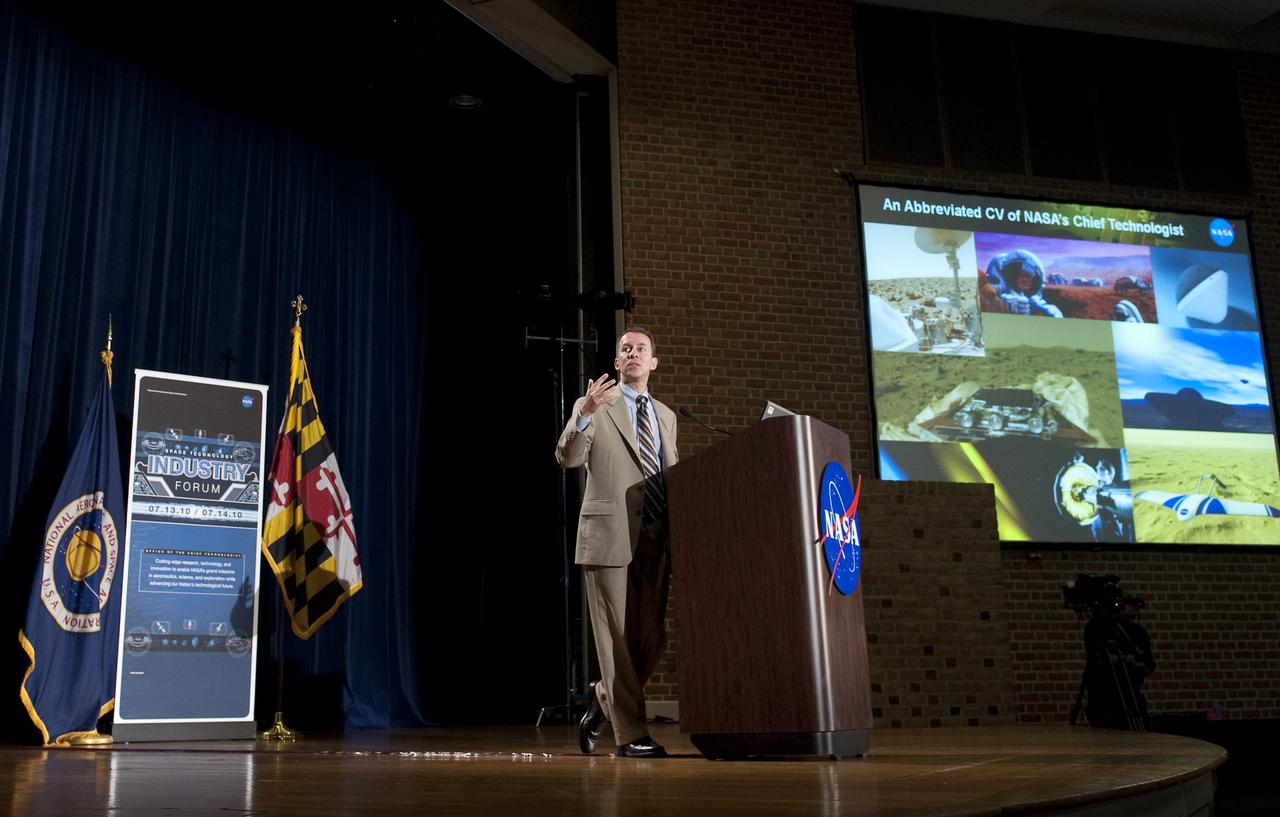
NASA Chief Technologist Bobby Braun speaks during the NASA New Space Technology Industry Forum being held at the University of Maryland in College Park on Tuesday, July 13, 2010. During the two-day event, speakers are focusing on the president's fiscal year 2011 budget request for NASA's new Space Technology Program. Representatives from industry, academia and the federal government are in attendance to discuss strategy, development and implementation of NASA's proposed new technology-enabled exploration. Photo Credit: (NASA/Bill Ingalls)
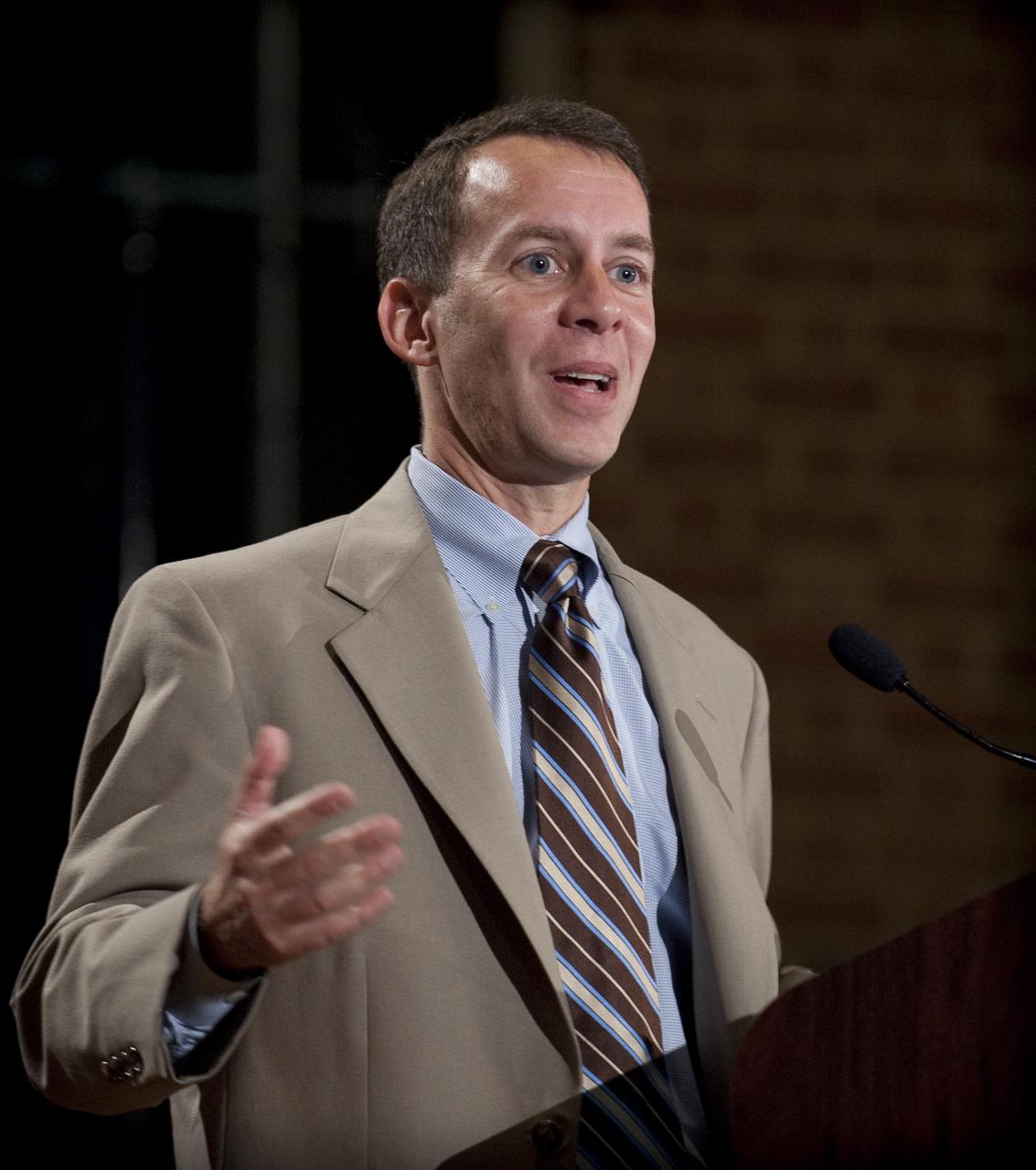
NASA Chief Technologist Bobby Braun speaks during the NASA New Space Technology Industry Forum being held at the University of Maryland in College Park on Tuesday, July 13, 2010. During the two-day event, speakers are focusing on the president's fiscal year 2011 budget request for NASA's new Space Technology Program. Representatives from industry, academia and the federal government are in attendance to discuss strategy, development and implementation of NASA's proposed new technology-enabled exploration. Photo Credit: (NASA/Bill Ingalls)
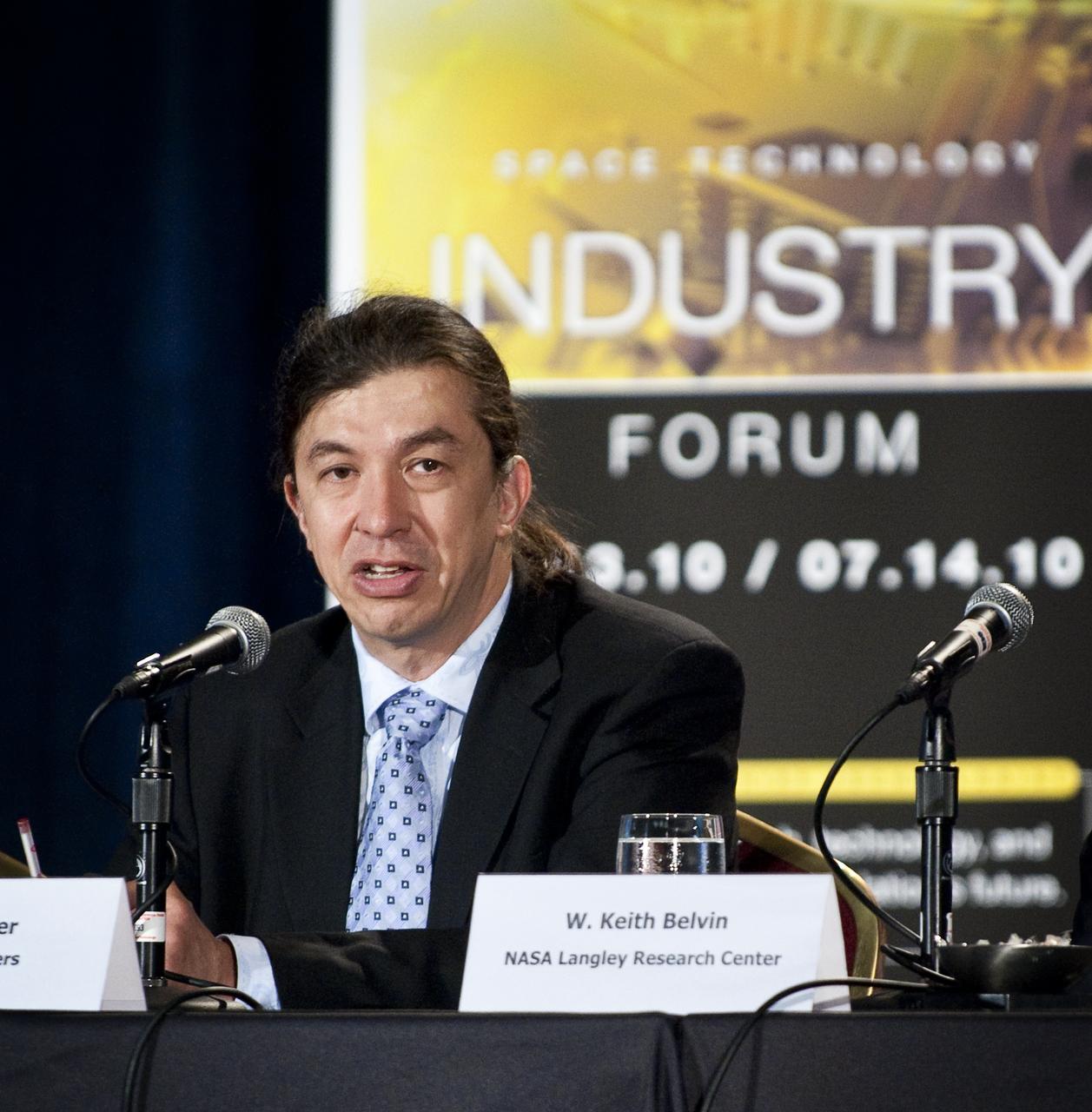
James Reuther, Director of Strategic Integration at NASA Headquarters, speaks during the NASA New Space Technology Industry Forum being held at the University of Maryland in College Park on Wednesday, July 14, 2010. During the two-day event, speakers are focusing on the president's fiscal year 2011 budget request for NASA's new Space Technology Program. Representatives from industry, academia and the federal government are in attendance to discuss strategy, development and implementation of NASA's proposed new technology-enabled exploration. Photo Credit: (NASA/Carla Cioffi)
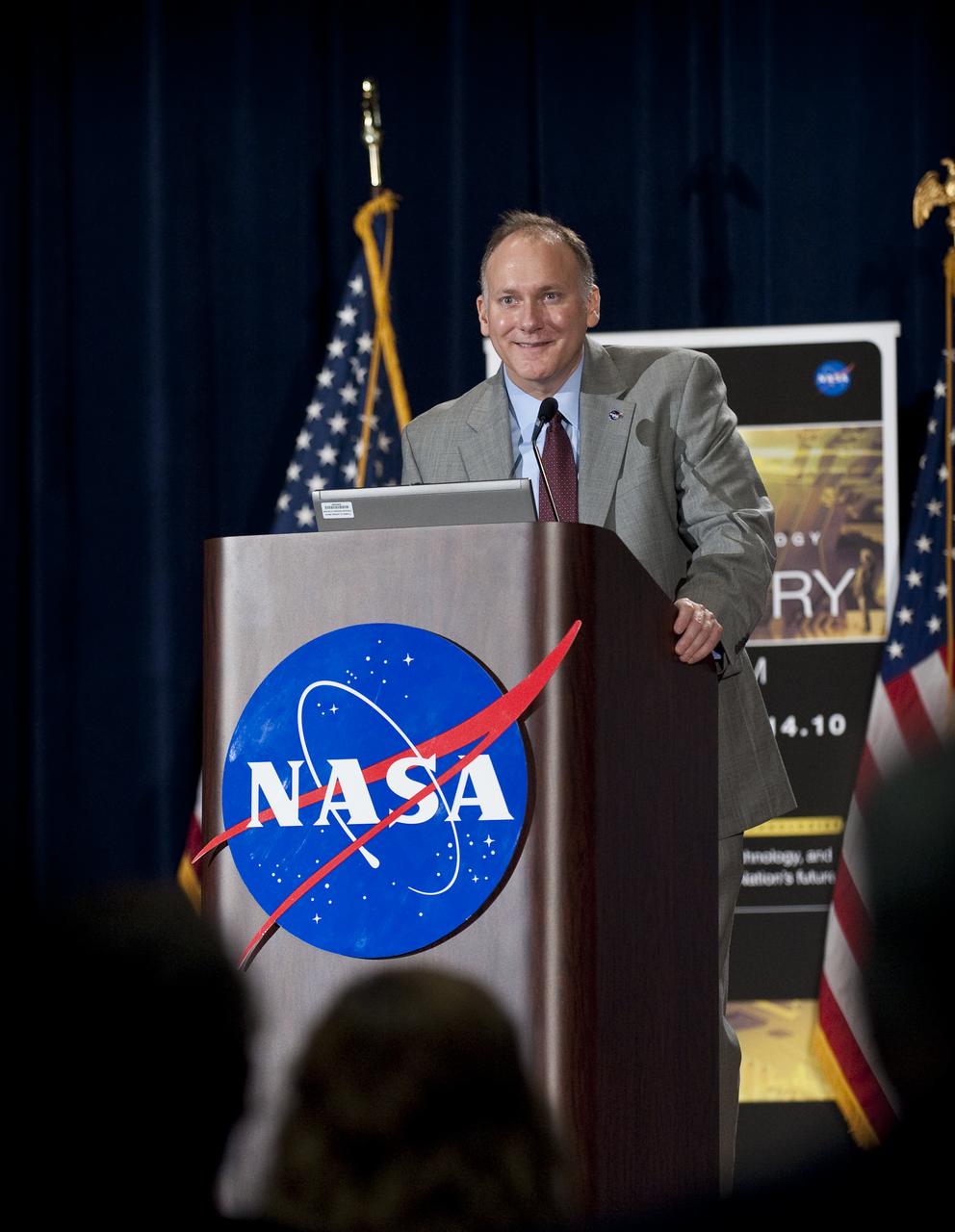
David Steitz, from NASA's Office of Communications, kicks off the NASA New Space Technology Industry Forum being held at the University of Maryland in College Park on Tuesday, July 13, 2010. During the two-day event, speakers are focusing on the president's fiscal year 2011 budget request for NASA's new Space Technology Program. Representatives from industry, academia and the federal government are in attendance to discuss strategy, development and implementation of NASA's proposed new technology-enabled exploration. Photo Credit: (NASA/Bill Ingalls)
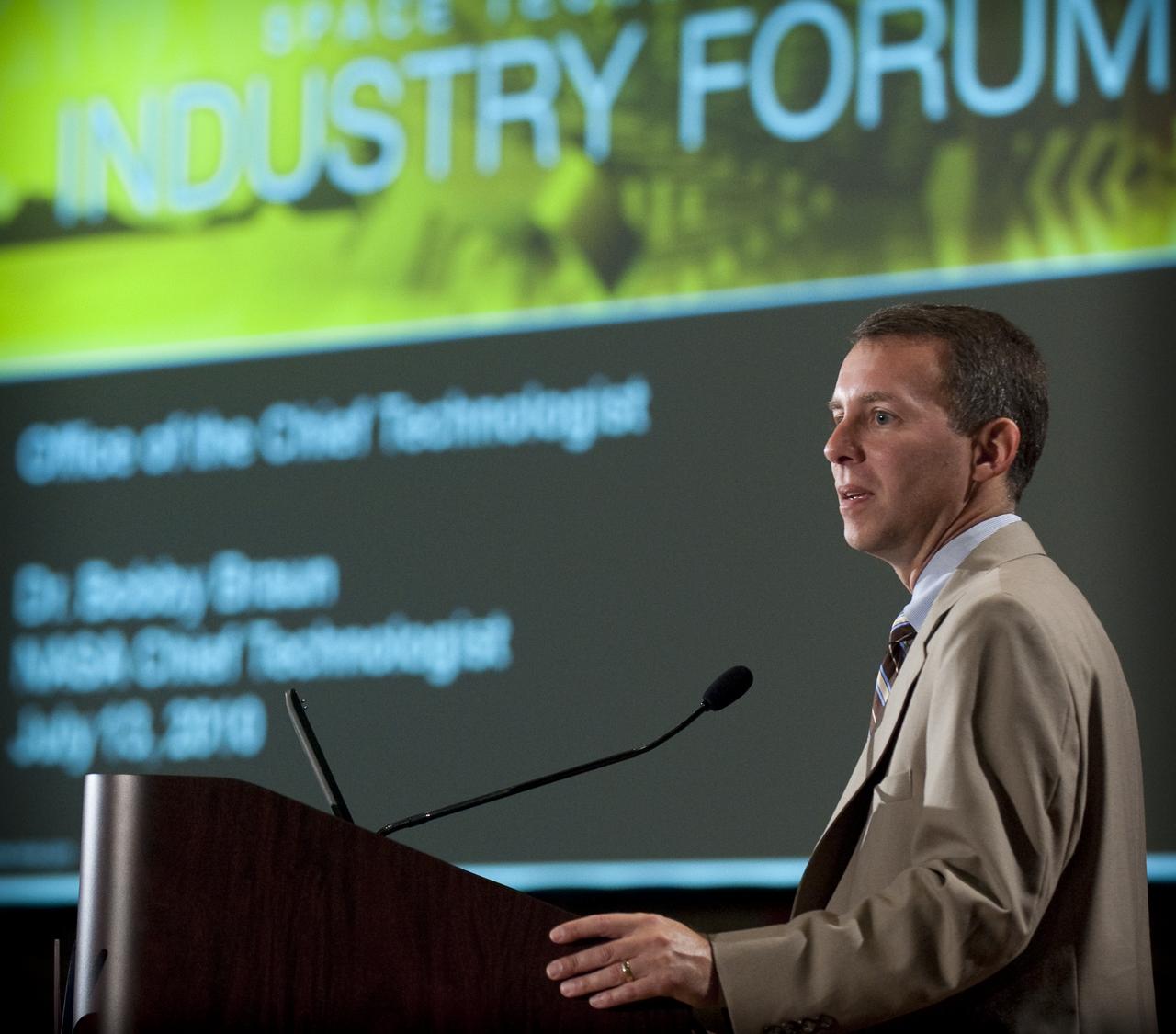
NASA Chief Technologist Bobby Braun speaks during the NASA New Space Technology Industry Forum being held at the University of Maryland in College Park on Tuesday, July 13, 2010. During the two-day event, speakers are focusing on the president's fiscal year 2011 budget request for NASA's new Space Technology Program. Representatives from industry, academia and the federal government are in attendance to discuss strategy, development and implementation of NASA's proposed new technology-enabled exploration. Photo Credit: (NASA/Bill Ingalls)
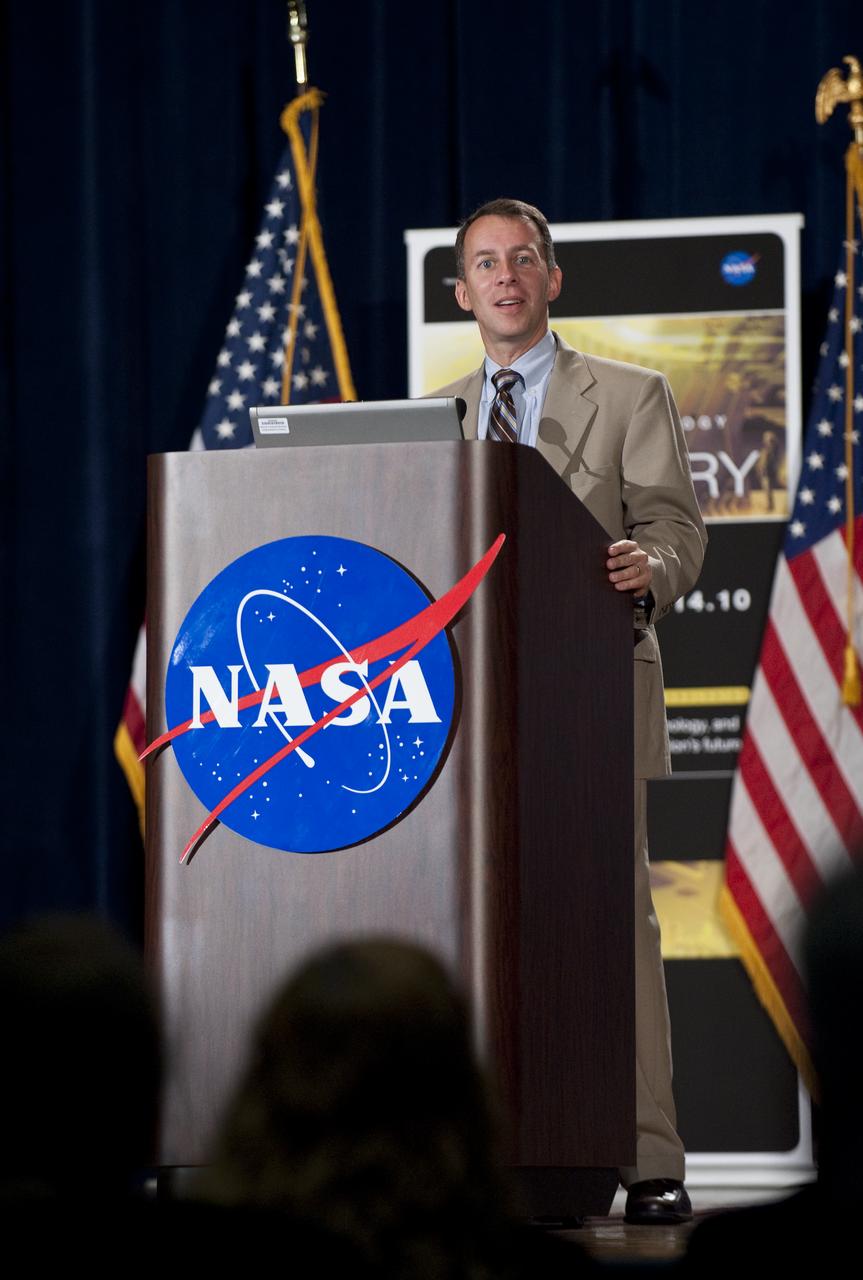
NASA Chief Technologist Bobby Braun speaks during the NASA New Space Technology Industry Forum being held at the University of Maryland in College Park on Tuesday, July 13, 2010. During the two-day event, speakers are focusing on the president's fiscal year 2011 budget request for NASA's new Space Technology Program. Representatives from industry, academia and the federal government are in attendance to discuss strategy, development and implementation of NASA's proposed new technology-enabled exploration. Photo Credit: (NASA/Bill Ingalls)
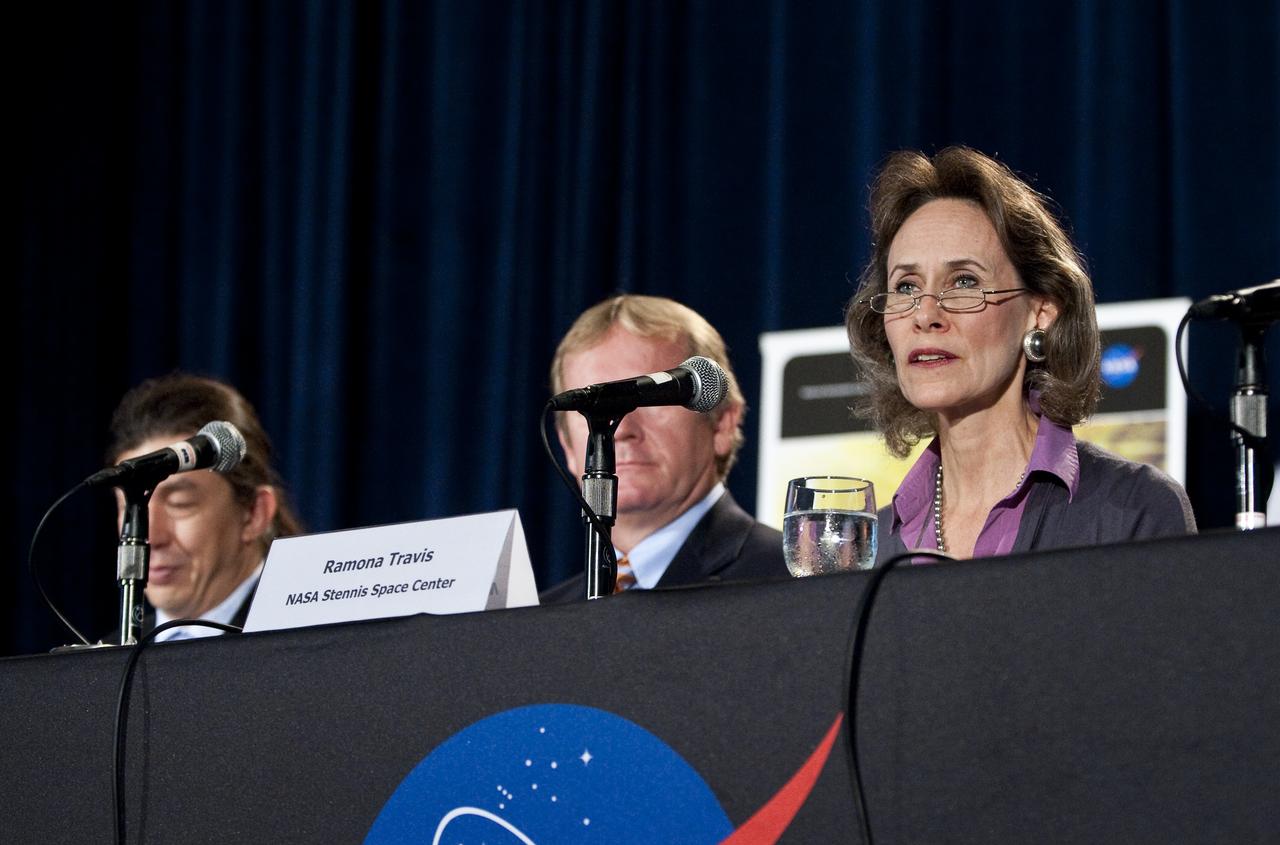
Ramona Travis, NASA Stennis Space Center Chief Technologist, speaks during the NASA New Space Technology Industry Forum being held at the University of Maryland in College Park on Wednesday, July 14, 2010. During the two-day event, speakers are focusing on the president's fiscal year 2011 budget request for NASA's new Space Technology Program. Representatives from industry, academia and the federal government are in attendance to discuss strategy, development and implementation of NASA's proposed new technology-enabled exploration. Photo Credit: (NASA/Carla Cioffi)
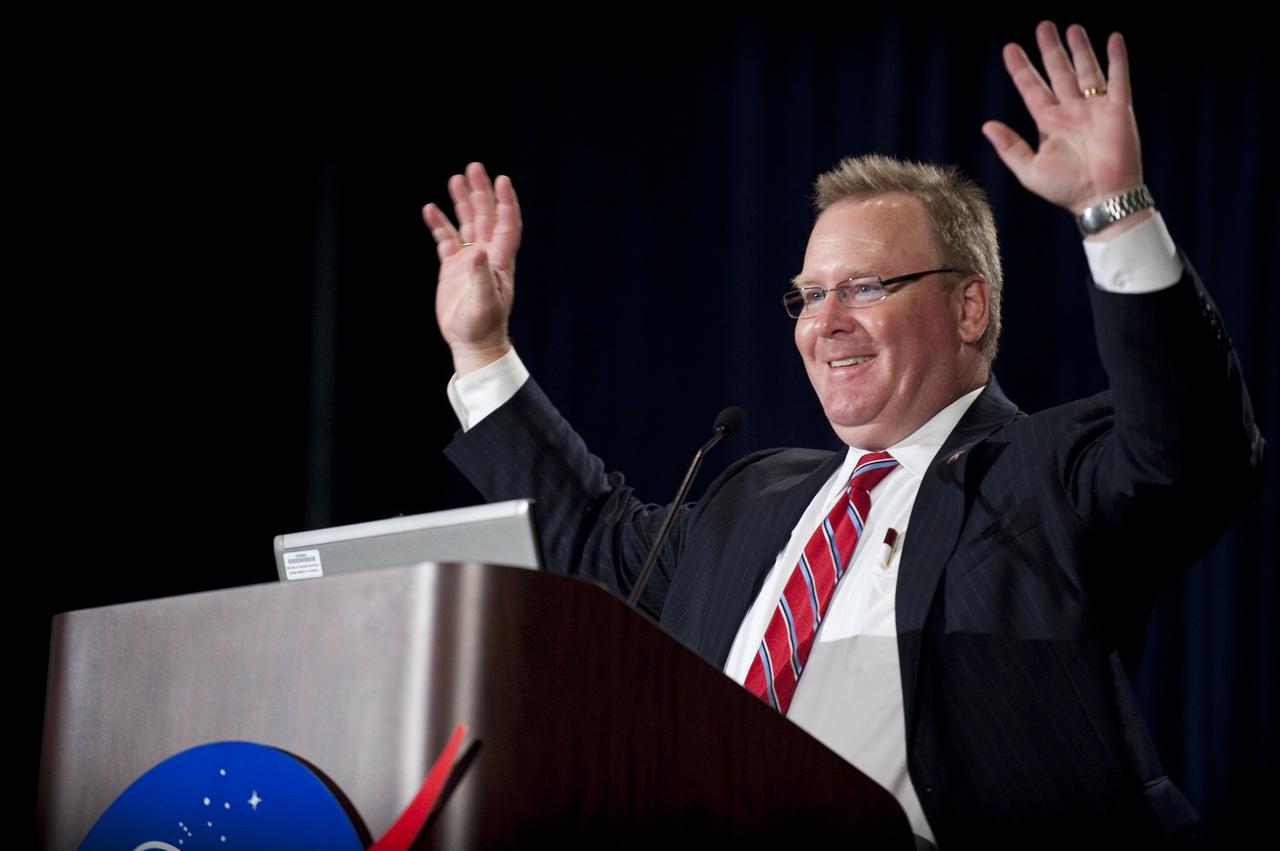
NASA's Partnership, Innovation & Commercial Space Director Doug Comstock speaks during the NASA New Space Technology Industry Forum being held at the University of Maryland in College Park on Tuesday, July 13, 2010. During the two-day event, speakers are focusing on the president's fiscal year 2011 budget request for NASA's new Space Technology Program. Representatives from industry, academia and the federal government are in attendance to discuss strategy, development and implementation of NASA's proposed new technology-enabled exploration. Photo Credit: (NASA/Bill Ingalls)
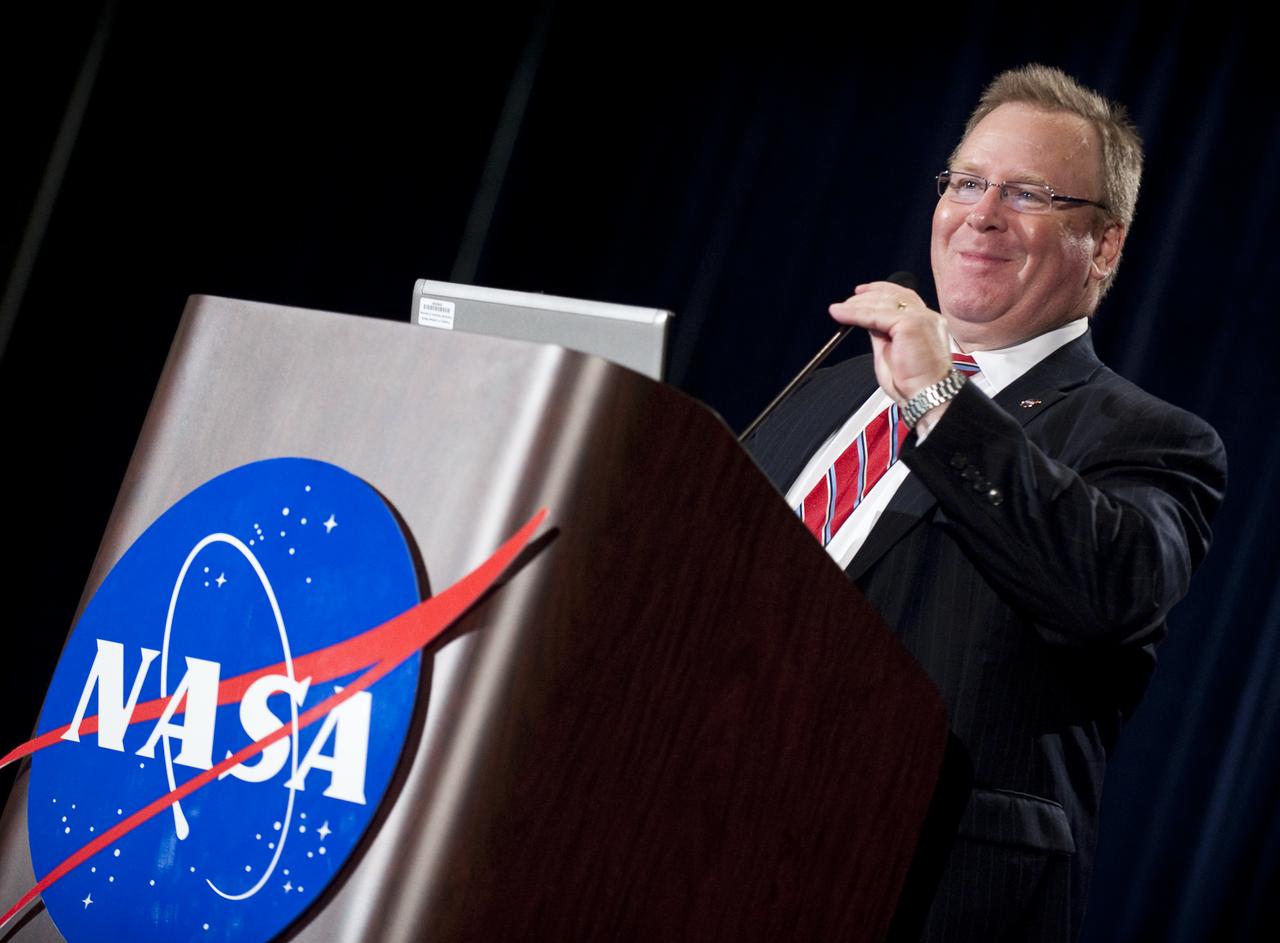
NASA's Partnership, Innovation & Commercial Space Director Doug Comstock speaks during the NASA New Space Technology Industry Forum being held at the University of Maryland in College Park on Tuesday, July 13, 2010. During the two-day event, speakers are focusing on the president's fiscal year 2011 budget request for NASA's new Space Technology Program. Representatives from industry, academia and the federal government are in attendance to discuss strategy, development and implementation of NASA's proposed new technology-enabled exploration. Photo Credit: (NASA/Bill Ingalls)
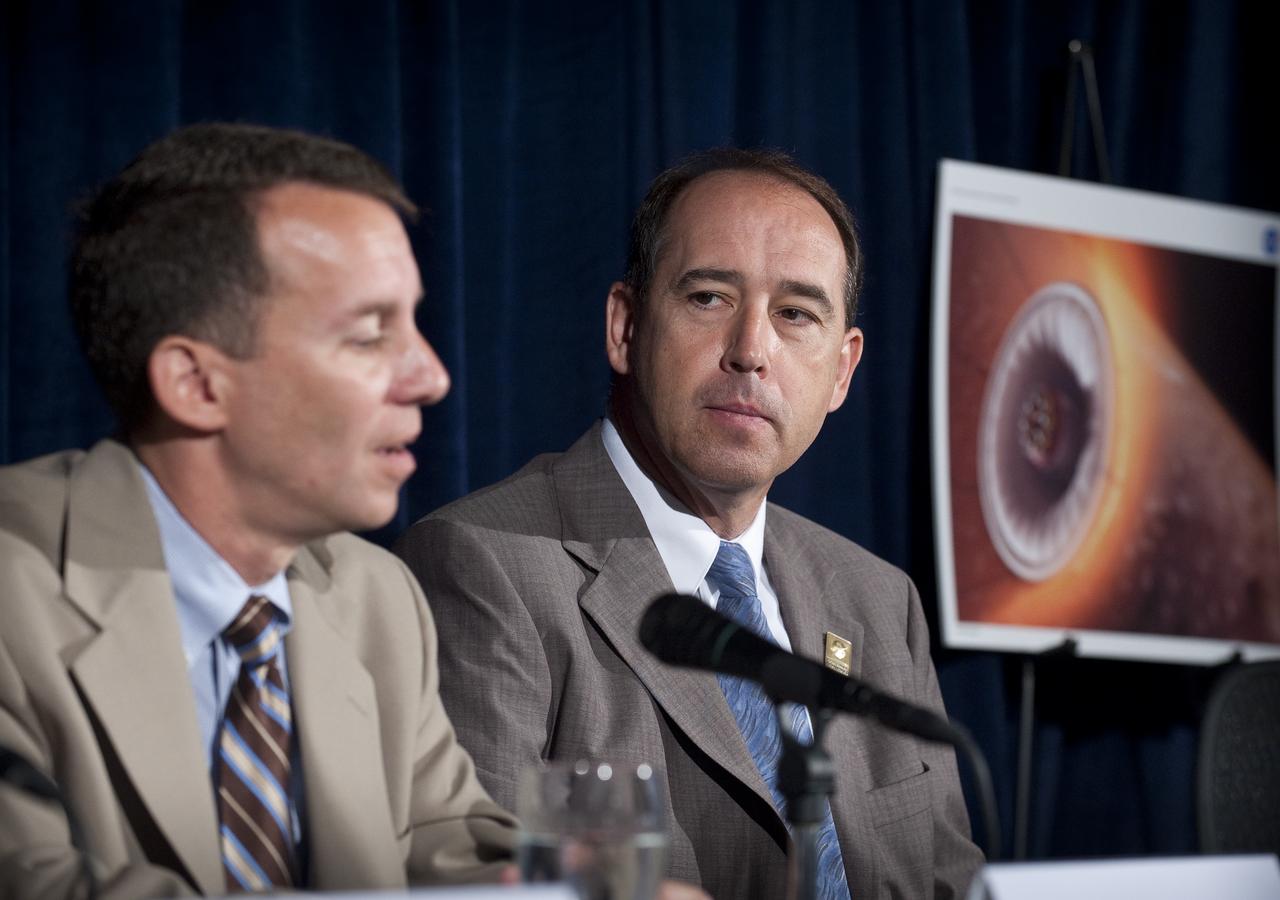
NASA's Manager of Centennial Challenges Andy Petro, right, listens as NASA Chief Technologist Bobby Braun answers a reporter's question during a press conference held at the NASA New Space Technology Industry Forum being held at the University of Maryland in College Park on Tuesday, July 13, 2010. During the two-day event, speakers are focusing on the president's fiscal year 2011 budget request for NASA's new Space Technology Program. Representatives from industry, academia and the federal government are in attendance to discuss strategy, development and implementation of NASA's proposed new technology-enabled exploration. Photo Credit: (NASA/Bill Ingalls)
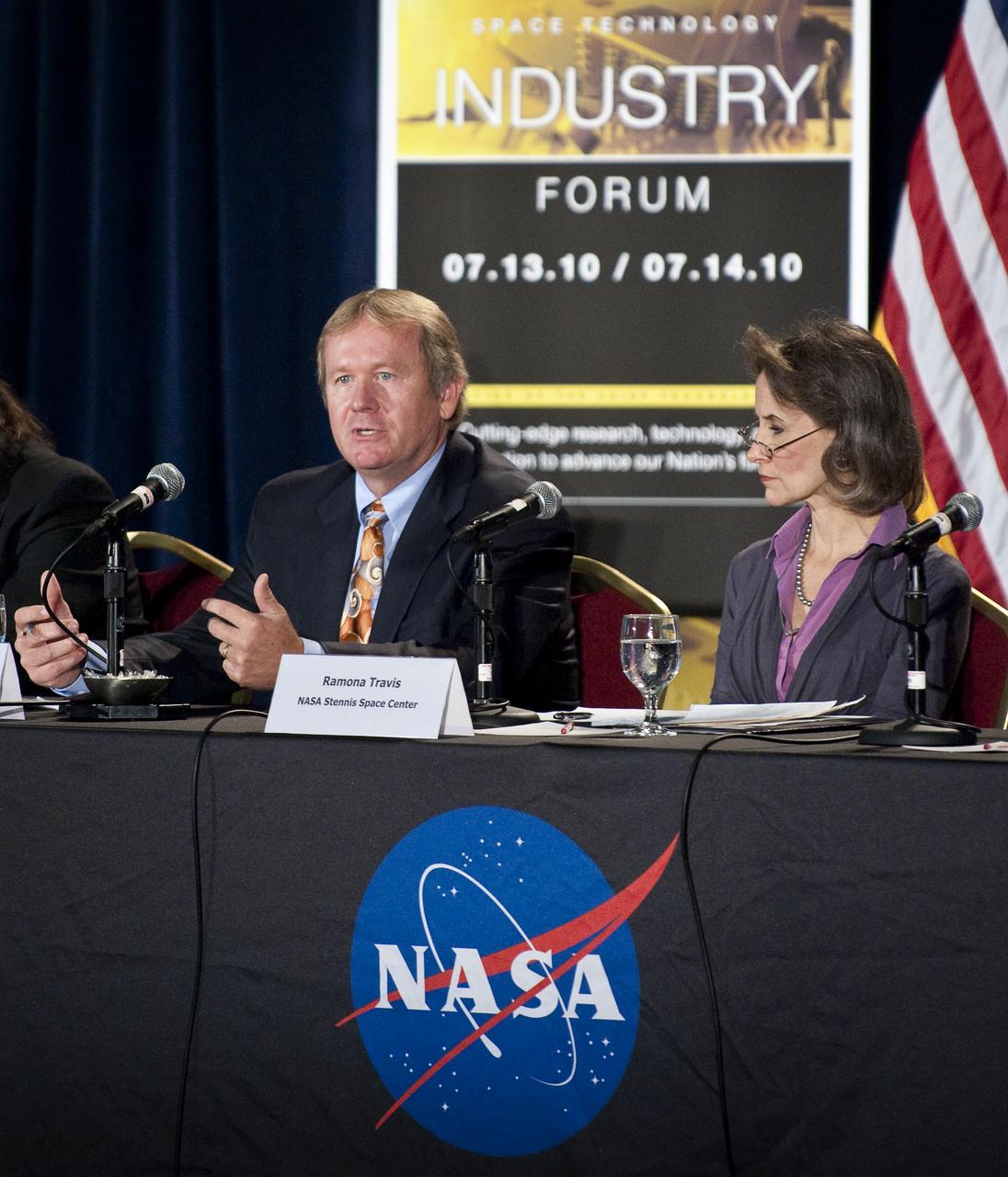
Keith Belvin, NASA Systems Engineer at NASA Langley Research Center, speaks during the NASA New Space Technology Industry Forum being held at the University of Maryland in College Park on Wednesday, July 14, 2010. During the two-day event, speakers are focusing on the president's fiscal year 2011 budget request for NASA's new Space Technology Program. Representatives from industry, academia and the federal government are in attendance to discuss strategy, development and implementation of NASA's proposed new technology-enabled exploration. Photo Credit: (NASA/Carla Cioffi)
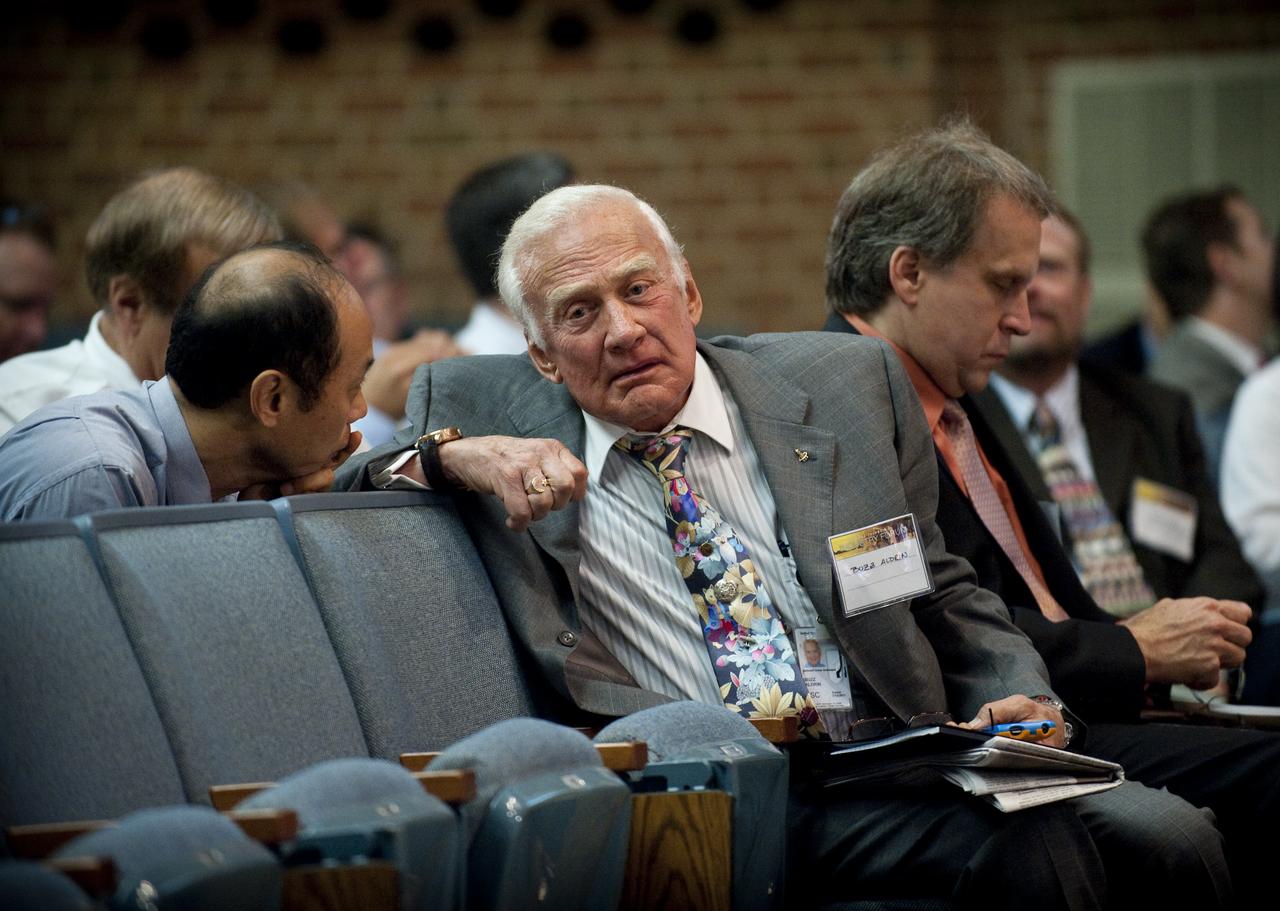
Retired NASA Astronaut and Air Force Col. Buzz Aldrin talks with other attendees of NASA's New Space Technology Industry Forum being held at the University of Maryland in College Park on Tuesday, July 13, 2010. During the two-day event, speakers are focusing on the president's fiscal year 2011 budget request for NASA's new Space Technology Program. Representatives from industry, academia and the federal government are in attendance to discuss strategy, development and implementation of NASA's proposed new technology-enabled exploration. Photo Credit: (NASA/Bill Ingalls)
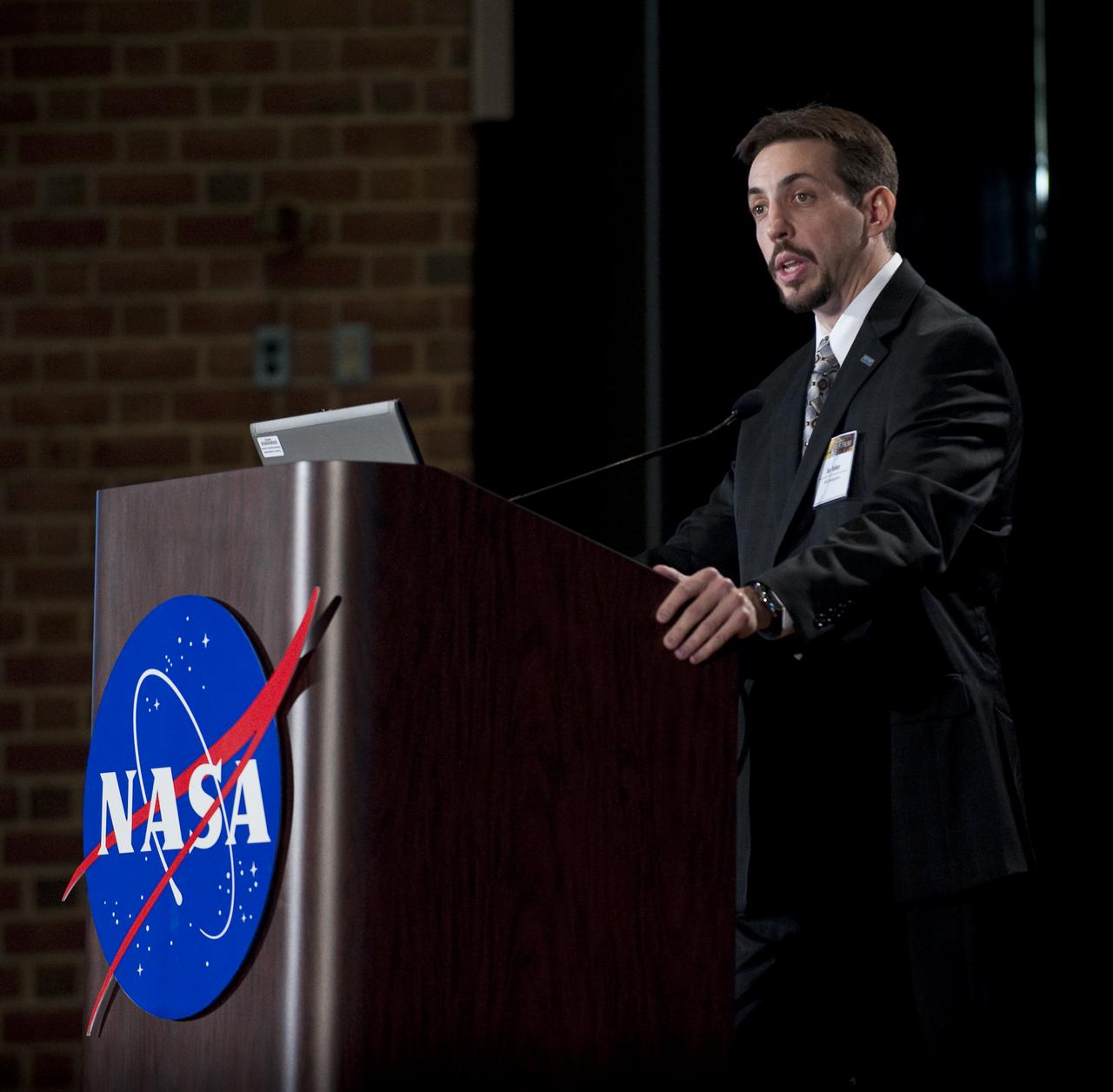
Program Executive for the NASA Innovative Advanced Concepts (NIAC) Program Jay Falker speaks during the NASA New Space Technology Industry Forum being held at the University of Maryland in College Park on Tuesday, July 13, 2010. During the two-day event, speakers are focusing on the president's fiscal year 2011 budget request for NASA's new Space Technology Program. Representatives from industry, academia and the federal government are in attendance to discuss strategy, development and implementation of NASA's proposed new technology-enabled exploration. Photo Credit: (NASA/Bill Ingalls)
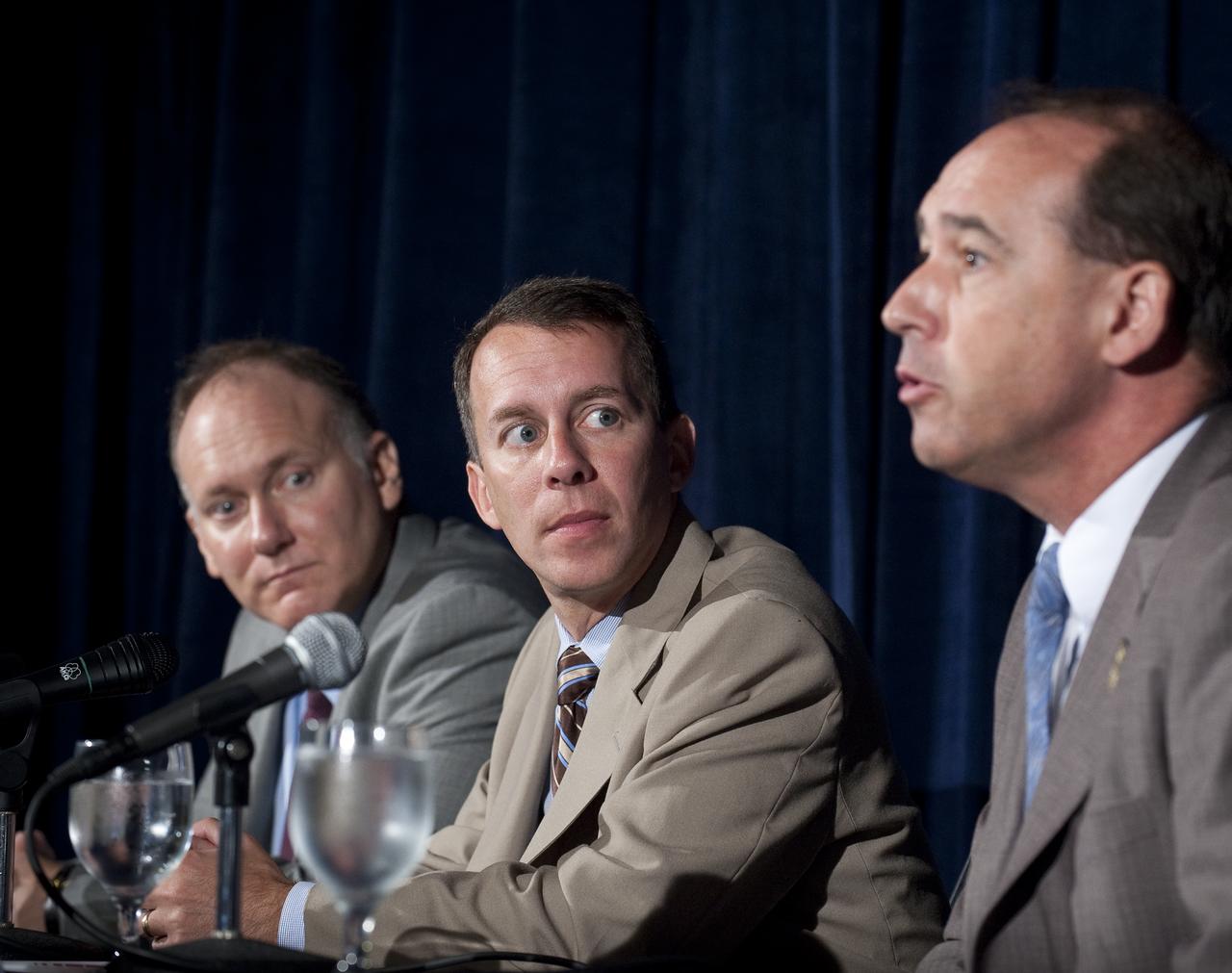
NASA Chief Technologist Bobby Braun, center, listens as NASA's Manager of Centennial Challenges Andy Petro, right, answers a reporter's question during a press conference held at the NASA New Space Technology Industry Forum being held at the University of Maryland in College Park on Tuesday, July 13, 2010. During the two-day event, speakers are focusing on the president's fiscal year 2011 budget request for NASA's new Space Technology Program. Representatives from industry, academia and the federal government are in attendance to discuss strategy, development and implementation of NASA's proposed new technology-enabled exploration. Photo Credit: (NASA/Bill Ingalls)
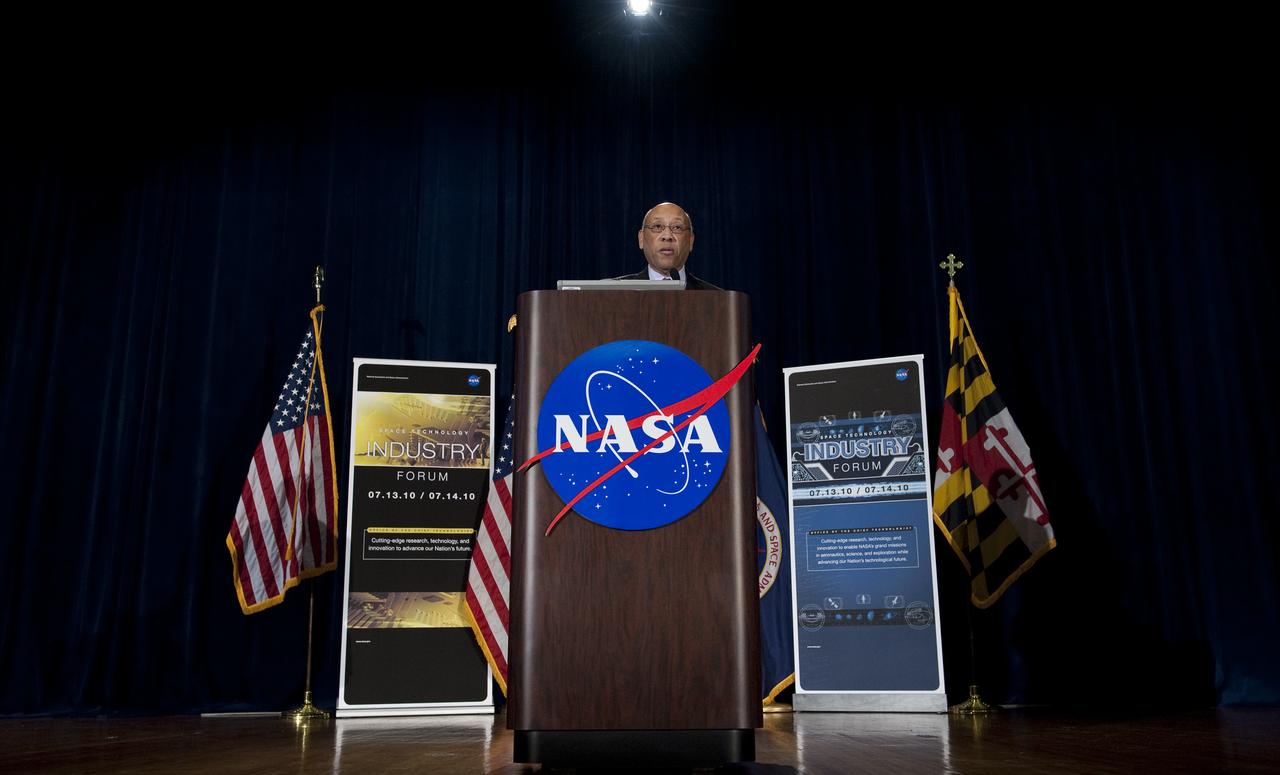
NASA Program Executive for SBIR/STTR Programs Carl Ray speaks during the NASA New Space Technology Industry Forum being held at the University of Maryland in College Park on Tuesday, July 13, 2010. During the two-day event, speakers are focusing on the president's fiscal year 2011 budget request for NASA's new Space Technology Program. Representatives from industry, academia and the federal government are in attendance to discuss strategy, development and implementation of NASA's proposed new technology-enabled exploration. Photo Credit: (NASA/Bill Ingalls)
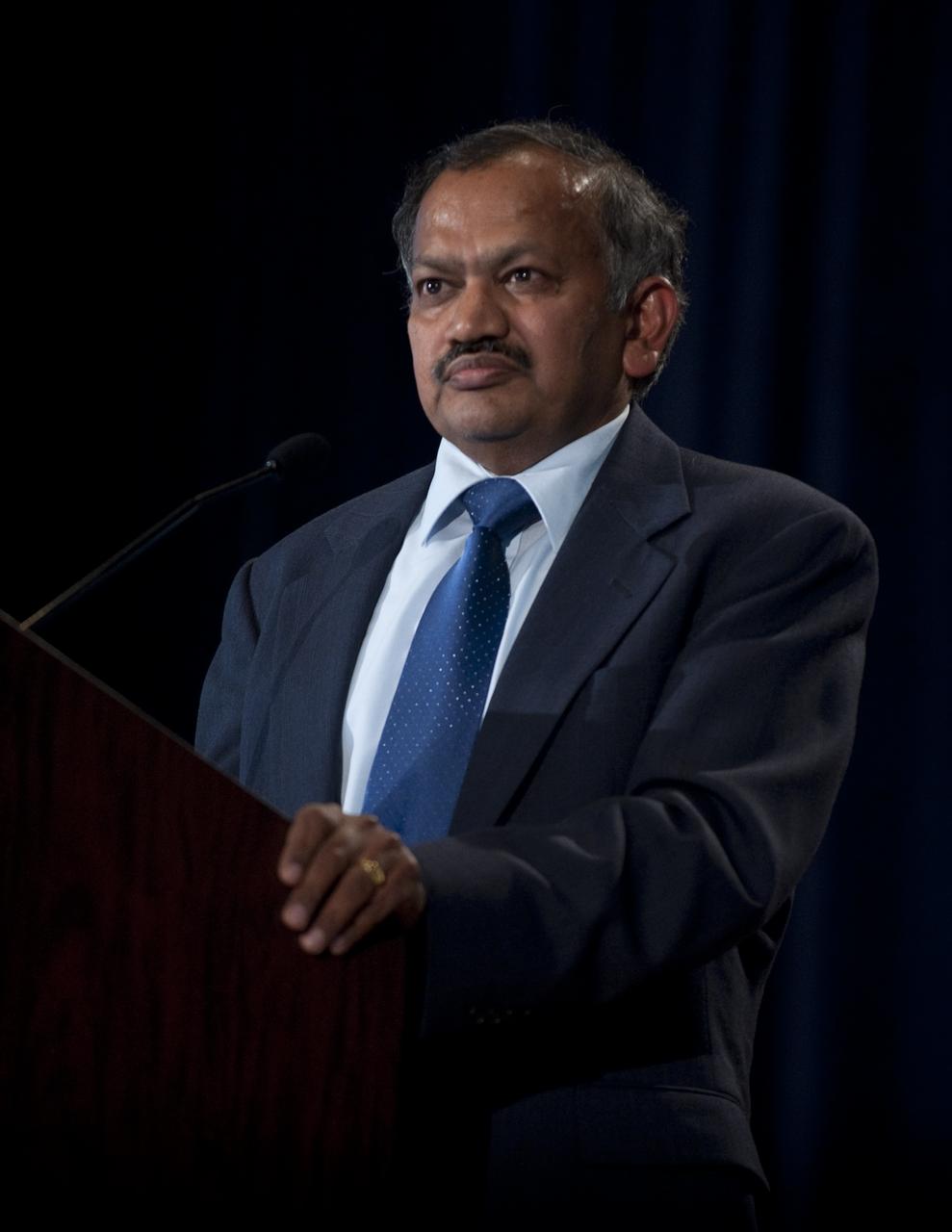
NASA's Program Executive for Flight Opportunities Program L.K. Kubendran speaks during the NASA New Space Technology Industry Forum being held at the University of Maryland in College Park on Tuesday, July 13, 2010. During the two-day event, speakers are focusing on the president's fiscal year 2011 budget request for NASA's new Space Technology Program. Representatives from industry, academia and the federal government are in attendance to discuss strategy, development and implementation of NASA's proposed new technology-enabled exploration. Photo Credit: (NASA/Bill Ingalls)
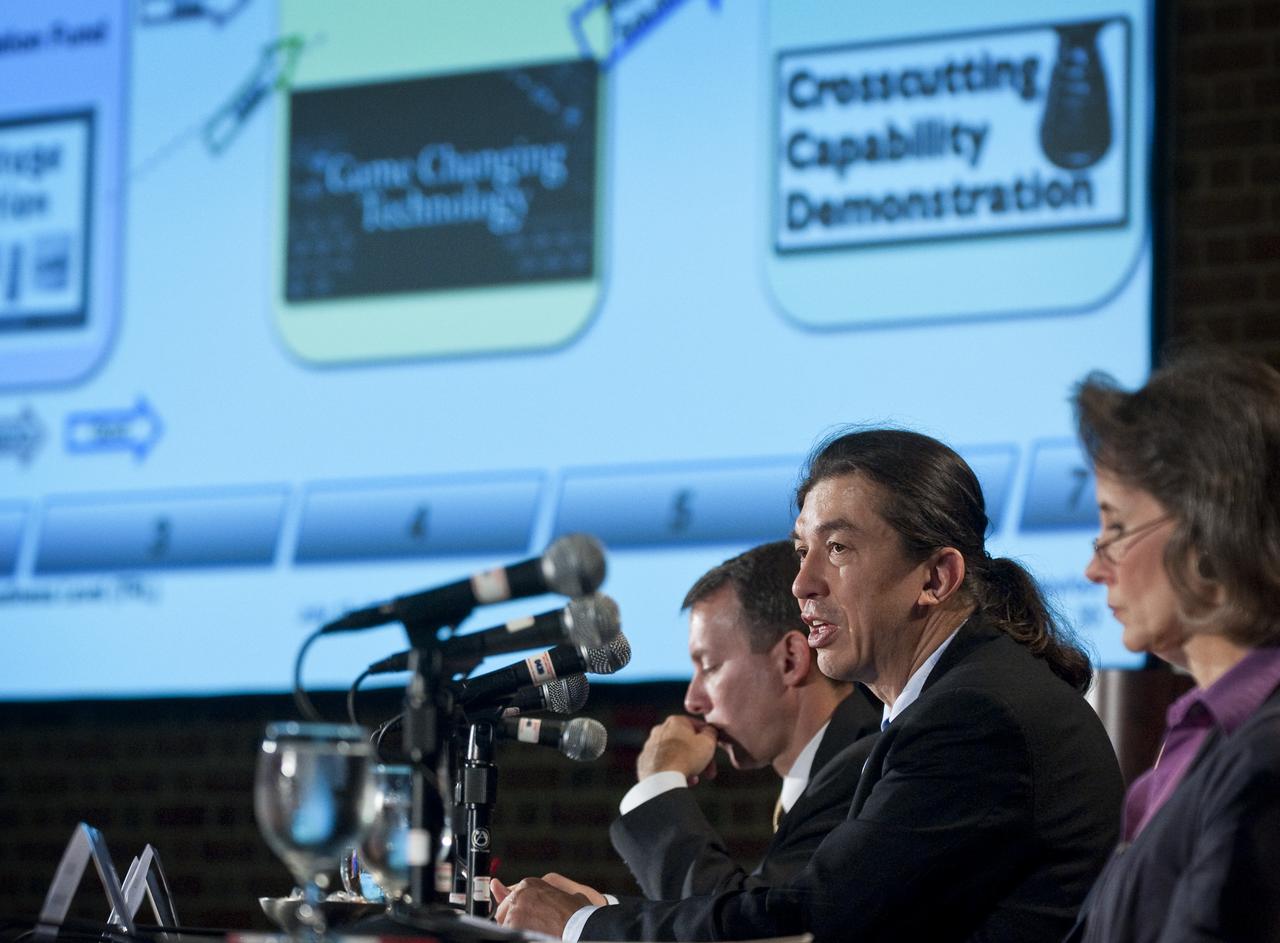
James Reuther, second from right, Director of Strategic Integration at NASA Headquarters, speaks during the NASA New Space Technology Industry Forum being held at the University of Maryland in College Park on Wednesday, July 14, 2010. During the two-day event, speakers are focusing on the president's fiscal year 2011 budget request for NASA's new Space Technology Program. Representatives from industry, academia and the federal government are in attendance to discuss strategy, development and implementation of NASA's proposed new technology-enabled exploration. Photo Credit: (NASA/Carla Cioffi)
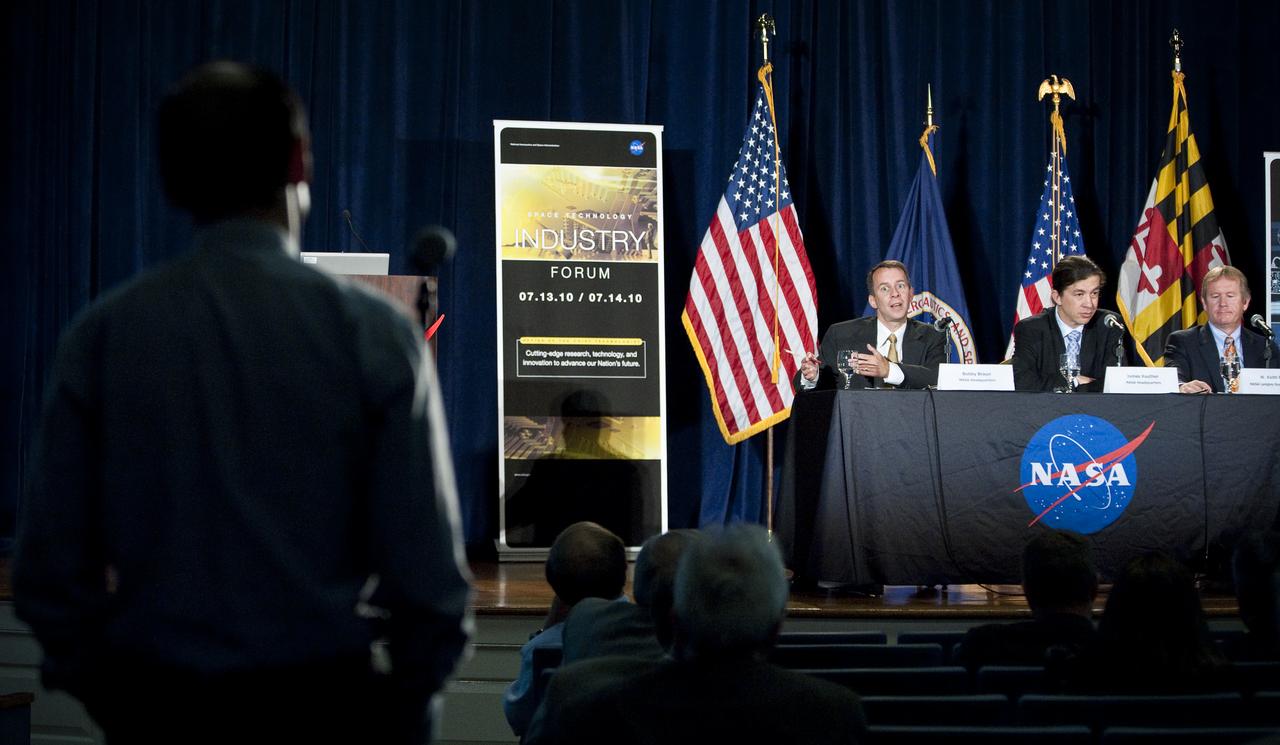
Bobby Braun, third from right, NASA Chief Technologist, answers a question during the NASA New Space Technology Industry Forum being held at the University of Maryland in College Park on Wednesday, July 14, 2010. During the two-day event, speakers are focusing on the president's fiscal year 2011 budget request for NASA's new Space Technology Program. Representatives from industry, academia and the federal government are in attendance to discuss strategy, development and implementation of NASA's proposed new technology-enabled exploration. Photo Credit: (NASA/Carla Cioffi)
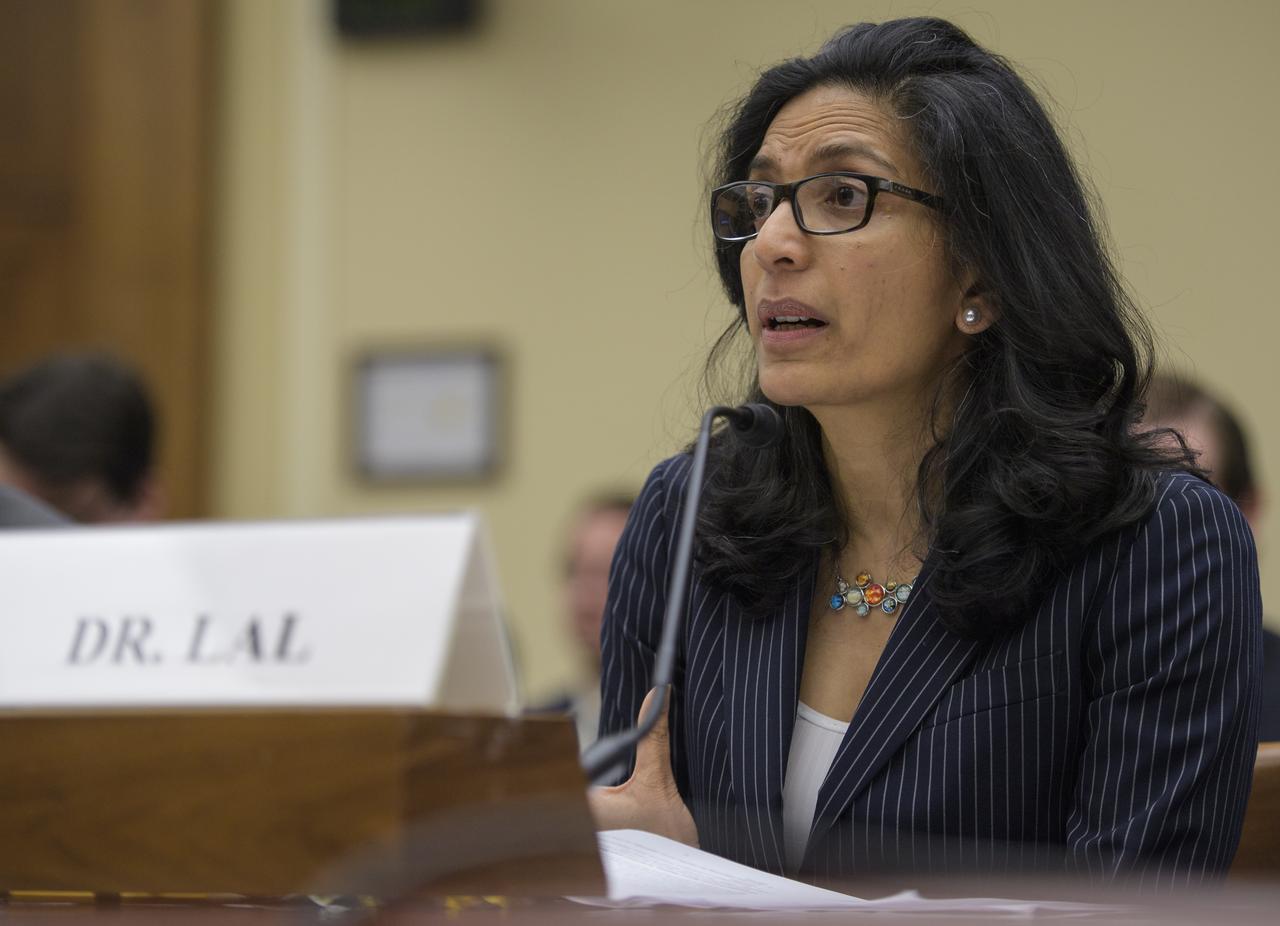
Dr. Bhavya Lal, a researcher at the Institute for Defense Analysis's Science and Technology Policy Institute, testifies during a House Committee on Science, Space, and Technology hearing titled "America's Human Presence in Low-Earth Orbit" on Thursday, May 17, 2018 in the Rayburn House Office Building in Washington. Photo Credit: (NASA/Joel Kowsky)
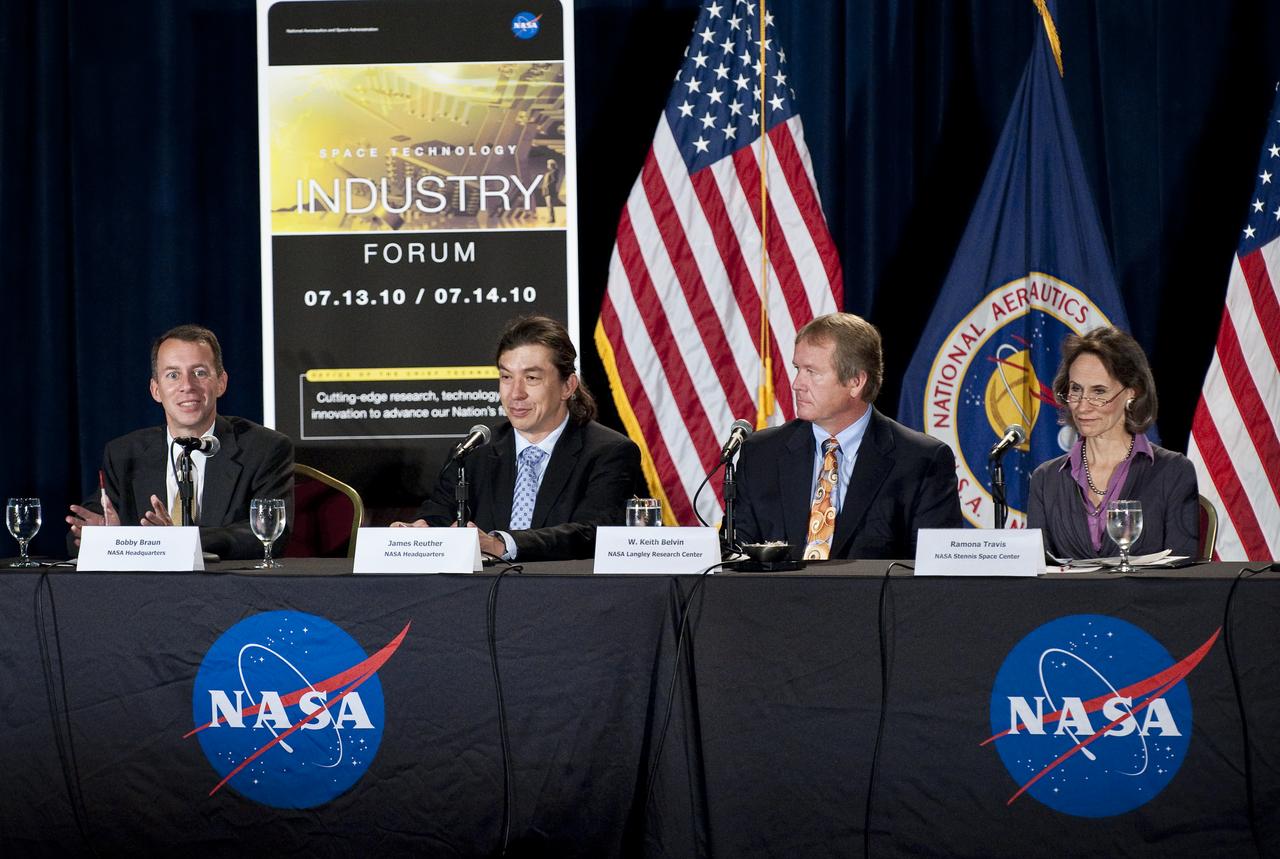
Bobby Braun, far left, NASA Chief Technologist, speaks during the NASA New Space Technology Industry Forum being held at the University of Maryland in College Park on Wednesday, July 14, 2010. Mr. Braun is joined on the panel by James Reuther, Director of Strategic Integration at NASA Headquarters, second from left; Keith Belvin, NASA Systems Engineer at NASA Langley Research Center and Ramona Travis, NASA Stennis Space Center Chief Technologist, far right. During the two-day event, speakers are focusing on the president's fiscal year 2011 budget request for NASA's new Space Technology Program. Representatives from industry, academia and the federal government are in attendance to discuss strategy, development and implementation of NASA's proposed new technology-enabled exploration. Photo Credit: (NASA/Carla Cioffi)
NASA Associate Administrator for the Human Exploration and Operations Mission Directorate William Gerstenmaier testifies during a House Committee on Science, Space, and Technology hearing titled "America's Human Presence in Low-Earth Orbit" on Thursday, May 17, 2018 in the Rayburn House Office Building in Washington. Photo Credit: (NASA/Joel Kowsky)
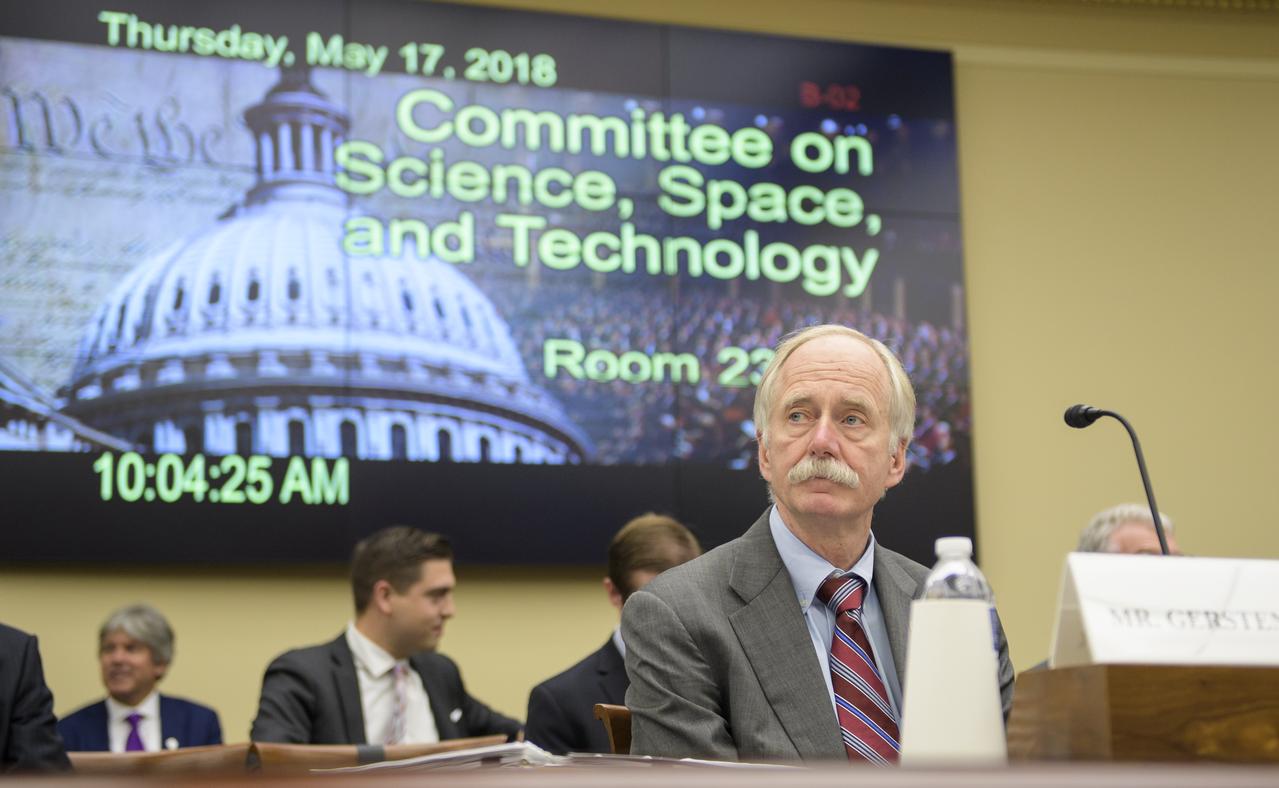
NASA Associate Administrator for the Human Exploration and Operations Mission Directorate William Gerstenmaier is seen prior to the start of a House Committee on Science, Space, and Technology Hearing titles "America's Human Presence in Low-Earth Orbit" on Thursday, May 17, 2018 in the Rayburn House Office Building in Washington. Photo Credit: (NASA/Joel Kowsky)
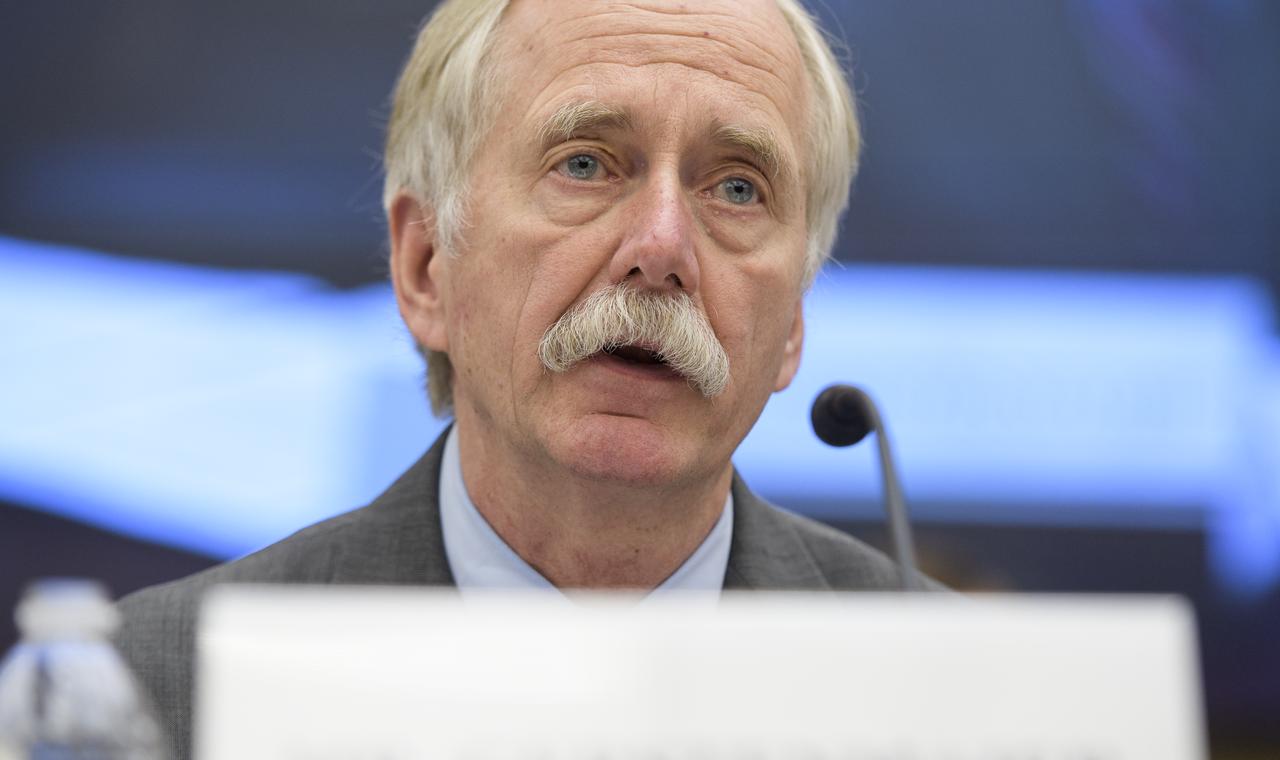
NASA Associate Administrator for the Human Exploration and Operations Mission Directorate William Gerstenmaier testifies during a House Committee on Science, Space, and Technology hearing titled "America's Human Presence in Low-Earth Orbit" on Thursday, May 17, 2018 in the Rayburn House Office Building in Washington. Photo Credit: (NASA/Joel Kowsky)
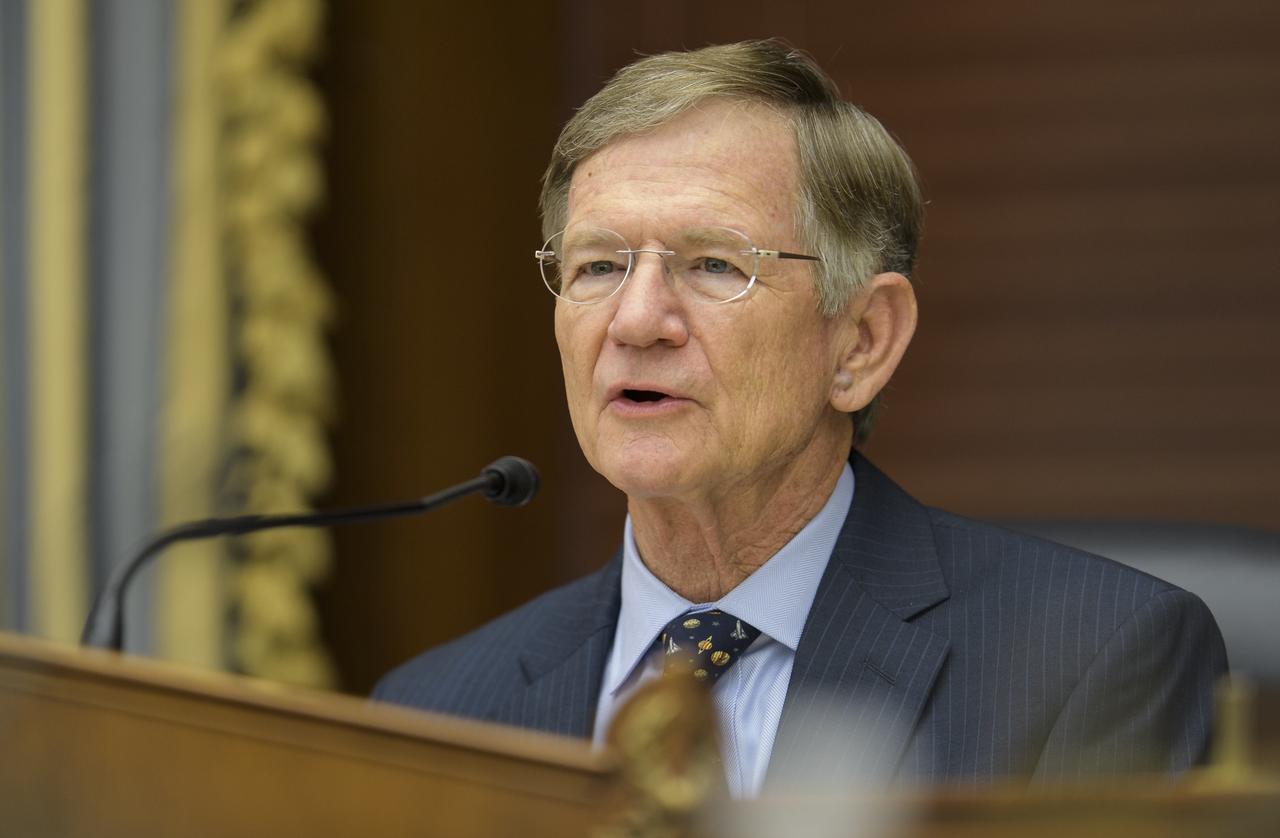
Rep. Lamar Smith, R-Texas, chairman of the House Committee on Science, Space, and Technology, delivers his opening statement during a hearing titled "America's Human Presence in Low-Earth Orbit" on Thursday, May 17, 2018 in the Rayburn House Office Building in Washington. Photo Credit: (NASA/Joel Kowsky)
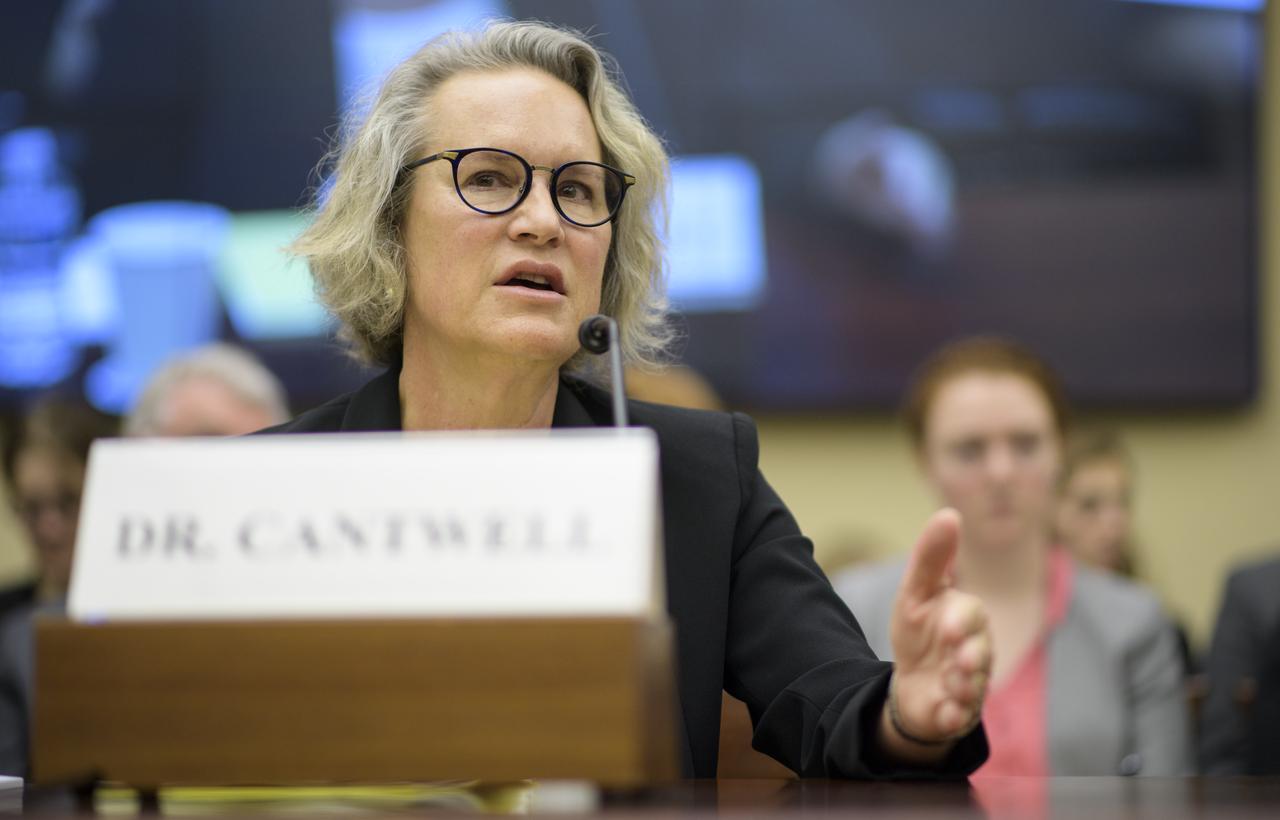
Elizabeth Cantwell, chief executive officer at the Arizona State University Research Enterprise, testifies during a House Committee on Science, Space, and Technology hearing titled "America's Human Presence in Low-Earth Orbit" on Thursday, May 17, 2018 in the Rayburn House Office Building in Washington. Photo Credit: (NASA/Joel Kowsky)
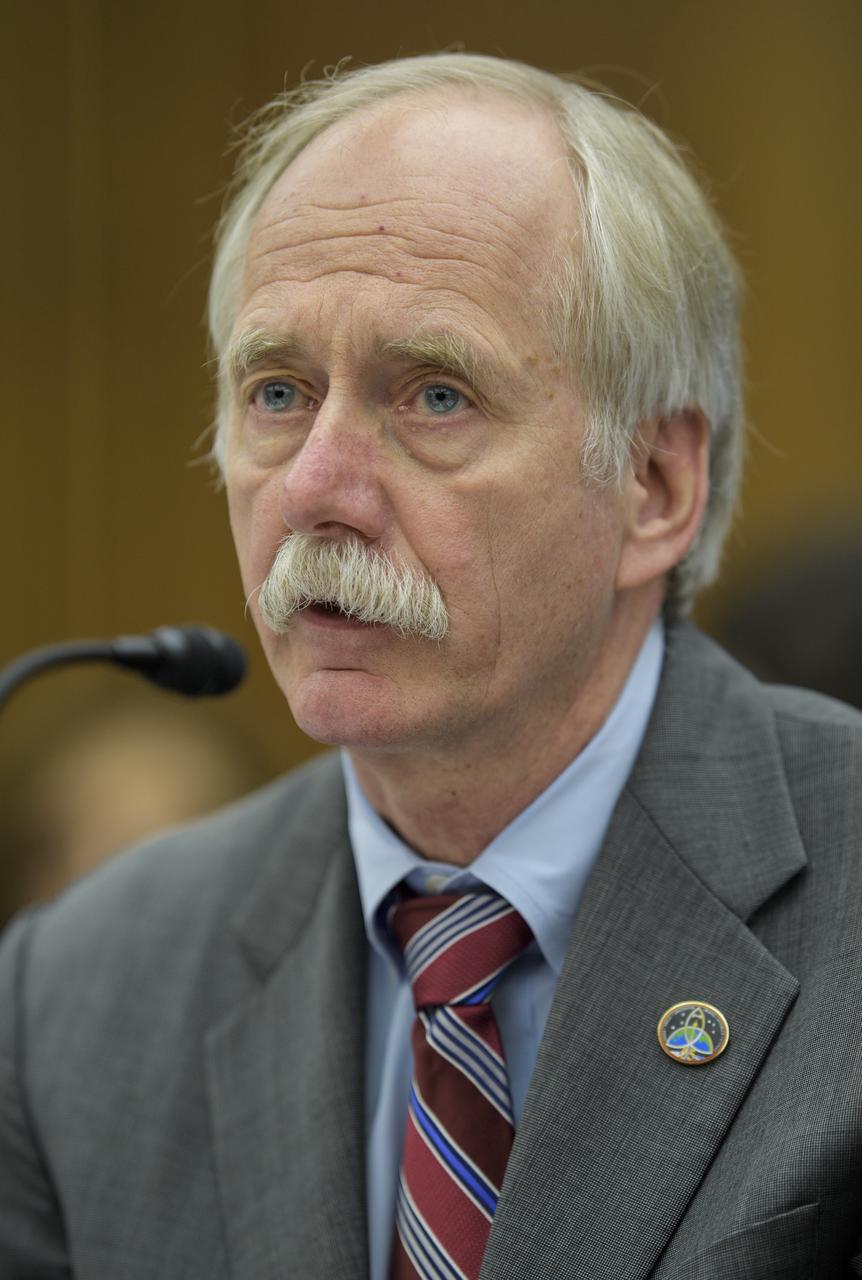
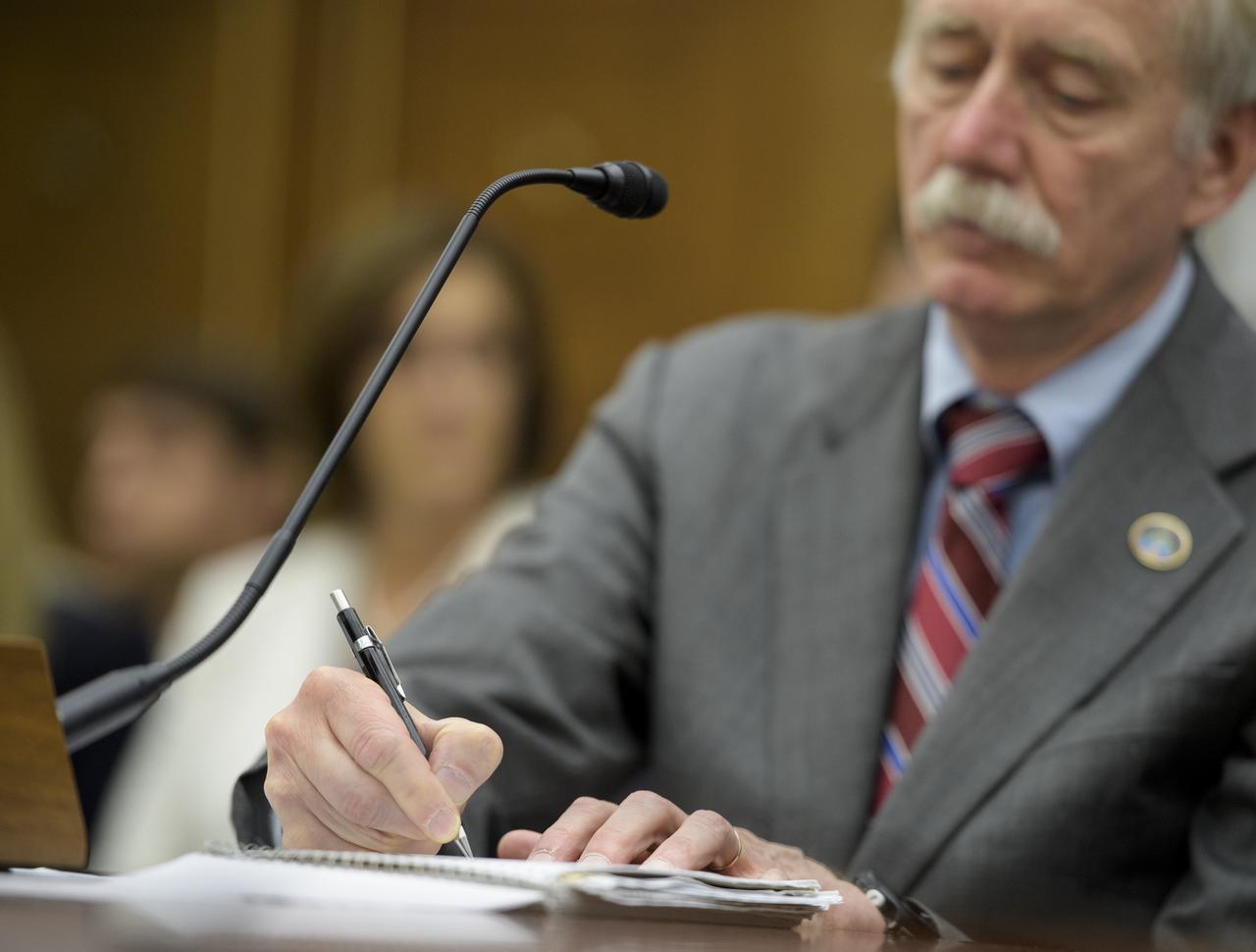
NASA Associate Administrator for the Human Exploration and Operations Mission Directorate William Gerstenmaier testifies during a House Committee on Science, Space, and Technology hearing titled "America's Human Presence in Low-Earth Orbit" on Thursday, May 17, 2018 in the Rayburn House Office Building in Washington. Photo Credit: (NASA/Joel Kowsky)
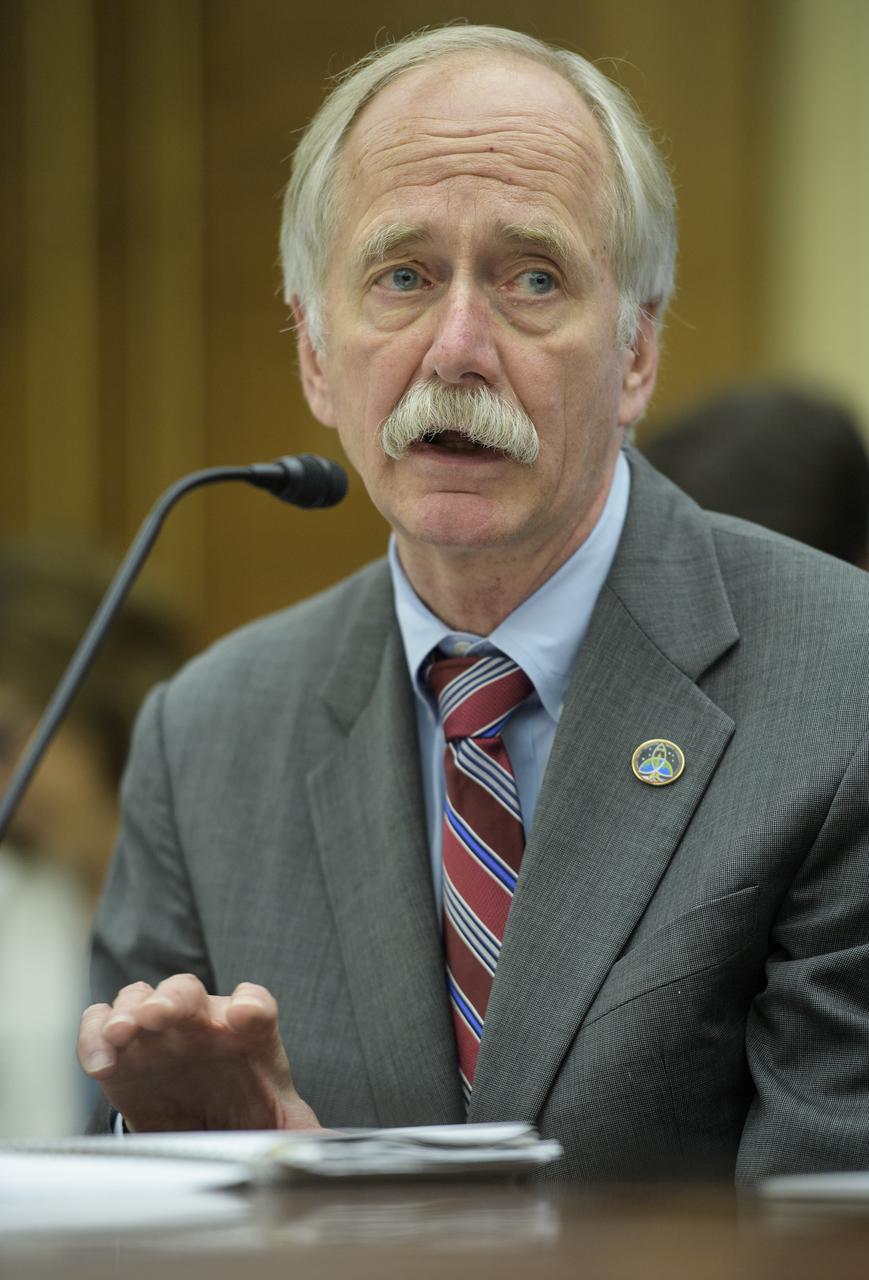
NASA Associate Administrator for the Human Exploration and Operations Mission Directorate William Gerstenmaier testifies during a House Committee on Science, Space, and Technology hearing titled "America's Human Presence in Low-Earth Orbit" on Thursday, May 17, 2018 in the Rayburn House Office Building in Washington. Photo Credit: (NASA/Joel Kowsky)
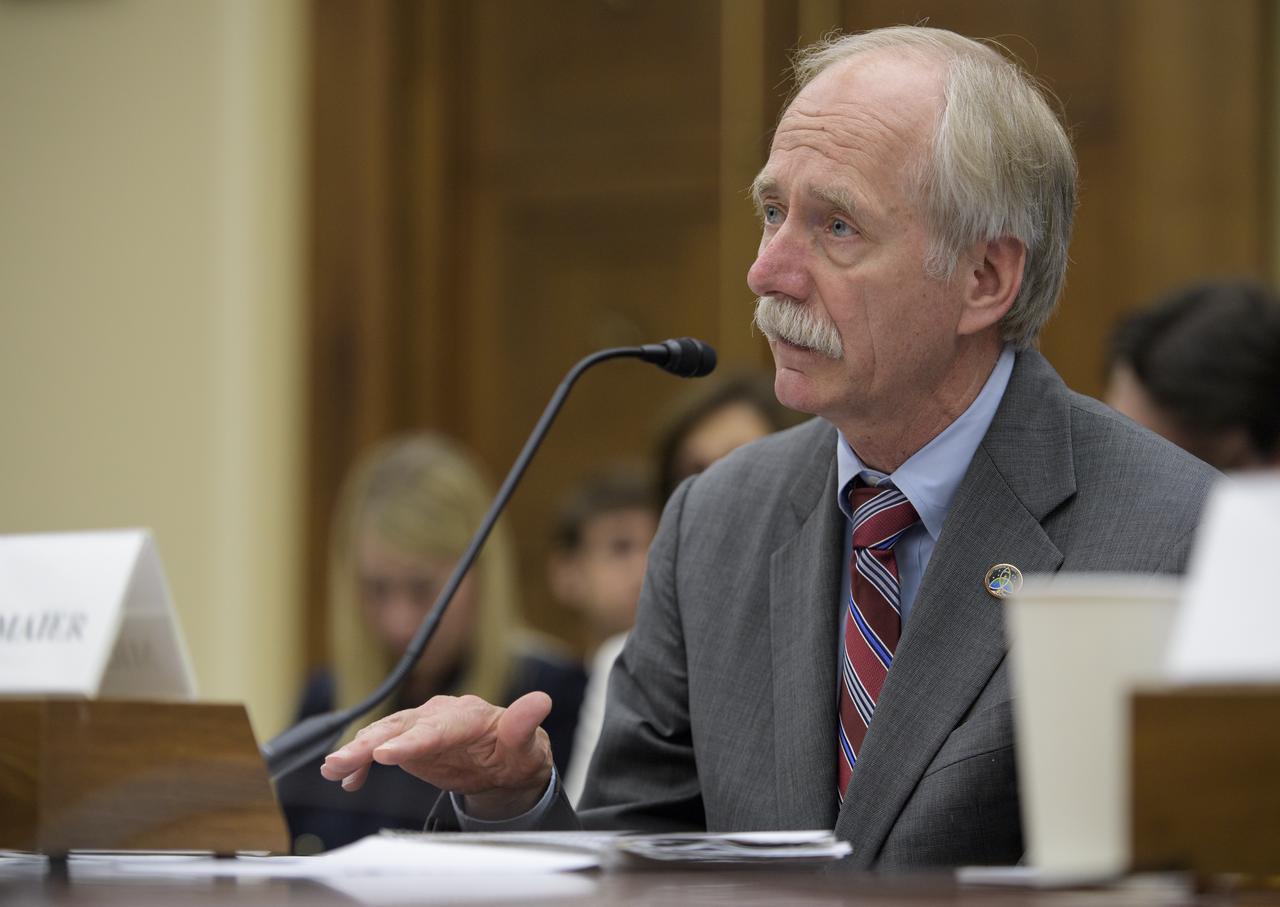
NASA Associate Administrator for the Human Exploration and Operations Mission Directorate William Gerstenmaier testifies during a House Committee on Science, Space, and Technology hearing titled "America's Human Presence in Low-Earth Orbit" on Thursday, May 17, 2018 in the Rayburn House Office Building in Washington. Photo Credit: (NASA/Joel Kowsky)
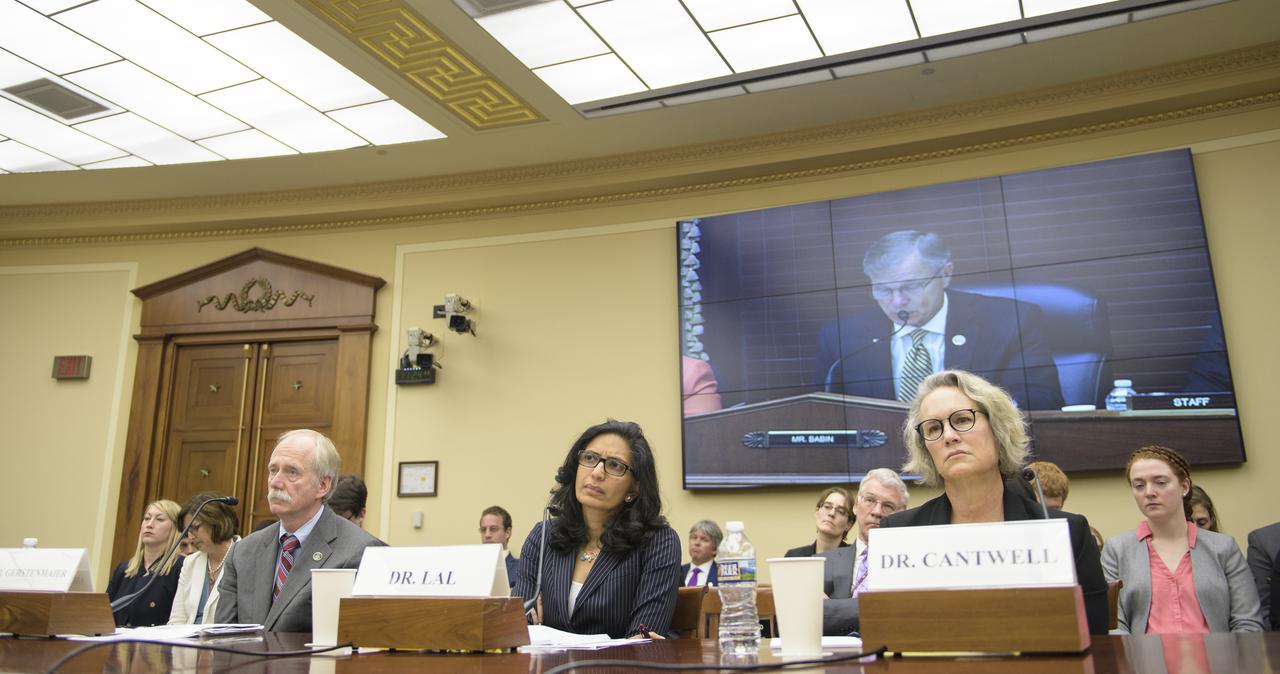
NASA Associate Administrator for the Human Exploration and Operations Mission Directorate William Gerstenmaier, left, Dr. Bhavya Lal, a researcher at the Institute for Defense Analysis's Science and Technology Policy Institute, center, and Dr. Elizabeth Cantwell, chief executive officer at the Arizona State University Research Enterprise, right, listen as Rep. Brian Babin, R-Texas, is seen on screen as he delivers an opening statement during a House Committee on Science, Space, and Technology hearing titled "America's Human Presence in Low-Earth Orbit" on Thursday, May 17, 2018 in the Rayburn House Office Building in Washington. Photo Credit: (NASA/Joel Kowsky)
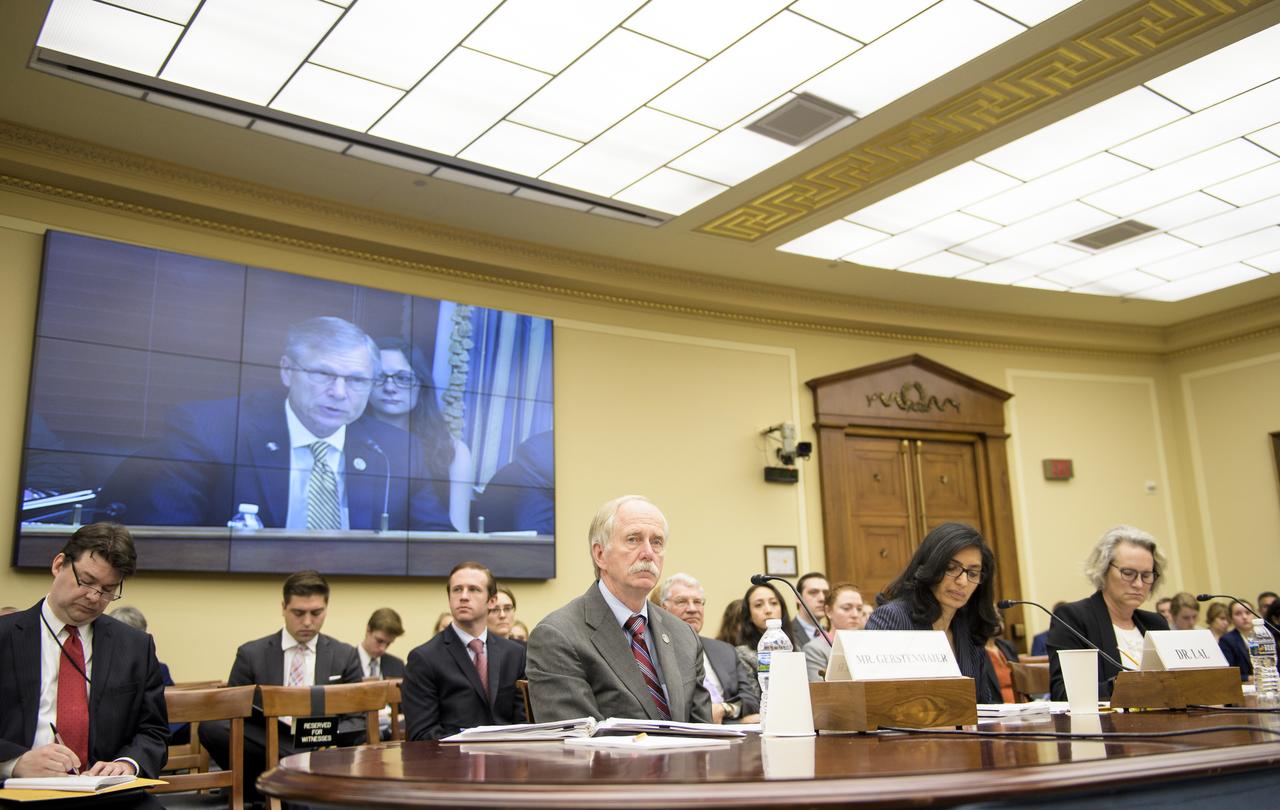
NASA Associate Administrator for the Human Exploration and Operations Mission Directorate William Gerstenmaier, left, Dr. Bhavya Lal, a researcher at the Institute for Defense Analysis's Science and Technology Policy Institute, center, and Dr. Elizabeth Cantwell, chief executive officer at the Arizona State University Research Enterprise, right, listen as Rep. Brian Babin, R-Texas, is seen on screen as he delivers an opening statement during a House Committee on Science, Space, and Technology hearing titled "America's Human Presence in Low-Earth Orbit" on Thursday, May 17, 2018 in the Rayburn House Office Building in Washington. Photo Credit: (NASA/Joel Kowsky)
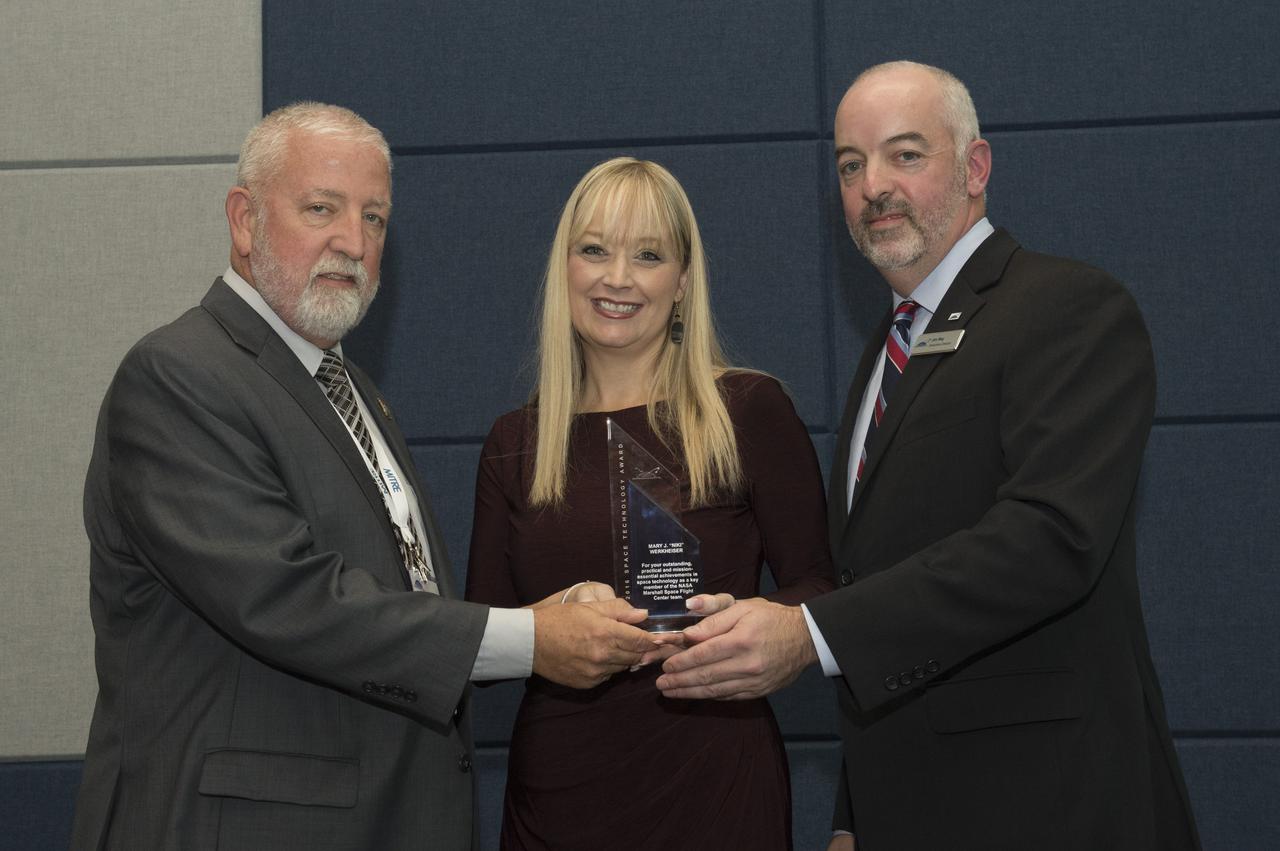
Mary J. "Niki" Werkheiser is presented the 2016 Space Technology Award during proceedings at the 10th annual Dr. Wernher von Braun Memorial Symposium at the University of Alabama, Huntsville, Alabama.
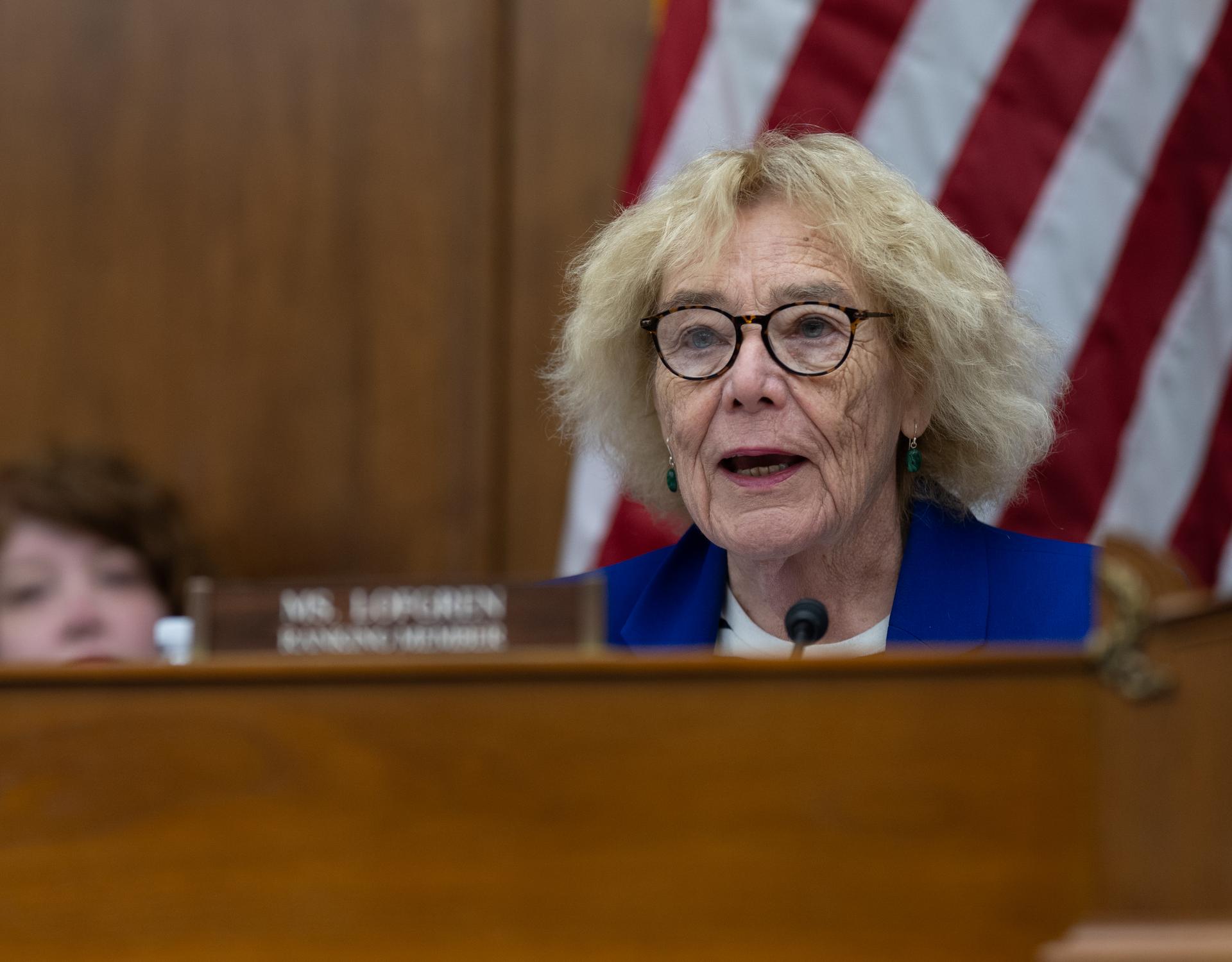
House Science, Space, and Technology Committee Ranking Member Zoe Lofgren, D-Calif., gives opening remarks during a hearing regarding the President’s Fiscal Year 2027 budget request for NASA, Wednesday, April 22, 2026, at the Rayburn House Office Building in Washington. Photo Credit: (NASA/Joel Kowsky)
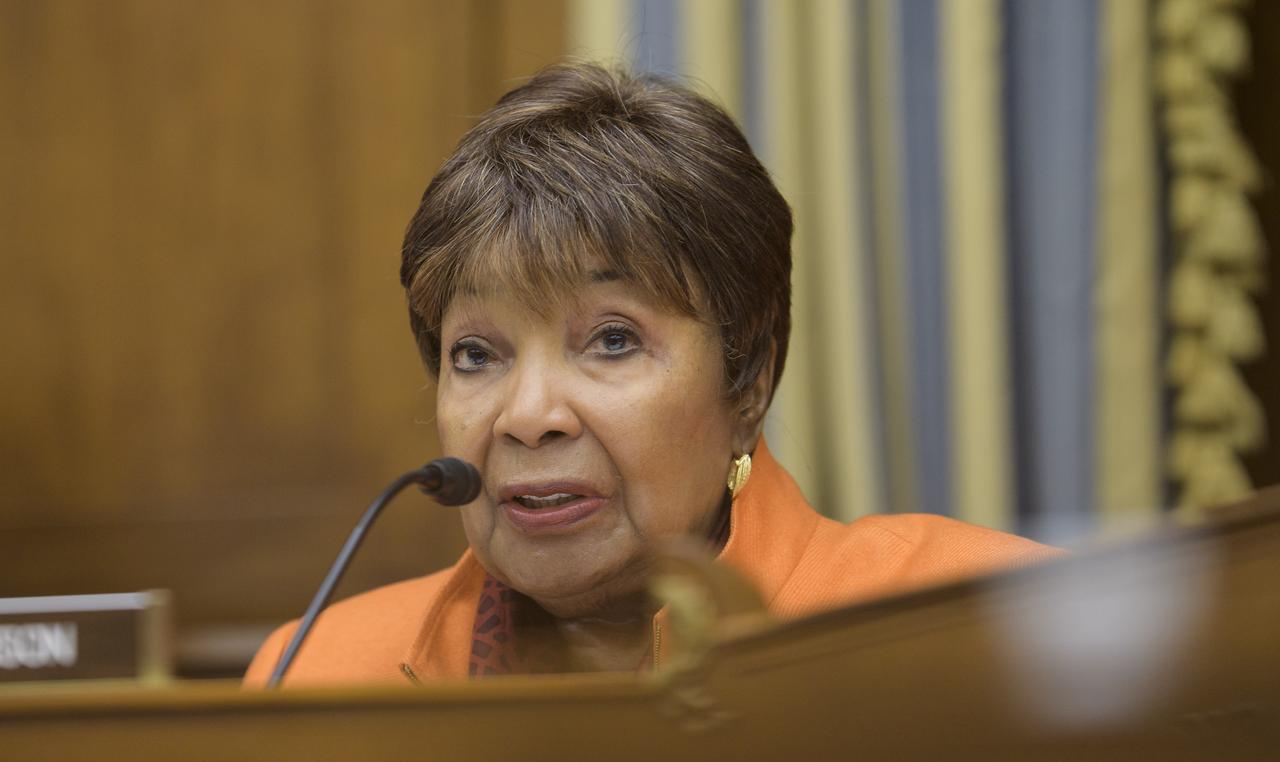
Rep. Eddie Bernice Johnson, D-Texas, ranking member of the House Committee on Science, Space, and Technology delivers her opening statement during a hearing titled "America's Human Presence in Low-Earth Orbit" on Thursday, May 17, 2018 in the Rayburn House Office Building in Washington. Photo Credit: (NASA/Joel Kowsky)

NASA Administrator Bill Nelson testifies during a House Science, Space, and Technology Committee hearing regarding the NASA Fiscal Year 2025 budget, Tuesday, April 30, 2024, at the Rayburn House Office Building in Washington. Photo Credit: (NASA/Bill Ingalls)

NASA Administrator Bill Nelson testifies during a House Science, Space, and Technology Committee hearing regarding the NASA Fiscal Year 2025 budget, Tuesday, April 30, 2024, at the Rayburn House Office Building in Washington. Photo Credit: (NASA/Bill Ingalls)
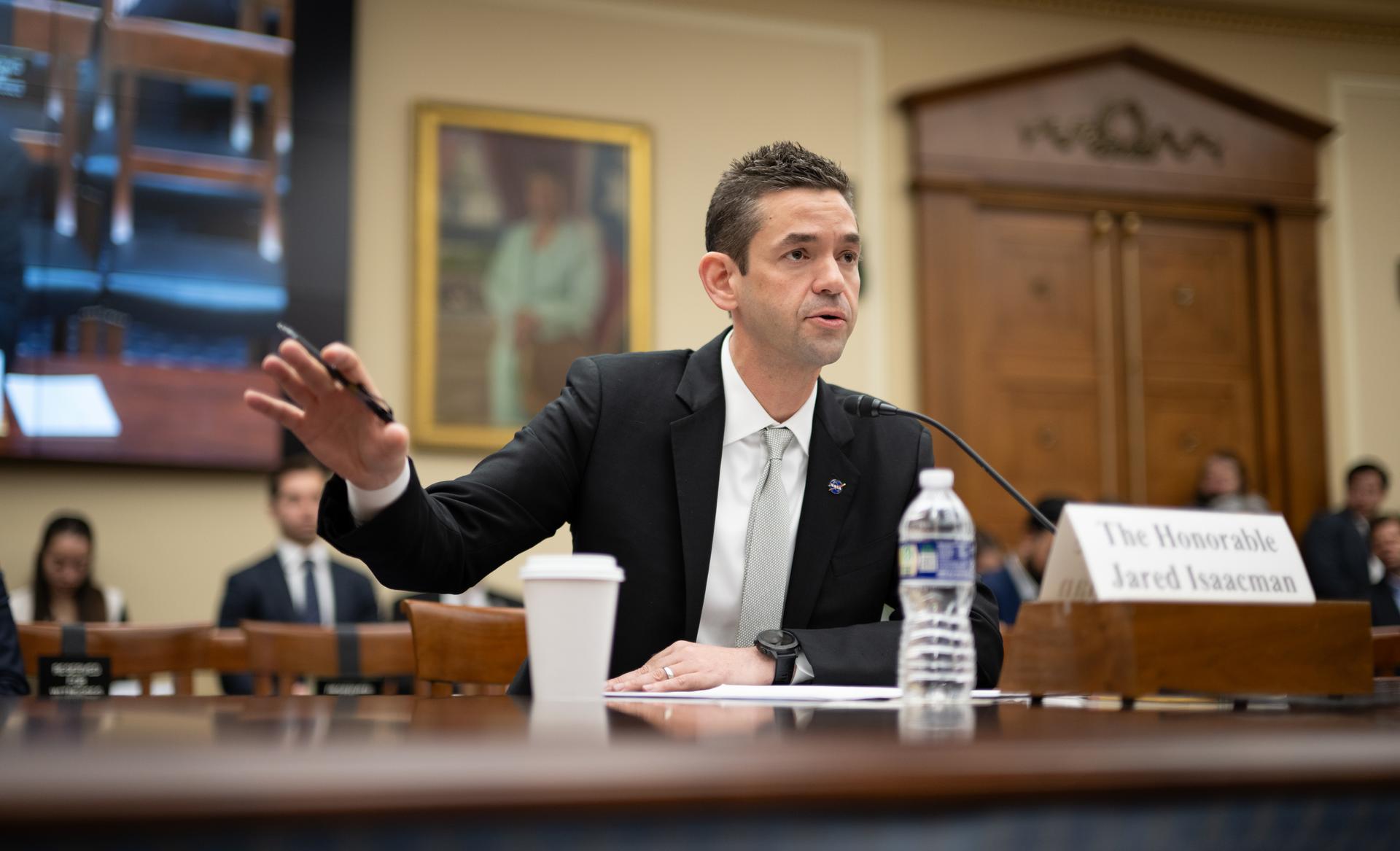
NASA Administrator Jared Isaacman testifies during a House Committee on Science, Space, and Technology hearing regarding the President’s Fiscal Year 2027 budget request for the agency, Wednesday, April 22, 2026, at the Rayburn House Office Building in Washington. Photo Credit: (NASA/Joel Kowsky)

NASA Administrator Bill Nelson testifies during a House Science, Space, and Technology Committee hearing regarding the NASA Fiscal Year 2025 budget, Tuesday, April 30, 2024, at the Rayburn House Office Building in Washington. Photo Credit: (NASA/Bill Ingalls)
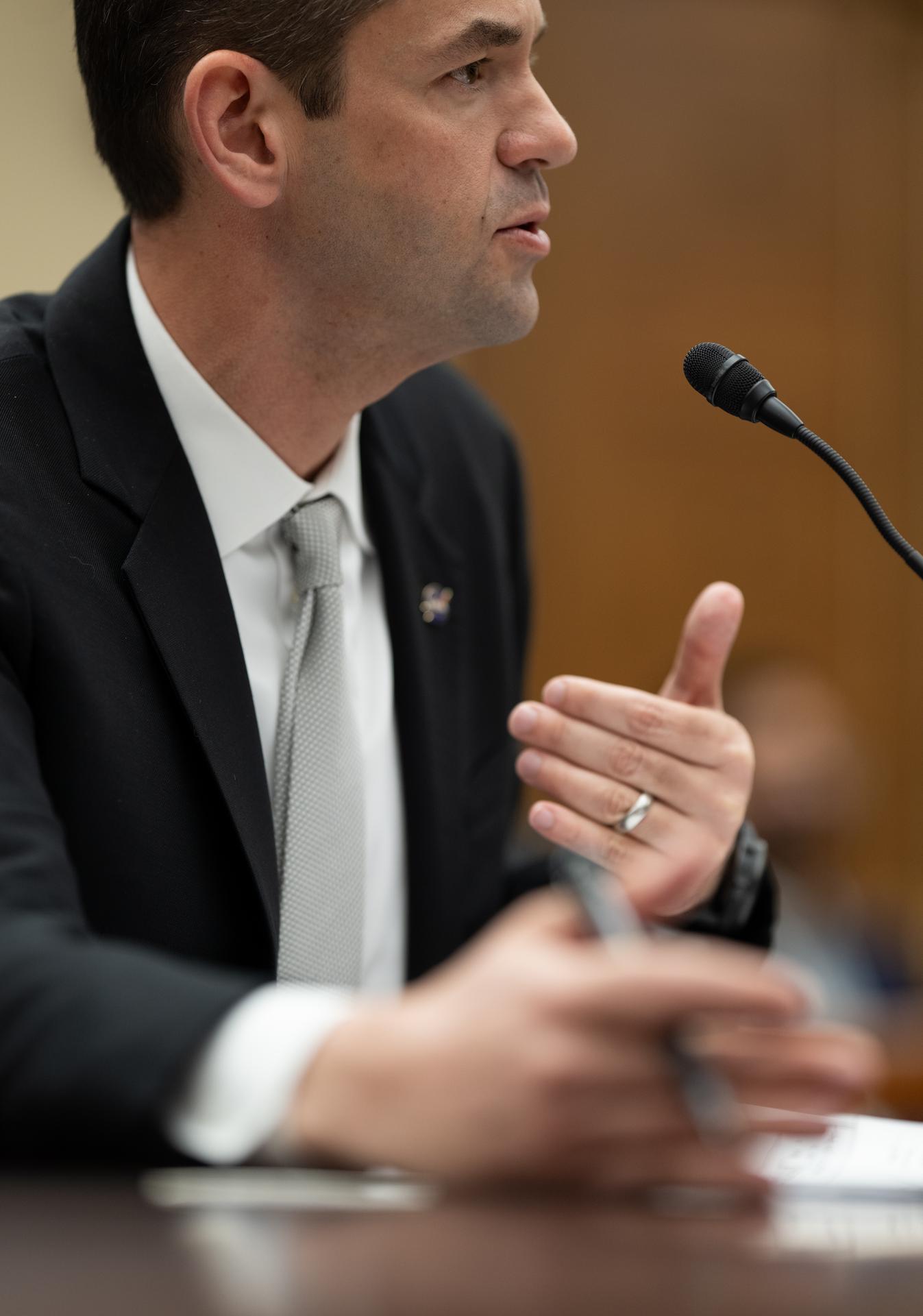
NASA Administrator Jared Isaacman testifies during a House Committee on Science, Space, and Technology hearing regarding the President’s Fiscal Year 2027 budget request for the agency, Wednesday, April 22, 2026, at the Rayburn House Office Building in Washington. Photo Credit: (NASA/Joel Kowsky)

NASA Administrator Bill Nelson testifies during a House Science, Space, and Technology Committee hearing regarding the NASA Fiscal Year 2025 budget, Tuesday, April 30, 2024, at the Rayburn House Office Building in Washington. Photo Credit: (NASA/Bill Ingalls)

House Science, Space, and Technology Committee Chairman Frank Lucas, R-Okla., gives opening remarks during a hearing regarding the NASA Fiscal Year 2025 budget, Tuesday, April 30, 2024, at the Rayburn House Office Building in Washington. Photo Credit: (NASA/Bill Ingalls)
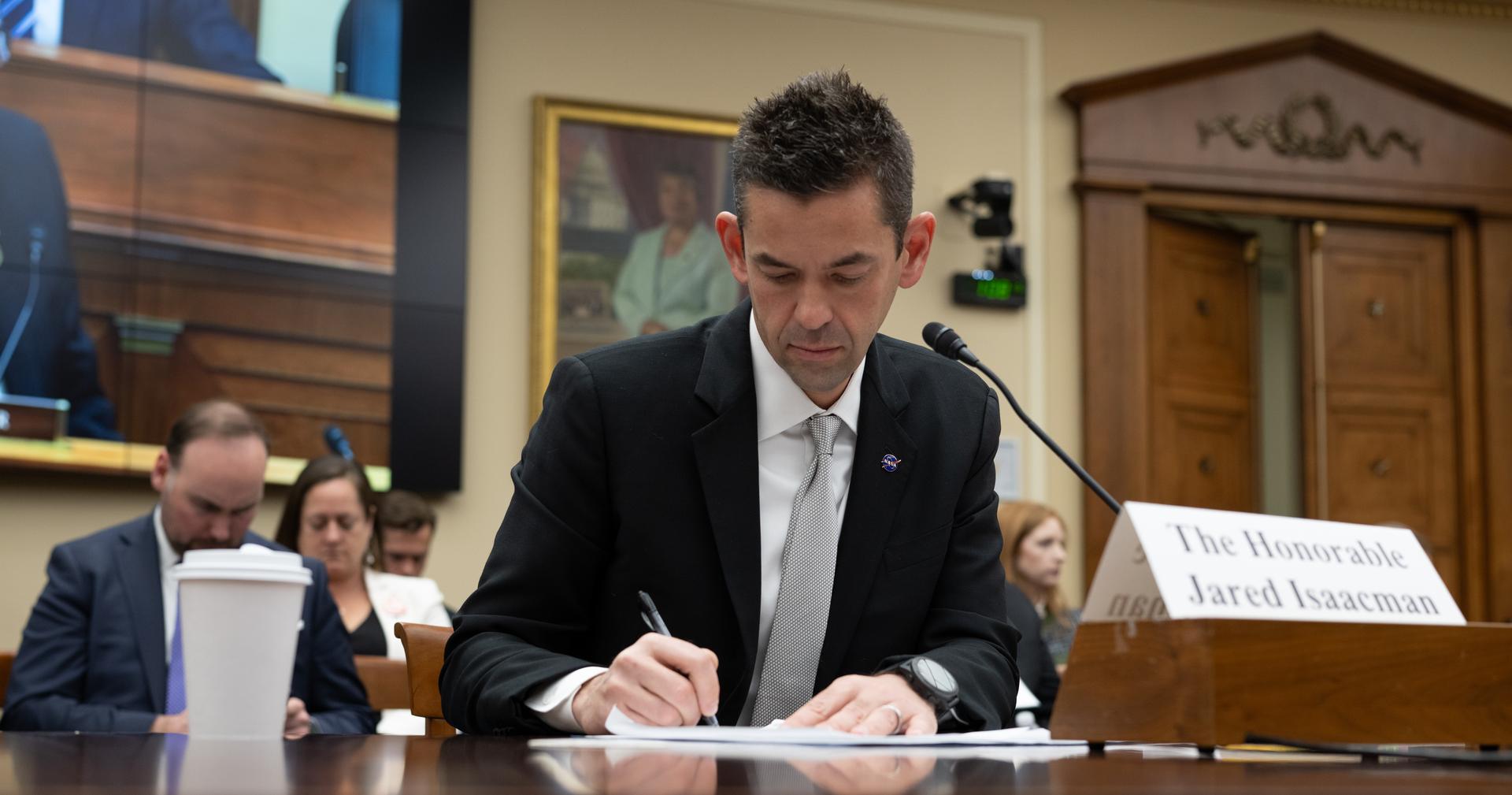
NASA Administrator Jared Isaacman testifies during a House Committee on Science, Space, and Technology hearing regarding the President’s Fiscal Year 2027 budget request for the agency, Wednesday, April 22, 2026, at the Rayburn House Office Building in Washington. Photo Credit: (NASA/Joel Kowsky)

NASA Administrator Bill Nelson testifies during a House Science, Space, and Technology Committee hearing regarding the NASA Fiscal Year 2025 budget, Tuesday, April 30, 2024, at the Rayburn House Office Building in Washington. Photo Credit: (NASA/Bill Ingalls)
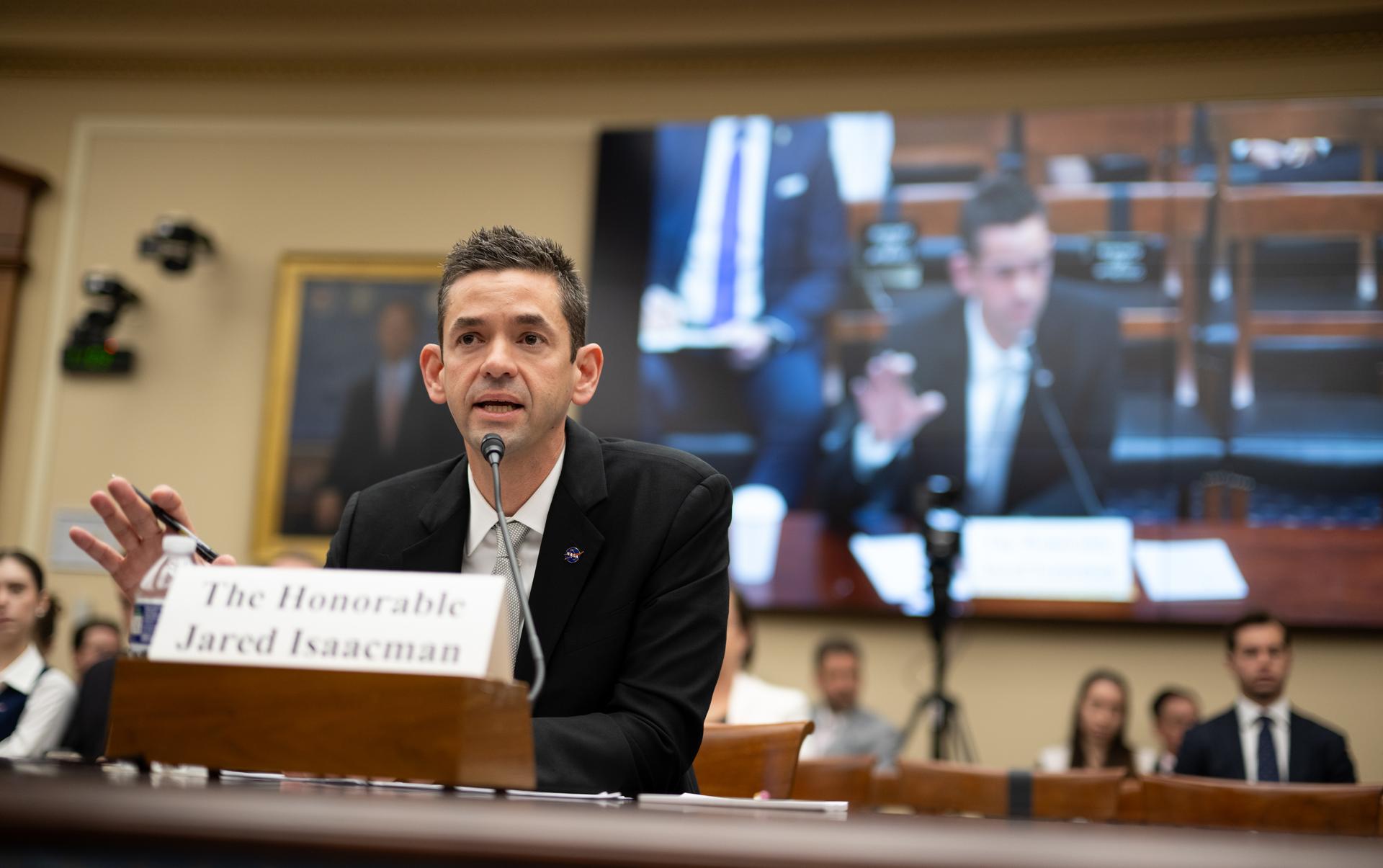
NASA Administrator Jared Isaacman testifies during a House Committee on Science, Space, and Technology hearing regarding the President’s Fiscal Year 2027 budget request for the agency, Wednesday, April 22, 2026, at the Rayburn House Office Building in Washington. Photo Credit: (NASA/Joel Kowsky)
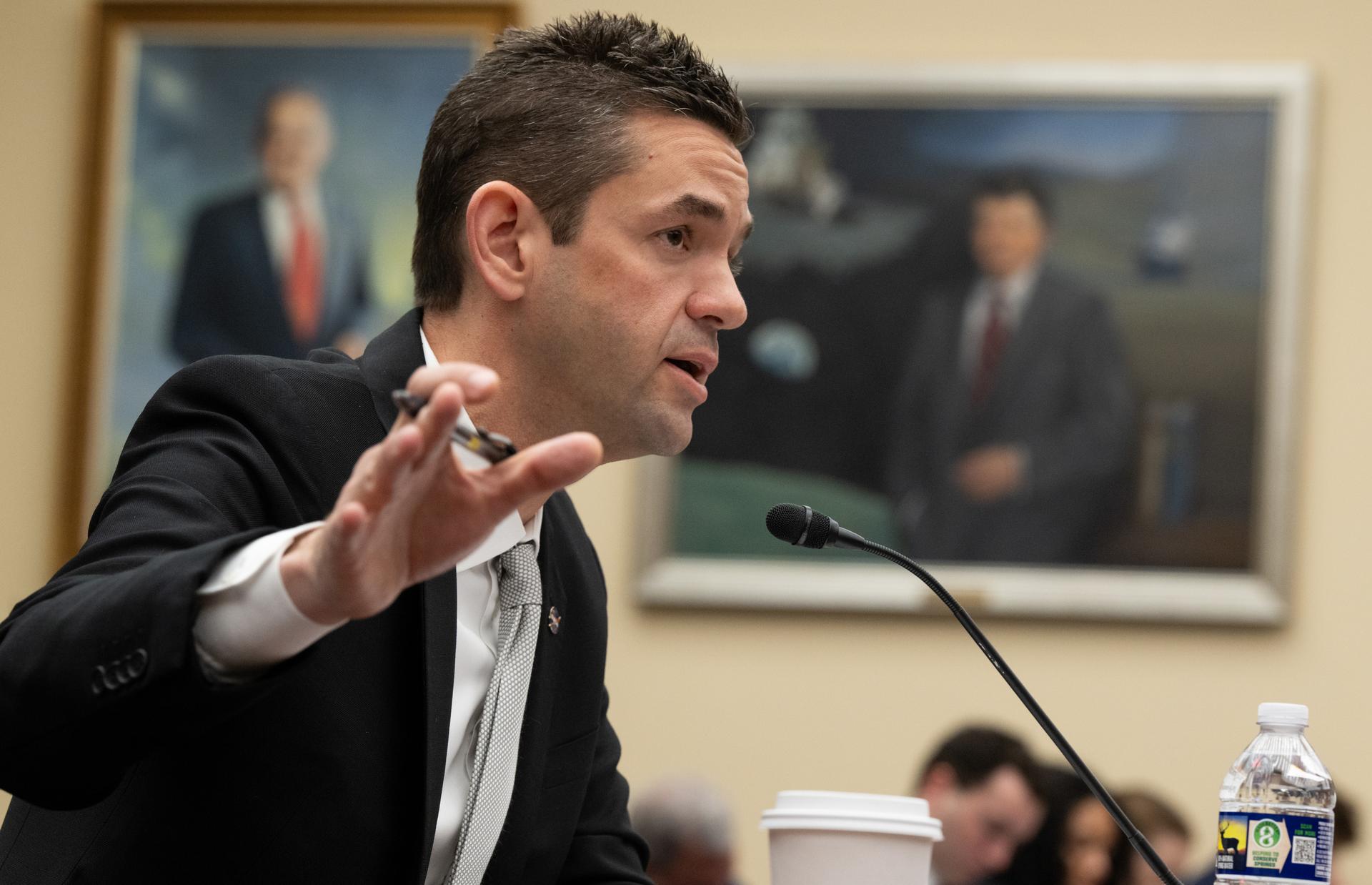
NASA Administrator Jared Isaacman testifies during a House Committee on Science, Space, and Technology hearing regarding the President’s Fiscal Year 2027 budget request for the agency, Wednesday, April 22, 2026, at the Rayburn House Office Building in Washington. Photo Credit: (NASA/Joel Kowsky)
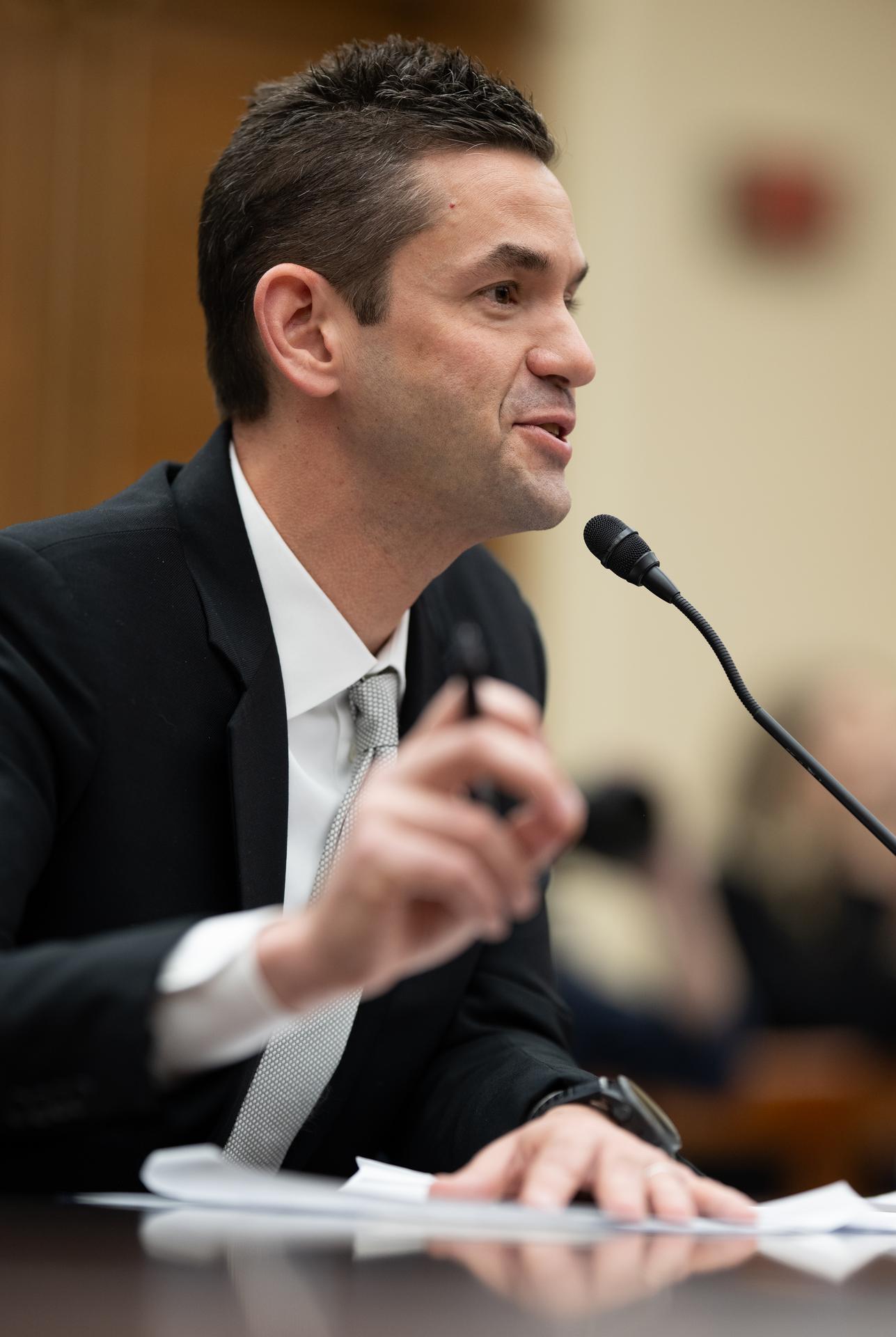
NASA Administrator Jared Isaacman testifies during a House Committee on Science, Space, and Technology hearing regarding the President’s Fiscal Year 2027 budget request for the agency, Wednesday, April 22, 2026, at the Rayburn House Office Building in Washington. Photo Credit: (NASA/Joel Kowsky)
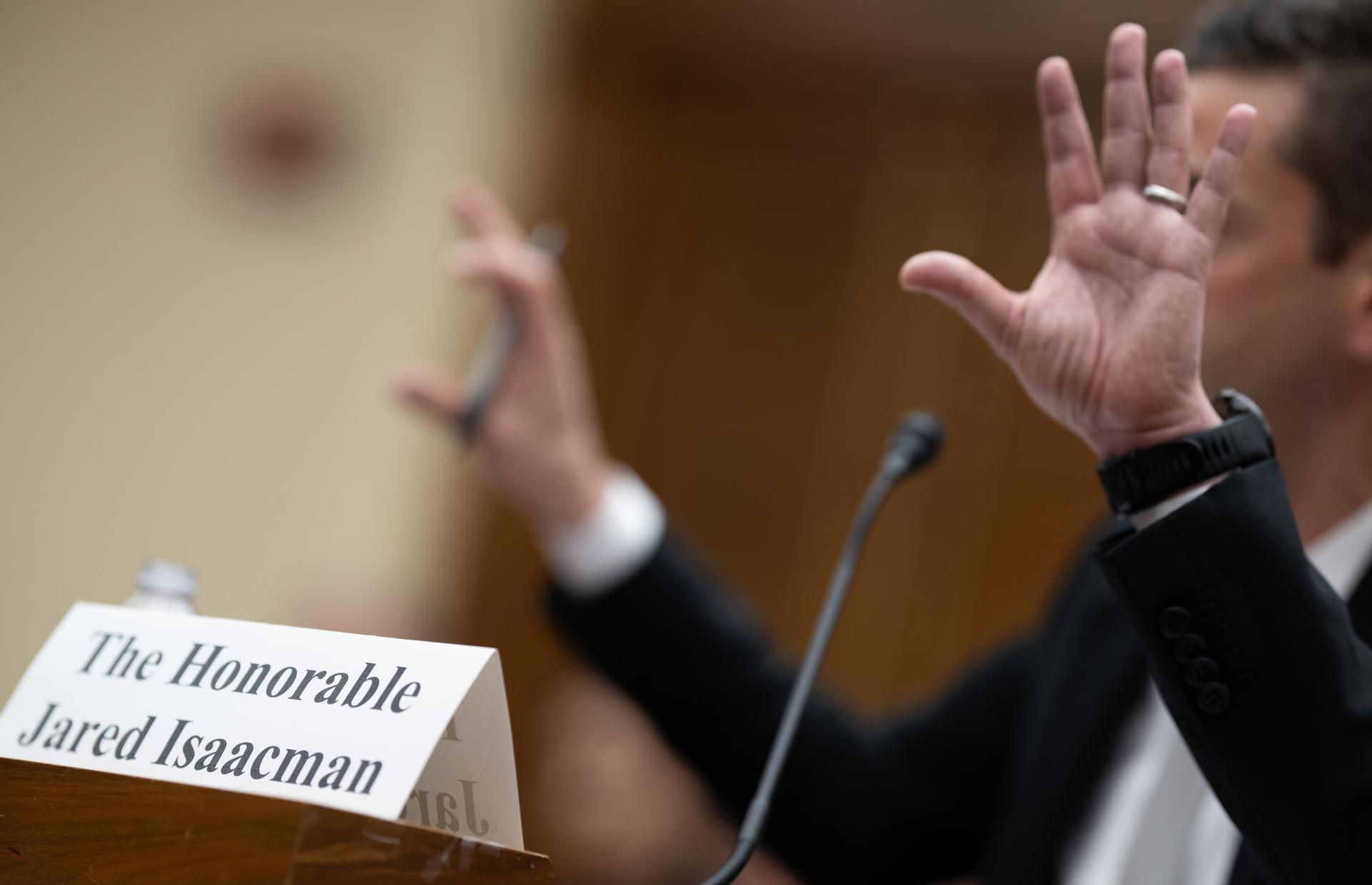
NASA Administrator Jared Isaacman testifies during a House Committee on Science, Space, and Technology hearing regarding the President’s Fiscal Year 2027 budget request for the agency, Wednesday, April 22, 2026, at the Rayburn House Office Building in Washington. Photo Credit: (NASA/Joel Kowsky)
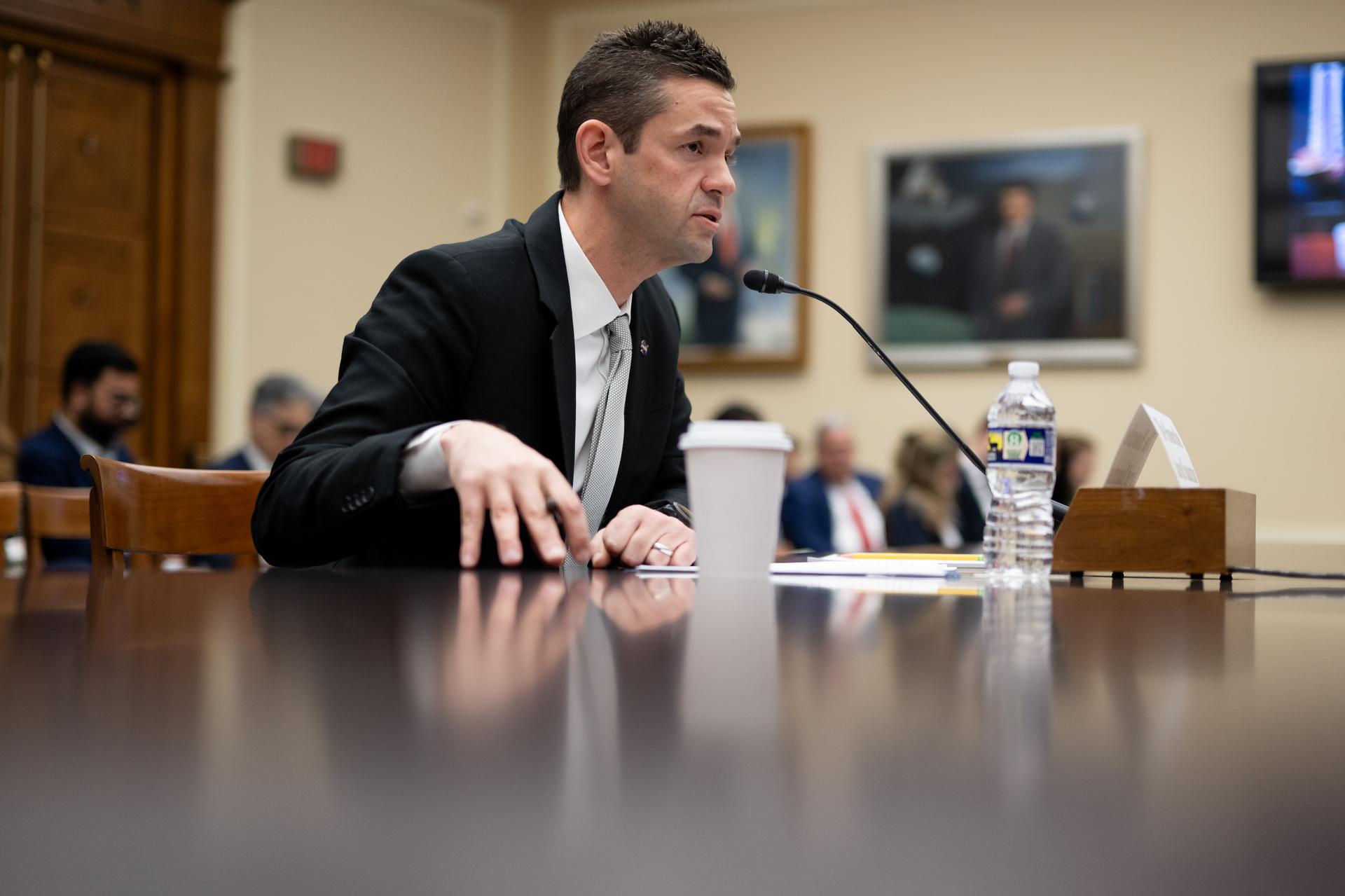
NASA Administrator Jared Isaacman testifies during a House Committee on Science, Space, and Technology hearing regarding the President’s Fiscal Year 2027 budget request for the agency, Wednesday, April 22, 2026, at the Rayburn House Office Building in Washington. Photo Credit: (NASA/Joel Kowsky)

NASA Administrator Bill Nelson, seen on a television monitor, testifies during a House Science, Space, and Technology Committee hearing regarding the NASA Fiscal Year 2025 budget, Tuesday, April 30, 2024, at the Rayburn House Office Building in Washington. Photo Credit: (NASA/Bill Ingalls)
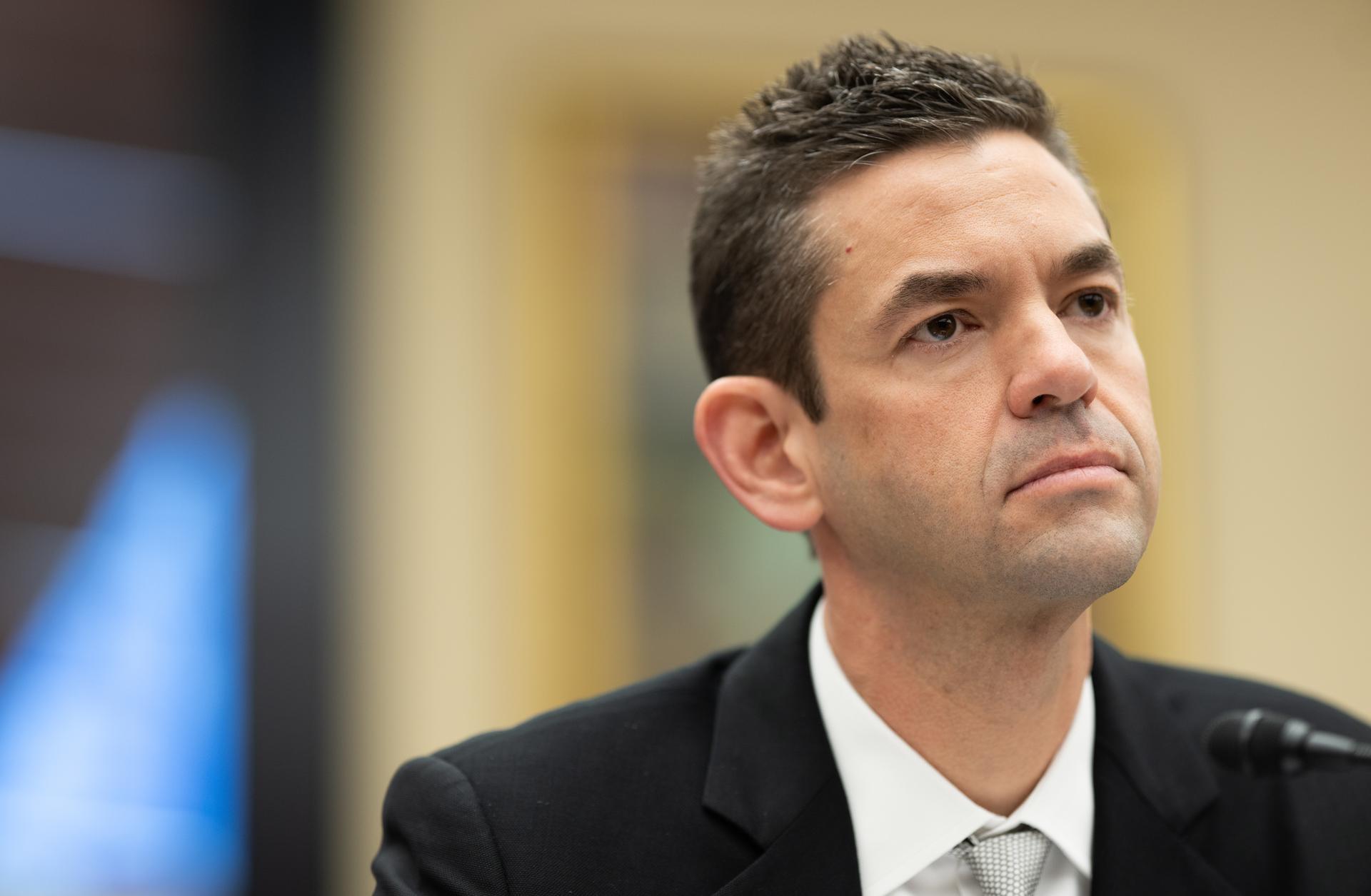
NASA Administrator Jared Isaacman testifies during a House Committee on Science, Space, and Technology hearing regarding the President’s Fiscal Year 2027 budget request for the agency, Wednesday, April 22, 2026, at the Rayburn House Office Building in Washington. Photo Credit: (NASA/Joel Kowsky)

NASA Administrator Bill Nelson testifies during a House Science, Space, and Technology Committee hearing regarding the NASA Fiscal Year 2025 budget, Tuesday, April 30, 2024, at the Rayburn House Office Building in Washington. Photo Credit: (NASA/Bill Ingalls)

NASA Administrator Bill Nelson testifies during a House Science, Space, and Technology Committee hearing regarding the NASA Fiscal Year 2025 budget, Tuesday, April 30, 2024, at the Rayburn House Office Building in Washington. Photo Credit: (NASA/Bill Ingalls)

NASA Administrator Bill Nelson testifies during a House Science, Space, and Technology Committee hearing regarding the NASA Fiscal Year 2025 budget, Tuesday, April 30, 2024, at the Rayburn House Office Building in Washington. Photo Credit: (NASA/Bill Ingalls)
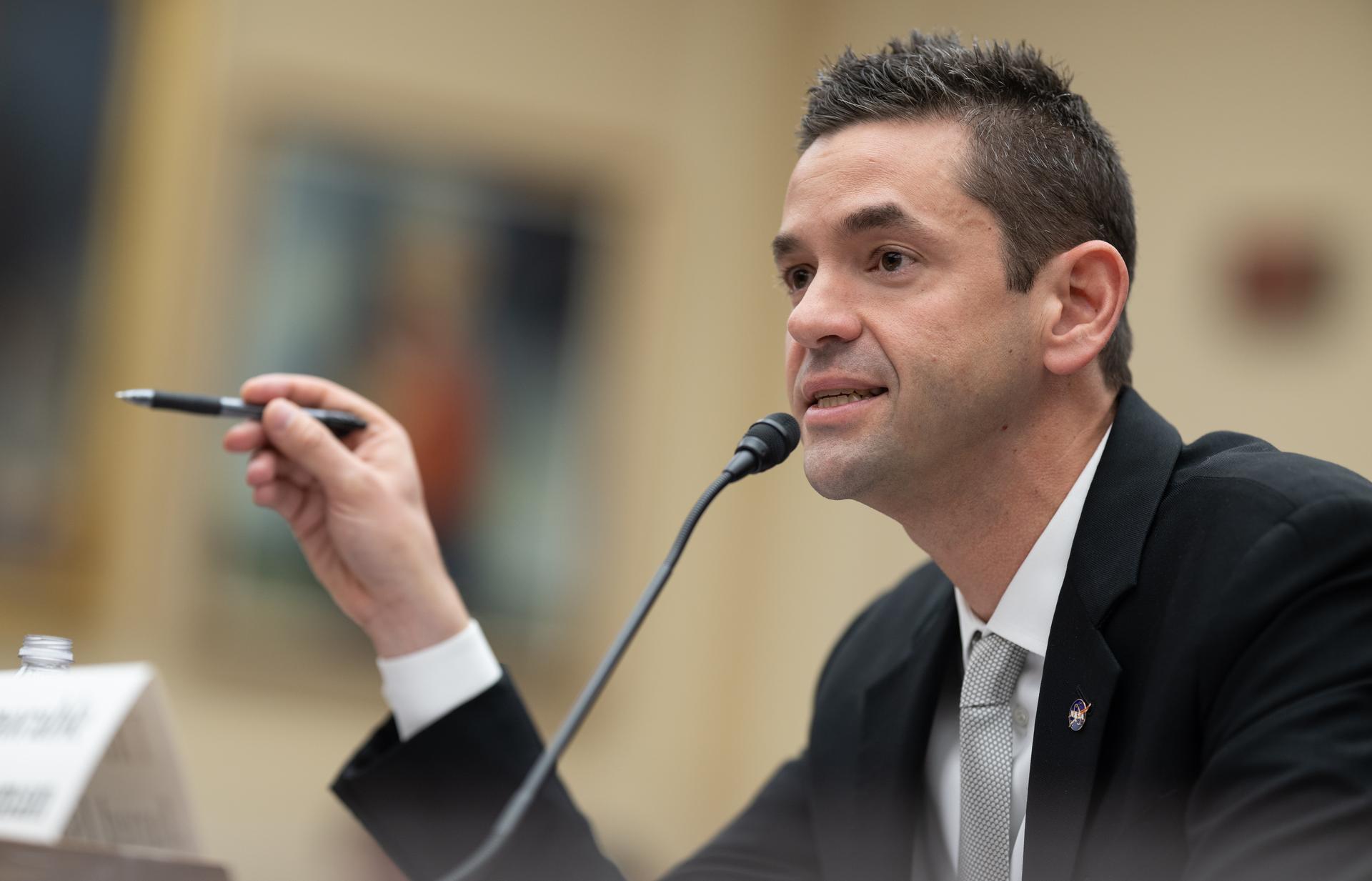
NASA Administrator Jared Isaacman testifies during a House Committee on Science, Space, and Technology hearing regarding the President’s Fiscal Year 2027 budget request for the agency, Wednesday, April 22, 2026, at the Rayburn House Office Building in Washington. Photo Credit: (NASA/Joel Kowsky)

NASA Administrator Bill Nelson testifies during a House Science, Space, and Technology Committee hearing regarding the NASA Fiscal Year 2025 budget, Tuesday, April 30, 2024, at the Rayburn House Office Building in Washington. Photo Credit: (NASA/Bill Ingalls)

NASA Administrator Bill Nelson testifies during a House Science, Space, and Technology Committee hearing regarding the NASA Fiscal Year 2025 budget, Tuesday, April 30, 2024, at the Rayburn House Office Building in Washington. Photo Credit: (NASA/Bill Ingalls)

NASA Administrator Bill Nelson testifies during a House Science, Space, and Technology Committee hearing regarding the NASA Fiscal Year 2025 budget, Tuesday, April 30, 2024, at the Rayburn House Office Building in Washington. Photo Credit: (NASA/Bill Ingalls)

House Science, Space, and Technology Committee Ranking Member Zoe Lofgren, D-CA, gives opening remarks during a hearing regarding the NASA Fiscal Year 2025 budget, Tuesday, April 30, 2024, at the Rayburn House Office Building in Washington. Photo Credit: (NASA/Bill Ingalls)
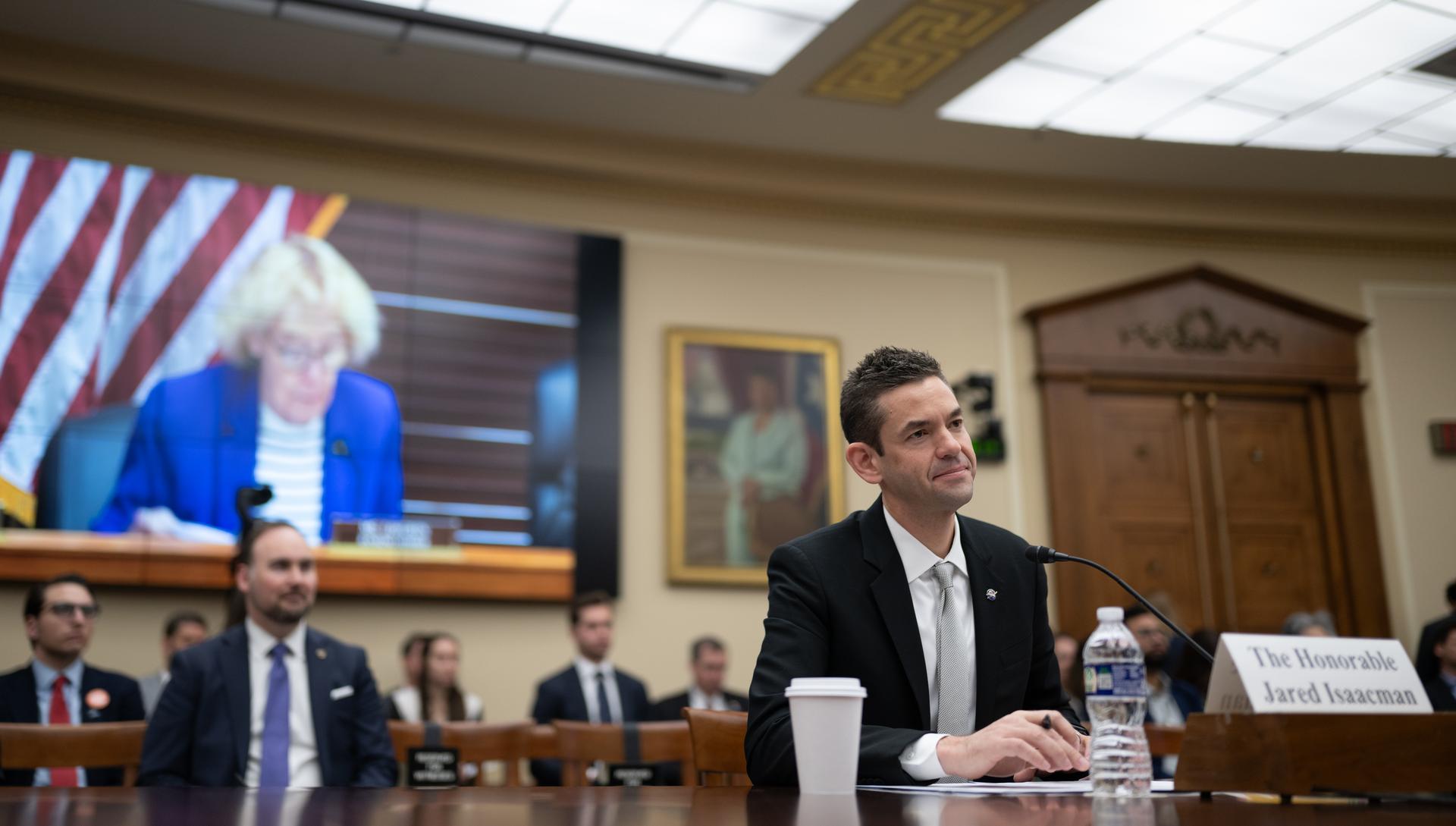
NASA Administrator Jared Isaacman testifies during a House Committee on Science, Space, and Technology hearing regarding the President’s Fiscal Year 2027 budget request for the agency, Wednesday, April 22, 2026, at the Rayburn House Office Building in Washington. Photo Credit: (NASA/Joel Kowsky)

NASA Administrator Bill Nelson testifies during a House Science, Space, and Technology Committee hearing regarding the NASA Fiscal Year 2025 budget, Tuesday, April 30, 2024, at the Rayburn House Office Building in Washington. Photo Credit: (NASA/Bill Ingalls)

NASA Administrator Bill Nelson testifies during a House Science, Space, and Technology Committee hearing regarding the NASA Fiscal Year 2025 budget, Tuesday, April 30, 2024, at the Rayburn House Office Building in Washington. Photo Credit: (NASA/Bill Ingalls)
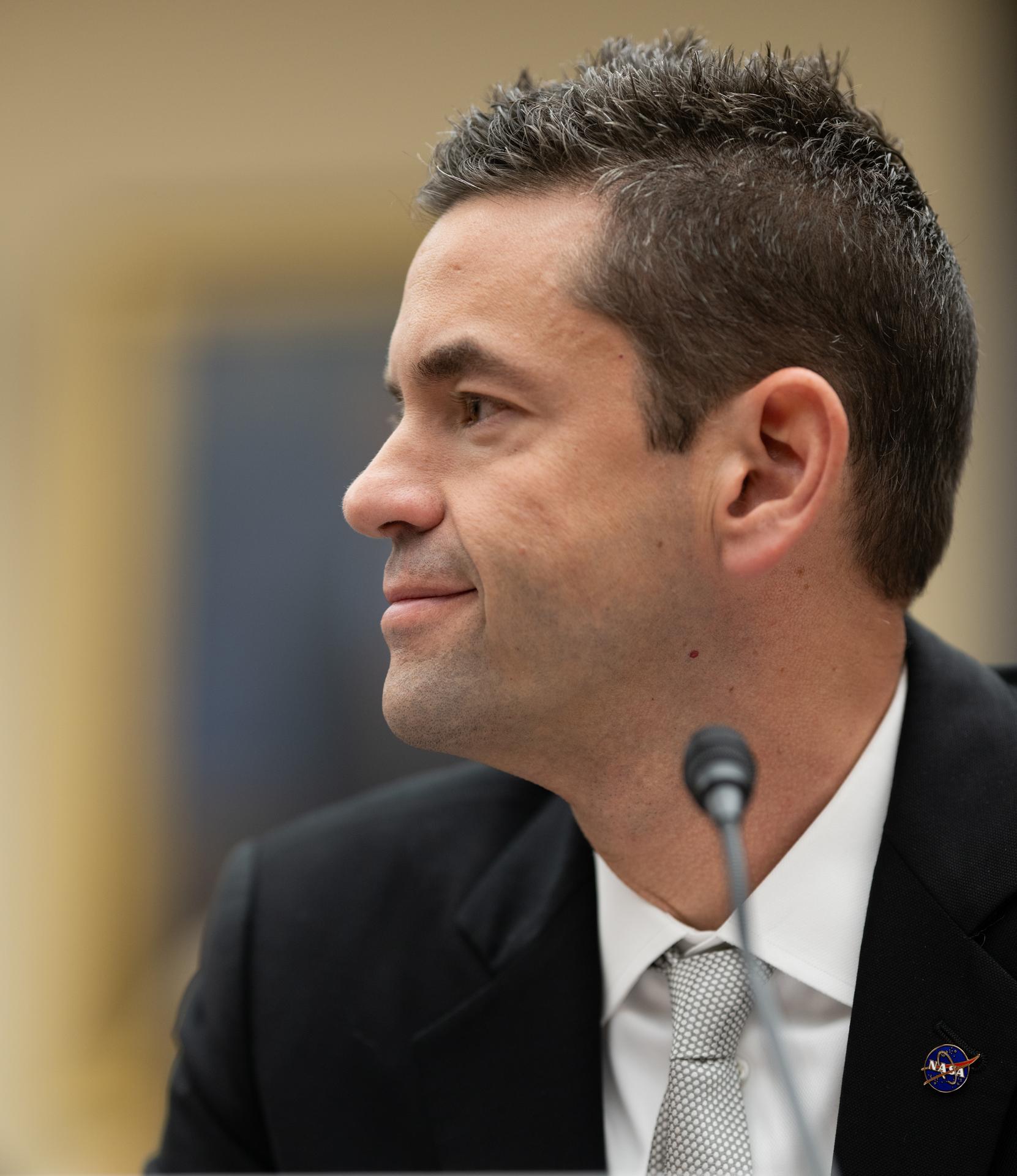
NASA Administrator Jared Isaacman testifies during a House Committee on Science, Space, and Technology hearing regarding the President’s Fiscal Year 2027 budget request for the agency, Wednesday, April 22, 2026, at the Rayburn House Office Building in Washington. Photo Credit: (NASA/Joel Kowsky)
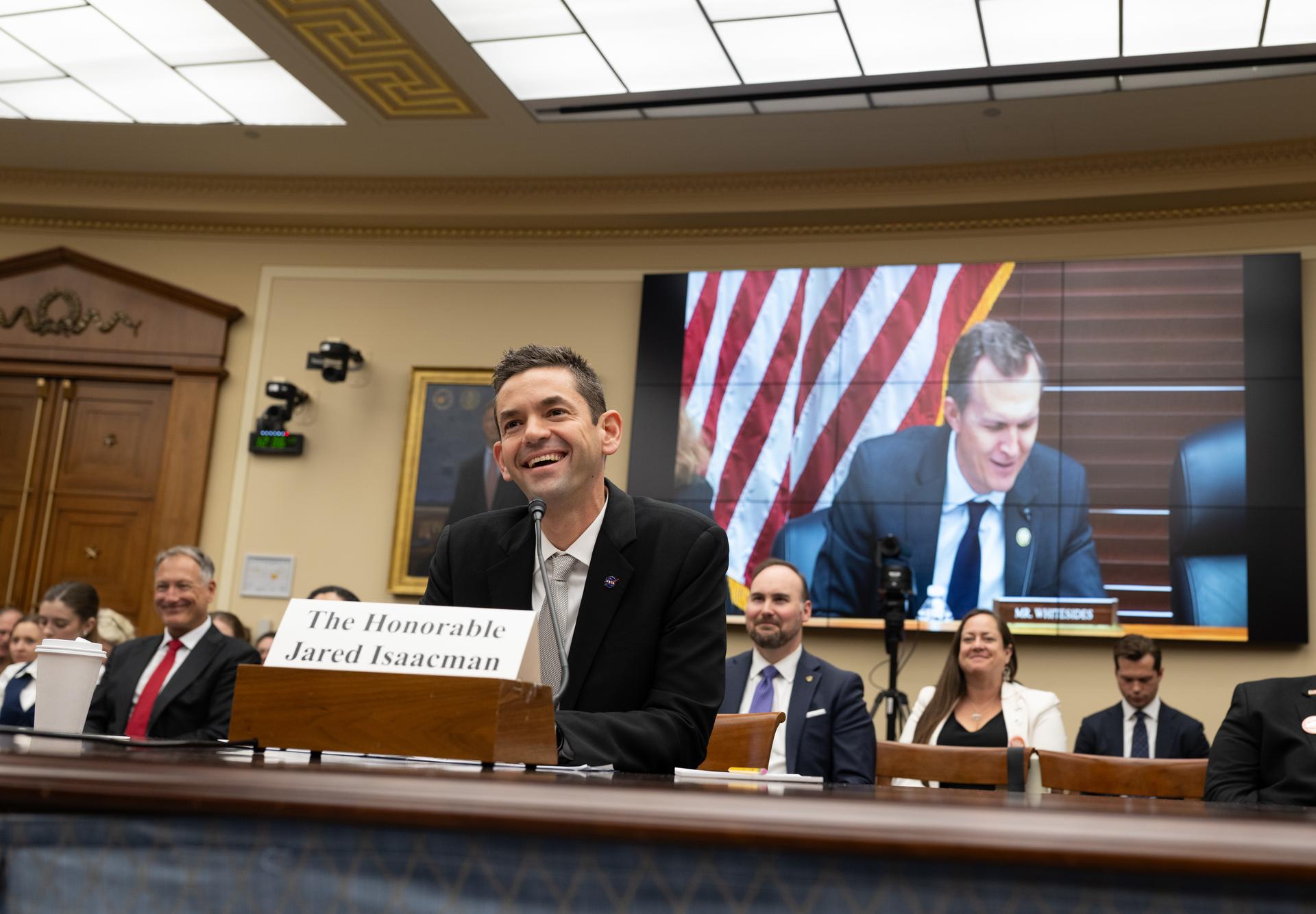
NASA Administrator Jared Isaacman testifies during a House Committee on Science, Space, and Technology hearing regarding the President’s Fiscal Year 2027 budget request for the agency, Wednesday, April 22, 2026, at the Rayburn House Office Building in Washington. Photo Credit: (NASA/Joel Kowsky)
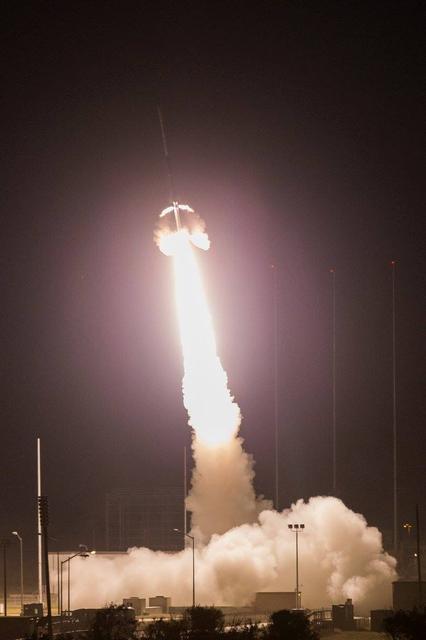
A Black Brant IX suborbital sounding rocket is launched at 7:07 p.m., Wednesday October 7, 2015. (NASA Photo/A. Stancil) A Black Brant IX suborbital rocket was launched from NASA's Wallops Flight Facility. The launch occurred at 7:07 p.m. The primary purpose of the flight was to test the performance of the second-stage Black Brant motor. Preliminary indications are that the motor performed as planned. Preliminary data analysis of the technology experiments (vapor tracer deployments) on the payload is in progress. <b><a href="http://www.nasa.gov/audience/formedia/features/MP_Photo_Guidelines.html" rel="nofollow">NASA image use policy.</a></b> <b><a href="http://www.nasa.gov/centers/goddard/home/index.html" rel="nofollow">NASA Goddard Space Flight Center</a></b> enables NASA’s mission through four scientific endeavors: Earth Science, Heliophysics, Solar System Exploration, and Astrophysics. Goddard plays a leading role in NASA’s accomplishments by contributing compelling scientific knowledge to advance the Agency’s mission. <b>Follow us on <a href="http://twitter.com/NASAGoddardPix" rel="nofollow">Twitter</a></b> <b>Like us on <a href="http://www.facebook.com/pages/Greenbelt-MD/NASA-Goddard/395013845897?ref=tsd" rel="nofollow">Facebook</a></b> <b>Find us on <a href="http://instagrid.me/nasagoddard/?vm=grid" rel="nofollow">Instagram</a></b>
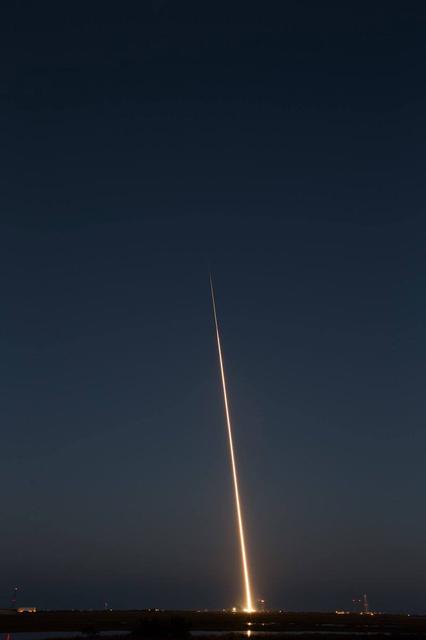
A Black Brant IX suborbital sounding rocket is launched at 7:07 p.m., Wednesday October 7, 2015. (NASA Photo/T. Zaperach) A Black Brant IX suborbital rocket was launched from NASA's Wallops Flight Facility. The launch occurred at 7:07 p.m. The primary purpose of the flight was to test the performance of the second-stage Black Brant motor. Preliminary indications are that the motor performed as planned. Preliminary data analysis of the technology experiments (vapor tracer deployments) on the payload is in progress. <b><a href="http://www.nasa.gov/audience/formedia/features/MP_Photo_Guidelines.html" rel="nofollow">NASA image use policy.</a></b> <b><a href="http://www.nasa.gov/centers/goddard/home/index.html" rel="nofollow">NASA Goddard Space Flight Center</a></b> enables NASA’s mission through four scientific endeavors: Earth Science, Heliophysics, Solar System Exploration, and Astrophysics. Goddard plays a leading role in NASA’s accomplishments by contributing compelling scientific knowledge to advance the Agency’s mission. <b>Follow us on <a href="http://twitter.com/NASAGoddardPix" rel="nofollow">Twitter</a></b> <b>Like us on <a href="http://www.facebook.com/pages/Greenbelt-MD/NASA-Goddard/395013845897?ref=tsd" rel="nofollow">Facebook</a></b> <b>Find us on <a href="http://instagrid.me/nasagoddard/?vm=grid" rel="nofollow">Instagram</a></b>

A Black Brant IX suborbital sounding rocket is launched at 7:07 p.m., Wednesday October 7, 2015. (NASA Photo/A. Stancil) A Black Brant IX suborbital rocket was launched from NASA's Wallops Flight Facility. The launch occurred at 7:07 p.m. The primary purpose of the flight was to test the performance of the second-stage Black Brant motor. Preliminary indications are that the motor performed as planned. Preliminary data analysis of the technology experiments (vapor tracer deployments) on the payload is in progress. <b><a href="http://www.nasa.gov/audience/formedia/features/MP_Photo_Guidelines.html" rel="nofollow">NASA image use policy.</a></b> <b><a href="http://www.nasa.gov/centers/goddard/home/index.html" rel="nofollow">NASA Goddard Space Flight Center</a></b> enables NASA’s mission through four scientific endeavors: Earth Science, Heliophysics, Solar System Exploration, and Astrophysics. Goddard plays a leading role in NASA’s accomplishments by contributing compelling scientific knowledge to advance the Agency’s mission. <b>Follow us on <a href="http://twitter.com/NASAGoddardPix" rel="nofollow">Twitter</a></b> <b>Like us on <a href="http://www.facebook.com/pages/Greenbelt-MD/NASA-Goddard/395013845897?ref=tsd" rel="nofollow">Facebook</a></b> <b>Find us on <a href="http://instagrid.me/nasagoddard/?vm=grid" rel="nofollow">Instagram</a></b>
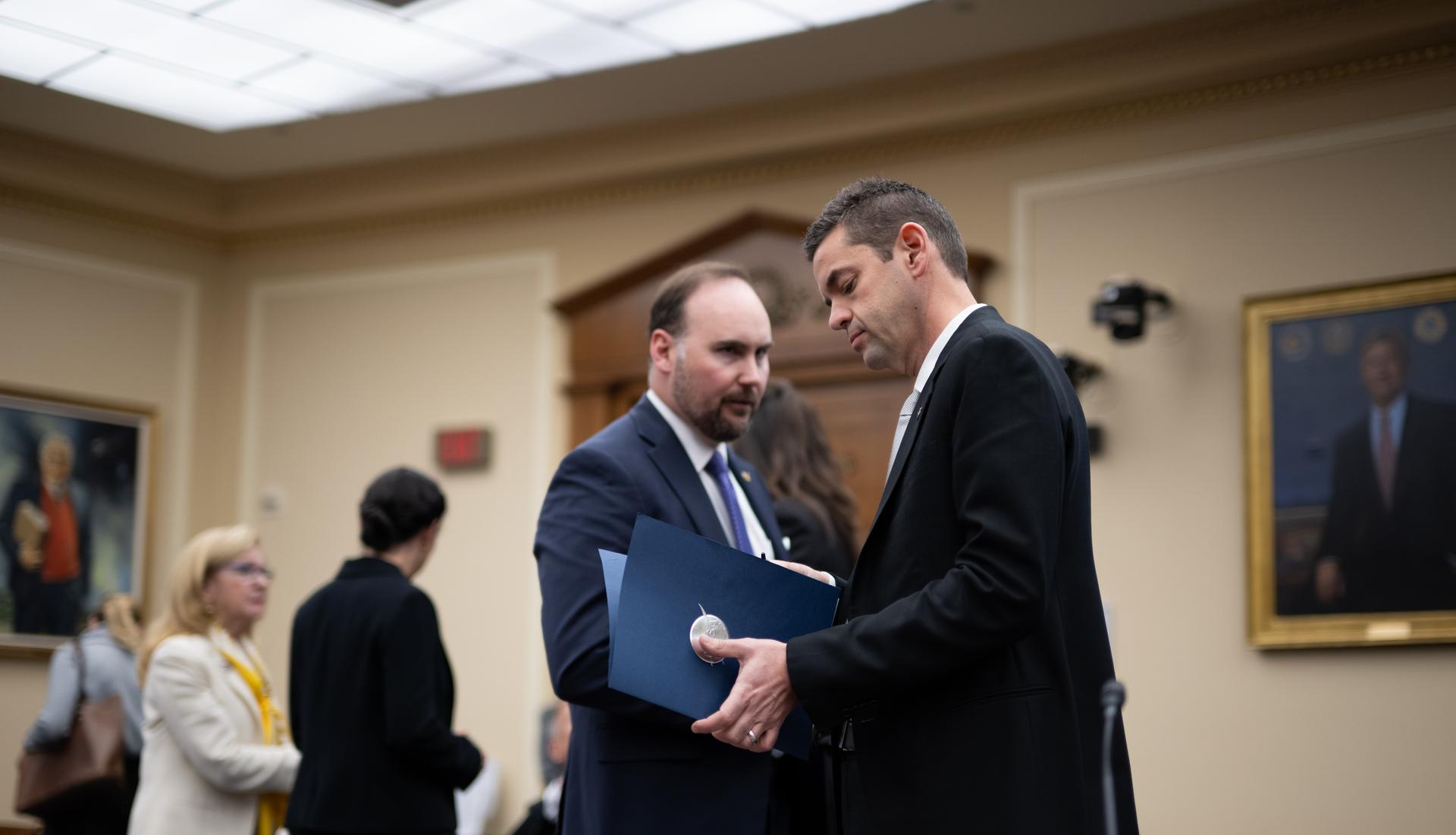
NASA Administrator Jared Isaacman, right, speaks with Joel Graham, associate administrator for NASA's Office of Legislative and Intergovernmental Affairs at the beginning of a recess during a House Committee on Science, Space, and Technology hearing regarding the President’s Fiscal Year 2027 budget request for the agency, Wednesday, April 22, 2026, at the Rayburn House Office Building in Washington. Photo Credit: (NASA/Joel Kowsky)

A vapor cloud is seen after launch of a Black Brant IX suborbital sounding rocket, launched at 7:07 p.m., Wednesday October 7, 2015. (NASA Photo/J. Adkins) A Black Brant IX suborbital rocket was launched from NASA's Wallops Flight Facility. The launch occurred at 7:07 p.m. The primary purpose of the flight was to test the performance of the second-stage Black Brant motor. Preliminary indications are that the motor performed as planned. Preliminary data analysis of the technology experiments (vapor tracer deployments) on the payload is in progress. <b><a href="http://www.nasa.gov/audience/formedia/features/MP_Photo_Guidelines.html" rel="nofollow">NASA image use policy.</a></b> <b><a href="http://www.nasa.gov/centers/goddard/home/index.html" rel="nofollow">NASA Goddard Space Flight Center</a></b> enables NASA’s mission through four scientific endeavors: Earth Science, Heliophysics, Solar System Exploration, and Astrophysics. Goddard plays a leading role in NASA’s accomplishments by contributing compelling scientific knowledge to advance the Agency’s mission. <b>Follow us on <a href="http://twitter.com/NASAGoddardPix" rel="nofollow">Twitter</a></b> <b>Like us on <a href="http://www.facebook.com/pages/Greenbelt-MD/NASA-Goddard/395013845897?ref=tsd" rel="nofollow">Facebook</a></b> <b>Find us on <a href="http://instagrid.me/nasagoddard/?vm=grid" rel="nofollow">Instagram</a></b>
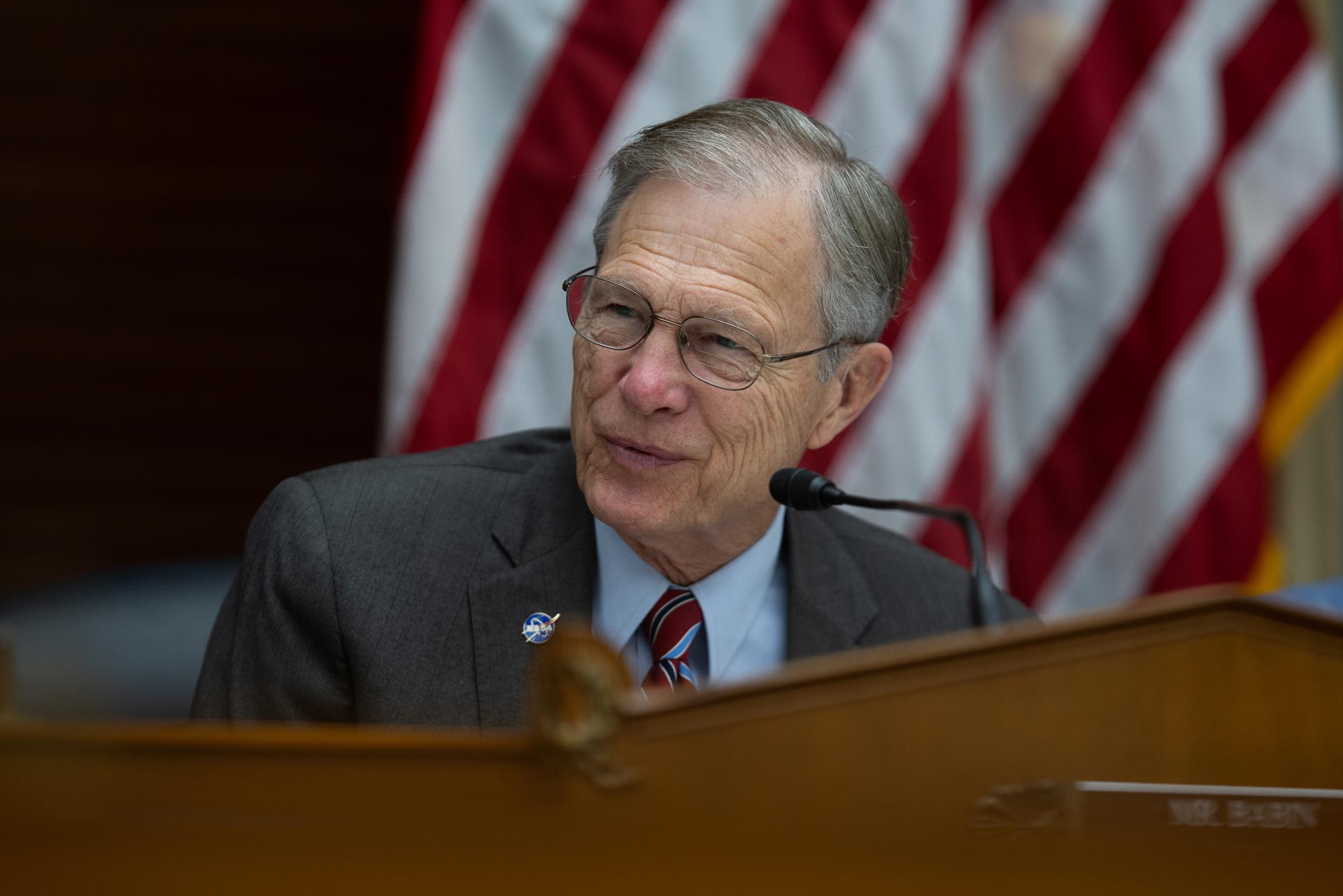
Chairman of the House Committee on Science Space, and Technology Brian Babin, R-Texas, is seen during a committee hearing on the President’s Fiscal Year 2027 budget request for NASA, Wednesday, April 22, 2026, at the Rayburn House Office Building in Washington. Photo Credit: (NASA/Joel Kowsky)
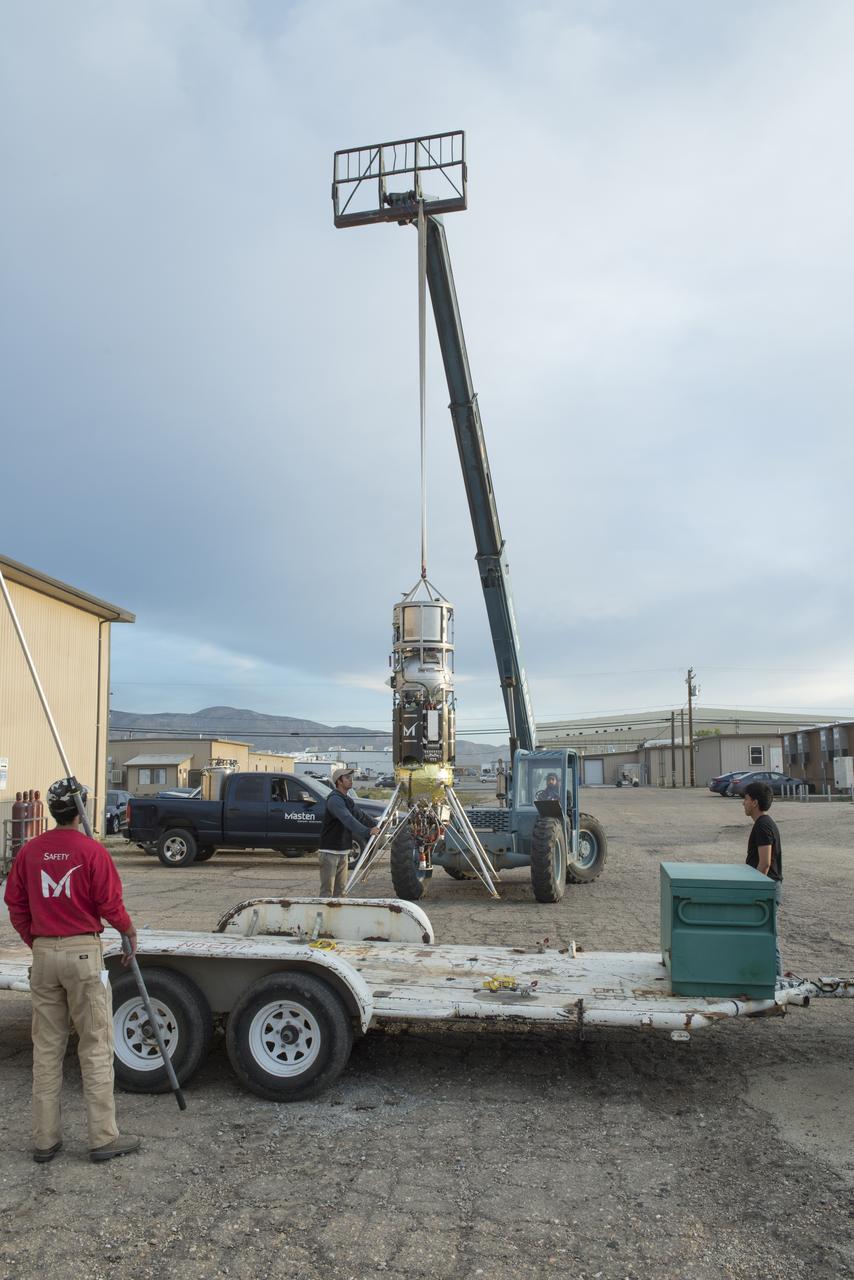
Masten Space Systems’ technician making adjustments to NASA’s autonomous landing technologies payload on Masten’s Xodiac rocket.
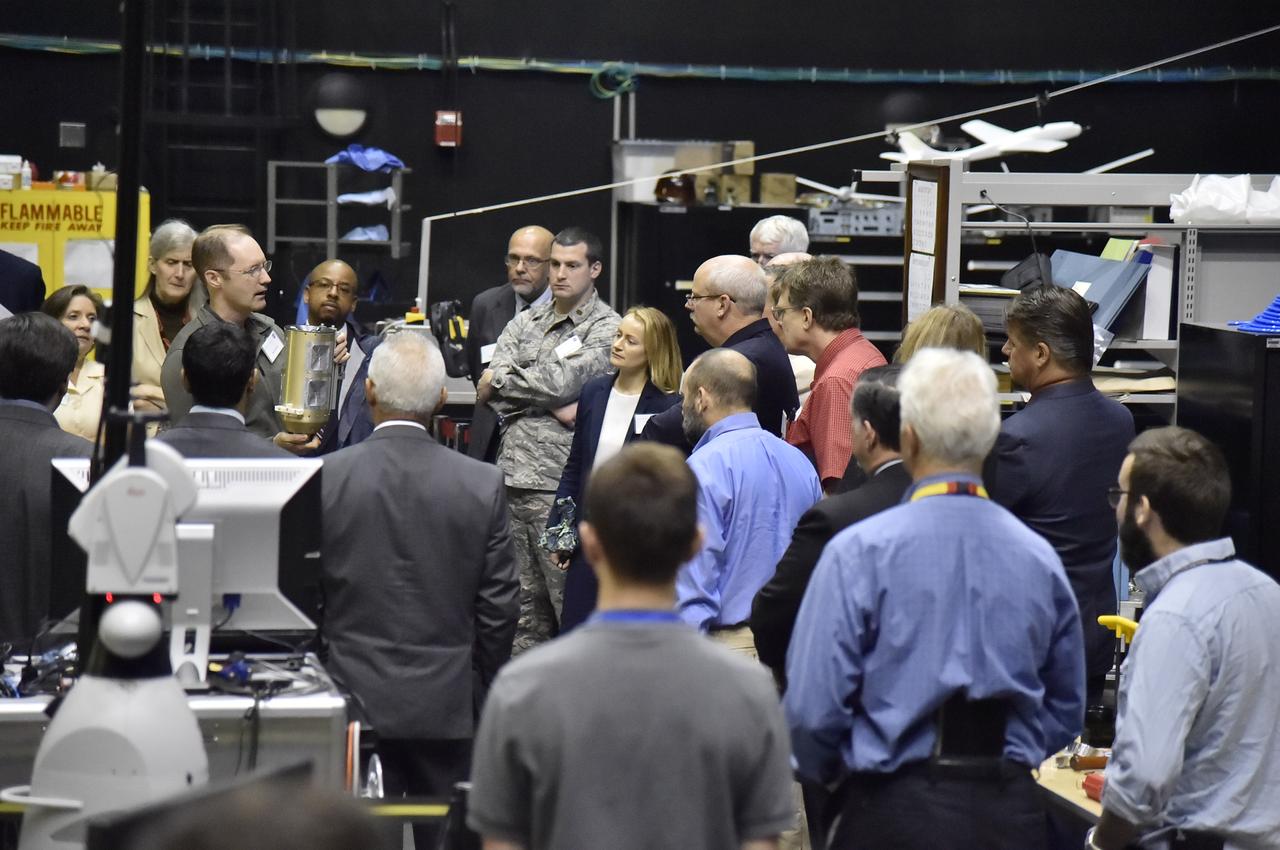
WASHINGTON, D.C.---S&T Partnership Forum In-Space Assembly Technical Interchange Meeting-On September 6th 2017, many of the United States government experts on In-Space Assembly met at the U.S. Naval Research Lab to discuss both technology development and in-space applications that would advance national capabilities in this area. Expertise from NASA, USAF, NRO, DARPA and NRL met in this meeting which was coordinated by the NASA Headquarters, Office of the Chief Technologist. This technical interchange meeting was the second meeting of the members of this Science and Technology Partnership Forum. Glen Henshaw of Code 8231 talks to the group in the Space Robotics Lab.
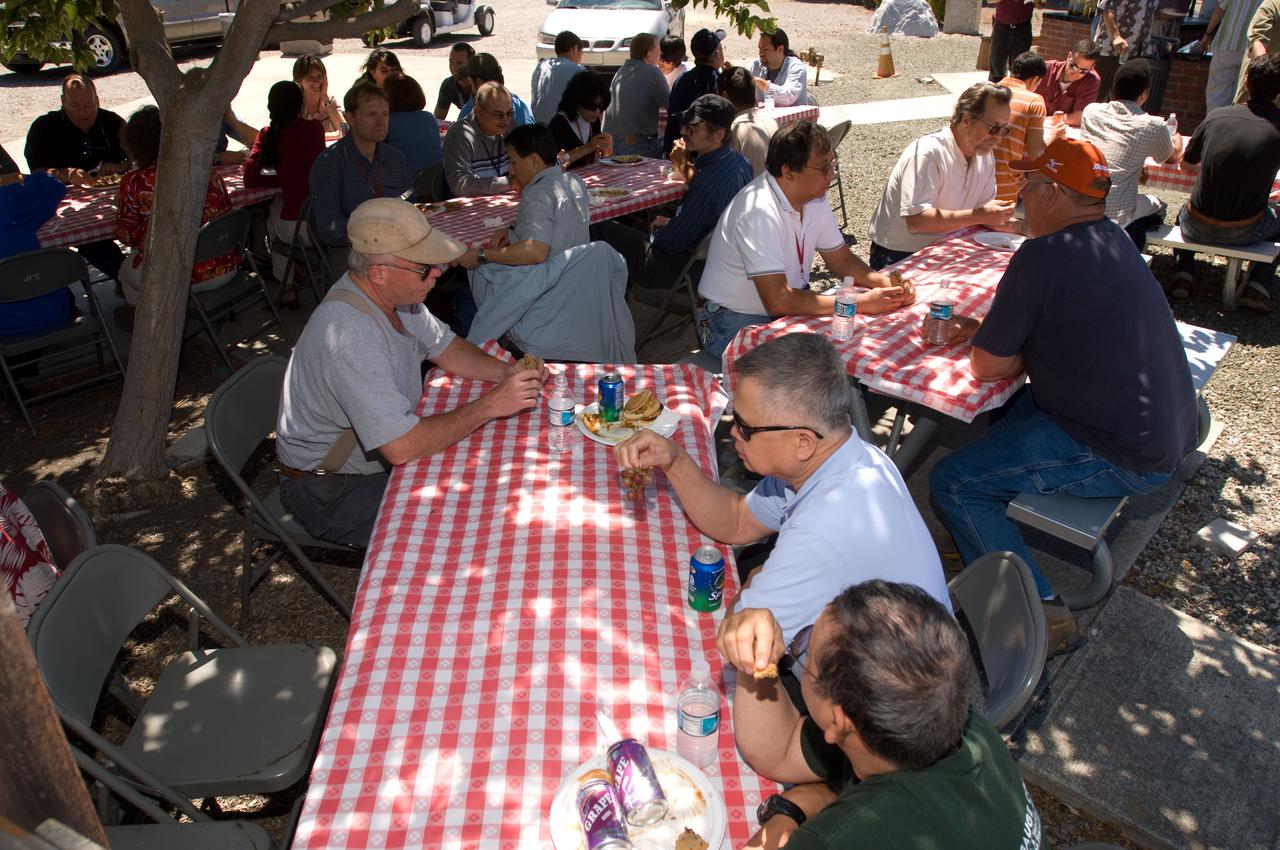
Space Technology Division Summer picnic
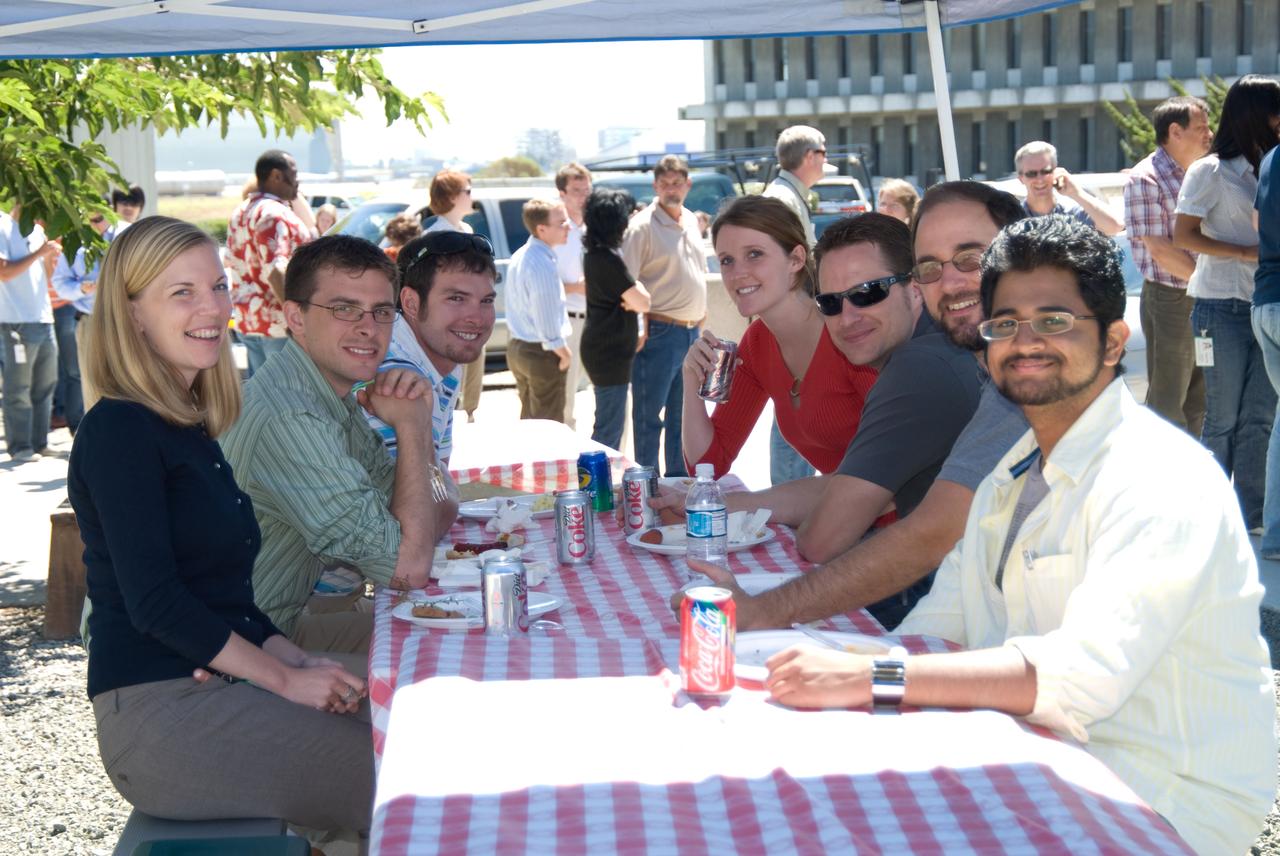
Space Technology Division Summer picnic

Space Technology Division Summer picnic

Space Technology Division Summer picnic
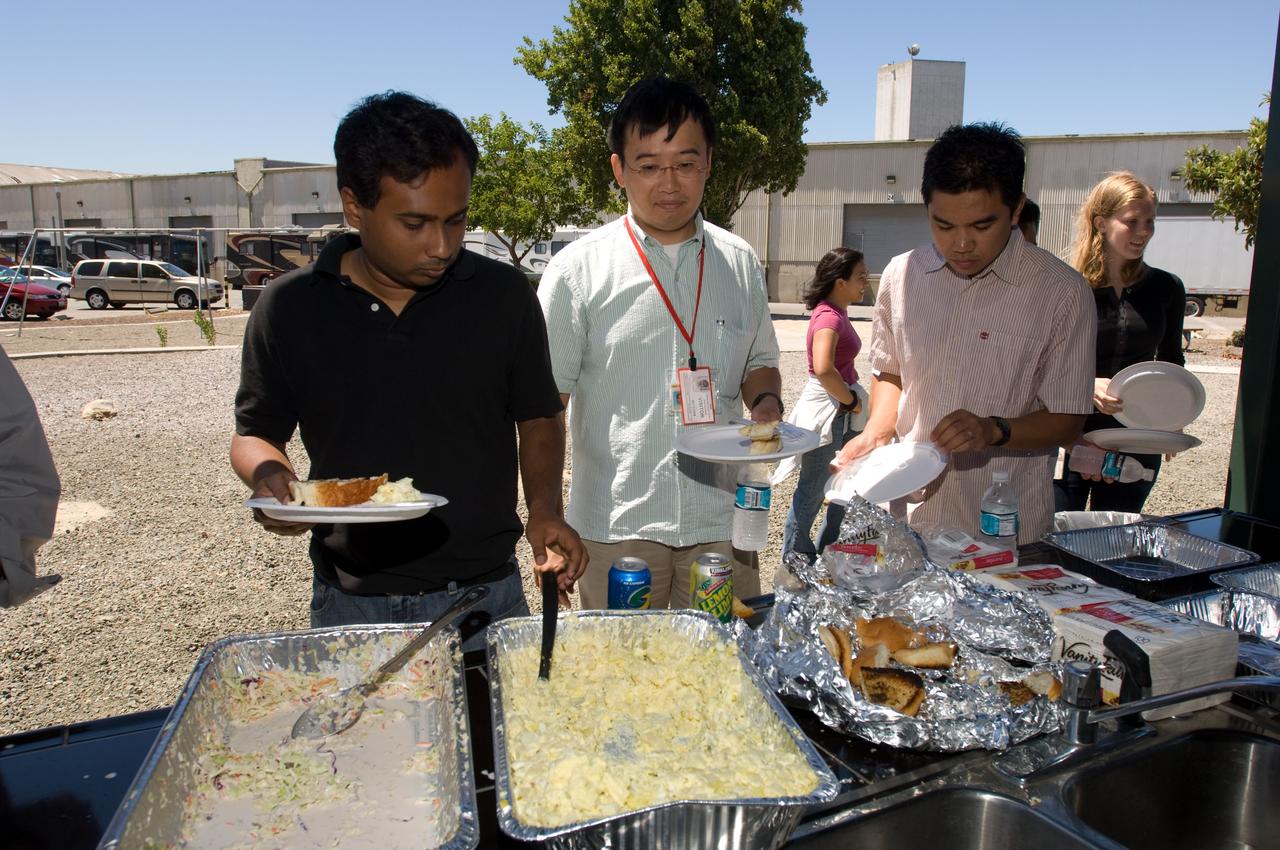
Space Technology Division Summer picnic

Space Technology Division Summer picnic
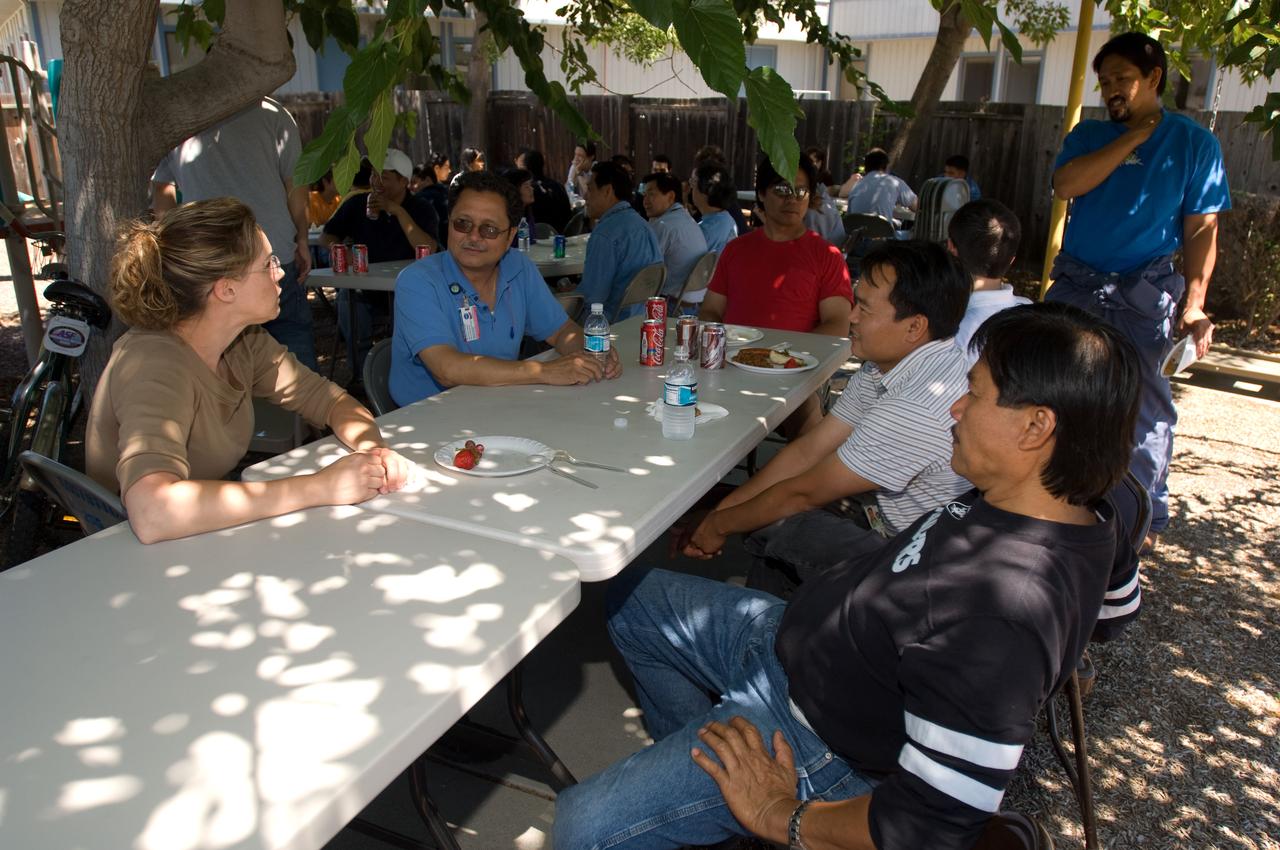
Space Technology Division Summer picnic
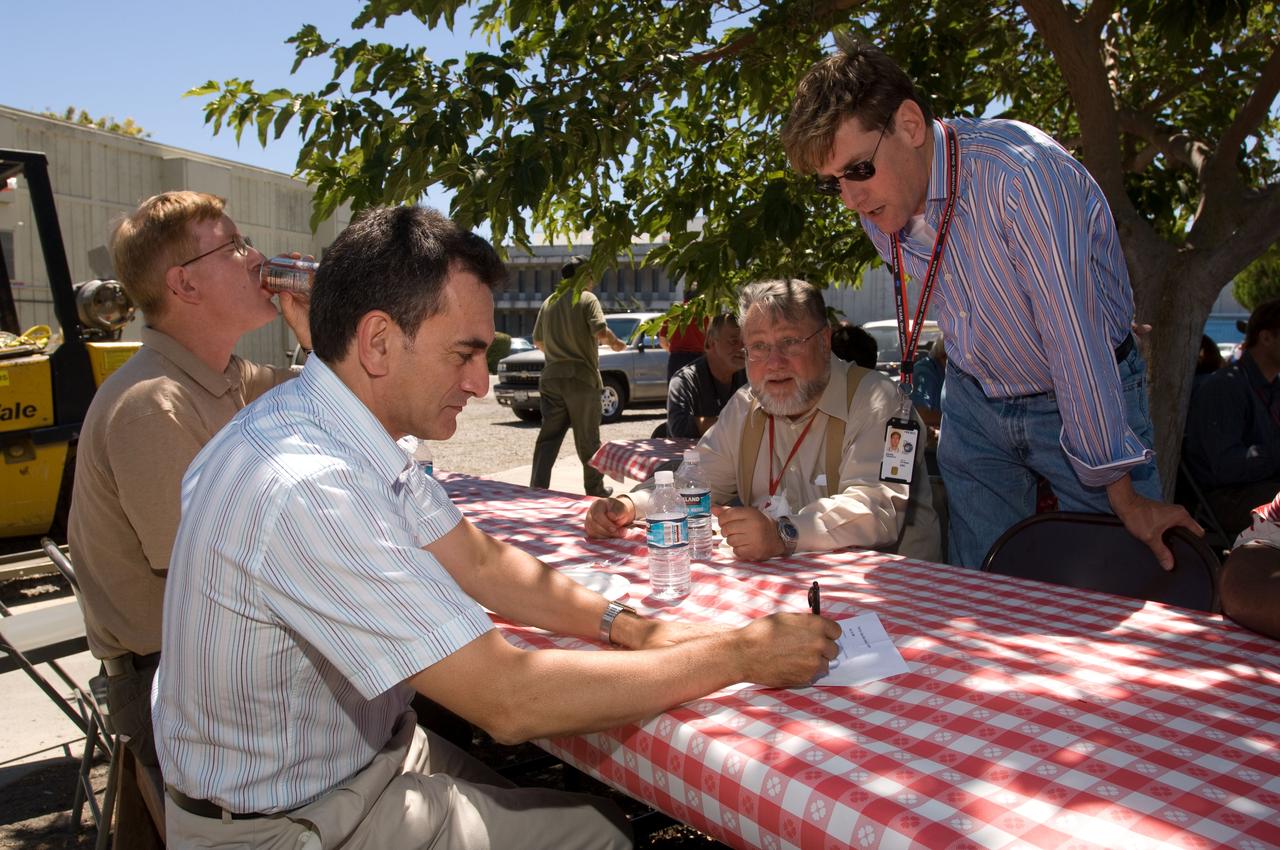
Space Technology Division Summer picnic
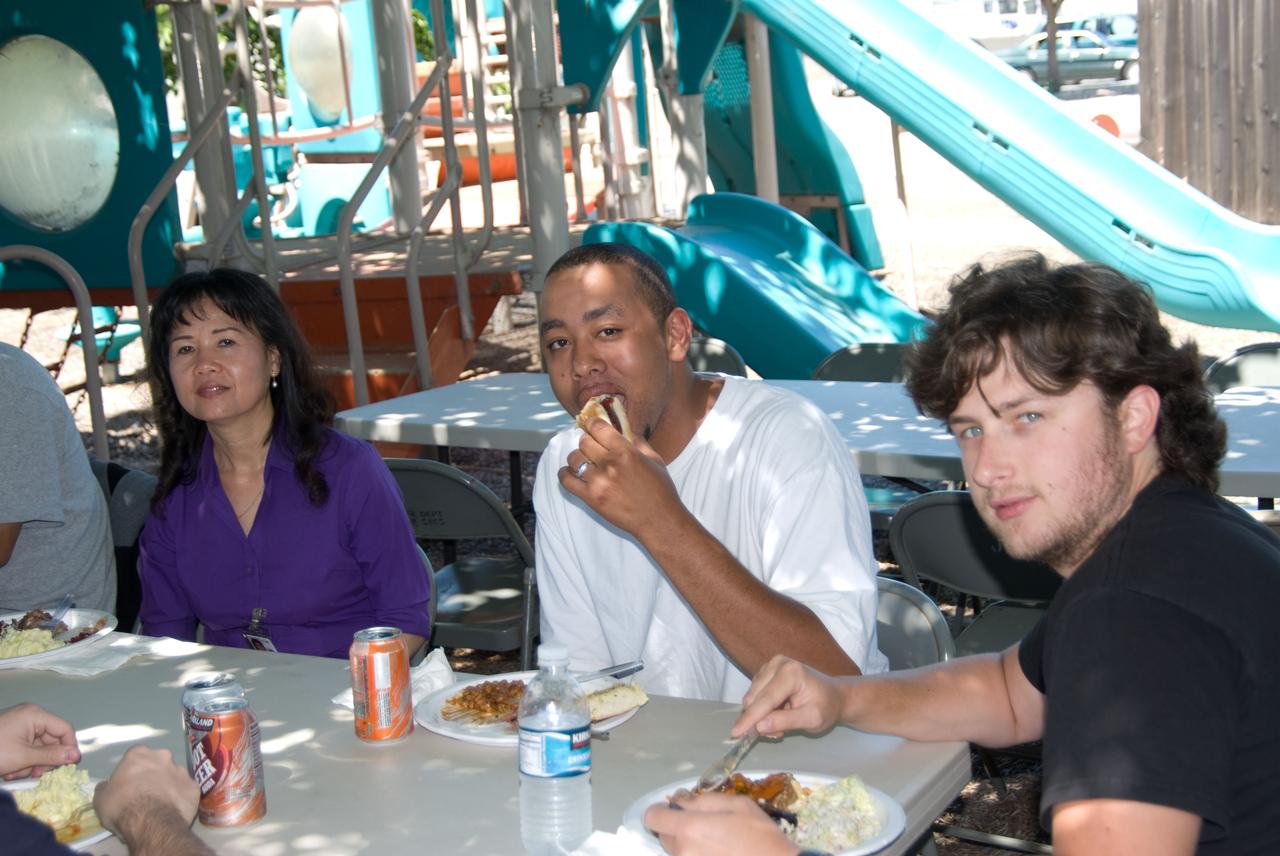
Space Technology Division Summer picnic

Space Technology Division Summer picnic

Space Technology Division Summer picnic
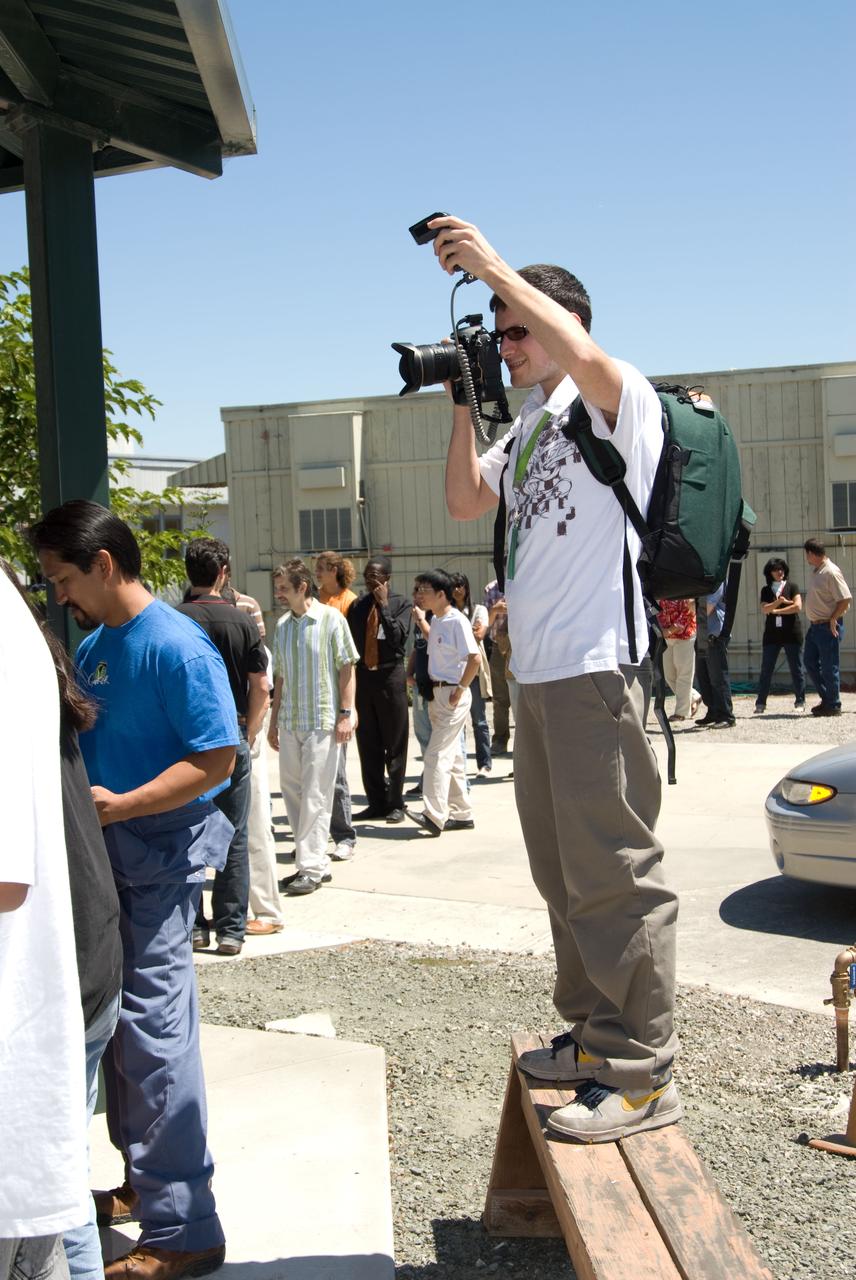
Space Technology Division Summer picnic
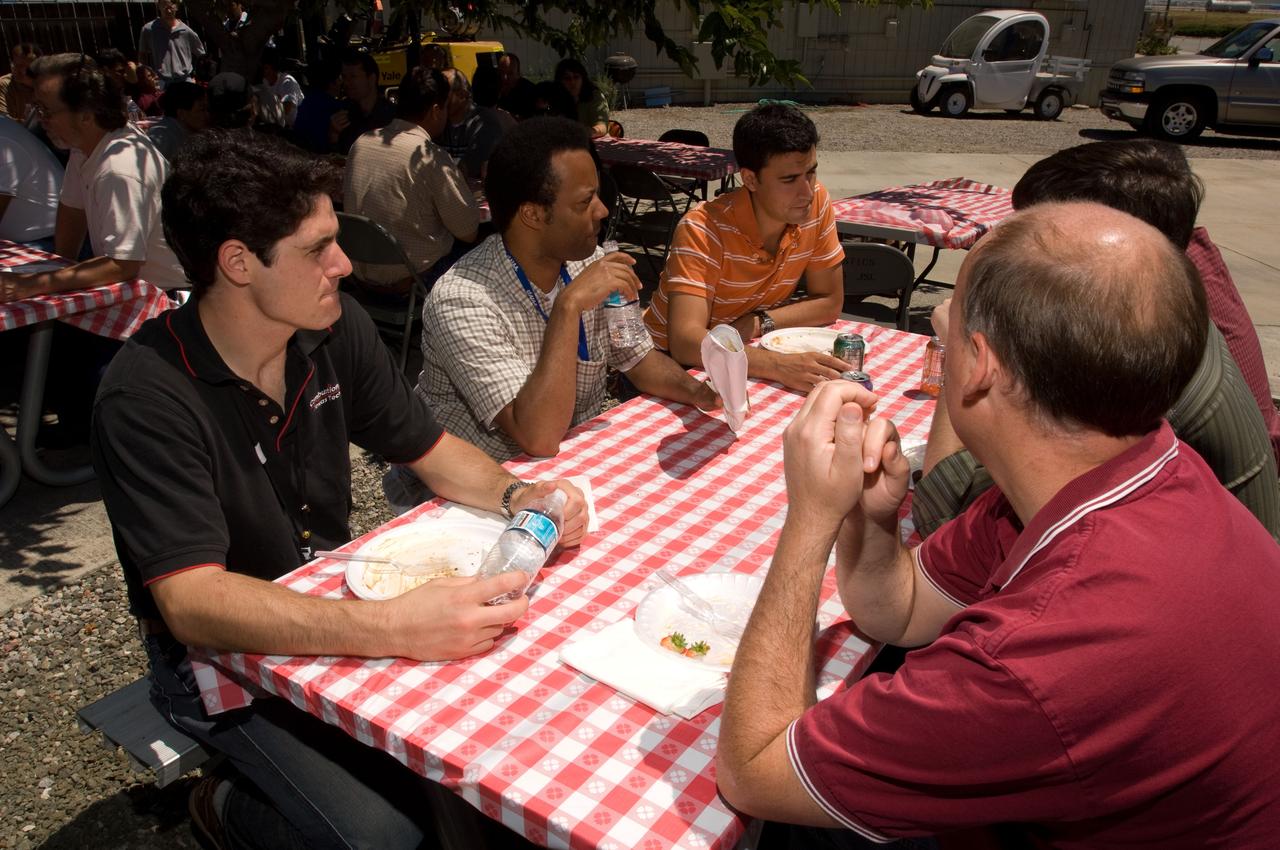
Space Technology Division Summer picnic
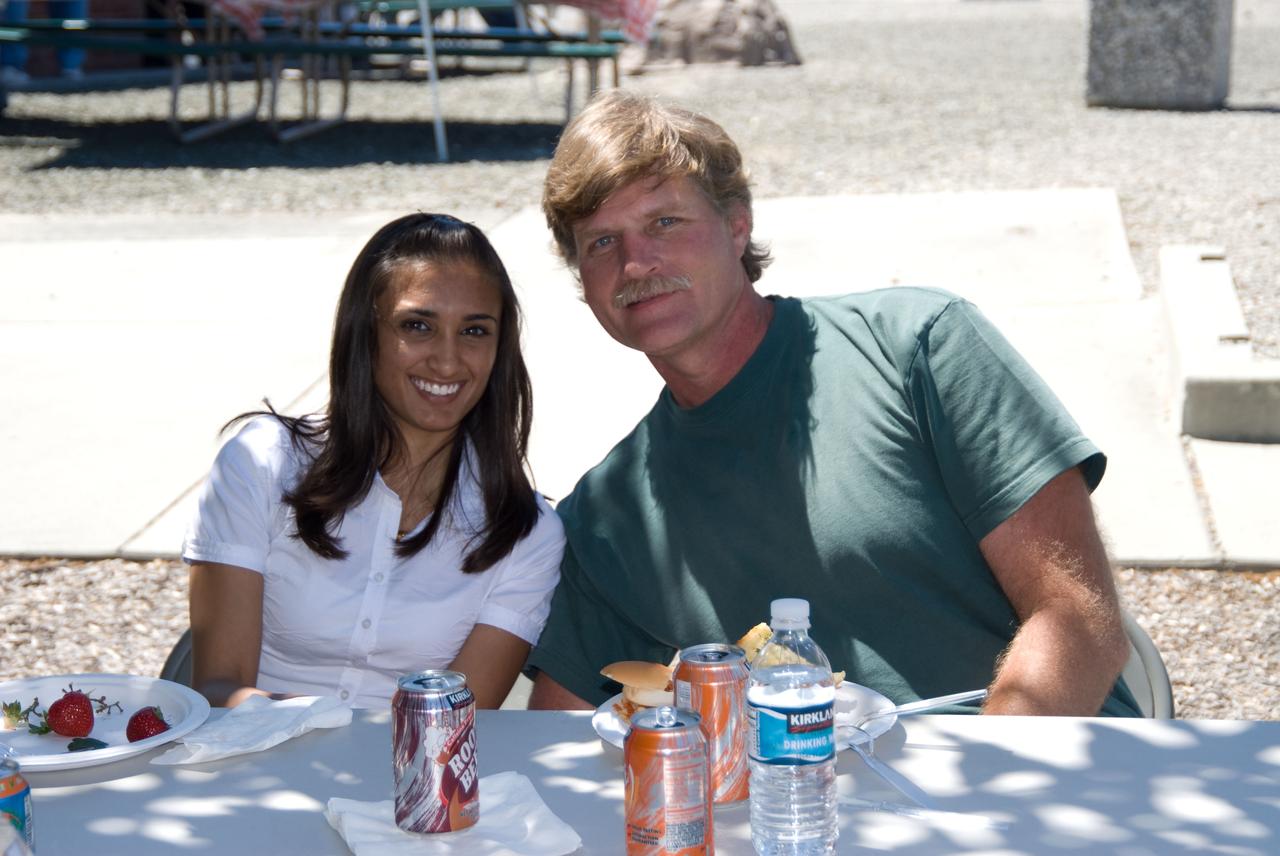
Space Technology Division Summer picnic
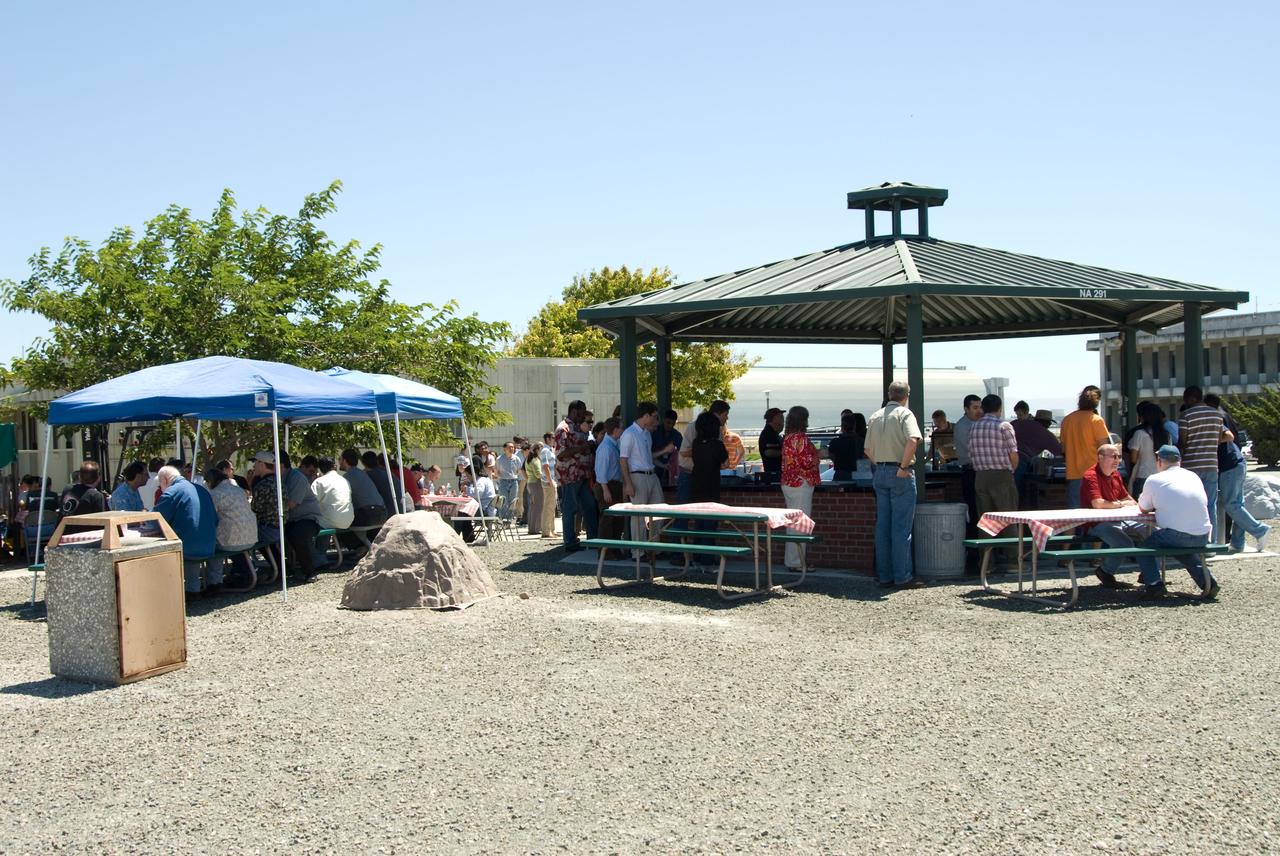
Space Technology Division Summer picnic

Space Technology Division Summer picnic

Space Technology Division Summer picnic

Space Technology Division Summer picnic

Space Technology Division Summer picnic
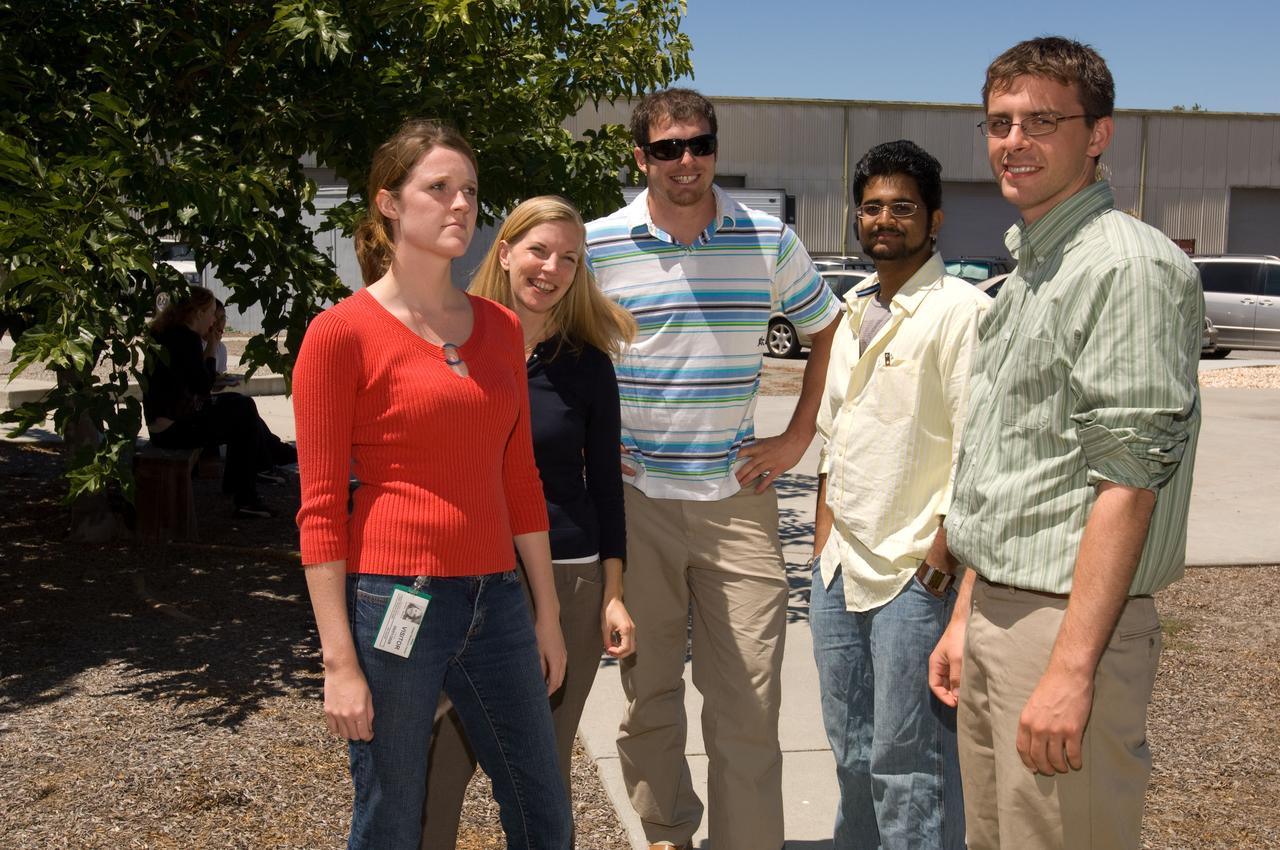
Space Technology Division Summer picnic

Space Technology Division Summer picnic

Space Technology Division Summer picnic

Space Technology Division Summer picnic
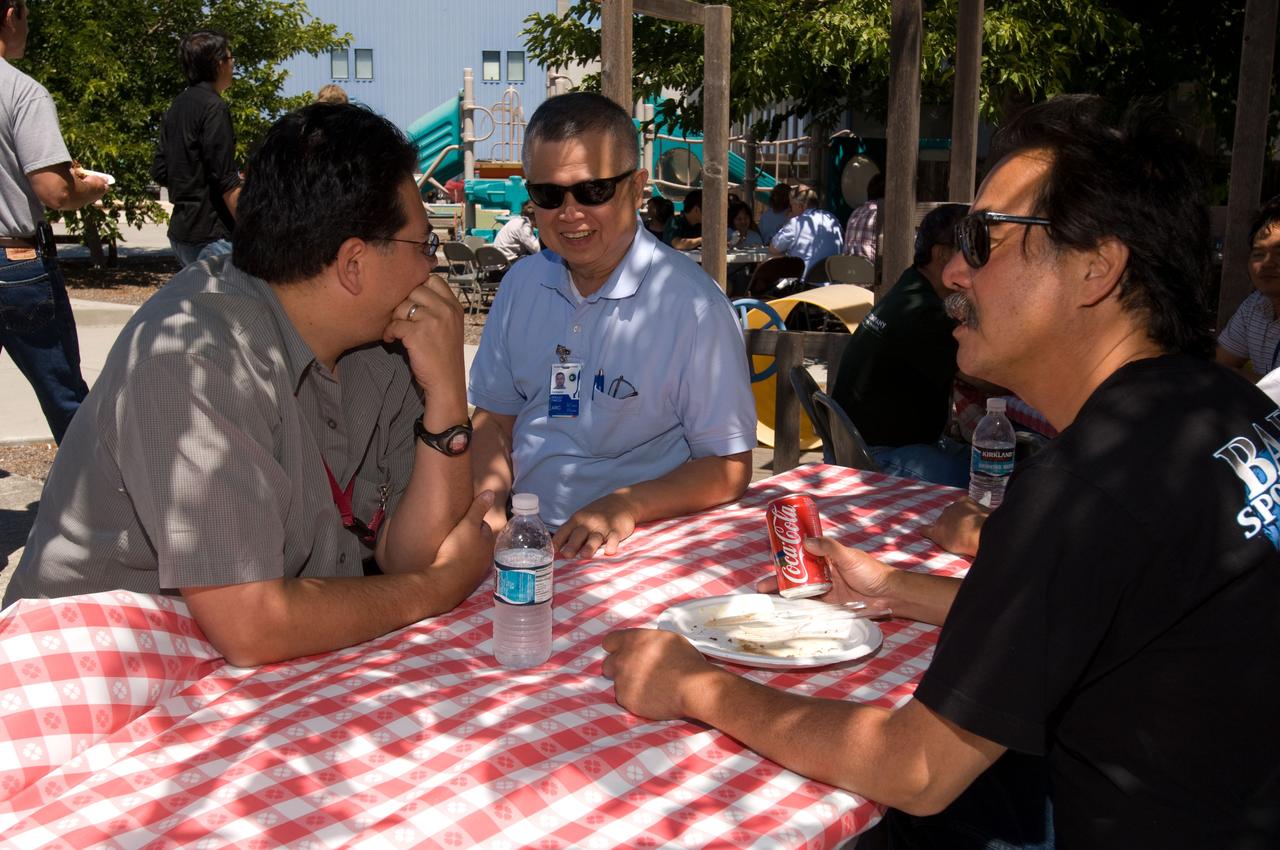
Space Technology Division Summer picnic

Space Technology Division Summer picnic
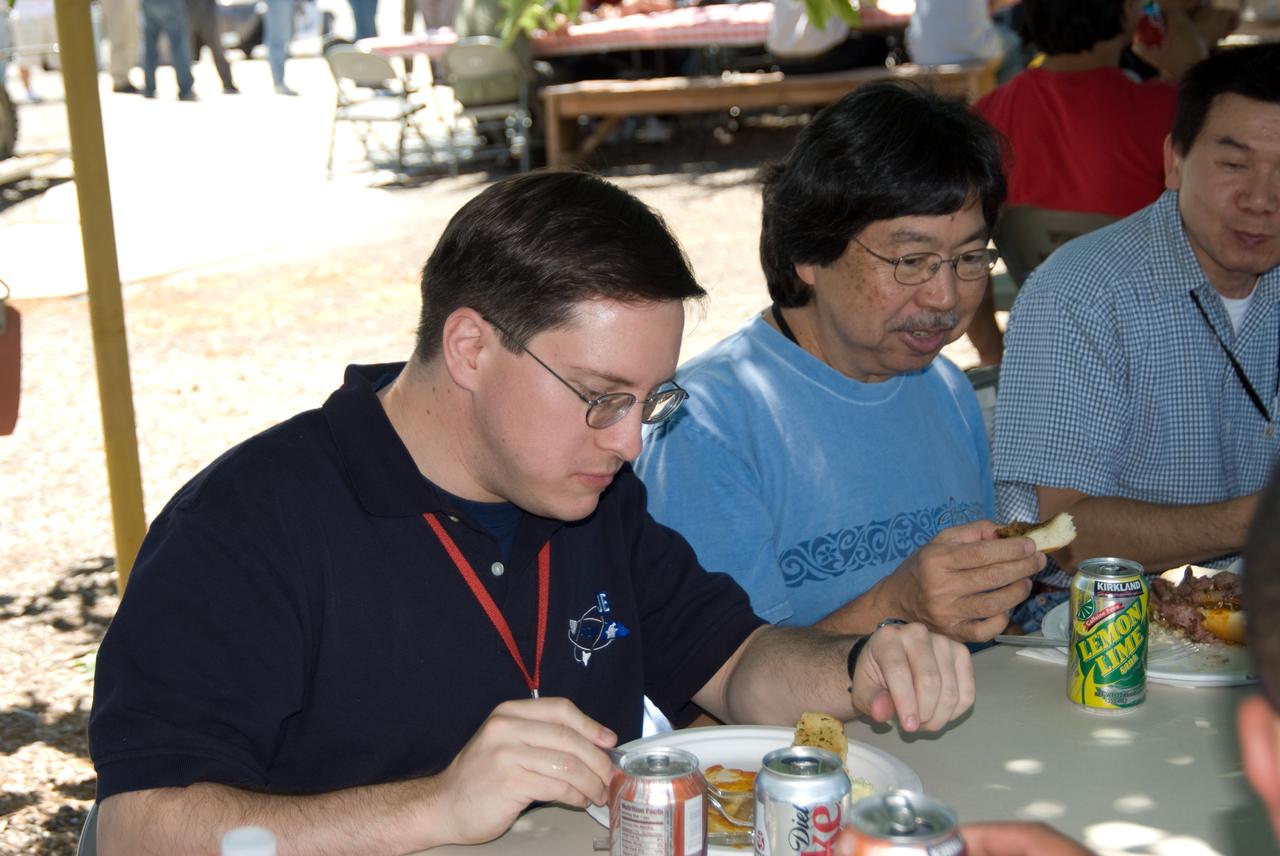
Space Technology Division Summer picnic