
Laura Aguiar hosts NASA’s prelaunch technology show for Space Test Program-2 (STP-2) at Kennedy Space Center on June 23, 2019. STP-2 is managed by the U.S. Air Force Space and Missile Systems Center.

Laura Aguiar hosts NASA’s prelaunch technology show for Space Test Program-2 (STP-2) at Kennedy Space Center on June 23, 2019. STP-2 is managed by the U.S. Air Force Space and Missile Systems Center.
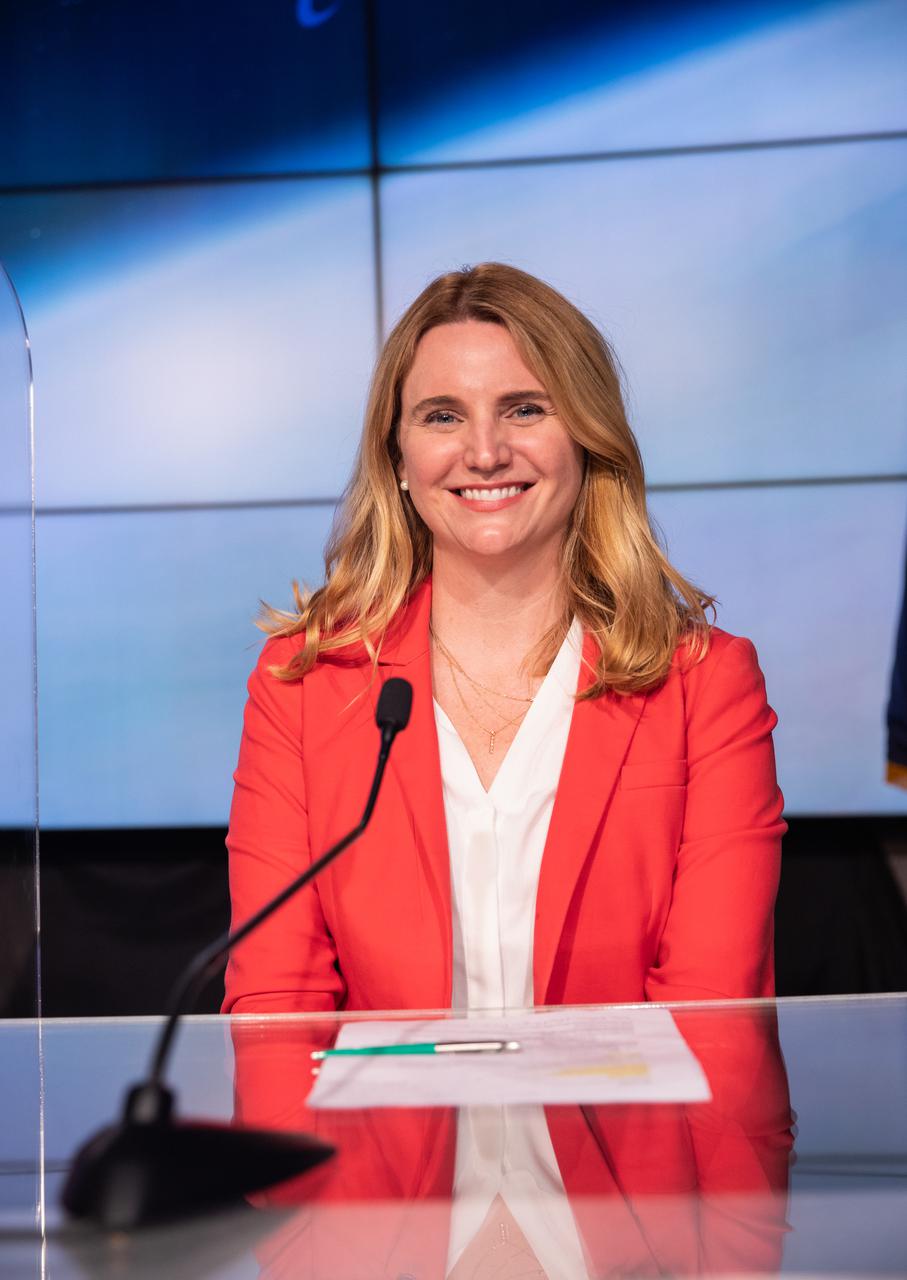
Jennifer Buchli, deputy chief scientist, NASA’s International Space Station Program, participates in a crew and science media briefing ahead of Boeing’s Orbital Flight Test-2 (OFT-2) at the agency’s Kennedy Space Center in Florida, July 29, 2021. Boeing’s CST-100 Starliner spacecraft will launch atop a United Launch Alliance Atlas V rocket from Space Launch Complex-41 at Cape Canaveral Space Force Station. The uncrewed OFT-2 will be the Starliner’s second flight for NASA’s Commercial Crew Program.

Tawnya Laughinghouse, NASA’s Technology Demonstration Missions program manager, talks about the NASA payloads hitching a ride on the Space Test Program-2 (STP-2) mission during a prelaunch technology TV broadcast at Kennedy Space Center in Florida on June 23, 2019. STP-2 is managed by the U.S. Air Force Space and Missile Systems Center.
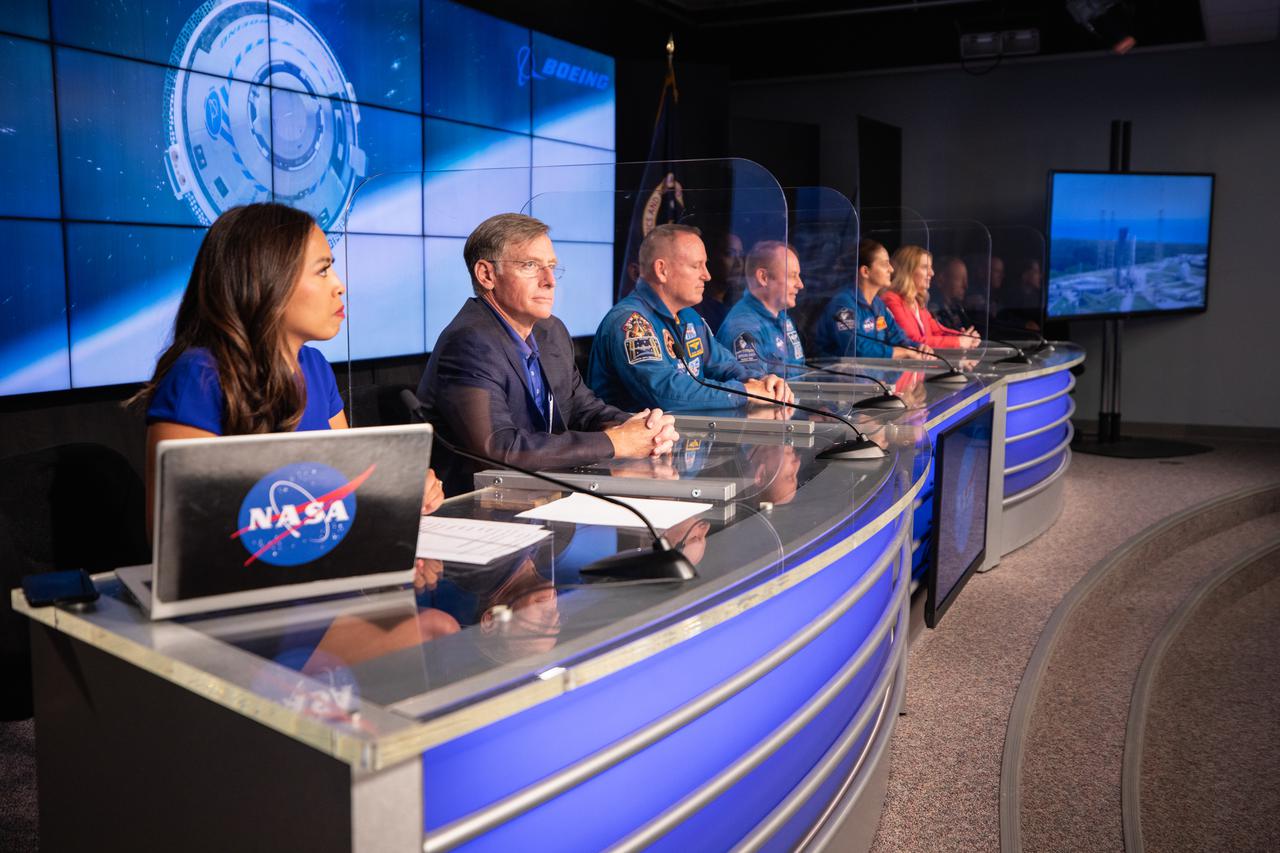
Officials from NASA participate in a crew and science media briefing ahead or Boeing’s Orbital Flight Test-2 (OFT-2) at the agency’s Kennedy Space Center in Florida, July 29, 2021. From left to right are Megan Cruz, NASA Communications; Chris Ferguson, director, Starliner Mission Operations and Integration/Crew Systems; Barry “Butch” Wilmore, NASA astronaut, Crew Flight Test; E. Michael “Mike” Fincke, NASA astronaut, Crew Flight Test; Nicole Mann, NASA astronaut, Crew Flight Test; Jennifer Buchli, deputy chief scientist, NASA’s International Space Station Program. Boeing’s CST-100 Starliner spacecraft will launch atop a ULA Atlas V rocket from Space Launch Complex-41 at Cape Canaveral Space Force Station on a mission to dock with the space station. The uncrewed OFT-2 will be the Starliner’s second flight for NASA’s Commercial Crew Program.
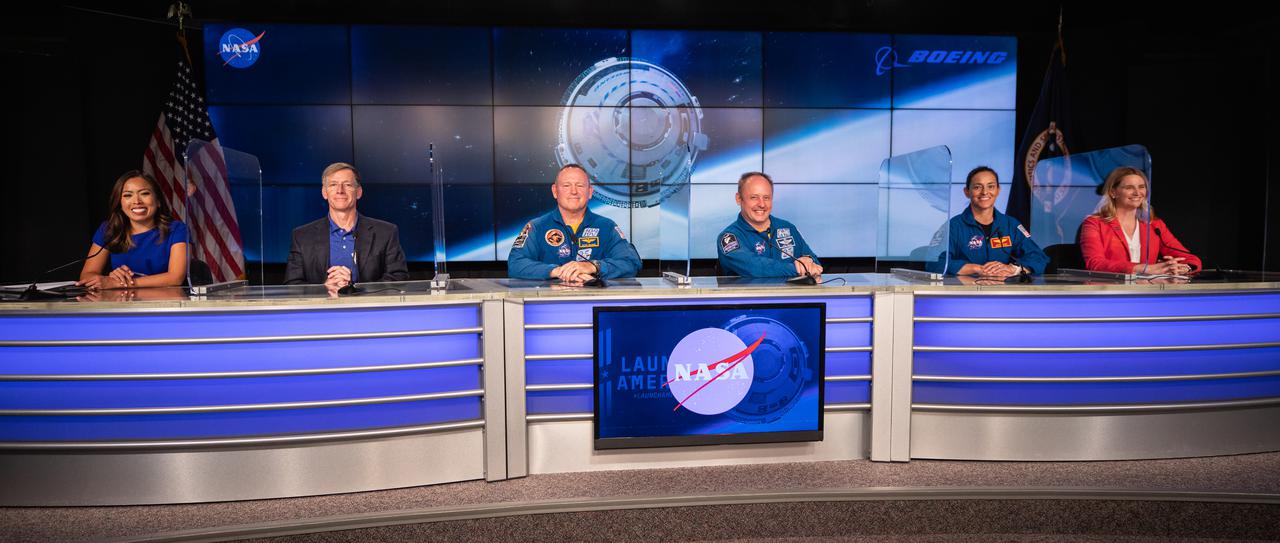
Officials from NASA participate in a crew and science media briefing ahead or Boeing’s Orbital Flight Test-2 (OFT-2) at the agency’s Kennedy Space Center in Florida, July 29, 2021. From left to right are Megan Cruz, NASA Communications; Chris Ferguson, director, Starliner Mission Operations and Integration/Crew Systems; Barry “Butch” Wilmore, NASA astronaut, Crew Flight Test; E. Michael “Mike” Fincke, NASA astronaut, Crew Flight Test; Nicole Mann, NASA astronaut, Crew Flight Test; Jennifer Buchli, deputy chief scientist, NASA’s International Space Station Program. Boeing’s CST-100 Starliner spacecraft will launch atop a ULA Atlas V rocket from Space Launch Complex-41 at Cape Canaveral Space Force Station on a mission to dock with the space station. The uncrewed OFT-2 will be the Starliner’s second flight for NASA’s Commercial Crew Program.

A SpaceX Falcon Heavy rocket carrying 24 satellites as part of the Department of Defense's Space Test Program-2 (STP-2) mission is seen at Launch Complex 39A, Monday, June 24, 2019 at NASA's Kennedy Space Center in Florida. Four NASA technology and science payloads which will study non-toxic spacecraft fuel, deep space navigation, "bubbles" in the electrically-charged layers of Earth's upper atmosphere, and radiation protection for satellites are among the two dozen satellites that will be launched. The three hour launch window opens at 11:30pm EDT on June 24. Photo Credit: (NASA/Joel Kowsky)
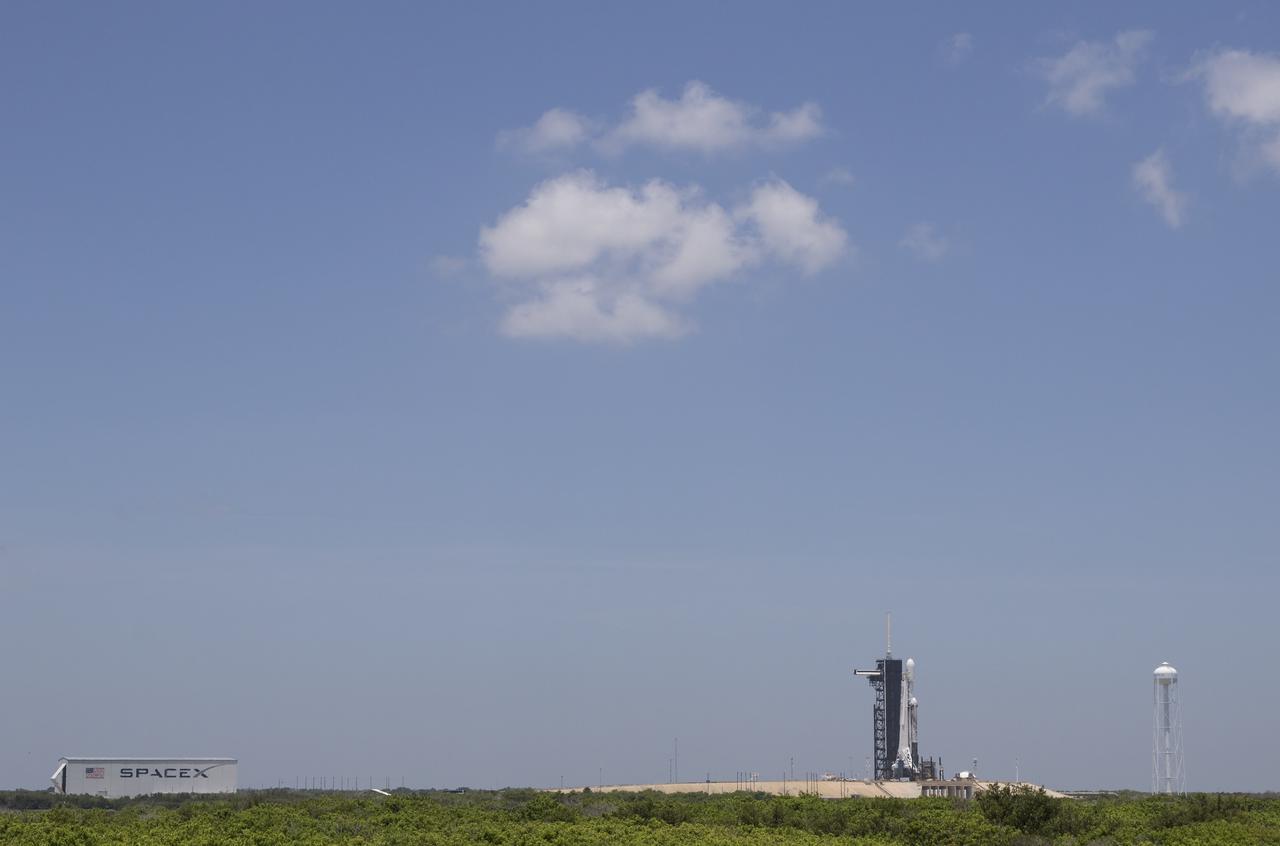
A SpaceX Falcon Heavy rocket carrying 24 satellites as part of the Department of Defense's Space Test Program-2 (STP-2) mission is seen at Launch Complex 39A, Monday, June 24, 2019 at NASA's Kennedy Space Center in Florida. Four NASA technology and science payloads which will study non-toxic spacecraft fuel, deep space navigation, "bubbles" in the electrically-charged layers of Earth's upper atmosphere, and radiation protection for satellites are among the two dozen satellites that will be launched. The three hour launch window opens at 11:30pm EDT on June 24. Photo Credit: (NASA/Joel Kowsky)
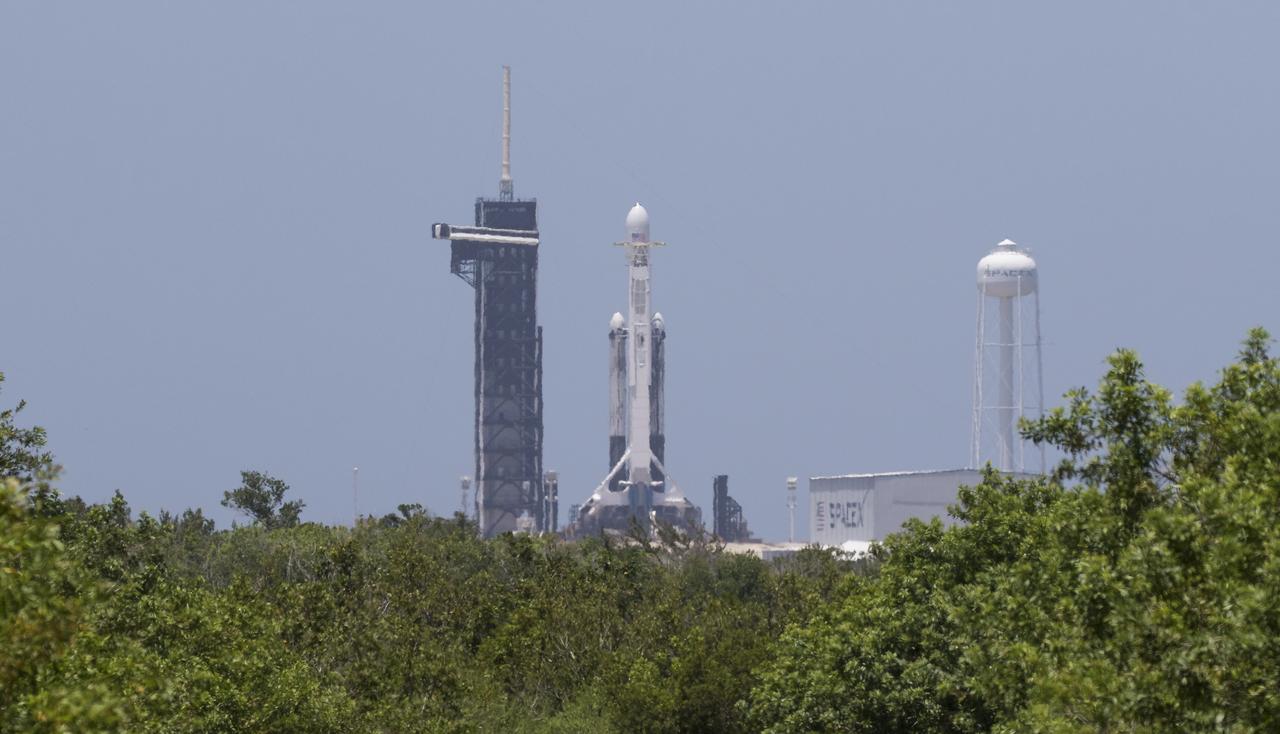
A SpaceX Falcon Heavy rocket carrying 24 satellites as part of the Department of Defense's Space Test Program-2 (STP-2) mission is seen at Launch Complex 39A, Monday, June 24, 2019 at NASA's Kennedy Space Center in Florida. Four NASA technology and science payloads which will study non-toxic spacecraft fuel, deep space navigation, "bubbles" in the electrically-charged layers of Earth's upper atmosphere, and radiation protection for satellites are among the two dozen satellites that will be launched. The three hour launch window opens at 11:30pm EDT on June 24. Photo Credit: (NASA/Joel Kowsky)
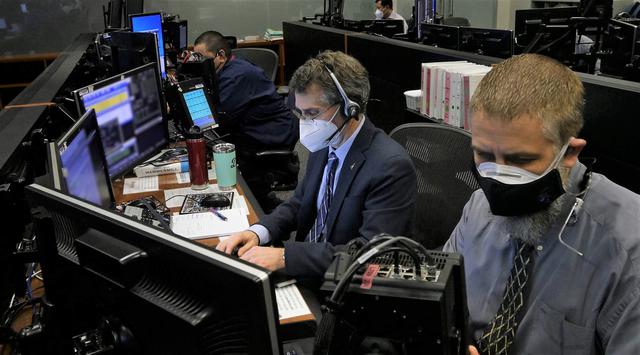
Boeing CST-100 Starliner flight directors Bob Dempsey and Edward Van Cise operate a simulated Orbital Flight Test-2 rendezvous and docking with the International Space Station from inside the Mission Control Center at NASA’s Johnson Space Center on Friday, April 23, 2021. As part of NASA’s Commercial Crew Program, OFT-2 is a critical developmental milestone on Boeing’s path to fly crew missions for NASA.
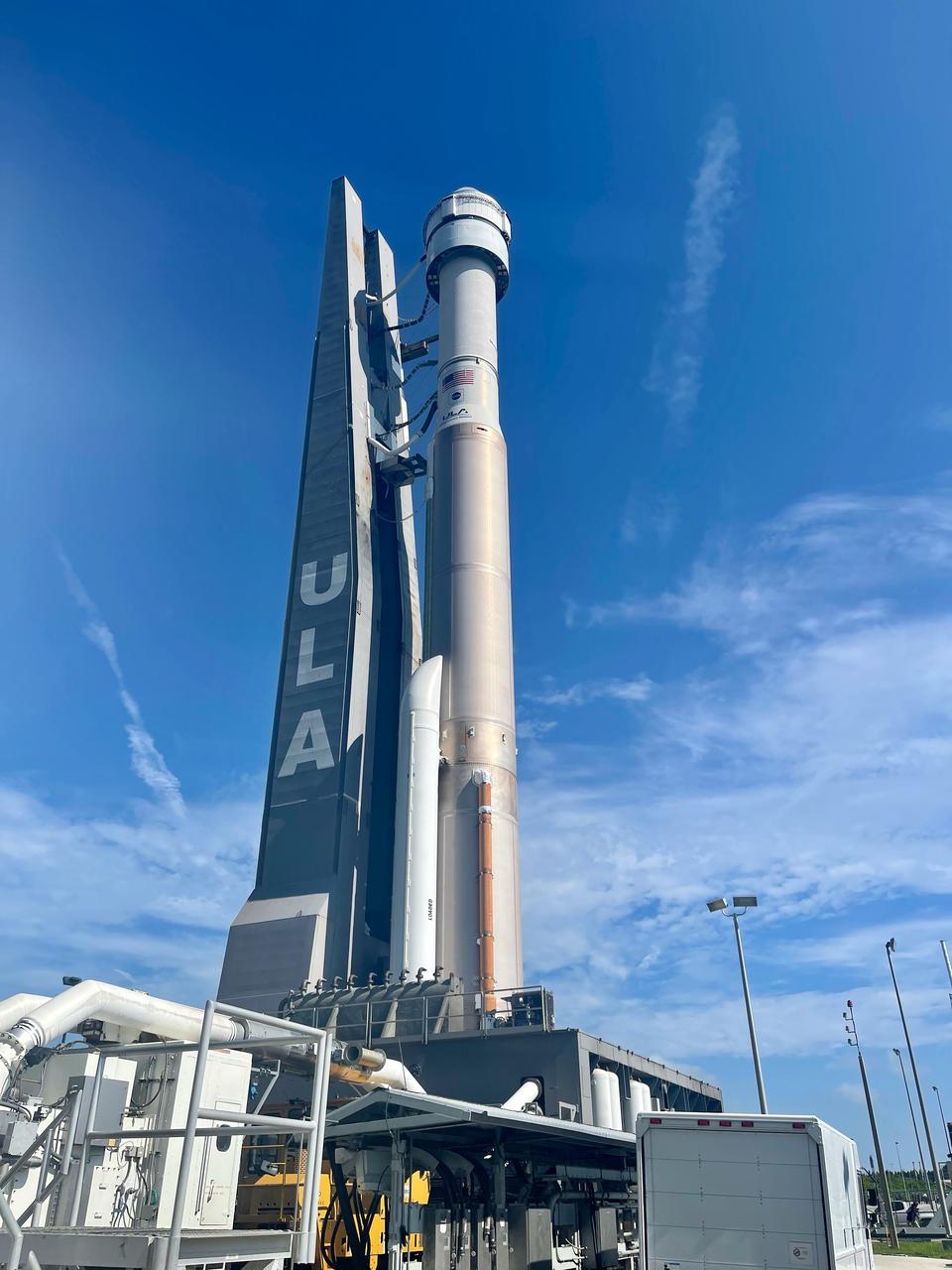
On July 29, 2021, Boeing’s CST-100 Starliner spacecraft and the United Launch Alliance Atlas V rocket rolled out of the Vertical Integration Facility to the launch pad at Space Launch Complex-41 on Cape Canaveral Space Force Station in Florida. Starliner will launch on the Atlas V for Boeing’s second uncrewed Orbital Flight Test (OFT-2) for NASA’s Commercial Crew Program.; OFT-2 is an important uncrewed mission designed to test the end-to-end capabilities of the new system for NASA’s Commercial Crew Program.
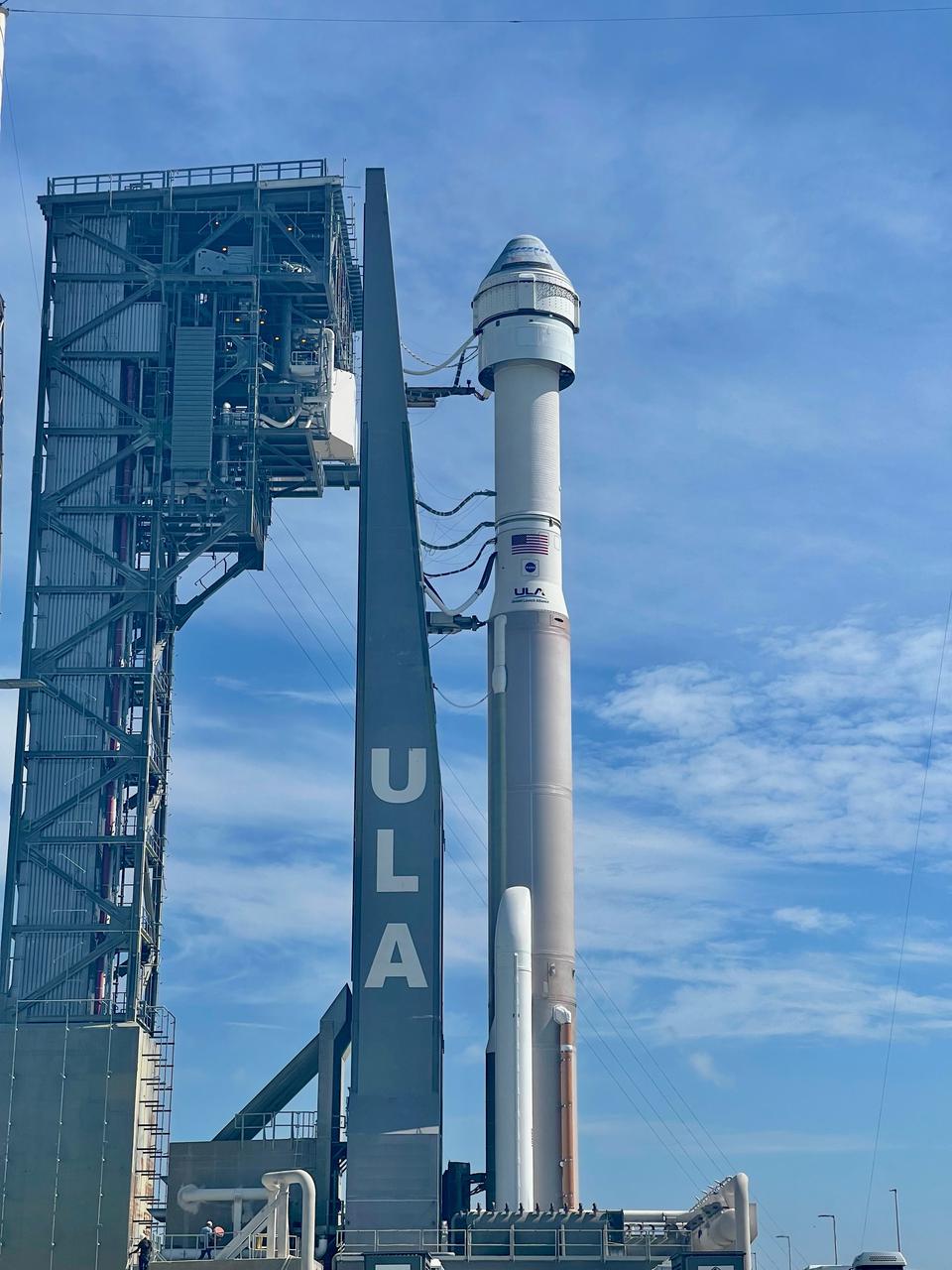
On July 29, 2021, Boeing’s CST-100 Starliner spacecraft and the United Launch Alliance Atlas V rocket rolled out of the Vertical Integration Facility to the launch pad at Space Launch Complex-41 on Cape Canaveral Space Force Station in Florida. Starliner will launch on the Atlas V for Boeing’s second uncrewed Orbital Flight Test (OFT-2) for NASA’s Commercial Crew Program. OFT-2 is an important uncrewed mission designed to test the end-to-end capabilities of the new system for NASA’s Commercial Crew Program.
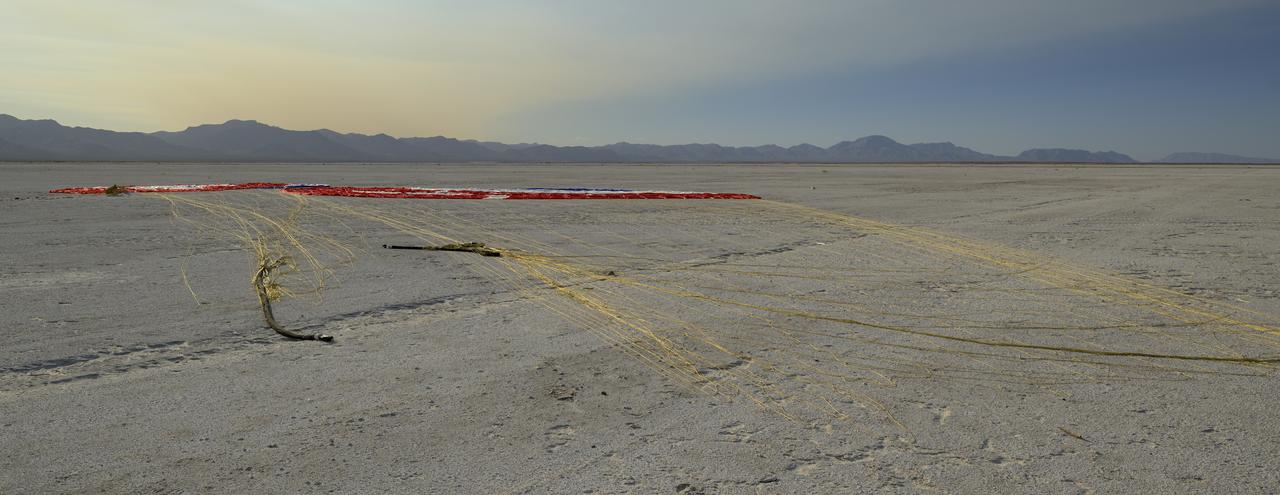
The Boeing CST-100 Starliner parachute is seen after the spacecraft landed at White Sands Missile Range’s Space Harbor, Wednesday, May 25, 2022, in New Mexico. Boeing’s Orbital Flight Test-2 (OFT-2) is Starliner’s second uncrewed flight test to the International Space Station as part of NASA's Commercial Crew Program. OFT-2 serves as an end-to-end test of the system's capabilities. Photo Credit: (NASA/Bill Ingalls)
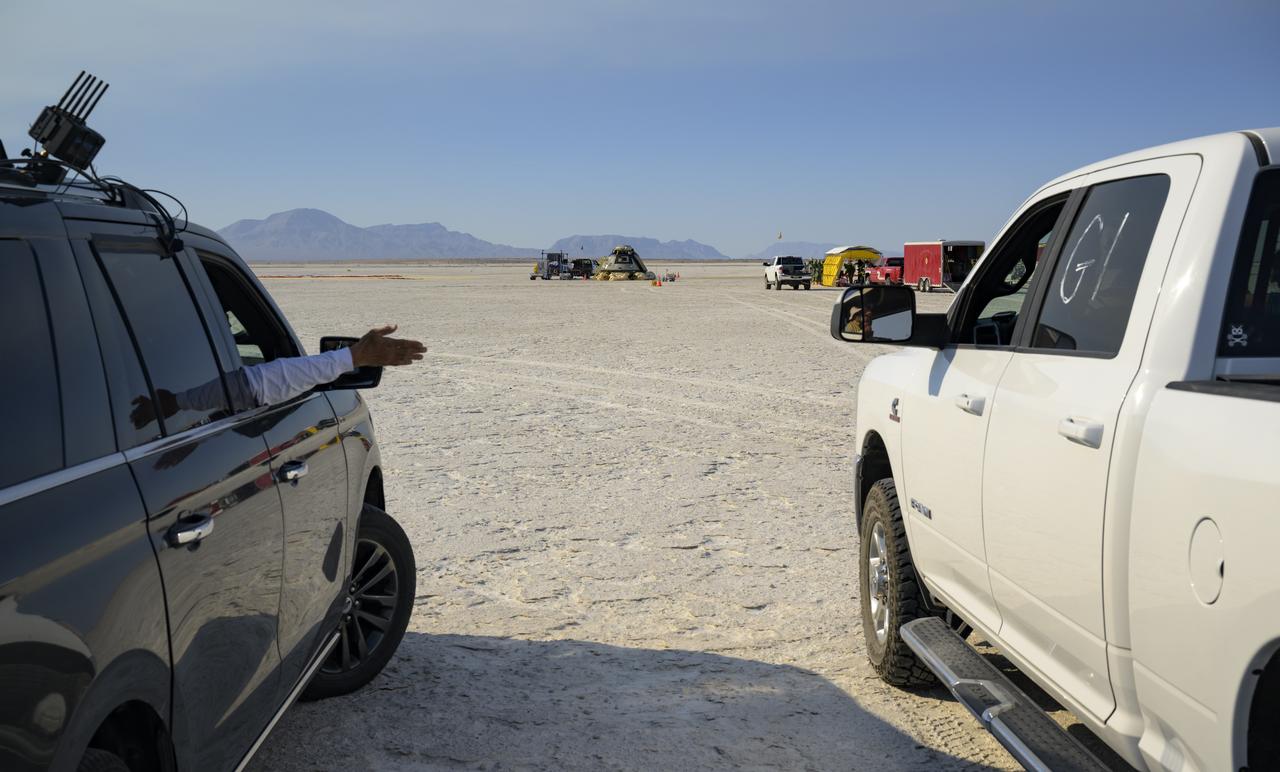
Boeing and NASA teams work around Boeing’s CST-100 Starliner spacecraft after it landed at White Sands Missile Range’s Space Harbor, Wednesday, May 25, 2022, in New Mexico. Boeing’s Orbital Flight Test-2 (OFT-2) is Starliner’s second uncrewed flight test to the International Space Station as part of NASA's Commercial Crew Program. OFT-2 serves as an end-to-end test of the system's capabilities. Photo Credit: (NASA/Bill Ingalls)
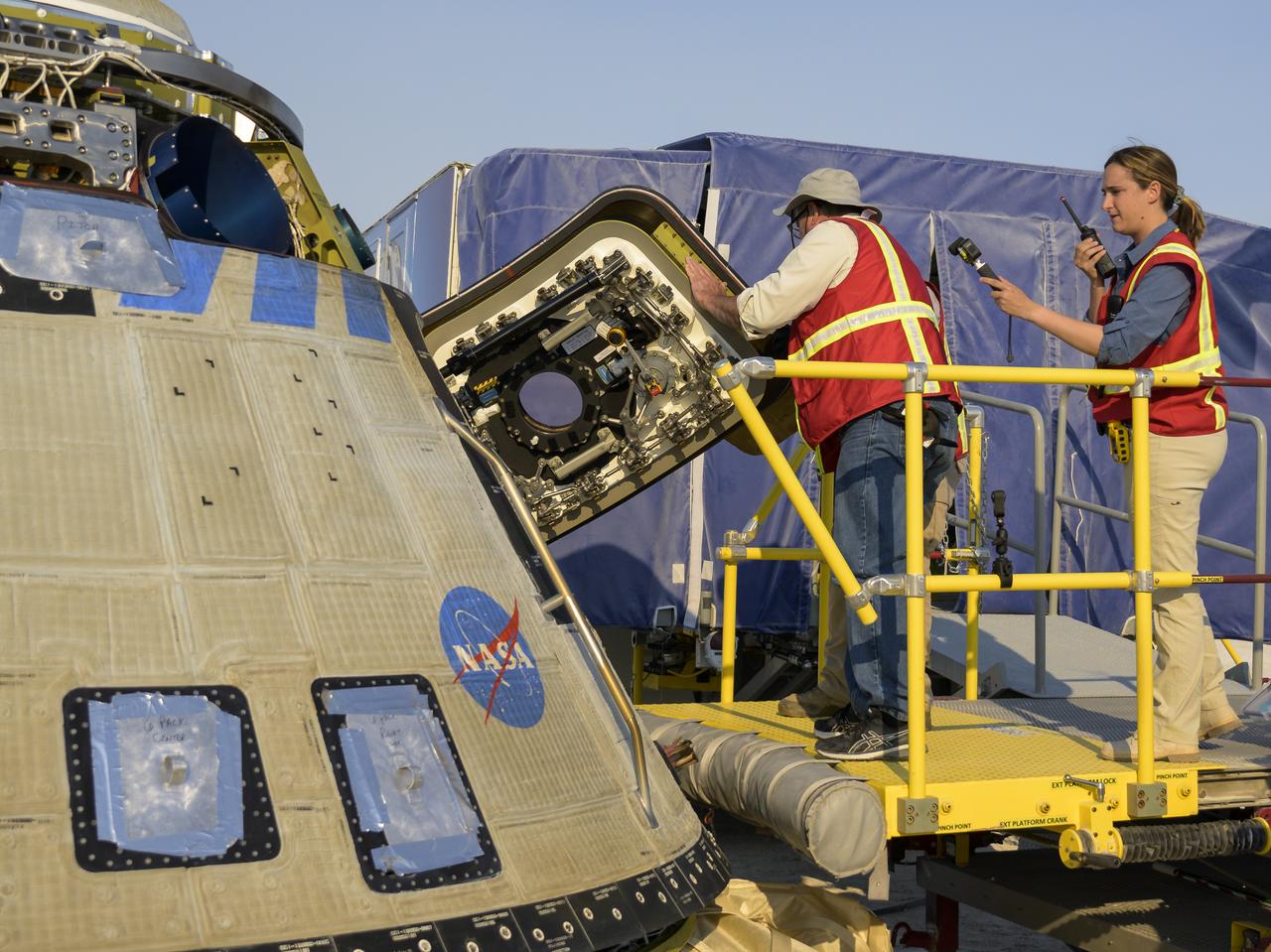
Boeing and NASA teams work around Boeing’s CST-100 Starliner spacecraft after it landed at White Sands Missile Range’s Space Harbor, Wednesday, May 25, 2022, in New Mexico. Boeing’s Orbital Flight Test-2 (OFT-2) is Starliner’s second uncrewed flight test to the International Space Station as part of NASA's Commercial Crew Program. OFT-2 serves as an end-to-end test of the system's capabilities. Photo Credit: (NASA/Bill Ingalls)
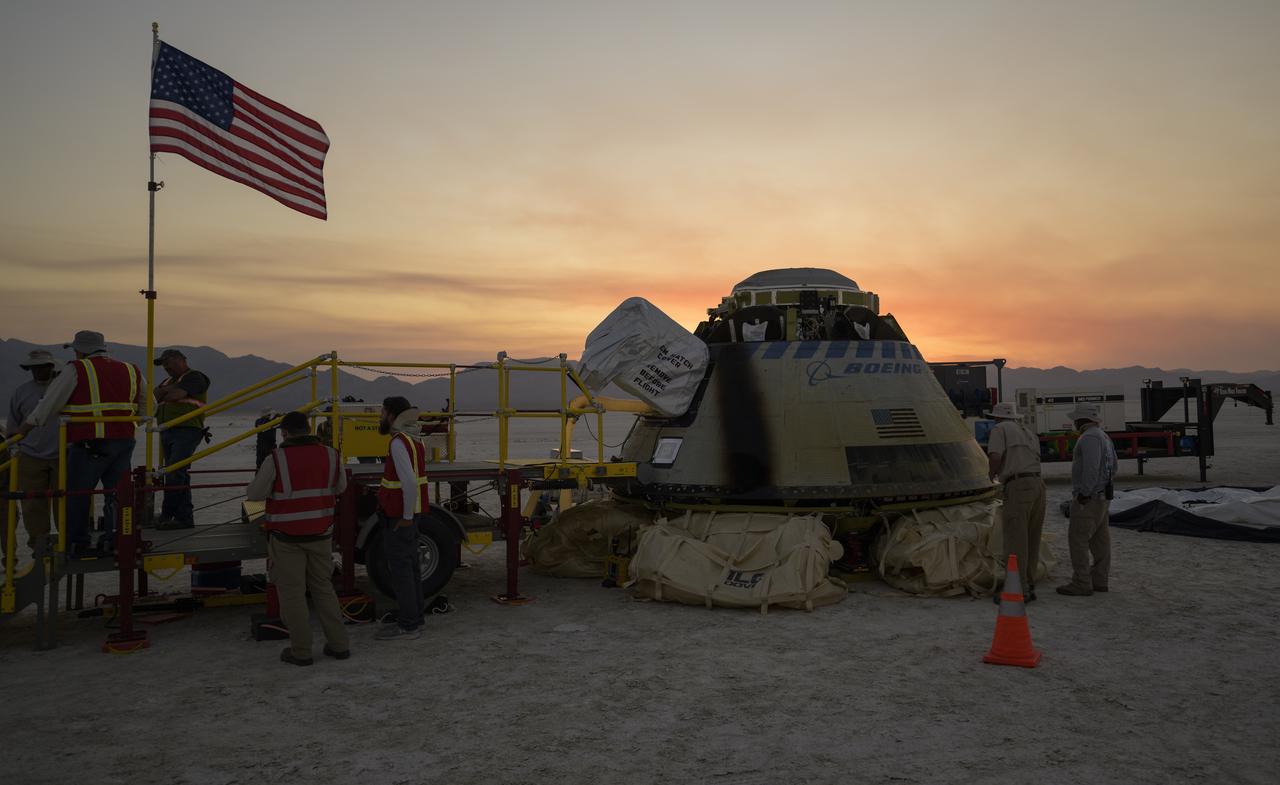
Boeing and NASA teams work around Boeing’s CST-100 Starliner spacecraft after it landed at White Sands Missile Range’s Space Harbor, Wednesday, May 25, 2022, in New Mexico. Boeing’s Orbital Flight Test-2 (OFT-2) is Starliner’s second uncrewed flight test to the International Space Station as part of NASA's Commercial Crew Program. OFT-2 serves as an end-to-end test of the system's capabilities. Photo Credit: (NASA/Bill Ingalls)
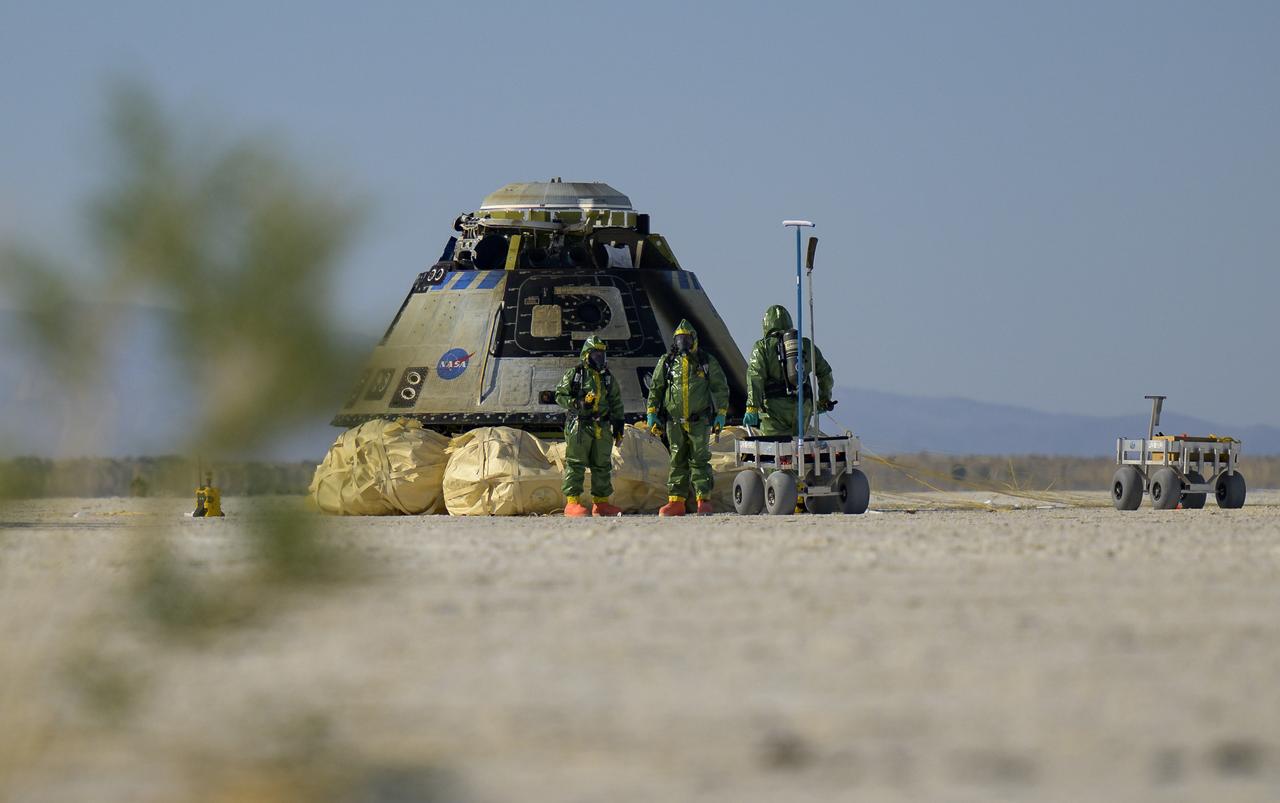
Boeing hazmat teams work around Boeing’s CST-100 Starliner spacecraft after it landed at White Sands Missile Range’s Space Harbor, Wednesday, May 25, 2022, in New Mexico. Boeing’s Orbital Flight Test-2 (OFT-2) is Starliner’s second uncrewed flight test to the International Space Station as part of NASA's Commercial Crew Program. OFT-2 serves as an end-to-end test of the system's capabilities. Photo Credit: (NASA/Bill Ingalls)
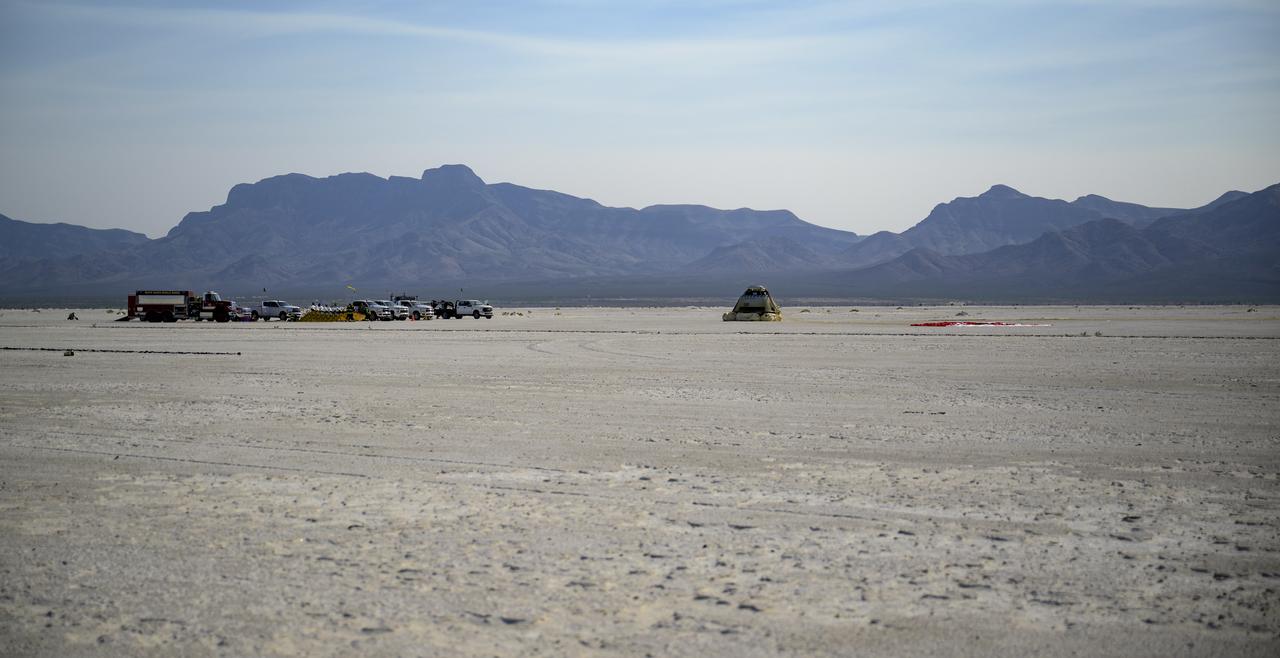
Boeing and NASA teams arrive at Boeing’s CST-100 Starliner spacecraft after it landed at White Sands Missile Range’s Space Harbor, Wednesday, May 25, 2022, in New Mexico. Boeing’s Orbital Flight Test-2 (OFT-2) is Starliner’s second uncrewed flight test to the International Space Station as part of NASA's Commercial Crew Program. OFT-2 serves as an end-to-end test of the system's capabilities. Photo Credit: (NASA/Bill Ingalls)
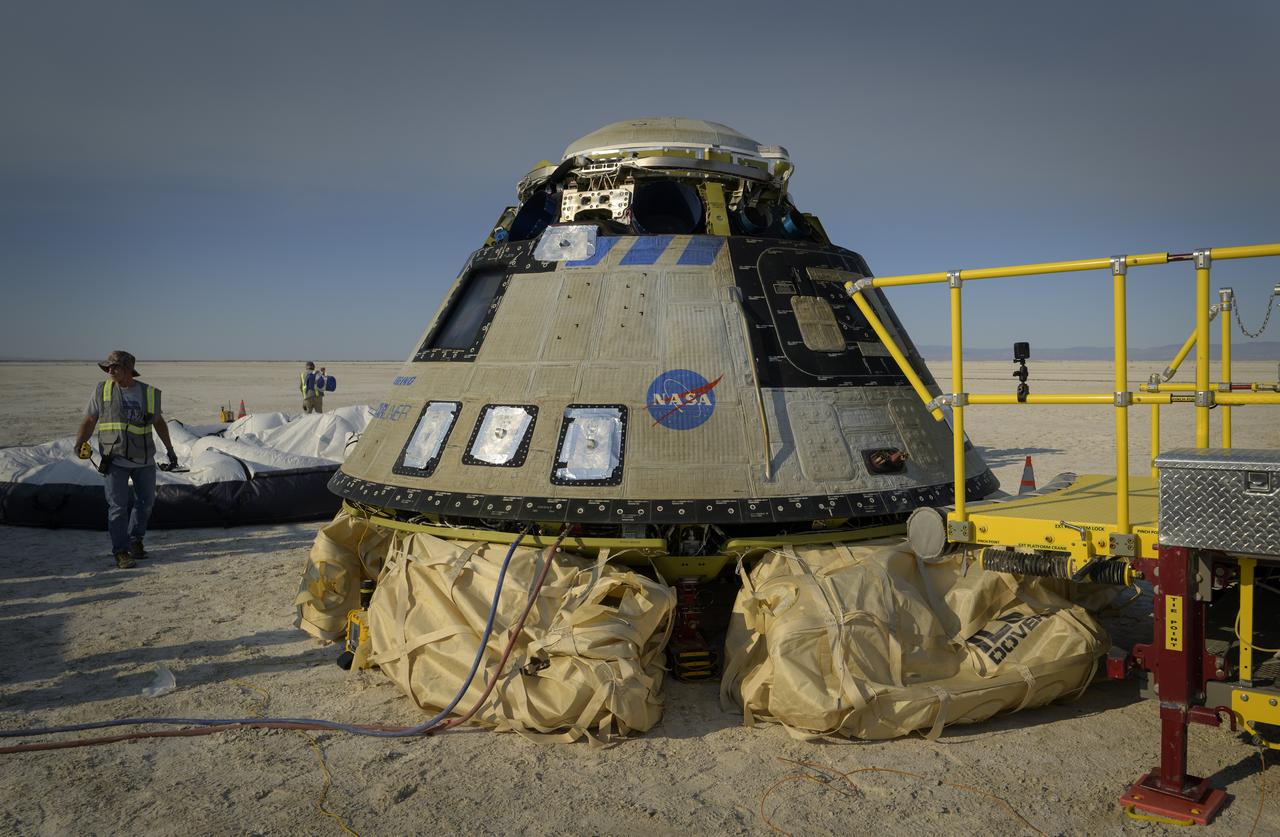
Boeing and NASA teams work around Boeing’s CST-100 Starliner spacecraft after it landed at White Sands Missile Range’s Space Harbor, Wednesday, May 25, 2022, in New Mexico. Boeing’s Orbital Flight Test-2 (OFT-2) is Starliner’s second uncrewed flight test to the International Space Station as part of NASA's Commercial Crew Program. OFT-2 serves as an end-to-end test of the system's capabilities. Photo Credit: (NASA/Bill Ingalls)
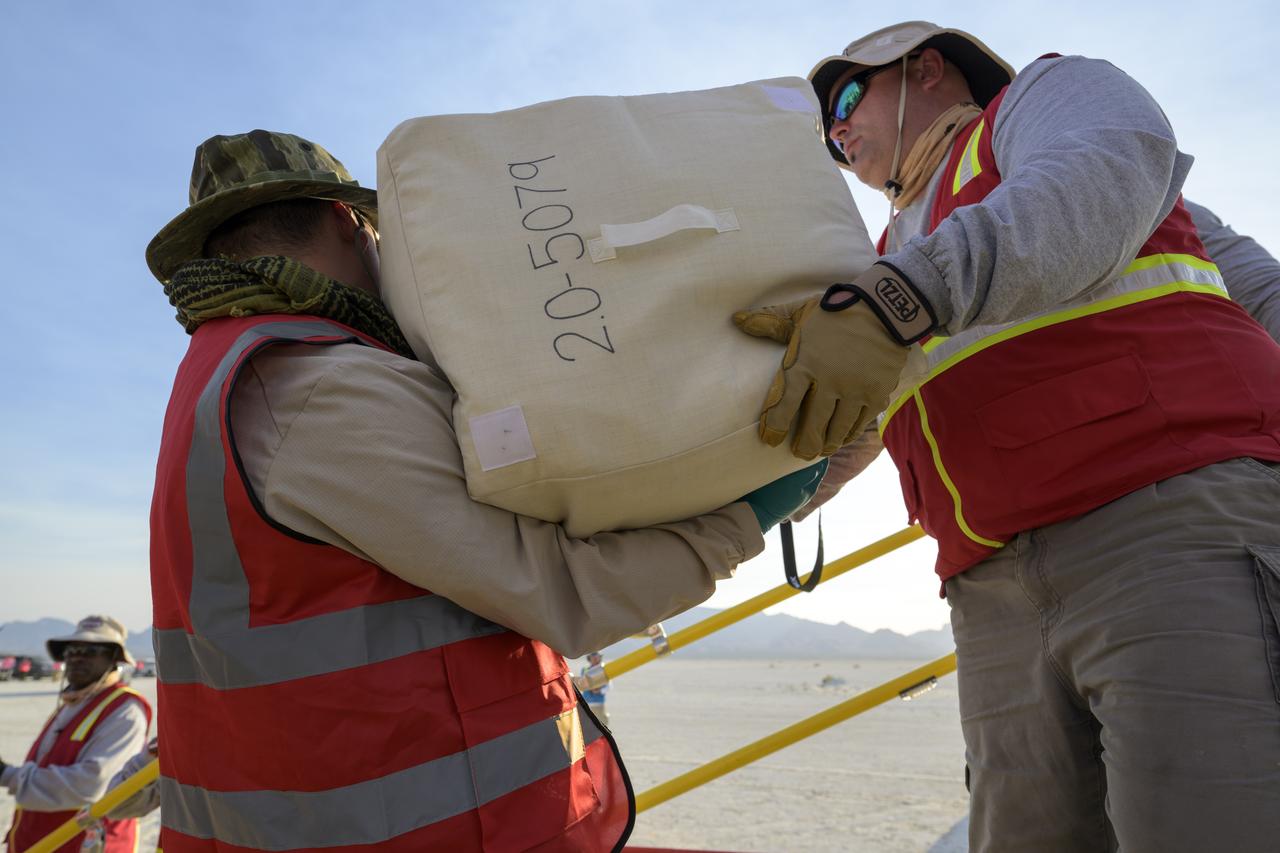
Boeing and NASA teams unload cargo from Boeing’s CST-100 Starliner spacecraft after it landed at White Sands Missile Range’s Space Harbor, Wednesday, May 25, 2022, in New Mexico. Boeing’s Orbital Flight Test-2 (OFT-2) is Starliner’s second uncrewed flight test to the International Space Station as part of NASA's Commercial Crew Program. OFT-2 serves as an end-to-end test of the system's capabilities. Photo Credit: (NASA/Bill Ingalls)
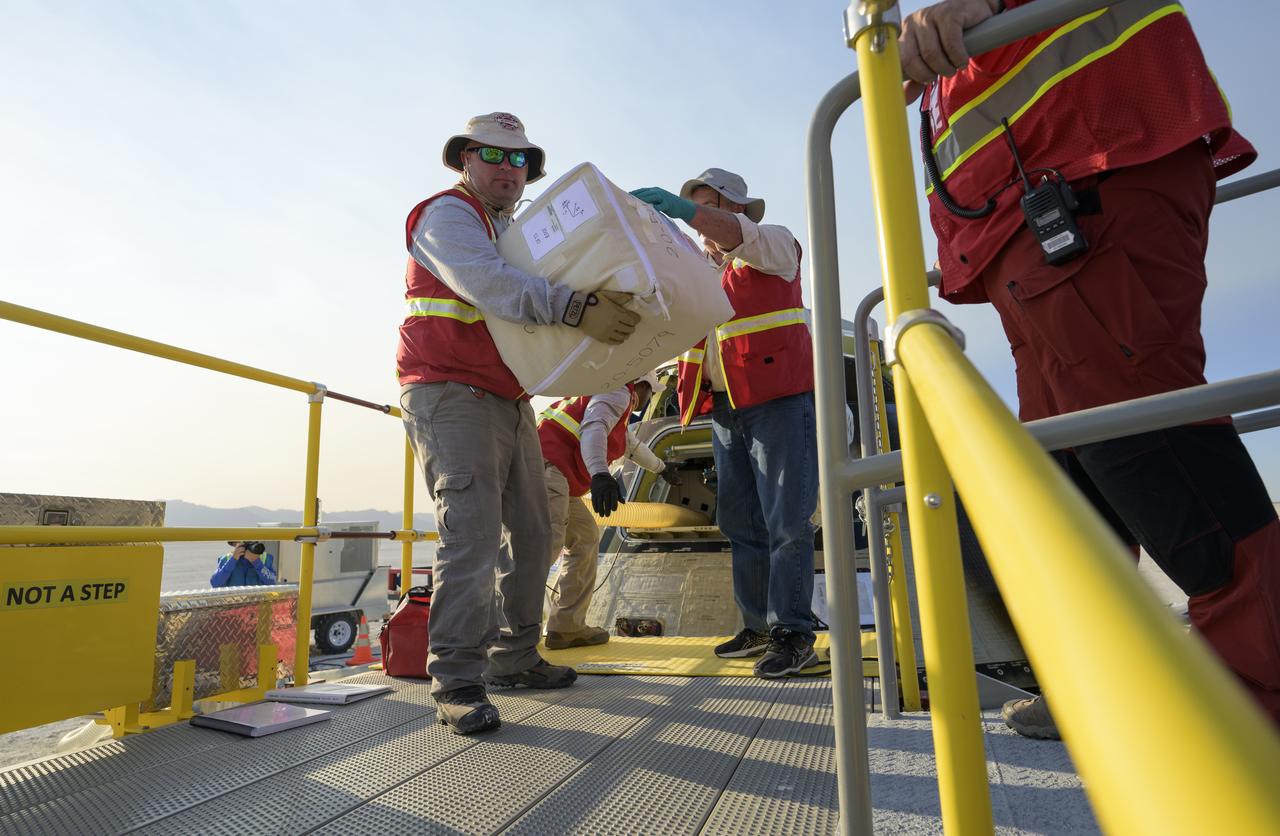
Boeing and NASA teams unload cargo from Boeing’s CST-100 Starliner spacecraft after it landed at White Sands Missile Range’s Space Harbor, Wednesday, May 25, 2022, in New Mexico. Boeing’s Orbital Flight Test-2 (OFT-2) is Starliner’s second uncrewed flight test to the International Space Station as part of NASA's Commercial Crew Program. OFT-2 serves as an end-to-end test of the system's capabilities. Photo Credit: (NASA/Bill Ingalls)
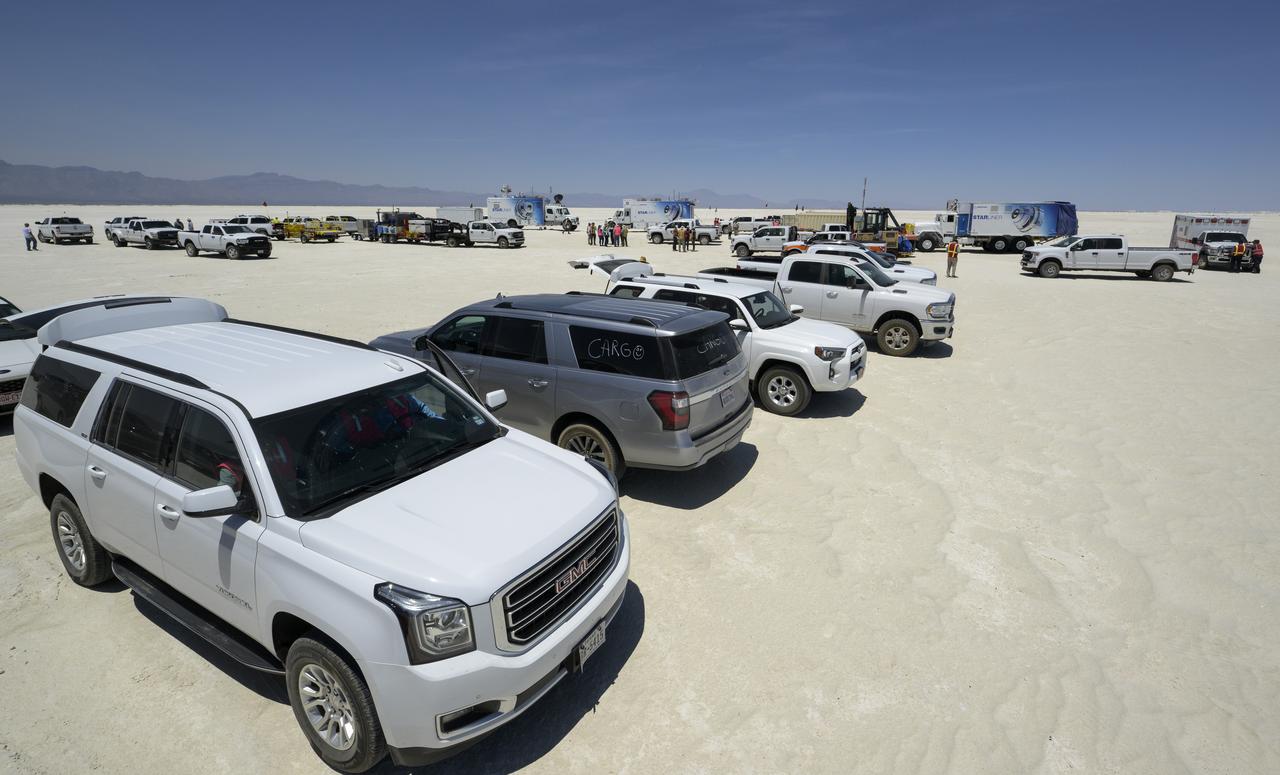
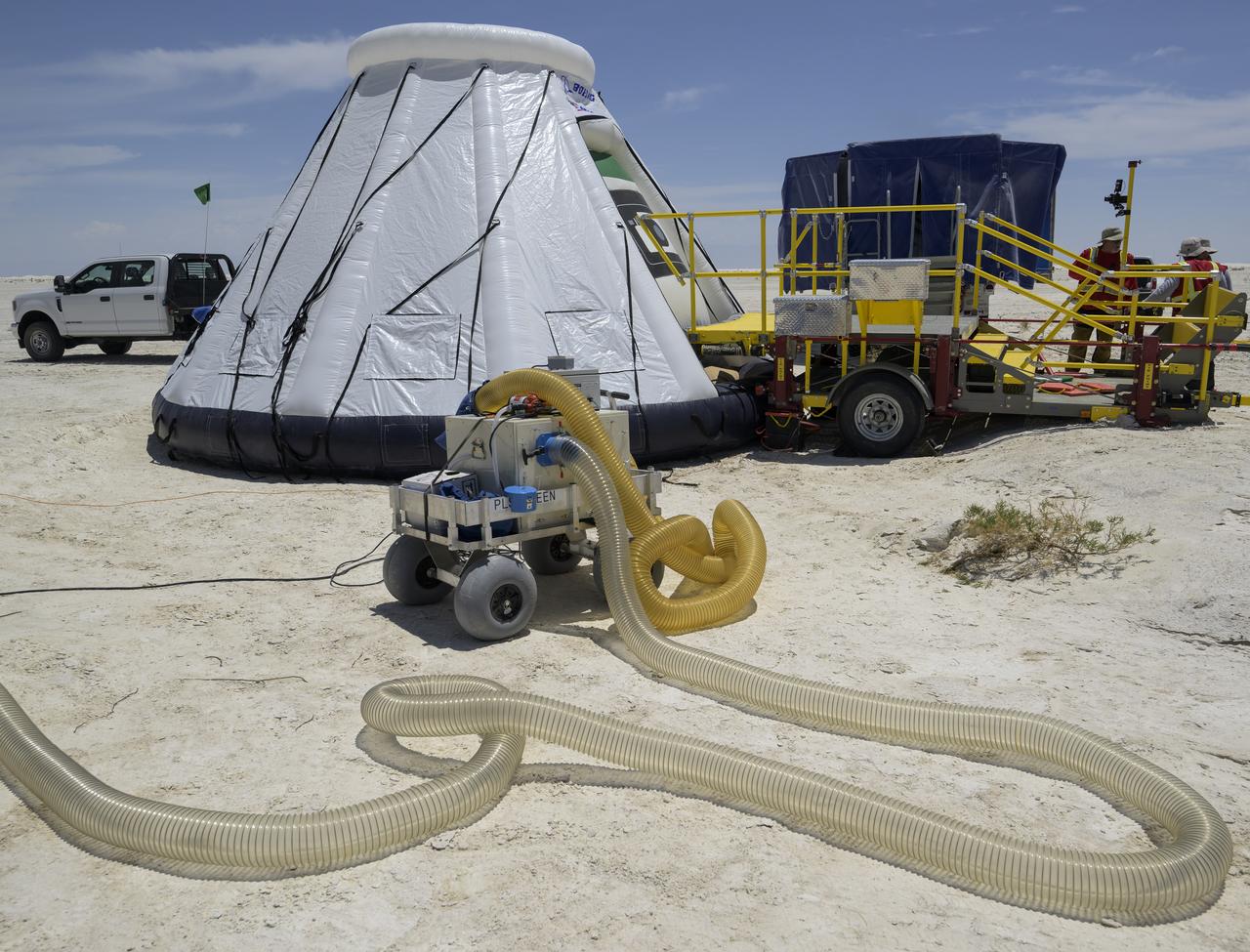
NASA and Boeing teams prepare for the landing of Boeing’s CST-100 Starliner spacecraft at White Sands Missile Range’s Space Harbor, Wednesday, May 25, 2022, in New Mexico. Boeing’s Orbital Flight Test-2 (OFT-2) is Starliner’s second uncrewed flight test to the International Space Station as part of NASA's Commercial Crew Program. OFT-2 serves as an end-to-end test of the system's capabilities. Photo Credit: (NASA/Bill Ingalls)
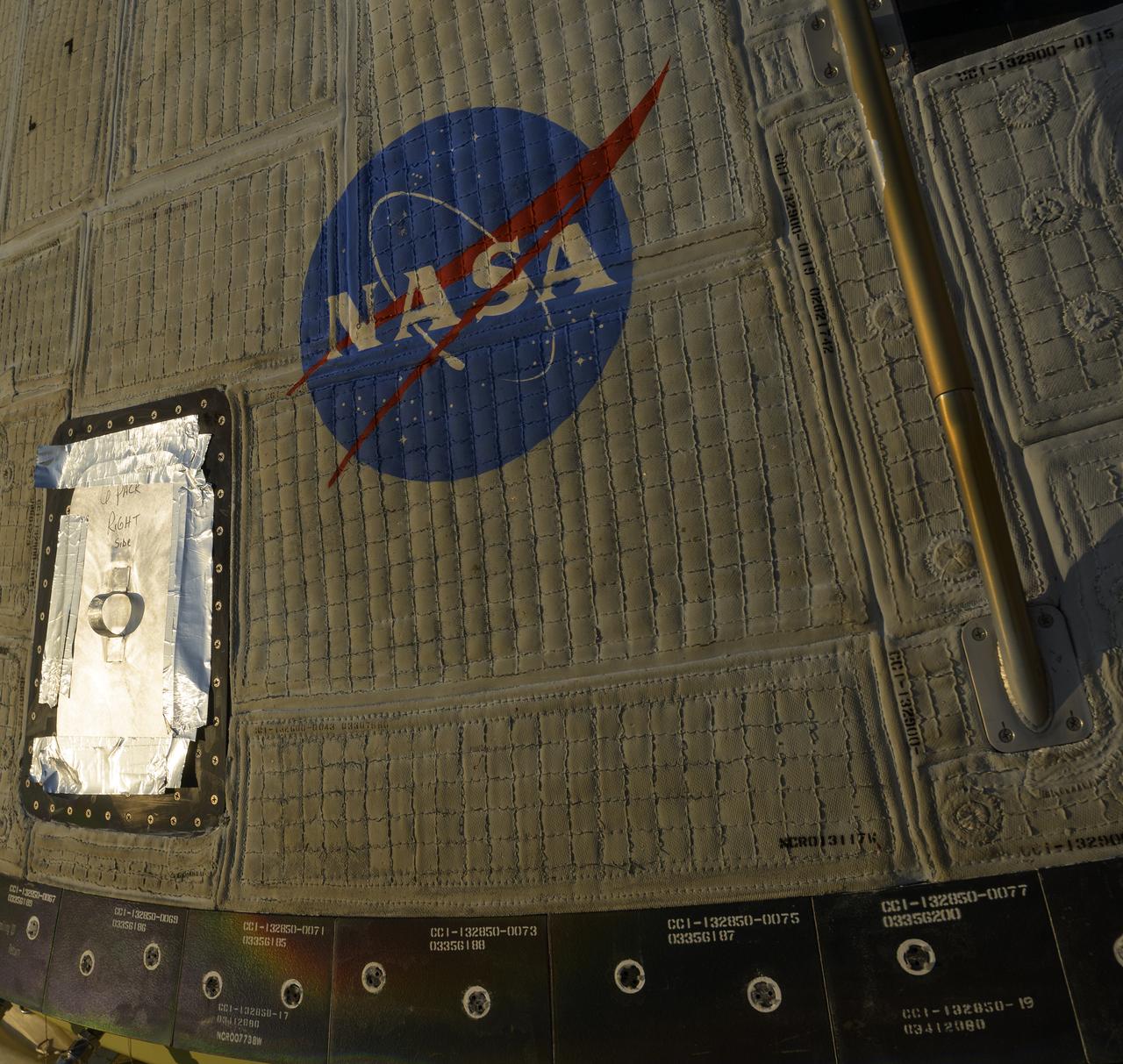
Boeing’s CST-100 Starliner spacecraft is seen after it landed at White Sands Missile Range’s Space Harbor, Wednesday, May 25, 2022, in New Mexico. Boeing’s Orbital Flight Test-2 (OFT-2) is Starliner’s second uncrewed flight test to the International Space Station as part of NASA's Commercial Crew Program. OFT-2 serves as an end-to-end test of the system's capabilities. Photo Credit: (NASA/Bill Ingalls)
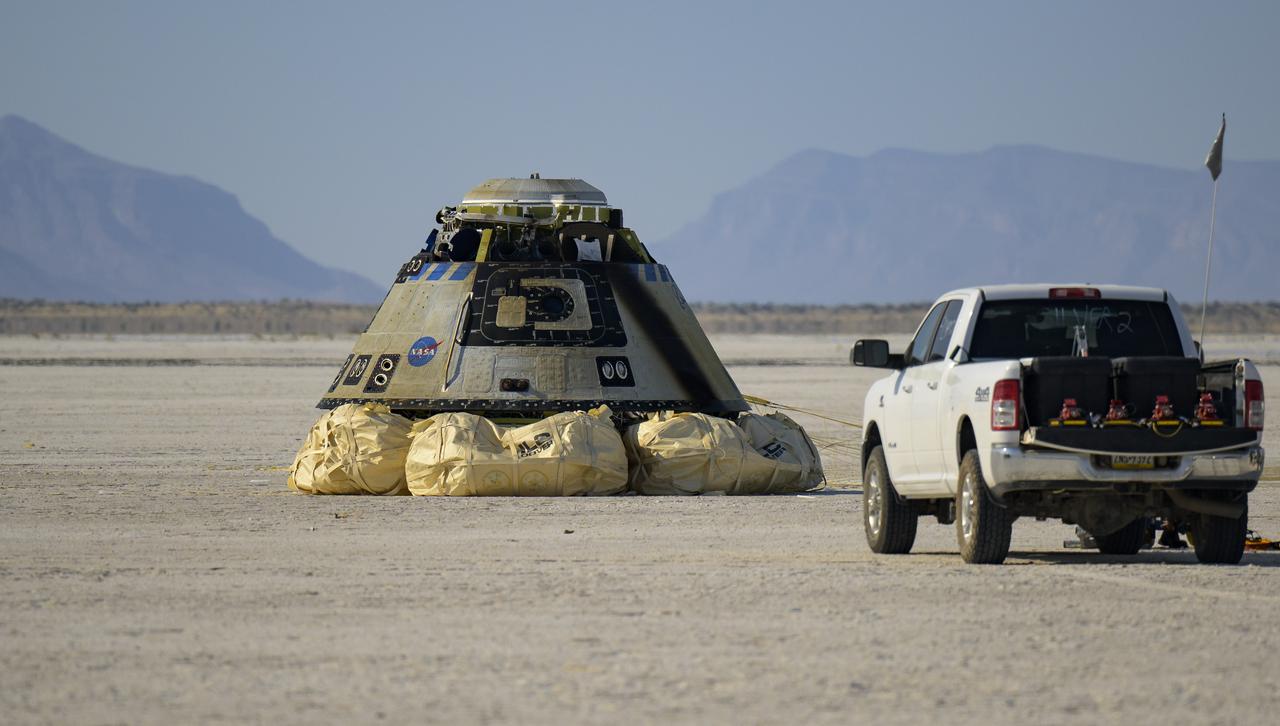
Boeing and NASA teams work around Boeing’s CST-100 Starliner spacecraft after it landed at White Sands Missile Range’s Space Harbor, Wednesday, May 25, 2022, in New Mexico. Boeing’s Orbital Flight Test-2 (OFT-2) is Starliner’s second uncrewed flight test to the International Space Station as part of NASA's Commercial Crew Program. OFT-2 serves as an end-to-end test of the system's capabilities. Photo Credit: (NASA/Bill Ingalls)

Boeing hazmat teams work around Boeing’s CST-100 Starliner spacecraft after it landed at White Sands Missile Range’s Space Harbor, Wednesday, May 25, 2022, in New Mexico. Boeing’s Orbital Flight Test-2 (OFT-2) is Starliner’s second uncrewed flight test to the International Space Station as part of NASA's Commercial Crew Program. OFT-2 serves as an end-to-end test of the system's capabilities. Photo Credit: (NASA/Bill Ingalls)
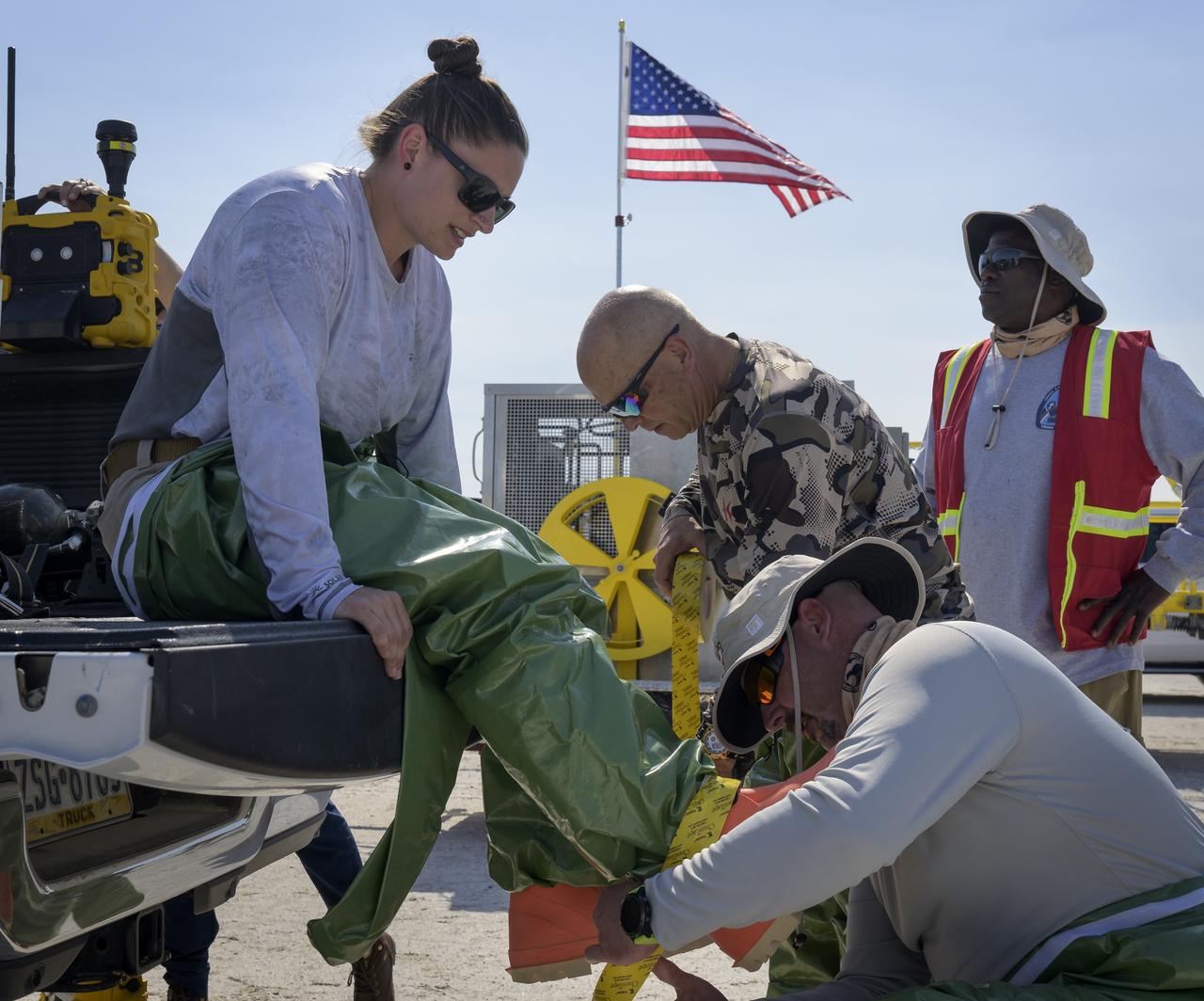
Boeing team members don hazmat suits as they prepare for the landing of Boeing’s CST-100 Starliner spacecraft at White Sands Missile Range’s Space Harbor, Wednesday, May 25, 2022, in New Mexico. Boeing’s Orbital Flight Test-2 (OFT-2) is Starliner’s second uncrewed flight test to the International Space Station as part of NASA's Commercial Crew Program. OFT-2 serves as an end-to-end test of the system's capabilities. Photo Credit: (NASA/Bill Ingalls)
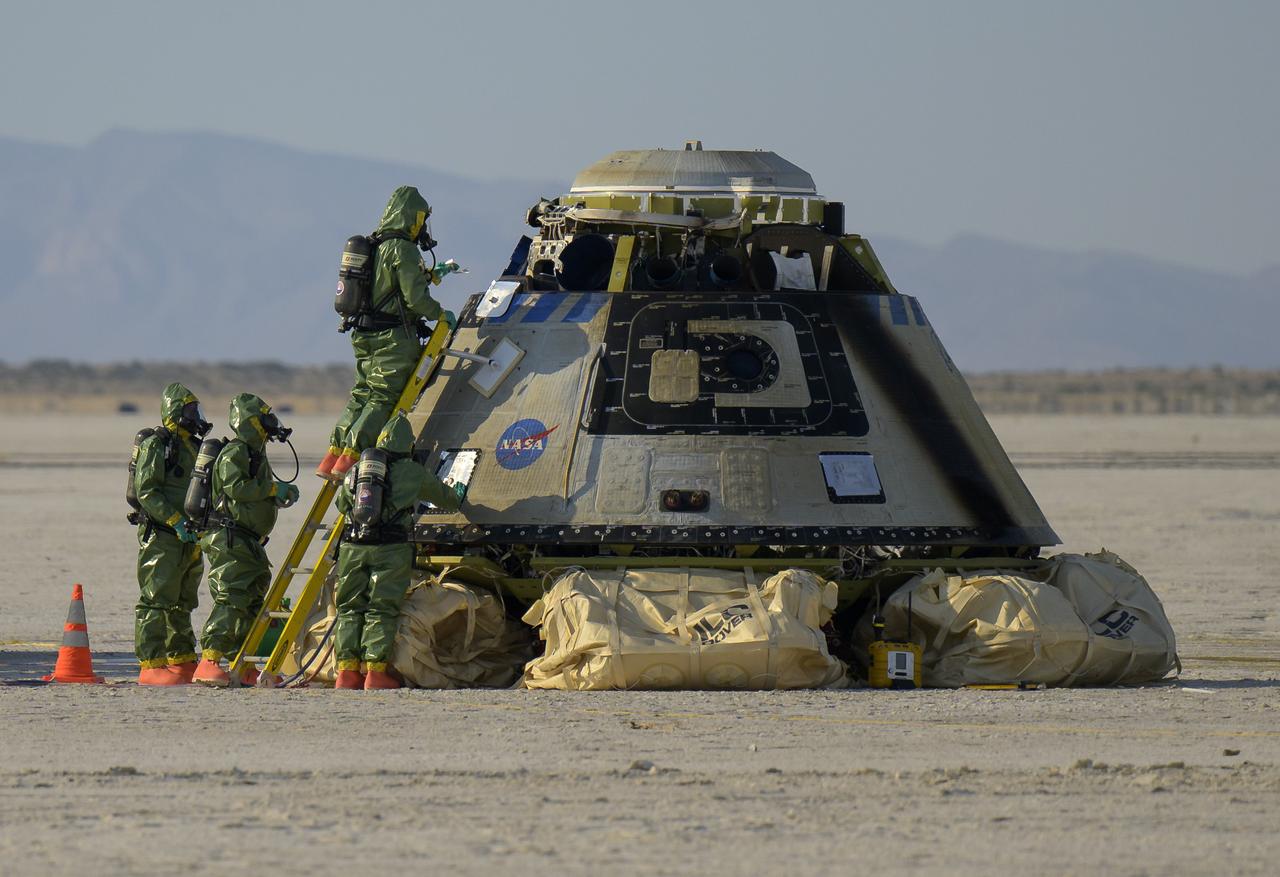
Boeing and NASA teams work around Boeing’s CST-100 Starliner spacecraft after it landed at White Sands Missile Range’s Space Harbor, Wednesday, May 25, 2022, in New Mexico. Boeing’s Orbital Flight Test-2 (OFT-2) is Starliner’s second uncrewed flight test to the International Space Station as part of NASA's Commercial Crew Program. OFT-2 serves as an end-to-end test of the system's capabilities. Photo Credit: (NASA/Bill Ingalls)
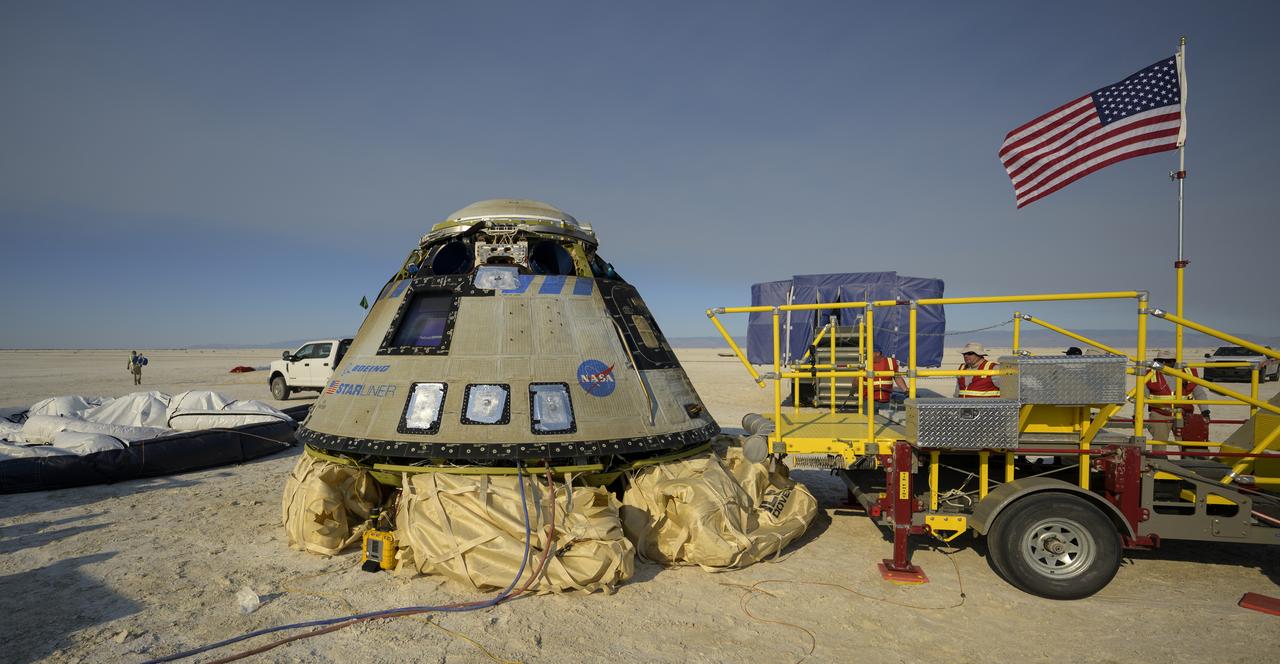
Boeing and NASA teams work around Boeing’s CST-100 Starliner spacecraft after it landed at White Sands Missile Range’s Space Harbor, Wednesday, May 25, 2022, in New Mexico. Boeing’s Orbital Flight Test-2 (OFT-2) is Starliner’s second uncrewed flight test to the International Space Station as part of NASA's Commercial Crew Program. OFT-2 serves as an end-to-end test of the system's capabilities. Photo Credit: (NASA/Bill Ingalls)
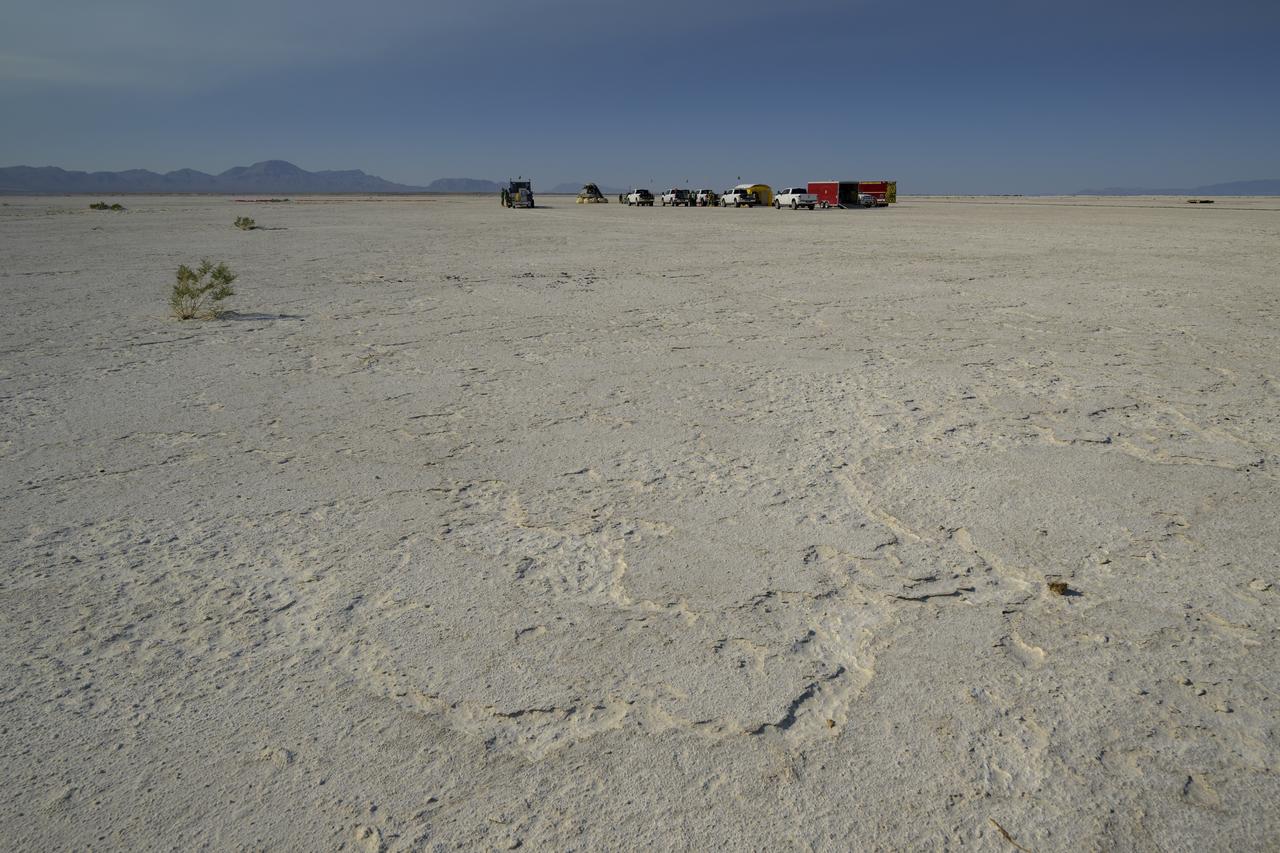
Boeing and NASA teams work around Boeing’s CST-100 Starliner spacecraft after it landed at White Sands Missile Range’s Space Harbor, Wednesday, May 25, 2022, in New Mexico. Boeing’s Orbital Flight Test-2 (OFT-2) is Starliner’s second uncrewed flight test to the International Space Station as part of NASA's Commercial Crew Program. OFT-2 serves as an end-to-end test of the system's capabilities. Photo Credit: (NASA/Bill Ingalls)
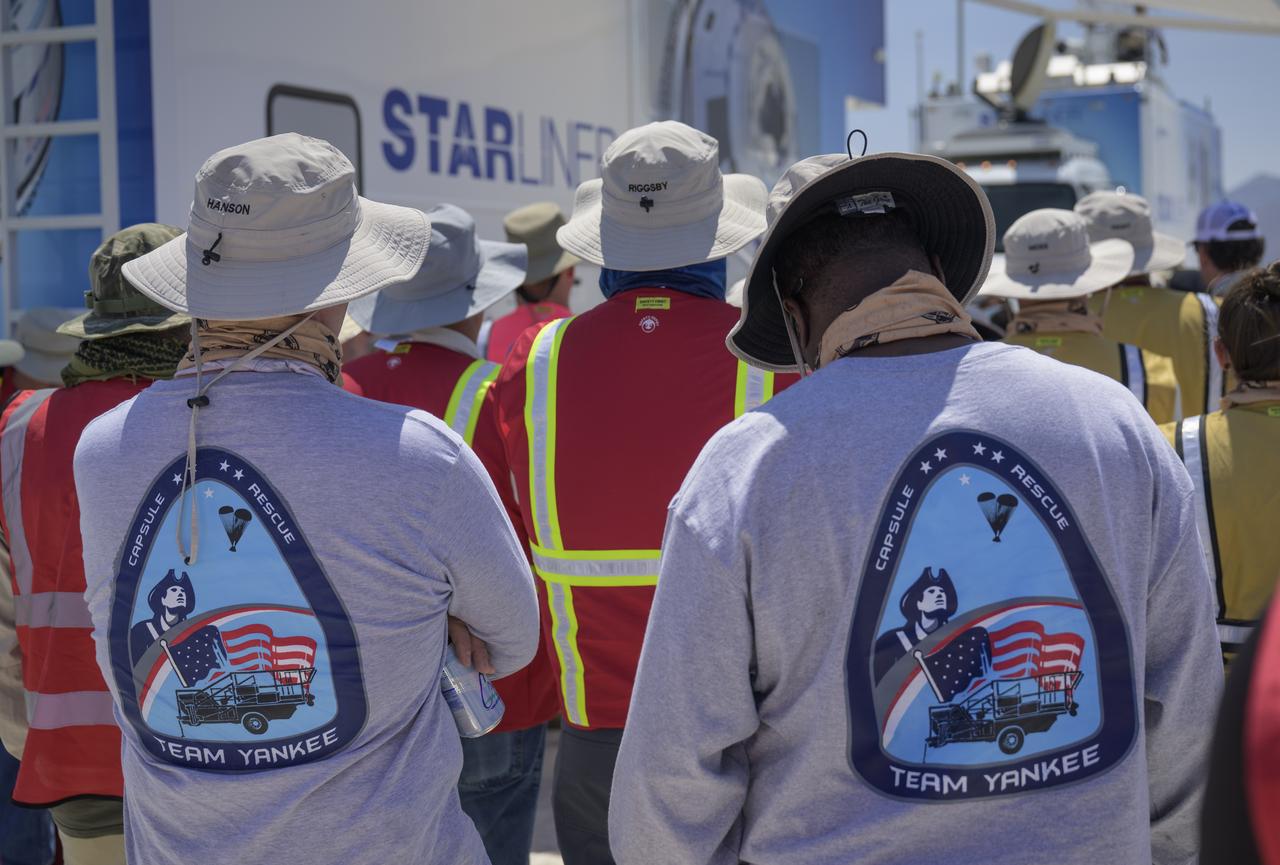
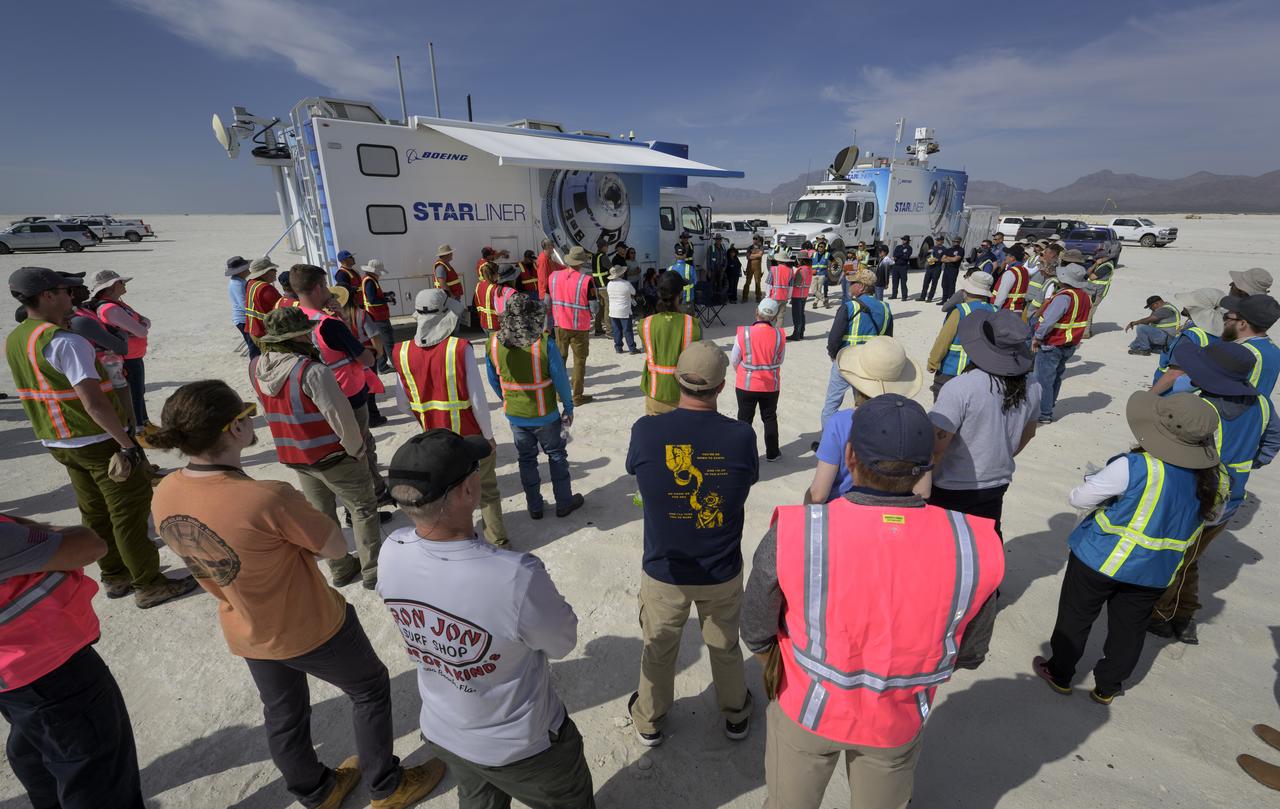
NASA and Boeing teams prepare for the landing of Boeing’s CST-100 Starliner spacecraft at White Sands Missile Range’s Space Harbor, Wednesday, May 25, 2022, in New Mexico. Boeing’s Orbital Flight Test-2 (OFT-2) is Starliner’s second uncrewed flight test to the International Space Station as part of NASA's Commercial Crew Program. OFT-2 serves as an end-to-end test of the system's capabilities. Photo Credit: (NASA/Bill Ingalls)
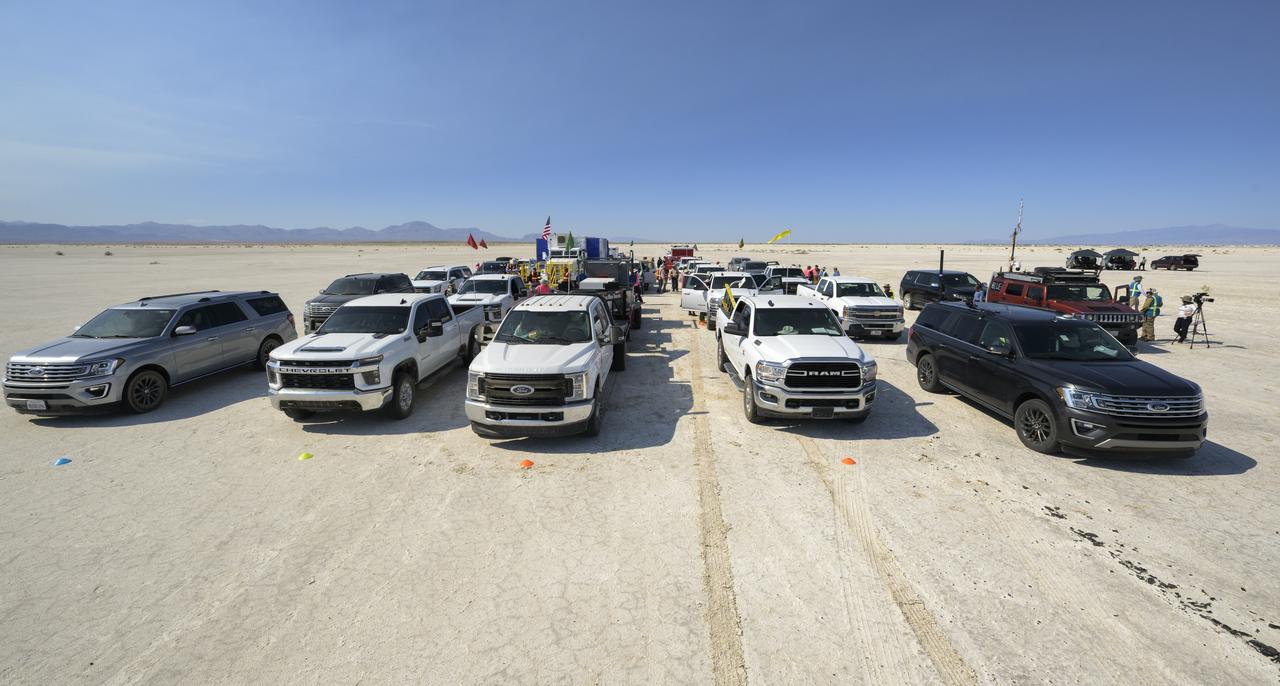
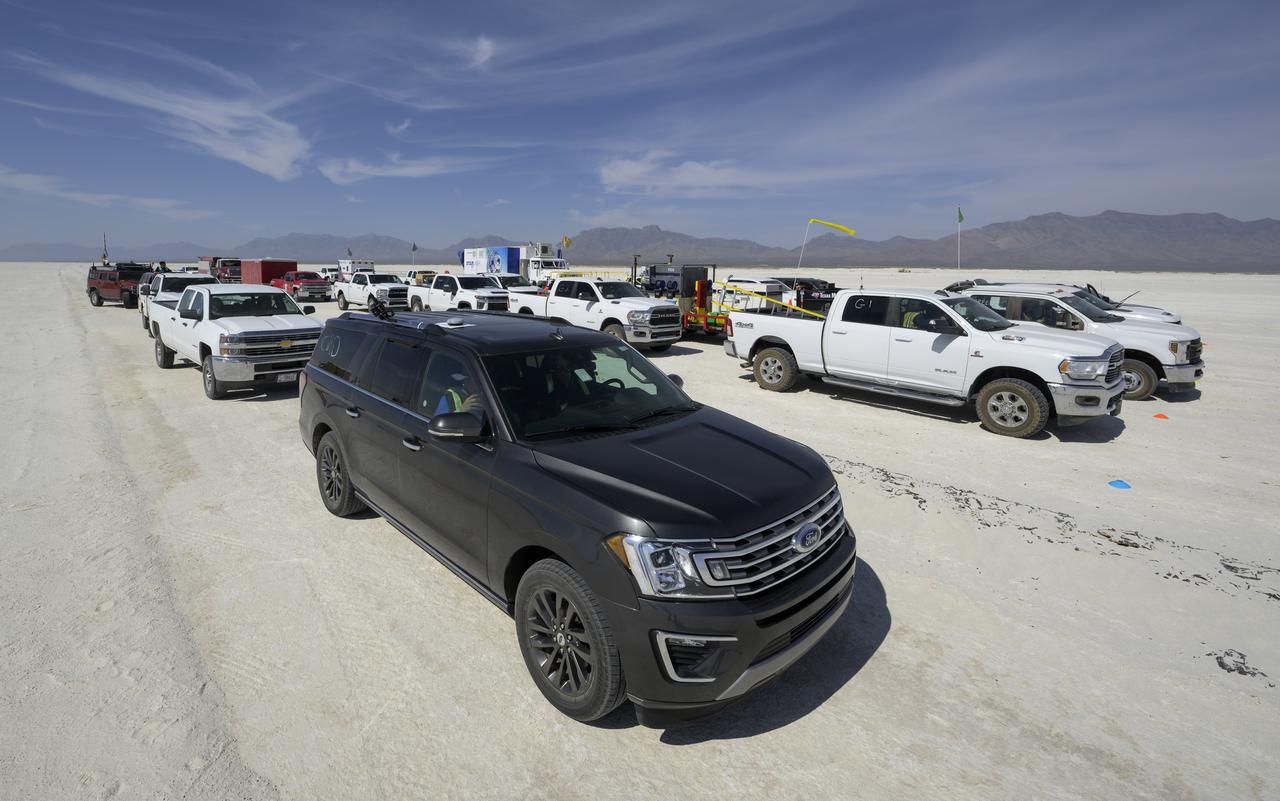
NASA and Boeing teams line up in a convoy as they prepare for the landing of Boeing’s CST-100 Starliner spacecraft at White Sands Missile Range’s Space Harbor, Wednesday, May 25, 2022, in New Mexico. Boeing’s Orbital Flight Test-2 (OFT-2) is Starliner’s second uncrewed flight test to the International Space Station as part of NASA's Commercial Crew Program. OFT-2 serves as an end-to-end test of the system's capabilities. Photo Credit: (NASA/Bill Ingalls)
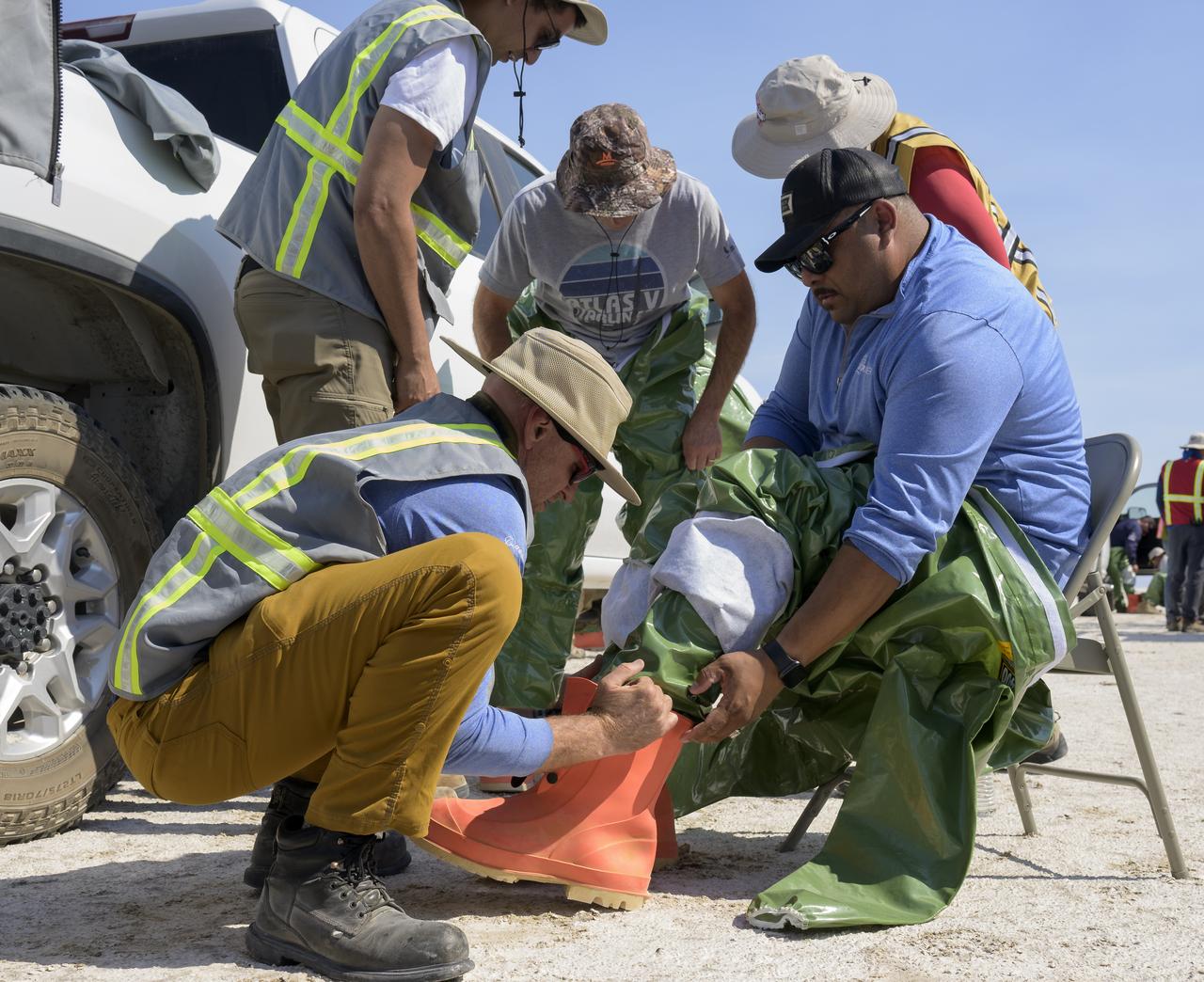
Boeing team members don hazmat suits as they prepare for the landing of Boeing’s CST-100 Starliner spacecraft at White Sands Missile Range’s Space Harbor, Wednesday, May 25, 2022, in New Mexico. Boeing’s Orbital Flight Test-2 (OFT-2) is Starliner’s second uncrewed flight test to the International Space Station as part of NASA's Commercial Crew Program. OFT-2 serves as an end-to-end test of the system's capabilities. Photo Credit: (NASA/Bill Ingalls)
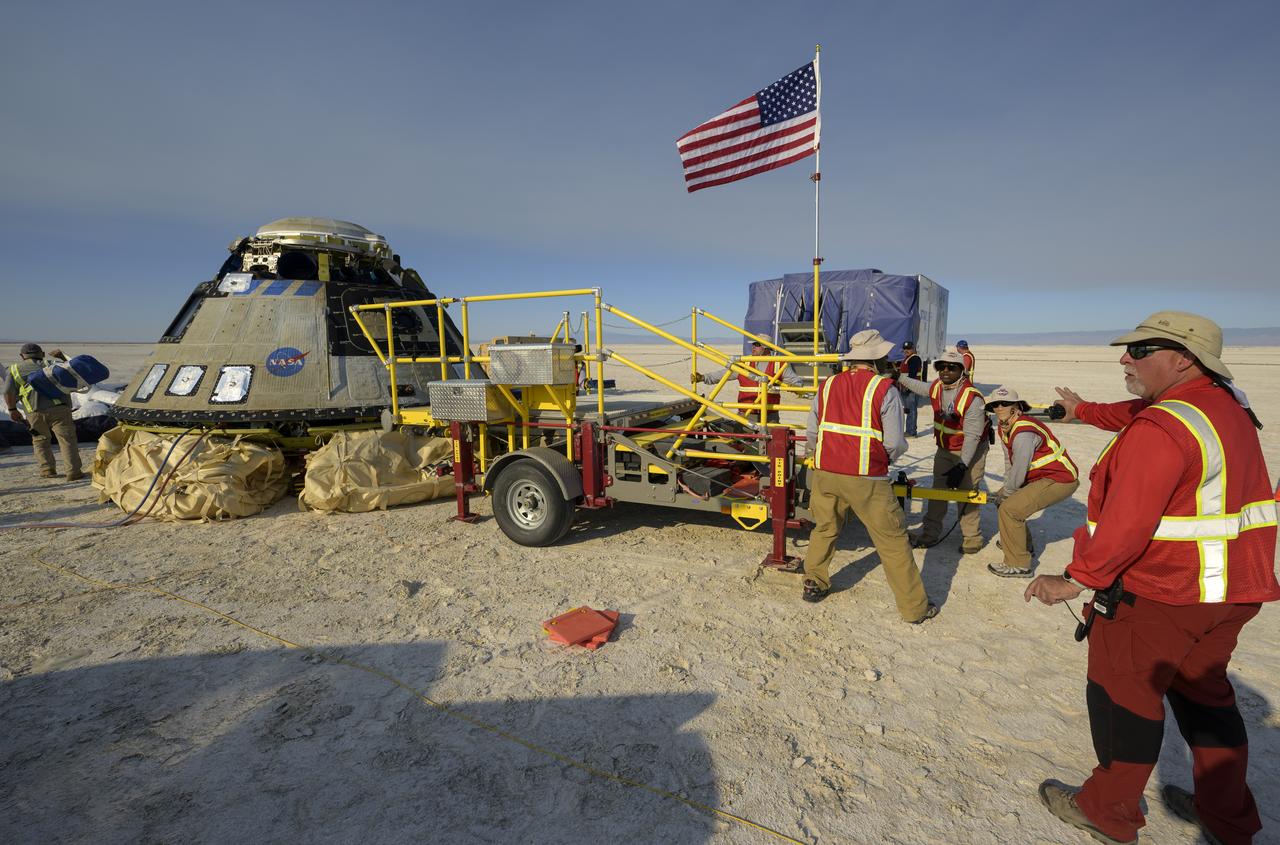
Boeing and NASA teams work around Boeing’s CST-100 Starliner spacecraft after it landed at White Sands Missile Range’s Space Harbor, Wednesday, May 25, 2022, in New Mexico. Boeing’s Orbital Flight Test-2 (OFT-2) is Starliner’s second uncrewed flight test to the International Space Station as part of NASA's Commercial Crew Program. OFT-2 serves as an end-to-end test of the system's capabilities. Photo Credit: (NASA/Bill Ingalls)
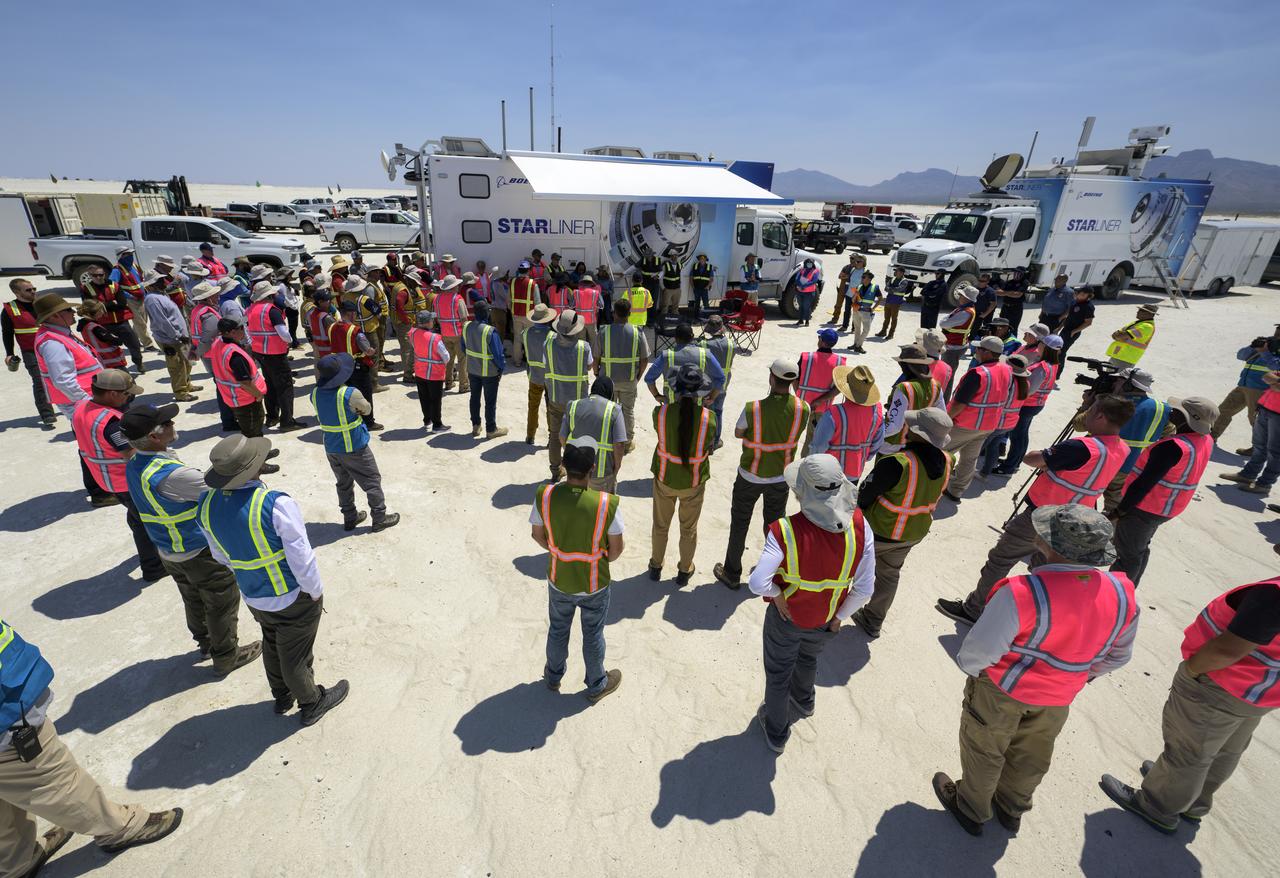
NASA and Boeing teams prepare for the landing of Boeing’s CST-100 Starliner spacecraft at White Sands Missile Range’s Space Harbor, Wednesday, May 25, 2022, in New Mexico. Boeing’s Orbital Flight Test-2 (OFT-2) is Starliner’s second uncrewed flight test to the International Space Station as part of NASA's Commercial Crew Program. OFT-2 serves as an end-to-end test of the system's capabilities. Photo Credit: (NASA/Bill Ingalls)
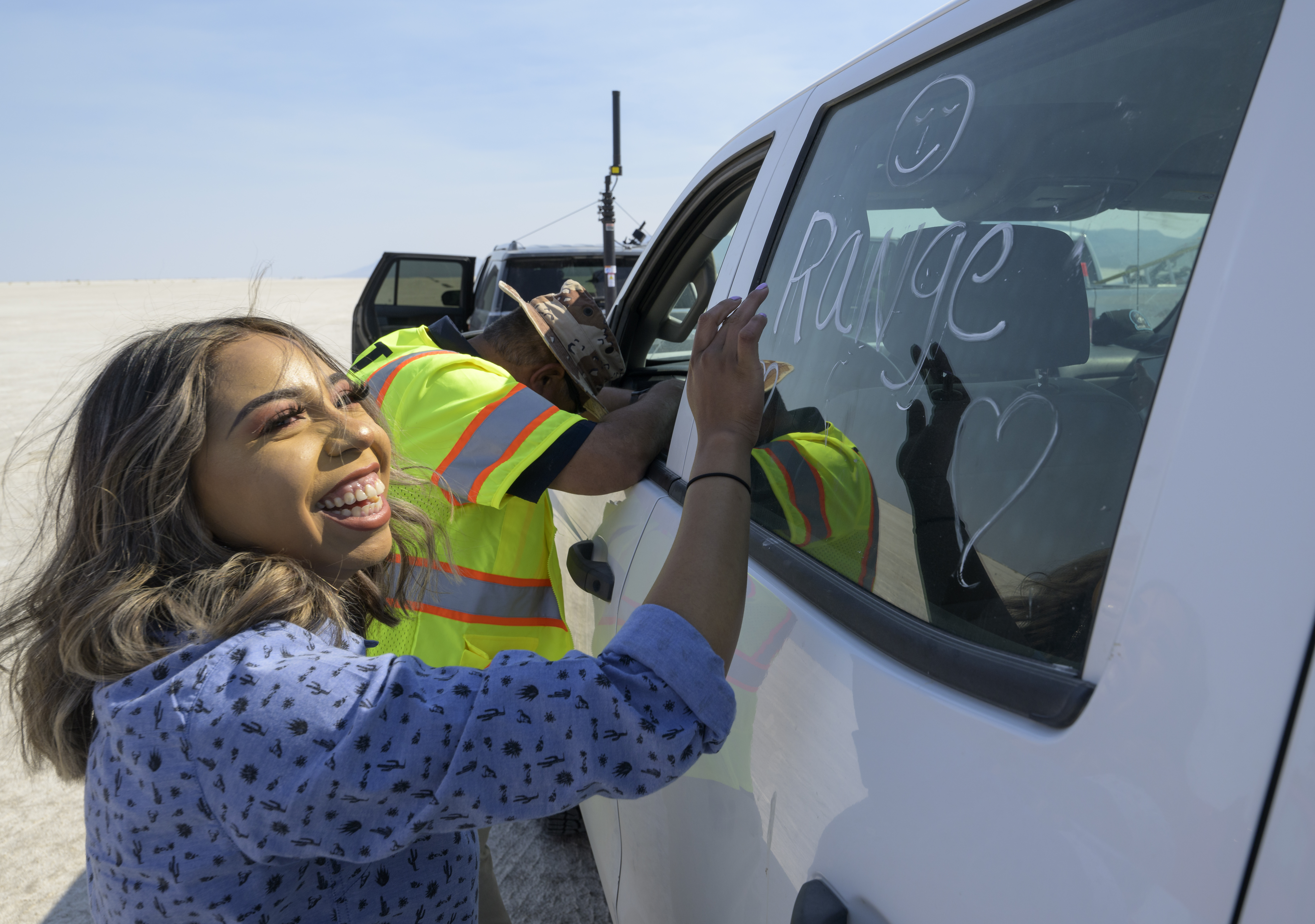
A member of the range safety team labels her convoy vehicle as they prepare for the landing of Boeing’s CST-100 Starliner spacecraft at White Sands Missile Range’s Space Harbor, Wednesday, May 25, 2022, in New Mexico. Boeing’s Orbital Flight Test-2 (OFT-2) is Starliner’s second uncrewed flight test to the International Space Station as part of NASA's Commercial Crew Program. OFT-2 serves as an end-to-end test of the system's capabilities. Photo Credit: (NASA/Bill Ingalls)
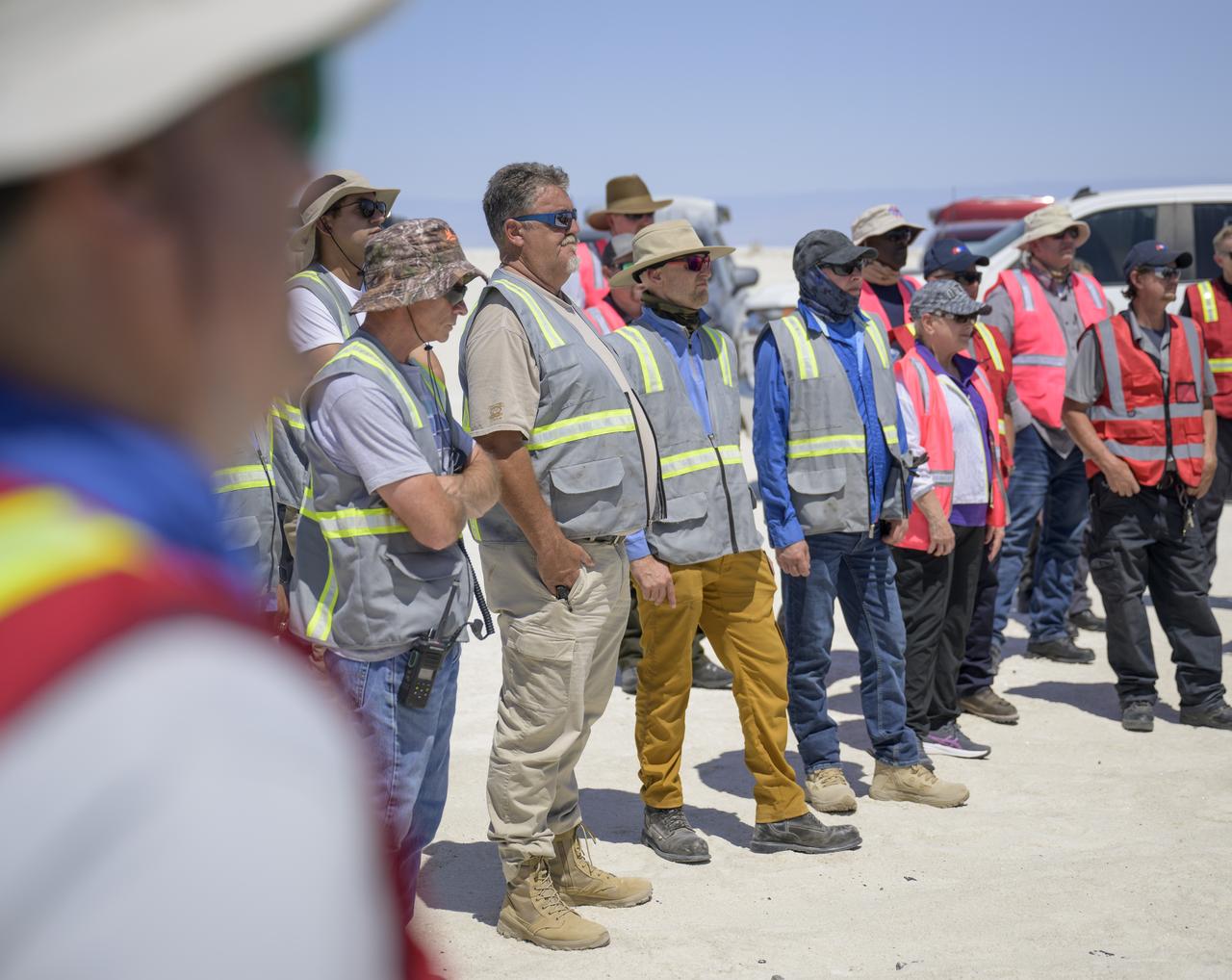
NASA and Boeing teams prepare for the landing of Boeing’s CST-100 Starliner spacecraft at White Sands Missile Range’s Space Harbor, Wednesday, May 25, 2022, in New Mexico. Boeing’s Orbital Flight Test-2 (OFT-2) is Starliner’s second uncrewed flight test to the International Space Station as part of NASA's Commercial Crew Program. OFT-2 serves as an end-to-end test of the system's capabilities. Photo Credit: (NASA/Bill Ingalls)
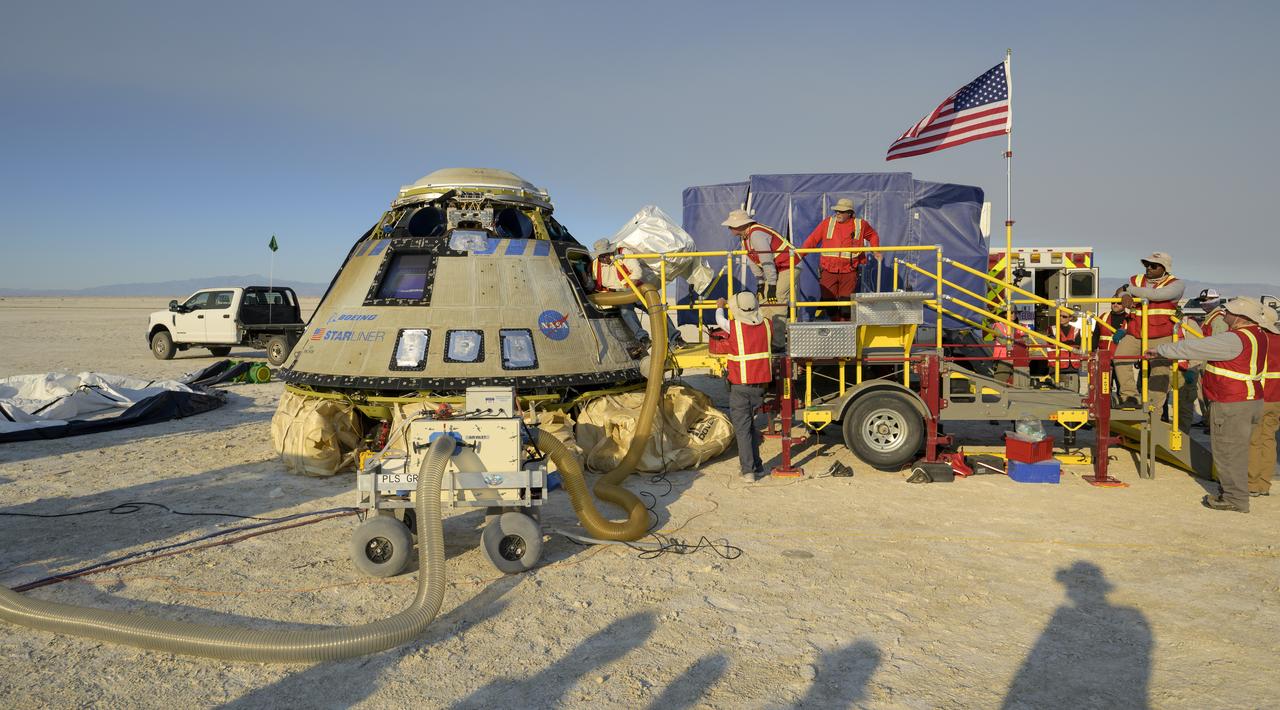
Boeing and NASA teams work around Boeing’s CST-100 Starliner spacecraft after it landed at White Sands Missile Range’s Space Harbor, Wednesday, May 25, 2022, in New Mexico. Boeing’s Orbital Flight Test-2 (OFT-2) is Starliner’s second uncrewed flight test to the International Space Station as part of NASA's Commercial Crew Program. OFT-2 serves as an end-to-end test of the system's capabilities. Photo Credit: (NASA/Bill Ingalls)
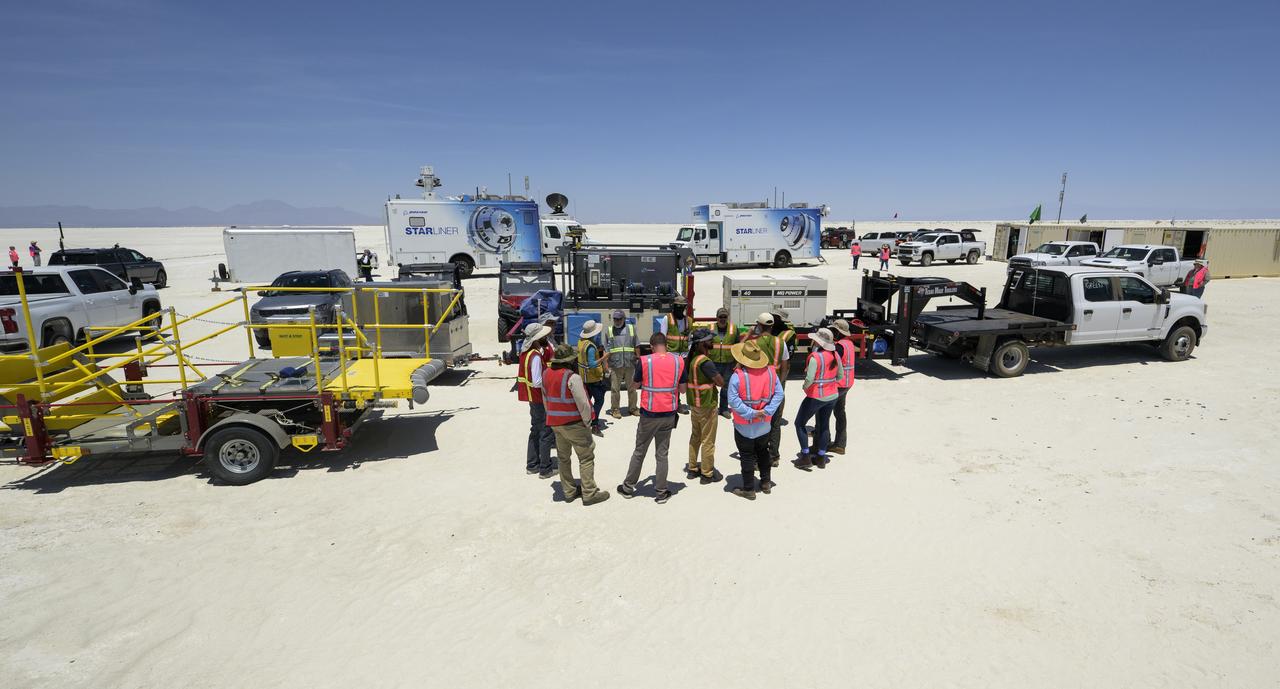
NASA and Boeing teams prepare for the landing of Boeing’s CST-100 Starliner spacecraft at White Sands Missile Range’s Space Harbor, Wednesday, May 25, 2022, in New Mexico. Boeing’s Orbital Flight Test-2 (OFT-2) is Starliner’s second uncrewed flight test to the International Space Station as part of NASA's Commercial Crew Program. OFT-2 serves as an end-to-end test of the system's capabilities. Photo Credit: (NASA/Bill Ingalls)
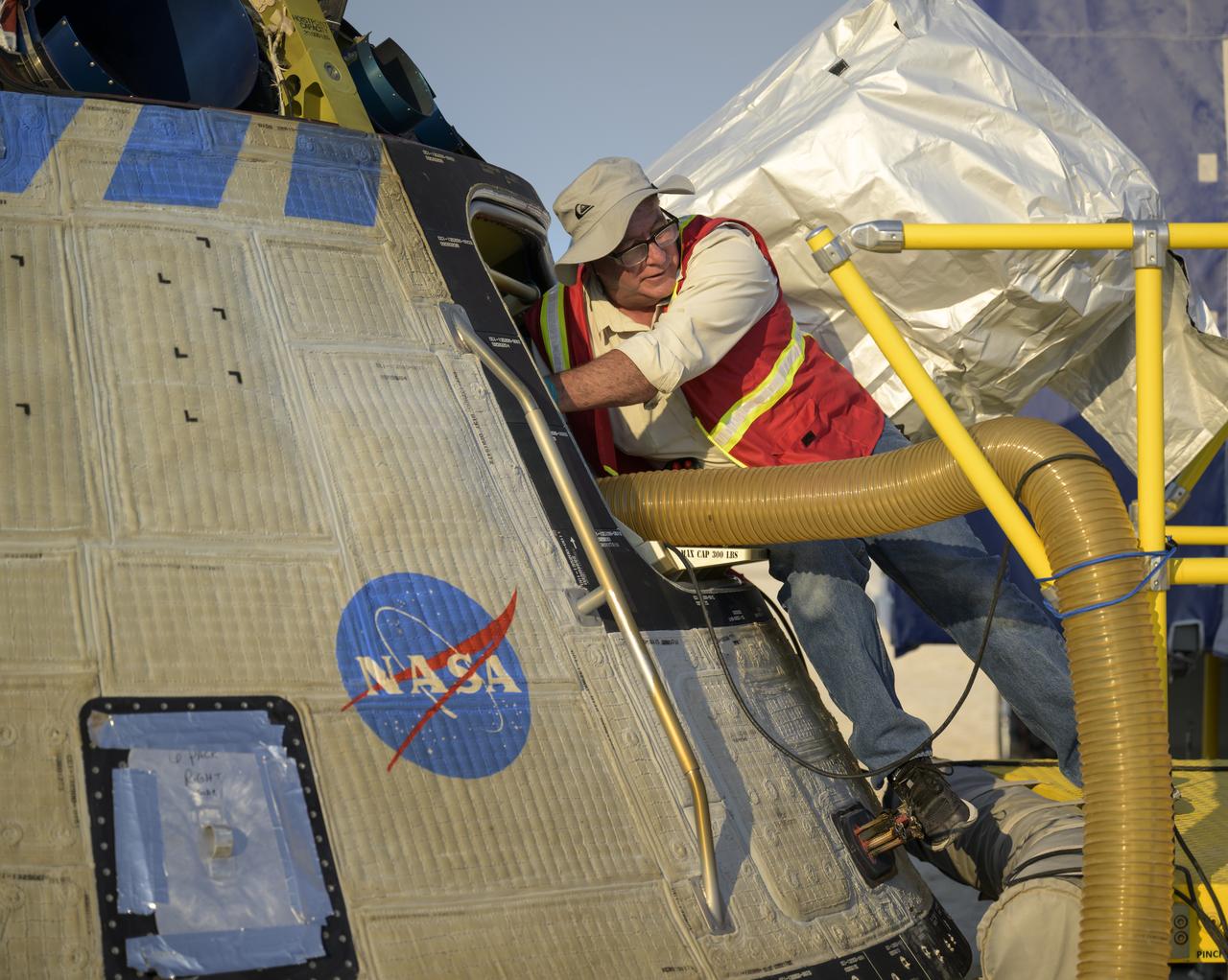
Boeing and NASA teams work around Boeing’s CST-100 Starliner spacecraft after it landed at White Sands Missile Range’s Space Harbor, Wednesday, May 25, 2022, in New Mexico. Boeing’s Orbital Flight Test-2 (OFT-2) is Starliner’s second uncrewed flight test to the International Space Station as part of NASA's Commercial Crew Program. OFT-2 serves as an end-to-end test of the system's capabilities. Photo Credit: (NASA/Bill Ingalls)
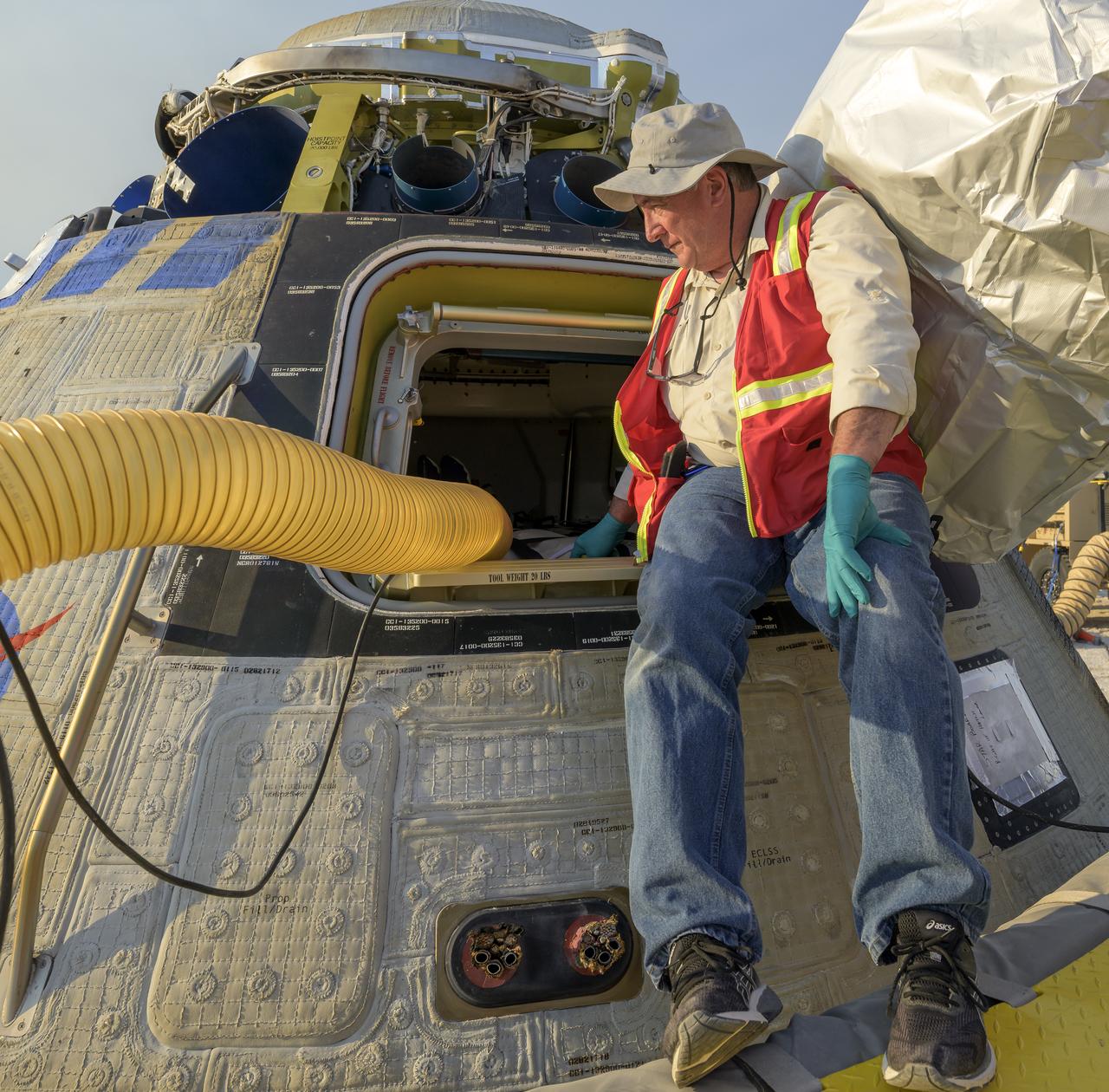
Boeing and NASA teams work around Boeing’s CST-100 Starliner spacecraft after it landed at White Sands Missile Range’s Space Harbor, Wednesday, May 25, 2022, in New Mexico. Boeing’s Orbital Flight Test-2 (OFT-2) is Starliner’s second uncrewed flight test to the International Space Station as part of NASA's Commercial Crew Program. OFT-2 serves as an end-to-end test of the system's capabilities. Photo Credit: (NASA/Bill Ingalls)

Boeing and NASA teams work around Boeing’s CST-100 Starliner spacecraft after it landed at White Sands Missile Range’s Space Harbor, Wednesday, May 25, 2022, in New Mexico. Boeing’s Orbital Flight Test-2 (OFT-2) is Starliner’s second uncrewed flight test to the International Space Station as part of NASA's Commercial Crew Program. OFT-2 serves as an end-to-end test of the system's capabilities. Photo Credit: (NASA/Bill Ingalls)
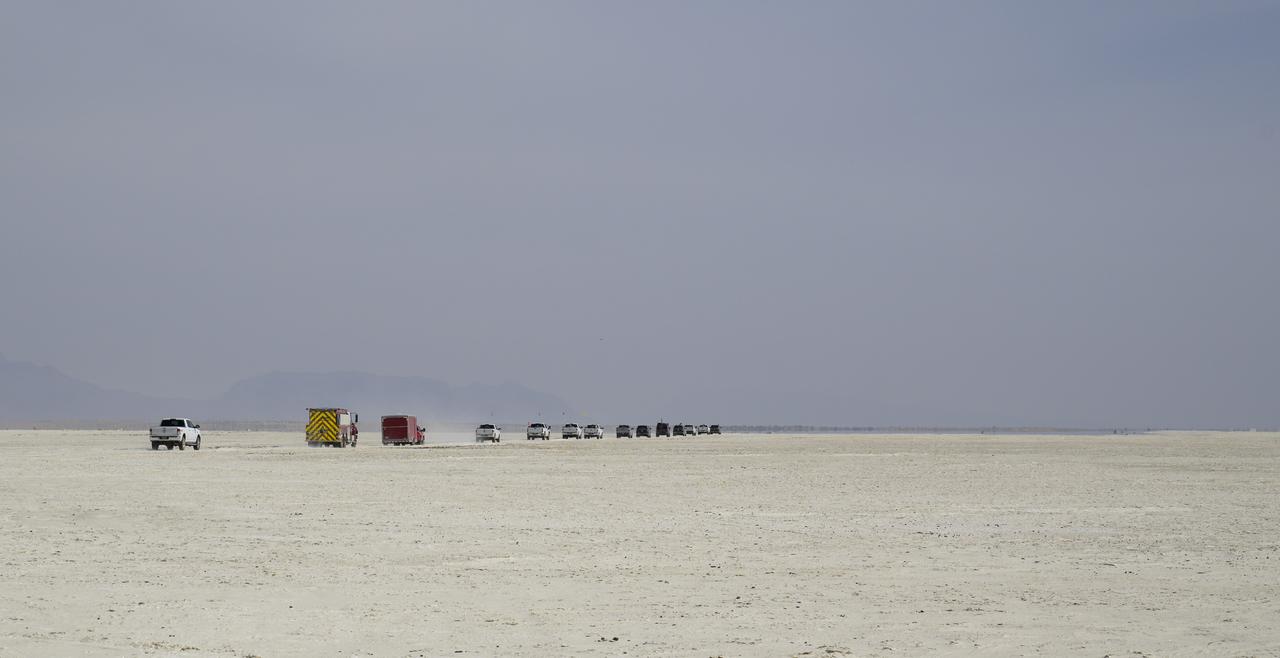
Boeing and NASA teams participate in a mission dress rehearsal to prepare for the landing of the Boeing CST-100 Starliner spacecraft in White Sands, New Mexico, Monday, May 23, 2022. Boeing’s Orbital Flight Test-2 (OFT-2) is Starliner’s second uncrewed flight test to the International Space Station as part of NASA's Commercial Crew Program. OFT-2 serves as an end-to-end test of the system's capabilities. Photo Credit: (NASA/Bill Ingalls)

Boeing and NASA teams participate in a mission dress rehearsal to prepare for the landing of the Boeing CST-100 Starliner spacecraft in White Sands, New Mexico, Monday, May 23, 2022. Boeing’s Orbital Flight Test-2 (OFT-2) is Starliner’s second uncrewed flight test to the International Space Station as part of NASA's Commercial Crew Program. OFT-2 serves as an end-to-end test of the system's capabilities. Photo Credit: (NASA/Bill Ingalls)
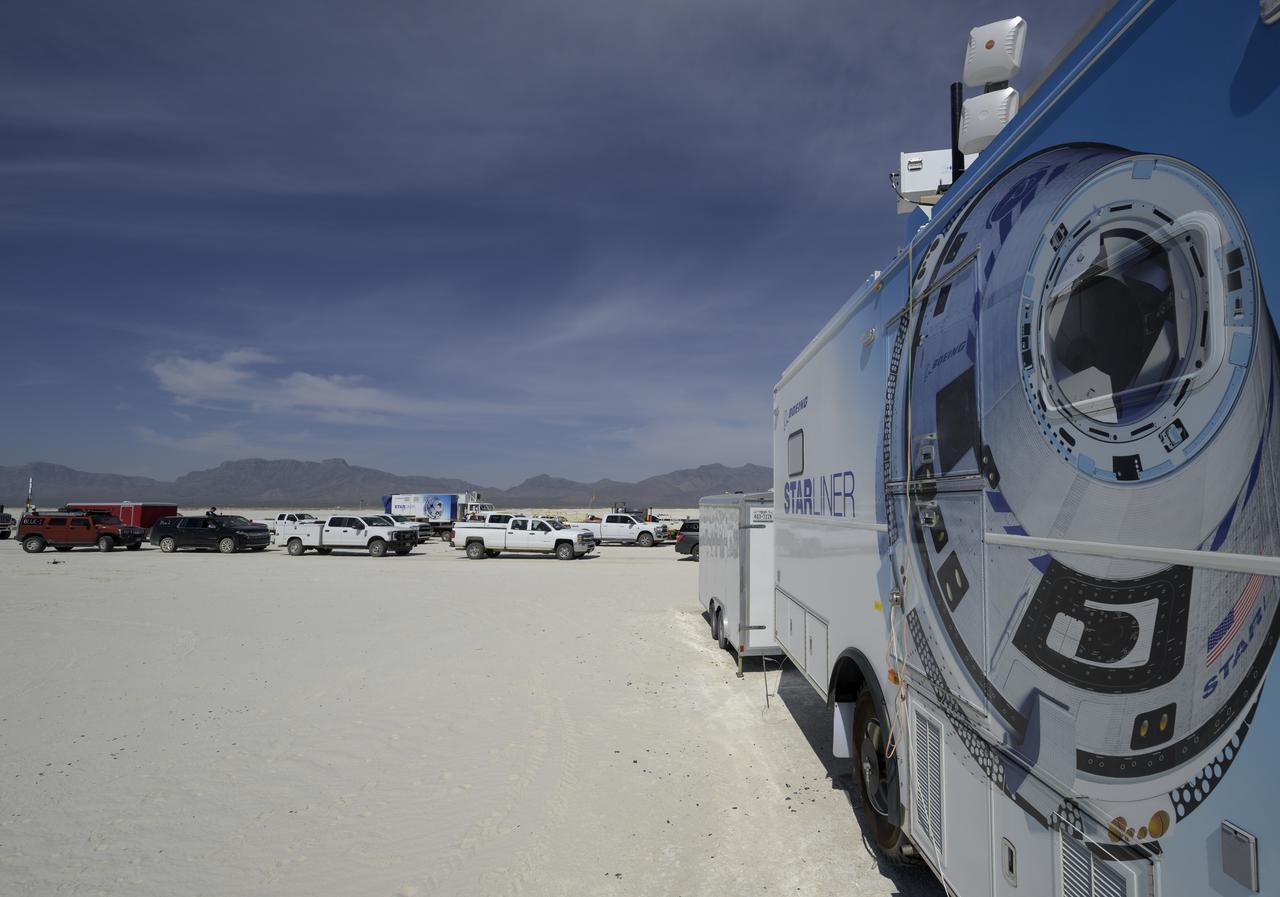
Boeing and NASA teams participate in a mission dress rehearsal to prepare for the landing of the Boeing CST-100 Starliner spacecraft in White Sands, New Mexico, Monday, May 23, 2022. Boeing’s Orbital Flight Test-2 (OFT-2) is Starliner’s second uncrewed flight test to the International Space Station as part of NASA's Commercial Crew Program. OFT-2 serves as an end-to-end test of the system's capabilities. Photo Credit: (NASA/Bill Ingalls)
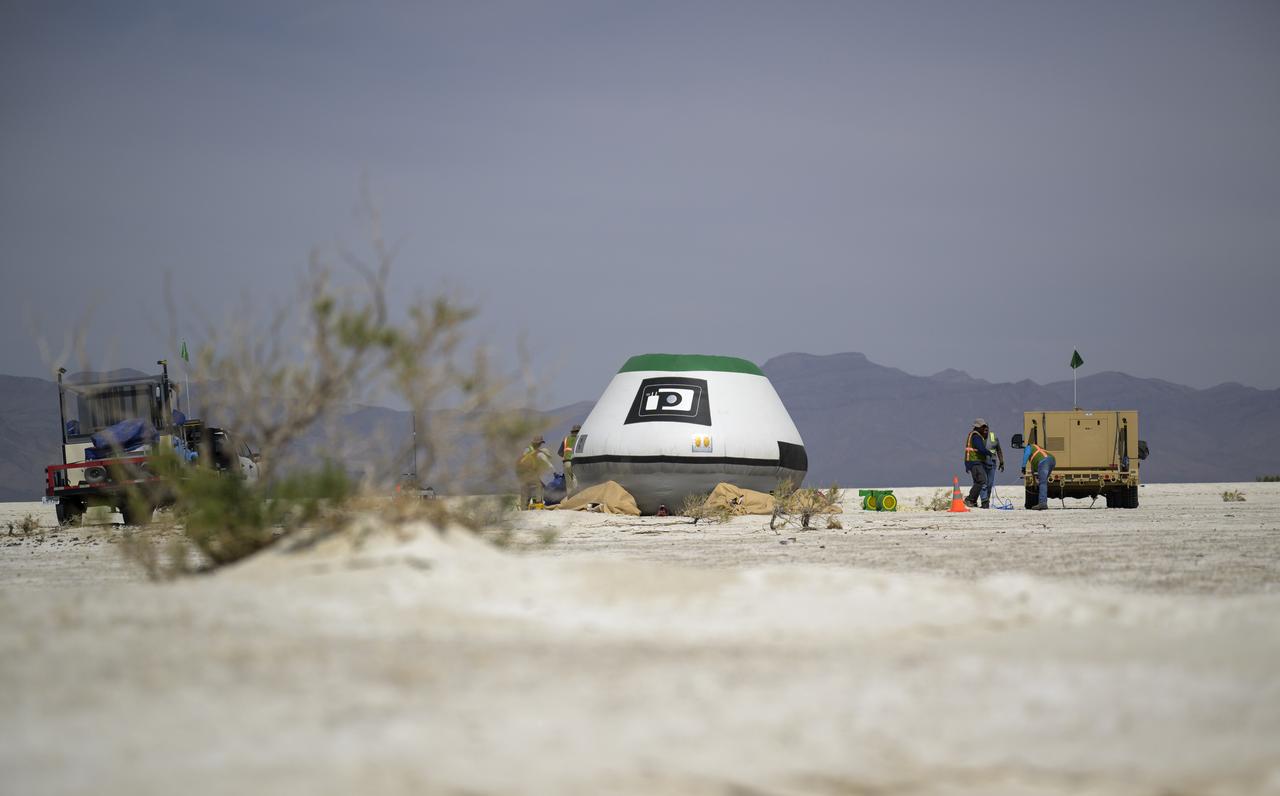
Boeing and NASA teams participate in a mission dress rehearsal to prepare for the landing of the Boeing CST-100 Starliner spacecraft in White Sands, New Mexico, Monday, May 23, 2022. Boeing’s Orbital Flight Test-2 (OFT-2) is Starliner’s second uncrewed flight test to the International Space Station as part of NASA's Commercial Crew Program. OFT-2 serves as an end-to-end test of the system's capabilities. Photo Credit: (NASA/Bill Ingalls)

Boeing and NASA teams participate in a mission dress rehearsal to prepare for the landing of the Boeing CST-100 Starliner spacecraft in White Sands, New Mexico, Monday, May 23, 2022. Boeing’s Orbital Flight Test-2 (OFT-2) is Starliner’s second uncrewed flight test to the International Space Station as part of NASA's Commercial Crew Program. OFT-2 serves as an end-to-end test of the system's capabilities. Photo Credit: (NASA/Bill Ingalls)
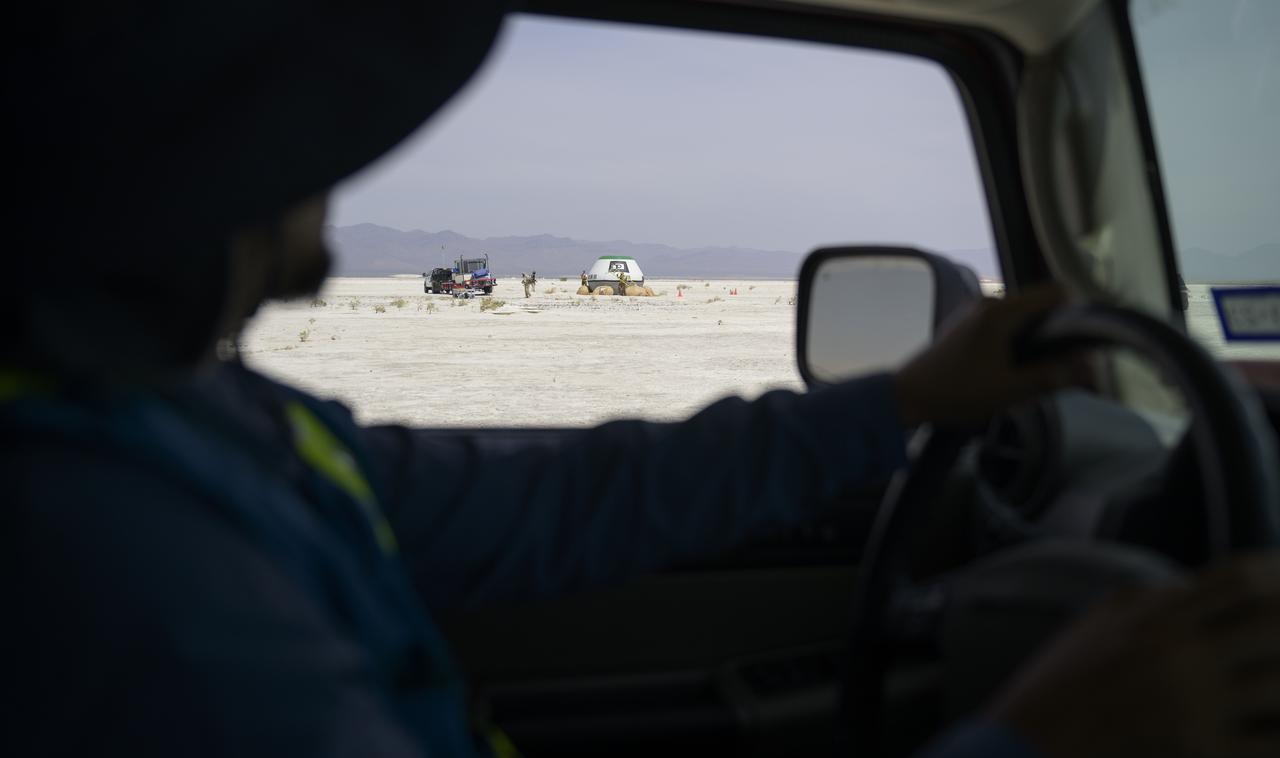
Boeing and NASA teams participate in a mission dress rehearsal to prepare for the landing of the Boeing CST-100 Starliner spacecraft in White Sands, New Mexico, Monday, May 23, 2022. Boeing’s Orbital Flight Test-2 (OFT-2) is Starliner’s second uncrewed flight test to the International Space Station as part of NASA's Commercial Crew Program. OFT-2 serves as an end-to-end test of the system's capabilities. Photo Credit: (NASA/Bill Ingalls)
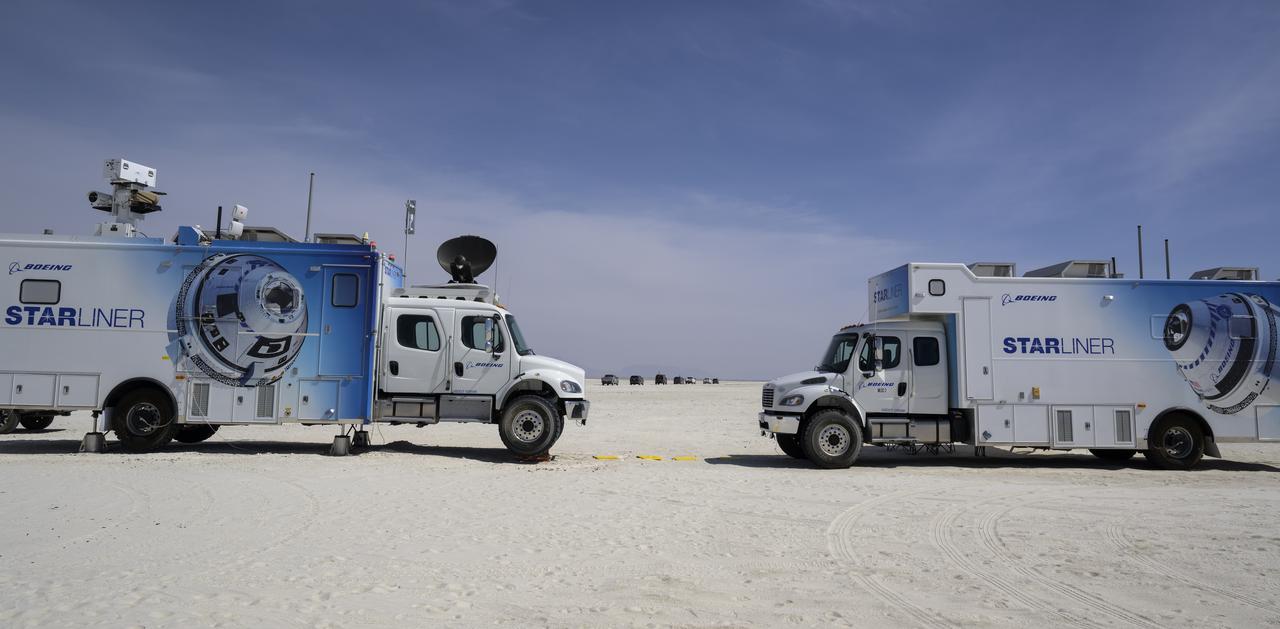
Boeing and NASA teams participate in a mission dress rehearsal to prepare for the landing of the Boeing CST-100 Starliner spacecraft in White Sands, New Mexico, Monday, May 23, 2022. Boeing’s Orbital Flight Test-2 (OFT-2) is Starliner’s second uncrewed flight test to the International Space Station as part of NASA's Commercial Crew Program. OFT-2 serves as an end-to-end test of the system's capabilities. Photo Credit: (NASA/Bill Ingalls)
Boeing and NASA teams participate in a mission dress rehearsal to prepare for the landing of the Boeing CST-100 Starliner spacecraft in White Sands, New Mexico, Monday, May 23, 2022. Boeing’s Orbital Flight Test-2 (OFT-2) is Starliner’s second uncrewed flight test to the International Space Station as part of NASA's Commercial Crew Program. OFT-2 serves as an end-to-end test of the system's capabilities. Photo Credit: (NASA/Bill Ingalls)
Boeing and NASA teams participate in a mission dress rehearsal to prepare for the landing of the Boeing CST-100 Starliner spacecraft in White Sands, New Mexico, Monday, May 23, 2022. Boeing’s Orbital Flight Test-2 (OFT-2) is Starliner’s second uncrewed flight test to the International Space Station as part of NASA's Commercial Crew Program. OFT-2 serves as an end-to-end test of the system's capabilities. Photo Credit: (NASA/Bill Ingalls)
Boeing and NASA teams participate in a mission dress rehearsal to prepare for the landing of the Boeing CST-100 Starliner spacecraft in White Sands, New Mexico, Monday, May 23, 2022. Boeing’s Orbital Flight Test-2 (OFT-2) is Starliner’s second uncrewed flight test to the International Space Station as part of NASA's Commercial Crew Program. OFT-2 serves as an end-to-end test of the system's capabilities. Photo Credit: (NASA/Bill Ingalls)
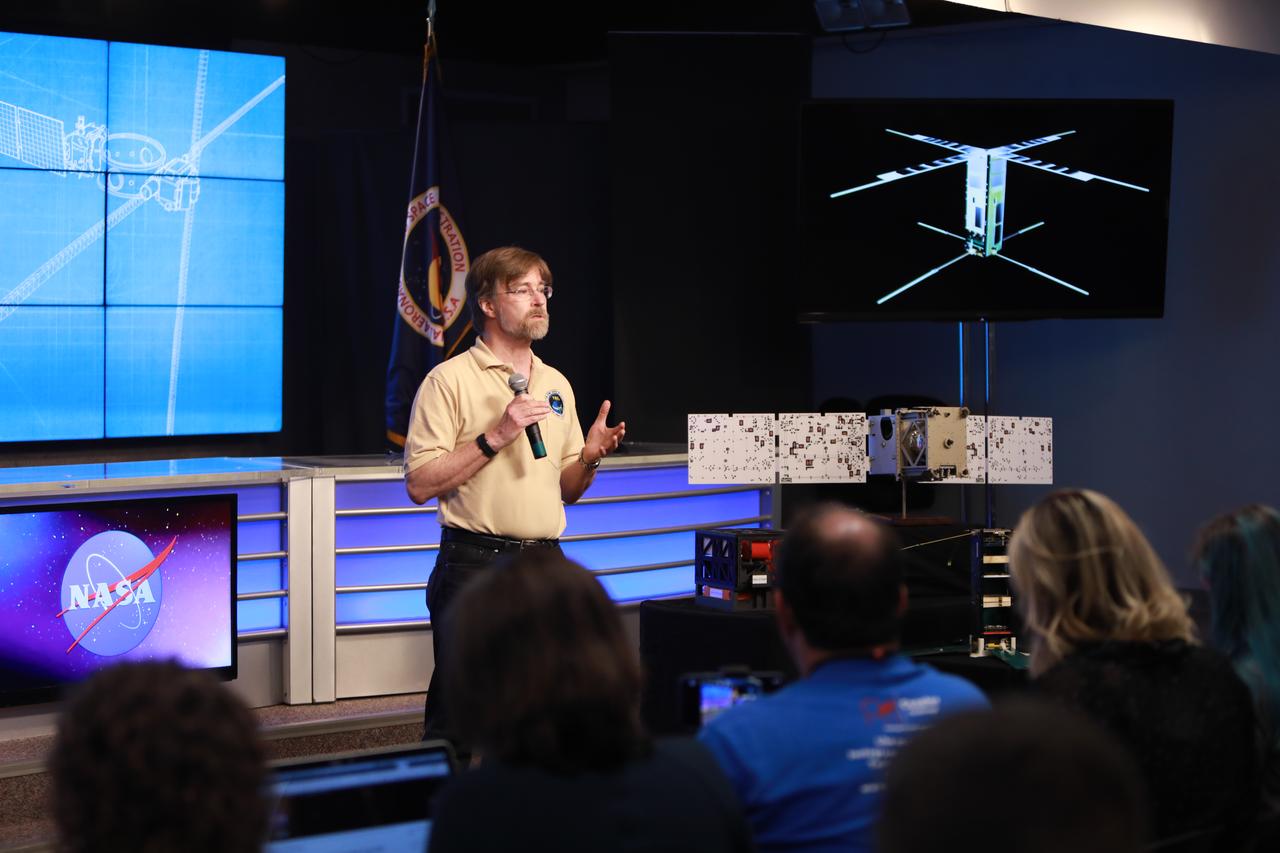
Rick Doe, payload program manager at SRI International, discusses the Enhanced Tandem Beacon Experiment during a NASA prelaunch technology TV show for the Space Test Program-2 (STP-2) mission at NASA’s Kennedy Space Center in Florida on June 23, 2019. The experiment’s two CubeSats will work with six other satellites to study irregularities in Earth’s upper atmosphere that interfere with GPS and communications signals. It is one of NASA payloads scheduled to launch on a SpaceX Falcon Heavy rocket from Launch Complex 39A beginning at 11:30 p.m. EDT on June 24, 2019. STP-2 is managed by the U.S. Air Force Space and Missile Systems Center.
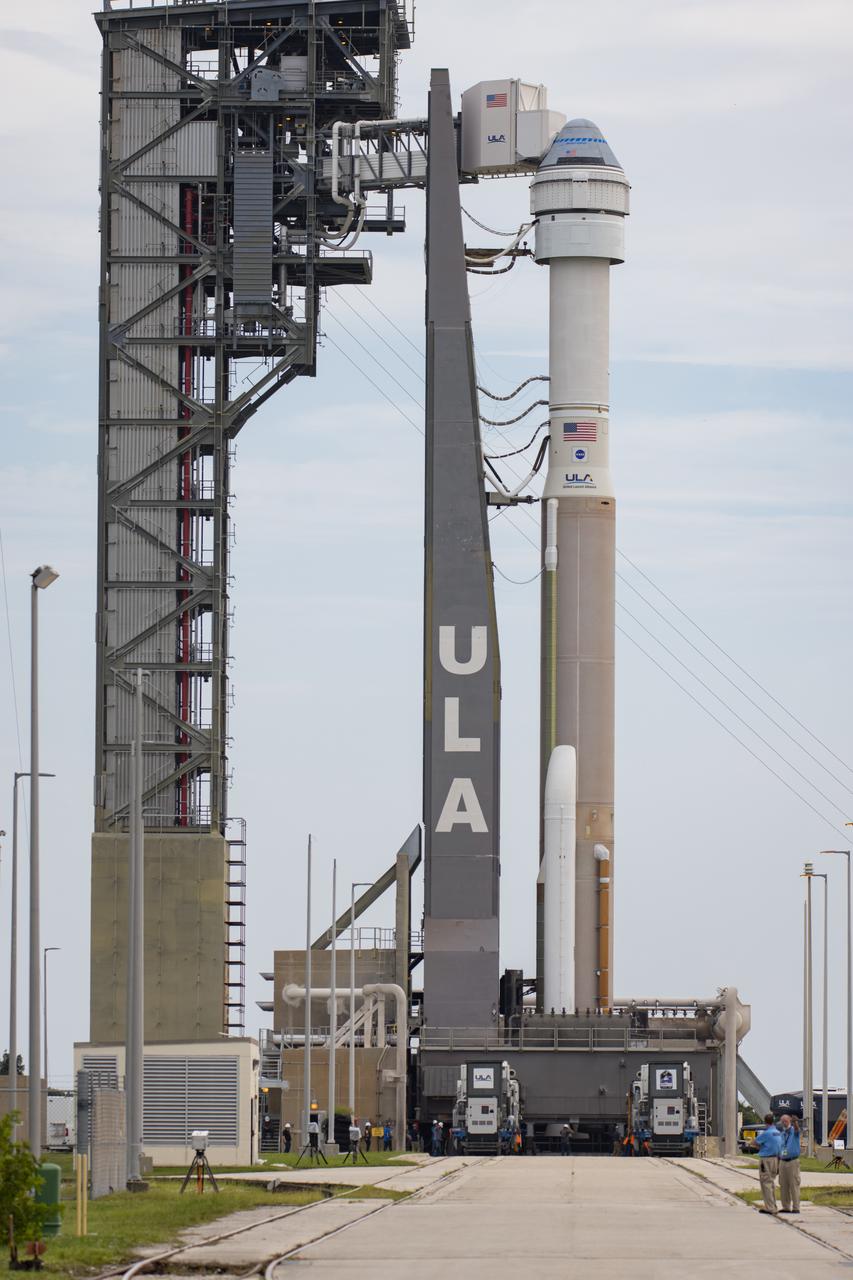
On August 2, 2021, Boeing’s CST-100 Starliner spacecraft and the United Launch Alliance Atlas V rocket rolls out from the Vertical Integration Facility to the launch pad at Space Launch Complex-41 on Cape Canaveral Space Force Station in Florida. Starliner will launch on the Atlas V for Boeing’s second uncrewed Orbital Flight Test (OFT-2) for NASA’s Commercial Crew Program. OFT-2 is an important uncrewed mission designed to test the end-to-end capabilities of the new system for NASA’s Commercial Crew Program.

On August 2, 2021, Boeing’s CST-100 Starliner spacecraft and the United Launch Alliance Atlas V rocket rolls out from the Vertical Integration Facility to the launch pad at Space Launch Complex-41 on Cape Canaveral Space Force Station in Florida. Starliner will launch on the Atlas V for Boeing’s second uncrewed Orbital Flight Test (OFT-2) for NASA’s Commercial Crew Program. OFT-2 is an important uncrewed mission designed to test the end-to-end capabilities of the new system for NASA’s Commercial Crew Program.
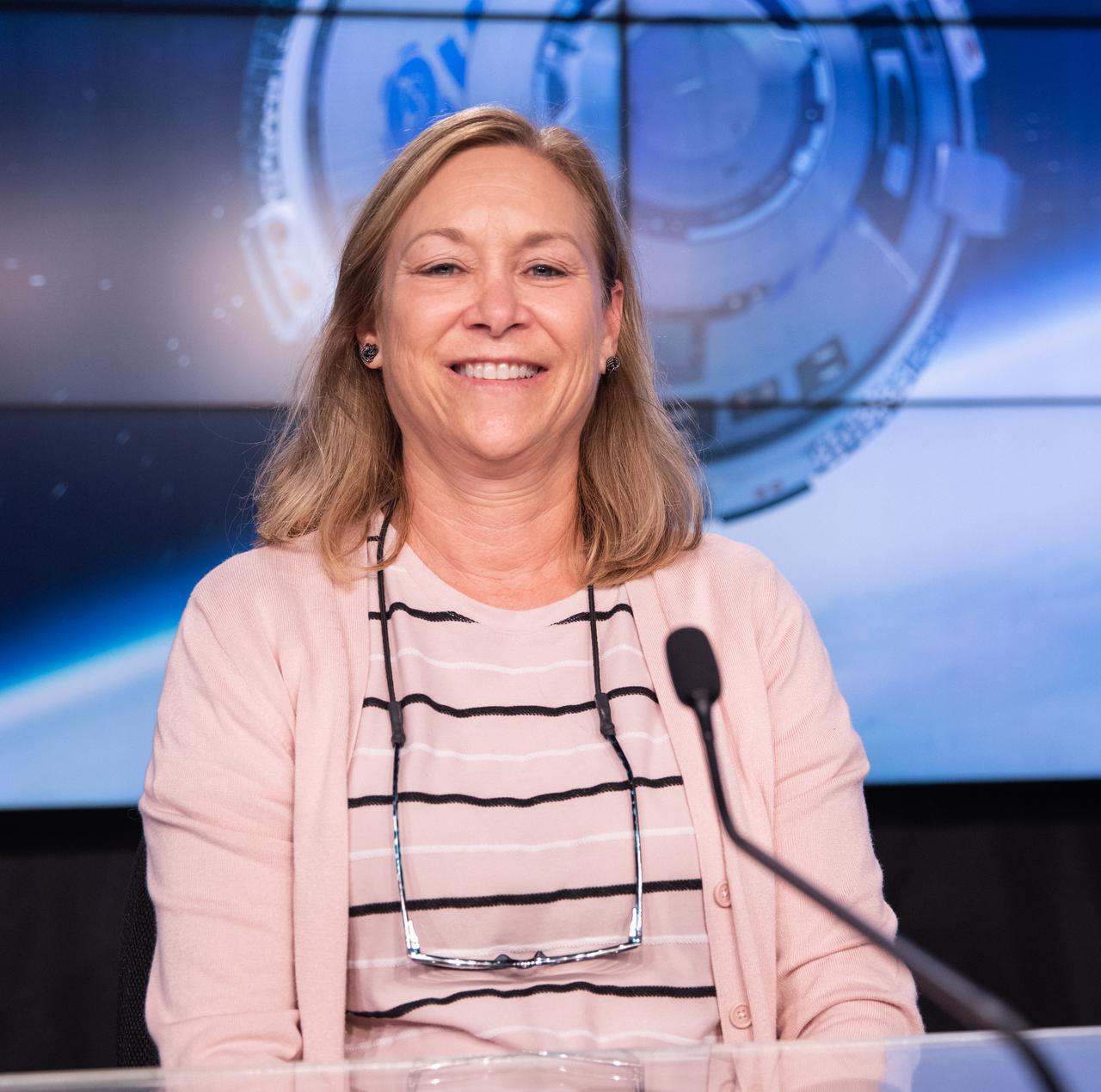
Janet Petro, director, NASA’s Kennedy Space Center, participates in the NASA Administrator Media Briefing ahead of Boeing’s Orbital Flight Test-2 (OFT-2) at the agency’s Kennedy Space Center in Florida, July 29, 2021. Boeing’s CST-100 Starliner spacecraft will launch atop a United Launch Alliance Atlas V rocket from Space Launch Complex-41 at Cape Canaveral Space Force Station. The uncrewed OFT-2 will be the Starliner’s second flight for NASA’s Commercial Crew Program.
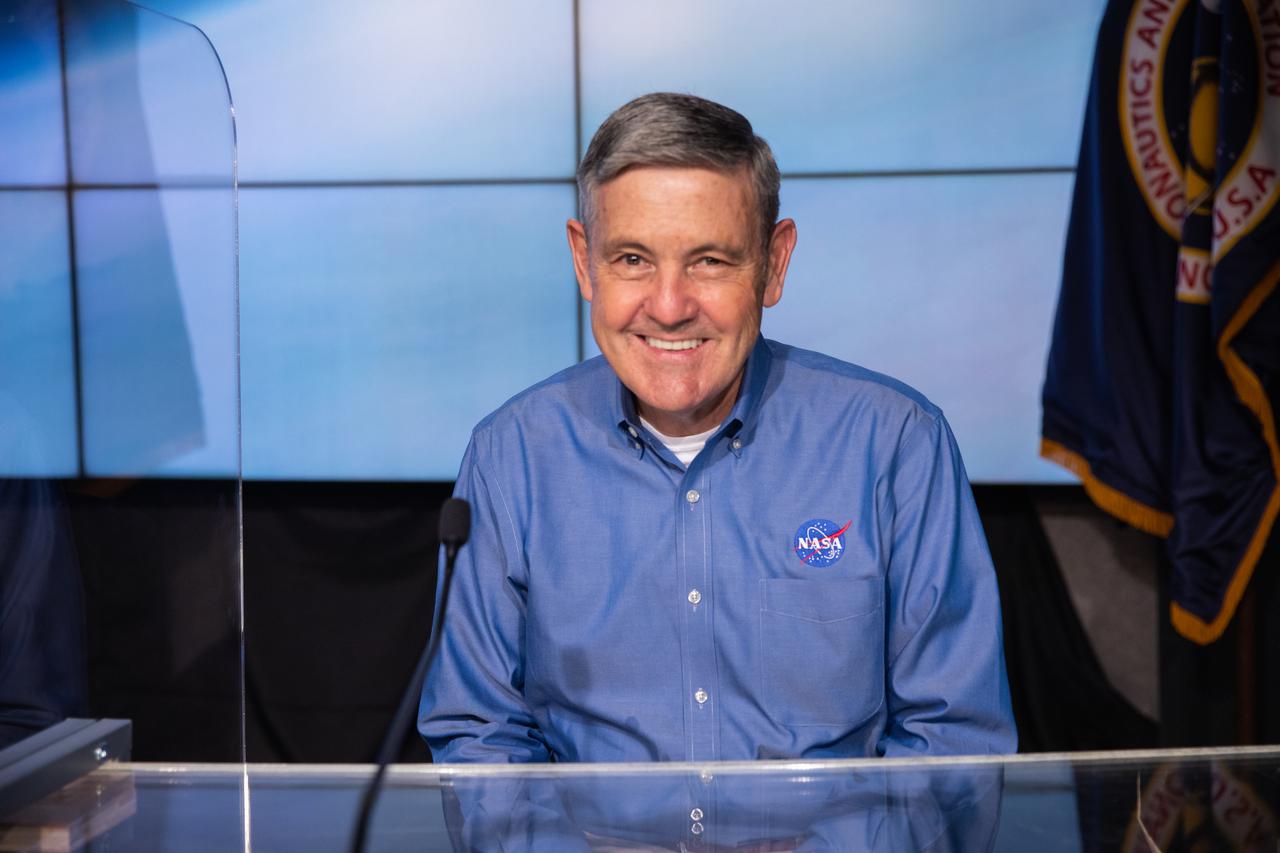
NASA Associate Administrator Bob Cabana participates in the NASA Administrator Media Briefing ahead of Boeing’s Orbital Flight Test-2 (OFT-2) at the agency’s Kennedy Space Center in Florida, July 29, 2021. Boeing’s CST-100 Starliner spacecraft will launch atop a United Launch Alliance Atlas V rocket from Space Launch Complex-41 at Cape Canaveral Space Force Station. The uncrewed OFT-2 will be the Starliner’s second flight for NASA’s Commercial Crew Program.
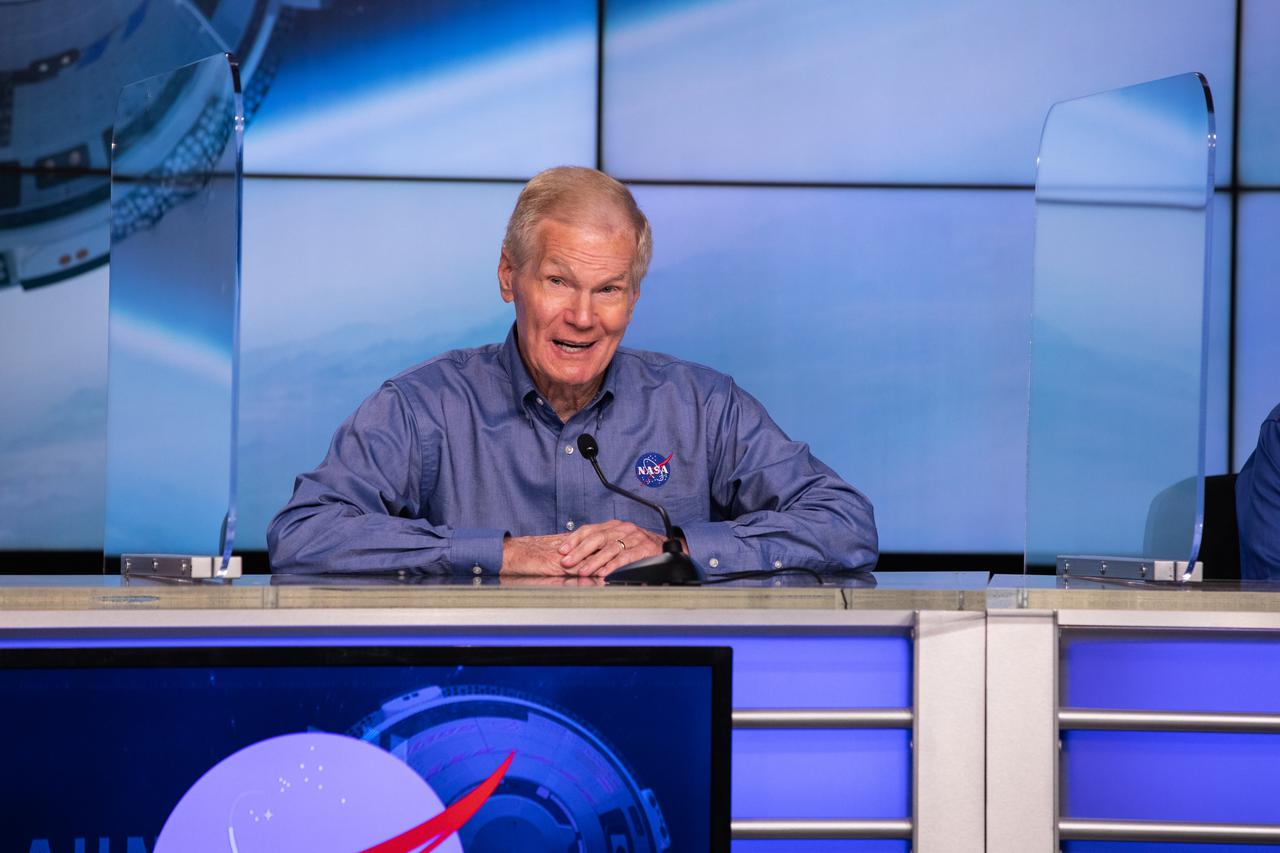
NASA Administrator Bill Nelson (center) speaks to the media ahead of Boeing’s Orbital Flight Test-2 (OFT-2) at the agency’s Kennedy Space Center in Florida, July 29, 2021. Boeing’s CST-100 Starliner spacecraft will launch atop a United Launch Alliance Atlas V rocket from Space Launch Complex-41 at Cape Canaveral Space Force Station. The uncrewed OFT-2 will be the Starliner’s second flight for NASA’s Commercial Crew Program.
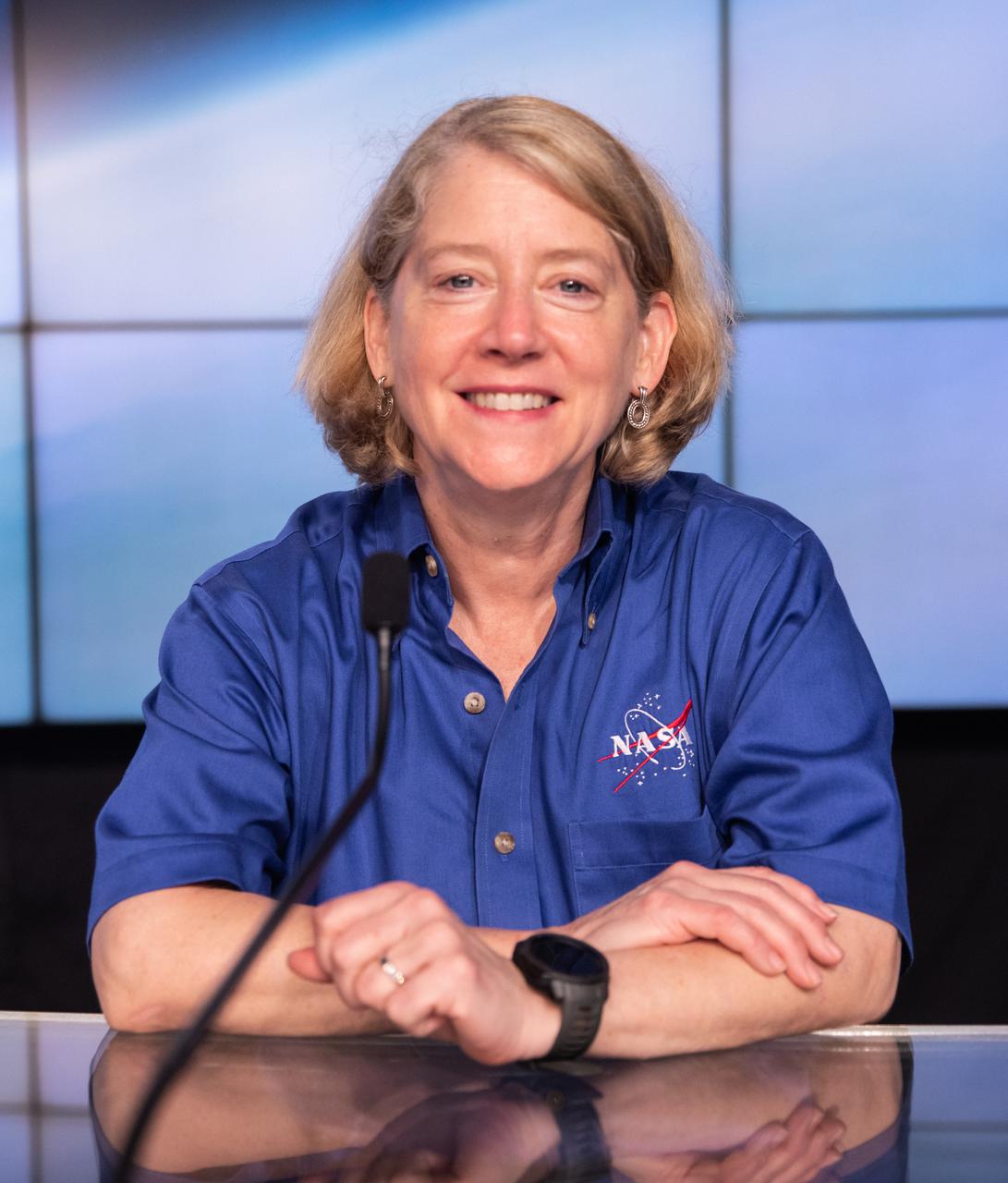
NASA Deputy Administrator Pam Melroy participates in the NASA Administrator Media Briefing ahead of Boeing’s Orbital Flight Test-2 (OFT-2) at the agency’s Kennedy Space Center in Florida, July 29, 2021. Boeing’s CST-100 Starliner spacecraft will launch atop a United Launch Alliance Atlas V rocket from Space Launch Complex-41 at Cape Canaveral Space Force Station. The uncrewed OFT-2 will be the Starliner’s second flight for NASA’s Commercial Crew Program.
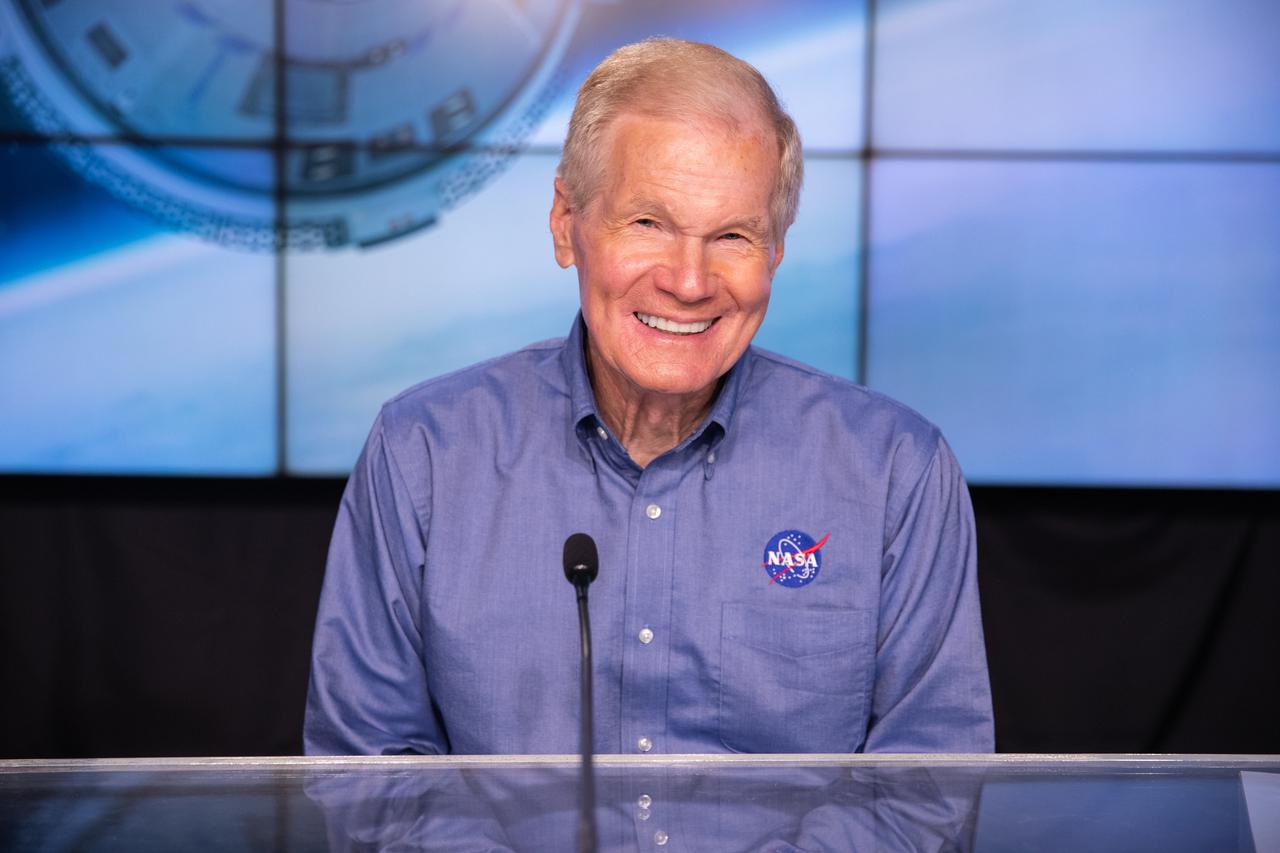
NASA Administrator Bill Nelson participates in the NASA Administrator Media Briefing ahead of Boeing’s Orbital Flight Test-2 (OFT-2) at the agency’s Kennedy Space Center in Florida, July 29, 2021. Boeing’s CST-100 Starliner spacecraft will launch atop a United Launch Alliance Atlas V rocket from Space Launch Complex-41 at Cape Canaveral Space Force Station. The uncrewed OFT-2 will be the Starliner’s second flight for NASA’s Commercial Crew Program.
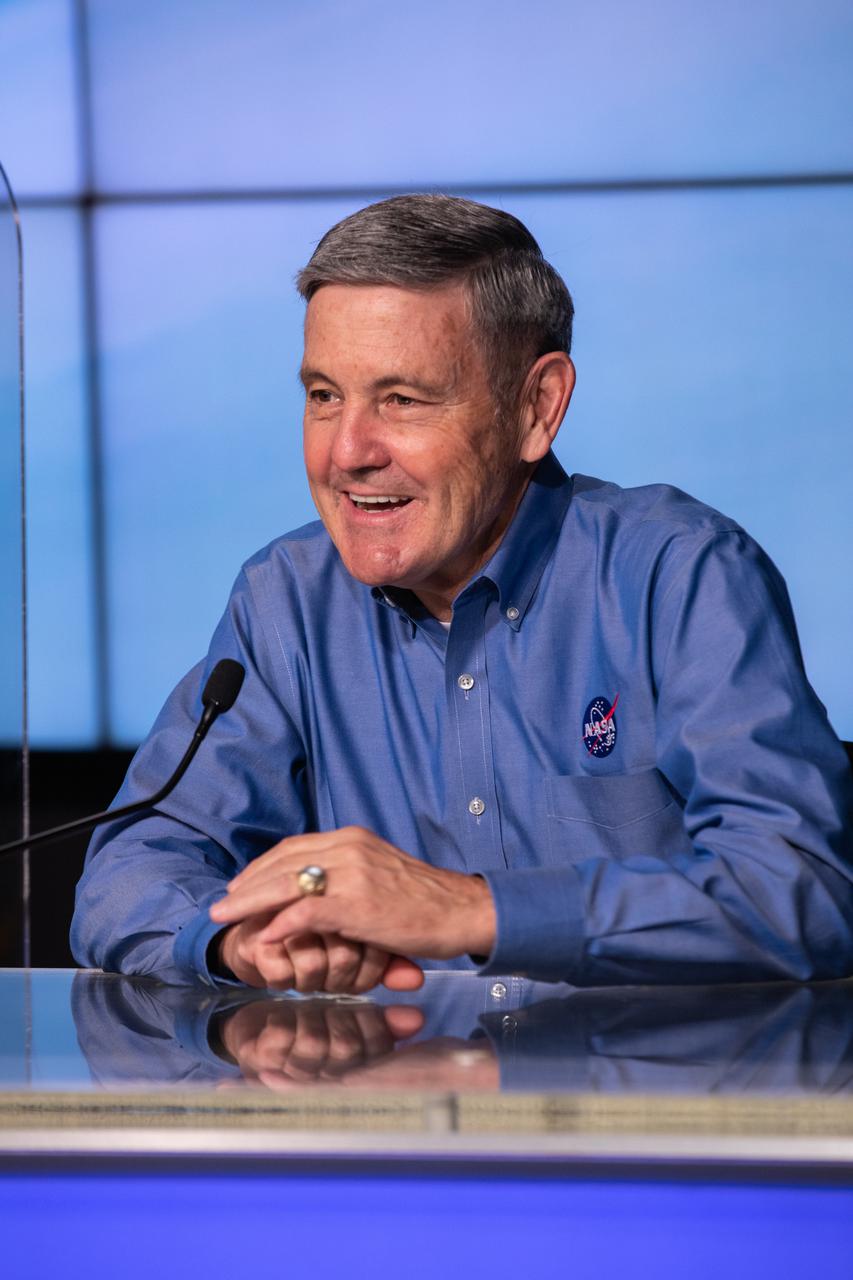
NASA Associate Administrator Bob Cabana speaks to the media ahead of Boeing’s Orbital Flight Test-2 (OFT-2) at the agency’s Kennedy Space Center in Florida, July 29, 2021. Boeing’s CST-100 Starliner spacecraft will launch atop a United Launch Alliance Atlas V rocket from Space Launch Complex-41 at Cape Canaveral Space Force Station. The uncrewed OFT-2 will be the Starliner’s second flight for NASA’s Commercial Crew Program.
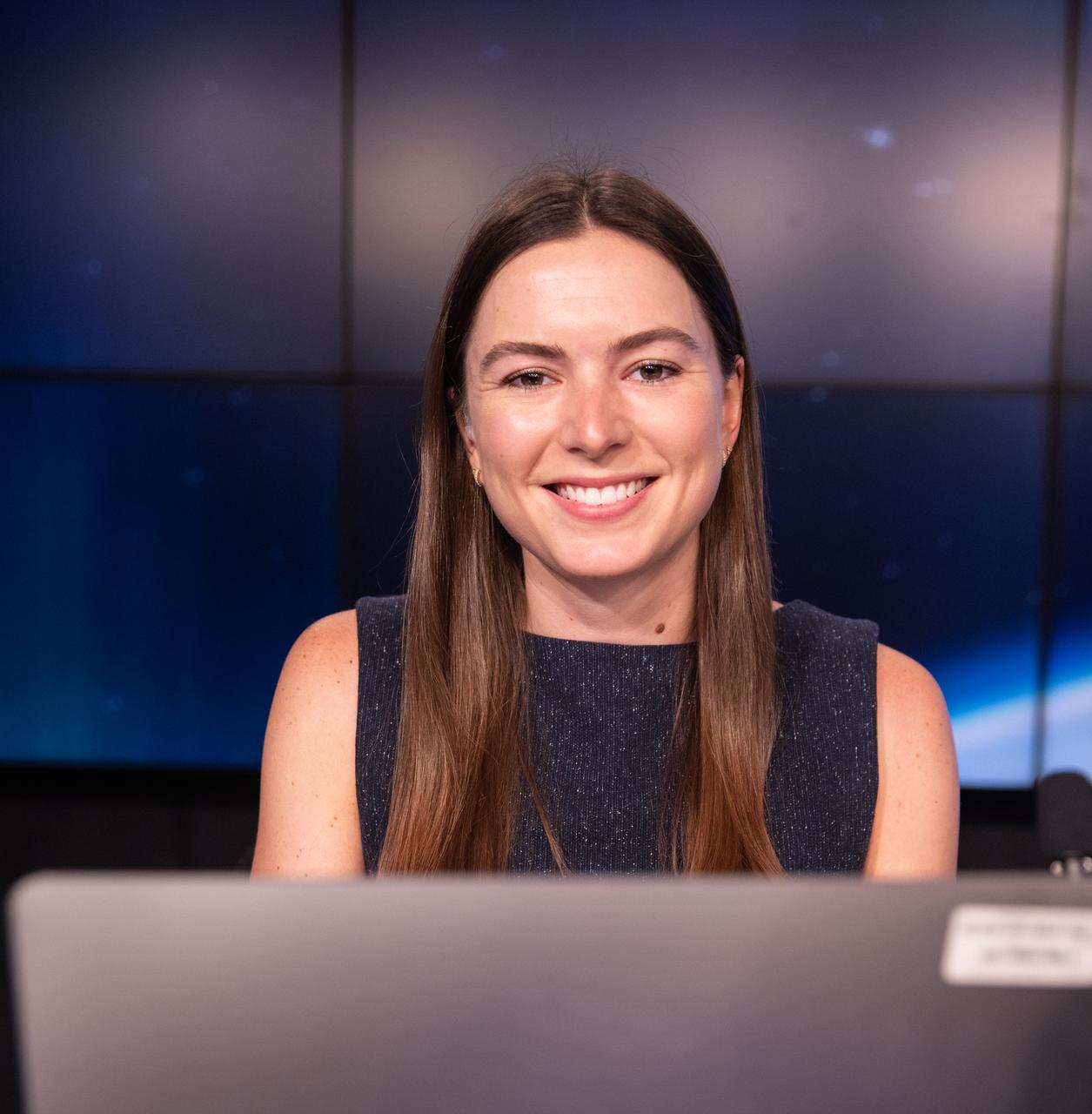
NASA Press Secretary Jackie McGuiness participates in the NASA Administrator Media Briefing ahead of Boeing’s Orbital Flight Test-2 (OFT-2) at the agency’s Kennedy Space Center in Florida, July 29, 2021. Boeing’s CST-100 Starliner spacecraft will launch atop a United Launch Alliance Atlas V rocket from Space Launch Complex-41 at Cape Canaveral Space Force Station. The uncrewed OFT-2 will be the Starliner’s second flight for NASA’s Commercial Crew Program.
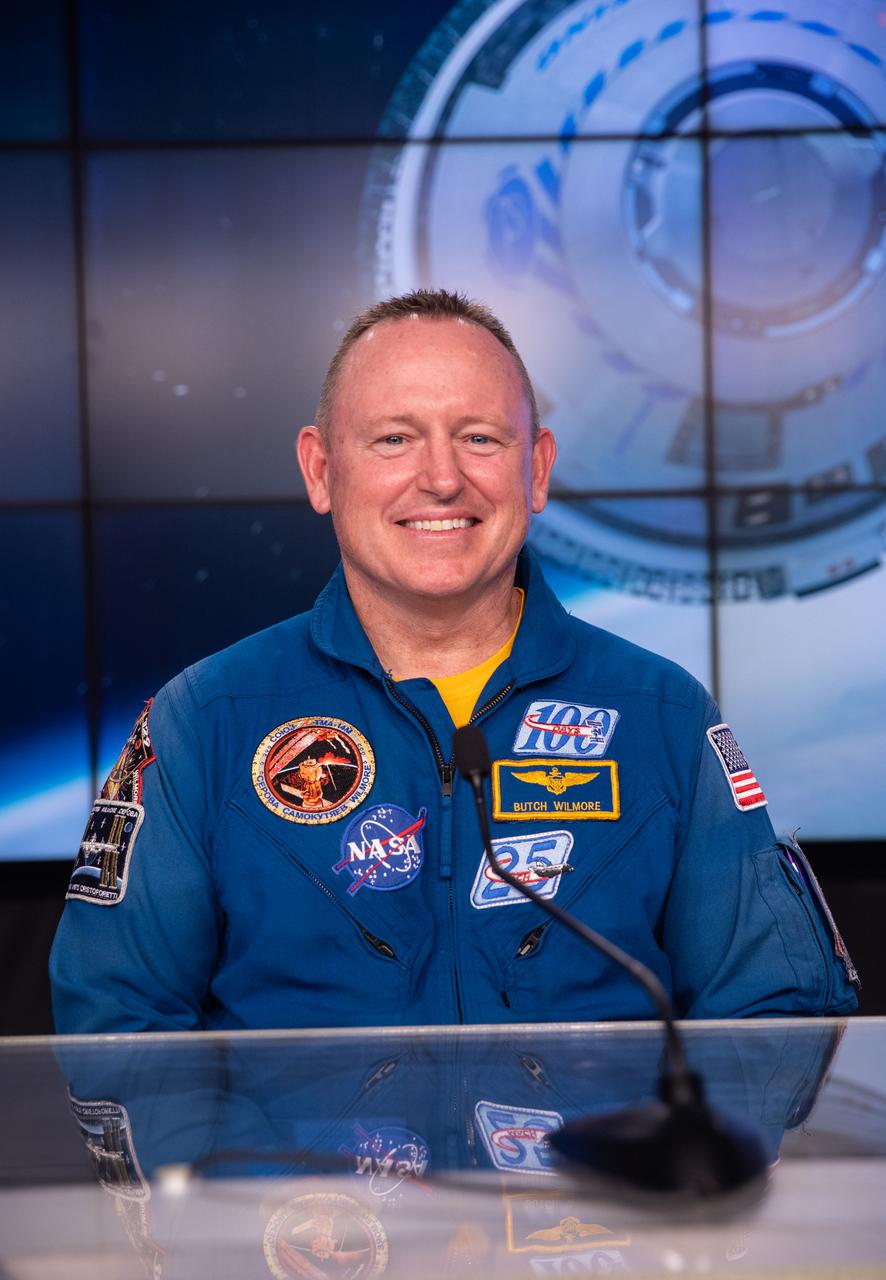
Barry “Butch” Wilmore, NASA astronaut, Crew Flight Test, participates in a crew and science media briefing ahead of Boeing’s Orbital Flight Test-2 (OFT-2) during a crew and science briefing at the agency’s Kennedy Space Center in Florida, July 29, 2021. Boeing’s CST-100 Starliner spacecraft will launch atop a United Launch Alliance Atlas V rocket from Space Launch Complex-41 at Cape Canaveral Space Force Station. The uncrewed OFT-2 will be the Starliner’s second flight for NASA’s Commercial Crew Program.
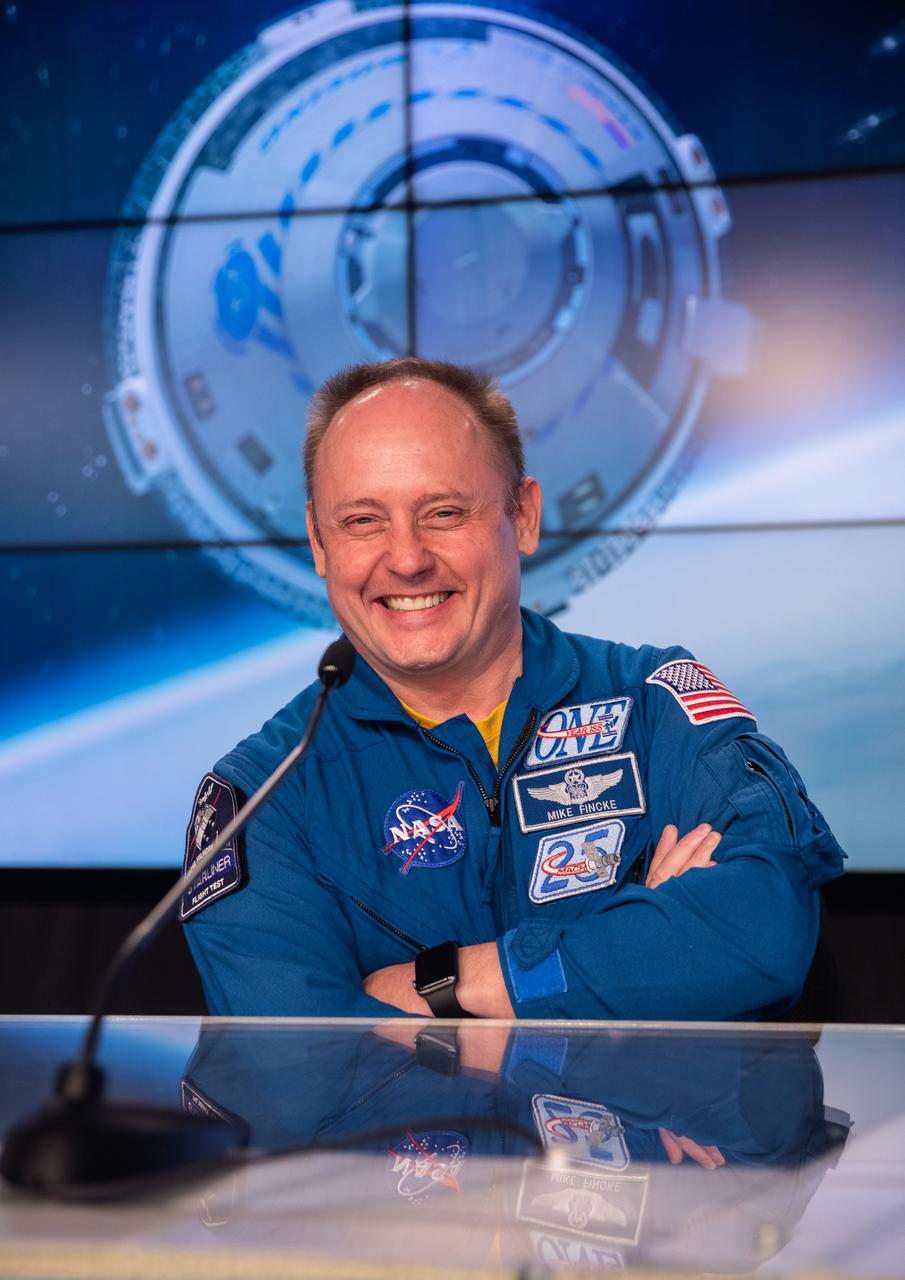
E. Michael “Mike” Fincke, NASA astronaut, Crew Flight Test, participates in a crew and science media briefing ahead of Boeing’s Orbital Flight Test-2 (OFT-2) during a crew and science briefing at the agency’s Kennedy Space Center in Florida, July 29, 2021. Boeing’s CST-100 Starliner spacecraft will launch atop a United Launch Alliance Atlas V rocket from Space Launch Complex-41 at Cape Canaveral Space Force Station. The uncrewed OFT-2 will be the Starliner’s second flight for NASA’s Commercial Crew Program.
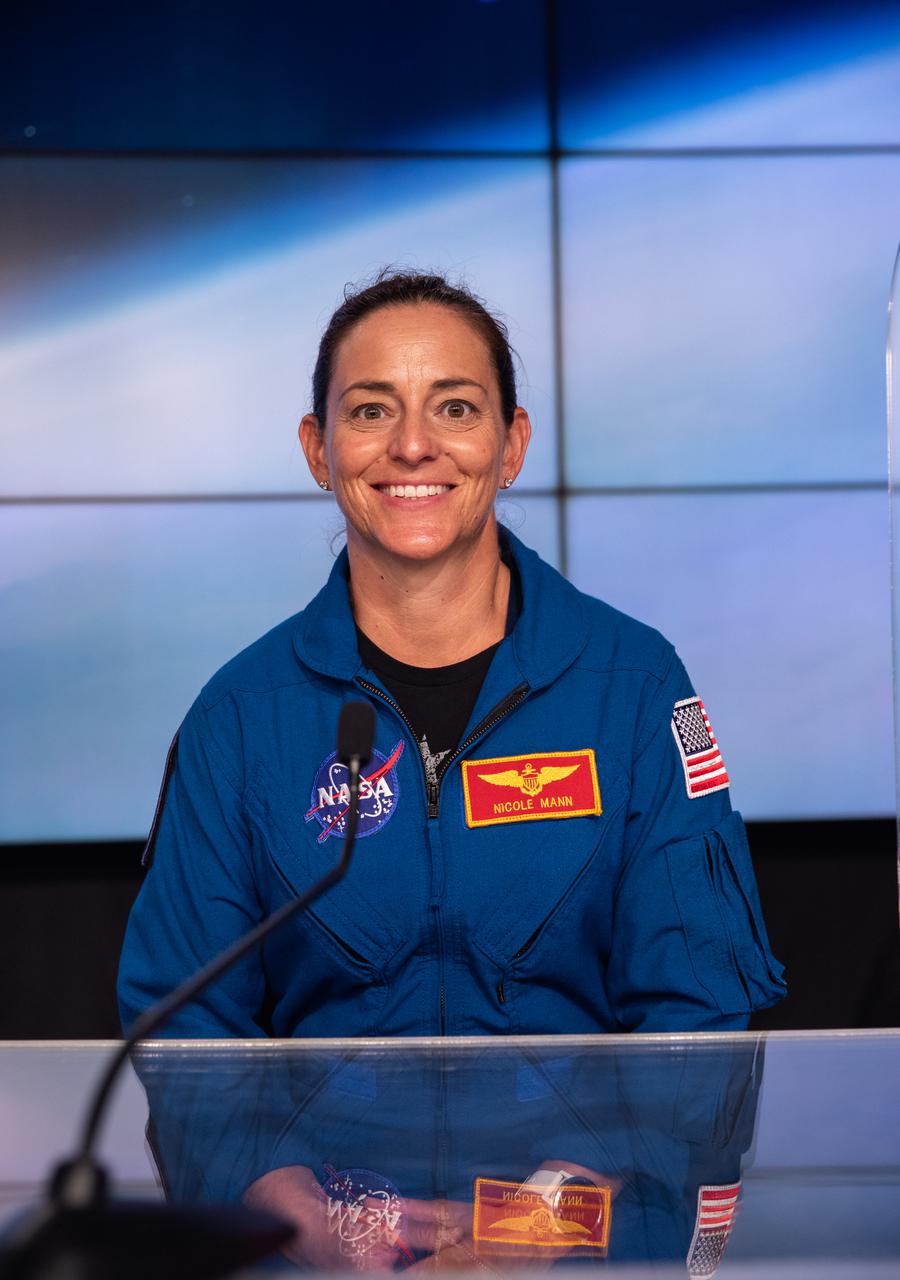
Nicole Mann, NASA astronaut, Crew Flight Test, participates in a crew and science media briefing ahead of Boeing’s Orbital Flight Test-2 (OFT-2) during a crew and science briefing at the agency’s Kennedy Space Center in Florida, July 29, 2021. Boeing’s CST-100 Starliner spacecraft will launch atop a United Launch Alliance Atlas V rocket from Space Launch Complex-41 at Cape Canaveral Space Force Station. The uncrewed OFT-2 will be the Starliner’s second flight for NASA’s Commercial Crew Program.
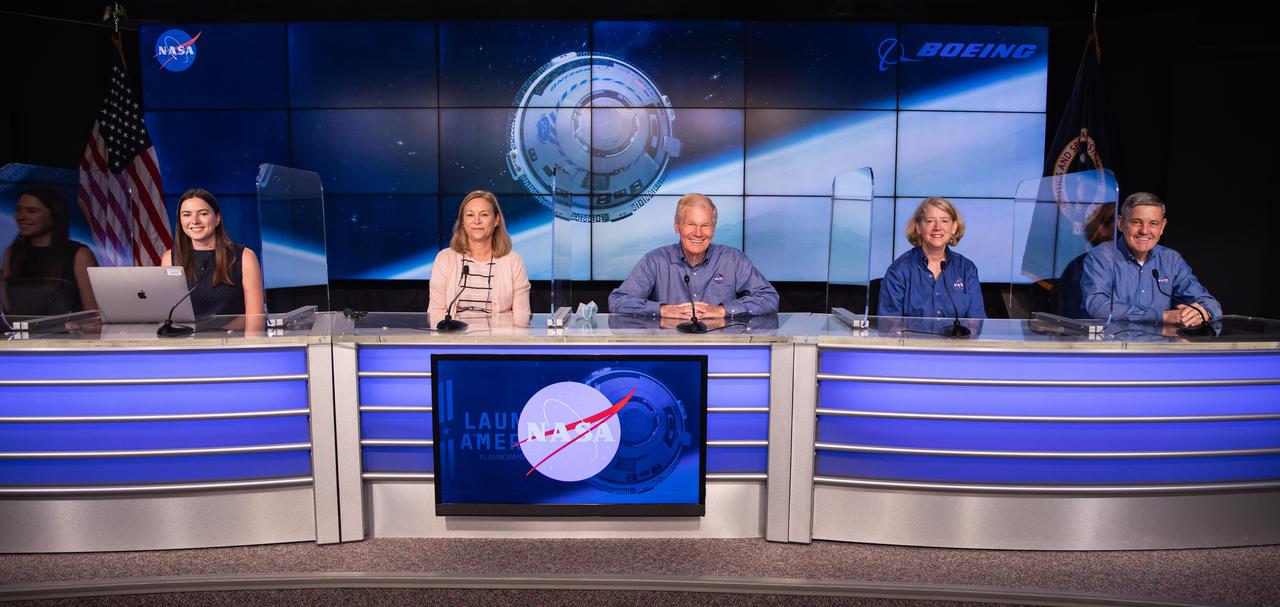
Officials from NASA participate in the NASA Administrator Media Briefing ahead of Boeing’s Orbital Flight Test-2 (OFT-2) at the agency’s Kennedy Space Center in Florida, July 29, 2021. From left to right are Jackie McGuinness, NASA Press Secretary; Janet Petro, director, NASA’s Kennedy Space Center; NASA Administrator Bill Nelson; NASA Deputy Administrator Pam Melroy; NASA Associate Administrator Bob Cabana. The uncrewed OFT-2 will be the Starliner’s second flight for NASA’s Commercial Crew Program.
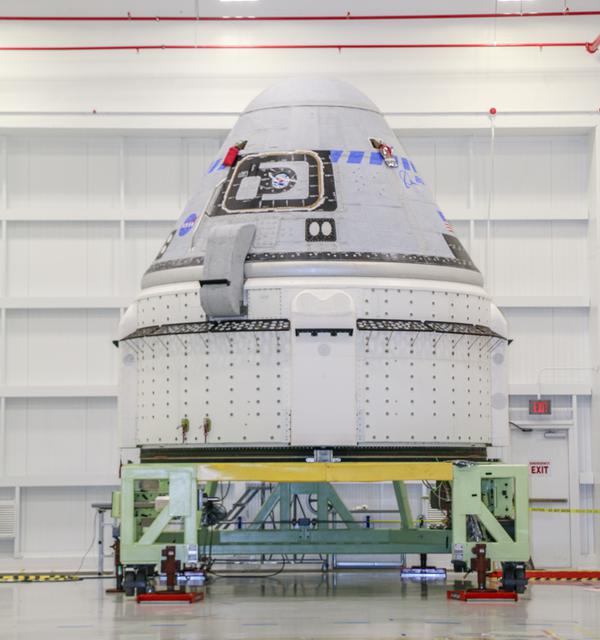
The Boeing CST-100 Starliner spacecraft to be flown on Orbital Flight Test-2 (OFT-2) is seen in the Commercial Crew and Cargo Processing Facility at NASA’s Kennedy Space Center in Florida on July 12, 2021. Part of the agency’s Commercial Crew Program, OFT-2 is a critical developmental milestone on the company’s path to fly crew missions for NASA.
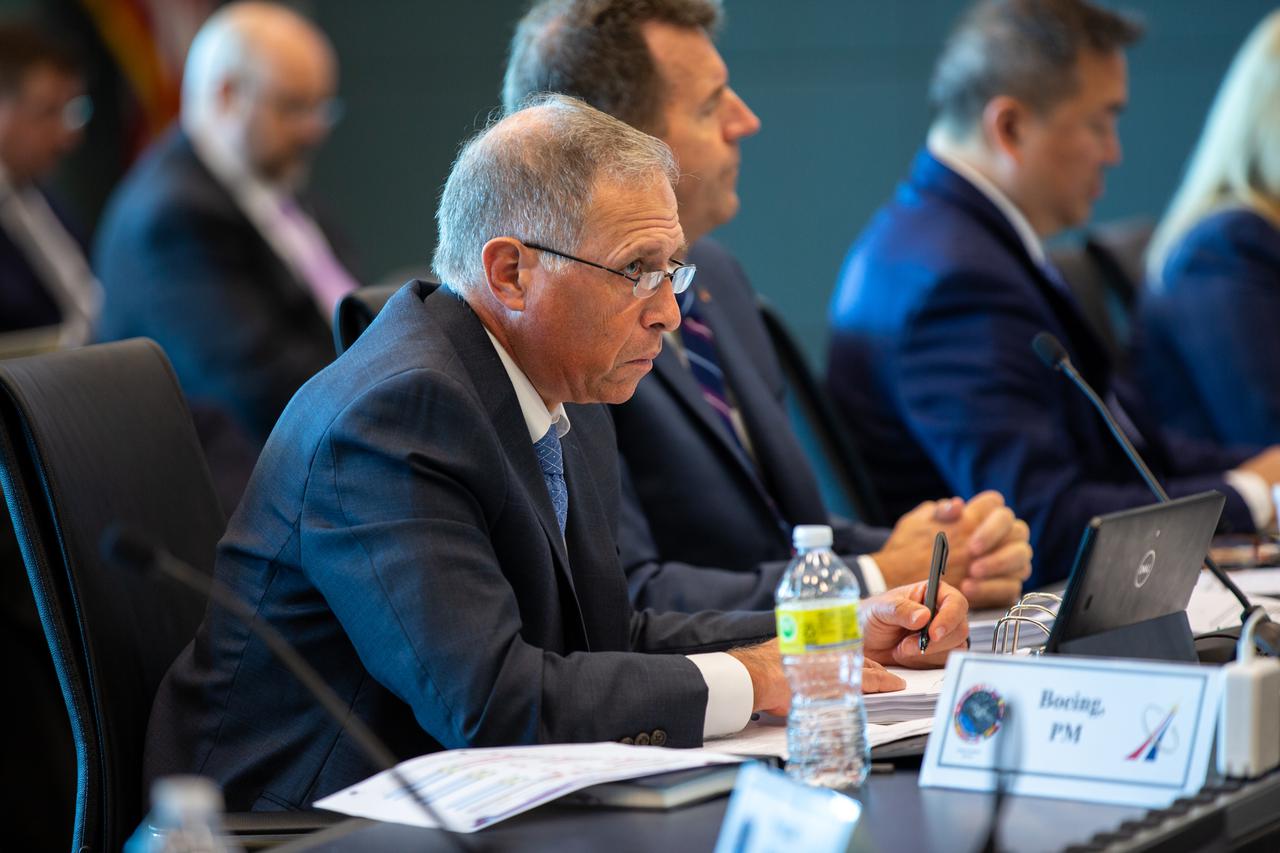
Mark Nappi, vice president and program manager, Boeing Commercial Crew Program, participates in the Flight Readiness Review for NASA’s Boeing Orbital Flight Test-2 (OFT-2) inside the Operations Support Building II at NASA's Kennedy Space Center in Florida, May 11, 2022. Boeing's CST-100 Starliner spacecraft will launch atop a United Launch Alliance Atlas V rocket from Space Launch Complex41 at Cape Canaveral Space Force Station at 6:54 p.m. EDT on Thursday, May 19. The uncrewed flight test will be Starliner’s second flight for NASA’s Commercial Crew Program.
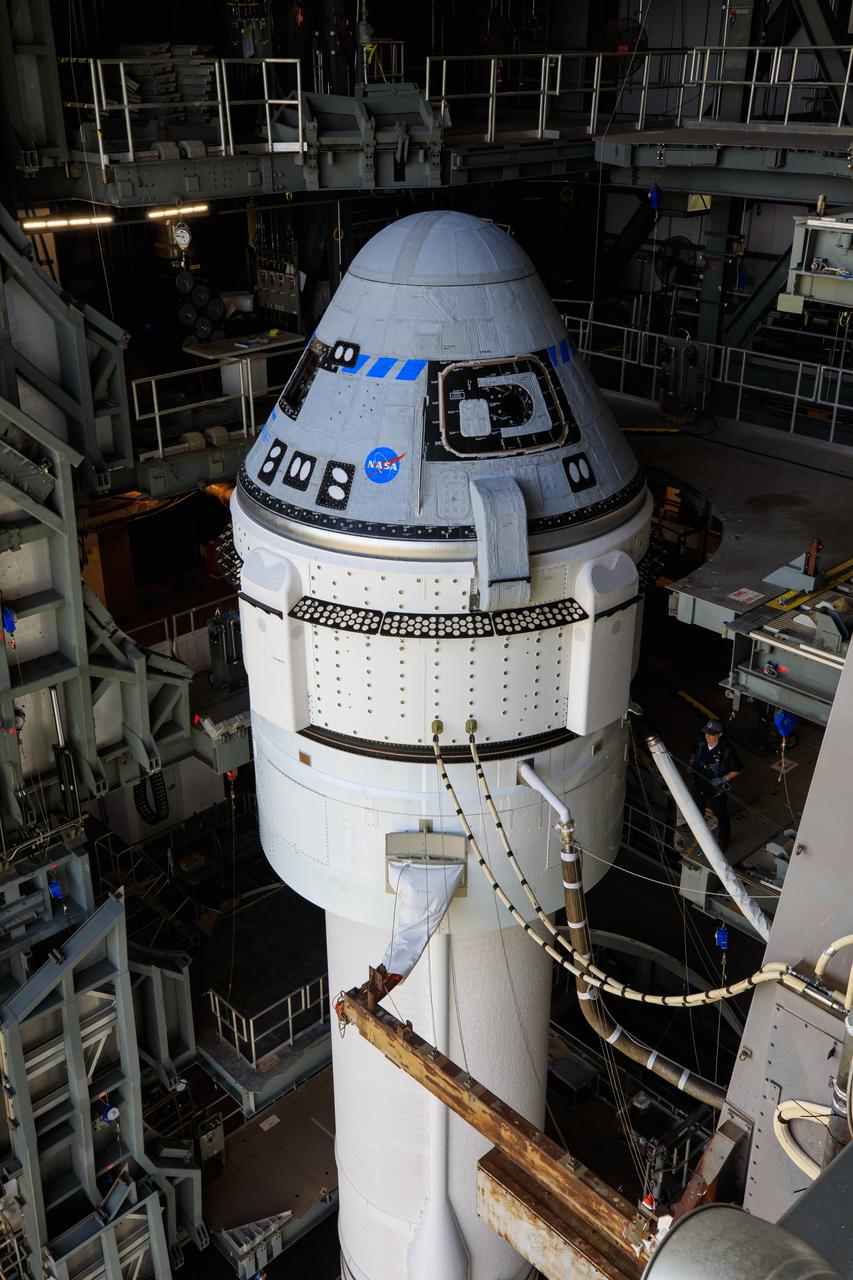
On July 29, 2021, Boeing’s CST-100 Starliner spacecraft and the United Launch Alliance Atlas V rocket begins rollout from the Vertical Integration Facility to the launch pad at Space Launch Complex-41 on Cape Canaveral Space Force Station in Florida. Starliner will launch on the Atlas V for Boeing’s second uncrewed Orbital Flight Test (OFT-2) for NASA’s Commercial Crew Program. OFT-2 is an important uncrewed mission designed to test the end-to-end capabilities of the new system for NASA’s Commercial Crew Program.
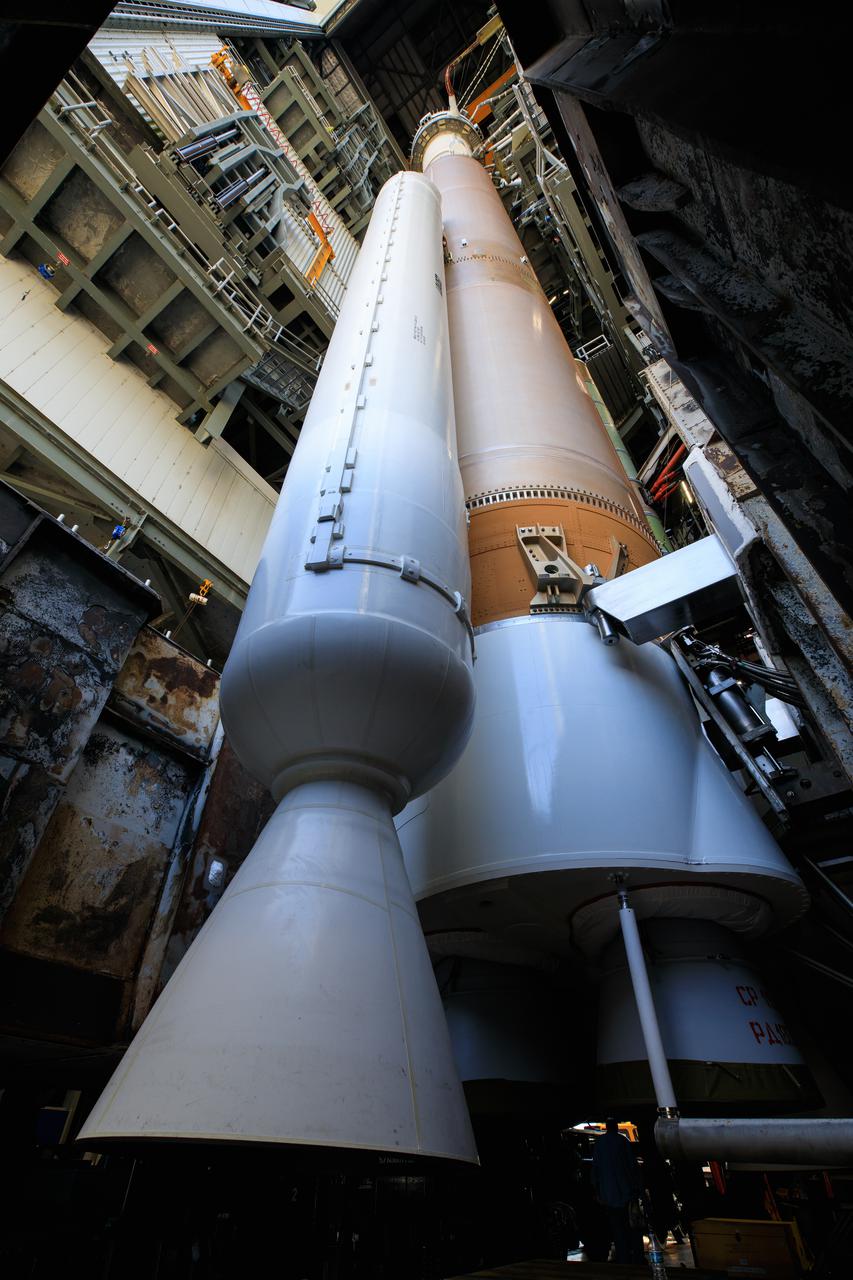
On July 29, 2021, Boeing’s CST-100 Starliner spacecraft and the United Launch Alliance Atlas V rocket begins rollout from the Vertical Integration Facility to the launch pad at Space Launch Complex-41 on Cape Canaveral Space Force Station in Florida. Starliner will launch on the Atlas V for Boeing’s second uncrewed Orbital Flight Test (OFT-2) for NASA’s Commercial Crew Program. OFT-2 is an important uncrewed mission designed to test the end-to-end capabilities of the new system for NASA’s Commercial Crew Program.
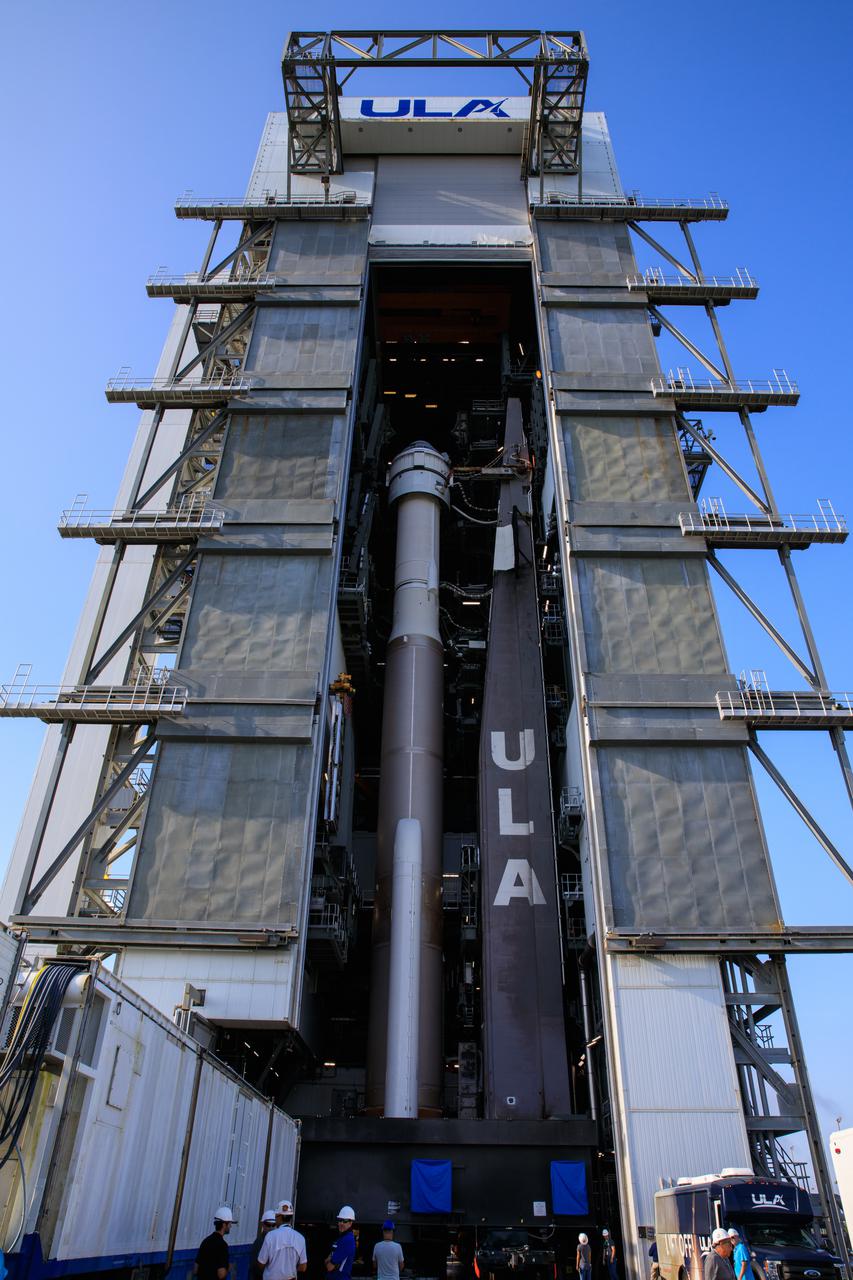
On July 29, 2021, Boeing’s CST-100 Starliner spacecraft and the United Launch Alliance Atlas V rocket begins rollout from the Vertical Integration Facility to the launch pad at Space Launch Complex-41 on Cape Canaveral Space Force Station in Florida. Starliner will launch on the Atlas V for Boeing’s second uncrewed Orbital Flight Test (OFT-2) for NASA’s Commercial Crew Program. OFT-2 is an important uncrewed mission designed to test the end-to-end capabilities of the new system for NASA’s Commercial Crew Program.
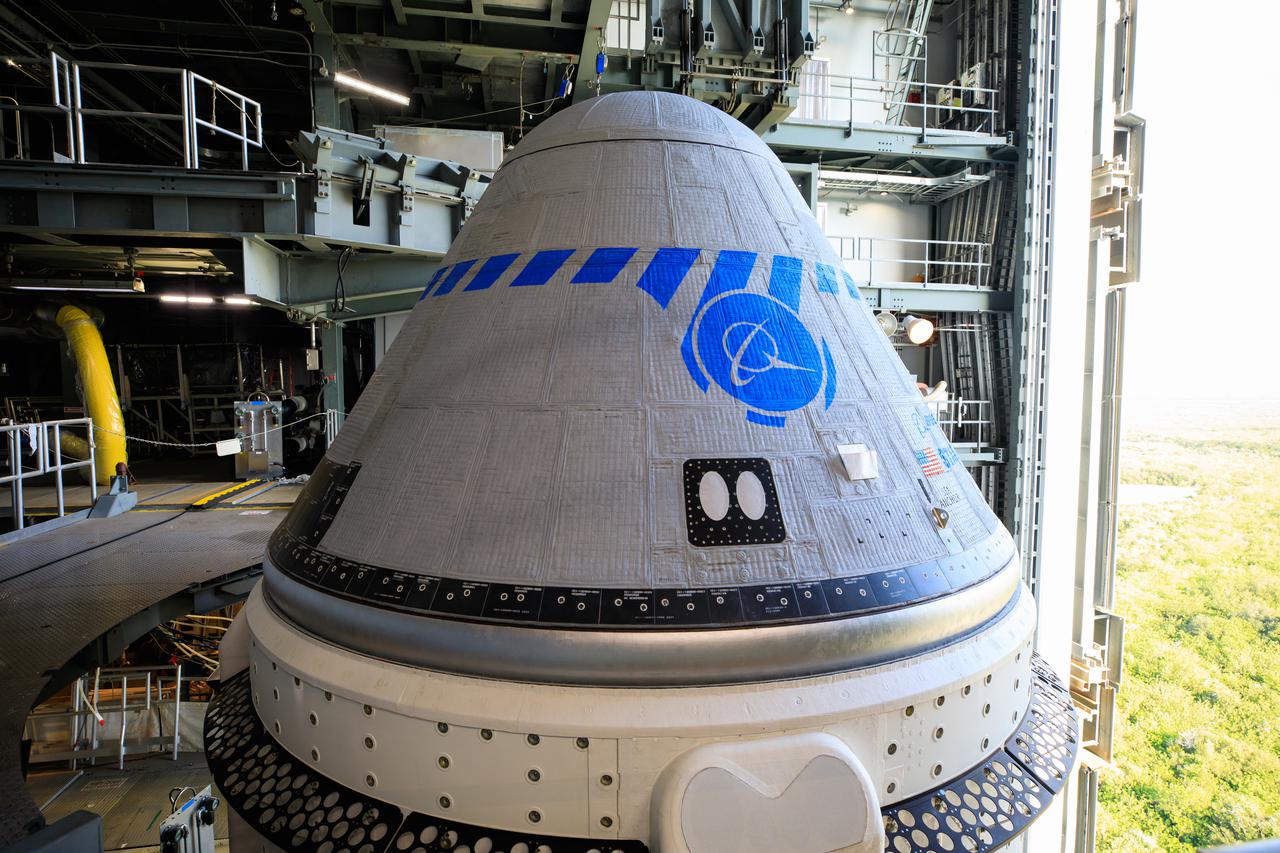
On July 29, 2021, Boeing’s CST-100 Starliner spacecraft and the United Launch Alliance Atlas V rocket begins rollout from the Vertical Integration Facility to the launch pad at Space Launch Complex-41 on Cape Canaveral Space Force Station in Florida. Starliner will launch on the Atlas V for Boeing’s second uncrewed Orbital Flight Test (OFT-2) for NASA’s Commercial Crew Program. OFT-2 is an important uncrewed mission designed to test the end-to-end capabilities of the new system for NASA’s Commercial Crew Program.
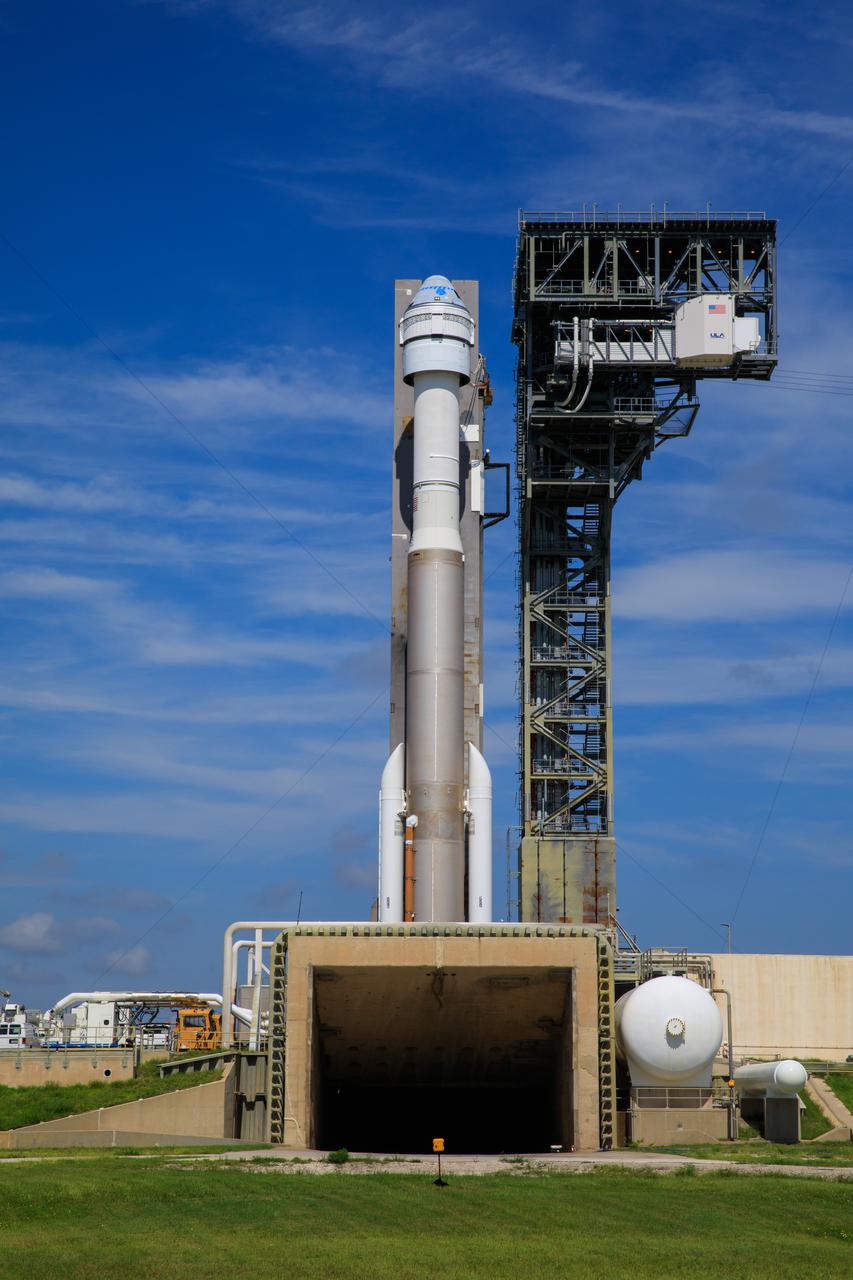
On July 29, 2021, Boeing’s CST-100 Starliner spacecraft and the United Launch Alliance Atlas V rocket rolled out of the Vertical Integration Facility to the launch pad at Space Launch Complex-41 on Cape Canaveral Space Force Station in Florida. Starliner will launch on the Atlas V for Boeing’s second uncrewed Orbital Flight Test (OFT-2) for NASA’s Commercial Crew Program. OFT-2 is an important uncrewed mission designed to test the end-to-end capabilities of the new system for NASA’s Commercial Crew Program.
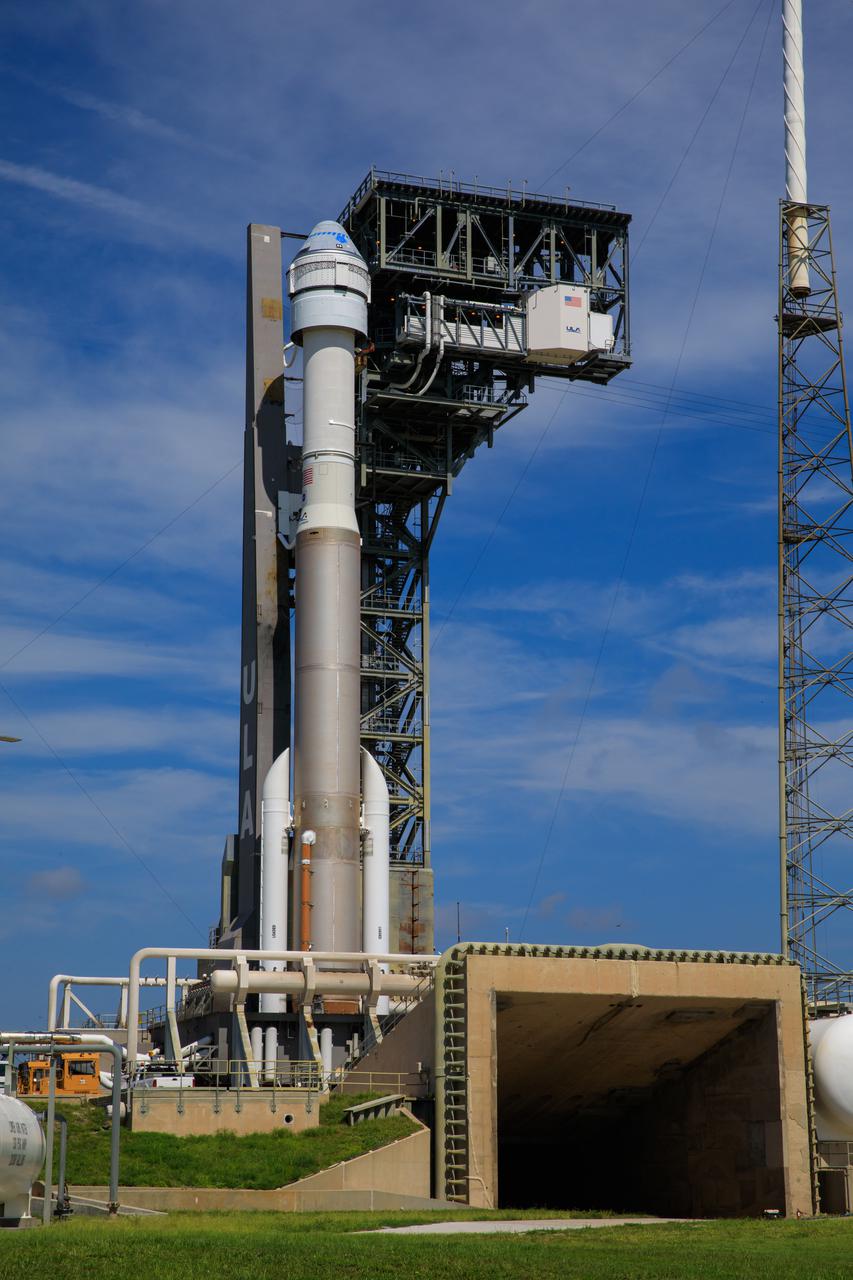
On July 29, 2021, Boeing’s CST-100 Starliner spacecraft and the United Launch Alliance Atlas V rocket rolled out of the Vertical Integration Facility to the launch pad at Space Launch Complex-41 on Cape Canaveral Space Force Station in Florida. Starliner will launch on the Atlas V for Boeing’s second uncrewed Orbital Flight Test (OFT-2) for NASA’s Commercial Crew Program. OFT-2 is an important uncrewed mission designed to test the end-to-end capabilities of the new system for NASA’s Commercial Crew Program.
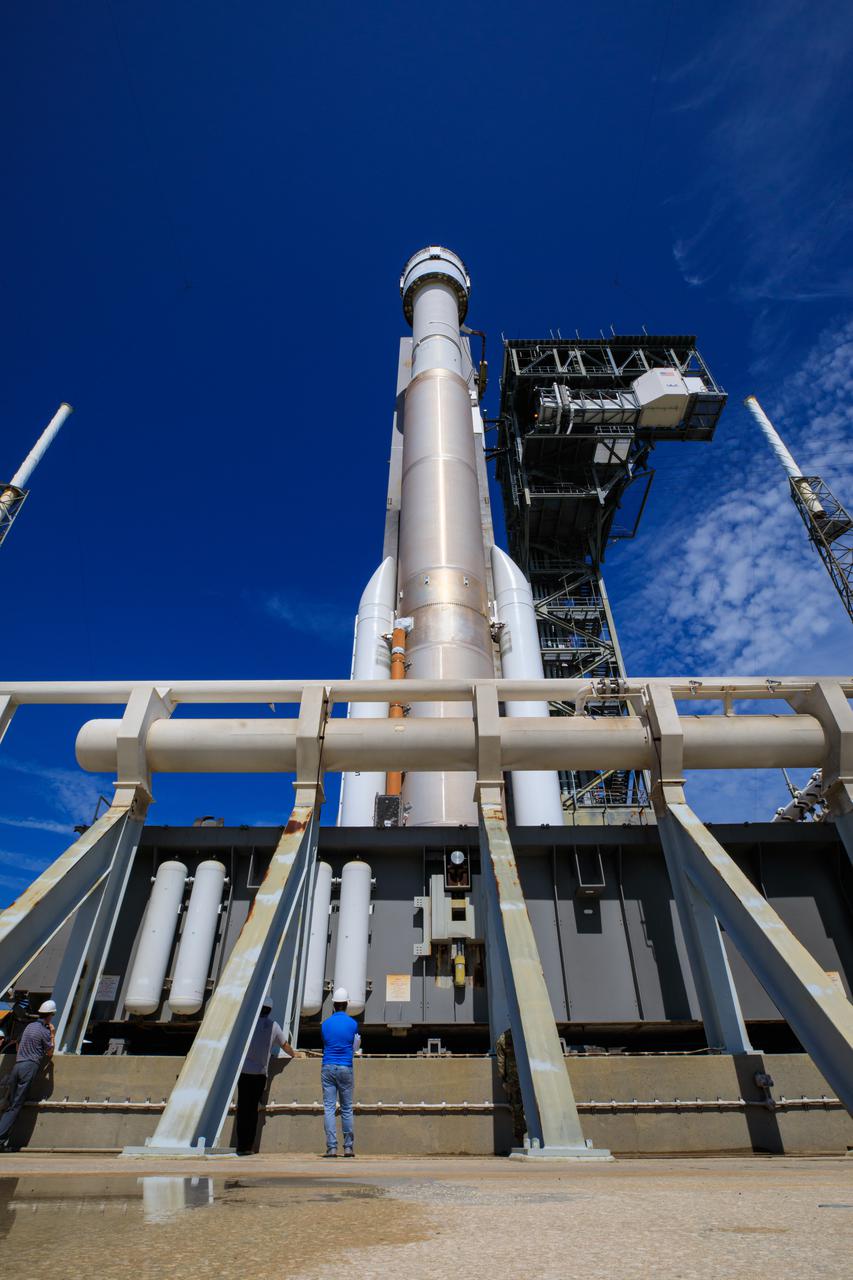
On July 29, 2021, Boeing’s CST-100 Starliner spacecraft and the United Launch Alliance Atlas V rocket rolled out of the Vertical Integration Facility to the launch pad at Space Launch Complex-41 on Cape Canaveral Space Force Station in Florida. Starliner will launch on the Atlas V for Boeing’s second uncrewed Orbital Flight Test (OFT-2) for NASA’s Commercial Crew Program. OFT-2 is an important uncrewed mission designed to test the end-to-end capabilities of the new system for NASA’s Commercial Crew Program.
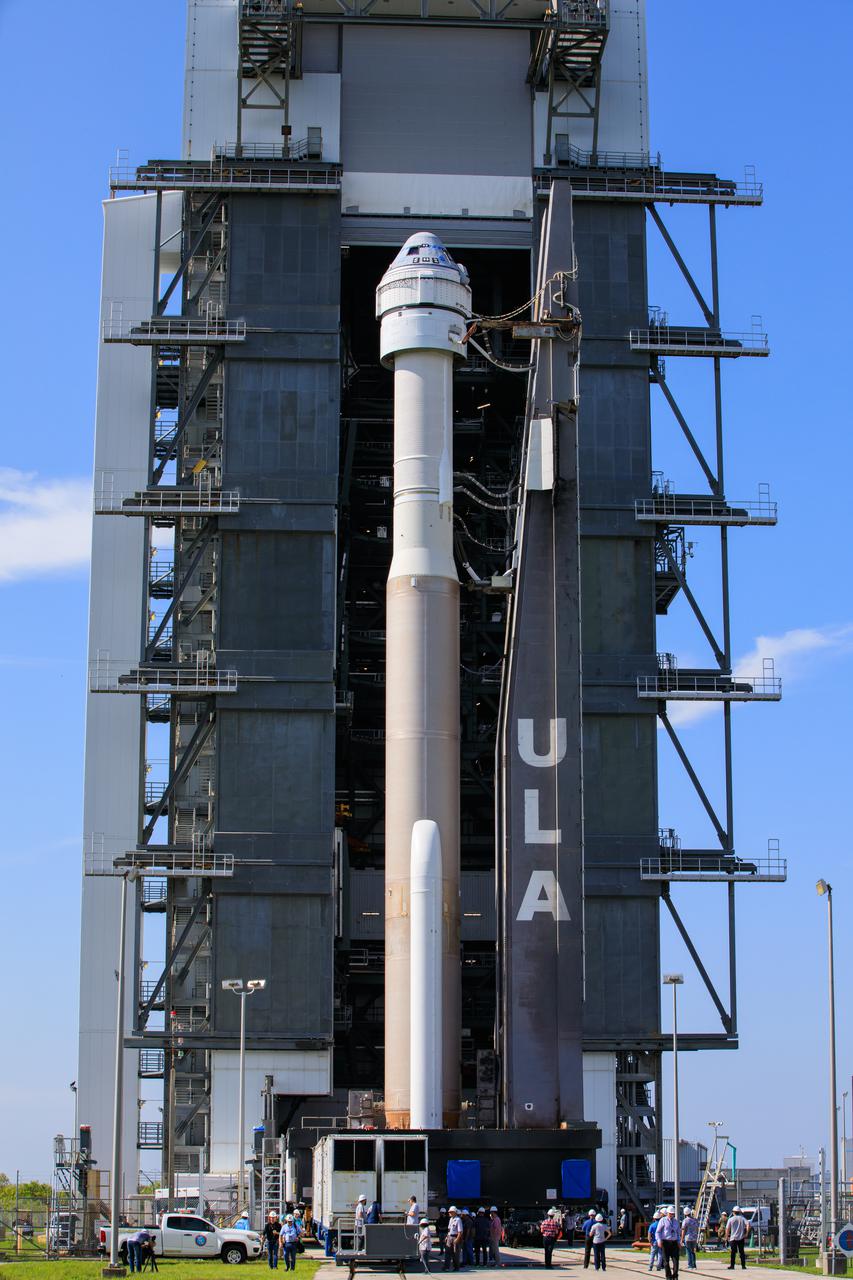
On July 29, 2021, Boeing’s CST-100 Starliner spacecraft and the United Launch Alliance Atlas V rocket rolled out of the Vertical Integration Facility to the launch pad at Space Launch Complex-41 on Cape Canaveral Space Force Station in Florida. Starliner will launch on the Atlas V for Boeing’s second uncrewed Orbital Flight Test (OFT-2) for NASA’s Commercial Crew Program. OFT-2 is an important uncrewed mission designed to test the end-to-end capabilities of the new system for NASA’s Commercial Crew Program.
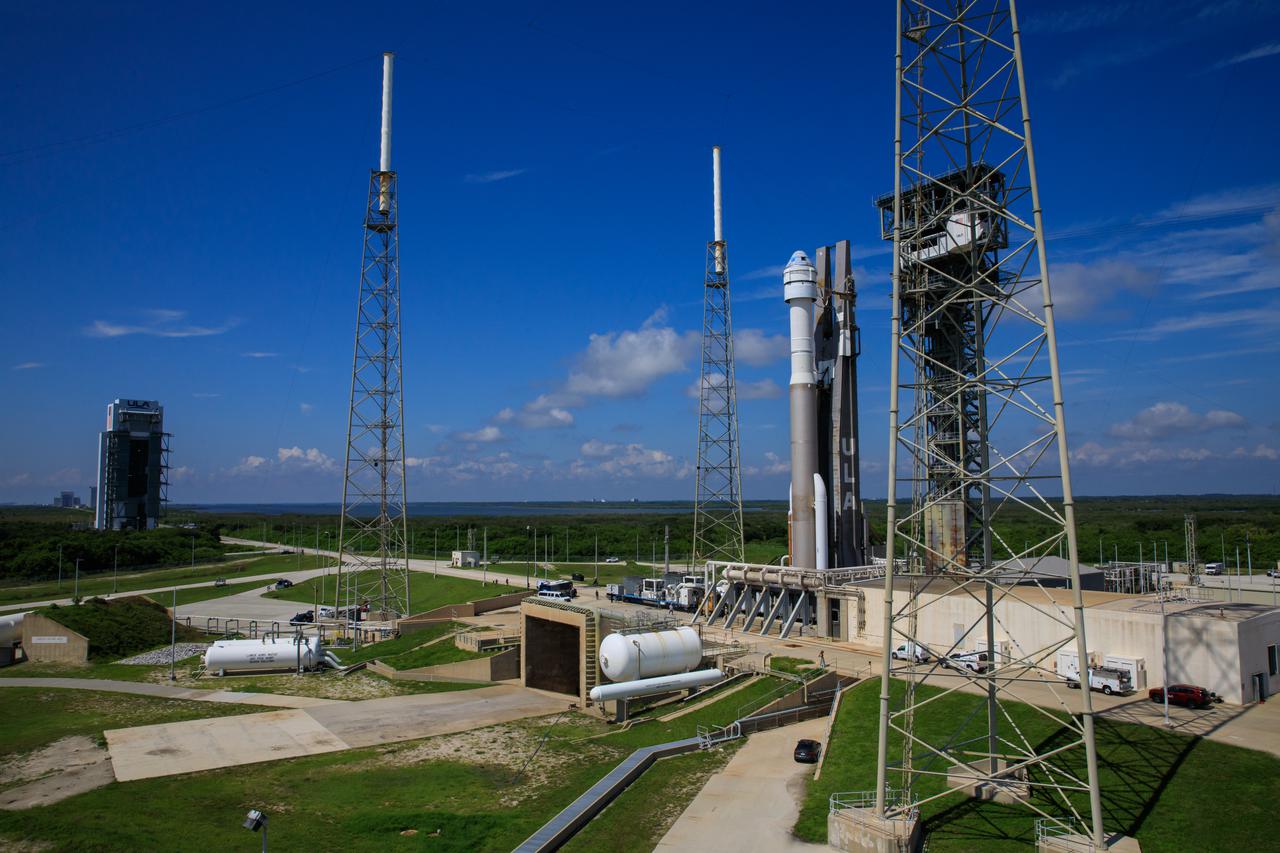
On July 29, 2021, Boeing’s CST-100 Starliner spacecraft and the United Launch Alliance Atlas V rocket rolled out of the Vertical Integration Facility to the launch pad at Space Launch Complex-41 on Cape Canaveral Space Force Station in Florida. Starliner will launch on the Atlas V for Boeing’s second uncrewed Orbital Flight Test (OFT-2) for NASA’s Commercial Crew Program. OFT-2 is an important uncrewed mission designed to test the end-to-end capabilities of the new system for NASA’s Commercial Crew Program.
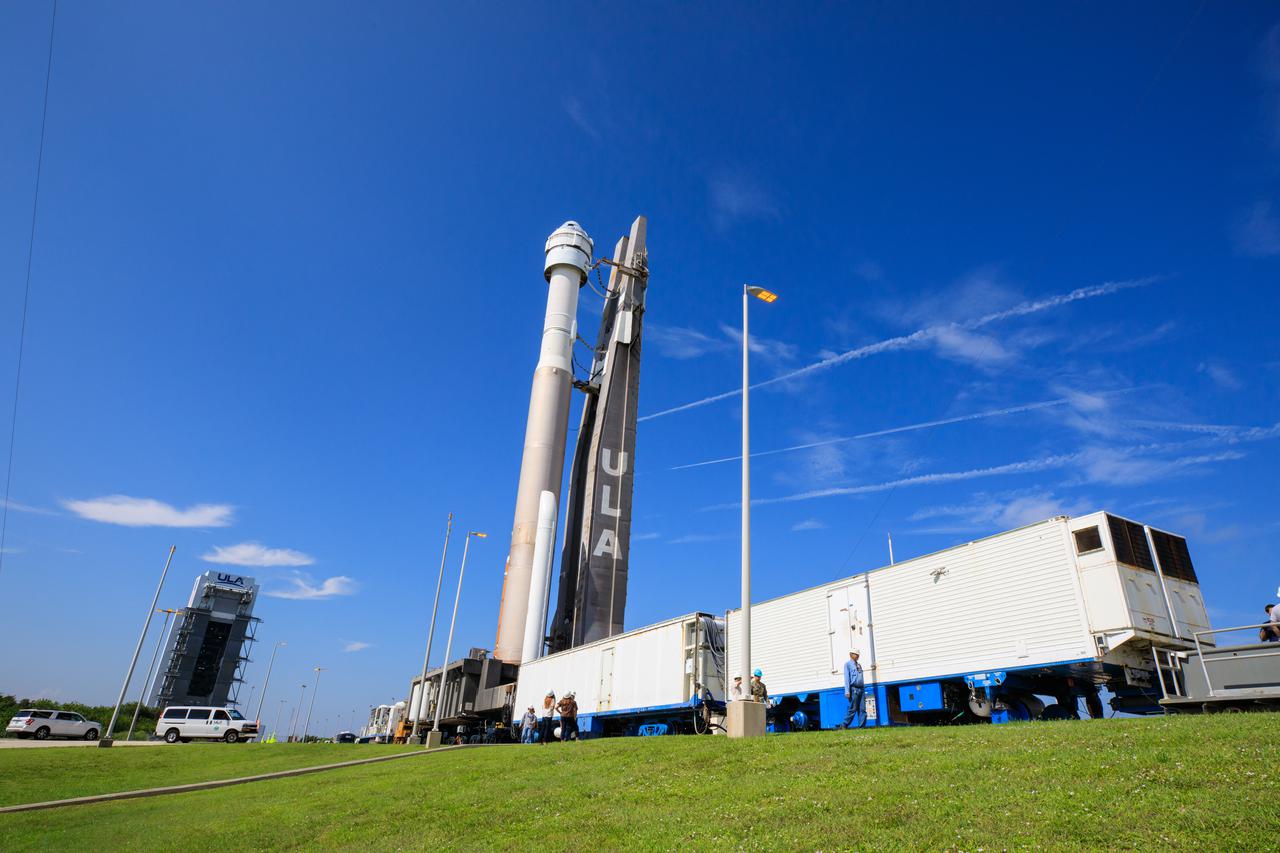
On July 29, 2021, Boeing’s CST-100 Starliner spacecraft and the United Launch Alliance Atlas V rocket rolled out of the Vertical Integration Facility to the launch pad at Space Launch Complex-41 on Cape Canaveral Space Force Station in Florida. Starliner will launch on the Atlas V for Boeing’s second uncrewed Orbital Flight Test (OFT-2) for NASA’s Commercial Crew Program. OFT-2 is an important uncrewed mission designed to test the end-to-end capabilities of the new system for NASA’s Commercial Crew Program.
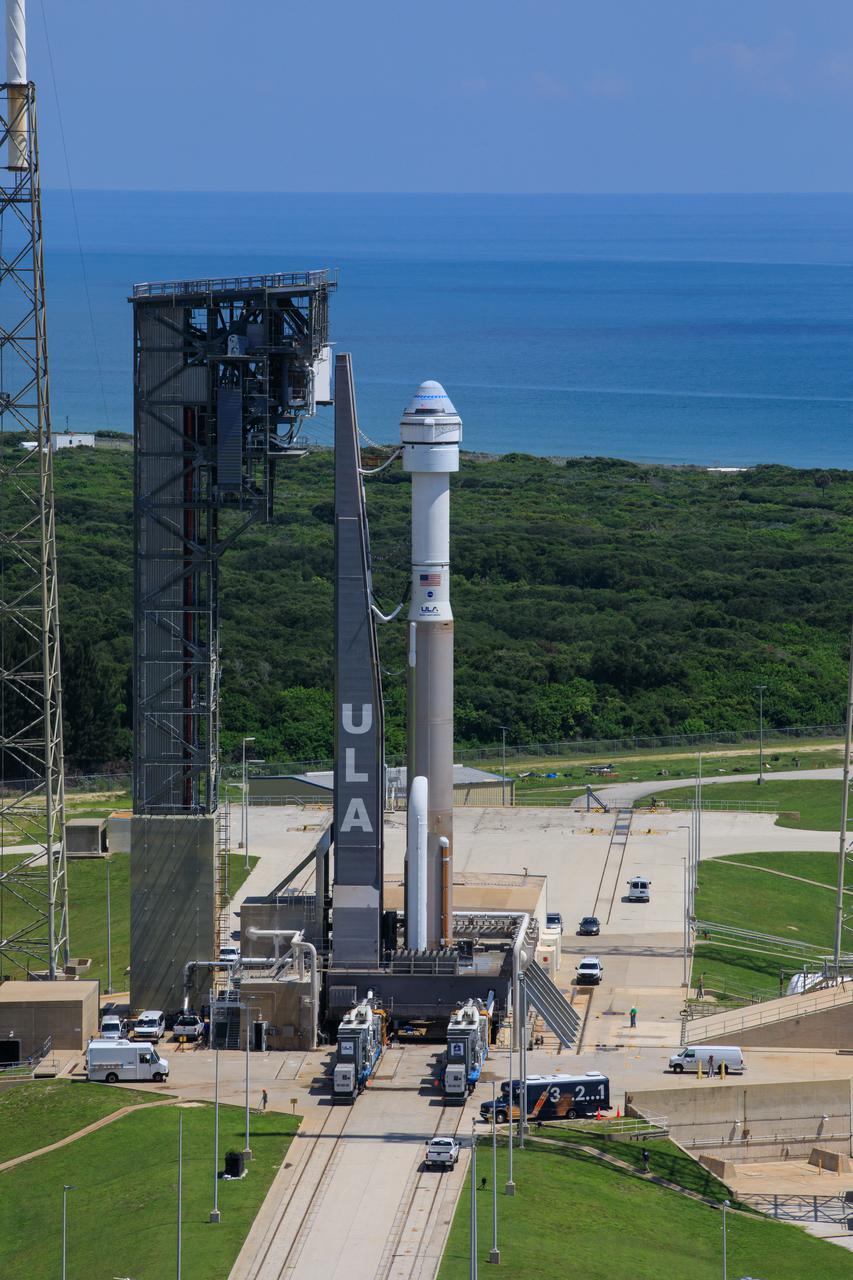
On July 29, 2021, Boeing’s CST-100 Starliner spacecraft and the United Launch Alliance Atlas V rocket rolled out of the Vertical Integration Facility to the launch pad at Space Launch Complex-41 on Cape Canaveral Space Force Station in Florida. Starliner will launch on the Atlas V for Boeing’s second uncrewed Orbital Flight Test (OFT-2) for NASA’s Commercial Crew Program. OFT-2 is an important uncrewed mission designed to test the end-to-end capabilities of the new system for NASA’s Commercial Crew Program.
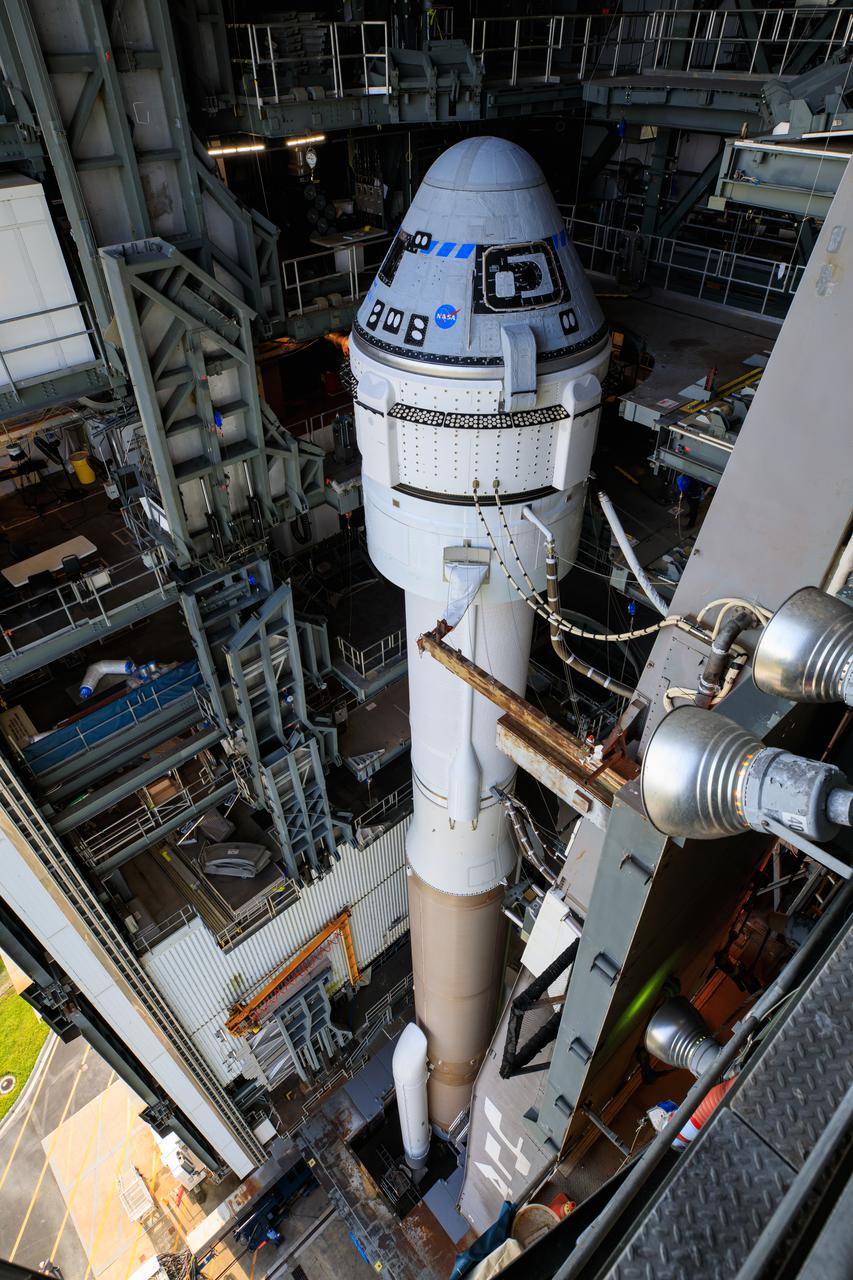
On July 29, 2021, Boeing’s CST-100 Starliner spacecraft and the United Launch Alliance Atlas V rocket begins rollout from the Vertical Integration Facility to the launch pad at Space Launch Complex-41 on Cape Canaveral Space Force Station in Florida. Starliner will launch on the Atlas V for Boeing’s second uncrewed Orbital Flight Test (OFT-2) for NASA’s Commercial Crew Program. OFT-2 is an important uncrewed mission designed to test the end-to-end capabilities of the new system for NASA’s Commercial Crew Program.
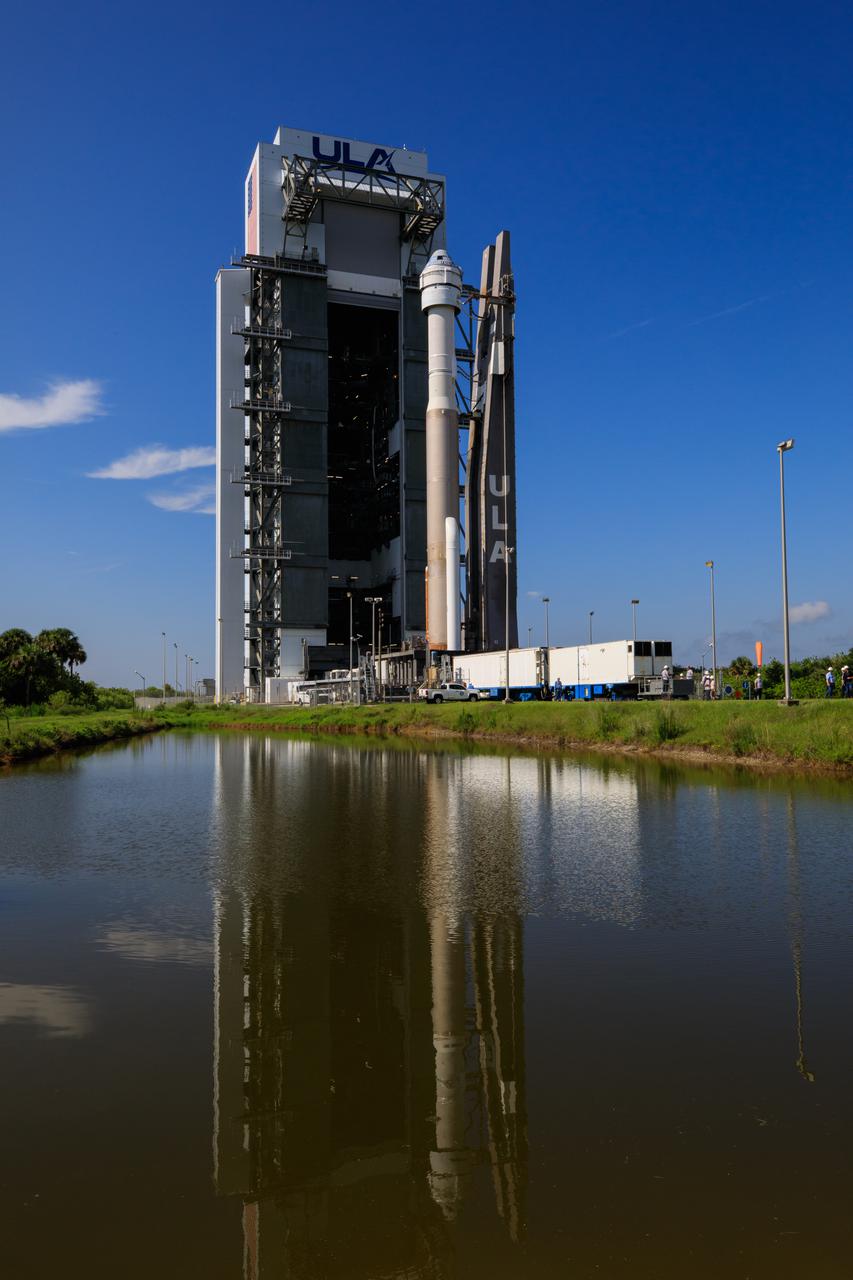
On July 29, 2021, Boeing’s CST-100 Starliner spacecraft and the United Launch Alliance Atlas V rocket rolled out of the Vertical Integration Facility to the launch pad at Space Launch Complex-41 on Cape Canaveral Space Force Station in Florida. Starliner will launch on the Atlas V for Boeing’s second uncrewed Orbital Flight Test (OFT-2) for NASA’s Commercial Crew Program. OFT-2 is an important uncrewed mission designed to test the end-to-end capabilities of the new system for NASA’s Commercial Crew Program.
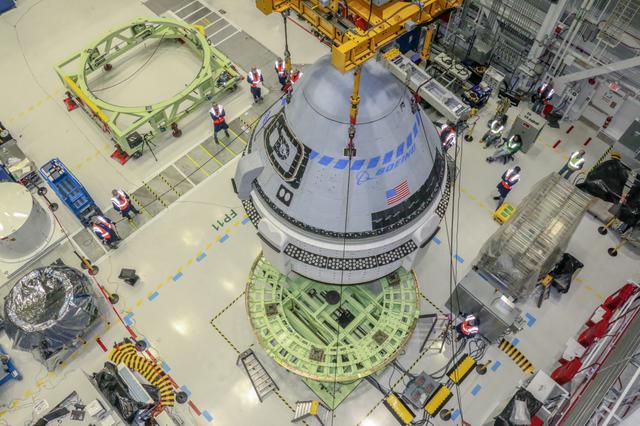
Boeing’s CST-100 Starliner undergoes weight and center of gravity checks in the Commercial Crew and Cargo Processing Facility at Kennedy Space Center in Florida on July 13, 2021. The operations are in preparation for the company’s second Orbital Flight Test (OFT-2), as part of NASA’s Commercial Crew Program.
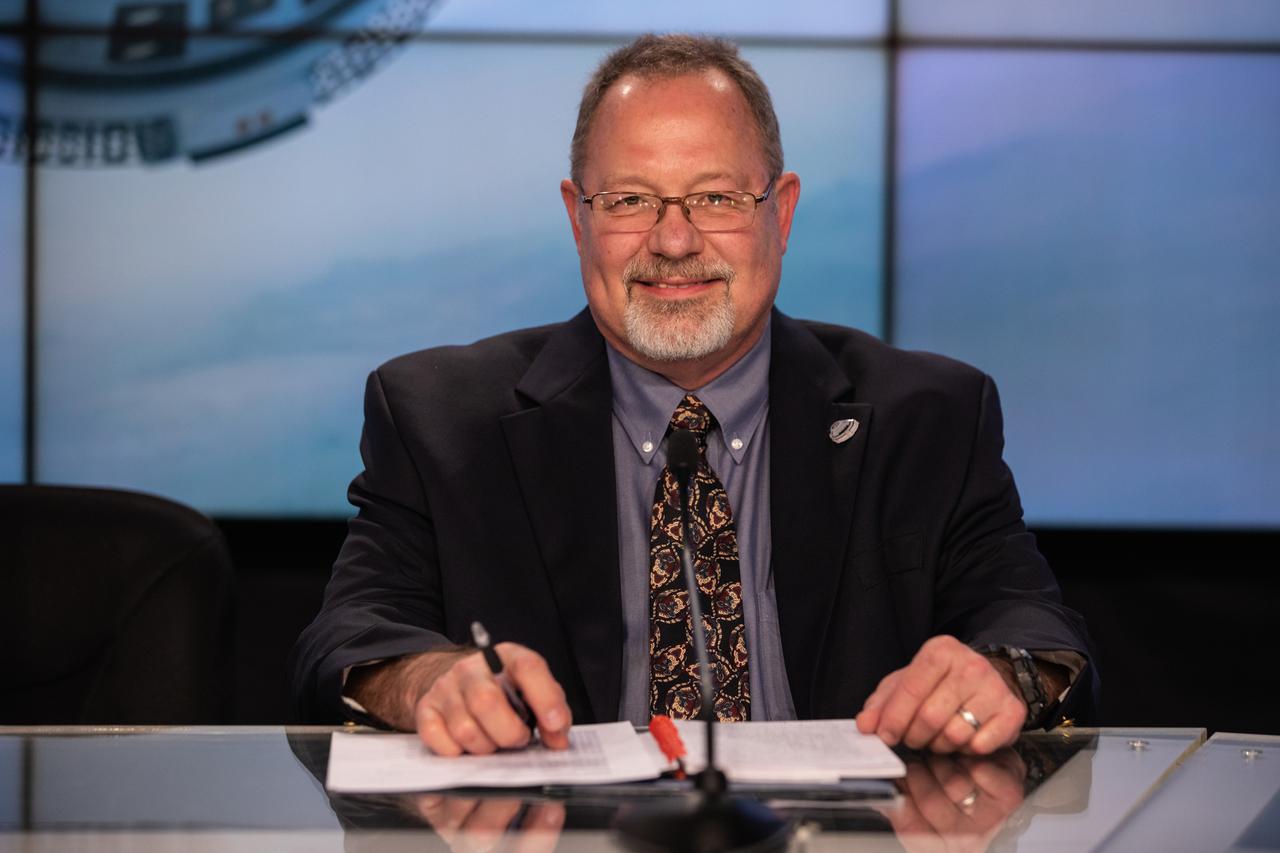
John Vollmer, vice president and program manager, Boeing Commercial Crew Program, participates in a prelaunch briefing for Boeing’s Orbital Flight Test-2 (OFT-2) at the agency’s Kennedy Space Center in Florida, July 27, 2021. Boeing’s CST-100 Starliner spacecraft will launch atop a United Launch Alliance Atlas V rocket from Space Launch Complex-41 at Cape Canaveral Space Force Station. The uncrewed OFT-2 will be the Starliner’s second flight for NASA’s Commercial Crew Program.
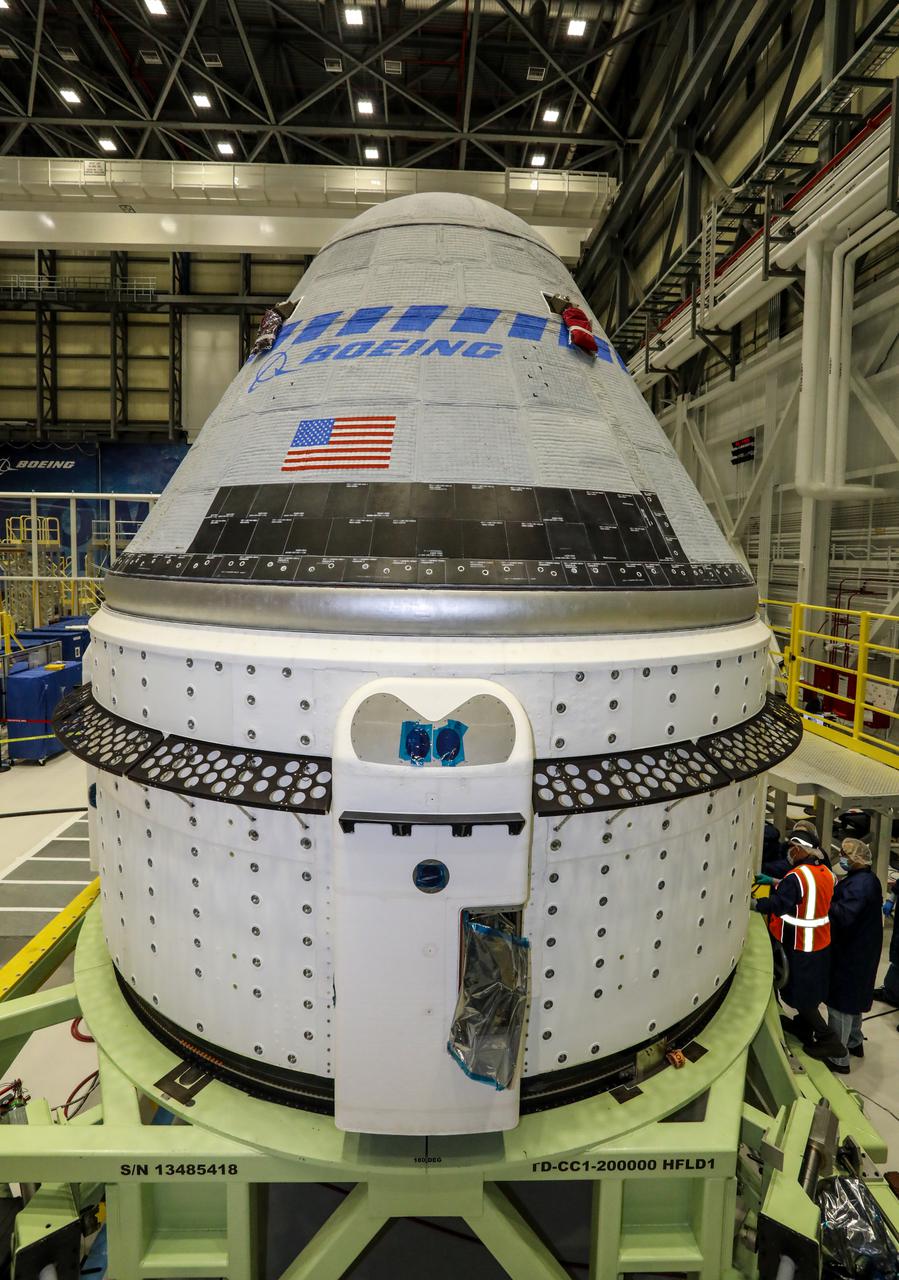
The Boeing CST-100 Starliner spacecraft to be flown on Orbital Flight Test-2 (OFT-2) is seen in the Commercial Crew and Cargo Processing Facility at NASA’s Kennedy Space Center in Florida on June 2. Part of the agency’s Commercial Crew Program, OFT-2 is a critical developmental milestone on the company’s path to fly crew missions for NASA.
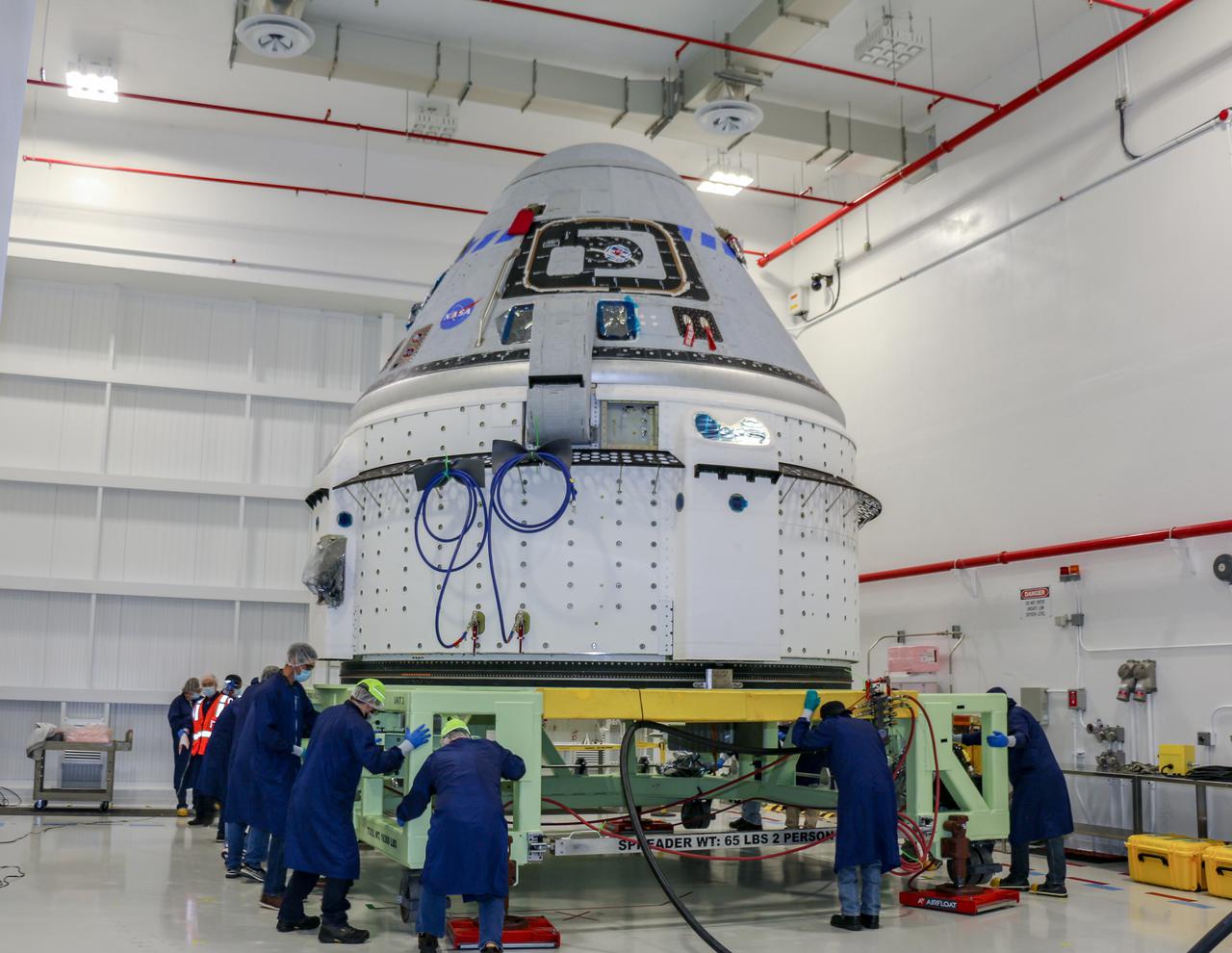
Technicians prepare Boeing’s CST-100 Starliner for the company’s Orbital Flight Test-2 (OFT-2) in the Commercial Crew and Cargo Processing Facility at NASA’s Kennedy Space Center in Florida on June 2. Part of the agency’s Commercial Crew Program, OFT-2 is a critical developmental milestone on the company’s path to fly crew missions for NASA.
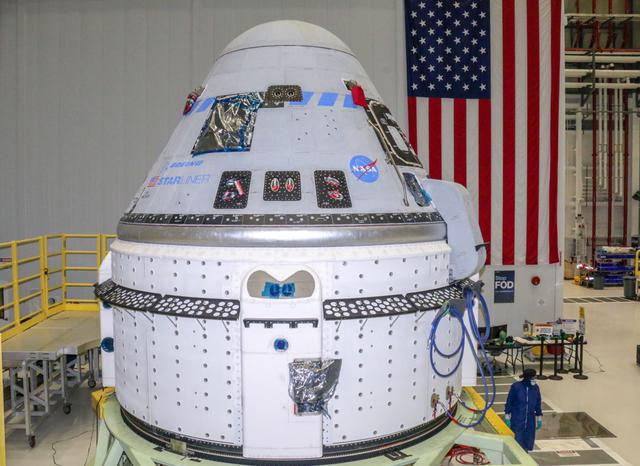
The Boeing CST-100 Starliner spacecraft to be flown on Orbital Flight Test-2 (OFT-2) is seen in the Commercial Crew and Cargo Processing Facility at NASA’s Kennedy Space Center in Florida on June 2. Part of the agency’s Commercial Crew Program, OFT-2 is a critical developmental milestone on the company’s path to fly crew missions for NASA.
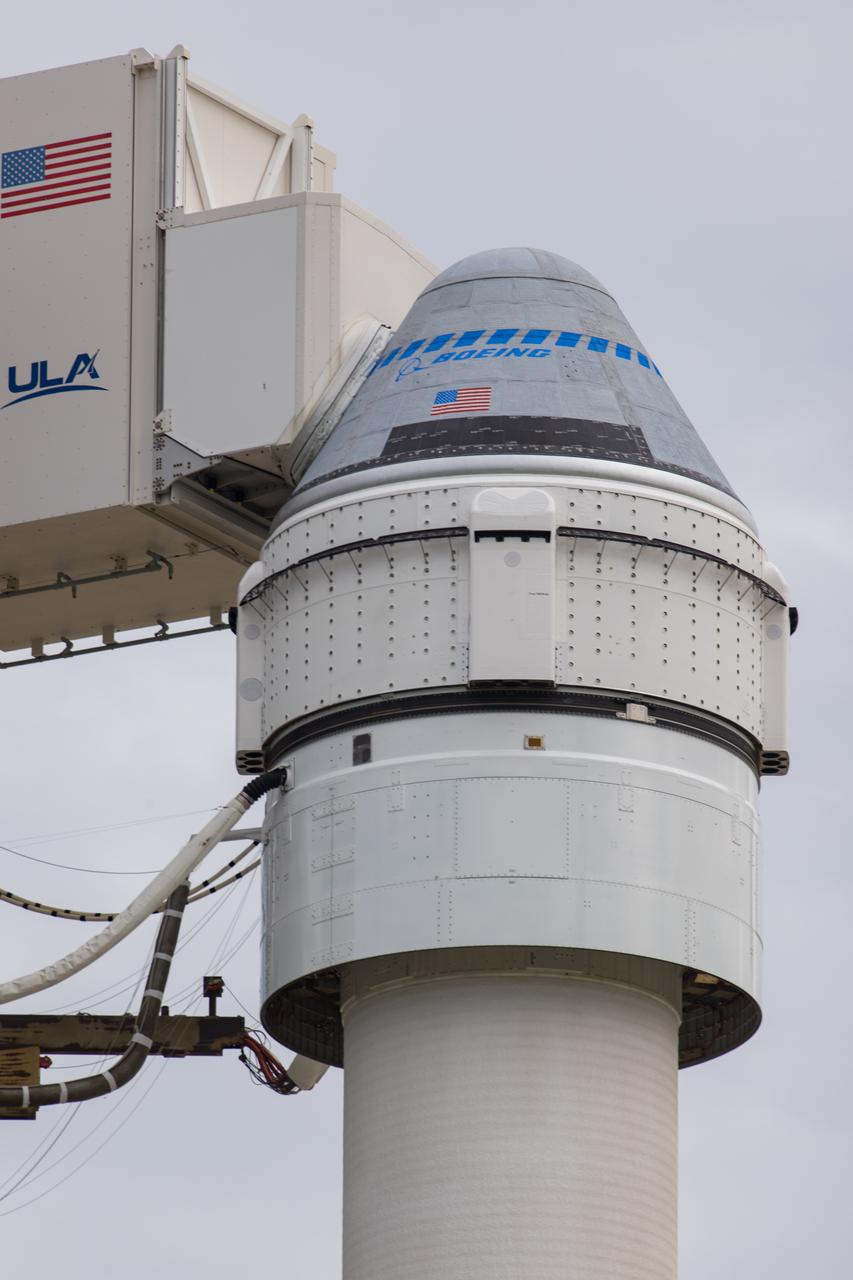
Boeing’s CST-100 Starliner spacecraft sits atop a United Launch Alliance Atlas V rocket during rollout from the Vertical Integration Facility to the launch pad at Space Launch Complex-41 on Cape Canaveral Space Force Station in Florida on August 2, 2021. Starliner will launch on the Atlas V for Boeing’s second uncrewed Orbital Flight Test (OFT-2) for NASA’s Commercial Crew Program. OFT-2 is an important uncrewed mission designed to test the end-to-end capabilities of the new system for NASA’s Commercial Crew Program.
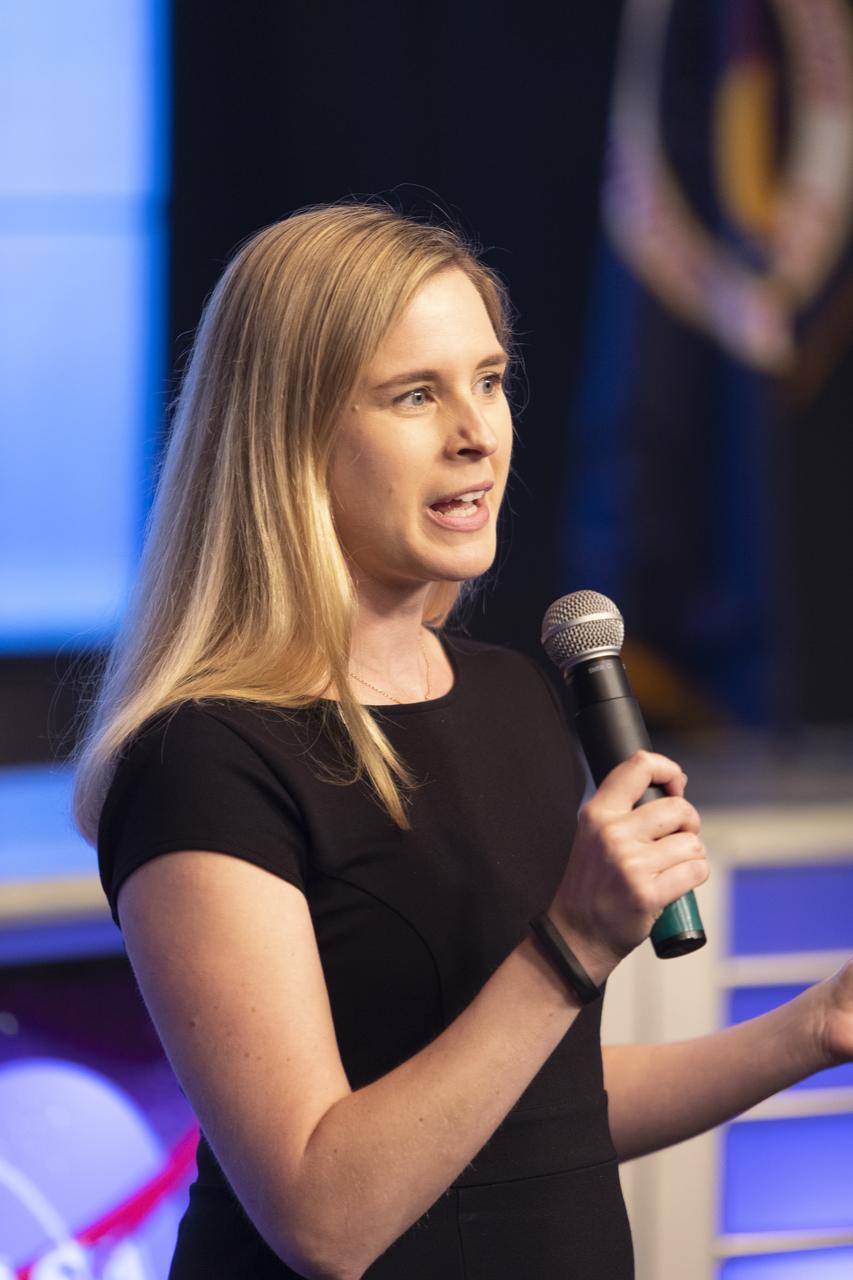
Jill Seubert, deputy principal investigator, from NASA’s Jet Propulsion Laboratory in Pasadena, California, explains the payload during a NASA prelaunch technology TV broadcast for the Space Test Program-2 (STP-2) mission at the agency’s Kennedy Space Center in Florida on June 23, 2019. The new space clock could improve how we navigate on the Moon, to Mars and beyond. The space clock is one of four NASA payloads scheduled to launch on a SpaceX Falcon Heavy rocket from Launch Complex 39A beginning at 11:30 p.m. EDT on June 24, 2019. STP-2 is managed by the U.S. Air Force Space and Missile Systems Center.
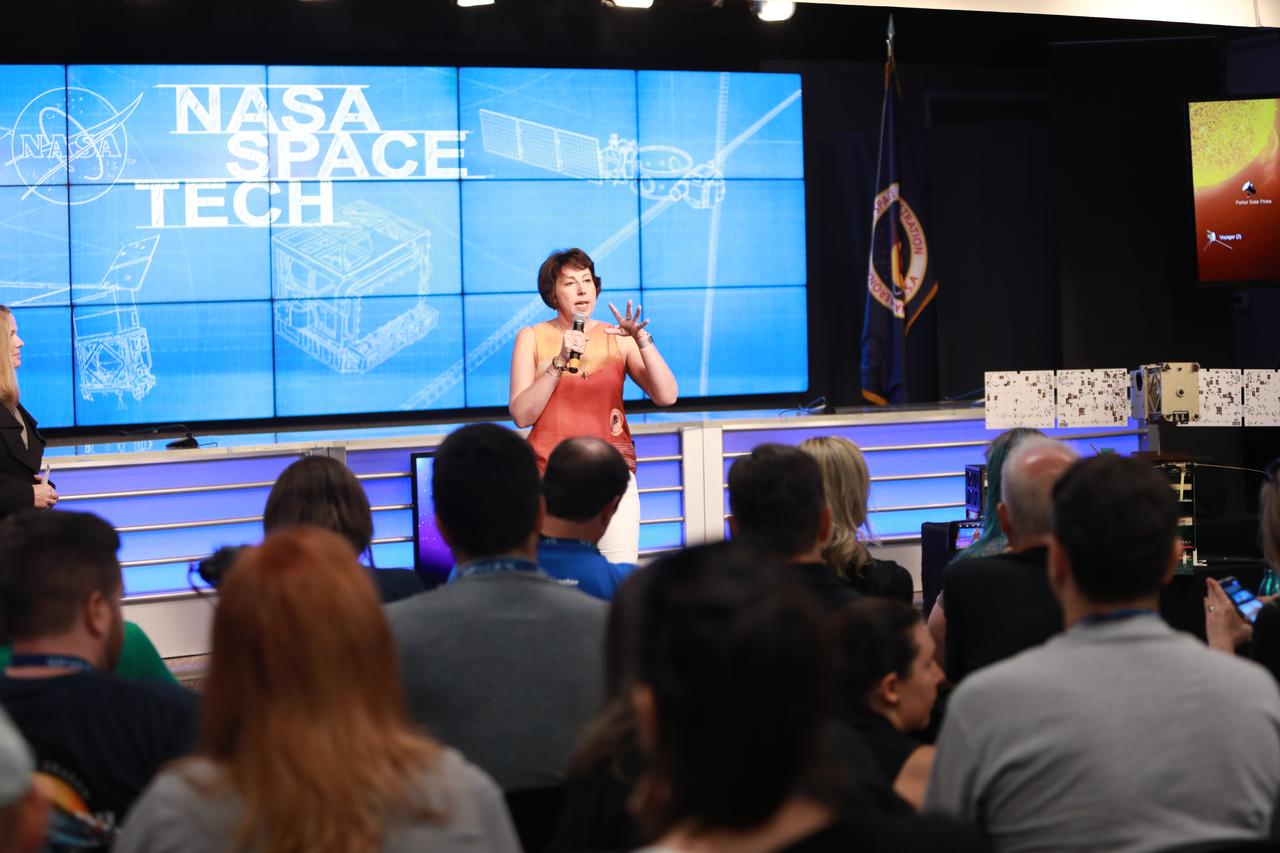
Nicky Fox, director of NASA’s Heliophysics Division, discusses the Space Environment Testbeds payload during a NASA prelaunch technology TV broadcast for the Space Test Program-2 (STP-2) at NASA’s Kennedy Space Center in Florida on June 23, 2019. The payload’s four experiments will reveal the ways local space weather affects spacecraft hardware. It is one of four NASA payloads scheduled to launch on a SpaceX Falcon Heavy rocket from Launch Complex 39A beginning at 11:30 p.m. EDT on June 24, 2019. STP-2 is managed by the U.S. Air Force Space and Missile Systems Center.

Jill Seubert, deputy principal investigator, from NASA’s Jet Propulsion Laboratory in Pasadena, California, explains the payload during a NASA prelaunch technology TV broadcast for the Space Test Program-2 (STP-2) mission at the agency’s Kennedy Space Center in Florida on June 23, 2019. The new space clock could improve how we navigate on the Moon, to Mars and beyond. The space clock is one of four NASA payloads scheduled to launch on a SpaceX Falcon Heavy rocket from Launch Complex 39A beginning at 11:30 p.m. EDT on June 24, 2019. STP-2 is managed by the U.S. Air Force Space and Missile Systems Center.
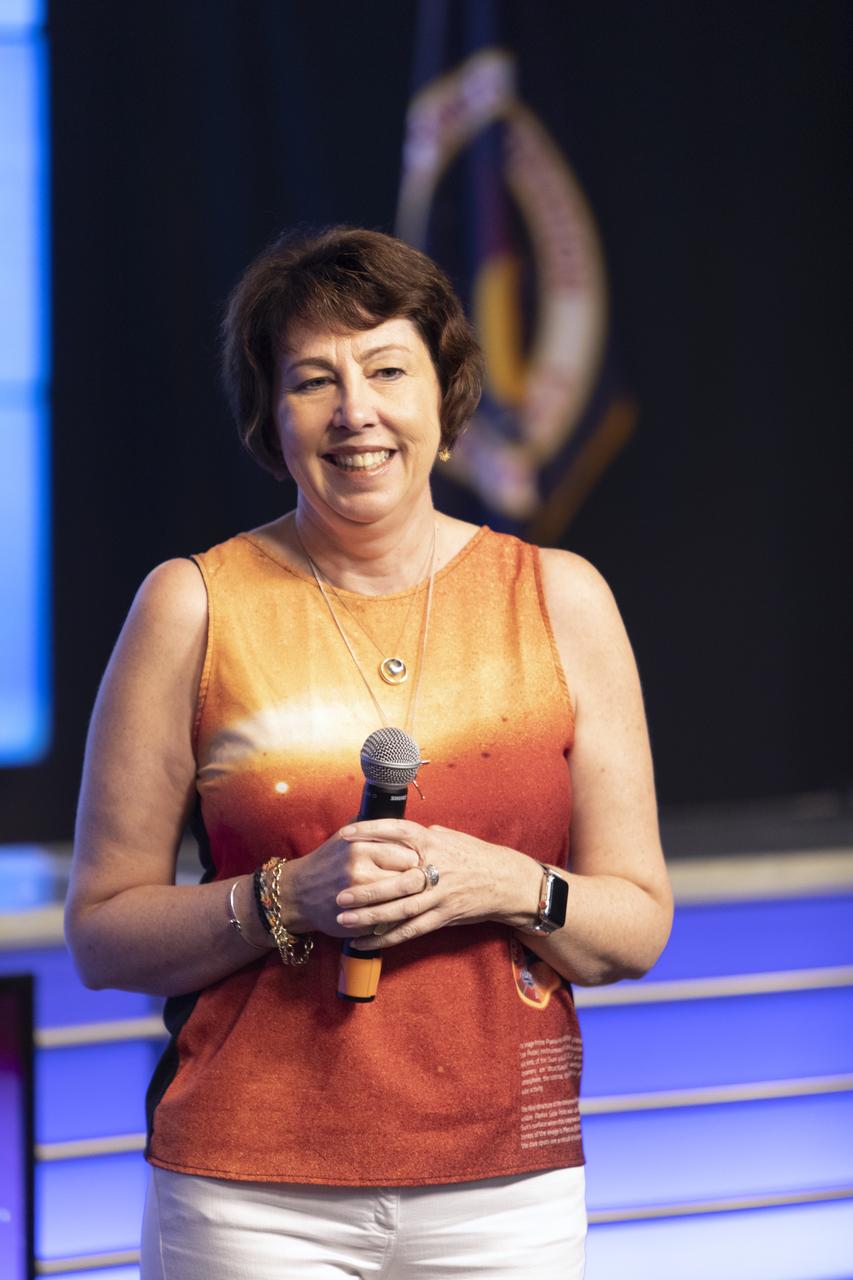
Nicky Fox, director of NASA’s Heliophysics Division, discusses the Space Environment Testbeds payload during a NASA prelaunch technology TV broadcast for the Space Test Program-2 (STP-2) at NASA’s Kennedy Space Center in Florida on June 23, 2019. The payload’s four experiments will reveal the ways local space weather affects spacecraft hardware. It is one of four NASA payloads scheduled to launch on a SpaceX Falcon Heavy rocket from Launch Complex 39A beginning at 11:30 p.m. EDT on June 24, 2019. STP-2 is managed by the U.S. Air Force Space and Missile Systems Center.
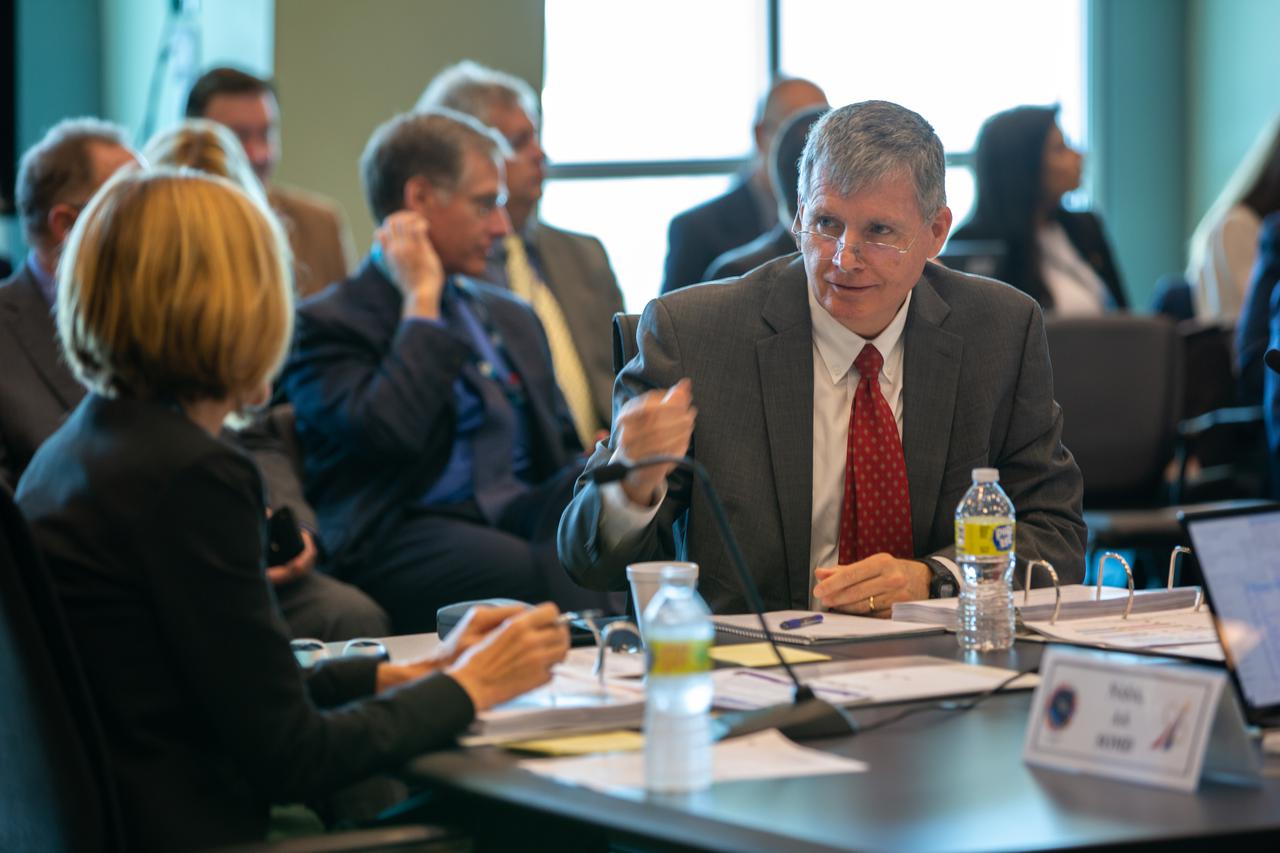
Steve Stich (right), manager, NASA’s Commercial Crew Program and Kathryn Lueders (left), associate administrator, Space Operations Mission Directorate at NASA participate in the Flight Readiness Review for NASA’s Boeing Orbital Flight Test-2 (OFT-2) inside the Operations Support Building II at NASA's Kennedy Space Center in Florida, May 11, 2022. Boeing's CST-100 Starliner spacecraft will launch atop a United Launch Alliance Atlas V rocket from Space Launch Complex -41 at Cape Canaveral Space Force Station at 6:54 p.m. EDT on Thursday, May 19. The uncrewed flight test will be Starliner’s second flight for NASA’s Commercial Crew Program.
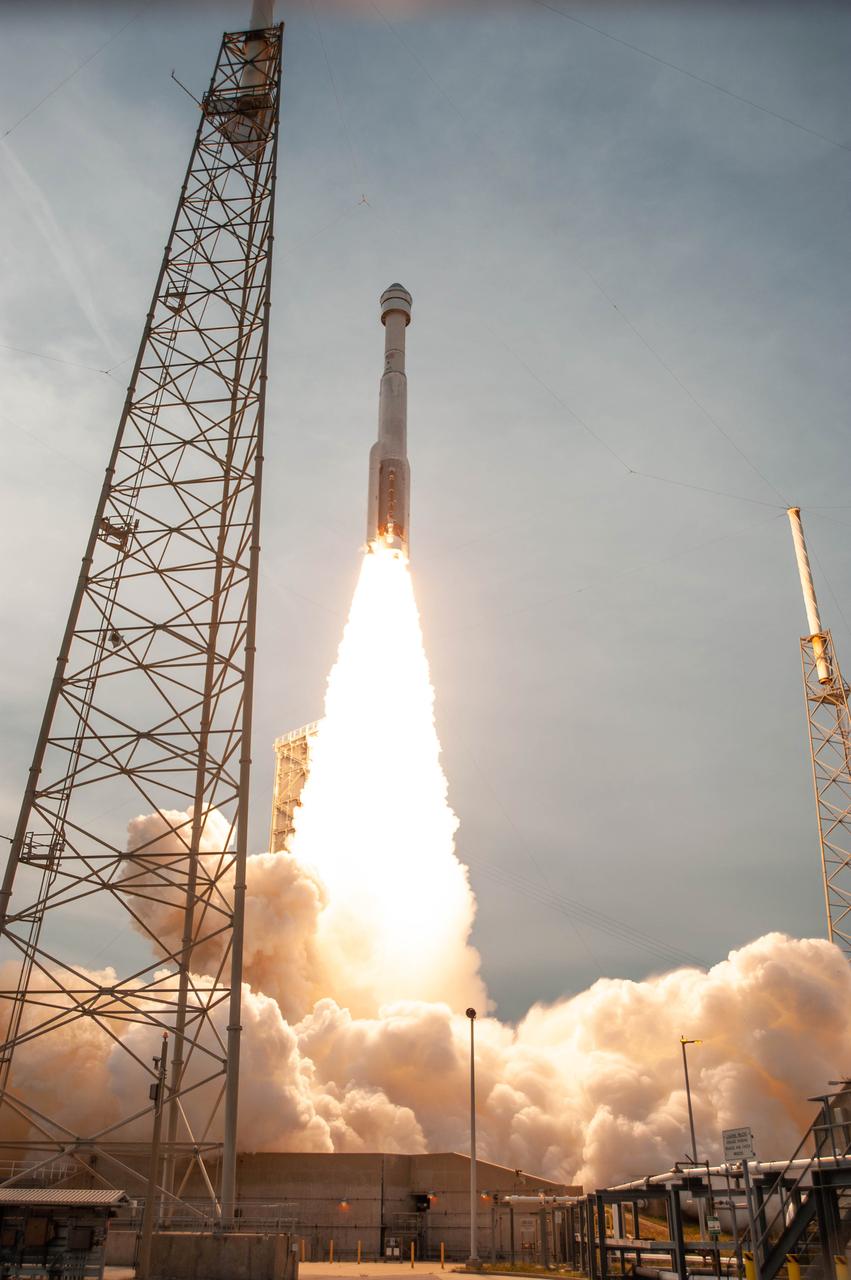
A United Launch Alliance Atlas V rocket lifts off on May 19, 2022, from Space Launch Complex-41 at Cape Canaveral Space Force Station in Florida for NASA Boeing’s uncrewed Orbital Flight Test-2 (OFT-2) for the agency’s Commercial Crew Program. Liftoff for OFT-2 occurred at 6:54 p.m. EDT. Starliner is expected to arrive at the space station for docking about 24 hours later with more than 500 pounds of NASA cargo. The flight test is designed to test the system’s end-to-end capabilities for NASA’s Commercial Crew Program providing valuable data towards NASA certifying Boeing’s crew transportation system for regular crewed flights to and from the International Space Station.
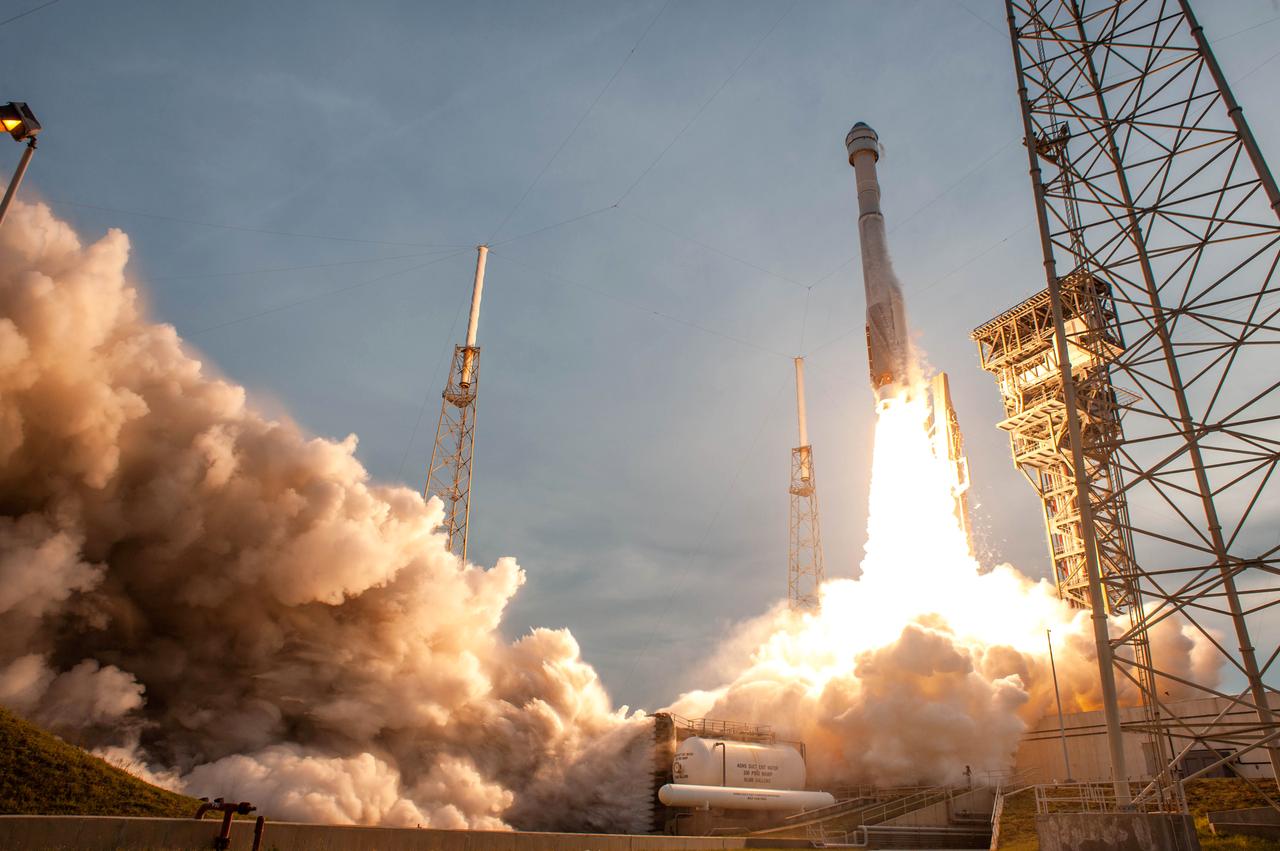
A United Launch Alliance Atlas V rocket lifts off on May 19, 2022, from Space Launch Complex-41 at Cape Canaveral Space Force Station in Florida for NASA Boeing’s uncrewed Orbital Flight Test-2 (OFT-2) for the agency’s Commercial Crew Program. Liftoff for OFT-2 occurred at 6:54 p.m. EDT. Starliner is expected to arrive at the space station for docking about 24 hours later with more than 500 pounds of NASA cargo. The flight test is designed to test the system’s end-to-end capabilities for NASA’s Commercial Crew Program providing valuable data towards NASA certifying Boeing’s crew transportation system for regular crewed flights to and from the International Space Station.
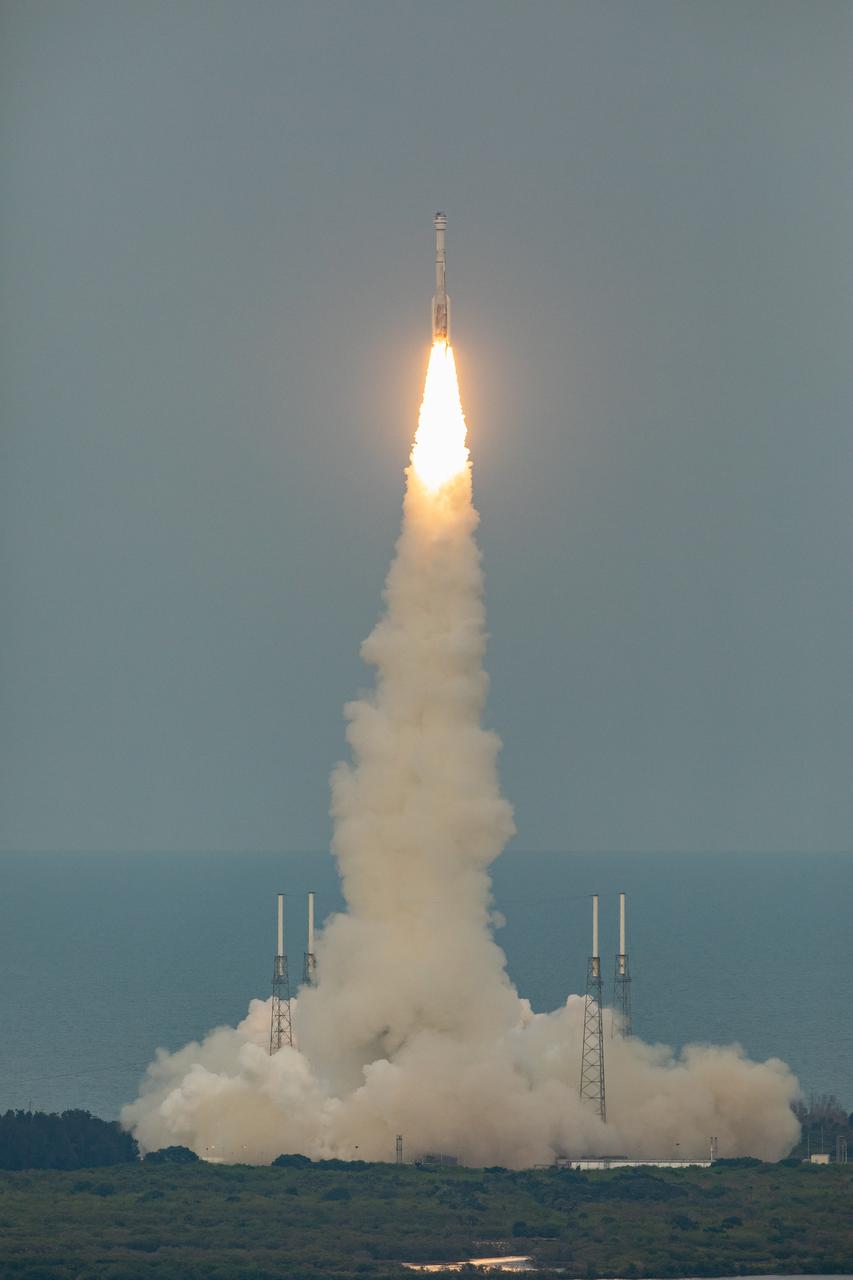
A United Launch Alliance Atlas V rocket lifts off on May 19, 2022, from Space Launch Complex-41 at Cape Canaveral Space Force Station in Florida for NASA Boeing’s uncrewed Orbital Flight Test-2 (OFT-2) for the agency’s Commercial Crew Program. Liftoff for OFT-2 occurred at 6:54 p.m. EDT. Starliner is expected to arrive at the space station for docking about 24 hours later with more than 500 pounds of NASA cargo. The flight test is designed to test the system’s end-to-end capabilities for NASA’s Commercial Crew Program providing valuable data towards NASA certifying Boeing’s crew transportation system for regular crewed flights to and from the International Space Station.

A United Launch Alliance Atlas V rocket lifts off on May 19, 2022, from Space Launch Complex-41 at Cape Canaveral Space Force Station in Florida for NASA Boeing’s uncrewed Orbital Flight Test-2 (OFT-2) for the agency’s Commercial Crew Program. Liftoff for OFT-2 occurred at 6:54 p.m. EDT. Starliner is expected to arrive at the space station for docking about 24 hours later with more than 500 pounds of NASA cargo. The flight test is designed to test the system’s end-to-end capabilities for NASA’s Commercial Crew Program providing valuable data towards NASA certifying Boeing’s crew transportation system for regular crewed flights to and from the International Space Station.

A United Launch Alliance Atlas V rocket lifts off on May 19, 2022, from Space Launch Complex-41 at Cape Canaveral Space Force Station in Florida for NASA Boeing’s uncrewed Orbital Flight Test-2 (OFT-2) for the agency’s Commercial Crew Program. Liftoff for OFT-2 occurred at 6:54 p.m. EDT. Starliner is expected to arrive at the space station for docking about 24 hours later with more than 500 pounds of NASA cargo. The flight test is designed to test the system’s end-to-end capabilities for NASA’s Commercial Crew Program providing valuable data towards NASA certifying Boeing’s crew transportation system for regular crewed flights to and from the International Space Station.
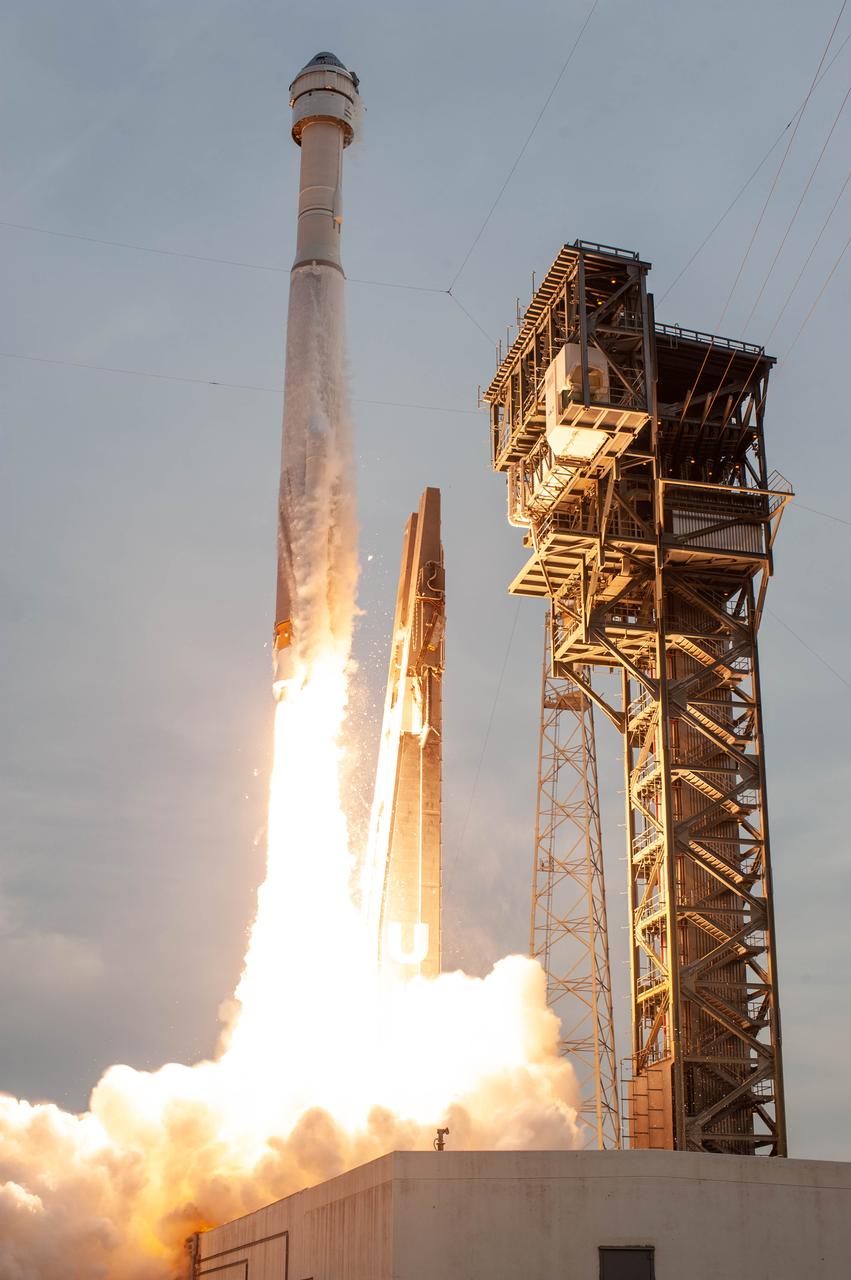
A United Launch Alliance Atlas V rocket lifts off on May 19, 2022, from Space Launch Complex-41 at Cape Canaveral Space Force Station in Florida for NASA Boeing’s uncrewed Orbital Flight Test-2 (OFT-2) for the agency’s Commercial Crew Program. Liftoff for OFT-2 occurred at 6:54 p.m. EDT. Starliner is expected to arrive at the space station for docking about 24 hours later with more than 500 pounds of NASA cargo. The flight test is designed to test the system’s end-to-end capabilities for NASA’s Commercial Crew Program providing valuable data towards NASA certifying Boeing’s crew transportation system for regular crewed flights to and from the International Space Station.
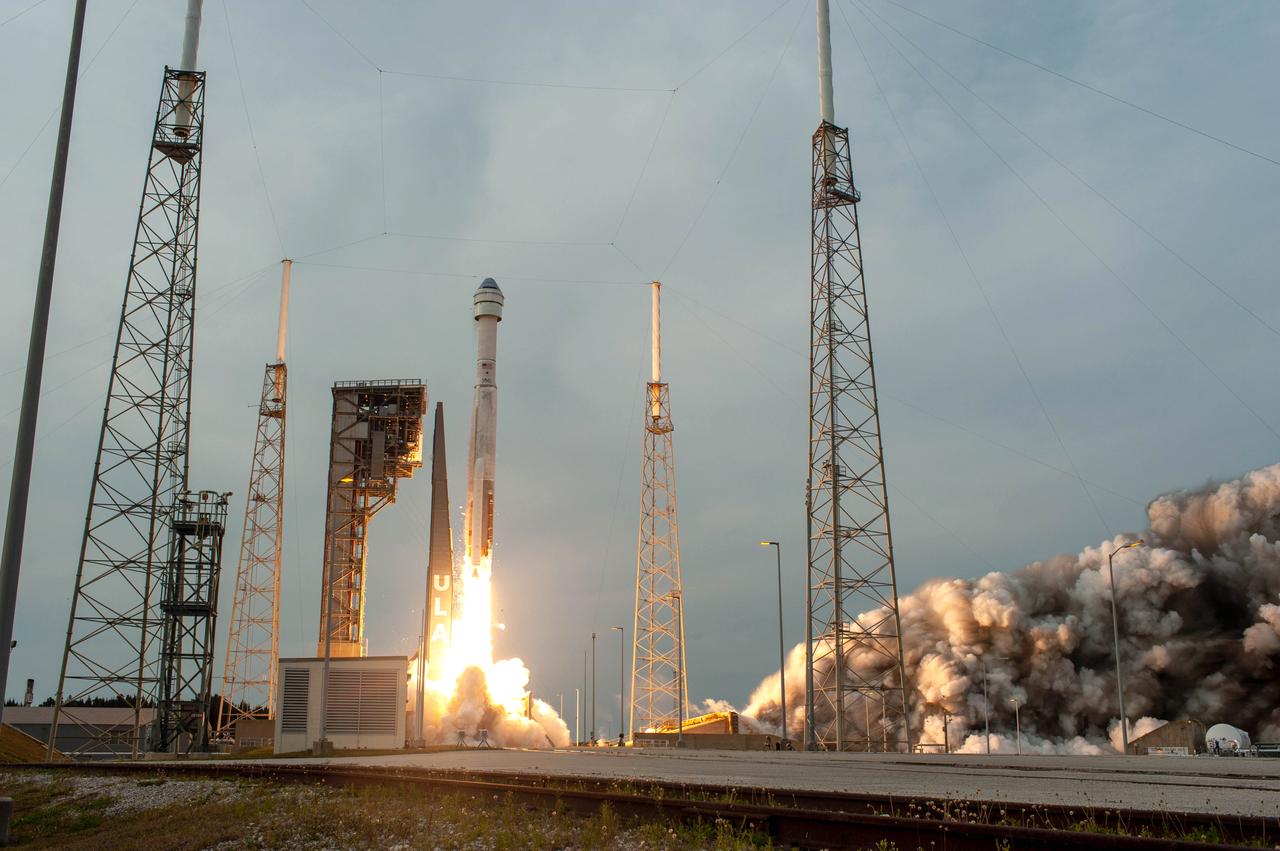
A United Launch Alliance Atlas V rocket lifts off on May 19, 2022, from Space Launch Complex-41 at Cape Canaveral Space Force Station in Florida for NASA Boeing’s uncrewed Orbital Flight Test-2 (OFT-2) for the agency’s Commercial Crew Program. Liftoff for OFT-2 occurred at 6:54 p.m. EDT. Starliner is expected to arrive at the space station for docking about 24 hours later with more than 500 pounds of NASA cargo. The flight test is designed to test the system’s end-to-end capabilities for NASA’s Commercial Crew Program providing valuable data towards NASA certifying Boeing’s crew transportation system for regular crewed flights to and from the International Space Station.
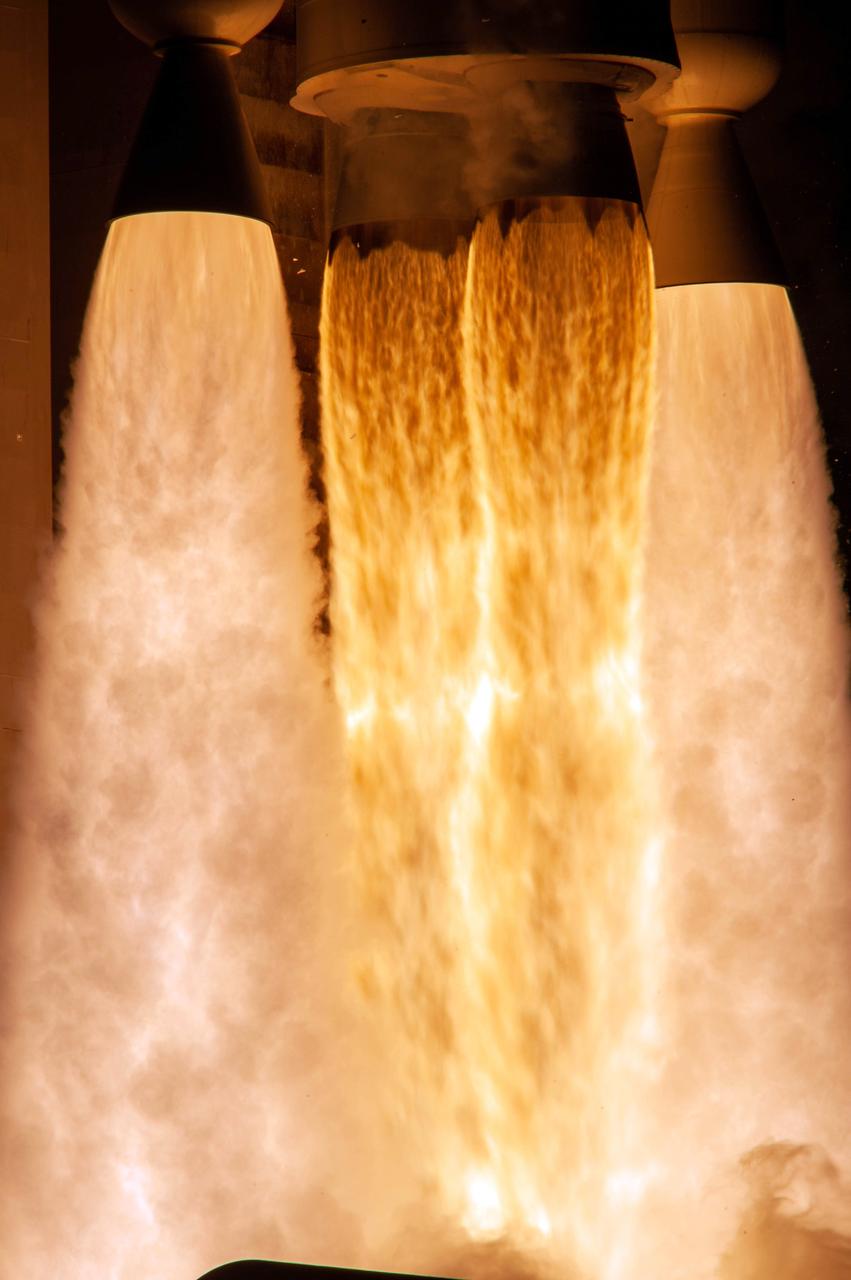
A United Launch Alliance Atlas V rocket lifts off on May 19, 2022, from Space Launch Complex-41 at Cape Canaveral Space Force Station in Florida for NASA Boeing’s uncrewed Orbital Flight Test-2 (OFT-2) for the agency’s Commercial Crew Program. Liftoff for OFT-2 occurred at 6:54 p.m. EDT. Starliner is expected to arrive at the space station for docking about 24 hours later with more than 500 pounds of NASA cargo. The flight test is designed to test the system’s end-to-end capabilities for NASA’s Commercial Crew Program providing valuable data towards NASA certifying Boeing’s crew transportation system for regular crewed flights to and from the International Space Station.
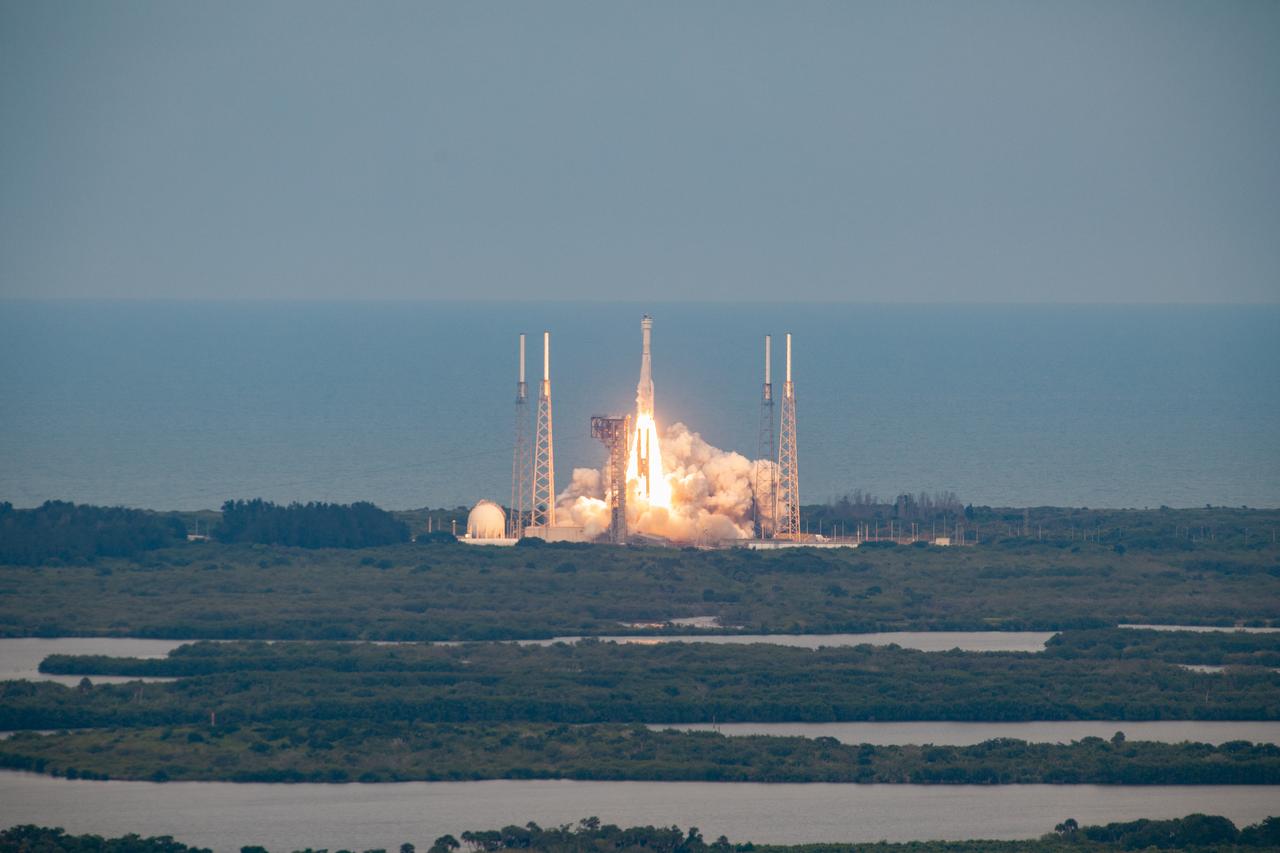
A United Launch Alliance Atlas V rocket lifts off on May 19, 2022, from Space Launch Complex-41 at Cape Canaveral Space Force Station in Florida for NASA Boeing’s uncrewed Orbital Flight Test-2 (OFT-2) for the agency’s Commercial Crew Program. Liftoff for OFT-2 occurred at 6:54 p.m. EDT. Starliner is expected to arrive at the space station for docking about 24 hours later with more than 500 pounds of NASA cargo. The flight test is designed to test the system’s end-to-end capabilities for NASA’s Commercial Crew Program providing valuable data towards NASA certifying Boeing’s crew transportation system for regular crewed flights to and from the International Space Station.