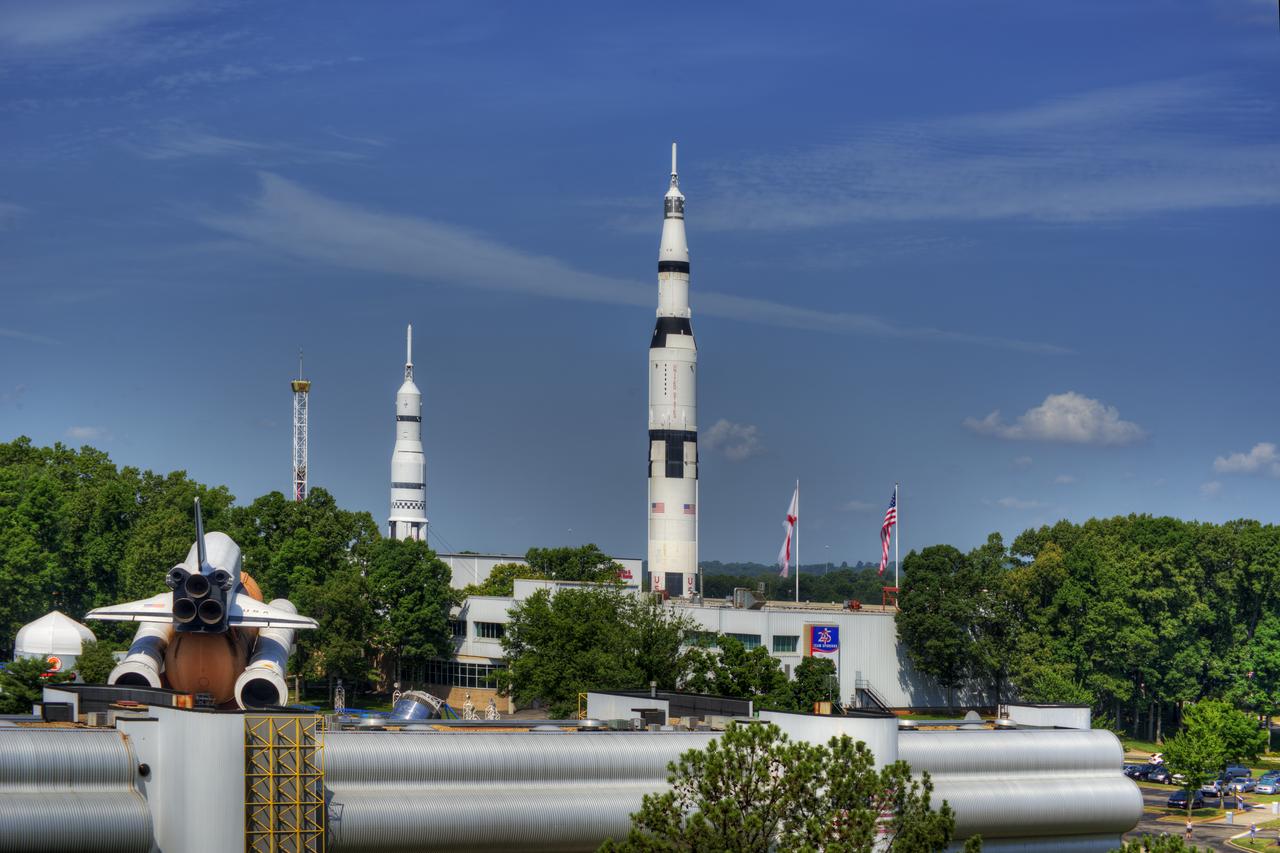
VIEW OF THE U.S. SPACE AND ROCKET CENTER, LOOKING WEST, FROM THE ROOF OF THE MARRIOTT HOTEL
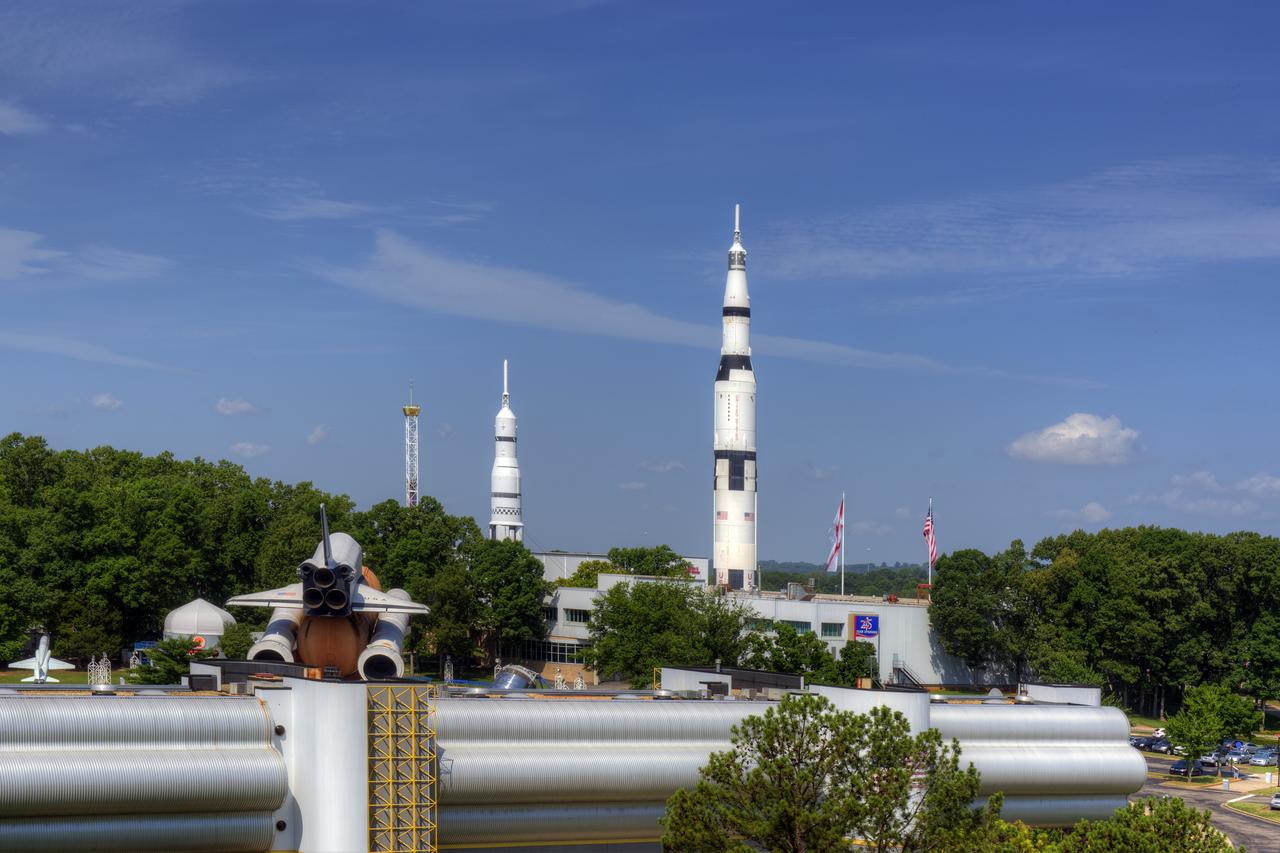
VIEW OF THE U.S. SPACE AND ROCKET CENTER, LOOKING WEST, FROM THE ROOF OF THE MARRIOTT HOTEL.

The Space Launch System (SLS) rocket and Orion Spacecraft roll out of the Vehicle Assembly Building (VAB) to Launch Pad 39B at NASA's Kennedy Space Center in Florida for the first time on March 17, 2022.

The Space Launch System (SLS) rocket and Orion Spacecraft roll out of the Vehicle Assembly Building (VAB) to Launch Pad 39B at NASA's Kennedy Space Center in Florida for the first time on March 17, 2022.

NASA, Lockheed Martin, and United Launch Alliance team speaks to a full house at the "Pass the Torch" event at US Space and Rocket Center in Huntsville, Alabama on March 18, 2015. Part of Batch image transfer from Flickr.
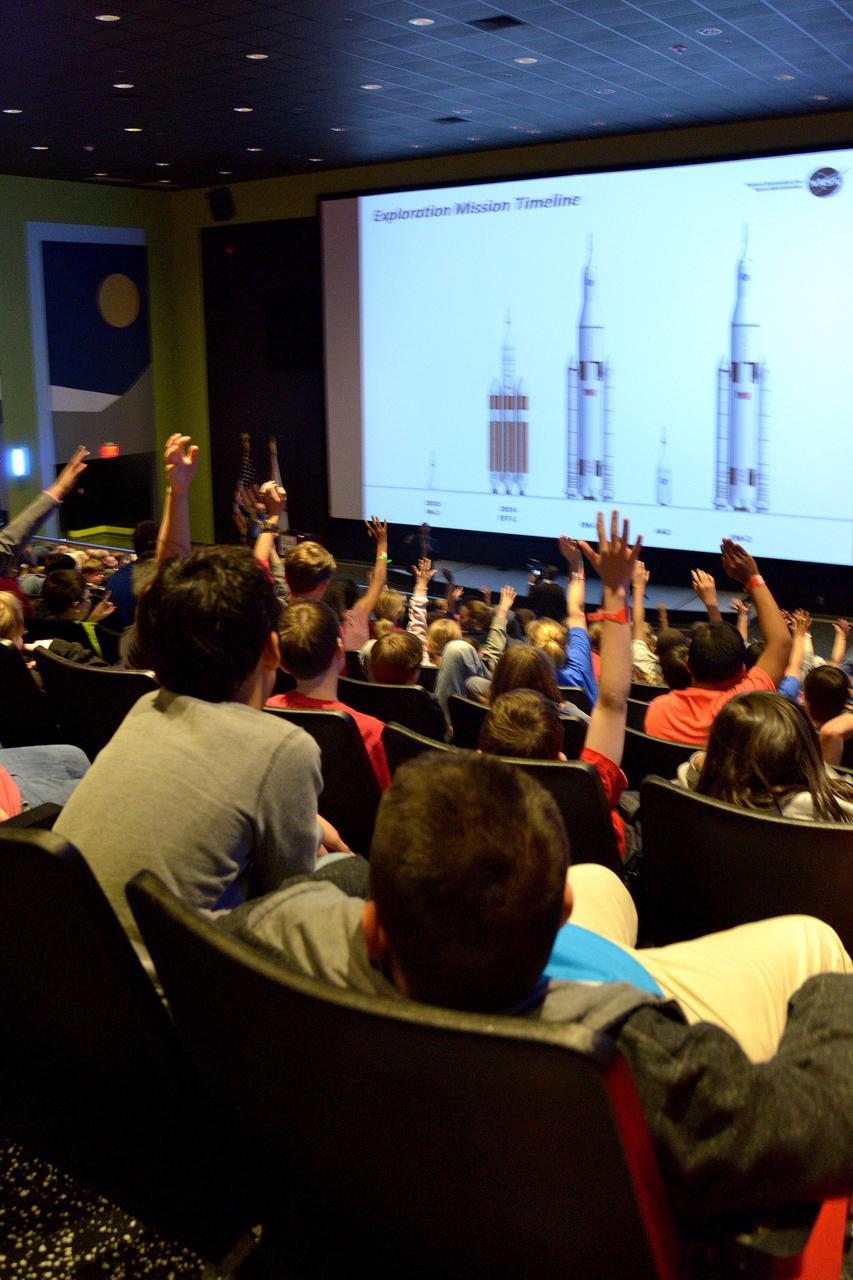
NASA, Lockheed Martin, and United Launch Alliance team speaks to a full house at the "Pass the Torch" event at US Space and Rocket Center in Huntsville, Alabama on March 18, 2015. Part of Batch image transfer from Flickr.
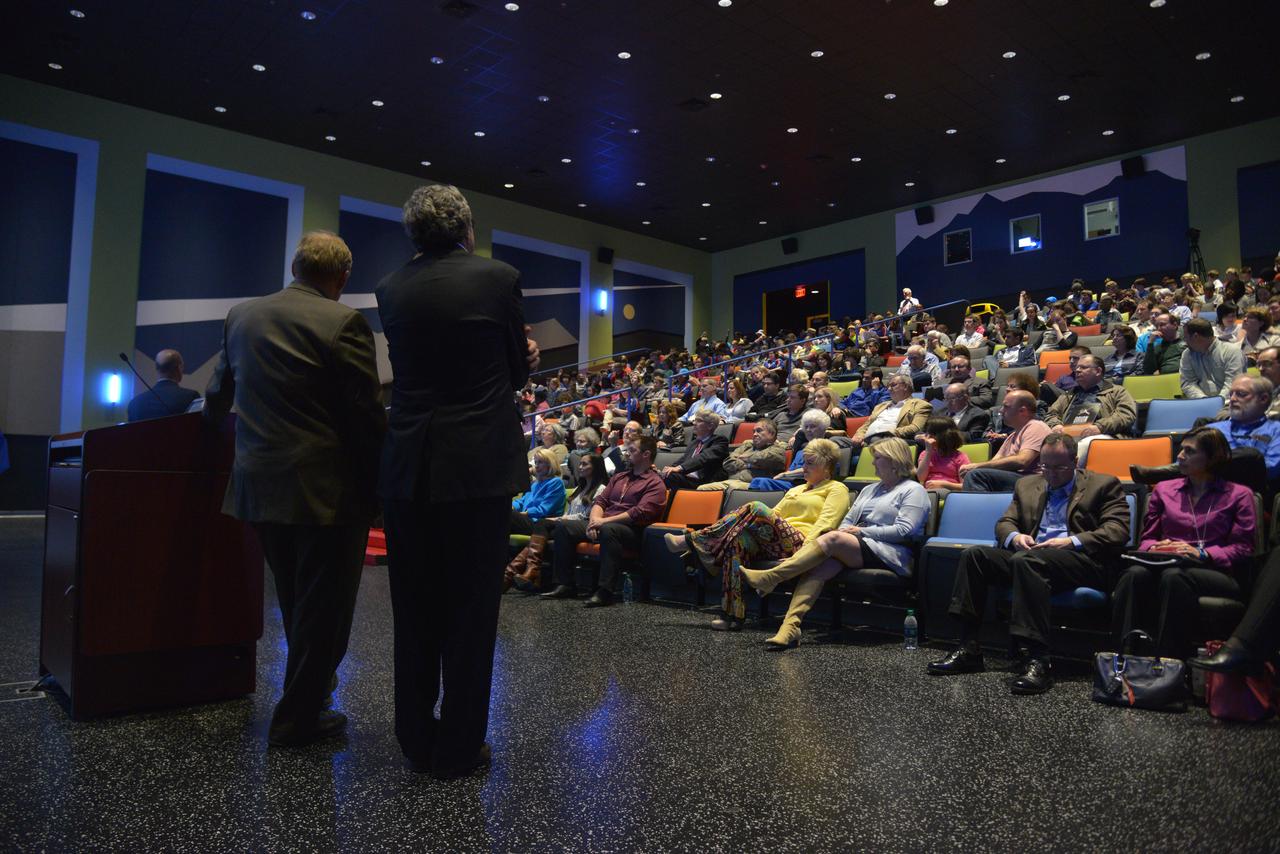
NASA, Lockheed Martin, and United Launch Alliance team speaks to a full house at the "Pass the Torch" event at US Space and Rocket Center in Huntsville, Alabama on March 18, 2015. Part of Batch image transfer from Flickr.
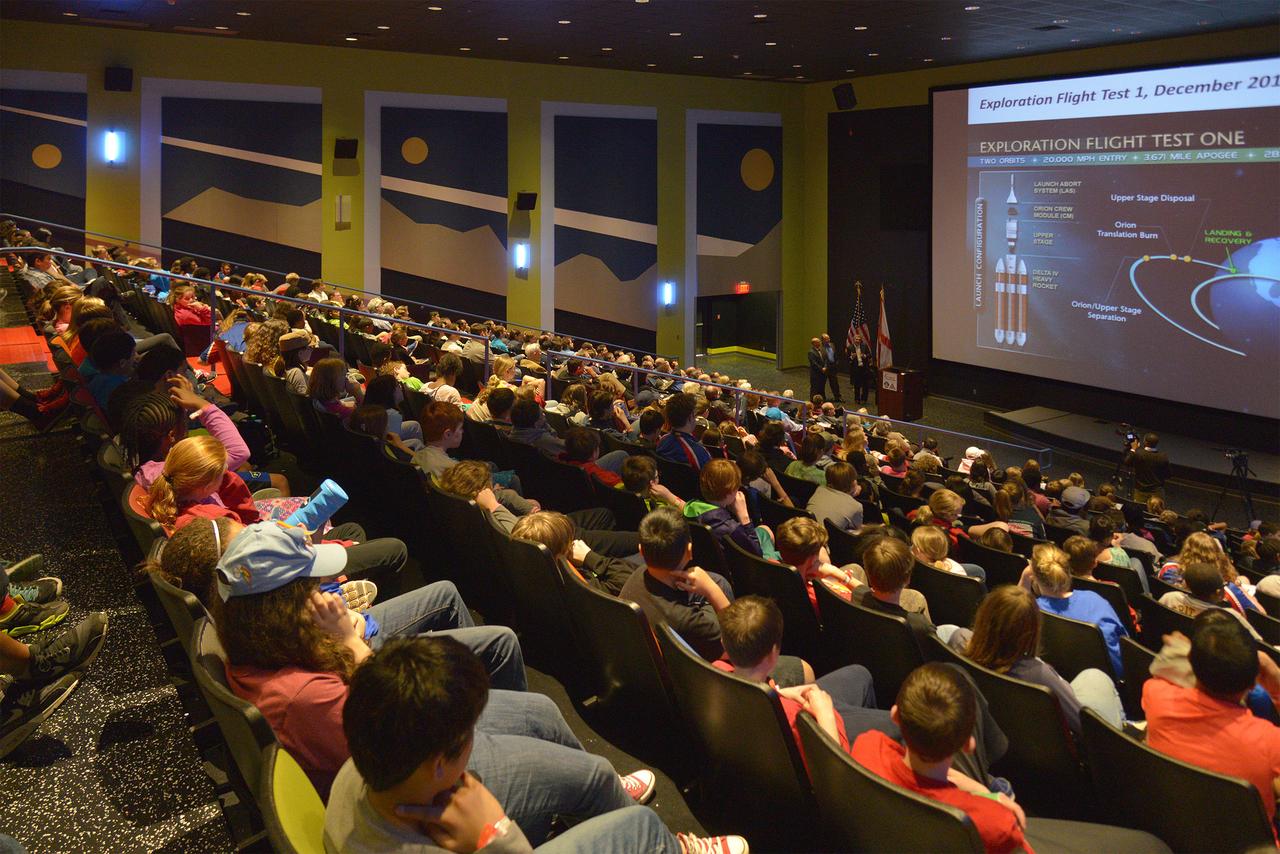
NASA, Lockheed Martin, and United Launch Alliance team speaks to a full house at the "Pass the Torch" event at US Space and Rocket Center in Huntsville, Alabama on March 18, 2015. Part of Batch image transfer from Flickr.
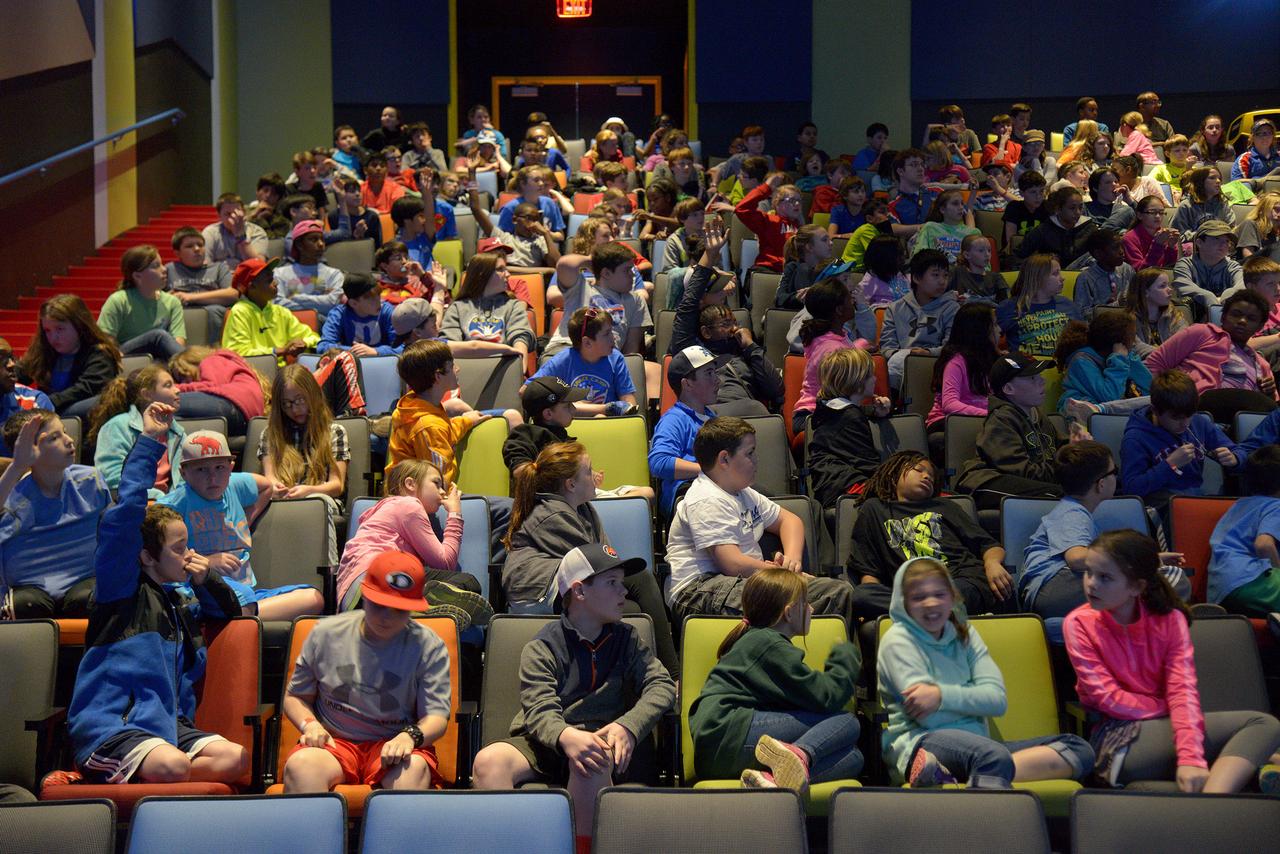
NASA, Lockheed Martin, and United Launch Alliance team speaks to a full house at the "Pass the Torch" event at US Space and Rocket Center in Huntsville, Alabama on March 18, 2015. Part of Batch image transfer from Flickr.
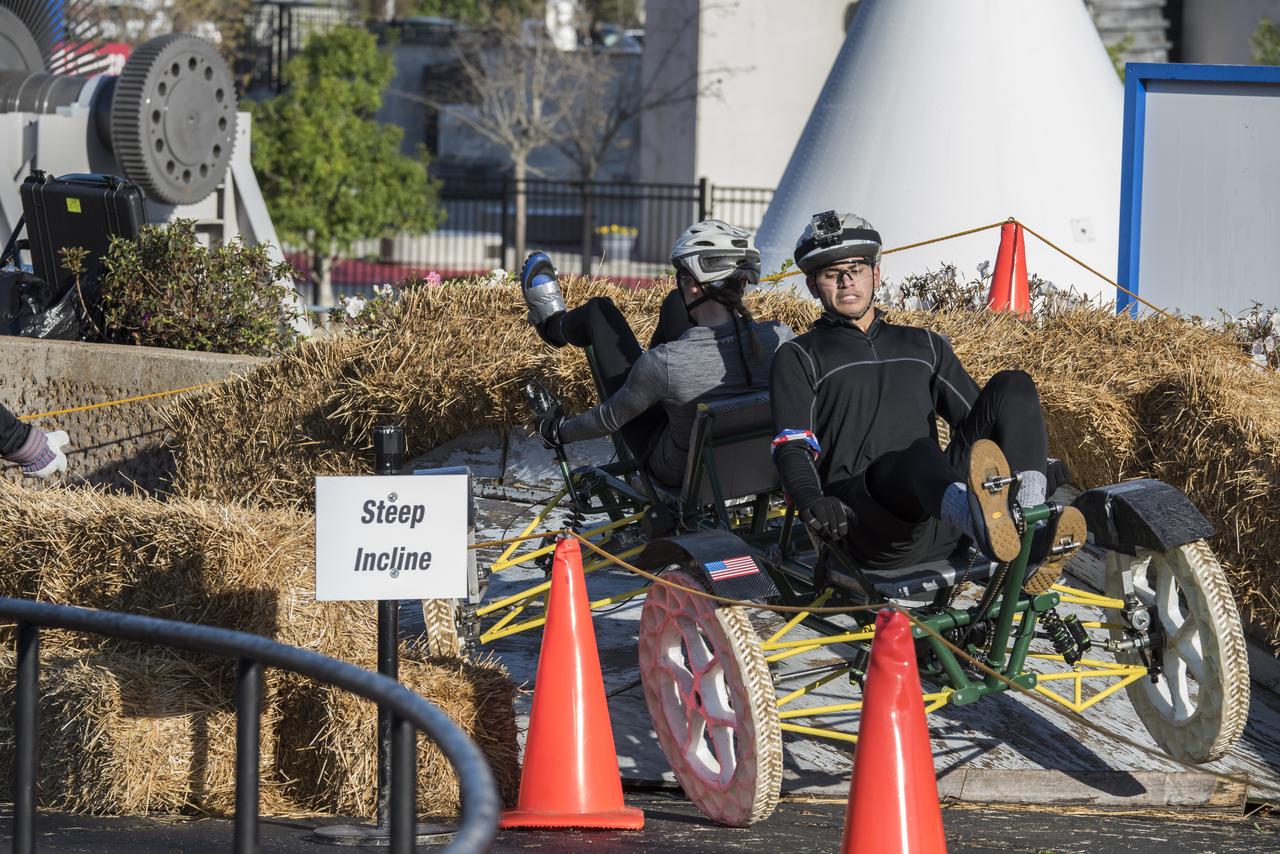
2017 Exploration Rover Challenge events at the U.S. Space and Rocket Center in Huntsville, Alabama. High school and college students from around the U.S. and the world come together for this 2 day event which challenges them to compete for the fastest time as well as technical design of the actual rover itself.
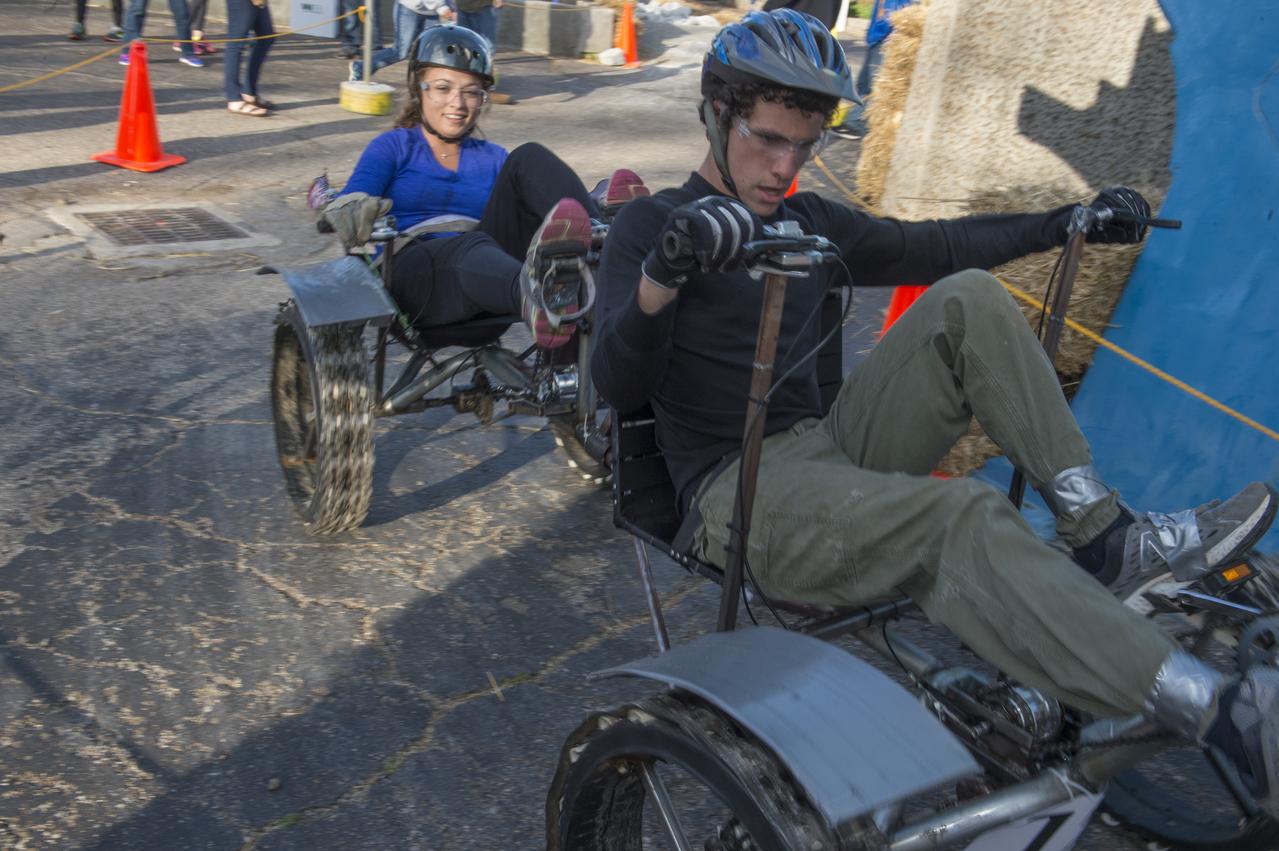
2017 Exploration Rover Challenge events at the U.S. Space and Rocket Center in Huntsville, Alabama. High school and college students from around the U.S. and the world come together for this 2 day event which challenges them to compete for the fastest time as well as technical design of the actual rover itself.
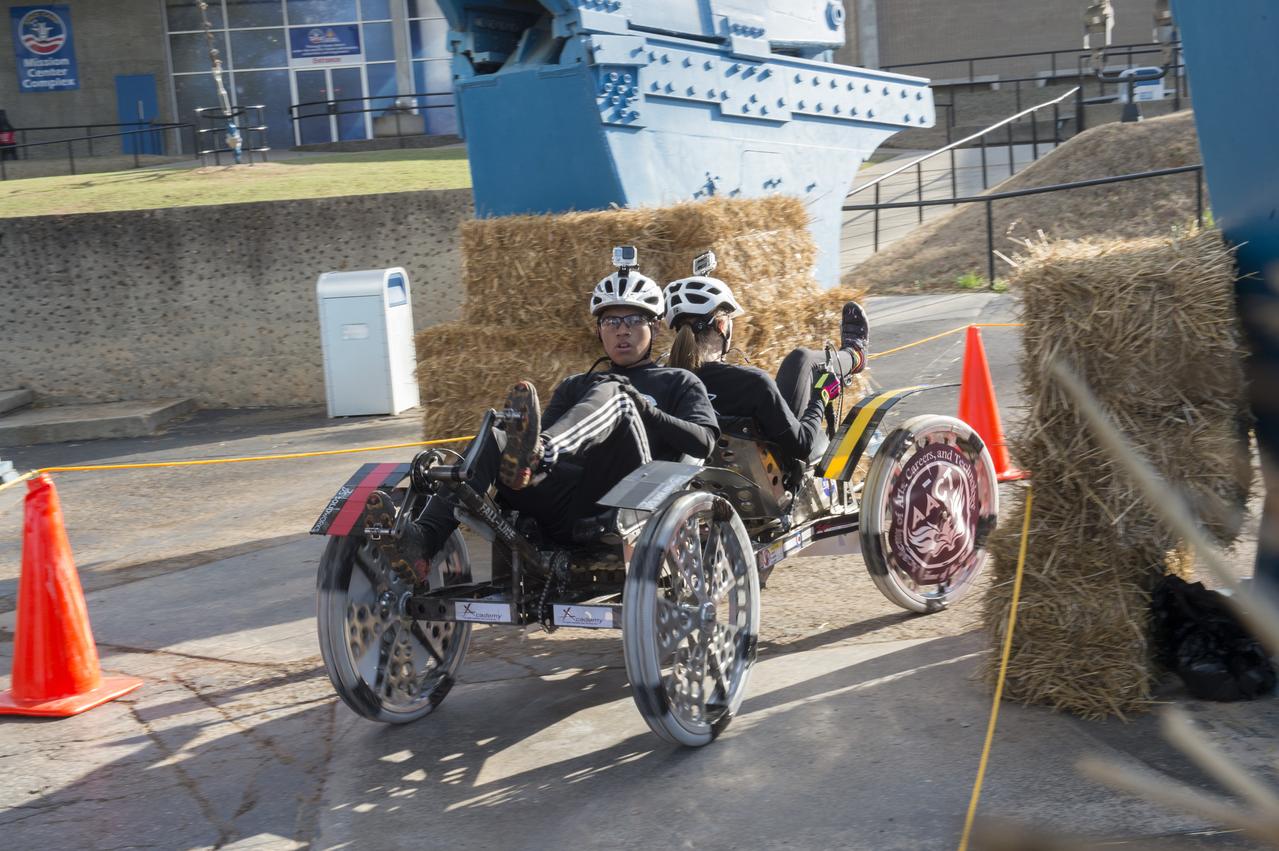
2017 Exploration Rover Challenge events at the U.S. Space and Rocket Center in Huntsville, Alabama. High school and college students from around the U.S. and the world come together for this 2 day event which challenges them to compete for the fastest time as well as technical design of the actual rover itself.
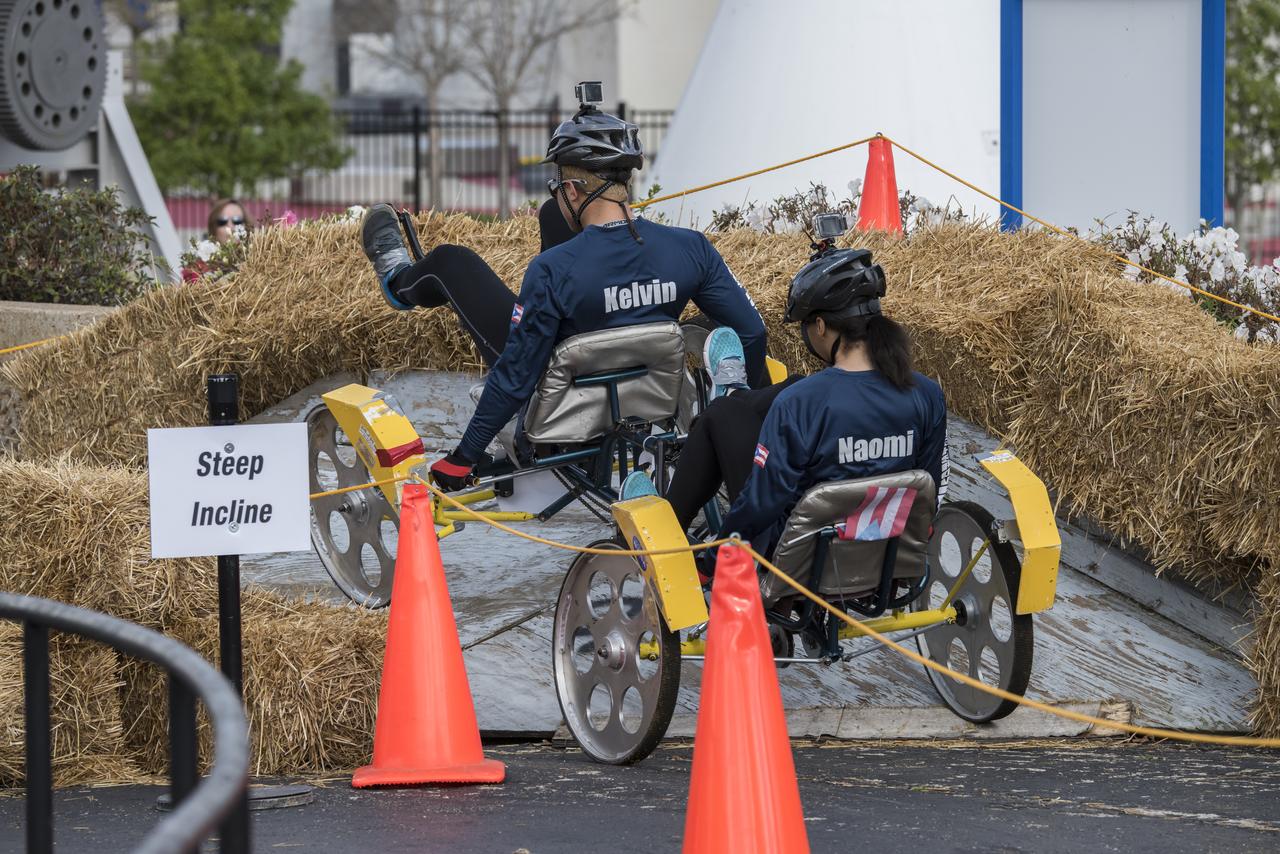
2017 Exploration Rover Challenge events at the U.S. Space and Rocket Center in Huntsville, Alabama. High school and college students from around the U.S. and the world come together for this 2 day event which challenges them to compete for the fastest time as well as technical design of the actual rover itself.
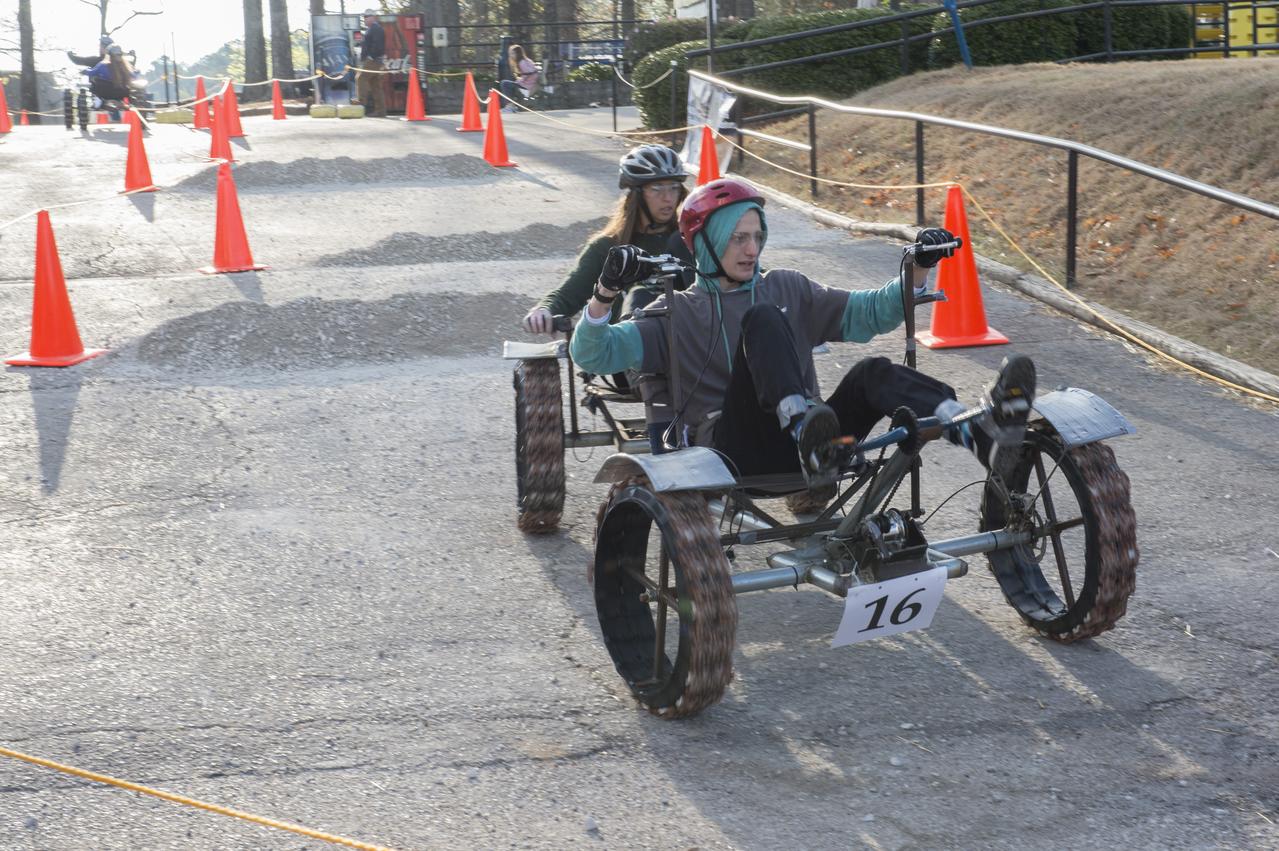
2017 Exploration Rover Challenge events at the U.S. Space and Rocket Center in Huntsville, Alabama. High school and college students from around the U.S. and the world come together for this 2 day event which challenges them to compete for the fastest time as well as technical design of the actual rover itself.
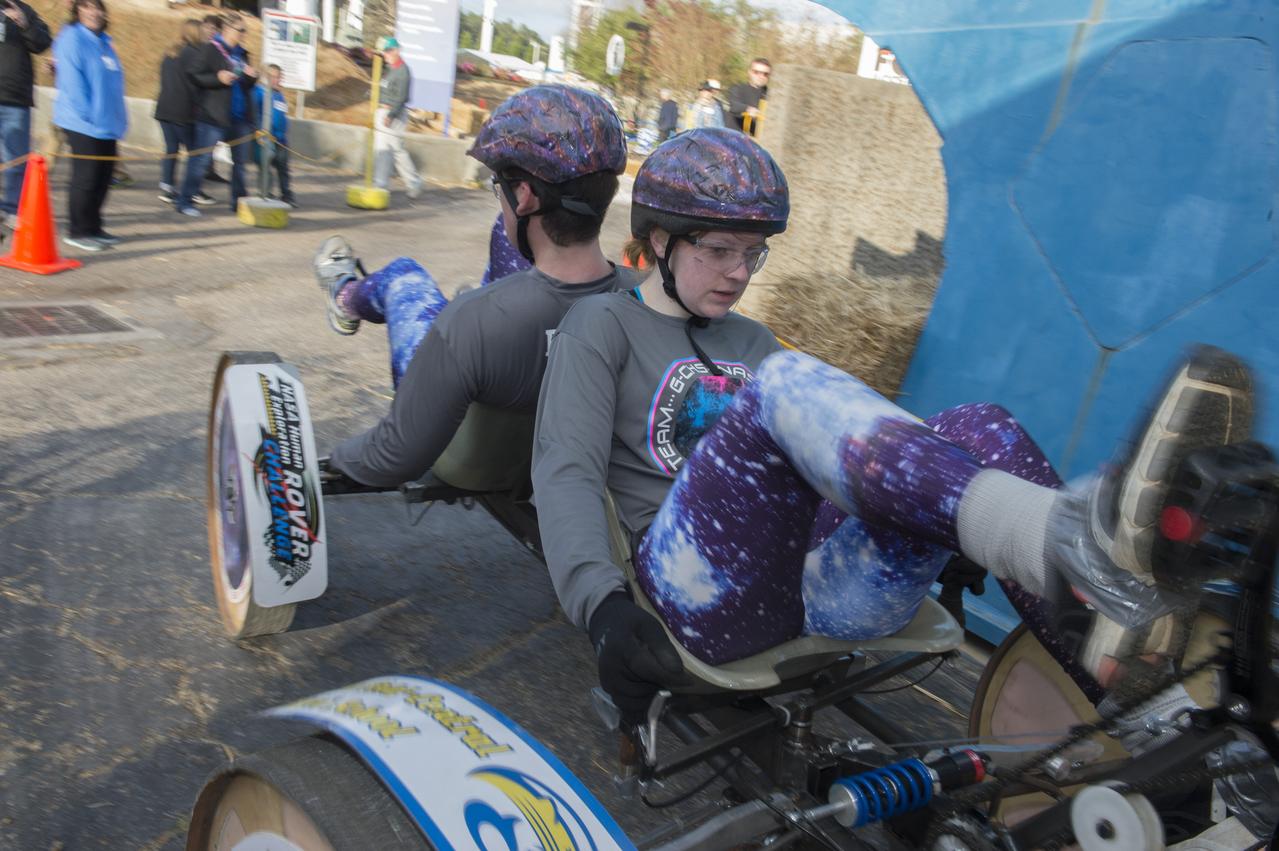
2017 Exploration Rover Challenge events at the U.S. Space and Rocket Center in Huntsville, Alabama. High school and college students from around the U.S. and the world come together for this 2 day event which challenges them to compete for the fastest time as well as technical design of the actual rover itself.
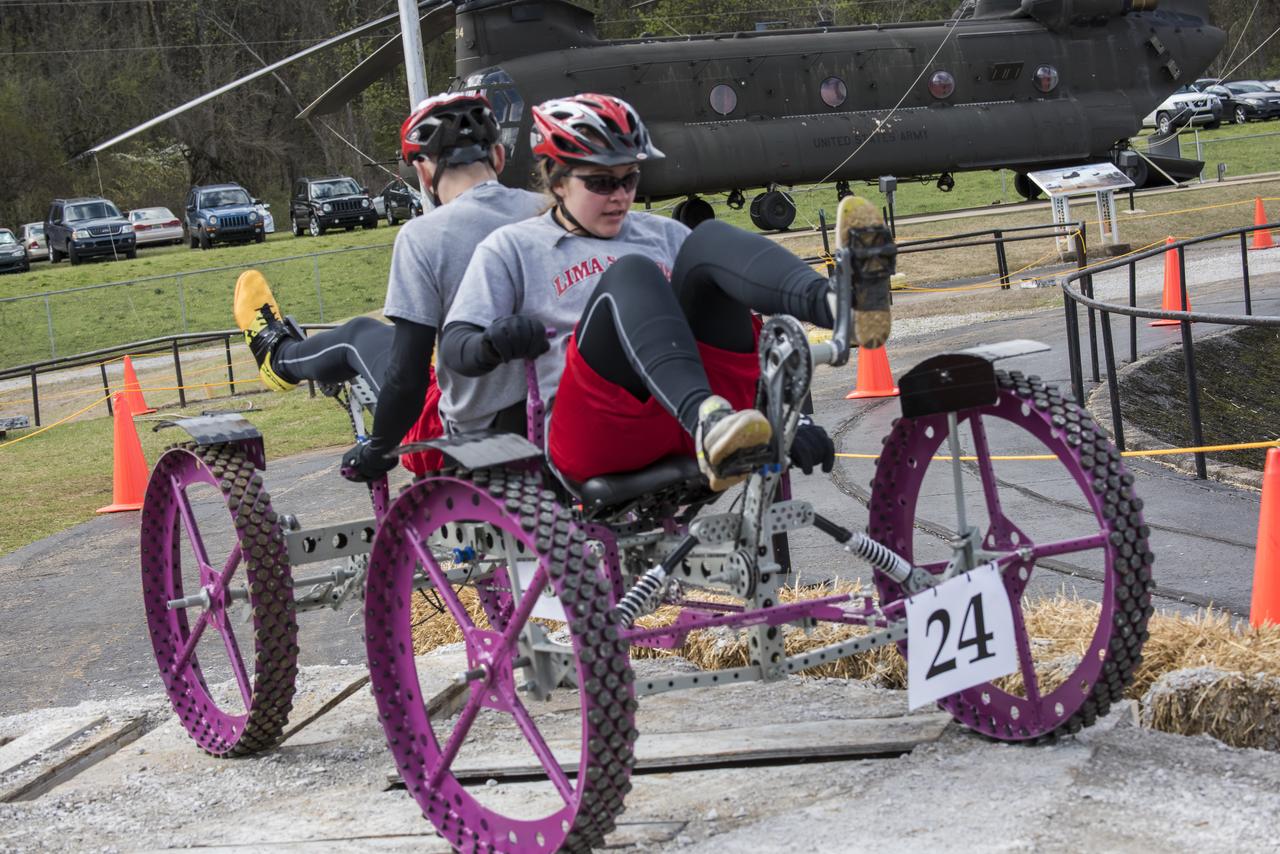
2017 Exploration Rover Challenge events at the U.S. Space and Rocket Center in Huntsville, Alabama. High school and college students from around the U.S. and the world come together for this 2 day event which challenges them to compete for the fastest time as well as technical design of the actual rover itself.
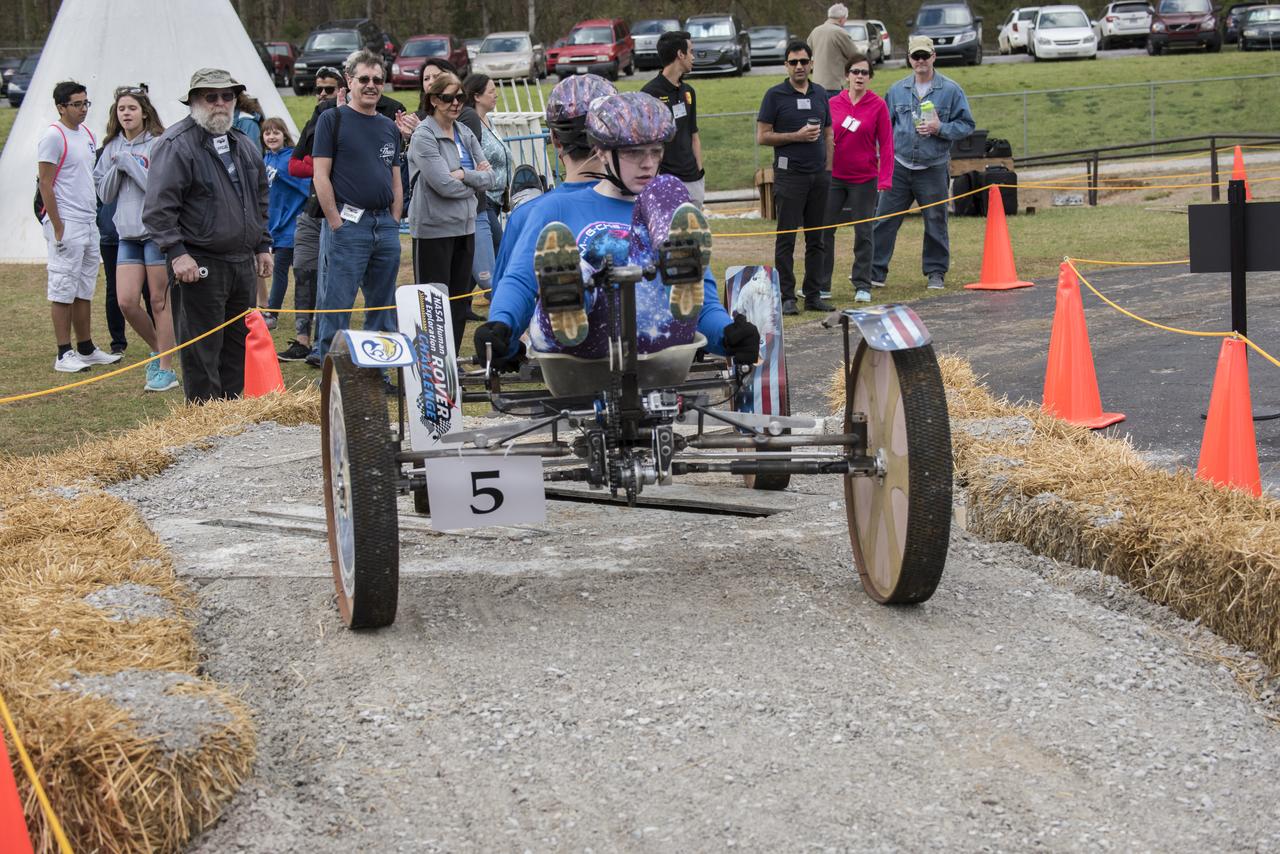
2017 Exploration Rover Challenge events at the U.S. Space and Rocket Center in Huntsville, Alabama. High school and college students from around the U.S. and the world come together for this 2 day event which challenges them to compete for the fastest time as well as technical design of the actual rover itself.
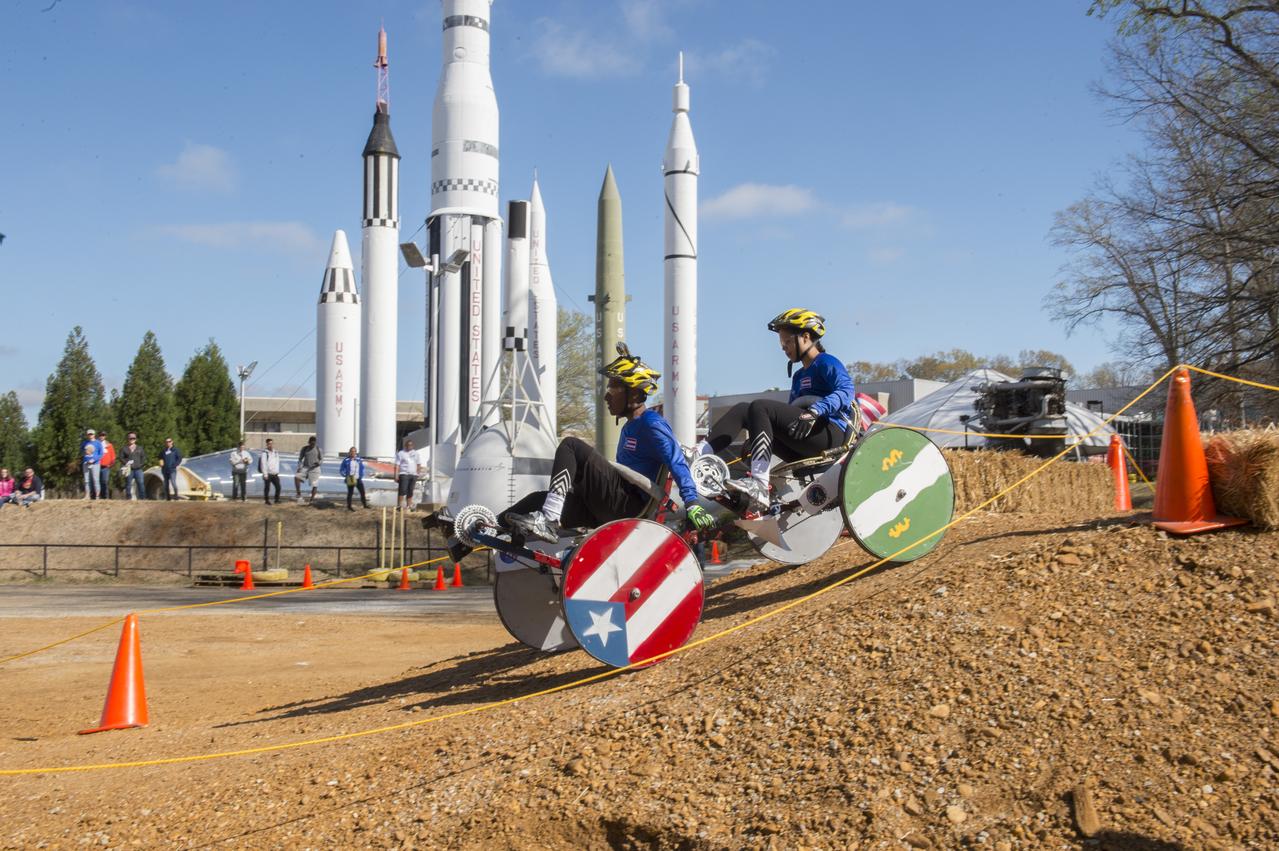
2017 Exploration Rover Challenge events at the U.S. Space and Rocket Center in Huntsville, Alabama. High school and college students from around the U.S. and the world come together for this 2 day event which challenges them to compete for the fastest time as well as technical design of the actual rover itself.
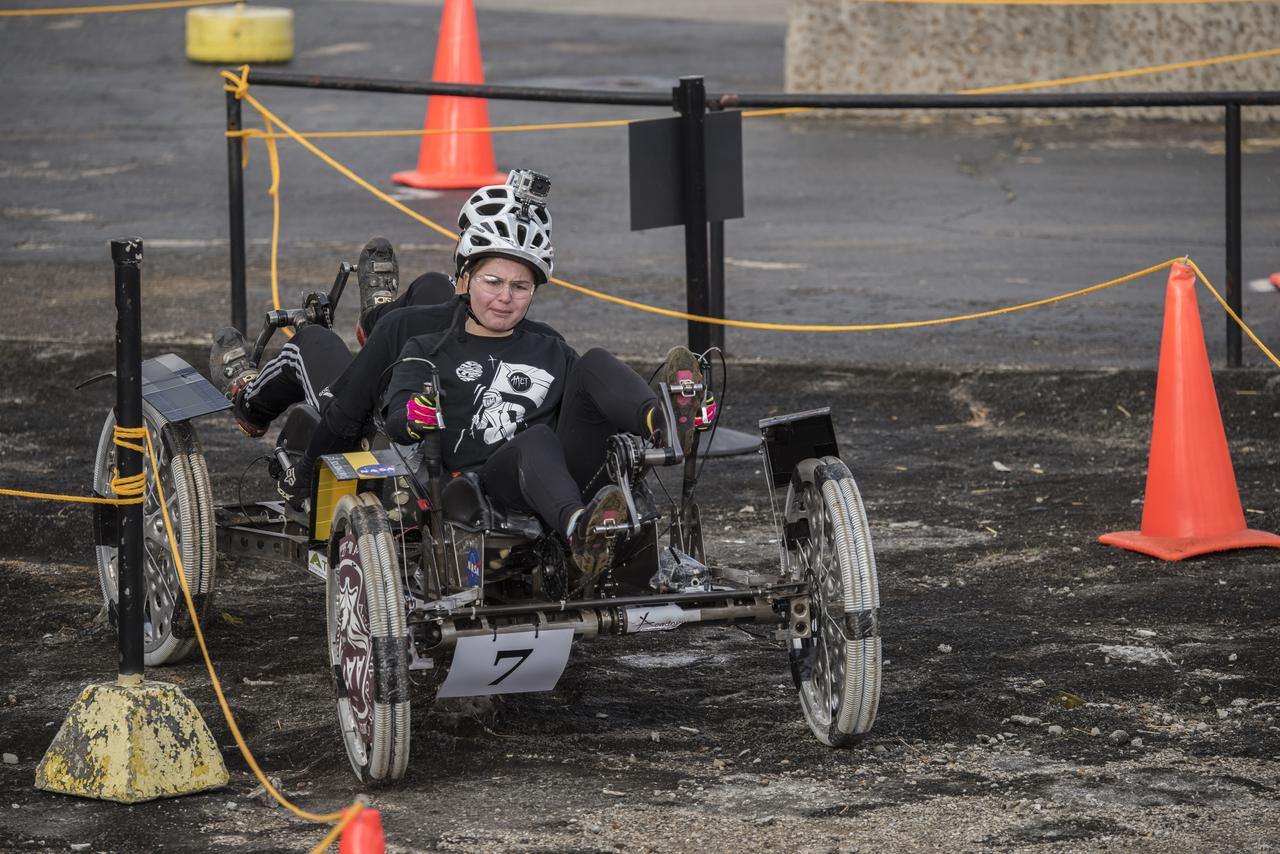
2017 Exploration Rover Challenge events at the U.S. Space and Rocket Center in Huntsville, Alabama. High school and college students from around the U.S. and the world come together for this 2 day event which challenges them to compete for the fastest time as well as technical design of the actual rover itself.
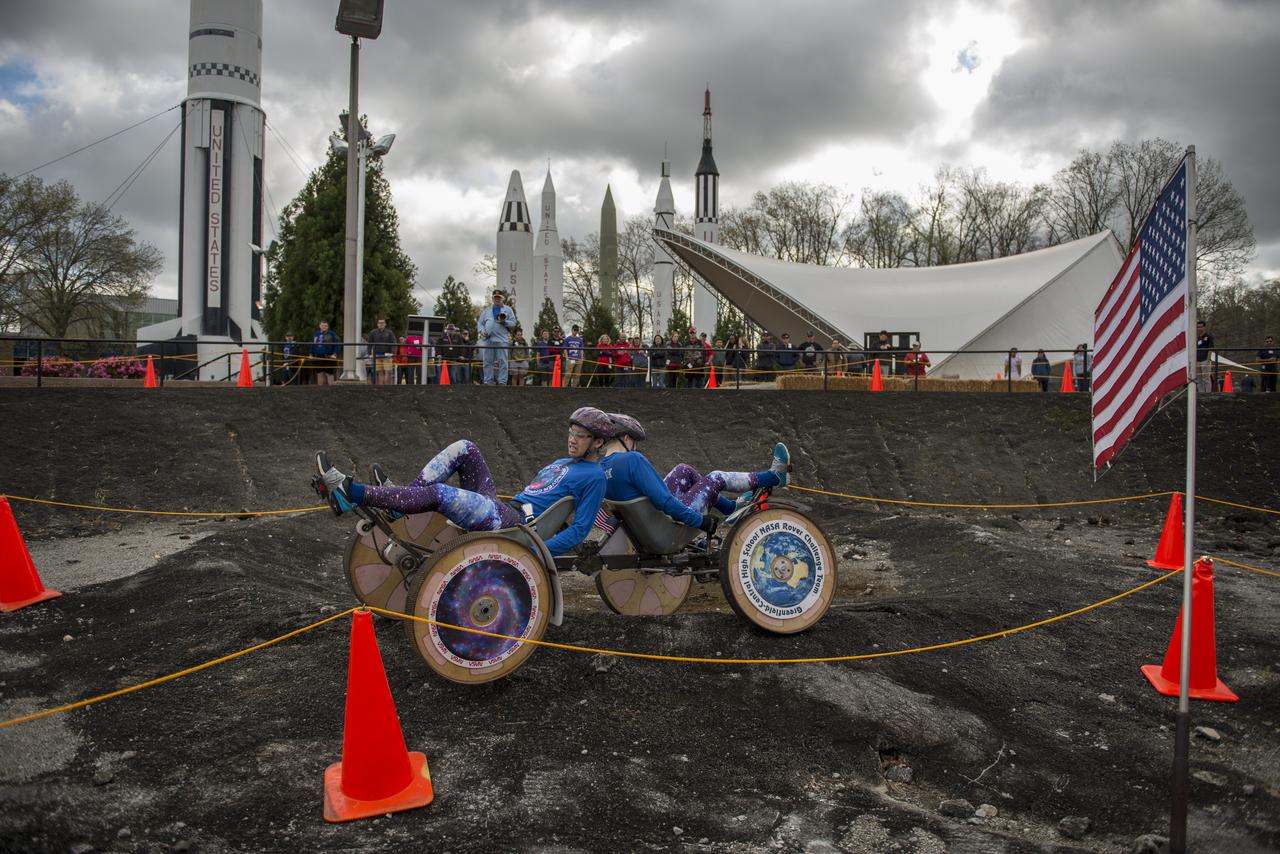
2017 Exploration Rover Challenge events at the U.S. Space and Rocket Center in Huntsville, Alabama. High school and college students from around the U.S. and the world come together for this 2 day event which challenges them to compete for the fastest time as well as technical design of the actual rover itself.
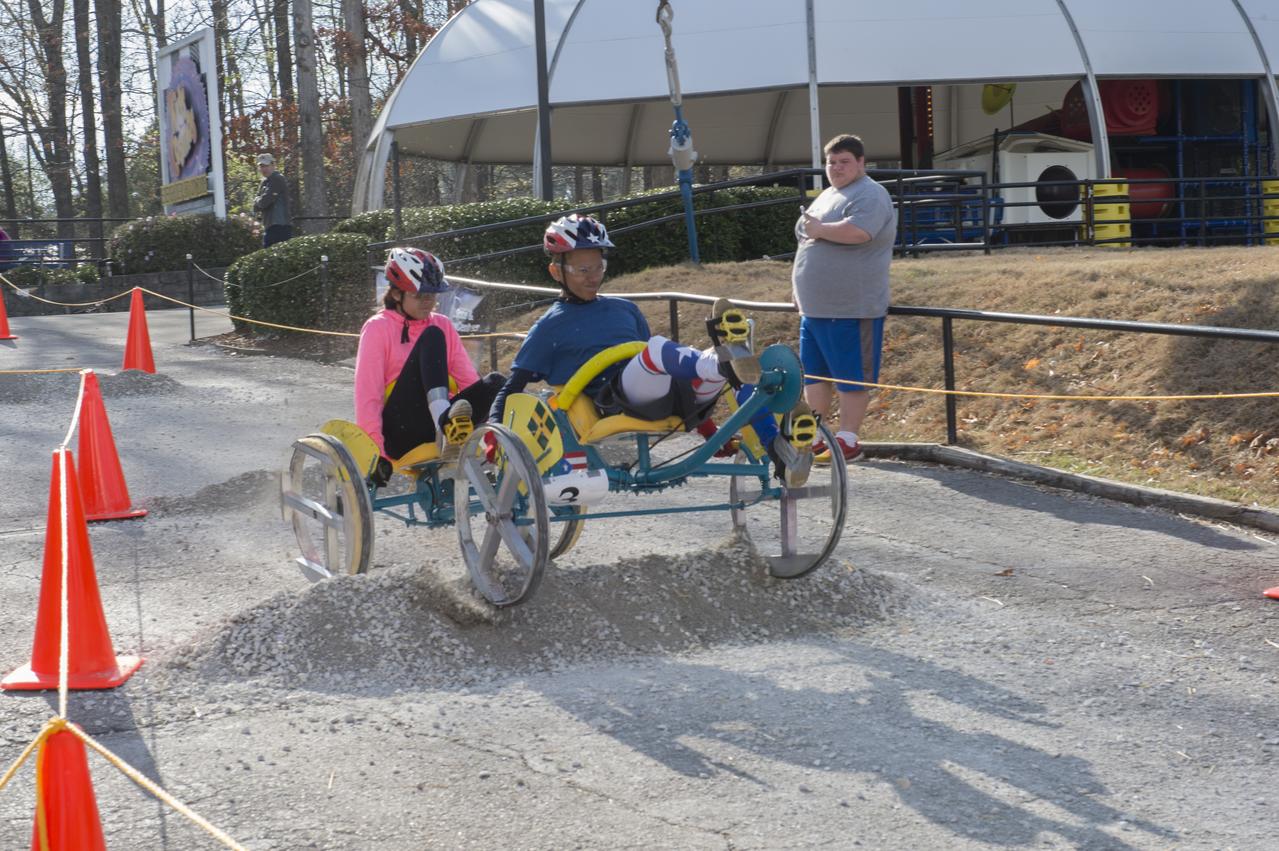
2017 Exploration Rover Challenge events at the U.S. Space and Rocket Center in Huntsville, Alabama. High school and college students from around the U.S. and the world come together for this 2 day event which challenges them to compete for the fastest time as well as technical design of the actual rover itself.
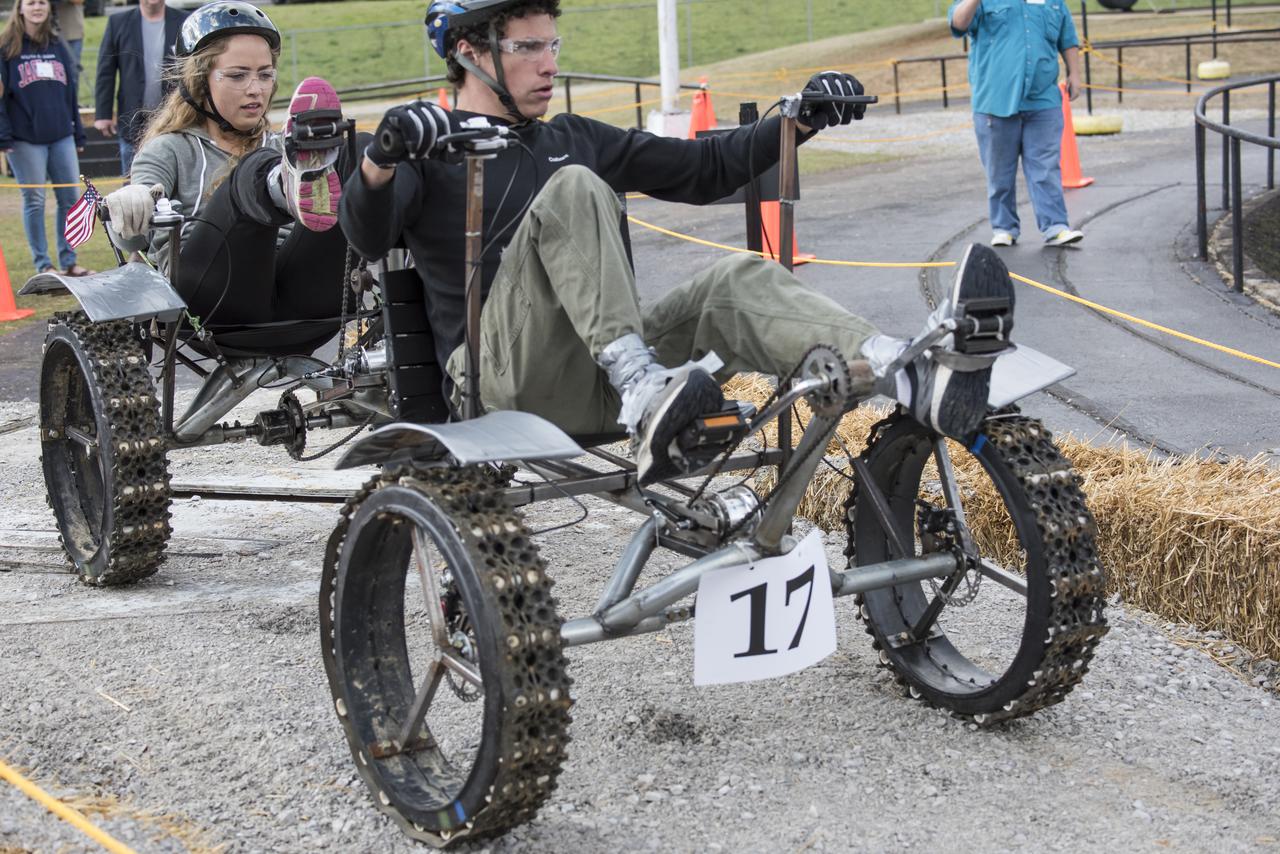
2017 Exploration Rover Challenge events at the U.S. Space and Rocket Center in Huntsville, Alabama. High school and college students from around the U.S. and the world come together for this 2 day event which challenges them to compete for the fastest time as well as technical design of the actual rover itself.
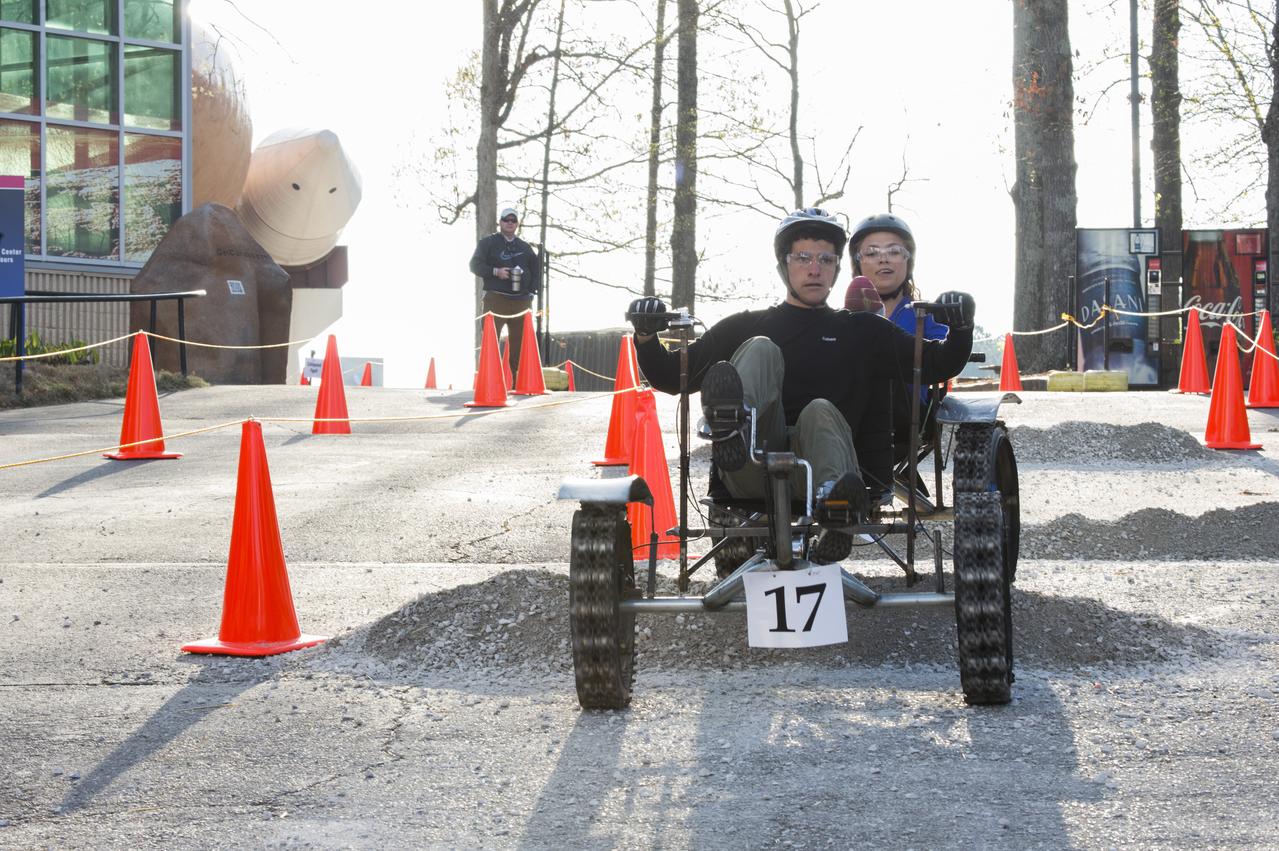
2017 Exploration Rover Challenge events at the U.S. Space and Rocket Center in Huntsville, Alabama. High school and college students from around the U.S. and the world come together for this 2 day event which challenges them to compete for the fastest time as well as technical design of the actual rover itself.
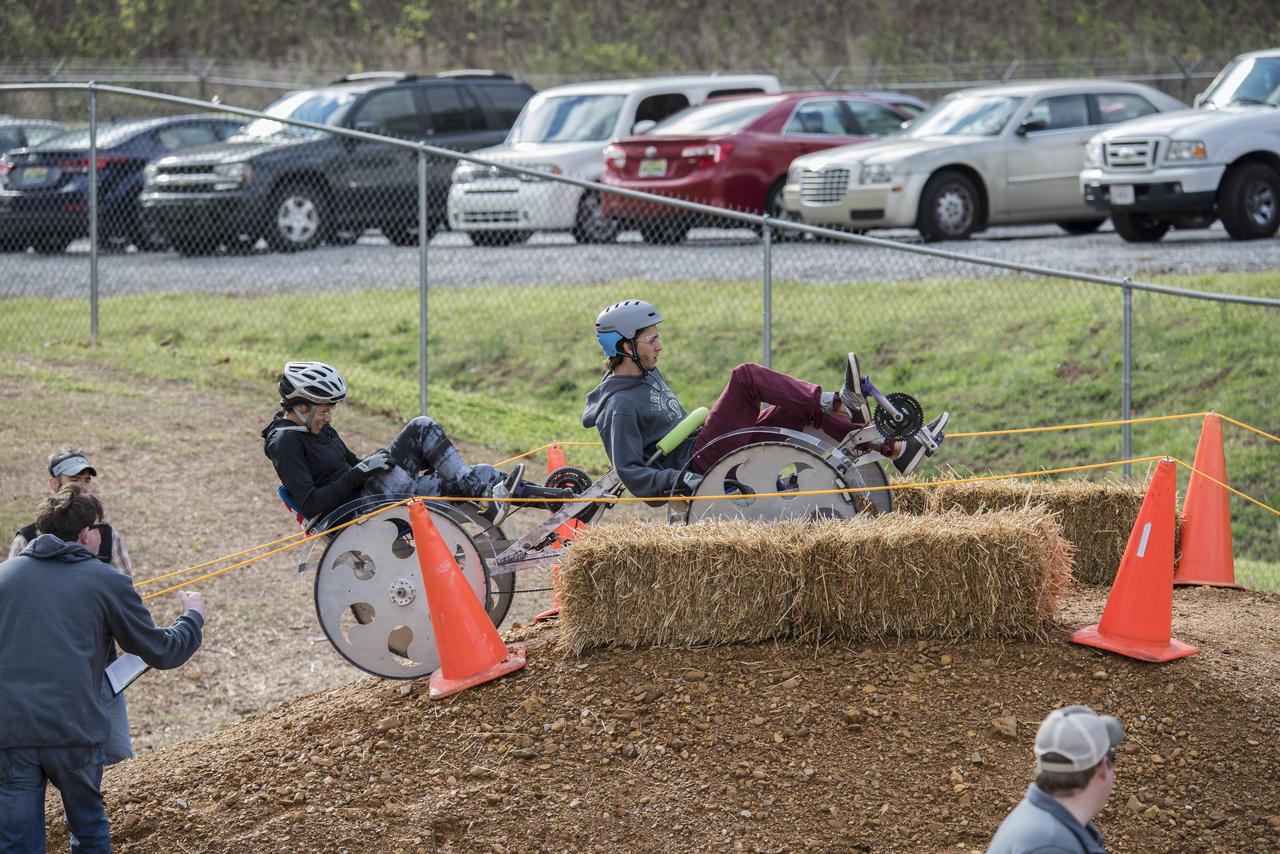
2017 Exploration Rover Challenge events at the U.S. Space and Rocket Center in Huntsville, Alabama. High school and college students from around the U.S. and the world come together for this 2 day event which challenges them to compete for the fastest time as well as technical design of the actual rover itself.
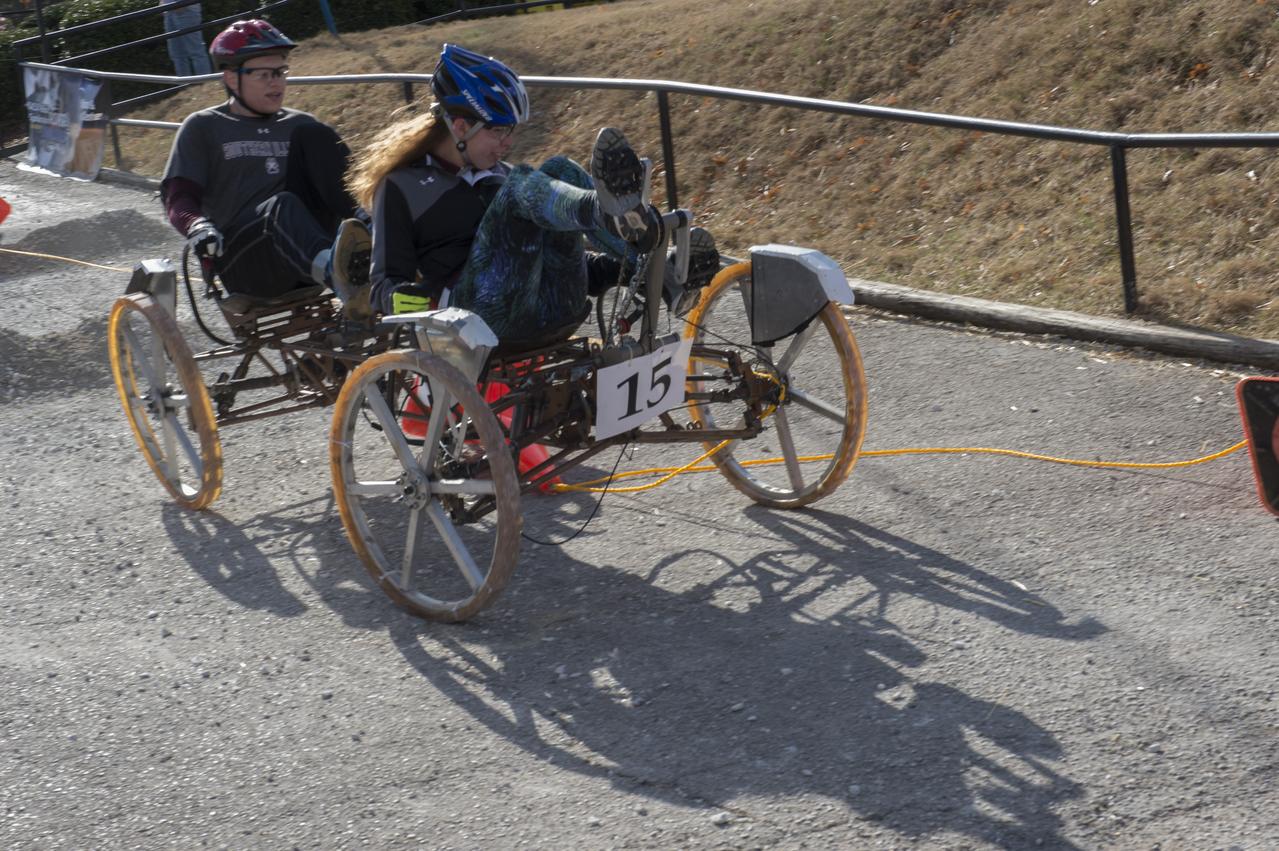
2017 Exploration Rover Challenge events at the U.S. Space and Rocket Center in Huntsville, Alabama. High school and college students from around the U.S. and the world come together for this 2 day event which challenges them to compete for the fastest time as well as technical design of the actual rover itself.
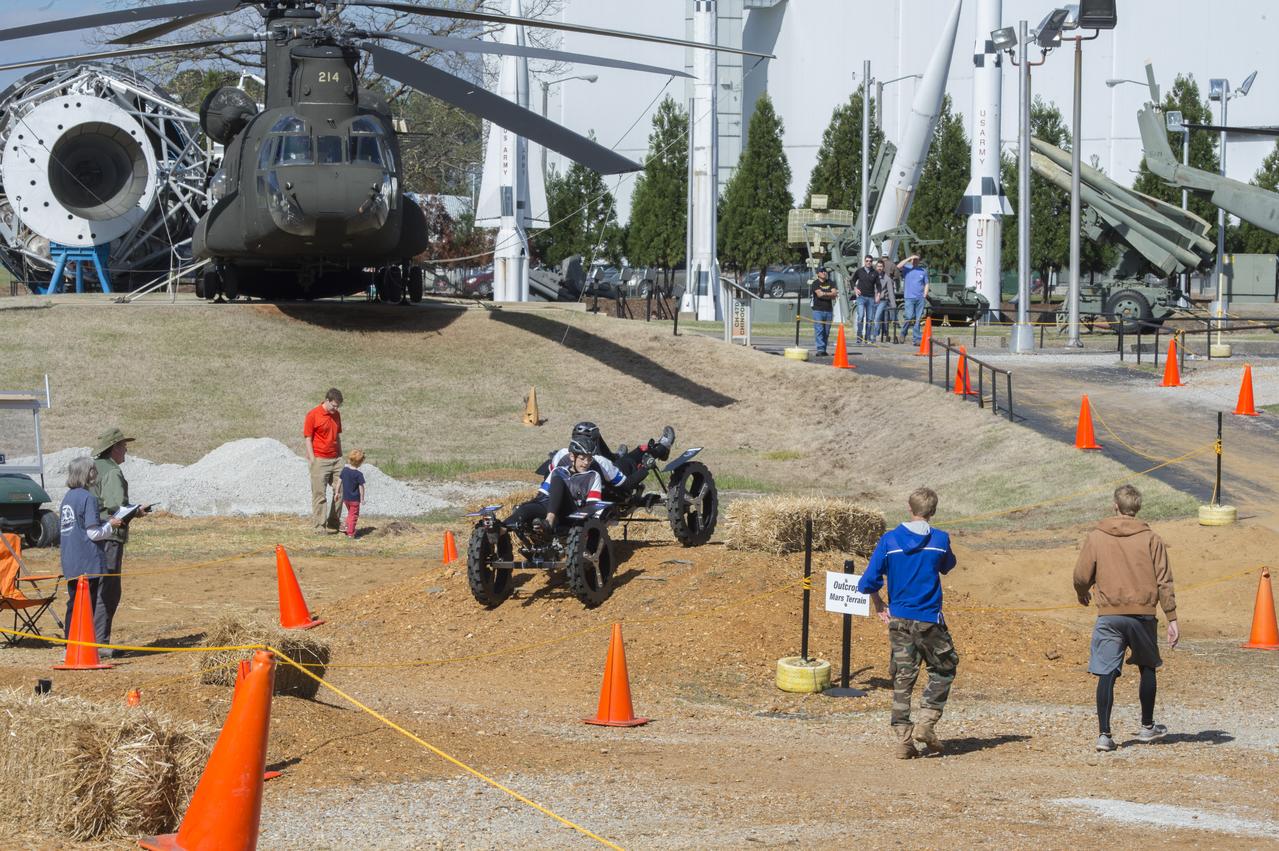
2017 Exploration Rover Challenge events at the U.S. Space and Rocket Center in Huntsville, Alabama. High school and college students from around the U.S. and the world come together for this 2 day event which challenges them to compete for the fastest time as well as technical design of the actual rover itself.
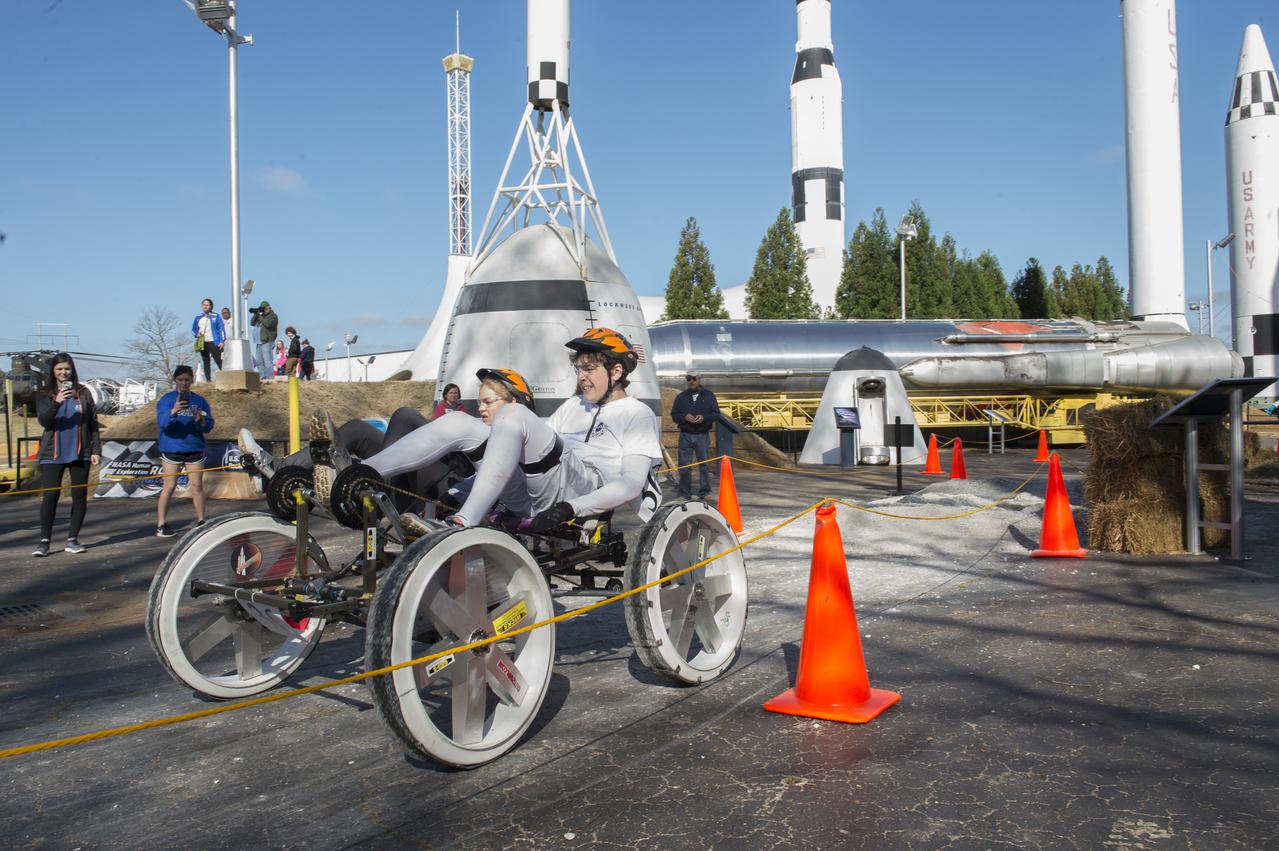
2017 Exploration Rover Challenge events at the U.S. Space and Rocket Center in Huntsville, Alabama. High school and college students from around the U.S. and the world come together for this 2 day event which challenges them to compete for the fastest time as well as technical design of the actual rover itself.
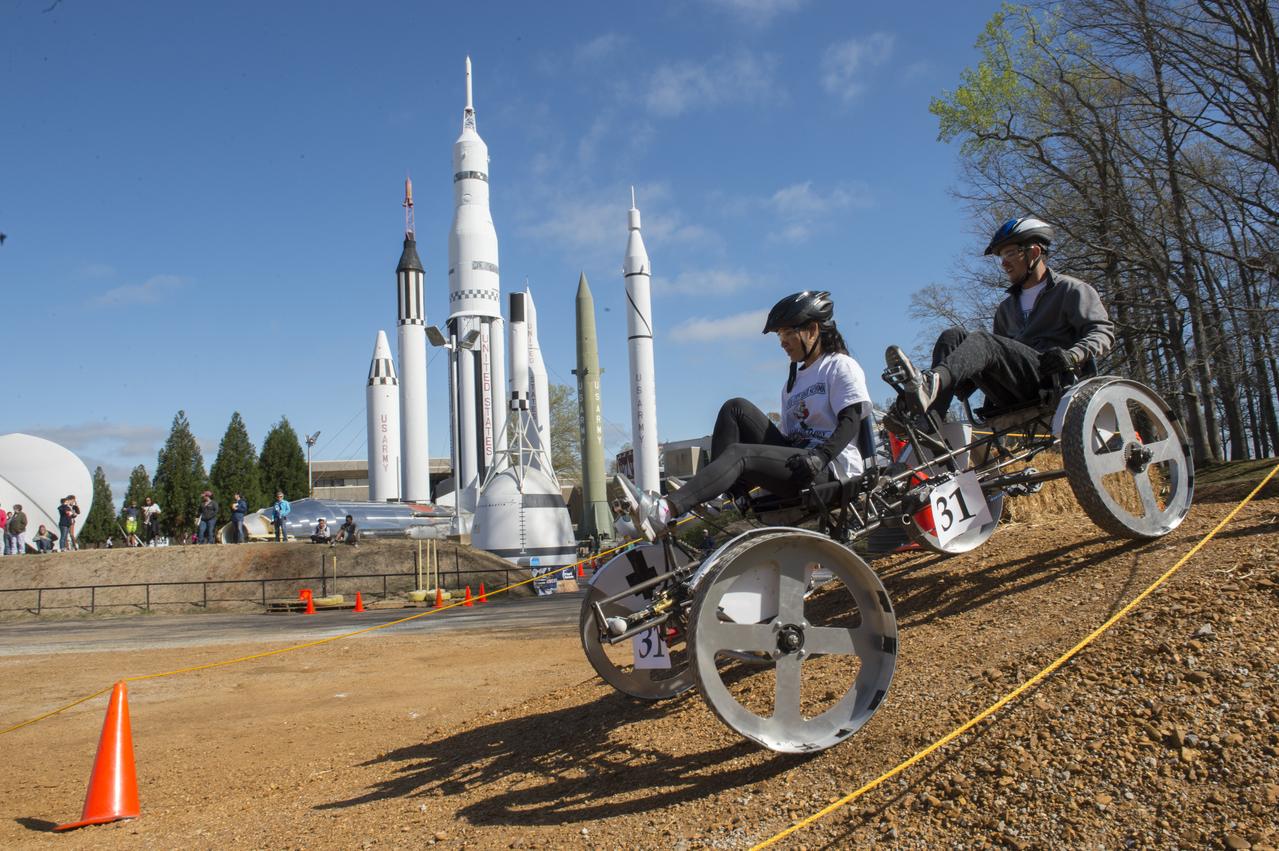
2017 Exploration Rover Challenge events at the U.S. Space and Rocket Center in Huntsville, Alabama. High school and college students from around the U.S. and the world come together for this 2 day event which challenges them to compete for the fastest time as well as technical design of the actual rover itself.
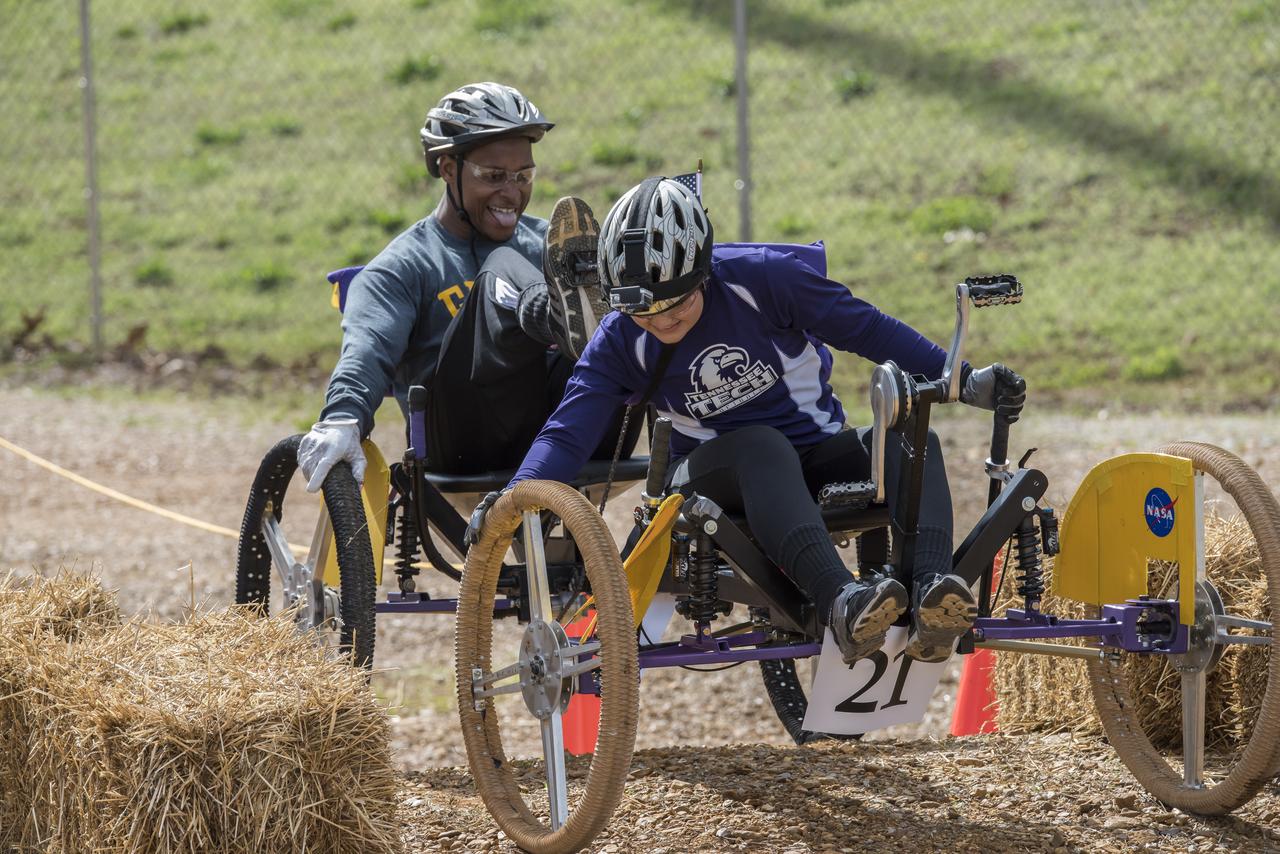
2017 Exploration Rover Challenge events at the U.S. Space and Rocket Center in Huntsville, Alabama. High school and college students from around the U.S. and the world come together for this 2 day event which challenges them to compete for the fastest time as well as technical design of the actual rover itself.
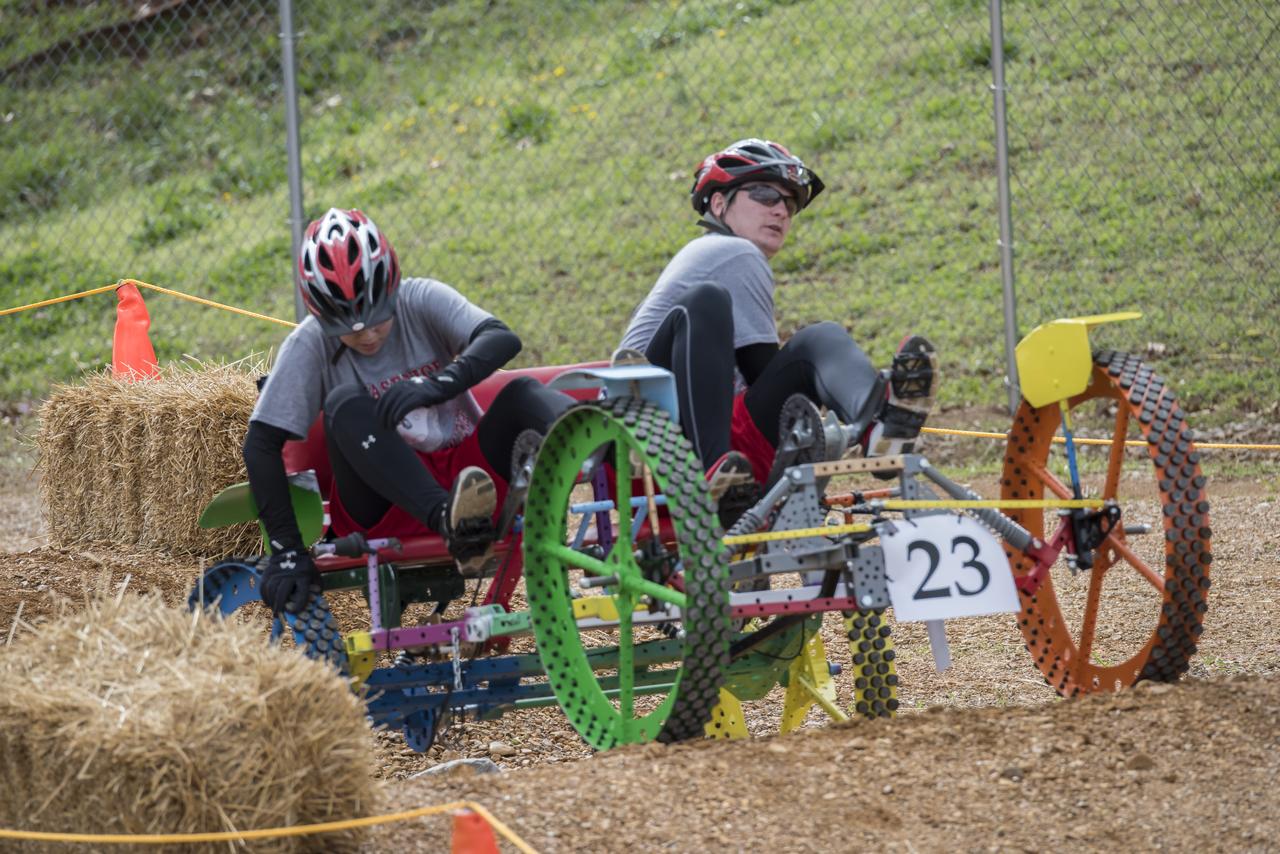
2017 Exploration Rover Challenge events at the U.S. Space and Rocket Center in Huntsville, Alabama. High school and college students from around the U.S. and the world come together for this 2 day event which challenges them to compete for the fastest time as well as technical design of the actual rover itself.
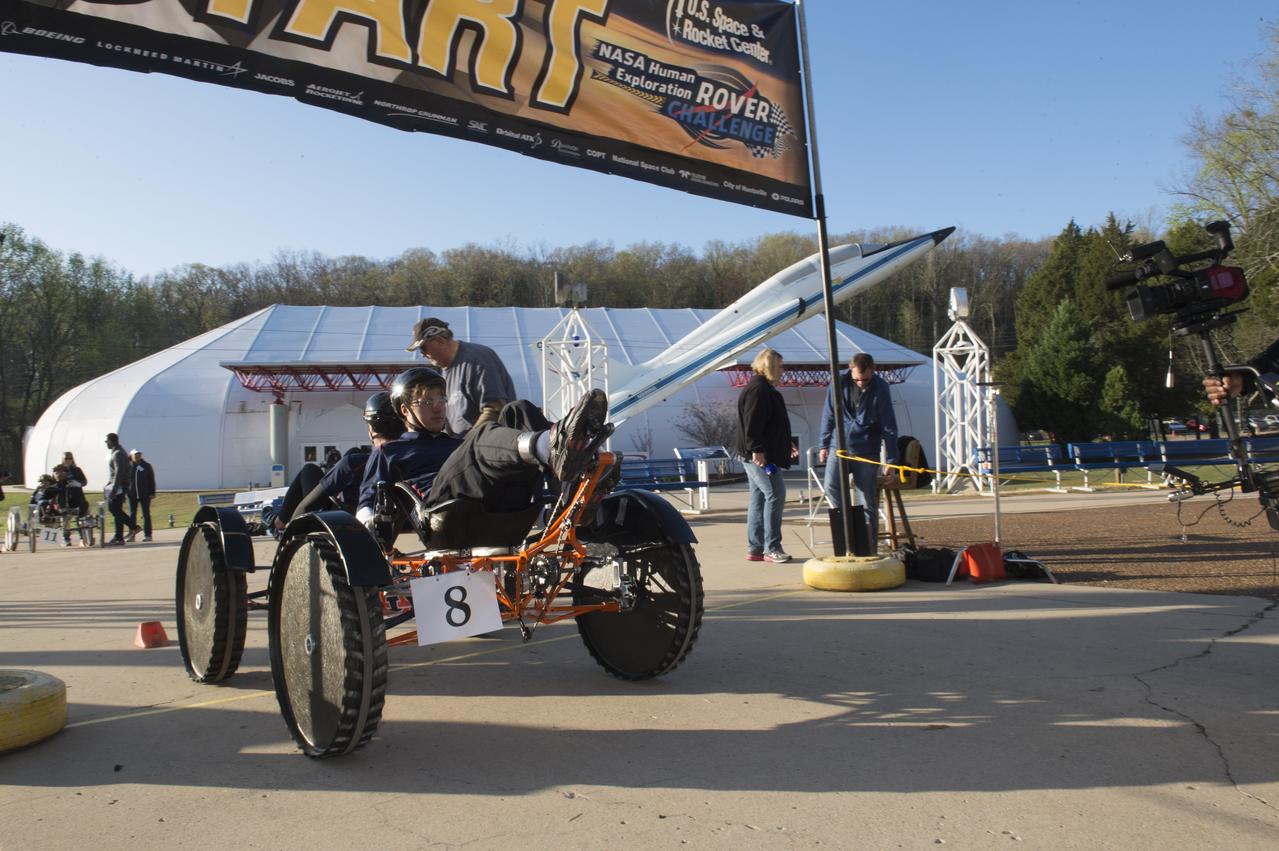
2017 Exploration Rover Challenge events at the U.S. Space and Rocket Center in Huntsville, Alabama. High school and college students from around the U.S. and the world come together for this 2 day event which challenges them to compete for the fastest time as well as technical design of the actual rover itself.
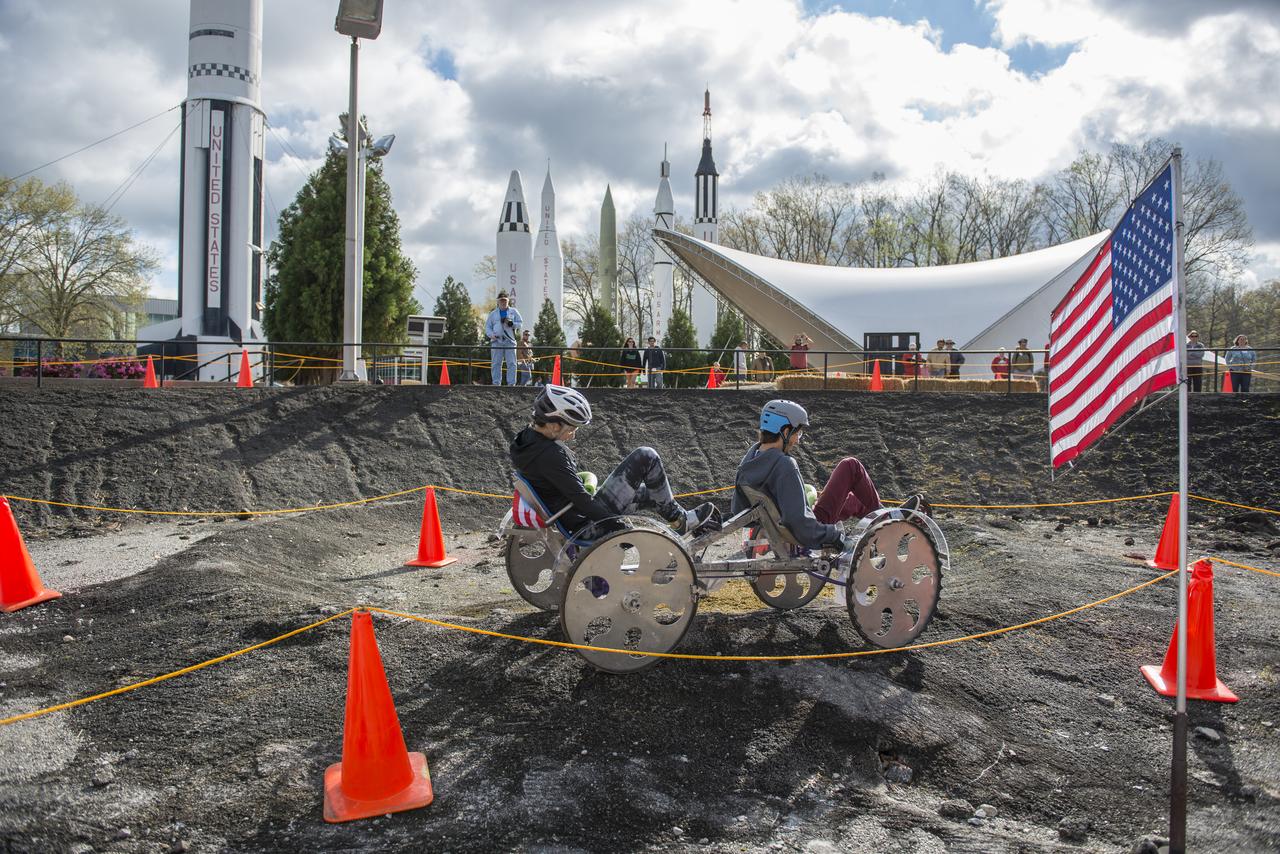
2017 Exploration Rover Challenge events at the U.S. Space and Rocket Center in Huntsville, Alabama. High school and college students from around the U.S. and the world come together for this 2 day event which challenges them to compete for the fastest time as well as technical design of the actual rover itself.

2017 Exploration Rover Challenge events at the U.S. Space and Rocket Center in Huntsville, Alabama. High school and college students from around the U.S. and the world come together for this 2 day event which challenges them to compete for the fastest time as well as technical design of the actual rover itself.
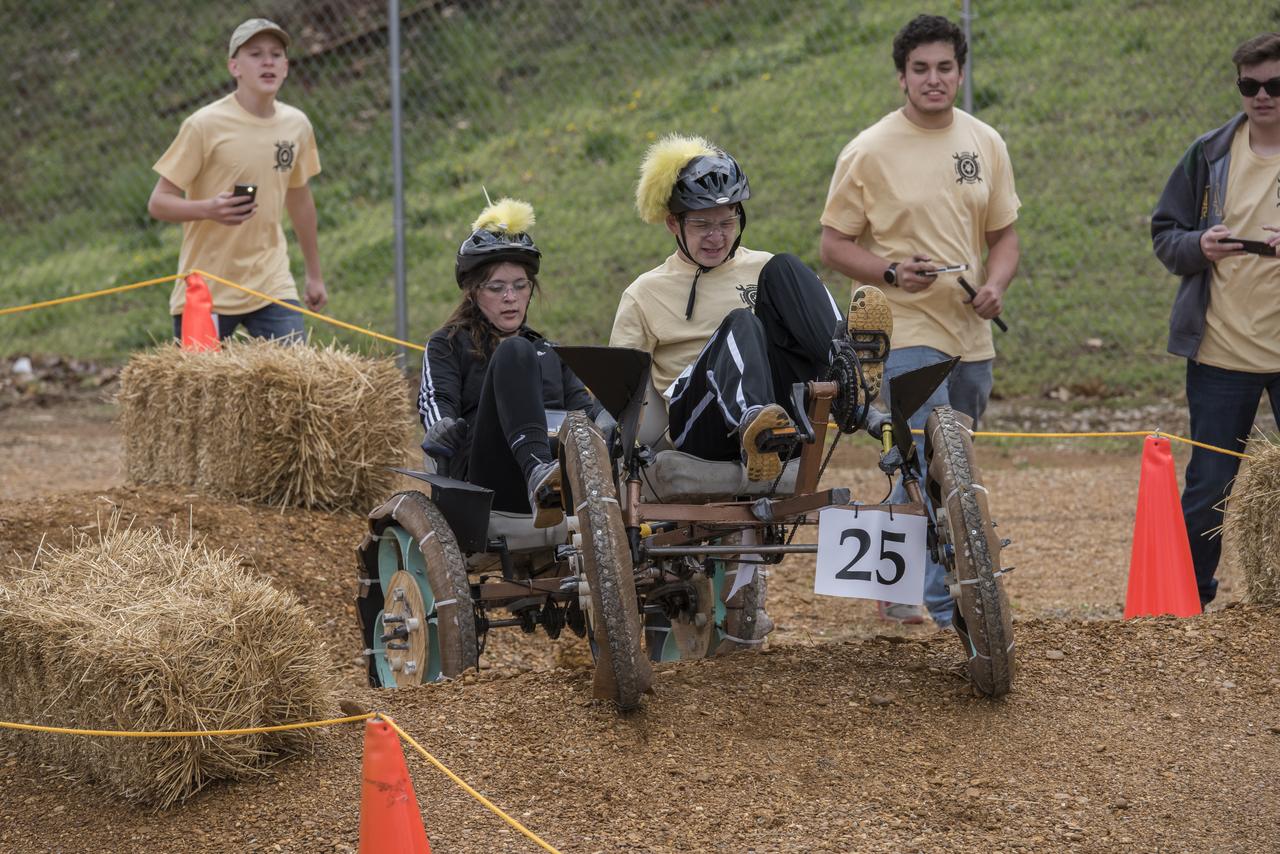
2017 Exploration Rover Challenge events at the U.S. Space and Rocket Center in Huntsville, Alabama. High school and college students from around the U.S. and the world come together for this 2 day event which challenges them to compete for the fastest time as well as technical design of the actual rover itself.
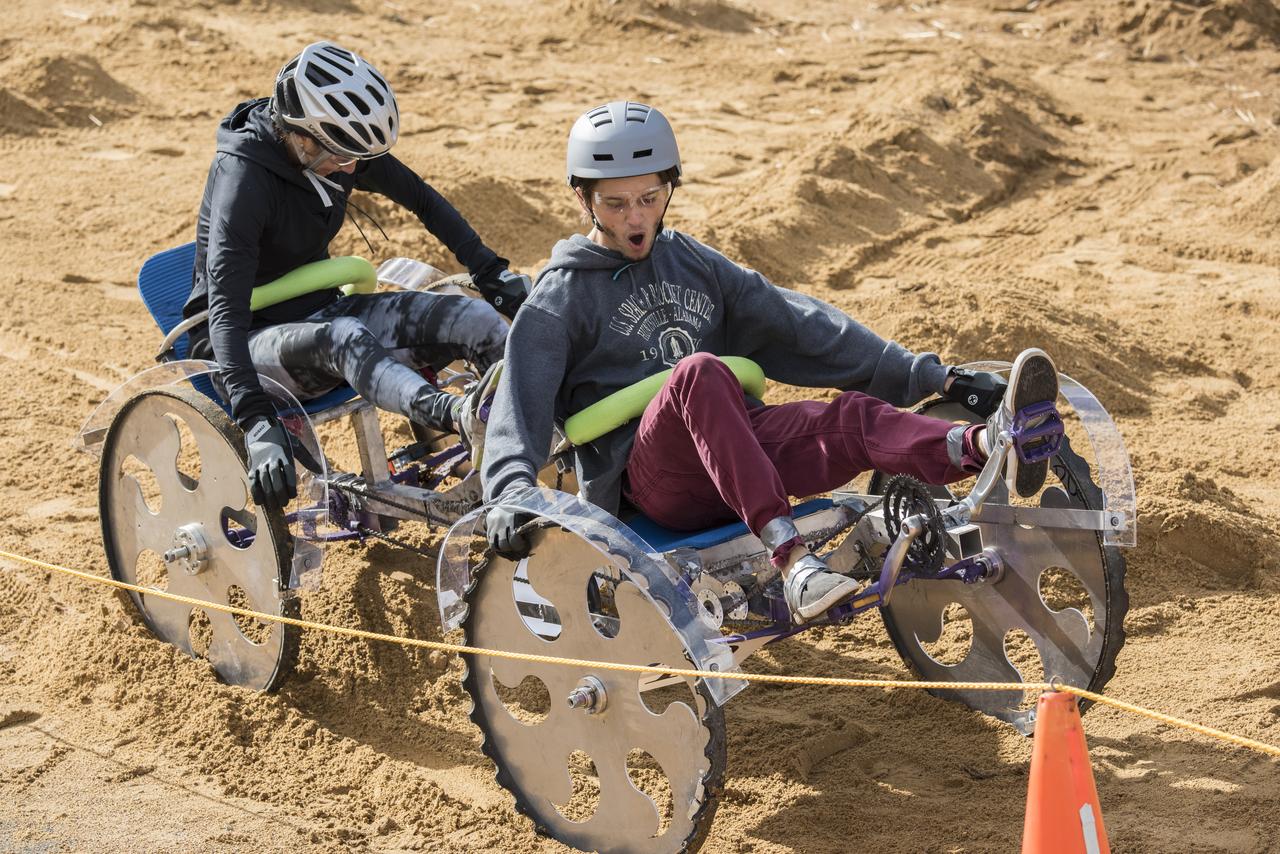
2017 Exploration Rover Challenge events at the U.S. Space and Rocket Center in Huntsville, Alabama. High school and college students from around the U.S. and the world come together for this 2 day event which challenges them to compete for the fastest time as well as technical design of the actual rover itself.
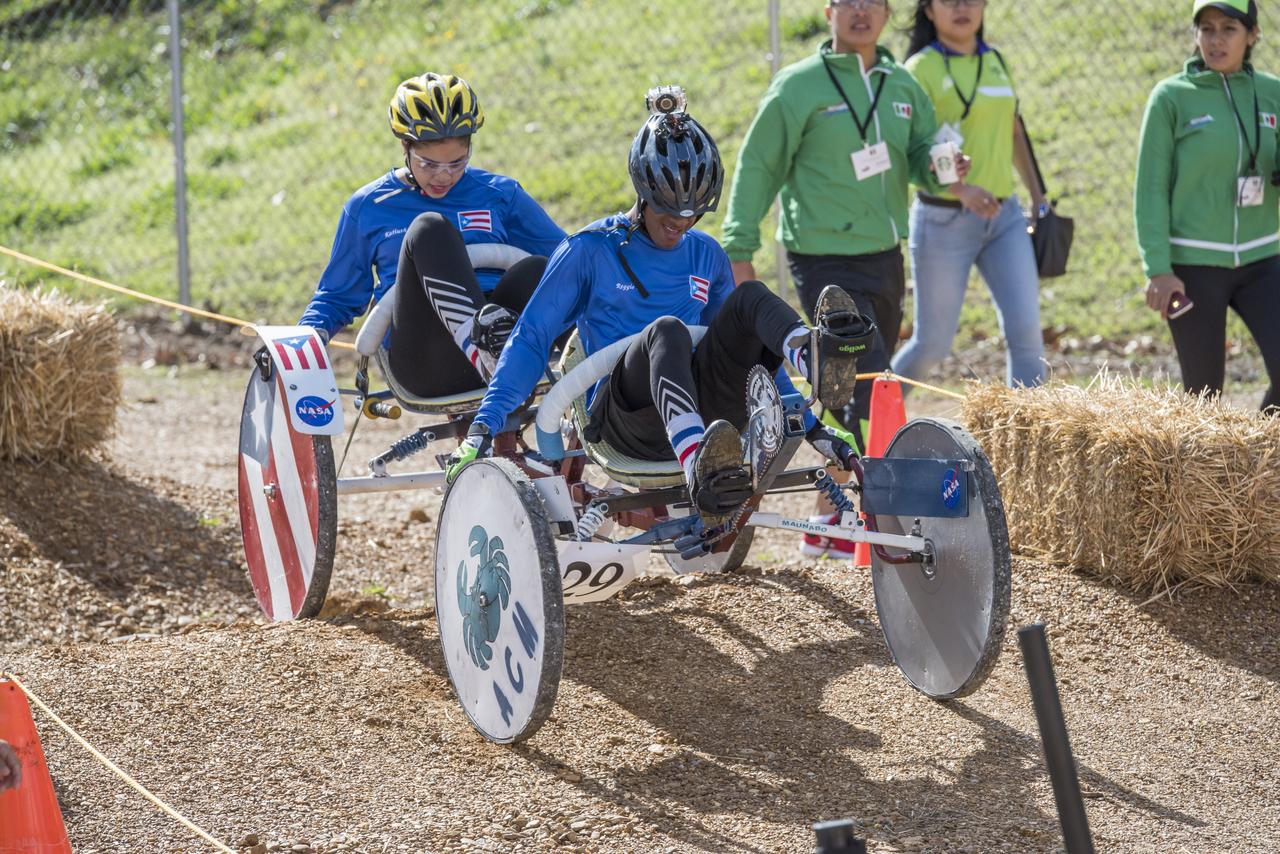
2017 Exploration Rover Challenge events at the U.S. Space and Rocket Center in Huntsville, Alabama. High school and college students from around the U.S. and the world come together for this 2 day event which challenges them to compete for the fastest time as well as technical design of the actual rover itself.
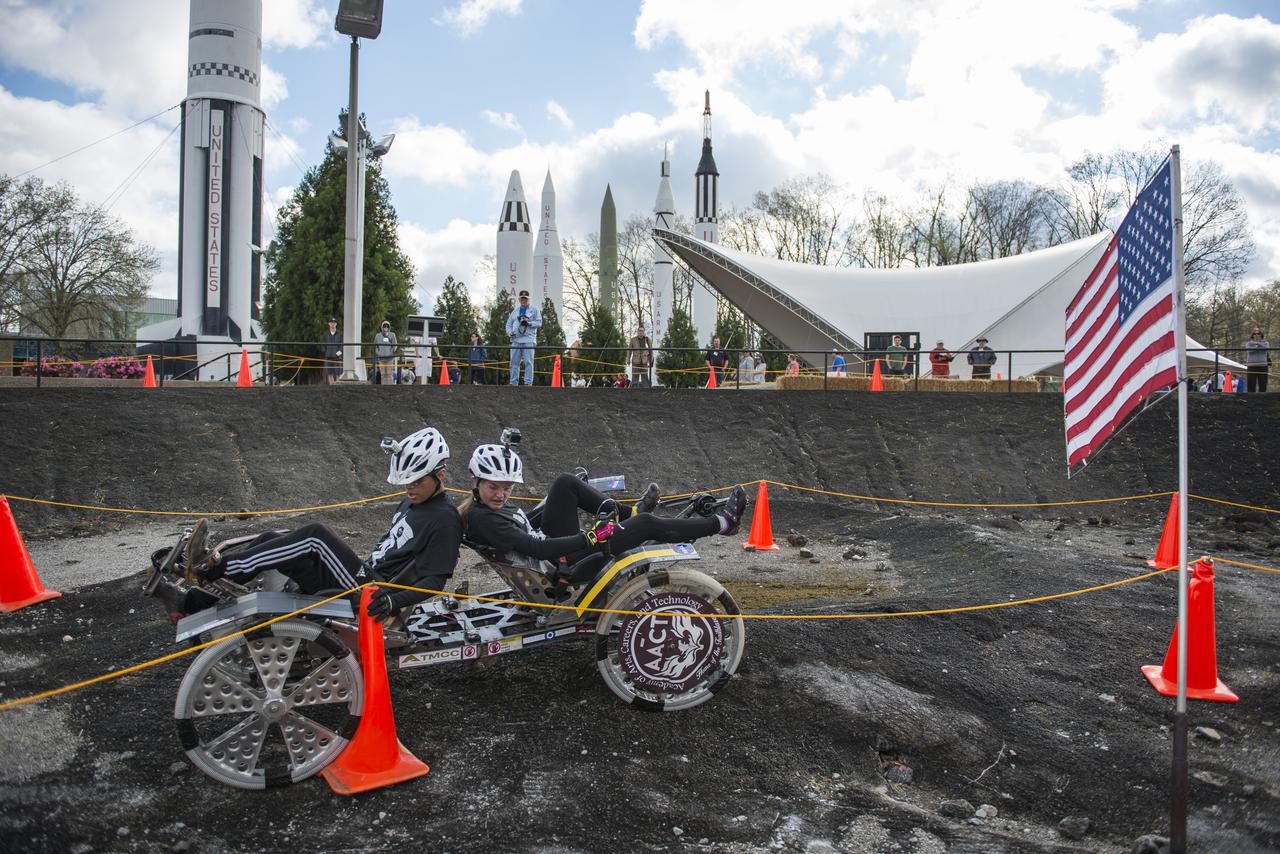
2017 Exploration Rover Challenge events at the U.S. Space and Rocket Center in Huntsville, Alabama. High school and college students from around the U.S. and the world come together for this 2 day event which challenges them to compete for the fastest time as well as technical design of the actual rover itself.
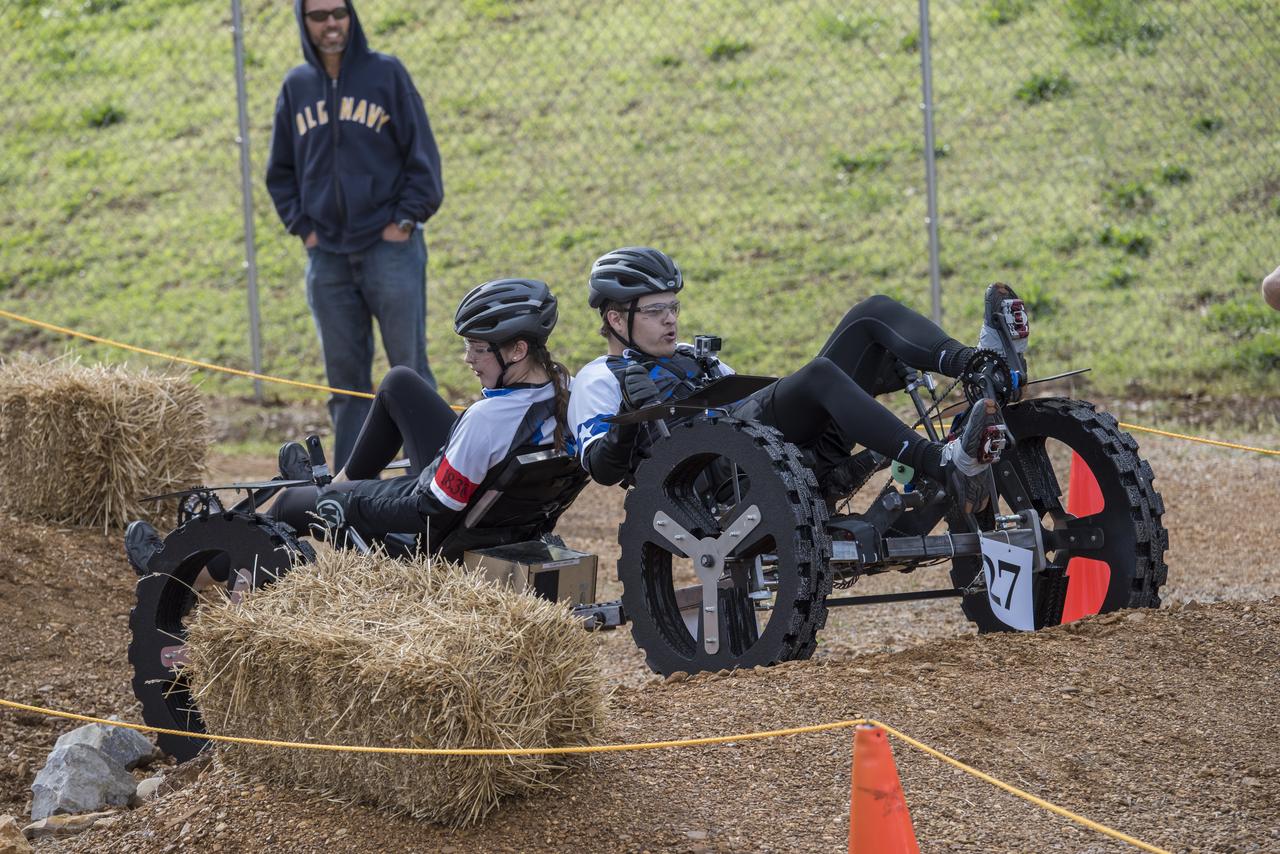
2017 Exploration Rover Challenge events at the U.S. Space and Rocket Center in Huntsville, Alabama. High school and college students from around the U.S. and the world come together for this 2 day event which challenges them to compete for the fastest time as well as technical design of the actual rover itself.

2017 Exploration Rover Challenge events at the U.S. Space and Rocket Center in Huntsville, Alabama. High school and college students from around the U.S. and the world come together for this 2 day event which challenges them to compete for the fastest time as well as technical design of the actual rover itself.
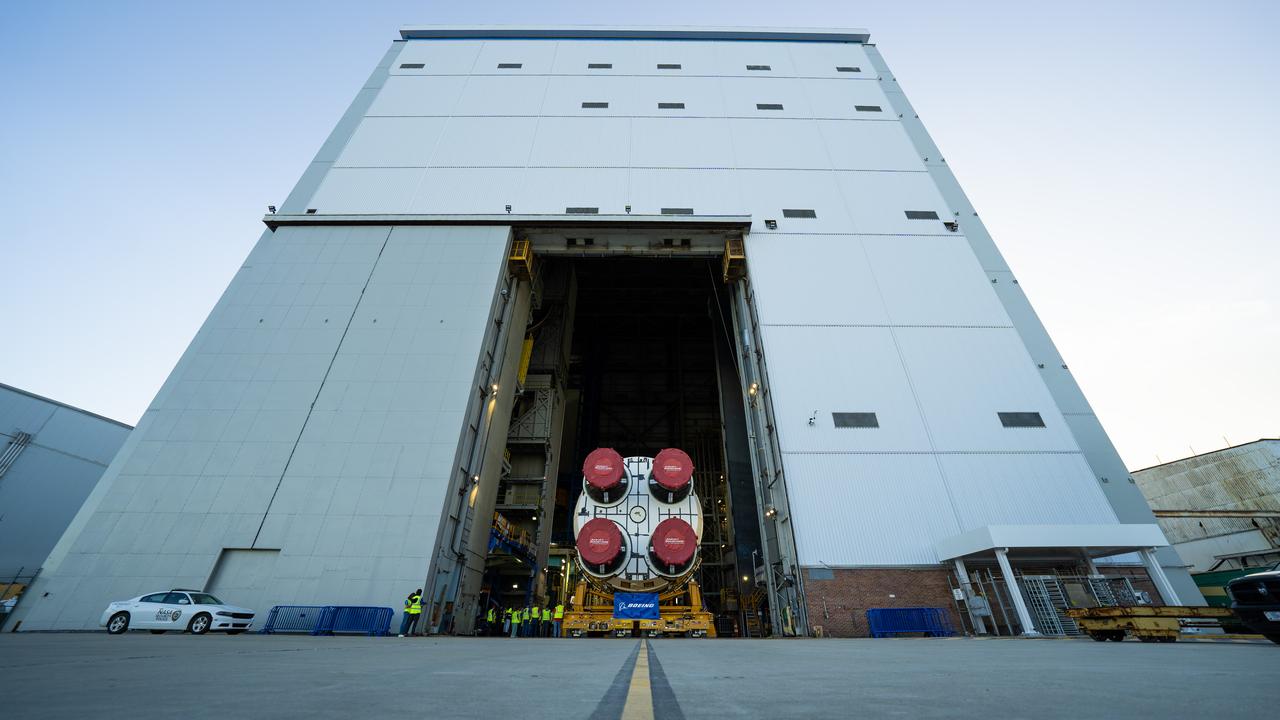
These images and videos show team members moving the first core stage that will help launch the first crewed flight of NASA’s SLS (Space Launch System) rocket for the agency’s Artemis II mission. The move marked the first time a fully assembled Moon rocket stage for a crewed mission has rolled out from NASA’s Michoud Assembly Facility in New Orleans since the Apollo Program, The core stage was moved onto the agency’s Pegasus barge, where it will be ferried to NASA’s Kennedy Space Center in Florida. The core stage for the SLS mega rocket is the largest stage NASA has ever produced. At 212 feet tall, the stage consists of five major elements, including two huge propellant tanks that collectively hold more than 733,000 gallons of super chilled liquid propellant to feed four RS-25 engines at its base. During launch and flight, the stage will operate for just over eight minutes, producing more than 2 million pounds of thrust to help send a crew of four astronauts inside NASA’s Orion spacecraft onward to the Moon. NASA is working to land the first woman, first person of color, and its first international partner astronaut on the Moon under Artemis. SLS is part of NASA’s backbone for deep space exploration, along with the Orion spacecraft and Gateway in orbit around the Moon and commercial human landing systems, next-generation space, next-generational spacesuits, and rovers on the lunar surface. SLS is the only rocket that can send Orion, astronauts, and supplies to the Moon in a single launch.
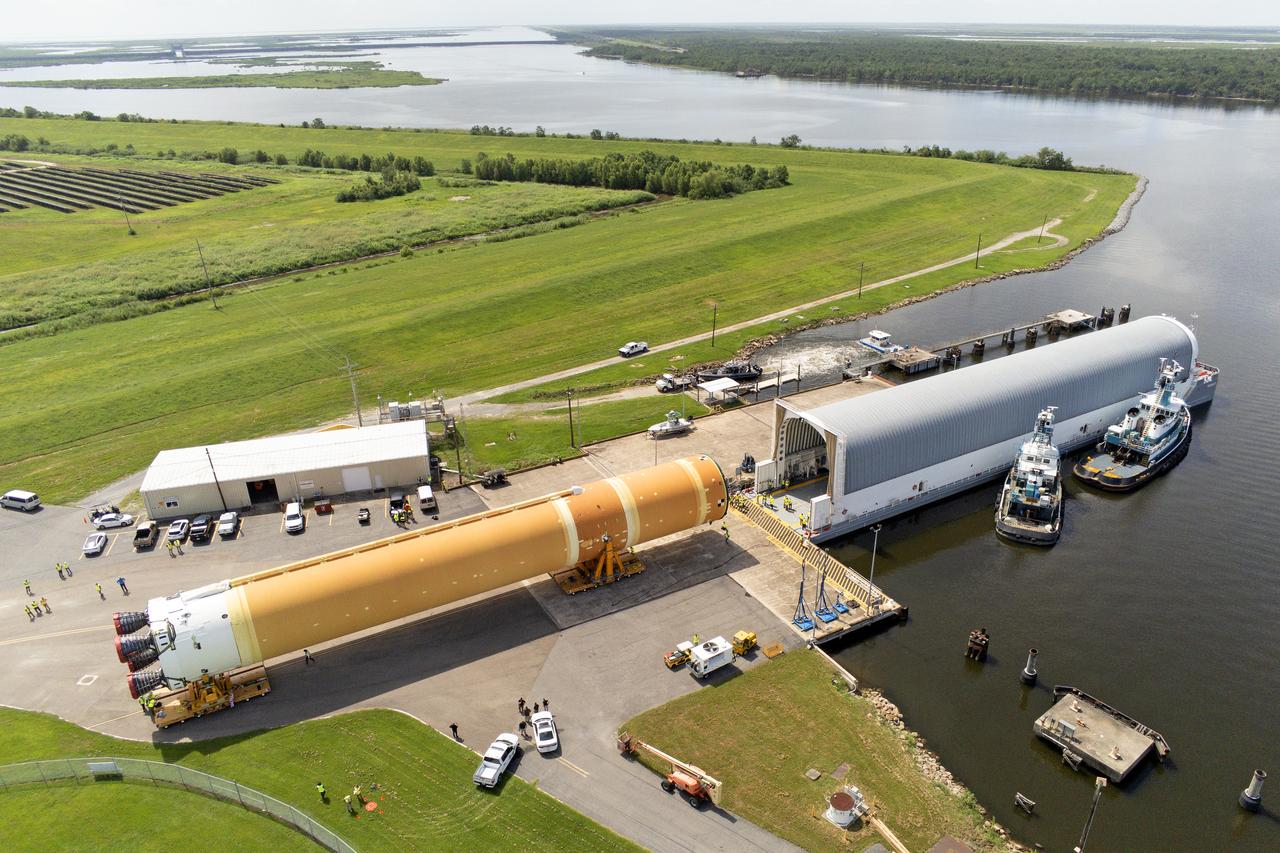
These images and videos show team members moving the first core stage that will help launch the first crewed flight of NASA’s SLS (Space Launch System) rocket for the agency’s Artemis II mission. The move marked the first time a fully assembled Moon rocket stage for a crewed mission has rolled out from NASA’s Michoud Assembly Facility in New Orleans since the Apollo Program, The core stage was moved onto the agency’s Pegasus barge, where it will be ferried to NASA’s Kennedy Space Center in Florida. The core stage for the SLS mega rocket is the largest stage NASA has ever produced. At 212 feet tall, the stage consists of five major elements, including two huge propellant tanks that collectively hold more than 733,000 gallons of super chilled liquid propellant to feed four RS-25 engines at its base. During launch and flight, the stage will operate for just over eight minutes, producing more than 2 million pounds of thrust to help send a crew of four astronauts inside NASA’s Orion spacecraft onward to the Moon. NASA is working to land the first woman, first person of color, and its first international partner astronaut on the Moon under Artemis. SLS is part of NASA’s backbone for deep space exploration, along with the Orion spacecraft and Gateway in orbit around the Moon and commercial human landing systems, next-generation space, next-generational spacesuits, and rovers on the lunar surface. SLS is the only rocket that can send Orion, astronauts, and supplies to the Moon in a single launch.
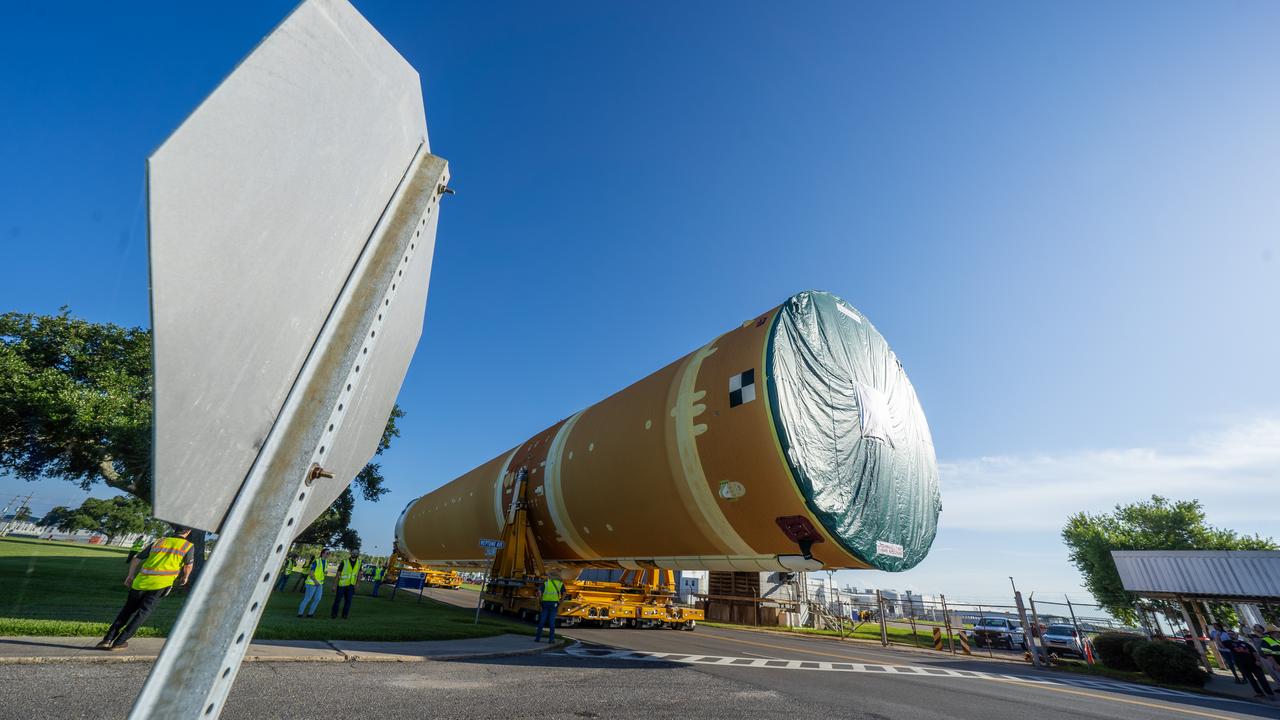
These images and videos show team members moving the first core stage that will help launch the first crewed flight of NASA’s SLS (Space Launch System) rocket for the agency’s Artemis II mission. The move marked the first time a fully assembled Moon rocket stage for a crewed mission has rolled out from NASA’s Michoud Assembly Facility in New Orleans since the Apollo Program, The core stage was moved onto the agency’s Pegasus barge, where it will be ferried to NASA’s Kennedy Space Center in Florida. The core stage for the SLS mega rocket is the largest stage NASA has ever produced. At 212 feet tall, the stage consists of five major elements, including two huge propellant tanks that collectively hold more than 733,000 gallons of super chilled liquid propellant to feed four RS-25 engines at its base. During launch and flight, the stage will operate for just over eight minutes, producing more than 2 million pounds of thrust to help send a crew of four astronauts inside NASA’s Orion spacecraft onward to the Moon. NASA is working to land the first woman, first person of color, and its first international partner astronaut on the Moon under Artemis. SLS is part of NASA’s backbone for deep space exploration, along with the Orion spacecraft and Gateway in orbit around the Moon and commercial human landing systems, next-generation space, next-generational spacesuits, and rovers on the lunar surface. SLS is the only rocket that can send Orion, astronauts, and supplies to the Moon in a single launch.
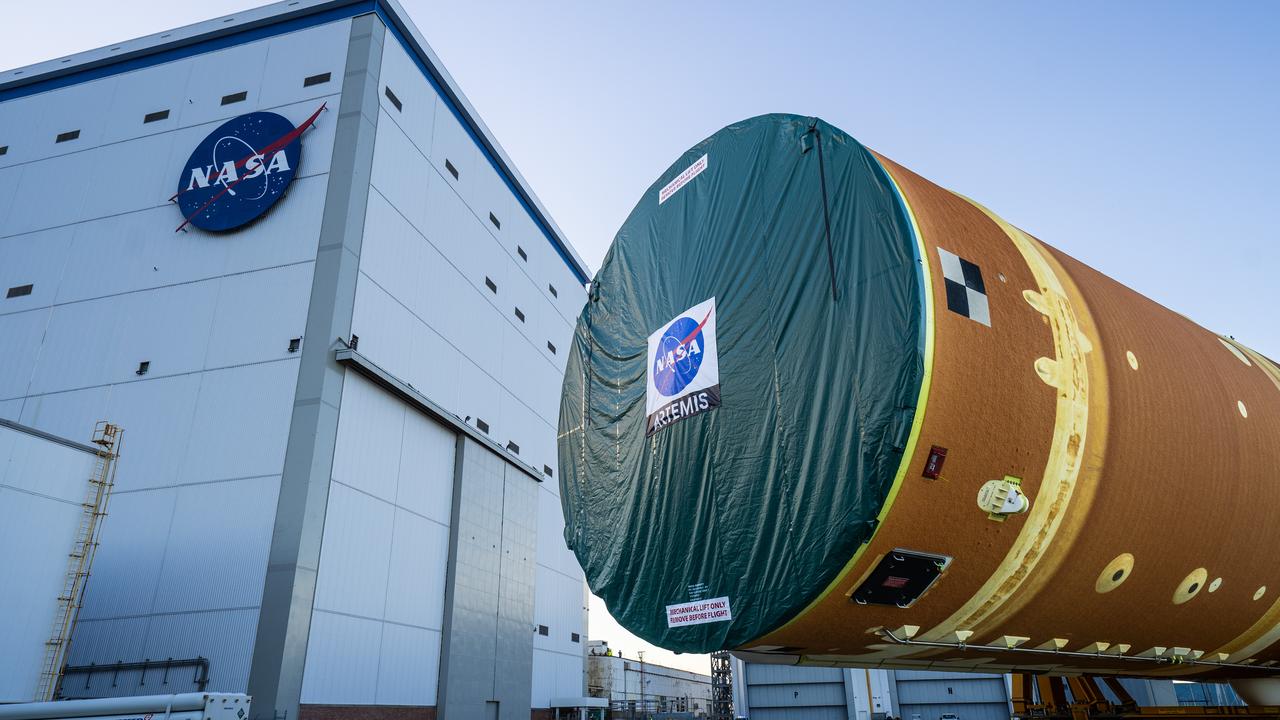
These images and videos show team members moving the first core stage that will help launch the first crewed flight of NASA’s SLS (Space Launch System) rocket for the agency’s Artemis II mission. The move marked the first time a fully assembled Moon rocket stage for a crewed mission has rolled out from NASA’s Michoud Assembly Facility in New Orleans since the Apollo Program, The core stage was moved onto the agency’s Pegasus barge, where it will be ferried to NASA’s Kennedy Space Center in Florida. The core stage for the SLS mega rocket is the largest stage NASA has ever produced. At 212 feet tall, the stage consists of five major elements, including two huge propellant tanks that collectively hold more than 733,000 gallons of super chilled liquid propellant to feed four RS-25 engines at its base. During launch and flight, the stage will operate for just over eight minutes, producing more than 2 million pounds of thrust to help send a crew of four astronauts inside NASA’s Orion spacecraft onward to the Moon. NASA is working to land the first woman, first person of color, and its first international partner astronaut on the Moon under Artemis. SLS is part of NASA’s backbone for deep space exploration, along with the Orion spacecraft and Gateway in orbit around the Moon and commercial human landing systems, next-generation space, next-generational spacesuits, and rovers on the lunar surface. SLS is the only rocket that can send Orion, astronauts, and supplies to the Moon in a single launch.
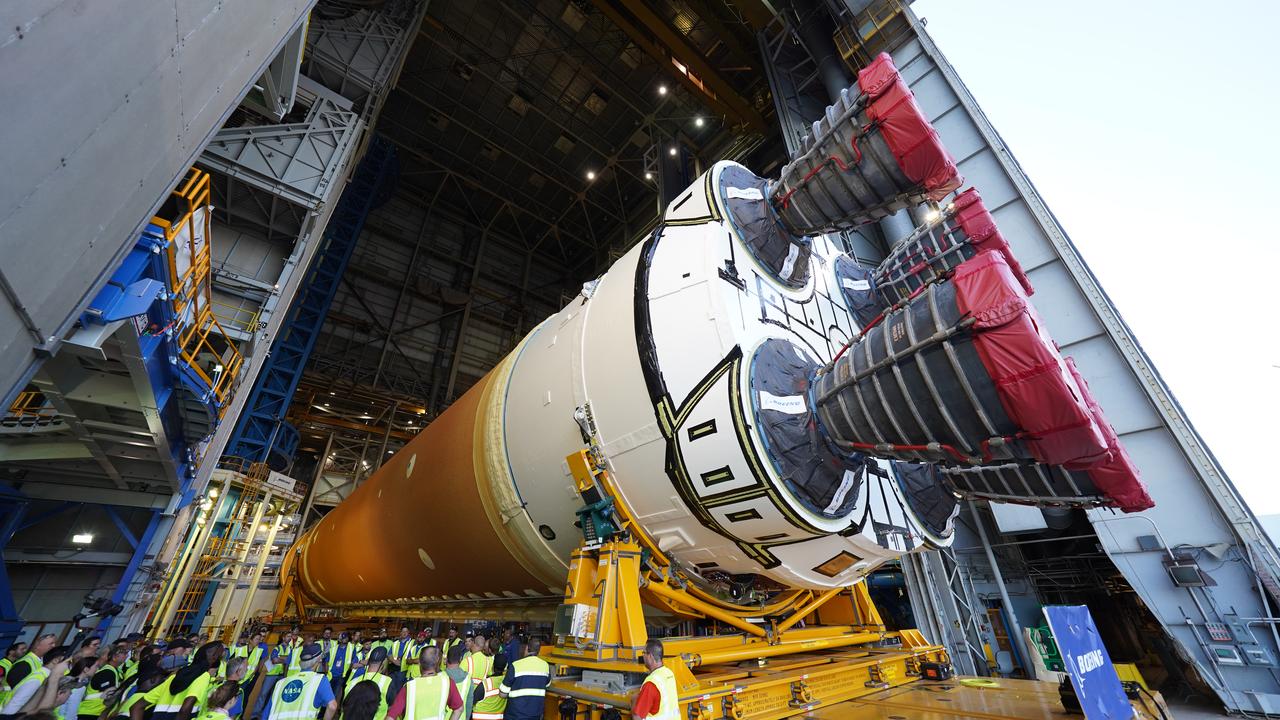
These images and videos show team members moving the first core stage that will help launch the first crewed flight of NASA’s SLS (Space Launch System) rocket for the agency’s Artemis II mission. The move marked the first time a fully assembled Moon rocket stage for a crewed mission has rolled out from NASA’s Michoud Assembly Facility in New Orleans since the Apollo Program, The core stage was moved onto the agency’s Pegasus barge, where it will be ferried to NASA’s Kennedy Space Center in Florida. The core stage for the SLS mega rocket is the largest stage NASA has ever produced. At 212 feet tall, the stage consists of five major elements, including two huge propellant tanks that collectively hold more than 733,000 gallons of super chilled liquid propellant to feed four RS-25 engines at its base. During launch and flight, the stage will operate for just over eight minutes, producing more than 2 million pounds of thrust to help send a crew of four astronauts inside NASA’s Orion spacecraft onward to the Moon. NASA is working to land the first woman, first person of color, and its first international partner astronaut on the Moon under Artemis. SLS is part of NASA’s backbone for deep space exploration, along with the Orion spacecraft and Gateway in orbit around the Moon and commercial human landing systems, next-generation space, next-generational spacesuits, and rovers on the lunar surface. SLS is the only rocket that can send Orion, astronauts, and supplies to the Moon in a single launch.
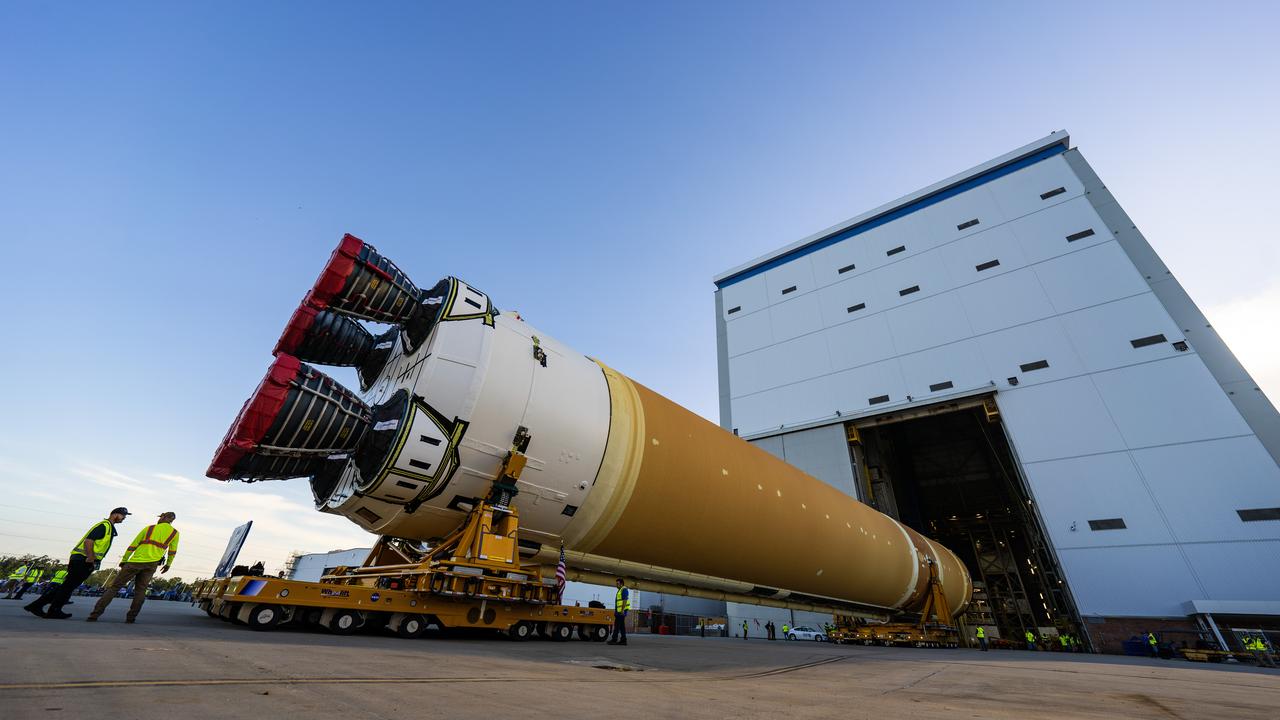
These images and videos show team members moving the first core stage that will help launch the first crewed flight of NASA’s SLS (Space Launch System) rocket for the agency’s Artemis II mission. The move marked the first time a fully assembled Moon rocket stage for a crewed mission has rolled out from NASA’s Michoud Assembly Facility in New Orleans since the Apollo Program, The core stage was moved onto the agency’s Pegasus barge, where it will be ferried to NASA’s Kennedy Space Center in Florida. The core stage for the SLS mega rocket is the largest stage NASA has ever produced. At 212 feet tall, the stage consists of five major elements, including two huge propellant tanks that collectively hold more than 733,000 gallons of super chilled liquid propellant to feed four RS-25 engines at its base. During launch and flight, the stage will operate for just over eight minutes, producing more than 2 million pounds of thrust to help send a crew of four astronauts inside NASA’s Orion spacecraft onward to the Moon. NASA is working to land the first woman, first person of color, and its first international partner astronaut on the Moon under Artemis. SLS is part of NASA’s backbone for deep space exploration, along with the Orion spacecraft and Gateway in orbit around the Moon and commercial human landing systems, next-generation space, next-generational spacesuits, and rovers on the lunar surface. SLS is the only rocket that can send Orion, astronauts, and supplies to the Moon in a single launch.
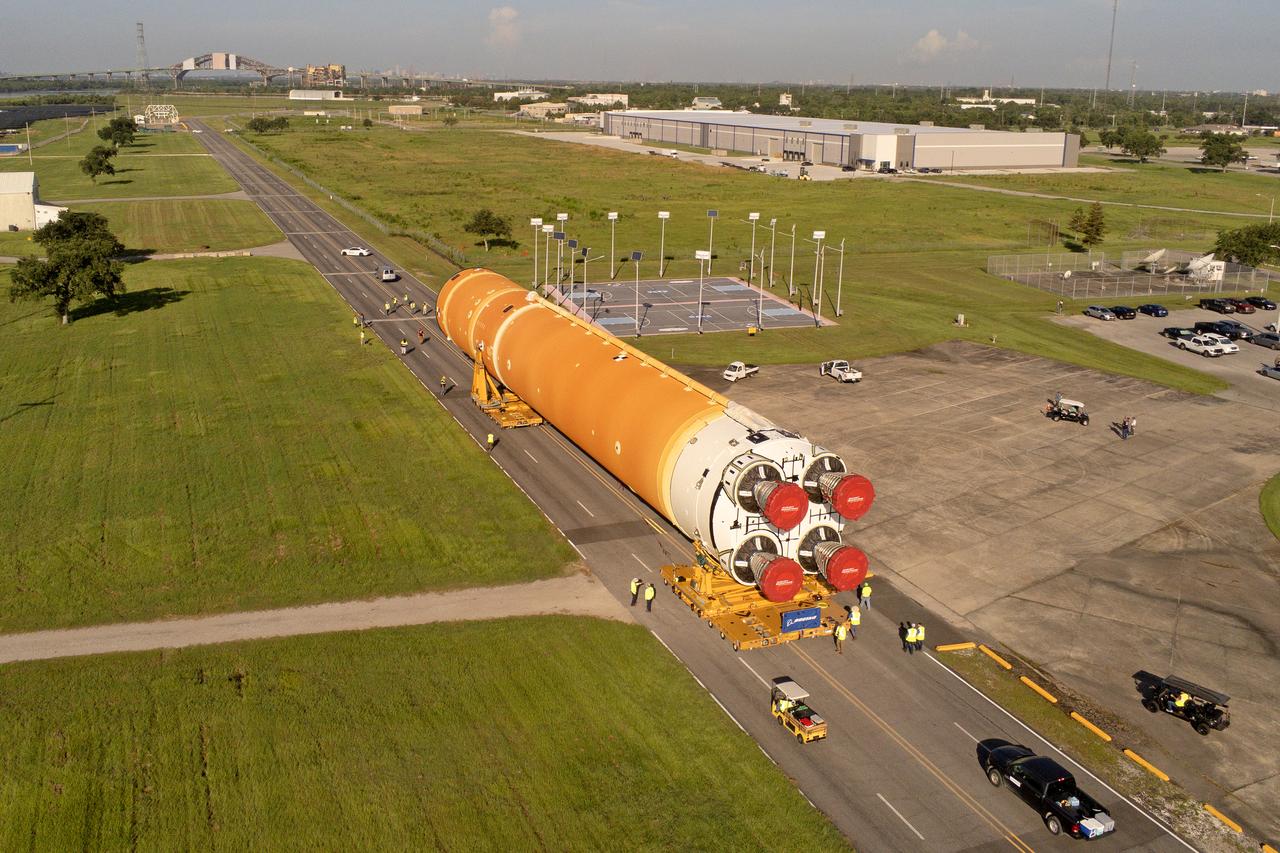
These images and videos show team members moving the first core stage that will help launch the first crewed flight of NASA’s SLS (Space Launch System) rocket for the agency’s Artemis II mission. The move marked the first time a fully assembled Moon rocket stage for a crewed mission has rolled out from NASA’s Michoud Assembly Facility in New Orleans since the Apollo Program, The core stage was moved onto the agency’s Pegasus barge, where it will be ferried to NASA’s Kennedy Space Center in Florida. The core stage for the SLS mega rocket is the largest stage NASA has ever produced. At 212 feet tall, the stage consists of five major elements, including two huge propellant tanks that collectively hold more than 733,000 gallons of super chilled liquid propellant to feed four RS-25 engines at its base. During launch and flight, the stage will operate for just over eight minutes, producing more than 2 million pounds of thrust to help send a crew of four astronauts inside NASA’s Orion spacecraft onward to the Moon. NASA is working to land the first woman, first person of color, and its first international partner astronaut on the Moon under Artemis. SLS is part of NASA’s backbone for deep space exploration, along with the Orion spacecraft and Gateway in orbit around the Moon and commercial human landing systems, next-generation space, next-generational spacesuits, and rovers on the lunar surface. SLS is the only rocket that can send Orion, astronauts, and supplies to the Moon in a single launch.
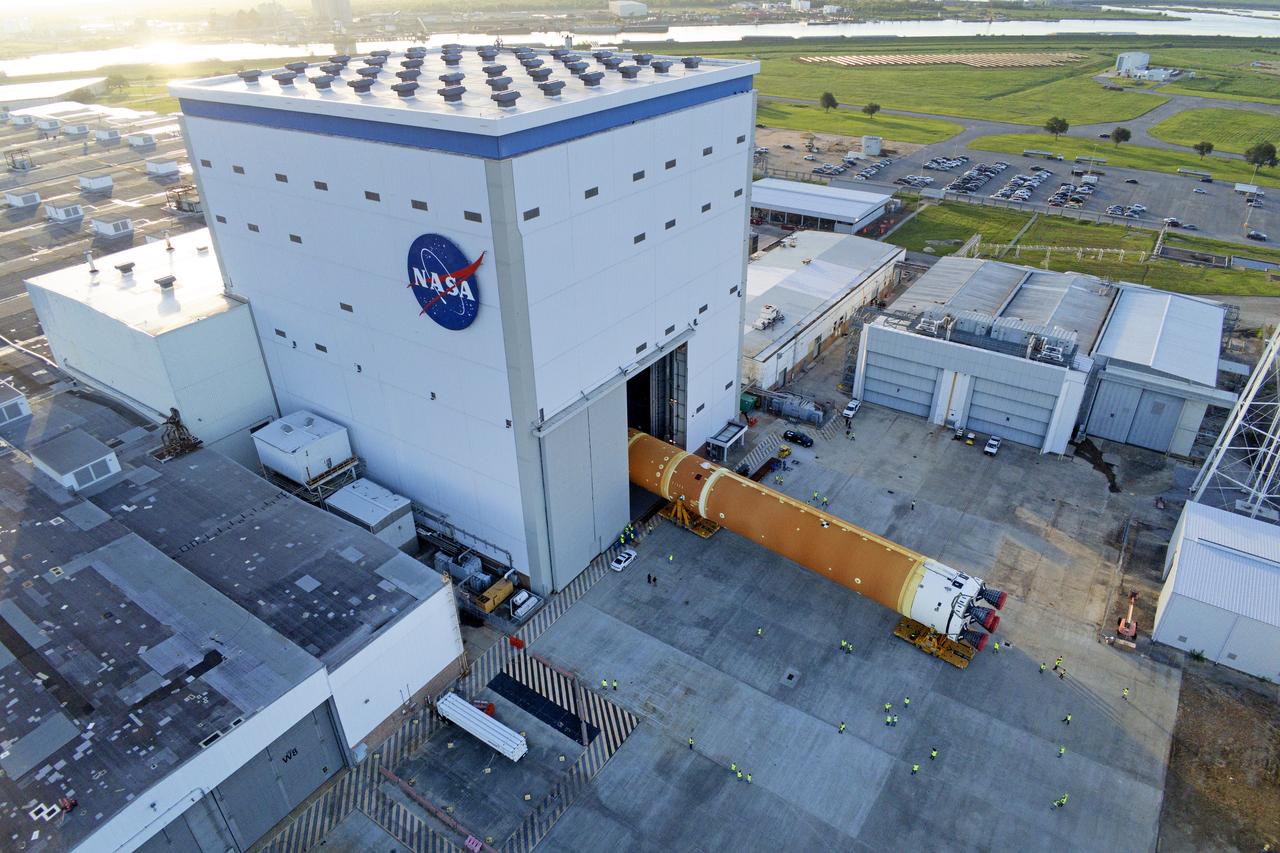
These images and videos show team members moving the first core stage that will help launch the first crewed flight of NASA’s SLS (Space Launch System) rocket for the agency’s Artemis II mission. The move marked the first time a fully assembled Moon rocket stage for a crewed mission has rolled out from NASA’s Michoud Assembly Facility in New Orleans since the Apollo Program, The core stage was moved onto the agency’s Pegasus barge, where it will be ferried to NASA’s Kennedy Space Center in Florida. The core stage for the SLS mega rocket is the largest stage NASA has ever produced. At 212 feet tall, the stage consists of five major elements, including two huge propellant tanks that collectively hold more than 733,000 gallons of super chilled liquid propellant to feed four RS-25 engines at its base. During launch and flight, the stage will operate for just over eight minutes, producing more than 2 million pounds of thrust to help send a crew of four astronauts inside NASA’s Orion spacecraft onward to the Moon. NASA is working to land the first woman, first person of color, and its first international partner astronaut on the Moon under Artemis. SLS is part of NASA’s backbone for deep space exploration, along with the Orion spacecraft and Gateway in orbit around the Moon and commercial human landing systems, next-generation space, next-generational spacesuits, and rovers on the lunar surface. SLS is the only rocket that can send Orion, astronauts, and supplies to the Moon in a single launch.
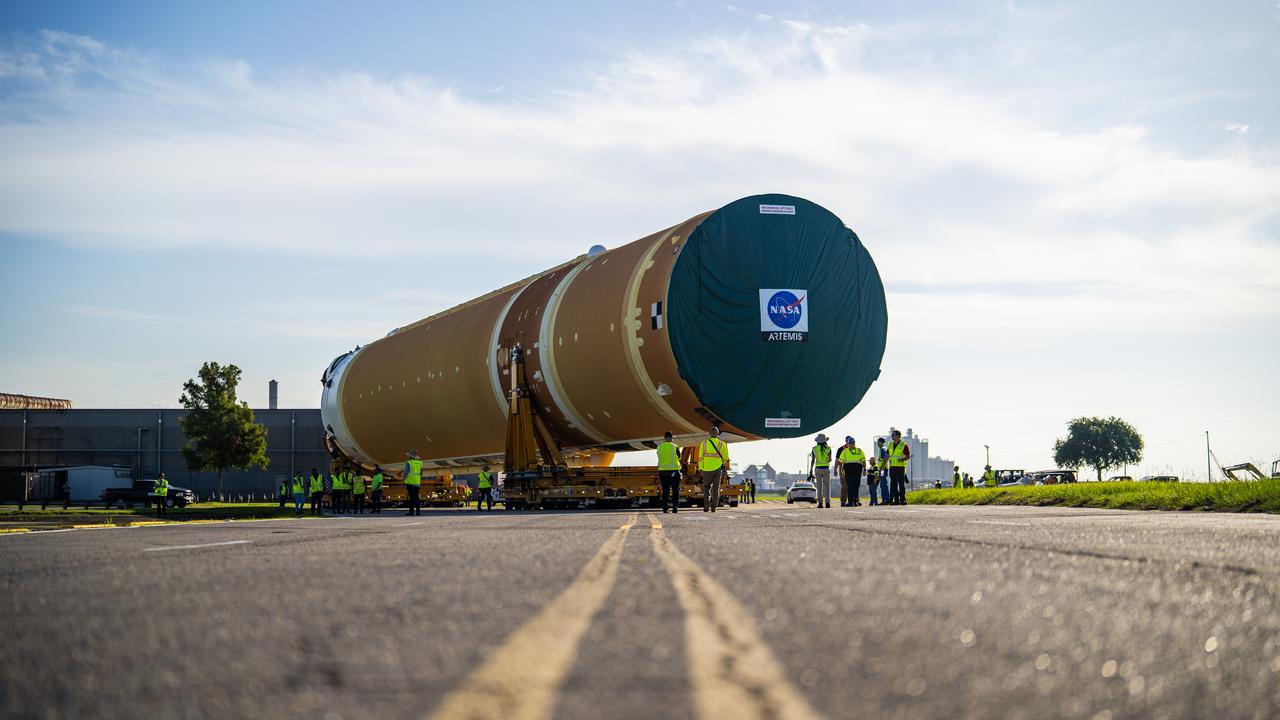
These images and videos show team members moving the first core stage that will help launch the first crewed flight of NASA’s SLS (Space Launch System) rocket for the agency’s Artemis II mission. The move marked the first time a fully assembled Moon rocket stage for a crewed mission has rolled out from NASA’s Michoud Assembly Facility in New Orleans since the Apollo Program, The core stage was moved onto the agency’s Pegasus barge, where it will be ferried to NASA’s Kennedy Space Center in Florida. The core stage for the SLS mega rocket is the largest stage NASA has ever produced. At 212 feet tall, the stage consists of five major elements, including two huge propellant tanks that collectively hold more than 733,000 gallons of super chilled liquid propellant to feed four RS-25 engines at its base. During launch and flight, the stage will operate for just over eight minutes, producing more than 2 million pounds of thrust to help send a crew of four astronauts inside NASA’s Orion spacecraft onward to the Moon. NASA is working to land the first woman, first person of color, and its first international partner astronaut on the Moon under Artemis. SLS is part of NASA’s backbone for deep space exploration, along with the Orion spacecraft and Gateway in orbit around the Moon and commercial human landing systems, next-generation space, next-generational spacesuits, and rovers on the lunar surface. SLS is the only rocket that can send Orion, astronauts, and supplies to the Moon in a single launch.
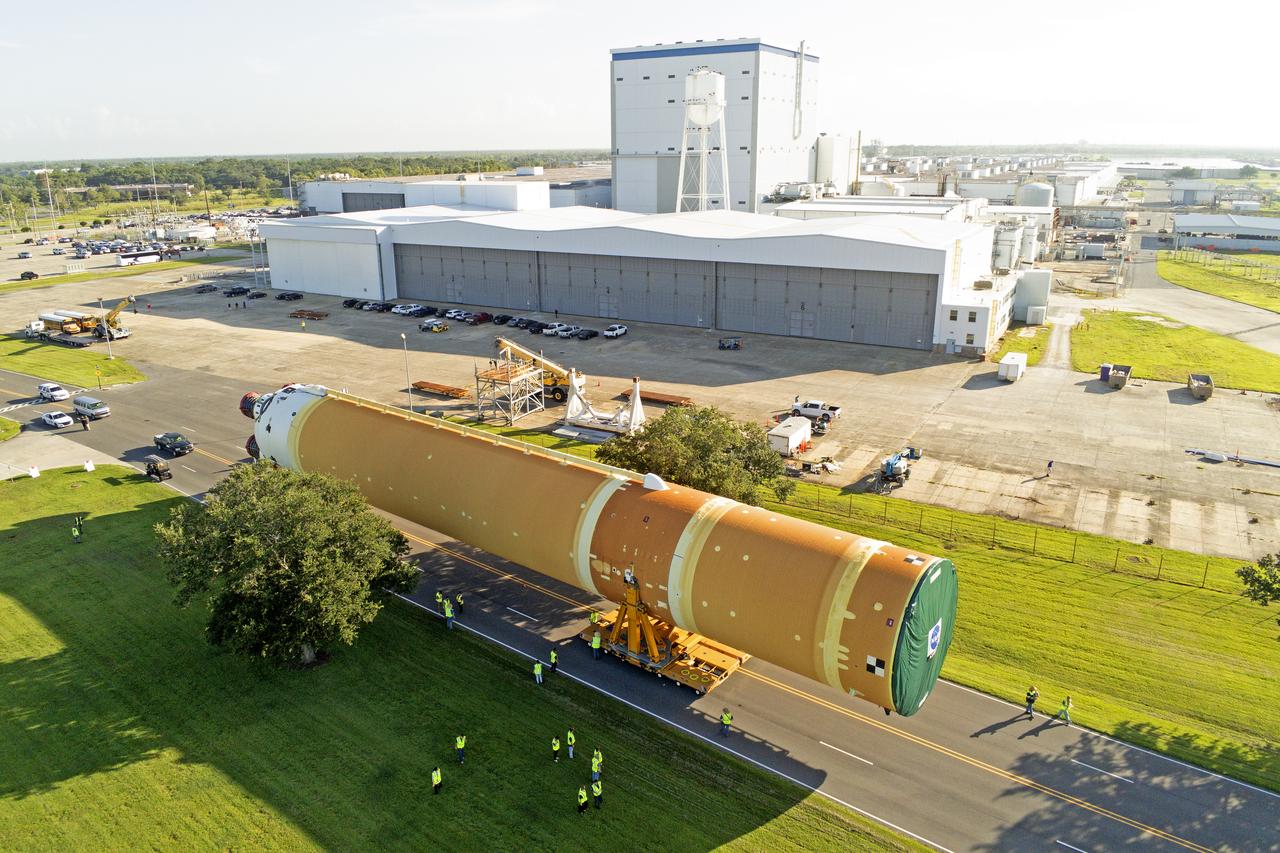
These images and videos show team members moving the first core stage that will help launch the first crewed flight of NASA’s SLS (Space Launch System) rocket for the agency’s Artemis II mission. The move marked the first time a fully assembled Moon rocket stage for a crewed mission has rolled out from NASA’s Michoud Assembly Facility in New Orleans since the Apollo Program, The core stage was moved onto the agency’s Pegasus barge, where it will be ferried to NASA’s Kennedy Space Center in Florida. The core stage for the SLS mega rocket is the largest stage NASA has ever produced. At 212 feet tall, the stage consists of five major elements, including two huge propellant tanks that collectively hold more than 733,000 gallons of super chilled liquid propellant to feed four RS-25 engines at its base. During launch and flight, the stage will operate for just over eight minutes, producing more than 2 million pounds of thrust to help send a crew of four astronauts inside NASA’s Orion spacecraft onward to the Moon. NASA is working to land the first woman, first person of color, and its first international partner astronaut on the Moon under Artemis. SLS is part of NASA’s backbone for deep space exploration, along with the Orion spacecraft and Gateway in orbit around the Moon and commercial human landing systems, next-generation space, next-generational spacesuits, and rovers on the lunar surface. SLS is the only rocket that can send Orion, astronauts, and supplies to the Moon in a single launch.
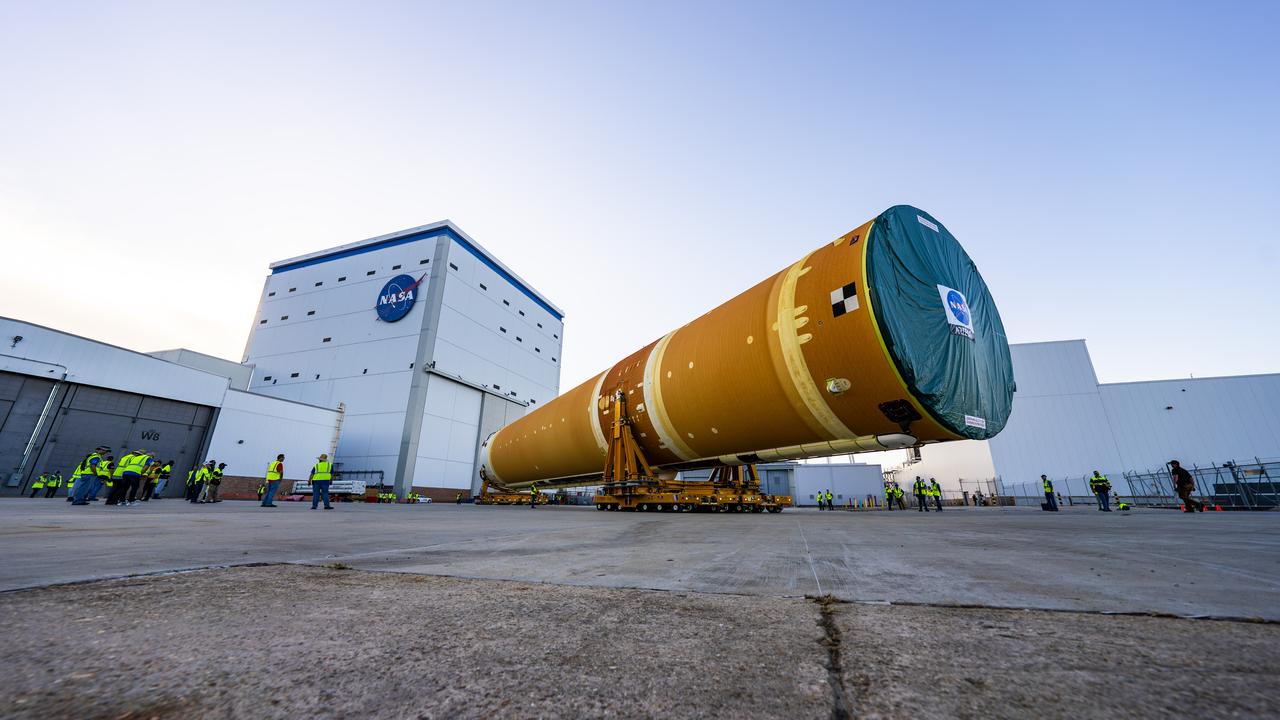
These images and videos show team members moving the first core stage that will help launch the first crewed flight of NASA’s SLS (Space Launch System) rocket for the agency’s Artemis II mission. The move marked the first time a fully assembled Moon rocket stage for a crewed mission has rolled out from NASA’s Michoud Assembly Facility in New Orleans since the Apollo Program, The core stage was moved onto the agency’s Pegasus barge, where it will be ferried to NASA’s Kennedy Space Center in Florida. The core stage for the SLS mega rocket is the largest stage NASA has ever produced. At 212 feet tall, the stage consists of five major elements, including two huge propellant tanks that collectively hold more than 733,000 gallons of super chilled liquid propellant to feed four RS-25 engines at its base. During launch and flight, the stage will operate for just over eight minutes, producing more than 2 million pounds of thrust to help send a crew of four astronauts inside NASA’s Orion spacecraft onward to the Moon. NASA is working to land the first woman, first person of color, and its first international partner astronaut on the Moon under Artemis. SLS is part of NASA’s backbone for deep space exploration, along with the Orion spacecraft and Gateway in orbit around the Moon and commercial human landing systems, next-generation space, next-generational spacesuits, and rovers on the lunar surface. SLS is the only rocket that can send Orion, astronauts, and supplies to the Moon in a single launch.
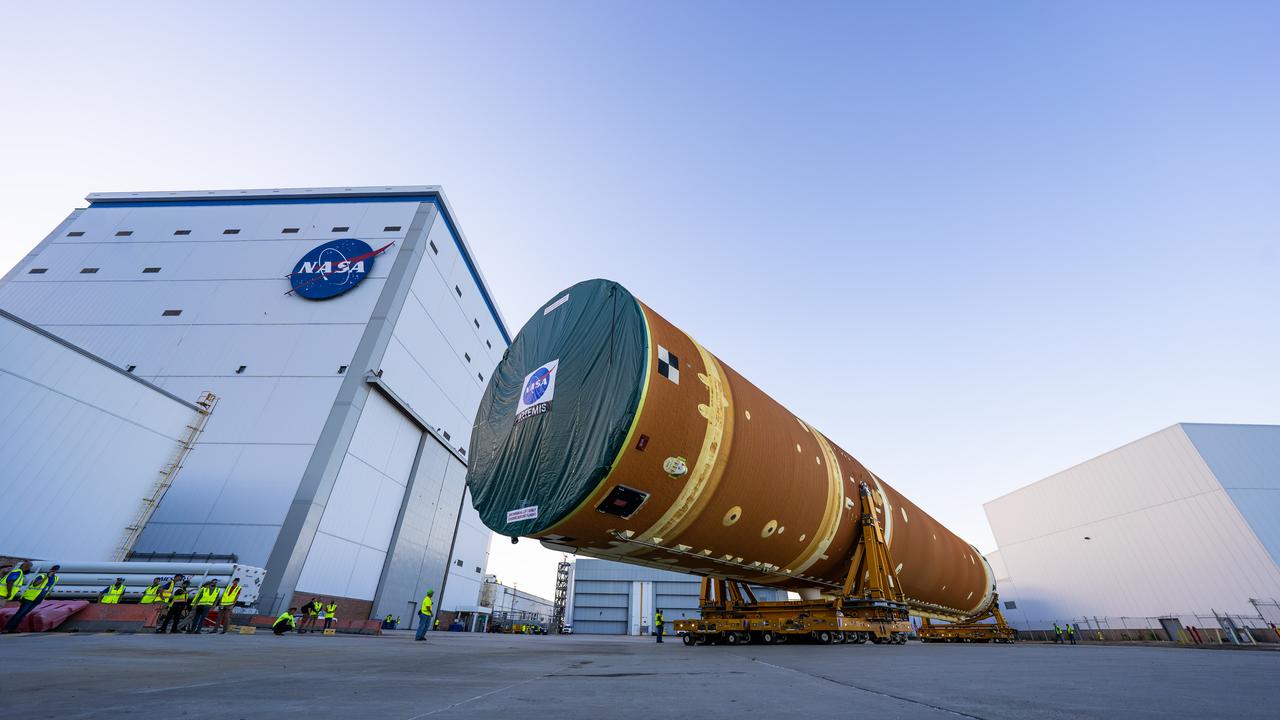
These images and videos show team members moving the first core stage that will help launch the first crewed flight of NASA’s SLS (Space Launch System) rocket for the agency’s Artemis II mission. The move marked the first time a fully assembled Moon rocket stage for a crewed mission has rolled out from NASA’s Michoud Assembly Facility in New Orleans since the Apollo Program, The core stage was moved onto the agency’s Pegasus barge, where it will be ferried to NASA’s Kennedy Space Center in Florida. The core stage for the SLS mega rocket is the largest stage NASA has ever produced. At 212 feet tall, the stage consists of five major elements, including two huge propellant tanks that collectively hold more than 733,000 gallons of super chilled liquid propellant to feed four RS-25 engines at its base. During launch and flight, the stage will operate for just over eight minutes, producing more than 2 million pounds of thrust to help send a crew of four astronauts inside NASA’s Orion spacecraft onward to the Moon. NASA is working to land the first woman, first person of color, and its first international partner astronaut on the Moon under Artemis. SLS is part of NASA’s backbone for deep space exploration, along with the Orion spacecraft and Gateway in orbit around the Moon and commercial human landing systems, next-generation space, next-generational spacesuits, and rovers on the lunar surface. SLS is the only rocket that can send Orion, astronauts, and supplies to the Moon in a single launch.
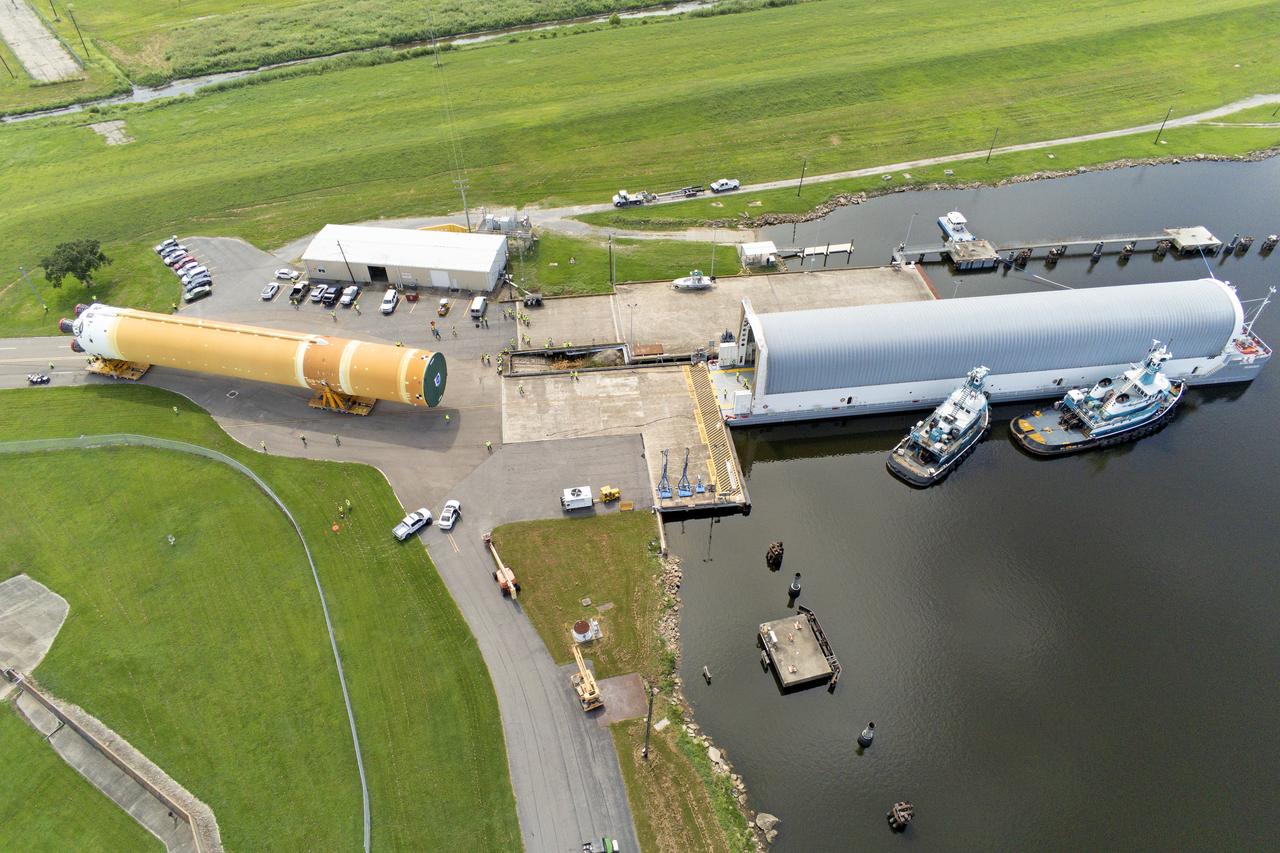
These images and videos show team members moving the first core stage that will help launch the first crewed flight of NASA’s SLS (Space Launch System) rocket for the agency’s Artemis II mission. The move marked the first time a fully assembled Moon rocket stage for a crewed mission has rolled out from NASA’s Michoud Assembly Facility in New Orleans since the Apollo Program, The core stage was moved onto the agency’s Pegasus barge, where it will be ferried to NASA’s Kennedy Space Center in Florida. The core stage for the SLS mega rocket is the largest stage NASA has ever produced. At 212 feet tall, the stage consists of five major elements, including two huge propellant tanks that collectively hold more than 733,000 gallons of super chilled liquid propellant to feed four RS-25 engines at its base. During launch and flight, the stage will operate for just over eight minutes, producing more than 2 million pounds of thrust to help send a crew of four astronauts inside NASA’s Orion spacecraft onward to the Moon. NASA is working to land the first woman, first person of color, and its first international partner astronaut on the Moon under Artemis. SLS is part of NASA’s backbone for deep space exploration, along with the Orion spacecraft and Gateway in orbit around the Moon and commercial human landing systems, next-generation space, next-generational spacesuits, and rovers on the lunar surface. SLS is the only rocket that can send Orion, astronauts, and supplies to the Moon in a single launch.
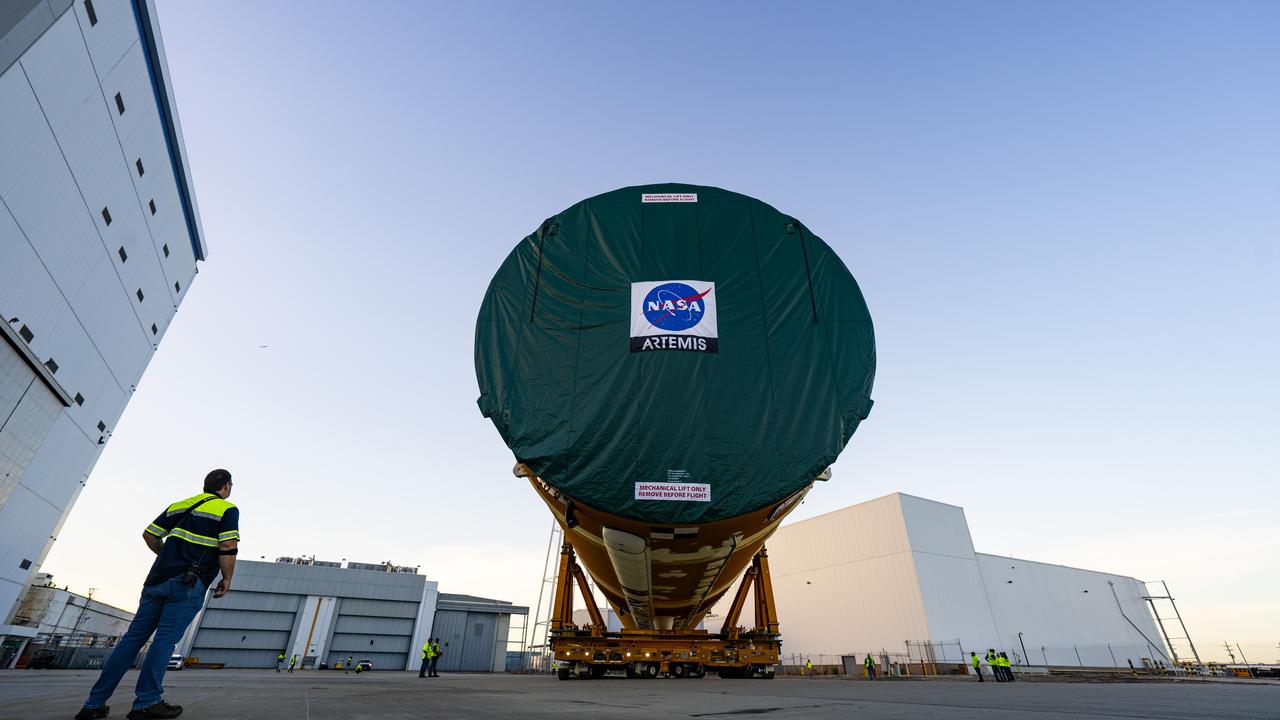
These images and videos show team members moving the first core stage that will help launch the first crewed flight of NASA’s SLS (Space Launch System) rocket for the agency’s Artemis II mission. The move marked the first time a fully assembled Moon rocket stage for a crewed mission has rolled out from NASA’s Michoud Assembly Facility in New Orleans since the Apollo Program, The core stage was moved onto the agency’s Pegasus barge, where it will be ferried to NASA’s Kennedy Space Center in Florida. The core stage for the SLS mega rocket is the largest stage NASA has ever produced. At 212 feet tall, the stage consists of five major elements, including two huge propellant tanks that collectively hold more than 733,000 gallons of super chilled liquid propellant to feed four RS-25 engines at its base. During launch and flight, the stage will operate for just over eight minutes, producing more than 2 million pounds of thrust to help send a crew of four astronauts inside NASA’s Orion spacecraft onward to the Moon. NASA is working to land the first woman, first person of color, and its first international partner astronaut on the Moon under Artemis. SLS is part of NASA’s backbone for deep space exploration, along with the Orion spacecraft and Gateway in orbit around the Moon and commercial human landing systems, next-generation space, next-generational spacesuits, and rovers on the lunar surface. SLS is the only rocket that can send Orion, astronauts, and supplies to the Moon in a single launch.
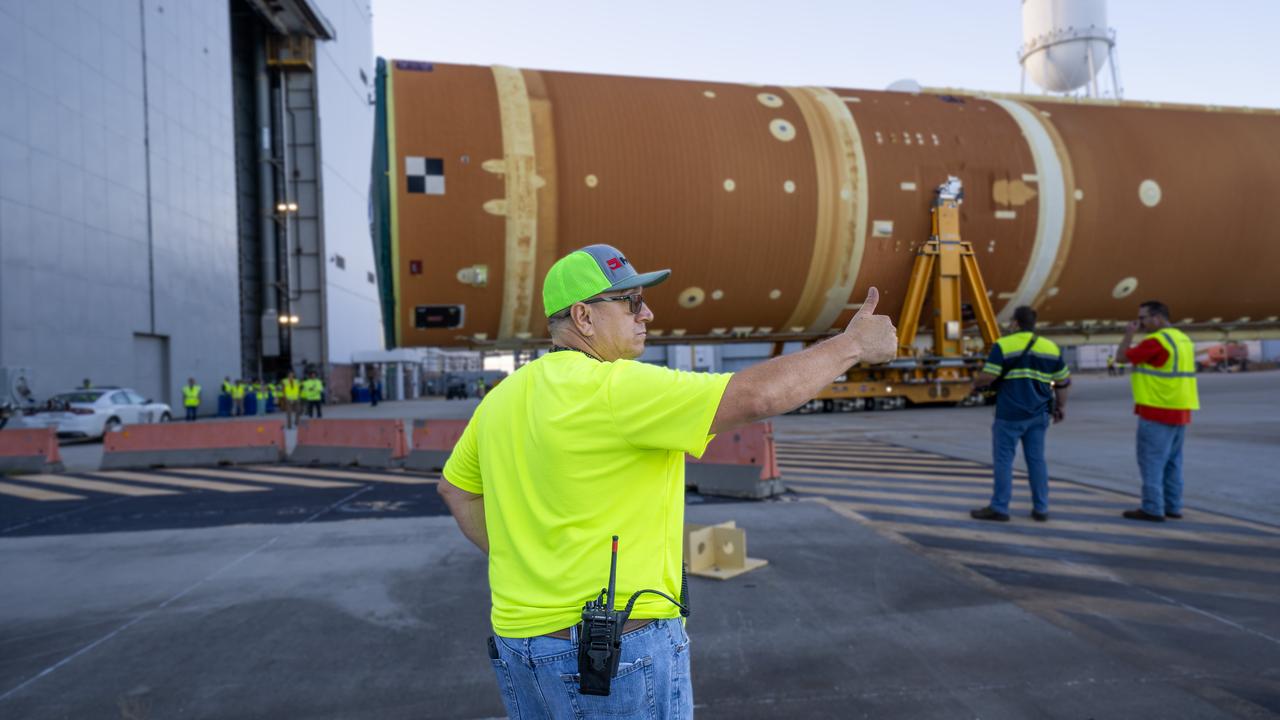
These images and videos show team members moving the first core stage that will help launch the first crewed flight of NASA’s SLS (Space Launch System) rocket for the agency’s Artemis II mission. The move marked the first time a fully assembled Moon rocket stage for a crewed mission has rolled out from NASA’s Michoud Assembly Facility in New Orleans since the Apollo Program, The core stage was moved onto the agency’s Pegasus barge, where it will be ferried to NASA’s Kennedy Space Center in Florida. The core stage for the SLS mega rocket is the largest stage NASA has ever produced. At 212 feet tall, the stage consists of five major elements, including two huge propellant tanks that collectively hold more than 733,000 gallons of super chilled liquid propellant to feed four RS-25 engines at its base. During launch and flight, the stage will operate for just over eight minutes, producing more than 2 million pounds of thrust to help send a crew of four astronauts inside NASA’s Orion spacecraft onward to the Moon. NASA is working to land the first woman, first person of color, and its first international partner astronaut on the Moon under Artemis. SLS is part of NASA’s backbone for deep space exploration, along with the Orion spacecraft and Gateway in orbit around the Moon and commercial human landing systems, next-generation space, next-generational spacesuits, and rovers on the lunar surface. SLS is the only rocket that can send Orion, astronauts, and supplies to the Moon in a single launch.
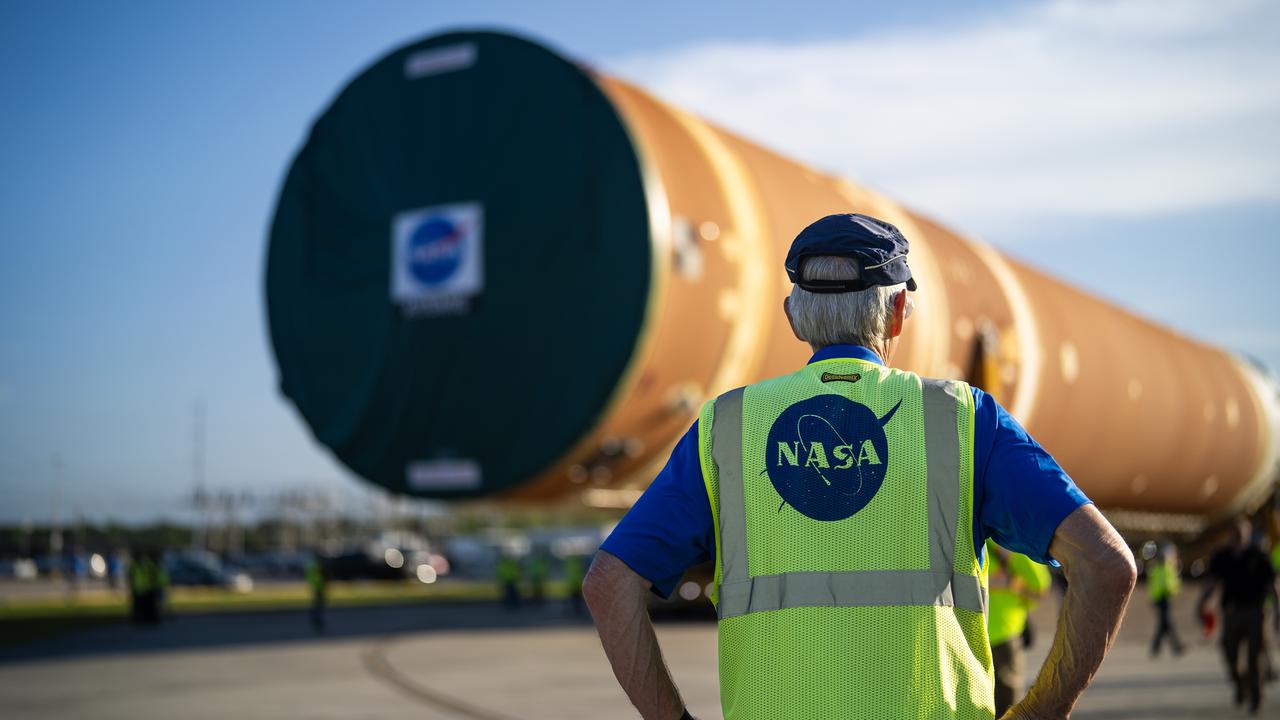
These images and videos show team members moving the first core stage that will help launch the first crewed flight of NASA’s SLS (Space Launch System) rocket for the agency’s Artemis II mission. The move marked the first time a fully assembled Moon rocket stage for a crewed mission has rolled out from NASA’s Michoud Assembly Facility in New Orleans since the Apollo Program, The core stage was moved onto the agency’s Pegasus barge, where it will be ferried to NASA’s Kennedy Space Center in Florida. The core stage for the SLS mega rocket is the largest stage NASA has ever produced. At 212 feet tall, the stage consists of five major elements, including two huge propellant tanks that collectively hold more than 733,000 gallons of super chilled liquid propellant to feed four RS-25 engines at its base. During launch and flight, the stage will operate for just over eight minutes, producing more than 2 million pounds of thrust to help send a crew of four astronauts inside NASA’s Orion spacecraft onward to the Moon. NASA is working to land the first woman, first person of color, and its first international partner astronaut on the Moon under Artemis. SLS is part of NASA’s backbone for deep space exploration, along with the Orion spacecraft and Gateway in orbit around the Moon and commercial human landing systems, next-generation space, next-generational spacesuits, and rovers on the lunar surface. SLS is the only rocket that can send Orion, astronauts, and supplies to the Moon in a single launch.
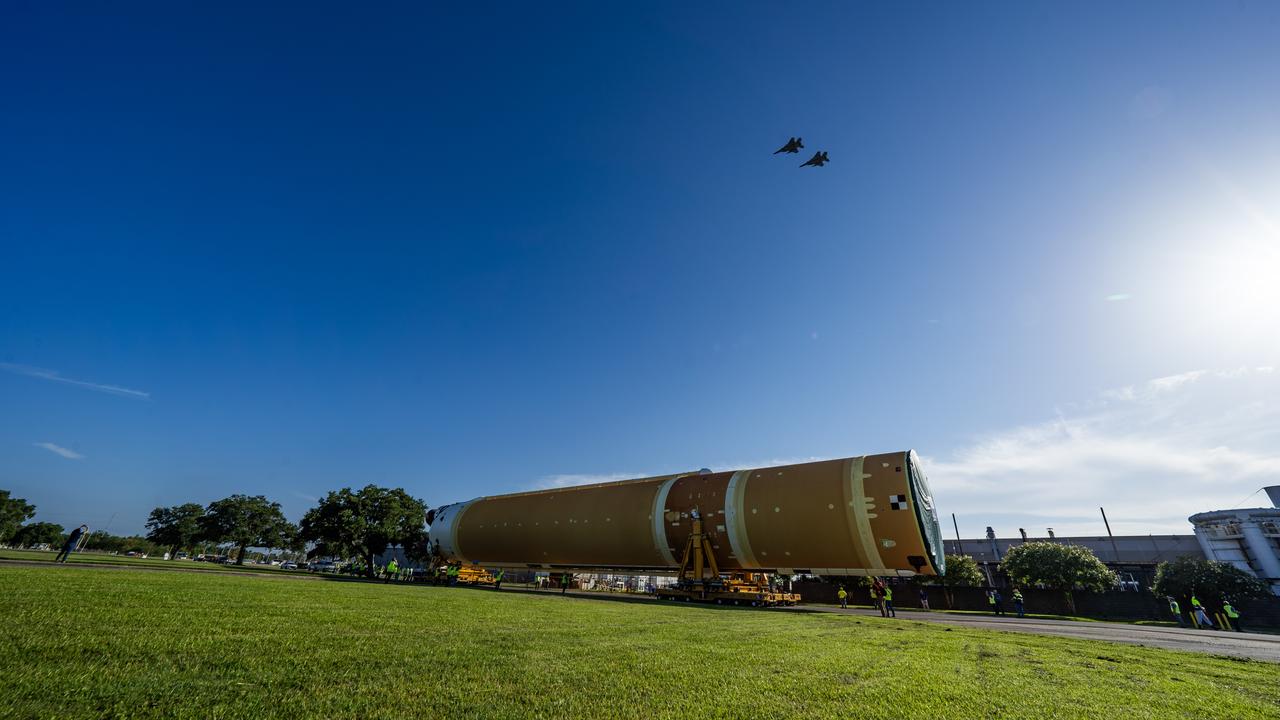
These images and videos show team members moving the first core stage that will help launch the first crewed flight of NASA’s SLS (Space Launch System) rocket for the agency’s Artemis II mission. The move marked the first time a fully assembled Moon rocket stage for a crewed mission has rolled out from NASA’s Michoud Assembly Facility in New Orleans since the Apollo Program, The core stage was moved onto the agency’s Pegasus barge, where it will be ferried to NASA’s Kennedy Space Center in Florida. The core stage for the SLS mega rocket is the largest stage NASA has ever produced. At 212 feet tall, the stage consists of five major elements, including two huge propellant tanks that collectively hold more than 733,000 gallons of super chilled liquid propellant to feed four RS-25 engines at its base. During launch and flight, the stage will operate for just over eight minutes, producing more than 2 million pounds of thrust to help send a crew of four astronauts inside NASA’s Orion spacecraft onward to the Moon. NASA is working to land the first woman, first person of color, and its first international partner astronaut on the Moon under Artemis. SLS is part of NASA’s backbone for deep space exploration, along with the Orion spacecraft and Gateway in orbit around the Moon and commercial human landing systems, next-generation space, next-generational spacesuits, and rovers on the lunar surface. SLS is the only rocket that can send Orion, astronauts, and supplies to the Moon in a single launch.
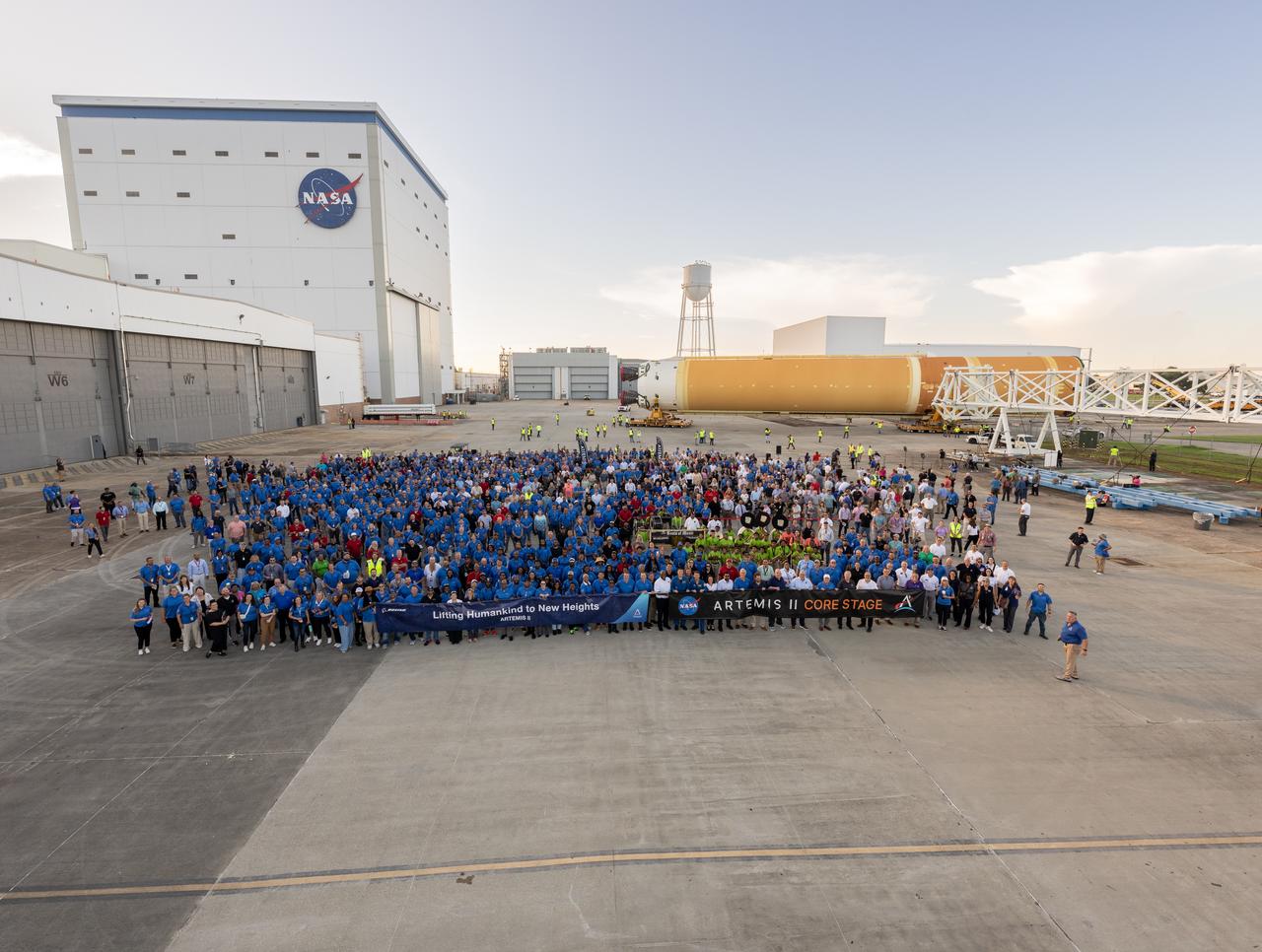
The NASA Michoud Assembly Facility workforce and with other agency team members take a “family photo” with the SLS (Space Launch System) core stage for Artemis II in the background. The core stage will help launch the first crewed flight of NASA’s SLS rocket for the agency’s Artemis II mission. The move marked the first time a fully assembled Moon rocket stage for a crewed mission has rolled out from NASA’s Michoud Assembly Facility in New Orleans since the Apollo Program, The core stage was moved onto the agency’s Pegasus barge, where it will be ferried to NASA’s Kennedy Space Center in Florida. The core stage for the SLS mega rocket is the largest stage NASA has ever produced. At 212 feet tall, the stage consists of five major elements, including two huge propellant tanks that collectively hold more than 733,000 gallons of super chilled liquid propellant to feed four RS-25 engines at its base. During launch and flight, the stage will operate for just over eight minutes, producing more than 2 million pounds of thrust to help send a crew of four astronauts inside NASA’s Orion spacecraft onward to the Moon. NASA is working to land the first woman, first person of color, and its first international partner astronaut on the Moon under Artemis. SLS is part of NASA’s backbone for deep space exploration, along with the Orion spacecraft and Gateway in orbit around the Moon and commercial human landing systems, next-generation space, next-generational spacesuits, and rovers on the lunar surface. SLS is the only rocket that can send Orion, astronauts, and supplies to the Moon in a single launch.
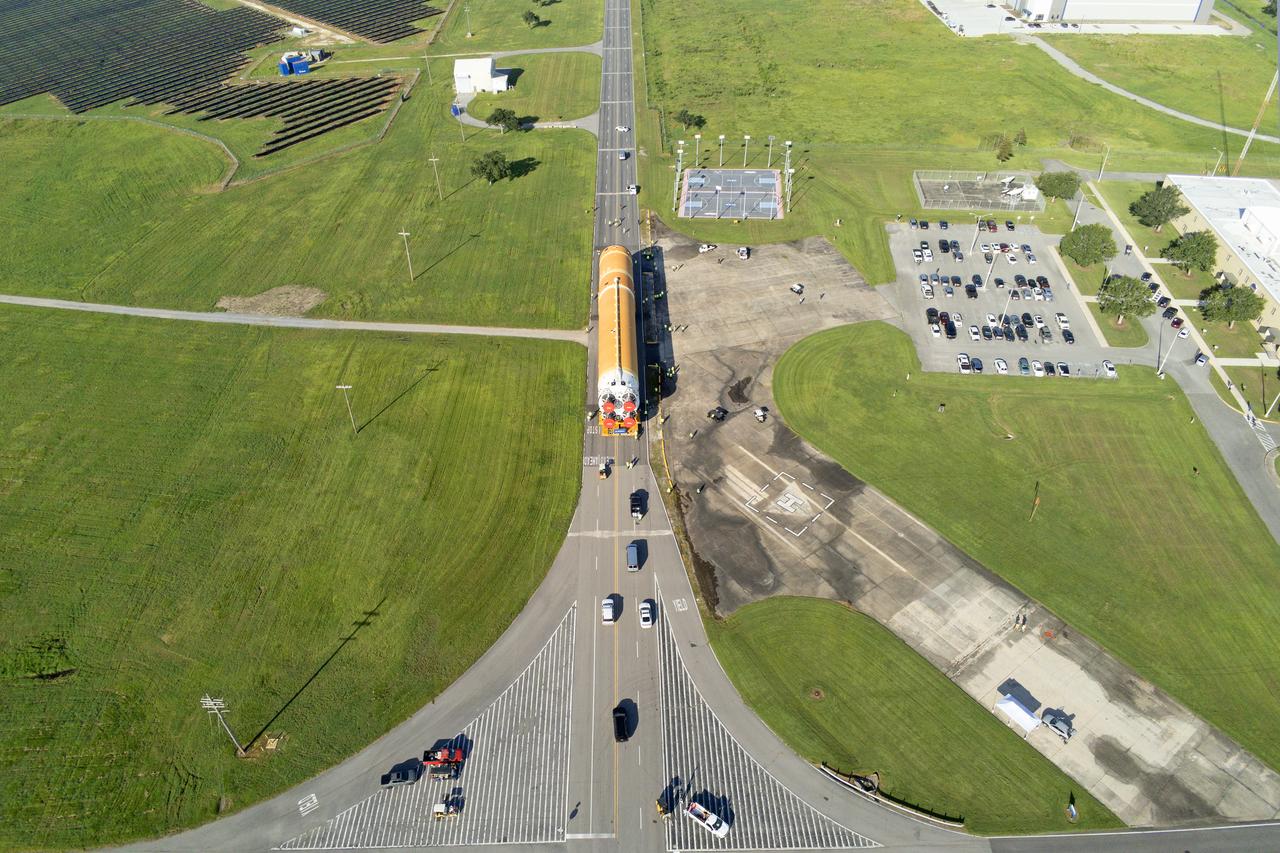
These images and videos show team members moving the first core stage that will help launch the first crewed flight of NASA’s SLS (Space Launch System) rocket for the agency’s Artemis II mission. The move marked the first time a fully assembled Moon rocket stage for a crewed mission has rolled out from NASA’s Michoud Assembly Facility in New Orleans since the Apollo Program, The core stage was moved onto the agency’s Pegasus barge, where it will be ferried to NASA’s Kennedy Space Center in Florida. The core stage for the SLS mega rocket is the largest stage NASA has ever produced. At 212 feet tall, the stage consists of five major elements, including two huge propellant tanks that collectively hold more than 733,000 gallons of super chilled liquid propellant to feed four RS-25 engines at its base. During launch and flight, the stage will operate for just over eight minutes, producing more than 2 million pounds of thrust to help send a crew of four astronauts inside NASA’s Orion spacecraft onward to the Moon. NASA is working to land the first woman, first person of color, and its first international partner astronaut on the Moon under Artemis. SLS is part of NASA’s backbone for deep space exploration, along with the Orion spacecraft and Gateway in orbit around the Moon and commercial human landing systems, next-generation space, next-generational spacesuits, and rovers on the lunar surface. SLS is the only rocket that can send Orion, astronauts, and supplies to the Moon in a single launch.
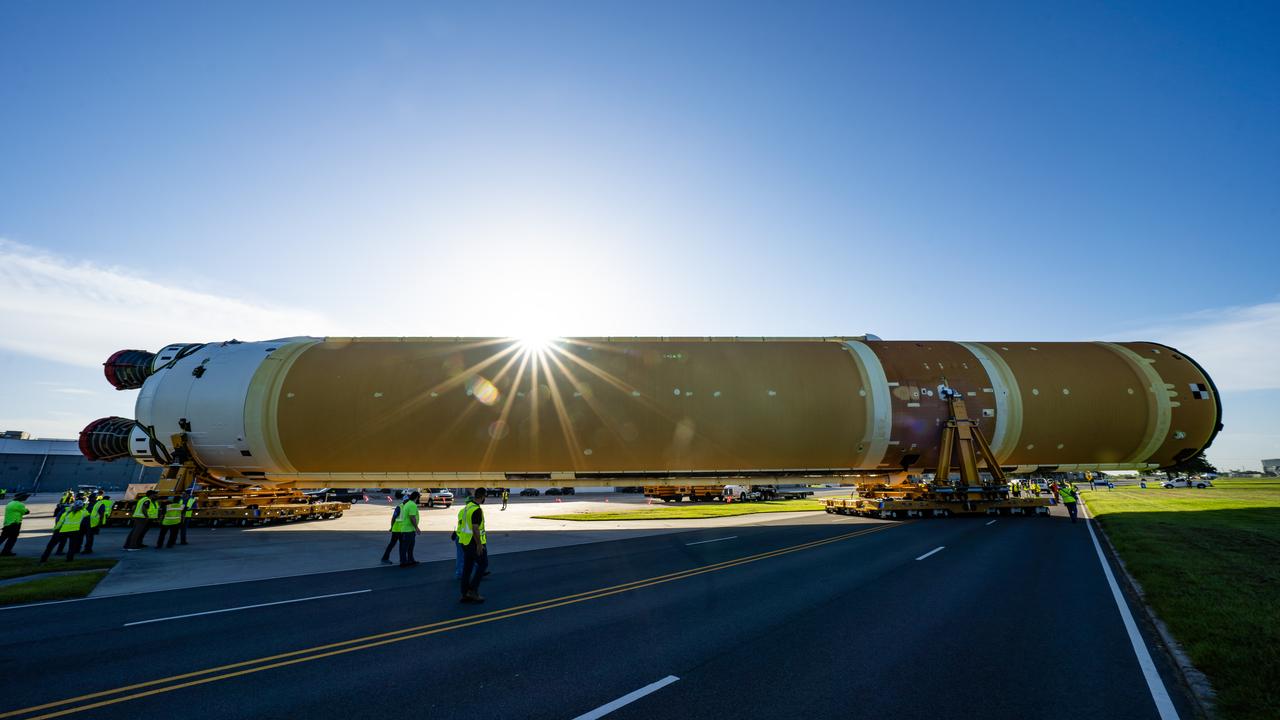
These images and videos show team members moving the first core stage that will help launch the first crewed flight of NASA’s SLS (Space Launch System) rocket for the agency’s Artemis II mission. The move marked the first time a fully assembled Moon rocket stage for a crewed mission has rolled out from NASA’s Michoud Assembly Facility in New Orleans since the Apollo Program, The core stage was moved onto the agency’s Pegasus barge, where it will be ferried to NASA’s Kennedy Space Center in Florida. The core stage for the SLS mega rocket is the largest stage NASA has ever produced. At 212 feet tall, the stage consists of five major elements, including two huge propellant tanks that collectively hold more than 733,000 gallons of super chilled liquid propellant to feed four RS-25 engines at its base. During launch and flight, the stage will operate for just over eight minutes, producing more than 2 million pounds of thrust to help send a crew of four astronauts inside NASA’s Orion spacecraft onward to the Moon. NASA is working to land the first woman, first person of color, and its first international partner astronaut on the Moon under Artemis. SLS is part of NASA’s backbone for deep space exploration, along with the Orion spacecraft and Gateway in orbit around the Moon and commercial human landing systems, next-generation space, next-generational spacesuits, and rovers on the lunar surface. SLS is the only rocket that can send Orion, astronauts, and supplies to the Moon in a single launch.
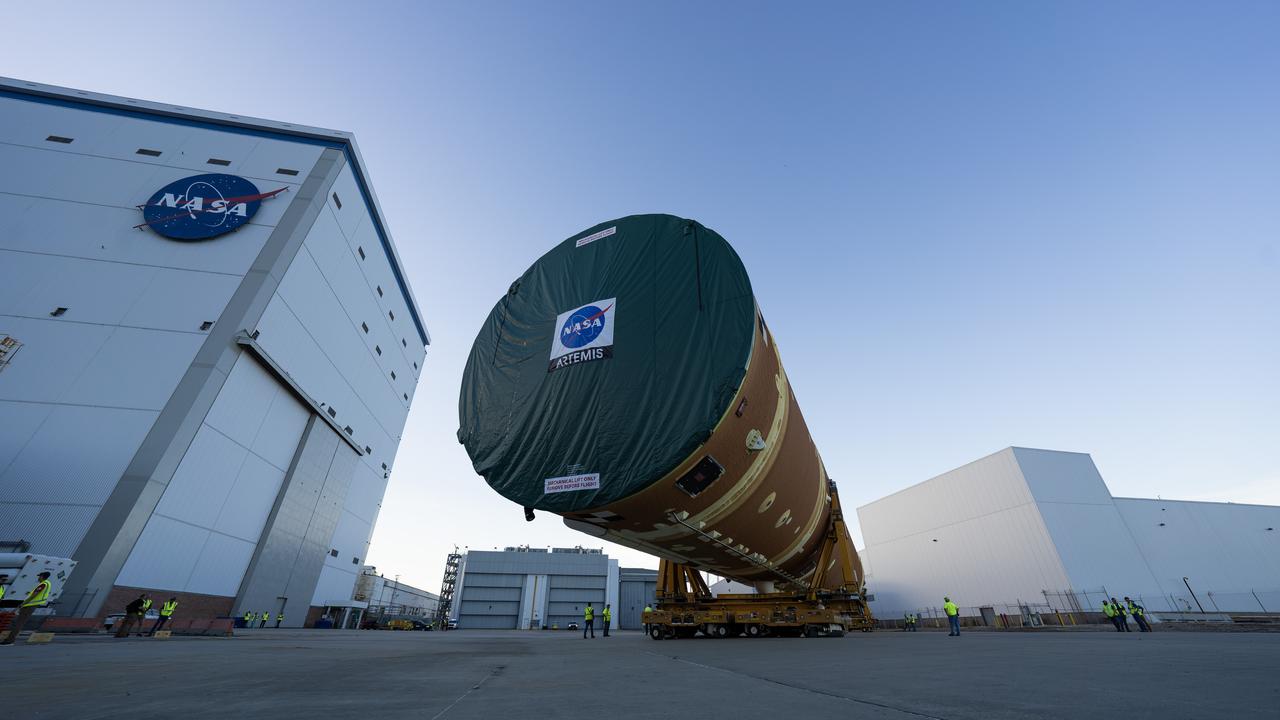
These images and videos show team members moving the first core stage that will help launch the first crewed flight of NASA’s SLS (Space Launch System) rocket for the agency’s Artemis II mission. The move marked the first time a fully assembled Moon rocket stage for a crewed mission has rolled out from NASA’s Michoud Assembly Facility in New Orleans since the Apollo Program, The core stage was moved onto the agency’s Pegasus barge, where it will be ferried to NASA’s Kennedy Space Center in Florida. The core stage for the SLS mega rocket is the largest stage NASA has ever produced. At 212 feet tall, the stage consists of five major elements, including two huge propellant tanks that collectively hold more than 733,000 gallons of super chilled liquid propellant to feed four RS-25 engines at its base. During launch and flight, the stage will operate for just over eight minutes, producing more than 2 million pounds of thrust to help send a crew of four astronauts inside NASA’s Orion spacecraft onward to the Moon. NASA is working to land the first woman, first person of color, and its first international partner astronaut on the Moon under Artemis. SLS is part of NASA’s backbone for deep space exploration, along with the Orion spacecraft and Gateway in orbit around the Moon and commercial human landing systems, next-generation space, next-generational spacesuits, and rovers on the lunar surface. SLS is the only rocket that can send Orion, astronauts, and supplies to the Moon in a single launch.
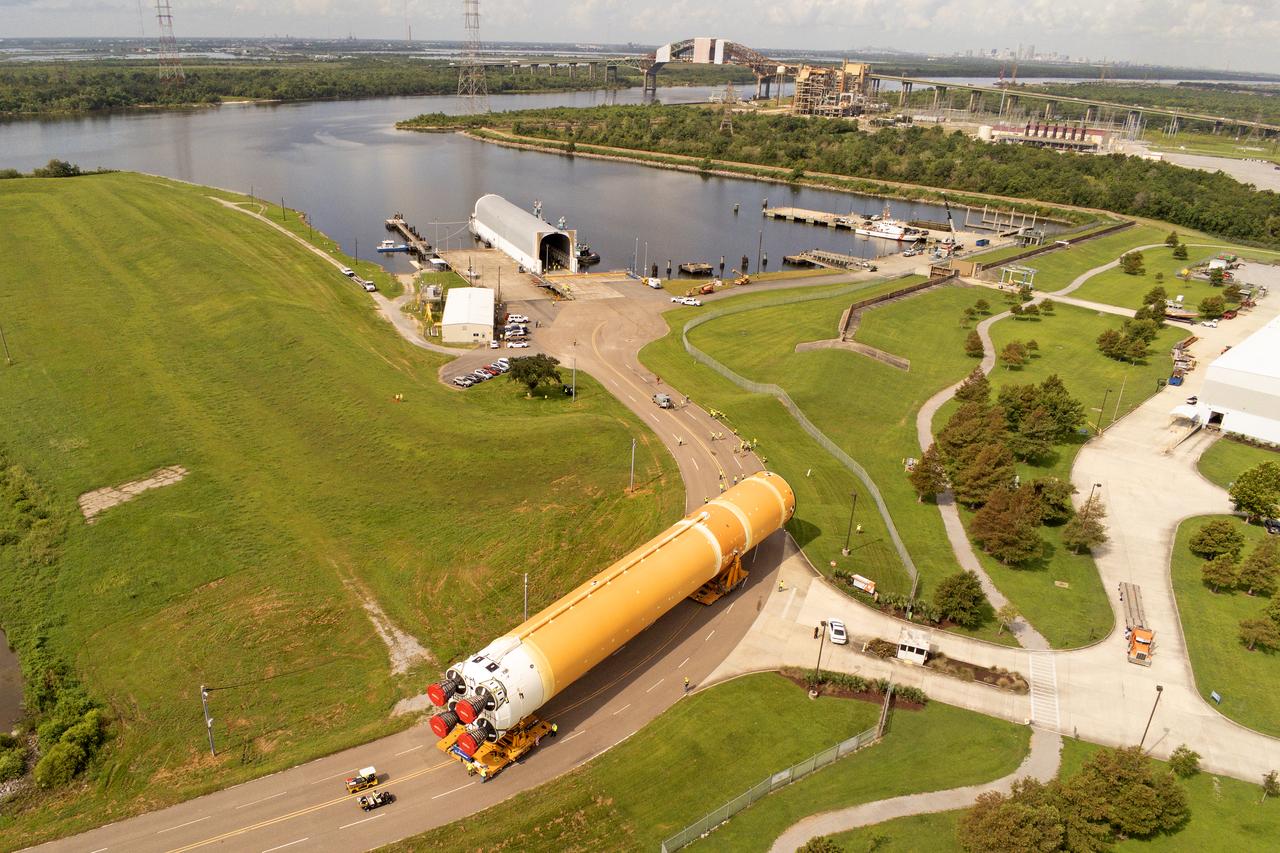
These images and videos show team members moving the first core stage that will help launch the first crewed flight of NASA’s SLS (Space Launch System) rocket for the agency’s Artemis II mission. The move marked the first time a fully assembled Moon rocket stage for a crewed mission has rolled out from NASA’s Michoud Assembly Facility in New Orleans since the Apollo Program, The core stage was moved onto the agency’s Pegasus barge, where it will be ferried to NASA’s Kennedy Space Center in Florida. The core stage for the SLS mega rocket is the largest stage NASA has ever produced. At 212 feet tall, the stage consists of five major elements, including two huge propellant tanks that collectively hold more than 733,000 gallons of super chilled liquid propellant to feed four RS-25 engines at its base. During launch and flight, the stage will operate for just over eight minutes, producing more than 2 million pounds of thrust to help send a crew of four astronauts inside NASA’s Orion spacecraft onward to the Moon. NASA is working to land the first woman, first person of color, and its first international partner astronaut on the Moon under Artemis. SLS is part of NASA’s backbone for deep space exploration, along with the Orion spacecraft and Gateway in orbit around the Moon and commercial human landing systems, next-generation space, next-generational spacesuits, and rovers on the lunar surface. SLS is the only rocket that can send Orion, astronauts, and supplies to the Moon in a single launch.
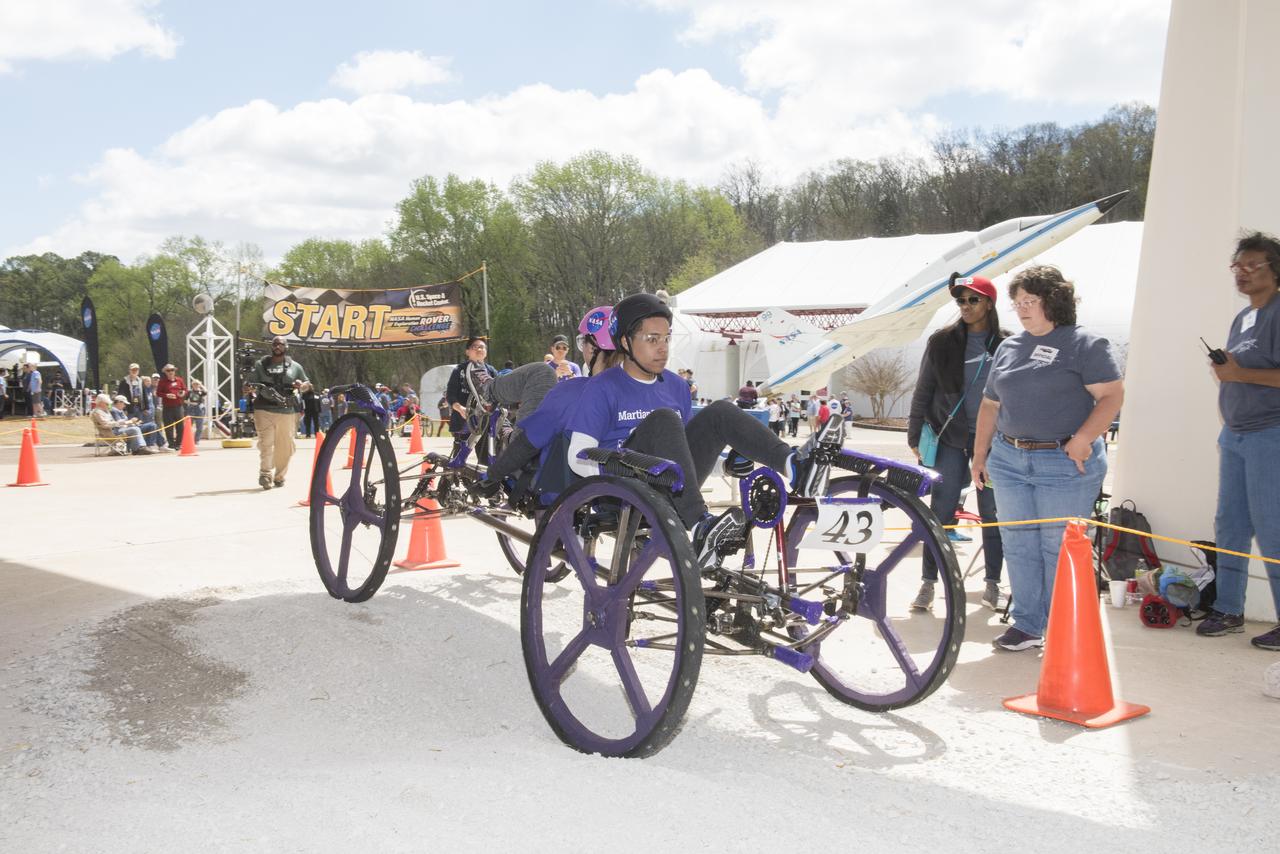
2017 Exploration Rover Challenge events at the U.S. Space and Rocket Center in Huntsville, Alabama. High school and college students from around the U.S. and the world come together for this 2 day event which challenges them to compete for the fastest time as well as technical design of the actual rover itself.
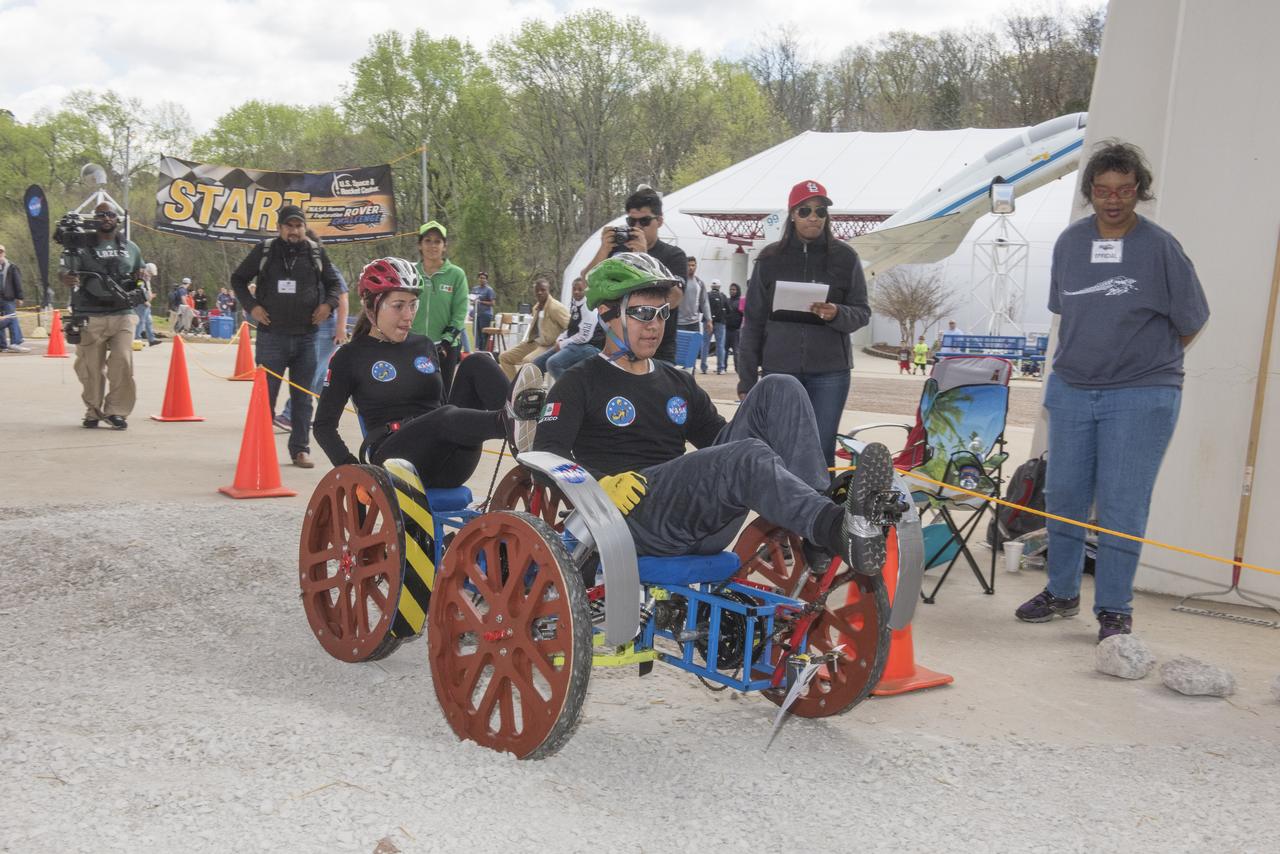
2017 Exploration Rover Challenge events at the U.S. Space and Rocket Center in Huntsville, Alabama. High school and college students from around the U.S. and the world come together for this 2 day event which challenges them to compete for the fastest time as well as technical design of the actual rover itself.
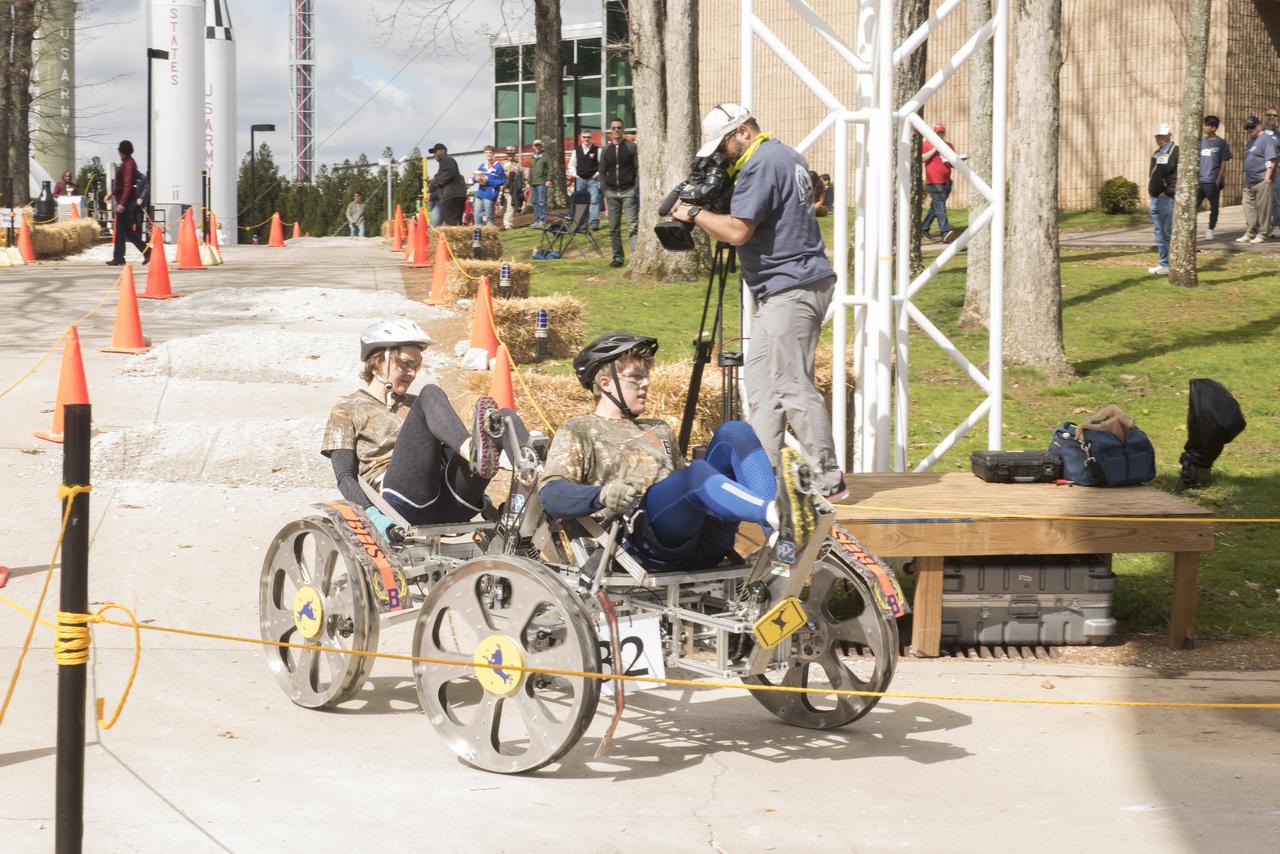
2017 Exploration Rover Challenge events at the U.S. Space and Rocket Center in Huntsville, Alabama. High school and college students from around the U.S. and the world come together for this 2 day event which challenges them to compete for the fastest time as well as technical design of the actual rover itself.
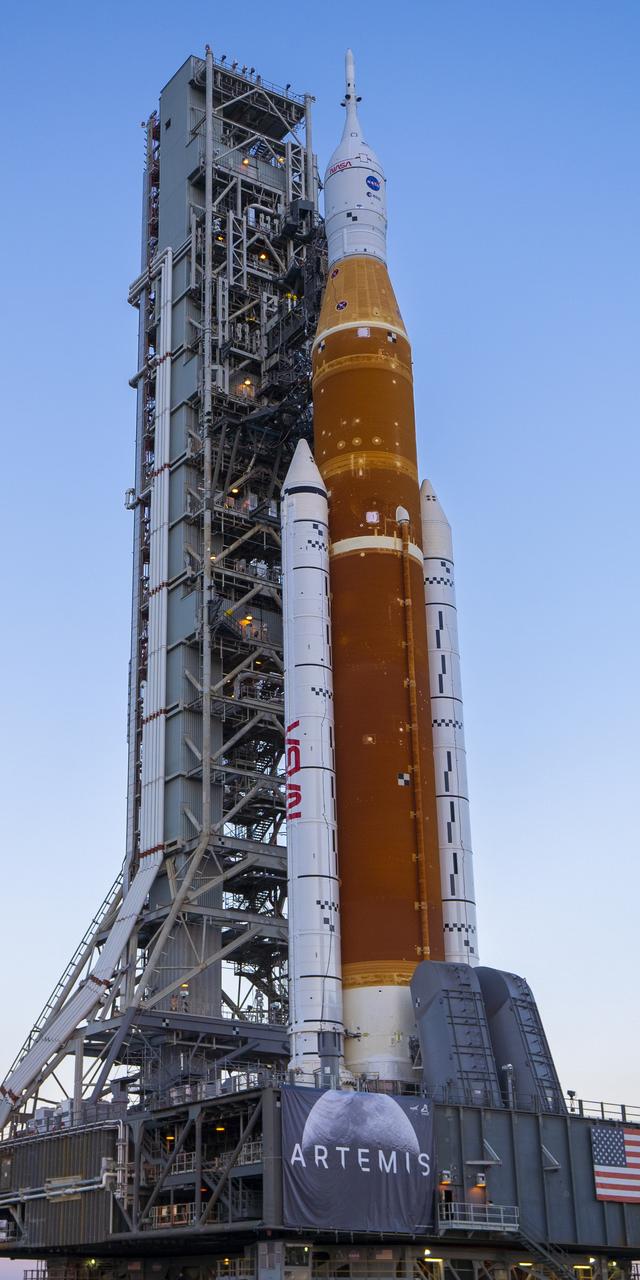
Space Launch System (SLS) rocket and Orion Spacecraft rollout at Kennedy Space Center
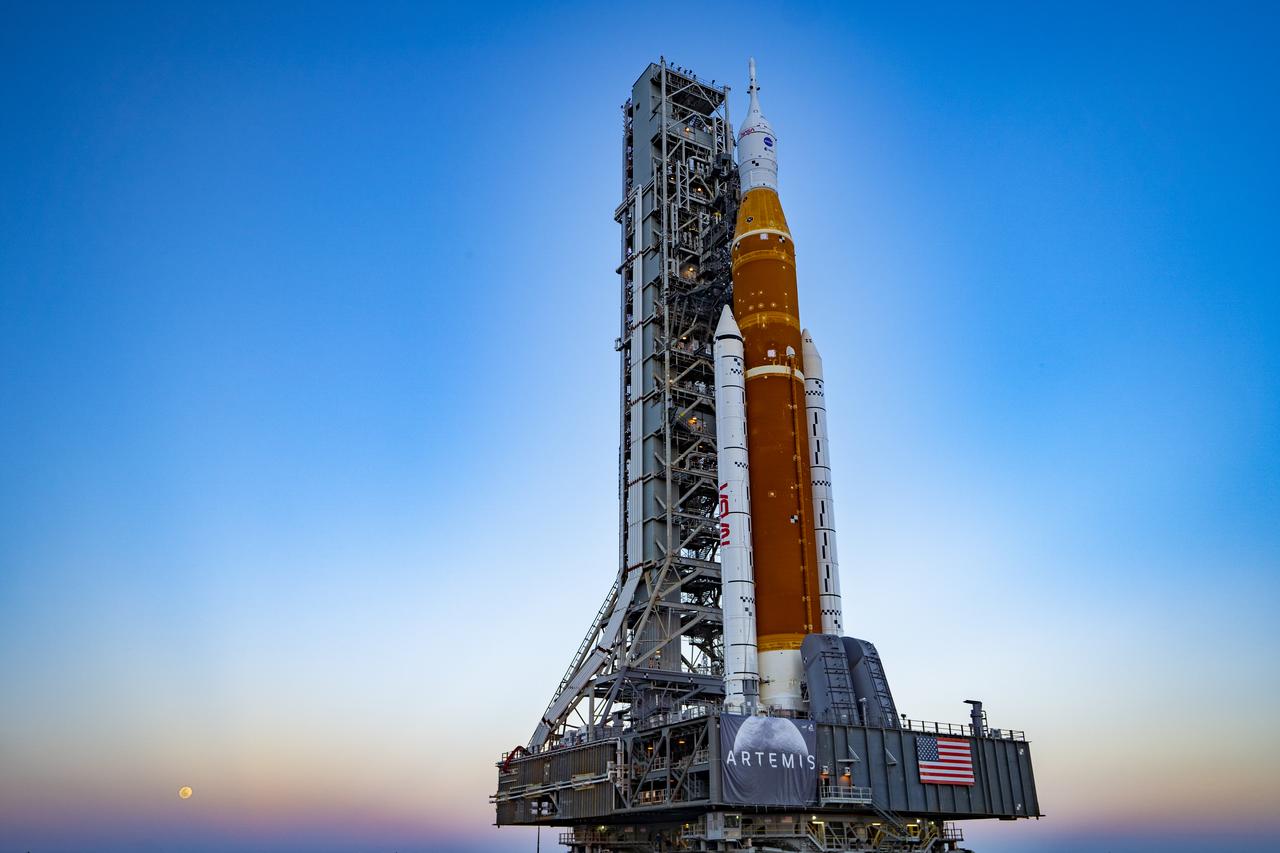
Space Launch System (SLS) rocket and Orion Spacecraft rollout at Kennedy Space Center
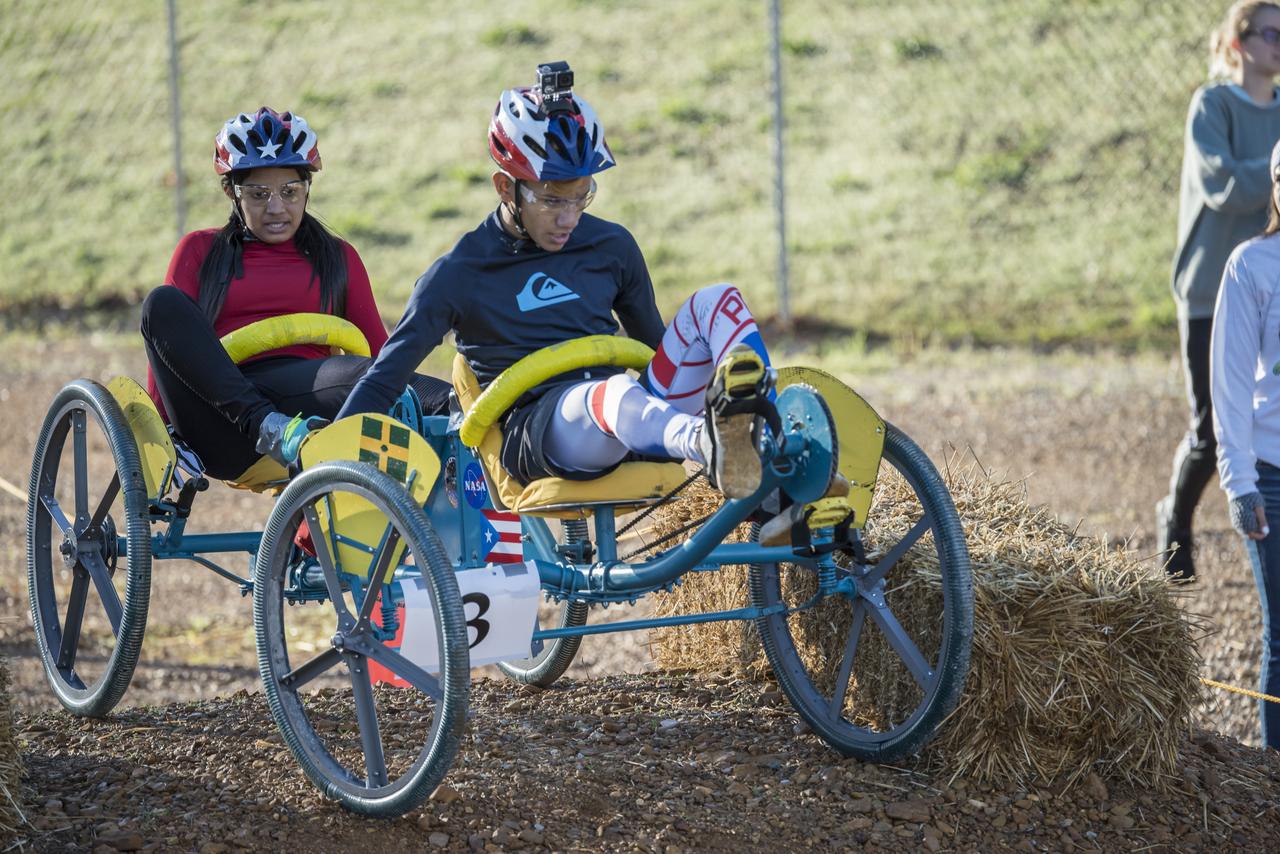
2017 Exploration Rover Challenge events at the U.S. Space and Rocket Center in Huntsville, Alabama. High school and college students from around the U.S. and the world come together for this 2 day event which challenges them to compete for the fastest time as well as technical design of the actual rover itself.
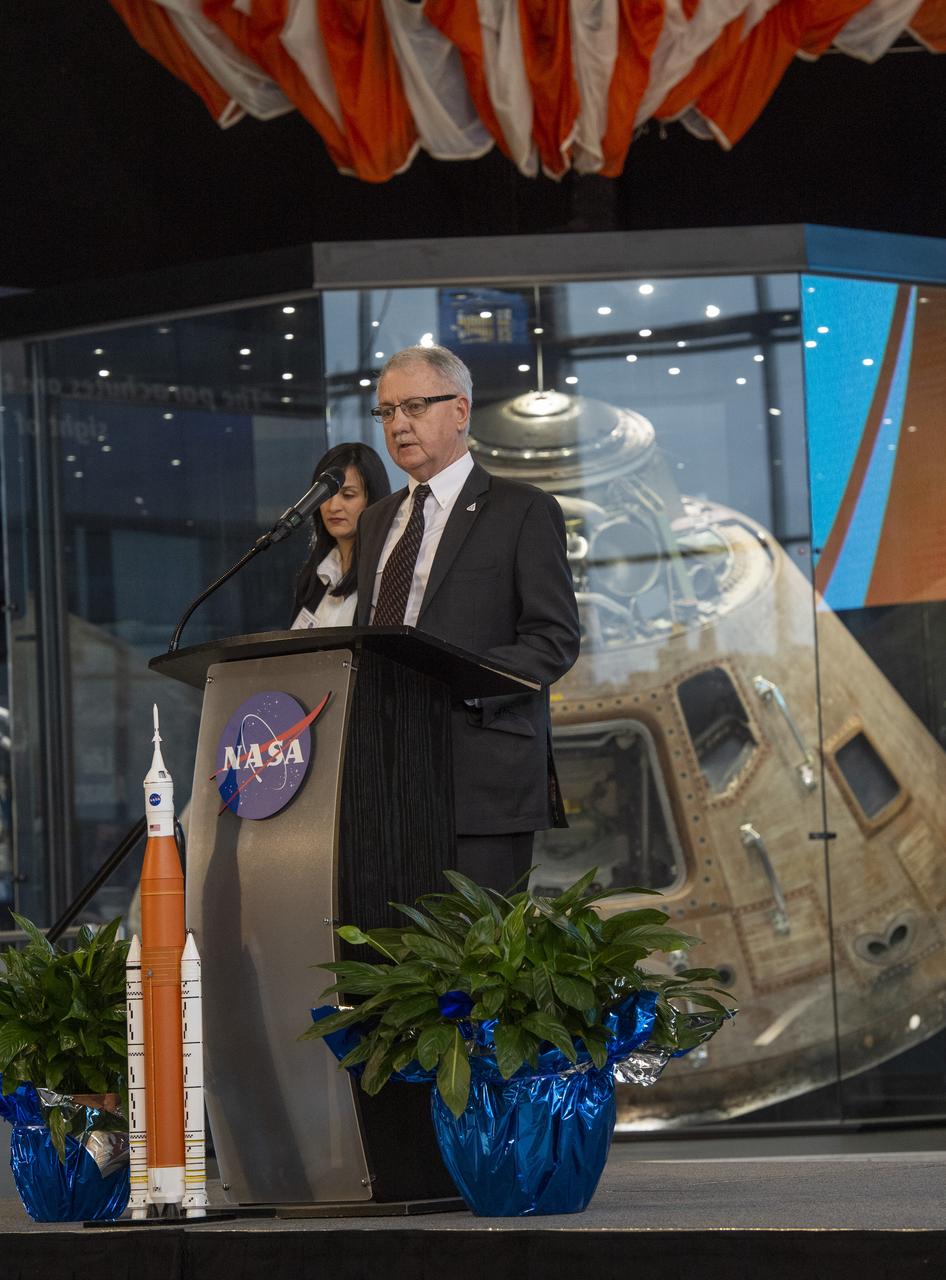
David Brock welcomes attendees to the 2020 Small Business Alliance meeting ath the U.S. Space and Rocket Center's Davidson Center.
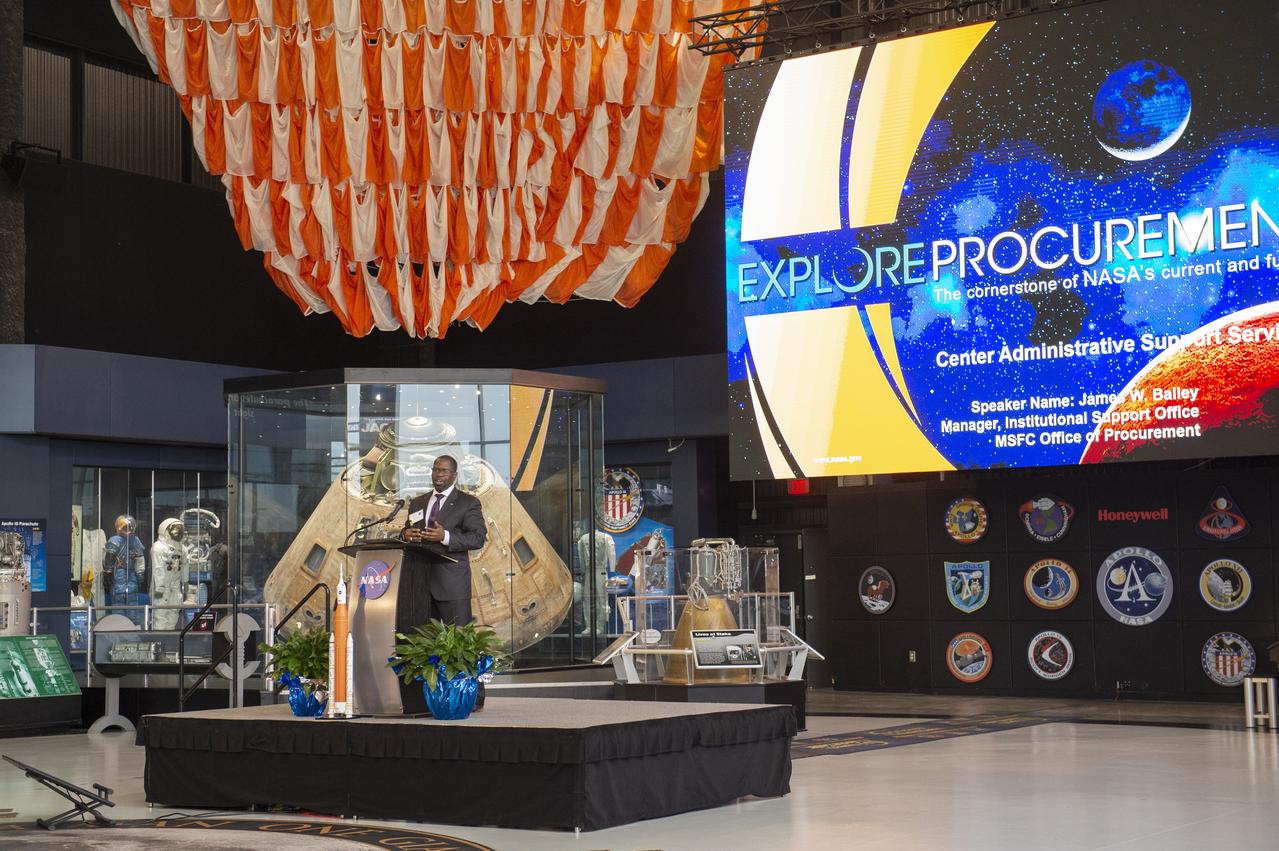
James Bailey delivers MSFC Service Acquisition Updates at the 2020 meeting of the Small Business Alliance at the U.S. Space and Rocket Center's Davidson Center.
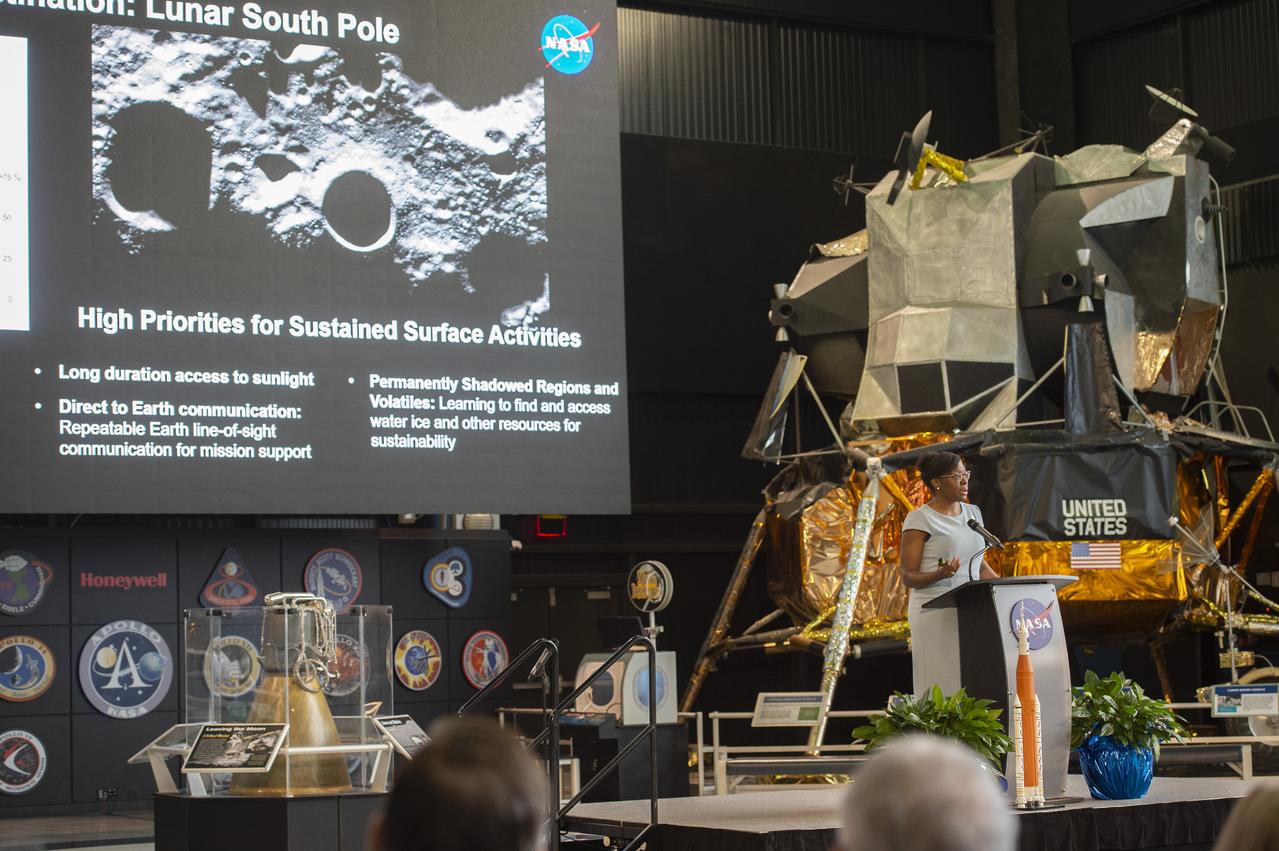
Lakiesha Hawkins delivers Human Landing System update at the 2020 Small Business Alliance meeting at the U.S. Space and Rocket Center's Davidson Center.
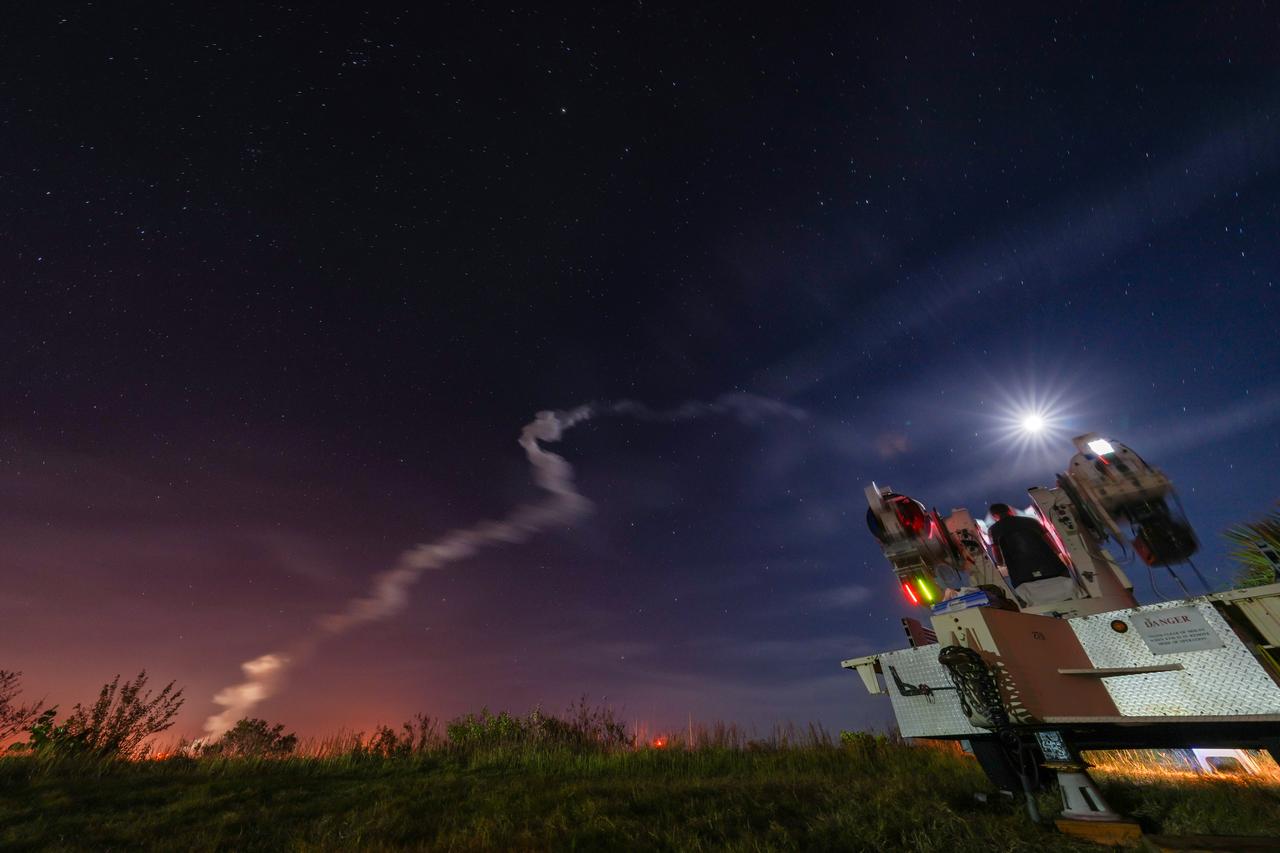
NASA’s Space Launch System (SLS) rocket with the Orion spacecraft atop launches the agency’s Artemis I flight test, Wednesday, Nov. 16 from Launch Complex 39B at NASA’s Kennedy Space Center in Florida. The Moon rocket and spacecraft lifted off at 1:47 a.m. ET. The Artemis I mission is the first integrated test of the agency’s deep space exploration systems: the Space Launch System rocket, Orion spacecraft, and supporting ground systems. The mission is the first in a series of increasingly complex missions to the Moon. With Artemis missions, NASA will land the first woman and first person of color on the Moon, using innovative technologies to explore more of the lunar surface than ever before.
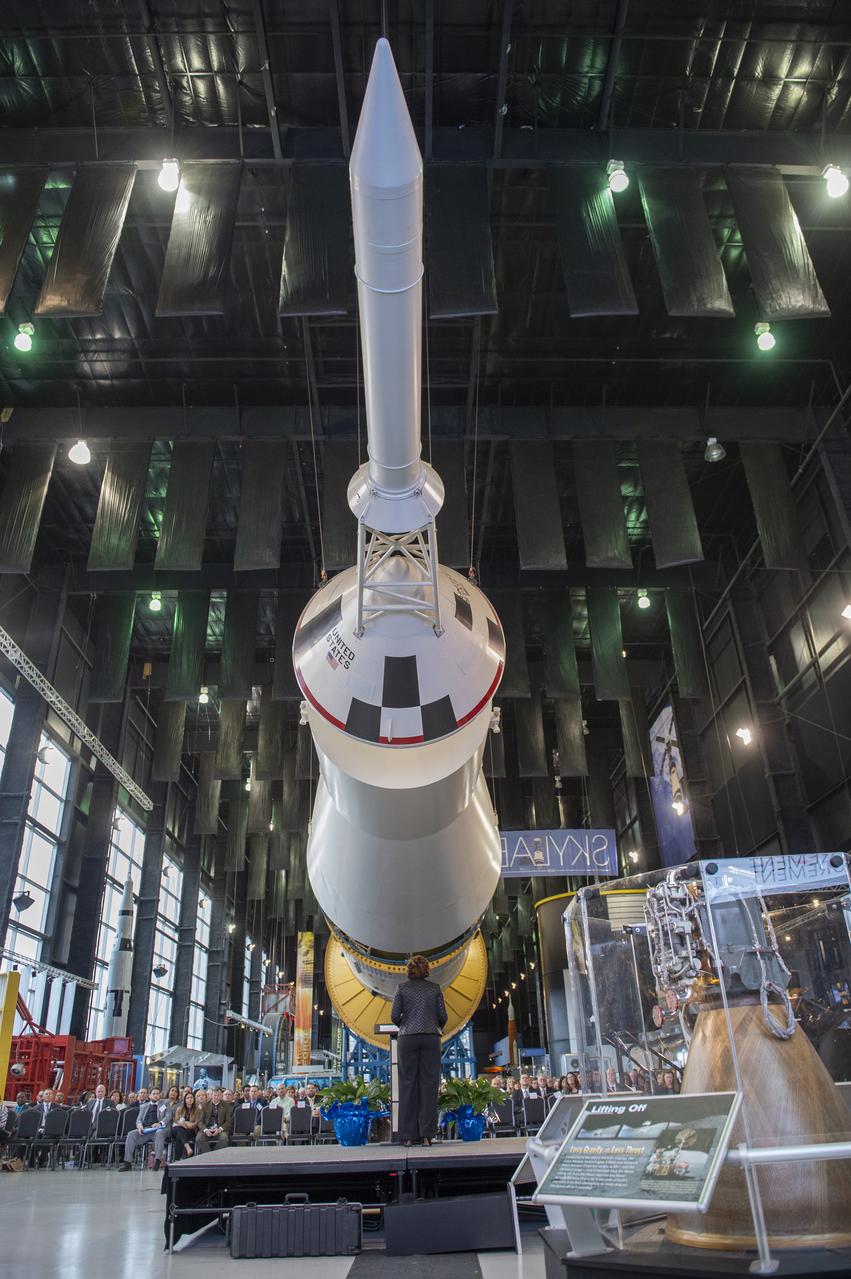
Guest Speaker, Monica Manning, Assistant Administrator, NASA Office of Procurement, talks about Procurement Transformation Activities at the 2020 Small Business Alliance meeting at the U.S. Space and Rocket Center's Davidson Center.
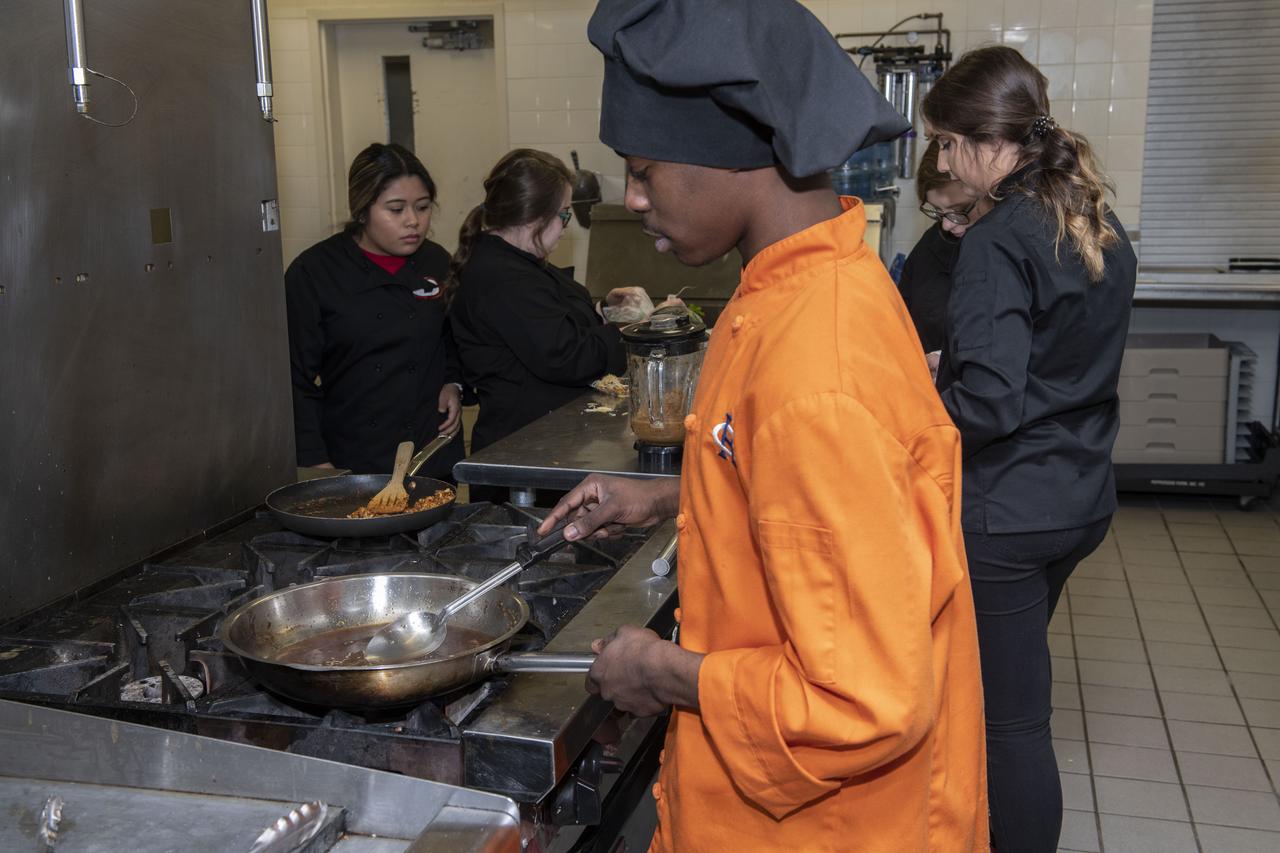
HUNCH (High School Students United with NASA to Create Hardware) students came together at the U.Sl Space and Rocket Center (USSRC) in a competition to create recipes for food to feed astronauts in space. Six teams from North Alabama and George participated. The winner will compete with students from competitions at other NASA centers later at the Johnson Space Flight Center.
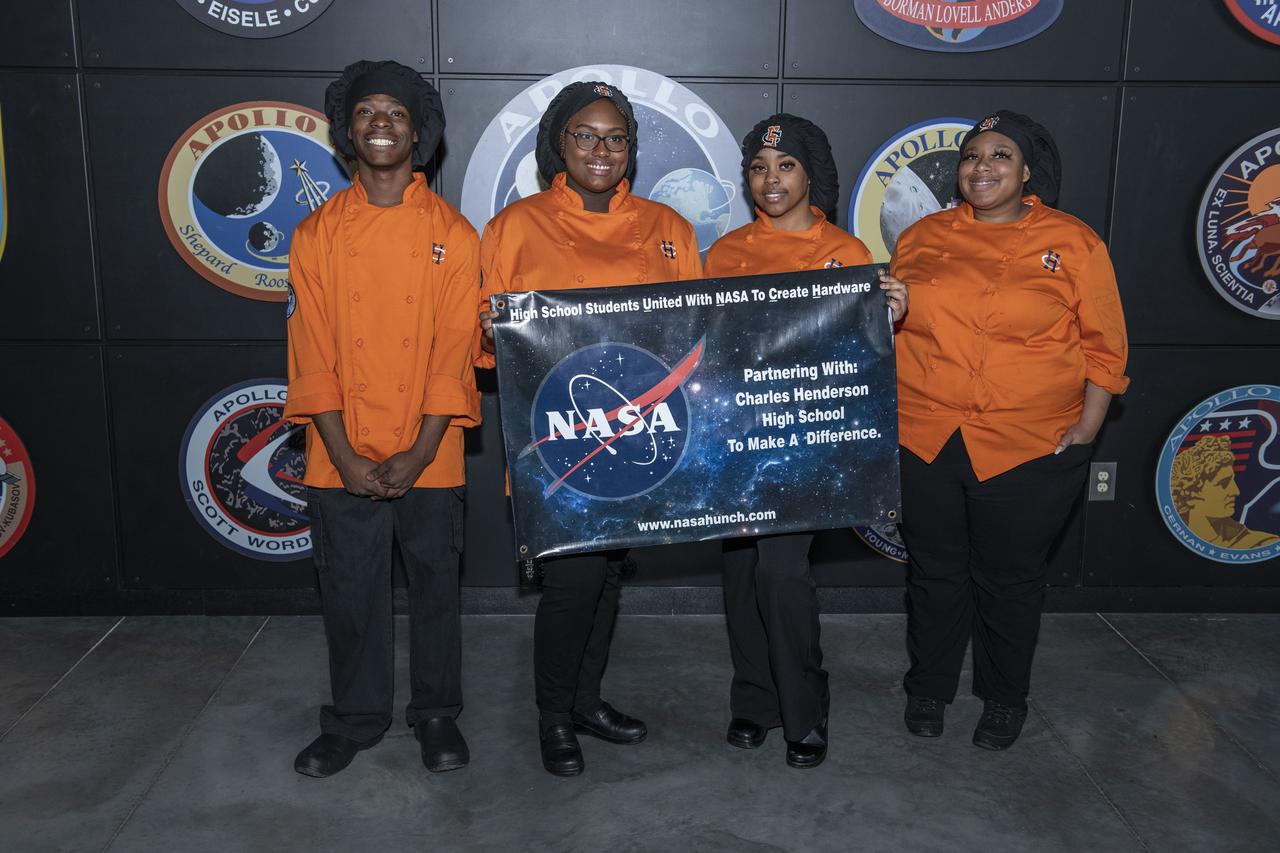
HUNCH (High School Students United with NASA to Create Hardware) students came together at the U.Sl Space and Rocket Center (USSRC) in a competition to create recipes for food to feed astronauts in space. Six teams from North Alabama and George participated. The winner will compete with students from competitions at other NASA centers later at the Johnson Space Flight Center.
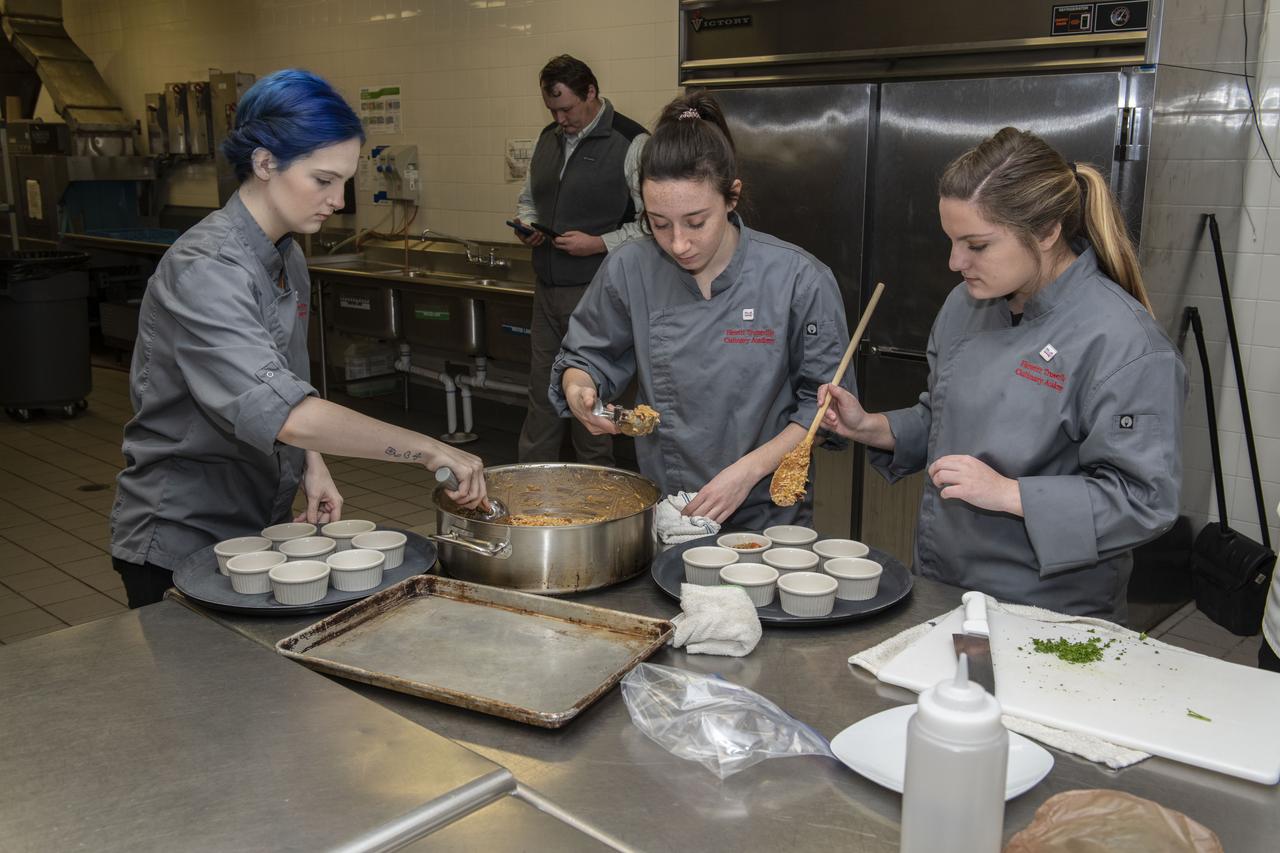
HUNCH (High School Students United with NASA to Create Hardware) students came together at the U.Sl Space and Rocket Center (USSRC) in a competition to create recipes for food to feed astronauts in space. Six teams from North Alabama and George participated. The winner will compete with students from competitions at other NASA centers later at the Johnson Space Flight Center.

HUNCH (High School Students United with NASA to Create Hardware) students came together at the U.Sl Space and Rocket Center (USSRC) in a competition to create recipes for food to feed astronauts in space. Six teams from North Alabama and George participated. The winner will compete with students from competitions at other NASA centers later at the Johnson Space Flight Center.
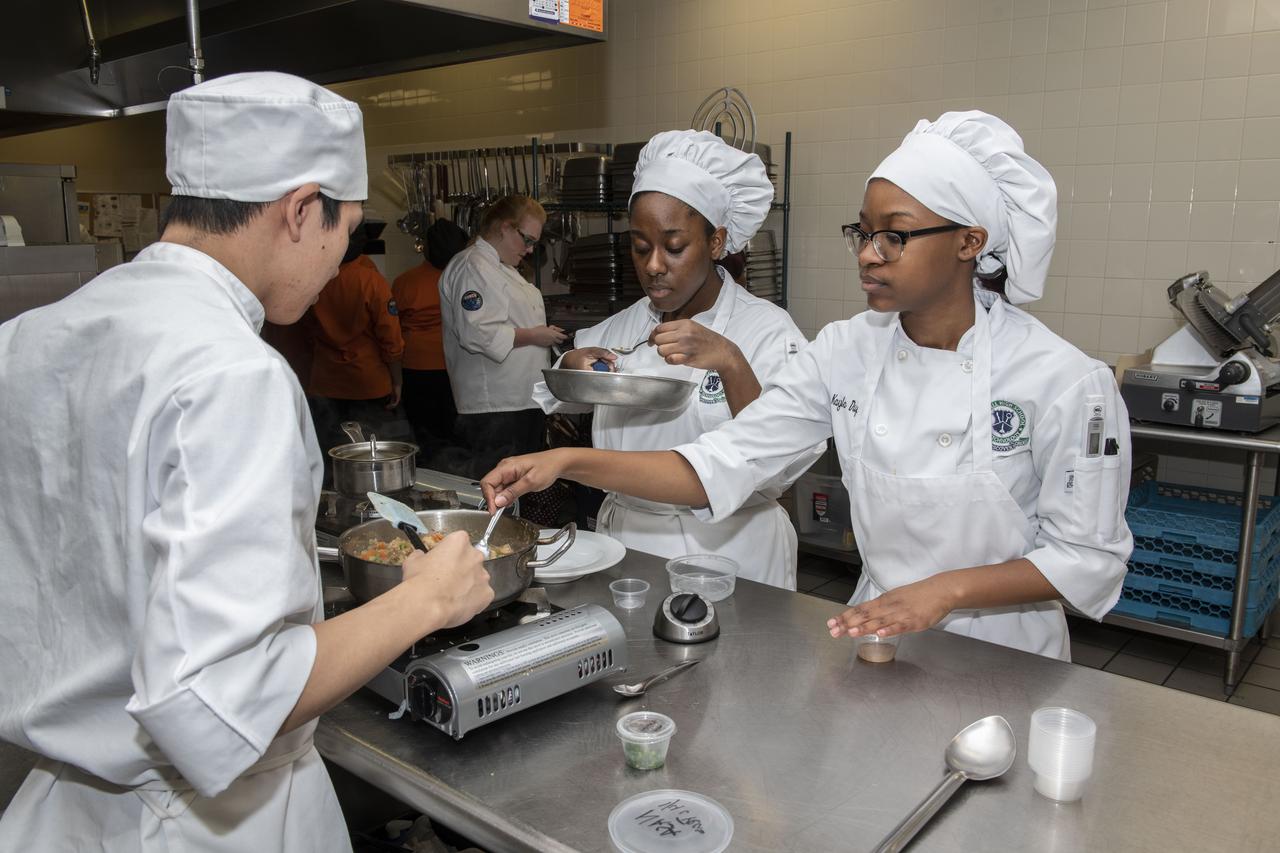
HUNCH (High School Students United with NASA to Create Hardware) students came together at the U.Sl Space and Rocket Center (USSRC) in a competition to create recipes for food to feed astronauts in space. Six teams from North Alabama and George participated. The winner will compete with students from competitions at other NASA centers later at the Johnson Space Flight Center.
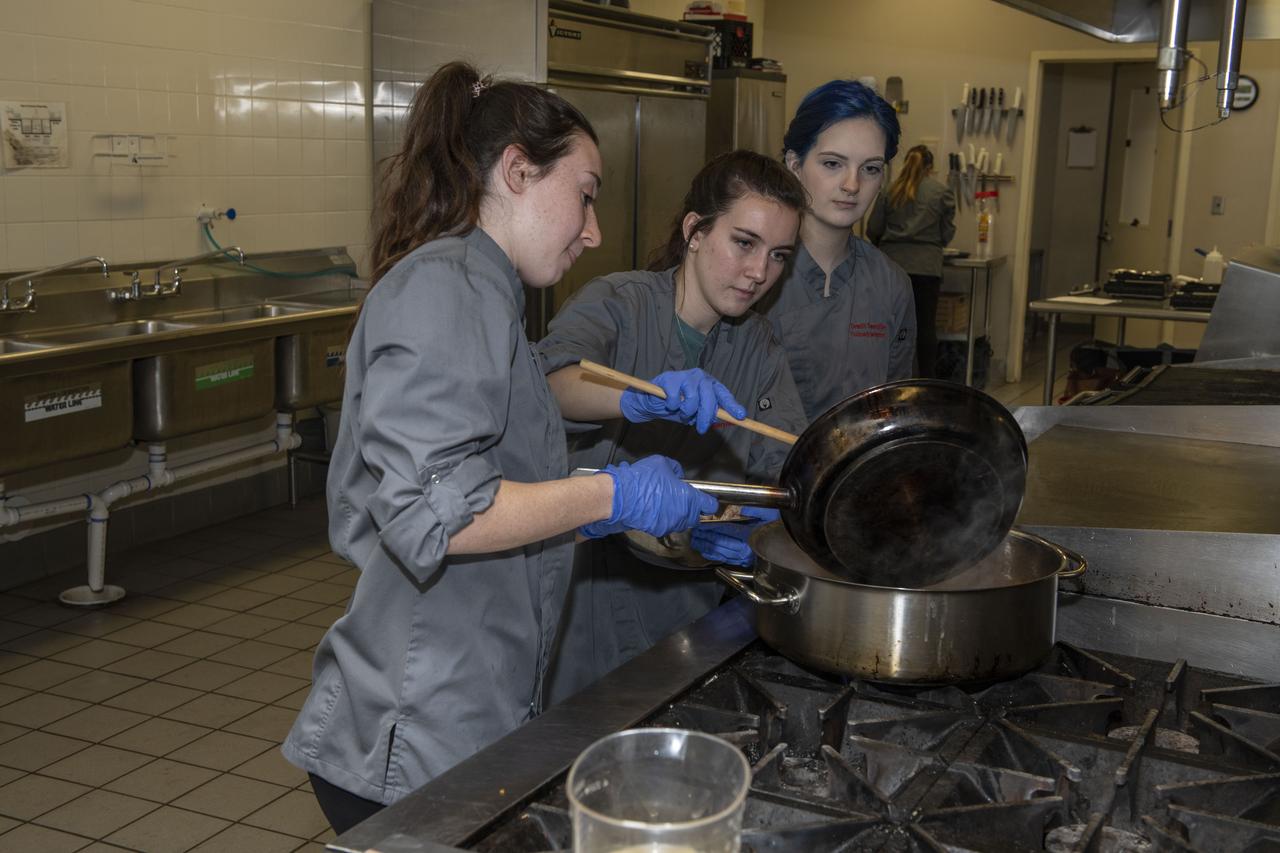
HUNCH (High School Students United with NASA to Create Hardware) students came together at the U.Sl Space and Rocket Center (USSRC) in a competition to create recipes for food to feed astronauts in space. Six teams from North Alabama and George participated. The winner will compete with students from competitions at other NASA centers later at the Johnson Space Flight Center.
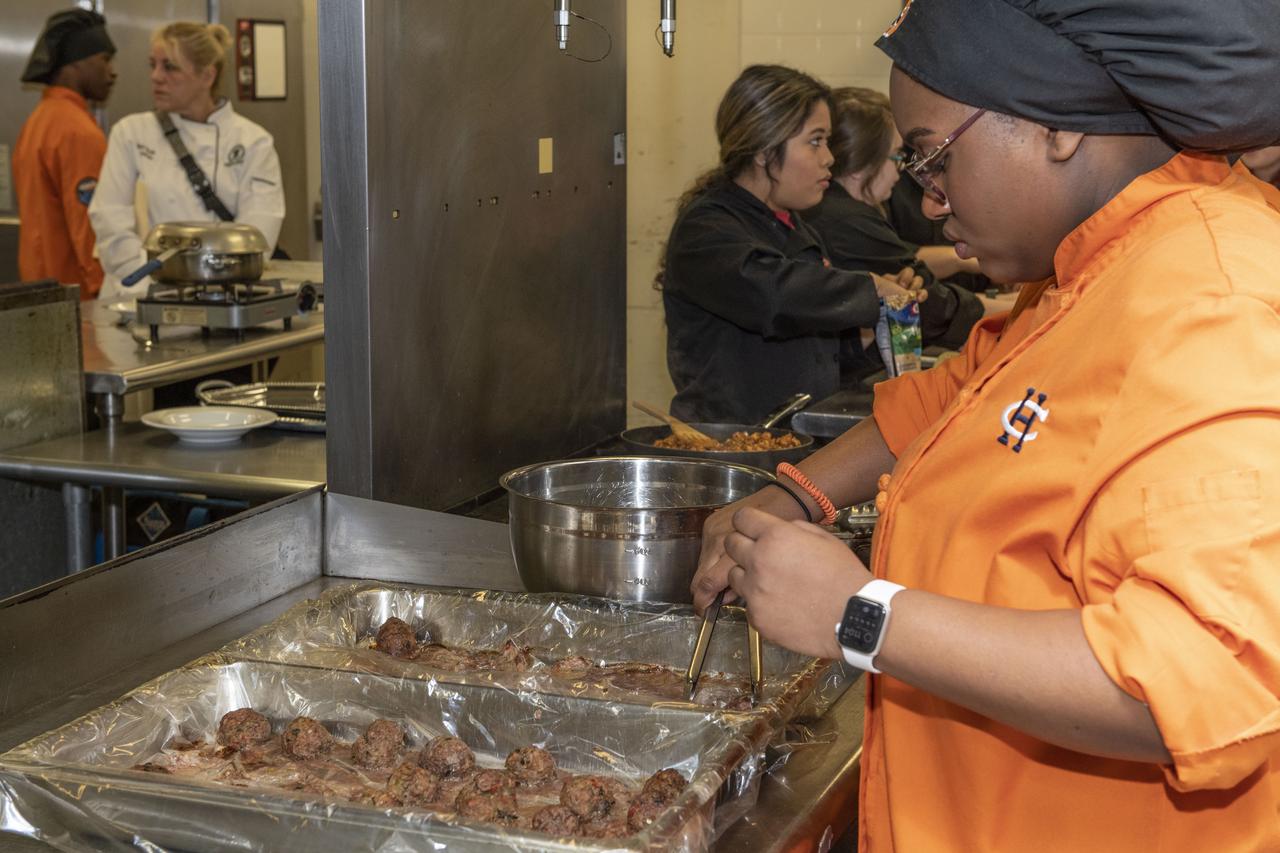
HUNCH (High School Students United with NASA to Create Hardware) students came together at the U.Sl Space and Rocket Center (USSRC) in a competition to create recipes for food to feed astronauts in space. Six teams from North Alabama and George participated. The winner will compete with students from competitions at other NASA centers later at the Johnson Space Flight Center.
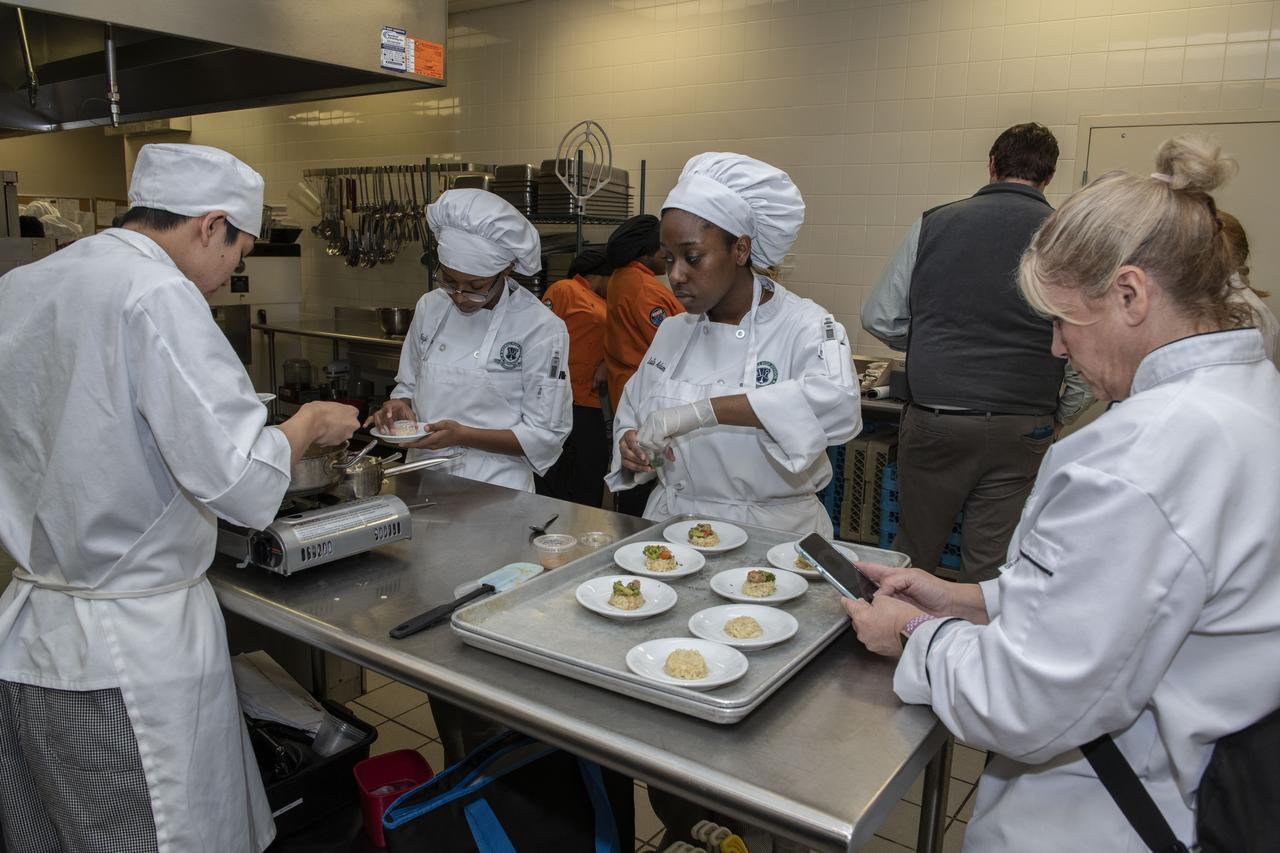
HUNCH (High School Students United with NASA to Create Hardware) students came together at the U.Sl Space and Rocket Center (USSRC) in a competition to create recipes for food to feed astronauts in space. Six teams from North Alabama and George participated. The winner will compete with students from competitions at other NASA centers later at the Johnson Space Flight Center.
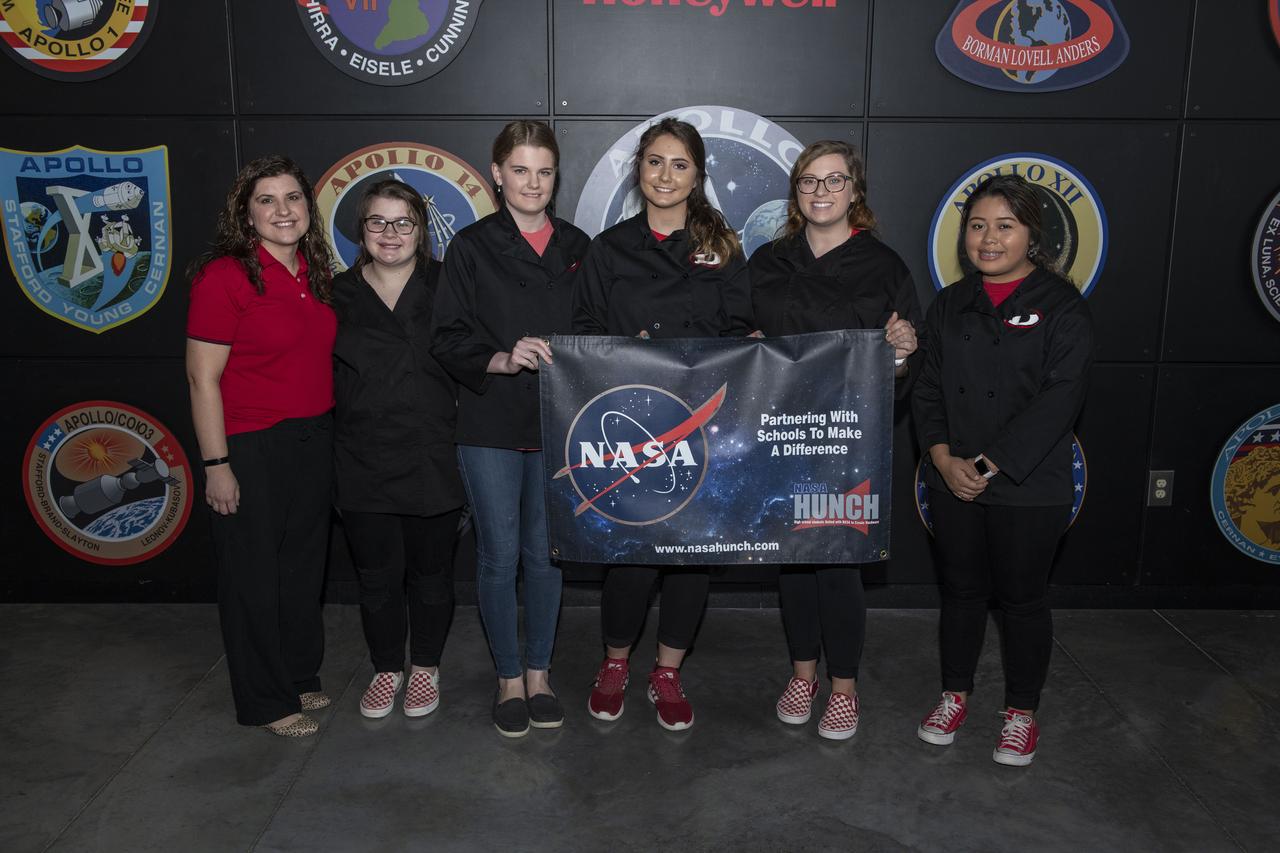
HUNCH (High School Students United with NASA to Create Hardware) students came together at the U.Sl Space and Rocket Center (USSRC) in a competition to create recipes for food to feed astronauts in space. Six teams from North Alabama and George participated. The winner will compete with students from competitions at other NASA centers later at the Johnson Space Flight Center.
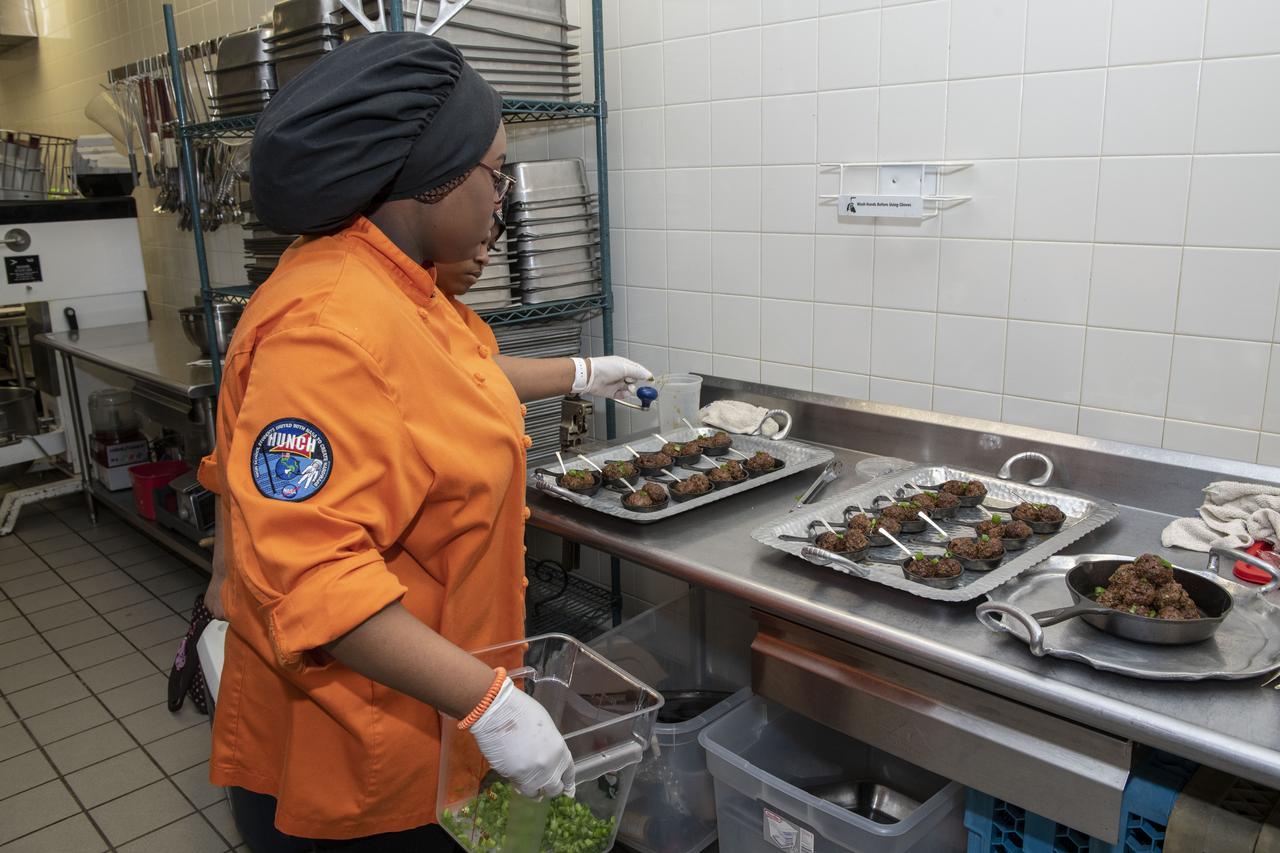
HUNCH (High School Students United with NASA to Create Hardware) students came together at the U.Sl Space and Rocket Center (USSRC) in a competition to create recipes for food to feed astronauts in space. Six teams from North Alabama and George participated. The winner will compete with students from competitions at other NASA centers later at the Johnson Space Flight Center.
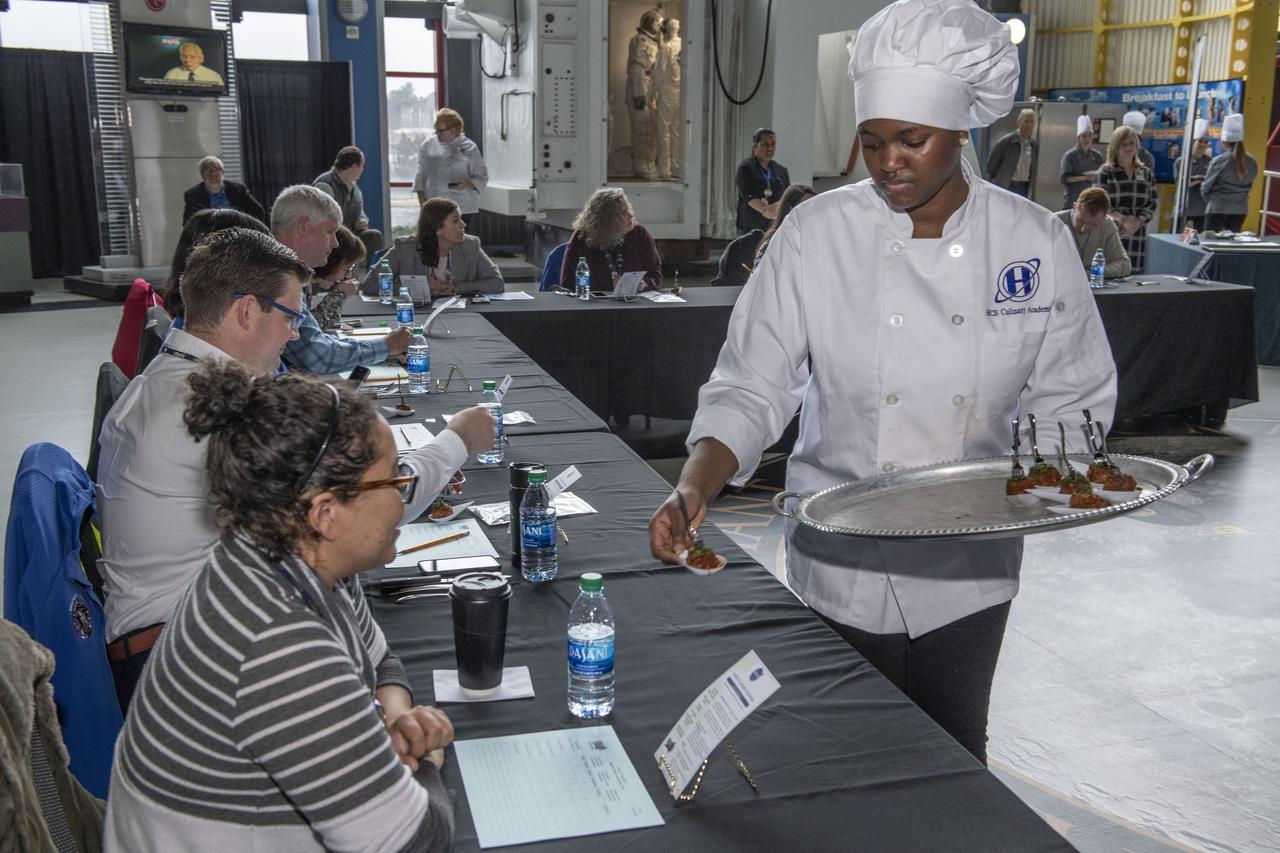
HUNCH (High School Students United with NASA to Create Hardware) students came together at the U.Sl Space and Rocket Center (USSRC) in a competition to create recipes for food to feed astronauts in space. Six teams from North Alabama and George participated. The winner will compete with students from competitions at other NASA centers later at the Johnson Space Flight Center.
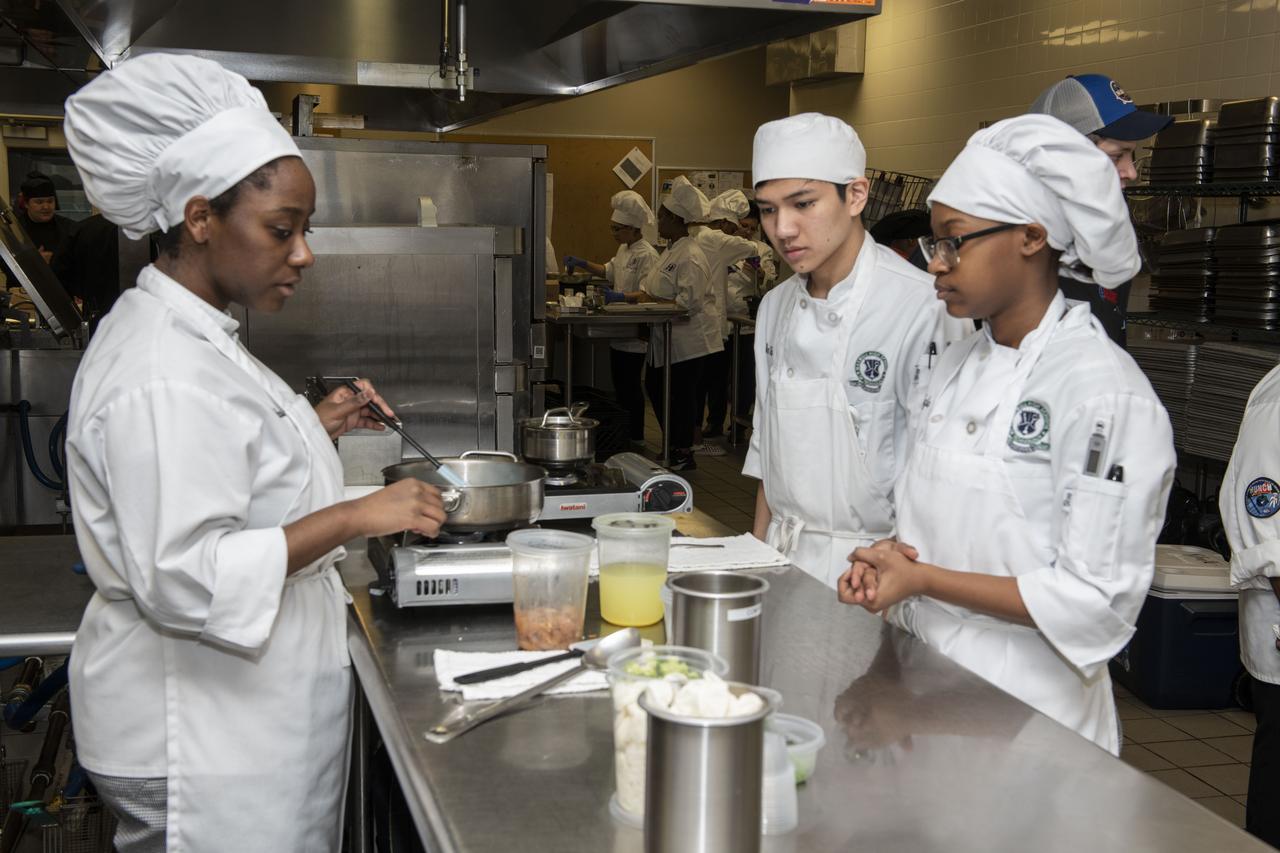
HUNCH (High School Students United with NASA to Create Hardware) students came together at the U.Sl Space and Rocket Center (USSRC) in a competition to create recipes for food to feed astronauts in space. Six teams from North Alabama and George participated. The winner will compete with students from competitions at other NASA centers later at the Johnson Space Flight Center.
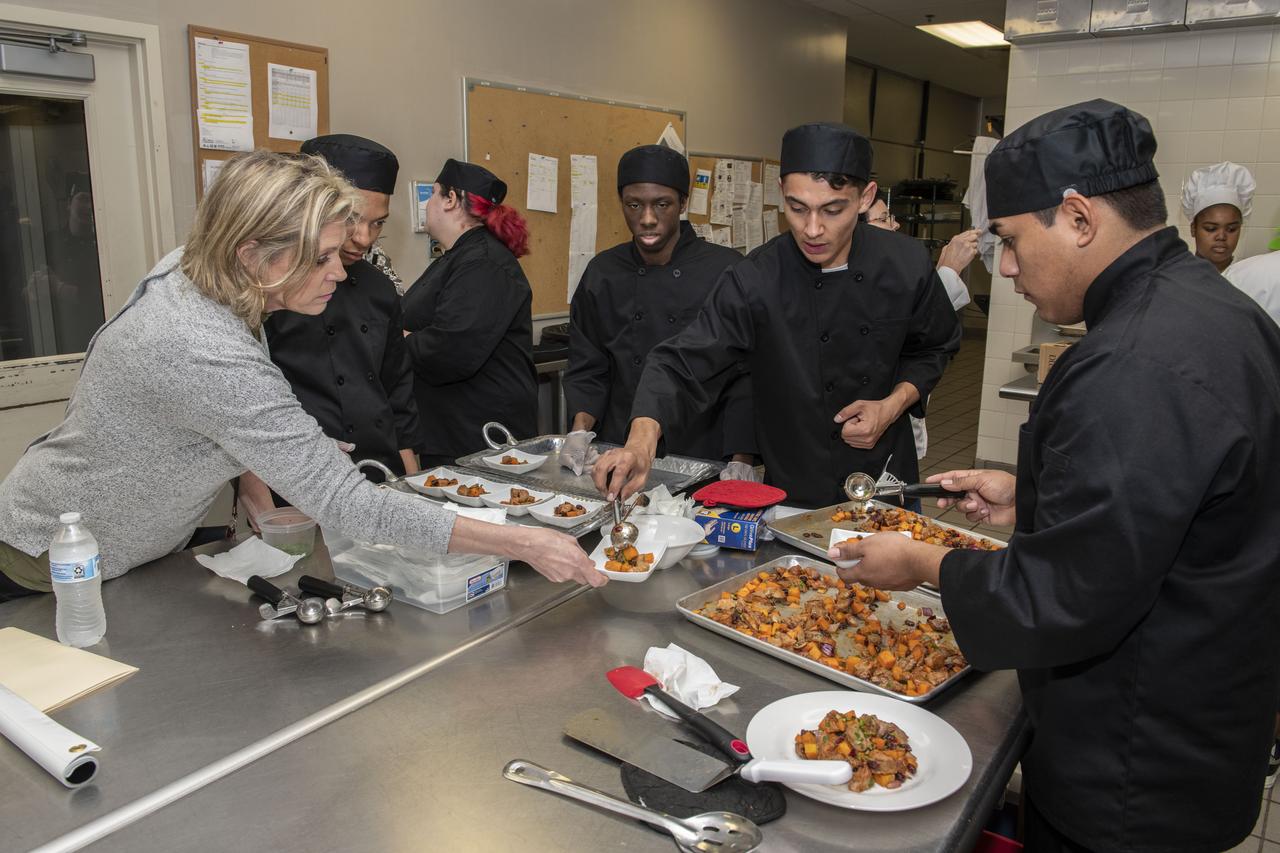
HUNCH (High School Students United with NASA to Create Hardware) students came together at the U.Sl Space and Rocket Center (USSRC) in a competition to create recipes for food to feed astronauts in space. Six teams from North Alabama and George participated. The winner will compete with students from competitions at other NASA centers later at the Johnson Space Flight Center.
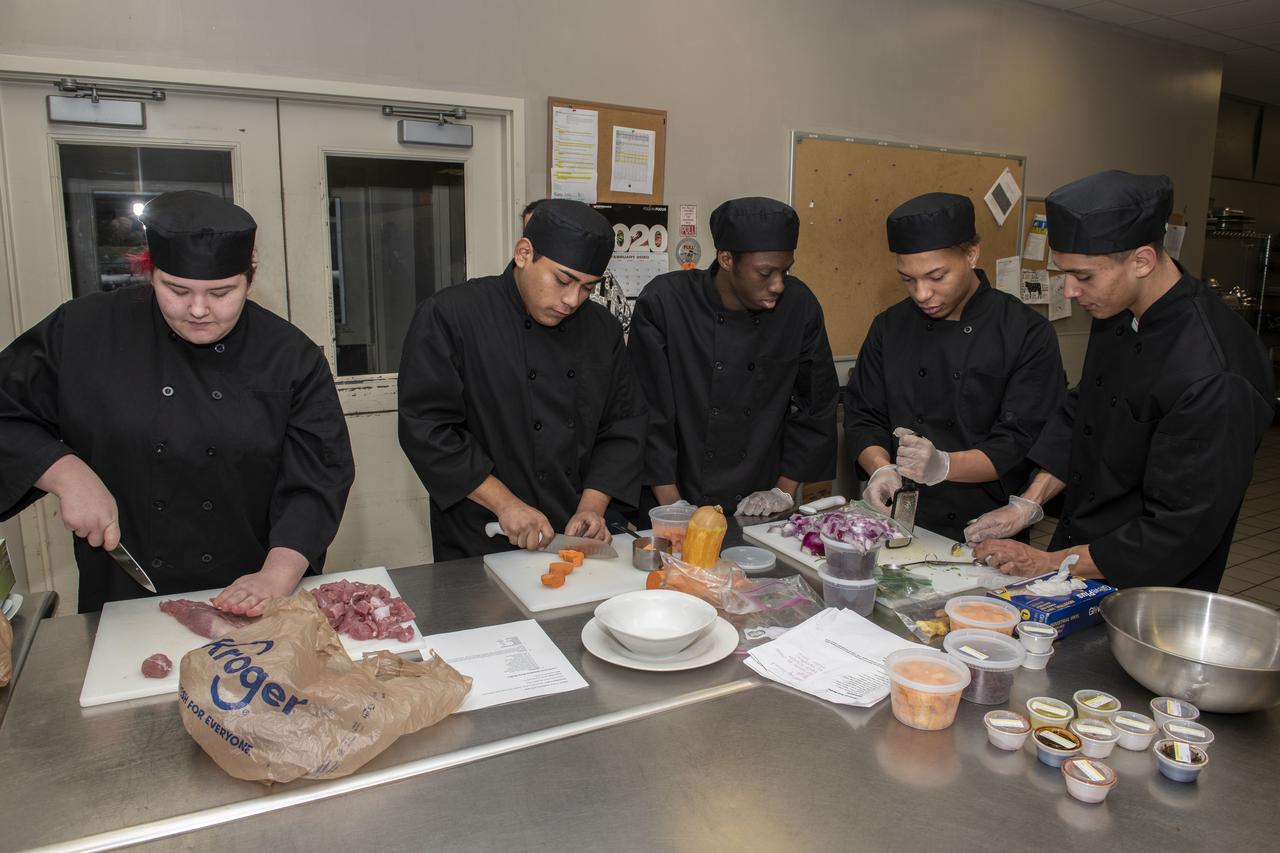
HUNCH (High School Students United with NASA to Create Hardware) students came together at the U.Sl Space and Rocket Center (USSRC) in a competition to create recipes for food to feed astronauts in space. Six teams from North Alabama and George participated. The winner will compete with students from competitions at other NASA centers later at the Johnson Space Flight Center.
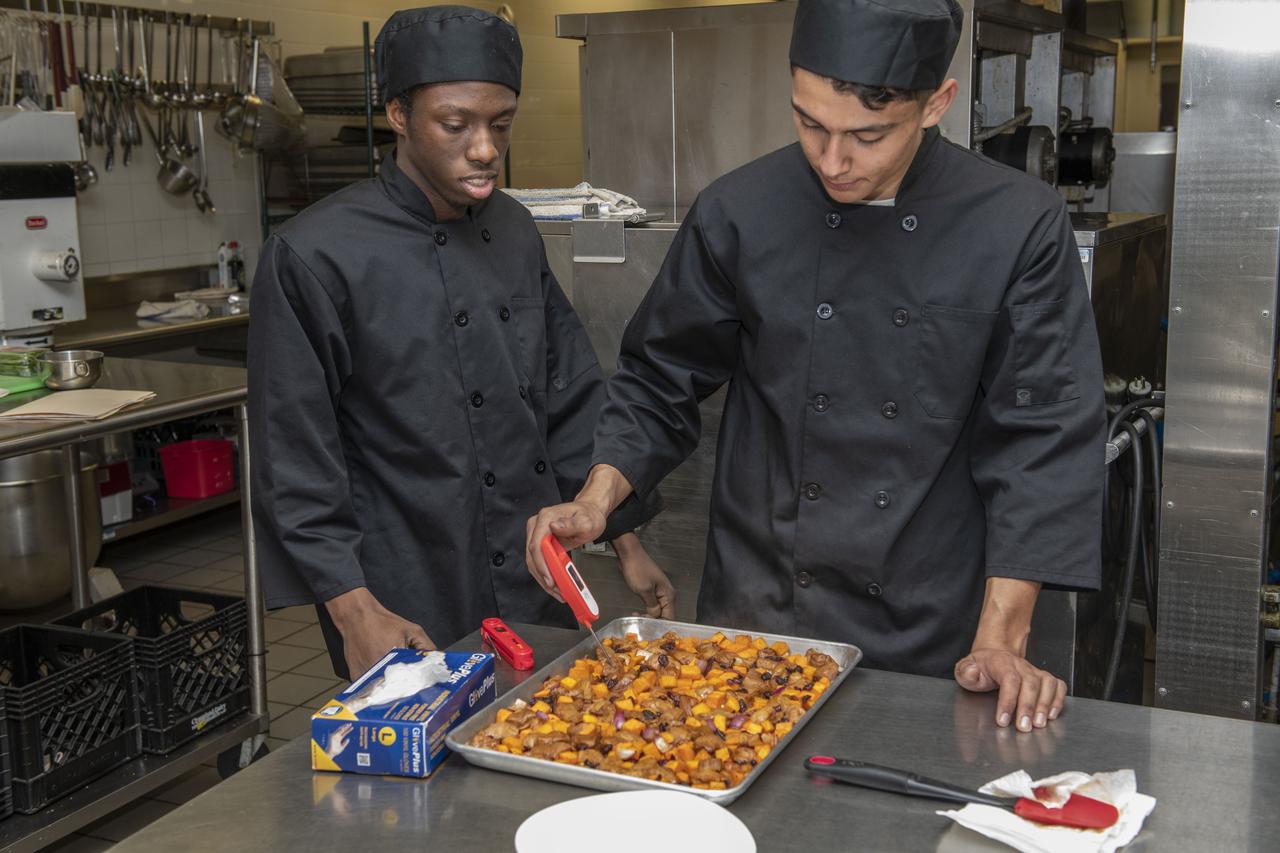
HUNCH (High School Students United with NASA to Create Hardware) students came together at the U.Sl Space and Rocket Center (USSRC) in a competition to create recipes for food to feed astronauts in space. Six teams from North Alabama and George participated. The winner will compete with students from competitions at other NASA centers later at the Johnson Space Flight Center.
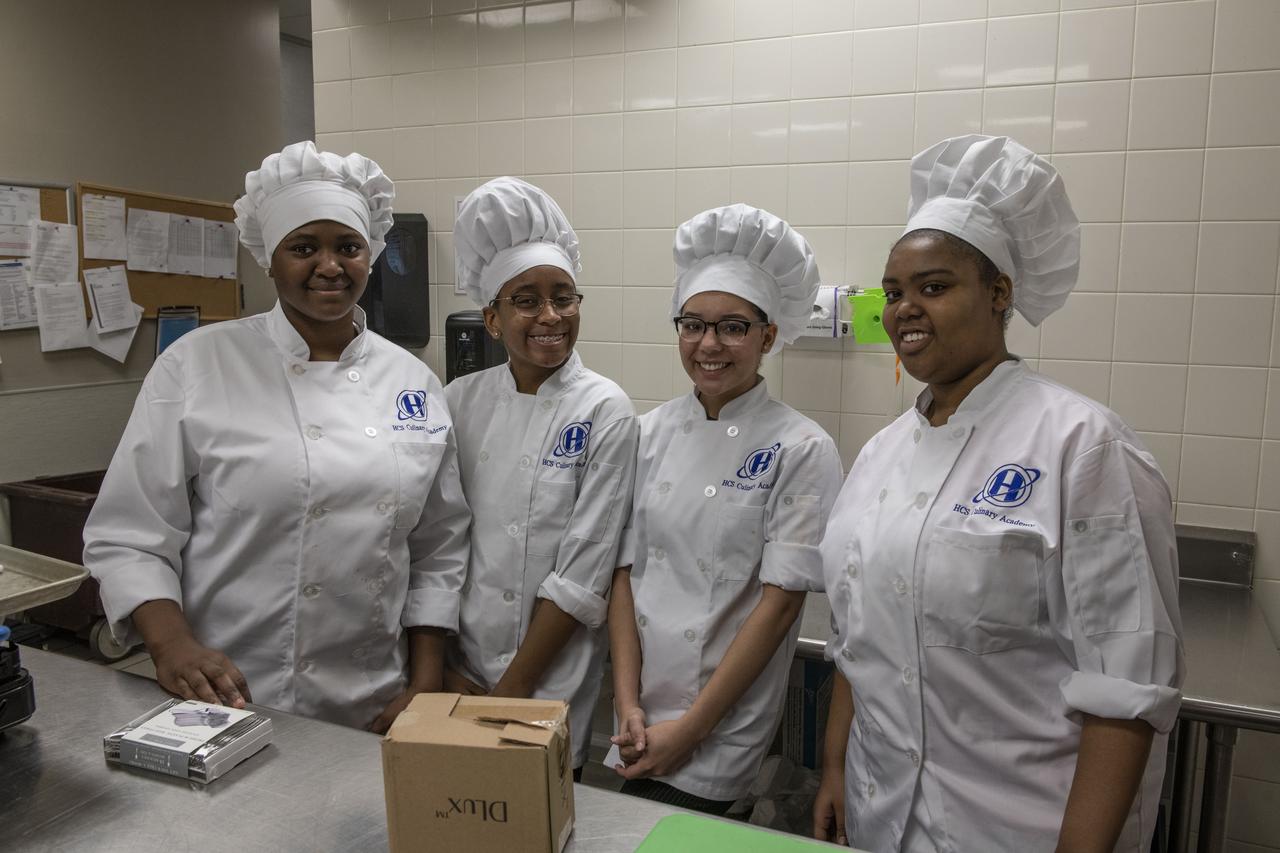
HUNCH (High School Students United with NASA to Create Hardware) students came together at the U.Sl Space and Rocket Center (USSRC) in a competition to create recipes for food to feed astronauts in space. Six teams from North Alabama and George participated. The winner will compete with students from competitions at other NASA centers later at the Johnson Space Flight Center.
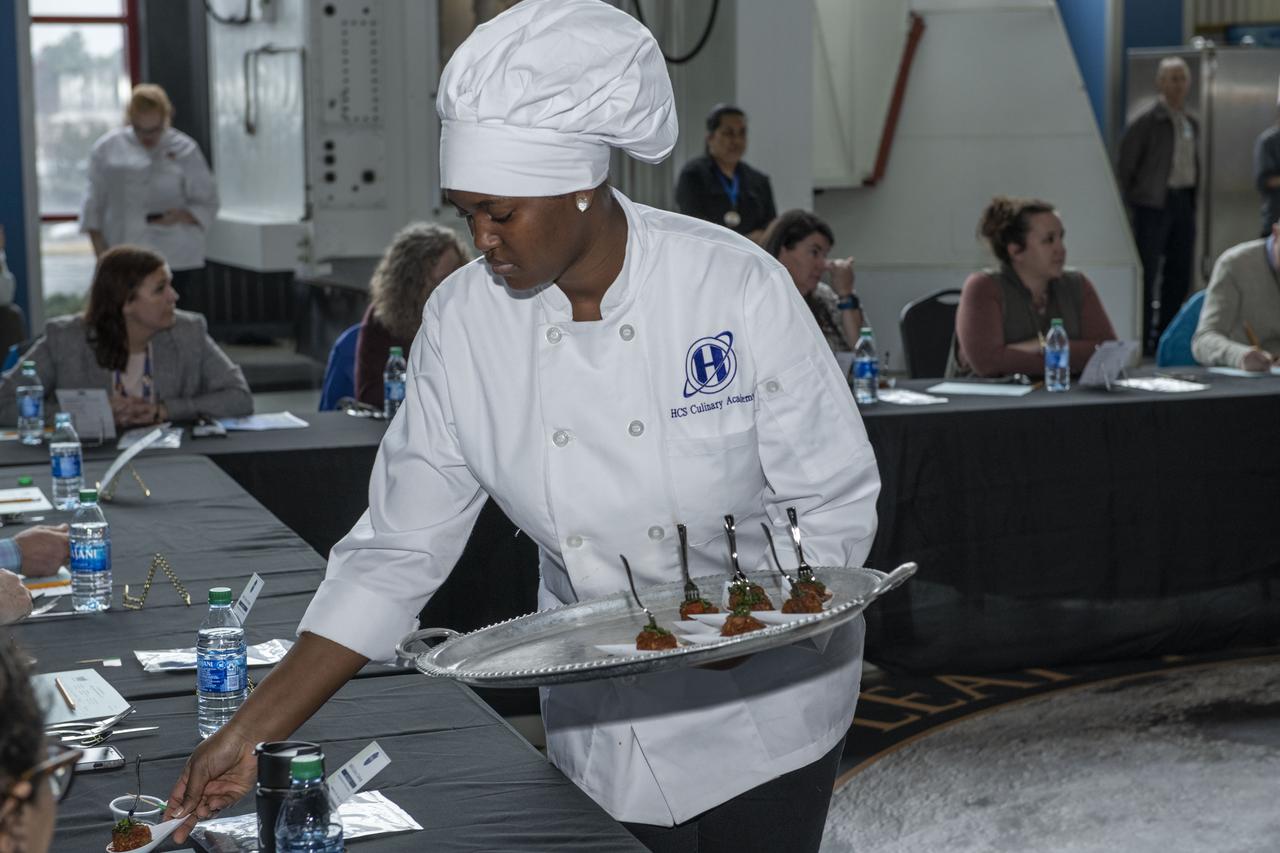
HUNCH (High School Students United with NASA to Create Hardware) students came together at the U.Sl Space and Rocket Center (USSRC) in a competition to create recipes for food to feed astronauts in space. Six teams from North Alabama and George participated. The winner will compete with students from competitions at other NASA centers later at the Johnson Space Flight Center.
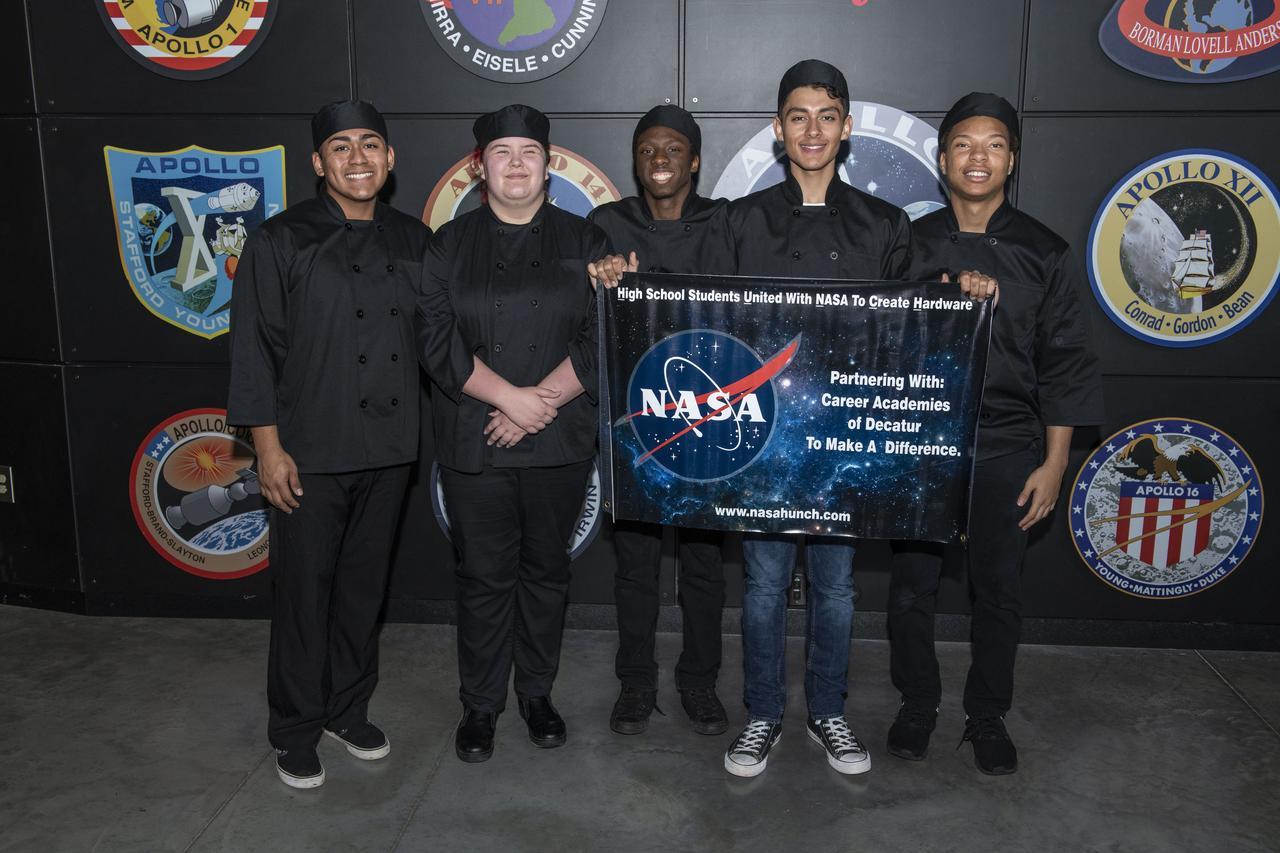
HUNCH (High School Students United with NASA to Create Hardware) students came together at the U.Sl Space and Rocket Center (USSRC) in a competition to create recipes for food to feed astronauts in space. Six teams from North Alabama and George participated. The winner will compete with students from competitions at other NASA centers later at the Johnson Space Flight Center.
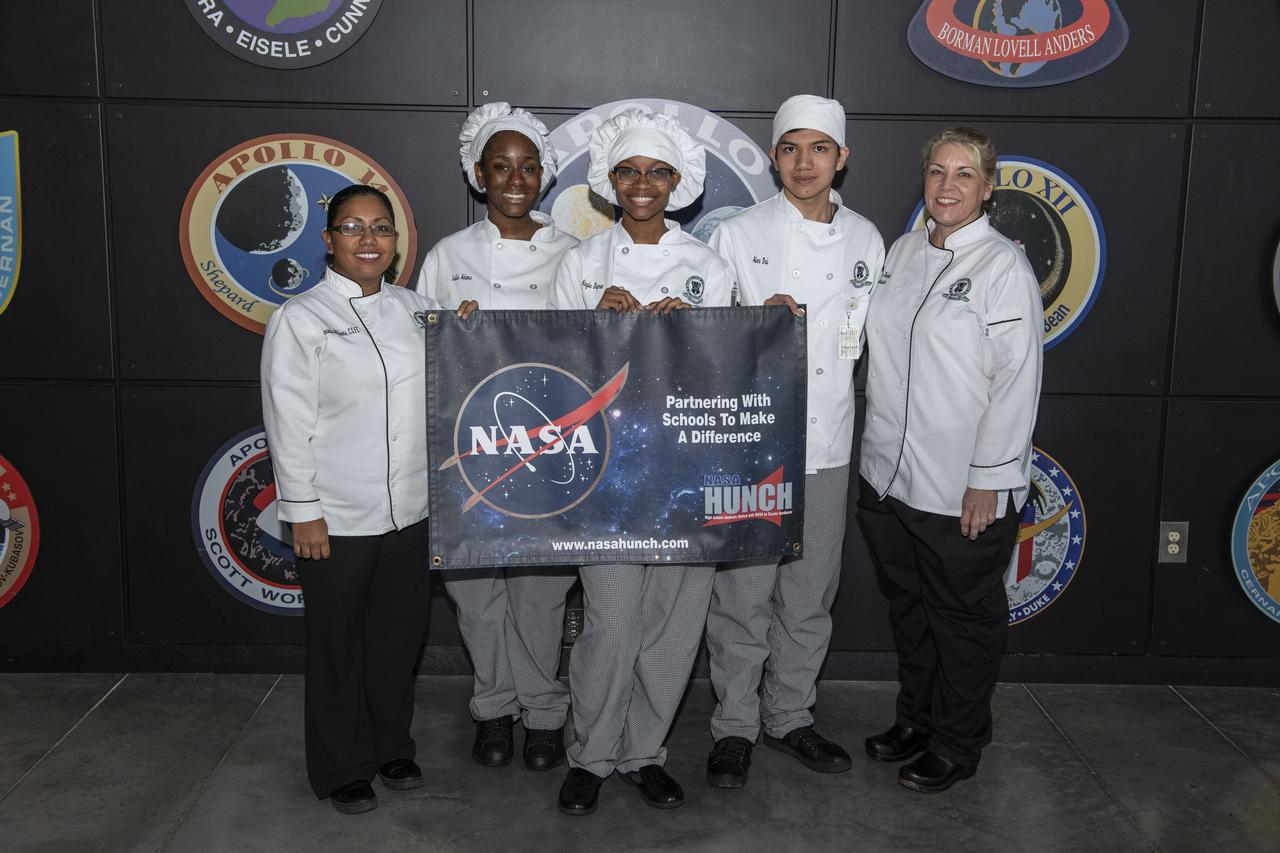
HUNCH (High School Students United with NASA to Create Hardware) students came together at the U.Sl Space and Rocket Center (USSRC) in a competition to create recipes for food to feed astronauts in space. Six teams from North Alabama and George participated. The winner will compete with students from competitions at other NASA centers later at the Johnson Space Flight Center.
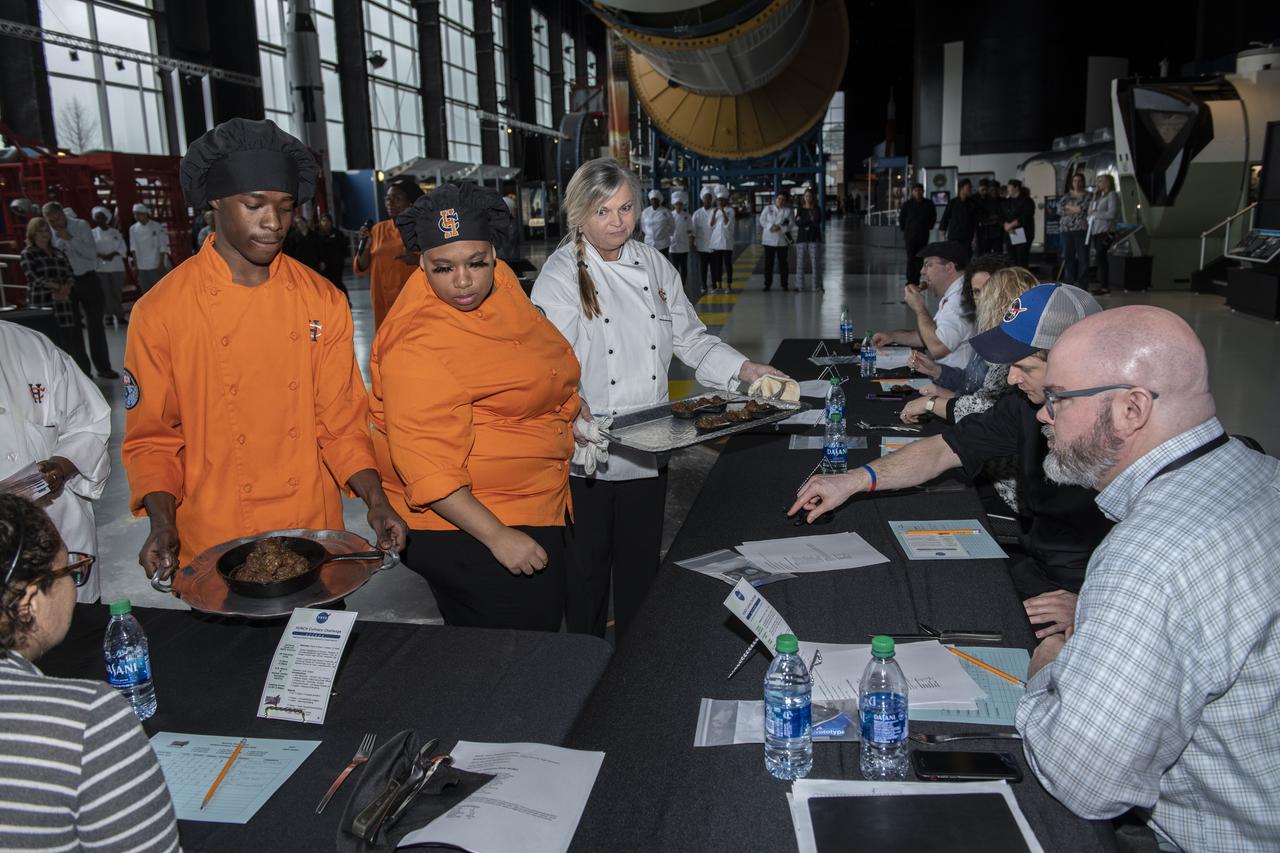
HUNCH (High School Students United with NASA to Create Hardware) students came together at the U.Sl Space and Rocket Center (USSRC) in a competition to create recipes for food to feed astronauts in space. Six teams from North Alabama and George participated. The winner will compete with students from competitions at other NASA centers later at the Johnson Space Flight Center.
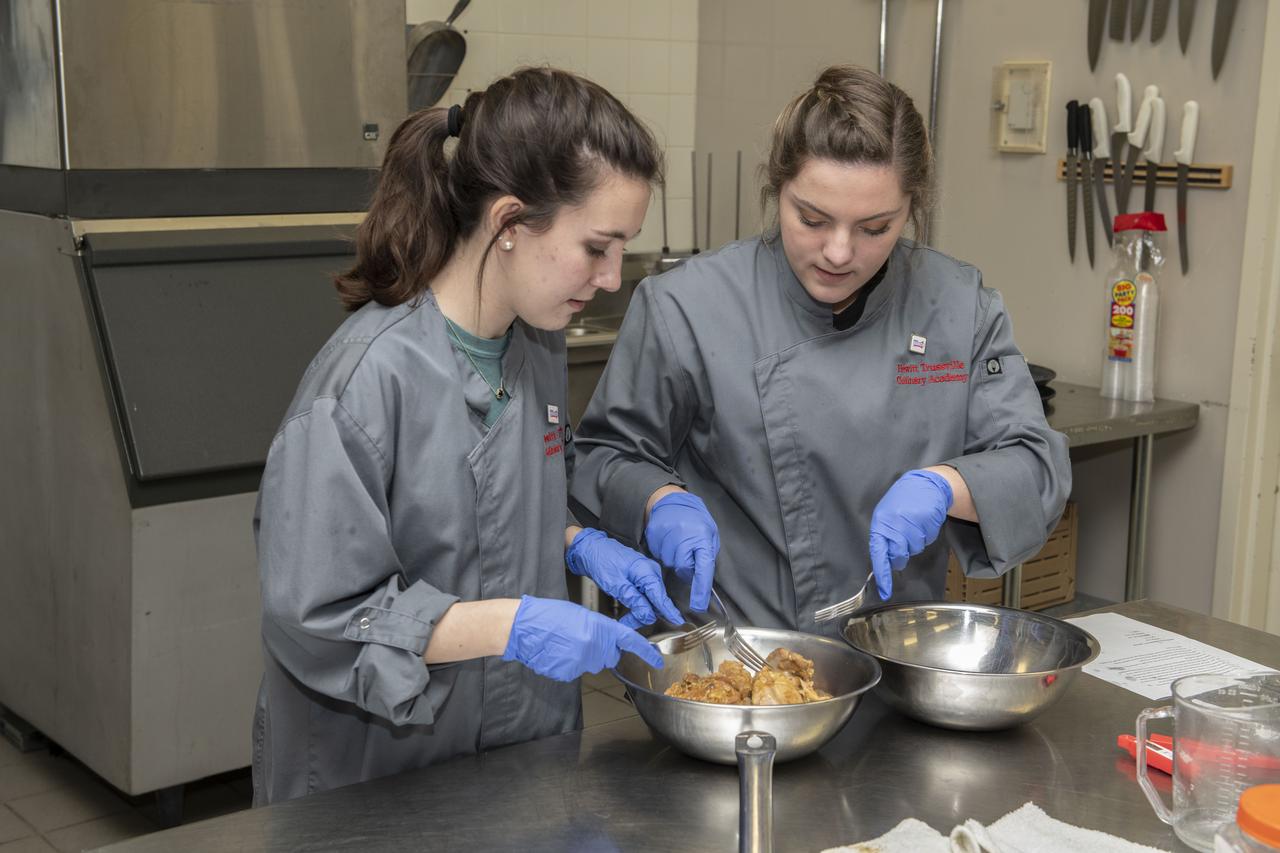
HUNCH (High School Students United with NASA to Create Hardware) students came together at the U.Sl Space and Rocket Center (USSRC) in a competition to create recipes for food to feed astronauts in space. Six teams from North Alabama and George participated. The winner will compete with students from competitions at other NASA centers later at the Johnson Space Flight Center.
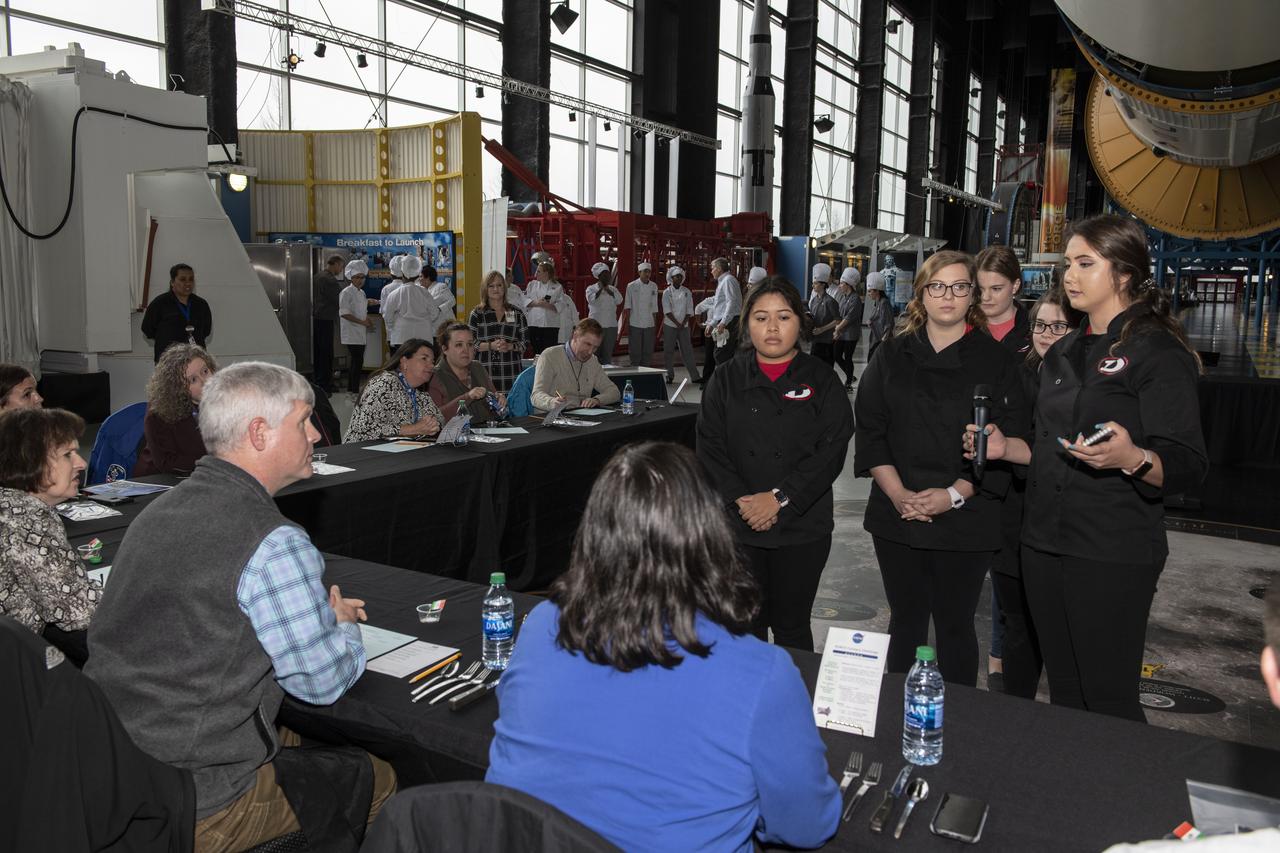
HUNCH (High School Students United with NASA to Create Hardware) students came together at the U.Sl Space and Rocket Center (USSRC) in a competition to create recipes for food to feed astronauts in space. Six teams from North Alabama and George participated. The winner will compete with students from competitions at other NASA centers later at the Johnson Space Flight Center.
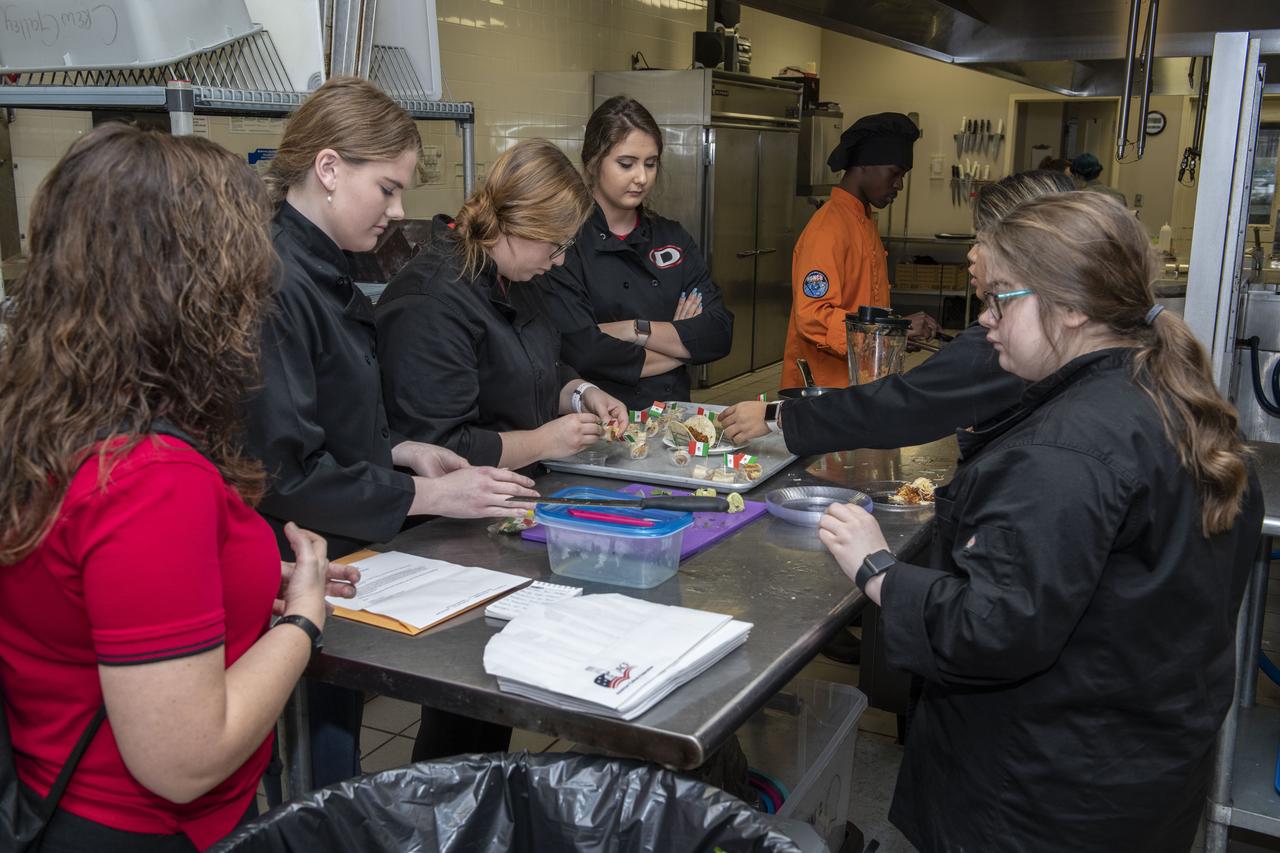
HUNCH (High School Students United with NASA to Create Hardware) students came together at the U.Sl Space and Rocket Center (USSRC) in a competition to create recipes for food to feed astronauts in space. Six teams from North Alabama and George participated. The winner will compete with students from competitions at other NASA centers later at the Johnson Space Flight Center.
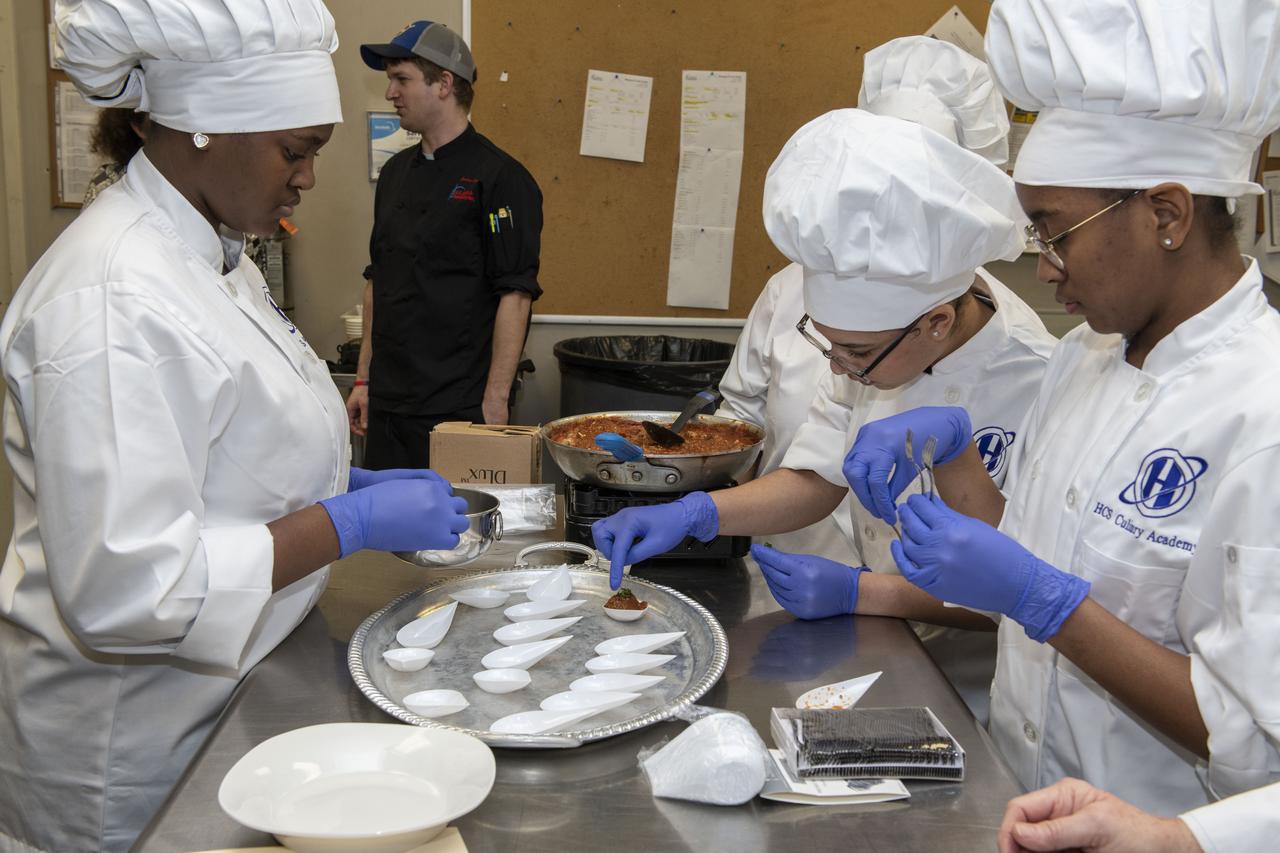
HUNCH (High School Students United with NASA to Create Hardware) students came together at the U.Sl Space and Rocket Center (USSRC) in a competition to create recipes for food to feed astronauts in space. Six teams from North Alabama and George participated. The winner will compete with students from competitions at other NASA centers later at the Johnson Space Flight Center.
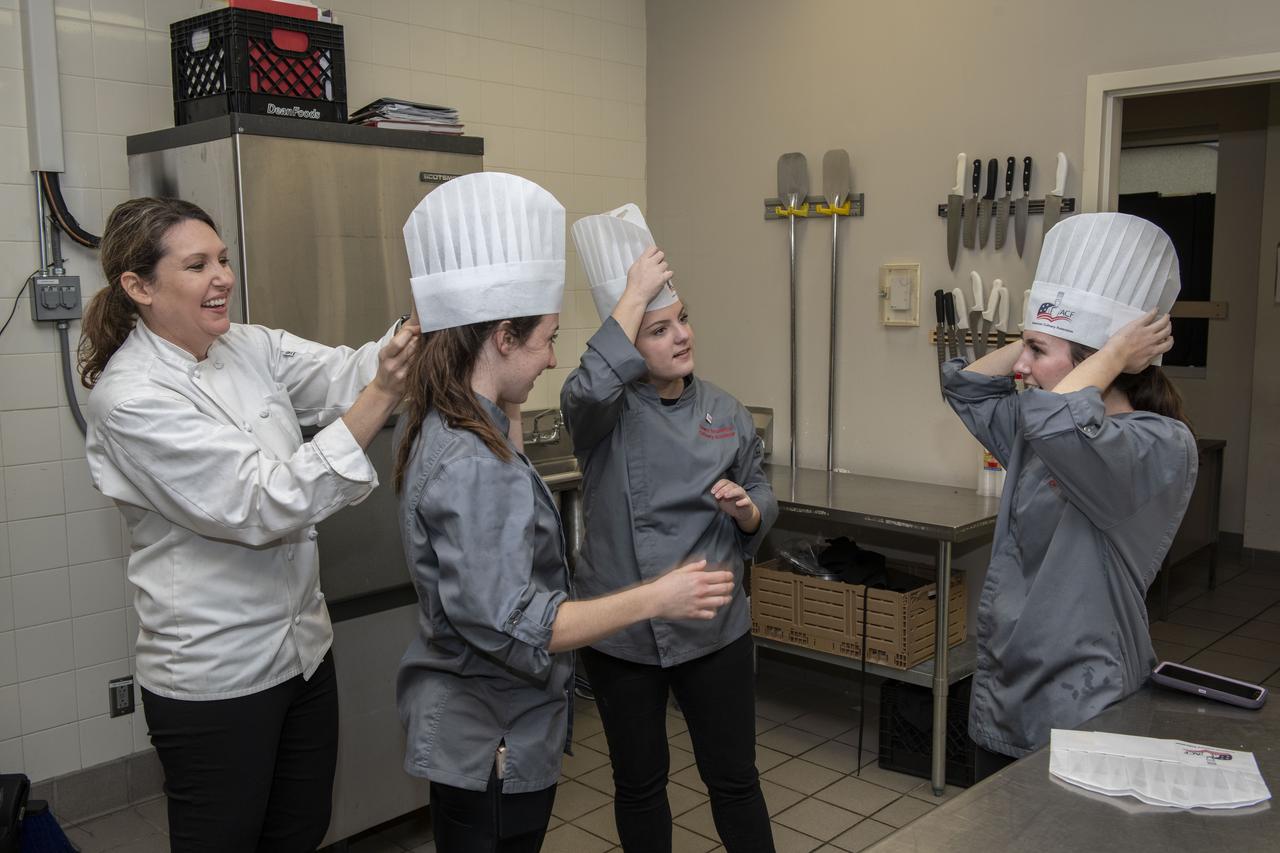
HUNCH (High School Students United with NASA to Create Hardware) students came together at the U.Sl Space and Rocket Center (USSRC) in a competition to create recipes for food to feed astronauts in space. Six teams from North Alabama and George participated. The winner will compete with students from competitions at other NASA centers later at the Johnson Space Flight Center.
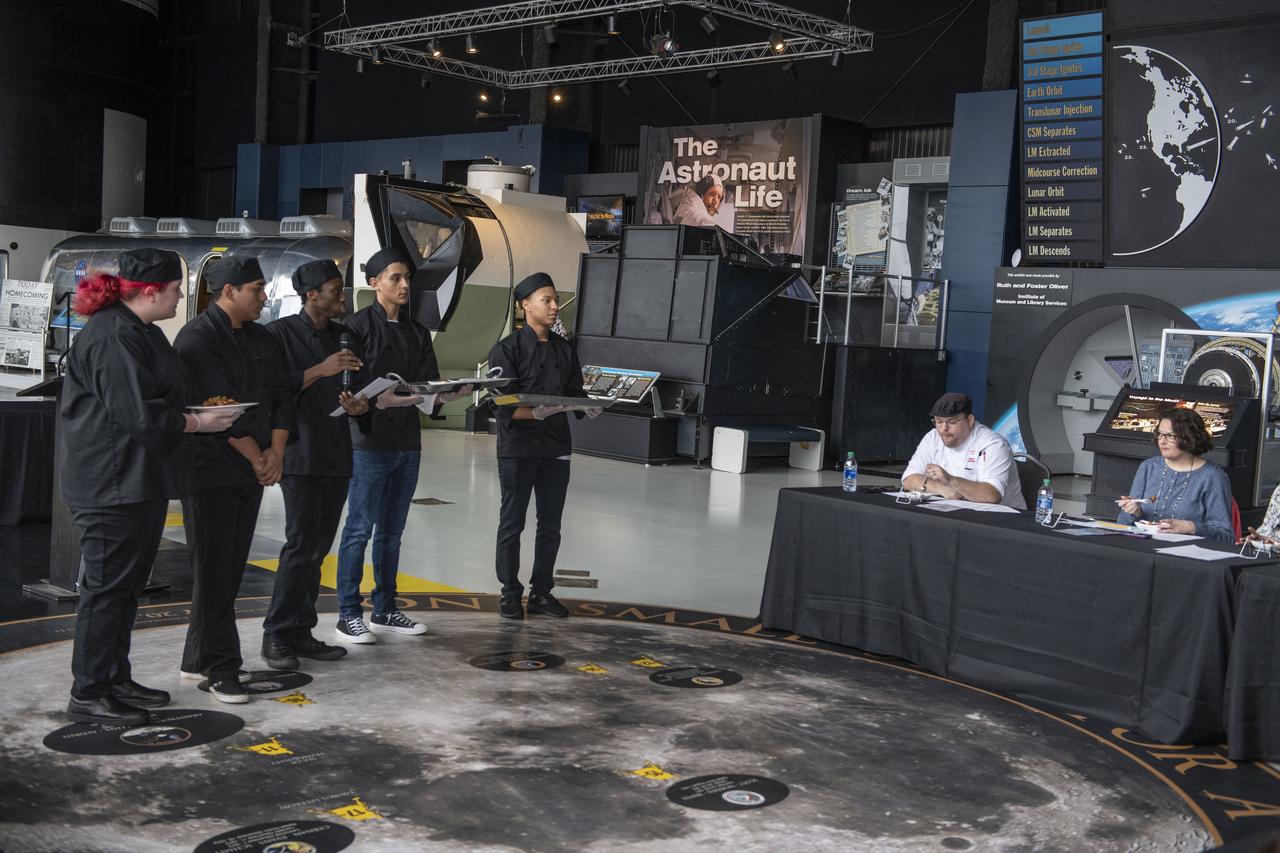
HUNCH (High School Students United with NASA to Create Hardware) students came together at the U.Sl Space and Rocket Center (USSRC) in a competition to create recipes for food to feed astronauts in space. Six teams from North Alabama and George participated. The winner will compete with students from competitions at other NASA centers later at the Johnson Space Flight Center.
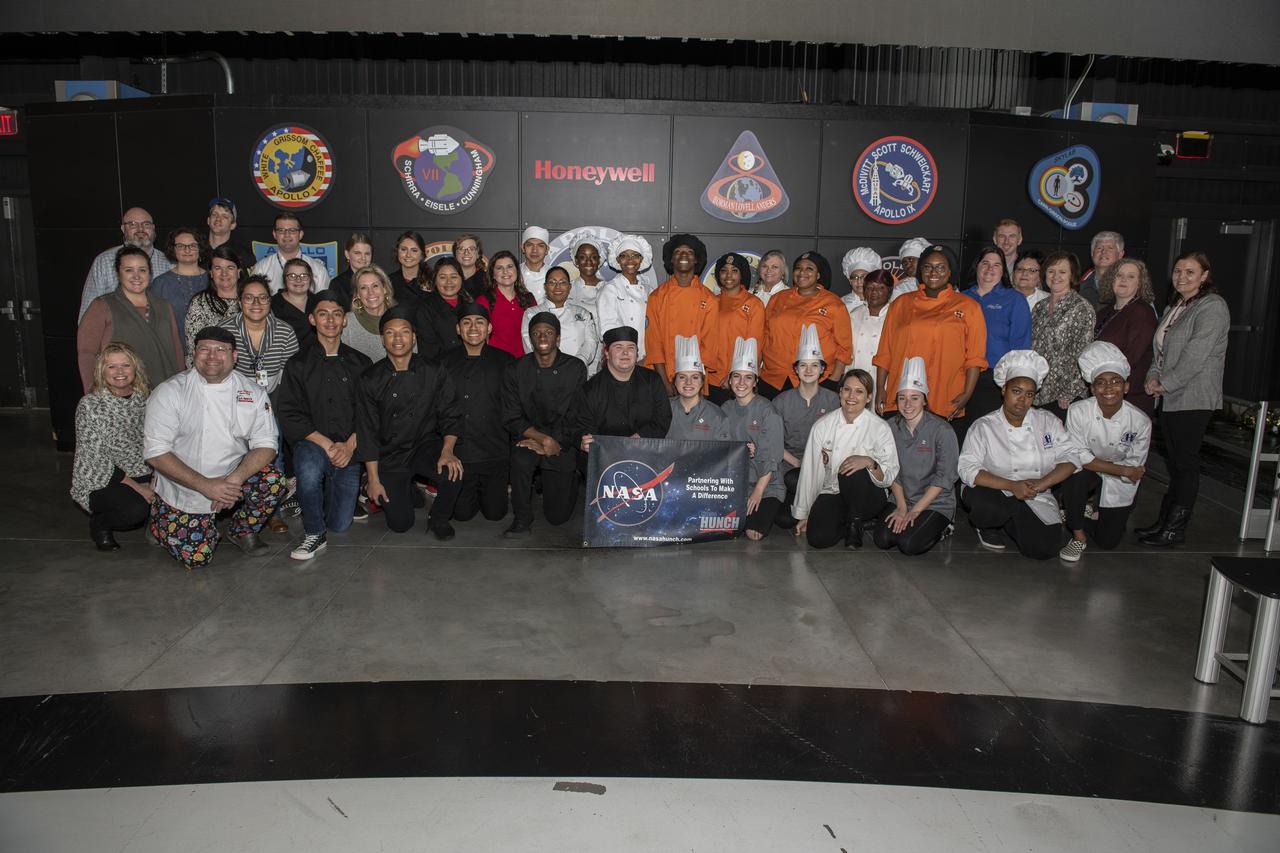
HUNCH (High School Students United with NASA to Create Hardware) students came together at the U.Sl Space and Rocket Center (USSRC) in a competition to create recipes for food to feed astronauts in space. Six teams from North Alabama and George participated. The winner will compete with students from competitions at other NASA centers later at the Johnson Space Flight Center.
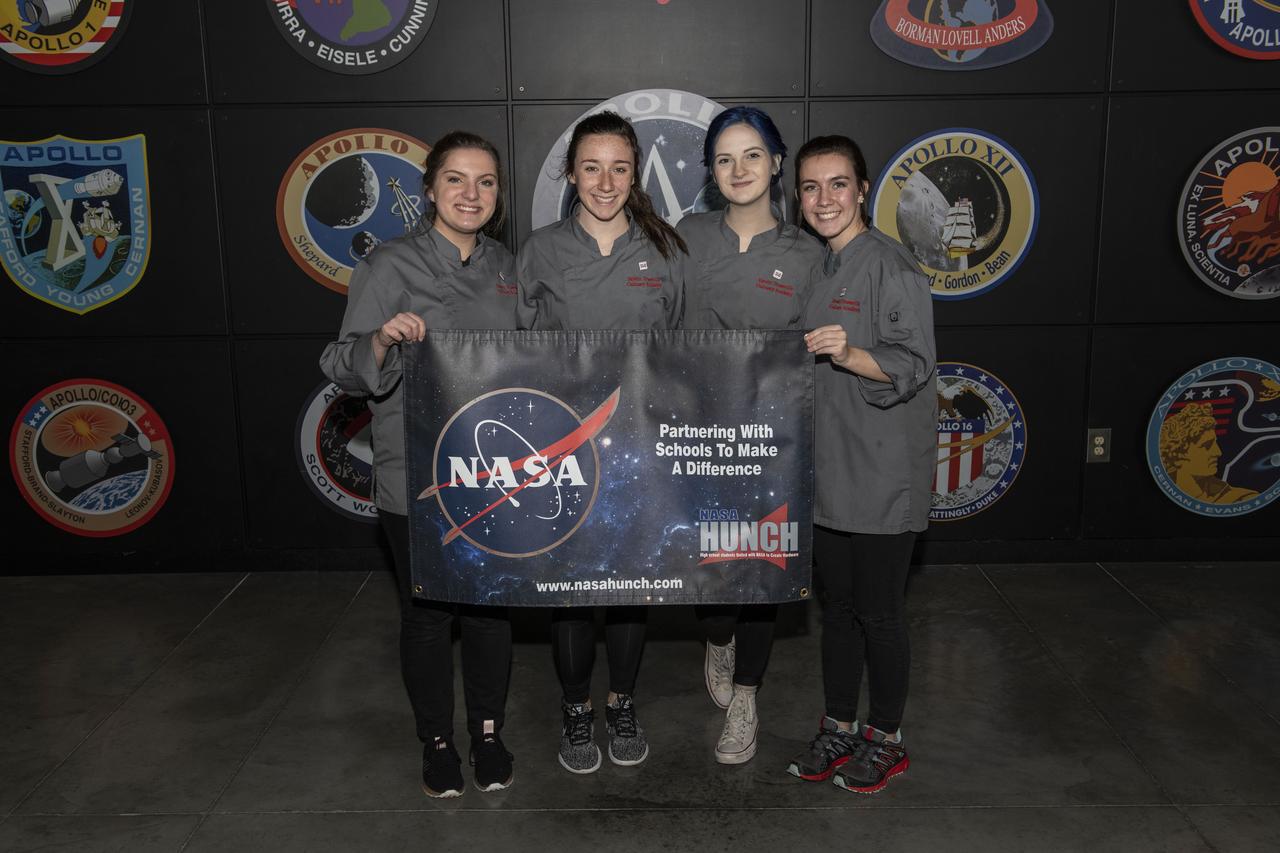
HUNCH (High School Students United with NASA to Create Hardware) students came together at the U.Sl Space and Rocket Center (USSRC) in a competition to create recipes for food to feed astronauts in space. Six teams from North Alabama and George participated. The winner will compete with students from competitions at other NASA centers later at the Johnson Space Flight Center.