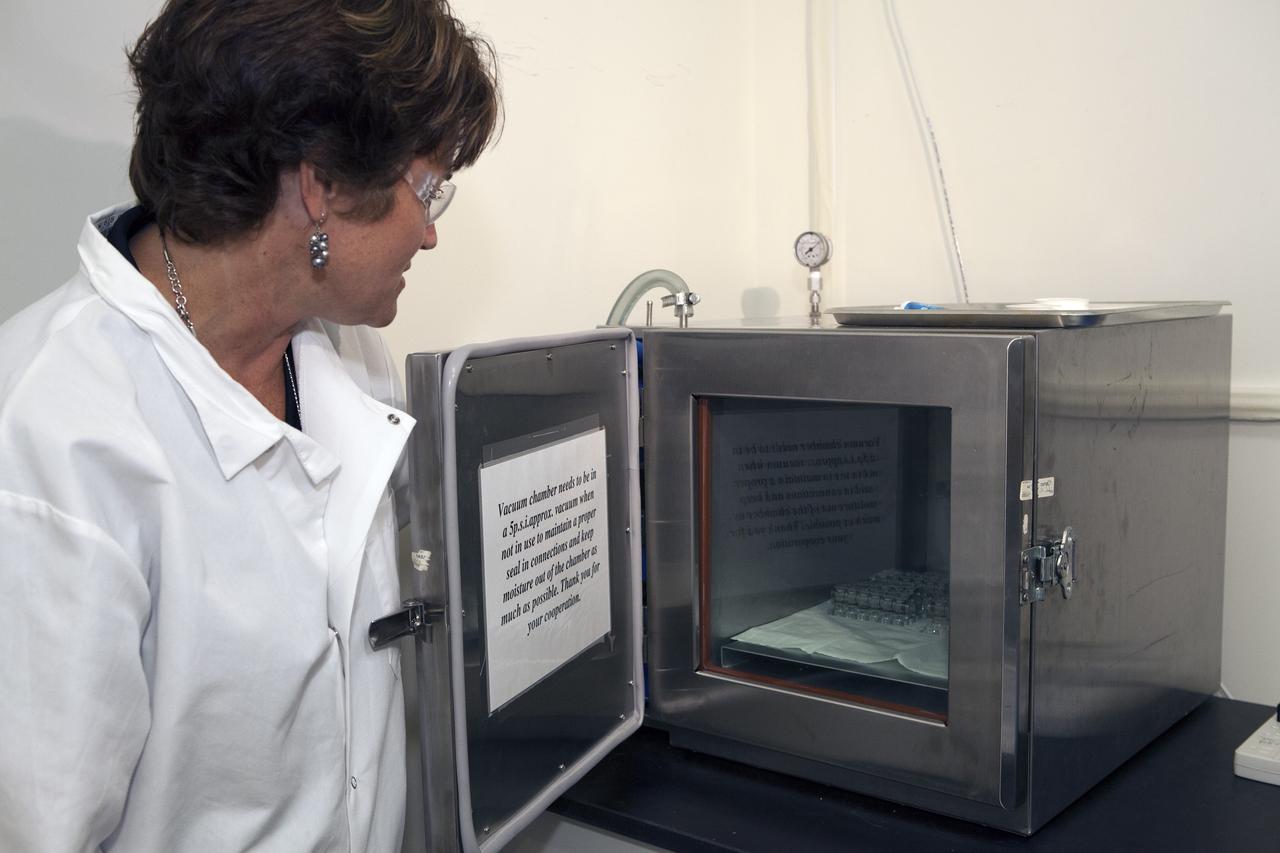
CAPE CANAVERAL, Fla. – Inside a laboratory in the Space Station Processing Facility at NASA's Kennedy Space Center in Florida, April Spinale, a payload integration specialist with Bionetics, places a set of vials for the Protein Crystal Growth 2 experiment into a vacuum chamber for an acceptance leak test. The vials have been filled with clear water and the test will verify that the hardware is providing adequate containment for the liquids. Spinale is a consultants for the Center for Advancement of Science in Space, or CASIS. The experiment is one of many that will be delivered to the International Space Station on the SpaceX-4 commercial cargo resupply mission. Kennedy's ISS Ground Processing and Research Project Office is providing the necessary laboratories, equipment, supplies and consumables for 61 principal investigators, including 17 from other countries, as they prepare their science experiments for flight. The SpaceX-4 flight is targeted to launch in September 2014. Photo credit: NASA/Dimitri Gerondidakis
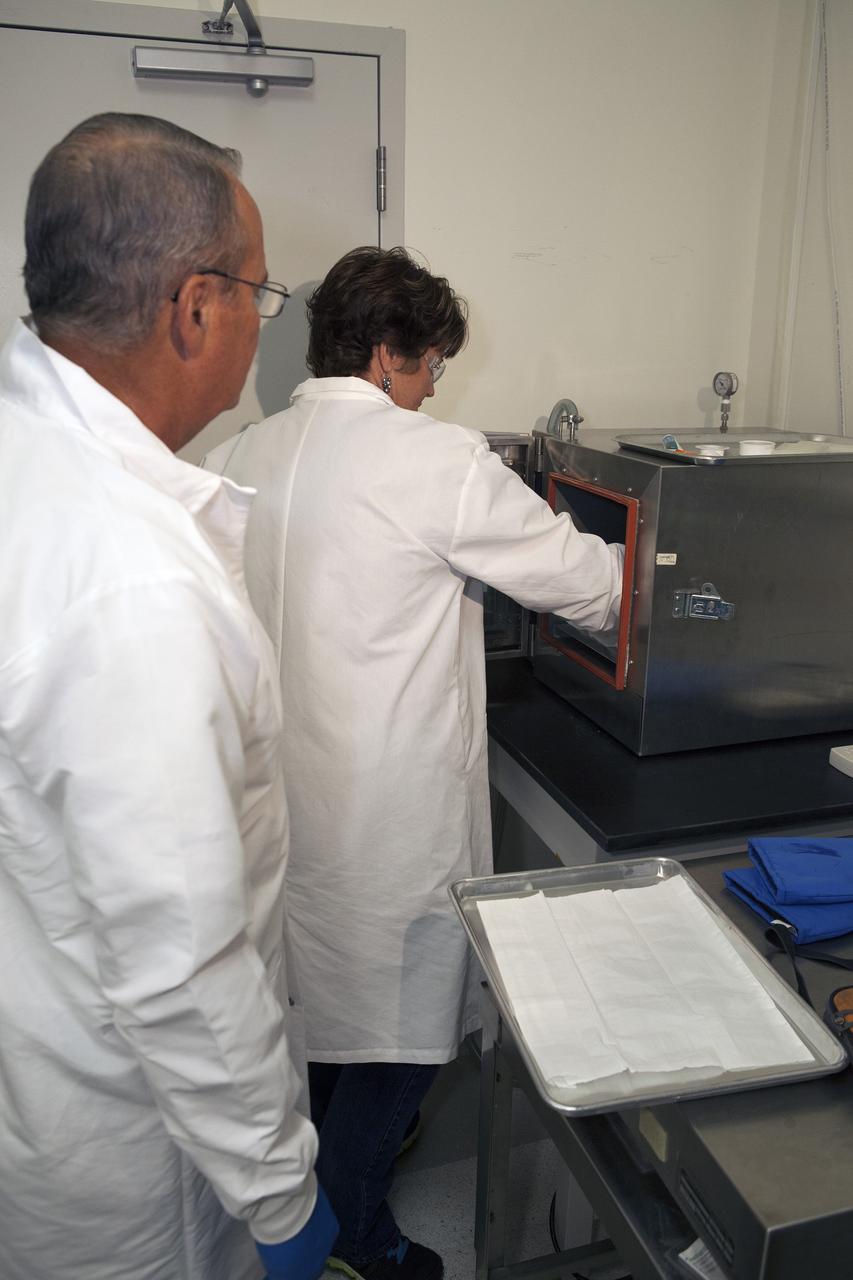
CAPE CANAVERAL, Fla. – Inside a laboratory in the Space Station Processing Facility at NASA's Kennedy Space Center in Florida, April Spinale, a payload integration specialist with Bionetics, and Ray Polniak, a quality assurance specialist with Dynamac, place a set of vials for the Protein Crystal Growth 2 experiment into a vacuum chamber for an acceptance leak test. The vials have been filled with clear water. The test will verify that the hardware is providing adequate containment for the liquids. Both are consultants for the Center for Advancement of Science in Space, or CASIS. The experiment is one of many that will be delivered to the International Space Station on the SpaceX-4 commercial cargo resupply mission. Kennedy's ISS Ground Processing and Research Project Office is providing the necessary laboratories, equipment, supplies and consumables for 61 principal investigators, including 17 from other countries, as they prepare their science experiments for flight. The SpaceX-4 flight is targeted to launch in September 2014. Photo credit: NASA/Dimitri Gerondidakis
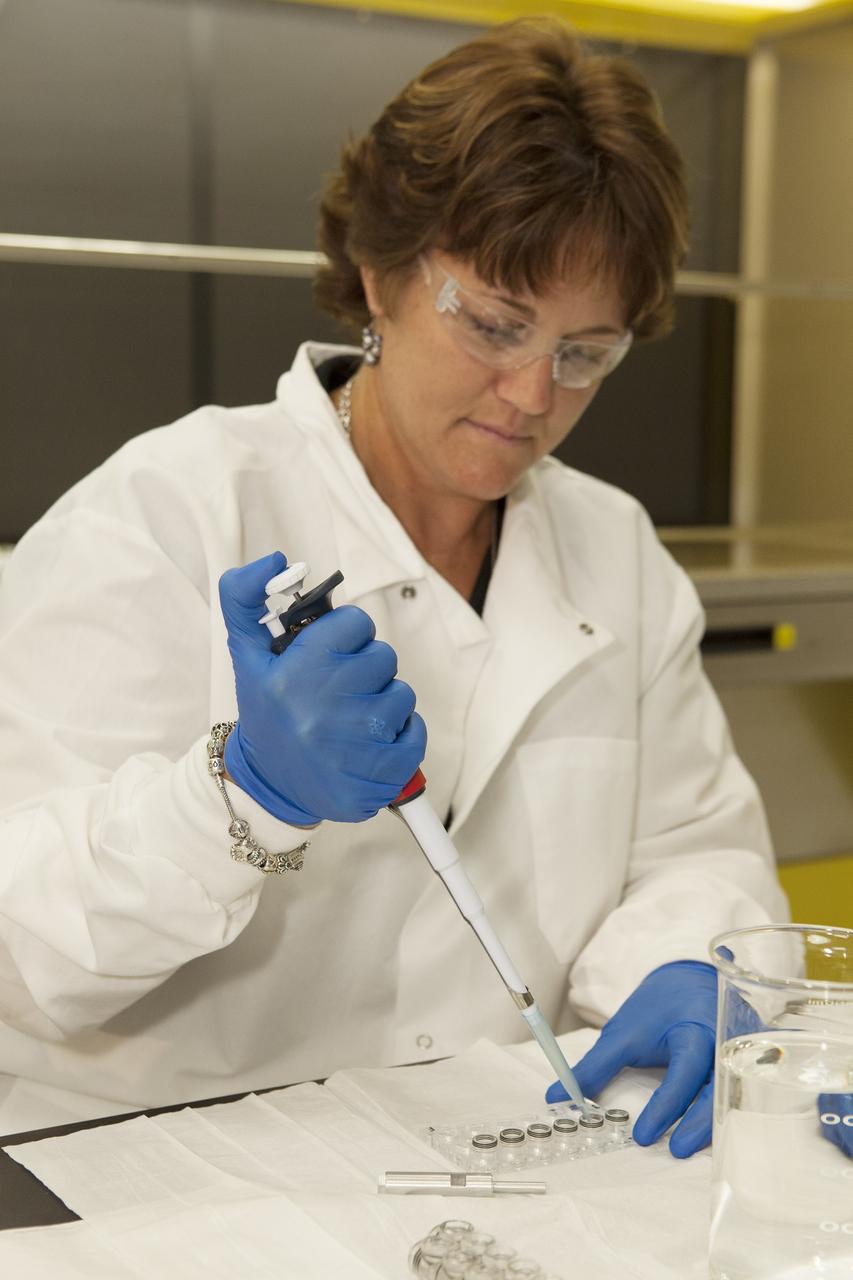
CAPE CANAVERAL, Fla. – Inside a laboratory in the Space Station Processing Facility at NASA's Kennedy Space Center in Florida, April Spinale, a payload integration specialist with Bionetics, fills vials with clear water during an acceptance leak test on the hardware for the Protein Crystal Growth 2 experiment. Spinale is a consultant for the Center for Advancement of Science in Space, or CASIS. The experiment is one of many that will be delivered to the International Space Station on the SpaceX-4 commercial cargo resupply mission. Kennedy's ISS Ground Processing and Research Project Office is providing the necessary laboratories, equipment, supplies and consumables for 61 principal investigators, including 17 from other countries, as they prepare their science experiments for flight. The SpaceX-4 flight is targeted to launch in September 2014. Photo credit: NASA/Dimitri Gerondidakis
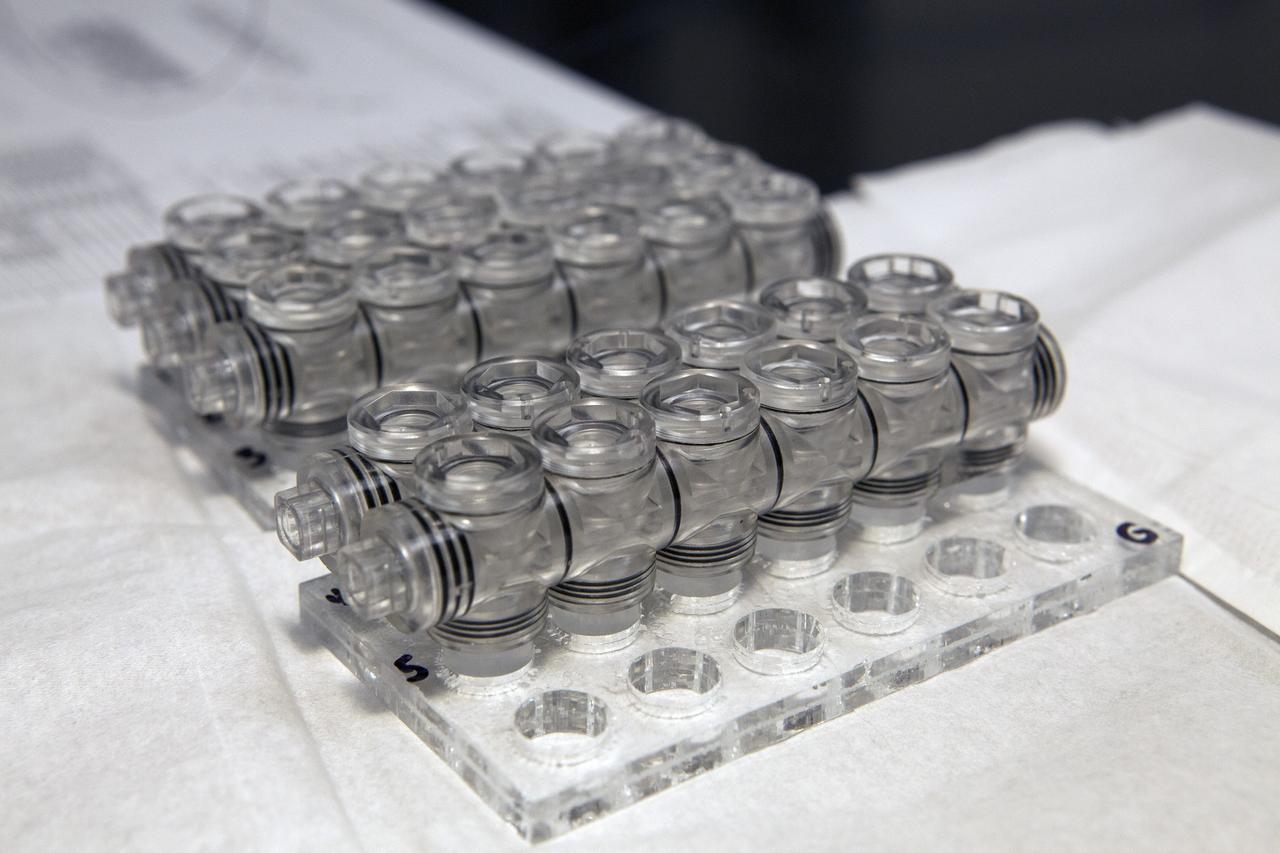
CAPE CANAVERAL, Fla. – Inside a laboratory in the Space Station Processing Facility at NASA's Kennedy Space Center in Florida, vials for the Protein Crystal Growth 2 experiment are being prepared for an acceptance leak test. The vials will be filled with clear water and then put in a vacuum chamber to verify that they are providing adequate containment for liquids. The experiment is one of many that will be delivered to the International Space Station on the SpaceX-4 commercial cargo resupply mission. Kennedy's ISS Ground Processing and Research Project Office is providing the necessary laboratories, equipment, supplies and consumables for 61 principal investigators, including 17 from other countries, as they prepare their science experiments for flight. The SpaceX-4 flight is targeted to launch in September 2014. Photo credit: NASA/Dimitri Gerondidakis
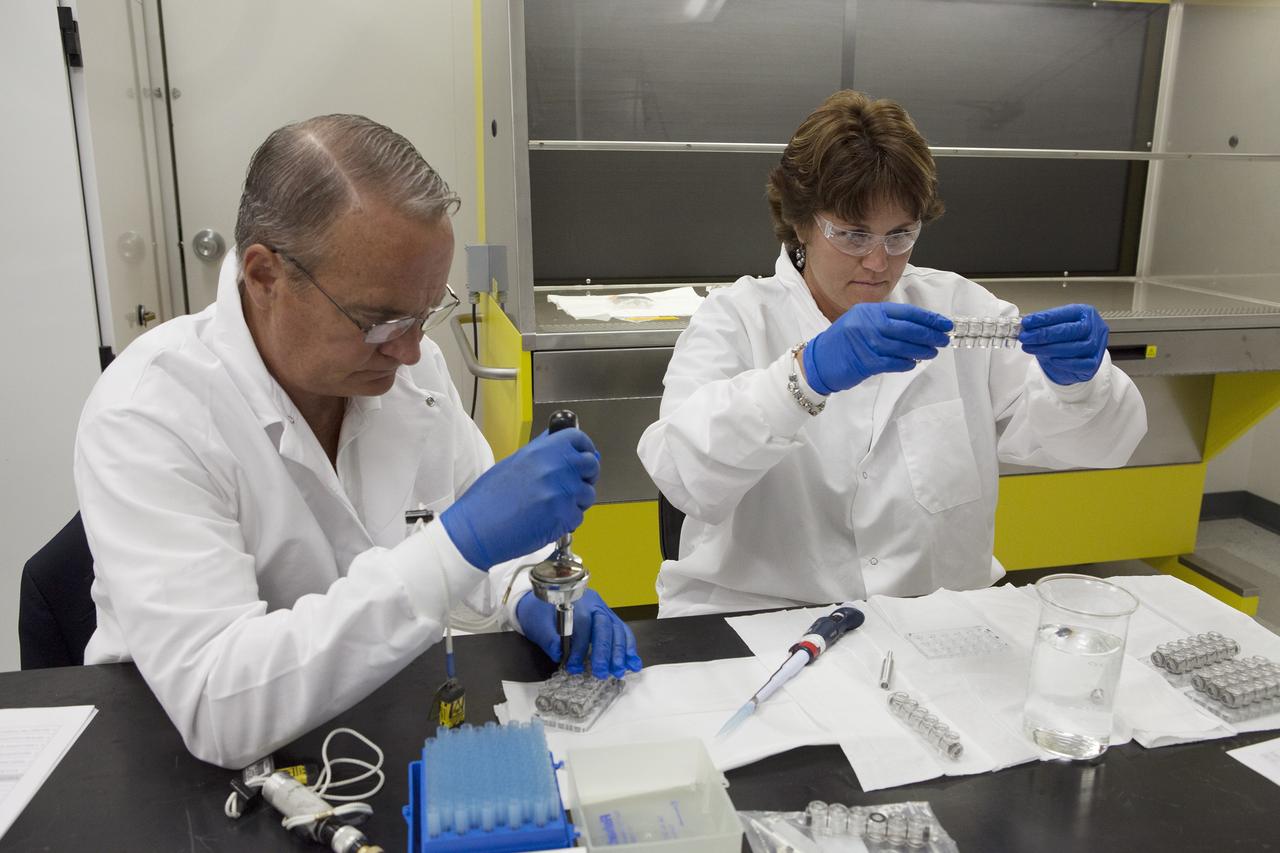
CAPE CANAVERAL, Fla. – Inside a laboratory in the Space Station Processing Facility at NASA's Kennedy Space Center in Florida, April Spinale, a payload integration specialist with Bionetics, and Ray Polniak, a quality assurance specialist with Dynamac, fill vials with clear water during an acceptance leak test on the hardware for the Protein Crystal Growth 2 experiment. They are both consultants for the Center for Advancement of Science in Space, or CASIS. The experiment is one of many that will be delivered to the International Space Station on the SpaceX-4 commercial cargo resupply mission. Kennedy's ISS Ground Processing and Research Project Office is providing the necessary laboratories, equipment, supplies and consumables for 61 principal investigators, including 17 from other countries, as they prepare their science experiments for flight. The SpaceX-4 flight is targeted to launch in September 2014. Photo credit: NASA/Dimitri Gerondidakis
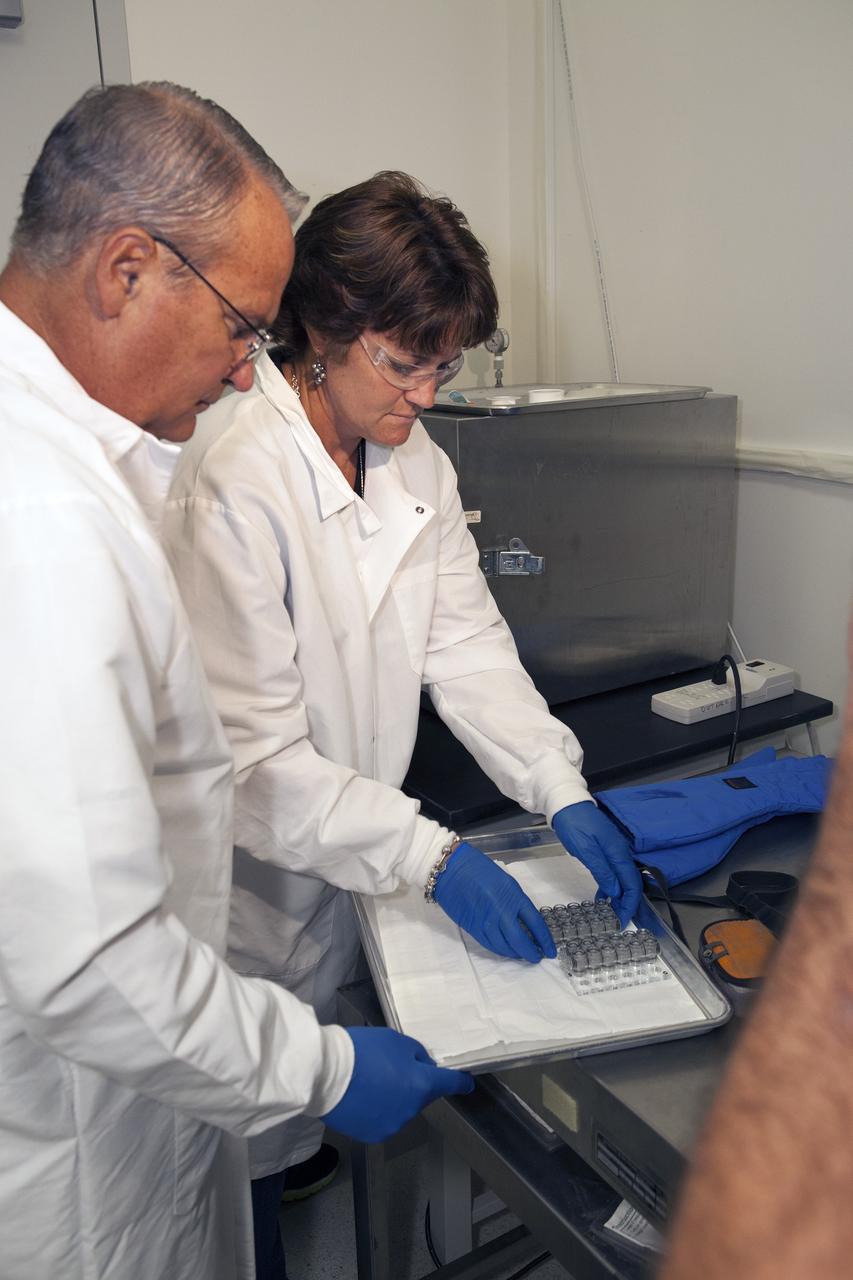
CAPE CANAVERAL, Fla. – Inside a laboratory in the Space Station Processing Facility at NASA's Kennedy Space Center in Florida, April Spinale, a payload integration specialist with Bionetics, and Ray Polniak, a quality assurance specialist with Dynamac, prepare vials for the Protein Crystal Growth 2 experiment for an acceptance leak test. The vials have been filled with clear water and will be put into a vacuum chamber to verify that the hardware is providing adequate containment for the liquids. Both are consultants for the Center for Advancement of Science in Space, or CASIS. The experiment is one of many that will be delivered to the International Space Station on the SpaceX-4 commercial cargo resupply mission. Kennedy's ISS Ground Processing and Research Project Office is providing the necessary laboratories, equipment, supplies and consumables for 61 principal investigators, including 17 from other countries, as they prepare their science experiments for flight. The SpaceX-4 flight is targeted to launch in September 2014. Photo credit: NASA/Dimitri Gerondidakis
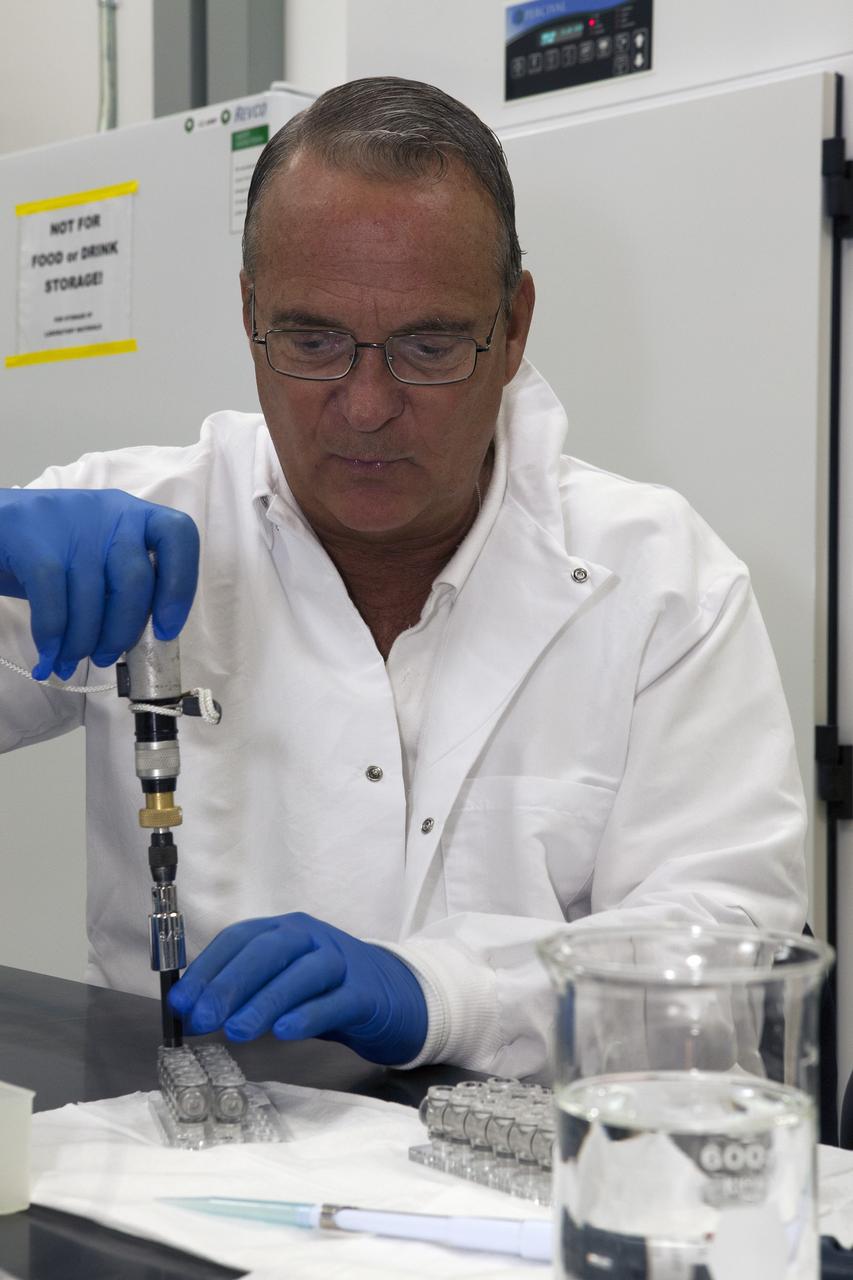
CAPE CANAVERAL, Fla. – Inside a laboratory in the Space Station Processing Facility at NASA's Kennedy Space Center in Florida, Ray Polniak, a quality assurance specialist with Dynamac, prepares vials for the Crystal Protein Growth 2 experiment for an acceptance leak test. Polniak is a consultant for the Center for Advancement of Science is Space, or CASIS. The experiment is one of many that will be delivered to the International Space Station on the SpaceX-4 commercial cargo resupply mission. Kennedy's ISS Ground Processing and Research Project Office is providing the necessary laboratories, equipment, supplies and consumables for 61 principal investigators, including 17 from other countries, as they prepare their science experiments for flight. The SpaceX-4 flight is targeted to launch in September 2014. Photo credit: NASA/Dimitri Gerondidakis

CAPE CANAVERAL, Fla. – Inside a laboratory in the Space Station Processing Facility at NASA's Kennedy Space Center in Florida, April Spinale, a payload integration specialist with Bionetics, fills vials with clear water during an acceptance leak test on the hardware for the Protein Crystal Growth 2 experiment. To her left is Ray Polniak, a quality assurance specialist with Dynamac. They are both consultants for the Center for Advancement of Science in Space, or CASIS. The experiment is one of many that will be delivered to the International Space Station on the SpaceX-4 commercial cargo resupply mission. Kennedy's ISS Ground Processing and Research Project Office is providing the necessary laboratories, equipment, supplies and consumables for 61 principal investigators, including 17 from other countries, as they prepare their science experiments for flight. The SpaceX-4 flight is targeted to launch in September 2014. Photo credit: NASA/Dimitri Gerondidakis
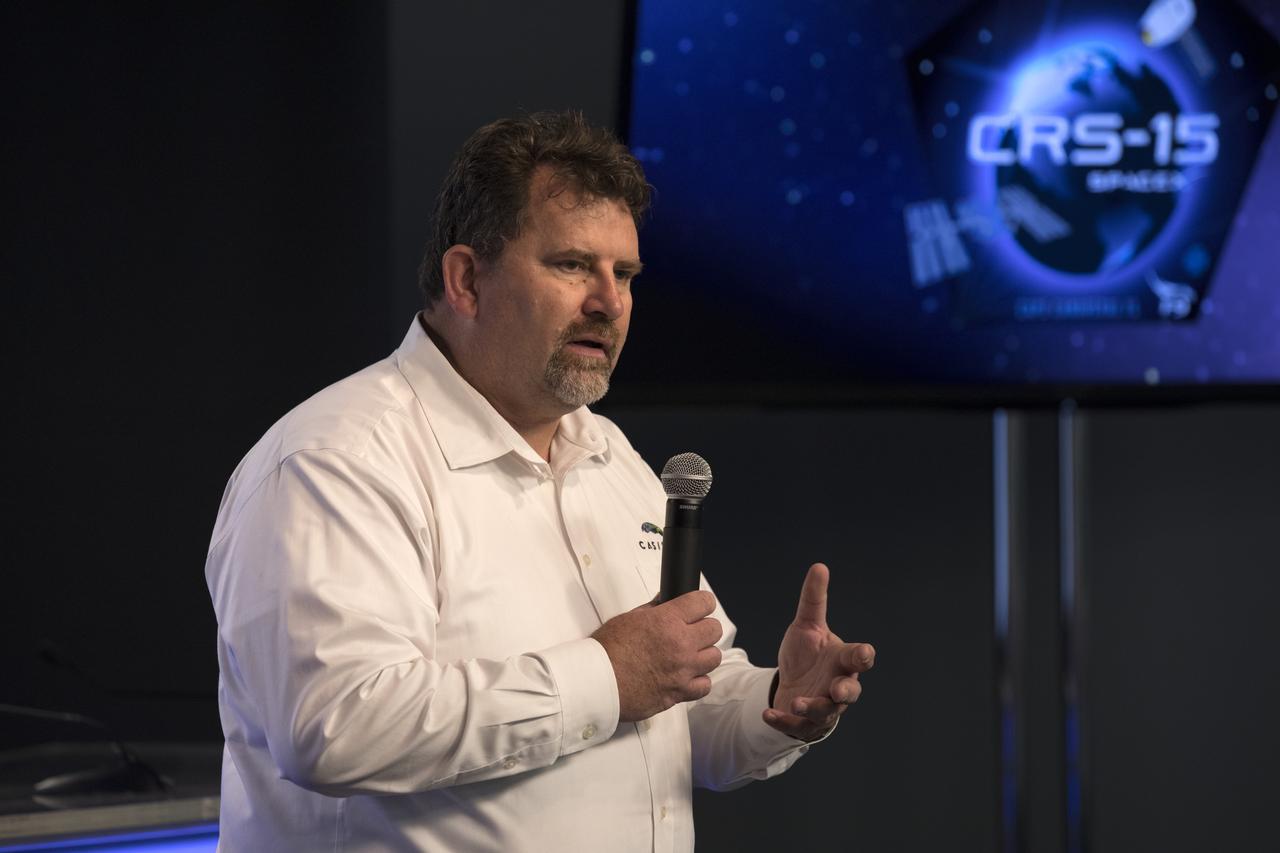
Mike Roberts, deputy chief scientist, Center for the Advancement of Science in Space (CASIS), speaks to members of the media during a briefing in the Kennedy Space Center’s Press Site auditorium. The briefing focused on research planned for launch to the International Space Station. The scientific materials and supplies will be aboard a SpaceX Dragon spacecraft scheduled for liftoff from Cape Canaveral Air Force Station's Space Launch Complex 40. The SpaceX Falcon 9 rocket will launch the company's 15th Commercial Resupply Services mission to the space station.
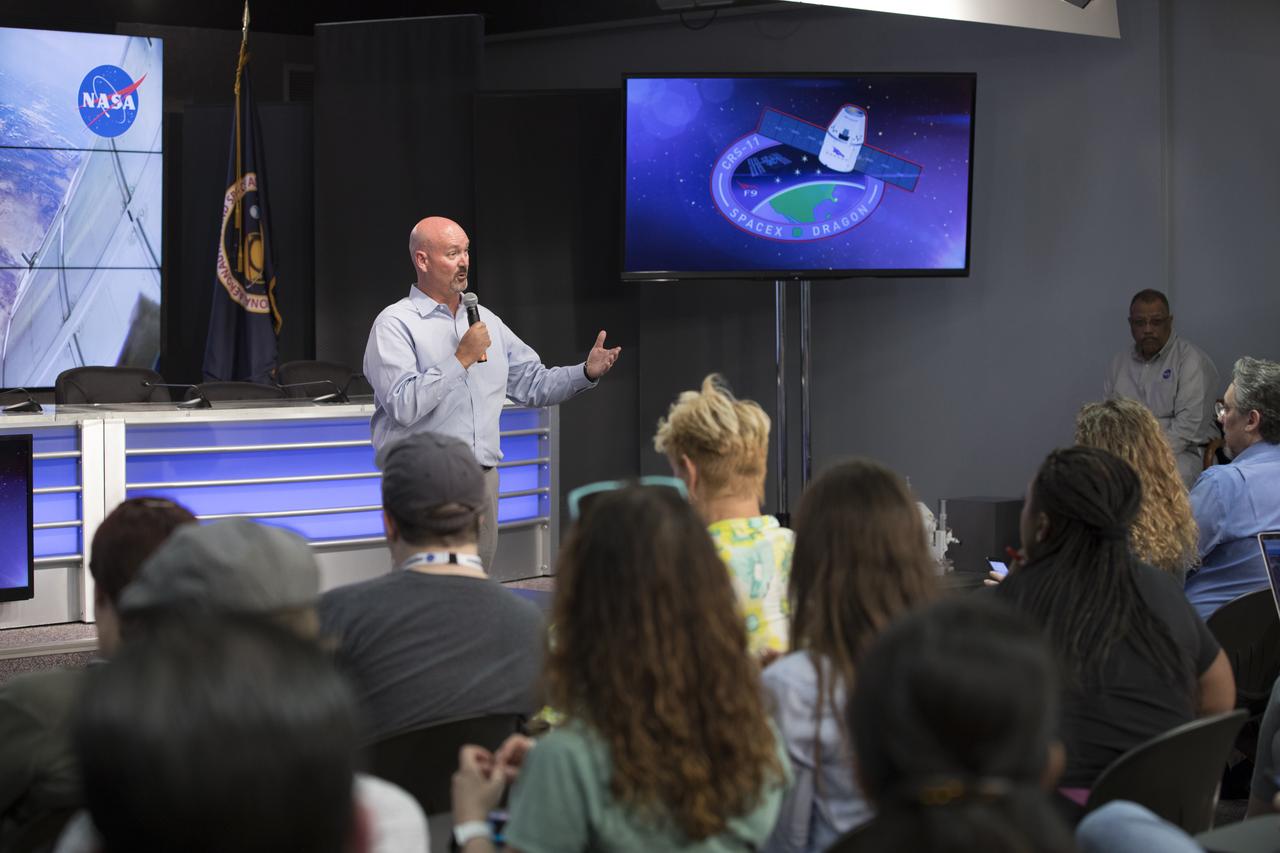
Ken Shields, director of Operations for the Center for the Advancement of Science in Space (CASIS)/ISS National Lab, speaks to members of social media in the Kennedy Space Center’s Press Site auditorium. The briefing focused on research planned for launch to the International Space Station. The scientific materials and supplies will be aboard a Dragon spacecraft scheduled for launch from Kennedy’s Launch Complex 39A on June 1 atop a SpaceX Falcon 9 rocket on the company's 11th Commercial Resupply Services mission to the space station.
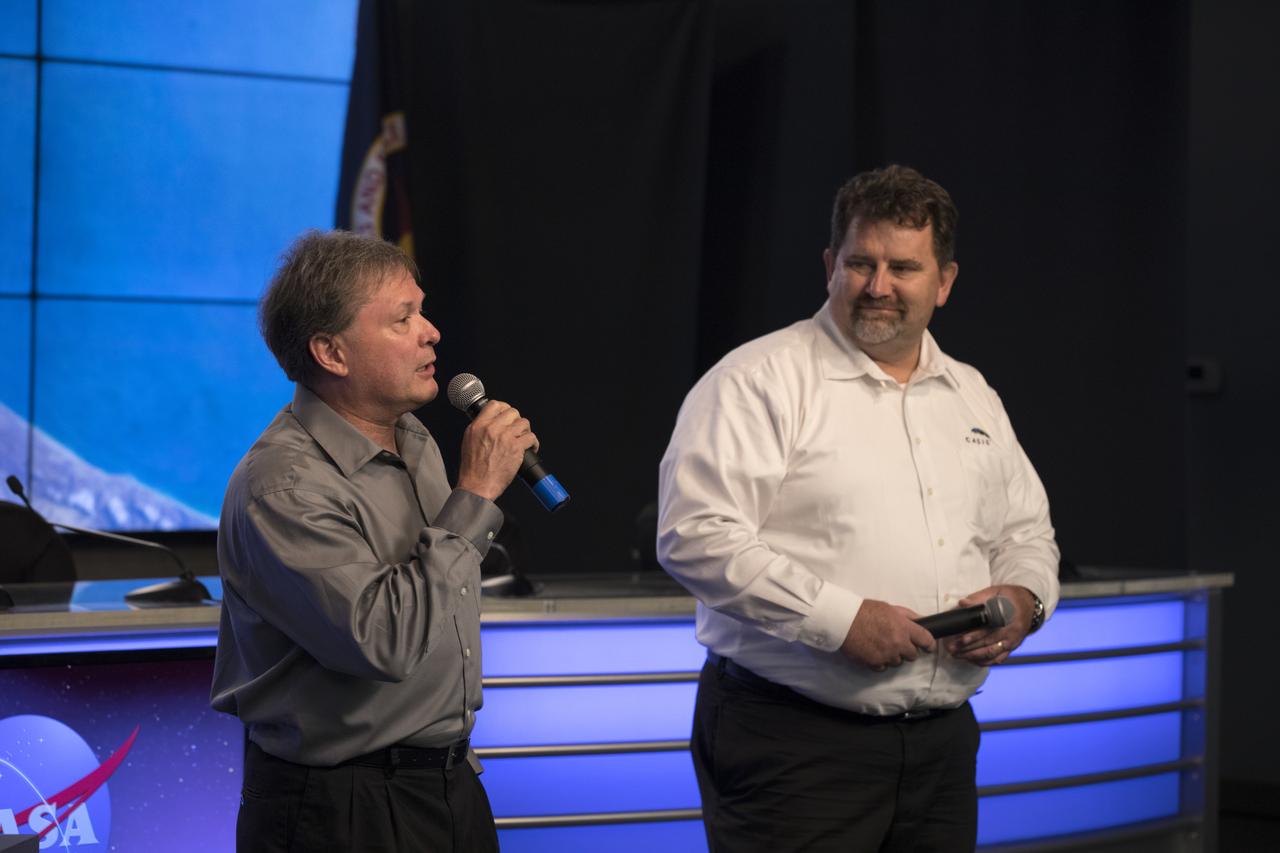
David Brady, assistant program scientist for the International Space Station Program at NASA’s Johnson Space Center left, speaks to members of the media during a briefing in the Kennedy Space Center’s Press Site auditorium. At right is Mike Roberts, deputy chief scientist, Center for the Advancement of Science in Space (CASIS). The briefing focused on research planned for launch to the International Space Station. The scientific materials and supplies will be aboard a SpaceX Dragon spacecraft scheduled for liftoff from Cape Canaveral Air Force Station's Space Launch Complex 40. The SpaceX Falcon 9 rocket will launch the company's 15th Commercial Resupply Services mission to the space station.
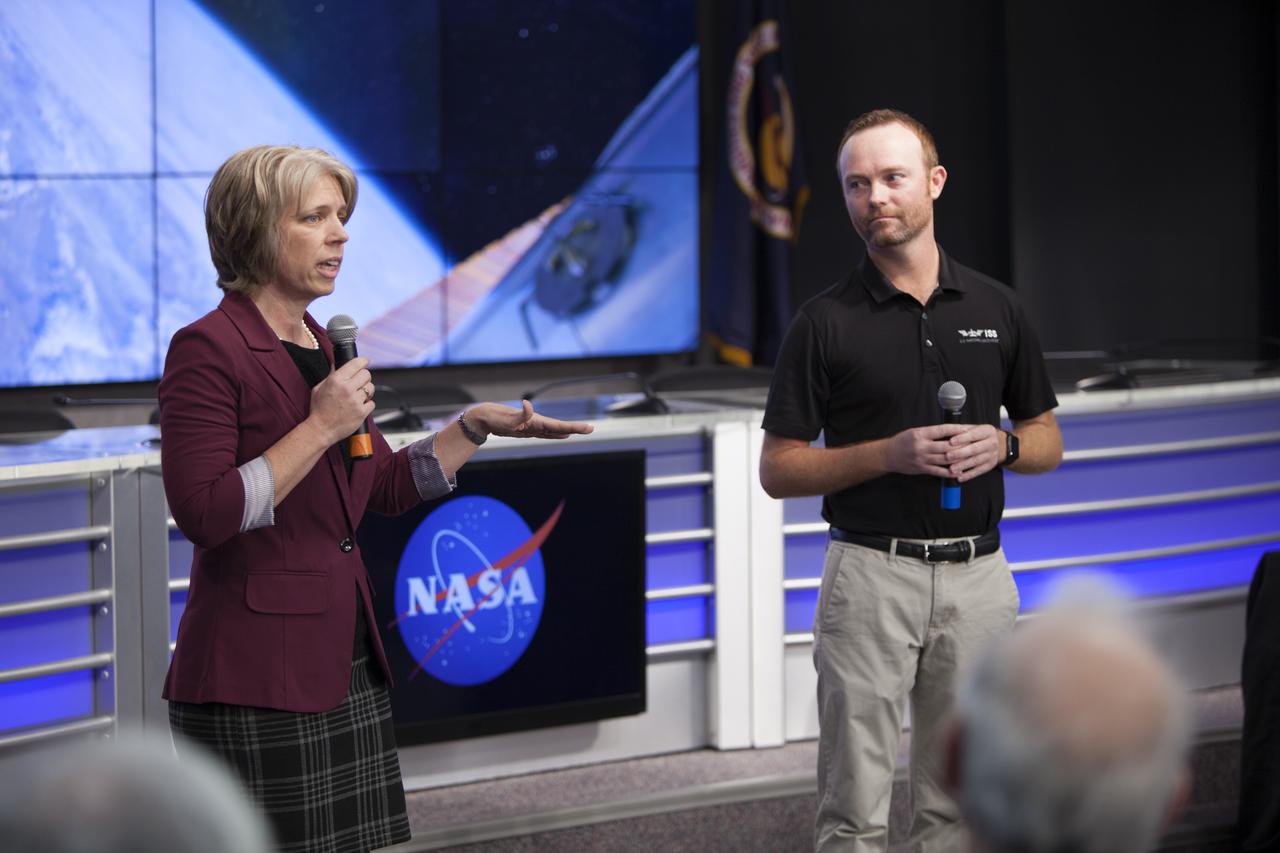
Tara Ruttley, NASA associate scientist for the International Space Station Program, left, and Patrick O'Nell, Marketing and Communications manager for the Center for the Advancement of Science in Space (CASIS), speak to members of social media in the Kennedy Space Center’s Press Site auditorium. The briefing focused on research planned for launch to the International Space Station. The scientific materials and supplies will be aboard a Dragon spacecraft scheduled for launch from Kennedy’s Launch Complex 39A on Feb. 18 atop a SpaceX Falcon 9 rocket on the company's 10th Commercial Resupply Services mission to the space station.
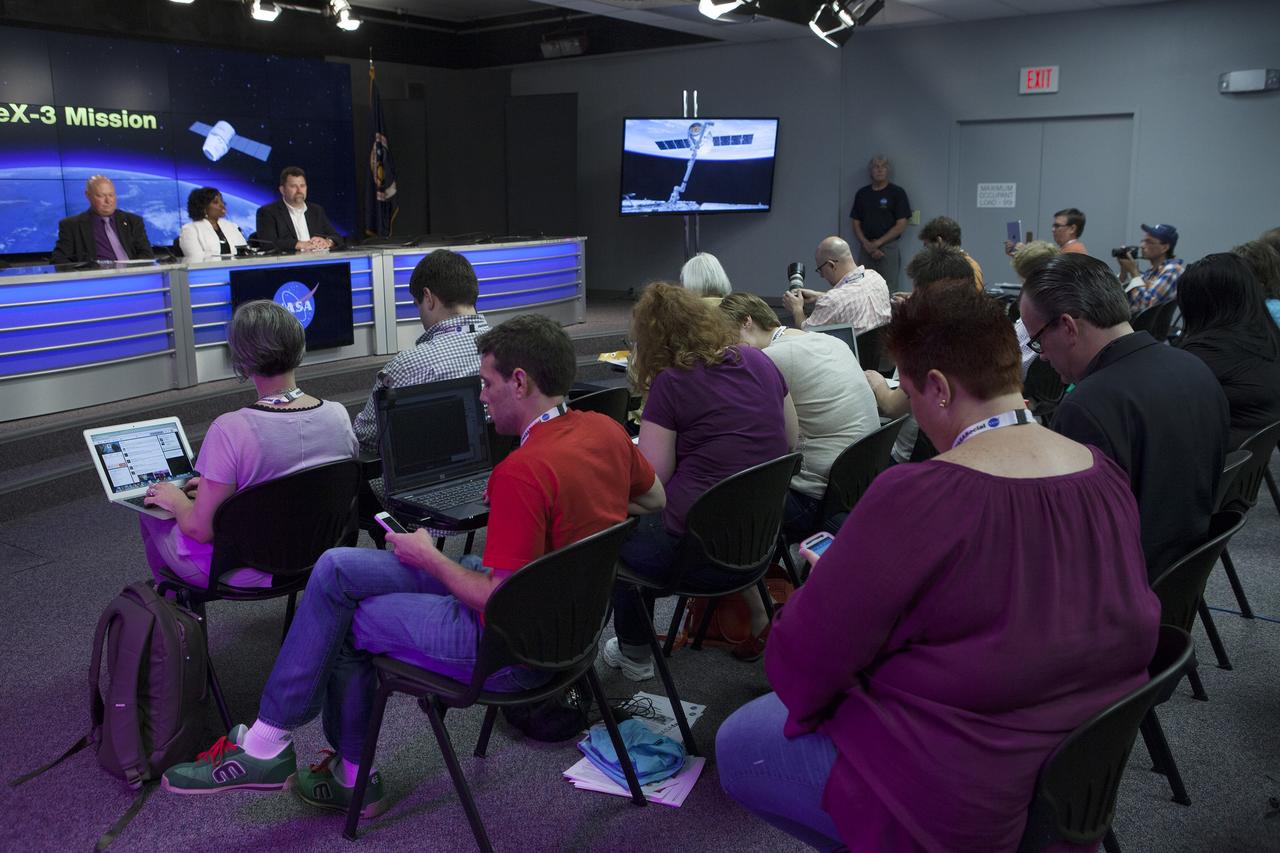
CAPE CANAVERAL, Fla. – During a news conference at NASA's Kennedy Space Center in Florida, agency and contractor officials discussed science and technology experiment payloads being transported to the International Space Station by the SpaceX-3 Commercial Resupply Services mission. Participating in the briefing, from the left, are Mike Curie of NASA Public Affairs, Camille Alleyne, assistant program scientist in the NASA ISS Program Science Office, and Michael Roberts, senior research pathway manager with the Center for the Advancement of Science in Space CASIS. Scheduled for launch on April 14, 2014 atop a Falcon 9 rocket, the Dragon spacecraft will be marking its fourth trip to the space station. The SpaceX-3 mission carrying almost 2.5 tons of supplies, technology and science experiments is the third of 12 flights contracted by NASA to resupply the orbiting laboratory. For more information, visit http://www.nasa.gov/mission_pages/station/structure/launch/index.html Photo credit: NASA/ Kim Shiflett
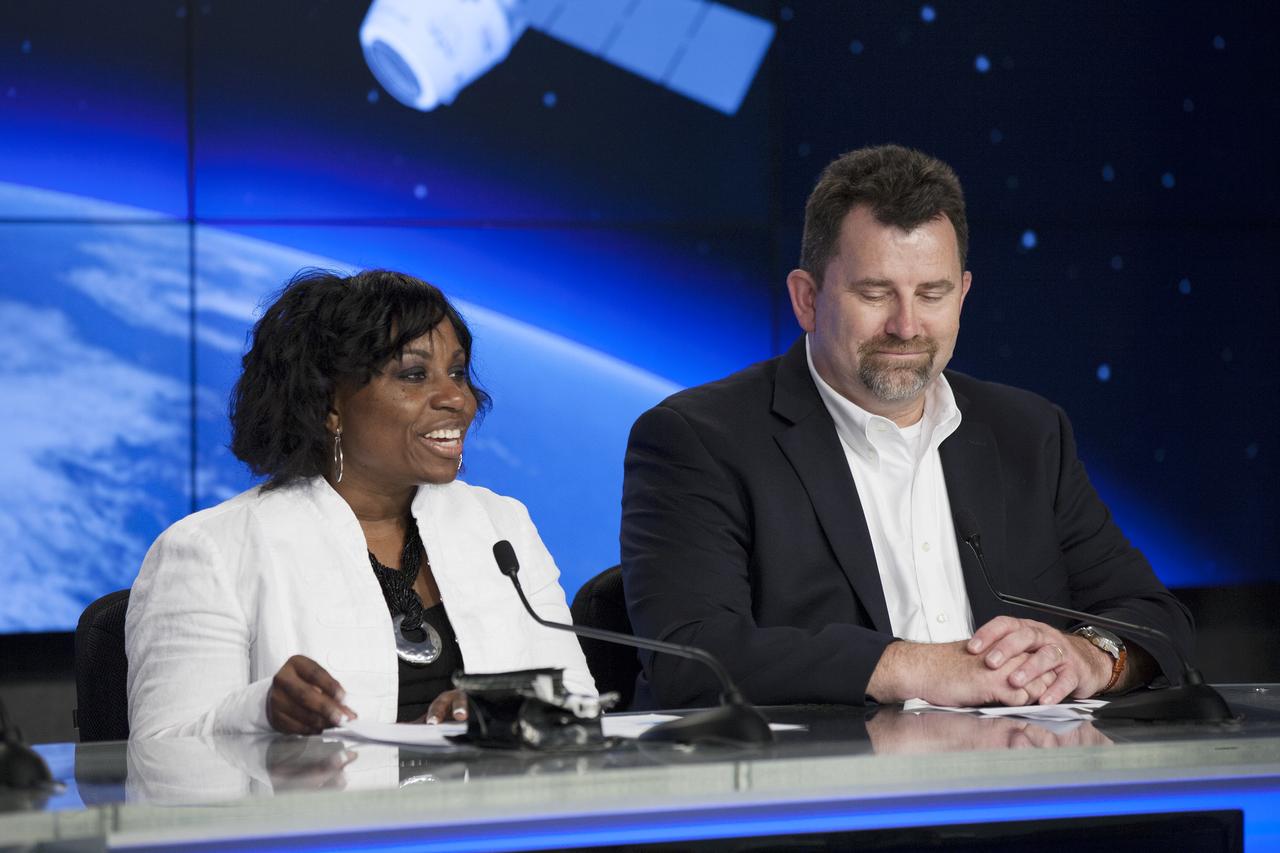
CAPE CANAVERAL, Fla. – During a news conference at NASA's Kennedy Space Center in Florida, agency and contractor officials discussed science and technology experiment payloads being transported to the International Space Station by the SpaceX-3 Commercial Resupply Services mission. Participating in the briefing, from the left, are Camille Alleyne, assistant program scientist in the NASA ISS Program Science Office, and Michael Roberts, senior research pathway manager with the Center for the Advancement of Science in Space CASIS. Scheduled for launch on April 14, 2014 atop a Falcon 9 rocket, the Dragon spacecraft will be marking its fourth trip to the space station. The SpaceX-3 mission carrying almost 2.5 tons of supplies, technology and science experiments is the third of 12 flights contracted by NASA to resupply the orbiting laboratory. For more information, visit http://www.nasa.gov/mission_pages/station/structure/launch/index.html Photo credit: NASA/ Kim Shiflett
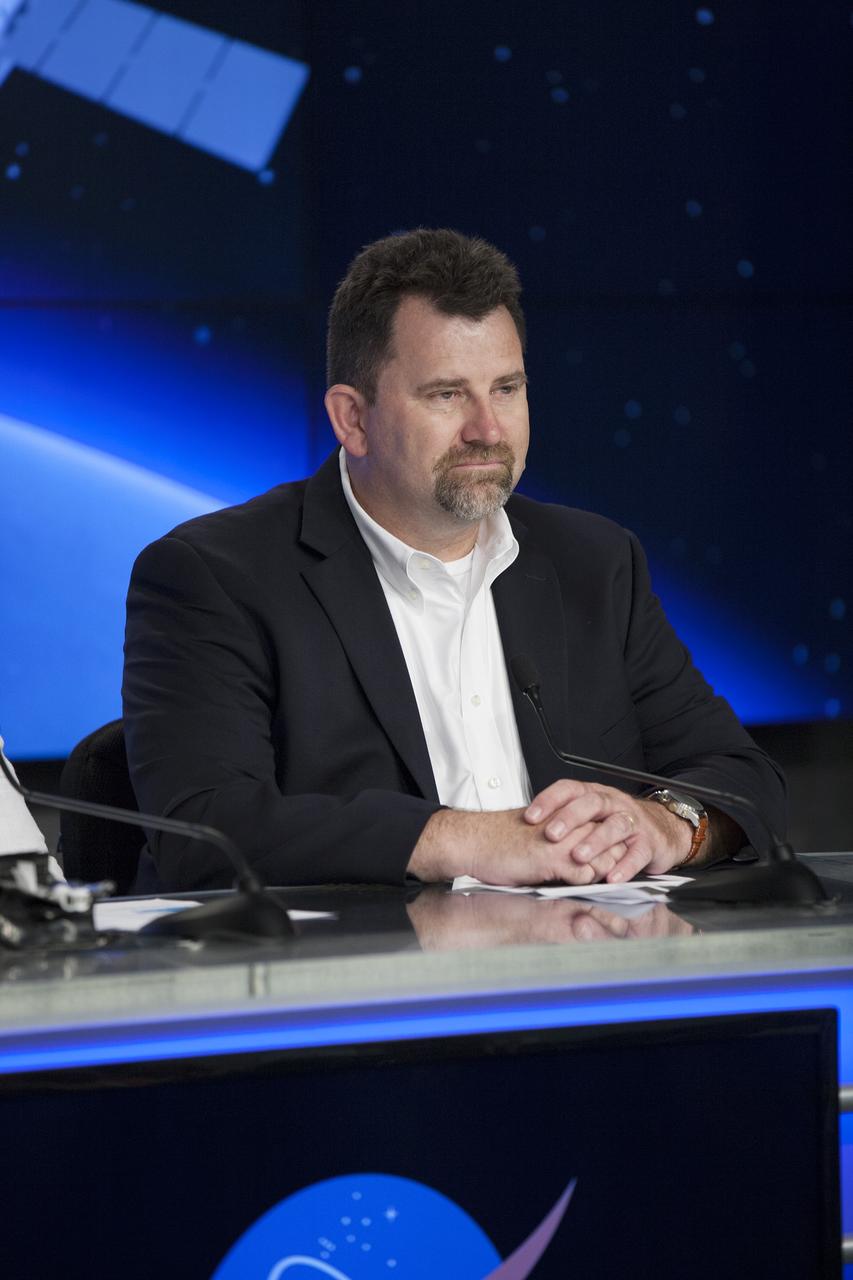
CAPE CANAVERAL, Fla. – During a news conference at NASA's Kennedy Space Center in Florida, agency and contractor officials discussed science and technology experiment payloads being transported to the International Space Station by the SpaceX-3 Commercial Resupply Services mission. Participating in the briefing is Michael Roberts, senior research pathway manager with the Center for the Advancement of Science in Space CASIS. Scheduled for launch on April 14, 2014 atop a Falcon 9 rocket, the Dragon spacecraft will be marking its fourth trip to the space station. The SpaceX-3 mission carrying almost 2.5 tons of supplies, technology and science experiments is the third of 12 flights contracted by NASA to resupply the orbiting laboratory. For more information, visit http://www.nasa.gov/mission_pages/station/structure/launch/index.html Photo credit: NASA/ Kim Shiflett
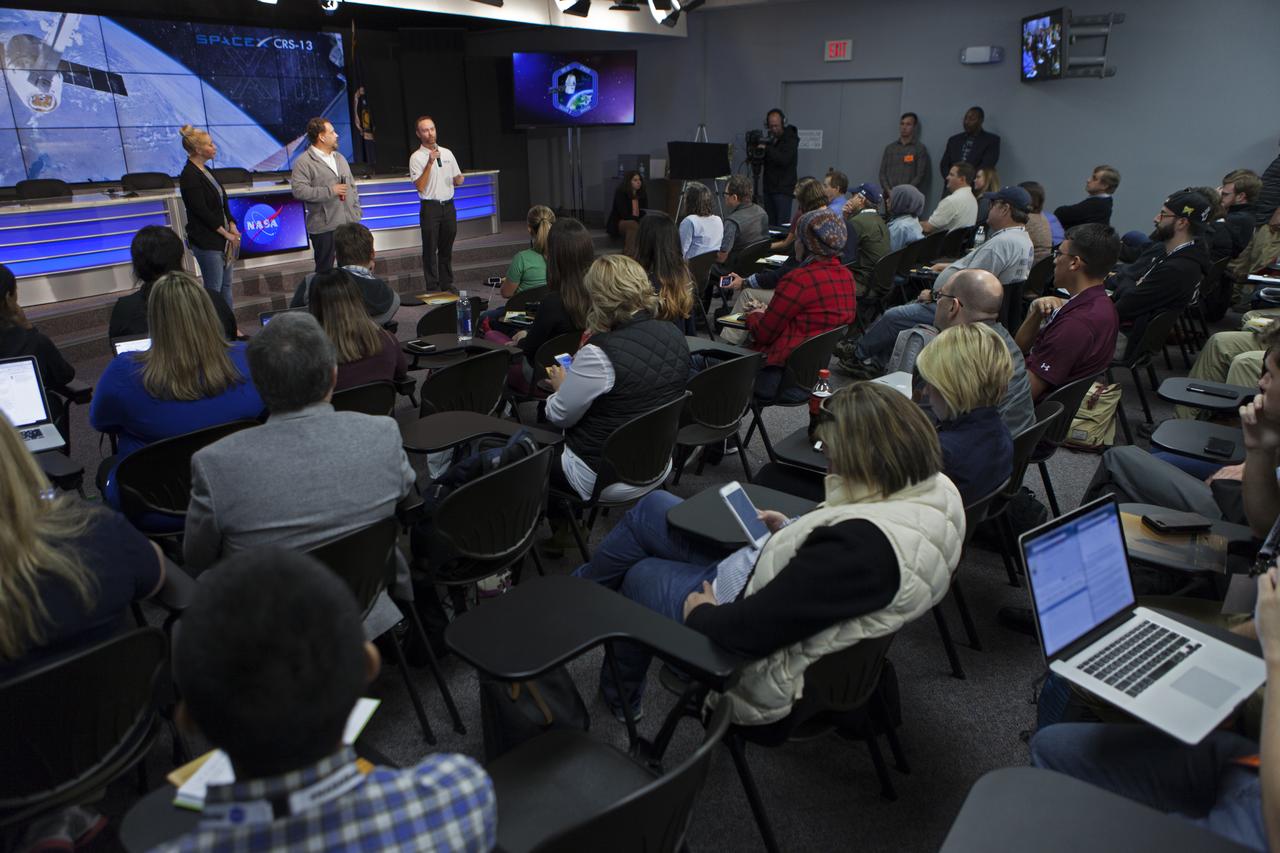
Cheryl Warner of NASA Communications, left, Kirt Costello, deputy chief scientist for the International Space Station Program at NASA’s Johnson Space Center in Houston, center, and Patrick O'Neill, Marketing and Communications manager at the Center of Advancement of Science in Space (CASIS), speak to members of social media in the Kennedy Space Center’s Press Site auditorium. The briefing focused on research planned for launch to the International Space Station. The scientific materials and supplies will be aboard a Dragon spacecraft scheduled for liftoff from Cape Canaveral Air Force Station's Space Launch Complex 40 at 11:46 a.m. EST, on Dec. 12, 2017. The SpaceX Falcon 9 rocket will launch the company's 13th Commercial Resupply Services mission to the space station.
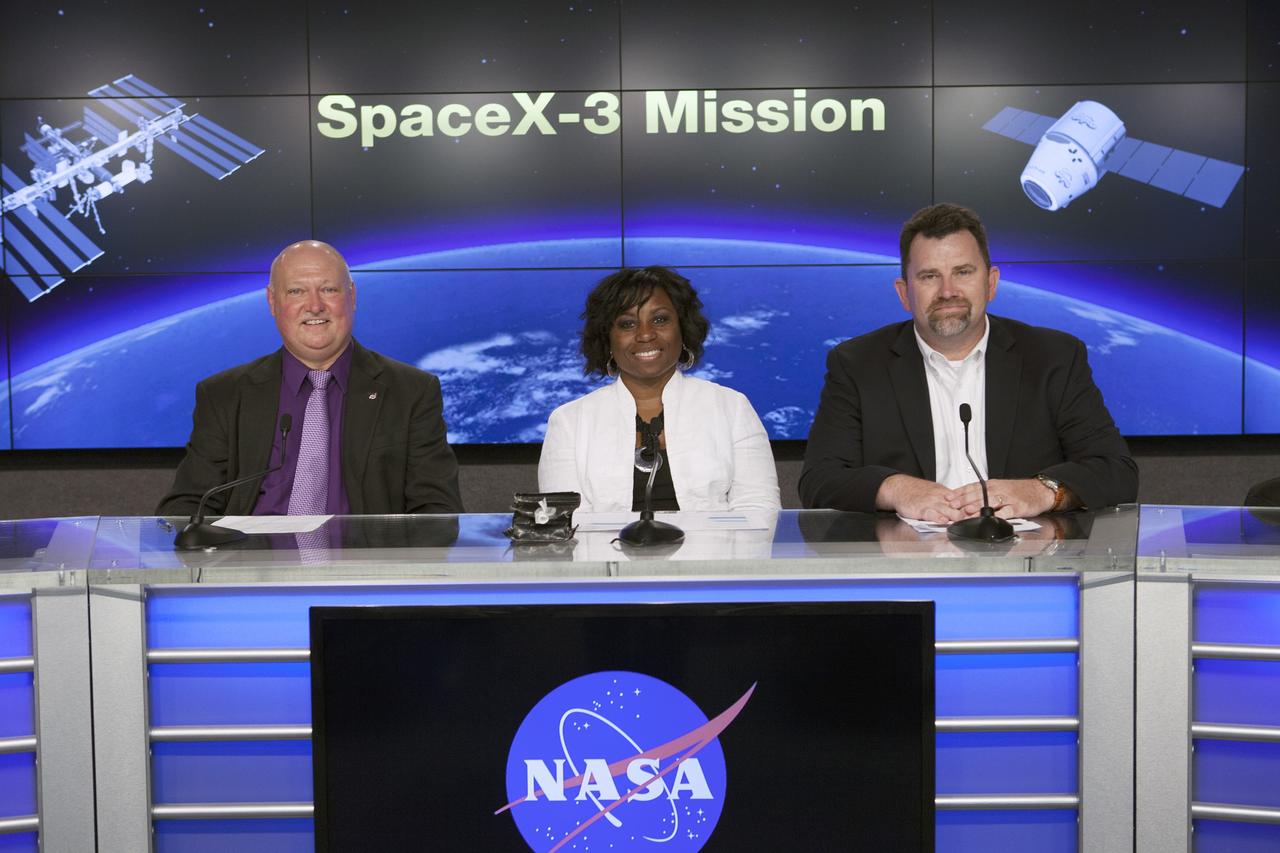
CAPE CANAVERAL, Fla. – During a news conference at NASA's Kennedy Space Center in Florida, agency and contractor officials discussed science and technology experiment payloads being transported to the International Space Station by the SpaceX-3 Commercial Resupply Services mission. Participating in the briefing, from the left, are Mike Curie of NASA Public Affairs, Camille Alleyne, assistant program scientist in the NASA ISS Program Science Office, and Michael Roberts, senior research pathway manager with the Center for the Advancement of Science in Space CASIS. Andy Petro of the agency's Space Technology Mission Directorate participated in the briefing by telephone from NASA Headquarters in Washington D.C. Scheduled for launch on April 14, 2014 atop a Falcon 9 rocket, the Dragon spacecraft will be marking its fourth trip to the space station. The SpaceX-3 mission carrying almost 2.5 tons of supplies, technology and science experiments is the third of 12 flights contracted by NASA to resupply the orbiting laboratory. For more information, visit http://www.nasa.gov/mission_pages/station/structure/launch/index.html Photo credit: NASA/ Kim Shiflett