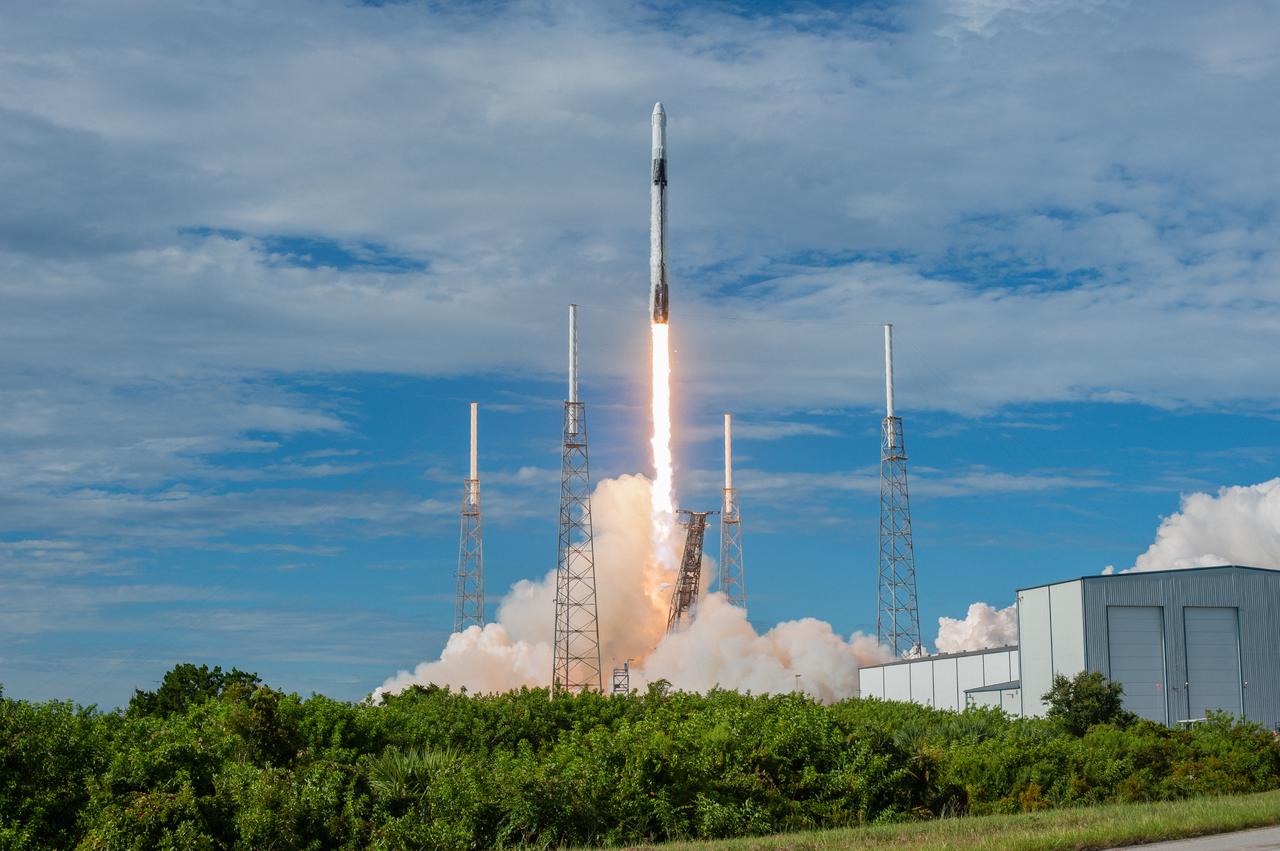
A SpaceX Falcon 9 rocket lifts off from Space Launch Complex 40 at Cape Canaveral Air Force Station in Florida at 6:01 p.m. EDT on July 25, 2019, carrying the Dragon spacecraft on the company's 18th Commercial Resupply Services (CRS-18) mission to the International Space Station. The uncrewed Dragon spacecraft will deliver about 5,000 pounds of science and research, crew supplies and vehicle hardware to the orbiting laboratory.
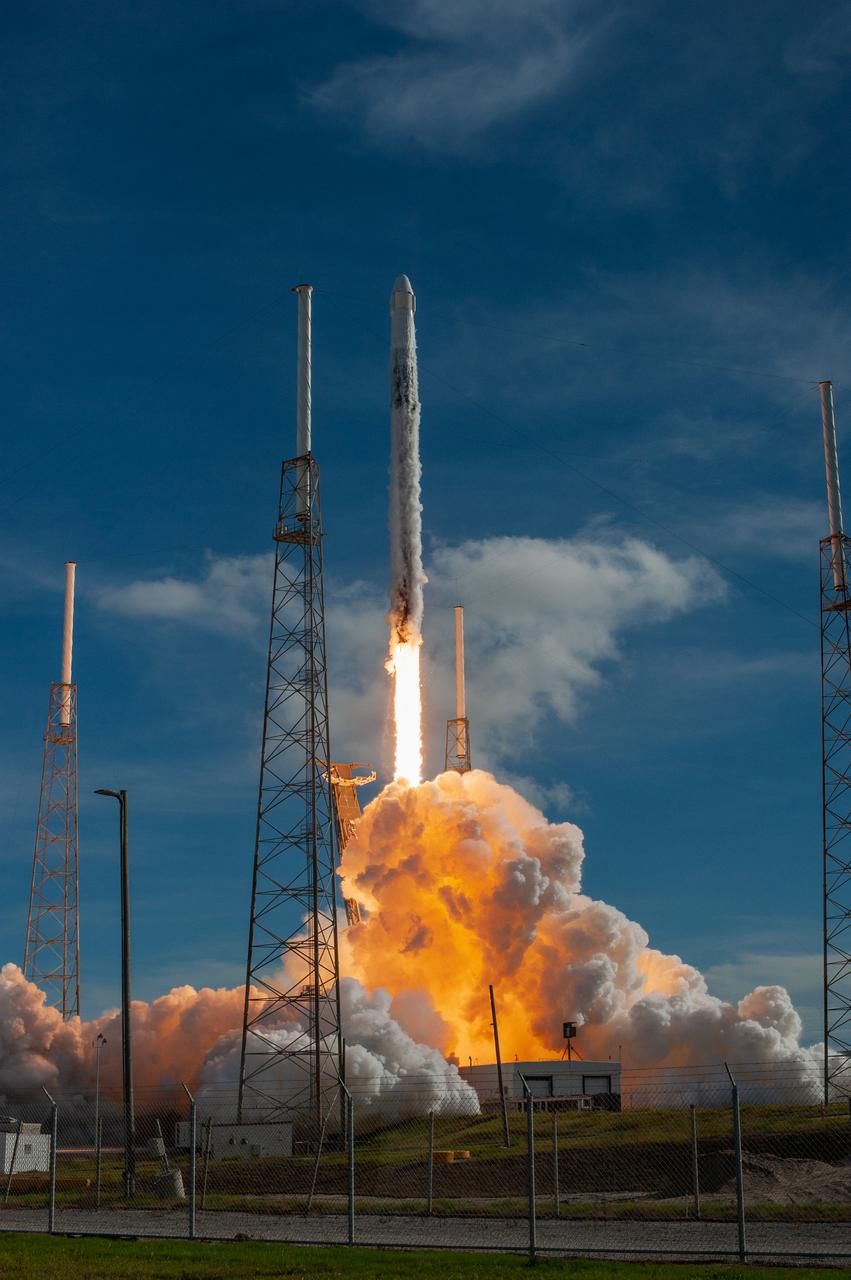
A SpaceX Falcon 9 rocket lifts off from Space Launch Complex 40 at Cape Canaveral Air Force Station in Florida at 6:01 p.m. EDT on July 25, 2019, carrying the Dragon spacecraft on the company's 18th Commercial Resupply Services (CRS-18) mission to the International Space Station. The uncrewed Dragon spacecraft will deliver about 5,000 pounds of science and research, crew supplies and vehicle hardware to the orbiting laboratory.
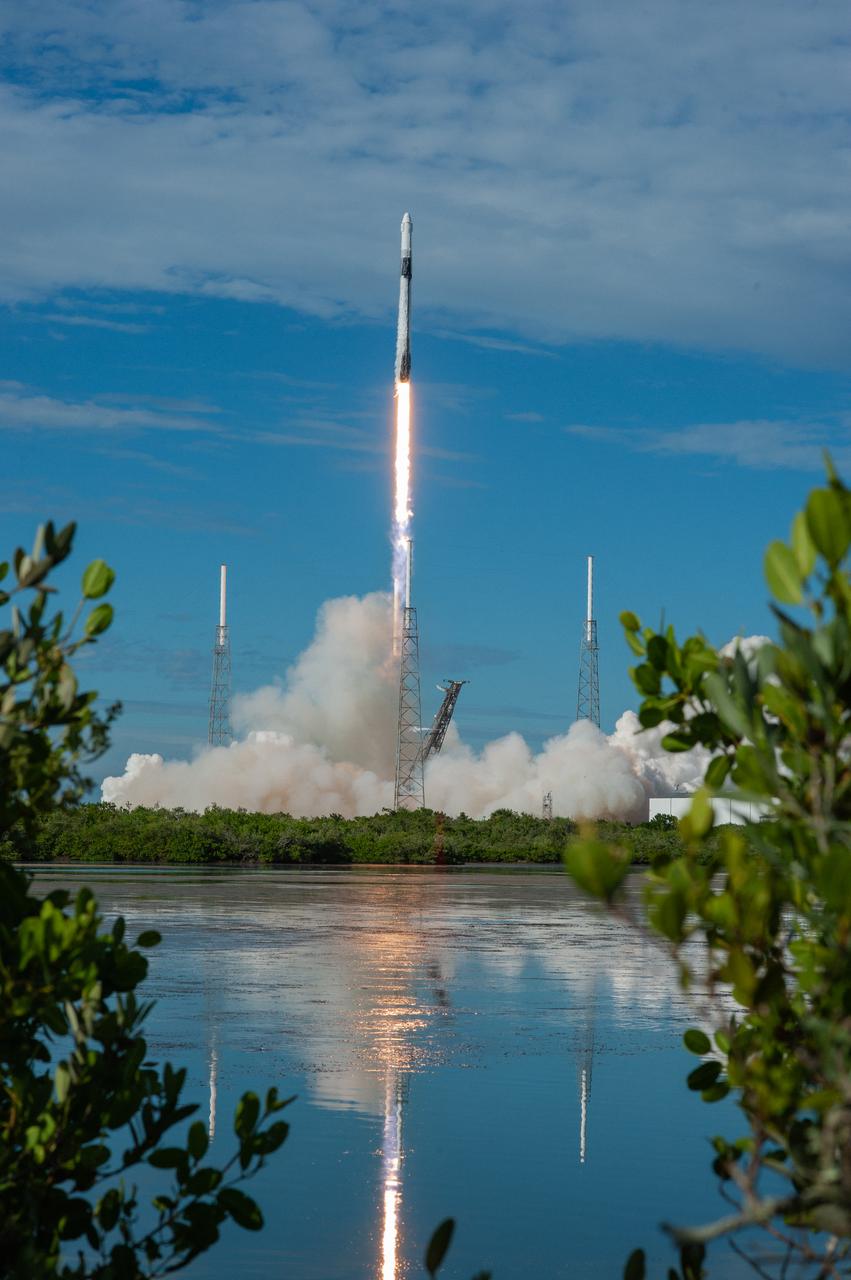
A SpaceX Falcon 9 rocket lifts off from Space Launch Complex 40 at Cape Canaveral Air Force Station in Florida at 6:01 p.m. EDT on July 25, 2019, carrying the Dragon spacecraft on the company's 18th Commercial Resupply Services (CRS-18) mission to the International Space Station. The uncrewed Dragon spacecraft will deliver about 5,000 pounds of science and research, crew supplies and vehicle hardware to the orbiting laboratory.
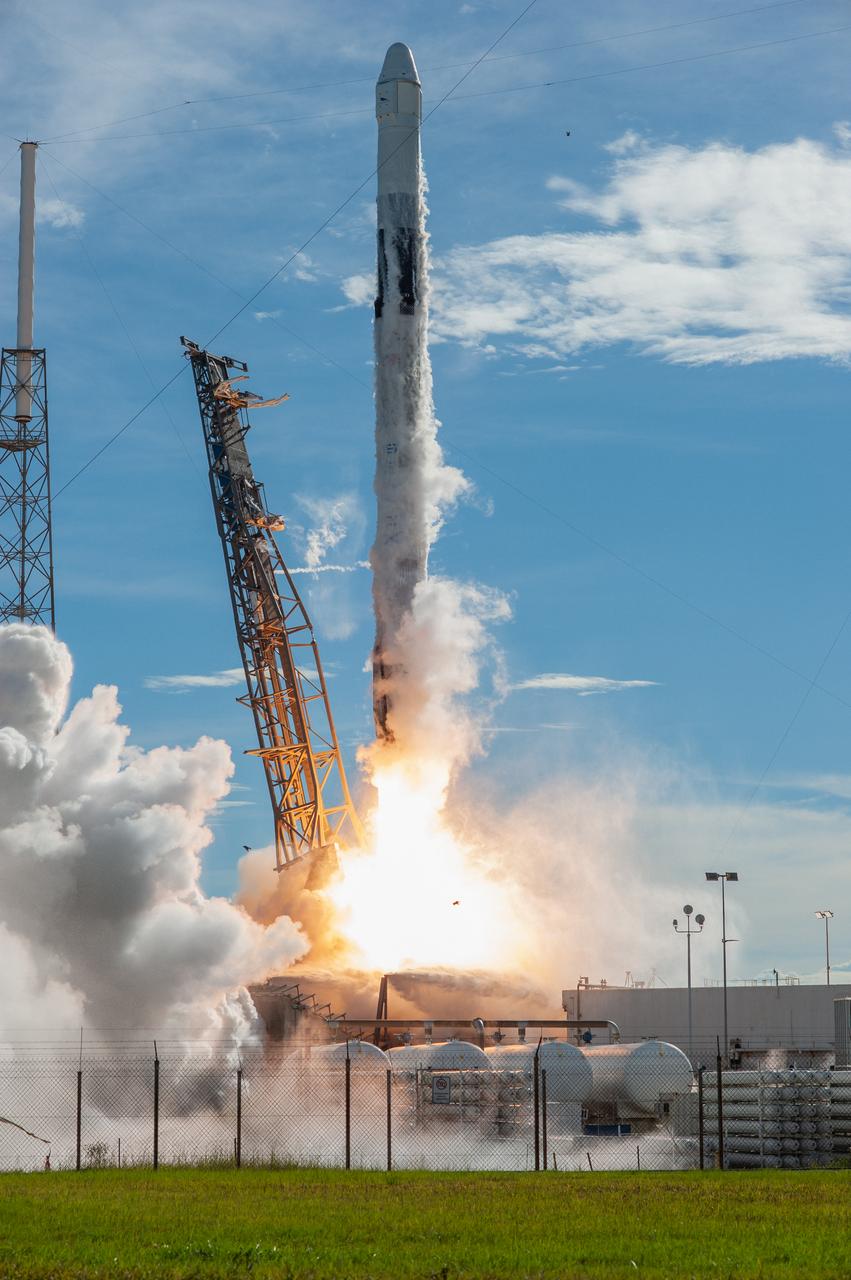
A SpaceX Falcon 9 rocket lifts off from Space Launch Complex 40 at Cape Canaveral Air Force Station in Florida at 6:01 p.m. EDT on July 25, 2019, carrying the Dragon spacecraft on the company's 18th Commercial Resupply Services (CRS-18) mission to the International Space Station. The uncrewed Dragon spacecraft will deliver about 5,000 pounds of science and research, crew supplies and vehicle hardware to the orbiting laboratory.
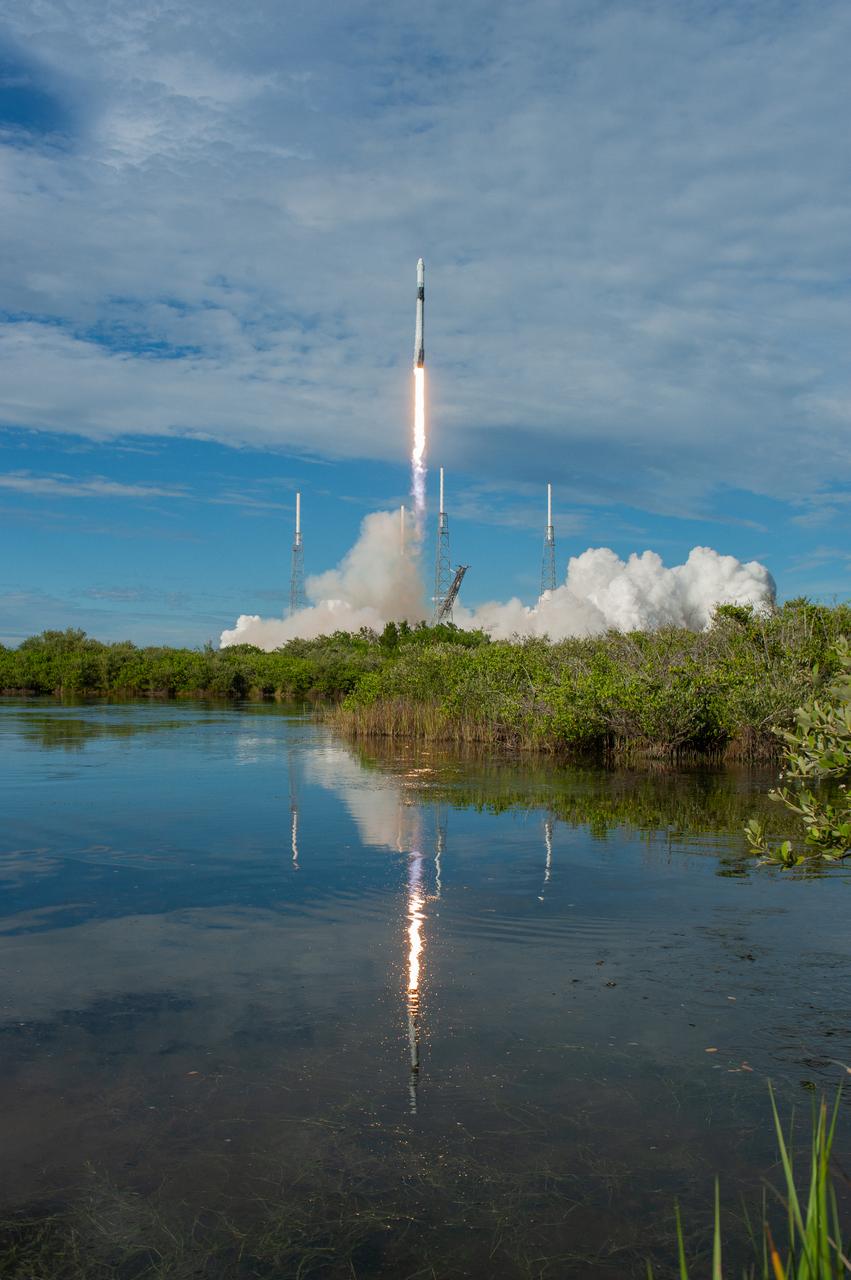
A SpaceX Falcon 9 rocket lifts off from Space Launch Complex 40 at Cape Canaveral Air Force Station in Florida at 6:01 p.m. EDT on July 25, 2019, carrying the Dragon spacecraft on the company's 18th Commercial Resupply Services (CRS-18) mission to the International Space Station. The uncrewed Dragon spacecraft will deliver about 5,000 pounds of science and research, crew supplies and vehicle hardware to the orbiting laboratory.
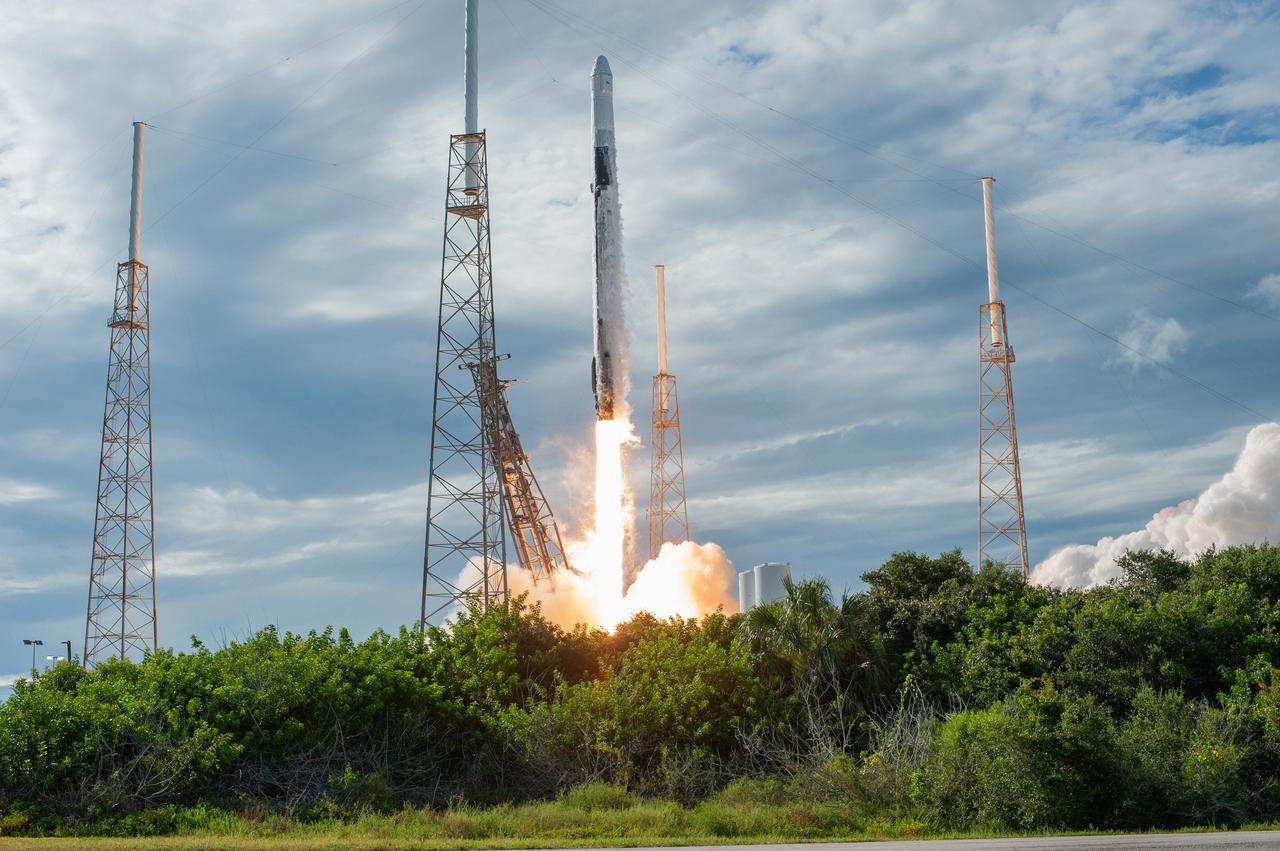
A SpaceX Falcon 9 rocket lifts off from Space Launch Complex 40 at Cape Canaveral Air Force Station in Florida at 6:01 p.m. EDT on July 25, 2019, carrying the Dragon spacecraft on the company's 18th Commercial Resupply Services (CRS-18) mission to the International Space Station. The uncrewed Dragon spacecraft will deliver about 5,000 pounds of science and research, crew supplies and vehicle hardware to the orbiting laboratory.

Will Ulrich, launch weather officer with the U.S. Air Force 45th Space Wing, discusses the liftoff weather forecast during the prelaunch news conference for SpaceX’s 18th Commercial Resupply Services (CRS-18) mission to the International Space Station, July 24, 2019, at NASA’s Kennedy Space Center in Florida. The SpaceX Falcon 9 rocket and uncrewed Dragon spacecraft are scheduled to launch July 24, 2019, from Space Launch Complex 40 at Florida’s Cape Canaveral Air Force Station.
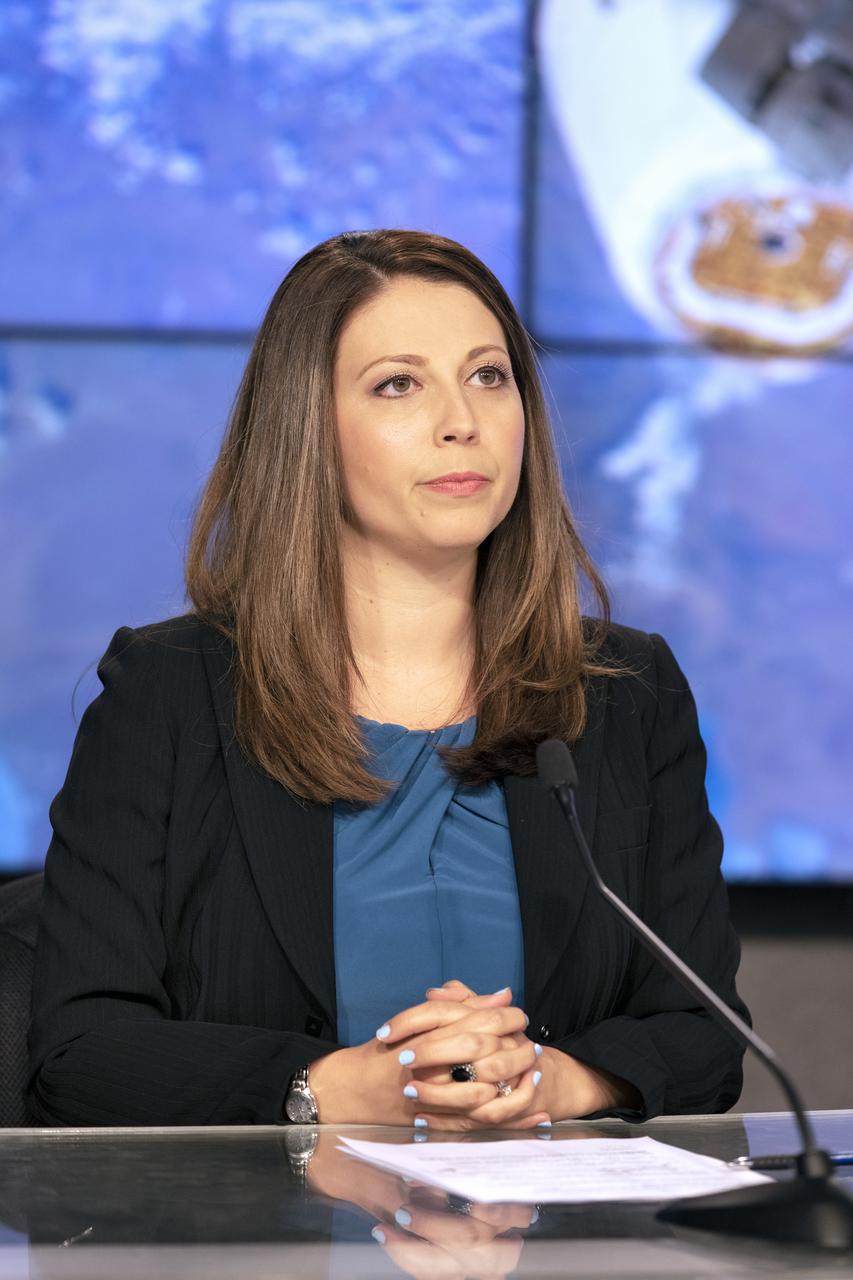
Marie Lewis, NASA Communications moderator, moderates the prelaunch news conference for SpaceX’s 18th Commercial Resupply Services (CRS-18) mission to the International Space Station, July 24, 2019, at the agency’s Kennedy Space Center in Florida. The SpaceX Falcon 9 rocket and uncrewed Dragon spacecraft are scheduled to launch July 24, 2019, from Space Launch Complex 40 at Florida’s Cape Canaveral Air Force Station.
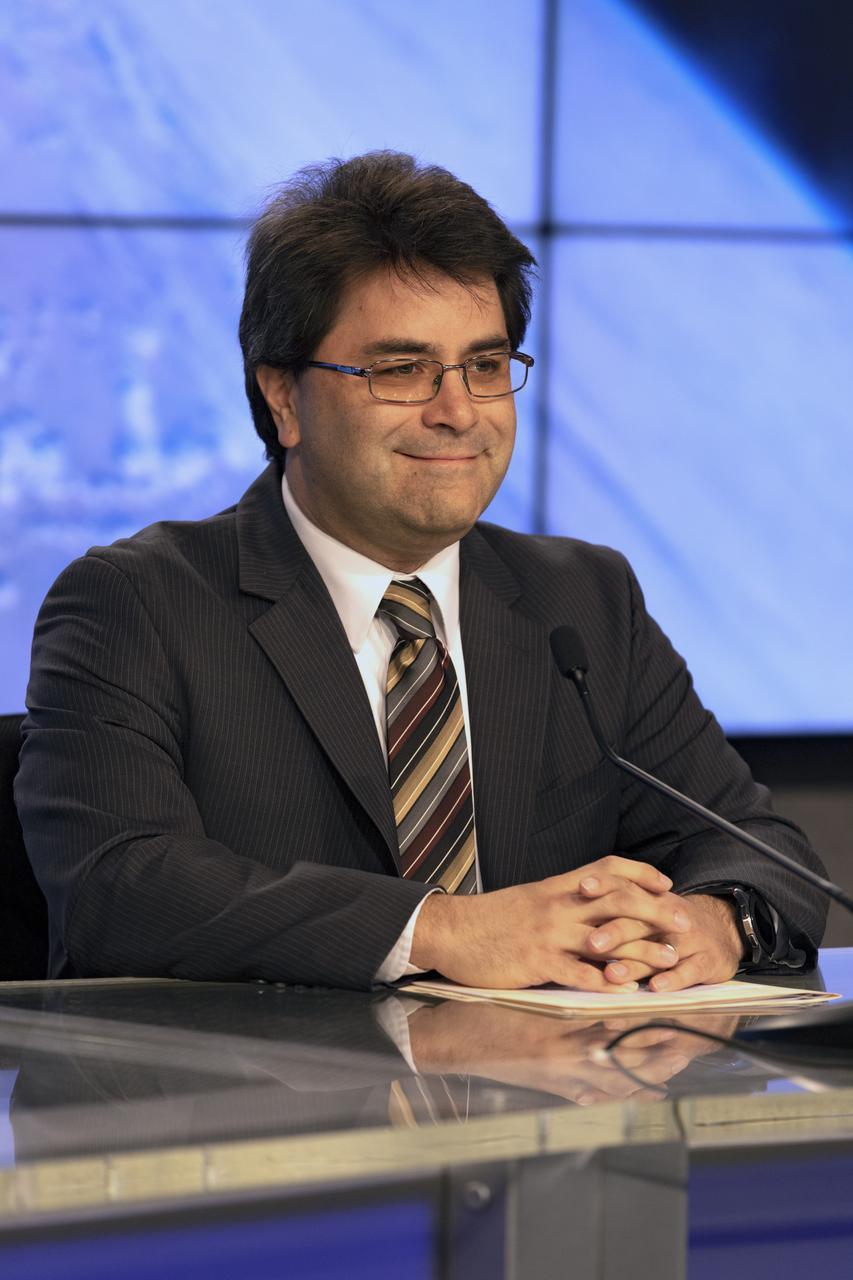
Bill Spetch, deputy manager of the International Space Station Transportation Integration Office at NASA’s Johnson Space Center in Houston, speaks during the prelaunch news conference for SpaceX’s 18th Commercial Resupply Services (CRS-18) mission to the station on July 24, 2019, at the agency’s Kennedy Space Center in Florida. The SpaceX Falcon 9 rocket and uncrewed Dragon spacecraft are scheduled to launch July 24, 2019, from Space Launch Complex 40 at Florida’s Cape Canaveral Air Force Station.
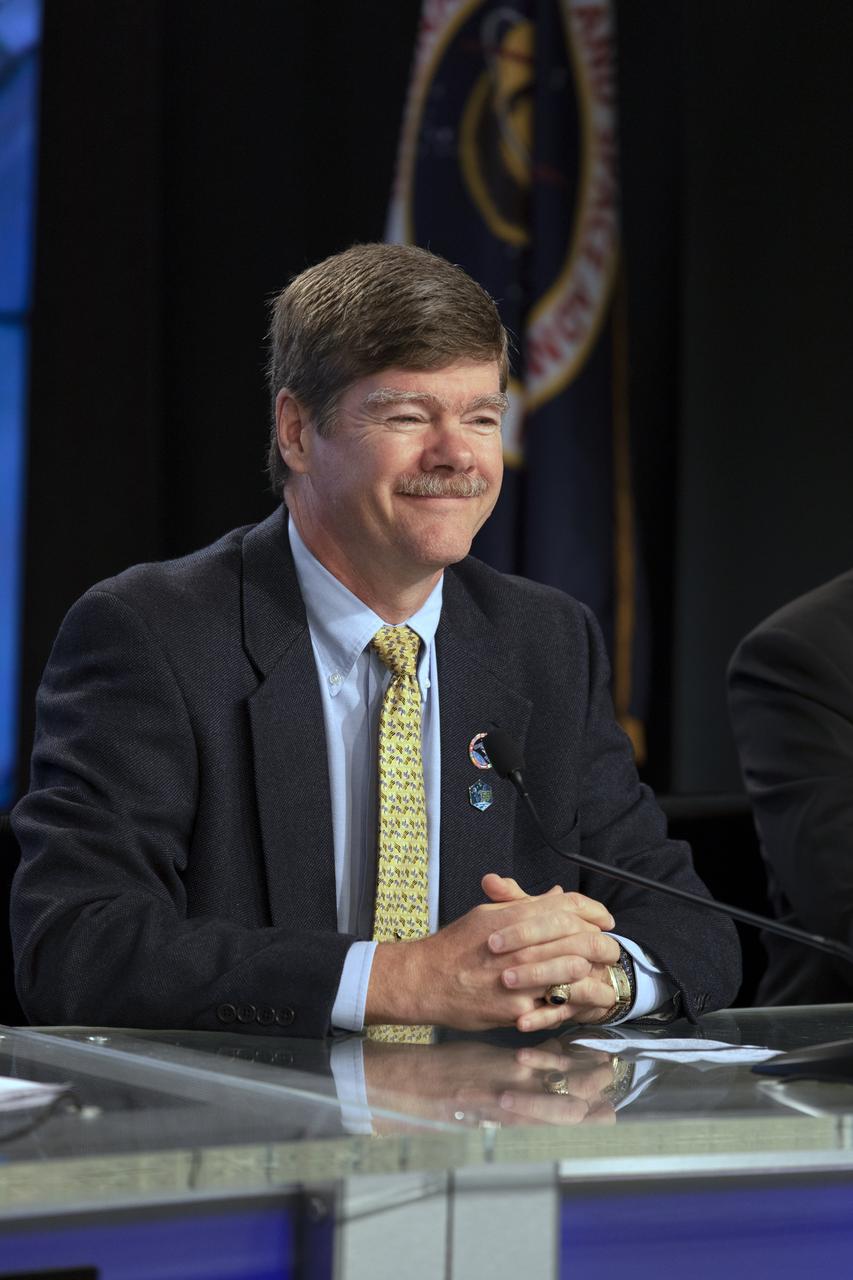
Pete Hasbrook, manager of the International Space Station Program Science Office at NASA’s Johnson Space Center in Houston, speaks during the prelaunch news conference for SpaceX’s 18th Commercial Resupply Services (CRS-18) mission to the station, July 24, 2019, at the agency’s Kennedy Space Center in Florida. The SpaceX Falcon 9 rocket and uncrewed Dragon spacecraft are scheduled to launch July 24, 2019, from Space Launch Complex 40 at Florida’s Cape Canaveral Air Force Station.
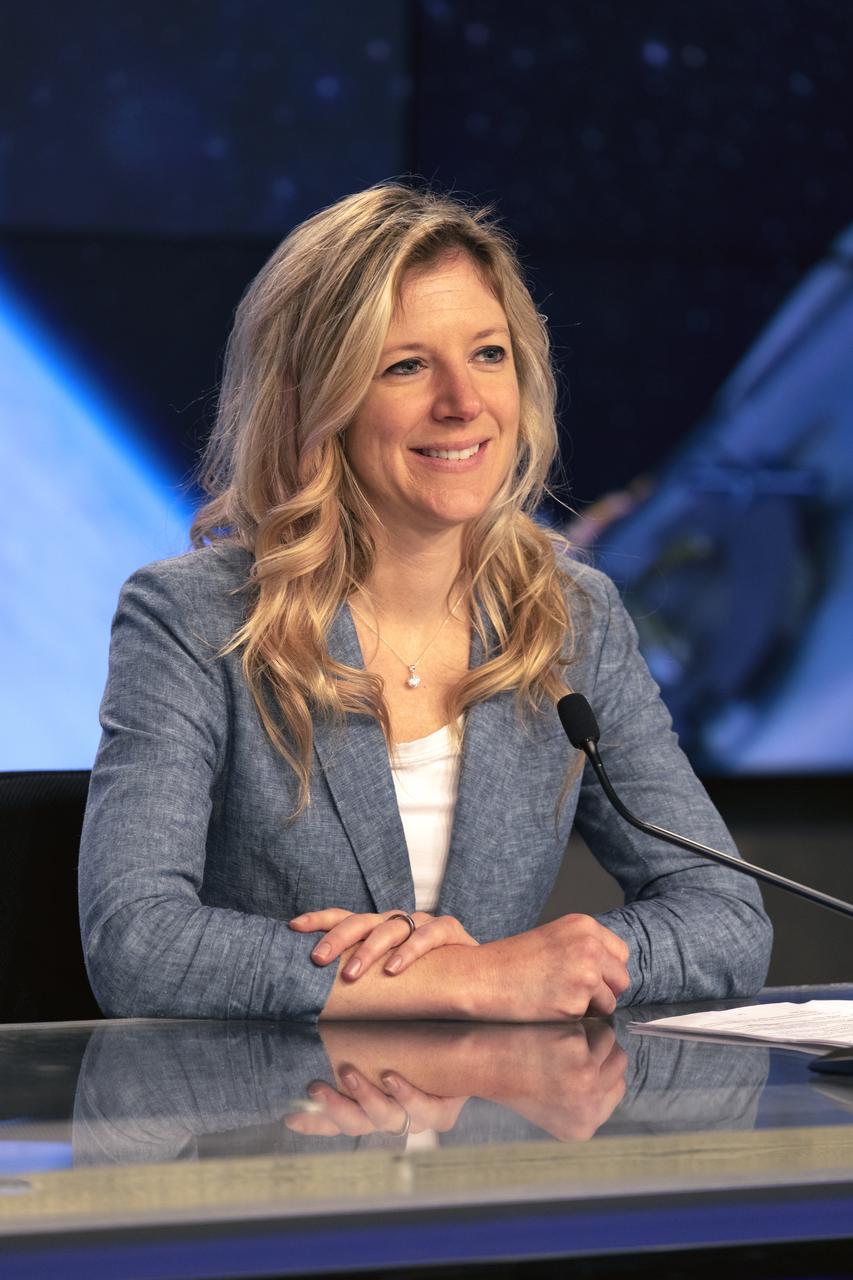
Jessica Jensen, director of Dragon mission management at SpaceX, speaks during the prelaunch news conference for the company's 18th Commercial Resupply Services (CRS-18) mission to the International Space Station, July 24, 2019, at NASA’s Kennedy Space Center in Florida. The SpaceX Falcon 9 rocket and uncrewed Dragon spacecraft are scheduled to launch July 24, 2019, from Space Launch Complex 40 at Florida’s Cape Canaveral Air Force Station.
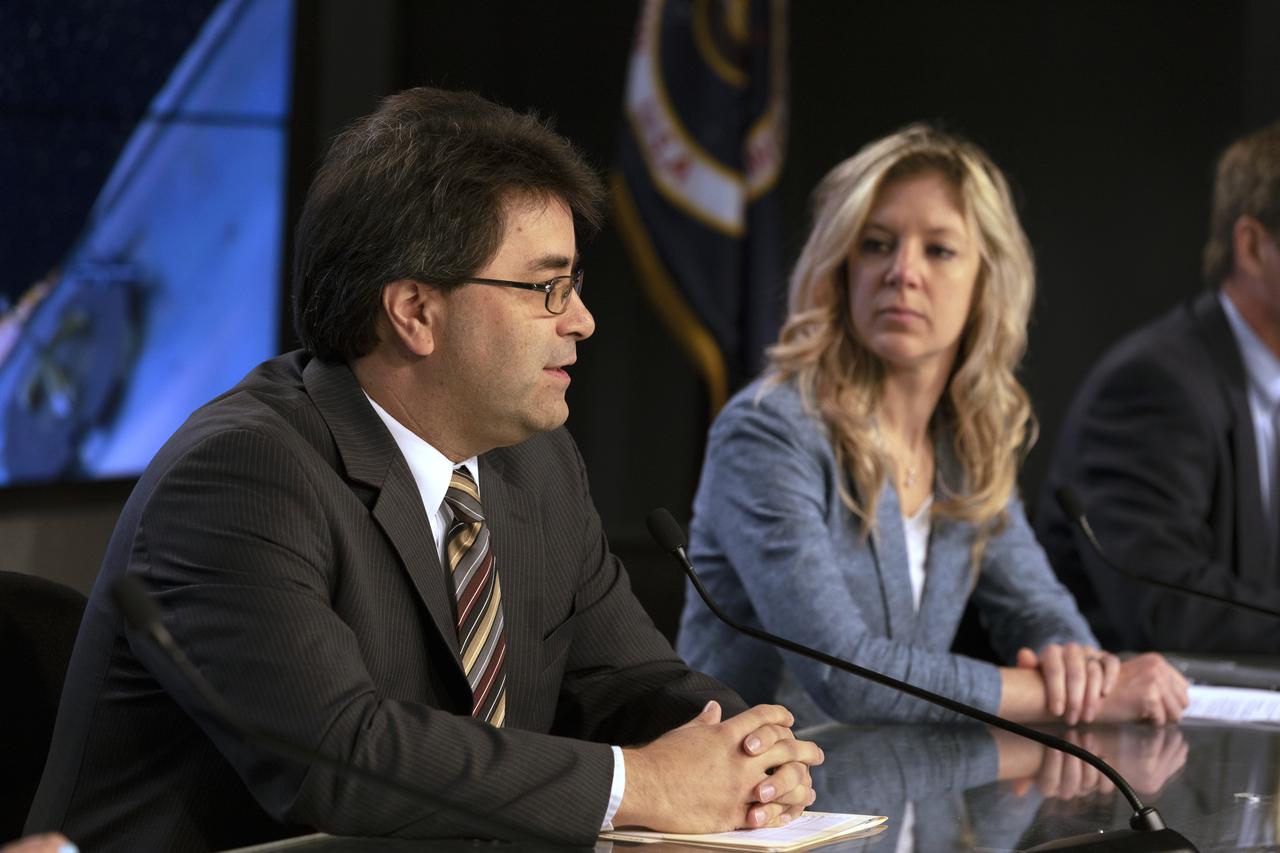
Bill Spetch, deputy manager of the International Space Station Transportation Integration Office at NASA’s Johnson Space Center in Houston, speaks during the prelaunch news conference for SpaceX’s 18th Commercial Resupply Services (CRS-18) mission to the station on July 24, 2019, at the agency’s Kennedy Space Center in Florida. At right is Jessica Jensen, director of Dragon mission management at SpaceX. The SpaceX Falcon 9 rocket and uncrewed Dragon spacecraft are scheduled to launch July 24, 2019, from Space Launch Complex 40 at Florida’s Cape Canaveral Air Force Station.
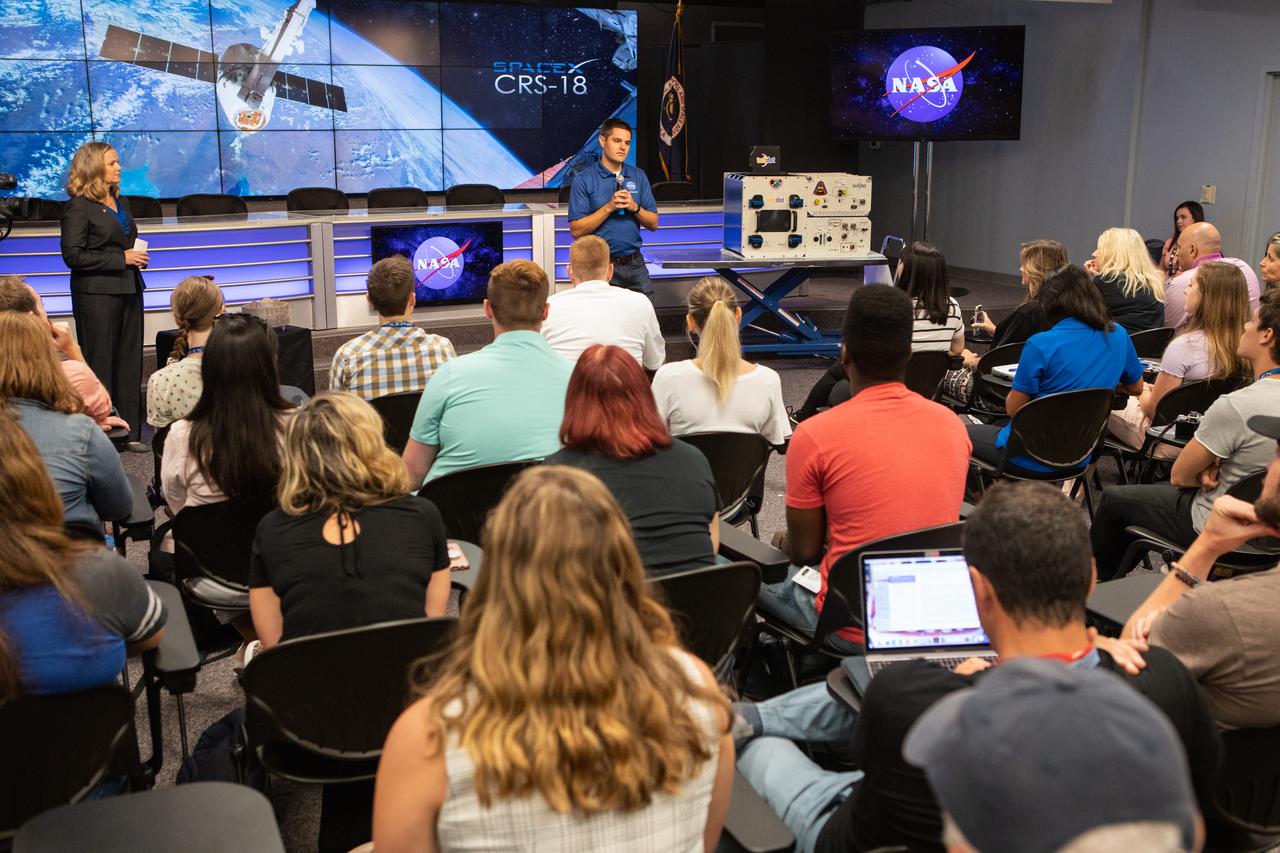
Jason August, International Space Station Mission Evaluation Room manager, talks to NASA Social participants about the International Docking Adapter-3 payload during a What’s On Board science briefing at the agency’s Kennedy Space Center in Florida on July 23, 2019. The briefing was held for SpaceX’s 18th Commercial Resupply Services (CRS-18) mission to the station. The SpaceX Falcon 9 rocket and uncrewed Dragon spacecraft are scheduled to launch July 24, 2019, from Space Launch Complex 40 at Florida’s Cape Canaveral Air Force Station.
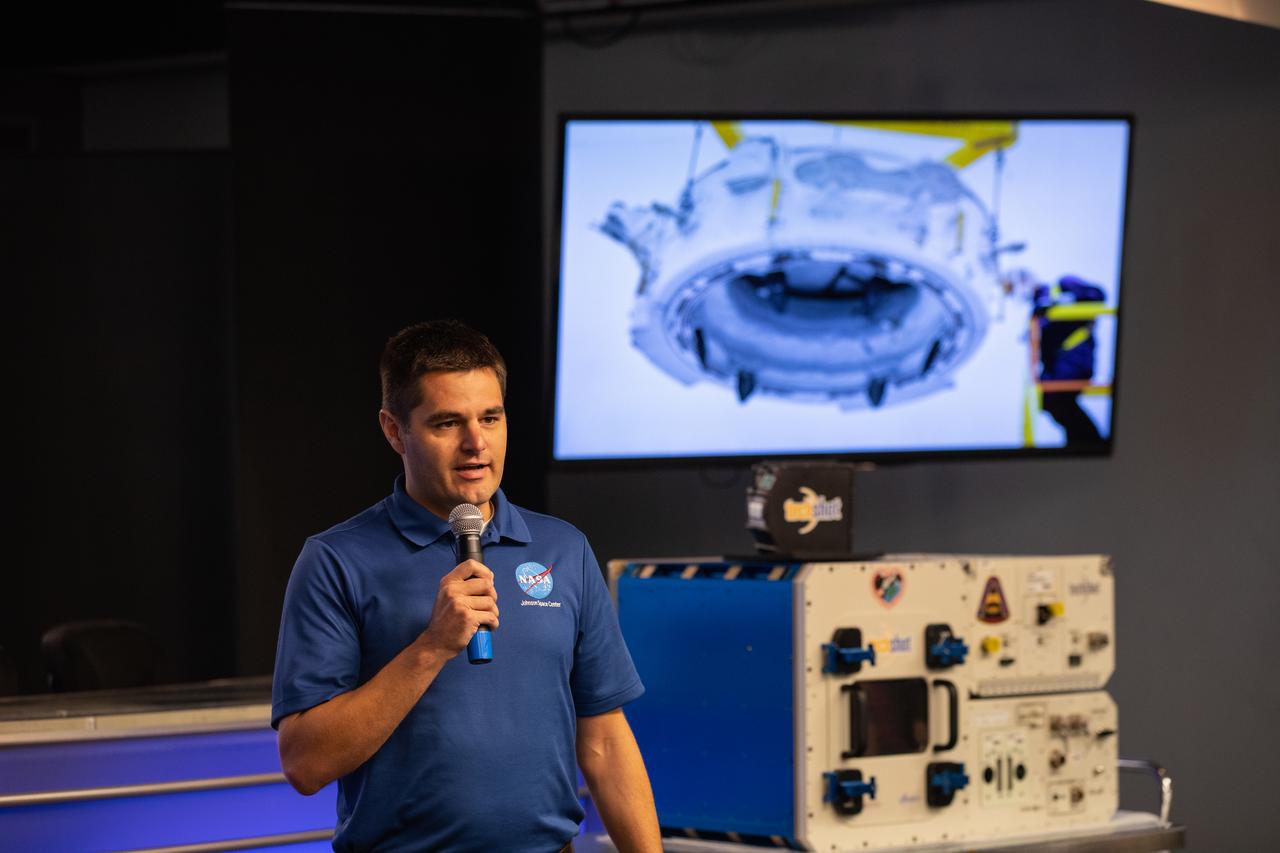
Jason August, International Space Station Mission Evaluation Room manager, talks to NASA Social participants about the International Docking Adapter-3 payload during a What’s On Board science briefing at the agency’s Kennedy Space Center in Florida on July 23, 2019. The briefing was held for SpaceX’s 18th Commercial Resupply Services (CRS-18) mission to the station. The SpaceX Falcon 9 rocket and uncrewed Dragon spacecraft are scheduled to launch July 24, 2019, from Space Launch Complex 40 at Florida’s Cape Canaveral Air Force Station.
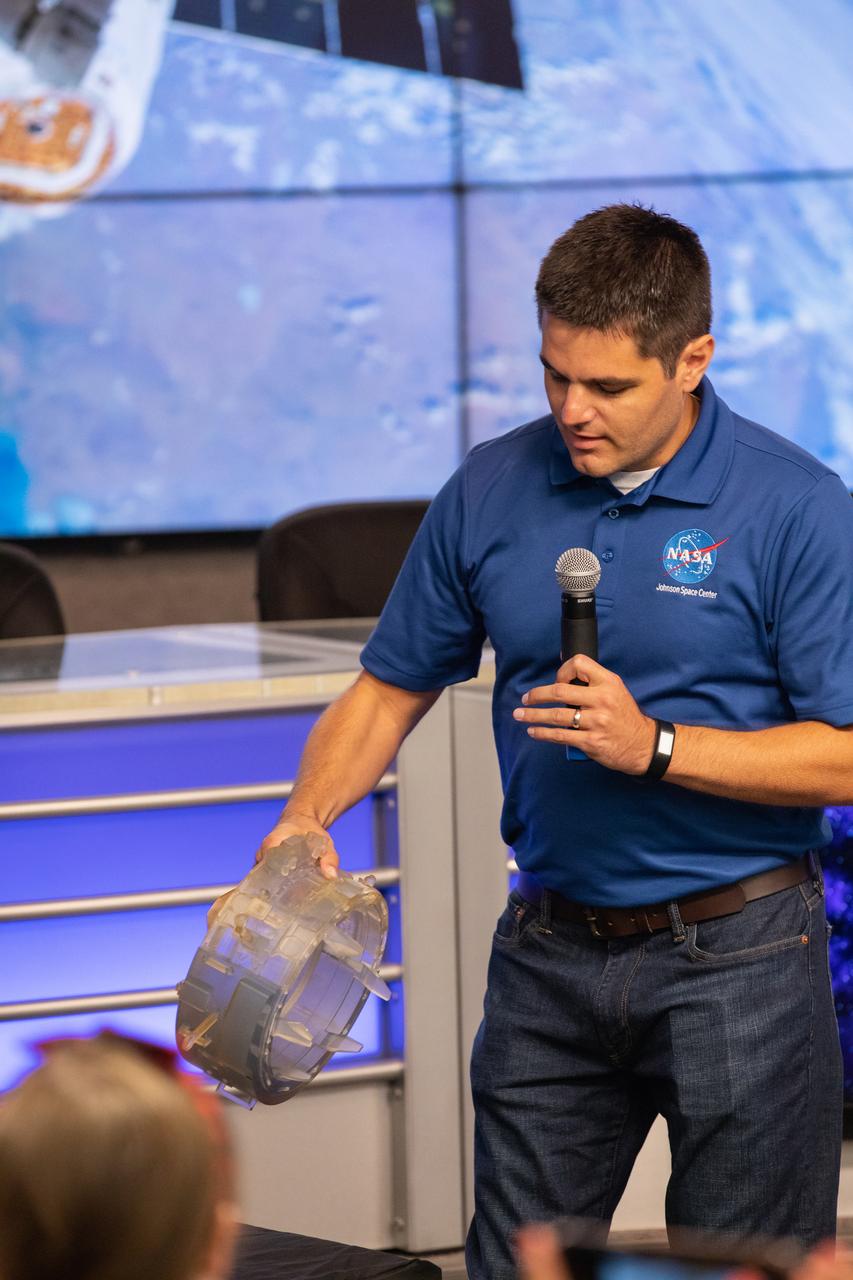
Jason August, International Space Station Mission Evaluation Room manager, talks to NASA Social participants about the International Docking Adapter-3 payload during a What’s On Board science briefing at the agency’s Kennedy Space Center in Florida on July 23, 2019. The briefing was held for SpaceX’s 18th Commercial Resupply Services (CRS-18) mission to the station. The SpaceX Falcon 9 rocket and uncrewed Dragon spacecraft are scheduled to launch July 24, 2019, from Space Launch Complex 40 at Florida’s Cape Canaveral Air Force Station.
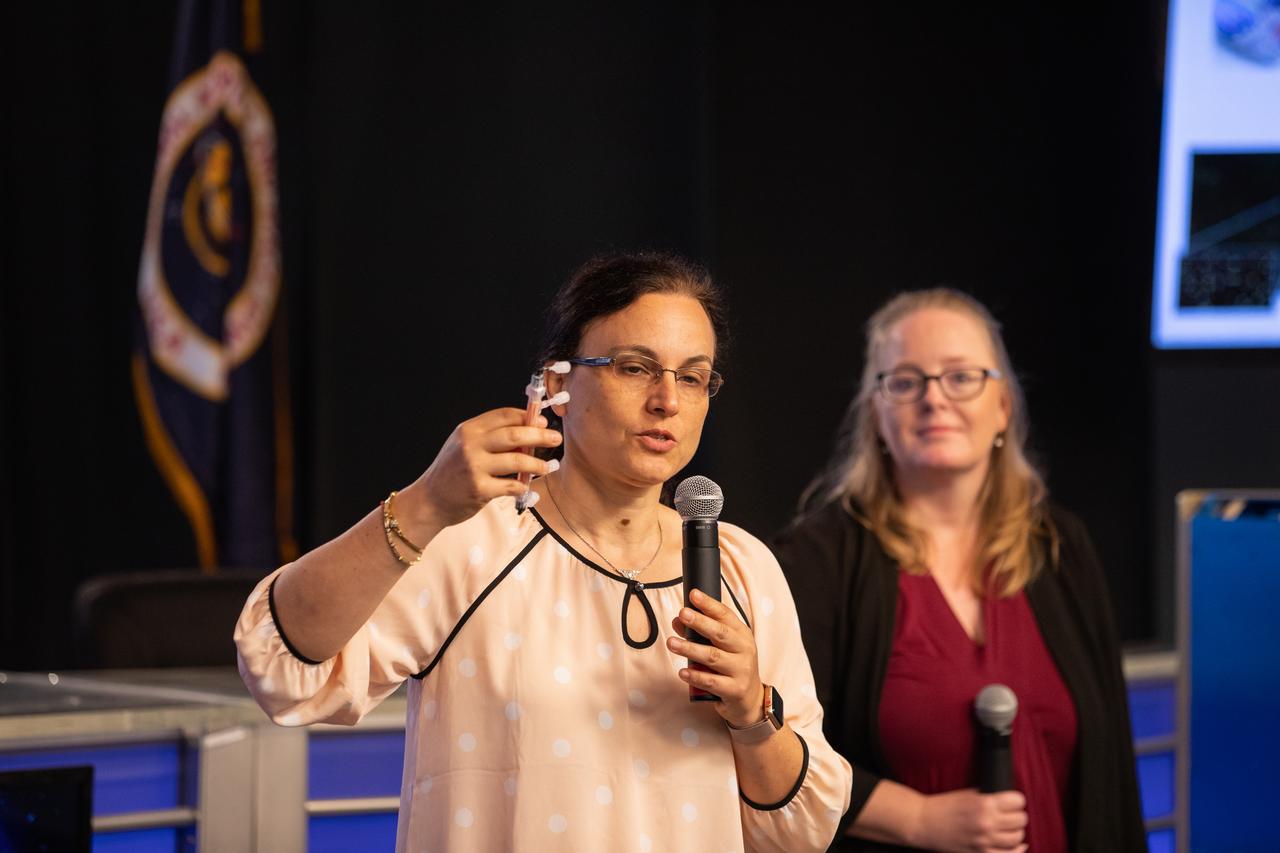
Rasha Hammamieh, Ph.D., left, the U.S. Army’s principal investigator for the Cell Science-02 investigation, and co-investigator Melissa Kacena, Ph.D., with the Indiana University School of Medicine, talk to NASA Social participants during a What’s On Board science briefing at the agency’s Kennedy Space Center in Florida on July 23, 2019. The briefing was held for SpaceX’s 18th Commercial Resupply Services (CRS-18) mission to the International Space Station. The SpaceX Falcon 9 rocket and uncrewed Dragon spacecraft are scheduled to launch July 24, 2019, from Space Launch Complex 40 at Florida’s Cape Canaveral Air Force Station.
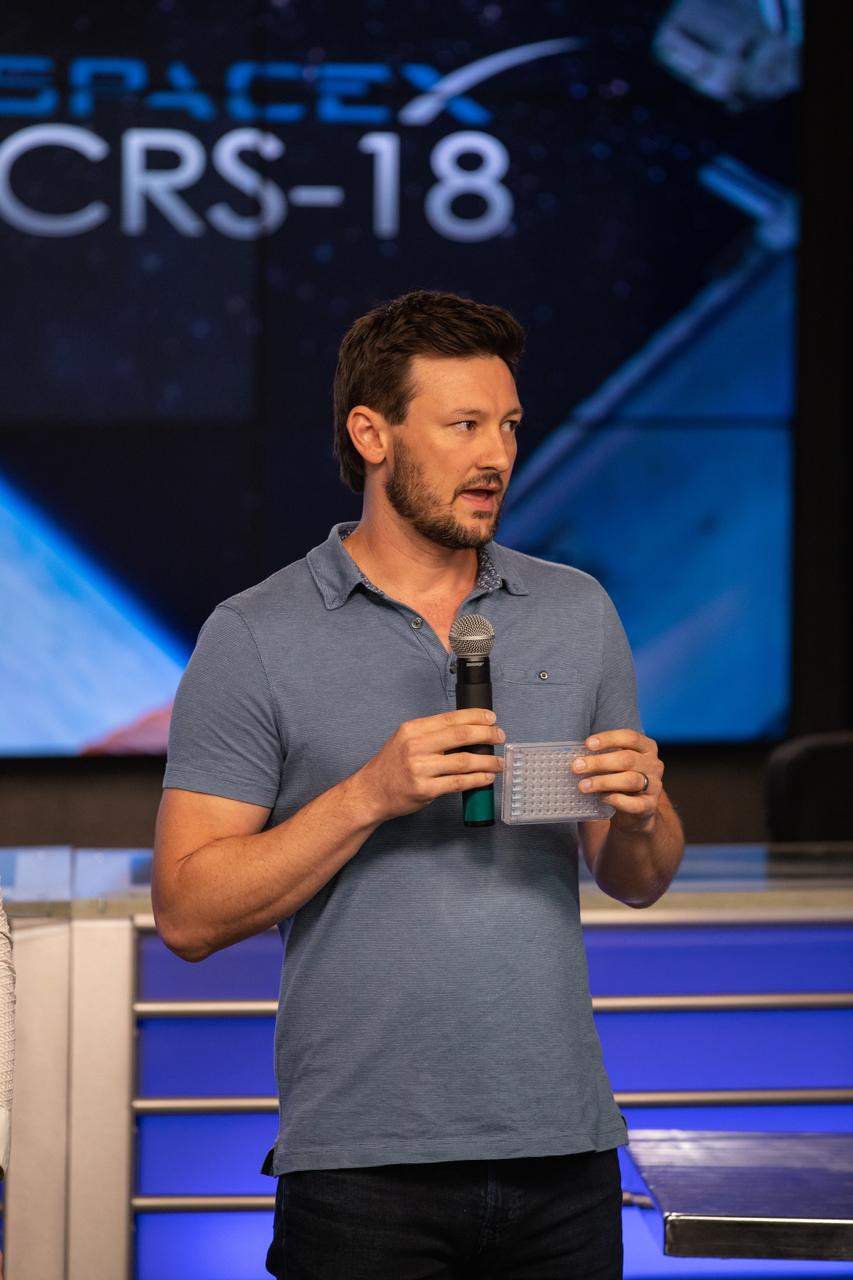
Andres Bratt-Leal, Ph.D., of Aspen Neuroscience, talks to NASA Social participants during a What’s On Board science briefing at the agency’s Kennedy Space Center in Florida on July 23, 2019. Bratt-Leal is a principal investigator for the Effects of Microgravity on Microglia 3-Dimensional Models of Parkinson’s Disease and Multiple Sclerosis (Space Tango-Induced Pluripotent Stem Cells) payload. The briefing was held for SpaceX’s 18th Commercial Resupply Services (CRS-18) mission to the International Space Station. The SpaceX Falcon 9 rocket and uncrewed Dragon spacecraft are scheduled to launch July 24, 2019, from Space Launch Complex 40 at Florida’s Cape Canaveral Air Force Station.
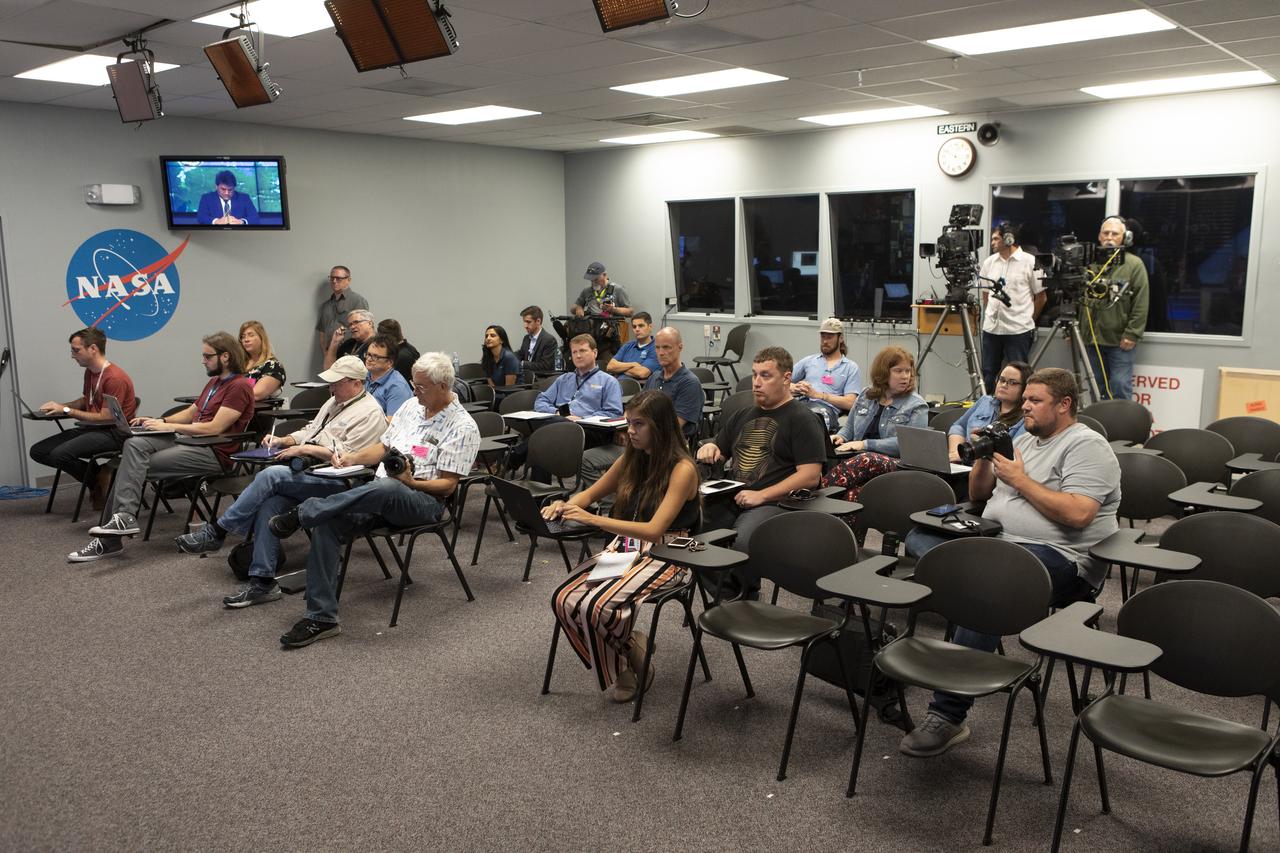
Members of the news media attend the prelaunch news conference for SpaceX’s 18th Commercial Resupply Services (CRS-18) mission to the International Space Station, July 24, 2019, at NASA’s Kennedy Space Center in Florida. Participants were Marie Lewis, NASA Communications moderator; Bill Spetch, deputy manager of the International Space Station Transportation Integration Office at the agency’s Johnson Space Center in Houston; Jessica Jensen, director of Dragon mission management at SpaceX; Pete Hasbrook, manager of the space station’s Program Science Office at Johnson; and Will Ulrich, launch weather officer with the U.S. Air Force 45th Space Wing. The SpaceX Falcon 9 rocket and uncrewed Dragon spacecraft are scheduled to launch July 24, 2019, from Space Launch Complex 40 at Florida’s Cape Canaveral Air Force Station.
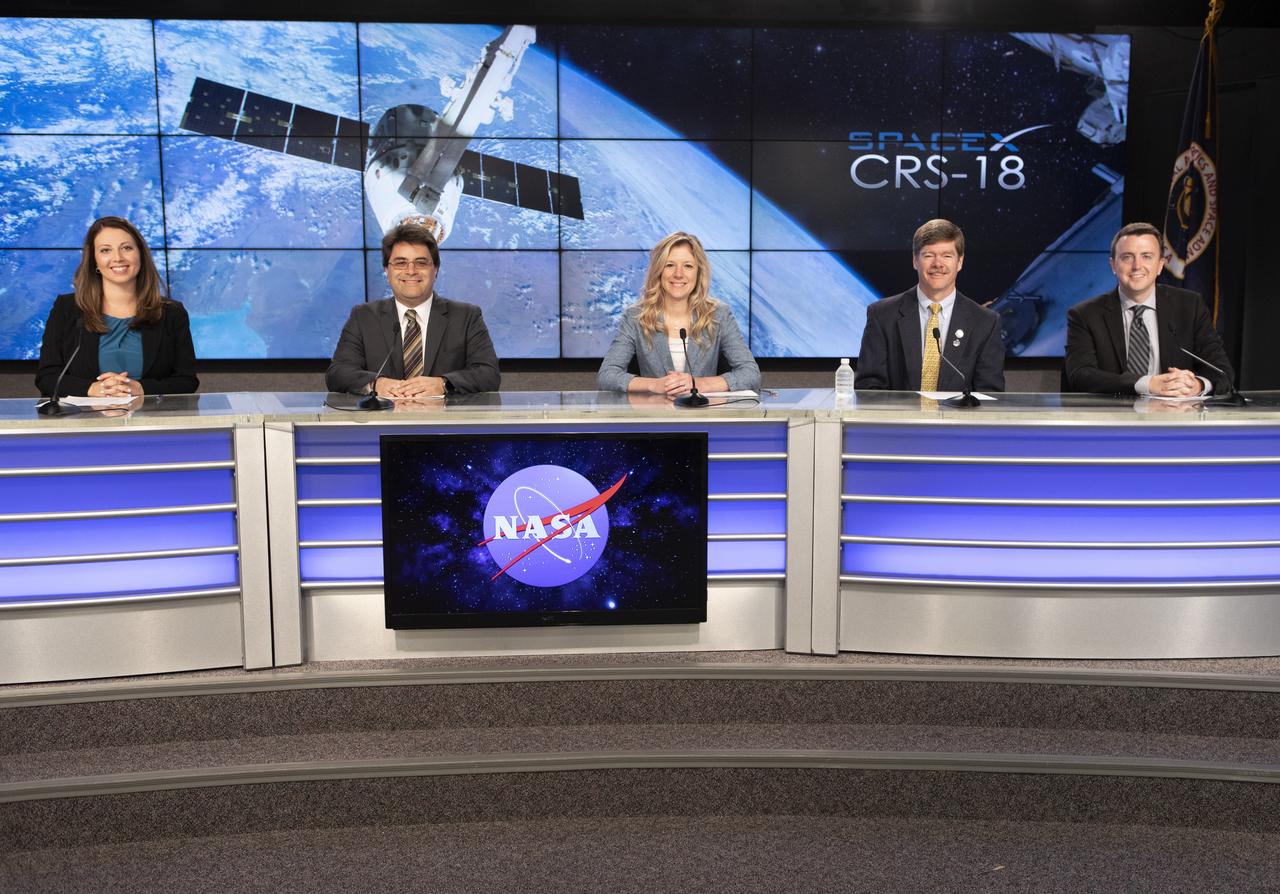
A prelaunch news conference for SpaceX’s 18th Commercial Resupply Services (CRS-18) mission to the International Space Station for NASA is held July 24, 2019, at the agency’s Kennedy Space Center in Florida. From left are Marie Lewis, NASA Communications moderator; Bill Spetch, deputy manager of the International Space Station Transportation Integration Office at NASA’s Johnson Space Center in Houston; Jessica Jensen, director of Dragon mission management at SpaceX; Pete Hasbrook, manager of the space station’s Program Science Office at Johnson; and Will Ulrich, launch weather officer with the U.S. Air Force 45th Space Wing. The SpaceX Falcon 9 rocket and uncrewed Dragon spacecraft are scheduled to launch July 24, 2019, from Space Launch Complex 40 at Florida’s Cape Canaveral Air Force Station.
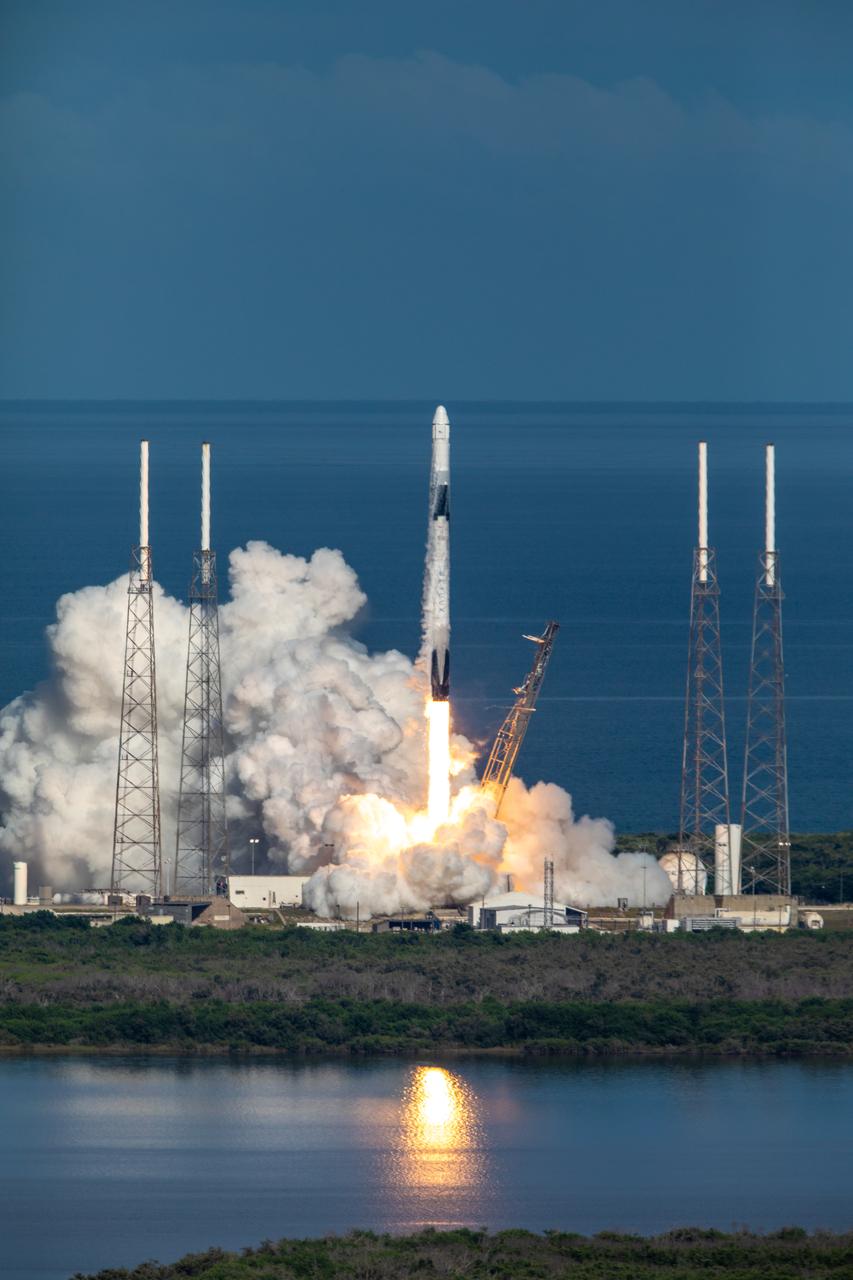
A SpaceX Falcon 9 rocket lifts off from Space Launch Complex 40 at Cape Canaveral Air Force Station in Florida at 6:01 p.m. EDT on July 25, 2019, carrying the Dragon spacecraft on the company’s 18th Commercial Resupply Services (CRS-18) mission to the International Space Station. The uncrewed Dragon spacecraft will deliver about 5,000 pounds of science and research, crew supplies and vehicle hardware to the orbiting laboratory.
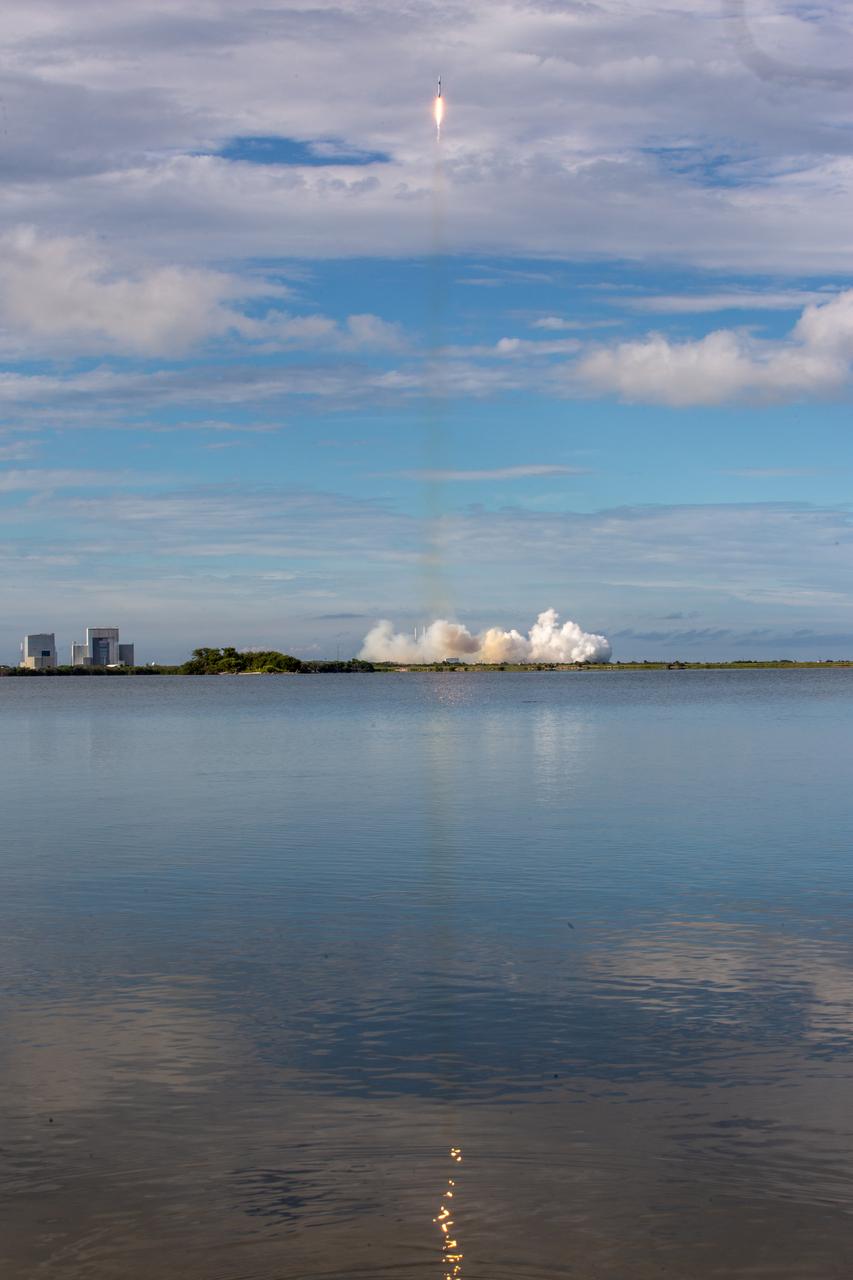
A SpaceX Falcon 9 rocket soars upward after its liftoff from Space Launch Complex 40 at Cape Canaveral Air Force Station in Florida at 6:01 p.m. EDT on July 25, 2019, carrying the Dragon spacecraft on the company's 18th Commercial Resupply Services (CRS-18) mission to the International Space Station. The uncrewed Dragon spacecraft will deliver about 5,000 pounds of science and research, crew supplies and vehicle hardware to the orbiting laboratory.
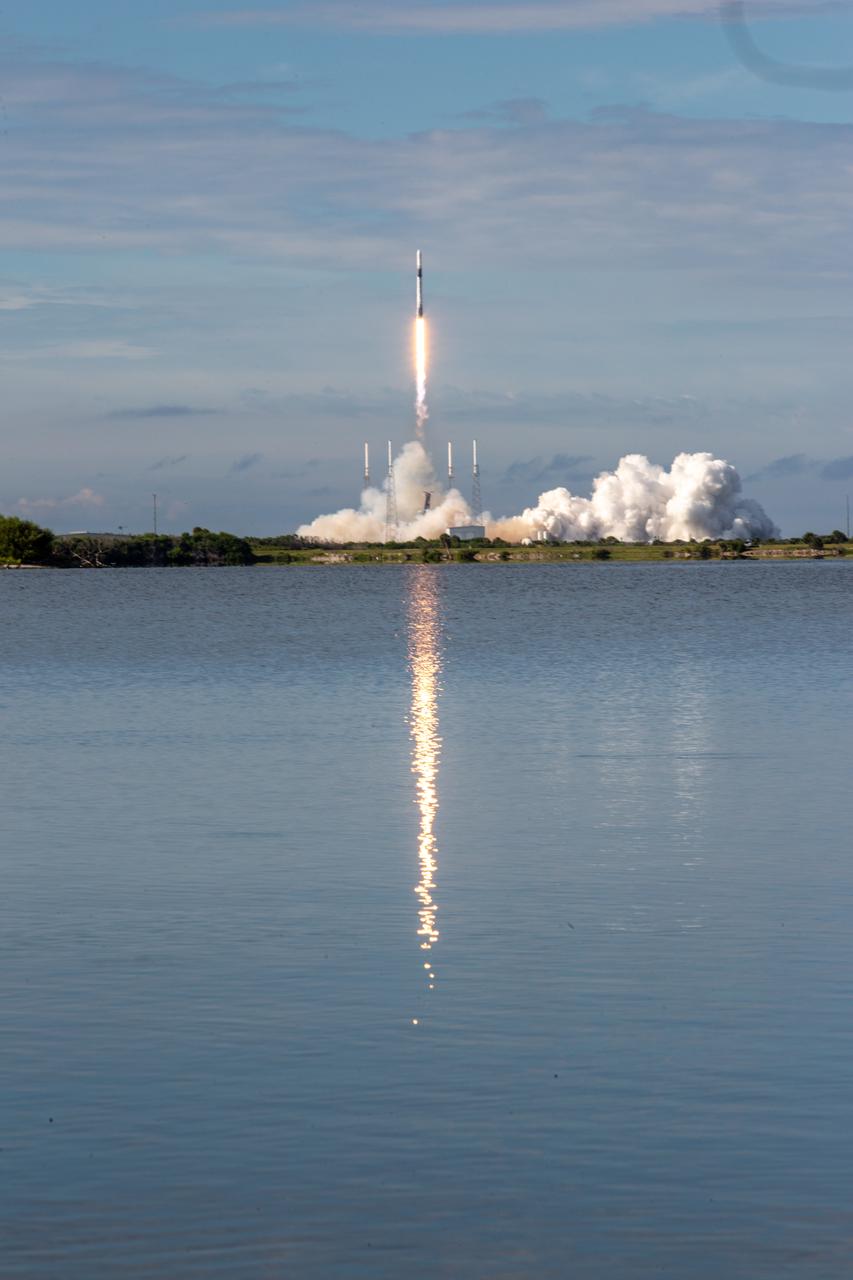
A SpaceX Falcon 9 rocket lifts off from Space Launch Complex 40 at Cape Canaveral Air Force Station in Florida at 6:01 p.m. EDT on July 25, 2019, carrying the Dragon spacecraft on the company's 18th Commercial Resupply Services (CRS-18) mission to the International Space Station. The uncrewed Dragon spacecraft will deliver about 5,000 pounds of science and research, crew supplies and vehicle hardware to the orbiting laboratory.
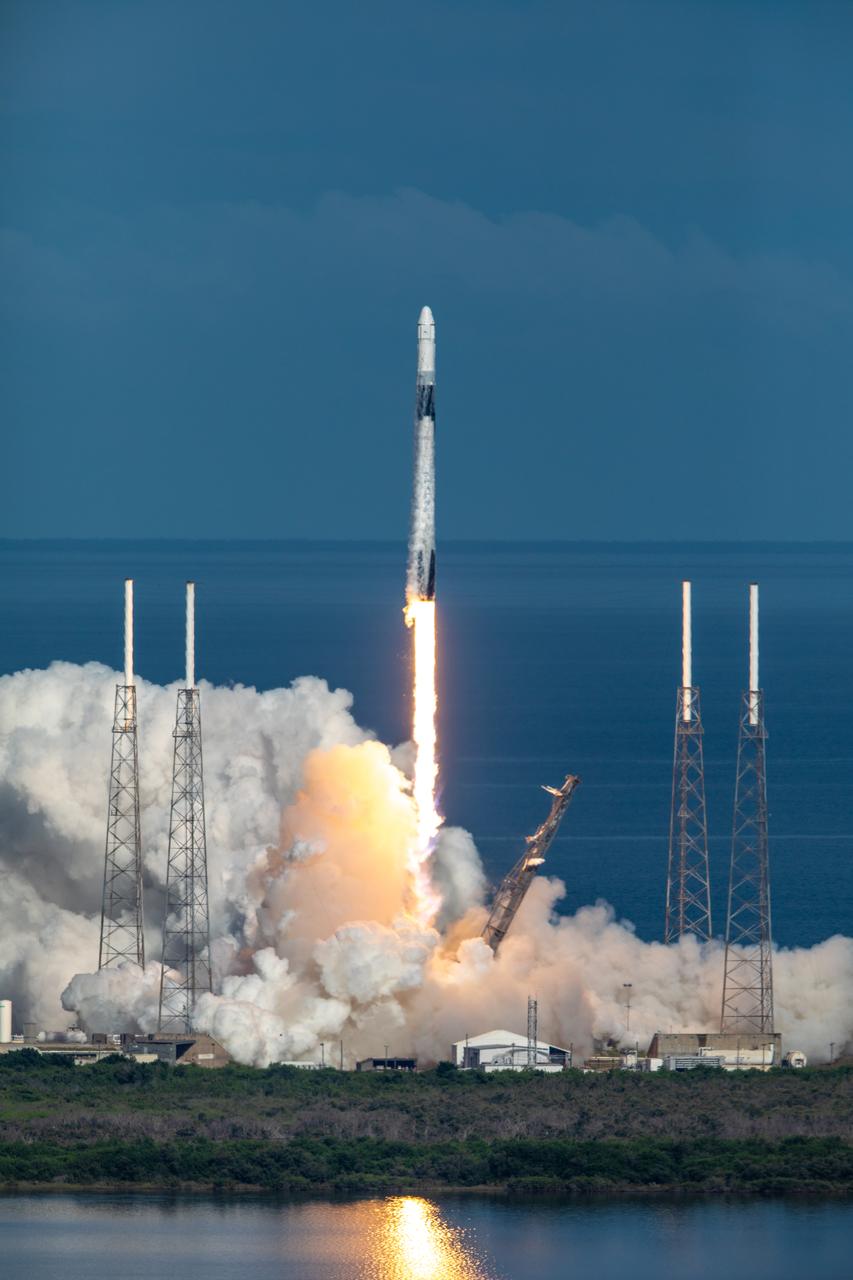
A SpaceX Falcon 9 rocket lifts off from Space Launch Complex 40 at Cape Canaveral Air Force Station in Florida at 6:01 p.m. EDT on July 25, 2019, carrying the Dragon spacecraft on the company’s 18th Commercial Resupply Services (CRS-18) mission to the International Space Station. The uncrewed Dragon spacecraft will deliver about 5,000 pounds of science and research, crew supplies and vehicle hardware to the orbiting laboratory.
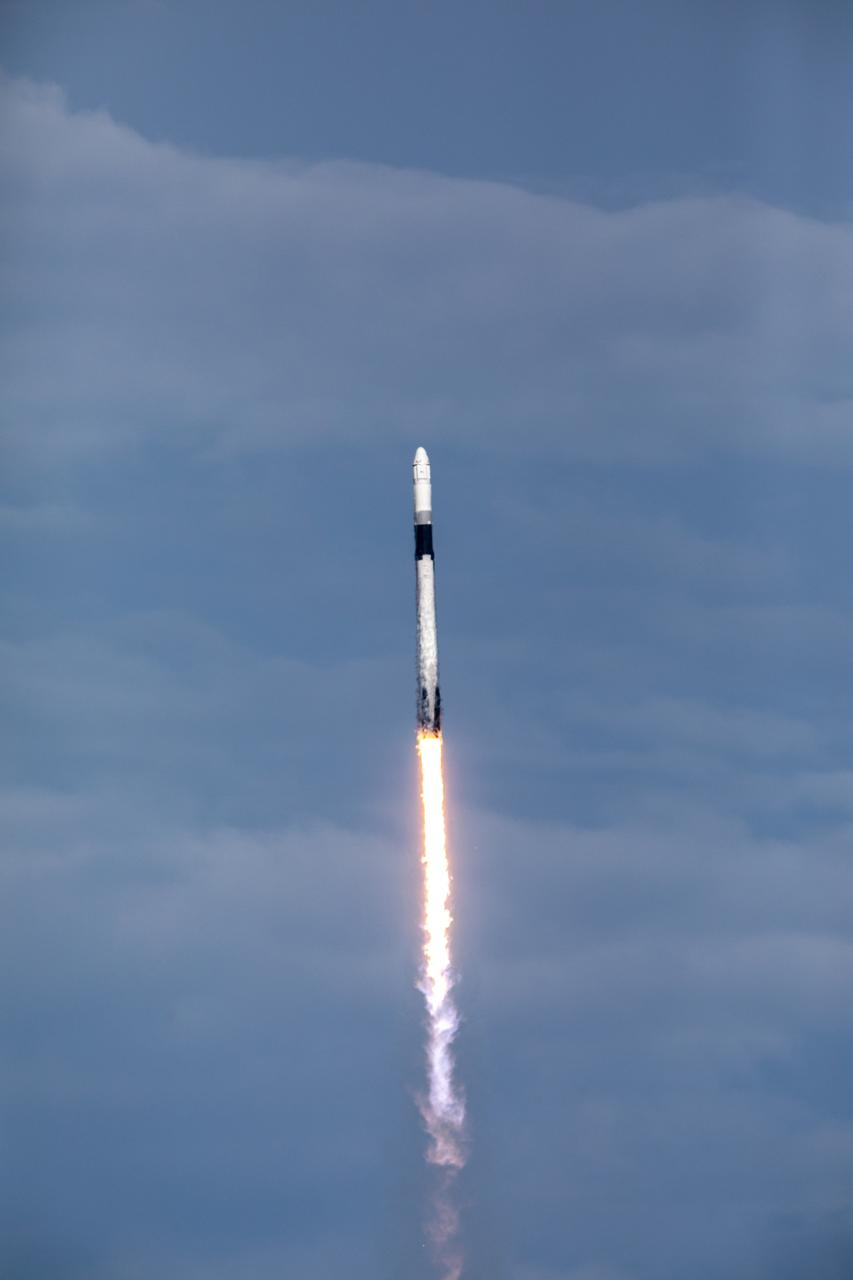
A SpaceX Falcon 9 rocket soars upward after its liftoff from Space Launch Complex 40 at Cape Canaveral Air Force Station in Florida at 6:01 p.m. EDT on July 25, 2019, carrying the Dragon spacecraft on the company’s 18th Commercial Resupply Services (CRS-18) mission to the International Space Station. The uncrewed Dragon spacecraft will deliver about 5,000 pounds of science and research, crew supplies and vehicle hardware to the orbiting laboratory.
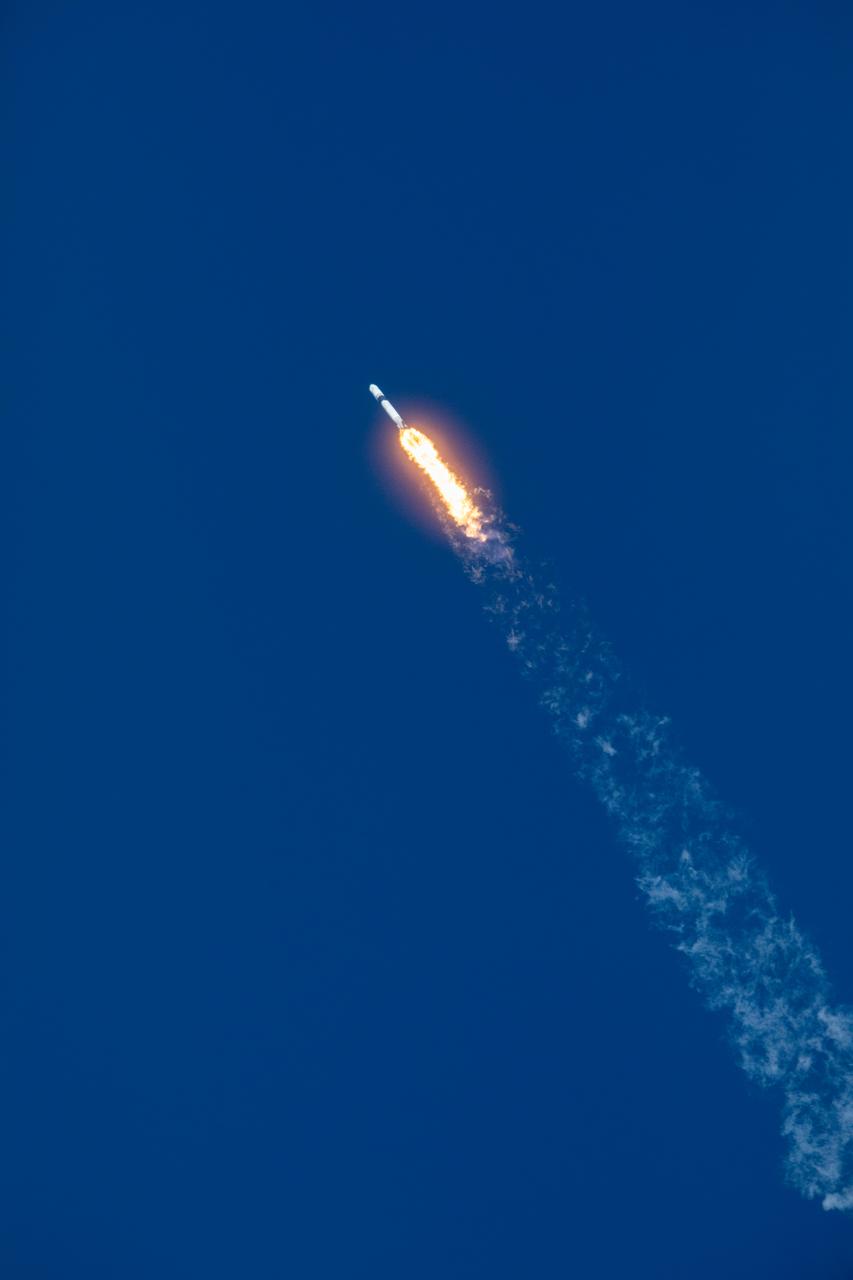
A SpaceX Falcon 9 rocket soars upward after its liftoff from Space Launch Complex 40 at Cape Canaveral Air Force Station in Florida at 6:01 p.m. EDT on July 25, 2019, carrying the Dragon spacecraft on the company’s 18th Commercial Resupply Services (CRS-18) mission to the International Space Station. The uncrewed Dragon spacecraft will deliver about 5,000 pounds of science and research, crew supplies and vehicle hardware to the orbiting laboratory.
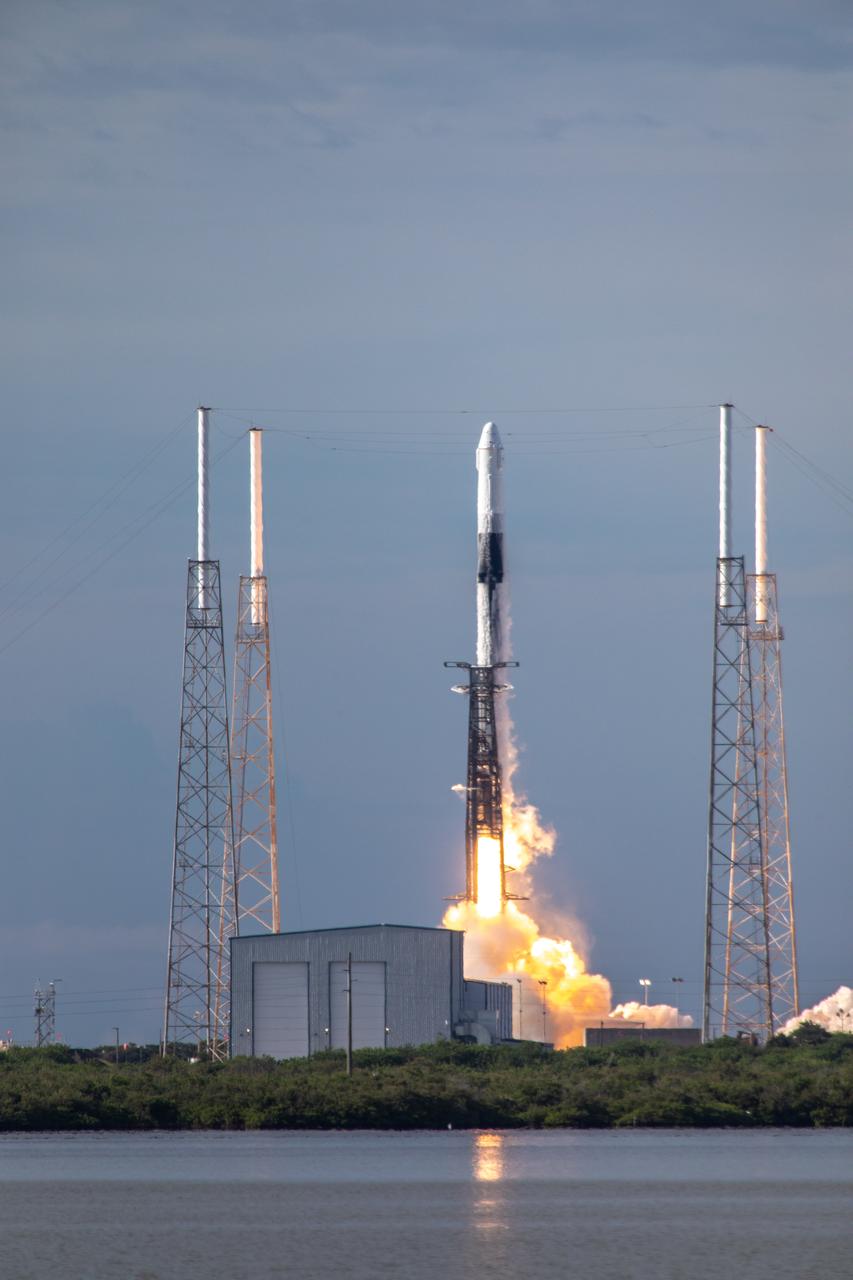
A SpaceX Falcon 9 rocket lifts off from Space Launch Complex 40 at Cape Canaveral Air Force Station in Florida at 6:01 p.m. EDT on July 25, 2019, carrying the Dragon spacecraft on the company's 18th Commercial Resupply Services (CRS-18) mission to the International Space Station. The uncrewed Dragon spacecraft will deliver about 5,000 pounds of science and research, crew supplies and vehicle hardware to the orbiting laboratory.
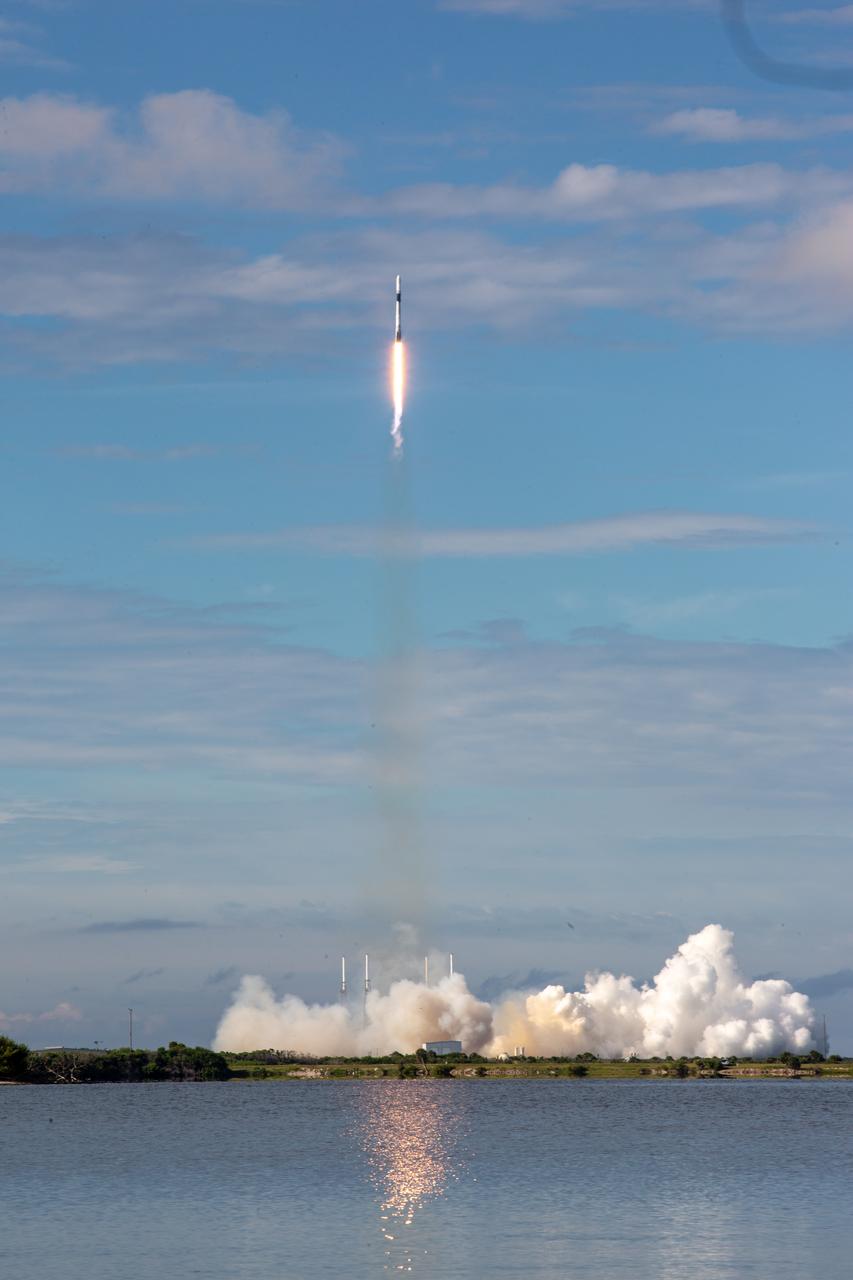
A SpaceX Falcon 9 rocket lifts off from Space Launch Complex 40 at Cape Canaveral Air Force Station in Florida at 6:01 p.m. EDT on July 25, 2019, carrying the Dragon spacecraft on the company's 18th Commercial Resupply Services (CRS-18) mission to the International Space Station. The uncrewed Dragon spacecraft will deliver about 5,000 pounds of science and research, crew supplies and vehicle hardware to the orbiting laboratory.
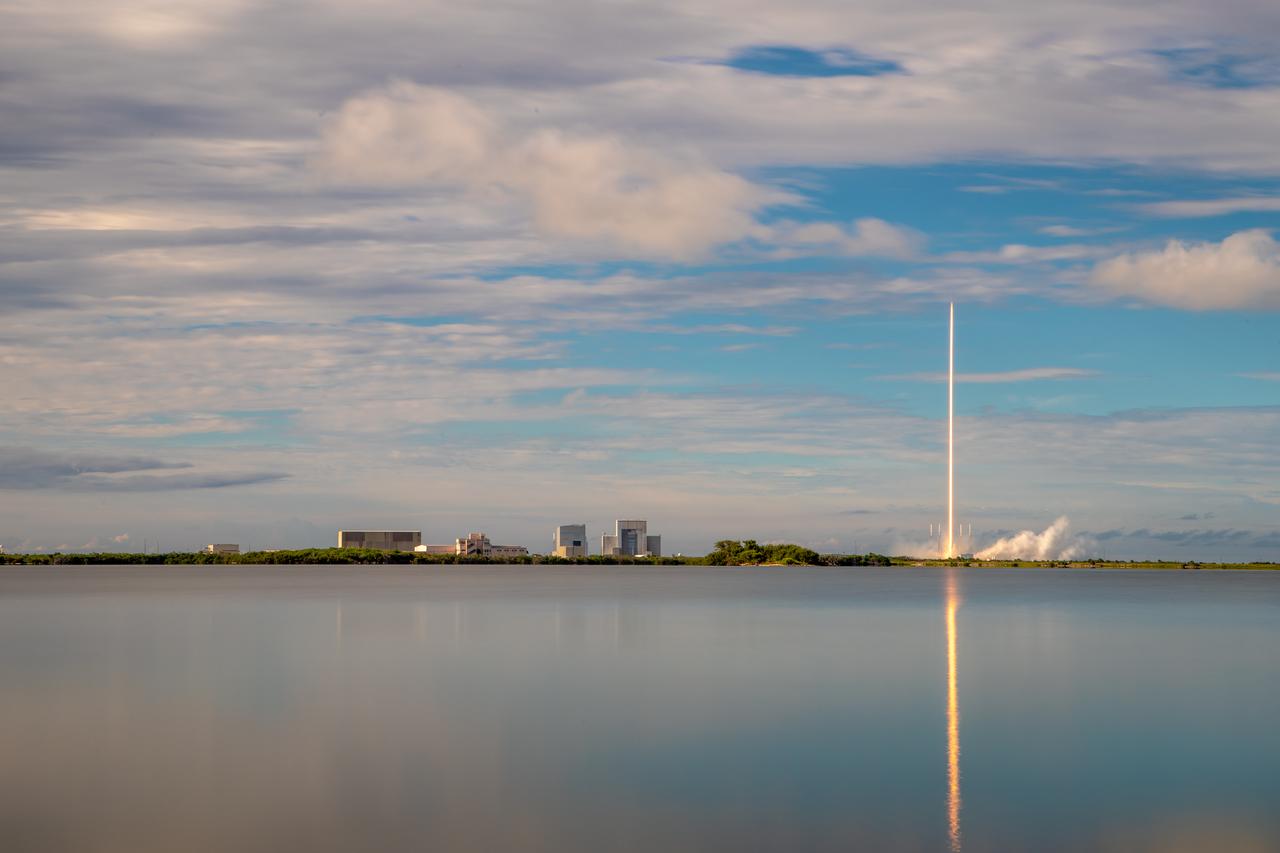
A SpaceX Falcon 9 rocket soars upward after its liftoff from Space Launch Complex 40 at Cape Canaveral Air Force Station in Florida at 6:01 p.m. EDT on July 25, 2019, carrying the Dragon spacecraft on the company's 18th Commercial Resupply Services (CRS-18) mission to the International Space Station. The uncrewed Dragon spacecraft will deliver about 5,000 pounds of science and research, crew supplies and vehicle hardware to the orbiting laboratory.
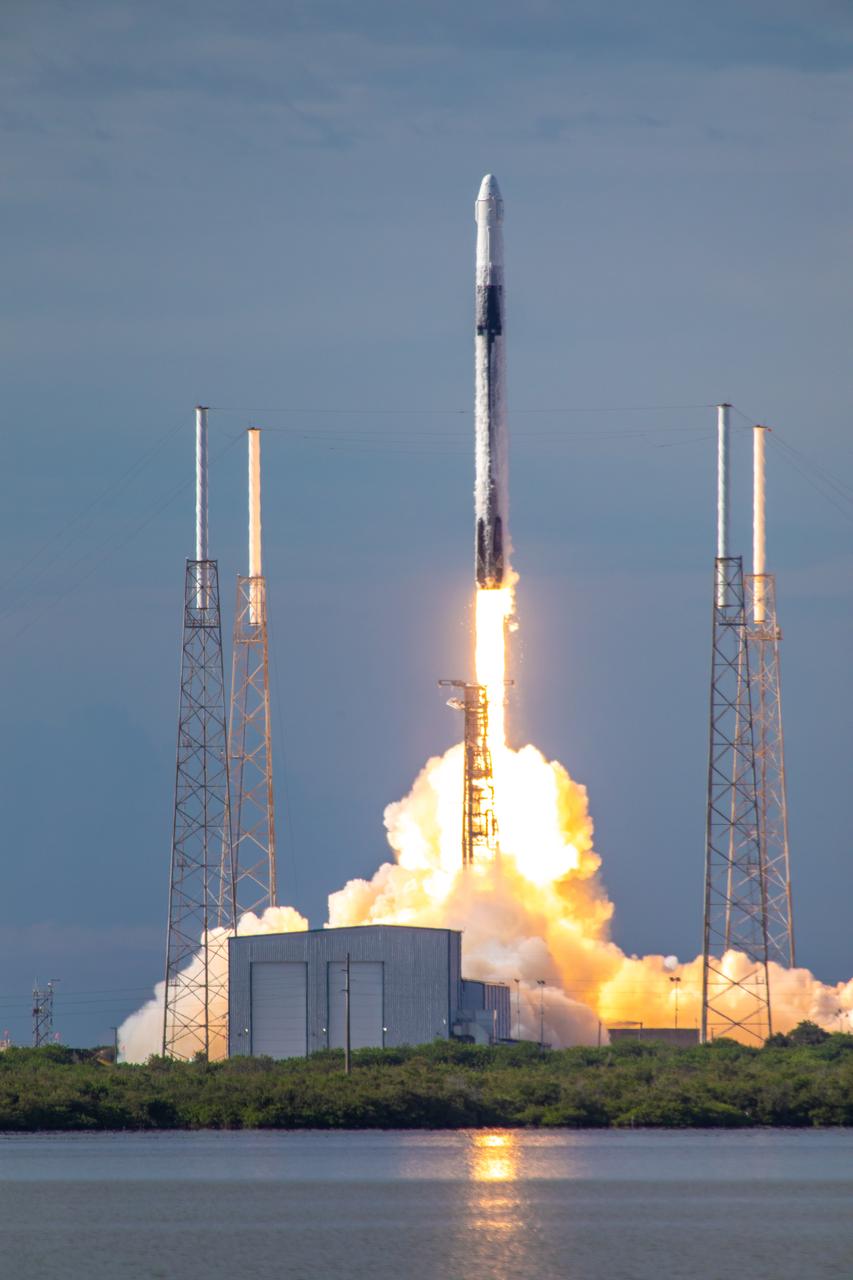
A SpaceX Falcon 9 rocket lifts off from Space Launch Complex 40 at Cape Canaveral Air Force Station in Florida at 6:01 p.m. EDT on July 25, 2019, carrying the Dragon spacecraft on the company's 18th Commercial Resupply Services (CRS-18) mission to the International Space Station. The uncrewed Dragon spacecraft will deliver about 5,000 pounds of science and research, crew supplies and vehicle hardware to the orbiting laboratory.
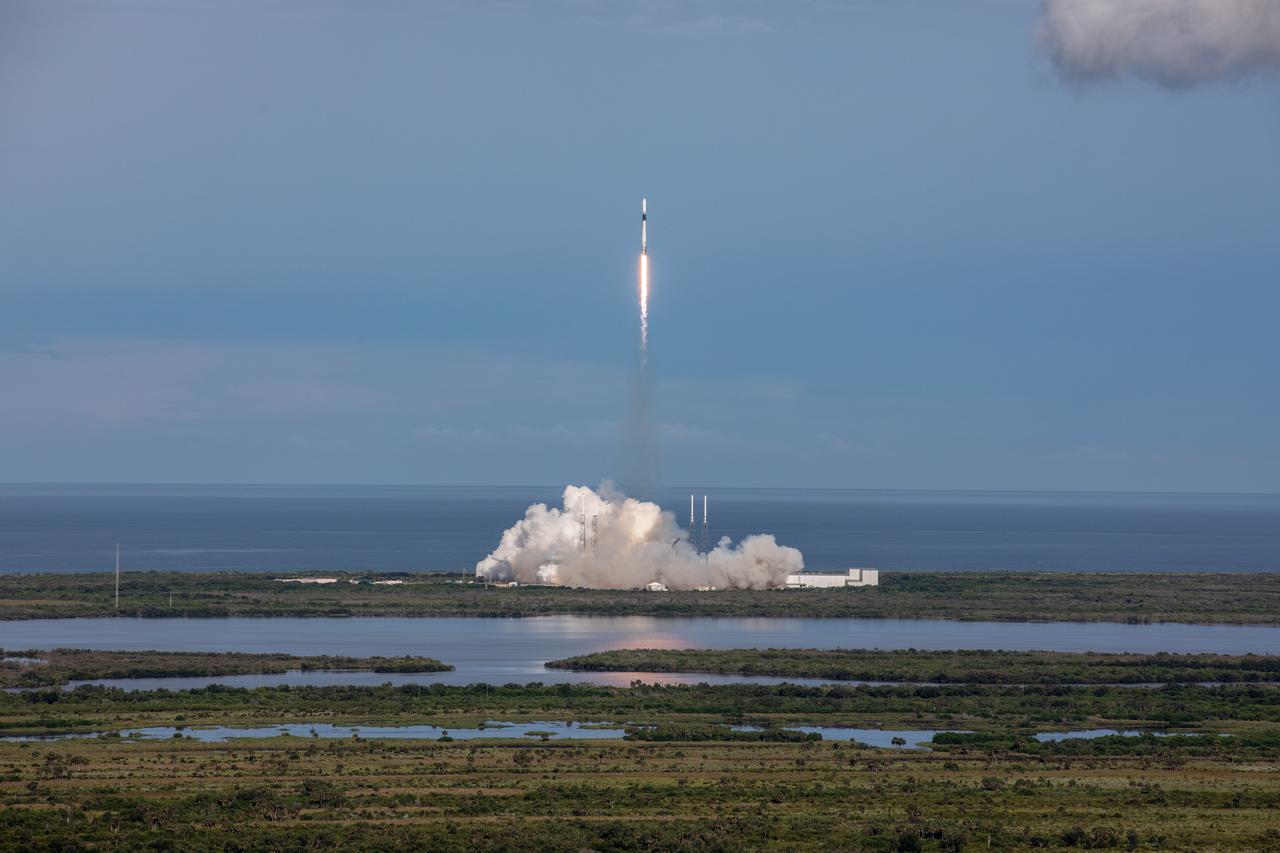
A SpaceX Falcon 9 rocket lifts off from Space Launch Complex 40 at Cape Canaveral Air Force Station in Florida at 6:01 p.m. EDT on July 25, 2019, carrying the Dragon spacecraft on the company’s 18th Commercial Resupply Services (CRS-18) mission to the International Space Station. The uncrewed Dragon spacecraft will deliver about 5,000 pounds of science and research, crew supplies and vehicle hardware to the orbiting laboratory.
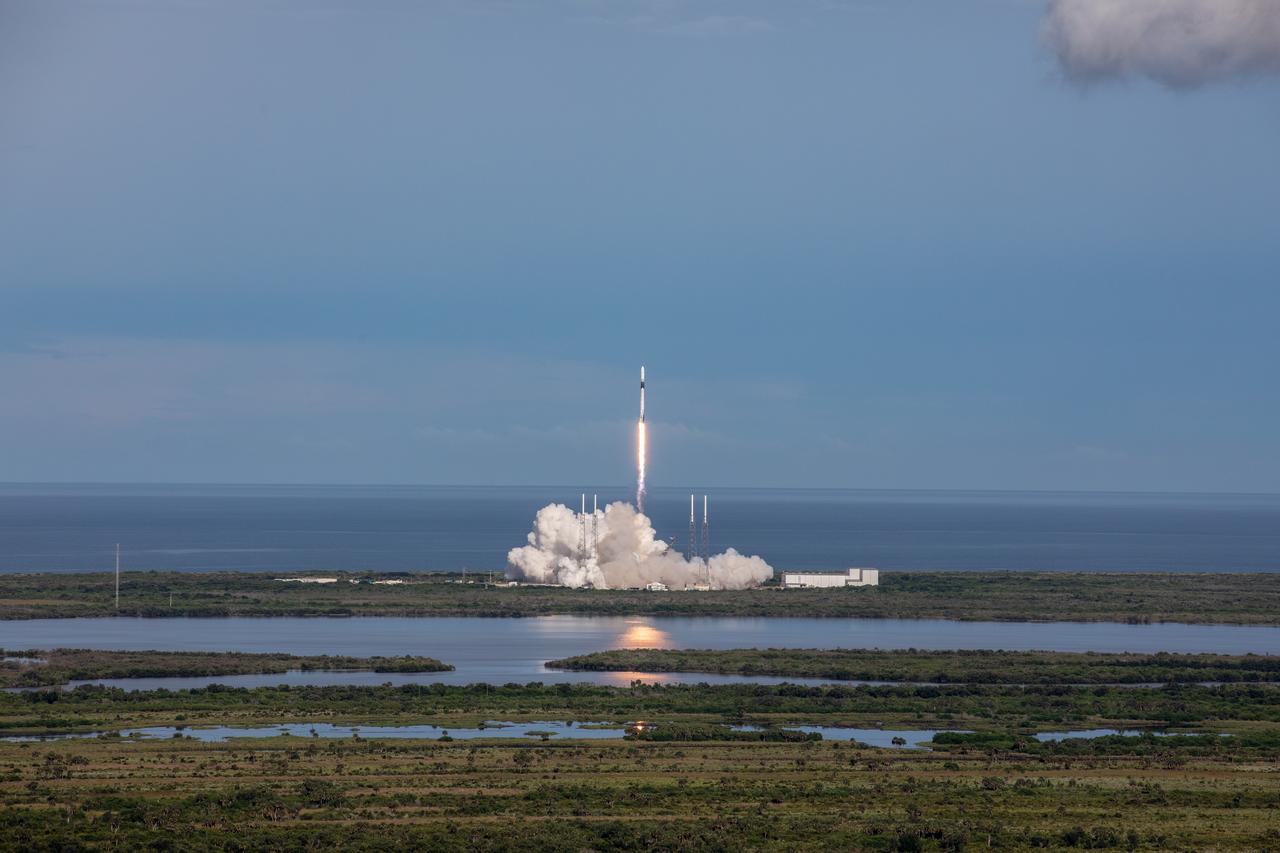
A SpaceX Falcon 9 rocket lifts off from Space Launch Complex 40 at Cape Canaveral Air Force Station in Florida at 6:01 p.m. EDT on July 25, 2019, carrying the Dragon spacecraft on the company’s 18th Commercial Resupply Services (CRS-18) mission to the International Space Station. The uncrewed Dragon spacecraft will deliver about 5,000 pounds of science and research, crew supplies and vehicle hardware to the orbiting laboratory.

Valentina Fossati, Ph.D., of the New York Stem Foundation Research Institute, left, and Andres Bratt-Leal, Ph.D., of Aspen Neuroscience, talk to NASA Social participants during a What’s On Board science briefing at the agency’s Kennedy Space Center in Florida on July 23, 2019. Bratt-Leal and Fossati are principal investigators for the Effects of Microgravity on Microglia 3-Dimensional Models of Parkinson’s Disease and Multiple Sclerosis (Space Tango-Induced Pluripotent Stem Cells) payload. The briefing was held for SpaceX’s 18th Commercial Resupply Services (CRS-18) mission to the International Space Station. The SpaceX Falcon 9 rocket and uncrewed Dragon spacecraft are scheduled to launch July 24, 2019, from Space Launch Complex 40 at Florida’s Cape Canaveral Air Force Station.
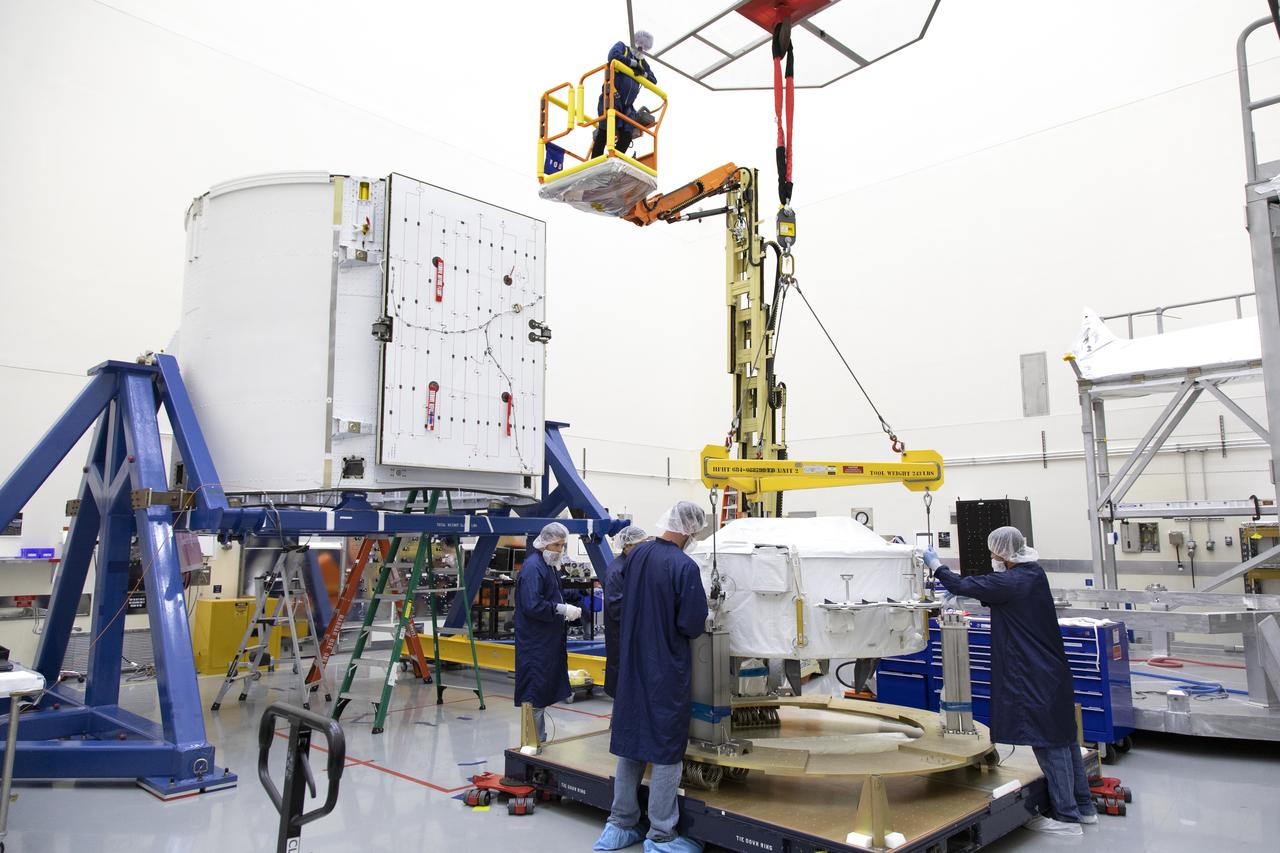
The International Docking Adapter 3, a critical component for future crewed missions to the International Space Station, is carefully packed away in the unpressurized “trunk” section of the SpaceX Dragon spacecraft at the SpaceX facility on Cape Canaveral Air Force Station in Florida on June 19. It will launch to the orbiting laboratory in July on the company’s 18th commercial resupply mission. The adapter will support future U.S. crewed vehicles visiting the station.
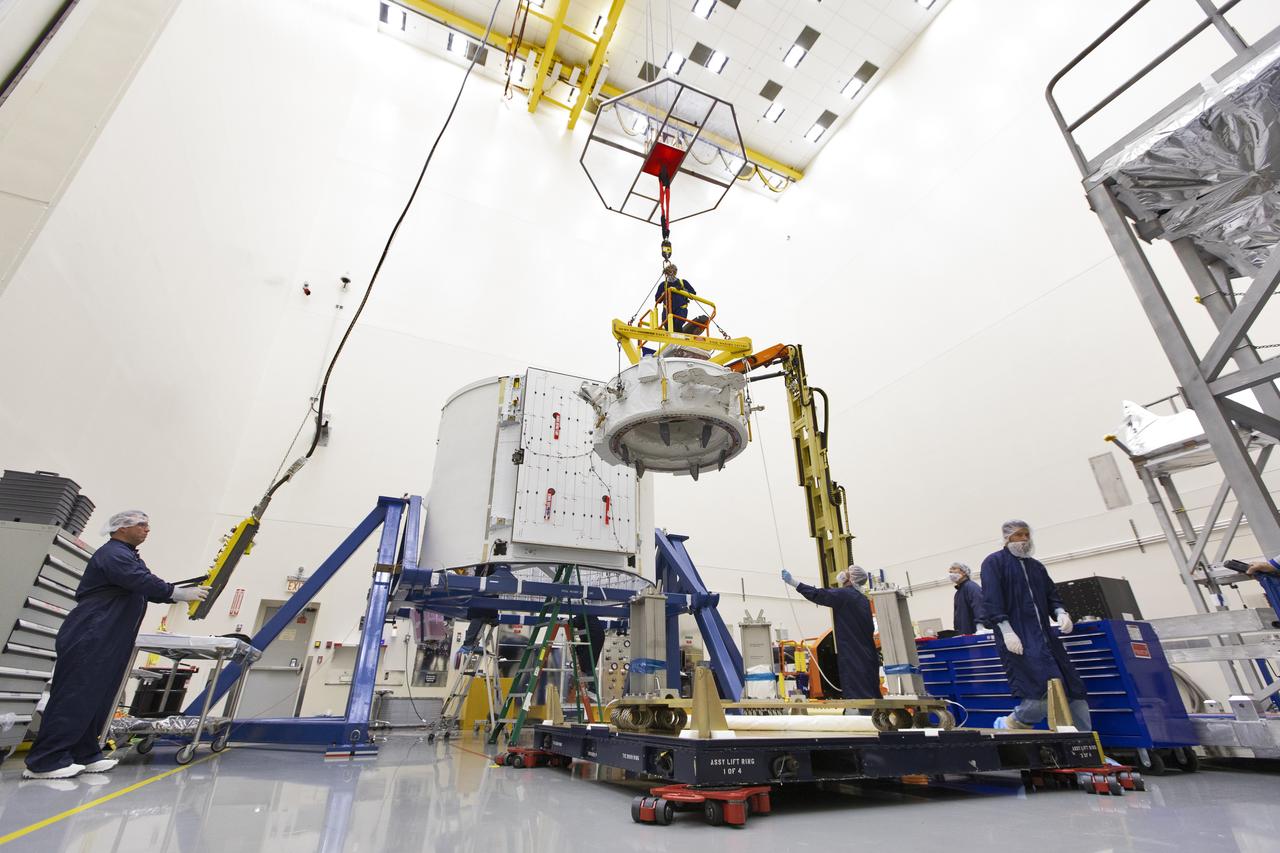
The International Docking Adapter 3, a critical component for future crewed missions to the International Space Station, is carefully packed away in the unpressurized “trunk” section of the SpaceX Dragon spacecraft at the SpaceX facility on Cape Canaveral Air Force Station in Florida on June 19. It will launch to the orbiting laboratory in July on the company’s 18th commercial resupply mission. The adapter will support future U.S. crewed vehicles visiting the station.
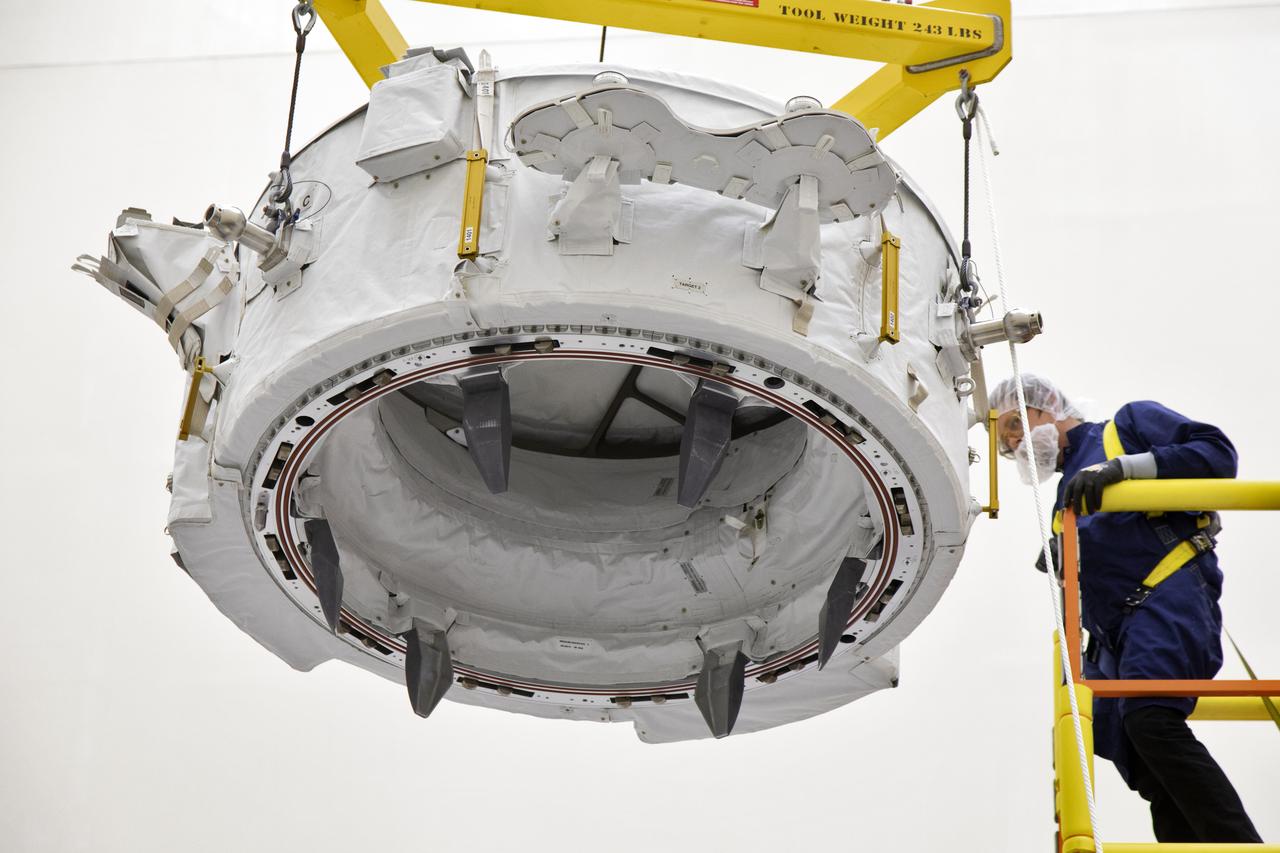
The International Docking Adapter 3, a critical component for future crewed missions to the International Space Station, is carefully packed away in the unpressurized “trunk” section of the SpaceX Dragon spacecraft at the SpaceX facility on Cape Canaveral Air Force Station in Florida on June 19. It will launch to the orbiting laboratory in July on the company’s 18th commercial resupply mission. The adapter will support future U.S. crewed vehicles visiting the station.
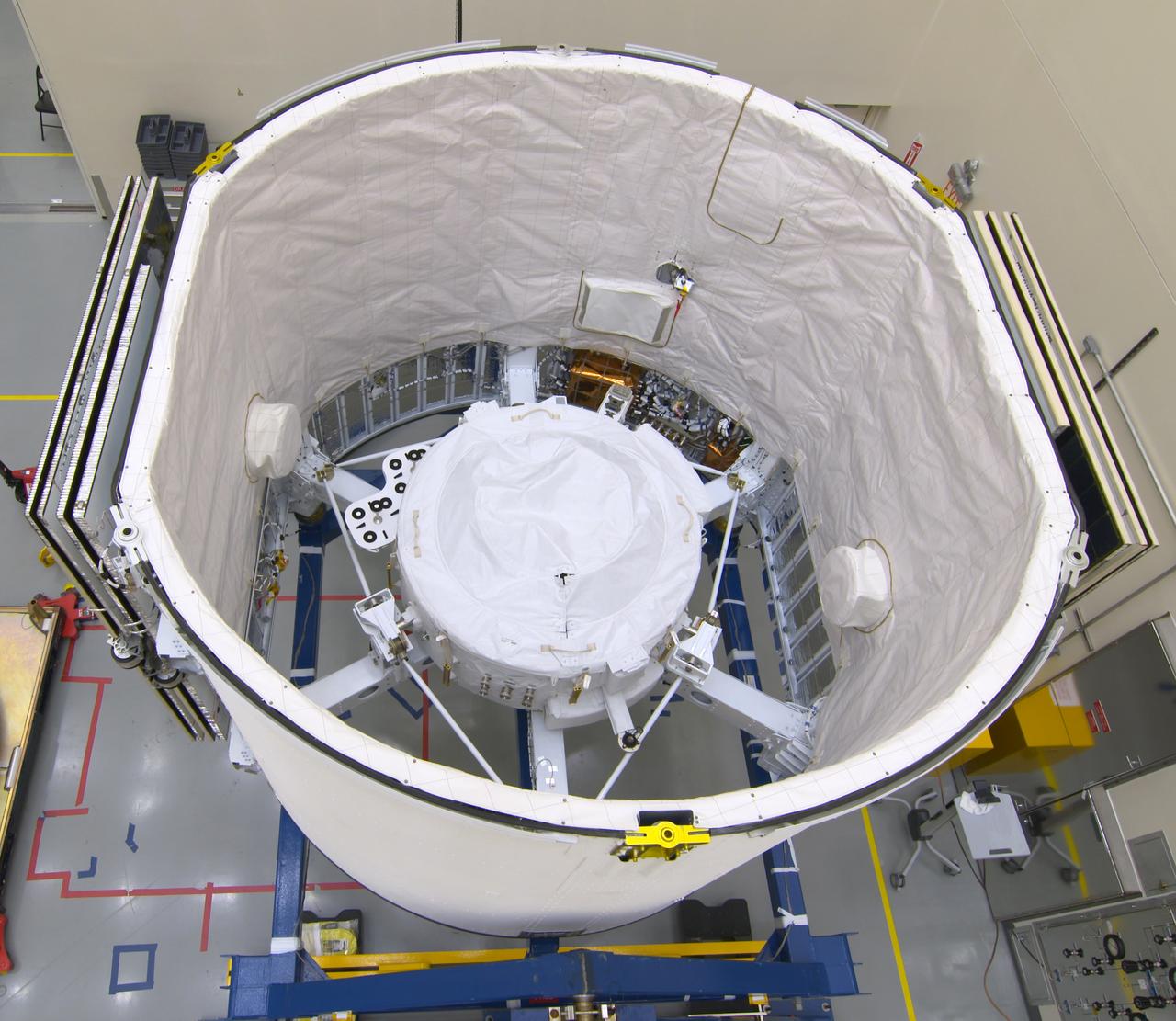
The International Docking Adapter 3, a critical component for future crewed missions to the International Space Station, is carefully packed away in the unpressurized “trunk” section of the SpaceX Dragon spacecraft at the SpaceX facility on Cape Canaveral Air Force Station in Florida on June 19. It will launch to the orbiting laboratory in July on the company’s 18th commercial resupply mission. The adapter will support future U.S. crewed vehicles visiting the station.
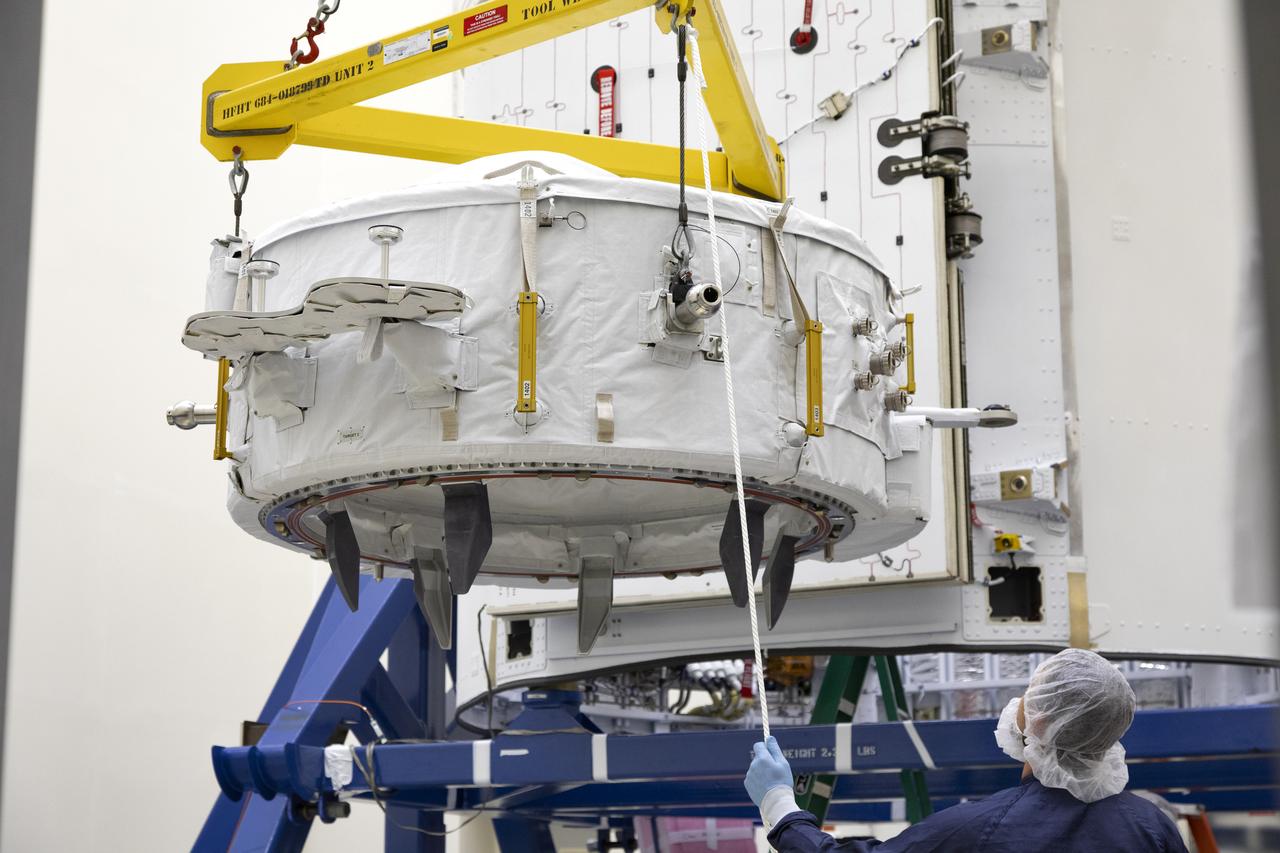
The International Docking Adapter 3, a critical component for future crewed missions to the International Space Station, is carefully packed away in the unpressurized “trunk” section of the SpaceX Dragon spacecraft at the SpaceX facility on Cape Canaveral Air Force Station in Florida on June 19. It will launch to the orbiting laboratory in July on the company’s 18th commercial resupply mission. The adapter will support future U.S. crewed vehicles visiting the station.
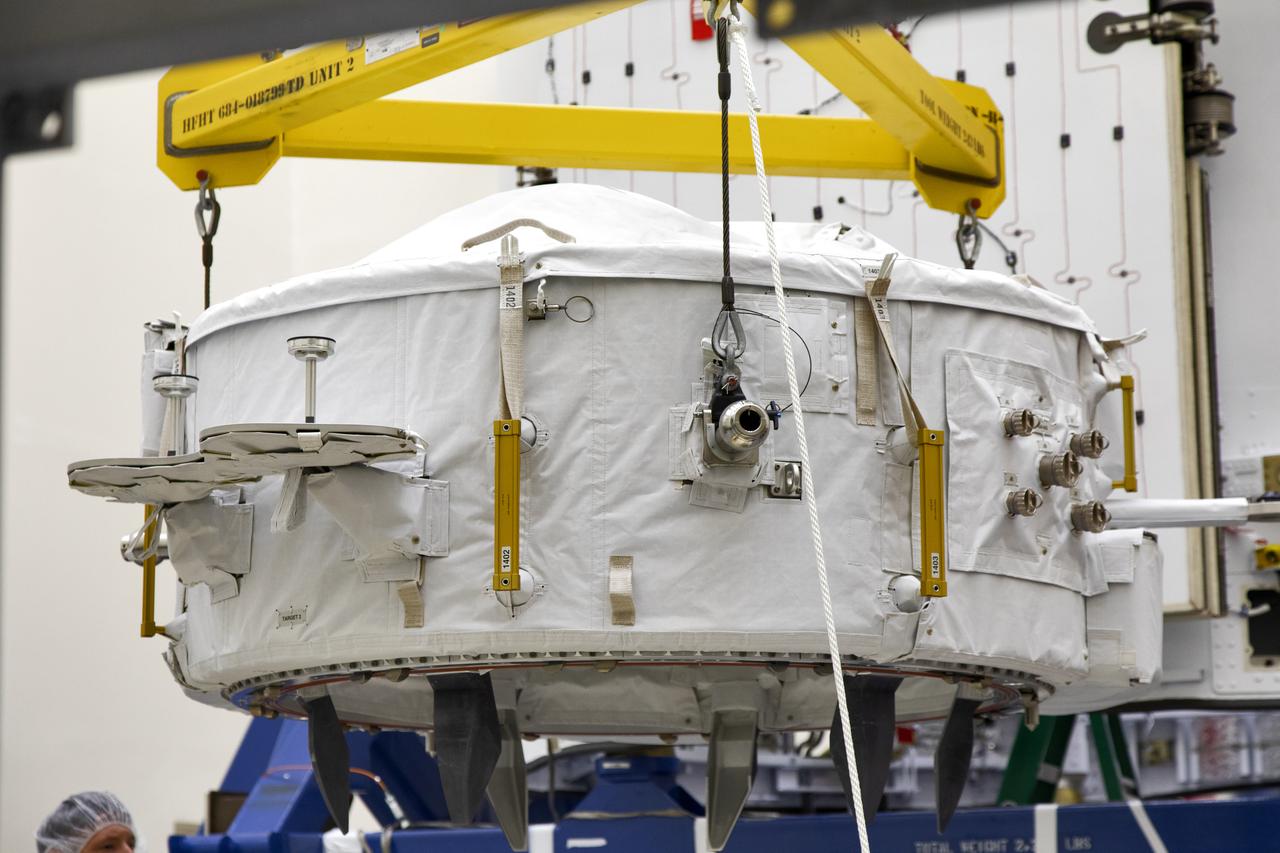
The International Docking Adapter 3, a critical component for future crewed missions to the International Space Station, is carefully packed away in the unpressurized “trunk” section of the SpaceX Dragon spacecraft at the SpaceX facility on Cape Canaveral Air Force Station in Florida on June 19. It will launch to the orbiting laboratory in July on the company’s 18th commercial resupply mission. The adapter will support future U.S. crewed vehicles visiting the station.
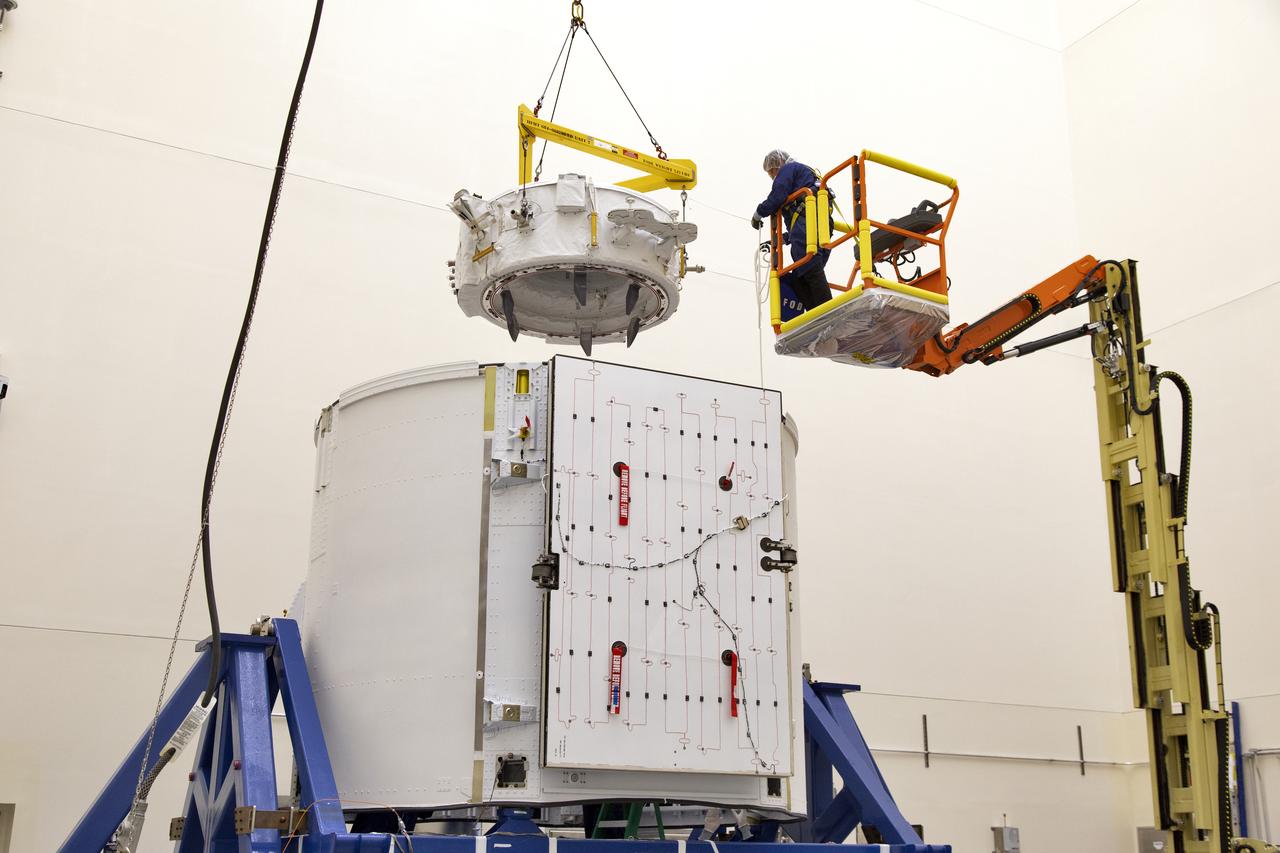
The International Docking Adapter 3, a critical component for future crewed missions to the International Space Station, is carefully packed away in the unpressurized “trunk” section of the SpaceX Dragon spacecraft at the SpaceX facility on Cape Canaveral Air Force Station in Florida on June 19. It will launch to the orbiting laboratory in July on the company’s 18th commercial resupply mission. The adapter will support future U.S. crewed vehicles visiting the station.
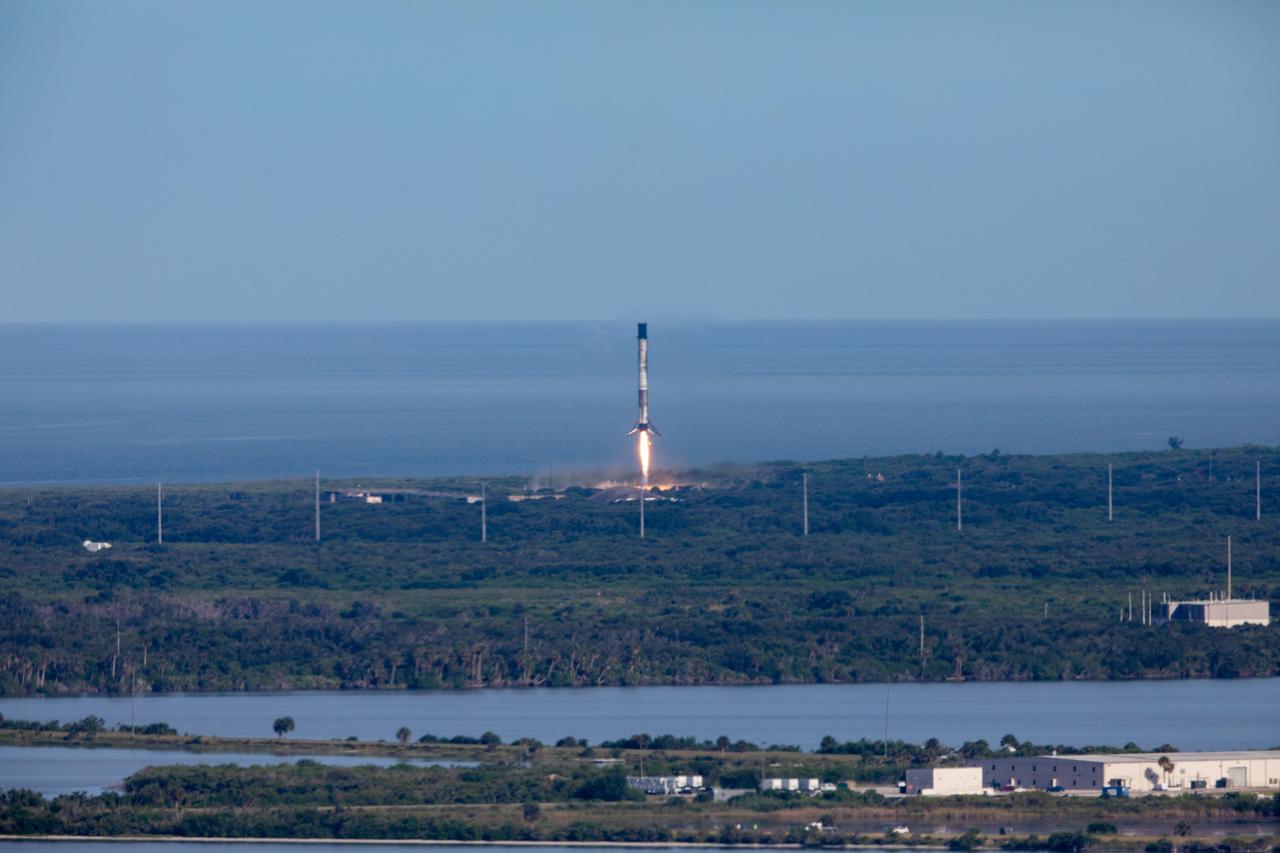
After boosting a SpaceX Dragon spacecraft on its way to the International Space Station for the company’s 18th Commercial Resupply Services mission, the first stage of the Falcon 9 rocket returns to Landing Zone 1 at Cape Canaveral Air Force Station in Florida on July 25, 2019. The rocket lifted off minutes earlier, at 6:01 p.m. EDT, from Space Launch Complex 40 at the Cape. The uncrewed Dragon spacecraft will deliver about 5,000 pounds of science and research, crew supplies and vehicle hardware to the orbiting laboratory.
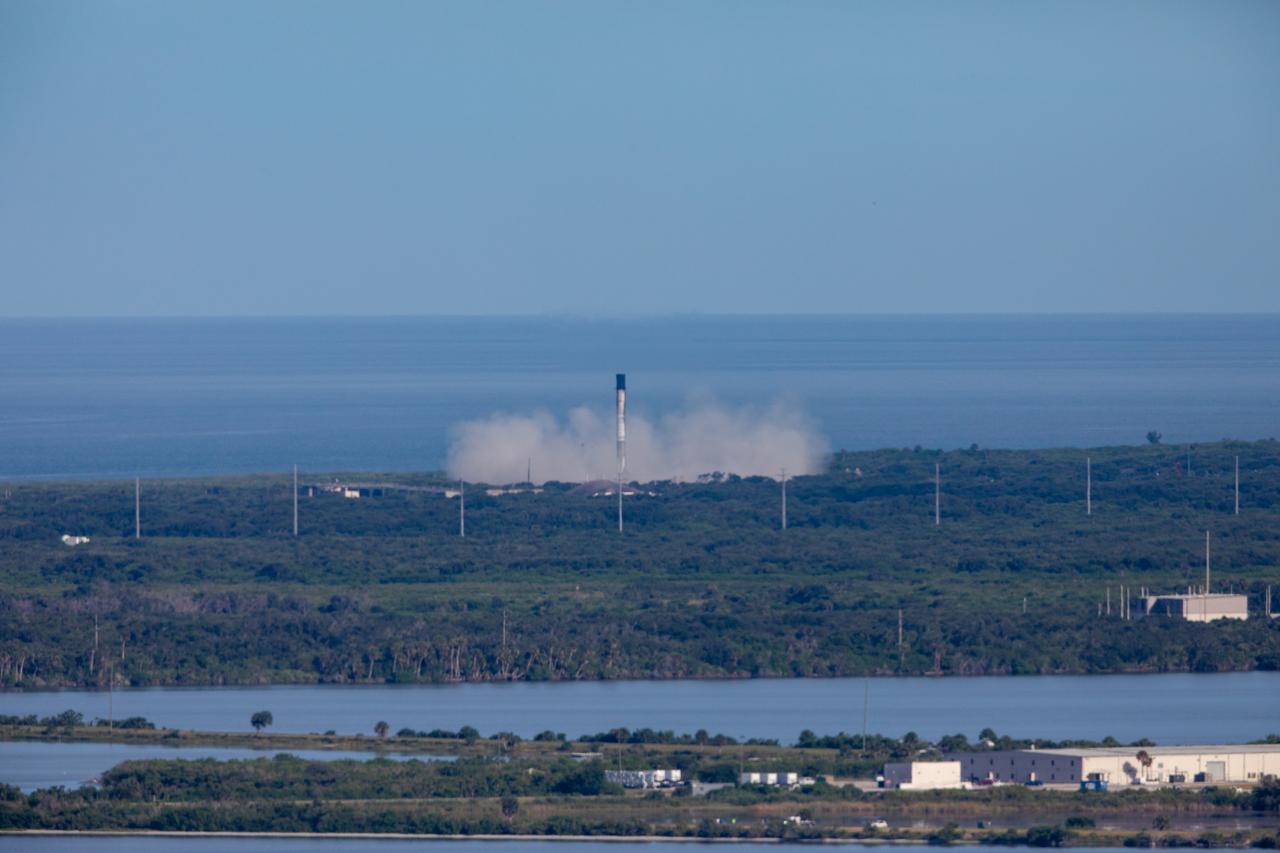
After boosting a SpaceX Dragon spacecraft on its way to the International Space Station for the company’s 18th Commercial Resupply Services mission, the first stage of the Falcon 9 rocket returns to Landing Zone 1 at Cape Canaveral Air Force Station in Florida on July 25, 2019. The rocket lifted off minutes earlier, at 6:01 p.m. EDT, from Space Launch Complex 40 at the Cape. The uncrewed Dragon spacecraft will deliver about 5,000 pounds of science and research, crew supplies and vehicle hardware to the orbiting laboratory.
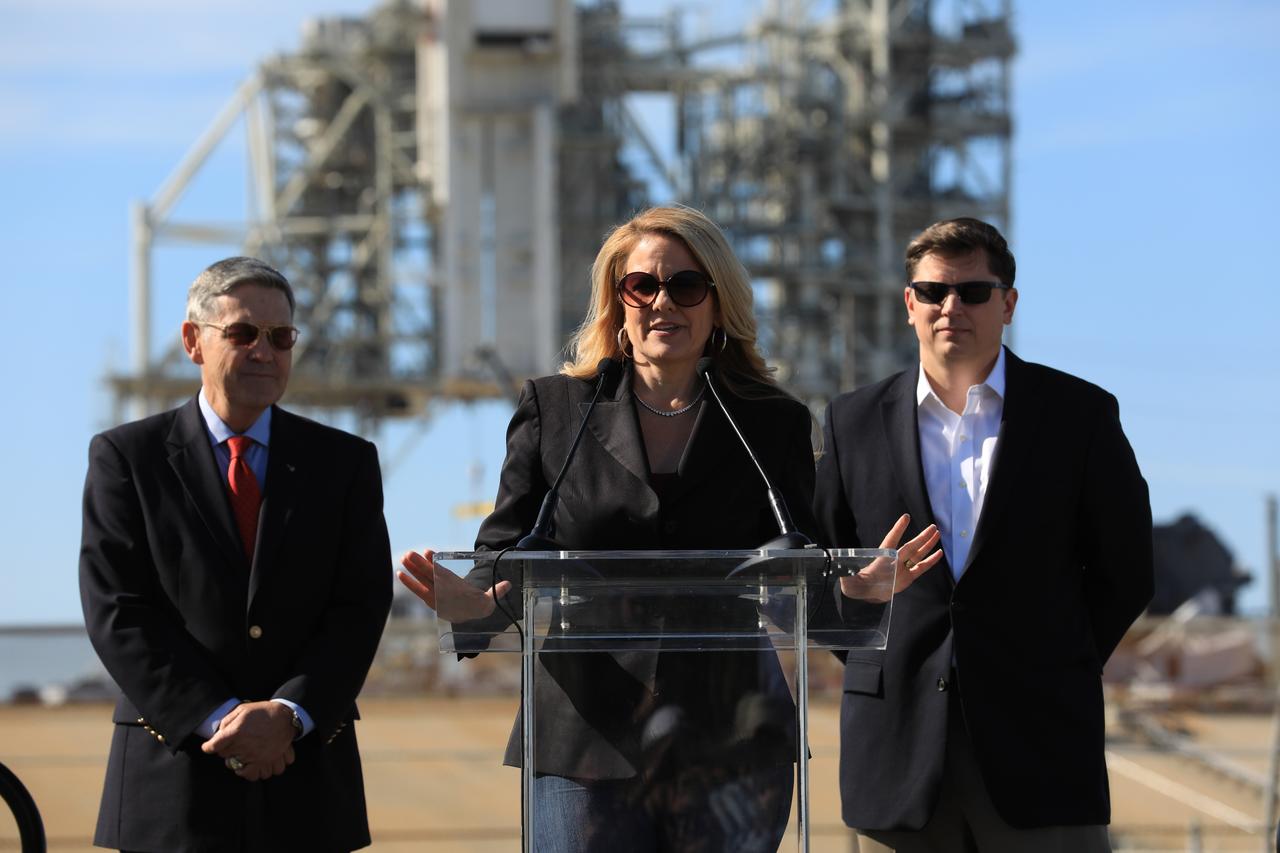
Gwynne Shotwell, president and chief operating officer of SpaceX, speaks to members of the news media at Launch Complex 39A. At left is Kennedy Space Center Director Bob Cabana. At right is Timothy Hughes, senior vice president and general counsel for SpaceX. On Feb. 18, a Falcon 9 rocket with a Dragon spacecraft atop is scheduled to lift off from the launch pad for the SpaceX CRS-10 mission. The historic site is where American astronauts first launched to the moon and was last used in 2011 for the final mission of the Space Shuttle Program. In April 2014, NASA officials signed a 20-year property agreement with SpaceX for use and operation of the launch pad for their Falcon 9 and Falcon 9 Heavy rockets. The SpaceX CRS-10 liftoff is another milestone further establishing Kennedy as a premier, multi-user spaceport. The Dragon spacecraft will deliver 5,000 pounds of supplies and research materials to the space station.
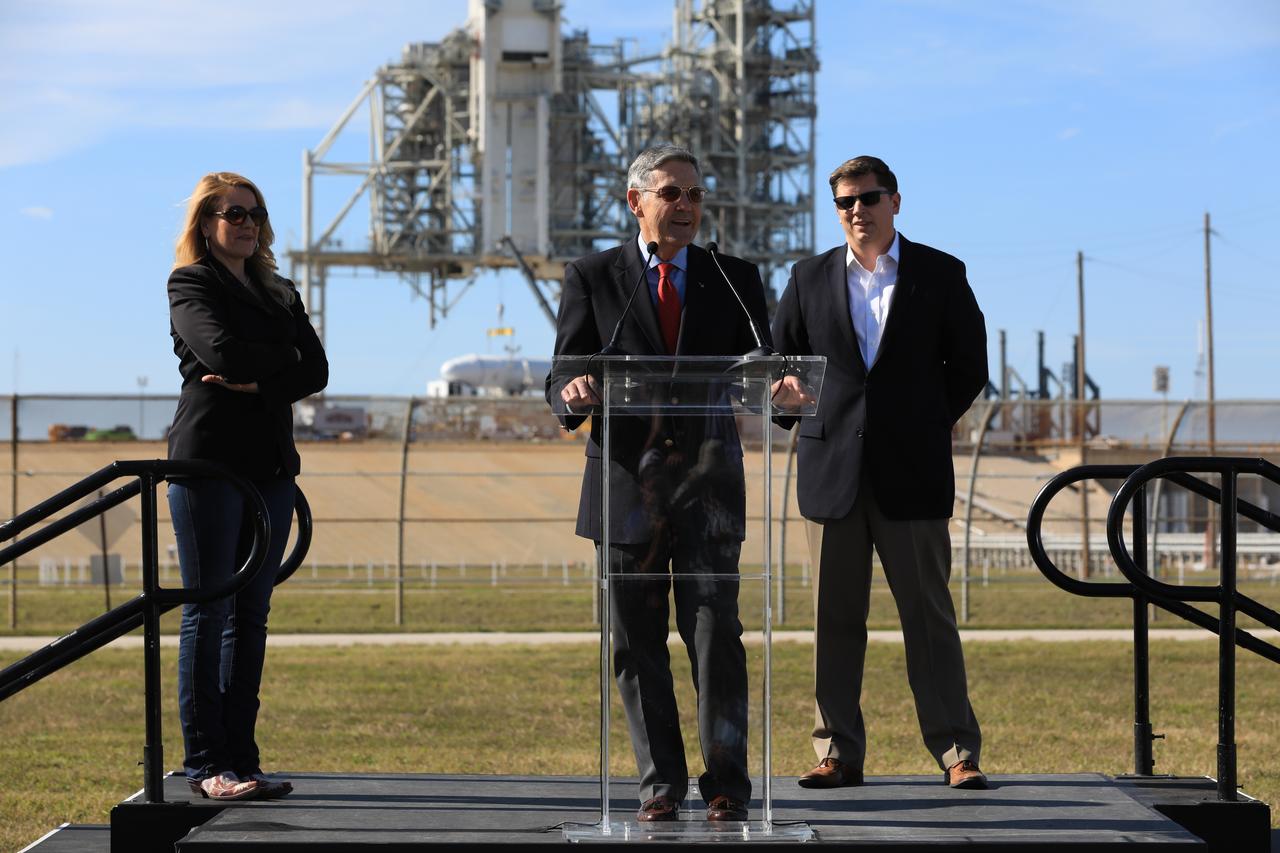
Kennedy Space Center Director Bob Cabana speaks to members of the news media at Launch Complex 39A. At left is Gwynne Shotwell, president and chief operating officer of SpaceX. At right is Timothy Hughes, senior vice president and general counsel for SpaceX. On Feb. 18, a Falcon 9 rocket with a Dragon spacecraft atop is scheduled to lift off from the launch pad for the SpaceX CRS-10 mission. The historic site is where American astronauts first launched to the moon and was last used in 2011 for the final mission of the Space Shuttle Program. In April 2014, NASA officials signed a 20-year property agreement with SpaceX for use and operation of the launch pad for their Falcon 9 and Falcon 9 Heavy rockets. The SpaceX CRS-10 liftoff is another milestone further establishing Kennedy as a premier, multi-user spaceport. The Dragon spacecraft will deliver 5,000 pounds of supplies and research materials to the space station.
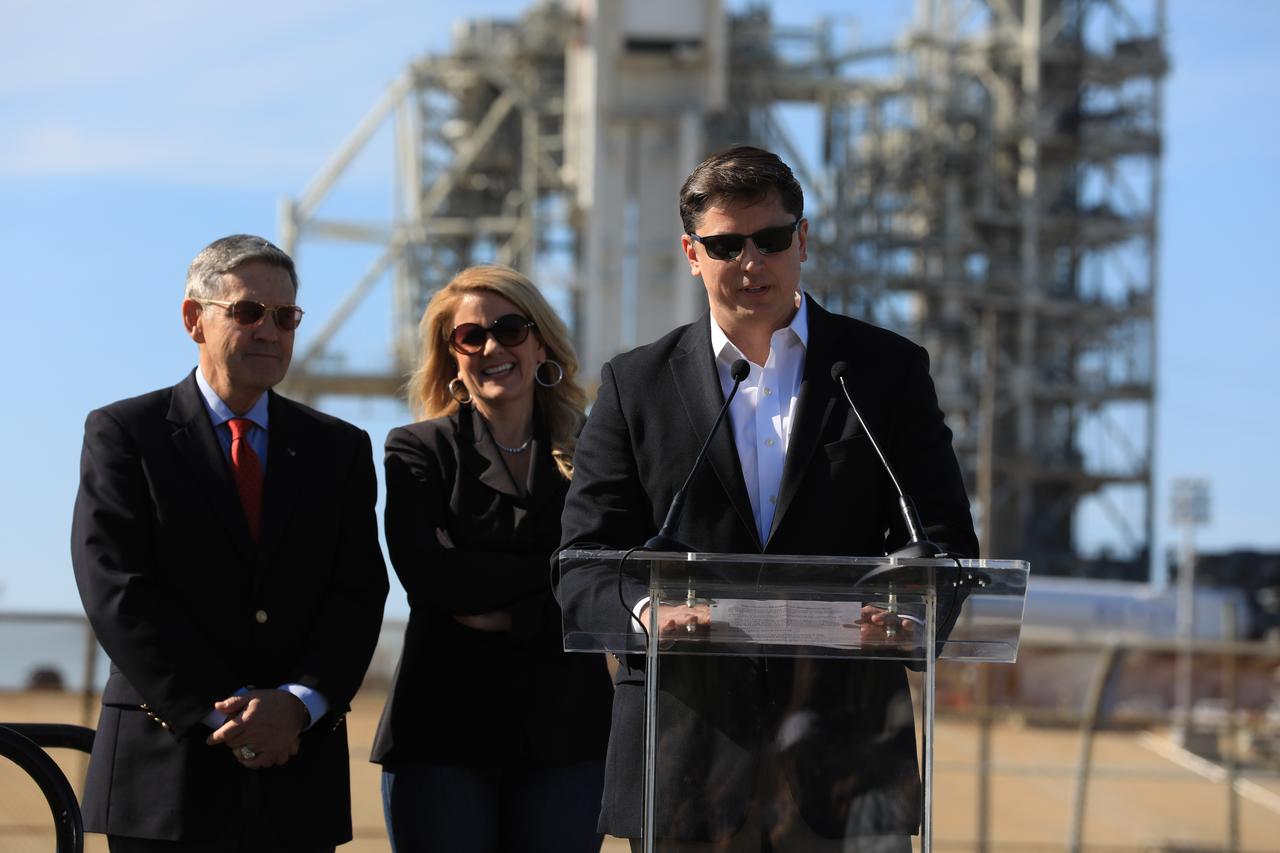
Timothy Hughes, senior vice president and general counsel for SpaceX speaks to members of the news media at Launch Complex 39A. Behind him, from left, are Kennedy Space Center Director Bob Cabana and Gwynne Shotwell, president and chief operating officer of SpaceX. On Feb. 18, a Falcon 9 rocket with a Dragon spacecraft atop is scheduled to lift off from the launch pad for the SpaceX CRS-10 mission. The historic site is where American astronauts first launched to the moon and was last used in 2011 for the final mission of the Space Shuttle Program. In April 2014, NASA officials signed a 20-year property agreement with SpaceX for use and operation of the launch pad for their Falcon 9 and Falcon 9 Heavy rockets. The SpaceX CRS-10 liftoff is another milestone further establishing Kennedy as a premier, multi-user spaceport. The Dragon spacecraft will deliver 5,000 pounds of supplies and research materials to the space station.
Gwynne Shotwell, president and chief operating officer of SpaceX, speaks to members of the news media at Launch Complex 39A. At left is Kennedy Space Center Director Bob Cabana. At right is Timothy Hughes, senior vice president and general counsel for SpaceX. On Feb. 18, a Falcon 9 rocket with a Dragon spacecraft atop is scheduled to lift off from the launch pad for the SpaceX CRS-10 mission. The historic site is where American astronauts first launched to the moon and was last used in 2011 for the final mission of the Space Shuttle Program. In April 2014, NASA officials signed a 20-year property agreement with SpaceX for use and operation of the launch pad for their Falcon 9 and Falcon 9 Heavy rockets. The SpaceX CRS-10 liftoff is another milestone further establishing Kennedy as a premier, multi-user spaceport. The Dragon spacecraft will deliver 5,000 pounds of supplies and research materials to the space station.
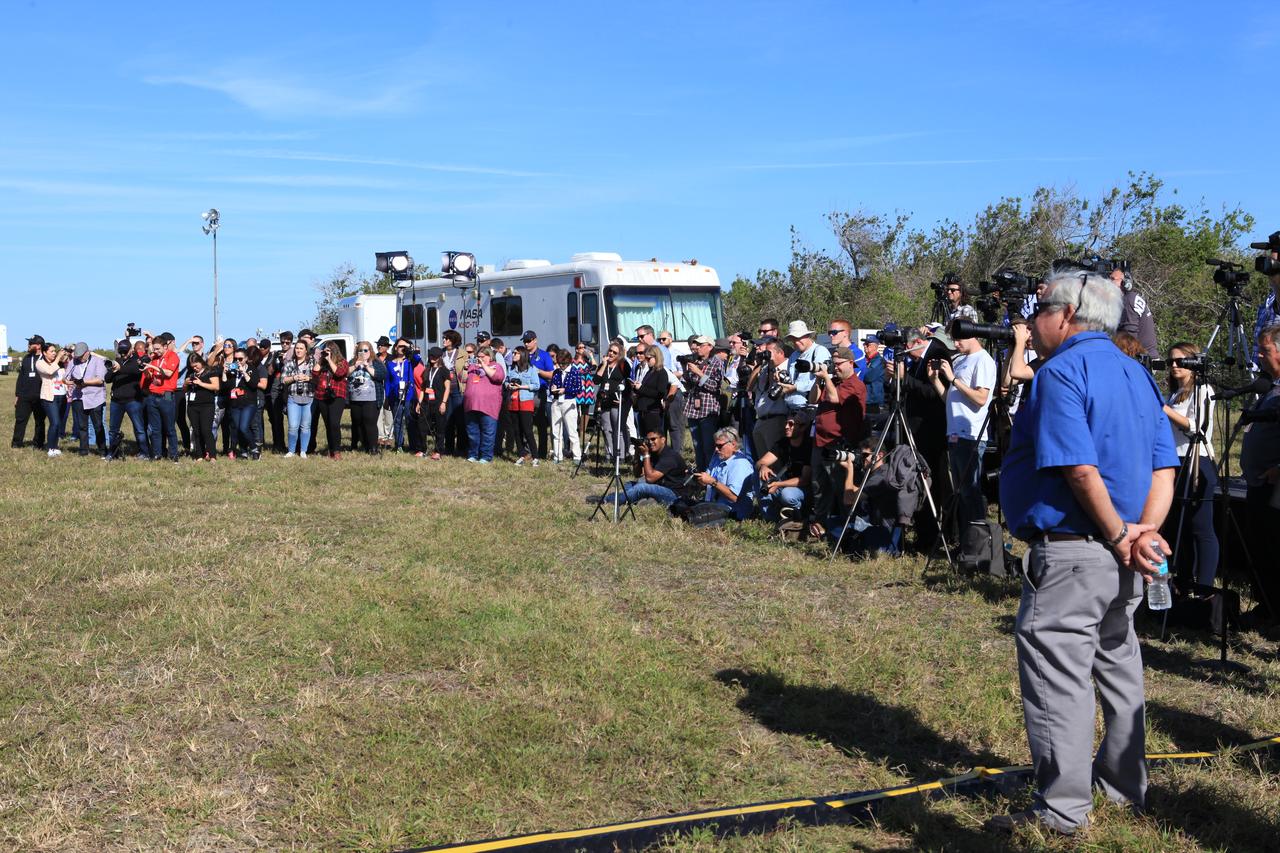
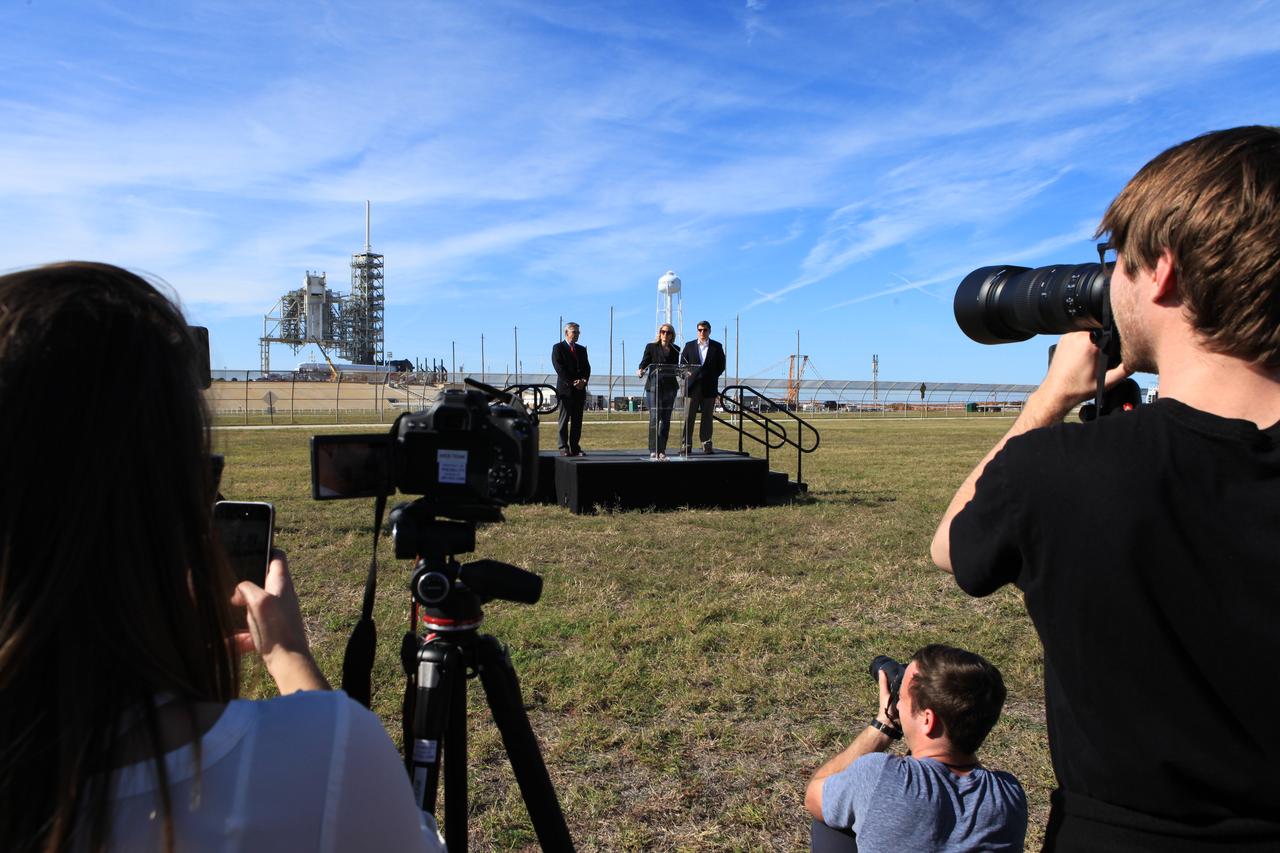
Members of the news media are at Launch Complex 39A for a briefing from Kennedy Space Center Director Bob Cabana; Gwynee Shotwell, president and chief operating officer of SpaceX; and Timothy Hughes, senior vice president and general counsel for SpaceX. On Feb. 18, a Falcon 9 rocket with a Dragon spacecraft atop is scheduled to lift off from the launch pad for the SpaceX CRS-10 mission. The historic site is where American astronauts first launched to the moon and was last used in 2011 for the final mission of the Space Shuttle Program. In April 2014, NASA officials signed a 20-year property agreement with SpaceX for use and operation of the launch pad for their Falcon 9 and Falcon 9 Heavy rockets. The SpaceX CRS-10 liftoff is another milestone further establishing Kennedy as a premier, multi-user spaceport. The Dragon spacecraft will deliver 5,000 pounds of supplies and research materials to the space station.
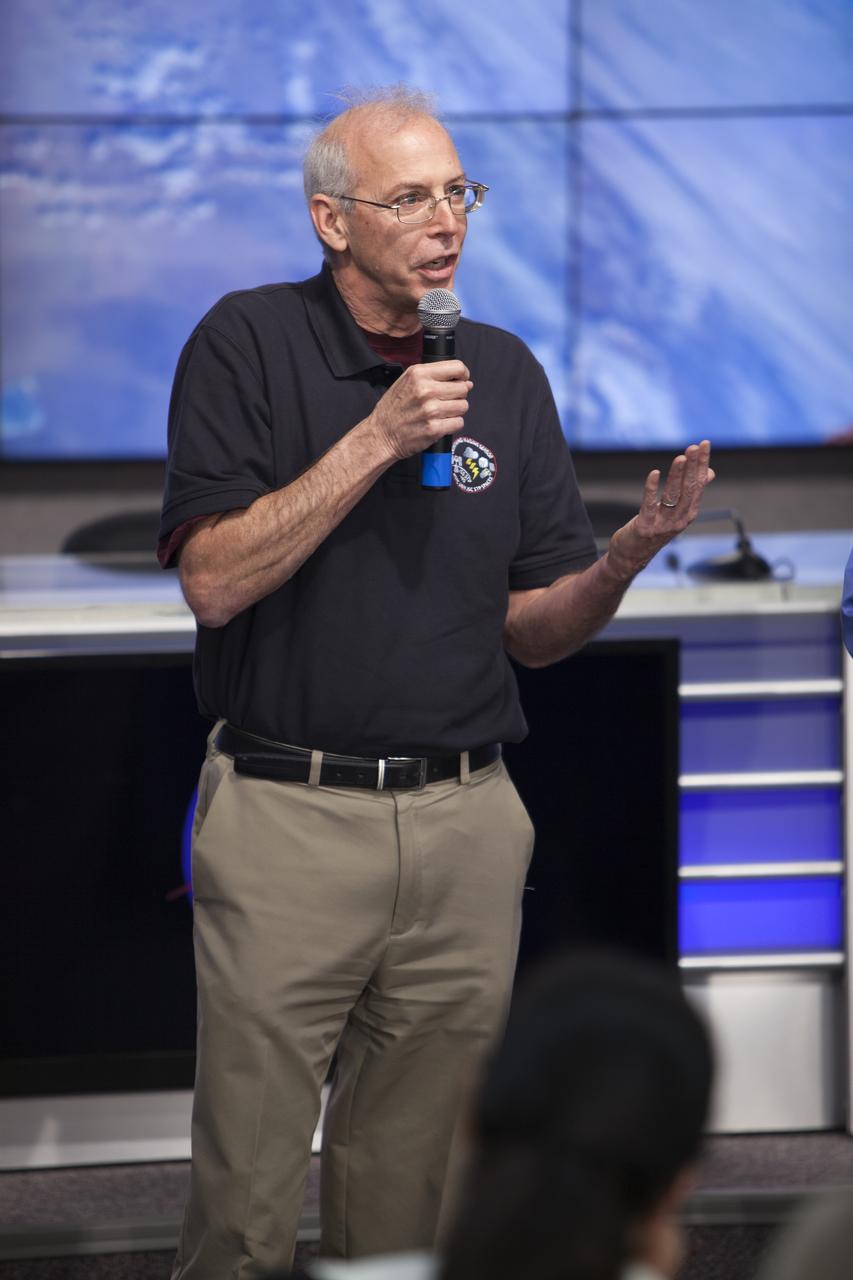
Dr. Richard Blakeslee of NASA’s Marshall Space Flight Center in Huntsville, Alabama, speaks to members of social media in the Kennedy Space Center’s Press Site auditorium. The briefing focused on instruments to be delivered to the International Space Station on the SpaceX CRS-10 mission. Blakeslee explained that the Lightning Imaging Sensor (LIS) is designed to measure the amount, rate and energy of lightning around the world. A Dragon spacecraft is scheduled to be launched from Kennedy’s Launch Complex 39A on Feb. 18 atop a SpaceX Falcon 9 rocket on the company's 10th Commercial Resupply Services mission to the space station.
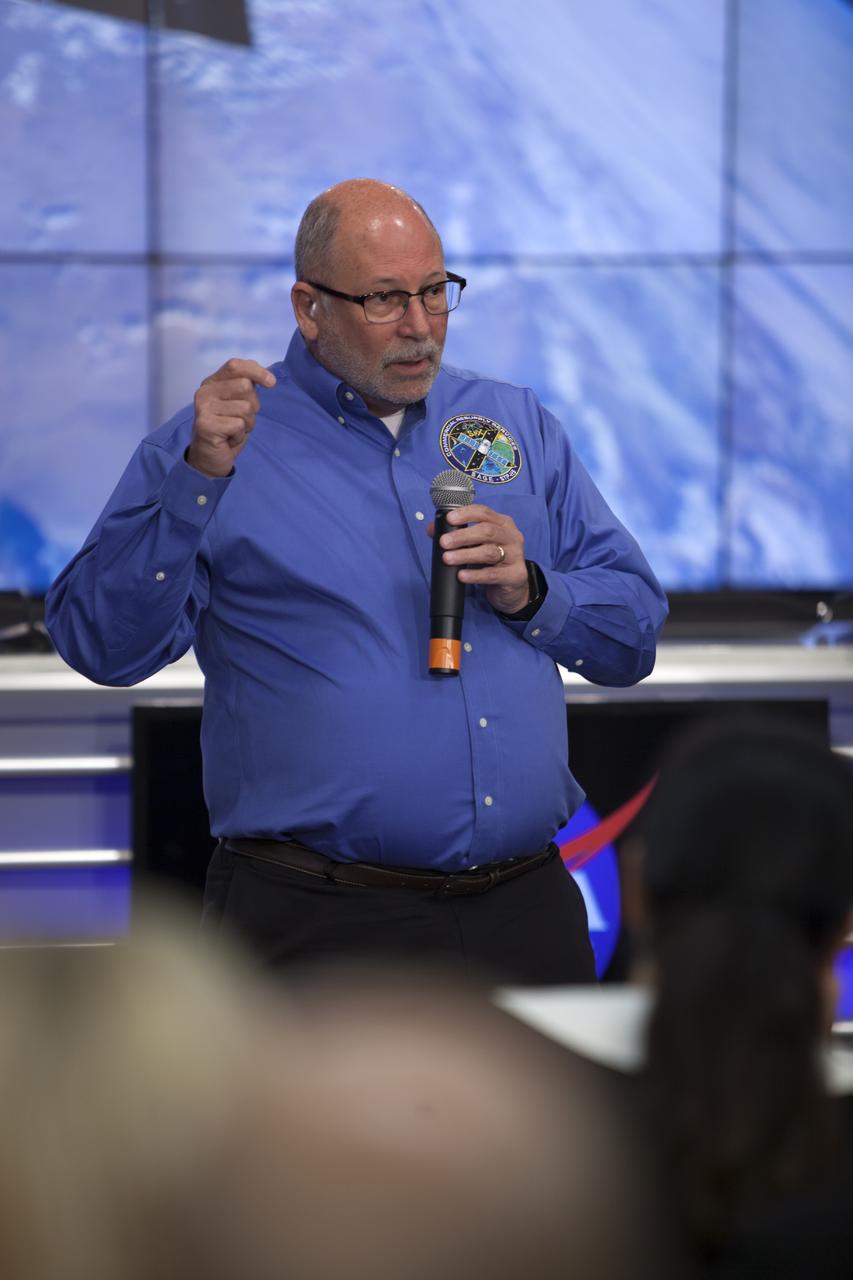
Mike Cisewski, Stratospheric Aerosol and Gas Experiment (SAGE) III Project manager at NASA’s Langley Research Center in Hampton, Virginia, speaks to members of social media in the Kennedy Space Center’s Press Site auditorium. The briefing focused on instruments to be delivered to the International Space Station on the SpaceX CRS-10 mission. Cisewski explained that the SAGE III is designed to study ozone in the atmosphere. A Dragon spacecraft is scheduled to be launched from Kennedy’s Launch Complex 39A on Feb. 18 atop a SpaceX Falcon 9 rocket on the company's 10th Commercial Resupply Services mission to the space station.
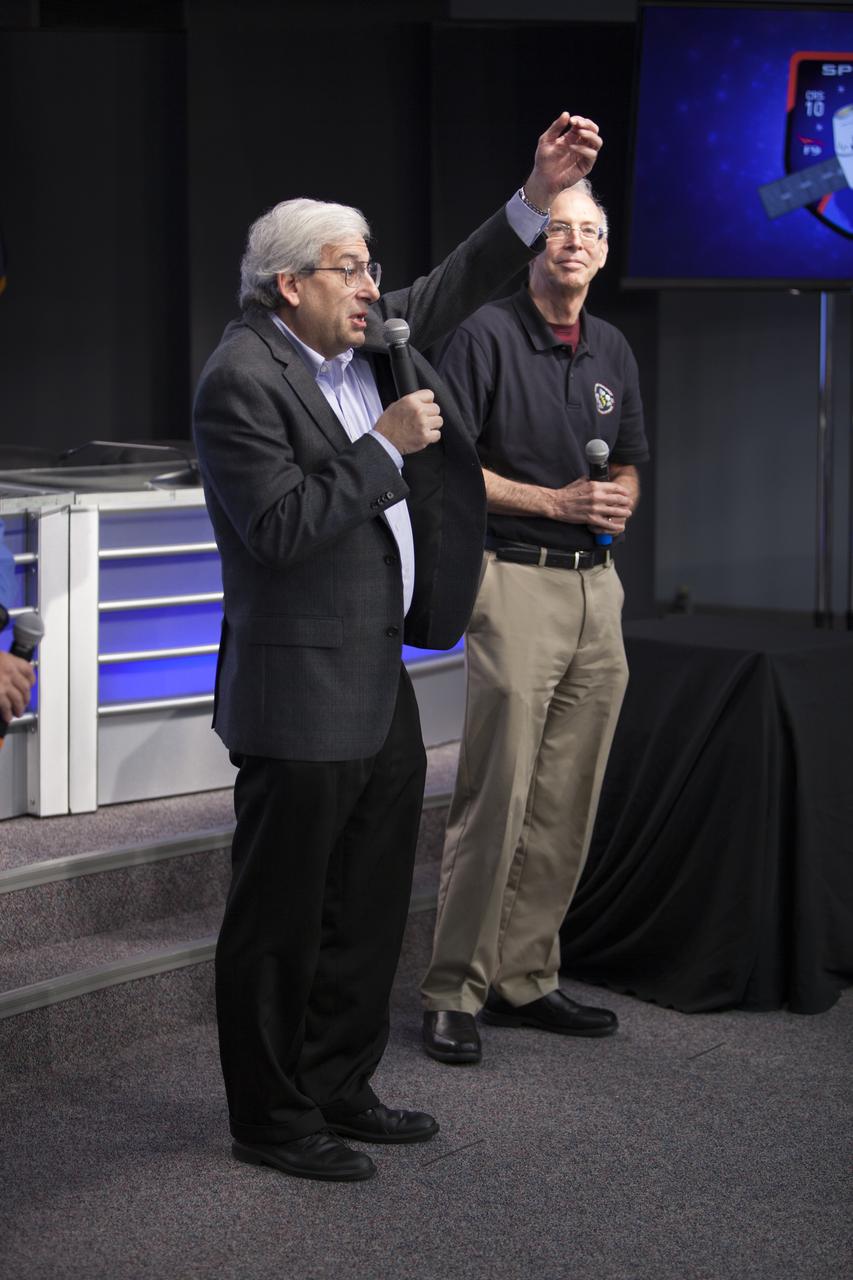
Speaking to members of the media in the Kennedy Space Center’s Press Site auditorium, Dr. Michael Freilich of the Earth Science Division at NASA Headquarters in Washington, D.C., left, and Dr. Richard Blakeslee of NASA’s Marshall Space Flight Center in Huntsville, Alabama, discussed instruments to be delivered to the International Space Station on the SpaceX CRS-10 mission. The Lightning Imaging Sensor (LIS) is to measure the amount, rate and energy of lightning around the world. The SAGE III instrument is designed to study ozone in the atmosphere. A Dragon spacecraft is scheduled to be launched from Kennedy’s Launch Complex 39A on Feb. 18 atop a SpaceX Falcon 9 rocket on the company's 10th Commercial Resupply Services mission to the space station.

ISS033-E-011170 (10 Oct. 2012) --- The SpaceX Dragon commercial cargo craft is berthed to the Earth-facing side of the International Space Station's Harmony node. Working from the robotics workstation inside the seven-windowed Cupola, Japan Aerospace Exploration Agency astronaut Aki Hoshide, Expedition 33 flight engineer, with the assistance of NASA astronaut Sunita Williams, commander, captured Dragon at 6:56 a.m. (EDT) and used the Canadarm2 robotic arm to berth Dragon to Harmony Oct. 10, 2012. Dragon is scheduled to spend 18 days attached to the station. During that time, the crew will unload 882 pounds of crew supplies, science research and hardware from the cargo craft and reload it with 1,673 pounds of cargo for return to Earth. After Dragon?s mission at the station is completed, the crew will use Canadarm2 to detach Dragon from Harmony and release it for a splashdown about six hours later in the Pacific Ocean, 250 miles off the coast of southern California. Dragon launched atop a Falcon 9 rocket at 8:35 p.m. Oct. 7 from Cape Canaveral Air Force Station in Florida, beginning NASA's first contracted cargo delivery flight, designated SpaceX CRS-1, to the station.
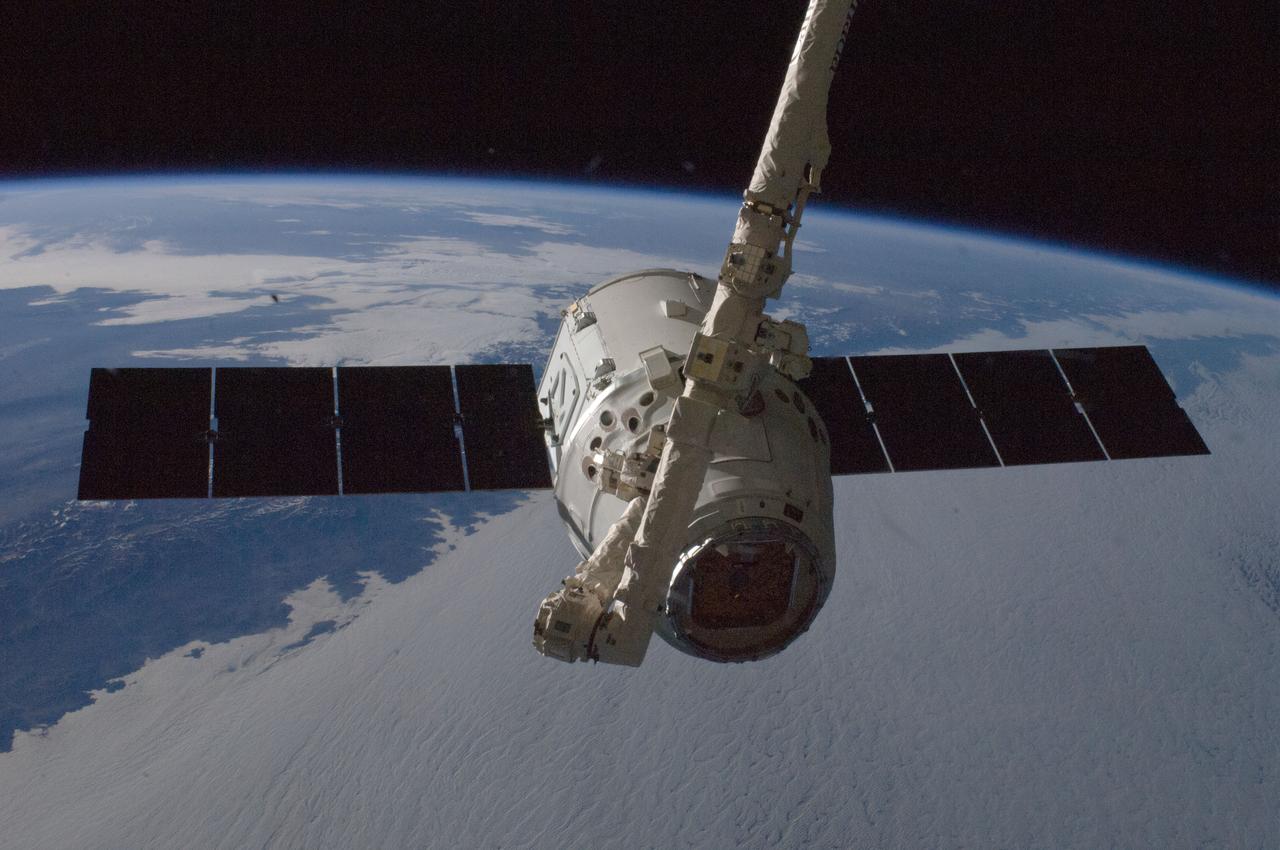
ISS033-E-011151 (10 Oct. 2012) --- The SpaceX Dragon commercial cargo craft is grappled by the International Space Station’s Canadarm2 robotic arm. Working from the robotics workstation inside the seven-windowed Cupola, Japan Aerospace Exploration Agency astronaut Aki Hoshide, Expedition 33 flight engineer, with the assistance of NASA astronaut Sunita Williams, commander, captured Dragon at 6:56 a.m. (EDT) and used the robotic arm to berth Dragon to the Earth-facing port of the Harmony node Oct. 10, 2012. Dragon is scheduled to spend 18 days attached to the station. During that time, the crew will unload 882 pounds of crew supplies, science research and hardware from the cargo craft and reload it with 1,673 pounds of cargo for return to Earth. After Dragon’s mission at the station is completed, the crew will use Canadarm2 to detach Dragon from Harmony and release it for a splashdown about six hours later in the Pacific Ocean, 250 miles off the coast of southern California. Dragon launched atop a Falcon 9 rocket at 8:35 p.m. Oct. 7 from Cape Canaveral Air Force Station in Florida, beginning NASA's first contracted cargo delivery flight, designated SpaceX CRS-1, to the station.
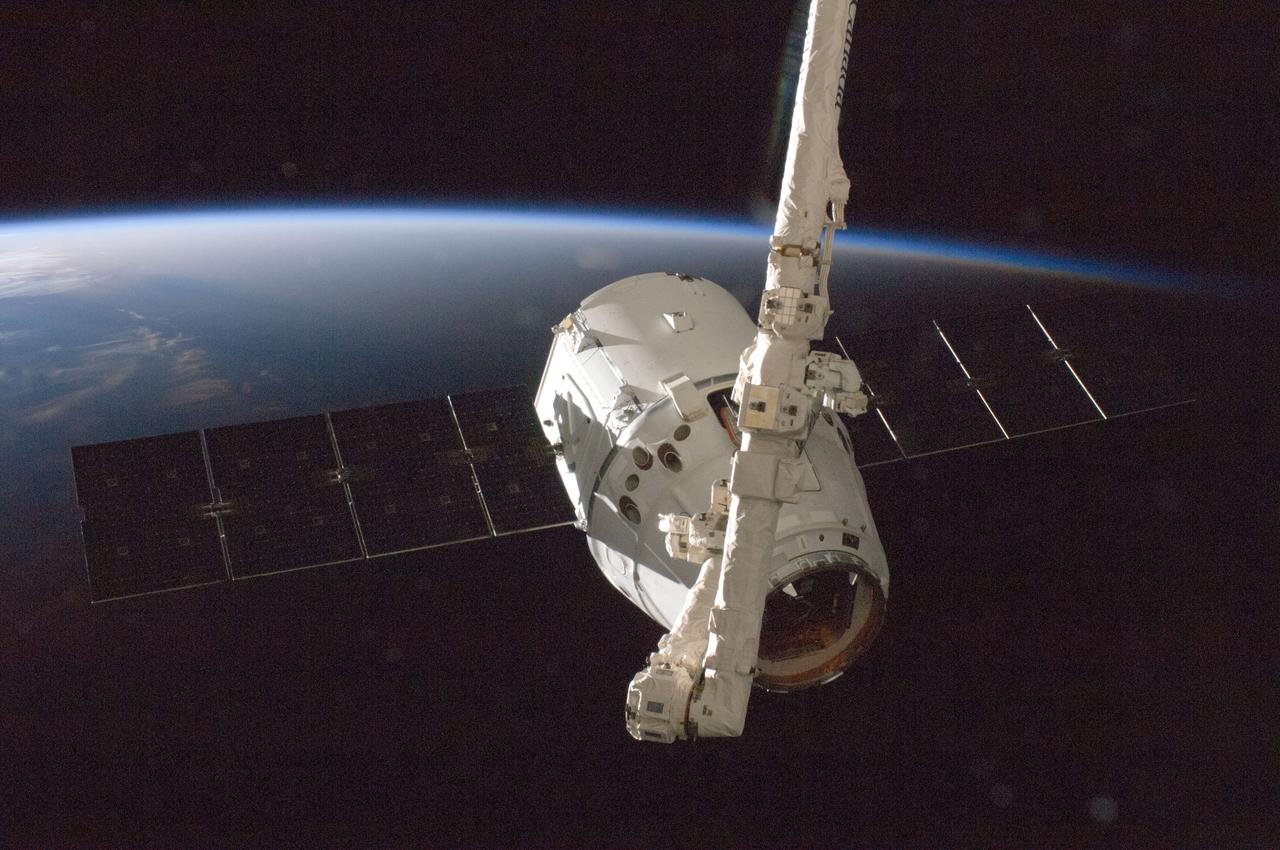
ISS033-E-011146 (10 Oct. 2012) --- The SpaceX Dragon commercial cargo craft is grappled by the International Space Station’s Canadarm2 robotic arm. Working from the robotics workstation inside the seven-windowed Cupola, Japan Aerospace Exploration Agency astronaut Aki Hoshide, Expedition 33 flight engineer, with the assistance of NASA astronaut Sunita Williams, commander, captured Dragon at 6:56 a.m. (EDT) and used the robotic arm to berth Dragon to the Earth-facing port of the Harmony node Oct. 10, 2012. Dragon is scheduled to spend 18 days attached to the station. During that time, the crew will unload 882 pounds of crew supplies, science research and hardware from the cargo craft and reload it with 1,673 pounds of cargo for return to Earth. After Dragon’s mission at the station is completed, the crew will use Canadarm2 to detach Dragon from Harmony and release it for a splashdown about six hours later in the Pacific Ocean, 250 miles off the coast of southern California. Dragon launched atop a Falcon 9 rocket at 8:35 p.m. Oct. 7 from Cape Canaveral Air Force Station in Florida, beginning NASA's first contracted cargo delivery flight, designated SpaceX CRS-1, to the station.
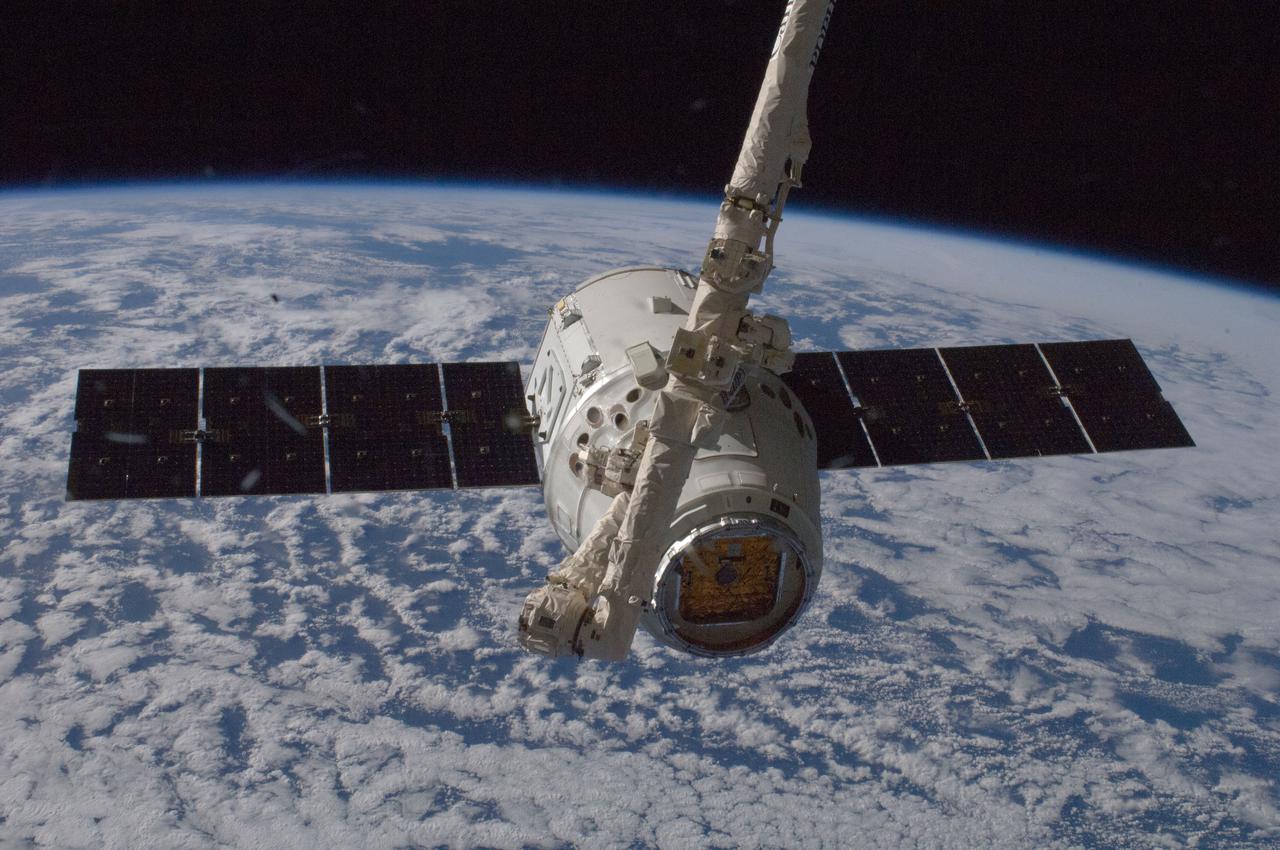
ISS033-E-011160 (10 Oct. 2012) --- The SpaceX Dragon commercial cargo craft is grappled by the International Space Station’s Canadarm2 robotic arm. Working from the robotics workstation inside the seven-windowed Cupola, Japan Aerospace Exploration Agency astronaut Aki Hoshide, Expedition 33 flight engineer, with the assistance of NASA astronaut Sunita Williams, commander, captured Dragon at 6:56 a.m. (EDT) and used the robotic arm to berth Dragon to the Earth-facing port of the Harmony node Oct. 10, 2012. Dragon is scheduled to spend 18 days attached to the station. During that time, the crew will unload 882 pounds of crew supplies, science research and hardware from the cargo craft and reload it with 1,673 pounds of cargo for return to Earth. After Dragon’s mission at the station is completed, the crew will use Canadarm2 to detach Dragon from Harmony and release it for a splashdown about six hours later in the Pacific Ocean, 250 miles off the coast of southern California. Dragon launched atop a Falcon 9 rocket at 8:35 p.m. Oct. 7 from Cape Canaveral Air Force Station in Florida, beginning NASA's first contracted cargo delivery flight, designated SpaceX CRS-1, to the station.