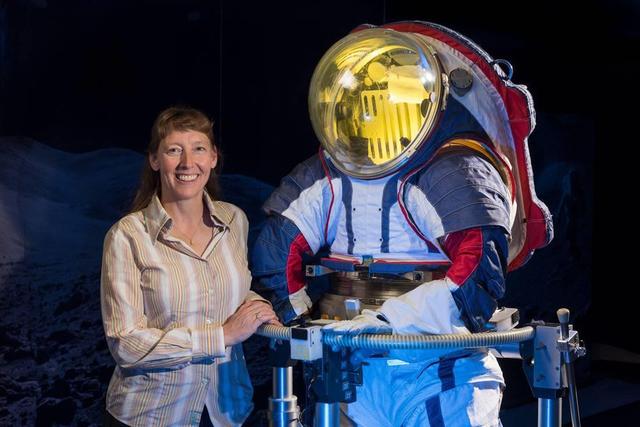
Advanced spacesuit designer Amy Ross of the NASA's Johnson Space Center stands with the Z-2, a prototype spacesuit. https://photojournal.jpl.nasa.gov/catalog/PIA23978
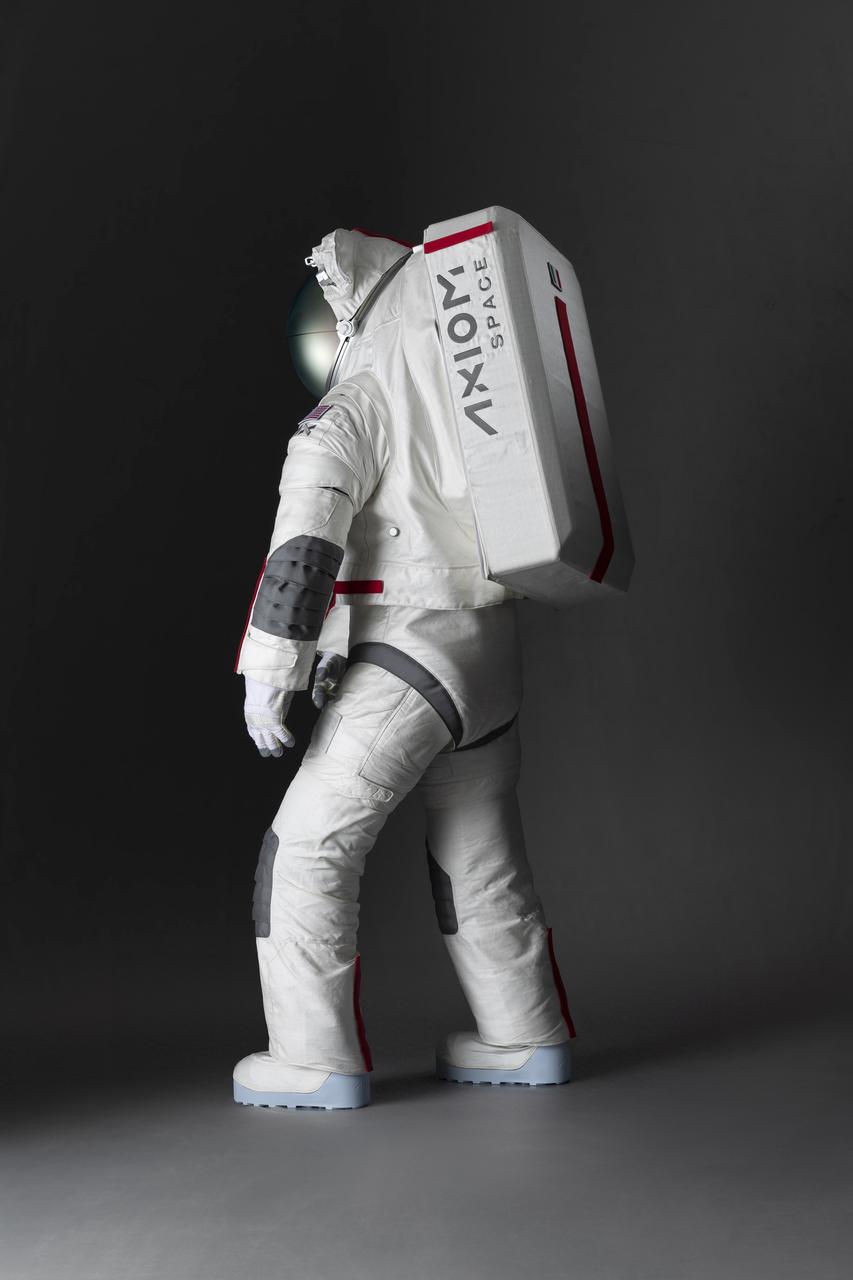
The flight design of Axiom Space's Axiom Extravehicular Mobility Unit (AxEMU) lunar spacesuit that NASA astronauts will wear during the Artemis III mission. Image Credit: Axiom Space
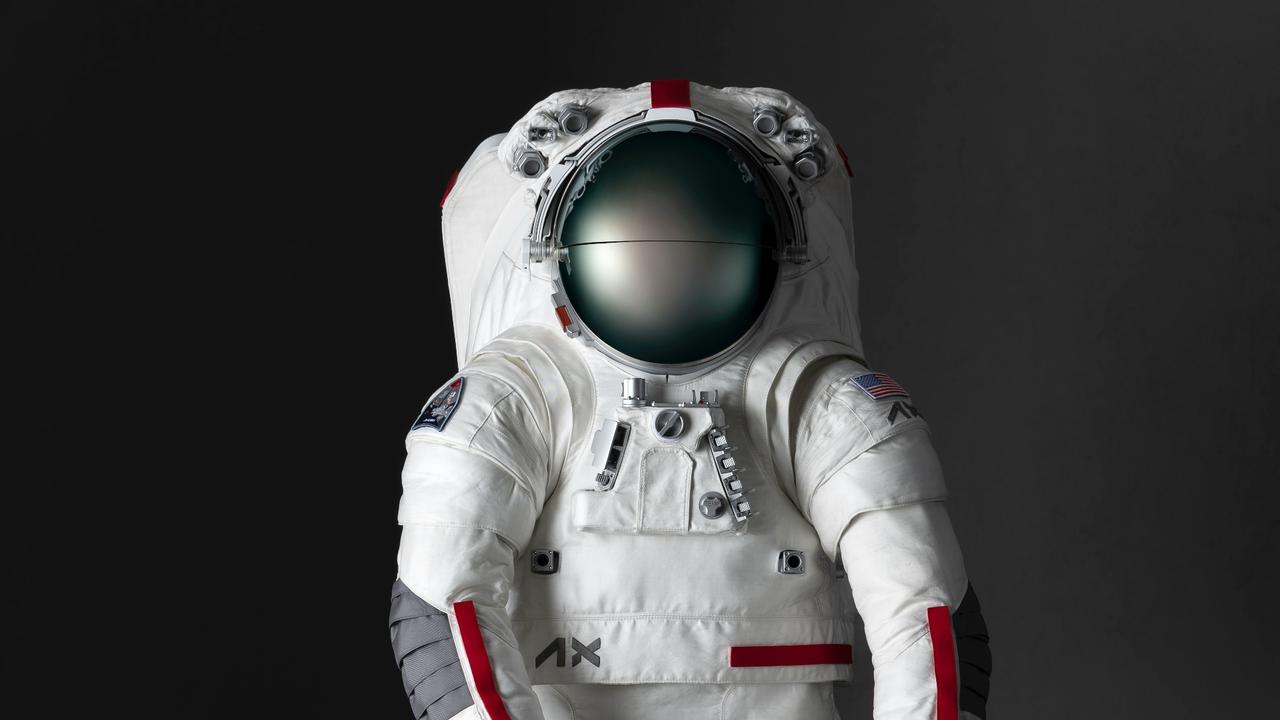
The flight design of Axiom Space's Axiom Extravehicular Mobility Unit (AxEMU) lunar spacesuit that NASA astronauts will wear during the Artemis III mission. Image Credit: Axiom Space
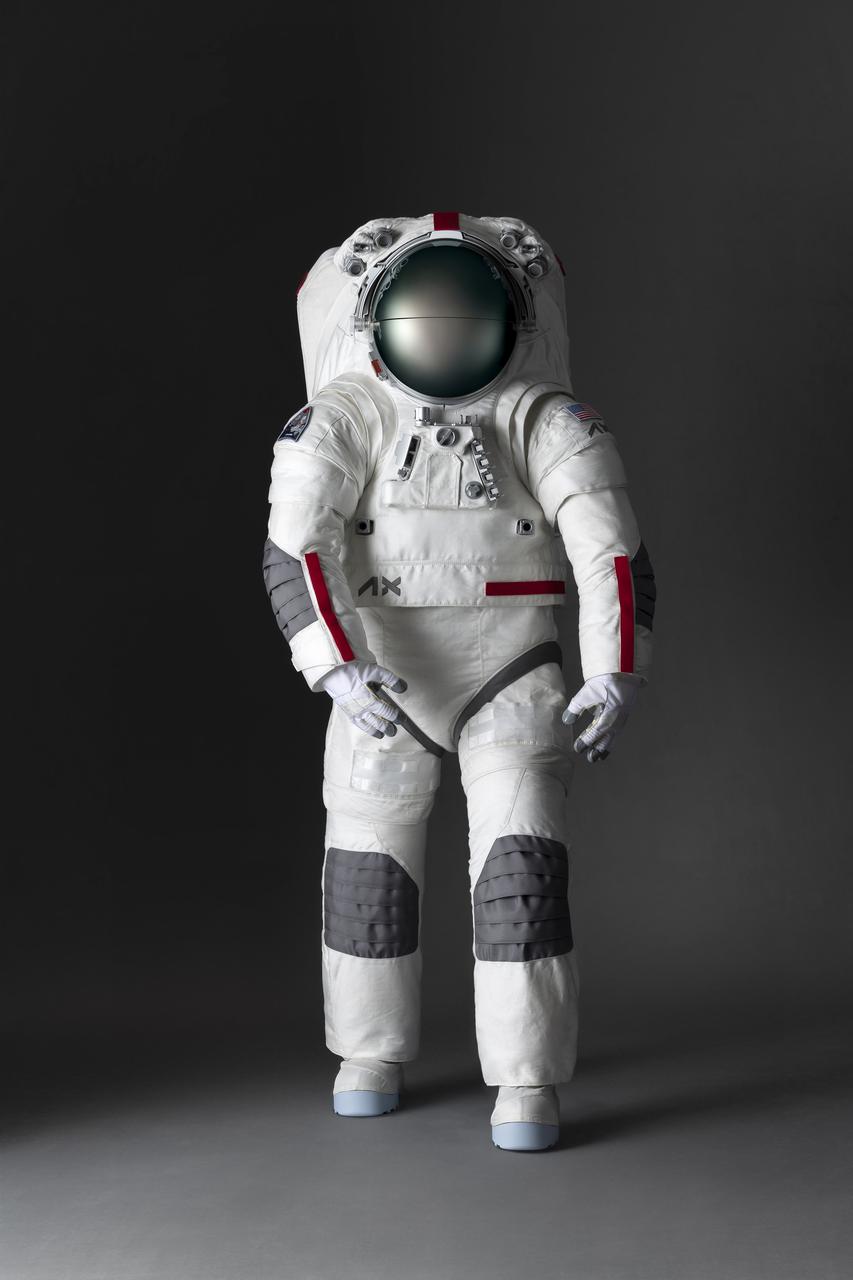
Artemis III Lunar Spacesuit The flight design of Axiom Space's Axiom Extravehicular Mobility Unit (AxEMU) lunar spacesuit that NASA astronauts will wear during the Artemis III mission. Image Credit: Axiom Space
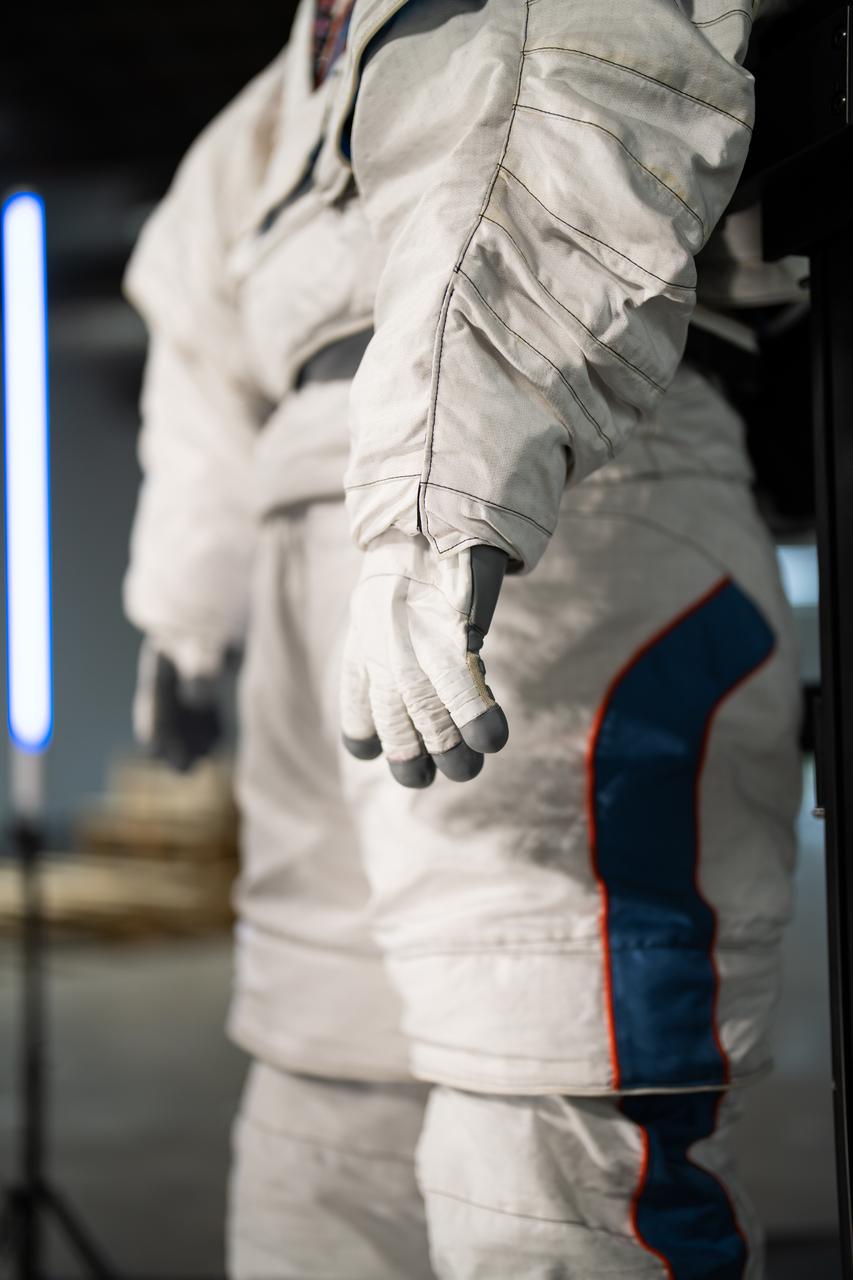
An up close image of a glove on Axiom Space's AxEMU (Axiom Extravehicular Mobility Unit) lunar spacesuit. Image Credit: Axiom Space
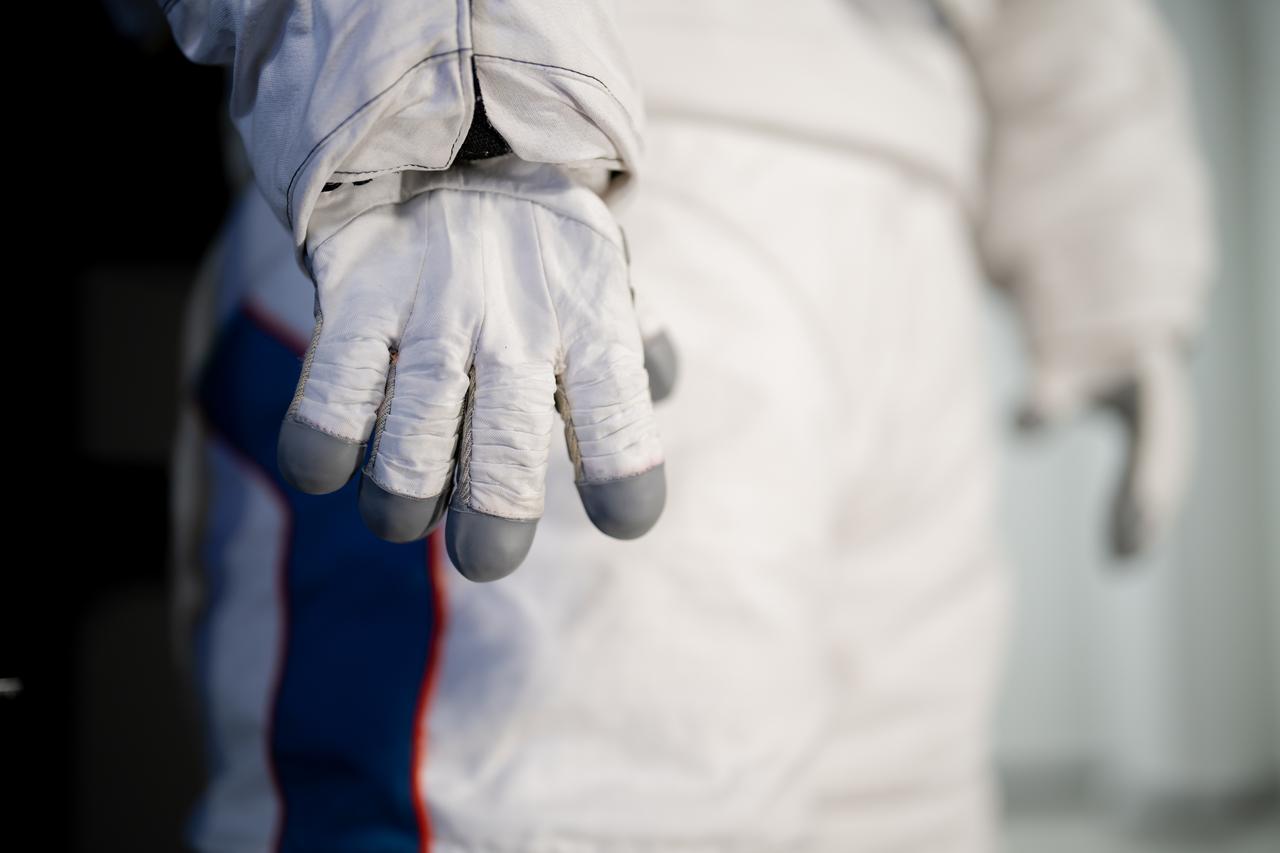
An up close image of a glove on Axiom Space's AxEMU (Axiom Extravehicular Mobility Unit) lunar spacesuit. Image Credit: Axiom Space
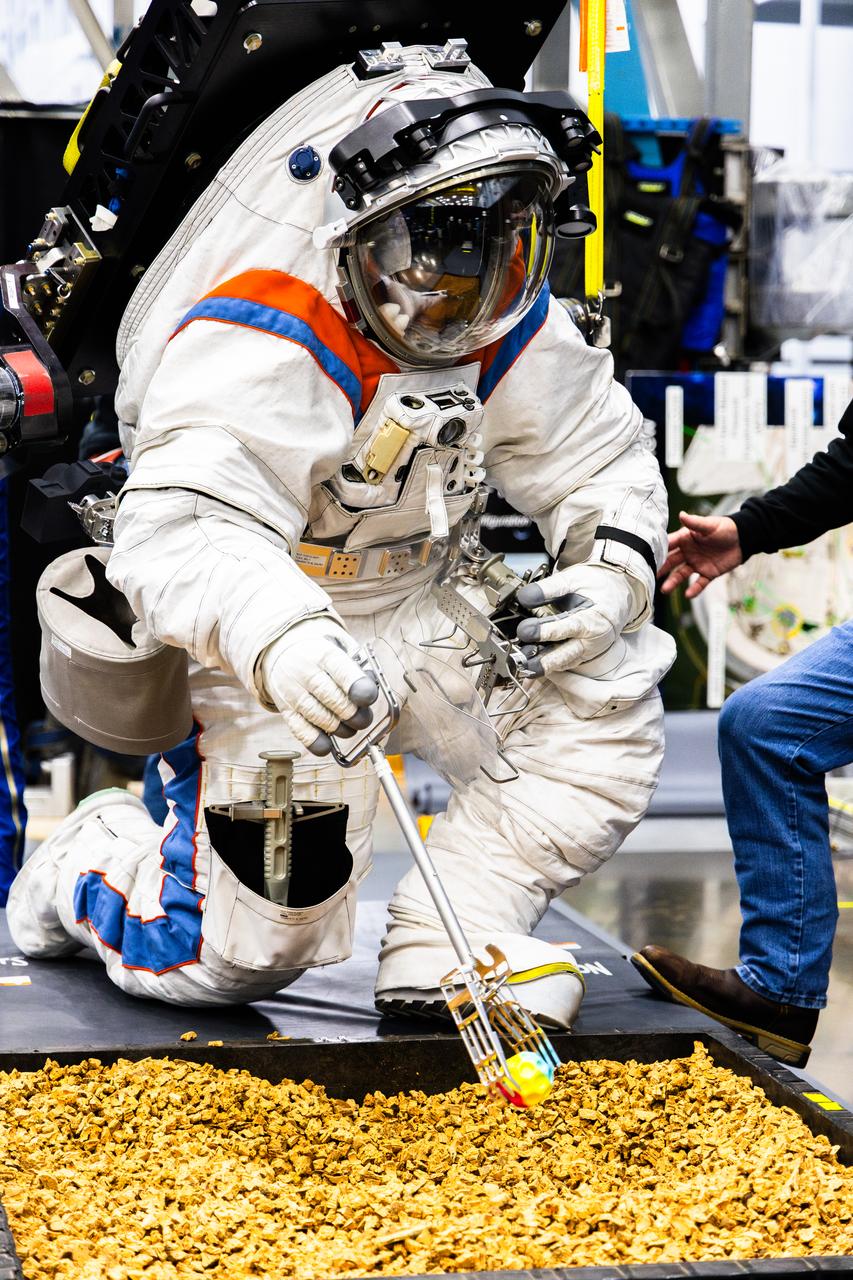
An Axiom Space engineer uses tongs to pick up a simulated lunar rock while wearing the AxEMU (Axiom Extravehicular Mobility Unit) spacesuit during testing at NASA’s Johnson Space Center. Image Credit: Axiom Space
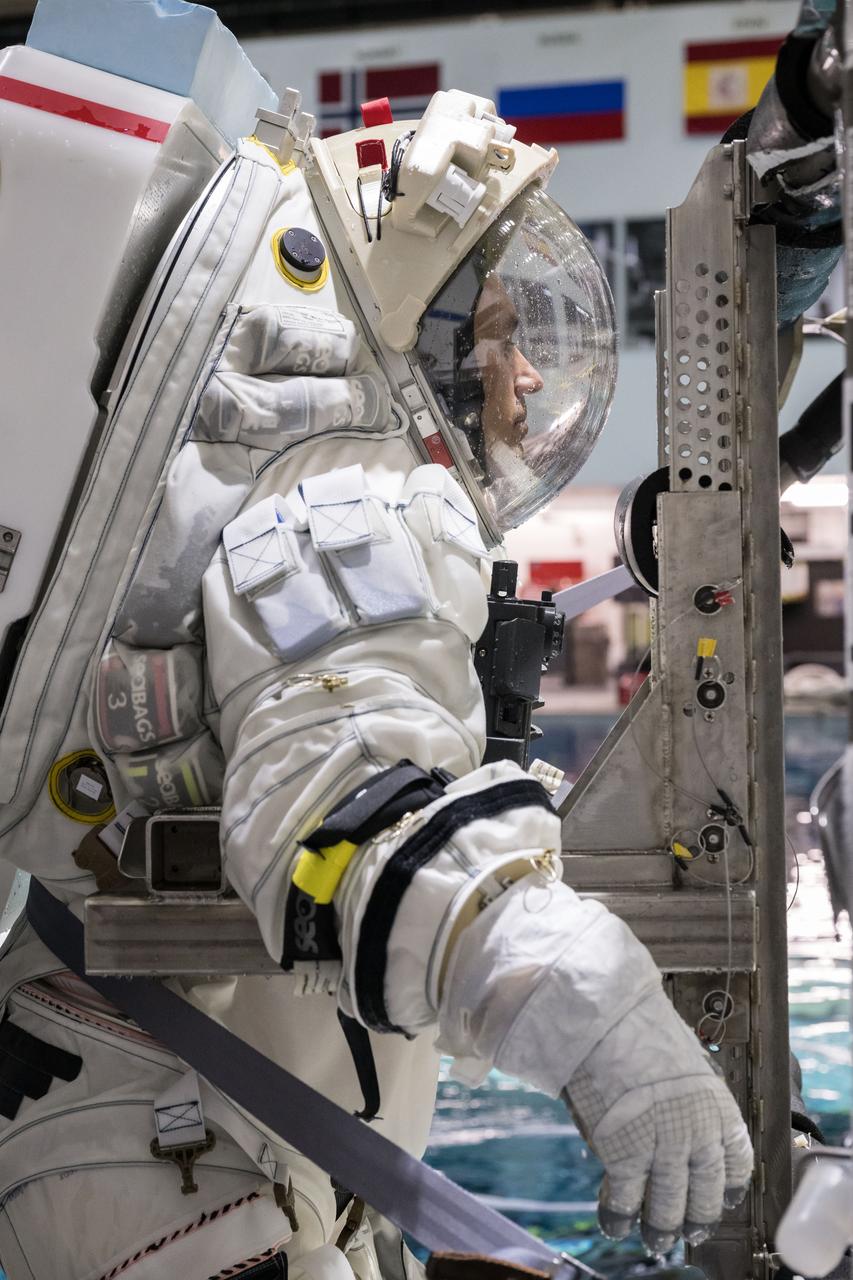
NASA spacesuit engineer Richard Rhodes suits up in Axiom Space's lunar spacesuit before going under water for testing at NASA's Neutral Buoyancy Laboratory. Image Credit: NASA/Robert Markowitz
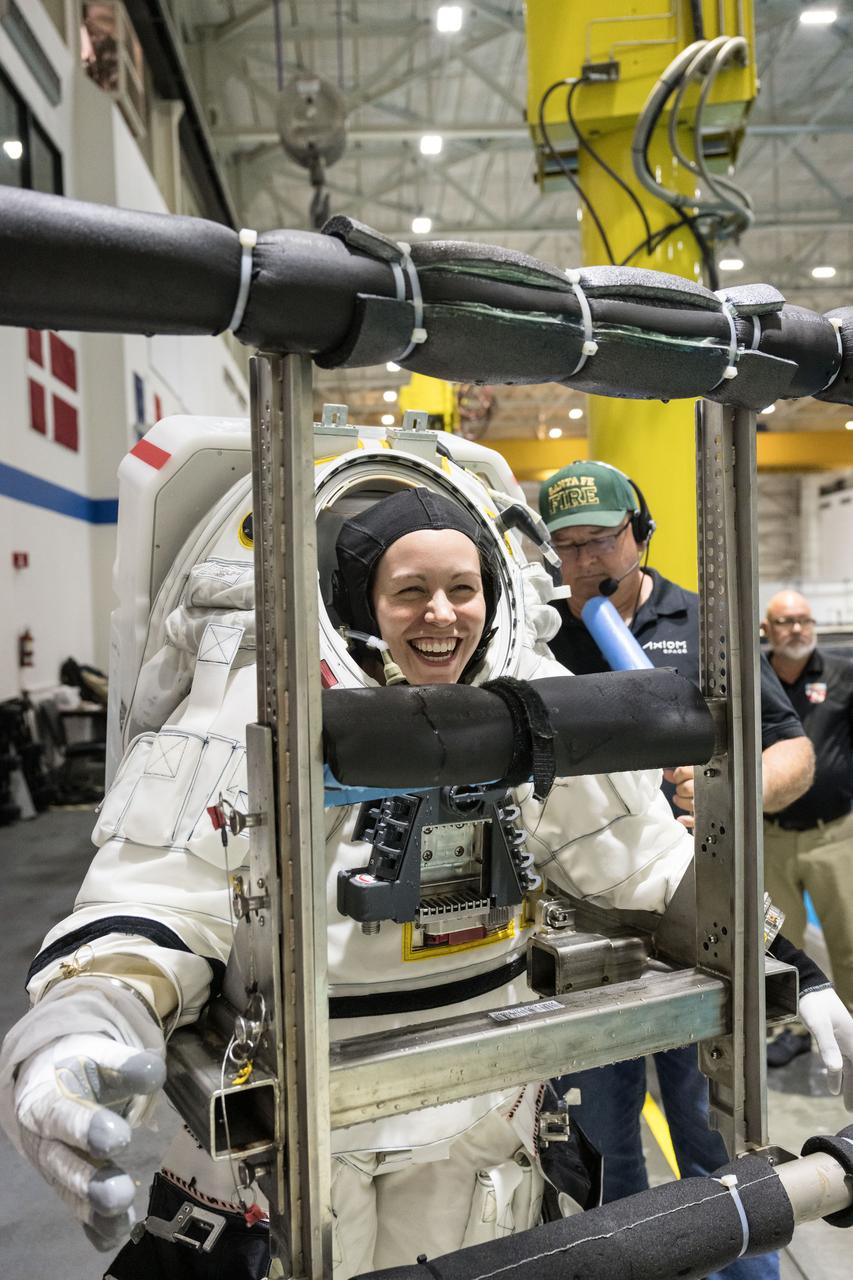
NASA spacesuit engineer Kristine Davis suits up in Axiom Space's lunar spacesuit before going under water for testing at NASA's Neutral Buoyancy Laboratory. Image Credit: NASA/James Blair
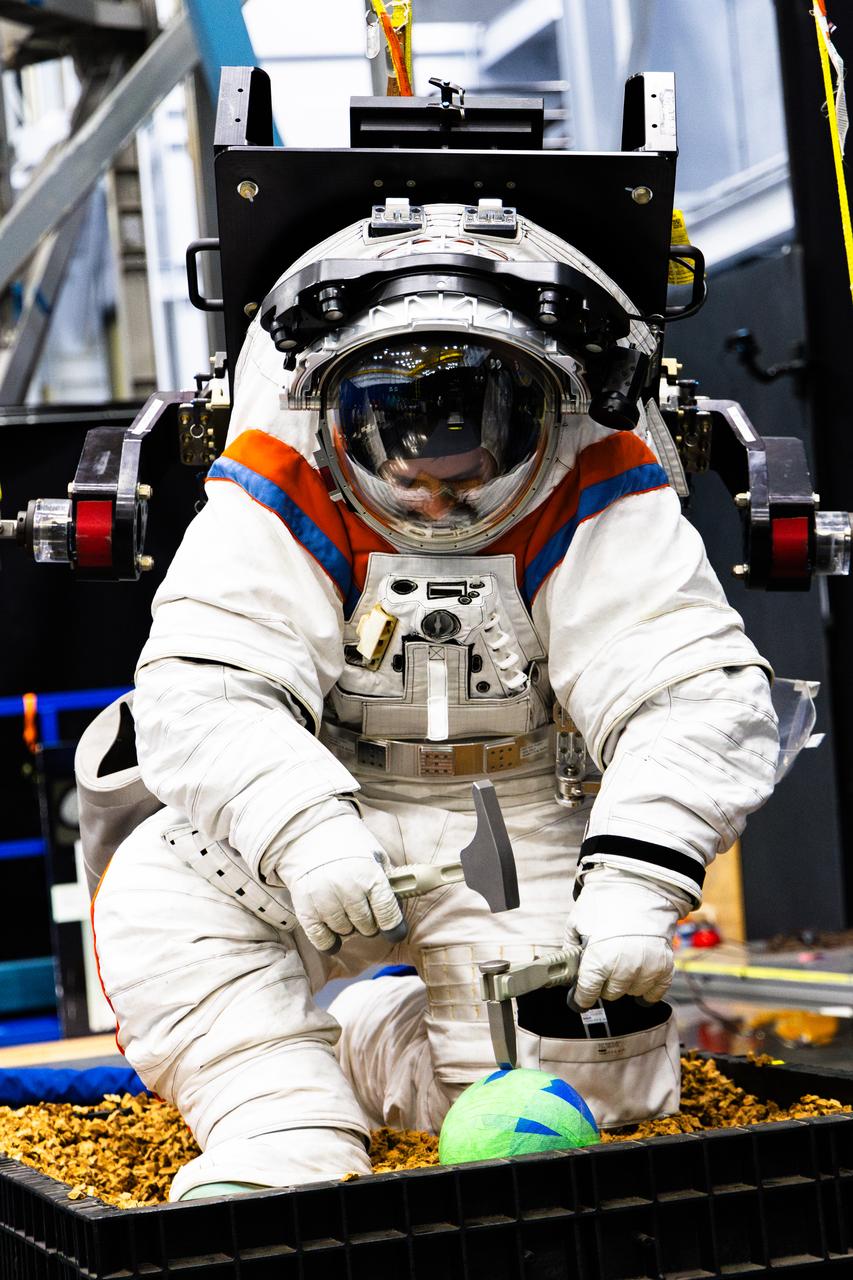
An Axiom Space engineer uses a hammer and chisel to chip off simulated lunar rocks while wearing the AxEMU (Axiom Extravehicular Mobility Unit) spacesuit during testing at NASA’s Johnson Space Center. Image Credit: Axiom Space
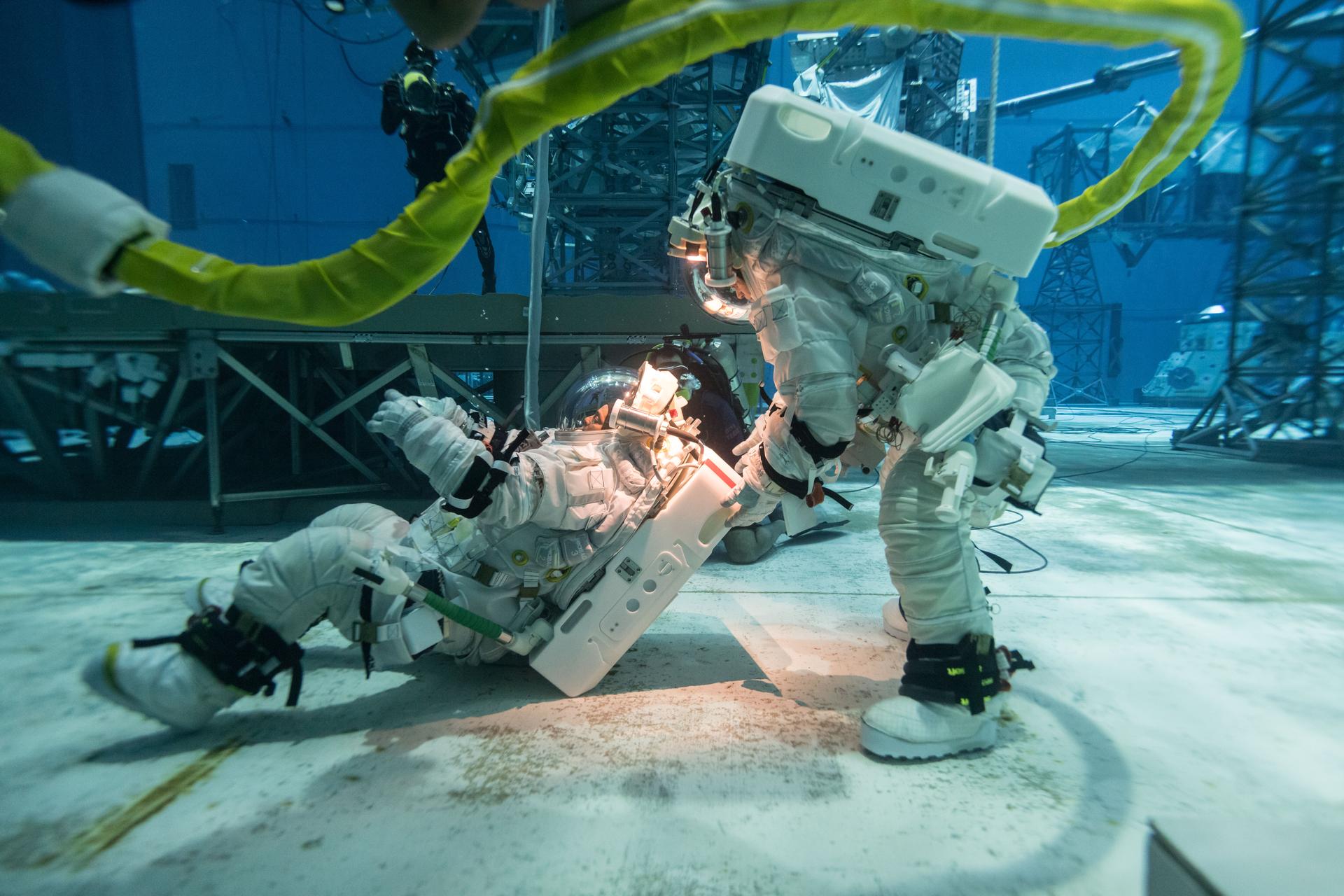
NASA crew members practice emergency rescue drills during simulated lunar surface operations at NASA’s Neutral Buoyancy Laboratory where teams evaluate how well crew perform tasks while wearing the Artemis III lunar spacesuit developed by Axiom Space called the AxEMU (Axiom Extravehicular Mobility Unit).
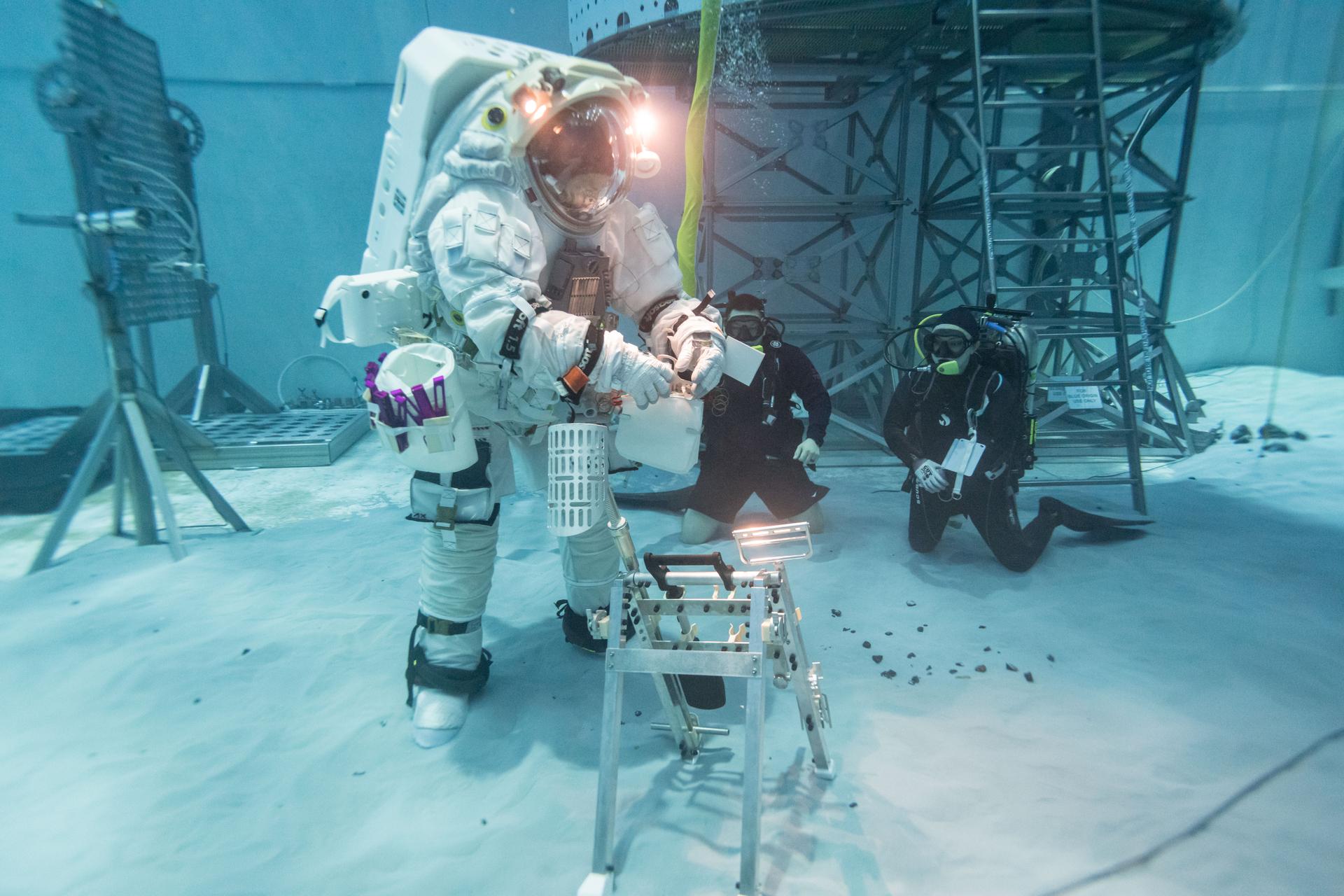
A NASA crew member practices simulated lunar surface operations at NASA’s Neutral Buoyancy Laboratory where teams evaluate how well crew perform tasks while wearing the Artemis III lunar spacesuit developed by Axiom Space called the AxEMU (Axiom Extravehicular Mobility Unit).
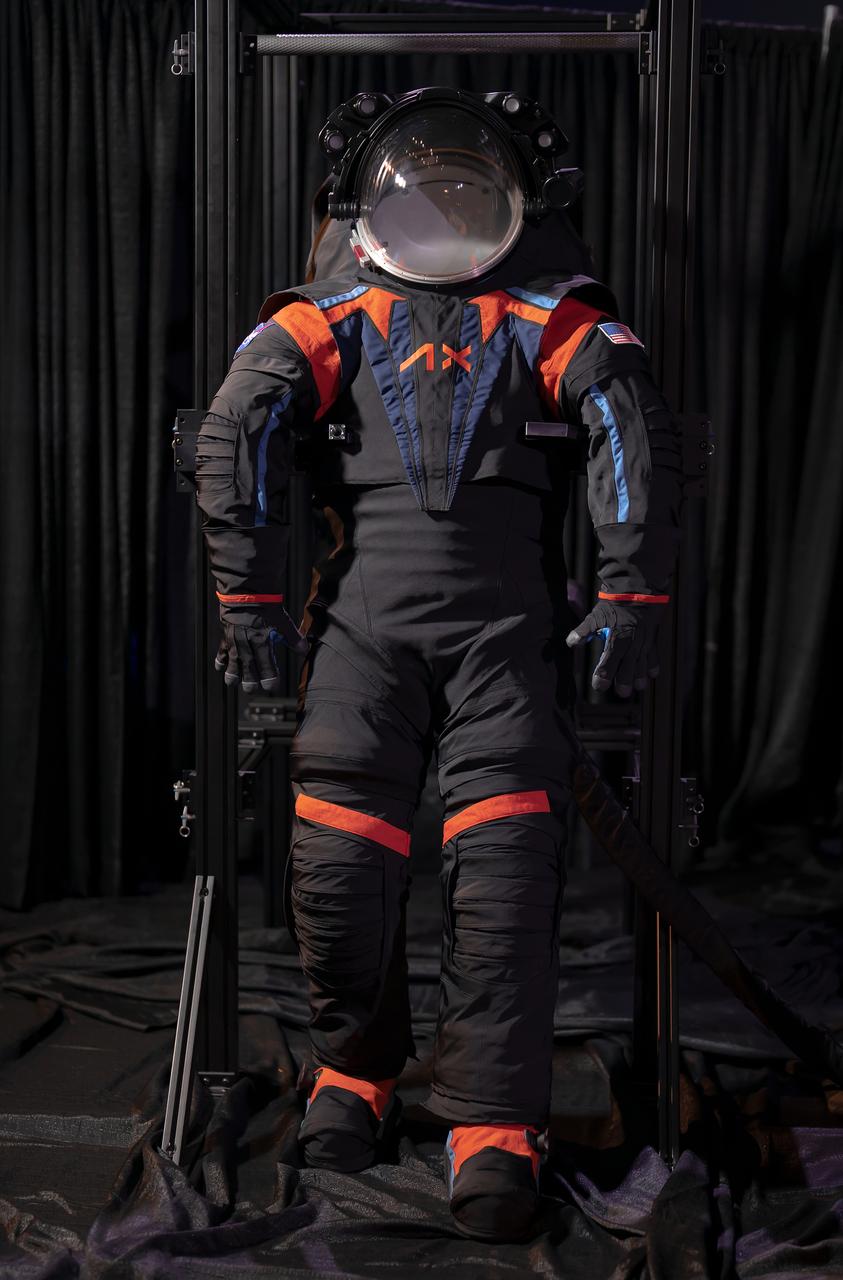
The Artemis III spacesuit prototype, the AxEMU. Though this prototype uses a dark gray cover material, the final version will likely be all-white when worn by NASA astronauts on the Moon’s surface, to help keep the astronauts safe and cool while working in the harsh environment of space. Image Credit: Axiom Space
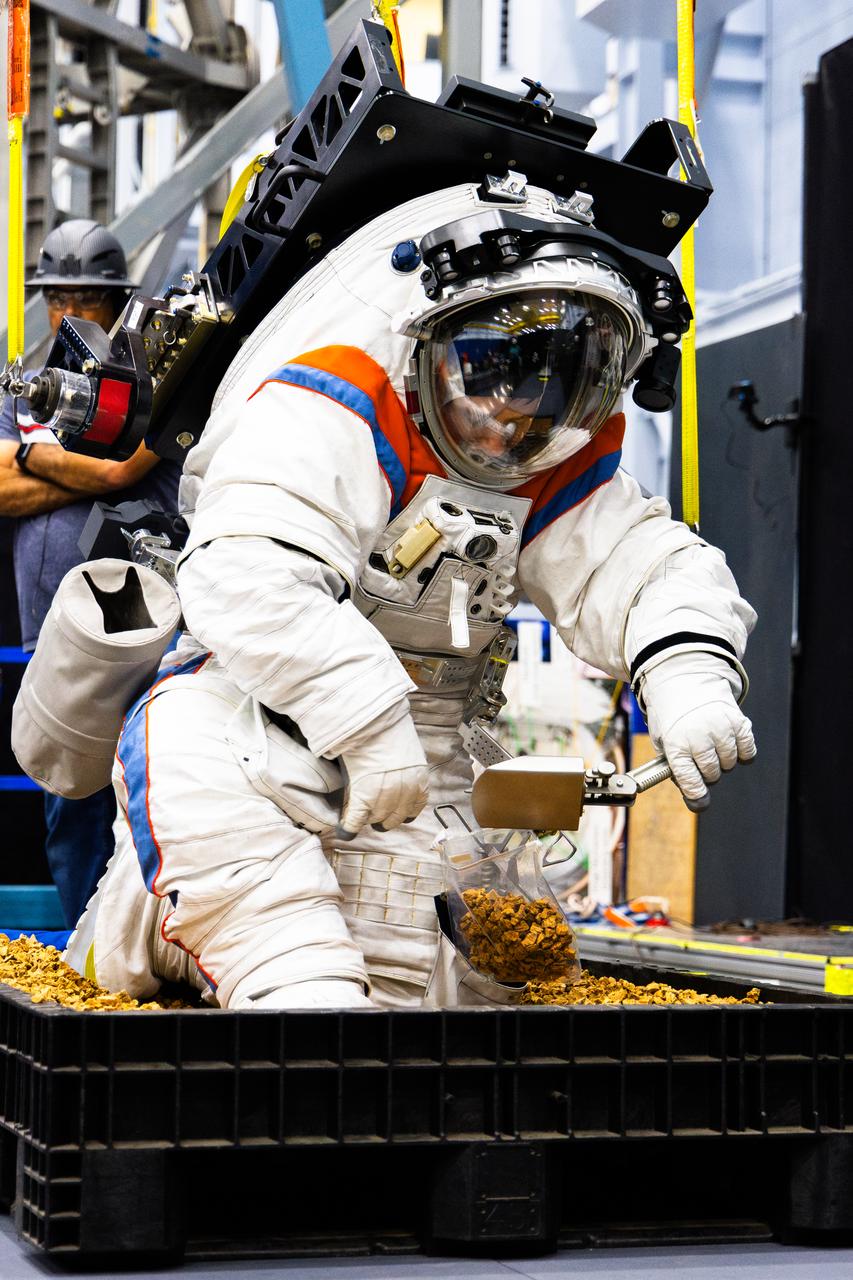
An Axiom Space engineer kneels down to collect simulated lunar samples using a geology tool while wearing the AxEMU (Axiom Extravehicular Mobility Unit) spacesuit during testing at NASA’s Johnson Space Center. Image Credit: Axiom Space
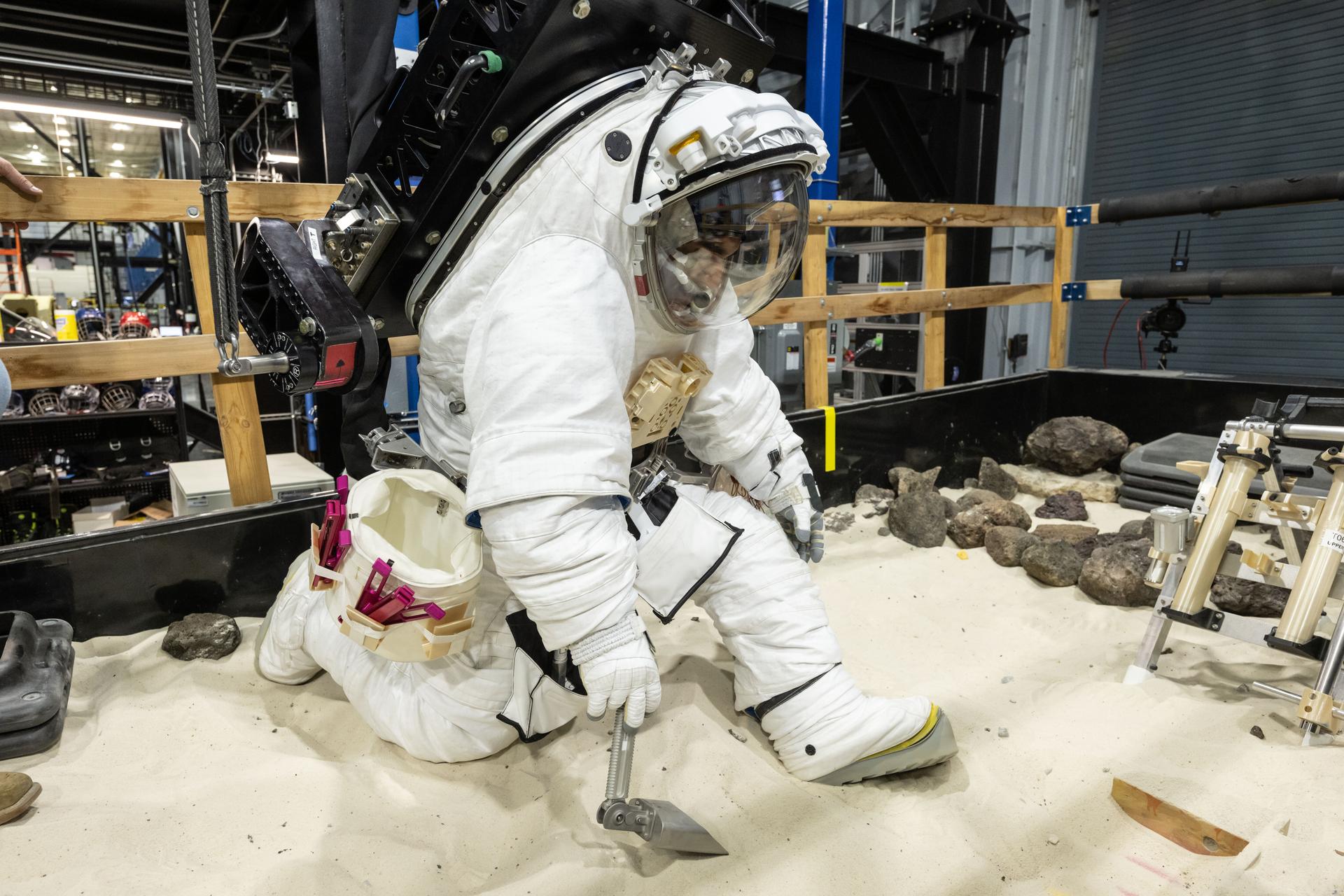
A NASA crew member practices using lunar tools to collect geology samples at NASA’s Johnson Space Center during an elevated suit pressure test where teams evaluate how well crew perform tasks in different suit pressure levels while wearing the Artemis III lunar spacesuit developed by Axiom Space called the AxEMU (Axiom Extravehicular Mobility Unit).
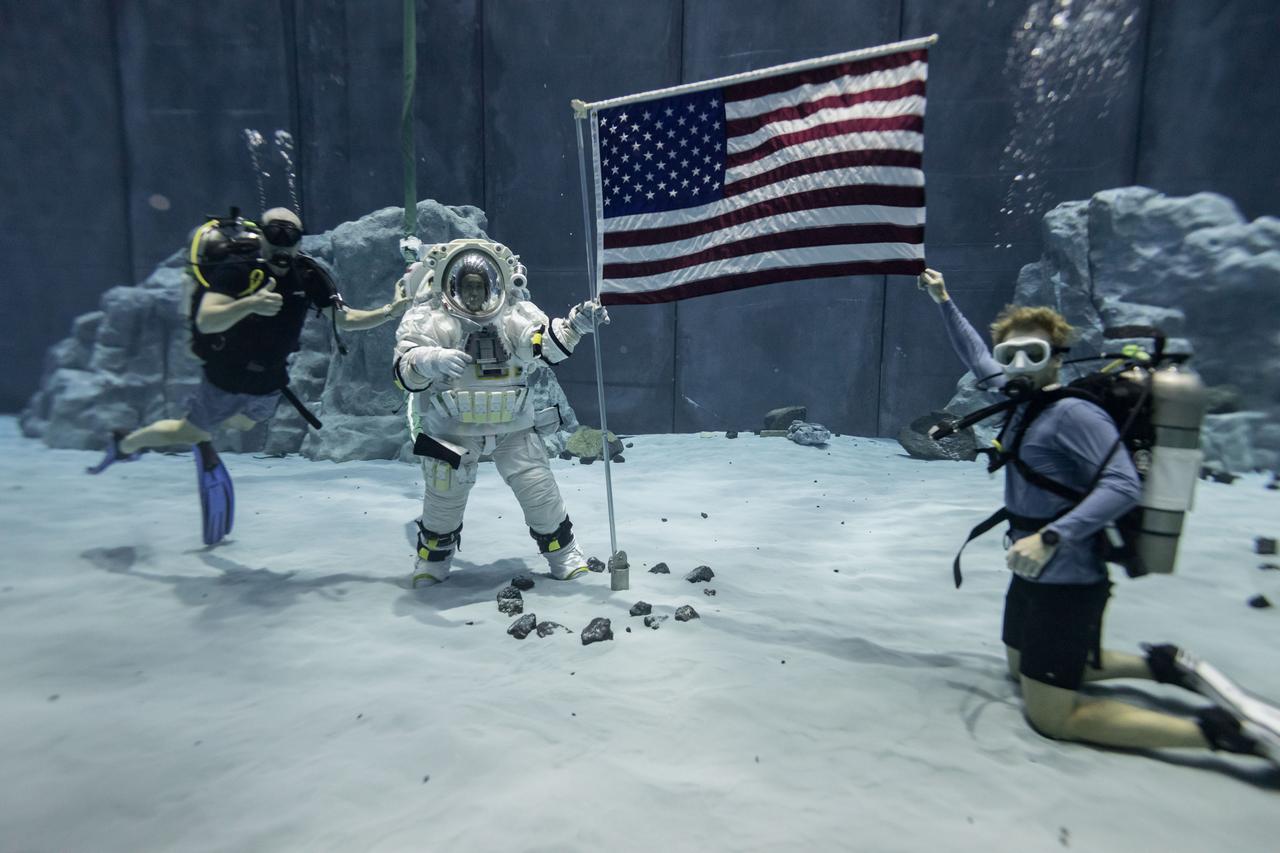
Axiom Space astronaut and Chief Technology Officer Koichi Wakata holds up an American flag in NASA's Neutral Buoyancy Laboratory during the first crewed underwater test of Axiom Space's lunar spacesuit. Image Credit: NASA
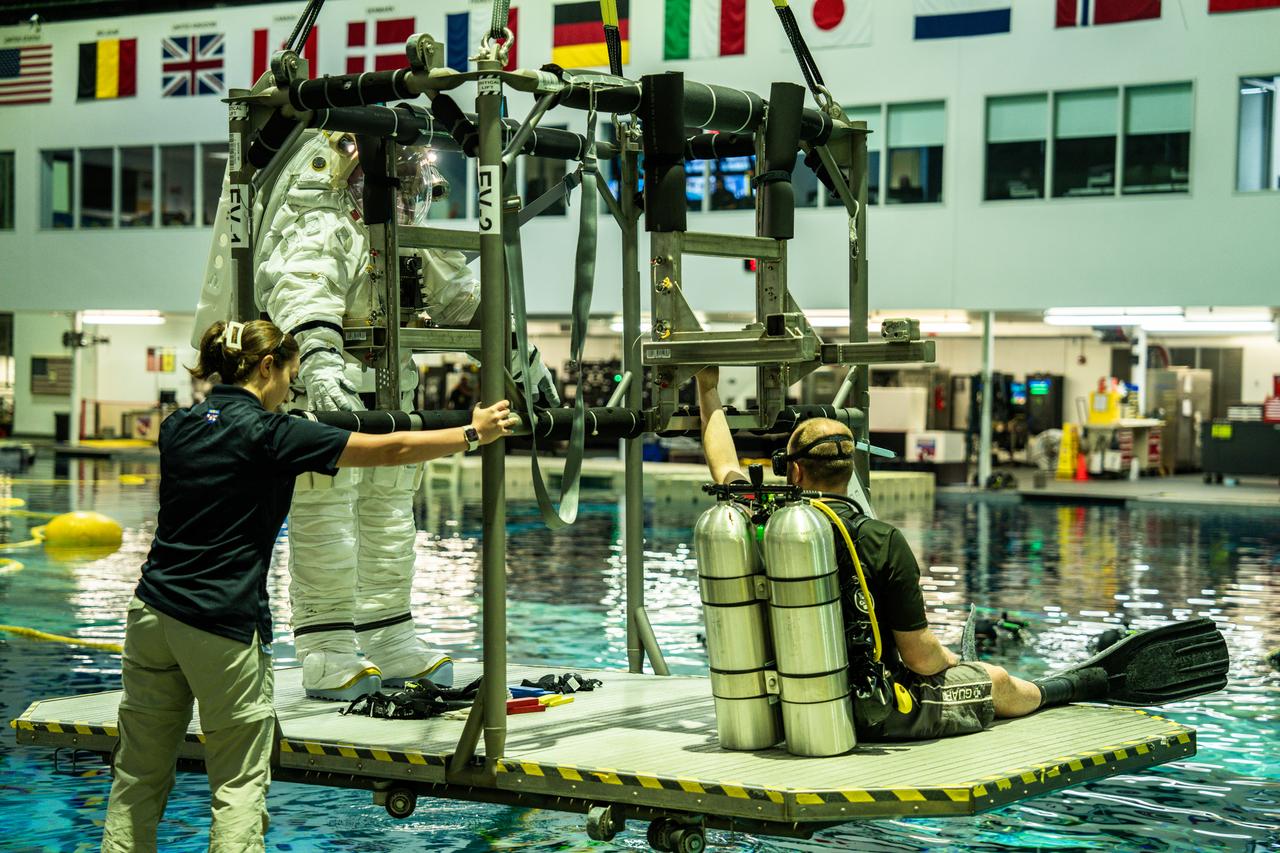
Axiom Space's AxEMU (Axiom Extravehicular Mobility Unit) spacesuit being tested at NASA Johnson's Neutral Buoyancy Laboratory. Image Credit: Axiom Space
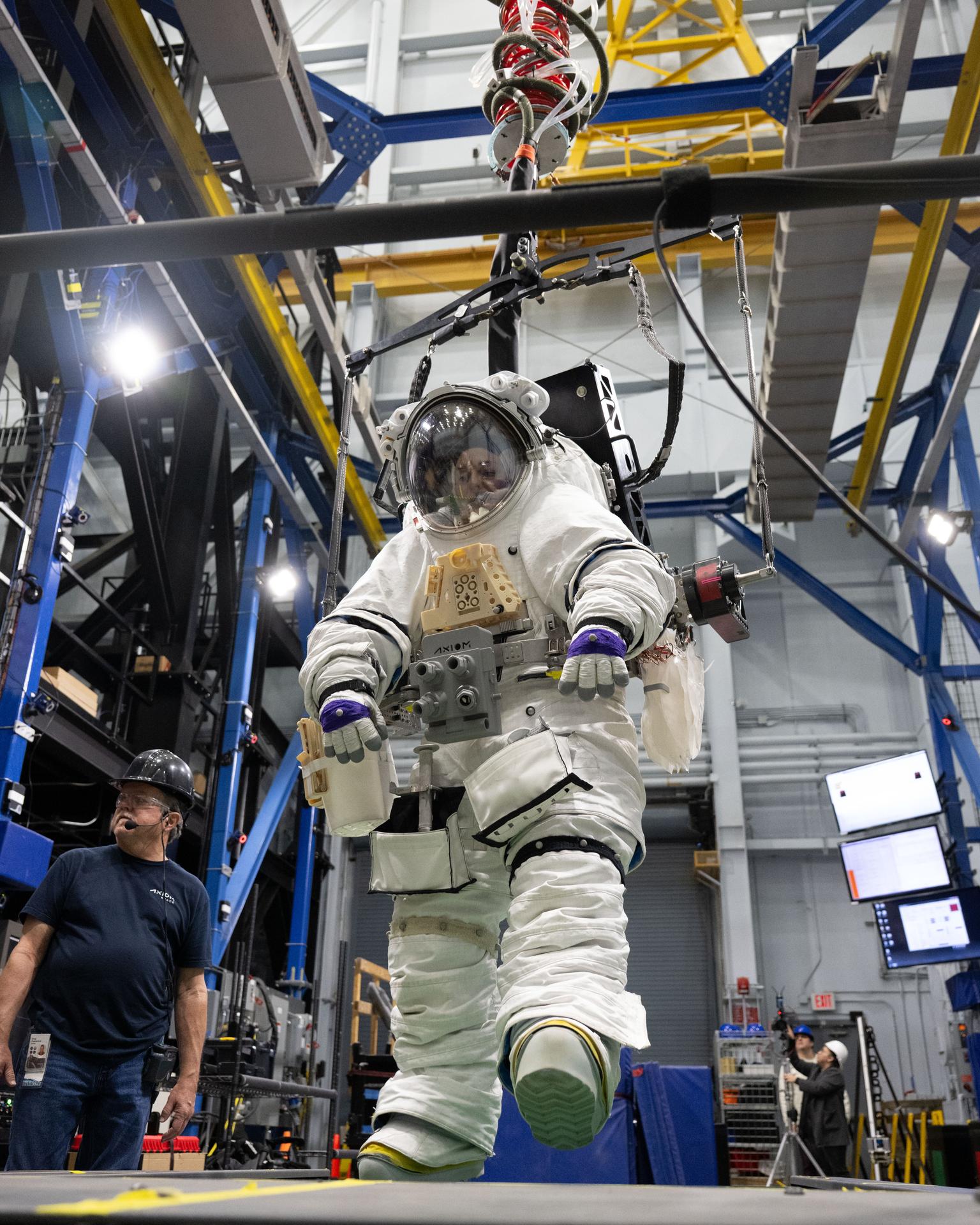
A NASA crew member practices simulated lunar surface operations at NASA’s Johnson Space Center during an elevated suit pressure test where teams evaluate how well crew perform tasks in different suit pressure levels while wearing the Artemis III lunar spacesuit developed by Axiom Space called the AxEMU (Axiom Extravehicular Mobility Unit).
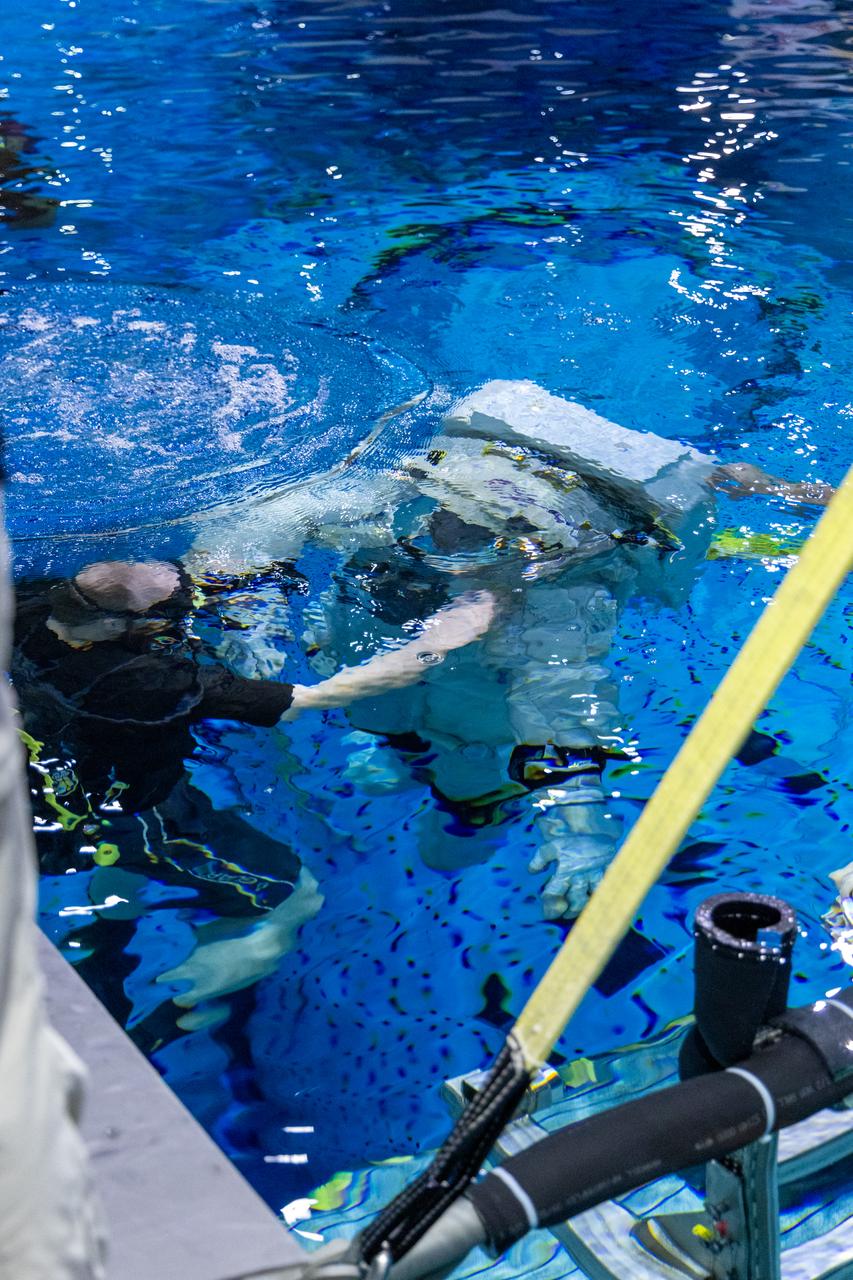
Axiom Space's AxEMU (Axiom Extravehicular Mobility Unit) spacesuit underwater during testing of its pressure garment system at NASA Johnson's Neutral Buoyancy Laboratory. Image Credit: Axiom Space
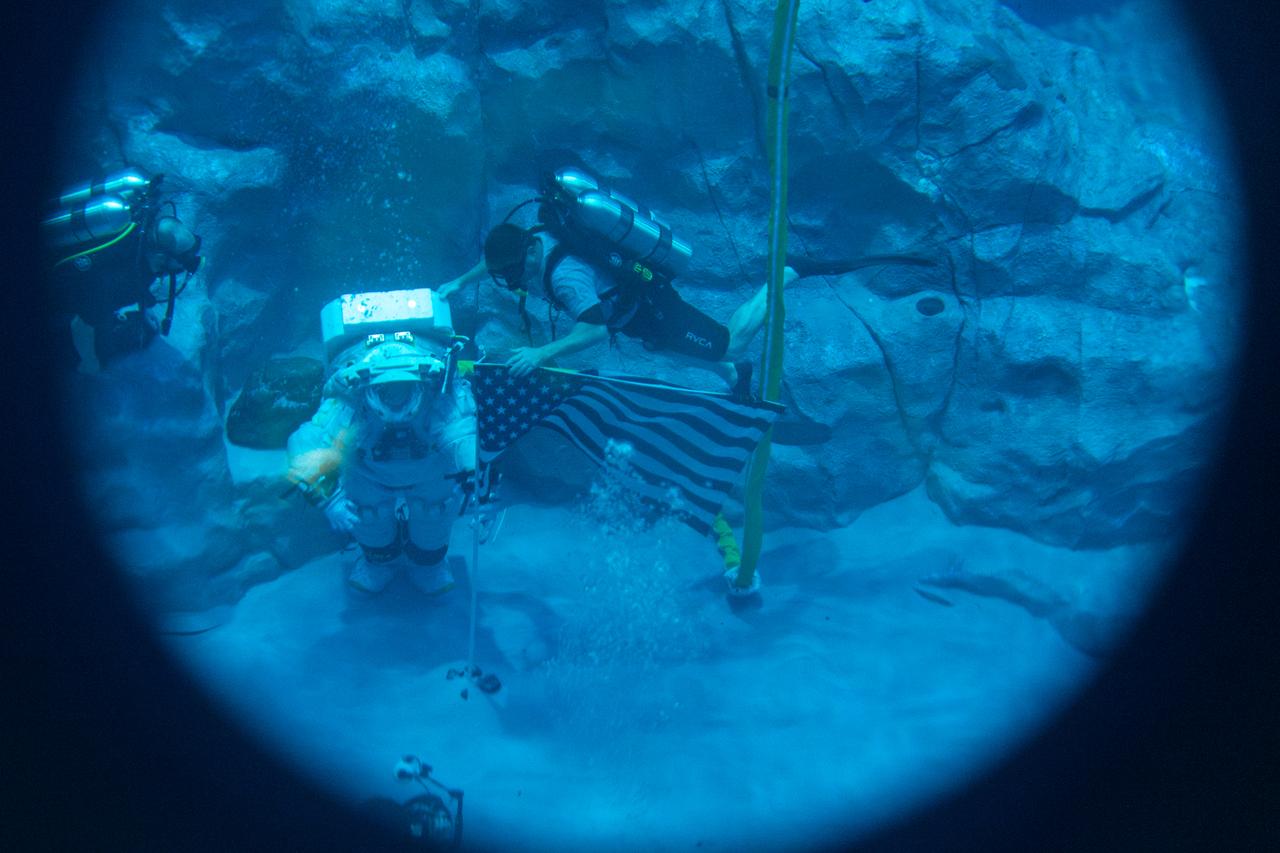
Axiom Space's AxEMU (Axiom Extravehicular Mobility Unit) spacesuit underwater during testing of its pressure garment system at NASA Johnson's Neutral Buoyancy Laboratory. Image Credit: Axiom Space
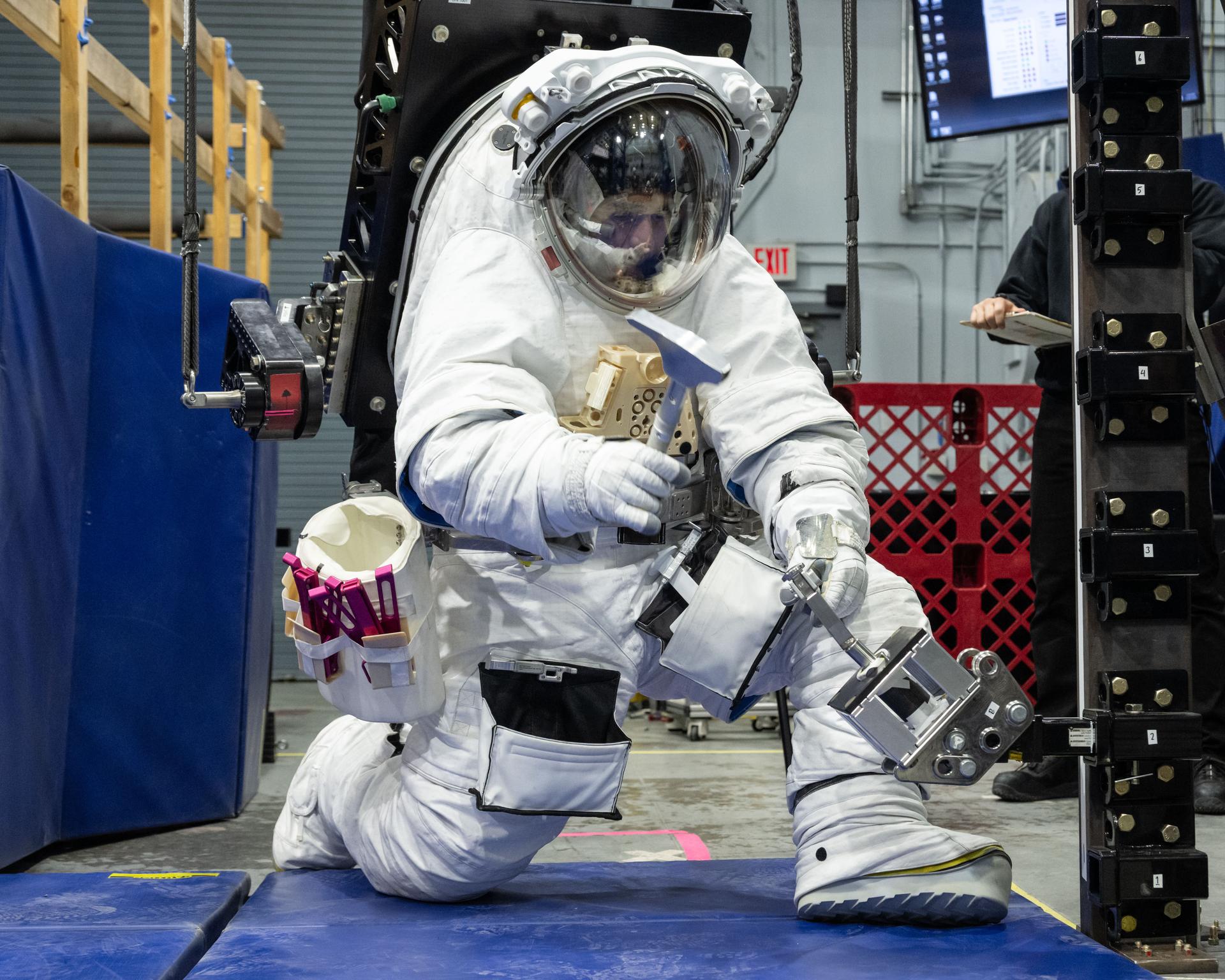
A NASA crew member practices simulated lunar surface operations at NASA’s Johnson Space Center during an elevated suit pressure test where teams evaluate how well crew perform tasks in different suit pressure levels while wearing the Artemis III lunar spacesuit developed by Axiom Space called the AxEMU (Axiom Extravehicular Mobility Unit).
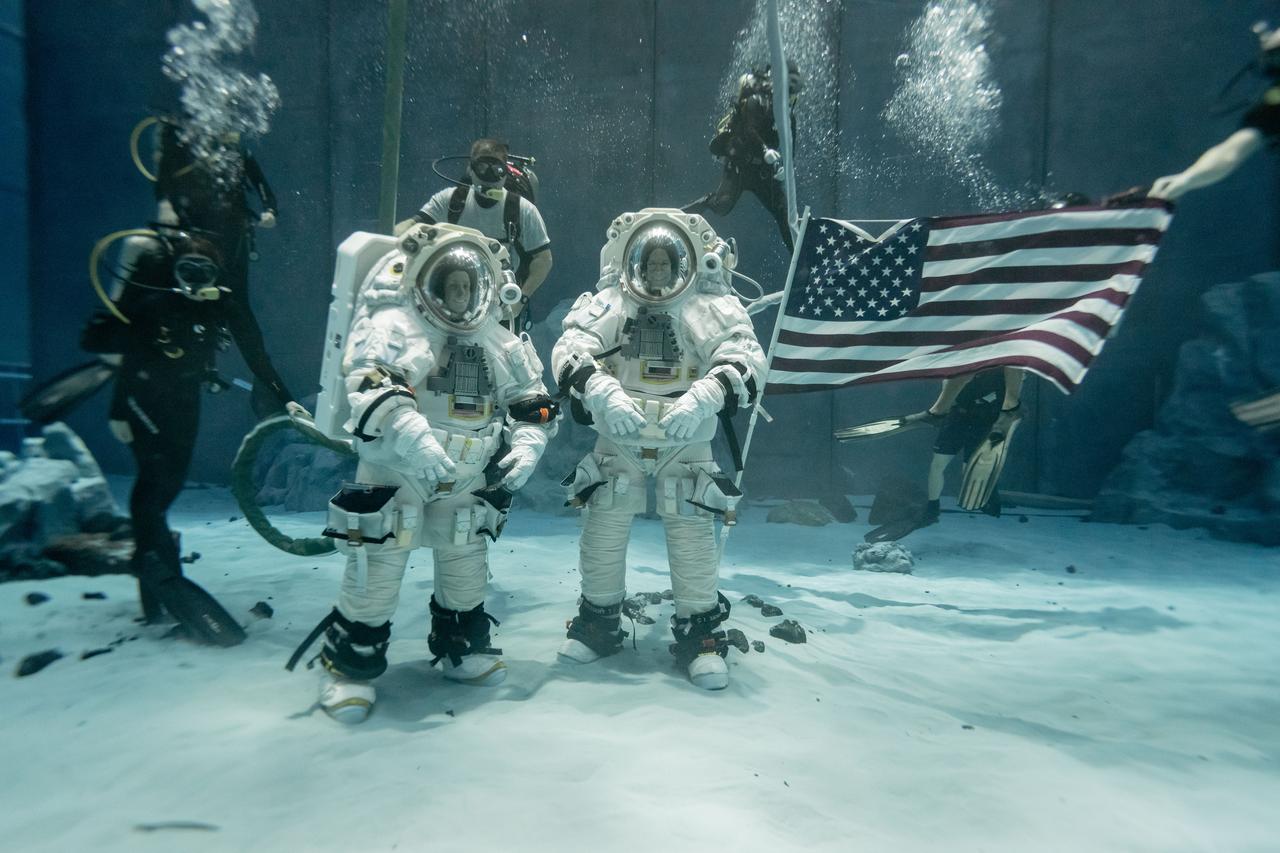
NASA astronauts Loral O’Hara (left) and Stan Love (right) pose for a photo during the first dual spacesuit run at NASA’s Neutral Buoyancy Laboratory while wearing Axiom Space’s lunar spacesuits. NASA and Axiom Space teams held the first dual spacesuit run at the Neutral Buoyancy Laboratory in Houston on September 24, 2025 with NASA Astronauts Stan Love and Loral O’Hara wearing Axiom Space’s lunar spacesuit, called the Axiom Extravehicular Mobility Unit (AxEMU). This was the final integration test in the pool, proving both the spacesuit and facility are prepped and ready for Artemis training.
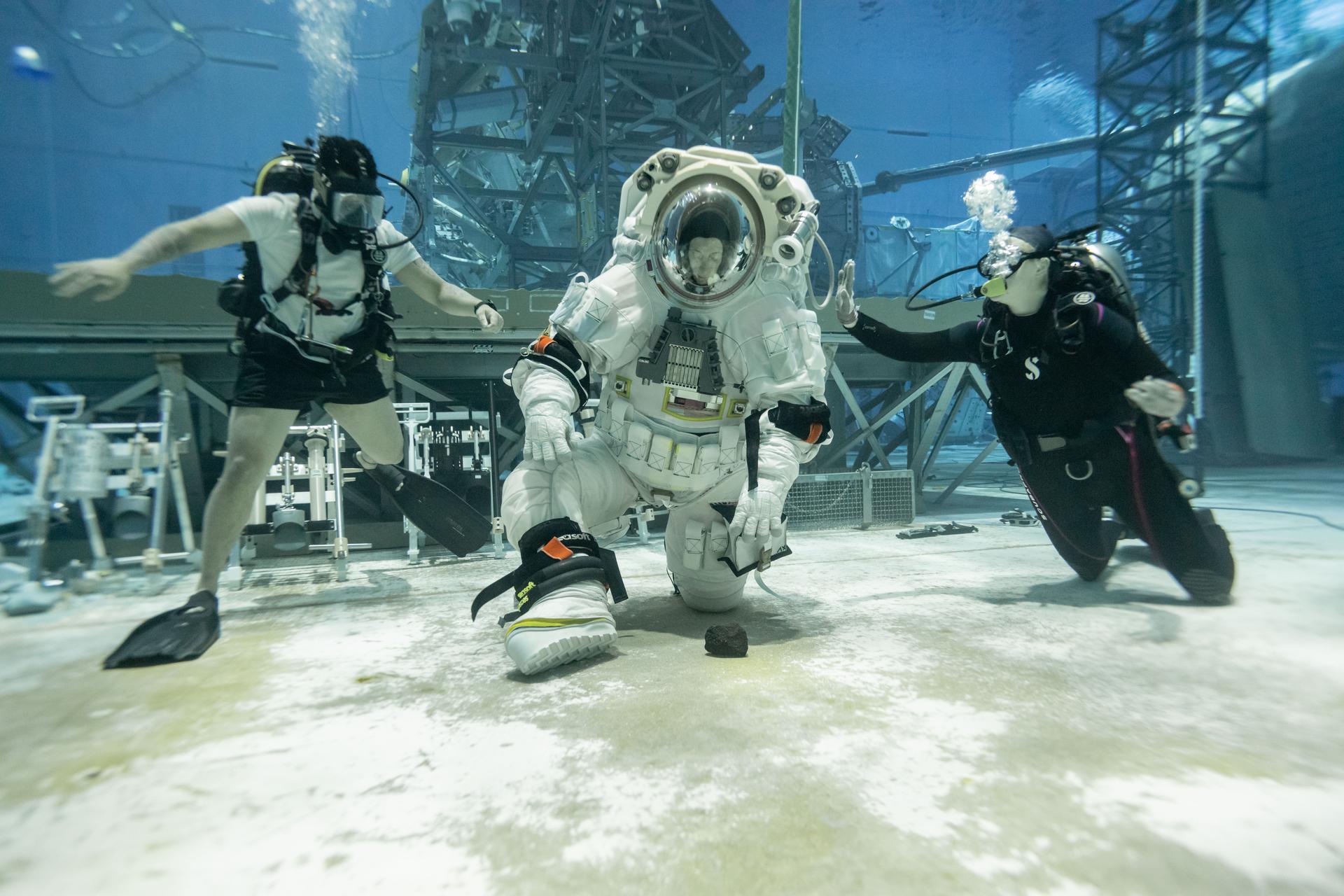
NASA astronaut Loral O’Hara kneels to pick up a rock while testing the mobility of Axiom Space’s lunar spacesuit. NASA and Axiom Space teams held the first dual spacesuit run at the Neutral Buoyancy Laboratory in Houston on September 24, 2025 with NASA Astronauts Stan Love and Loral O’Hara wearing Axiom Space’s lunar spacesuit, called the Axiom Extravehicular Mobility Unit (AxEMU). This was the final integration test in the pool, proving both the spacesuit and facility are prepped and ready for Artemis training.
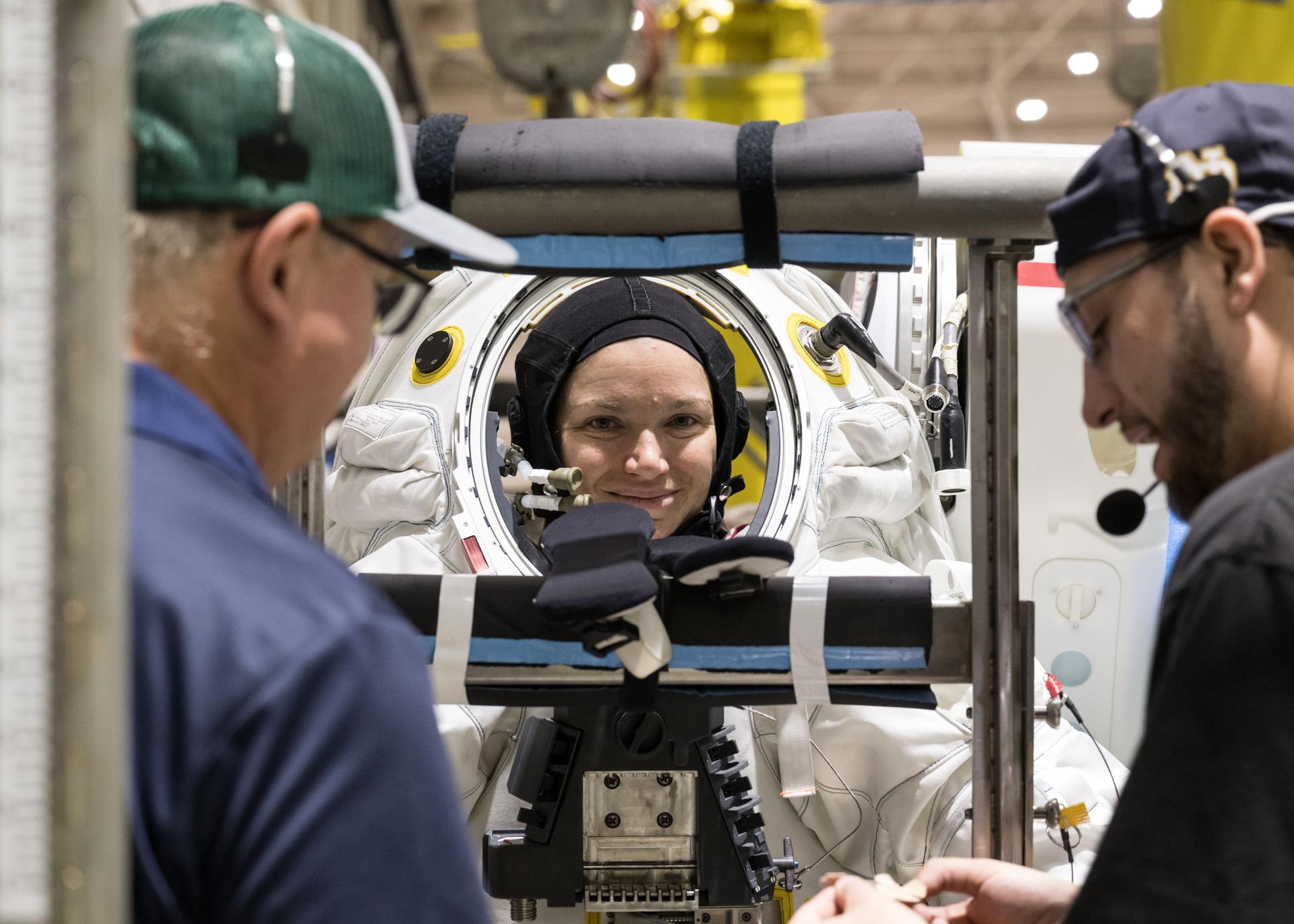
Canadian Space Agency astronaut Jenni Gibbons gets suited up in Axiom Space’s lunar spacesuit at NASA’s Neutral Buoyancy Laboratory in Houston. During a recent test series, NASA engineers and crewmembers wore the lunar spacesuit under water and conducted numerous tasks during simulated lunar operations to test its mobility and functionality and ensure the spacesuit is prepped and ready for Artemis training.
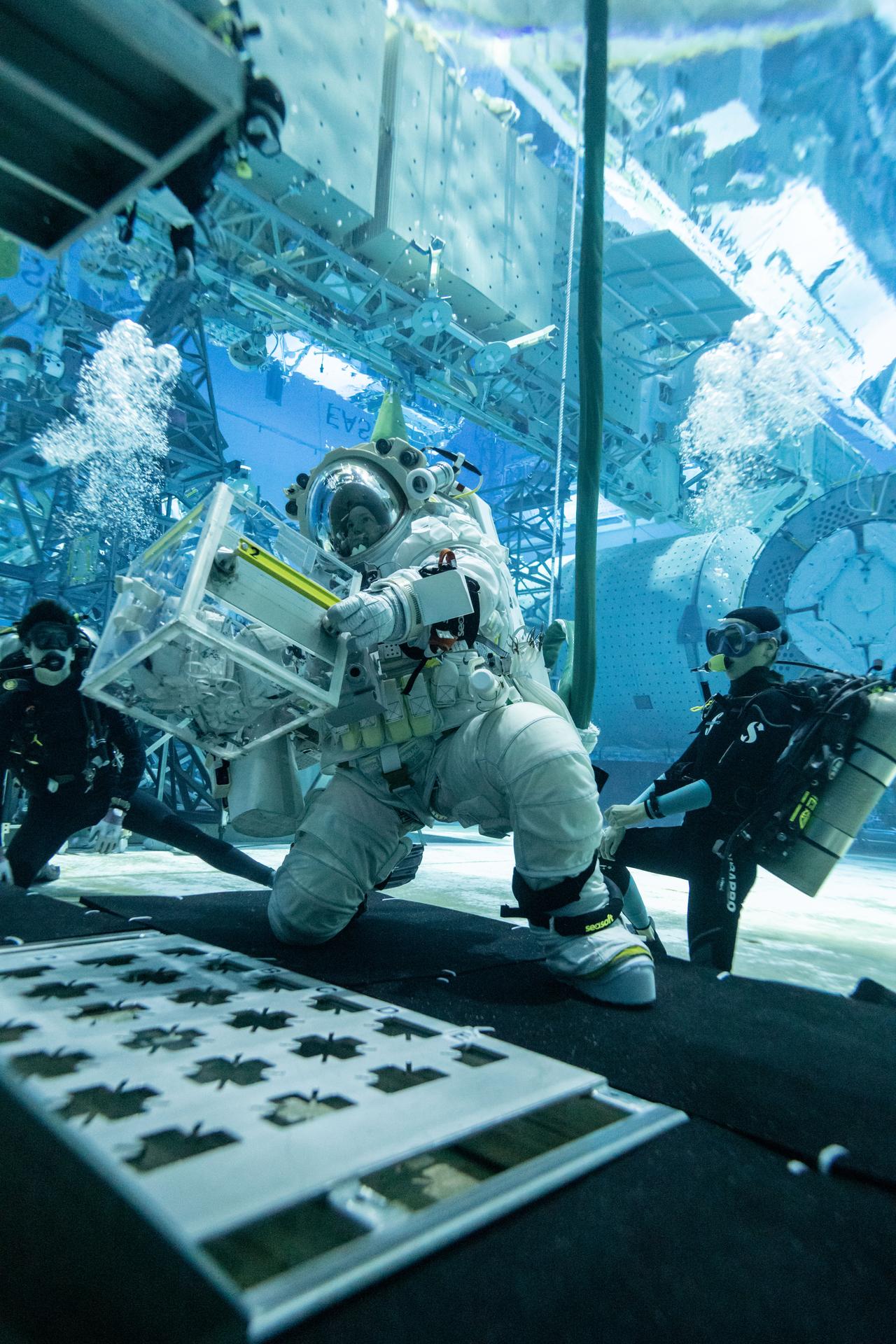
Canadian Space Agency astronaut Jenni Gibbons practices simulated lunar tasks under water while wearing Axiom Space’s lunar spacesuit at NASA’s Neutral Buoyancy Laboratory in Houston. During a recent test series, NASA engineers and crewmembers wore the lunar spacesuit under water and conducted numerous tasks during simulated lunar operations to test its mobility and functionality and ensure the spacesuit is prepped and ready for Artemis training.
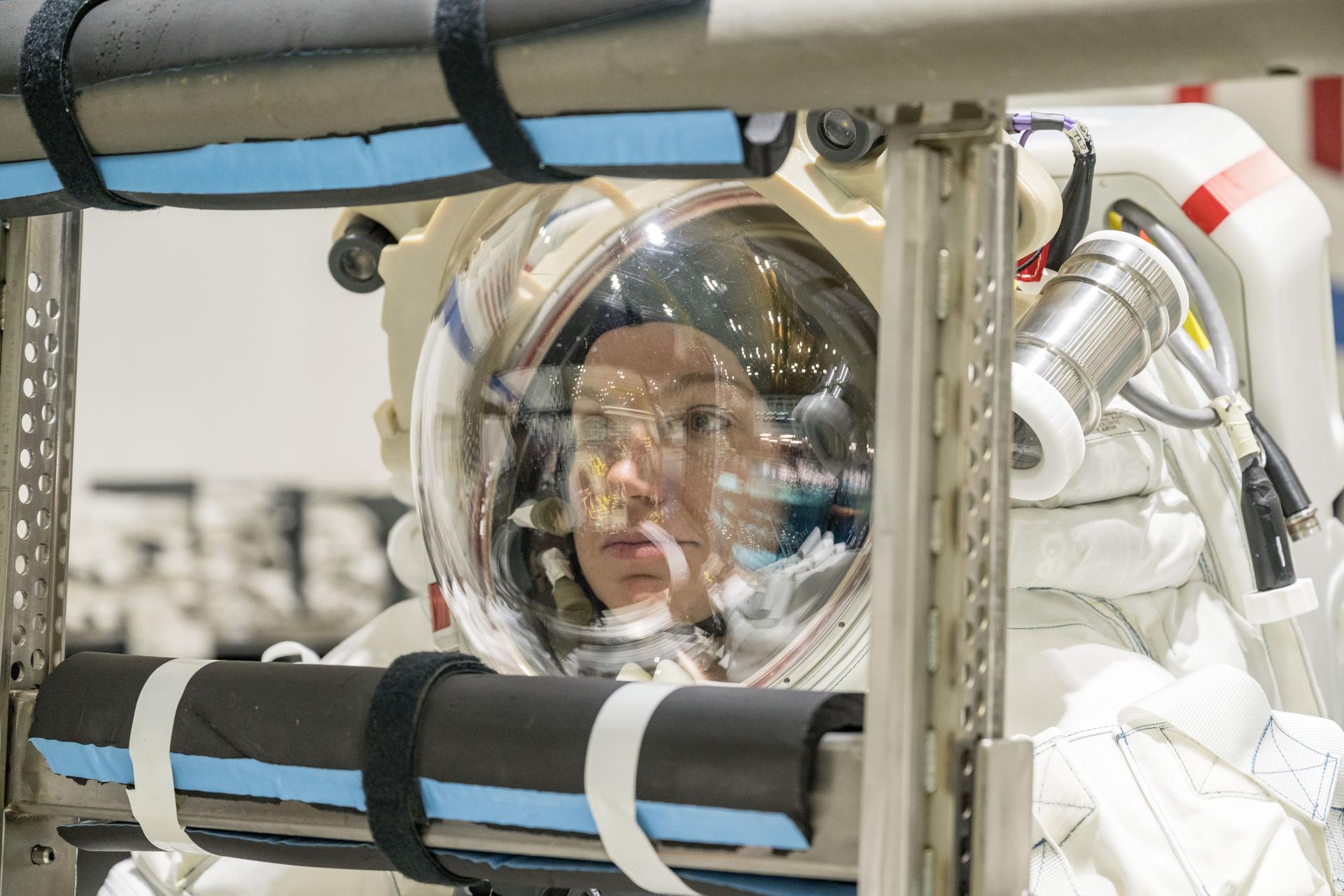
Canadian Space Agency astronaut Jenni Gibbons gets suited up in Axiom Space’s lunar spacesuit at NASA’s Neutral Buoyancy Laboratory in Houston. During a recent test series, NASA engineers and crewmembers wore the lunar spacesuit under water and conducted numerous tasks during simulated lunar operations to test its mobility and functionality and ensure the spacesuit is prepped and ready for Artemis training.
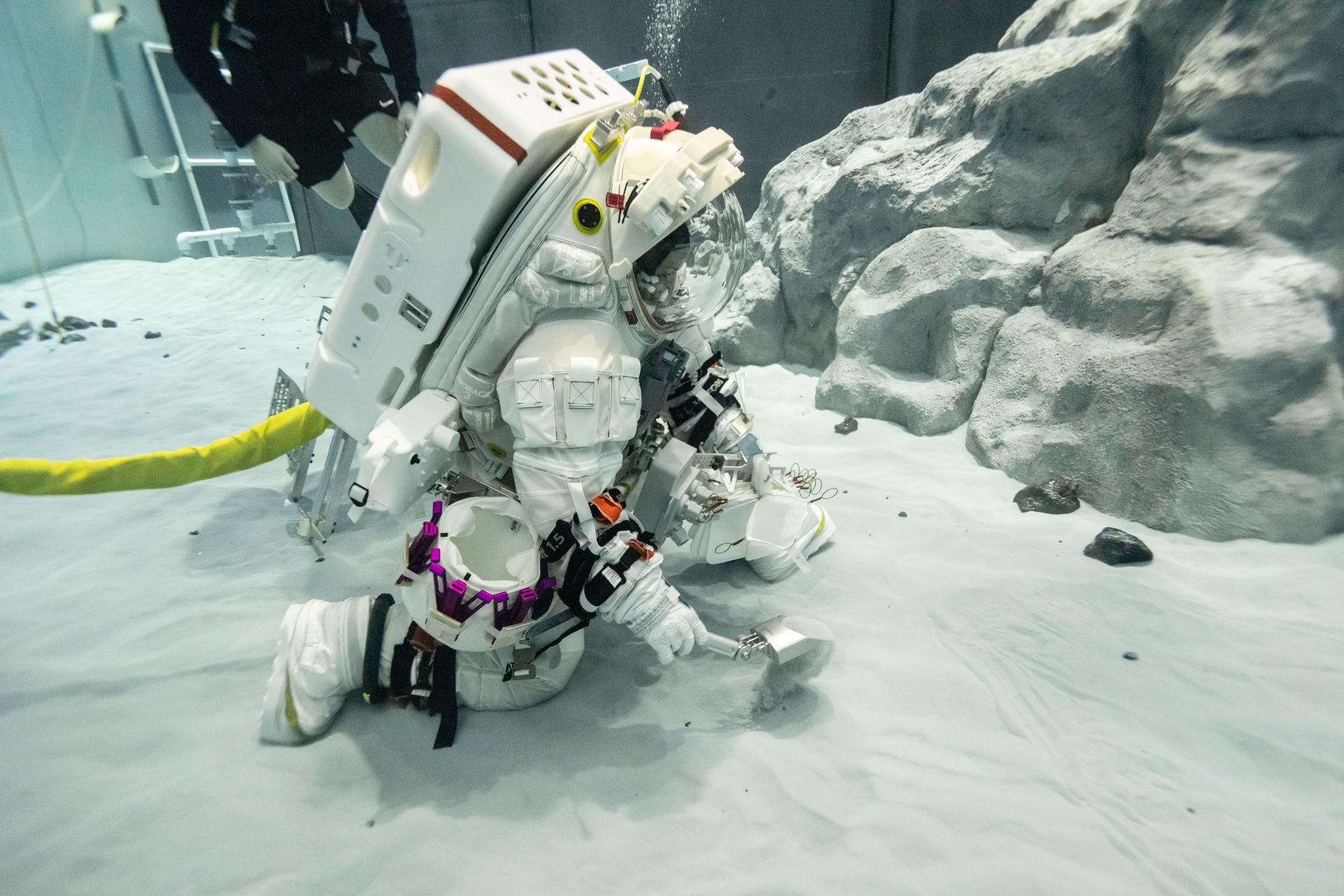
Canadian Space Agency astronaut Jenni Gibbons practices simulated lunar tasks under water while wearing Axiom Space’s lunar spacesuit at NASA’s Neutral Buoyancy Laboratory in Houston. During a recent test series, NASA engineers and crewmembers wore the lunar spacesuit under water and conducted numerous tasks during simulated lunar operations to test its mobility and functionality and ensure the spacesuit is prepped and ready for Artemis training.
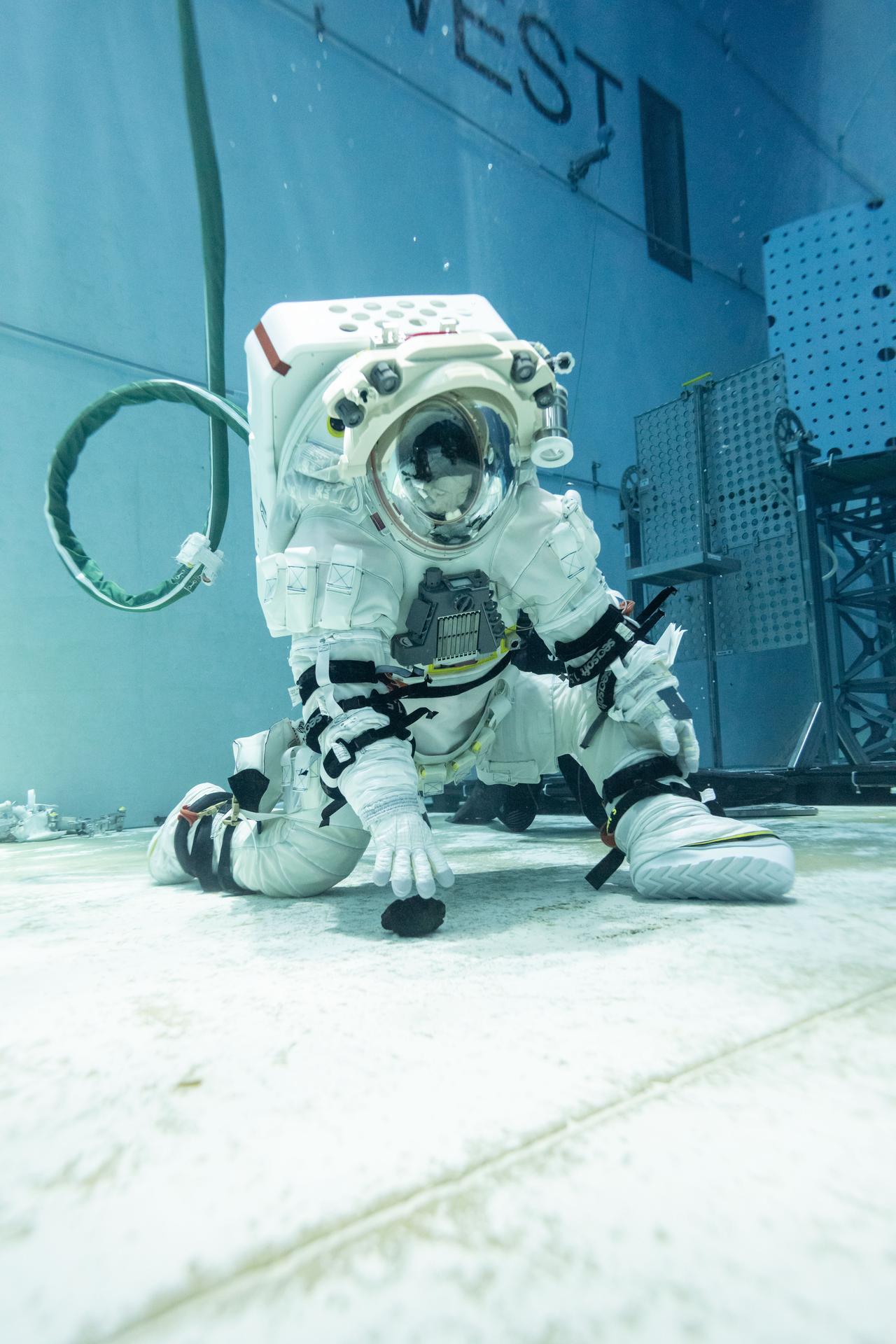
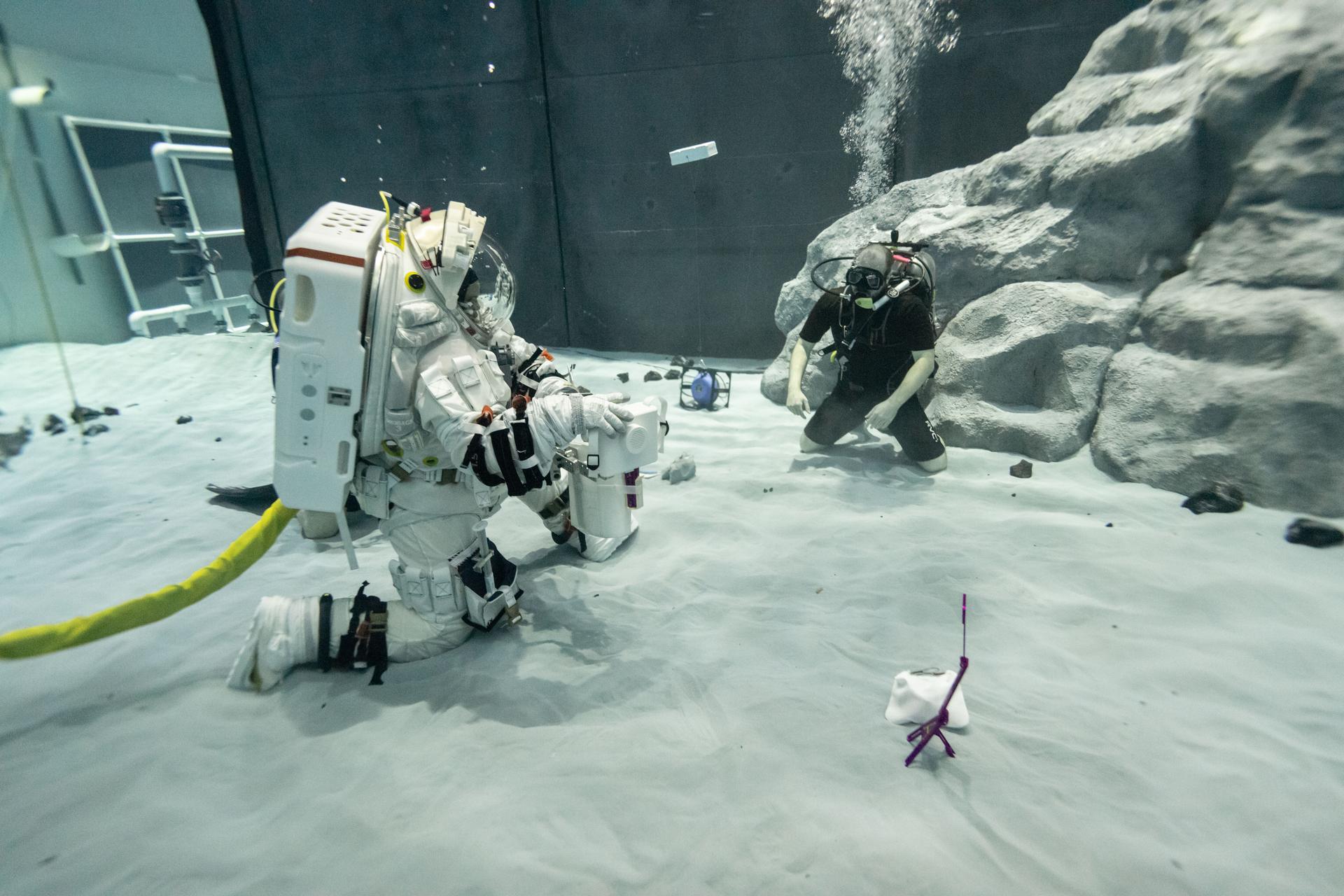
Canadian Space Agency astronaut Jenni Gibbons practices simulated lunar tasks under water while wearing Axiom Space’s lunar spacesuit at NASA’s Neutral Buoyancy Laboratory in Houston. During a recent test series, NASA engineers and crewmembers wore the lunar spacesuit under water and conducted numerous tasks during simulated lunar operations to test its mobility and functionality and ensure the spacesuit is prepped and ready for Artemis training.
Canadian Space Agency astronaut Jenni Gibbons practices simulated lunar tasks under water while wearing Axiom Space’s lunar spacesuit at NASA’s Neutral Buoyancy Laboratory in Houston. During a recent test series, NASA engineers and crewmembers wore the lunar spacesuit under water and conducted numerous tasks during simulated lunar operations to test its mobility and functionality and ensure the spacesuit is prepped and ready for Artemis training.
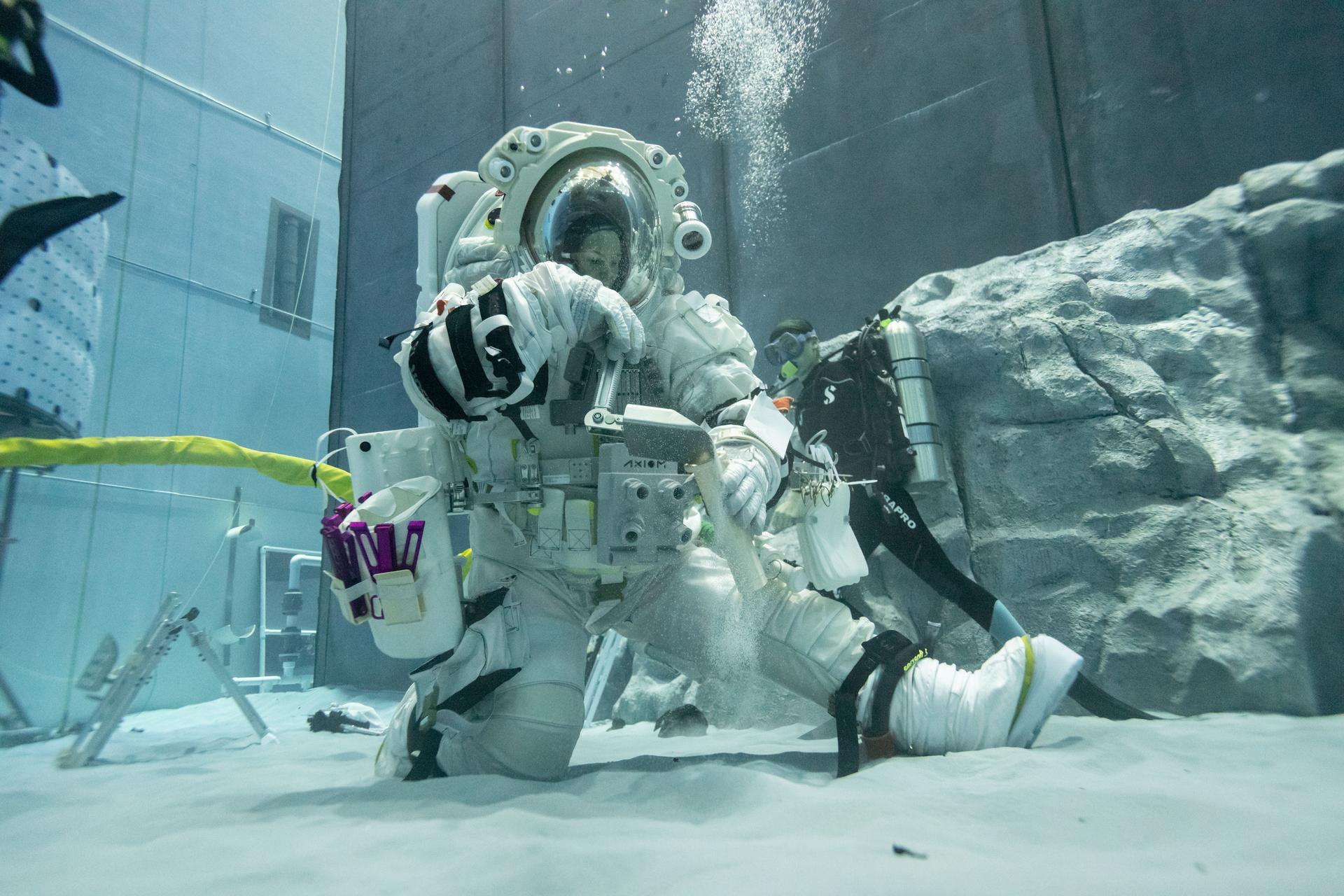
Canadian Space Agency astronaut Jenni Gibbons practices simulated lunar tasks under water while wearing Axiom Space’s lunar spacesuit at NASA’s Neutral Buoyancy Laboratory in Houston. During a recent test series, NASA engineers and crewmembers wore the lunar spacesuit under water and conducted numerous tasks during simulated lunar operations to test its mobility and functionality and ensure the spacesuit is prepped and ready for Artemis training.
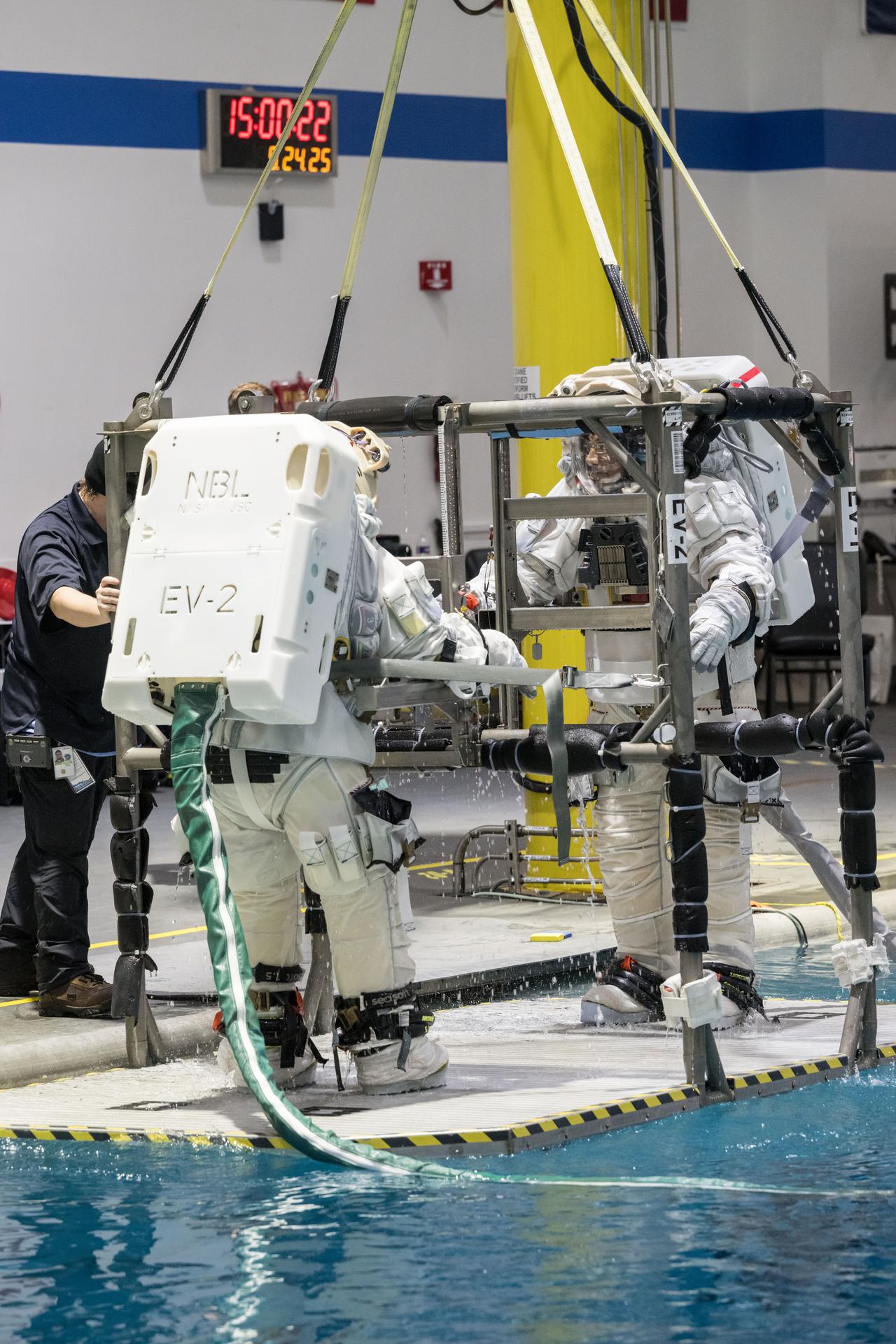
NASA and Axiom Space teams held the first dual spacesuit run at the Neutral Buoyancy Laboratory in Houston on September 24, 2025 with NASA Astronauts Stan Love and Loral O’Hara wearing Axiom Space’s lunar spacesuit, called the Axiom Extravehicular Mobility Unit (AxEMU). This was the final integration test in the pool, proving both the spacesuit and facility are prepped and ready for Artemis training.

This calibration target for Mars 2020's Scanning Habitable Environments with Raman & Luminescence for Organics & Chemicals (SHERLOC) instrument includes five samples of spacesuit material, the first to ever be flown to the Red Planet. By studying how these samples degrade in the Martian environment, engineers can develop better spacesuits. https://photojournal.jpl.nasa.gov/catalog/PIA23303

NASA Astronaut Frank Rubio trains for his upcoming mission to the International Space Station in a spacesuit at NASA's Johnson Space Center in Houston.

Exploration geologists and Artemis science officers Trevor Graff, left, and Angela Garcia carry out a lunar training development run at NASA’s Neutral Buoyancy Laboratory (NBL) in Houston. The NBL is a 40-foot deep pool at NASA’s Johnson Space Center where astronauts train for spacewalks in a neutrally buoyant environment. During the session, Garcia and Graff conducted tests of Artemis geology tools and deployed a mock lunar payload under low-angle lighting conditions similar to what astronauts will encounter at the Moon’s south pole. A section of the NBL, which contains full-scale mockups of the International Space Station modules, has been transformed into a lunar training area with soil and rocks that mimic the Moon’s landscape. This testing run marked the first time in the Artemis program that two geologists were suited up simultaneously for lunar geology training in the NBL. The team is using insights from these tests to build the training program for astronauts assigned to future landed missions on the Moon. Credit: NASA
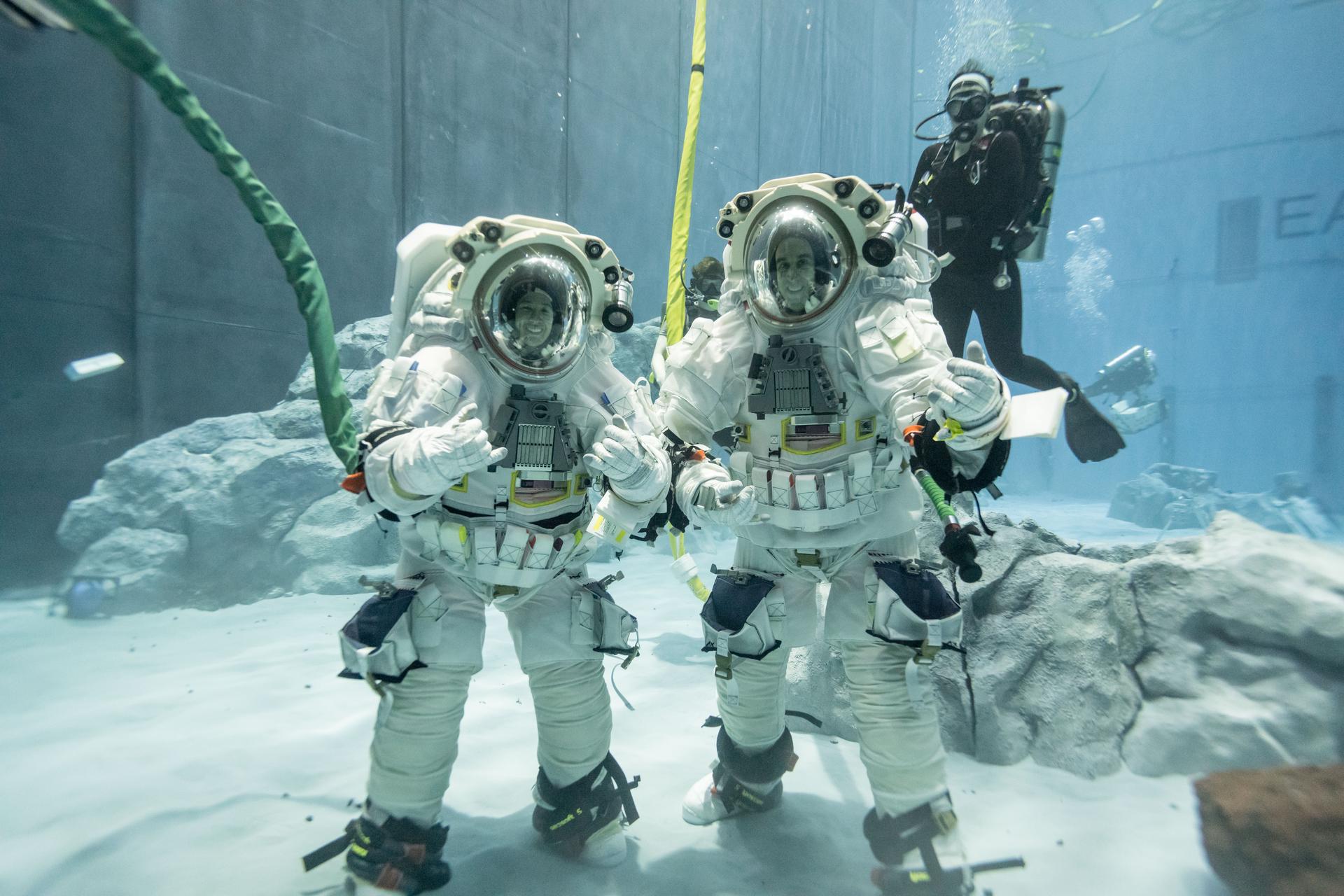
Exploration geologists and Artemis science officers Trevor Graff, left, and Angela Garcia carry out a lunar training development run at NASA’s Neutral Buoyancy Laboratory (NBL) in Houston. The NBL is a 40-foot deep pool at NASA’s Johnson Space Center where astronauts train for spacewalks in a neutrally buoyant environment. During the session, Garcia and Graff conducted tests of Artemis geology tools and deployed a mock lunar payload under low-angle lighting conditions similar to what astronauts will encounter at the Moon’s south pole. A section of the NBL, which contains full-scale mockups of the International Space Station modules, has been transformed into a lunar training area with soil and rocks that mimic the Moon’s landscape. This testing run marked the first time in the Artemis program that two geologists were suited up simultaneously for lunar geology training in the NBL. The team is using insights from these tests to build the training program for astronauts assigned to future landed missions on the Moon. Credit: NASA
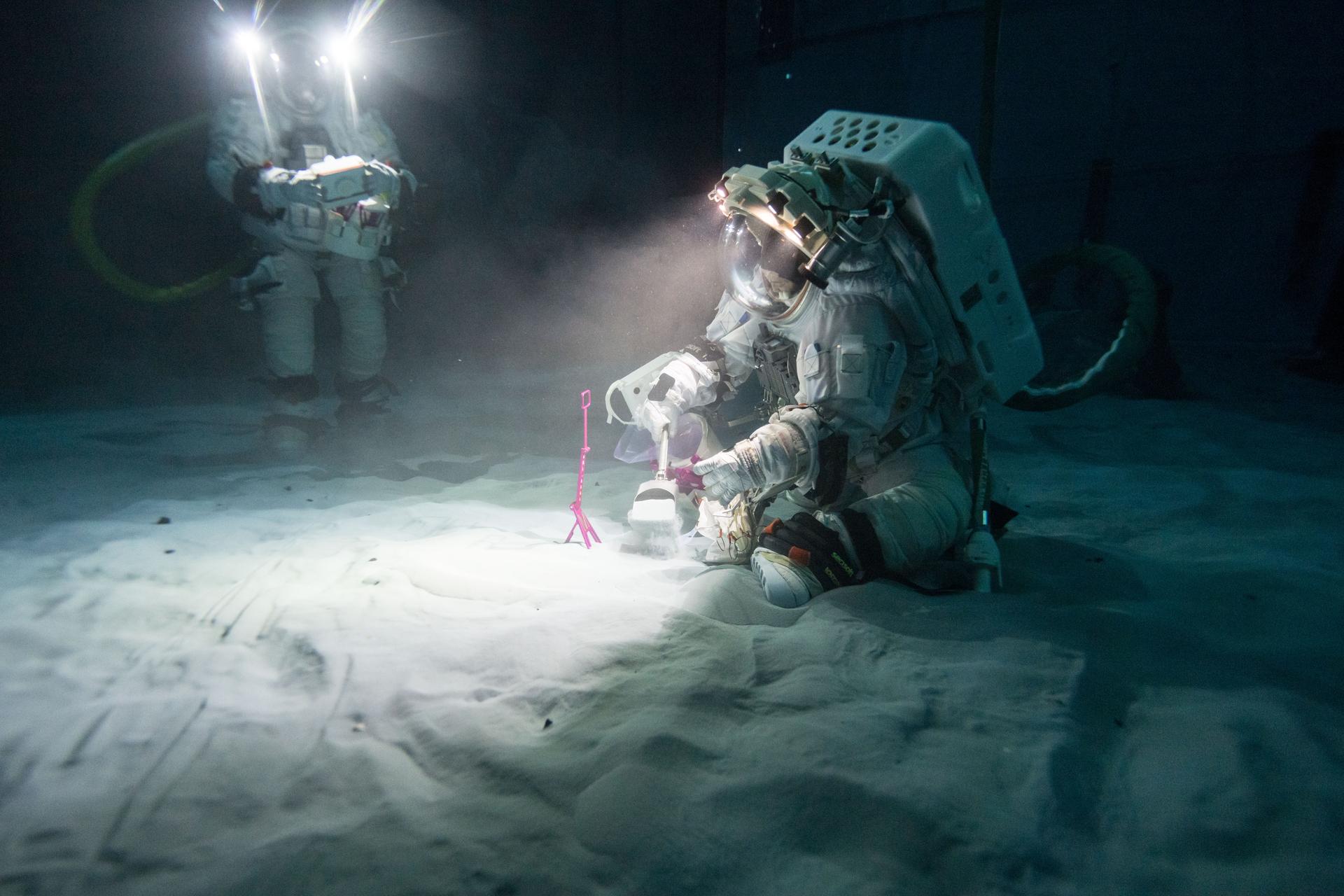
Exploration geologists and Artemis science officers Trevor Graff, left, and Angela Garcia carry out a lunar training development run at NASA’s Neutral Buoyancy Laboratory (NBL) in Houston. The NBL is a 40-foot deep pool at NASA’s Johnson Space Center where astronauts train for spacewalks in a neutrally buoyant environment. During the session, Garcia and Graff conducted tests of Artemis geology tools and deployed a mock lunar payload under low-angle lighting conditions similar to what astronauts will encounter at the Moon’s south pole. A section of the NBL, which contains full-scale mockups of the International Space Station modules, has been transformed into a lunar training area with soil and rocks that mimic the Moon’s landscape. This testing run marked the first time in the Artemis program that two geologists were suited up simultaneously for lunar geology training in the NBL. The team is using insights from these tests to build the training program for astronauts assigned to future landed missions on the Moon. Credit: NASA
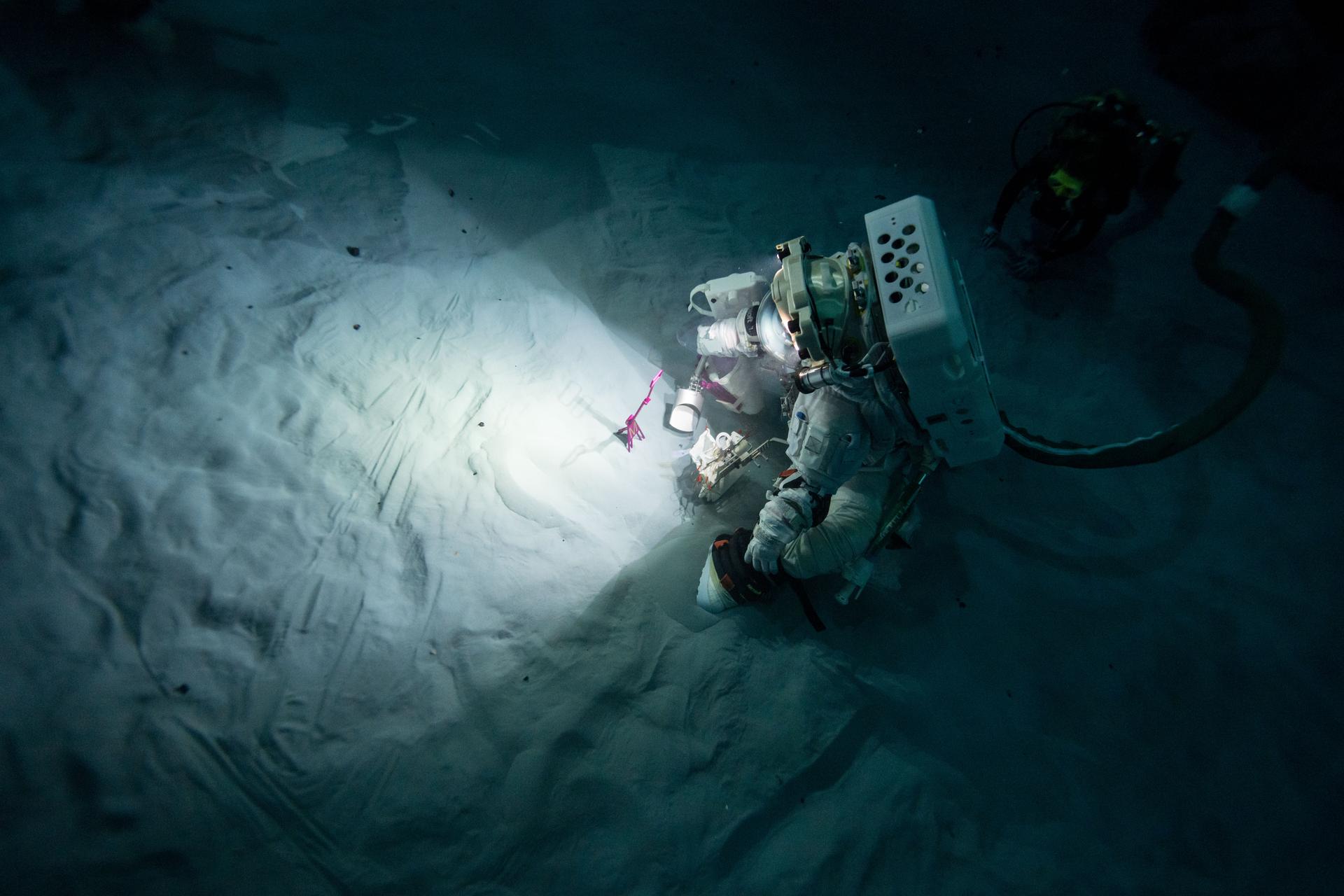
Exploration geologist and Artemis science officer Angela Garcia carries out a lunar training development run at NASA’s Neutral Buoyancy Laboratory (NBL) in Houston. The NBL is a 40-foot deep pool at NASA’s Johnson Space Center where astronauts train for spacewalks in a neutrally buoyant environment. During the session, Garcia and fellow exploration geologist and Artemis science officer Trevor Graff conducted tests of Artemis geology tools and deployed a mock lunar payload under low-angle lighting conditions similar to what astronauts will encounter at the Moon’s south pole. A section of the NBL, which contains full-scale mockups of the International Space Station modules, has been transformed into a lunar training area with soil and rocks that mimic the Moon’s landscape. This testing run marked the first time in the Artemis program that two geologists were suited up simultaneously for lunar geology training in the NBL. The team is using insights from these tests to build the training program for astronauts assigned to future landed missions on the Moon. Credit: NASA
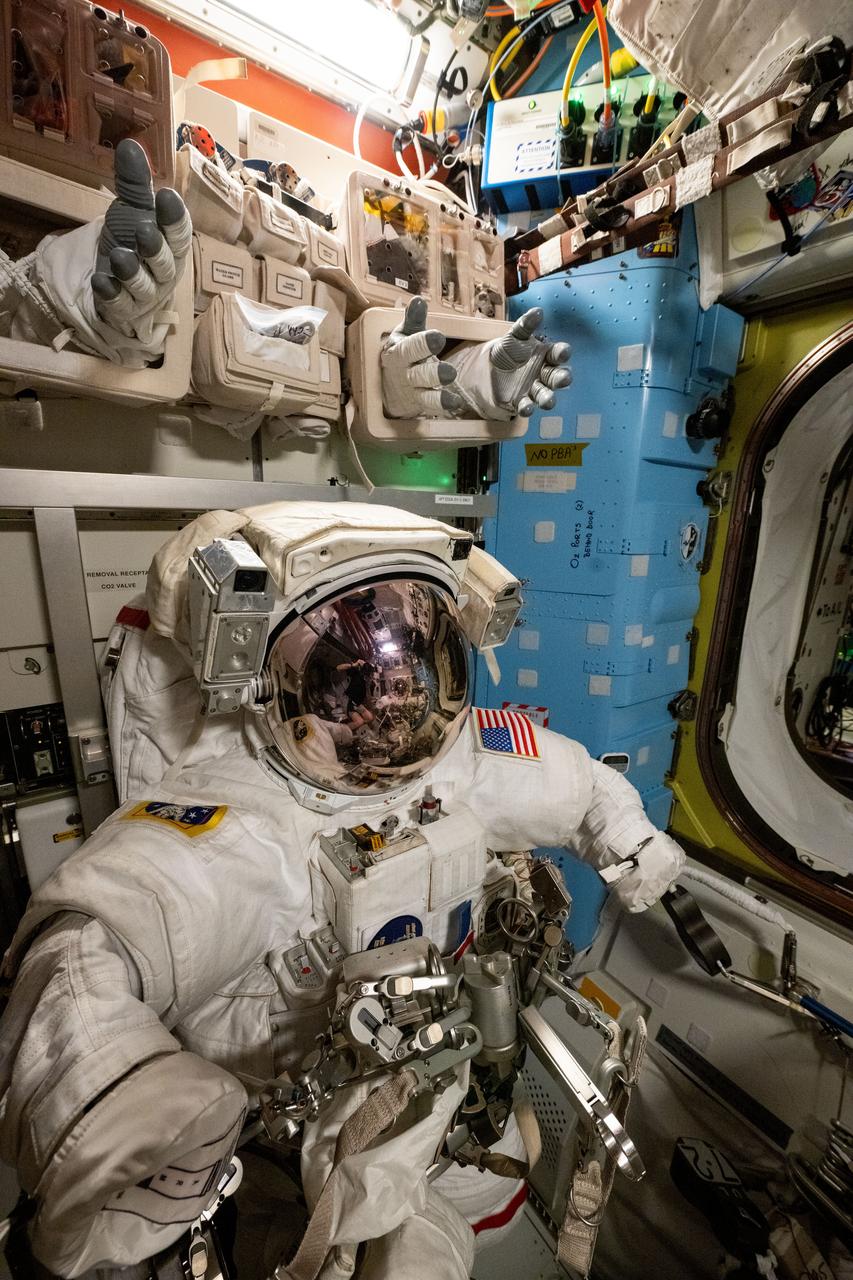
iss072e518461 (Jan. 23, 2025) --- A spacesuit is pictured staged inside the International Space Station's Quest airlock ahead of a spacewalk planned for NASA astronauts Suni Williams and Butch Wilmore. The two spacewalkers are scheduled to exit the Quest airlock on Jan. 30 to remove a radio frequency group antenna assembly and search for microbes outside the orbital outpost. At top, spacesuit gloves are stowed above the spacesuits for easy access when astronauts are preparing to begin a spacewalk.

SpaceX unveiled its spacesuit that will be worn by astronauts aboard its Crew Dragon spacecraft during missions to and from the International Space Station.

iss058e015351 (Feb. 17, 2019) --- A pair of spacesuits are pictured during servicing work inside the International Space Station's Quest airlock where U.S. spacewalks are staged.

iss054e022341 (Jan. 18, 2018) --- NASA astronaut Scott Tingle wears a U.S. spacesuit inside the Quest Airlock preparing for his first spacewalk.

NASA Astronaut Frank Rubio dons a spacesuit at the Neutral Buoyancy Laboratory at NASA's Johnson Space Center in Houston to train for spacewalks.

The SpaceX spacesuit that will be worn by astronauts aboard its Crew Dragon spacecraft (in the background) during missions to and from the International Space Station. SpaceX is developing its Crew Dragon spacecraft and Falcon 9 rocket in partnership with NASA’s Commercial Crew Program to carry astronauts to and from the space station.
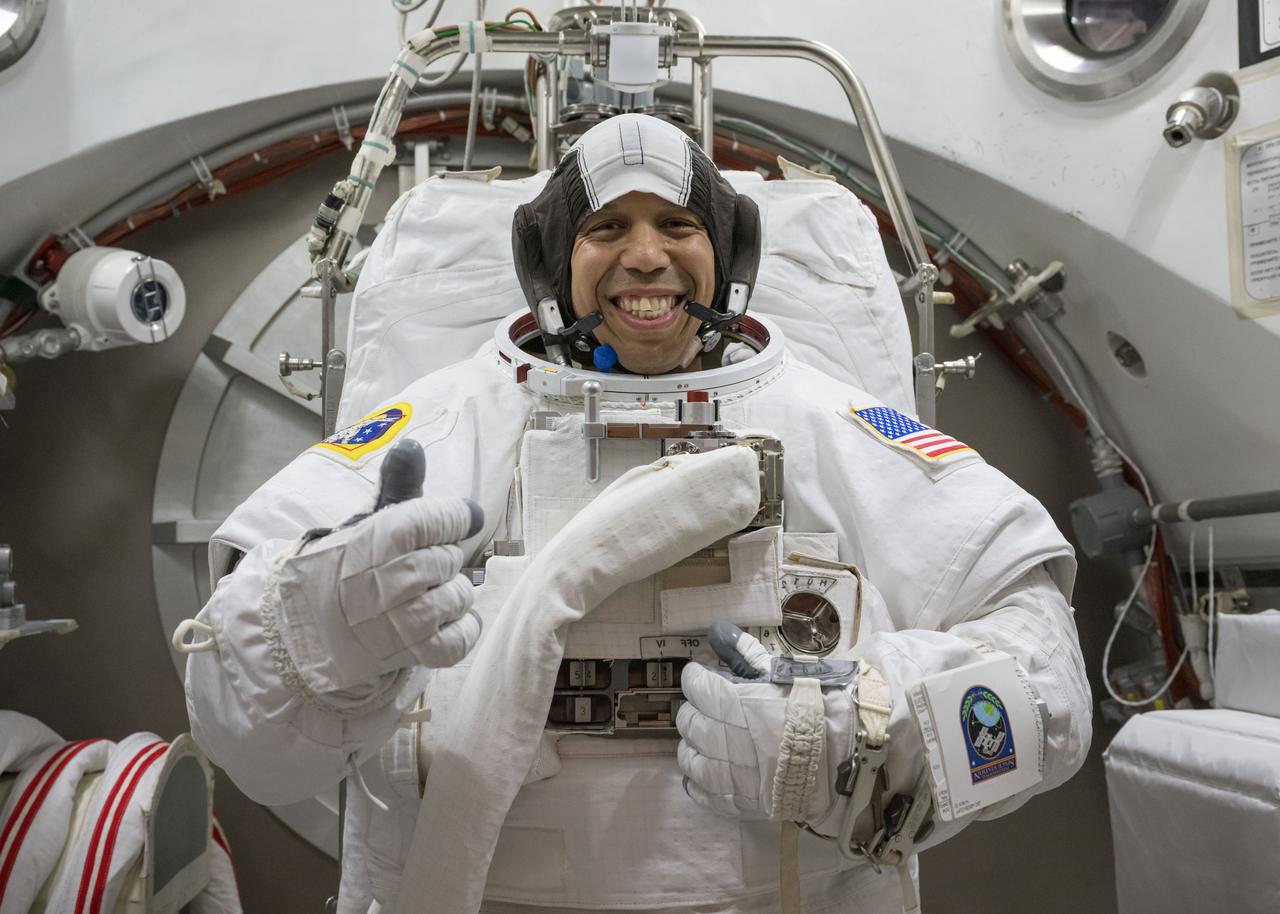
jsc2025e044433 (May 6, 2025) --- NASA astronaut Chris Williams poses for a photo in an Extravehicular Mobility Unit spacesuit during vacuum chambers testing at NASA’s Johnson Space Center in Houston, Texas.
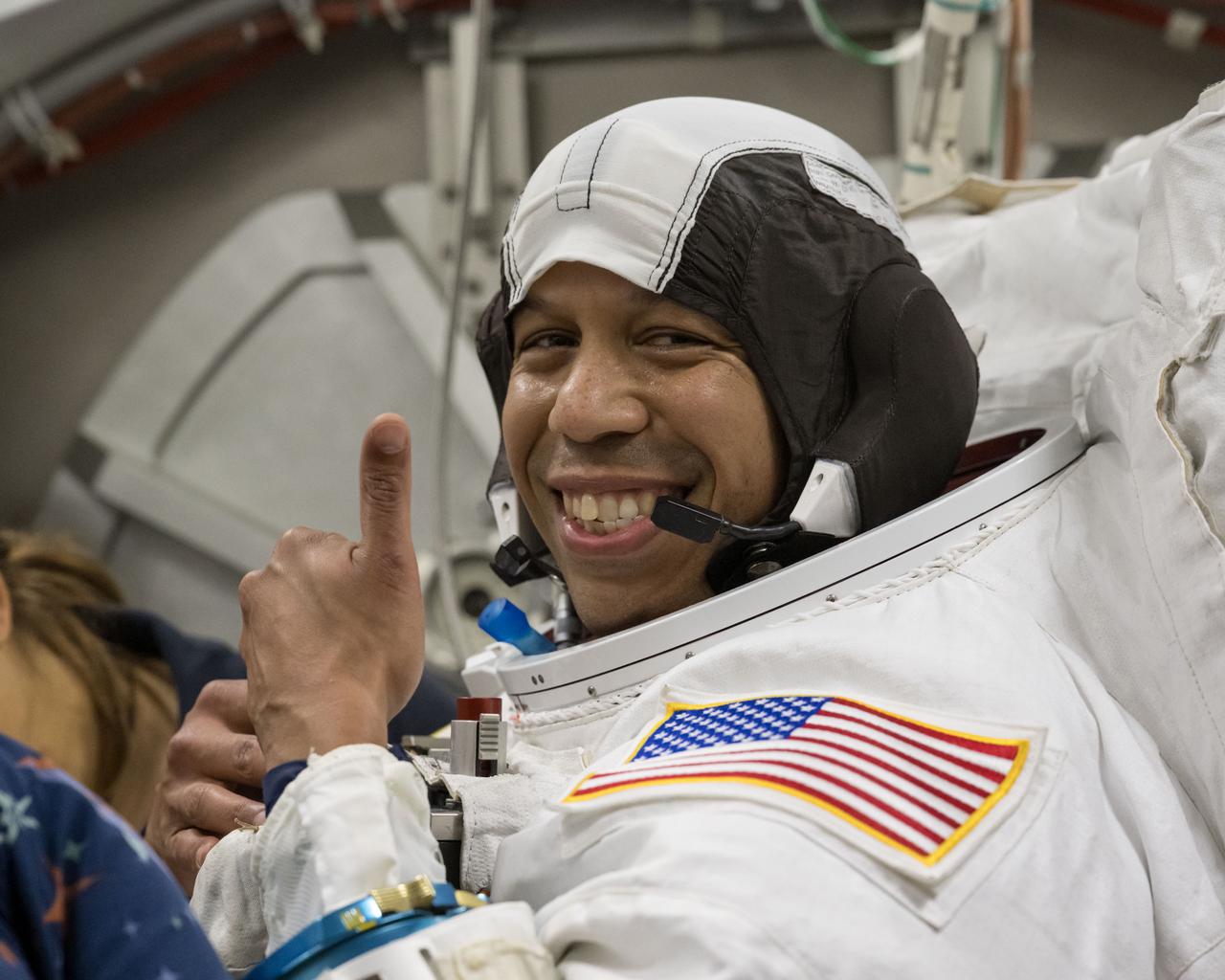
jsc2025e044425 (May 6, 2025) --- NASA astronaut Chris Williams poses for a photo in an Extravehicular Mobility Unit spacesuit during vacuum chambers testing at NASA’s Johnson Space Center in Houston, Texas.
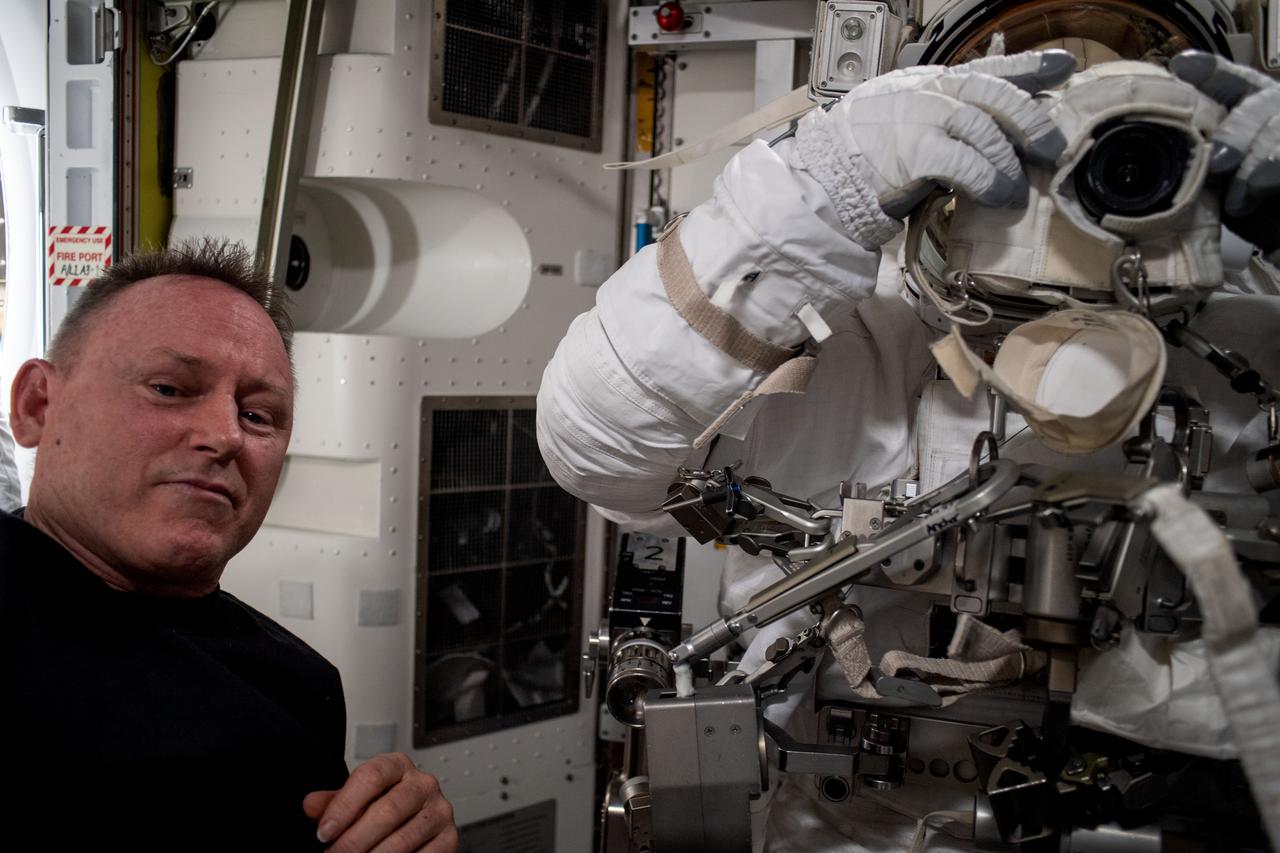
iss072e451640 (Jan. 9, 2025) --- NASA astronaut and Expedition 72 Flight Engineer Butch Wilmore (left) assists NASA astronaut Nick Hague (right) as he tries on and evaluates his spacesuit in a pressurized configuration aboard the International Space Station's Quest airlock. Hague is pictured holding a spacewalking camera in front of his spacesuit's helmet shield.
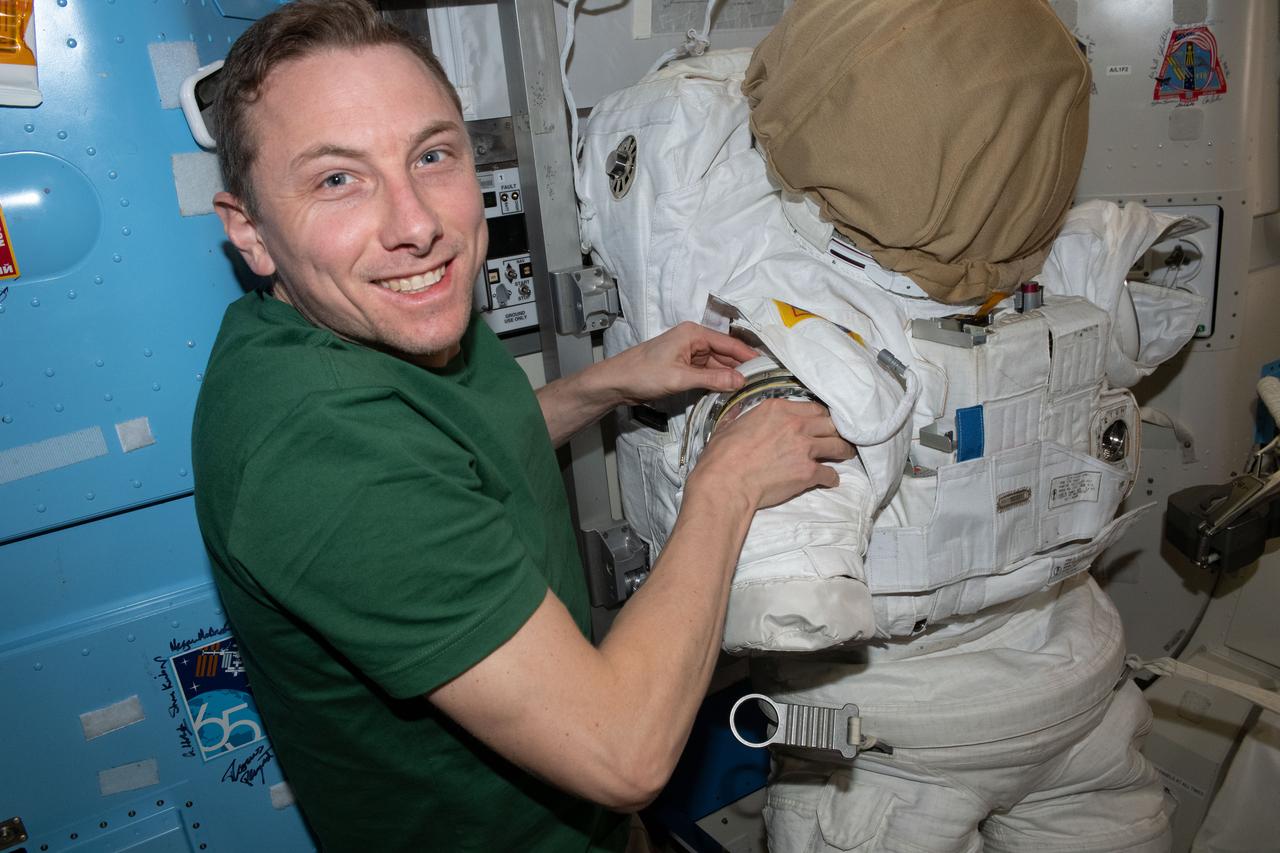
iss069e003918 (April 17, 2023) --- NASA astronaut and Expedition 69 Flight Engineer Woody Hoburg prepares an Extravehicular Mobility Unit, or spacesuit, inside the International Space Station's Quest airlock for an upcoming spacewalk.
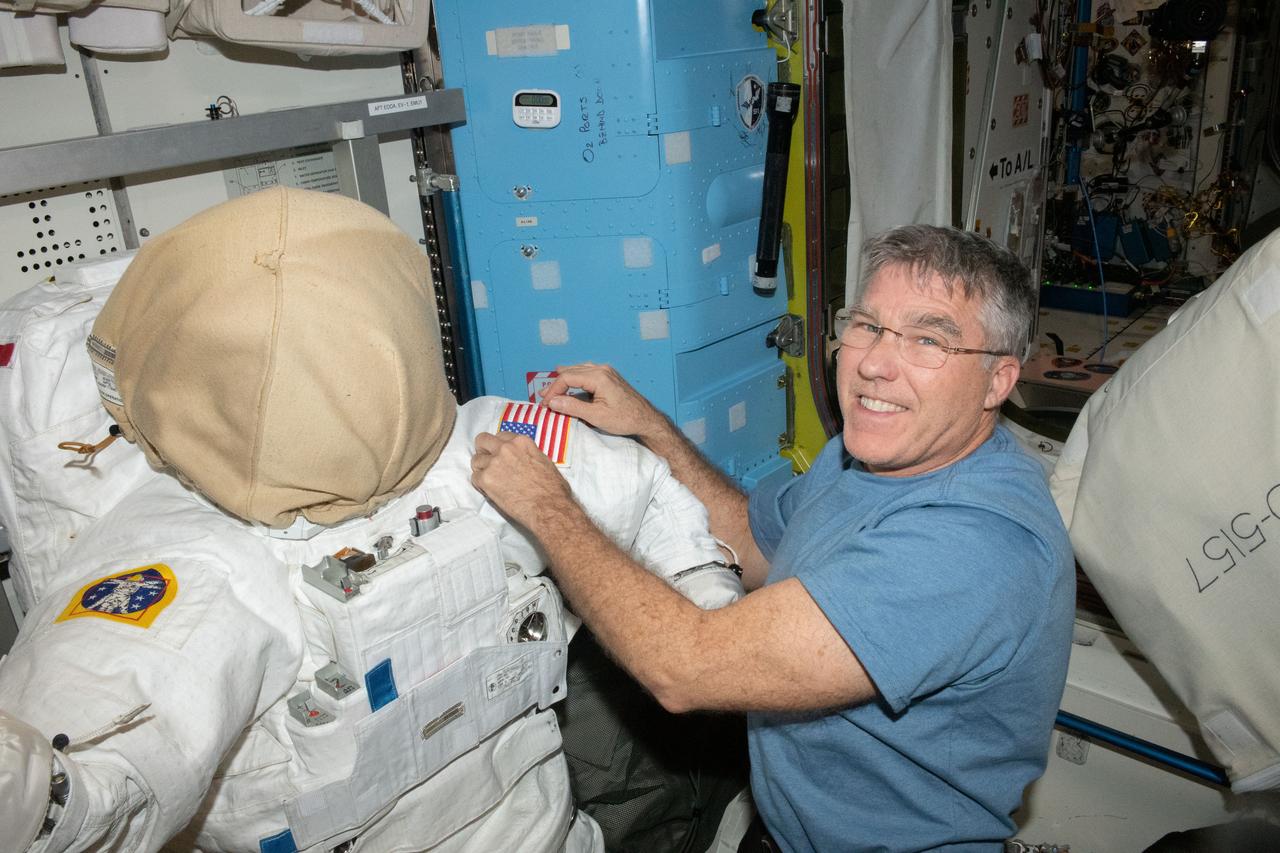
iss069e003944 (April 17, 2023) --- NASA astronaut and Expedition 69 Flight Engineer Stephen Bowen prepares an Extravehicular Mobility Unit, or spacesuit, inside the International Space Station's Quest airlock for an upcoming spacewalk.
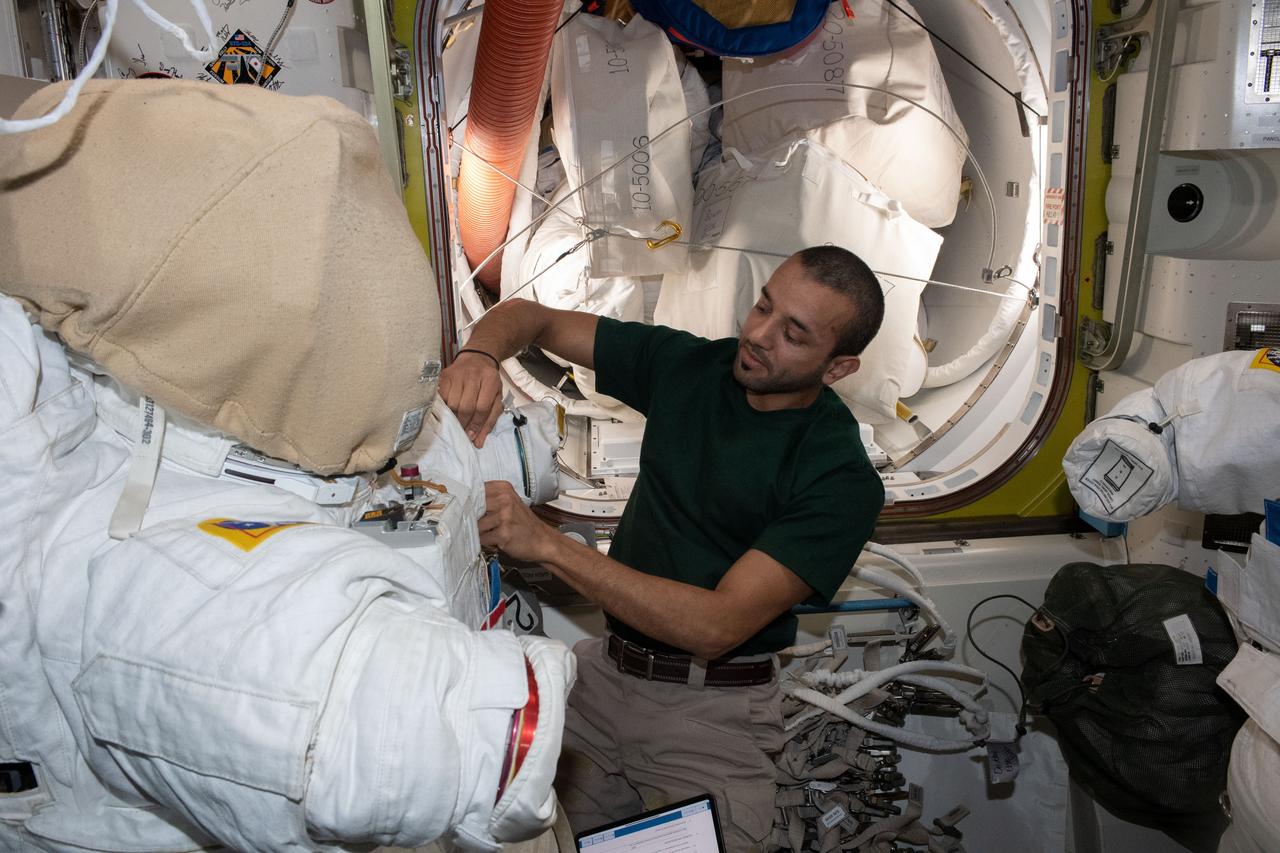
iss069e003933 (April 17, 2023) --- UAE (United Arab Emirates) astronaut and Expedition 69 Flight Engineer Sultan Alneyadi prepares an Extravehicular Mobility Unit, or spacesuit, inside the International Space Station's Quest airlock for an upcoming spacewalk.
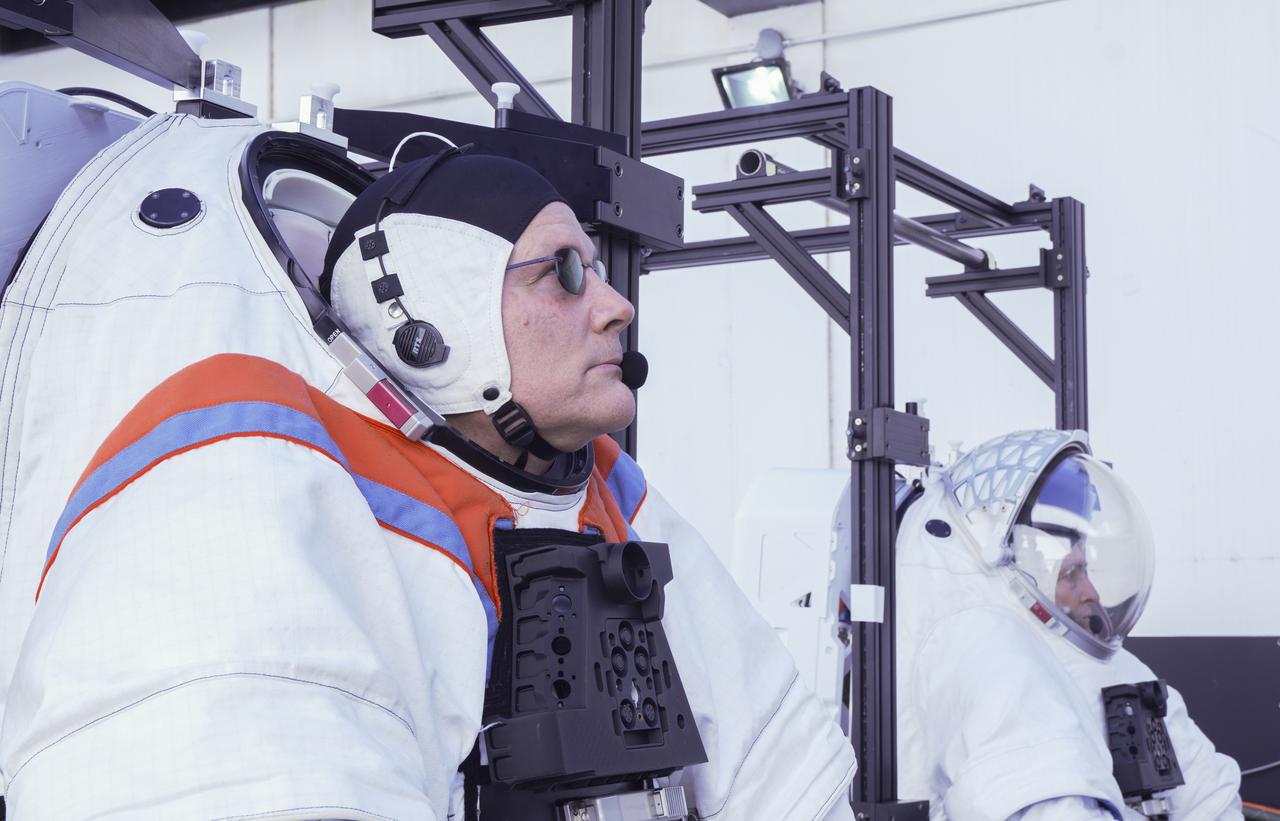
NASA astronaut Doug “Wheels” Wheelock and Axiom Space astronaut Peggy Whitson prepare for a test of full-scale mockups of spacesuits developed by Axiom Space and SpaceX’s Starship human landing system developed for NASA’s Artemis missions to the Moon. Image Credit: SpaceX
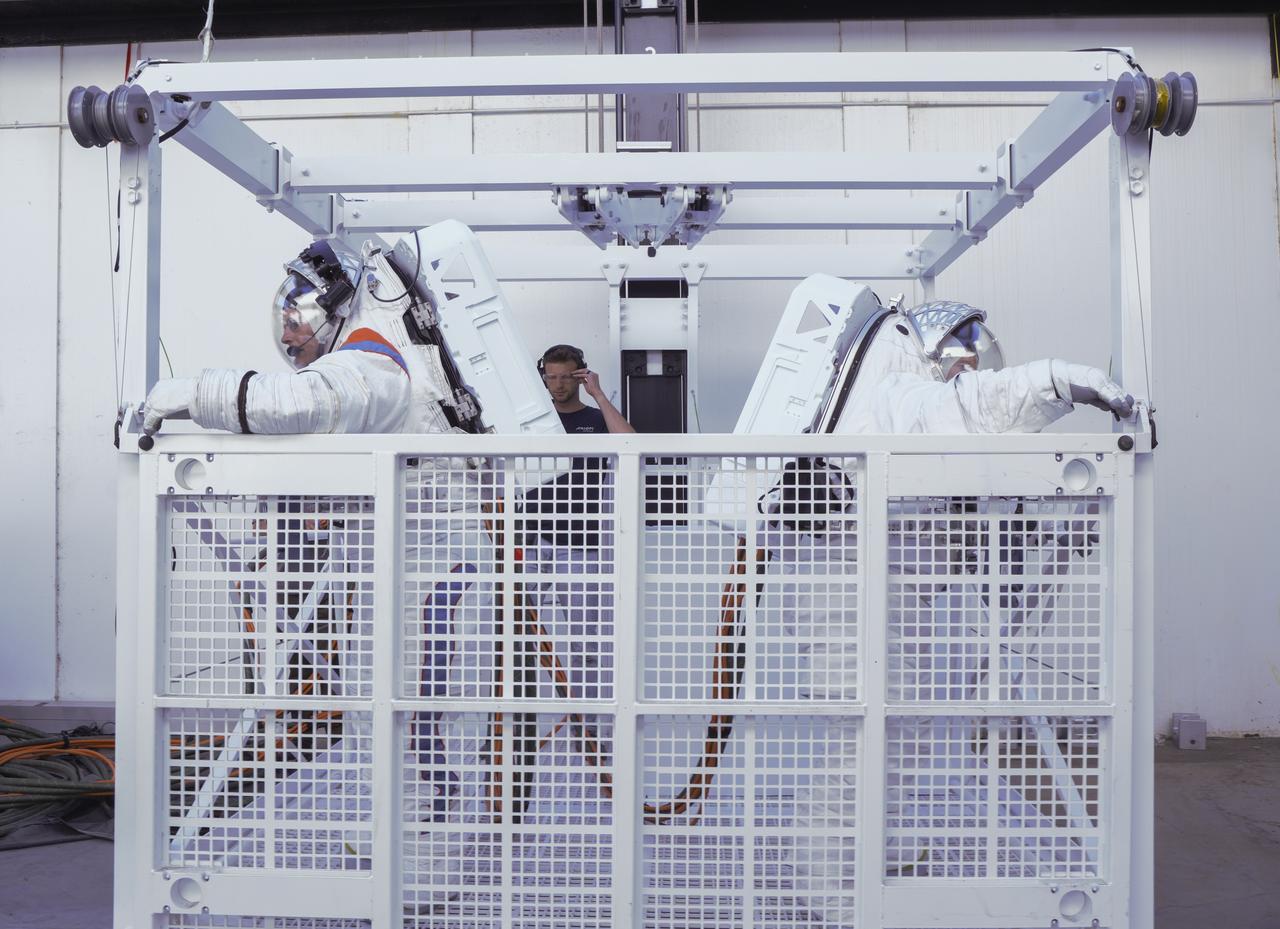
NASA astronaut Doug "Wheels" Wheelock and Axiom Space astronaut Peggy Whitson were able to test the agility of the spacesuits by conducting movements and tasks similar to those necessary during lunar surface exploration on Artemis missions, such as operating the full-scale mockup of Starship’s elevator gate. Image Credit: SpaceX

NASA Administrator Jim Bridenstine, left, gives a thumbs up as Amy Ross, a spacesuit engineer at NASA’s Johnson Space Center, center, high fives Kristine Davis, a spacesuit engineer at NASA’s Johnson Space Center, wearing a ground prototype of NASA’s new Exploration Extravehicular Mobility Unit (xEMU), after a demonstration of the suits enhanced mobility, Tuesday, Oct. 15, 2019 at NASA Headquarters in Washington. The xEMU suit improves on the suits previous worn on the Moon during the Apollo era and those currently in use for spacewalks outside the International Space Station and will be will be worn by first woman and next man as they explore the Moon as part of the agency’s Artemis program. Photo Credit: (NASA/Joel Kowsky)

NASA Administrator Jim Bridenstine, left, and Amy Ross, a spacesuit engineer at NASA’s Johnson Space Center, left, are seen with Kristine Davis, a spacesuit engineer at NASA’s Johnson Space Center, wearing a ground prototype of NASA’s new Exploration Extravehicular Mobility Unit (xEMU), during a demonstration of the suit, Tuesday, Oct. 15, 2019 at NASA Headquarters in Washington. The xEMU suit improves on the suits previous worn on the Moon during the Apollo era and those currently in use for spacewalks outside the International Space Station and will be worn by first woman and next man as they explore the Moon as part of the agency’s Artemis program. Photo Credit: (NASA/Joel Kowsky)

NASA Administrator Jim Bridenstine, left, and Amy Ross, a spacesuit engineer at NASA’s Johnson Space Center, left, are seen with Kristine Davis, a spacesuit engineer at NASA’s Johnson Space Center, wearing a ground prototype of NASA’s new Exploration Extravehicular Mobility Unit (xEMU), during a demonstration of the suit, Tuesday, Oct. 15, 2019 at NASA Headquarters in Washington. The xEMU suit improves on the suits previous worn on the Moon during the Apollo era and those currently in use for spacewalks outside the International Space Station and will be worn by first woman and next man as they explore the Moon as part of the agency’s Artemis program. Photo Credit: (NASA/Joel Kowsky)
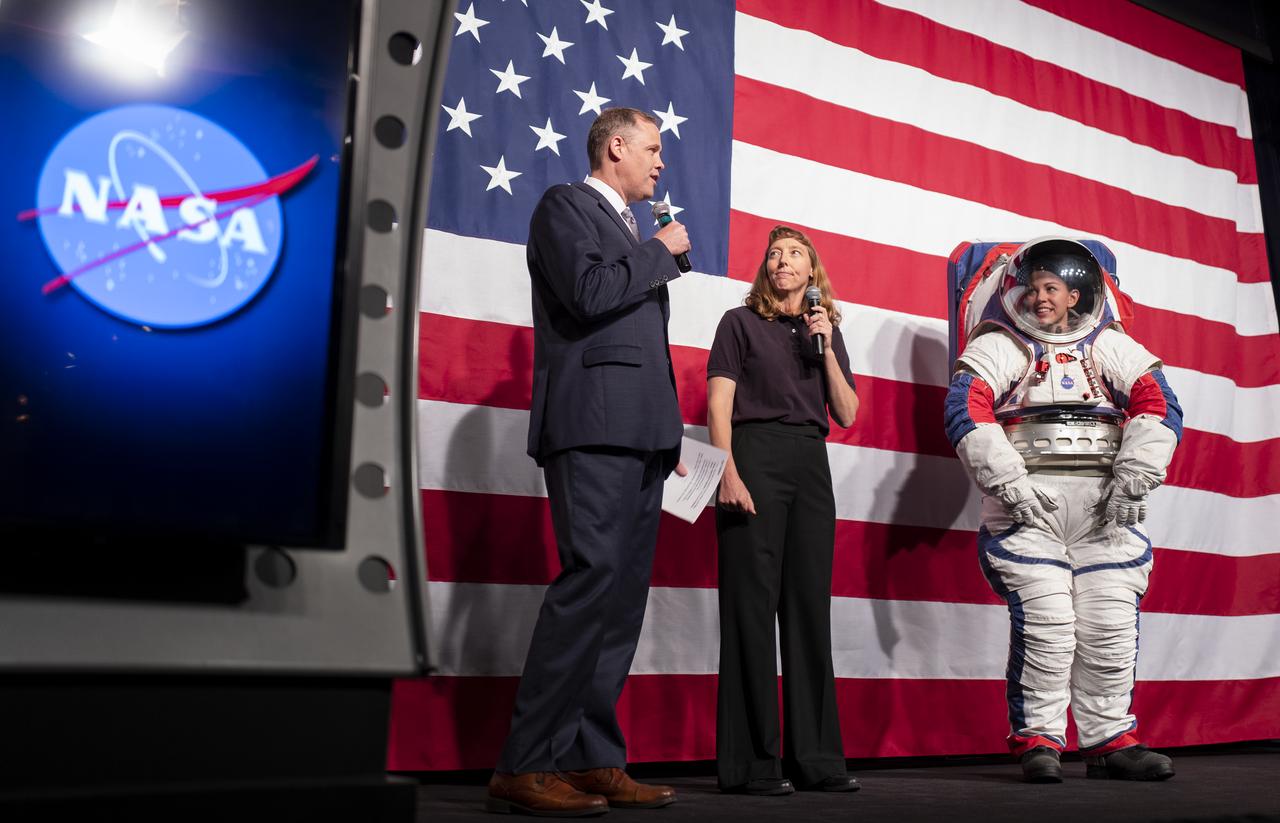
NASA Administrator Jim Bridenstine, left, and Amy Ross, a spacesuit engineer at NASA’s Johnson Space Center, left, are seen with Kristine Davis, a spacesuit engineer at NASA’s Johnson Space Center, wearing a ground prototype of NASA’s new Exploration Extravehicular Mobility Unit (xEMU), during a demonstration of the suit, Tuesday, Oct. 15, 2019 at NASA Headquarters in Washington. The xEMU suit improves on the suits previous worn on the Moon during the Apollo era and those currently in use for spacewalks outside the International Space Station and will be will be worn by first woman and next man as they explore the Moon as part of the agency’s Artemis program. Photo Credit: (NASA/Joel Kowsky)

Amy Ross, a spacesuit engineer at NASA’s Johnson Space Center, is seen with Kristine Davis, a spacesuit engineer at NASA’s Johnson Space Center, wearing a ground prototype of NASA’s new Exploration Extravehicular Mobility Unit (xEMU), during a demonstration of the suit, Tuesday, Oct. 15, 2019 at NASA Headquarters in Washington. The xEMU suit improves on the suits previous worn on the Moon during the Apollo era and those currently in use for spacewalks outside the International Space Station and will be worn by first woman and next man as they explore the Moon as part of the agency’s Artemis program. Photo Credit: (NASA/Joel Kowsky)
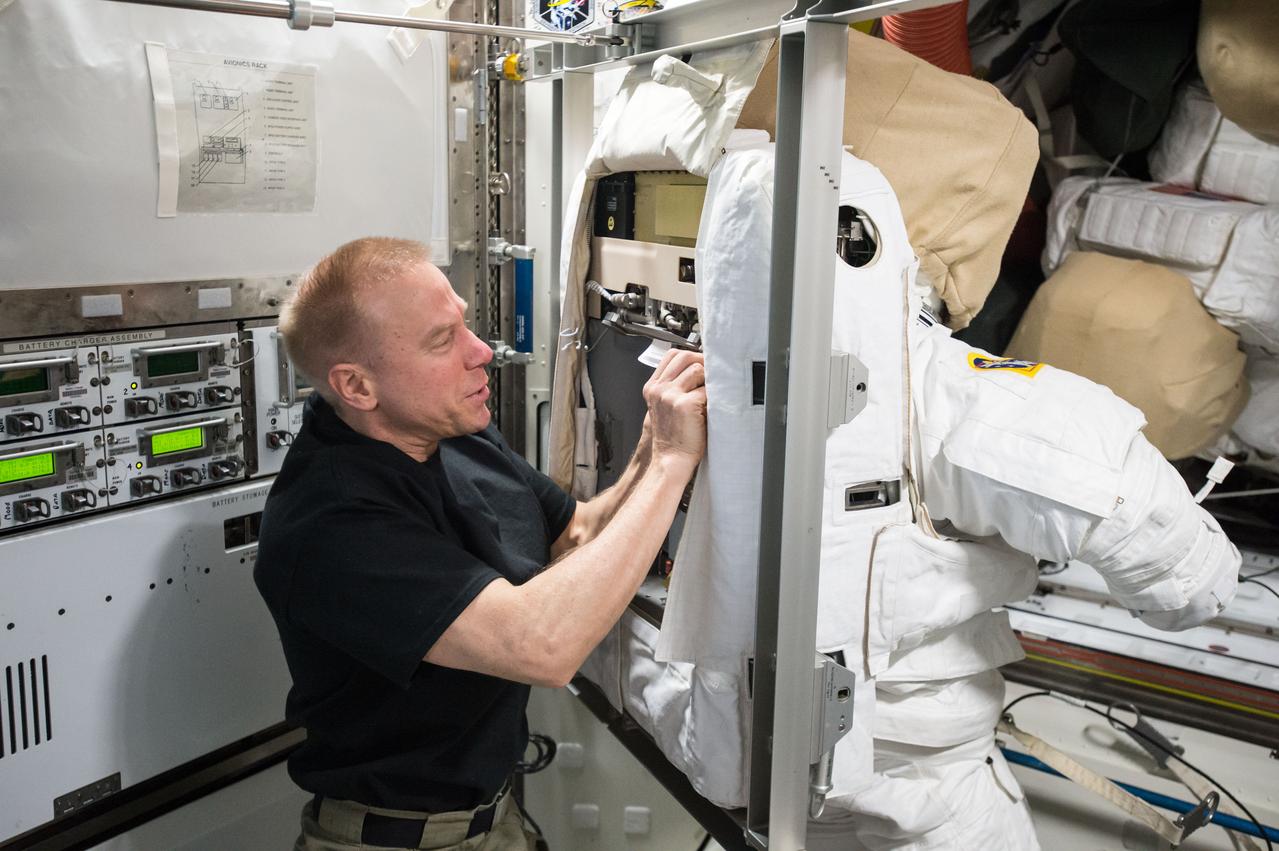
ISS047e048133 (04/01/2016) --- NASA astronaut Tim Kopra prepares a U.S. Extravehicular Mobility Unit (EMU) spacesuit for cooling loop maintenance. Spacesuits on-board the International Space Station get routine maintenance between spacewalks.

S82-26645 (March 1982) --- Spacesuit inner gloves consist of pressure bladders covered by Beta Cloth. EVA outer gloves are made of Beta Cloth, Mylar and a metallic mesh hand area. The thumb and fingertips of the glove are molded of silicone rubber to permit a degree of sensitivity. The inner gloves attach to the suit by pressure sealing rings, similar to these used in helmet-to-suit connections. The outer gloves served as a cover to protect from micrometeorites, abrasions and heat.
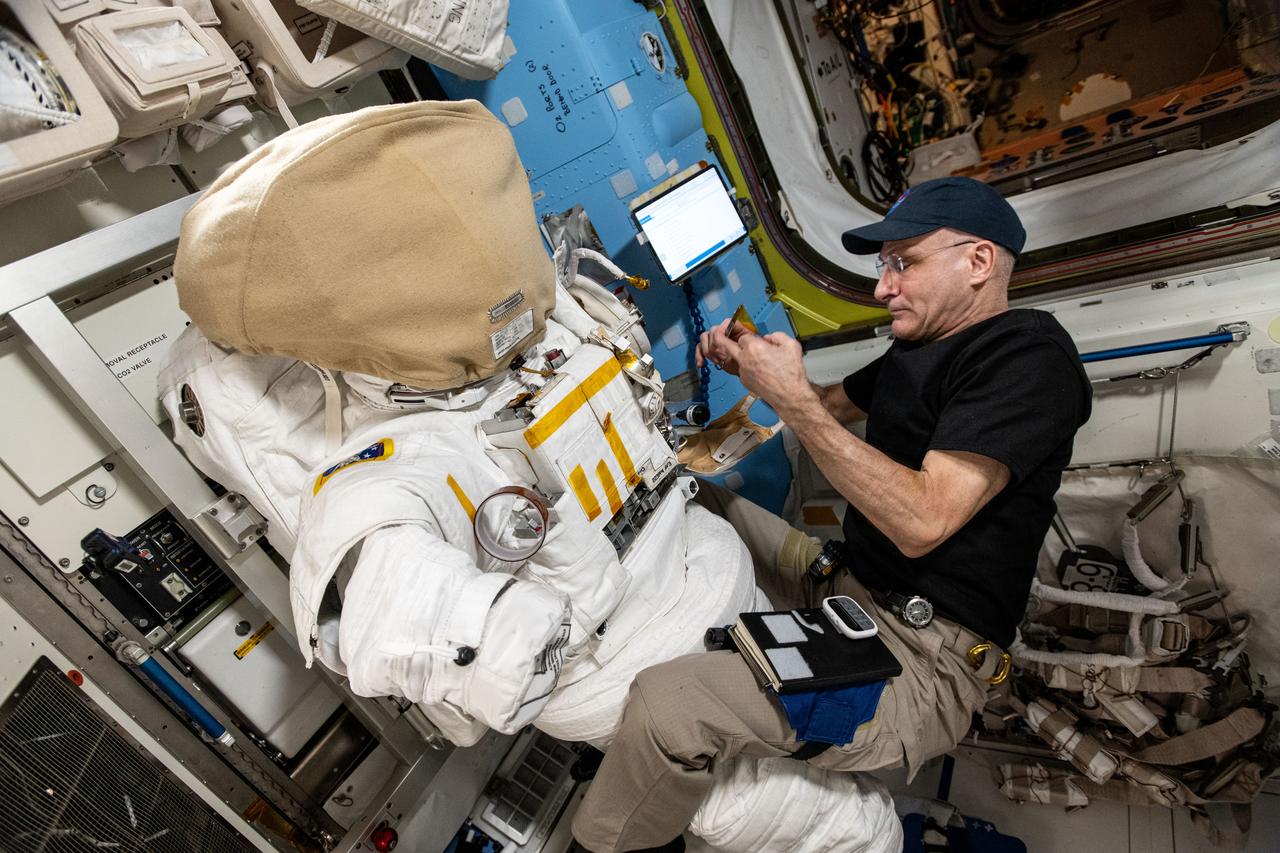
iss072e920821 (April 4, 2025) --- NASA astronaut and Expedition 72 Flight Engineer Don Pettit inspects a spacesuit aboard the International Space Station's Quest airlock.
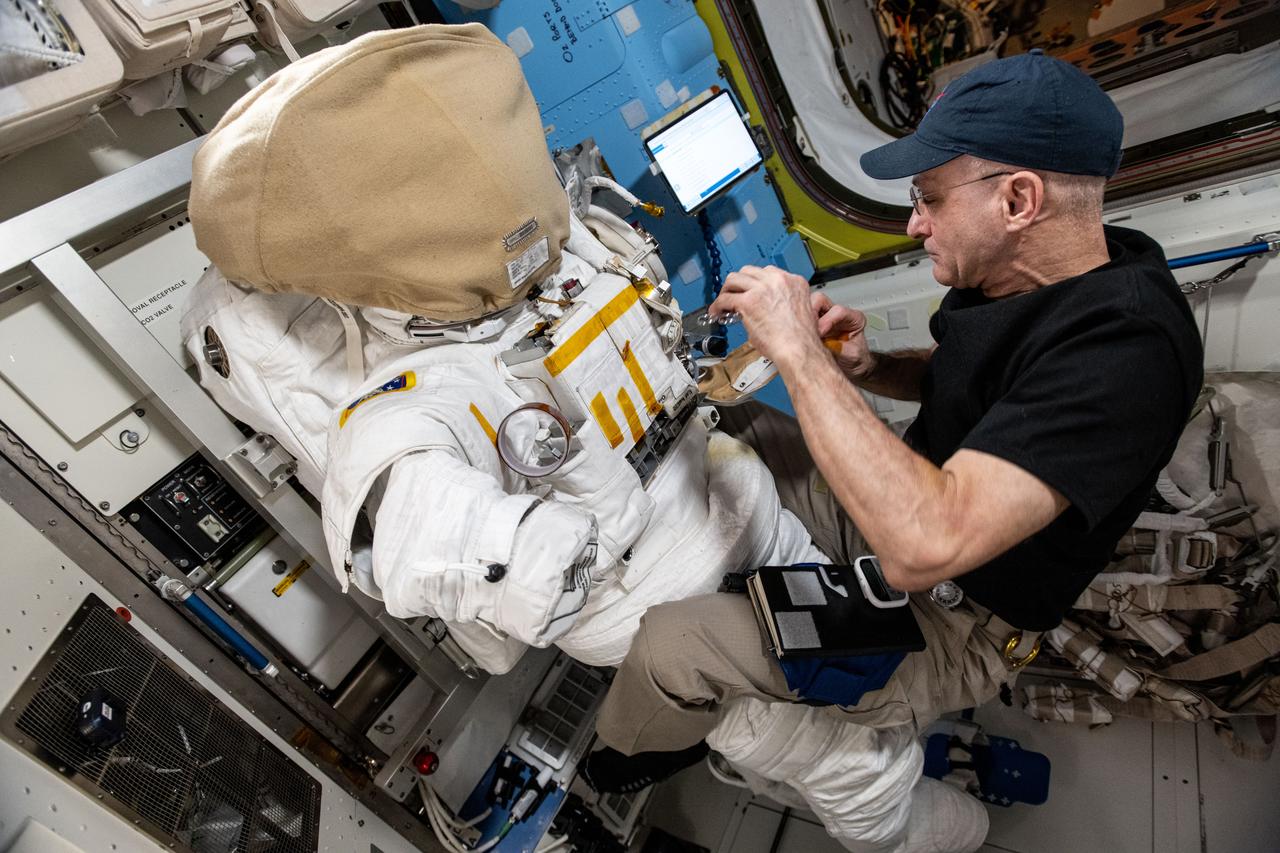
iss072e920819 (April 4, 2025) --- NASA astronaut and Expedition 72 Flight Engineer Don Pettit inspects a spacesuit aboard the International Space Station's Quest airlock.
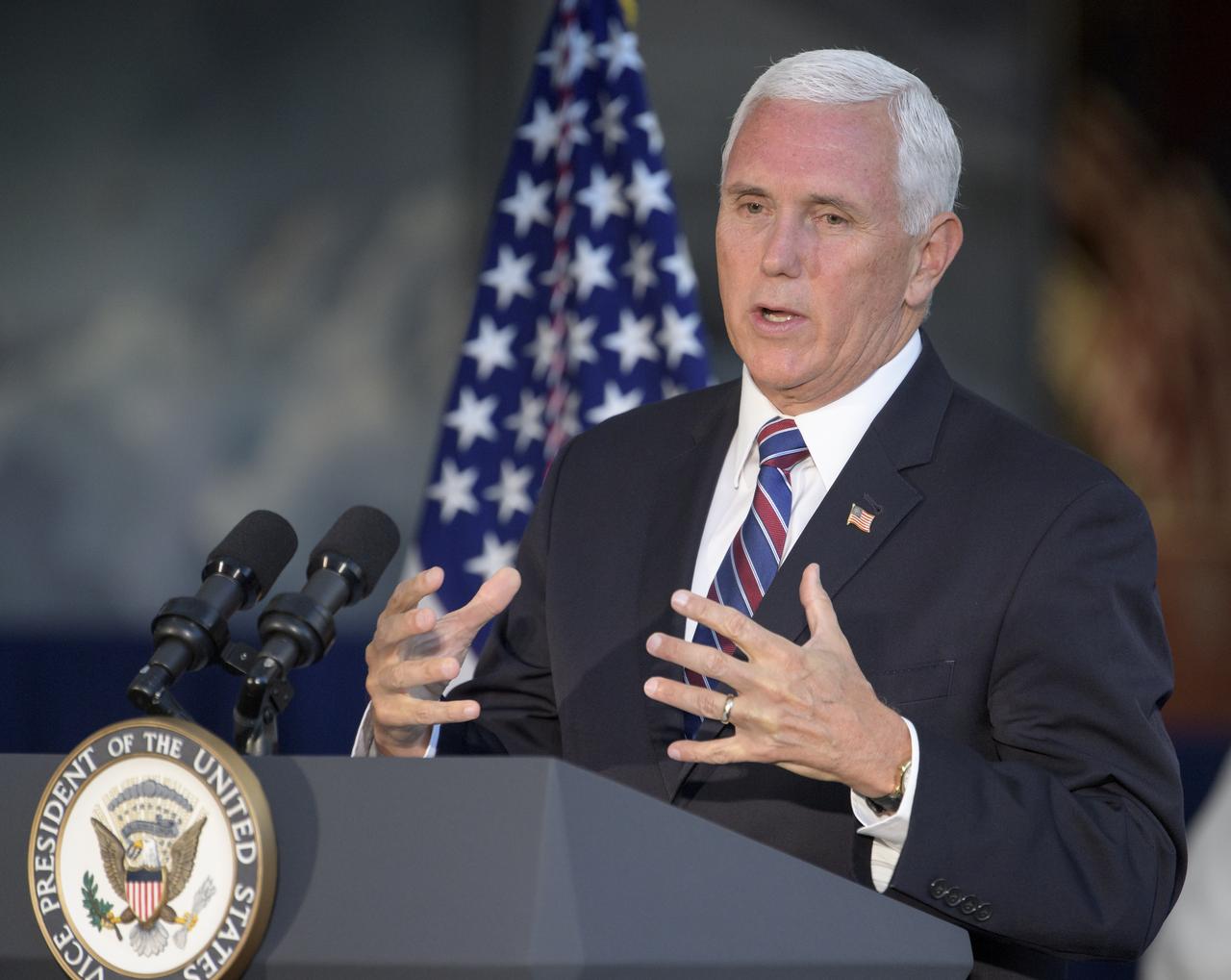
Vice President of the United States Mike Pence gives remarks during an event were Neil Armstrong's Apollo 11 spacesuit was unveiled for the first time in 13 years, Tuesday, July 16, 2019 at the Smithsonian's National Air and Space Museum in Washington. The unveiling of the crowd funded spacesuit conservation marks the 50th anniversary of the launch of the Apollo 11 mission.Photo Credit: (NASA/Bill Ingalls)
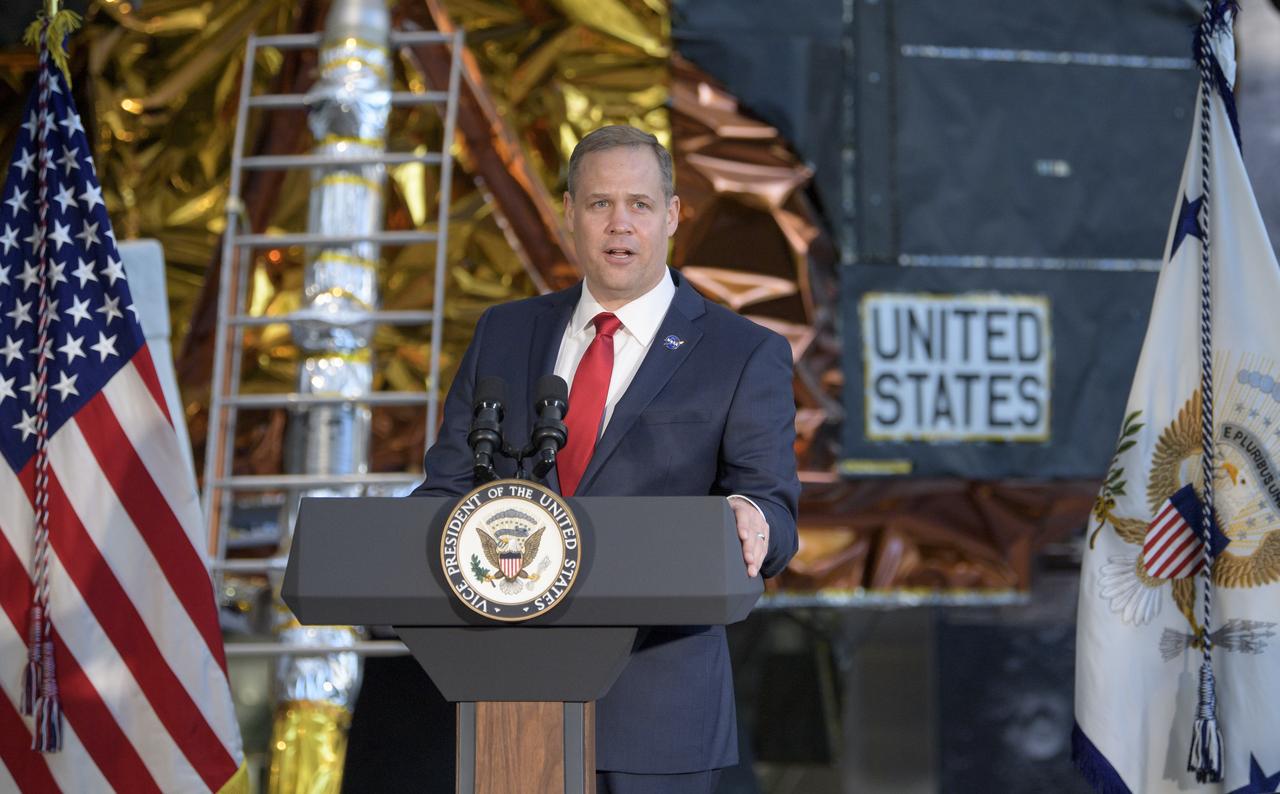
NASA Administrator Jim Bridenstine gives remarks during an event were Neil Armstrong's Apollo 11 spacesuit was unveiled for the first time in 13 years, Tuesday, July 16, 2019 at the Smithsonian's National Air and Space Museum in Washington. The unveiling of the crowd funded spacesuit conservation marks the 50th anniversary of the launch of the Apollo 11 mission.Photo Credit: (NASA/Bill Ingalls)
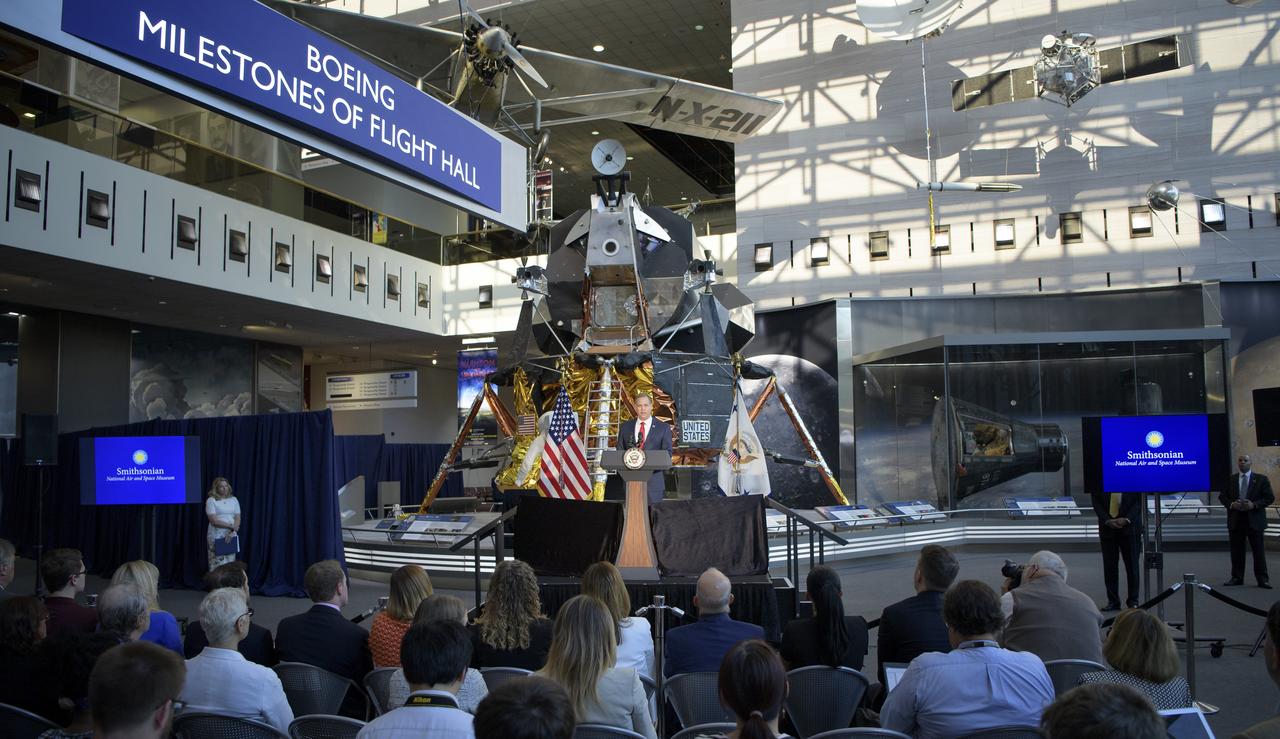
NASA Administrator Jim Bridenstine gives remarks during an event were Neil Armstrong's Apollo 11 spacesuit was unveiled for the first time in 13 years, Tuesday, July 16, 2019 at the Smithsonian's National Air and Space Museum in Washington. The unveiling of the crowd funded spacesuit conservation marks the 50th anniversary of the launch of the Apollo 11 mission.Photo Credit: (NASA/Bill Ingalls)
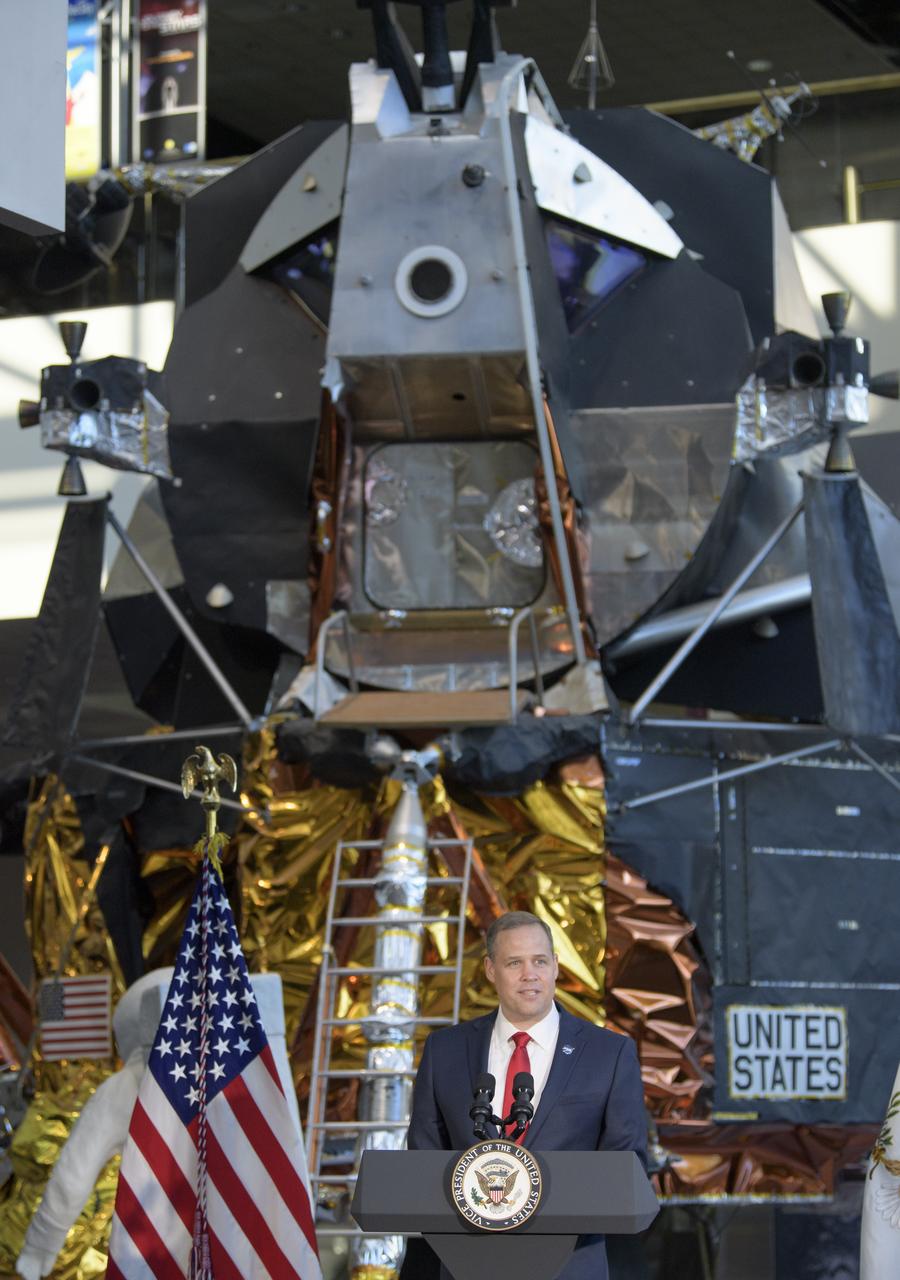
NASA Administrator Jim Bridenstine gives remarks during an event were Neil Armstrong's Apollo 11 spacesuit was unveiled for the first time in 13 years, Tuesday, July 16, 2019 at the Smithsonian's National Air and Space Museum in Washington. The unveiling of the crowd funded spacesuit conservation marks the 50th anniversary of the launch of the Apollo 11 mission.Photo Credit: (NASA/Bill Ingalls)
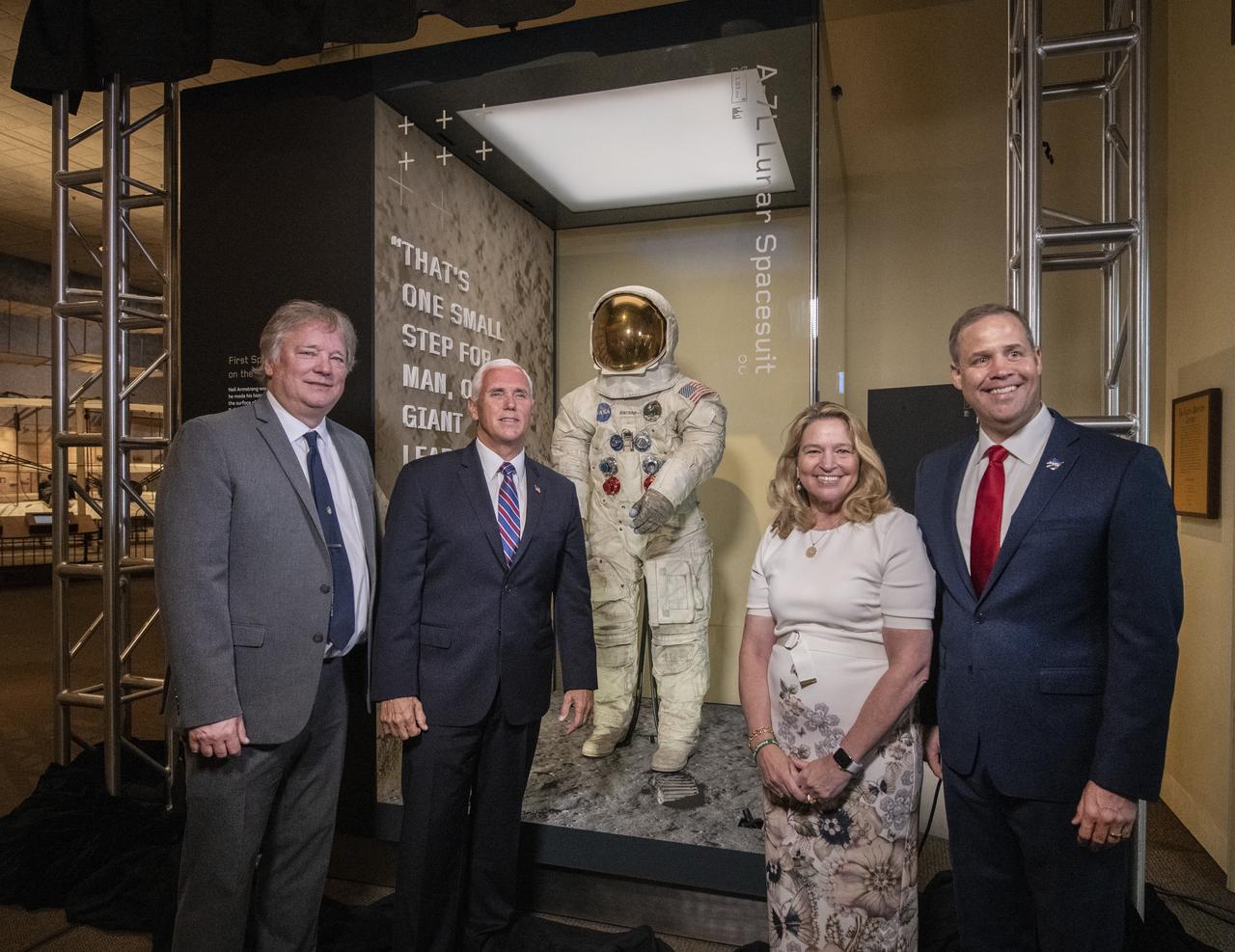
In celebration of the 50th anniversary of Apollo 11, NASA Astronaut Neil Armstrong's spacesuit was unveiled today in The Wright Brothers and The Invention of the Aerial Age Gallery of the Smithsonian Air and Space Museum, in Washington, DC, July 16, 2019. Unveiling the spacesuit, from left, Rick Armstrong, son of Neil Armstrong, Vice President Mike Pence, Dr. Ellen Stofan, The John and Adrienne Mars Director of the National Air and Space Museum, and James Bridenstine, Administrator of NASA. (Smithsonian Air and Space photo by Jim Preston)
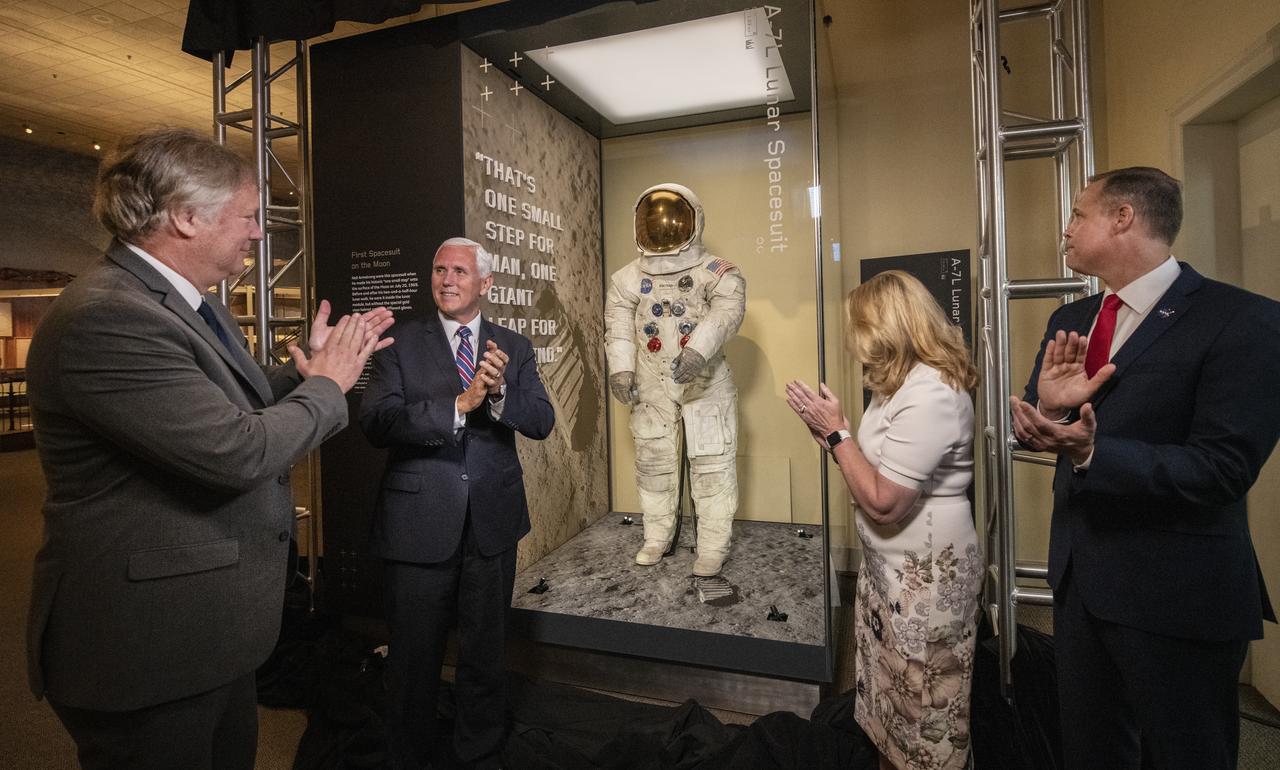
In celebration of the 50th anniversary of Apollo 11, NASA Astronaut Neil Armstrong's spacesuit was unveiled today in The Wright Brothers and The Invention of the Aerial Age Gallery of the Smithsonian Air and Space Museum, in Washington, DC, July 16, 2019. Unveiling the spacesuit, from left, Rick Armstrong, son of Neil Armstrong, Vice President Mike Pence, Dr. Ellen Stofan, The John and Adrienne Mars Director of the National Air and Space Museum, and James Bridenstine, Administrator of NASA. (Smithsonian Air and Space photo by Jim Preston)
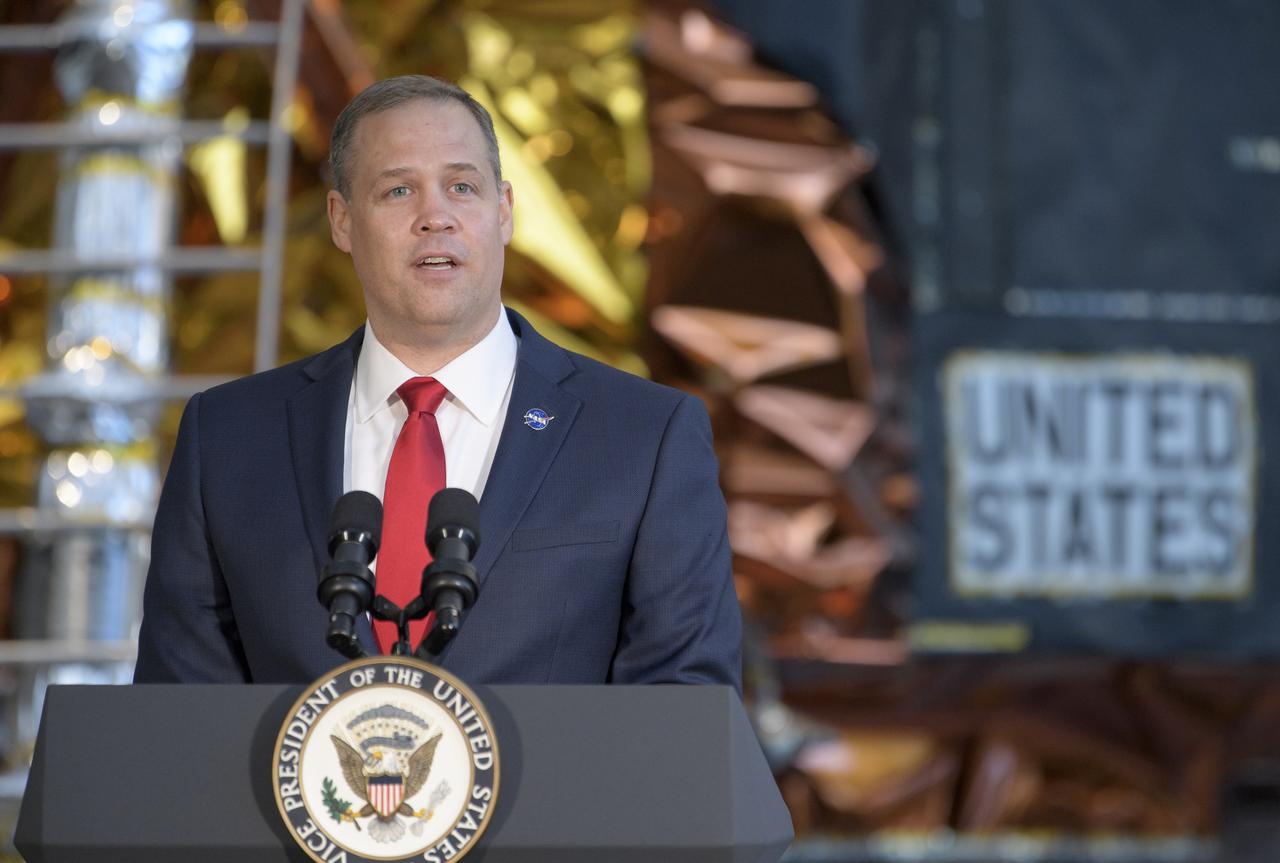
NASA Administrator Jim Bridenstine gives remarks during an event were Neil Armstrong's Apollo 11 spacesuit was unveiled for the first time in 13 years, Tuesday, July 16, 2019 at the Smithsonian's National Air and Space Museum in Washington. The unveiling of the crowd funded spacesuit conservation marks the 50th anniversary of the launch of the Apollo 11 mission.Photo Credit: (NASA/Bill Ingalls)
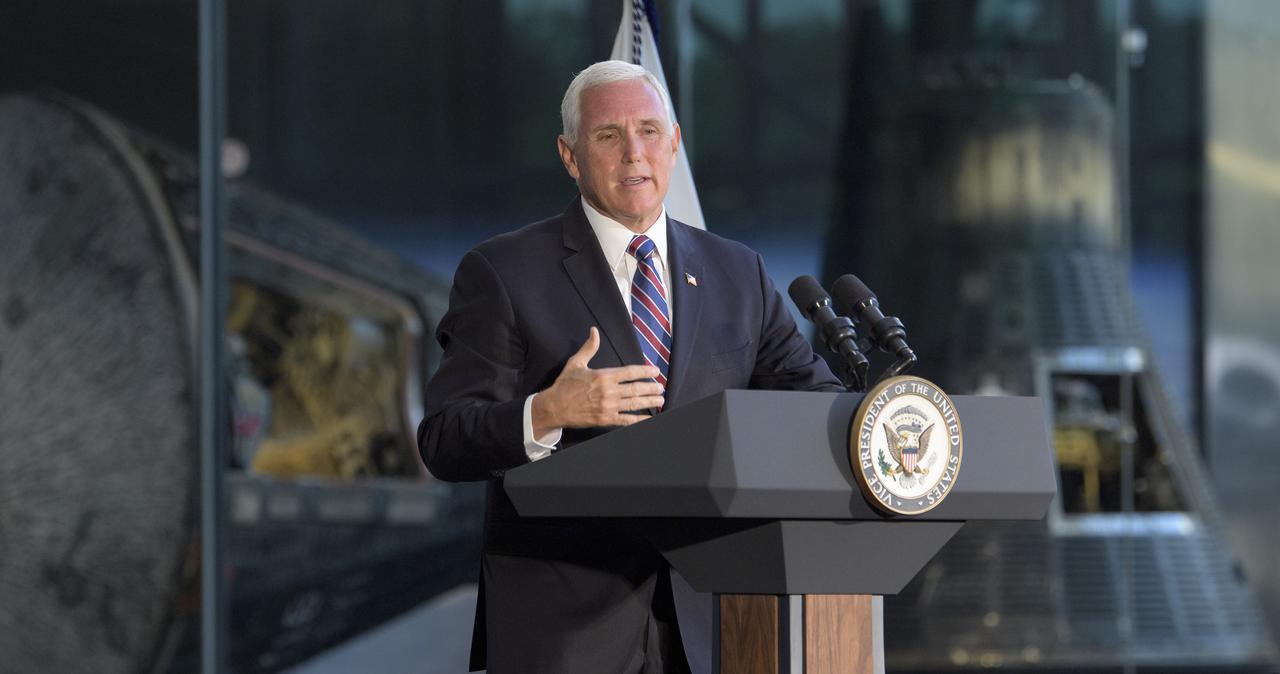
Vice President of the United States Mike Pence gives remarks during an event were Neil Armstrong's Apollo 11 spacesuit was unveiled for the first time in 13 years, Tuesday, July 16, 2019 at the Smithsonian's National Air and Space Museum in Washington. The unveiling of the crowd funded spacesuit conservation marks the 50th anniversary of the launch of the Apollo 11 mission.Photo Credit: (NASA/Bill Ingalls)
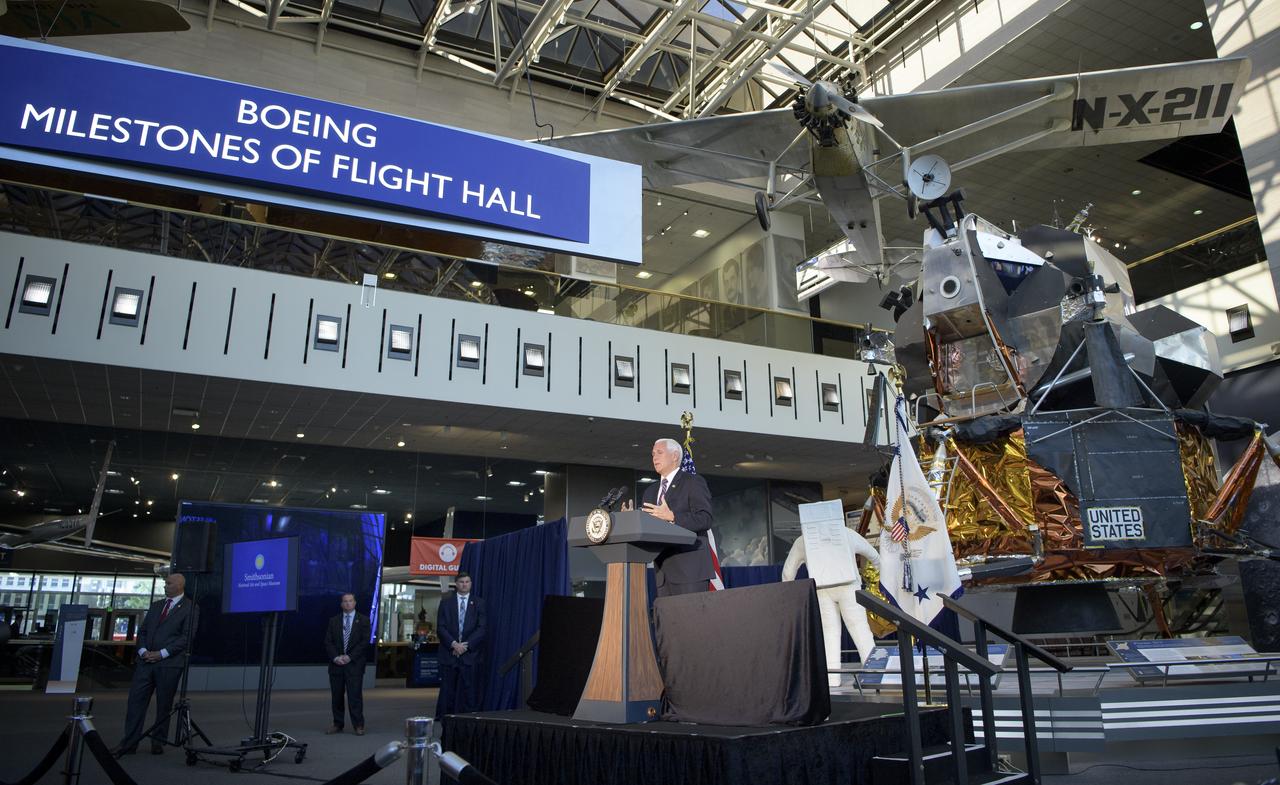
Vice President of the United States Mike Pence gives remarks during an event were Neil Armstrong's Apollo 11 spacesuit was unveiled for the first time in 13 years, Tuesday, July 16, 2019 at the Smithsonian's National Air and Space Museum in Washington. The unveiling of the crowd funded spacesuit conservation marks the 50th anniversary of the launch of the Apollo 11 mission.Photo Credit: (NASA/Bill Ingalls)
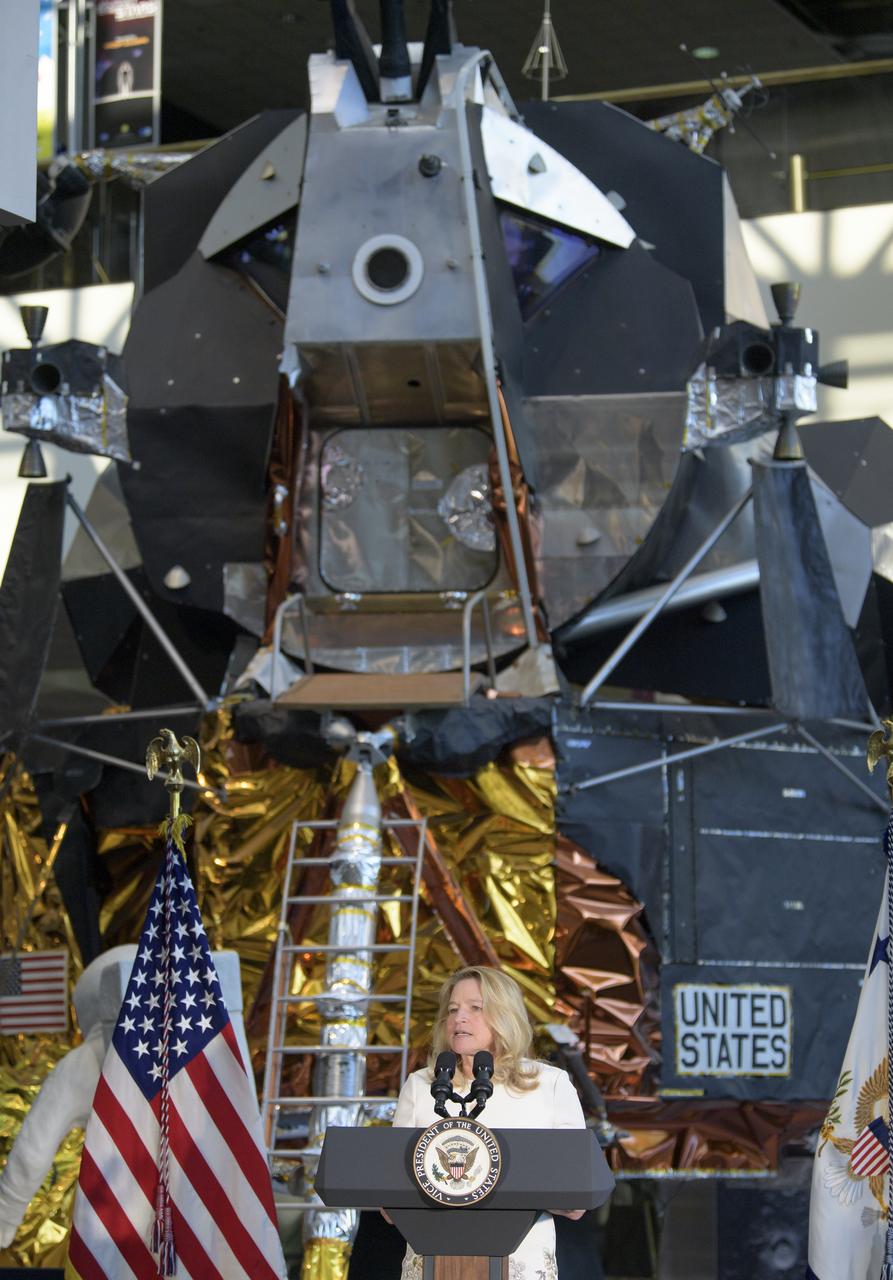
John and Adrienne Mars Director of the National Air and Space Museum Ellen Stofan gives remarks during an event were Neil Armstrong's Apollo 11 spacesuit was unveiled for the first time in 13 years, Tuesday, July 16, 2019 at the Smithsonian's National Air and Space Museum in Washington. The unveiling of the crowd funded spacesuit conservation marks the 50th anniversary of the launch of the Apollo 11 mission.Photo Credit: (NASA/Bill Ingalls)
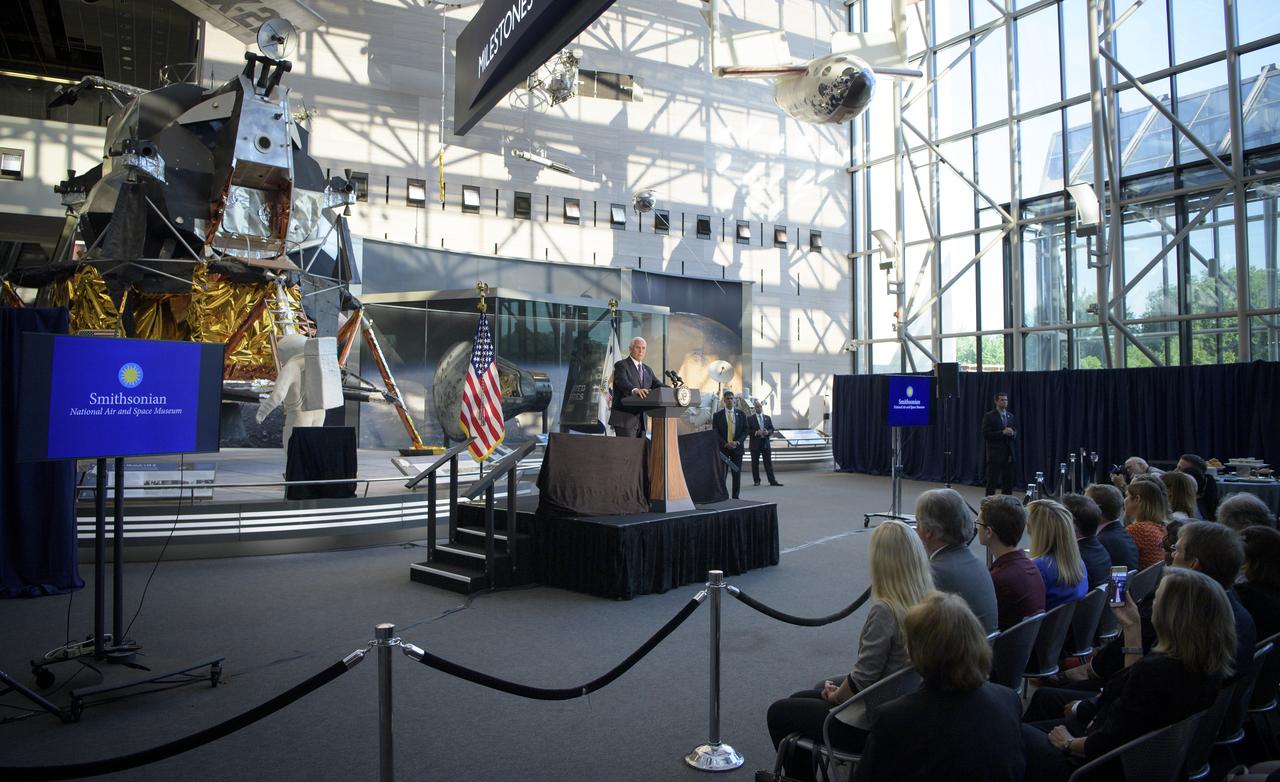
Vice President of the United States Mike Pence gives remarks during an event were Neil Armstrong's Apollo 11 spacesuit was unveiled for the first time in 13 years, Tuesday, July 16, 2019 at the Smithsonian's National Air and Space Museum in Washington. The unveiling of the crowd funded spacesuit conservation marks the 50th anniversary of the launch of the Apollo 11 mission.Photo Credit: (NASA/Bill Ingalls)
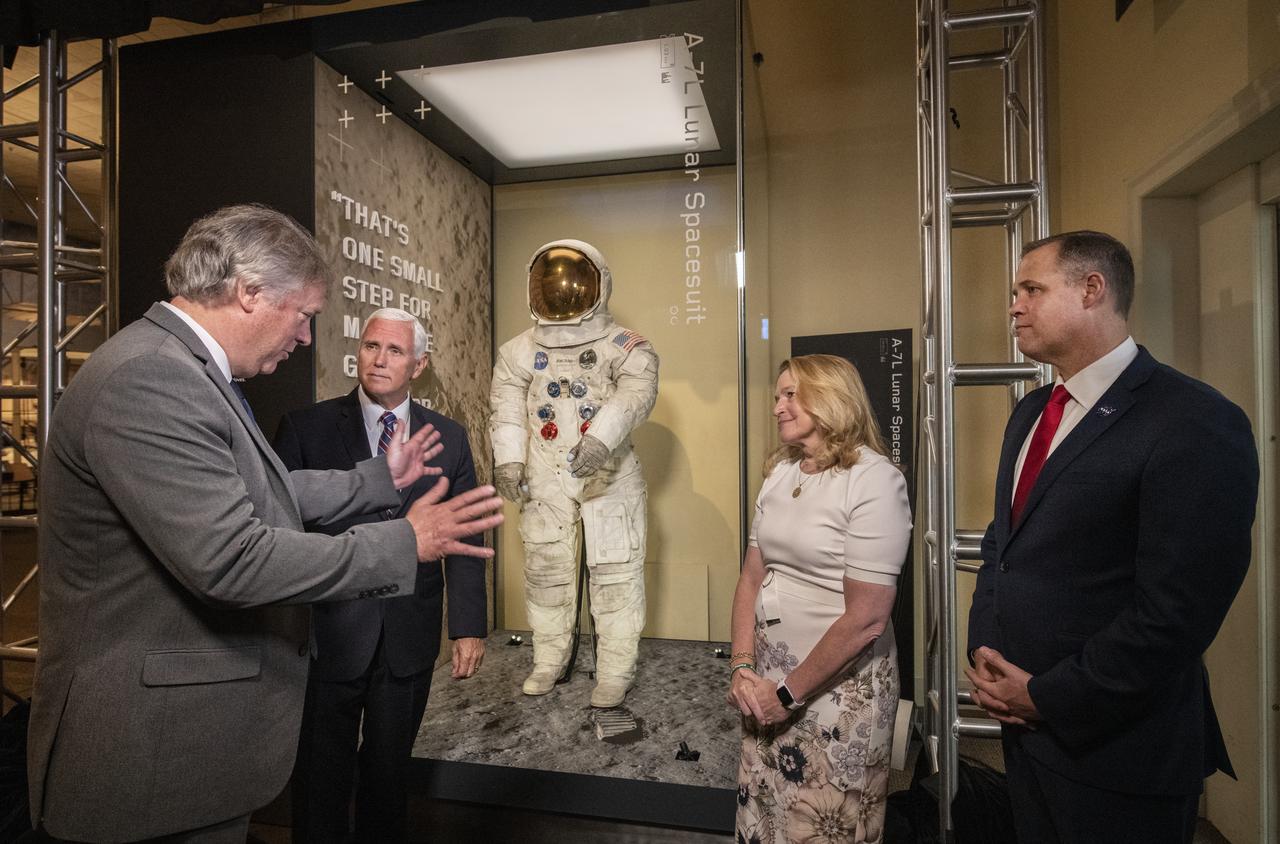
In celebration of the 50th anniversary of Apollo 11, NASA Astronaut Neil Armstrong's spacesuit was unveiled today in The Wright Brothers and The Invention of the Aerial Age Gallery of the Smithsonian Air and Space Museum, in Washington, DC, July 16, 2019. Unveiling the spacesuit, from left, Rick Armstrong, son of Neil Armstrong, Vice President Mike Pence, Dr. Ellen Stofan, The John and Adrienne Mars Director of the National Air and Space Museum, and James Bridenstine, Administrator of NASA. (Smithsonian Air and Space photo by Jim Preston)
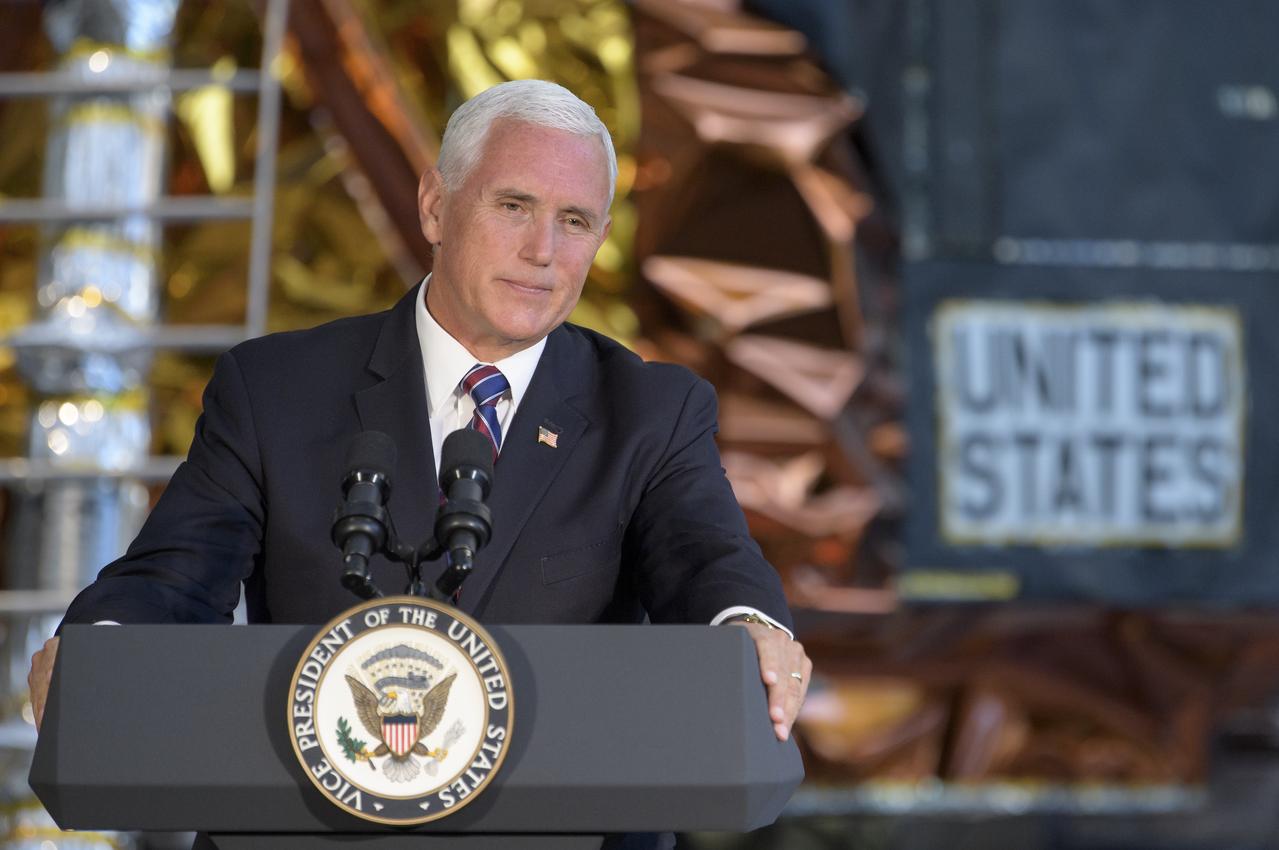
Vice President of the United States Mike Pence gives remarks during an event were Neil Armstrong's Apollo 11 spacesuit was unveiled for the first time in 13 years, Tuesday, July 16, 2019 at the Smithsonian's National Air and Space Museum in Washington. The unveiling of the crowd funded spacesuit conservation marks the 50th anniversary of the launch of the Apollo 11 mission.Photo Credit: (NASA/Bill Ingalls)
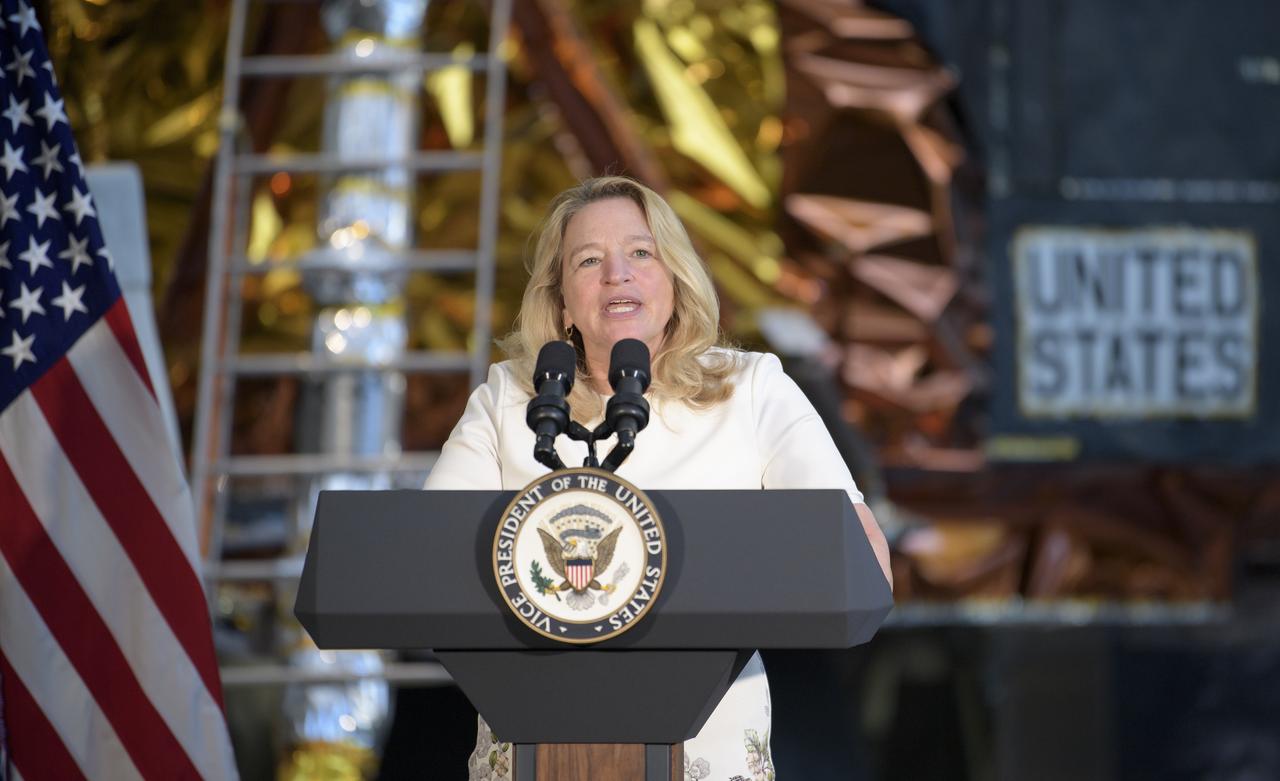
John and Adrienne Mars Director of the National Air and Space Museum Ellen Stofan gives remarks during an event were Neil Armstrong's Apollo 11 spacesuit was unveiled for the first time in 13 years, Tuesday, July 16, 2019 at the Smithsonian's National Air and Space Museum in Washington. The unveiling of the crowd funded spacesuit conservation marks the 50th anniversary of the launch of the Apollo 11 mission.Photo Credit: (NASA/Bill Ingalls)
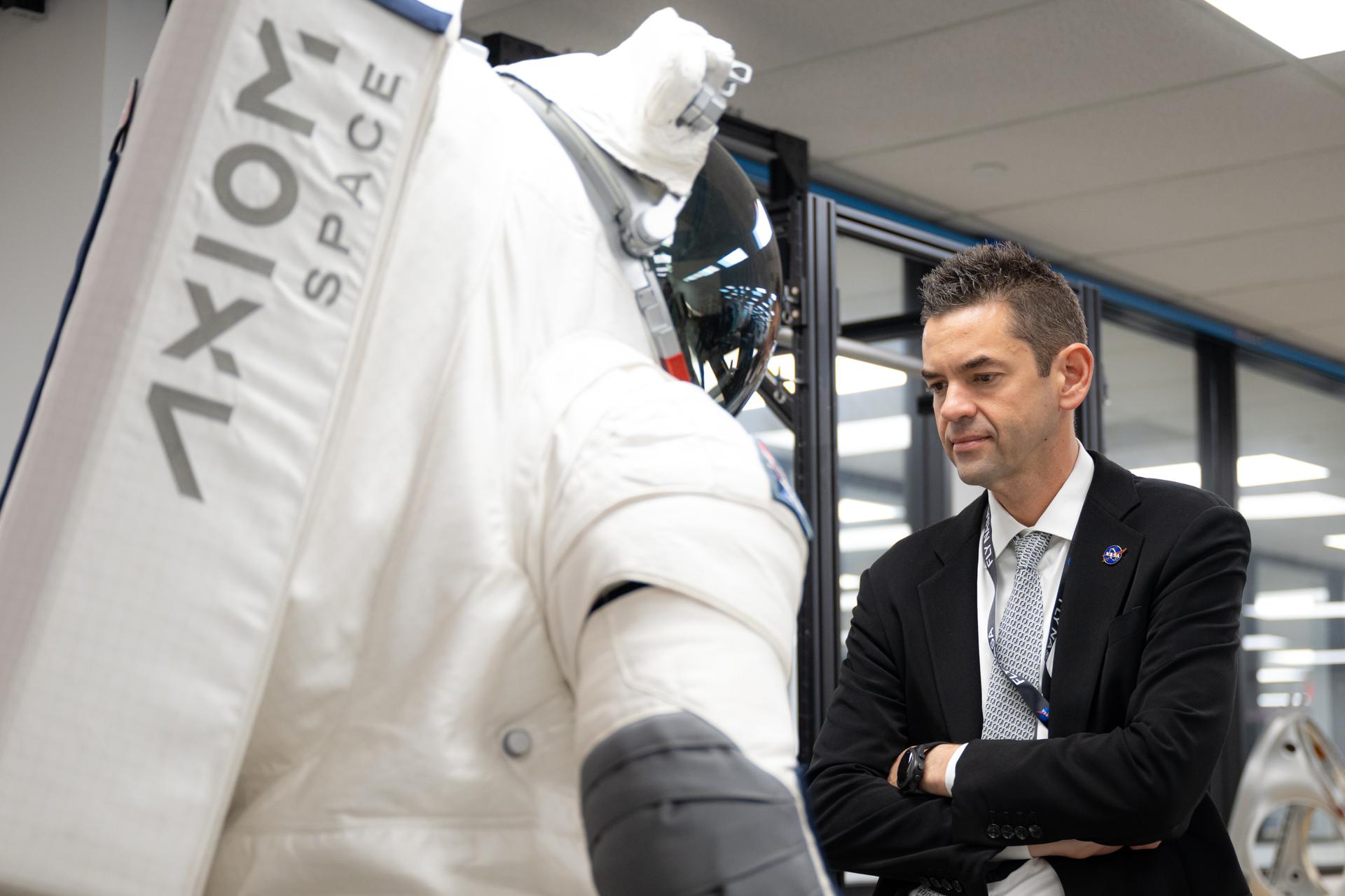
NASA Administrator Jared Isaacman tours Axiom Space's extravehicular activity and spacesuit facility, Friday, Jan. 23, 2026, in Houston, Texas. Photo Credit: (NASA/John Kraus)
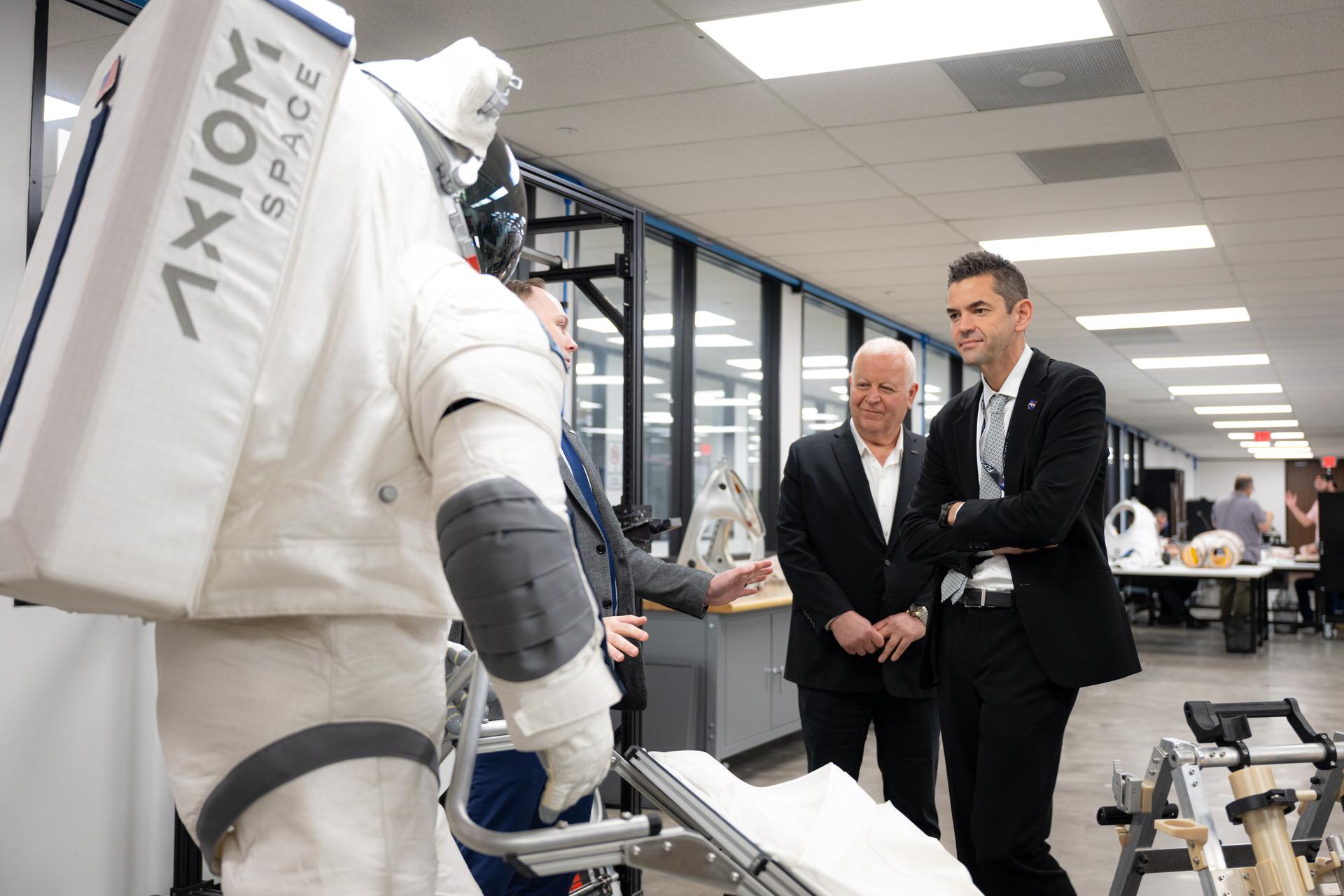
NASA Administrator Jared Isaacman, right, and Axiom Space leadership tour the company's extravehicular activity and spacesuit facility, Friday, Jan. 23, 2026, in Houston, Texas. Photo Credit: (NASA/John Kraus)
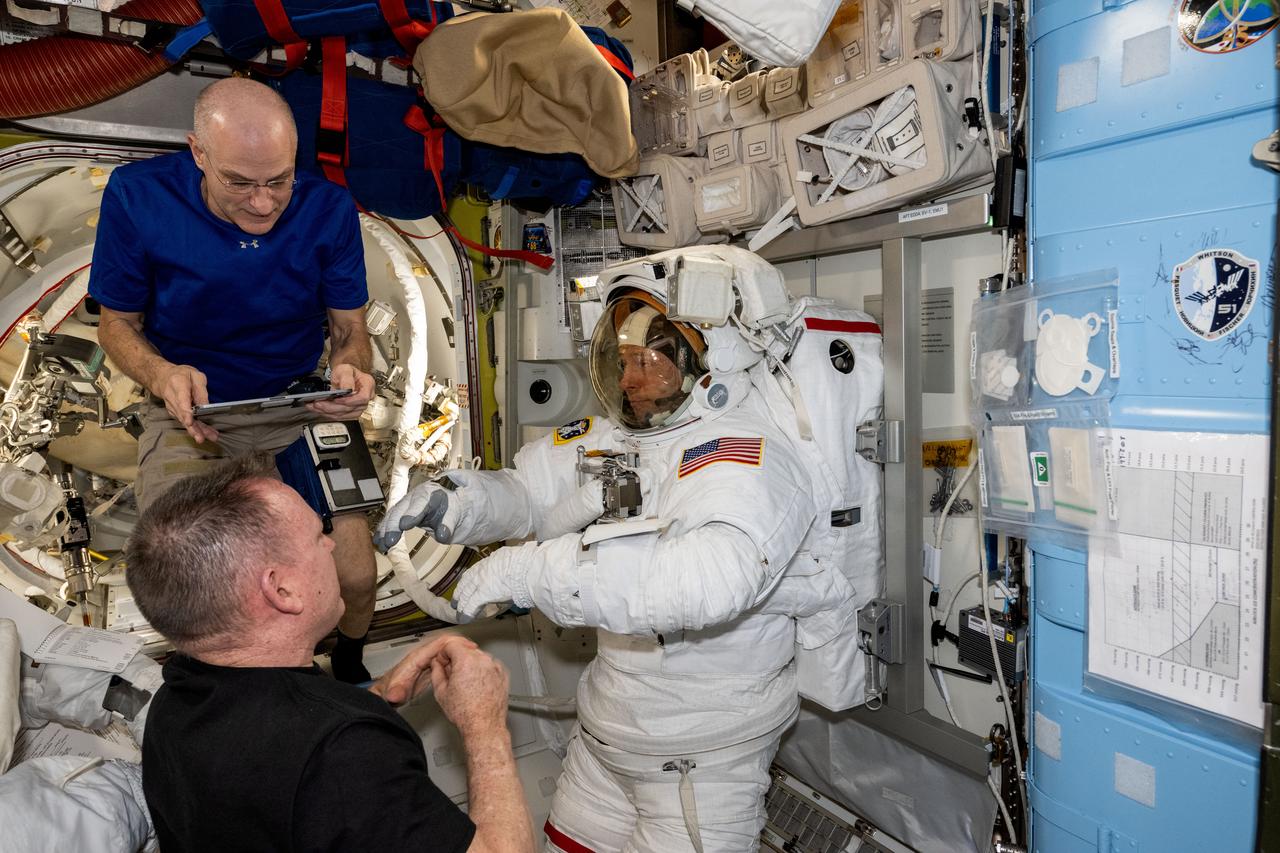
iss072e451672 (Jan. 9, 2025) --- NASA astronauts Don Pettit (top) and Butch Wilmore (bottom) assist NASA astronaut Nick Hague (center) as he tries on and evaluates his spacesuit in a pressurized configuration aboard the International Space Station's Quest airlock.
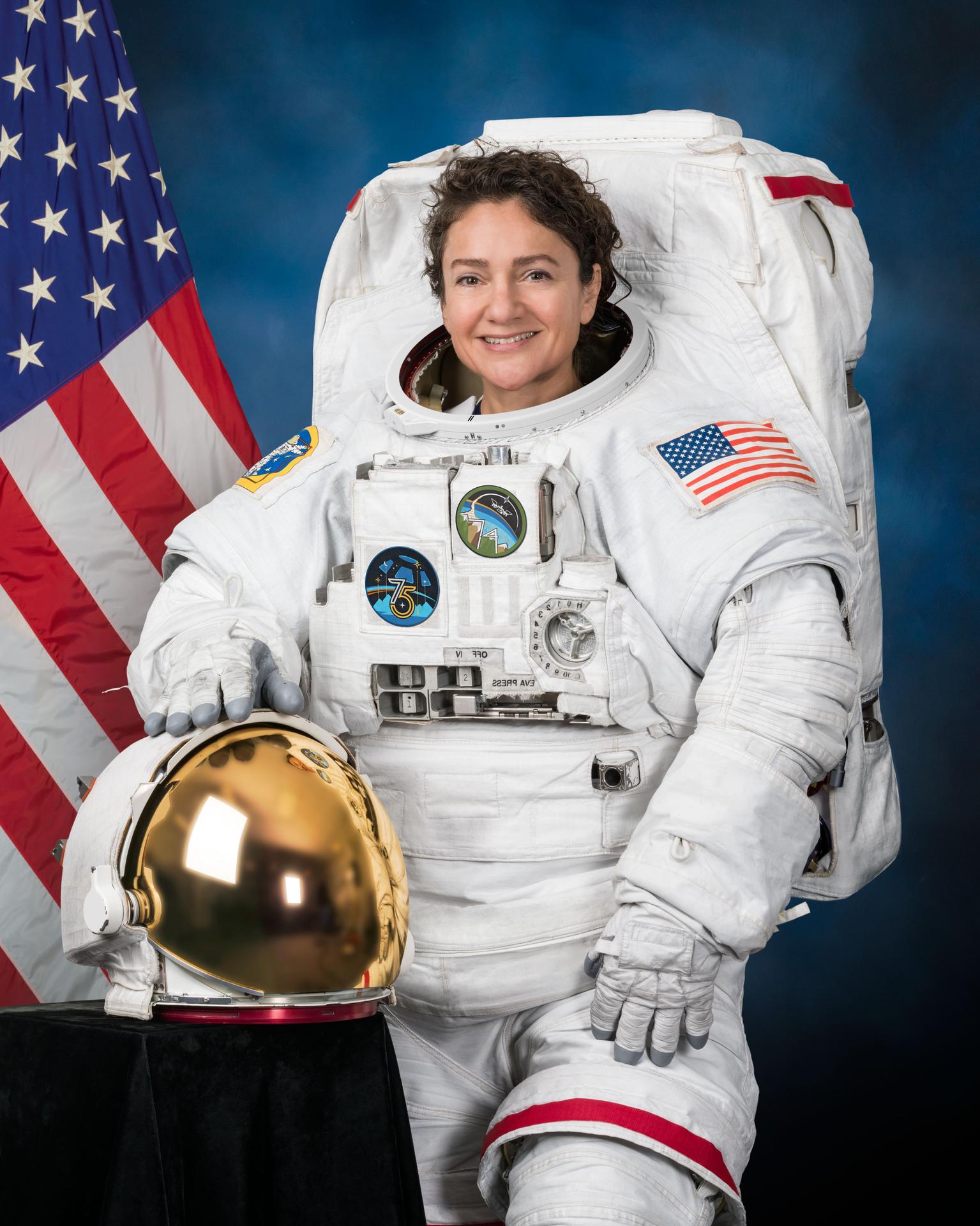
jsc2025e078605_alt (Sept. 26, 2025) --- Official portrait of NASA astronaut Jessica Meir wearing a spacesuit, also called an Extravehicular Mobility Unit (EMU), at NASA's Johnson Space Center in Houston, Texas. Credit: NASA/Josh Valcarcel
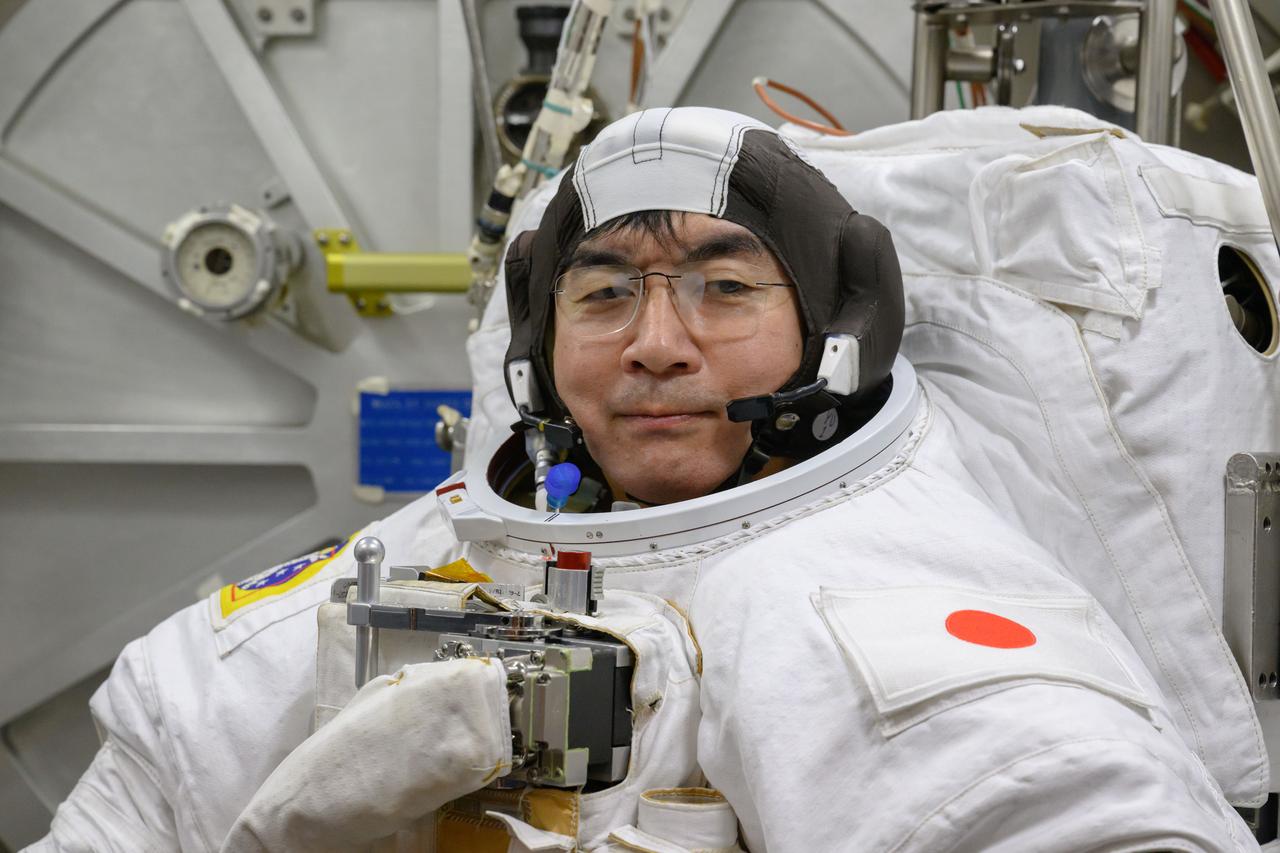
jsc2024e076519 (Nov. 19, 2024) --- JAXA astronaut Kimiya Yui poses for a photo in his spacesuit during space station airlock testing at NASA’s Johnson Space Center in Houston, Texas. Credit: NASA/James Blair
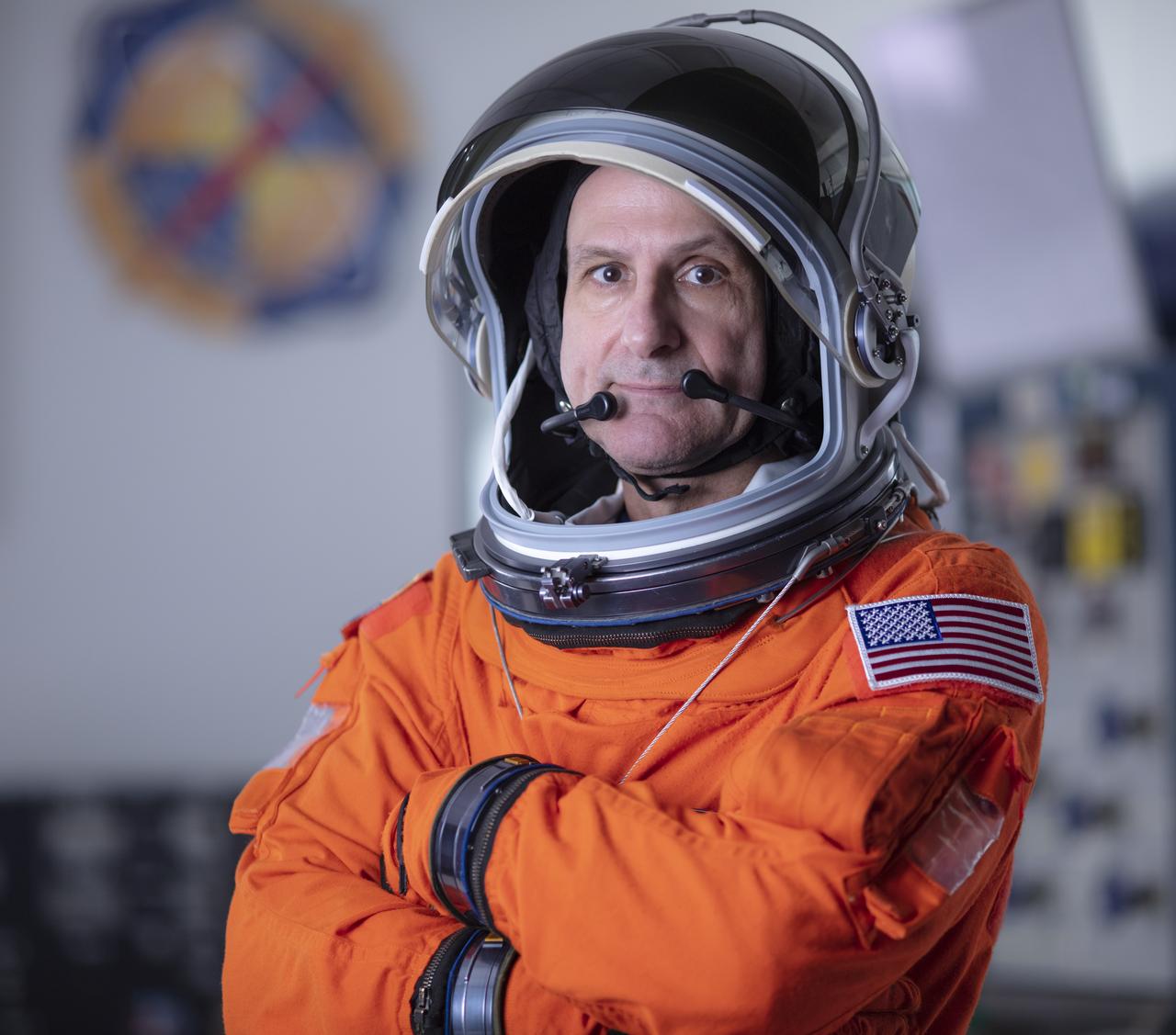
NASA astronaut Don Pettit poses for a portrait after donning his spacesuit, Friday, July 12, 2019 at NASA's Johnson Space Center in Houston, Texas. Photo Credit: (NASA/Bill Ingalls)

jsc2026e037770 (May 5, 2026) --- NASA astronaut Luke Delaney practices suiting up in a spacesuit in an International Space Station airlock simulator at Johnson Space Center’s (JSC) Space Vehicle Mockup Facility in Houston, Texas. Astronauts familiarize themselves with spacesuit systems and procedures and practice Quest airlock operations before conducting spacewalk training at JSC’s Neutral Buoyancy Laboratory in simulated microgravity. Credit: NASA/Josh Valcarcel
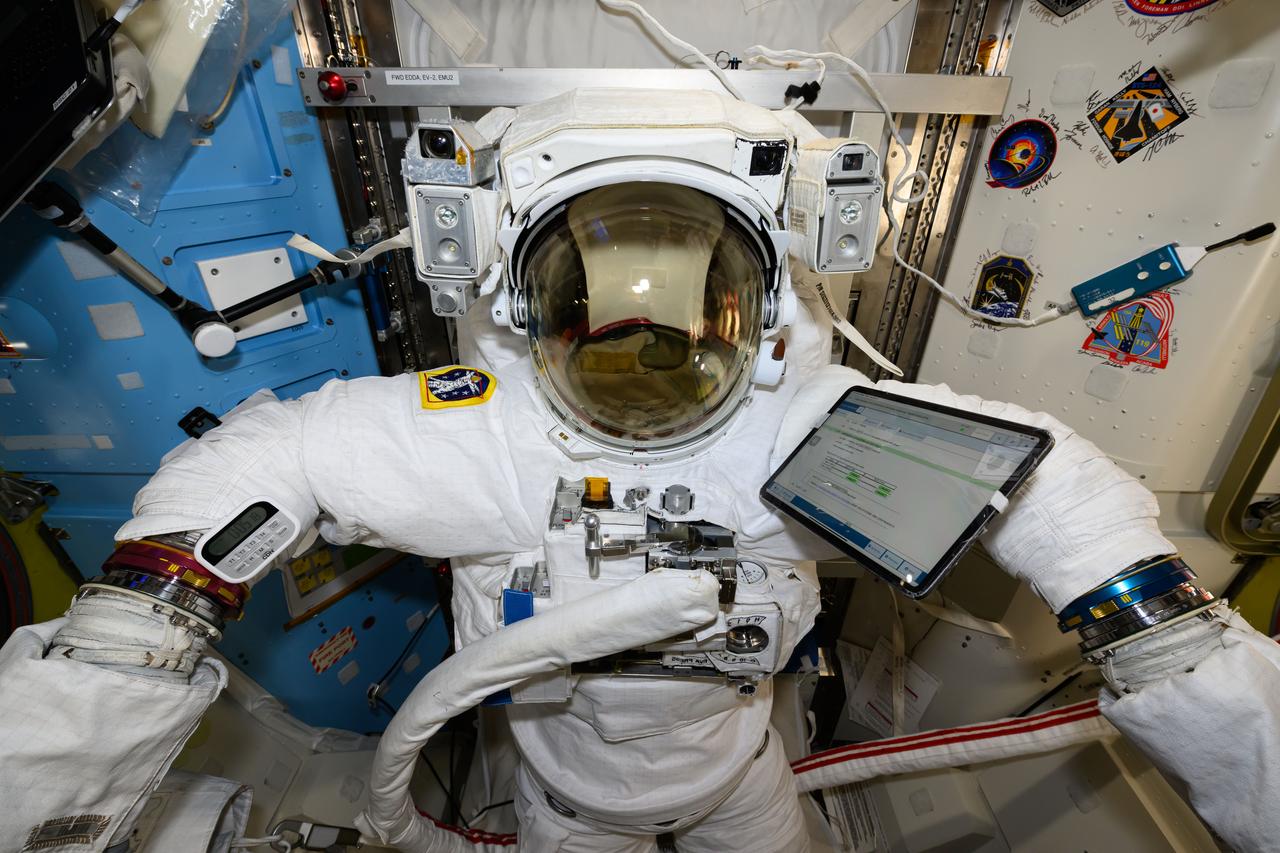
iss072e363875 (Dec. 9, 2024) ---A U.S. spacesuit is pictured being serviced for maintenance inside the International Space Station's Quest airlock.
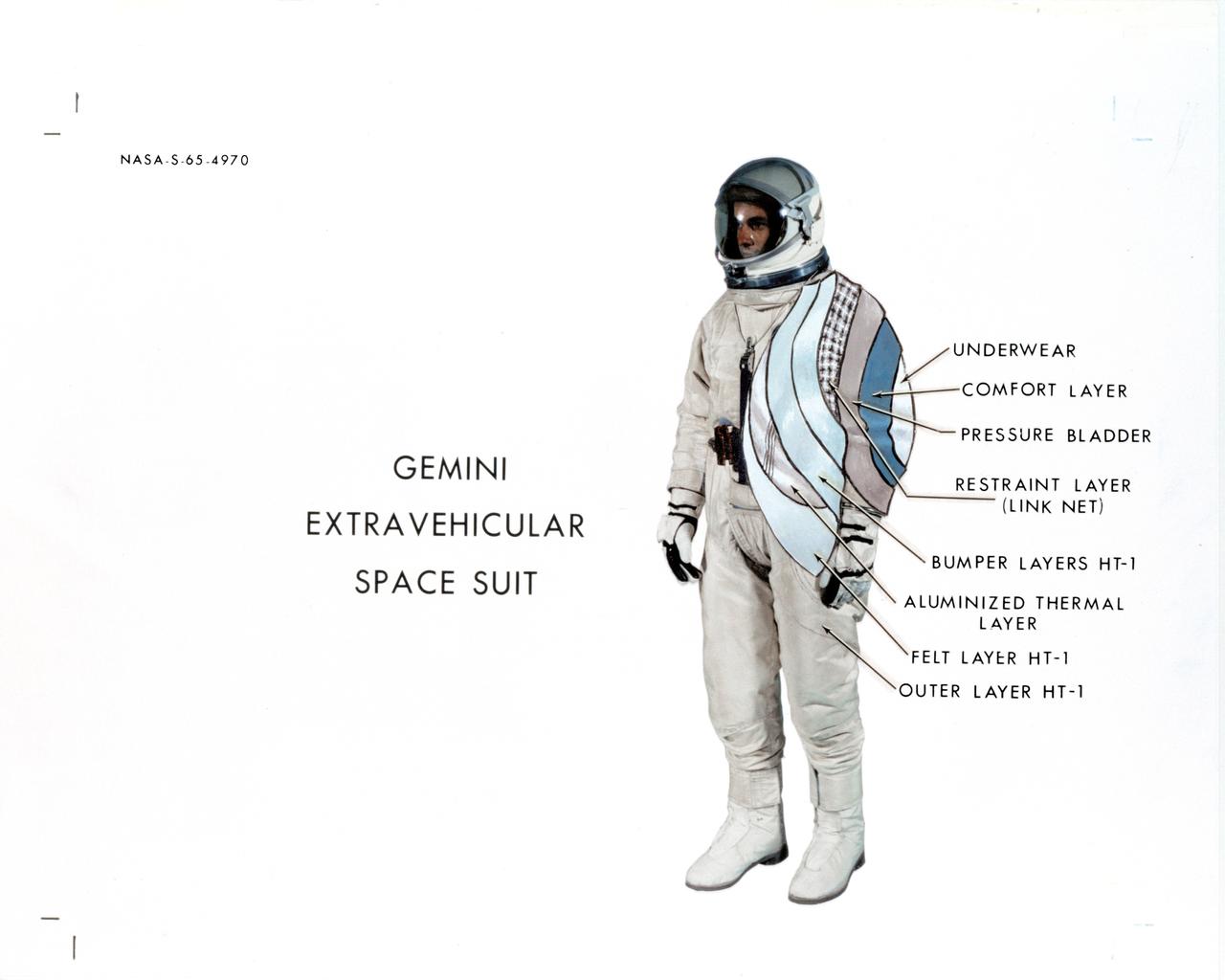
S65-04970 (May 1965) --- Cut-away view of the Gemini extravehicular spacesuit showing the suits different layers.
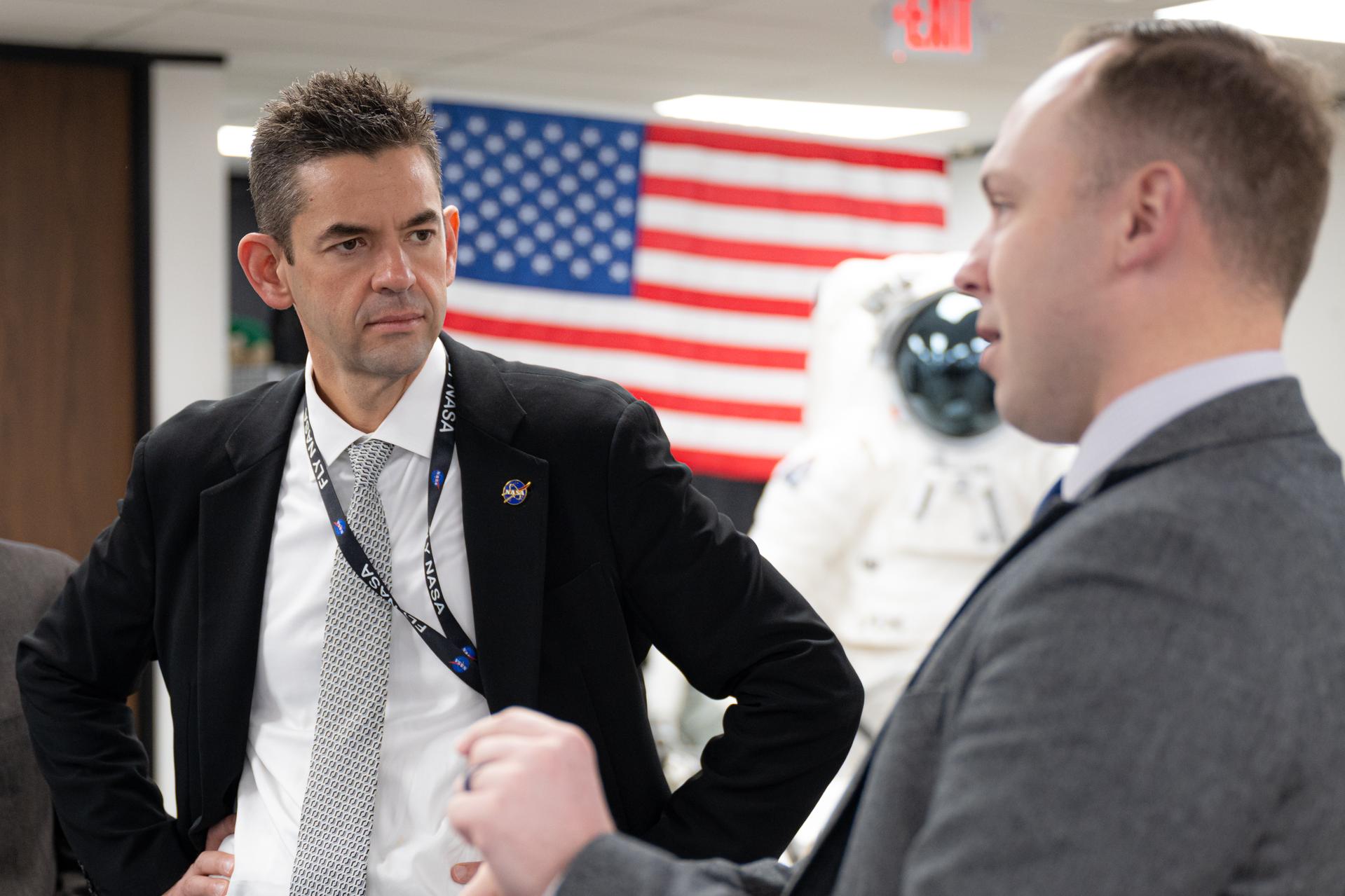
NASA Administrator Jared Isaacman, left, listens to Russell Ralston, senior vice president and general manager of extravehicular activity at Axiom Space, right, during a tour of the company’s extravehicular activity and spacesuit facility, Friday, Jan. 23, 2026, in Houston, Texas. Photo Credit: (NASA/John Kraus)
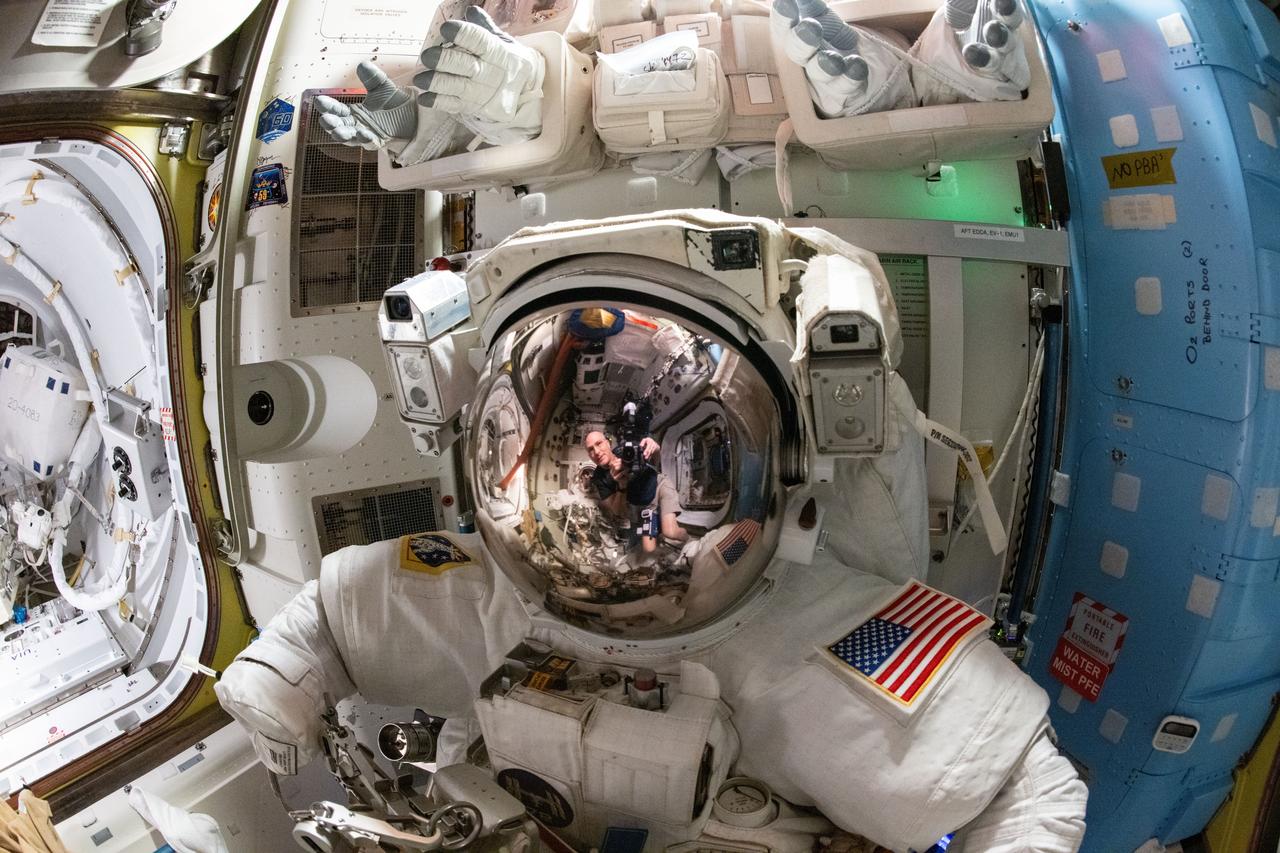
iss072e518423 (Jan. 23, 2025) --- NASA astronaut and Expedition 72 Flight Engineer Don Pettit's reflection is pictured on the helmet visor of a spacesuit in this photograph he took inside the International Space Station's Quest airlock.
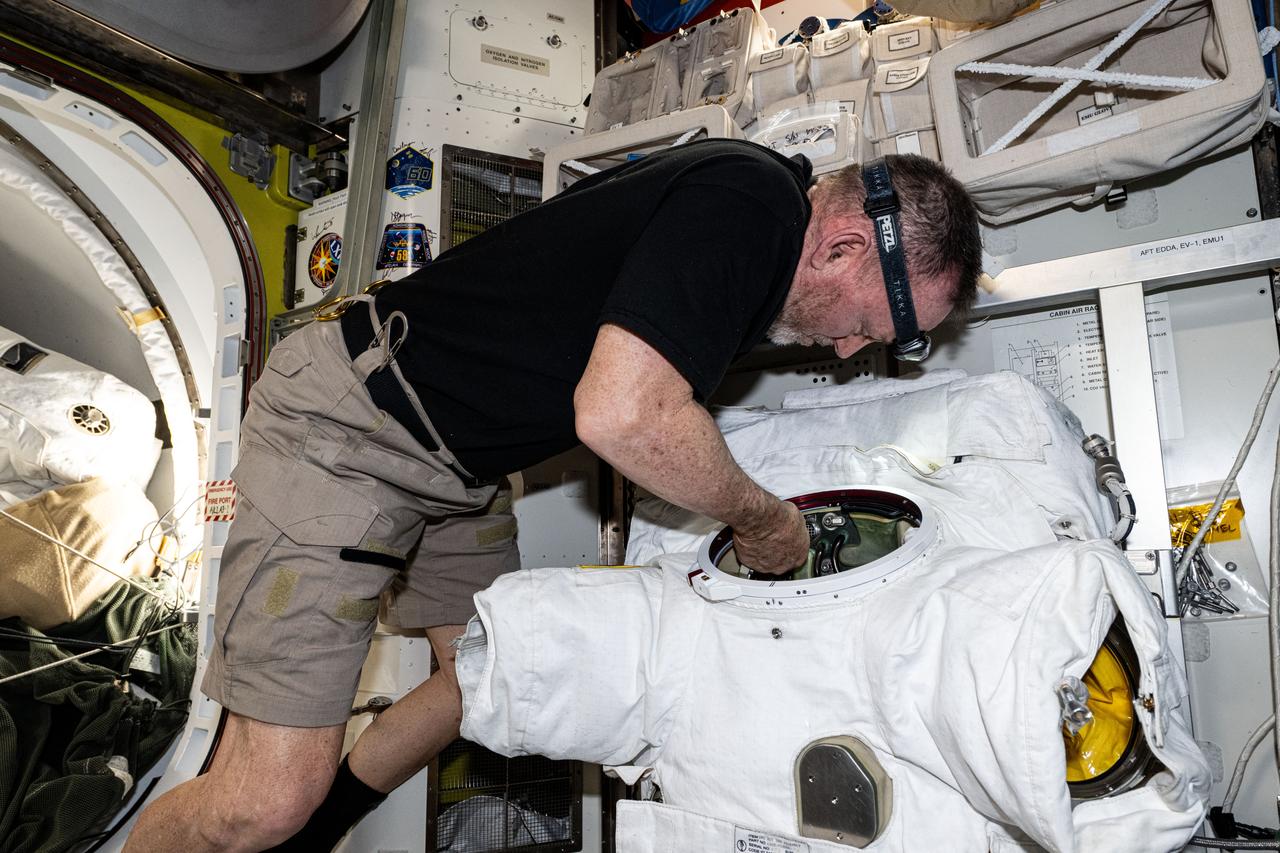
iss072e629219 (Feb. 19, 2025) --- NASA astronaut and Expedition Flight Engineer Butch Wilmore replaces components on a spacesuit inside the International Space Station's Quest airlock.
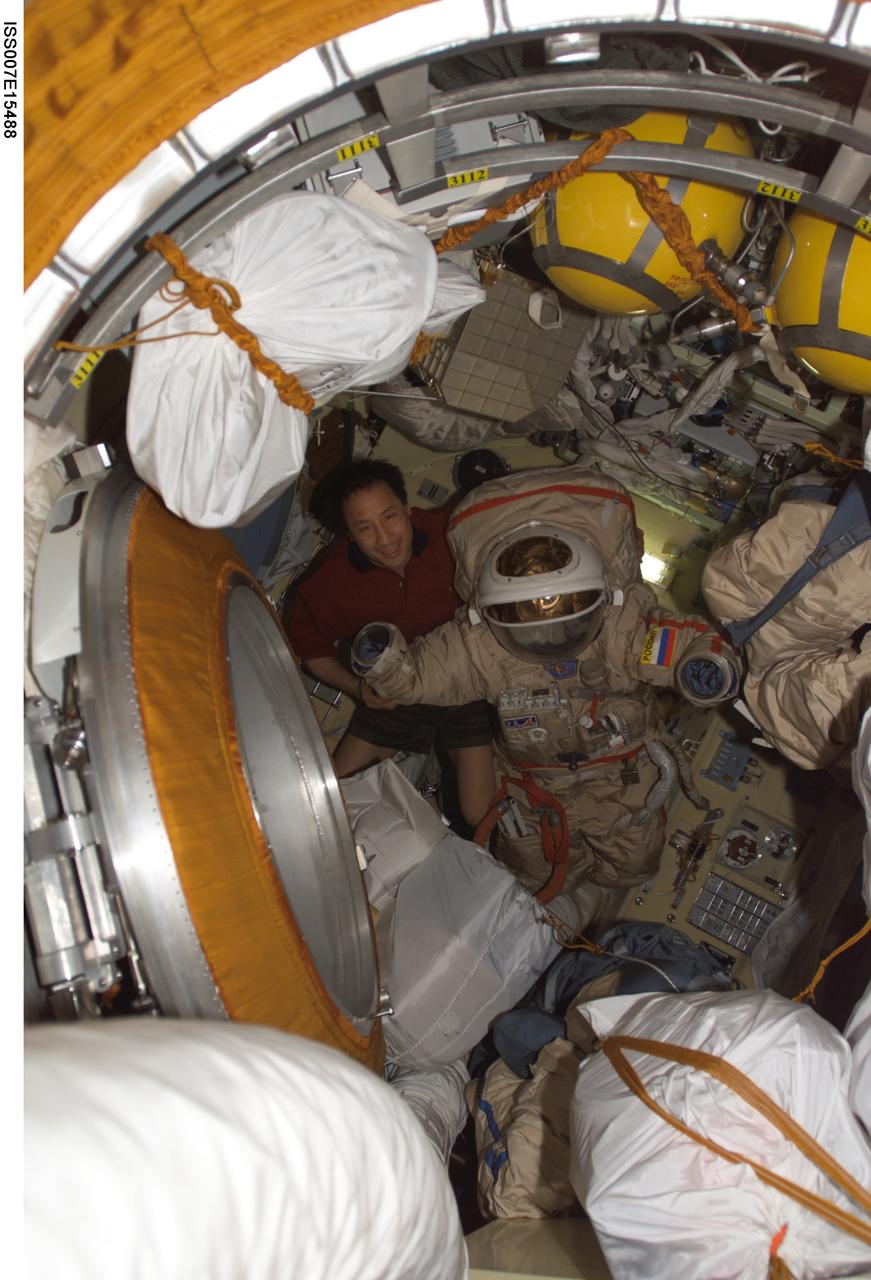
ISS007-E-15488 (26 September 2003) --- Astronaut Edward T. Lu, Expedition 7 NASA ISS science officer and flight engineer, is pictured near a Russian Orlan spacesuit in a Soyuz spacecraft docked to the International Space Station (ISS).
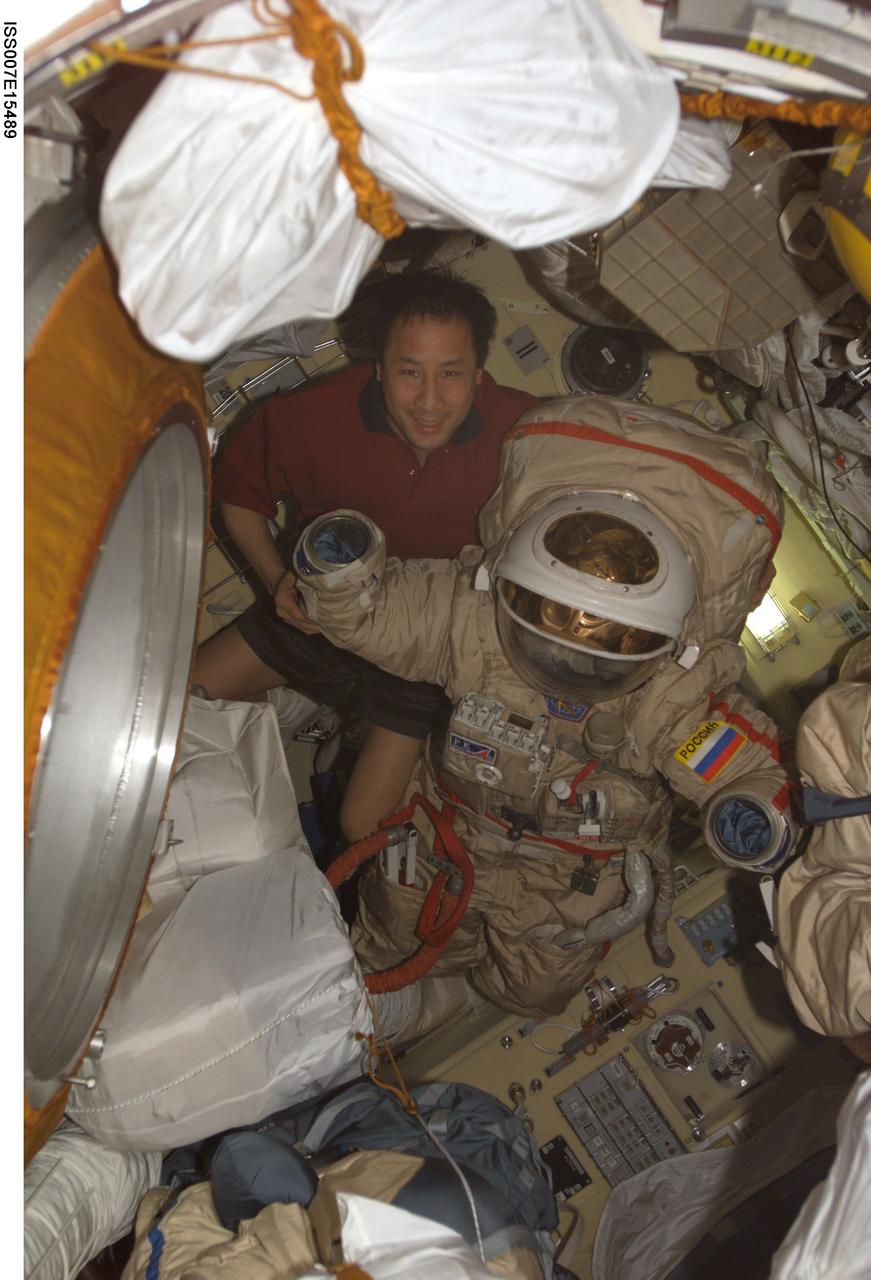
ISS007-E-15489 (26 September 2003) --- Astronaut Edward T. Lu, Expedition 7 NASA ISS science officer and flight engineer, is pictured near a Russian Orlan spacesuit in a Soyuz spacecraft docked to the International Space Station (ISS).
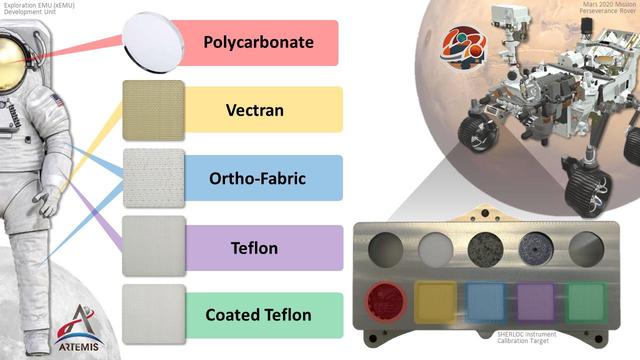
This graphic shows an illustration of a prototype astronaut suit, left, along with suit samples included in the calibration target, lower right, belonging to the instrument called Scanning Habitable Environments with Raman & Luminescence for Organics and Chemicals (SHERLOC), aboard the Perseverance rover. They are the first spacesuit materials ever sent to Mars. The spacesuit materials will be observed to see how they hold up in the intense radiation on the Martian surface. https://photojournal.jpl.nasa.gov/catalog/PIA24033
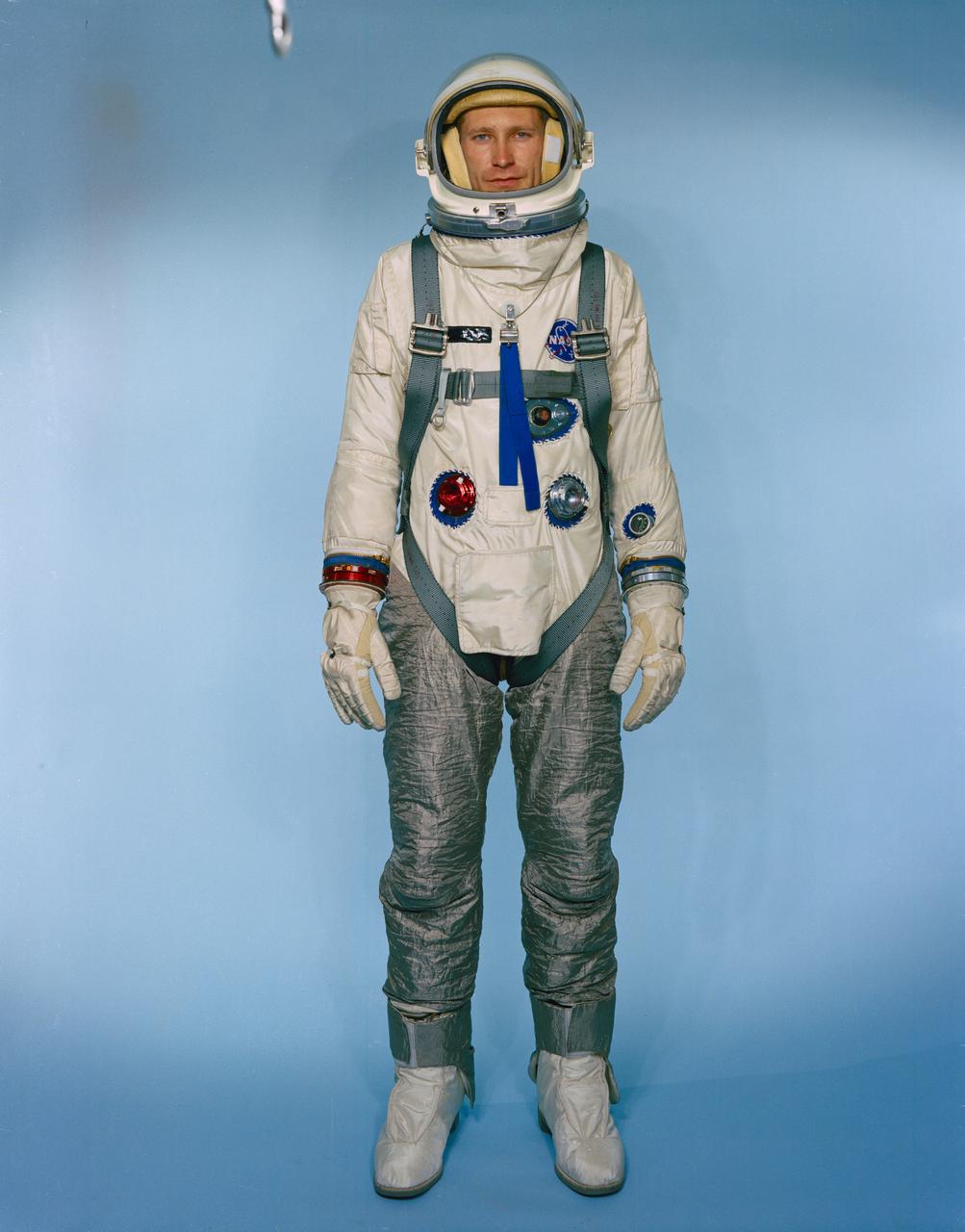
S66-31019 (May 1966) --- Test subject Fred Spross, Crew Systems Division, wears the Gemini-9 configured extravehicular spacesuit assembly. The legs are covered with Chromel R, which is a cloth woven from stainless steel fibers, used to protect the astronaut and suit from the hot exhaust thrust of the Astronaut Maneuvering Unit (AMU). Astronaut Eugene A. Cernan will wear this spacesuit during his Gemini-9A extravehicular activity (EVA). Photo credit: NASA
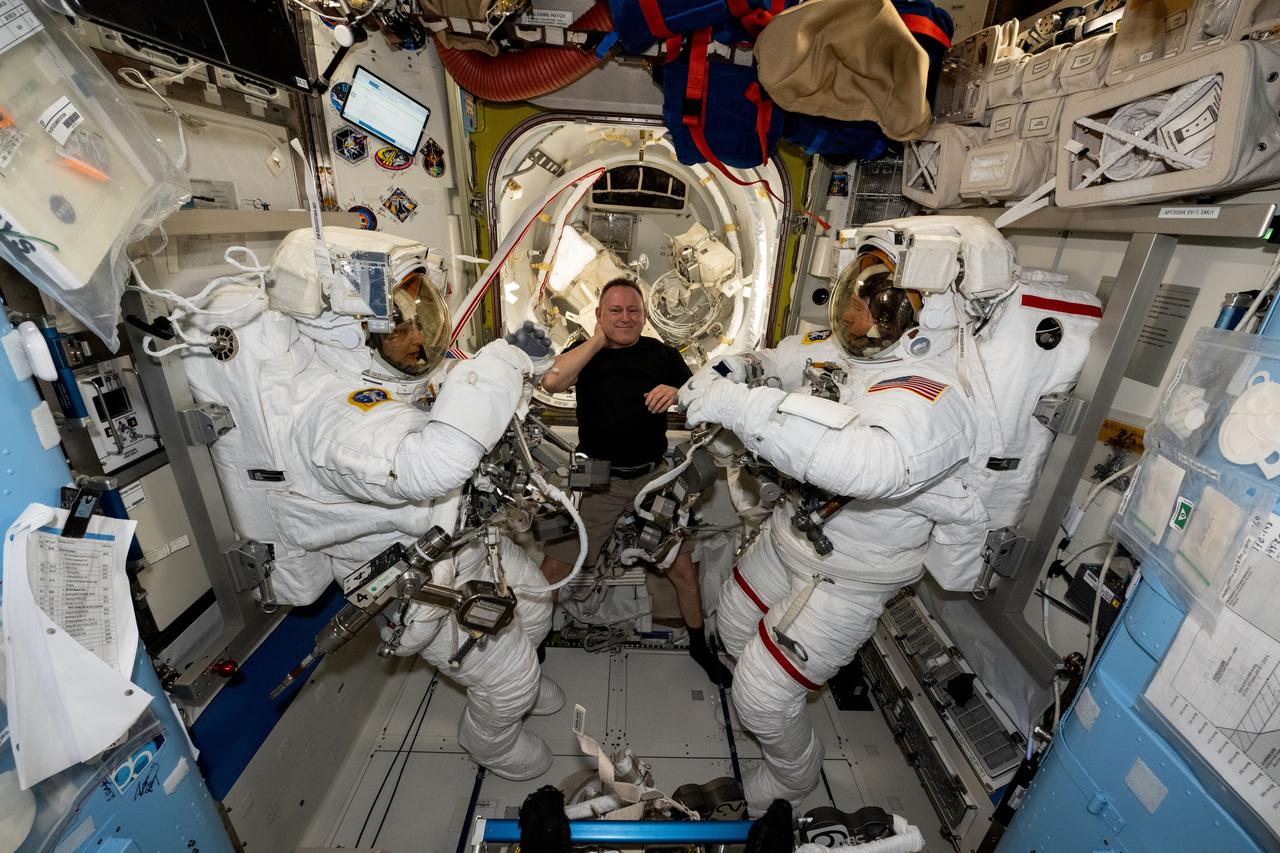
iss072e451696 (Jan. 9, 2025) --- NASA astronaut and Expedition 72 Flight Engineer Butch Wilmore (center) assists International Space Station Commander Suni Williams (left) and Flight Engineer Nick Hague (right), both NASA astronauts, as they prepare to evaluate their spacesuits in a pressurized configuration. Hague and Williams are scheduled to exit the orbital outpost on Jan. 16 for a spacewalk to service astrophysics gear including the NICER X-ray telescope and the Alpha Magnetic Spectrometer.

Kristine Davis, a spacesuit engineer at NASA’s Johnson Space Center, wearing a ground prototype of NASA’s new Exploration Extravehicular Mobility Unit (xEMU), is seen during a demonstration of the suit, Tuesday, Oct. 15, 2019 at NASA Headquarters in Washington. The xEMU suit improves on the suits previous worn on the Moon during the Apollo era and those currently in use for spacewalks outside the International Space Station and will be worn by first woman and next man as they explore the Moon as part of the agency’s Artemis program. Photo Credit: (NASA/Joel Kowsky)
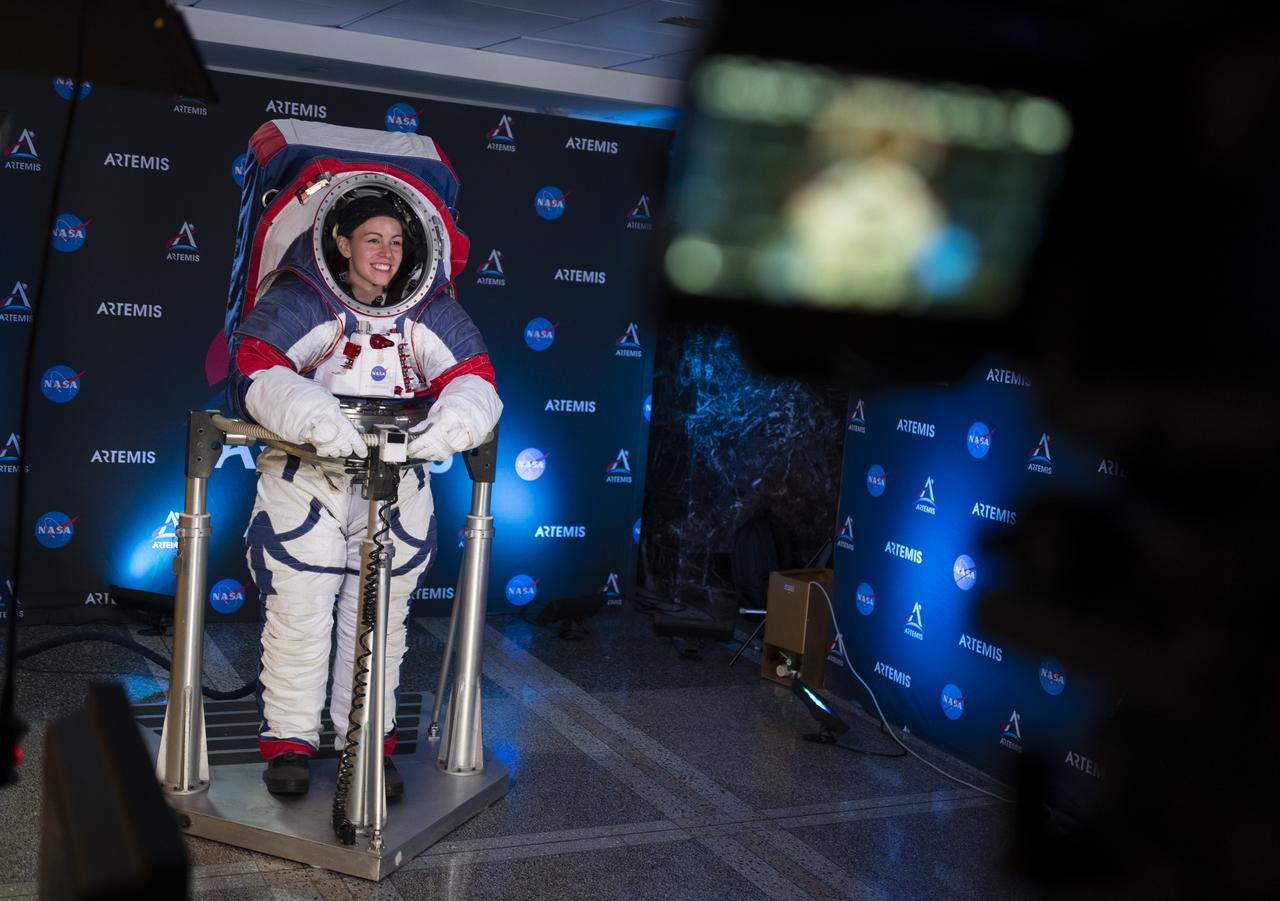
Kristine Davis, a spacesuit engineer at NASA’s Johnson Space Center, wearing a ground prototype of NASA’s new Exploration Extravehicular Mobility Unit (xEMU), is seen during a demonstration of the suit, Tuesday, Oct. 15, 2019 at NASA Headquarters in Washington. The xEMU suit improves on the suits previous worn on the Moon during the Apollo era and those currently in use for spacewalks outside the International Space Station and will be worn by first woman and next man as they explore the Moon as part of the agency’s Artemis program. Photo Credit: (NASA/Joel Kowsky)
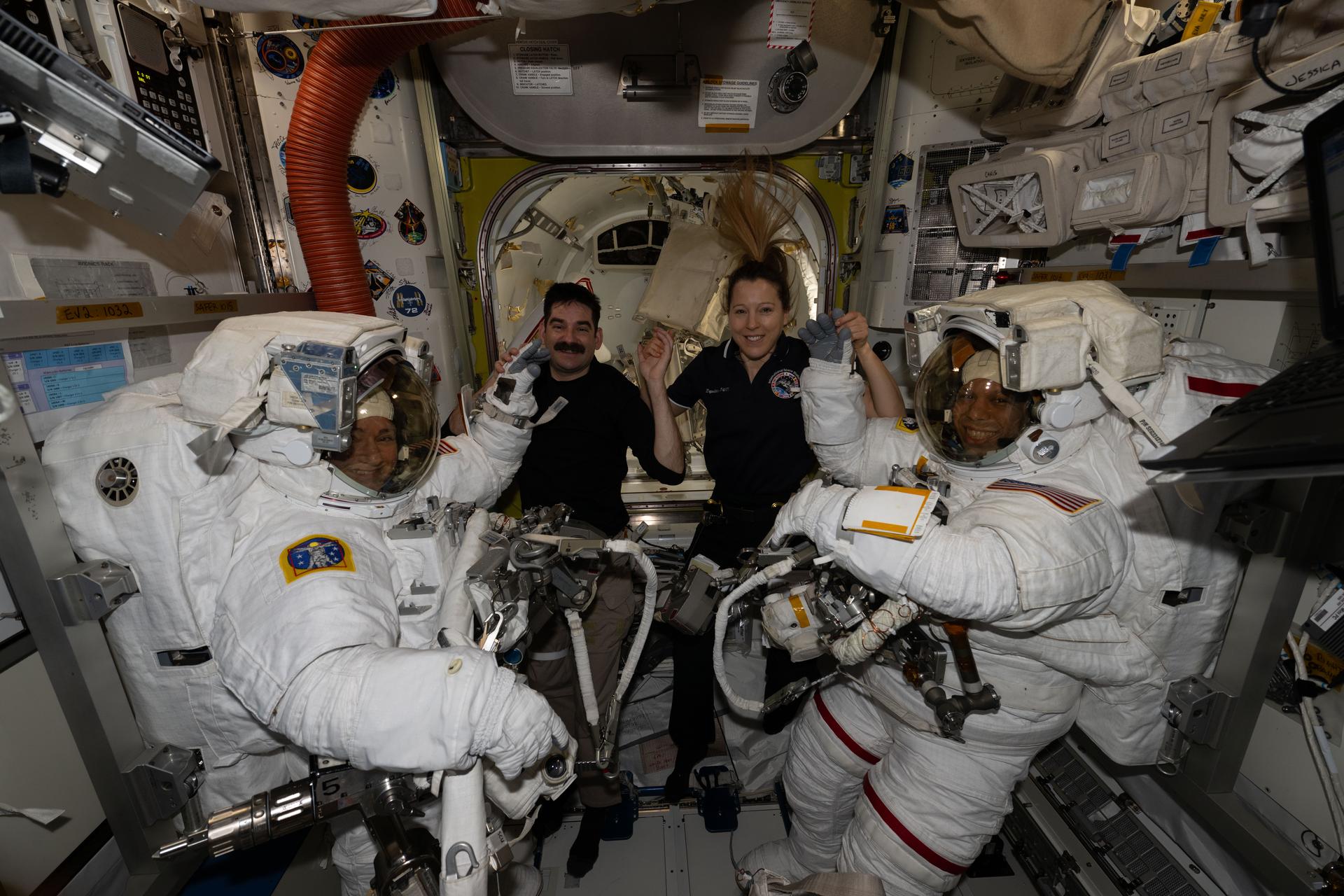
iss074e0788315 (June 30, 2026) --- At center, Expedition 74 flight engineers Jack Hathaway of NASA and Sophie Adenot of ESA (European Space Agency) pose for a portrait with NASA flight engineers Jessica Meir (far left) and Chris Williams (far right) after assisting the pair into their spacesuits inside the International Space Station’s Quest airlock. Shortly afterward, Meir and Williams exited Quest to begin a seven‑hour‑and‑20‑minute spacewalk to replace a malfunctioning wrist joint on the Canadarm2 robotic arm. Credit: ESA/Sophie Adenot

iss072e451687 (Jan. 9, 2025) --- NASA astronaut and Expedition 72 Flight Engineer Butch Wilmore (center) assists International Space Station Commander Suni Williams (left) and Flight Engineer Nick Hague (right), both NASA astronauts, as they prepare to evaluate their spacesuits in a pressurized configuration. Hague and Williams are scheduled to exit the orbital outpost on Jan. 16 for a spacewalk to service astrophysics gear including the NICER X-ray telescope and the Alpha Magnetic Spectrometer.
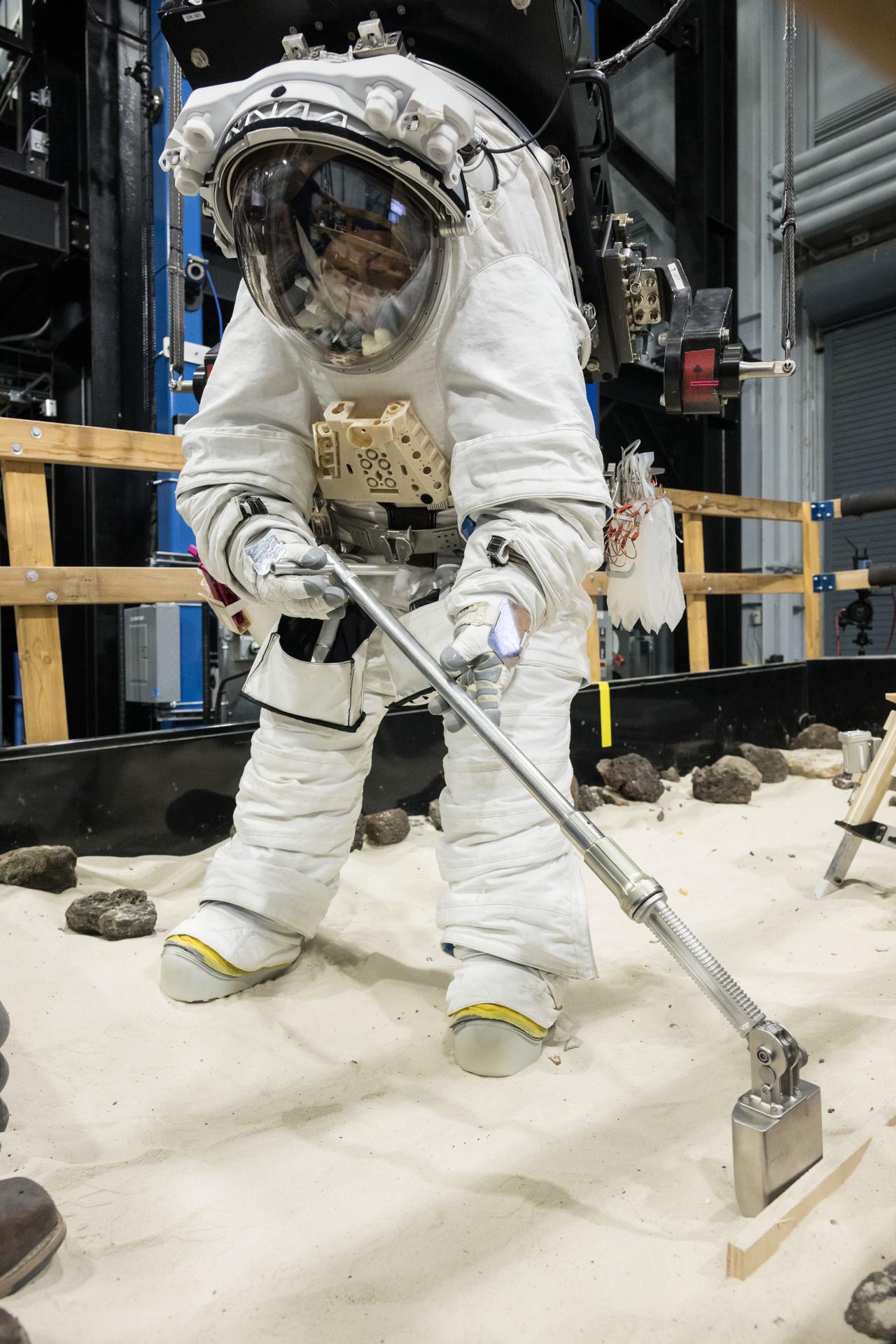
A NASA crew member practices using lunar tools to collect geology samples at NASA’s Johnson Space Center during an elevated suit pressure test where teams evaluate how well crew perform tasks in different suit pressure levels while wearing the Artemis III lunar spacesuit developed by Axiom Space called the AxEMU (Axiom Extravehicular Mobility Unit).
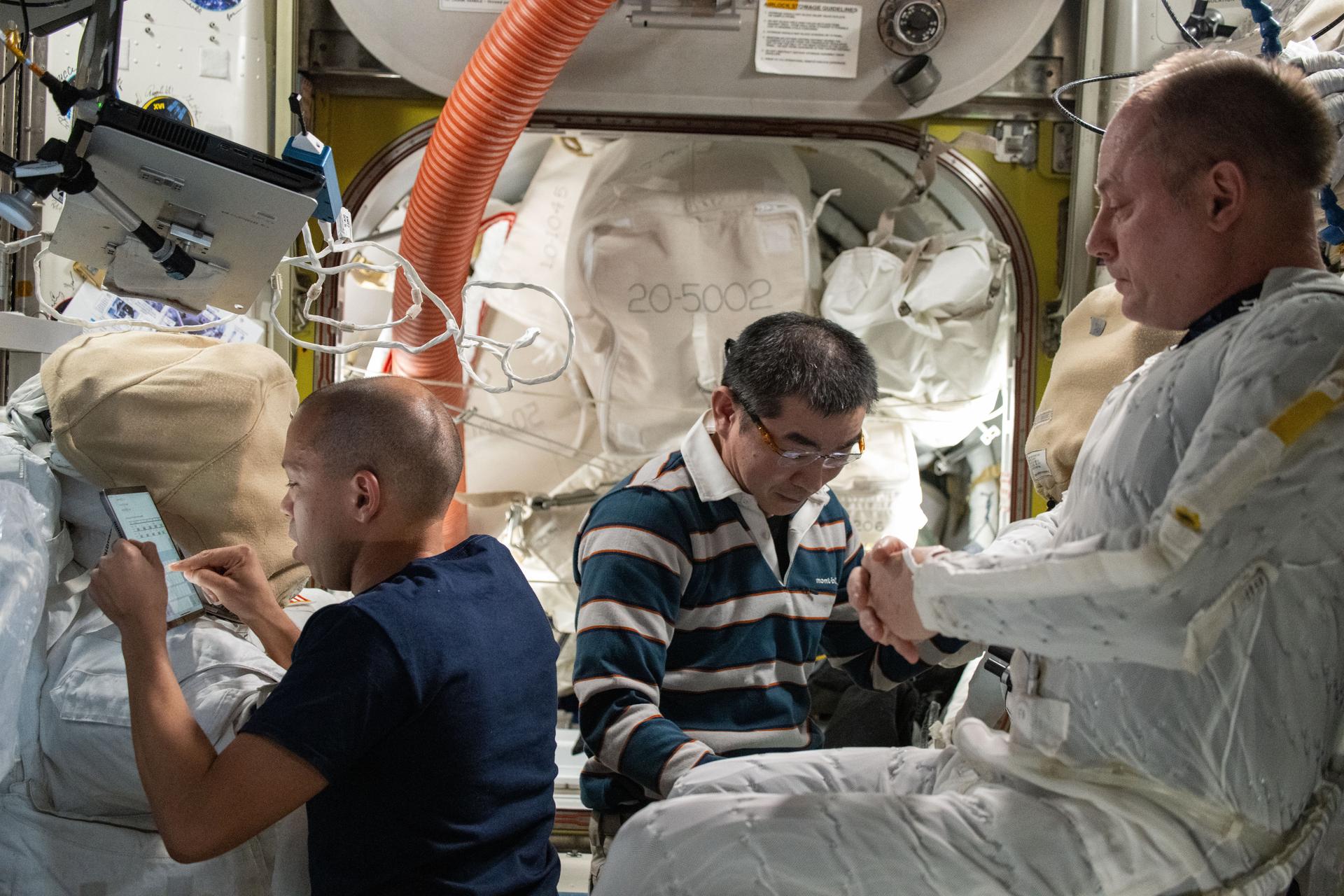
iss074e0008259 (Dec. 30,2025) --- At right, NASA astronaut and Expedition 74 Commander Mike Fincke waits patiently while wearing his spacesuit undergarment, known as the liquid cooling and ventilation garment, during spacesuit check preparations. At left and center are Flight Engineers Chris Williams of NASA and Kimiya Yui of JAXA (Japan Aerospace Exploration Agency) as they ready spacesuits for checks and tests inside the International Space Station’s Quest airlock.
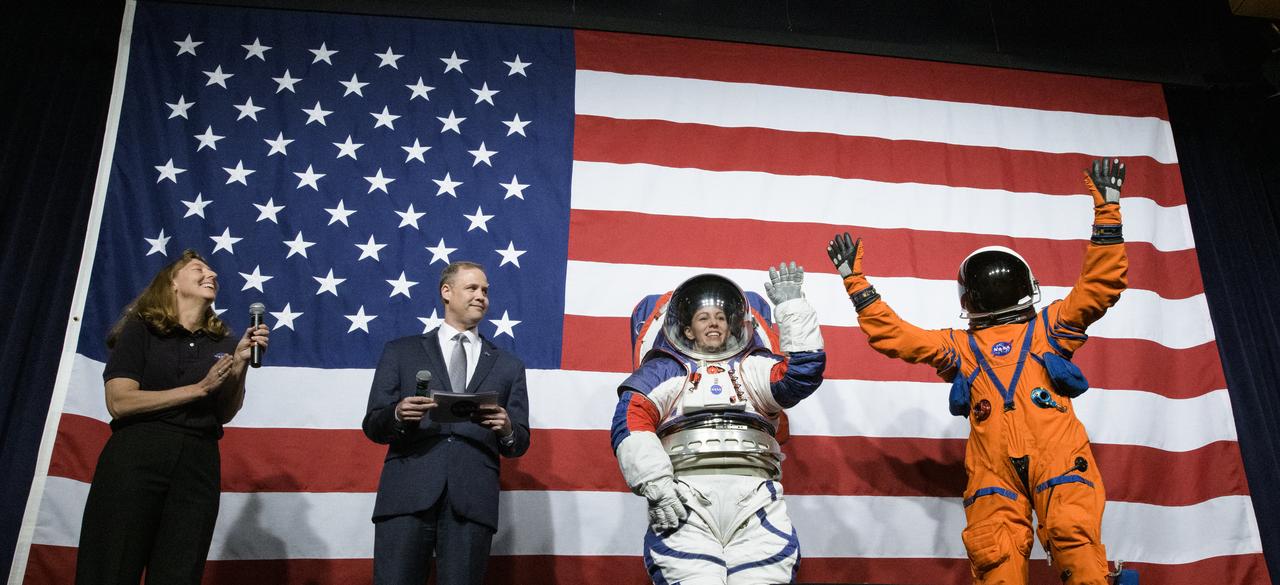
Amy Ross, a spacesuit engineer at NASA’s Johnson Space Center, left, and NASA Administrator Jim Bridenstine, second from left, watch as Kristine Davis, a spacesuit engineer at NASA’s Johnson Space Center, wearing a ground prototype of NASA’s new Exploration Extravehicular Mobility Unit (xEMU), and Dustin Gohmert, Orion Crew Survival Systems Project Manager at NASA’s Johnson Space Center, wearing the Orion Crew Survival System suit, right, wave after being introduced by the administrator, Tuesday, Oct. 15, 2019 at NASA Headquarters in Washington. The xEMU suit improves on the suits previous worn on the Moon during the Apollo era and those currently in use for spacewalks outside the International Space Station and will be worn by first woman and next man as they explore the Moon as part of the agency’s Artemis program. The Orion suit is designed for a custom fit and incorporates safety technology and mobility features that will help protect astronauts on launch day, in emergency situations, high-risk parts of missions near the Moon, and during the high-speed return to Earth. Photo Credit: (NASA/Joel Kowsky)
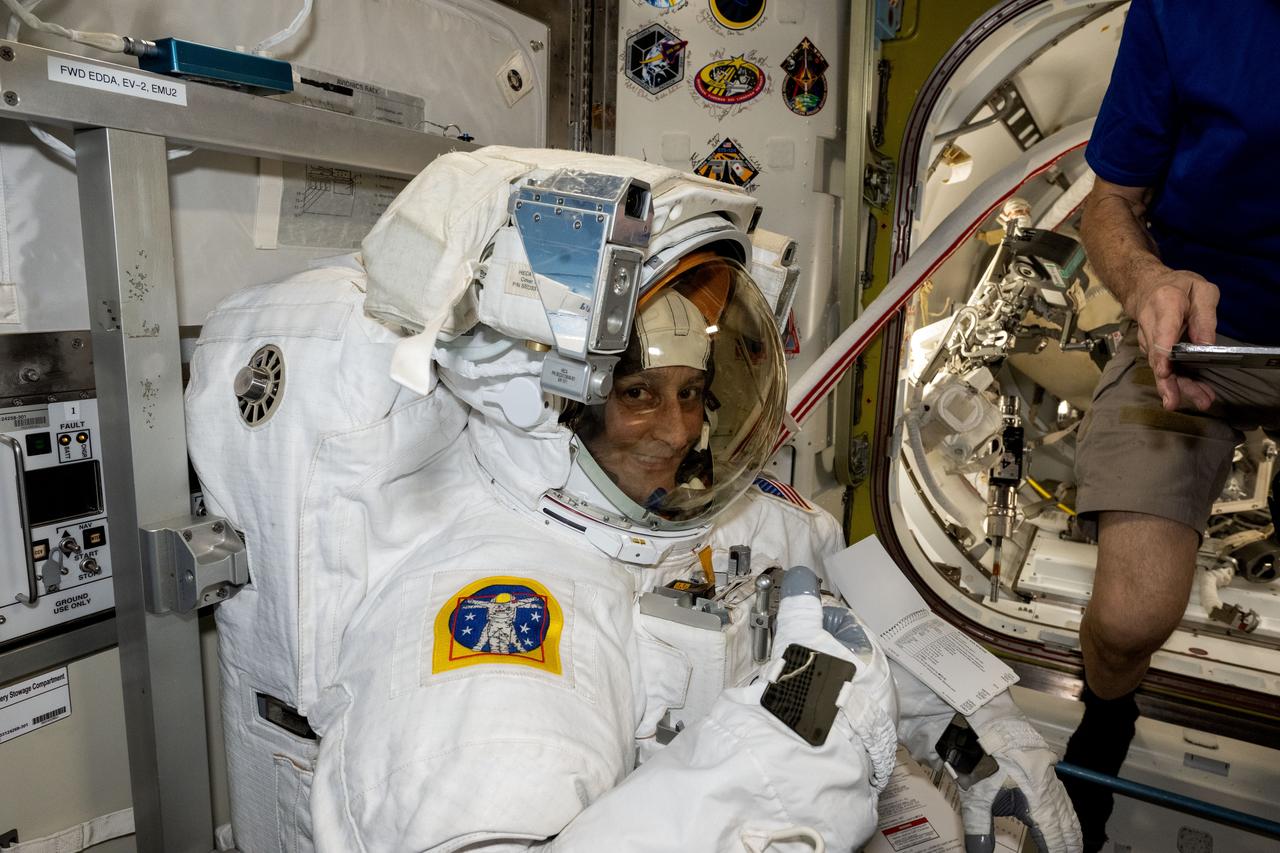
iss072e451674 (Jan. 9, 2025) --- NASA astronaut and Expedition 72 Commander Suni Williams is pictured as she tries on and evaluates her spacesuit in a pressurized configuration aboard the International Space Station's Quest airlock.
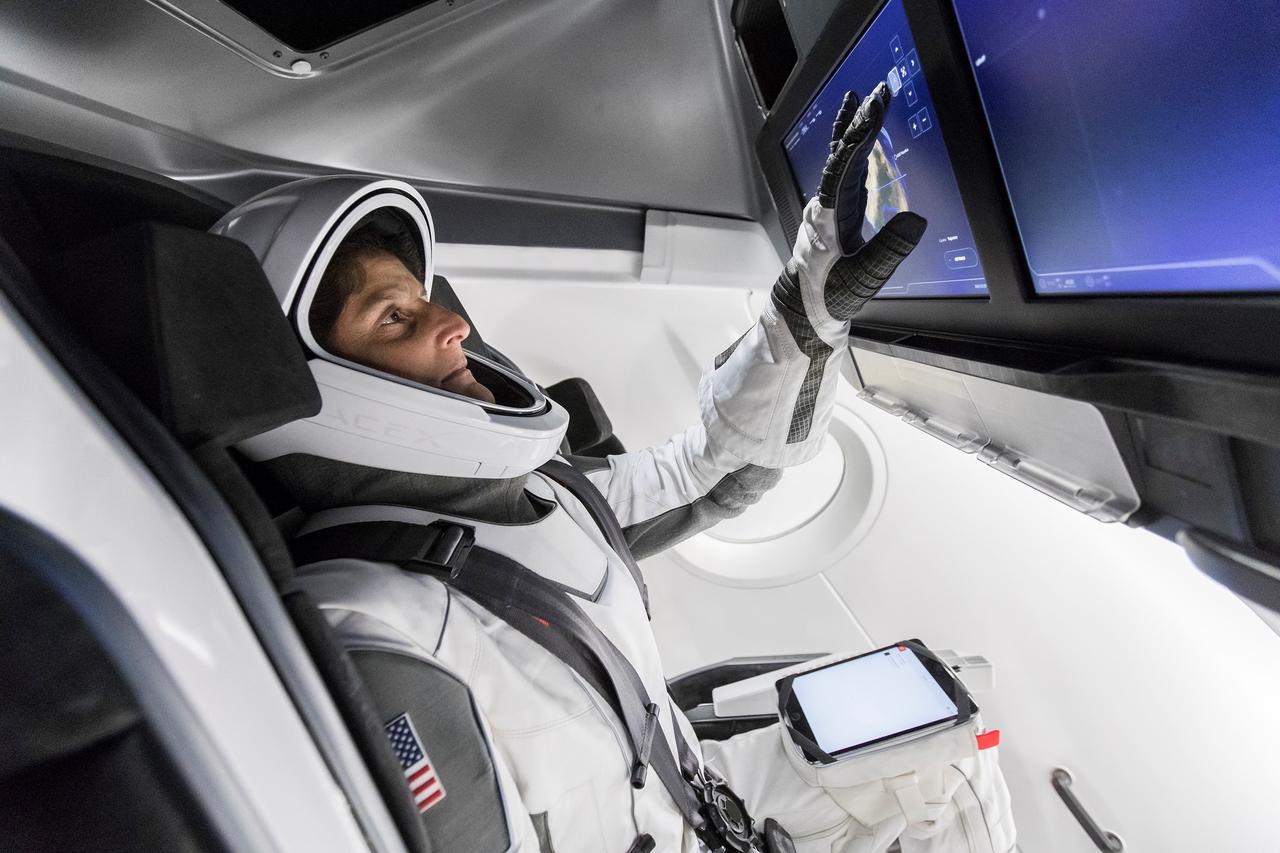
NASA Astronaut Suni Williams, fully suited in SpaceX’s spacesuit, interfaces with the display inside a mock-up of the Crew Dragon spacecraft in Hawthorne, California, during a testing exercise on Tuesday, April 3, 2018.