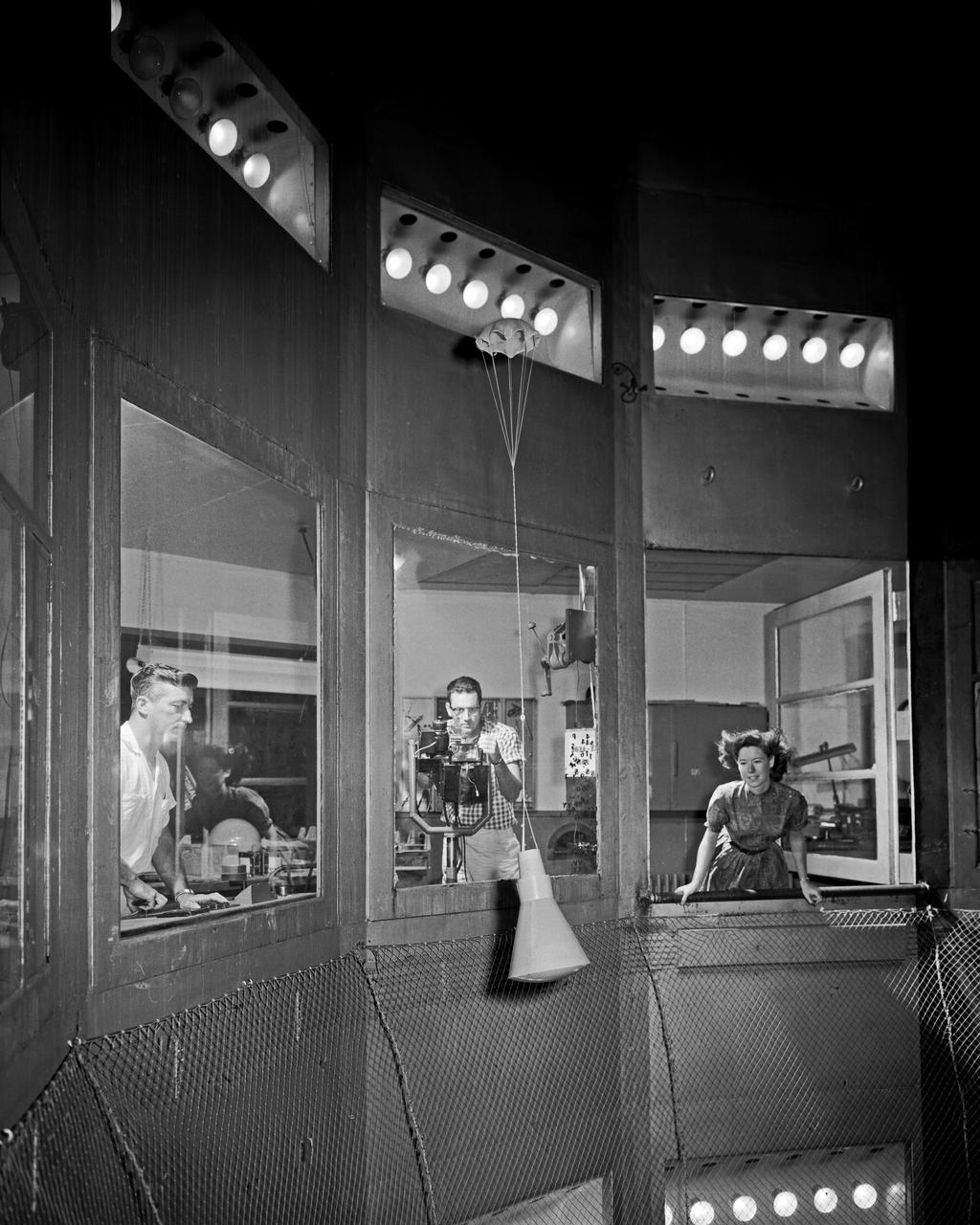
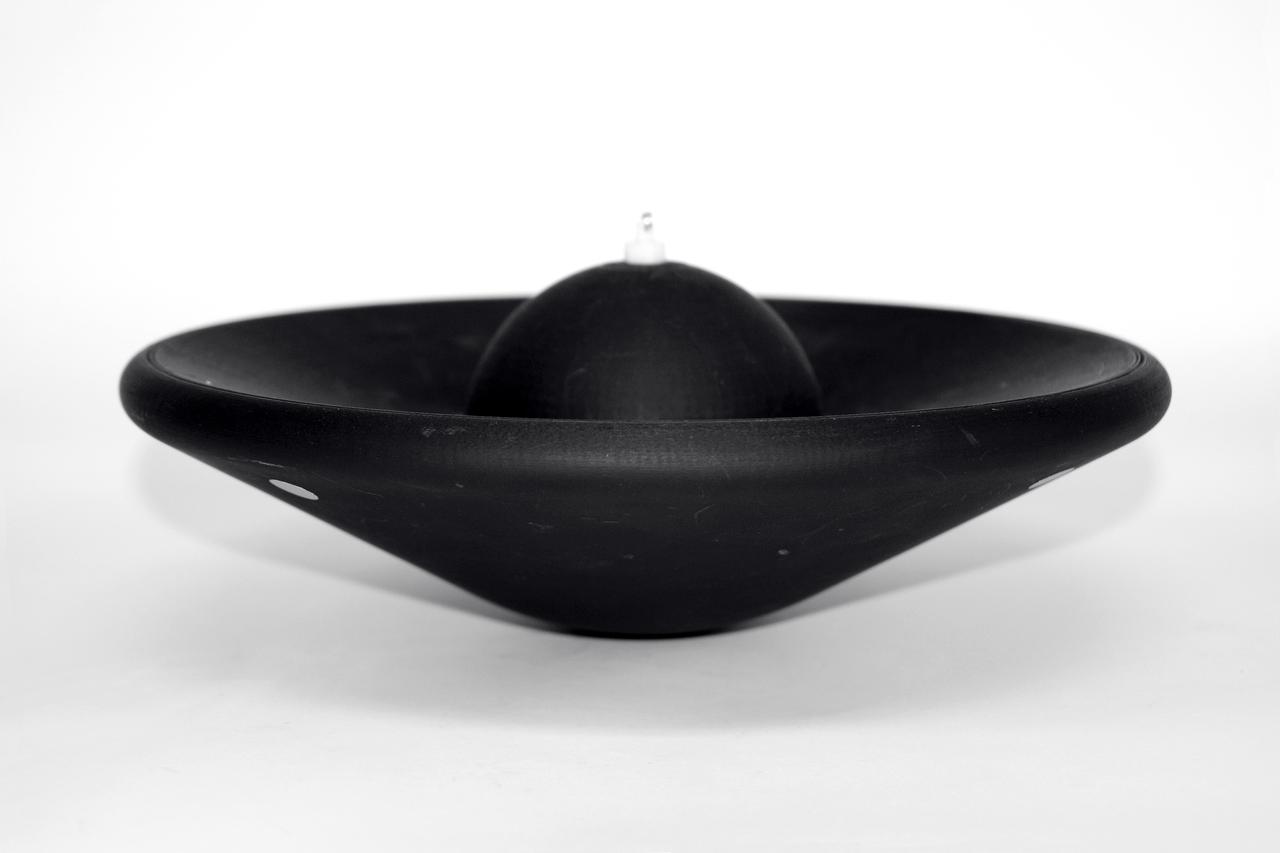
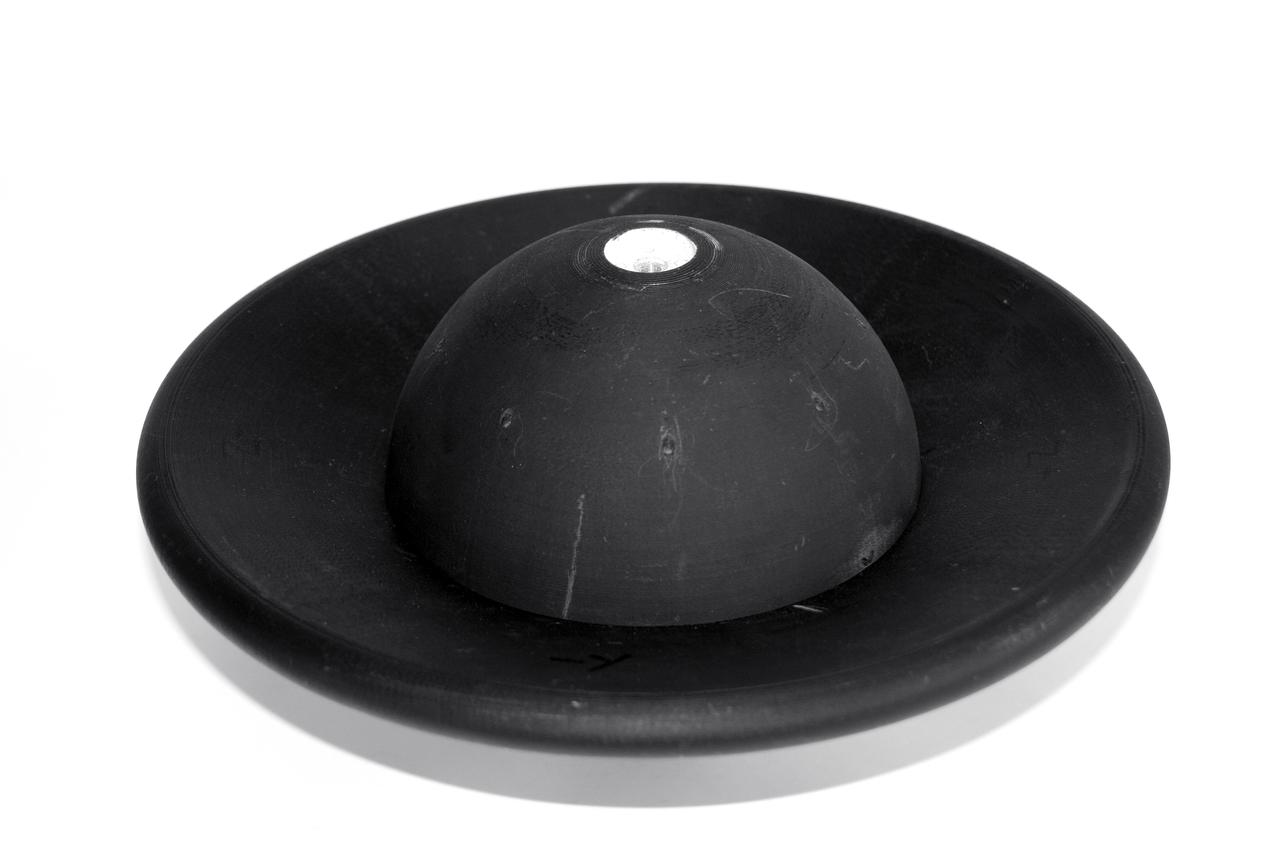
Mercury capsule in Spin Tunnel
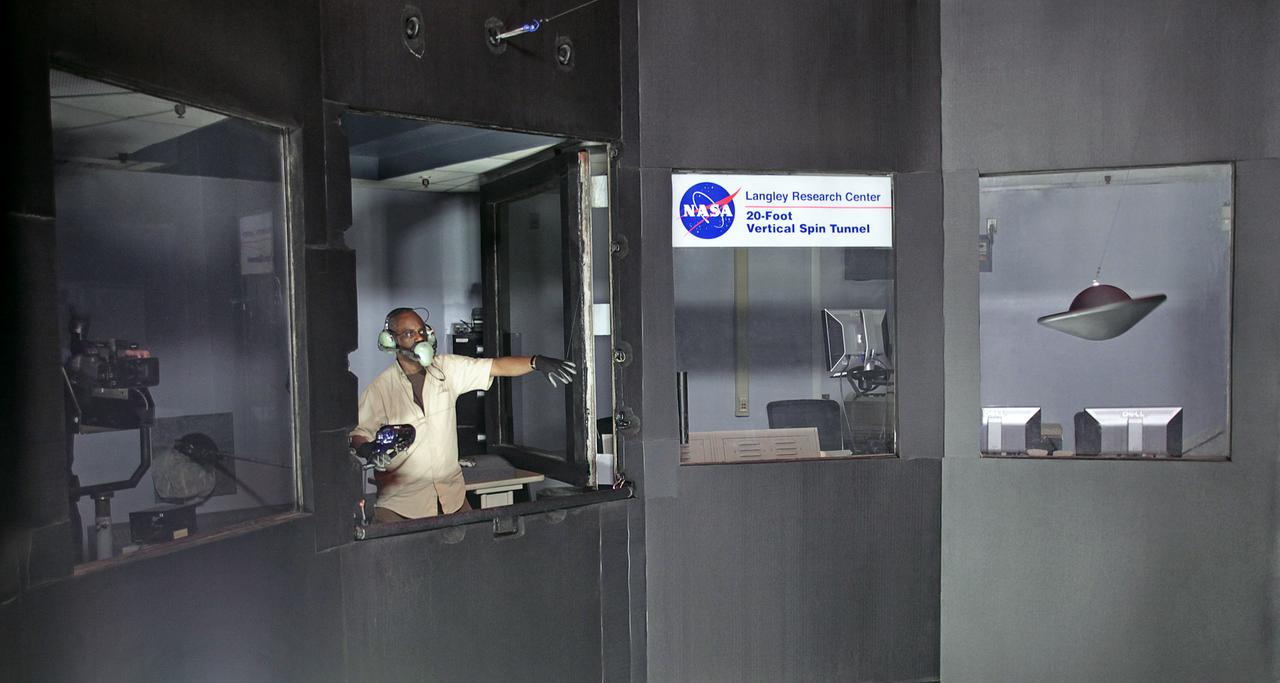
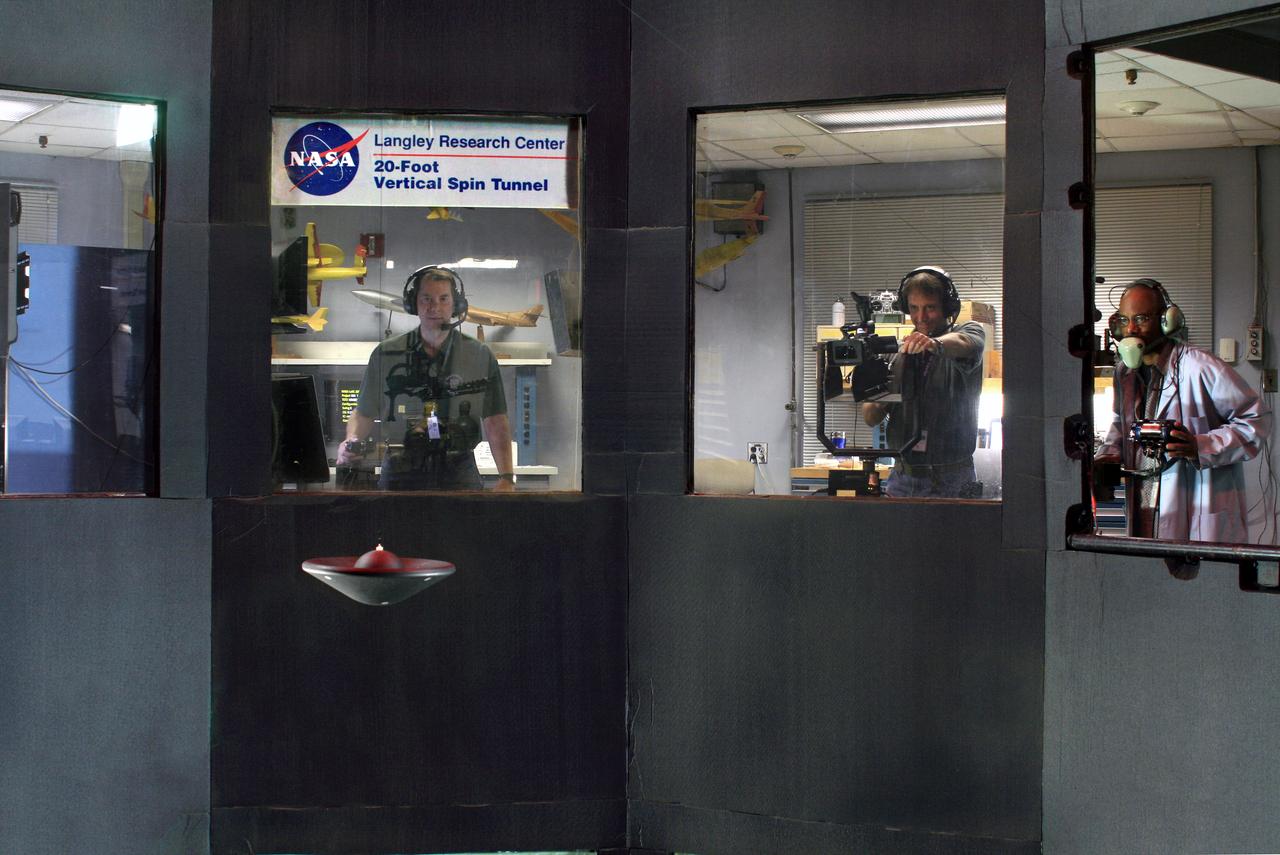
NASA Langley engineer, Clinton Duncan maintains controls of the tethered Multi Mission Earth Entry Vehicle model while being tested in the Vertical Spin Tunnel.
Multi Mission Earth Entry Vehicle (MMEEV) Model
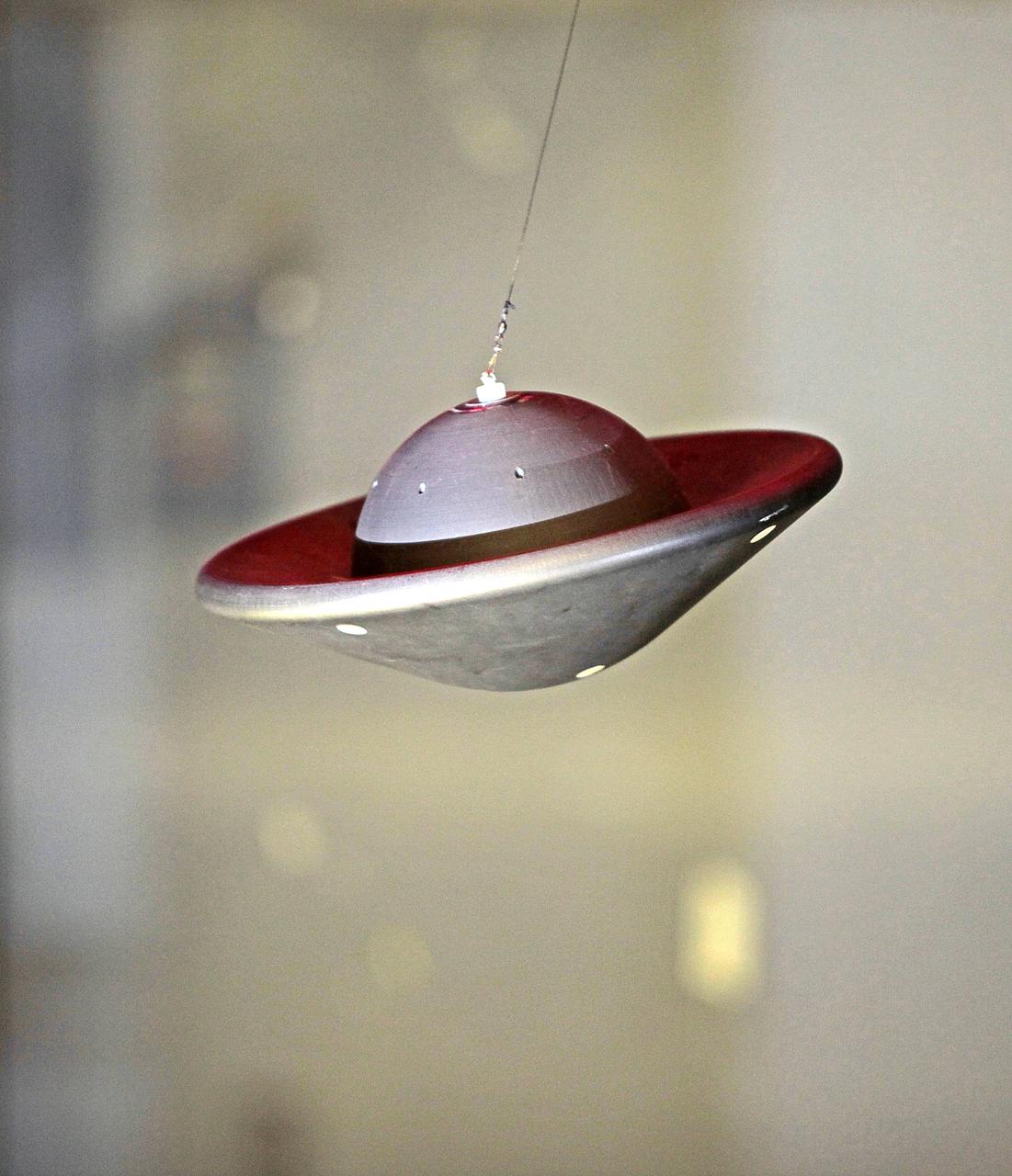
The tethered Multi Mission Earth Entry Vehicle model while being tested in the Vertical Spin Tunnel at NASA Langely Research Center, Hampton VA.
Multi Mission Earth Entry Vehicle (MMEEV) Model
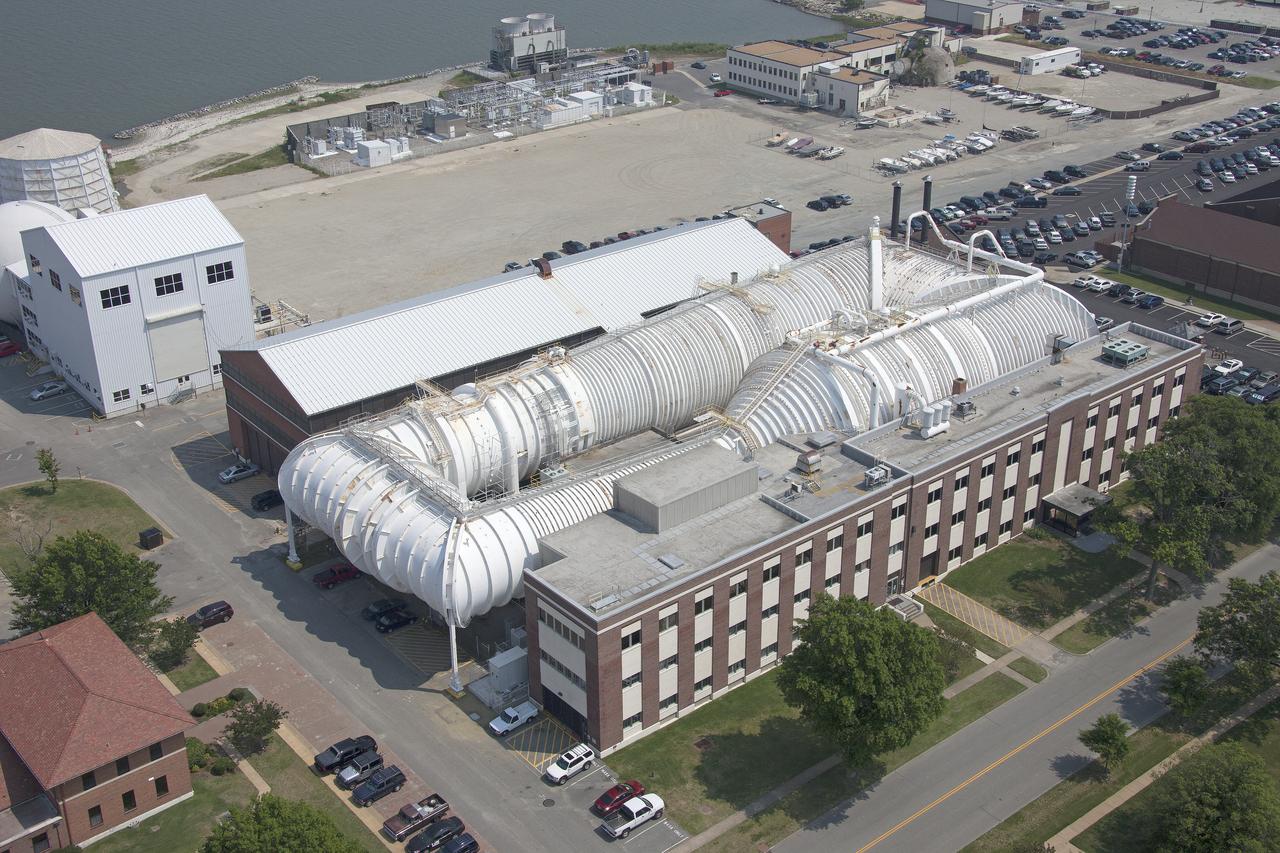
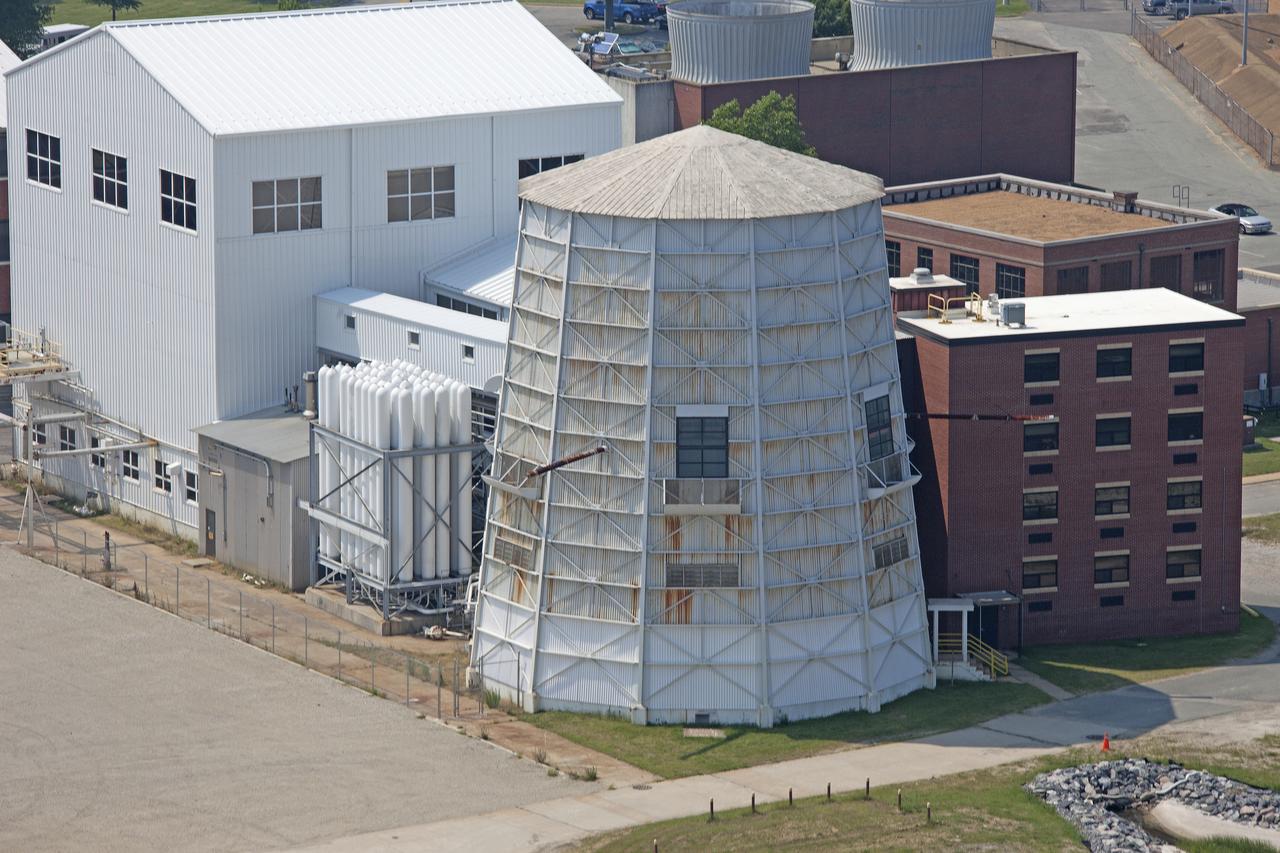
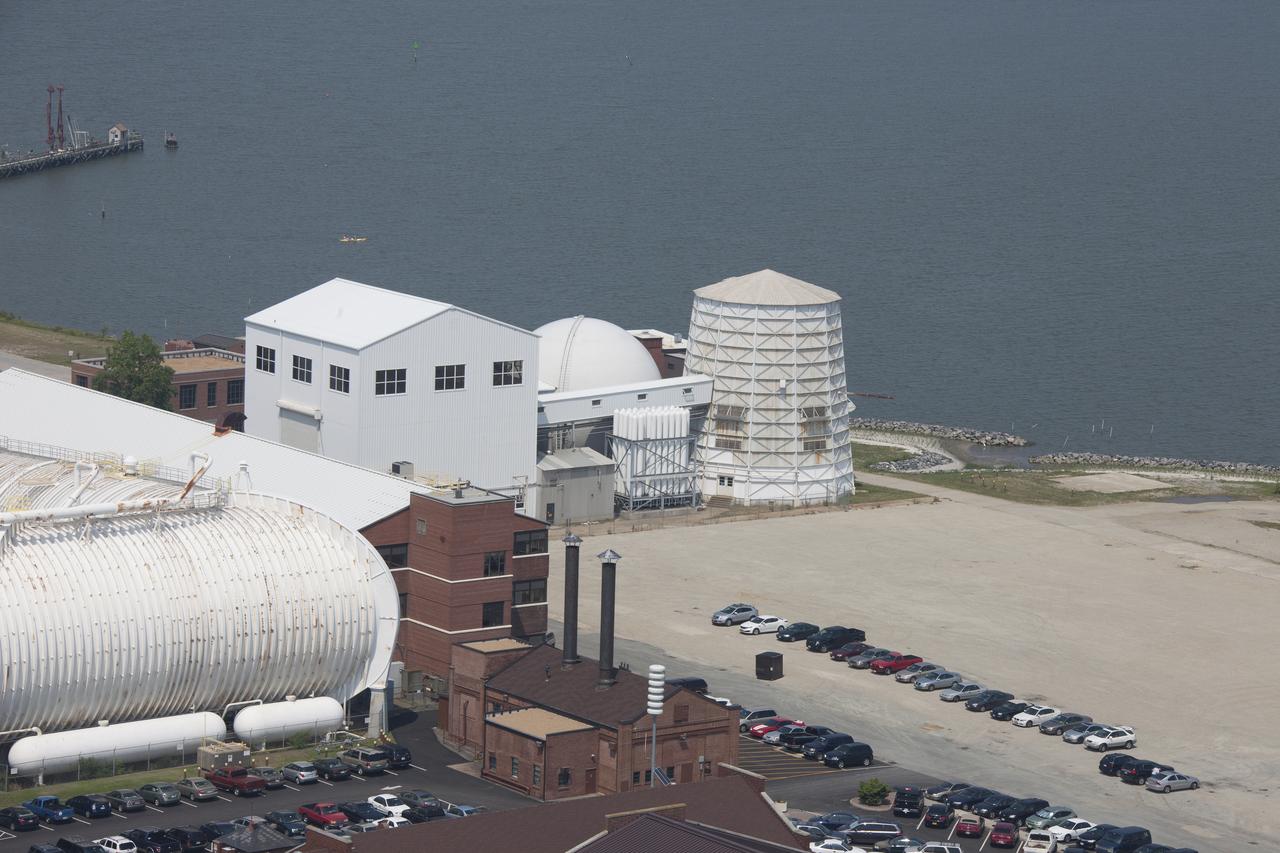
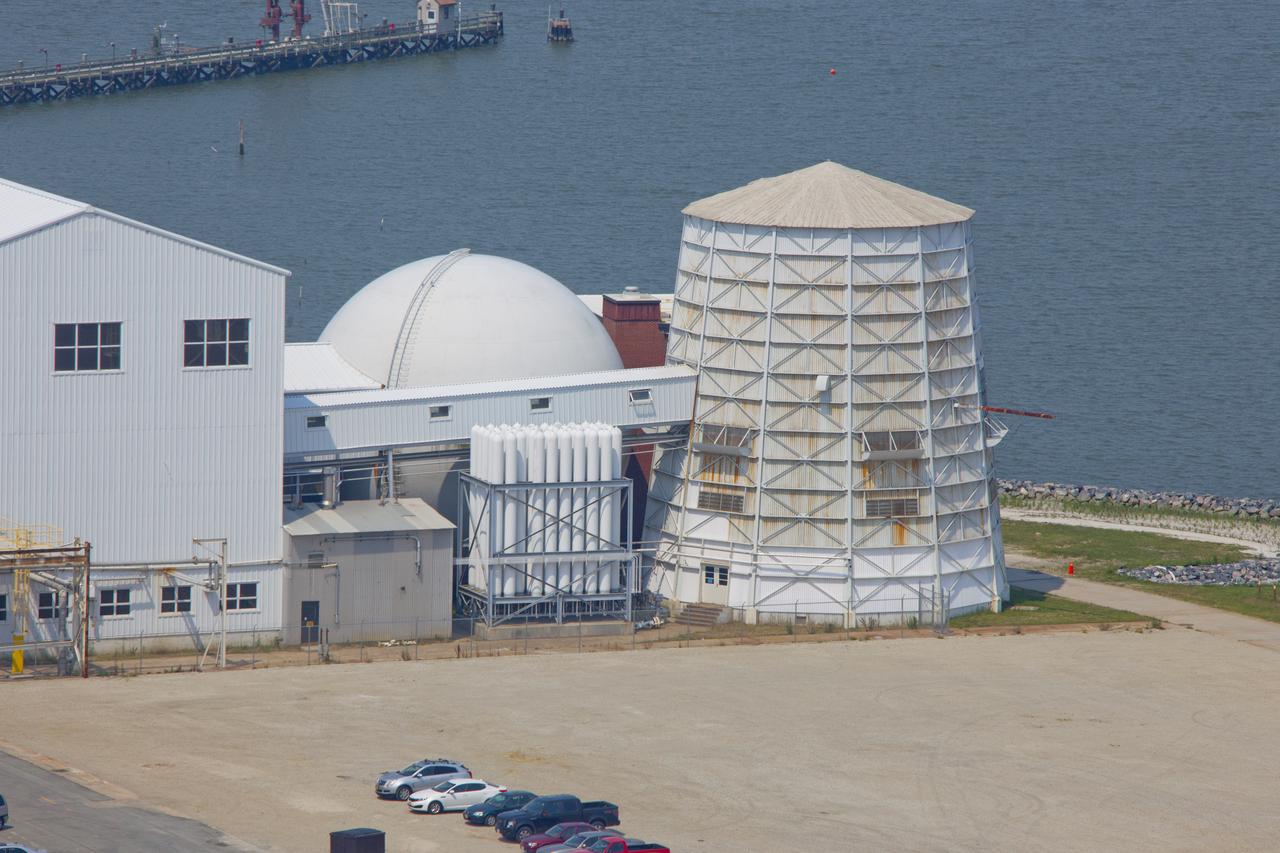
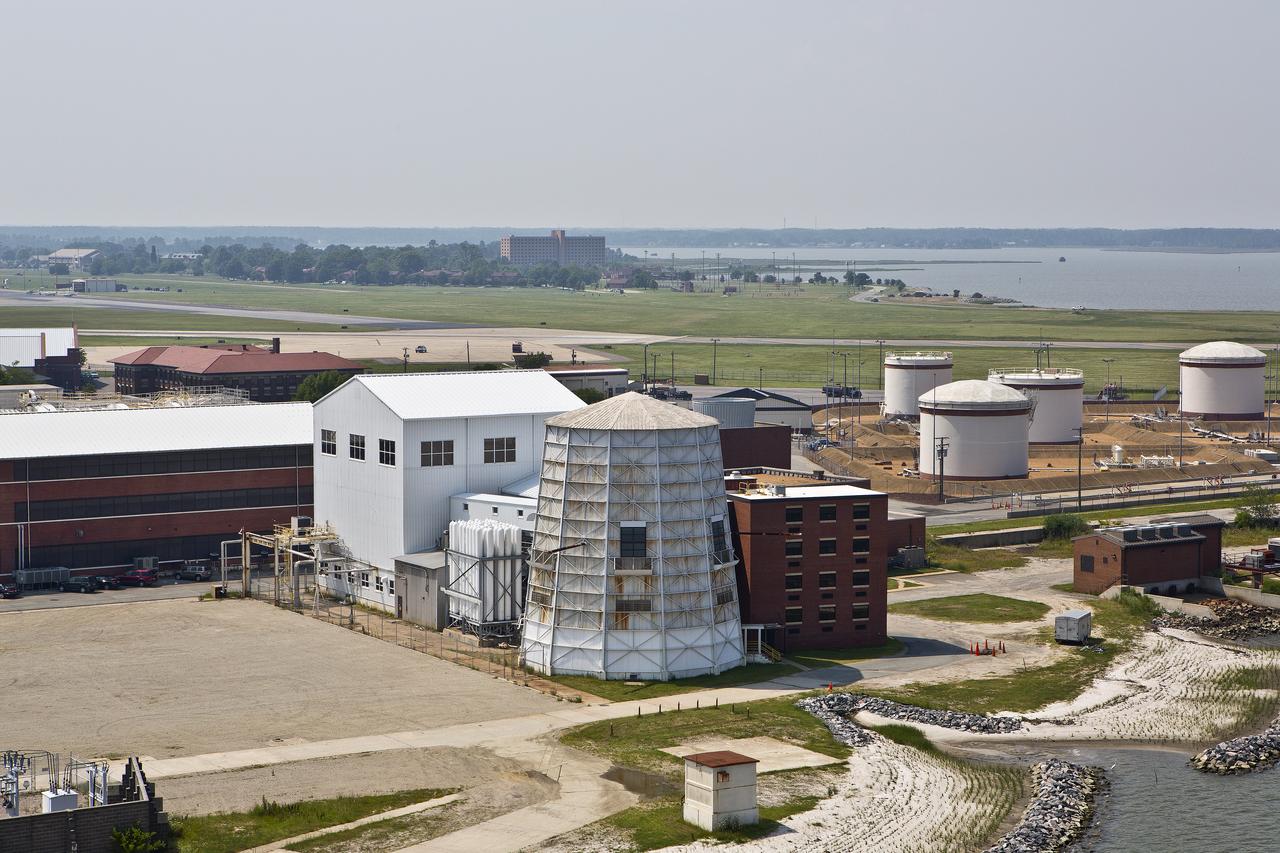
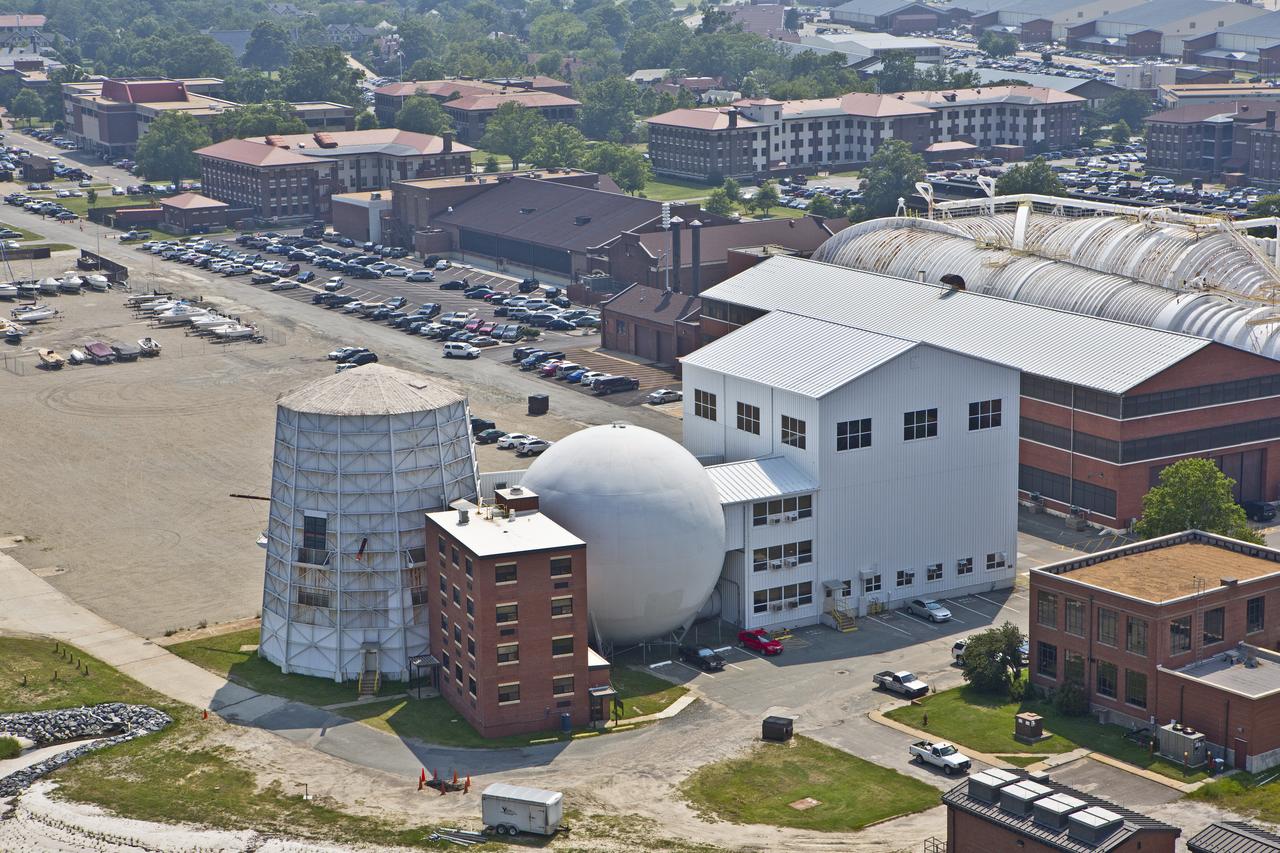
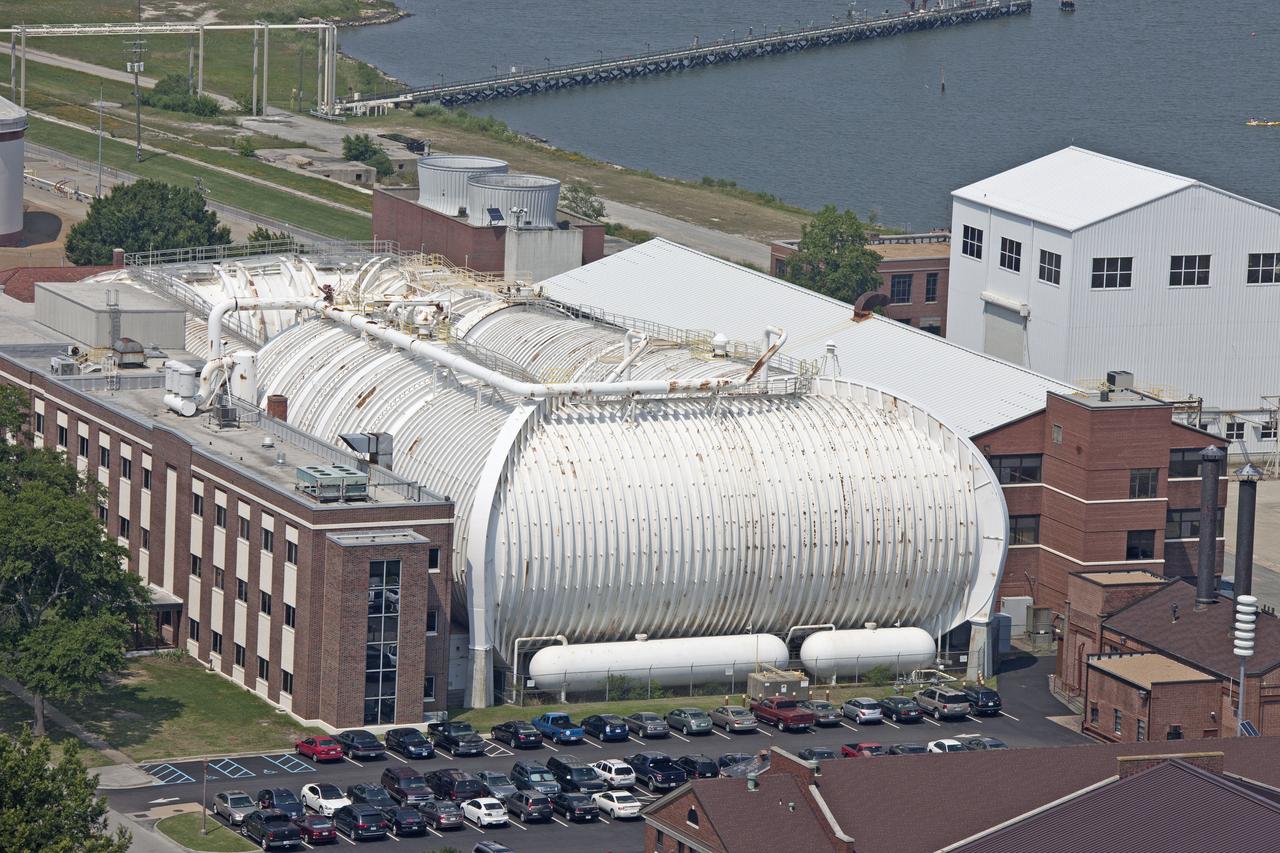
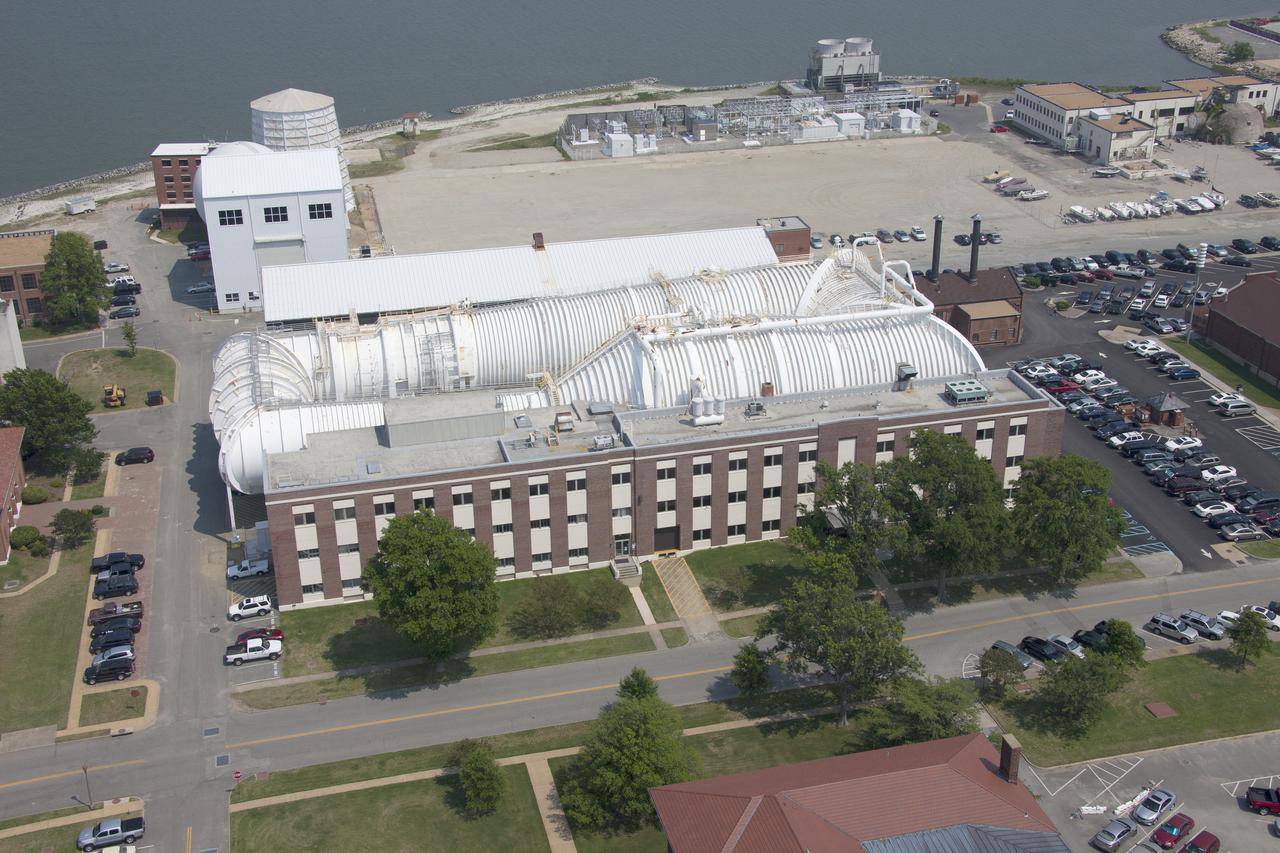
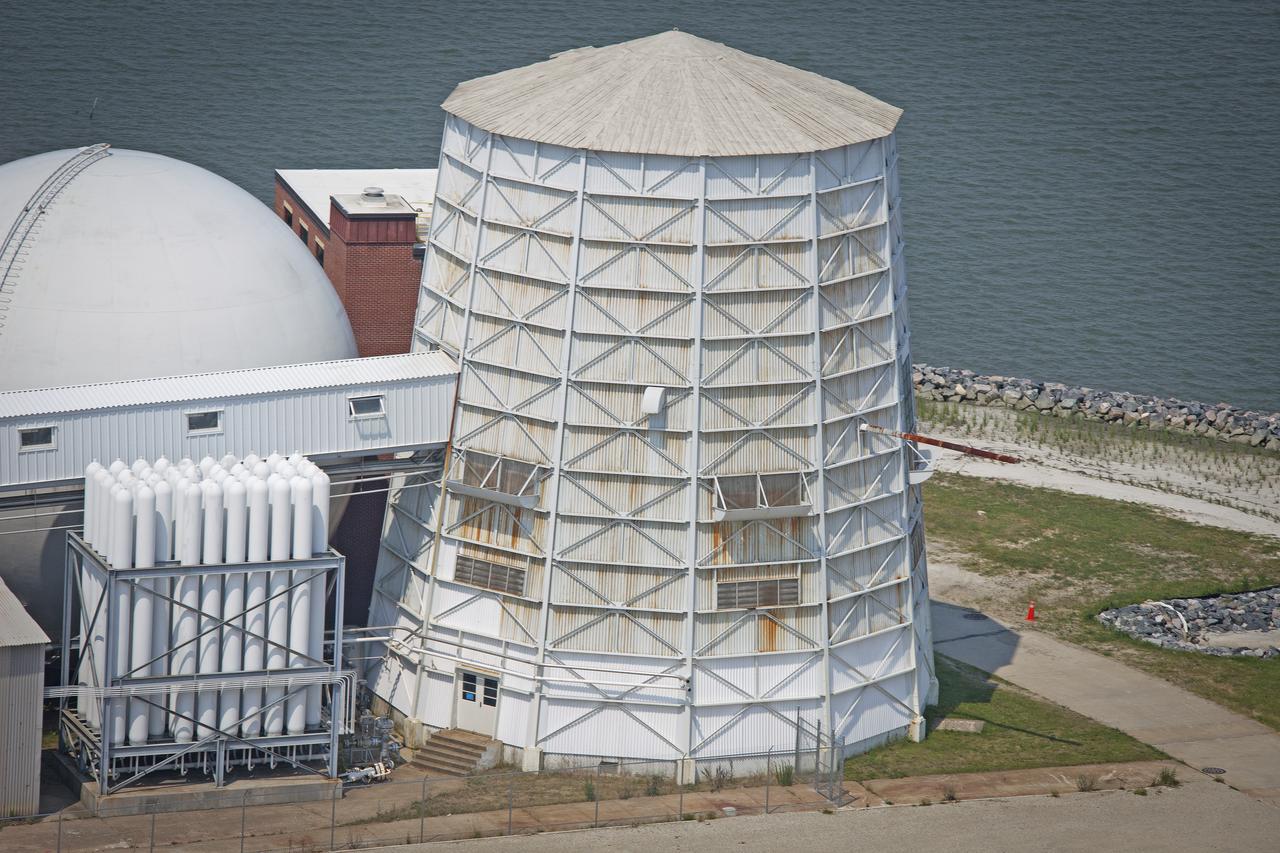
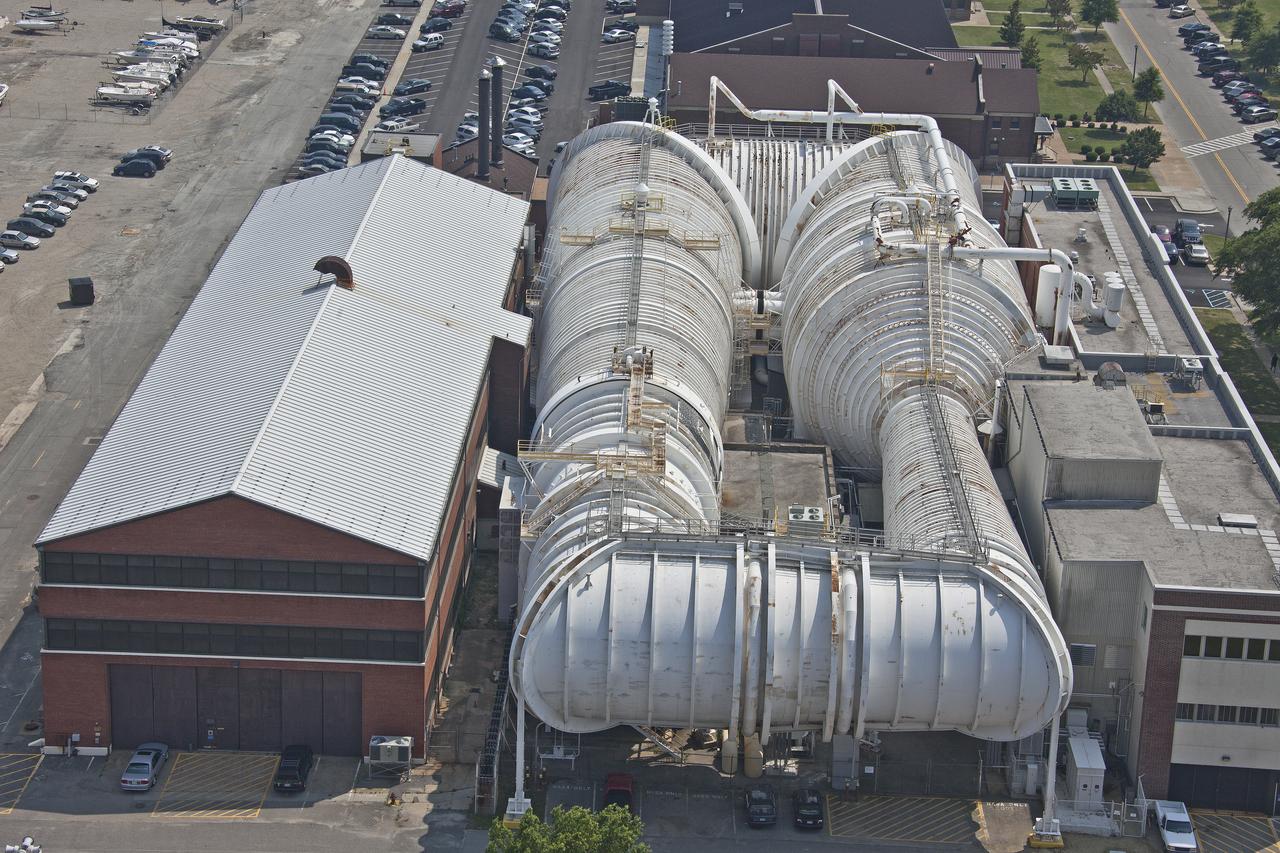
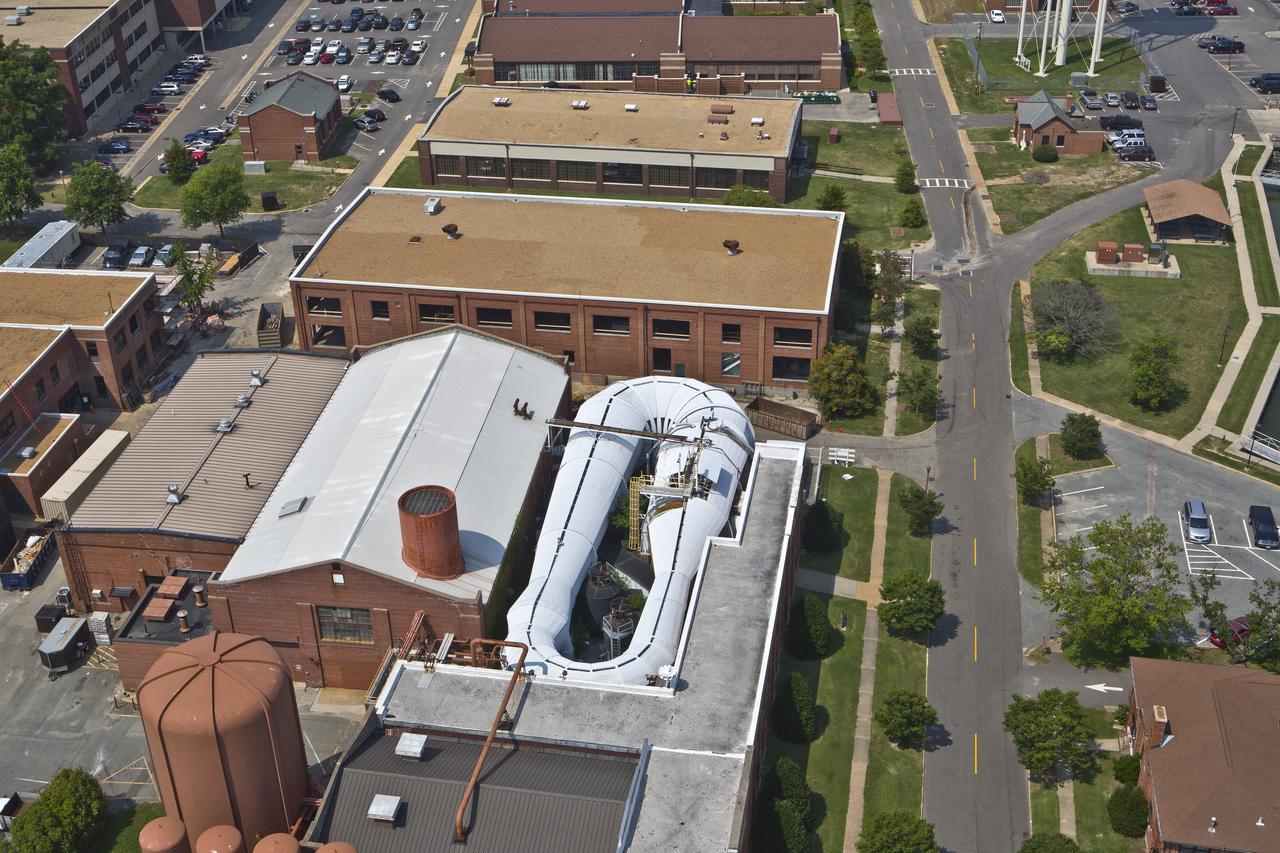
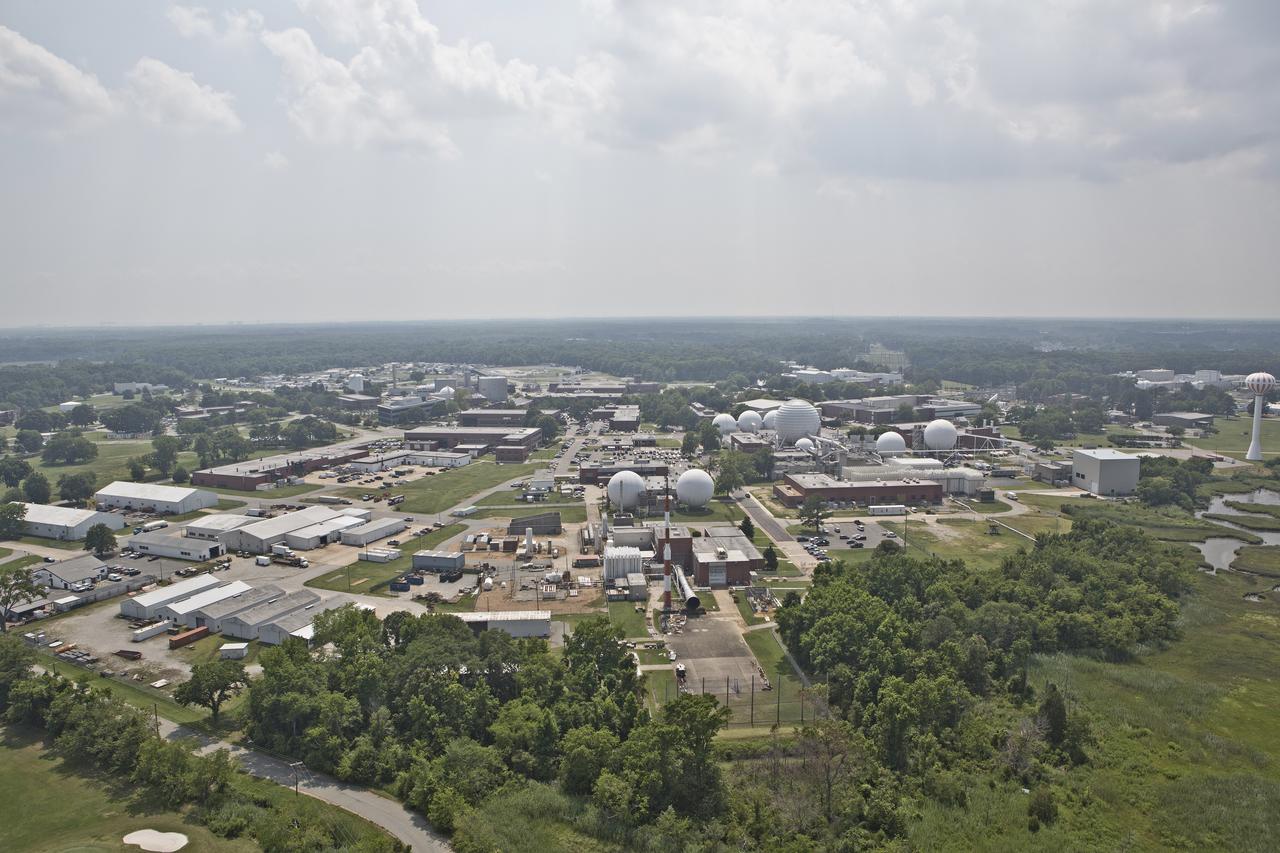
Aerial of NASA Langley East side spin tunnel and wind tunnel
Aerials of NASA Langley Research Center
Aerial of NASA Langley East side spin tunnel and wind tunnel
Aerials of NASA Langley Research Center
Aerial of NASA Langley East side spin tunnel and wind tunnel
Aerials of NASA Langley Research Center
Aerial of NASA Langley East side spin tunnel and wind tunnel
Aerials of NASA Langley Research Center
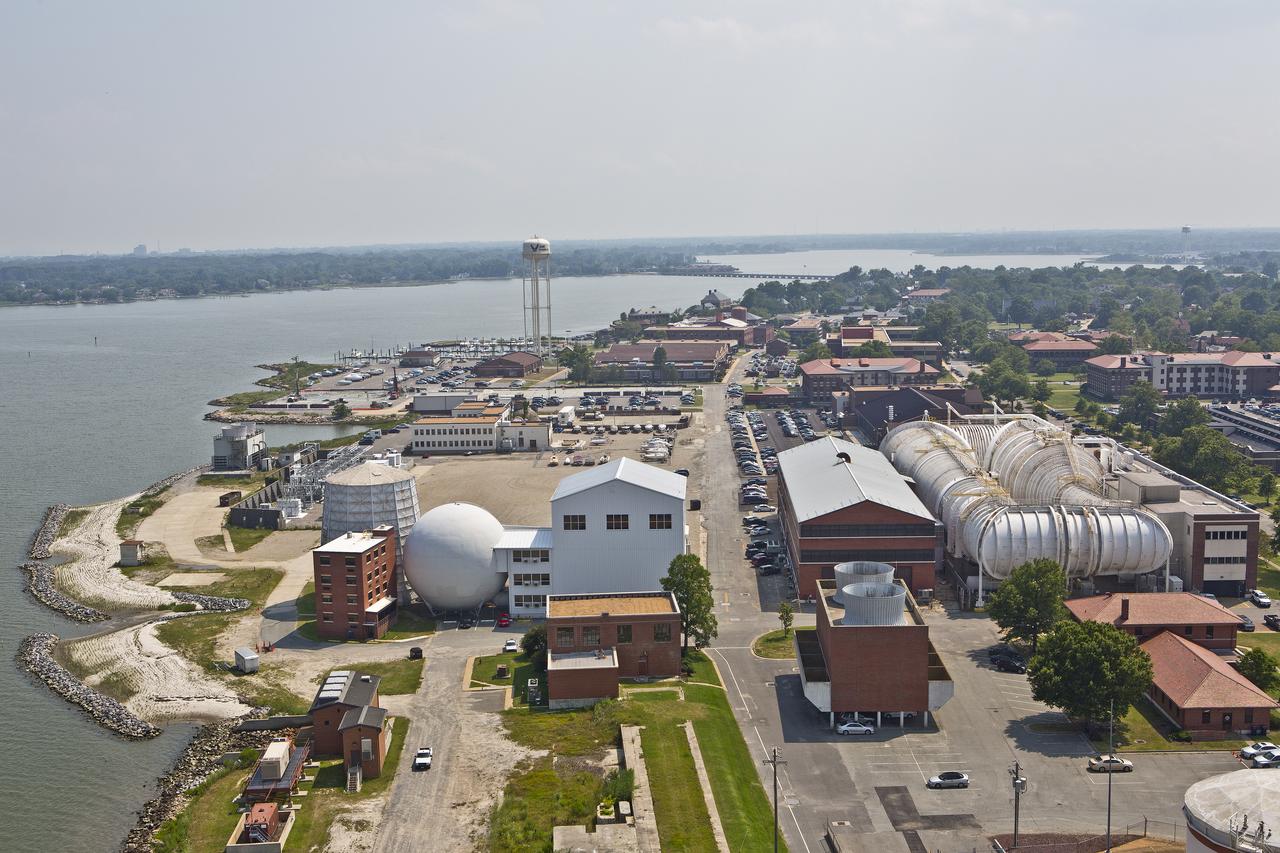
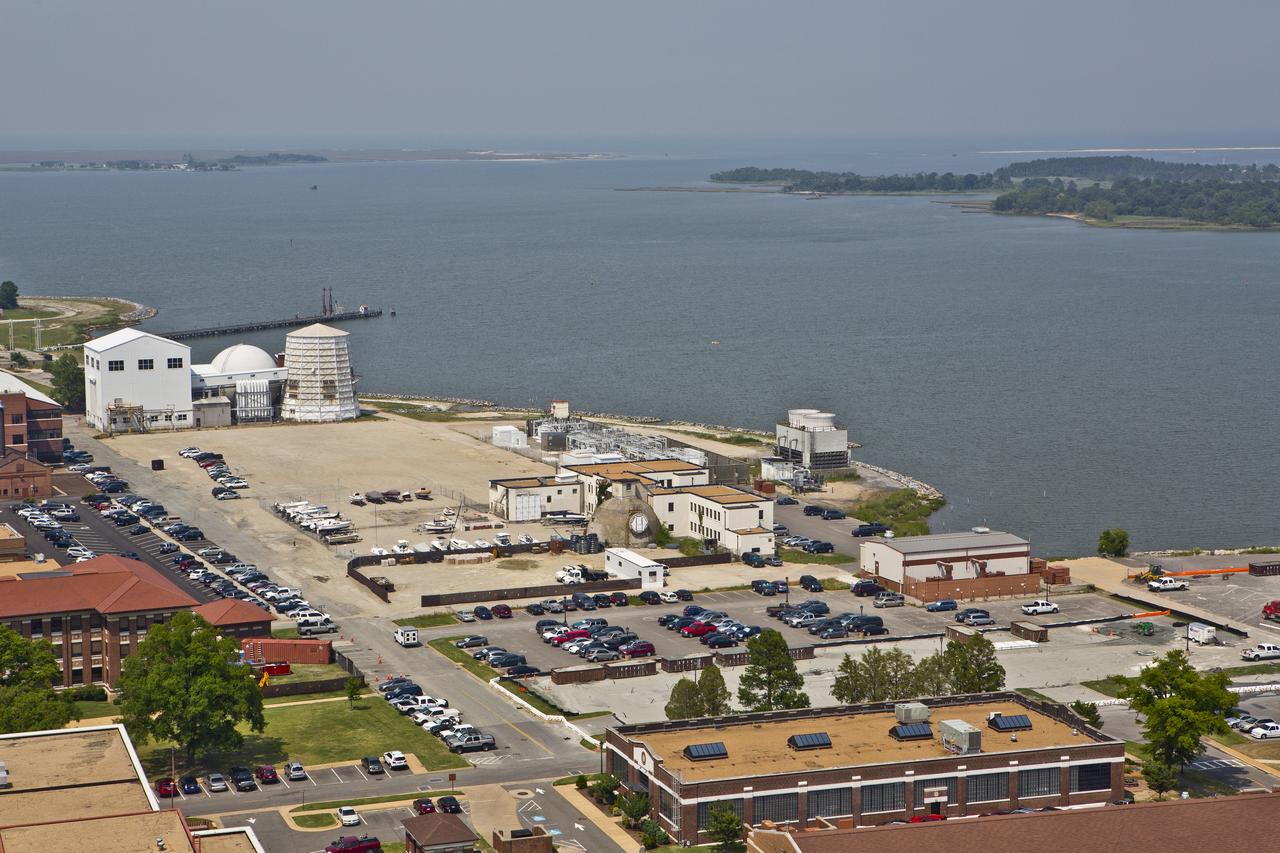
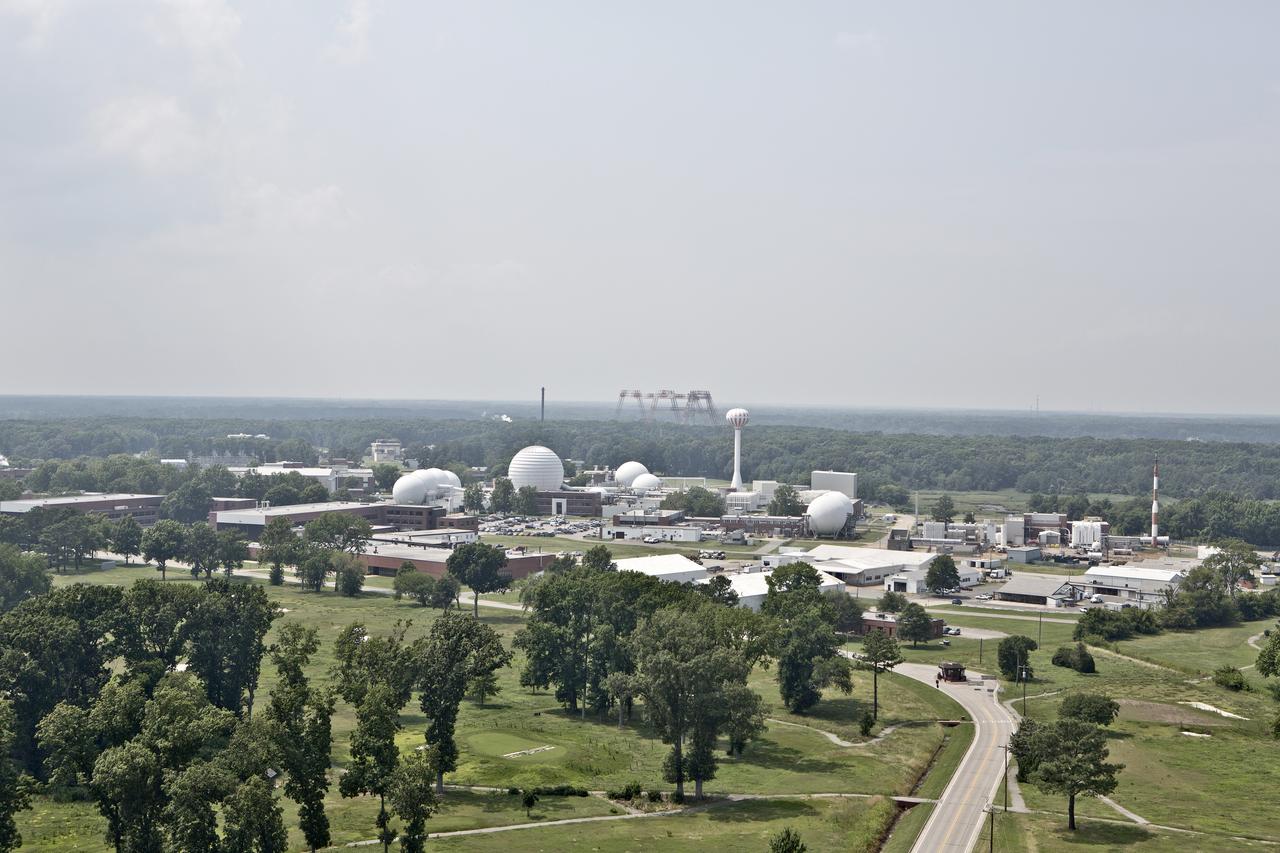
Aerials of NASA Langley Research Center east side with spin tunnel
Aerials of NASA Langley Research Center
Aerials of NASA Langley Research Center east side with spin tunnel
Aerials of NASA Langley Research Center
Aerials of NASA Langley Research Center east side with spin tunnel
Aerials of NASA Langley Research Center
Aerials of NASA Langley Research Center east side with spin tunnel
Aerials of NASA Langley Research Center
Aerial of NASA Langley East side spin tunnel and wind tunnel
Aerials of NASA Langley Research Center
Aerial of NASA Langley East side spin tunnel and wind tunnel
Aerials of NASA Langley Research Center
Aerial of NASA Langley East side spin tunnel and wind tunnel
Aerials of NASA Langley Research Center
Aerial of NASA Langley East side spin tunnel and wind tunnel
Aerials of NASA Langley Research Center
Aerials of NASA Langley Research Center east side with spin tunnel
Aerials of NASA Langley Research Center
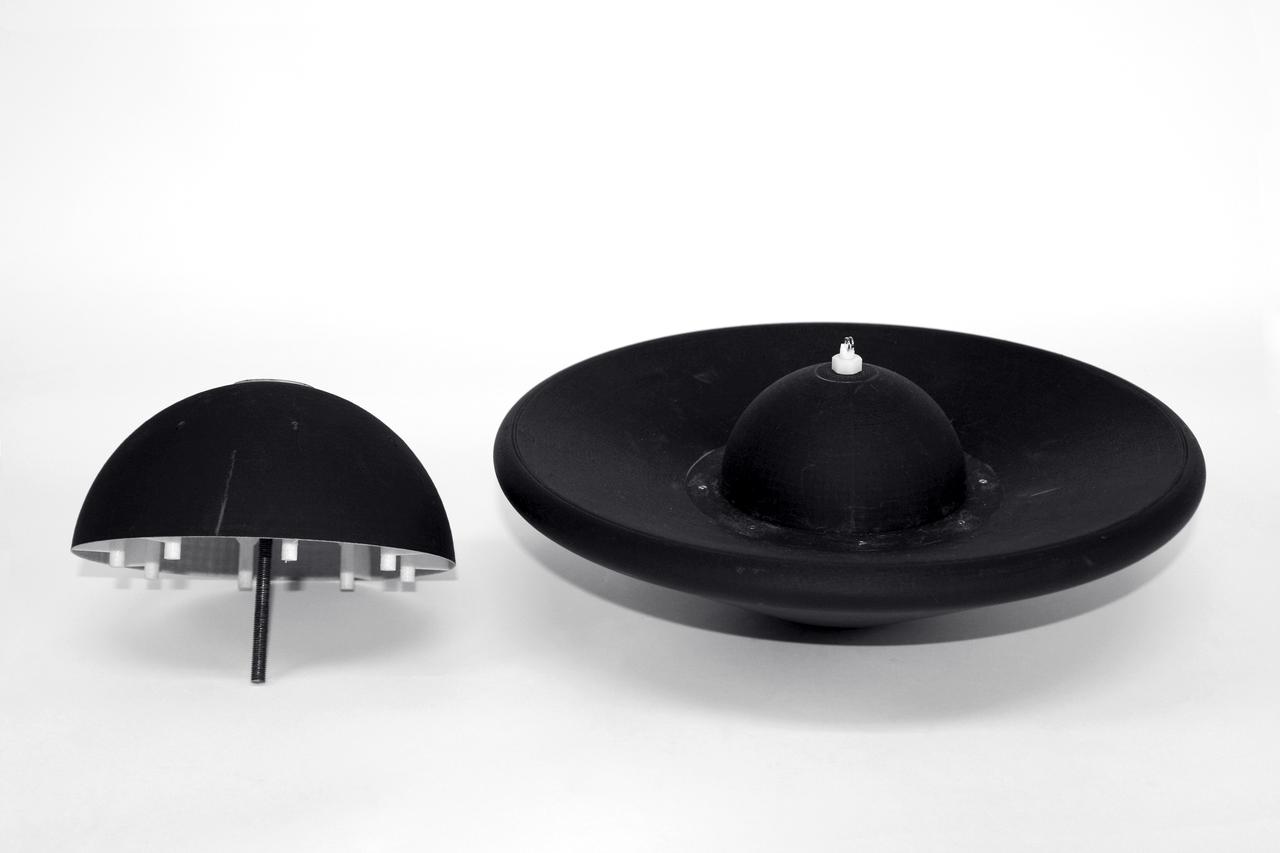
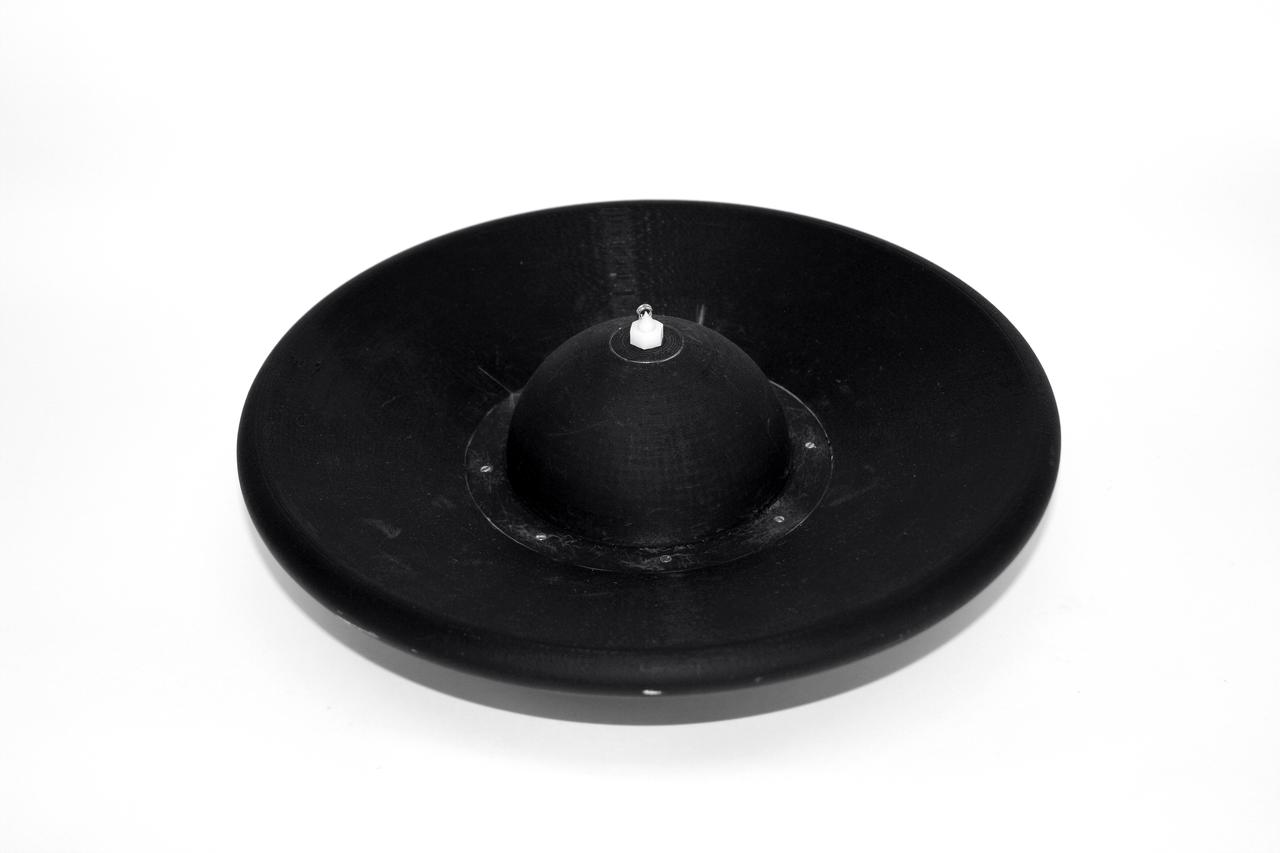
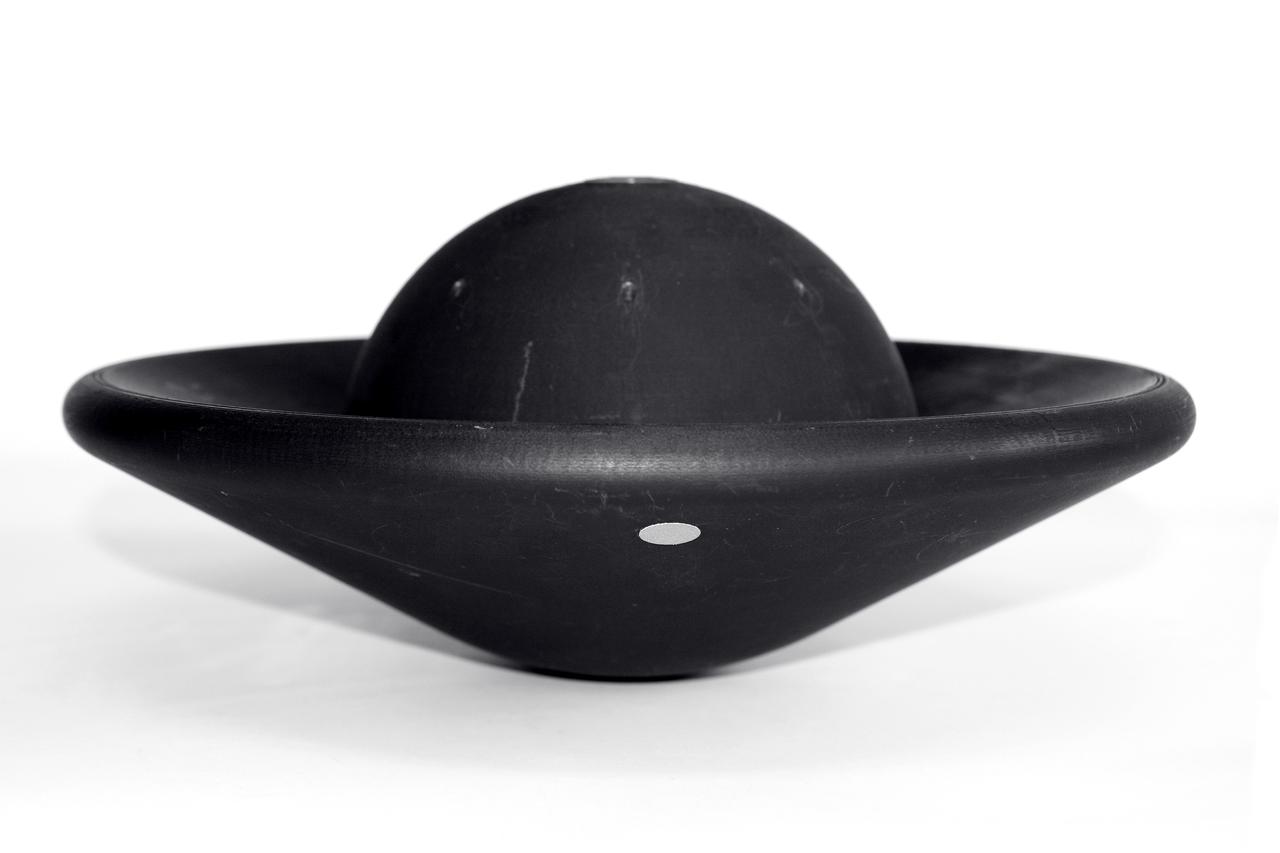
1.2 meter Multi-Mission Earth Entry Vehicle (MMEEV): Tethered and free flying test in 20 foot Vertical Spin Tunnel
1.2 meter Multi-Mission Earth Entry Vehicle (MMEEV)
1.2 meter Multi-Mission Earth Entry Vehicle (MMEEV): Tethered and free flying test in 20 foot Vertical Spin Tunnel
1.2 meter Multi-Mission Earth Entry Vehicle (MMEEV)
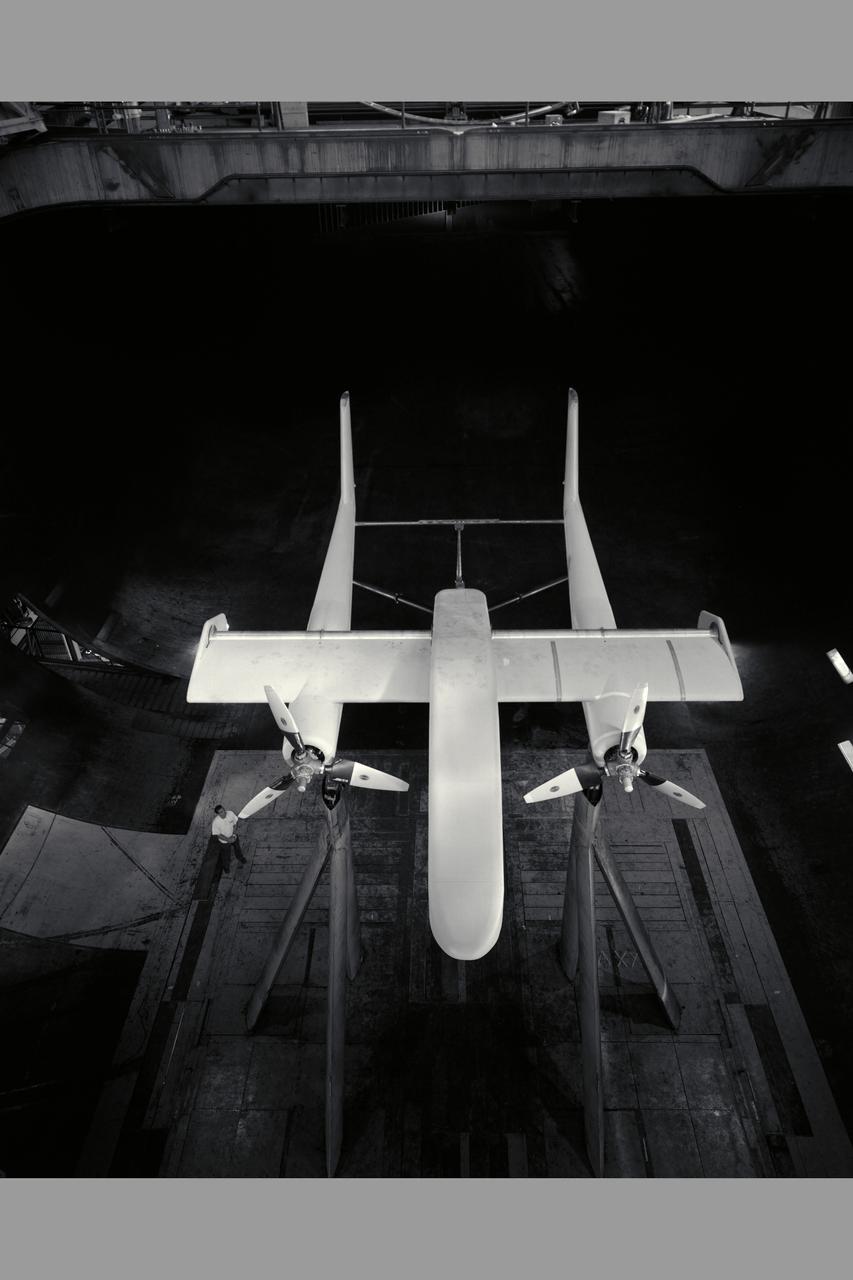
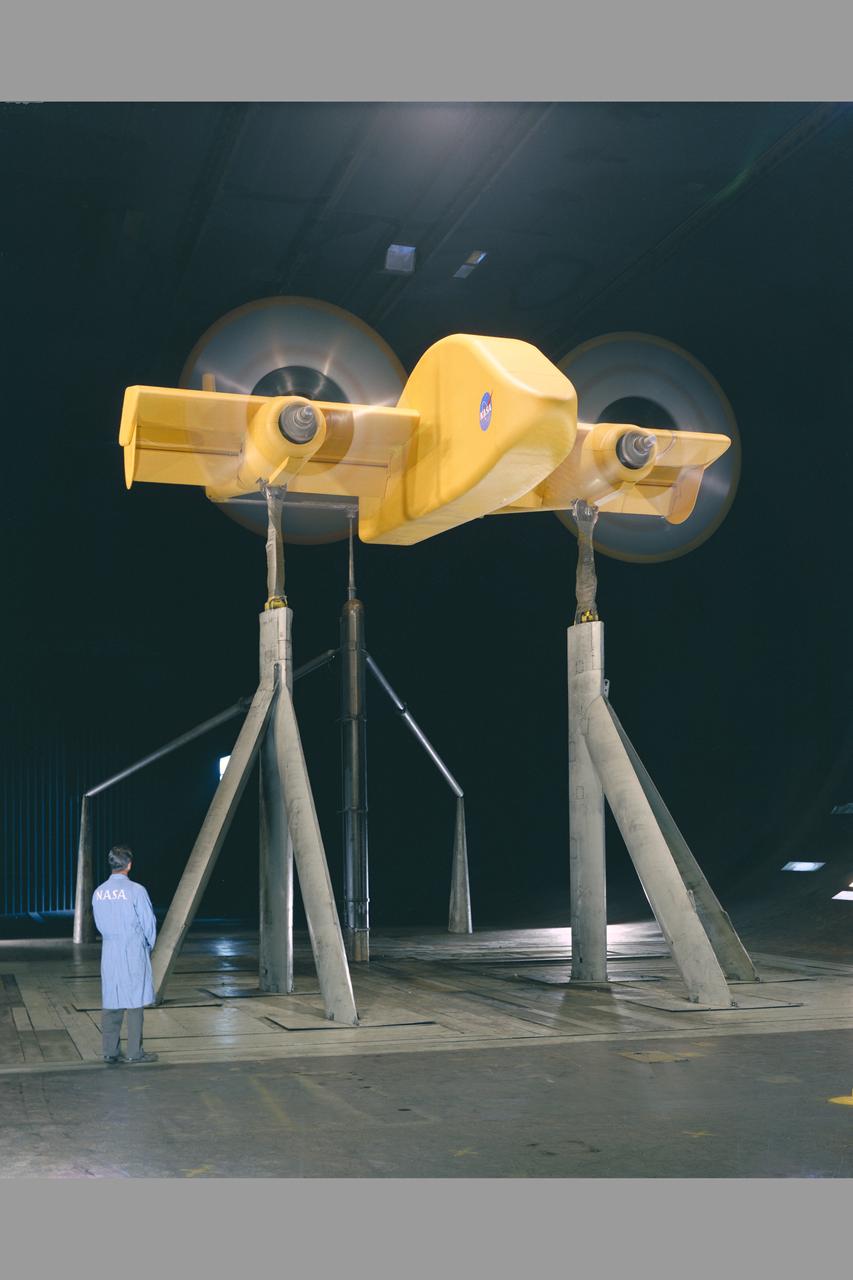
2-Prop. R.C.F. (Rotating Cylinder Flap) in 40 x 80ft. wind tunnel. 3/4 front view propeller spinning with Chuck Greco.
ARC-1968-AC-41370
1.2 meter Multi-Mission Earth Entry Vehicle (MMEEV): Tethered and free flying test in 20 foot Vertical Spin Tunnel
1.2 meter Multi-Mission Earth Entry Vehicle (MMEEV)
1.2 meter Multi-Mission Earth Entry Vehicle (MMEEV): Tethered and free flying test in 20 foot Vertical Spin Tunnel
1.2 meter Multi-Mission Earth Entry Vehicle (MMEEV)
1.2 meter Multi-Mission Earth Entry Vehicle (MMEEV): Tethered and free flying test in 20 foot Vertical Spin Tunnel
1.2 meter Multi-Mission Earth Entry Vehicle (MMEEV)
1.2 meter Multi-Mission Earth Entry Vehicle (MMEEV): Tethered and free flying test in 20 foot Vertical Spin Tunnel
1.2 meter Multi-Mission Earth Entry Vehicle (MMEEV)
2-Prop. R.C.F. (Rotating Cylinder Flap) in 40 x 80ft. wind tunnel -  overhead view propeller spinning with Chuck Greco.
ARC-1968-A-41372
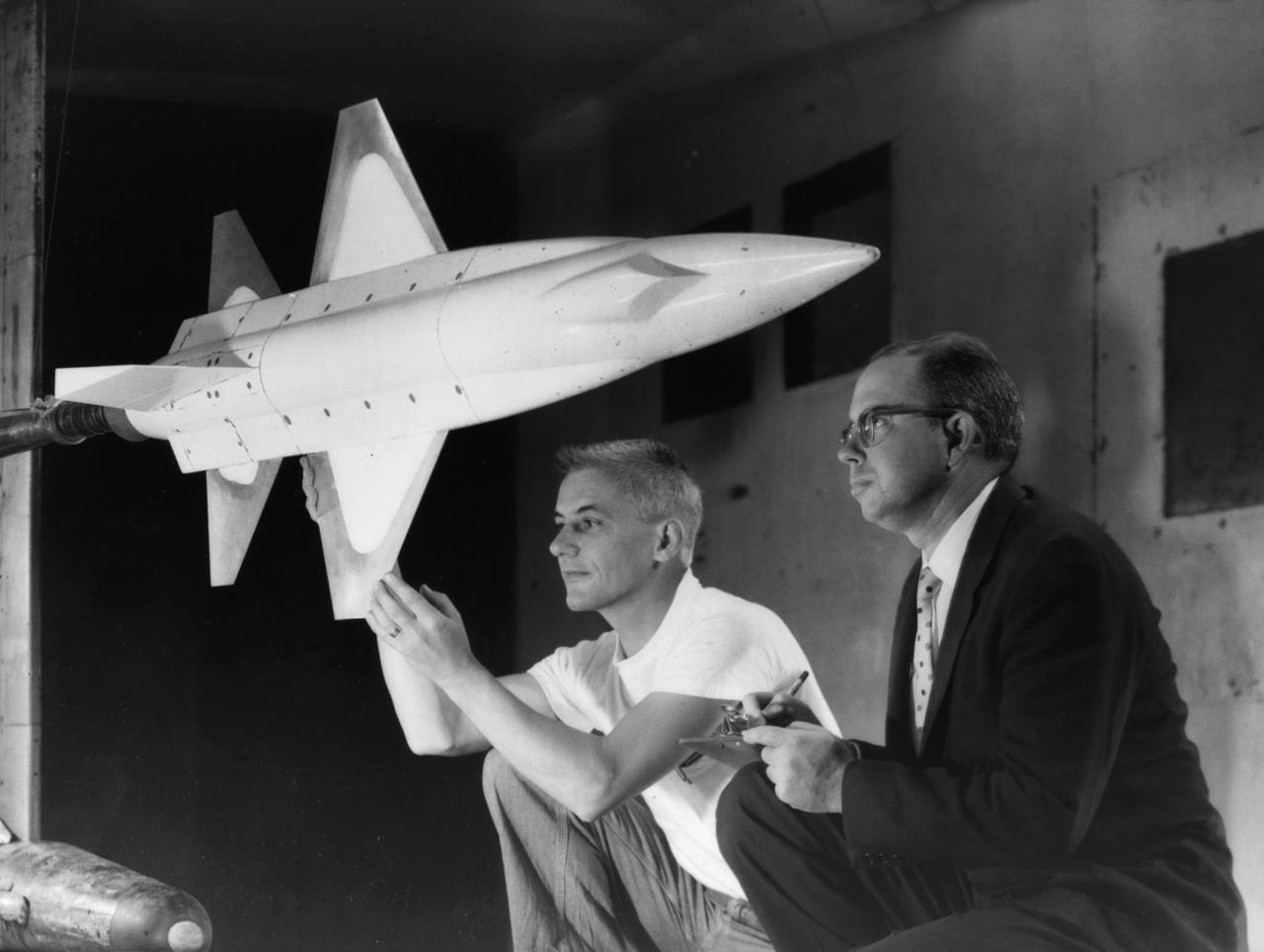
A 1/10th Scale Model of the X-15 research plane is prepared in Langley's 7 x 10 Foot Wind Tunnel for studies relating to spin characteristics. -- Photograph published in Winds of Change, 75th Anniversary NASA publication (page 66), by James Schultz.
1/10th Scale Model X-15
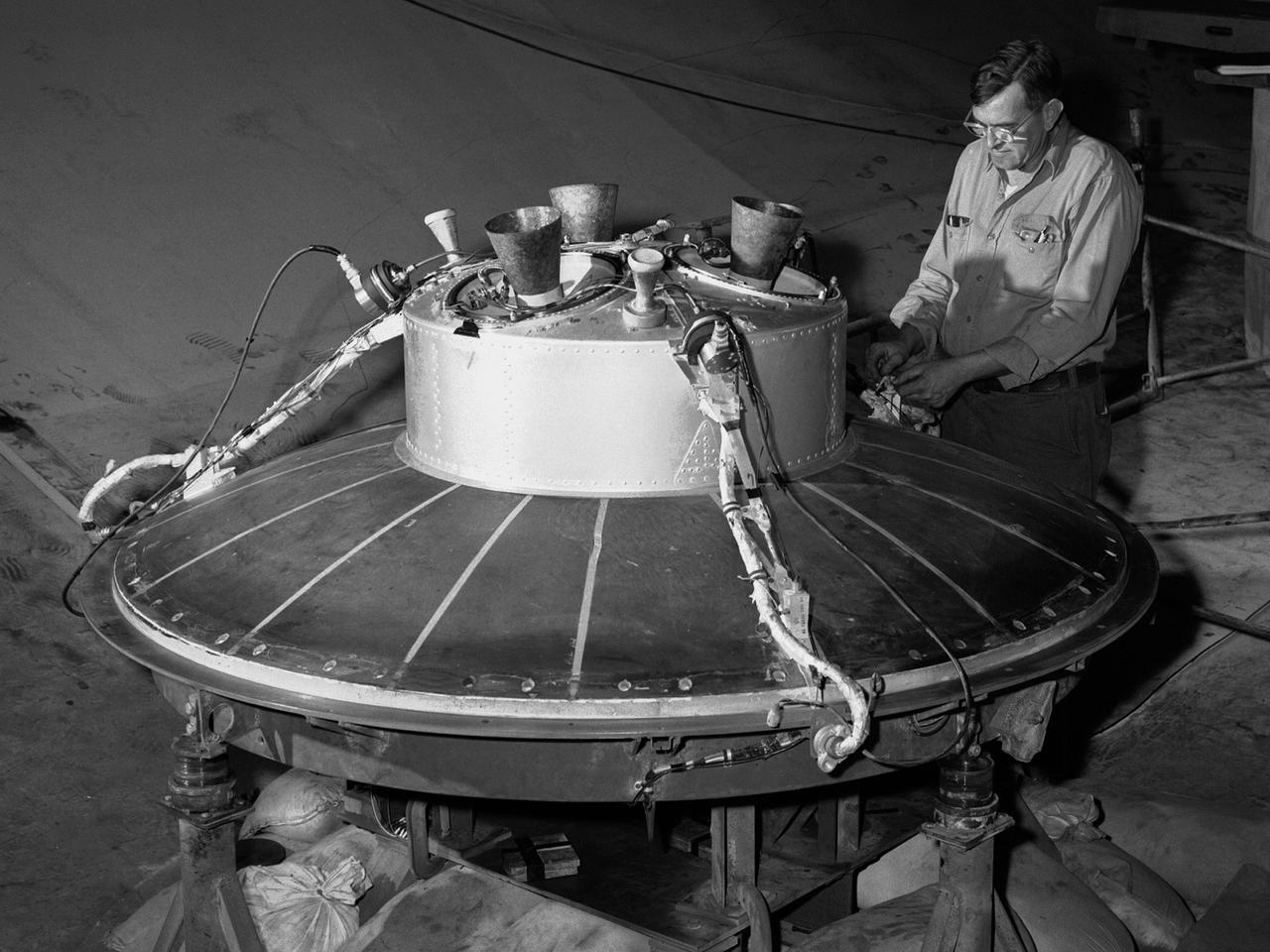
A mechanic at the National Aeronautics and Space Administration (NASA) Lewis Research Center prepares the inverted base of a Mercury capsule for a test of its posigrade retrorockets inside the Altitude Wind Tunnel. In October 1959 NASA’s Space Task Group allocated several Project Mercury assignments to Lewis. The Altitude Wind Tunnel was modified to test the Atlas separation system, study the escape tower rocket plume, train astronauts to bring a spinning capsule under control, and calibrate the capsule’s retrorockets. The turning vanes, makeup air pipes, and cooling coils were removed from the wide western end of the tunnel to create a 51-foot diameter test chamber.    The Mercury capsule had a six-rocket retro-package affixed to the bottom of the capsule. Three of these were posigrade rockets used to separate the capsule from the booster and three were retrograde rockets used to slow the capsule for reentry into the earth’s atmosphere. Performance of the retrorockets was vital since there was no backup system.     Qualification tests of the retrorockets began in April 1960 on a retrograde thrust stand inside the southwest corner of the Altitude Wind Tunnel. These studies showed that a previous issue concerning the delayed ignition of the propellant had been resolved. Follow-up test runs verified reliability of the igniter’s attachment to the propellant. In addition, the capsule’s retrorockets were calibrated so they would not alter the capsule’s attitude when fired.
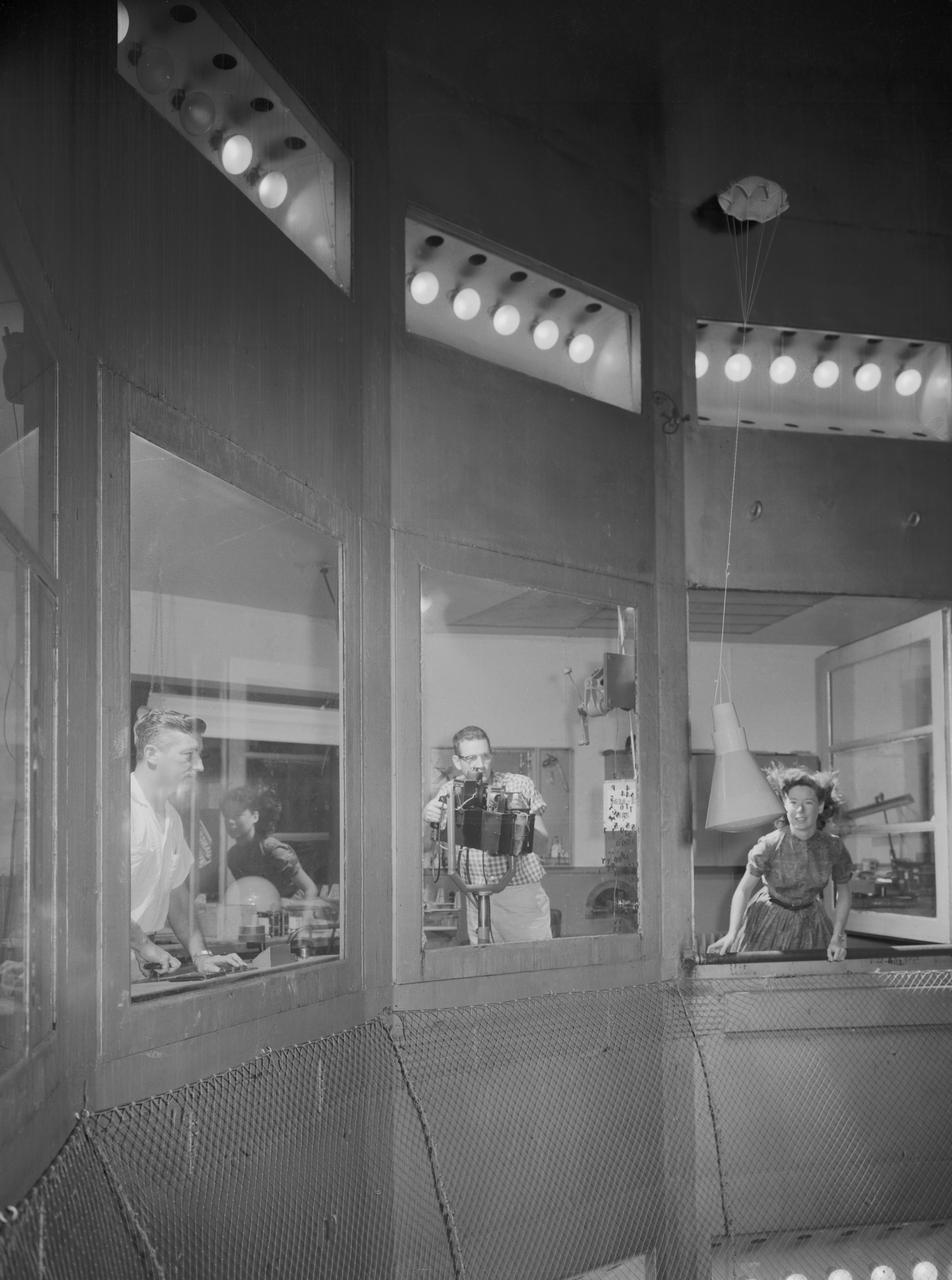
Mercury Capsule Retrorocket Test in the Altitude Wind Tunnel
Aerial of west area of Langley Research Center
Aerials of NASA Langley Research Center
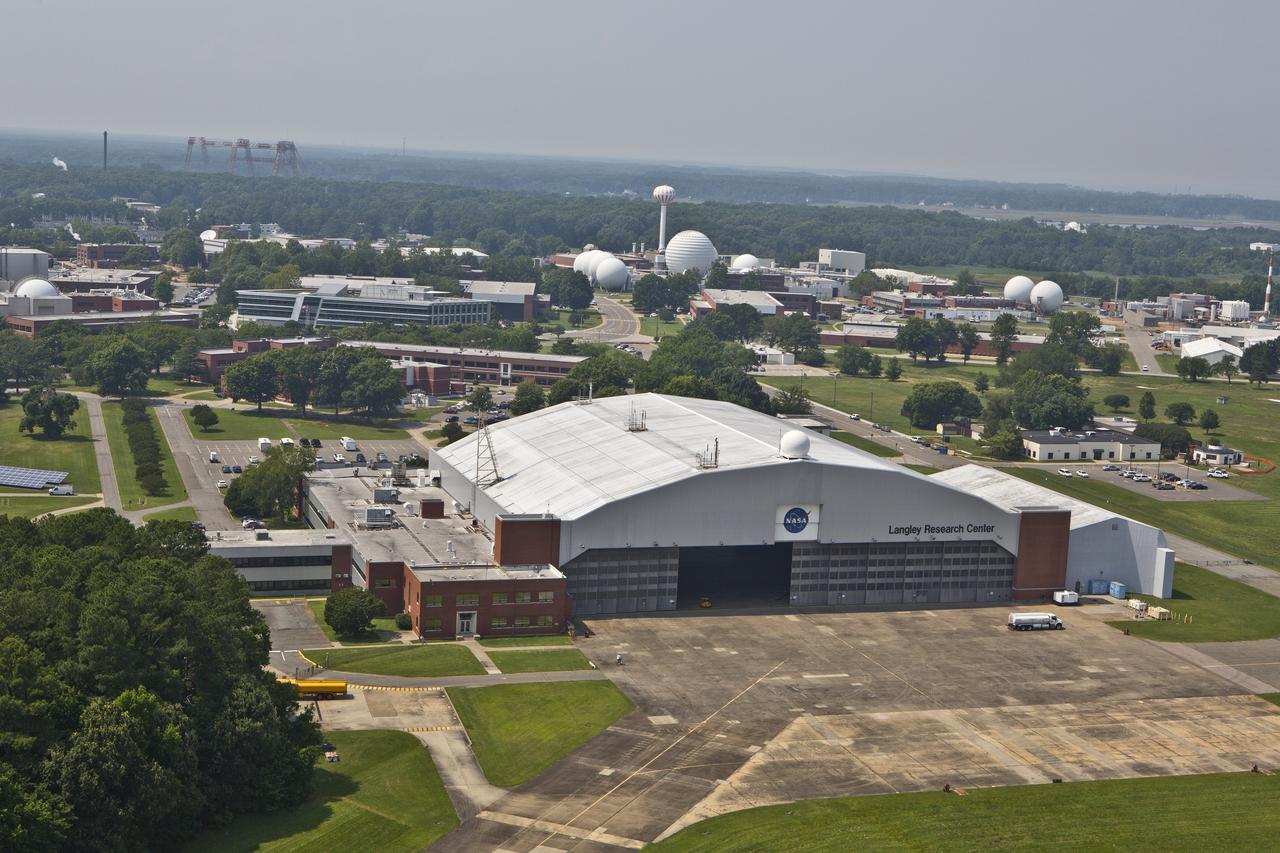
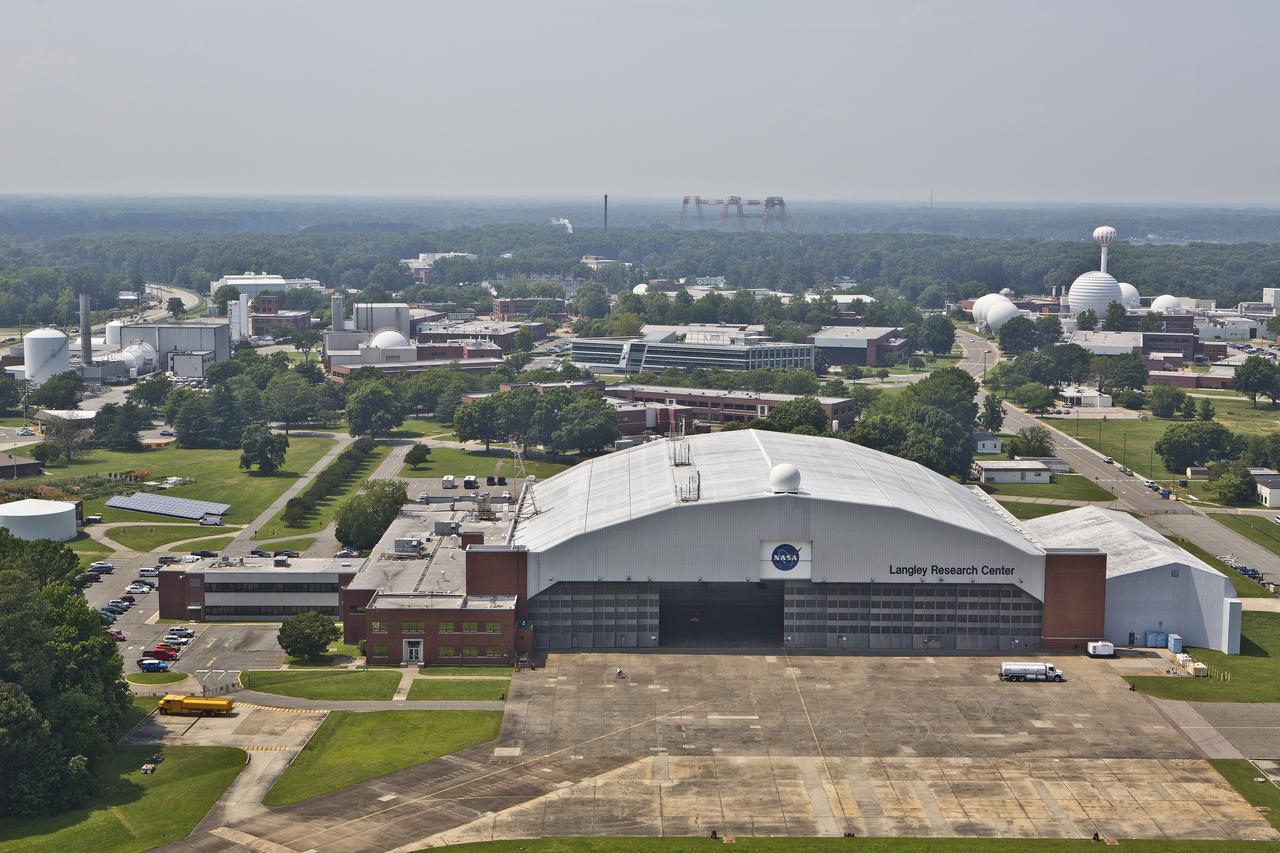
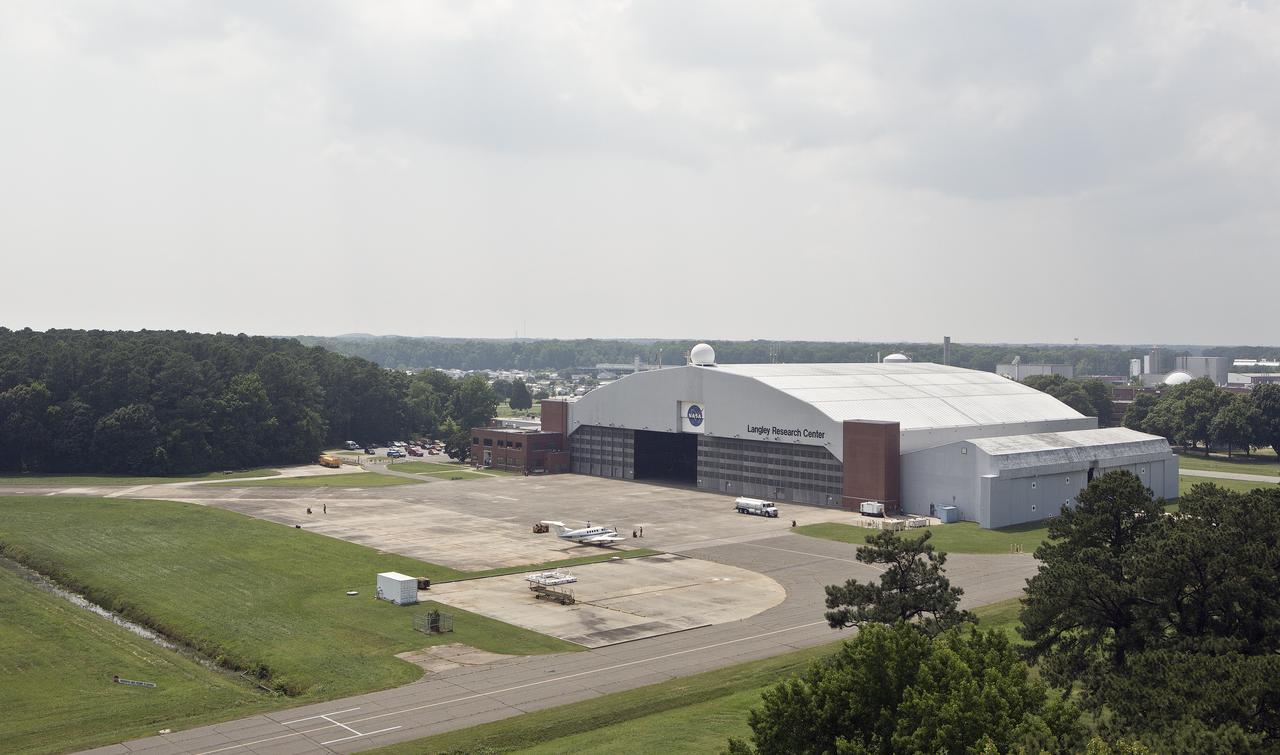
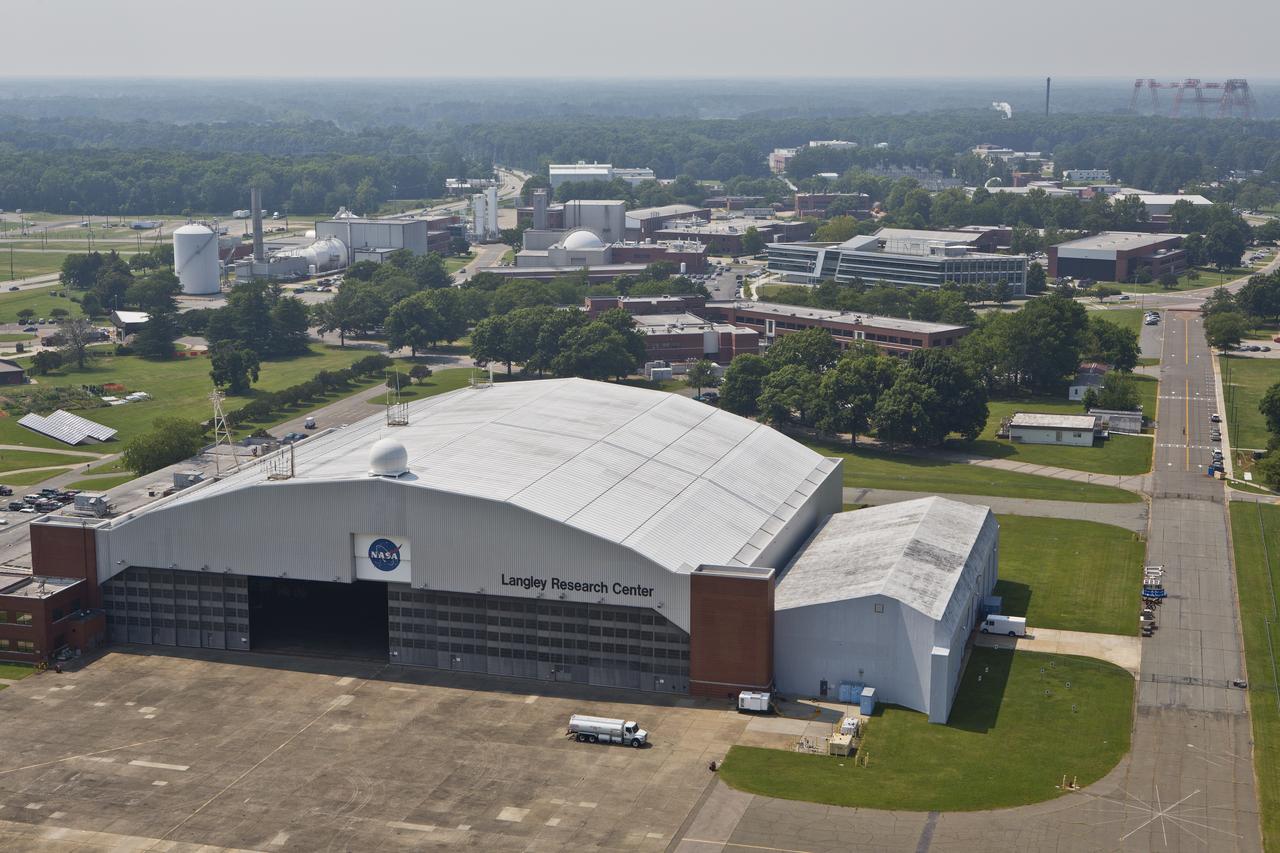
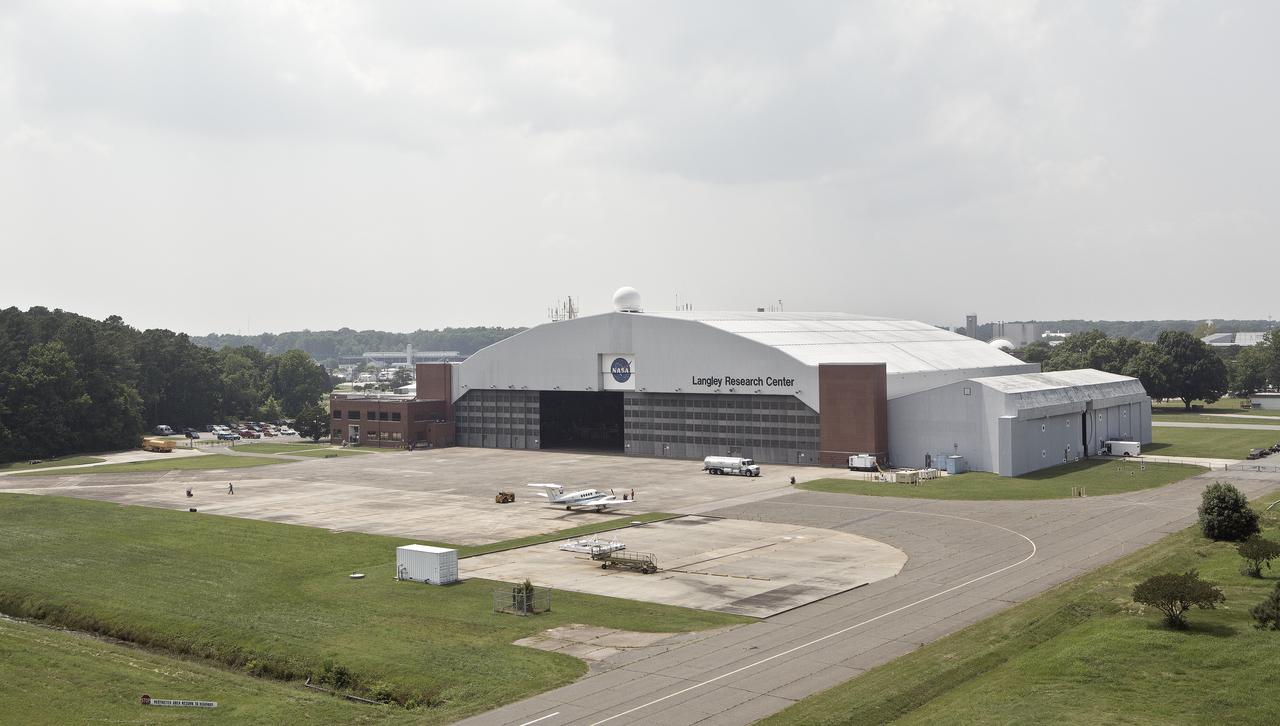
Aerial of NASA Langley Research Center Hangar
Aerials of NASA Langley Research Center
Aerial of NASA Langley Research Center Hangar
Aerials of NASA Langley Research Center
Aerial of NASA Langley Research Center Hangar
Aerials of NASA Langley Research Center
Aerial of west area of Langley Research Center
Aerials of NASA Langley Research Center
Aerial of NASA Langley Research Center Hangar
Aerials of NASA Langley Research Center
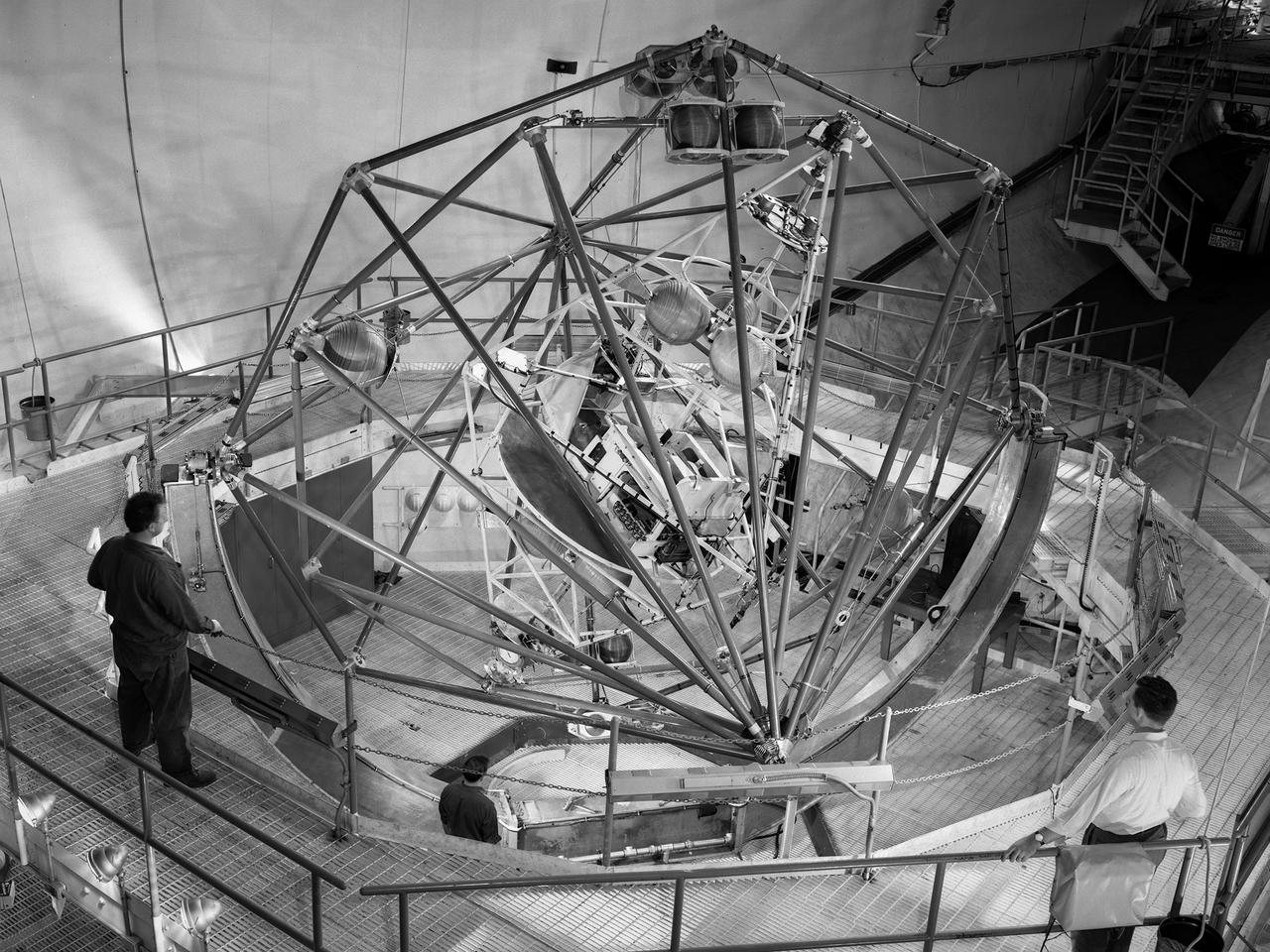
National Aeronautics and Space Administration (NASA) pilot Joe Algranti tests the Multi-Axis Space Test Inertia Facility (MASTIF) inside the Altitude Wind Tunnel while researcher Robert Miller looks on. The MASTIF was a three-axis rig with a pilot’s chair mounted in the center to train Project Mercury pilots to bring a spinning spacecraft under control. An astronaut was secured in a foam couch in the center of the rig. The rig then spun on three axes from 2 to 50 rotations per minute. Small nitrogen gas thrusters were used by the astronauts to bring the MASTIF under control.     The device was originally designed in early 1959 without the chair and controllers. It was used by Lewis researchers to determine if the Lewis-designed autopilot system could rectify the capsule’s attitude following separation. If the control system failed to work properly, the heatshield would be out of place and the spacecraft would burn up during reentry. The system was flight tested during the September 1959 launch of the Lewis-assembled Big Joe capsule.    The MASTIF was adapted in late 1959 for the astronaut training. NASA engineers added a pilot’s chair, a hand controller, and an instrument display to the MASTIF in order familiarize the astronauts with the sensations of an out-of-control spacecraft. NASA Lewis researcher James Useller and Algranti perfected and calibrated the MASTIF in the fall of 1959. In February and March 1960, the seven Project Mercury astronauts traveled to Cleveland to train on the MASTIF.
The Multi-Axis Space Test Inertia Facility in the Altitude Wind Tunnel
Mercury astronaut John Glenn prepares for a test in the Multi-Axis Space Test Inertia Facility (MASTIF) inside the Altitude Wind Tunnel at the National Aeronautics and Space Administration (NASA) Lewis Research Center. The MASTIF was a three-axis test rig with a pilot’s chair mounted in the center. The device was designed to train Project Mercury pilots to bring a spinning spacecraft under control. An astronaut was secured in a foam couch in the center of the rig. The rig was then spun on three axes from 2 to 50 rotations per minute. Small nitrogen gas thrusters were used by the astronauts to bring the MASTIF under control.    In February and March 1960, the seven Project Mercury astronauts traveled to Cleveland to train on the MASTIF. Warren North and a team of air force physicians were on hand to monitor their health. After being briefed by Lewis pilot Joe Algranti and researcher James Useller, the rider would climb into the rig and be secured in the chair, as seen in this photograph. A Lewis engineer would then slowly set the MASTIF in motion. It was the astronaut’s job to bring it under control. Each individual was required to accumulate 4.5 to 5 hours of MASTIF time.    Glenn became the first American to orbit the earth on February 20, 1962 in the Friendship 7 Mercury capsule. In March 1999, the Lewis Research Center was renamed the John H. Glenn Research Center at Lewis Field.
John Glenn Prepares for a Test in the Multi-Axis Space Test Inertia Facility
Jerrie Cobb prepares to operate the Multi-Axis Space Test Inertia Facility (MASTIF) inside the Altitude Wind Tunnel at the National Aeronautics and Space Administration (NASA) Lewis Research Center. The MASTIF was a three-axis rig with a pilot’s chair mounted in the center to train Project Mercury pilots to bring a spinning spacecraft under control. An astronaut was secured in a foam couch in the center of the rig. The rig was then spun on three axes from 2 to 50 rotations per minute. The pilots were tested on each of the three axis individually, then all three simultaneously. The two controllers in Cobb’s hands activated the small nitrogen gas thrusters that were used to bring the MASTIF under control. A makeshift spacecraft control panel was set up in front of the trainee’s face.    Cobb was one of several female pilots who underwent the skill and endurance testing that paralleled that of the Project Mercury astronauts. In 1961 Jerrie Cobb was the first female to pass all three phases of the Mercury Astronaut Program. NASA rules, however, stipulated that only military test pilots could become astronauts and there were no female military test pilots. The seven Mercury astronauts had taken their turns on the MASTIF in February and March 1960.
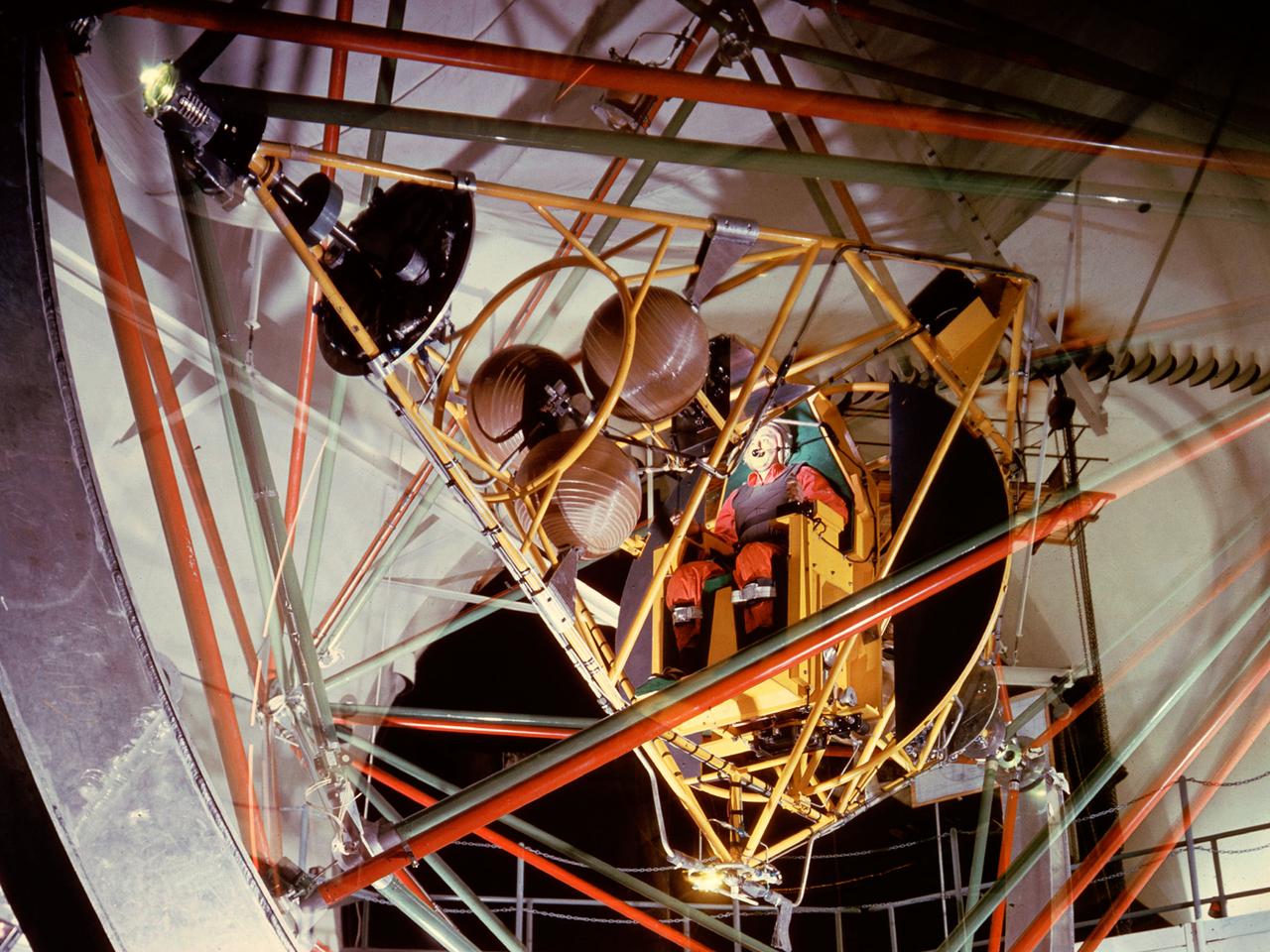
Pilot Jerrie Cobb Trains in the Multi-Axis Space Test Inertia Facility
The Multi-Axis Space Test Inertial Facility (MASTIF) in the Altitude Wind Tunnel at the National Aeronautics and Space Administration (NASA) Lewis Research Center. Although the Mercury astronaut training and mission planning were handled by the Space Task Group at Langley Research Center, NASA Lewis played an important role in the program, beginning with the Big Joe launch. Big Joe was a singular attempt early in the program to use a full-scale Atlas booster and simulate the reentry of a mockup Mercury capsule without actually placing it in orbit.      A unique three-axis gimbal rig was built inside Lewis’ Altitude Wind Tunnel to test Big Joe’s attitude controls. The control system was vital since the capsule would burn up on reentry if it were not positioned correctly. The mission was intended to assess the performance of the Atlas booster, the reliability of the capsule’s attitude control system and beryllium heat shield, and the capsule recovery process. The September 9, 1959 launch was a success for the control system and heatshield. Only a problem with the Atlas booster kept the mission from being a perfect success.    The MASTIF was modified in late 1959 to train Project Mercury pilots to bring a spinning spacecraft under control. An astronaut was secured in a foam couch in the center of the rig. The rig then spun on three axes from 2 to 50 rotations per minute. Small nitrogen gas thrusters were used by the astronauts to bring the MASTIF under control.
Multi-Axis Space Inertia Test Facility inside the Altitude Wind Tunnel