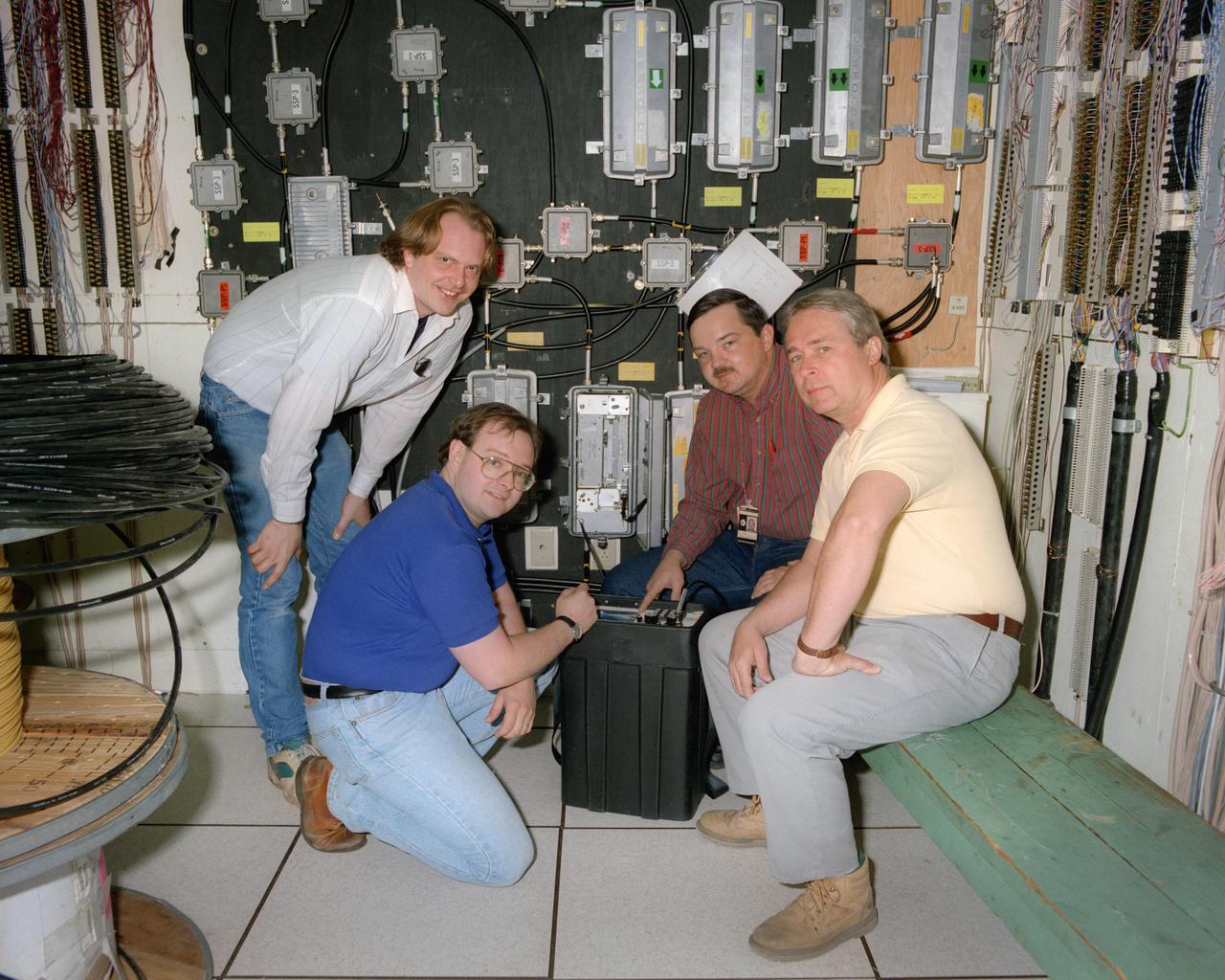
Pictured is the Communications room in the RAC building, Research Analysis Center. This is the hub for the CATV and Lynk system and also the telephone system as seen from the twisted pair wires. The test gear LAN 450 is on the floor and is a spectrum analyzer made specifically for CATV. The Large boxes on the wall are Trunk amps and the smaller boxes are Splitters or combiners.
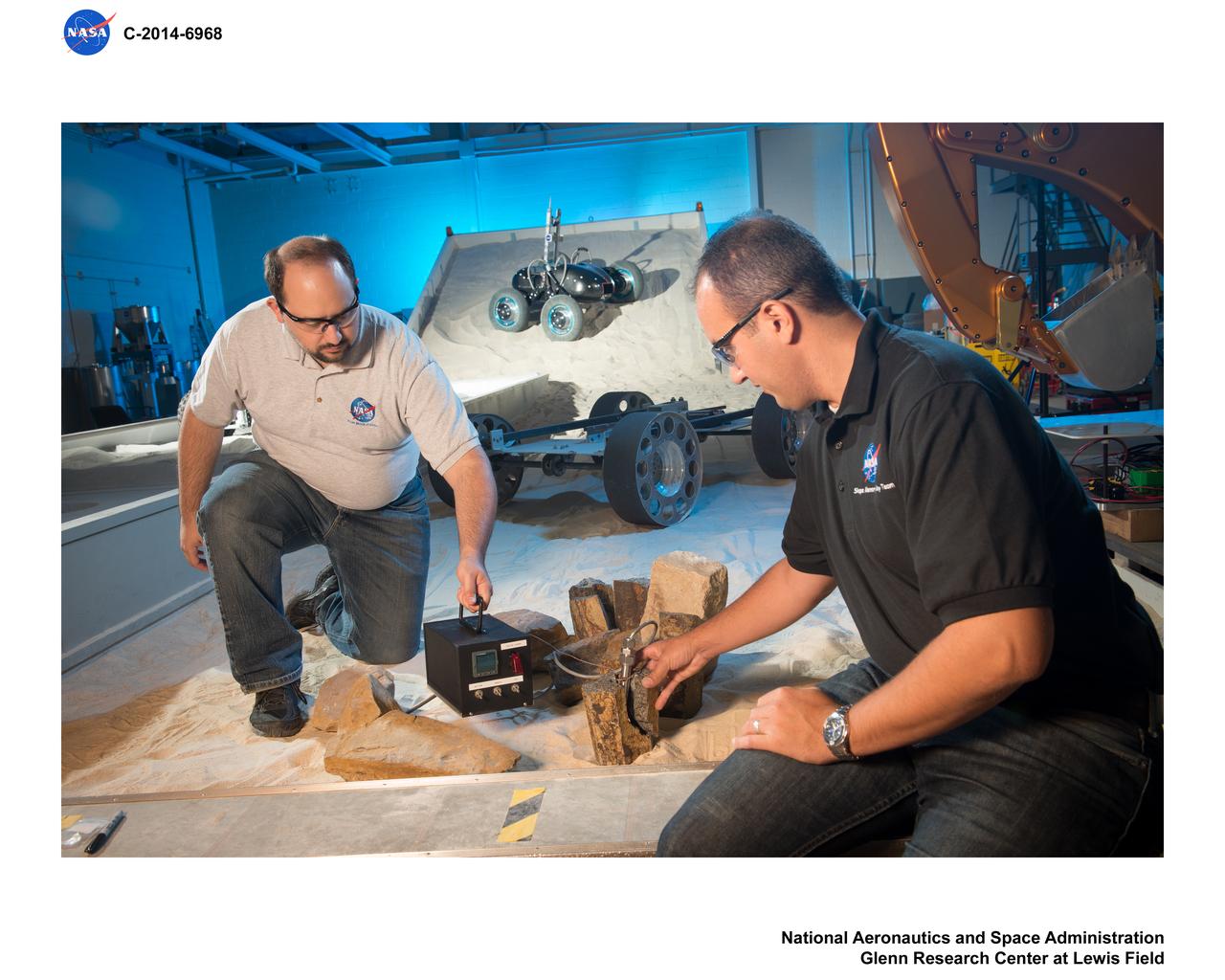
Shape Memory Alloy Rock Splitters, SMARS
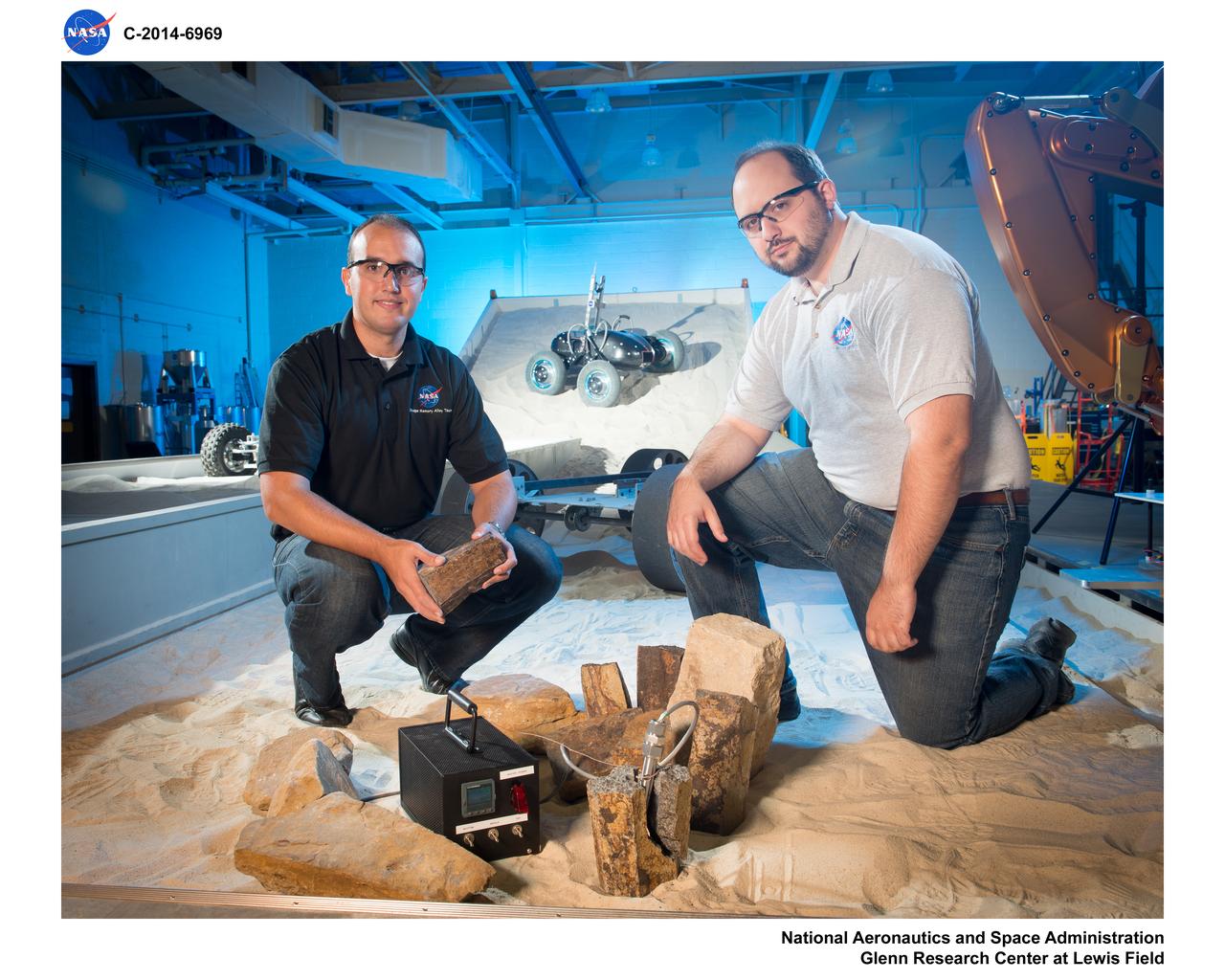
Shape Memory Alloy Rock Splitters, SMARS
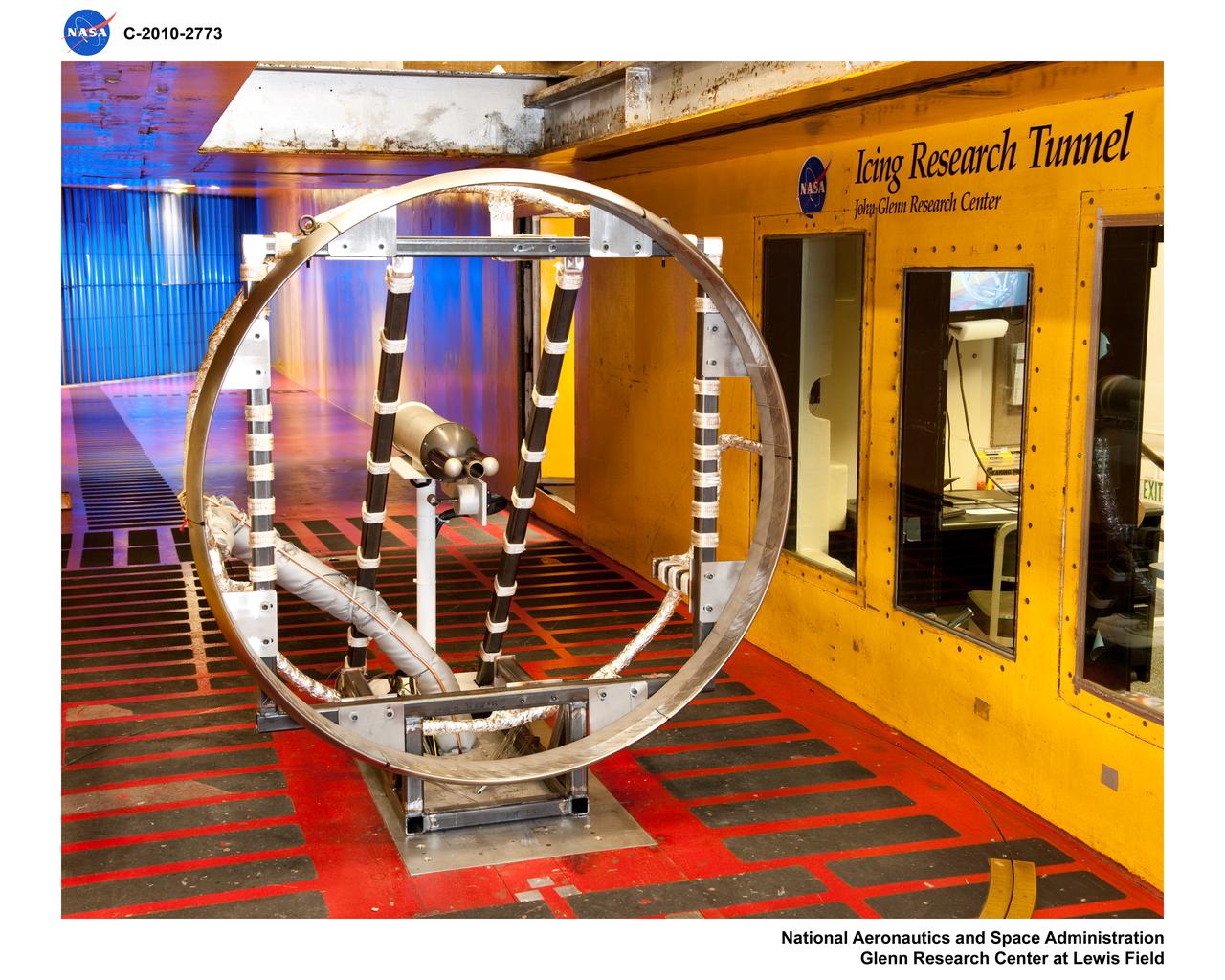
General Electric Aviation - Engine Splitter Booster Model in the Icing Research Tunnel
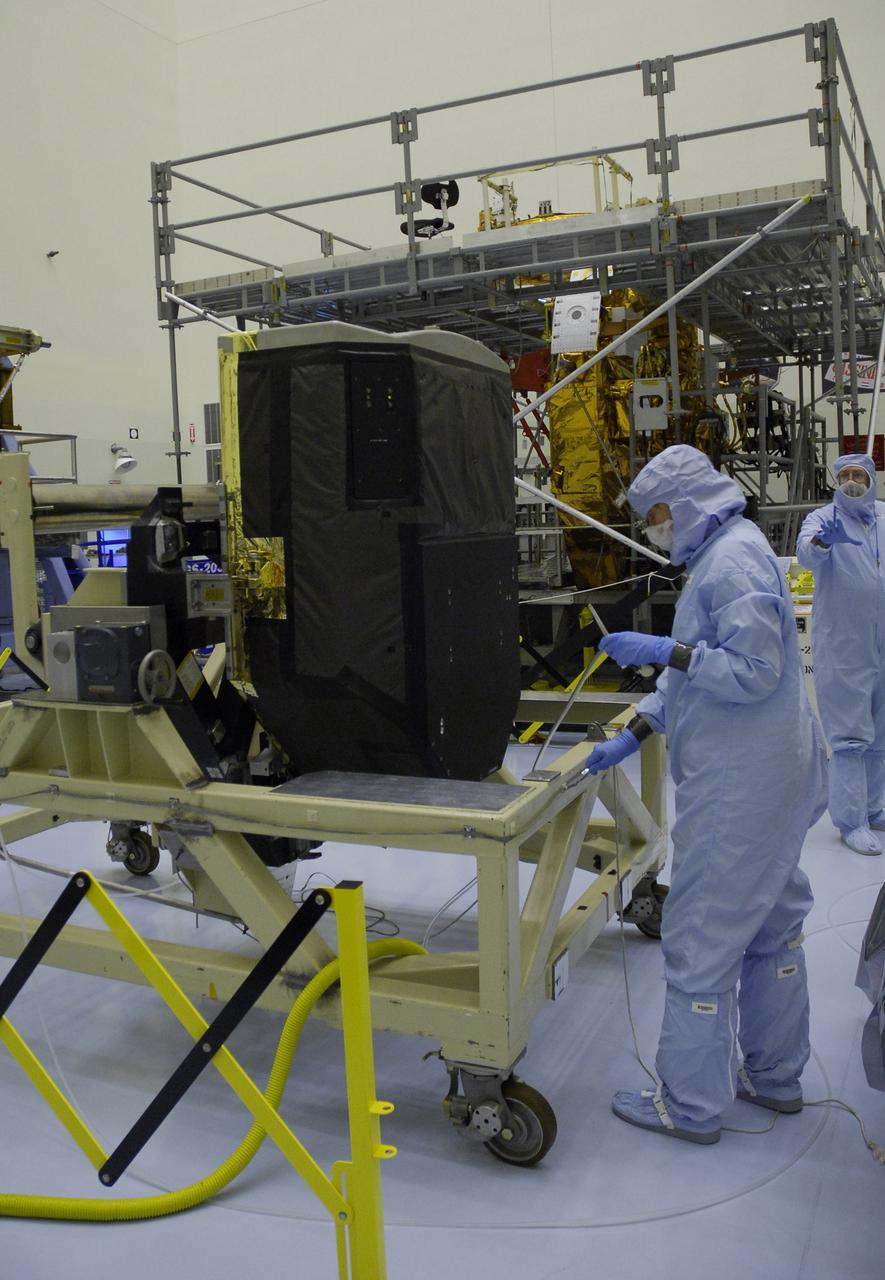
CAPE CANAVERAL, Fla. – Technicians in the Payload Hazardous Servicing Facility at NASA's Kennedy Space Center are ready to move the Fine Guidance Sensor, or FGS, for integration onto the Orbital Replacement Unit Carrier, or ORUC. An FGS consists of a large structure housing a collection of mirrors, lenses, servos, prisms, beam splitters and photomultiplier tubes. There are three fine guidance sensors on Hubble located at 90-degree intervals around the circumference of the telescope. Along with the gyroscopes, the optical sensors are a key component of Hubble’s highly complex but extraordinarily effective “pointing control system.” Atlantis is targeted to launch Oct. 8. Photo credit: NASA/Jack Pfaller
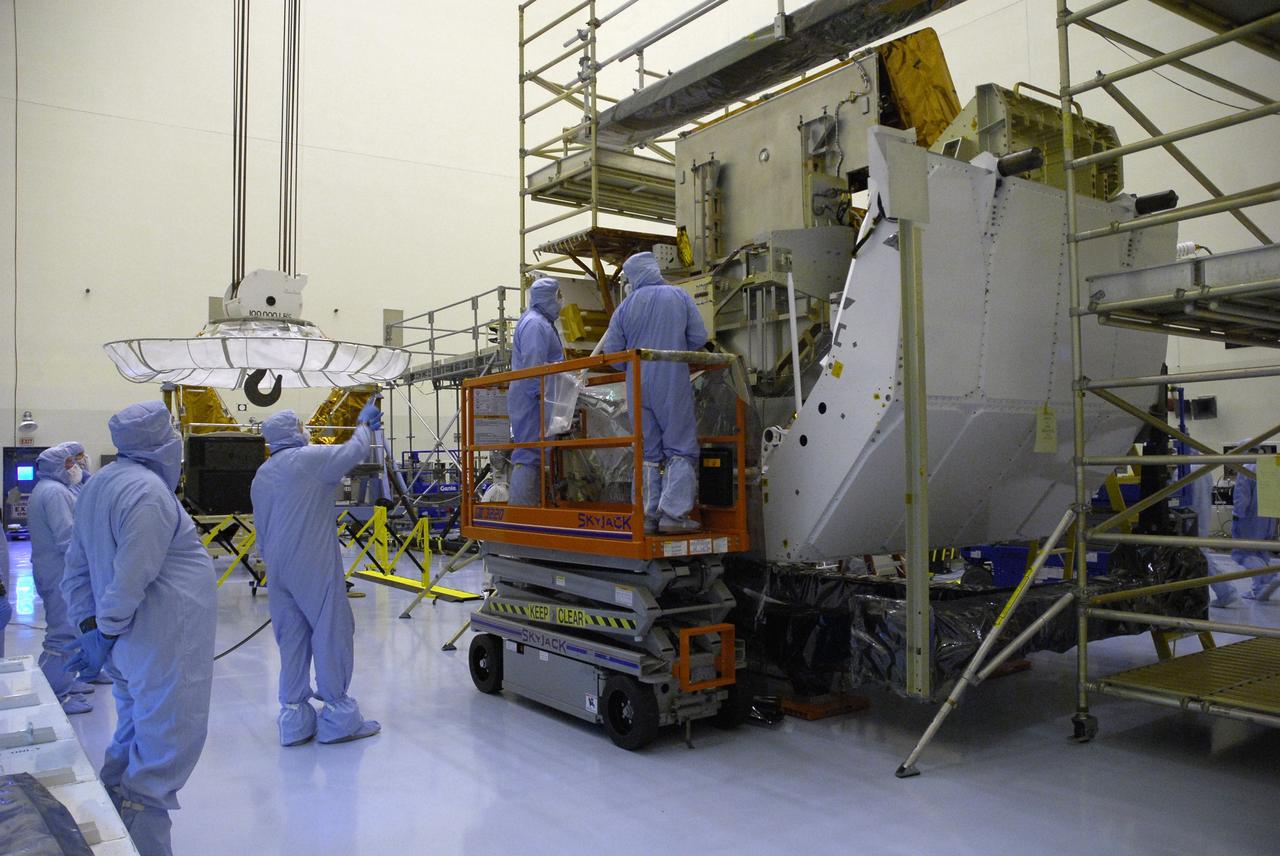
CAPE CANAVERAL, Fla. – Technicians in the Payload Hazardous Servicing Facility at NASA's Kennedy Space Center are ready to move the Fine Guidance Sensor, or FGS, for integration onto the Orbital Replacement Unit Carrier, or ORUC. An FGS consists of a large structure housing a collection of mirrors, lenses, servos, prisms, beam splitters and photomultiplier tubes. There are three fine guidance sensors on Hubble located at 90-degree intervals around the circumference of the telescope. Along with the gyroscopes, the optical sensors are a key component of Hubble’s highly complex but extraordinarily effective “pointing control system.” Atlantis is targeted to launch Oct. 8. Photo credit: NASA/Jack Pfaller
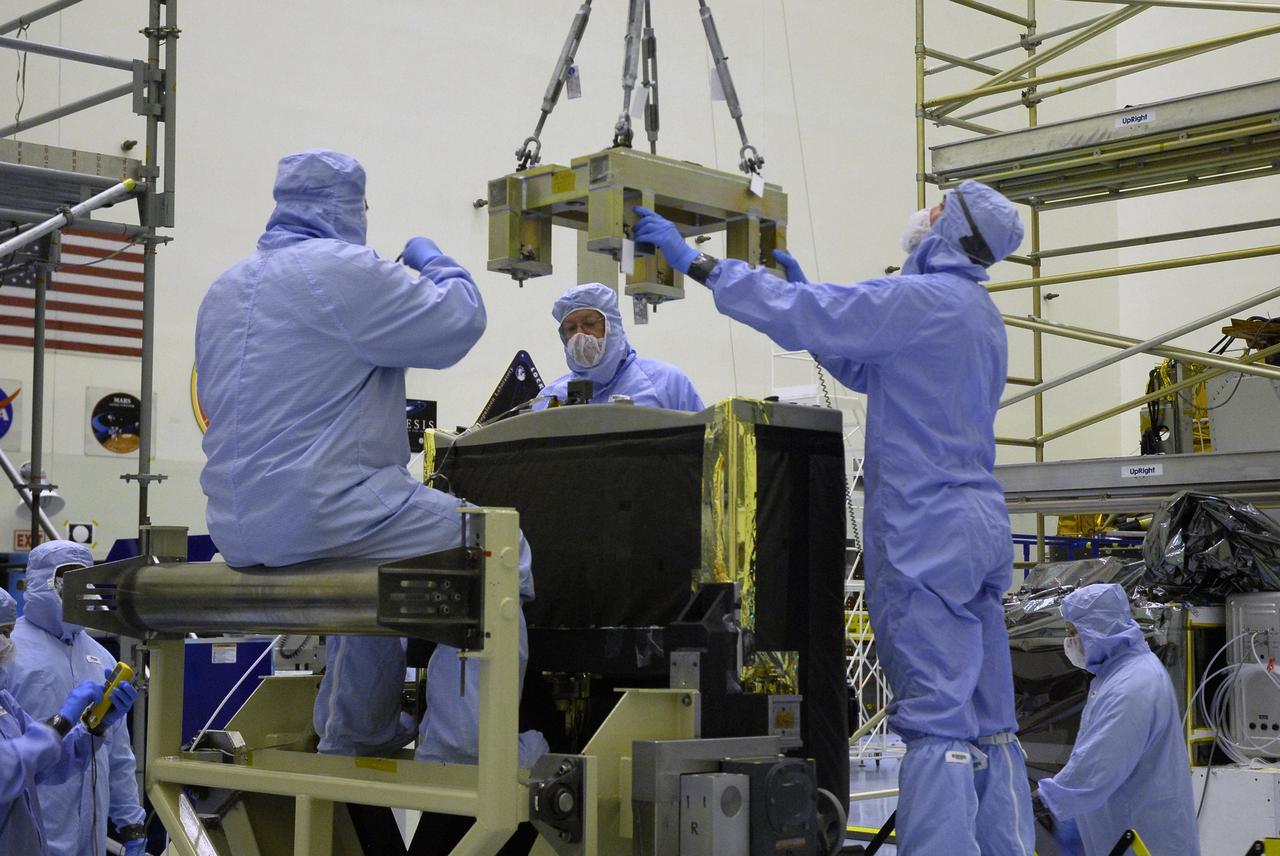
CAPE CANAVERAL, Fla. – Technicians in the Payload Hazardous Servicing Facility at NASA's Kennedy Space Center help guide a specialized overhead crane toward the Fine Guidance Sensor, or FGS. The sensor will be lifted and moved to the Orbital Replacement Unit Carrier or ORUC, for installation. An FGS consists of a large structure housing a collection of mirrors, lenses, servos, prisms, beam splitters and photomultiplier tubes. There are three fine guidance sensors on Hubble located at 90-degree intervals around the circumference of the telescope. Along with the gyroscopes, the optical sensors are a key component of Hubble’s highly complex but extraordinarily effective “pointing control system.” The ORUC is one of three carriers that are being prepared for the integration of telescope science instruments, both internal and external replacement components, as well as the flight support equipment to be used by the astronauts during the fifth and final Hubble servicing mission, STS-125, on space shuttle Atlantis. Launch is targeted for Oct. 8. Photo credit: NASA/Jim Grossmann
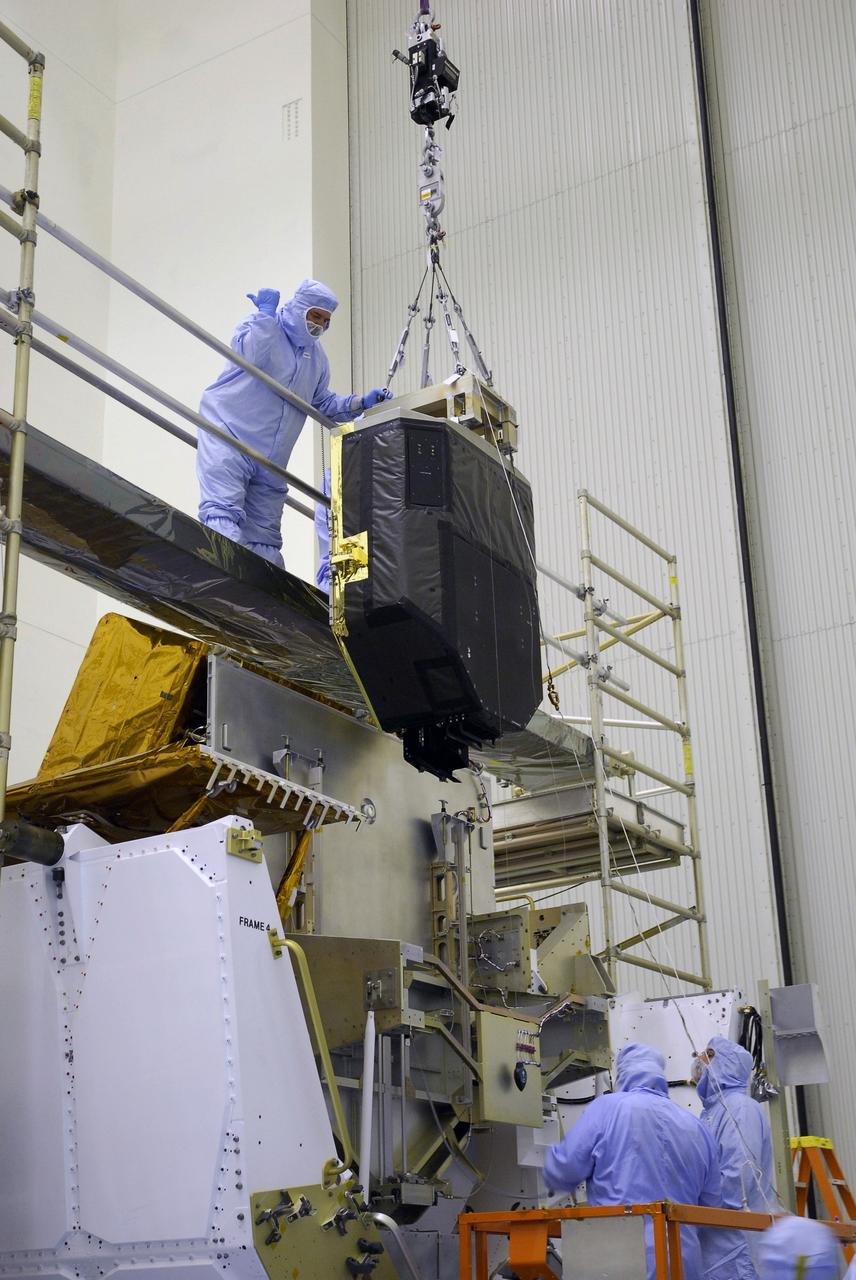
CAPE CANAVERAL, Fla. – In the Payload Hazardous Servicing Facility at NASA's Kennedy Space Center, the Fine Guidance Sensor, or FGS, is lifted over the crossbar of the stand. The sensor will be installed on the Orbital Replacement Unit Carrier or ORUC, below. An FGS consists of a large structure housing a collection of mirrors, lenses, servos, prisms, beam splitters and photomultiplier tubes. There are three fine guidance sensors on Hubble located at 90-degree intervals around the circumference of the telescope. Along with the gyroscopes, the optical sensors are a key component of Hubble’s highly complex but extraordinarily effective “pointing control system.” The ORUC is one of three carriers that are being prepared for the integration of telescope science instruments, both internal and external replacement components, as well as the flight support equipment to be used by the astronauts during the fifth and final Hubble servicing mission, STS-125, on space shuttle Atlantis. Launch is targeted for Oct. 8. Photo credit: NASA/Jim Grossmann
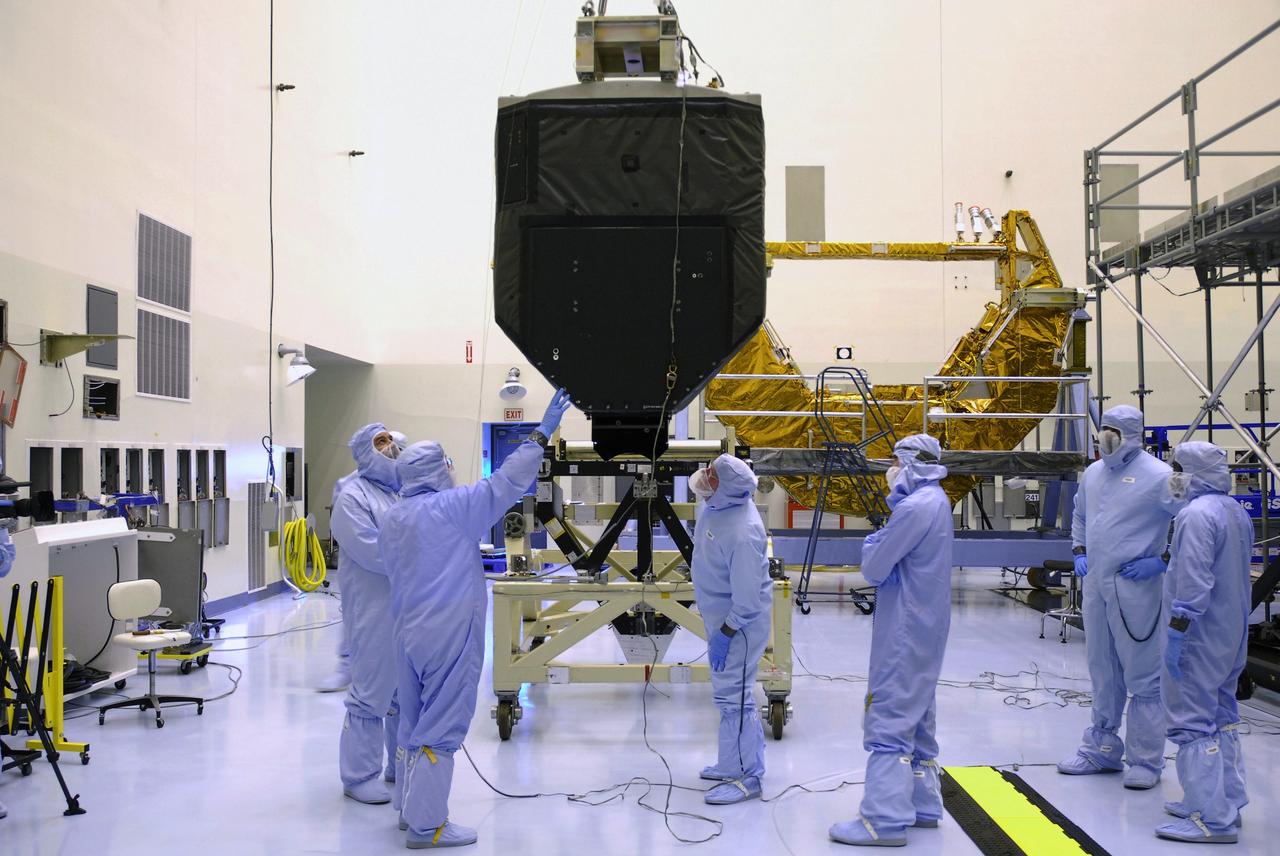
CAPE CANAVERAL, Fla. – Technicians in the Payload Hazardous Servicing Facility at NASA's Kennedy Space Center check the Fine Guidance Sensor, or FGS, as it is lifted from its stand. The sensor will be moved to the Orbital Replacement Unit Carrier or ORUC, for installation. An FGS consists of a large structure housing a collection of mirrors, lenses, servos, prisms, beam splitters and photomultiplier tubes. There are three fine guidance sensors on Hubble located at 90-degree intervals around the circumference of the telescope. Along with the gyroscopes, the optical sensors are a key component of Hubble’s highly complex but extraordinarily effective “pointing control system.” The ORUC is one of three carriers that are being prepared for the integration of telescope science instruments, both internal and external replacement components, as well as the flight support equipment to be used by the astronauts during the fifth and final Hubble servicing mission, STS-125, on space shuttle Atlantis. Launch is targeted for Oct. 8. Photo credit: NASA/Jim Grossmann
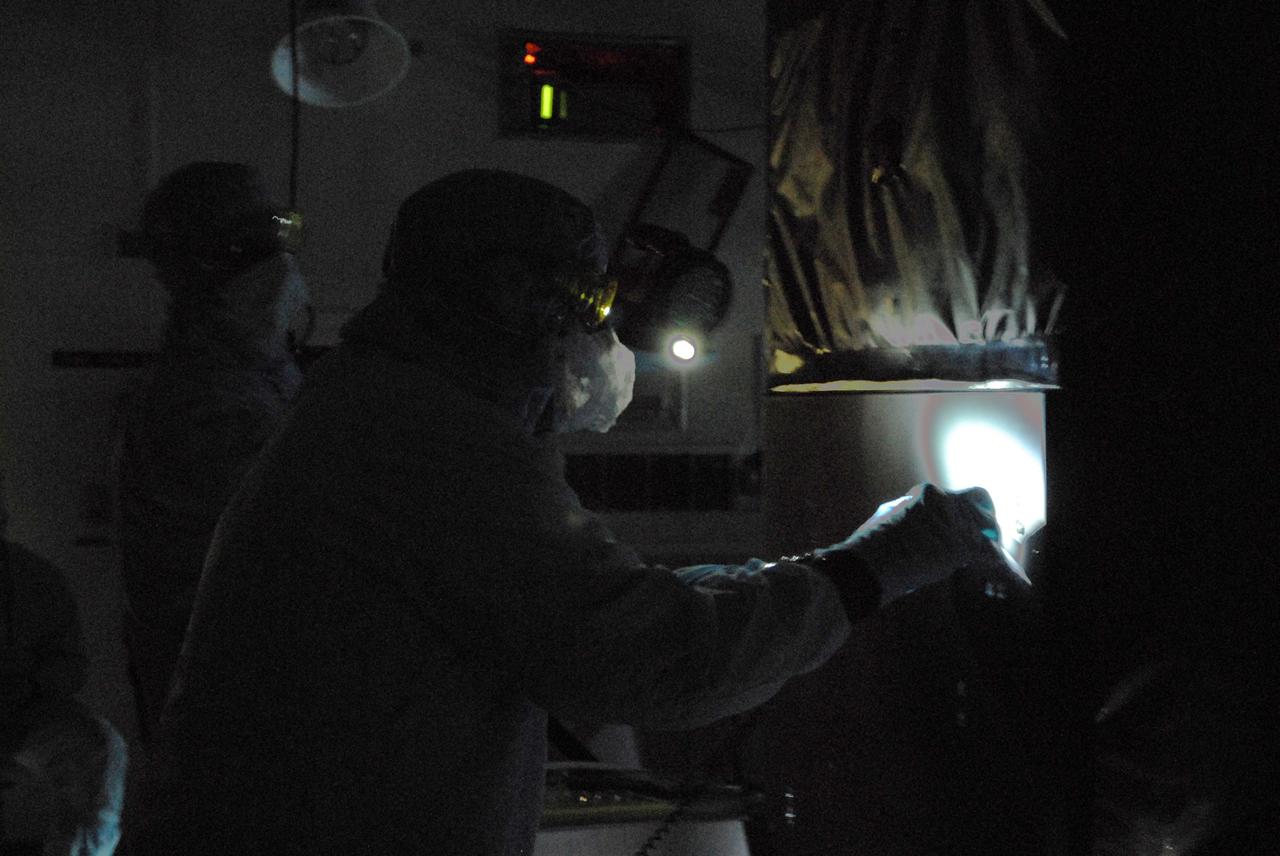
CAPE CANAVERAL, Fla. – Technicians in the Payload Hazardous Servicing Facility at NASA's Kennedy Space Center perform backlight inspection and cleaning on the Fine Guidance Sensor, or FGS. The FGS is part of the payload for the fifth and final Hubble servicing mission, STS-125, aboard space shuttle Atlantis. Black light inspection uses UVA fluorescence to detect possible particulate microcontamination, minute cracks or fluid leaks. An FGS consists of a large structure housing a collection of mirrors, lenses, servos, prisms, beam splitters and photomultiplier tubes. There are three fine guidance sensors on Hubble located at 90-degree intervals around the circumference of the telescope. Along with the gyroscopes, the optical sensors are a key component of Hubble’s highly complex but extraordinarily effective “pointing control system.” Atlantis is targeted to launch Oct. 8. Photo credit: NASA/Jack Pfaller
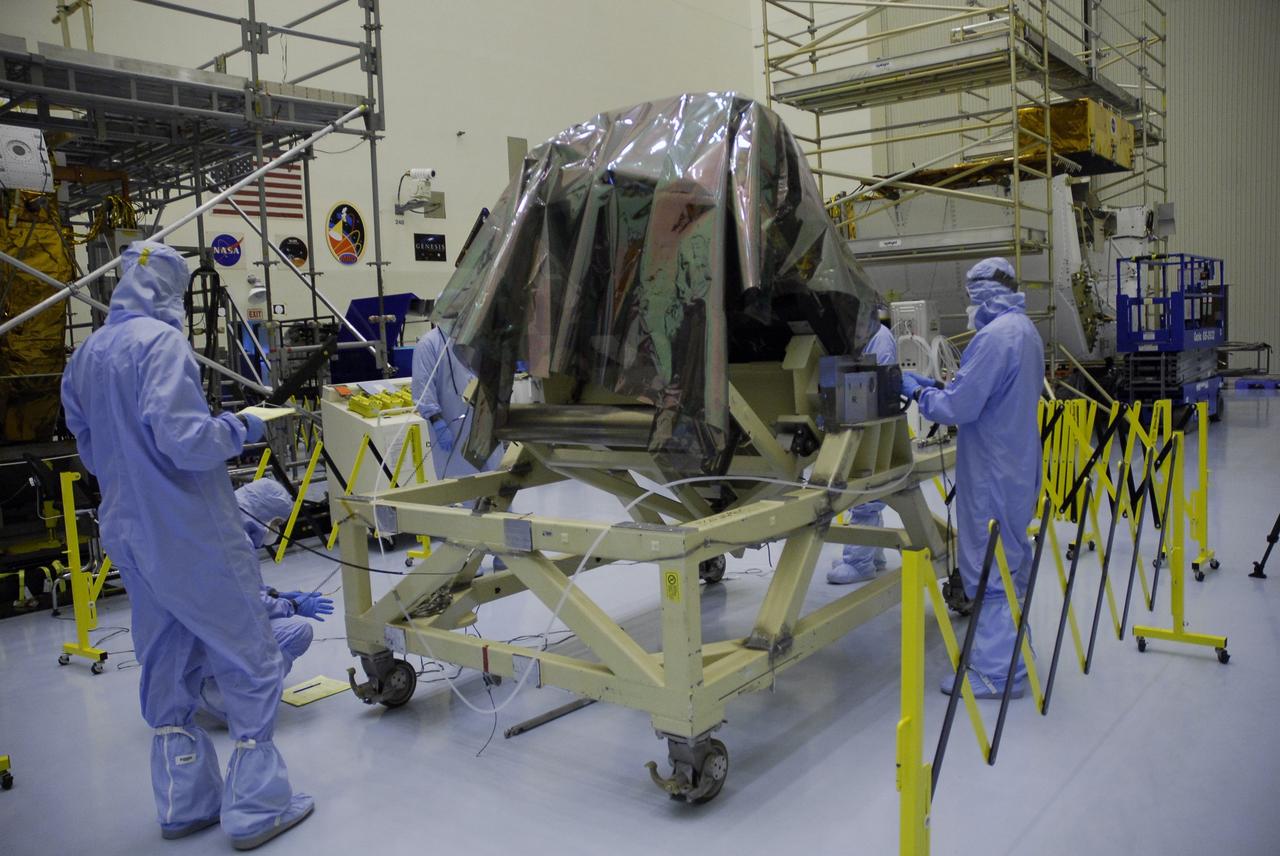
CAPE CANAVERAL, Fla. – The Fine Guidance Sensor, or FGS, is being prepared for backlight inspection and cleaning in the Payload Hazardous Servicing Facility at NASA's Kennedy Space Center. The FGS is part of the payload for the fifth and final Hubble servicing mission, STS-125, aboard space shuttle Atlantis. An FGS consists of a large structure housing a collection of mirrors, lenses, servos, prisms, beam splitters and photomultiplier tubes. There are three fine guidance sensors on Hubble located at 90-degree intervals around the circumference of the telescope. Along with the gyroscopes, the optical sensors are a key component of Hubble’s highly complex but extraordinarily effective “pointing control system.” Atlantis is targeted to launch Oct. 8. Photo credit: NASA/Jack Pfaller

CAPE CANAVERAL, Fla. – An overhead crane in the Payload Hazardous Servicing Facility at NASA's Kennedy Space Center lowers the Fine Guidance Sensor, or FGS, onto the Orbital Replacement Unit Carrier or ORUC, below for installation. An FGS consists of a large structure housing a collection of mirrors, lenses, servos, prisms, beam splitters and photomultiplier tubes. There are three fine guidance sensors on Hubble located at 90-degree intervals around the circumference of the telescope. Along with the gyroscopes, the optical sensors are a key component of Hubble’s highly complex but extraordinarily effective “pointing control system.” The ORUC is one of three carriers that are being prepared for the integration of telescope science instruments, both internal and external replacement components, as well as the flight support equipment to be used by the astronauts during the fifth and final Hubble servicing mission, STS-125, on space shuttle Atlantis. Launch is targeted for Oct. 8. Photo credit: NASA/Jim Grossmann

CAPE CANAVERAL, Fla. – Technicians in the Payload Hazardous Servicing Facility at NASA's Kennedy Space Center perform backlight inspection and cleaning on the Fine Guidance Sensor, or FGS. The FGS is part of the payload for the fifth and final Hubble servicing mission, STS-125, aboard space shuttle Atlantis. Black light inspection uses UVA fluorescence to detect possible particulate microcontamination, minute cracks or fluid leaks. An FGS consists of a large structure housing a collection of mirrors, lenses, servos, prisms, beam splitters and photomultiplier tubes. There are three fine guidance sensors on Hubble located at 90-degree intervals around the circumference of the telescope. Along with the gyroscopes, the optical sensors are a key component of Hubble’s highly complex but extraordinarily effective “pointing control system.” Atlantis is targeted to launch Oct. 8. Photo credit: NASA/Jack Pfaller
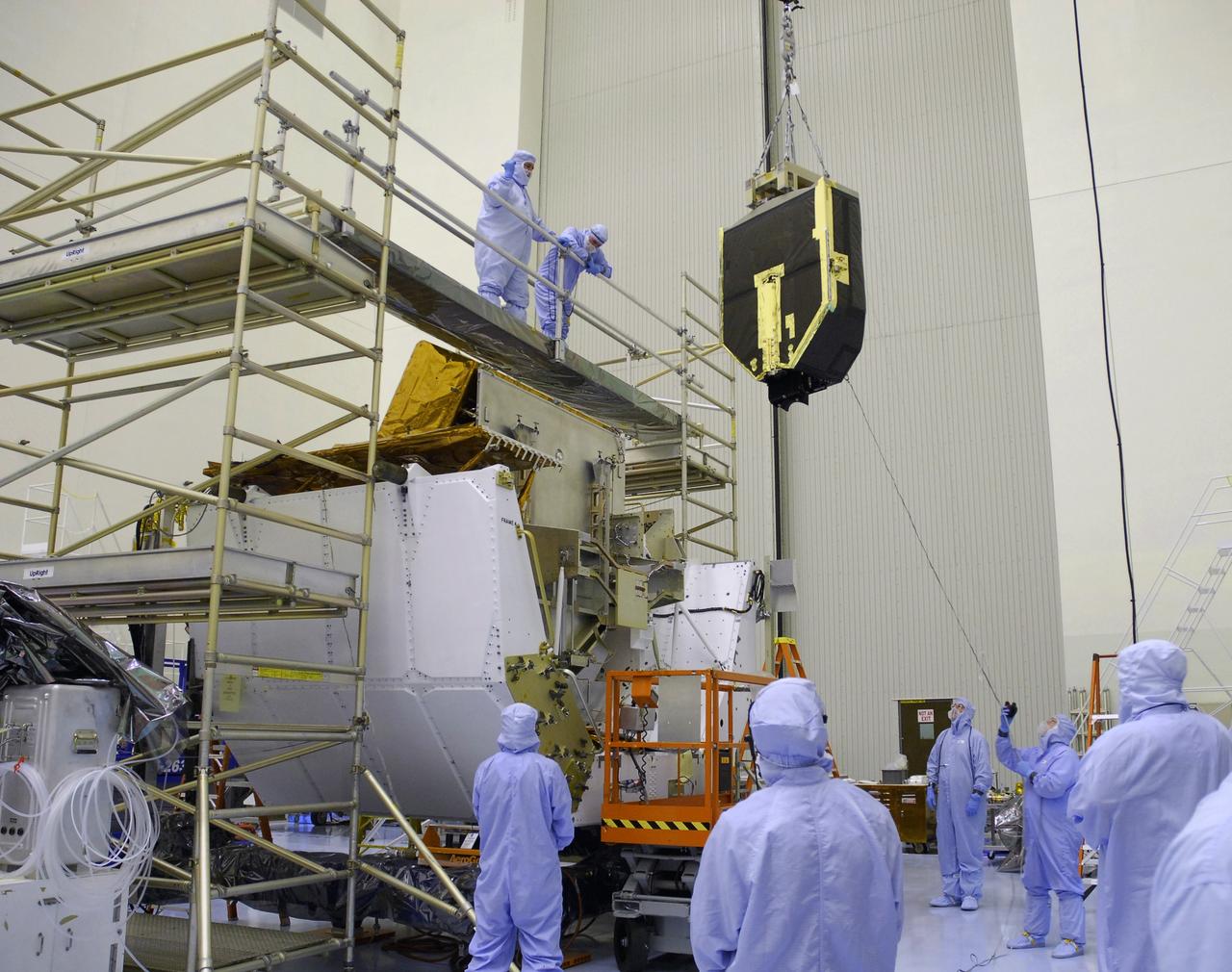
CAPE CANAVERAL, Fla. – Technicians in the Payload Hazardous Servicing Facility at NASA's Kennedy Space Center help guide the Fine Guidance Sensor, or FGS, as it is lifted over the crossbar of the stand at right. The sensor will be installed on the Orbital Replacement Unit Carrier or ORUC, below. An FGS consists of a large structure housing a collection of mirrors, lenses, servos, prisms, beam splitters and photomultiplier tubes. There are three fine guidance sensors on Hubble located at 90-degree intervals around the circumference of the telescope. Along with the gyroscopes, the optical sensors are a key component of Hubble’s highly complex but extraordinarily effective “pointing control system.” The ORUC is one of three carriers that are being prepared for the integration of telescope science instruments, both internal and external replacement components, as well as the flight support equipment to be used by the astronauts during the fifth and final Hubble servicing mission, STS-125, on space shuttle Atlantis. Launch is targeted for Oct. 8. Photo credit: NASA/Jim Grossmann
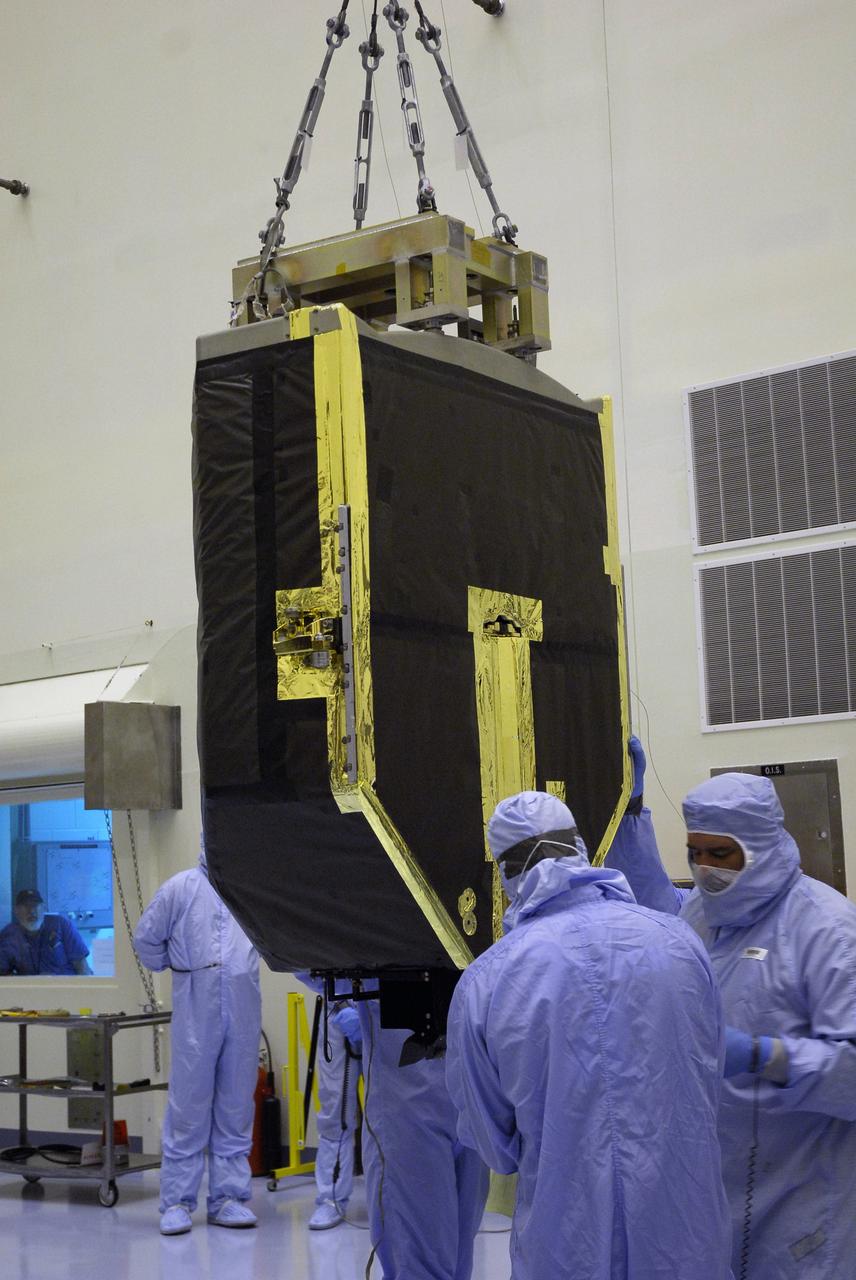
CAPE CANAVERAL, Fla. – A specialized overhead crane lifts the Fine Guidance Sensor, or FGS, in the Payload Hazardous Servicing Facility at NASA's Kennedy Space Center. The sensor will be moved to the Orbital Replacement Unit Carrier, or ORUC, for installation. An FGS consists of a large structure housing a collection of mirrors, lenses, servos, prisms, beam splitters and photomultiplier tubes. There are three fine guidance sensors on Hubble located at 90-degree intervals around the circumference of the telescope. Along with the gyroscopes, the optical sensors are a key component of Hubble’s highly complex but extraordinarily effective “pointing control system.” The ORUC is one of three carriers that are being prepared for the integration of telescope science instruments, both internal and external replacement components, as well as the flight support equipment to be used by the astronauts during the fifth and final Hubble servicing mission, STS-125, on space shuttle Atlantis. Launch is targeted for Oct. 8. Photo credit: NASA/Jim Grossmann
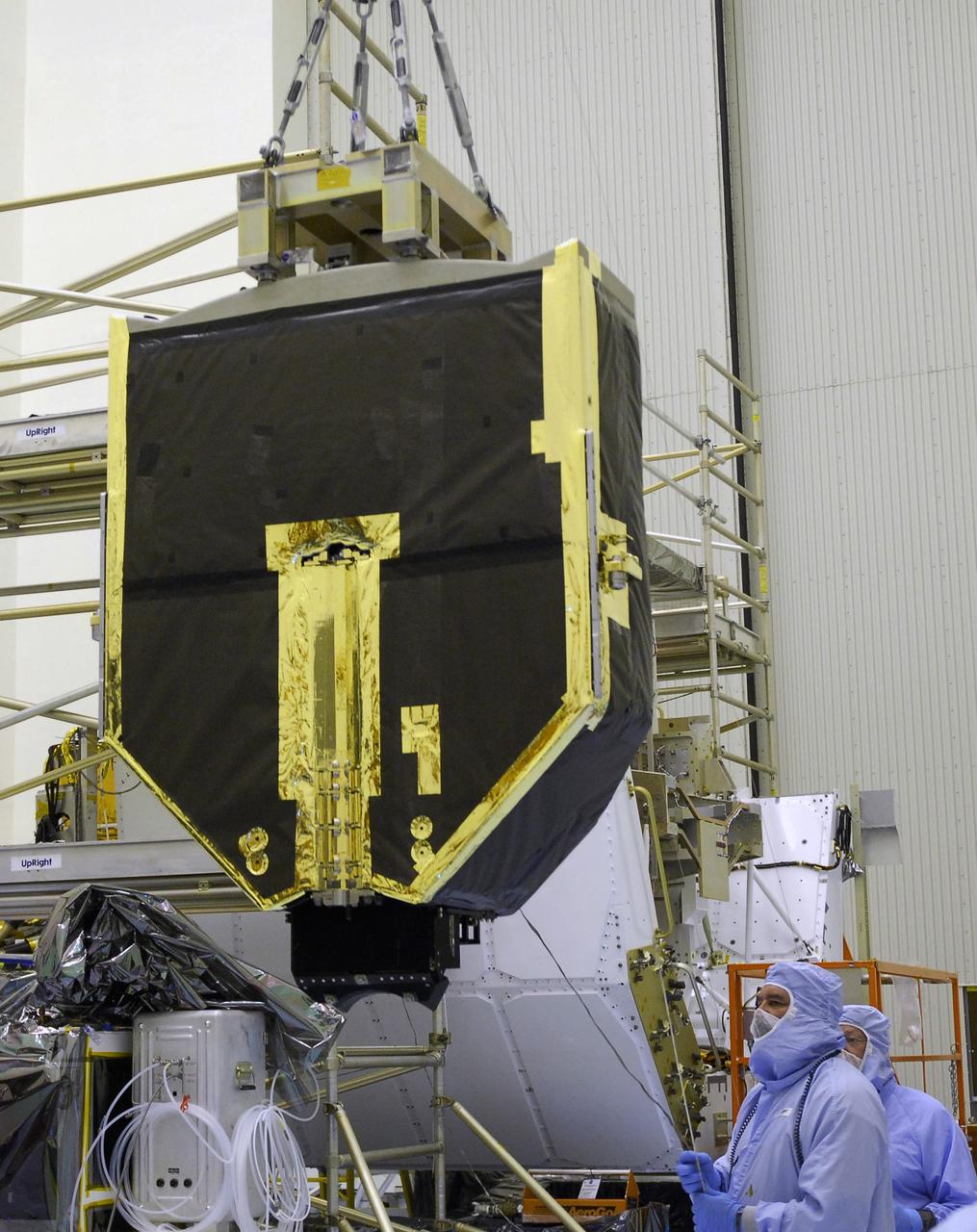
CAPE CANAVERAL, Fla. – Technicians in the Payload Hazardous Servicing Facility at NASA's Kennedy Space Center help guide the Fine Guidance Sensor, or FGS, as it moves toward the Orbital Replacement Unit Carrier or ORUC, for installation. An FGS consists of a large structure housing a collection of mirrors, lenses, servos, prisms, beam splitters and photomultiplier tubes. There are three fine guidance sensors on Hubble located at 90-degree intervals around the circumference of the telescope. Along with the gyroscopes, the optical sensors are a key component of Hubble’s highly complex but extraordinarily effective “pointing control system.” The ORUC is one of three carriers that are being prepared for the integration of telescope science instruments, both internal and external replacement components, as well as the flight support equipment to be used by the astronauts during the fifth and final Hubble servicing mission, STS-125, on space shuttle Atlantis. Launch is targeted for Oct. 8. Photo credit: NASA/Jim Grossmann
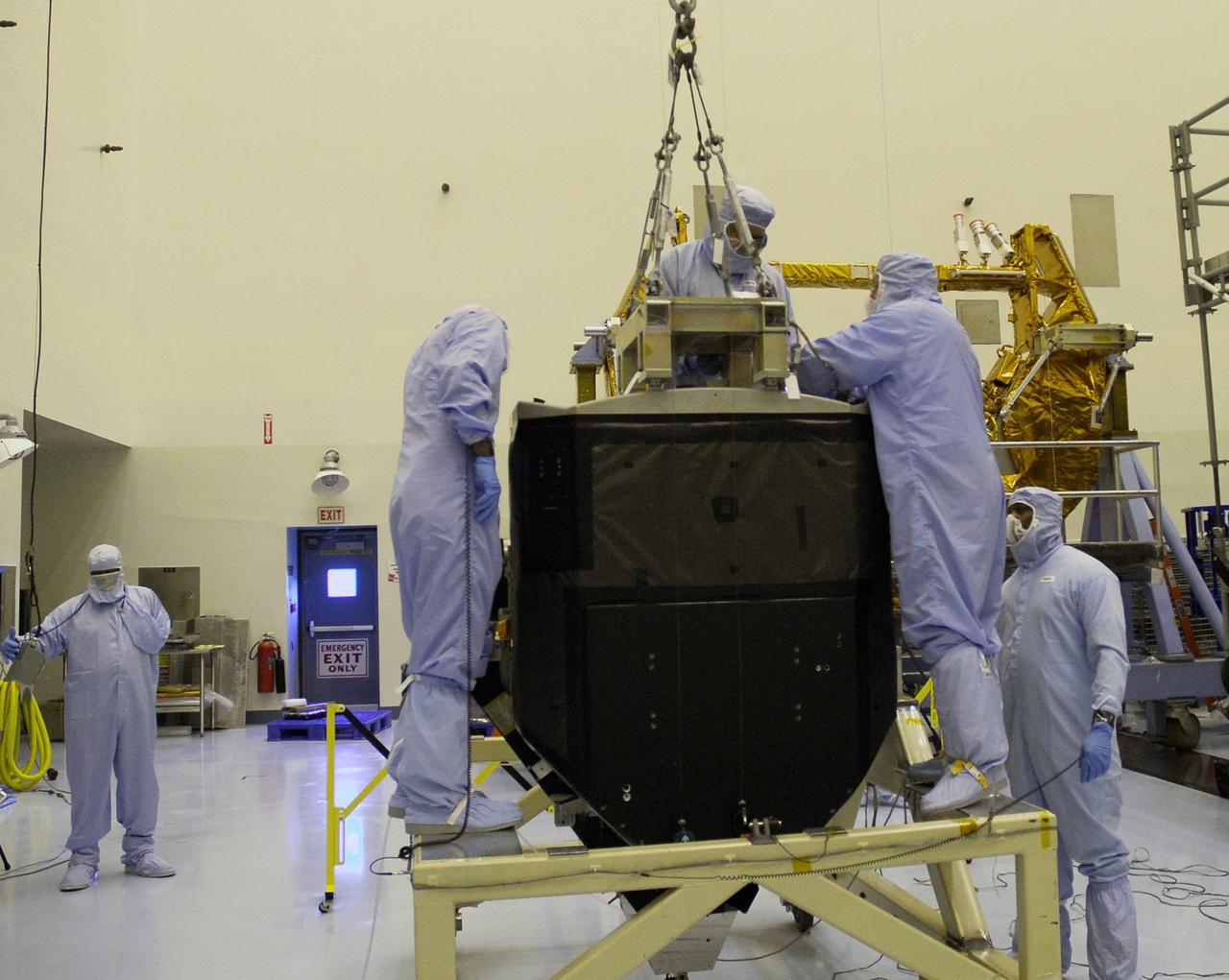
CAPE CANAVERAL, Fla. – Technicians in the Payload Hazardous Servicing Facility at NASA's Kennedy Space Center install a specialized overhead crane onto the Fine Guidance Sensor, or FGS. The sensor will be lifted and moved to the Orbital Replacement Unit Carrier or ORUC, for installation. An FGS consists of a large structure housing a collection of mirrors, lenses, servos, prisms, beam splitters and photomultiplier tubes. There are three fine guidance sensors on Hubble located at 90-degree intervals around the circumference of the telescope. Along with the gyroscopes, the optical sensors are a key component of Hubble’s highly complex but extraordinarily effective “pointing control system.” The ORUC is one of three carriers that are being prepared for the integration of telescope science instruments, both internal and external replacement components, as well as the flight support equipment to be used by the astronauts during the fifth and final Hubble servicing mission, STS-125, on space shuttle Atlantis. Launch is targeted for Oct. 8. Photo credit: NASA/Jim Grossmann
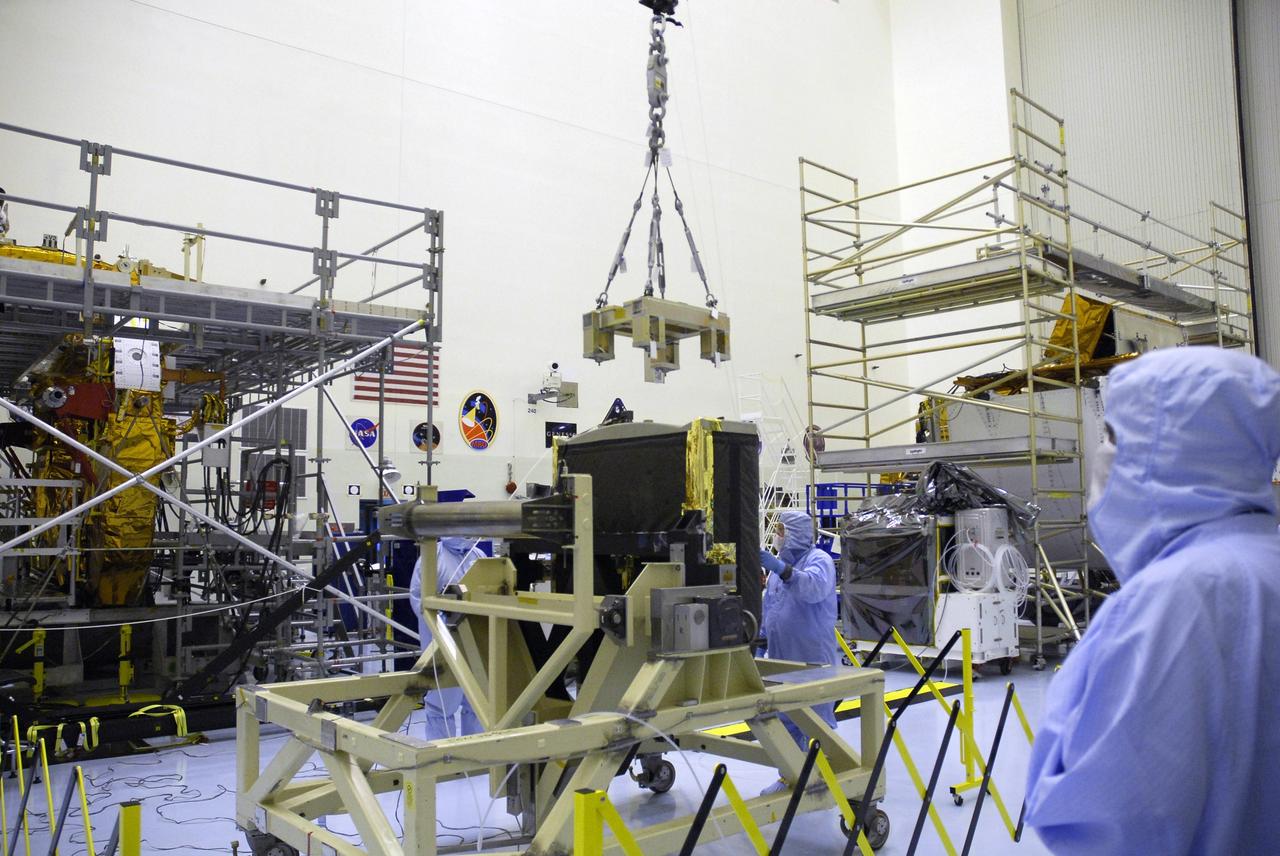
CAPE CANAVERAL, Fla. – A specialized crane is moved toward the Fine Guidance Sensor in the Payload Hazardous Servicing Facility at NASA's Kennedy Space Center. The sensor will be lifted and moved to the Orbital Replacement Unit Carrier or ORUC, for installation. An FGS consists of a large structure housing a collection of mirrors, lenses, servos, prisms, beam splitters and photomultiplier tubes. There are three fine guidance sensors on Hubble located at 90-degree intervals around the circumference of the telescope. Along with the gyroscopes, the optical sensors are a key component of Hubble’s highly complex but extraordinarily effective “pointing control system.” The ORUC is one of three carriers that are being prepared for the integration of telescope science instruments, both internal and external replacement components, as well as the flight support equipment to be used by the astronauts during the fifth and final Hubble servicing mission, STS-125, on space shuttle Atlantis. Launch is targeted for Oct. 8. Photo credit: NASA/Jim Grossmann
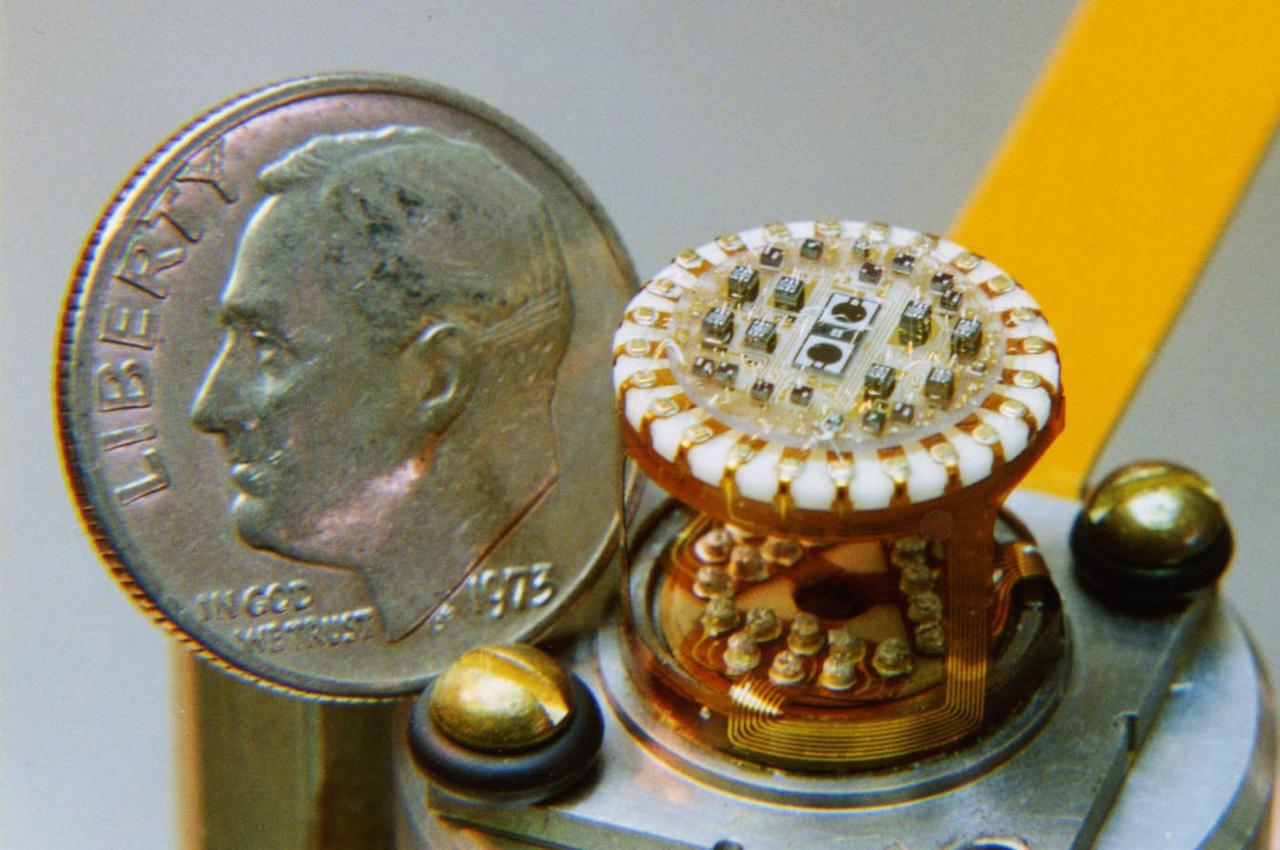
In this photo, the Gravity Probe B (GP-B) detector mount assembly is shown in comparison to the size of a dime. The assembly is used to detect exactly how much starlight is coming through different beams from the beam splitter in the telescope. The measurements from the tiny chips inside are what keeps GP-B aimed at the guide star. The GP-B is the relativity experiment developed at Stanford University to test two extraordinary predictions of Albert Einstein’s general theory of relativity. The experiment will measure, very precisely, the expected tiny changes in the direction of the spin axes of four gyroscopes contained in an Earth-orbiting satellite at a 400-mile altitude. So free are the gyroscopes from disturbance that they will provide an almost perfect space-time reference system. They will measure how space and time are very slightly warped by the presence of the Earth, and, more profoundly, how the Earth’s rotation very slightly drags space-time around with it. These effects, though small for the Earth, have far-reaching implications for the nature of matter and the structure of the Universe. GP-B is among the most thoroughly researched programs ever undertaken by NASA. This is the story of a scientific quest in which physicists and engineers have collaborated closely over many years. Inspired by their quest, they have invented a whole range of technologies that are already enlivening other branches of science and engineering. Launched April 20, 2004 , the GP-B program was managed for NASA by the Marshall Space Flight Center. Development of the GP-B is the responsibility of Stanford University along with major subcontractor Lockheed Martin Corporation. (Image credit to Paul Ehrensberger, Stanford University.)