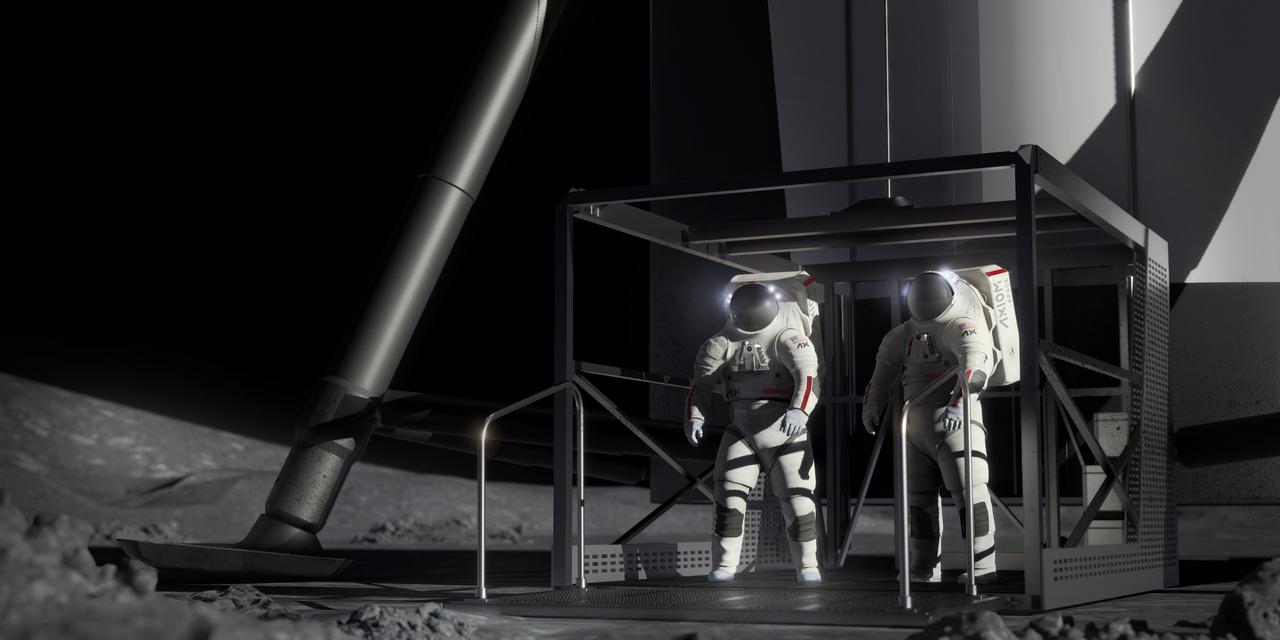
These artist’s concepts show SpaceX’s Starship Human Landing System (HLS) on the Moon. NASA is working with SpaceX to develop Starship HLS to carry astronauts from lunar orbit to the Moon’s surface and back for Artemis III and Artemis IV as part of the agency’s Artemis campaign. At about 165 feet (50 m), Starship HLS will be about the same height as a 15-story building. An elevator on Starship HLS will be used to transport crew and cargo between the lander and the Moon’s surface.

These artist’s concepts show SpaceX’s Starship Human Landing System (HLS) on the Moon. NASA is working with SpaceX to develop Starship HLS to carry astronauts from lunar orbit to the Moon’s surface and back for Artemis III and Artemis IV as part of the agency’s Artemis campaign. At about 165 feet (50 m), Starship HLS will be about the same height as a 15-story building. An elevator on Starship HLS will be used to transport crew and cargo between the lander and the Moon’s surface.
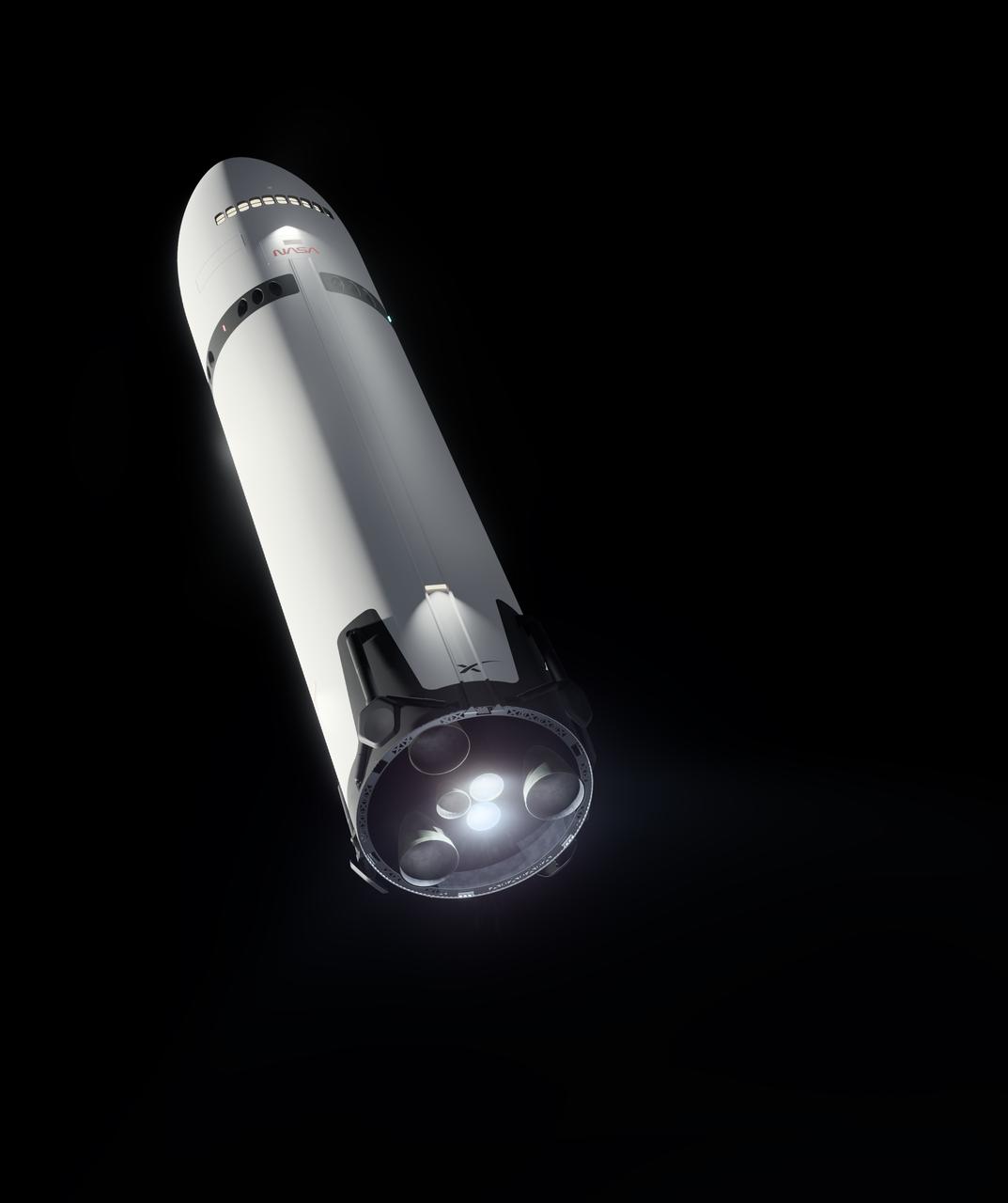
This artist’s concept portrays SpaceX’s Starship Human Landing System (HLS) with two Raptor engines lit, performing a braking burn prior to its Moon landing. The burn will occur after Starship HLS departs low lunar orbit to reduce the lander’s velocity prior to final descent to the lunar surface. NASA is working with SpaceX to develop Starship HLS to carry astronauts from lunar orbit to the Moon’s surface and back for Artemis III and Artemis IV as part of the agency’s Artemis campaign.
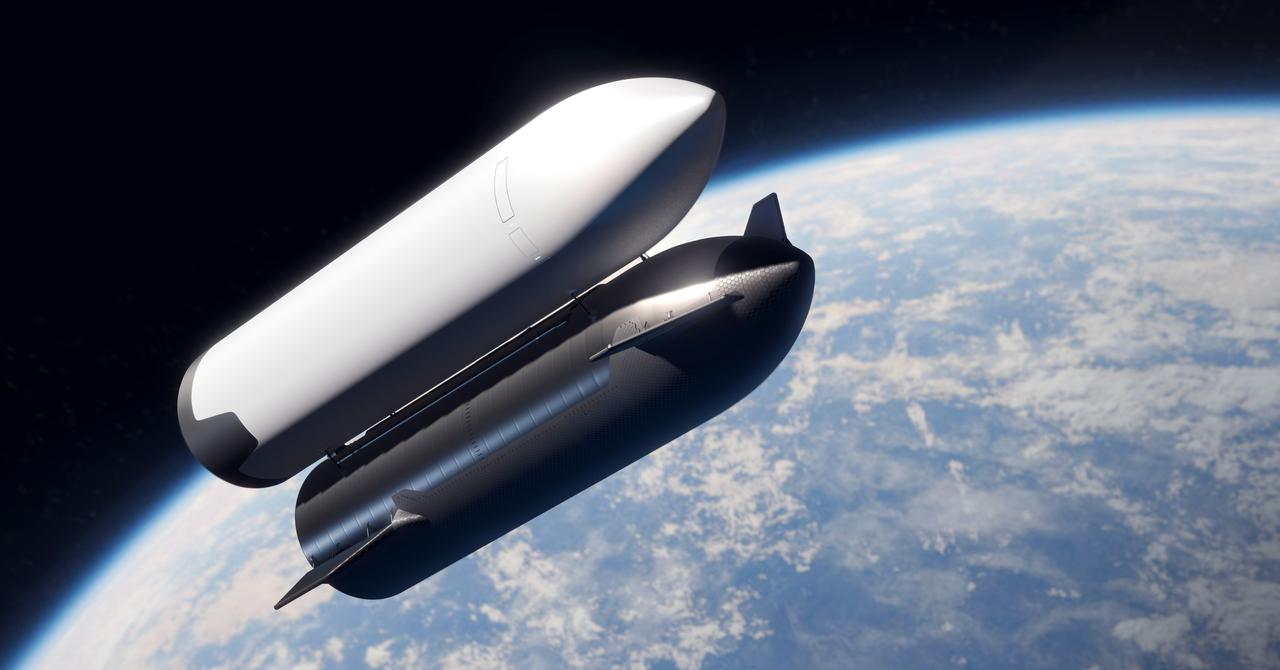
These artist’s concepts show SpaceX’s Starship Human Landing System (HLS) in operation on its journey to the Moon. Before astronauts launch in NASA’s Orion spacecraft atop the agency’s SLS (Space Launch System) rocket, SpaceX will launch a storage depot to Earth orbit. For Artemis III and Artemis IV, SpaceX plans to complete propellant loading operations in Earth orbit to send a fully fueled Starship HLS to the Moon. Starship HLS will then dock directly to Orion so that two astronauts can transfer from the spacecraft to the lander to descend to the Moon’s surface, while two others remain in Orion. Beginning with Artemis IV, NASA’s Gateway lunar space station will serve as the crew transfer point. NASA is working with SpaceX to develop Starship HLS to carry astronauts from lunar orbit to the Moon’s surface and back for Artemis III and Artemis IV as part of the agency’s Artemis campaign.

These artist’s concepts show SpaceX’s Starship Human Landing System (HLS) in operation on its journey to the Moon. Before astronauts launch in NASA’s Orion spacecraft atop the agency’s SLS (Space Launch System) rocket, SpaceX will launch a storage depot to Earth orbit. For Artemis III and Artemis IV, SpaceX plans to complete propellant loading operations in Earth orbit to send a fully fueled Starship HLS to the Moon. Starship HLS will then dock directly to Orion so that two astronauts can transfer from the spacecraft to the lander to descend to the Moon’s surface, while two others remain in Orion. Beginning with Artemis IV, NASA’s Gateway lunar space station will serve as the crew transfer point. NASA is working with SpaceX to develop Starship HLS to carry astronauts from lunar orbit to the Moon’s surface and back for Artemis III and Artemis IV as part of the agency’s Artemis campaign.
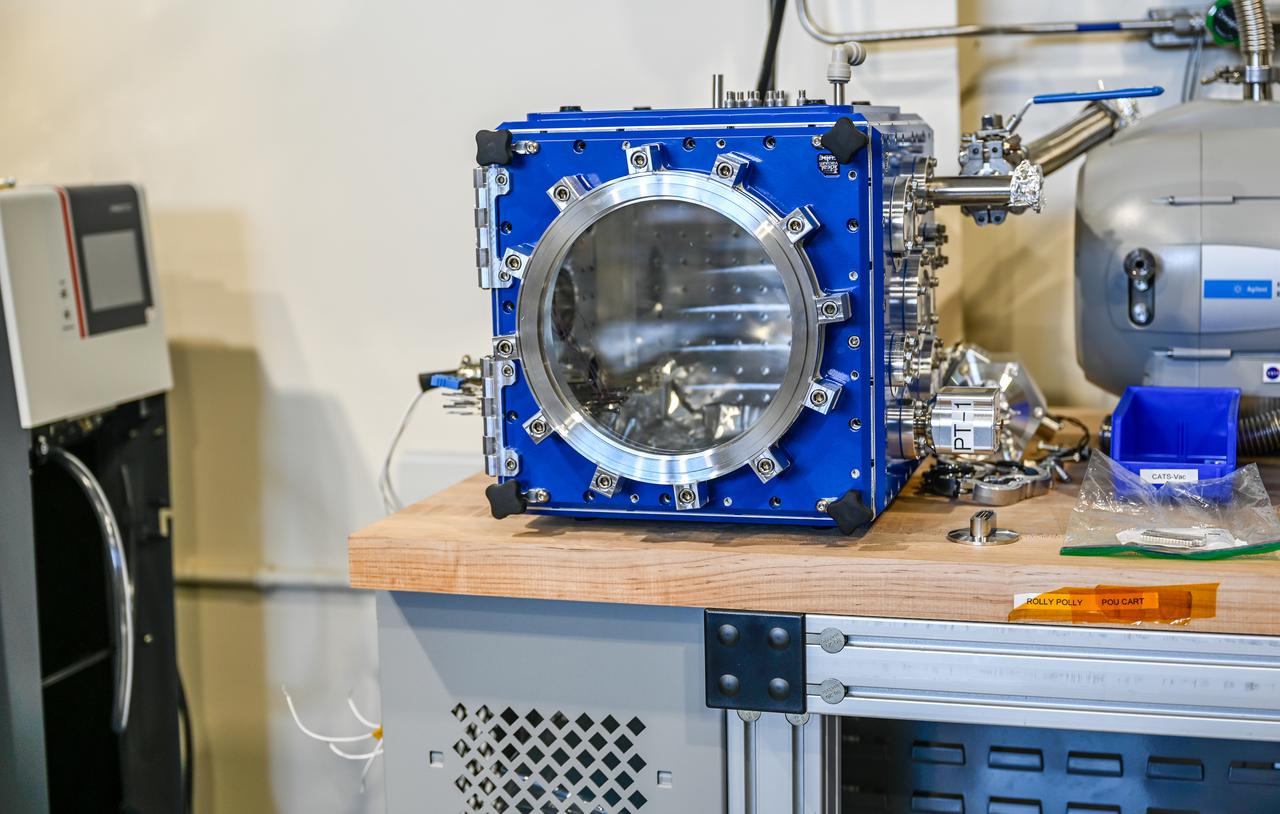
These photos, taken in fall 2024, show how NASA engineers use the Hub for Innovative Thermal Technology Maturation and Prototyping (Hi-TTeMP) laboratory at NASA’s Marshall Space Flight Center in Huntsville, Alabama. NASA engineers working in the HI-TTeMP lab not only design, set up, and run tests, they also provide insight and expertise in thermal engineering to assist NASA’s industry partners, such as SpaceX and other organizations, in validating concepts and models, or suggesting changes to designs. The lab is able to rapidly test and evaluate design updates or iterations. Engineering teams inside the lab are currently testing how well prototype insulation for SpaceX’s Starship HLS (Human Landing System) will insulate interior environments, including propellant storage tanks and the crew cabin. Starship HLS will land astronauts on the lunar surface during Artemis III and Artemis IV.
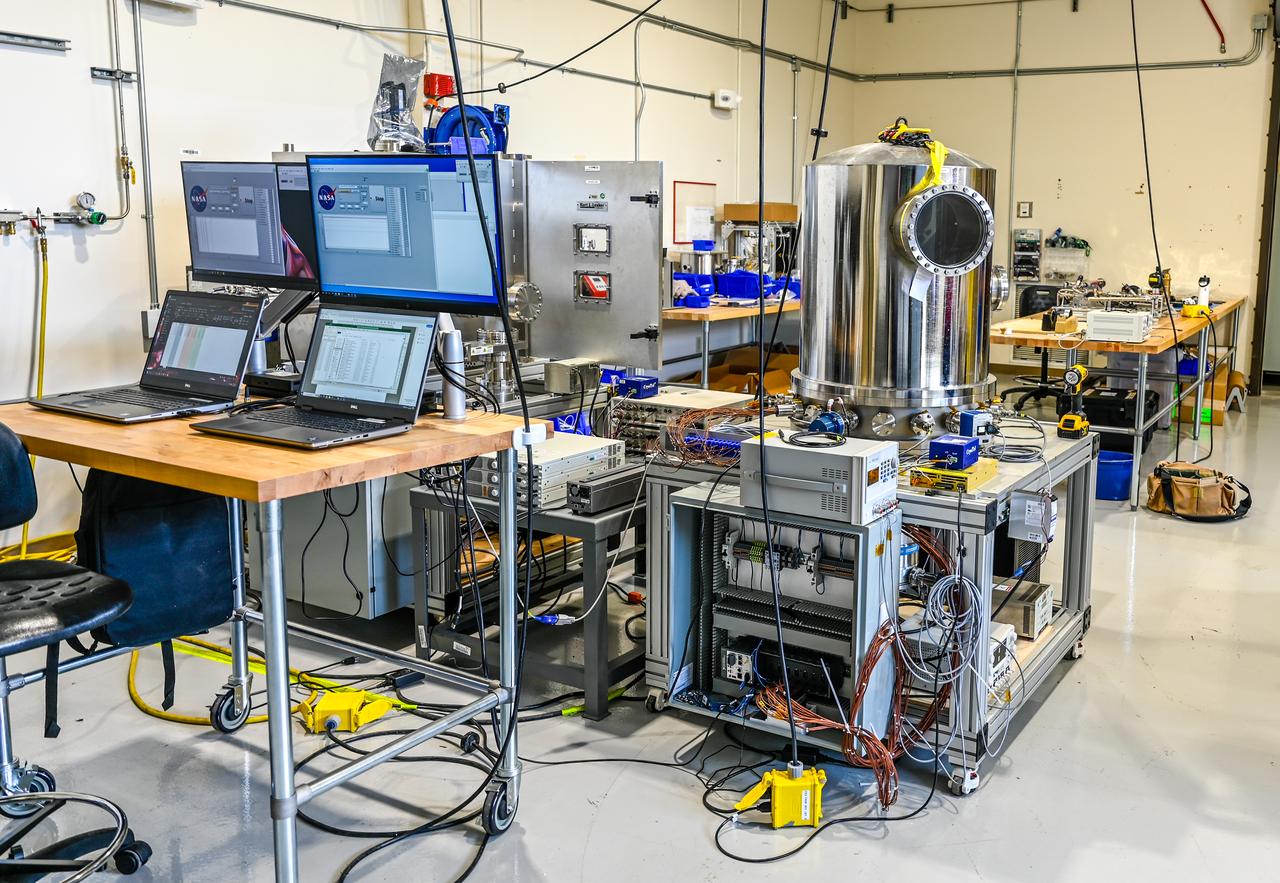
These photos, taken in fall 2024, show how NASA engineers use the Hub for Innovative Thermal Technology Maturation and Prototyping (Hi-TTeMP) laboratory at NASA’s Marshall Space Flight Center in Huntsville, Alabama. NASA engineers working in the HI-TTeMP lab not only design, set up, and run tests, they also provide insight and expertise in thermal engineering to assist NASA’s industry partners, such as SpaceX and other organizations, in validating concepts and models, or suggesting changes to designs. The lab is able to rapidly test and evaluate design updates or iterations. Engineering teams inside the lab are currently testing how well prototype insulation for SpaceX’s Starship HLS (Human Landing System) will insulate interior environments, including propellant storage tanks and the crew cabin. Starship HLS will land astronauts on the lunar surface during Artemis III and Artemis IV.
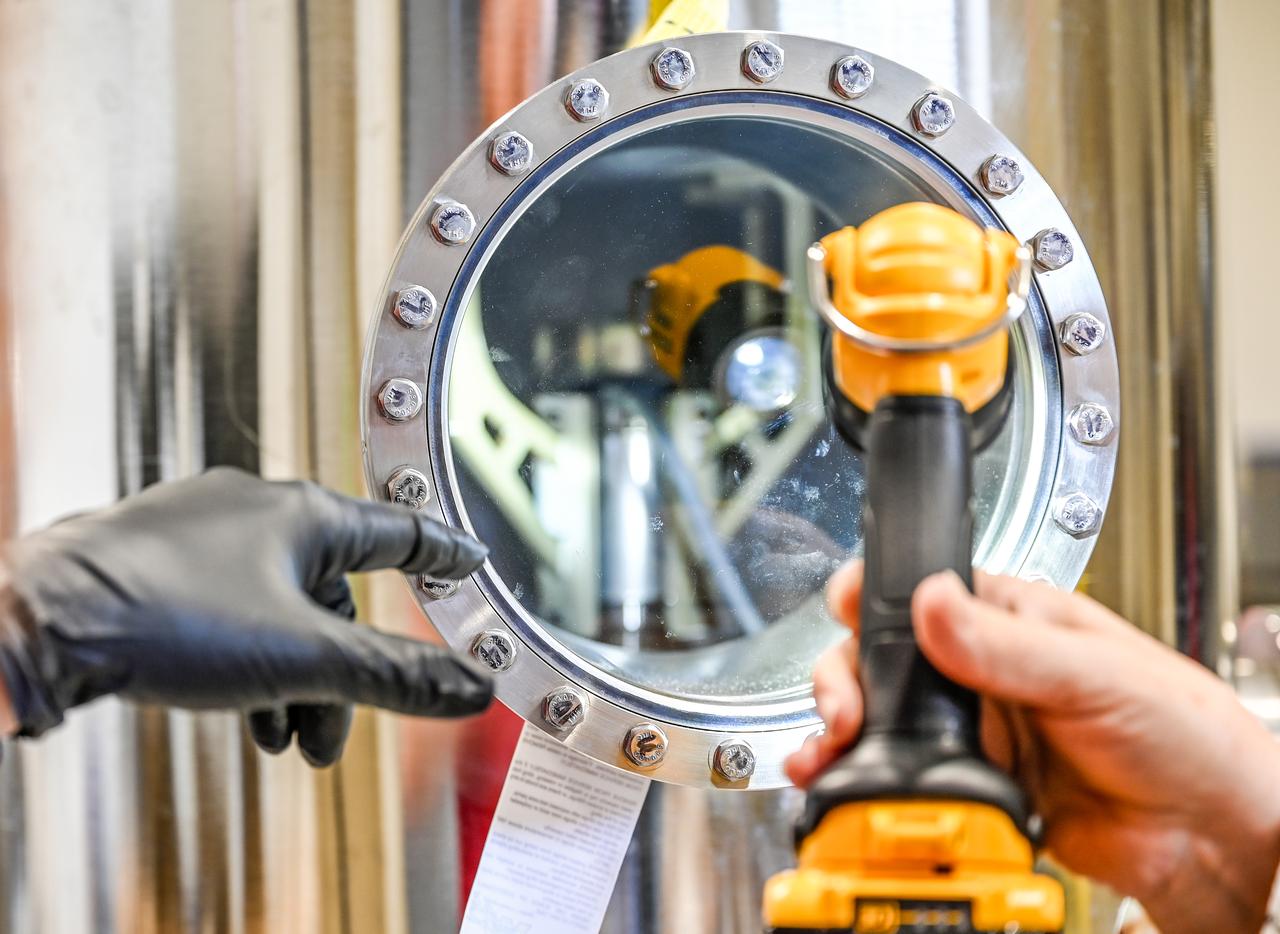
These photos, taken in fall 2024, show how NASA engineers use the Hub for Innovative Thermal Technology Maturation and Prototyping (Hi-TTeMP) laboratory at NASA’s Marshall Space Flight Center in Huntsville, Alabama. NASA engineers working in the HI-TTeMP lab not only design, set up, and run tests, they also provide insight and expertise in thermal engineering to assist NASA’s industry partners, such as SpaceX and other organizations, in validating concepts and models, or suggesting changes to designs. The lab is able to rapidly test and evaluate design updates or iterations. Engineering teams inside the lab are currently testing how well prototype insulation for SpaceX’s Starship HLS (Human Landing System) will insulate interior environments, including propellant storage tanks and the crew cabin. Starship HLS will land astronauts on the lunar surface during Artemis III and Artemis IV.
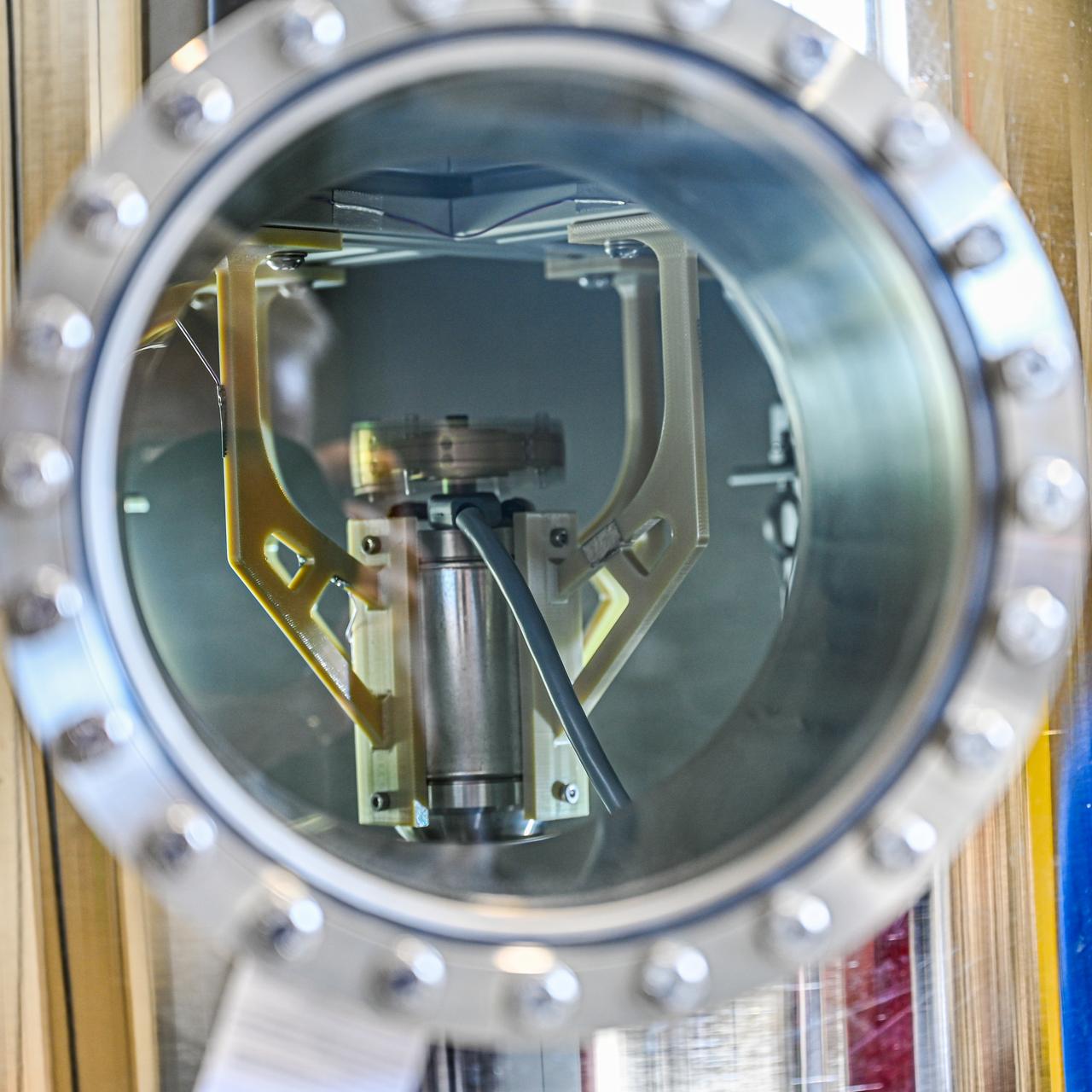
These photos, taken in fall 2024, show how NASA engineers use the Hub for Innovative Thermal Technology Maturation and Prototyping (Hi-TTeMP) laboratory at NASA’s Marshall Space Flight Center in Huntsville, Alabama. NASA engineers working in the HI-TTeMP lab not only design, set up, and run tests, they also provide insight and expertise in thermal engineering to assist NASA’s industry partners, such as SpaceX and other organizations, in validating concepts and models, or suggesting changes to designs. The lab is able to rapidly test and evaluate design updates or iterations. Engineering teams inside the lab are currently testing how well prototype insulation for SpaceX’s Starship HLS (Human Landing System) will insulate interior environments, including propellant storage tanks and the crew cabin. Starship HLS will land astronauts on the lunar surface during Artemis III and Artemis IV.
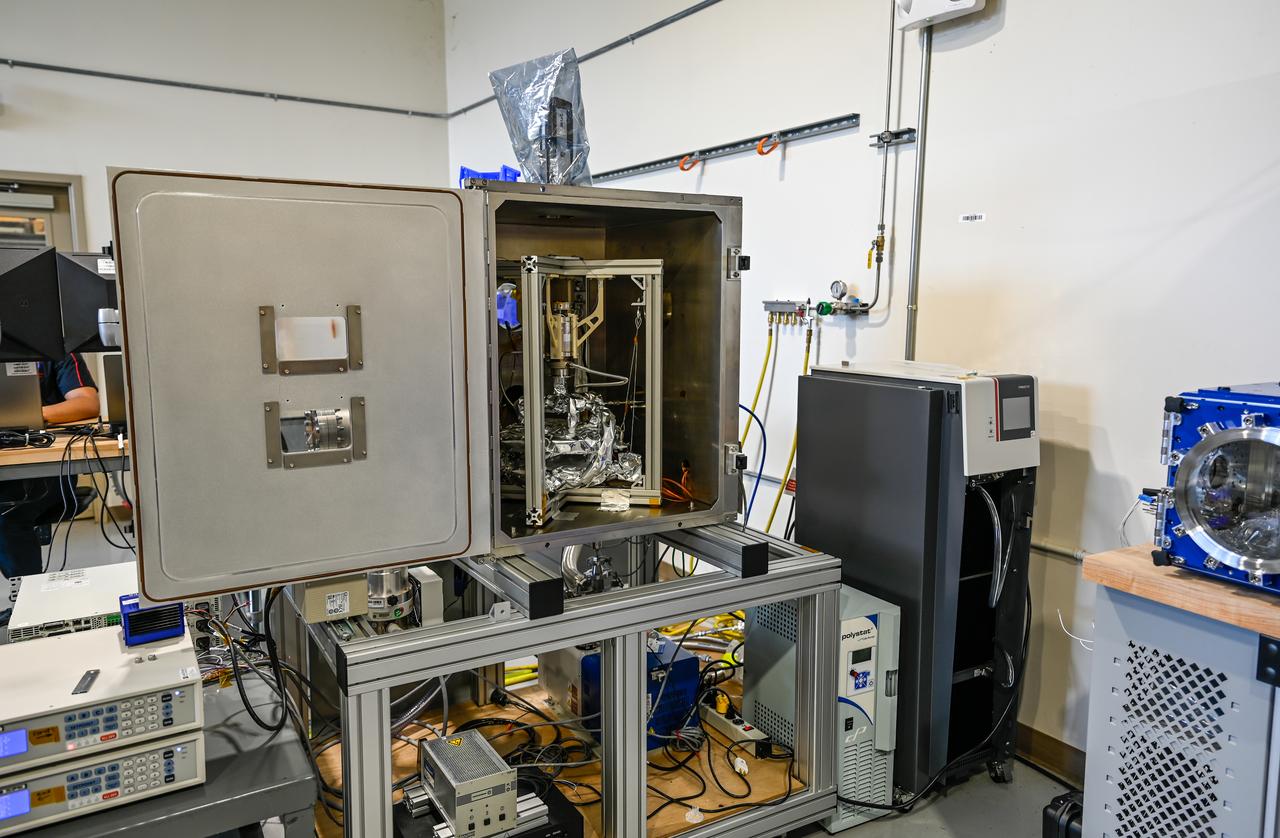
These photos, taken in fall 2024, show how NASA engineers use the Hub for Innovative Thermal Technology Maturation and Prototyping (Hi-TTeMP) laboratory at NASA’s Marshall Space Flight Center in Huntsville, Alabama. NASA engineers working in the HI-TTeMP lab not only design, set up, and run tests, they also provide insight and expertise in thermal engineering to assist NASA’s industry partners, such as SpaceX and other organizations, in validating concepts and models, or suggesting changes to designs. The lab is able to rapidly test and evaluate design updates or iterations. Engineering teams inside the lab are currently testing how well prototype insulation for SpaceX’s Starship HLS (Human Landing System) will insulate interior environments, including propellant storage tanks and the crew cabin. Starship HLS will land astronauts on the lunar surface during Artemis III and Artemis IV.
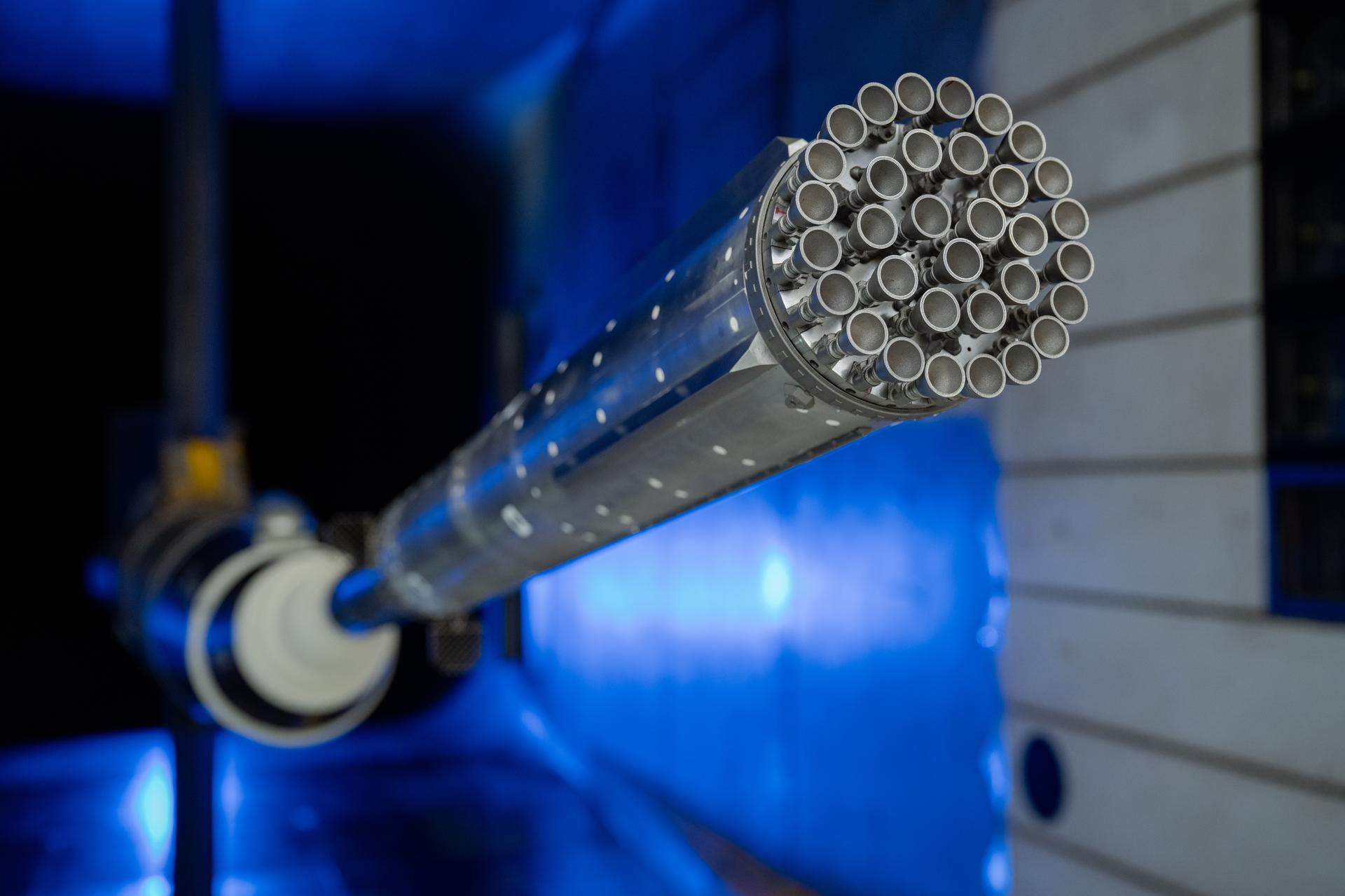
These photos show how engineers with conducted testing on a 1.2% scale model of SpaceX’s Super Heavy Version 3 rocket booster at NASA’s Ames Research Center in California’s Silicon Valley. The tests focused on better understanding the extreme aerodynamic forces the rocket can experience during re-entry and builds on a previous test series completed at NASA Ames in 2024. NASA is working with SpaceX to develop the company’s Starship Human Landing System (HLS) to safely carry astronauts from lunar orbit to the Moon’s surface and back. The upgraded Super Heavy rocket booster is part of SpaceX’s Starship launch system.
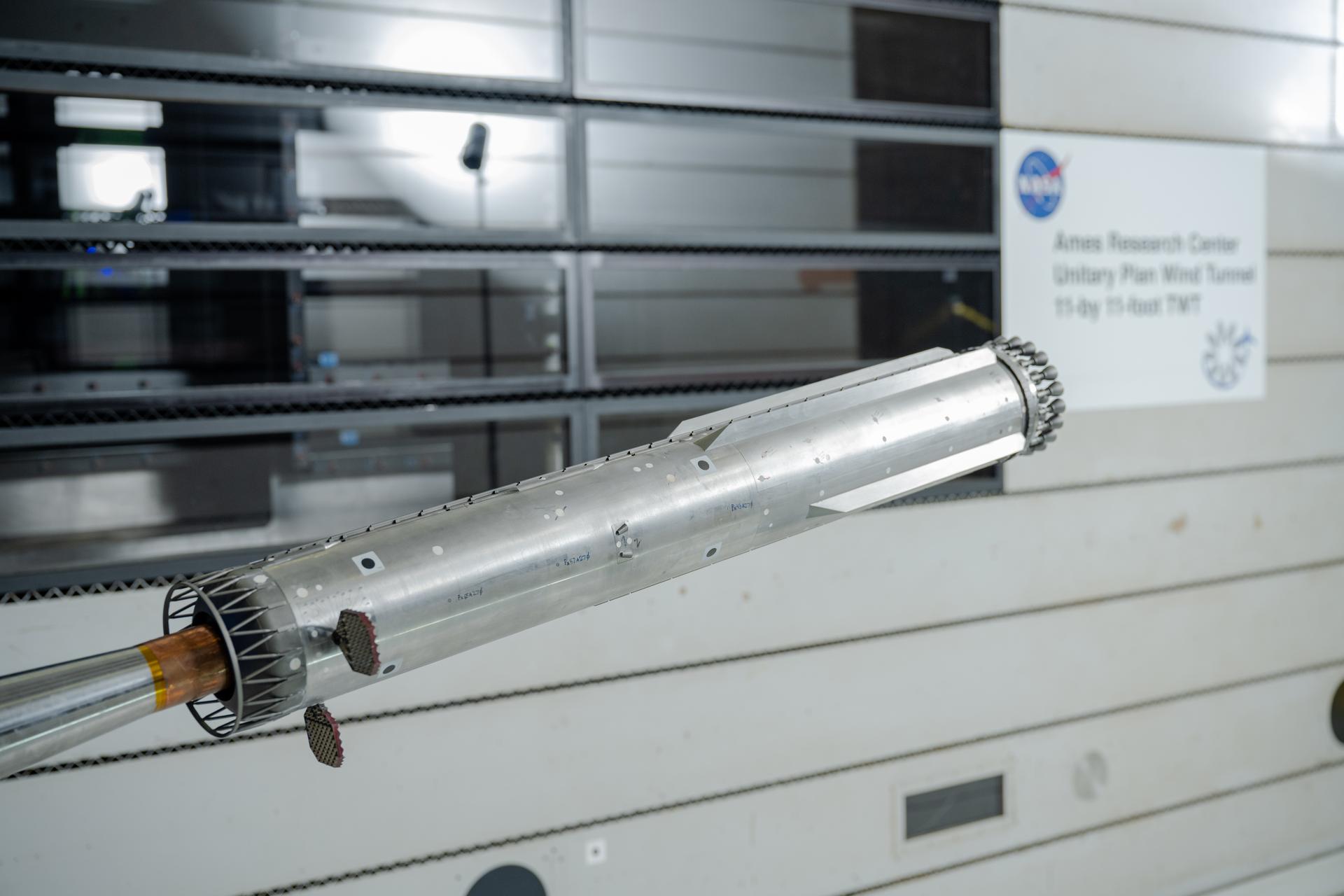
These photos show how engineers with conducted testing on a 1.2% scale model of SpaceX’s Super Heavy Version 3 rocket booster at NASA’s Ames Research Center in California’s Silicon Valley. The tests focused on better understanding the extreme aerodynamic forces the rocket can experience during re-entry and builds on a previous test series completed at NASA Ames in 2024. NASA is working with SpaceX to develop the company’s Starship Human Landing System (HLS) to safely carry astronauts from lunar orbit to the Moon’s surface and back. The upgraded Super Heavy rocket booster is part of SpaceX’s Starship launch system.
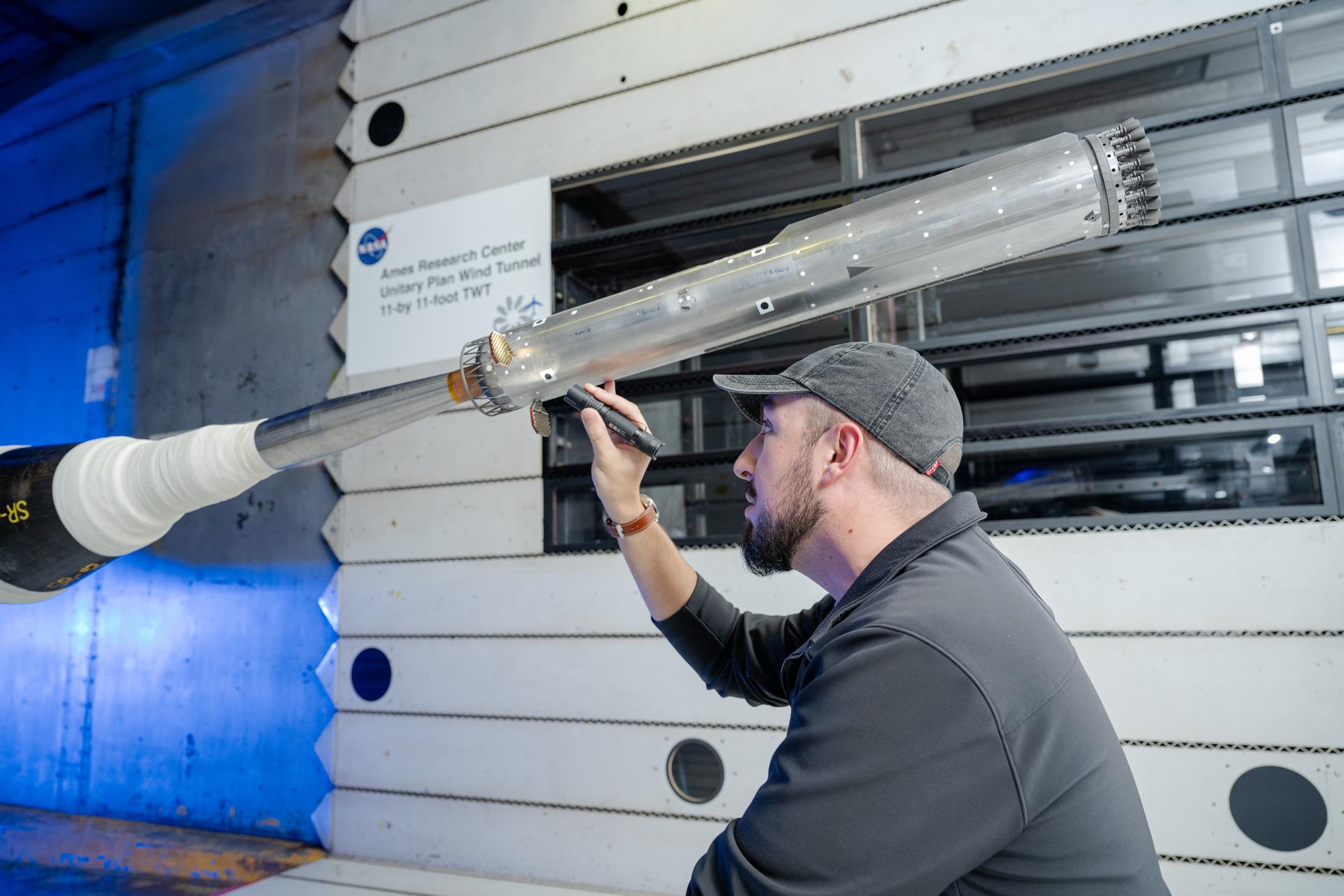
These photos show how engineers with conducted testing on a 1.2% scale model of SpaceX’s Super Heavy Version 3 rocket booster at NASA’s Ames Research Center in California’s Silicon Valley. The tests focused on better understanding the extreme aerodynamic forces the rocket can experience during re-entry and builds on a previous test series completed at NASA Ames in 2024. NASA is working with SpaceX to develop the company’s Starship Human Landing System (HLS) to safely carry astronauts from lunar orbit to the Moon’s surface and back. The upgraded Super Heavy rocket booster is part of SpaceX’s Starship launch system.
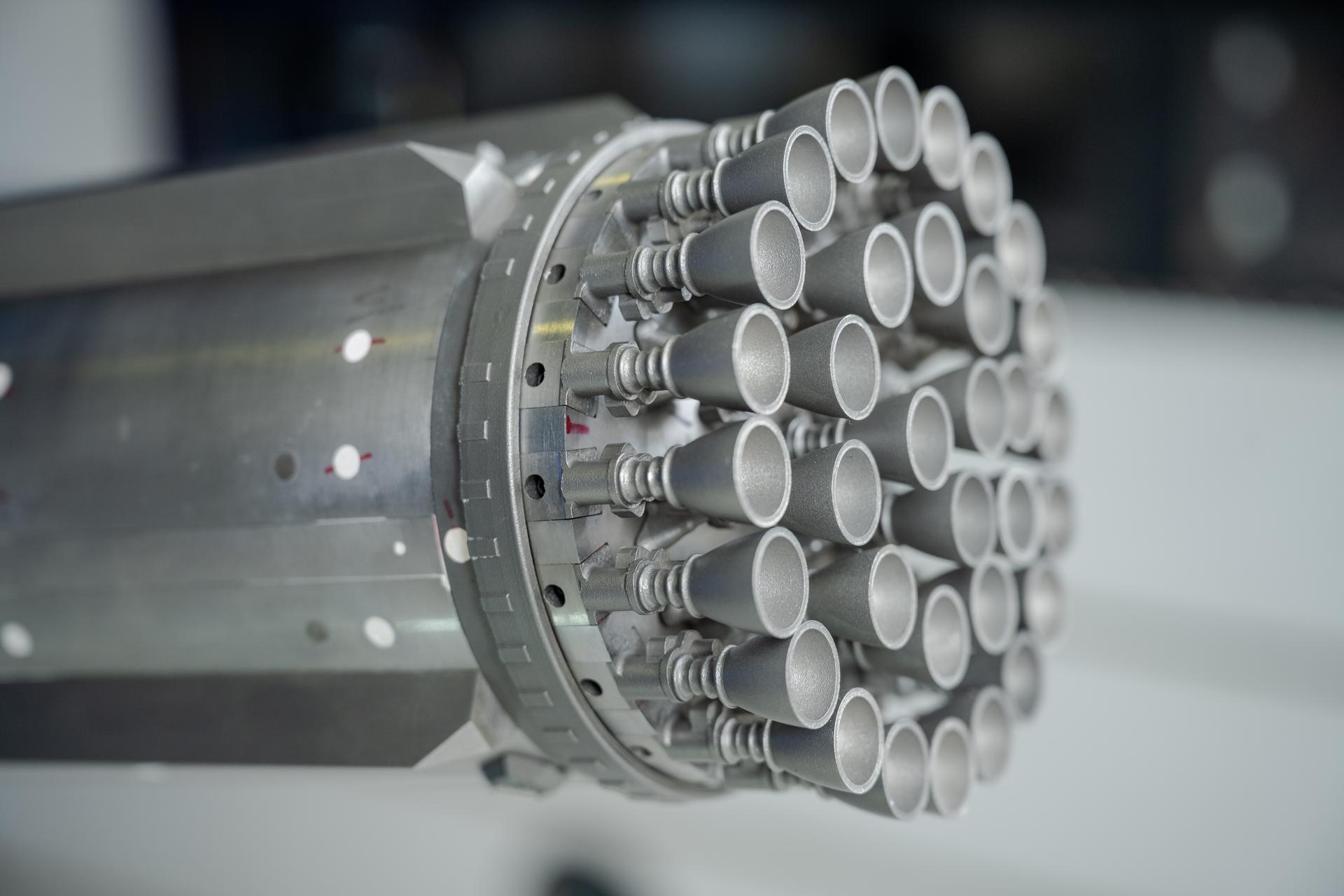
These photos show how engineers with conducted testing on a 1.2% scale model of SpaceX’s Super Heavy Version 3 rocket booster at NASA’s Ames Research Center in California’s Silicon Valley. The tests focused on better understanding the extreme aerodynamic forces the rocket can experience during re-entry and builds on a previous test series completed at NASA Ames in 2024. NASA is working with SpaceX to develop the company’s Starship Human Landing System (HLS) to safely carry astronauts from lunar orbit to the Moon’s surface and back. The upgraded Super Heavy rocket booster is part of SpaceX’s Starship launch system.
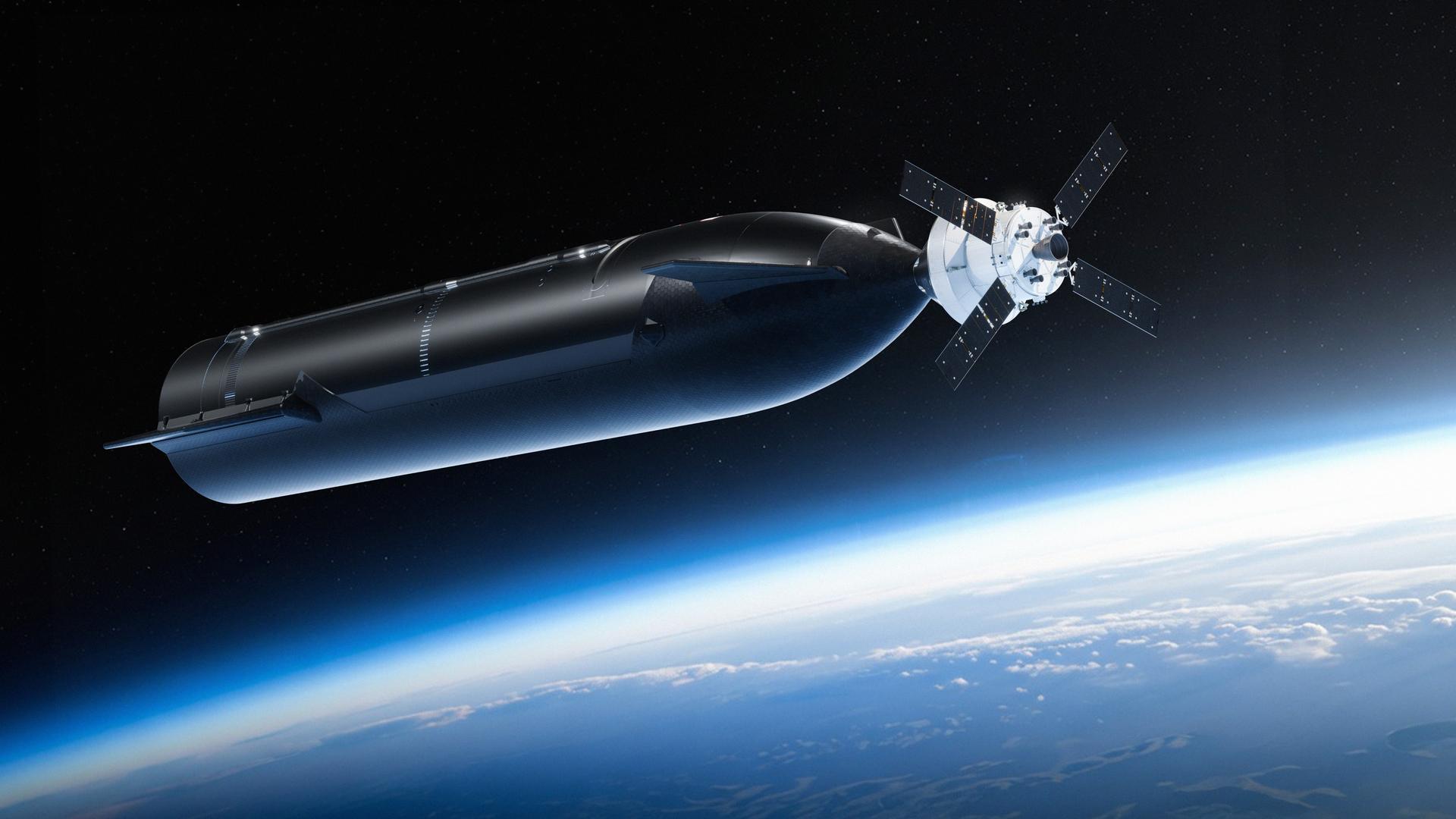
These artist’s concepts depict NASA’s Orion spacecraft and SpaceX’s Starship human landing system test article during rendezvous and docking operations as part of NASA’s upcoming Artemis III demonstration mission in low Earth orbit. NASA is working with two American companies to develop the human landing systems that will safely transport astronauts from lunar orbit to the Moon’s surface and back for future Artemis missions. For Artemis III, both SpaceX and Blue Origin will fly test versions, or test articles, of the crewed landers that will be used for future Moon landings. The lander test articles will launch by commercial rockets, while the Artemis III crew will launch to low Earth orbit in Orion atop the agency’s SLS (Space Launch System) rocket.