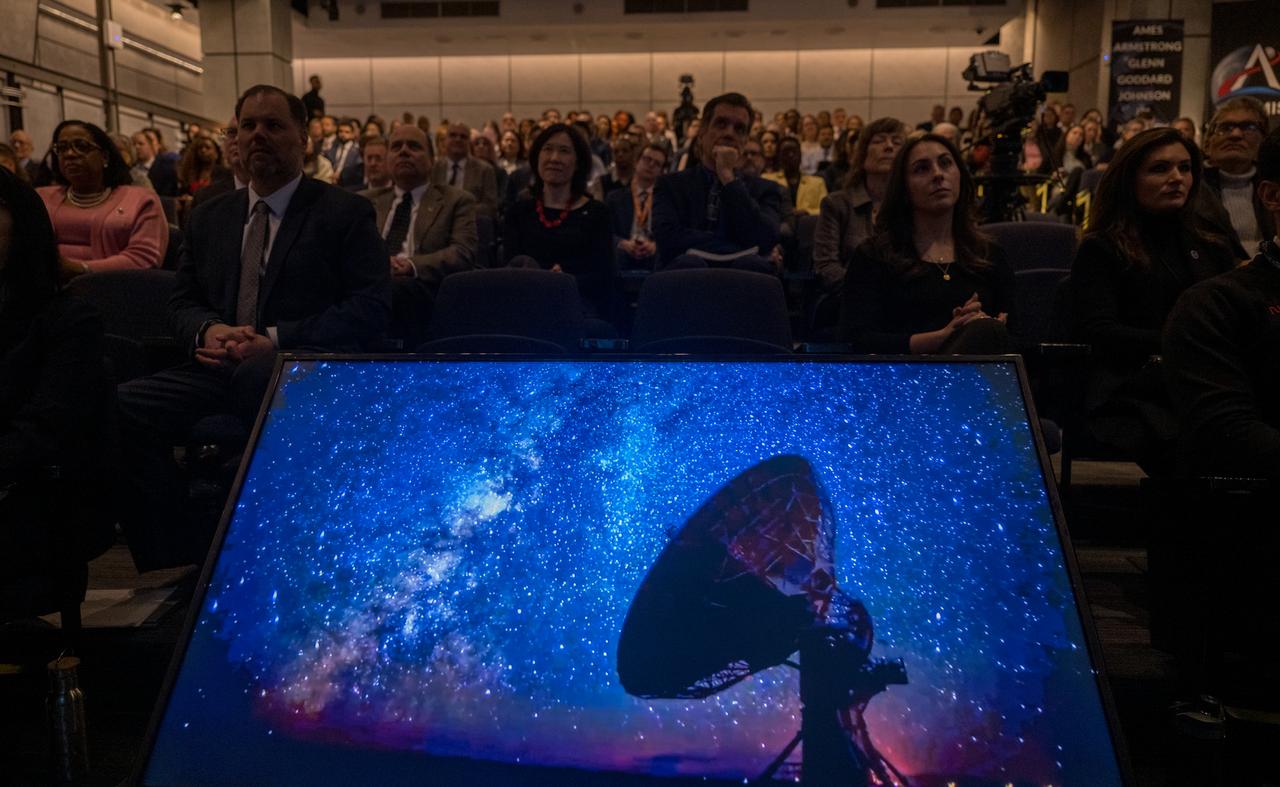
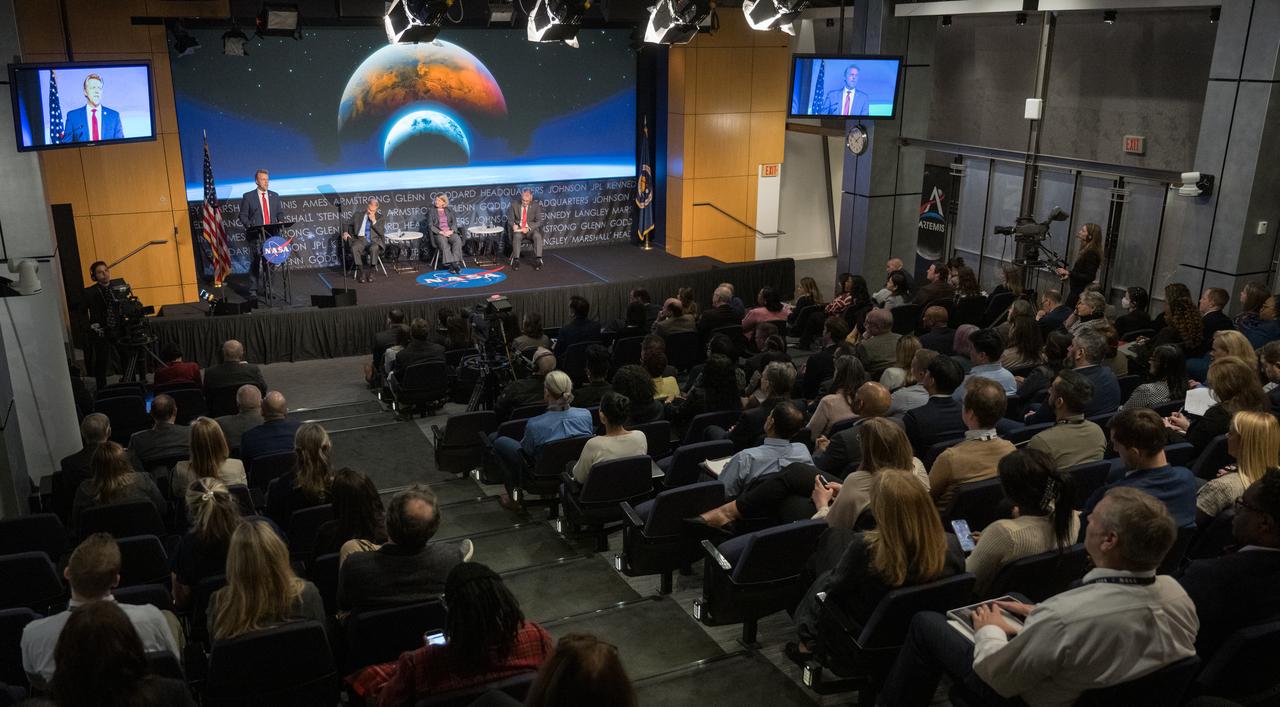
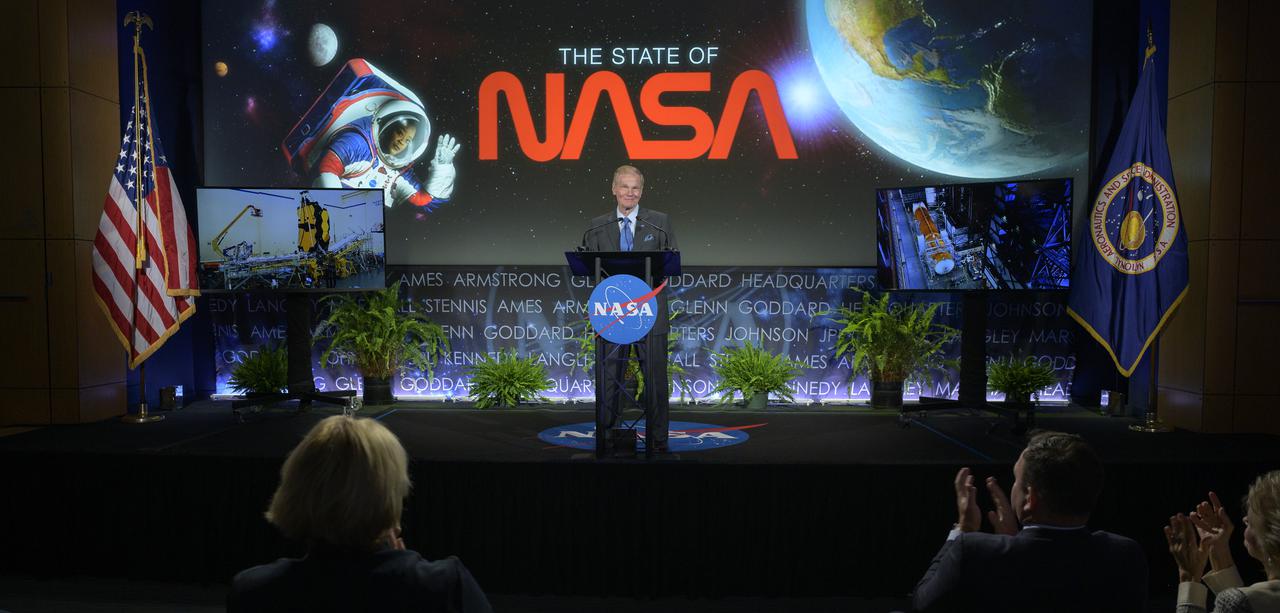
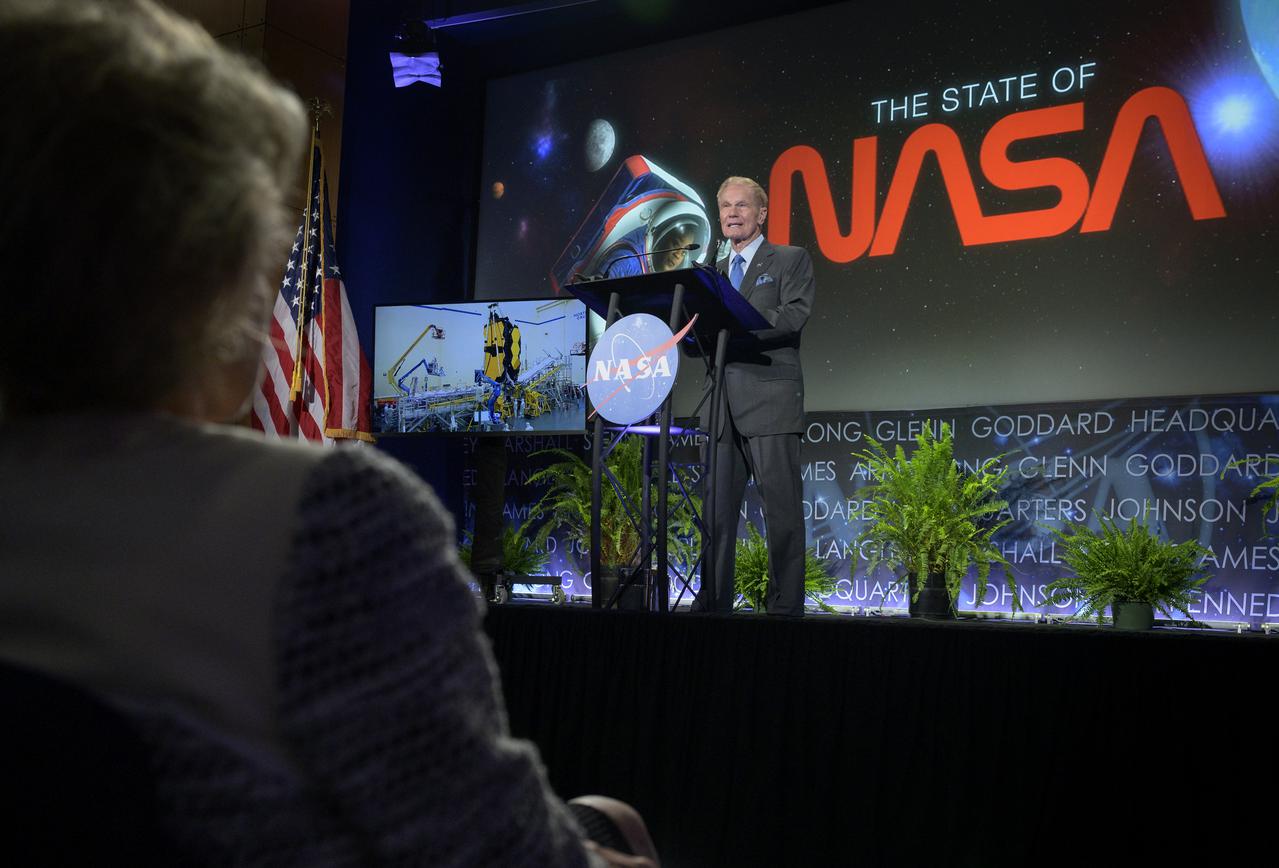
Employees watch a video introduction during the annual State of NASA address, Monday, March 11, 2024, at the Mary W. Jackson NASA Headquarters Building in Washington. NASA leaders discussed plans for promoting U.S. leadership in space exploration, improving life on Earth through science and innovation, humanity’s return to the Moon under the Artemis campaign, aeronautics, and more. Photo Credit: (NASA/Bill Ingalls)
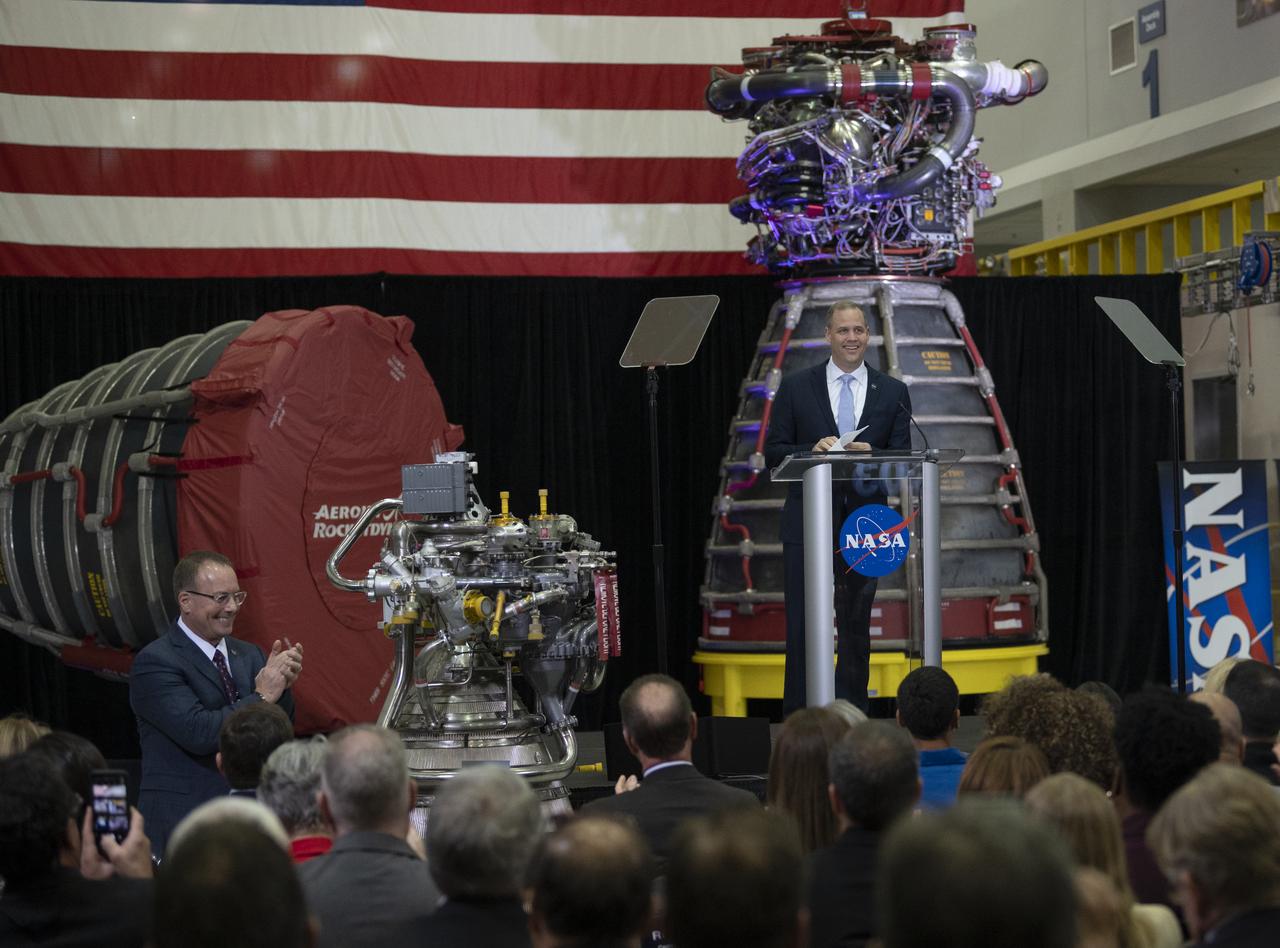
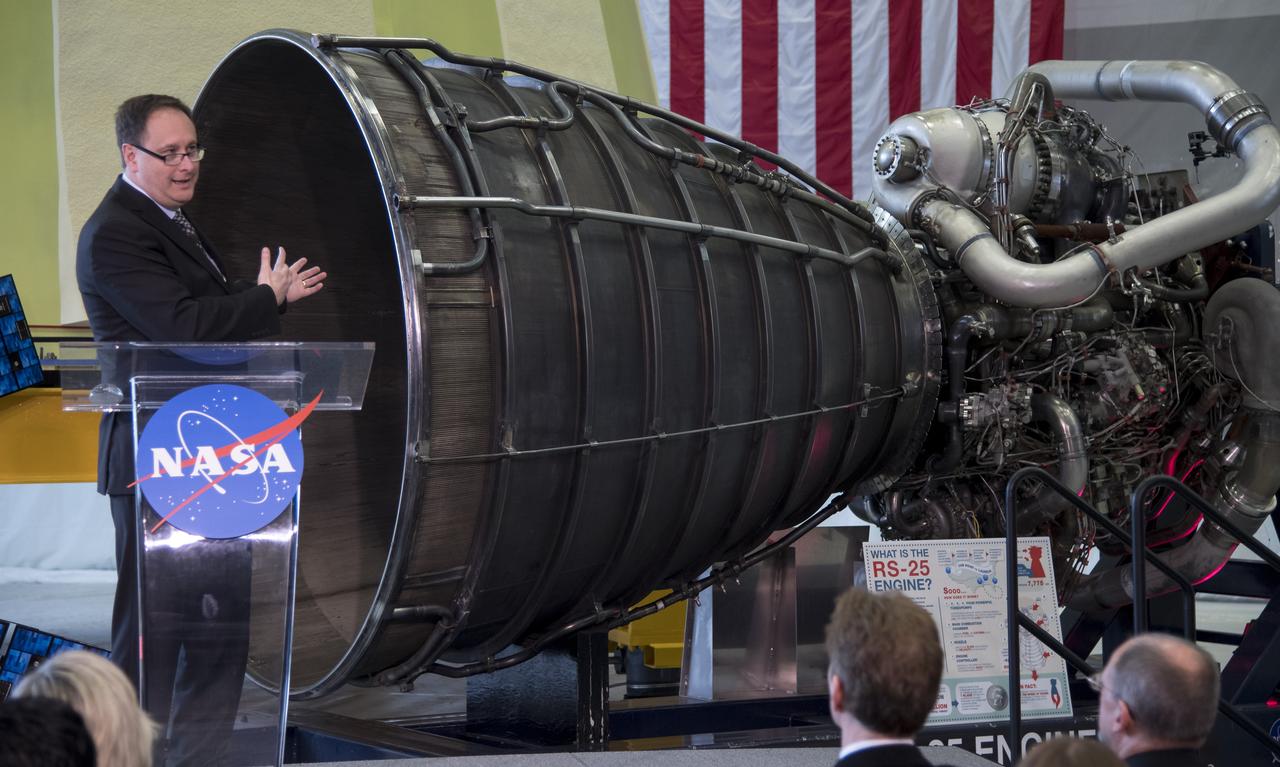
NASA Administrator Jim Bridenstine discusses the fiscal year 2021 budget proposal during a State of NASA address, Monday, Feb. 10, 2020, at Aerojet Rocketdyne’s facility at NASA’s Stennis Space Center near Bay St. Louis, Mississippi. Photo Credit: (NASA/Joel Kowsky)
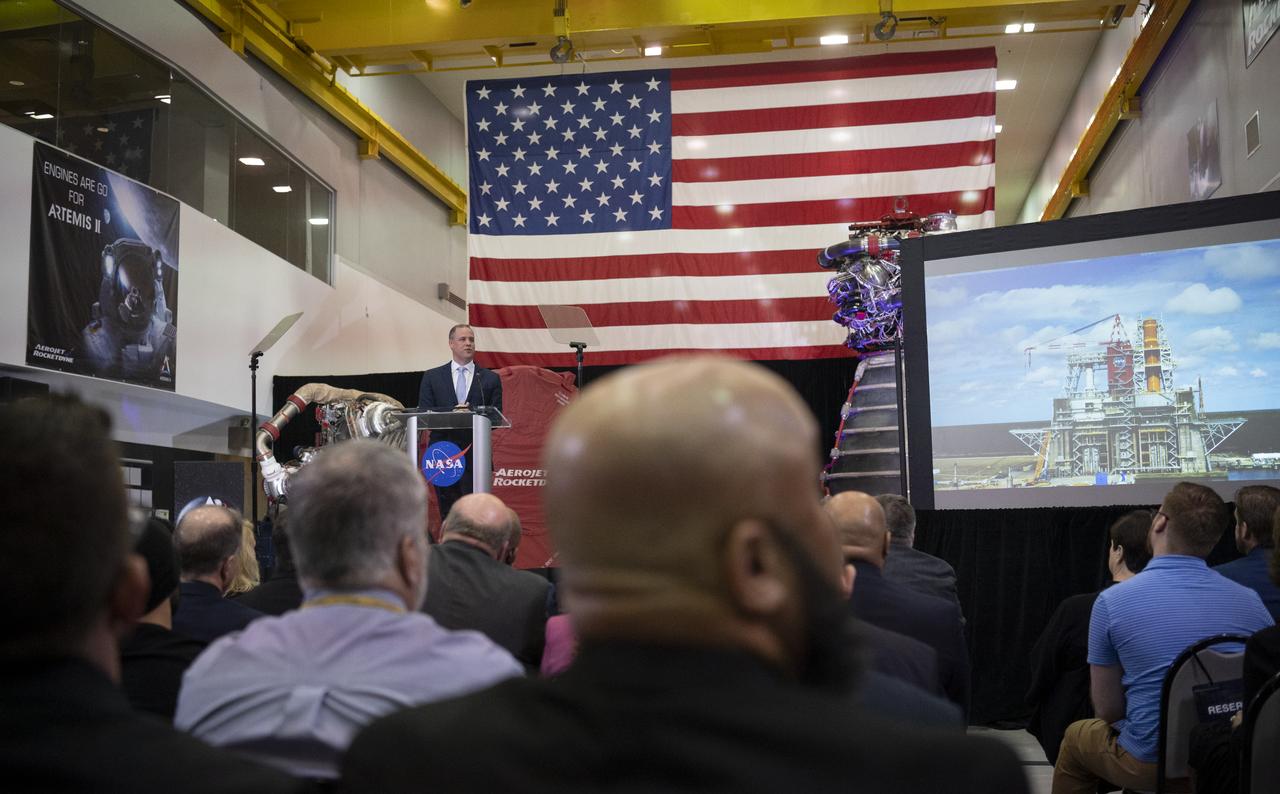
NASA Administrator Jim Bridenstine discusses the fiscal year 2021 budget proposal during a State of NASA address, Monday, Feb. 10, 2020, at Aerojet Rocketdyne’s facility at NASA’s Stennis Space Center near Bay St. Louis, Mississippi. Photo Credit: (NASA/Joel Kowsky)
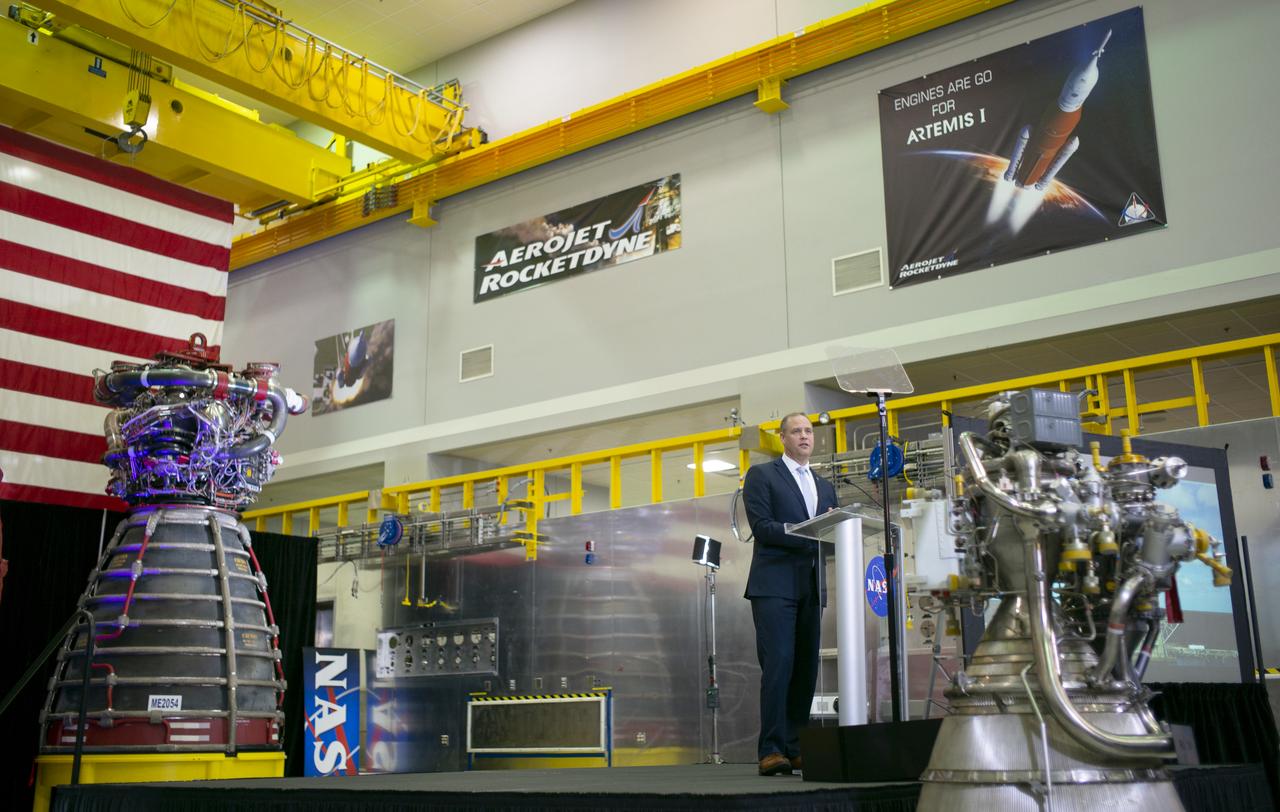
NASA Administrator Jim Bridenstine discusses the fiscal year 2021 budget proposal during a State of NASA address, Monday, Feb. 10, 2020, at Aerojet Rocketdyne’s facility at NASA’s Stennis Space Center near Bay St. Louis, Mississippi. Photo Credit: (NASA/Joel Kowsky)
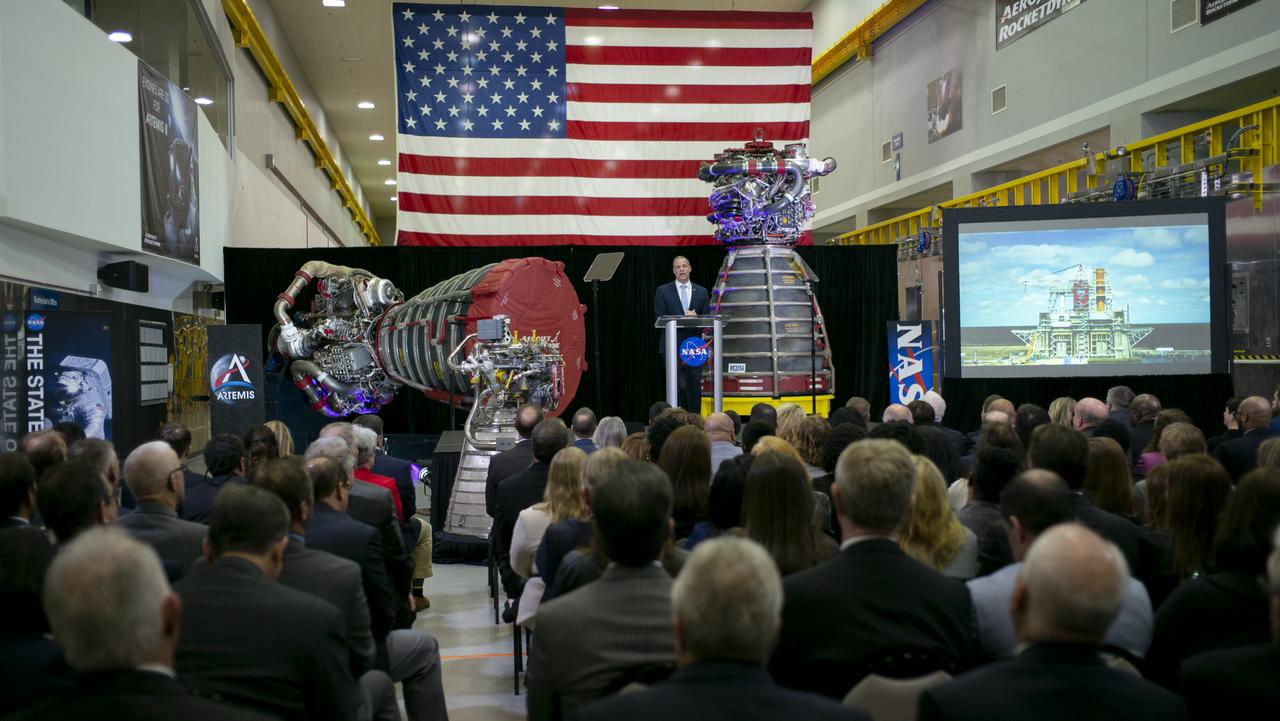
NASA Administrator Jim Bridenstine discusses the fiscal year 2021 budget proposal during a State of NASA address, Monday, Feb. 10, 2020, at Aerojet Rocketdyne’s facility at NASA’s Stennis Space Center near Bay St. Louis, Mississippi. Photo Credit: (NASA/Joel Kowsky)
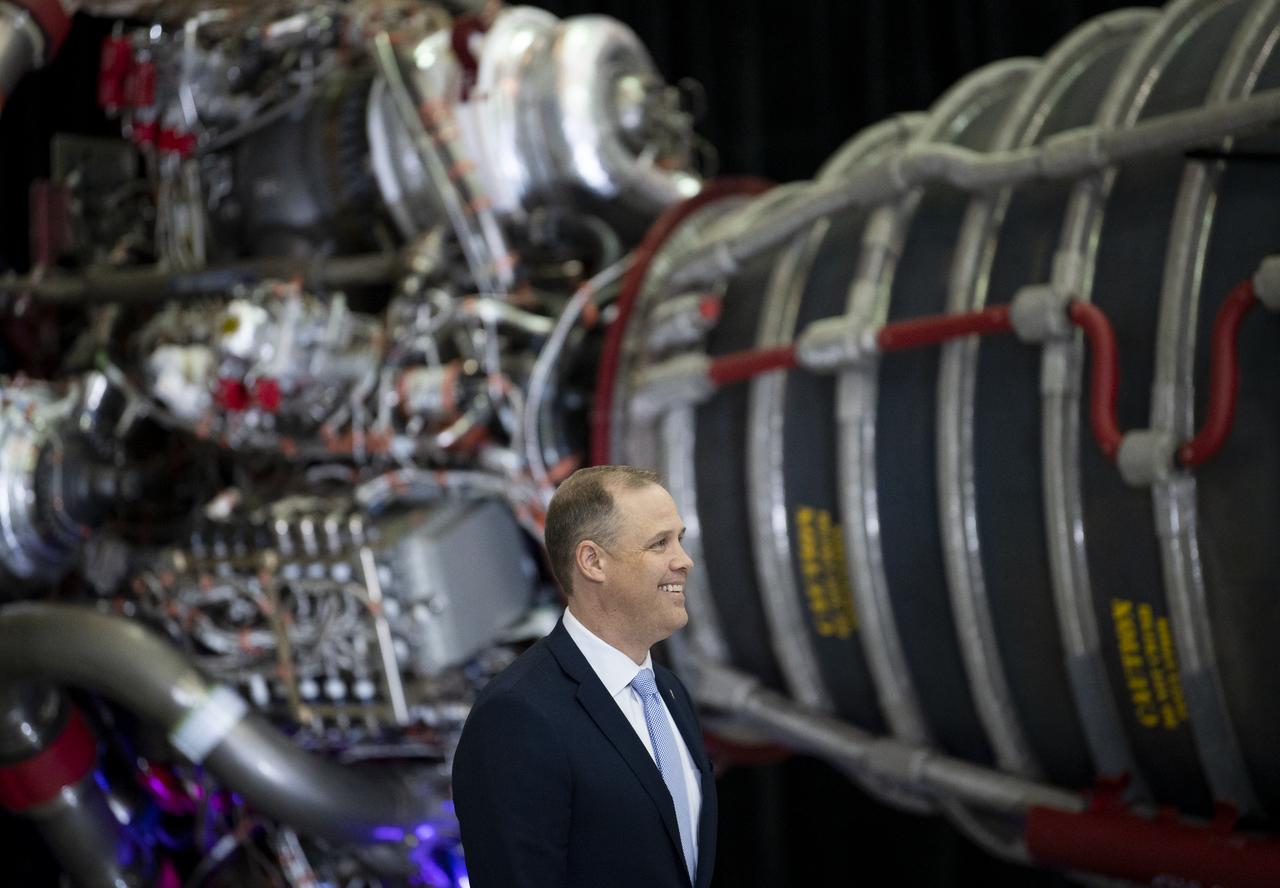
NASA Administrator Jim Bridenstine is seen prior to being introduced to speak on the fiscal year 2021 budget proposal during a State of NASA address, Monday, Feb. 10, 2020, at Aerojet Rocketdyne’s facility at NASA’s Stennis Space Center near Bay St. Louis, Mississippi. Photo Credit: (NASA/Joel Kowsky)
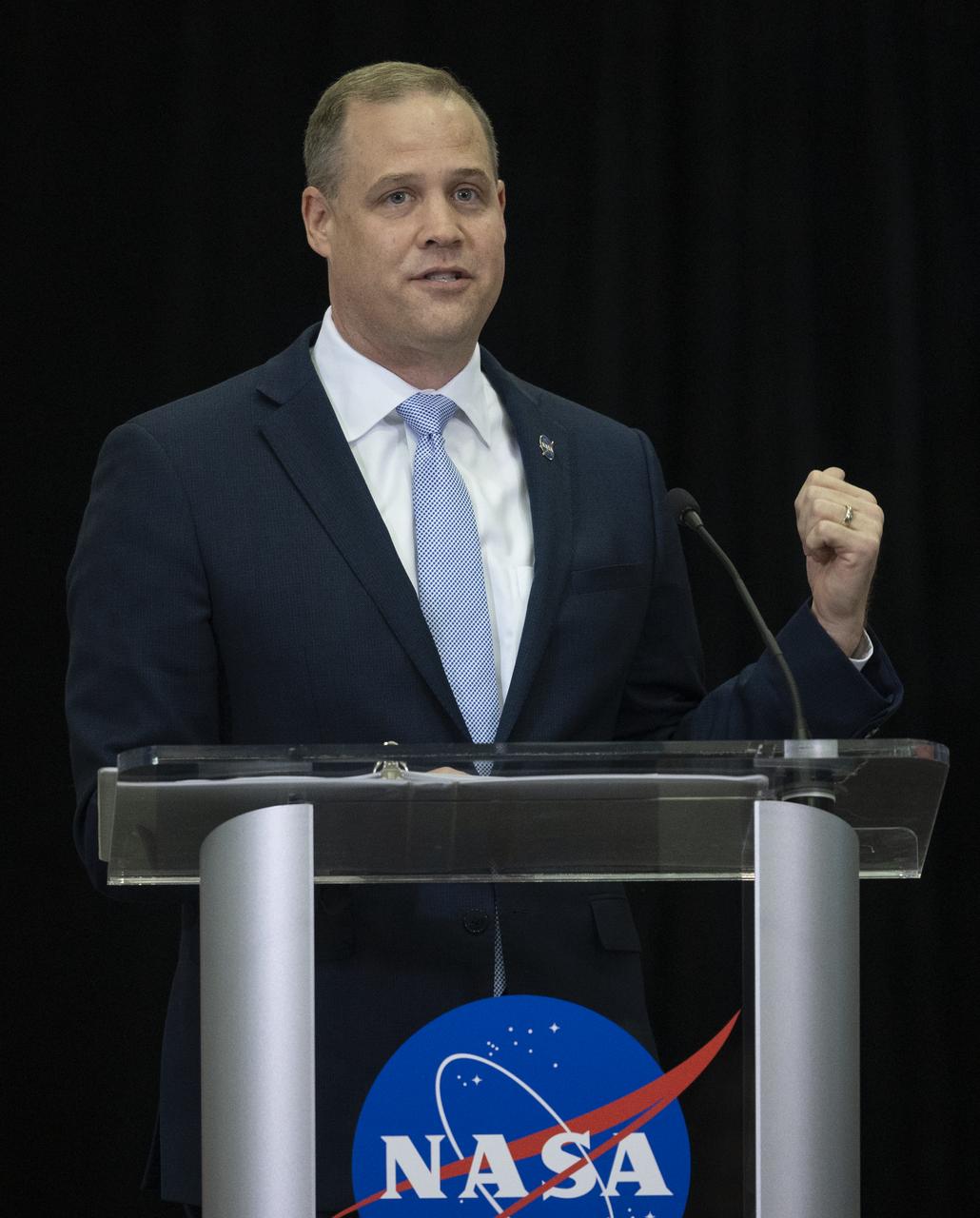
NASA Administrator Jim Bridenstine discusses the fiscal year 2021 budget proposal during a State of NASA address, Monday, Feb. 10, 2020, at Aerojet Rocketdyne’s facility at NASA’s Stennis Space Center near Bay St. Louis, Mississippi. Photo Credit: (NASA/Joel Kowsky)
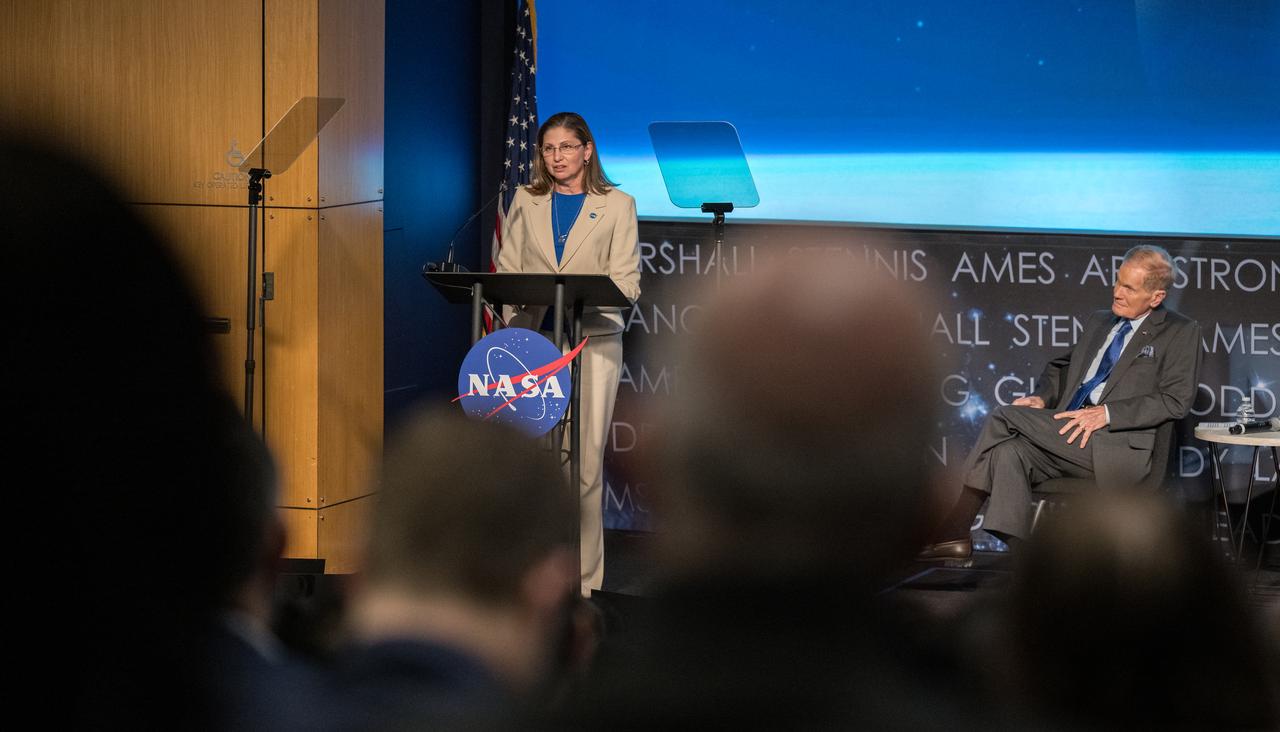
NASA Associate Administrator for Exploration Systems, Catherine Koerner, discusses the agency’s goals during the annual State of NASA address, as NASA Administrator Bill Nelson looks on, Monday, March 11, 2024, at the Mary W. Jackson NASA Headquarters Building in Washington. NASA leaders discussed plans for promoting U.S. leadership in space exploration, improving life on Earth through science and innovation, humanity’s return to the Moon under the Artemis campaign, aeronautics, and more. Photo Credit: (NASA/Bill Ingalls)
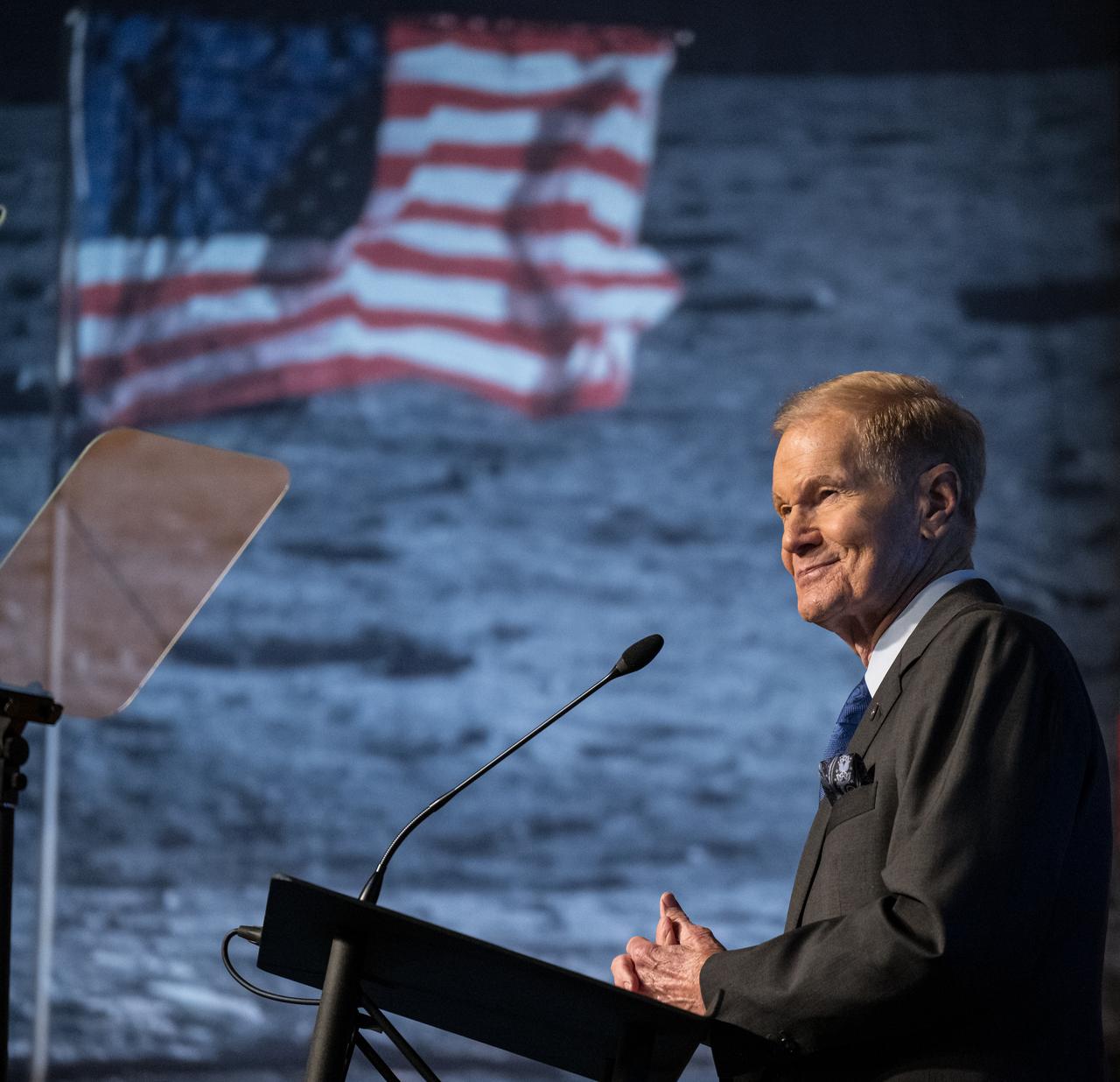
NASA Administrator Bill Nelson discusses the agency’s goals during the annual State of NASA address, Monday, March 11, 2024, at the Mary W. Jackson NASA Headquarters Building in Washington. NASA leaders discussed plans for promoting U.S. leadership in space exploration, improving life on Earth through science and innovation, humanity’s return to the Moon under the Artemis campaign, aeronautics, and more. Photo Credit: (NASA/Bill Ingalls)
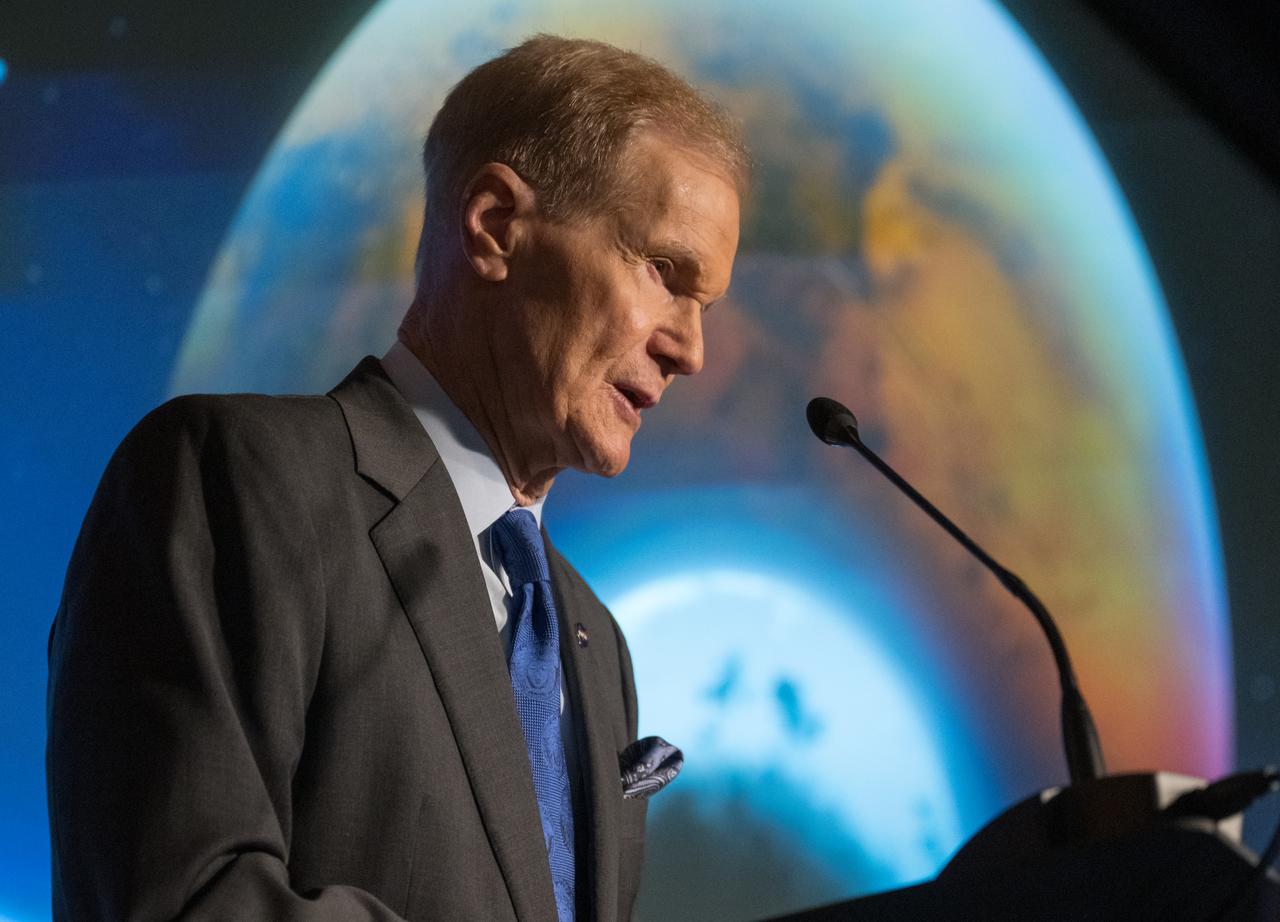
NASA Administrator Bill Nelson discusses the agency’s goals during the annual State of NASA address, Monday, March 11, 2024, at the Mary W. Jackson NASA Headquarters Building in Washington. NASA leaders discussed plans for promoting U.S. leadership in space exploration, improving life on Earth through science and innovation, humanity’s return to the Moon under the Artemis campaign, aeronautics, and more. Photo Credit: (NASA/Bill Ingalls)
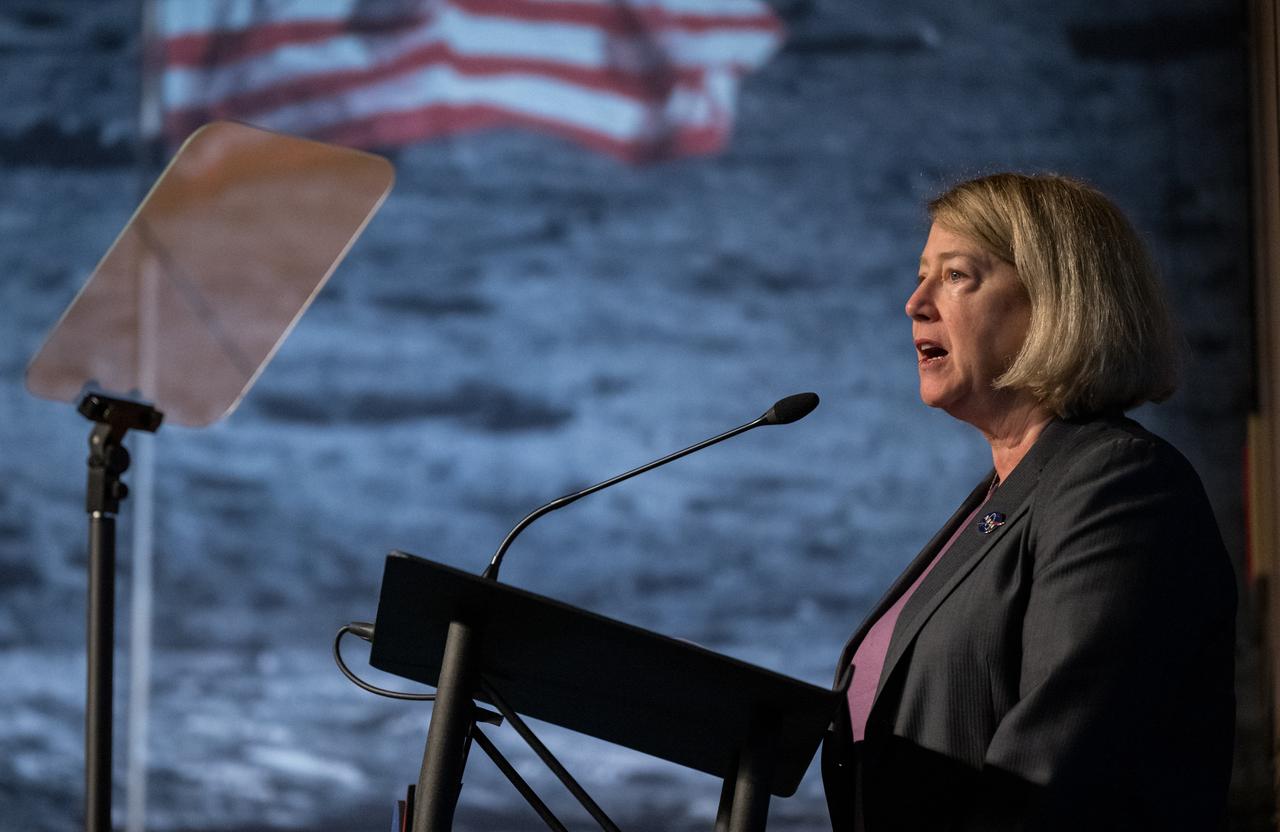
NASA Deputy Administrator Pam Melroy discusses the agency’s goals during the annual State of NASA address, Monday, March 11, 2024, at the Mary W. Jackson NASA Headquarters Building in Washington. NASA leaders discussed plans for promoting U.S. leadership in space exploration, improving life on Earth through science and innovation, humanity’s return to the Moon under the Artemis campaign, aeronautics, and more. Photo Credit: (NASA/Bill Ingalls)
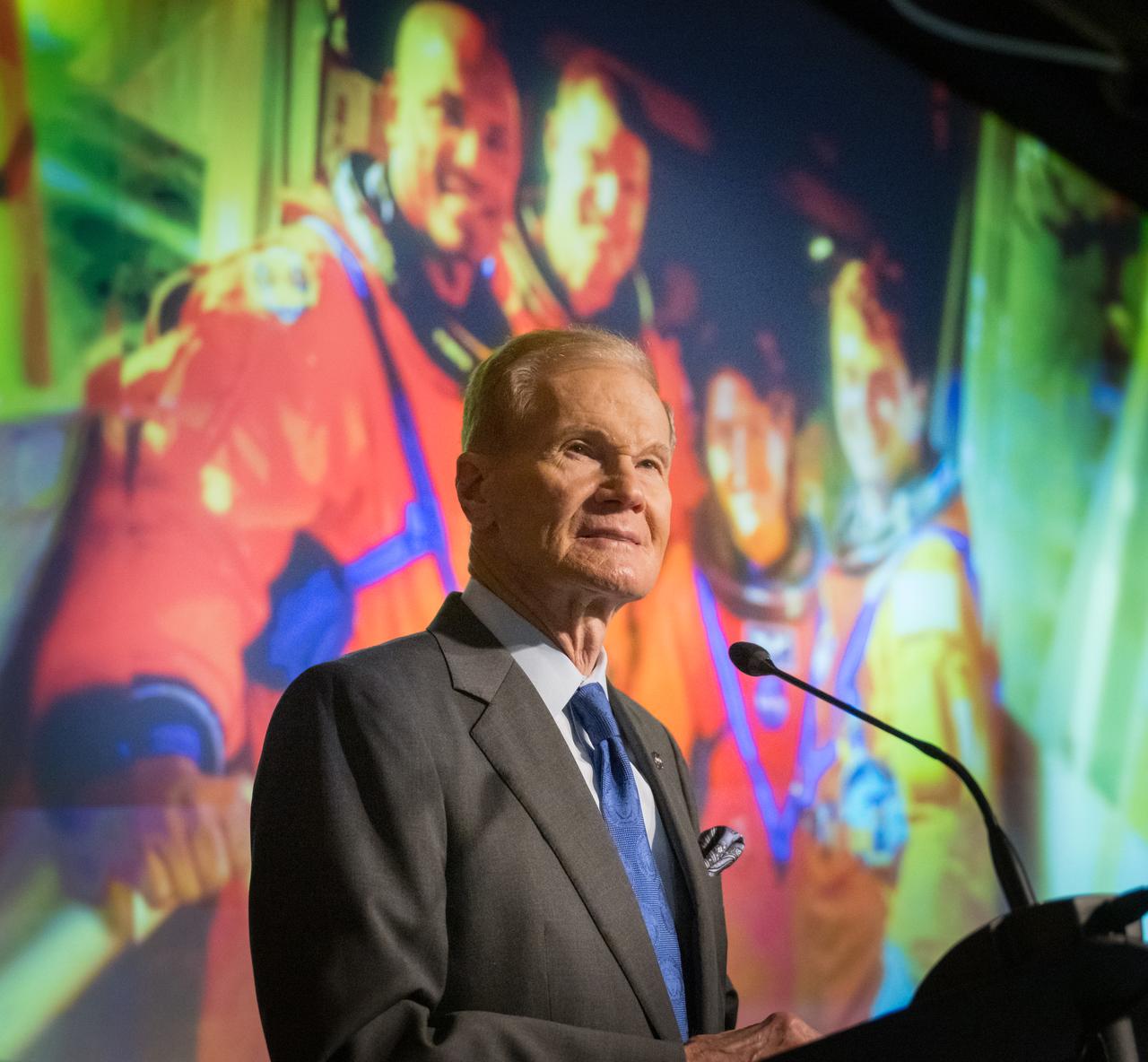
NASA Administrator Bill Nelson discusses the agency’s goals during the annual State of NASA address, Monday, March 11, 2024, at the Mary W. Jackson NASA Headquarters Building in Washington. NASA leaders discussed plans for promoting U.S. leadership in space exploration, improving life on Earth through science and innovation, humanity’s return to the Moon under the Artemis campaign, aeronautics, and more. Photo Credit: (NASA/Bill Ingalls)
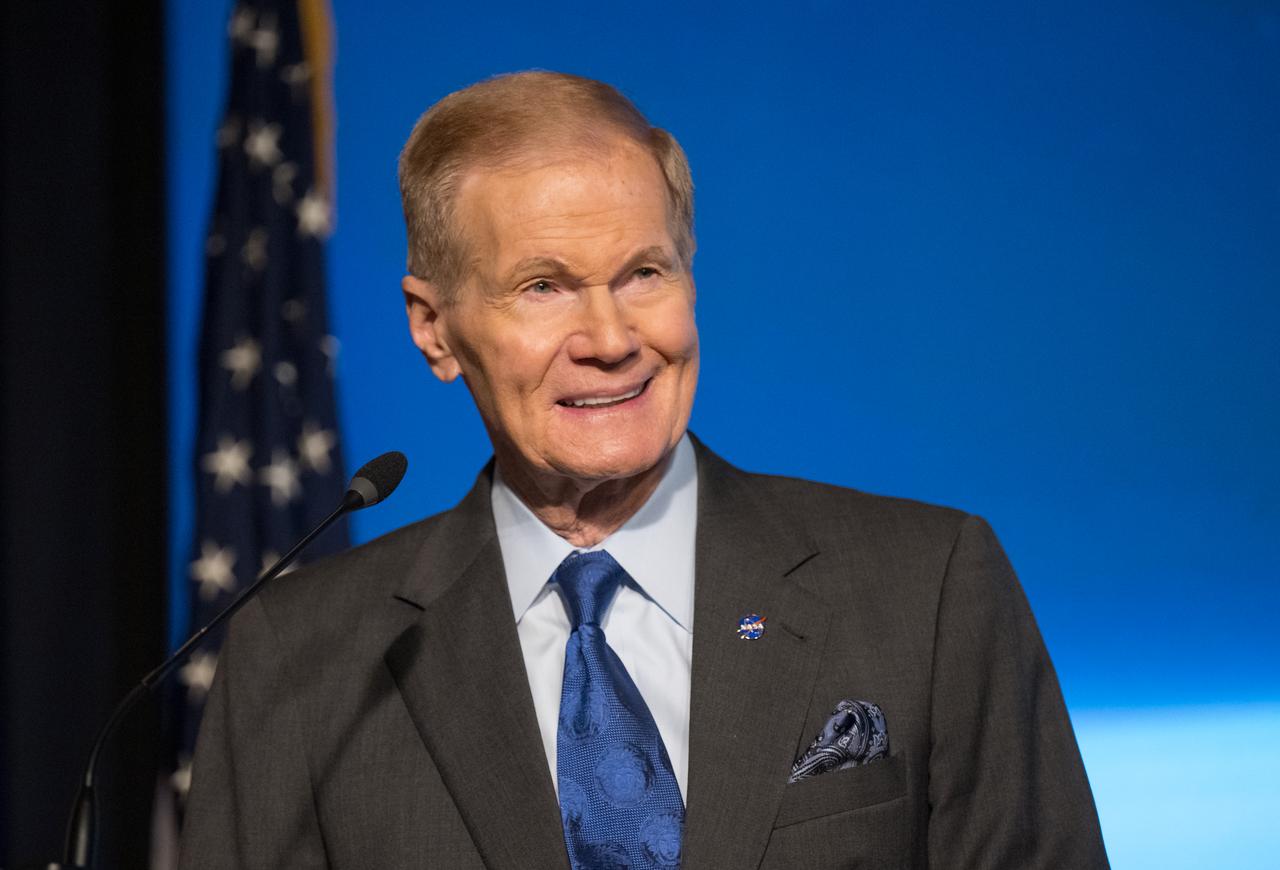
NASA Administrator Bill Nelson discusses the agency’s goals during the annual State of NASA address, Monday, March 11, 2024, at the Mary W. Jackson NASA Headquarters Building in Washington. NASA leaders discussed plans for promoting U.S. leadership in space exploration, improving life on Earth through science and innovation, humanity’s return to the Moon under the Artemis campaign, aeronautics, and more. Photo Credit: (NASA/Bill Ingalls)
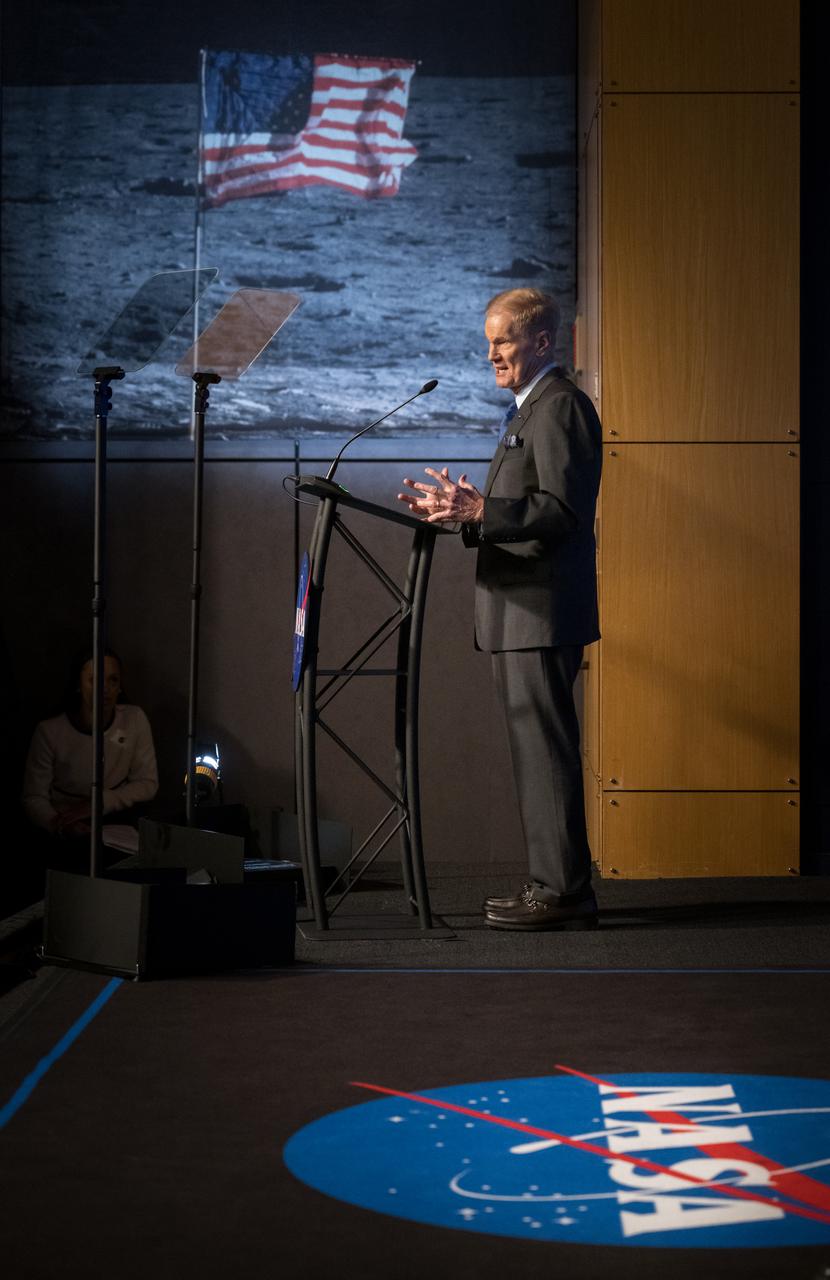
NASA Administrator Bill Nelson discusses the agency’s goals during the annual State of NASA address, Monday, March 11, 2024, at the Mary W. Jackson NASA Headquarters Building in Washington. NASA leaders discussed plans for promoting U.S. leadership in space exploration, improving life on Earth through science and innovation, humanity’s return to the Moon under the Artemis campaign, aeronautics, and more. Photo Credit: (NASA/Bill Ingalls)
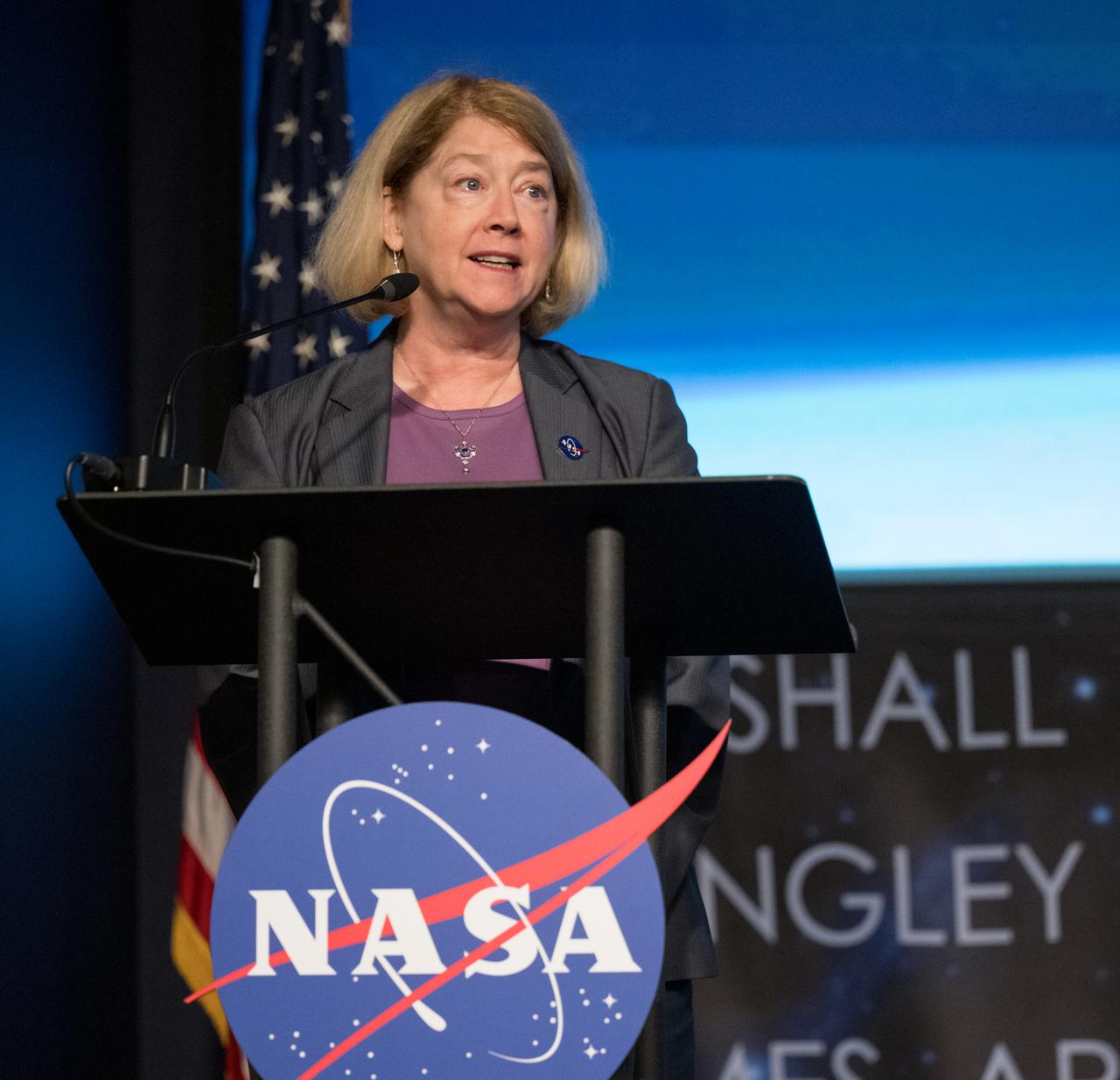
NASA Deputy Administrator Pam Melroy discusses the agency’s goals during the annual State of NASA address, Monday, March 11, 2024, at the Mary W. Jackson NASA Headquarters Building in Washington. NASA leaders discussed plans for promoting U.S. leadership in space exploration, improving life on Earth through science and innovation, humanity’s return to the Moon under the Artemis campaign, aeronautics, and more. Photo Credit: (NASA/Bill Ingalls)
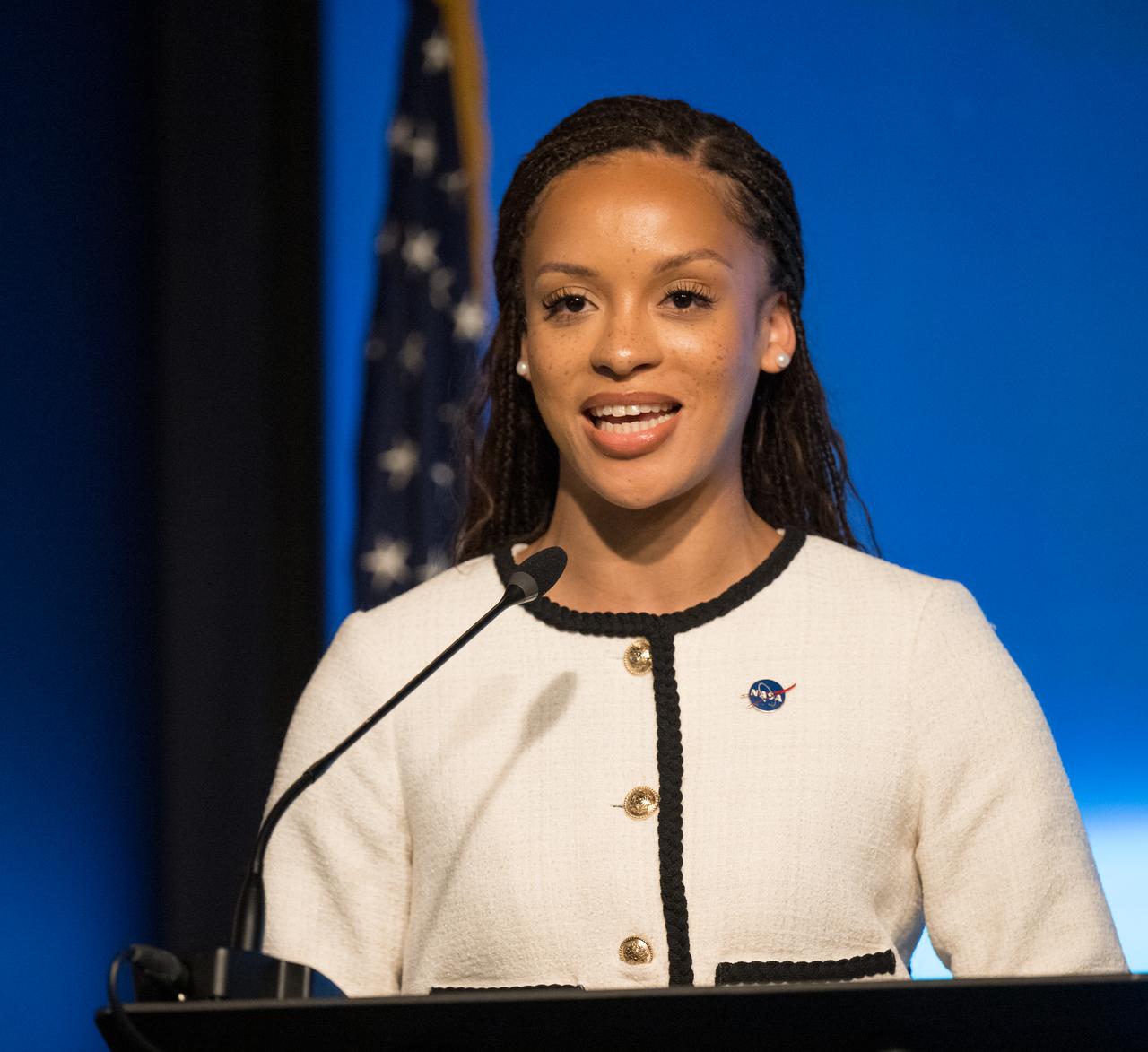
NASA Press Secretary, Faith McKie, moderates the annual State of NASA address, Monday, March 11, 2024, at the Mary W. Jackson NASA Headquarters Building in Washington. NASA leaders discussed plans for promoting U.S. leadership in space exploration, improving life on Earth through science and innovation, humanity’s return to the Moon under the Artemis campaign, aeronautics, and more. Photo Credit: (NASA/Bill Ingalls)
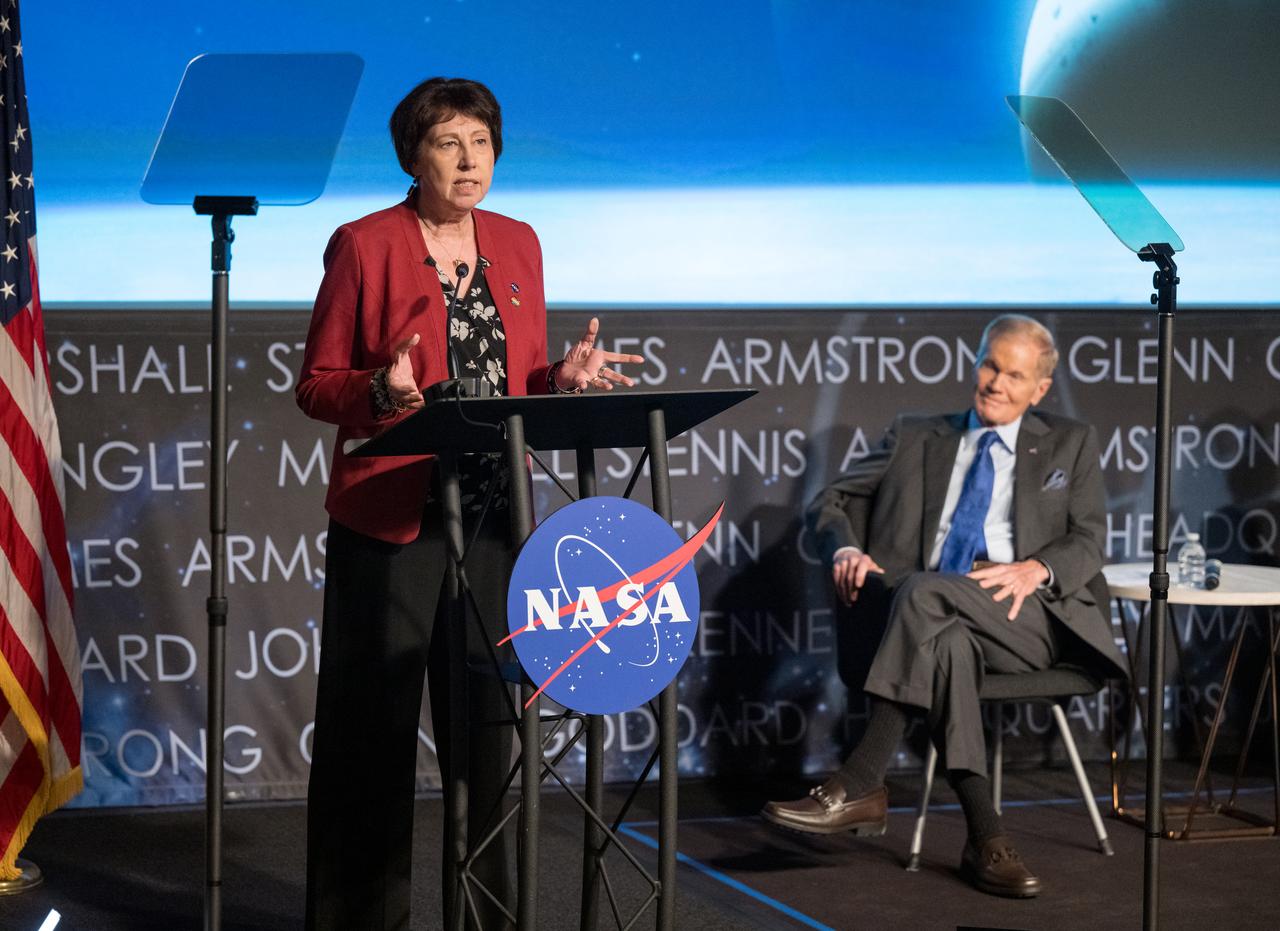
NASA Associate Administrator for Science, Nicky Fox, discusses the agency’s goals during the annual State of NASA address, Monday, March 11, 2024, at the Mary W. Jackson NASA Headquarters Building in Washington. NASA leaders discussed plans for promoting U.S. leadership in space exploration, improving life on Earth through science and innovation, humanity’s return to the Moon under the Artemis campaign, aeronautics, and more. Photo Credit: (NASA/Bill Ingalls)
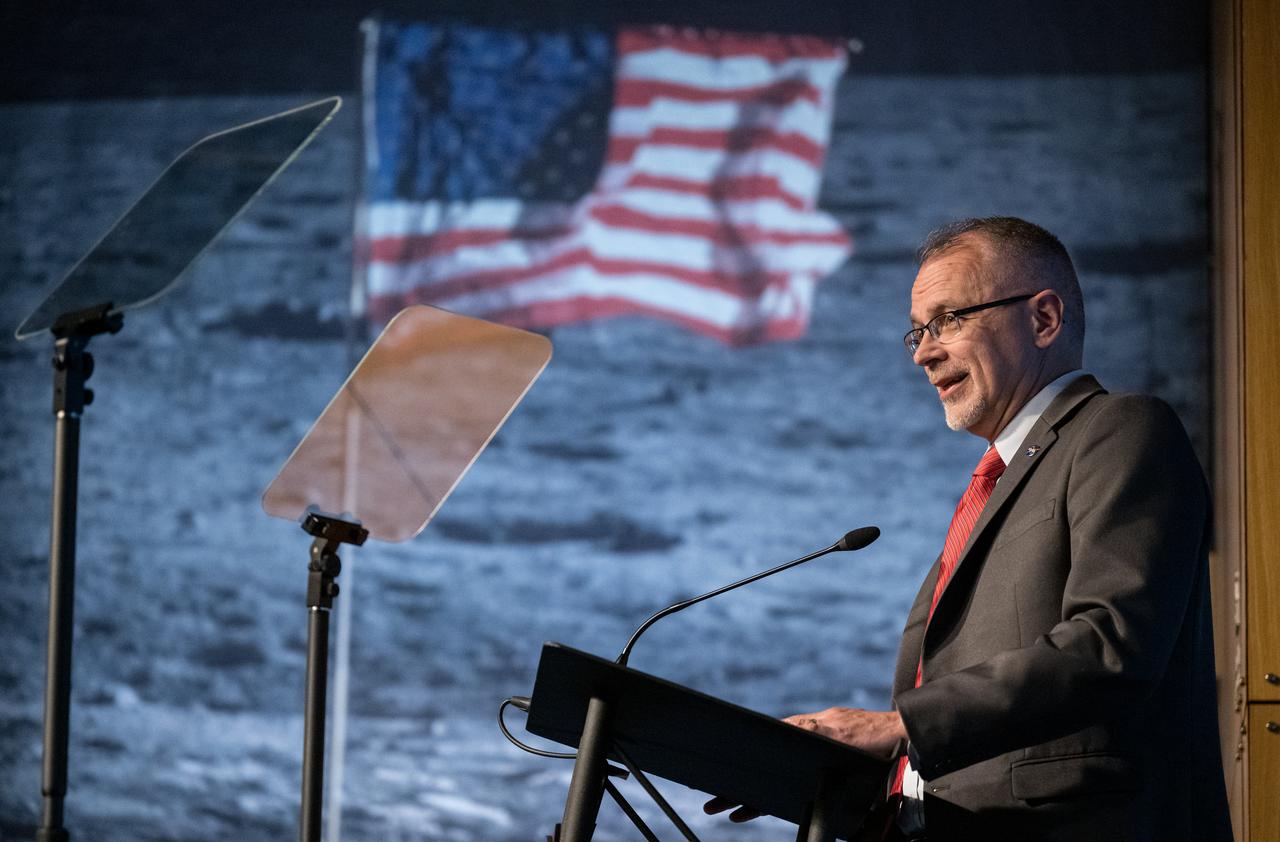
NASA Associate Administrator Jim Free discusses the agency’s goals during the annual State of NASA address, Monday, March 11, 2024, at the Mary W. Jackson NASA Headquarters Building in Washington. NASA leaders discussed plans for promoting U.S. leadership in space exploration, improving life on Earth through science and innovation, humanity’s return to the Moon under the Artemis campaign, aeronautics, and more. Photo Credit: (NASA/Bill Ingalls)
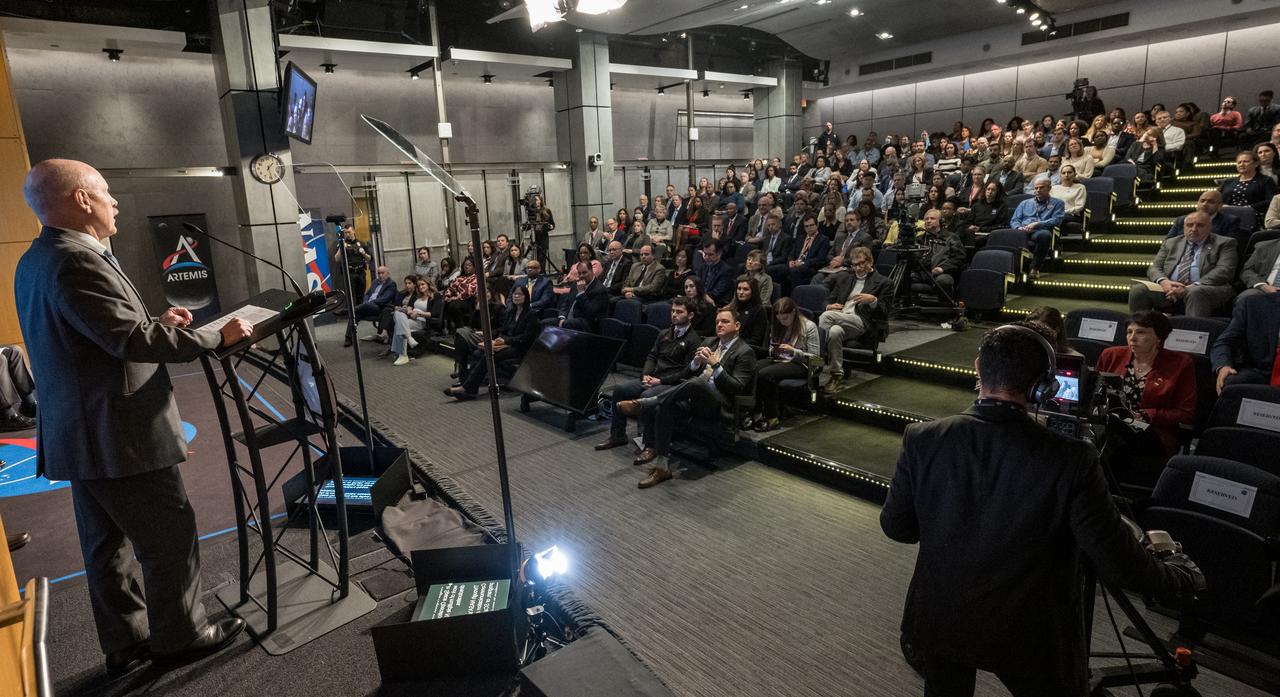
NASA Associate Administrator for Space Operations, Ken Bowersox, discusses the agency’s goals during the annual State of NASA address, Monday, March 11, 2024, at the Mary W. Jackson NASA Headquarters Building in Washington. NASA leaders discussed plans for promoting U.S. leadership in space exploration, improving life on Earth through science and innovation, humanity’s return to the Moon under the Artemis campaign, aeronautics, and more. Photo Credit: (NASA/Bill Ingalls)
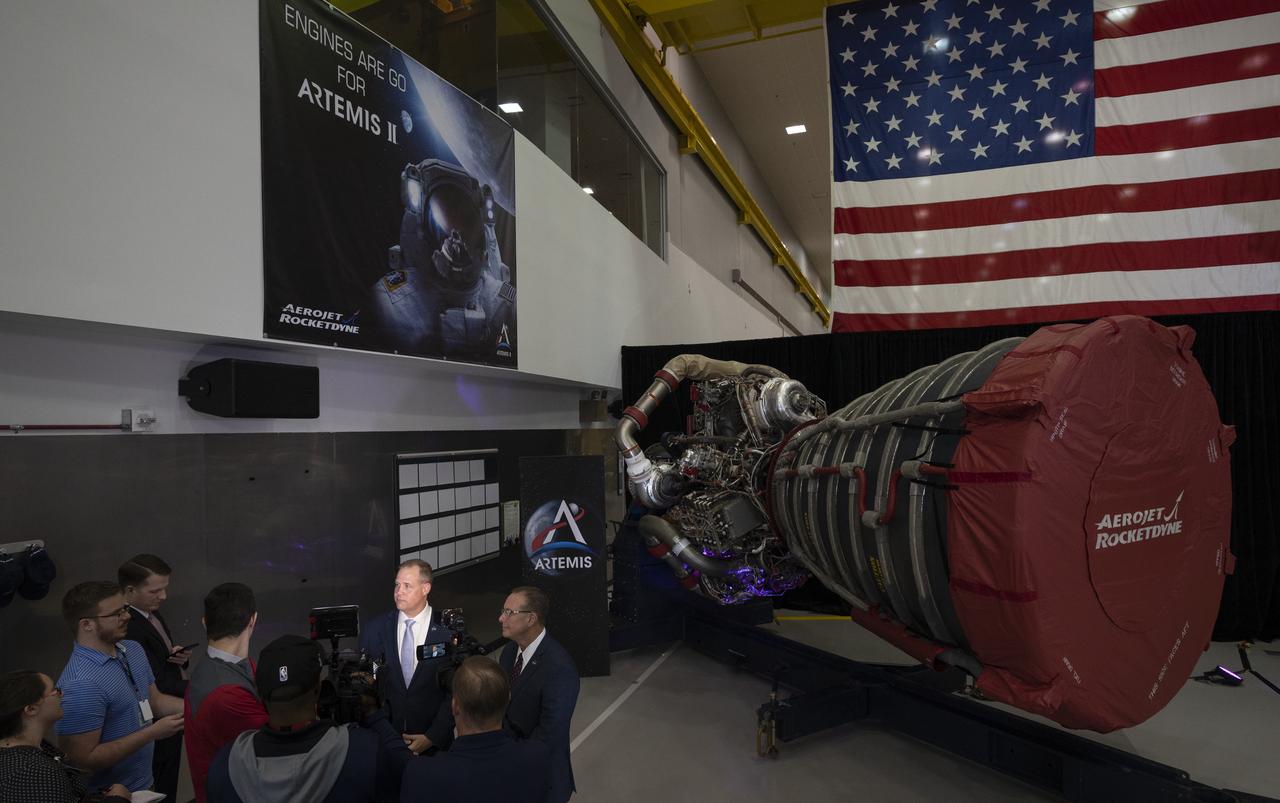
NASA Administrator Jim Bridenstine and Richard Gilbrech, Director of NASA's Stennis Space Center, speak with members of the media following State of NASA address to discuss the fiscal year 2021 budget request, Monday, Feb. 10, 2020, at Aerojet Rocketdyne’s facility at NASA’s Stennis Space Center near Bay St. Louis, Mississippi. Photo Credit: (NASA/Joel Kowsky)
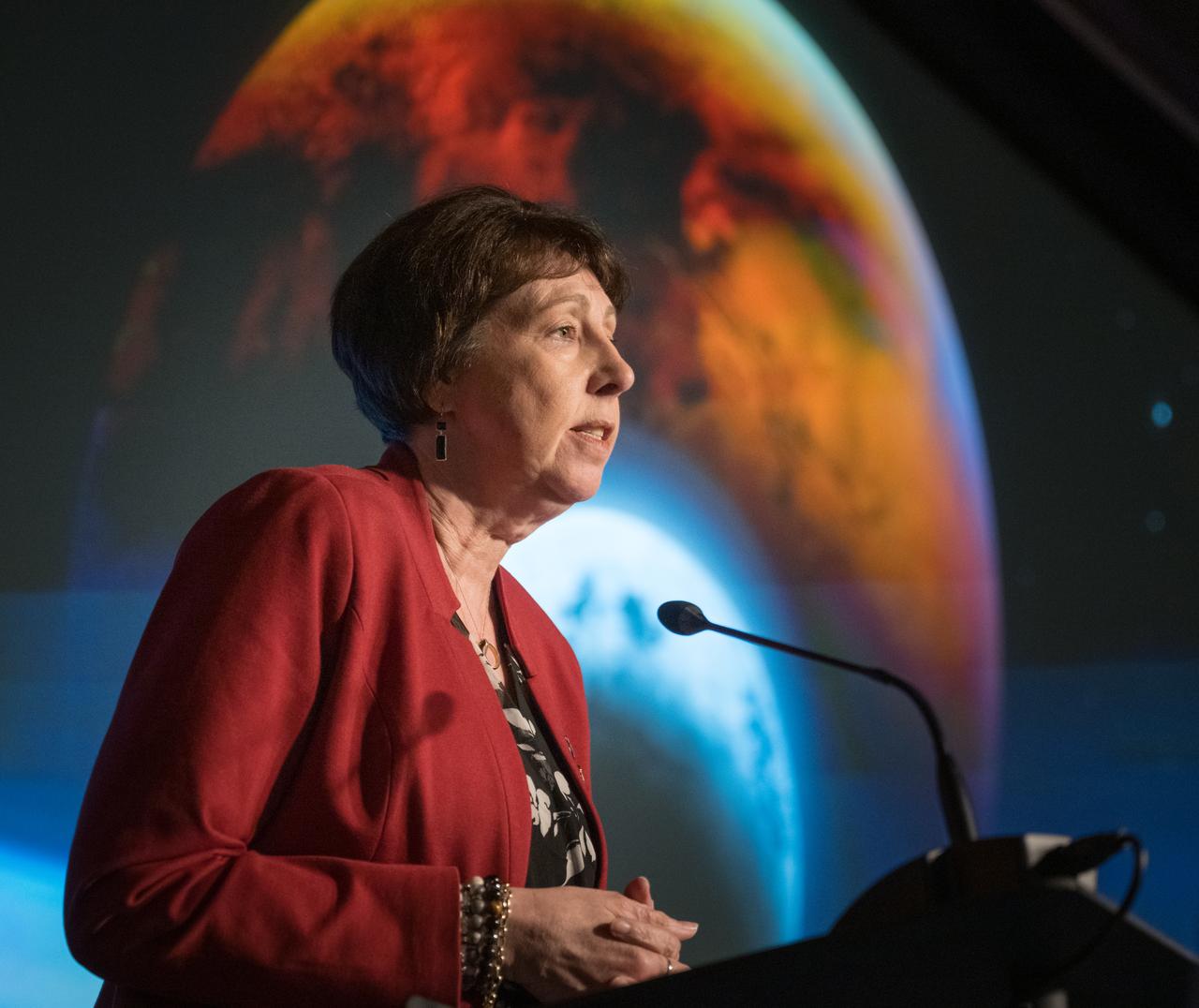
NASA Associate Administrator for Science, Nicky Fox, discusses the agency’s goals during the annual State of NASA address, Monday, March 11, 2024, at the Mary W. Jackson NASA Headquarters Building in Washington. NASA leaders discussed plans for promoting U.S. leadership in space exploration, improving life on Earth through science and innovation, humanity’s return to the Moon under the Artemis campaign, aeronautics, and more. Photo Credit: (NASA/Bill Ingalls)
NASA Associate Administrator for Space Technology, Spuds Vogel, discusses the agency’s goals during the annual State of NASA address, Monday, March 11, 2024, at the Mary W. Jackson NASA Headquarters Building in Washington. NASA leaders discussed plans for promoting U.S. leadership in space exploration, improving life on Earth through science and innovation, humanity’s return to the Moon under the Artemis campaign, aeronautics, and more. Photo Credit: (NASA/Bill Ingalls)
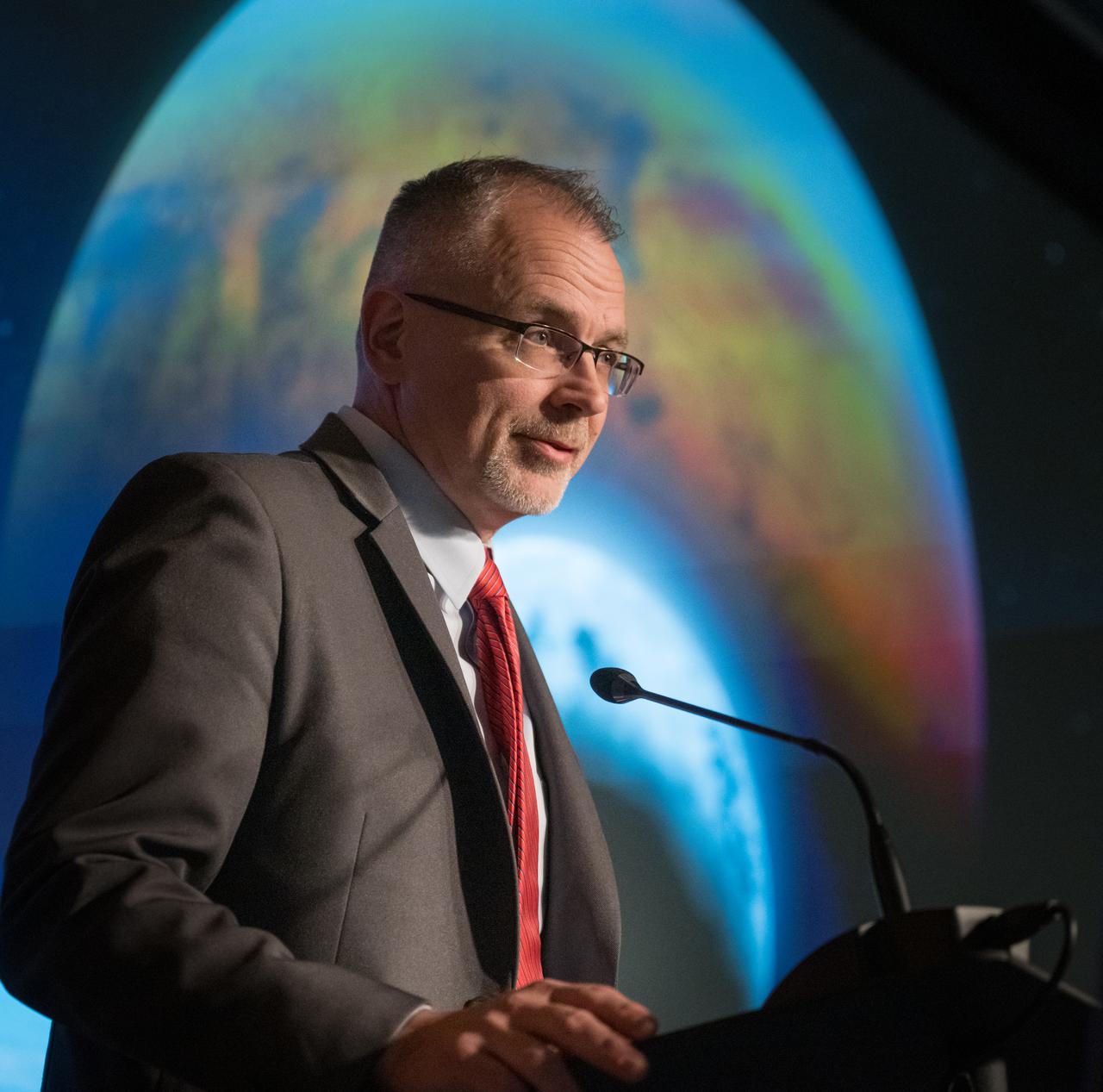
NASA Associate Administrator Jim Free discusses the agency’s goals during the annual State of NASA address, Monday, March 11, 2024, at the Mary W. Jackson NASA Headquarters Building in Washington. NASA leaders discussed plans for promoting U.S. leadership in space exploration, improving life on Earth through science and innovation, humanity’s return to the Moon under the Artemis campaign, aeronautics, and more. Photo Credit: (NASA/Bill Ingalls)
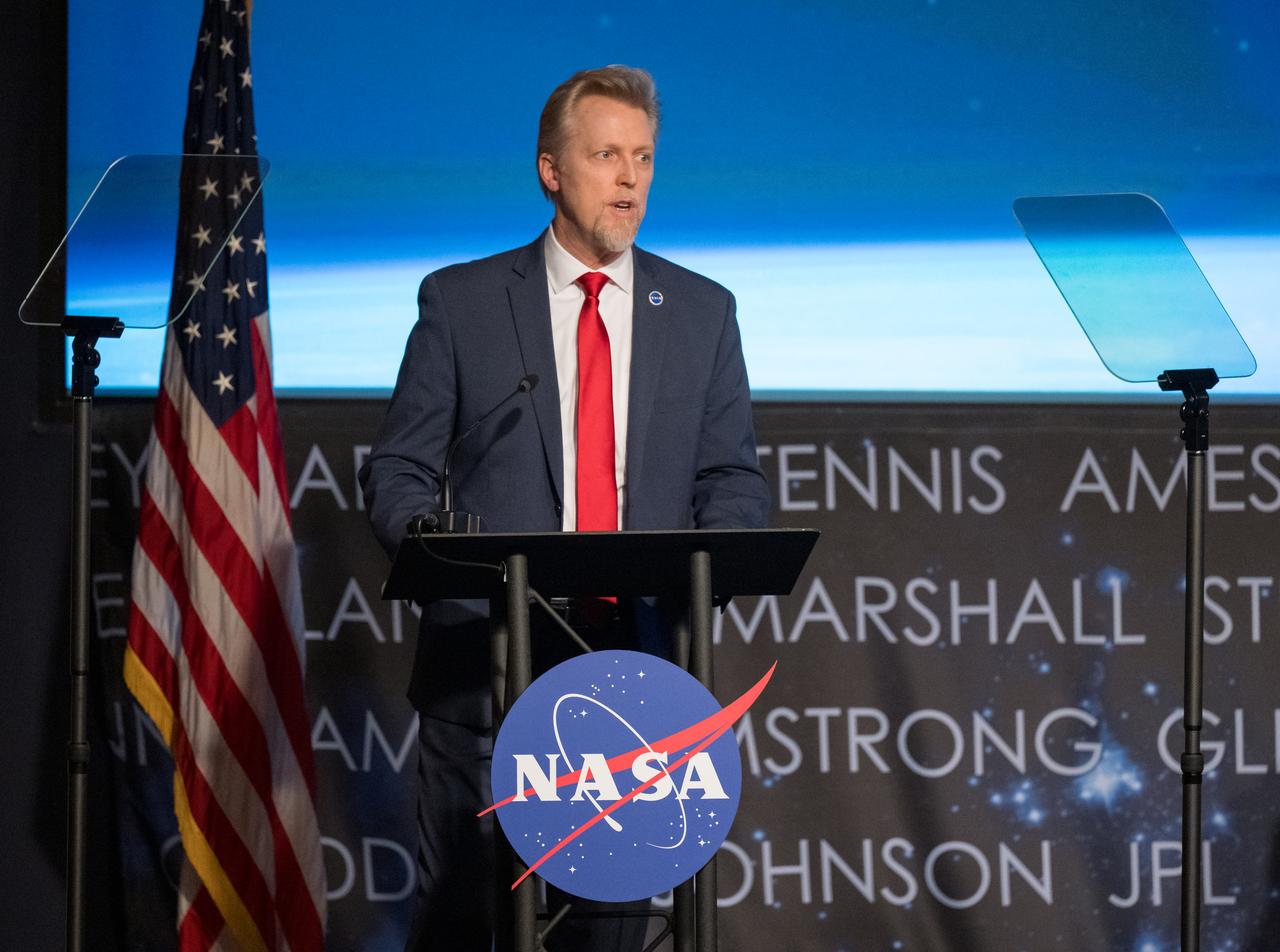
NASA Associate Administrator for Space Technology, Spuds Vogel, discusses the agency’s goals during the annual State of NASA address, Monday, March 11, 2024, at the Mary W. Jackson NASA Headquarters Building in Washington. NASA leaders discussed plans for promoting U.S. leadership in space exploration, improving life on Earth through science and innovation, humanity’s return to the Moon under the Artemis campaign, aeronautics, and more. Photo Credit: (NASA/Bill Ingalls)

NASA Associate Administrator for Space Operations, Ken Bowersox, discusses the agency’s goals during the annual State of NASA address, Monday, March 11, 2024, at the Mary W. Jackson NASA Headquarters Building in Washington. NASA leaders discussed plans for promoting U.S. leadership in space exploration, improving life on Earth through science and innovation, humanity’s return to the Moon under the Artemis campaign, aeronautics, and more. Photo Credit: (NASA/Bill Ingalls)
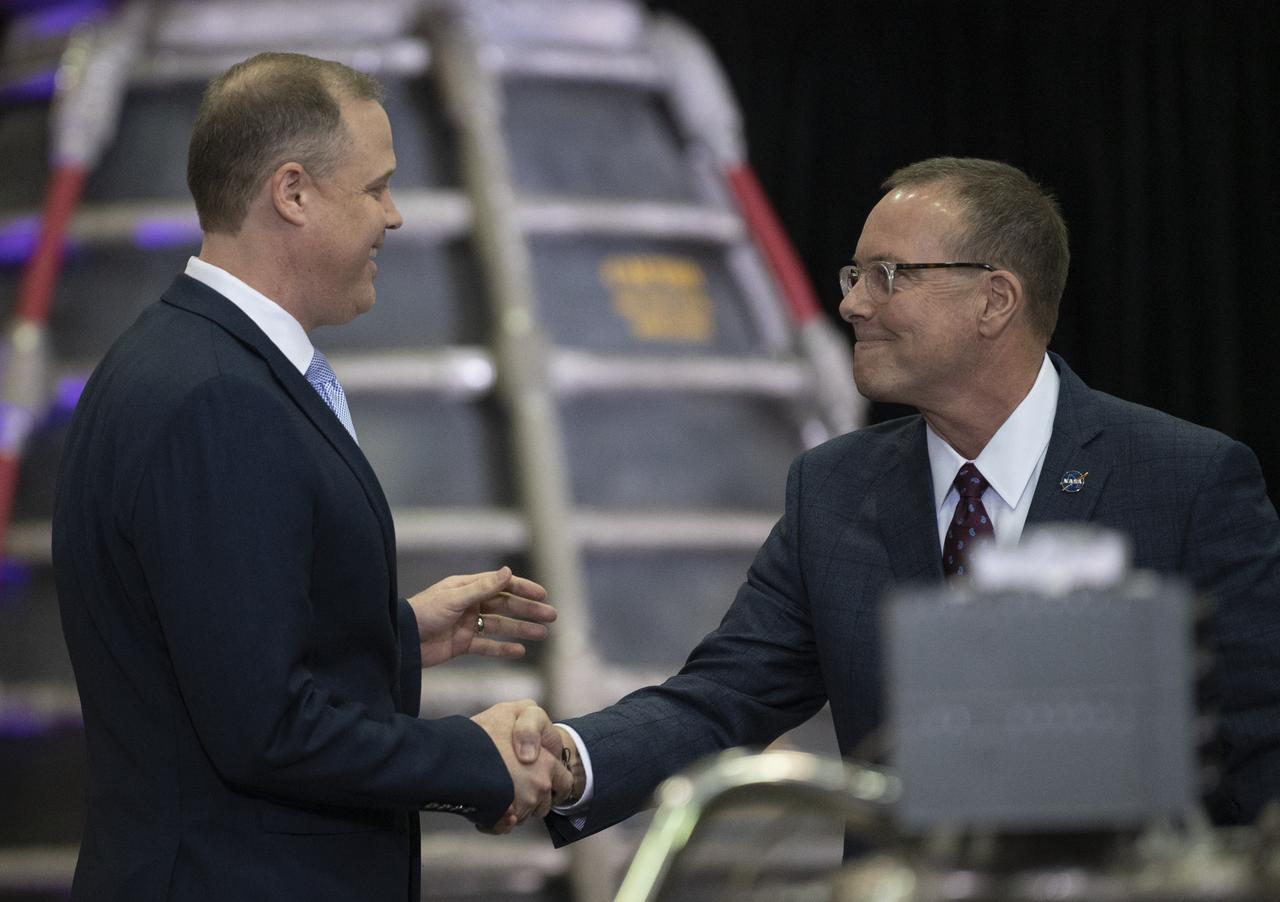
Richard Gilbrech, Director of NASA's Stennis Space Center, right, shakes hands with NASA Administrator Jim Bridenstine after introducing him at the State of NASA address, Monday, Feb. 10, 2020, at Aerojet Rocketdyne’s facility at NASA’s Stennis Space Center near Bay St. Louis, Mississippi. Photo Credit: (NASA/Joel Kowsky)
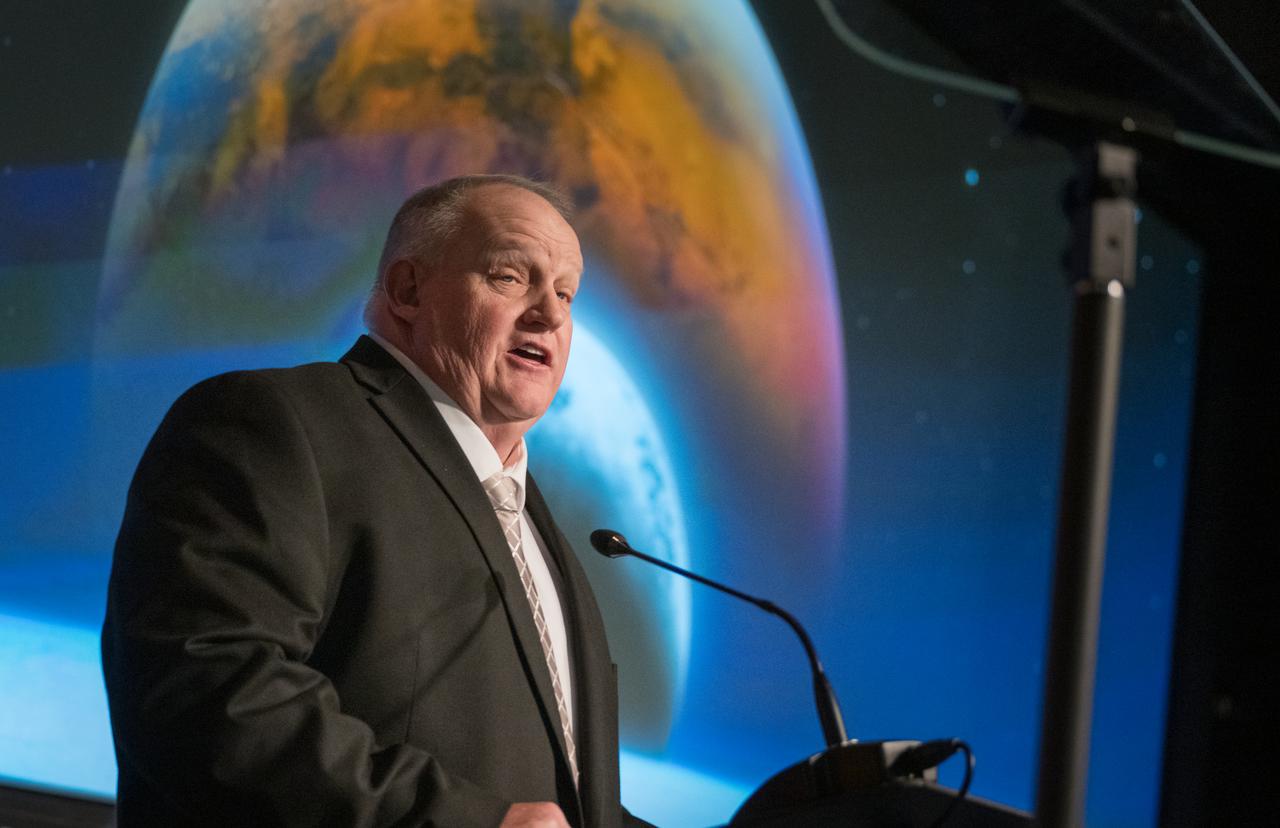
NASA Associate Administrator for the Mission Support Directorate, Bob Gibbs, discusses the agency’s goals during the annual State of NASA address, Monday, March 11, 2024, at the Mary W. Jackson NASA Headquarters Building in Washington. NASA leaders discussed plans for promoting U.S. leadership in space exploration, improving life on Earth through science and innovation, humanity’s return to the Moon under the Artemis campaign, aeronautics, and more. Photo Credit: (NASA/Bill Ingalls)
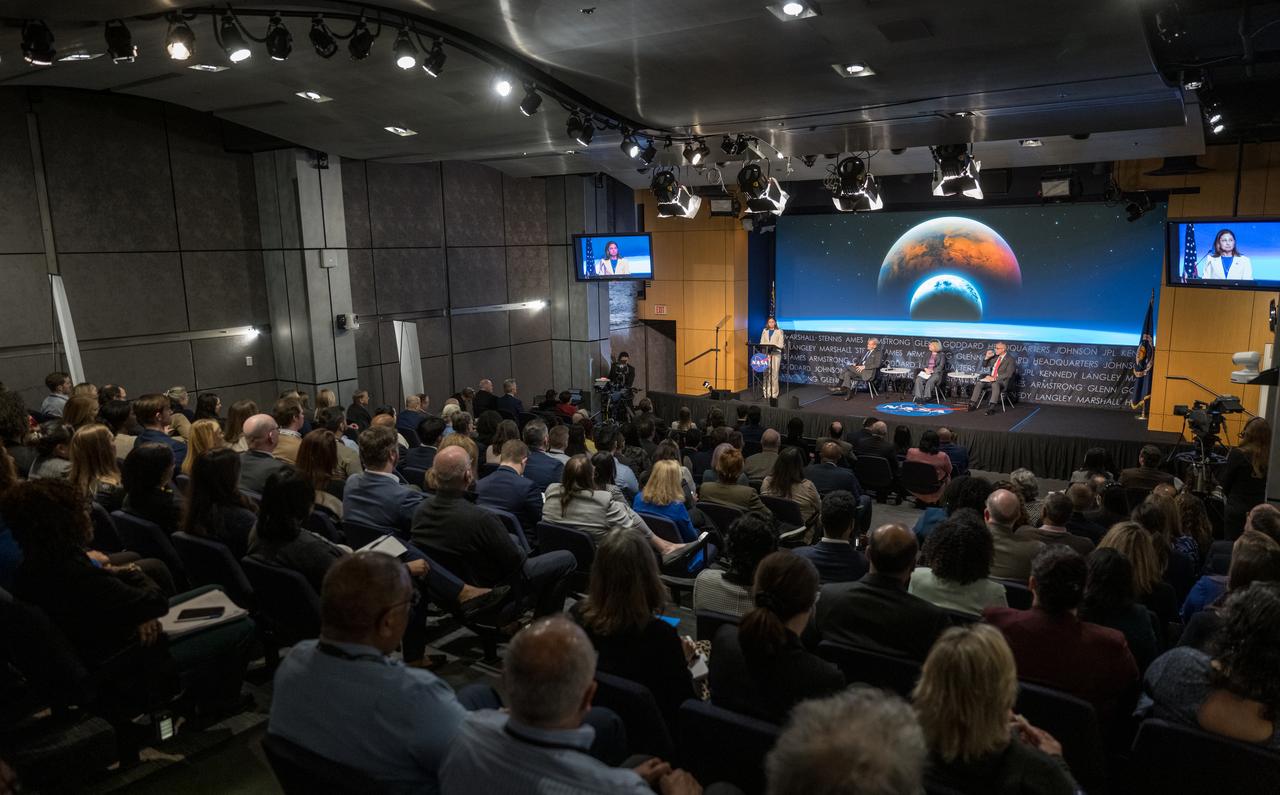
NASA Associate Administrator for Exploration Systems, Catherine Koerner, discusses the agency’s goals during the annual State of NASA address, Monday, March 11, 2024, at the Mary W. Jackson NASA Headquarters Building in Washington. NASA leaders discussed plans for promoting U.S. leadership in space exploration, improving life on Earth through science and innovation, humanity’s return to the Moon under the Artemis campaign, aeronautics, and more. Photo Credit: (NASA/Bill Ingalls)
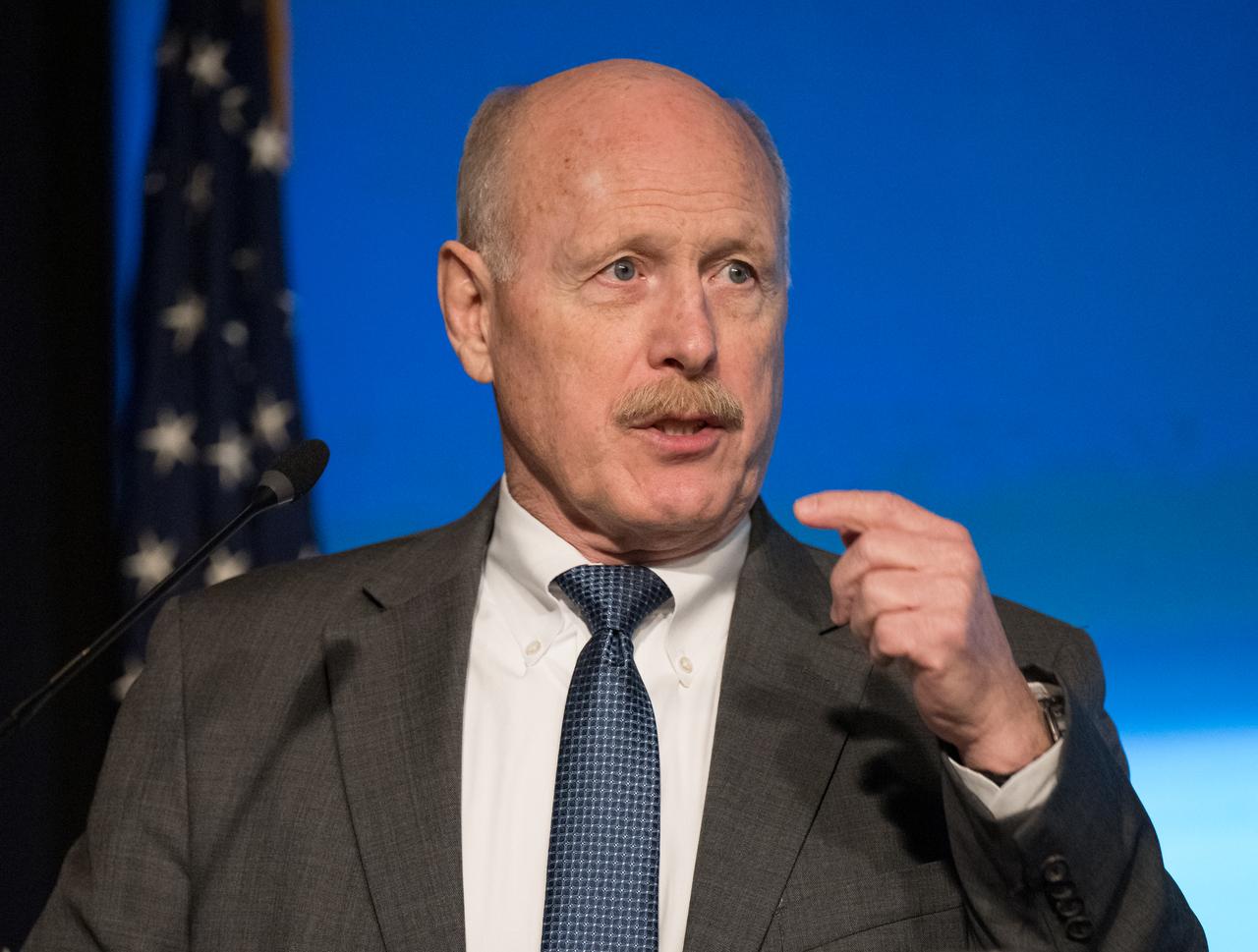
NASA Associate Administrator for Space Operations, Ken Bowersox, discusses the agency’s goals during the annual State of NASA address, Monday, March 11, 2024, at the Mary W. Jackson NASA Headquarters Building in Washington. NASA leaders discussed plans for promoting U.S. leadership in space exploration, improving life on Earth through science and innovation, humanity’s return to the Moon under the Artemis campaign, aeronautics, and more. Photo Credit: (NASA/Bill Ingalls)
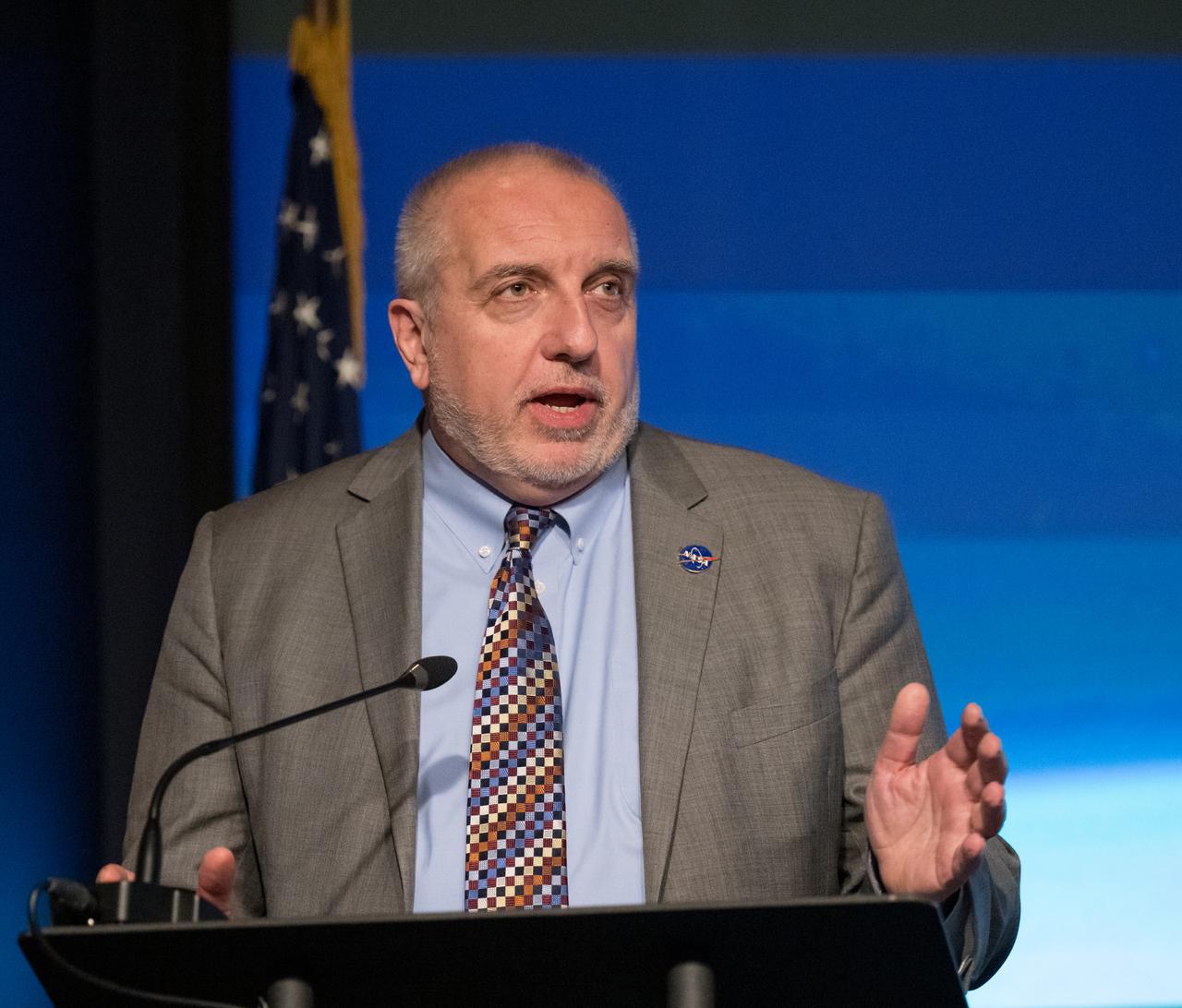
NASA Associate Administrator for Aeronautics Research, Robert Pearce, discusses the agency’s goals during the annual State of NASA address, Monday, March 11, 2024, at the Mary W. Jackson NASA Headquarters Building in Washington. NASA leaders discussed plans for promoting U.S. leadership in space exploration, improving life on Earth through science and innovation, humanity’s return to the Moon under the Artemis campaign, aeronautics, and more. Photo Credit: (NASA/Bill Ingalls)
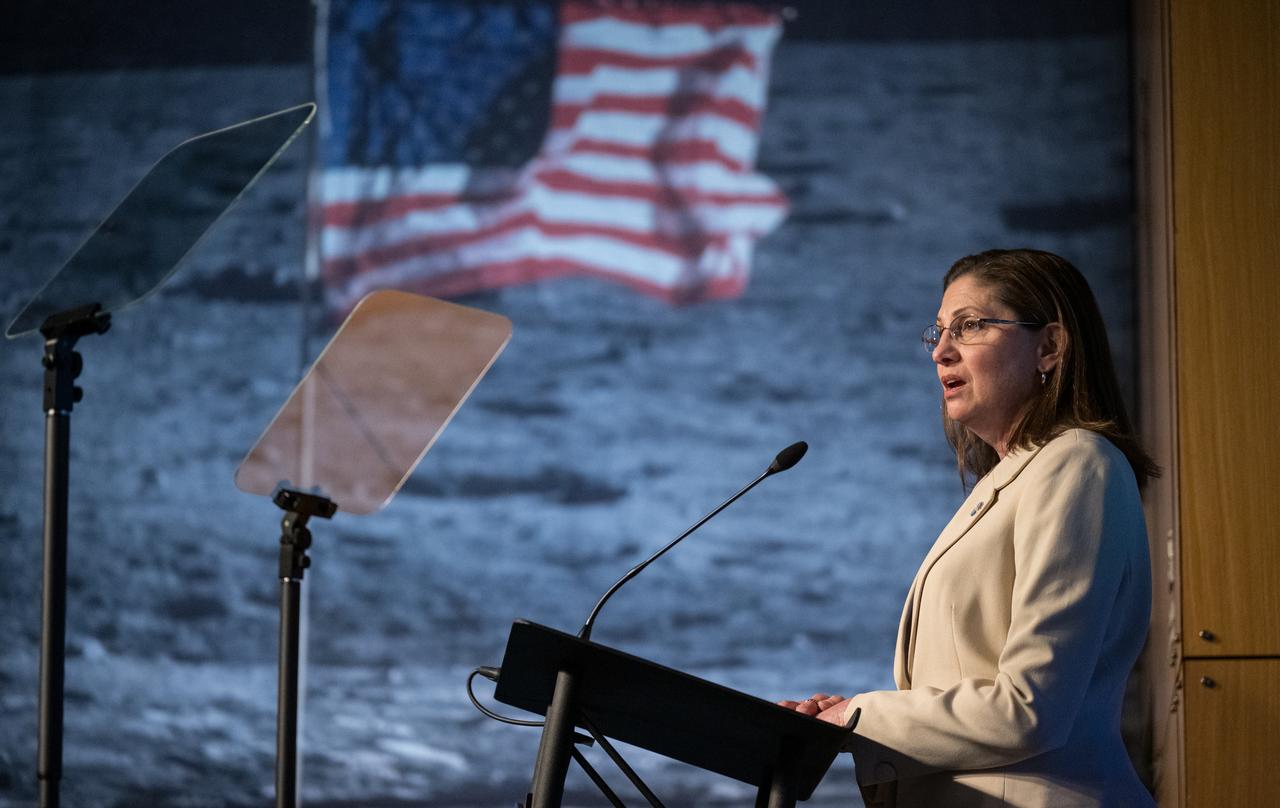
NASA Associate Administrator for Exploration Systems, Catherine Koerner, discusses the agency’s goals during the annual State of NASA address, Monday, March 11, 2024, at the Mary W. Jackson NASA Headquarters Building in Washington. NASA leaders discussed plans for promoting U.S. leadership in space exploration, improving life on Earth through science and innovation, humanity’s return to the Moon under the Artemis campaign, aeronautics, and more. Photo Credit: (NASA/Bill Ingalls)
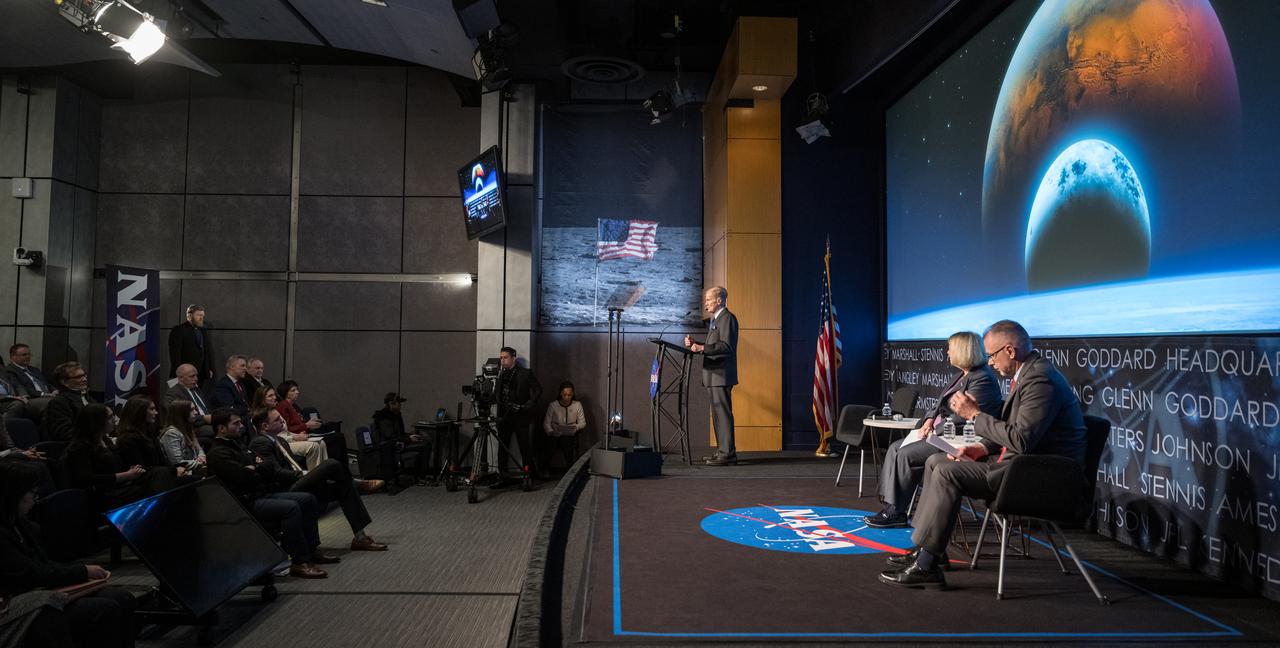
NASA Administrator Bill Nelson, at podium, discusses the agency’s goals during the annual State of NASA address, Monday, March 11, 2024, at the Mary W. Jackson NASA Headquarters Building in Washington. NASA leaders discussed plans for promoting U.S. leadership in space exploration, improving life on Earth through science and innovation, humanity’s return to the Moon under the Artemis campaign, aeronautics, and more. Photo Credit: (NASA/Bill Ingalls)
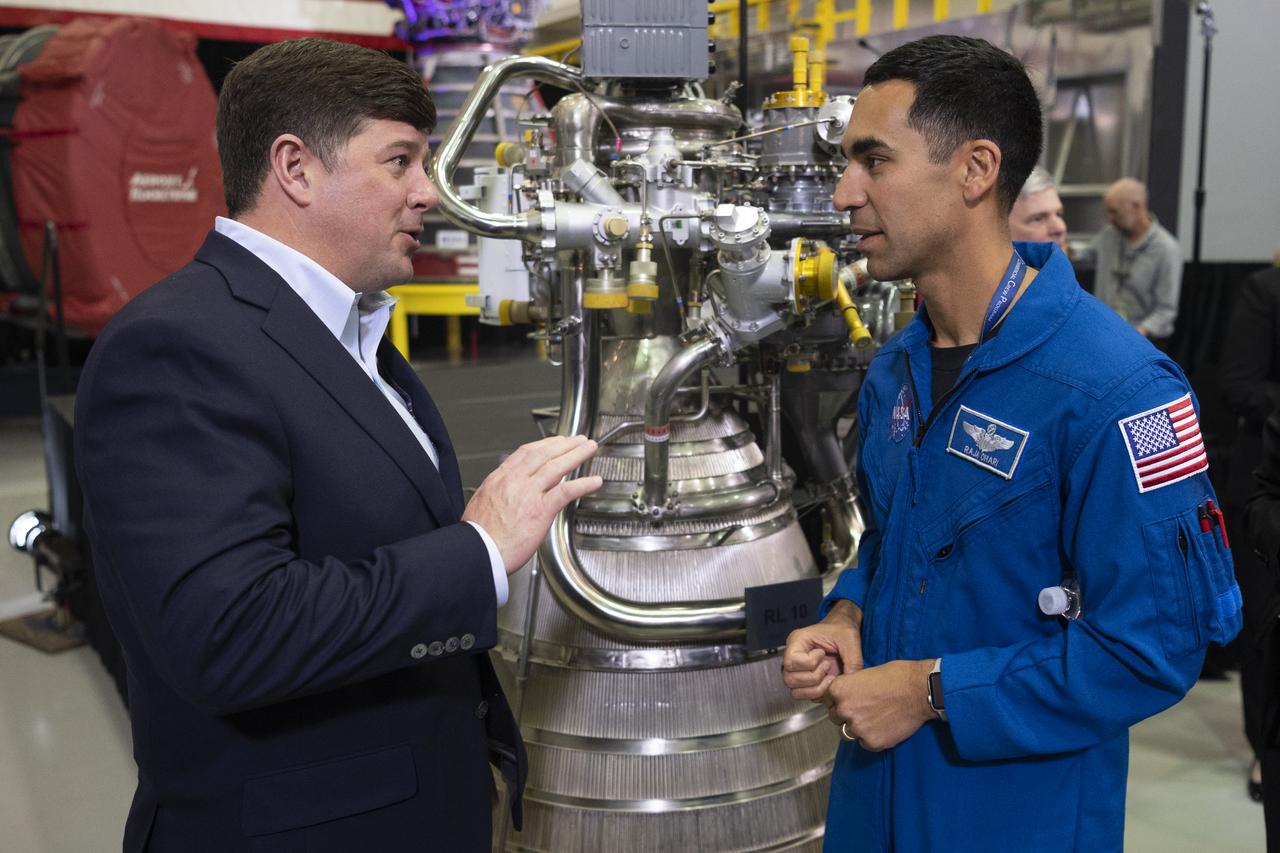
U.S. Representative Steven Palazzo (R-Miss.), left, speaks with NASA astronaut Raja Chari following the State of NASA address, Monday, Feb. 10, 2020, at Aerojet Rocketdyne’s facility at NASA’s Stennis Space Center near Bay St. Louis, Mississippi. Photo Credit: (NASA/Joel Kowsky)
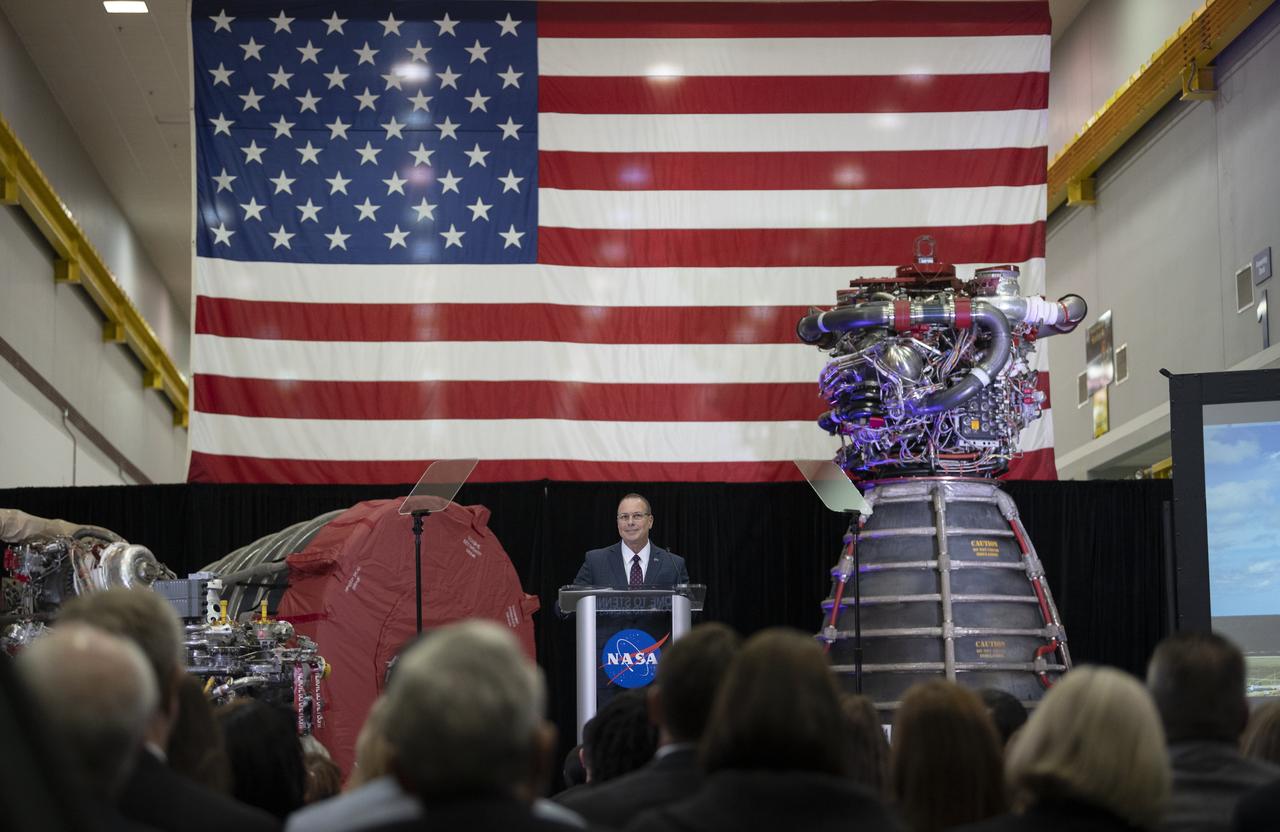
Richard Gilbrech, Director of NASA's Stennis Space Center, welcomes everyone to the State of NASA address, Monday, Feb. 10, 2020, at Aerojet Rocketdyne’s facility at NASA’s Stennis Space Center near Bay St. Louis, Mississippi. Photo Credit: (NASA/Joel Kowsky)
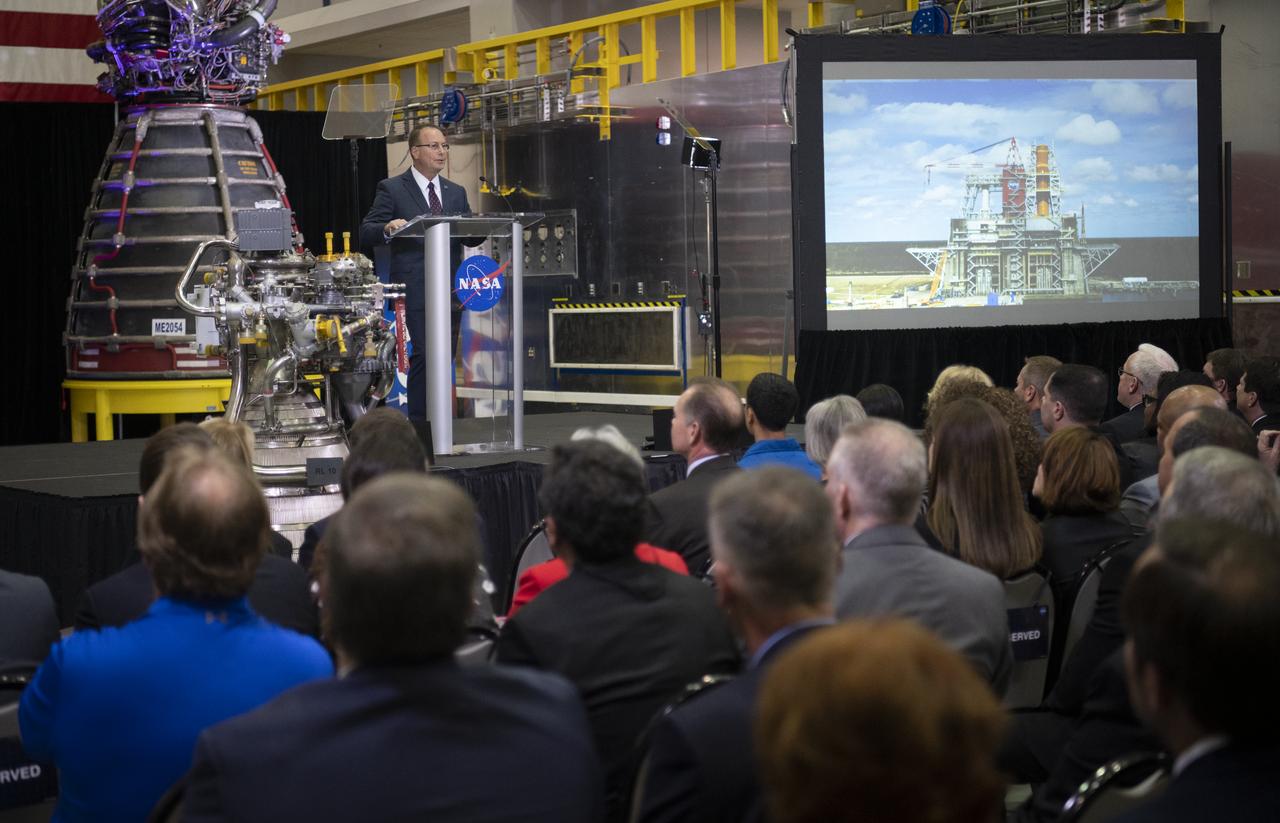
Richard Gilbrech, Director of NASA's Stennis Space Center, welcomes everyone to the State of NASA address, Monday, Feb. 10, 2020, at Aerojet Rocketdyne’s facility at NASA’s Stennis Space Center near Bay St. Louis, Mississippi. Photo Credit: (NASA/Joel Kowsky)
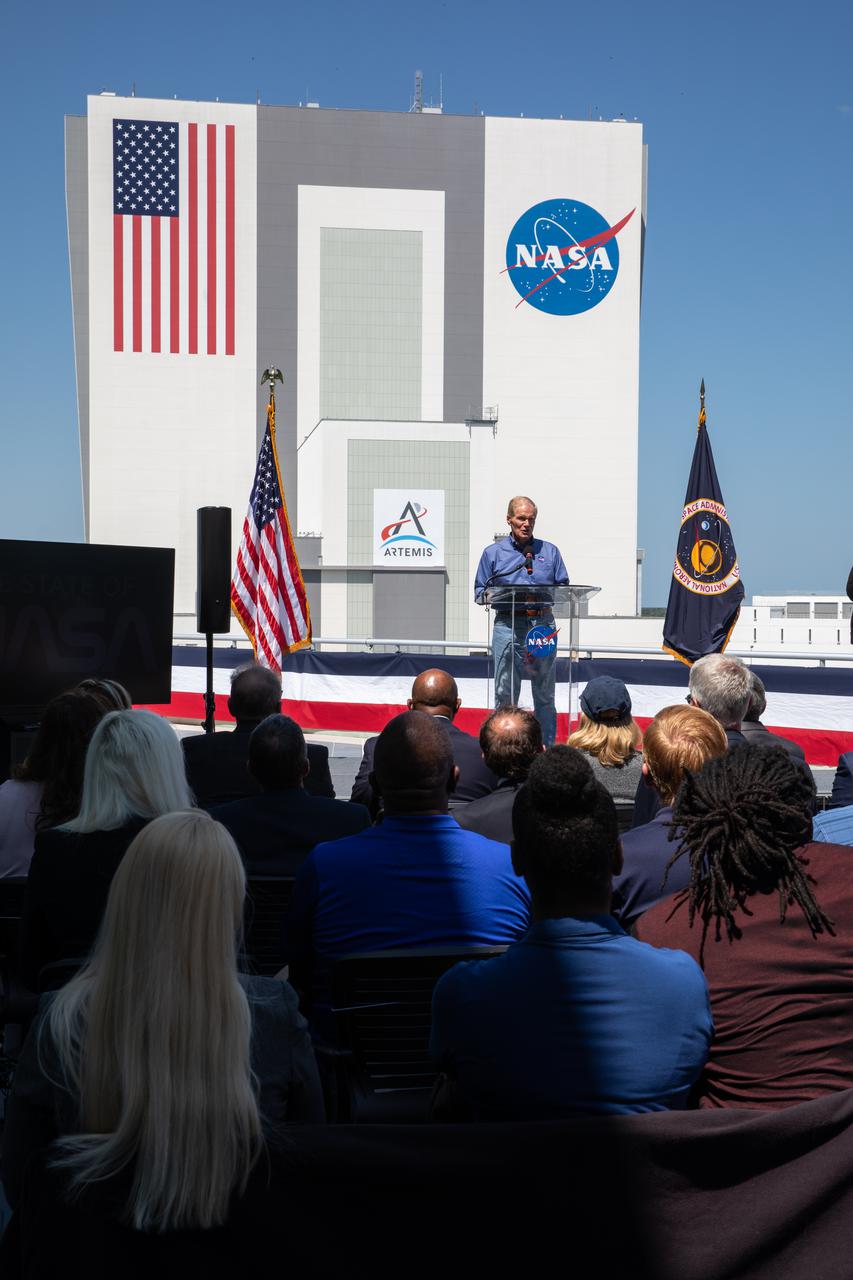
NASA Administrator Bill Nelson delivers the 2022 State of NASA address on March 28, 2022, from the agency’s Kennedy Space Center in Florida. Nelson highlighted NASA’s plans to explore the Moon and Mars, address climate change, promote racial and economic equity, and drive economic growth while sustaining U.S. leadership in aviation and aerospace innovation.
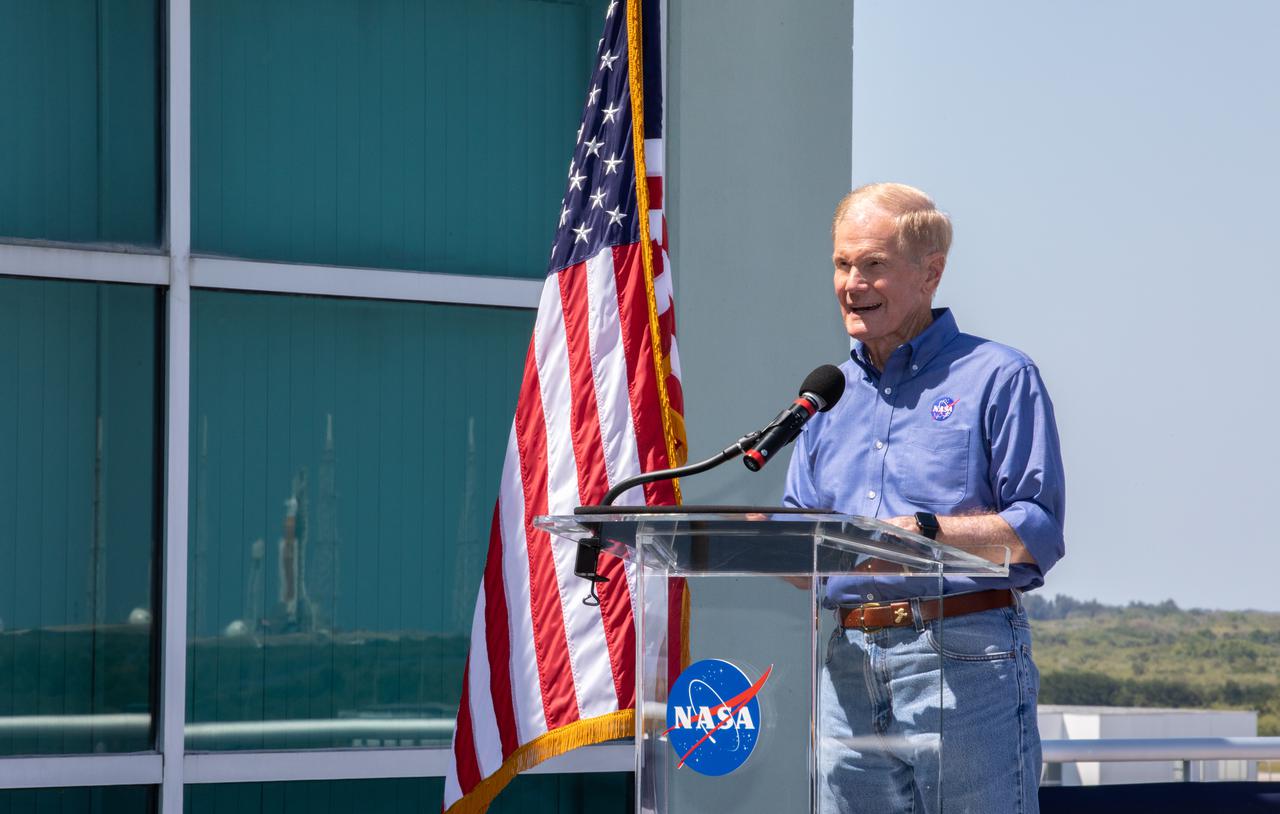
NASA Administrator Bill Nelson delivers the 2022 State of NASA address on March 28, 2022, from the agency’s Kennedy Space Center in Florida. Nelson highlighted NASA’s plans to explore the Moon and Mars, address climate change, promote racial and economic equity, and drive economic growth while sustaining U.S. leadership in aviation and aerospace innovation.
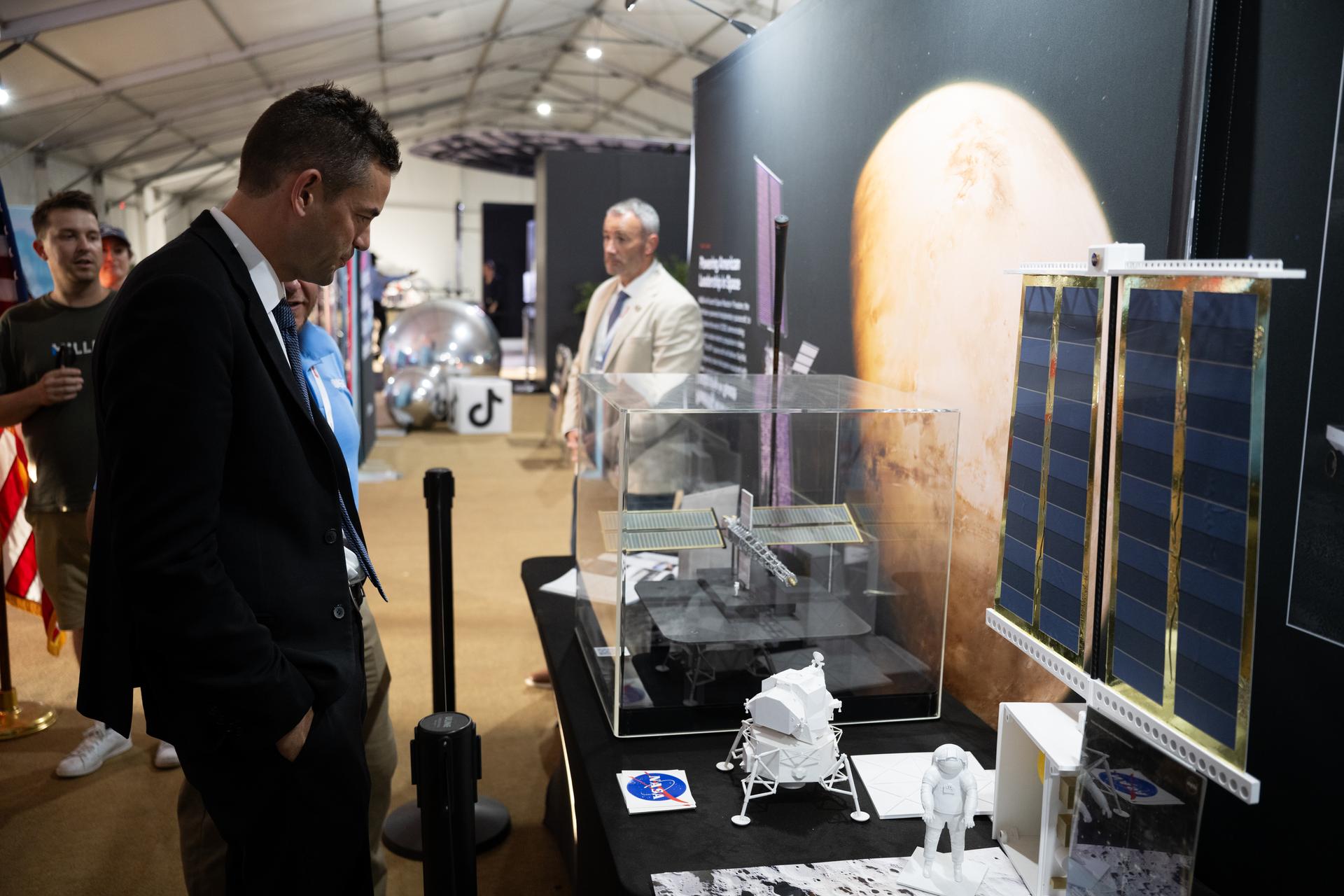
NASA Administrator Jared Isaacman visits the agency’s exhibit at the Great American State Fair in the American Innovation Pavilion, Wednesday, July 8, 2026, on the National Mall in Washington, D.C. Photo Credit: (NASA/Joel Kowsky)
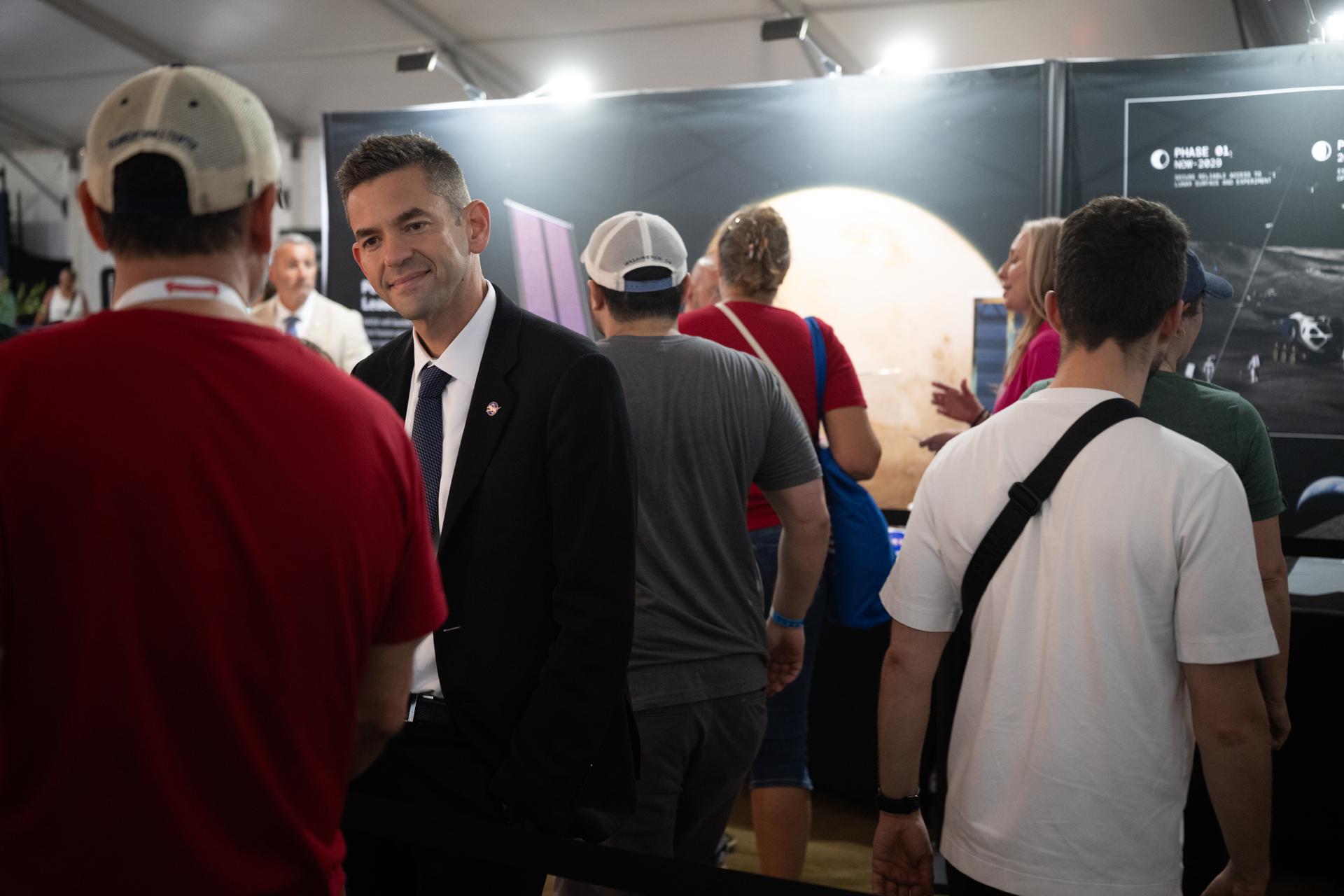
NASA Administrator Jared Isaacman visits the agency’s exhibit at the Great American State Fair in the American Innovation Pavilion, Wednesday, July 8, 2026, on the National Mall in Washington, D.C. Photo Credit: (NASA/Joel Kowsky)
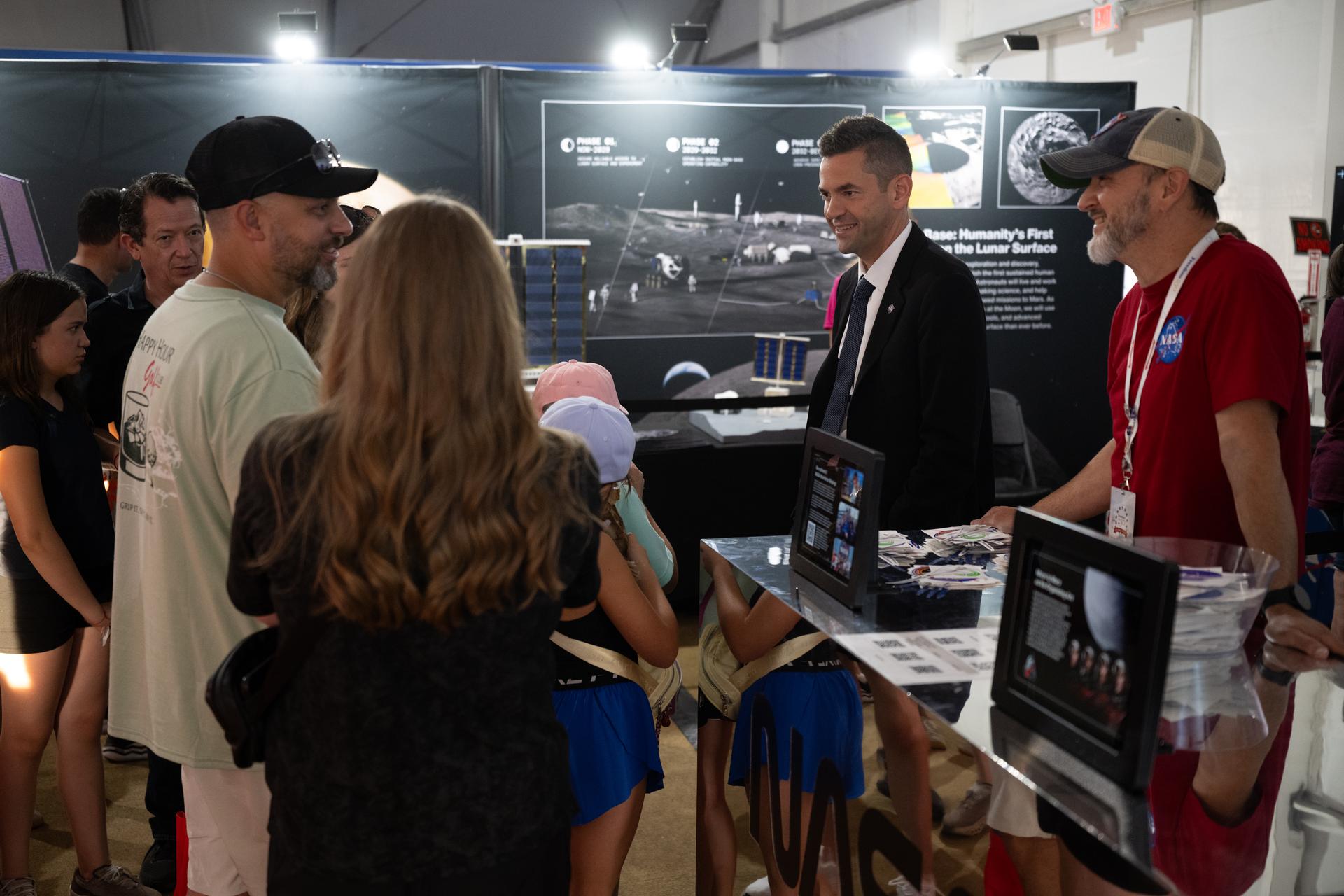
NASA Administrator Jared Isaacman visits the agency’s exhibit at the Great American State Fair in the American Innovation Pavilion, Wednesday, July 8, 2026, on the National Mall in Washington, D.C. Photo Credit: (NASA/Joel Kowsky)
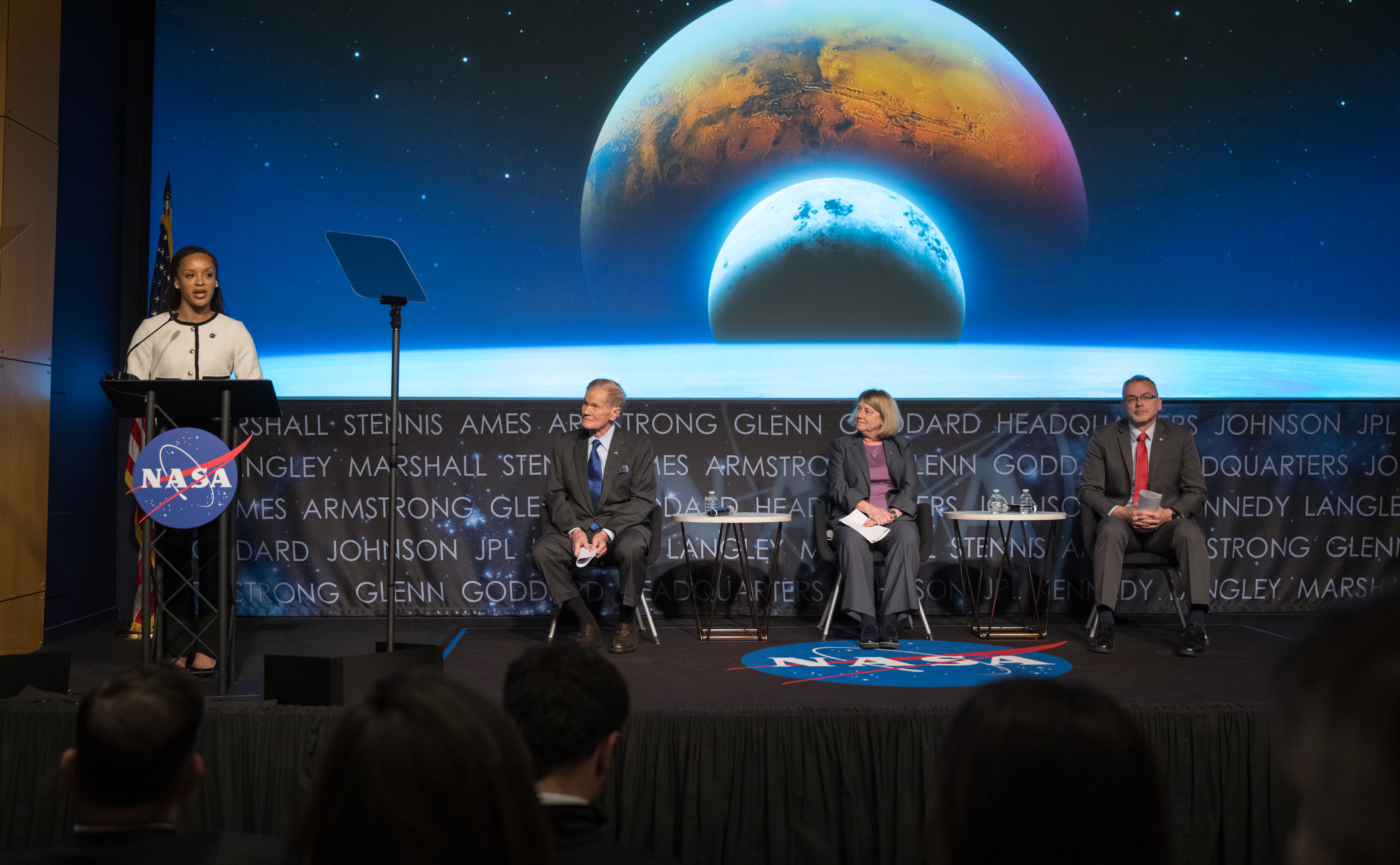
NASA Press Secretary, Faith McKie, left, moderates the annual State of NASA address, as NASA Administrator Bill Nelson, NASA Deputy Administrator Pam Melroy, and NASA Associate Administrator Jim Free, right, look on, Monday, March 11, 2024, at the Mary W. Jackson NASA Headquarters Building in Washington. NASA leaders discussed plans for promoting U.S. leadership in space exploration, improving life on Earth through science and innovation, humanity’s return to the Moon under the Artemis campaign, aeronautics, and more. Photo Credit: (NASA/Bill Ingalls)
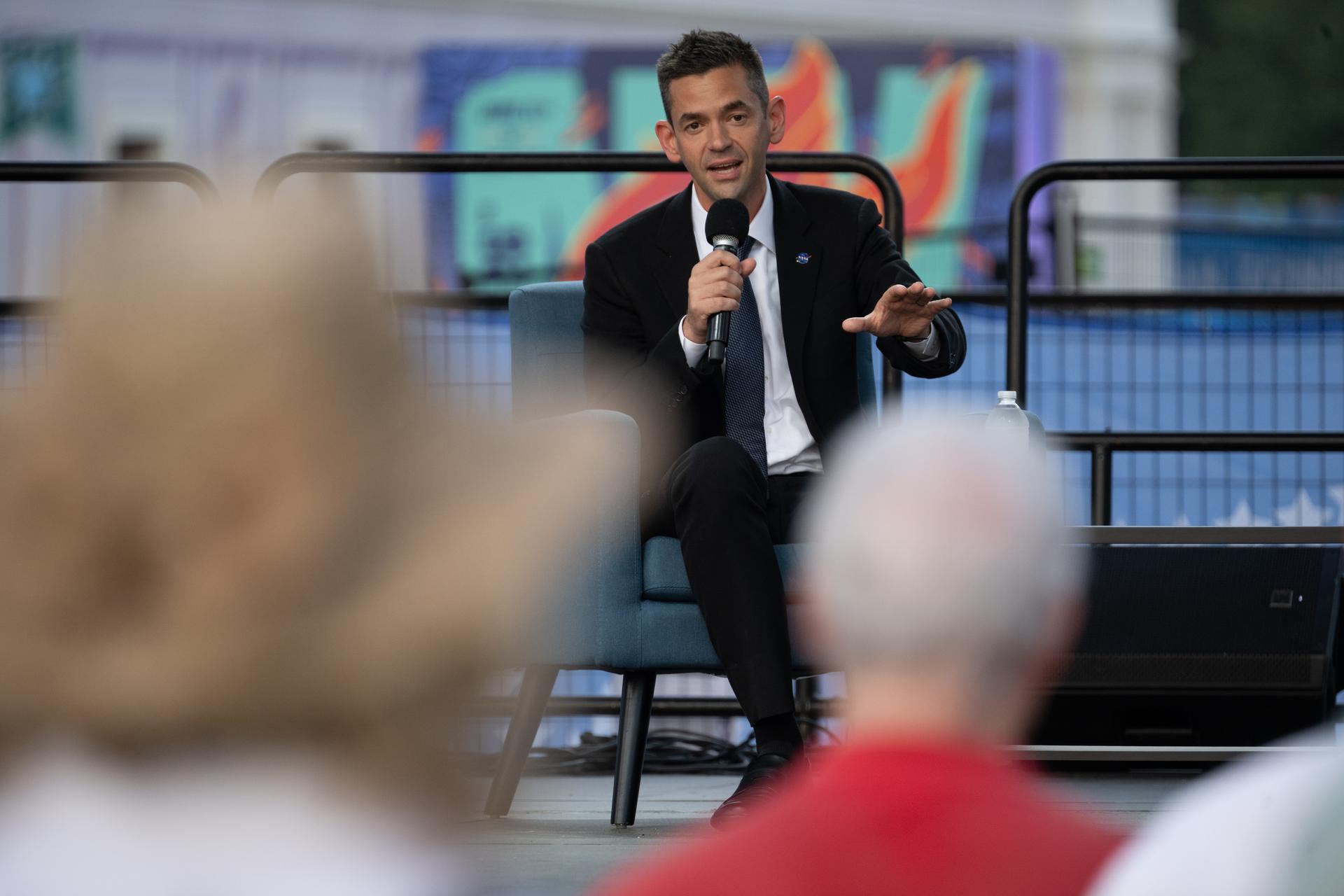
NASA Administrator Jared Isaacman is seen in conversation with Katie Pavlich about the past, present, and future of space exploration on the Freedom Stage at the Great American State Fair, Wednesday, July 8, 2026, on the National Mall in Washington, D.C. Photo Credit: (NASA/Joel Kowsky)
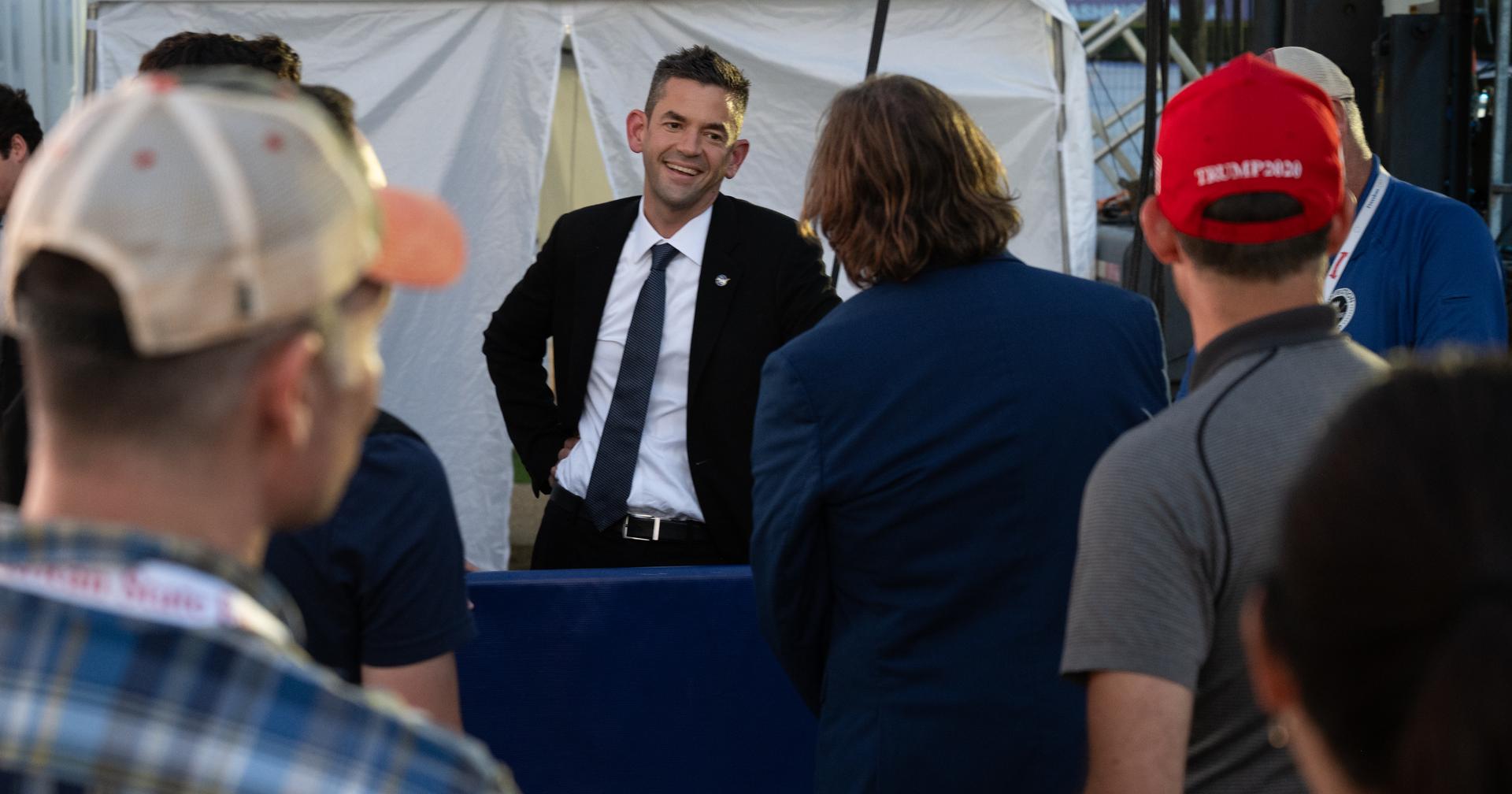
NASA Administrator Jared Isaacman speaks with attendees following a conversation with Katie Pavlich about the past, present, and future of space exploration on the Freedom Stage at the Great American State Fair, Wednesday, July 8, 2026, on the National Mall in Washington, D.C. Photo Credit: (NASA/Joel Kowsky)
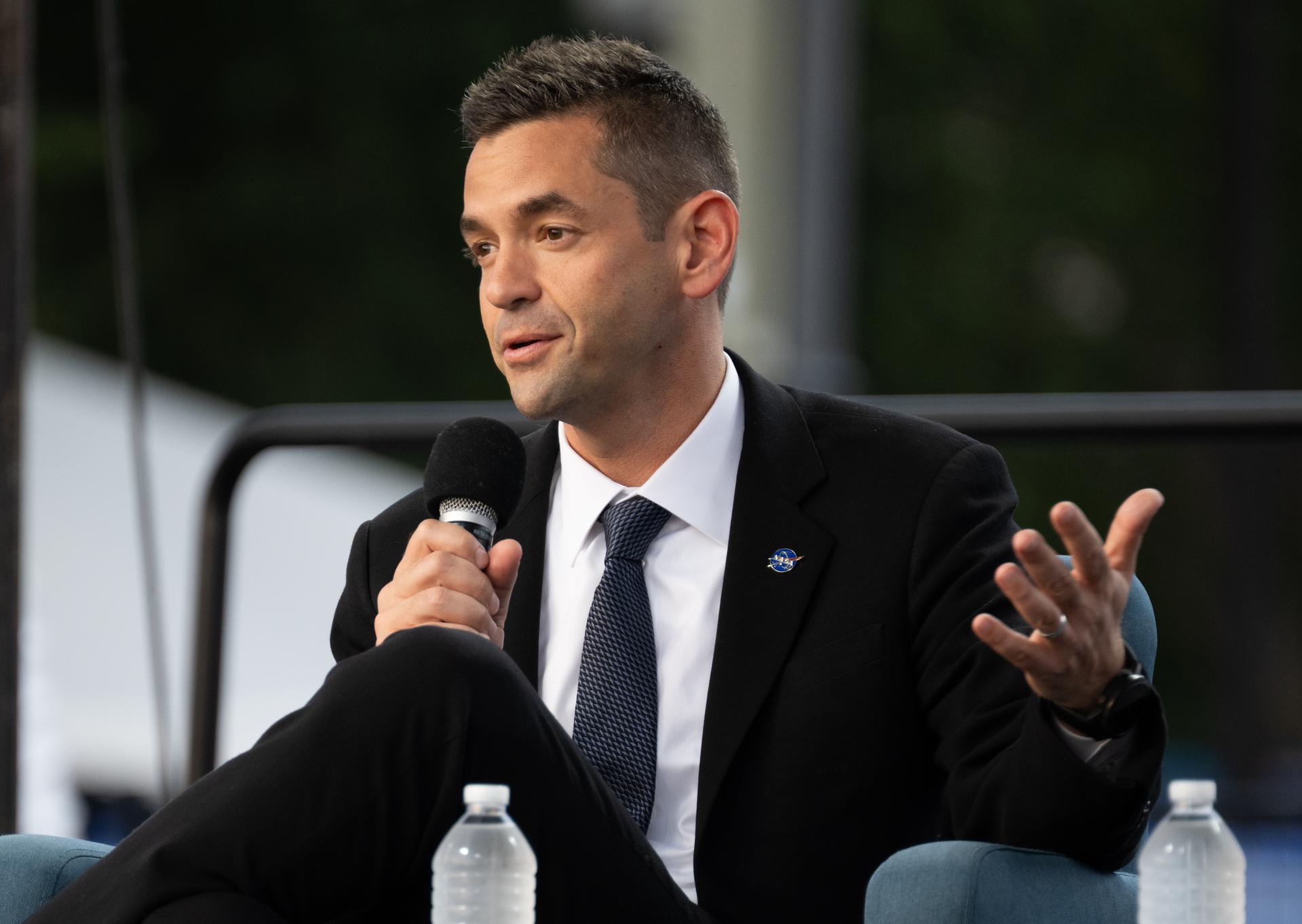
NASA Administrator Jared Isaacman is seen in conversation with Katie Pavlich about the past, present, and future of space exploration on the Freedom Stage at the Great American State Fair, Wednesday, July 8, 2026, on the National Mall in Washington, D.C. Photo Credit: (NASA/Joel Kowsky)
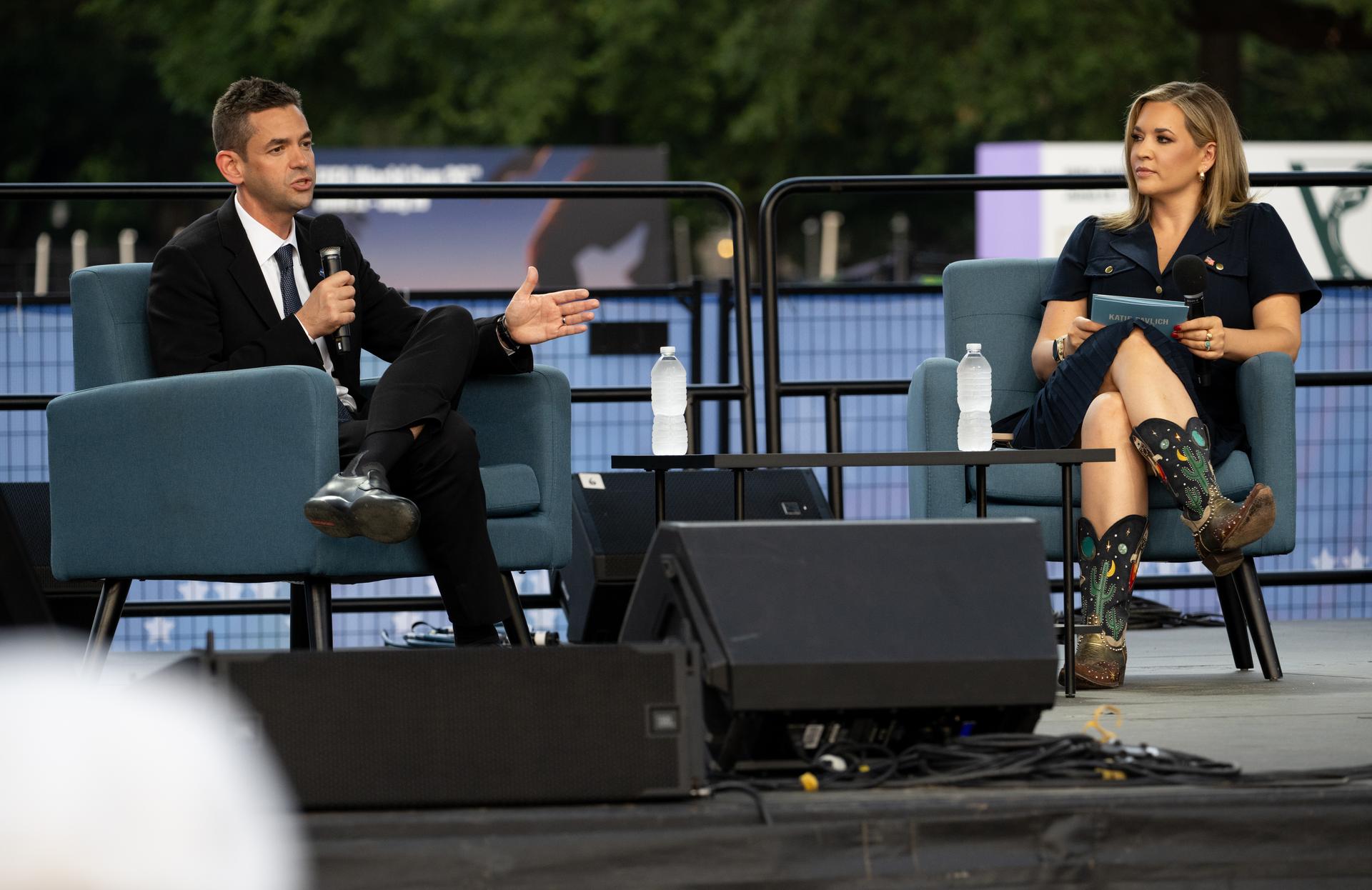
NASA Administrator Jared Isaacman, left, is seen in conversation with Katie Pavlich about the past, present, and future of space exploration on the Freedom Stage at the Great American State Fair, Wednesday, July 8, 2026, on the National Mall in Washington, D.C. Photo Credit: (NASA/Joel Kowsky)
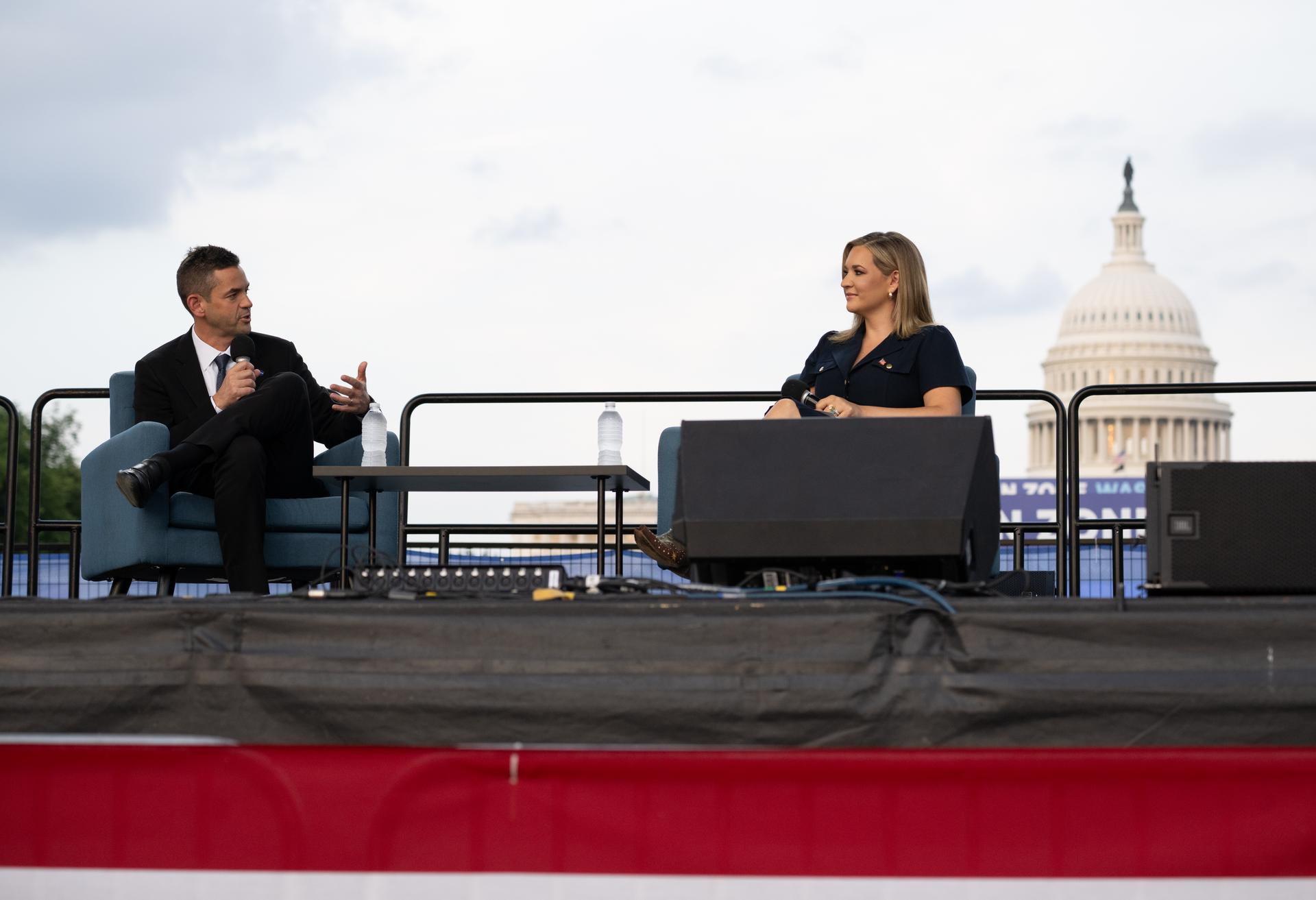
NASA Administrator Jared Isaacman, left, is seen in conversation with Katie Pavlich about the past, present, and future of space exploration on the Freedom Stage at the Great American State Fair, Wednesday, July 8, 2026, on the National Mall in Washington, D.C. Photo Credit: (NASA/Joel Kowsky)

NASA Administrator Jared Isaacman, left, is seen in conversation with Katie Pavlich about the past, present, and future of space exploration on the Freedom Stage at the Great American State Fair, Wednesday, July 8, 2026, on the National Mall in Washington, D.C. Photo Credit: (NASA/Joel Kowsky)

NASA Administrator Jared Isaacman, left, is seen in conversation with Katie Pavlich about the past, present, and future of space exploration on the Freedom Stage at the Great American State Fair, Wednesday, July 8, 2026, on the National Mall in Washington, D.C. Photo Credit: (NASA/Joel Kowsky)
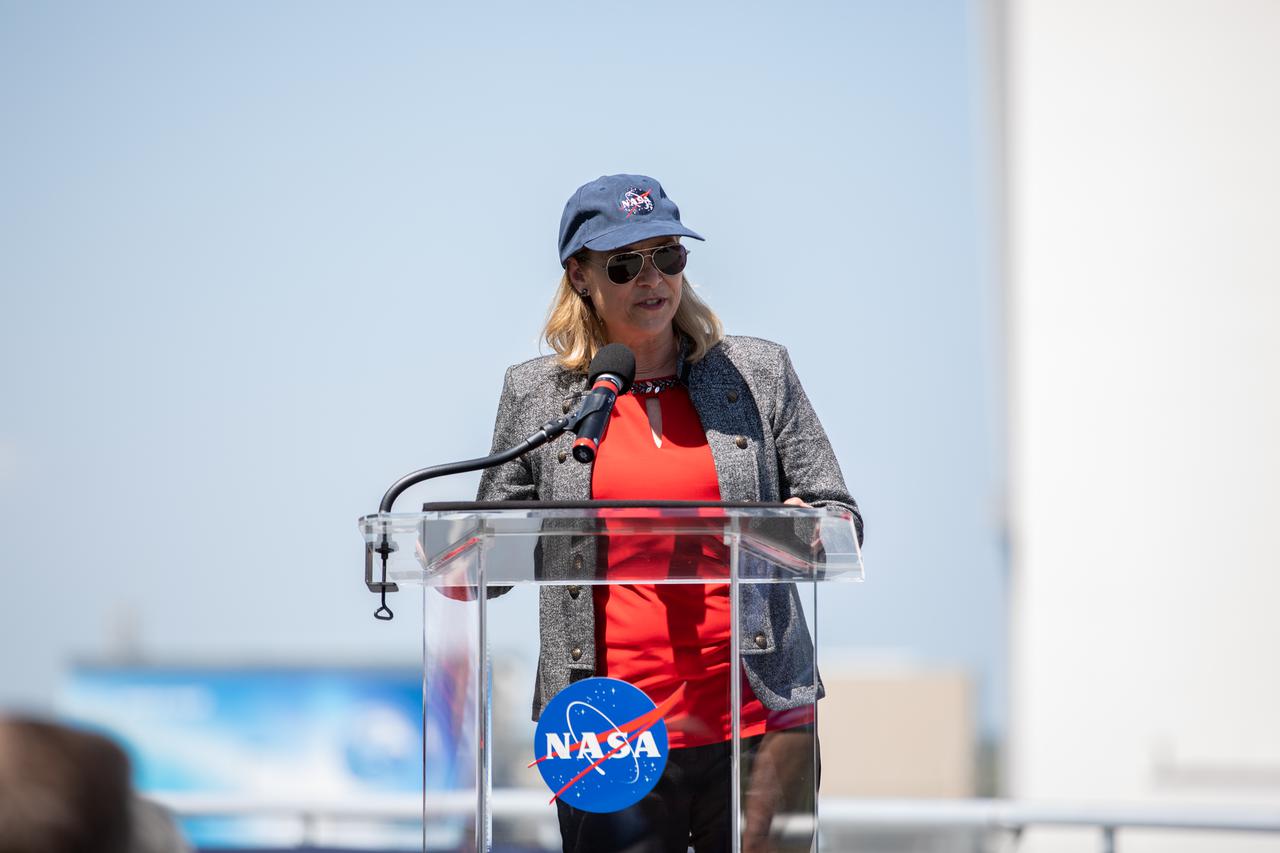
Kennedy Space Center Director Janet Petro addresses attendees before NASA Administrator Bill Nelson delivers the 2022 State of NASA address on March 28, 2022, at the Florida spaceport. Nelson highlighted NASA’s plans to explore the Moon and Mars, address climate change, promote racial and economic equity, and drive economic growth while sustaining U.S. leadership in aviation and aerospace innovation.
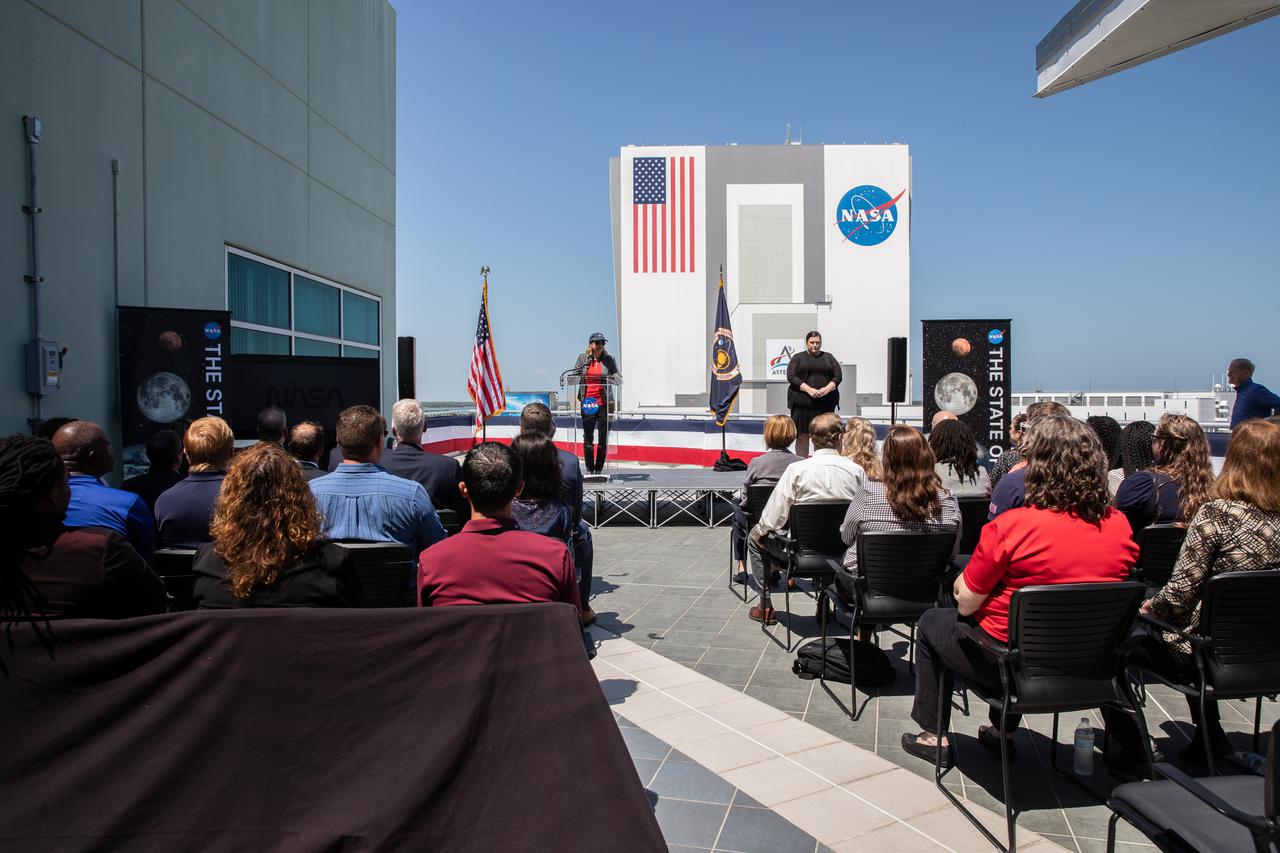
Kennedy Space Center Director Janet Petro addresses attendees before NASA Administrator Bill Nelson delivers the 2022 State of NASA address on March 28, 2022, at the Florida spaceport. Nelson highlighted NASA’s plans to explore the Moon and Mars, address climate change, promote racial and economic equity, and drive economic growth while sustaining U.S. leadership in aviation and aerospace innovation.
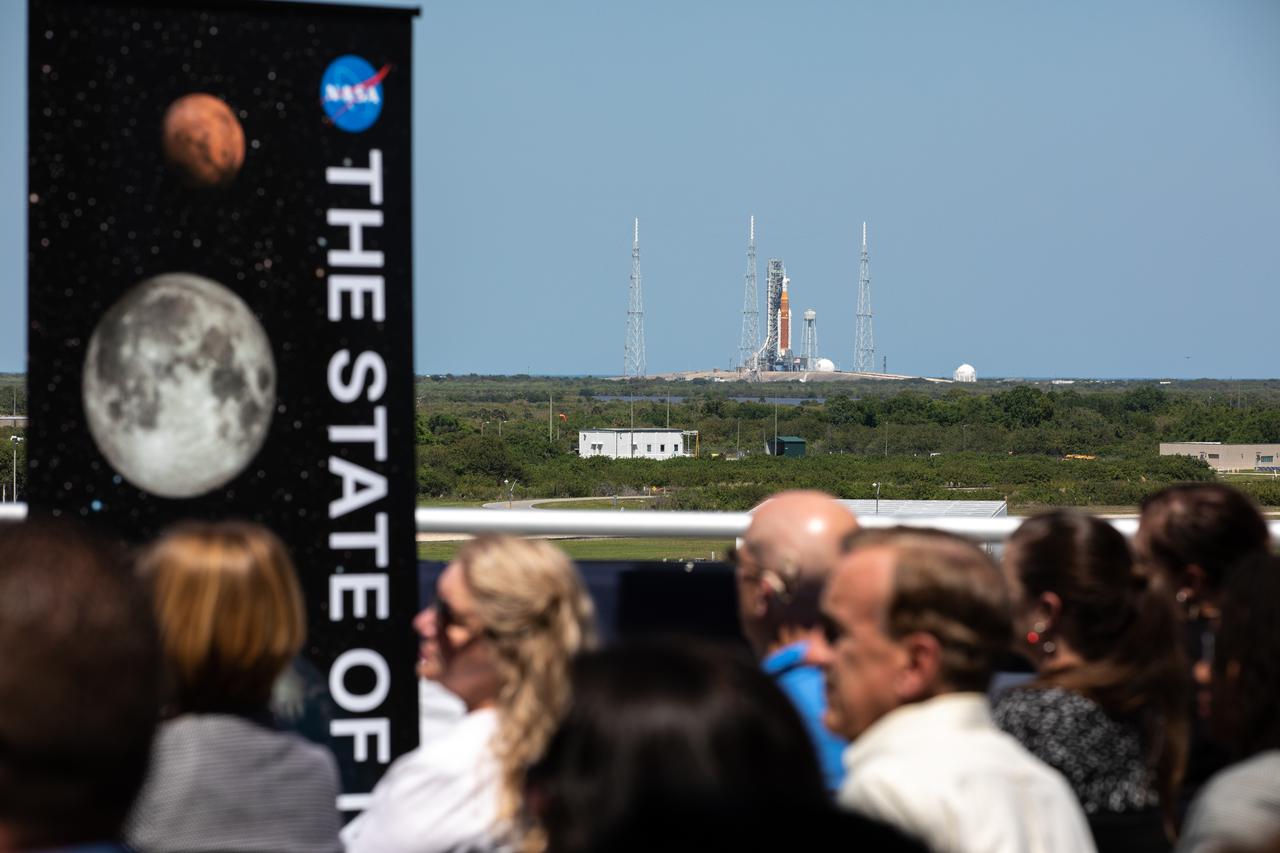
Attendees listen to NASA Administrator Bill Nelson deliver the 2022 State of NASA address on March 28, 2022, from the agency’s Kennedy Space Center in Florida. Nelson highlighted NASA’s plans to explore the Moon and Mars, address climate change, promote racial and economic equity, and drive economic growth while sustaining U.S. leadership in aviation and aerospace innovation.
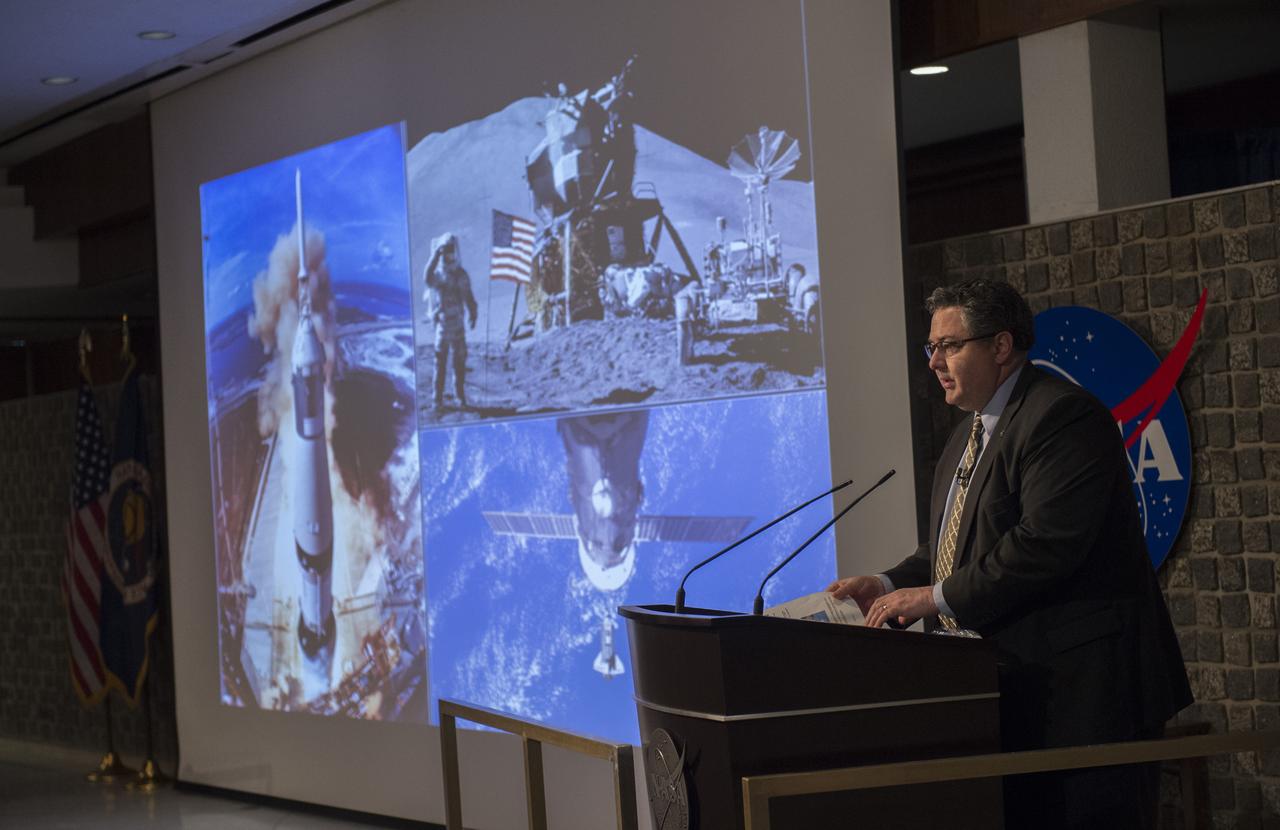
MSFC Director Todd May conducts All Hands meeting with Marshall Personnel following State of NASA address by Acting NASA Administrator Robert Lightfoot
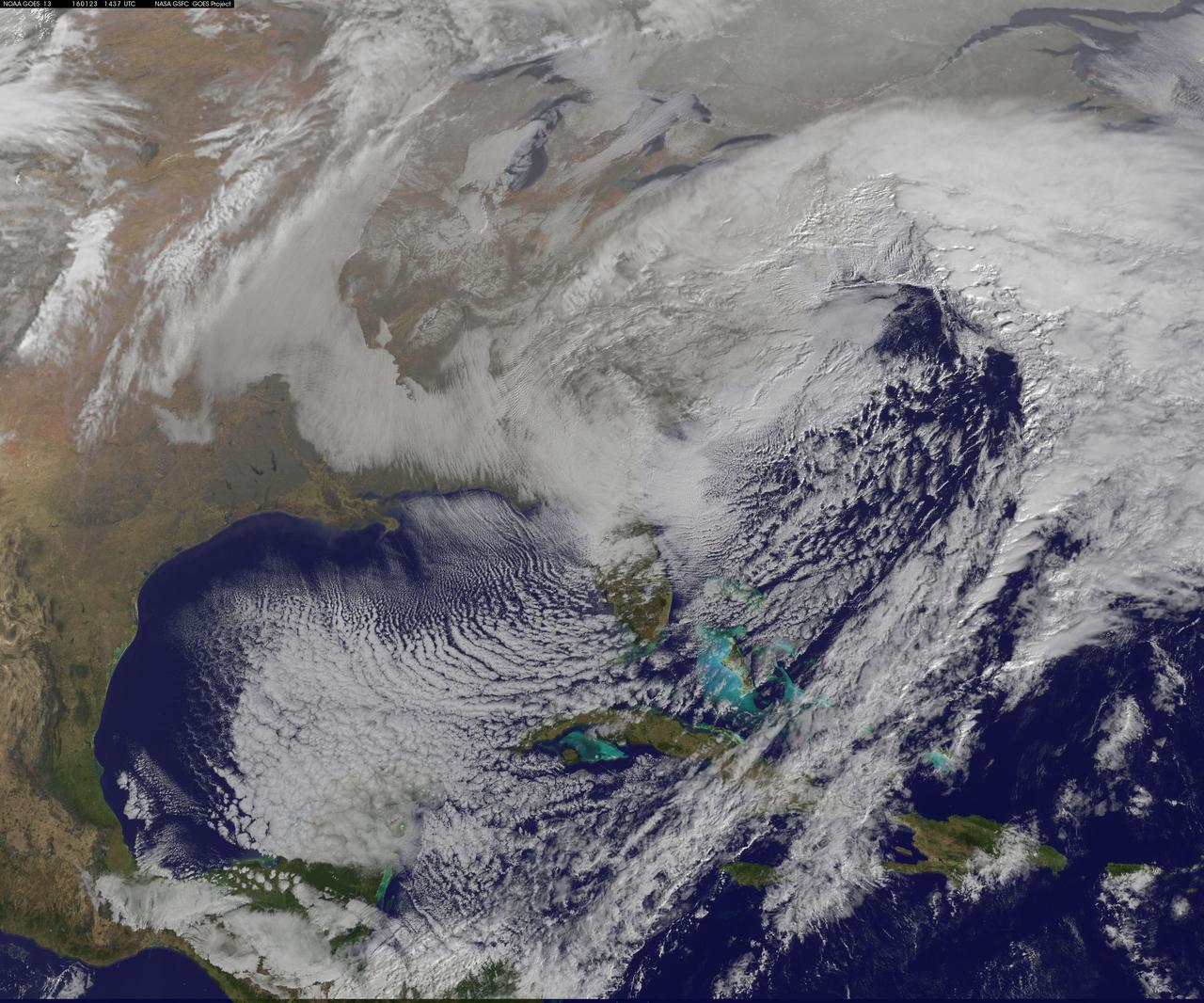
NASA satellite imagery captured the size of the massive winter storm that continued to pummel the U.S. East Coast early on January 23, 2016. This visible image of the major winter storm was taken from NOAA's GOES-East satellite on Saturday, January 23, 2016 at 1437 UTC (9:37 a.m. EST) as the Baltimore/Washington corridor was under a blizzard warning. Read more: <a href="http://go.nasa.gov/1RFv70u" rel="nofollow">go.nasa.gov/1RFv70u</a> Credits: NASA/NOAA GOES Project NASA Sees Winter Storm Slamming Eastern United States
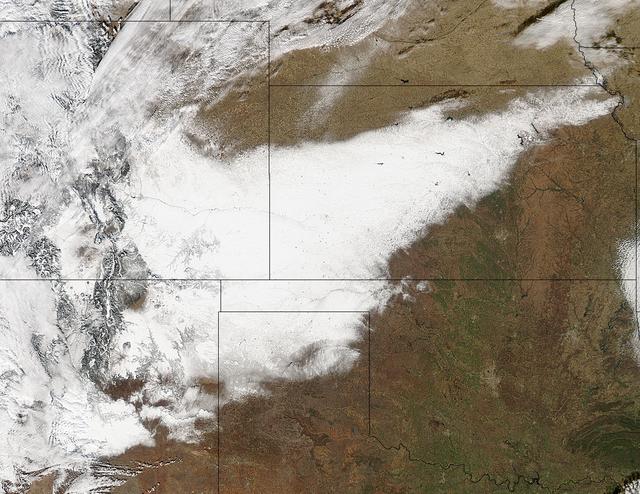
Winter arrived officially on Dec. 22 at 12:35 a.m. EST, but the U.S. Plains states received an early and cool welcome on Dec. 19 from heavy snowfall that was seen by a NASA satellite. NASA's Aqua satellite passed overhead on Dec. 21 at 20:05 UTC (3:05 p.m. EST) and the Moderate Resolution Imaging Spectroradiometer (MODIS) instrument aboard NASA's Aqua satellite captured a visible image of snow blanketing the ground through west and central Kansas, eastern and central Colorado, much of New Mexico, northern Texas and the panhandle of Oklahoma. According to CBS News, blizzard conditions were reported in northern New Mexico, the Texas Panhandle, Oklahoma and northwestern Kansas. The Associated Press reported snow drifts as high as 10 feet in southeast Colorado. Six people lost their lives in traffic accidents from this storm. Heavy snow is expected again today, Dec. 22 in New Mexico and Colorado. Snow is also expected to stretch across the plains into the upper Midwest today, according to the National Weather Service. Portions of many states are expecting some snow today, including the four corners states, north Texas, Kansas, southern Nebraska, western Oklahoma, northern Missouri, Iowa, northern Illinois and southern Wisconsin stretching east into northern New England. The first day of the winter season occurs when the sun is farthest south, either Dec. 21 or 22. The day is also known as the winter solstice. By the second day of winter, NASA's Aqua satellite is going to have a lot more snowfall to observe. Image Credit: NASA Goddard MODIS Rapid Response Team Caption: NASA, Rob Gutro <b><a href="http://www.nasa.gov/audience/formedia/features/MP_Photo_Guidelines.html" rel="nofollow">NASA image use policy.</a></b> <b><a href="http://www.nasa.gov/centers/goddard/home/index.html" rel="nofollow">NASA Goddard Space Flight Center</a></b> enables NASA’s mission through four scientific endeavors: Earth Science, Heliophysics, Solar System Exploration, and Astrophysics. Goddard plays a leading role in NASA’s accomplishments by contributing compelling scientific knowledge to advance the Agency’s mission. <b>Follow us on <a href="http://twitter.com/NASA_GoddardPix" rel="nofollow">Twitter</a></b> <b>Like us on <a href="http://www.facebook.com/pages/Greenbelt-MD/NASA-Goddard/395013845897?ref=tsd" rel="nofollow">Facebook</a></b> <b>Find us on <a href="http://instagrid.me/nasagoddard/?vm=grid" rel="nofollow">Instagram</a></b>
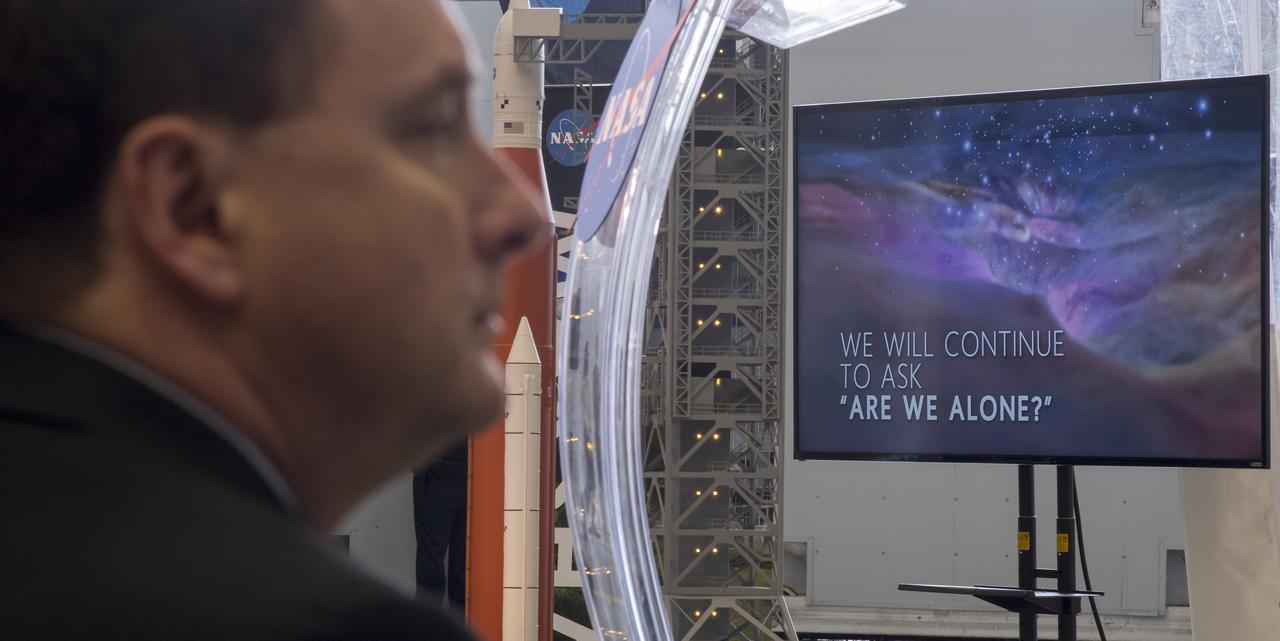
Acting NASA Administrator Robert Lightfoot watches a video introduction during a State of NASA address Monday, Feb. 12, 2018 at NASA's Marshall Space Flight Center in Huntsville, Alabama. Photo Credit: (NASA/Bill Ingalls)
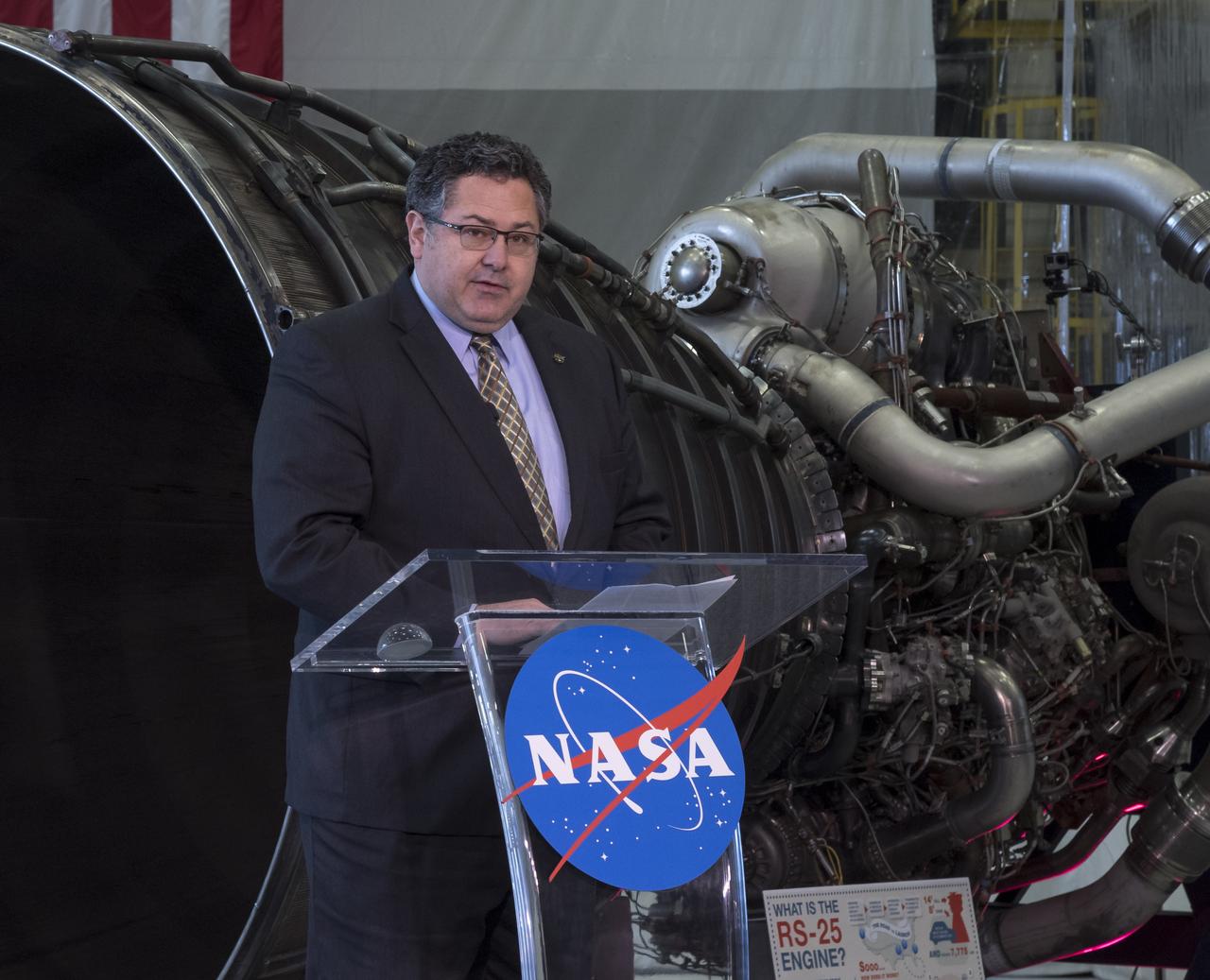
NASA Marshall Space Flight Center Director Todd May introduces acting NASA Administrator Robert Lightfoot during a State of NASA event Monday, Feb. 12, 2018 at NASA's Marshall Space Flight Center in Huntsville, Alabama. Photo Credit: (NASA/Bill Ingalls)
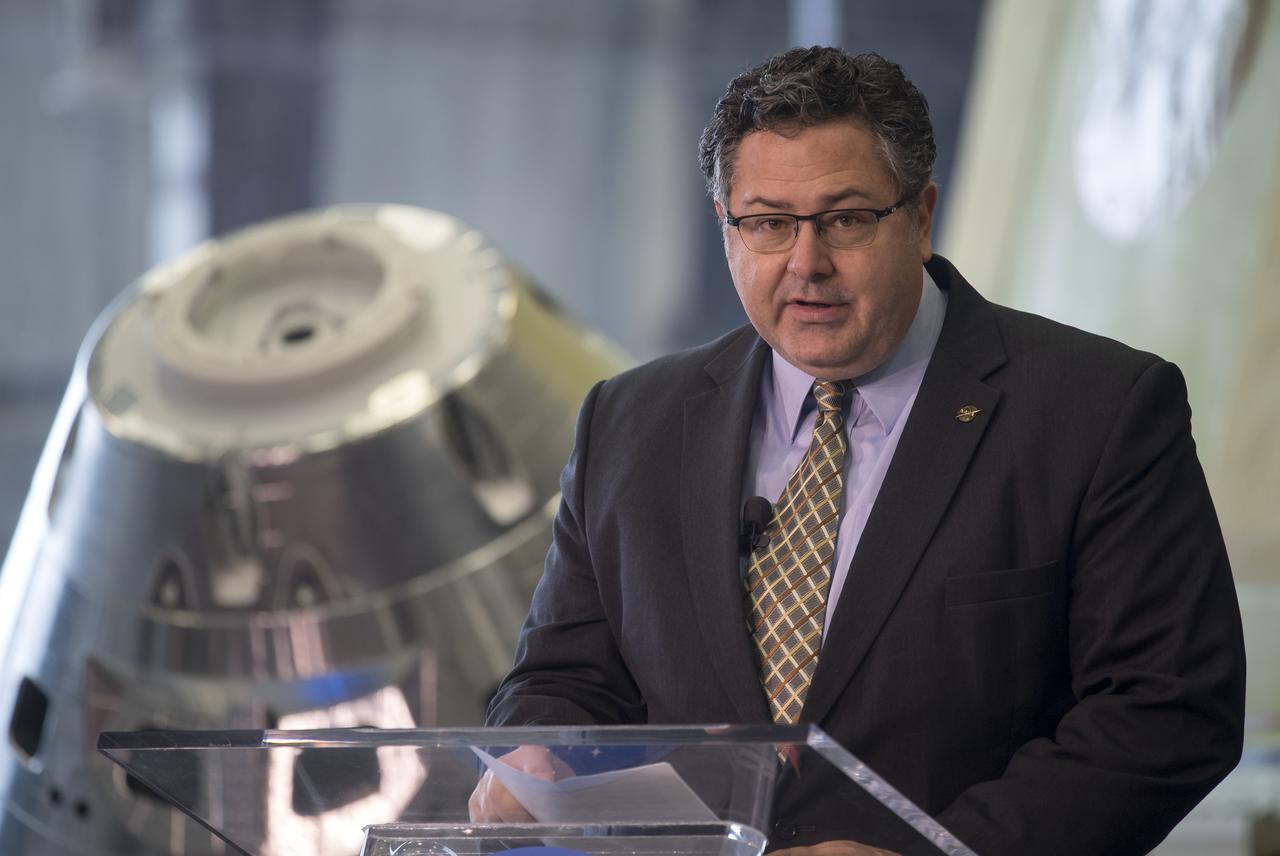
NASA Marshall Space Flight Center Director Todd May introduces acting NASA Administrator Robert Lightfoot during a State of NASA event Monday, Feb. 12, 2018 at NASA's Marshall Space Flight Center in Huntsville, Alabama. Photo Credit: (NASA/Bill Ingalls)
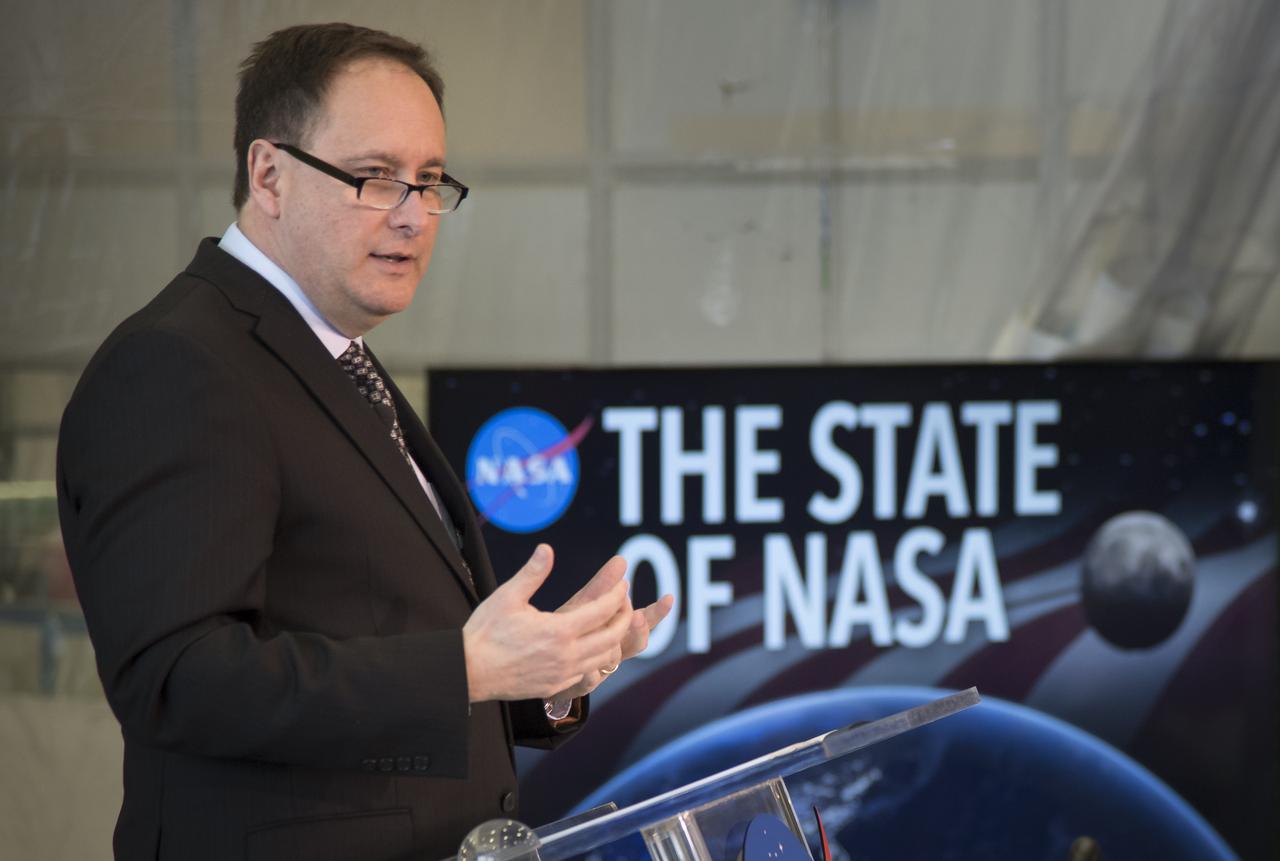
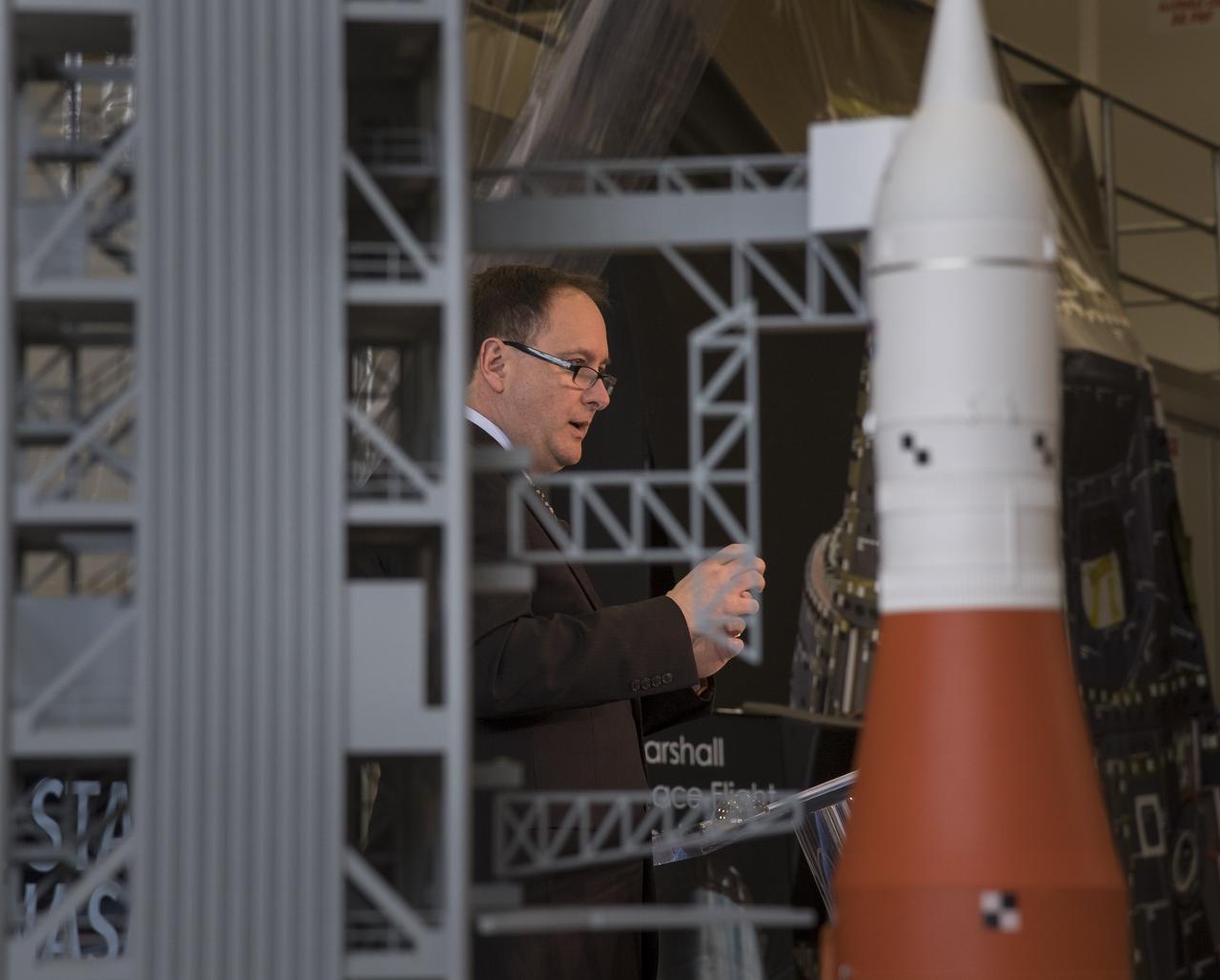
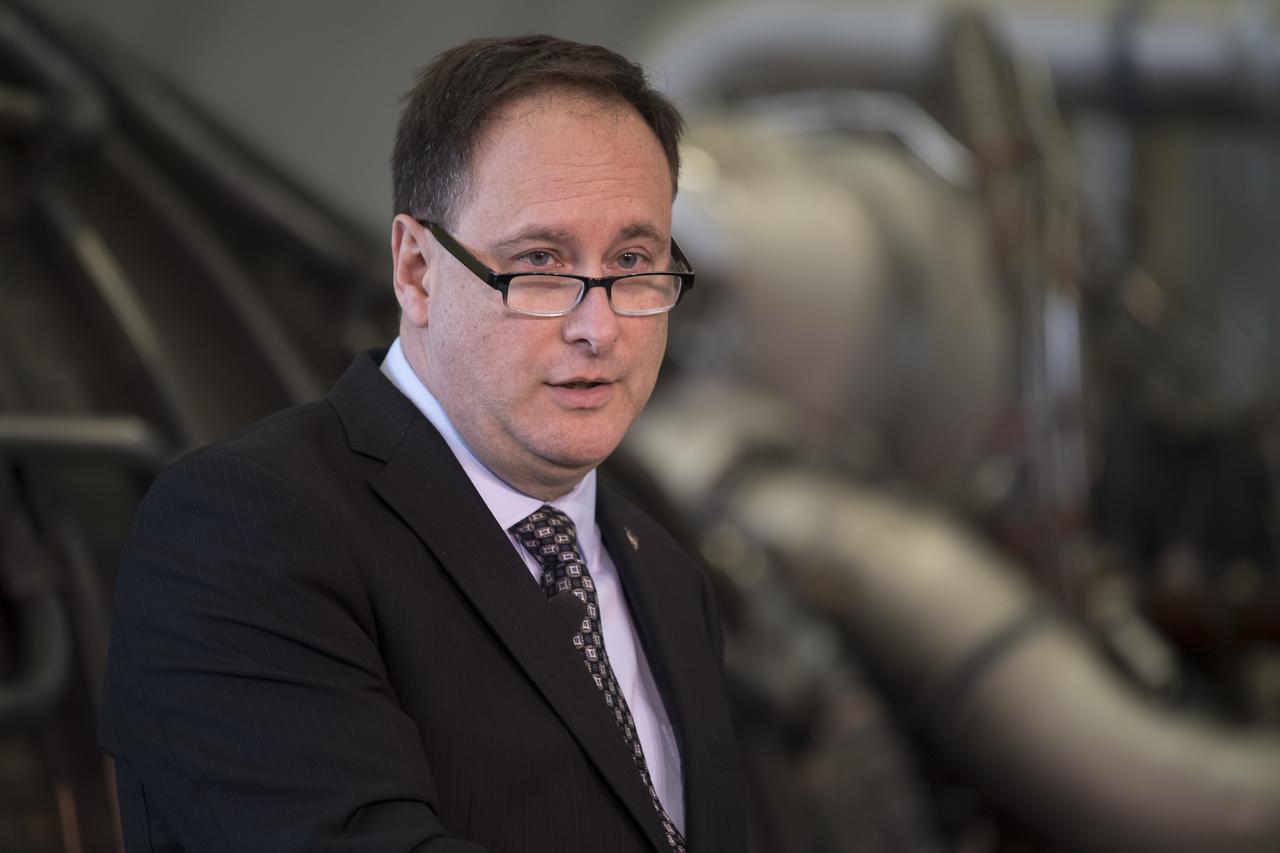
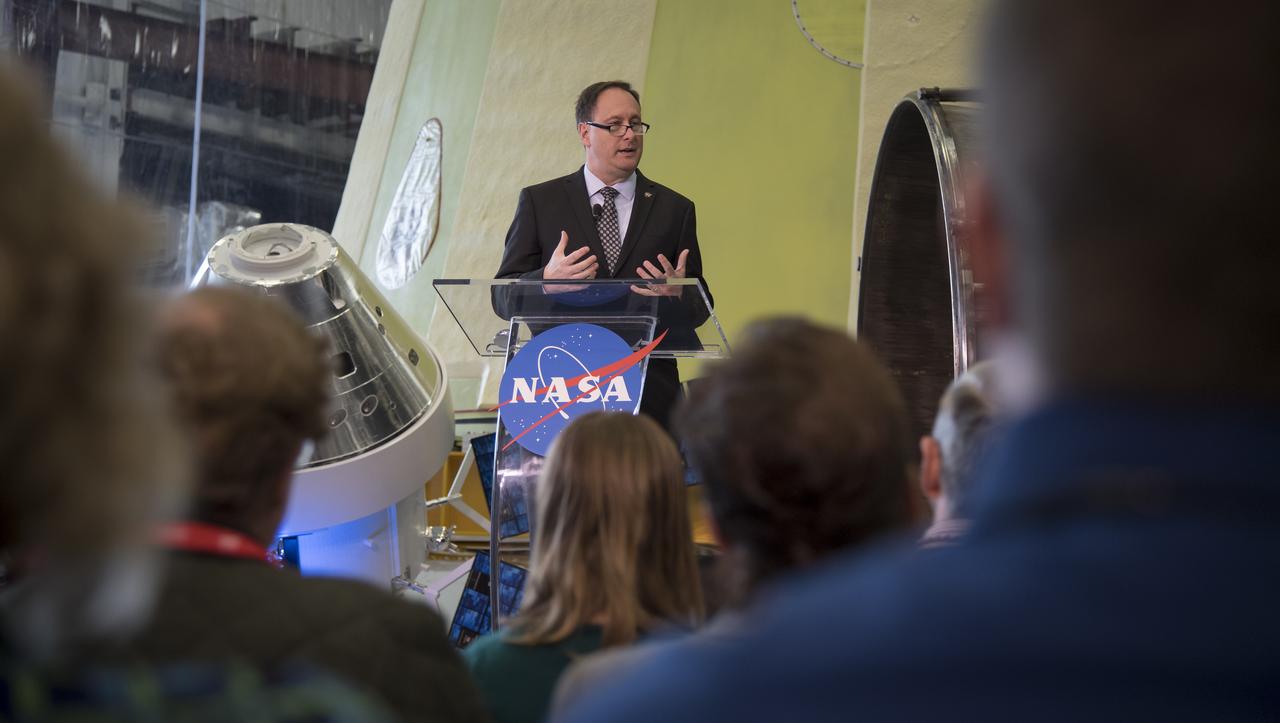
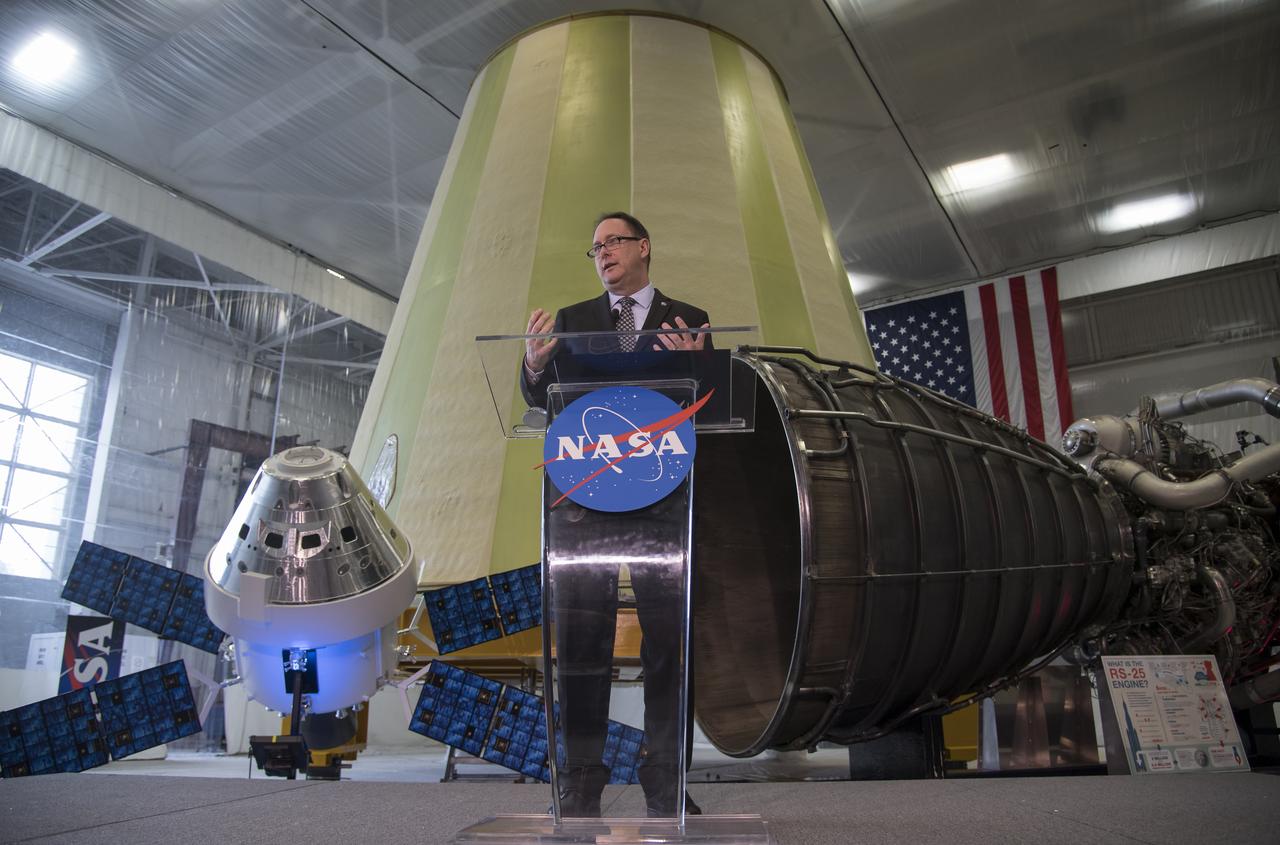
Acting NASA Administrator Robert Lightfoot discusses the fiscal year 2019 budget proposal during a State of NASA address Monday, Feb. 12, 2018 at NASA's Marshall Space Flight Center in Huntsville, Alabama. Photo Credit: (NASA/Bill Ingalls)
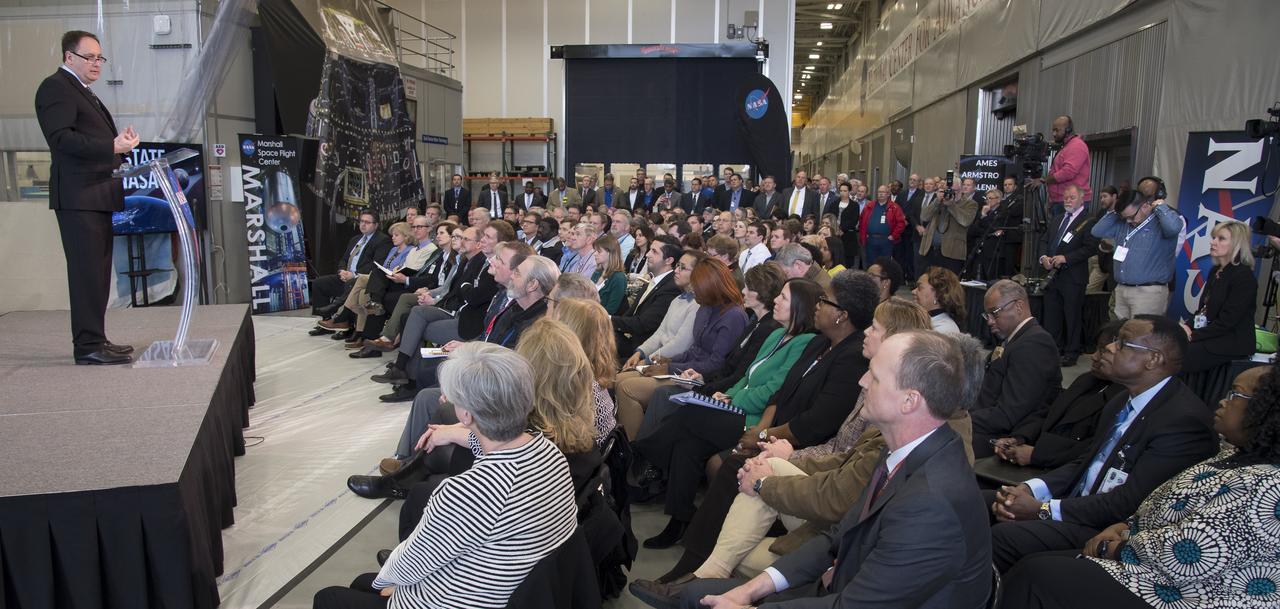
Acting NASA Administrator Robert Lightfoot discusses the fiscal year 2019 budget proposal during a State of NASA address Monday, Feb. 12, 2018 at NASA's Marshall Space Flight Center in Huntsville, Alabama. Photo Credit: (NASA/Bill Ingalls)
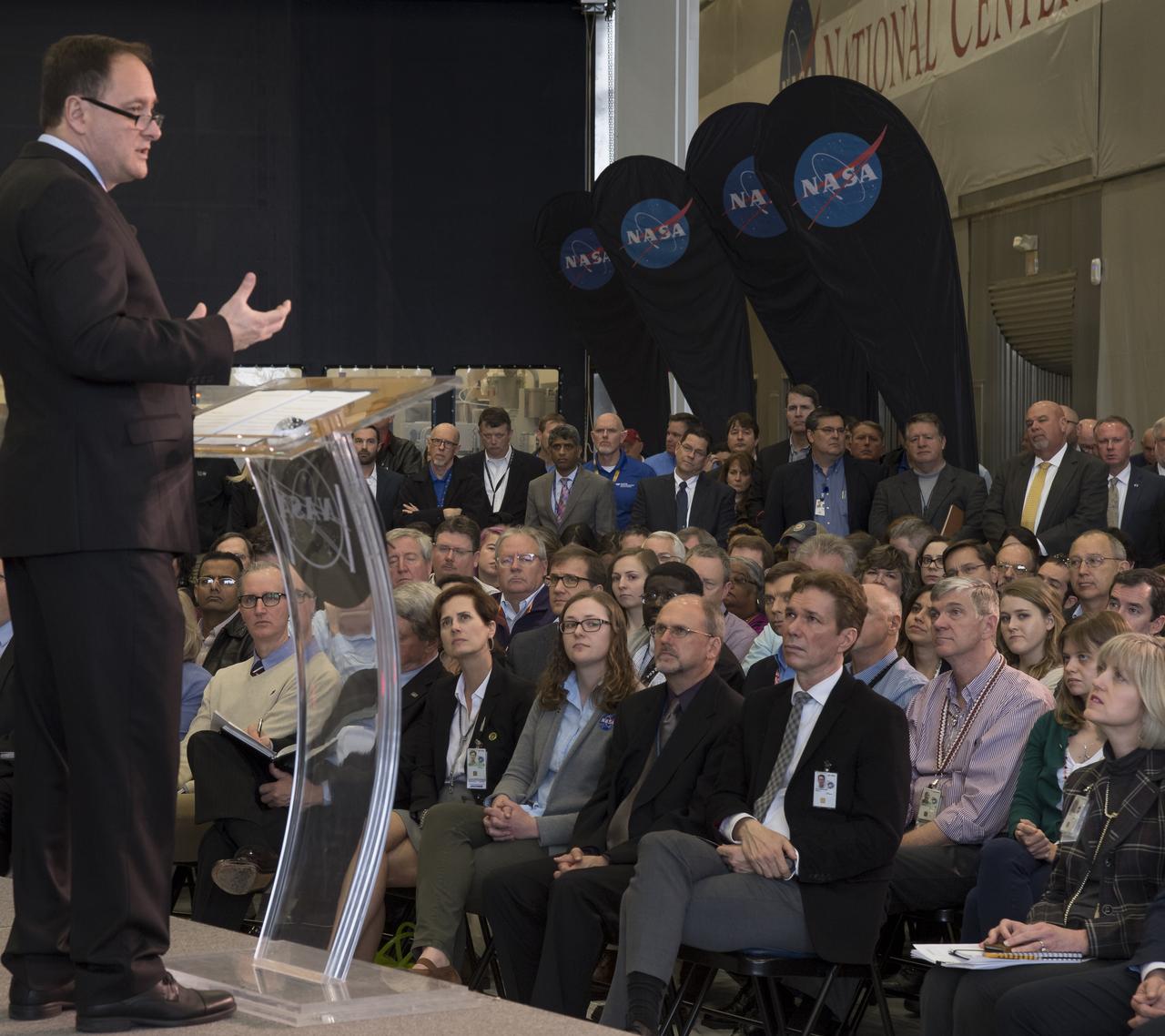
Acting NASA Administrator Robert Lightfoot discusses the fiscal year 2019 budget proposal during a State of NASA address Monday, Feb. 12, 2018 at NASA's Marshall Space Flight Center in Huntsville, Alabama. Photo Credit: (NASA/Bill Ingalls)
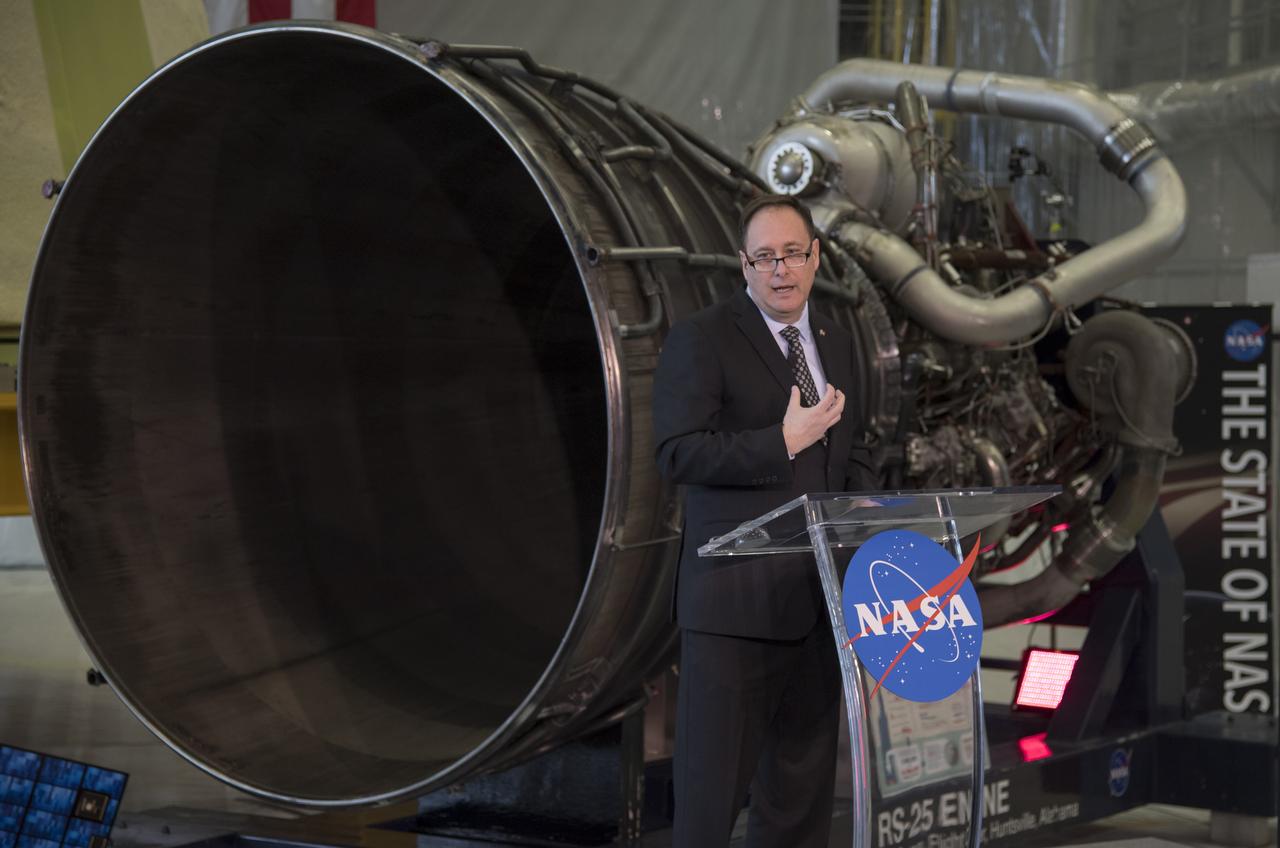
Acting NASA Administrator Robert Lightfoot discusses the fiscal year 2019 budget proposal during a State of NASA address Monday, Feb. 12, 2018 at NASA's Marshall Space Flight Center in Huntsville, Alabama. Photo Credit: (NASA/Bill Ingalls)

Acting NASA Administrator Robert Lightfoot discusses the fiscal year 2019 budget proposal during a State of NASA address Monday, Feb. 12, 2018 at NASA's Marshall Space Flight Center in Huntsville, Alabama. Photo Credit: (NASA/Bill Ingalls)
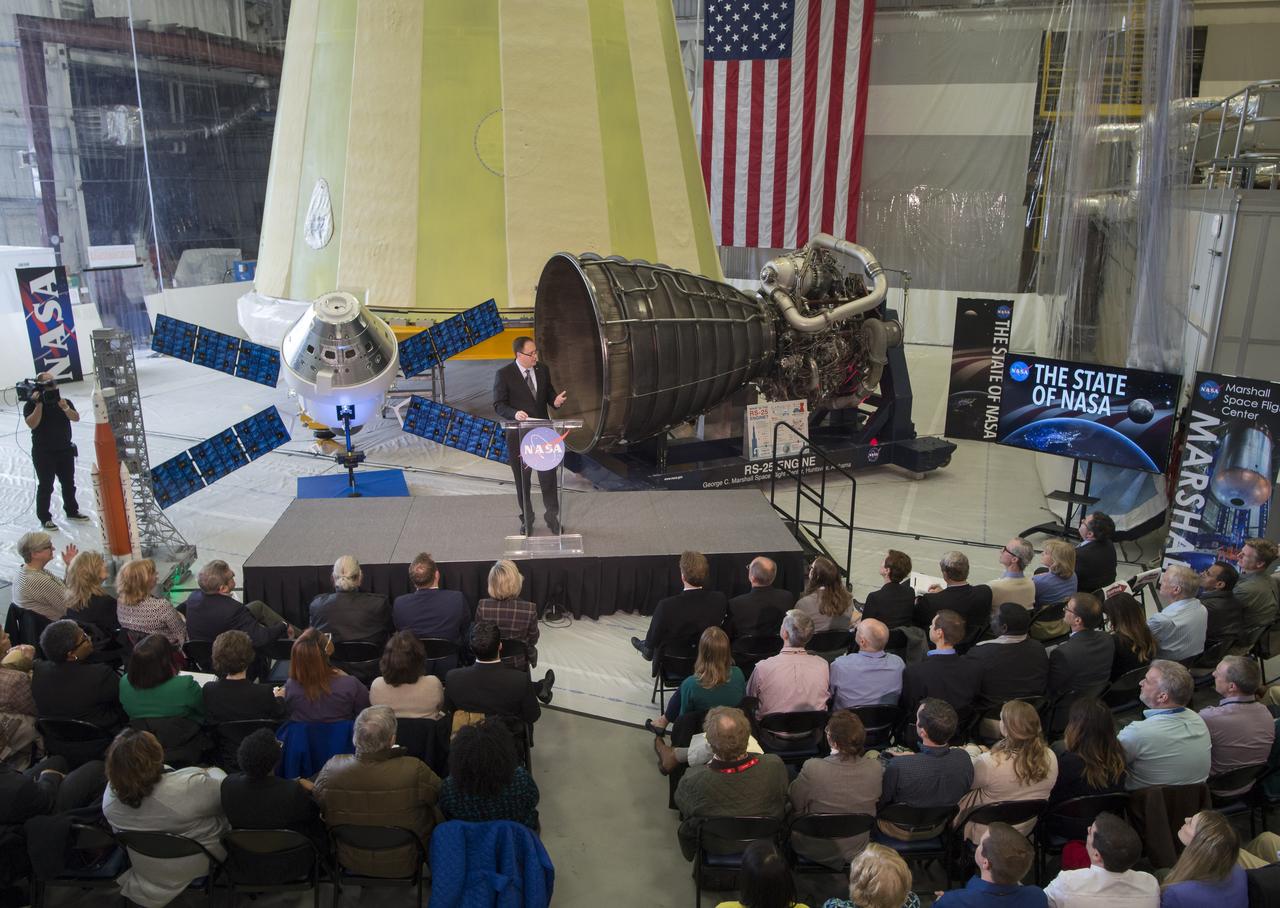
Acting NASA Administrator Robert Lightfoot discusses the fiscal year 2019 budget proposal during a State of NASA address Monday, Feb. 12, 2018 at NASA's Marshall Space Flight Center in Huntsville, Alabama. Photo Credit: (NASA/Bill Ingalls)
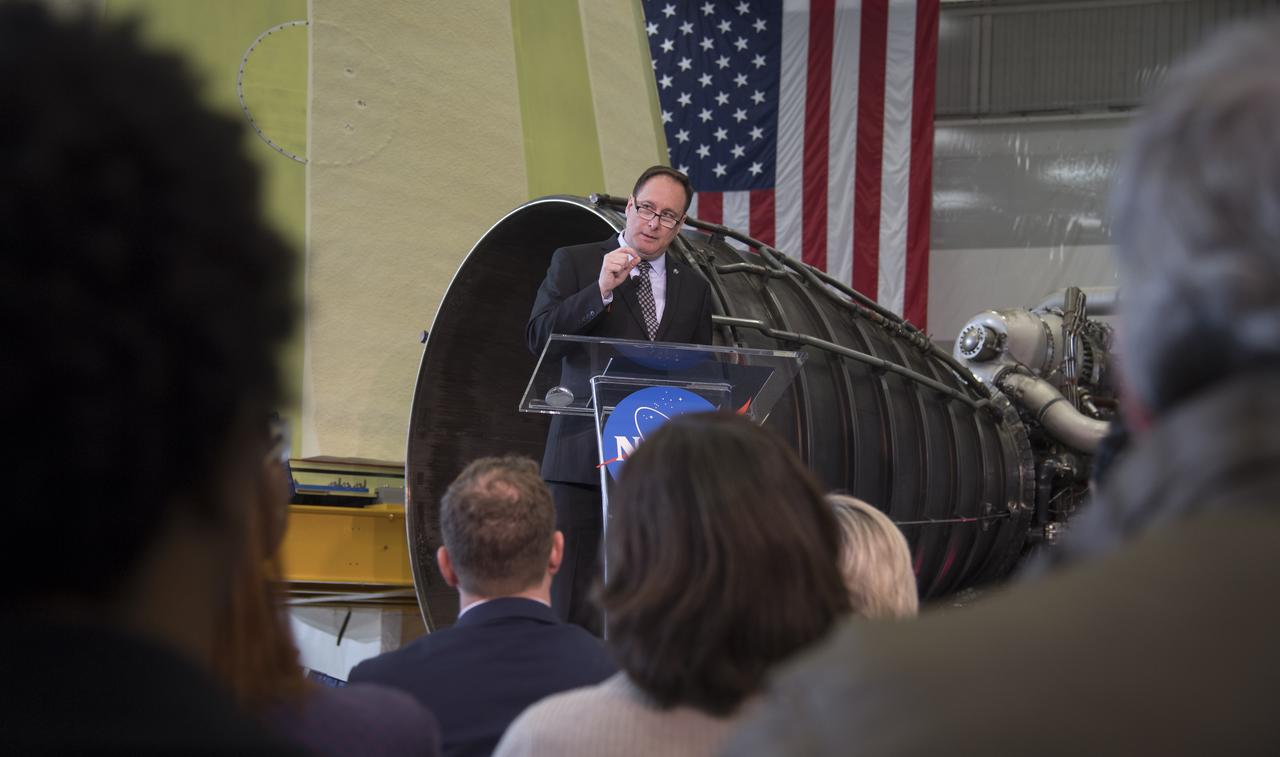
Acting NASA Administrator Robert Lightfoot discusses the fiscal year 2019 budget proposal during a State of NASA address Monday, Feb. 12, 2018 at NASA's Marshall Space Flight Center in Huntsville, Alabama. Photo Credit: (NASA/Bill Ingalls)
Acting NASA Administrator Robert Lightfoot discusses the fiscal year 2019 budget proposal during a State of NASA address Monday, Feb. 12, 2018 at NASA's Marshall Space Flight Center in Huntsville, Alabama. Photo Credit: (NASA/Bill Ingalls)
Acting NASA Administrator Robert Lightfoot discusses the fiscal year 2019 budget proposal during a State of NASA address Monday, Feb. 12, 2018 at NASA's Marshall Space Flight Center in Huntsville, Alabama. Photo Credit: (NASA/Bill Ingalls)
Acting NASA Administrator Robert Lightfoot discusses the fiscal year 2019 budget proposal during a State of NASA address Monday, Feb. 12, 2018 at NASA's Marshall Space Flight Center in Huntsville, Alabama. Photo Credit: (NASA/Bill Ingalls)
Acting NASA Administrator Robert Lightfoot discusses the fiscal year 2019 budget proposal during a State of NASA address Monday, Feb. 12, 2018 at NASA's Marshall Space Flight Center in Huntsville, Alabama. Photo Credit: (NASA/Bill Ingalls)
Acting NASA Administrator Robert Lightfoot discusses the fiscal year 2019 budget proposal during a State of NASA address Monday, Feb. 12, 2018 at NASA's Marshall Space Flight Center in Huntsville, Alabama. Photo Credit: (NASA/Bill Ingalls)
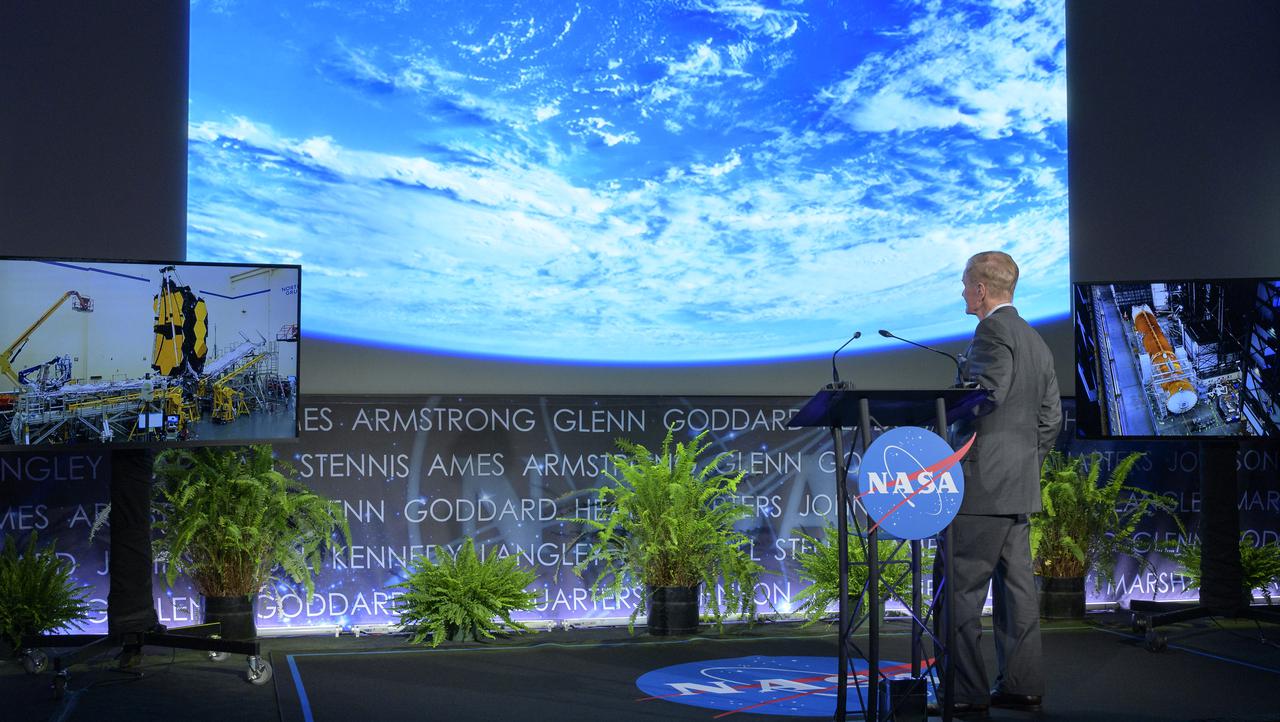
NASA Administrator Bill Nelson talks to the agency’s workforce during his first State of NASA event Wednesday, June 2, 2021, at NASA Headquarters Mary W. Jackson Building in Washington. Nelson remarked on his long history with NASA, and among other topics, discussed the agency’s plans for future Earth-focused missions to address climate change and a robotic and human return to the Moon through the Artemis program, as well as announcing two new planetary science missions to Venus – VERITAS and DAVINCI+. Photo Credit: (NASA/Bill Ingalls)
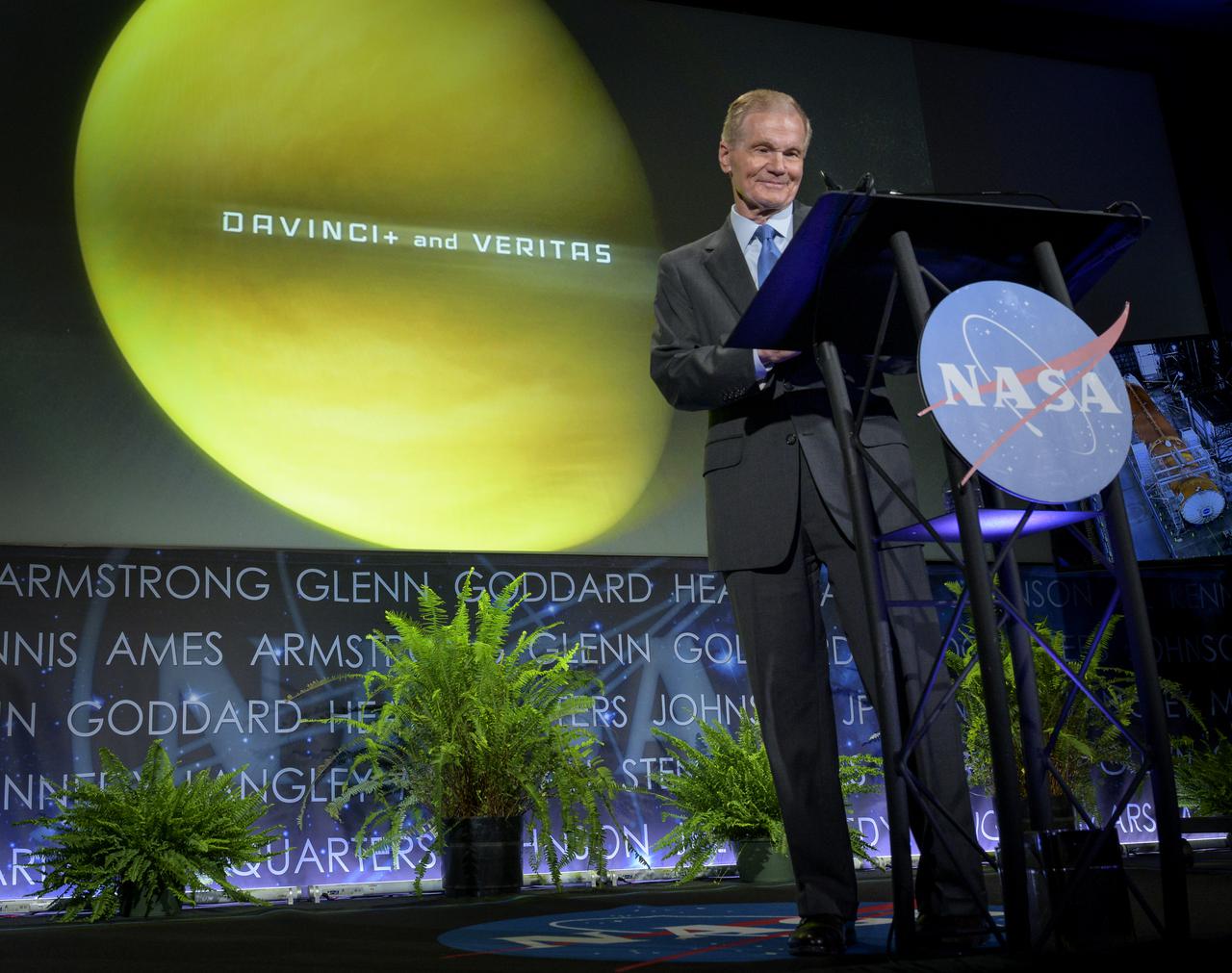
NASA Administrator Bill Nelson talks to the agency’s workforce during his first State of NASA event Wednesday, June 2, 2021, at NASA Headquarters Mary W. Jackson Building in Washington. Nelson remarked on his long history with NASA, and among other topics, discussed the agency’s plans for future Earth-focused missions to address climate change and a robotic and human return to the Moon through the Artemis program, as well as announcing two new planetary science missions to Venus – VERITAS and DAVINCI+. Photo Credit: (NASA/Bill Ingalls)
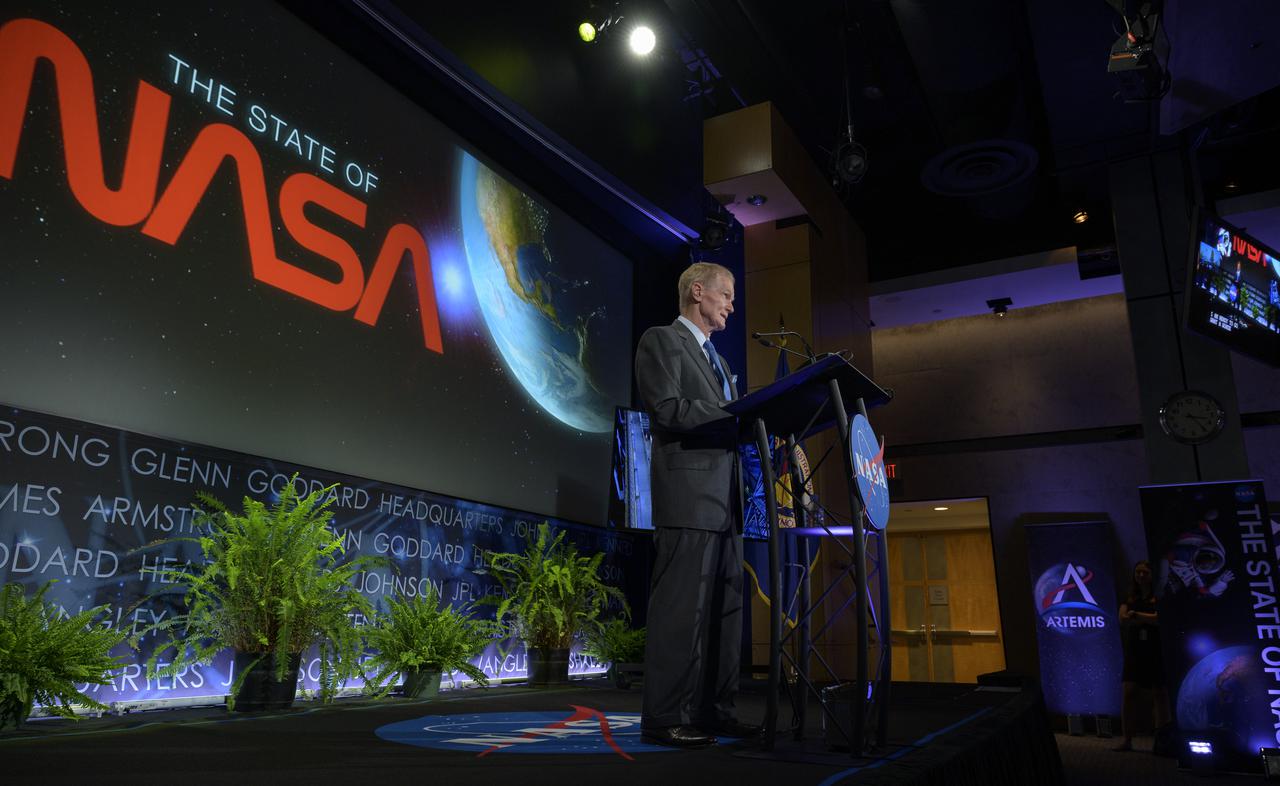
NASA Administrator Bill Nelson talks to the agency’s workforce during his first State of NASA event Wednesday, June 2, 2021, at NASA Headquarters Mary W. Jackson Building in Washington. Nelson remarked on his long history with NASA, and among other topics, discussed the agency’s plans for future Earth-focused missions to address climate change and a robotic and human return to the Moon through the Artemis program, as well as announcing two new planetary science missions to Venus – VERITAS and DAVINCI+. Photo Credit: (NASA/Bill Ingalls)
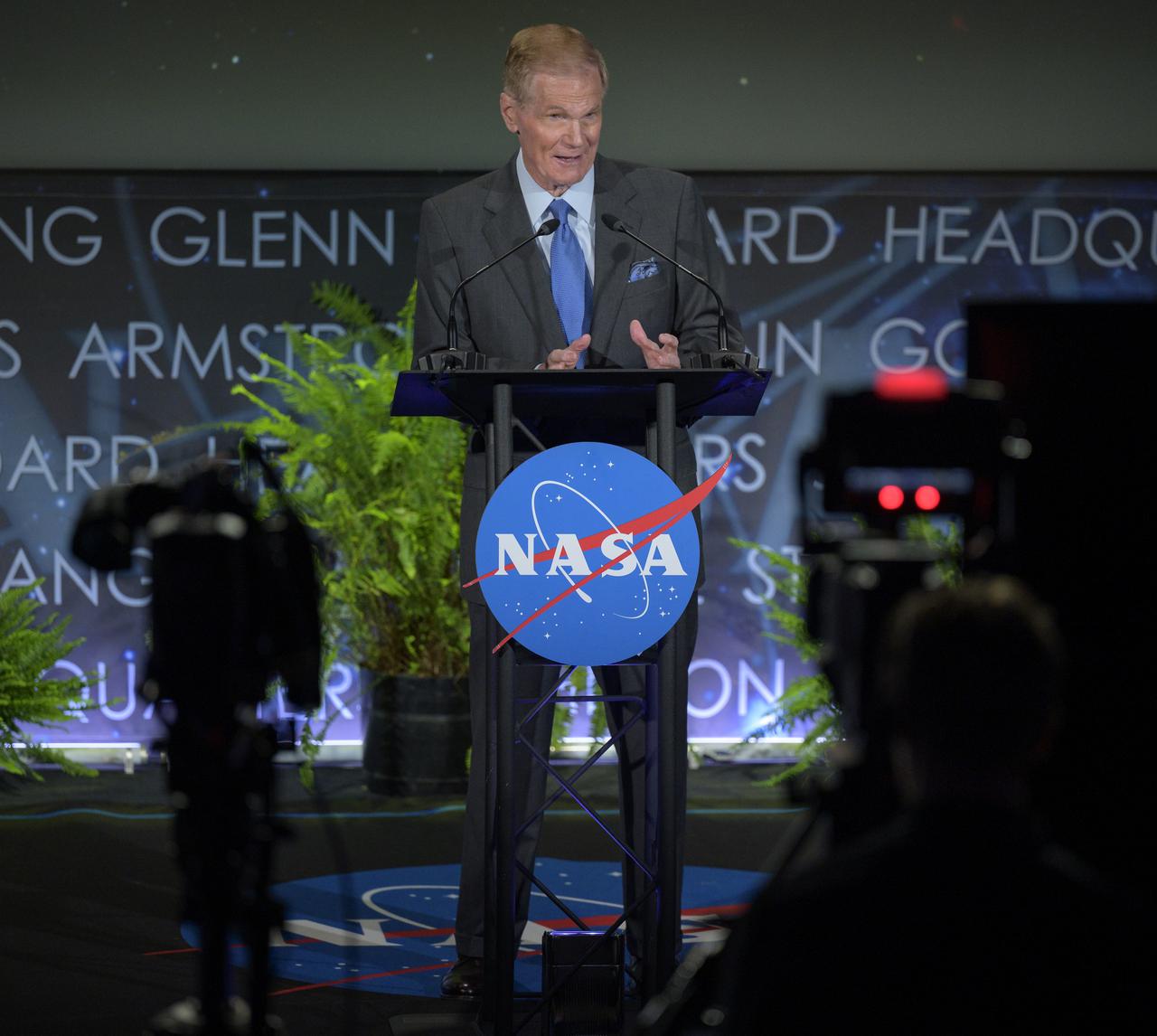
NASA Administrator Bill Nelson talks to the agency’s workforce during his first State of NASA event Wednesday, June 2, 2021, at NASA Headquarters Mary W. Jackson Building in Washington. Nelson remarked on his long history with NASA, and among other topics, discussed the agency’s plans for future Earth-focused missions to address climate change and a robotic and human return to the Moon through the Artemis program, as well as announcing two new planetary science missions to Venus – VERITAS and DAVINCI+. Photo Credit: (NASA/Bill Ingalls)
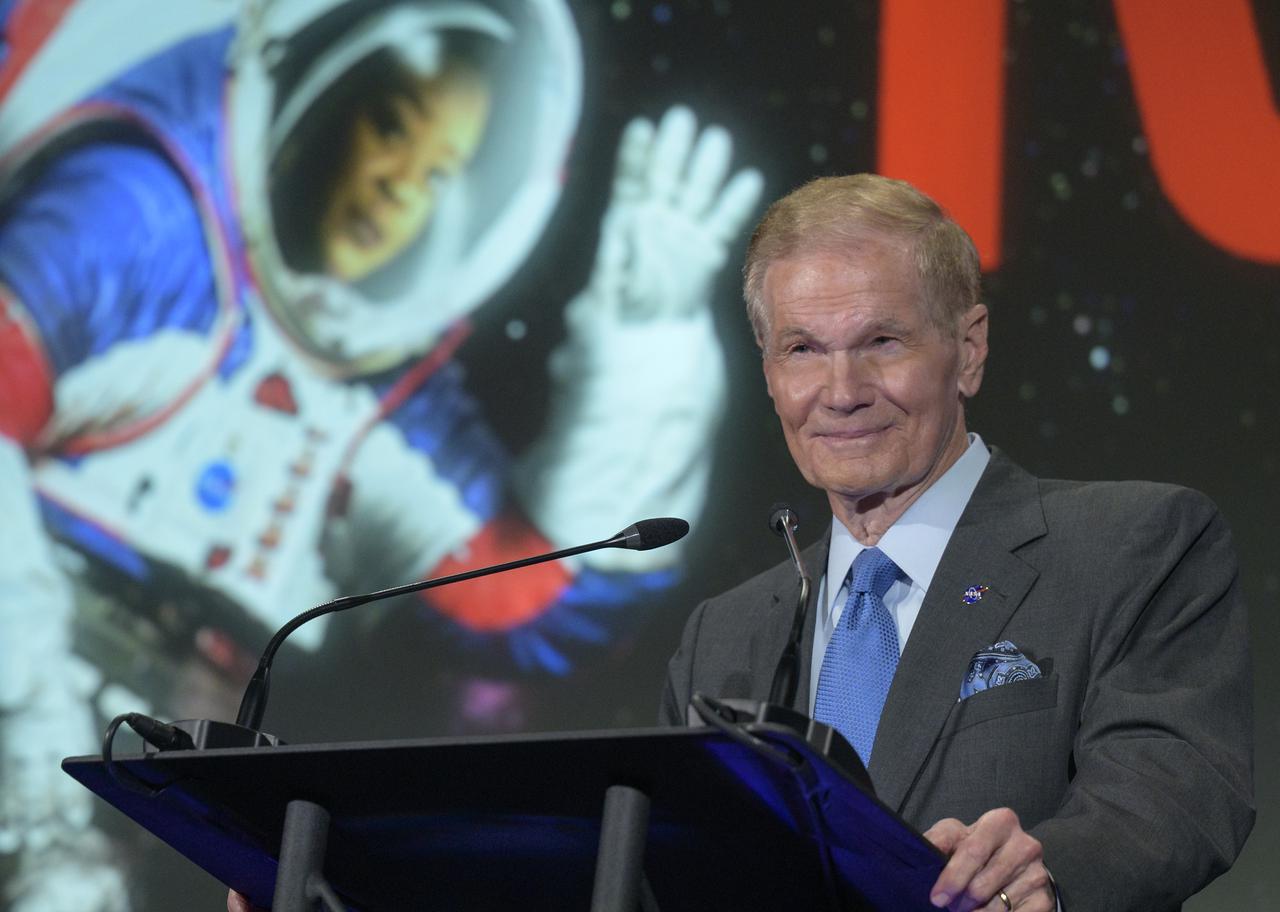
NASA Administrator Bill Nelson talks to the agency’s workforce during his first State of NASA event Wednesday, June 2, 2021, at NASA Headquarters Mary W. Jackson Building in Washington. Nelson remarked on his long history with NASA, and among other topics, discussed the agency’s plans for future Earth-focused missions to address climate change and a robotic and human return to the Moon through the Artemis program, as well as announcing two new planetary science missions to Venus – VERITAS and DAVINCI+. Photo Credit: (NASA/Bill Ingalls)
NASA Administrator Bill Nelson talks to the agency’s workforce during his first State of NASA event Wednesday, June 2, 2021, at NASA Headquarters Mary W. Jackson Building in Washington. Nelson remarked on his long history with NASA, and among other topics, discussed the agency’s plans for future Earth-focused missions to address climate change and a robotic and human return to the Moon through the Artemis program, as well as announcing two new planetary science missions to Venus – VERITAS and DAVINCI+. Photo Credit: (NASA/Bill Ingalls)
NASA Administrator Bill Nelson talks to the agency’s workforce during his first State of NASA event Wednesday, June 2, 2021, at NASA Headquarters Mary W. Jackson Building in Washington. Nelson remarked on his long history with NASA, and among other topics, discussed the agency’s plans for future Earth-focused missions to address climate change and a robotic and human return to the Moon through the Artemis program, as well as announcing two new planetary science missions to Venus – VERITAS and DAVINCI+. Photo Credit: (NASA/Bill Ingalls)
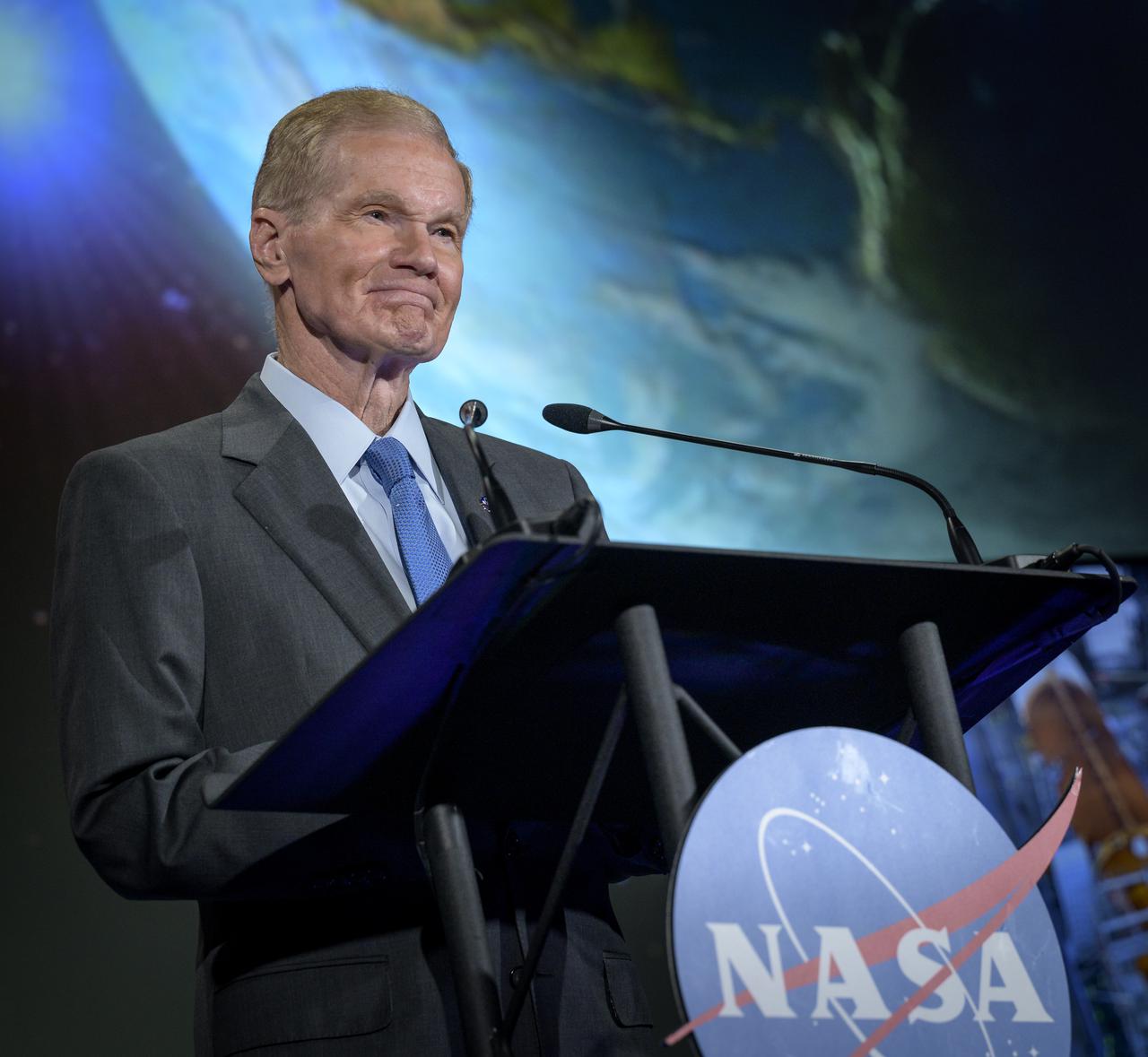
NASA Administrator Bill Nelson talks to the agency’s workforce during his first State of NASA event Wednesday, June 2, 2021, at NASA Headquarters Mary W. Jackson Building in Washington. Nelson remarked on his long history with NASA, and among other topics, discussed the agency’s plans for future Earth-focused missions to address climate change and a robotic and human return to the Moon through the Artemis program, as well as announcing two new planetary science missions to Venus – VERITAS and DAVINCI+. Photo Credit: (NASA/Bill Ingalls)
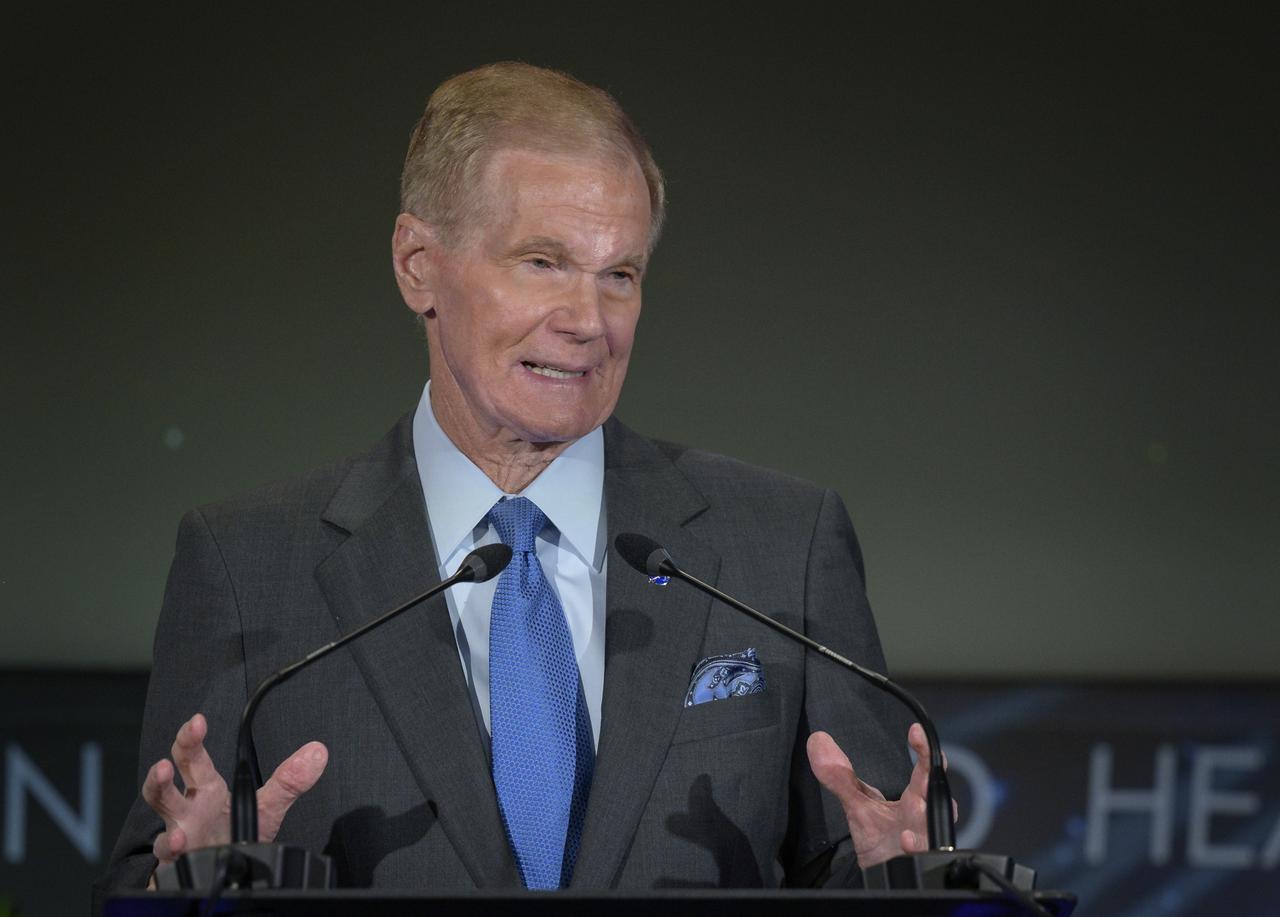
NASA Administrator Bill Nelson talks to the agency’s workforce during his first State of NASA event Wednesday, June 2, 2021, at NASA Headquarters Mary W. Jackson Building in Washington. Nelson remarked on his long history with NASA, and among other topics, discussed the agency’s plans for future Earth-focused missions to address climate change and a robotic and human return to the Moon through the Artemis program, as well as announcing two new planetary science missions to Venus – VERITAS and DAVINCI+. Photo Credit: (NASA/Bill Ingalls)
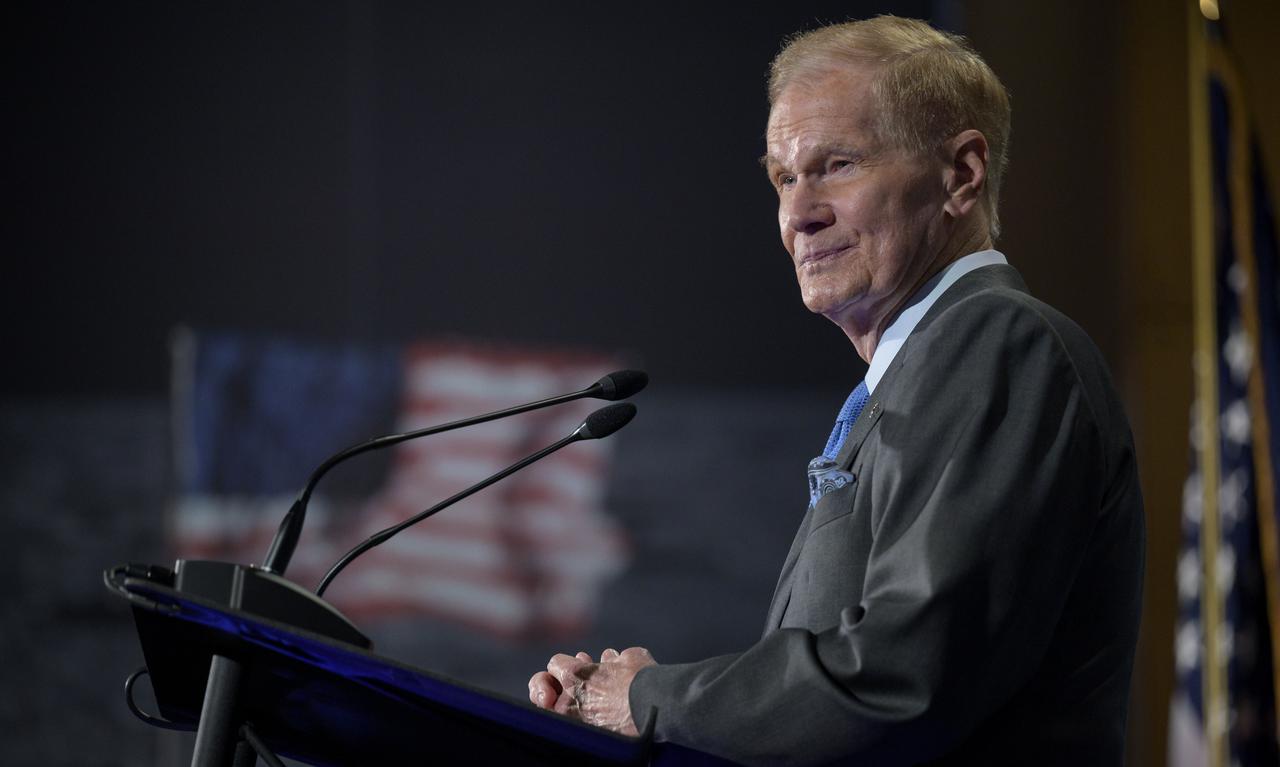
NASA Administrator Bill Nelson talks to the agency’s workforce during his first State of NASA event Wednesday, June 2, 2021, at NASA Headquarters Mary W. Jackson Building in Washington. Nelson remarked on his long history with NASA, and among other topics, discussed the agency’s plans for future Earth-focused missions to address climate change and a robotic and human return to the Moon through the Artemis program, as well as announcing two new planetary science missions to Venus – VERITAS and DAVINCI+. Photo Credit: (NASA/Bill Ingalls)
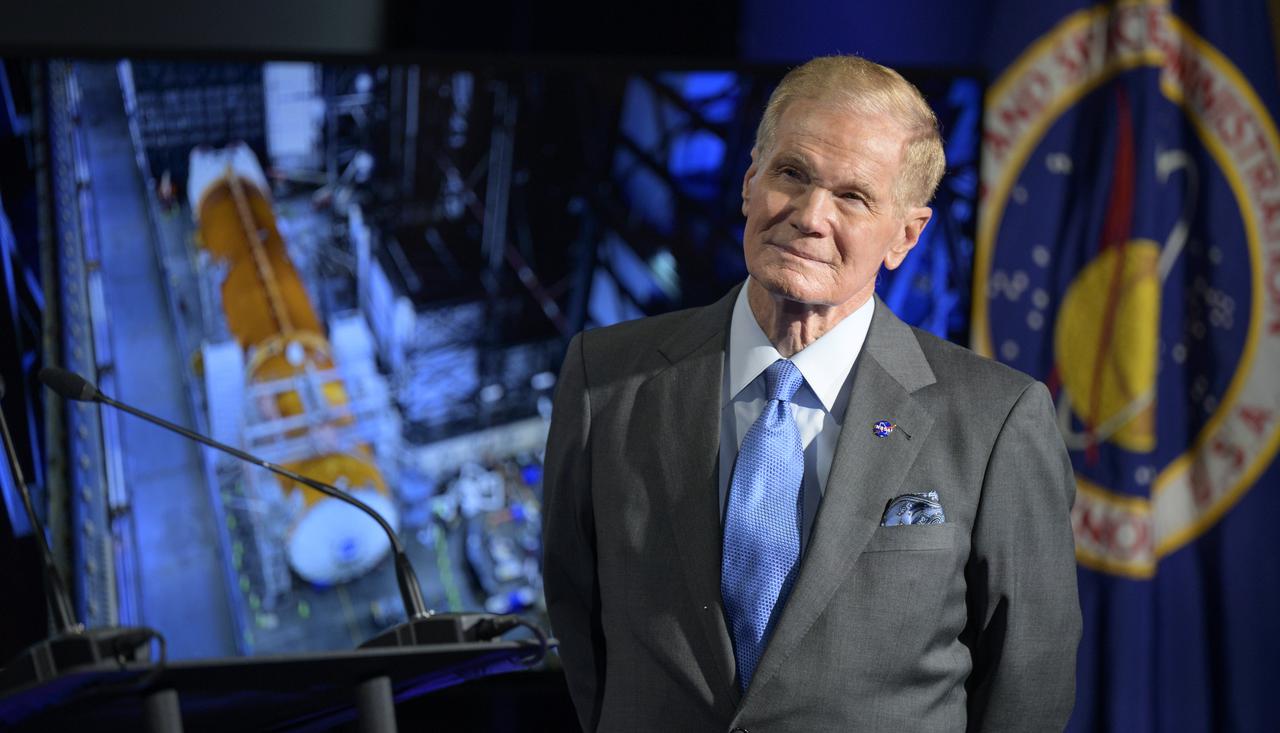
NASA Administrator Bill Nelson talks to the agency’s workforce during his first State of NASA event Wednesday, June 2, 2021, at NASA Headquarters Mary W. Jackson Building in Washington. Nelson remarked on his long history with NASA, and among other topics, discussed the agency’s plans for future Earth-focused missions to address climate change and a robotic and human return to the Moon through the Artemis program, as well as announcing two new planetary science missions to Venus – VERITAS and DAVINCI+. Photo Credit: (NASA/Bill Ingalls)
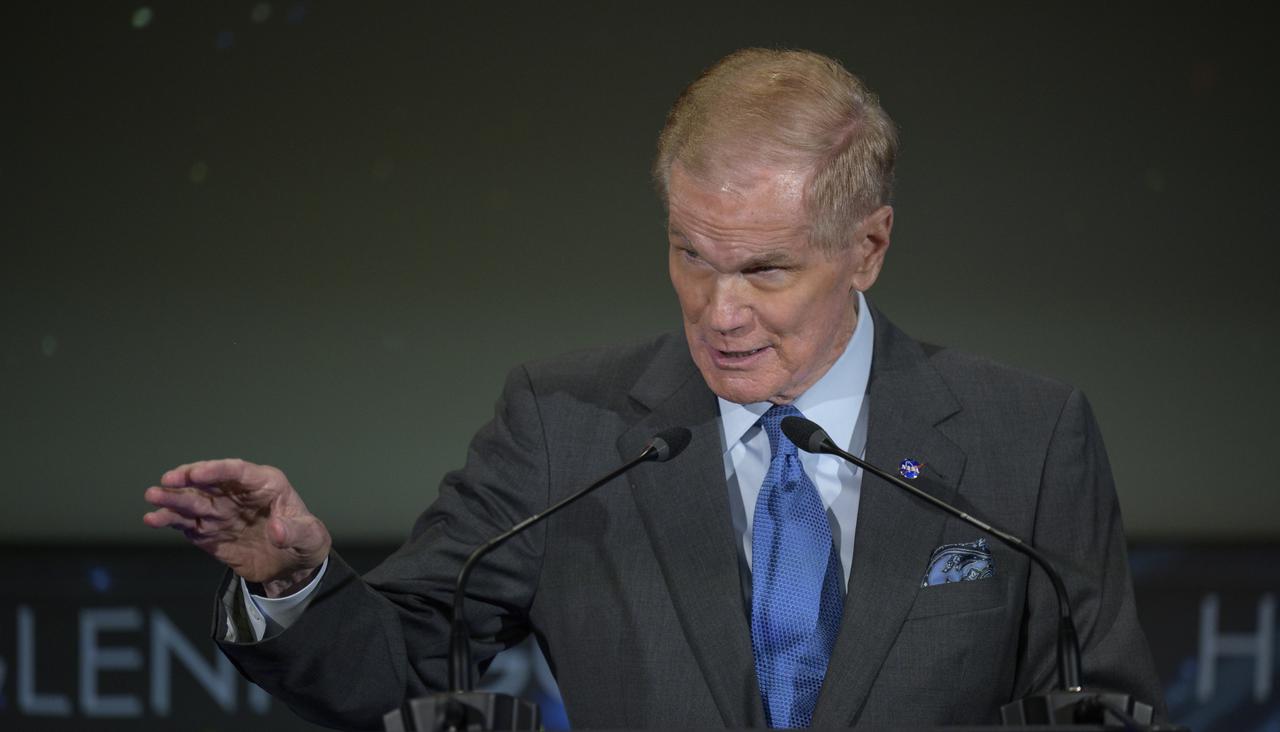
NASA Administrator Bill Nelson talks to the agency’s workforce during his first State of NASA event Wednesday, June 2, 2021, at NASA Headquarters Mary W. Jackson Building in Washington. Nelson remarked on his long history with NASA, and among other topics, discussed the agency’s plans for future Earth-focused missions to address climate change and a robotic and human return to the Moon through the Artemis program, as well as announcing two new planetary science missions to Venus – VERITAS and DAVINCI+. Photo Credit: (NASA/Bill Ingalls)
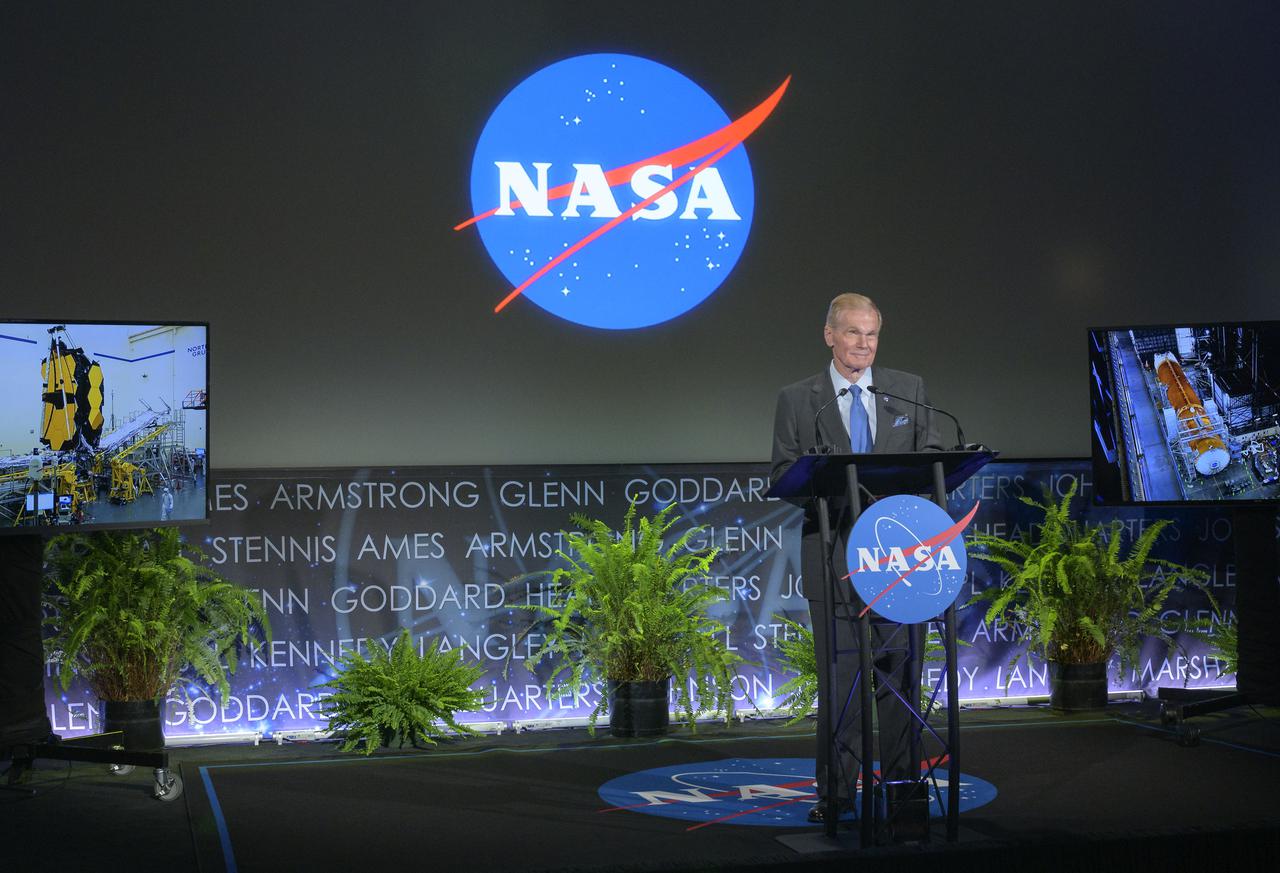
NASA Administrator Bill Nelson talks to the agency’s workforce during his first State of NASA event Wednesday, June 2, 2021, at NASA Headquarters Mary W. Jackson Building in Washington. Nelson remarked on his long history with NASA, and among other topics, discussed the agency’s plans for future Earth-focused missions to address climate change and a robotic and human return to the Moon through the Artemis program, as well as announcing two new planetary science missions to Venus – VERITAS and DAVINCI+. Photo Credit: (NASA/Bill Ingalls)
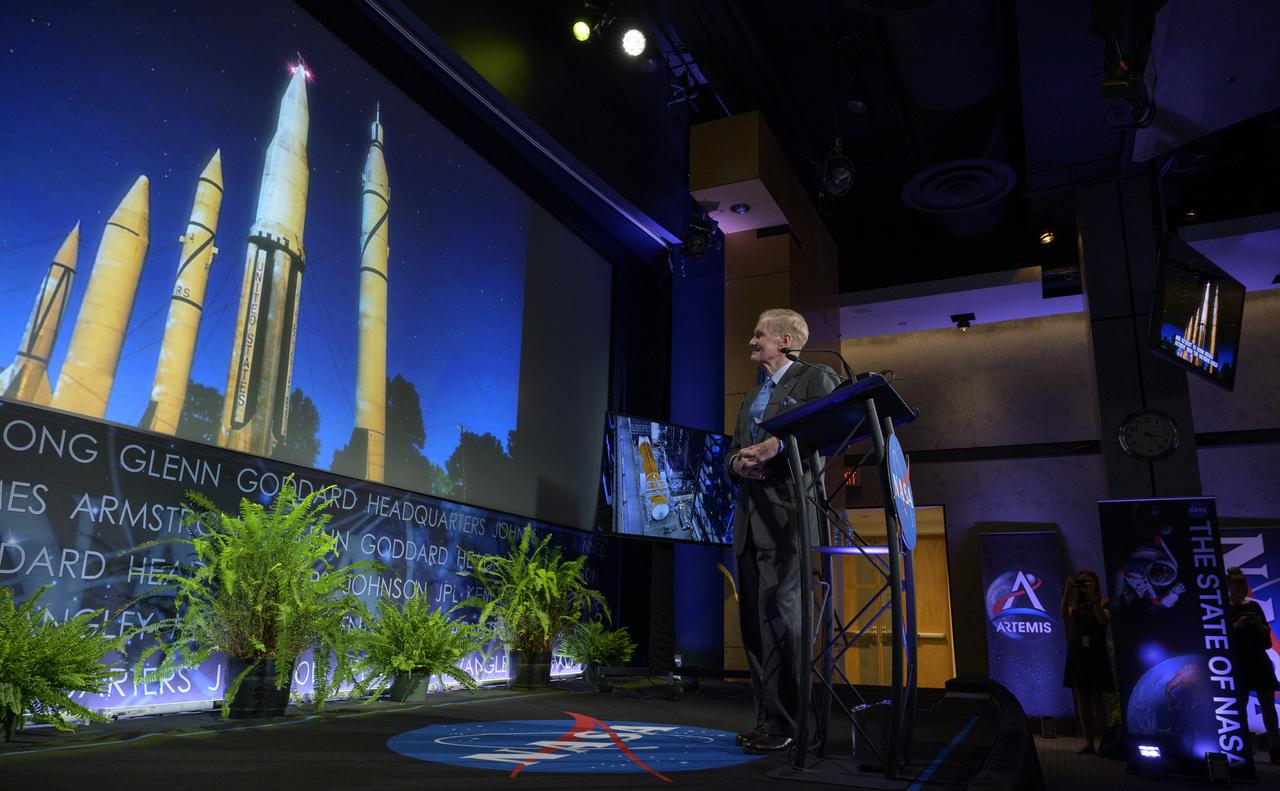
NASA Administrator Bill Nelson talks to the agency’s workforce during his first State of NASA event Wednesday, June 2, 2021, at NASA Headquarters Mary W. Jackson Building in Washington. Nelson remarked on his long history with NASA, and among other topics, discussed the agency’s plans for future Earth-focused missions to address climate change and a robotic and human return to the Moon through the Artemis program, as well as announcing two new planetary science missions to Venus – VERITAS and DAVINCI+. Photo Credit: (NASA/Bill Ingalls)
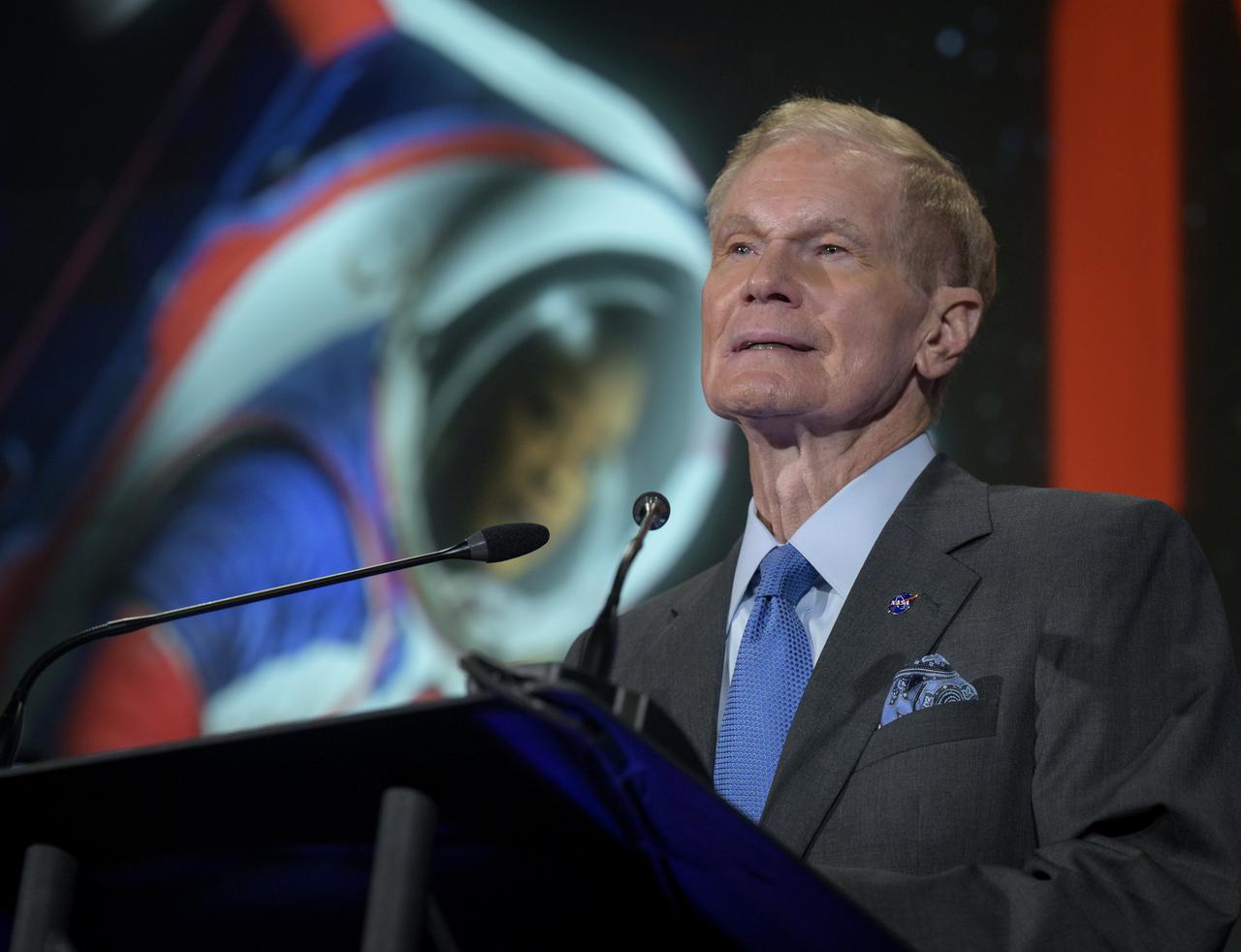
NASA Administrator Bill Nelson talks to the agency’s workforce during his first State of NASA event Wednesday, June 2, 2021, at NASA Headquarters Mary W. Jackson Building in Washington. Nelson remarked on his long history with NASA, and among other topics, discussed the agency’s plans for future Earth-focused missions to address climate change and a robotic and human return to the Moon through the Artemis program, as well as announcing two new planetary science missions to Venus – VERITAS and DAVINCI+. Photo Credit: (NASA/Bill Ingalls)
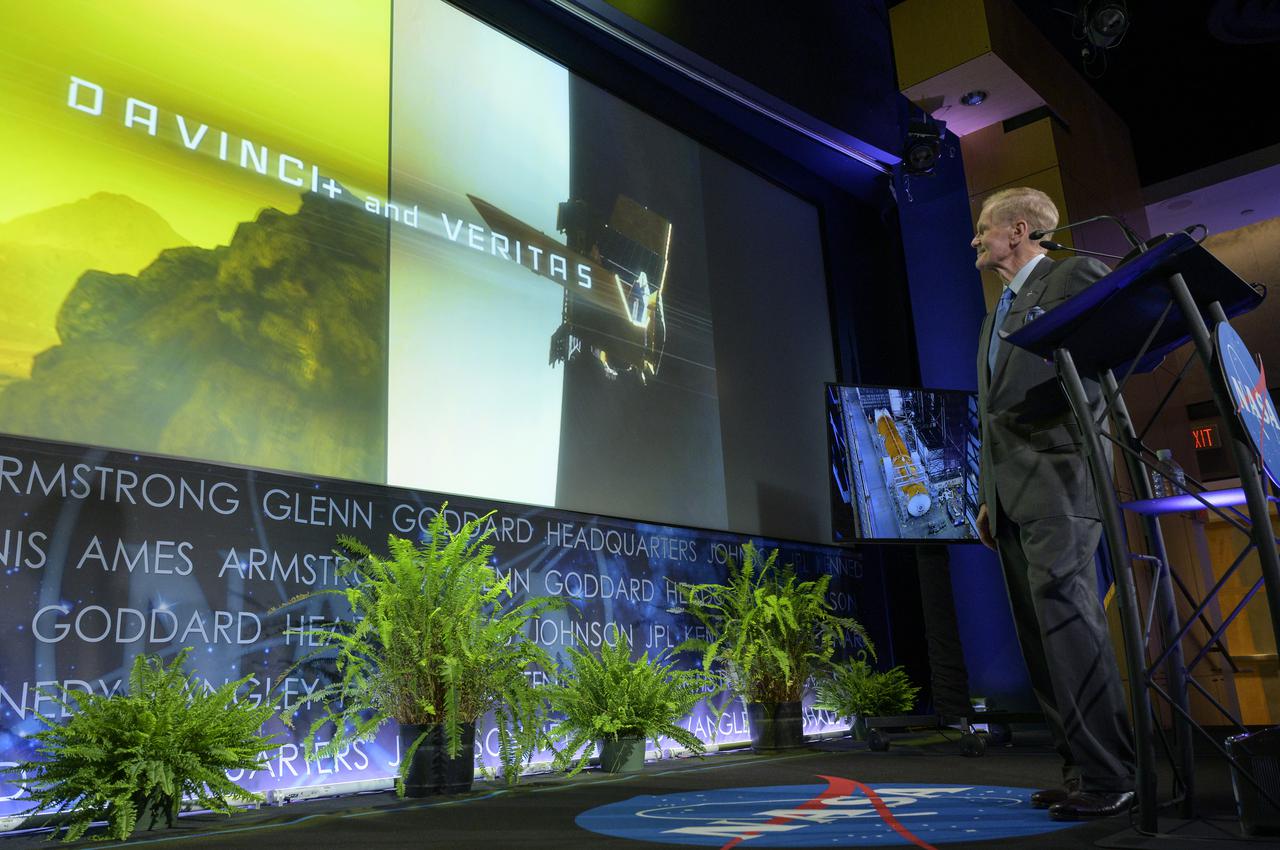
NASA Administrator Bill Nelson talks to the agency’s workforce during his first State of NASA event Wednesday, June 2, 2021, at NASA Headquarters Mary W. Jackson Building in Washington. Nelson remarked on his long history with NASA, and among other topics, discussed the agency’s plans for future Earth-focused missions to address climate change and a robotic and human return to the Moon through the Artemis program, as well as announcing two new planetary science missions to Venus – VERITAS and DAVINCI+. Photo Credit: (NASA/Bill Ingalls)
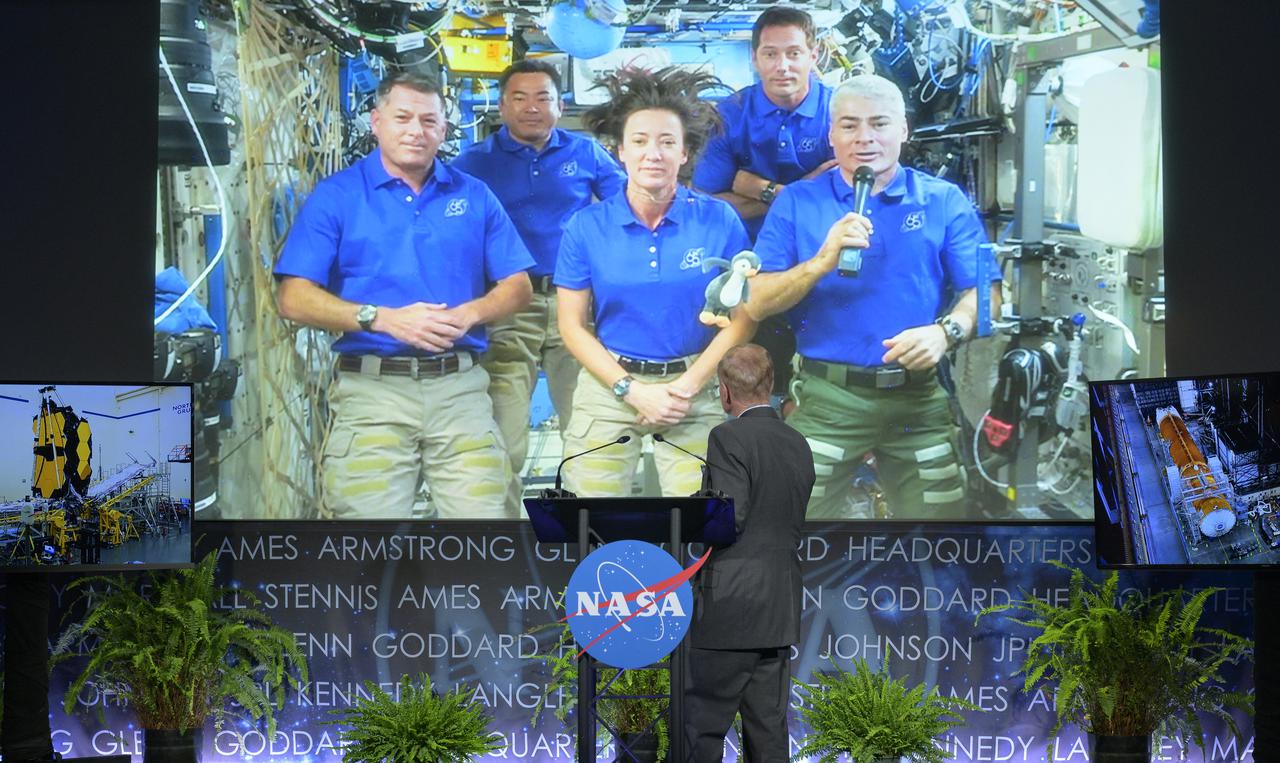
NASA Administrator Bill Nelson is welcomed by Japan Aerospace Exploration Agency (JAXA) astronaut Akihiko Hoshide, back left, ESA (European Space Agency) astronaut Thomas Pesquet, back right, NASA astronauts Shane Kimbrough, left, Megan McArthur and Mark Vande Hei, right, from onboard the International Space Station as Nelson began to address the agency’s workforce during his first State of NASA event Wednesday, June 2, 2021, at NASA Headquarters Mary W. Jackson Building in Washington. Nelson remarked on his long history with NASA, and among other topics, discussed the agency’s plans for future Earth-focused missions to address climate change and a robotic and human return to the Moon through the Artemis program, as well as announcing two new planetary science missions to Venus – VERITAS and DAVINCI+. Photo Credit: (NASA/Bill Ingalls)
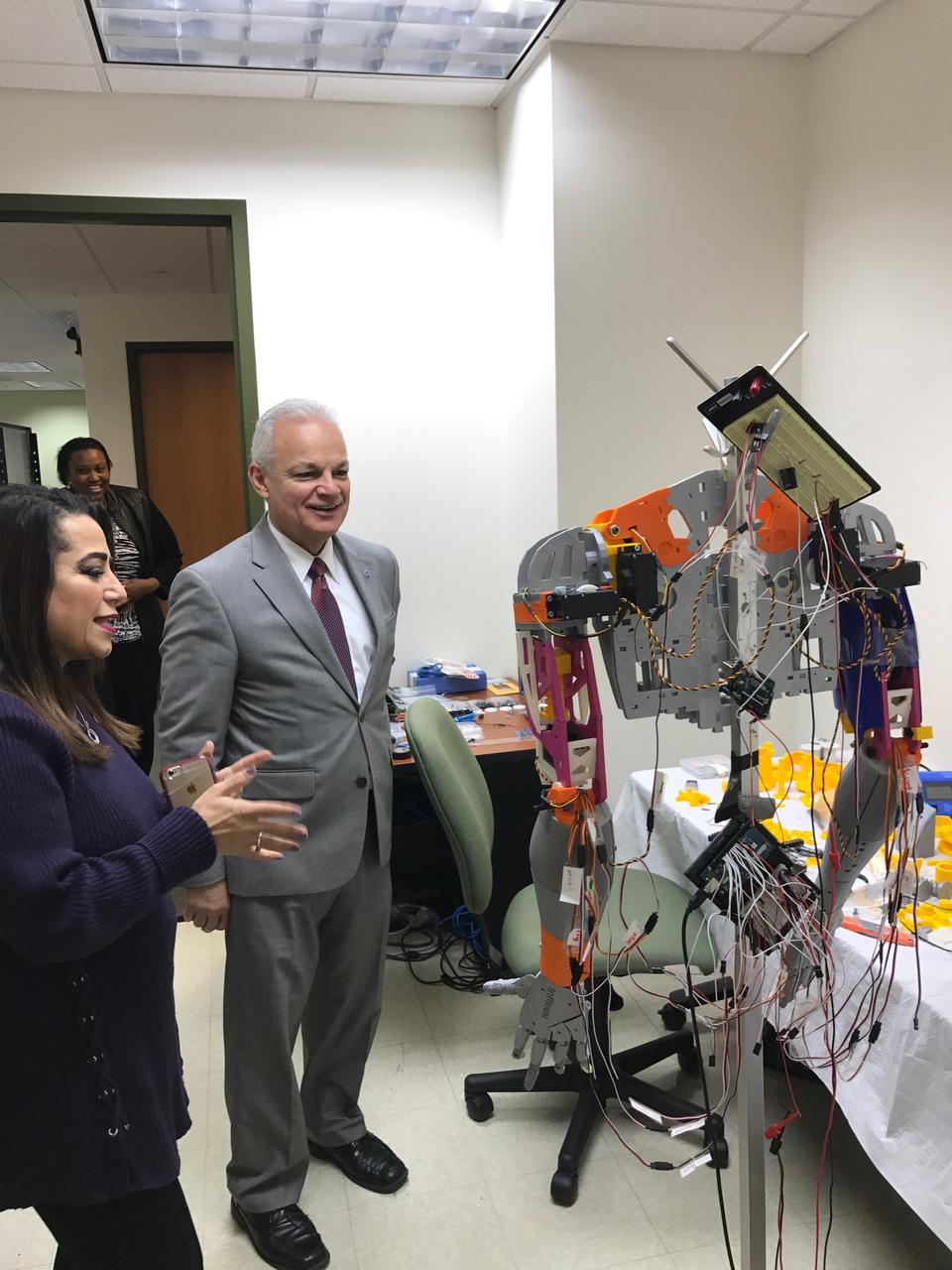
Norfolk State University Associate Professor Rasha Morsi showcases a phone operated, 3D-printed robot sign language interpreter to NASA Chief Technologist Douglas Terrier during a tour of the university’s Creative Gaming Simulation lab on February 6, 2018. (Credit: NASA)
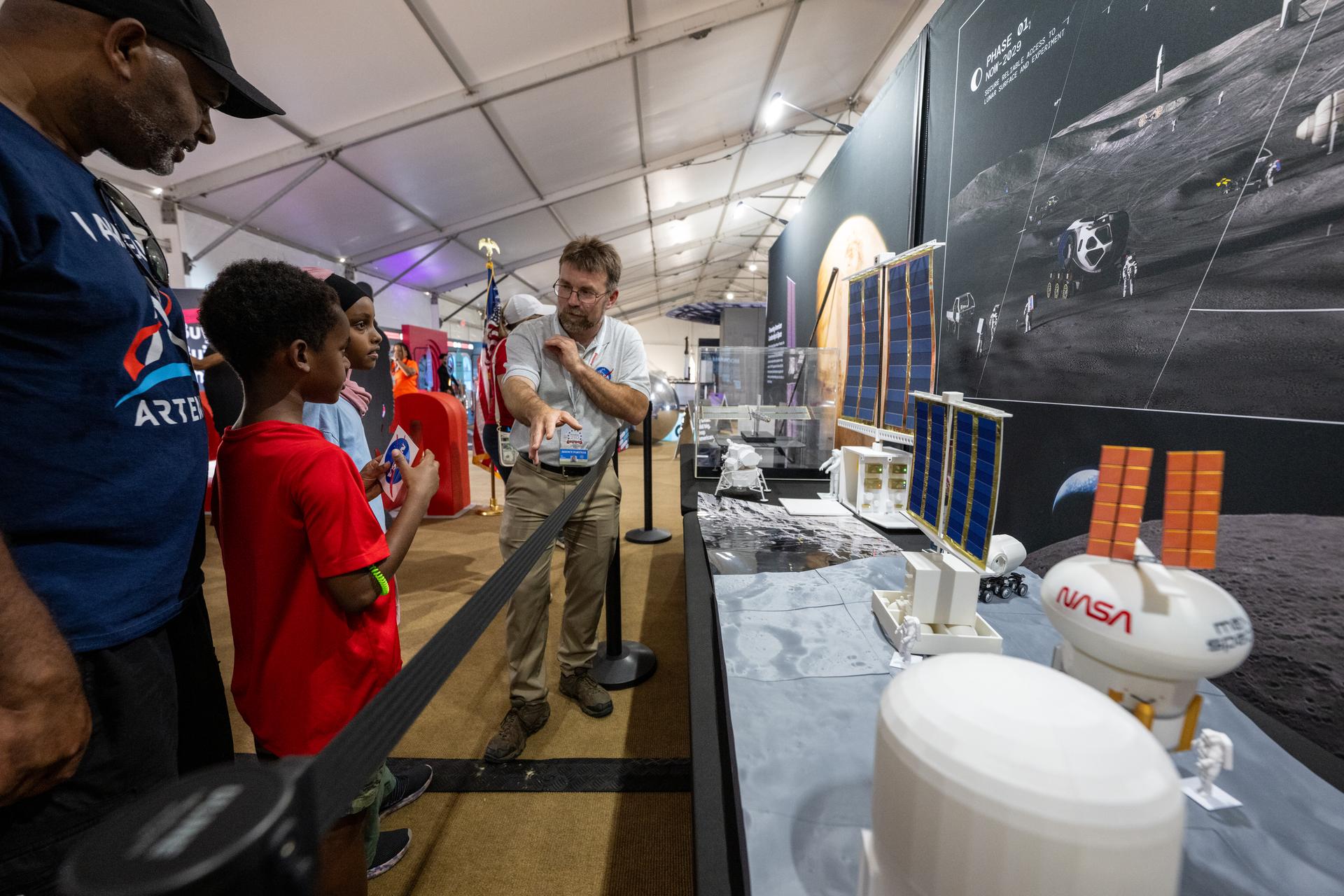
Visitors to the Great American State Fair are seen as they view exhibits in the NASA Pavilion, Thursday, June 25, 2026, on the National Mall in Washington, D.C. Photo Credit: (NASA/Keegan Barber)
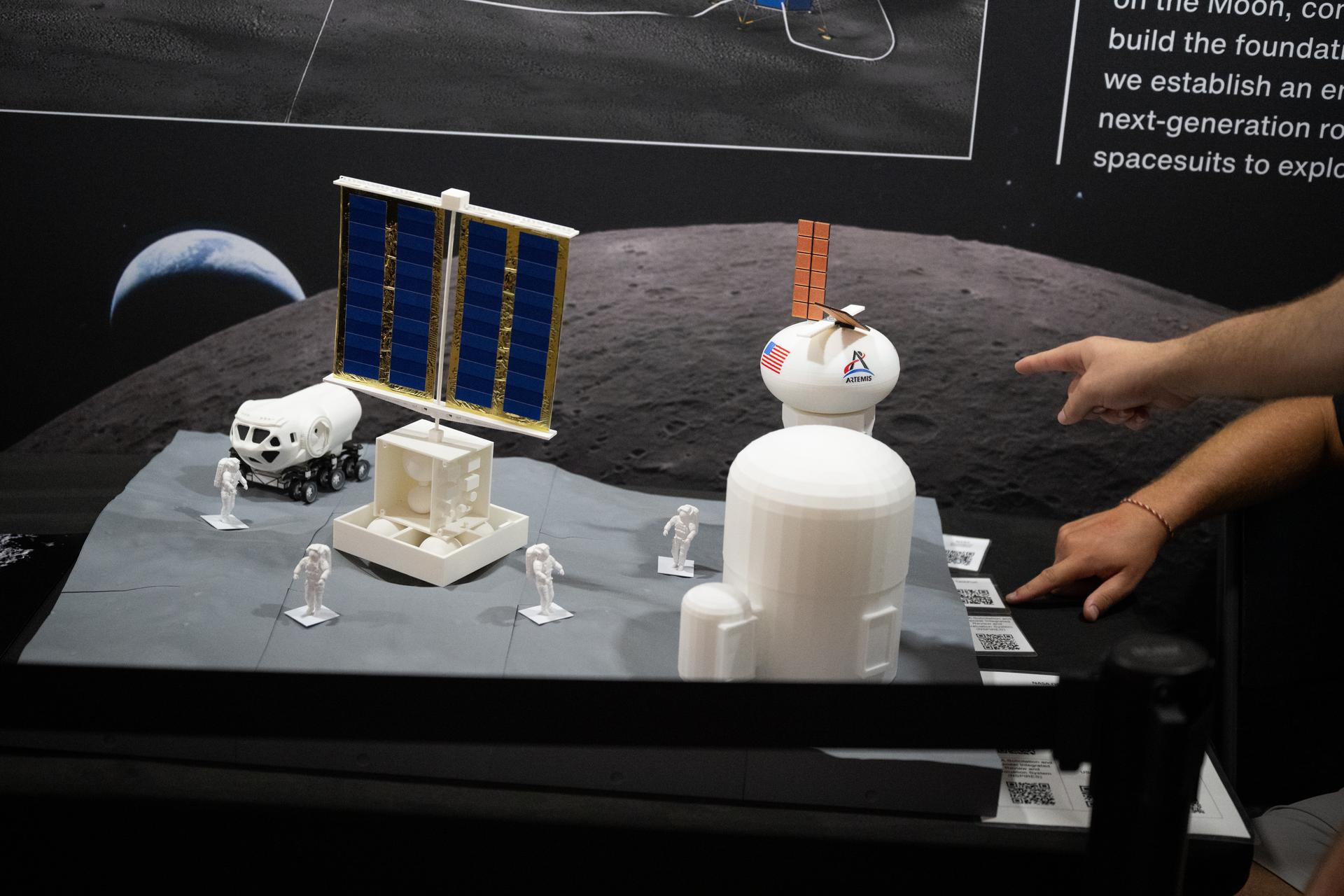
Visitors to the Great American State Fair are seen as they view exhibits in the NASA Pavilion, Wednesday, July 8, 2026, on the National Mall in Washington, D.C. Photo Credit: (NASA/Joel Kowsky)
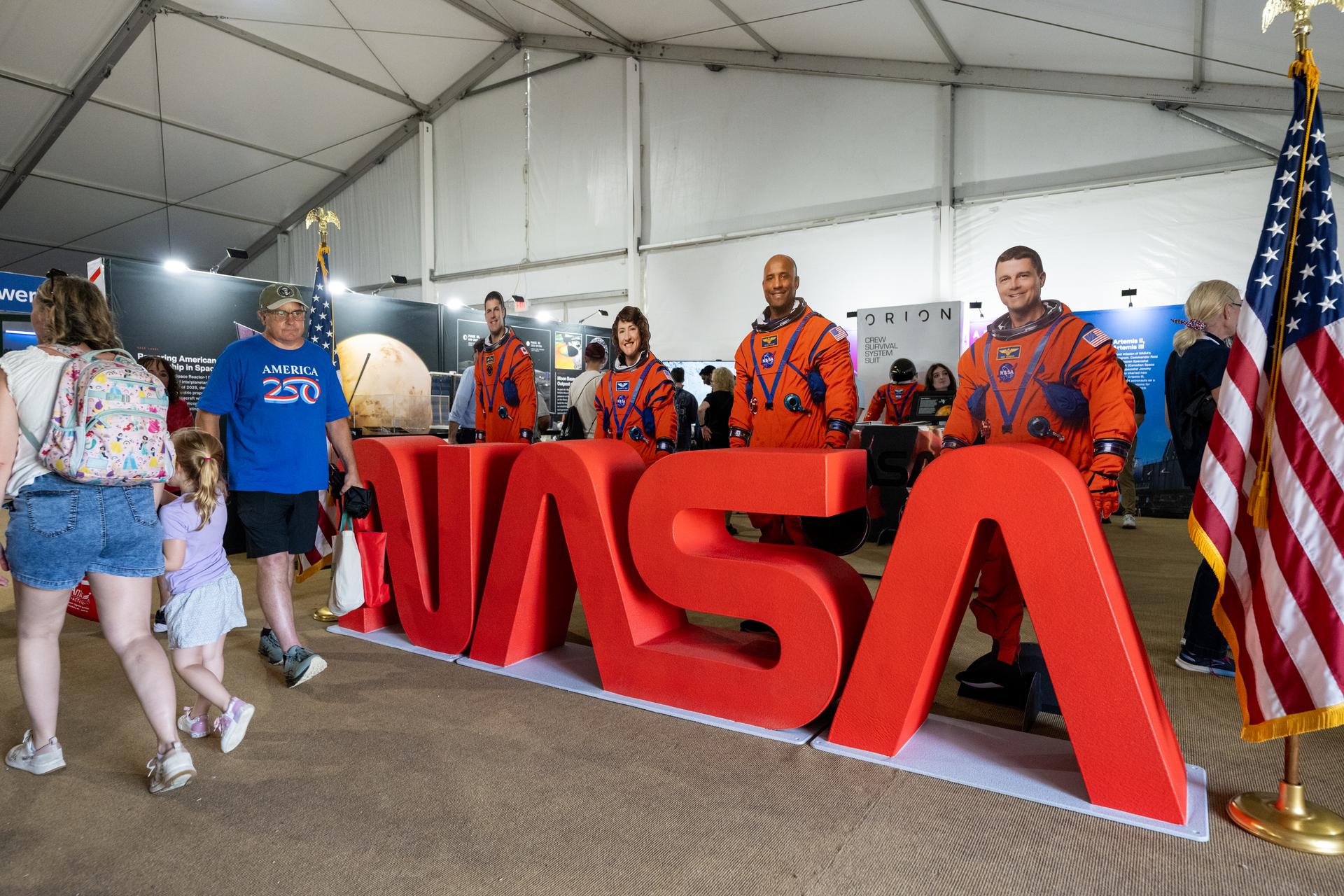
Visitors to the Great American State Fair are seen as they view exhibits in the NASA Pavilion, Thursday, June 25, 2026, on the National Mall in Washington, D.C. Photo Credit: (NASA/Keegan Barber)
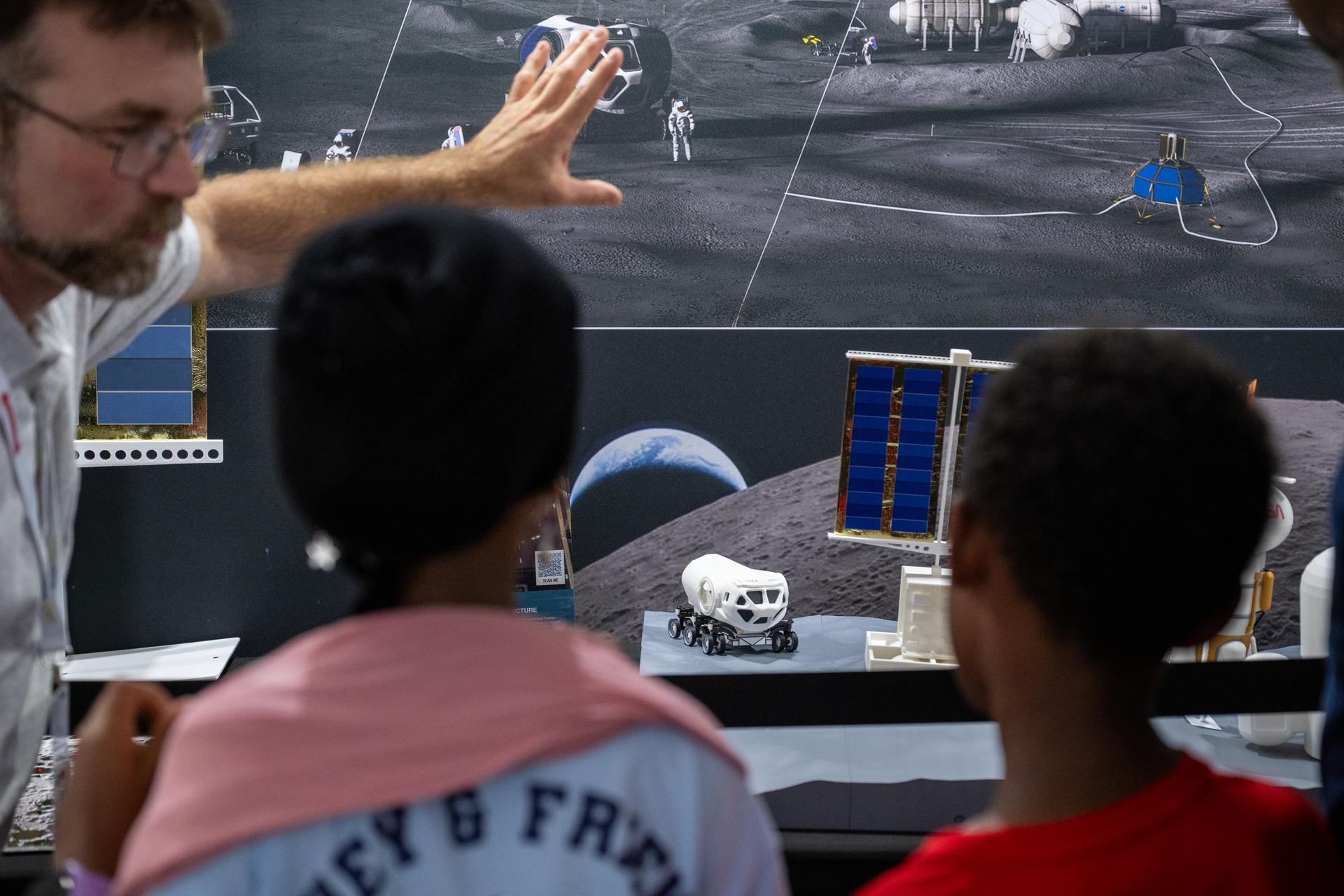
Visitors to the Great American State Fair are seen as they view exhibits in the NASA Pavilion, Thursday, June 25, 2026, on the National Mall in Washington, D.C. Photo Credit: (NASA/Keegan Barber)
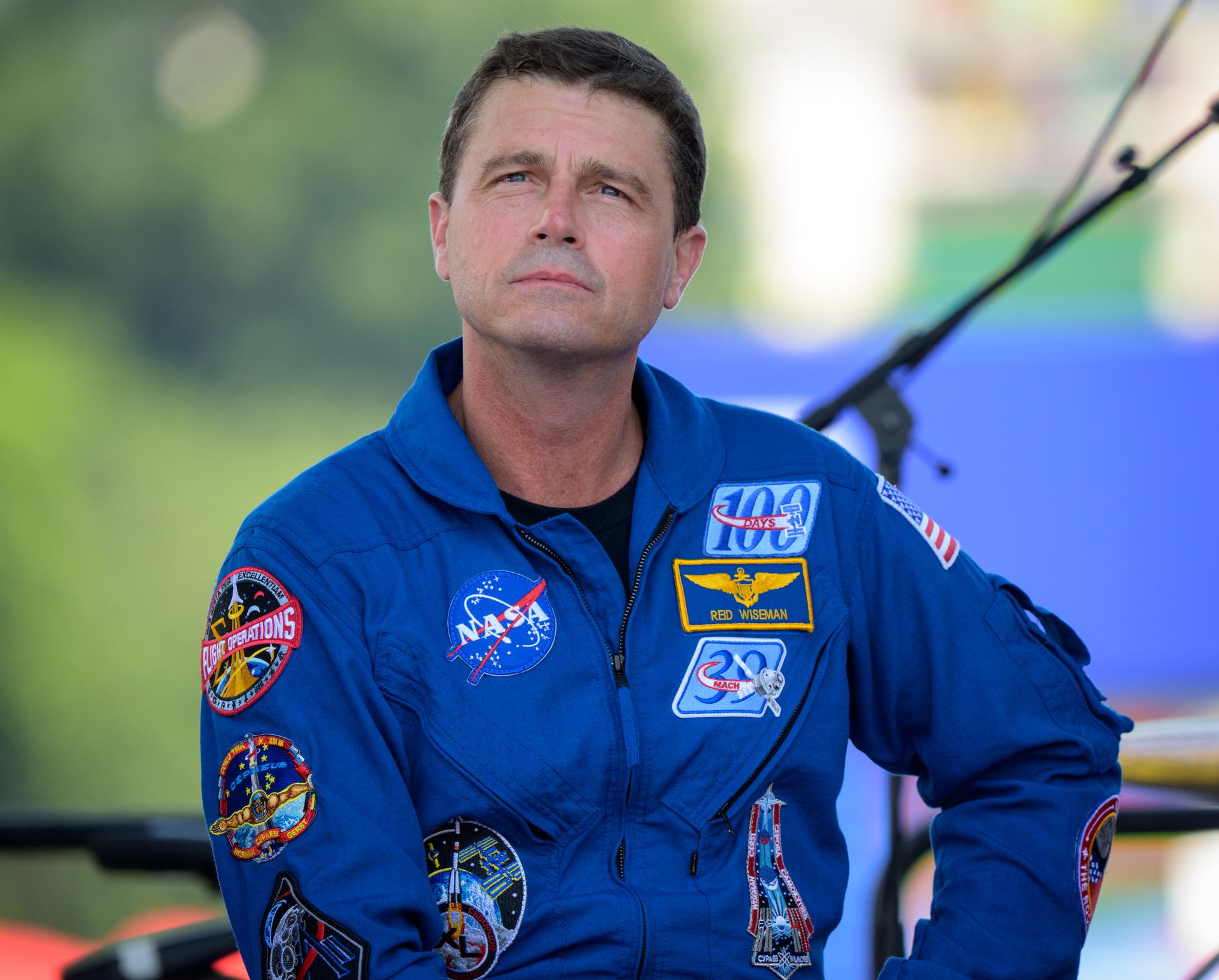
NASA astronaut Reid Wiseman, Artemis II commander, participates in a panel discussion during the Great American State Fair, Saturday, July 4, 2026, on the National Mall in Washington, D.C. Photo Credit: (NASA/Bill Ingalls)
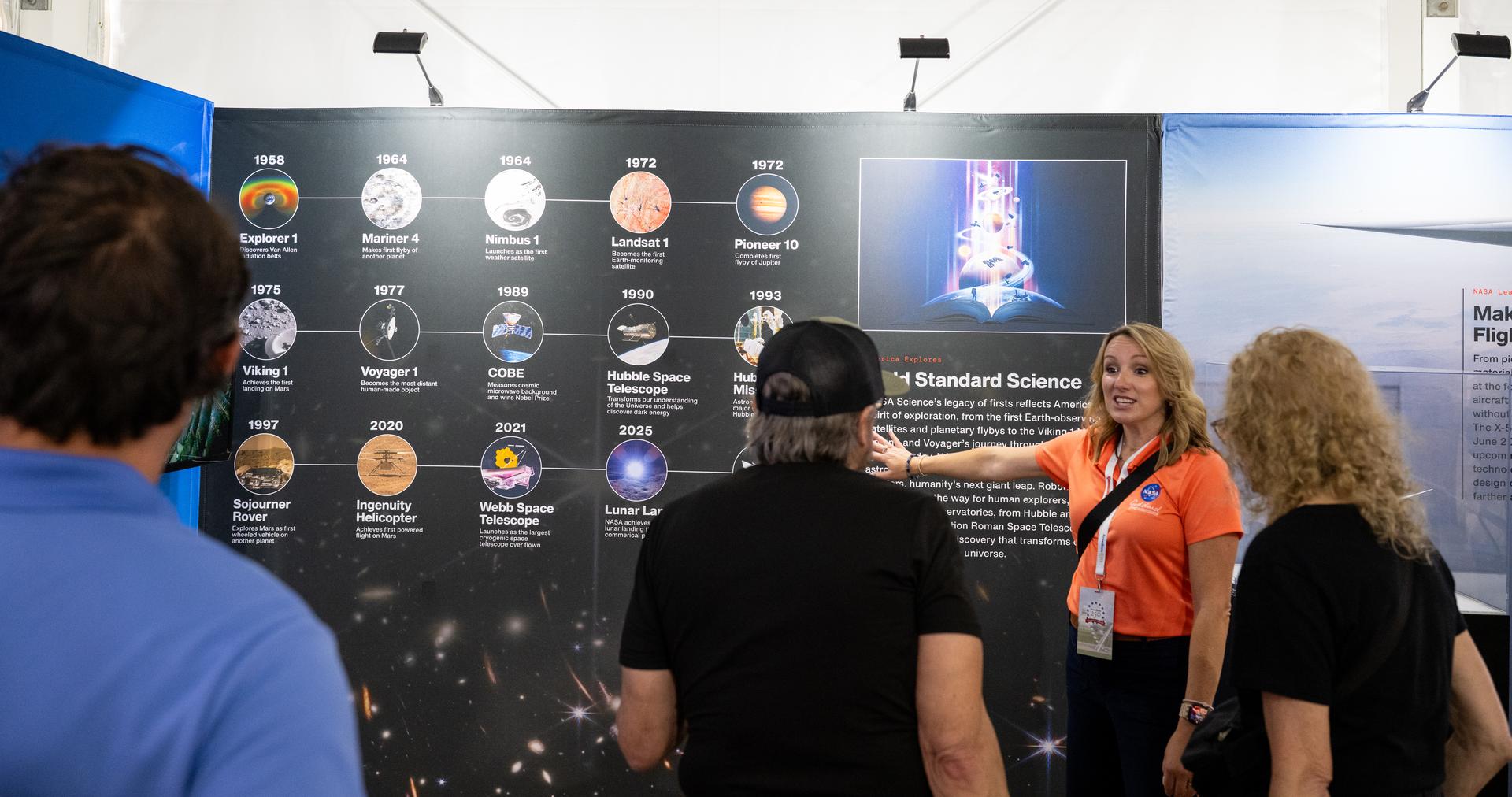
Visitors to the Great American State Fair are seen as they view exhibits in the NASA Pavilion, Thursday, June 25, 2026, on the National Mall in Washington, D.C. Photo Credit: (NASA/Keegan Barber)
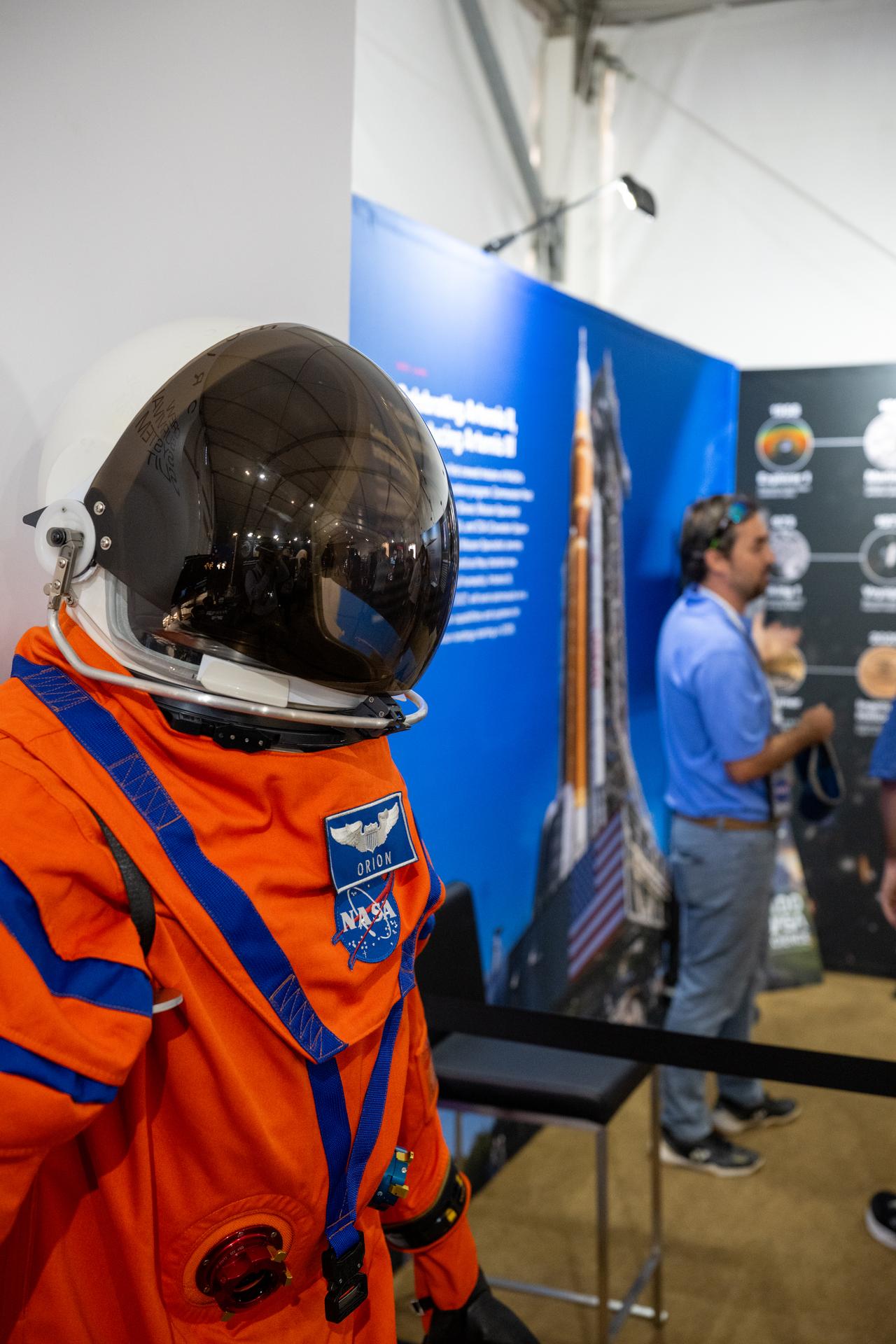
Visitors to the Great American State Fair are seen as they view exhibits in the NASA Pavilion, Thursday, June 25, 2026, on the National Mall in Washington, D.C. Photo Credit: (NASA/Keegan Barber)
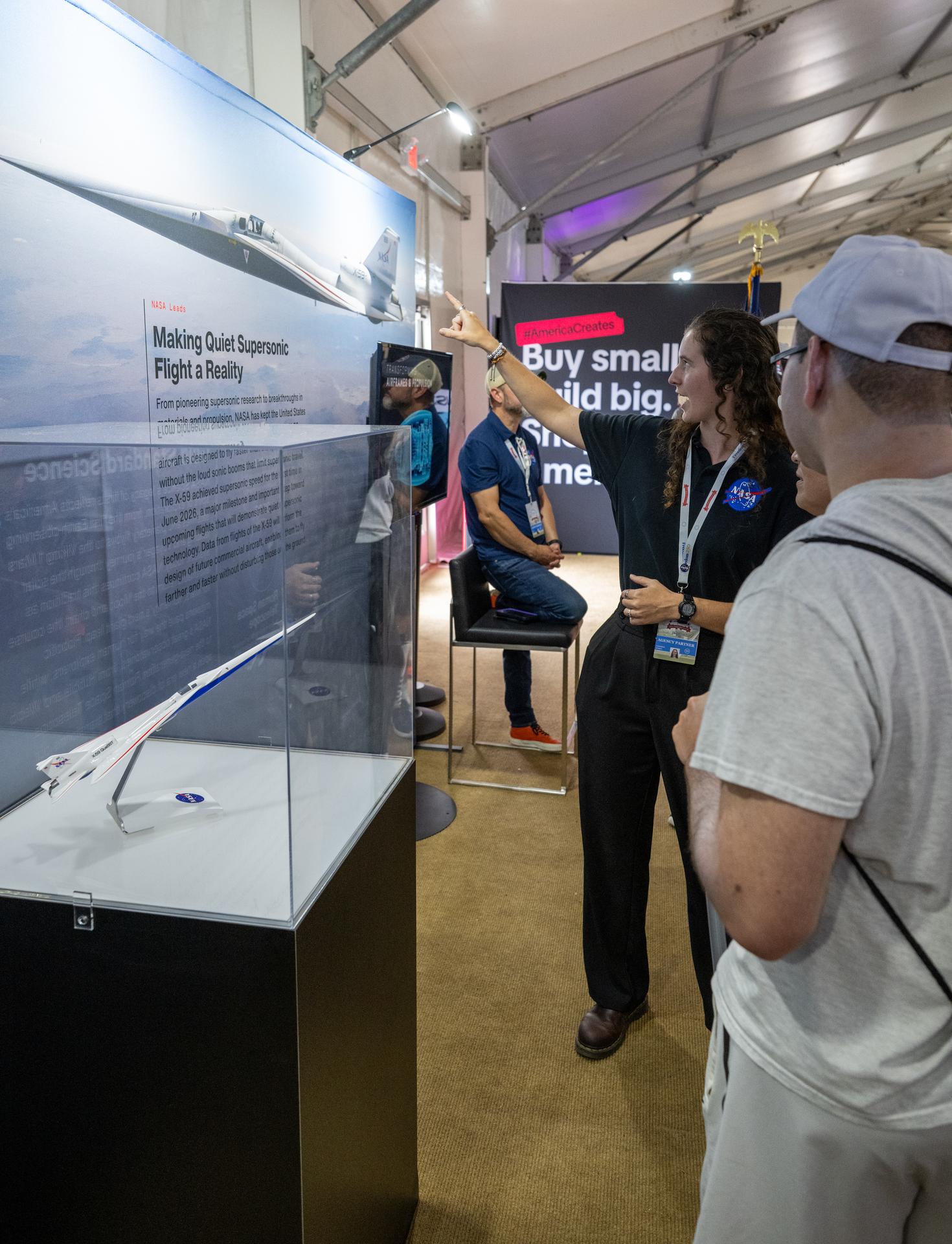
Visitors to the Great American State Fair are seen as they view exhibits in the NASA Pavilion, Thursday, June 25, 2026, on the National Mall in Washington, D.C. Photo Credit: (NASA/Keegan Barber)
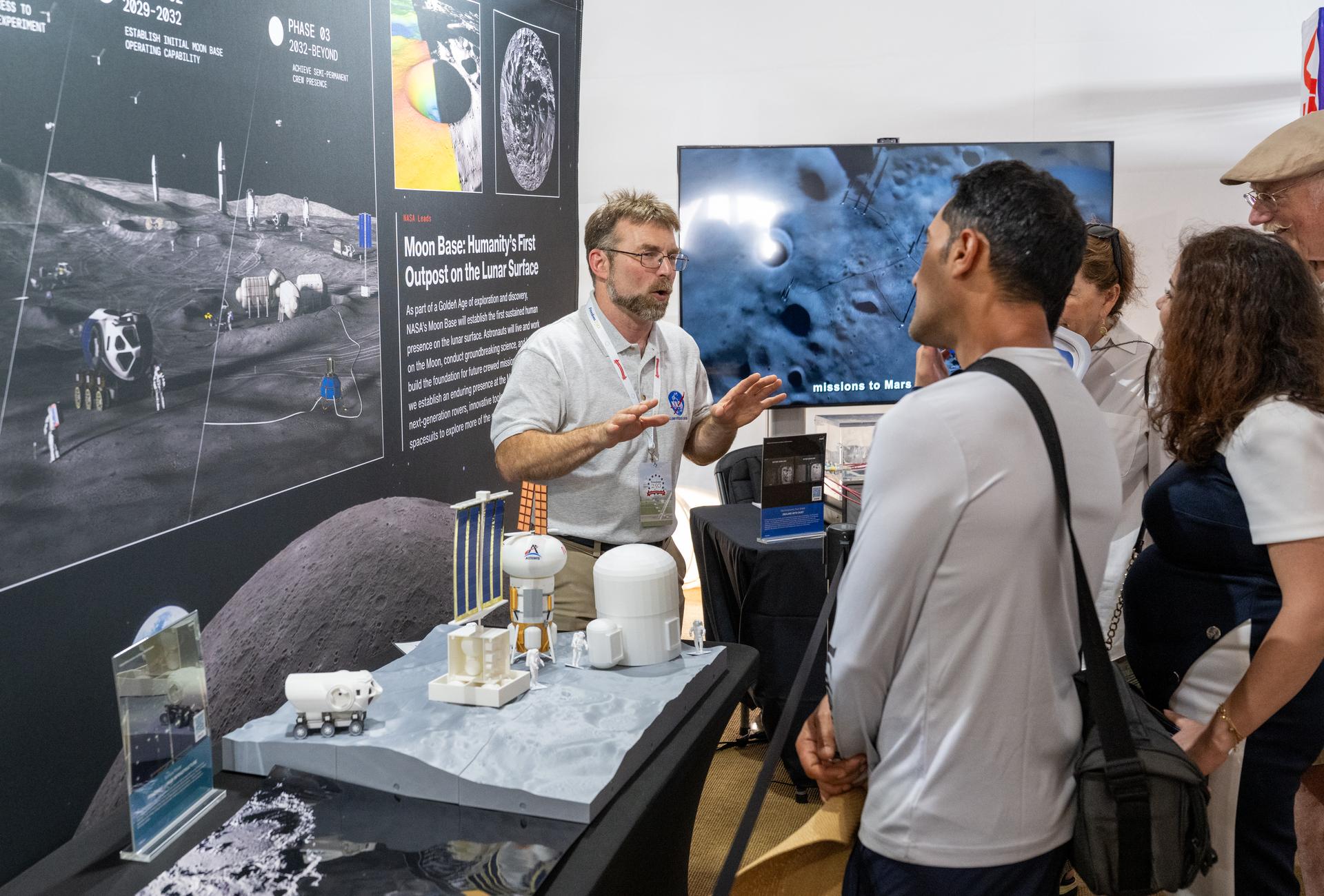
Visitors to the Great American State Fair are seen as they view exhibits in the NASA Pavilion, Thursday, June 25, 2026, on the National Mall in Washington, D.C. Photo Credit: (NASA/Keegan Barber)
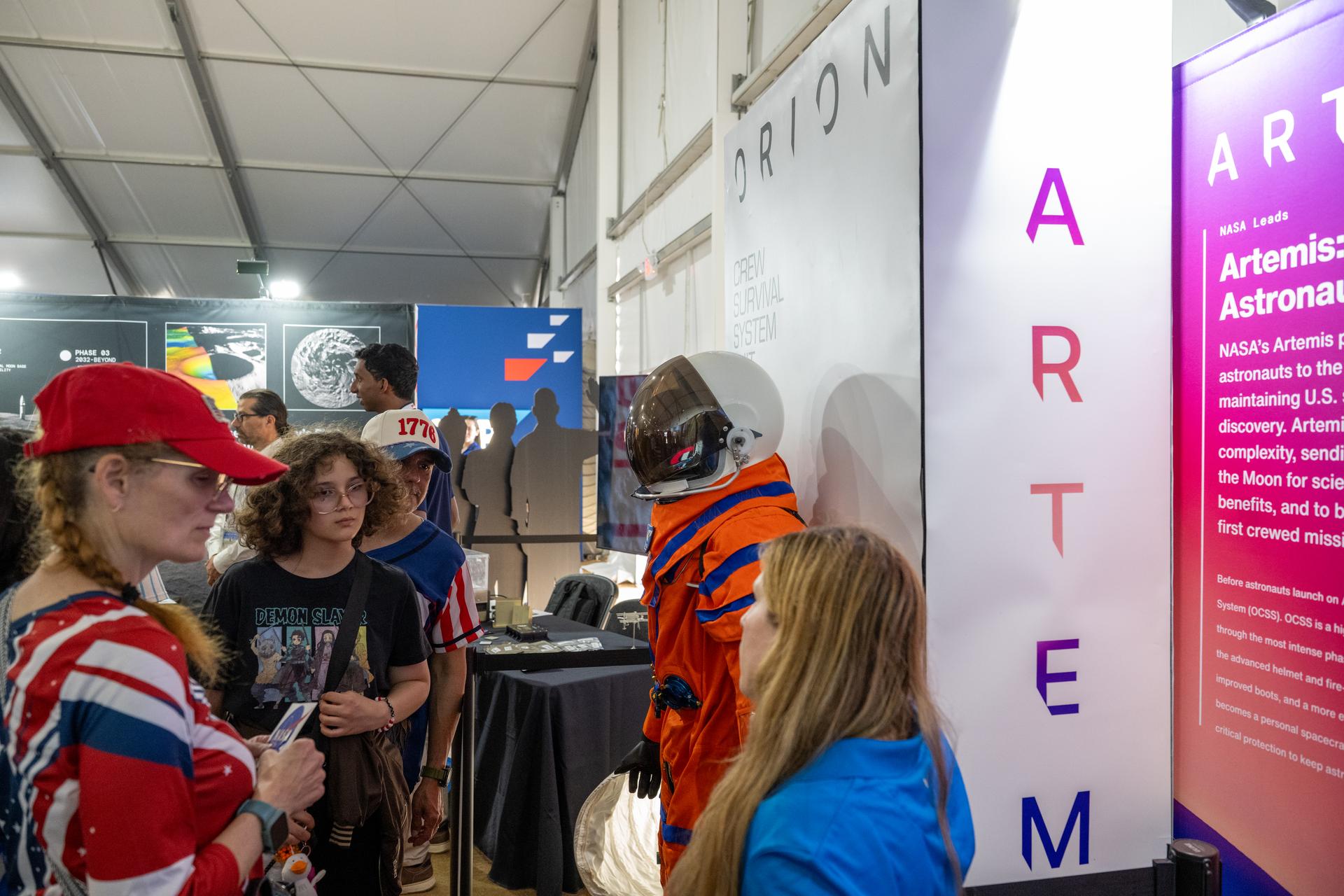
Visitors to the Great American State Fair are seen as they view exhibits in the NASA Pavilion, Thursday, June 25, 2026, on the National Mall in Washington, D.C. Photo Credit: (NASA/Keegan Barber)
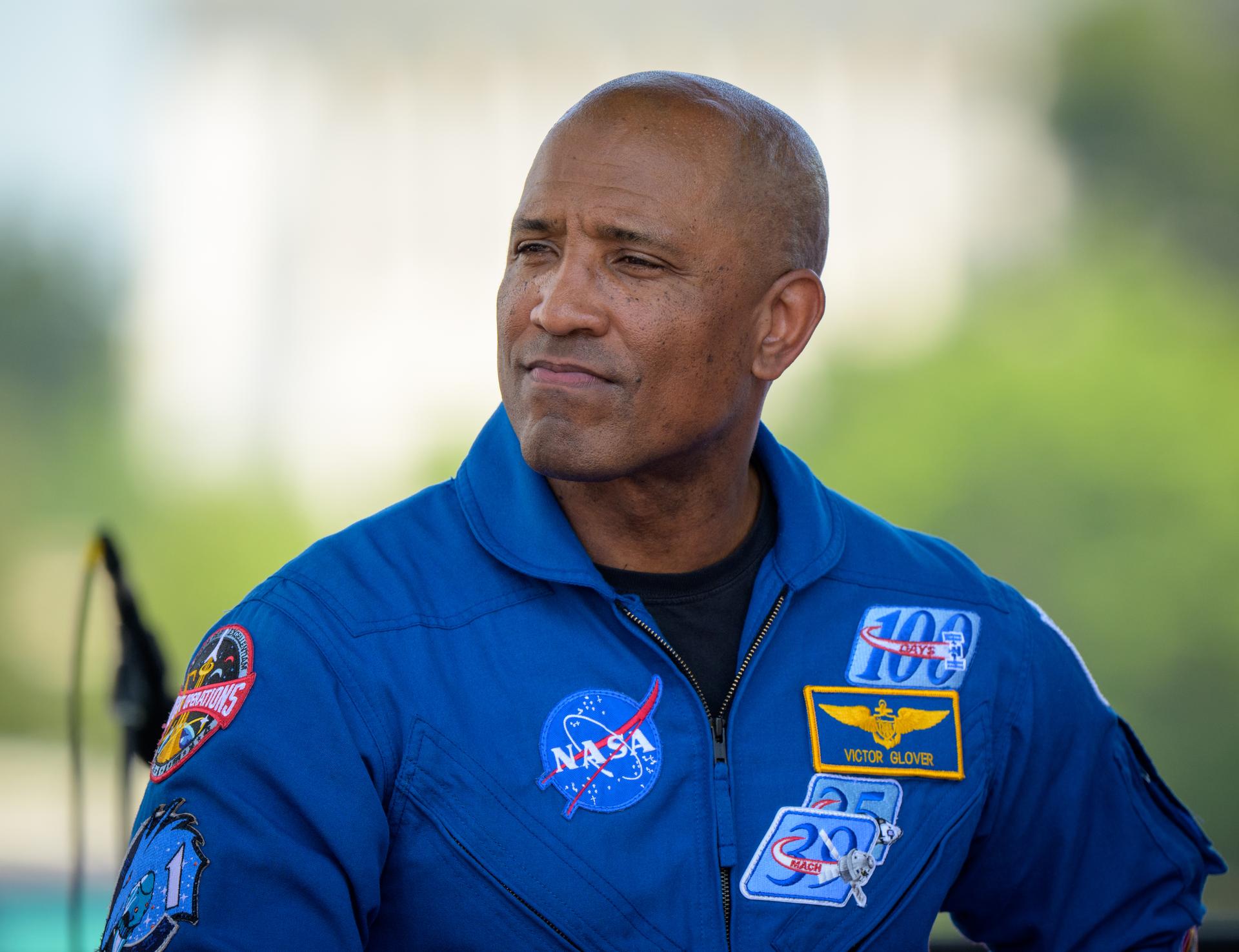
NASA astronaut Victor Glover, Artemis II pilot, participates in a panel discussion during the Great American State Fair, Saturday, July 4, 2026, on the National Mall in Washington, D.C. Photo Credit: (NASA/Bill Ingalls)
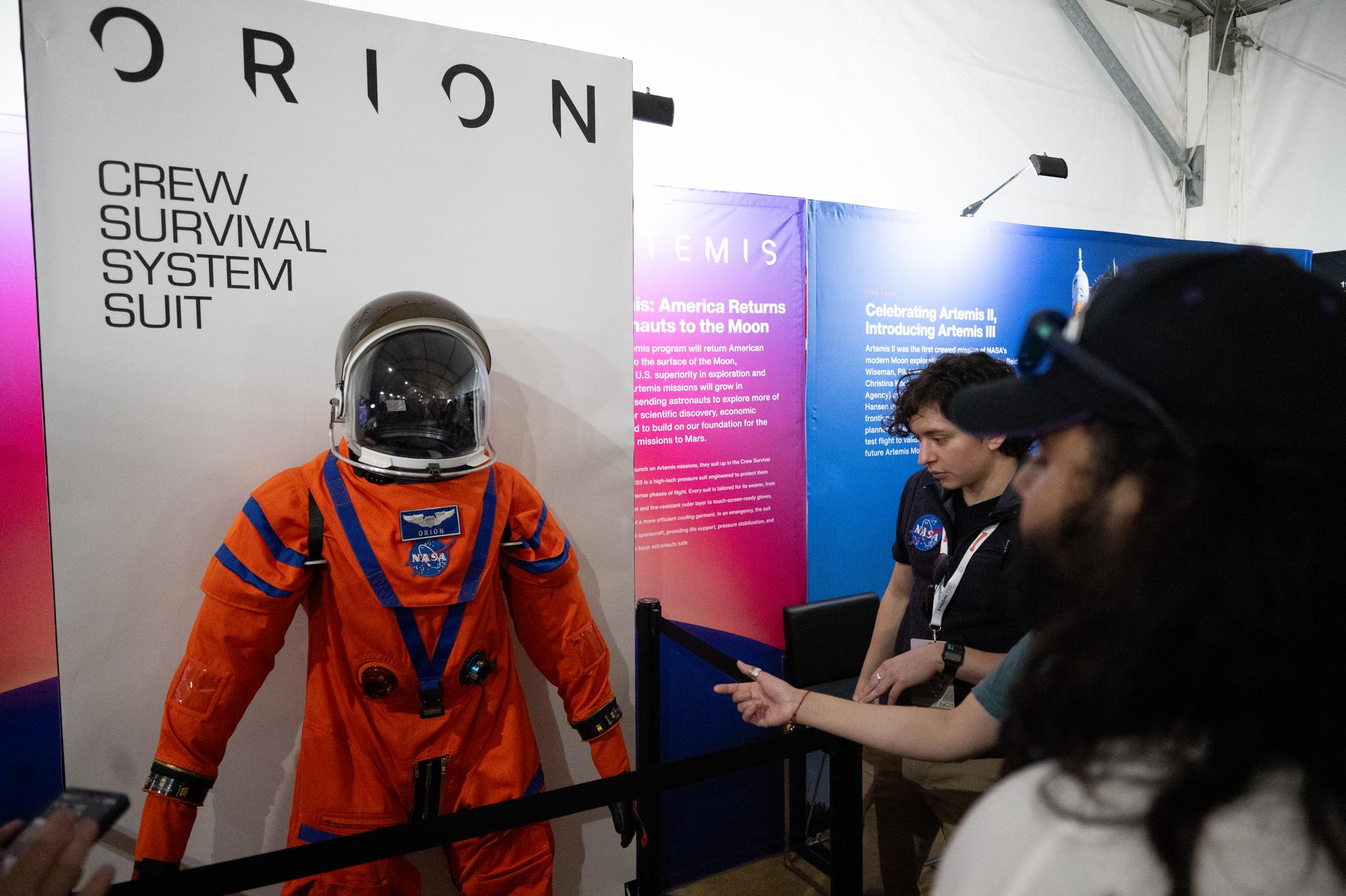
Visitors to the Great American State Fair are seen as they view NASA exhibits in the American Innovation Pavilion, Wednesday, July 8, 2026, on the National Mall in Washington, D.C. Photo Credit: (NASA/Joel Kowsky)
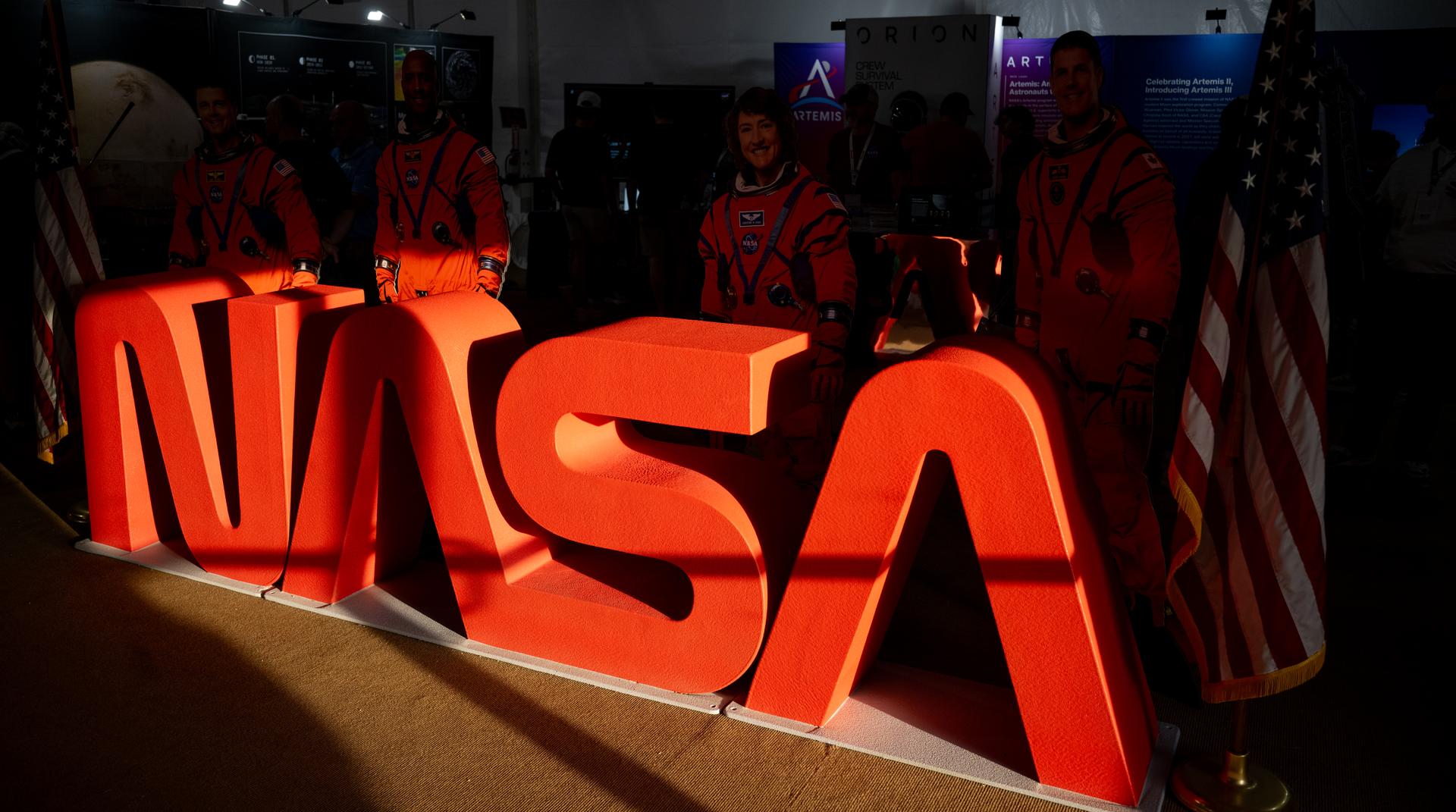
Visitors to the Great American State Fair are seen as they view exhibits in the NASA Pavilion, Wednesday, July 8, 2026, on the National Mall in Washington, D.C. Photo Credit: (NASA/Joel Kowsky)