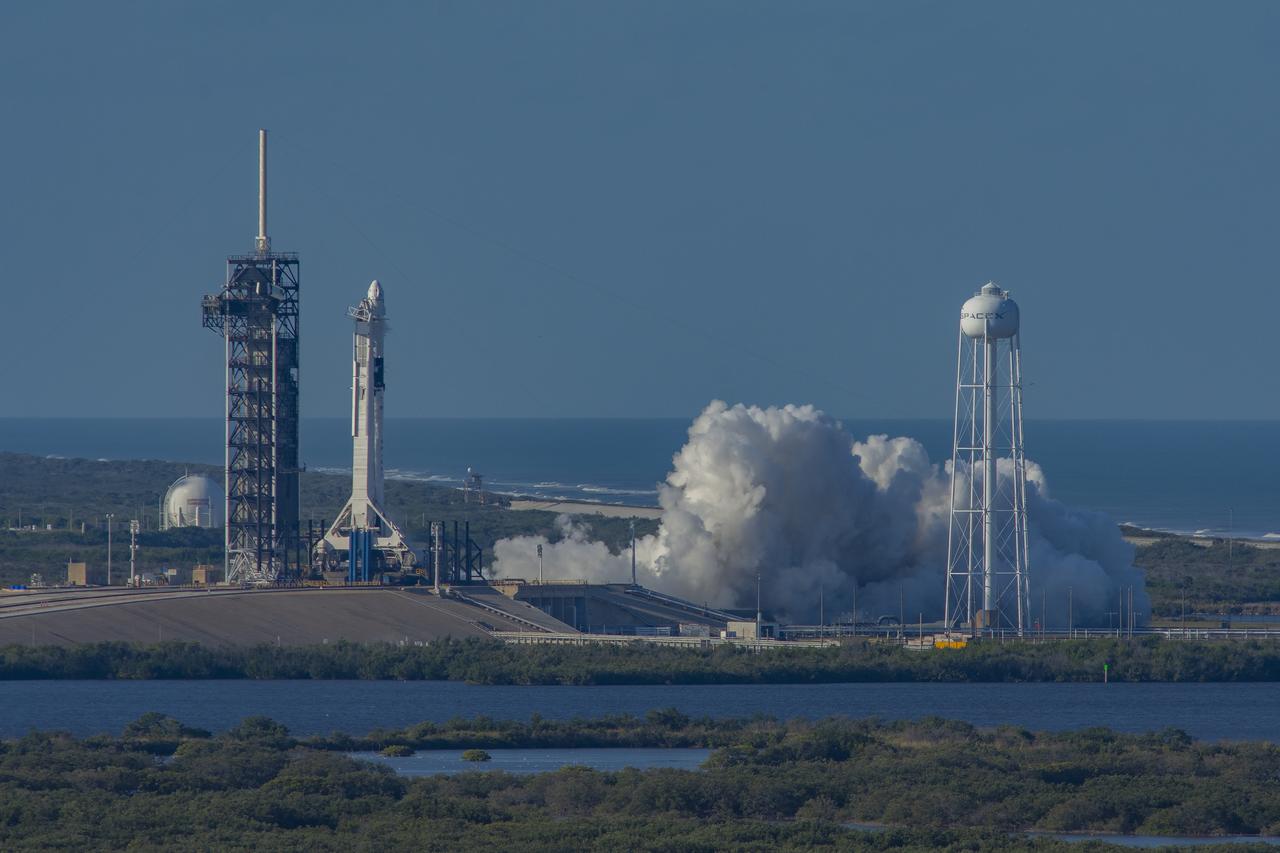
At NASA Kennedy Space Center’s Launch Complex 39A, the nine engines of a SpaceX Falcon 9 rocket roar to life in a brief static firing on Jan. 24, 2019. The test was part of checkouts prior to its liftoff for Demo-1, the inaugural flight of one of the spacecraft designed to take NASA astronauts to and from the International Space Station. NASA has worked with SpaceX and Boeing in developing Commercial Crew Program spacecraft to facilitate new human spaceflight systems launching from U.S. soil with the goal of safe, reliable and cost-effective access to low-Earth orbit destinations such as the space station.
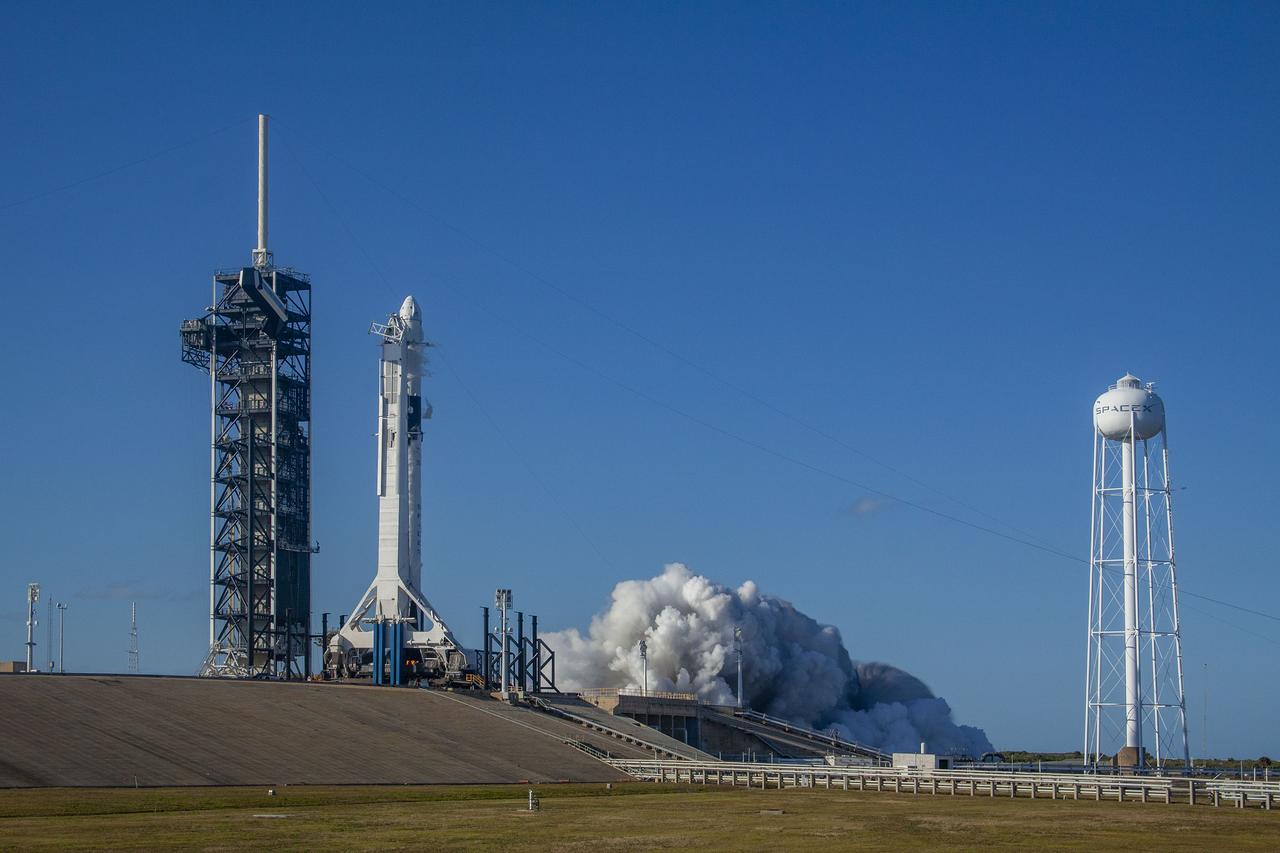
At NASA Kennedy Space Center’s Launch Complex 39A, the nine engines of a SpaceX Falcon 9 rocket roar to life in a brief static firing on Jan. 24, 2019. The test was part of checkouts prior to its liftoff for Demo-1, the inaugural flight of one of the spacecraft designed to take NASA astronauts to and from the International Space Station. NASA has worked with SpaceX and Boeing in developing Commercial Crew Program spacecraft to facilitate new human spaceflight systems launching from U.S. soil with the goal of safe, reliable and cost-effective access to low-Earth orbit destinations such as the space station.
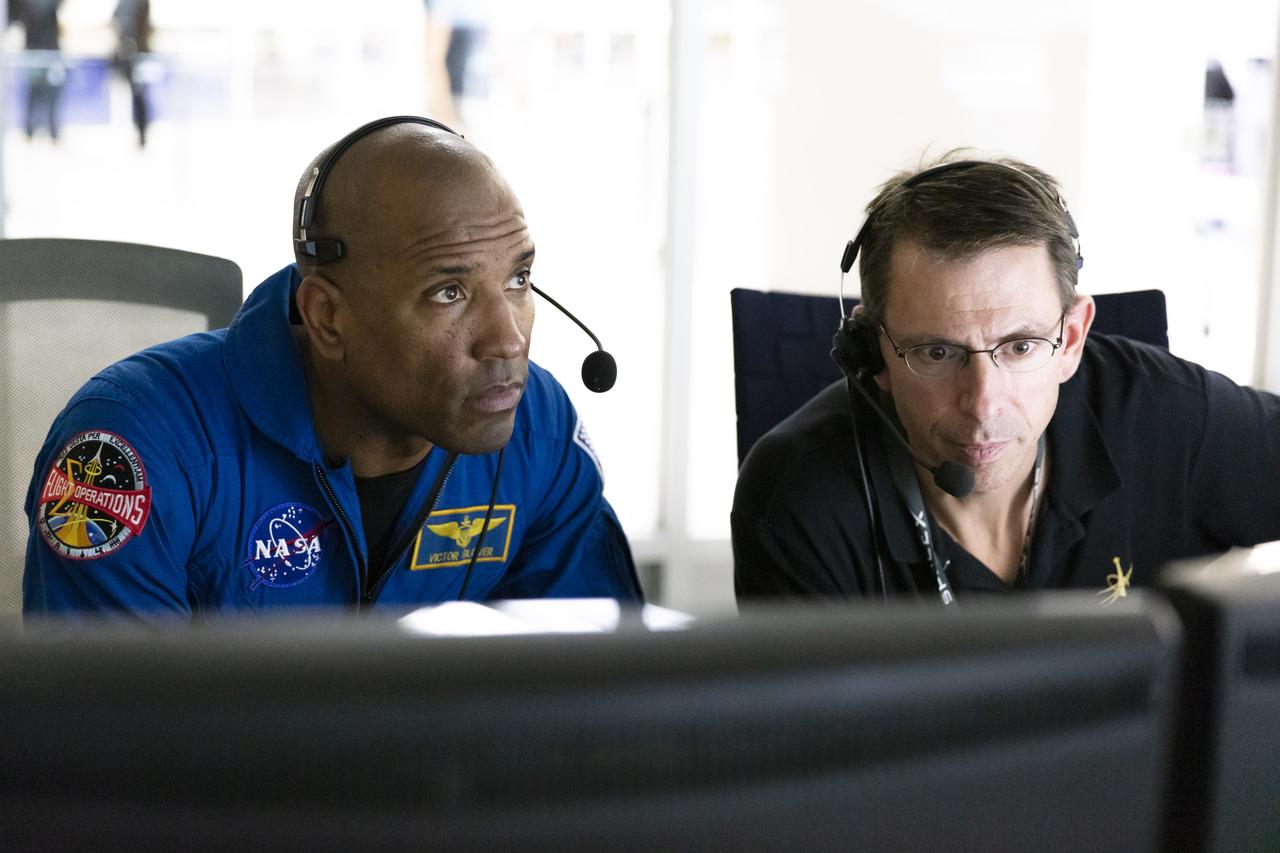
NASA astronaut Victor Glover, left, and a SpaceX employee, seated at consoles inside SpaceX Mission Control in Hawthorne, California, monitor the Crew Dragon spacecraft static fire engine tests taking place at Cape Canaveral Air Force Station in Florida on Nov. 13, 2019. The tests will help validate the Crew Dragon’s launch escape system ahead of the upcoming in-flight abort demonstration as part of NASA’s Commercial Crew Program. Glover will fly to the International Space Station on the second crewed flight of Crew Dragon.
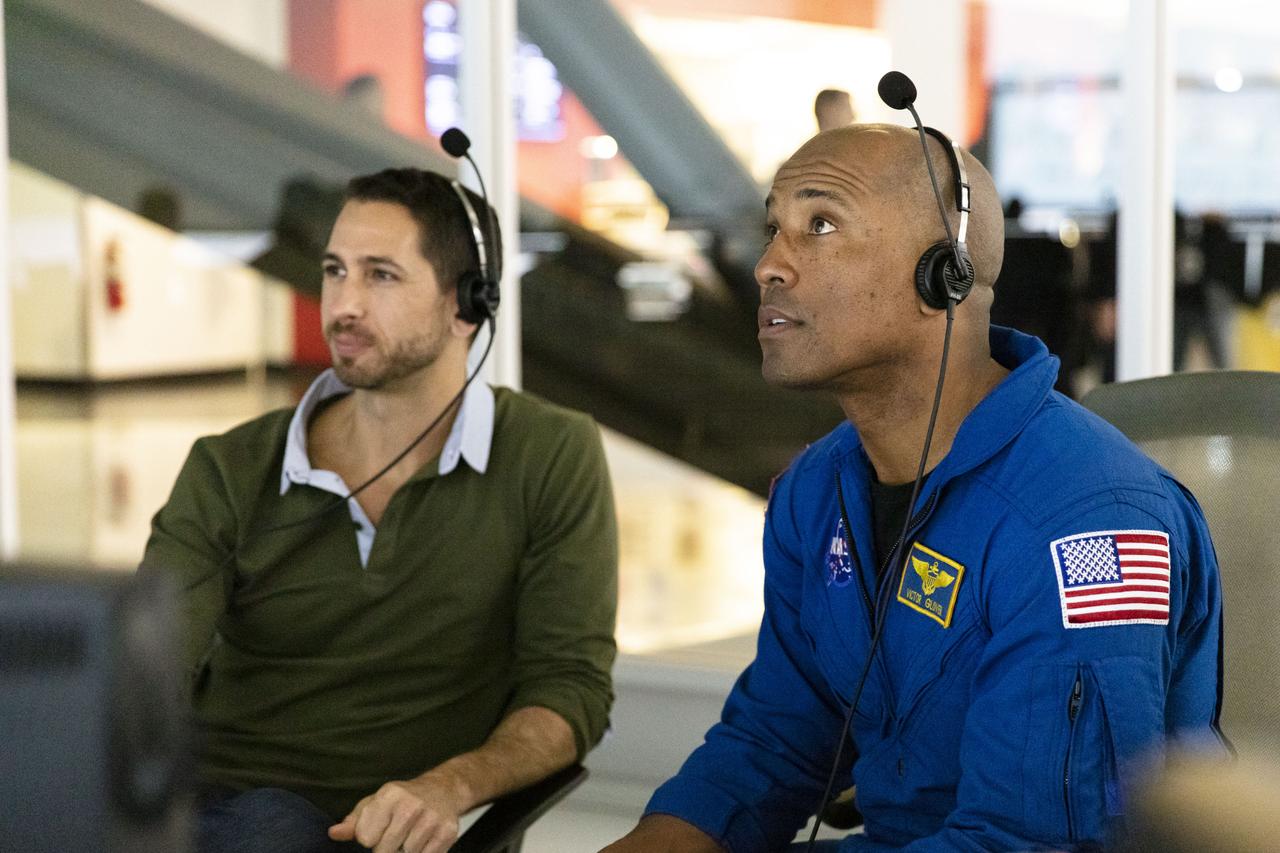
NASA astronaut Victor Glover, right, and a SpaceX employee, seated at consoles inside SpaceX Mission Control in Hawthorne, California, monitor the Crew Dragon spacecraft static fire engine tests taking place at Cape Canaveral Air Force Station in Florida on Nov. 13, 2019. The tests will help validate the Crew Dragon’s launch escape system ahead of the upcoming in-flight abort demonstration as part of NASA’s Commercial Crew Program. Glover will fly to the International Space Station on the second crewed flight of Crew Dragon.
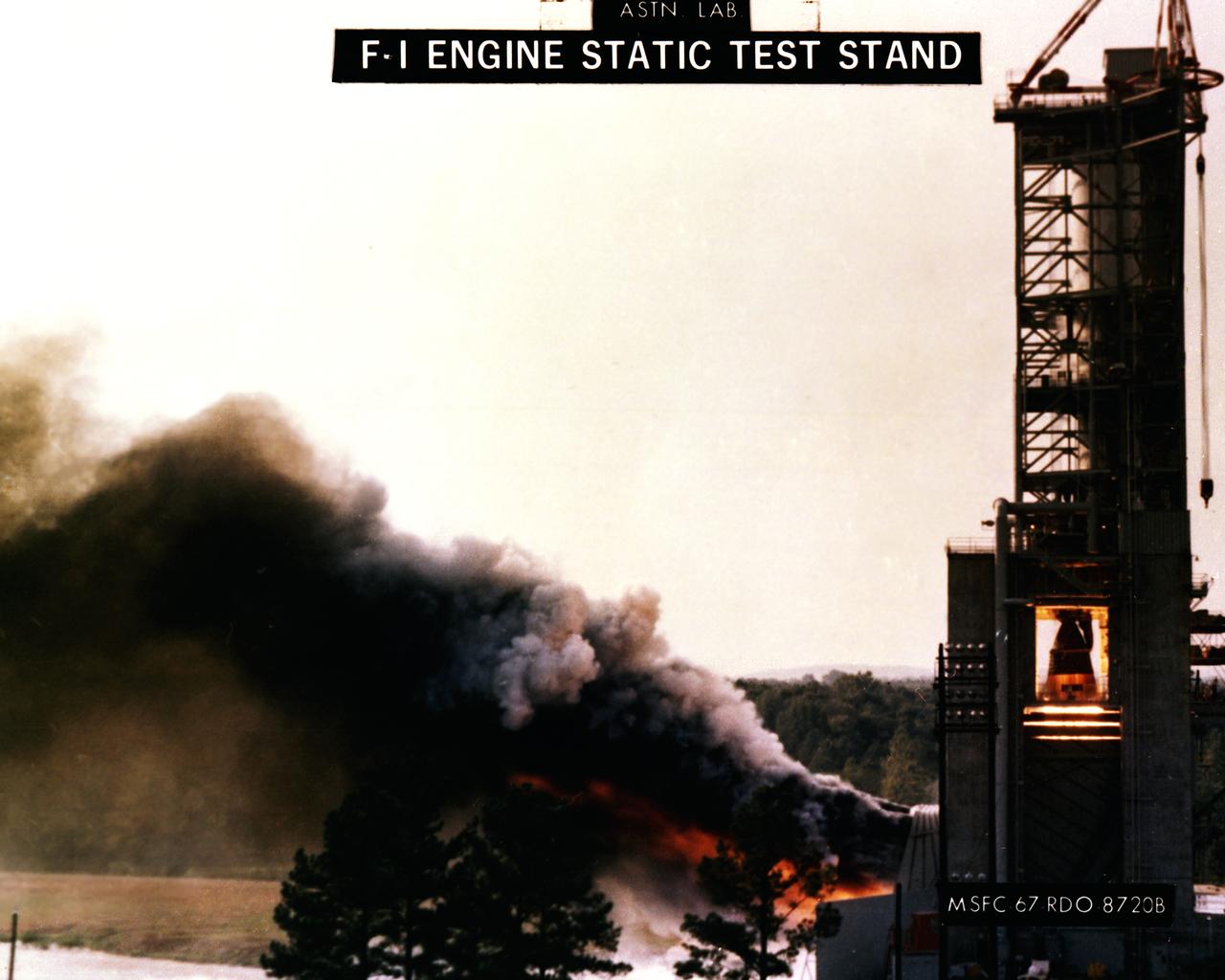
This photograph depicts the F-1 engine firing in the Marshall Space Flight Center’s F-1 Engine Static Test Stand. Construction of the S-IC Static test stand complex began in 1961 in the west test area of MSFC, and was completed in 1964. It is a vertical engine firing test stand, 239 feet in elevation and 4,600 square feet in area at the base, designed to assist in the development of the F-1 Engine. Capability is provided for static firing of 1.5 million pounds of thrust using liquid oxygen and kerosene. The foundation of the stand is keyed into the bedrock approximately 40 feet below grade.
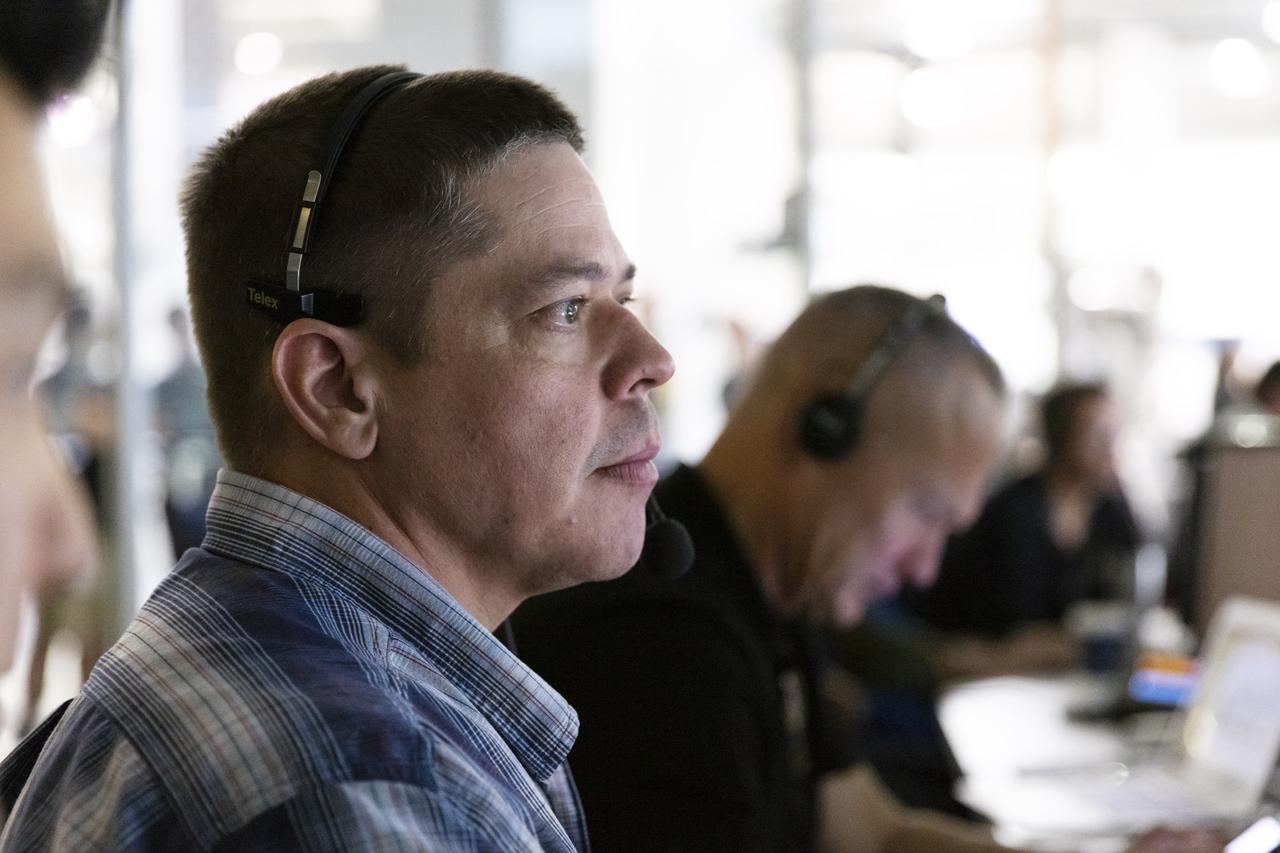
NASA astronauts Doug Hurley, left, and Bob Behnken, seated at consoles inside SpaceX Mission Control in Hawthorne, California, monitor the Crew Dragon spacecraft static fire engine tests taking place at Cape Canaveral Air Force Station in Florida on Nov. 13, 2019. The tests will help validate the Crew Dragon’s launch escape system ahead of the upcoming in-flight abort demonstration as part of NASA’s Commercial Crew Program. Behnken and Hurley will be the first astronauts to fly aboard Crew Dragon in SpaceX’s Demo-2 mission to the International Space Station.
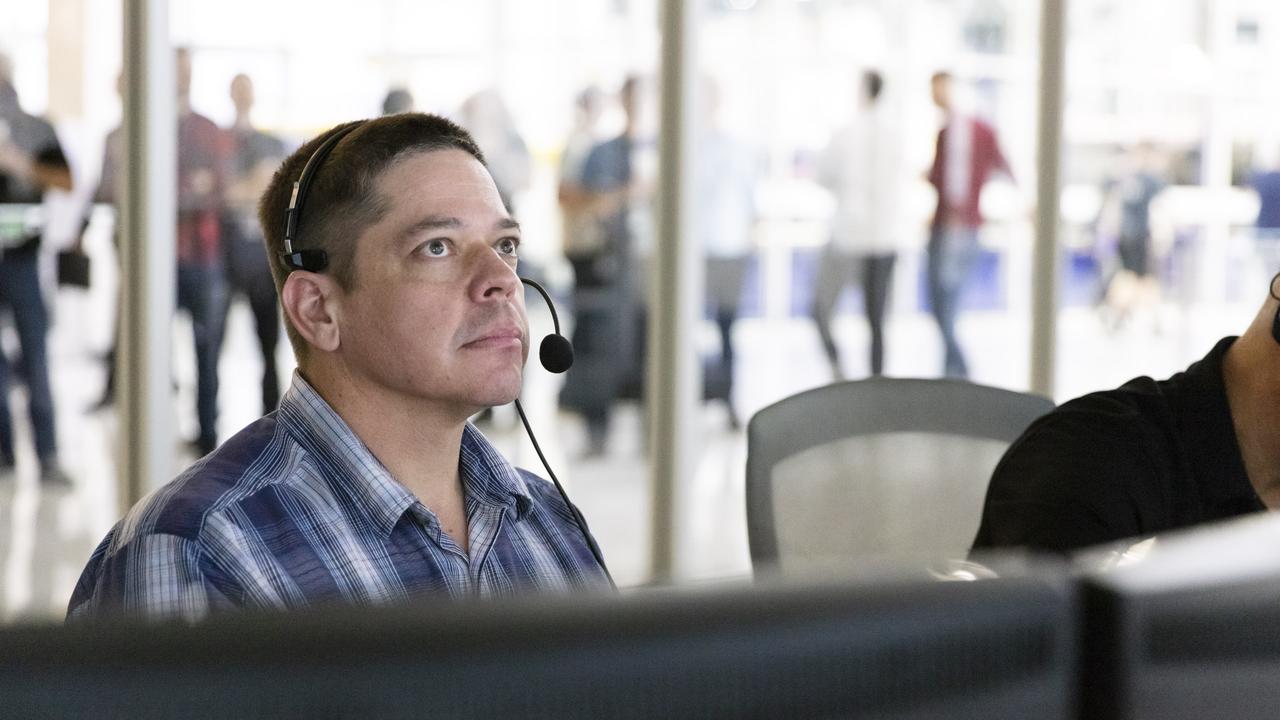
NASA astronaut Bob Behnken, seated at a console inside SpaceX Mission Control in Hawthorne, California, monitors the Crew Dragon spacecraft static fire engine tests taking place at Cape Canaveral Air Force Station in Florida on Nov. 13, 2019. The tests will help validate the Crew Dragon’s launch escape system ahead of the upcoming in-flight abort demonstration as part of NASA’s Commercial Crew Program. Behnken and NASA astronaut Doug Hurley will be the first people to fly aboard Crew Dragon in SpaceX’s Demo-2 mission to the International Space Station.
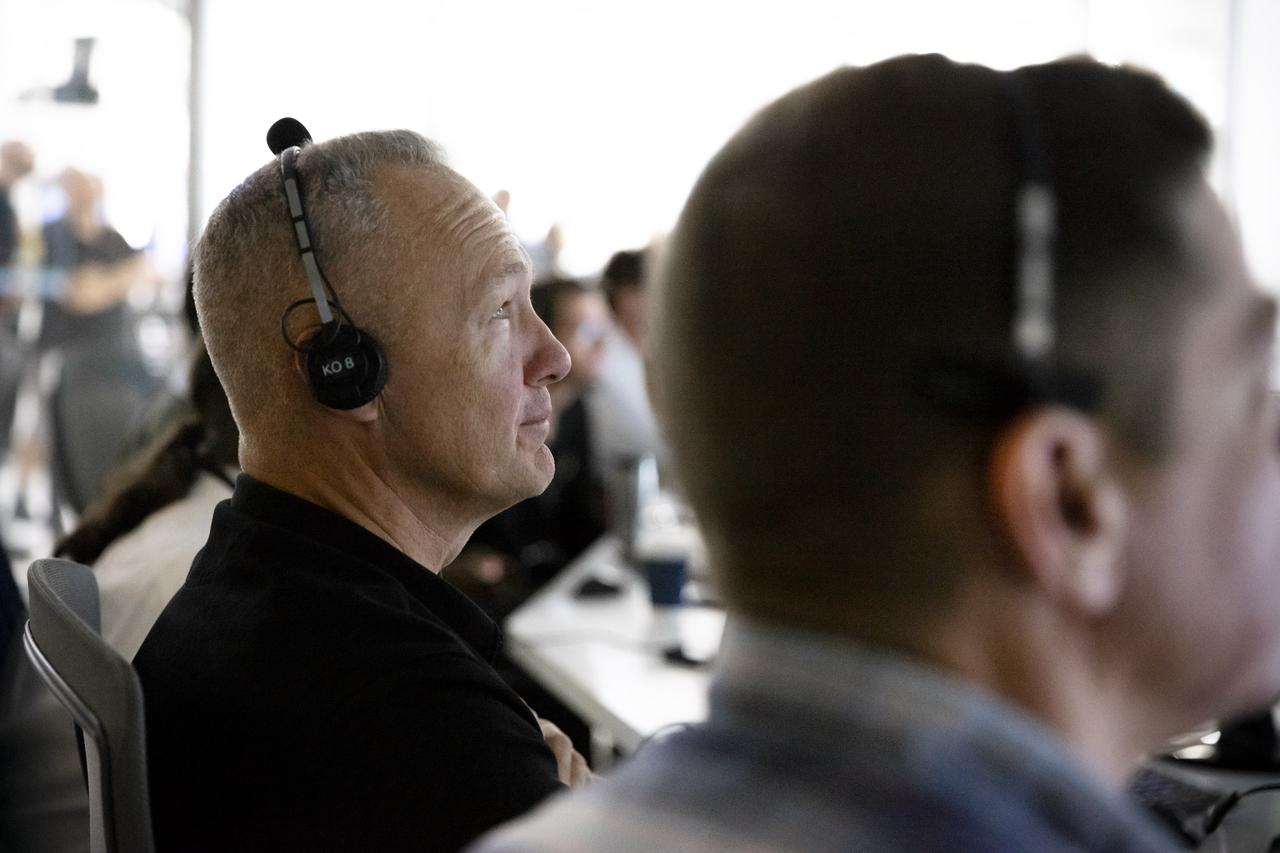
NASA astronauts Doug Hurley, left, and Bob Behnken, seated at consoles inside SpaceX Mission Control in Hawthorne, California, monitor the Crew Dragon spacecraft static fire engine tests taking place at Cape Canaveral Air Force Station in Florida on Nov. 13, 2019. The tests will help validate the Crew Dragon’s launch escape system ahead of the upcoming in-flight abort demonstration as part of NASA’s Commercial Crew Program. Behnken and Hurley will be the first astronauts to fly aboard Crew Dragon in SpaceX’s Demo-2 mission to the International Space Station.
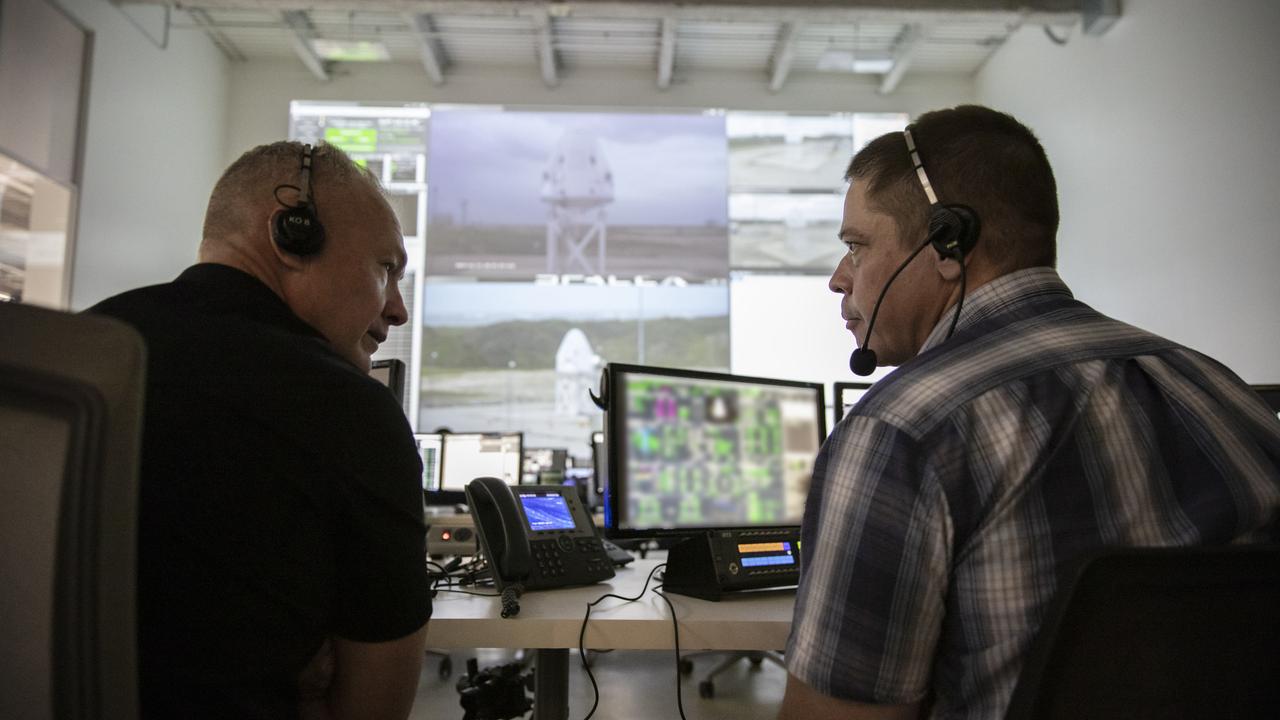
NASA astronauts Doug Hurley, left, and Bob Behnken, seated at consoles inside SpaceX Mission Control in Hawthorne, California, monitor the Crew Dragon spacecraft static fire engine tests taking place at Cape Canaveral Air Force Station in Florida on Nov. 13, 2019. The tests will help validate the Crew Dragon’s launch escape system ahead of the upcoming in-flight abort demonstration as part of NASA’s Commercial Crew Program. Behnken and Hurley will be the first astronauts to fly aboard Crew Dragon in SpaceX’s Demo-2 mission to the International Space Station.
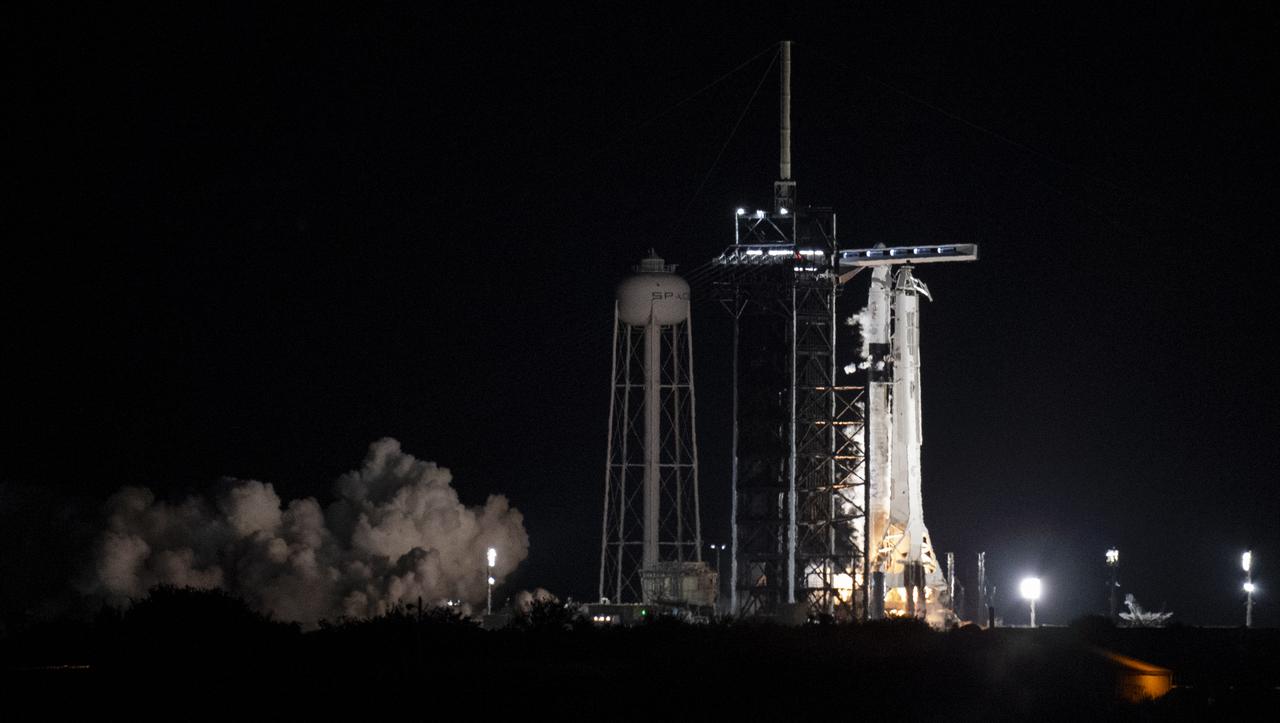
A SpaceX Falcon 9 rocket with the company's Crew Dragon spacecraft onboard is seen on the launch pad at Launch Complex 39A during a brief static fire test ahead of NASA’s SpaceX Crew-3 mission, Thursday, Oct. 28, 2021, at NASA’s Kennedy Space Center in Florida. NASA’s SpaceX Crew-3 mission is the third crew rotation mission of the SpaceX Crew Dragon spacecraft and Falcon 9 rocket to the International Space Station as part of the agency’s Commercial Crew Program. NASA astronauts Raja Chari, Tom Marshburn, Kayla Barron, and ESA (European Space Agency) astronaut Matthias Maurer are scheduled to launch on Oct. 31 at 2:21 a.m. ET, from Launch Complex 39A at the Kennedy Space Center. Photo Credit: (NASA/Joel Kowsky)
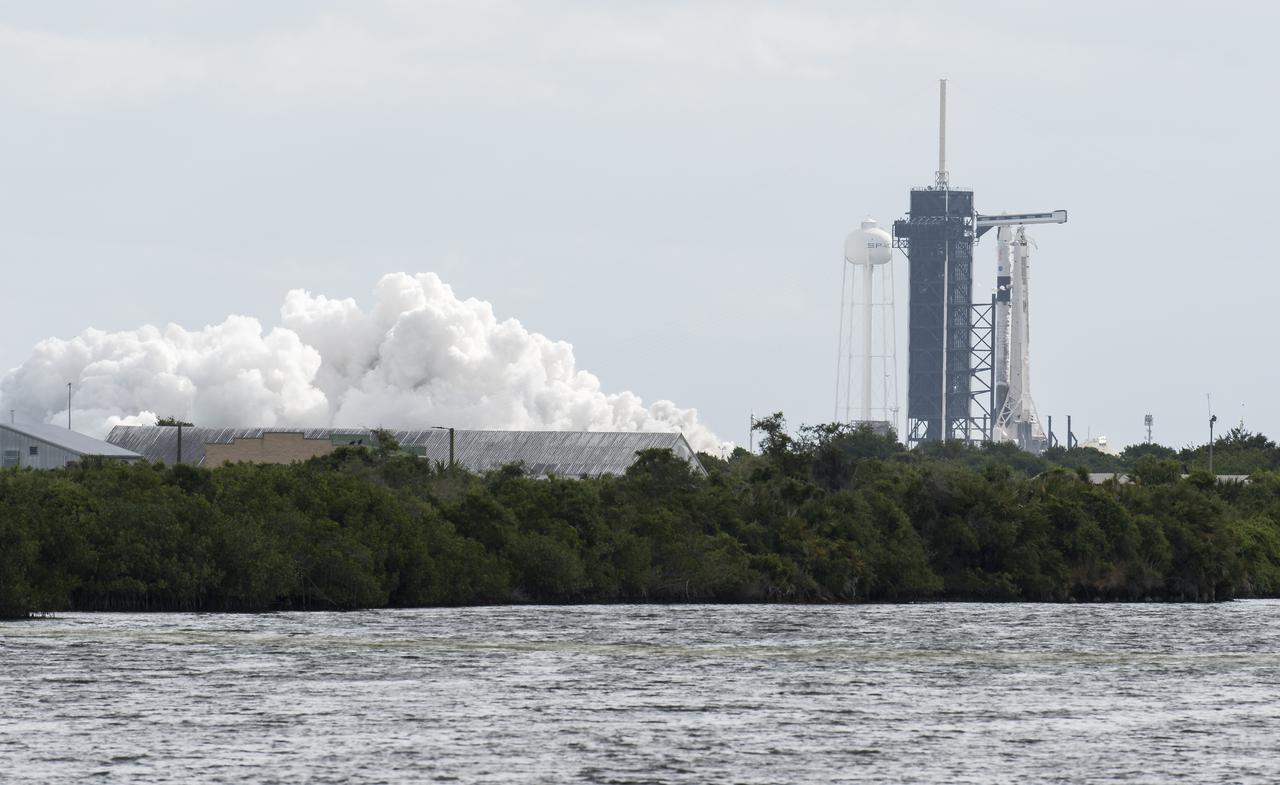
A SpaceX Falcon 9 rocket with the company's Crew Dragon spacecraft onboard is seen on the launch pad at Launch Complex 39A during a brief static fire test ahead of NASA’s SpaceX Crew-4 mission, Wednesday, April 20, 2022, at NASA’s Kennedy Space Center in Florida. NASA’s SpaceX Crew-4 mission is the fourth crew rotation mission of the SpaceX Crew Dragon spacecraft and Falcon 9 rocket to the International Space Station as part of the agency’s Commercial Crew Program. NASA astronauts Kjell Lindgren, Robert Hines, Jessica Watkins, and ESA (European Space Agency) astronaut Samantha Cristoforetti are scheduled to launch on April 23 at 5:26 a.m. EDT, from Launch Complex 39A at the Kennedy Space Center. Photo Credit: (NASA/Aubrey Gemignani)
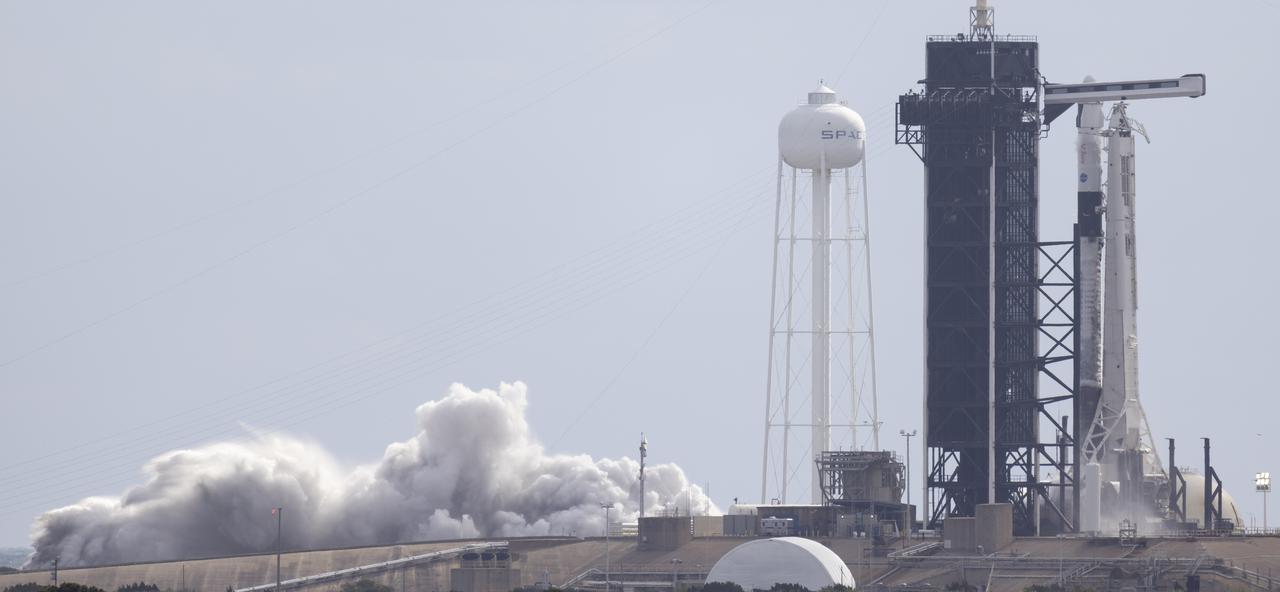
A SpaceX Falcon 9 rocket with the company's Crew Dragon spacecraft onboard is seen on the launch pad at Launch Complex 39A during a brief static fire test ahead of NASA’s SpaceX Crew-4 mission, Wednesday, April 20, 2022, at NASA’s Kennedy Space Center in Florida. NASA’s SpaceX Crew-4 mission is the fourth crew rotation mission of the SpaceX Crew Dragon spacecraft and Falcon 9 rocket to the International Space Station as part of the agency’s Commercial Crew Program. NASA astronauts Kjell Lindgren, Robert Hines, Jessica Watkins, and ESA (European Space Agency) astronaut Samantha Cristoforetti are scheduled to launch on April 23 at 5:26 a.m. EDT, from Launch Complex 39A at the Kennedy Space Center. Photo Credit: (NASA/Joel Kowsky)
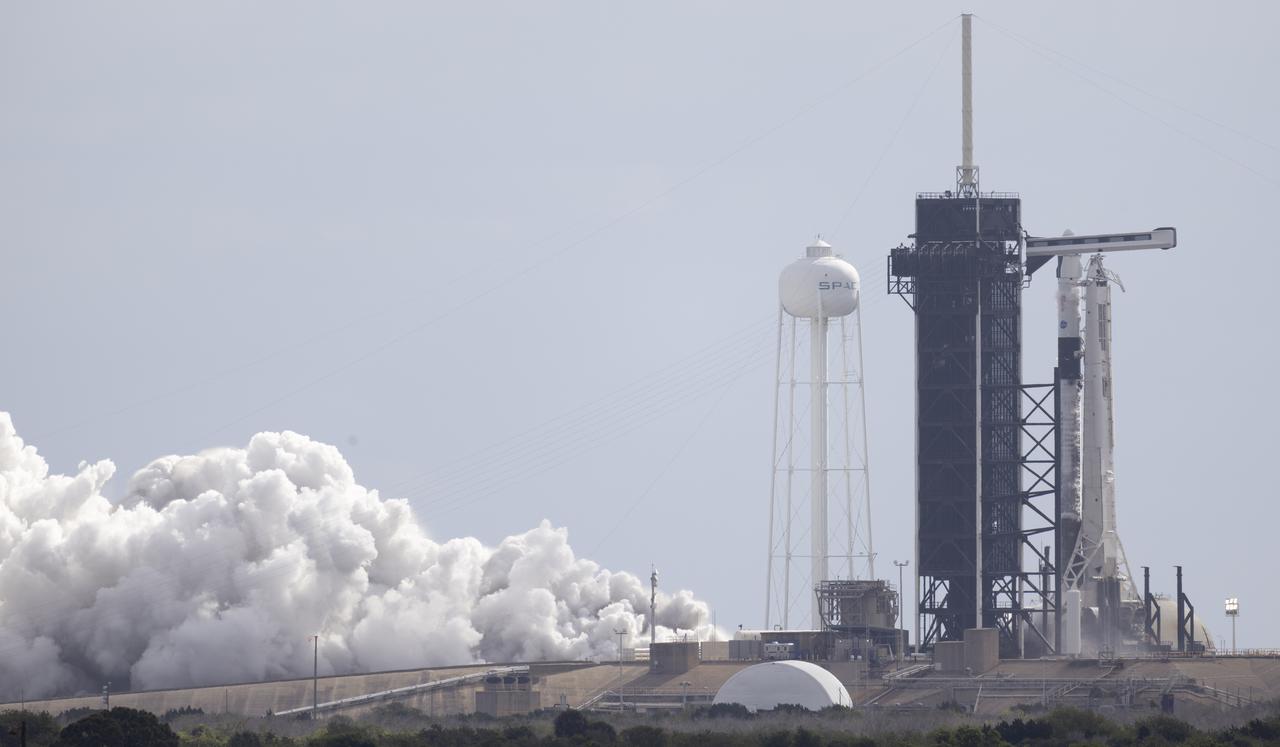
A SpaceX Falcon 9 rocket with the company's Crew Dragon spacecraft onboard is seen on the launch pad at Launch Complex 39A during a brief static fire test ahead of NASA’s SpaceX Crew-4 mission, Wednesday, April 20, 2022, at NASA’s Kennedy Space Center in Florida. NASA’s SpaceX Crew-4 mission is the fourth crew rotation mission of the SpaceX Crew Dragon spacecraft and Falcon 9 rocket to the International Space Station as part of the agency’s Commercial Crew Program. NASA astronauts Kjell Lindgren, Robert Hines, Jessica Watkins, and ESA (European Space Agency) astronaut Samantha Cristoforetti are scheduled to launch on April 23 at 5:26 a.m. EDT, from Launch Complex 39A at the Kennedy Space Center. Photo Credit: (NASA/Joel Kowsky)
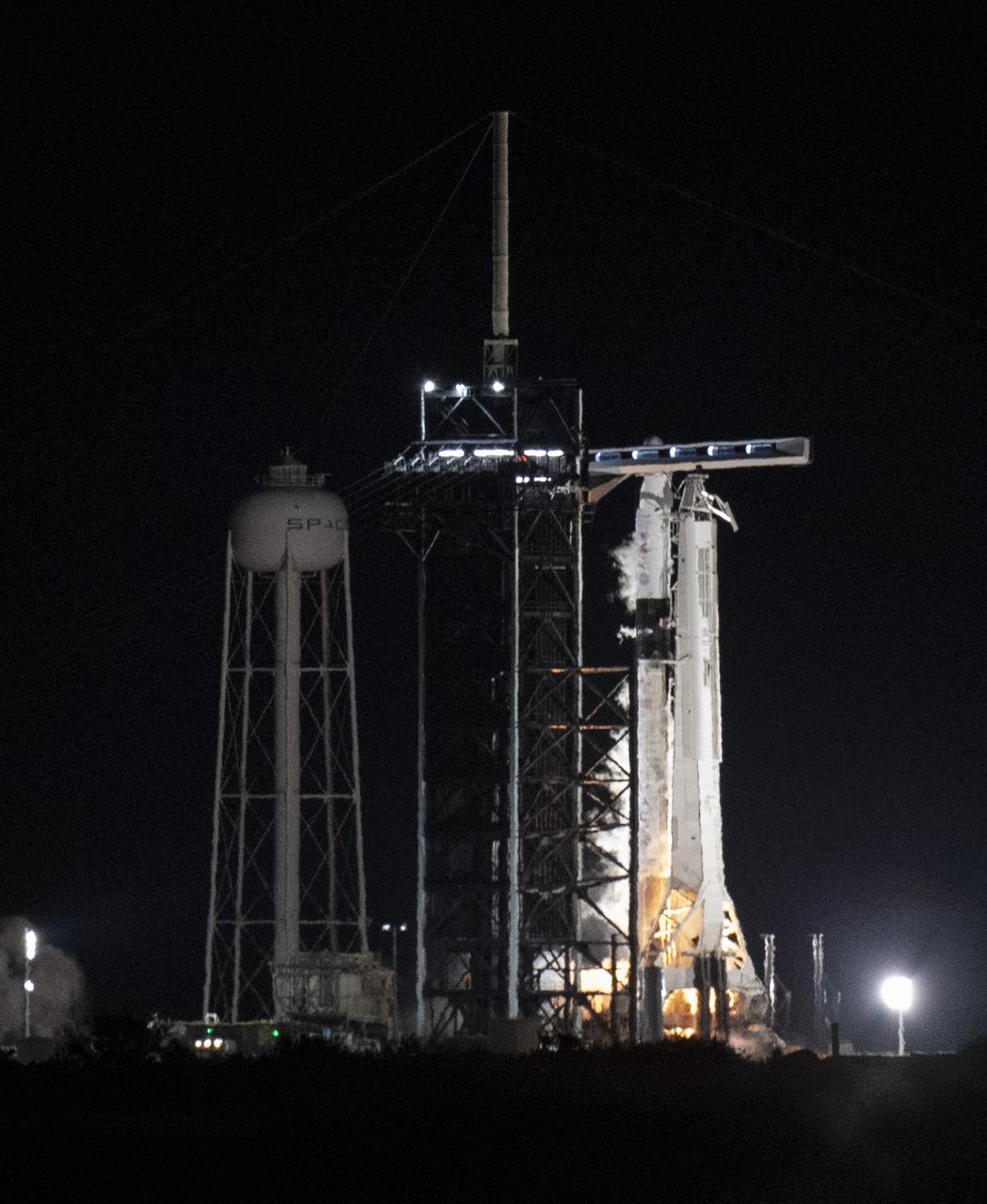
A SpaceX Falcon 9 rocket with the company's Crew Dragon spacecraft onboard is seen on the launch pad at Launch Complex 39A during a brief static fire test ahead of NASA’s SpaceX Crew-3 mission, Thursday, Oct. 28, 2021, at NASA’s Kennedy Space Center in Florida. NASA’s SpaceX Crew-3 mission is the third crew rotation mission of the SpaceX Crew Dragon spacecraft and Falcon 9 rocket to the International Space Station as part of the agency’s Commercial Crew Program. NASA astronauts Raja Chari, Tom Marshburn, Kayla Barron, and ESA (European Space Agency) astronaut Matthias Maurer are scheduled to launch on Oct. 31 at 2:21 a.m. ET, from Launch Complex 39A at the Kennedy Space Center. Photo Credit: (NASA/Joel Kowsky)
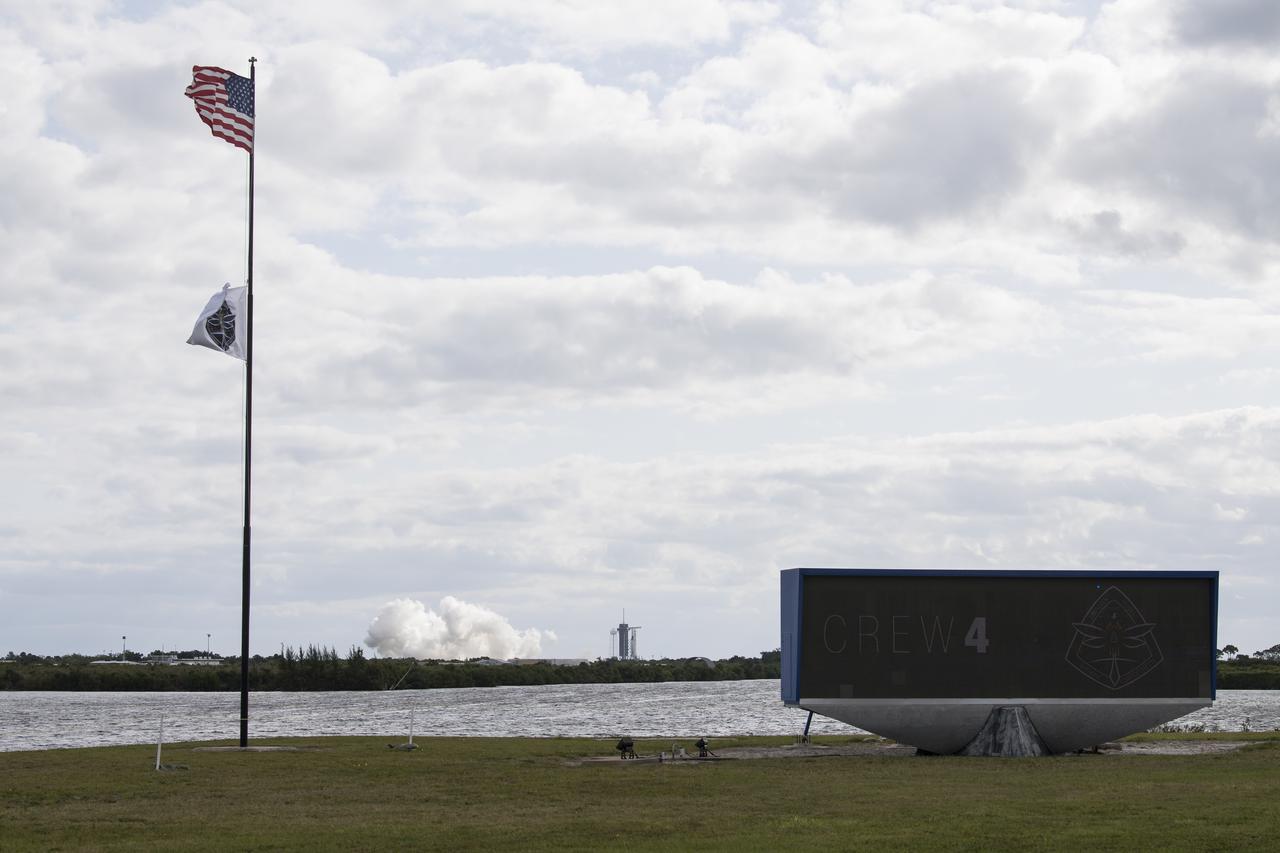
A SpaceX Falcon 9 rocket with the company's Crew Dragon spacecraft onboard is seen on the launch pad at Launch Complex 39A during a brief static fire test ahead of NASA’s SpaceX Crew-4 mission, Wednesday, April 20, 2022, at NASA’s Kennedy Space Center in Florida. NASA’s SpaceX Crew-4 mission is the fourth crew rotation mission of the SpaceX Crew Dragon spacecraft and Falcon 9 rocket to the International Space Station as part of the agency’s Commercial Crew Program. NASA astronauts Kjell Lindgren, Robert Hines, Jessica Watkins, and ESA (European Space Agency) astronaut Samantha Cristoforetti are scheduled to launch on April 23 at 5:26 a.m. EDT, from Launch Complex 39A at the Kennedy Space Center. Photo Credit: (NASA/Aubrey Gemignani)
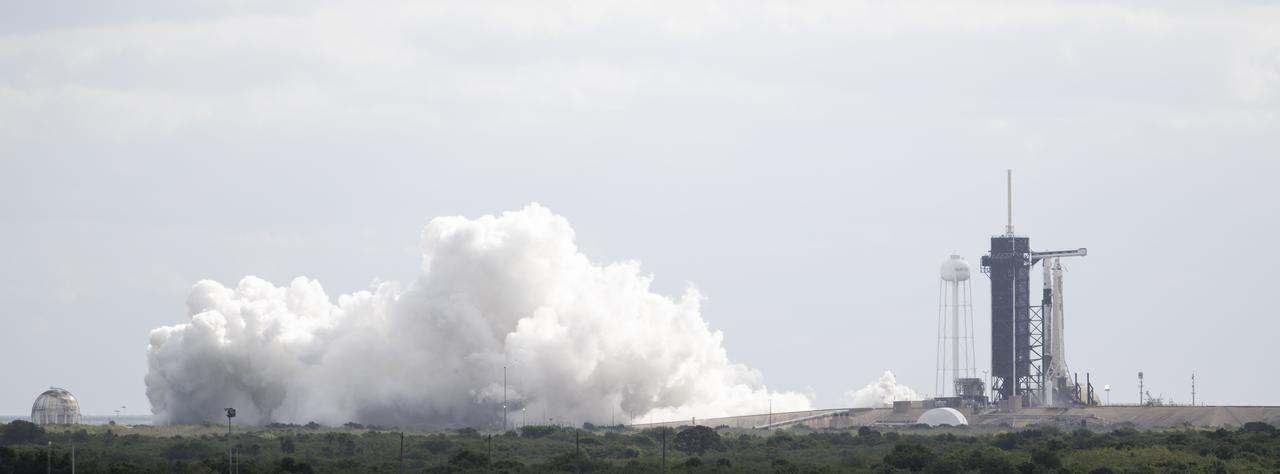
A SpaceX Falcon 9 rocket with the company's Crew Dragon spacecraft onboard is seen on the launch pad at Launch Complex 39A during a brief static fire test ahead of NASA’s SpaceX Crew-4 mission, Wednesday, April 20, 2022, at NASA’s Kennedy Space Center in Florida. NASA’s SpaceX Crew-4 mission is the fourth crew rotation mission of the SpaceX Crew Dragon spacecraft and Falcon 9 rocket to the International Space Station as part of the agency’s Commercial Crew Program. NASA astronauts Kjell Lindgren, Robert Hines, Jessica Watkins, and ESA (European Space Agency) astronaut Samantha Cristoforetti are scheduled to launch on April 23 at 5:26 a.m. EDT, from Launch Complex 39A at the Kennedy Space Center. Photo Credit: (NASA/Joel Kowsky)
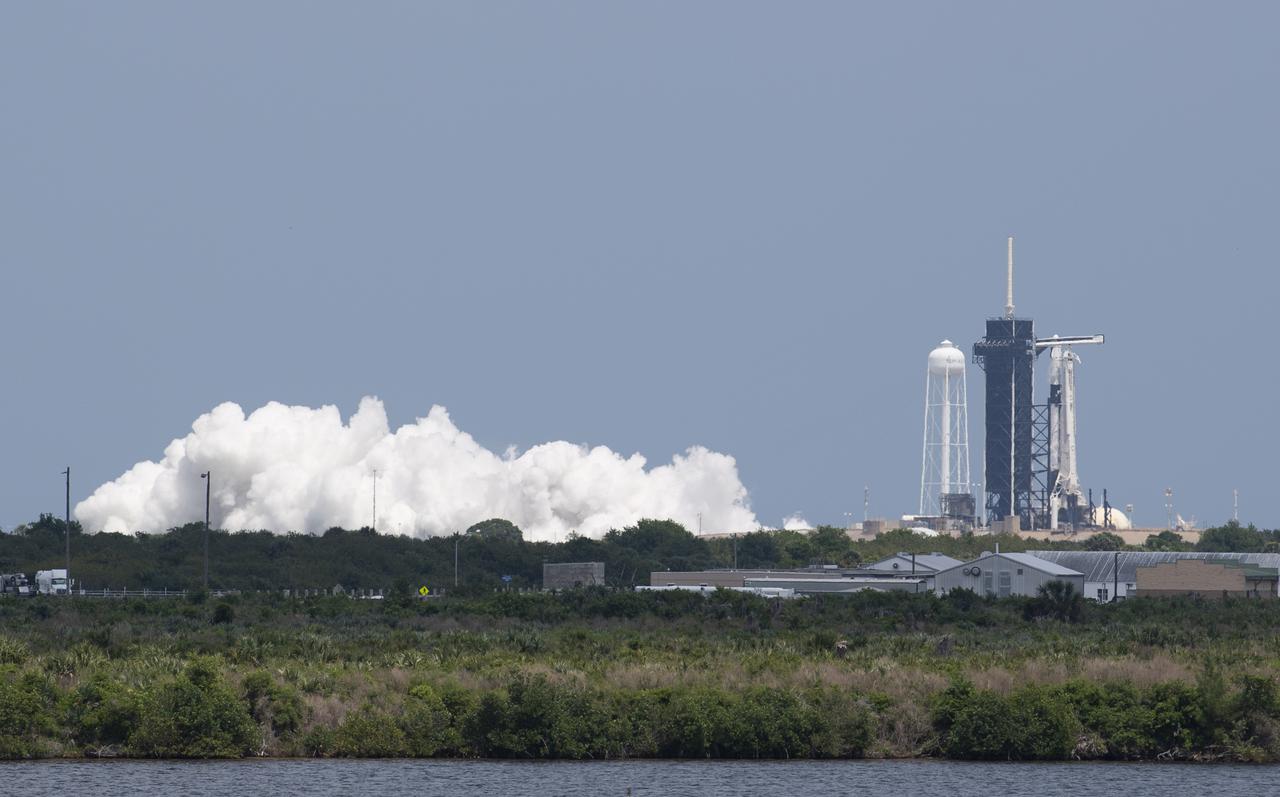
A SpaceX Falcon 9 rocket with the company's Crew Dragon spacecraft aboard is seen on the launch pad at Launch Complex 39A during a brief static fire test ahead of Axiom Mission 1 (Ax-1), Wednesday, April 6, 2022, at NASA’s Kennedy Space Center in Florida. The Ax-1 mission is the first private astronaut mission to the International Space Station. Ax-1 crew members Commander Michael López-Alegría of Spain and the United States, Pilot Larry Connor of the United States, and Mission Specialists Eytan Stibbe of Israel, and Mark Pathy of Canada are scheduled to launch on no earlier than March 20, from Launch Complex 39A at the Kennedy Space Center. Photo Credit: (NASA/Joel Kowsky)
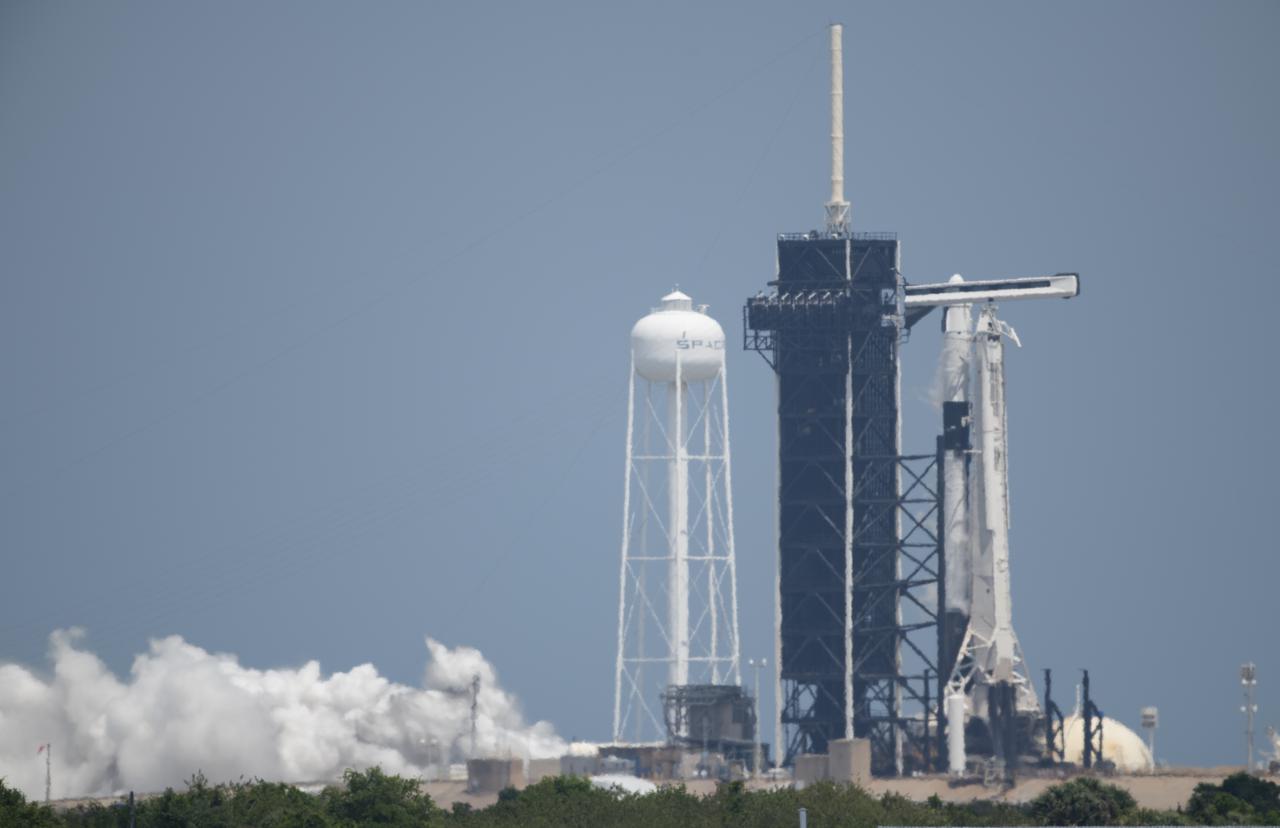
A SpaceX Falcon 9 rocket with the company's Crew Dragon spacecraft aboard is seen on the launch pad at Launch Complex 39A during a brief static fire test ahead of Axiom Mission 1 (Ax-1), Wednesday, April 6, 2022, at NASA’s Kennedy Space Center in Florida. The Ax-1 mission is the first private astronaut mission to the International Space Station. Ax-1 crew members Commander Michael López-Alegría of Spain and the United States, Pilot Larry Connor of the United States, and Mission Specialists Eytan Stibbe of Israel, and Mark Pathy of Canada are scheduled to launch on no earlier than March 20, from Launch Complex 39A at the Kennedy Space Center. Photo Credit: (NASA/Joel Kowsky)

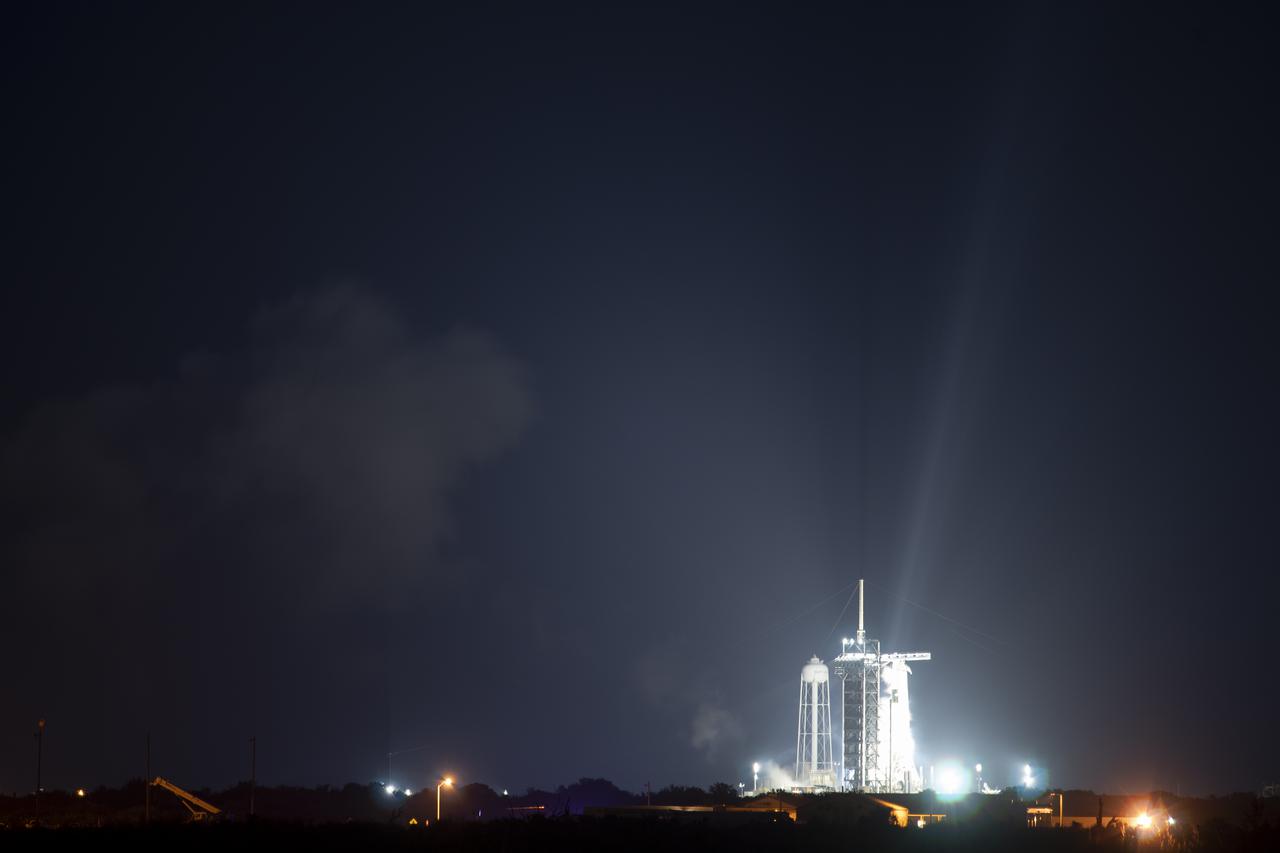
In this eight second exposure, a SpaceX Falcon 9 rocket with the company's Crew Dragon spacecraft onboard is seen on the launch pad at Launch Complex 39A during a brief static fire test ahead of NASA’s SpaceX Crew-3 mission, Thursday, Oct. 28, 2021, at NASA’s Kennedy Space Center in Florida. NASA’s SpaceX Crew-3 mission is the third crew rotation mission of the SpaceX Crew Dragon spacecraft and Falcon 9 rocket to the International Space Station as part of the agency’s Commercial Crew Program. NASA astronauts Raja Chari, Tom Marshburn, Kayla Barron, and ESA (European Space Agency) astronaut Matthias Maurer are scheduled to launch on Oct. 31 at 2:21 a.m. ET, from Launch Complex 39A at the Kennedy Space Center. Photo Credit: (NASA/Joel Kowsky)
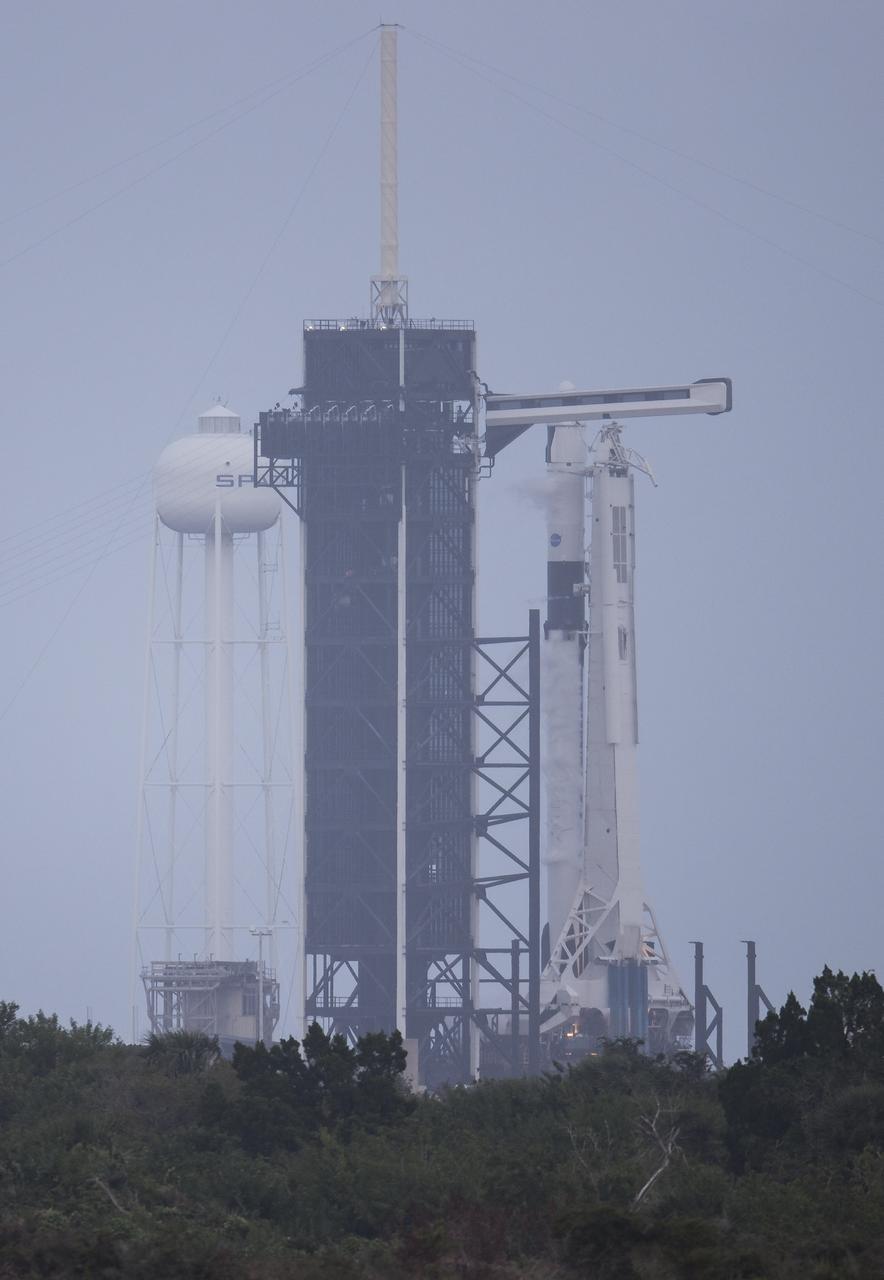
A SpaceX Falcon 9 rocket with the company's Crew Dragon spacecraft onboard is seen on the launch pad at Launch Complex 39A following a brief static fire test ahead of NASA’s SpaceX Crew-2 mission, Saturday, April 17, 2021, at NASA’s Kennedy Space Center in Florida. NASA’s SpaceX Crew-2 mission is the second crew rotation mission of the SpaceX Crew Dragon spacecraft and Falcon 9 rocket to the International Space Station as part of the agency’s Commercial Crew Program. NASA astronauts Shane Kimbrough and Megan McArthur, ESA (European Space Agency) astronaut Thomas Pesquet, and Japan Aerospace Exploration Agency (JAXA) astronaut Akihiko Hoshide are scheduled to launch at 6:11 a.m. ET on Thursday, April 22, from Launch Complex 39A at the Kennedy Space Center. Photo Credit: (NASA/Joel Kowsky)
A SpaceX Falcon 9 rocket with the company's Crew Dragon spacecraft onboard is seen on the launch pad at Launch Complex 39A during a brief static fire test ahead of NASA’s SpaceX Crew-1 mission, Wednesday, Nov. 11, 2020, at NASA’s Kennedy Space Center in Florida. NASA’s SpaceX Crew-1 mission is the first operational mission of the SpaceX Crew Dragon spacecraft and Falcon 9 rocket to the International Space Station as part of the agency’s Commercial Crew Program. NASA astronauts Mike Hopkins, Victor Glover, and Shannon Walker, and astronaut Soichi Noguchi of the Japan Aerospace Exploration Agency (JAXA) are scheduled to launch at 7:49 p.m. EST on Saturday, Nov. 14, from Launch Complex 39A at the Kennedy Space Center. Photo Credit: (NASA/Joel Kowsky)
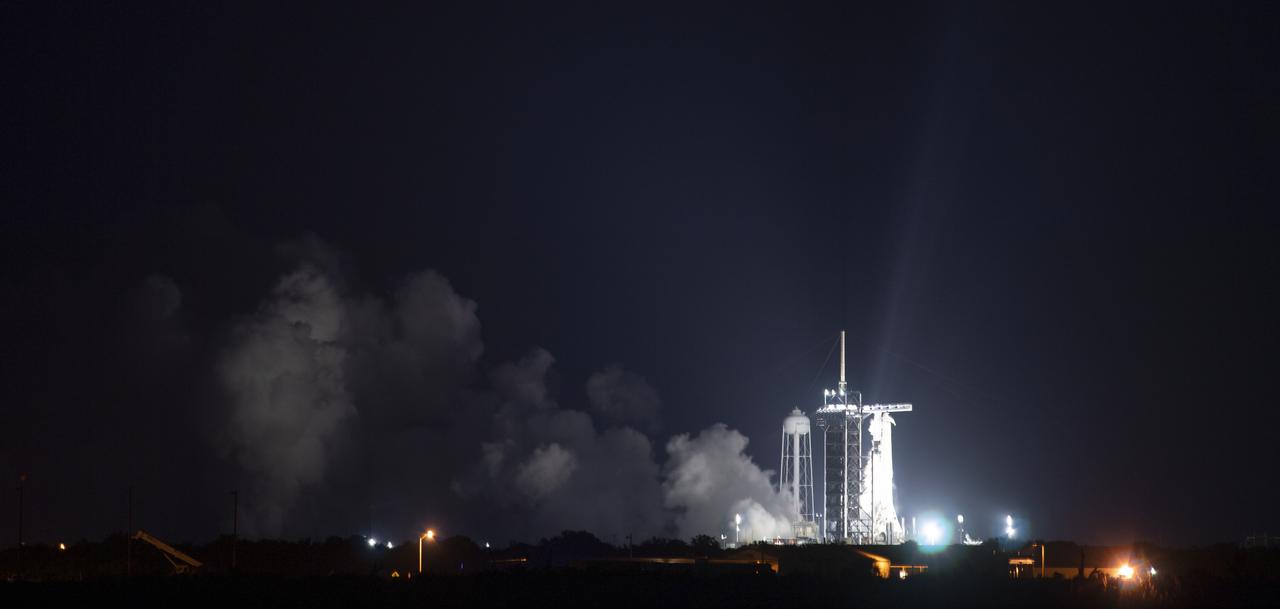
A SpaceX Falcon 9 rocket with the company's Crew Dragon spacecraft onboard is seen on the launch pad at Launch Complex 39A during a brief static fire test ahead of NASA’s SpaceX Crew-2 mission, Saturday, April 17, 2021, at NASA’s Kennedy Space Center in Florida. NASA’s SpaceX Crew-2 mission is the second crew rotation mission of the SpaceX Crew Dragon spacecraft and Falcon 9 rocket to the International Space Station as part of the agency’s Commercial Crew Program. NASA astronauts Shane Kimbrough and Megan McArthur, ESA (European Space Agency) astronaut Thomas Pesquet, and Japan Aerospace Exploration Agency (JAXA) astronaut Akihiko Hoshide are scheduled to launch at 6:11 a.m. ET on Thursday, April 22, from Launch Complex 39A at the Kennedy Space Center. Photo Credit: (NASA/Joel Kowsky)
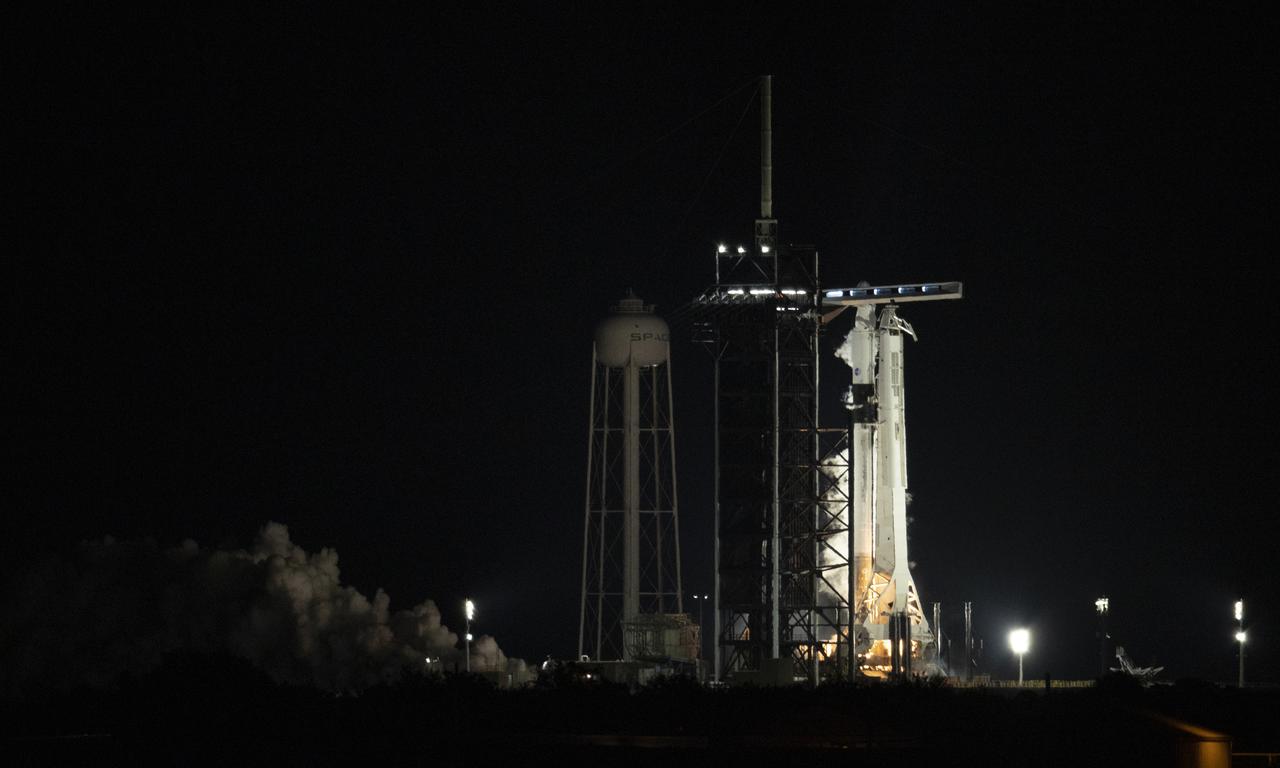
A SpaceX Falcon 9 rocket with the company's Crew Dragon spacecraft onboard is seen on the launch pad at Launch Complex 39A during a brief static fire test ahead of NASA’s SpaceX Crew-2 mission, Saturday, April 17, 2021, at NASA’s Kennedy Space Center in Florida. NASA’s SpaceX Crew-2 mission is the second crew rotation mission of the SpaceX Crew Dragon spacecraft and Falcon 9 rocket to the International Space Station as part of the agency’s Commercial Crew Program. NASA astronauts Shane Kimbrough and Megan McArthur, ESA (European Space Agency) astronaut Thomas Pesquet, and Japan Aerospace Exploration Agency (JAXA) astronaut Akihiko Hoshide are scheduled to launch at 6:11 a.m. ET on Thursday, April 22, from Launch Complex 39A at the Kennedy Space Center. Photo Credit: (NASA/Joel Kowsky)
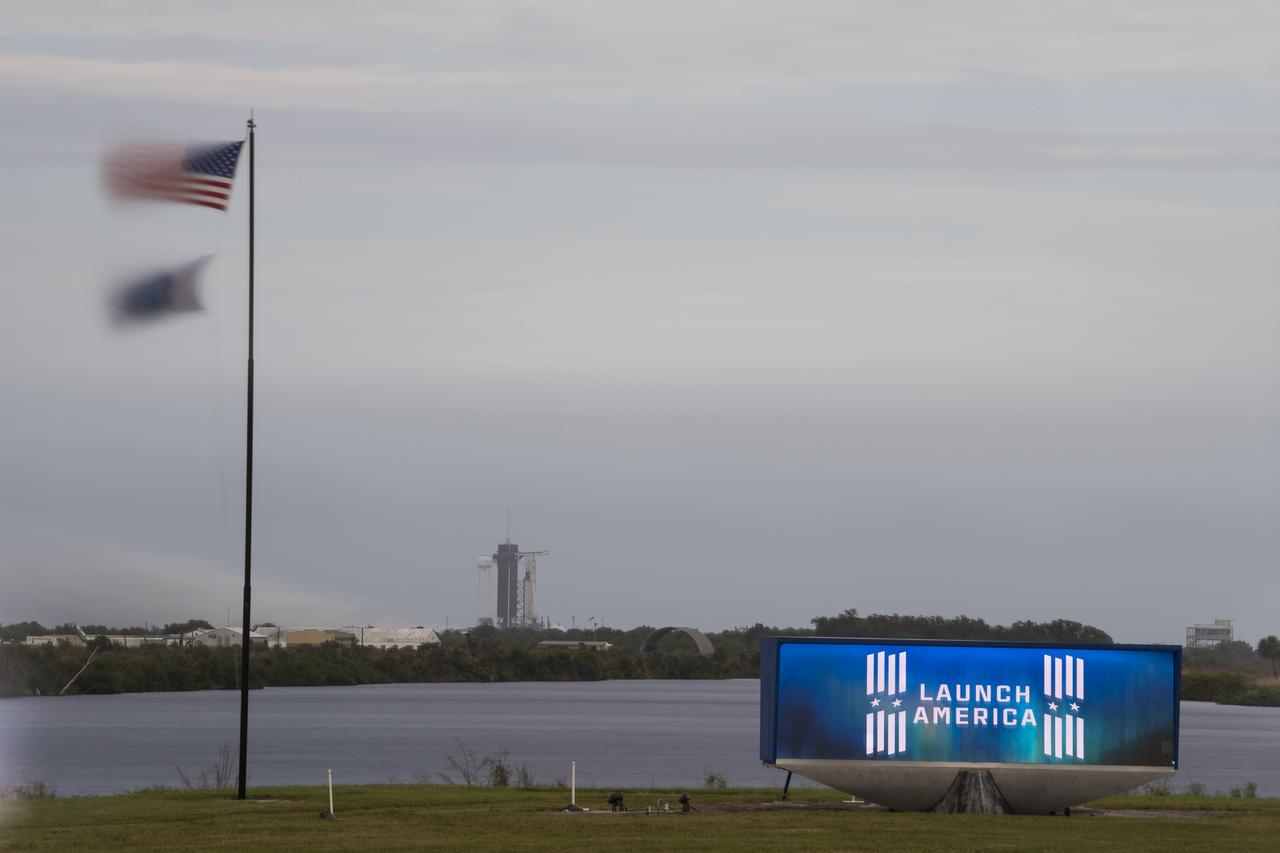
In this 25 second exposure, a SpaceX Falcon 9 rocket with the company's Crew Dragon spacecraft onboard is seen on the launch pad at Launch Complex 39A during a brief static fire test ahead of NASA’s SpaceX Crew-1 mission, Wednesday, Nov. 11, 2020, at NASA’s Kennedy Space Center in Florida. NASA’s SpaceX Crew-1 mission is the first operational mission of the SpaceX Crew Dragon spacecraft and Falcon 9 rocket to the International Space Station as part of the agency’s Commercial Crew Program. NASA astronauts Mike Hopkins, Victor Glover, and Shannon Walker, and astronaut Soichi Noguchi of the Japan Aerospace Exploration Agency (JAXA) are scheduled to launch at 7:49 p.m. EST on Saturday, Nov. 14, from Launch Complex 39A at the Kennedy Space Center. Photo Credit: (NASA/Aubrey Gemignani)
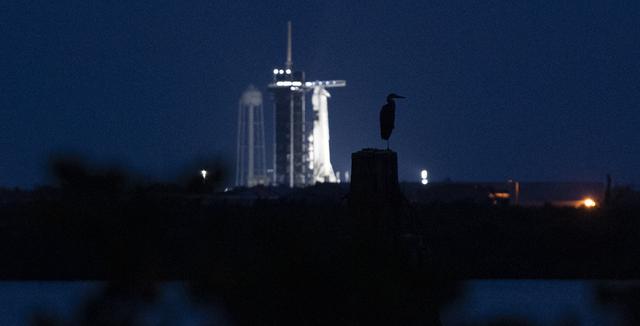
A heron is seen in the Turning Basin just before sunrise following the static fire test of a SpaceX Falcon 9 rocket with the company's Crew Dragon spacecraft onboard at Launch Complex 39A ahead of NASA’s SpaceX Crew-2 mission, Saturday, April 17, 2021, at NASA’s Kennedy Space Center in Florida. NASA’s SpaceX Crew-2 mission is the second crew rotation mission of the SpaceX Crew Dragon spacecraft and Falcon 9 rocket to the International Space Station as part of the agency’s Commercial Crew Program. NASA astronauts Shane Kimbrough and Megan McArthur, ESA (European Space Agency) astronaut Thomas Pesquet, and Japan Aerospace Exploration Agency (JAXA) astronaut Akihiko Hoshide are scheduled to launch at 6:11 a.m. ET on Thursday, April 22, from Launch Complex 39A at the Kennedy Space Center. Photo Credit: (NASA/Joel Kowsky)
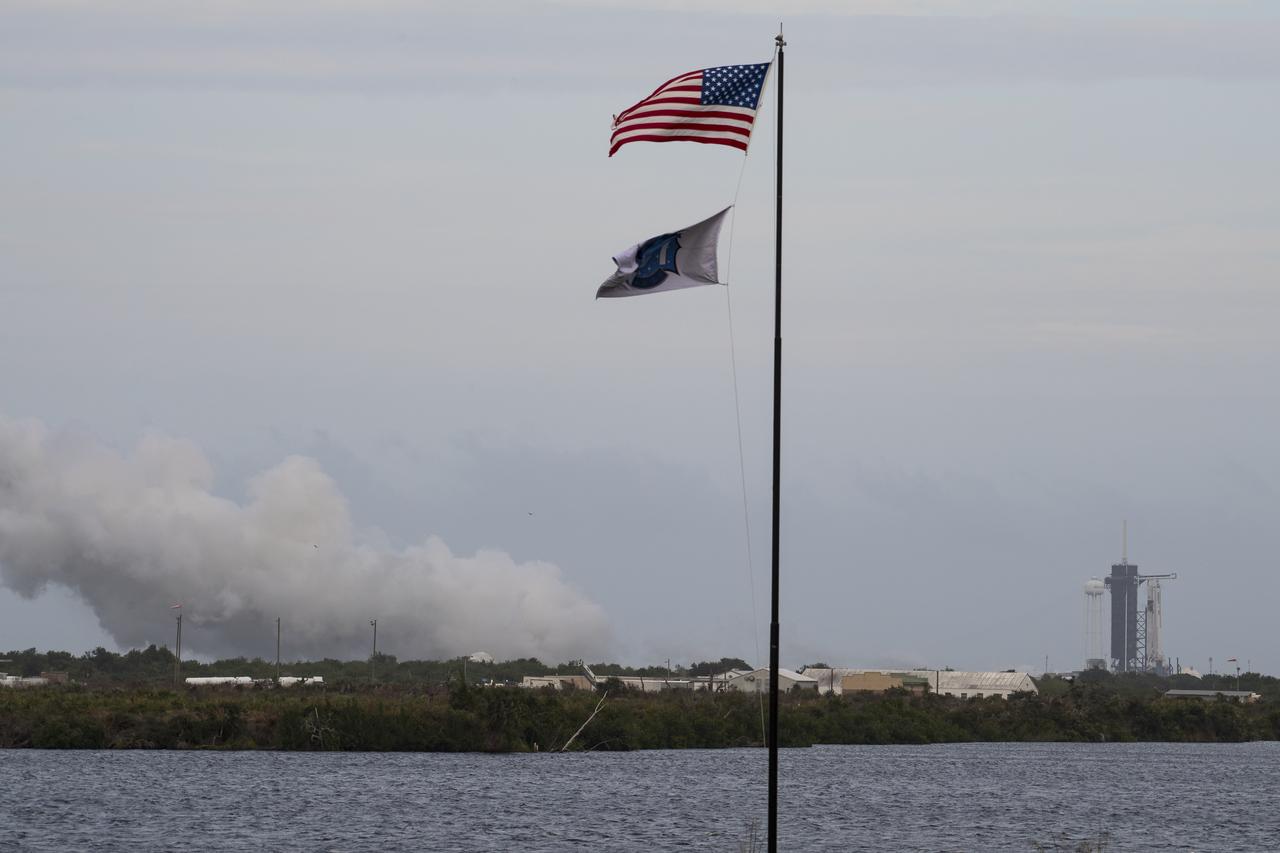
A SpaceX Falcon 9 rocket with the company's Crew Dragon spacecraft onboard is seen on the launch pad at Launch Complex 39A during a brief static fire test ahead of NASA’s SpaceX Crew-1 mission, Wednesday, Nov. 11, 2020, at NASA’s Kennedy Space Center in Florida. NASA’s SpaceX Crew-1 mission is the first operational mission of the SpaceX Crew Dragon spacecraft and Falcon 9 rocket to the International Space Station as part of the agency’s Commercial Crew Program. NASA astronauts Mike Hopkins, Victor Glover, and Shannon Walker, and astronaut Soichi Noguchi of the Japan Aerospace Exploration Agency (JAXA) are scheduled to launch at 7:49 p.m. EST on Saturday, Nov. 14, from Launch Complex 39A at the Kennedy Space Center. Photo Credit: (NASA/Aubrey Gemignani)
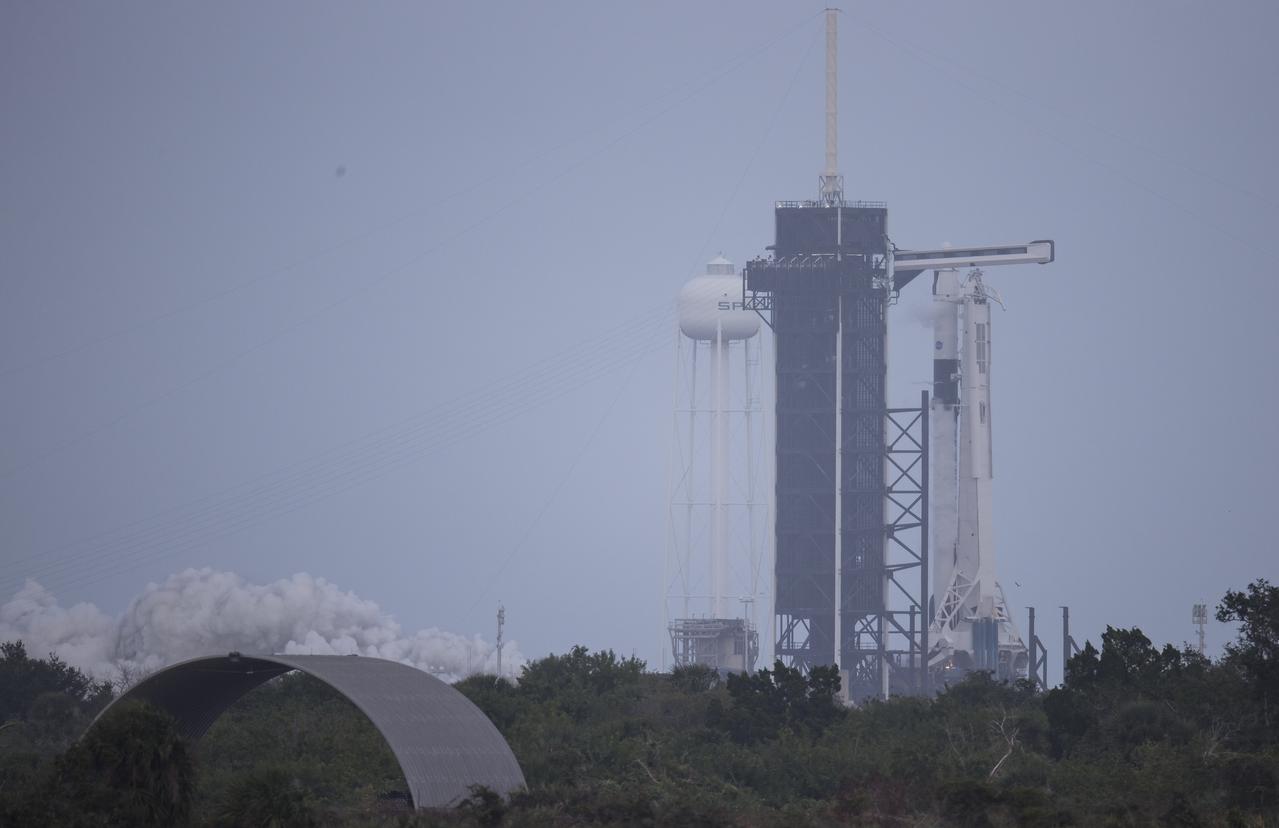
A SpaceX Falcon 9 rocket with the company's Crew Dragon spacecraft onboard is seen on the launch pad at Launch Complex 39A during a brief static fire test ahead of NASA’s SpaceX Crew-1 mission, Wednesday, Nov. 11, 2020, at NASA’s Kennedy Space Center in Florida. NASA’s SpaceX Crew-1 mission is the first operational mission of the SpaceX Crew Dragon spacecraft and Falcon 9 rocket to the International Space Station as part of the agency’s Commercial Crew Program. NASA astronauts Mike Hopkins, Victor Glover, and Shannon Walker, and astronaut Soichi Noguchi of the Japan Aerospace Exploration Agency (JAXA) are scheduled to launch at 7:49 p.m. EST on Saturday, Nov. 14, from Launch Complex 39A at the Kennedy Space Center. Photo Credit: (NASA/Joel Kowsky)
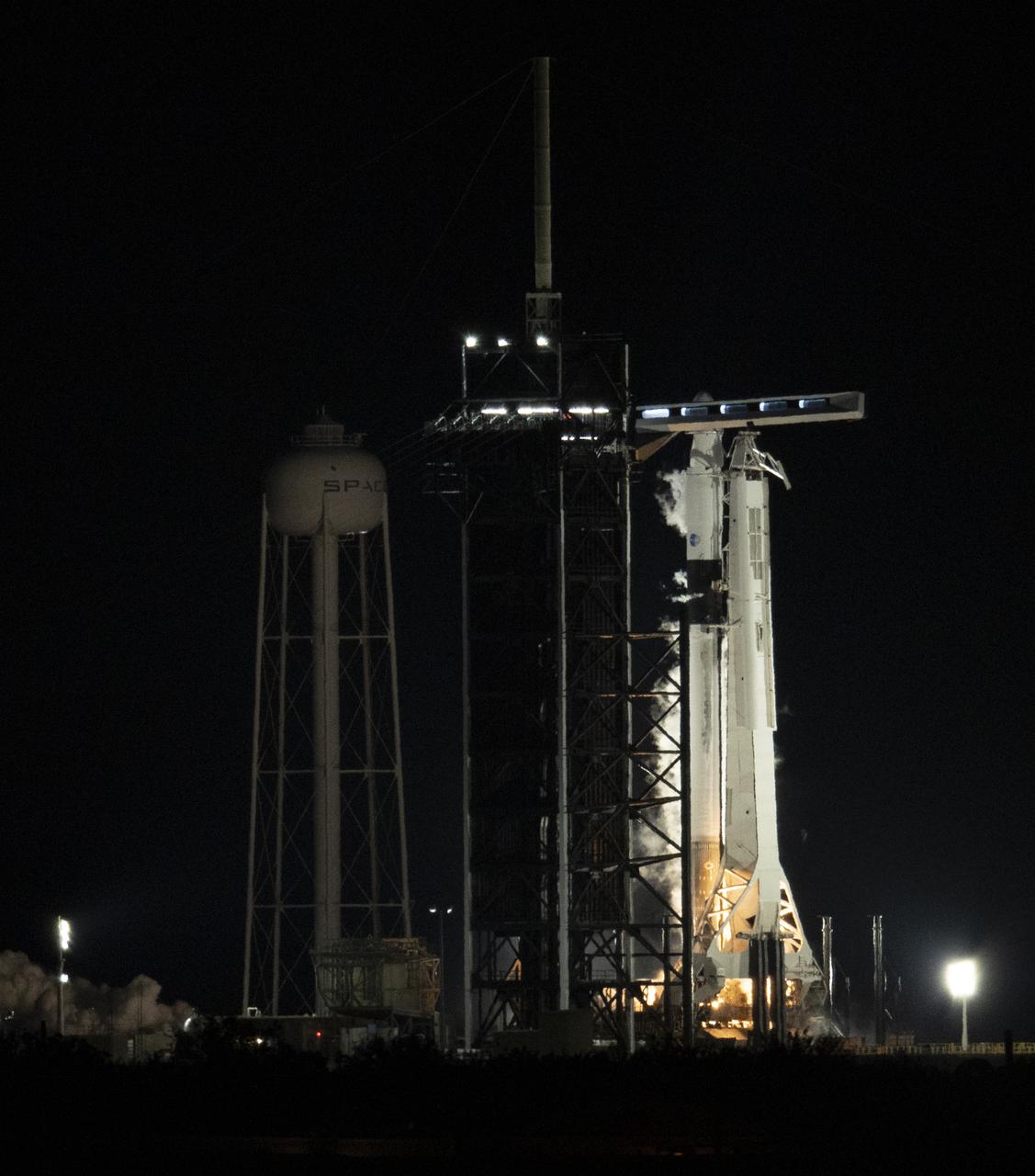
A SpaceX Falcon 9 rocket with the company's Crew Dragon spacecraft onboard is seen on the launch pad at Launch Complex 39A during a brief static fire test ahead of NASA’s SpaceX Crew-2 mission, Saturday, April 17, 2021, at NASA’s Kennedy Space Center in Florida. NASA’s SpaceX Crew-2 mission is the second crew rotation mission of the SpaceX Crew Dragon spacecraft and Falcon 9 rocket to the International Space Station as part of the agency’s Commercial Crew Program. NASA astronauts Shane Kimbrough and Megan McArthur, ESA (European Space Agency) astronaut Thomas Pesquet, and Japan Aerospace Exploration Agency (JAXA) astronaut Akihiko Hoshide are scheduled to launch at 6:11 a.m. ET on Thursday, April 22, from Launch Complex 39A at the Kennedy Space Center. Photo Credit: (NASA/Joel Kowsky)
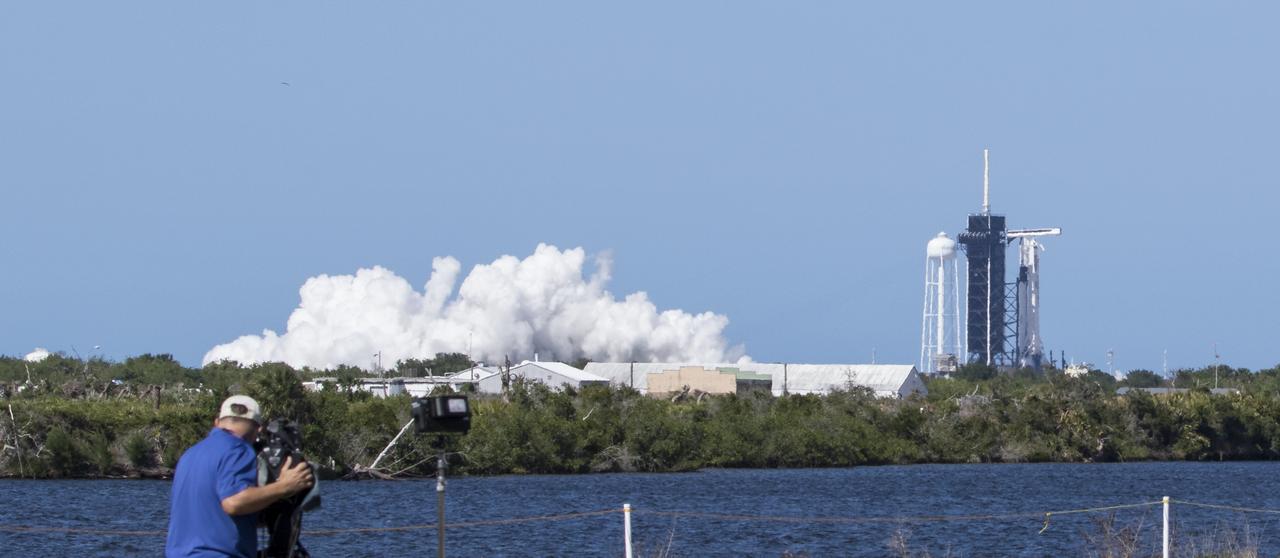
A SpaceX Falcon 9 rocket with the company's Crew Dragon spacecraft onboard is seen on the launch pad at Launch Complex 39A during a brief static fire test ahead of NASA’s SpaceX Demo-2 mission, Friday, May 22, 2020, at NASA’s Kennedy Space Center in Florida. NASA’s SpaceX Demo-2 mission is the first launch with astronauts of the SpaceX Crew Dragon spacecraft and Falcon 9 rocket to the International Space Station as part of the agency’s Commercial Crew Program. The test flight serves as an end-to-end demonstration of SpaceX’s crew transportation system. Robert Behnken and Douglas Hurley are scheduled to launch at 4:33 p.m. EDT on Wednesday, May 27, from Launch Complex 39A at the Kennedy Space Center. A new era of human spaceflight is set to begin as American astronauts once again launch on an American rocket from American soil to low-Earth orbit for the first time since the conclusion of the Space Shuttle Program in 2011. Photo Credit: (NASA/Joel Kowsky)
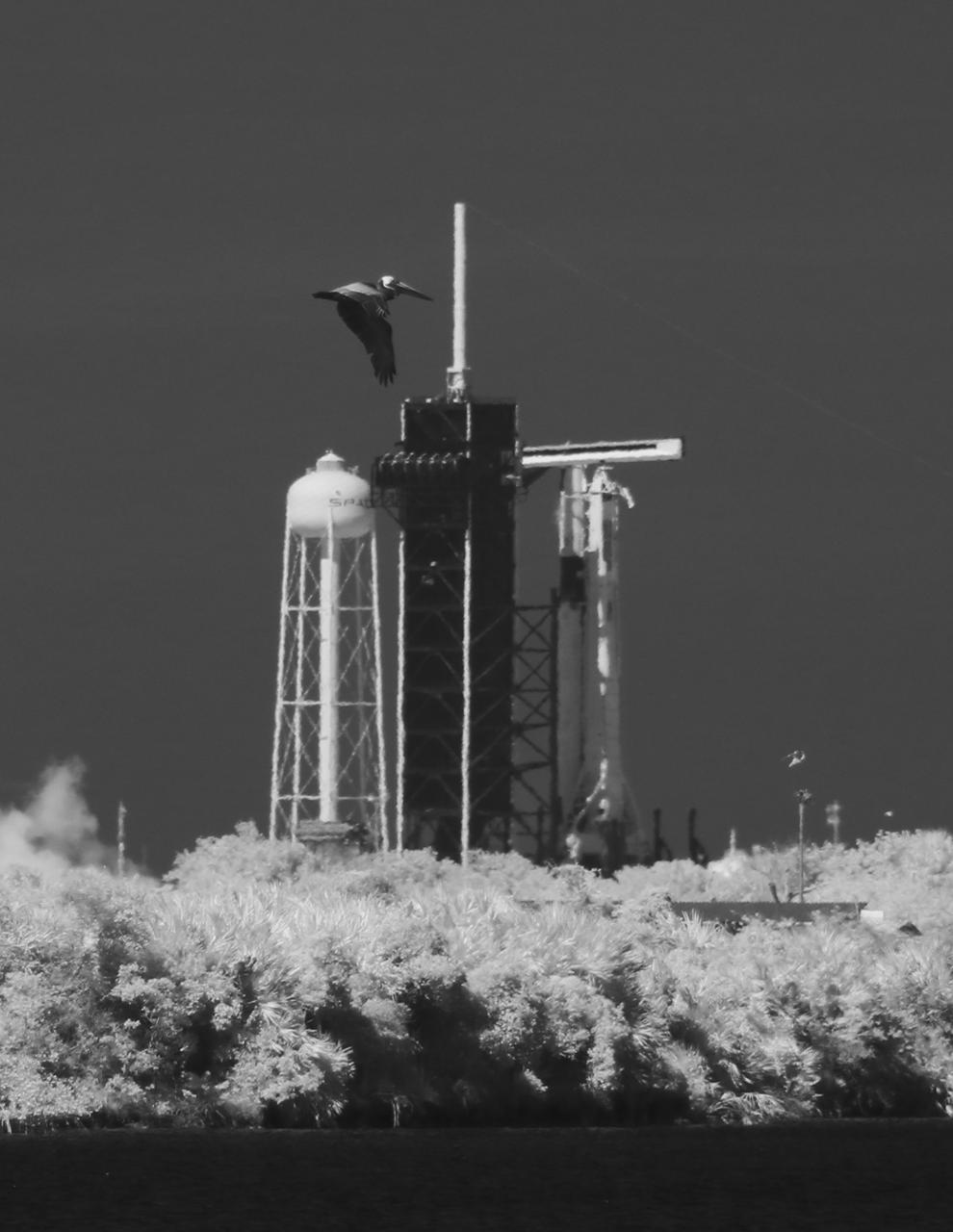
In this black and white infrared image, a SpaceX Falcon 9 rocket with the company's Crew Dragon spacecraft onboard is seen on the launch pad at Launch Complex 39A following a brief static fire test ahead of NASA’s SpaceX Demo-2 mission, Friday, May 22, 2020, at NASA’s Kennedy Space Center in Florida. NASA’s SpaceX Demo-2 mission is the first launch with astronauts of the SpaceX Crew Dragon spacecraft and Falcon 9 rocket to the International Space Station as part of the agency’s Commercial Crew Program. The test flight serves as an end-to-end demonstration of SpaceX’s crew transportation system. Robert Behnken and Douglas Hurley are scheduled to launch at 4:33 p.m. EDT on Wednesday, May 27, from Launch Complex 39A at the Kennedy Space Center. A new era of human spaceflight is set to begin as American astronauts once again launch on an American rocket from American soil to low-Earth orbit for the first time since the conclusion of the Space Shuttle Program in 2011. Photo Credit: (NASA/Joel Kowsky)
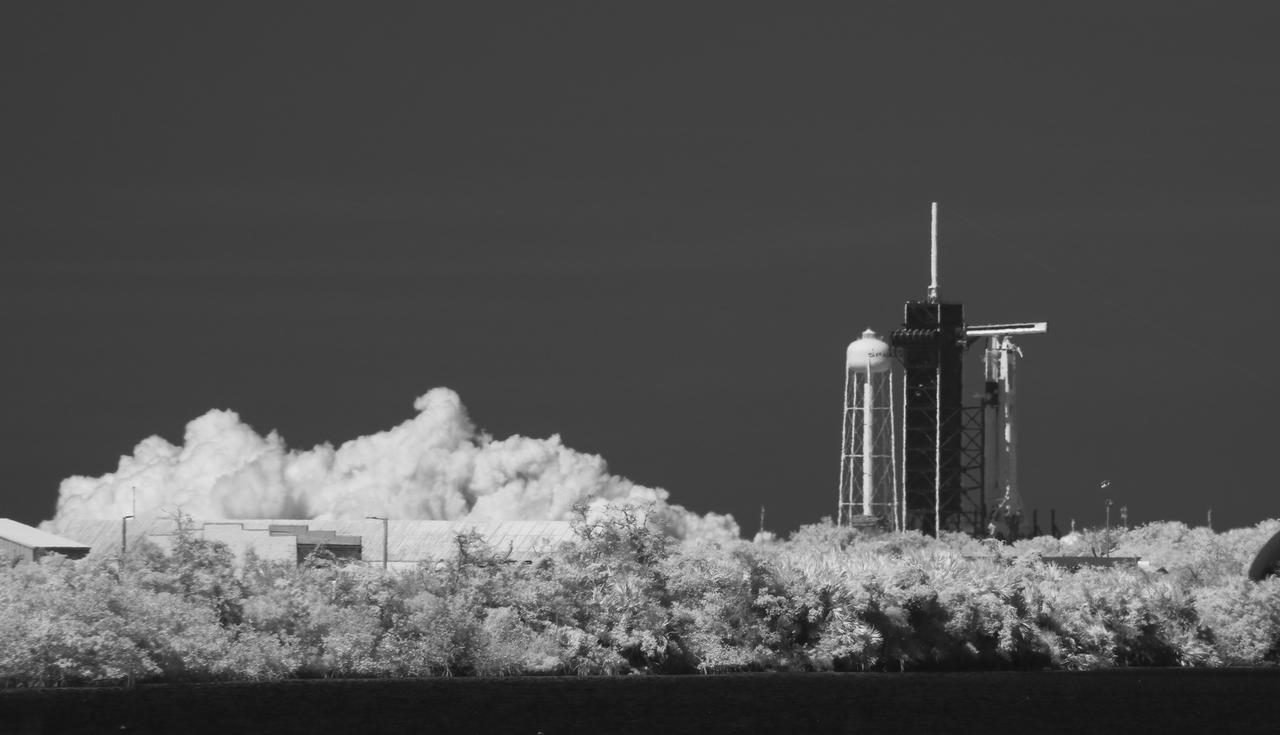
In this black and white infrared image, a SpaceX Falcon 9 rocket with the company's Crew Dragon spacecraft onboard is seen on the launch pad at Launch Complex 39A during a brief static fire test ahead of NASA’s SpaceX Demo-2 mission, Friday, May 22, 2020, at NASA’s Kennedy Space Center in Florida. NASA’s SpaceX Demo-2 mission is the first launch with astronauts of the SpaceX Crew Dragon spacecraft and Falcon 9 rocket to the International Space Station as part of the agency’s Commercial Crew Program. The test flight serves as an end-to-end demonstration of SpaceX’s crew transportation system. Robert Behnken and Douglas Hurley are scheduled to launch at 4:33 p.m. EDT on Wednesday, May 27, from Launch Complex 39A at the Kennedy Space Center. A new era of human spaceflight is set to begin as American astronauts once again launch on an American rocket from American soil to low-Earth orbit for the first time since the conclusion of the Space Shuttle Program in 2011. Photo Credit: (NASA/Joel Kowsky)
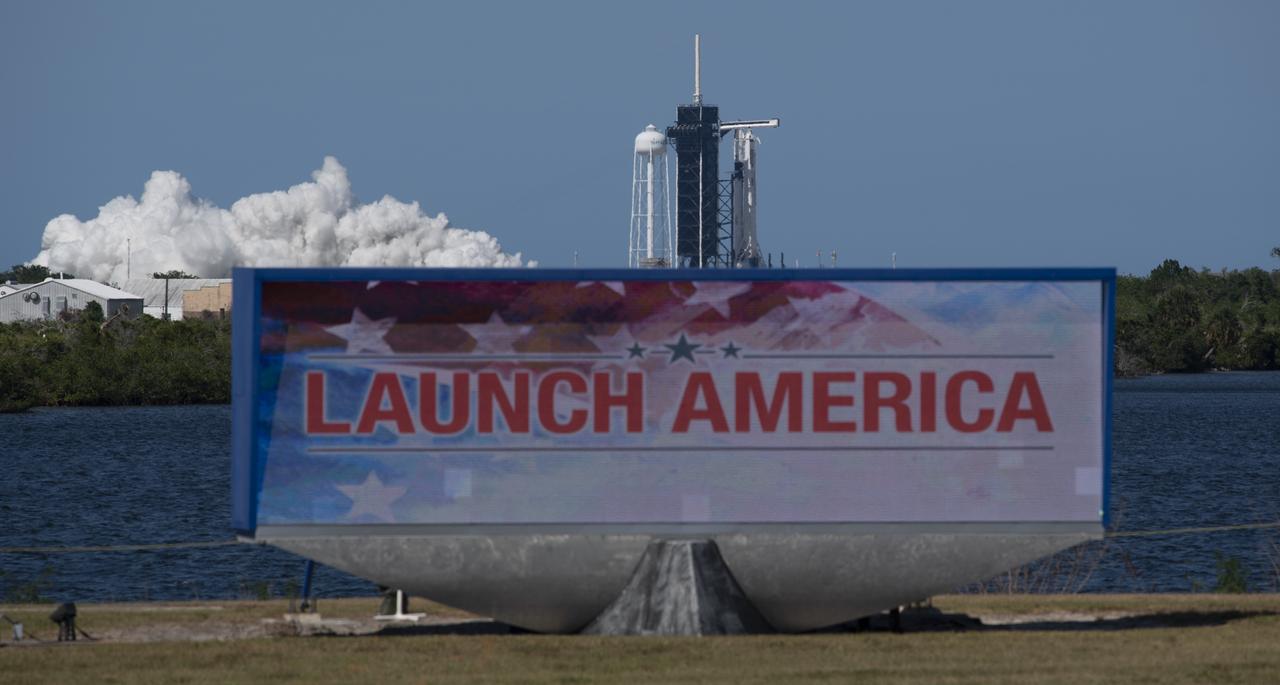
A SpaceX Falcon 9 rocket with the company's Crew Dragon spacecraft onboard is seen on the launch pad at Launch Complex 39A during a brief static fire test ahead of NASA’s SpaceX Demo-2 mission, Friday, May 22, 2020, at NASA’s Kennedy Space Center in Florida. NASA’s SpaceX Demo-2 mission is the first launch with astronauts of the SpaceX Crew Dragon spacecraft and Falcon 9 rocket to the International Space Station as part of the agency’s Commercial Crew Program. The test flight serves as an end-to-end demonstration of SpaceX’s crew transportation system. Robert Behnken and Douglas Hurley are scheduled to launch at 4:33 p.m. EDT on Wednesday, May 27, from Launch Complex 39A at the Kennedy Space Center. A new era of human spaceflight is set to begin as American astronauts once again launch on an American rocket from American soil to low-Earth orbit for the first time since the conclusion of the Space Shuttle Program in 2011. Photo Credit: (NASA/Joel Kowsky)
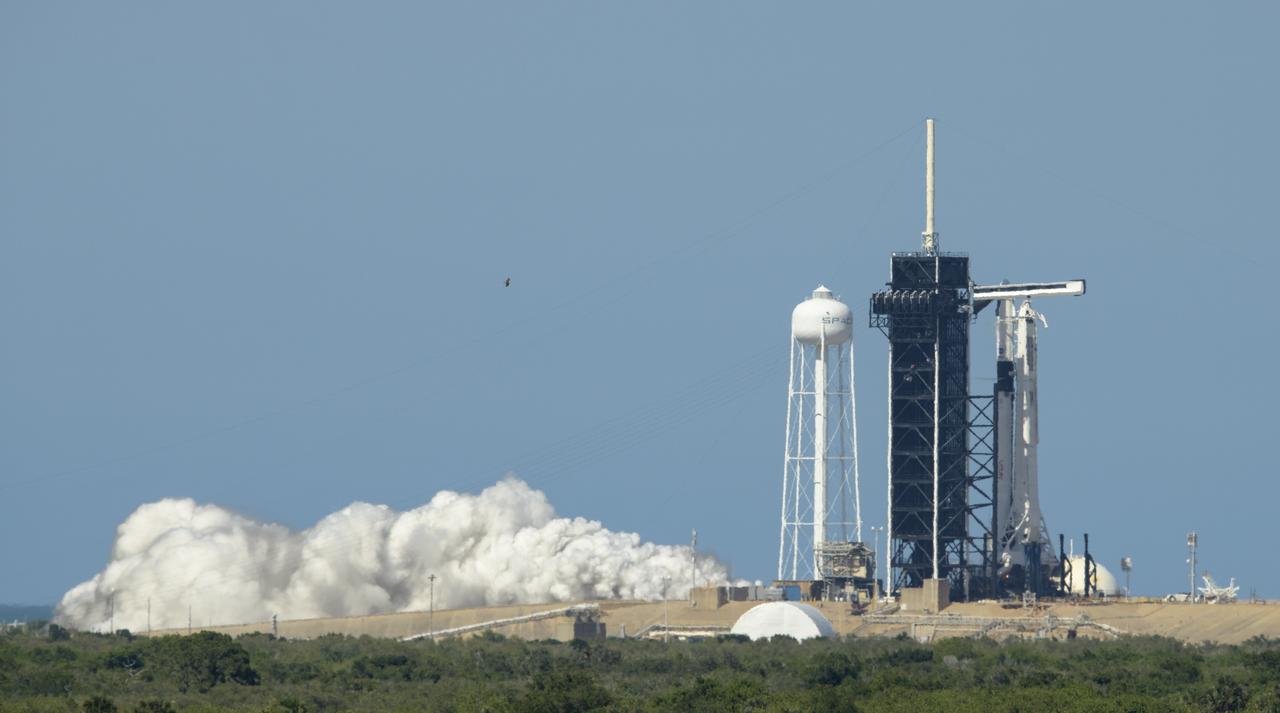
A SpaceX Falcon 9 rocket with the company's Crew Dragon spacecraft onboard is seen on the launch pad at Launch Complex 39A during a brief static fire test ahead of NASA’s SpaceX Demo-2 mission, Friday, May 22, 2020, at NASA’s Kennedy Space Center in Florida. NASA’s SpaceX Demo-2 mission is the first launch with astronauts of the SpaceX Crew Dragon spacecraft and Falcon 9 rocket to the International Space Station as part of the agency’s Commercial Crew Program. The test flight serves as an end-to-end demonstration of SpaceX’s crew transportation system. Robert Behnken and Douglas Hurley are scheduled to launch at 4:33 p.m. EDT on Wednesday, May 27, from Launch Complex 39A at the Kennedy Space Center. A new era of human spaceflight is set to begin as American astronauts once again launch on an American rocket from American soil to low-Earth orbit for the first time since the conclusion of the Space Shuttle Program in 2011. Photo Credit: (NASA/Bill Ingalls)
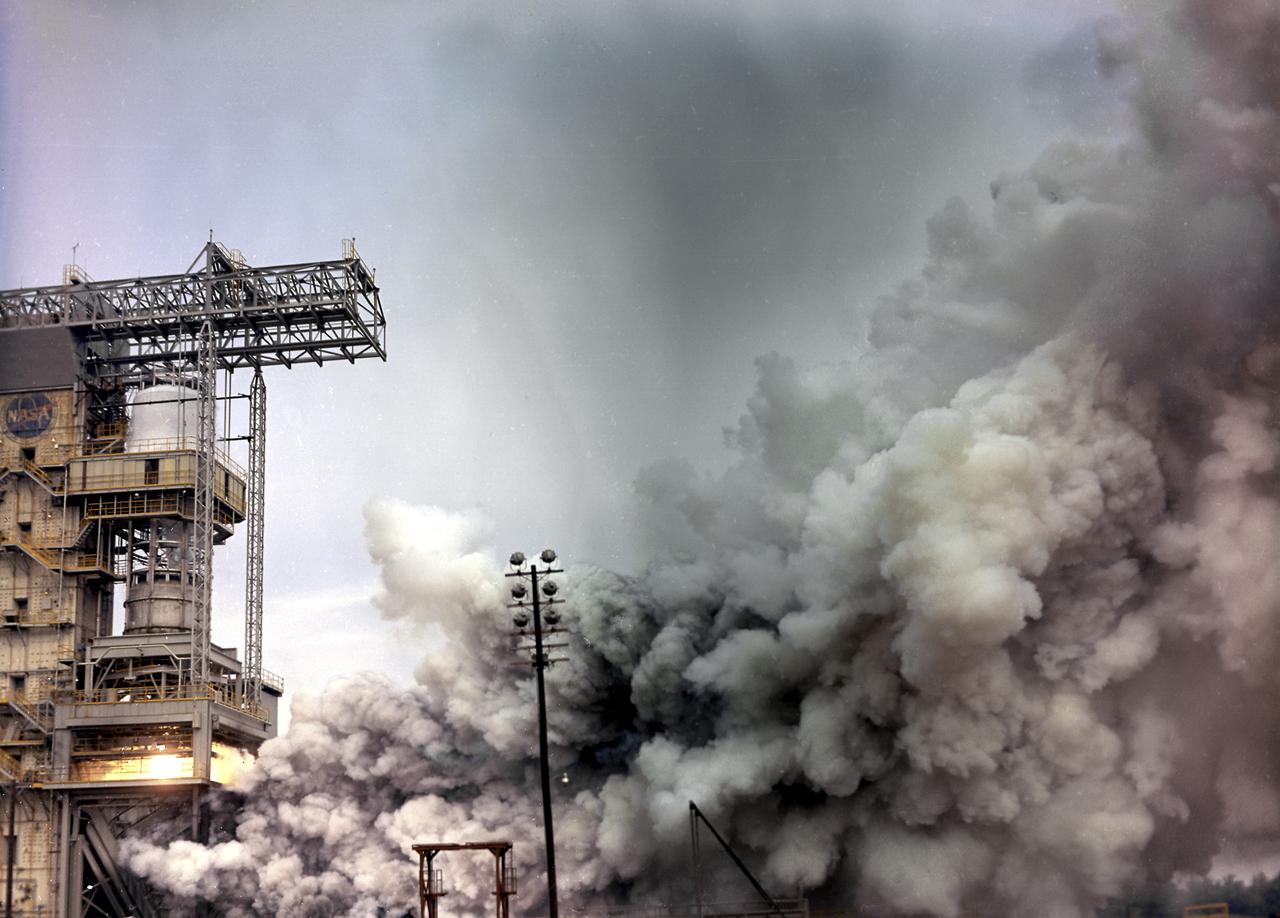
The static firing of a Saturn F-1 engine at the Marshall Space Flight Center's Static Test Stand. The F-1 engine is a single-start, 1,5000,000 Lb fixed-thrust, bipropellant rocket system. The engine uses liquid oxygen as the oxidizer and RP-1 (kerosene) as fuel. The five-engine cluster used on the first stage of the Saturn V produces 7,500,000 lbs of thrust.
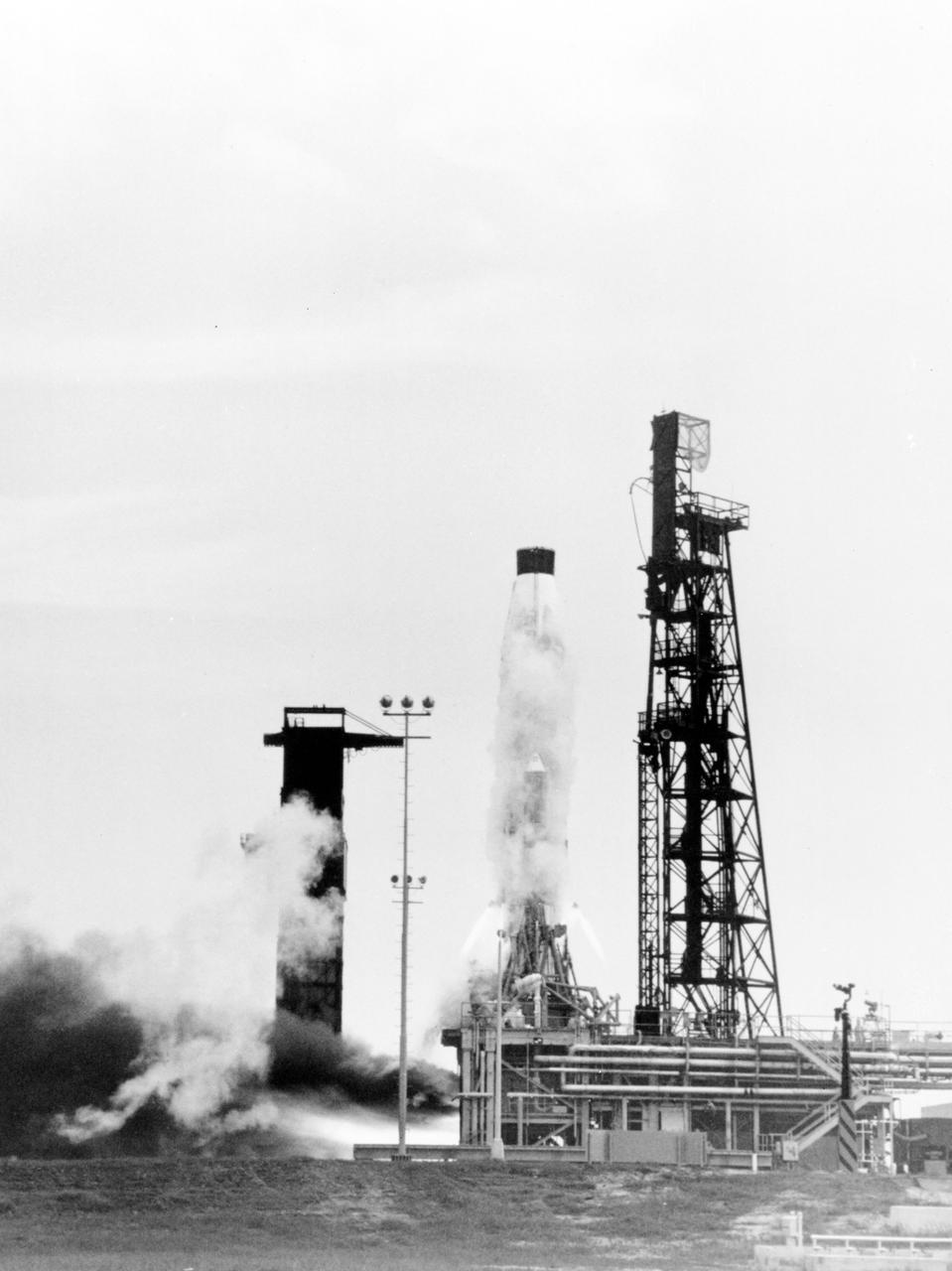
S62-06634 (1962) --- Static test firing of the Mercury-Atlas 8 (MA-8) Atlas 113D during preflight verification of launch vehicle systems. Photo credit: NASA

The team at SpaceX's rocket development facility in McGregor, Texas completed a static fire test of the Falcon 9 booster that will launch SpaceX's first demonstration mission for NASA's Commerical Crew Program.
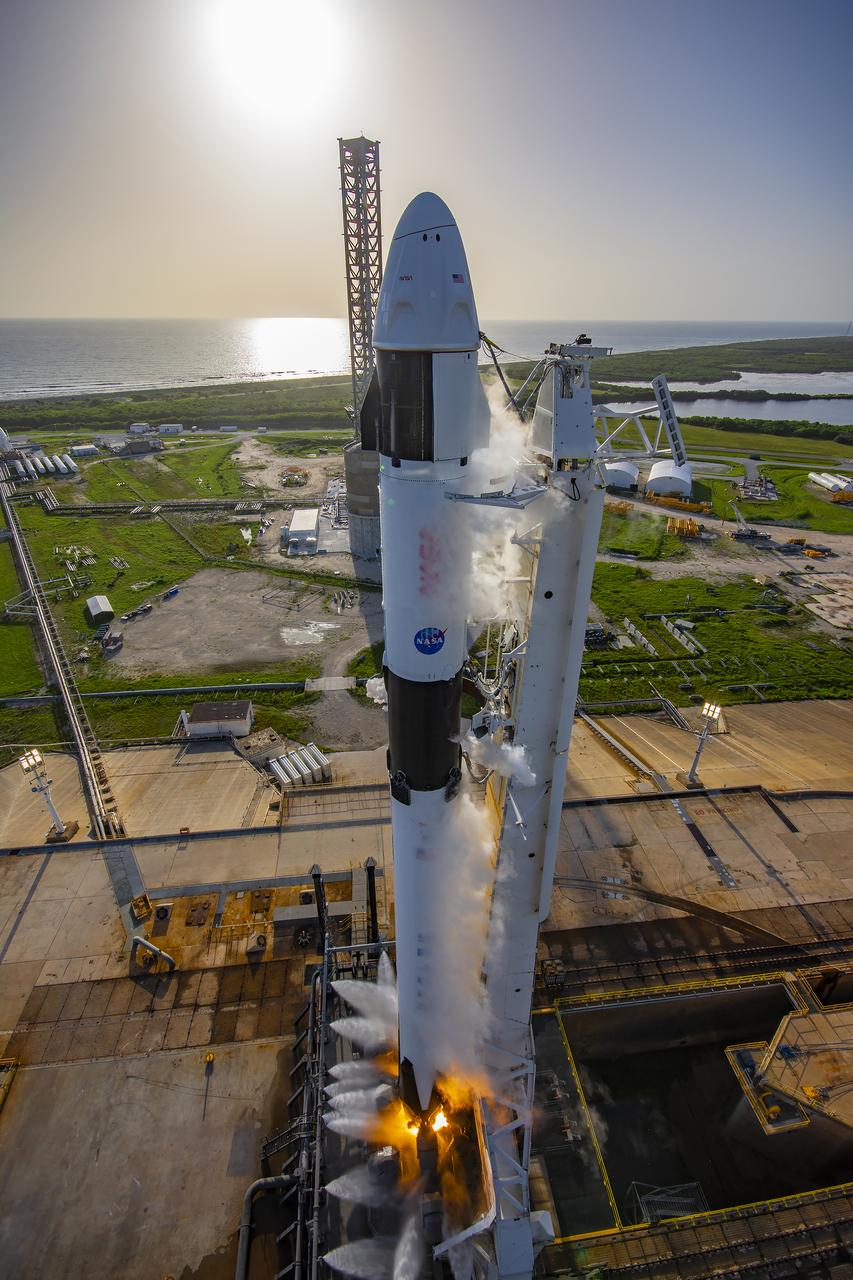
SpaceX’s Dragon spacecraft, atop the company’s Falcon 9 rocket, stands tall during a static fire engine test at the pad at Launch Complex 39A at NASA’s Kennedy Space Center in Florida on Tuesday, Aug. 22, 2023. NASA astronaut Jasmin Moghbeli, ESA (European Space Agency) astronaut Andreas Mogensen, JAXA (Japan Aerospace Exploration Agency) astronaut Satoshi Furukawa, and Roscosmos cosmonaut Konstantin Borisov, who arrived at Kennedy on Sunday, Aug. 20, 2023, will fly to the International Space Station on NASA’s SpaceX Crew-7 mission. Liftoff is targeted for 3:50 a.m. EDT Friday, Aug. 25, 2023.
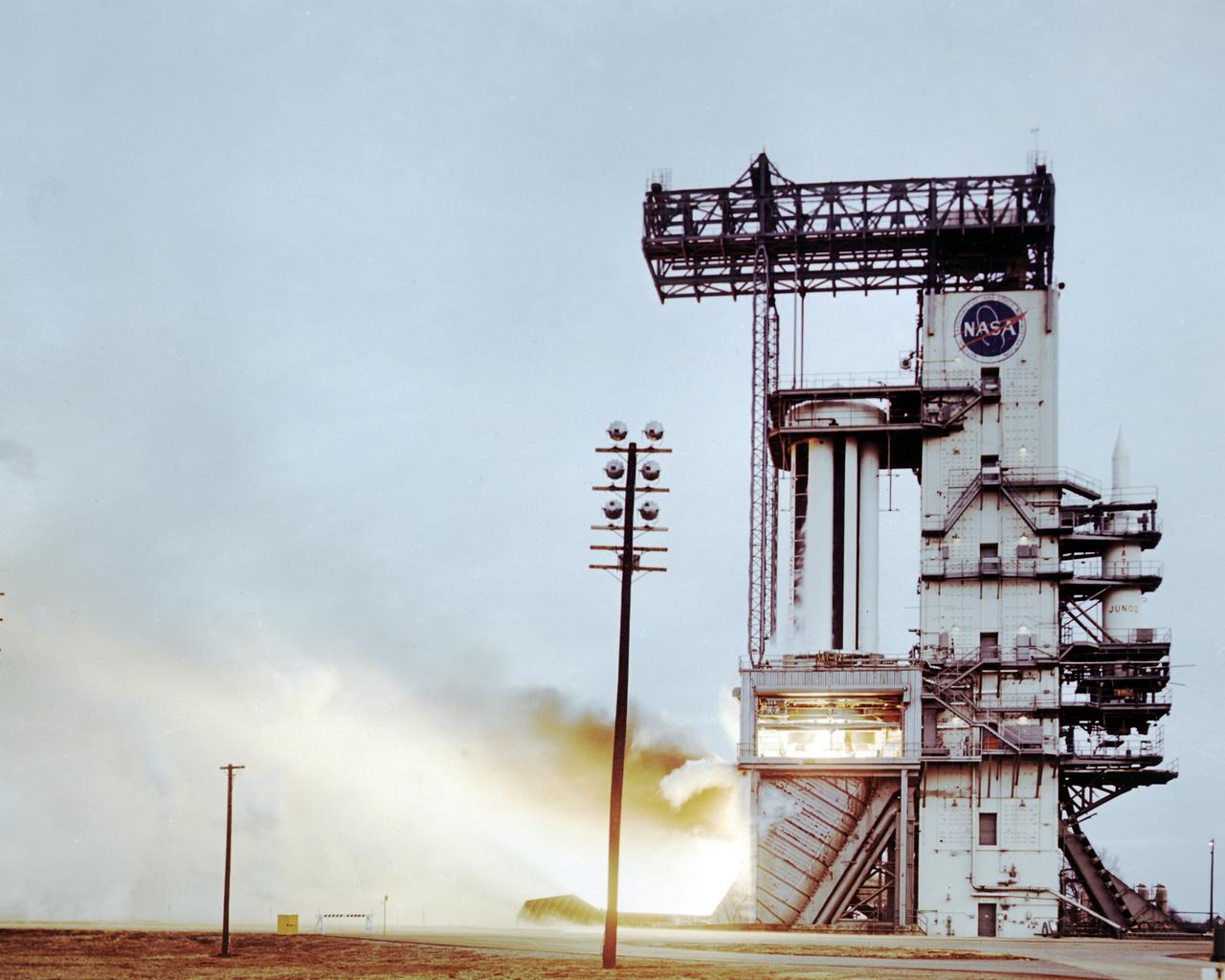
The Saturn project was approved on January 18, 1960 as a program of the highest national priority. The formal test program to prove out the clustered-booster concept was well underway. A series of static tests of the Saturn I booster (S-I stage) began June 3, 1960 at the Marshall Space Flight Center (MSFC). This photograph depicts the Saturn I S-I stage equipped with eight H-1 engines, being successfully test-fired on February 4, 1961. A Juno rocket is visible on the right side of the test stand.
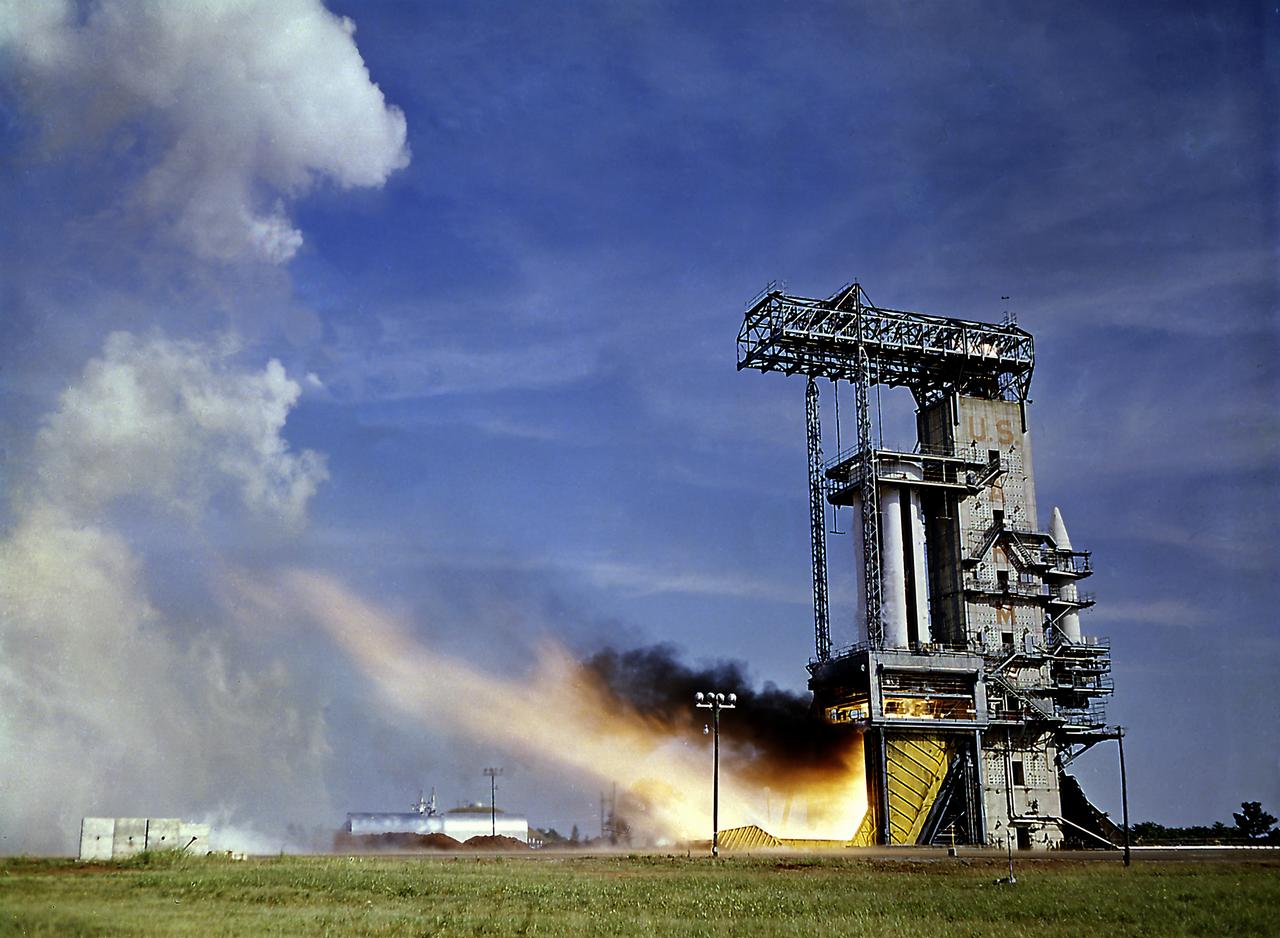
The Saturn Project was approved on January 18, 1960 as a program of the highest national priority. The formal test program to prove out the clustered-booster concept was well underway. A series of static tests of the Saturn I booster (S-I stage) began June 3, 1960 at the Marshall Space Flight Center (MSFC). This photograph depicts the Saturn I S-I stage equipped with eight H-1 engines, being successfully test-fired for the duration of 121 seconds on June 15, 1960.
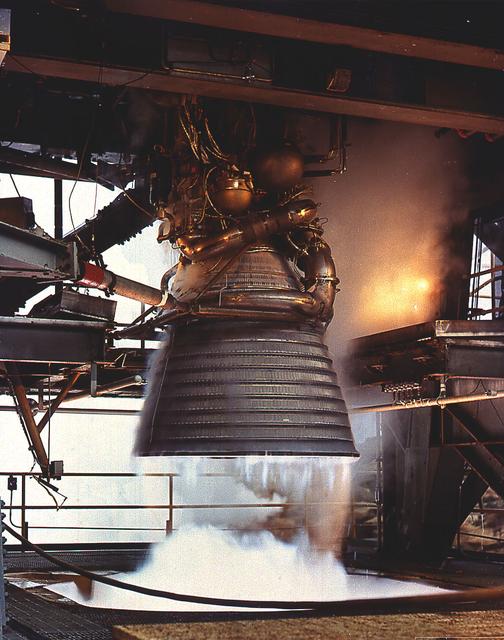
A J-2 engine undergoes static firing. The J-2, developed under the direction of the Marshall Space Flight Center, was propelled by liquid hydrogen and liquid oxygen. A single J-2 was utilized in the S-IVB stage (the second stage for the Saturn IB and third stage for the Saturn V) and in a cluster of five for the second stage (S-II) of the Saturn V. Initially rated at 200,000 pounds of thrust, the engine was later uprated in the Saturn V program to 230,000 pounds.
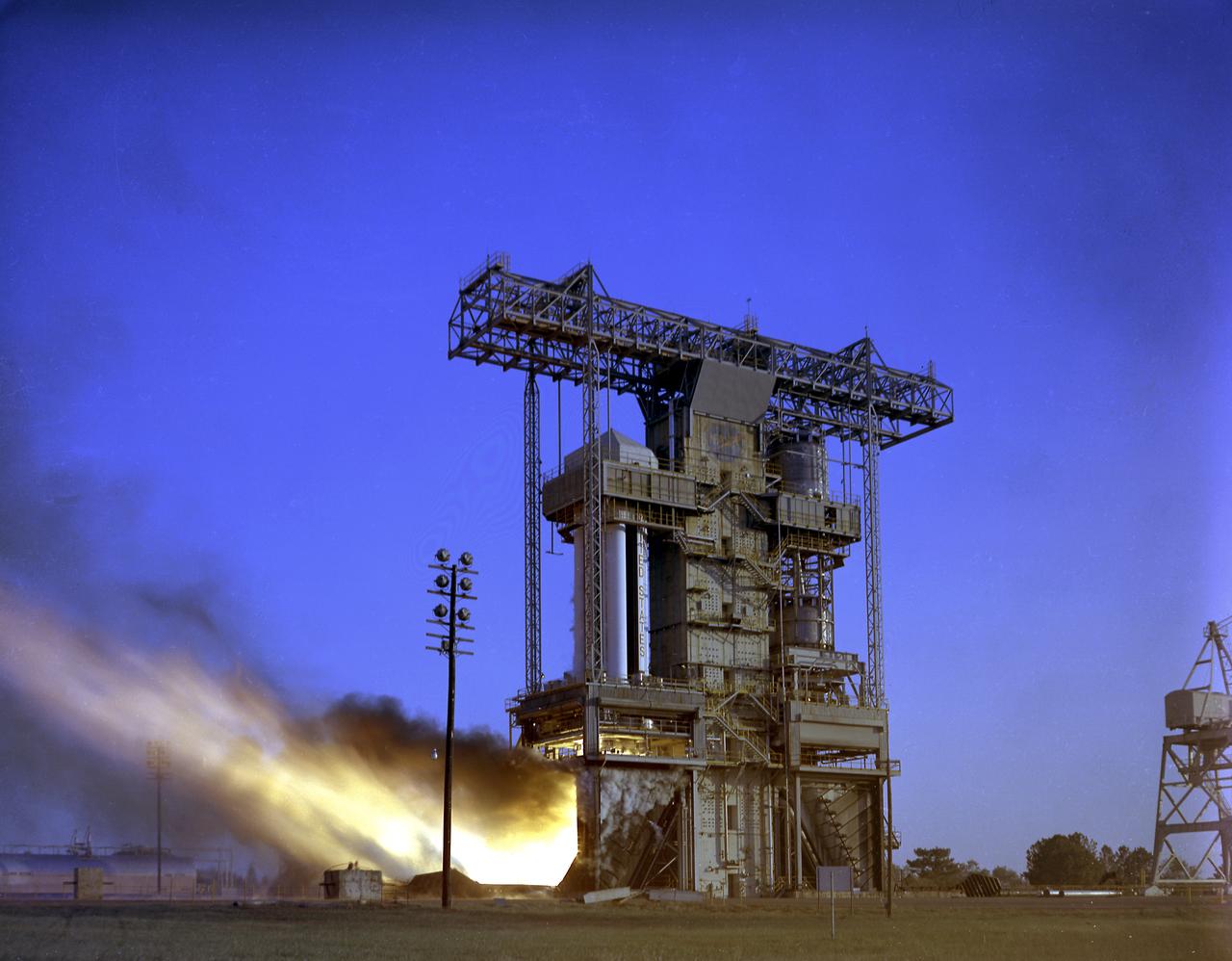
Test firing of the Saturn I S-I Stage (S-1-10) at the Marshall Space Flight Center. This test stand was originally constructed in 1951 and sometimes called the Redstone or T tower. In l961, the test stand was modified to permit static firing of the S-I/S-IB stages, which produced a total thrust of 1,600,000 pounds. The name of the stand was then changed to the S-IB Static Test Stand.
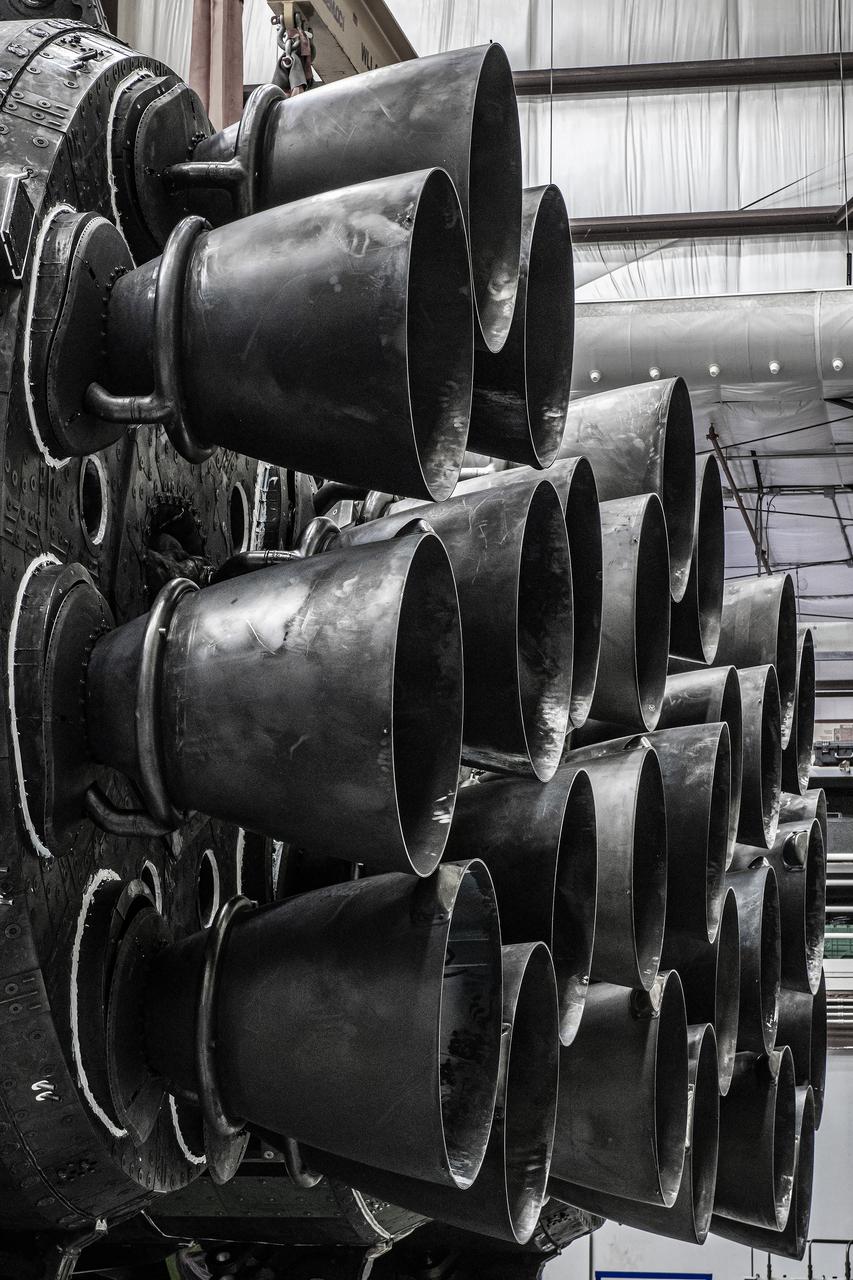
Photos of the Falcon Heavy rocket that will launch NASA's Psyche mission in the hangar at Launch Complex 39A at Kennedy Space Center in Florida before it rolled out to the pad for a static fire test as part of preparations for the journey to a metal-rich asteroid.
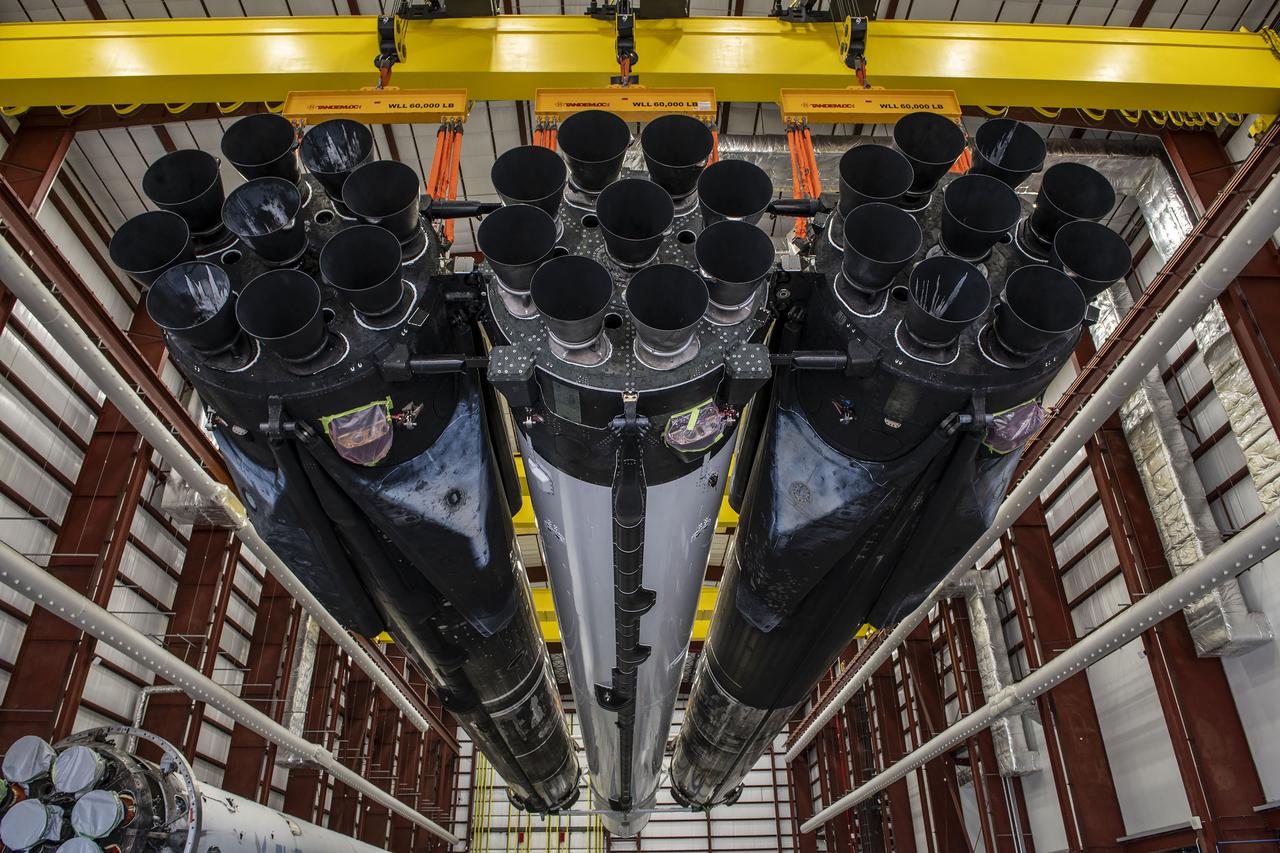
Photos of the Falcon Heavy rocket that will launch NASA's Psyche mission in the hangar at Launch Complex 39A at Kennedy Space Center in Florida before it rolled out to the pad for a static fire test as part of preparations for the journey to a metal-rich asteroid.
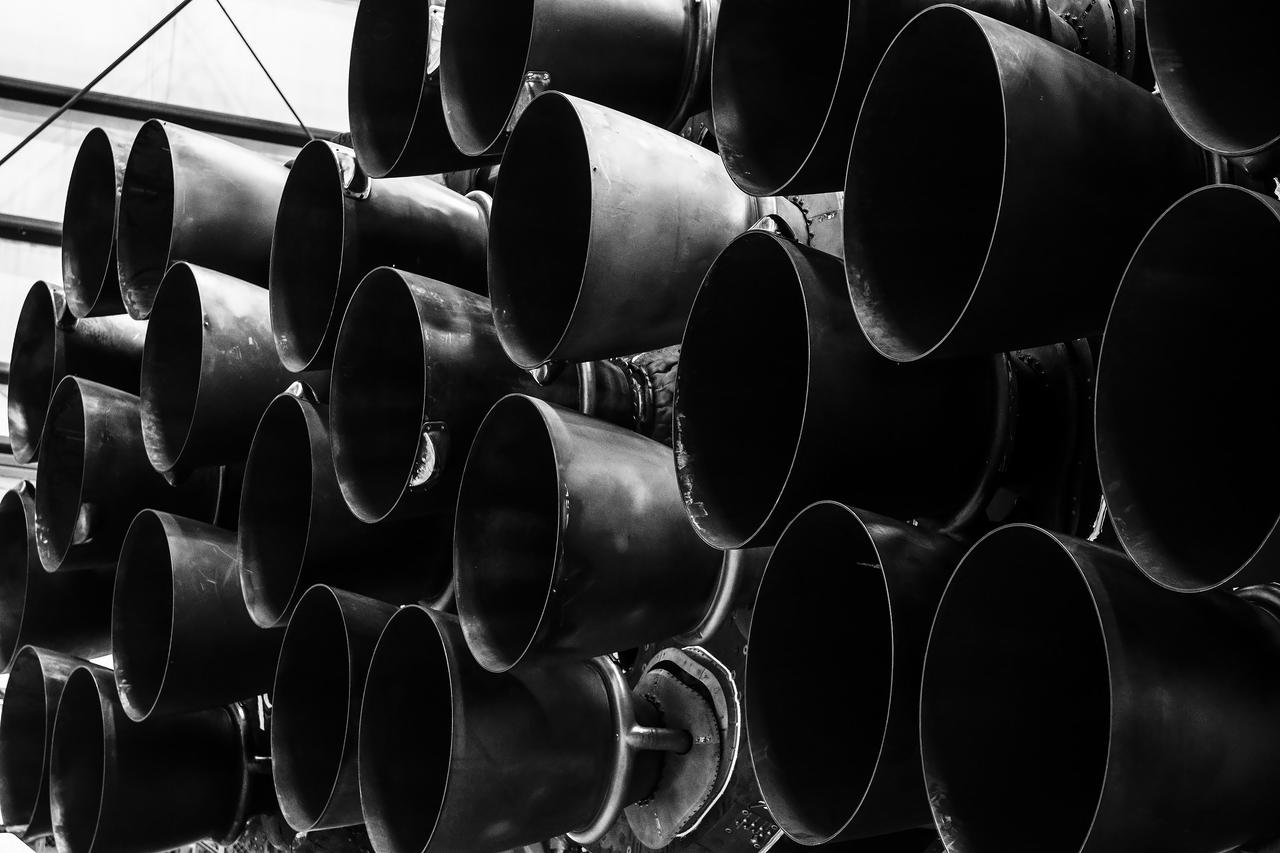
Photos of the Falcon Heavy rocket that will launch NASA's Psyche mission in the hangar at Launch Complex 39A at Kennedy Space Center in Florida before it rolled out to the pad for a static fire test as part of preparations for the journey to a metal-rich asteroid.
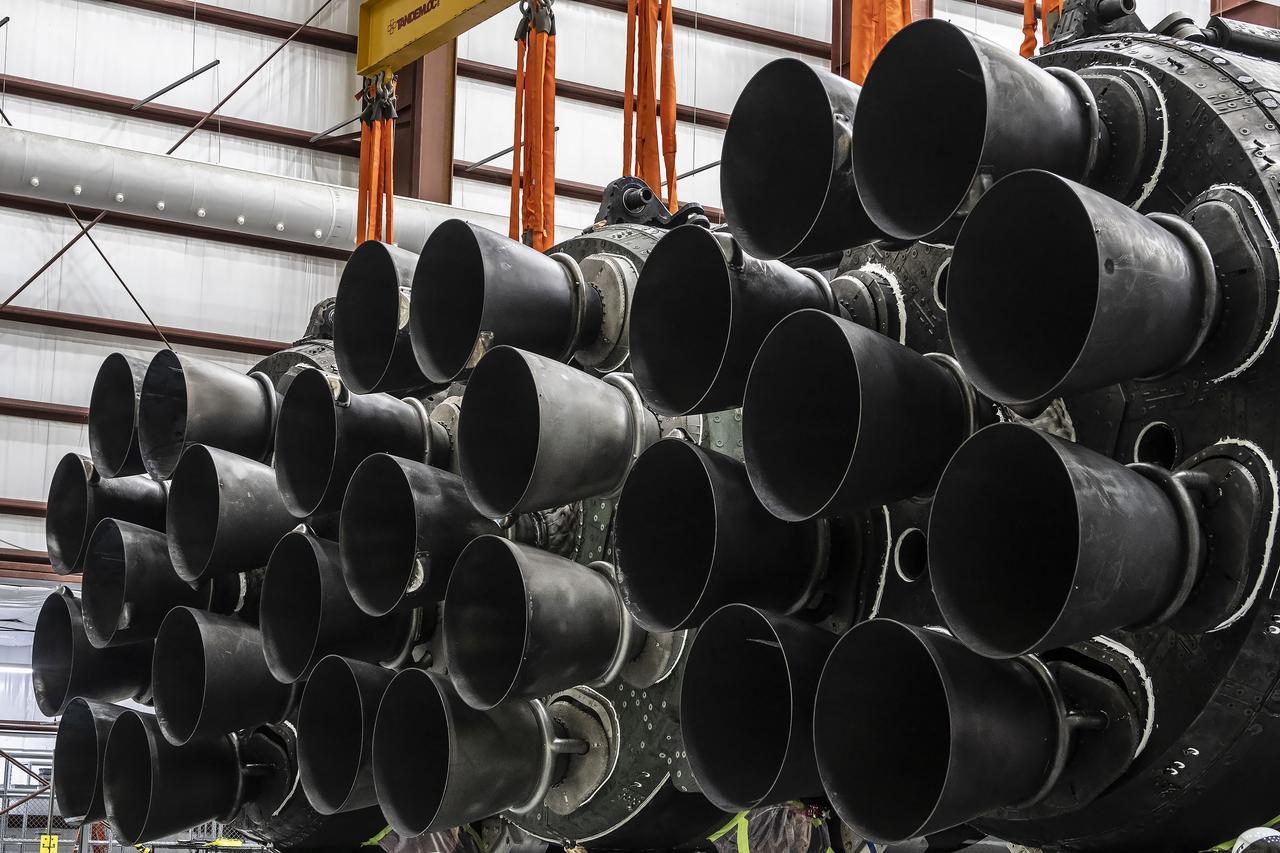
Photos of the Falcon Heavy rocket that will launch NASA's Psyche mission in the hangar at Launch Complex 39A at Kennedy Space Center in Florida before it rolled out to the pad for a static fire test as part of preparations for the journey to a metal-rich asteroid.
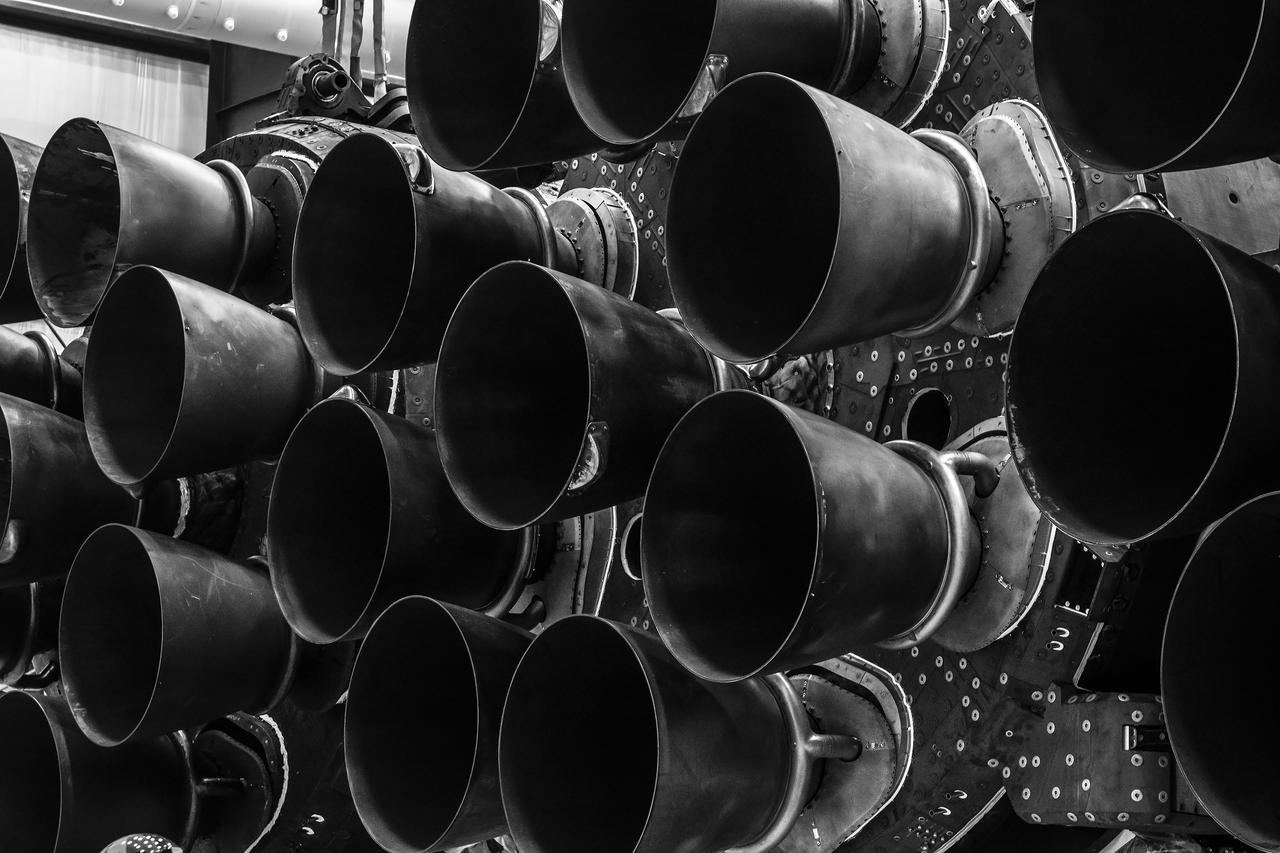
Photos of the Falcon Heavy rocket that will launch NASA's Psyche mission in the hangar at Launch Complex 39A at Kennedy Space Center in Florida before it rolled out to the pad for a static fire test as part of preparations for the journey to a metal-rich asteroid.
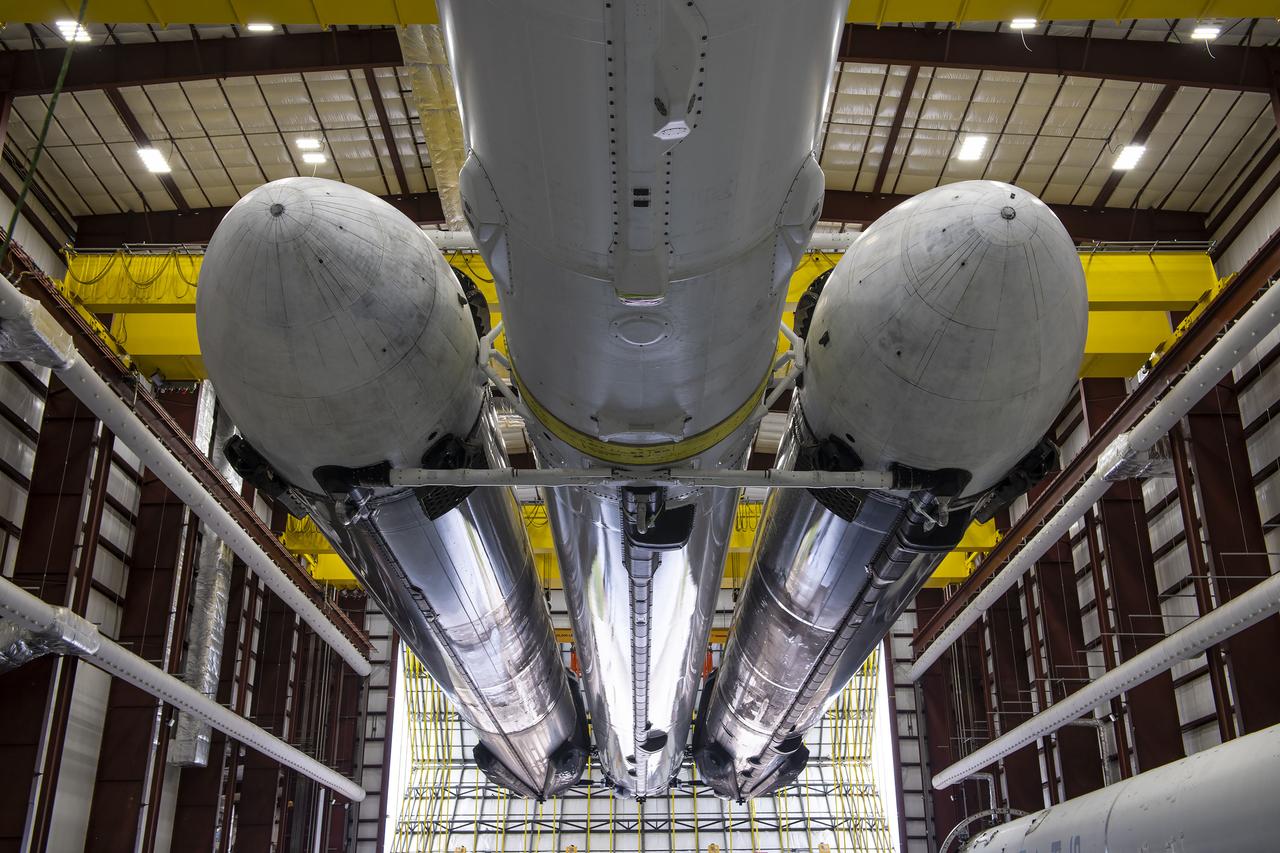
Photos of the Falcon Heavy rocket that will launch NASA's Psyche mission in the hangar at Launch Complex 39A at Kennedy Space Center in Florida before it rolled out to the pad for a static fire test as part of preparations for the journey to a metal-rich asteroid.
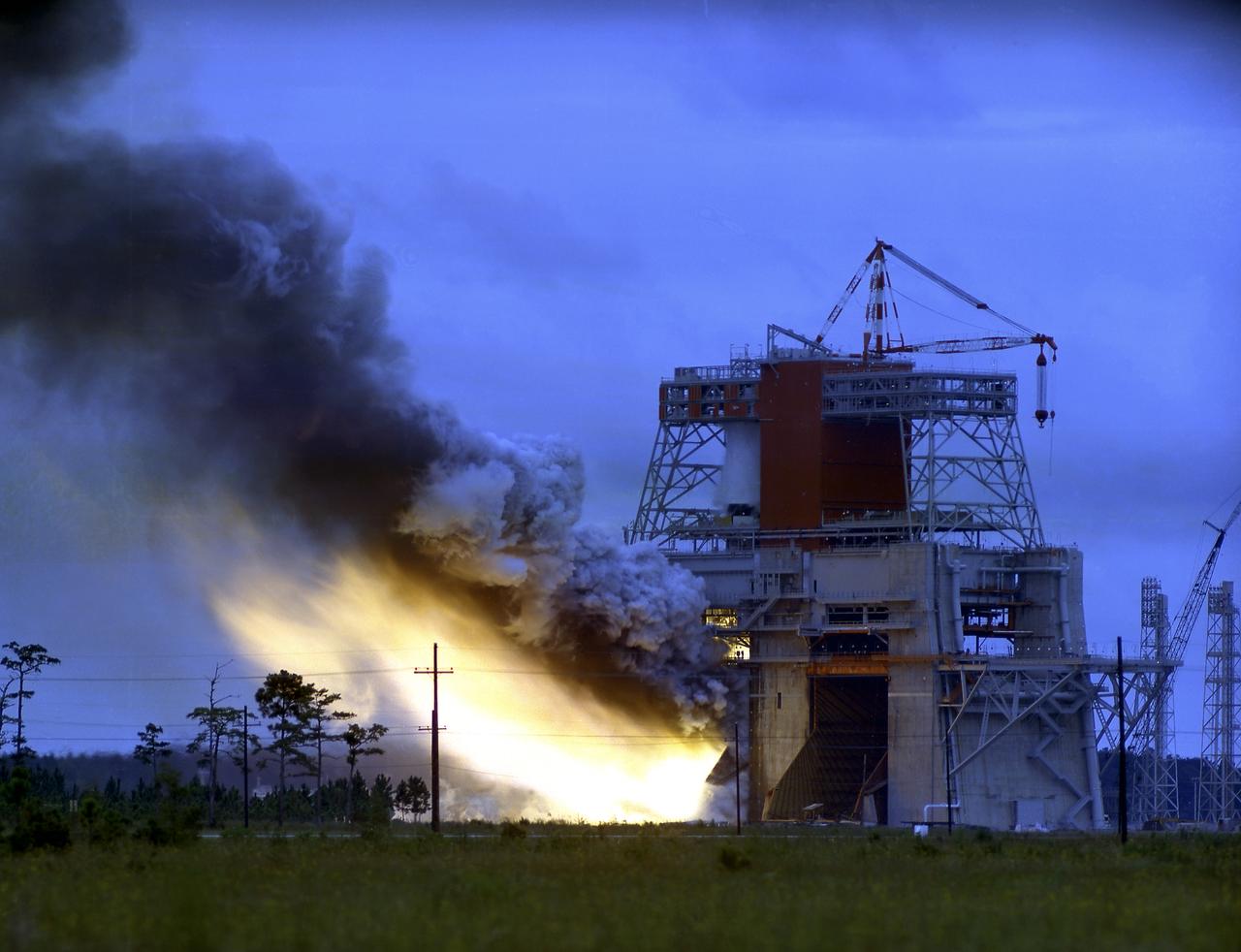
This photograph is a view of the Saturn V S-IC-5 (first) flight stage static test firing at the S-IC-B1 test stand at the Mississippi Test Facility (MTF), Bay St. Louis, Mississippi. Begirning operations in 1966, the MTF has two test stands, a dual-position structure for running the S-IC stage at full throttle, and two separate stands for the S-II (Saturn V third) stage. It became the focus of the static test firing program. The completed S-IC stage was shipped from Michoud Assembly Facility (MAF) to the MTF. The stage was then installed into the 407-foot-high test stand for the static firing tests before shipment to the Kennedy Space Center for final assembly of the Saturn V vehicle. The MTF was renamed to the National Space Technology Laboratory (NSTL) in 1974 and later to the Stennis Space Center (SSC) in May 1988.
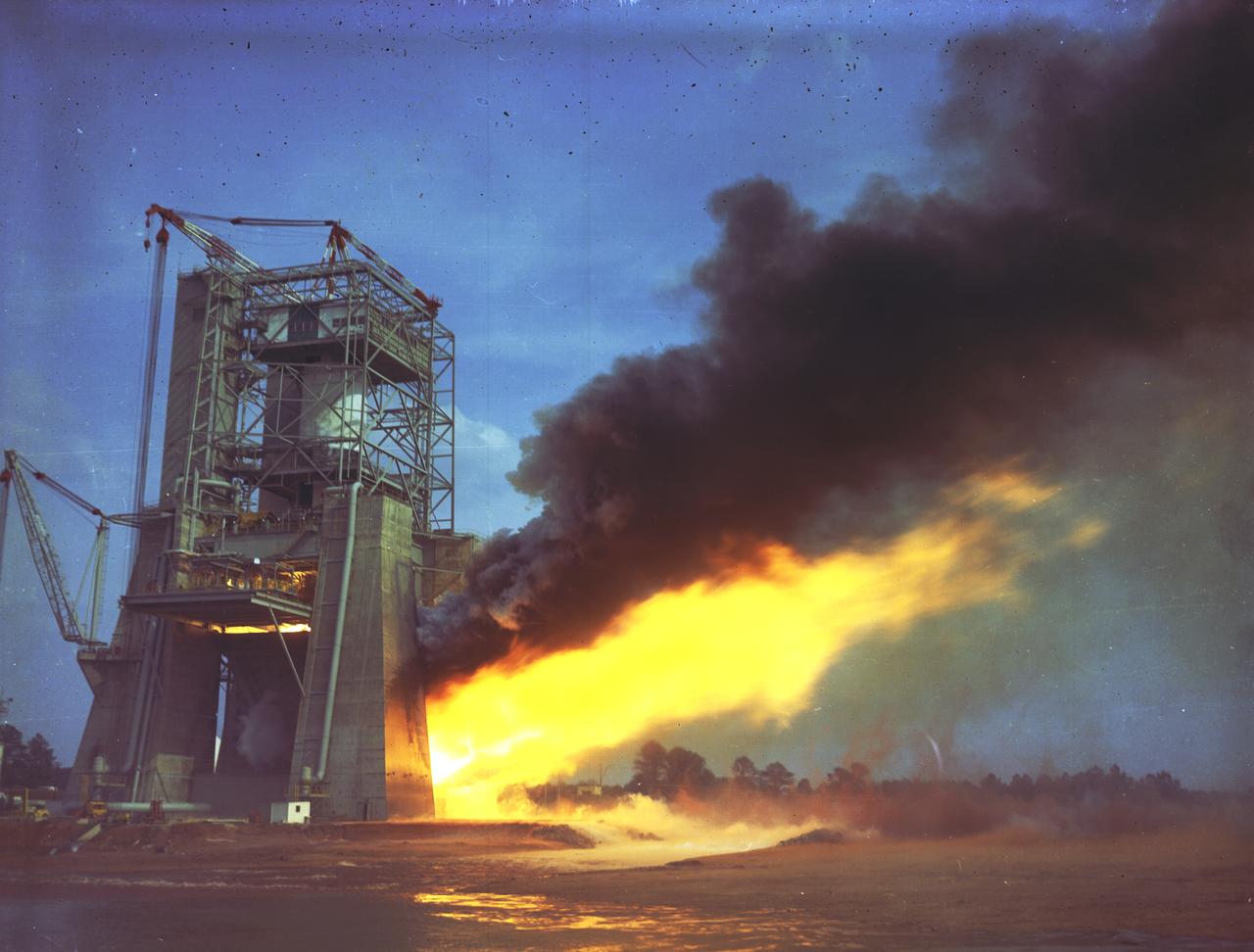
The Saturn V first stages were test fired at the Mississippi Test Facility and at the Marshall Space Flight Center (MSFC). Five F-1 engines powered the first stage, each developing 1.5 million pounds of thrust. The first stage, known as the S-IC stage, burned over 15 tons of propellant per second during its 2.5 minutes of operation to take the vehicle to a height of about 36 miles and to a speed of about 6,000 miles per hour. The stage was 138 feet long and 33 feet in diameter. This photograph shows the test firing of an F-1 engine at the MSFC's S-IC Static Test Firing Facility.
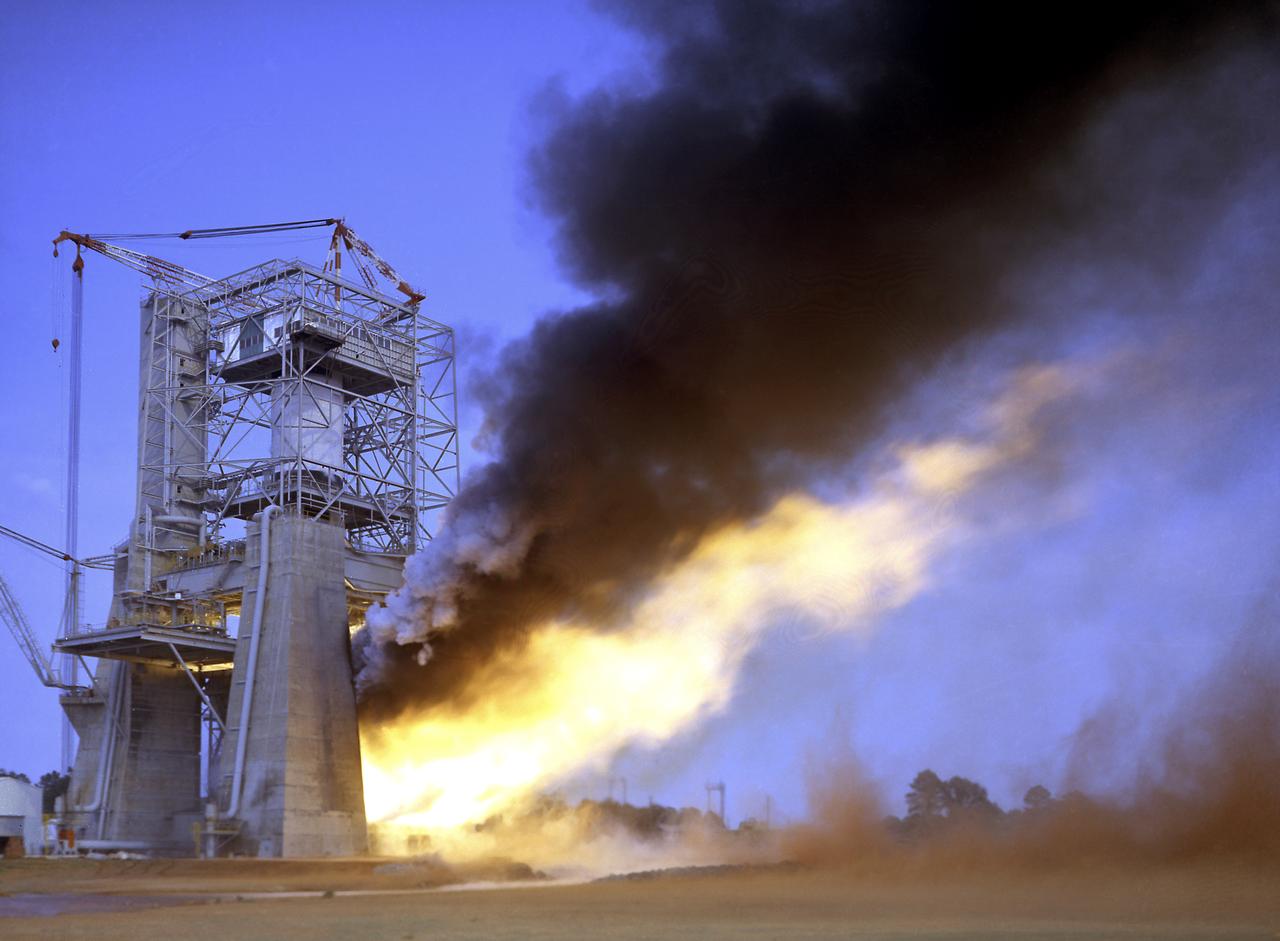
This photograph depicts a view of the test firing of all five F-1 engines for the Saturn V S-IC test stage at the Marshall Space Flight Center. The S-IC stage is the first stage, or booster, of a 364-foot long rocket that ultimately took astronauts to the Moon. Operating at maximum power, all five of the engines produced 7,500,000 pounds of thrust. The S-IC Static Test Stand was designed and constructed with the strength of hundreds of tons of steel and cement, planted down to bedrock 40 feet below ground level, and was required to hold down the brute force of the 7,500,000-pound thrust. The structure was topped by a crane with a 135-foot boom. With the boom in the up position, the stand was given an overall height of 405 feet, placing it among the highest structures in Alabama at the time. When the Saturn V S-IC first stage was placed upright in the stand , the five F-1 engine nozzles pointed downward on a 1,900-ton, water-cooled deflector. To prevent melting damage, water was sprayed through small holes in the deflector at the rate 320,000 gallons per minutes.
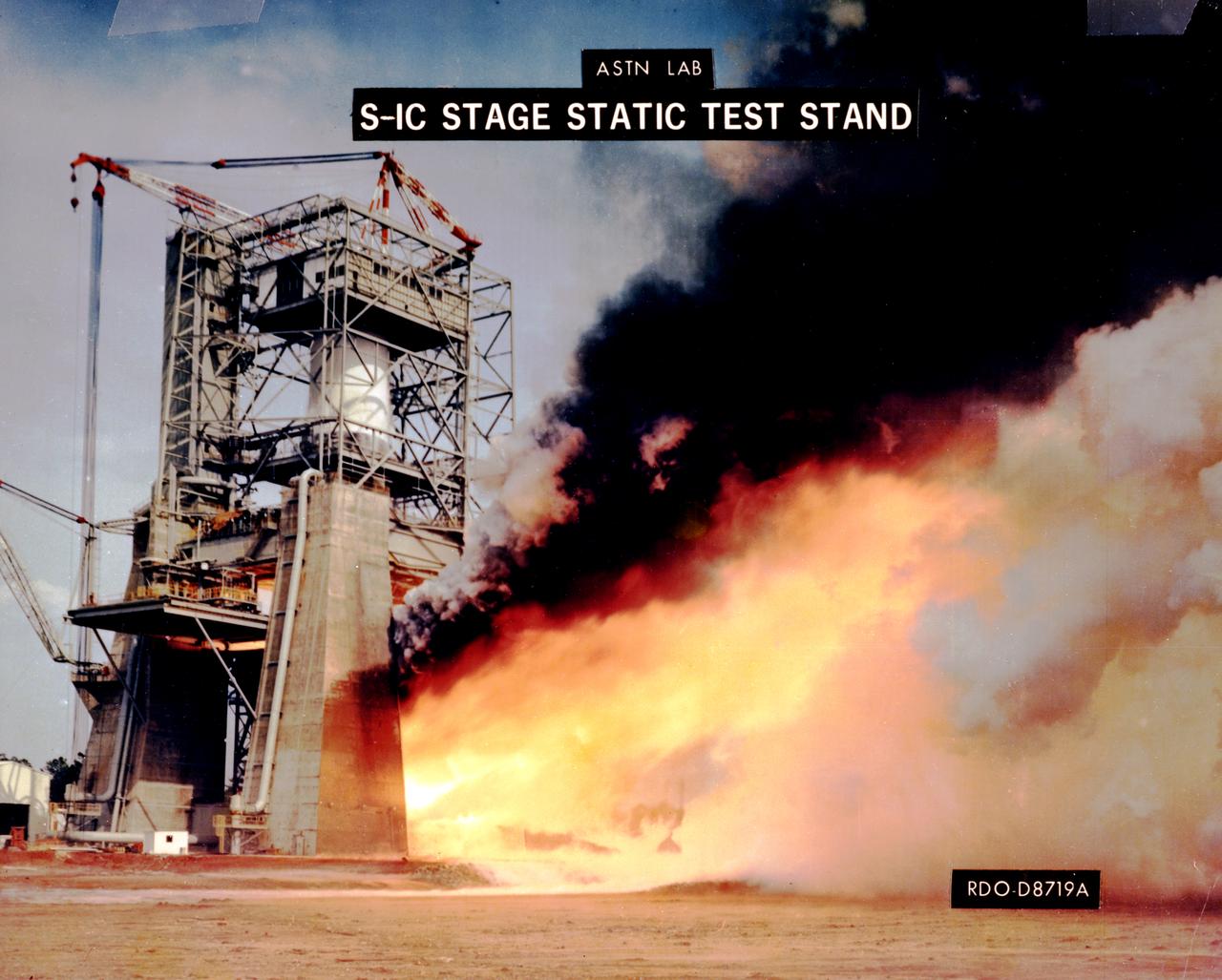
This photograph depicts a view of the test firing of all five F-1 engines for the Saturn V S-IC test stage at the Marshall Space Flight Center. The S-IC stage is the first stage, or booster, of a 364-foot long rocket that ultimately took astronauts to the Moon. Operating at maximum power, all five of the engines produced 7,500,000 pounds of thrust. The S-IC Static Test Stand was designed and constructed with the strength of hundreds of tons of steel and cement, planted down to bedrock 40 feet below ground level, and was required to hold down the brute force of the 7,500,000-pound thrust. The structure was topped by a crane with a 135-foot boom. With the boom in the up position, the stand was given an overall height of 405 feet, placing it among the highest structures in Alabama at the time. When the Saturn V S-IC first stage was placed upright in the stand , the five F-1 engine nozzles pointed downward on a 1,900-ton, water-cooled deflector. To prevent melting damage, water was sprayed through small holes in the deflector at the rate 320,000 gallons per minutes
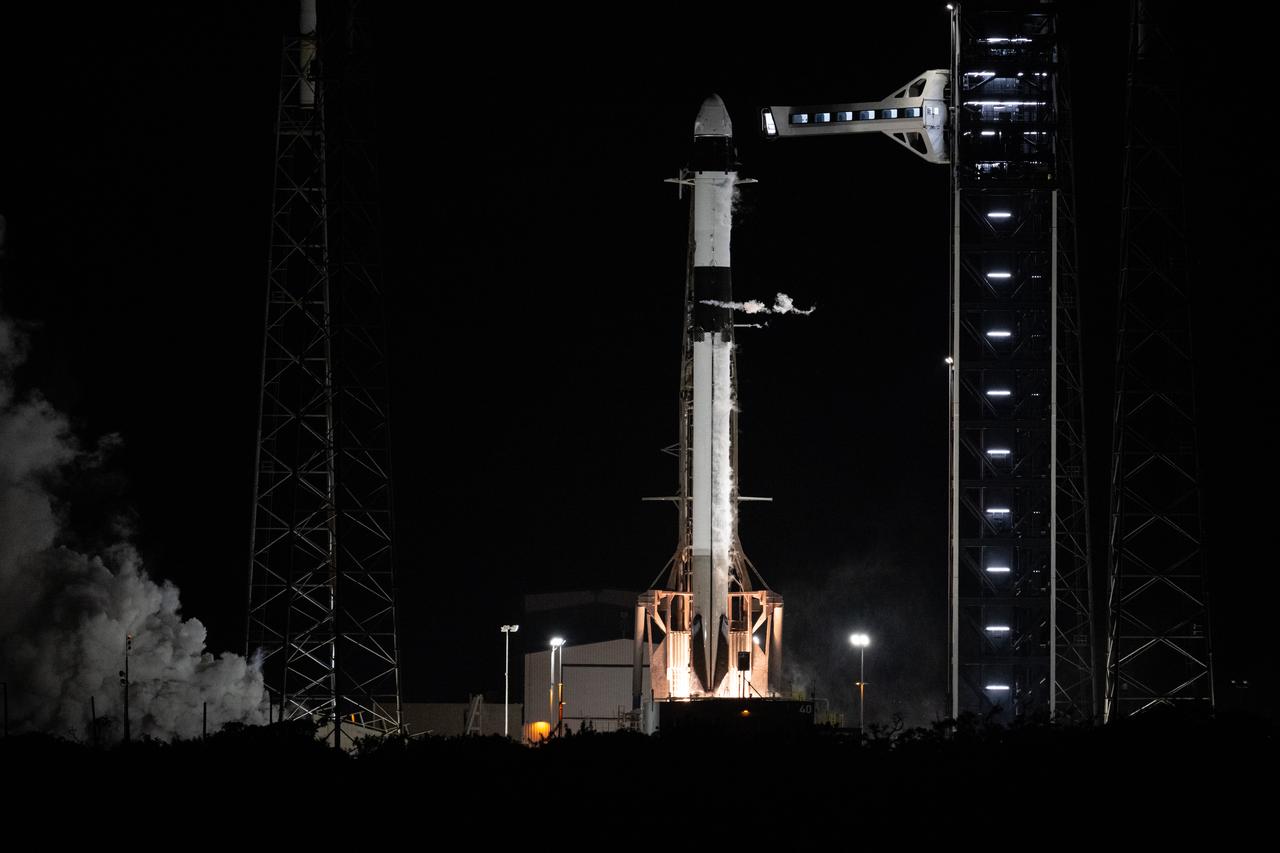
A SpaceX Falcon 9 rocket with the company's Dragon spacecraft onboard is seen on the launch pad at Space Launch Complex 40 during a brief static fire test ahead of NASA’s SpaceX Crew-9 mission, Tuesday, Sept. 24, 2024, at the Cape Canaveral Space Force Station in Florida. NASA’s SpaceX Crew-9 mission is the ninth crew rotation mission of the SpaceX Dragon spacecraft and Falcon 9 rocket to the International Space Station as part of the agency’s Commercial Crew Program. Photo Credit: (NASA/Keegan Barber)
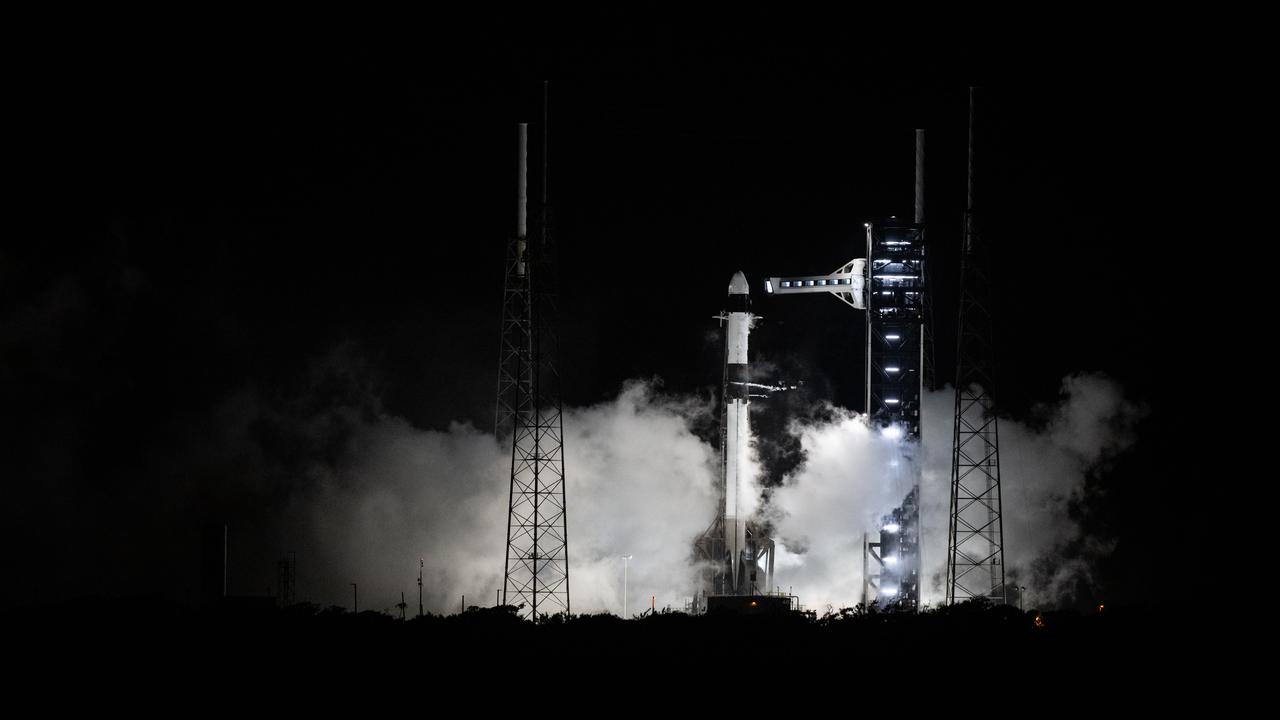
A SpaceX Falcon 9 rocket with the company's Dragon spacecraft onboard is seen on the launch pad at Space Launch Complex 40 following a brief static fire test ahead of NASA’s SpaceX Crew-9 mission, Tuesday, Sept. 24, 2024, at the Cape Canaveral Space Force Station in Florida. NASA’s SpaceX Crew-9 mission is the ninth crew rotation mission of the SpaceX Dragon spacecraft and Falcon 9 rocket to the International Space Station as part of the agency’s Commercial Crew Program. Photo Credit: (NASA/Keegan Barber)
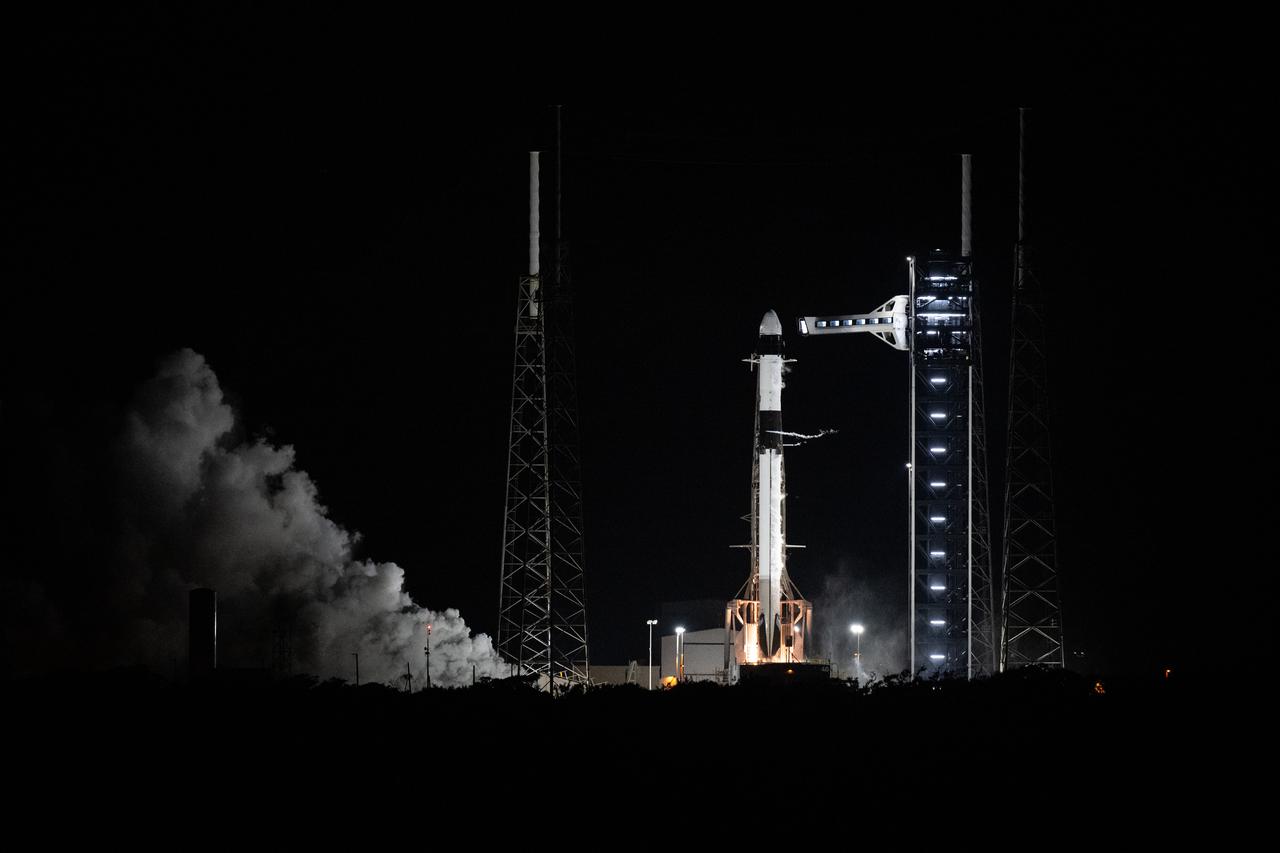
A SpaceX Falcon 9 rocket with the company's Dragon spacecraft onboard is seen on the launch pad at Space Launch Complex 40 during a brief static fire test ahead of NASA’s SpaceX Crew-9 mission, Tuesday, Sept. 24, 2024, at the Cape Canaveral Space Force Station in Florida. NASA’s SpaceX Crew-9 mission is the ninth crew rotation mission of the SpaceX Dragon spacecraft and Falcon 9 rocket to the International Space Station as part of the agency’s Commercial Crew Program. Photo Credit: (NASA/Keegan Barber)
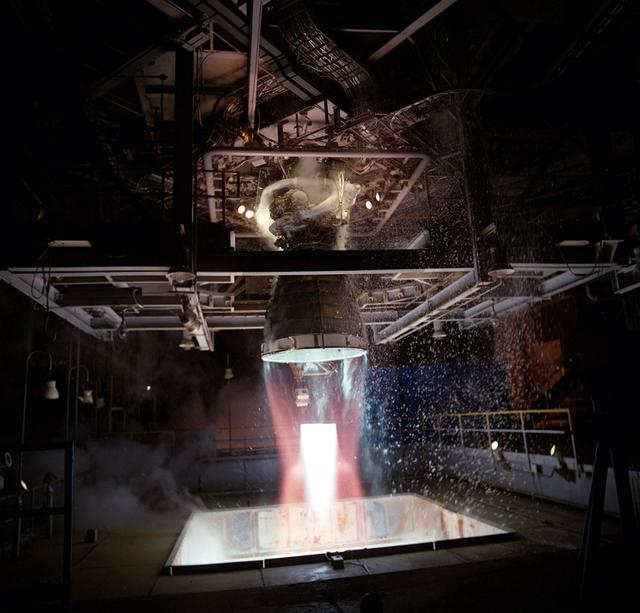
A modified Space Shuttle Main Engine is static fired at Marshall's Technology Test Bed.

A modified Space Shuttle Main Engine is static fired at Marshall's Technology Test Bed.

A modified Space Shuttle Main Engine is static fired at Marshall's Technology Test Bed.
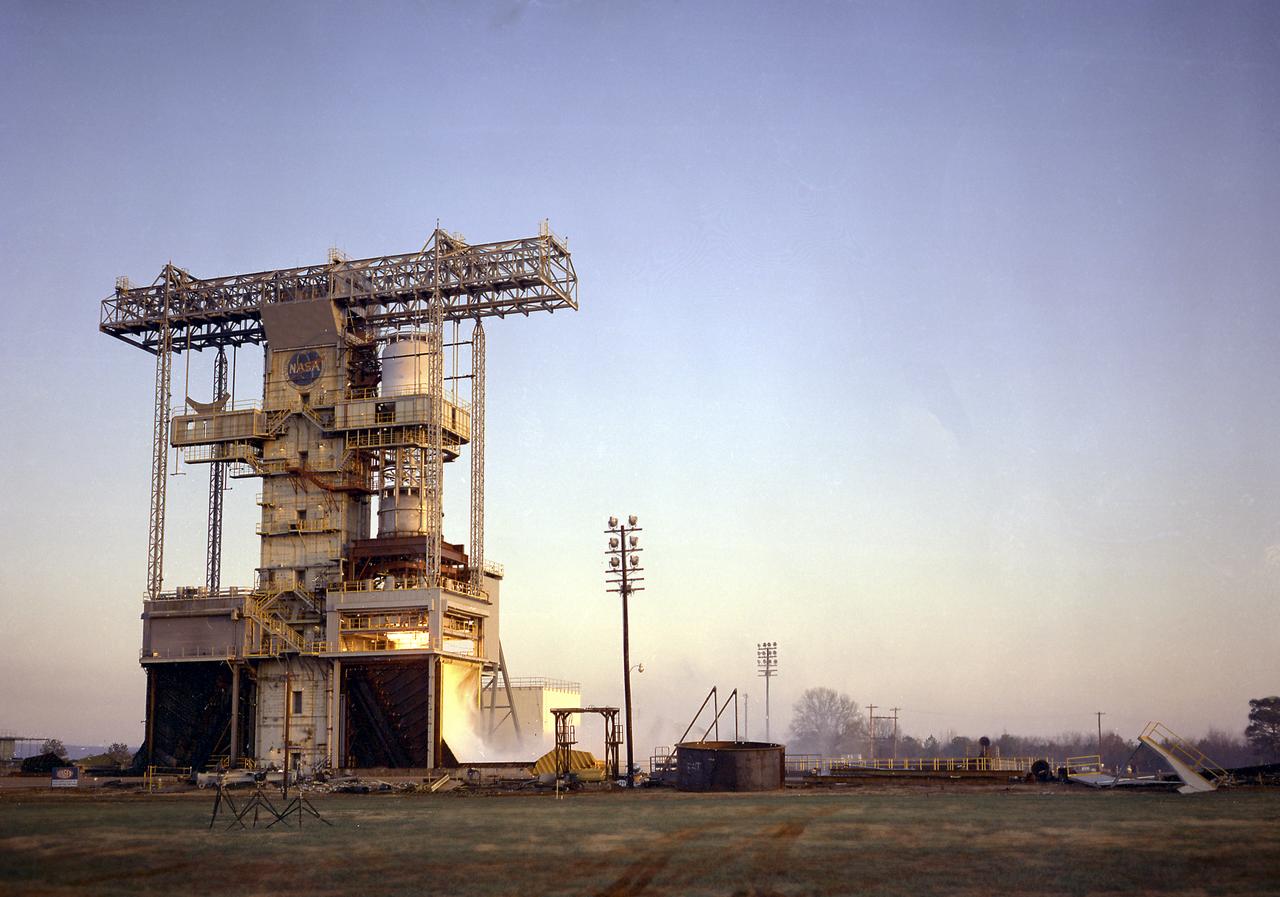
The test laboratory of the Marshall Space Flight Center (MSFC) tested the F-1 engine, the most powerful rocket engine ever fired at MSFC. The engine was tested on the newly modified Saturn IB static test stand that had been used for three years to test the Saturn I eight-engine booster, S-I (first) stage. In 1961, the test stand was modified to permit static firing of the S-I/S-IB stage and the name of the stand was then changed to the S-IB Static Test Stand. Producing a combined thrust of 7,500,000 pounds, five F-1 engines powered the S-IC (first) stage of the Saturn V vehicle for the marned lunar mission.
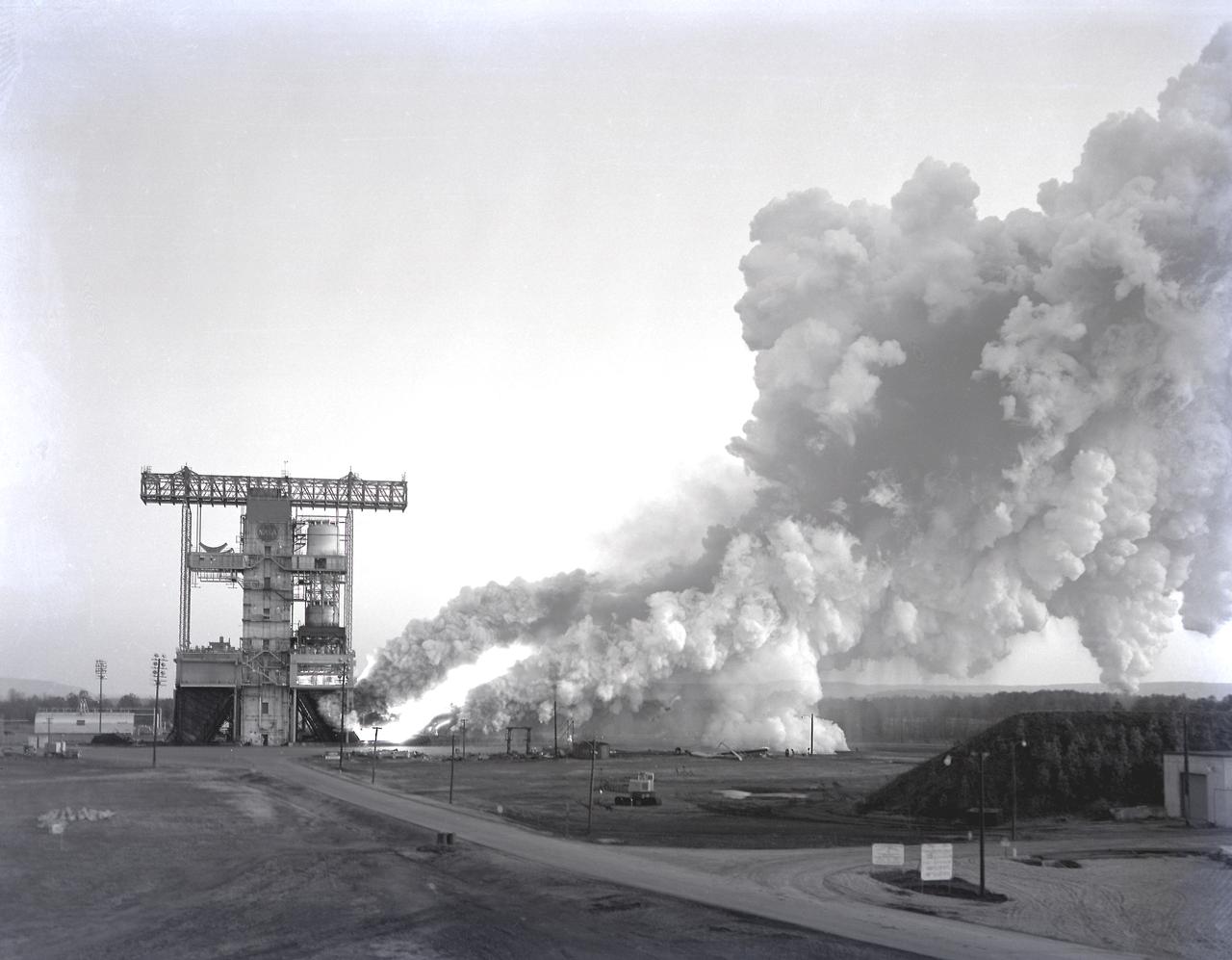
The test laboratory of the Marshall Space Flight Center (MSFC) tested the F-1 engine, the most powerful rocket engine ever fired at MSFC. The engine was tested on the newly modified Saturn IB Static Test Stand which had been used for three years to test the Saturn I eight-engine booster, S-I (first) stage. In 1961 the test stand was modified to permit static firing of the S-I/S-IB stage and the name of the stand was then changed to the S-IB Static Test Stand. Producing a combined thrust of 7,500,000 pounds, five F-1 engines powered the S-IC (first) stage of the Saturn V vehicle for the marned lunar mission.
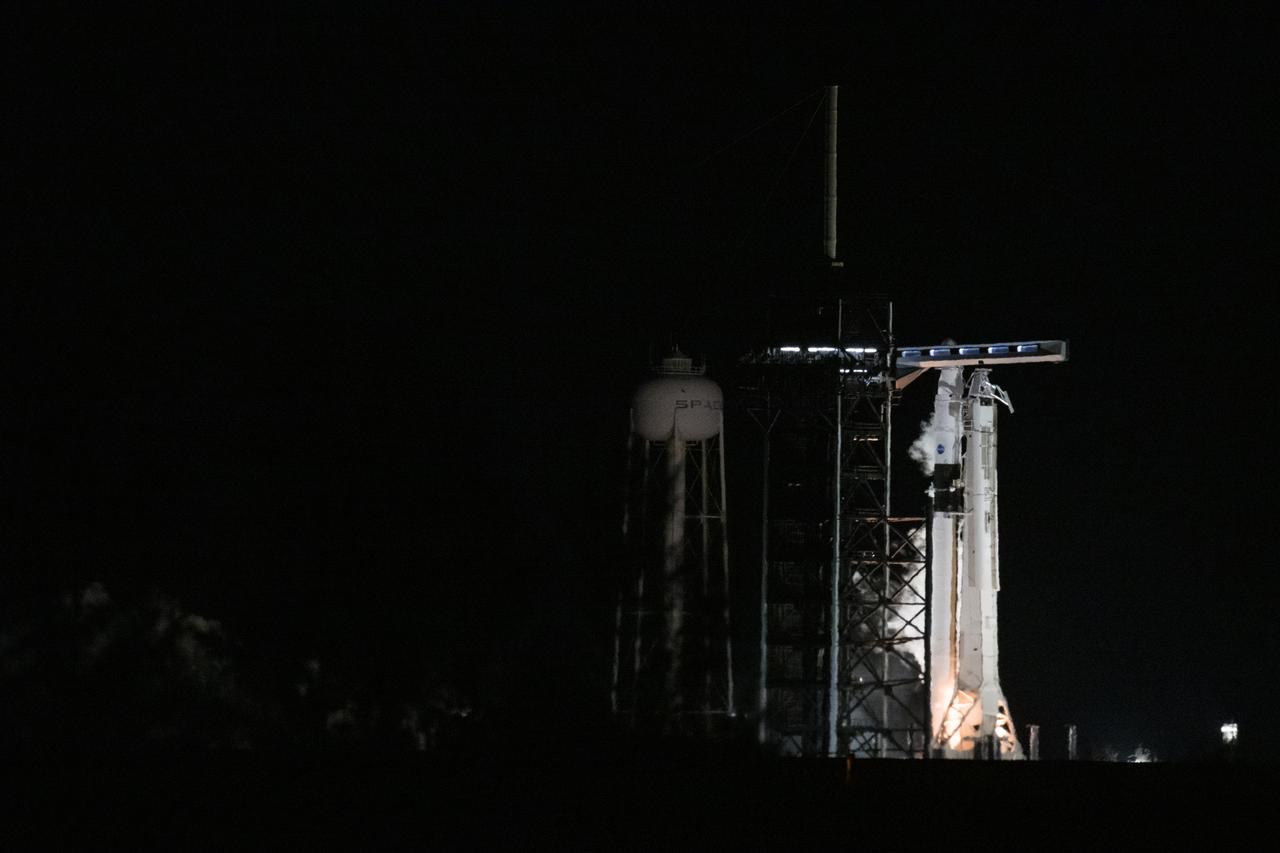
A SpaceX Falcon 9 rocket with the company's Dragon spacecraft onboard is seen on the launch pad at Launch Complex 39A during a brief static fire test ahead of NASA’s SpaceX Crew-8 mission, Tuesday, Feb. 27, 2024, at the agency’s Kennedy Space Center in Florida. NASA’s SpaceX Crew-8 mission is the eighth crew rotation mission of the SpaceX Dragon spacecraft and Falcon 9 rocket to the International Space Station as part of the agency’s Commercial Crew Program. NASA astronauts Matthew Dominick, Michael Barratt, and Jeanette Epps, and Roscosmos cosmonaut Alexander Grebenkin are scheduled to launch at 12:04 a.m. EST on Friday, March 1, from Launch Complex 39A at the Kennedy Space Center. Photo Credit: (NASA/Aubrey Gemignani)
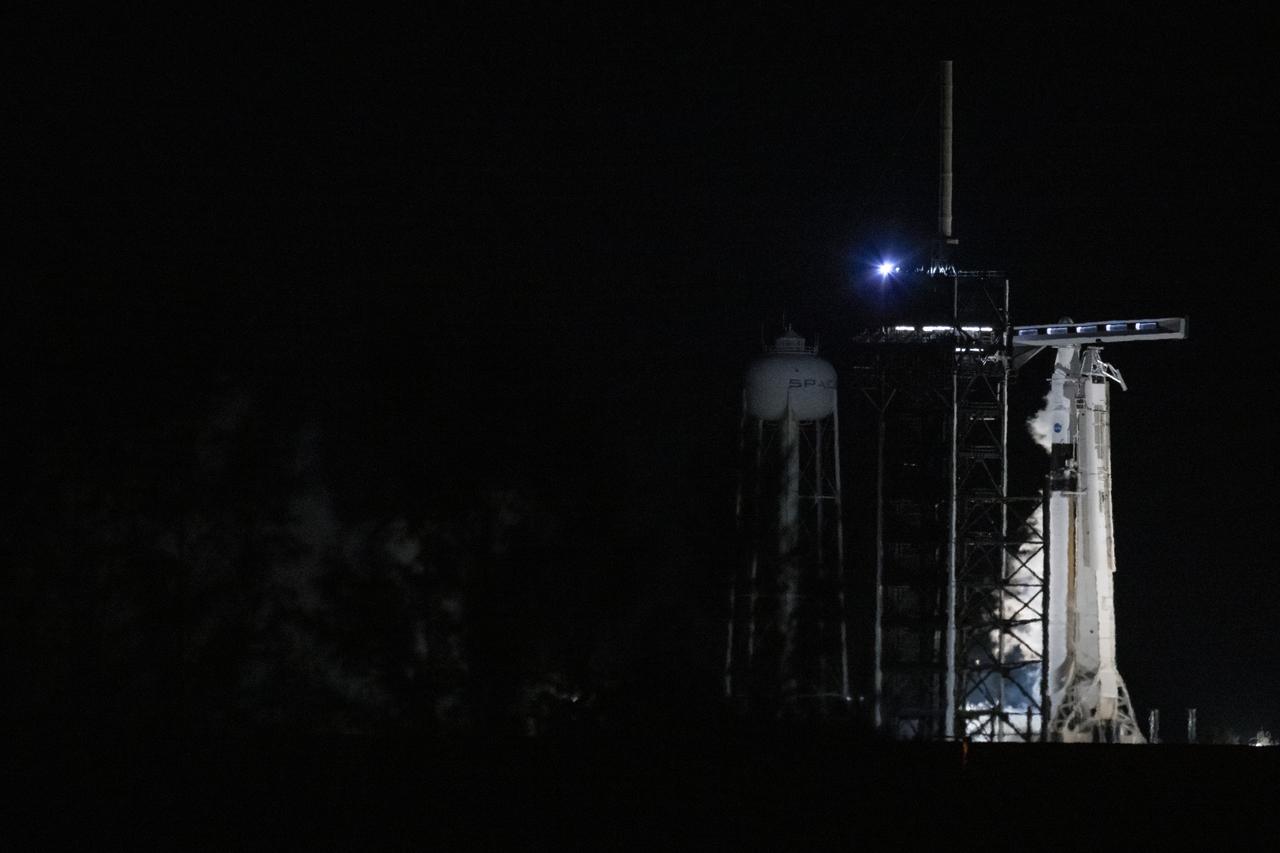
A SpaceX Falcon 9 rocket with the company's Dragon spacecraft onboard is seen on the launch pad at Launch Complex 39A during a brief static fire test ahead of NASA’s SpaceX Crew-8 mission, Tuesday, Feb. 27, 2024, at the agency’s Kennedy Space Center in Florida. NASA’s SpaceX Crew-8 mission is the eighth crew rotation mission of the SpaceX Dragon spacecraft and Falcon 9 rocket to the International Space Station as part of the agency’s Commercial Crew Program. NASA astronauts Matthew Dominick, Michael Barratt, and Jeanette Epps, and Roscosmos cosmonaut Alexander Grebenkin are scheduled to launch at 12:04 a.m. EST on Friday, March 1, from Launch Complex 39A at the Kennedy Space Center. Photo Credit: (NASA/Aubrey Gemignani)
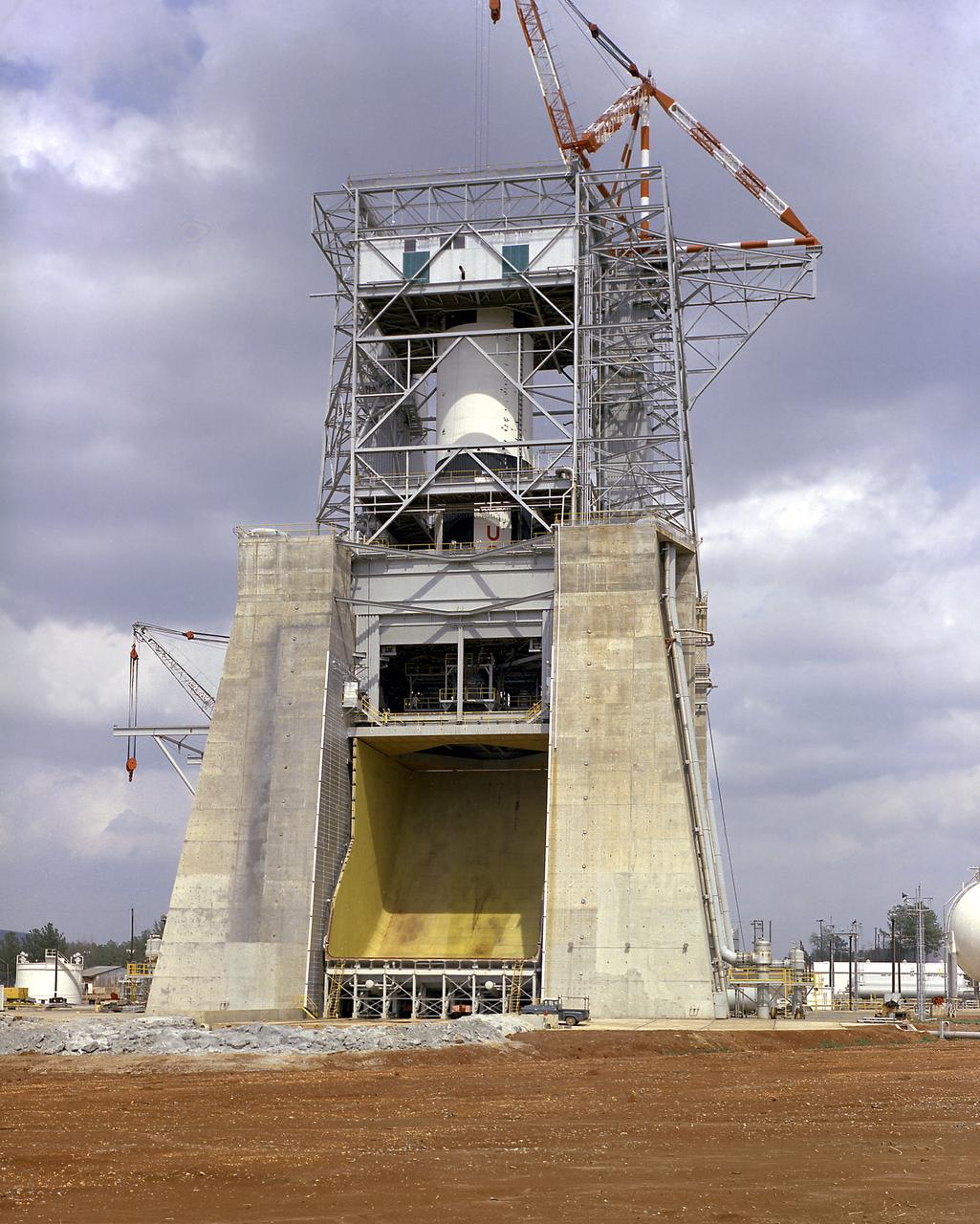
The S-IC-T stage (static firing stage) is installed and awaits the first static firing of all five F-1 engines at the Marshall Space Flight Center S-IC static test stand. Constructed in 1964, the S-IC static test stand was designed and constructed to develop and test the first stage of the Saturn V launch vehicle that used five F-1 engines. Each F-1 engine developed 1,500,000 pounds of thrust for a total liftoff thrust of 7,500,000 pounds. To handle this research and development effort, the stand contains 12,000,000 pounds of concrete on its base legs that are planted down to bedrock 40 feet below ground level. Of concrete and steel construction, the stand foundation walls are 4 feet thick, and topped by a crane with a 135-foot boom. With the boom in the up position, the stand is given an overall height of 405 feet, placing it among the highest structures in Alabama at the time.
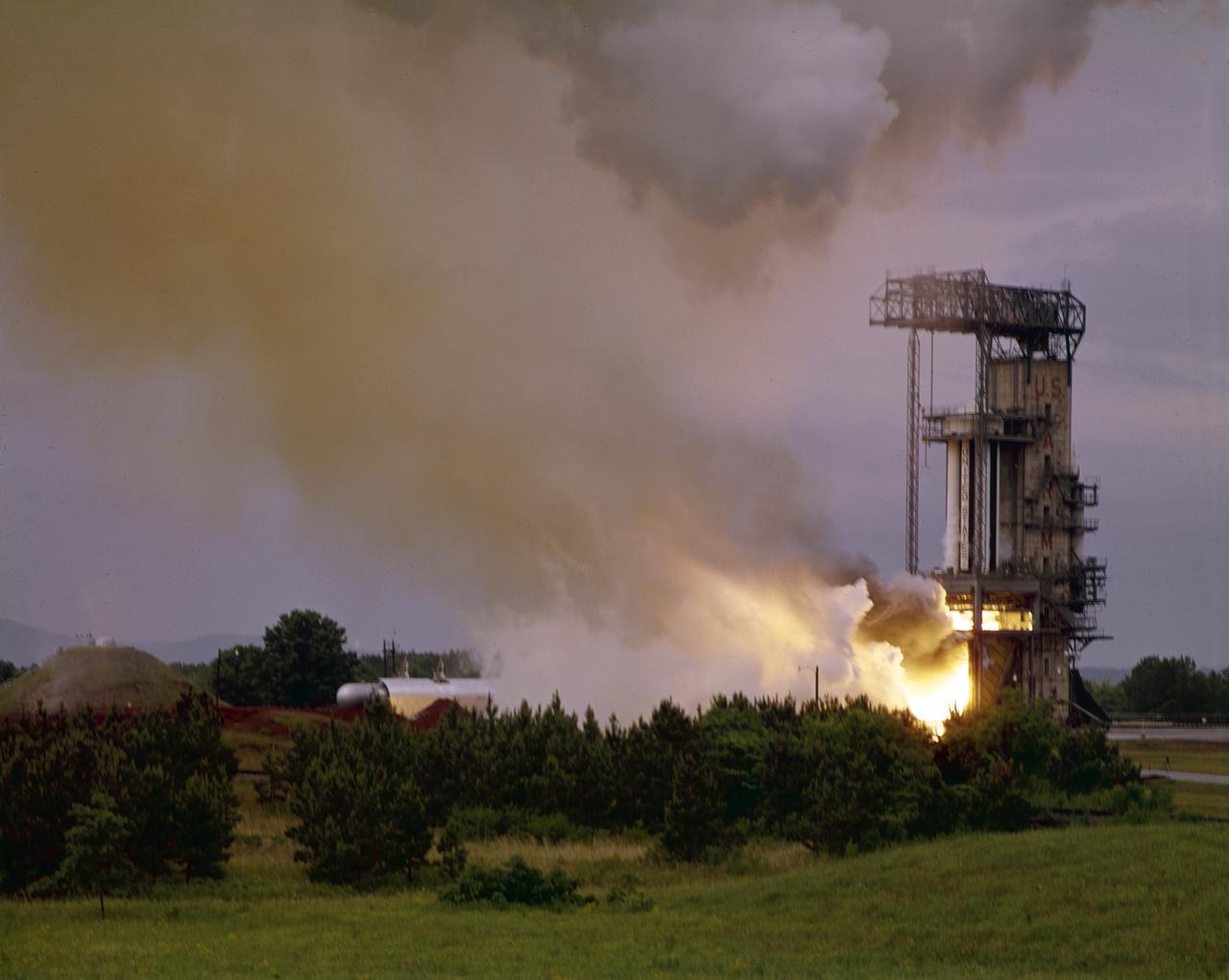
Pictured is one of the earliest testing of the Saturn I S-I (first) stage, with a cluster of eight H-1 engines, at the Marshall Space Flight Center (MSFC). It was a part of the test program to prove out the clustered-booster concept. MSFC was responsible for designing and development the Saturn launch vehicles.
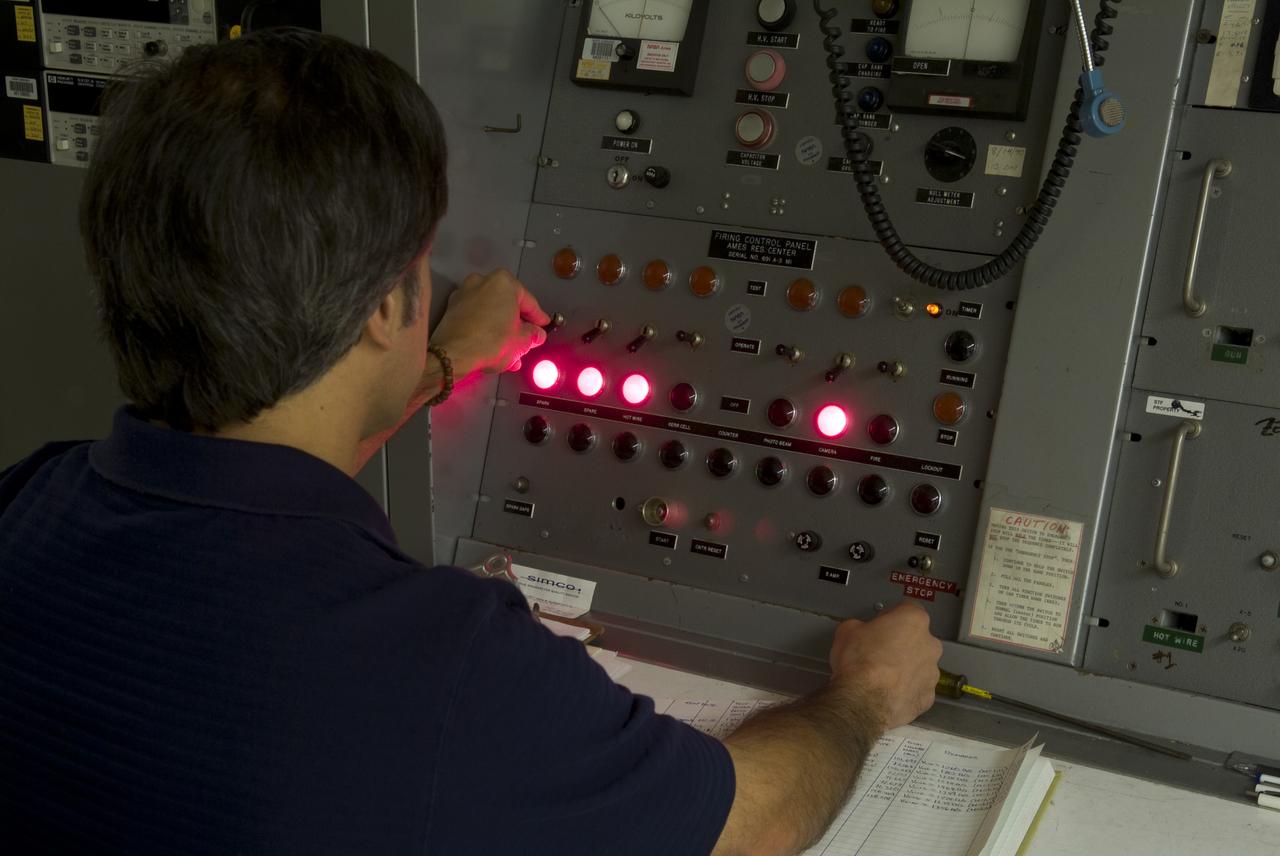
CEV (Crew Escape Vehicle) capsule Balistic Range testing to examine static and dynamic stability characteristics (at the Hypervelocity Free-Flight Facility) HFF Chuck Cornelison operating 'Firing' control pannel
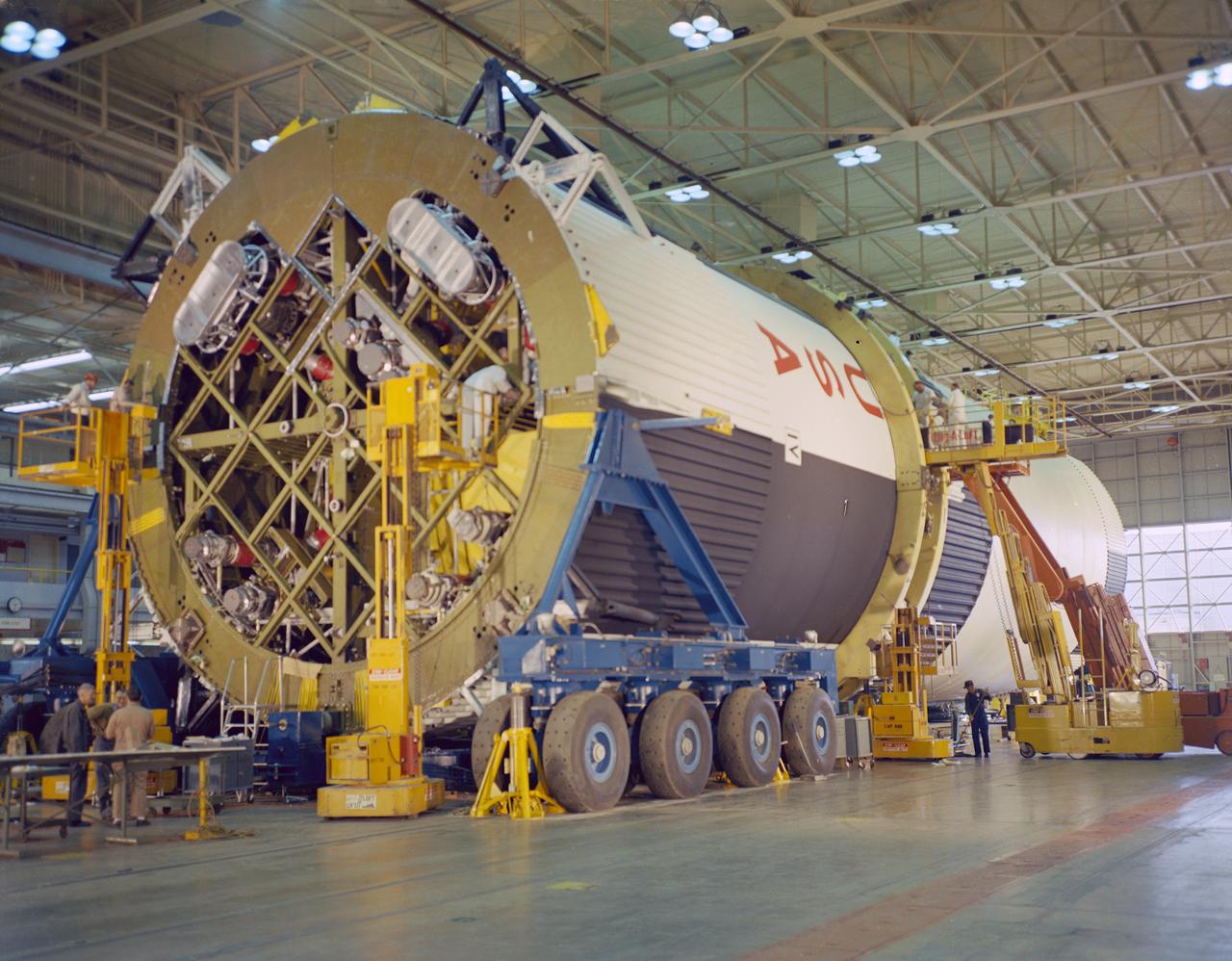
At the Marshall Space Flight Center (MSFC), the fuel tank assembly for the Saturn V S-IC-T (static test stage) fuel tank assembly is mated to the liquid oxygen (LOX) tank in building 4705. This stage underwent numerous static firings at the newly-built S-IC Static Test Stand at the MSFC west test area. The S-IC (first) stage used five F-1 engines that produced a total thrust of 7,500,000 pounds as each engine produced 1,500,000 pounds of thrust. The S-IC stage lifted the Saturn V vehicle and Apollo spacecraft from the launch pad.
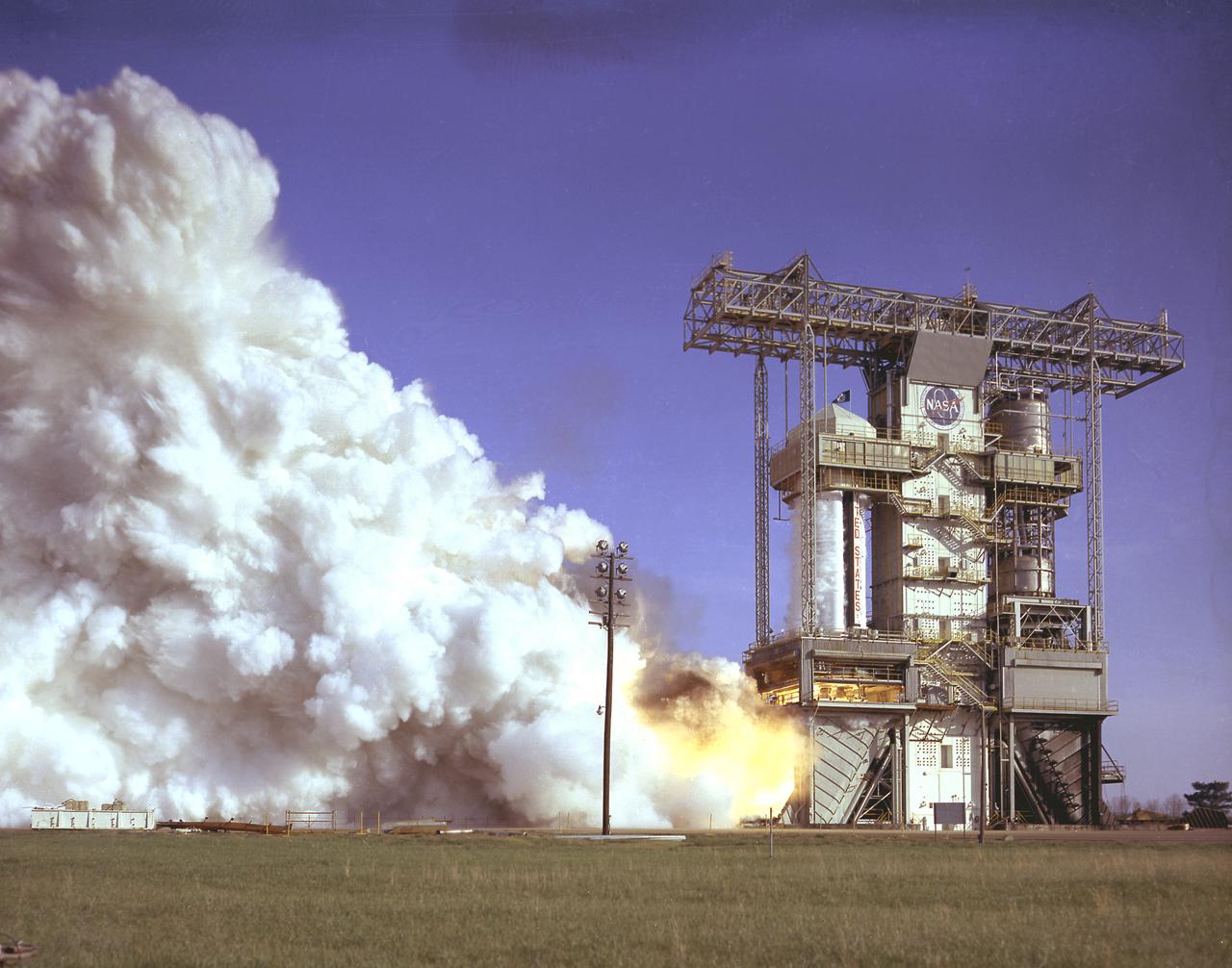
S-IB-1, the first flight version of the Saturn IB launch vehicle's first stage (S-IB stage), undergoes a full-duration static firing in Saturn IB static test stand at the Marshall Space Flight Center (MSFC) on April 13, 1965. Developed by the MSFC and built by the Chrysler Corporation at the Michoud Assembly Facility (MAF) in New Orleans, Louisiana, the 90,000-pound booster utilized eight H-1 engines to produce a combined thrust of 1,600,000 pounds. Between April 1965 and July 1968, MSFC performed thirty-two static tests on twelve different S-IB stages.
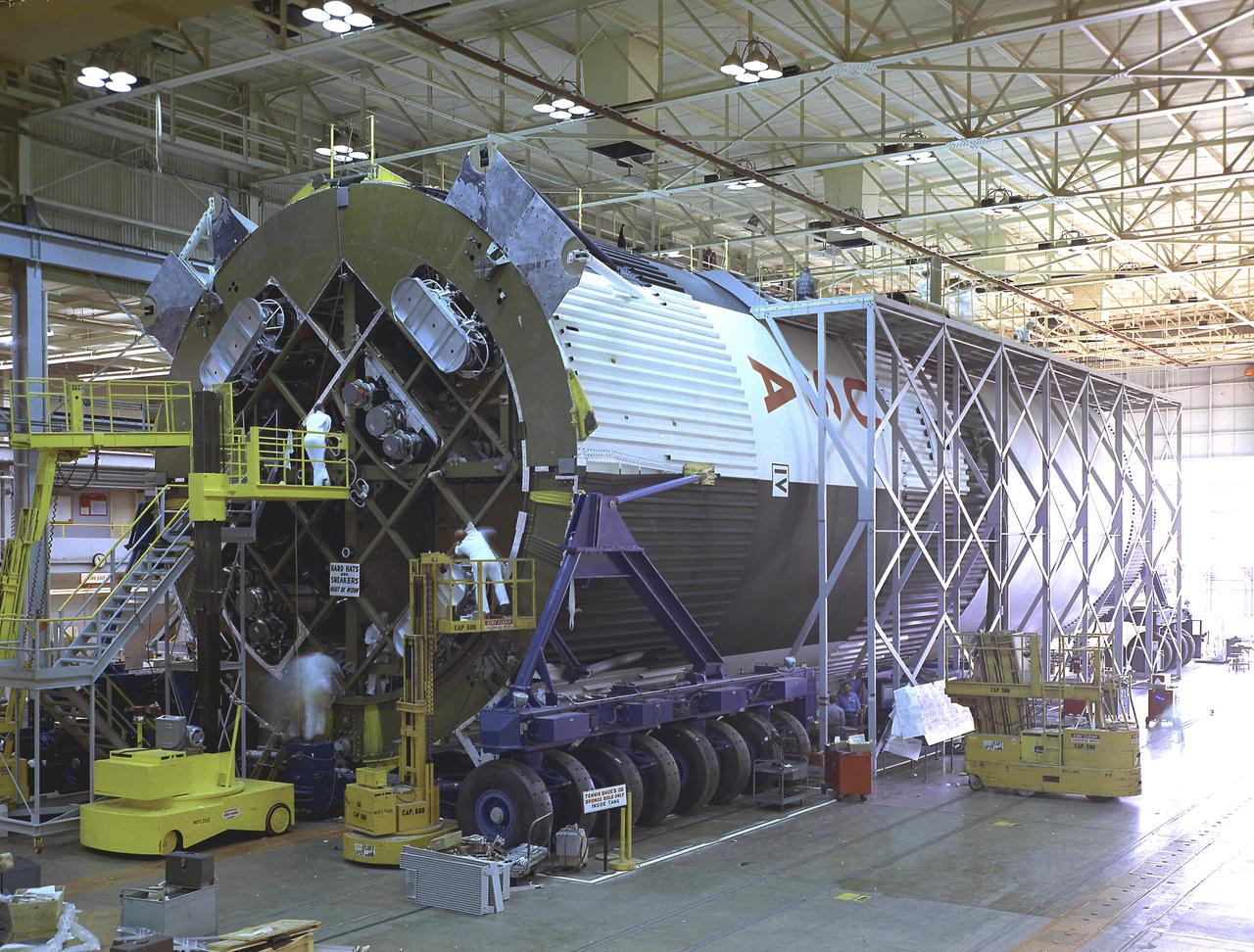
Pictured is the Saturn V S-IC-T stage (static testing stage) being assembled in the horizontal assembly station at the Marshall Space Flight Center (MSFC), building 4705. This stage underwent numerous static firings at the newly-built S-IC Static Test Stand at the MSFC west test area. The S-IC (first) stage used five F-1 engines that produced a total thrust of 7,500,000 pounds as each engine produced 1,500,000 pounds of thrust. The S-IC stage lifted the Saturn V vehicle and Apollo spacecraft from the launch pad.
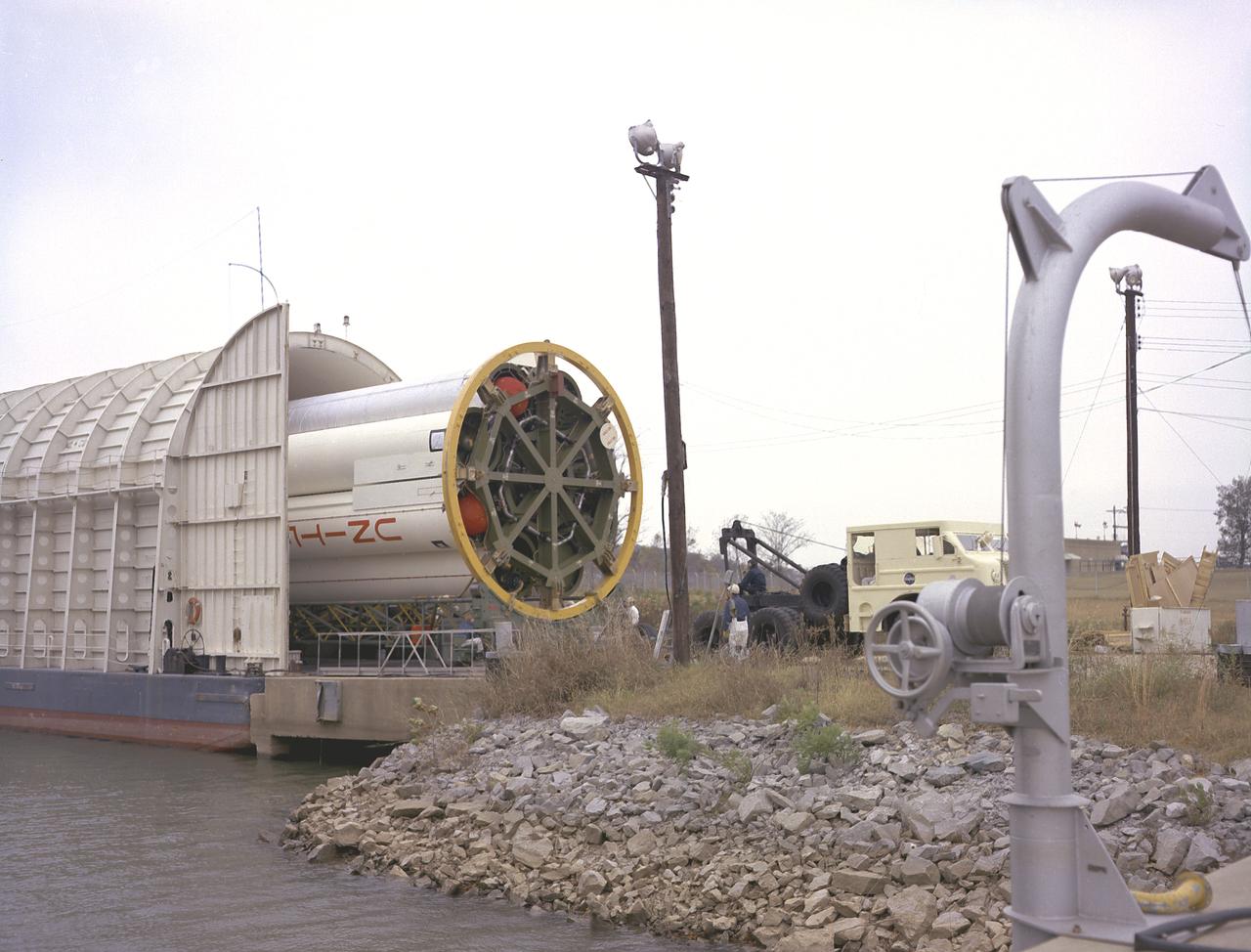
Workmen at the Marshall Space Flight Center's (MSFC's) dock on the Ternessee River unload S-IB-211, the flight version of the Saturn IB launch vehicle's first stage, from the NASA barge Palaemon. Between December 1967 and April 1968, the stage would undergo seven static test firings in MSFC's S-IB static test stand.
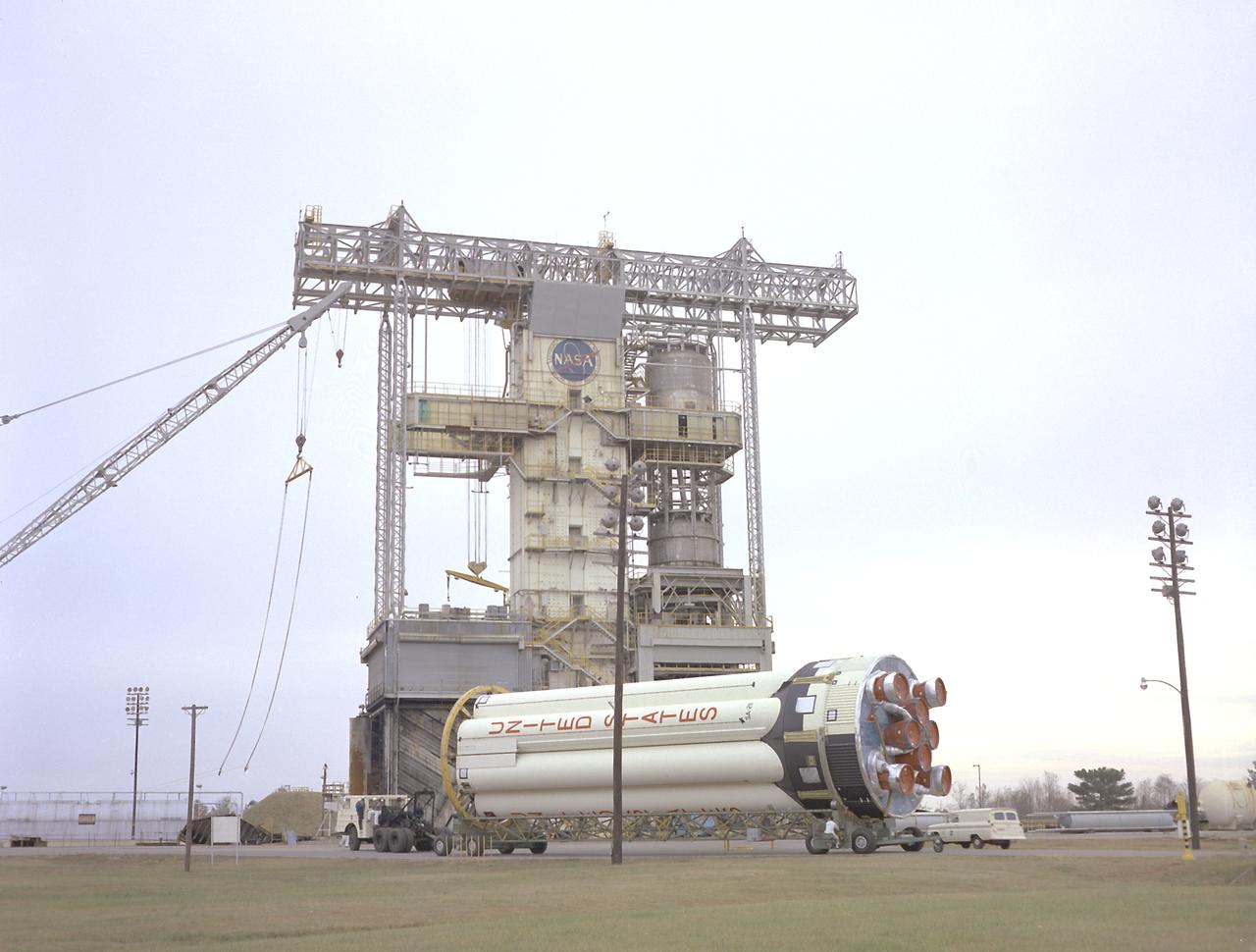
S-IB-211, the flight version of the Saturn IB launch vehicle's first (S-IVB) stage, arrives at Marshall Space Flight Center's (MSFC's) S-IB static test stand. Between December 1967 and April 1968, the stage would undergo seven static test firings. The S-IB, developed by the MSFC and built by the Chrysler Corporation at the Michoud Assembly Facility near New Orleans, Louisiana, utilized eight H-1 engines and each produced 200,000 pounds of thrust.
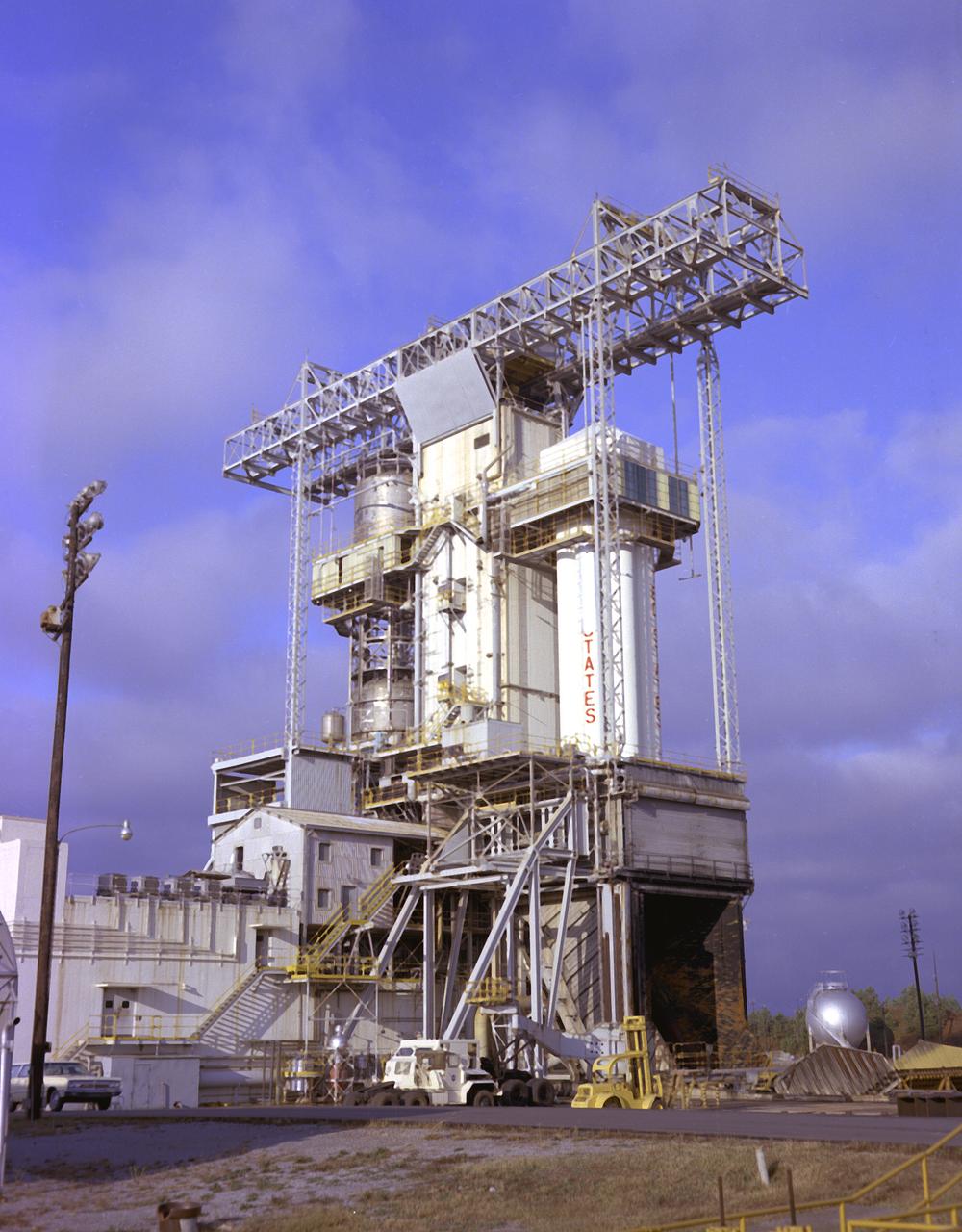
S-IB-211, the flight version of the Saturn IB launch vehicle's (S-IVB) first stage, after installation at the Marshall Space Flight Center's (MSFC's) S-IB static test stand. Between December 1967 and April 1968, the stage would undergo seven static test firings. The S-IB, developed by the MSFC and built by the Chrysler Corporation at the Michoud Assembly Facility near New Orleans, Louisiana, utilized eight H-1 engines and each produced 200,000 pounds of thrust.
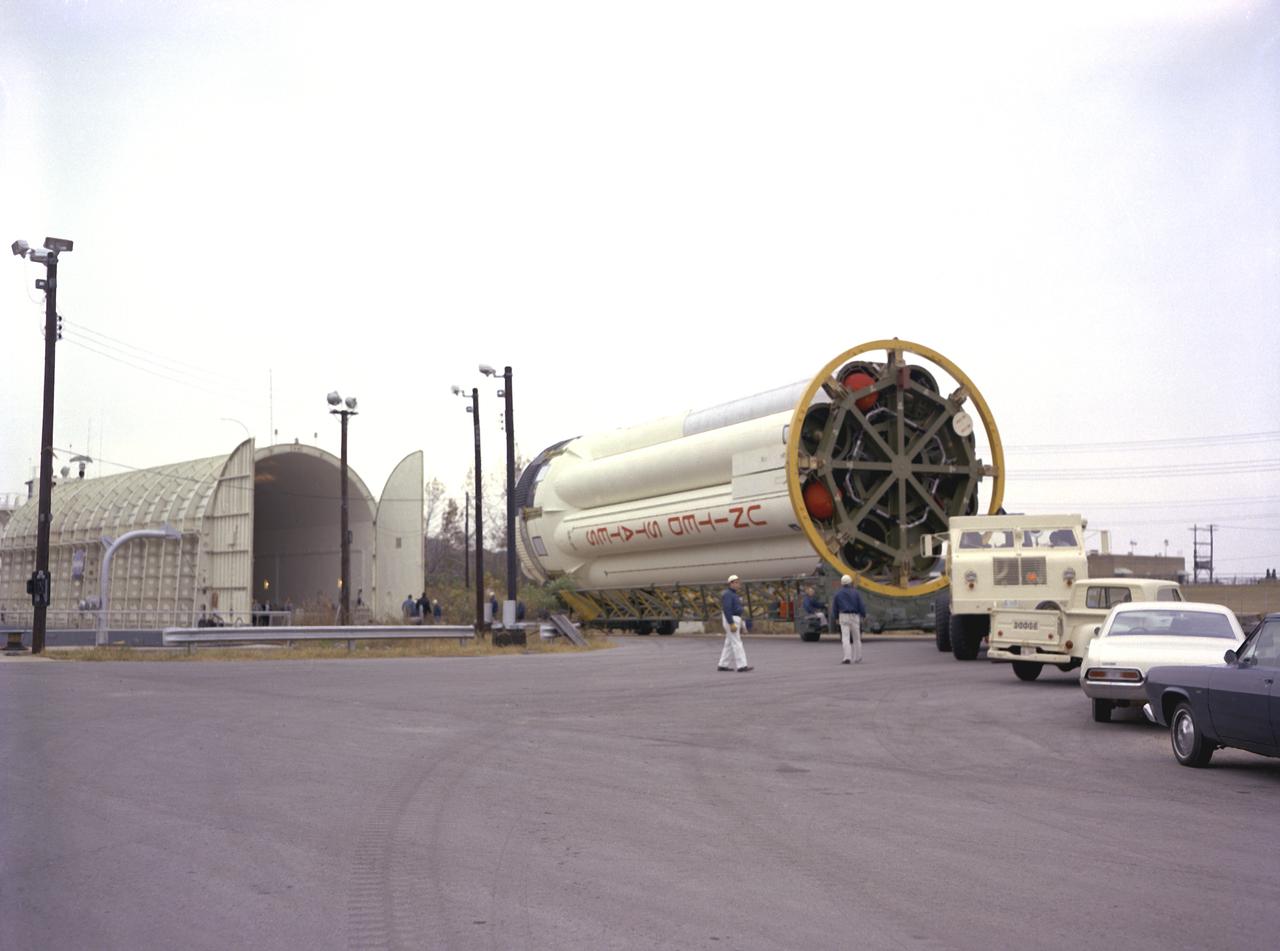
Workmen at the Marshall Space Flight Center's (MSFC's) dock on the Ternessee River unload S-IB-211, the flight version of the Saturn IB launch vehicle's first stage, from the NASA barge Palaemon. Between December 1967 and April 1968, the stage would undergo seven static test firings in Marshall's S-IB static test stand.
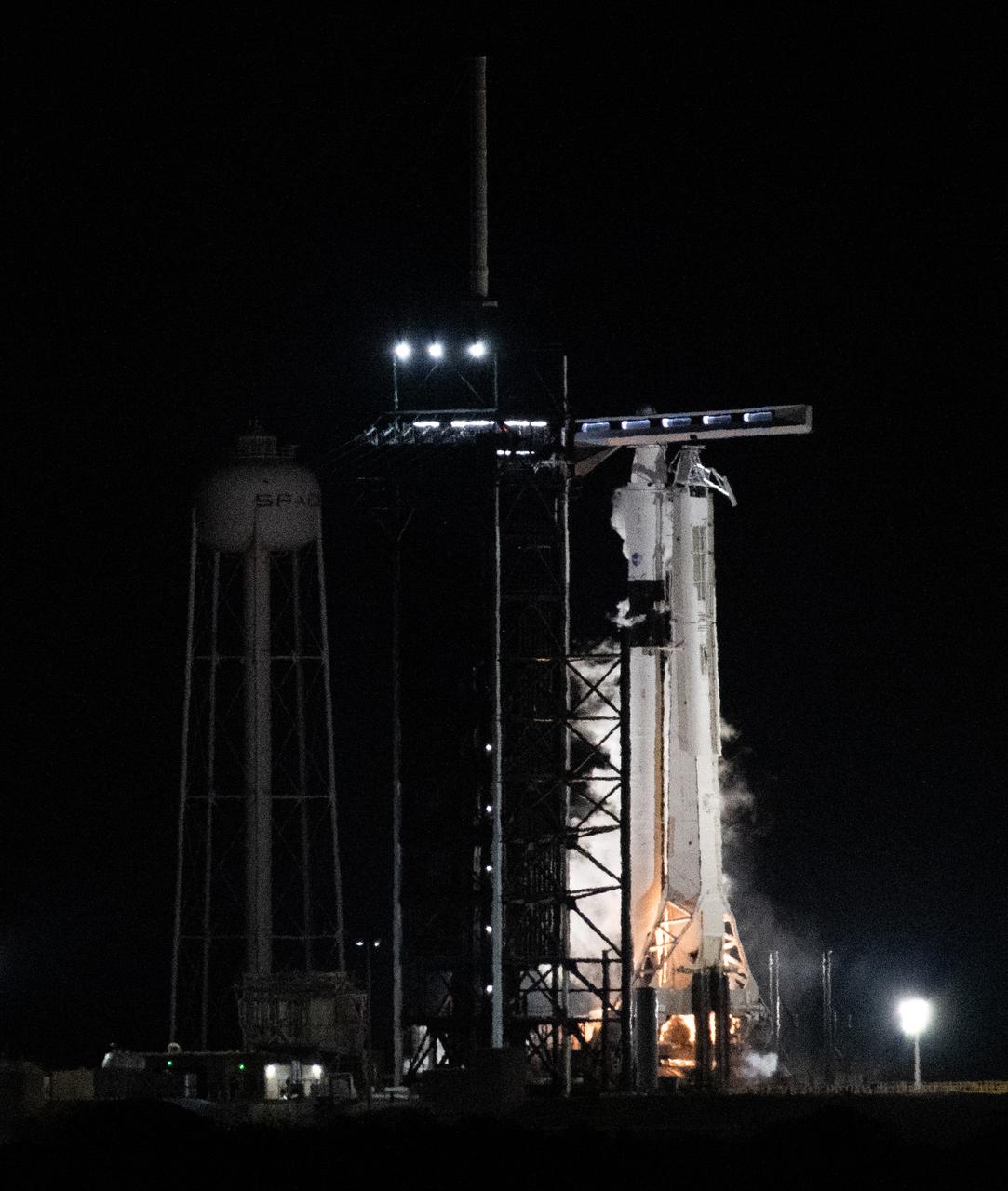
A SpaceX Falcon 9 rocket with the company's Dragon spacecraft onboard is seen on the launch pad at Launch Complex 39A during a brief static fire test ahead of NASA’s SpaceX Crew-6 mission, Friday, Feb. 24, 2023, at the agency’s Kennedy Space Center in Florida. NASA’s SpaceX Crew-6 mission is the sixth crew rotation mission of the SpaceX Dragon spacecraft and Falcon 9 rocket to the International Space Station as part of the agency’s Commercial Crew Program. NASA astronauts Stephen Bowen and Warren "Woody" Hoburg, UAE (United Arab Emirates) astronaut Sultan Alneyadi, and Roscosmos cosmonaut Andrey Fedyaev are scheduled to launch at 1:45 a.m. EST on Feb. 27, from Launch Complex 39A at the Kennedy Space Center. Photo Credit: (NASA/Joel Kowsky)
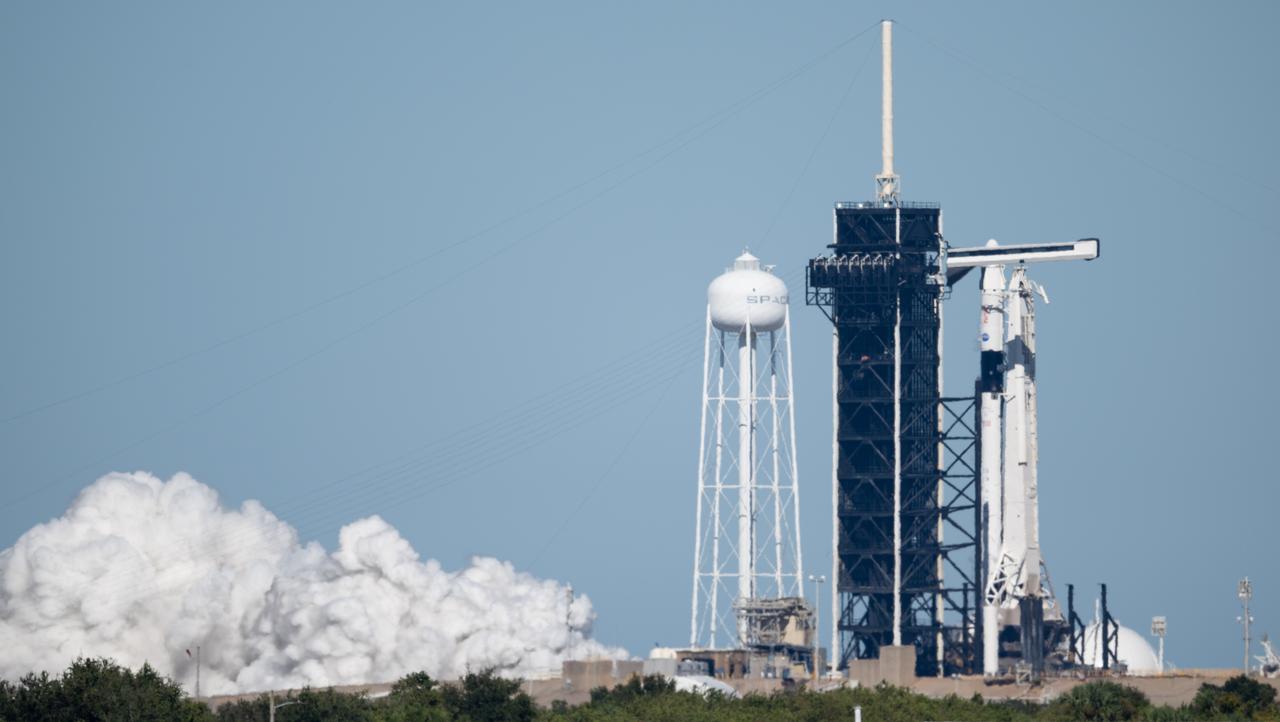
A SpaceX Falcon 9 rocket with the company's Crew Dragon spacecraft onboard is seen on the launch pad at Launch Complex 39A during a brief static fire test ahead of NASA’s SpaceX Crew-5 mission, Sunday, Oct. 2, 2022, at NASA’s Kennedy Space Center in Florida. NASA’s SpaceX Crew-5 mission is the fifth crew rotation mission of the SpaceX Crew Dragon spacecraft and Falcon 9 rocket to the International Space Station as part of the agency’s Commercial Crew Program. NASA astronauts Nicole Mann and Josh Cassada, Japan Aerospace Exploration Agency (JAXA) astronaut Koichi Wakata, and Roscosmos cosmonaut Anna Kikina are scheduled to launch at 12:00 p.m. EDT on Oct. 5 from Launch Complex 39A at the Kennedy Space Center. Photo Credit: (NASA/Joel Kowsky)
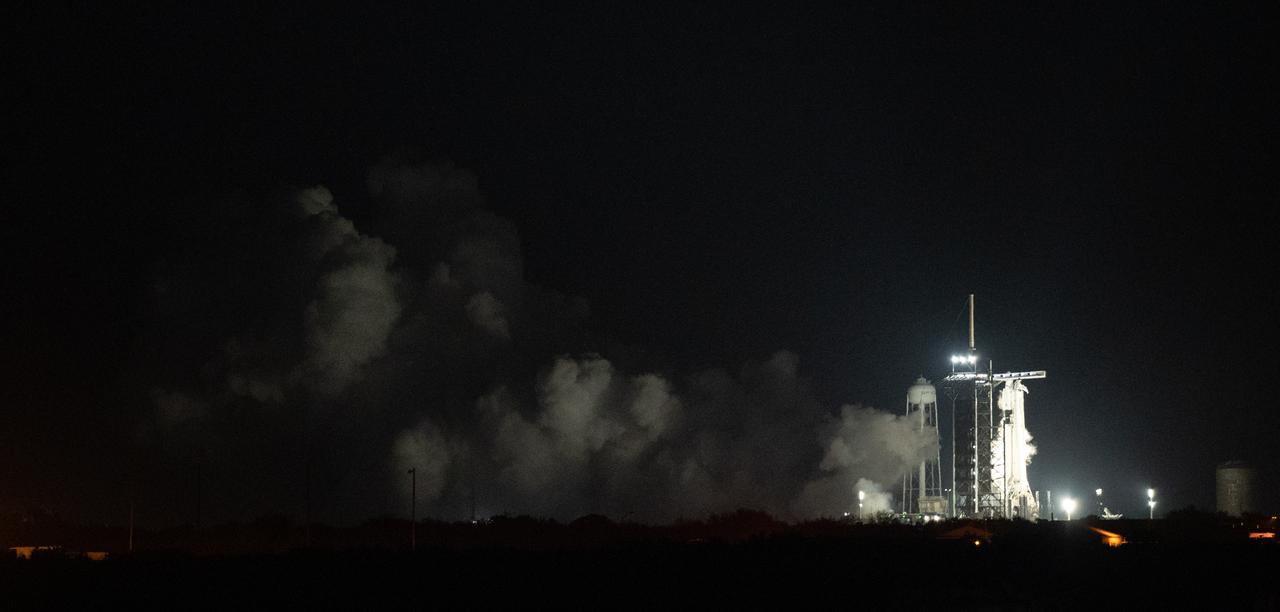
A SpaceX Falcon 9 rocket with the company's Dragon spacecraft onboard is seen on the launch pad at Launch Complex 39A during a brief static fire test ahead of NASA’s SpaceX Crew-6 mission, Friday, Feb. 24, 2023, at the agency’s Kennedy Space Center in Florida. NASA’s SpaceX Crew-6 mission is the sixth crew rotation mission of the SpaceX Dragon spacecraft and Falcon 9 rocket to the International Space Station as part of the agency’s Commercial Crew Program. NASA astronauts Stephen Bowen and Warren "Woody" Hoburg, UAE (United Arab Emirates) astronaut Sultan Alneyadi, and Roscosmos cosmonaut Andrey Fedyaev are scheduled to launch at 1:45 a.m. EST on Feb. 27, from Launch Complex 39A at the Kennedy Space Center. Photo Credit: (NASA/Joel Kowsky)
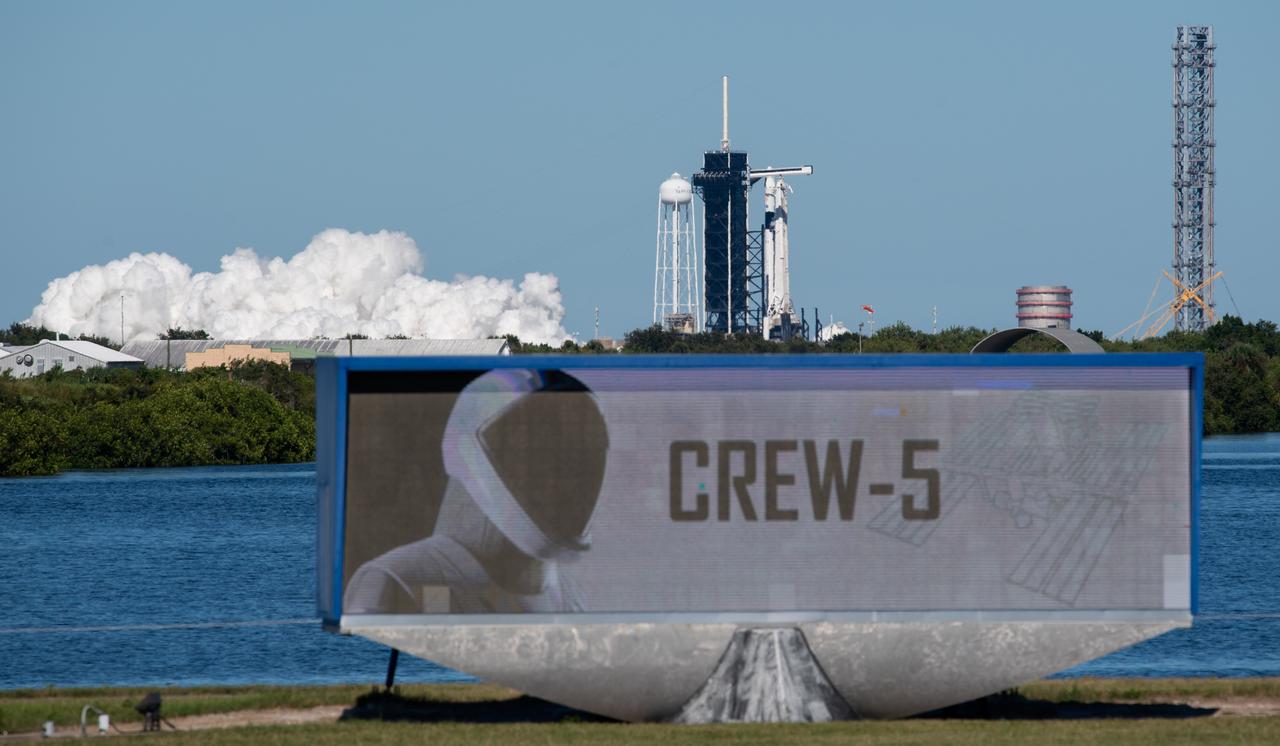
A SpaceX Falcon 9 rocket with the company's Crew Dragon spacecraft onboard is seen on the launch pad at Launch Complex 39A during a brief static fire test ahead of NASA’s SpaceX Crew-5 mission, Sunday, Oct. 2, 2022, at NASA’s Kennedy Space Center in Florida. NASA’s SpaceX Crew-5 mission is the fifth crew rotation mission of the SpaceX Crew Dragon spacecraft and Falcon 9 rocket to the International Space Station as part of the agency’s Commercial Crew Program. NASA astronauts Nicole Mann and Josh Cassada, Japan Aerospace Exploration Agency (JAXA) astronaut Koichi Wakata, and Roscosmos cosmonaut Anna Kikina are scheduled to launch at 12:00 p.m. EDT on Oct. 5 from Launch Complex 39A at the Kennedy Space Center. Photo Credit: (NASA/Joel Kowsky)
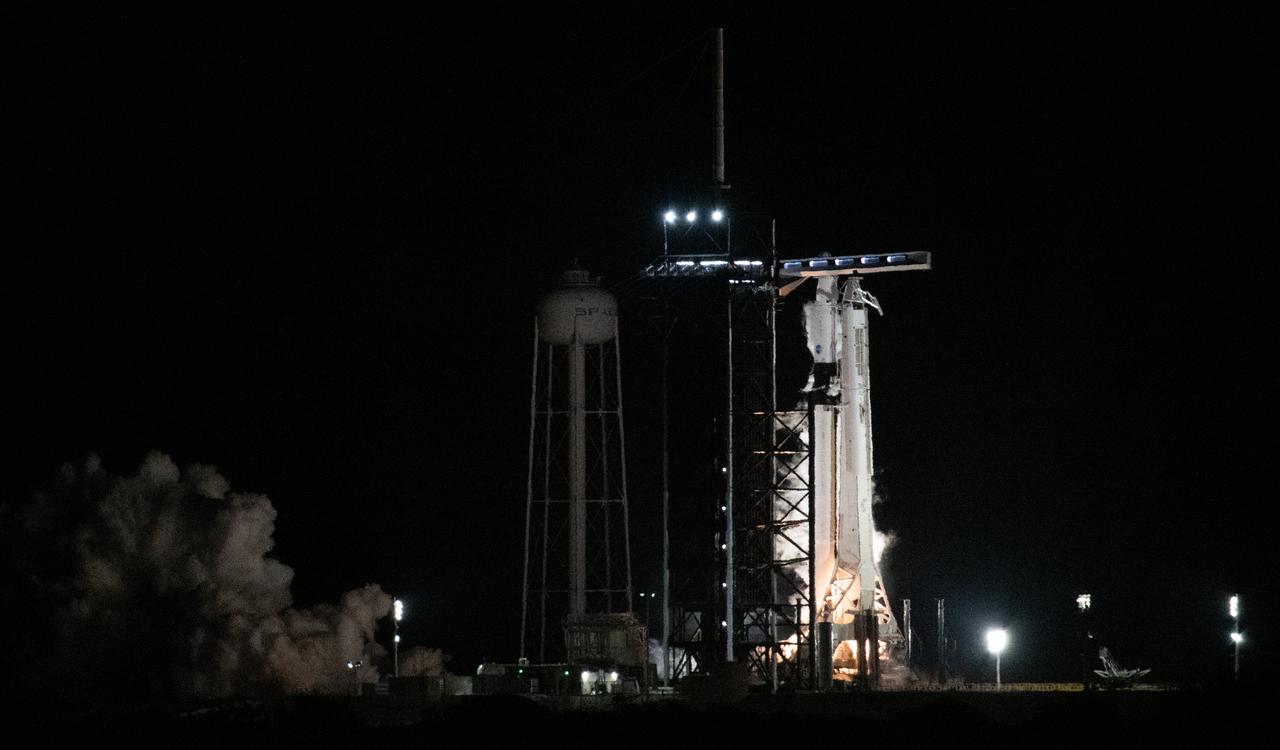
A SpaceX Falcon 9 rocket with the company's Dragon spacecraft onboard is seen on the launch pad at Launch Complex 39A during a brief static fire test ahead of NASA’s SpaceX Crew-6 mission, Friday, Feb. 24, 2023, at the agency’s Kennedy Space Center in Florida. NASA’s SpaceX Crew-6 mission is the sixth crew rotation mission of the SpaceX Dragon spacecraft and Falcon 9 rocket to the International Space Station as part of the agency’s Commercial Crew Program. NASA astronauts Stephen Bowen and Warren "Woody" Hoburg, UAE (United Arab Emirates) astronaut Sultan Alneyadi, and Roscosmos cosmonaut Andrey Fedyaev are scheduled to launch at 1:45 a.m. EST on Feb. 27, from Launch Complex 39A at the Kennedy Space Center. Photo Credit: (NASA/Joel Kowsky)
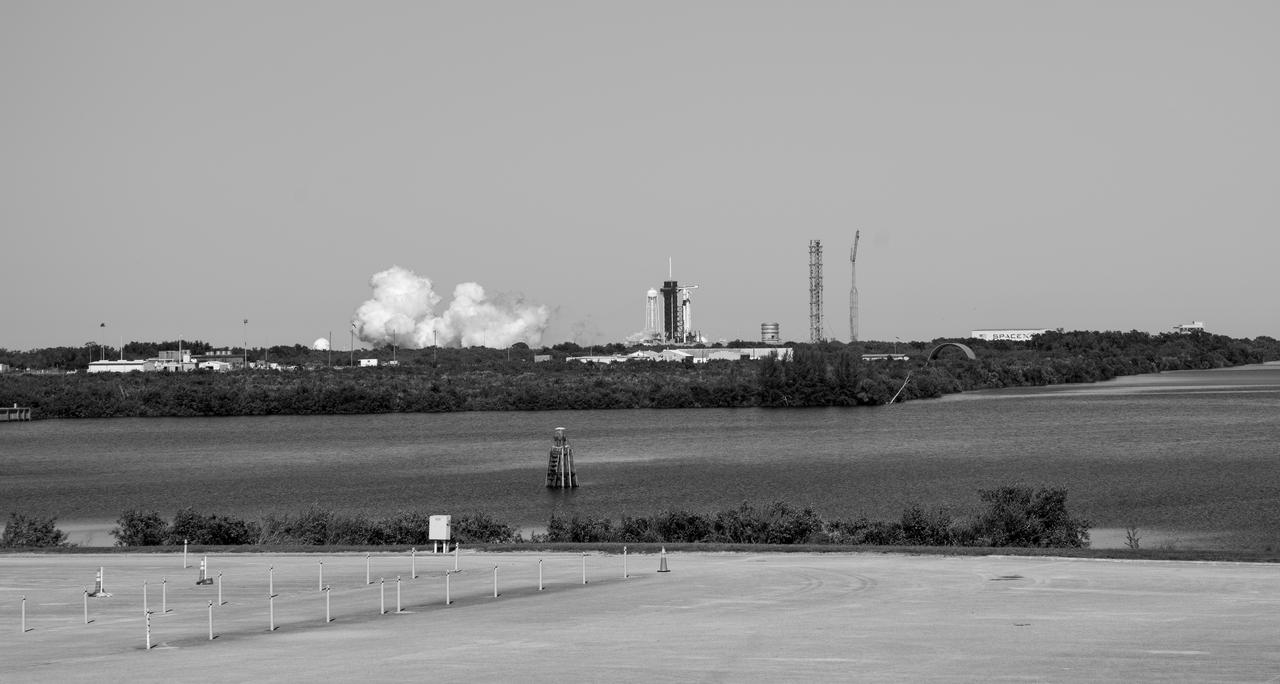
A SpaceX Falcon 9 rocket with the company's Crew Dragon spacecraft onboard is seen on the launch pad at Launch Complex 39A during a brief static fire test ahead of NASA’s SpaceX Crew-5 mission, Sunday, Oct. 2, 2022, at NASA’s Kennedy Space Center in Florida. NASA’s SpaceX Crew-5 mission is the fifth crew rotation mission of the SpaceX Crew Dragon spacecraft and Falcon 9 rocket to the International Space Station as part of the agency’s Commercial Crew Program. NASA astronauts Nicole Mann and Josh Cassada, Japan Aerospace Exploration Agency (JAXA) astronaut Koichi Wakata, and Roscosmos cosmonaut Anna Kikina are scheduled to launch at 12:00 p.m. EDT on Oct. 5 from Launch Complex 39A at the Kennedy Space Center. Photo Credit: (NASA/Joel Kowsky)
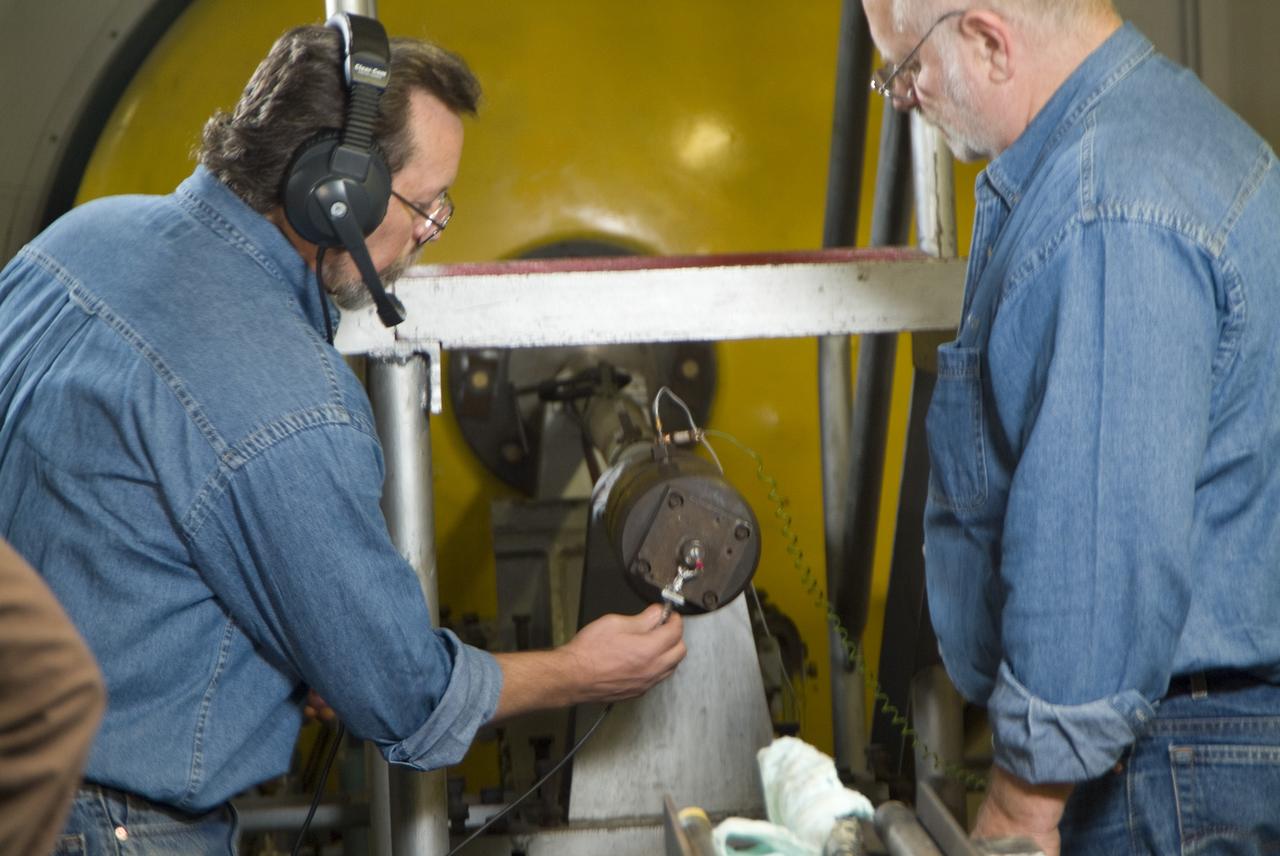
CEV (Crew Escape Vehicle) capsule Balistic Range testing to examine static and dynamic stability characteristics (at the Hypervelocity Free-Flight Facility) HFF - Don Bowling (l) attaching firing cable to breeth cap as Don Holt (r) looks on
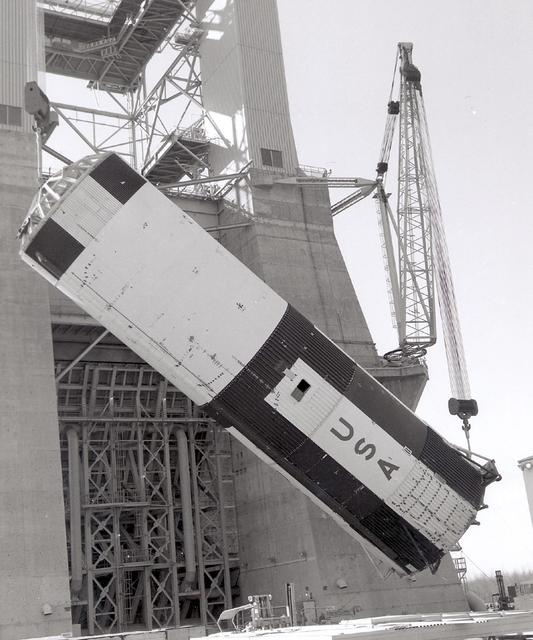
This vintage photograph shows the 138-foot long first stage of the Saturn V being lowered to the ground following a successful static test firing at Marshall Space flight Center's S-1C test stand. The firing provided NASA engineers information on the booster's systems. The towering 363-foot Saturn V was a multi-stage, multi-engine launch vehicle standing taller than the Statue of Liberty. Altogether, the Saturn V engines produced as much power as 85 Hoover Dams.
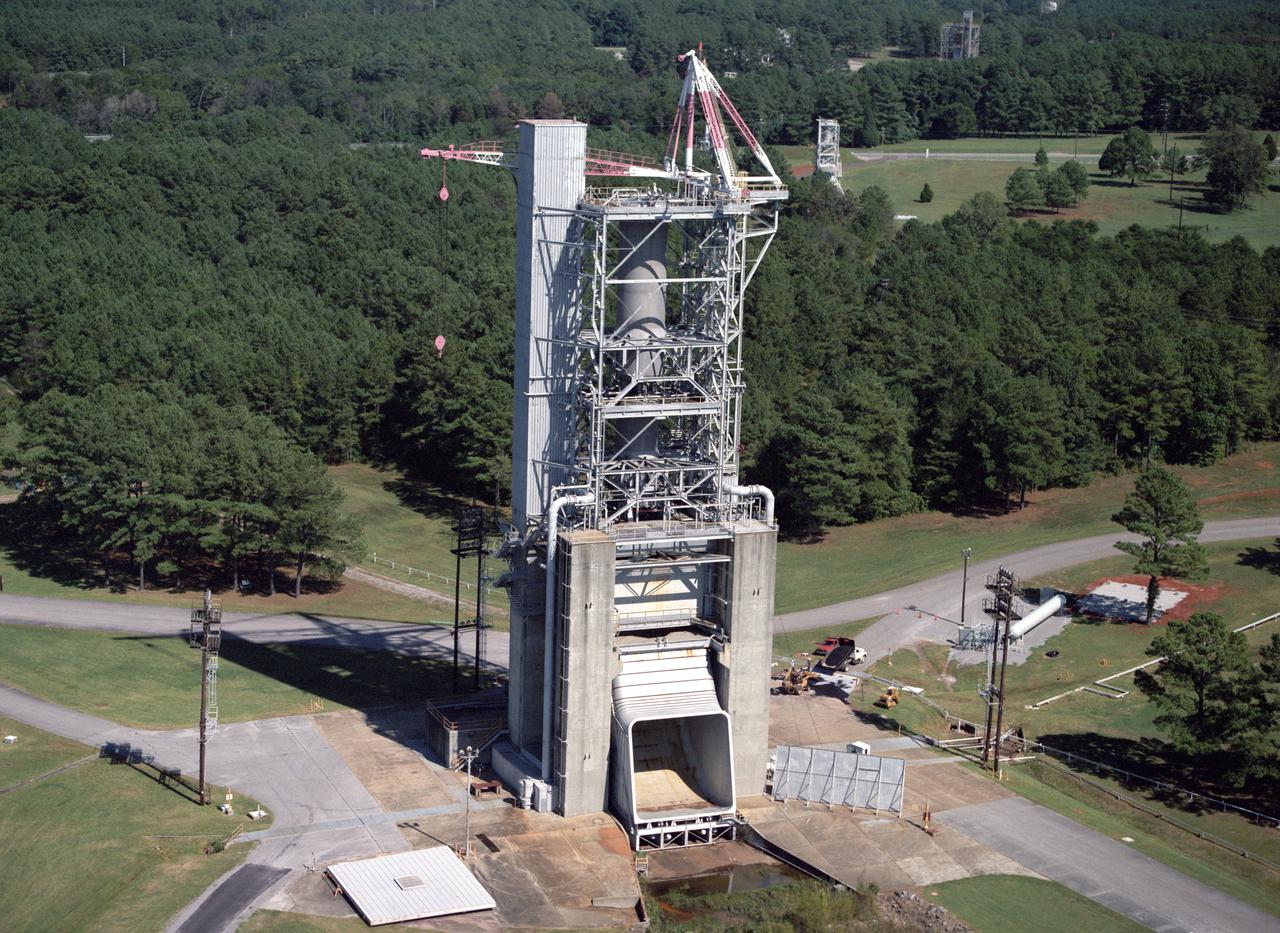
Marshall Space Flight Center's F-1 Engine Test Stand is shown in this picture. Constructed in 1963, the test stand is a vertical engine firing test stand, 239 feet in elevation and 4,600 square feet in area at the base, and was designed to assist in the development of the F-1 Engine. Capability is provided for static firing of 1.5 million pounds of thrust using liquid oxygen and kerosene. The foundation of the stand is keyed into the bedrock approximately 40 feet below grade.
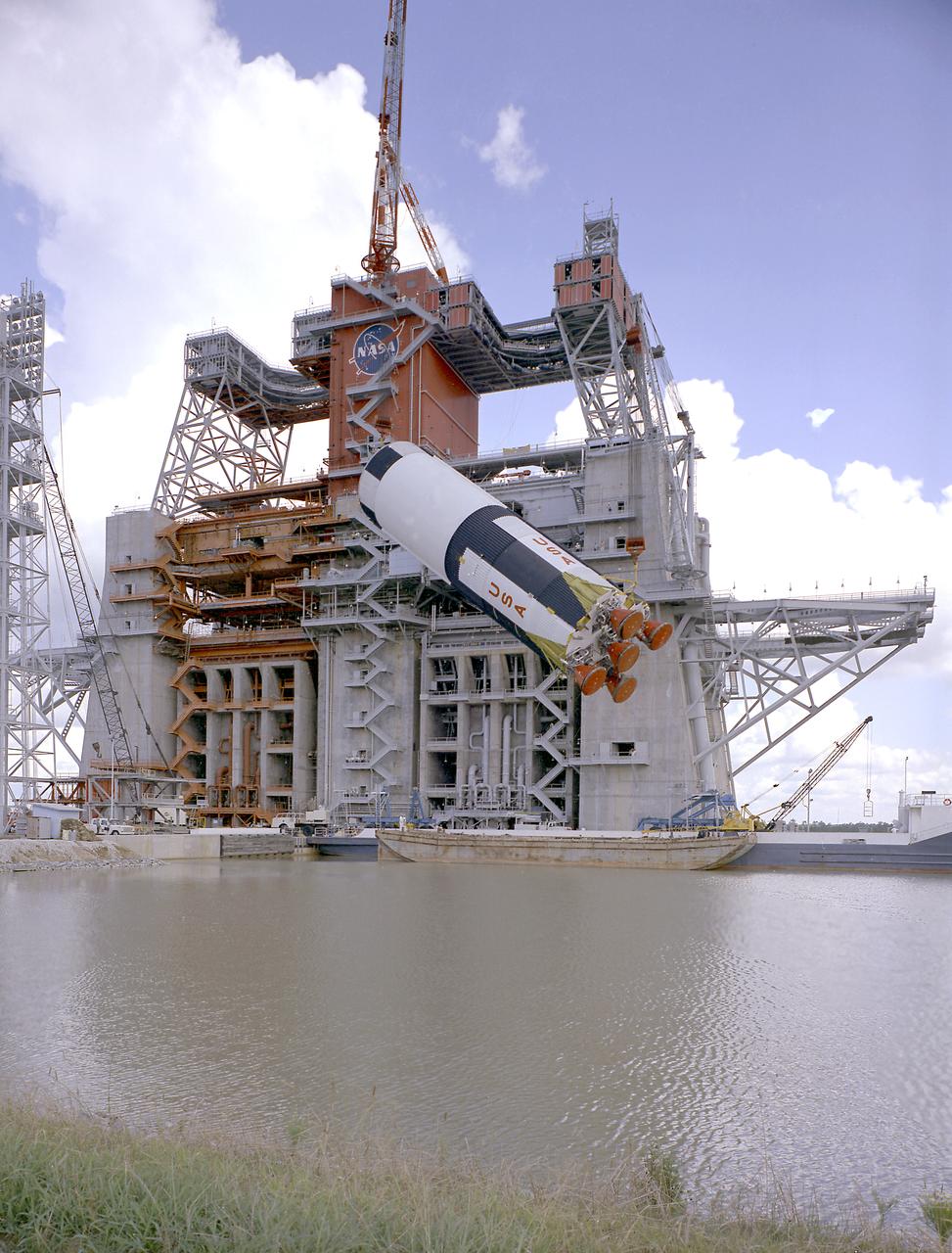
This photograph is a view of the Saturn V S-IC-5 (first) flight stage being hoisted into the S-IC-B1 test stand at the Mississippi Test Facility (MTF), Bay St. Louis, Mississippi. Begirning operations in 1966, the MTF has two test stands, a dual-position structure for running the S-IC stage at full throttle, and two separate stands for the S-II (Saturn V third) stage. It became the focus of the static test firing program. The completed S-IC stage was shipped from Michoud Assembly Facility (MAF) to the MTF. The stage was then installed into the 124-meter-high test stand for static firing tests before shipment to the Kennedy Space Center for final assembly of the Saturn V vehicle. The MTF was renamed to the National Space Technology Laboratory (NSTL) in 1974 and later to the Stennis Space Center (SSC) in May 1988.
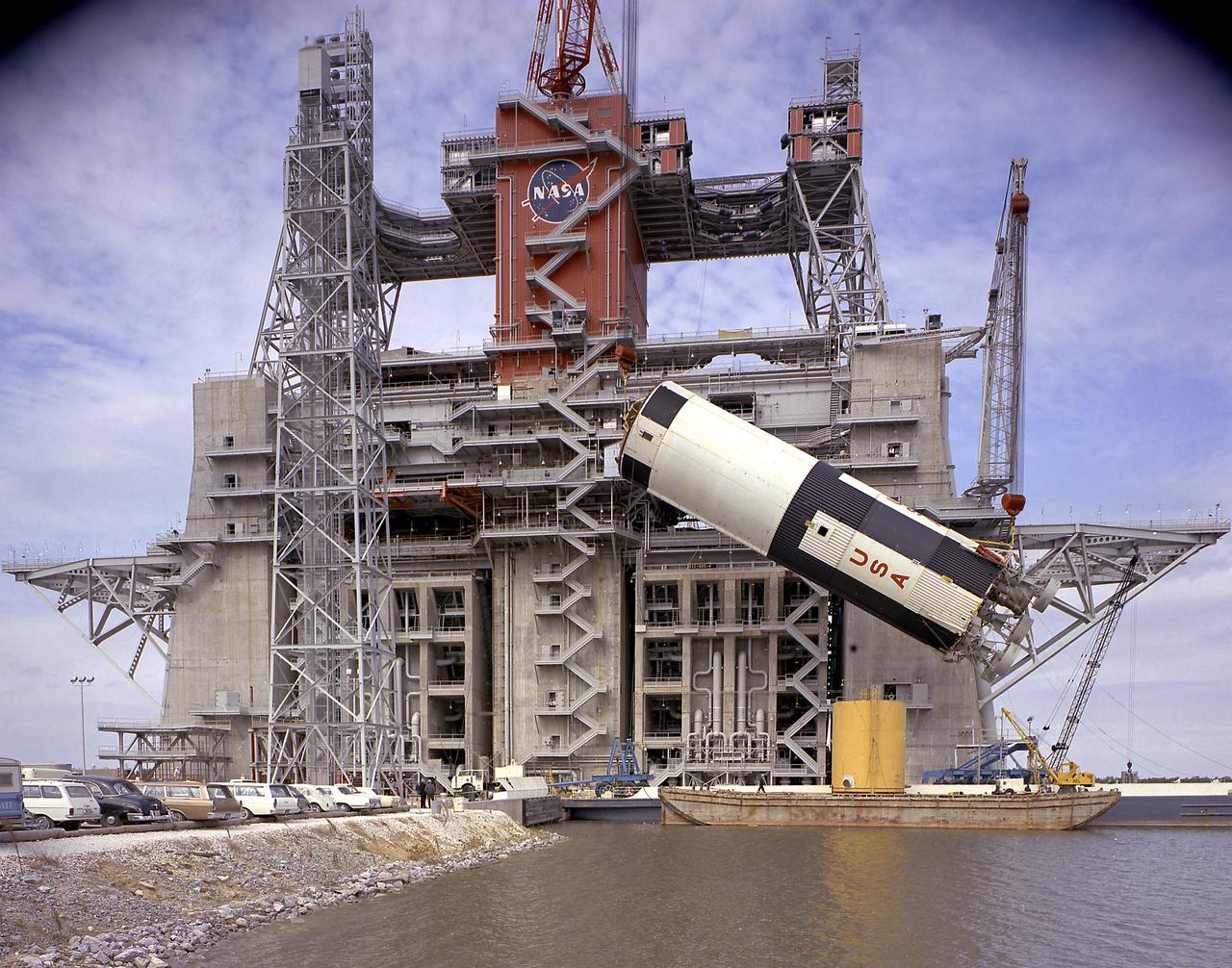
This photograph is a view of the Saturn V S-IC (first) test stage being hoisted into the S-IC-B1 test stand at the Mississippi Test Facility (MTF), Bay St. Louis, Mississippi. This stage was used to prove the operational readiness of the stand. Begirning operations in 1966, the MTF has two test stands; a dual-position structure for running the S-IC stage at full throttle, and two separate stands for the S-II (Saturn V third) stage. It became the focus of the static test firing program. The completed S-IC stage was shipped from the Michoud Assembly Facility (MAF) to the MTF. The stage was then installed into the 124-meter-high test stand for static firing tests before shipment to the Kennedy Space Center for final assembly of the Saturn V vehicle. The MTF was renamed to the National Space Technology Laboratory (NSTL) in 1974 and later to the Stennis Space Center (SSC) in May 1988.
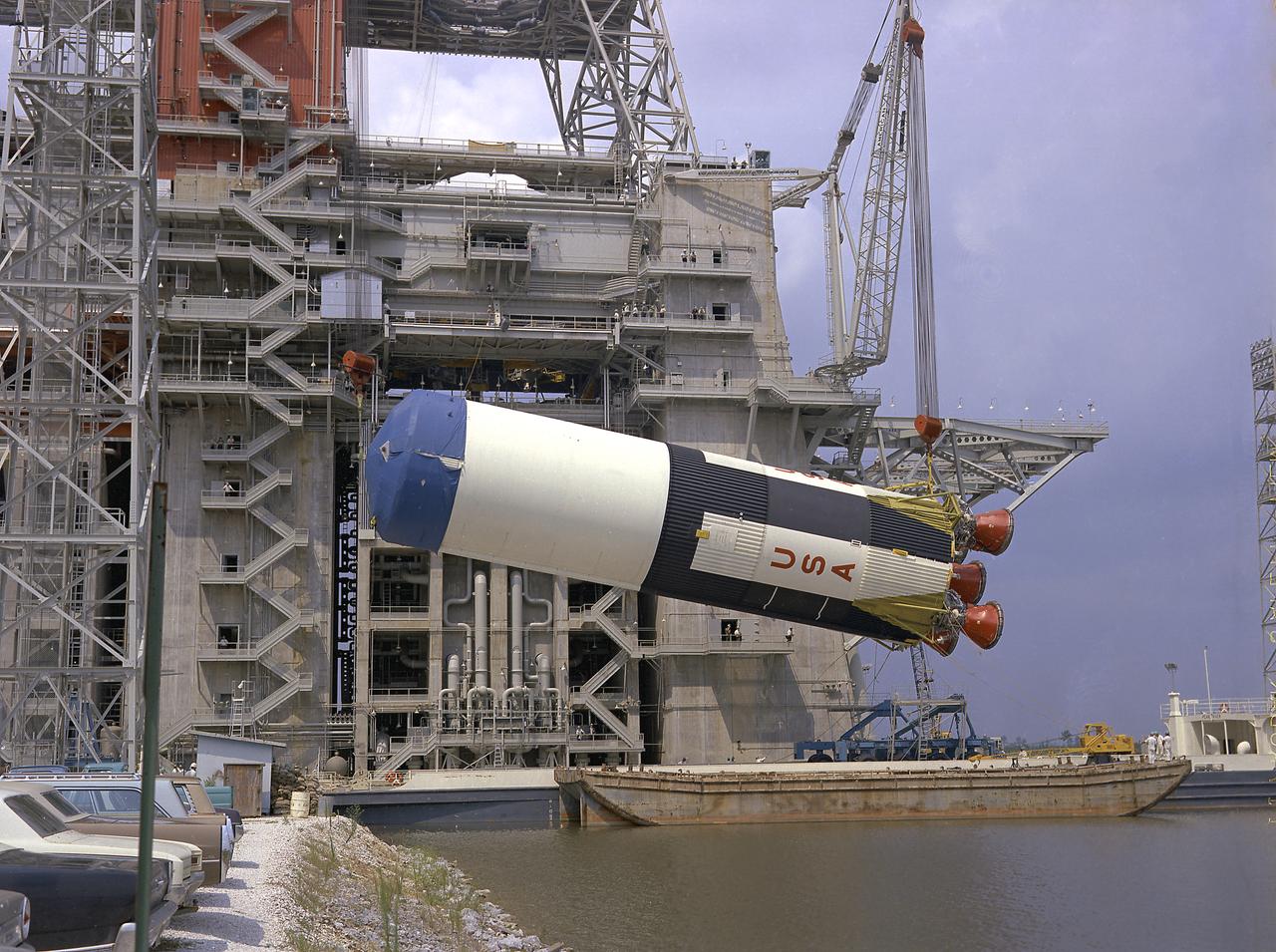
This photograph is a view of the Saturn V S-IC-5 (first) flight stage being hoisted into the S-IC-B1 test stand at the Mississippi Test Facility (MTF), Bay St. Louis, Mississippi. Begirning operations in 1966, the MTF has two test stands, a dual-position structure for running the S-IC stage at full throttle, and two separate stands for the S-II (Saturn V third) stage. It became the focus of the static test firing program. The completed S-IC stage was shipped from Michoud Assembly Facility (MAF) to the MTF. The stage was then installed into the 124-meter-high test stand for static firing tests before shipment to the Kennedy Space Center for final assembly of the Saturn V vehicle. The MTF was renamed to the National Space Technology Laboratory (NSTL) in 1974 and later to the Stennis Space Center (SSC) in May 1988.
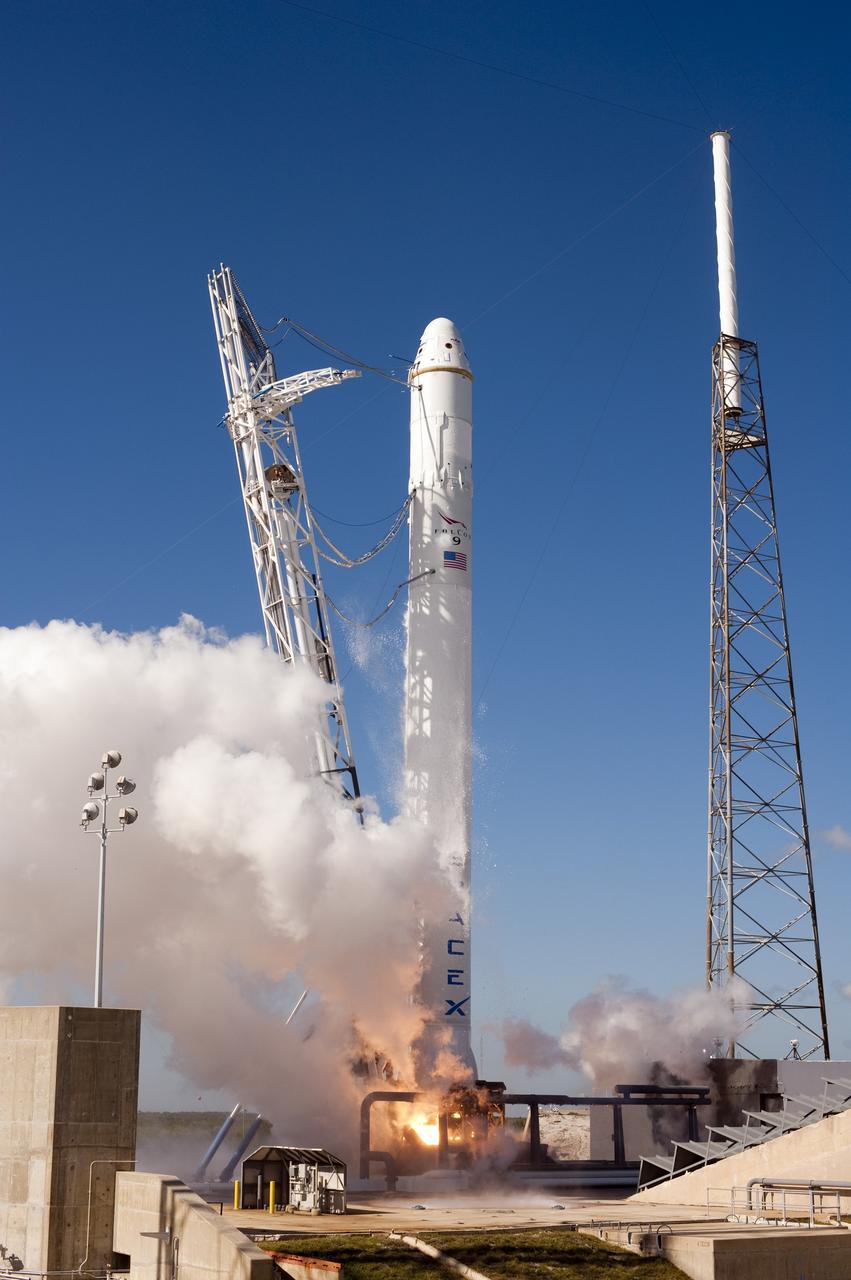
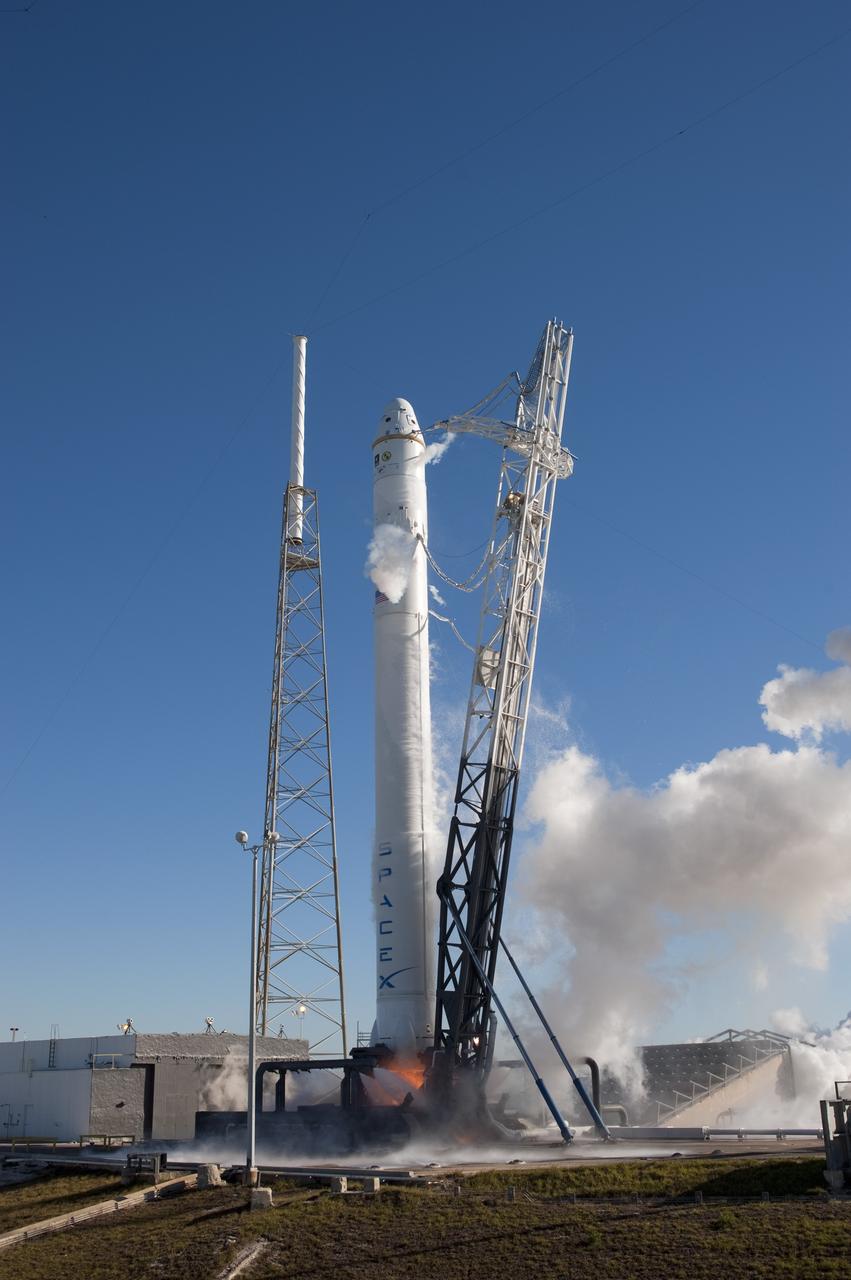
CAPE CANAVERAL, Fla. -- The SpaceX Falcon 9 rocket static fire test on Space Launch Complex-40 at Cape Canaveral Air Force Station was aborted at T minus 1.1 seconds due to high engine chamber pressure. During the test, all nine Merlin engines, which use rocket-grade kerosene and liquid oxygen to produce 1 million pounds of thrust, are expected to fire at once. After the test, SpaceX will conduct a thorough review of all data as engineers make final preparations for the first launch of the Commercial Orbital Transportation Services (COTS) Dragon spacecraft to low Earth orbit atop the Falcon 9. This first stage firing is part of a full launch dress rehearsal, which will end after the engines fire at full power for two seconds, with only the hold-down system restraining the rocket from flight. Photo credit: NASA/Tony Gray and Kevin O'Connell
CAPE CANAVERAL, Fla. -- During a static fire test on Space Launch Complex-40 at Cape Canaveral Air Force Station, all nine Merlin engines of the SpaceX Falcon 9 rocket fire at once. The engines use rocket-grade kerosene and liquid oxygen to produce 1 million pounds of thrust. After the test, SpaceX began to conduct a thorough review of all data as engineers make final preparations for the first launch of the Commercial Orbital Transportation Services (COTS) Dragon spacecraft to low Earth orbit atop the Falcon 9. This first stage firing is part of a full launch dress rehearsal, which ended after the engines fired at full power for two seconds, with only the hold-down system restraining the rocket from flight. Photo credit: NASA/Tony Gray and Kevin O'Connell
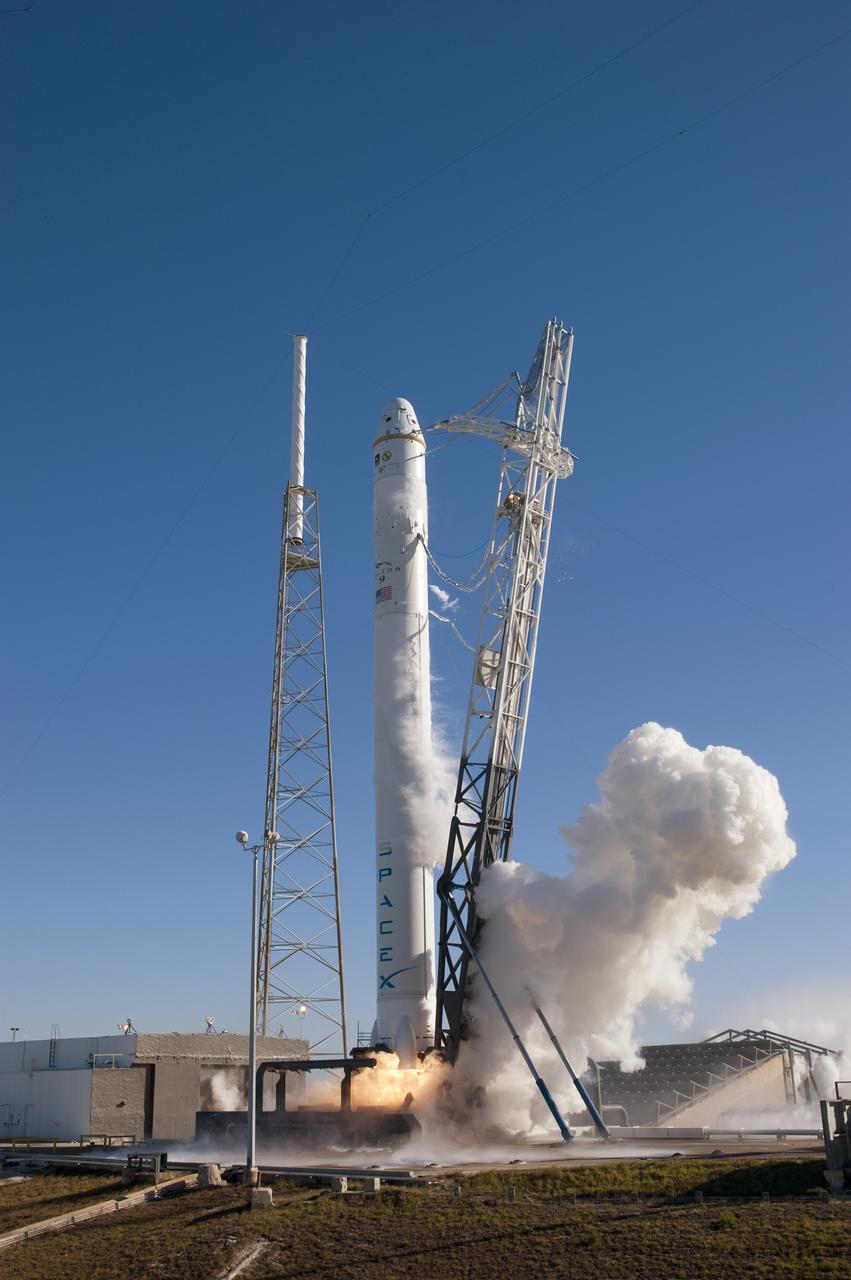
CAPE CANAVERAL, Fla. -- During a static fire test on Space Launch Complex-40 at Cape Canaveral Air Force Station, all nine Merlin engines of the SpaceX Falcon 9 rocket fire at once. The engines use rocket-grade kerosene and liquid oxygen to produce 1 million pounds of thrust. After the test, SpaceX began to conduct a thorough review of all data as engineers make final preparations for the first launch of the Commercial Orbital Transportation Services (COTS) Dragon spacecraft to low Earth orbit atop the Falcon 9. This first stage firing is part of a full launch dress rehearsal, which ended after the engines fired at full power for two seconds, with only the hold-down system restraining the rocket from flight. Photo credit: NASA/Tony Gray and Kevin O'Connell
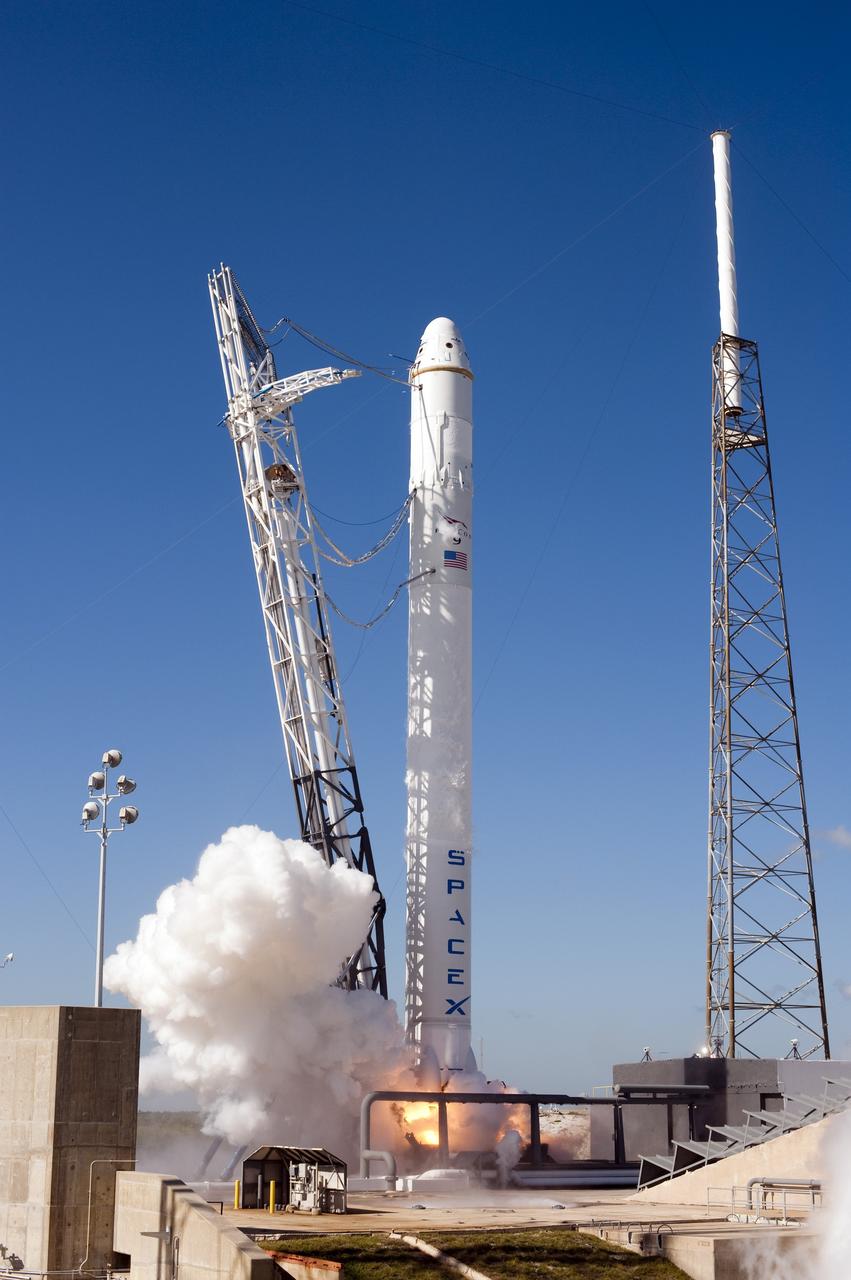
CAPE CANAVERAL, Fla. -- The SpaceX Falcon 9 rocket static fire test on Space Launch Complex-40 at Cape Canaveral Air Force Station was aborted at T minus 1.1 seconds due to high engine chamber pressure. During the test, all nine Merlin engines, which use rocket-grade kerosene and liquid oxygen to produce 1 million pounds of thrust, are expected to fire at once. After the test, SpaceX will conduct a thorough review of all data as engineers make final preparations for the first launch of the Commercial Orbital Transportation Services (COTS) Dragon spacecraft to low Earth orbit atop the Falcon 9. This first stage firing is part of a full launch dress rehearsal, which will end after the engines fire at full power for two seconds, with only the hold-down system restraining the rocket from flight. Photo credit: NASA/Tony Gray and Kevin O'Connell
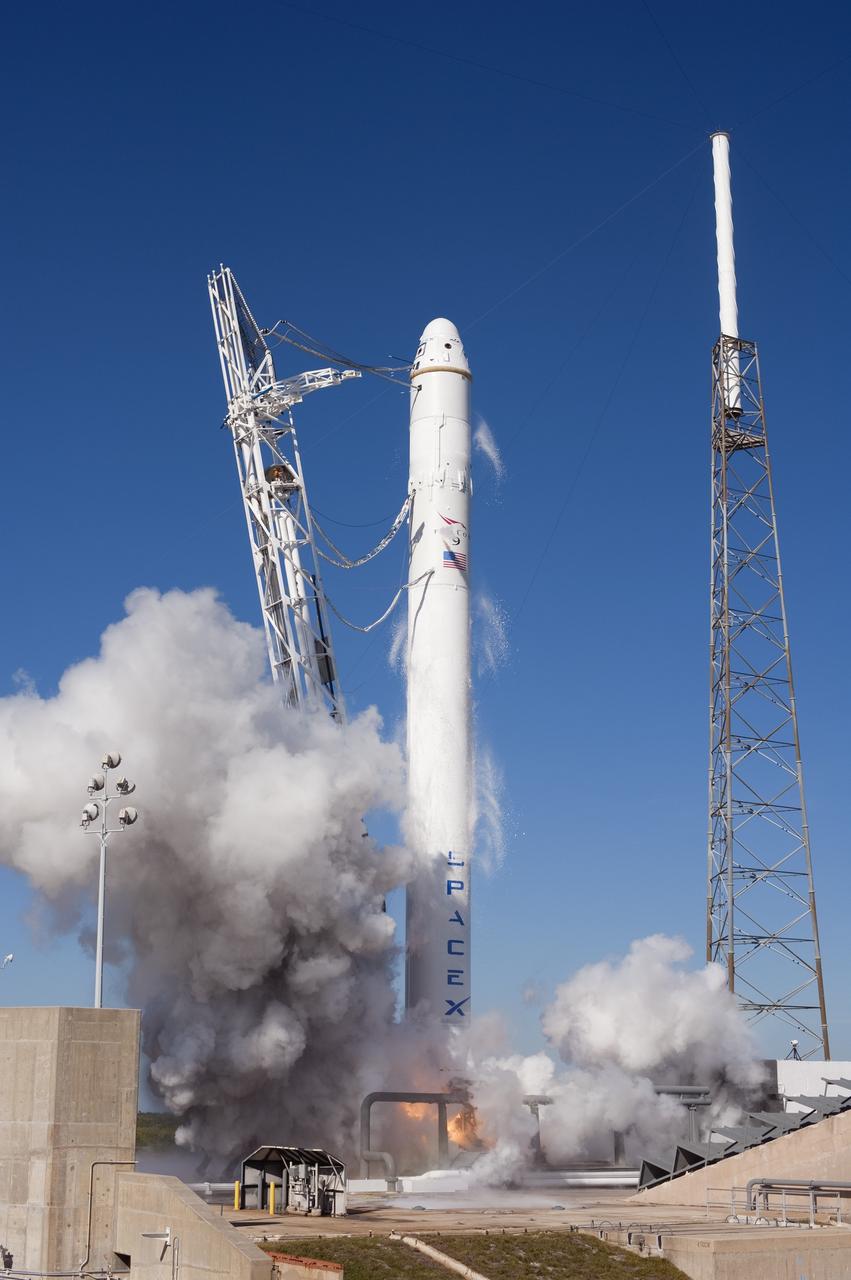
CAPE CANAVERAL, Fla. -- During a static fire test on Space Launch Complex-40 at Cape Canaveral Air Force Station, all nine Merlin engines of the SpaceX Falcon 9 rocket fire at once. The engines use rocket-grade kerosene and liquid oxygen to produce 1 million pounds of thrust. After the test, SpaceX began to conduct a thorough review of all data as engineers make final preparations for the first launch of the Commercial Orbital Transportation Services (COTS) Dragon spacecraft to low Earth orbit atop the Falcon 9. This first stage firing is part of a full launch dress rehearsal, which ended after the engines fired at full power for two seconds, with only the hold-down system restraining the rocket from flight. Photo credit: NASA/Tony Gray and Kevin O'Connell
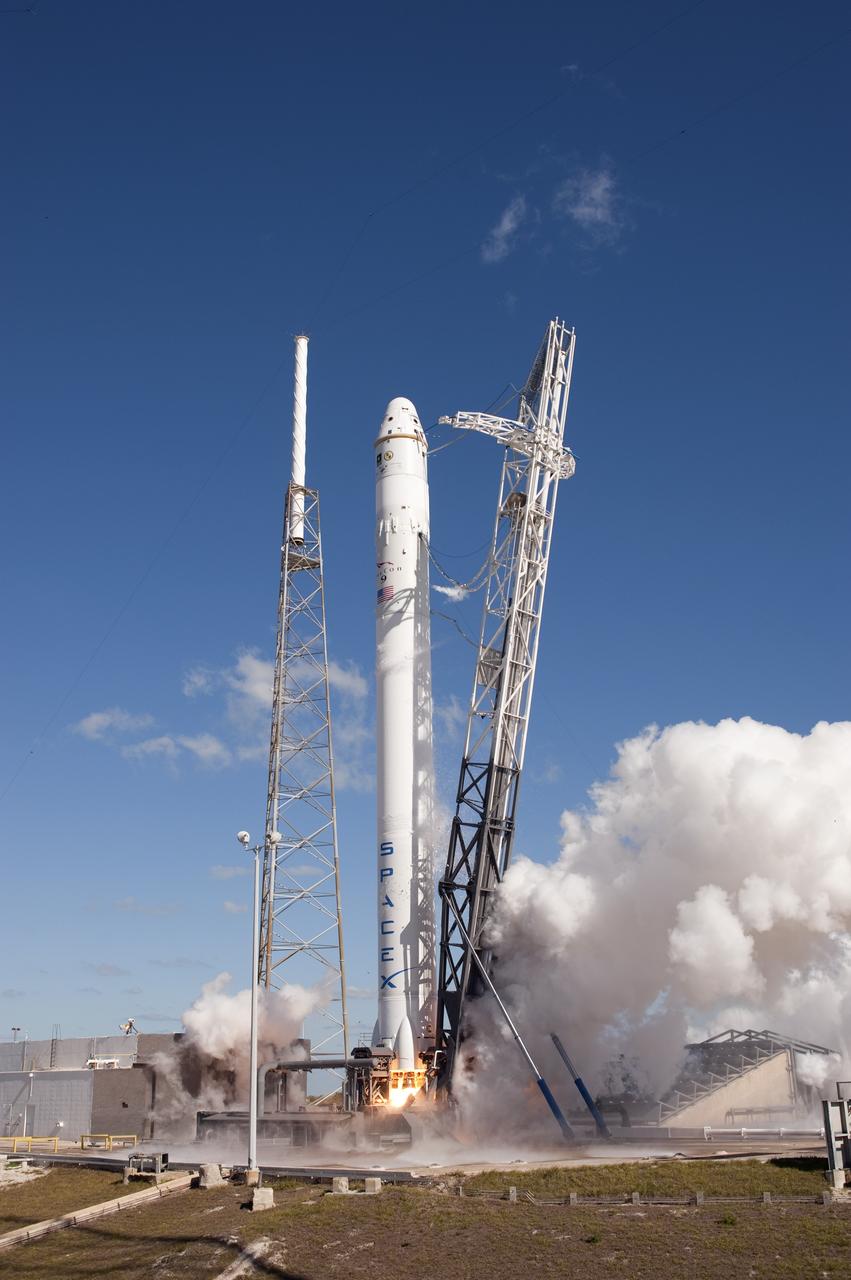
CAPE CANAVERAL, Fla. -- The SpaceX Falcon 9 rocket static fire test on Space Launch Complex-40 at Cape Canaveral Air Force Station was aborted at T minus 1.1 seconds due to high engine chamber pressure. During the test, all nine Merlin engines, which use rocket-grade kerosene and liquid oxygen to produce 1 million pounds of thrust, are expected to fire at once. After the test, SpaceX will conduct a thorough review of all data as engineers make final preparations for the first launch of the Commercial Orbital Transportation Services (COTS) Dragon spacecraft to low Earth orbit atop the Falcon 9. This first stage firing is part of a full launch dress rehearsal, which will end after the engines fire at full power for two seconds, with only the hold-down system restraining the rocket from flight. Photo credit: NASA/Tony Gray and Kevin O'Connell
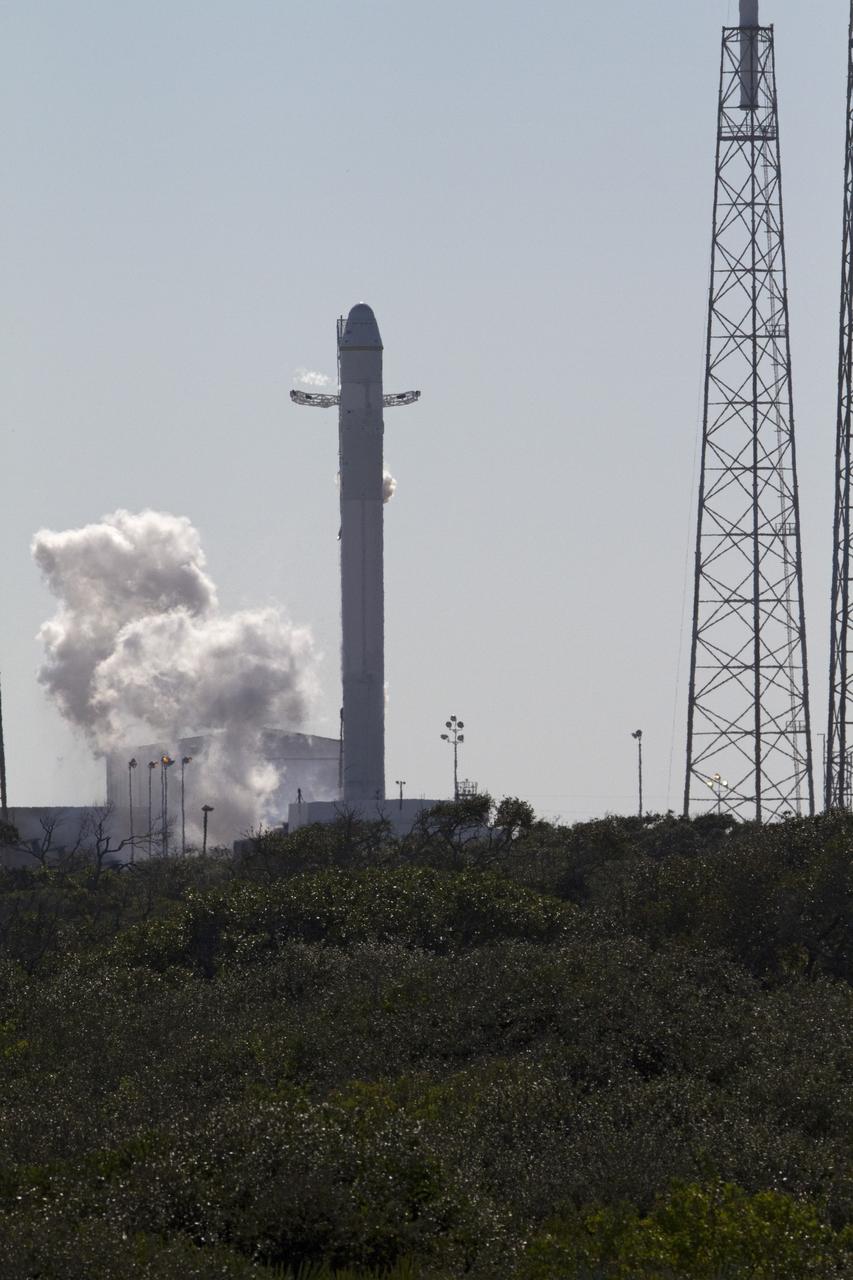
CAPE CANAVERAL, Fla. -- The SpaceX Falcon 9 rocket static fire test on Space Launch Complex-40 at Cape Canaveral Air Force Station was aborted at T minus 1.1 seconds due to high engine chamber pressure. During the test, all nine Merlin engines, which use rocket-grade kerosene and liquid oxygen to produce 1 million pounds of thrust, are expected to fire at once. After the test, SpaceX will conduct a thorough review of all data as engineers make final preparations for the first launch of the Commercial Orbital Transportation Services (COTS) Dragon spacecraft to low Earth orbit atop the Falcon 9. This first stage firing is part of a full launch dress rehearsal, which will end after the engines fire at full power for two seconds, with only the hold-down system restraining the rocket from flight. Photo credit: NASA/Rusty Backer
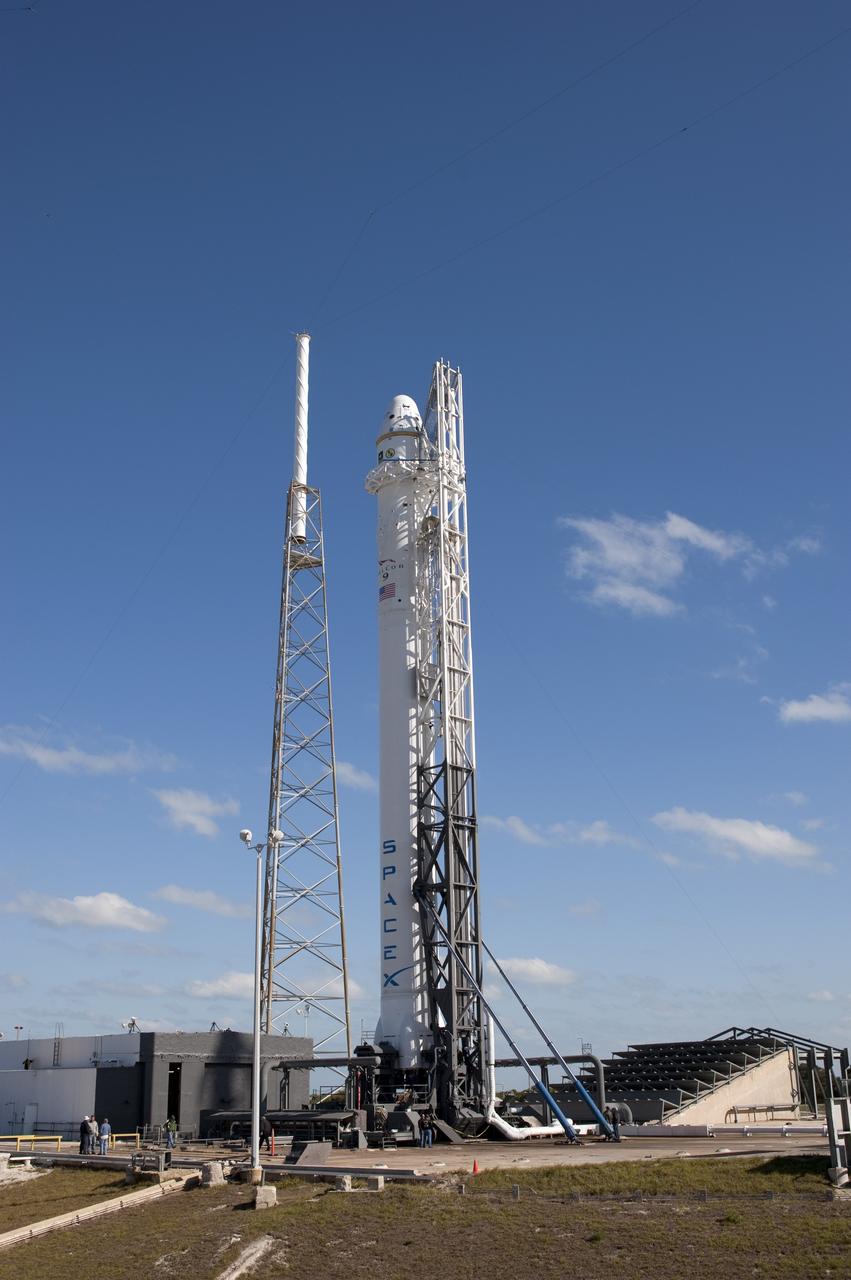
CAPE CANAVERAL, Fla. -- The SpaceX Falcon 9 rocket awaits a static fire test on Space Launch Complex-40 at Cape Canaveral Air Force Station, in which all nine Merlin engines will fire at once. The engines use rocket-grade kerosene and liquid oxygen to produce 1 million pounds of thrust. After the test, SpaceX will conduct a thorough review of all data as engineers make final preparations for the first launch of the Commercial Orbital Transportation Services (COTS) Dragon spacecraft to low Earth orbit atop the Falcon 9. This first stage firing is part of a full launch dress rehearsal, which will end after the engines fire at full power for two seconds, with only the hold-down system restraining the rocket from flight. Photo credit: NASA/Tony Gray and Kevin O'Connell
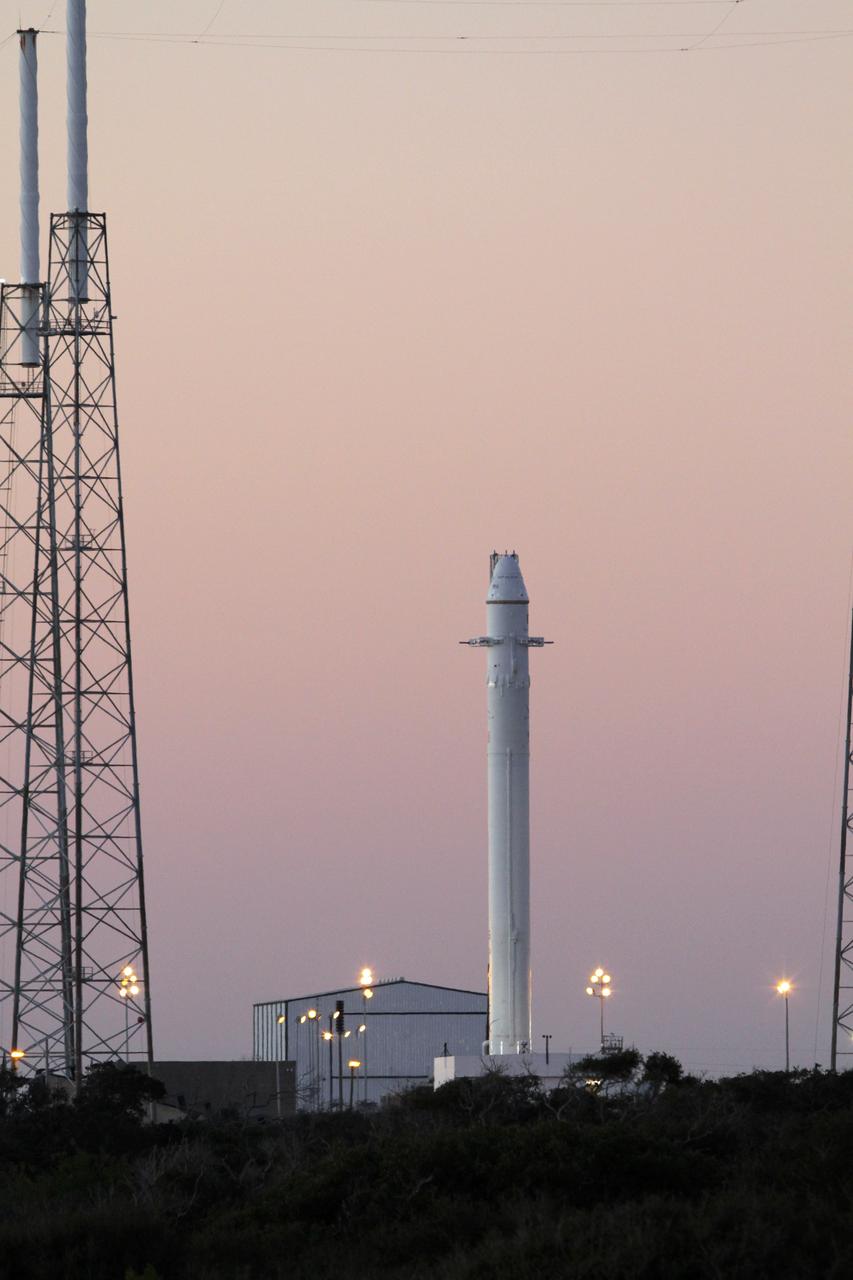
CAPE CANAVERAL, Fla. -- The SpaceX Falcon 9 rocket awaits a static fire test on Space Launch Complex-40 at Cape Canaveral Air Force Station, in which all nine Merlin engines will fire at once. The engines use rocket-grade kerosene and liquid oxygen to produce 1 million pounds of thrust. After the test, SpaceX will conduct a thorough review of all data as engineers make final preparations for the first launch of the Commercial Orbital Transportation Services (COTS) Dragon spacecraft to low Earth orbit atop the Falcon 9. This first stage firing is part of a full launch dress rehearsal, which will end after the engines fire at full power for two seconds, with only the hold-down system restraining the rocket from flight. Photo credit: NASA/Rusty Backer
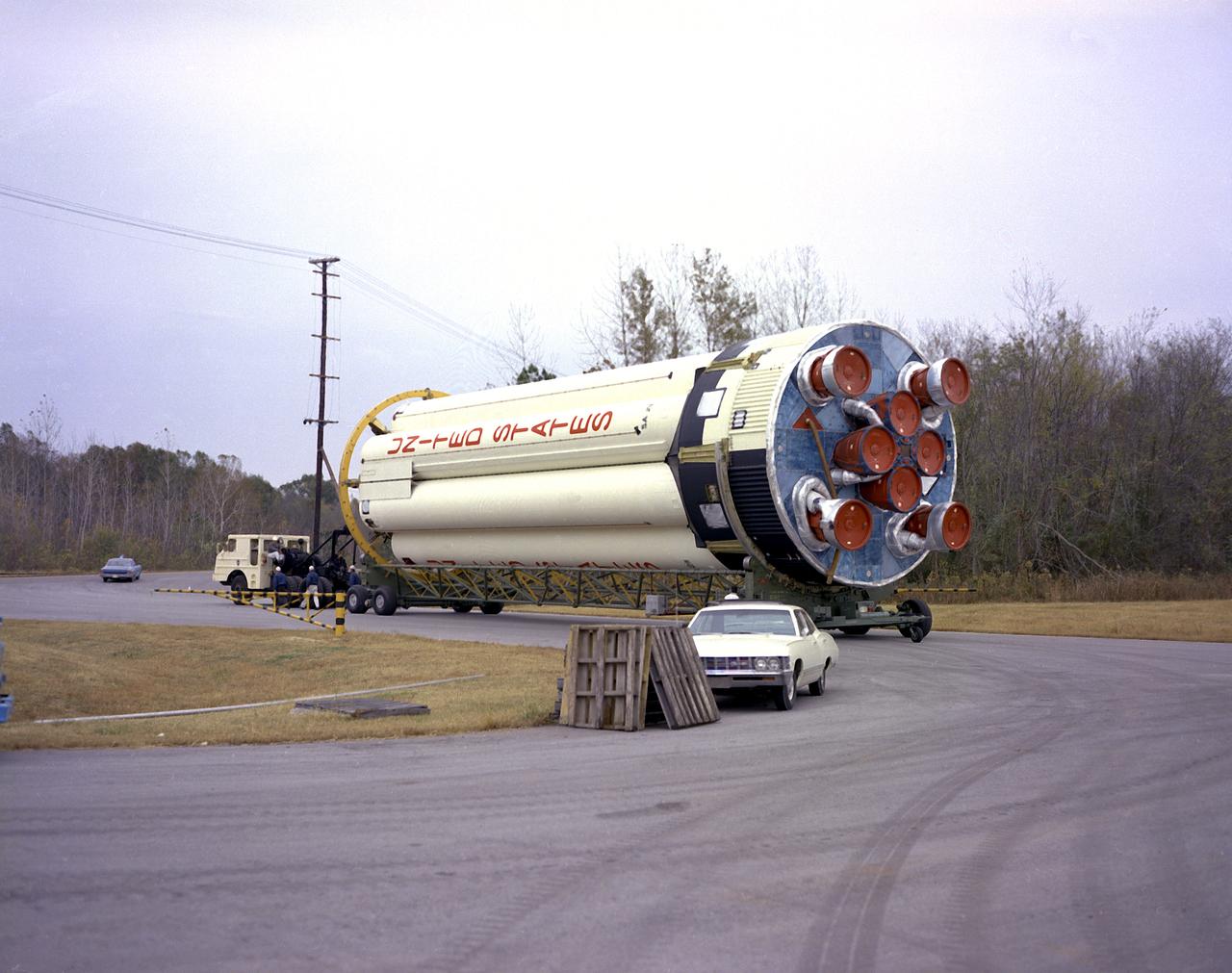
S-IB-211, the flight version of the Saturn IB launch vehicle's first (S-IVB) stage, on its way to Marshall Space Flight Center's (MSFC's) west test area. Between December 1967 and April 1968, the stage would undergo seven static test firings. The S-IB, developed by the MSFC and built by the Chrysler Corporation at the Michoud Assembly Facility near New Orleans, Louisiana, utilized eight H-1 engines and each produced 200,000 pounds of thrust.
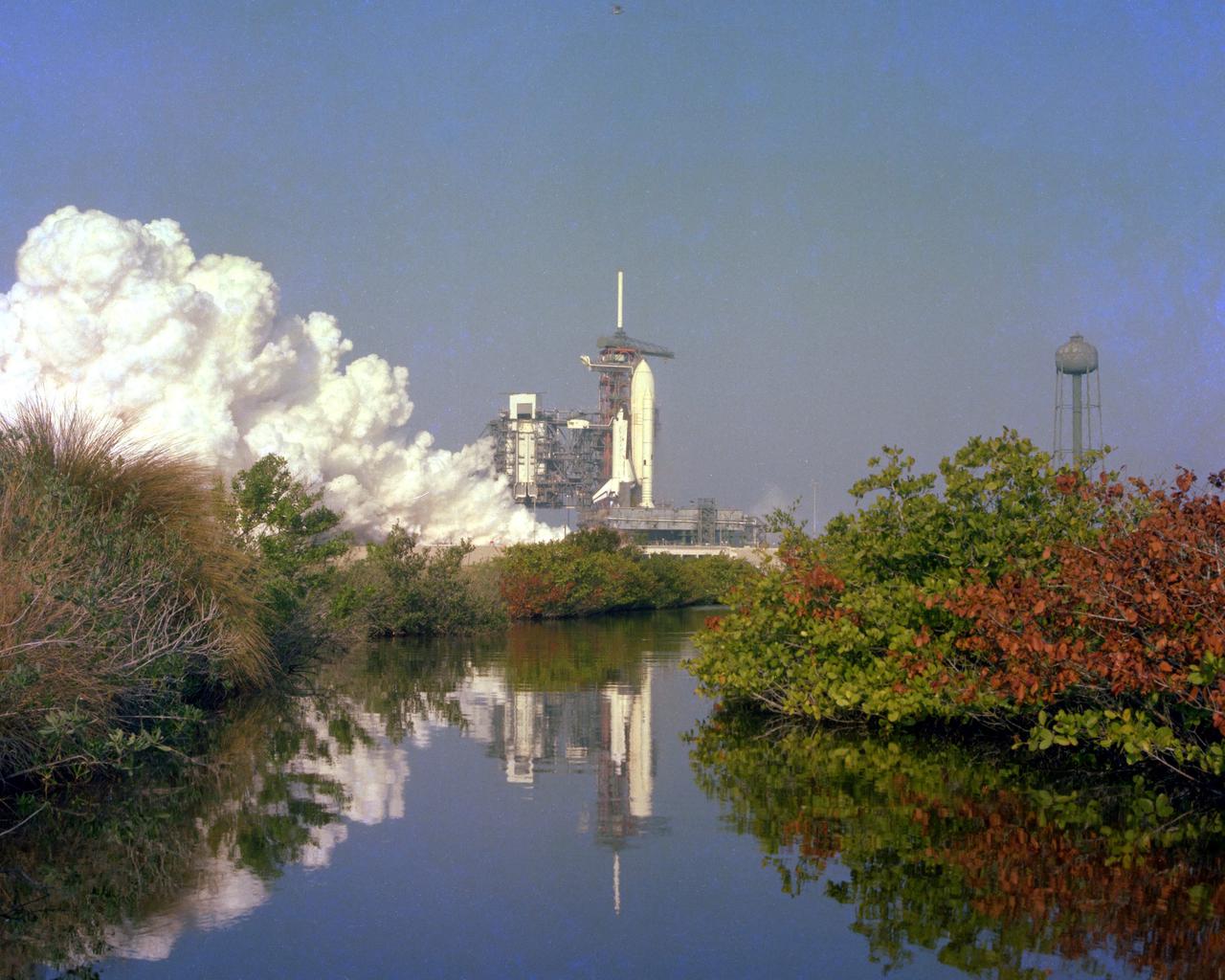
KENNEDY SPACE CENTER, FLA. - Flames shot from the nozzles of the Space Shuttle's three engines during the successful 20-second static firing, which capped a formal rehearsal for the maiden flight of Columbia, scheduled for early April. The milestone event took place at 8:45 a.m. on Feb. 20, 1981. The three main engines reached 100 percent power - over 1 million pounds of thrust - during the test. Holddown bolts secured the vehicle to its mobile launcher platform.
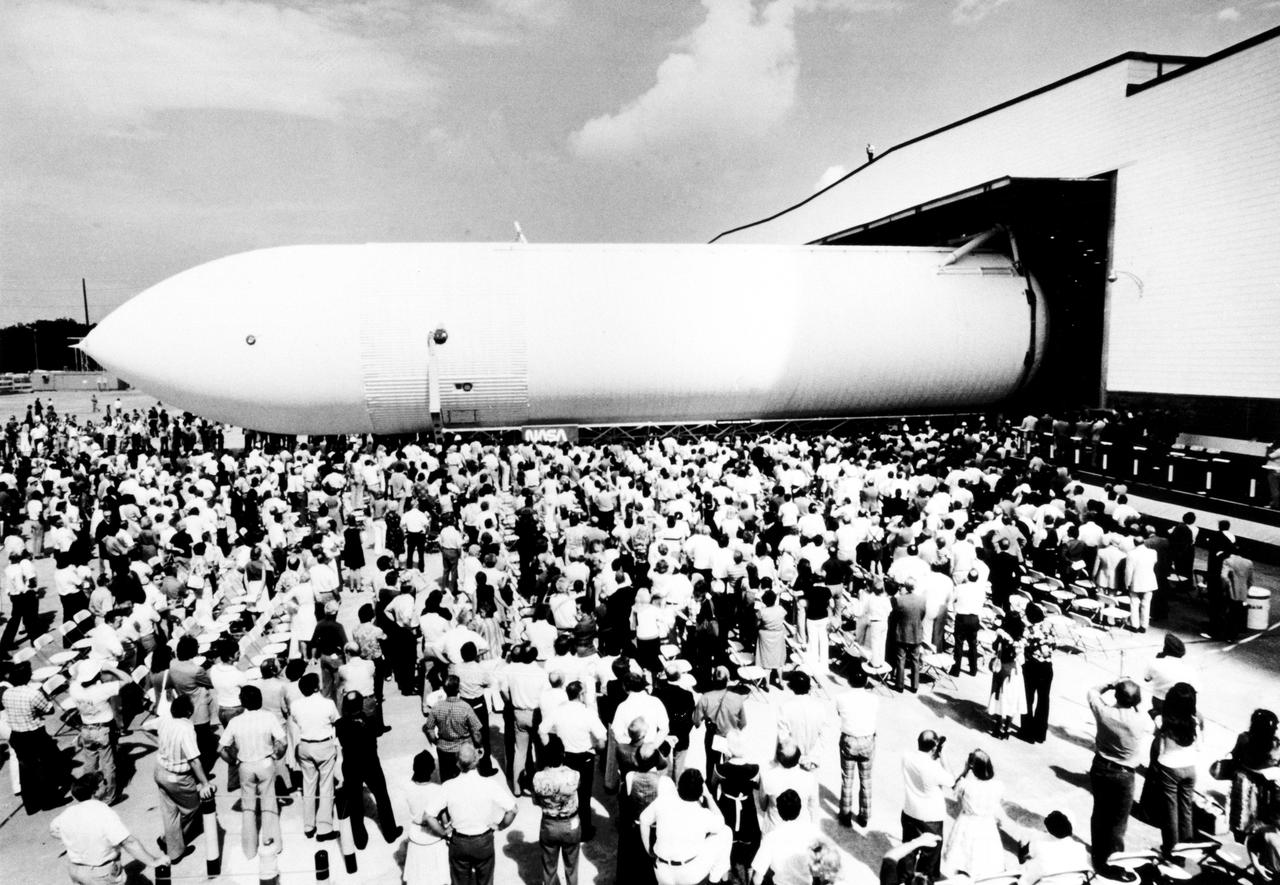
The first Space Shuttle External Tank, the Main Propulsion Test Article (MPTA), rolls off the assembly line September 9, 1977 at the Michoud Assembly Facility in New Orleans. The MPTA was then transported to the National Space Technology Laboratories in southern Mississippi where it was used in the first static firing of the three main engines. Marshall Space Flight Center had management responsibility for Space Shuttle propulsion elements, including the External Tank. Martin Marietta was the prime contractor who designed and assembled the tanks at Michoud.
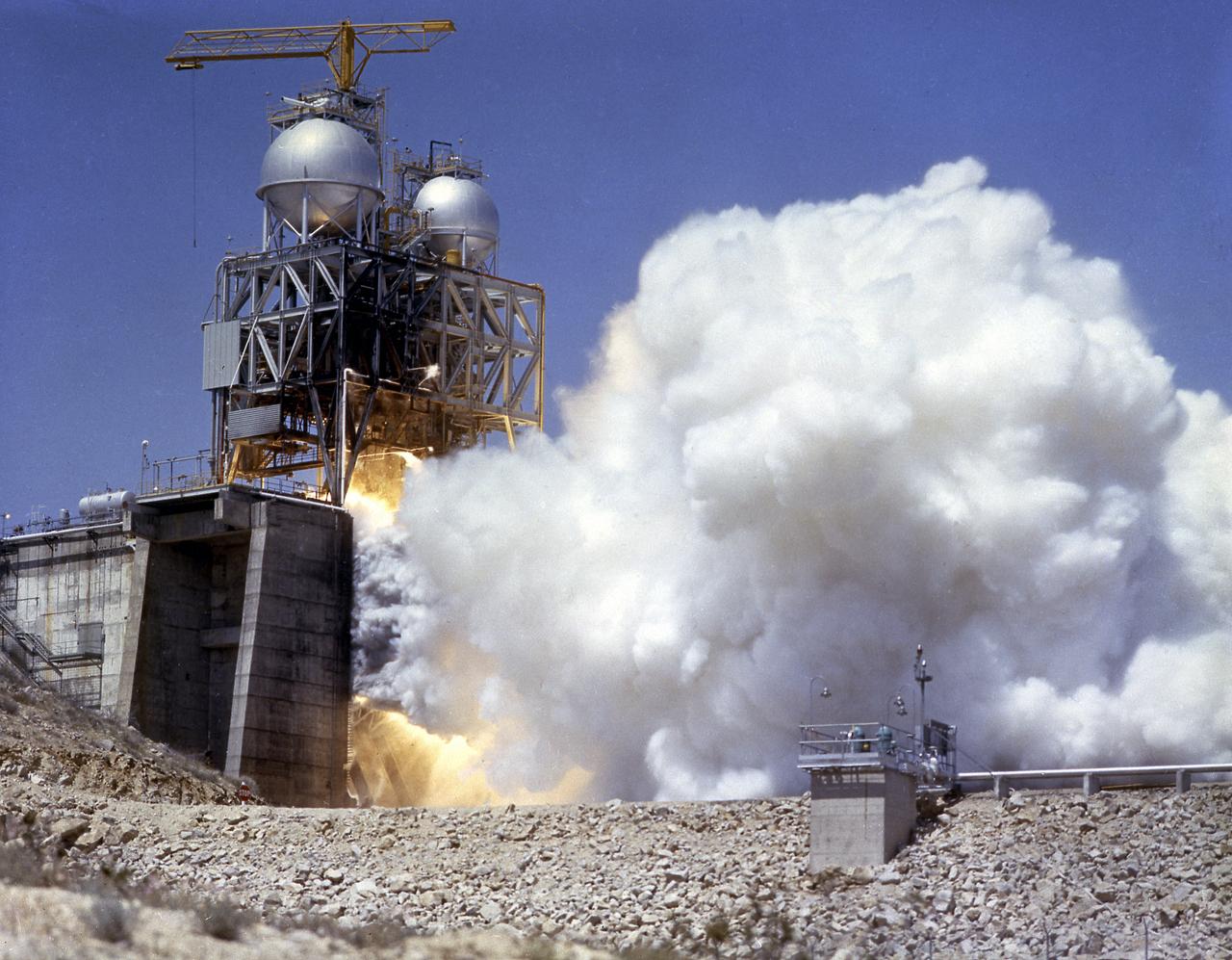
This photograph depicts the Rocketdyne static firing of the F-1 engine at the towering 76-meter Test Stand 1-C in Area 1-125 of the Edwards Air Force Base in California. The Saturn V S-IC (first) stage utilized five F-1 engines for its thrust. Each engine provided 1,500,000 pounds, for a combined thrust of 7,500,000 pounds with liquid oxygen and kerosene as its propellants.
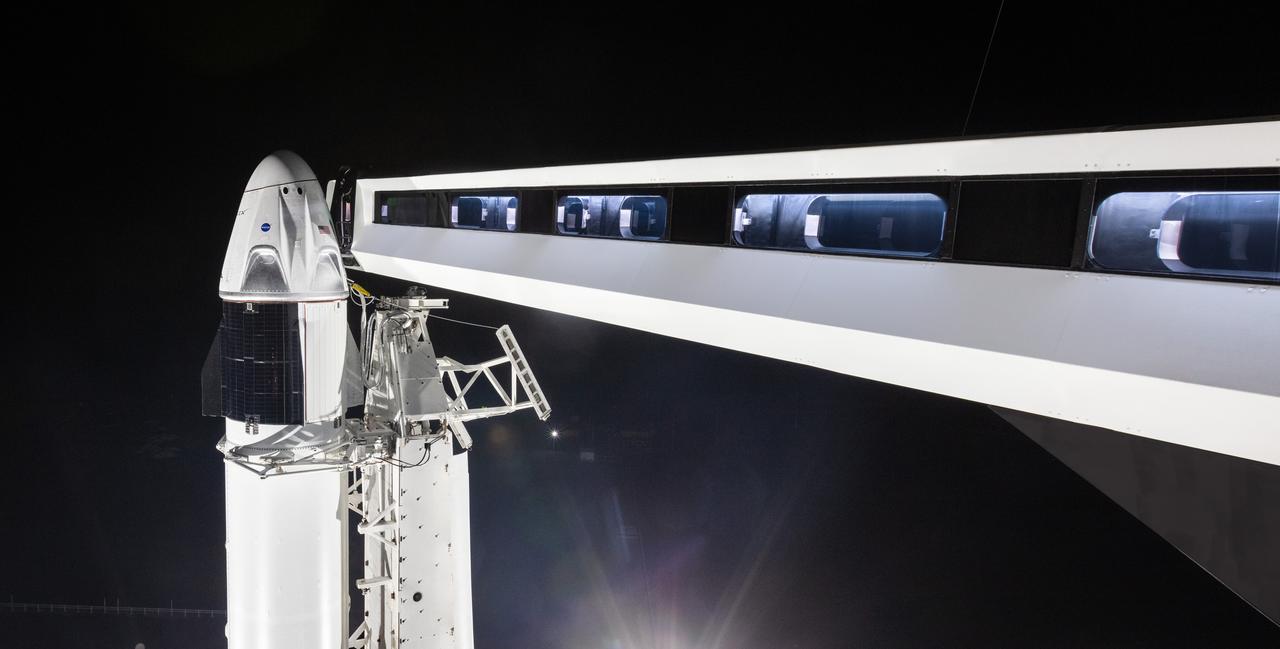
At NASA Kennedy Space Center’s Launch Complex 39A, the crew access arm has been extended to the SpaceX Crew Dragon spacecraft on Jan. 3, 2019. Mounted atop the company’s Falcon 9 rocket, both will undergo checkouts prior to its liftoff for Demo-1, the inaugural flight of one of the spacecraft designed to take NASA astronauts to and from the International Space Station. NASA has worked with SpaceX and Boeing in developing Commercial Crew Program spacecraft to facilitate new human spaceflight systems launching from U.S. soil with the goal of safe, reliable and cost-effective access to low-Earth orbit destinations such as the space station.
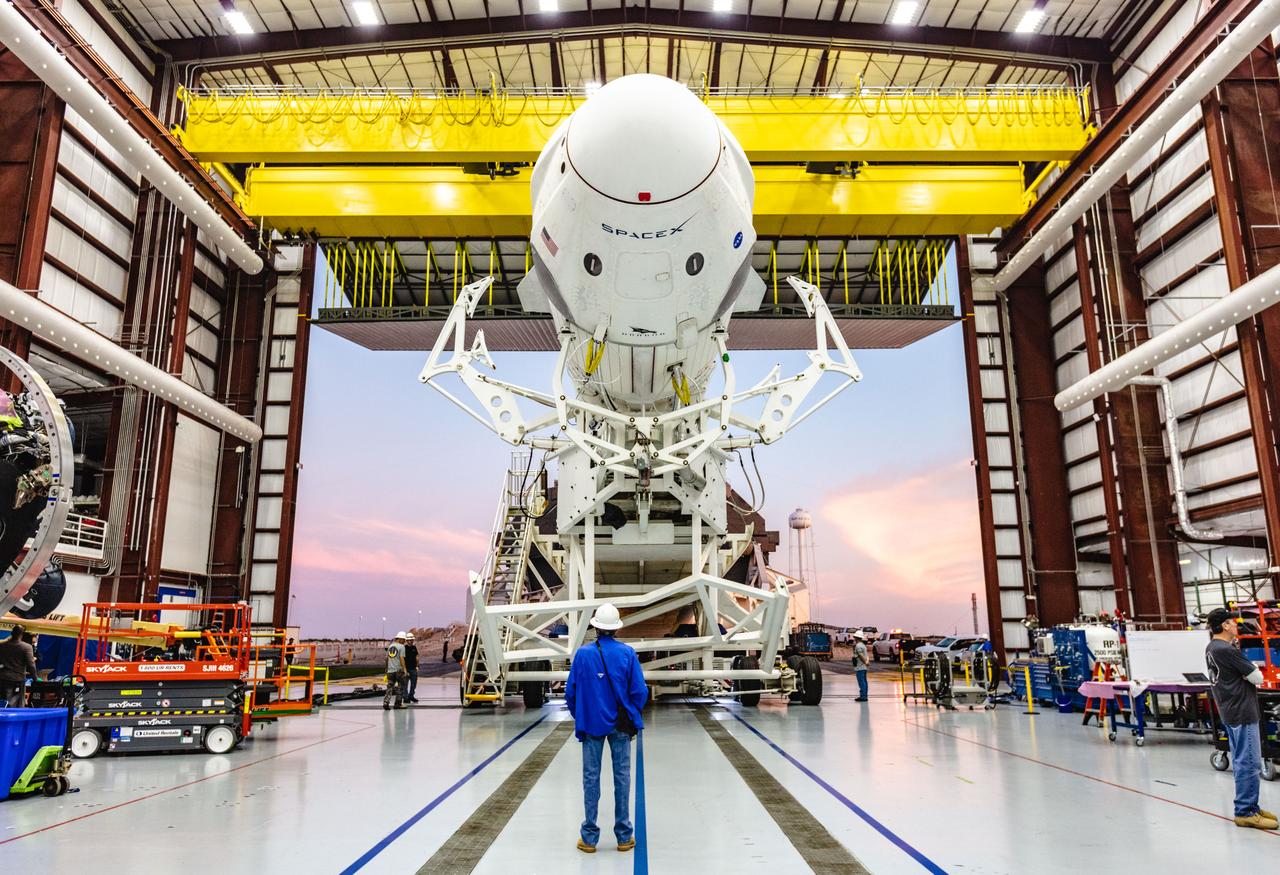
A SpaceX Falcon 9 rocket with the company’s Crew Dragon attached, rolls out of the company’s hangar at NASA Kennedy Space Center’s Launch Complex 39A on Jan. 3, 2019. The rocket will undergo checkouts prior to the liftoff of Demo-1, the inaugural flight of one of the spacecraft designed to take NASA astronauts to and from the International Space Station. NASA has worked with SpaceX and Boeing in developing Commercial Crew Program spacecraft to facilitate new human spaceflight systems launching from U.S. soil with the goal of safe, reliable and cost-effective access to low-Earth orbit destinations such as the space station.
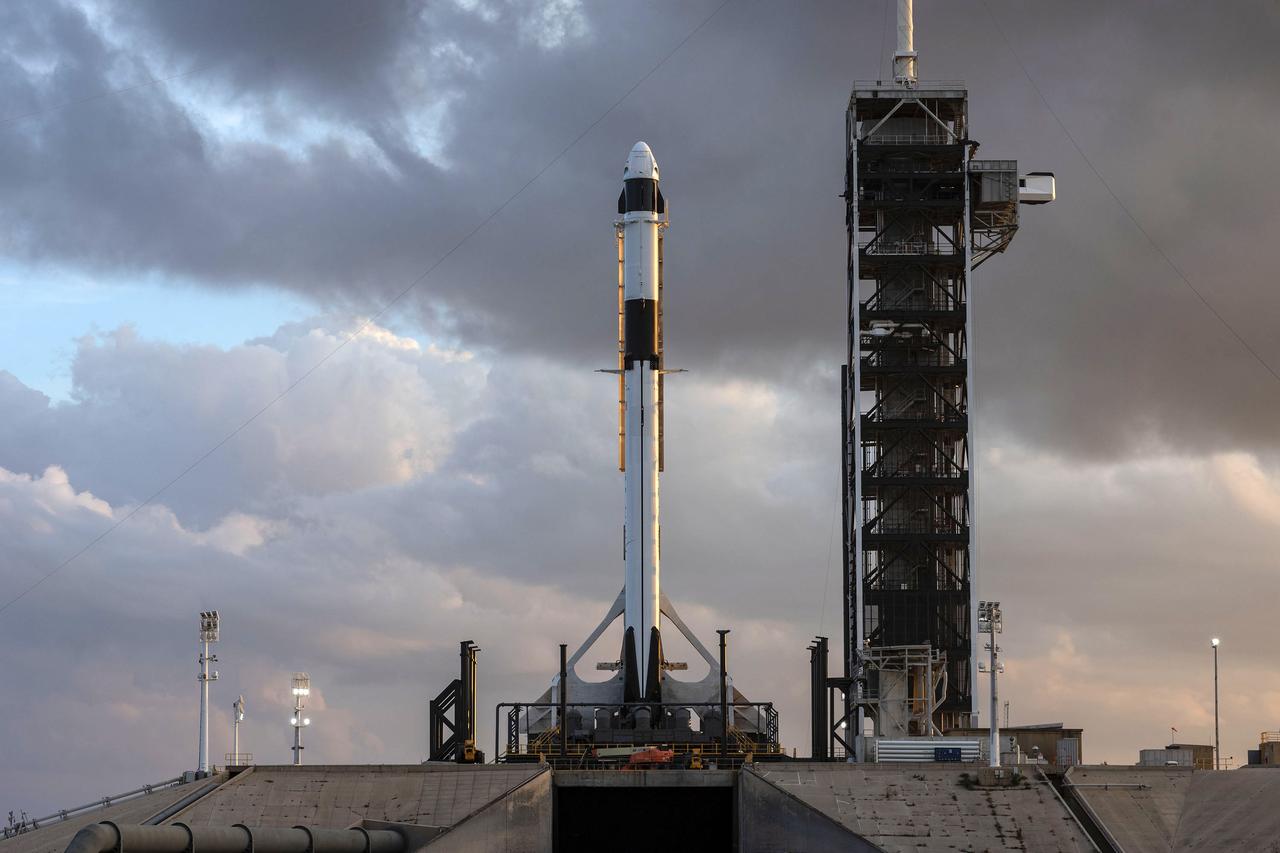
A SpaceX Falcon 9 rocket with the company’s Crew Dragon attached, stands at NASA Kennedy Space Center’s Launch Complex 39A on Jan. 3, 2019. The rocket will undergo checkouts prior to the liftoff of Demo-1, the inaugural flight of one of the spacecraft designed to take NASA astronauts to and from the International Space Station. NASA has worked with SpaceX and Boeing in developing Commercial Crew Program spacecraft to facilitate new human spaceflight systems launching from U.S. soil with the goal of safe, reliable and cost-effective access to low-Earth orbit destinations such as the space station.

A SpaceX Falcon 9 rocket with the company’s Crew Dragon attached, rolls out of the company’s hangar at NASA Kennedy Space Center’s Launch Complex 39A on Jan. 3, 2019. The rocket will undergo checkouts prior to the liftoff of Demo-1, the inaugural flight of one of the spacecraft designed to take NASA astronauts to and from the International Space Station. NASA has worked with SpaceX and Boeing in developing Commercial Crew Program spacecraft to facilitate new human spaceflight systems launching from U.S. soil with the goal of safe, reliable and cost-effective access to low-Earth orbit destinations such as the space station.