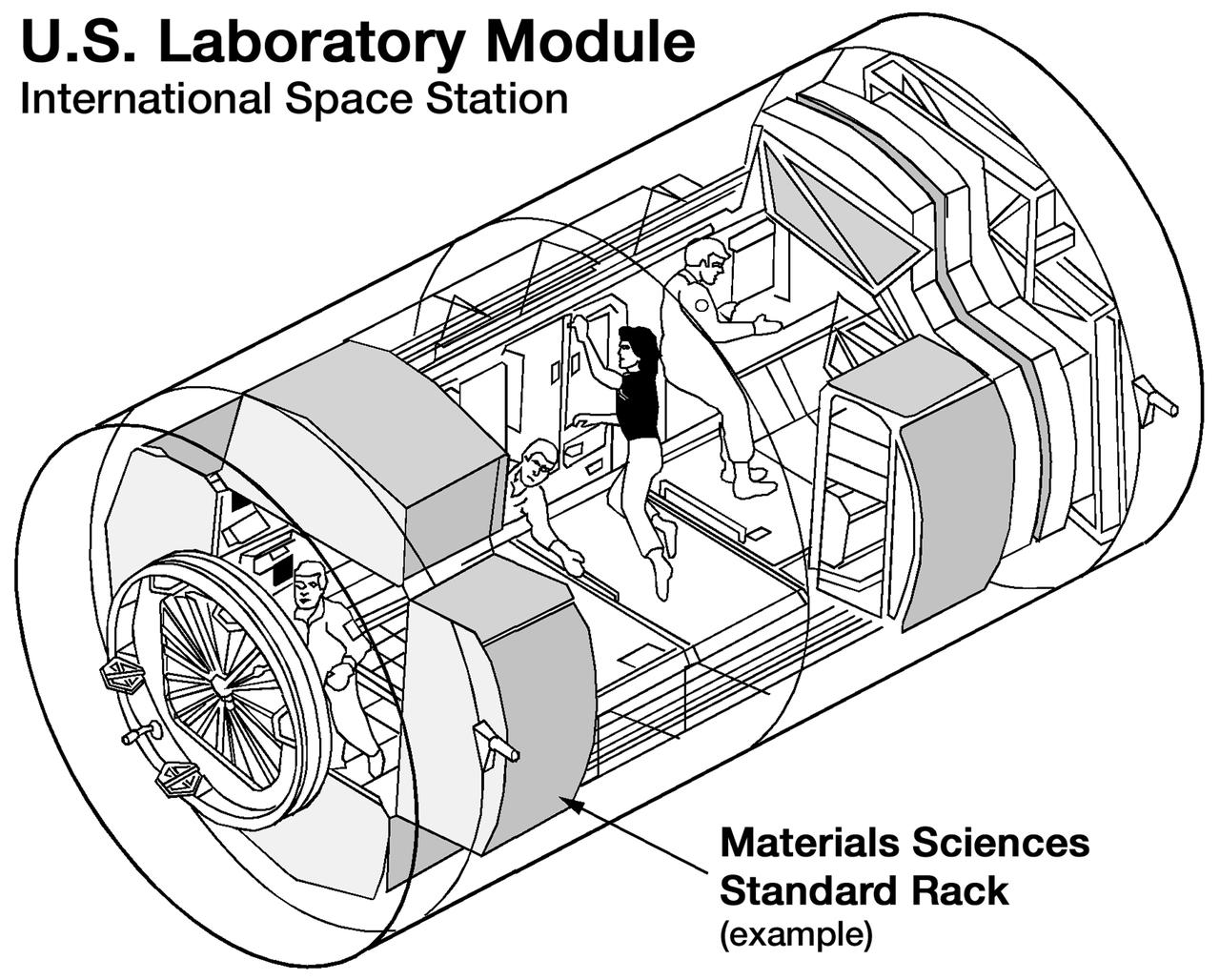
Line drawing depicts the location of one of three racks that will make up the Materials Science Research Facility in the U.S. Destiny laboratory module to be attached to the International Space Station (ISS). Other positions will be occupied by a variety of racks supporting research in combustion, fluids, biotechnology, and human physiology, and racks to support lab and station opertions. The Materials Science Research Facility is managed by NASA's Marshall Space Flight Center. Photo credit: NASA/Marshall Space Flight Center
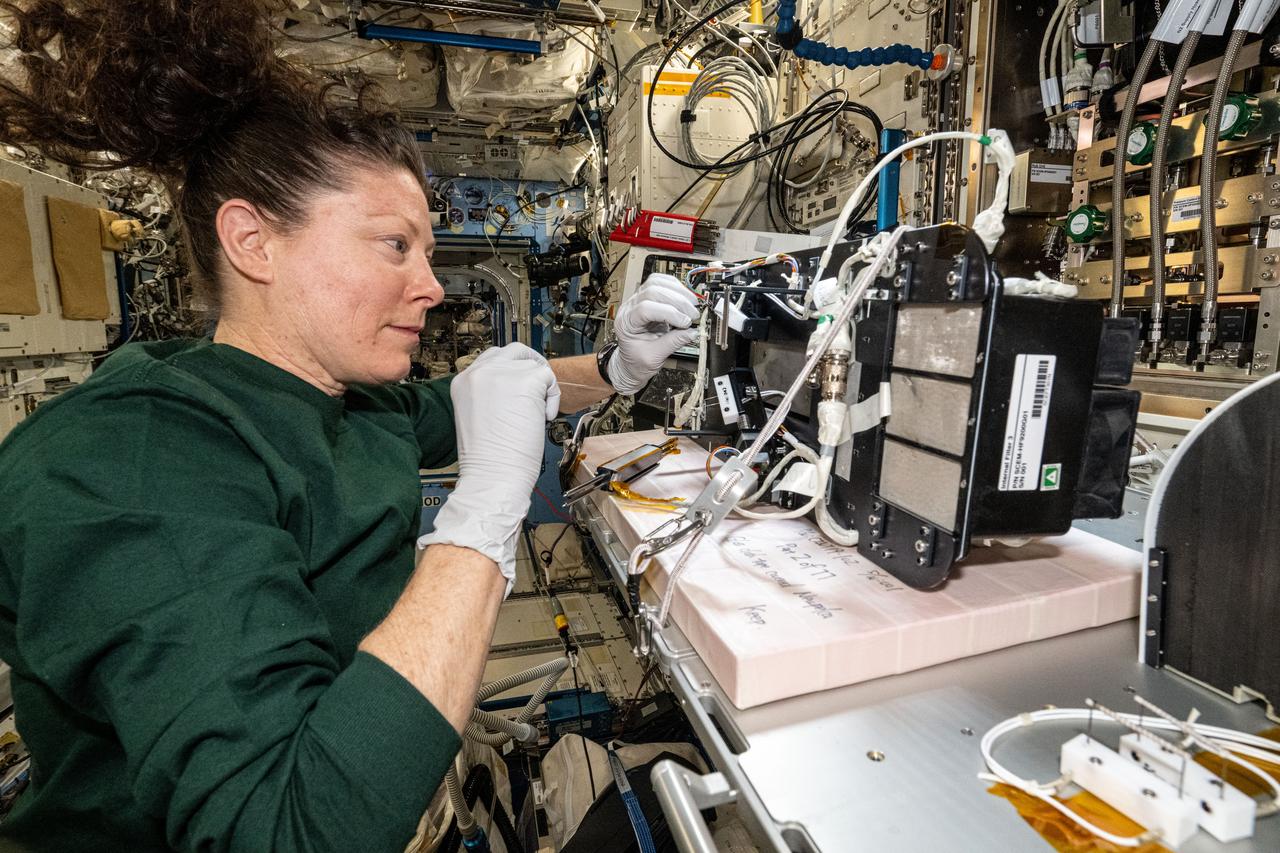
iss071e414661 (Aug. 1, 2024) --- NASA astronaut and Expedition 71 Flight Engineer Tracy C. Dyson services research components inside the Solid Combustion Experiment Module (SCEM) aboard in the Interational Space Station's Kibo laboratory module. The SCEM enables combustion research in microgravity to study how materials burn in weightlessness and improve fire safety techniques aboard spacecraft.
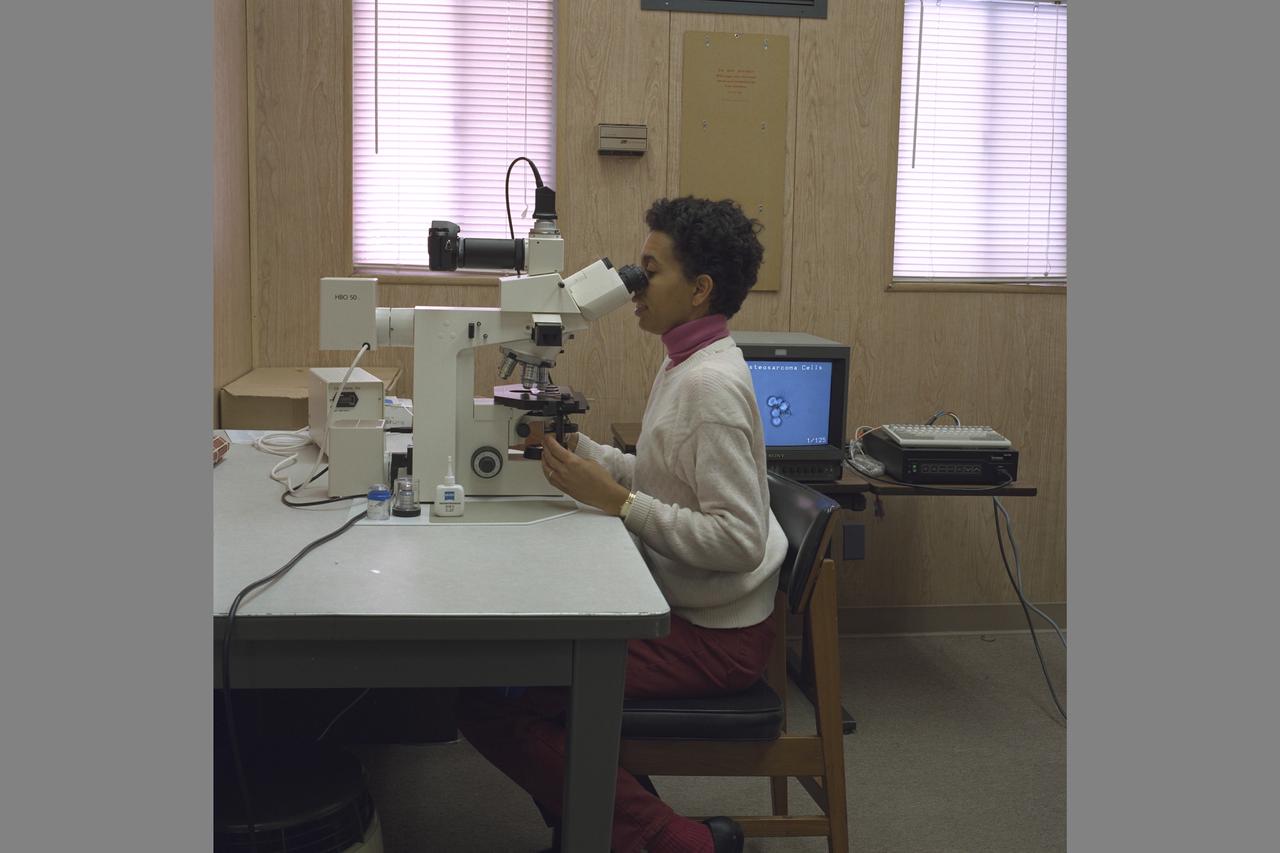
ZEISS COMPOUND MICROSCOPE WITH MONITOR & MELISSA KIRVEN-BROOKS. Space Station Biological Research Project. (SSBRP)
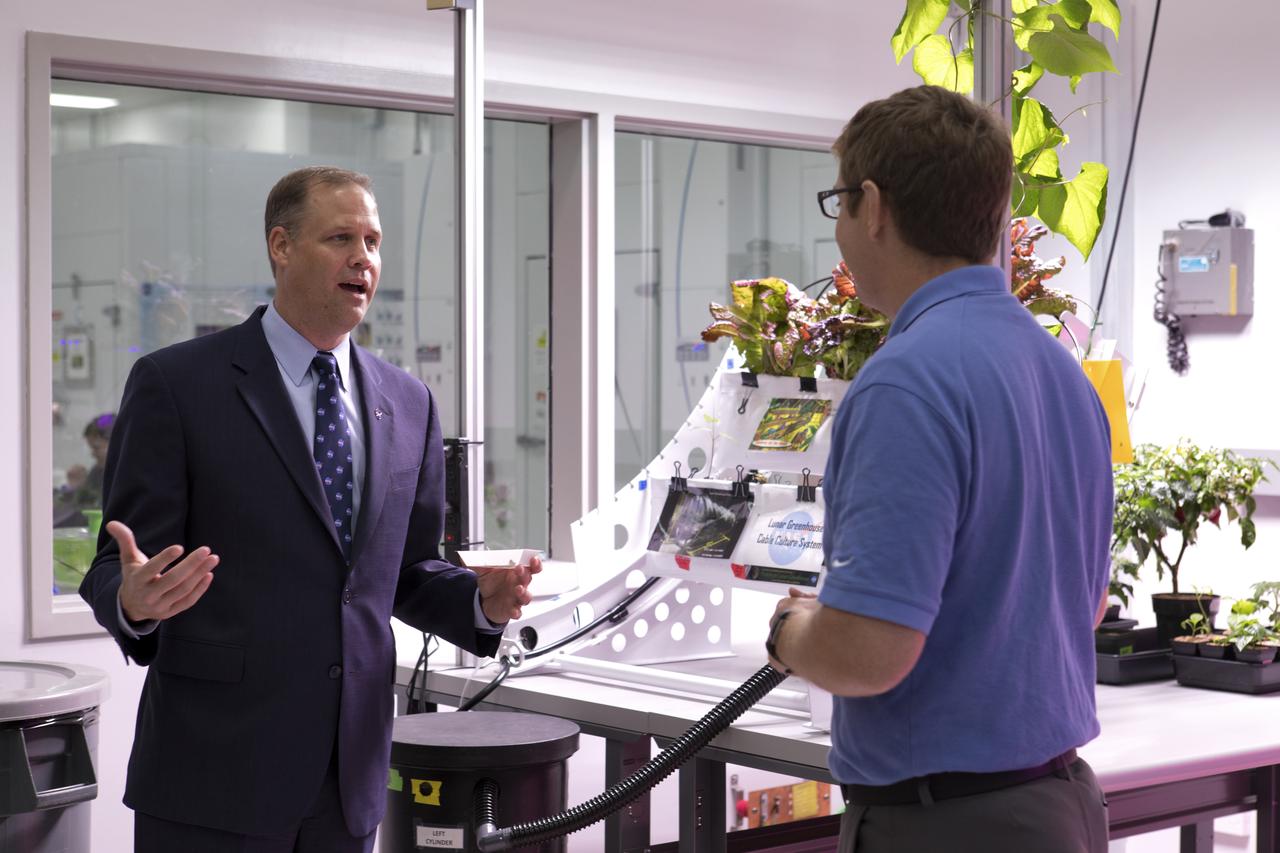
NASA Administrator Jim Bridenstine, at left, speaks to Matt Romeyn, a project scientist, during a tour of a plant research laboratory inside the Space Station Processing Facility (SSPF) at NASA's Kennedy Space Center in Florida, on Aug. 7, 2018. Bridenstine received updates on research and technology accomplishments during his visit to the SSPF.
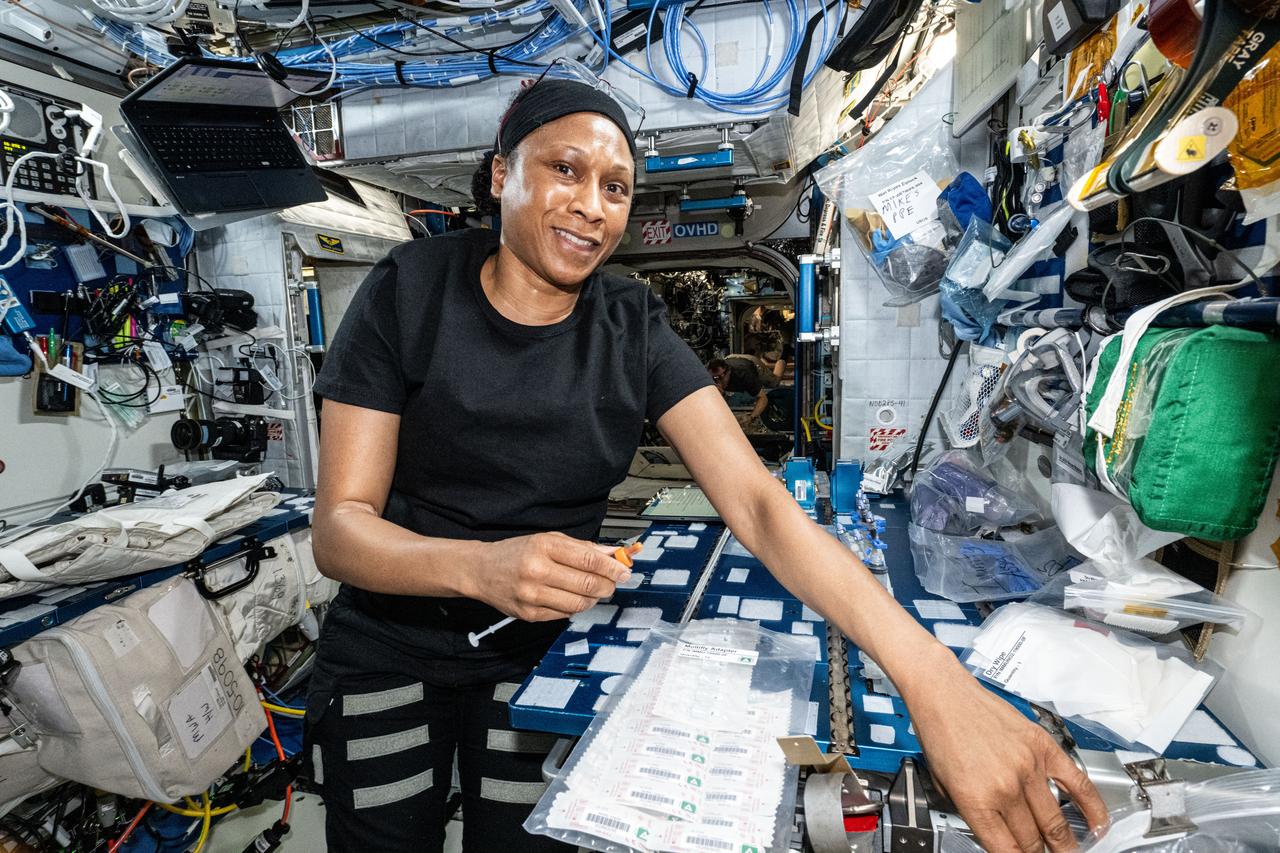
iss071e414653 (Aug. 1, 2024) --- NASA astronaut and Expedition 71 Flight Engineer Jeanette Epps processes blood and saliva samples aboard the International Space Station's Harmony module. She stowed the specimens in a science freezer and the Kubik research incubator for future retrieval and later analysis. The weightless environment of the orbital outpost allows investigators to explore how living in space long term affects humans and gain insights not possible in Earth’s gravity conditions.
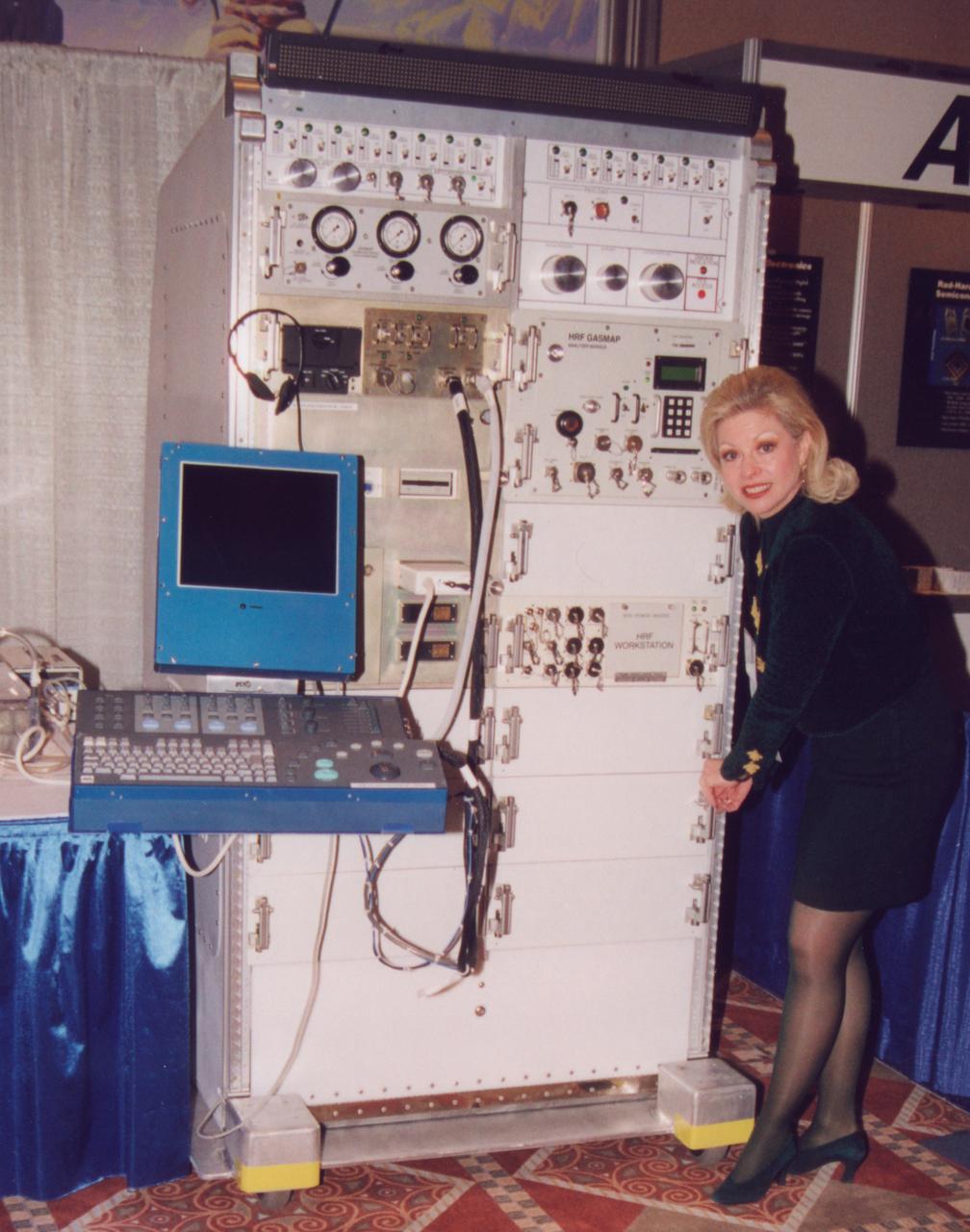
Arn Harris Hoover of Lockheed Martin Company demonstrates an engineering mockup of the Human Research Facility (HRF) that will be installed in Destiny, the U.S. Laboratory Module on the International Space Station (ISS). Using facilities similar to research hardware available in laboratories on Earth, the HRF will enable systematic study of cardiovascular, musculoskeletal, neurosensory, pulmonary, radiation, and regulatory physiology to determine biomedical changes resulting from space flight. Research results obtained using this facility are relevant to the health and the performance of the astronaut as well as future exploration of space. Because this is a mockup, the actual flight hardware may vary as desings are refined. (Credit: NASA/Marshall Space Flight Center)
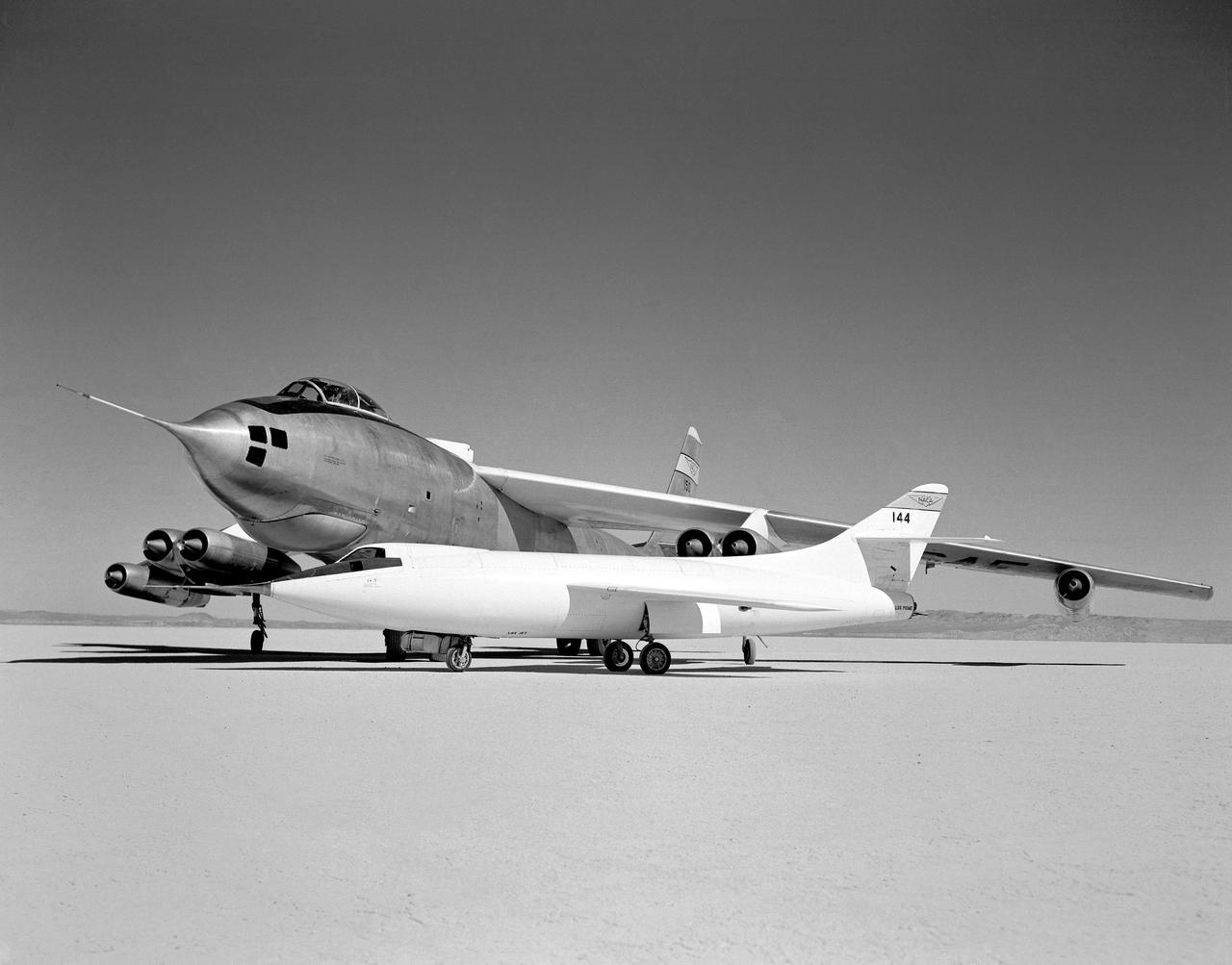
In 1954 this photo of two swept wing airplanes was taken on the ramp of NACA High-Speed Flight Research Station. The Douglas D-558-ll is a research aircraft while the Boeing B-47A Stratojet is a production bomber and very different in size. Both contributed to the studies for swept back wing research.
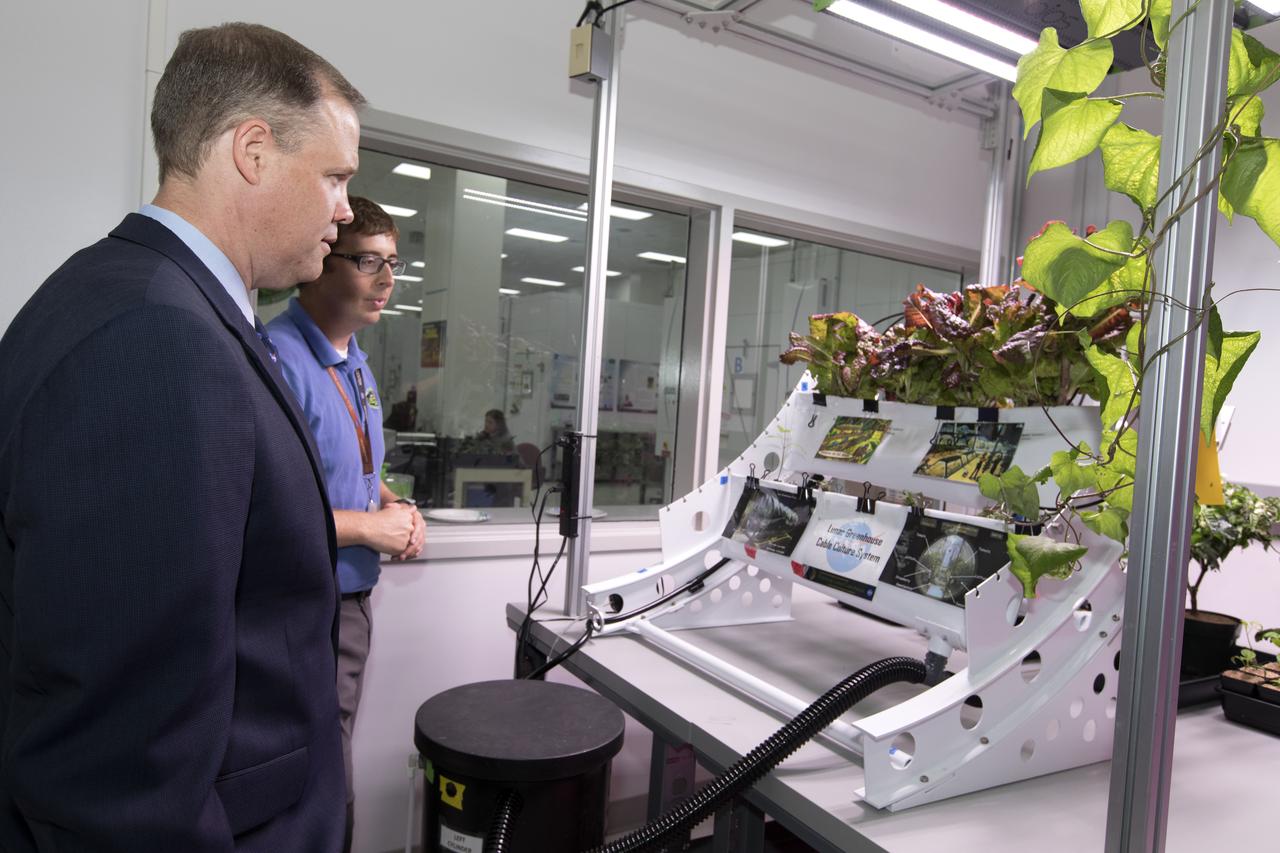
NASA Administrator Jim Bridenstine, at left, tours a plant research laboratory inside the Space Station Processing Facility (SSPF) at NASA's Kennedy Space Center in Florida, on Aug. 7, 2018. At right is Matt Romeyn, project scientist. Bridenstine received updates on research and technology accomplishments during his visit to the SSPF.
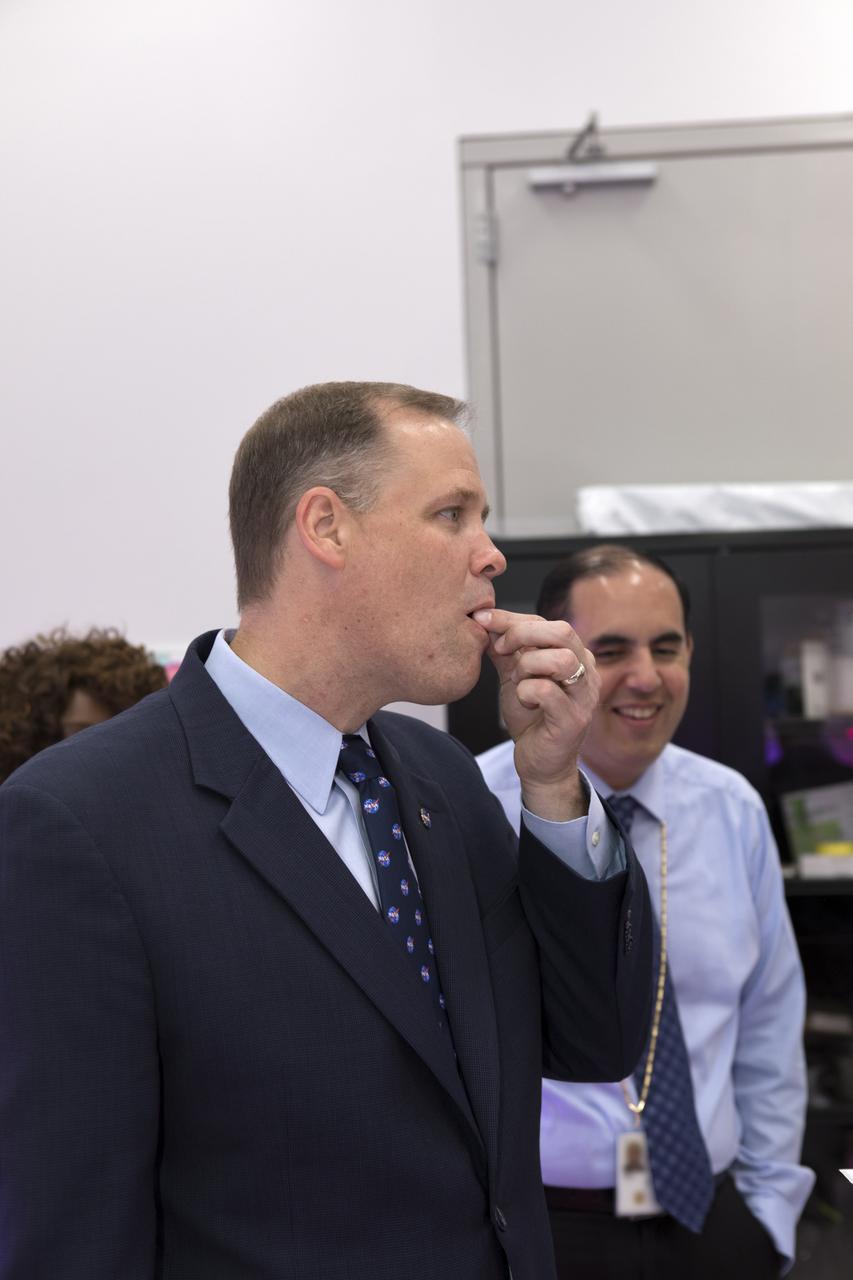
NASA Administrator Jim Bridenstine, left, tours a plant research laboratory and samples a microgreen inside the Space Station Processing Facility (SSPF) at NASA's Kennedy Space Center in Florida, on Aug. 7, 2018. Behind Bridenstine is Bryan Onate, Advanced Plant Habitat project manager. Bridenstine received updates on research and technology accomplishments during his visit to the SSPF.
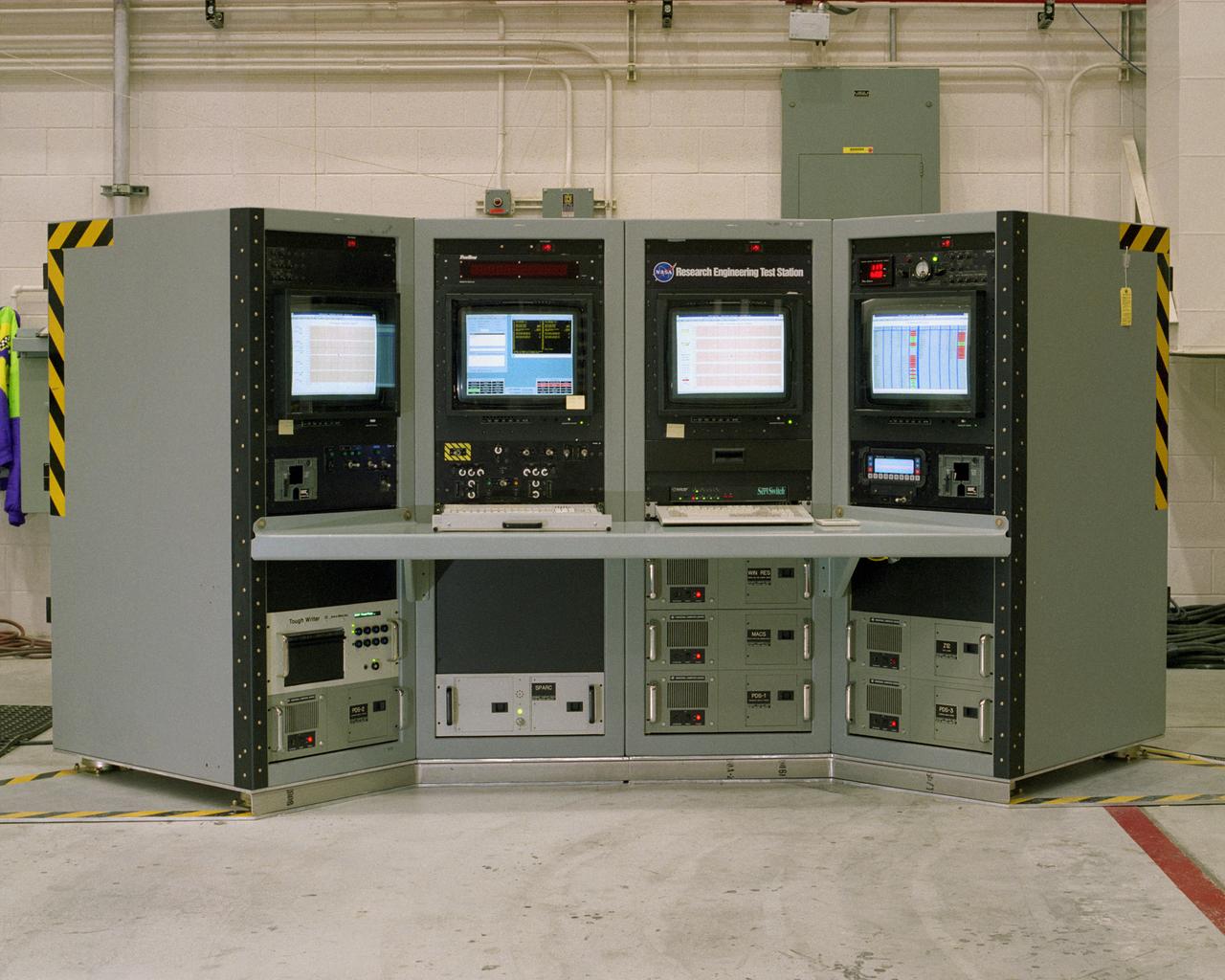
This console and its compliment of computers, monitors and commmunications equipment make up the Research Engineering Test Station, the nerve center for an aerodynamics experiment conducted by NASA's Dryden Flight Research Center, Edwards, California. The equipment was installed on a modified Lockheed L-1011 Tristar jetliner operated by Orbital Sciences Corp., of Dulles, Va., for Dryden's Adaptive Performance Optimization project. The experiment sought to improve the efficiency of long-range jetliners by using small movements of the ailerons to improve the aerodynamics of the wing at cruise conditions.
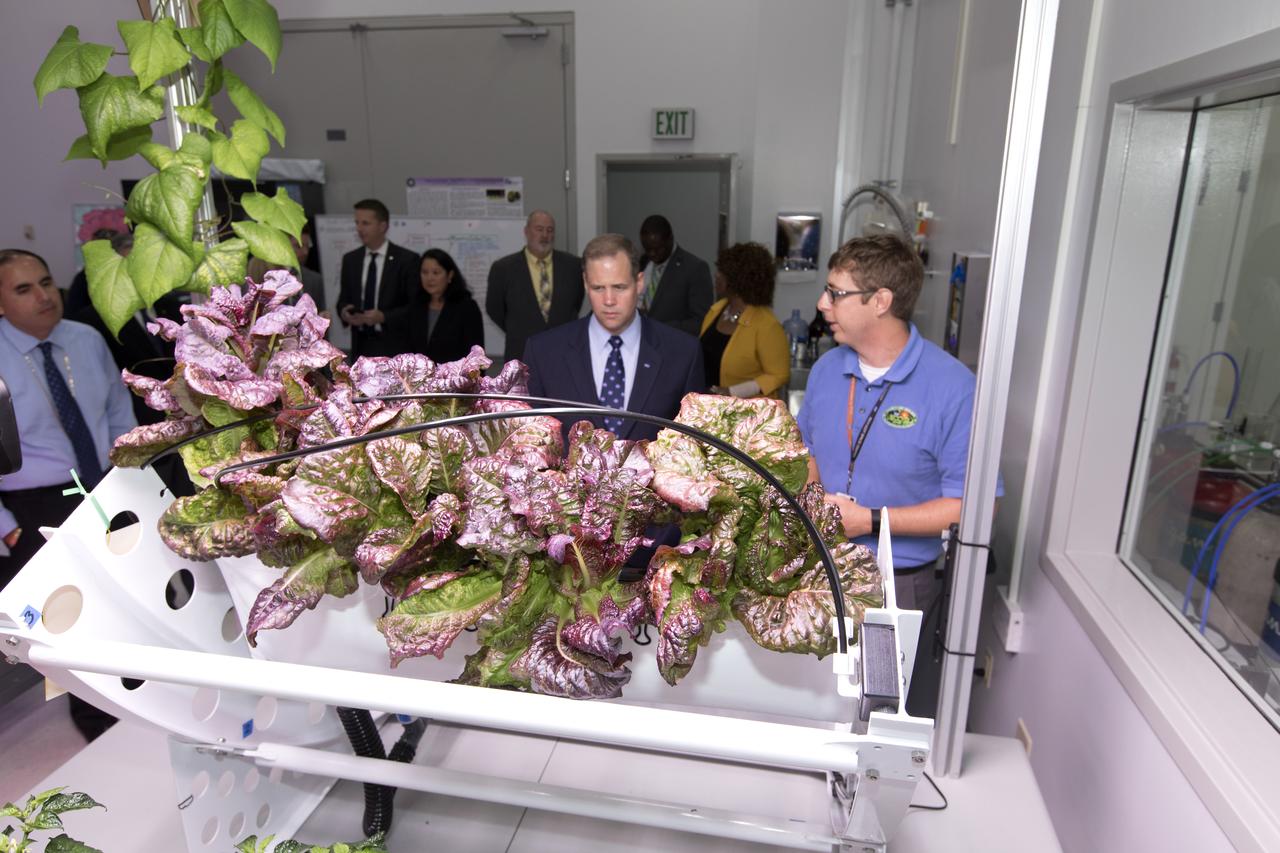
NASA Administrator Jim Bridenstine, center, tours a plant research laboratory inside the Space Station Processing Facility (SSPF) at NASA's Kennedy Space Center in Florida, on Aug. 7, 2018. To the right of Bridenstine is Matt Romeyn, project scientist. Behind him, second from left is Josie Burnett, director of Exploration Research and Technology. To Burnett's right is Ronnie Lawson, deputy director of Exploration Research and Technology. Behind Bridenstine is Barbara Brown, chief technologist. Bridenstine received updates on research and technology accomplishments during his visit to the SSPF.
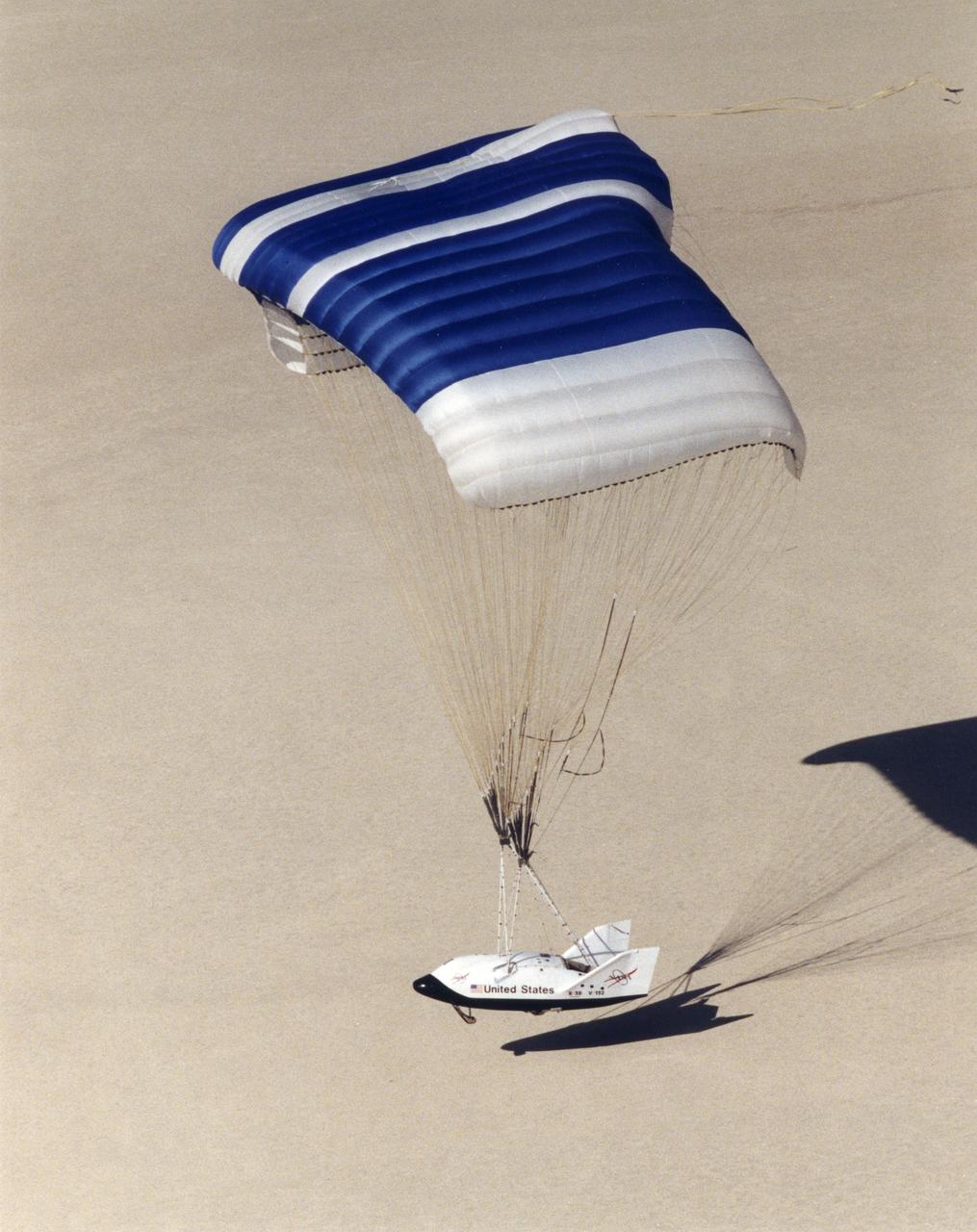
The X-38, a research vehicle built to help develop technology for an emergency Crew Return Vehicle from the International Space Station, is seen just before touchdown on a lakebed near the Dryden Flight Research Center, Edwards California, at the end of a March 2000 test flight.
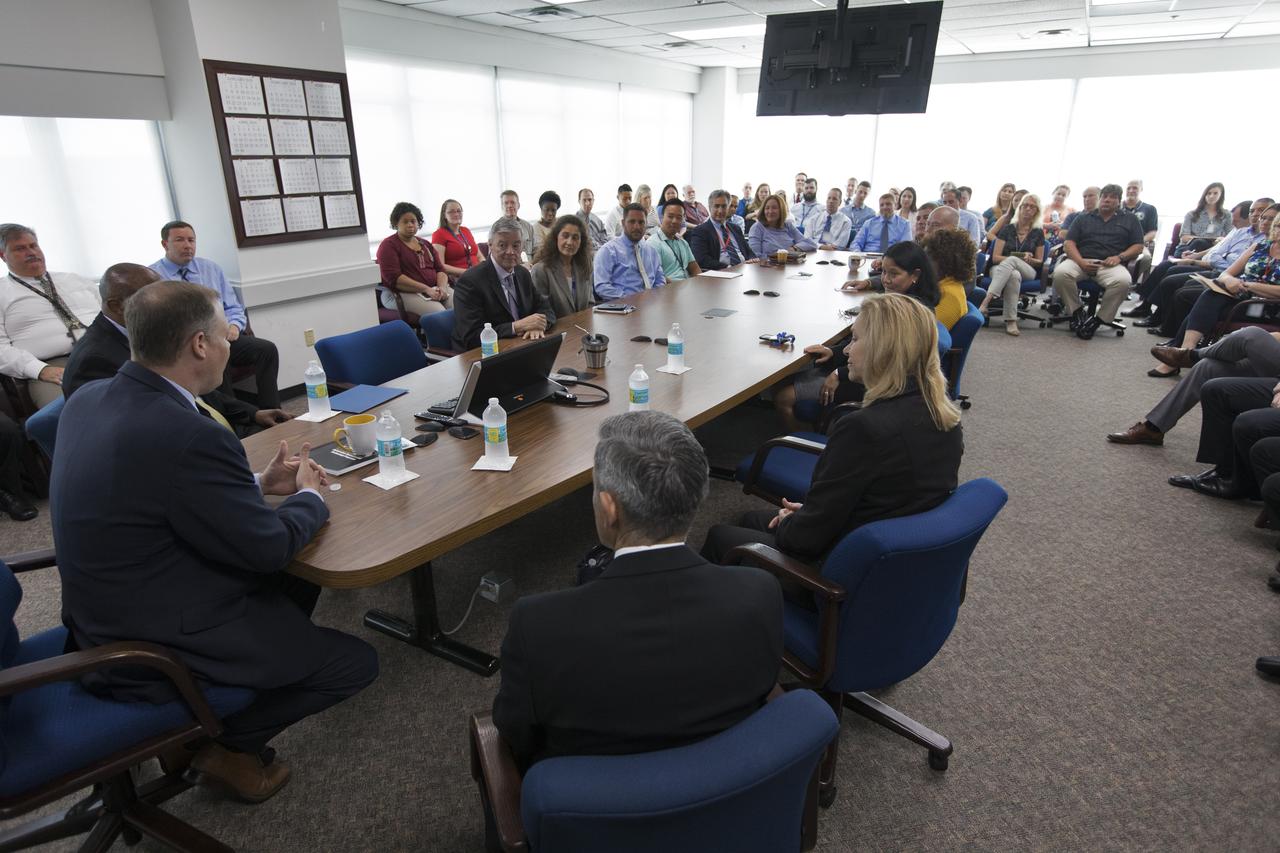
NASA Administrator Jim Bridenstine, seated at left, talks with workers in the Exploration Research and Technology directorate inside the Space Station Processing Facility at NASA's Kennedy Space Center in Florida, on Aug. 7, 2018. Seated to his right are Kennedy Center Director Bob Cabana, Deputy Center Director Janet Petro, and Josie Burnett, director of Exploration Research and Technology.
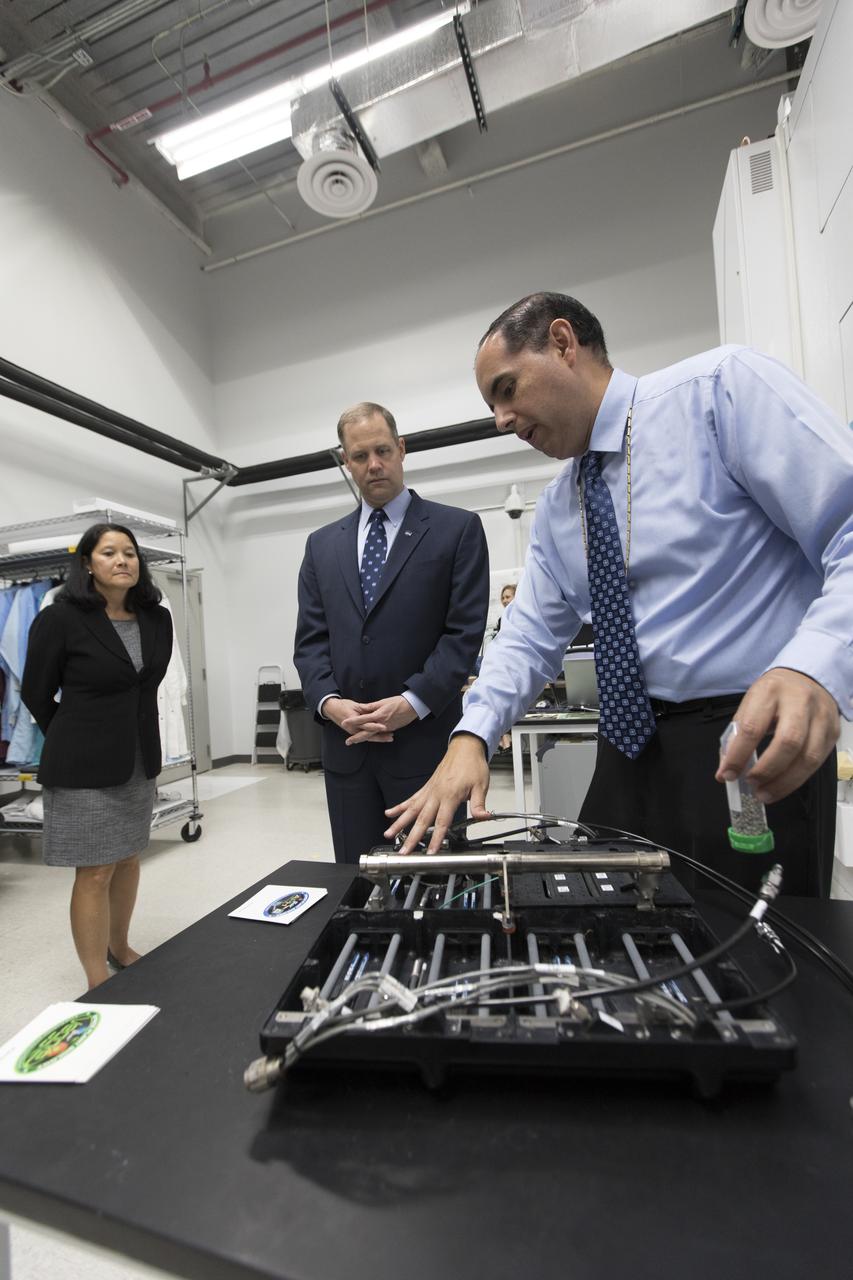
NASA Administrator Jim Bridenstine, center, tours the Space Station Processing Facility at NASA's Kennedy Space Center in Florida, on Aug. 7, 2018. At right, Bryan Onate, Advanced Plant Habitat (APH) project manager, explains a component of the APH cooling system. At left is Josie Burnett, director of Exploration Research and Technology. Bridenstine also received updates on research and technology accomplishments.
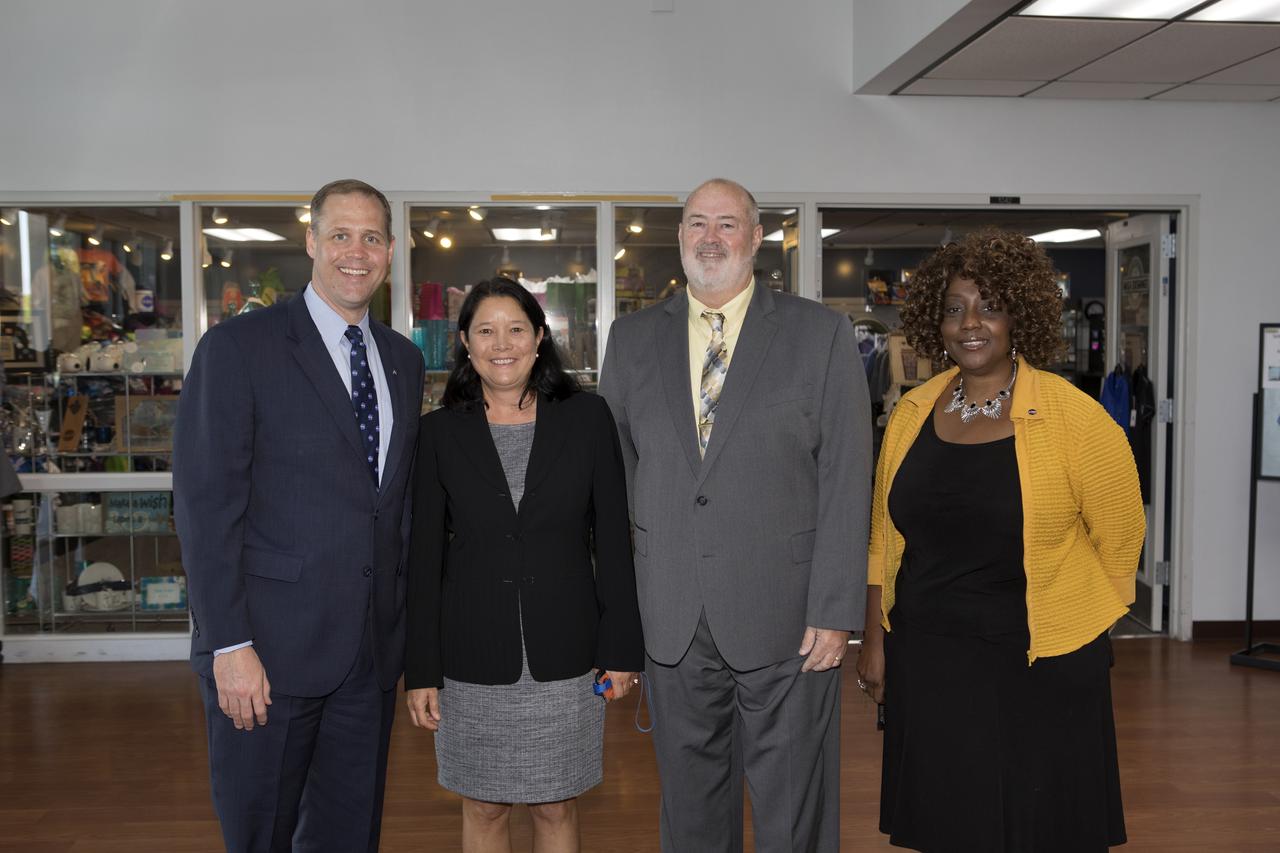
NASA Administrator Jim Bridenstine, far left, tours the Space Station Processing Facility at NASA's Kennedy Space Center in Florida, on Aug. 7, 2018. With Bridenstine, are, from left, Josie Burnett, director of Exploration Research and Technology; Ronnie Lawson, deputy director; and Barbara Brown, chief technologist. Bridenstine received updates on research and technology accomplishments.

Miria Finckenor, a researcher at NASA’s Marshall Space Flight Center in Huntsville, Alabama, shows off the 15th Materials International Space Station Experiment, or MISSE, an external science payload berthed on the International Space Station since 2001
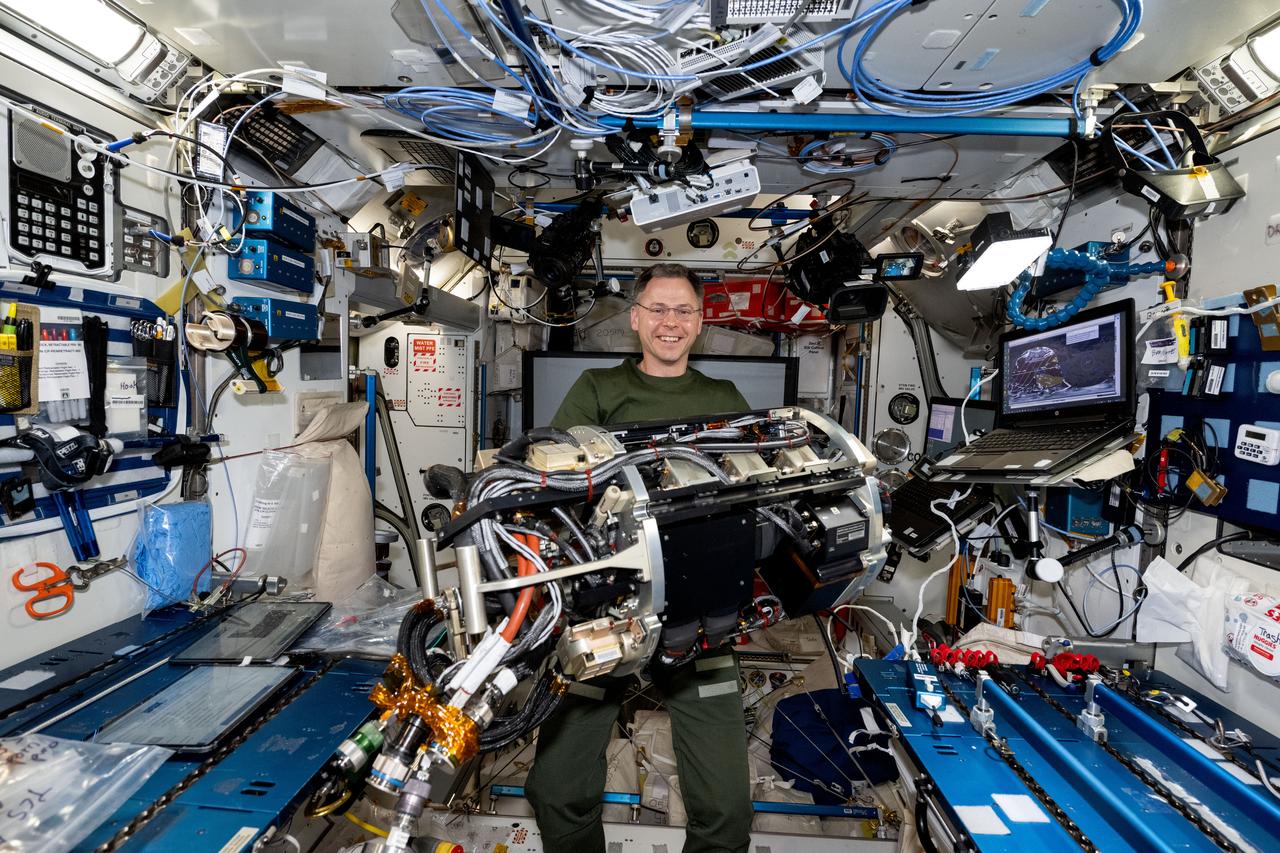
iss072e519705 (Jan. 23, 2025) --- NASA astronaut and Expedition 72 Flight Engineer Nick Hague handles research hardware that is part of the Combustion Integrated Rack that enables safe fuel and flame research aboard the International Space Station.
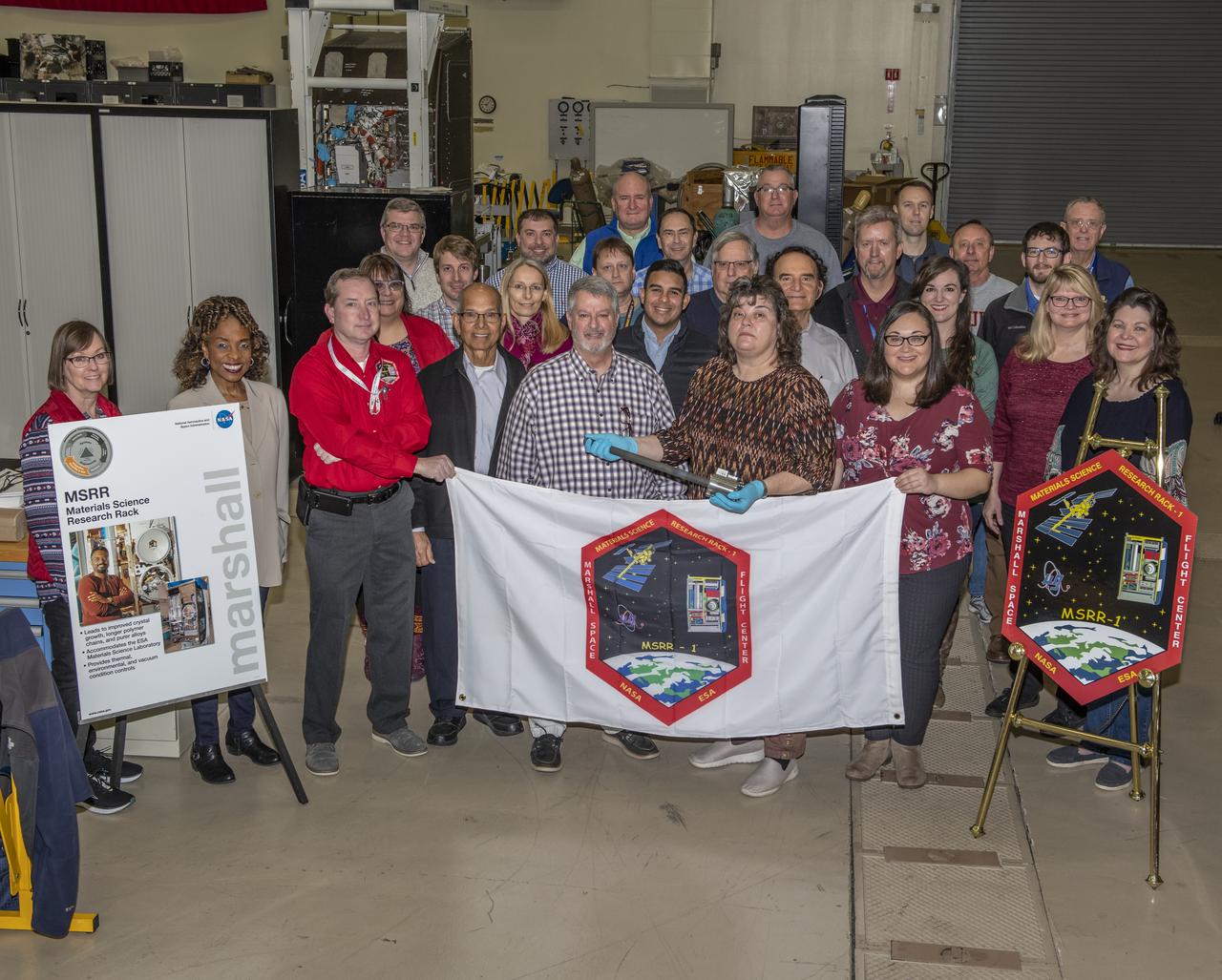
NASA's first Sample Cartridge Assembly (SCA) project designed and validated a payload containing a materials research sample in a sealed environment. The SCA was heated in the European Space Agency's (ESA) Low Gradient Furnace (LGF) that is housed inside the Material Science Research Rack (MSRR) located on the International Space Station (ISS). Sintered metals and crystal growth experiments in microgravity are examples of some of the types of materials research that may be performed with a SCA.
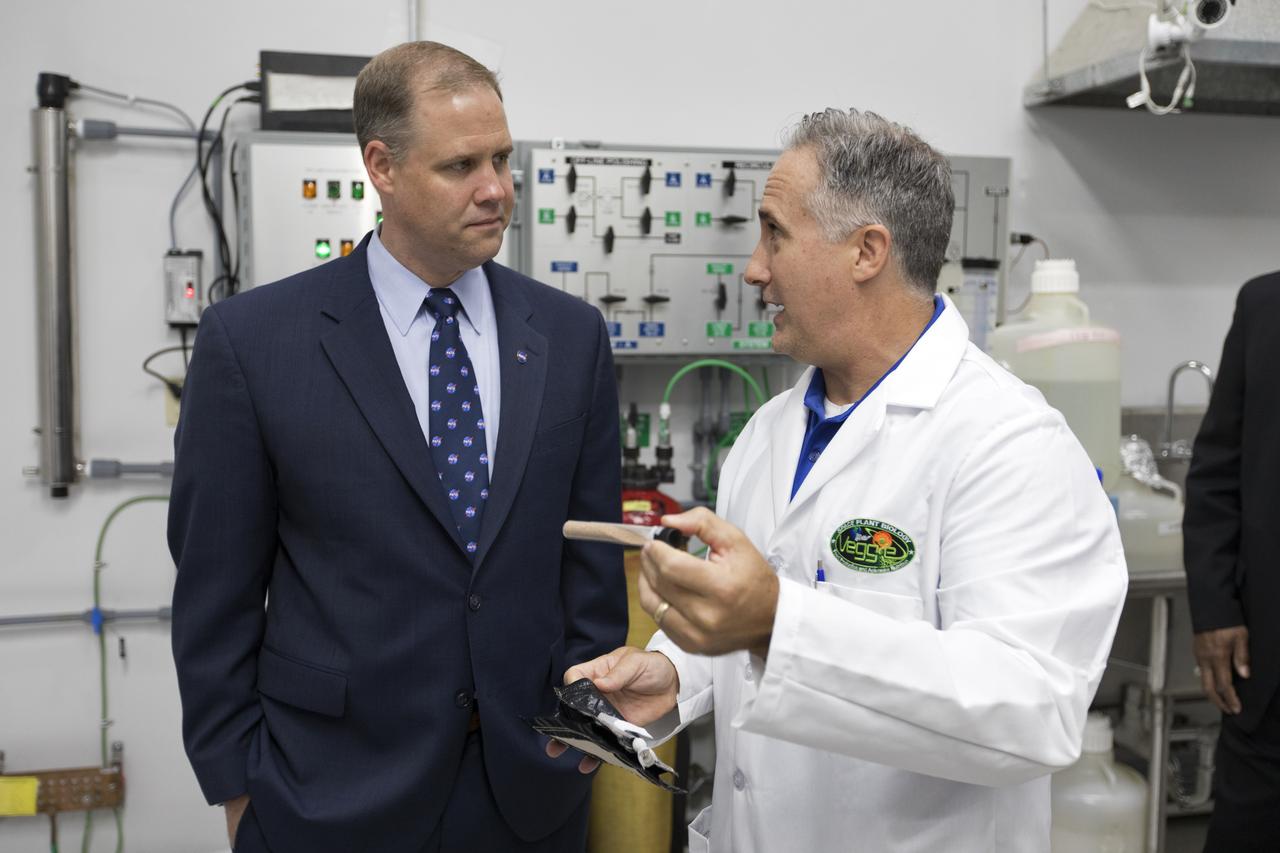
NASA Administrator Jim Bridenstine, at left, tours the Space Station Processing Facility at NASA's Kennedy Space Center in Florida, on Aug. 7, 2018. At right, Trent Smith, Veggie project manager, displays a seed packet and plant pillow for the Veggie plant growth system. Bridenstine also received updates on research and technology accomplishments.
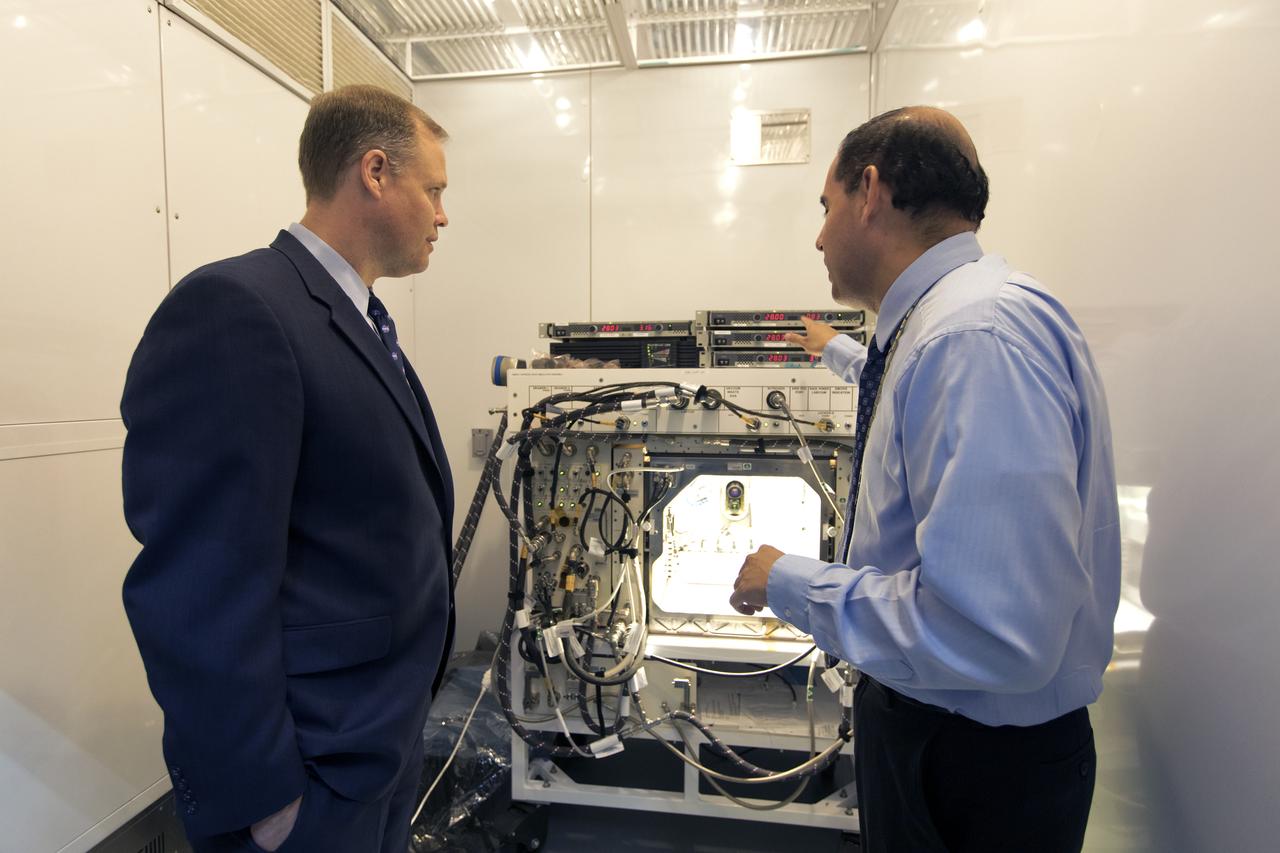
NASA Administrator Jim Bridenstine, left, tours the Space Station Processing Facility at NASA's Kennedy Space Center in Florida, on Aug. 7, 2018. Bryan Onate, at right, Advanced Plant Habitat (APH) project manager, explains a component of the APH control system. Bridenstine also received updates on research and technology accomplishments.
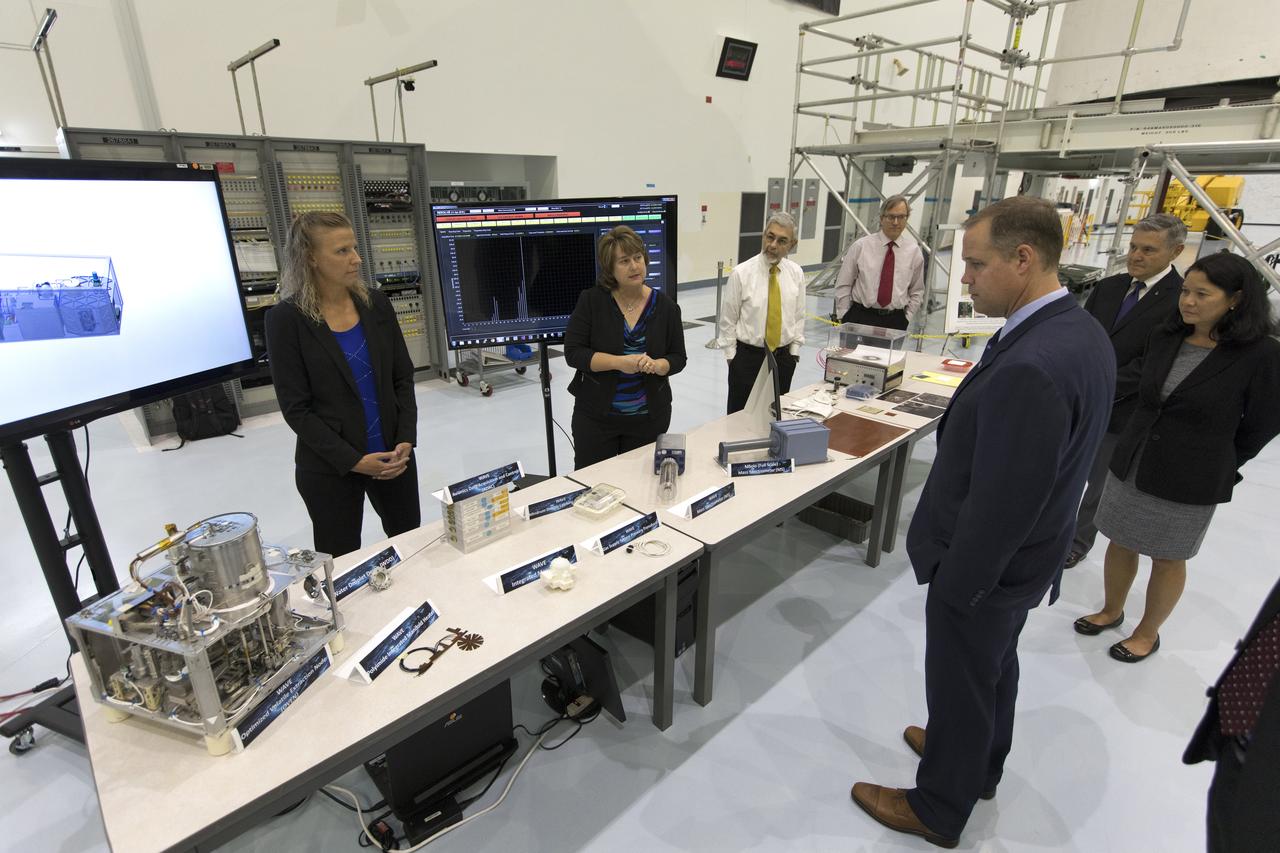
NASA Administrator Jim Bridenstine, at right, tours the high bay inside the Space Station Processing Facility (SSPF) at NASA's Kennedy Space Center in Florida, on Aug. 7, 2018. To his right are Josie Burnett, director of Exploration Research and Technology, and Kennedy Space Center Director Bob Cabana. Behind the exhibit table, from left, are Dr. Janine Captain, a chemist in the Applied Physics Laboratory; Dr. Jackie Quinn, environmental engineer; Carlos Calle, lead scientist in the Electrostatic and Surface Physics Laboratory; and Dr. Robert Youngquist, lead, Applied Physics Laboratory. Bridenstine received updates on research and technology accomplishments during his visit to the SSPF.
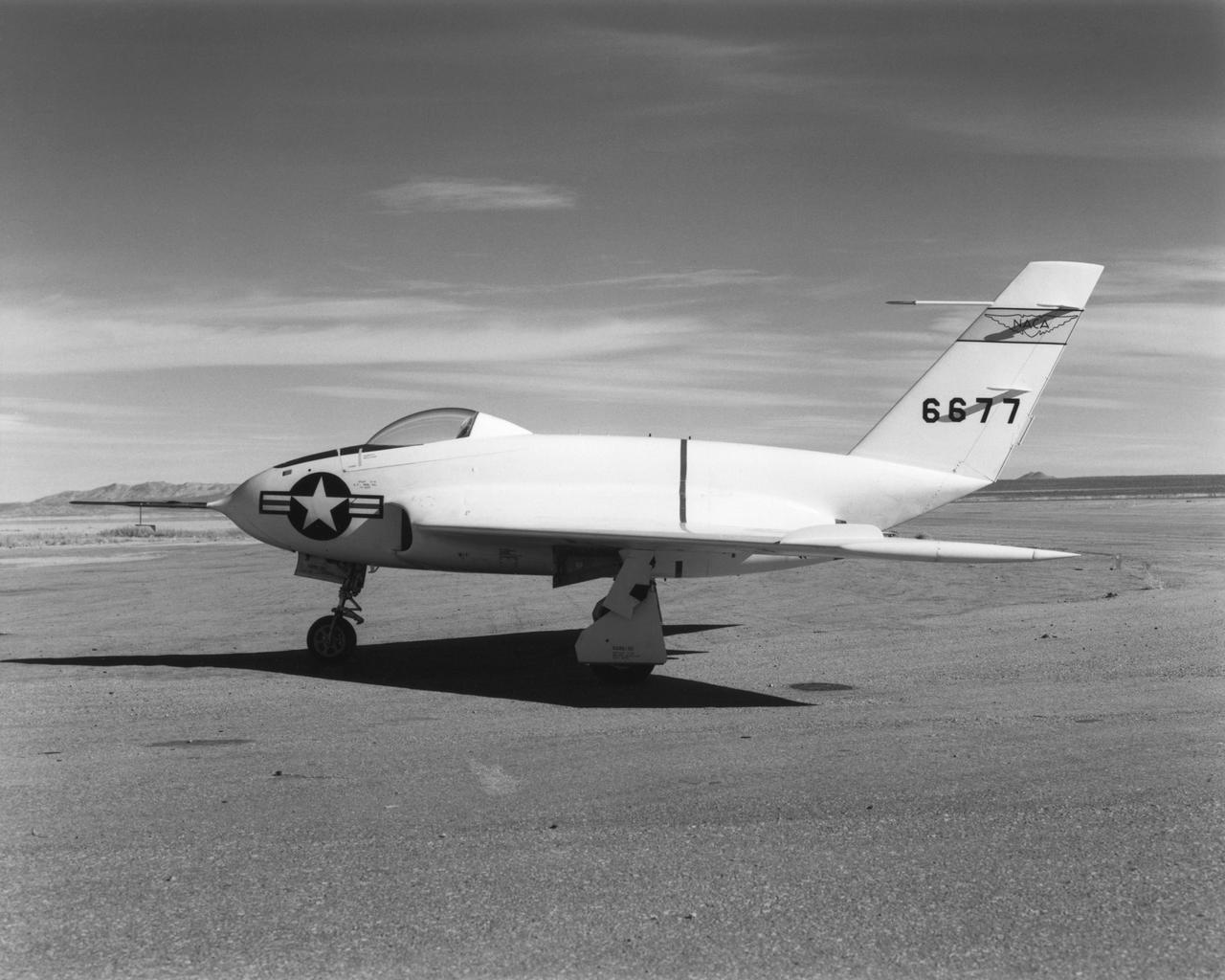
In this 1950 view of the left side of the NACA High-Speed Flight Research Station's X-4 research aircraft, the low swept wing and horizontal taillest design are seen. The X-4 Bantam, a single-place, low swept-wing, semi-tailless aircraft, was designed and built by Northrop Aircraft, Inc. It had no horizontal tail surfaces and its mission was to obtain in-flight data on the stability and control of semi-tailless aircraft at high subsonic speeds.
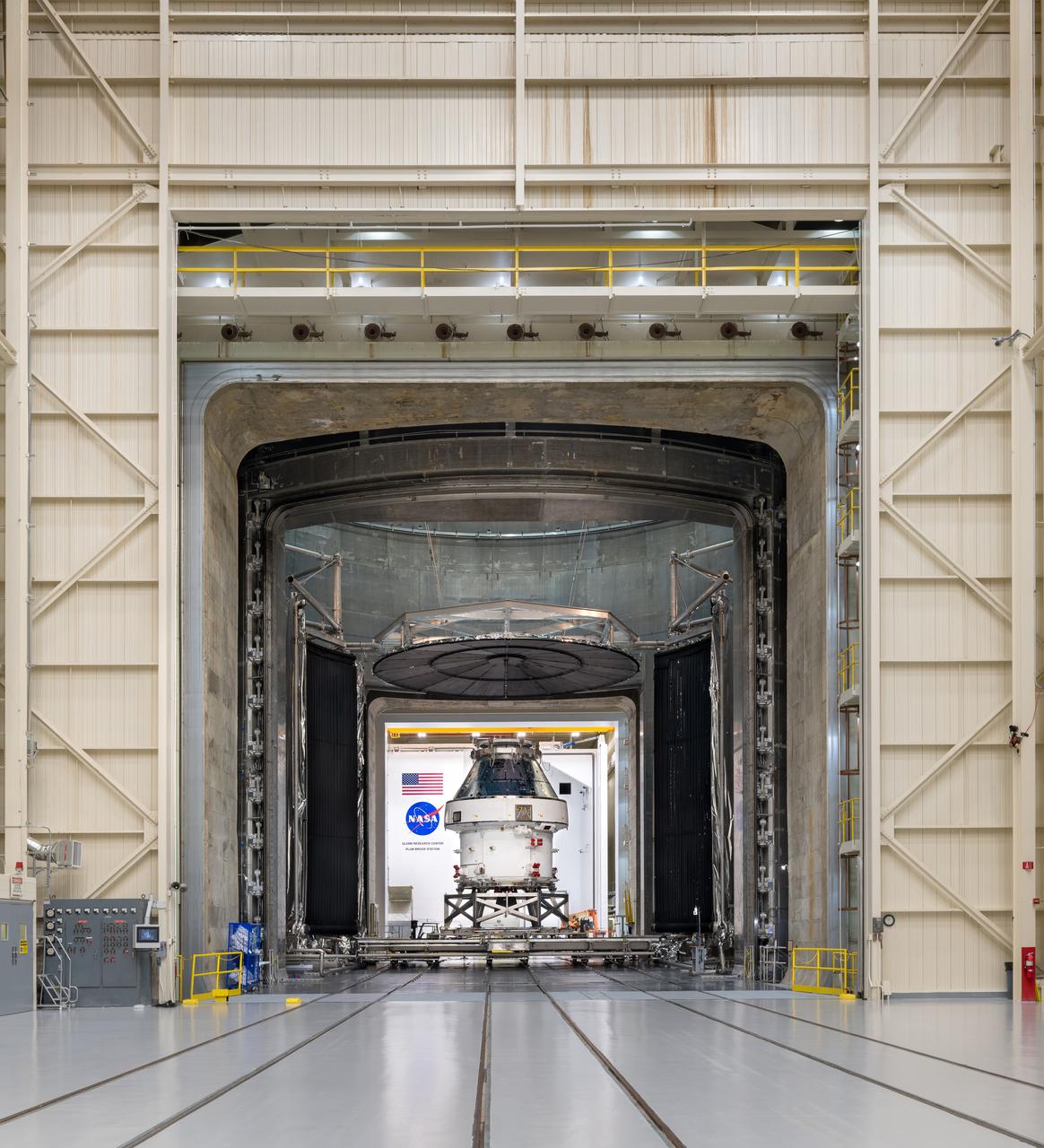
The Orion spacecraft for the Artemis I Mission, consisting of the crew module and European-built service module, sits in the NASA Glenn Research Center, Plum Brook Station, Space Environments Complex, SEC, Thermal Vacuum Chamber after more than three months of testing where it was subjected to the extreme temperatures and electromagnetic environment it will experience in the vacuum of space during Artemis missions. Orion is a key component of Artemis I, an uncrewed test flight around the Moon that will land the first woman and next man on the lunar surface by 2024.
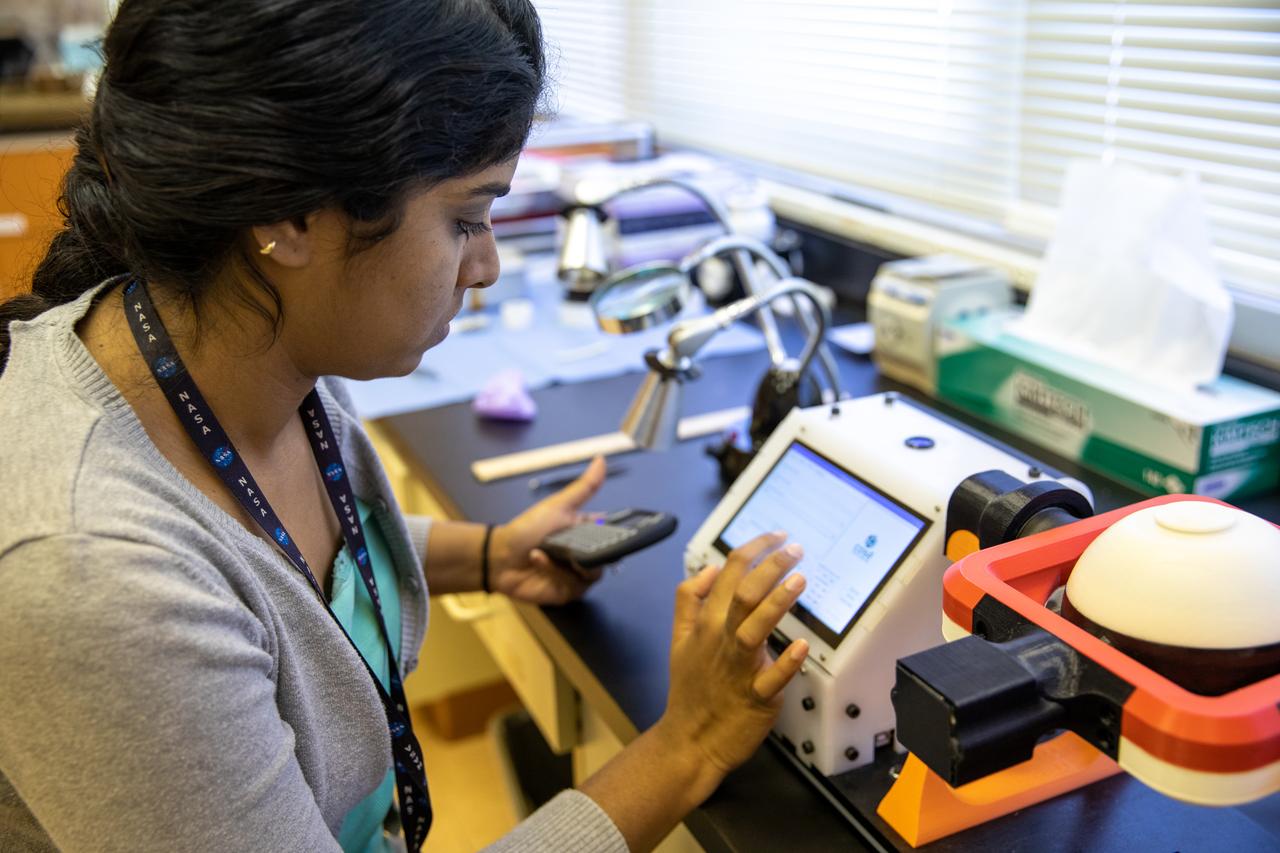
Srujana Neelam, a researcher working at NASA’s Kennedy Space Center in Florida, programs the SciSpinner Microgravity Simulator in the Microgravity Simulation Support Facility (MSSF) inside the Neil Armstrong Operations and Checkout building on Feb. 11, 2020. The facility was developed to provide ground simulation capability to the U.S. research community in order to supplement the limited opportunities to access the International Space Station and other platforms for microgravity research. The MSSF is designed to support biological research on microorganisms, cells, tissues, small plants and small animals. The simulator provides NASA with an alternative platform for microgravity research and creates the opportunity to conduct experiments on the space station in parallel with conditions of simulated microgravity on the ground.
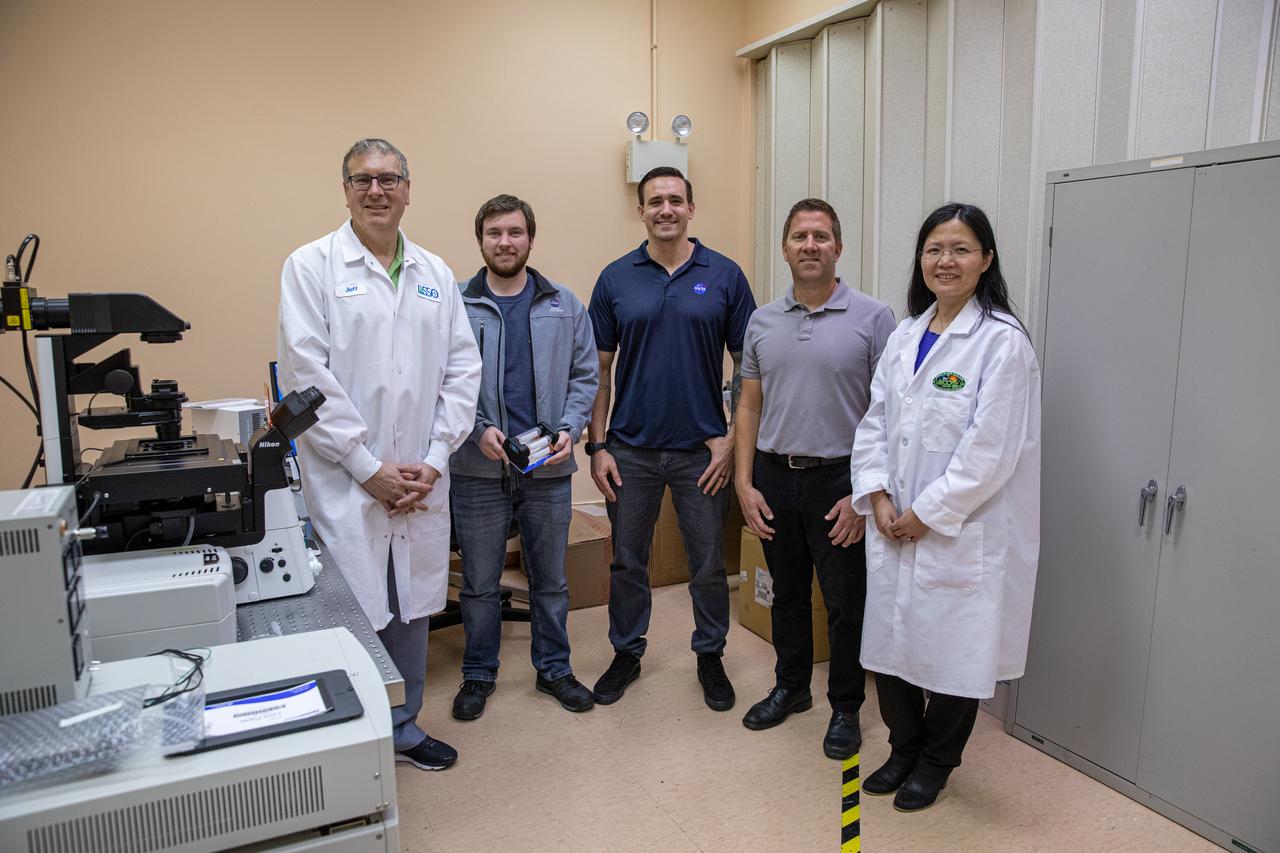
Researchers are in the Microgravity Simulation Support Facility (MSSF) inside the Neil Armstrong Operations and Checkout building at NASA’s Kennedy Space Center in Florida on Feb. 11, 2020. From left are Jonathan Gleeson, aerospace engineer on the LASSO contract; Jason Fischer, a research and development scientist on the LASSO contract; Ralph Nacca, aerospace flight systems; Jeffrey Richards, a payload research and science coordinator on the LASSO contract; and Dr. Ye Zhang, a project scientist. The microgravity simulation device was developed to provide ground simulation capability to the U.S. research community in order to supplement the limited opportunities to access the International Space Station and other platforms for microgravity research. The MSSF is designed to support biological research on microorganisms, cells, tissues, small plants and small animals. The simulator provides NASA with an alternative platform for microgravity research and creates the opportunity to conduct experiments on the space station in parallel with conditions of simulated microgravity on the ground.
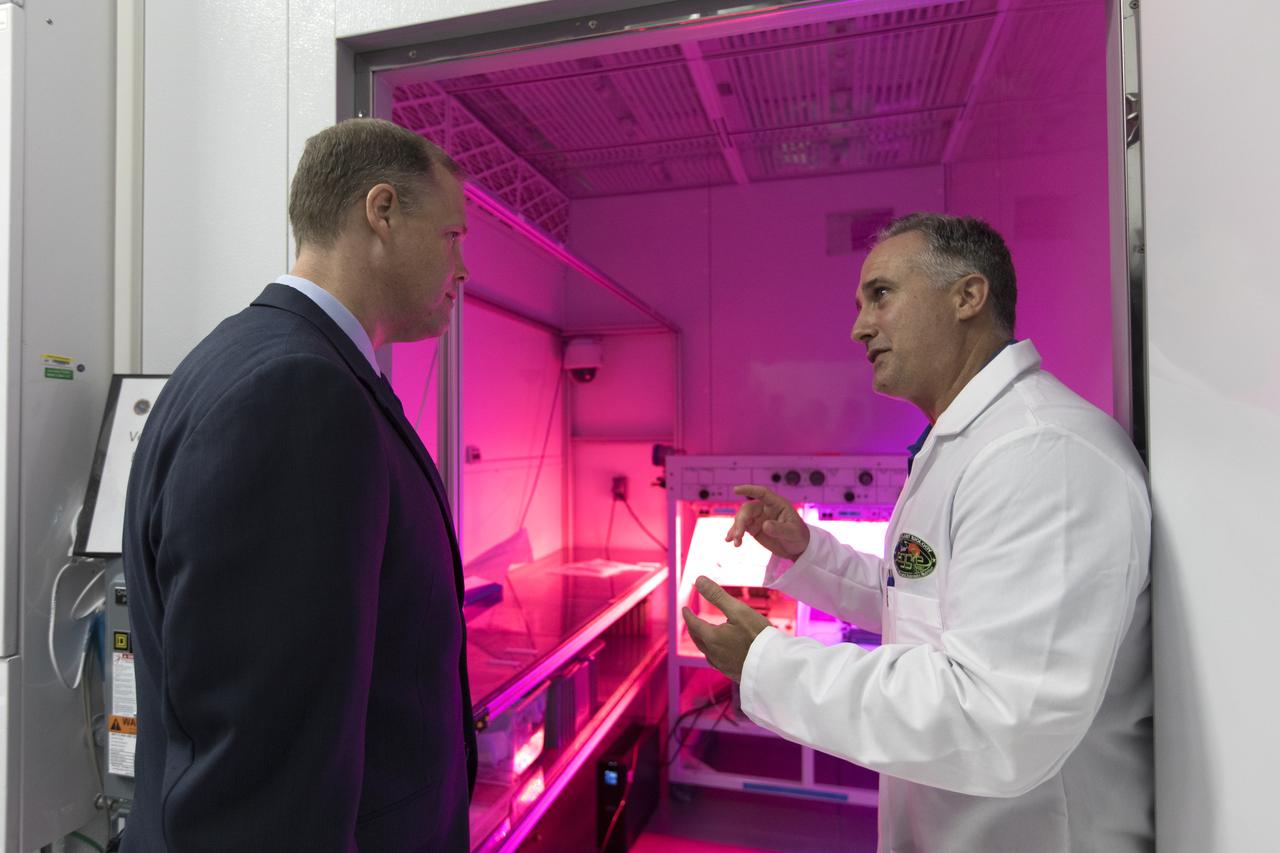
NASA Administrator Jim Bridenstine, at left, tours the Space Station Processing Facility at NASA's Kennedy Space Center in Florida, on Aug. 7, 2018. At right, Trent Smith, Veggie project manager, provides an update on the Veggie plant growth system on the International Space Station, and the control system in the laboratory. Bridenstine also received updates on research and technology accomplishments.
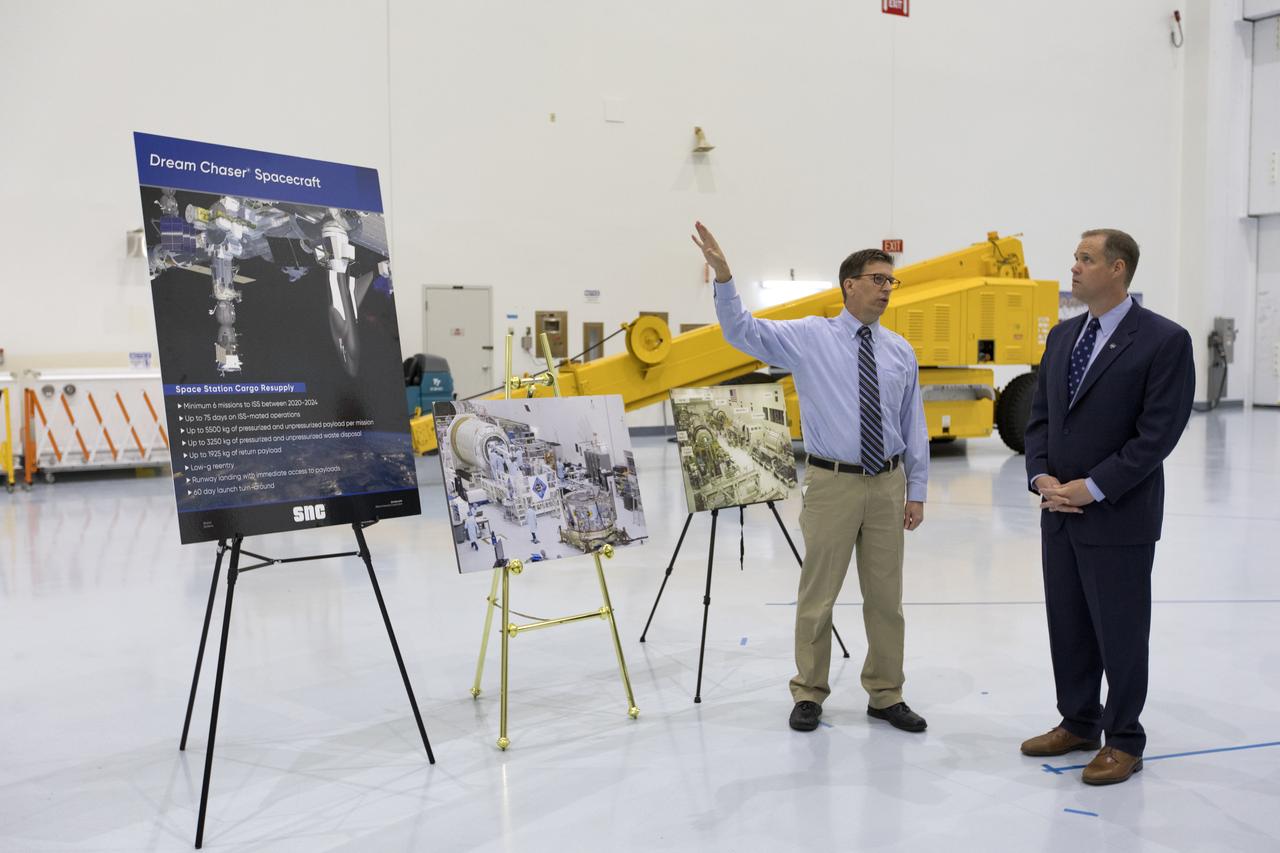
During a tour of the high bay in the Space Station Processing Facility (SSPF) at NASA's Kennedy Space Center in Florida, on Aug. 7, 2018, NASA Administrator Jim Bridenstine, hears about progress made on Sierra Nevada Corporation's Dream Chaser spacecraft. Dream Chaser will take cargo to the International Space Station. Bridenstine also received updates on research and technology accomplishments during his visit to the SSPF.
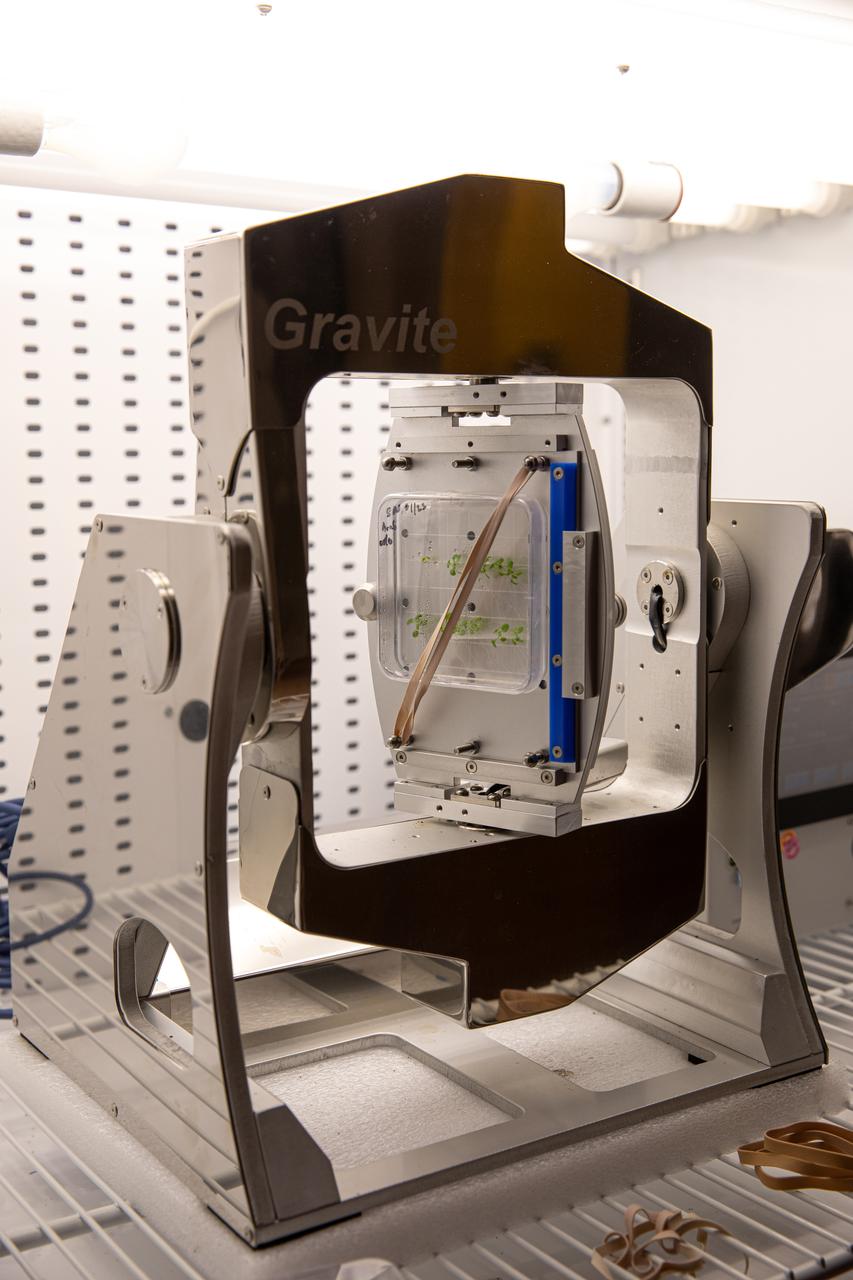
A Gravite 3d clinostat is in the Microgravity Simulation Support Facility (MSSF) inside the Neil Armstrong Operations and Checkout building at NASA’s Kennedy Space Center in Florida on Feb. 11, 2020. The facility was developed to provide ground simulation capability to the U.S. research community in order to supplement the limited opportunities to access the International Space Station and other platforms for microgravity research. The MSSF is designed to support biological research on microorganisms, cells, tissues, small plants and small animals. The simulator provides NASA with an alternative platform for microgravity research and creates the opportunity to conduct experiments on the space station in parallel with conditions of simulated microgravity on the ground.
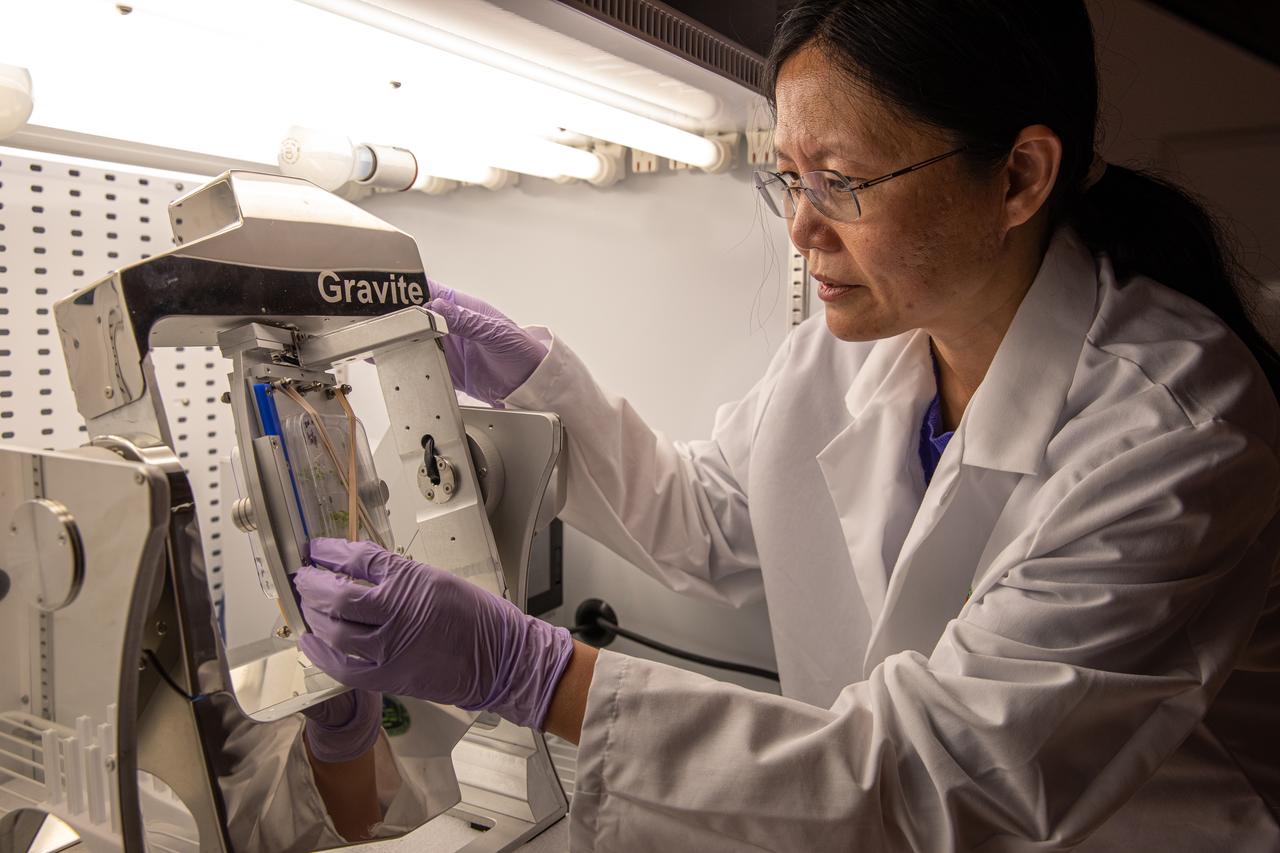
Ye Zhang, a project scientist at NASA’s Kennedy Space Center in Florida, makes adjustments to a Gravite 3d clinostat in the Microgravity Simulation Support Facility (MSSF) inside the Neil Armstrong Operations and Checkout building at on Feb. 11, 2020. The facility was developed to provide ground simulation capability to the U.S. research community in order to supplement the limited opportunities to access the International Space Station and other platforms for microgravity research. The MSSF is designed to support biological research on microorganisms, cells, tissues, small plants and small animals. The simulator provides NASA with an alternative platform for microgravity research and creates the opportunity to conduct experiments on the space station in parallel with conditions of simulated microgravity on the ground.
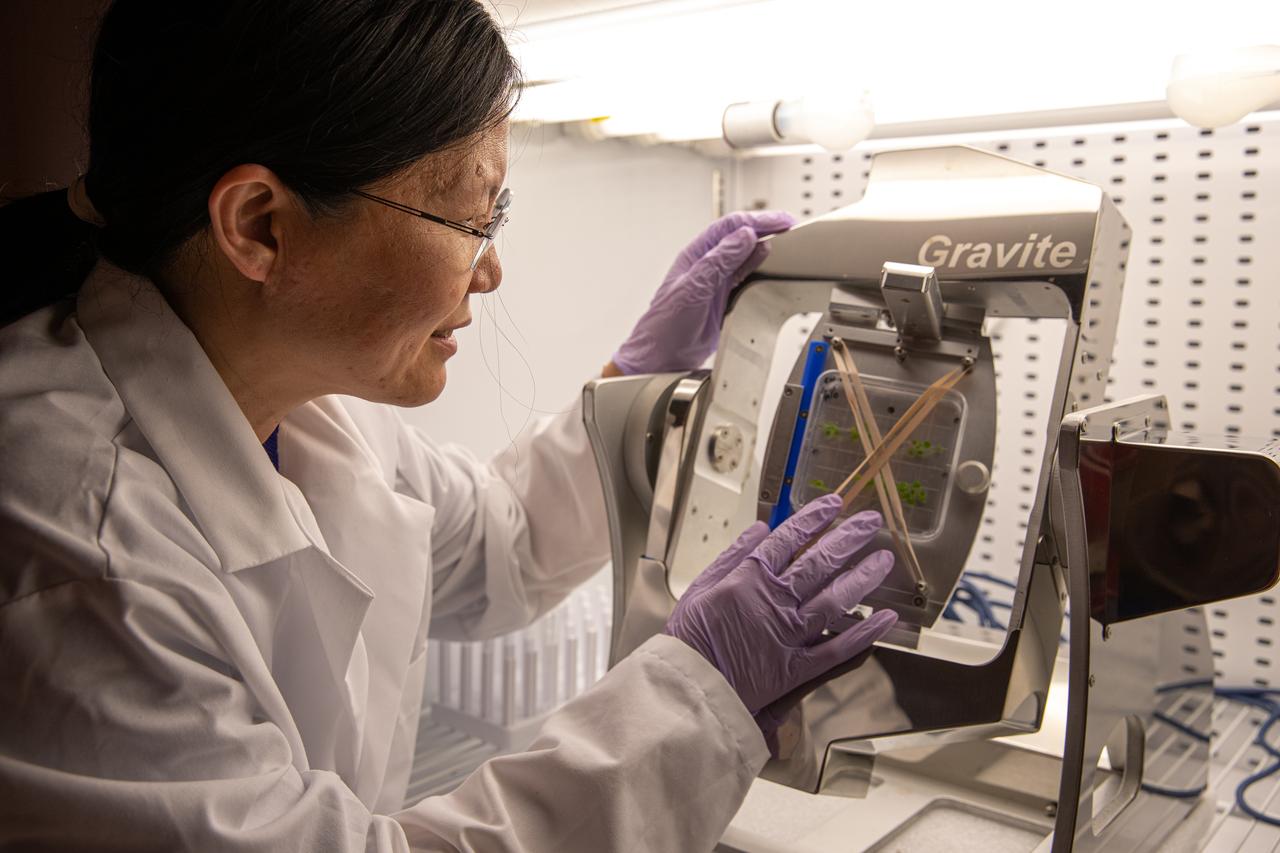
Ye Zhang, a project scientist at NASA’s Kennedy Space Center in Florida, makes adjustments to a Gravite 3d clinostat in the Microgravity Simulation Support Facility (MSSF) inside the Neil Armstrong Operations and Checkout on Feb. 11, 2020. The facility was developed to provide ground simulation capability to the U.S. research community in order to supplement the limited opportunities to access the International Space Station and other platforms for microgravity research. The MSSF is designed to support biological research on microorganisms, cells, tissues, small plants and small animals. The simulator provides NASA with an alternative platform for microgravity research and creates the opportunity to conduct experiments on the space station in parallel with conditions of simulated microgravity on the ground.
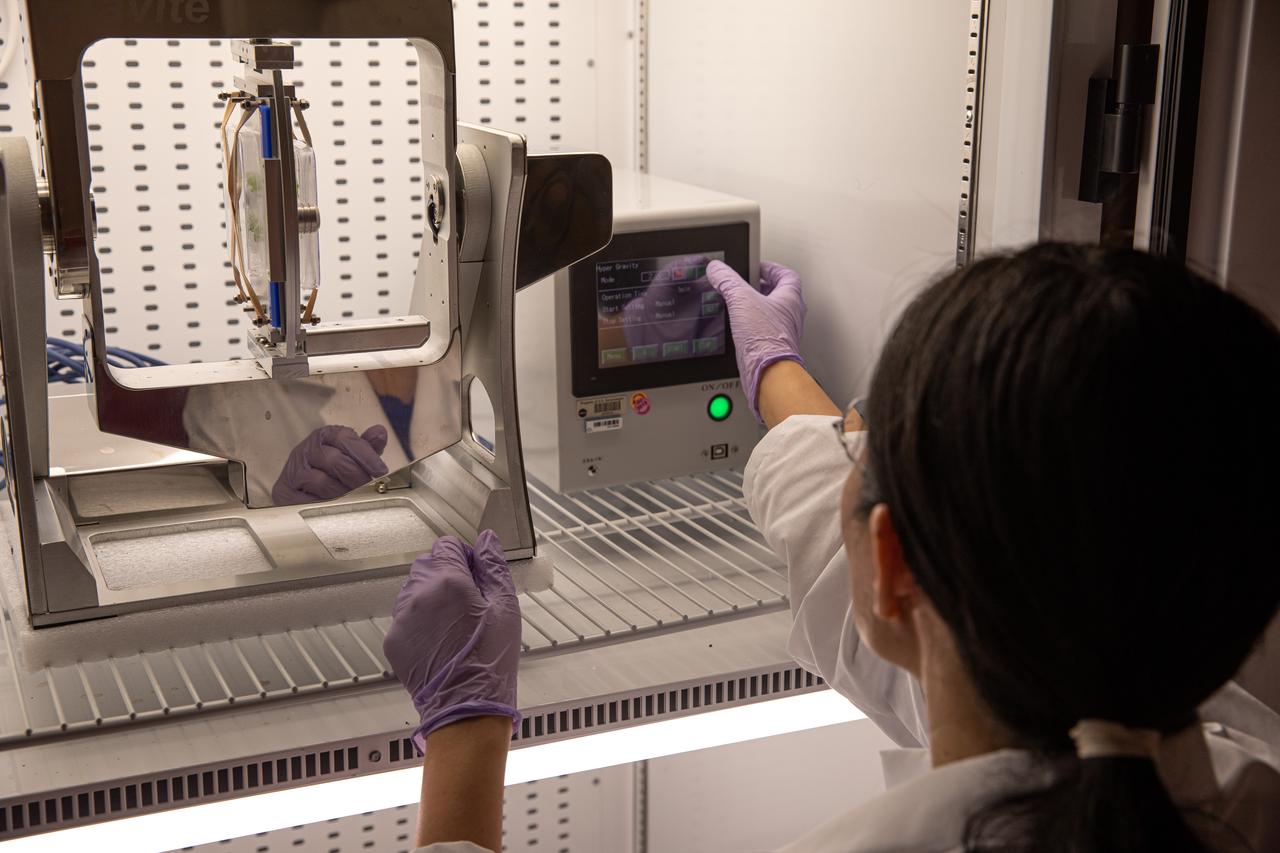
Ye Zhang, a project scientist at NASA’s Kennedy Space Center in Florida runs a test on a Gravite 3d clinostat device in the Microgravity Simulation Support Facility (MSSF) inside the Neil Armstrong Operations and Checkout building on Feb. 11, 2020. The facility was developed to provide ground simulation capability to the U.S. research community in order to supplement the limited opportunities to access the International Space Station and other platforms for microgravity research. The MSSF is designed to support biological research on microorganisms, cells, tissues, small plants and small animals. The simulator provides NASA with an alternative platform for microgravity research and creates the opportunity to conduct experiments on the space station in parallel with conditions of simulated microgravity on the ground.
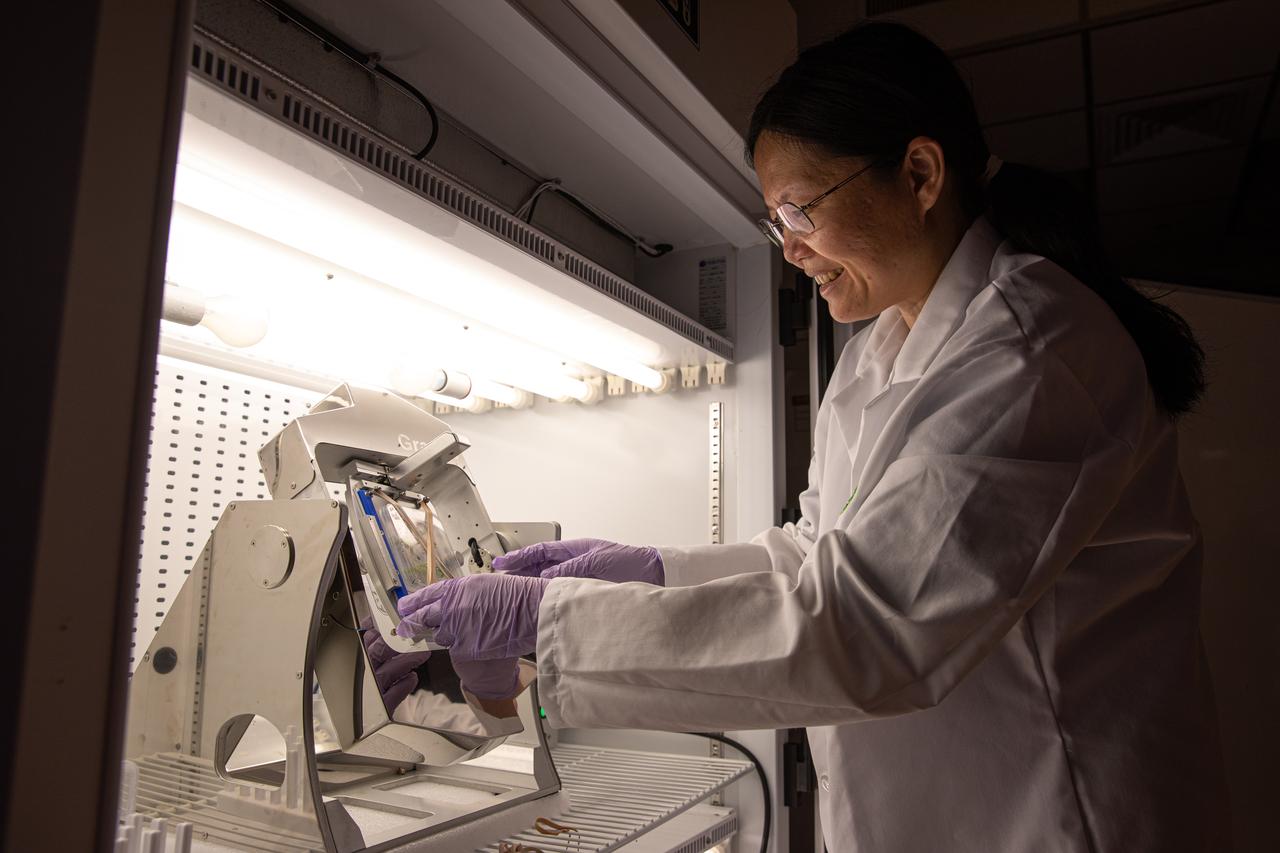
Ye Zhang, a project scientist at NASA’s Kennedy Space Center in Florida, makes adjustments to a Gravite 3d clinostat in the Microgravity Simulation Support Facility (MSSF) inside the Neil Armstrong Operations and Checkout building on Feb. 11, 2020. The facility was developed to provide ground simulation capability to the U.S. research community in order to supplement the limited opportunities to access the International Space Station and other platforms for microgravity research. The MSSF is designed to support biological research on microorganisms, cells, tissues, small plants and small animals. The simulator provides NASA with an alternative platform for microgravity research and creates the opportunity to conduct experiments on the space station in parallel with conditions of simulated microgravity on the ground.
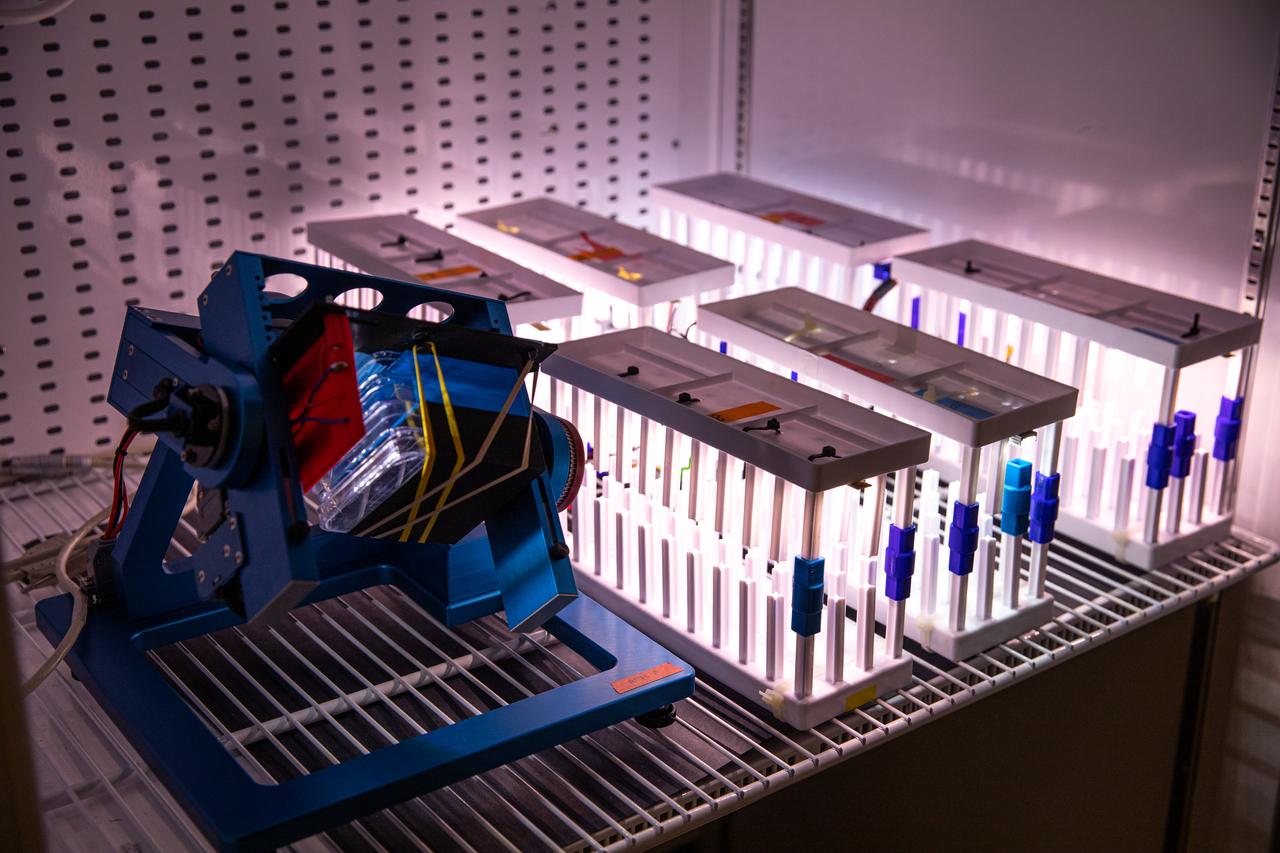
Some experiments are being prepared for a test in the Airbus Random Positioning Machine in the Microgravity Simulation Support Facility (MSSF) inside the Neil Armstrong Operations and Checkout building at NASA’s Kennedy Space Center in Florida on Feb. 11, 2020. The facility device was developed to provide ground simulation capability to the U.S. research community in order to supplement the limited opportunities to access the International Space Station and other platforms for microgravity research. The MSSF is designed to support biological research on microorganisms, cells, tissues, small plants and small animals. The simulator provides NASA with an alternative platform for microgravity research and creates the opportunity to conduct experiments on the space station in parallel with conditions of simulated microgravity on the ground.

A Gravite 3d clinostat is in the Microgravity Simulation Support Facility (MSSF) inside the Neil Armstrong Operations and Checkout building at NASA’s Kennedy Space Center in Florida on Feb. 11, 2020. The facility was developed to provide ground simulation capability to the U.S. research community in order to supplement the limited opportunities to access the International Space Station and other platforms for microgravity research. The MSSF is designed to support biological research on microorganisms, cells, tissues, small plants and small animals. The simulator provides NASA with an alternative platform for microgravity research and creates the opportunity to conduct experiments on the space station in parallel with conditions of simulated microgravity on the ground.
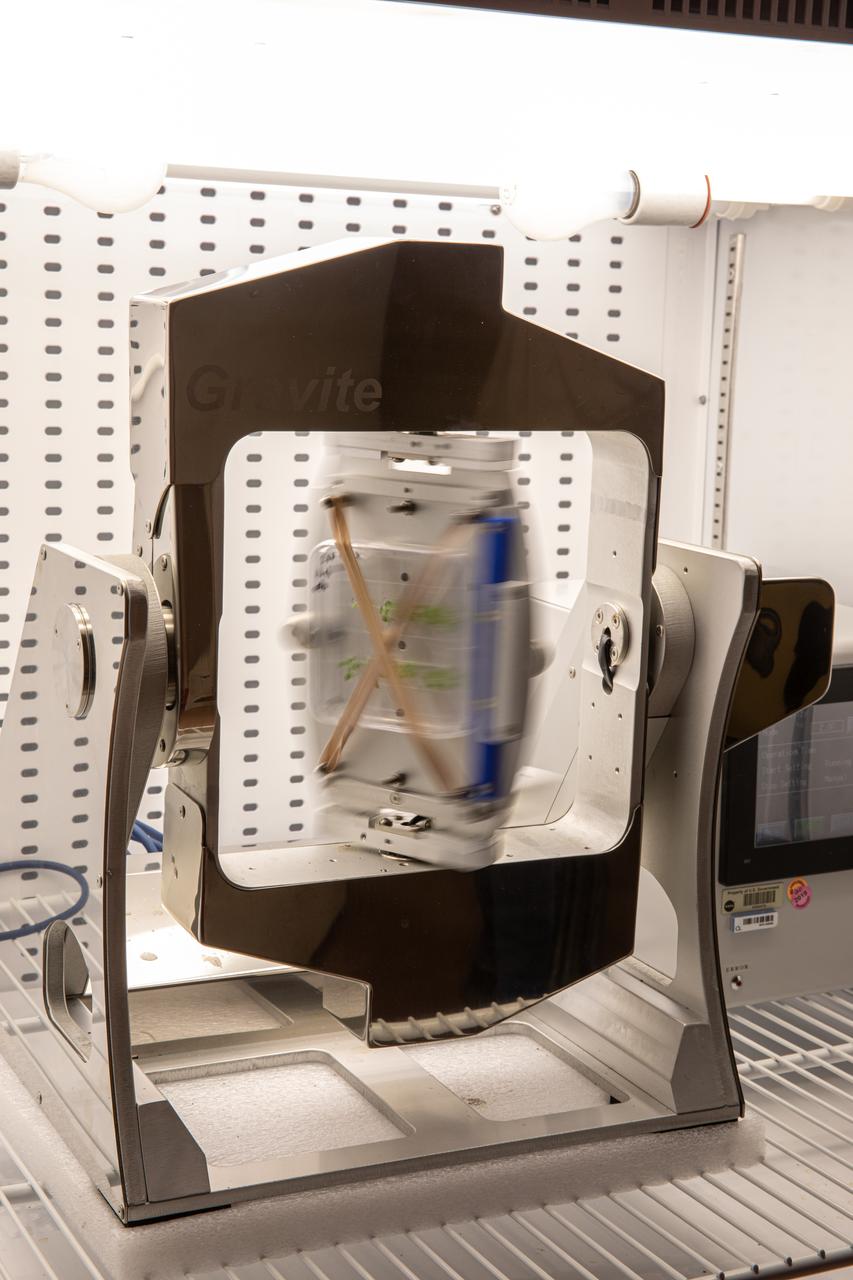
A Gravite 3d clinostat undergoes a test in the Microgravity Simulation Support Facility (MSSF) inside the Neil Armstrong Operations and Checkout building at NASA’s Kennedy Space Center in Florida on Feb. 11, 2020. The facility was developed to provide ground simulation capability to the U.S. research community in order to supplement the limited opportunities to access the International Space Station and other platforms for microgravity research. The MSSF is designed to support biological research on microorganisms, cells, tissues, small plants and small animals. The simulator provides NASA with an alternative platform for microgravity research and creates the opportunity to conduct experiments on the space station in parallel with conditions of simulated microgravity on the ground.
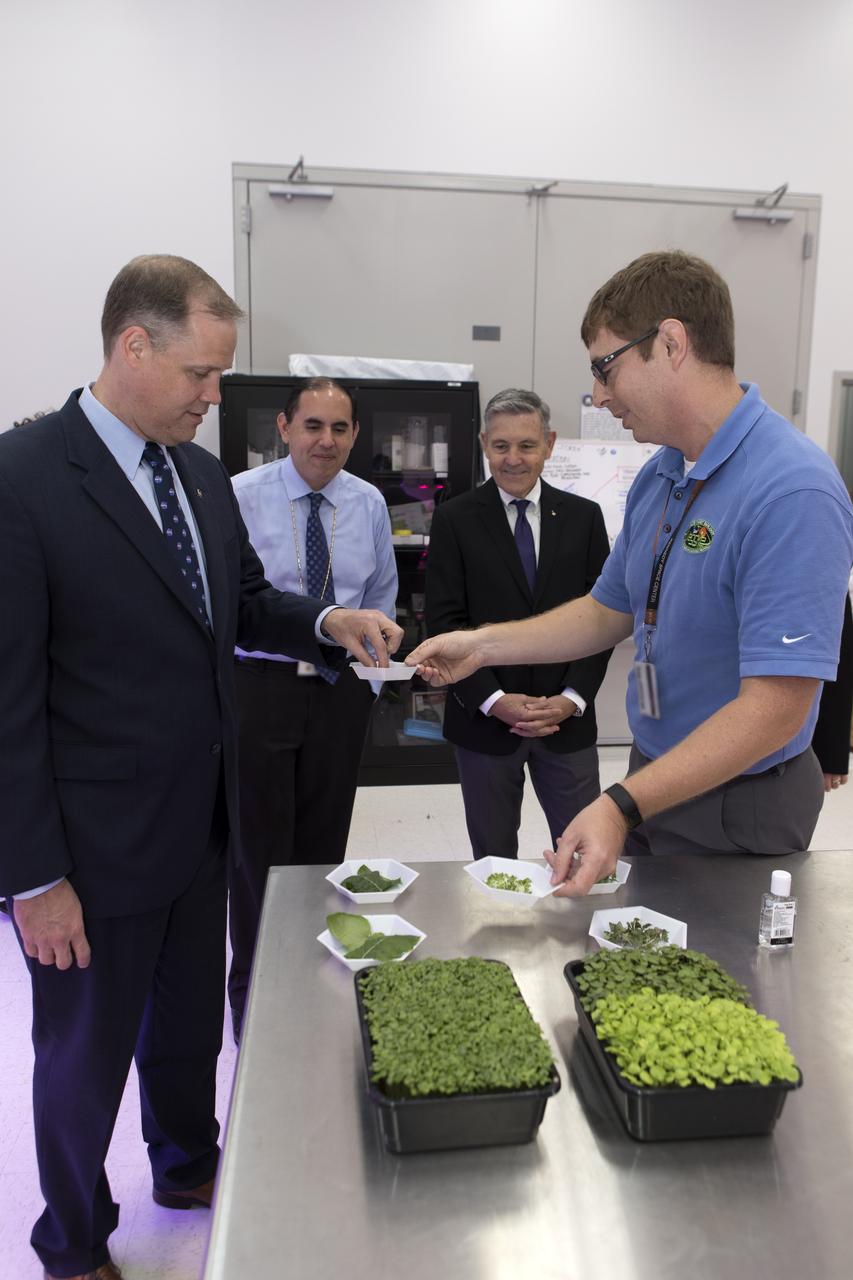
NASA Administrator Jim Bridenstine, far left, tours a plant research laboratory inside the Space Station Processing Facility (SSPF) at NASA's Kennedy Space Center in Florida, on Aug. 7, 2018. Bridenstine selects a microgreen to sample from Matt Romeyn, project scientist. Behind Bridenstine, from left, are Bryan Onate, Advanced Plant Habitat project manager, and Kennedy Space Center Director Bob Cabana. Bridenstine received updates on research and technology accomplishments during his visit to the SSPF.
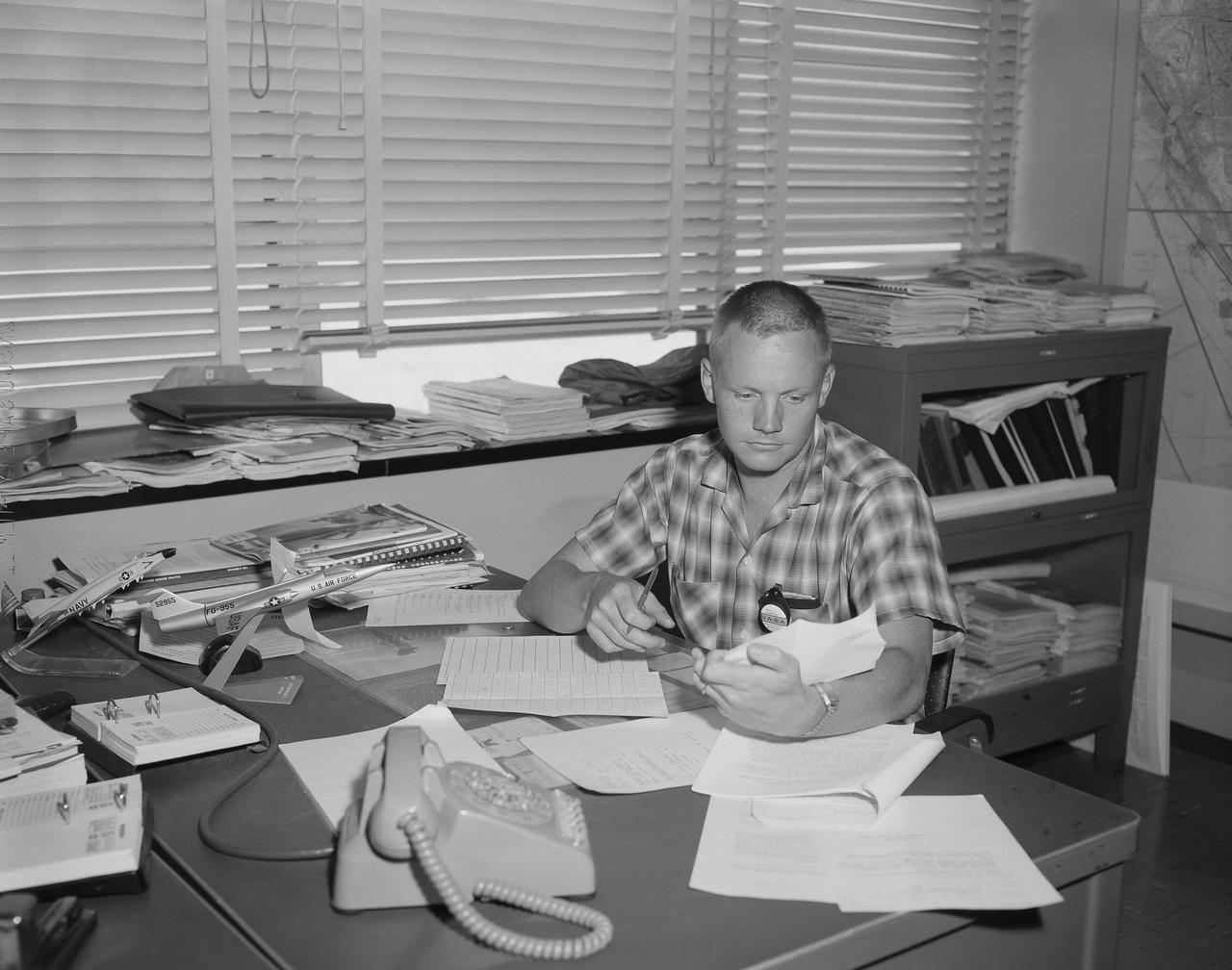
Famed astronaut Neil A. Armstrong – the first person to set foot on the Moon during the historic Apollo 11 mission in July 1969 – spent seven years as a research pilot at the NACA-NASA High-Speed Flight Station, now NASA’s Armstrong Flight Research Center in Edwards, California, before joining the space program. During his tenure, Armstrong was actively engaged in both the piloting and engineering aspects of numerous NASA programs and projects.
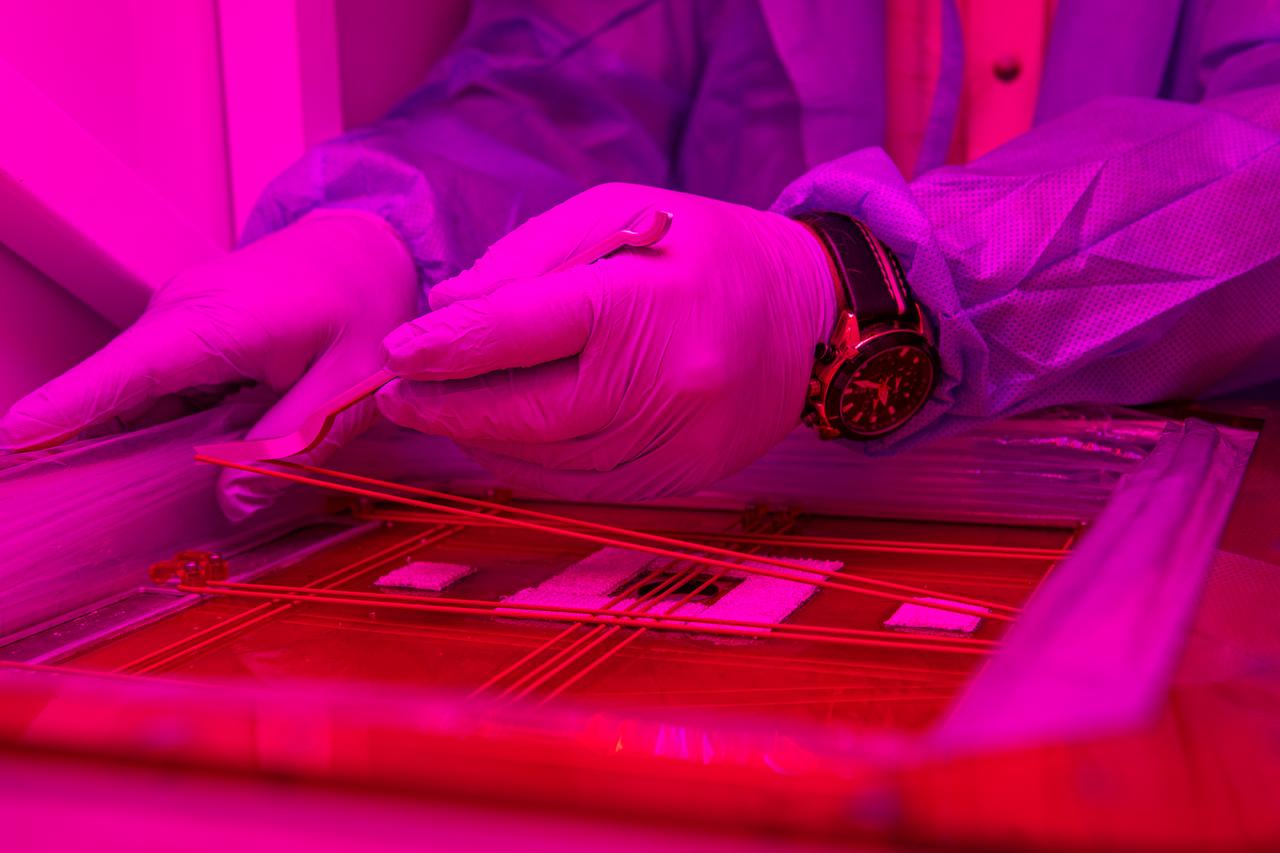
Matthew English is the Exploration Research and Technology facility manager for the Space Station Processing Facility (SSPF) at NASA’s Kennedy Space Center in Florida. In this photo, he is demonstrating how astronauts use a bungee tool to manipulate bungee cords that help secure vital parts of plant experiments in the Veggie growth chamber while they are aboard the International Space Station. This allows them to make efficient use of their time as they conduct scientific research in a microgravity environment. English’s primary responsibilities include ensuring that the space station teams inside the SSPF have the facilities, tools and capabilities they need to support their launch customers, thus providing the support necessary to enable further research and design discoveries within NASA.
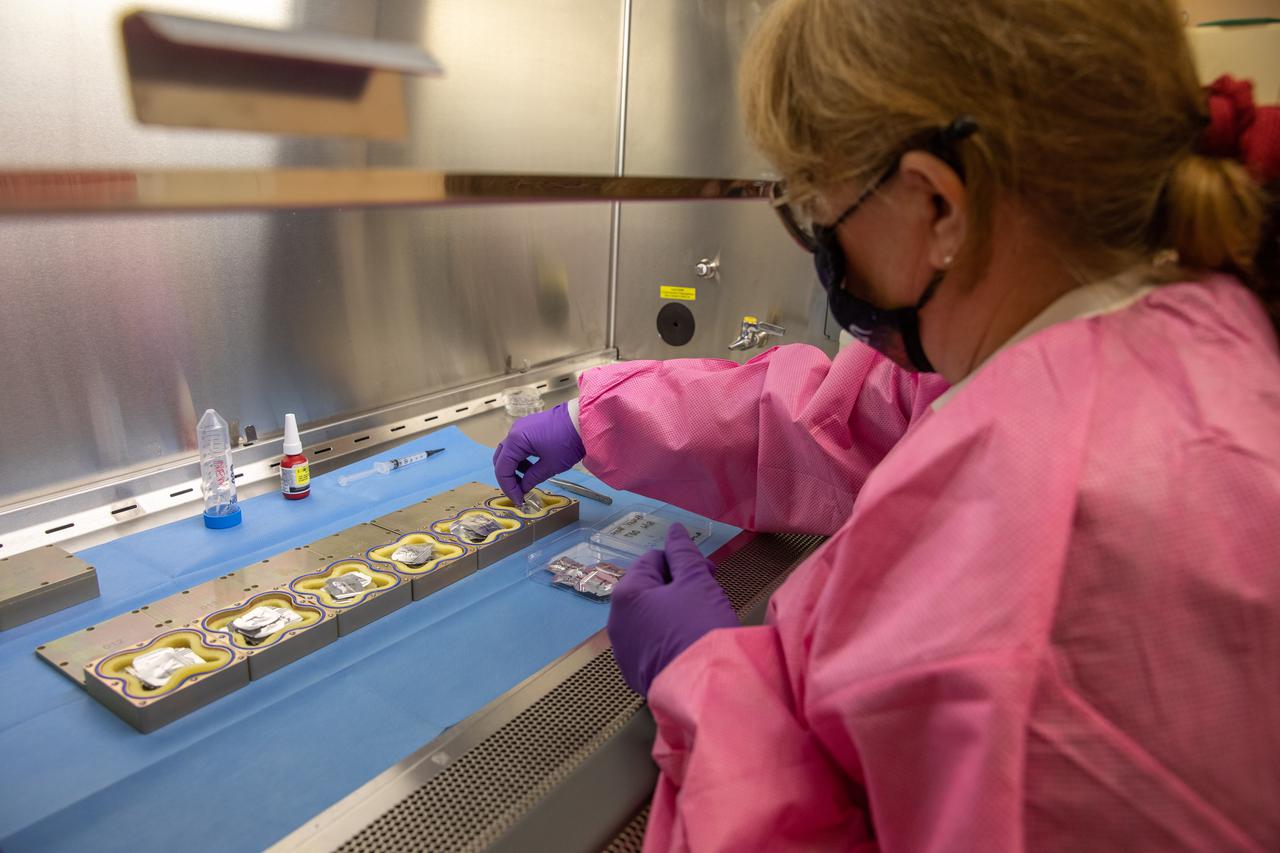
Christina Khodada, a research scientist working with the Exploration Research and Technology Programs, prepares containers Feb. 11, 2021, at NASA’s Kennedy Space Center in Florida for a Materials International Space Station Experiment (MISSE). The containers, carrying sets of seeds, will fly aboard Northrop Grumman’s Cygnus spacecraft as part of NG-15, a NASA commercial resupply mission to the orbiting laboratory targeted for Feb. 20, 2021. They will be placed in the MISSE testing facility, located near the space station’s solar arrays, where they will be exposed to the extreme environment of space for six months before returning to Earth for further study.
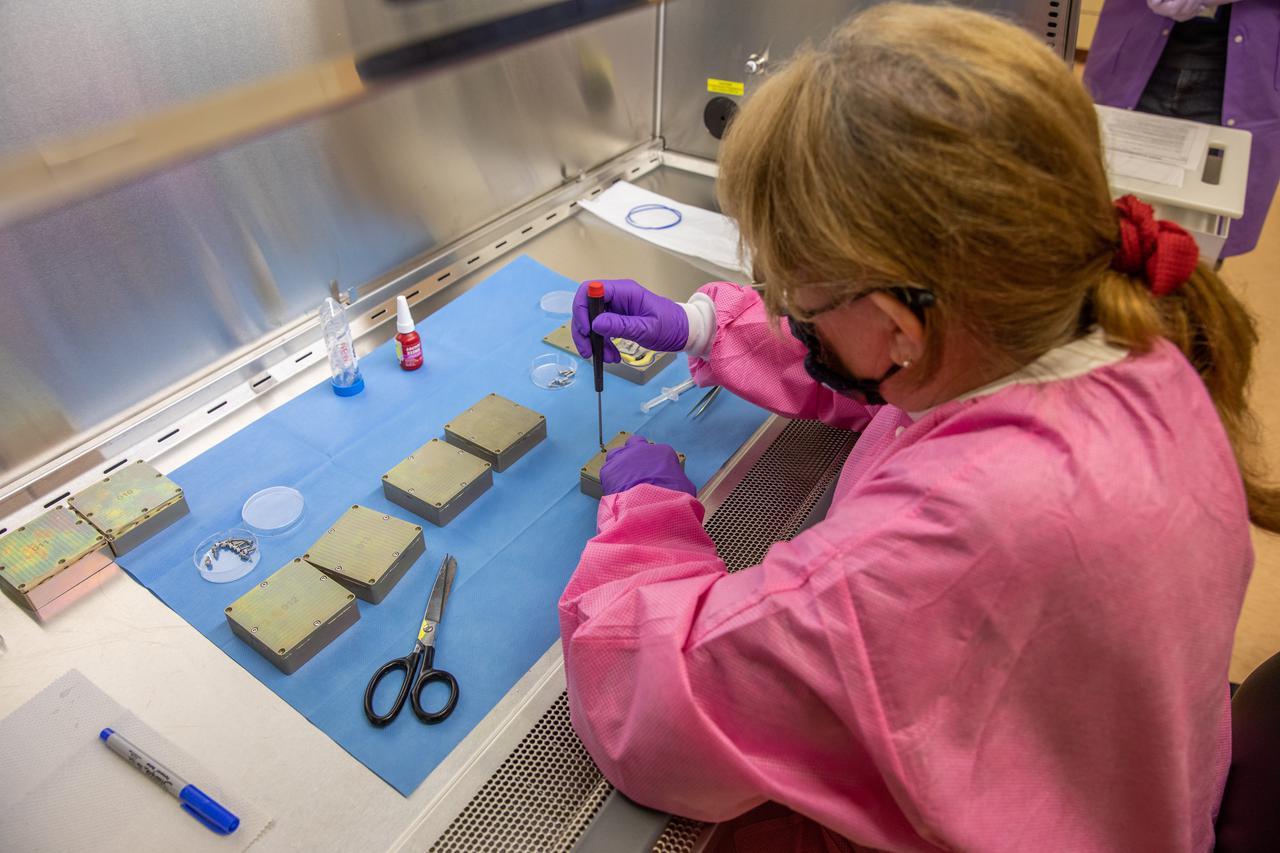
Christina Khodada, a research scientist working with the Exploration Research and Technology Programs, prepares containers Feb. 11, 2021, at NASA’s Kennedy Space Center in Florida for a Materials International Space Station Experiment (MISSE). The containers, carrying sets of seeds, will fly aboard Northrop Grumman’s Cygnus spacecraft as part of NG-15, a NASA commercial resupply mission to the orbiting laboratory targeted for Feb. 20, 2021. They will be placed in the MISSE testing facility, located near the space station’s solar arrays, where they will be exposed to the extreme environment of space for six months before returning to Earth for further study.
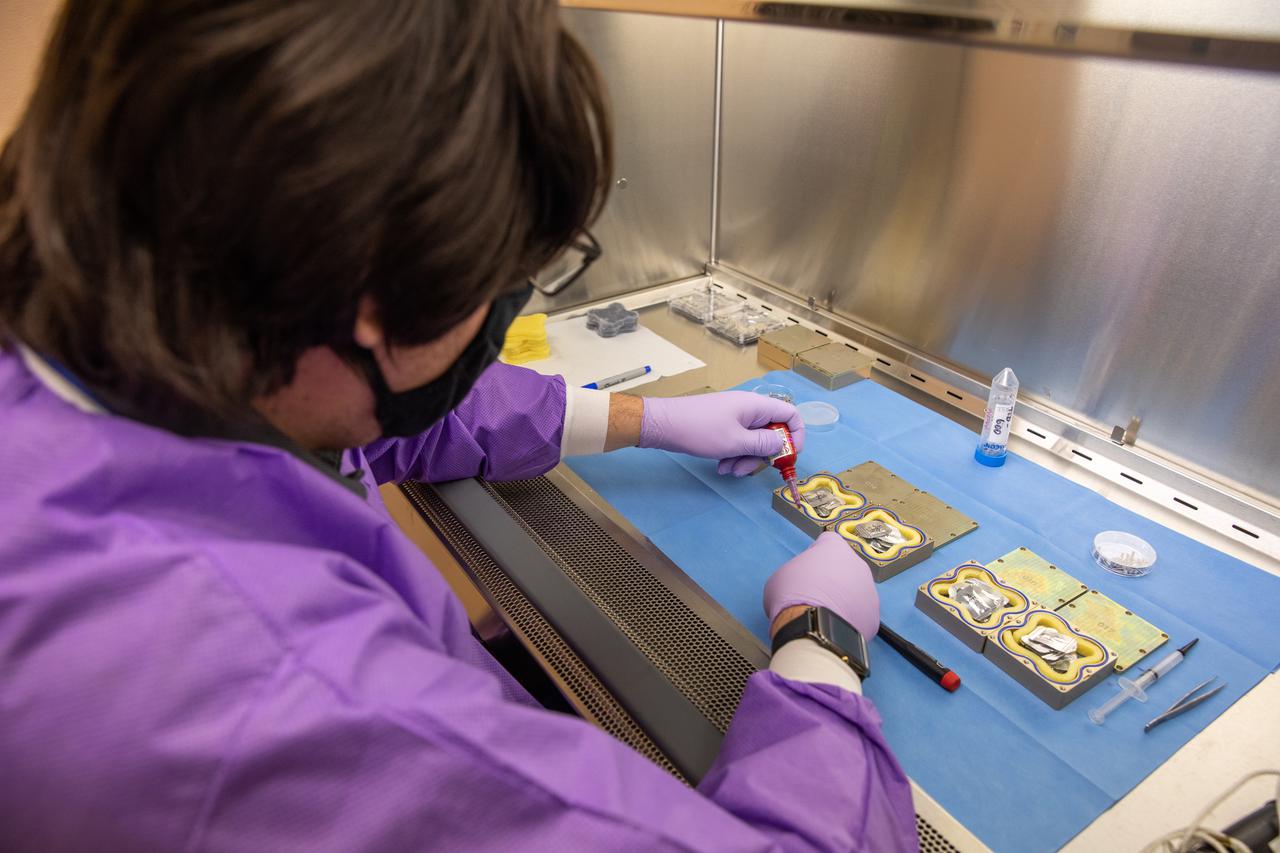
Cory Spern, a research scientist working with the Exploration Research and Technology programs at NASA’s Kennedy Space Center in Florida, prepares containers Feb. 11, 2021, for a Materials International Space Station Experiment (MISSE). The containers, carrying sets of seeds, will fly aboard Northrop Grumman’s Cygnus spacecraft as part of NG-15, a NASA commercial resupply mission to the orbiting laboratory targeted for Feb. 20, 2021. They will be placed in the MISSE testing facility, located near the space station’s solar arrays, where they will be exposed to the extreme environment of space for six months before returning to Earth for further study.
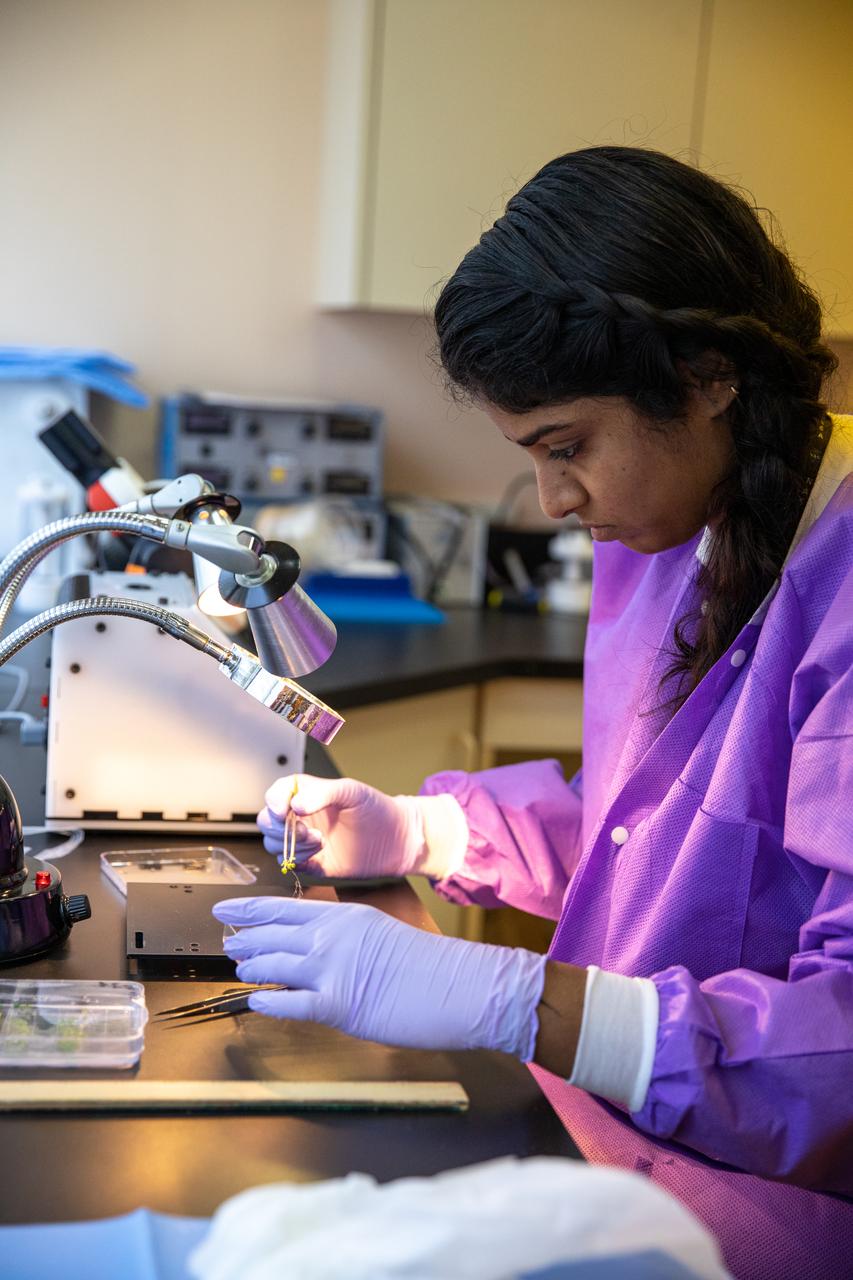
Srujana Neelam, a researcher working at NASA’s Kennedy Space Center in Florida, dissects Arabidopsis thaliana plants from petri plates used in microgravity simulation devices in the Microgravity Simulation Support Facility (MSSF) inside the Neil Armstrong Operations and Checkout building on Feb. 11, 2020. The facility was developed to provide ground simulation capability to the U.S. research community in order to supplement the limited opportunities to access the International Space Station and other platforms for microgravity research. The MSSF is designed to support biological research on microorganisms, cells, tissues, small plants and small animals. The simulator provides NASA with an alternative platform for microgravity research and creates the opportunity to conduct experiments on the space station in parallel with conditions of simulated microgravity on the ground.
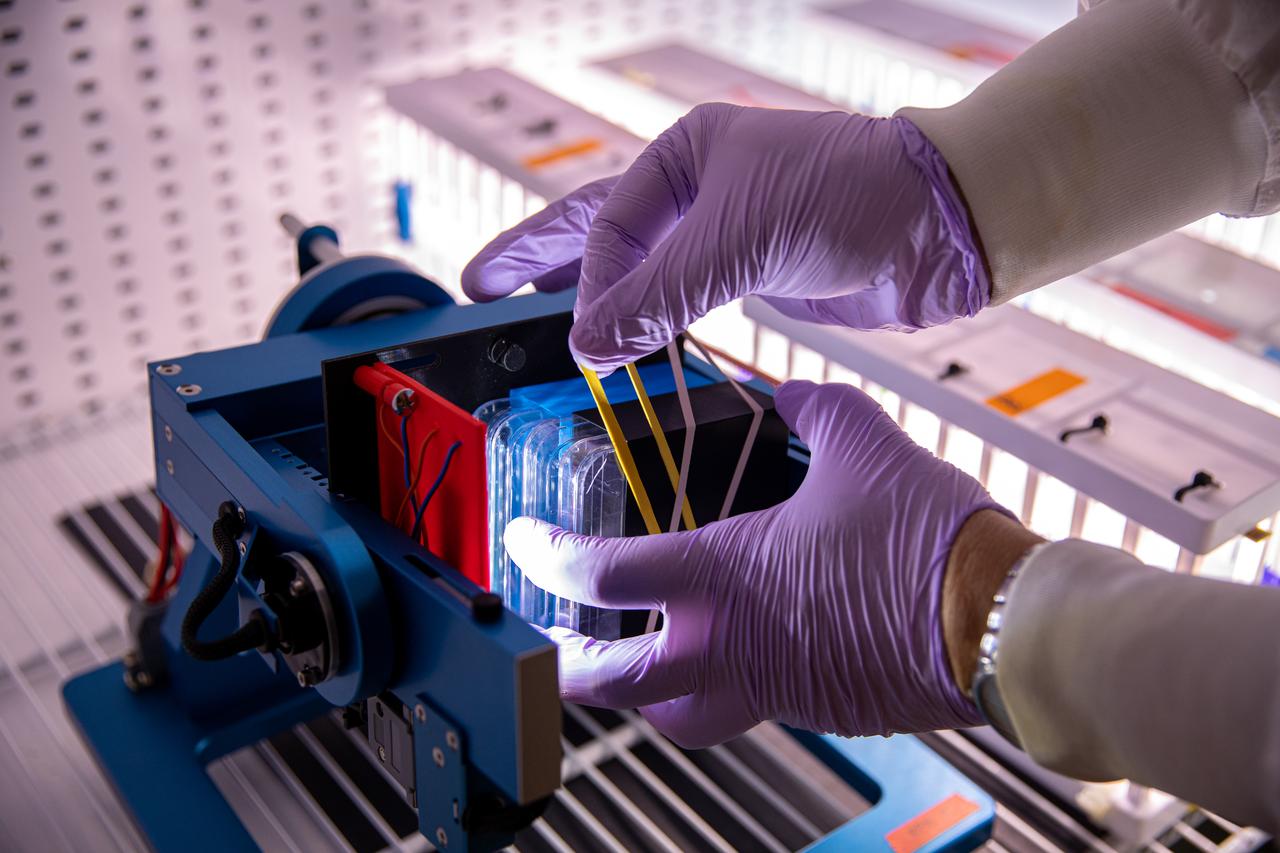
Jeffrey Richards, a payload research and science coordinator on the LASSO contract at NASA’s Kennedy Space Center in Florida, prepares an experiment for a test in an Airbus Random Positioning Machine in the Microgravity Simulation Support Facility (MSSF) inside the Neil Armstrong Operations and Checkout building at NASA’s Kennedy Space Center in Florida on Feb. 11, 2020. The facility was developed to provide ground simulation capability to the U.S. research community in order to supplement the limited opportunities to access the International Space Station and other platforms for microgravity research. The MSSF is designed to support biological research on microorganisms, cells, tissues, small plants and small animals. The simulator provides NASA with an alternative platform for microgravity research and creates the opportunity to conduct experiments on the space station in parallel with conditions of simulated microgravity on the ground.
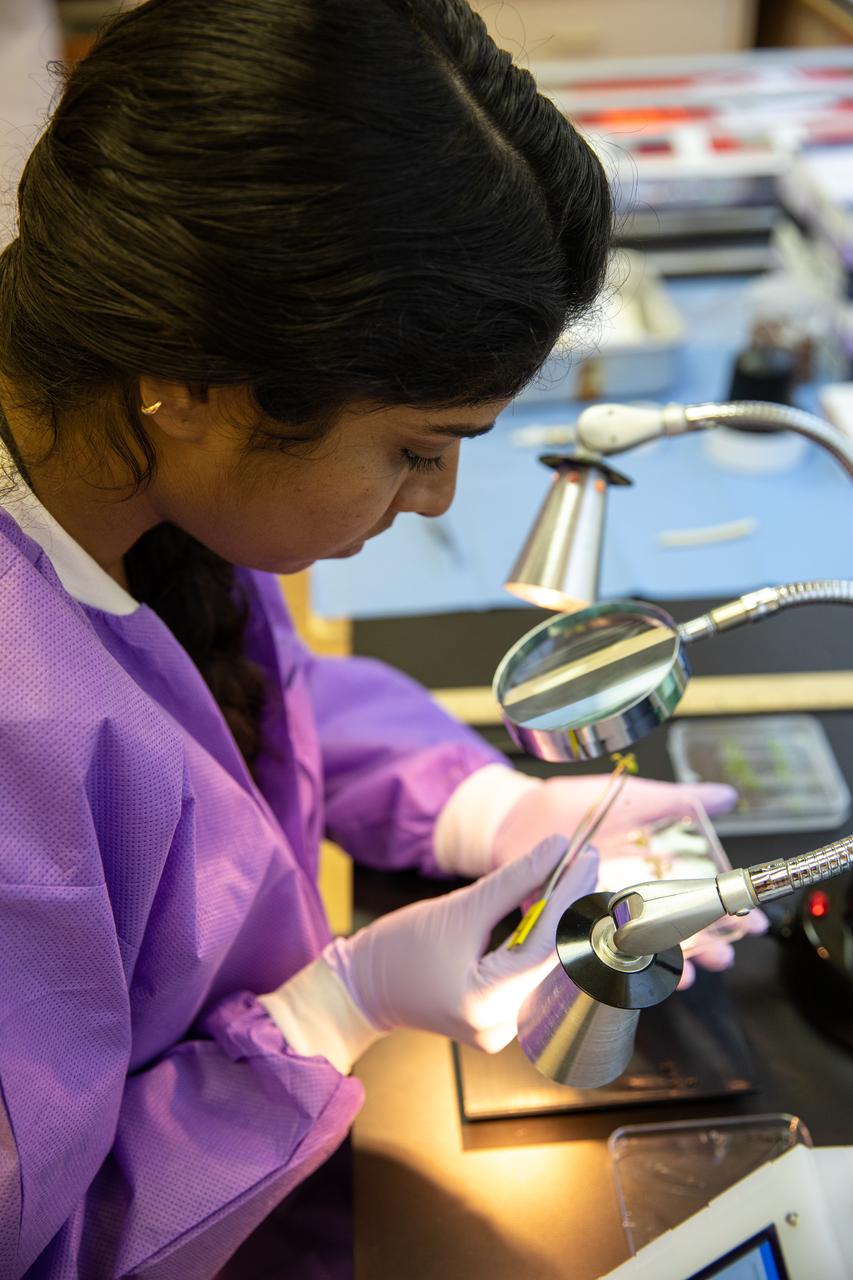
Srujana Neelam, a researcher working at NASA’s Kennedy Space Center in Florida dissects Arabidopsis thaliana plants from petri plates used in microgravity simulation devices in the Microgravity Simulation Support Facility (MSSF) inside the Neil Armstrong Operations and Checkout building on Feb. 11, 2020. The facility was developed to provide ground simulation capability to the U.S. research community in order to supplement the limited opportunities to access the International Space Station and other platforms for microgravity research. The MSSF is designed to support biological research on microorganisms, cells, tissues, small plants and small animals. The simulator provides NASA with an alternative platform for microgravity research and creates the opportunity to conduct experiments on the space station in parallel with conditions of simulated microgravity on the ground.
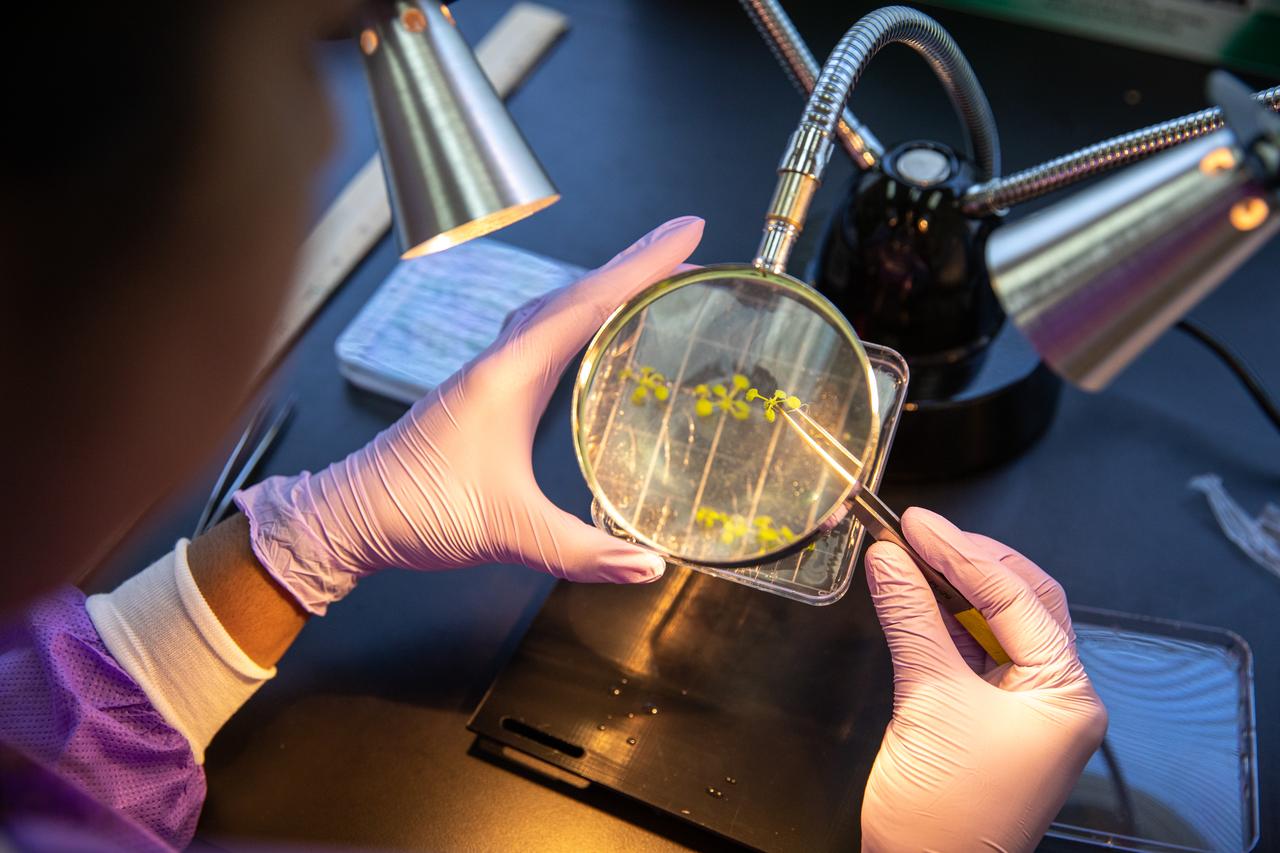
Srujana Neelam, a researcher working at NASA’s Kennedy Space Center in Florida, dissects Arabidopsis thaliana plants from petri plates used in microgravity simulation devices in the Microgravity Simulation Support Facility (MSSF) inside the Neil Armstrong Operations and Checkout building on Feb. 11, 2020. The facility was developed to provide ground simulation capability to the U.S. research community in order to supplement the limited opportunities to access the International Space Station and other platforms for microgravity research. The MSSF is designed to support biological research on microorganisms, cells, tissues, small plants and small animals. The simulator provides NASA with an alternative platform for microgravity research and creates the opportunity to conduct experiments on the space station in parallel with conditions of simulated microgravity on the ground.
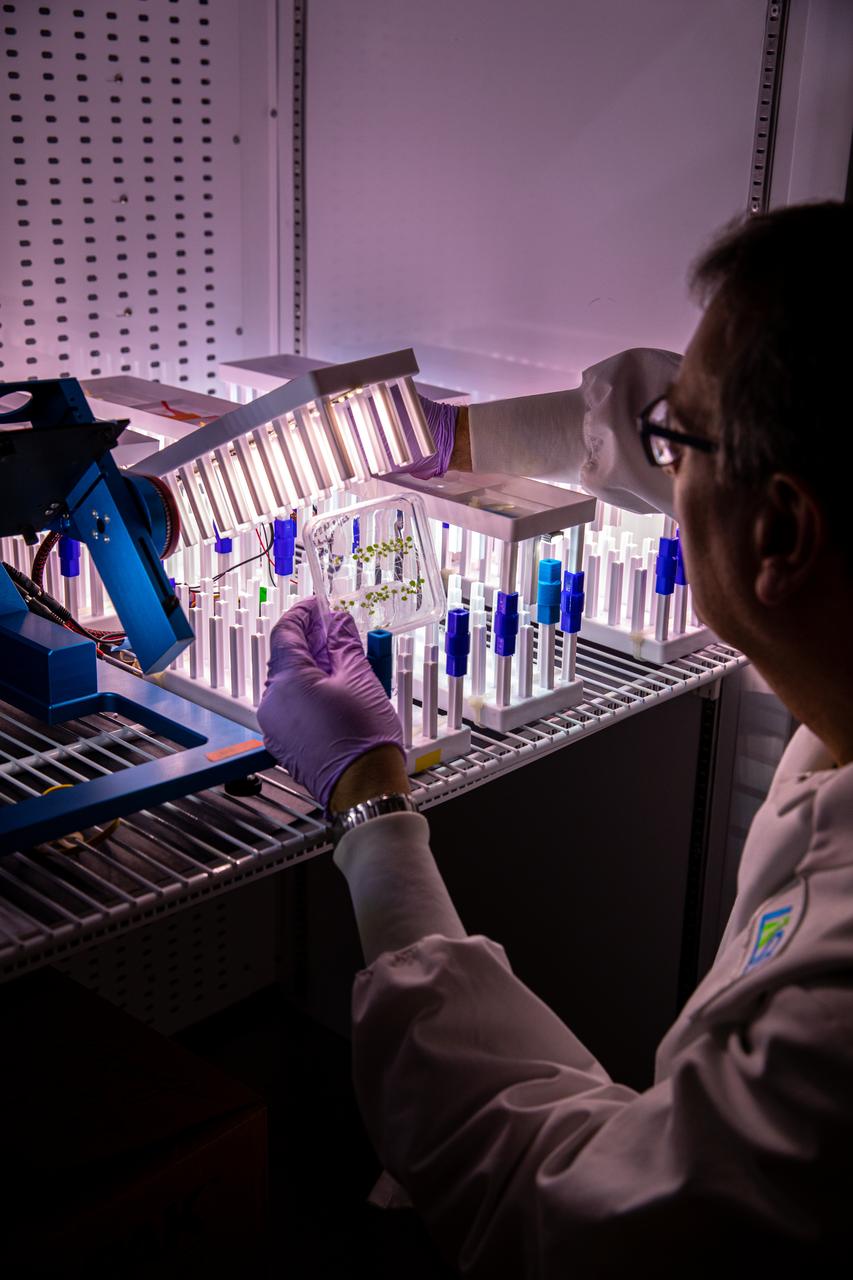
Jeffrey Richards, a payload research and science coordinator on the LASSO contract at NASA’s Kennedy Space Center in Florida, prepares an experiment for a test in an Airbus Random Positioning Machine in the Microgravity Simulation Support Facility (MSSF) inside the Neil Armstrong Operations and Checkout building at NASA’s Kennedy Space Center in Florida on Feb. 11, 2020. The facility was developed to provide ground simulation capability to the U.S. research community in order to supplement the limited opportunities to access the International Space Station and other platforms for microgravity research. The MSSF is designed to support biological research on microorganisms, cells, tissues, small plants and small animals. The simulator provides NASA with an alternative platform for microgravity research and creates the opportunity to conduct experiments on the space station in parallel with conditions of simulated microgravity on the ground.
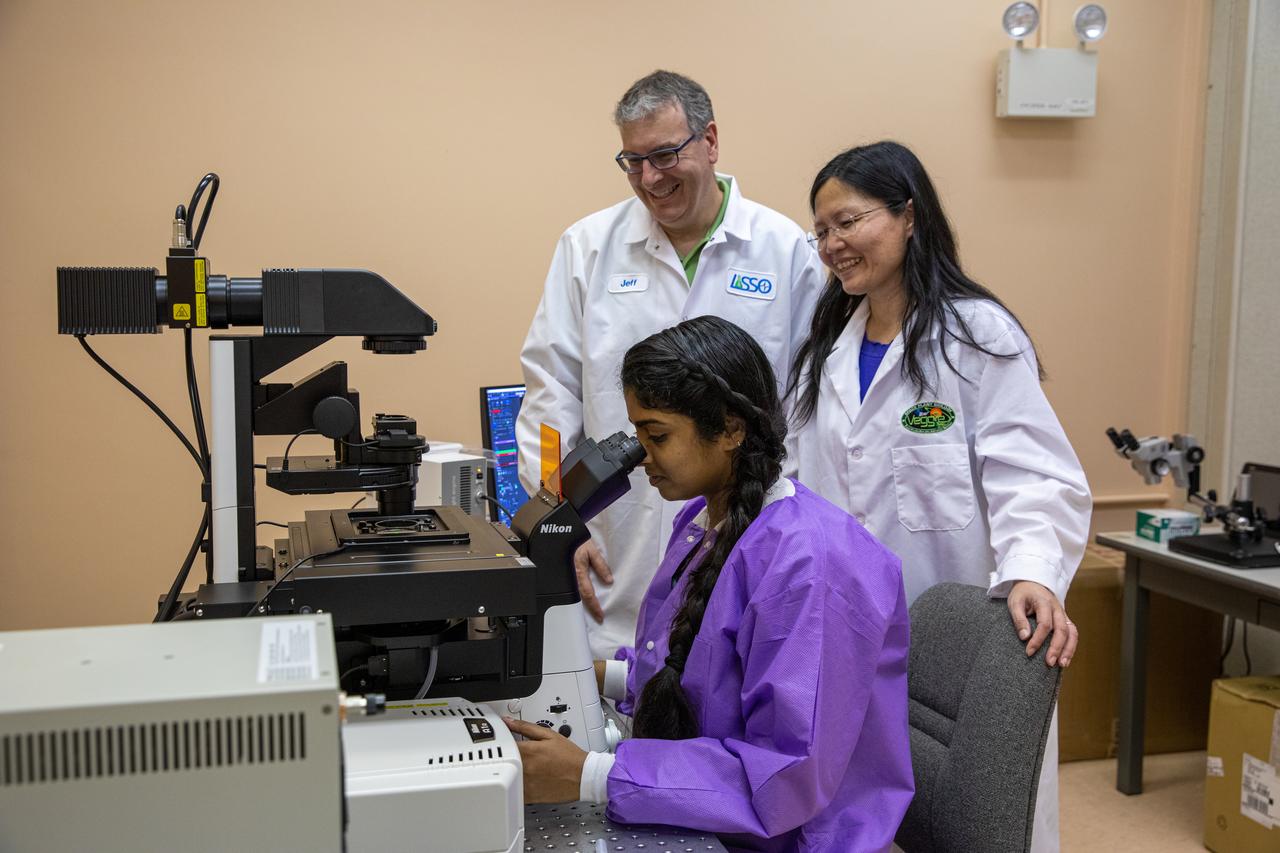
Dr. Srujana Neelam, a NASA post-doctoral fellow observes samples on a confocal microscope in the Microgravity Simulation Support Facility (MSSF) inside the Neil Armstrong Operations and Checkout building at NASA’s Kennedy Space Center in Florida on Feb. 11, 2020, with Jeffrey Richards, a payload research and science coordinator on the LASSO contract; and Dr. Ye Zhang, a project scientist. The facility was developed to provide ground simulation capability to the U.S. research community in order to supplement the limited opportunities to access the International Space Station and other platforms for microgravity research. The MSSF is designed to support biological research on microorganisms, cells, tissues, small plants and small animals. The simulator provides NASA with an alternative platform for microgravity research and creates the opportunity to conduct experiments on the space station in parallel with conditions of simulated microgravity on the ground.

Srujana Neelam, a researcher working at NASA’s Kennedy Space Center in Florida, dissects Arabidopsis thaliana plants from petri plates used in microgravity simulation devices in the Microgravity Simulation Support Facility (MSSF) inside the Neil Armstrong Operations and Checkout building on Feb. 11, 2020. The facility was developed to provide ground simulation capability to the U.S. research community in order to supplement the limited opportunities to access the International Space Station and other platforms for microgravity research. The MSSF is designed to support biological research on microorganisms, cells, tissues, small plants and small animals. The simulator provides NASA with an alternative platform for microgravity research and creates the opportunity to conduct experiments on the space station in parallel with conditions of simulated microgravity on the ground.

Jeffrey Richards, a payload research and science coordinator on the LASSO contract at NASA’s Kennedy Space Center in Florida, prepares an experiment for a test in an Airbus Random Positioning Machine in the Microgravity Simulation Support Facility (MSSF) inside the Neil Armstrong Operations and Checkout building at NASA’s Kennedy Space Center in Florida on Feb. 11, 2020. The facility was developed to provide ground simulation capability to the U.S. research community in order to supplement the limited opportunities to access the International Space Station and other platforms for microgravity research. The MSSF is designed to support biological research on microorganisms, cells, tissues, small plants and small animals. The simulator provides NASA with an alternative platform for microgravity research and creates the opportunity to conduct experiments on the space station in parallel with conditions of simulated microgravity on the ground.
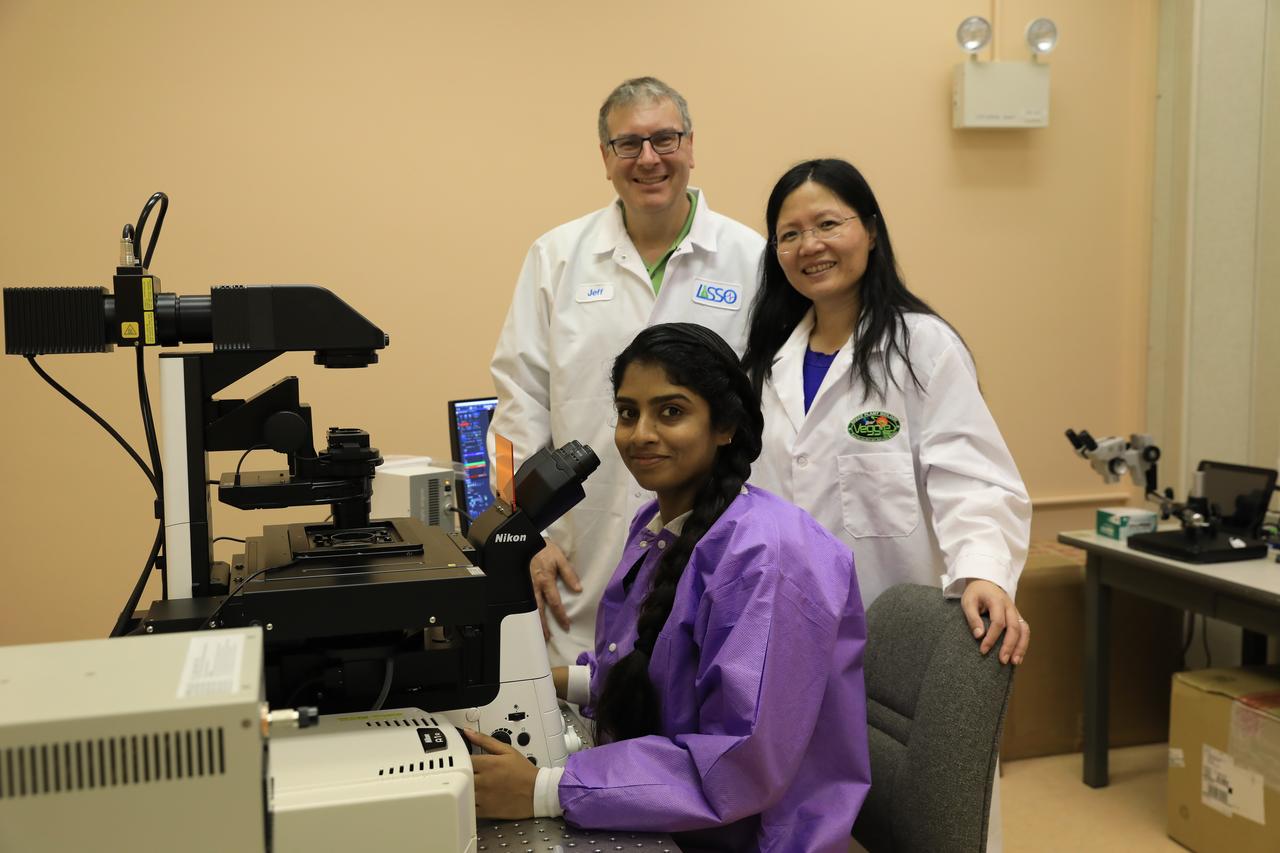
Dr. Srujana Neelam, a NASA post-doctoral fellow observes samples on a confocal microscope in the Microgravity Simulation Support Facility (MSSF) inside the Neil Armstrong Operations and Checkout building at NASA’s Kennedy Space Center in Florida on Feb. 11, 2020 with Jeffrey Richards, a payload research and science coordinator on the LASSO contract, Dr. Ye Zhang, a project scientist. The facility was developed to provide ground simulation capability to the U.S. research community in order to supplement the limited opportunities to access the International Space Station and other platforms for microgravity research. The MSSF is designed to support biological research on microorganisms, cells, tissues, small plants and small animals. The simulator provides NASA with an alternative platform for microgravity research and creates the opportunity to conduct experiments on the space station in parallel with conditions of simulated microgravity on the ground.
NASA Administrator Jim Bridenstine, at right, tours the high bay inside the Space Station Processing Facility (SSPF), on Aug. 7, 2018, at NASA's Kennedy Space Center in Florida. From left, Carlos Calle, lead scientist in the Electrostatic and Surface Physics Laboratory, and Dr. Robert Youngquist, lead, Applied Physics Laboratory, explain electrostatic dust shield technology. Bridenstine also received updates on research and technology accomplishments during his visit to the SSPF.
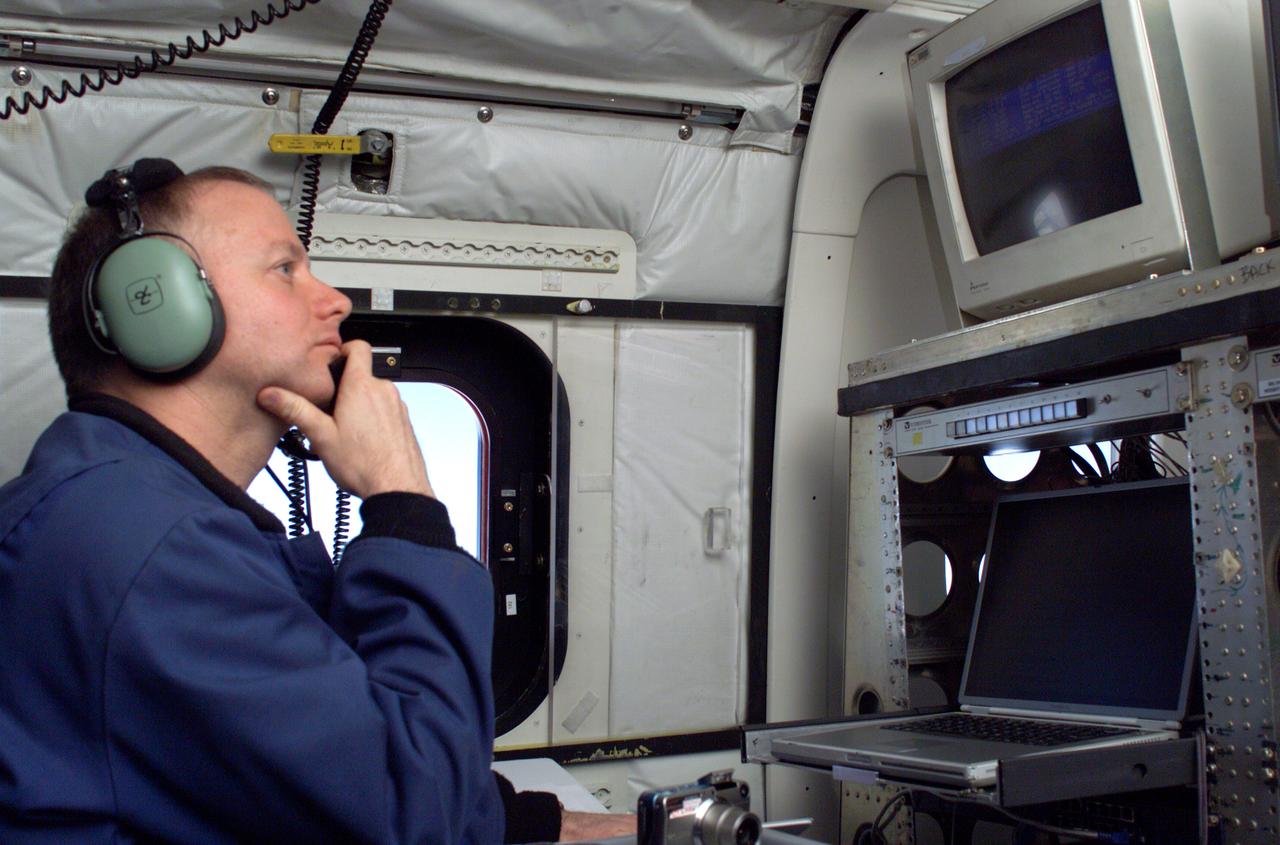
JPL Researcher Bruce Chapman at an AirSAR station aboard NASA's DC-8 flying laboratory during the AirSAR 2004 campaign. AirSAR 2004 is a three-week expedition by an international team of scientists that will use an all-weather imaging tool, called the Airborne Synthetic Aperture Radar (AirSAR), in a mission ranging from the tropical rain forests of Central America to frigid Antarctica.
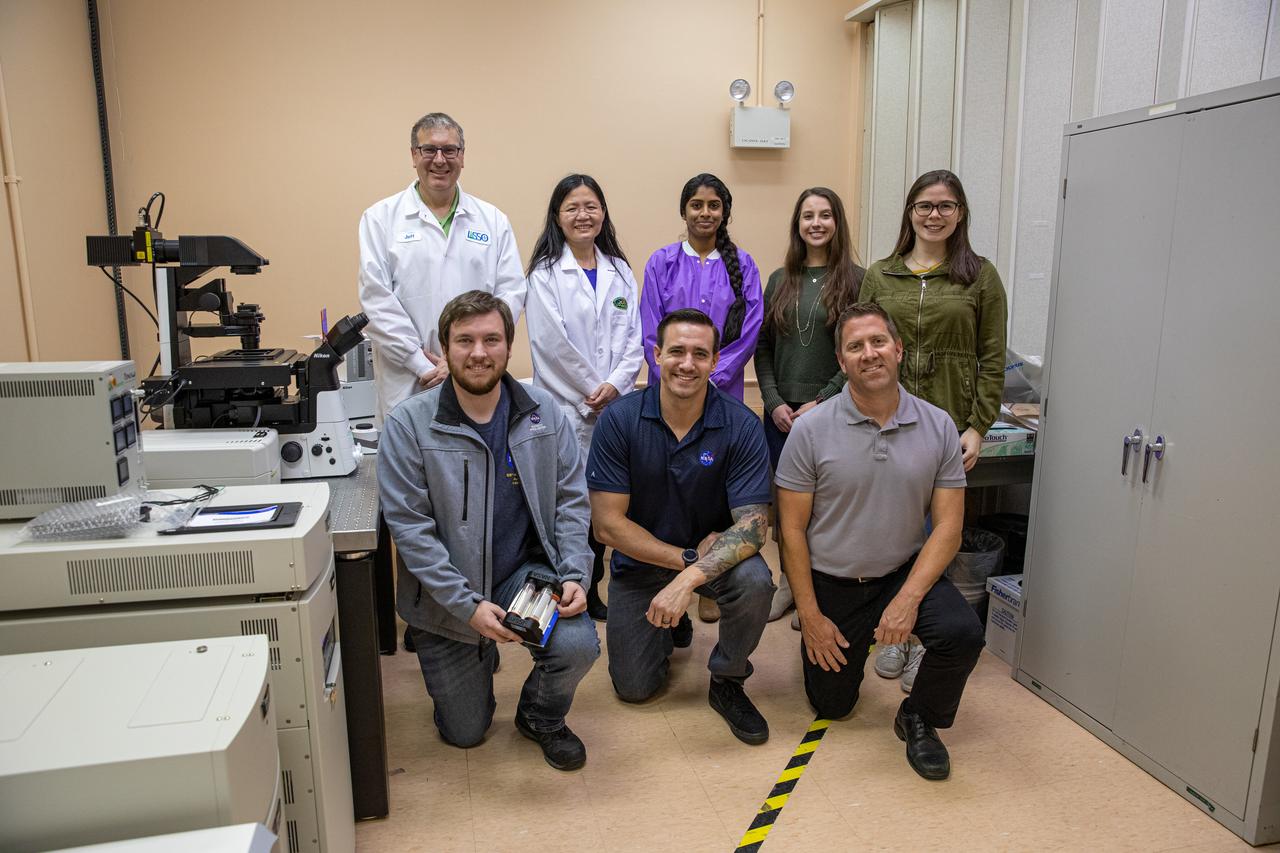
Researchers are in the Microgravity Simulation Support Facility (MSSF) inside the Neil Armstrong Operations and Checkout building at NASA’s Kennedy Space Center in Florida on Feb. 11, 2020. In front, from left, are Jonathan Gleeson, aerospace engineer on the LASSO contract; Jason Fischer, a research and development scientist on the LASSO contract; and Ralph Nacca, aerospace flight systems. In back, from left, are Jeffrey Richards, a payload research and science coordinator on the LASSO contract; Dr. Ye Zhang, a project scientist; Dr. Srujana Neelam, a NASA post-doctoral fellow; Jessica Hellein, NASA intern; and Emily Keith, NASA intern. The facility was developed to provide ground simulation capability to the U.S. research community in order to supplement the limited opportunities to access the International Space Station and other platforms for microgravity research. The MSSF is designed to support biological research on microorganisms, cells, tissues, small plants and small animals. The simulator provides NASA with an alternative platform for microgravity research and creates the opportunity to conduct experiments on the space station in parallel with conditions of simulated microgravity on the ground.
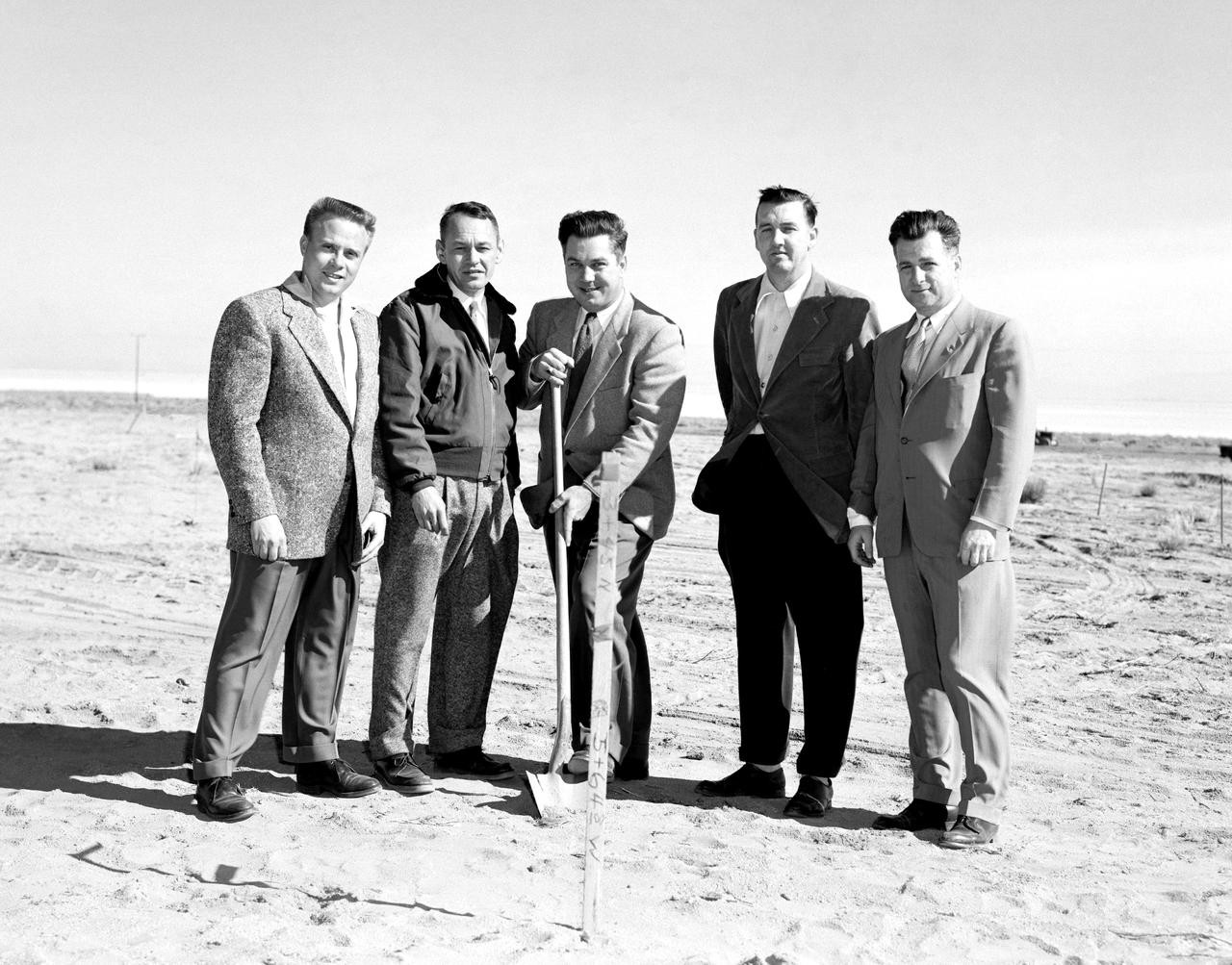
The NACA High-Speed Flight Research Station, had initially been subordinate to the Langley Memorial Aeronautical Laboratory near Hampton, Virginia, but as the flight research in the Mojave Desert increasingly proved its worth after 1946, it made sense to make the Flight Research Station a separate entity reporting directly to the headquarters of the National Advisory Committee for Aeronautics. But an autonomous center required all the trappings of a major research facility, including good quarters. With the adoption of the Edwards “Master Plan,” the Air Force had committed itself to moving from its old South Base to a new location midway between the South and North Bases. The NACA would have to move also--so why not take advantage of the situation and move into a full-blown research facility. The Air Force issued a lease to NACA for a location on the northwestern shore of the Roger Dry Lake. Construction started on the NACA station in early February 1953. On a windy day, January 27, 1953, at a groundbreaking ceremony stood left to right: Gerald Truszynski, Head of Instrumentation Division; Joseph Vensel, Head of the Operations Branch; Walter Williams, Head of the Station, scooping the first shovel full of dirt; Marion Kent, Head of Personnel; and California state official Arthur Samet.
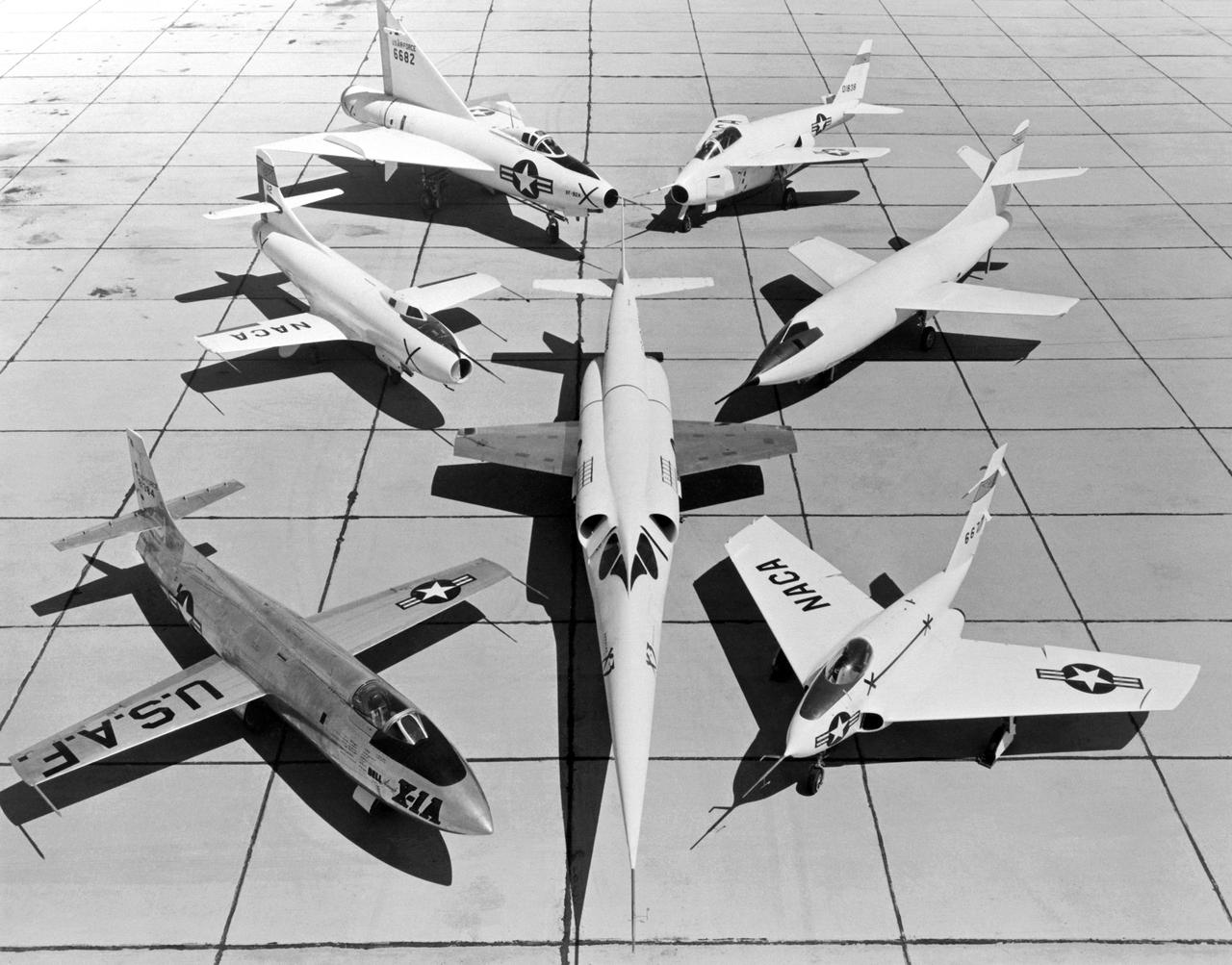
A 1953 photo of some of the research aircraft at the NACA High-Speed Flight Research Station (now known as the the Dryden Flight Research Center). The photo shows the X-3 (center) and, clockwise from left: X-1A (Air Force serial number 48-1384), the third D-558-1 (NACA tail number 142), XF-92A, X-5, D-558-2, and X-4.
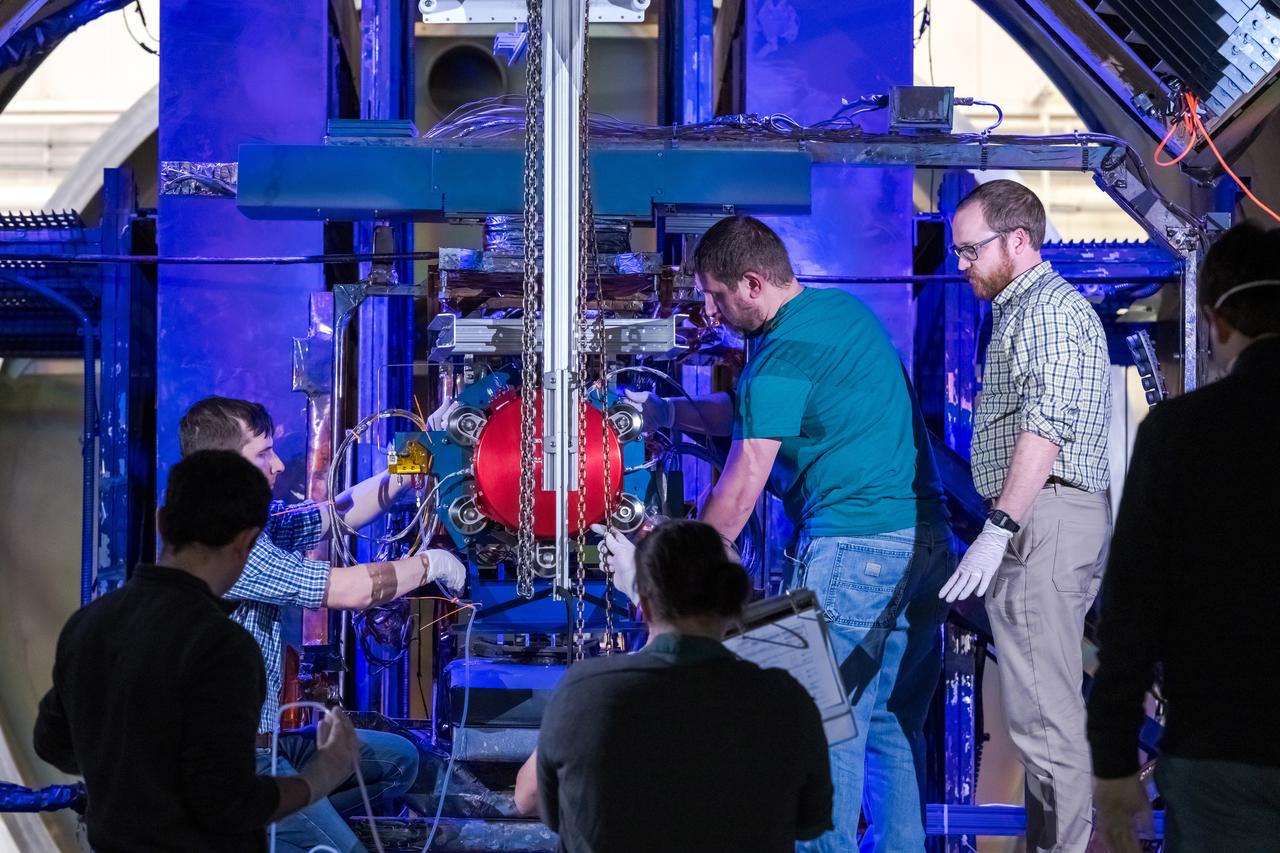
NASA Glenn Research Center has received the first of three Advanced Electric Propulsion System (AEPS) thrusters for the Gateway lunar space station. Built by L3Harris Technologies, the thruster will undergo testing before integration with Gateway’s Power and Propulsion Element, launching with the HALO module ahead of Artemis IV.
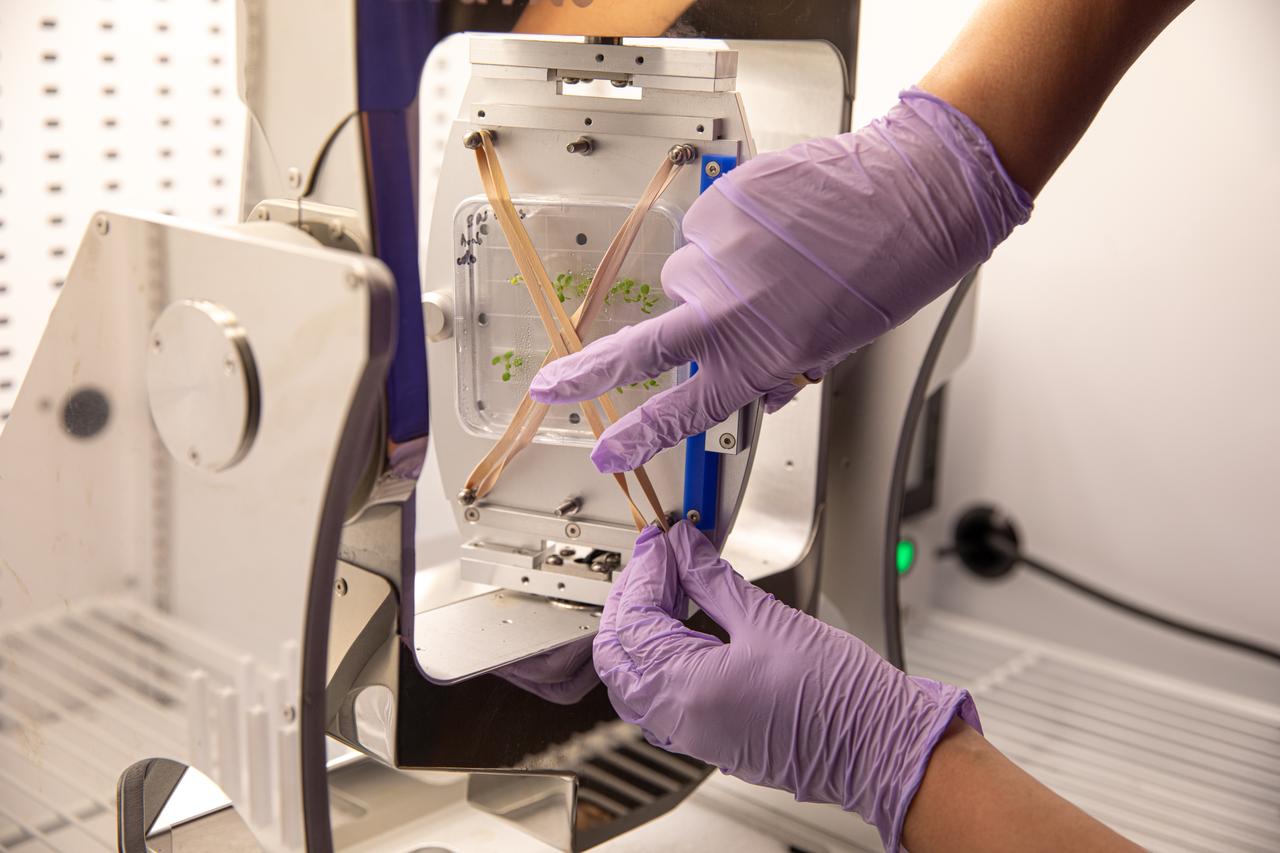
Ye Zhang, a project scientist at NASA’s Kennedy Space Center in Florida, makes adjustments to a Gravite 3d clinostat in the Microgravity Simulation Support Facility (MSSF) inside the Neil Armstrong Operations and Checkout building at NASA’s Kennedy Space Center in Florida on Feb. 11, 2020. The facility was developed to provide ground simulation capability to the U.S. research community in order to supplement the limited opportunities to access the International Space Station and other platforms for microgravity research. The MSSF is designed to support biological research on microorganisms, cells, tissues, small plants and small animals. The simulator provides NASA with an alternative platform for microgravity research and creates the opportunity to conduct experiments on the space station in parallel with conditions of simulated microgravity on the ground.
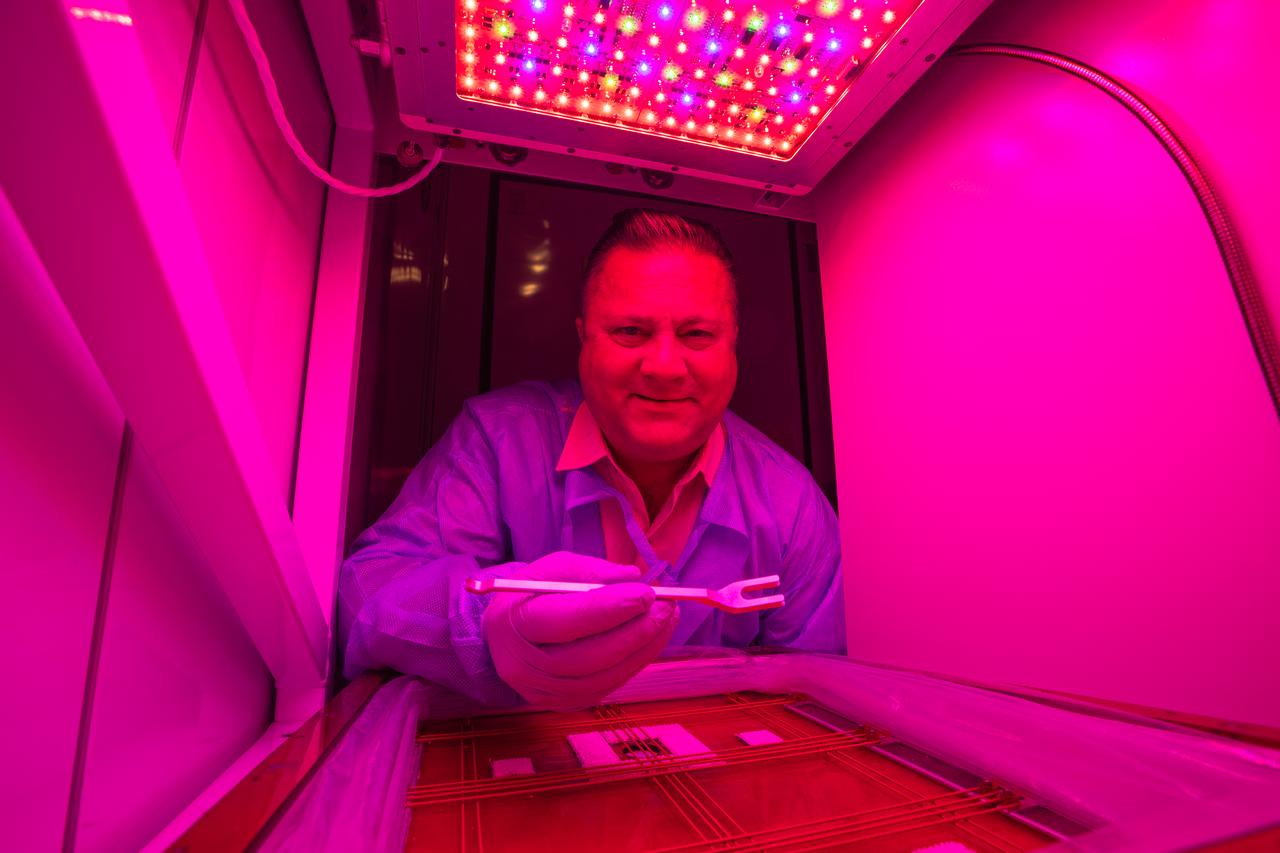
Matthew English is the Exploration Research and Technology facility manager for the Space Station Processing Facility (SSPF) at NASA’s Kennedy Space Center in Florida. English’s responsibilities include ensuring that the International Space Station teams inside the SSPF have the facilities, tools and capabilities they need to support their launch customers, thus providing the support necessary to enable further research and design discoveries within NASA.
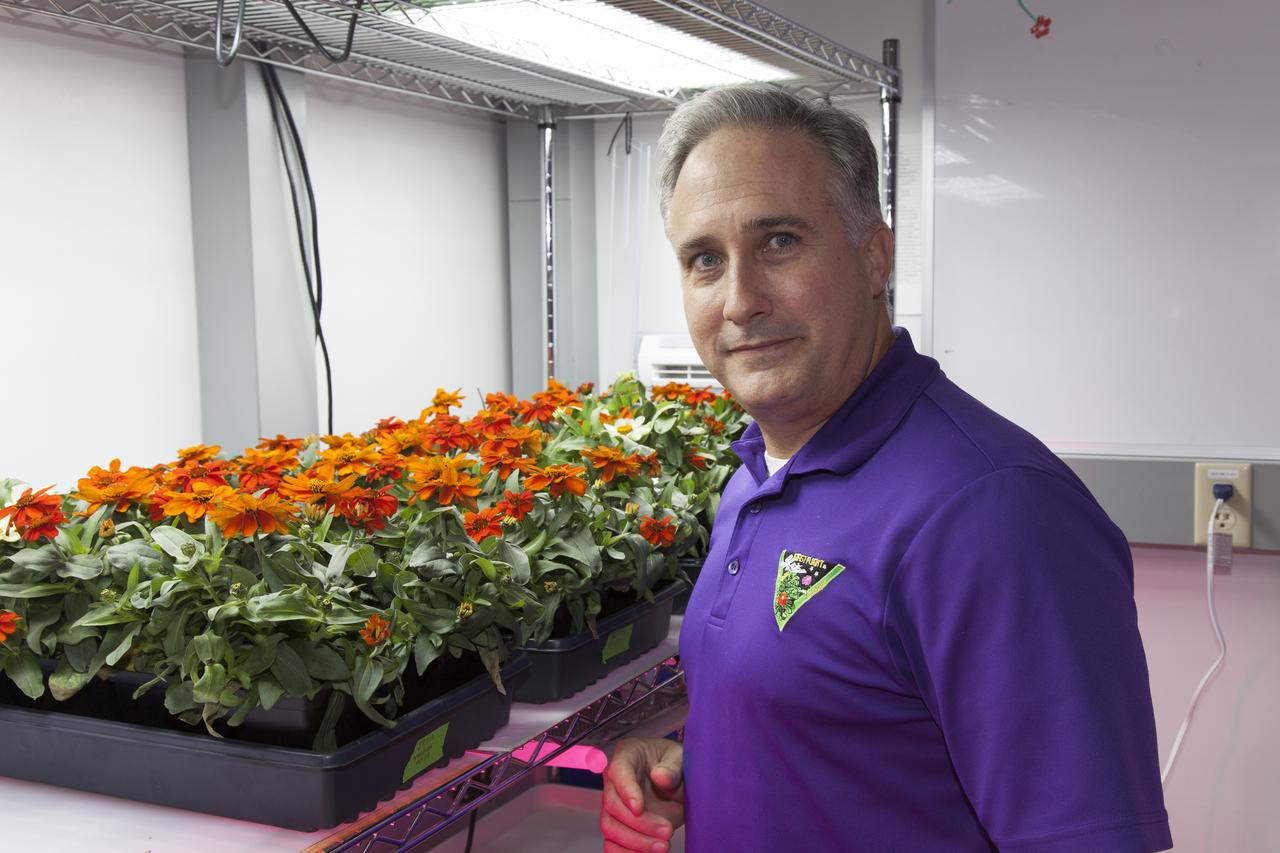
Trent Smith, Veggie project manager, Exploration Research and Technology Programs, is in the Veggie Laboratory in the Space Station Processing Facility (SSPF) at NASA's Kennedy Space Center in Florida on Nov. 27, 2018. Next to him are zinnia flowers grown from seeds germinated in the Veggie plant growth system on the International Space Station. The seeds were returned to Earth and researchers in the SSPF planted them in the Veggie control unit and grew the colorful flowers.
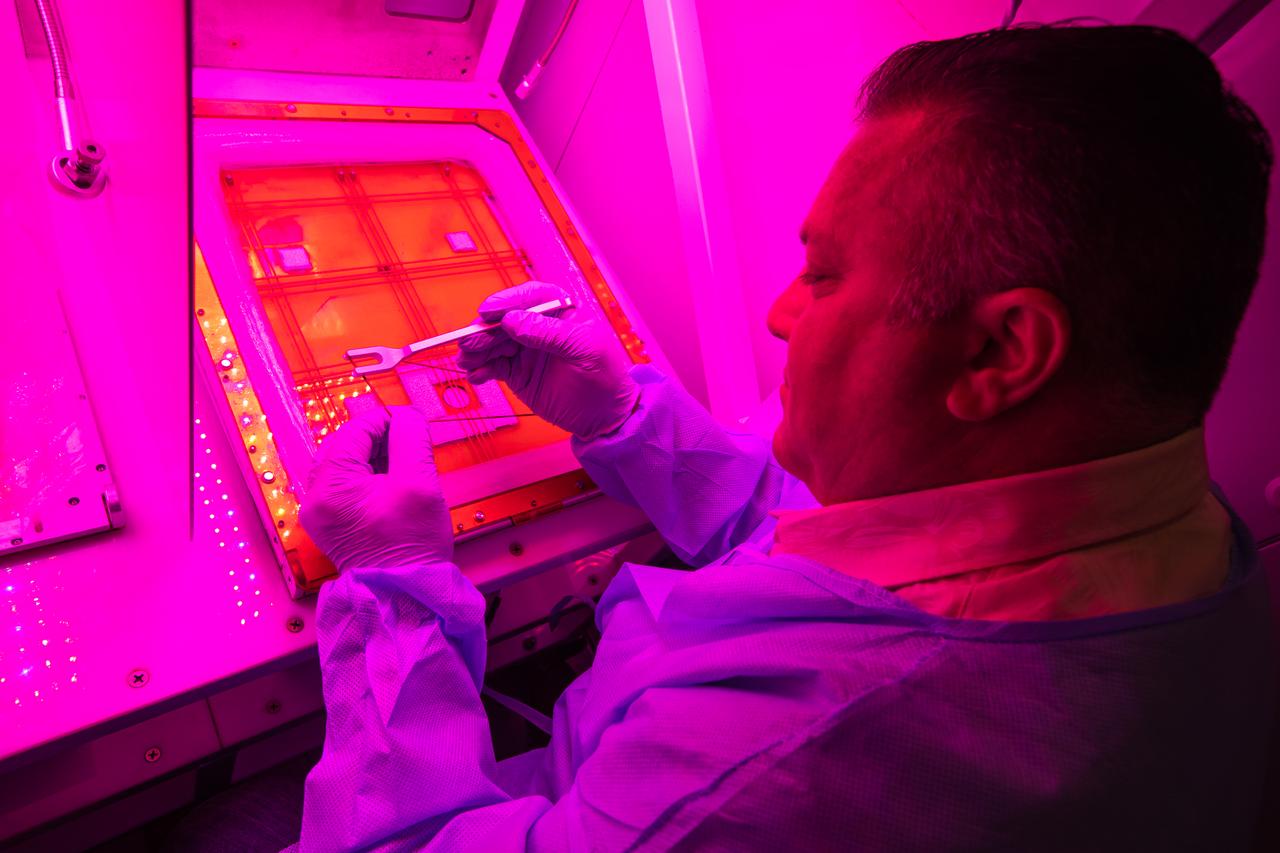
Matthew English is the Exploration Research and Technology facility manager for the Space Station Processing Facility (SSPF) at NASA’s Kennedy Space Center in Florida. English’s responsibilities include ensuring that the International Space Station teams inside the SSPF have the facilities, tools and capabilities they need to support their launch customers, thus providing the support necessary to enable further research and design discoveries within NASA.
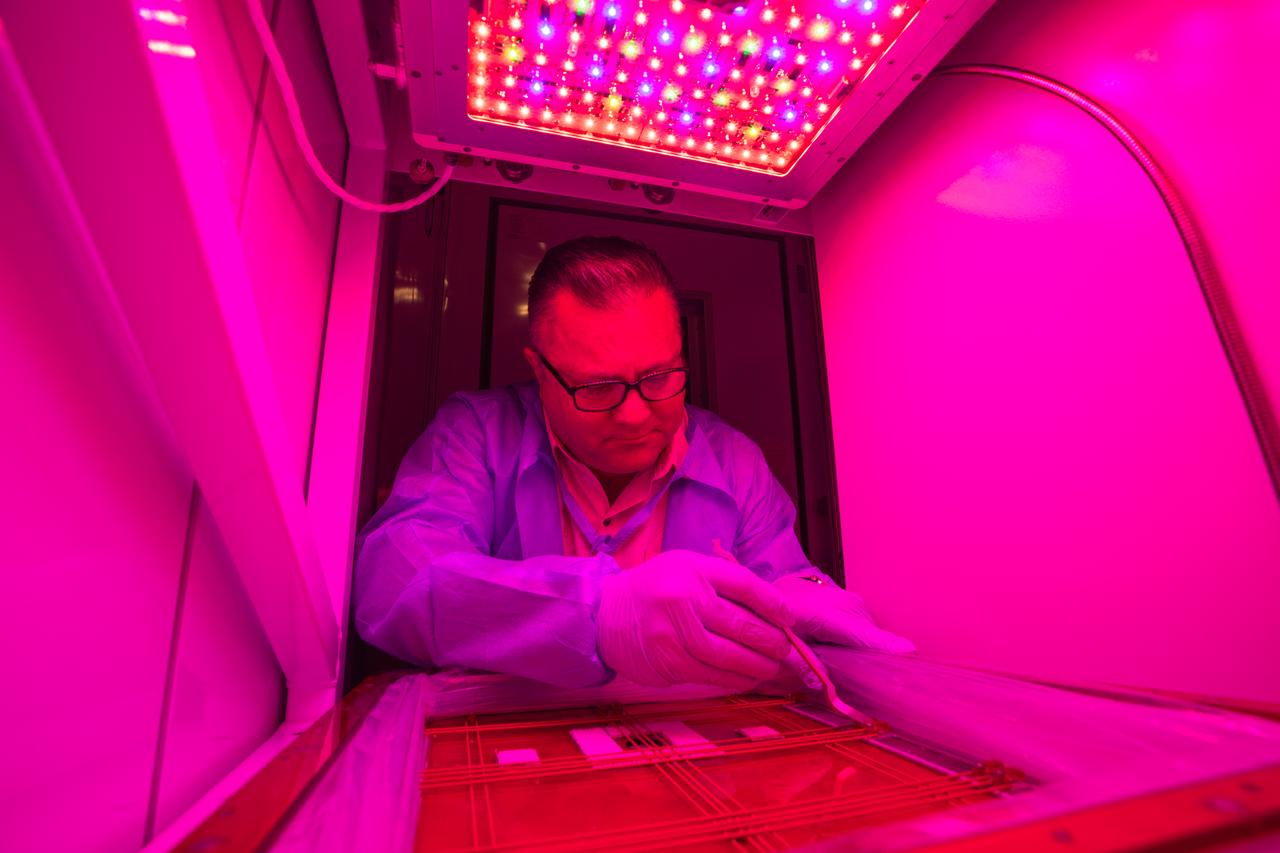
Matthew English is the Exploration Research and Technology facility manager for the Space Station Processing Facility (SSPF) at NASA’s Kennedy Space Center in Florida. English’s responsibilities include ensuring that the International Space Station teams inside the SSPF have the facilities, tools and capabilities they need to support their launch customers, thus providing the support necessary to enable further research and design discoveries within NASA.
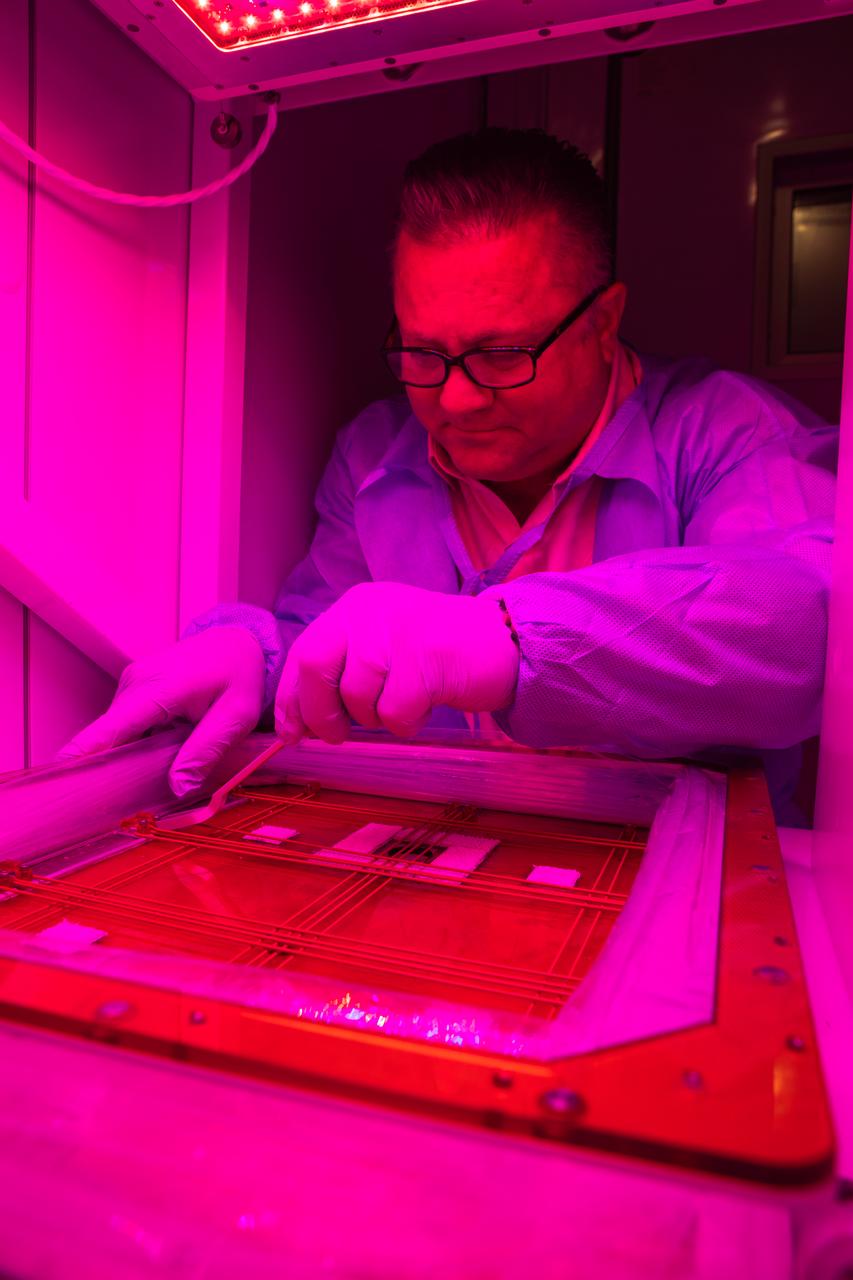
Matthew English is the Exploration Research and Technology facility manager for the Space Station Processing Facility (SSPF) at NASA’s Kennedy Space Center in Florida. English’s responsibilities include ensuring that the International Space Station teams inside the SSPF have the facilities, tools and capabilities they need to support their launch customers, thus providing the support necessary to enable further research and design discoveries within NASA.
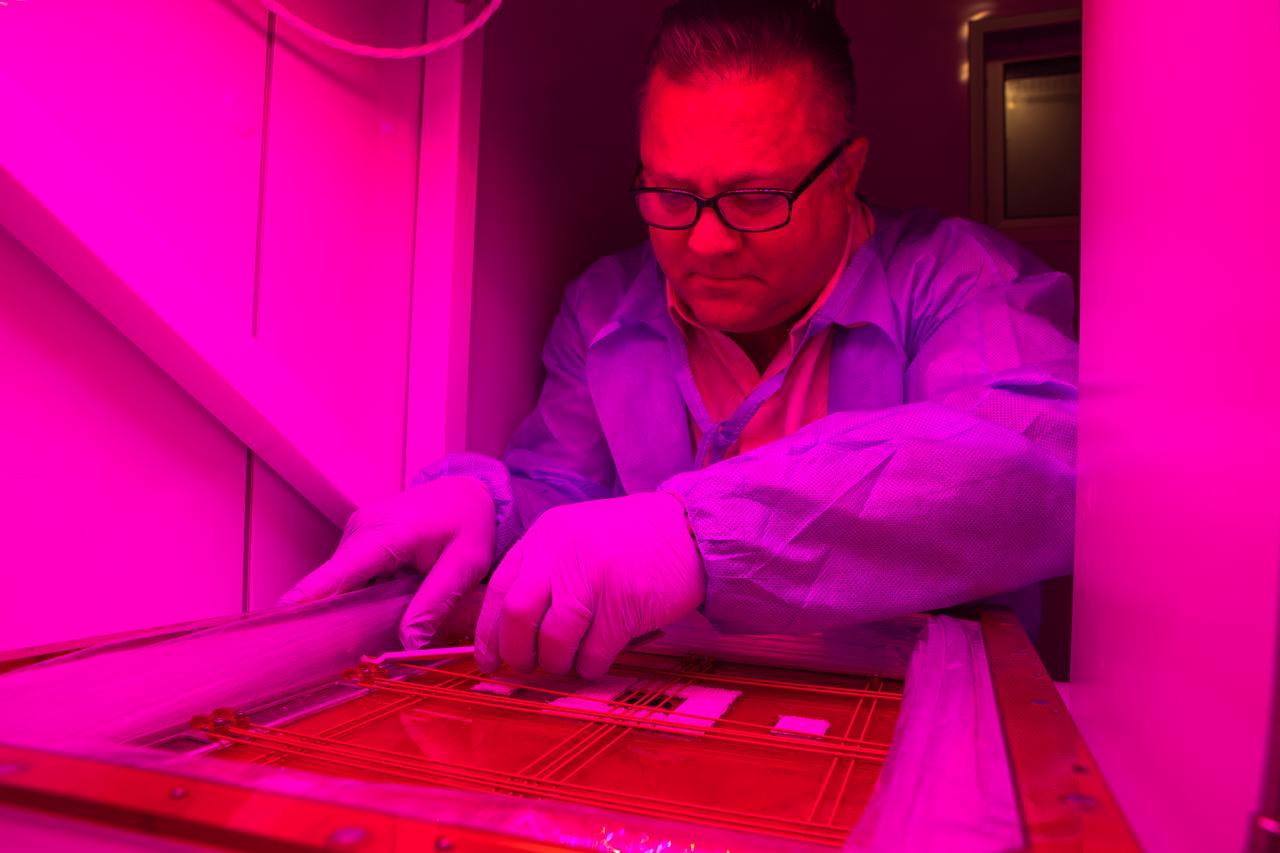
Matthew English is the Exploration Research and Technology facility manager for the Space Station Processing Facility (SSPF) at NASA’s Kennedy Space Center in Florida. English’s responsibilities include ensuring that the International Space Station teams inside the SSPF have the facilities, tools and capabilities they need to support their launch customers, thus providing the support necessary to enable further research and design discoveries within NASA.
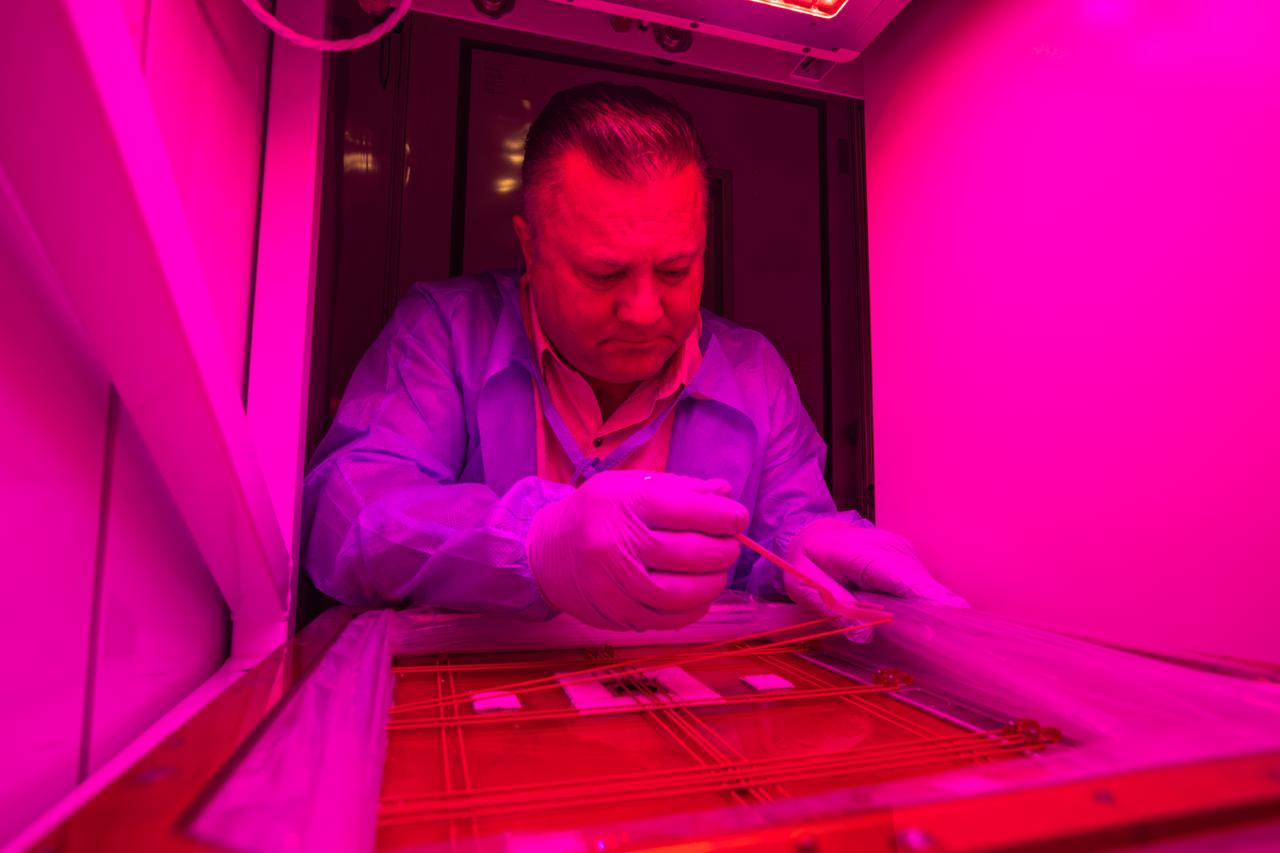
Matthew English is the Exploration Research and Technology facility manager for the Space Station Processing Facility (SSPF) at NASA’s Kennedy Space Center in Florida. English’s responsibilities include ensuring that the International Space Station teams inside the SSPF have the facilities, tools and capabilities they need to support their launch customers, thus providing the support necessary to enable further research and design discoveries within NASA.
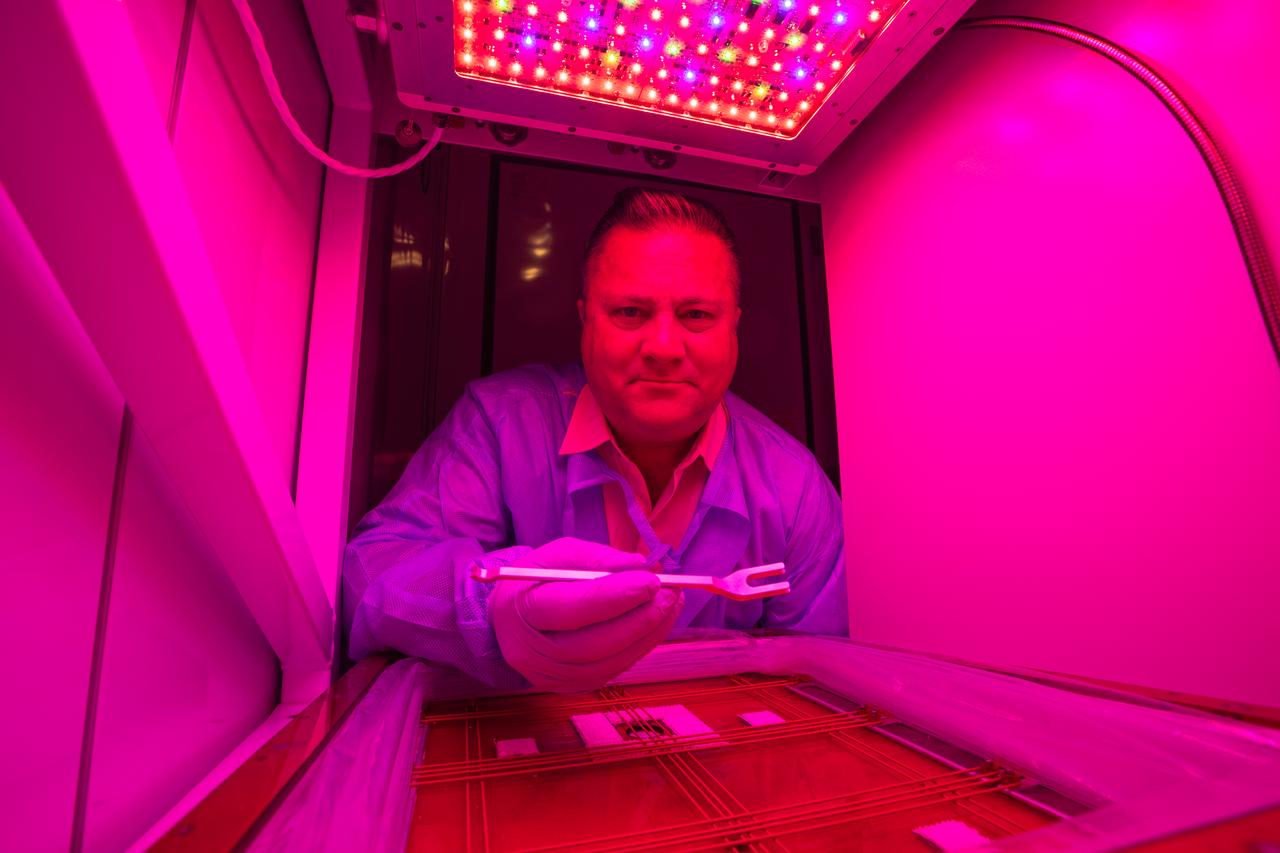
Matthew English is the Exploration Research and Technology facility manager for the Space Station Processing Facility (SSPF) at NASA’s Kennedy Space Center in Florida. English’s responsibilities include ensuring that the International Space Station teams inside the SSPF have the facilities, tools and capabilities they need to support their launch customers, thus providing the support necessary to enable further research and design discoveries within NASA.
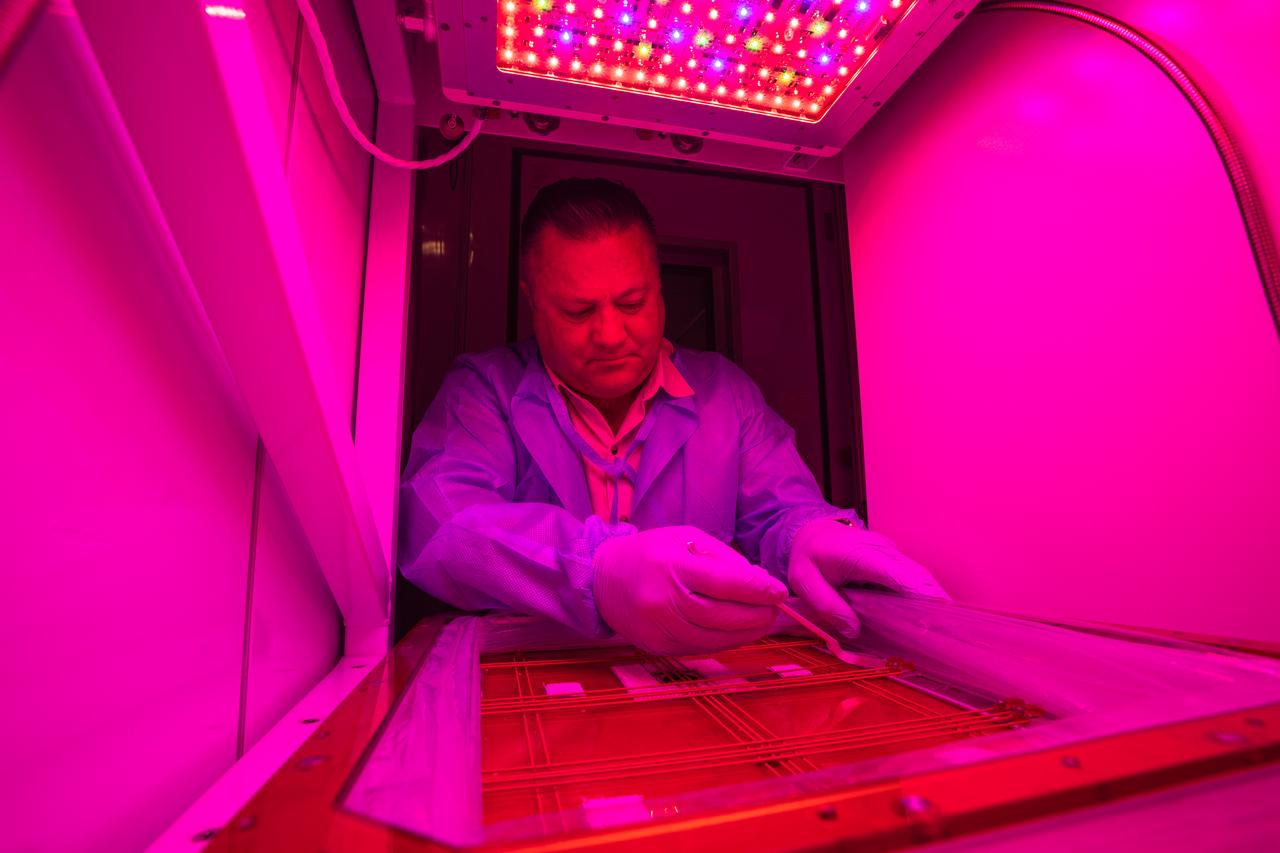
Matthew English is the Exploration Research and Technology facility manager for the Space Station Processing Facility (SSPF) at NASA’s Kennedy Space Center in Florida. English’s responsibilities include ensuring that the International Space Station teams inside the SSPF have the facilities, tools and capabilities they need to support their launch customers, thus providing the support necessary to enable further research and design discoveries within NASA.
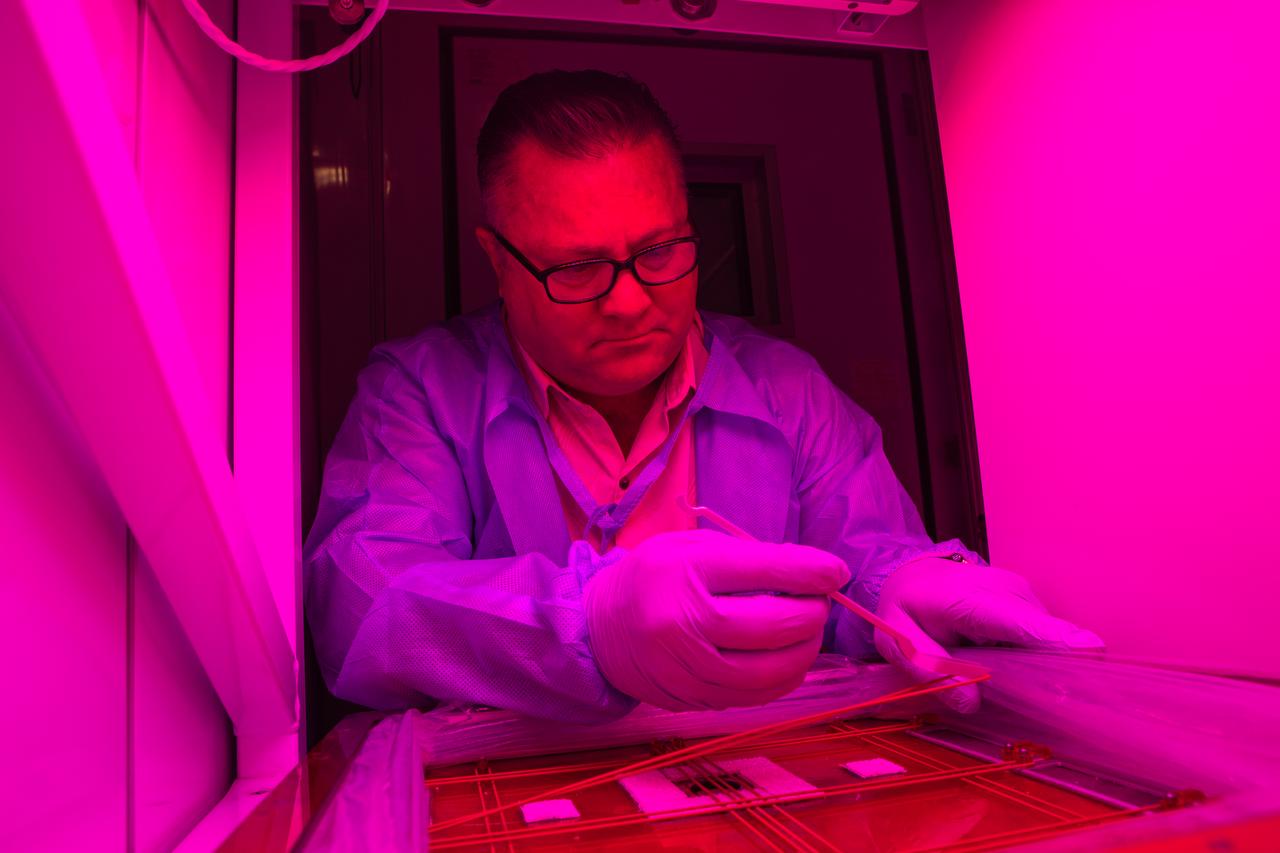
Matthew English is the Exploration Research and Technology facility manager for the Space Station Processing Facility (SSPF) at NASA’s Kennedy Space Center in Florida. English’s responsibilities include ensuring that the International Space Station teams inside the SSPF have the facilities, tools and capabilities they need to support their launch customers, thus providing the support necessary to enable further research and design discoveries within NASA.
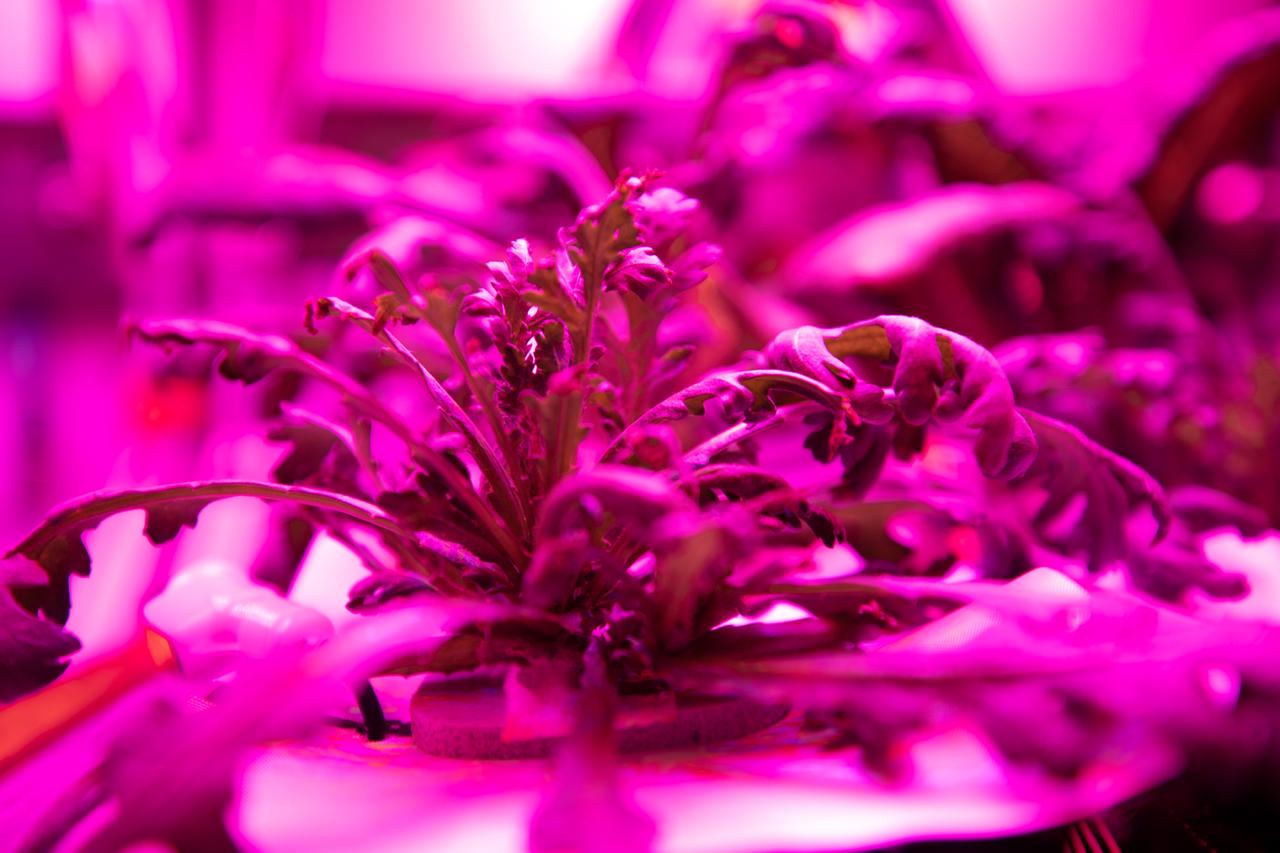
Three crops grown under a test condition representative of the International Space Station are photographed moments before harvest for a science verification test (SVT) in the Space Station Processing Facility at NASA’s Kennedy Space Center in Florida on Sept. 30, 2019. The SVT will study the potential of the three plant cultivars to grow in space. The harvest included ‘outredgeous’ red romaine lettuce, which has been grown in space before, and two new plant cultivars – amara mustard and shungiku, an Asian green comparable to an edible chrysanthemum. All three lettuce plants were grown from seed film, making this the first SVT with this new plant growth material. Earlier this year, the amara mustard and shungiku plants were grown for the first time using seed bags – referred to as pillows – during the Sustained Veggie project, a study funded by the Human Research Program.
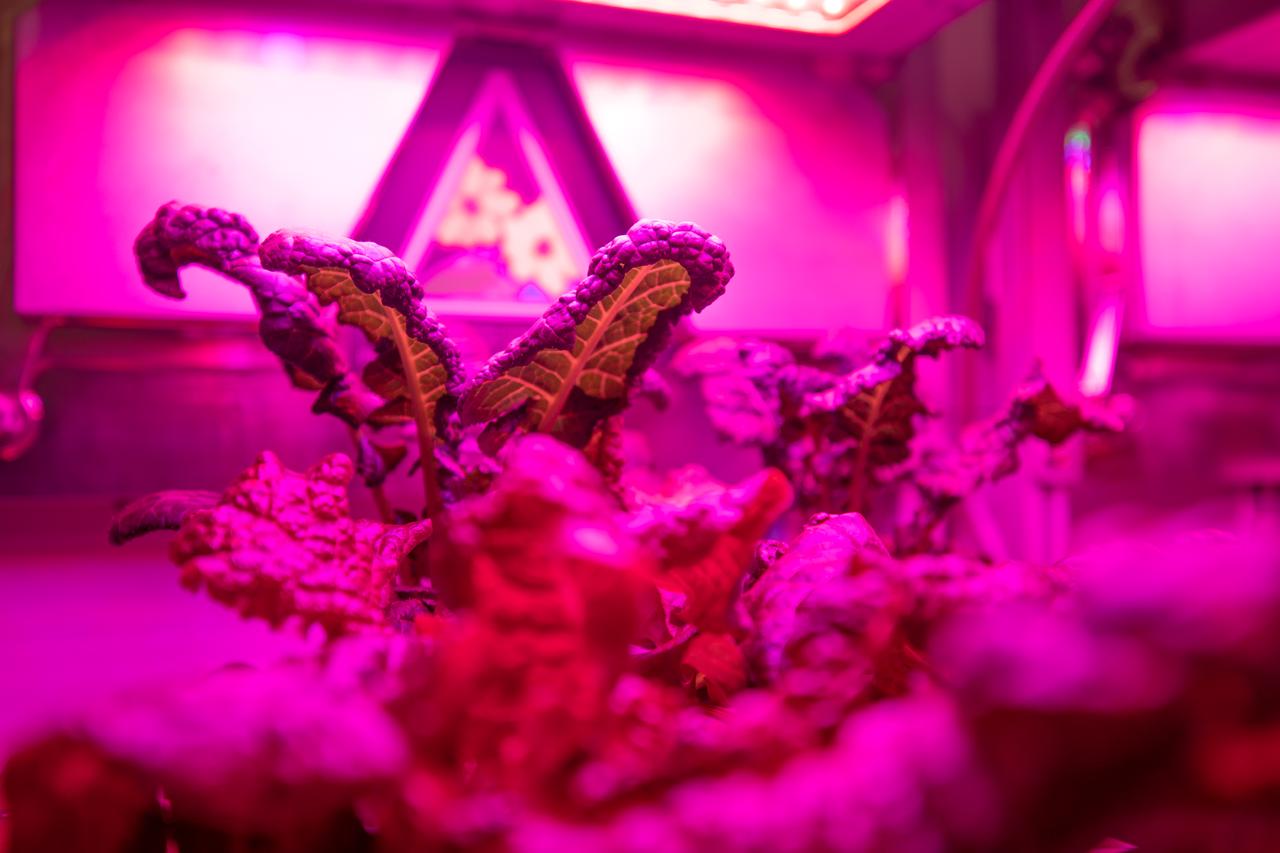
Three crops grown under a test condition representative of the International Space Station are photographed moments before harvest for a science verification test (SVT) in the Space Station Processing Facility at NASA’s Kennedy Space Center in Florida on Sept. 30, 2019. The SVT will study the potential of the three plant cultivars to grow in space. The harvest included ‘outredgeous’ red romaine lettuce, which has been grown in space before, and two new plant cultivars – amara mustard and shungiku, an Asian green comparable to an edible chrysanthemum. All three lettuce plants were grown from seed film, making this the first SVT with this new plant growth material. Earlier this year, the amara mustard and shungiku plants were grown for the first time using seed bags – referred to as pillows – during the Sustained Veggie project, a study funded by the Human Research Program.
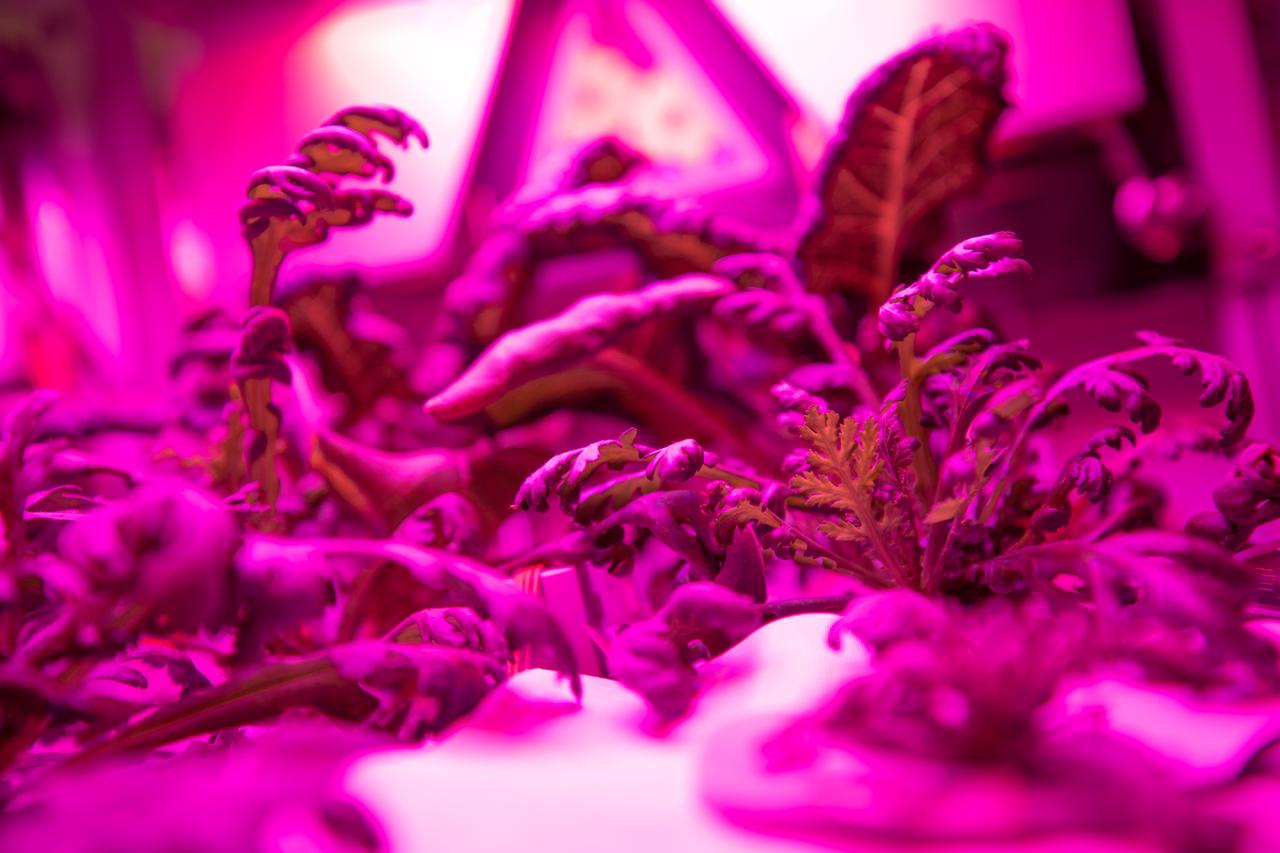
Three crops grown under a test condition representative of the International Space Station are photographed moments before harvest for a science verification test (SVT) in the Space Station Processing Facility at NASA’s Kennedy Space Center in Florida on Sept. 30, 2019. The SVT will study the potential of the three plant cultivars to grow in space. The harvest included ‘outredgeous’ red romaine lettuce, which has been grown in space before, and two new plant cultivars – amara mustard and shungiku, an Asian green comparable to an edible chrysanthemum. All three lettuce plants were grown from seed film, making this the first SVT with this new plant growth material. Earlier this year, the amara mustard and shungiku plants were grown for the first time using seed bags – referred to as pillows – during the Sustained Veggie project, a study funded by the Human Research Program.
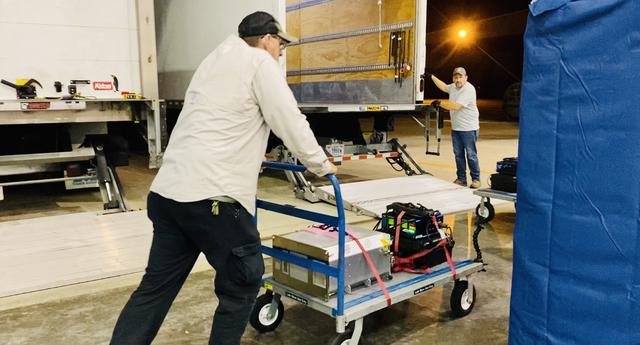
An employee with contractor Jacobs transports research cargo from the International Space Station for processing inside the Space Station Processing Facility (SSPF) at NASA’s Kennedy Space Center in Florida on July 10, 2021. The experiments returned to Earth on SpaceX’s 22nd commercial resupply services mission. After its successful parachute-assisted splashdown off the coast of Tallahassee, Florida at 11:29 p.m. EST on Friday, July 9, the SpaceX cargo Dragon returned more than 5,300 pounds of scientific experiments and other cargo from the International Space Station. Splashing down off the coast of Florida enables quick transportation of the science aboard the capsule to the SSPF, delivering some science back into the hands of the researchers as soon as four to nine hours after splashdown. This shorter transportation timeframe allows researchers to collect data with minimal loss of microgravity effects.
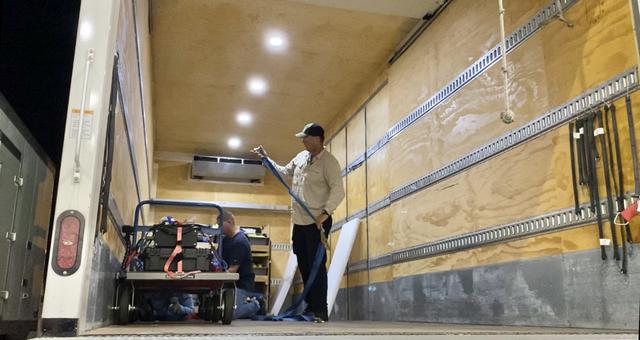
An employee with contractor Jacobs from contractor Jacobs transports research cargo from the International Space Station for processing inside the Space Station Processing Facility (SSPF) at NASA’s Kennedy Space Center in Florida on July 10, 2021. The experiments returned to Earth on SpaceX’s 22nd commercial resupply services mission. After its successful parachute-assisted splashdown off the coast of Tallahassee, Florida at 11:29 p.m. EST on Friday, July 9, the SpaceX cargo Dragon returned more than 5,300 pounds of scientific experiments and other cargo from the International Space Station. Splashing down off the coast of Florida enables quick transportation of the science aboard the capsule to the SSPF, delivering some science back into the hands of the researchers as soon as four to nine hours after splashdown. This shorter transportation timeframe allows researchers to collect data with minimal loss of microgravity effects.
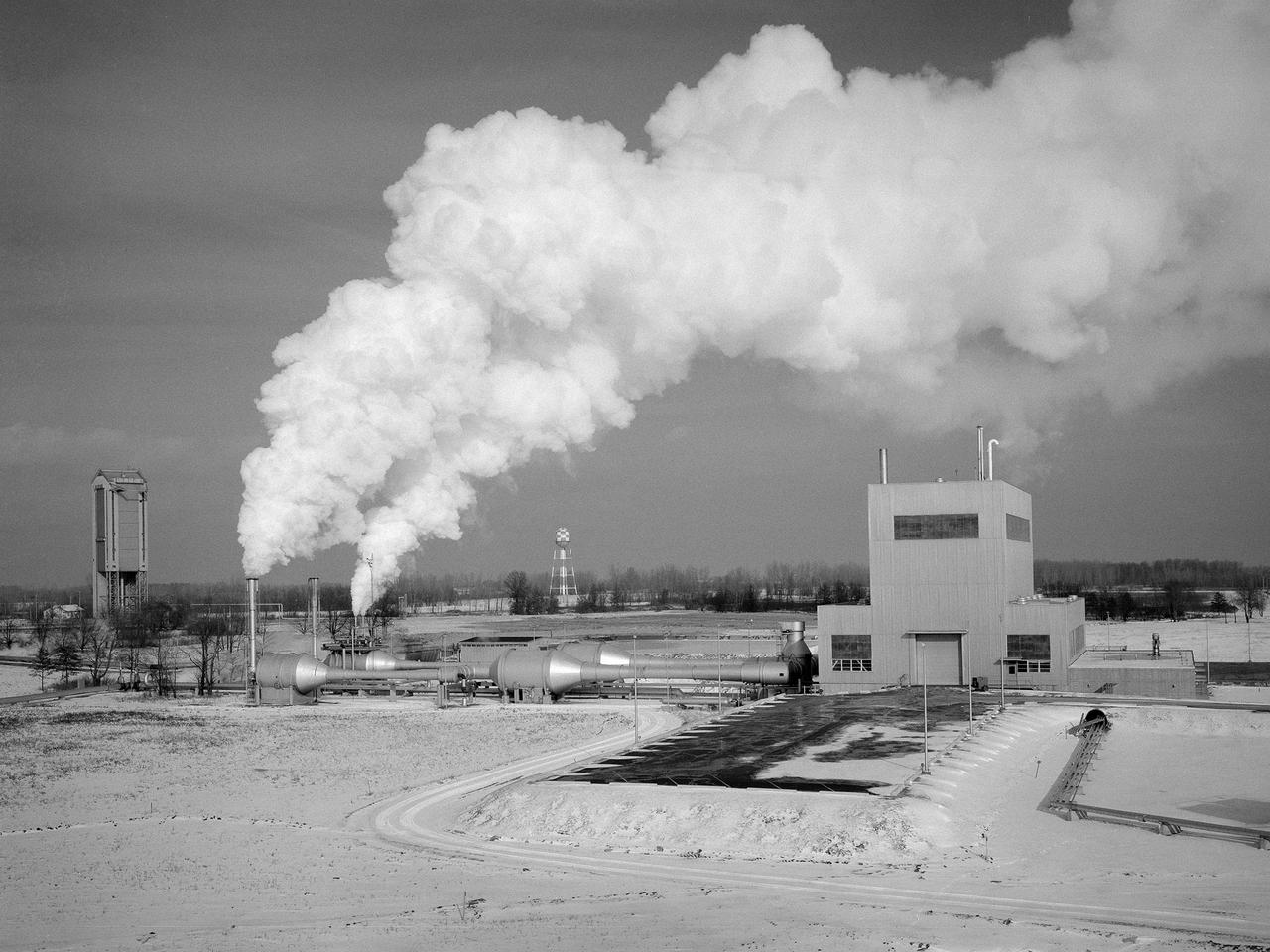
The Space Propulsion Research Facility, better known as B-2, operating at the National Aeronautics and Space Administration’s (NASA) Plum Brook Station in Sandusky, Ohio. B-2 is the world's only high altitude test facility capable of full-scale rocket engine and launch vehicle system level tests. It was created to test rocket propulsion systems with up to 100,000 pounds of thrust in a simulated space environment. The facility has the unique ability to maintain a vacuum at the rocket’s nozzle while the engine is firing. The rocket fires into a 120-foot deep spray chamber which cools the exhaust before it is ejected outside the facility. B-2 simulated space using giant diffusion pumps to reduce chamber pressure, nitrogen-filled cold walls create cryogenic temperatures, and quartz lamps replicate the radiation of the sun. This photograph shows the facility undergoing check-out runs prior to its first test in late 1969.The 38-foot diameter and 62-foot tall vacuum chamber is inside the high-bay on the right. Below that is a 67-foot diameter and 120-foot deep spray chamber. The hot rocket exhaust is cooled in the chamber by a spray of 250,000 gallons of water per minute. B-2’s first test was a hot firing of Centaur D-1A rocket on December 18, 1969. Since then the facility has fired more than 100 Pratt and Whitney RL-10 engines during the Centaur development, 80 current RL-10B-2 engines for Delta-3 development, and another 12 RL-10B-2s for the Delta 3 Upper Stage.
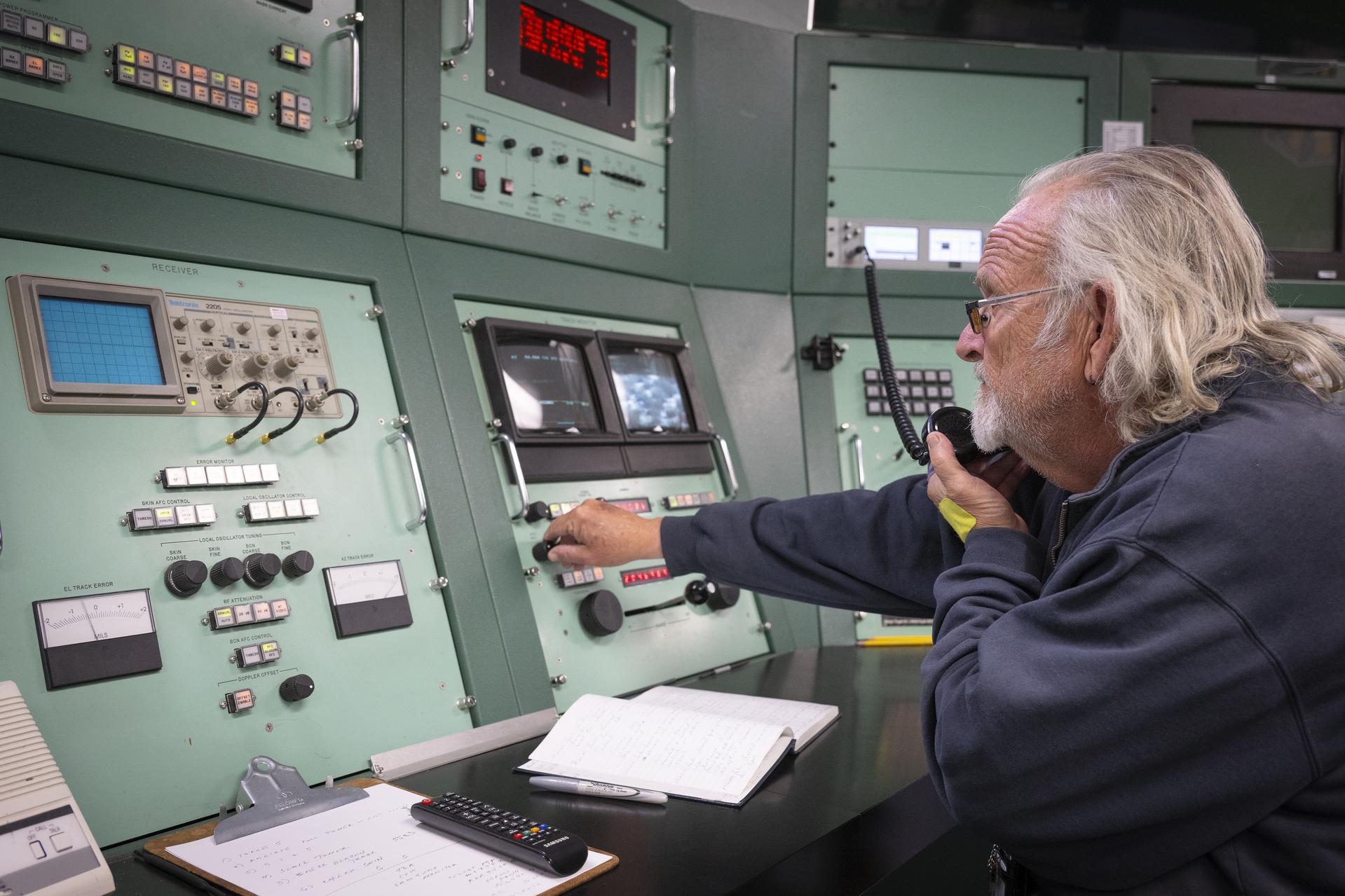
Mission operator Mike Webb sits at one of the radar stations used to track the International Space Station as it passes high above NASA’s Armstrong Flight Research Center in Edwards, California, on Sept. 30, 2025. Webb is part of the center’s Dryden Aeronautical Test Range, which provides voice and tracking support to the space station.
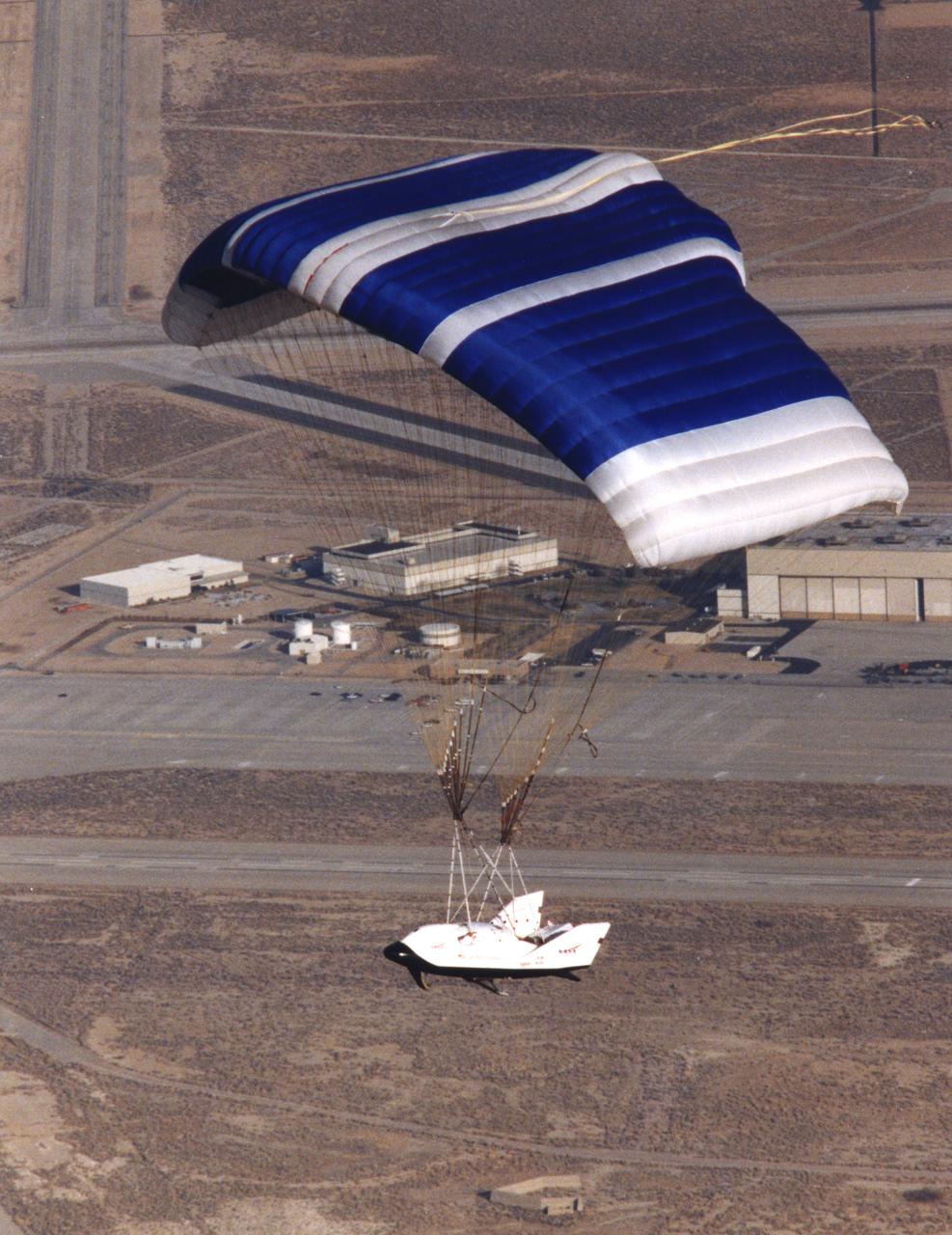
NASA's X-38, a research vehicle developed as part of an effort to build an emergency Crew Return Vehicle (CRV) for the International Space Station, descends toward the desert floor under its steerable parafoil on its second free flight. The X-38 was launched from NASA Dryden's B-52 Mothership on Saturday, February 6, 1999, from an altitude of approximately 23,000 feet.
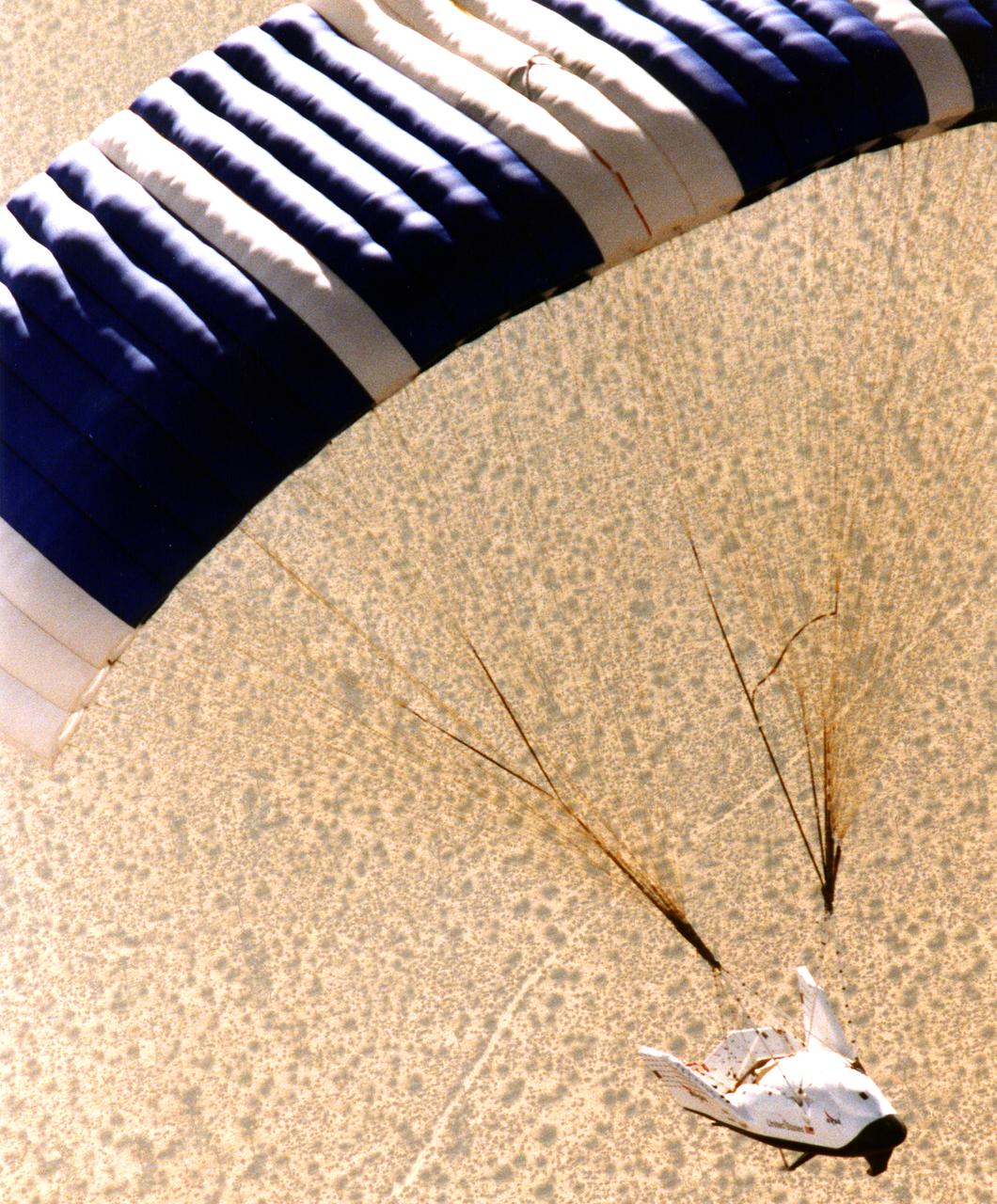
NASA's X-38, a research vehicle developed as part of an effort to build an emergency Crew Return Vehicle (CRV) for the International Space Station, descends toward the desert floor under its steerable parafoil on its second free flight. The X-38 was launched from NASA Dryden's B-52 Mothership on Saturday, February 6, 1999, from an altitude of approximately 23,000 feet.
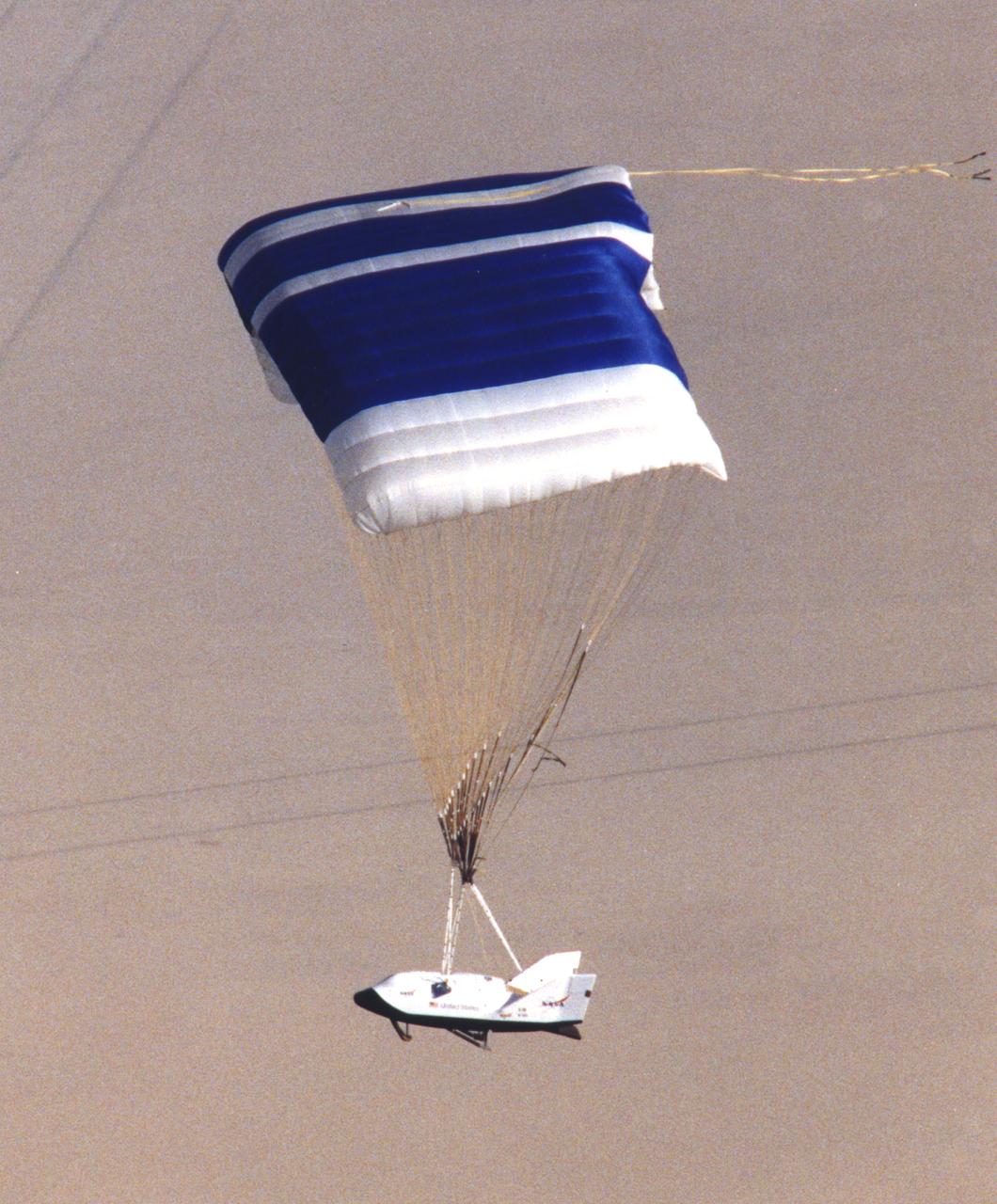
NASA's X-38, a research vehicle developed as part of an effort to build an emergency Crew Return Vehicle (CRV) for the International Space Station, descends toward a desert lakebed under its steerable parafoil on its second free flight. The X-38 was launched from NASA Dryden's B-52 Mothership on Saturday, February 6, 1999, from an altitude of approximately 23,000 feet.
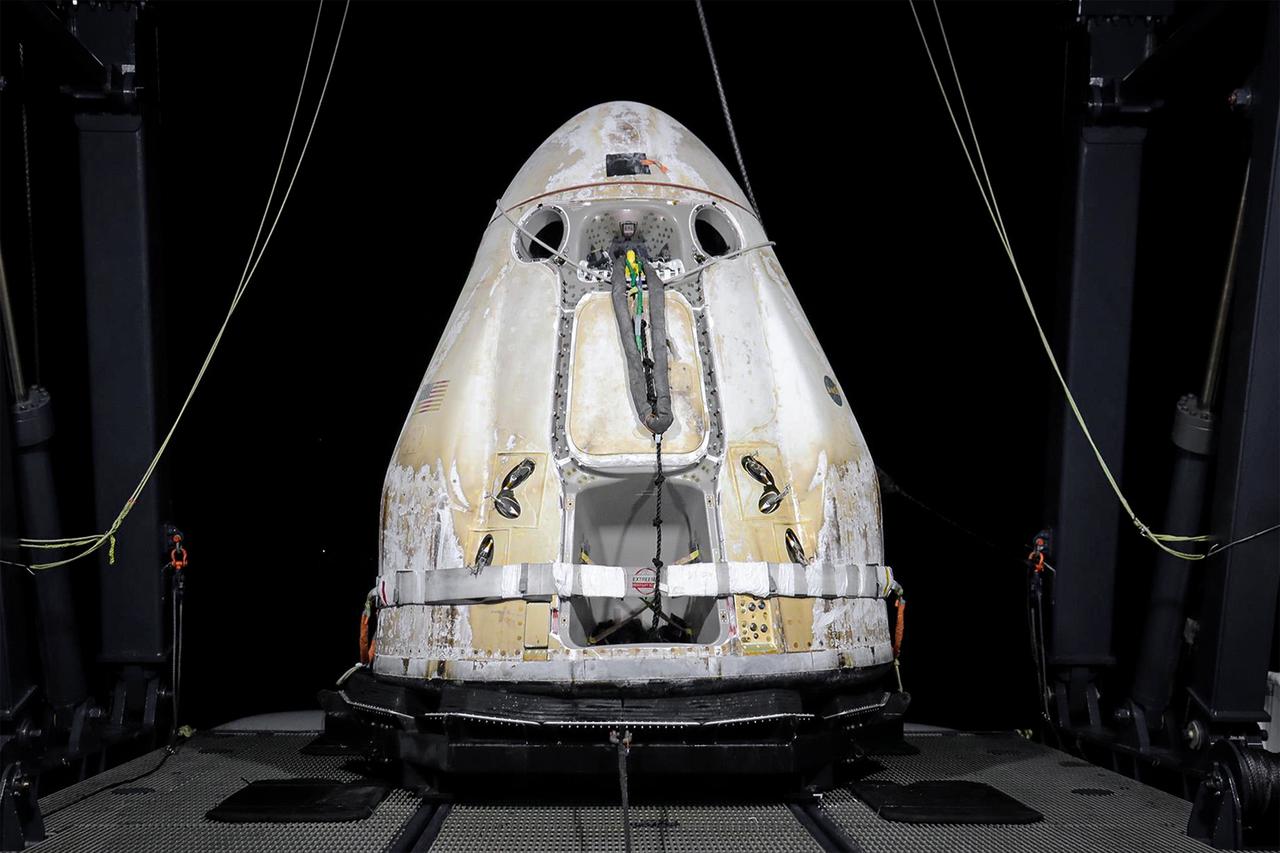
Shown here is the SpaceX Cargo Dragon spacecraft on board the company's Go Navigator recovery ship after making its successful parachute-assisted splashdown west of Tampa off the Florida coast on Jan. 13, 2020, at 8:26 p.m. EST. Just after loading Dragon onto Go Navigator, SpaceX packed an Airbus H225 helicopter with the time-sensitive research cargo for delivery to NASA’s Kennedy Space Center. Dragon returned more than 4,400 pounds of scientific experiments and other cargo from the International Space Station. The upgraded cargo Dragon capsule boasts double the powered locker capacity to preserve science samples, allowing for a significant increase in the research that can be carried back to Earth. Photo credit: SpaceX

Shown here is the SpaceX Cargo Dragon spacecraft on board the company's Go Navigator recovery ship after making its successful parachute-assisted splashdown west of Tampa off the Florida coast on Jan. 13, 2020, at 8:26 p.m. EST. Just after loading Dragon onto Go Navigator, SpaceX packed an Airbus H225 helicopter with the time-sensitive research cargo for delivery to NASA’s Kennedy Space Center. Dragon returned more than 4,400 pounds of scientific experiments and other cargo from the International Space Station. The upgraded cargo Dragon capsule boasts double the powered locker capacity to preserve science samples, allowing for a significant increase in the research that can be carried back to Earth. Photo credit: SpaceX
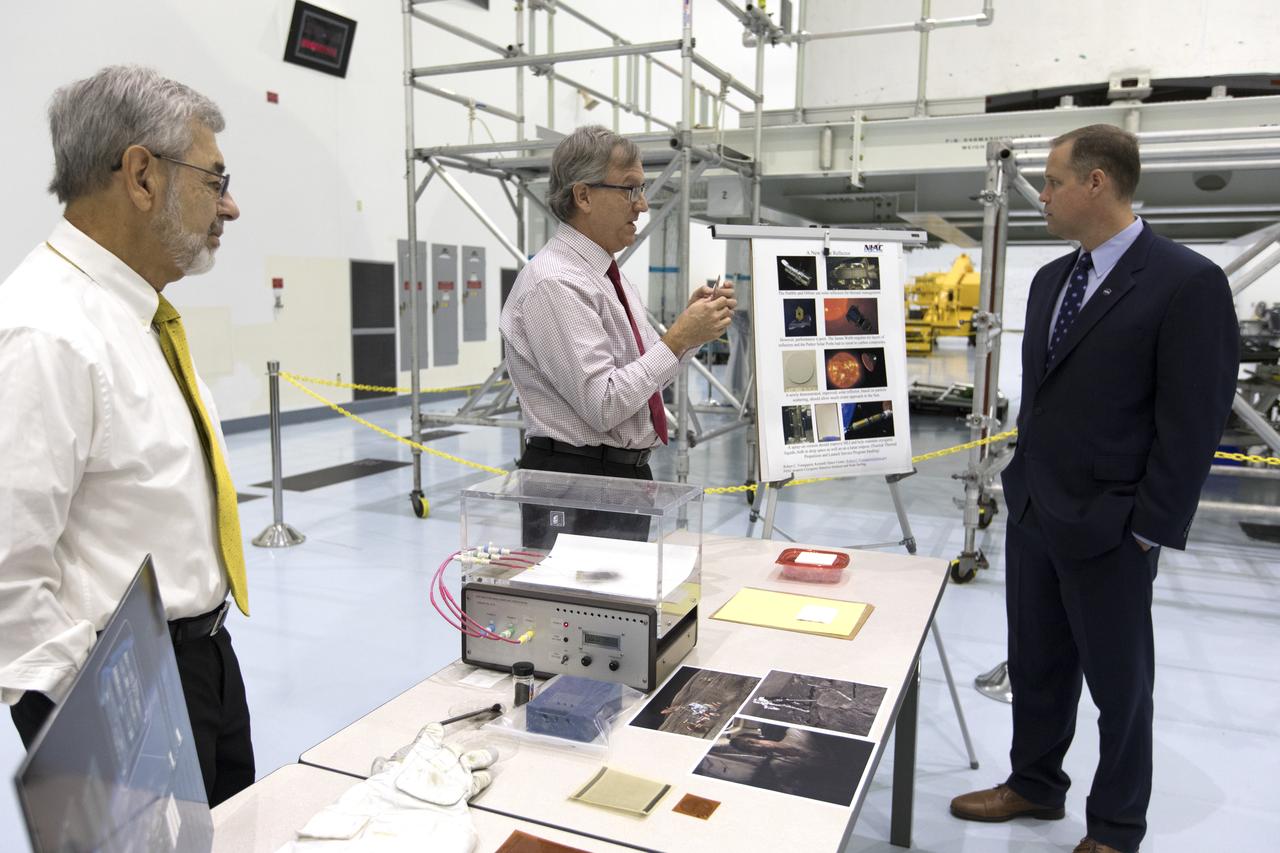
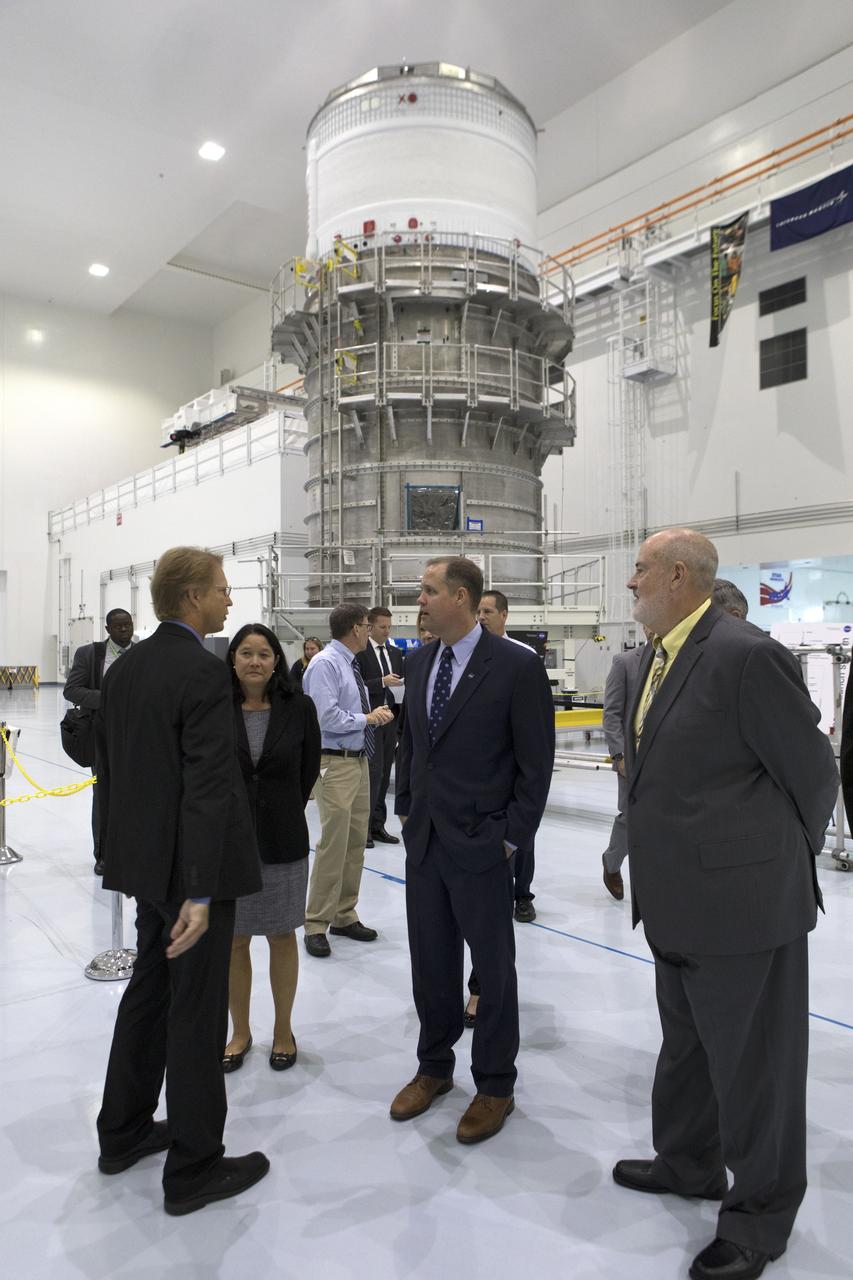
NASA Administrator Jim Bridenstine, center, tours the high bay inside the Space Station Processing Facility (SSPF) at NASA's Kennedy Space Center in Florida, on Aug. 7, 2018. To his left is Josie Burnett, director of Exploration Research and Technology. To his right is Ronnie Lawson, deputy director of Exploration Research and Technology. Behind them is the Interim Cryogenic Propulsion Stage, which will connect between the Orion spacecraft and the upper part of NASA's Space Launch System. It is being stored in the SSPF. Bridenstine also received updates on research and technology accomplishments during his visit to the SSPF.
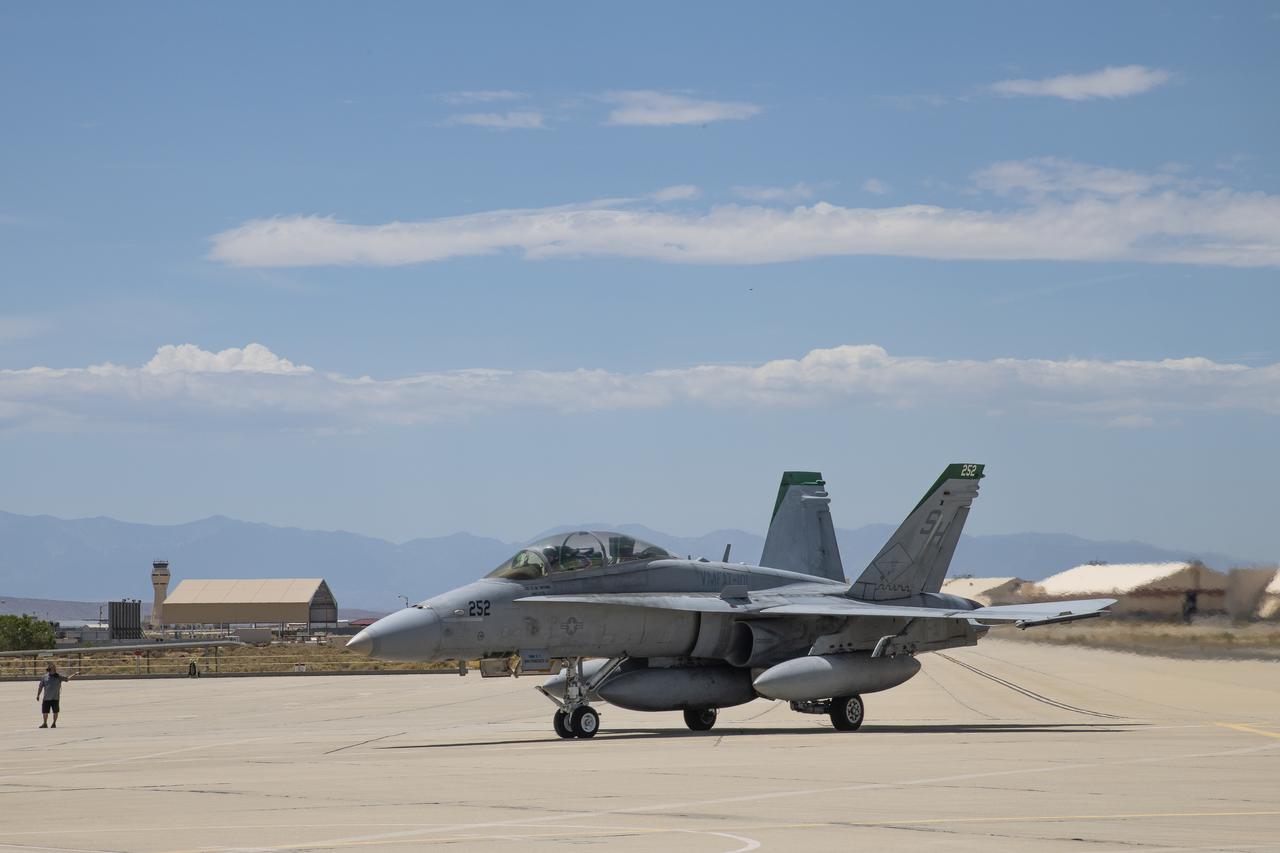
NASA 862, which is an F/A-18D now based at NASA’s Armstrong Flight Research Center in Edwards, California, arrives for the first time in 2021. The aircraft was stationed at the U.S. Naval Air Station Patuxent River in Maryland. Once here, the aircraft was sent for major maintenance, painting, and preparation to join the NASA Armstrong aircraft fleet.
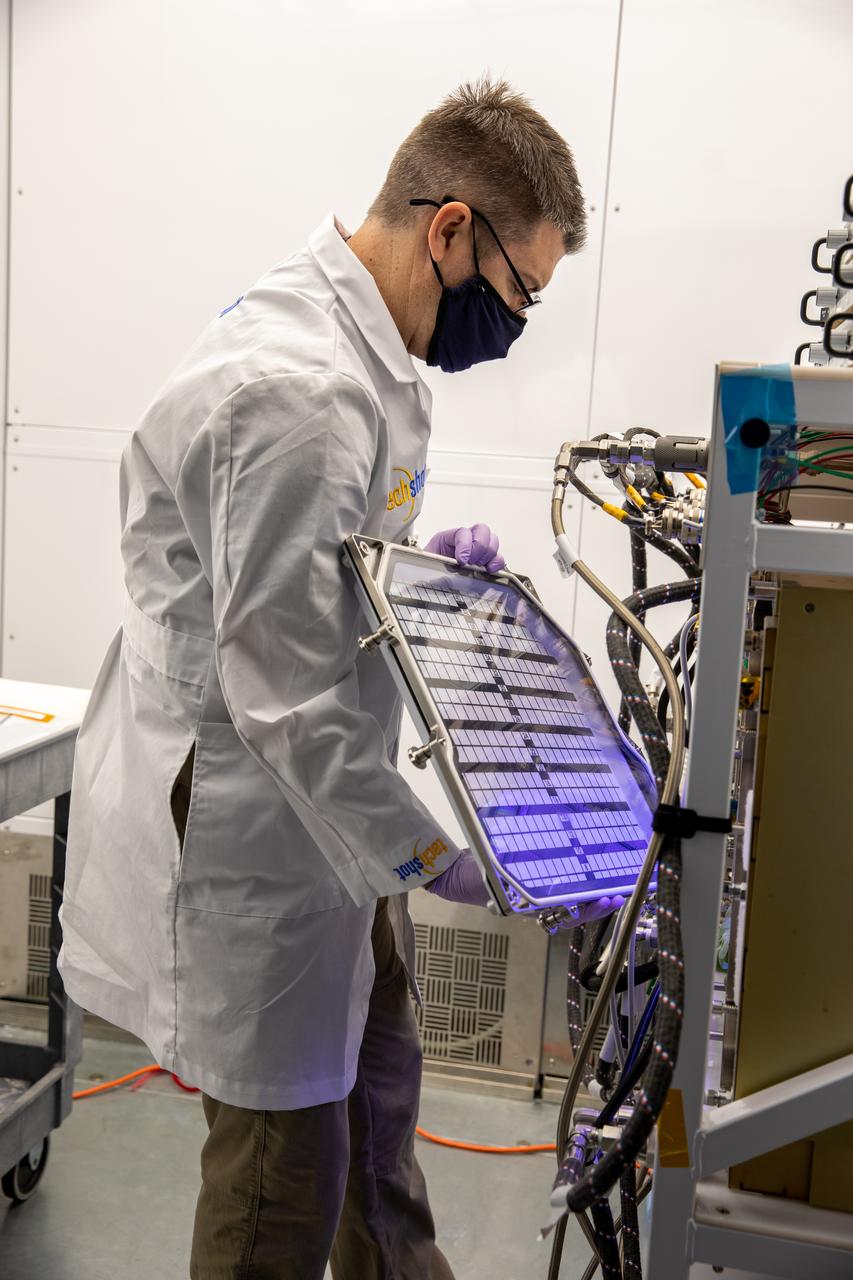
A researcher prepares to harvest radishes grown in the Advanced Plant Habitat (APH) ground unit inside the Space Station Processing Facility at NASA’s Kennedy Space Center in Florida on Dec. 14, 2020. The radishes are a ground control crop for the Plant Habitat-02 (PH-02) experiment, which also involves growing two radish crops inside the International Space Station’s APH. NASA astronaut Kate Rubins harvested the first crop on Nov. 30, and the second harvest aboard the orbiting laboratory is planned for Dec. 30. Once samples return to Earth, researchers will compare those grown in space to the radishes grown here on Earth to better understand how microgravity affects plant growth.
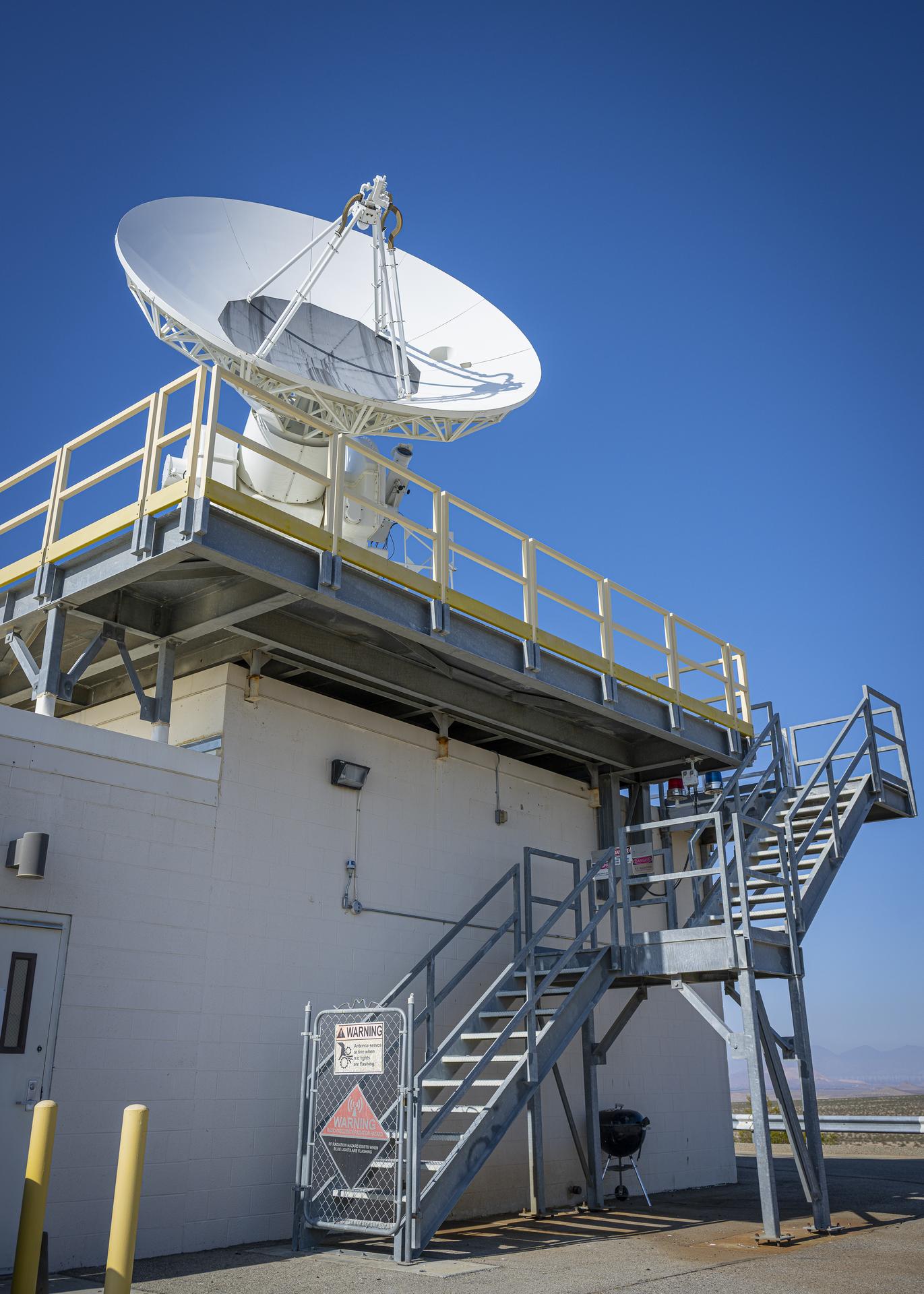
This is one of two radars that support radar tracking of the International Space Station at NASA’s Armstrong Flight Research Center in Edwards, California, on Sept. 30, 2025. Radar tracking is one of the key capabilities of the center’s Dryden Aeronautical Test Range, which provides voice and tracking support to the International Space Station.

A close-up view of a zinnia flower grown in the Veggie Laboratory in the Space Station Processing Facility (SSPF) at NASA's Kennedy Space Center in Florida, on Nov. 27, 2018. Seeds from zinnias growing on the space station were returned to Earth. Researchers in the SSPF planted the seeds in the Veggie control unit and grew the colorful flowers.
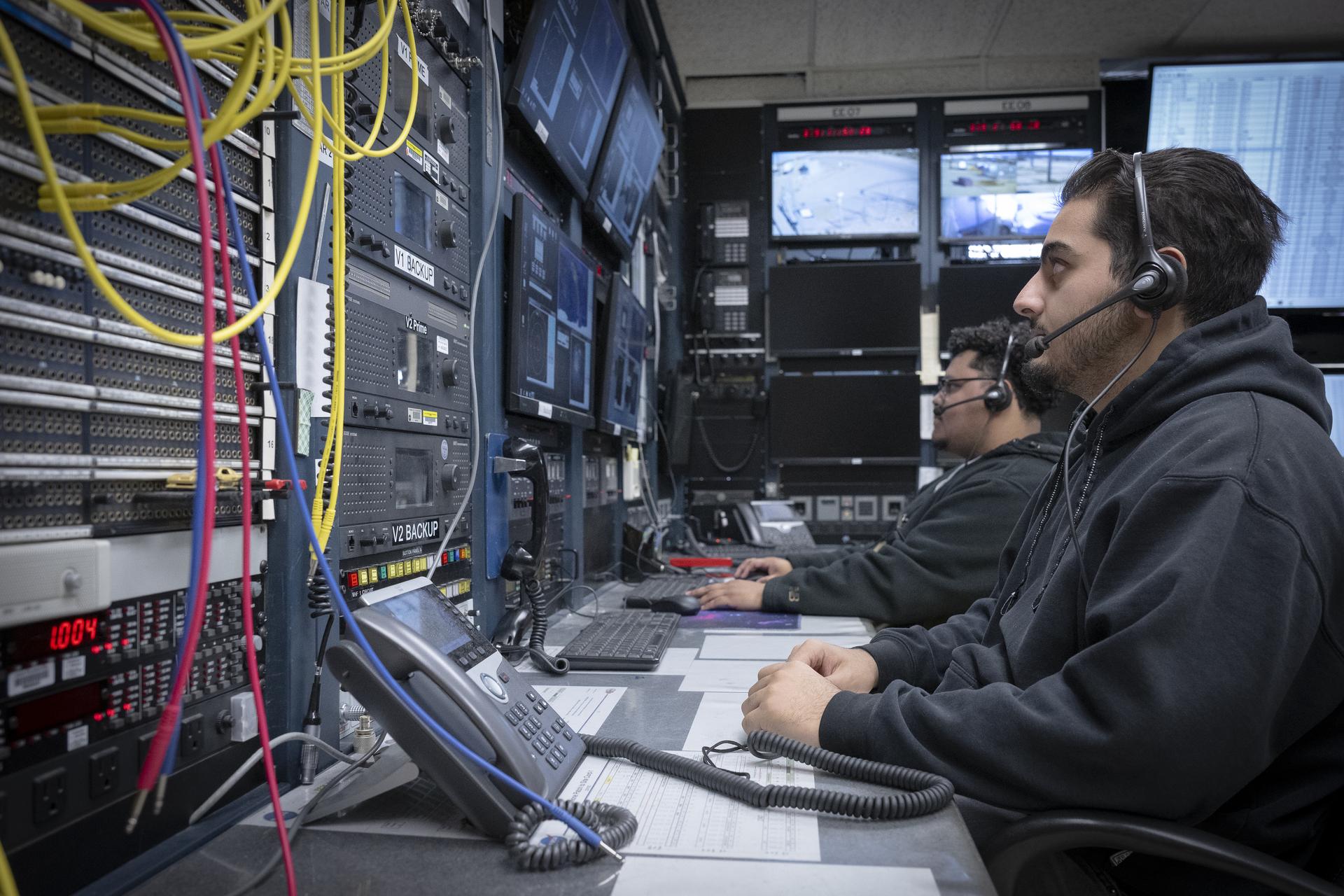
Range operators at the Dryden Aeronautical Test Range at NASA’s Armstong Flight Research Center in Edwards, California, provide voice and tracking support to the International Space Station. In this Friday, Dec. 6, 2025, photo, Alex Oganesyan, left, and Deming Ingles are shown at their workstations, where they support communications backup for space station missions.
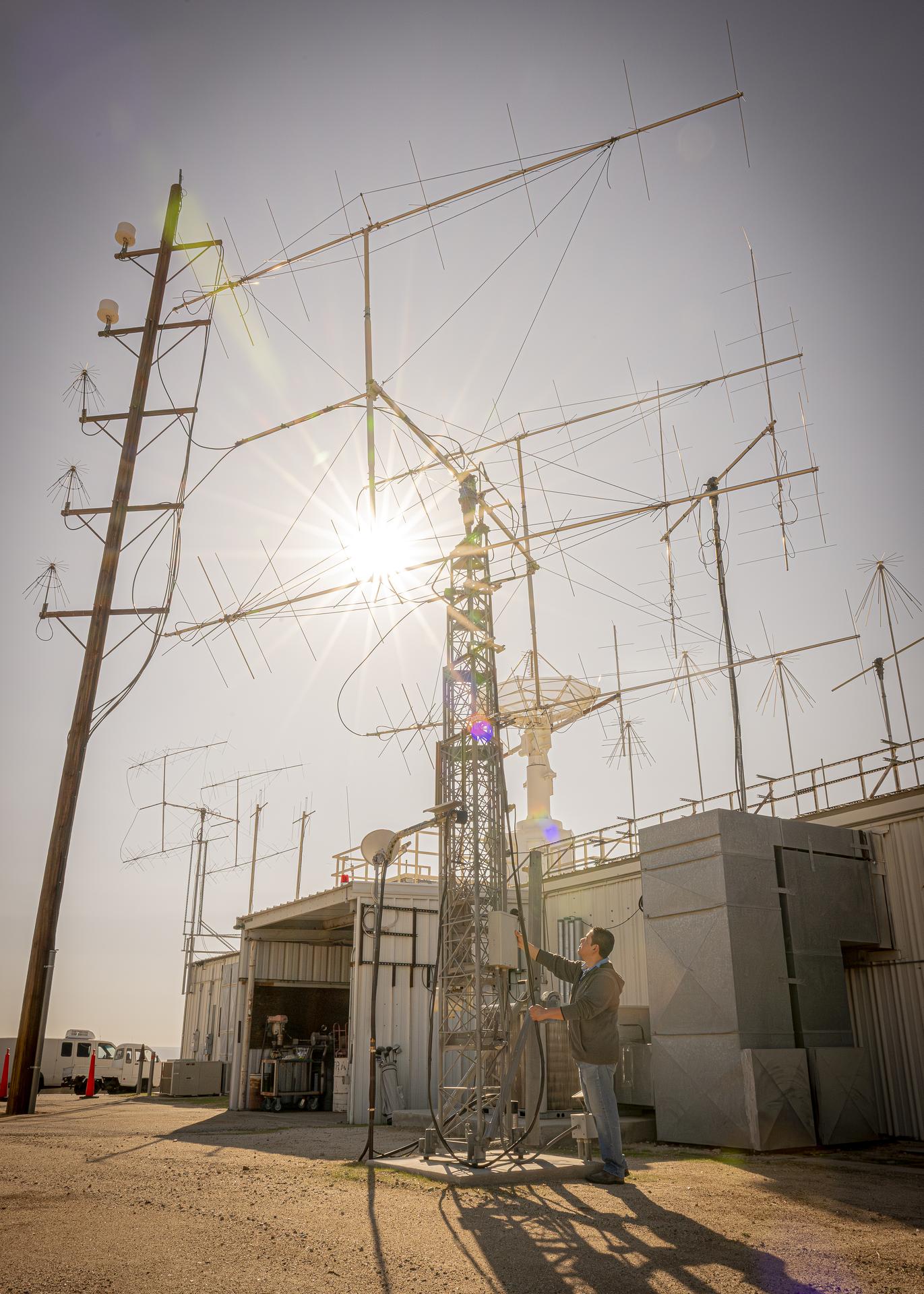
Mission operator Kelvin Menendez watches as antennas rise to track the International Space Station as it passes high above NASA’s Armstrong Flight Research Center in Edwards, California, on Sept. 30, 2025. Menendez is part of the center’s Dryden Aeronautical Test Range, which provides voice and tracking support to the space station.
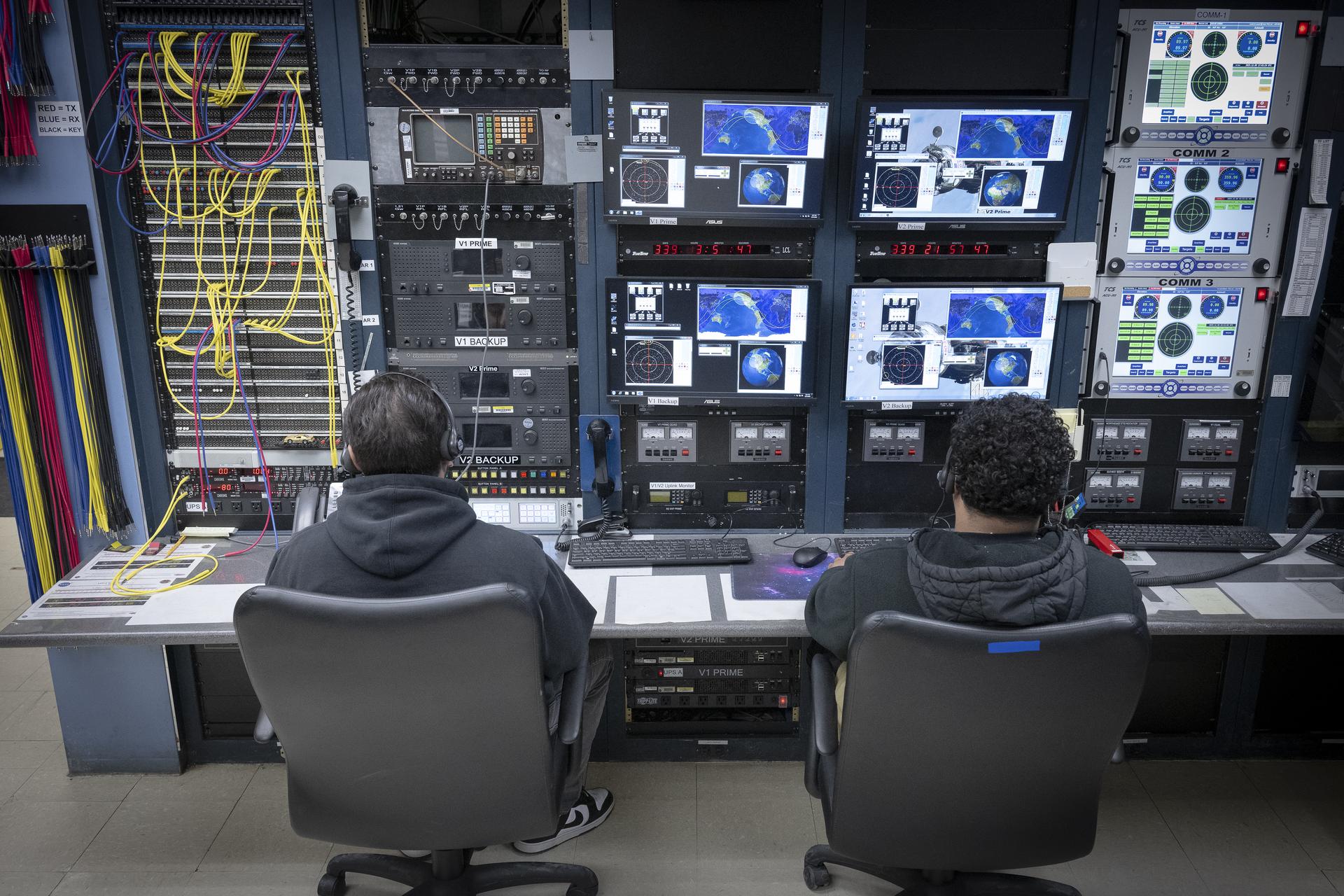
Range operators at the Dryden Aeronautical Test Range at NASA’s Armstong Flight Research Center in Edwards, California, provide voice and tracking support to the International Space Station. In this Friday, Dec. 6, 2025, photo, Alex Oganesyan, left, and Deming Ingles are shown at their workstations, where they support communications backup for space station missions.
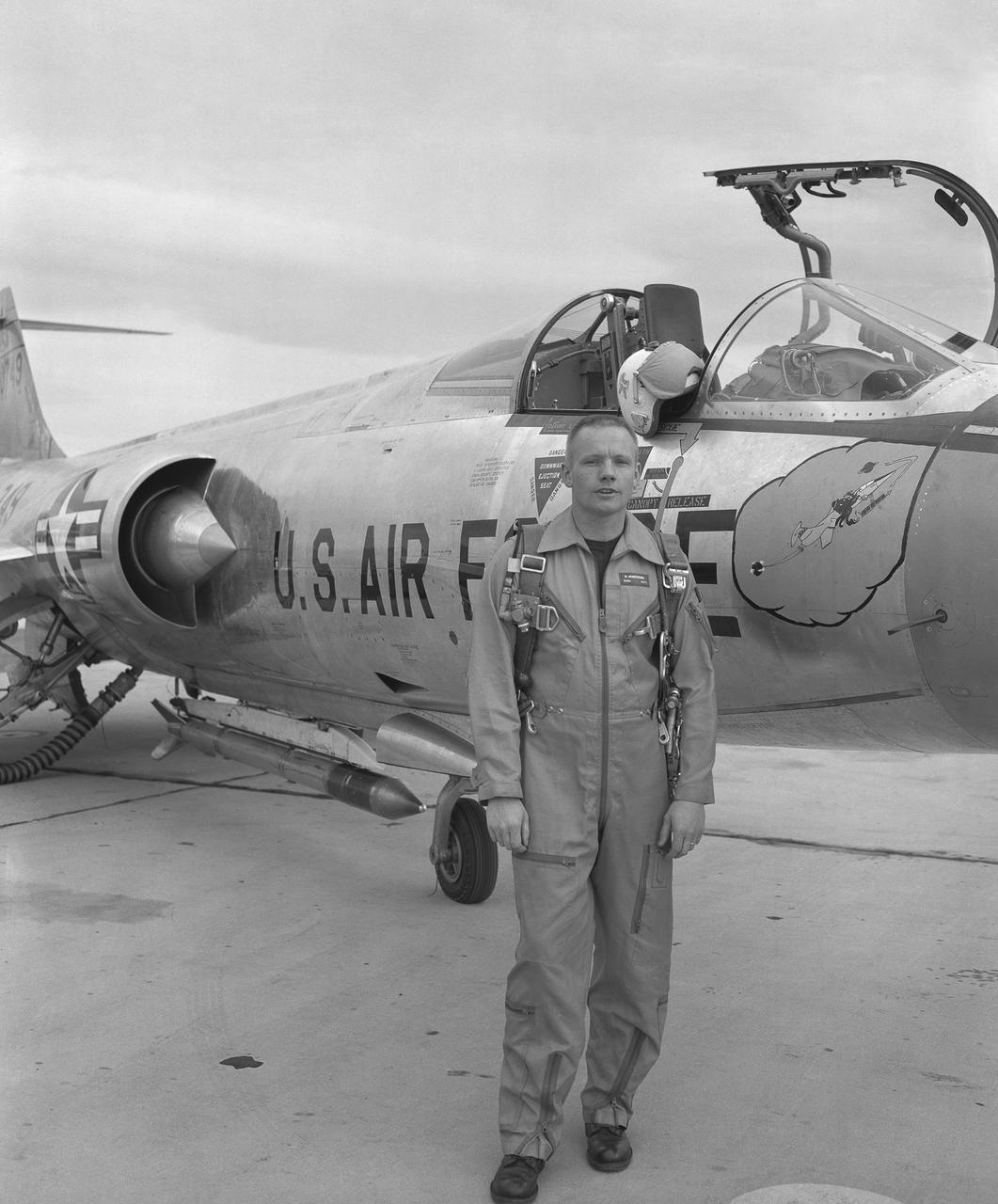
Famed astronaut Neil A. Armstrong – the first person to set foot on the Moon during the historic Apollo 11 mission in July 1969 – spent seven years as a research pilot at the NACA-NASA High-Speed Flight Station, now NASA’s Armstrong Flight Research Center in Edwards, California, before joining the space program. During his time there, he served as a project pilot on the F-100A, F-100C, F-101, and F-104A (pictured here).
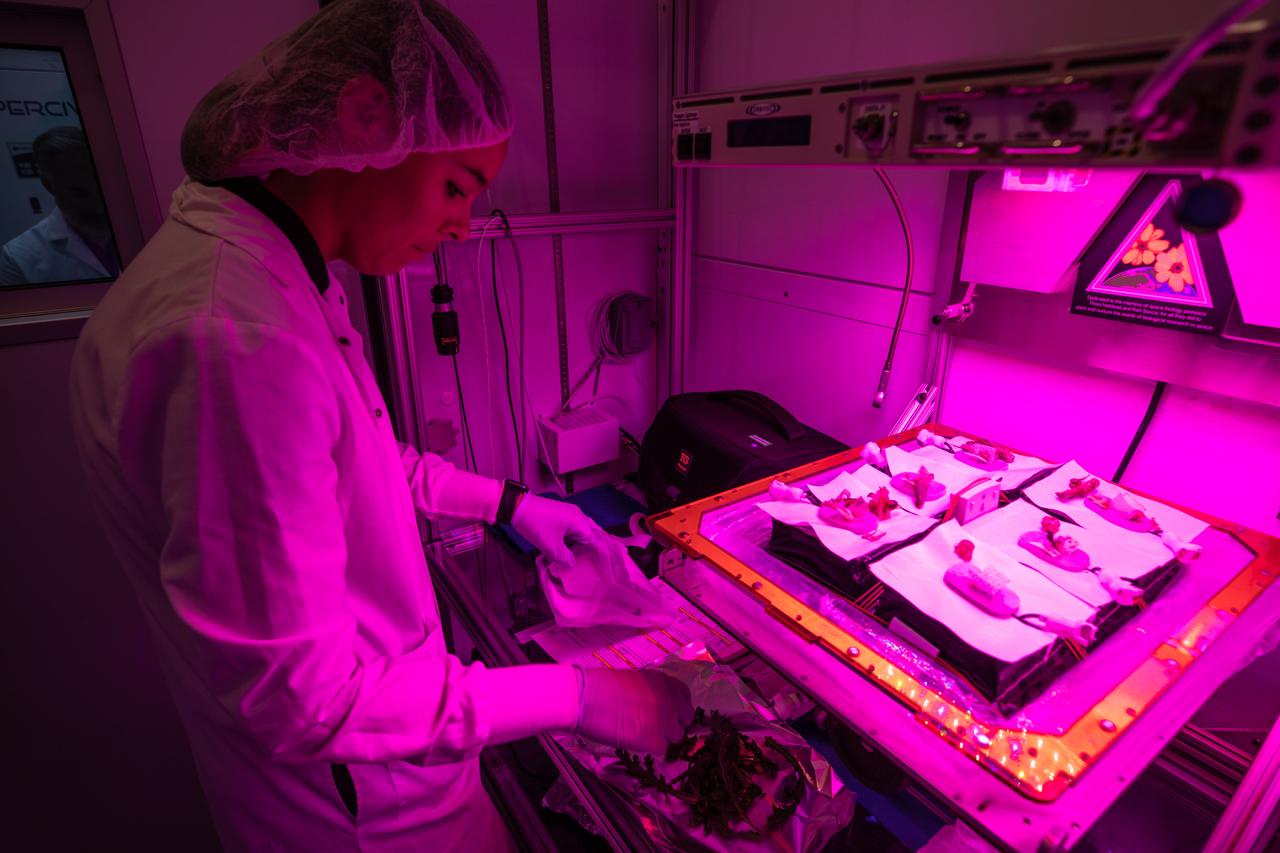
Kennedy Space Center employee Anna Maria Ruby harvests plant cultivars inside the Veggie growth chamber in the Space Station Processing Facility on Sept. 30, 2019, for a science verification test (SVT). This SVT will study the potential of three plants – amara mustard, ‘outredgeous’ red romaine lettuce and shungiku, an Asian green comparable to an edible chrysanthemum – to grow in space. All three lettuce plants were grown from seed film, making this the first SVT with this new plant growth material. Earlier this year, the amara mustard and shungiku plants were grown for the first time using seed bags – referred to as pillows – during the Sustained Veggie project, a study funded by the Human Research Program.
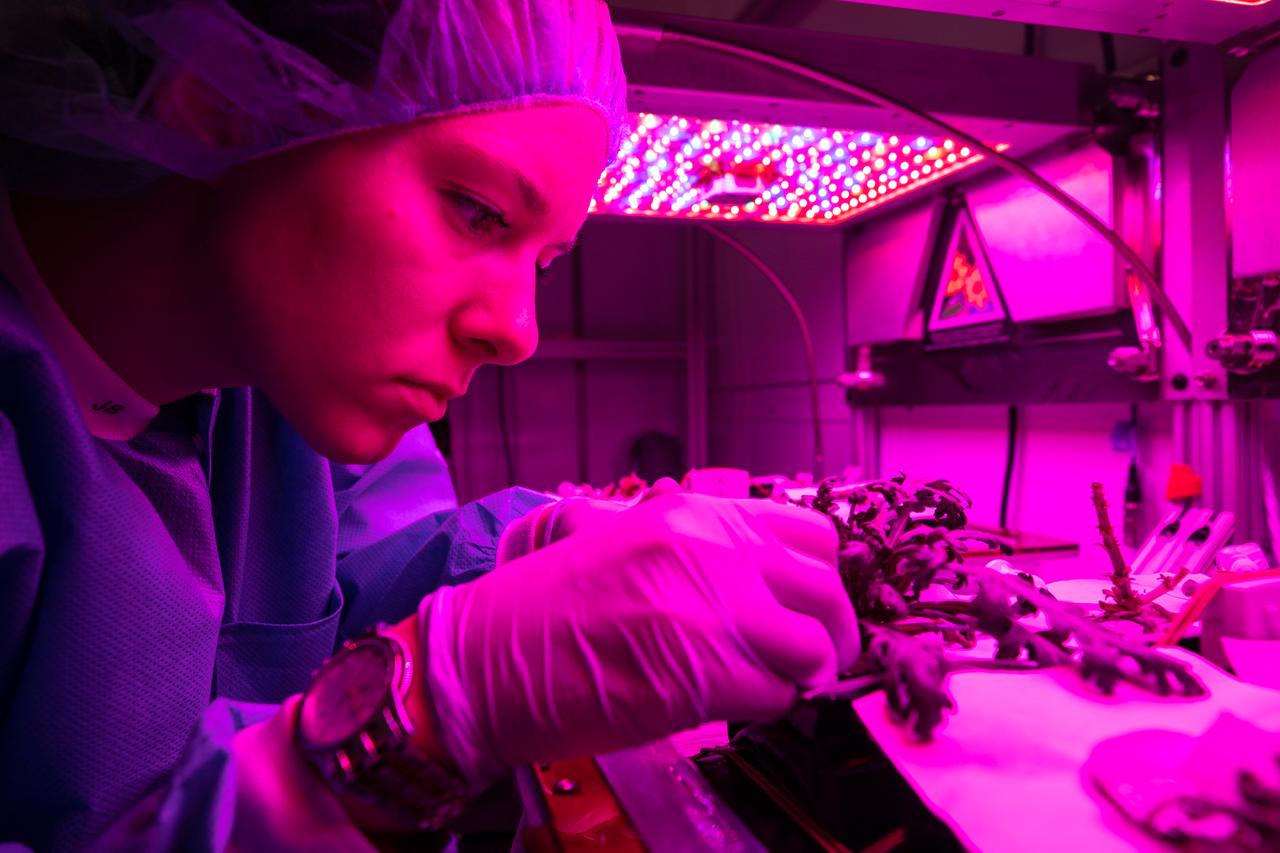
Jess Bunchek, an associate scientist at NASA’s Kennedy Space Center in Florida, harvests plant cultivars inside the Veggie growth chamber in the Space Station Processing Facility on Sept. 30, 2019, for a science verification test (SVT). This SVT will study the potential of three plants – amara mustard, ‘outredgeous’ red romaine lettuce and shungiku, an Asian green comparable to an edible chrysanthemum – to grow in space. All three lettuce plants were grown from seed film, making this the first SVT with this new plant growth material. Earlier this year, the amara mustard and shungiku plants were grown for the first time using seed bags – referred to as pillows – during the Sustained Veggie project, a study funded by the Human Research Program.
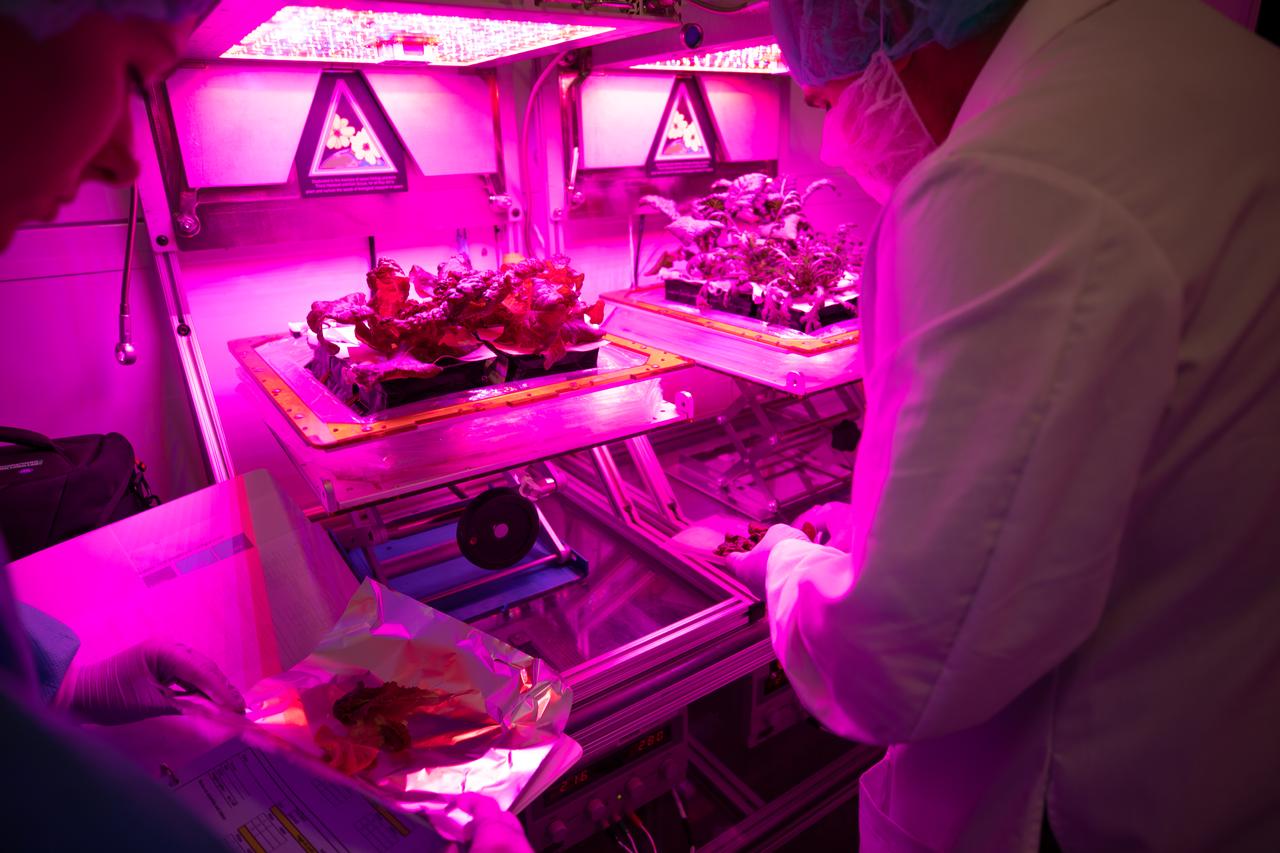
Kennedy Space Center Veggie Project Manager Trent Smith harvests test crops inside the Veggie growth chamber in the Florida spaceport’s Space Station Processing Facility on Sept. 30, 2019, for a science verification test (SVT) to study their potential to grown in space. The harvest included ‘outredgeous’ red romaine lettuce, which has been grown in space before, and two new plant cultivars – amara mustard and shungiku, an Asian green comparable to an edible chrysanthemum. All three lettuce plants were grown from seed film, making this the first SVT with this new plant growth material. Earlier this year, the amara mustard and shungiku plants were grown for the first time using seed bags – referred to as pillows – during the Sustained Veggie project, a study funded by the Human Research Program.
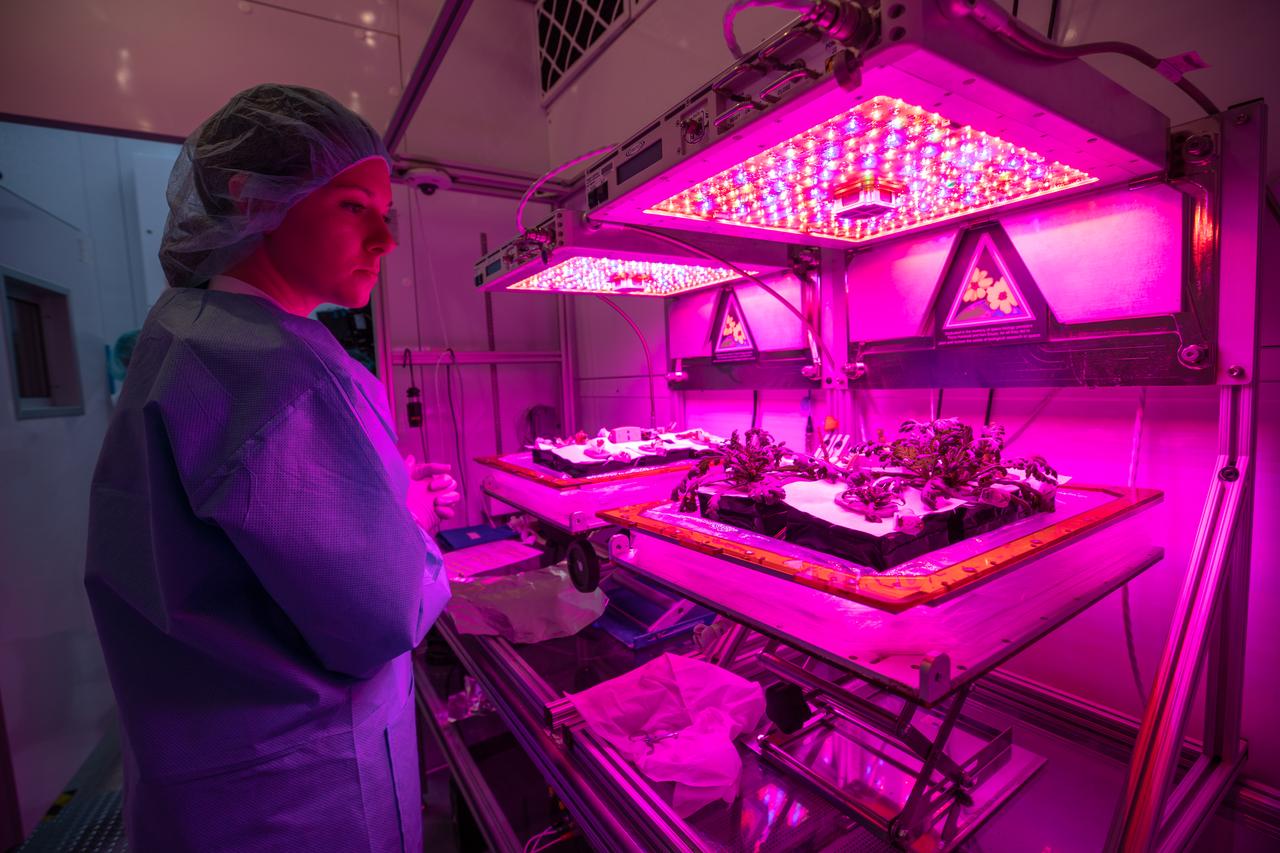
Jess Bunchek, an associate scientist at NASA’s Kennedy Space Center in Florida, observes plant cultivars inside the Veggie growth chamber in the Space Station Processing Facility prior to harvesting them on Sept. 30, 2019, for a science verification test (SVT). This SVT will study the potential of three plants – amara mustard, ‘outredgeous’ red romaine lettuce and shungiku, an Asian green comparable to an edible chrysanthemum – to grow in space. All three lettuce plants were grown from seed film, making this the first SVT with this new plant growth material. Earlier this year, the amara mustard and shungiku plants were grown for the first time using seed bags – referred to as pillows – during the Sustained Veggie project, a study funded by the Human Research Program.
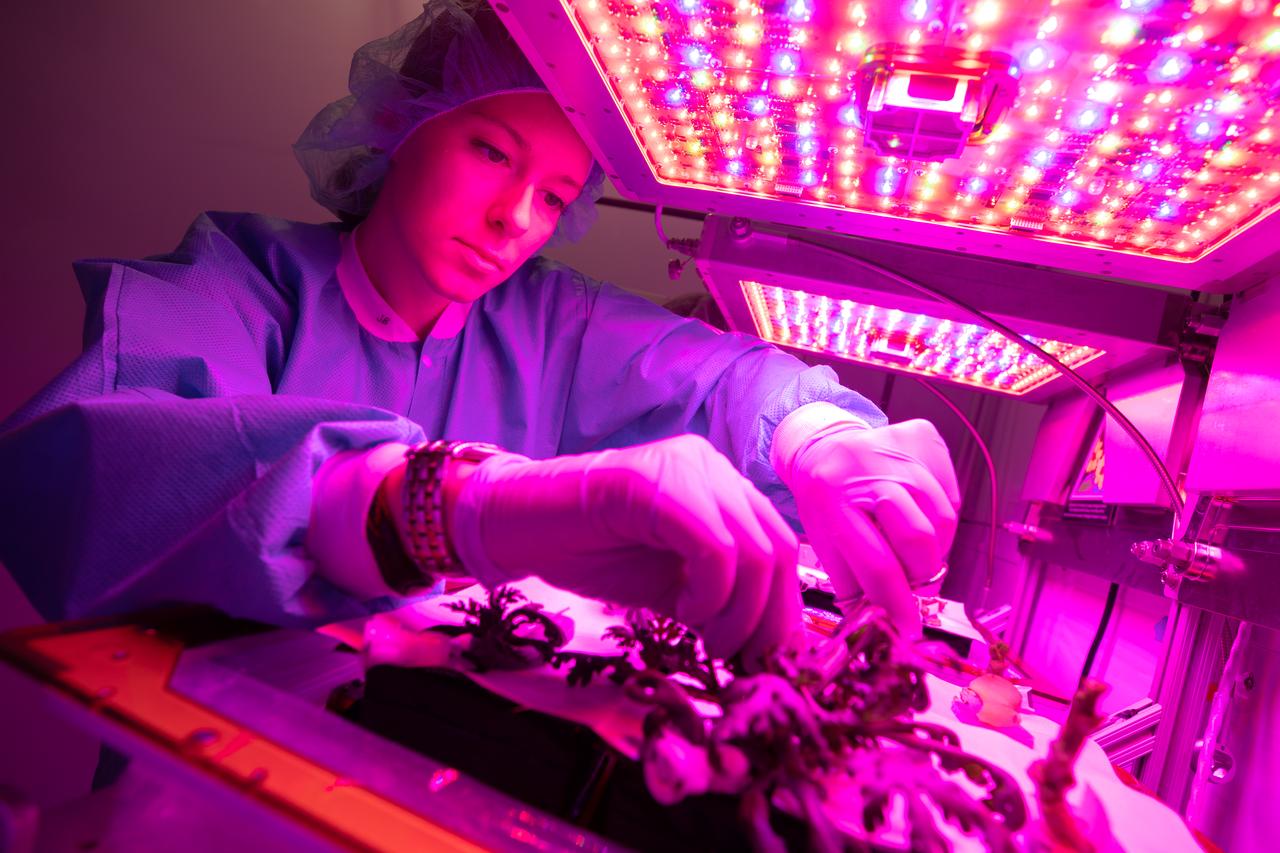
Jess Bunchek, an associate scientist at NASA’s Kennedy Space Center in Florida, harvests shungiku – an Asian green comparable to an edible chrysanthemum – inside the Veggie growth chamber in the Space Station Processing Facility on Sept. 30, 2019, for a science verification test (SVT). The SVT included the harvest of two other plant cultivars – amara mustard and ‘outredgeous’ red romaine lettuce – and will study their potential to grow in space. All three lettuce plants were grown from seed film, making this the first SVT with this new plant growth material. Earlier this year, the amara mustard and shungiku plants were grown for the first time using seed bags – referred to as pillows – during the Sustained Veggie project, a study funded by the Human Research Program.
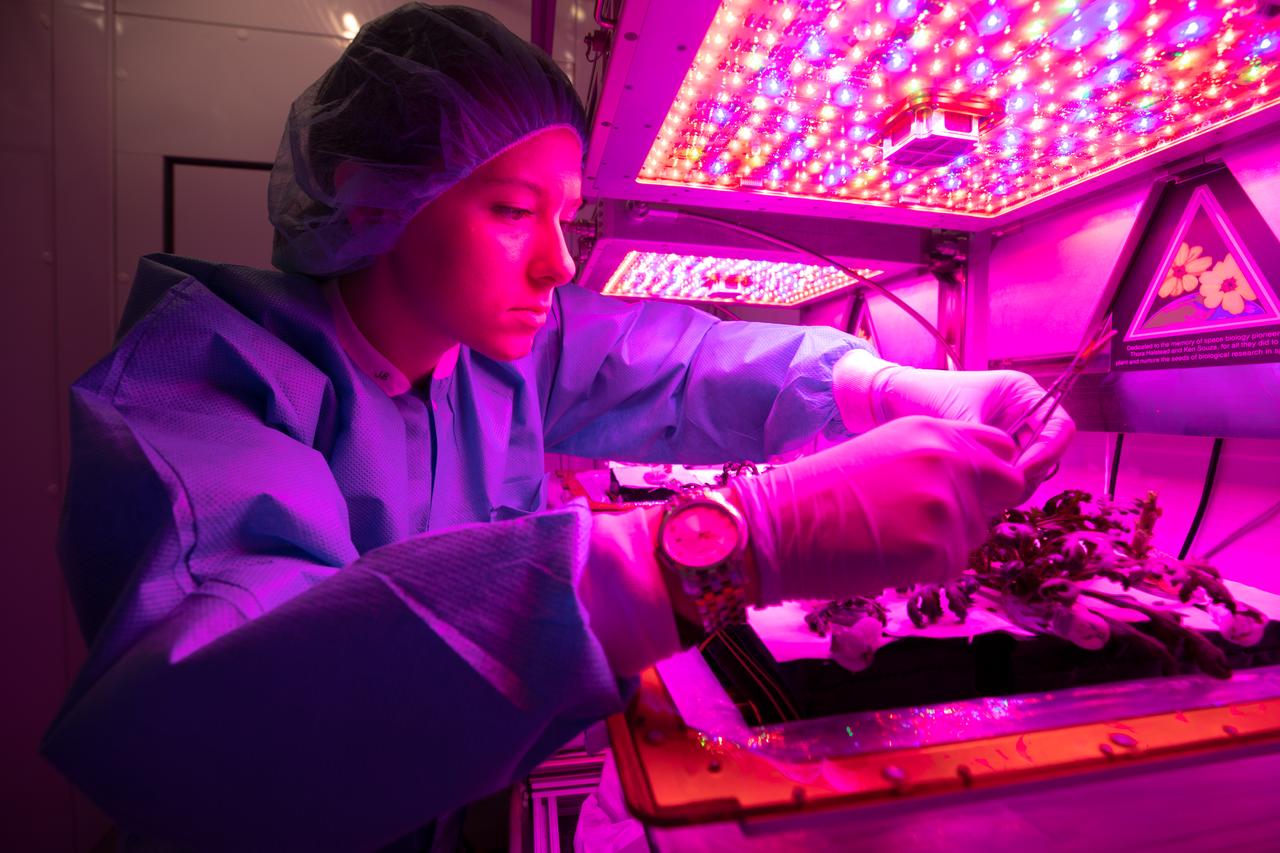
Jess Bunchek, an associate scientist at NASA’s Kennedy Space Center in Florida, harvests shungiku – an Asian green comparable to an edible chrysanthemum – inside the Veggie growth chamber in the Space Station Processing Facility on Sept. 30, 2019, for a science verification test (SVT). The SVT included the harvest of two other plant cultivars – amara mustard and ‘outredgeous’ red romaine lettuce – and will study their potential to grow in space. All three lettuce plants were grown from seed film, making this the first SVT with this new plant growth material. Earlier this year, the amara mustard and shungiku plants were grown for the first time using seed bags – referred to as pillows – during the Sustained Veggie project, a study funded by the Human Research Program.
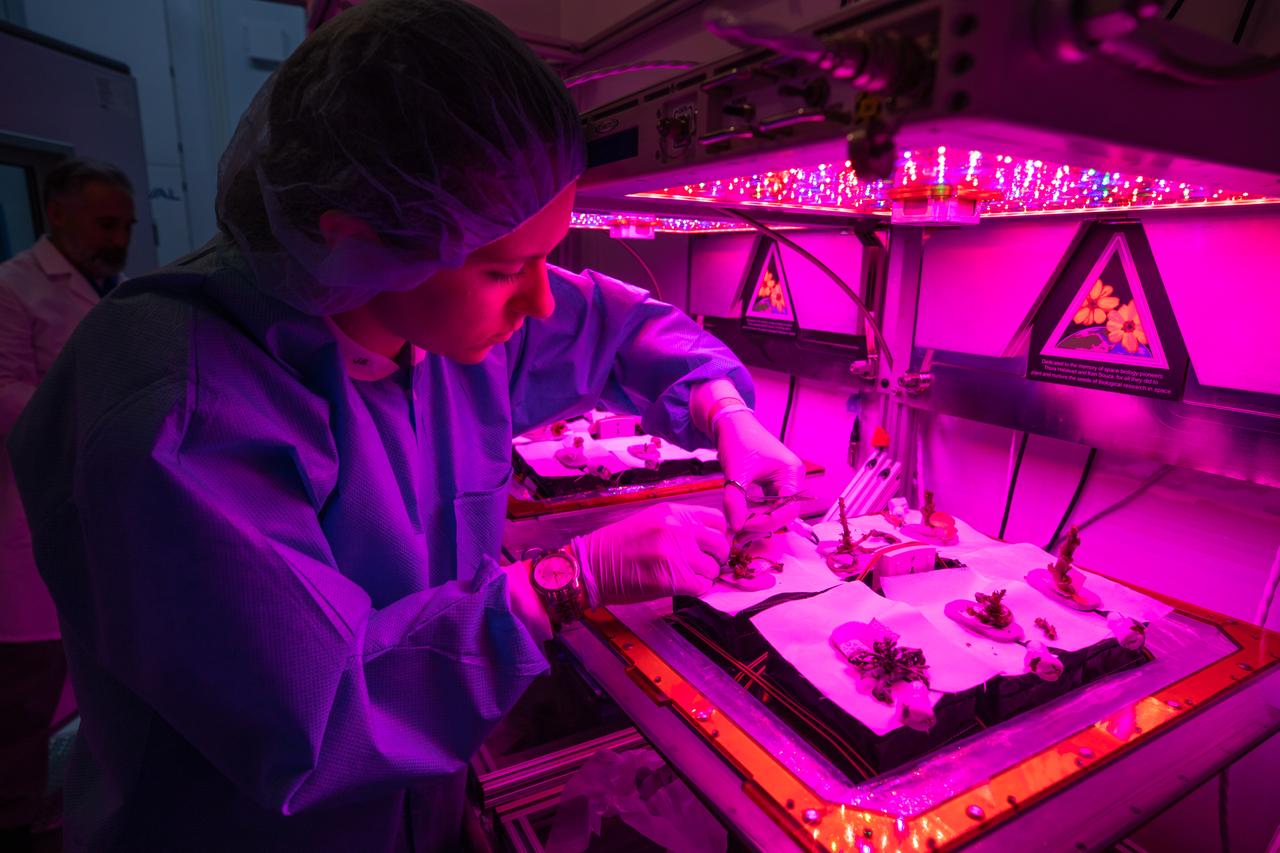
Jess Bunchek, an associate scientist at NASA’s Kennedy Space Center in Florida, harvests plant cultivars inside the Veggie growth chamber in the Space Station Processing Facility on Sept. 30, 2019, for a science verification test (SVT). This SVT will study the potential of three plants – amara mustard, ‘outredgeous’ red romaine lettuce and shungiku, an Asian green comparable to an edible chrysanthemum – to grow in space. All three lettuce plants were grown from seed film, making this the first SVT with this new plant growth material. Earlier this year, the amara mustard and shungiku plants were grown for the first time using seed bags – referred to as pillows – during the Sustained Veggie project, a study funded by the Human Research Program.
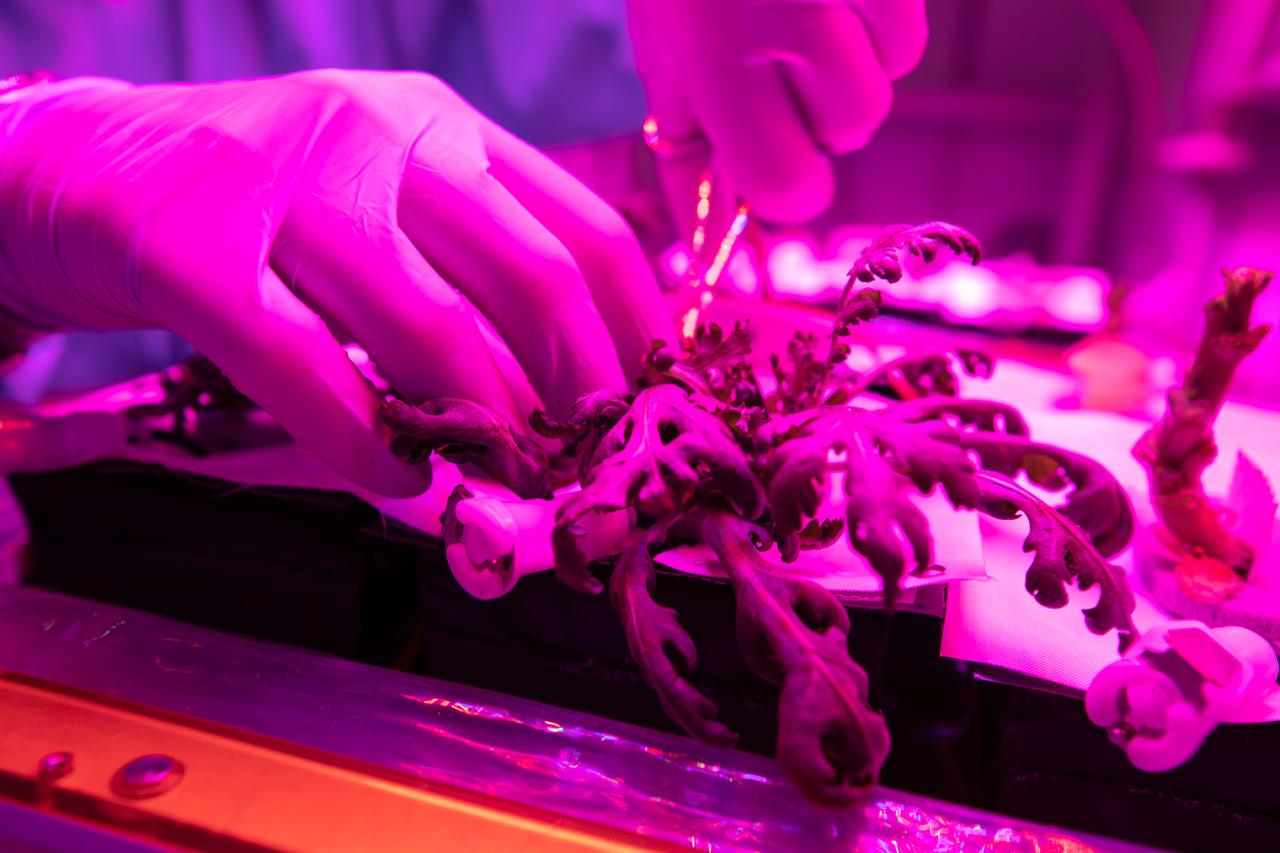
Test crops are harvested inside the Veggie growth chamber in the Space Station Processing Facility at NASA’s Kennedy Space Center in Florida on Sept. 30, 2019, for a science verification test (SVT) to study their potential to grow in space. The harvest included ‘outredgeous’ red romaine lettuce, which has been grown in space before, and two new plant cultivars – amara mustard and shungiku, an Asian green comparable to an edible chrysanthemum. All three lettuce plants were grown from seed film, making this the first SVT with this new plant growth material. Earlier this year, the amara mustard and shungiku plants were grown for the first time using seed bags – referred to as pillows – during the Sustained Veggie project, a study funded by the Human Research Program.
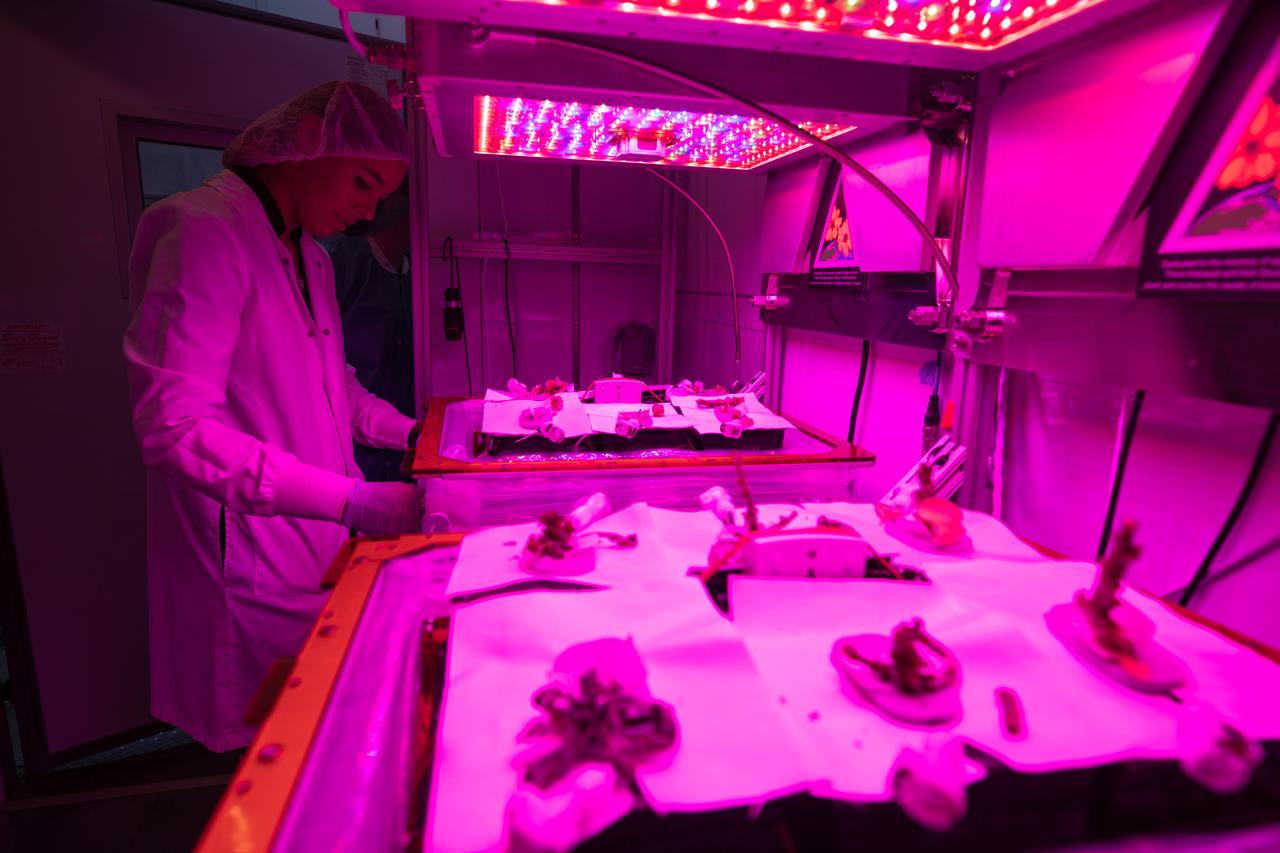
Kennedy Space Center employee Anna Maria Ruby observes plant cultivars inside the Veggie growth chamber in the Space Station Processing Facility prior to harvesting them on Sept. 30, 2019, for a science verification test (SVT). This SVT will study the potential of three plants – amara mustard, ‘outredgeous’ red romaine lettuce and shungiku, an Asian green comparable to an edible chrysanthemum – to grow in space. All three lettuce plants were grown from seed film, making this the first SVT with this new plant growth material. Earlier this year, the amara mustard and shungiku plants were grown for the first time using seed bags – referred to as pillows – during the Sustained Veggie project, a study funded by the Human Research Program.
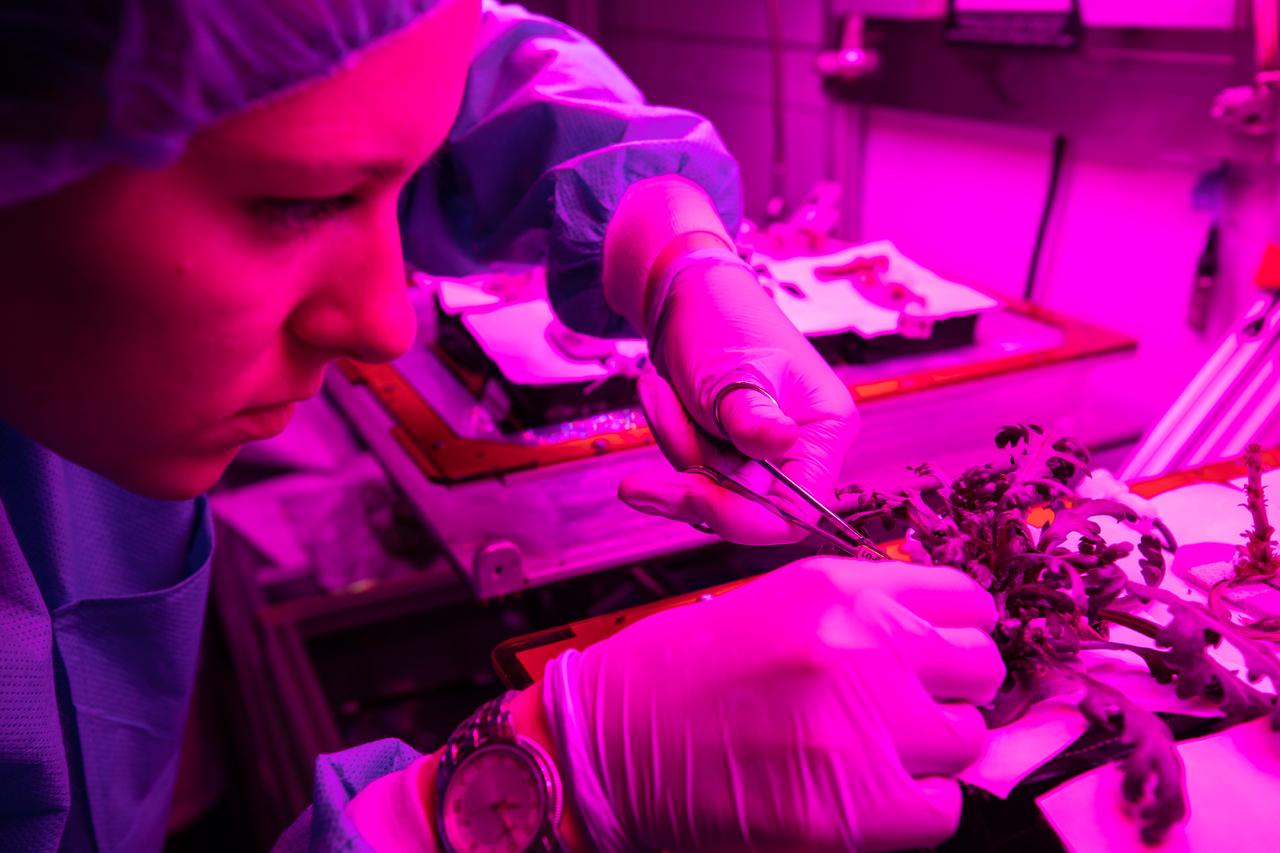
Jess Bunchek, an associate scientist at NASA’s Kennedy Space Center in Florida, harvests shungiku – an Asian green comparable to an edible chrysanthemum – inside the Veggie growth chamber in the Space Station Processing Facility on Sept. 30, 2019, for a science verification test (SVT). The SVT included the harvest of two other plant cultivars – amara mustard and ‘outredgeous’ red romaine lettuce – and will study their potential to grow in space. All three lettuce plants were grown from seed film, making this the first SVT with this new plant growth material. Earlier this year, the amara mustard and shungiku plants were grown for the first time using seed bags – referred to as pillows – during the Sustained Veggie project, a study funded by the Human Research Program.
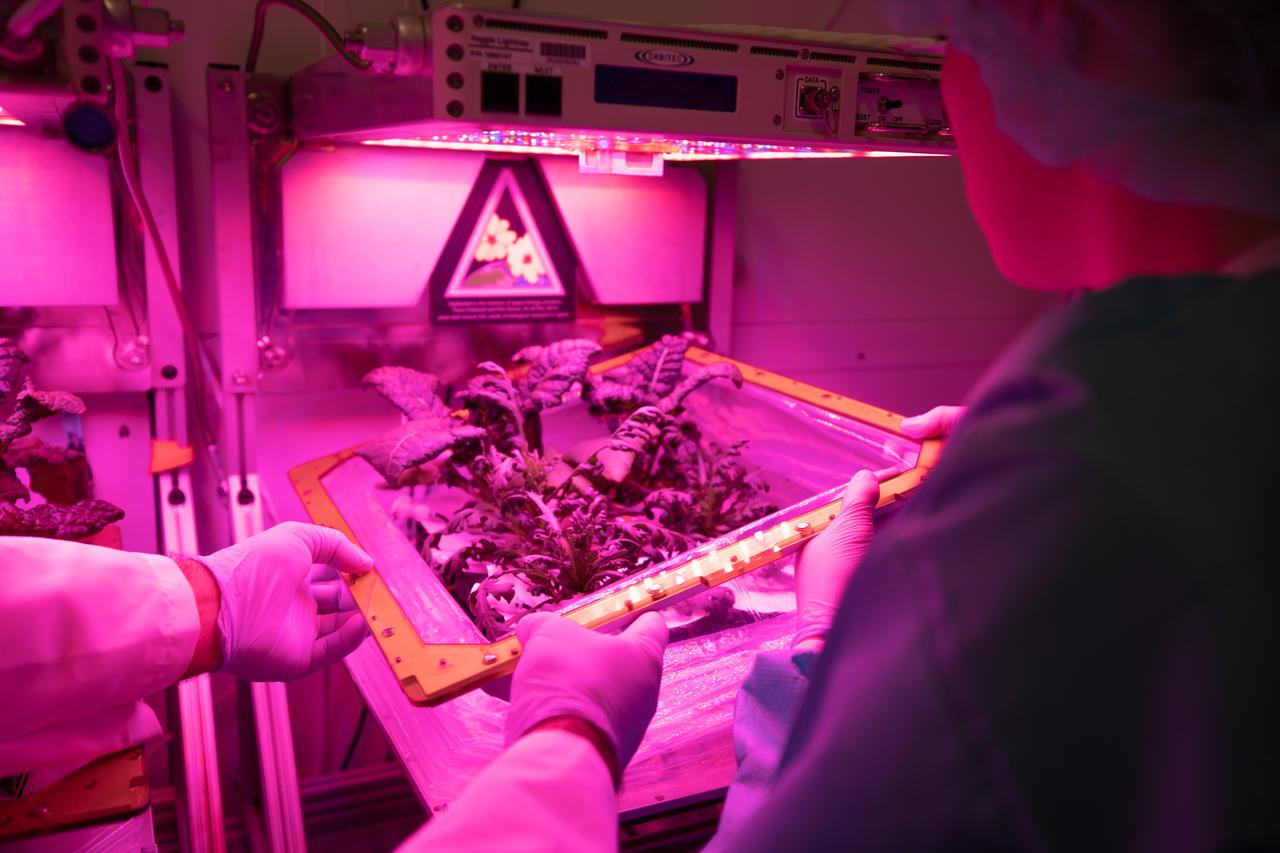
Kennedy Space Center employees harvest test crops inside the Veggie growth chamber in the Florida spaceport’s Space Station Processing Facility on Sept. 30, 2019, for a science verification test (SVT) to study their potential to grown in space. The harvest included ‘outredgeous’ red romaine lettuce, which has been grown in space before, and two new plant cultivars – amara mustard and shungiku, an Asian green comparable to an edible chrysanthemum. All three lettuce plants were grown from seed film, making this the first SVT with this new plant growth material. Earlier this year, the amara mustard and shungiku plants were grown for the first time using seed bags – referred to as pillows – during the Sustained Veggie project, a study funded by the Human Research Program.
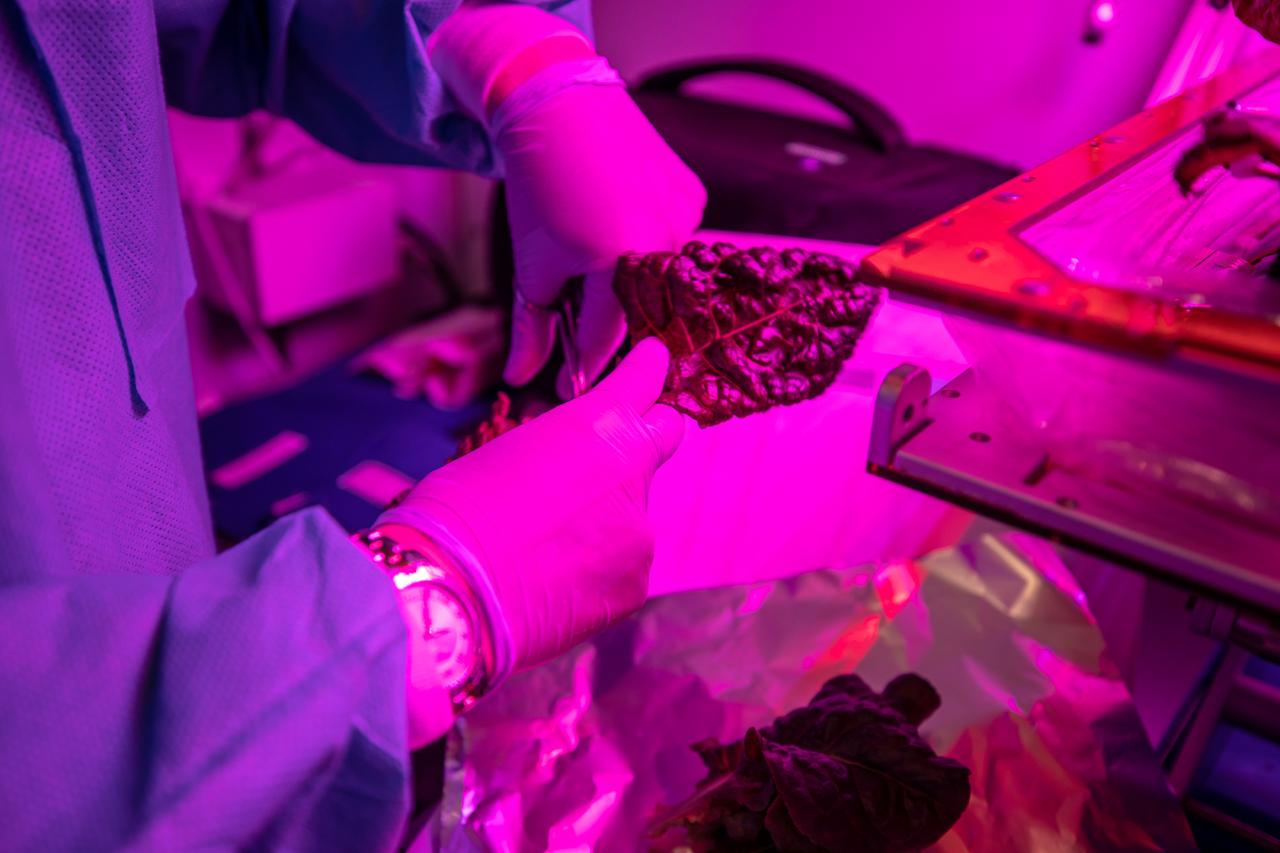
Test crops are harvested inside the Veggie growth chamber in the Space Station Processing Facility at NASA’s Kennedy Space Center in Florida on Sept. 30, 2019, for a science verification test (SVT) to study their potential to grow in space. The harvest included ‘outredgeous’ red romaine lettuce, which has been grown in space before, and two new plant cultivars – amara mustard and shungiku, an Asian green comparable to an edible chrysanthemum. All three lettuce plants were grown from seed film, making this the first SVT with this new plant growth material. Earlier this year, the amara mustard and shungiku plants were grown for the first time using seed bags – referred to as pillows – during the Sustained Veggie project, a study funded by the Human Research Program.