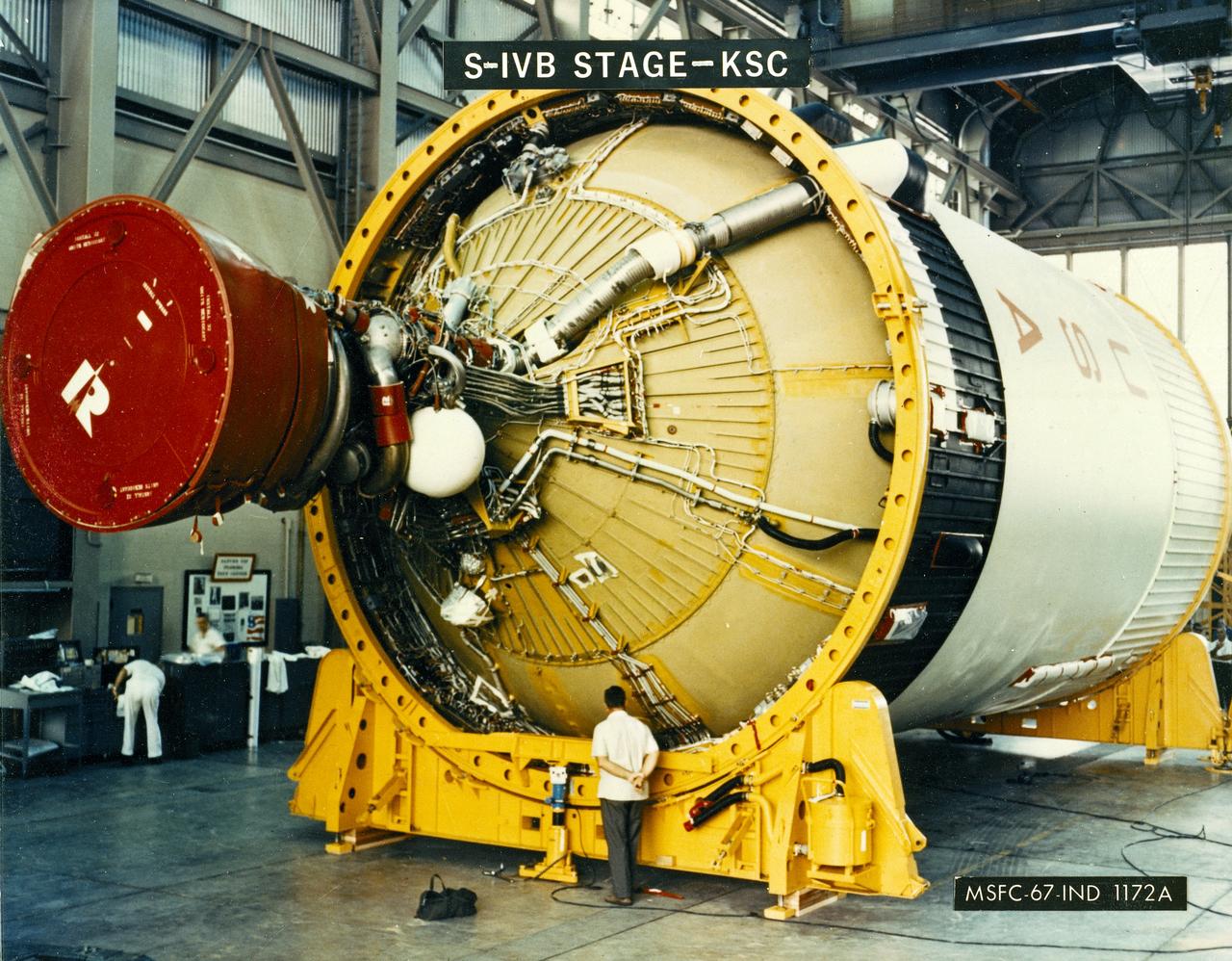
This 1967 illustration compares the Apollo Saturn V Spacecraft of the Moon Landing era to the Statue of Liberty located on Liberty Island in New York City. The Apollo Saturn V, at 363 feet towers above Lady Liberty, as the statue is called, standing at 305 feet.
Saturn Apollo Program
NASA's Aqua satellite and RapidScat instrument analyzed Super typhoon Soudelor's extent and winds as it reached Category Five typhoon status on the Saffir-Simpson Wind Scale.  On Aug. 4, 2015, at 4:10 UTC (12:10 a.m. EDT) the MODIS instrument aboard NASA's Aqua satellite captured this visible-light image of Super typhoon Soudelor.  Read more: <a href="http://www.nasa.gov/feature/goddard/2015/soudelor-northwestern-pacific-ocean" rel="nofollow">www.nasa.gov/feature/goddard/2015/soudelor-northwestern-p...</a>  Credits: NASA Goddard's MODIS Rapid Response Team
NASA Sees Soudelor Reach Category 5 Typhoon Status
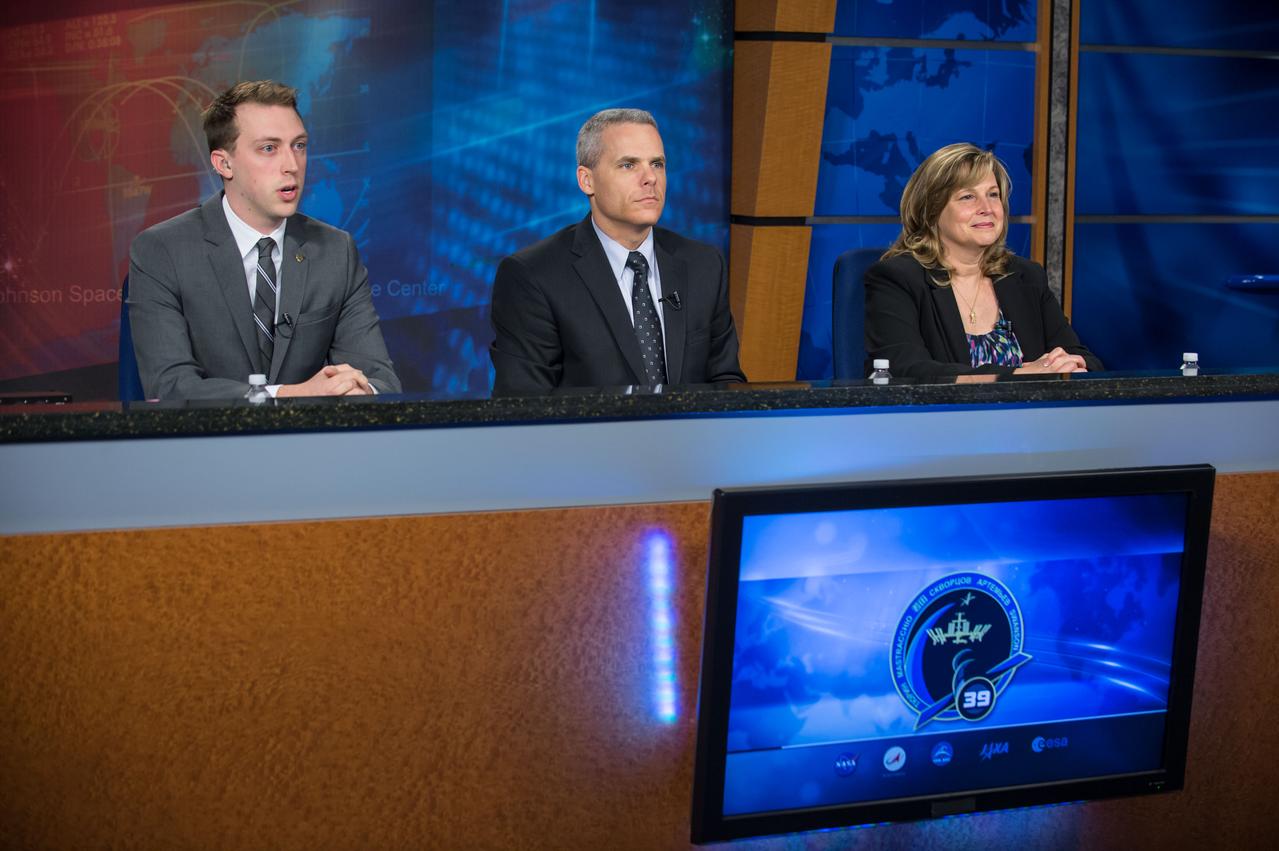
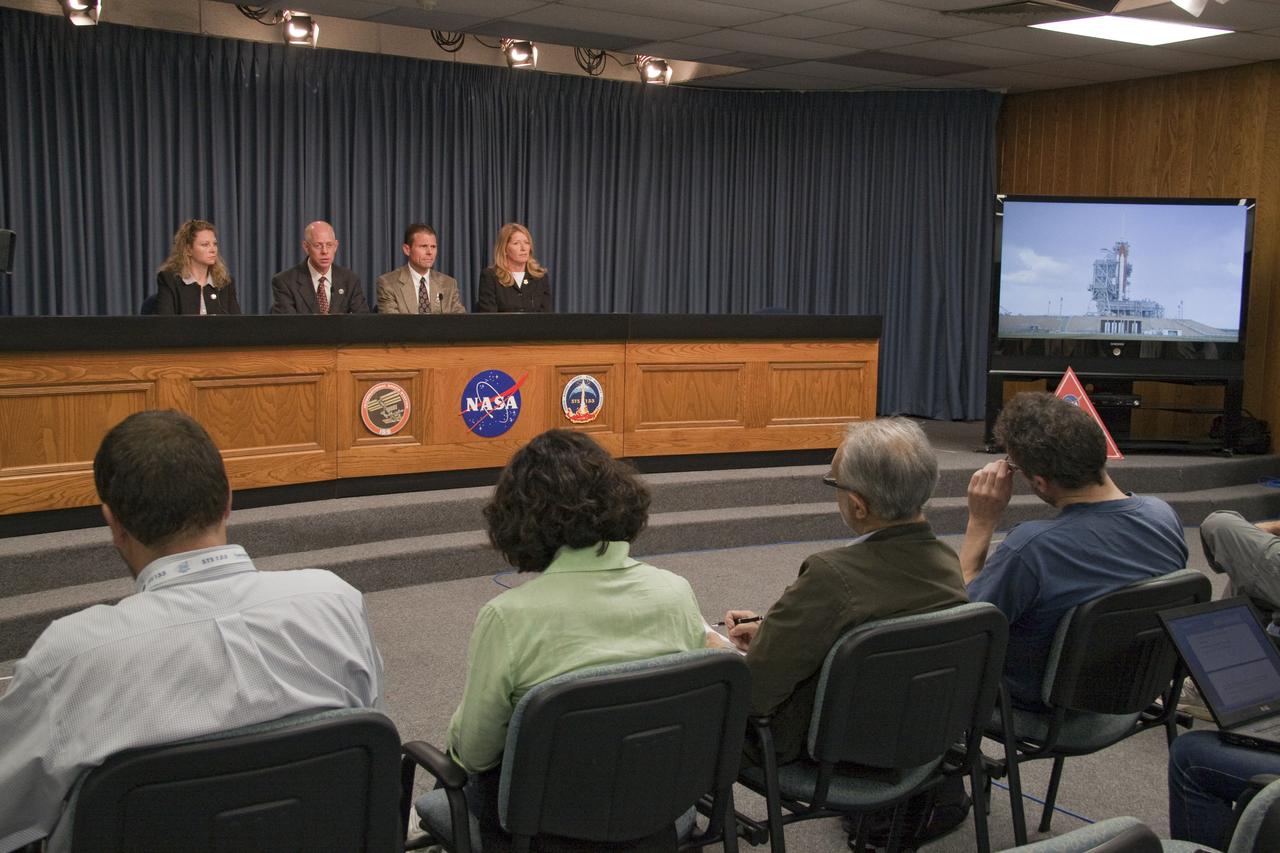
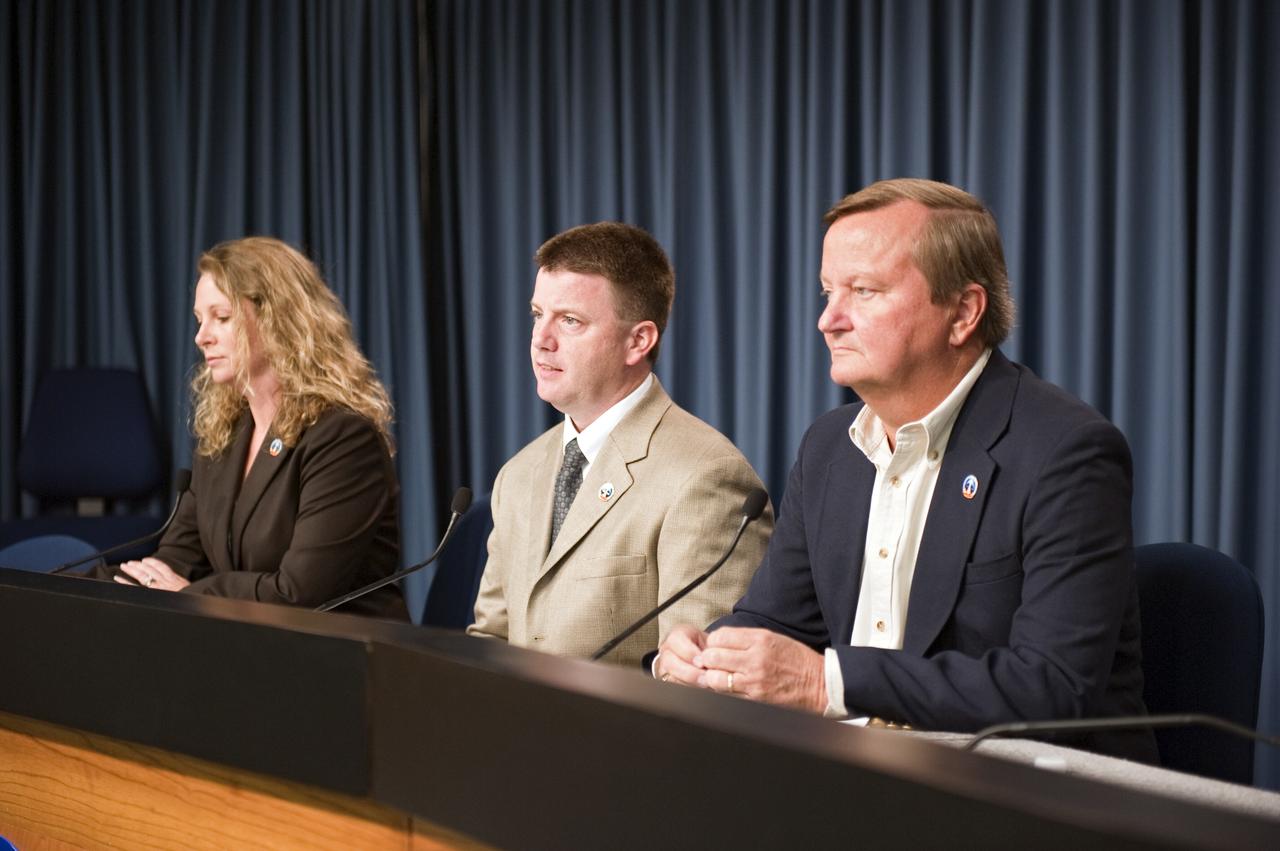
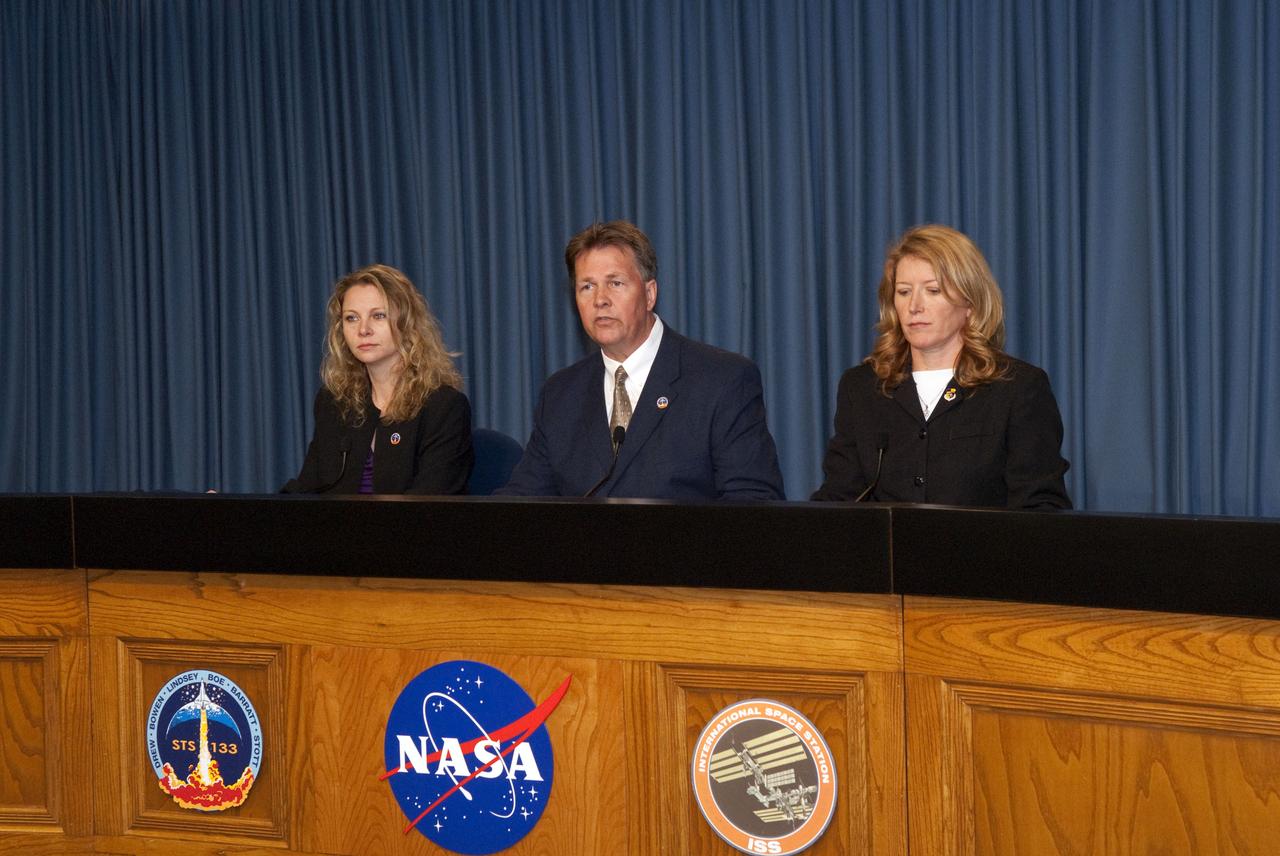
Date: 04-18-14 Location: Bldg 2N, Press Conf. Room Subject: ISS Program Status and Spacewalk Preview Briefing with PAO Moderator Dan Huot, ISS Flight Director, Brian Smith and Lead Spacewalk Officer, Glenda Brown Photographer: James Blair
ISS Program Status and Spacewalk Preview Briefing
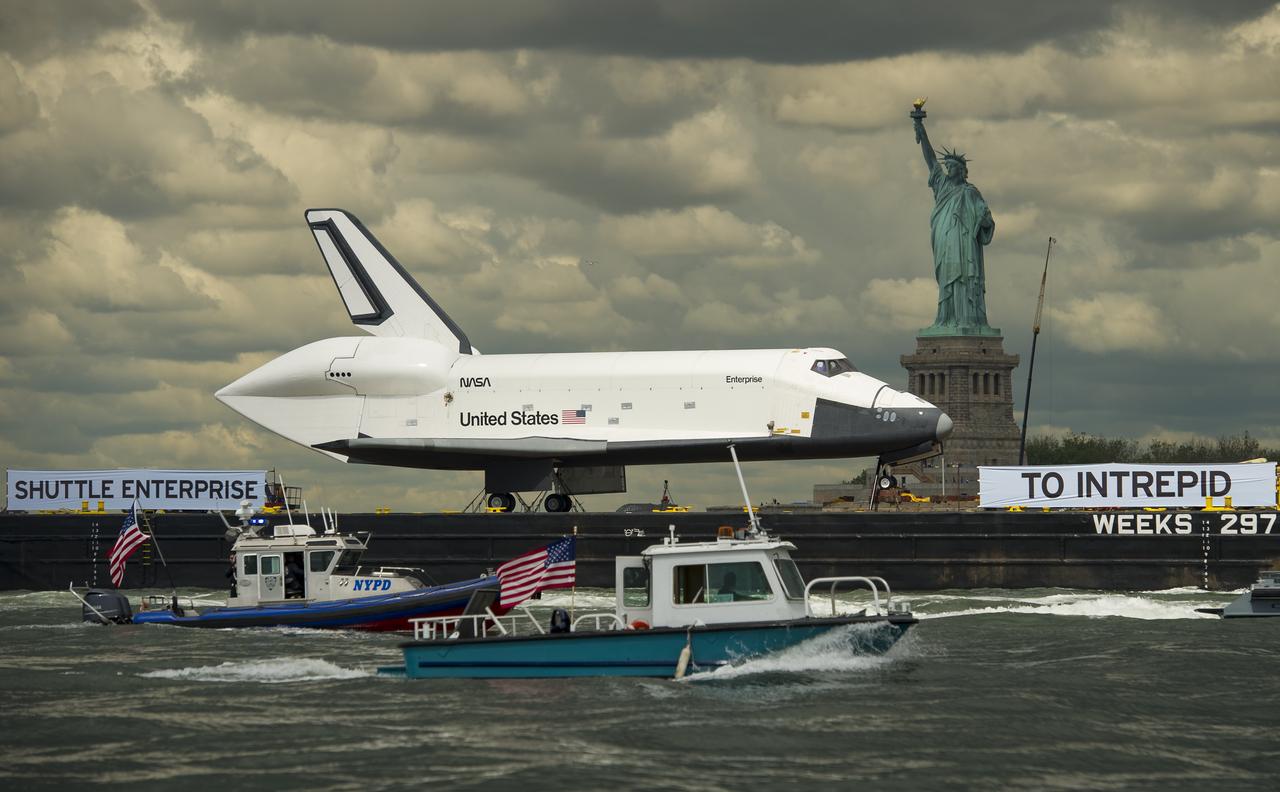
The space shuttle Enterprise, atop a barge,  passes the Statue of Liberty in New York on its way to the Intrepid Sea, Air and Space Museum where it will be permanently displayed, Wednesday, June 6, 2012. Photo Credit: (NASA/Bill Ingalls)
Space Shuttle Enterprise Move to Intrepid
The 2009 Philo T. Farnsworth Primetime Emmy Award Statue given to NASA Television in recognition for engineering excellence and technological innovations that made possible the first live TV broadcast from the moon by the Apollo 11 is shown on Aug. 19, 2009 at NASA Headquarters in Washington.  Photo Credit: (NASA/Bill Ingalls)
NASA Television 2009 Philo T. Farnsworth Primetime Emmy Award
The 2009 Philo T. Farnsworth Primetime Emmy Award Statue given to NASA Television in recognition for engineering excellence and technological innovations that made possible the first live TV broadcast from the moon by the Apollo 11 is shown on Aug. 19, 2009 at NASA Headquarters in Washington.  Photo Credit: (NASA/Bill Ingalls)
NASA Television 2009 Philo T. Farnsworth Primetime Emmy Award
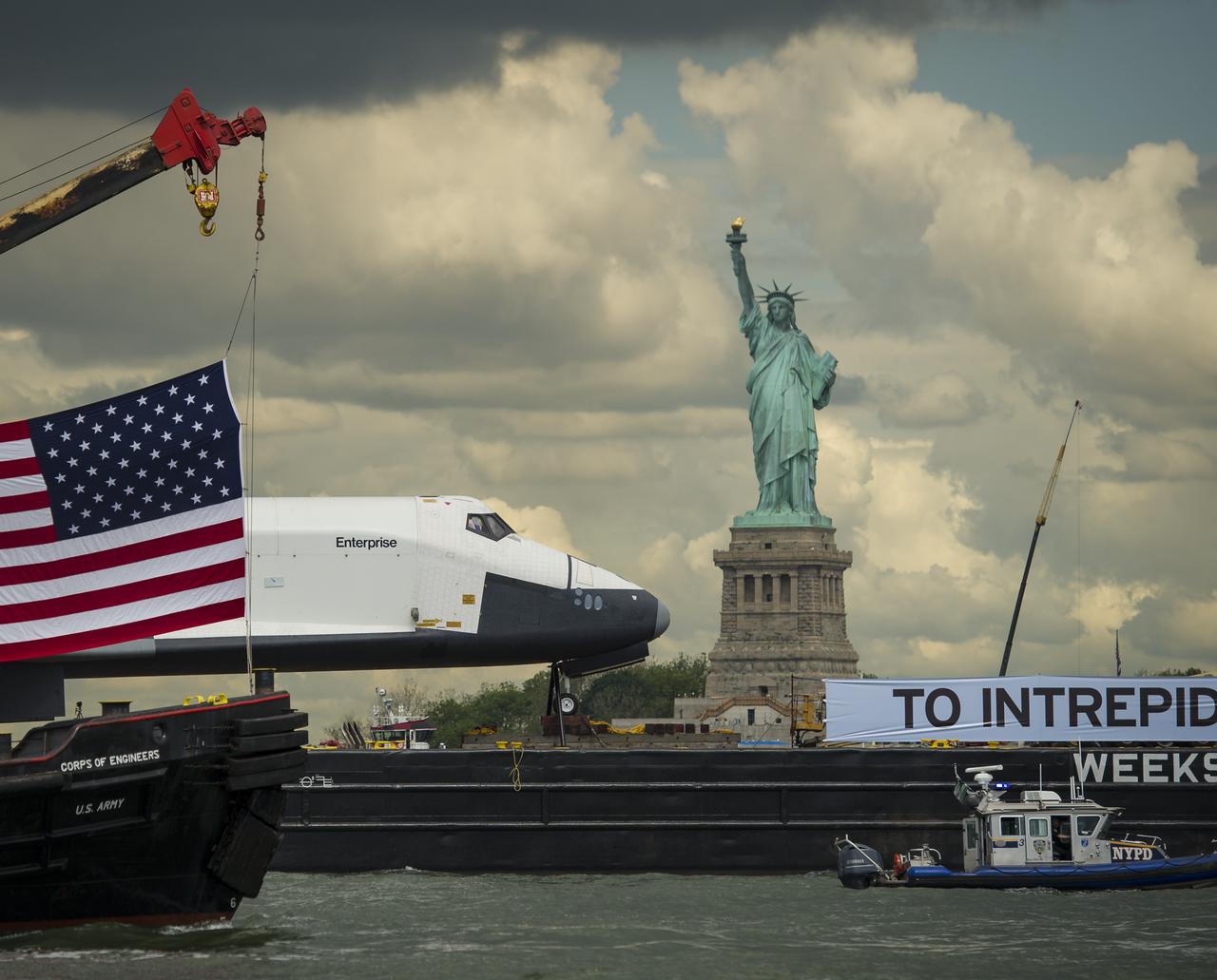
The space shuttle Enterprise, atop a barge,  passes the Statue of Liberty in New York on its way to the Intrepid Sea, Air and Space Museum where it will be permanently displayed, Wednesday, June 6, 2012. Photo Credit: (NASA/Bill Ingalls)
Space Shuttle Enterprise Move to Intrepid
A partial solar eclipse is seen as the sun rises behind the Statue of Freedom atop the United States Capitol Building, Thursday, June 10, 2021, as seen from Arlington, Virginia. The annular or “ring of fire” solar eclipse is only visible to some people in Greenland, Northern Russia, and Canada. Photo Credit: (NASA/Bill Ingalls)
Partial Solar Eclipse
PHOTO DATE:  11-17-08 LOCATION:  Bldg 2N, 212 SUBJECT: Photographic support for Media Services:  Photograph STS-126 Flight Day 3 Mission Status Briefing. PHOTOGRAPHER: JAMES  BLAIR
STS-126 Flight Day 3 Mission Status Briefing.
JSC2011-E-065992 (10 July 2011) --- STS-135 lead flight director Kwatsi Alibaruho is pictured during a flight day three mission status briefing at NASA's Johnson Space Center. Photo credit: NASA
STS-135 Flight Day 3 Mission Status Briefing with Kwatsi Alibaruho.
JSC2011-E-065989 (10 July 2011) --- STS-135 lead flight director Kwatsi Alibaruho is pictured during a flight day three mission status briefing at NASA's Johnson Space Center. Photo credit: NASA
STS-135 Flight Day 3 Mission Status Briefing with Kwatsi Alibaruho.
PHOTO DATE:  11-17-08 LOCATION:  Bldg 2N, 212 SUBJECT: Photographic support for Media Services:  Photograph STS-126 Flight Day 3 Mission Status Briefing. PHOTOGRAPHER: JAMES  BLAIR
STS-126 Flight Day 3 Mission Status Briefing.
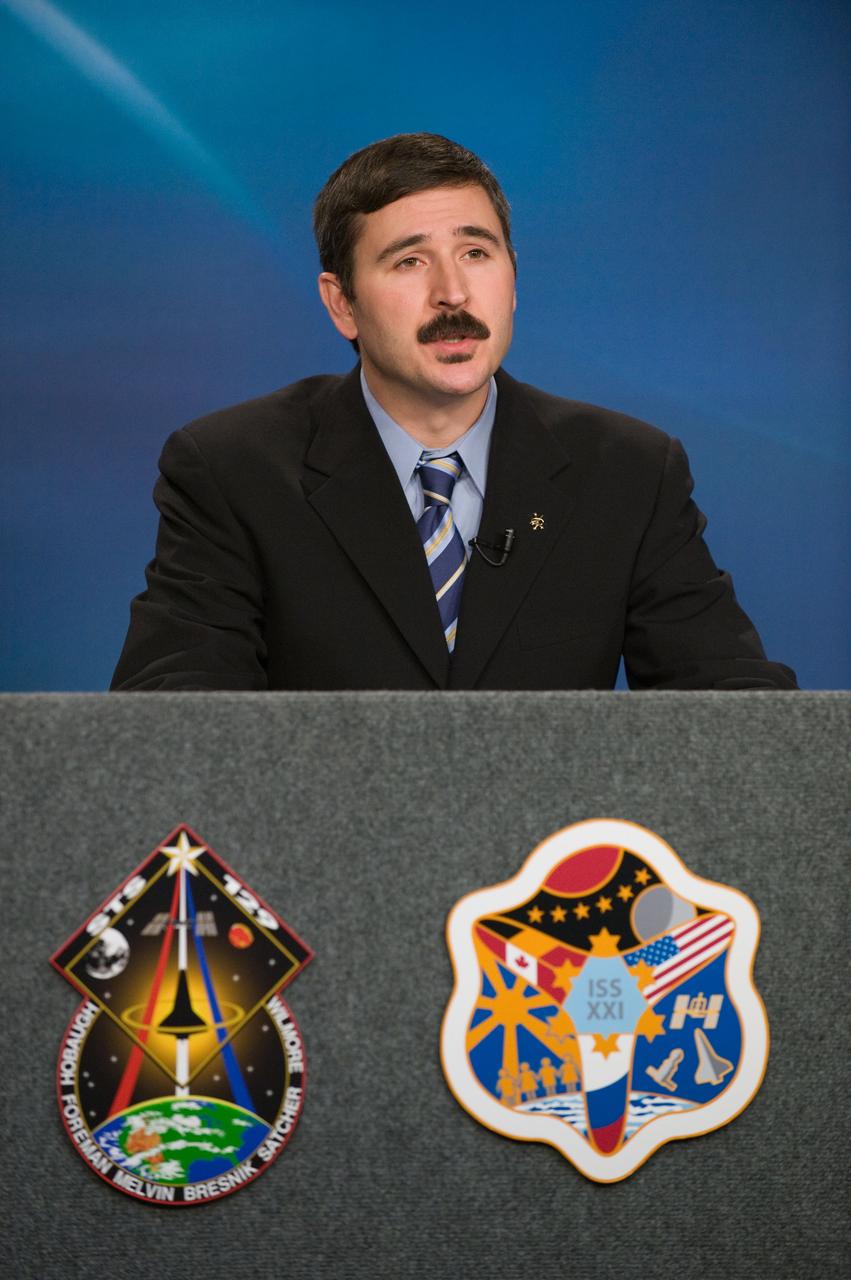
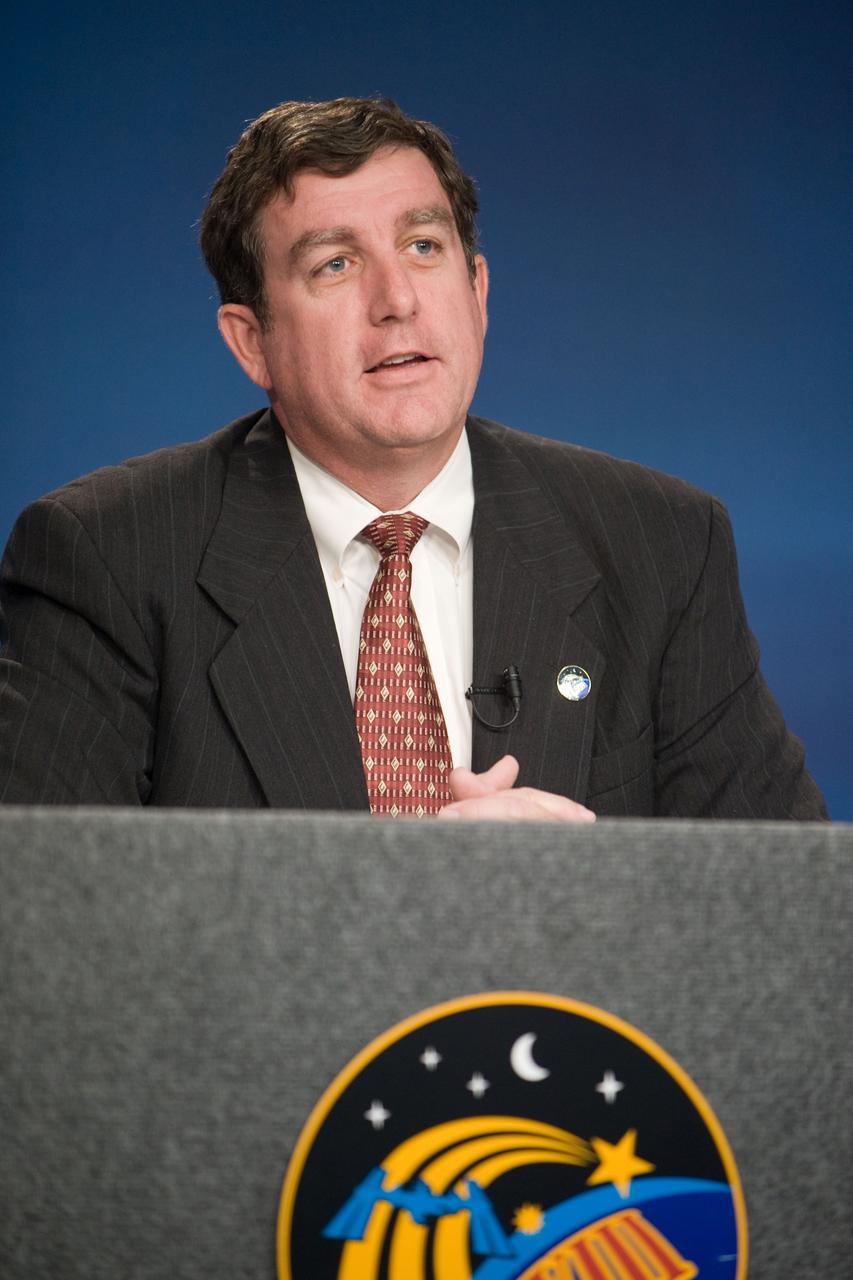
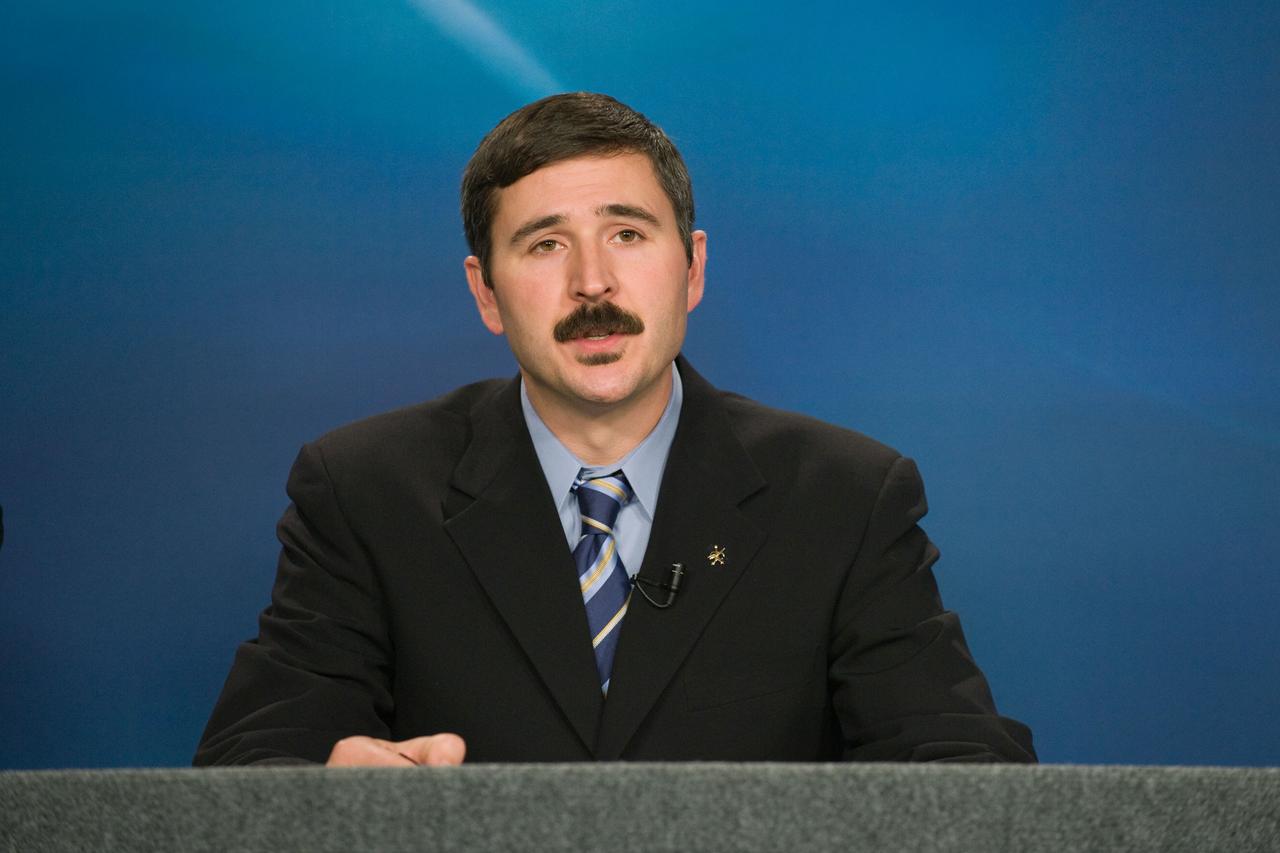
PHOTO DATE: 11-18-09 LOCATION: Bldg. 2S - Rm 122 Press Conference SUBJECT:   STS-129 Flight Day 3 Mission Status Briefing with Michael Sarafin PHOTOGRAPHER: Lauren Harnett
STS-129 Flight Day 3 Mission Status Briefing with Michael Sarafin
PHOTO DATE: 11-18-09 LOCATION: Bldg. 2S - Rm 122 Press Conference SUBJECT:   STS-129 Flight Day 3 Mission Status Briefing with Michael Sarafin PHOTOGRAPHER: Lauren Harnett
STS-129 Flight Day 3 Mission Status Briefing with Michael Sarafin
JSC2011-E-065977 (10 July 2011) --- STS-135 lead flight director Kwatsi Alibaruho (right) and Public Affairs Office moderator Rob Navias are pictured during a flight day three mission status briefing at NASA's Johnson Space Center. Photo credit: NASA
STS-135 Flight Day 3 Mission Status Briefing with Kwatsi Alibaruho.
JSC2011-E-065999 (10 July 2011) --- STS-135 lead flight director Kwatsi Alibaruho (right) and Public Affairs Office moderator Rob Navias are pictured during a flight day three mission status briefing at NASA's Johnson Space Center. Photo credit: NASA
STS-135 Flight Day 3 Mission Status Briefing with Kwatsi Alibaruho.
JSC2011-E-065983 (10 July 2011) --- STS-135 lead flight director Kwatsi Alibaruho (right) and Public Affairs Office moderator Rob Navias are pictured during a flight day three mission status briefing at NASA's Johnson Space Center. Photo credit: NASA
STS-135 Flight Day 3 Mission Status Briefing with Kwatsi Alibaruho.
PHOTO DATE: 7-10-2011   LOCATION: Bldg. 2N - Press Briefing Room   SUBJECT: STS-135 Flight Day 3 Mission Status Briefing with Kwatsi Alibaruho. WORK ORDER: 00000-DCB_STS135_Day 3_Status Briefing_7-10-11 PHOTOGRAPHER: Devin Boldt
STS-135 Flight Day 3 Mission Status Briefing with Kwatsi Alibaruho.
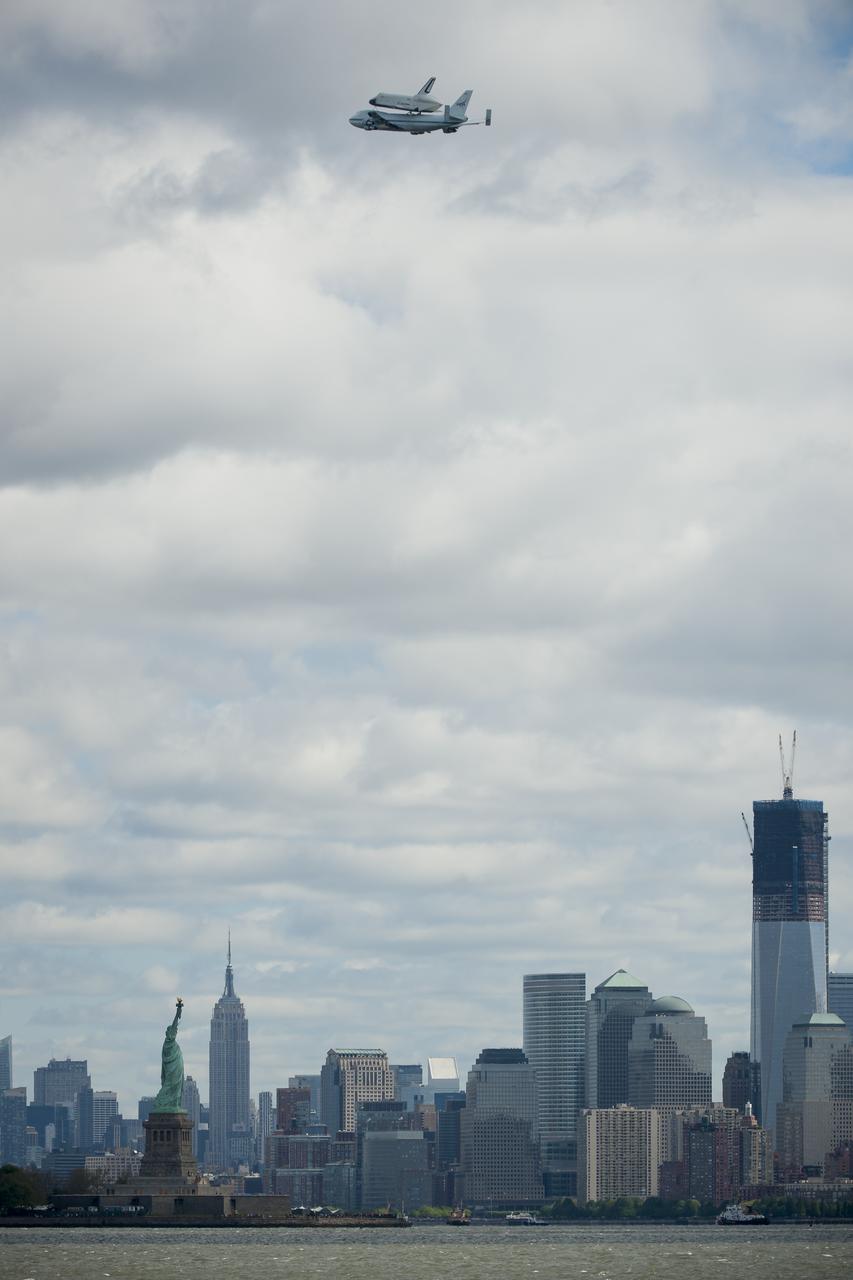
Space shuttle Enterprise, mounted atop a NASA 747 Shuttle Carrier Aircraft (SCA), is seen as it flies near the Statue of Liberty and the Manhattan skyline, Friday, April 27, 2012, in New York. Enterprise was the first shuttle orbiter built for NASA performing test flights in the atmosphere and was incapable of spaceflight. Originally housed at the Smithsonian's Steven F. Udvar-Hazy Center, Enterprise will be demated from the SCA and placed on a barge that will eventually be moved by tugboat up the Hudson River to the Intrepid Sea, Air & Space Museum in June. Photo Credit: (NASA/Robert Markowitz)
Shuttle Enterprise Flight to New York
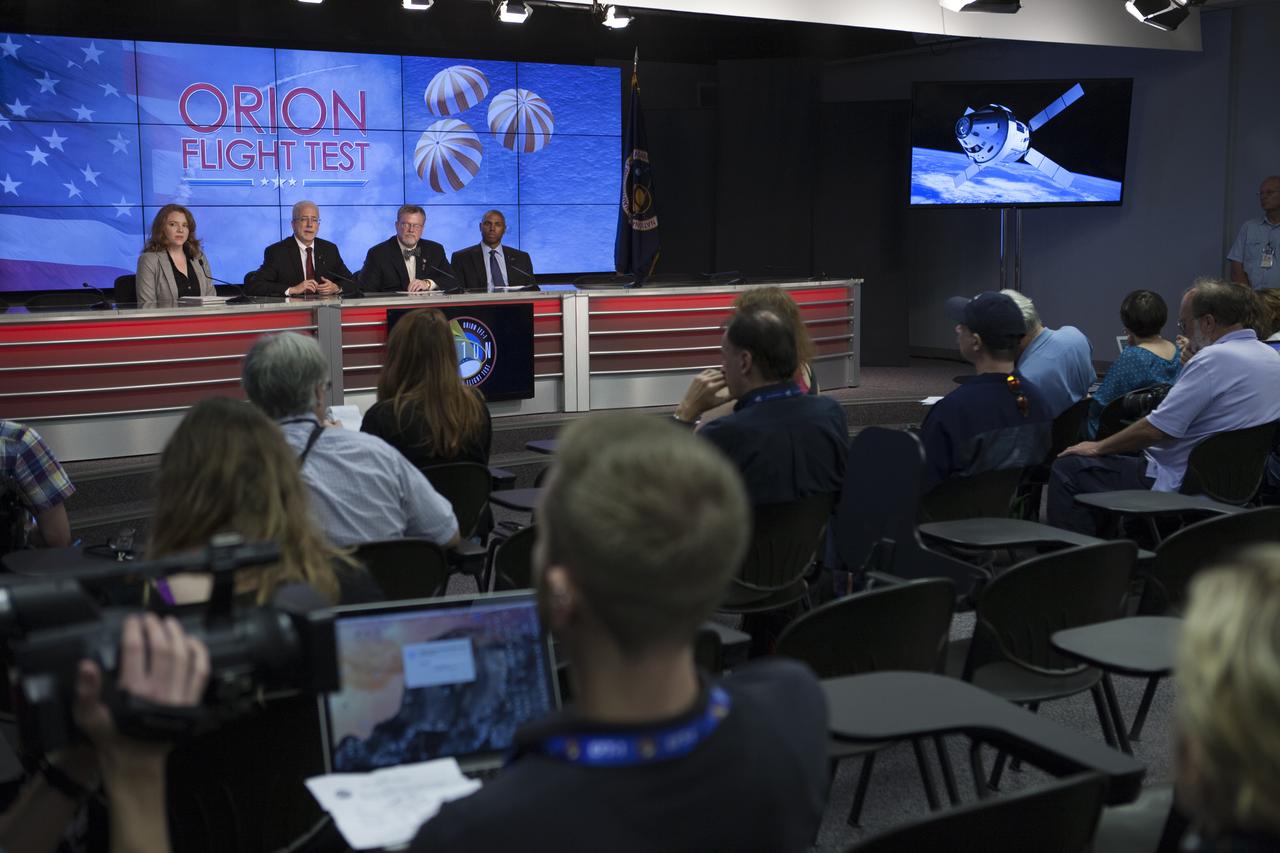
In the Kennedy Space Center’s Press Site auditorium, news media members listen as agency and industry leaders the status of preparations for launch of the Orion spacecraft atop a Delta IV Heavy rocket. From left are: Brandi Dean of NASA Public Affairs, Mark Geyer, Orion program manager, Mike Hawes, Lockheed Martin Orion Program manager, and Ron Fortson, United Launch Alliance director of mission management. Orion is the exploration spacecraft designed to carry astronauts to destinations not yet explored by humans, including an asteroid and Mars. It will have emergency abort capability, sustain the crew during space travel and provide safe re-entry from deep space return velocities. The first unpiloted flight test of Orion is scheduled to launch Dec. 4, 2014 atop a United Launch Alliance Delta IV Heavy rocket, and in 2018 on NASA’s Space Launch System rocket.
Orion Flight Test Status & Overview Briefing
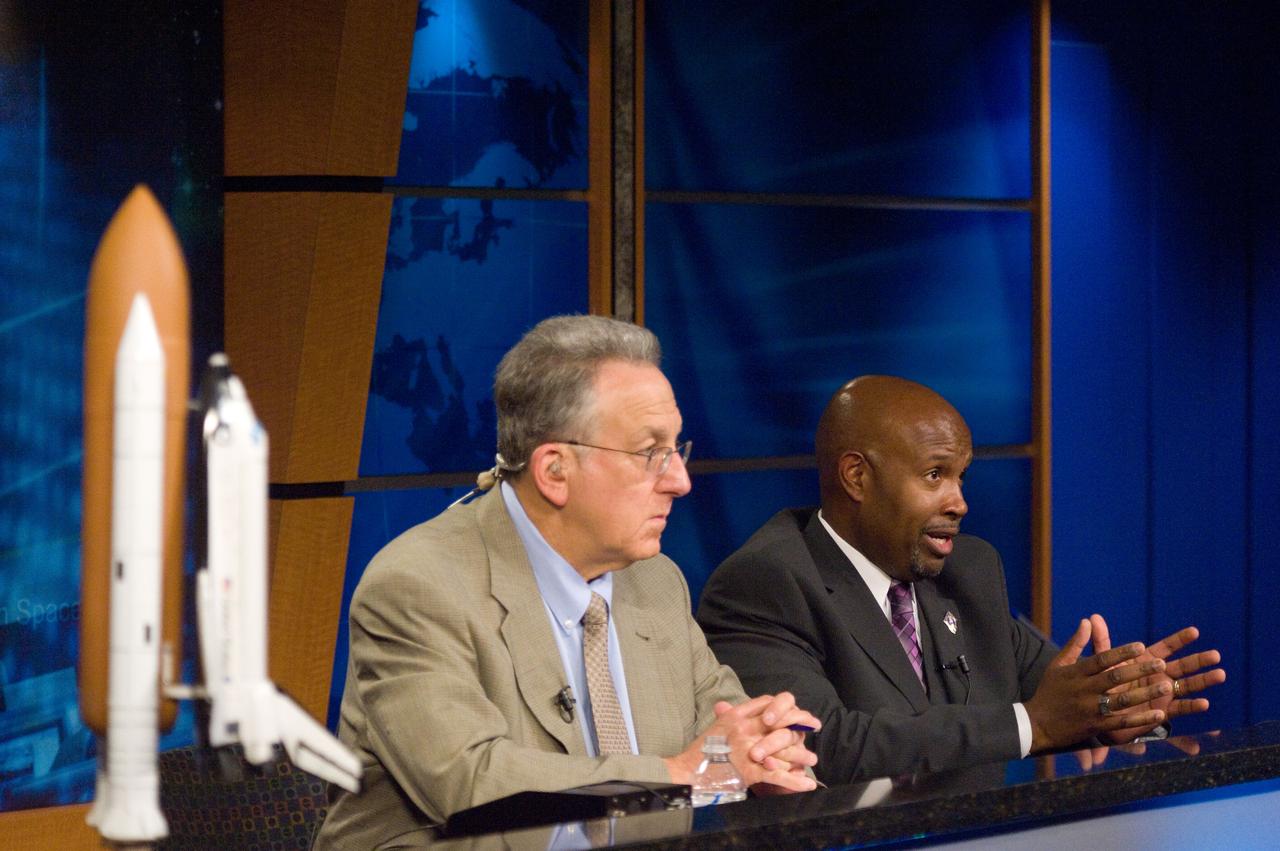
Date: 11-25-09 Location: Bldg. 2S - Rm 122 Press Conference Subject: STS-129 Flight Day 10 Mission Status Briefing with Orbit 1 Flight Director Mike Sarafin. Photographer: Lauren Harnett
STS-129 Flight Day 10 Mission Status Briefing with Orbit 1 Flight Director Mike Sarafin.
Date: 11-25-09 Location: Bldg. 2S - Rm 122 Press Conference Subject: STS-129 Flight Day 10 Mission Status Briefing with Orbit 1 Flight Director Mike Sarafin. Photographer: Lauren Harnett
STS-129 Flight Day 10 Mission Status Briefing with Orbit 1 Flight Director Mike Sarafin.
Space shuttle Enterprise, mounted atop a NASA 747 Shuttle Carrier Aircraft (SCA), is seen off in the distance behind the Statue of Liberty, Friday, April 27, 2012, in New York. Enterprise was the first shuttle orbiter built for NASA performing test flights in the atmosphere and was incapable of spaceflight. Originally housed at the Smithsonian's Steven F. Udvar-Hazy Center, Enterprise will be demated from the SCA and placed on a barge that will eventually be moved by tugboat up the Hudson River to the Intrepid Sea, Air & Space Museum in June. Photo Credit: (NASA/Bill Ingalls)
Shuttle Enterprise Flight To New York
Space shuttle Enterprise, mounted atop a NASA 747 Shuttle Carrier Aircraft (SCA), is seen as it flies near the Statue of Liberty, Friday, April 27, 2012, in New York. Enterprise was the first shuttle orbiter built for NASA performing test flights in the atmosphere and was incapable of spaceflight. Originally housed at the Smithsonian's Steven F. Udvar-Hazy Center, Enterprise will be demated from the SCA and placed on a barge that will eventually be moved by tugboat up the Hudson River to the Intrepid Sea, Air & Space Museum in June. Photo Credit: (NASA/Bill Ingalls)
Shuttle Enterprise Flight To New York
Shenzhen is a city of sub-provincial administrative status in southern China Guangdong province, immediately north of Hong Kong, and located in the Pearl River Delta. This image was acquired by NASA Terra spacecraft.
Shenzhen, PRC
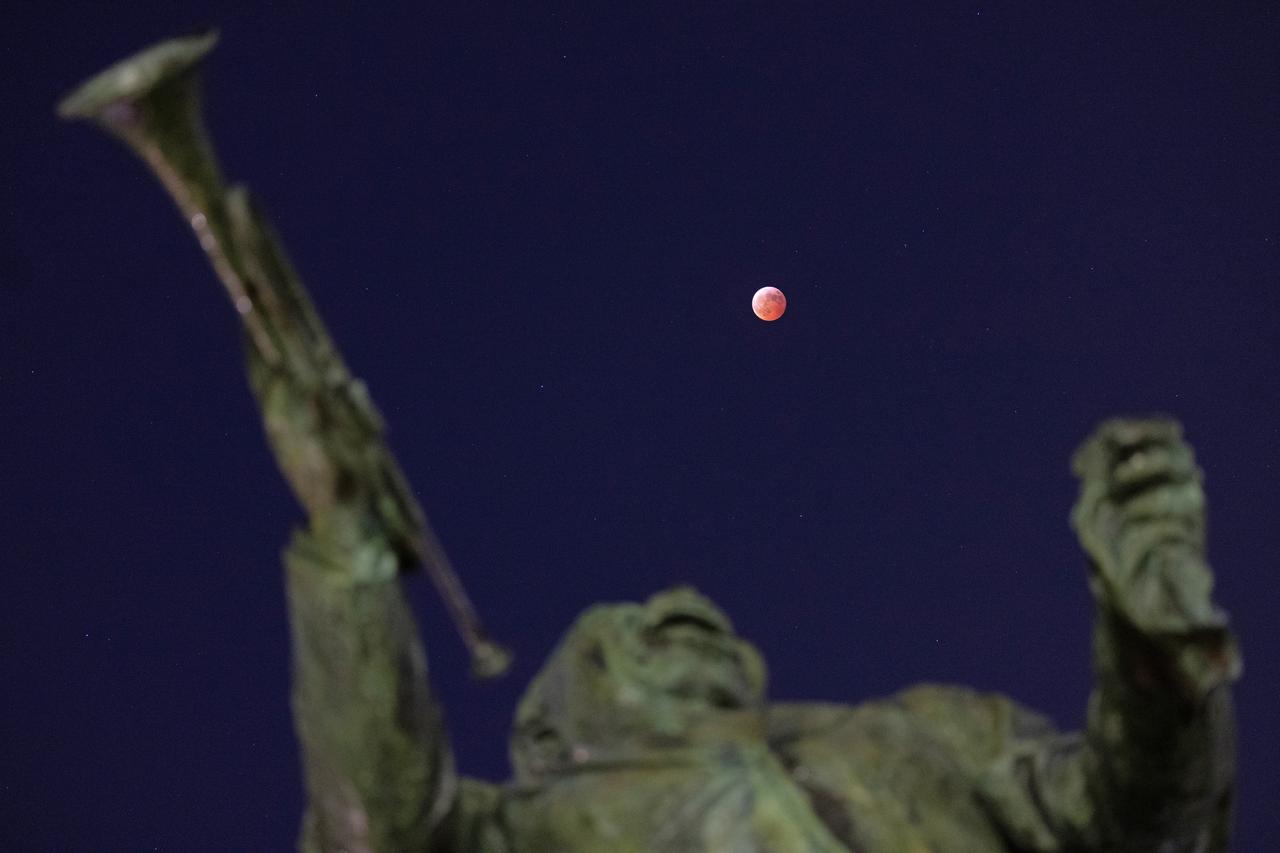
The blood moon lunar eclipse is shown above a statue of Louis Armstrong in New Orleans, home to NASA’s Michoud Assembly Facility, on Friday, March 14, 2025. Image credit: NASA/Michael DeMocker
Blood Moon Lunar Eclipse 2025
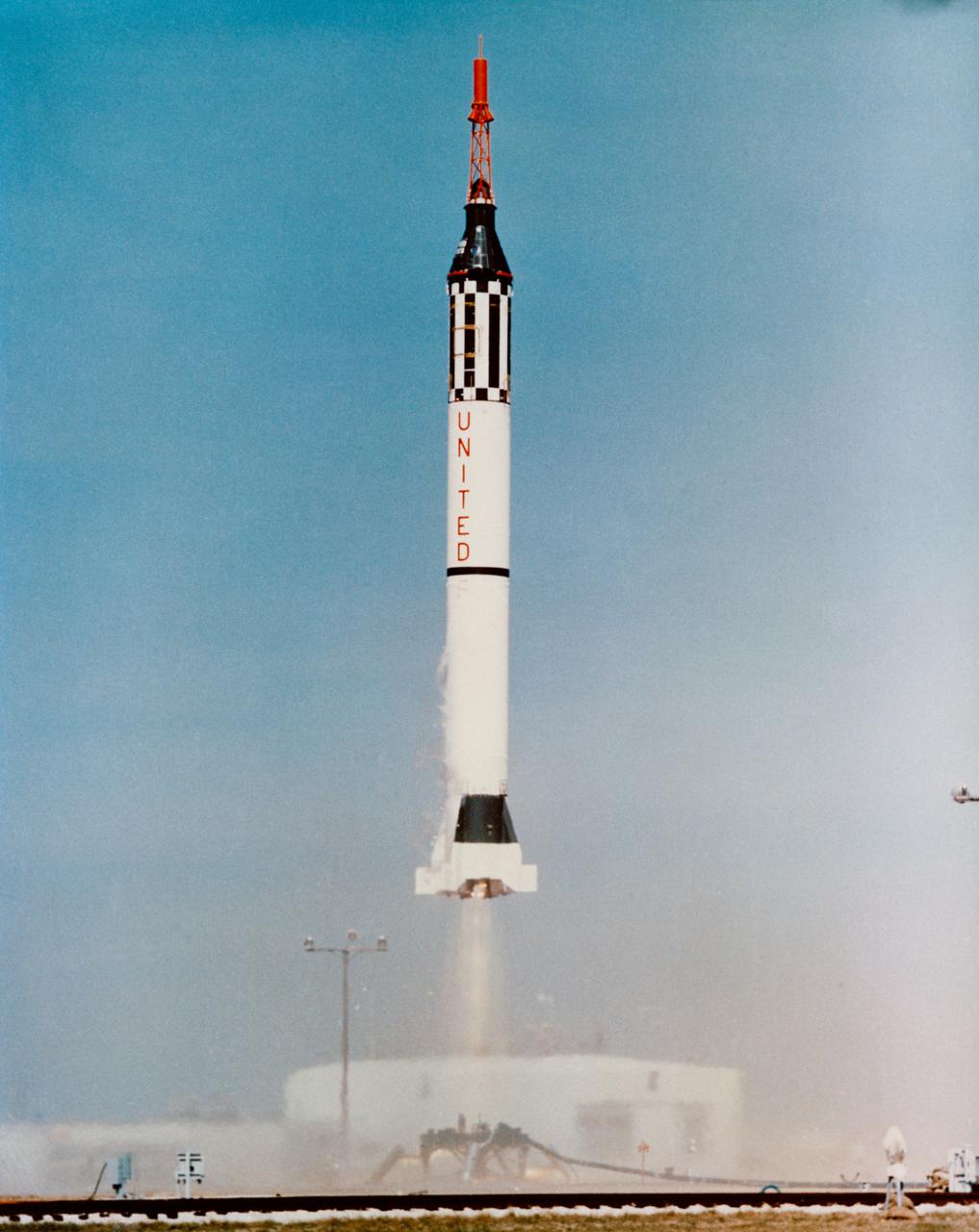
S62-08106 (19 Dec. 1960) --- Launch of the unmanned Mercury Redstone 1A (MR-1A) from Cape Canaveral on Dec. 19, 1960. Successful flight to peak altitude of 135 statue miles. Horizontal distance of 235 statue miles. Photo credit: NASA
LIFTOFF - MERCURY-REDSTONE (MR)-1A - CAPE
STS-133 LAUNCH L-1 POST MMT STATUS BRIEFING
2010-5452
STS-133 LAUNCH L-1 POST MMT STATUS BRIEFING
2010-5450
STS-133 LAUNCH L-1 COUNTDOWN STATUS & WEATHER BRIEFING
2010-5402
STS-133 LAUNCH L-1 COUNTDOWN STATUS & WEATHER BRIEFING
2010-5405
STS-133 LAUNCH L-1 POST MMT STATUS BRIEFING
2010-5451
STS-133 LAUNCH L-1 COUNTDOWN STATUS & WEATHER BRIEFING
2010-5404
STS-133 LAUNCH L-1 COUNTDOWN STATUS & WEATHER BRIEFING
2010-5403
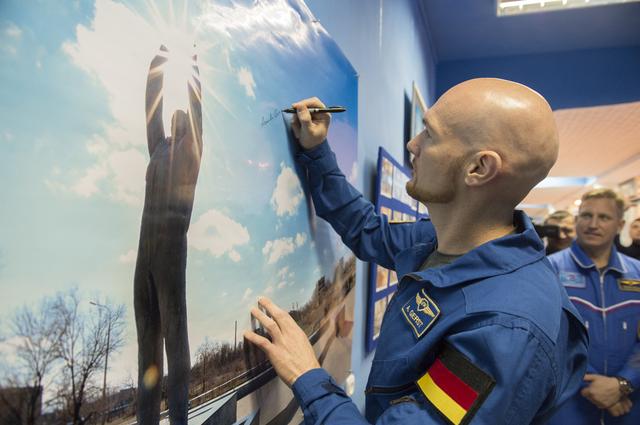
jsc2017e136941 - At the Baikonur Museum in Baikonur, Kazakhstan, Expedition 54-55 backup crewmember Alexander Gerst of the European Space Agency signs a picture of the statue of Yuri Gagarin, the first human to fly in space Dec. 6 as his backup crewmate, S
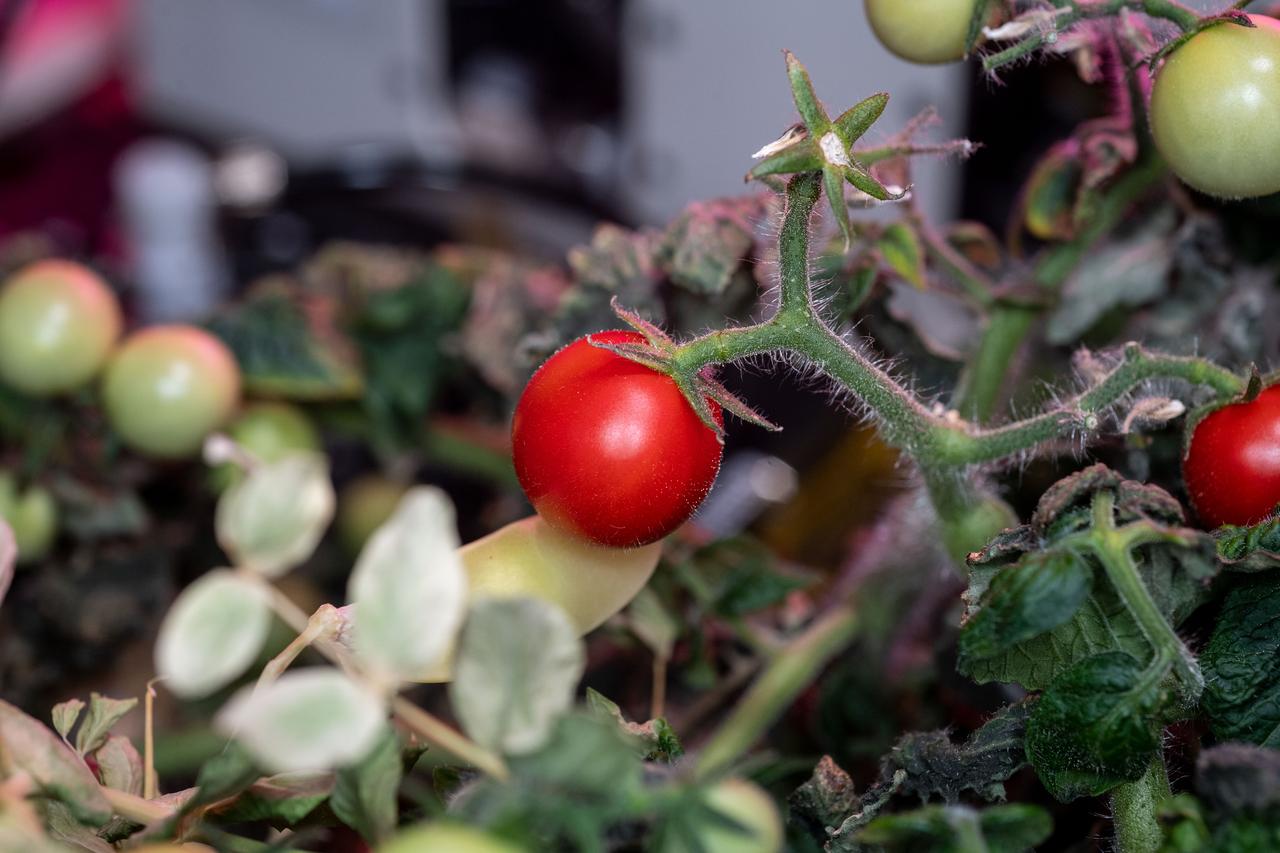
iss068e018681 (Oct. 25, 2022) --- View of tomatoes growing in the eXposed Root On-Orbit Test System (XROOTS) facility. The tomatoes were grown without soil using hydroponic and aeroponic nourishing techniques to demonstrate space agricultural methods to sustain crews on long term space flights farther away from Earth where resupply missions become impossible.
XROOTS Status check
STS-133 LAUNCH L-3 COUNTDOWN STATUS & WEATHER BRIEFING WITH KATHY WINTERS, JEFF SPALDING, CANDREA THOMAS
STS-133
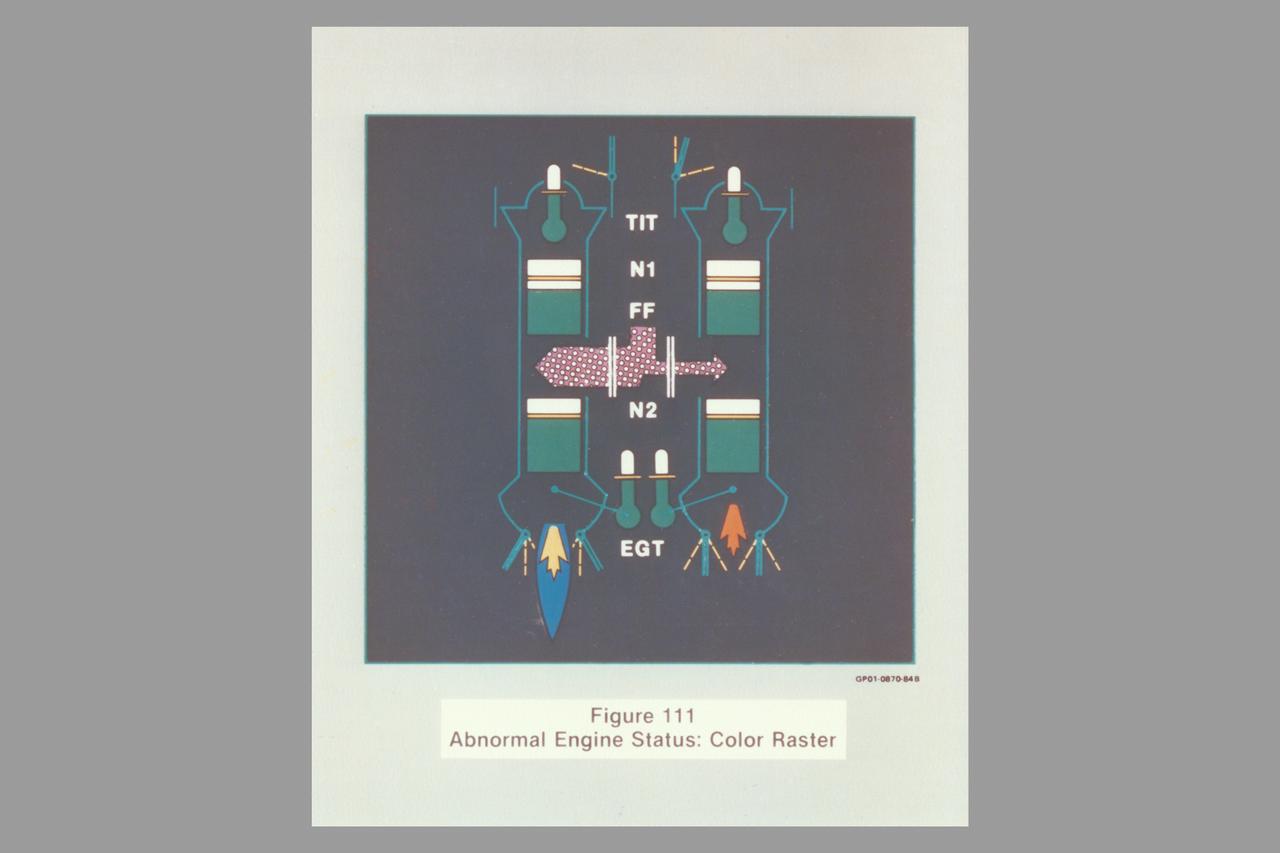
Date: Feb 1982 Photographer: Air Force abnormal engine status (ref: AFWAL TR-81-3156)
ARC-1969-AC96-0023-10
NASA test pilot, Nils Larson, inspects the X-59 cockpit displays and lighting system during system checkouts. The External Vision System (XVS) is displayed on the top screen, and the avionics flight displays, which can show navigation information or aircraft status, are shown on the bottom two screens.
Quesst Mission- NASA Test Piot Nils Larson Inspects X-59’s Cockpit
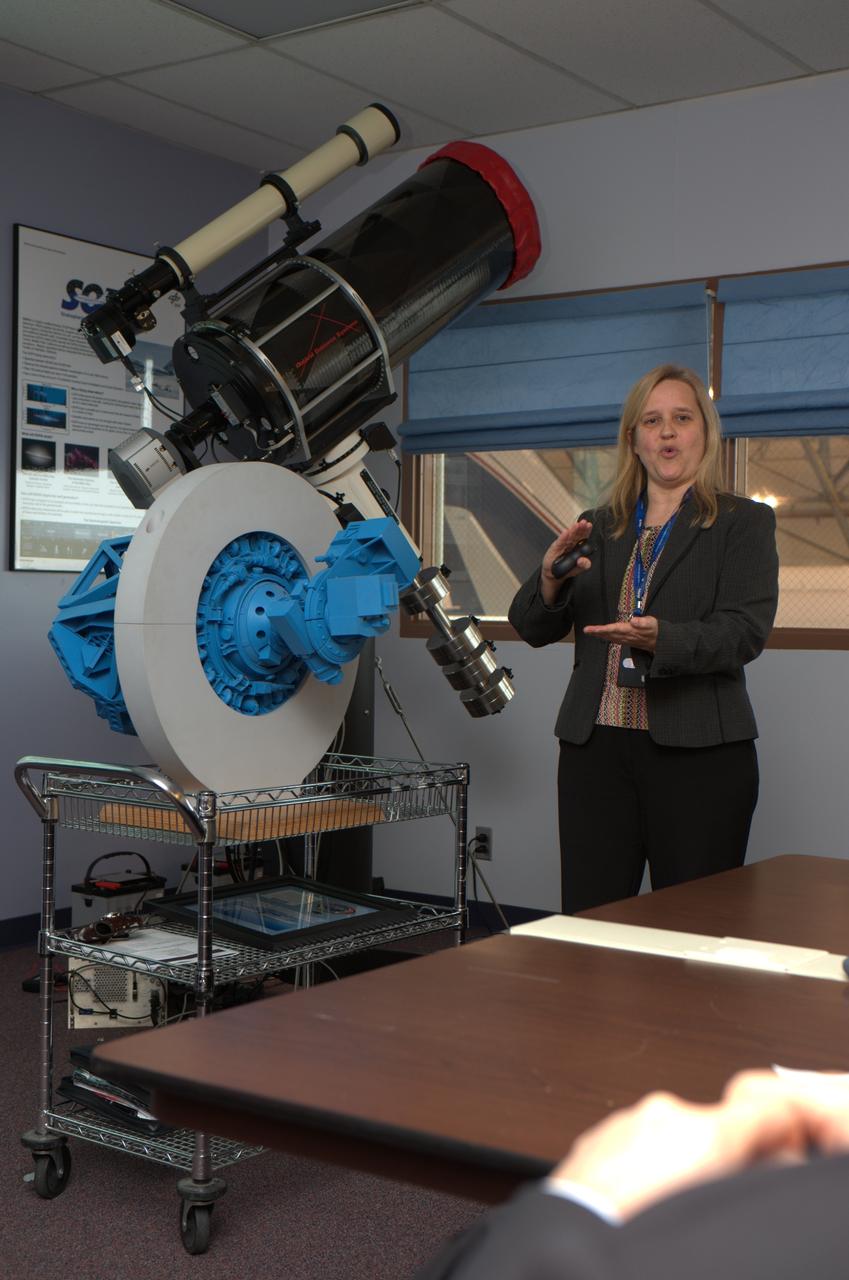
German Deligation visits Ames SOFIA Science Office for briefing and enjoy a Ames tour. Pam Marcum, SOFIA Project scientist gives status.
ARC-2010-ACD10-0242-011
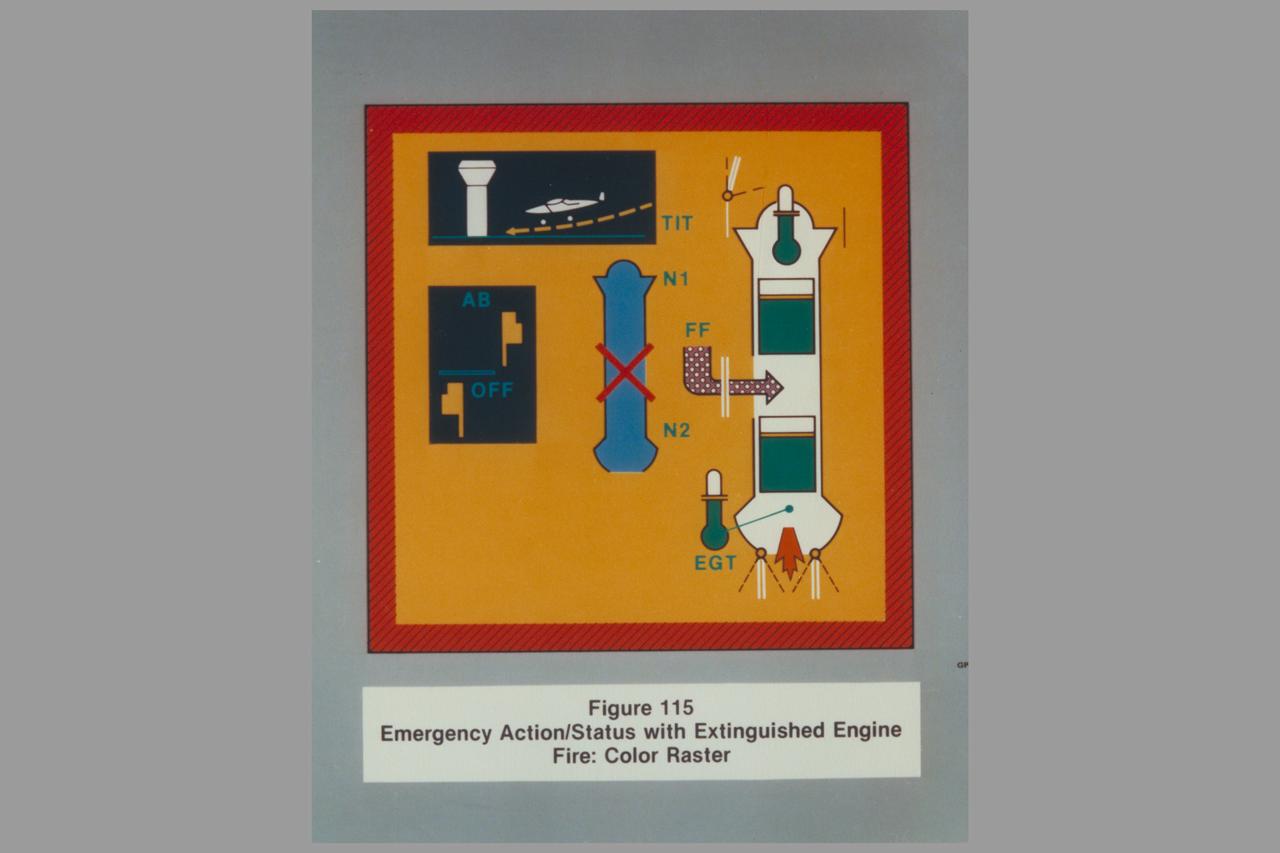
Date: Feb 1982 Photographer: Air Force emergency action status with extinguished engine fire (ref: AFWAL TR-81-3156)
ARC-1969-AC96-0023-12
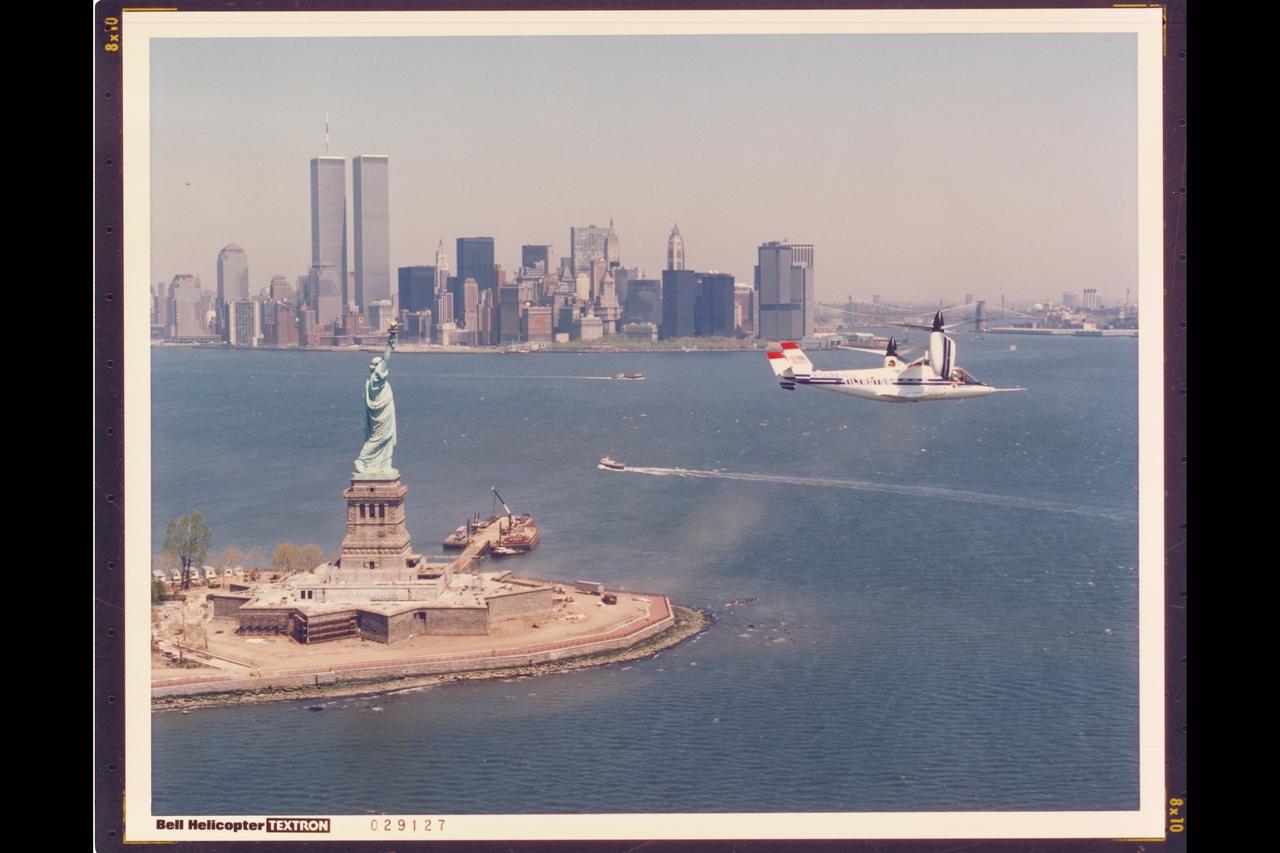
BELL HELICOPTER BELL TEXTRON XV-15 TILT ROTOR AIRCRAFT IN FLIGHT OVER NEW YORK, ELLIS ISLAND AND STATUE OF LIBERTY
ARC-1986-AC86-0410-4
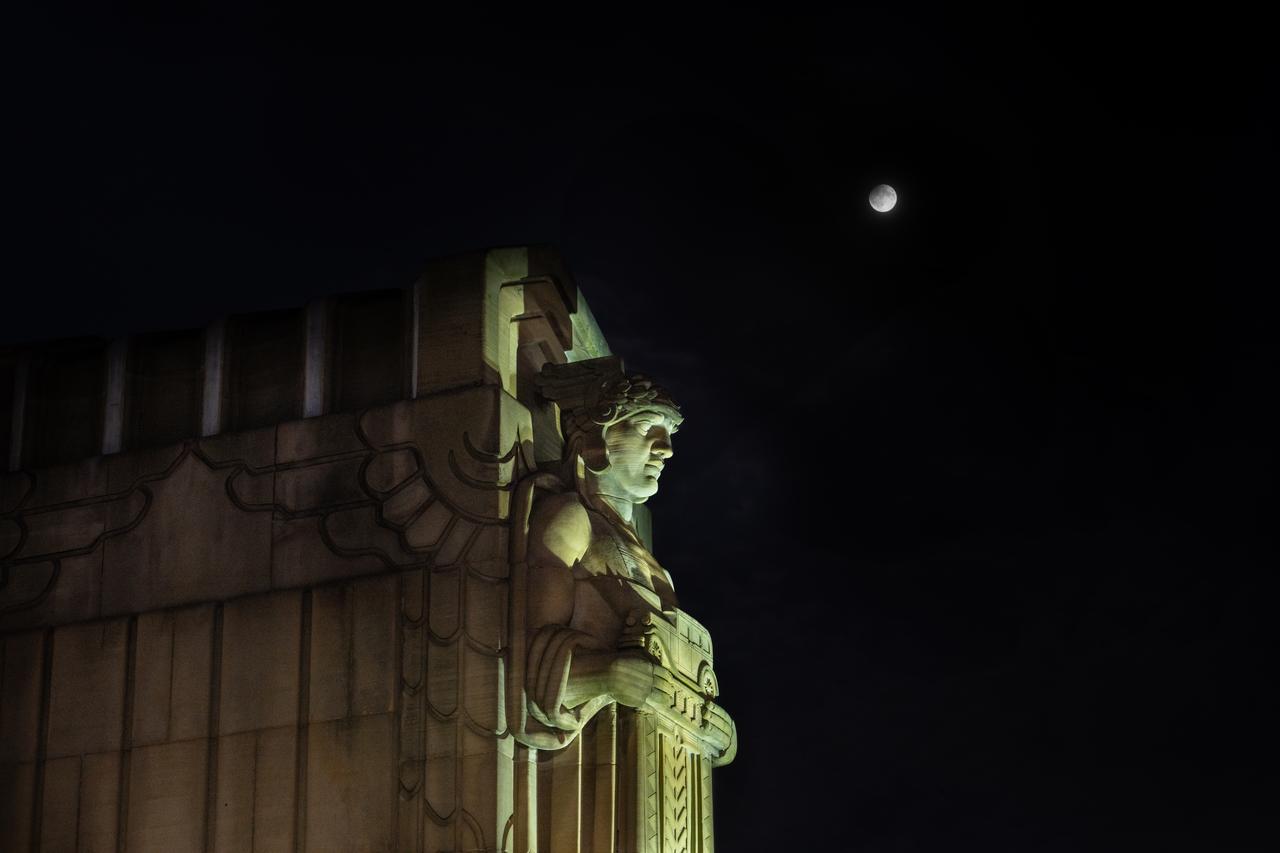
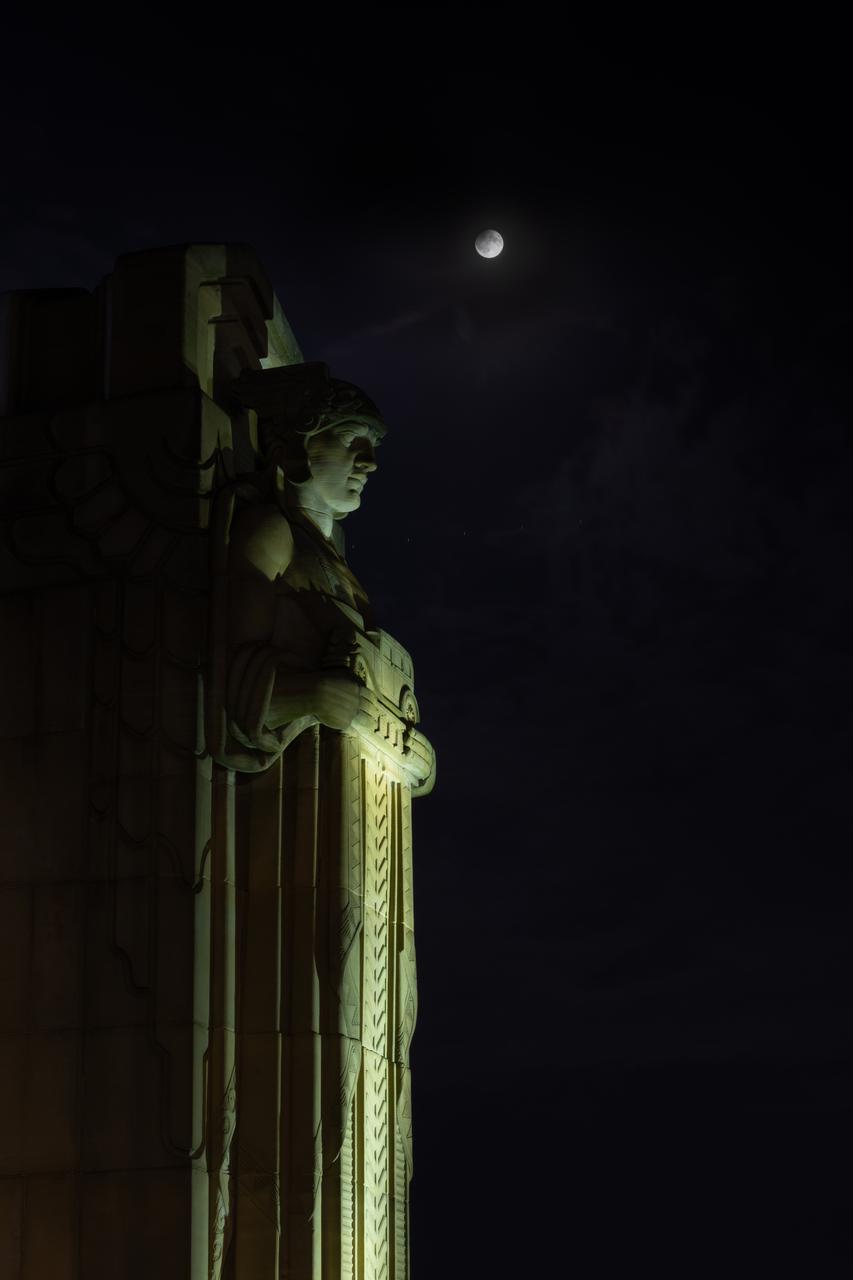
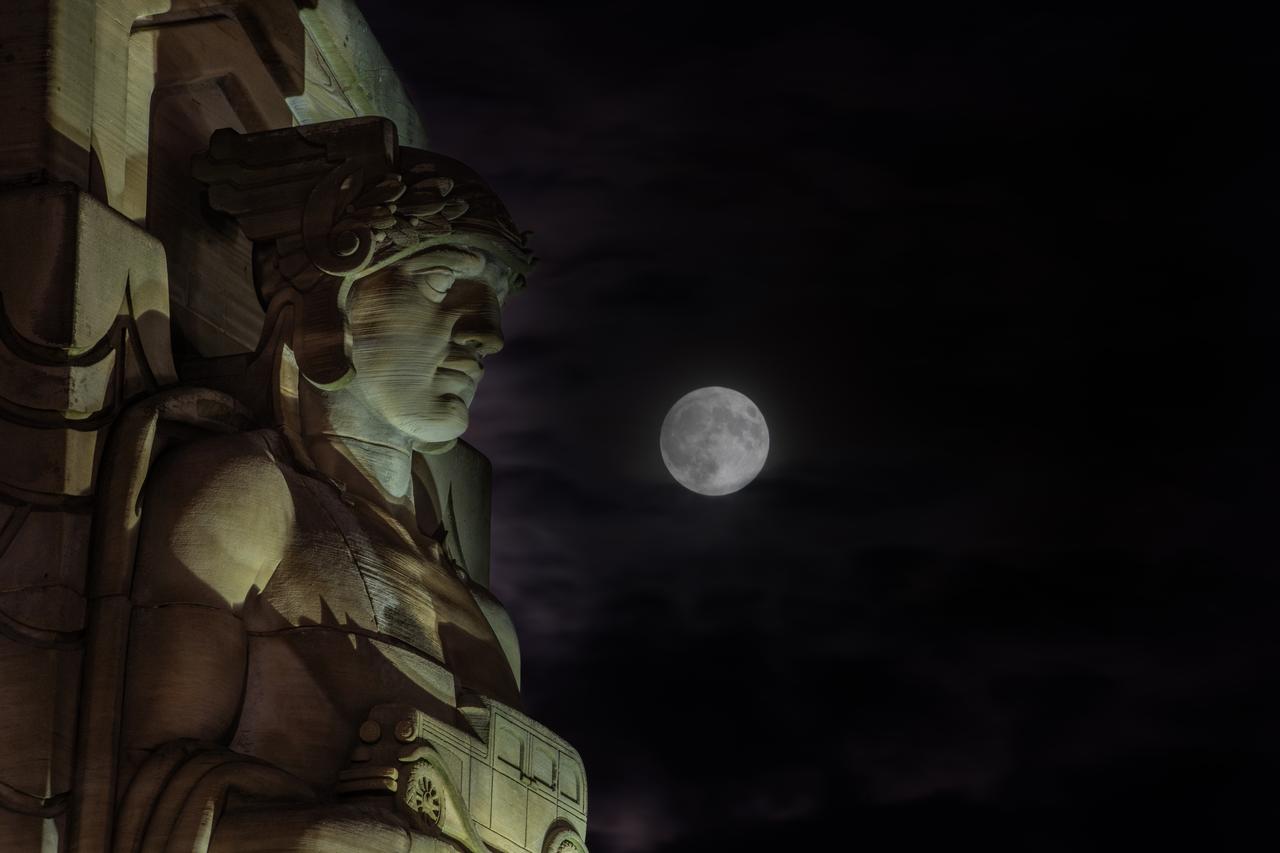
Guardians of Traffic Statue in Cleveland, OH in front of the Supermoon that was visible on September 17th, 2024. On this day, the full moon was a partial lunar eclipse; a supermoon; and a harvest moon.
Guardians of Traffic Supermoon
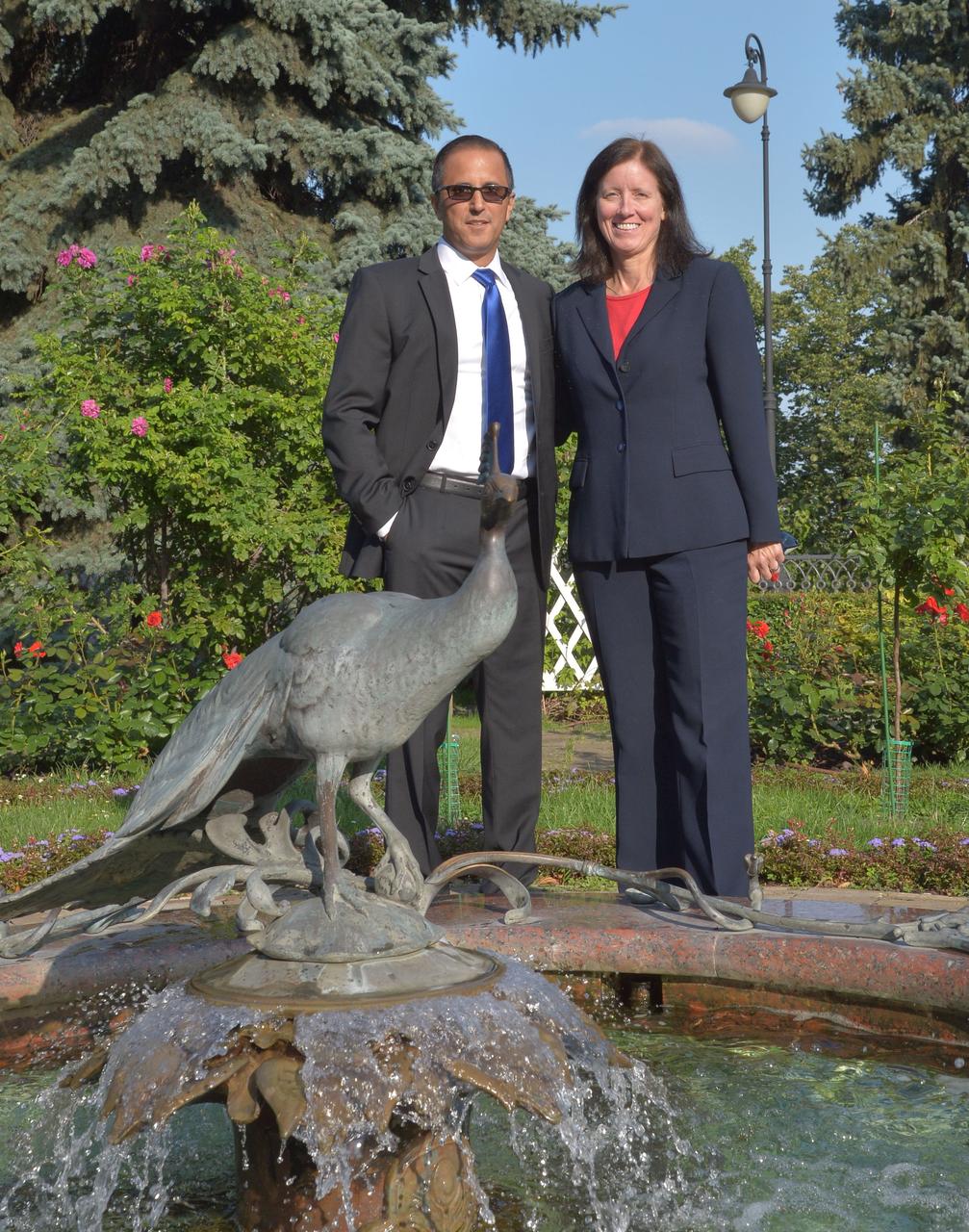
jsc2017e114492 (Sept. 1, 2017) --- NASA astronauts Joe Acaba (left) and Shannon Walker pose for pictures by a statue of a peacock at the Kremlin in Moscow Sept. 1. The statue had special significance for them since they are members of the Astronaut Class of 2004 that bears the nickname “The Peacocks”. Acaba, Alexander Misurkin of Roscosmos and Mark Vande Hei of NASA will launch Sept. 13 from the Baikonur Cosmodrome in Kazakhstan Sept. 13 on the Soyuz MS-06 spacecraft for a five and a half month mission on the International Space Station. Credit: NASA/Elizabeth Weissinger
jsc2017e114492
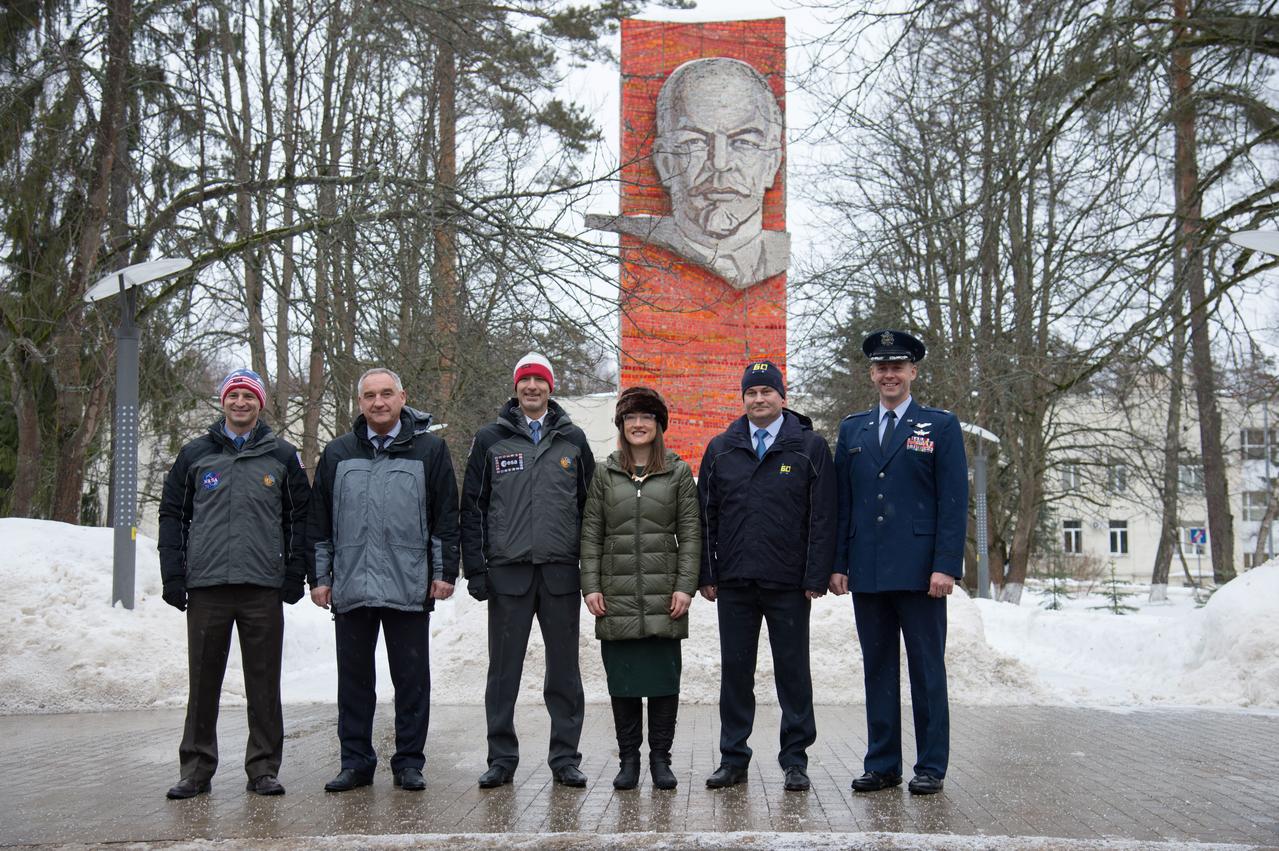
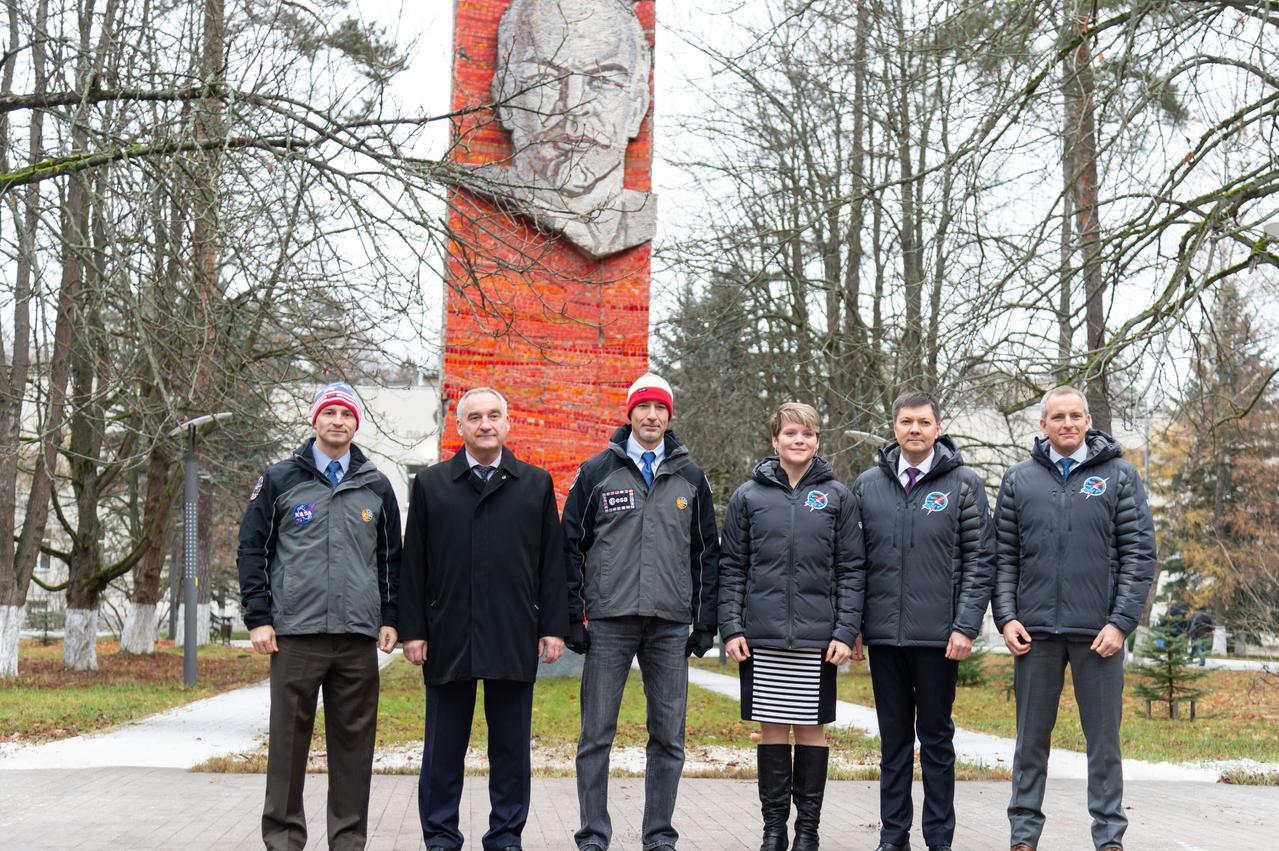
At the Gagarin Cosmonaut Training Center in Star City, Russia, the Expedition 59 prime and backup crewmembers pose for pictures Feb. 26 in front of the statue of Vladimir Lenin as they prepared to depart for their launch site at the Baikonur Cosmodrome in Kazakhstan for final pre-launch training. From left to right are the backup crew, Drew Morgan of NASA, Alexander Skvortsov of Roscosmos and Luca Parmitano of the European Space Agency, and the prime crew, Christina Koch of NASA, Alexey Ovchinin of Roscosmos and Nick Hague of NASA, who will launch on March 14, U.S. time, on the Soyuz MS-12 spacecraft from the Baikonur Cosmodrome in Kazakhstan for a six-and-a-half month mission on the International Space Station.  NASA/Beth Weissinger
At the Gagarin Cosmonaut Training Center in Star City, Russia, the Expedition 59 prime and backup crewmembers pose for pictures Feb. 26 in front of the statue of Vladimir Lenin as they prepared to depart for their launch site at the Baikonur Cosmodrome in
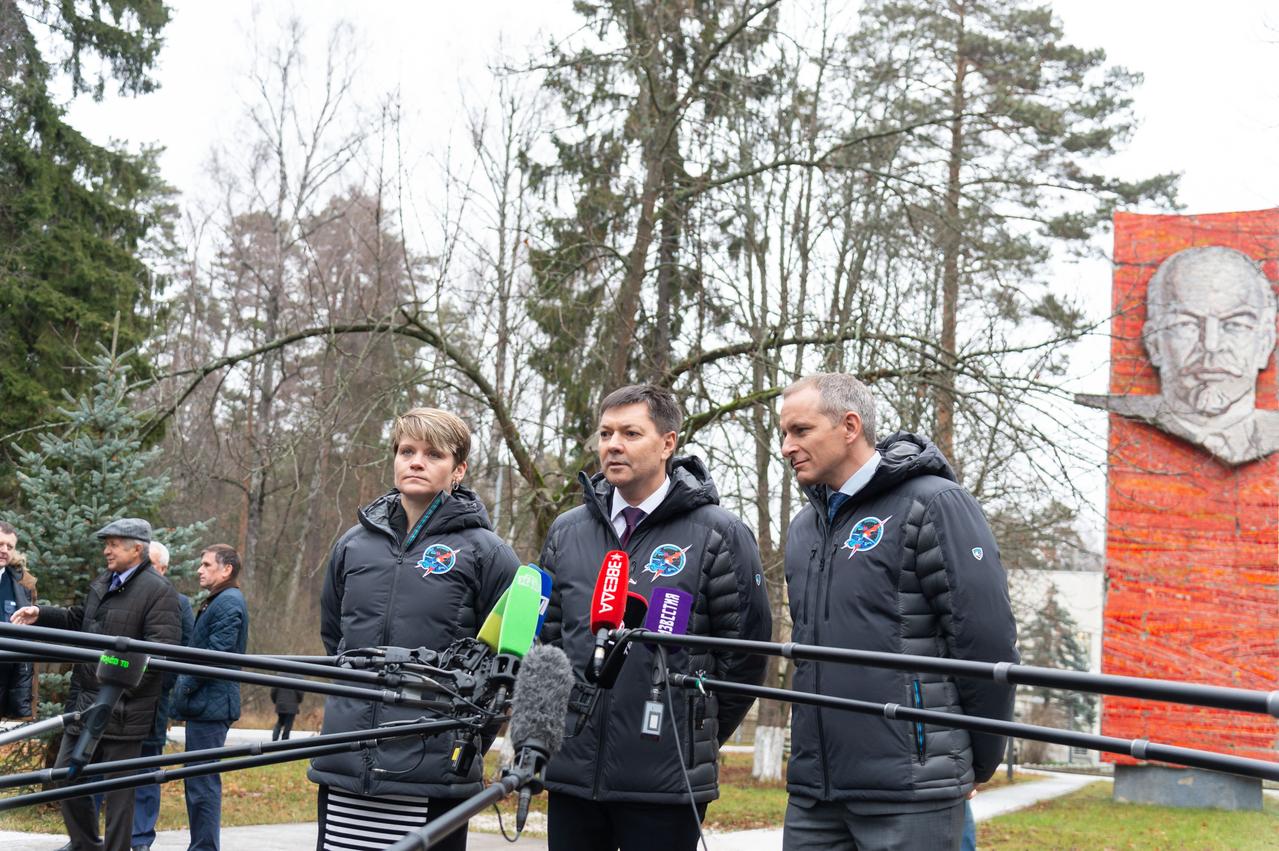
jsc2018e097267 - With the statue of Vladimir Lenin serving as a backdrop, Expedition 58 crewmembers Anne McClain of NASA (left), Oleg Kononenko of Roscosmos (center) and David Saint-Jacques of the Canadian Space Agency (right) answer reporters’ questions Nov. 19 at the Gagarin Cosmonaut Training Center in Star City, Russia before boarding a plane to fly to their launch site in Baikonur, Kazakhstan. McClain, Kononenko and Saint-Jacques will launch Dec. 3 on the Soyuz MS-11 spacecraft from the Baikonur Cosmodrome in Kazakhstan for a six-and-a-half month mission on the International Space Station.  NASA/Sarah Volkman
jsc2018e097267 - With the statue of Vladimir Lenin serving as a backdrop, Expedition 58 crewmembers Anne McClain of NASA (left), Oleg Kononenko of Roscosmos (center) and David Saint-Jacques of the Canadian Space Agency (right) answer reporters’ question
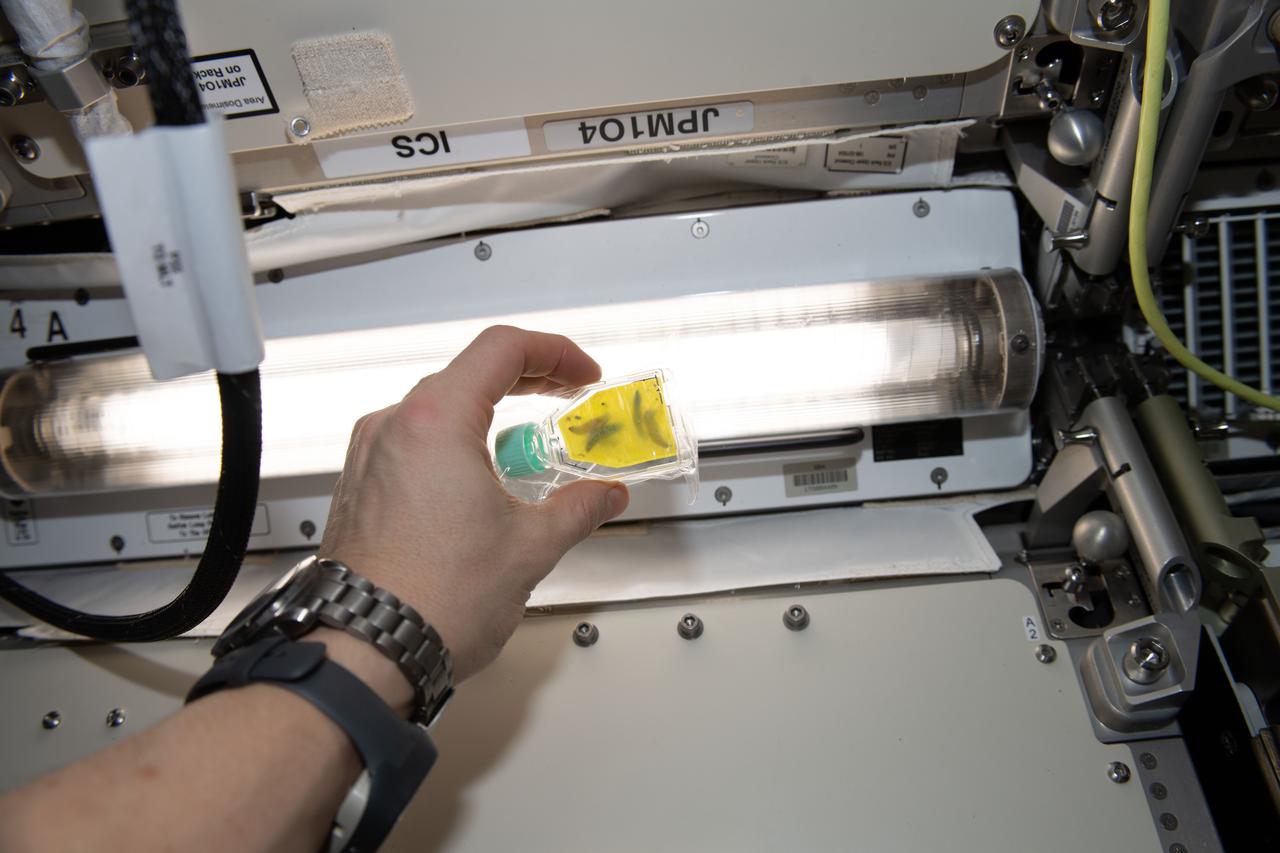
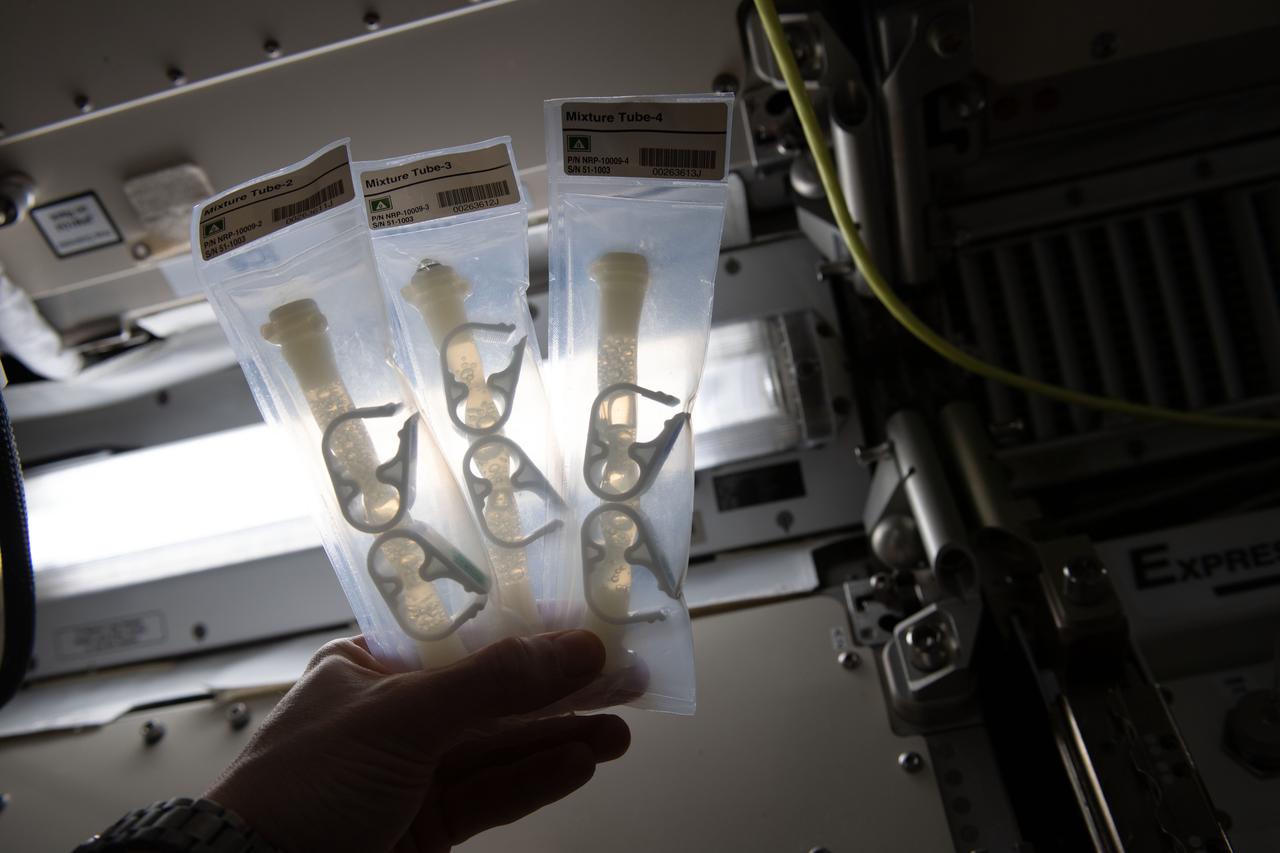
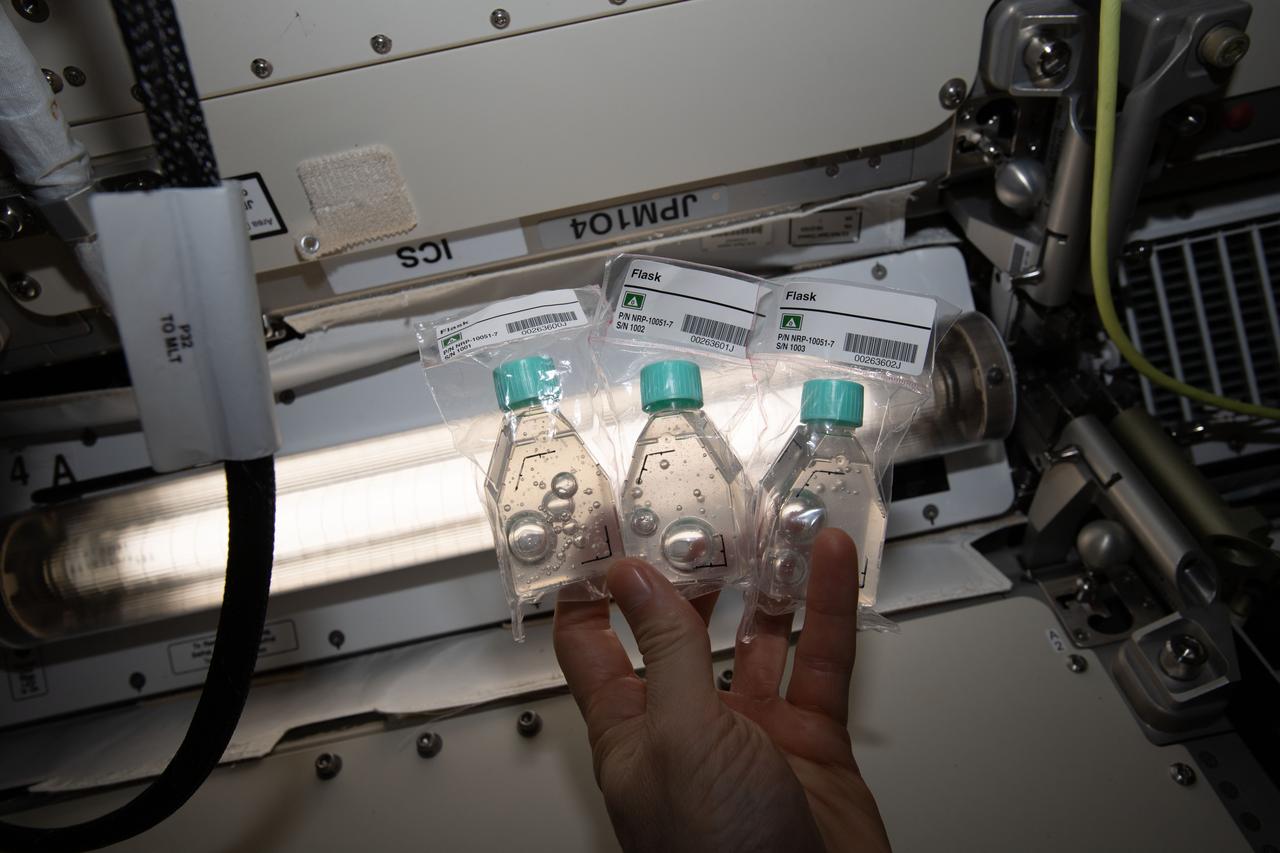
iss062e098366 (3/17/2020) --- A View of the ISSET-Nanoracks-Mission Discovery 4 investigation aboard the International Space Station (ISS). The Flatworm regeneration sub-investigation studies how cells in flatworms communicate with each other to enable them to regenerate in microgravity. This experiment may allow investigators to learn why certain species are able to regenerate.
Nanoracks Module-51 Status 2
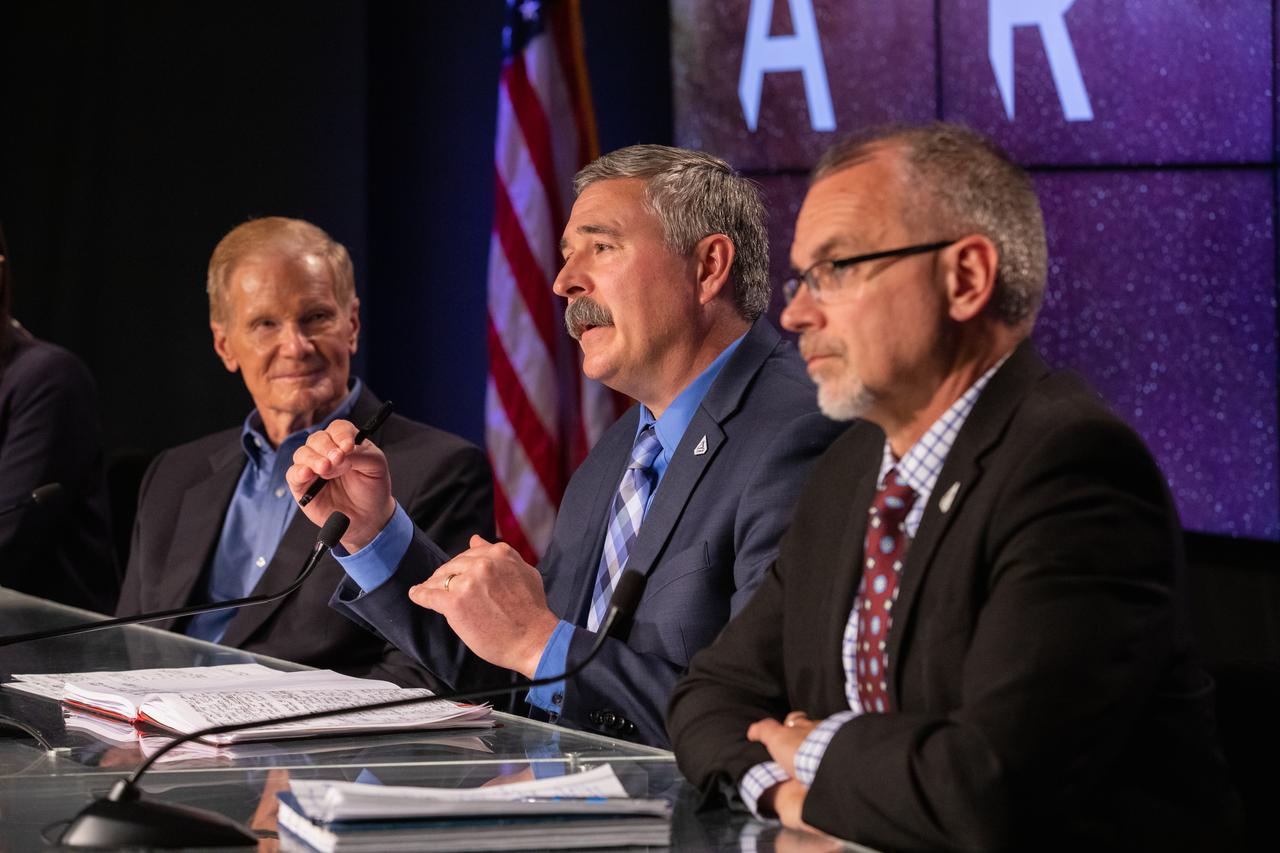
A press conference is held on Aug. 29, 2022, at NASA’s Kennedy Space Center in Florida, after waving-off of the launch of the agency’s Artemis I mission. Participants from left, are NASA Press Secretary Jackie McGuiness; Bill Nelson, NASA administrator; Mike Sarafin, Artemis mission manager, NASA Headquarters; and Jim Free, associate administrator for Exploration Systems Development Mission Directorate, NASA Headquarters. The first in a series of increasingly complex missions, Artemis I will provide a foundation for human deep space exploration and demonstrate our commitment and capability to extend human presence to the Moon and beyond. The primary goal of Artemis I is to thoroughly test the integrated systems before crewed missions by operating the spacecraft in a deep space environment, testing Orion’s heat shield, and recovering the crew module after reentry, descent, and splashdown.

Media Update on Status of Artemis I
A press conference is held on Aug. 29, 2022, at NASA’s Kennedy Space Center in Florida, after waving-off of the launch of the agency’s Artemis I mission. Participants from left, are NASA Administrator Bill Nelson; Mike Sarafin, Artemis mission manager, NASA Headquarters; and Jim Free, associate administrator for Exploration Systems Development Mission Directorate, NASA Headquarters. The first in a series of increasingly complex missions, Artemis I will provide a foundation for human deep space exploration and demonstrate our commitment and capability to extend human presence to the Moon and beyond. The primary goal of Artemis I is to thoroughly test the integrated systems before crewed missions by operating the spacecraft in a deep space environment, testing Orion’s heat shield, and recovering the crew module after reentry, descent, and splashdown.

Media Update on Status of Artemis I
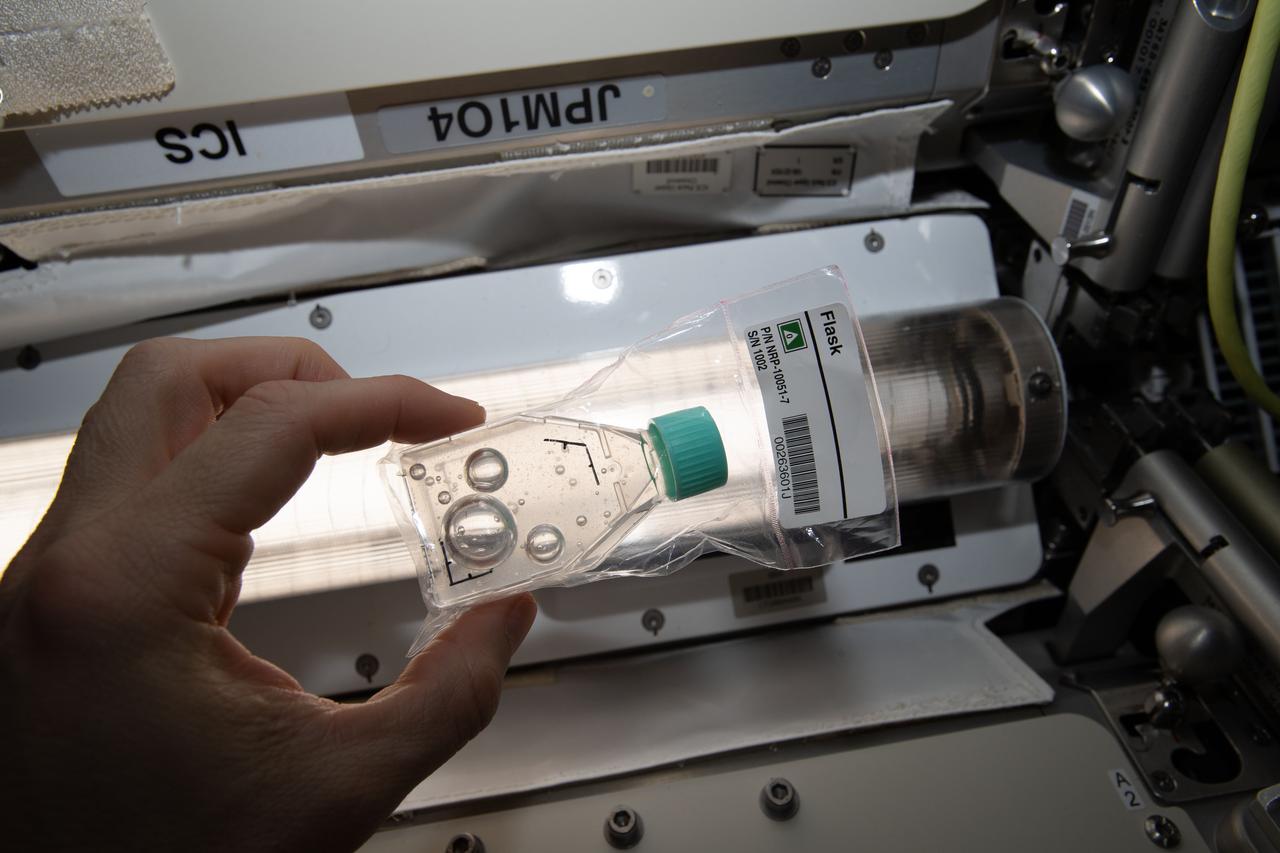
iss062e112447 (3/25/2020) --- A View of the ISSET-Nanoracks-Mission Discovery 4 investigation aboard the International Space Station (ISS). The Degradation of plastic by wax worms in microgravity sub-investigation studies wax worms and their capability to degrade plastic in a space environment. The experiment is contained in a culture flask with wax worms sealed inside a typical supermarket bag made from polyethylene Successful degradation of polyethylene using wax worms may lead to a new method of mitigating plastic waste accumulation in future space missions.
Nanoracks Module-51 Status 3
Jim Free, associate administrator for Exploration Systems Development Mission Directorate, NASA Headquarters, participates in a press conference on Aug. 29, 2022, at the agency’s NASA’s Kennedy Space Center in Florida, after waving-off of the launch of the Artemis I mission. The first in a series of increasingly complex missions, Artemis I will provide a foundation for human deep space exploration and demonstrate our commitment and capability to extend human presence to the Moon and beyond. The primary goal of Artemis I is to thoroughly test the integrated systems before crewed missions by operating the spacecraft in a deep space environment, testing Orion’s heat shield, and recovering the crew module after reentry, descent, and splashdown.
Media Update on Status of Artemis I
NASA Press Secretary Jackie McGuiness moderates a press conference on Aug. 29, 2022, at NASA’s Kennedy Space Center in Florida, after waving-off of the launch of the agency’s Artemis I mission. The first in a series of increasingly complex missions, Artemis I will provide a foundation for human deep space exploration and demonstrate our commitment and capability to extend human presence to the Moon and beyond. The primary goal of Artemis I is to thoroughly test the integrated systems before crewed missions by operating the spacecraft in a deep space environment, testing Orion’s heat shield, and recovering the crew module after reentry, descent, and splashdown.
Media Update on Status of Artemis I
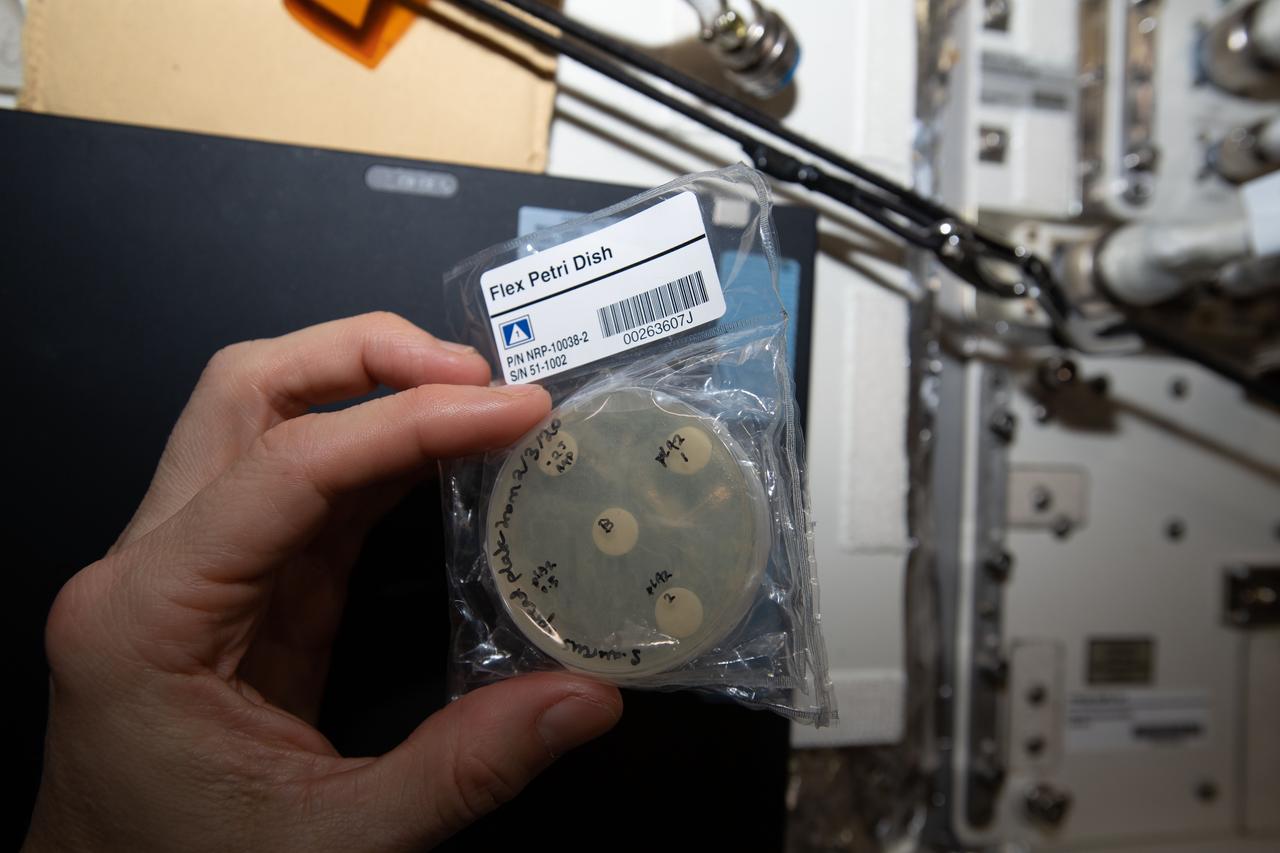
iss062e098352 (3/17/2020) --- A View of the ISSET-Nanoracks-Mission Discovery 4 investigation aboard the International Space Station (ISS). The Antibacterial properties of Phospholipase A2 (PLA2; bee venom) sub-investigation seeks to evaluate the antibacterial properties of PLA2 on Staphylococcus Aureus bacteria in a space environment.
Nanoracks Module-51 Status 2
NASA Administrator Bill Nelson participates in a press conference on Aug. 29, 2022, at NASA’s Kennedy Space Center in Florida, after waving-off of the launch of the agency’s Artemis I mission. The first in a series of increasingly complex missions, Artemis I will provide a foundation for human deep space exploration and demonstrate our commitment and capability to extend human presence to the Moon and beyond. The primary goal of Artemis I is to thoroughly test the integrated systems before crewed missions by operating the spacecraft in a deep space environment, testing Orion’s heat shield, and recovering the crew module after reentry, descent, and splashdown.

Media Update on Status of Artemis I
iss062e098361 (3/17/2020) --- A View of the ISSET-Nanoracks-Mission Discovery 4 investigation aboard the International Space Station (ISS). The Flatworm regeneration sub-investigation studies how cells in flatworms communicate with each other to enable them to regenerate in microgravity. This experiment may allow investigators to learn why certain species are able to regenerate.
Nanoracks Module-51 Status 2
Mike Sarafin, Artemis mission manager, NASA Headquarters, participates in a press conference on Aug. 29, 2022, at NASA’s Kennedy Space Center in Florida, after waving-off of the launch of the agency’s Artemis I mission. The first in a series of increasingly complex missions, Artemis I will provide a foundation for human deep space exploration and demonstrate our commitment and capability to extend human presence to the Moon and beyond. The primary goal of Artemis I is to thoroughly test the integrated systems before crewed missions by operating the spacecraft in a deep space environment, testing Orion’s heat shield, and recovering the crew module after reentry, descent, and splashdown
Media Update on Status of Artemis I
iss062e112422 (3/25/2020) --- A View of the ISSET-Nanoracks-Mission Discovery 4 investigation aboard the International Space Station (ISS). The Reproduction of yeast in microgravity sub-investigation studies whether yeast (Saccharomyces cerevisiae) is able to sexually reproduce in a microgravity environment.
Nanoracks Module-51 Status 3
A press conference is held on Aug. 29, 2022, at NASA’s Kennedy Space Center in Florida, after waving-off of the launch of the agency’s Artemis I mission. Participants from left, are NASA Press Secretary Jackie McGuiness; Bill Nelson, NASA administrator; Mike Sarafin, Artemis mission manager, NASA Headquarters; and Jim Free, associate administrator for Exploration Systems Development Mission Directorate, NASA Headquarters. The first in a series of increasingly complex missions, Artemis I will provide a foundation for human deep space exploration and demonstrate our commitment and capability to extend human presence to the Moon and beyond. The primary goal of Artemis I is to thoroughly test the integrated systems before crewed missions by operating the spacecraft in a deep space environment, testing Orion’s heat shield, and recovering the crew module after reentry, descent, and splashdown.

Media Update on Status of Artemis I
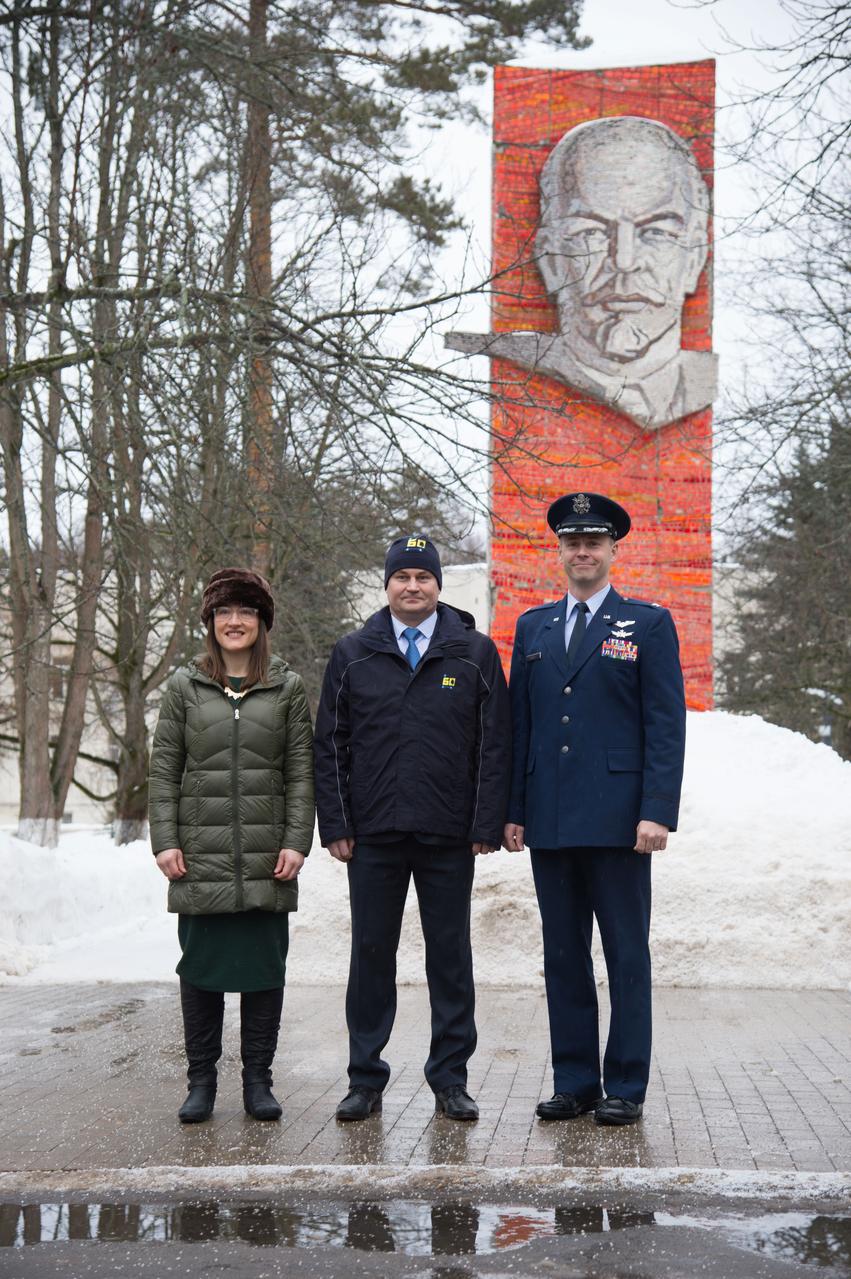
At the Gagarin Cosmonaut Training Center in Star City, Russia, Expedition 59 crewmembers Christina Koch of NASA (left), Alexey Ovchinin of Roscosmos (center) and Nick Hague of NASA (right) pose for pictures Feb. 26 in front of the statue of Vladimir Lenin as they prepared to depart for their launch site at the Baikonur Cosmodrome in Kazakhstan for final pre-launch training. They will launch on March 14, U.S. time, on the Soyuz MS-12 spacecraft from the Baikonur Cosmodrome in Kazakhstan for a six-and-a-half month mission on the International Space Station.  NASA/Beth Weissinger
At the Gagarin Cosmonaut Training Center in Star City, Russia, Expedition 59 crewmembers Christina Koch of NASA (left), Alexey Ovchinin of Roscosmos (center) and Nick Hague of NASA (right) pose for pictures Feb. 26 in front of the statue of Vladimir Lenin
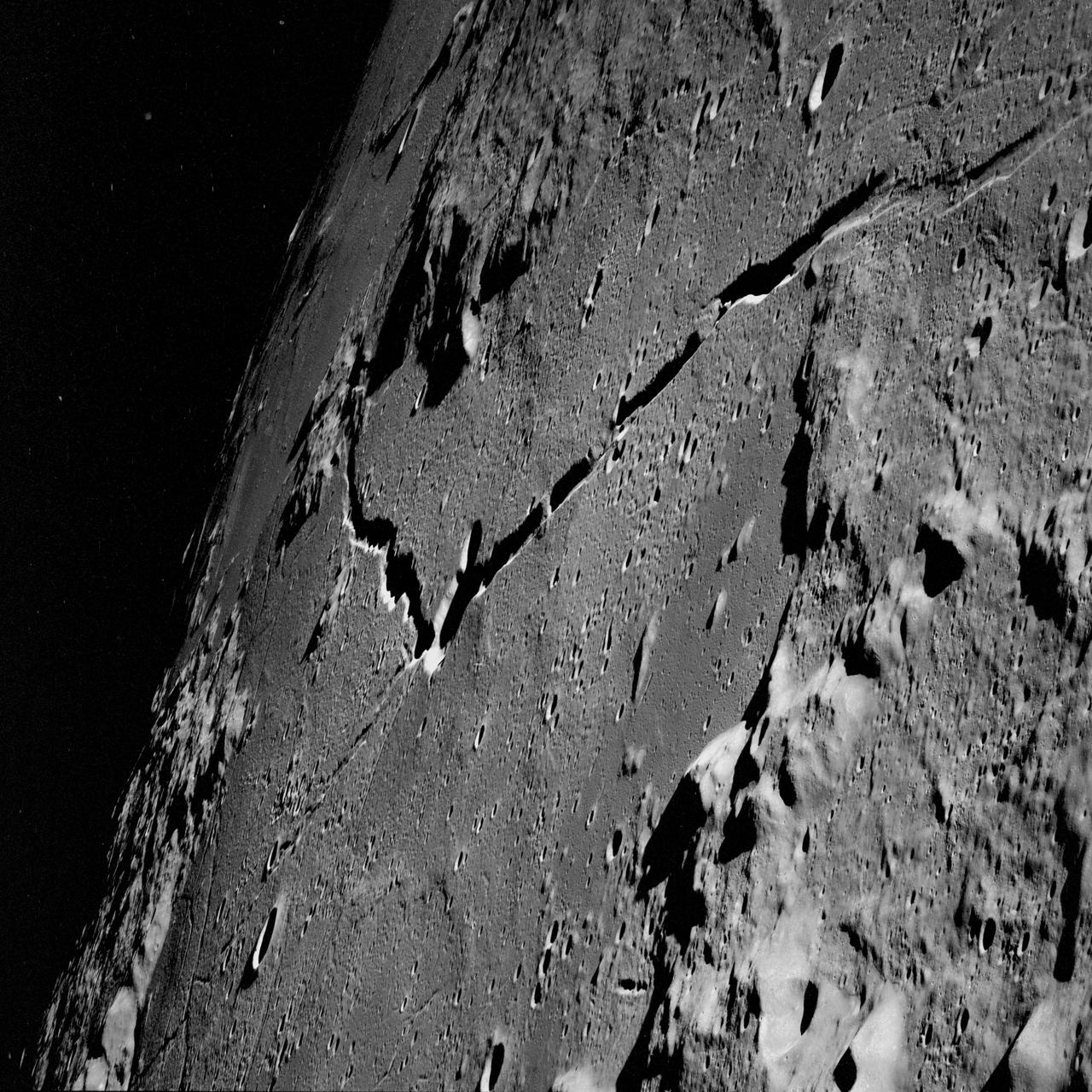
AS10-31-4650 (18-26 May 1969) --- This Apollo 10 oblique telephoto view of the lunar nearside is centered on the crater Hyginus located at 6.3 degrees north latitude, near the northeast margin of Central Bay. HOLD PICTURE WITH SKY AT TOP. The crater is about 10 kilometers (6.5 statue miles) in diameter. From the crater the prominent Hyginus Rille extends east-southeast toward the camera and northwest toward the Sea of Vapors. The rille is about 3 kilometers (2 statue miles) wide and more than 200 kilometers (130 statue miles) long. The horizon is not visible in this photograph, taken from the Command and Service Modules. The sunrise terminator is between the spacecraft and the horizon. At the time this picture was taken Apollo 10 was 325 kilometers (200 statute miles) southeast of Hyginus.
Apollo 10 photograph of lunar nearside with crater Hyginus near Central Bay
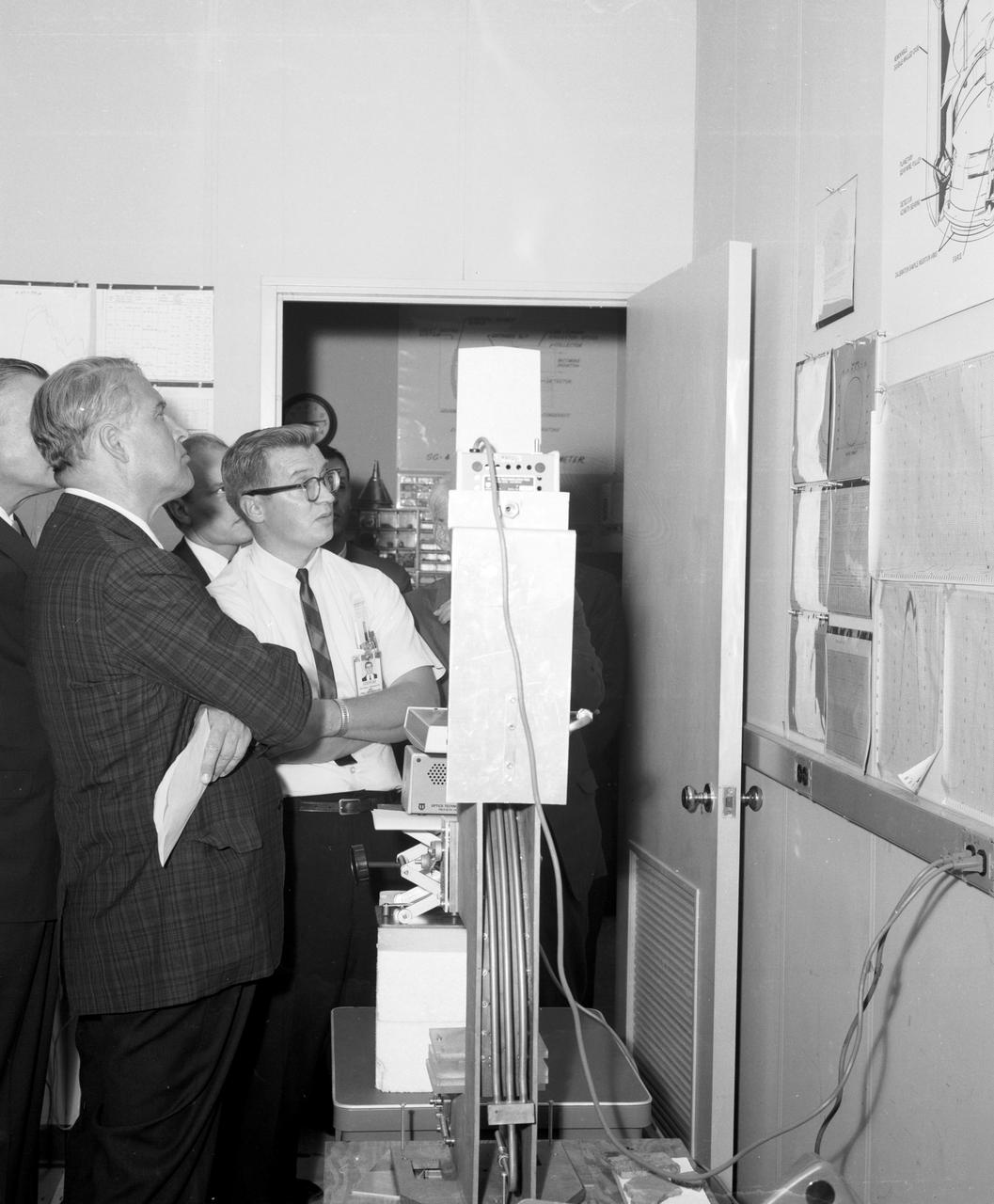
Marshall Space Flight Center’s (MSFC) Director, Dr. Wernher von Braun (left), studies charts depicting the status of an experiment conducted in MSFC’s Space Sciences Laboratory during a tour on August 28, 1967.
Wernher von Braun
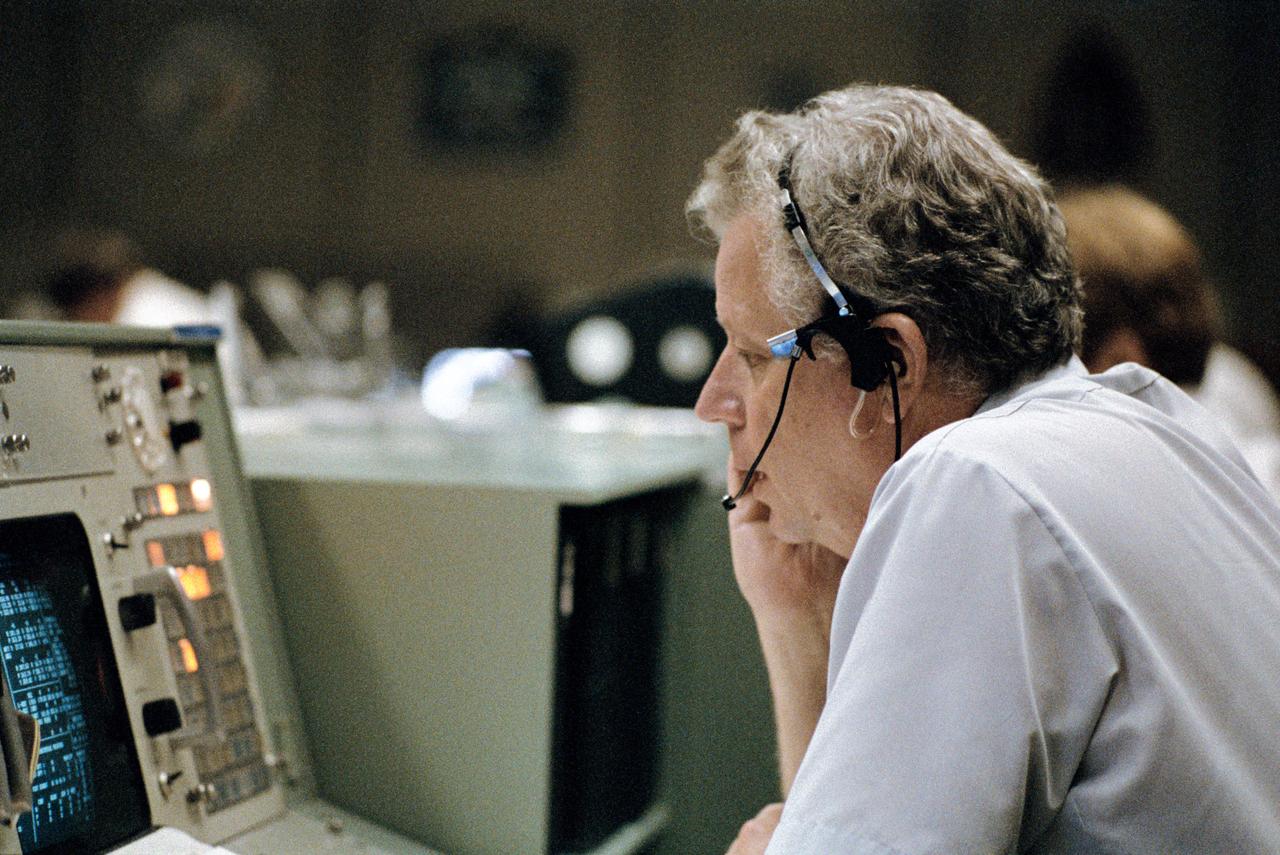
Terry White, serving as public affairs office commentator in the mission operations control room (MOCR) of JSC's mission control center, reads a status report on the STS-8 mission.
Terry White seated at the public affairs console STS-8
Guardians of Traffic Statue in Cleveland, OH in front of the Supermoon that was visible on September 17th, 2024. On this day, the full moon was a partial lunar eclipse; a supermoon; and a harvest moon. Photo Credit: (NASA/Sara Lowthian-Hanna)
Guardians of Traffic Supermoon
Guardians of Traffic Statue in Cleveland, OH watches over the Supermoon that was visible on September 17th, 2024. On this day, the full moon was a partial Lunar Eclipse; a Supermoon; and a Harvest Moon. Photo Credit: (NASA/Sara Lowthian-Hanna)
Supermoon
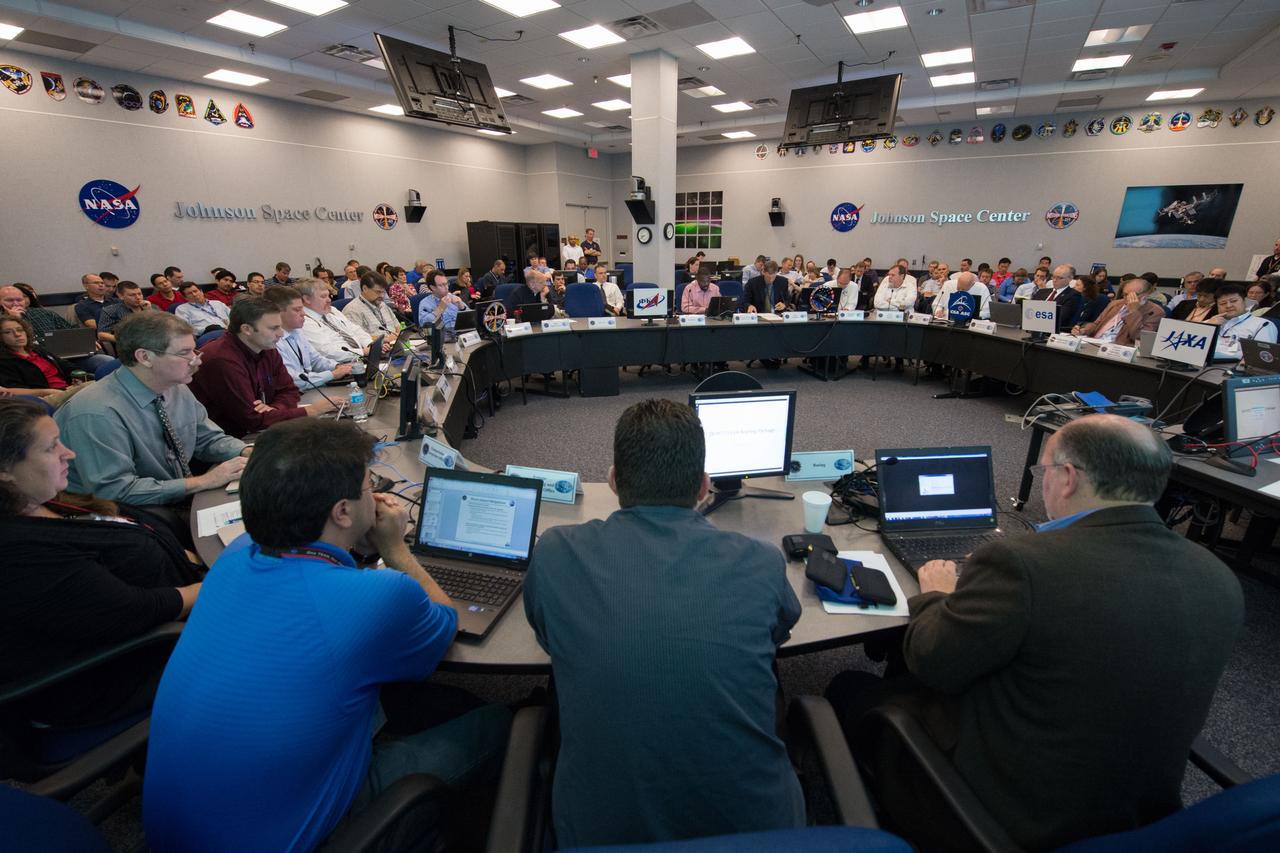
Date: 05-10-13 Location: Bldg 30M, Rm 119 IMMT Subject: IMMT meeting for ISS discussing the status of the ammonia leak on Space Station during Expedition 35. Photographer: James Blair
jsc2013e030756
Guardians of Traffic Statue in Cleveland, OH in front of the Supermoon that was visible on September 17th, 2024. On this day, the full moon was a partial lunar eclipse; a supermoon; and a harvest moon. Photo Credit: (NASA/Sara Lowthian-Hanna)
Guardians of Traffic Supermoon
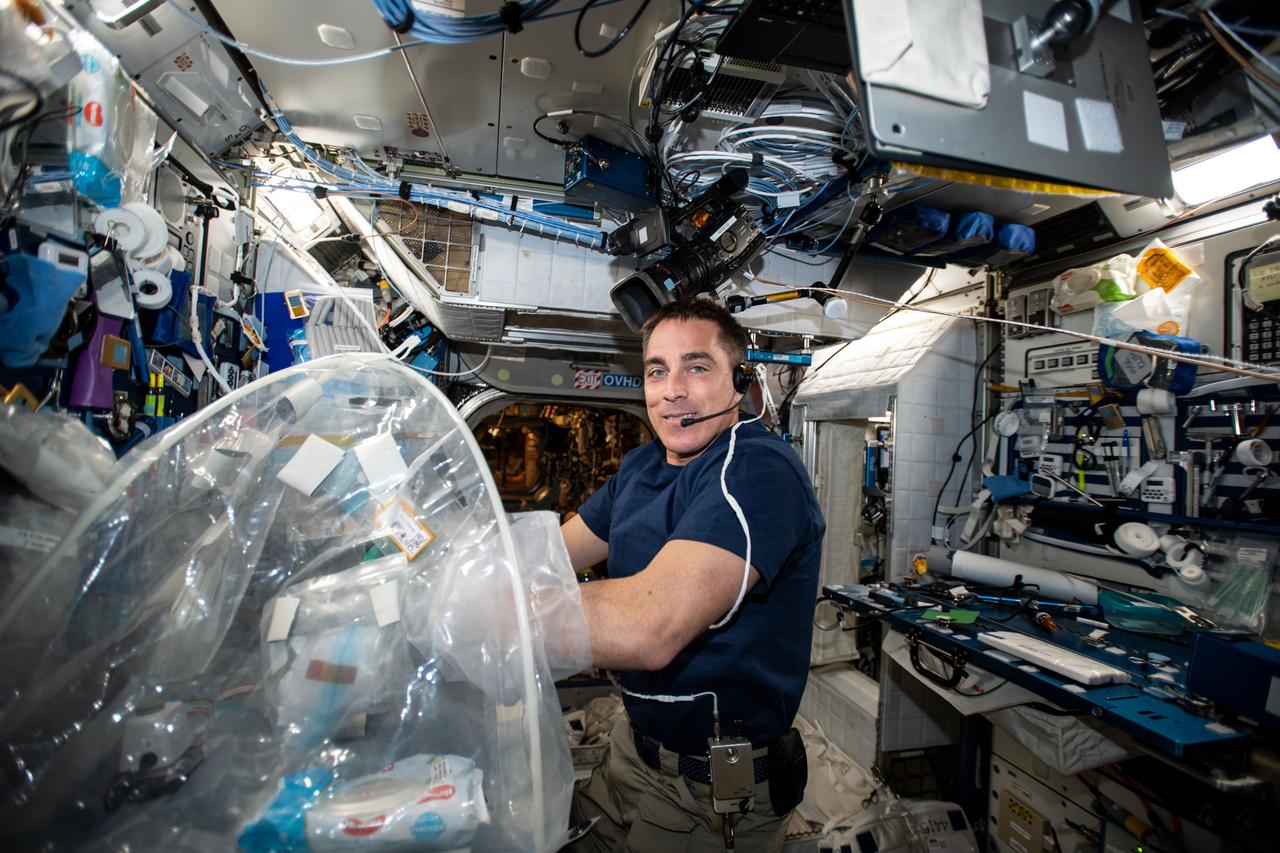
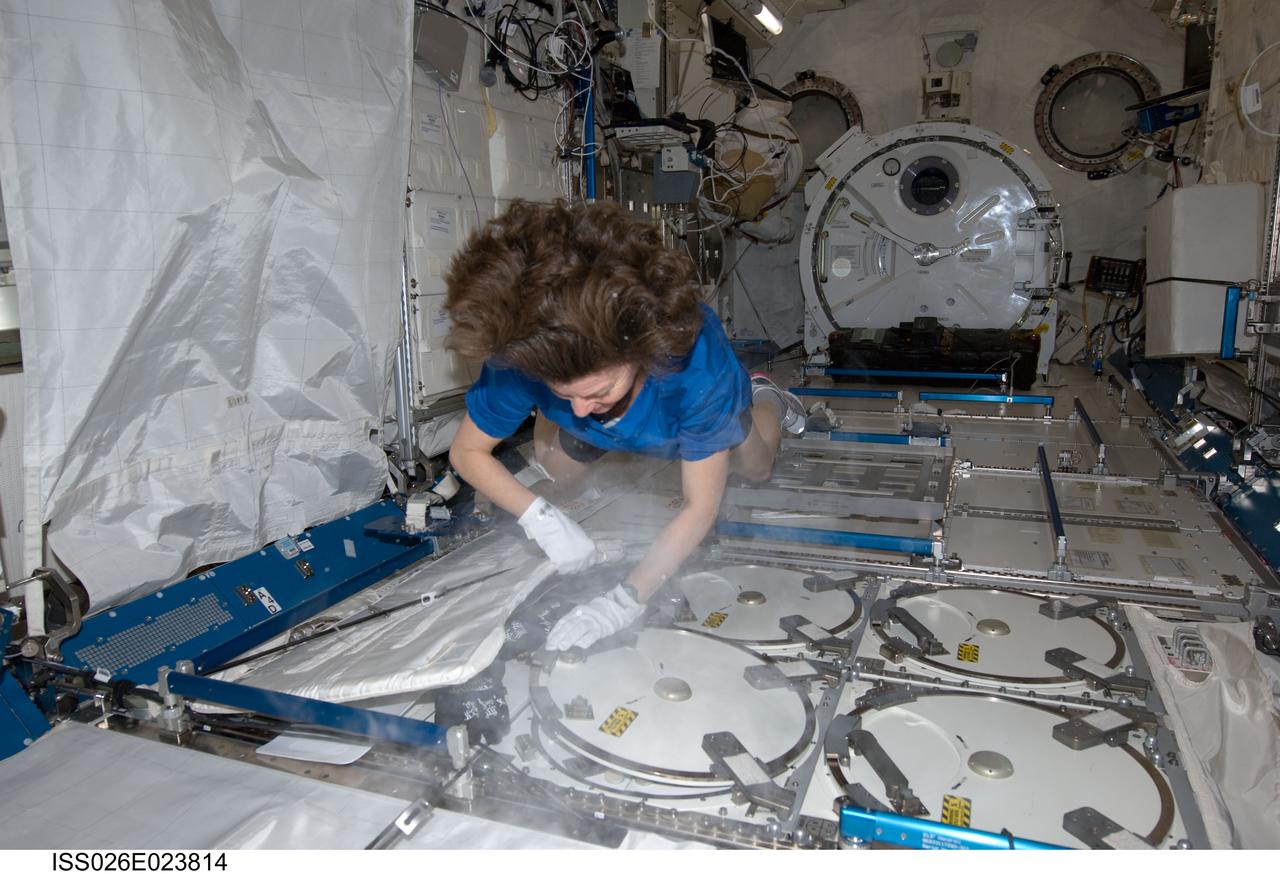
iss062e151901 (April 7, 2020) --- NASA astronaut Chris Cassidy services biological samples in a glovebag for the Food Physiology experiment to characterize the key effects of an enhanced spaceflight diet on immune function, the gut microbiome, and nutritional status indicators.
Food Physiology Fecal Portable Glovebag Hardware Replenish
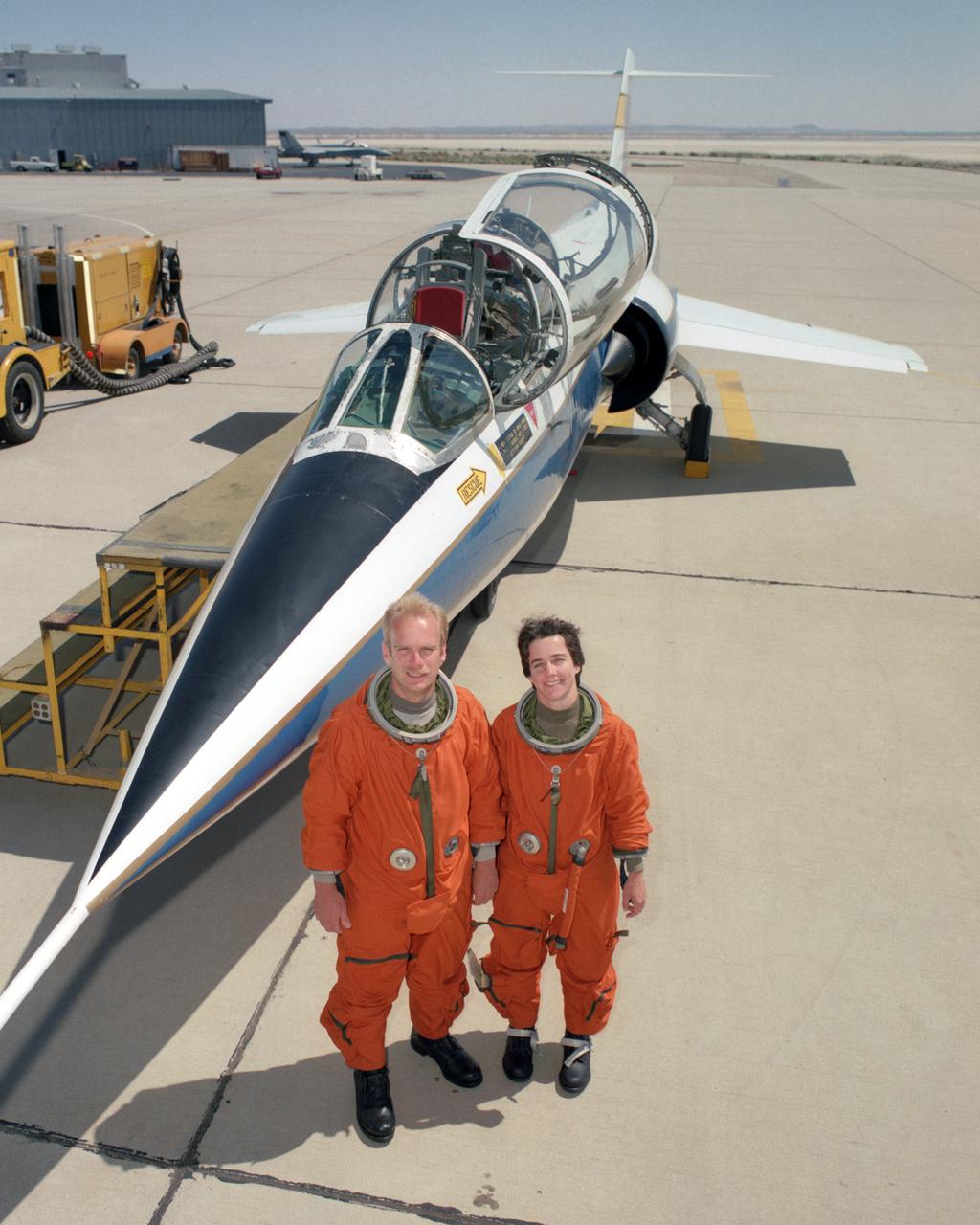
Flight test engineers Bob Meyer and Marta Bohn-Meyer had the distinction of being the only married couple to both serve on flight status on this two-seat F-104 at NASA Dryden.
EC86-33442-9
jsc2018e097313 - In the town of Baikonur, Kazakhstan, Expedition 58 backup crewmembers Drew Morgan of NASA (left), Alexander Skvortsov of Roscosmos and Luca Parmitano of the European Space Agency walk toward the statue of Yuri Gagarin, the first human to fly in space Nov. 21 as they prepare to lay flowers at the statue in a traditional ceremony. They are the backups to Anne McClain of NASA, Oleg Kononenko of Roscosmos and David Saint-Jacques of the Canadian Space Agency, who will launch Dec. 3 on the Soyuz MS-11 spacecraft from the Baikonur Cosmodrome in Kazakhstan for a six-and-a-half month mission on the International Space Station...NASA/Victor Zelentsov.
jsc2018e097313
jsc2018e097266 - At the Gagarin Cosmonaut Training Center in Star City, Russia, the Expedition 58 prime and backup crewmembers pose for pictures in front of Vladimir Lenin’s statue Nov. 19 before flying to their launch site in Baikonur, Kazakhstan. From left to right are the backup crewmembers, Drew Morgan of NASA, Alexander Skvortsov of Roscosmos and Luca Parmitano of the European Space Agency and the prime crew, Anne McClain of NASA, Oleg Kononenko of Roscosmos and David Saint-Jacques of the Canadian Space Agency. McClain, Kononenko and Saint-Jacques will launch Dec. 3 on the Soyuz MS-11 spacecraft from the Baikonur Cosmodrome in Kazakhstan for a six-and-a-half month mission on the International Space Station.  NASA/Sarah Volkman
jsc2018e097266 - At the Gagarin Cosmonaut Training Center in Star City, Russia, the Expedition 58 prime and backup crewmembers pose for pictures in front of Vladimir Lenin’s statue Nov. 19 before flying to their launch site in Baikonur, Kazakhstan. From
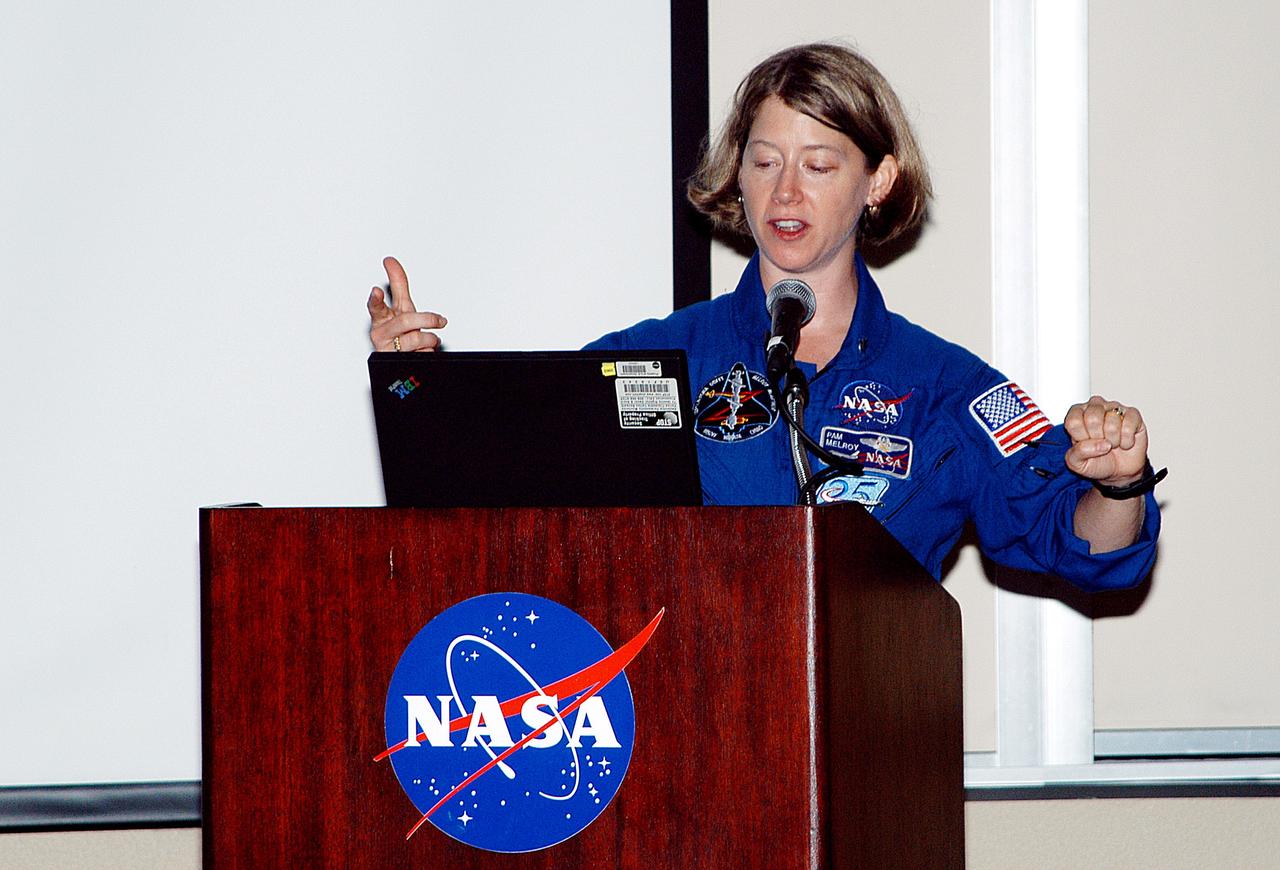
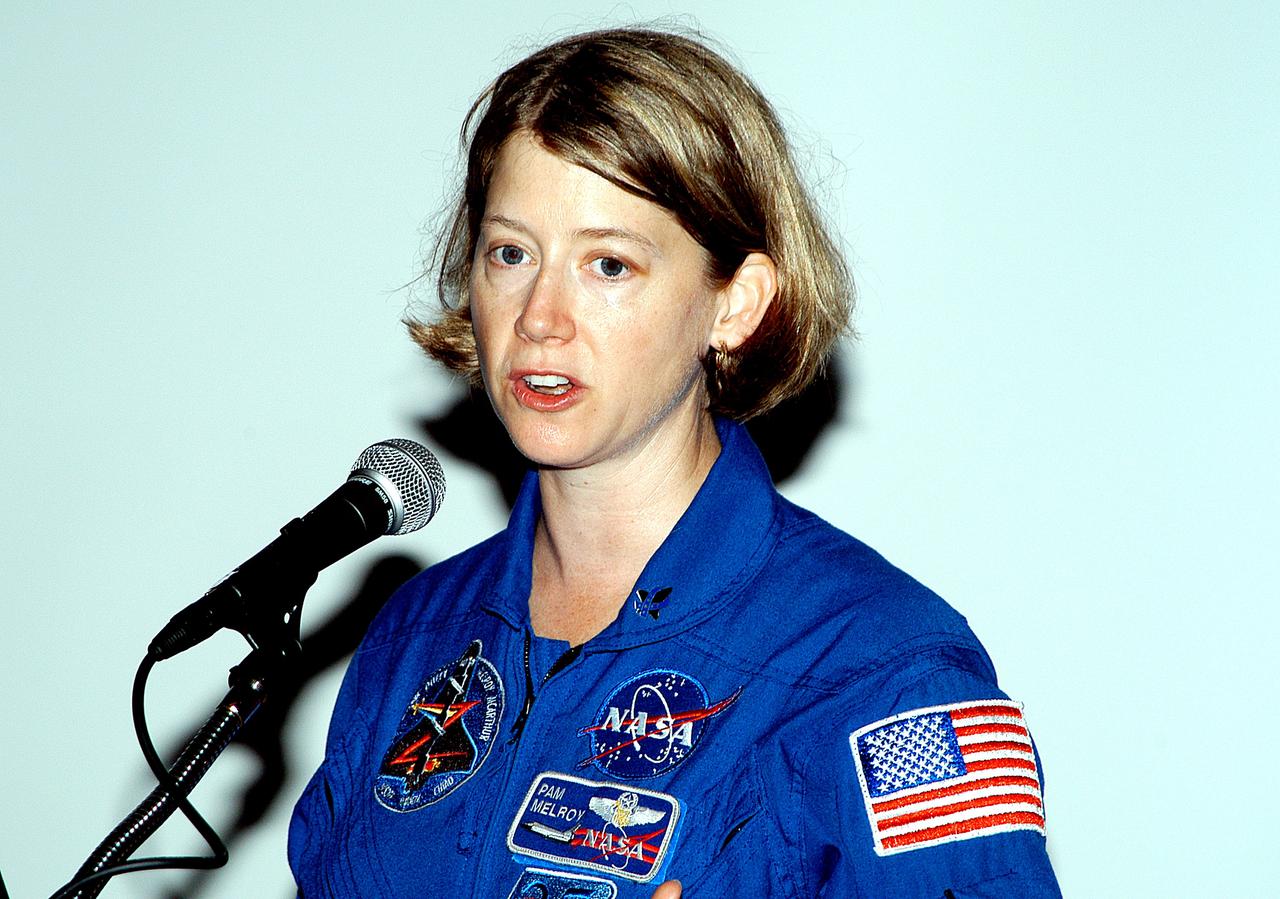
KENNEDY SPACE CENTER, FLA. -    At the Florida Commission on the Status of Women held June 7 at the Debus Conference Facility, astronaut Pamela Melroy speaks to attendees.  Melroy has served as pilot on two Shuttle flights (STS-92 in 2000 and STS-112 in 2002), and has logged more than 562 hours in space. The commission, through coordinating, researching, communicating, and encouraging legislation, is dedicated to empowering women from all walks of life in achieving their fullest potential, to eliminating barriers to that achievement, and to recognizing women’s accomplishments.
KENNEDY SPACE CENTER, FLA. - At the Florida Commission on the Status of Women held June 7 at the Debus Conference Facility, astronaut Pamela Melroy speaks to attendees. Melroy has served as pilot on two Shuttle flights (STS-92 in 2000 and STS-112 in 2002), and has logged more than 562 hours in space. The commission, through coordinating, researching, communicating, and encouraging legislation, is dedicated to empowering women from all walks of life in achieving their fullest potential, to eliminating barriers to that achievement, and to recognizing women’s accomplishments.
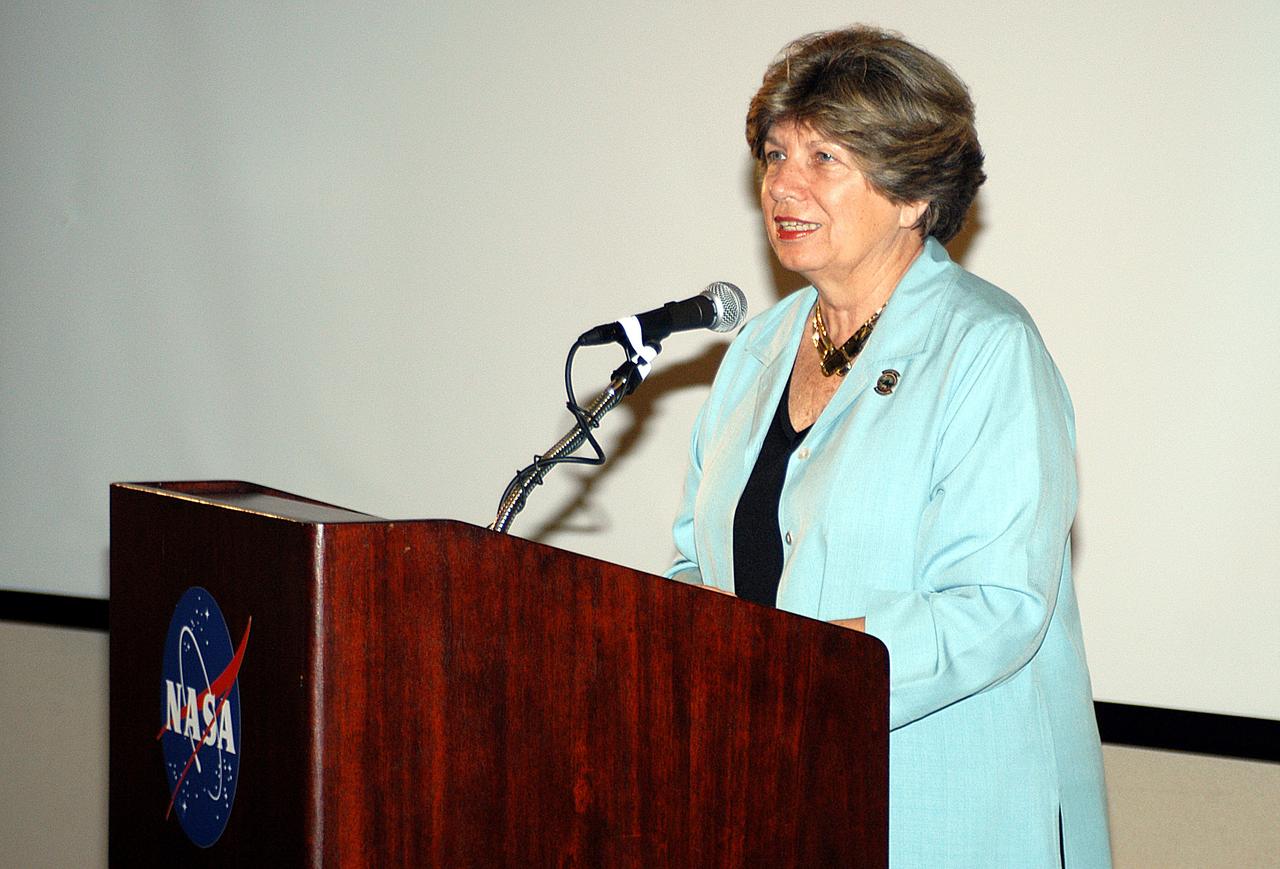
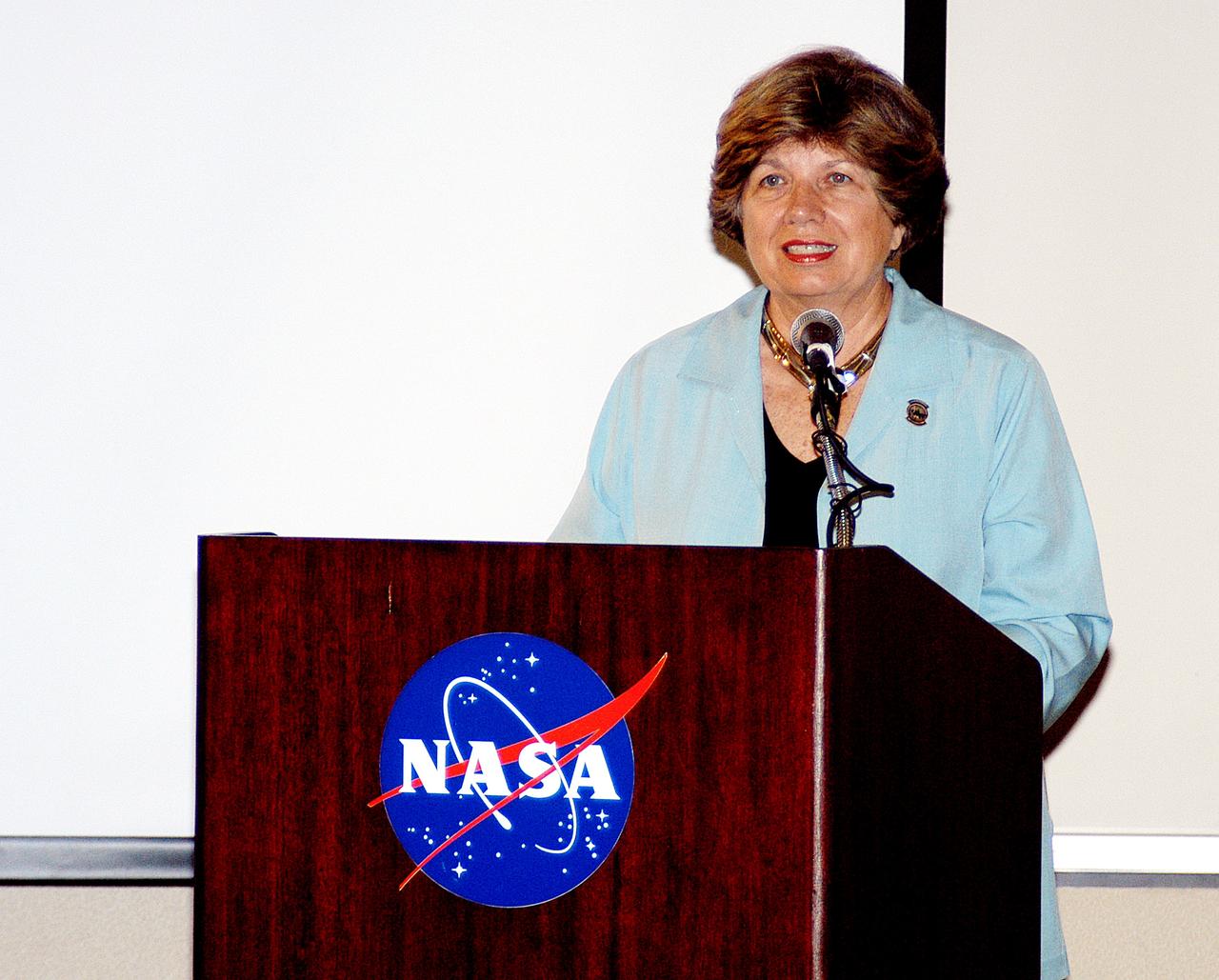
KENNEDY SPACE CENTER, FLA. -    KSC External Relations and Business Development Director JoAnn Morgan speaks to attendees of The Florida Commission on the Status of Women held June 7 at the Debus Conference Facility. Morgan is a member of the group’s Hall of Fame. The commission, through coordinating, researching, communicating, and encouraging legislation, is dedicated to empowering women from all walks of life in achieving their fullest potential, to eliminating barriers to that achievement, and to recognizing women’s accomplishments.
KENNEDY SPACE CENTER, FLA. - KSC External Relations and Business Development Director JoAnn Morgan speaks to attendees of The Florida Commission on the Status of Women held June 7 at the Debus Conference Facility. Morgan is a member of the group’s Hall of Fame. The commission, through coordinating, researching, communicating, and encouraging legislation, is dedicated to empowering women from all walks of life in achieving their fullest potential, to eliminating barriers to that achievement, and to recognizing women’s accomplishments.
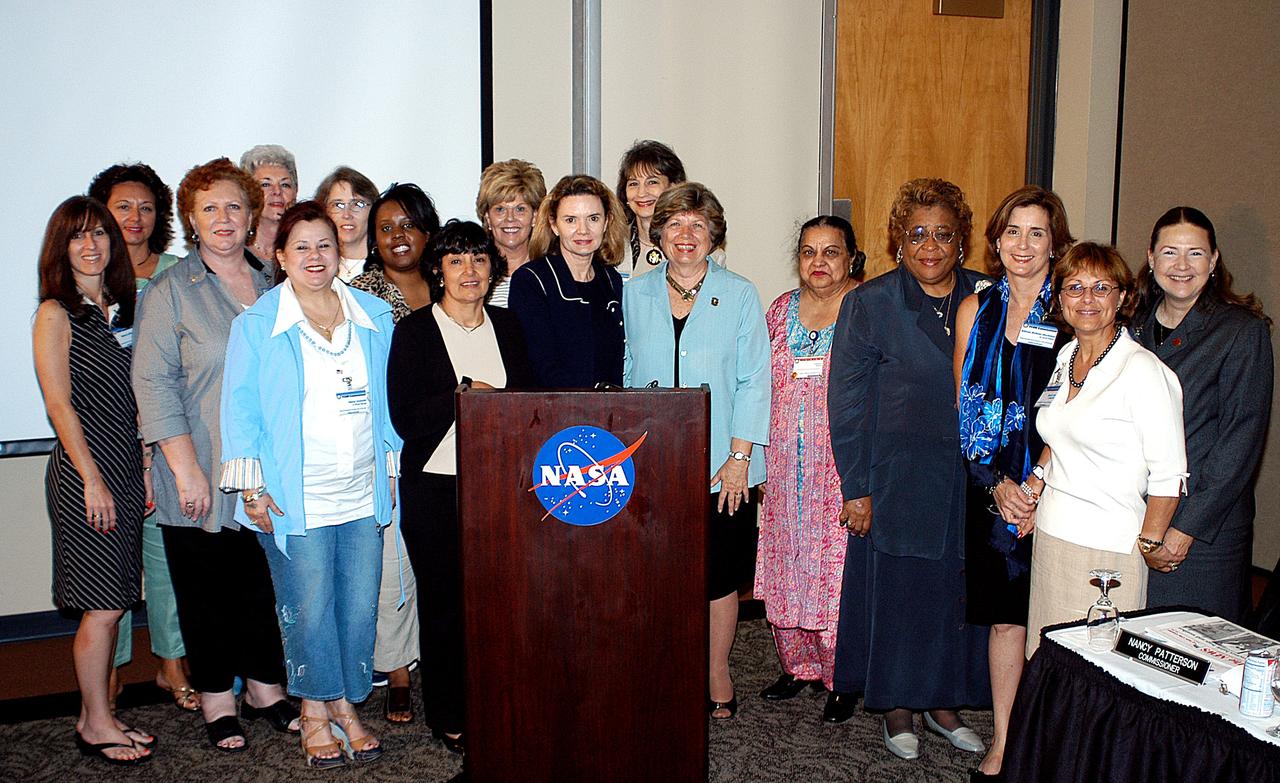
KENNEDY SPACE CENTER, FLA. -    KSC External Relations and Business Development Director JoAnn Morgan (sixth from right) joins other attendees of The Florida Commission on the Status of Women held June 7 at the Debus Conference Facility. Morgan is a member of the group’s Hall of Fame. The commission, through coordinating, researching, communicating, and encouraging legislation, is dedicated to empowering women from all walks of life in achieving their fullest potential, to eliminating barriers to that achievement, and to recognizing women’s accomplishments.
KENNEDY SPACE CENTER, FLA. - KSC External Relations and Business Development Director JoAnn Morgan (sixth from right) joins other attendees of The Florida Commission on the Status of Women held June 7 at the Debus Conference Facility. Morgan is a member of the group’s Hall of Fame. The commission, through coordinating, researching, communicating, and encouraging legislation, is dedicated to empowering women from all walks of life in achieving their fullest potential, to eliminating barriers to that achievement, and to recognizing women’s accomplishments.
KENNEDY SPACE CENTER, FLA. -    KSC External Relations and Business Development Director JoAnn Morgan speaks to attendees of The Florida Commission on the Status of Women held June 7 at the Debus Conference Facility. Morgan is a member of the group’s Hall of Fame. The commission, through coordinating, researching, communicating, and encouraging legislation, is dedicated to empowering women from all walks of life in achieving their fullest potential, to eliminating barriers to that achievement, and to recognizing women’s accomplishments.
KENNEDY SPACE CENTER, FLA. - KSC External Relations and Business Development Director JoAnn Morgan speaks to attendees of The Florida Commission on the Status of Women held June 7 at the Debus Conference Facility. Morgan is a member of the group’s Hall of Fame. The commission, through coordinating, researching, communicating, and encouraging legislation, is dedicated to empowering women from all walks of life in achieving their fullest potential, to eliminating barriers to that achievement, and to recognizing women’s accomplishments.
KENNEDY SPACE CENTER, FLA. -    At the Florida Commission on the Status of Women held June 7 at the Debus Conference Facility, astronaut Pamela Melroy speaks to attendees.  Melroy has served as pilot on two Shuttle flights (STS-92 in 2000 and STS-112 in 2002), and has logged more than 562 hours in space. The commission, through coordinating, researching, communicating, and encouraging legislation, is dedicated to empowering women from all walks of life in achieving their fullest potential, to eliminating barriers to that achievement, and to recognizing women’s accomplishments.
KENNEDY SPACE CENTER, FLA. - At the Florida Commission on the Status of Women held June 7 at the Debus Conference Facility, astronaut Pamela Melroy speaks to attendees. Melroy has served as pilot on two Shuttle flights (STS-92 in 2000 and STS-112 in 2002), and has logged more than 562 hours in space. The commission, through coordinating, researching, communicating, and encouraging legislation, is dedicated to empowering women from all walks of life in achieving their fullest potential, to eliminating barriers to that achievement, and to recognizing women’s accomplishments.
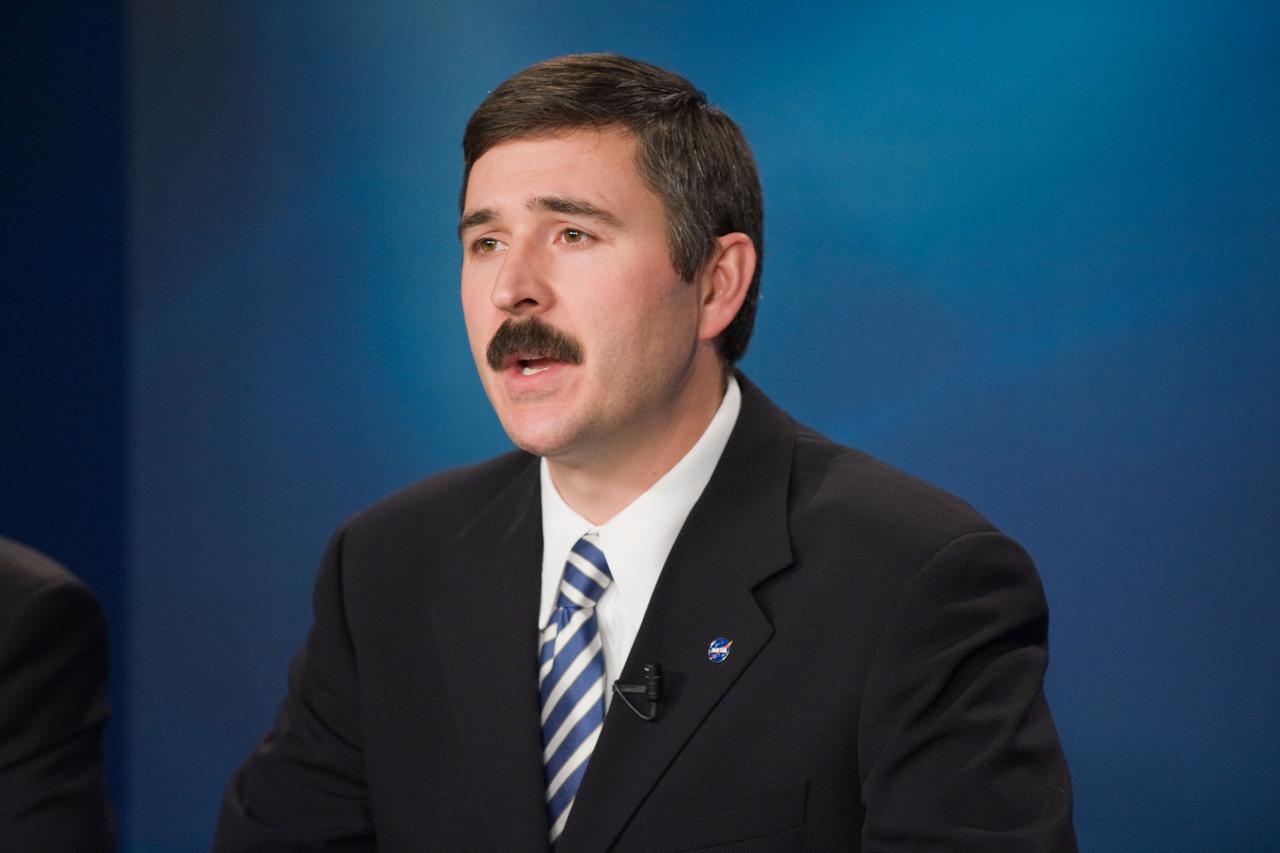
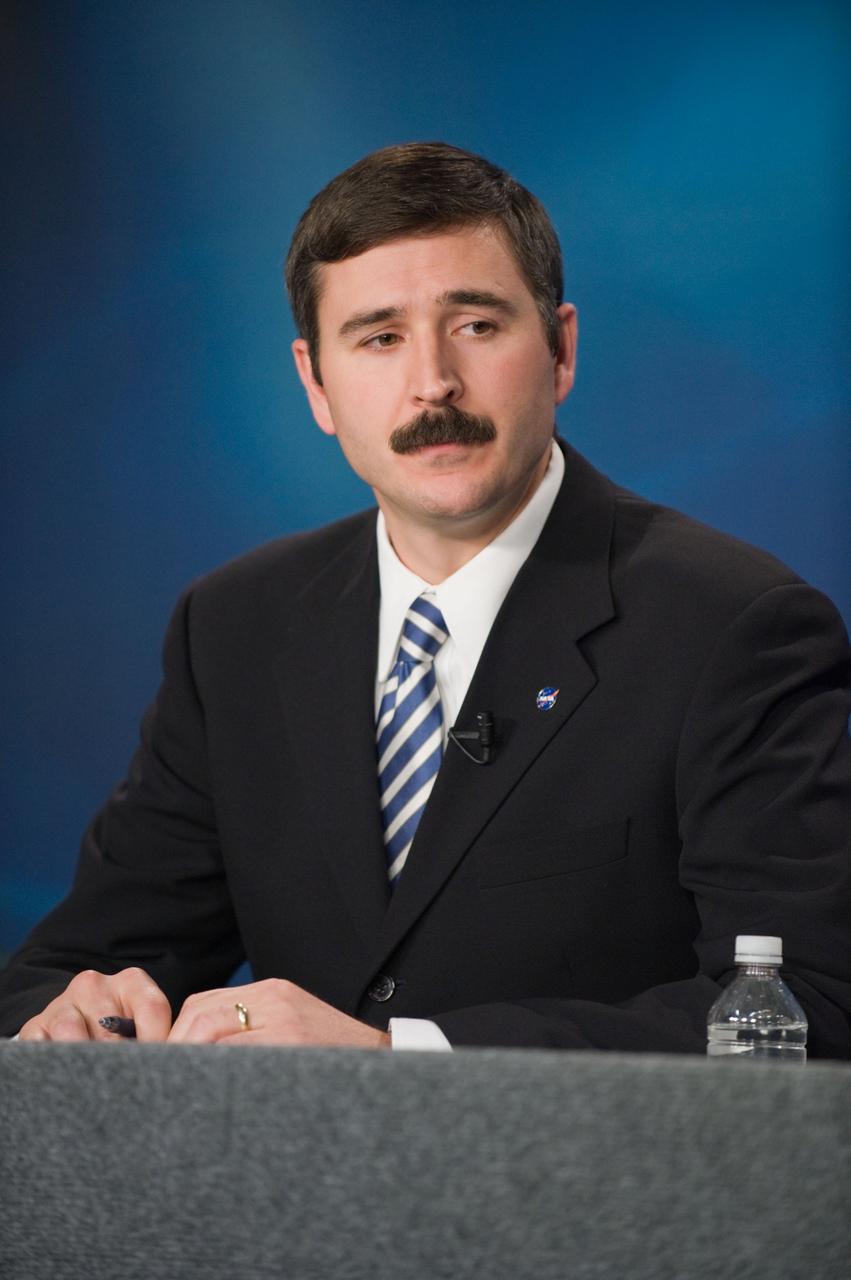
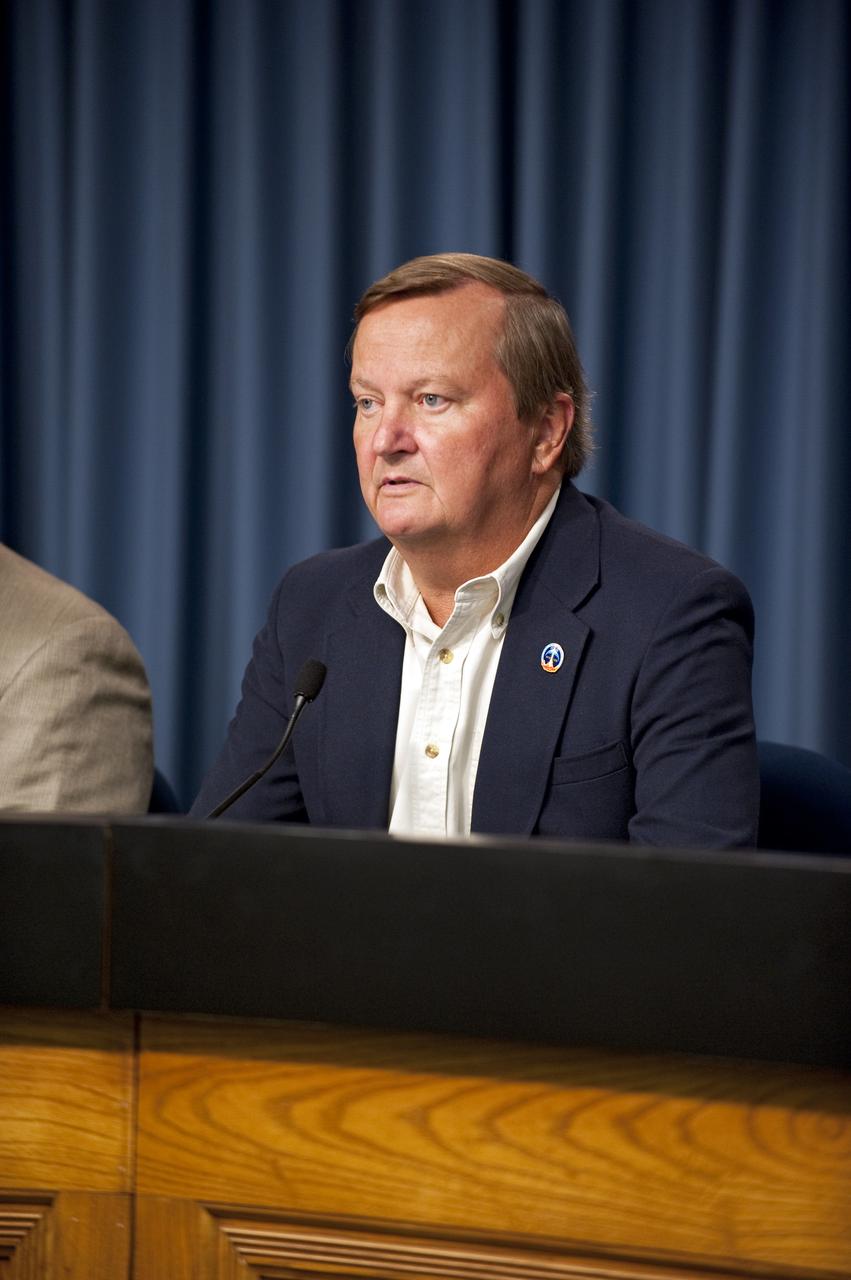
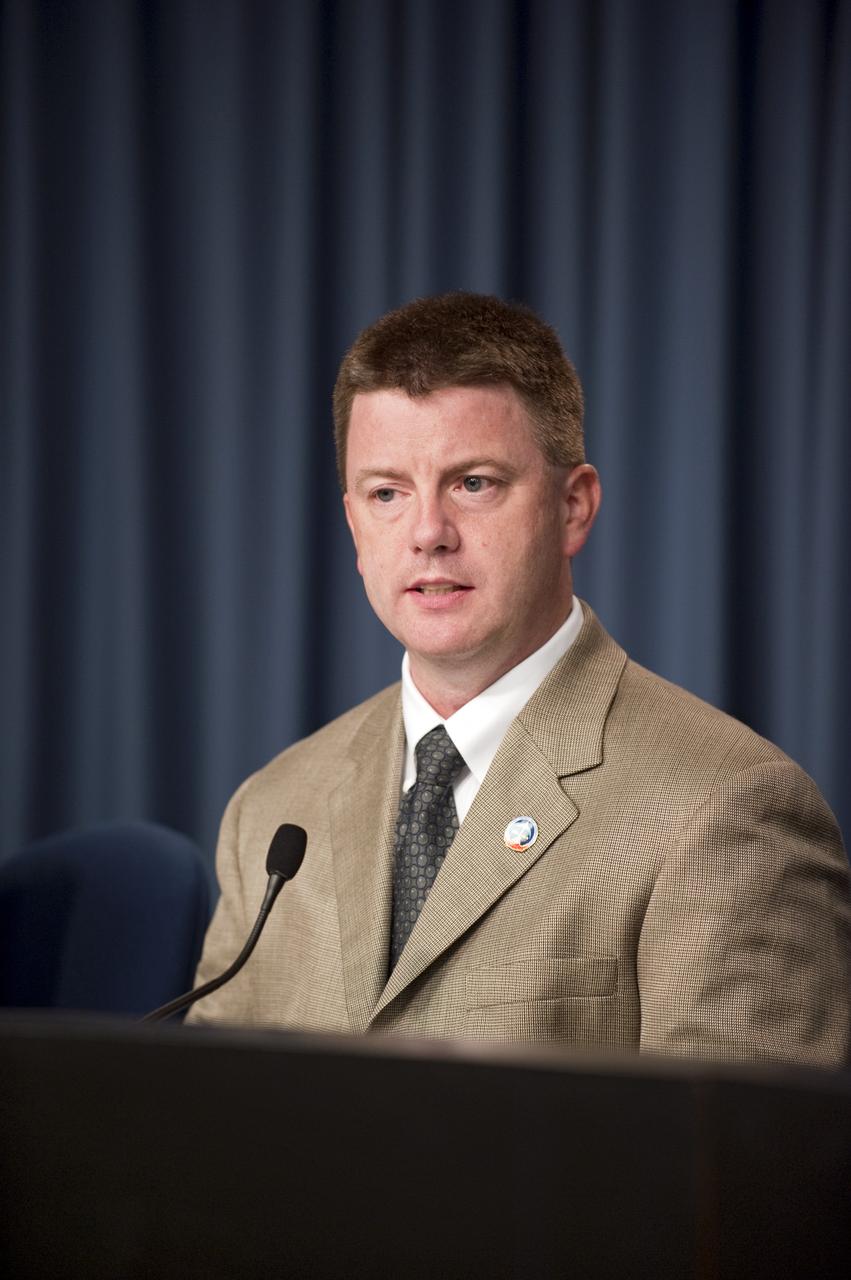
In the Kennedy Space Center’s Press Site auditorium, Mark Geyer, Orion program manager, was among agency and industry leaders who spoke to members of the news media as the Orion spacecraft and its Delta IV Heavy rocket were being prepared for launch. Orion is the exploration spacecraft designed to carry astronauts to destinations not yet explored by humans, including an asteroid and Mars. It will have emergency abort capability, sustain the crew during space travel and provide safe re-entry from deep space return velocities. The first unpiloted flight test of Orion is scheduled to launch Dec. 4, 2014 atop a United Launch Alliance Delta IV Heavy rocket, and in 2018 on NASA’s Space Launch System rocket.
Orion Flight Test Status & Overview Briefing
CSC Inc. at NASA's John C. Space Center was presented a Voluntary Protection Programs (VPP) Star Demonstration banner by the Occupational Safety and Health administration (OSHA) during a Dec. 9 ceremony. From left, CSC Employee Safety Committee members LaSonya Pulliam (l to r), Jim Sever, Stacy Brunson, Debbie Duke, Sheliah Wilson, Fred Voss and Beth Nguyen, and CSC Program Manager Tony Lisotta received the banner. OSHA established VPP in 1982 as a proactive safety management model so organizations and their employees could be recognized for excellence in safety and health.
CSC attains VPP Star Demonstration status
Inside the Neil Armstrong Operations and Checkout Building high bay at NASA's Kennedy Space Center in Florida, assembly continues on Orion’s Artemis II crew module on Feb. 5, 2021. The capsule will house astronauts during its mission around the Moon. Recently, teams removed the spacecraft from its clean room environment, where they have been performing the buildup of the Environmental Control and Propulsion System (ECPS) prior to their installation into the crew module. It will return to the clean room to complete ECPS final welds and assemblies. Artemis II will confirm all of the Orion spacecraft’s systems operate as designed in the actual environment of deep space with astronauts aboard. As part of the Artemis Program, NASA will send the first woman and next man to the Moon.
Artemis II Crew Module Current Status
In the Kennedy Space Center’s Press Site auditorium, agency and industry leaders spoke to members of the news media as the Orion spacecraft and its Delta IV Heavy rocket were being prepared for launch. From left are: Brandi Dean of NASA Public Affairs, Mark Geyer, Orion program manager, Mike Hawes, Lockheed Martin Orion Program manager, and Ron Fortson, United Launch Alliance director of mission management. Orion is the exploration spacecraft designed to carry astronauts to destinations not yet explored by humans, including an asteroid and Mars. It will have emergency abort capability, sustain the crew during space travel and provide safe re-entry from deep space return velocities. The first unpiloted flight test of Orion is scheduled to launch Dec. 4, 2014 atop a United Launch Alliance Delta IV Heavy rocket, and in 2018 on NASA’s Space Launch System rocket.
Orion Flight Test Status & Overview Briefing
In the Kennedy Space Center’s Press Site auditorium, agency and industry leaders spoke to members of the news media as the Orion spacecraft and its Delta IV Heavy rocket were being prepared for launch. From left are: Brandi Dean of NASA Public Affairs, Mark Geyer, Orion program manager, Mike Hawes, Lockheed Martin Orion Program manager, and Ron Fortson, United Launch Alliance director of mission management. Orion is the exploration spacecraft designed to carry astronauts to destinations not yet explored by humans, including an asteroid and Mars. It will have emergency abort capability, sustain the crew during space travel and provide safe re-entry from deep space return velocities. The first unpiloted flight test of Orion is scheduled to launch Dec. 4, 2014 atop a United Launch Alliance Delta IV Heavy rocket, and in 2018 on NASA’s Space Launch System rocket.
Orion Flight Test Status & Overview Briefing
Inside the Neil Armstrong Operations and Checkout Building high bay at NASA's Kennedy Space Center in Florida, assembly continues on Orion’s Artemis II crew module on Feb. 5, 2021. The capsule will house astronauts during its mission around the Moon. Recently, teams removed the spacecraft from its clean room environment, where they have been performing the buildup of the Environmental Control and Propulsion System (ECPS) assemblies prior to their installation into the crew module. It will return to the clean room to complete ECPS final welds and assemblies. Artemis II will confirm all of the Orion spacecraft’s systems operate as designed in the actual environment of deep space with astronauts aboard. As part of the Artemis Program, NASA will send the first woman and next man to the Moon.
Artemis II Crew Module Current Status
In the Kennedy Space Center’s Press Site auditorium, Mike Hawes, Lockheed Martin Orion Program manager, was among agency and industry leaders who spoke to members of the news media as the Orion spacecraft and its Delta IV Heavy rocket were being prepared for launch. Orion is the exploration spacecraft designed to carry astronauts to destinations not yet explored by humans, including an asteroid and Mars. It will have emergency abort capability, sustain the crew during space travel and provide safe re-entry from deep space return velocities. The first unpiloted flight test of Orion is scheduled to launch Dec. 4, 2014 atop a United Launch Alliance Delta IV Heavy rocket, and in 2018 on NASA’s Space Launch System rocket.
Orion Flight Test Status & Overview Briefing
Inside the Neil Armstrong Operations and Checkout Building high bay at NASA's Kennedy Space Center in Florida, assembly continues on Orion’s Artemis II crew module on Feb. 5, 2021. The capsule will house astronauts during its mission around the Moon. Recently, teams removed the spacecraft from its clean room environment, where they have been performing the buildup of the Environmental Control and Propulsion System (ECPS) assemblies prior to their installation into the crew module. It will return to the clean room to complete ECPS final welds and assemblies. Artemis II will confirm all of the Orion spacecraft’s systems operate as designed in the actual environment of deep space with astronauts aboard. As part of the Artemis Program, NASA will send the first woman and next man to the Moon.
Artemis II Crew Module Current Status
Inside the Neil Armstrong Operations and Checkout Building high bay at NASA's Kennedy Space Center in Florida, assembly continues on Orion’s Artemis II crew module on Feb. 5, 2021. The capsule will house astronauts during its mission around the Moon. Recently, teams removed the spacecraft from its clean room environment, where they have been performing the buildup of the Environmental Control and Propulsion System (ECPS) assemblies prior to their installation into the crew module. It will return to the clean room to complete ECPS final welds and assemblies. Artemis II will confirm all of the Orion spacecraft’s systems operate as designed in the actual environment of deep space with astronauts aboard. As part of the Artemis Program, NASA will send the first woman and next man to the Moon.
Artemis II Crew Module Current Status
A close-up view of Orion’s Artemis II crew module inside the Neil Armstrong Operations and Checkout Building high bay at NASA's Kennedy Space Center in Florida, on Feb. 5, 2021. The capsule will house astronauts during its mission around the Moon. Recently, teams removed the spacecraft from its clean room environment, where they have been performing the buildup of the Environmental Control and Propulsion System (ECPS) assemblies prior to their installation into the crew module. It will return to the clean room to complete ECPS final welds and assemblies. Artemis II will confirm all of the Orion spacecraft’s systems operate as designed in the actual environment of deep space with astronauts aboard. As part of the Artemis Program, NASA will send the first woman and next man to the Moon.
Artemis II Crew Module Current Status
Workers inside the Neil Armstrong Operations and Checkout Building high bay at NASA's Kennedy Space Center in Florida, continue assembly of Orion’s Artemis II crew module on Feb. 5, 2021. The capsule will house astronauts during its mission around the Moon. Recently, teams removed the spacecraft from its clean room environment, where they have been performing the buildup of the Environmental Control and Propulsion System (ECPS) assemblies prior to their installation into the crew module. It will return to the clean room to complete ECPS final welds and assemblies. Artemis II will confirm all of the Orion spacecraft’s systems operate as designed in the actual environment of deep space with astronauts aboard. As part of the Artemis Program, NASA will send the first woman and next man to the Moon.
Artemis II Crew Module Current Status
In the Kennedy Space Center’s Press Site auditorium, Ron Fortson, United Launch Alliance director of mission management, was among agency and industry leaders who spoke to members of the news media as the Orion spacecraft and its Delta IV Heavy rocket were being prepared for launch. Orion is the exploration spacecraft designed to carry astronauts to destinations not yet explored by humans, including an asteroid and Mars. It will have emergency abort capability, sustain the crew during space travel and provide safe re-entry from deep space return velocities. The first unpiloted flight test of Orion is scheduled to launch Dec. 4, 2014 atop a United Launch Alliance Delta IV Heavy rocket, and in 2018 on NASA’s Space Launch System rocket.
Orion Flight Test Status & Overview Briefing
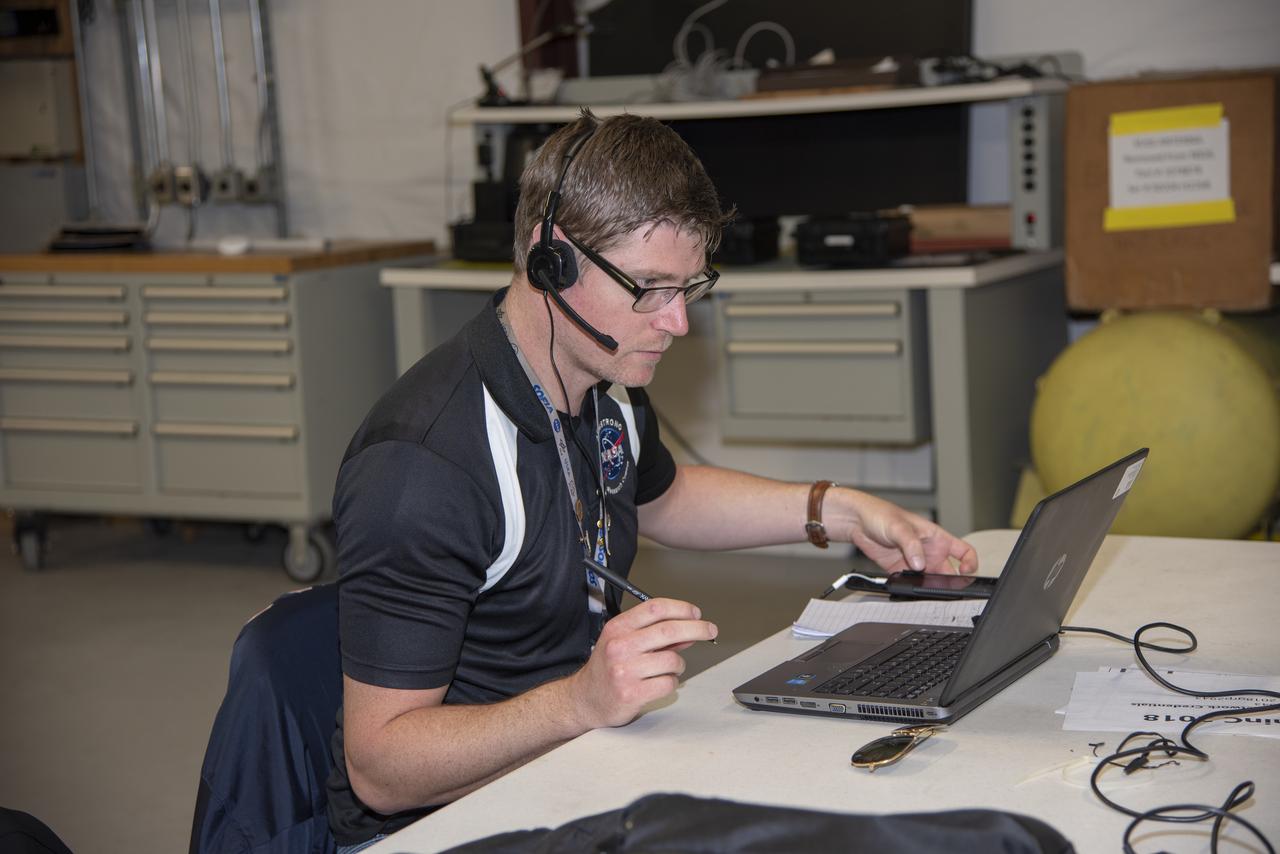
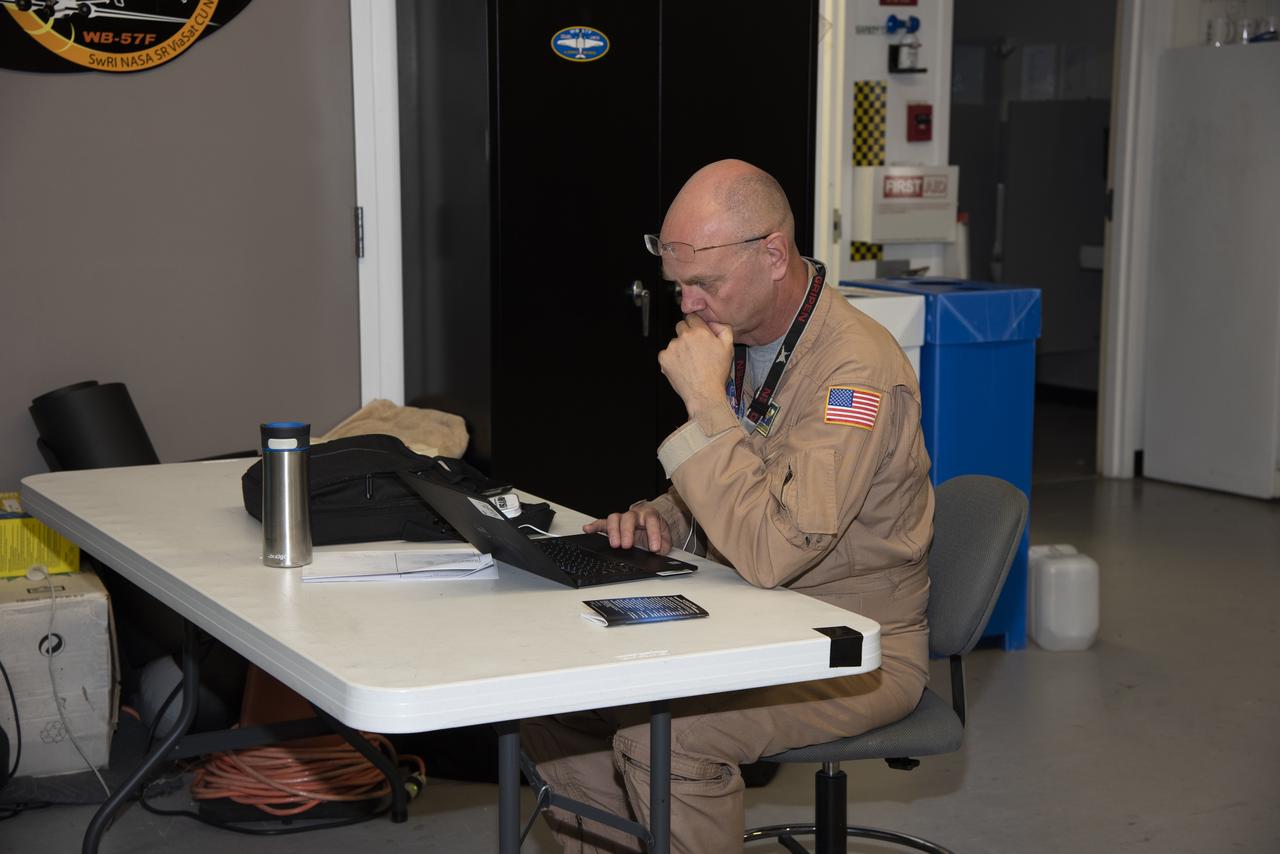
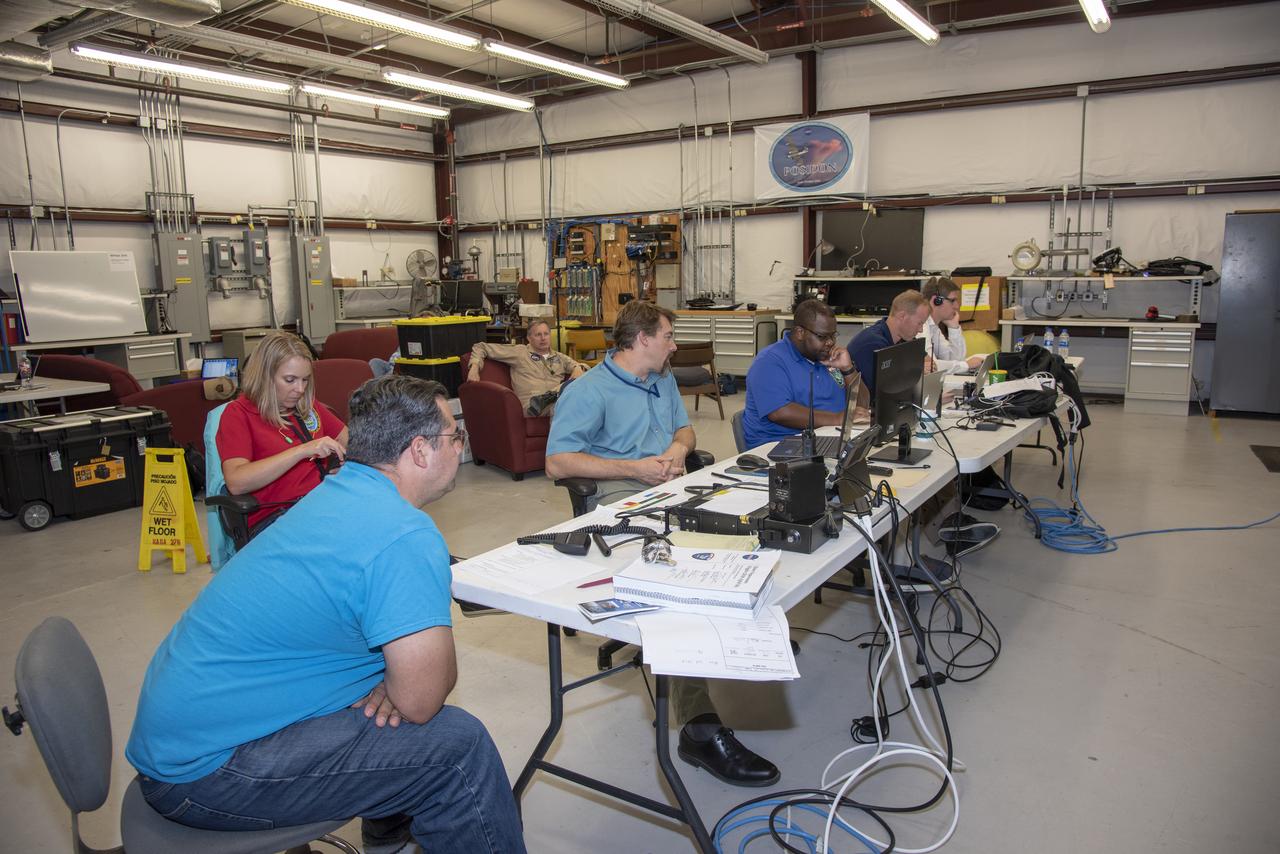
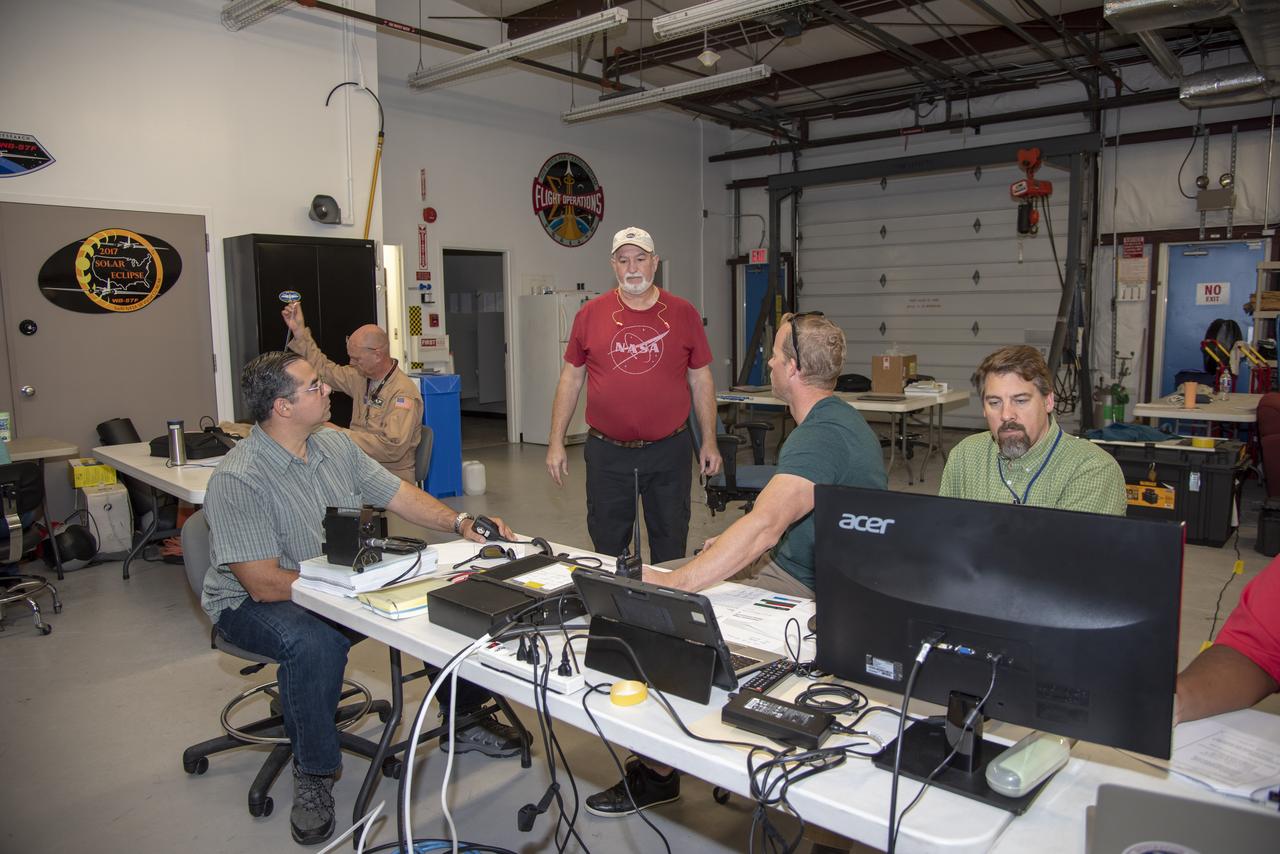
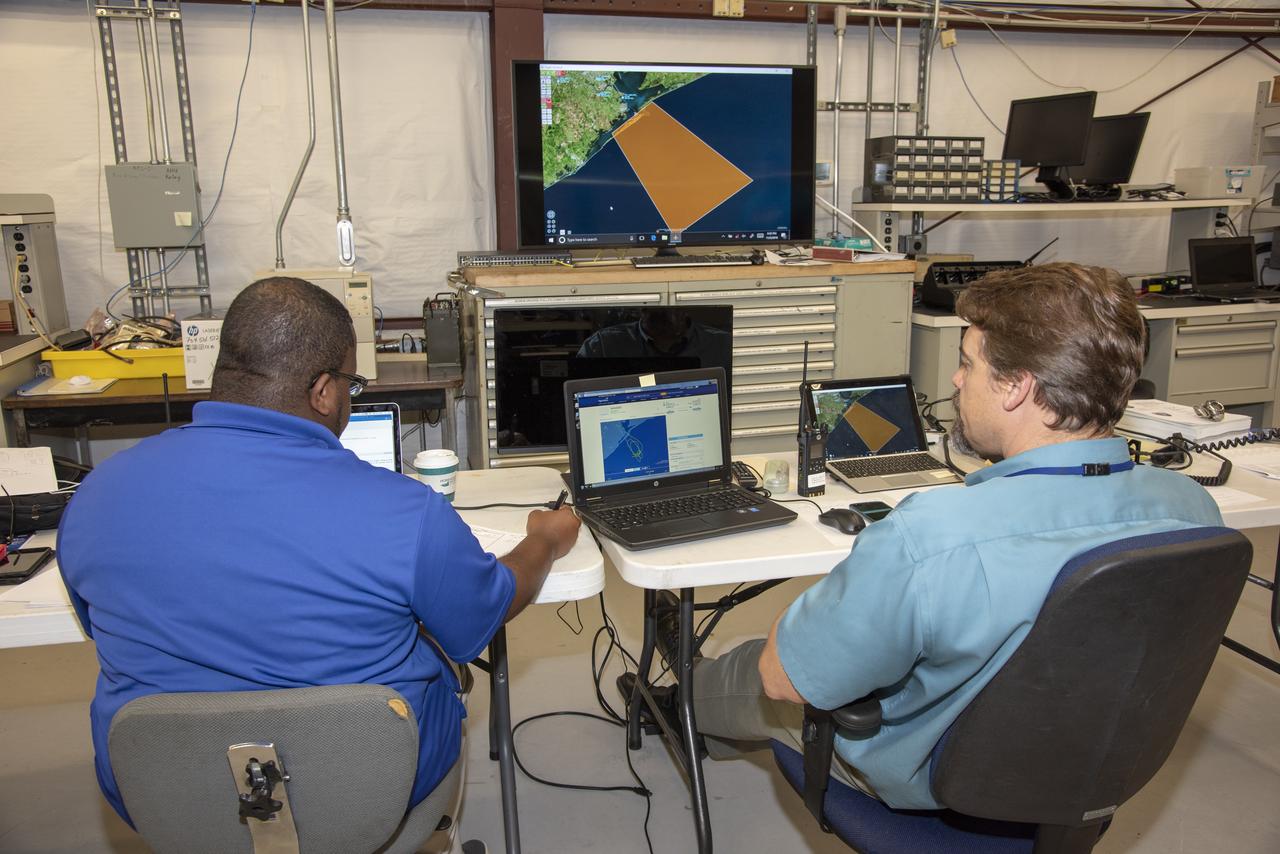
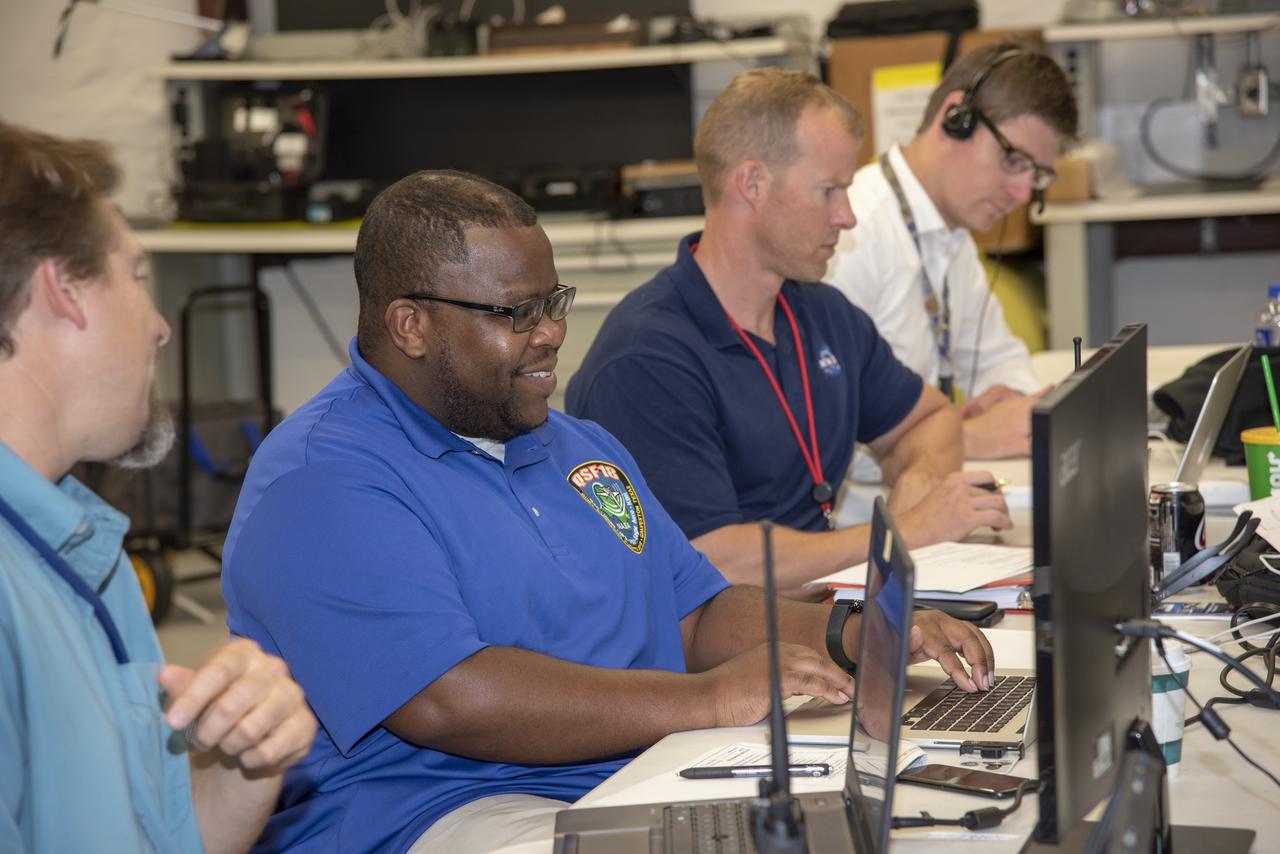
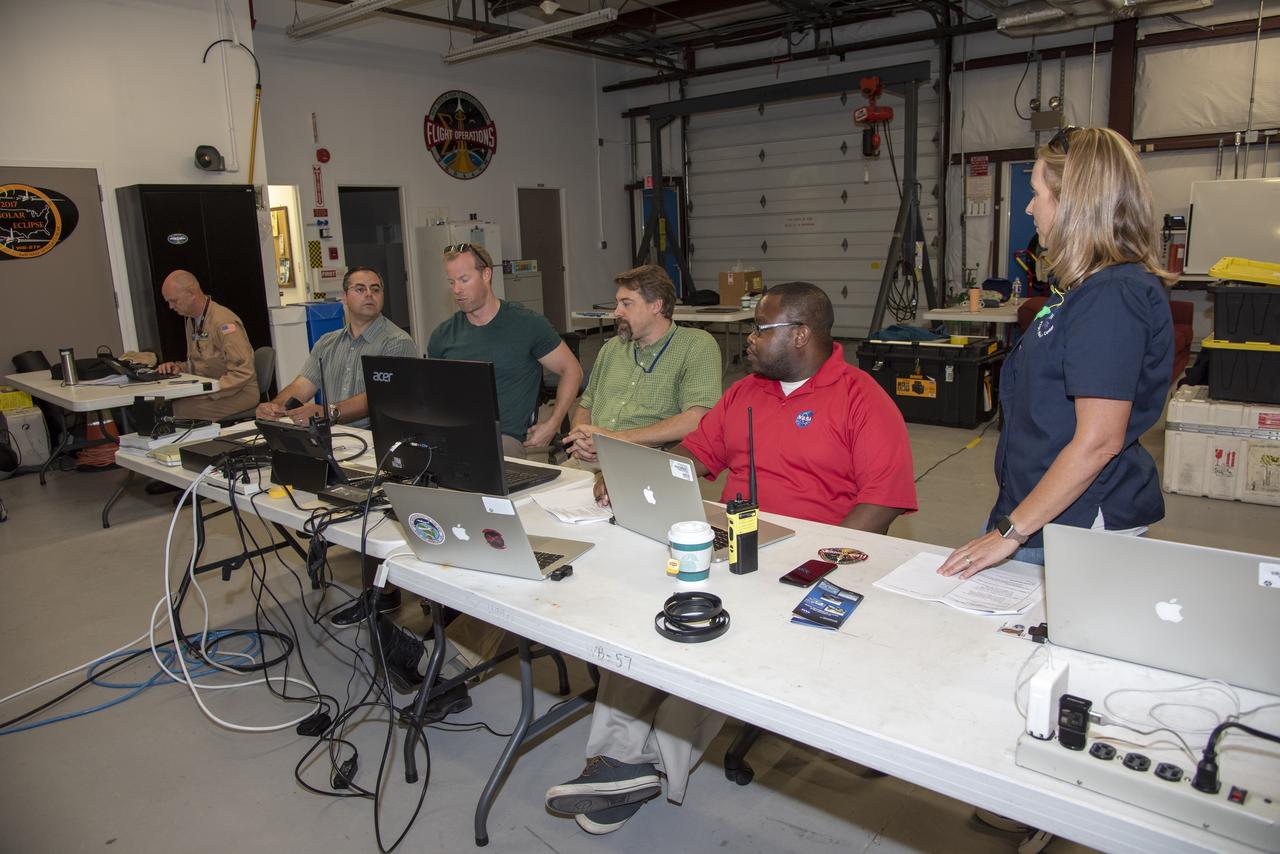
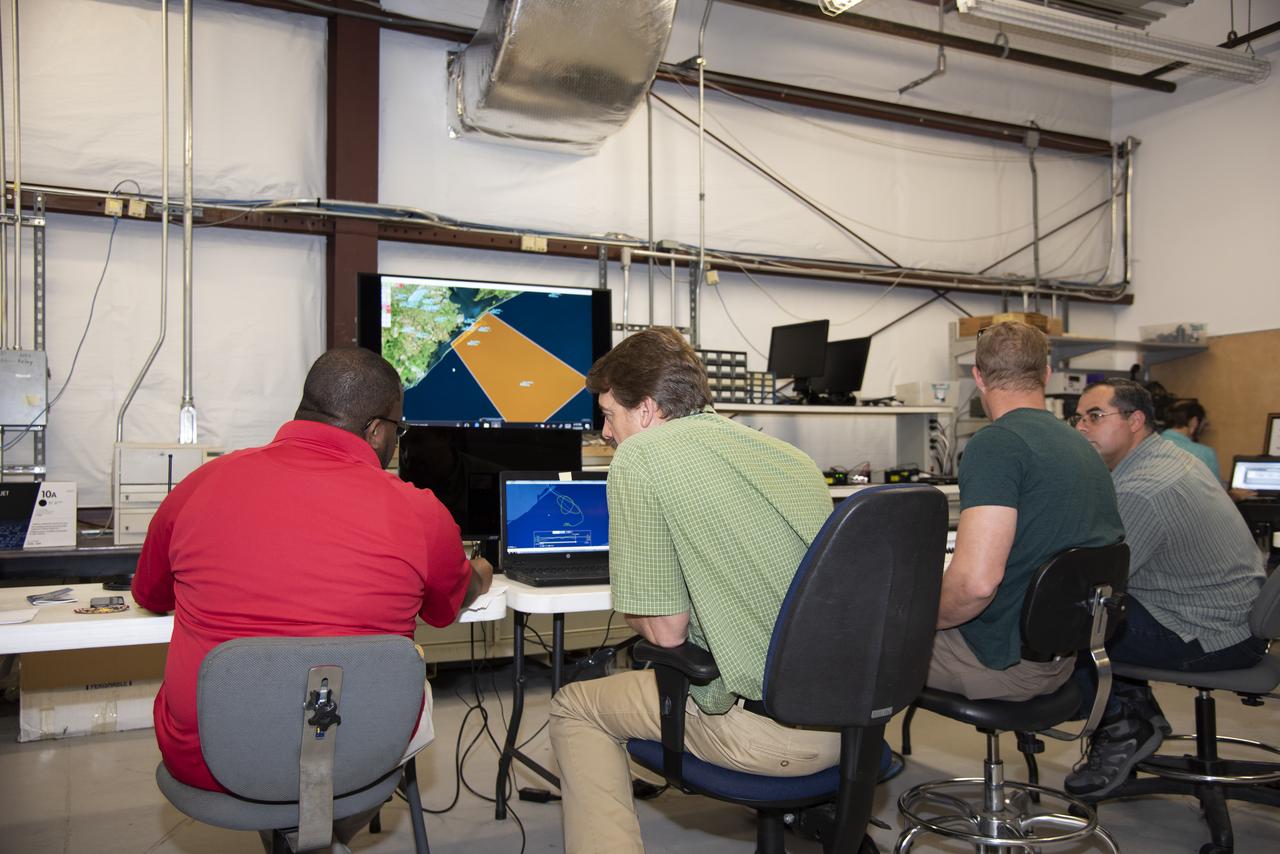
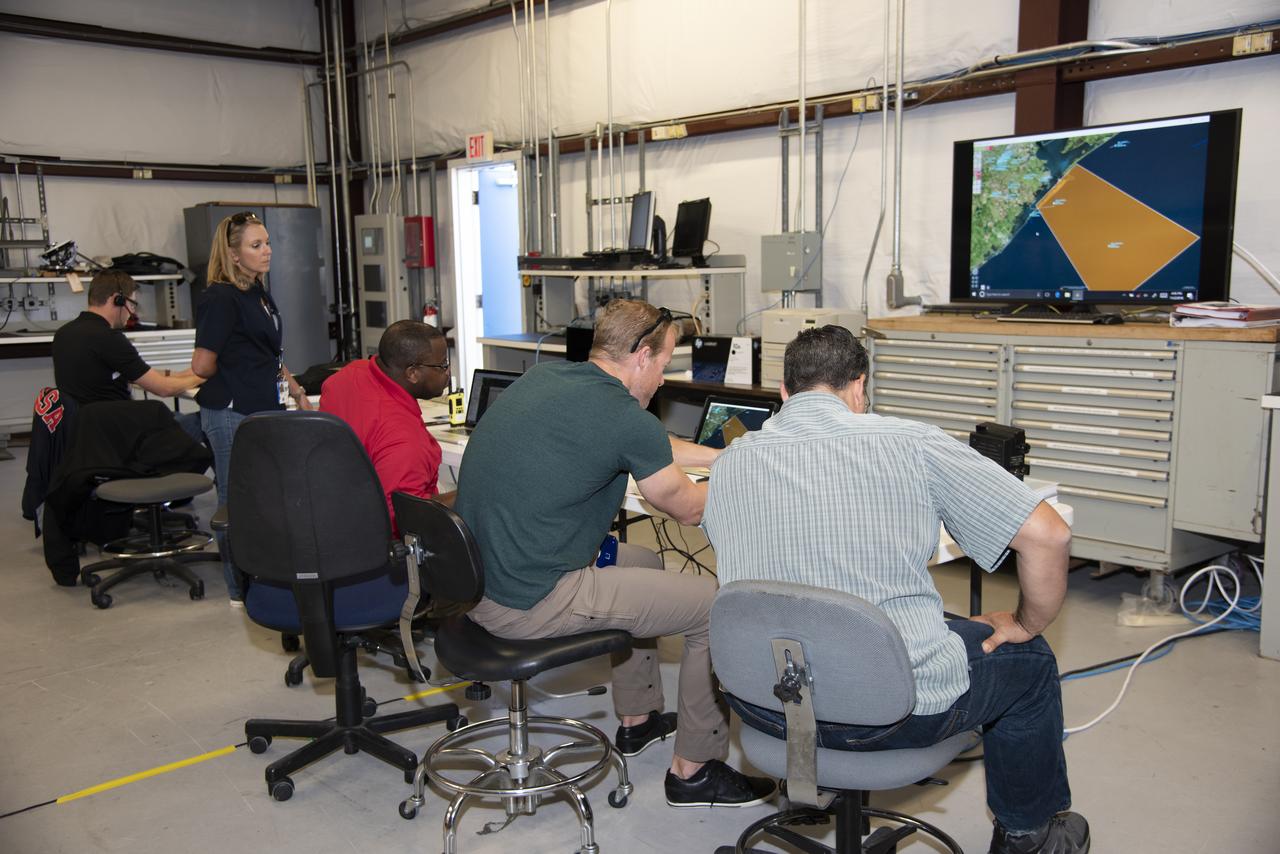
NASA mission controllers, engineers, pilots and communications specialists in the mission control room monitor the supersonic research flight off the coast of Galveston, as part of the QSF18 flight series. The flight operations crew tracks the status of the flights, maintains communications with the aircraft, communicates with U.S. Coast Guard, and coordinates community feedback data.
NASA Flight Operations Crew Monitors Supersonic Flight
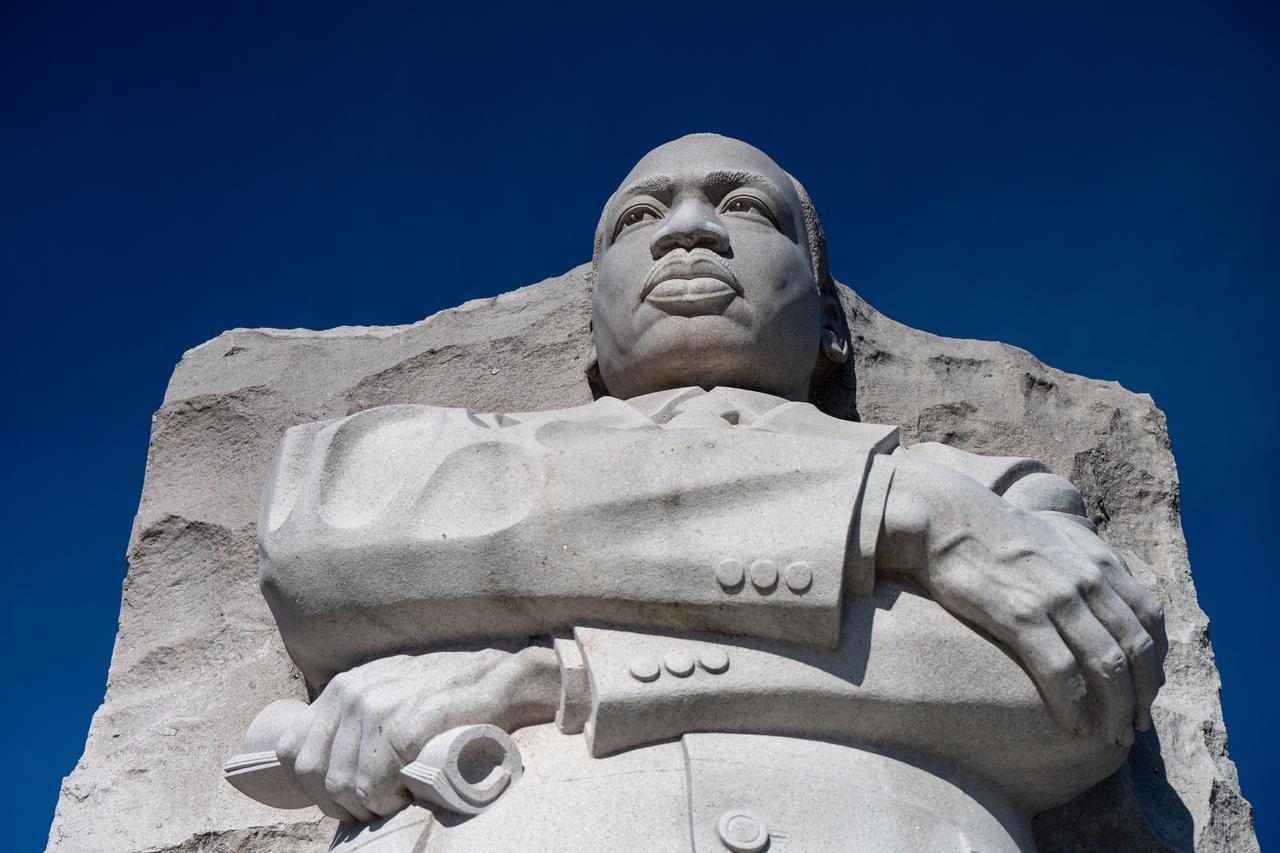
The Martin Luther King, Jr. Memorial is seen, Sunday, Jan. 5, 2025, in Washington. The memorial covers four acres and includes the Stone of Hope, a granite statue of civil rights movement leader Martin Luther King Jr. carved by sculptor Lei Yixin. Photo Credit: (NASA/Bill Ingalls)
Martin Luther King, Jr. Memorial
NASA mission controllers, engineers, pilots and communications specialists in the mission control room monitor the supersonic research flight off the coast of Galveston, as part of the QSF18 flight series. The flight operations crew tracks the status of the flights, maintains communications with the aircraft, communicates with U.S. Coast Guard, and coordinates community feedback data.
NASA Flight Operations Crew Monitors Supersonic Flight
NASA mission controllers, engineers, pilots and communications specialists in the mission control room monitor the supersonic research flight off the coast of Galveston, as part of the QSF18 flight series. The flight operations crew tracks the status of the flights, maintains communications with the aircraft, communicates with U.S. Coast Guard, and coordinates community feedback data.
NASA Flight Operations Crew Monitors Supersonic Flight
The Martin Luther King, Jr. Memorial is seen, Sunday, Jan. 5, 2025, in Washington. The memorial covers four acres and includes the Stone of Hope, a granite statue of civil rights movement leader Martin Luther King Jr. carved by sculptor Lei Yixin. Photo Credit: (NASA/Bill Ingalls)
Martin Luther King, Jr. Memorial
NASA mission controllers, engineers, pilots and communications specialists in the mission control room monitor the supersonic research flight off the coast of Galveston, as part of the QSF18 flight series. The flight operations crew tracks the status of the flights, maintains communications with the aircraft, communicates with U.S. Coast Guard, and coordinates community feedback data.
NASA Flight Operations Crew Monitors Supersonic Flight
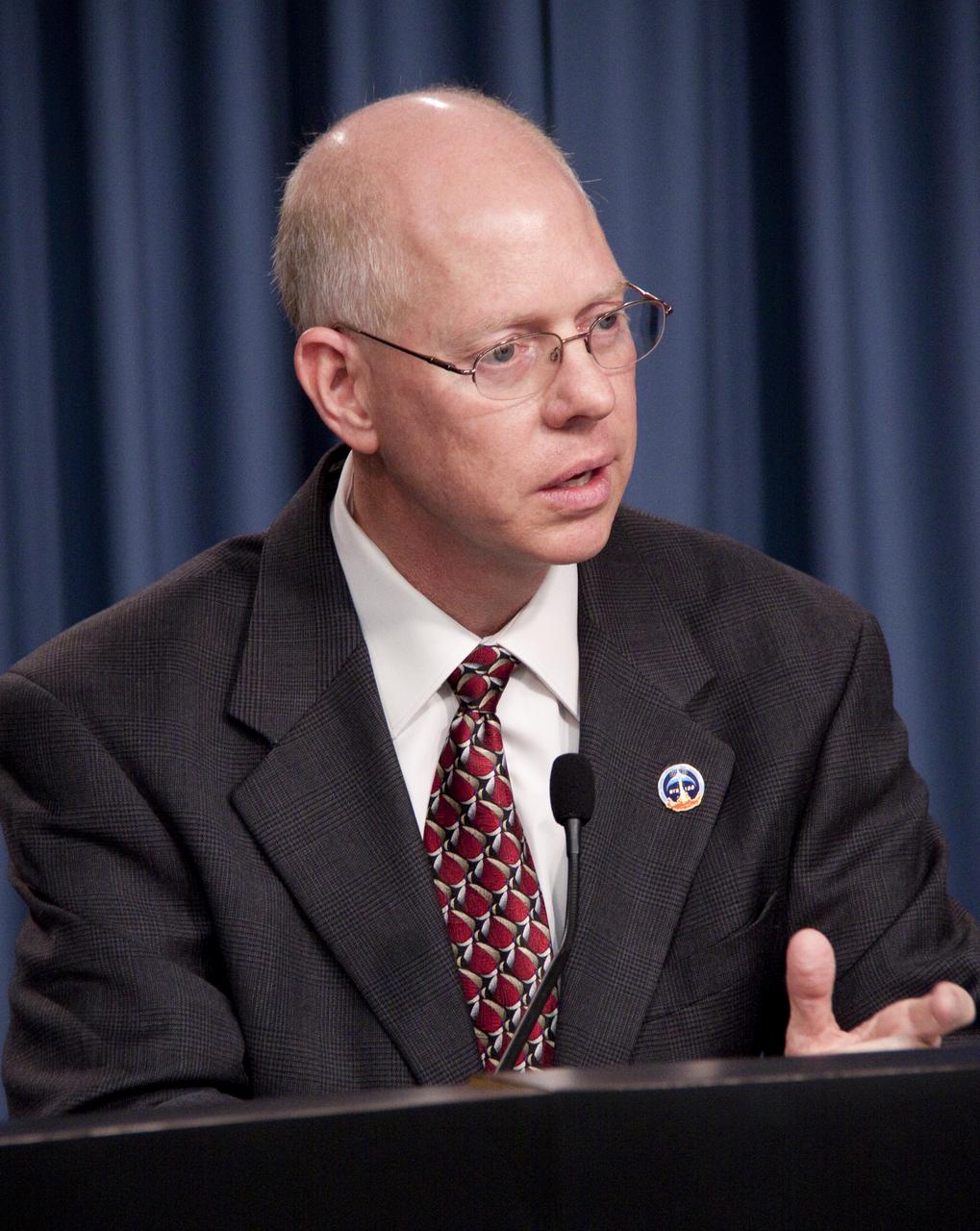
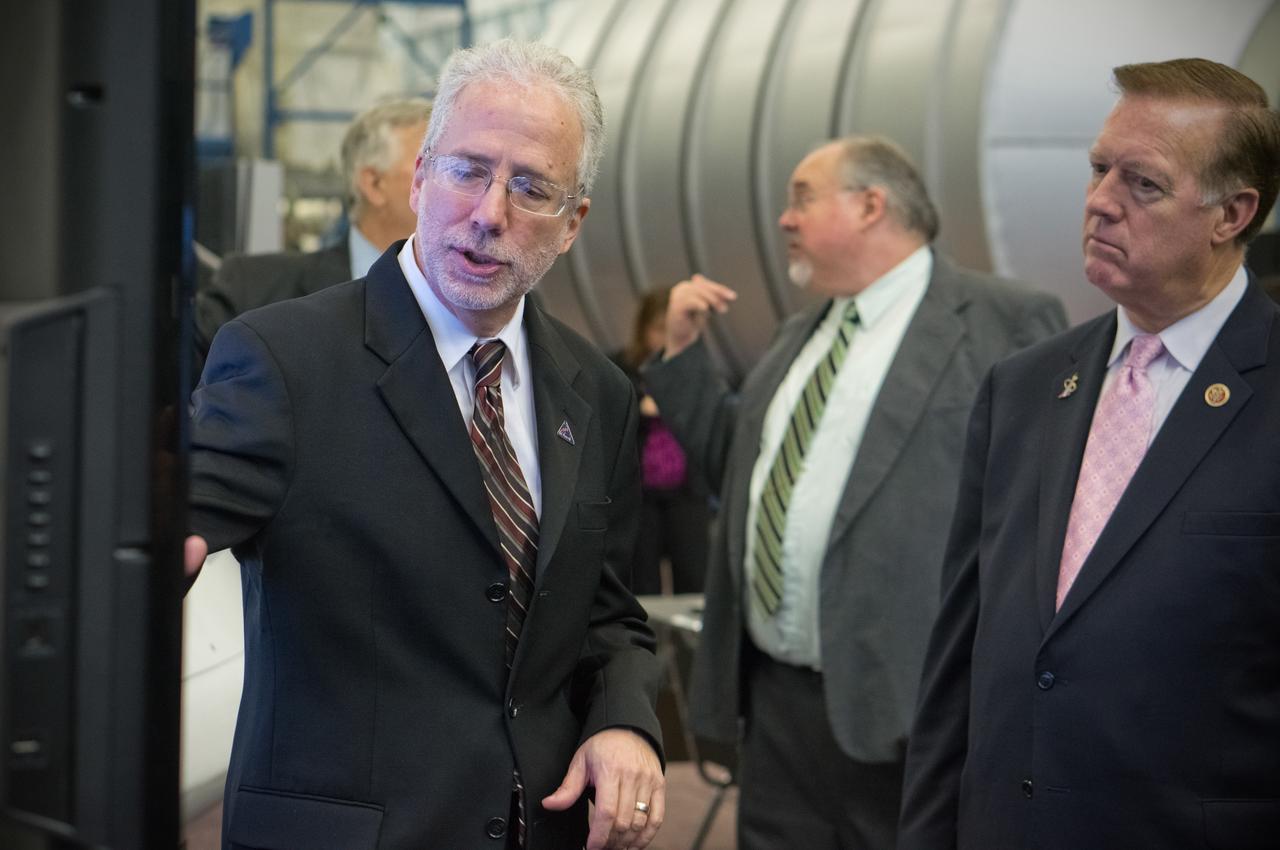
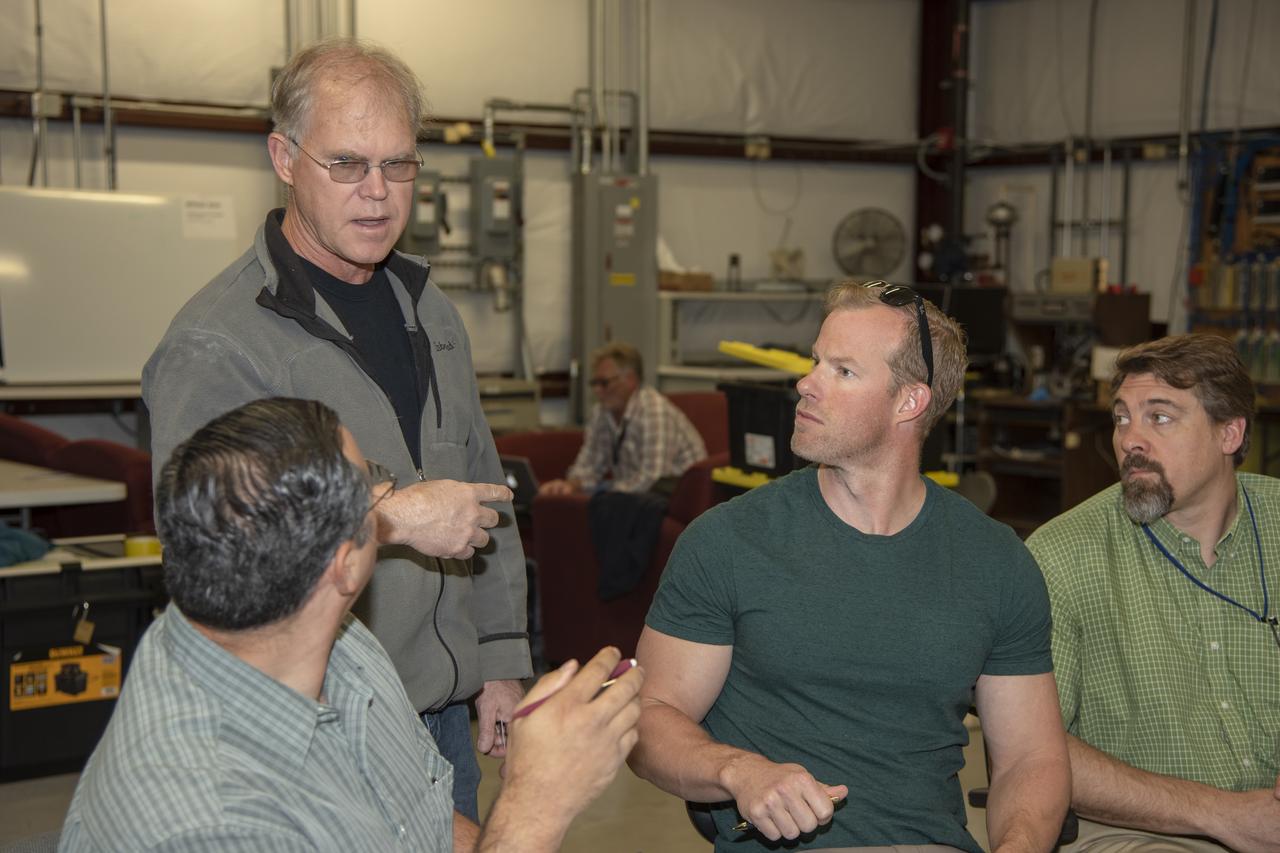
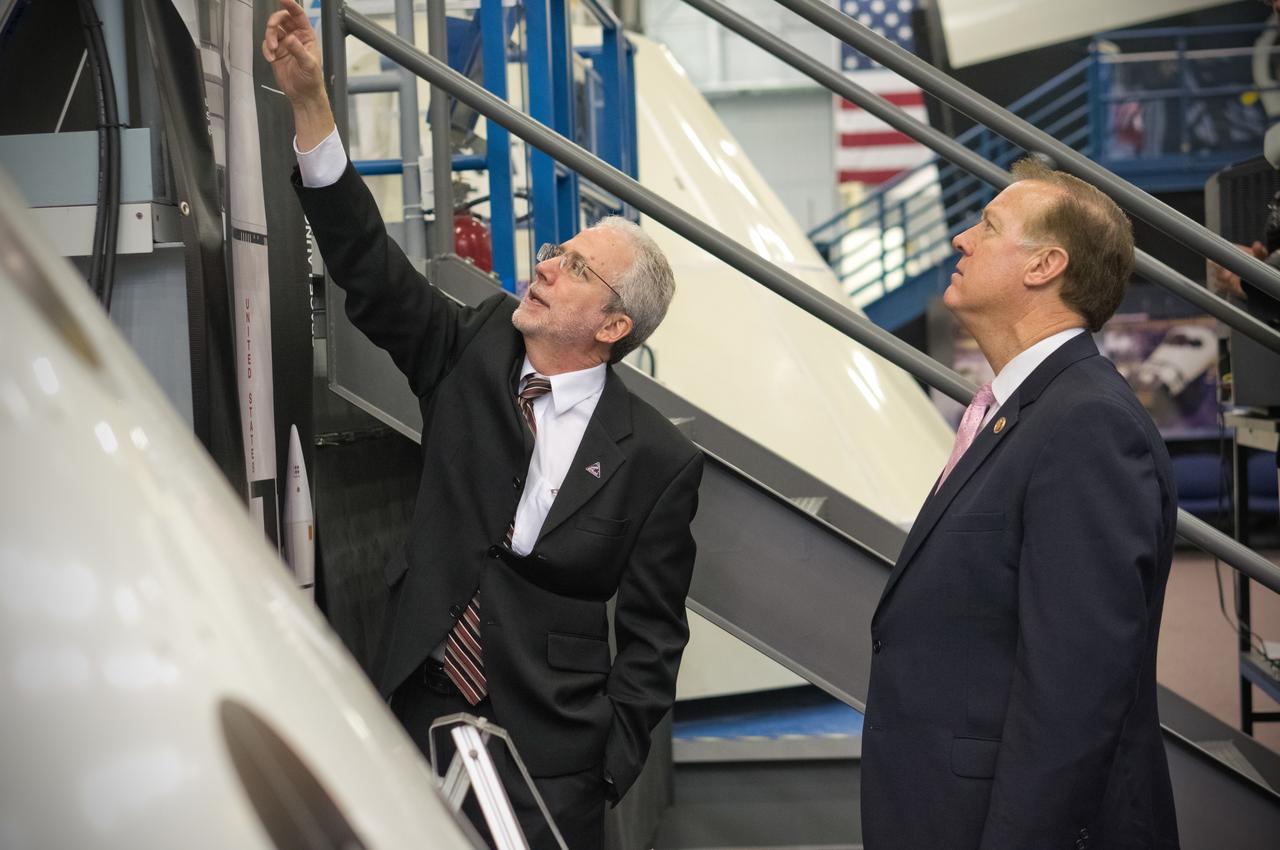
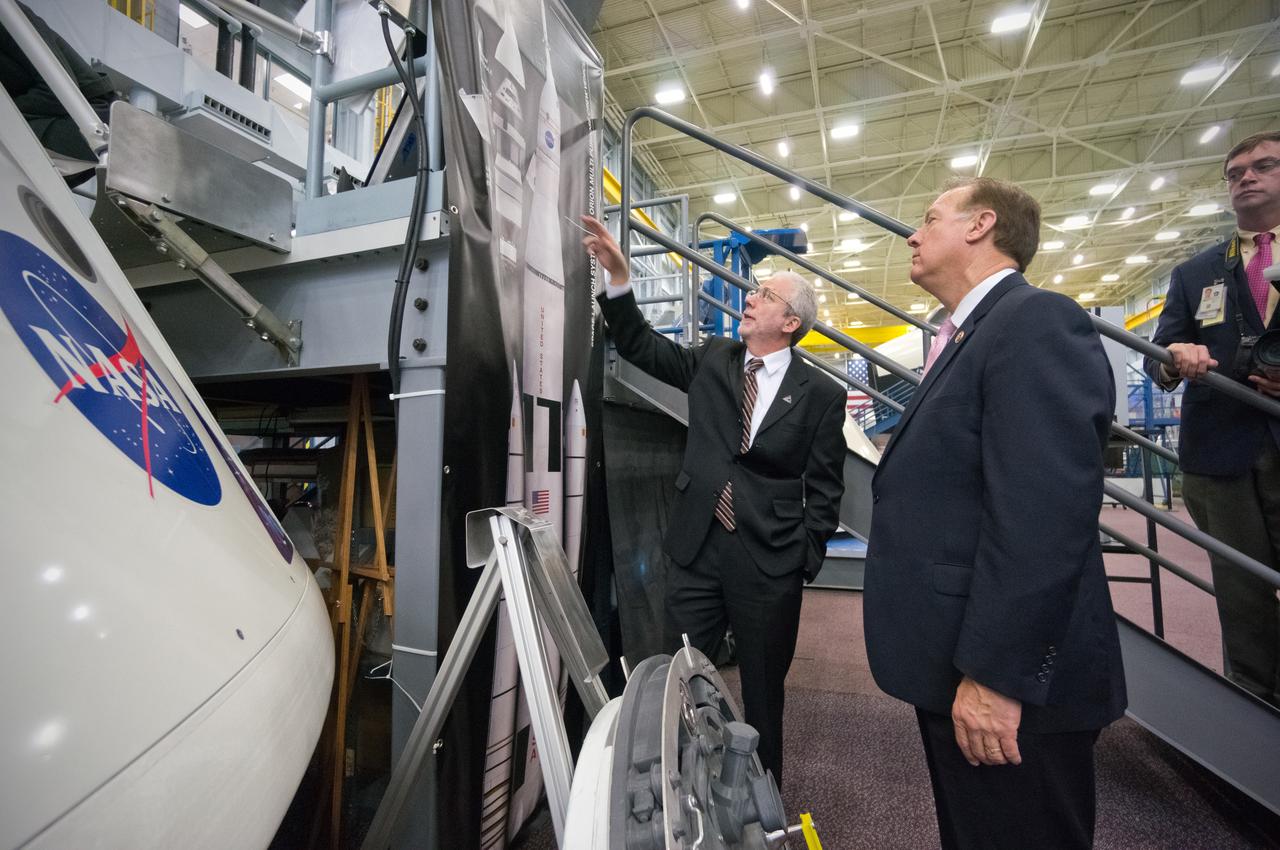
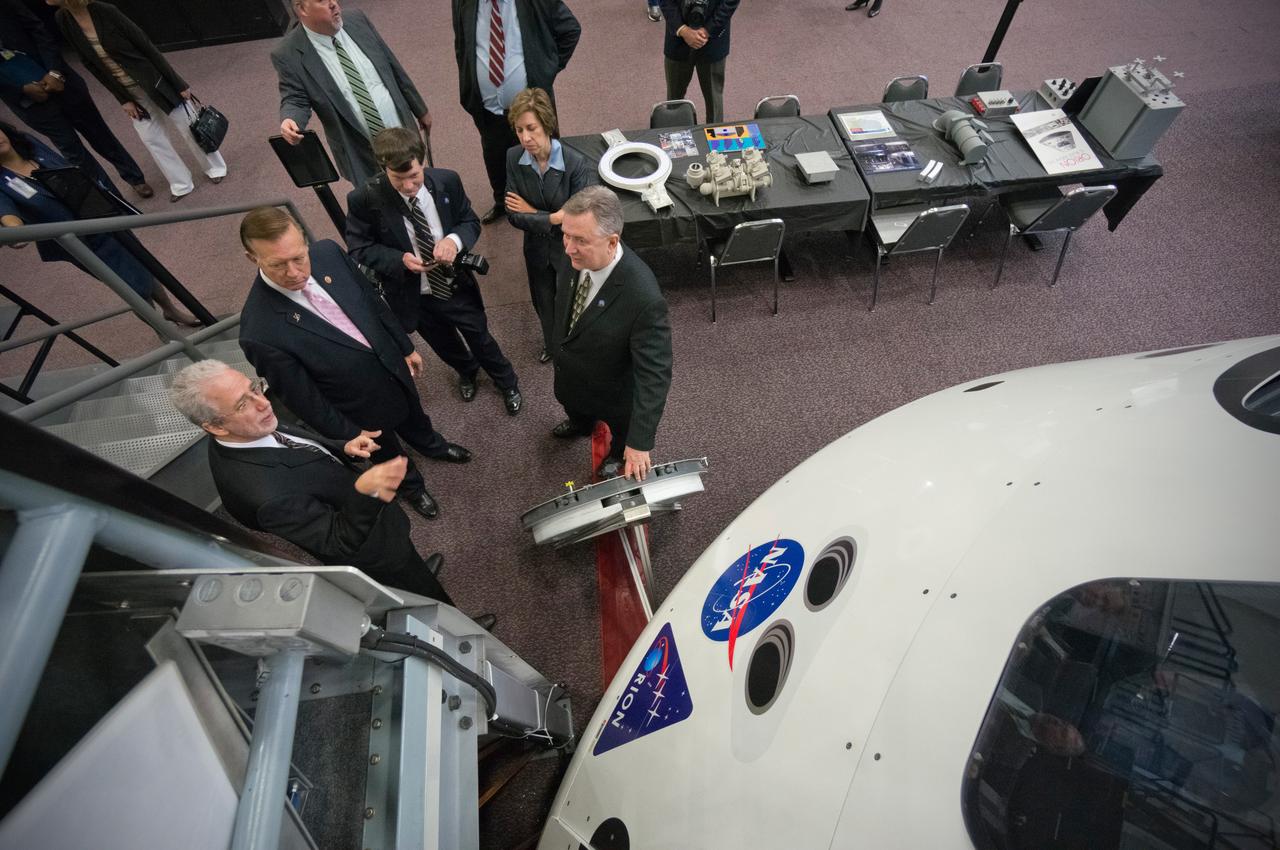
Congressman Steve Stockman, Texas 36th district, and Congressman Randy Weber, Texas 14th district, visit NASA’s Johnson Space Center in Houston on Feb. 20, 2013. Orion Program Manager Mark Geyer discussed the status and accomplishments of the Orion program.  Part of Batch image transfer from Flickr.
Texas Congressmen visit Orion
The 51-J mission insignia, designed by Atlantis's first crew, pays tribute to the Statue of Liberty and the ideas it symbolizes. The historical gateway figure bears additional significance for Astronauts Karol J. Bobko, mission commander; and Ronald J. Grabe, pilot, both New Your Natives.
Space Shuttle Projects
NASA mission controllers, engineers, pilots and communications specialists in the mission control room monitor the supersonic research flight off the coast of Galveston, as part of the QSF18 flight series. The flight operations crew tracks the status of the flights, maintains communications with the aircraft, communicates with U.S. Coast Guard, and coordinates community feedback data.
NASA Flight Operations Crew Monitors Supersonic Flight
NASA mission controllers, engineers, pilots and communications specialists in the mission control room monitor the supersonic research flight off the coast of Galveston, as part of the QSF18 flight series. The flight operations crew tracks the status of the flights, maintains communications with the aircraft, communicates with U.S. Coast Guard, and coordinates community feedback data.
NASA Flight Operations Crew Monitors Supersonic Flight
The Martin Luther King, Jr. Memorial is seen, Sunday, Jan. 5, 2025, in Washington. The memorial covers four acres and includes the Stone of Hope, a granite statue of civil rights movement leader Martin Luther King Jr. carved by sculptor Lei Yixin. Photo Credit: (NASA/Bill Ingalls)
Martin Luther King, Jr. Memorial
ISS019-E-010165 (18 April 2009) --- Astronaut Michael Barratt, Expedition 19/20 flight engineer, performs an insertion of urine samples into the Minus Eighty Degree Laboratory Freezer for ISS (MELFI) as part of the Nutritional Status Assessment (NUTRITION) study in the Japanese Kibo laboratory of the International Space Station.
Nutrition and Repository: Insertion of Urine Sample into MELFI
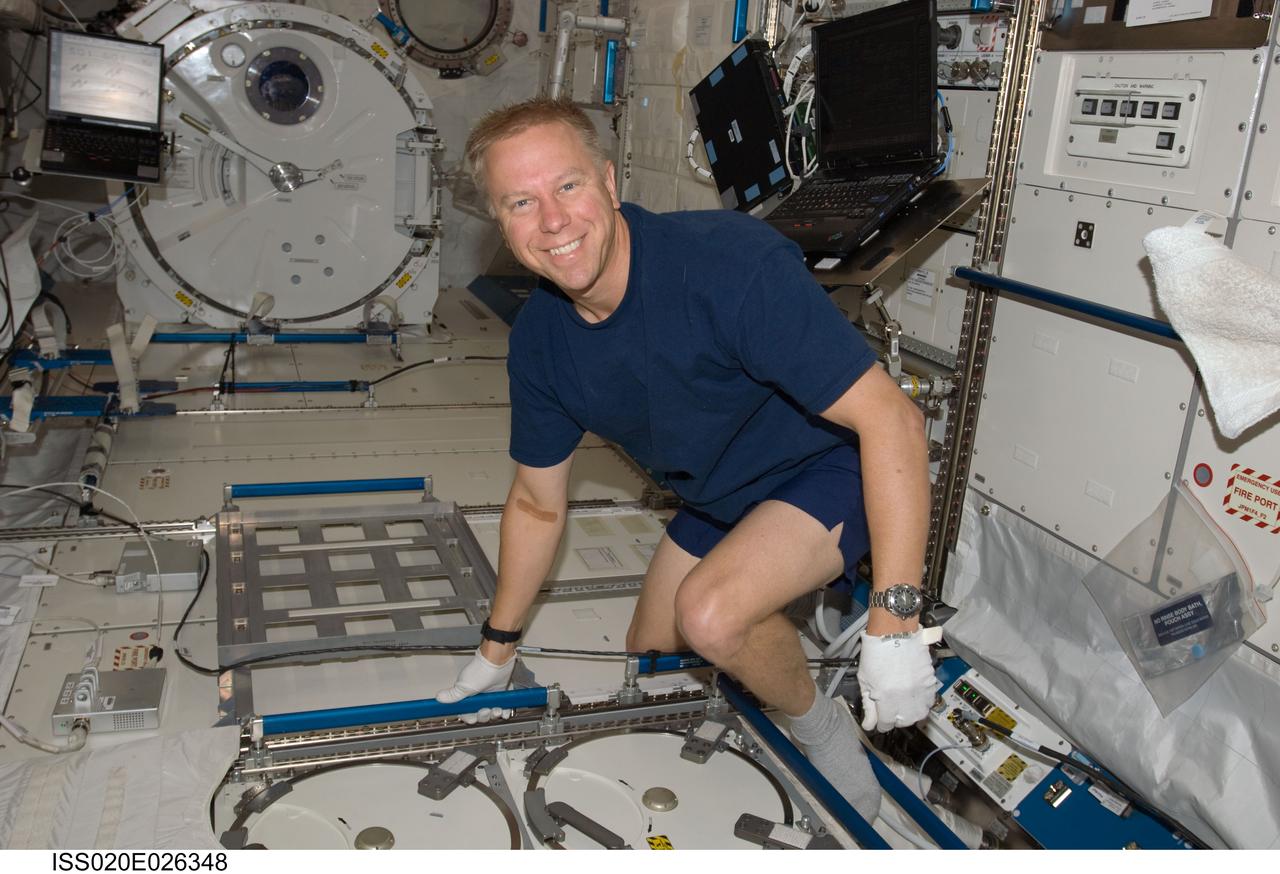
ISS020-E-026348 (30 July 2009) --- Astronaut Tim Kopra, Expedition 20 flight engineer, smiles for the camera as he completes the task of placing samples taken for the Nutritional Status Assessment (NUTRITION) w/Repository study into the Minus Eighty Degree Laboratory Freezer for ISS (MELFI) in the Kibo laboratory of the International Space Station.
NUTRITION w/Repository into MELFI