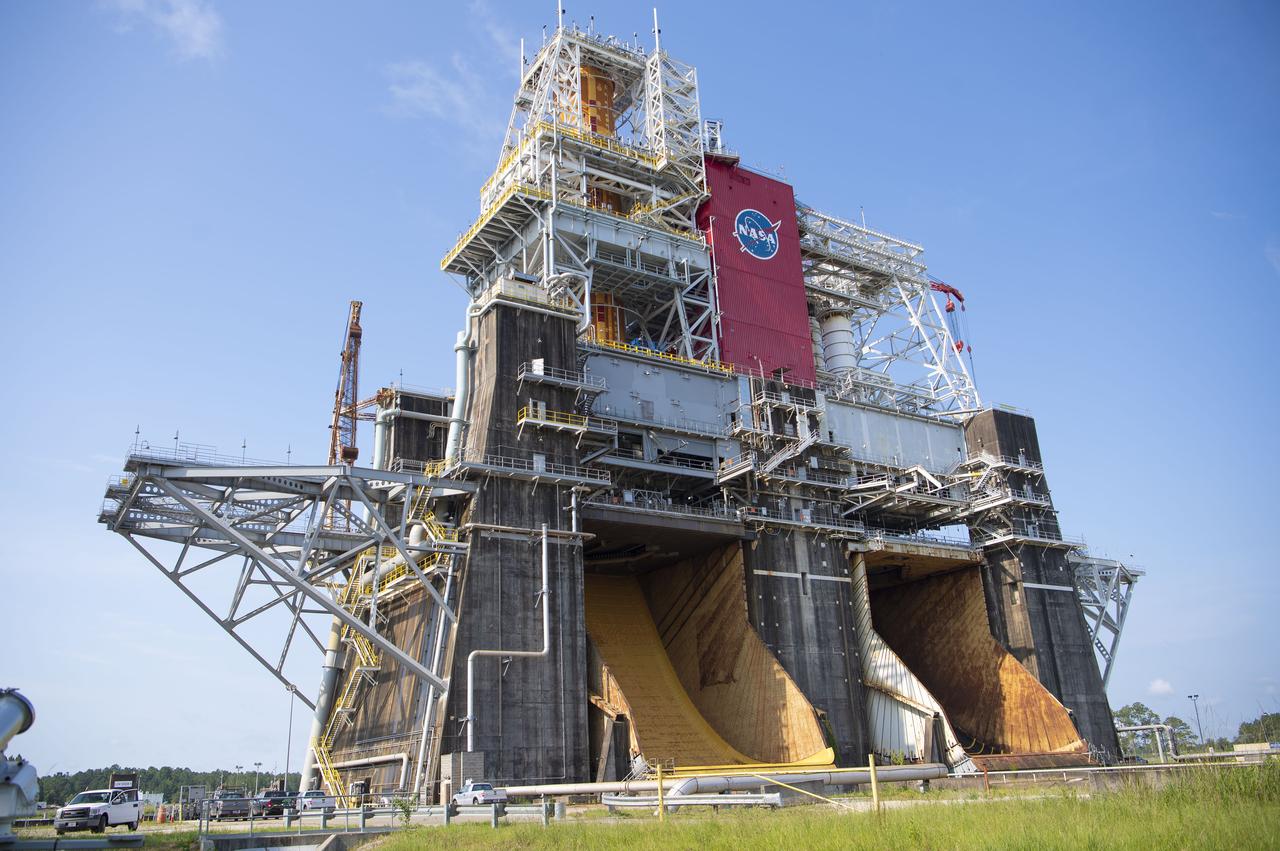
A photo from the north (flame trench) side of the B-2 Test Stand at NASA’s Stennis Space Center shows the first flight core stage for NASA’s new Space Launch System (SLS) rocket installed for Green Run testing. The SLS core stage was transported to Stennis in January to begin Green Run testing prior to its use on the Artemis I mission. NASA is building SLS to return humans, including the first woman, to the Moon as part of the Artemis program and to prepare for eventual missions to Mars. At Stennis, the SLS core stage will undergo a series of tests on its integrated systems, culminating with a hot fire of its four RS-25 engines, just as during an actual launch.
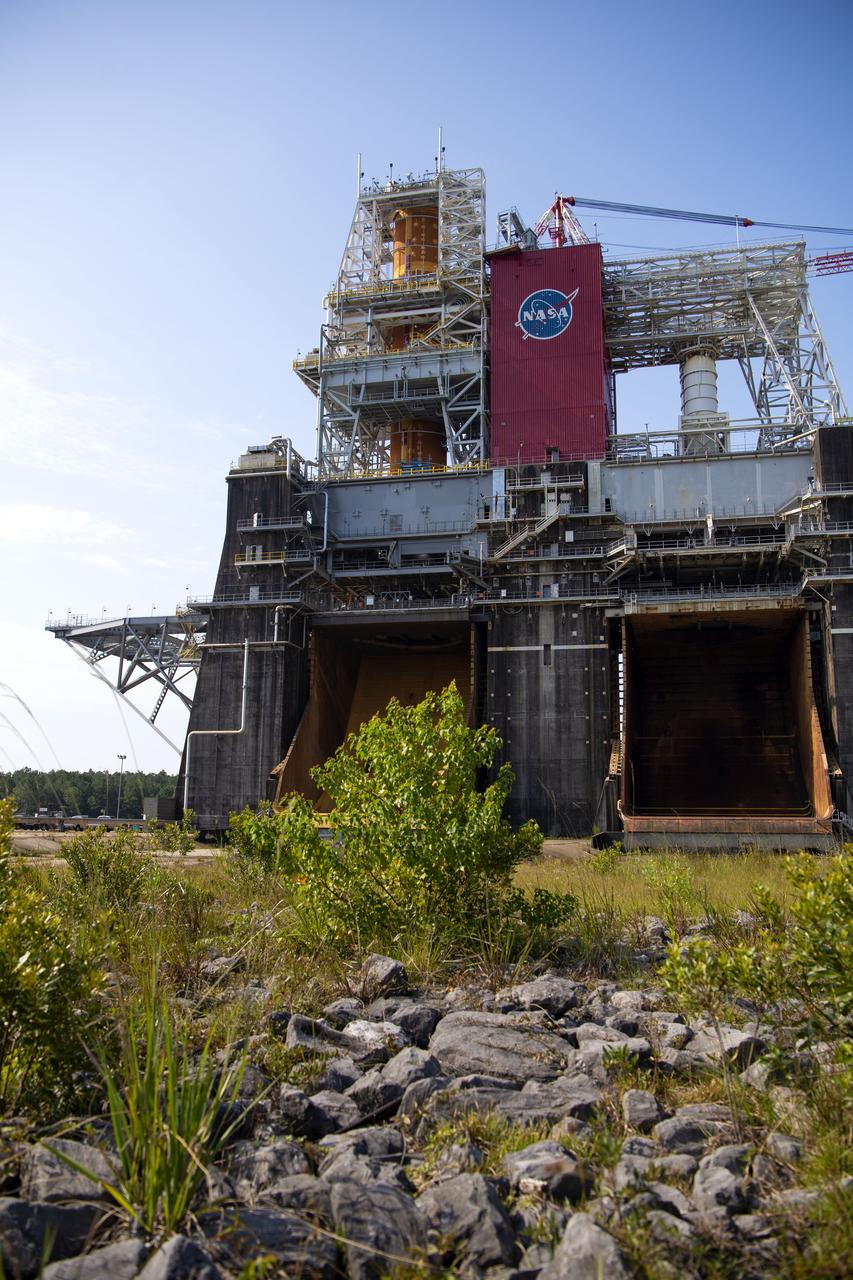
A photo from the north (flame trench) side of the B-2 Test Stand at NASA’s Stennis Space Center shows the first flight core stage for NASA’s new Space Launch System (SLS) rocket installed for Green Run testing. The SLS core stage was transported to Stennis in January to begin Green Run testing prior to its use on the Artemis I mission. NASA is building SLS to return humans, including the first woman, to the Moon as part of the Artemis program and to prepare for eventual missions to Mars. At Stennis, the SLS core stage will undergo a series of tests on its integrated systems, culminating with a hot fire of its four RS-25 engines, just as during an actual launch.
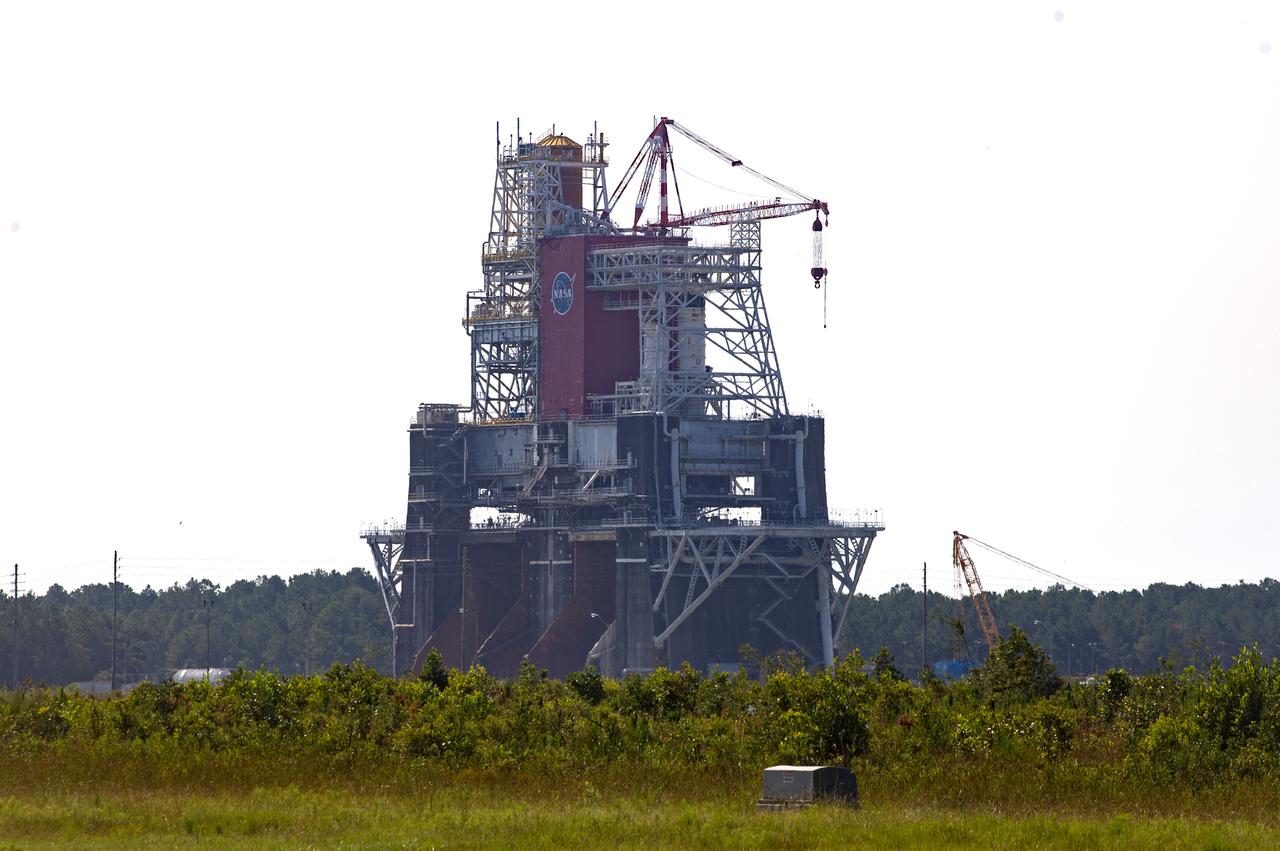
A photo from the north (flame trench) side of the B-2 Test Stand at NASA’s Stennis Space Center shows the first flight core stage for NASA’s new Space Launch System (SLS) rocket installed for Green Run testing. The SLS core stage was transported to Stennis in January to begin Green Run testing prior to its use on the Artemis I mission. NASA is building SLS to return humans, including the first woman, to the Moon as part of the Artemis program and to prepare for eventual missions to Mars. At Stennis, the SLS core stage will undergo a series of tests on its integrated systems, culminating with a hot fire of its four RS-25 engines, just as during an actual launch.
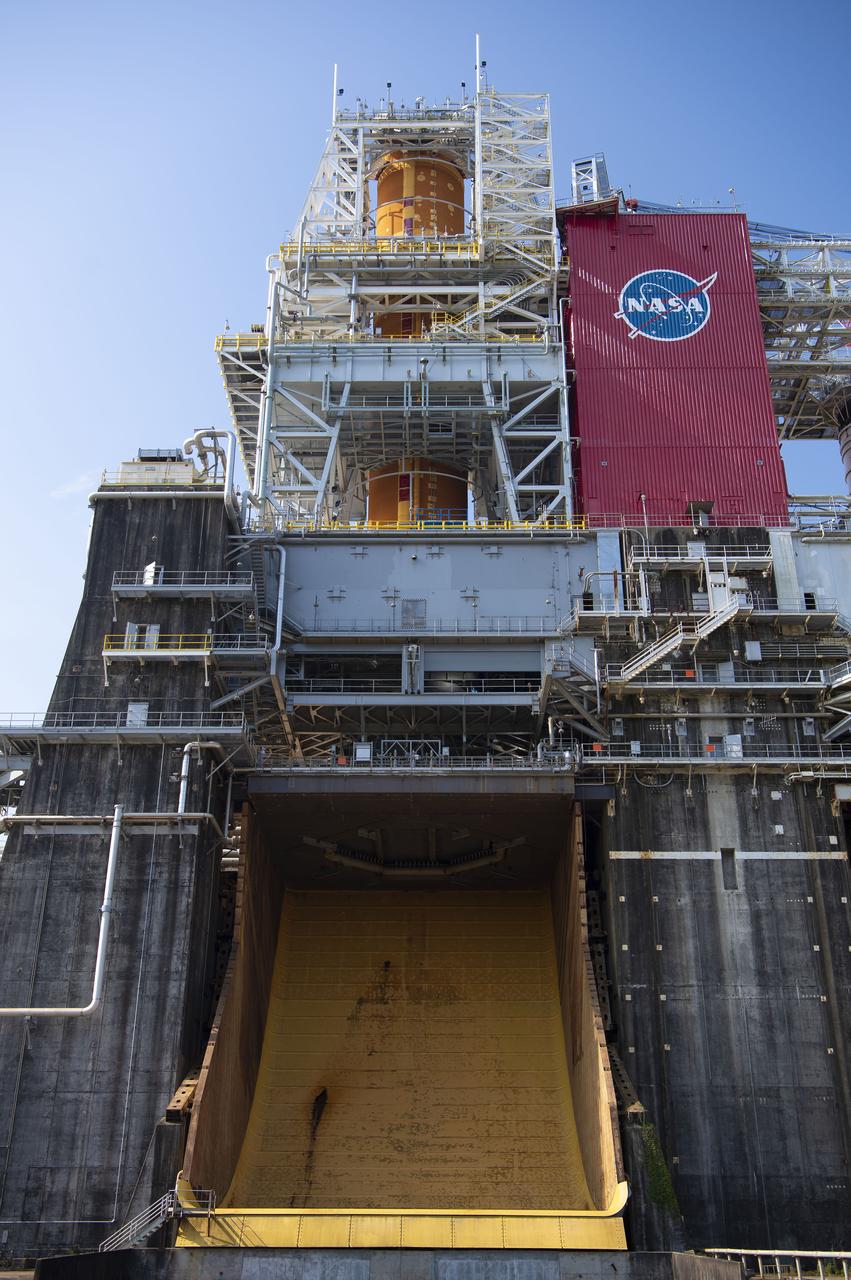
A photo from the north (flame trench) side of the B-2 Test Stand at NASA’s Stennis Space Center shows the first flight core stage for NASA’s new Space Launch System (SLS) rocket installed for Green Run testing. The SLS core stage was transported to Stennis in January to begin Green Run testing prior to its use on the Artemis I mission. NASA is building SLS to return humans, including the first woman, to the Moon as part of the Artemis program and to prepare for eventual missions to Mars. At Stennis, the SLS core stage will undergo a series of tests on its integrated systems, culminating with a hot fire of its four RS-25 engines, just as during an actual launch.
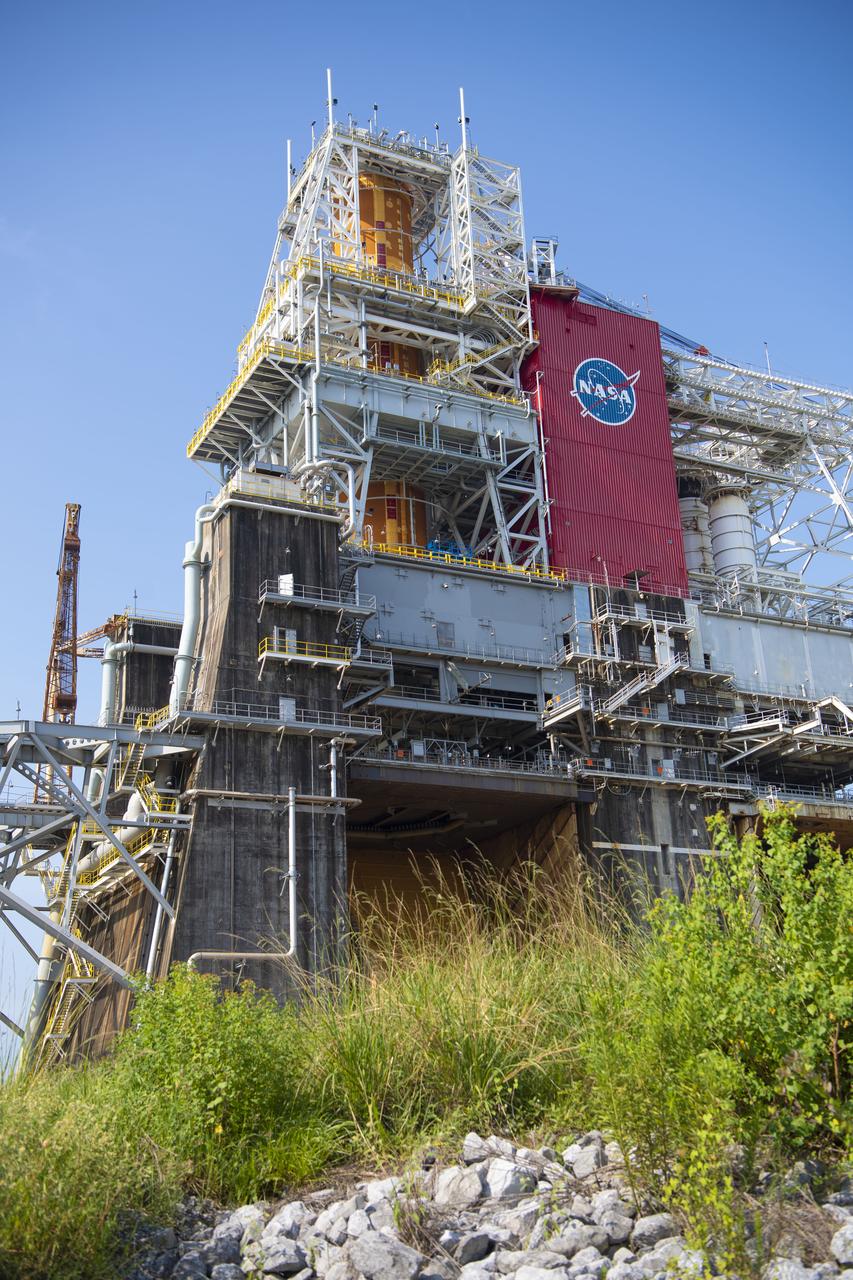
A photo from the north (flame trench) side of the B-2 Test Stand at NASA’s Stennis Space Center shows the first flight core stage for NASA’s new Space Launch System (SLS) rocket installed for Green Run testing. The SLS core stage was transported to Stennis in January to begin Green Run testing prior to its use on the Artemis I mission. NASA is building SLS to return humans, including the first woman, to the Moon as part of the Artemis program and to prepare for eventual missions to Mars. At Stennis, the SLS core stage will undergo a series of tests on its integrated systems, culminating with a hot fire of its four RS-25 engines, just as during an actual launch.
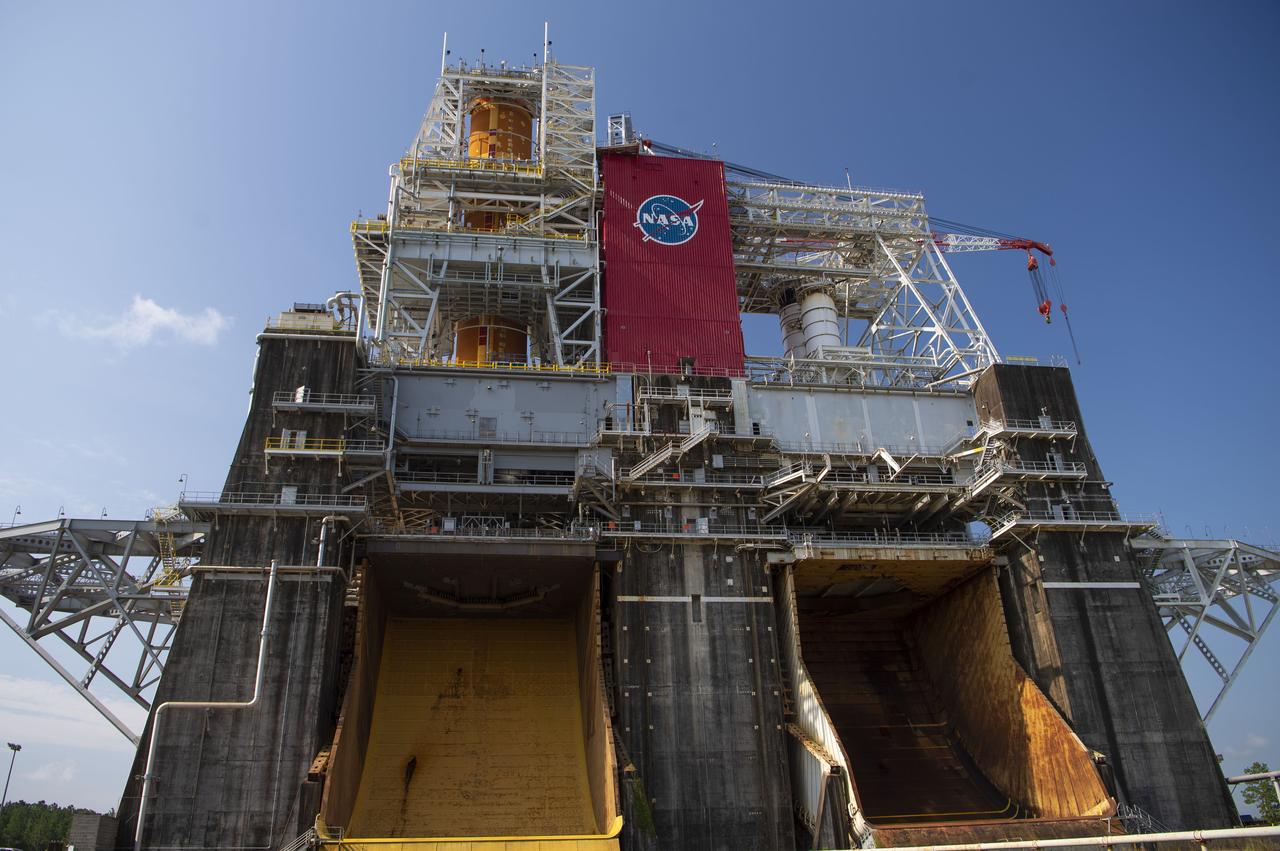
A photo from the north (flame trench) side of the B-2 Test Stand at NASA’s Stennis Space Center shows the first flight core stage for NASA’s new Space Launch System (SLS) rocket installed for Green Run testing. The SLS core stage was transported to Stennis in January to begin Green Run testing prior to its use on the Artemis I mission. NASA is building SLS to return humans, including the first woman, to the Moon as part of the Artemis program and to prepare for eventual missions to Mars. At Stennis, the SLS core stage will undergo a series of tests on its integrated systems, culminating with a hot fire of its four RS-25 engines, just as during an actual launch.
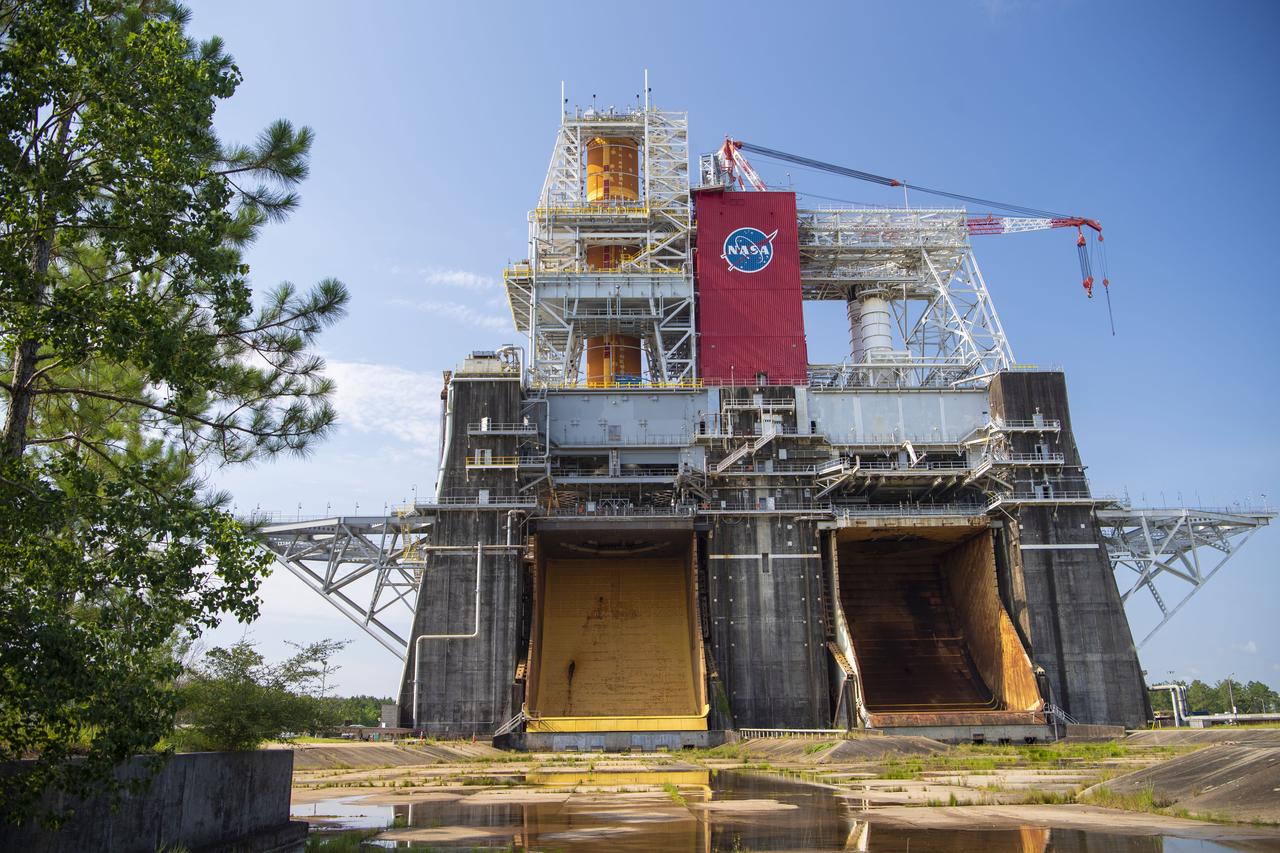
A photo from the north (flame trench) side of the B-2 Test Stand at NASA’s Stennis Space Center shows the first flight core stage for NASA’s new Space Launch System (SLS) rocket installed for Green Run testing. The SLS core stage was transported to Stennis in January to begin Green Run testing prior to its use on the Artemis I mission. NASA is building SLS to return humans, including the first woman, to the Moon as part of the Artemis program and to prepare for eventual missions to Mars. At Stennis, the SLS core stage will undergo a series of tests on its integrated systems, culminating with a hot fire of its four RS-25 engines, just as during an actual launch.
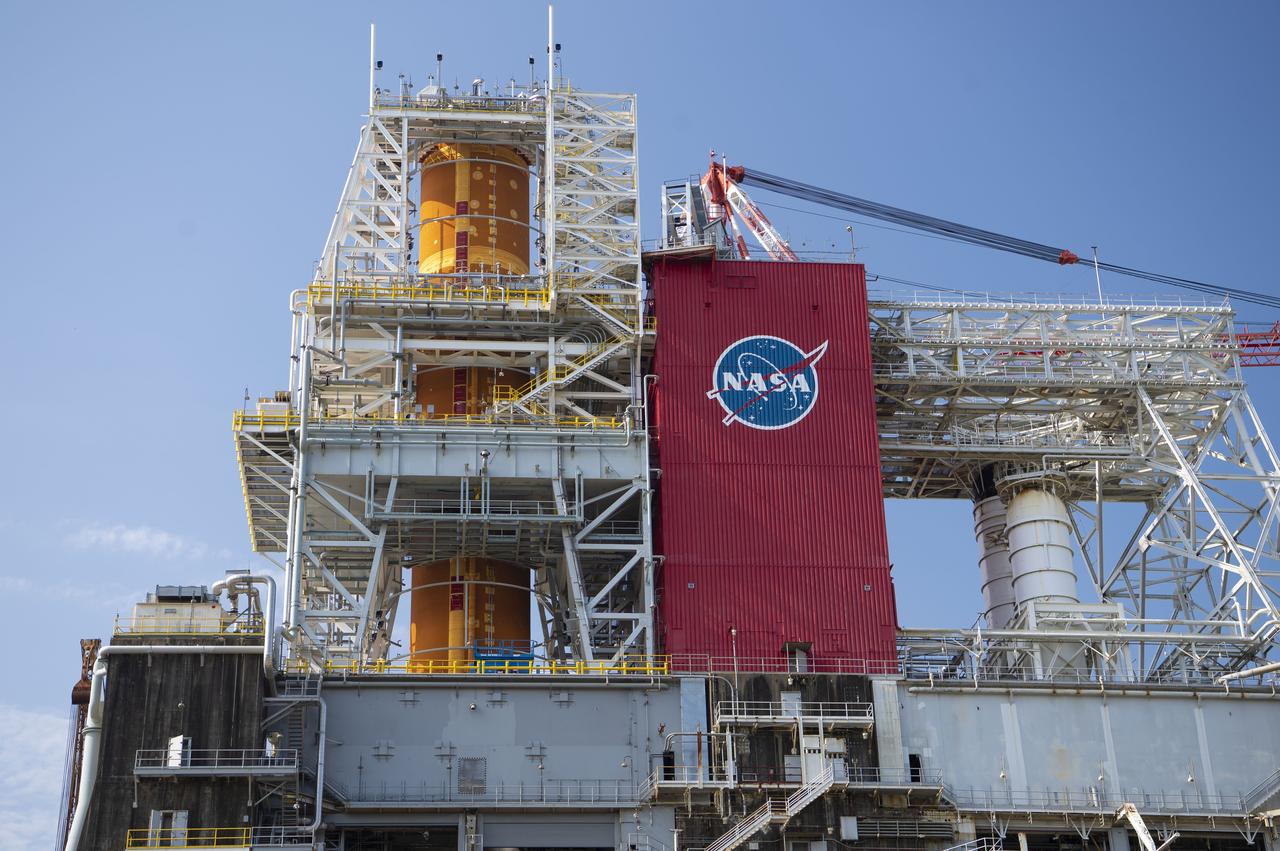
A photo from the north (flame trench) side of the B-2 Test Stand at NASA’s Stennis Space Center shows the first flight core stage for NASA’s new Space Launch System (SLS) rocket installed for Green Run testing. The SLS core stage was transported to Stennis in January to begin Green Run testing prior to its use on the Artemis I mission. NASA is building SLS to return humans, including the first woman, to the Moon as part of the Artemis program and to prepare for eventual missions to Mars. At Stennis, the SLS core stage will undergo a series of tests on its integrated systems, culminating with a hot fire of its four RS-25 engines, just as during an actual launch.
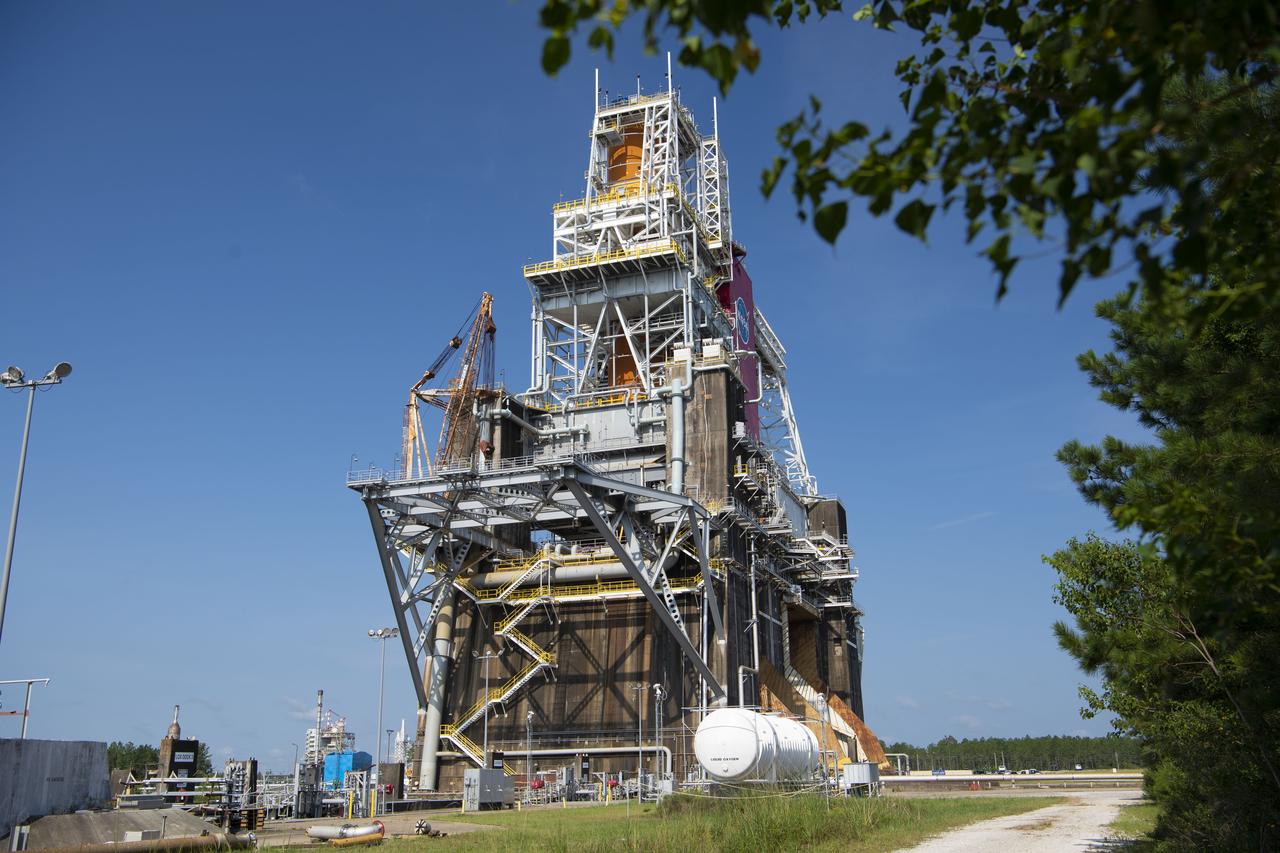
A photo from the north (flame trench) side of the B-2 Test Stand at NASA’s Stennis Space Center shows the first flight core stage for NASA’s new Space Launch System (SLS) rocket installed for Green Run testing. The SLS core stage was transported to Stennis in January to begin Green Run testing prior to its use on the Artemis I mission. NASA is building SLS to return humans, including the first woman, to the Moon as part of the Artemis program and to prepare for eventual missions to Mars. At Stennis, the SLS core stage will undergo a series of tests on its integrated systems, culminating with a hot fire of its four RS-25 engines, just as during an actual launch.
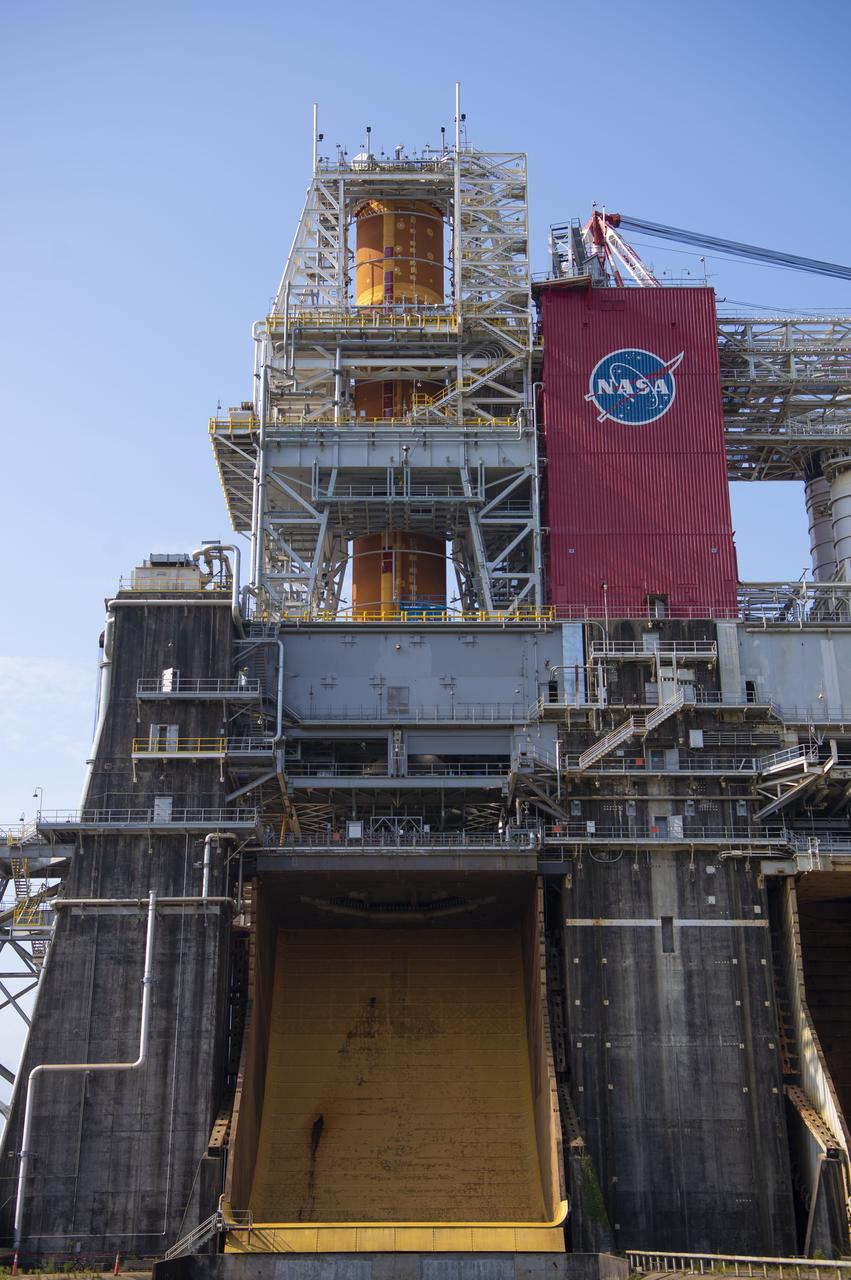
A photo from the north (flame trench) side of the B-2 Test Stand at NASA’s Stennis Space Center shows the first flight core stage for NASA’s new Space Launch System (SLS) rocket installed for Green Run testing. The SLS core stage was transported to Stennis in January to begin Green Run testing prior to its use on the Artemis I mission. NASA is building SLS to return humans, including the first woman, to the Moon as part of the Artemis program and to prepare for eventual missions to Mars. At Stennis, the SLS core stage will undergo a series of tests on its integrated systems, culminating with a hot fire of its four RS-25 engines, just as during an actual launch.
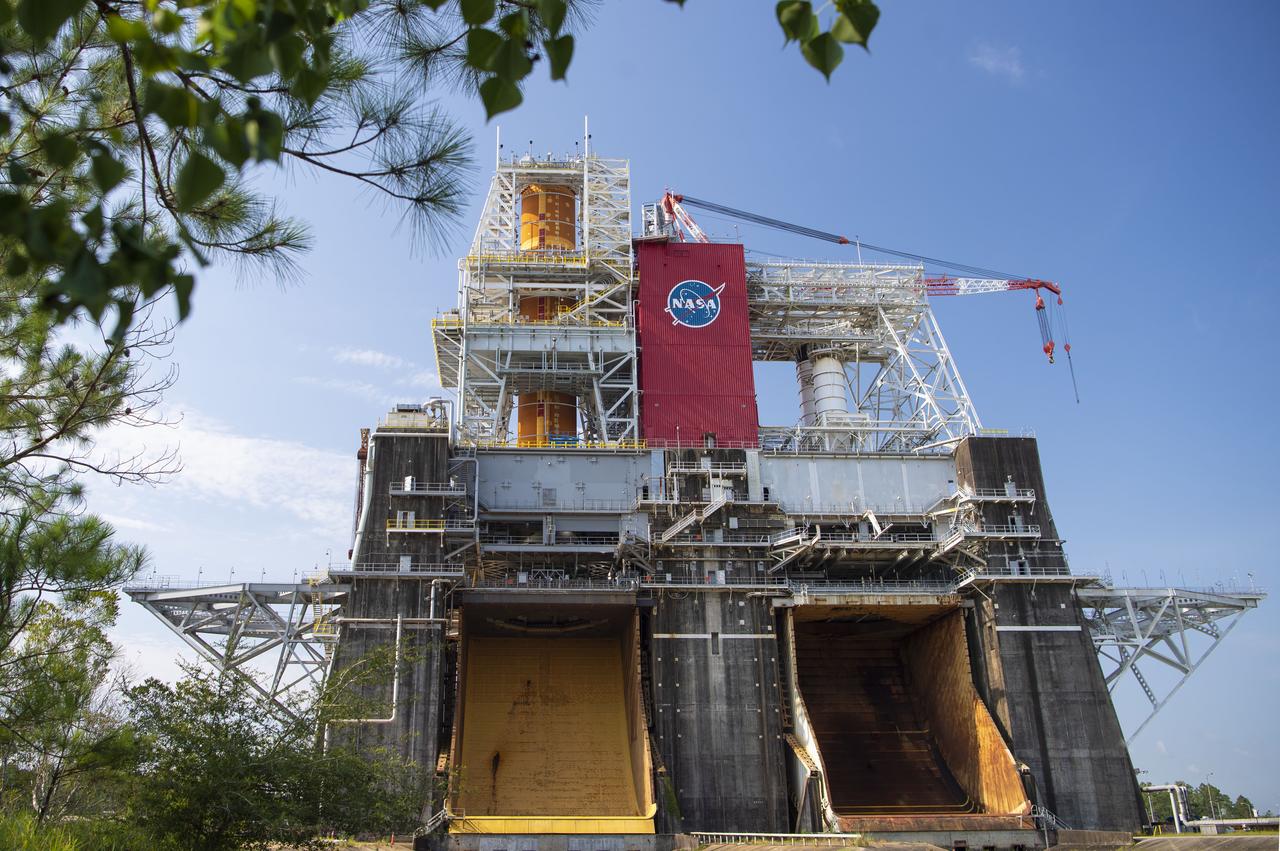
A photo from the north (flame trench) side of the B-2 Test Stand at NASA’s Stennis Space Center shows the first flight core stage for NASA’s new Space Launch System (SLS) rocket installed for Green Run testing. The SLS core stage was transported to Stennis in January to begin Green Run testing prior to its use on the Artemis I mission. NASA is building SLS to return humans, including the first woman, to the Moon as part of the Artemis program and to prepare for eventual missions to Mars. At Stennis, the SLS core stage will undergo a series of tests on its integrated systems, culminating with a hot fire of its four RS-25 engines, just as during an actual launch.
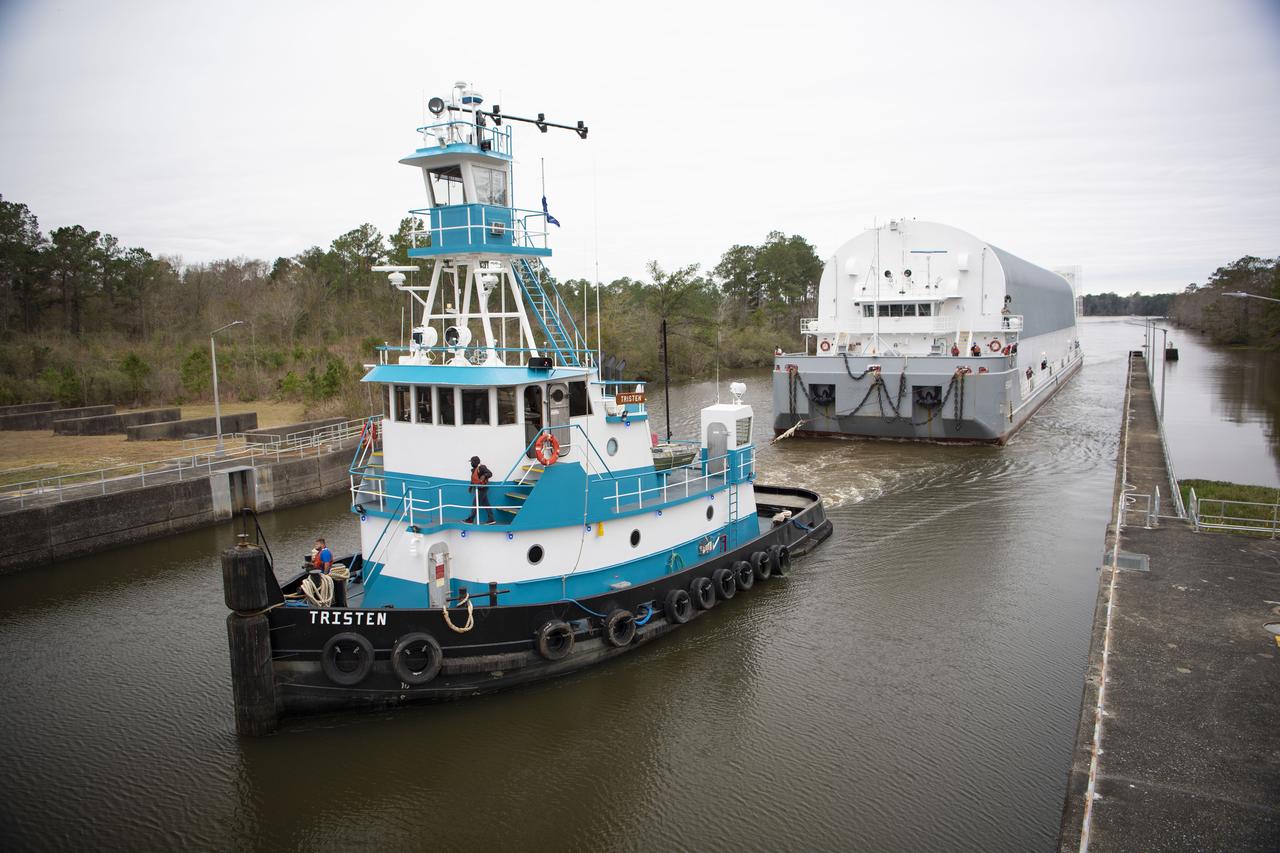
The first flight core stage for NASA’s new Space Launch System rocket arrived at Stennis Space Center on Jan. 12 for a series of tests prior to its maiden Artemis I flight. The core stage was transported from Michoud Assembly Facility in New Orleans to the B-2 Test Stand dock at Stennis aboard NASA’s Pegasus barge. Soon after arrival, the stage was rolled off of Pegasus onto the B-2 Test Stand tarmac. After the stage is lifted and installed on the B-2 stand, it will undergo a series of “Green Run” systems test that represent the first integrated testing of its sophisticated systems.
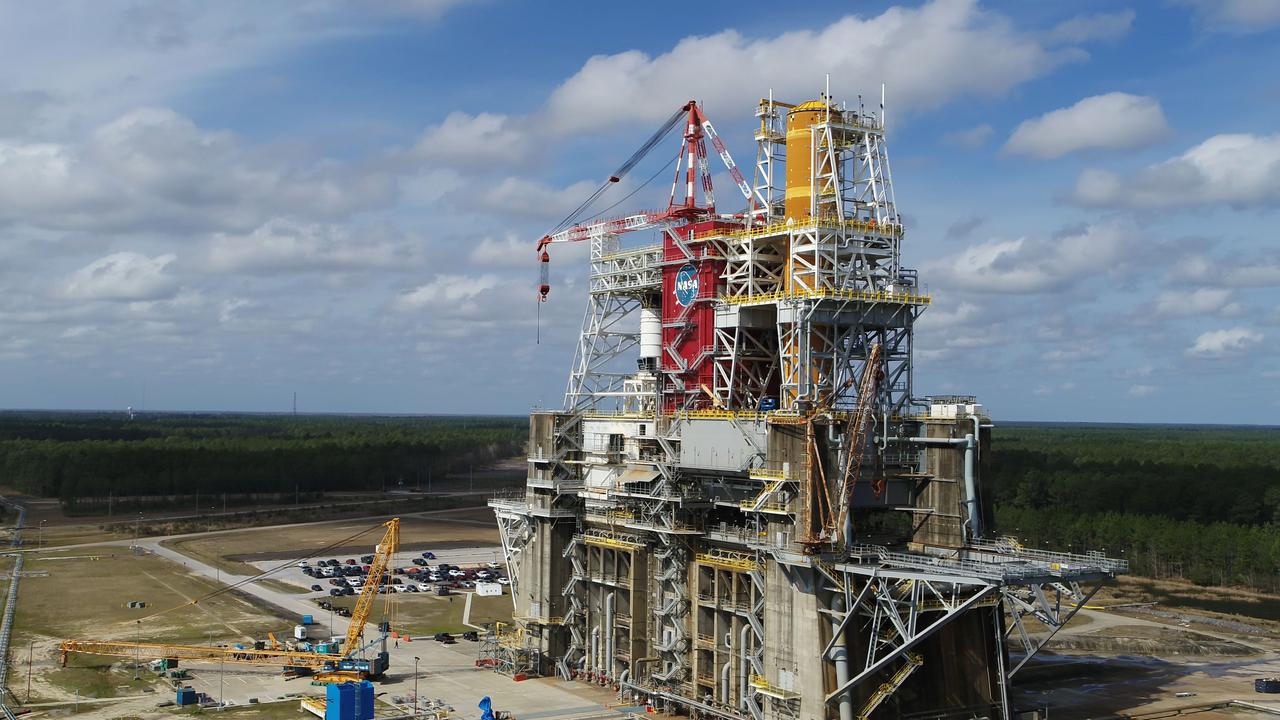
A NASA drone photo offers a bird’s-eye view of the B-2 Test Stand at NASA’s Stennis Space Center with the first flight core stage for NASA’s new Space Launch System (SLS) installed for Green Run testing. The SLS core stage is undergoing a series of tests on its integrated systems prior to its use on the Artemis I mission. NASA is building SLS to return humans, including the first woman, to the Moon as part of the Artemis program and to prepare for eventual missions to Mars. The Green Run series at Stennis culminates with a hot fire of the core stage’s four RS-25 engines, just as during an actual launch.
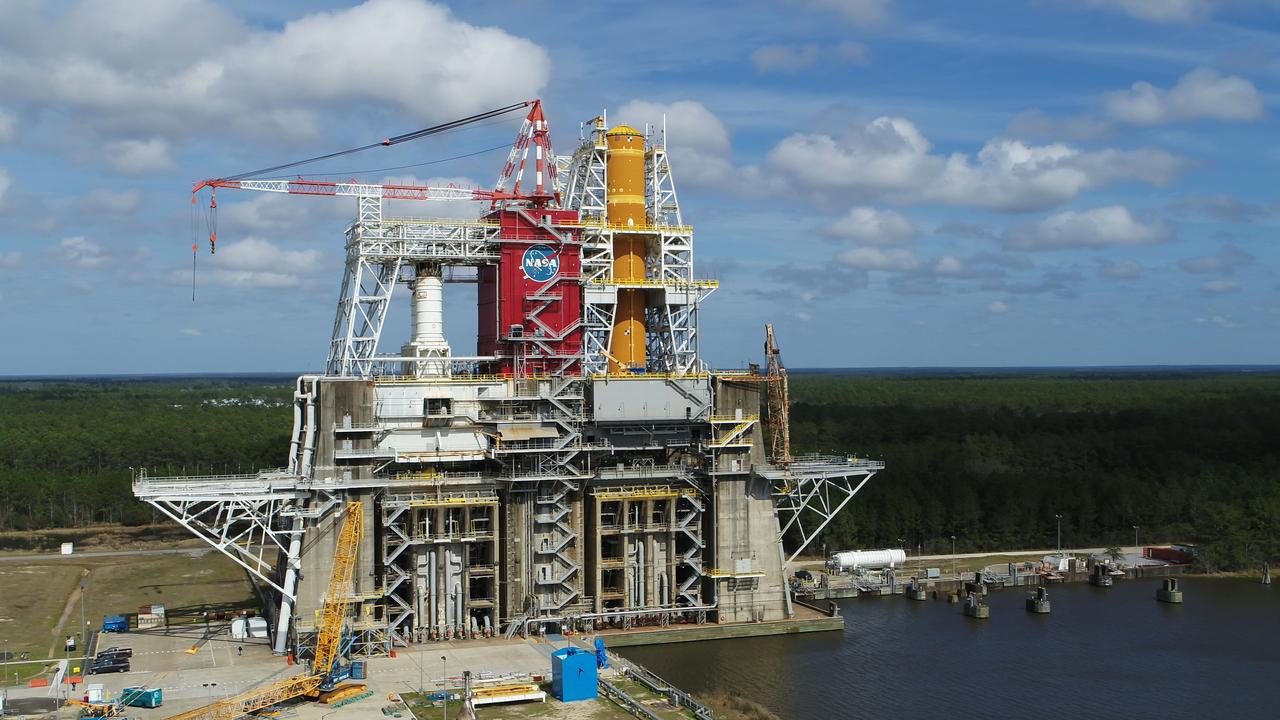
A NASA drone photo offers a bird’s-eye view of the B-2 Test Stand at NASA’s Stennis Space Center with the first flight core stage for NASA’s new Space Launch System (SLS) installed for Green Run testing. The SLS core stage is undergoing a series of tests on its integrated systems prior to its use on the Artemis I mission. NASA is building SLS to return humans, including the first woman, to the Moon as part of the Artemis program and to prepare for eventual missions to Mars. The Green Run series at Stennis culminates with a hot fire of the core stage’s four RS-25 engines, just as during an actual launch.
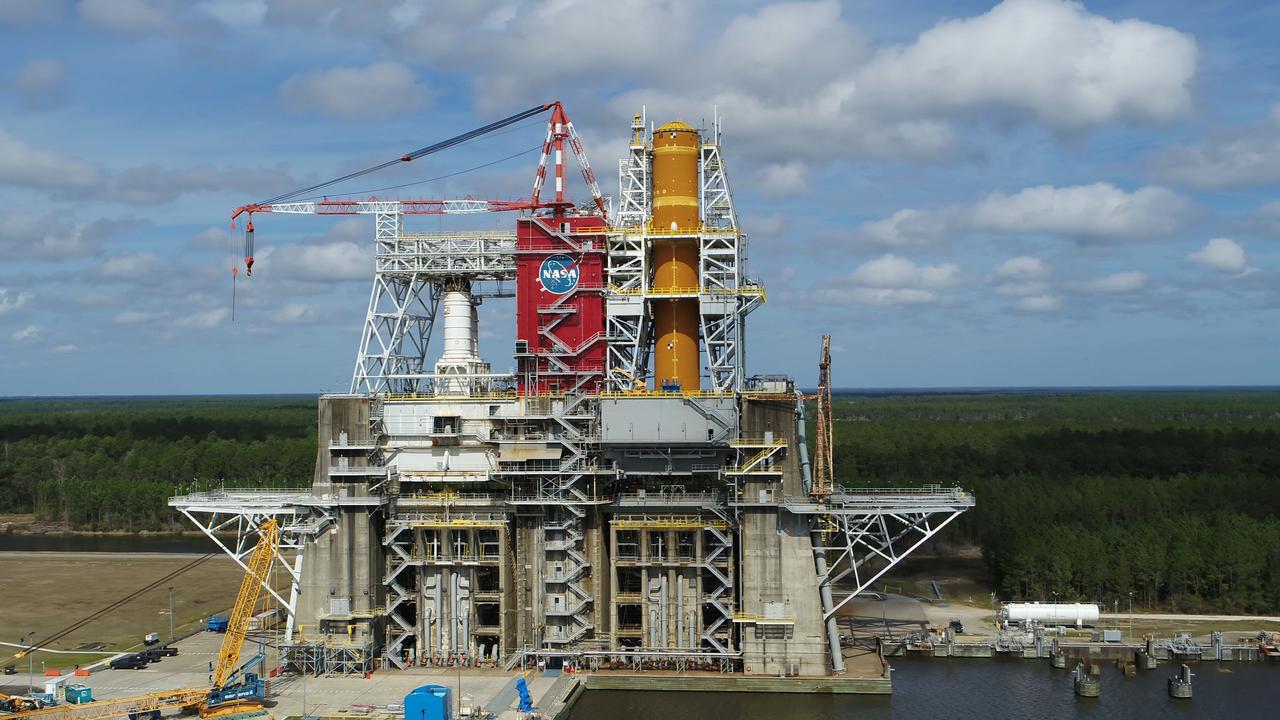
A NASA drone photo offers a bird’s-eye view of the B-2 Test Stand at NASA’s Stennis Space Center with the first flight core stage for NASA’s new Space Launch System (SLS) installed for Green Run testing. The SLS core stage is undergoing a series of tests on its integrated systems prior to its use on the Artemis I mission. NASA is building SLS to return humans, including the first woman, to the Moon as part of the Artemis program and to prepare for eventual missions to Mars. The Green Run series at Stennis culminates with a hot fire of the core stage’s four RS-25 engines, just as during an actual launch.
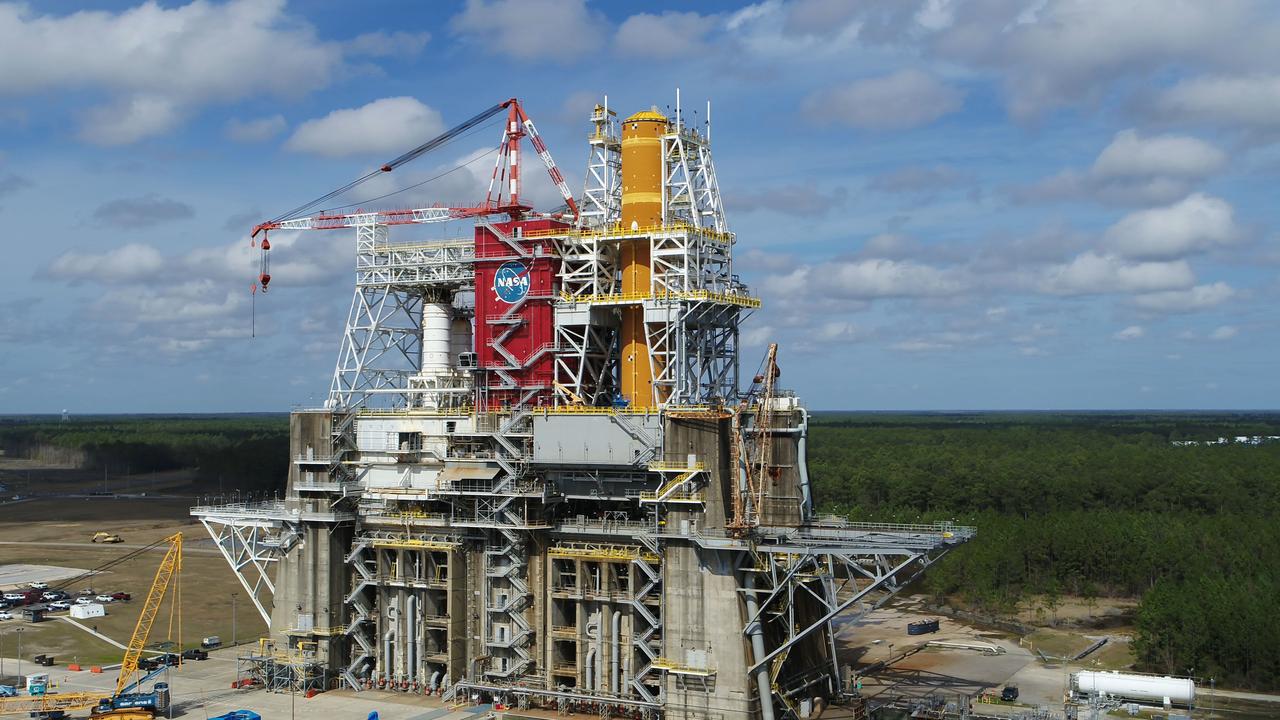
A NASA drone photo offers a bird’s-eye view of the B-2 Test Stand at NASA’s Stennis Space Center with the first flight core stage for NASA’s new Space Launch System (SLS) installed for Green Run testing. The SLS core stage is undergoing a series of tests on its integrated systems prior to its use on the Artemis I mission. NASA is building SLS to return humans, including the first woman, to the Moon as part of the Artemis program and to prepare for eventual missions to Mars. The Green Run series at Stennis culminates with a hot fire of the core stage’s four RS-25 engines, just as during an actual launch.
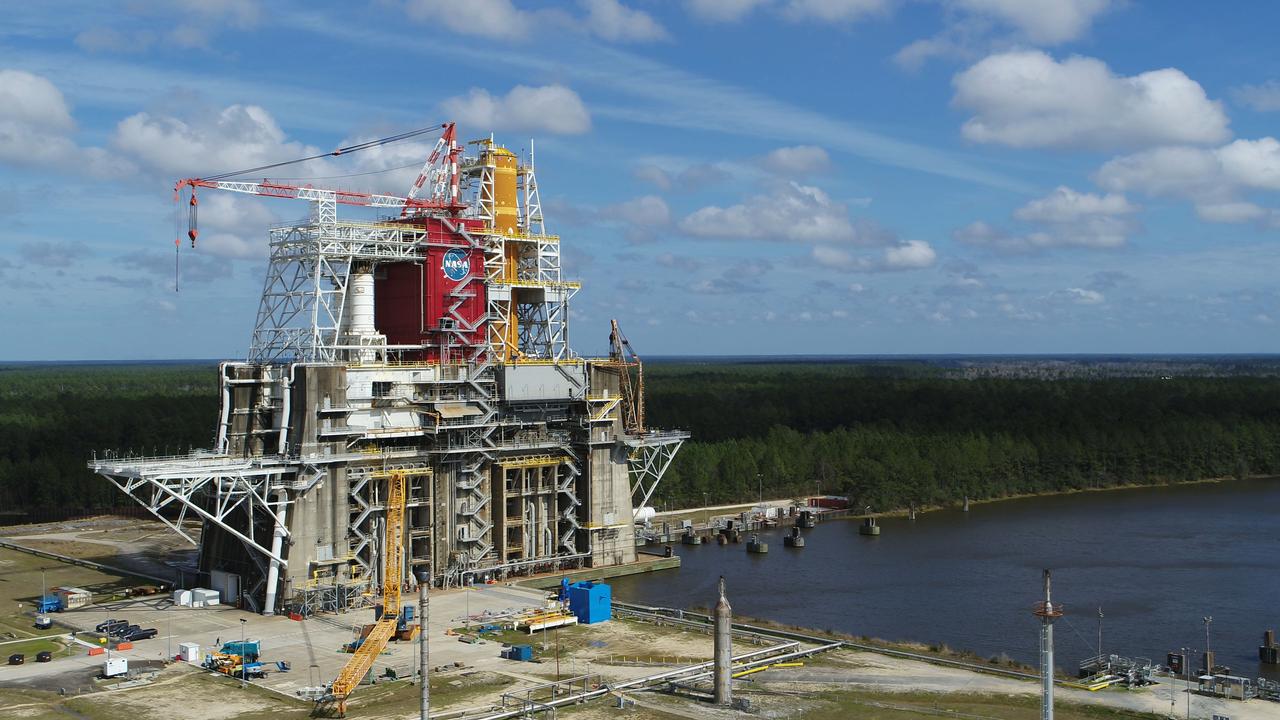
A NASA drone photo offers a bird’s-eye view of the B-2 Test Stand at NASA’s Stennis Space Center with the first flight core stage for NASA’s new Space Launch System (SLS) installed for Green Run testing. The SLS core stage is undergoing a series of tests on its integrated systems prior to its use on the Artemis I mission. NASA is building SLS to return humans, including the first woman, to the Moon as part of the Artemis program and to prepare for eventual missions to Mars. The Green Run series at Stennis culminates with a hot fire of the core stage’s four RS-25 engines, just as during an actual launch.
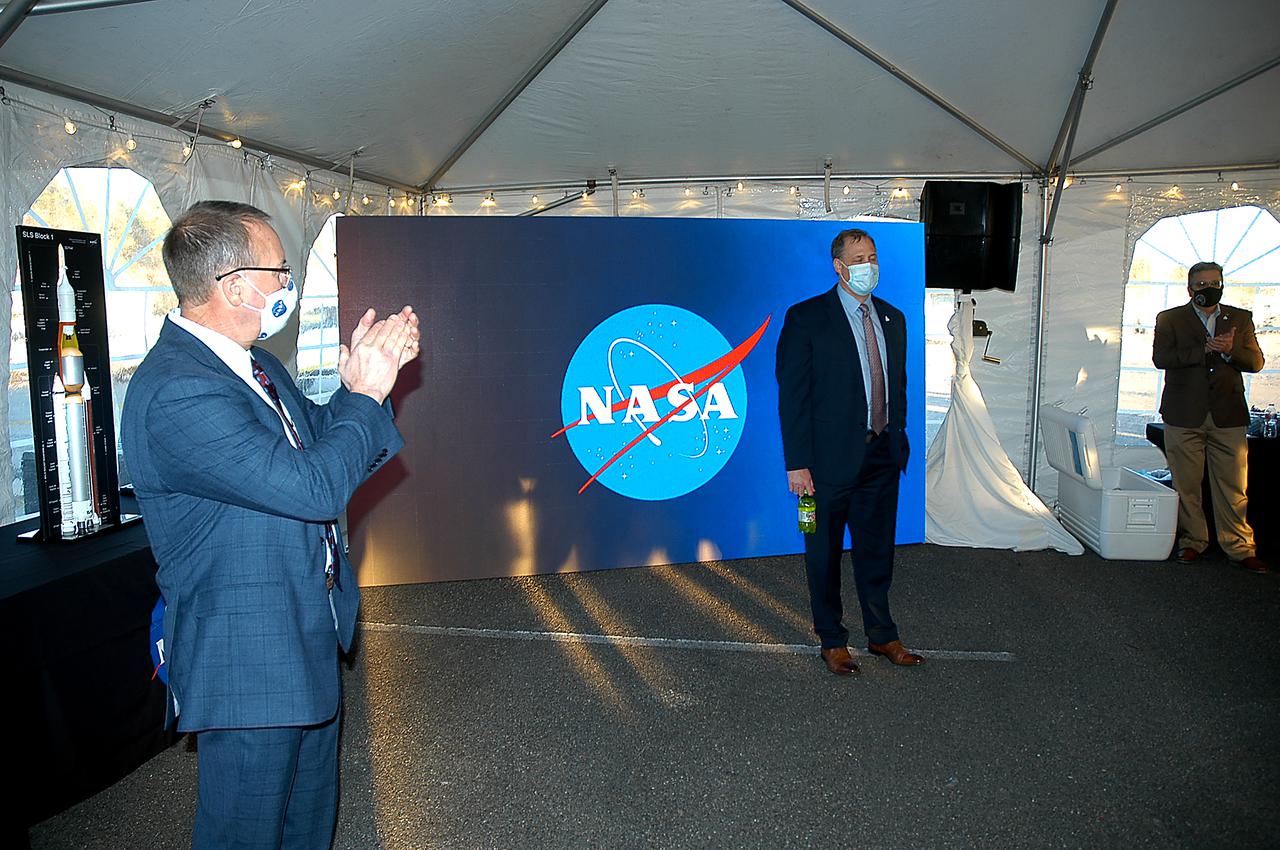
Outgoing NASA Administrator Jim Bridenstine (right) receives a round of applause from Stennis Director Rick Gilbrech and guests for comments following the Green Run hot fire test of the core stage for NASA’s Space Launch System (SLS) rocket at Stennis Space Center near Bay St. Louis, Mississippi, on Saturday, January 16, 2021. NASA conducted a hot fire test of the core stage’s four RS-25 engines on the B-2 Test Stand at Stennis. Scheduled for as long as eight minutes, the engines fired for a little more than one minute to generate a combined 1.6 million pounds of thrust, just as will occur during an actual launch. The hot fire is the final test of the Green Run test series, a comprehensive assessment of the SLS core stage prior to launching the Artemis I mission to the Moon. (NASA/Michael Badon)
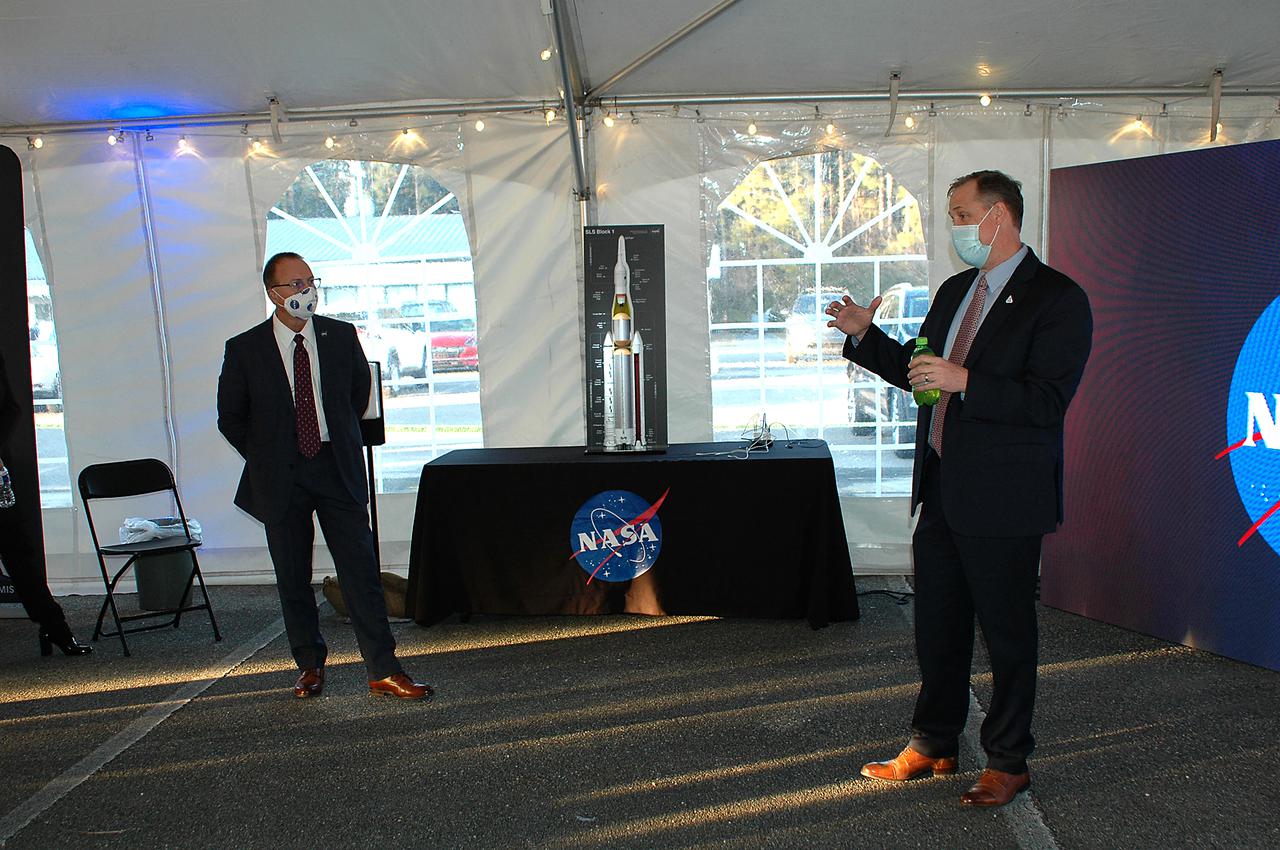
Outgoing NASA Administrator Jim Bridenstine (right), as Stennis Director Rick Gilbrech looks on, speaks to guests following the Green Run hot fire test of the core stage for NASA’s Space Launch System (SLS) rocket at Stennis Space Center near Bay St. Louis, Mississippi, on Saturday, January 16, 2021. NASA conducted a hot fire test of the core stage’s four RS-25 engines on the B-2 Test Stand at Stennis. Scheduled for as long as eight minutes, the engines fired for a little more than one minute to generate a combined 1.6 million pounds of thrust, just as will occur during an actual launch. The hot fire is the final test of the Green Run test series, a comprehensive assessment of the SLS core stage prior to launching the Artemis I mission to the Moon.
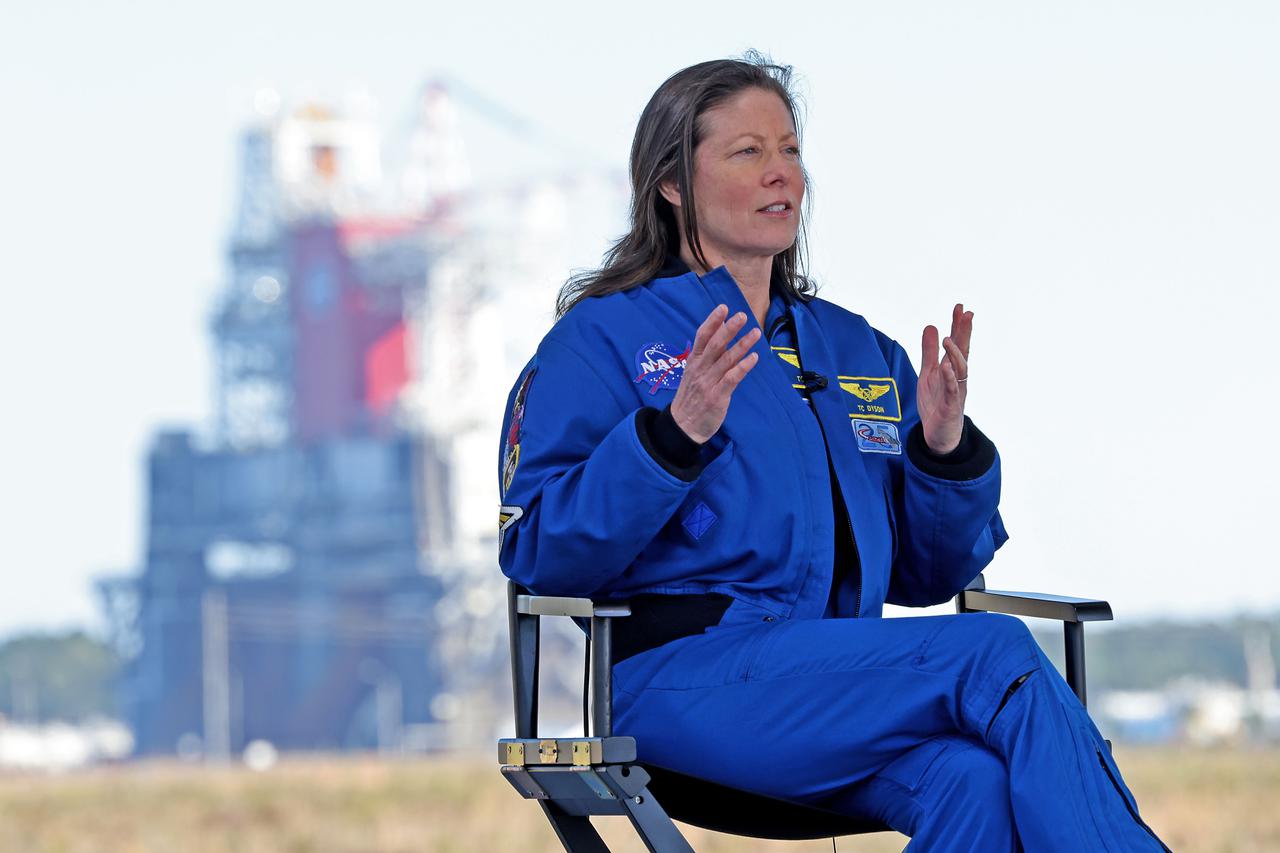
Astronaut Tracy Caldwell Dyson speaks on NASA TV prior to the Green Run hot fire test of the core stage for NASA’s Space Launch System (SLS) rocket at Stennis Space Center near Bay St. Louis, Mississippi, on Saturday, January 16, 2021. NASA conducted a hot fire test of the core stage’s four RS-25 engines on the B-2 Test Stand at Stennis. Scheduled for as long as eight minutes, the engines fired for a little more than one minute to generate a combined 1.6 million pounds of thrust, just as will occur during an actual launch. The hot fire is the final test of the Green Run test series, a comprehensive assessment of the SLS core stage prior to launching the Artemis I mission to the Moon.
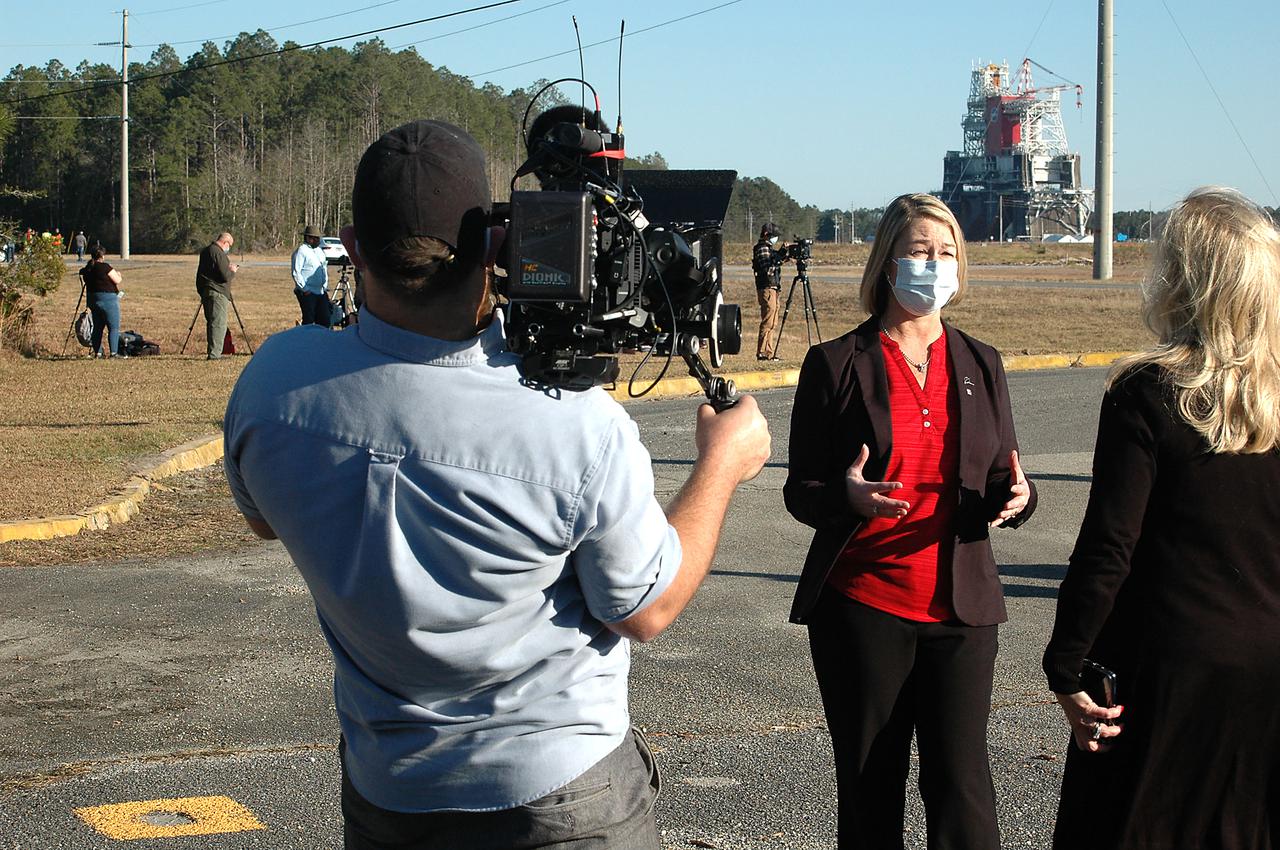
Jennifer Boland-Masterson, director of Boeing Operations at NASA’s Michoud Assembly Facility in New Orleans, talks with media prior to the Green Run hot fire test of the core stage for NASA’s Space Launch System (SLS) rocket at Stennis Space Center near Bay St. Louis, Mississippi, on Jan. 16, 2021. NASA conducted a hot fire test of the core stage’s four RS-25 engines on the B-2 Test Stand at Stennis. Scheduled for as long as eight minutes, the engines fired for a little more than one minute to generate a combined 1.6 million pounds of thrust, just as will occur during an actual launch. The hot fire is the final test of the Green Run test series, a comprehensive assessment of the SLS core stage prior to launching the Artemis I mission to the Moon.
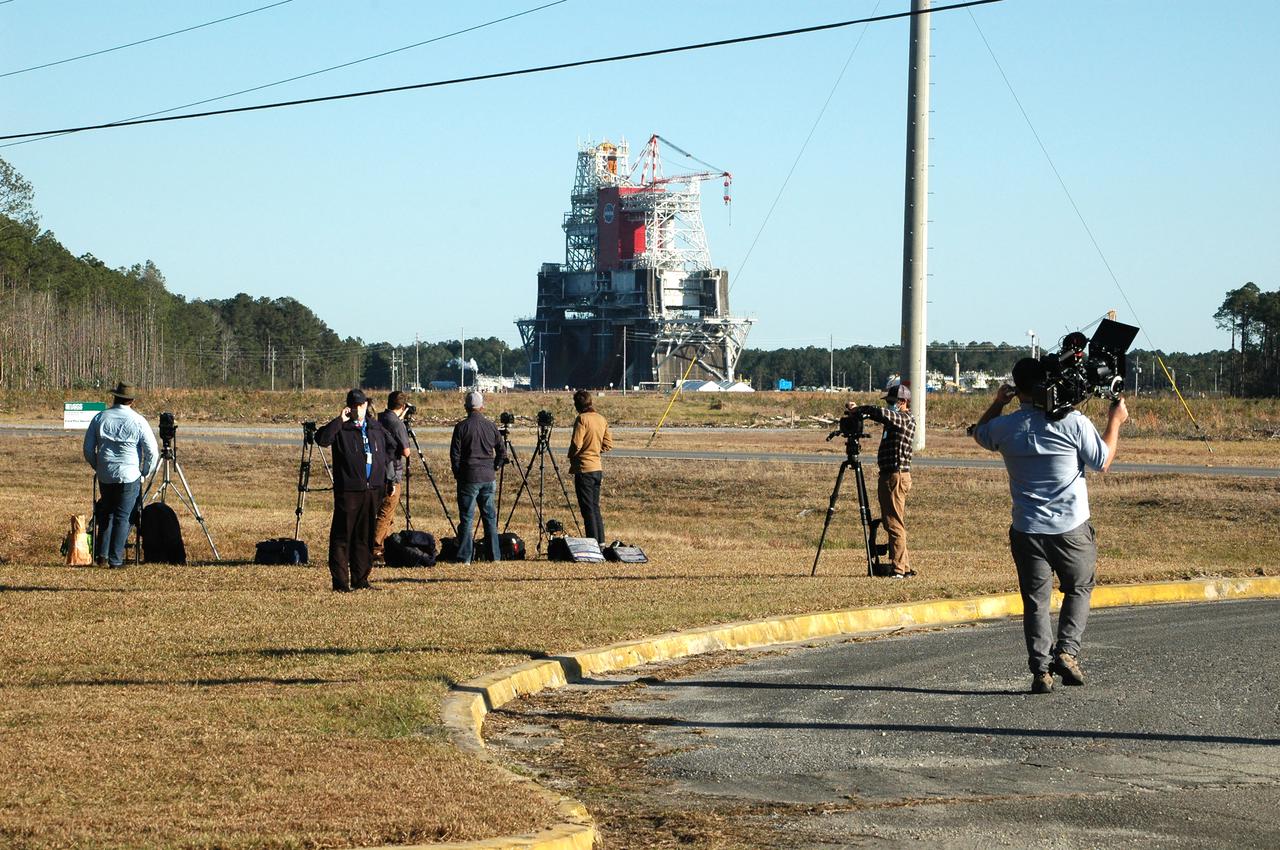
Members of the media stake out viewing spots prior to the Green Run hot fire test of the core stage for NASA’s Space Launch System (SLS) rocket at Stennis Space Center near Bay St. Louis, Mississippi, on Jan. 16, 2021. NASA conducted a hot fire test of the core stage’s four RS-25 engines on the B-2 Test Stand at Stennis. Scheduled for as long as eight minutes, the engines fired for a little more than one minute to generate a combined 1.6 million pounds of thrust, just as will occur during an actual launch. The hot fire is the final test of the Green Run test series, a comprehensive assessment of the SLS core stage prior to launching the Artemis I mission to the Moon.
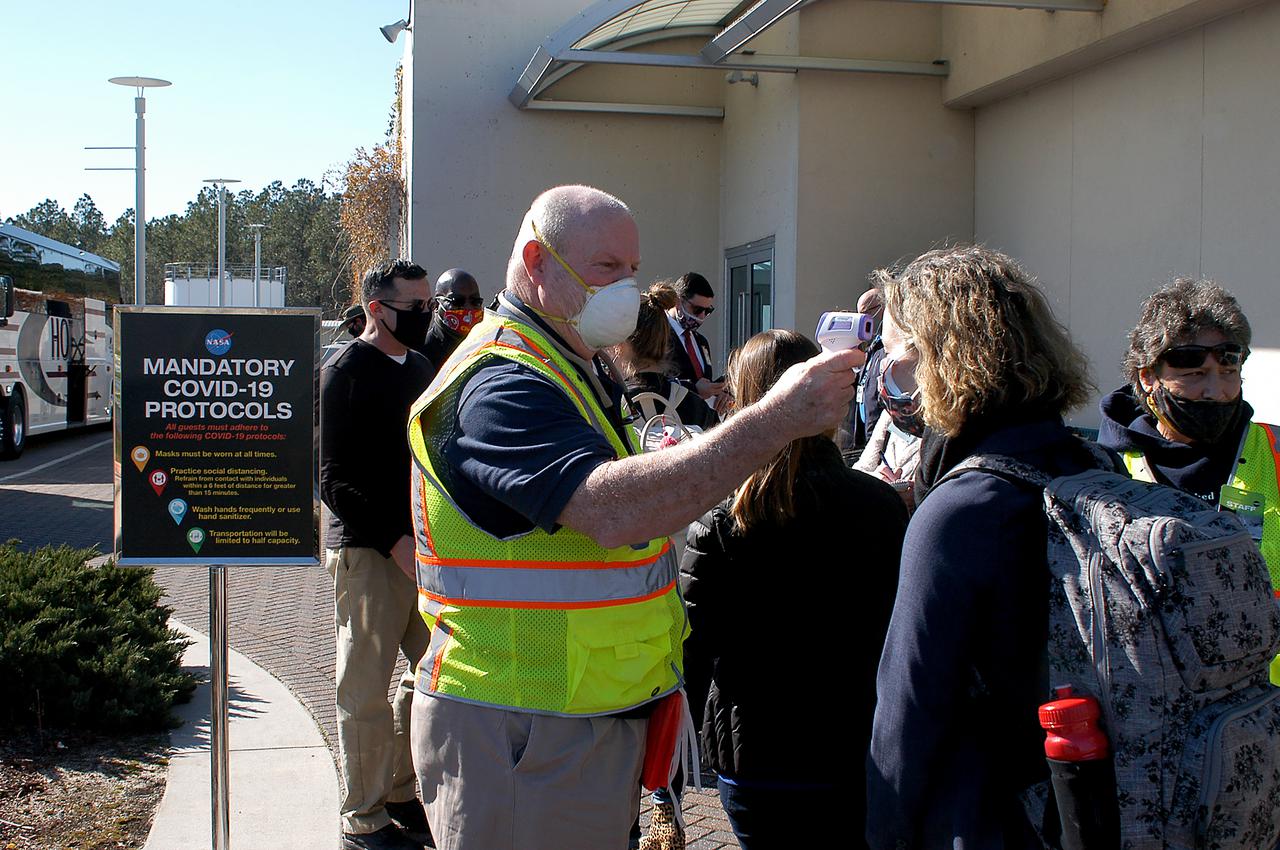
A staff member administers a COVID-19 temperature check to media and guests arriving to view the Green Run hot fire test of the core stage for NASA’s Space Launch System (SLS) rocket at Stennis Space Center near Bay St. Louis, Mississippi, on Saturday, January 16, 2021. NASA conducted a hot fire test of the core stage’s four RS-25 engines on the B-2 Test Stand at Stennis. Scheduled for as long as eight minutes, the engines fired for a little more than one minute to generate a combined 1.6 million pounds of thrust, just as will occur during an actual launch. The hot fire is the final test of the Green Run test series, a comprehensive assessment of the SLS core stage prior to launching the Artemis I mission to the Moon.
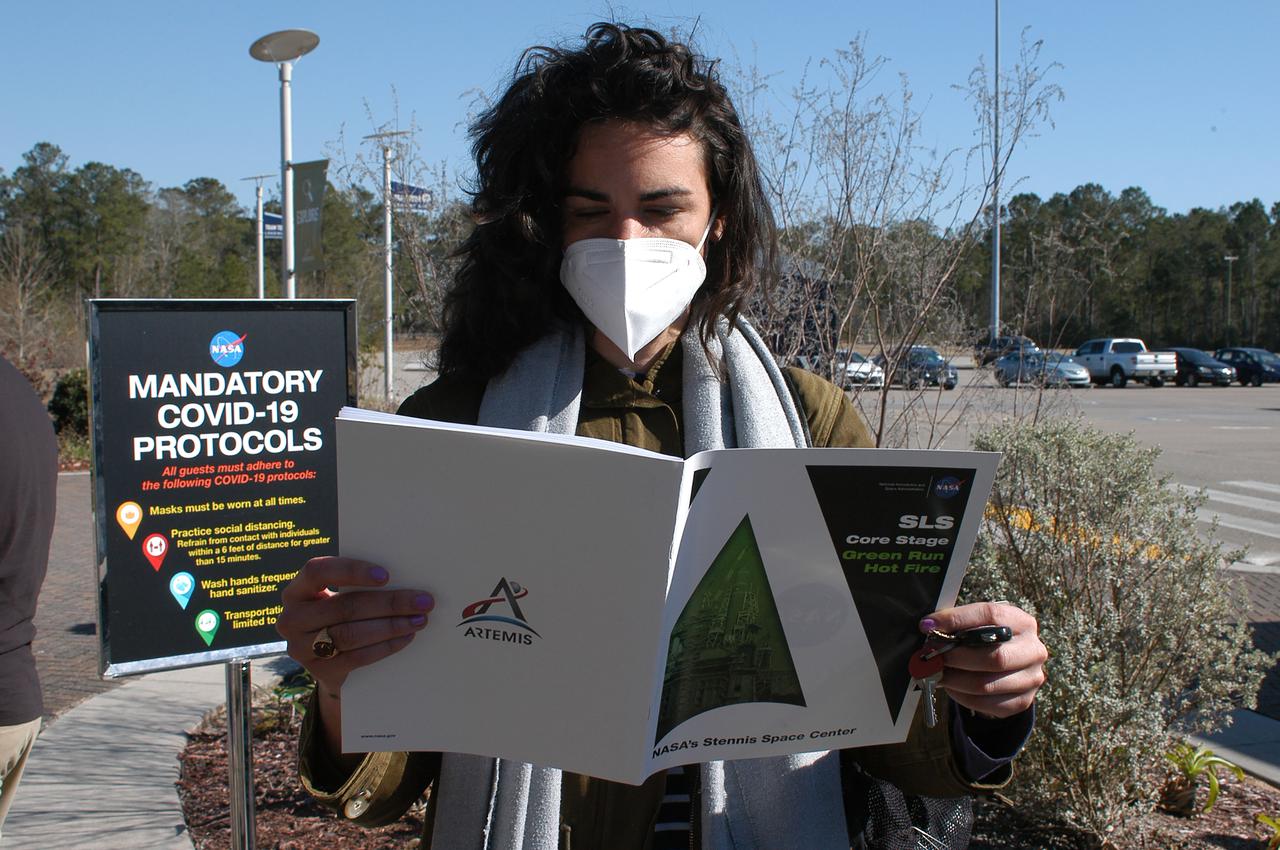
A guest reviews a commemorative Green Run booklet after arriving to view the Green Run hot fire test of the core stage for NASA’s Space Launch System (SLS) rocket at Stennis Space Center near Bay St. Louis, Mississippi, on Saturday, January 16, 2021. NASA conducted a hot fire test of the core stage’s four RS-25 engines on the B-2 Test Stand at Stennis. Scheduled for as long as eight minutes, the engines fired for a little more than one minute to generate a combined 1.6 million pounds of thrust, just as will occur during an actual launch. The hot fire is the final test of the Green Run test series, a comprehensive assessment of the SLS core stage prior to launching the Artemis I mission to the Moon.
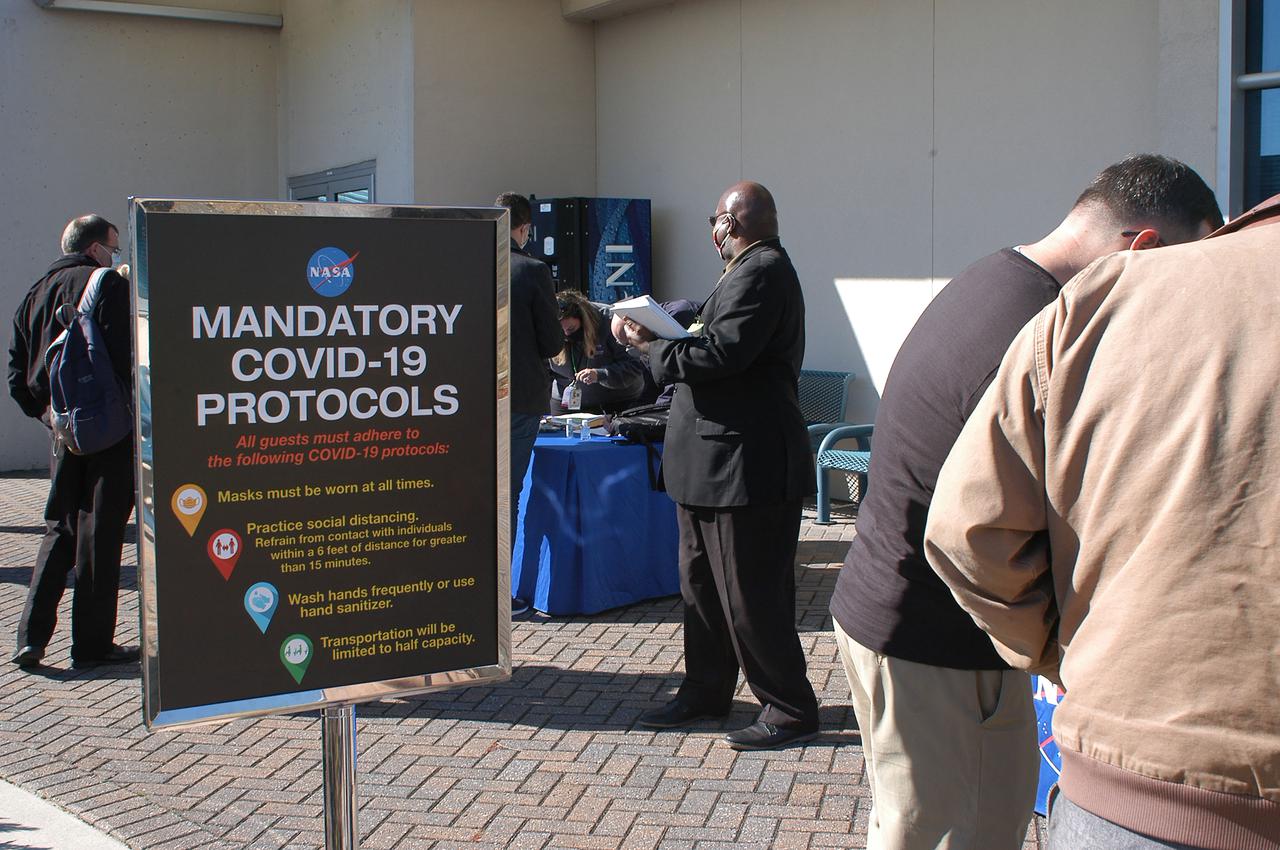
A posted sign outlines COVID-19 protocol for media and guests arriving to view the Green Run hot fire test of the core stage for NASA’s Space Launch System (SLS) rocket at Stennis Space Center near Bay St. Louis, Mississippi, on Saturday, January 16, 2021. NASA conducted a hot fire test of the core stage’s four RS-25 engines on the B-2 Test Stand at Stennis. Scheduled for as long as eight minutes, the engines fired for a little more than one minute to generate a combined 1.6 million pounds of thrust, just as will occur during an actual launch. The hot fire is the final test of the Green Run test series, a comprehensive assessment of the SLS core stage prior to launching the Artemis I mission to the Moon.
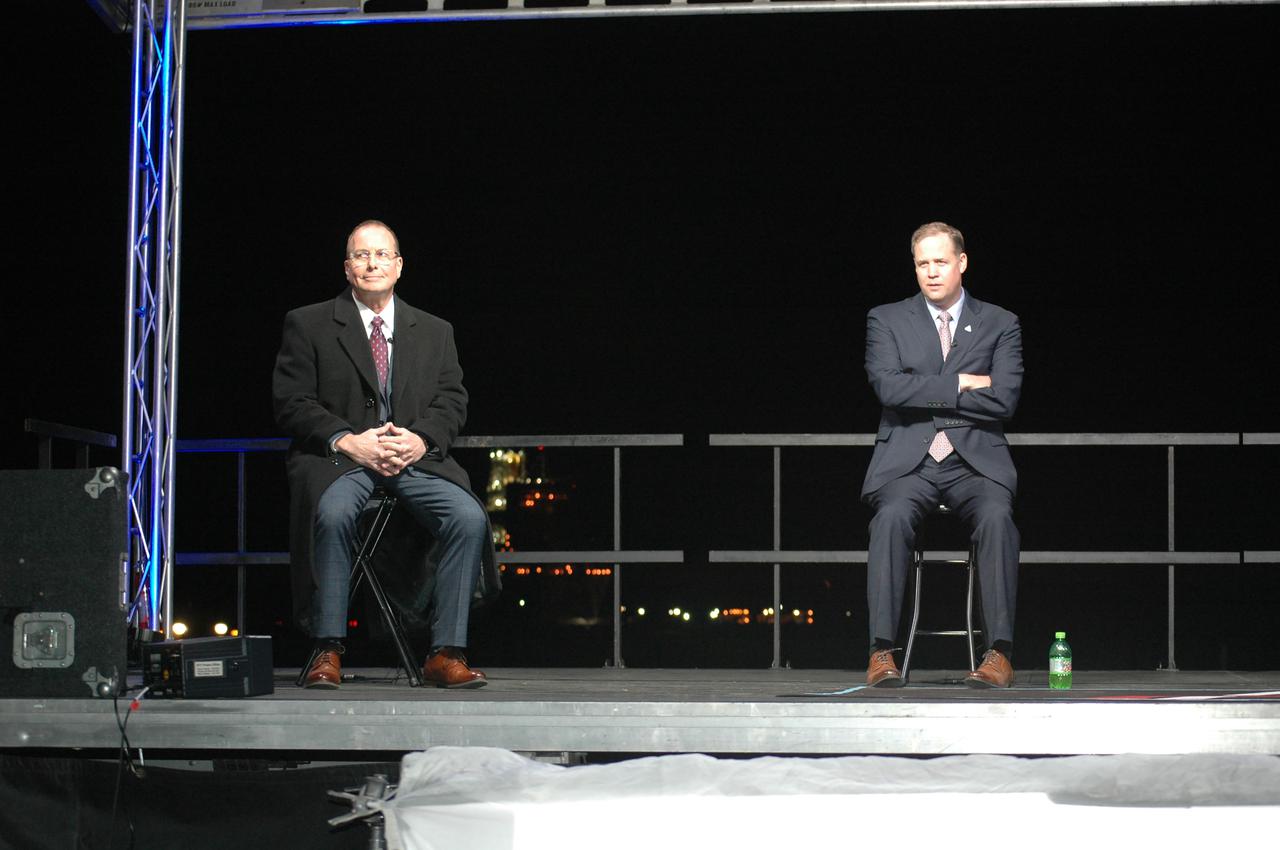
Outgoing NASA Administrator Jim Bridenstine (right) and Stennis Space Center Director Rick Gilbrech participate in a press conference following the Green Run hot fire test of the core stage for NASA’s Space Launch System (SLS) rocket on Saturday, January 16, 2021. NASA conducted a hot fire test of the core stage’s four RS-25 engines on the B-2 Test Stand at Stennis Space Center near Bay St. Louis, Mississippi. Scheduled for as long as eight minutes, the engines fired for a little more than one minute to generate a combined 1.6 million pounds of thrust, just as will occur during an actual launch. The hot fire is the final test of the Green Run test series, a comprehensive assessment of the SLS core stage prior to launching the Artemis I mission to the Moon.
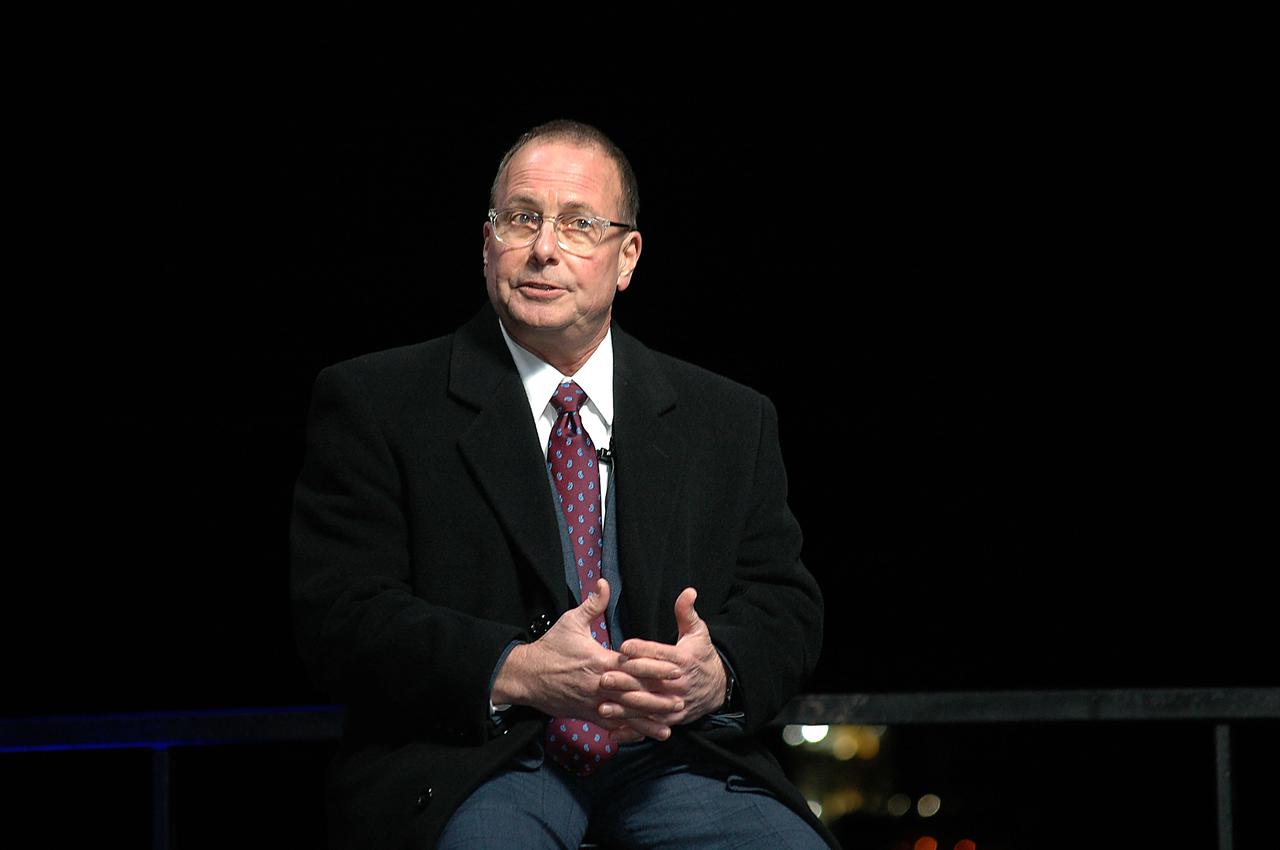
Stennis Space Center Director Rick Gilbrech participates in a press conference following the Green Run hot fire test of the core stage for NASA’s Space Launch System (SLS) rocket on Saturday, January 16, 2021. NASA conducted a hot fire test of the core stage’s four RS-25 engines on the B-2 Test Stand at Stennis Space Center near Bay St. Louis, Mississippi. Scheduled for as long as eight minutes, the engines fired for a little more than one minute to generate a combined 1.6 million pounds of thrust, just as will occur during an actual launch. The hot fire is the final test of the Green Run test series, a comprehensive assessment of the SLS core stage prior to launching the Artemis I mission to the Moon.
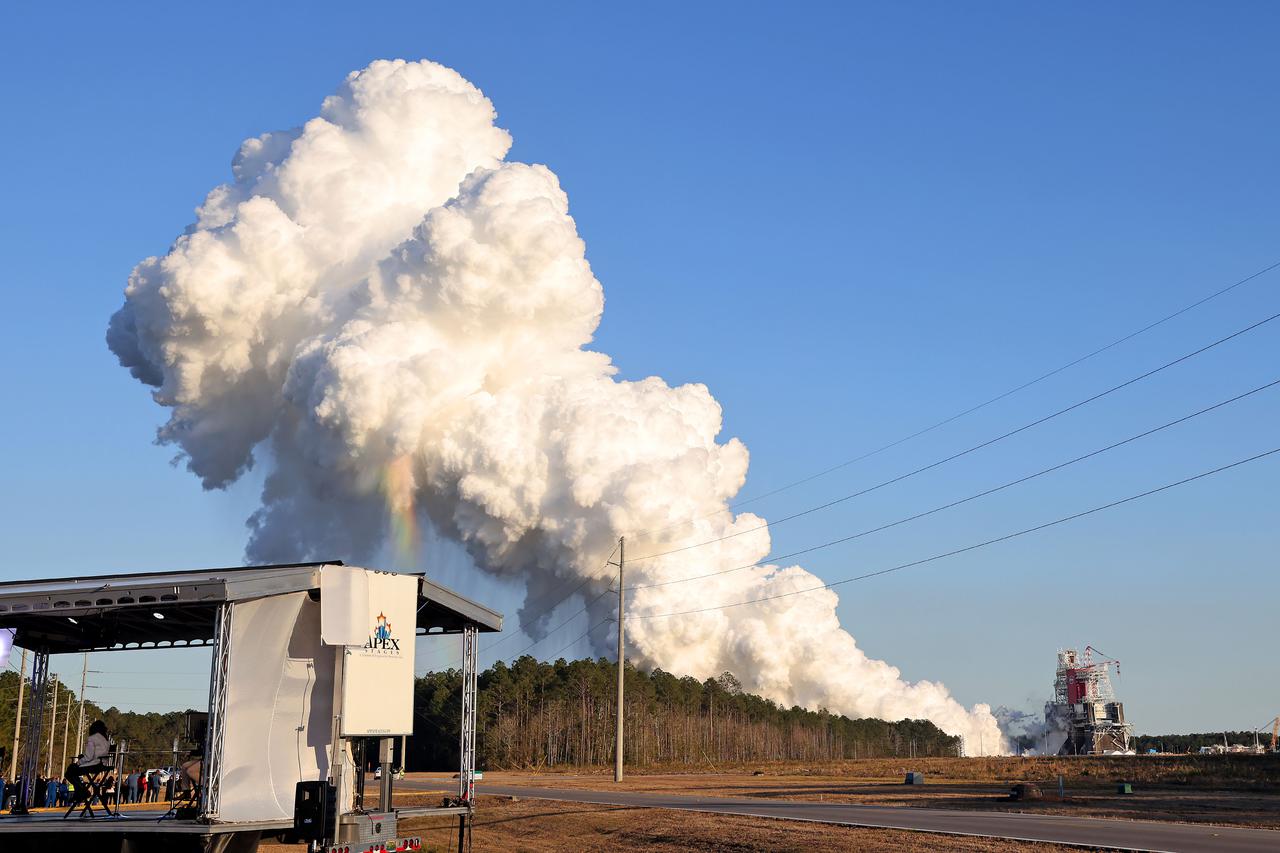
NASA conducts a hot fire test Jan. 16, 2021, of the core stage for the agency’s Space Launch System rocket on the B-2 Test Stand at Stennis Space Center near Bay St. Louis. The hot fire test of the stage’s four RS-25 engines generated a combined 1.6 million pounds of thrust, just as will occur during an actual launch. The hot fire is the final test of the Green Run test series, a comprehensive assessment of the SLS core stage prior to launching the Artemis I mission to the Moon.
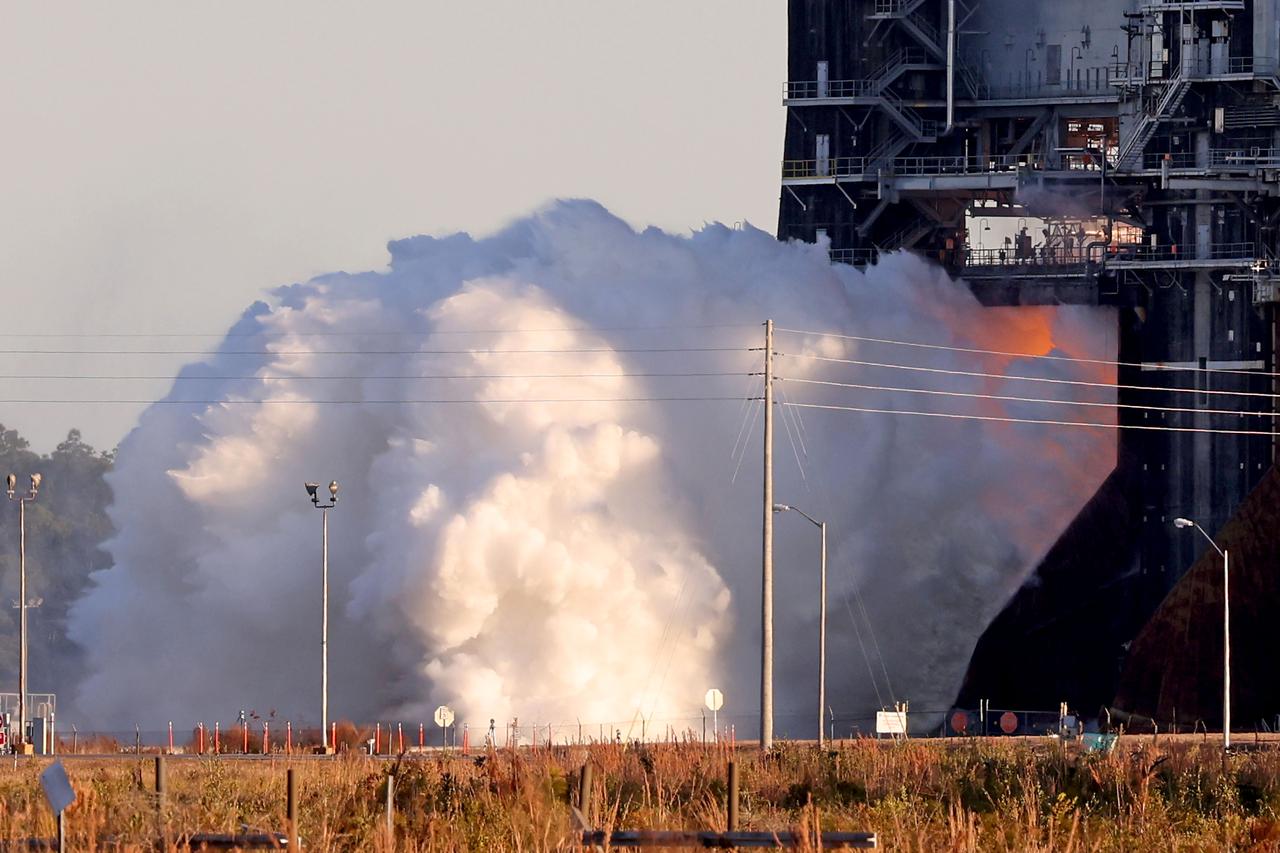
NASA conducts a hot fire test Jan. 16, 2021, of the core stage for the agency’s Space Launch System rocket on the B-2 Test Stand at Stennis Space Center near Bay St. Louis. The hot fire test of the stage’s four RS-25 engines generated a combined 1.6 million pounds of thrust, just as will occur during an actual launch. The hot fire is the final test of the Green Run test series, a comprehensive assessment of the SLS core stage prior to launching the Artemis I mission to the Moon.
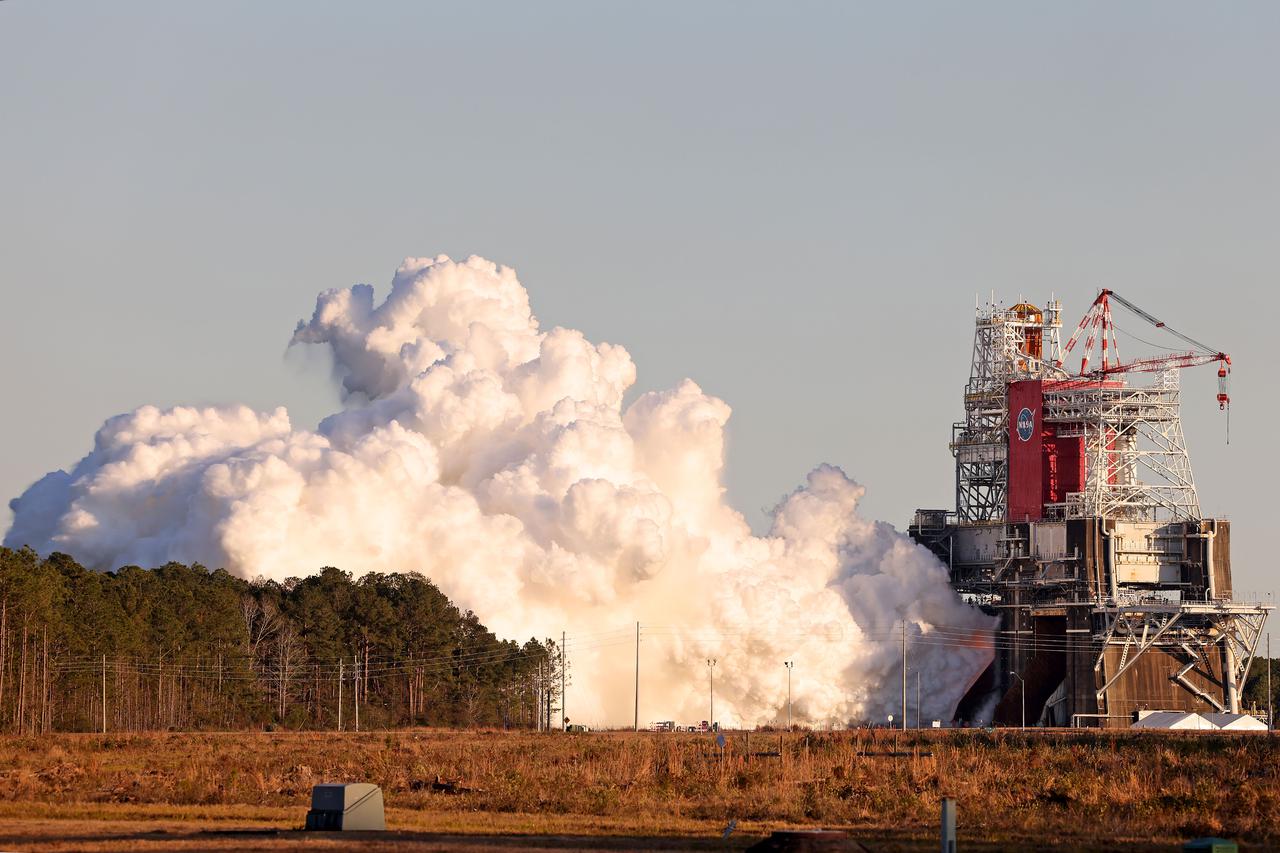
NASA conducts a hot fire test Jan. 16, 2021, of the core stage for the agency’s Space Launch System rocket on the B-2 Test Stand at Stennis Space Center near Bay St. Louis. The hot fire test of the stage’s four RS-25 engines generated a combined 1.6 million pounds of thrust, just as will occur during an actual launch. The hot fire is the final test of the Green Run test series, a comprehensive assessment of the SLS core stage prior to launching the Artemis I mission to the Moon.
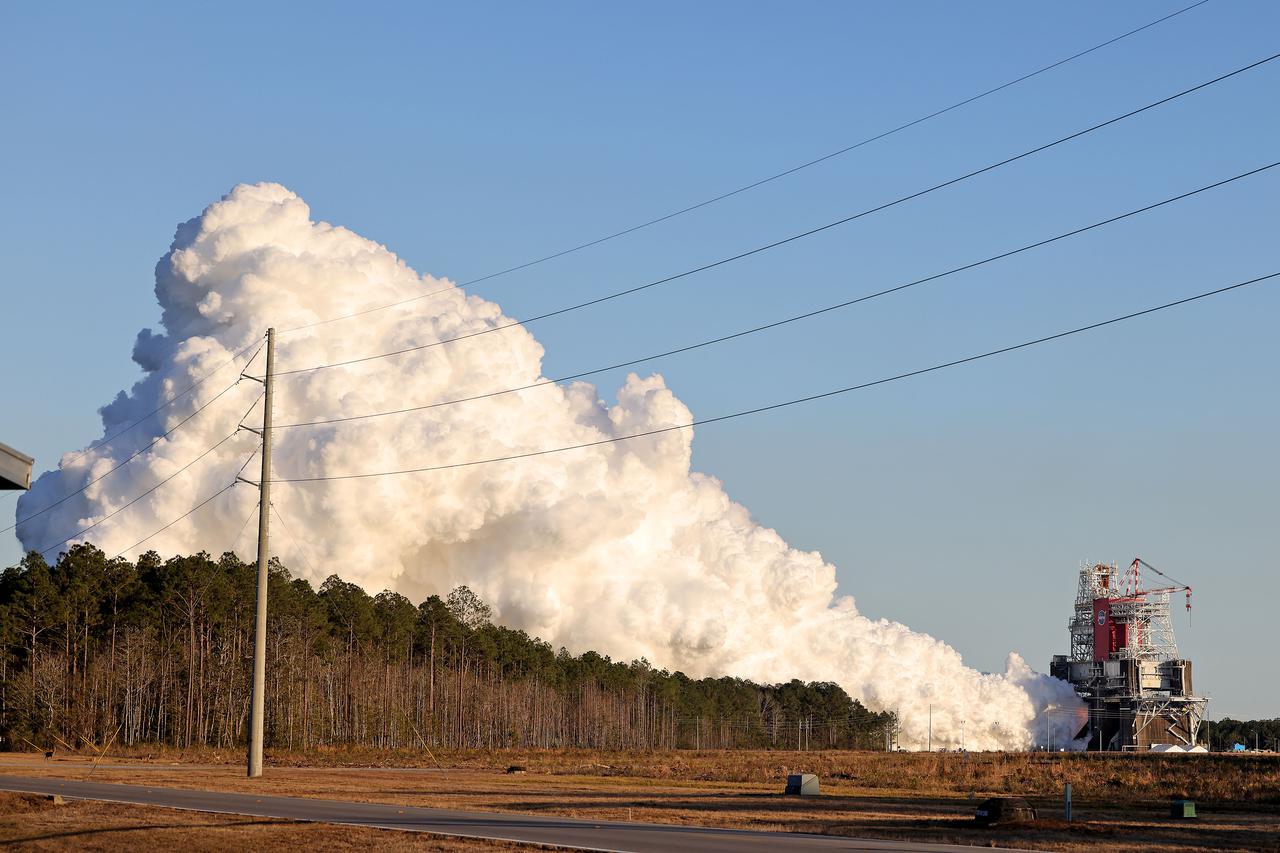
NASA conducts a hot fire test Jan. 16, 2021, of the core stage for the agency’s Space Launch System rocket on the B-2 Test Stand at Stennis Space Center near Bay St. Louis. The hot fire test of the stage’s four RS-25 engines generated a combined 1.6 million pounds of thrust, just as will occur during an actual launch. The hot fire is the final test of the Green Run test series, a comprehensive assessment of the SLS core stage prior to launching the Artemis I mission to the Moon.
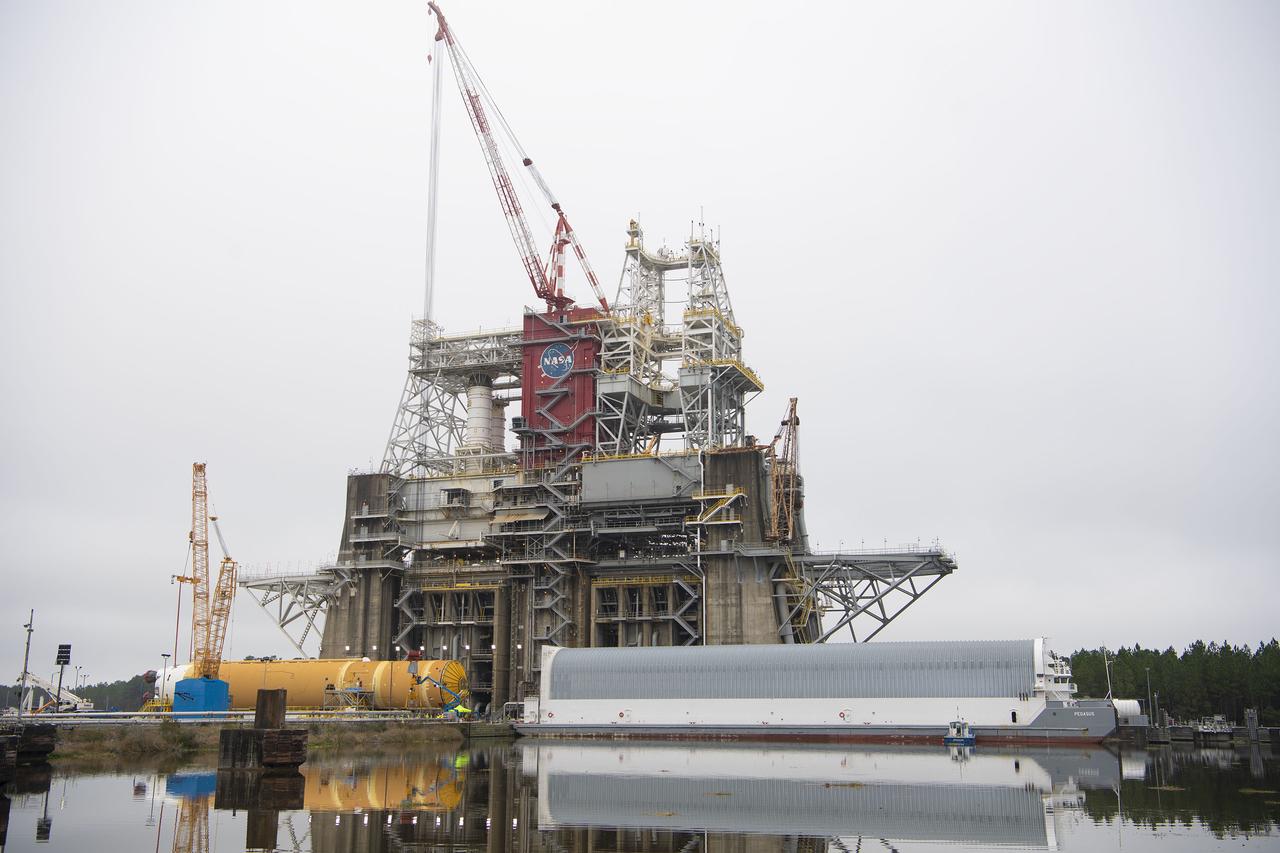
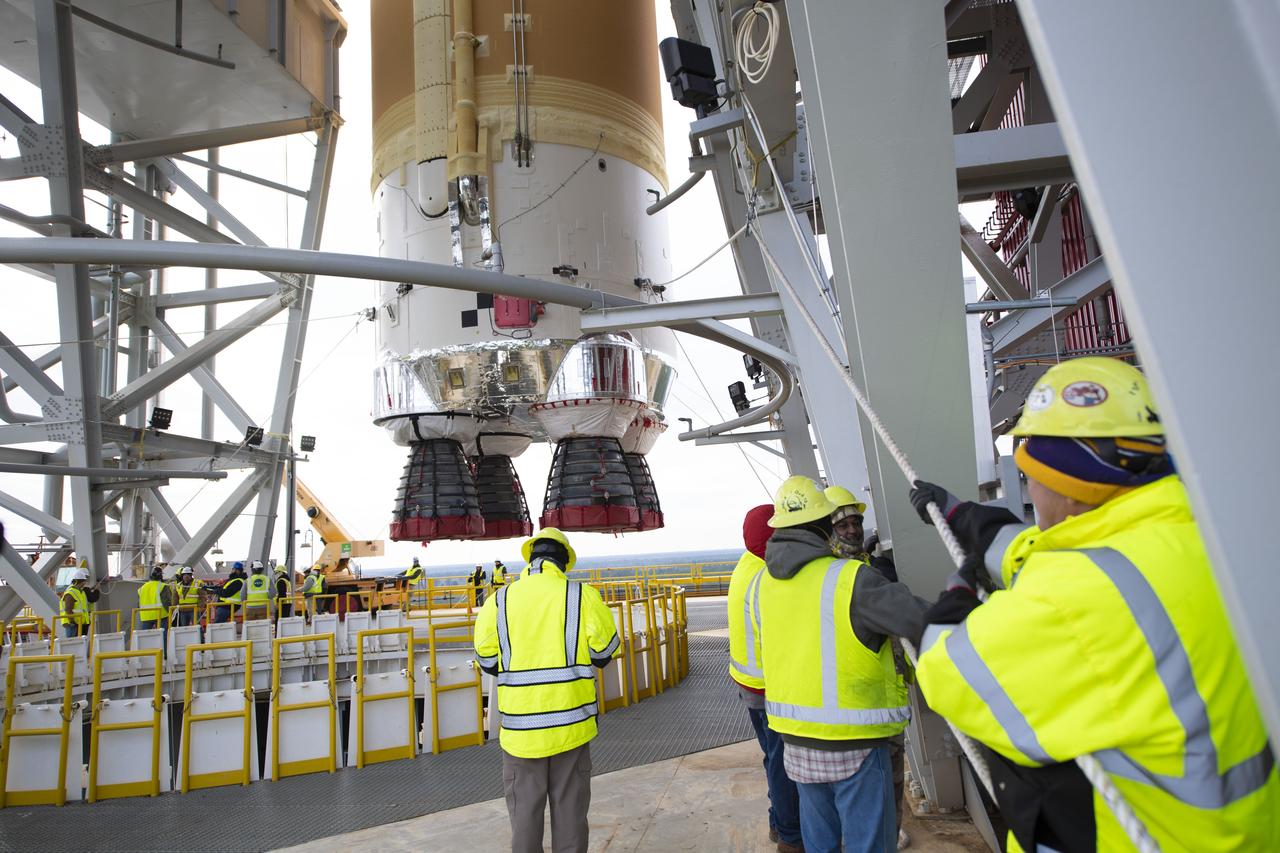
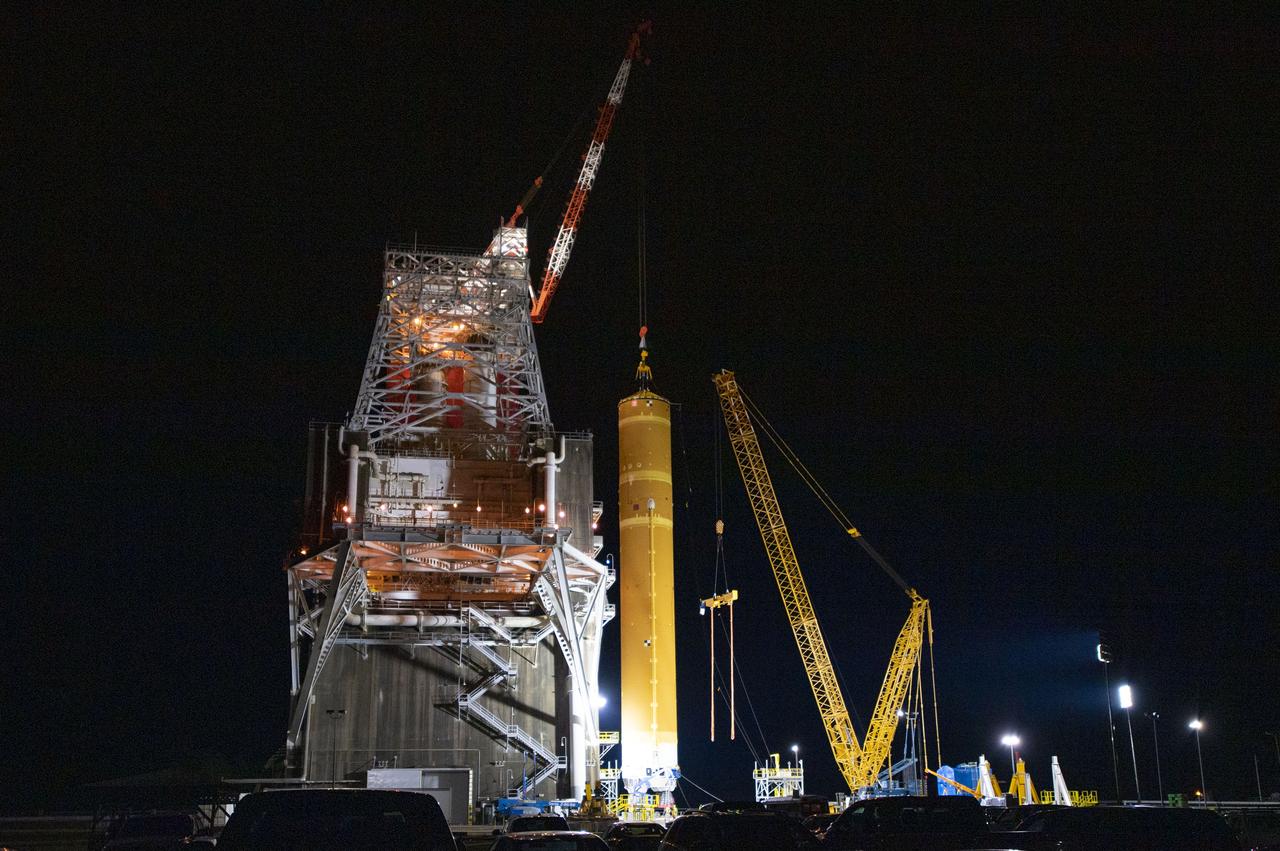
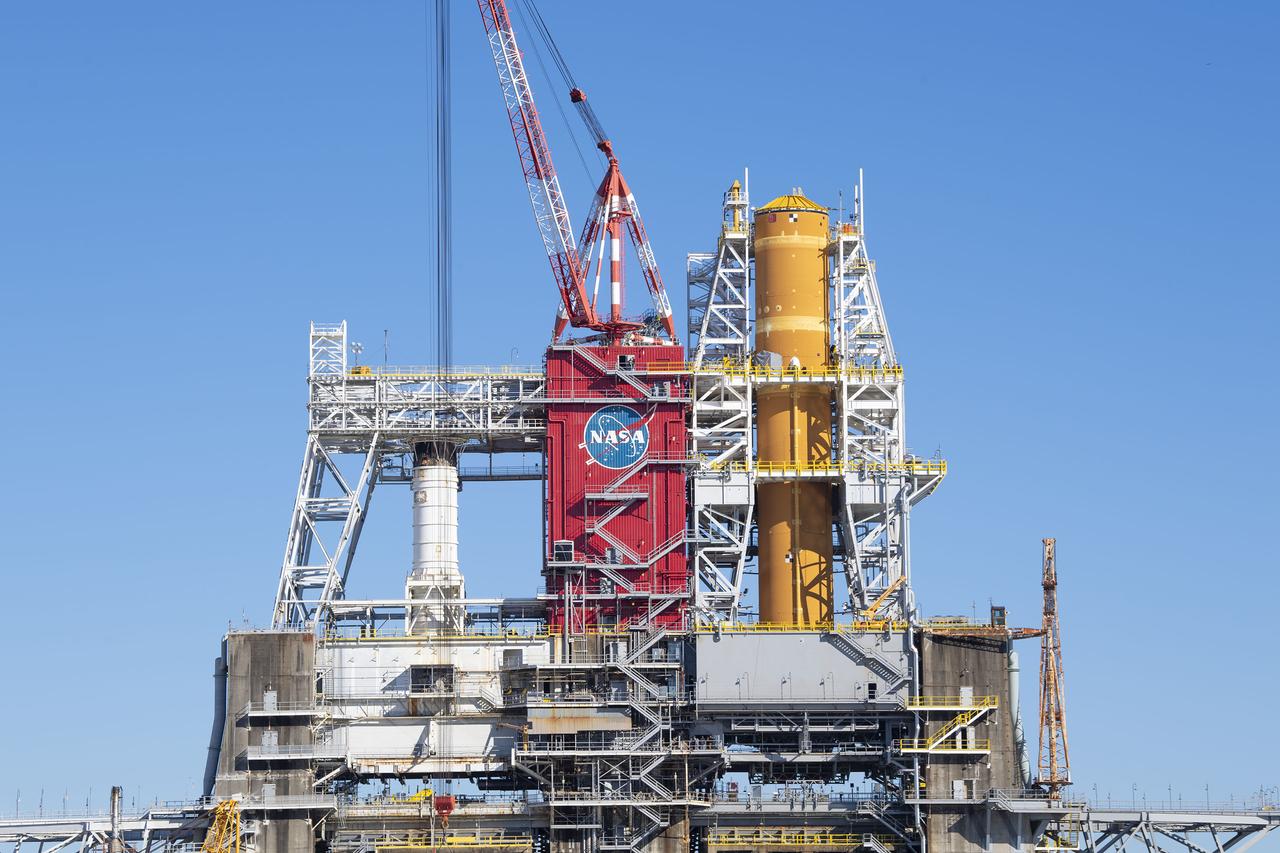
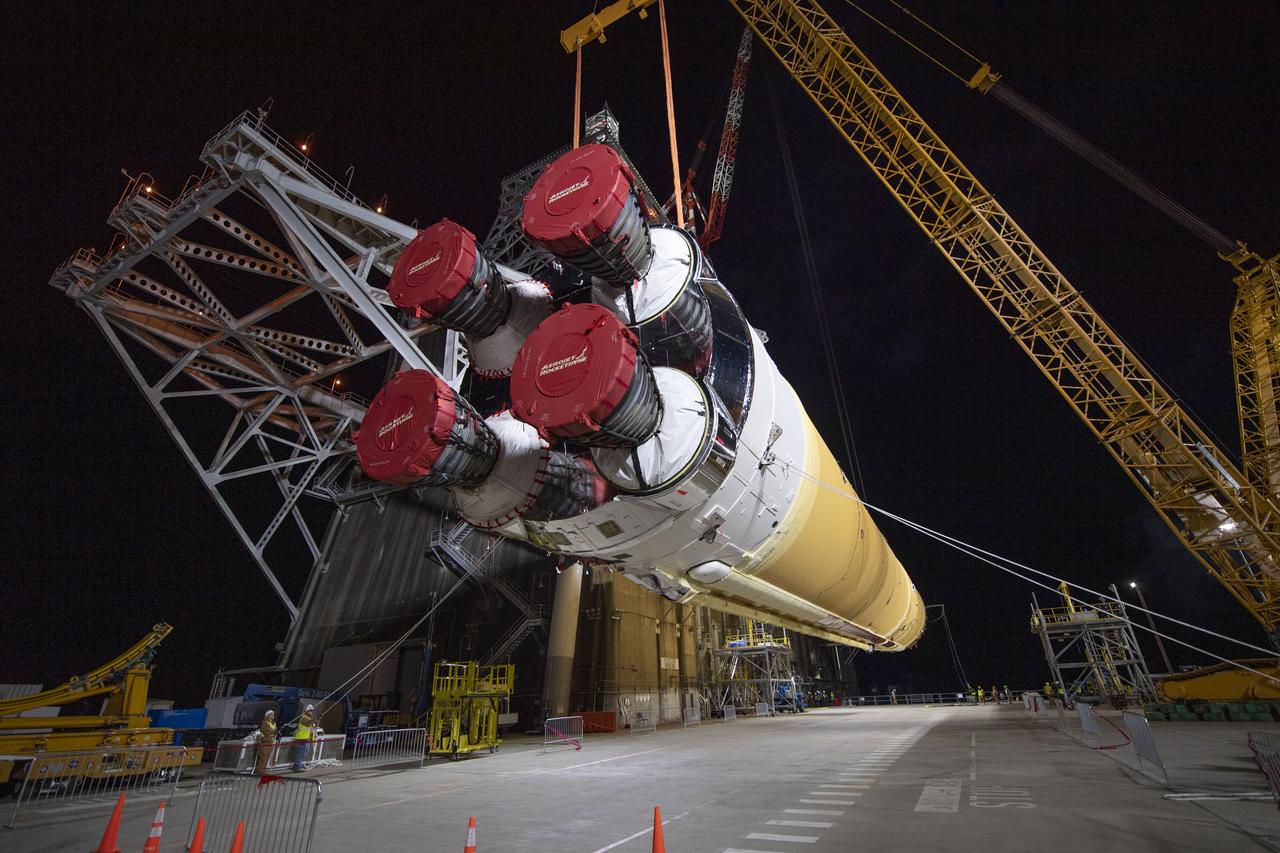
On Jan. 21-22, 2020, crews at Stennis Space Center lifted and installed the first core stage of NASA’s new Space Launch System (SLS) rocket onto the B-2 Test Stand. In upcoming months, a top-to-bottom, integrated series of Green Run tests will be conducted on the stage and its sophisticated systems. Following testing, the stage will be used to help launch the maiden Artemis I test mission of SLS and the Orion spacecraft. Through the Artemis program, NASA will send humans, including the first woman and next man, to the Moon to establish a sustainable presence.
On Jan. 21-22, 2020, crews at Stennis Space Center lifted and installed the first core stage of NASA’s new Space Launch System (SLS) rocket onto the B-2 Test Stand. In upcoming months, a top-to-bottom, integrated series of Green Run tests will be conducted on the stage and its sophisticated systems. Following testing, the stage will be used to help launch the maiden Artemis I test mission of SLS and the Orion spacecraft. Through the Artemis program, NASA will send humans, including the first woman and next man, to the Moon to establish a sustainable presence.
On Jan. 21-22, 2020, crews at Stennis Space Center lifted and installed the first core stage of NASA’s new Space Launch System (SLS) rocket onto the B-2 Test Stand. In upcoming months, a top-to-bottom, integrated series of Green Run tests will be conducted on the stage and its sophisticated systems. Following testing, the stage will be used to help launch the maiden Artemis I test mission of SLS and the Orion spacecraft. Through the Artemis program, NASA will send humans, including the first woman and next man, to the Moon to establish a sustainable presence.
On Jan. 21-22, 2020, crews at Stennis Space Center lifted and installed the first core stage of NASA’s new Space Launch System (SLS) rocket onto the B-2 Test Stand. In upcoming months, a top-to-bottom, integrated series of Green Run tests will be conducted on the stage and its sophisticated systems. Following testing, the stage will be used to help launch the maiden Artemis I test mission of SLS and the Orion spacecraft. Through the Artemis program, NASA will send humans, including the first woman and next man, to the Moon to establish a sustainable presence.

On Jan. 21-22, 2020, crews at Stennis Space Center lifted and installed the first core stage of NASA’s new Space Launch System (SLS) rocket onto the B-2 Test Stand. In upcoming months, a top-to-bottom, integrated series of Green Run tests will be conducted on the stage and its sophisticated systems. Following testing, the stage will be used to help launch the maiden Artemis I test mission of SLS and the Orion spacecraft. Through the Artemis program, NASA will send humans, including the first woman and next man, to the Moon to establish a sustainable presence.
On Jan. 21-22, 2020, crews at Stennis Space Center lifted and installed the first core stage of NASA’s new Space Launch System (SLS) rocket onto the B-2 Test Stand. In upcoming months, a top-to-bottom, integrated series of Green Run tests will be conducted on the stage and its sophisticated systems. Following testing, the stage will be used to help launch the maiden Artemis I test mission of SLS and the Orion spacecraft. Through the Artemis program, NASA will send humans, including the first woman and next man, to the Moon to establish a sustainable presence.
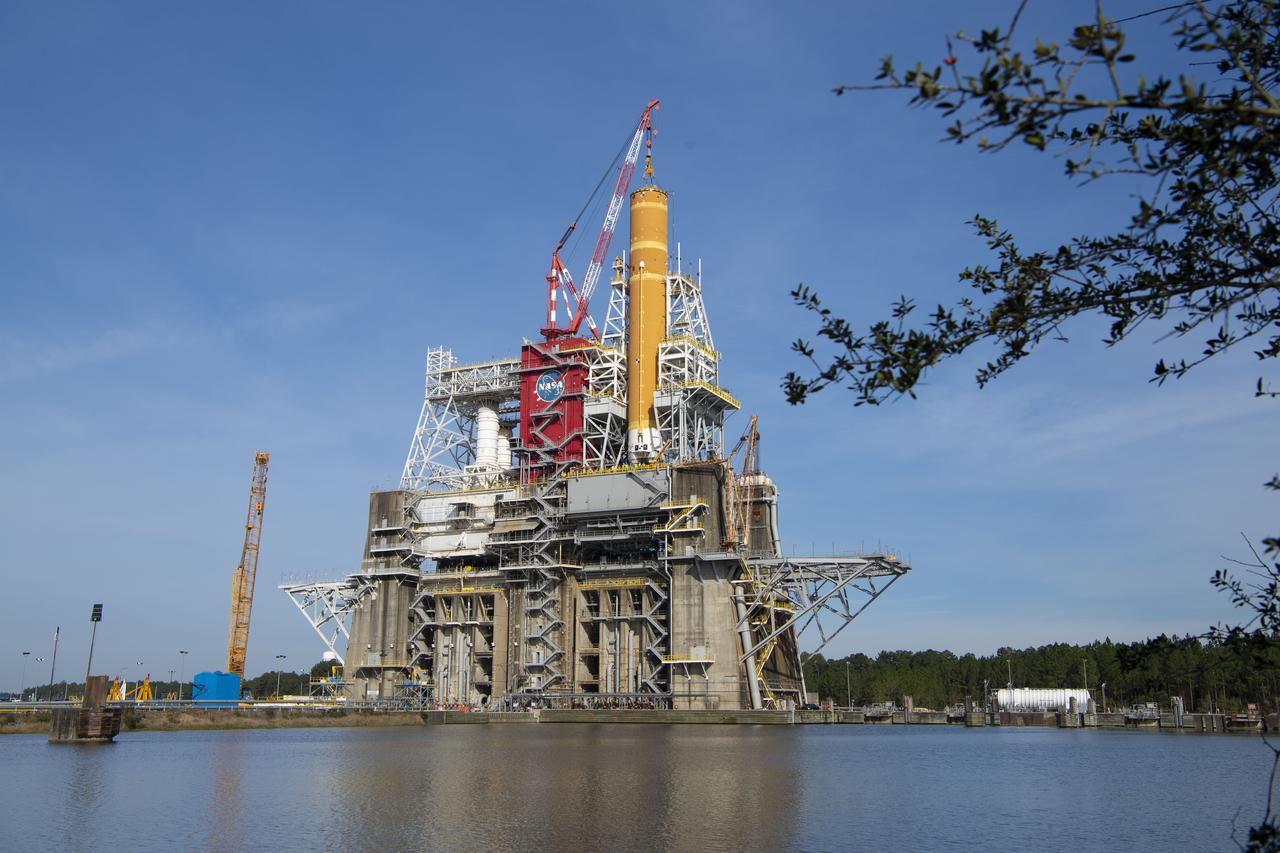
On Jan. 21-22, 2020, crews at Stennis Space Center lifted and installed the first core stage of NASA’s new Space Launch System (SLS) rocket onto the B-2 Test Stand. In upcoming months, a top-to-bottom, integrated series of Green Run tests will be conducted on the stage and its sophisticated systems. Following testing, the stage will be used to help launch the maiden Artemis I test mission of SLS and the Orion spacecraft. Through the Artemis program, NASA will send humans, including the first woman and next man, to the Moon to establish a sustainable presence.
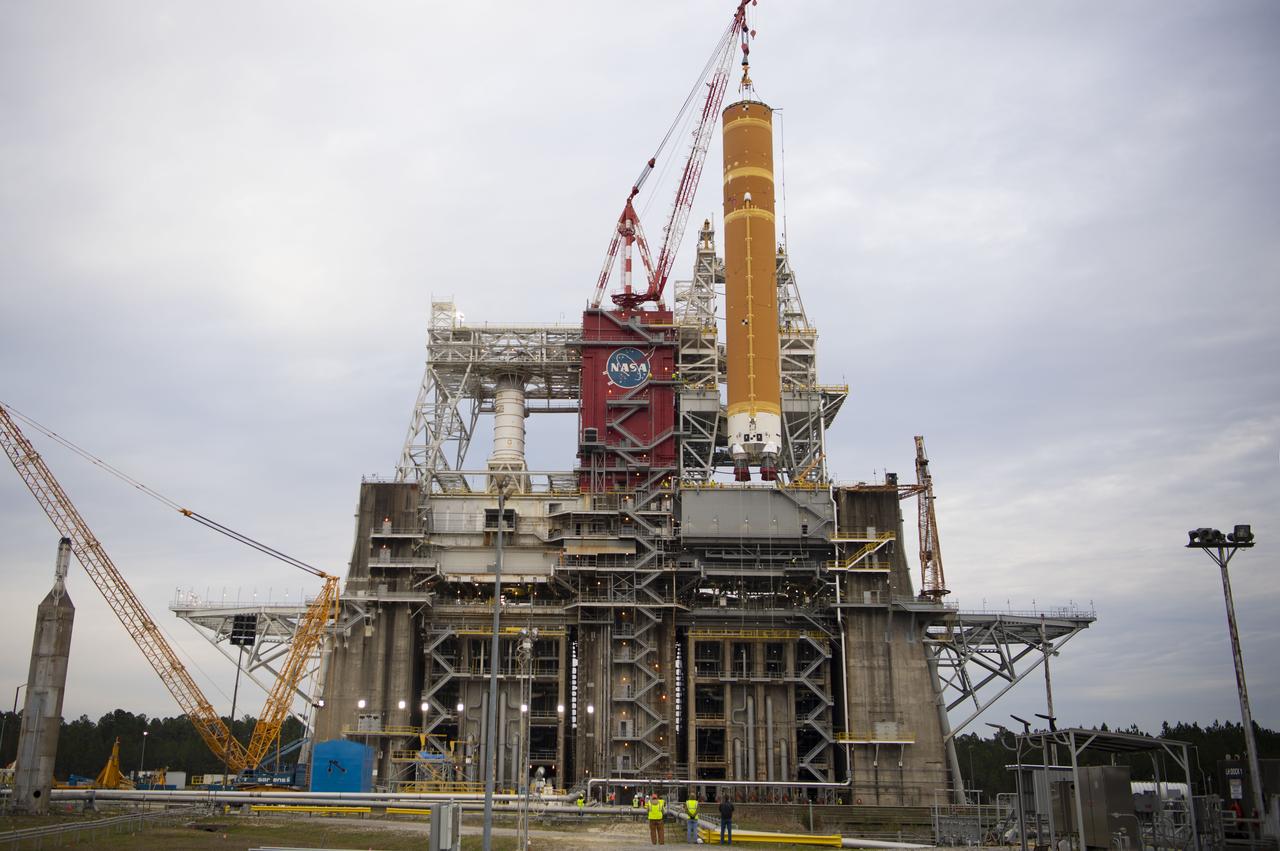
On Jan. 21-22, 2020, crews at Stennis Space Center lifted and installed the first core stage of NASA’s new Space Launch System (SLS) rocket onto the B-2 Test Stand. In upcoming months, a top-to-bottom, integrated series of Green Run tests will be conducted on the stage and its sophisticated systems. Following testing, the stage will be used to help launch the maiden Artemis I test mission of SLS and the Orion spacecraft. Through the Artemis program, NASA will send humans, including the first woman and next man, to the Moon to establish a sustainable presence.
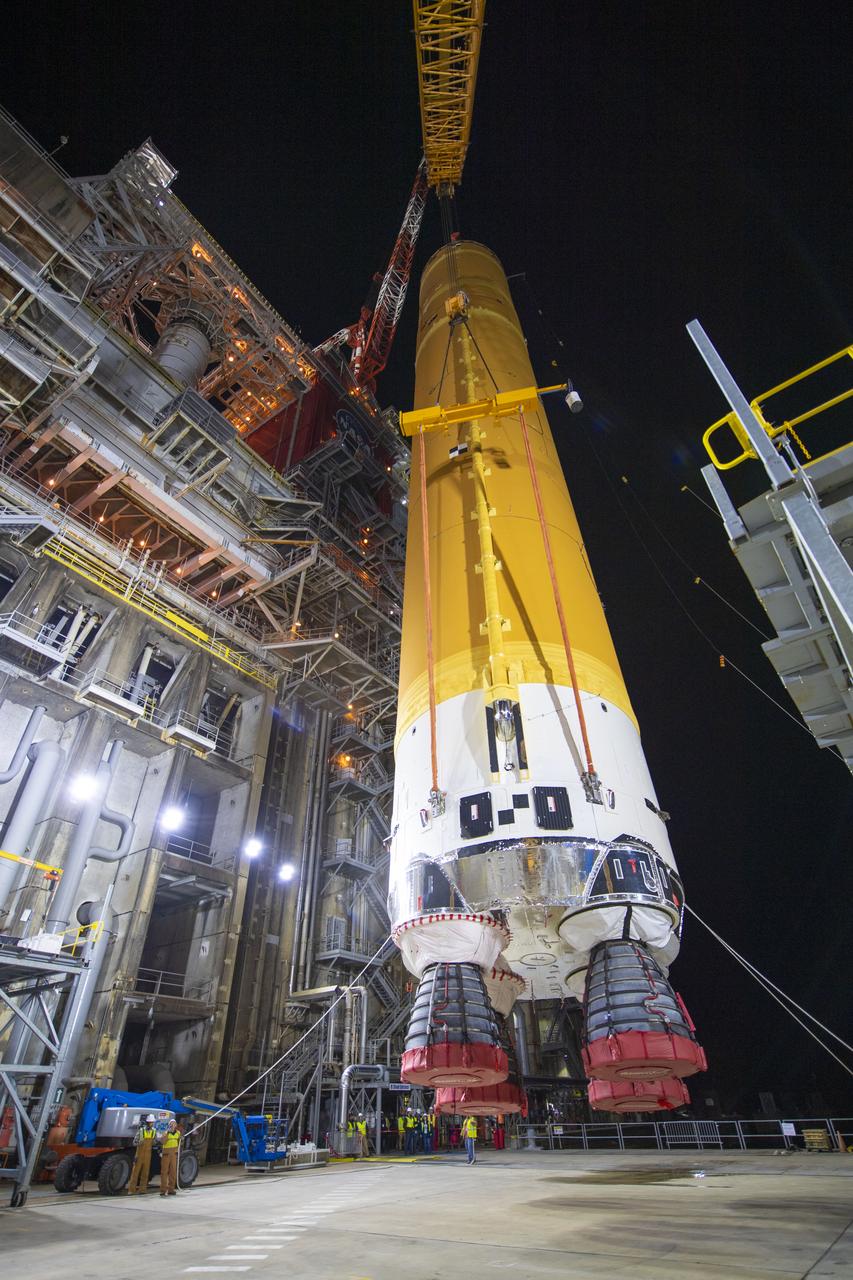
On Jan. 21-22, 2020, crews at Stennis Space Center lifted and installed the first core stage of NASA’s new Space Launch System (SLS) rocket onto the B-2 Test Stand. In upcoming months, a top-to-bottom, integrated series of Green Run tests will be conducted on the stage and its sophisticated systems. Following testing, the stage will be used to help launch the maiden Artemis I test mission of SLS and the Orion spacecraft. Through the Artemis program, NASA will send humans, including the first woman and next man, to the Moon to establish a sustainable presence.
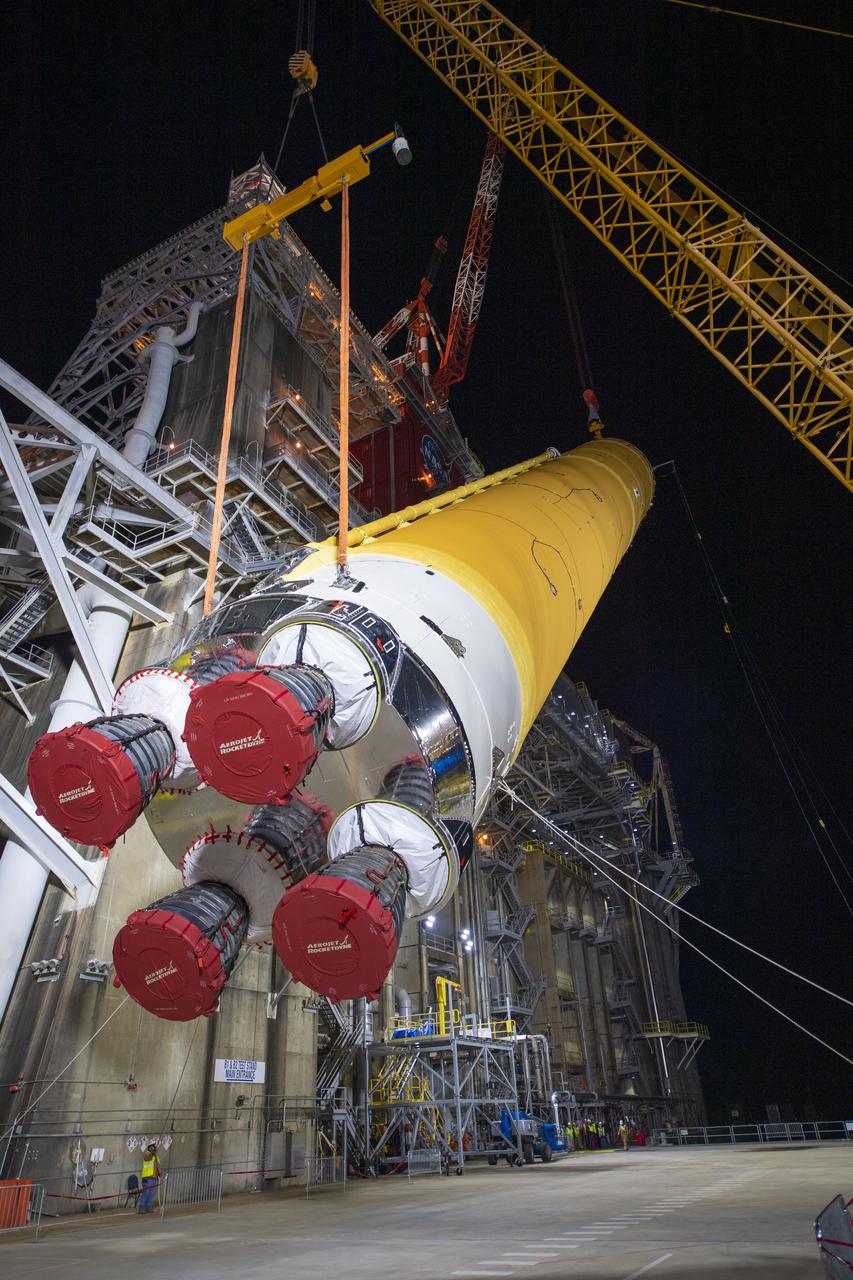
On Jan. 21-22, 2020, crews at Stennis Space Center lifted and installed the first core stage of NASA’s new Space Launch System (SLS) rocket onto the B-2 Test Stand. In upcoming months, a top-to-bottom, integrated series of Green Run tests will be conducted on the stage and its sophisticated systems. Following testing, the stage will be used to help launch the maiden Artemis I test mission of SLS and the Orion spacecraft. Through the Artemis program, NASA will send humans, including the first woman and next man, to the Moon to establish a sustainable presence.
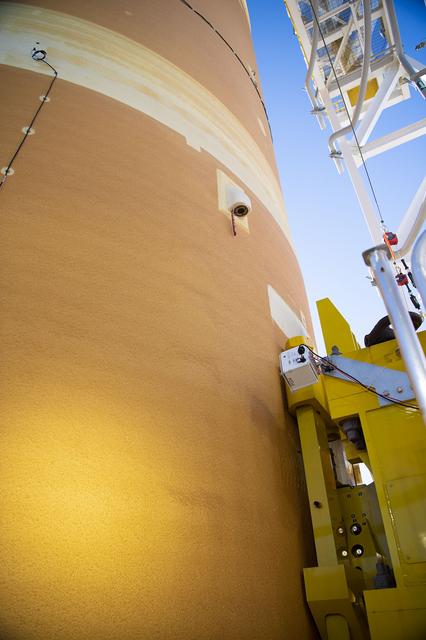
On Jan. 21-22, 2020, crews at Stennis Space Center lifted and installed the first core stage of NASA’s new Space Launch System (SLS) rocket onto the B-2 Test Stand. In upcoming months, a top-to-bottom, integrated series of Green Run tests will be conducted on the stage and its sophisticated systems. Following testing, the stage will be used to help launch the maiden Artemis I test mission of SLS and the Orion spacecraft. Through the Artemis program, NASA will send humans, including the first woman and next man, to the Moon to establish a sustainable presence.
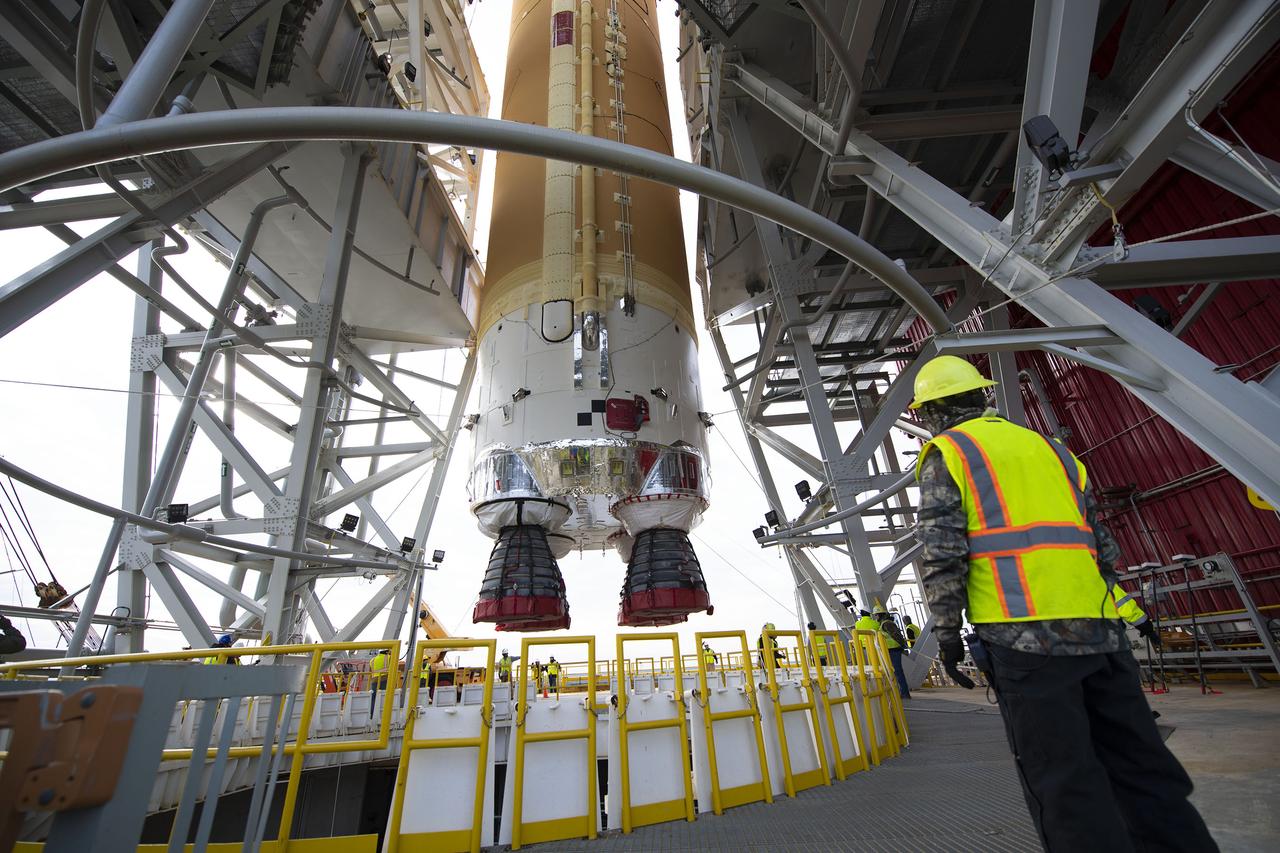
On Jan. 21-22, 2020, crews at Stennis Space Center lifted and installed the first core stage of NASA’s new Space Launch System (SLS) rocket onto the B-2 Test Stand. In upcoming months, a top-to-bottom, integrated series of Green Run tests will be conducted on the stage and its sophisticated systems. Following testing, the stage will be used to help launch the maiden Artemis I test mission of SLS and the Orion spacecraft. Through the Artemis program, NASA will send humans, including the first woman and next man, to the Moon to establish a sustainable presence.
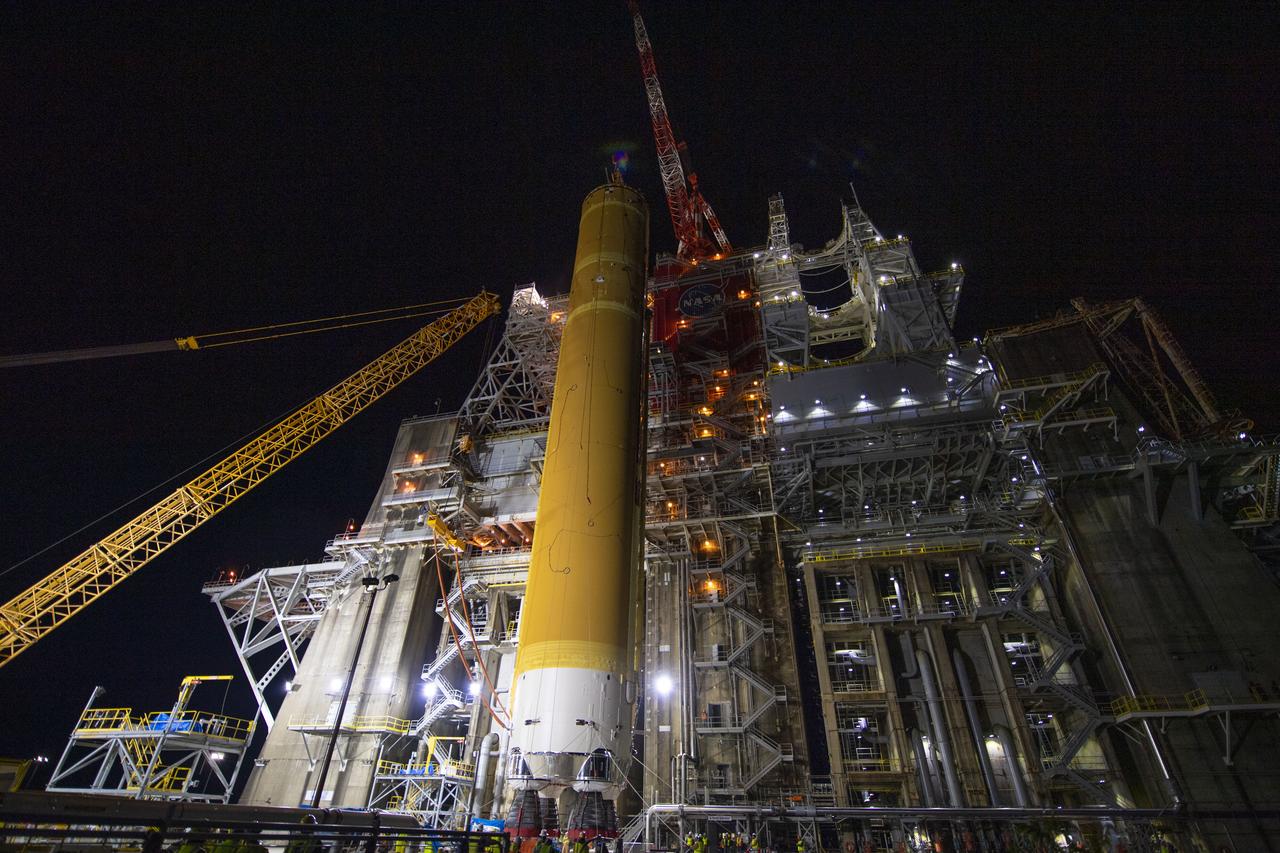
On Jan. 21-22, 2020, crews at Stennis Space Center lifted and installed the first core stage of NASA’s new Space Launch System (SLS) rocket onto the B-2 Test Stand. In upcoming months, a top-to-bottom, integrated series of Green Run tests will be conducted on the stage and its sophisticated systems. Following testing, the stage will be used to help launch the maiden Artemis I test mission of SLS and the Orion spacecraft. Through the Artemis program, NASA will send humans, including the first woman and next man, to the Moon to establish a sustainable presence.
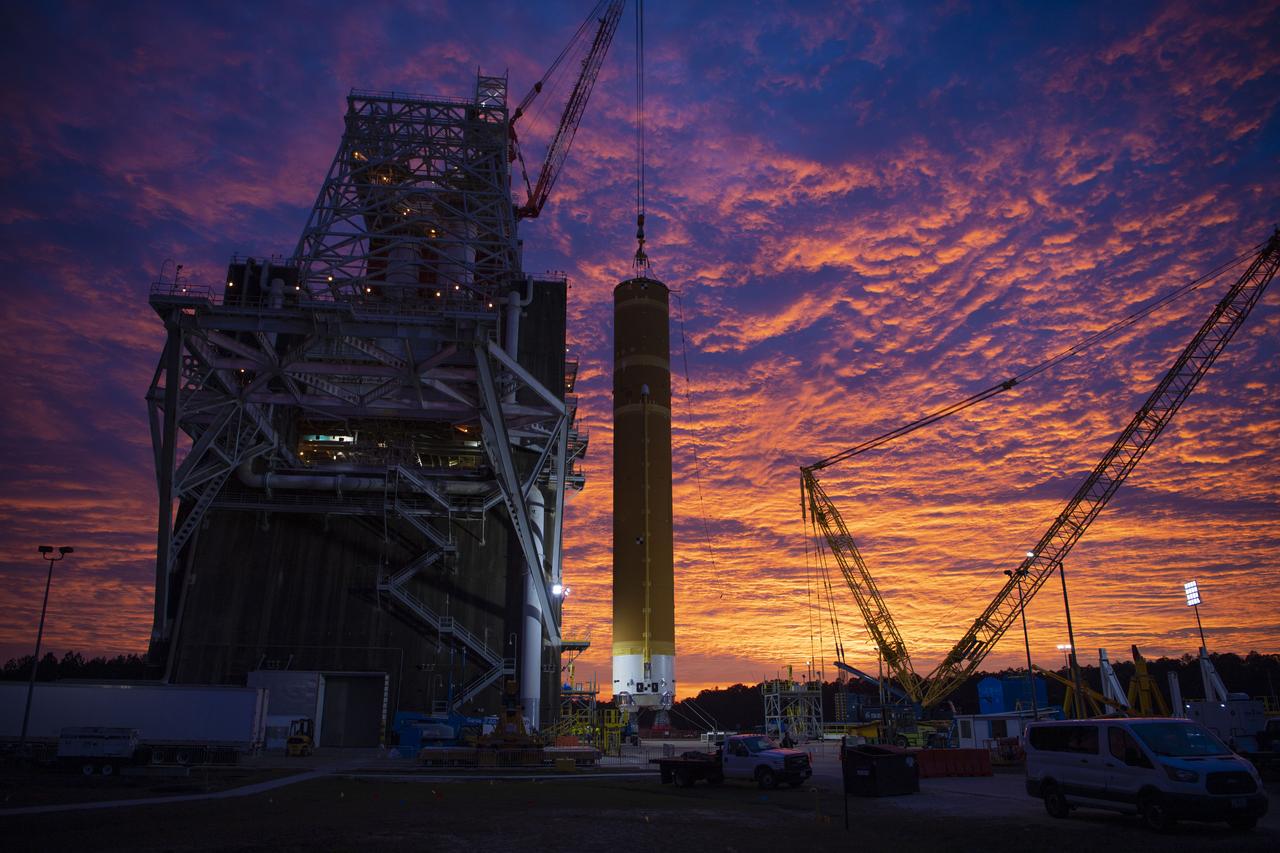
On Jan. 21-22, 2020, crews at Stennis Space Center lifted and installed the first core stage of NASA’s new Space Launch System (SLS) rocket onto the B-2 Test Stand. In upcoming months, a top-to-bottom, integrated series of Green Run tests will be conducted on the stage and its sophisticated systems. Following testing, the stage will be used to help launch the maiden Artemis I test mission of SLS and the Orion spacecraft. Through the Artemis program, NASA will send humans, including the first woman and next man, to the Moon to establish a sustainable presence.
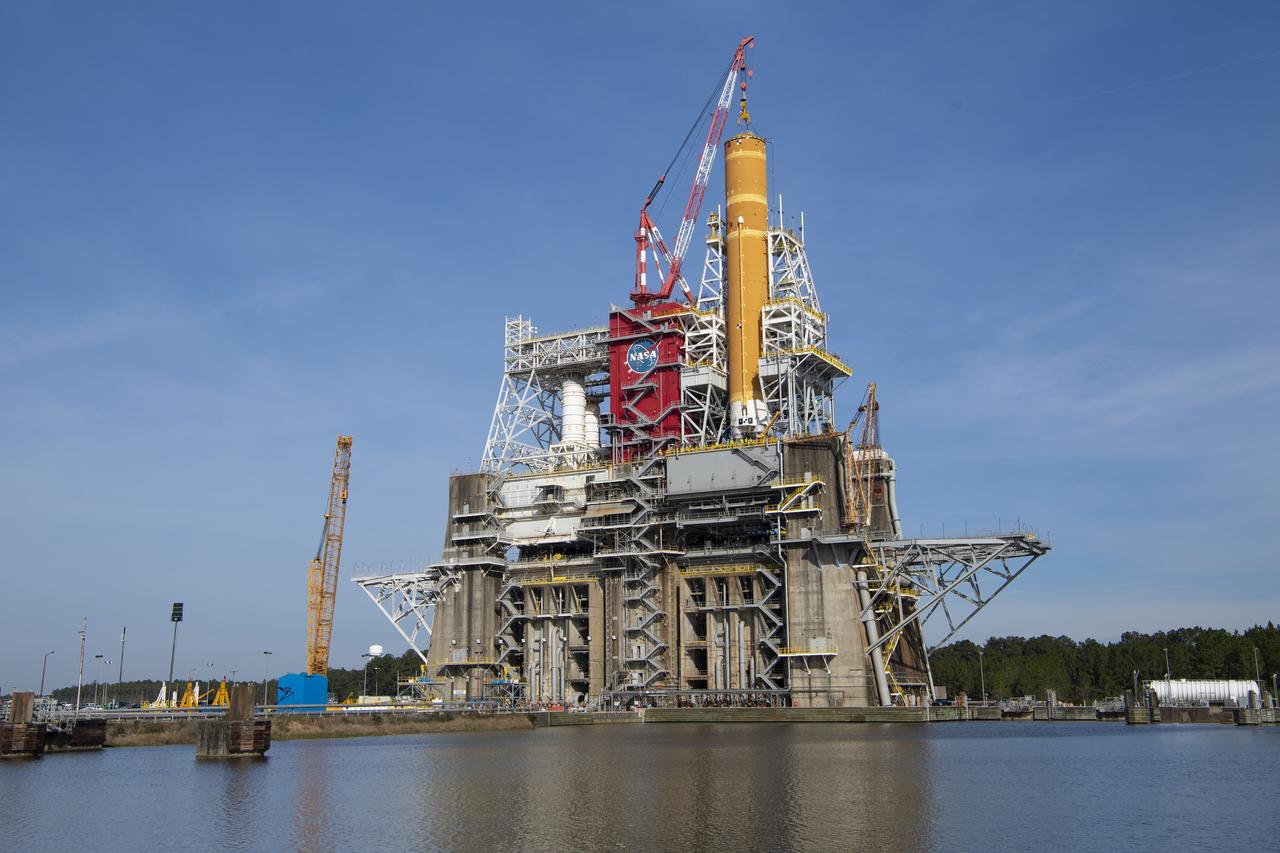
On Jan. 21-22, 2020, crews at Stennis Space Center lifted and installed the first core stage of NASA’s new Space Launch System (SLS) rocket onto the B-2 Test Stand. In upcoming months, a top-to-bottom, integrated series of Green Run tests will be conducted on the stage and its sophisticated systems. Following testing, the stage will be used to help launch the maiden Artemis I test mission of SLS and the Orion spacecraft. Through the Artemis program, NASA will send humans, including the first woman and next man, to the Moon to establish a sustainable presence.
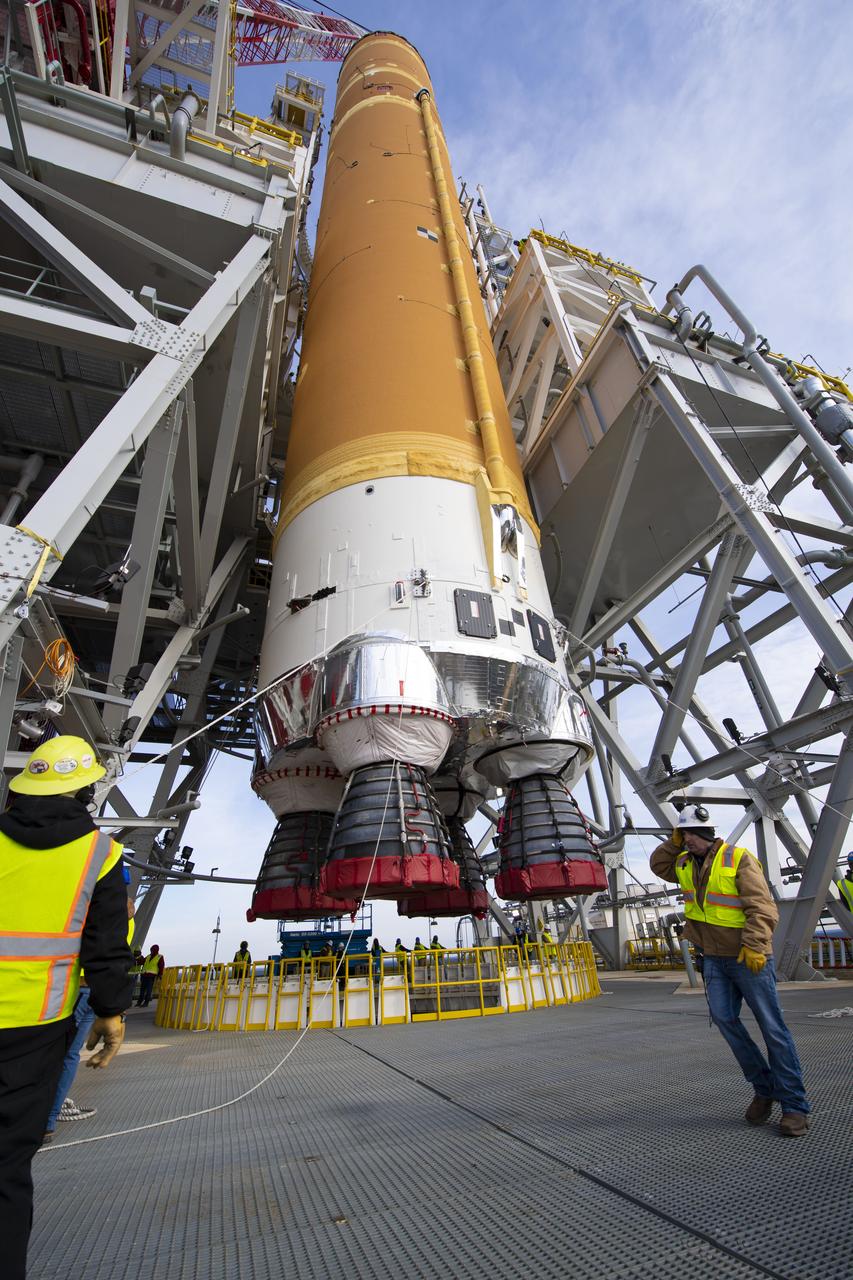
On Jan. 21-22, 2020, crews at Stennis Space Center lifted and installed the first core stage of NASA’s new Space Launch System (SLS) rocket onto the B-2 Test Stand. In upcoming months, a top-to-bottom, integrated series of Green Run tests will be conducted on the stage and its sophisticated systems. Following testing, the stage will be used to help launch the maiden Artemis I test mission of SLS and the Orion spacecraft. Through the Artemis program, NASA will send humans, including the first woman and next man, to the Moon to establish a sustainable presence.
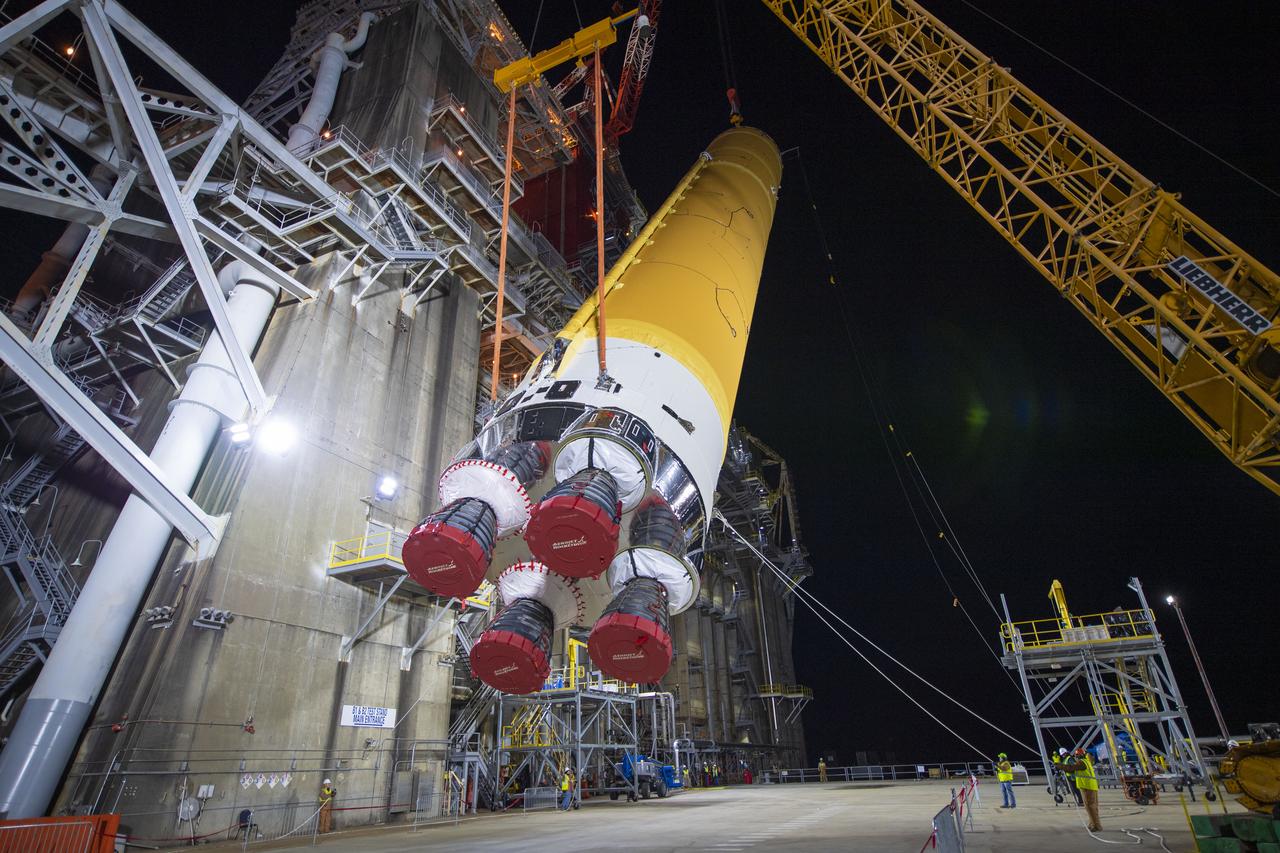
On Jan. 21-22, 2020, crews at Stennis Space Center lifted and installed the first core stage of NASA’s new Space Launch System (SLS) rocket onto the B-2 Test Stand. In upcoming months, a top-to-bottom, integrated series of Green Run tests will be conducted on the stage and its sophisticated systems. Following testing, the stage will be used to help launch the maiden Artemis I test mission of SLS and the Orion spacecraft. Through the Artemis program, NASA will send humans, including the first woman and next man, to the Moon to establish a sustainable presence.
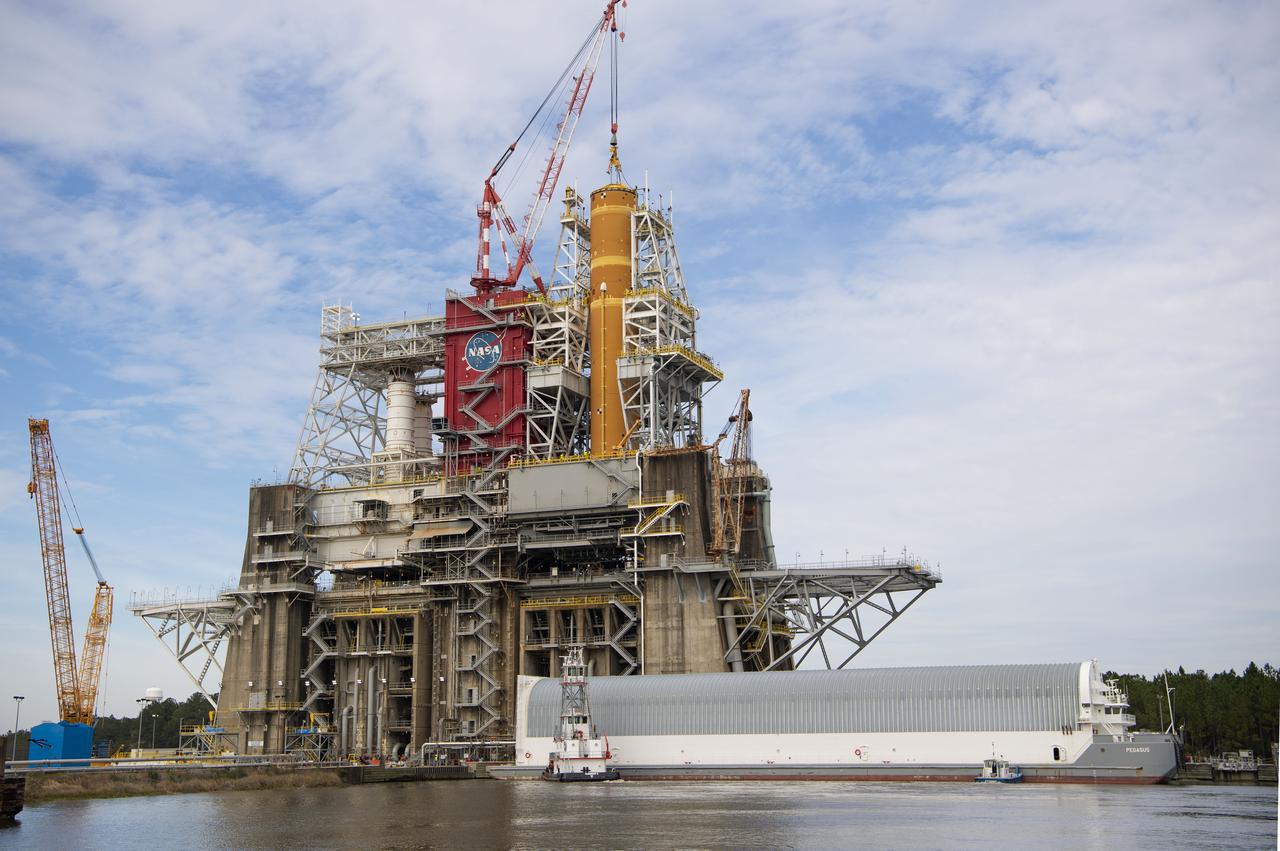
On Jan. 21-22, 2020, crews at Stennis Space Center lifted and installed the first core stage of NASA’s new Space Launch System (SLS) rocket onto the B-2 Test Stand. In upcoming months, a top-to-bottom, integrated series of Green Run tests will be conducted on the stage and its sophisticated systems. Following testing, the stage will be used to help launch the maiden Artemis I test mission of SLS and the Orion spacecraft. Through the Artemis program, NASA will send humans, including the first woman and next man, to the Moon to establish a sustainable presence.
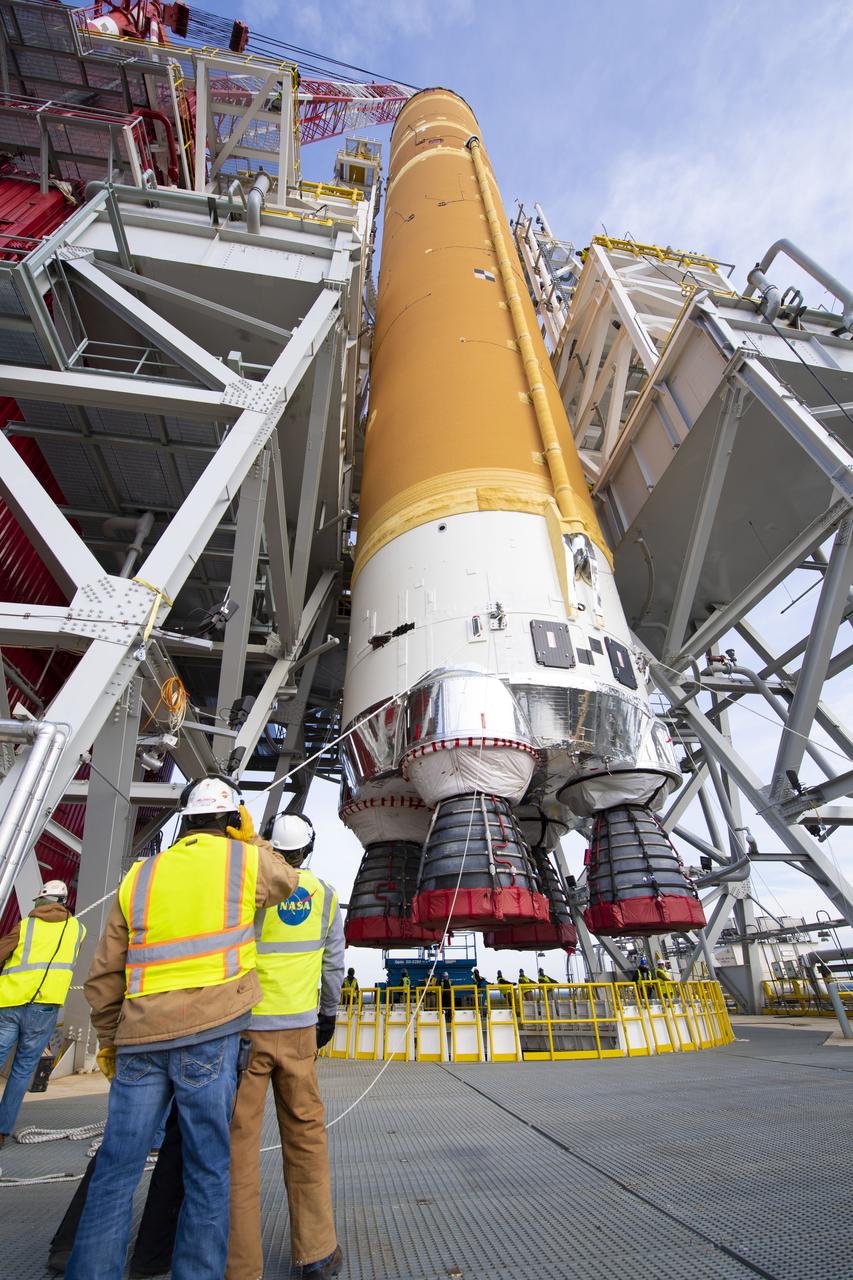
On Jan. 21-22, 2020, crews at Stennis Space Center lifted and installed the first core stage of NASA’s new Space Launch System (SLS) rocket onto the B-2 Test Stand. In upcoming months, a top-to-bottom, integrated series of Green Run tests will be conducted on the stage and its sophisticated systems. Following testing, the stage will be used to help launch the maiden Artemis I test mission of SLS and the Orion spacecraft. Through the Artemis program, NASA will send humans, including the first woman and next man, to the Moon to establish a sustainable presence.
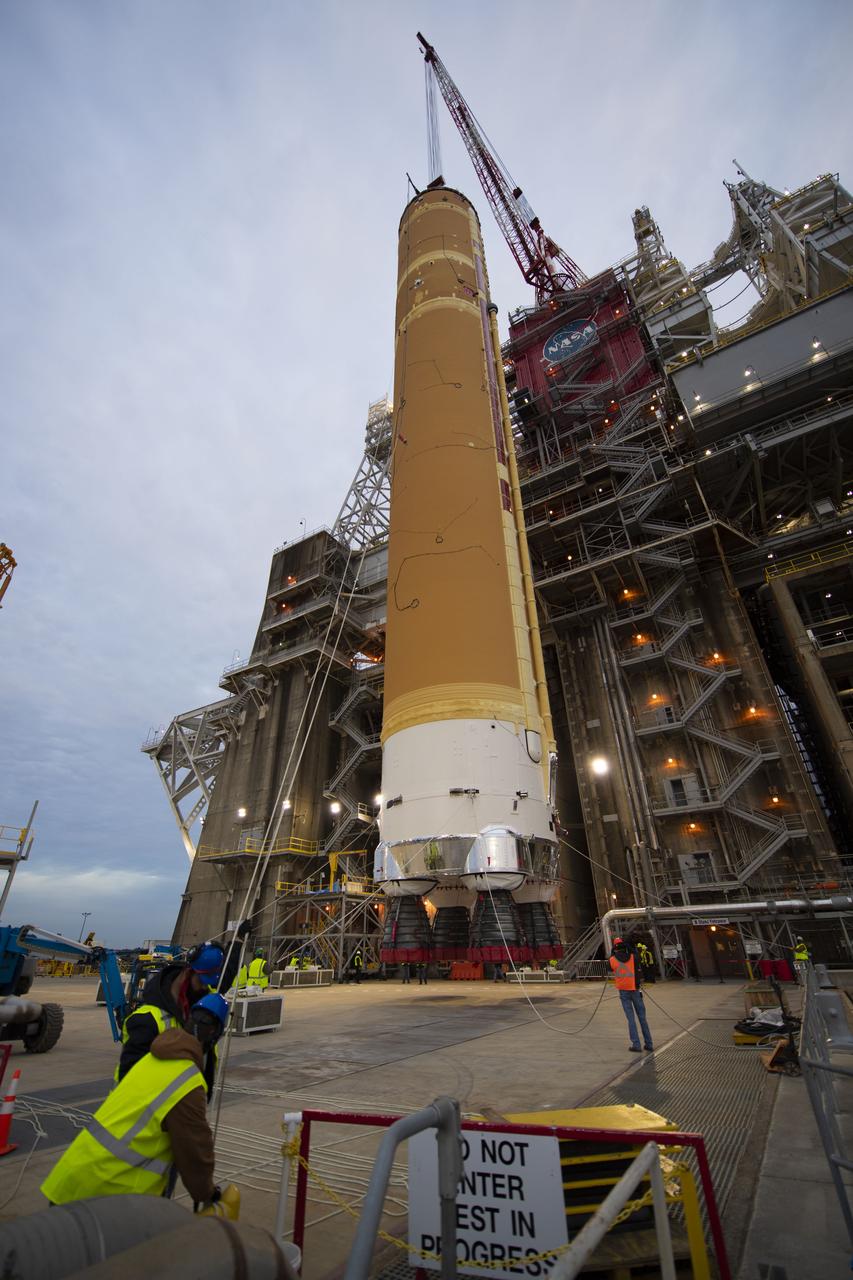
On Jan. 21-22, 2020, crews at Stennis Space Center lifted and installed the first core stage of NASA’s new Space Launch System (SLS) rocket onto the B-2 Test Stand. In upcoming months, a top-to-bottom, integrated series of Green Run tests will be conducted on the stage and its sophisticated systems. Following testing, the stage will be used to help launch the maiden Artemis I test mission of SLS and the Orion spacecraft. Through the Artemis program, NASA will send humans, including the first woman and next man, to the Moon to establish a sustainable presence.
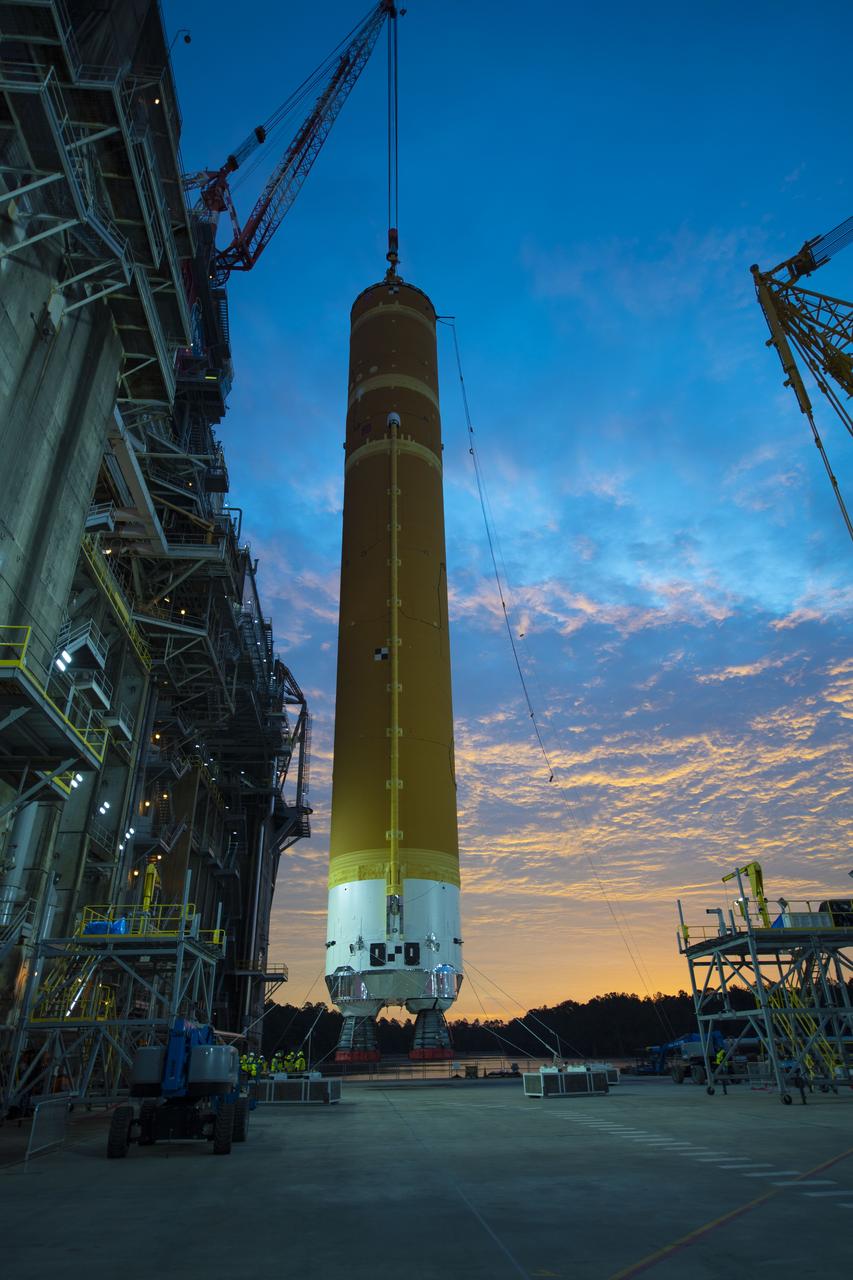
On Jan. 21-22, 2020, crews at Stennis Space Center lifted and installed the first core stage of NASA’s new Space Launch System (SLS) rocket onto the B-2 Test Stand. In upcoming months, a top-to-bottom, integrated series of Green Run tests will be conducted on the stage and its sophisticated systems. Following testing, the stage will be used to help launch the maiden Artemis I test mission of SLS and the Orion spacecraft. Through the Artemis program, NASA will send humans, including the first woman and next man, to the Moon to establish a sustainable presence.
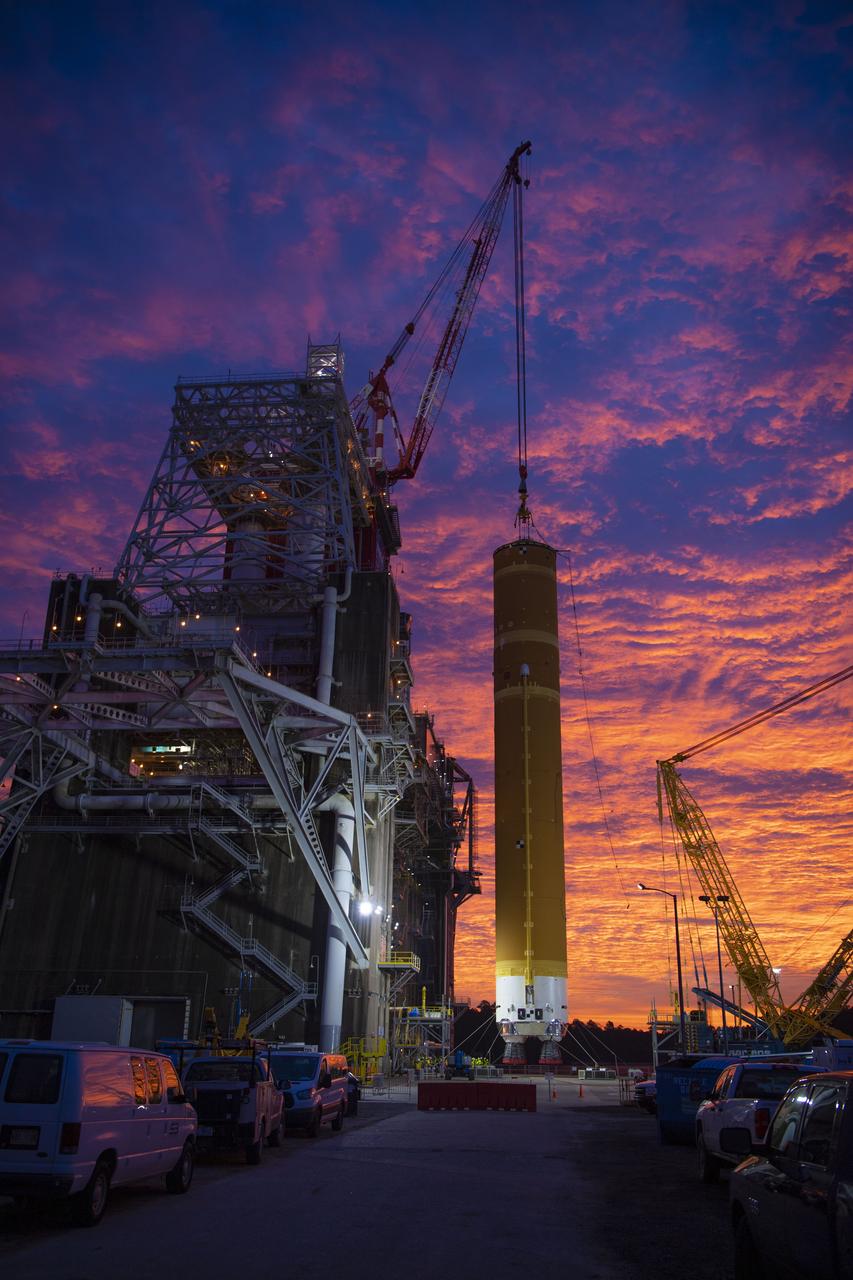
On Jan. 21-22, 2020, crews at Stennis Space Center lifted and installed the first core stage of NASA’s new Space Launch System (SLS) rocket onto the B-2 Test Stand. In upcoming months, a top-to-bottom, integrated series of Green Run tests will be conducted on the stage and its sophisticated systems. Following testing, the stage will be used to help launch the maiden Artemis I test mission of SLS and the Orion spacecraft. Through the Artemis program, NASA will send humans, including the first woman and next man, to the Moon to establish a sustainable presence.
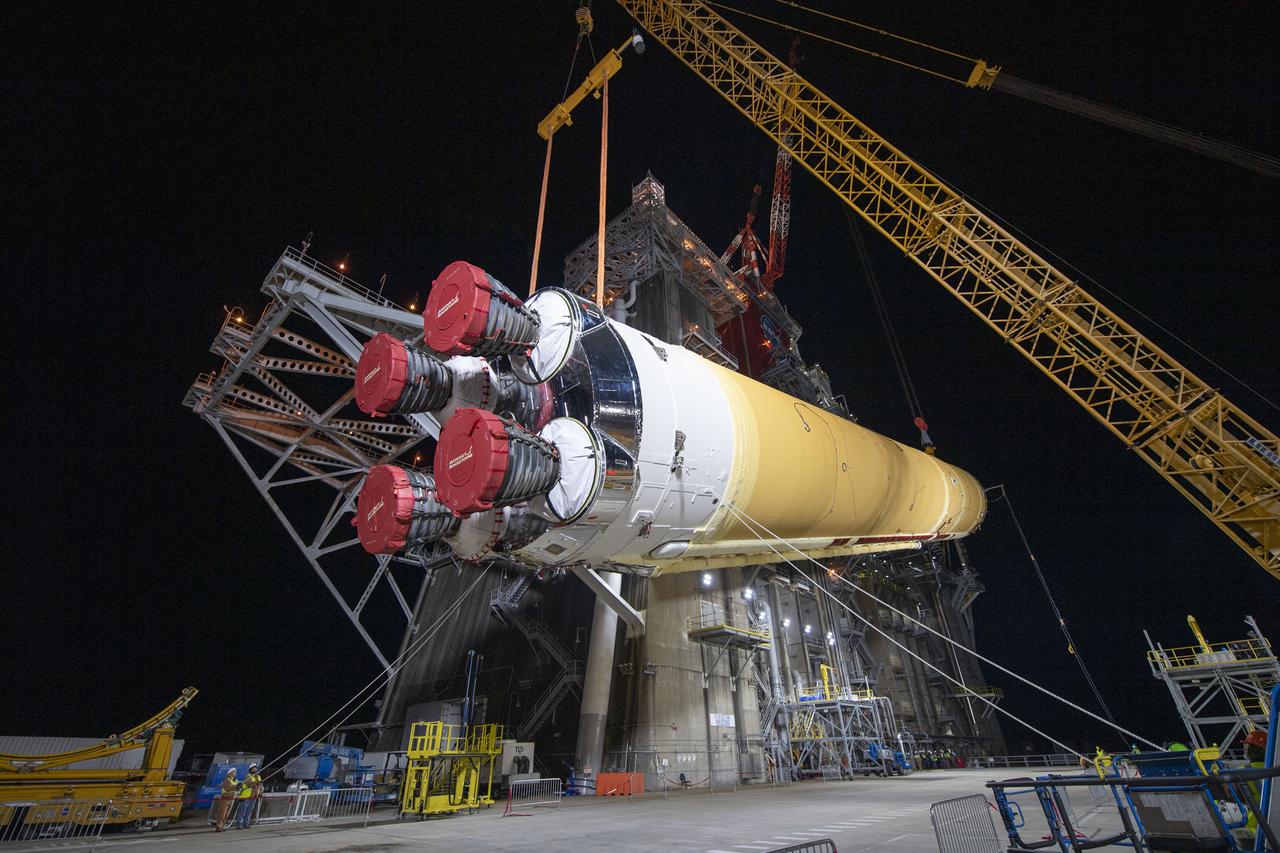
On Jan. 21-22, 2020, crews at Stennis Space Center lifted and installed the first core stage of NASA’s new Space Launch System (SLS) rocket onto the B-2 Test Stand. In upcoming months, a top-to-bottom, integrated series of Green Run tests will be conducted on the stage and its sophisticated systems. Following testing, the stage will be used to help launch the maiden Artemis I test mission of SLS and the Orion spacecraft. Through the Artemis program, NASA will send humans, including the first woman and next man, to the Moon to establish a sustainable presence.
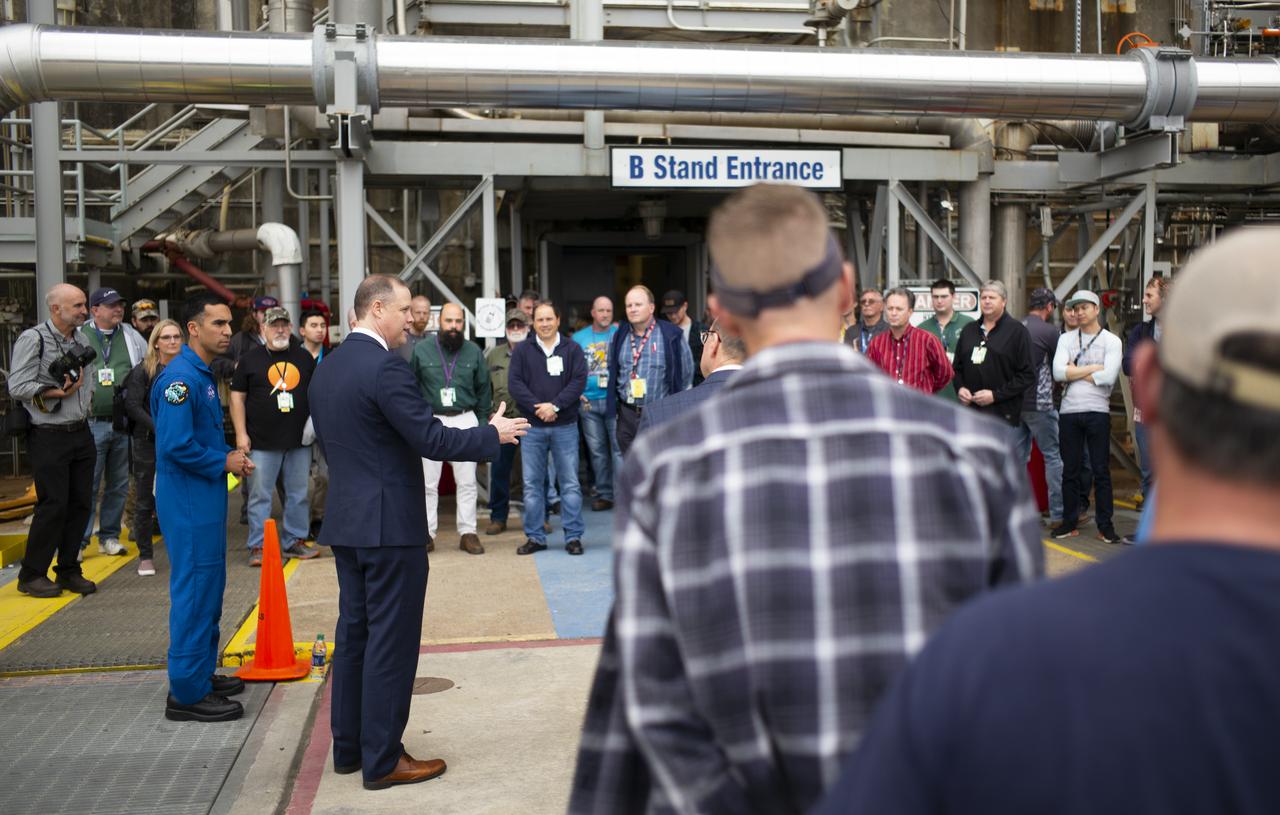
NASA Administrator Jim Bridenstine and NASA astronaut Raja Chari speak with workers involved modal testing of the first core stage of the agency’s Space Launch System (SLS) rocket at the B-2 Test Stand,x3 Monday, Feb. 10, 2020, at NASA’s Stennis Space Center near Bay St. Louis, Mississippi. Over the coming months, the first core stage of NASA’s Space Launch System (SLS) rocket will be undergoing a series of integrated Green Run tests prior to its maiden flight. Photo Credit: (NASA/Joel Kowsky)
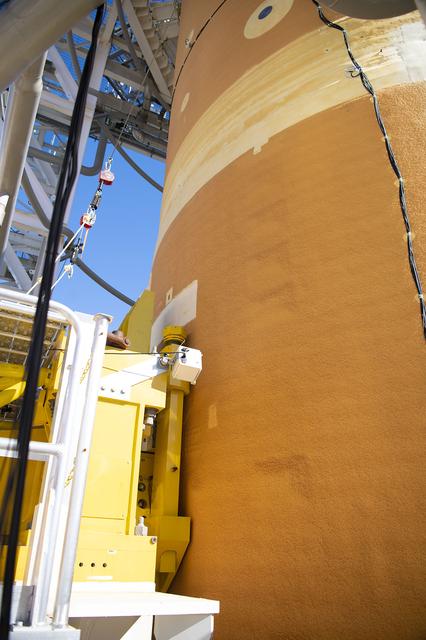
On Jan. 21-22, 2020, crews at Stennis Space Center lifted and installed the first core stage of NASA’s new Space Launch System (SLS) rocket onto the B-2 Test Stand. In upcoming months, a top-to-bottom, integrated series of Green Run tests will be conducted on the stage and its sophisticated systems. Following testing, the stage will be used to help launch the maiden Artemis I test mission of SLS and the Orion spacecraft. Through the Artemis program, NASA will send humans, including the first woman and next man, to the Moon to establish a sustainable presence.
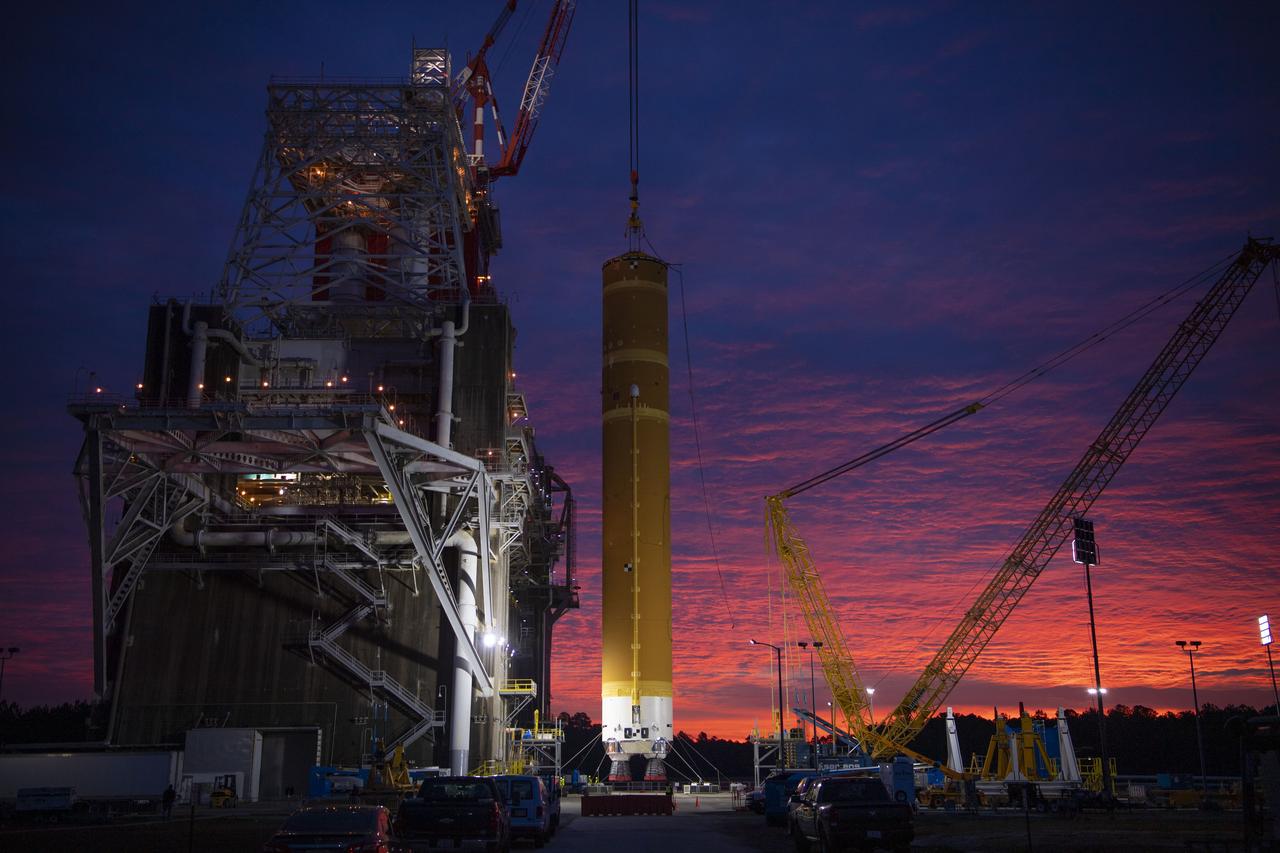
On Jan. 21-22, 2020, crews at Stennis Space Center lifted and installed the first core stage of NASA’s new Space Launch System (SLS) rocket onto the B-2 Test Stand. In upcoming months, a top-to-bottom, integrated series of Green Run tests will be conducted on the stage and its sophisticated systems. Following testing, the stage will be used to help launch the maiden Artemis I test mission of SLS and the Orion spacecraft. Through the Artemis program, NASA will send humans, including the first woman and next man, to the Moon to establish a sustainable presence.
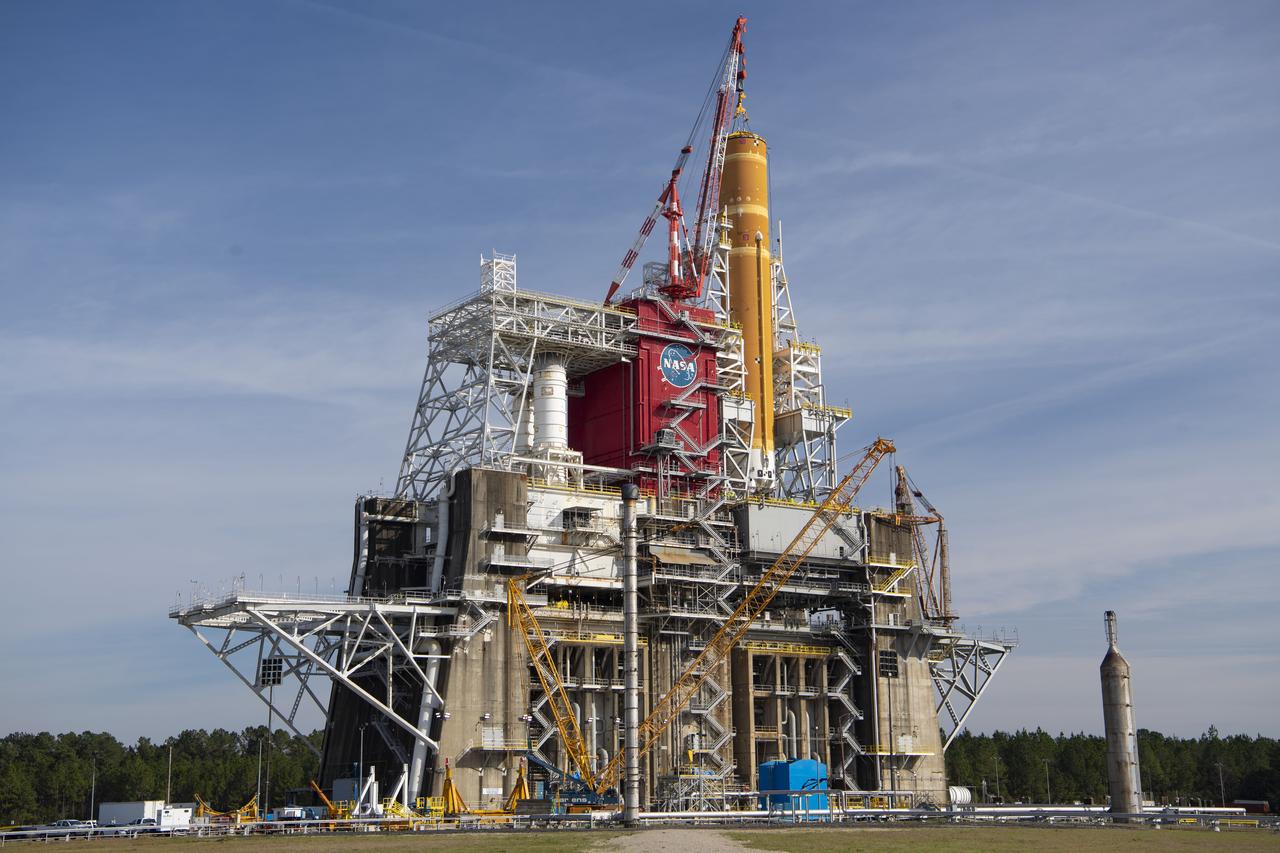
On Jan. 21-22, 2020, crews at Stennis Space Center lifted and installed the first core stage of NASA’s new Space Launch System (SLS) rocket onto the B-2 Test Stand. In upcoming months, a top-to-bottom, integrated series of Green Run tests will be conducted on the stage and its sophisticated systems. Following testing, the stage will be used to help launch the maiden Artemis I test mission of SLS and the Orion spacecraft. Through the Artemis program, NASA will send humans, including the first woman and next man, to the Moon to establish a sustainable presence.
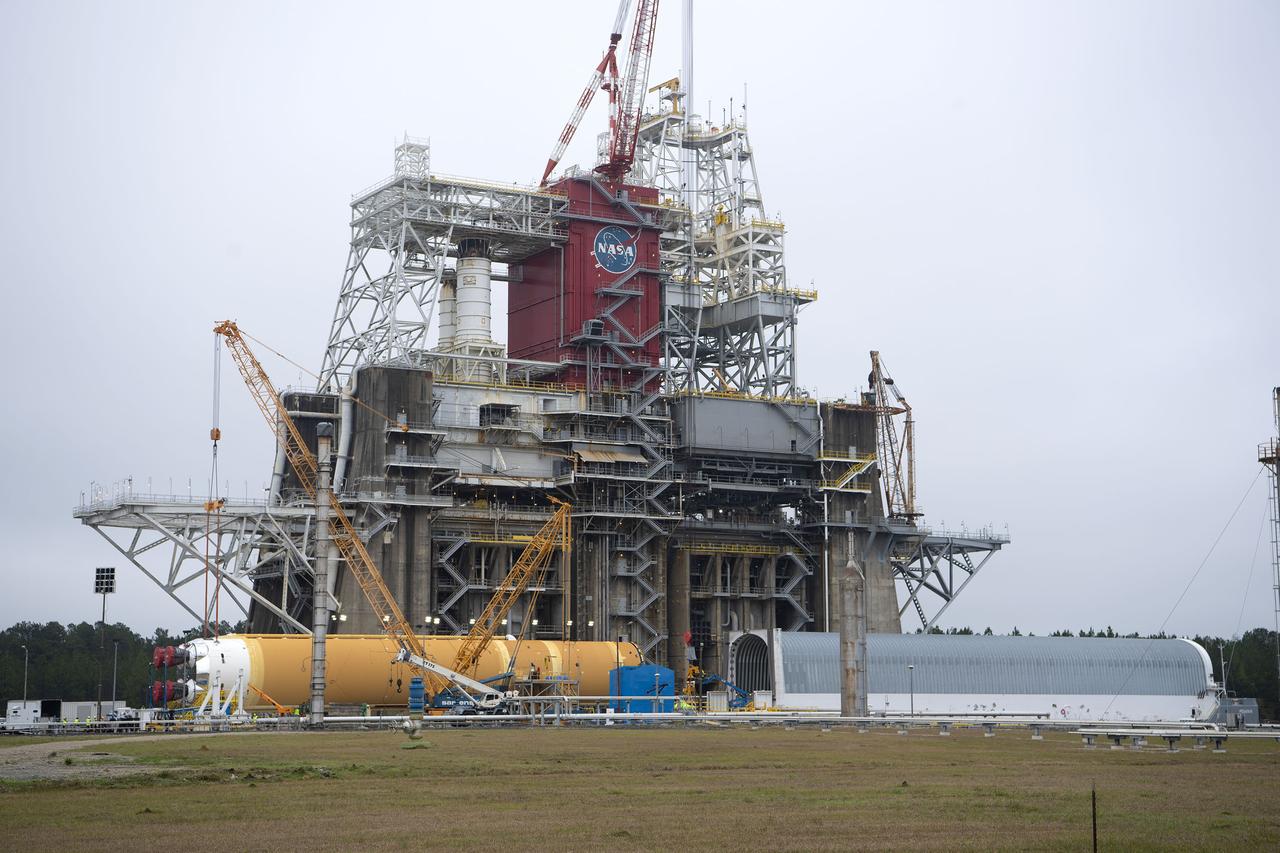
On Jan. 21-22, 2020, crews at Stennis Space Center lifted and installed the first core stage of NASA’s new Space Launch System (SLS) rocket onto the B-2 Test Stand. In upcoming months, a top-to-bottom, integrated series of Green Run tests will be conducted on the stage and its sophisticated systems. Following testing, the stage will be used to help launch the maiden Artemis I test mission of SLS and the Orion spacecraft. Through the Artemis program, NASA will send humans, including the first woman and next man, to the Moon to establish a sustainable presence.
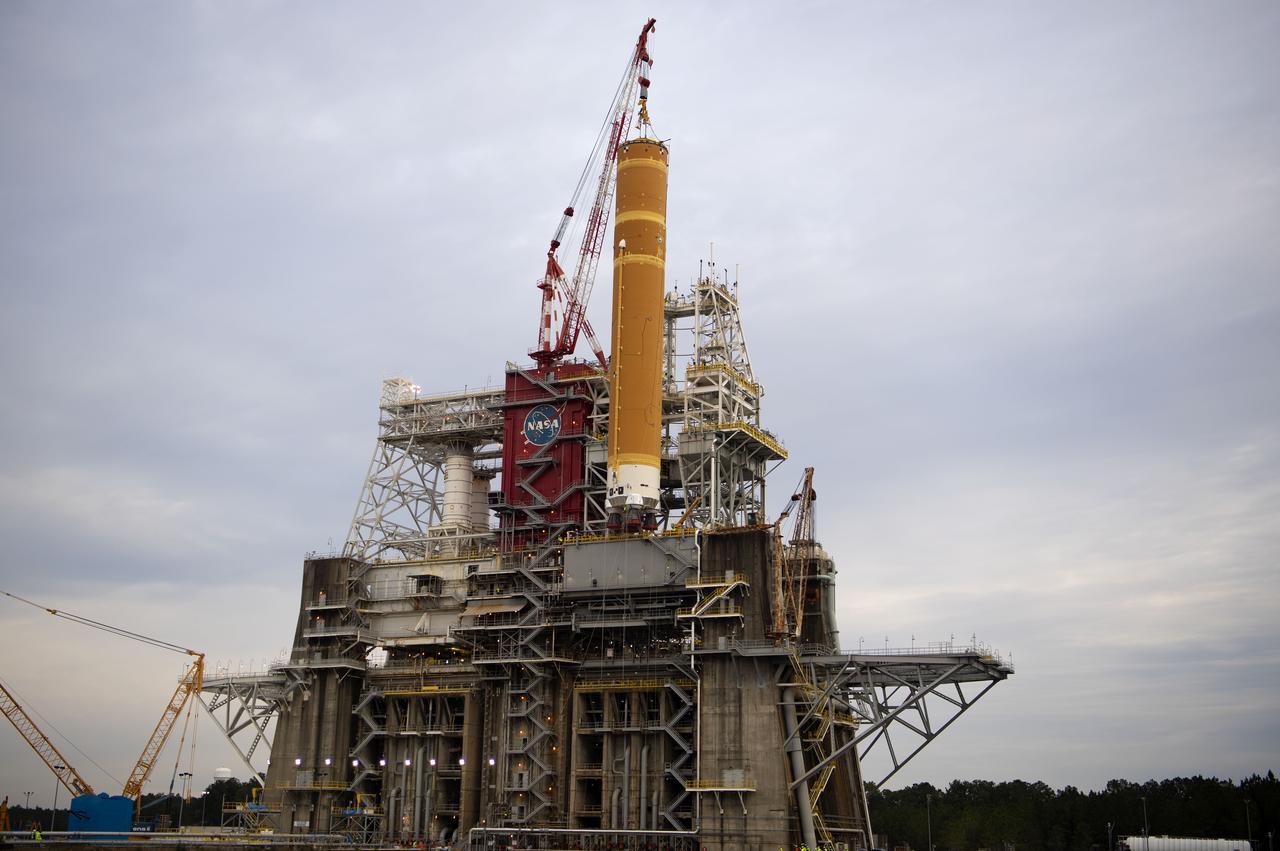
On Jan. 21-22, 2020, crews at Stennis Space Center lifted and installed the first core stage of NASA’s new Space Launch System (SLS) rocket onto the B-2 Test Stand. In upcoming months, a top-to-bottom, integrated series of Green Run tests will be conducted on the stage and its sophisticated systems. Following testing, the stage will be used to help launch the maiden Artemis I test mission of SLS and the Orion spacecraft. Through the Artemis program, NASA will send humans, including the first woman and next man, to the Moon to establish a sustainable presence.
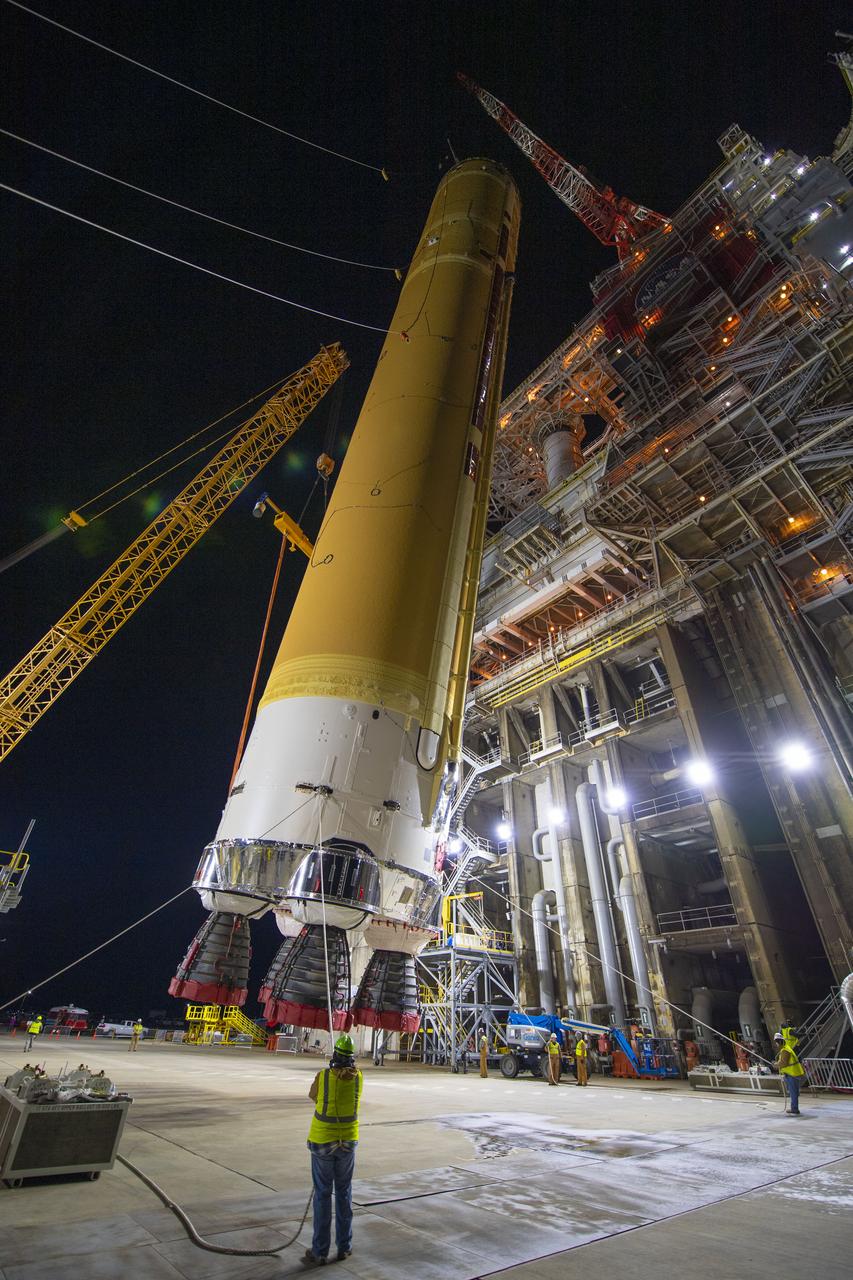
On Jan. 21-22, 2020, crews at Stennis Space Center lifted and installed the first core stage of NASA’s new Space Launch System (SLS) rocket onto the B-2 Test Stand. In upcoming months, a top-to-bottom, integrated series of Green Run tests will be conducted on the stage and its sophisticated systems. Following testing, the stage will be used to help launch the maiden Artemis I test mission of SLS and the Orion spacecraft. Through the Artemis program, NASA will send humans, including the first woman and next man, to the Moon to establish a sustainable presence.
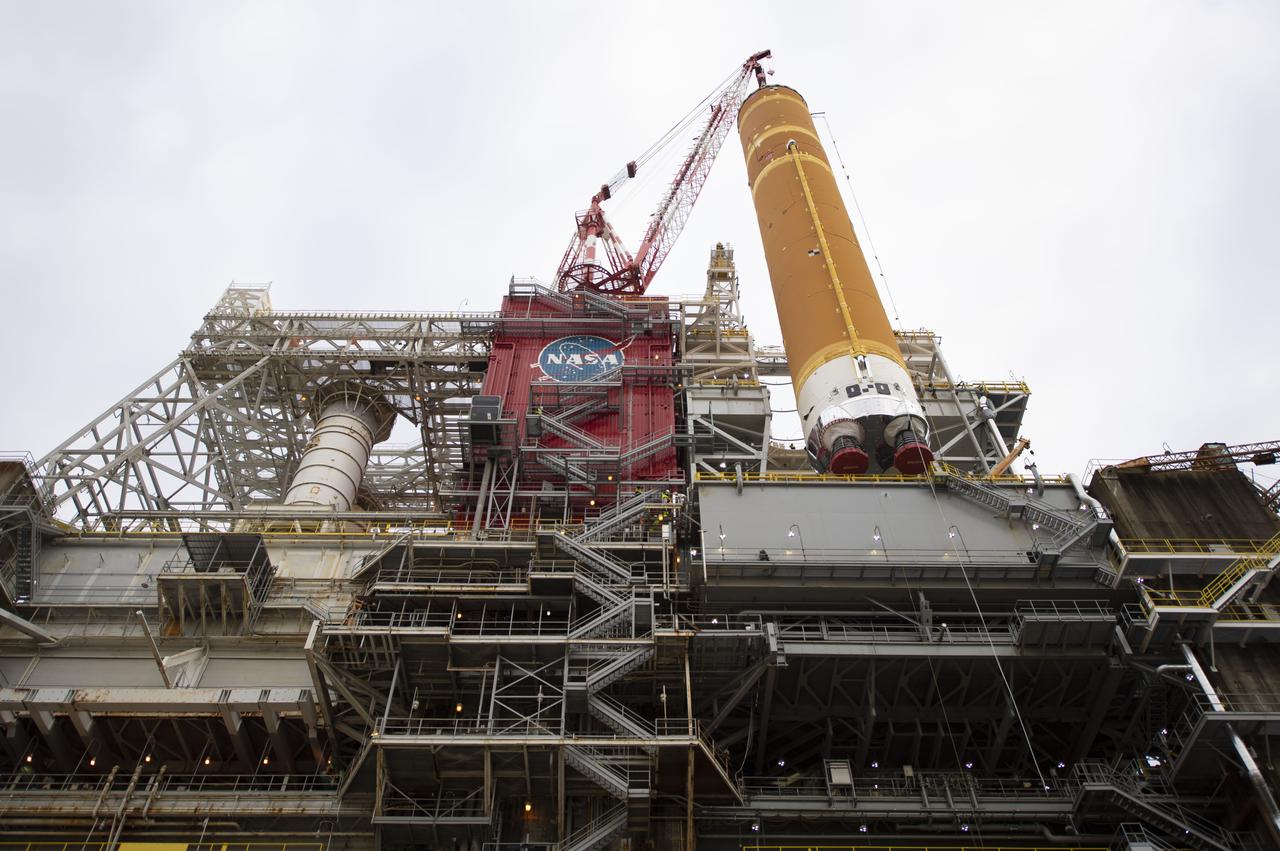
On Jan. 21-22, 2020, crews at Stennis Space Center lifted and installed the first core stage of NASA’s new Space Launch System (SLS) rocket onto the B-2 Test Stand. In upcoming months, a top-to-bottom, integrated series of Green Run tests will be conducted on the stage and its sophisticated systems. Following testing, the stage will be used to help launch the maiden Artemis I test mission of SLS and the Orion spacecraft. Through the Artemis program, NASA will send humans, including the first woman and next man, to the Moon to establish a sustainable presence.
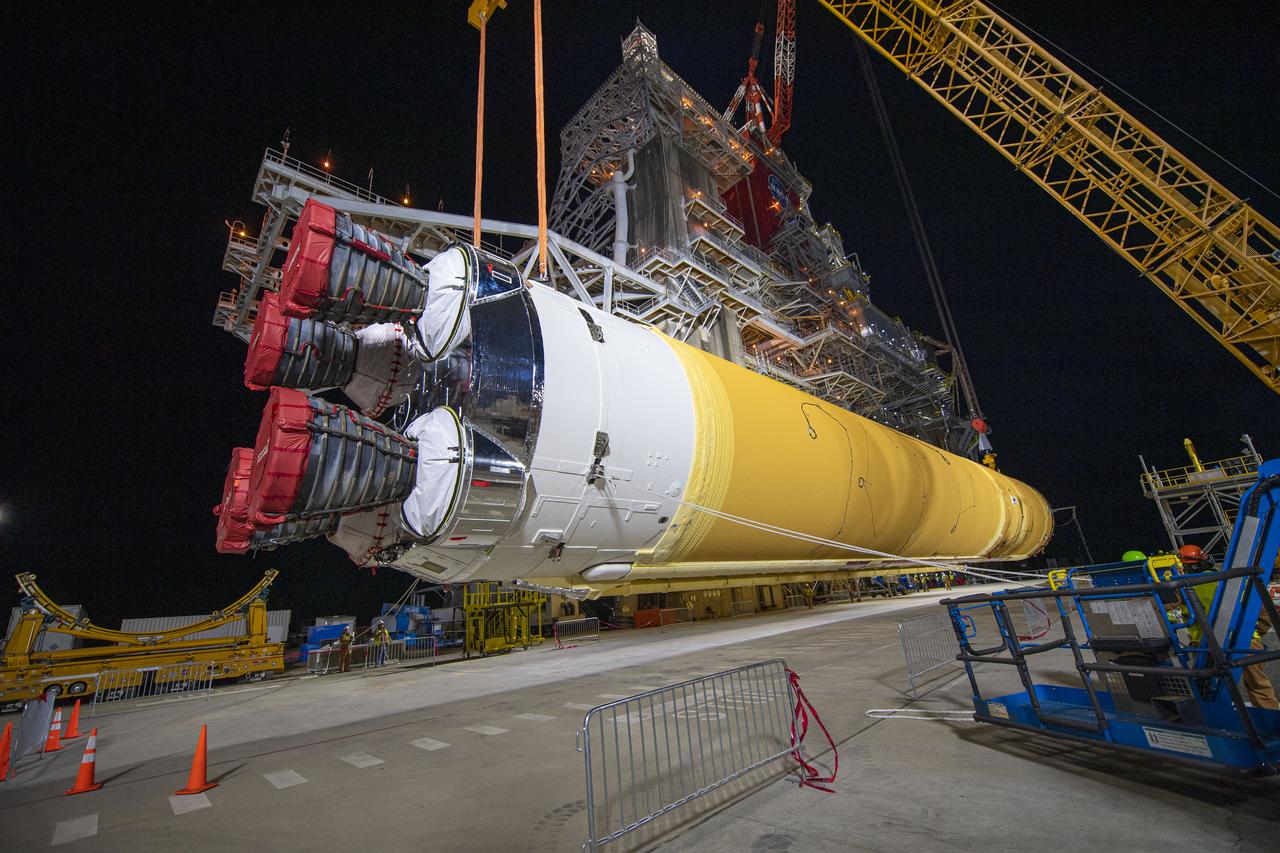
On Jan. 21-22, 2020, crews at Stennis Space Center lifted and installed the first core stage of NASA’s new Space Launch System (SLS) rocket onto the B-2 Test Stand. In upcoming months, a top-to-bottom, integrated series of Green Run tests will be conducted on the stage and its sophisticated systems. Following testing, the stage will be used to help launch the maiden Artemis I test mission of SLS and the Orion spacecraft. Through the Artemis program, NASA will send humans, including the first woman and next man, to the Moon to establish a sustainable presence.
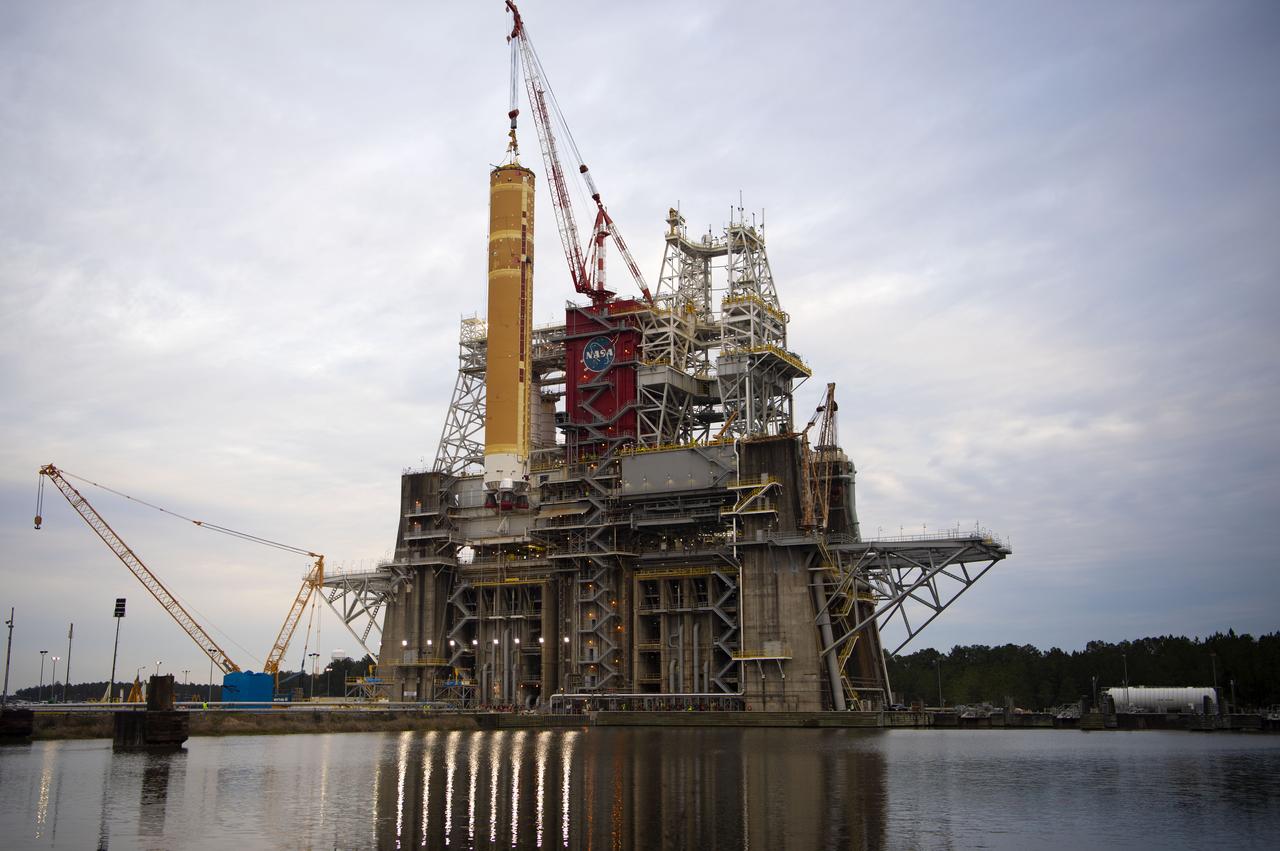
On Jan. 21-22, 2020, crews at Stennis Space Center lifted and installed the first core stage of NASA’s new Space Launch System (SLS) rocket onto the B-2 Test Stand. In upcoming months, a top-to-bottom, integrated series of Green Run tests will be conducted on the stage and its sophisticated systems. Following testing, the stage will be used to help launch the maiden Artemis I test mission of SLS and the Orion spacecraft. Through the Artemis program, NASA will send humans, including the first woman and next man, to the Moon to establish a sustainable presence.
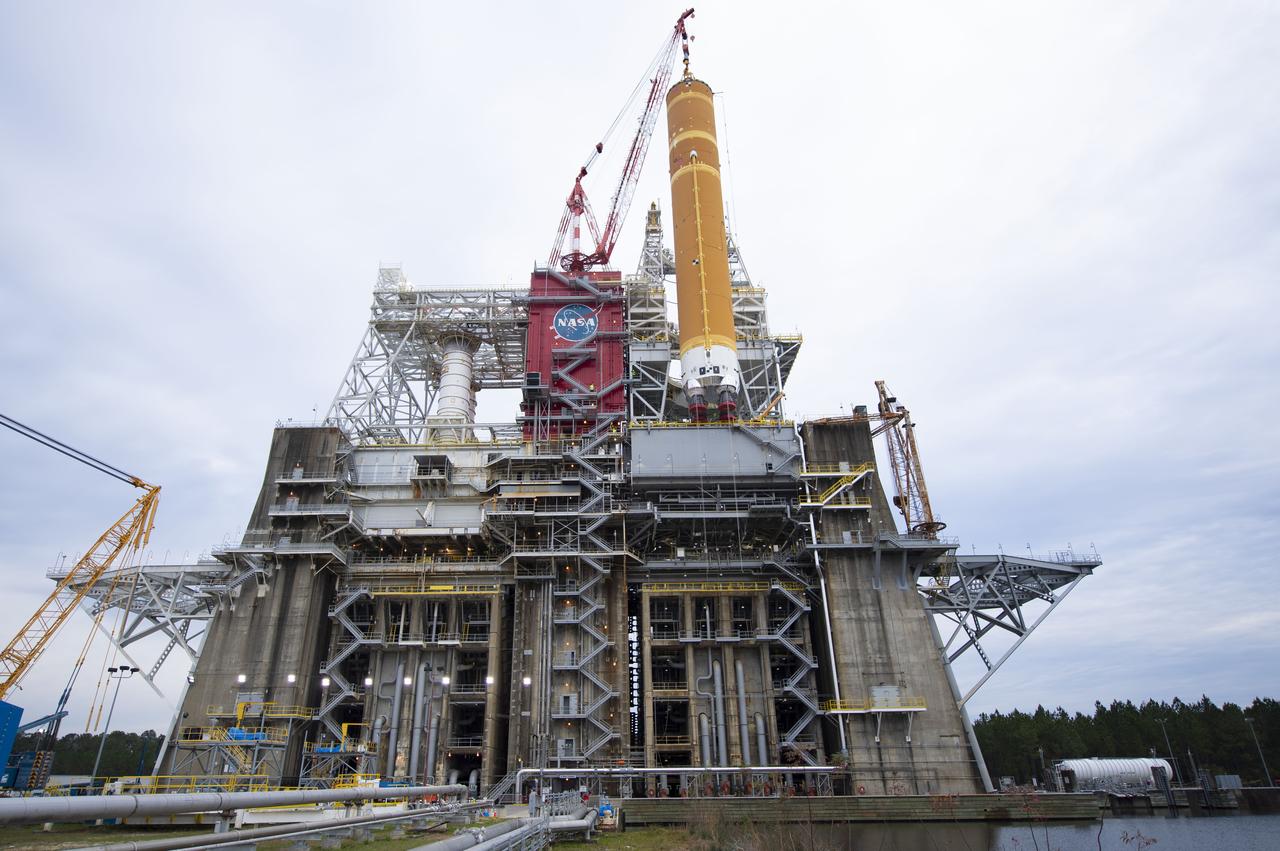
On Jan. 21-22, 2020, crews at Stennis Space Center lifted and installed the first core stage of NASA’s new Space Launch System (SLS) rocket onto the B-2 Test Stand. In upcoming months, a top-to-bottom, integrated series of Green Run tests will be conducted on the stage and its sophisticated systems. Following testing, the stage will be used to help launch the maiden Artemis I test mission of SLS and the Orion spacecraft. Through the Artemis program, NASA will send humans, including the first woman and next man, to the Moon to establish a sustainable presence.
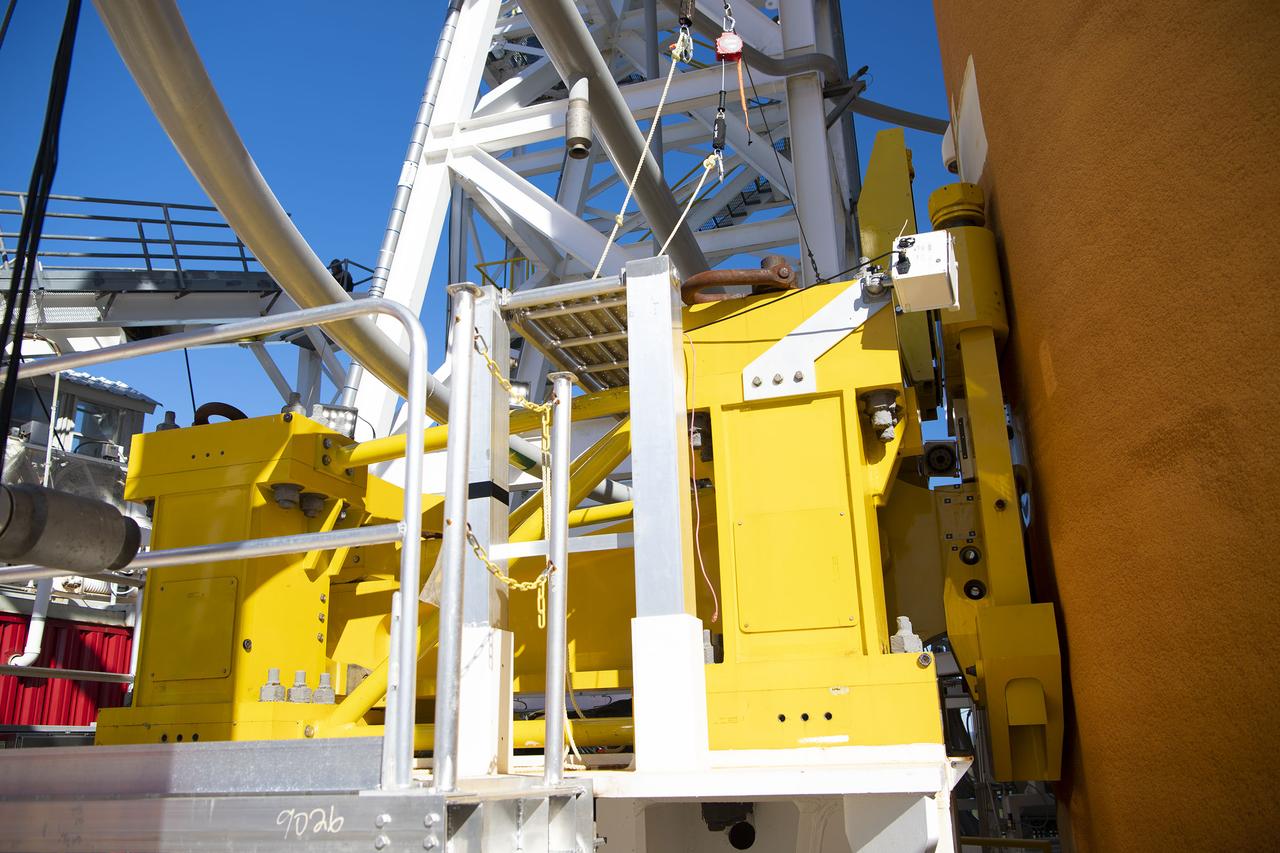
On Jan. 21-22, 2020, crews at Stennis Space Center lifted and installed the first core stage of NASA’s new Space Launch System (SLS) rocket onto the B-2 Test Stand. In upcoming months, a top-to-bottom, integrated series of Green Run tests will be conducted on the stage and its sophisticated systems. Following testing, the stage will be used to help launch the maiden Artemis I test mission of SLS and the Orion spacecraft. Through the Artemis program, NASA will send humans, including the first woman and next man, to the Moon to establish a sustainable presence.

On Jan. 21-22, 2020, crews at Stennis Space Center lifted and installed the first core stage of NASA’s new Space Launch System (SLS) rocket onto the B-2 Test Stand. In upcoming months, a top-to-bottom, integrated series of Green Run tests will be conducted on the stage and its sophisticated systems. Following testing, the stage will be used to help launch the maiden Artemis I test mission of SLS and the Orion spacecraft. Through the Artemis program, NASA will send humans, including the first woman and next man, to the Moon to establish a sustainable presence.
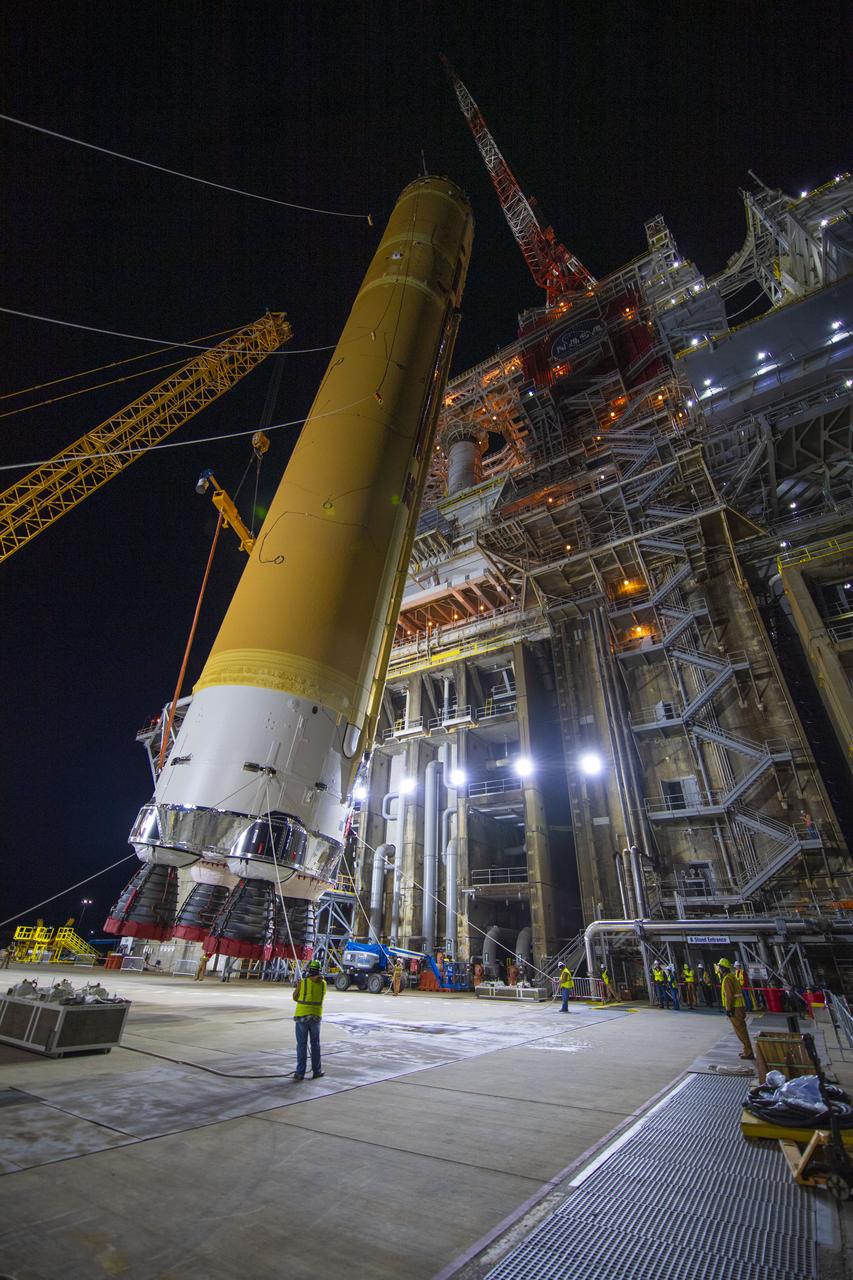
On Jan. 21-22, 2020, crews at Stennis Space Center lifted and installed the first core stage of NASA’s new Space Launch System (SLS) rocket onto the B-2 Test Stand. In upcoming months, a top-to-bottom, integrated series of Green Run tests will be conducted on the stage and its sophisticated systems. Following testing, the stage will be used to help launch the maiden Artemis I test mission of SLS and the Orion spacecraft. Through the Artemis program, NASA will send humans, including the first woman and next man, to the Moon to establish a sustainable presence.
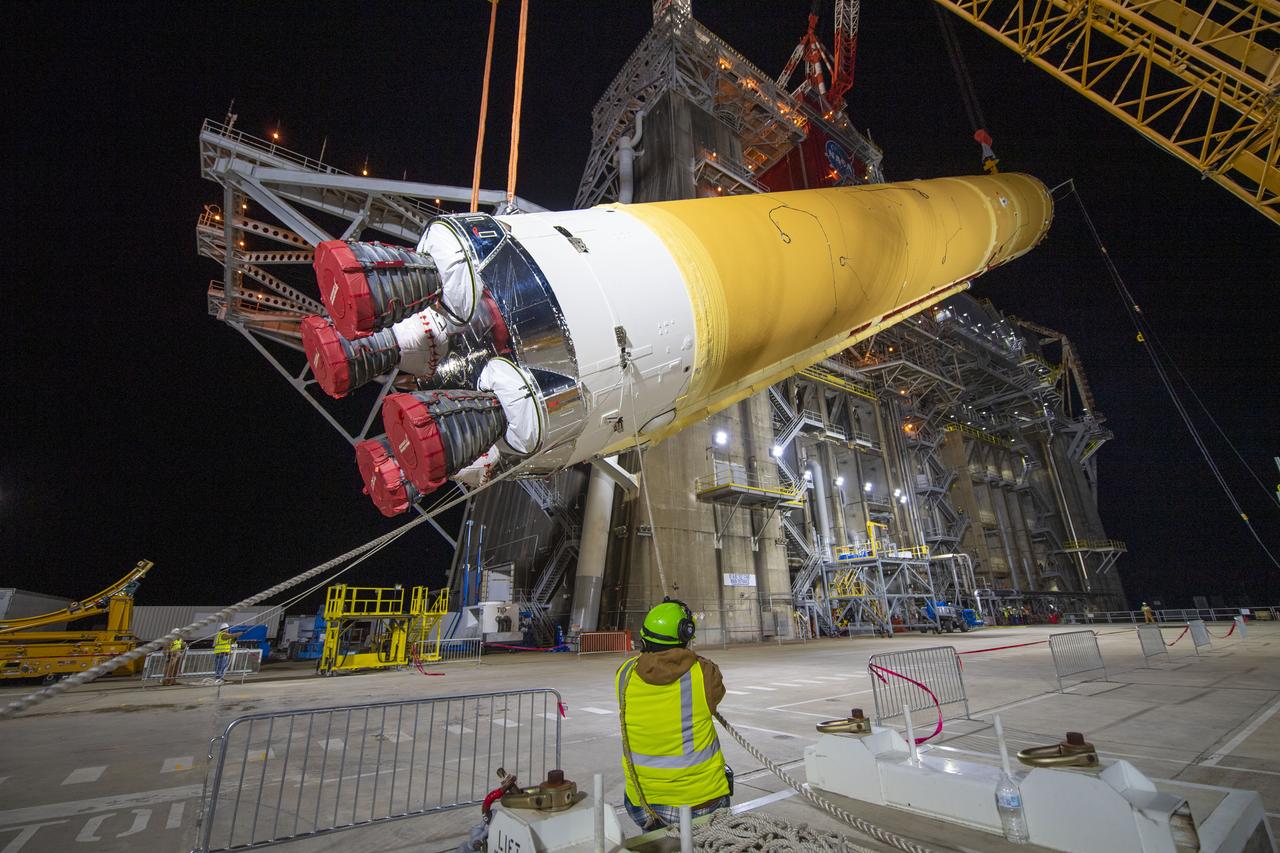
On Jan. 21-22, 2020, crews at Stennis Space Center lifted and installed the first core stage of NASA’s new Space Launch System (SLS) rocket onto the B-2 Test Stand. In upcoming months, a top-to-bottom, integrated series of Green Run tests will be conducted on the stage and its sophisticated systems. Following testing, the stage will be used to help launch the maiden Artemis I test mission of SLS and the Orion spacecraft. Through the Artemis program, NASA will send humans, including the first woman and next man, to the Moon to establish a sustainable presence.
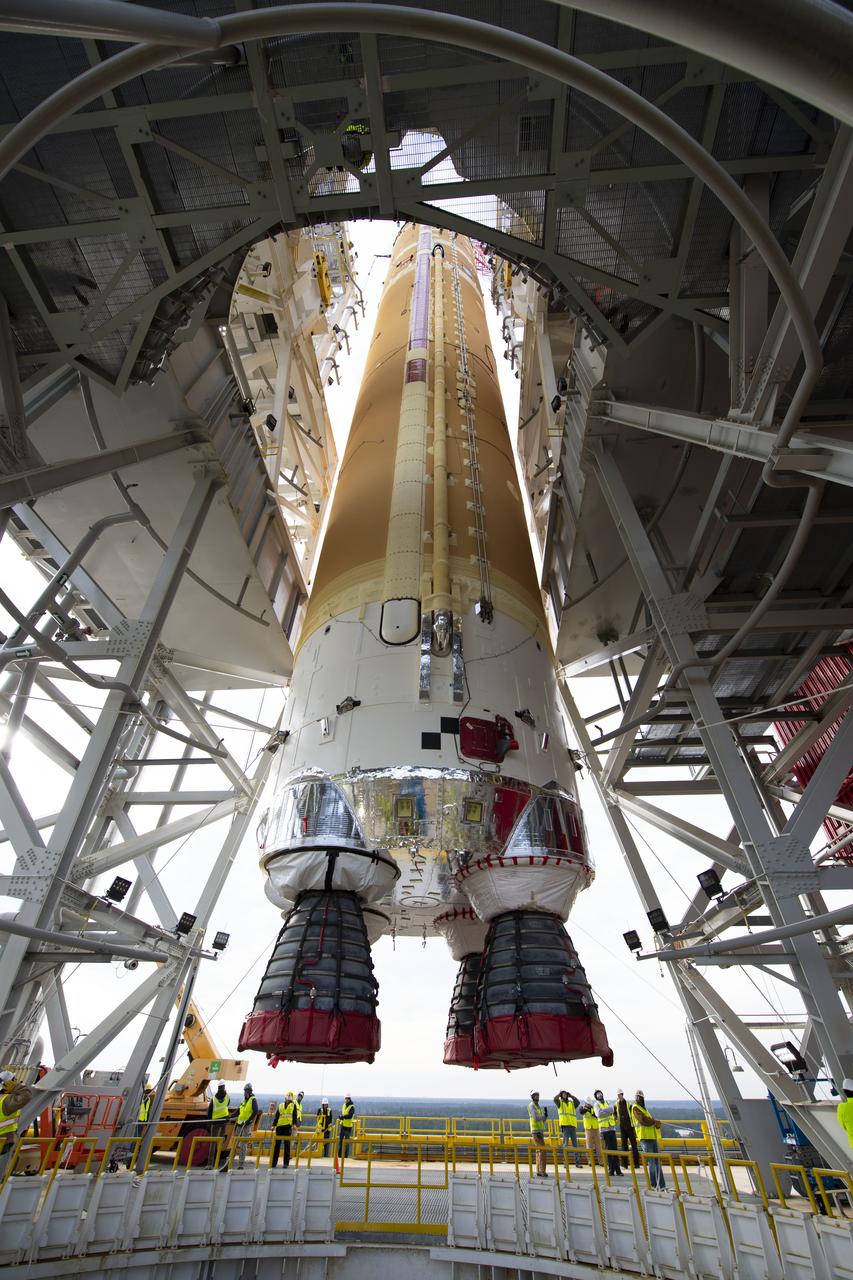
On Jan. 21-22, 2020, crews at Stennis Space Center lifted and installed the first core stage of NASA’s new Space Launch System (SLS) rocket onto the B-2 Test Stand. In upcoming months, a top-to-bottom, integrated series of Green Run tests will be conducted on the stage and its sophisticated systems. Following testing, the stage will be used to help launch the maiden Artemis I test mission of SLS and the Orion spacecraft. Through the Artemis program, NASA will send humans, including the first woman and next man, to the Moon to establish a sustainable presence.
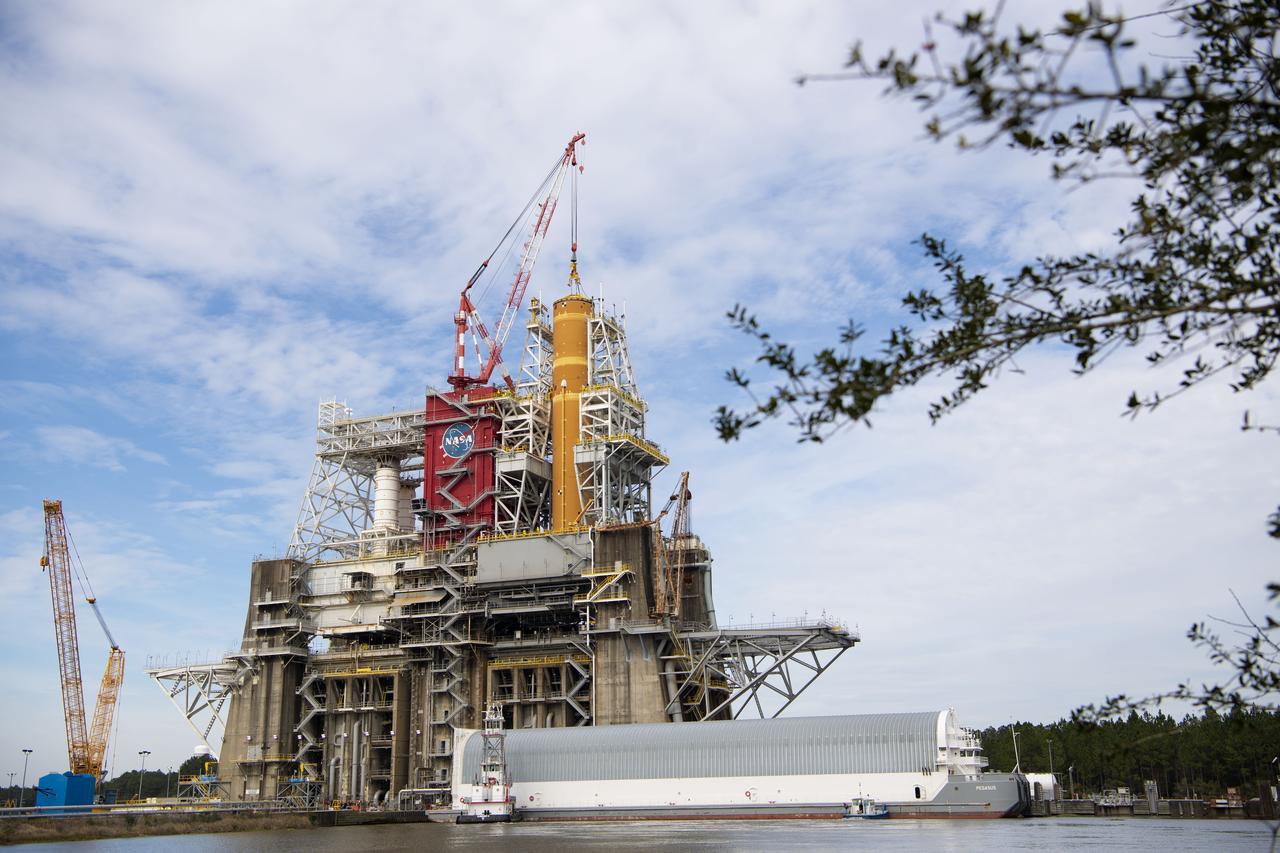
On Jan. 21-22, 2020, crews at Stennis Space Center lifted and installed the first core stage of NASA’s new Space Launch System (SLS) rocket onto the B-2 Test Stand. In upcoming months, a top-to-bottom, integrated series of Green Run tests will be conducted on the stage and its sophisticated systems. Following testing, the stage will be used to help launch the maiden Artemis I test mission of SLS and the Orion spacecraft. Through the Artemis program, NASA will send humans, including the first woman and next man, to the Moon to establish a sustainable presence.
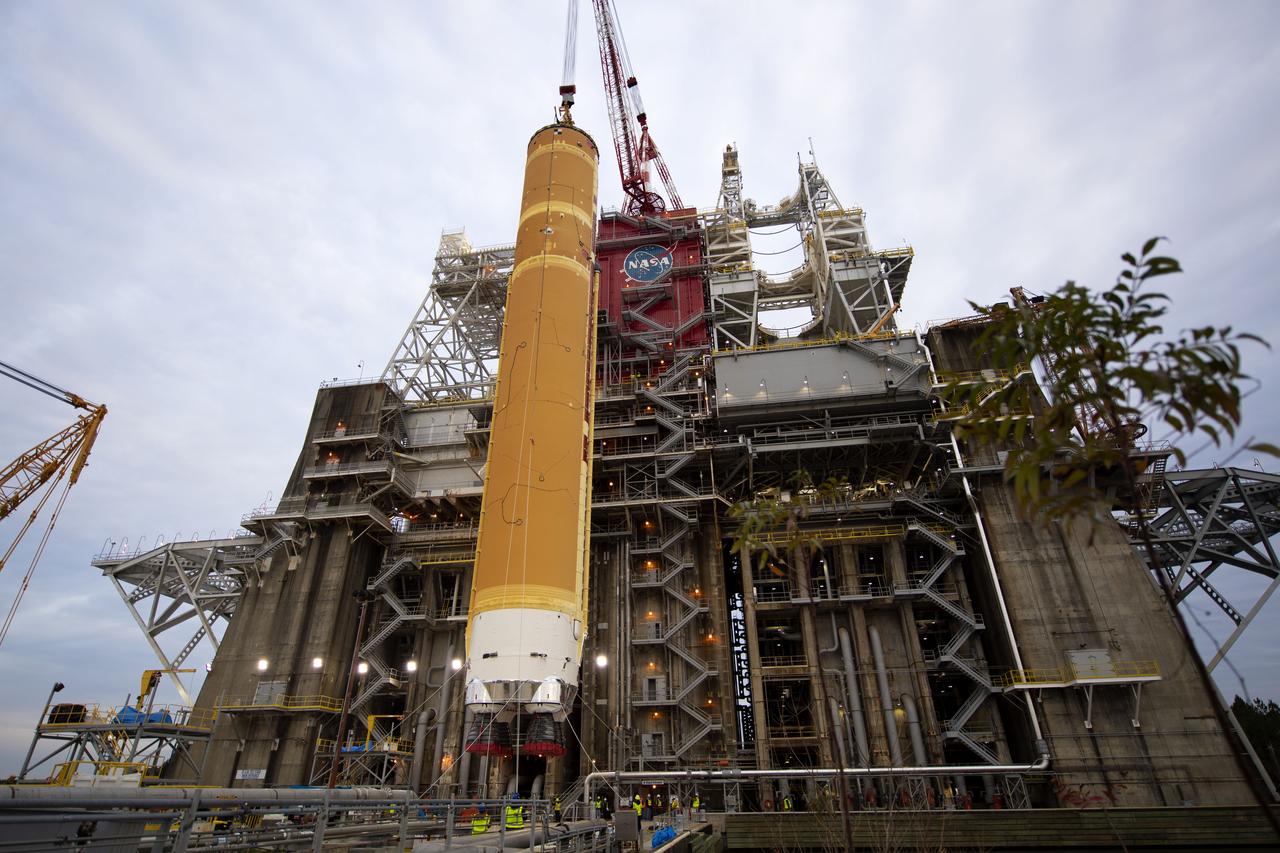
On Jan. 21-22, 2020, crews at Stennis Space Center lifted and installed the first core stage of NASA’s new Space Launch System (SLS) rocket onto the B-2 Test Stand. In upcoming months, a top-to-bottom, integrated series of Green Run tests will be conducted on the stage and its sophisticated systems. Following testing, the stage will be used to help launch the maiden Artemis I test mission of SLS and the Orion spacecraft. Through the Artemis program, NASA will send humans, including the first woman and next man, to the Moon to establish a sustainable presence.
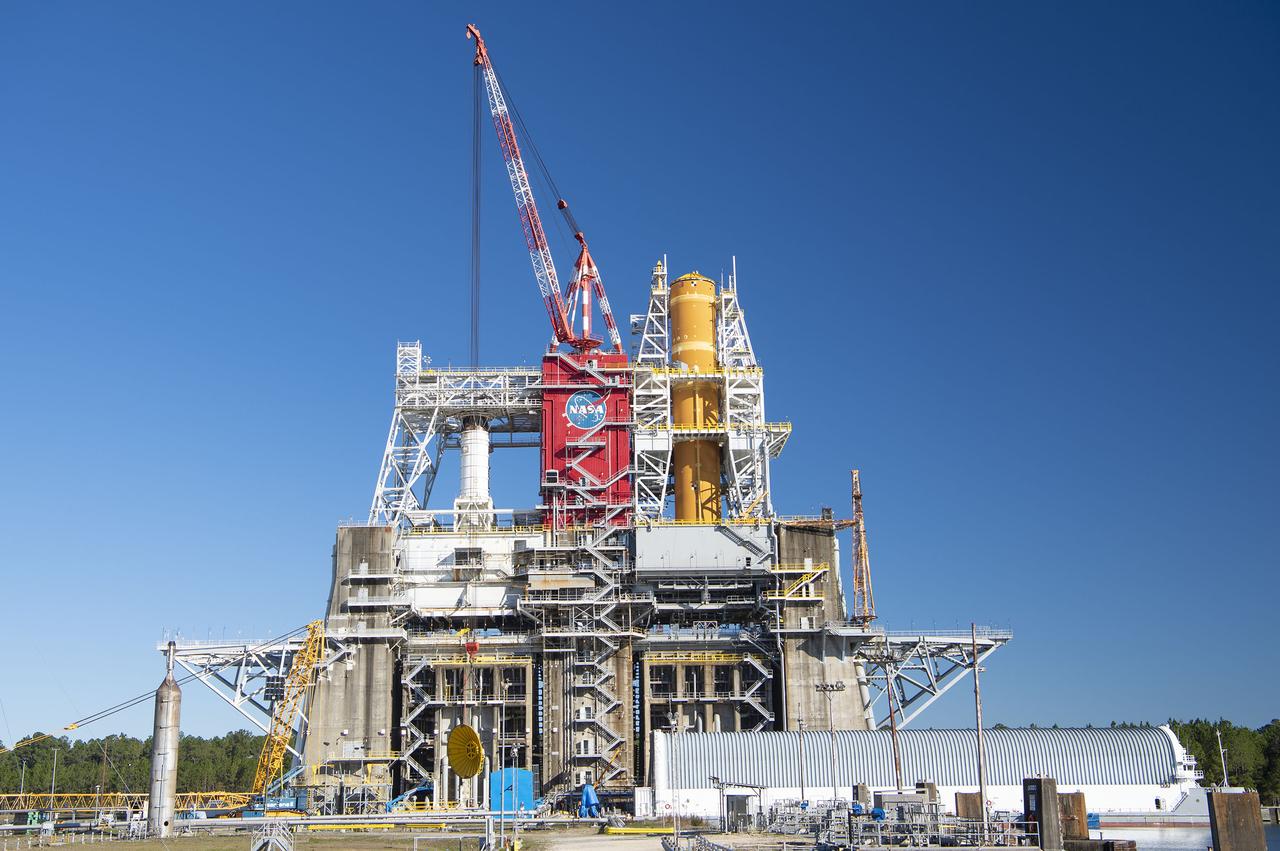
On Jan. 21-22, 2020, crews at Stennis Space Center lifted and installed the first core stage of NASA’s new Space Launch System (SLS) rocket onto the B-2 Test Stand. In upcoming months, a top-to-bottom, integrated series of Green Run tests will be conducted on the stage and its sophisticated systems. Following testing, the stage will be used to help launch the maiden Artemis I test mission of SLS and the Orion spacecraft. Through the Artemis program, NASA will send humans, including the first woman and next man, to the Moon to establish a sustainable presence.
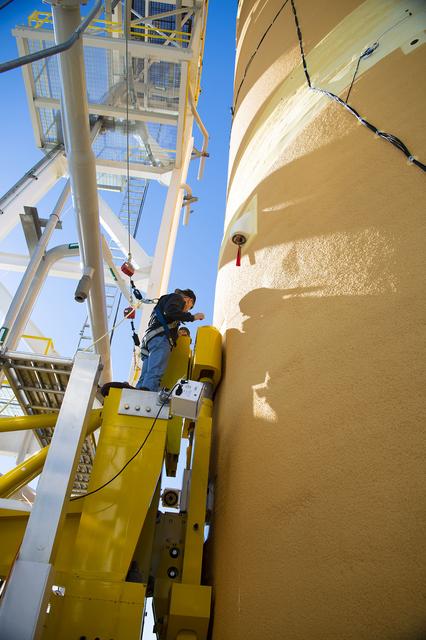
On Jan. 21-22, 2020, crews at Stennis Space Center lifted and installed the first core stage of NASA’s new Space Launch System (SLS) rocket onto the B-2 Test Stand. In upcoming months, a top-to-bottom, integrated series of Green Run tests will be conducted on the stage and its sophisticated systems. Following testing, the stage will be used to help launch the maiden Artemis I test mission of SLS and the Orion spacecraft. Through the Artemis program, NASA will send humans, including the first woman and next man, to the Moon to establish a sustainable presence.

On Jan. 21-22, 2020, crews at Stennis Space Center lifted and installed the first core stage of NASA’s new Space Launch System (SLS) rocket onto the B-2 Test Stand. In upcoming months, a top-to-bottom, integrated series of Green Run tests will be conducted on the stage and its sophisticated systems. Following testing, the stage will be used to help launch the maiden Artemis I test mission of SLS and the Orion spacecraft. Through the Artemis program, NASA will send humans, including the first woman and next man, to the Moon to establish a sustainable presence.
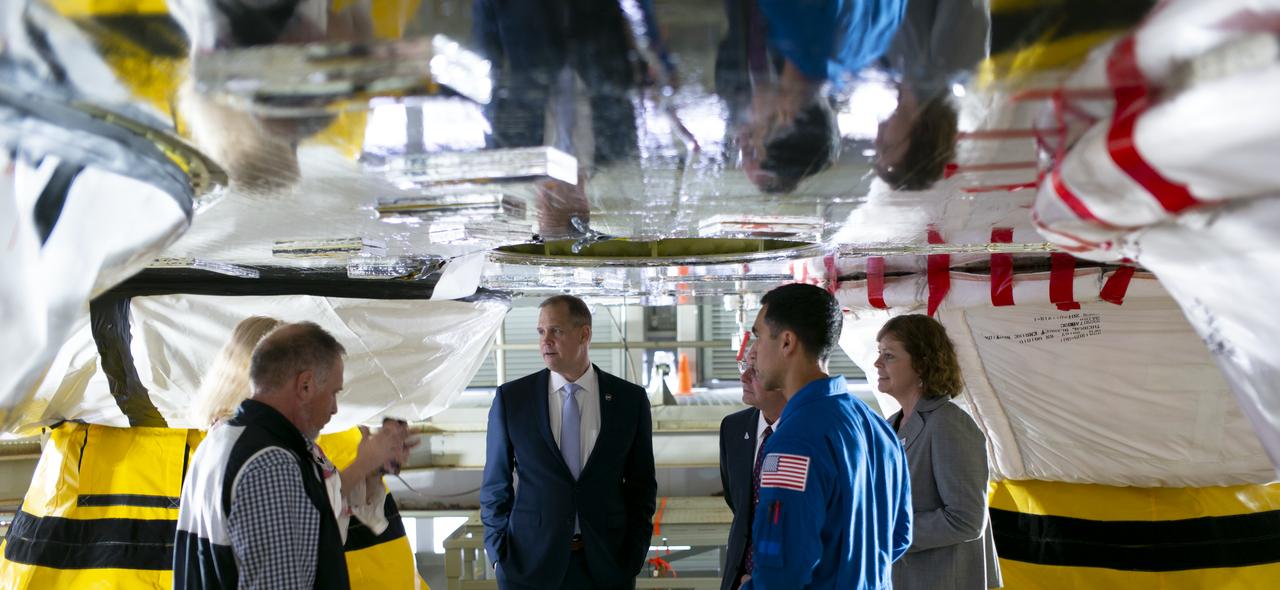
NASA Administrator Jim Bridenstine, center, is seen on a work platform between the four RS-25 engines of the first core stage of the agency’s Space Launch System (SLS) rocket along with Lisa Bates, SLS Deputy Stages Manager at NASA, Mark Nappi, Boeing Green Run Test Manager, Richard Gilbrech, Director of NASA's Stennis Space Center, Julie Bassler, SLS Stages Manager at NASA, and NASA astronaut Raja Chari, during a tour of the B-2 Test Stand, Monday, Feb. 10, 2020, at NASA’s Stennis Space Center near Bay St. Louis, Mississippi. Over the coming months, the first core stage of NASA’s SLS rocket will be undergoing a series of integrated Green Run tests prior to its maiden flight. Photo Credit: (NASA/Joel Kowsky)
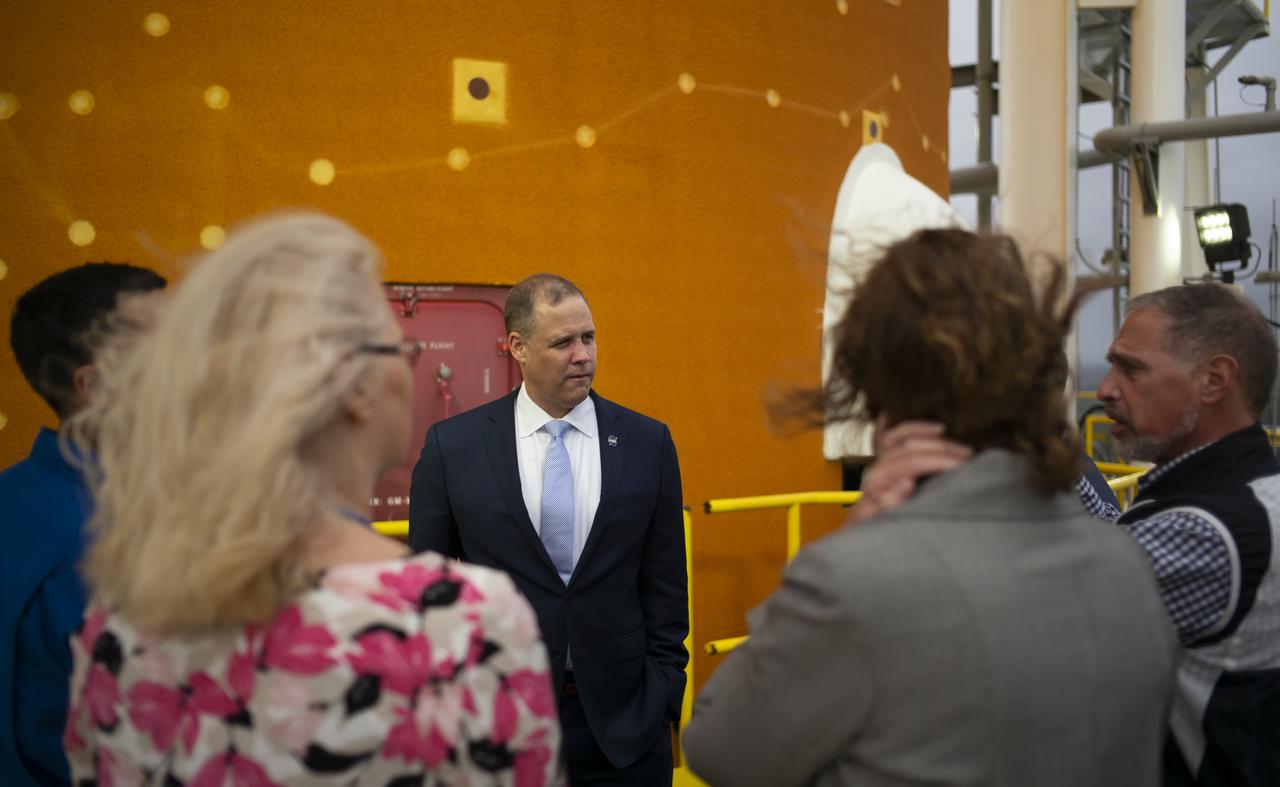
NASA Administrator Jim Bridenstine, center, is seen next to the first core stage of the agency’s Space Launch System (SLS) rocket along with Lisa Bates, SLS Deputy Stages Manager at NASA, Mark Nappi, Boeing Green Run Test Manager, Richard Gilbrech, Director of NASA's Stennis Space Center, Julie Bassler, SLS Stages Manager at NASA, and NASA astronaut Raja Chari, during a tour of the B-2 Test Stand, Monday, Feb. 10, 2020, at NASA’s Stennis Space Center near Bay St. Louis, Mississippi. Over the coming months, the first core stage of NASA’s SLS rocket will be undergoing a series of integrated Green Run tests prior to its maiden flight. Photo Credit: (NASA/Joel Kowsky)
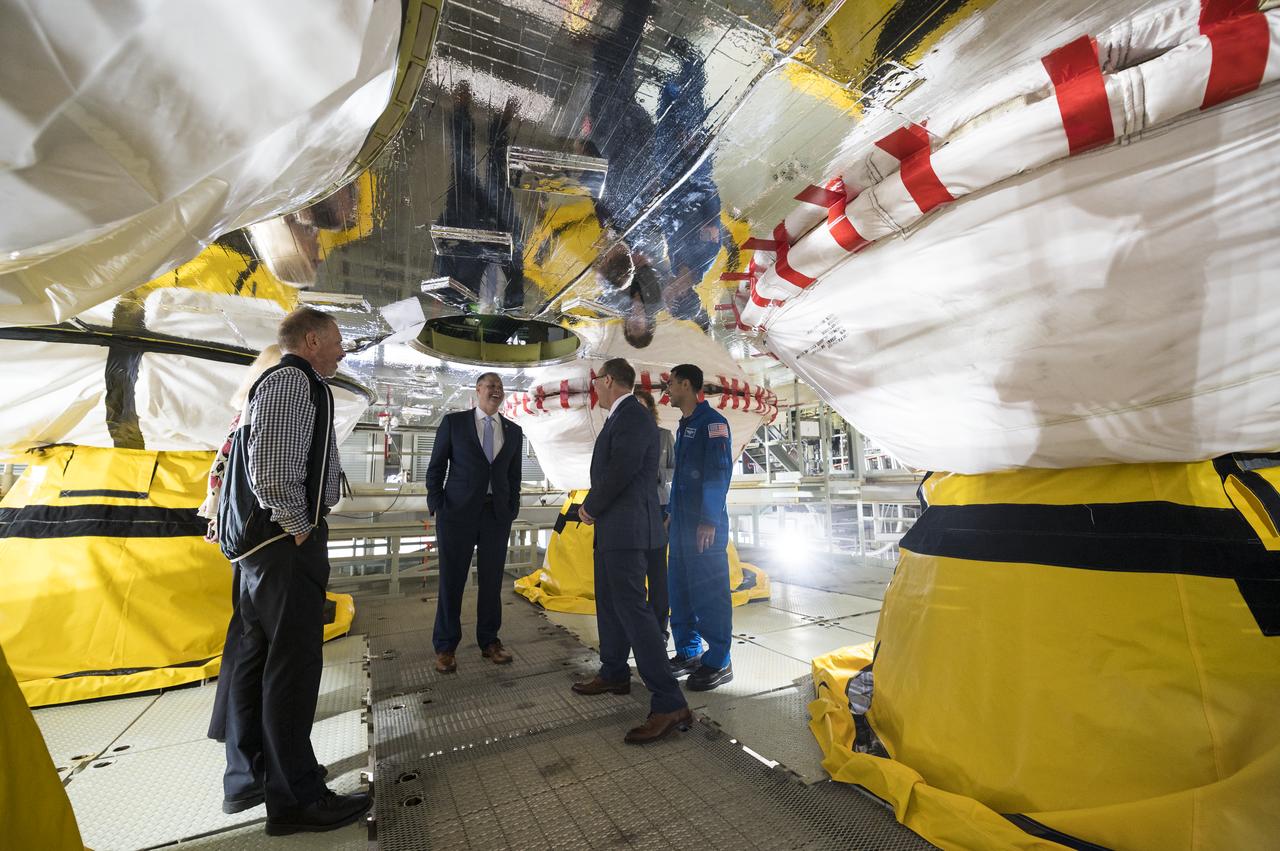
NASA Administrator Jim Bridenstine, center, is seen on a work platform between the four RS-25 engines of the first core stage of the agency’s Space Launch System (SLS) rocket along with Lisa Bates, SLS Deputy Stages Manager at NASA, Mark Nappi, Boeing Green Run Test Manager, Richard Gilbrech, Director of NASA's Stennis Space Center, Julie Bassler, SLS Stages Manager at NASA, and NASA astronaut Raja Chari, during a tour of the B-2 Test Stand, Monday, Feb. 10, 2020, at NASA’s Stennis Space Center near Bay St. Louis, Mississippi. Over the coming months, the first core stage of NASA’s SLS rocket will be undergoing a series of integrated Green Run tests prior to its maiden flight. Photo Credit: (NASA/Joel Kowsky)
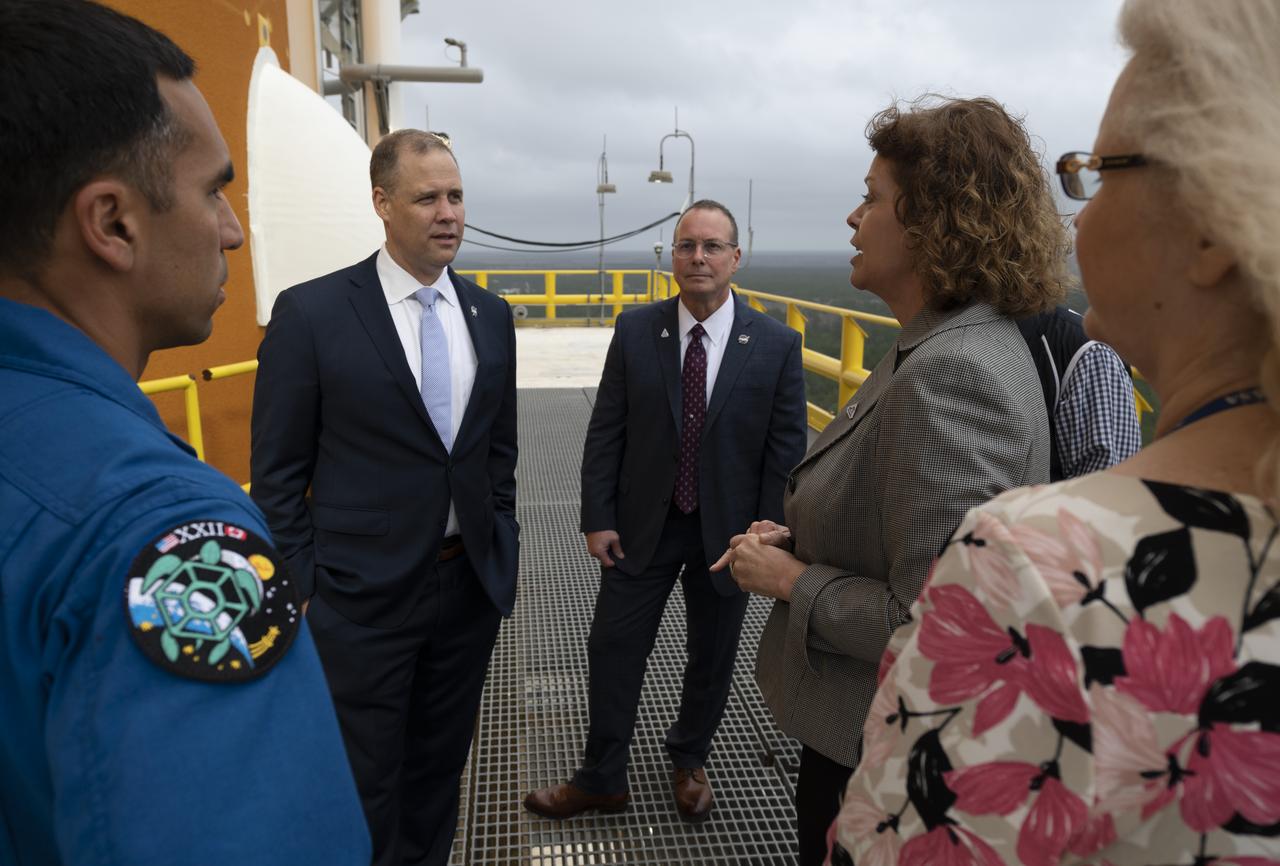
NASA Administrator Jim Bridenstine, center, is seen on a work platform between the four RS-25 engines of the first core stage of the agency’s Space Launch System (SLS) rocket along with Lisa Bates, SLS Deputy Stages Manager at NASA, Mark Nappi, Boeing Green Run Test Manager, Richard Gilbrech, Director of NASA's Stennis Space Center, Julie Bassler, SLS Stages Manager at NASA, and NASA astronaut Raja Chari, during a tour of the B-2 Test Stand, Monday, Feb. 10, 2020, at NASA’s Stennis Space Center near Bay St. Louis, Mississippi. Over the coming months, the first core stage of NASA’s SLS rocket will be undergoing a series of integrated Green Run tests prior to its maiden flight. Photo Credit: (NASA/Joel Kowsky)
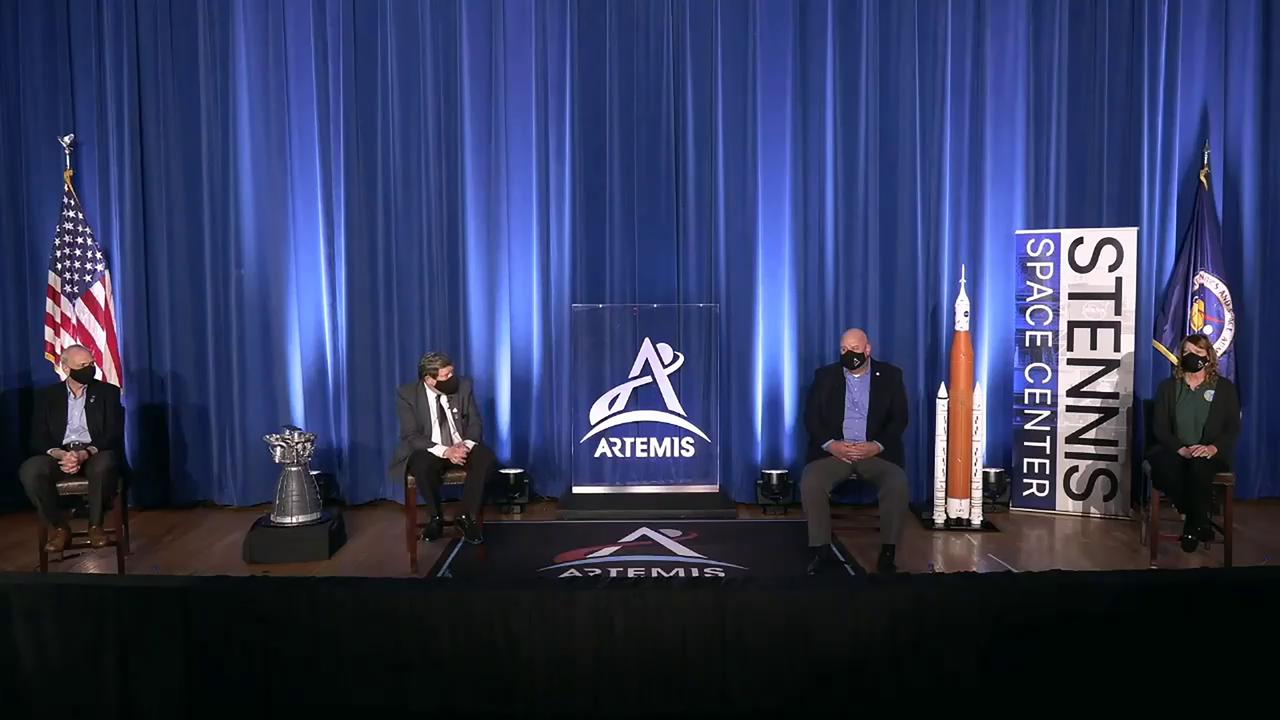
NASA leaders participated in a participate in a virtual press briefing following the Space Launch System core stage hot fire test at Stennis Space Center near Bay St. Louis, Mississippi, on March 18. The leaders fielded questions submitted by offsite media during the post-test session. Agency participants present at Stennis included (l to r): NASA acting Administrator Steve Jurczyk; Tom Whitmeyer, NASA deputy associate administrator for Exploration Systems Development; John Honeycutt, SLS Program manager at Marshall Space Flight Center; and Julie Bassler, SLS Stages Office manager at Marshall Space Flight Center.
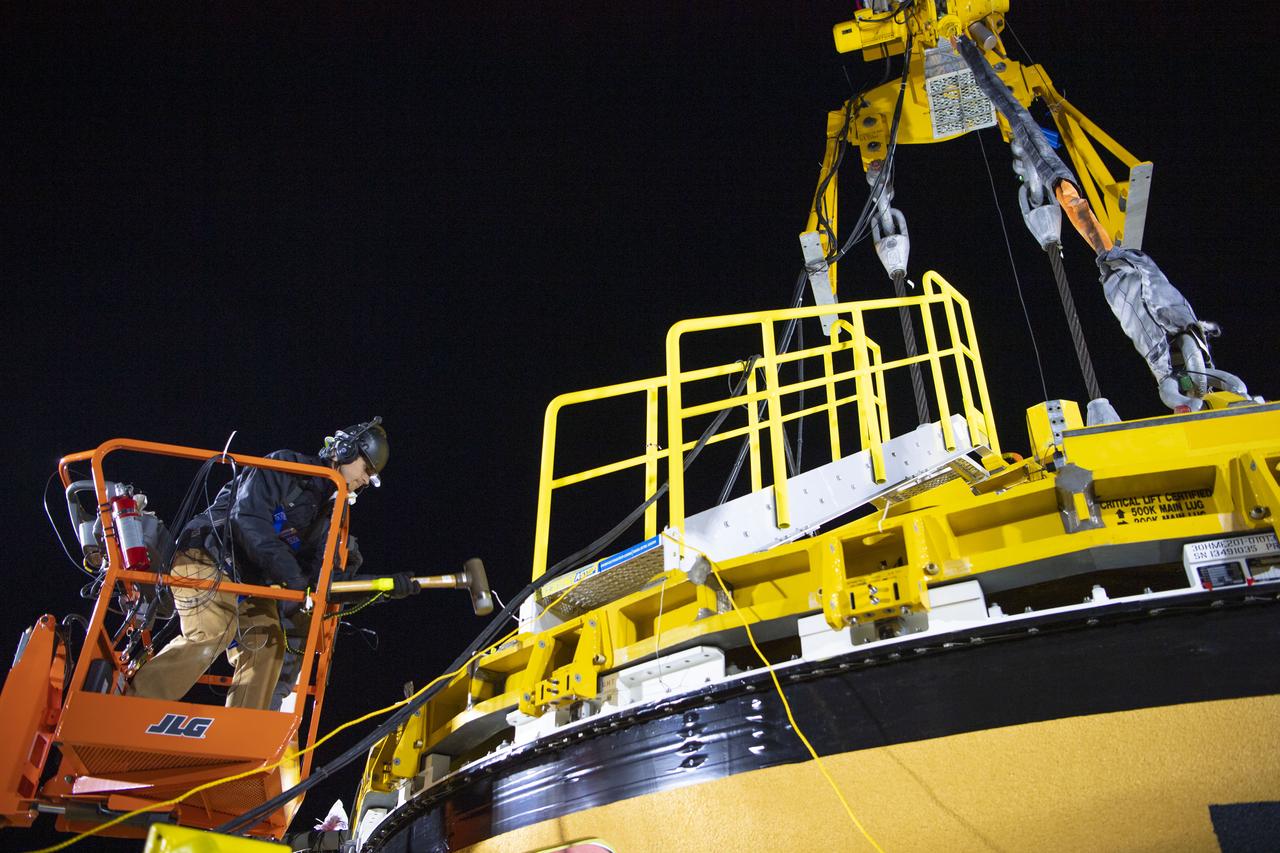
On Jan. 30, 2020, crews at Stennis Space Center successfully conducted modal testing of the first core stage of NASA’s new Space Launch System (SLS) rocket. Data from the modal test will be used to verify structural vibration modes and verify flight control parameters. The test is part of a Green Run series of testing that represents the first top-to-bottom integrated testing of the stage’s systems prior to its maiden Artemis I test mission.
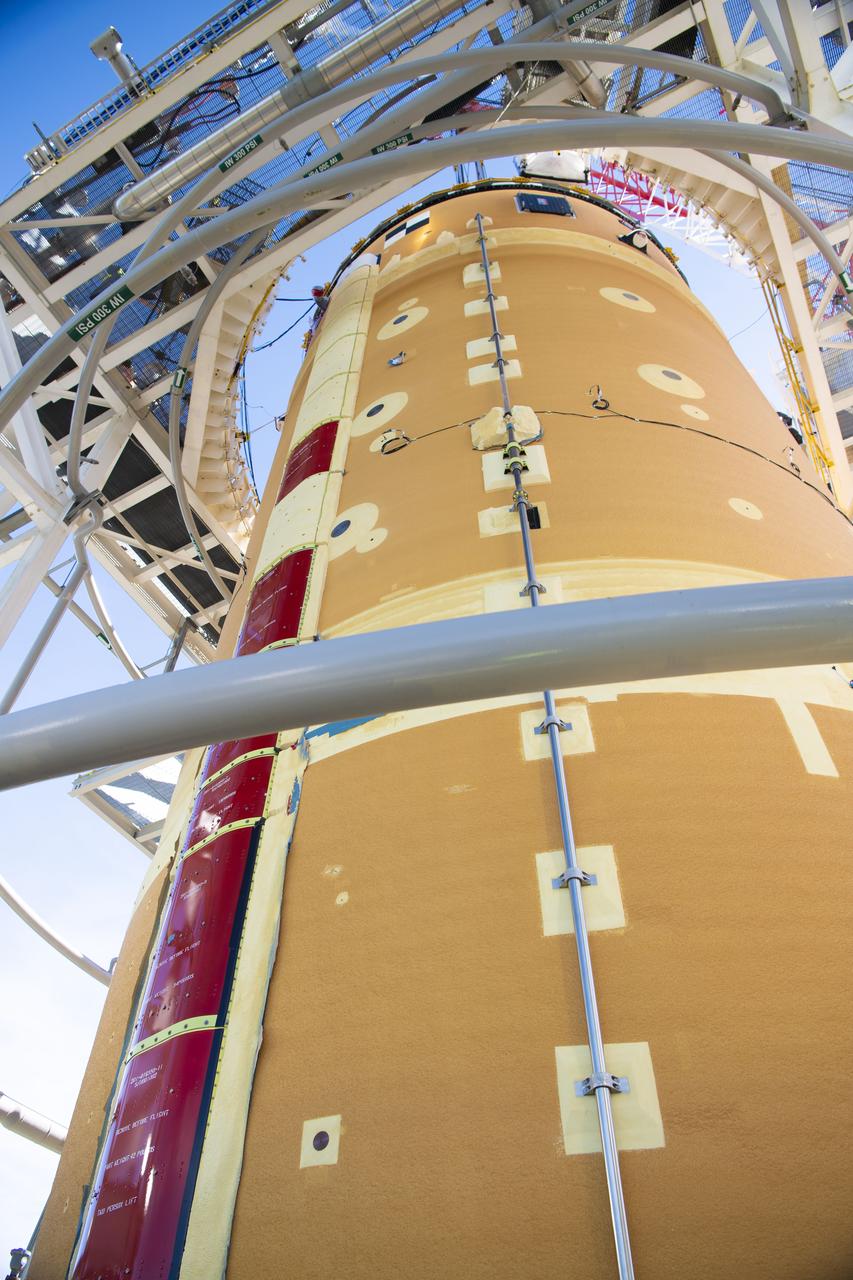
On Jan. 30, 2020, crews at Stennis Space Center successfully conducted modal testing of the first core stage of NASA’s new Space Launch System (SLS) rocket. Data from the modal test will be used to verify structural vibration modes and verify flight control parameters. The test is part of a Green Run series of testing that represents the first top-to-bottom integrated testing of the stage’s systems prior to its maiden Artemis I test mission.
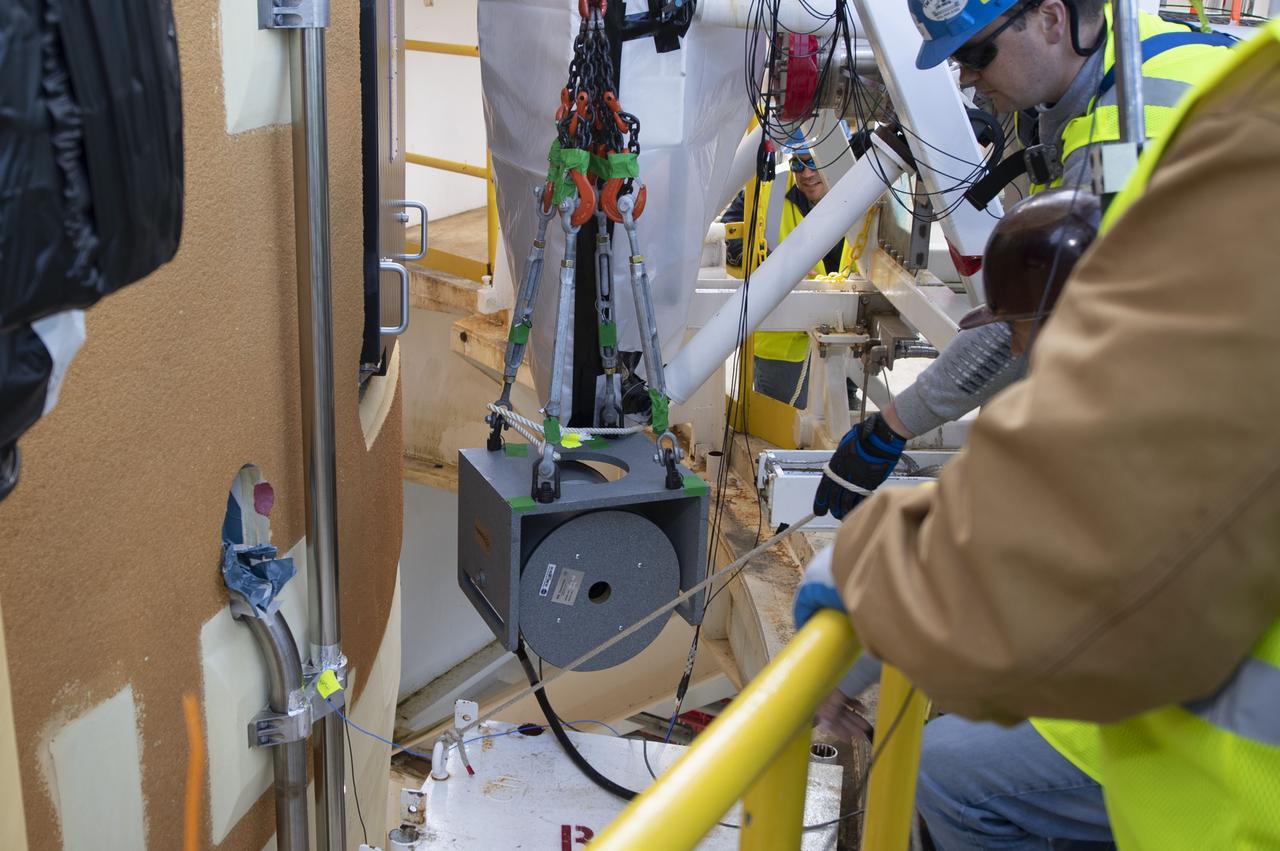
On Jan. 30, 2020, crews at Stennis Space Center successfully conducted modal testing of the first core stage of NASA’s new Space Launch System (SLS) rocket. Data from the modal test will be used to verify structural vibration modes and verify flight control parameters. The test is part of a Green Run series of testing that represents the first top-to-bottom integrated testing of the stage’s systems prior to its maiden Artemis I test mission.
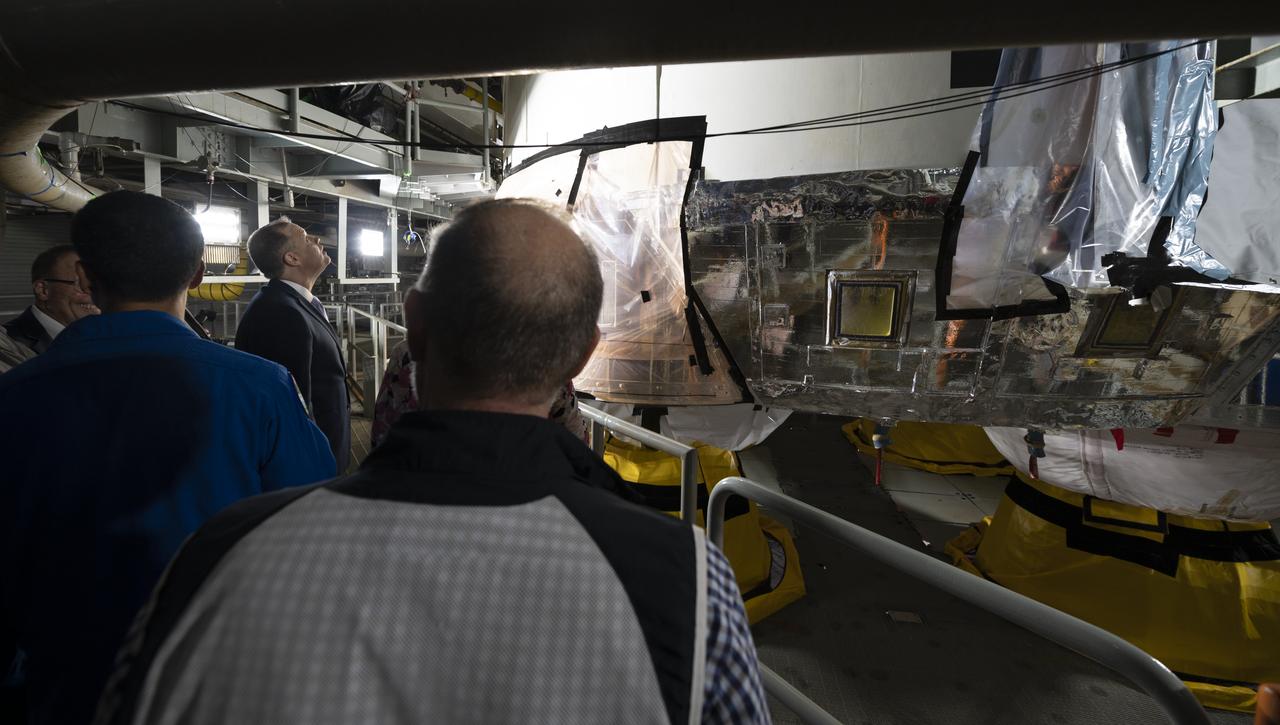
NASA Administrator Jim Bridenstine looks up at the first core stage of the agency’s Space Launch System rocket during a tour of the B-2 Test Stand Monday, Feb. 10, 2020, at NASA’s Stennis Space Center near Bay St. Louis, Mississippi. Over the coming months, the first core stage of the SLS rocket will be undergoing a series of integrated Green Run tests prior to its maiden flight. Photo Credit: (NASA/Joel Kowsky)
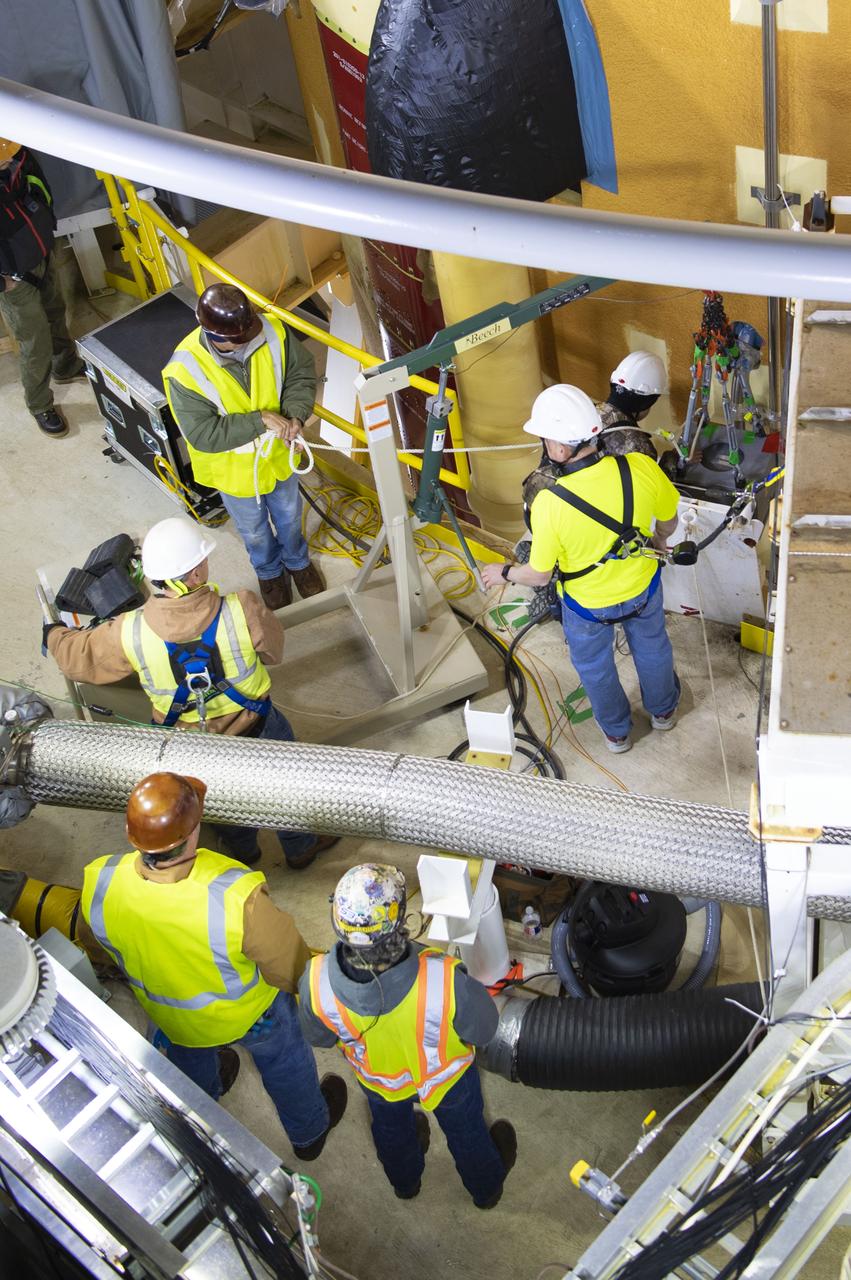
On Jan. 30, 2020, crews at Stennis Space Center successfully conducted modal testing of the first core stage of NASA’s new Space Launch System (SLS) rocket. Data from the modal test will be used to verify structural vibration modes and verify flight control parameters. The test is part of a Green Run series of testing that represents the first top-to-bottom integrated testing of the stage’s systems prior to its maiden Artemis I test mission.
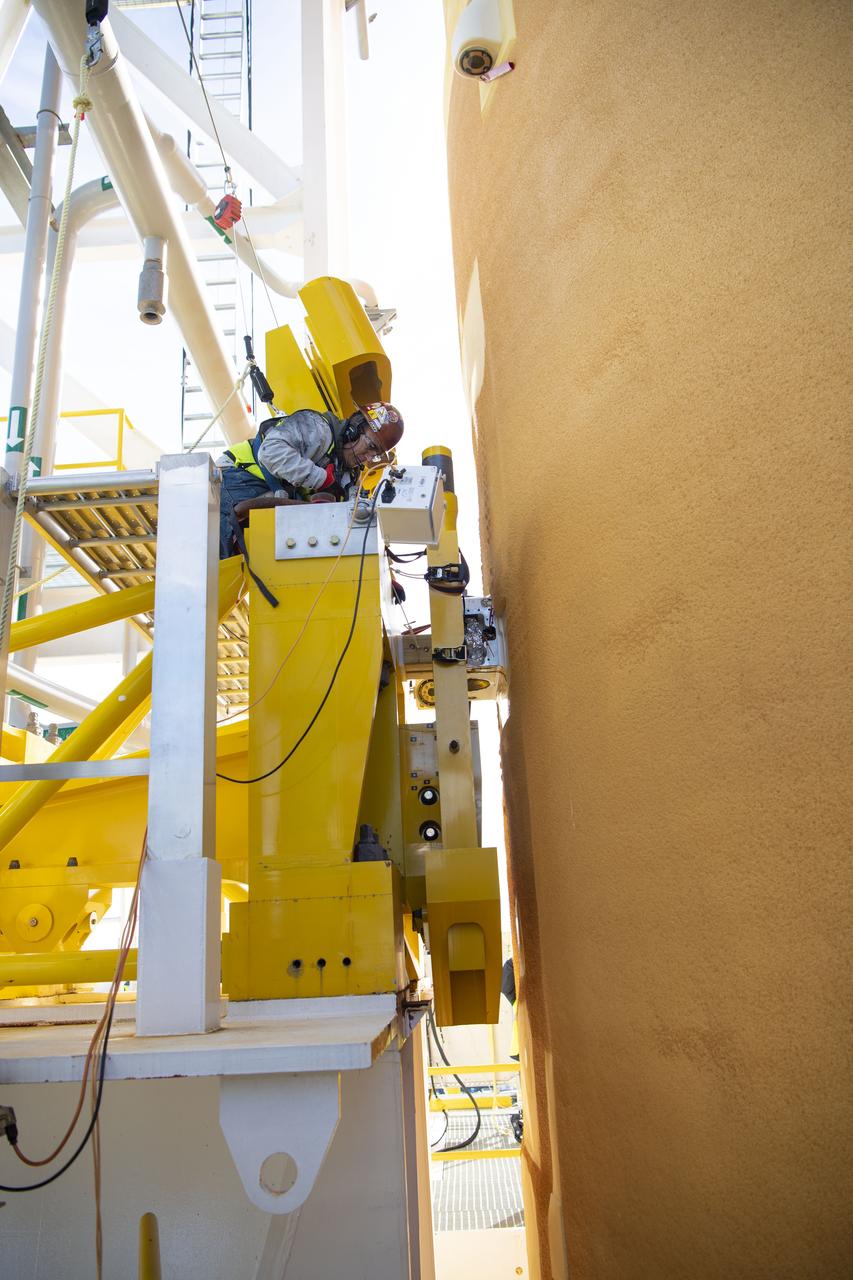
On Jan. 30, 2020, crews at Stennis Space Center successfully conducted modal testing of the first core stage of NASA’s new Space Launch System (SLS) rocket. Data from the modal test will be used to verify structural vibration modes and verify flight control parameters. The test is part of a Green Run series of testing that represents the first top-to-bottom integrated testing of the stage’s systems prior to its maiden Artemis I test mission.
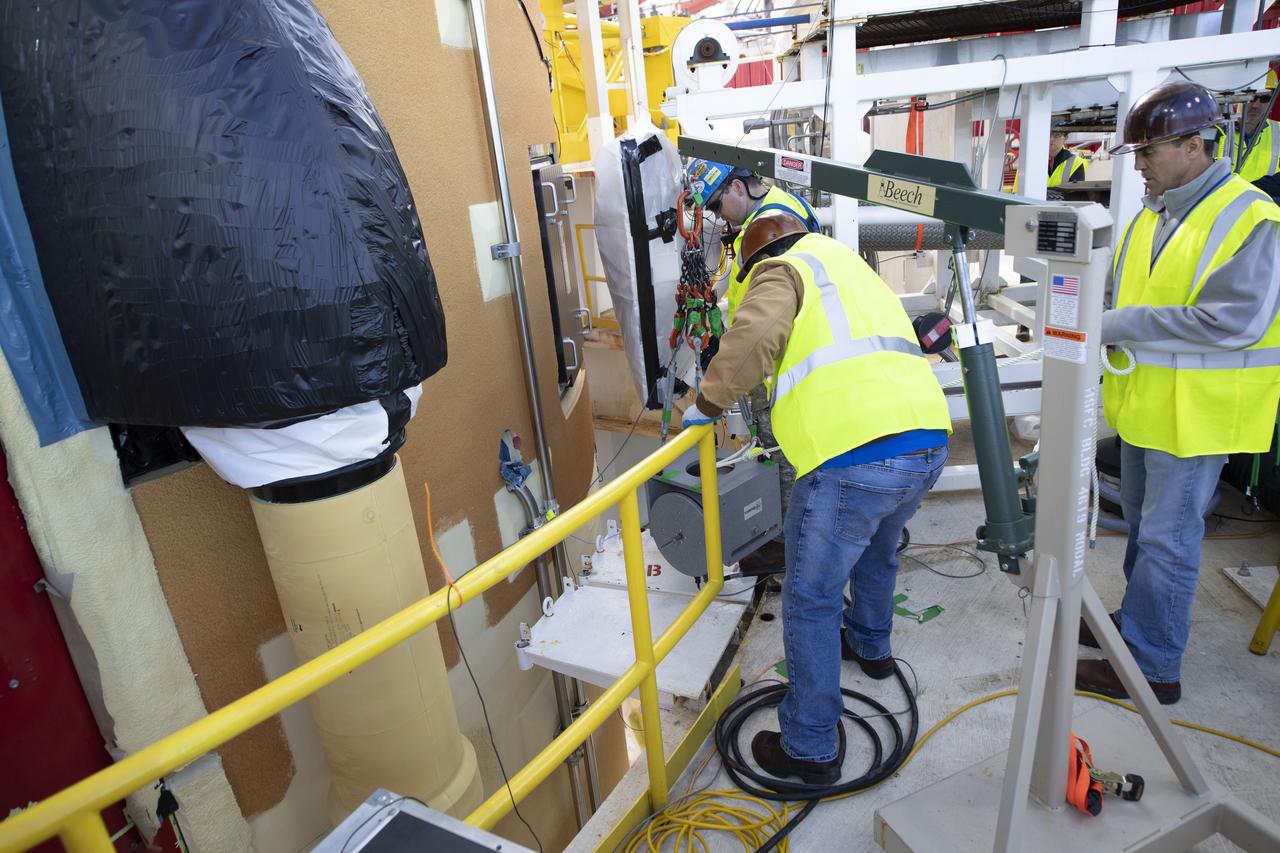
On Jan. 30, 2020, crews at Stennis Space Center successfully conducted modal testing of the first core stage of NASA’s new Space Launch System (SLS) rocket. Data from the modal test will be used to verify structural vibration modes and verify flight control parameters. The test is part of a Green Run series of testing that represents the first top-to-bottom integrated testing of the stage’s systems prior to its maiden Artemis I test mission.
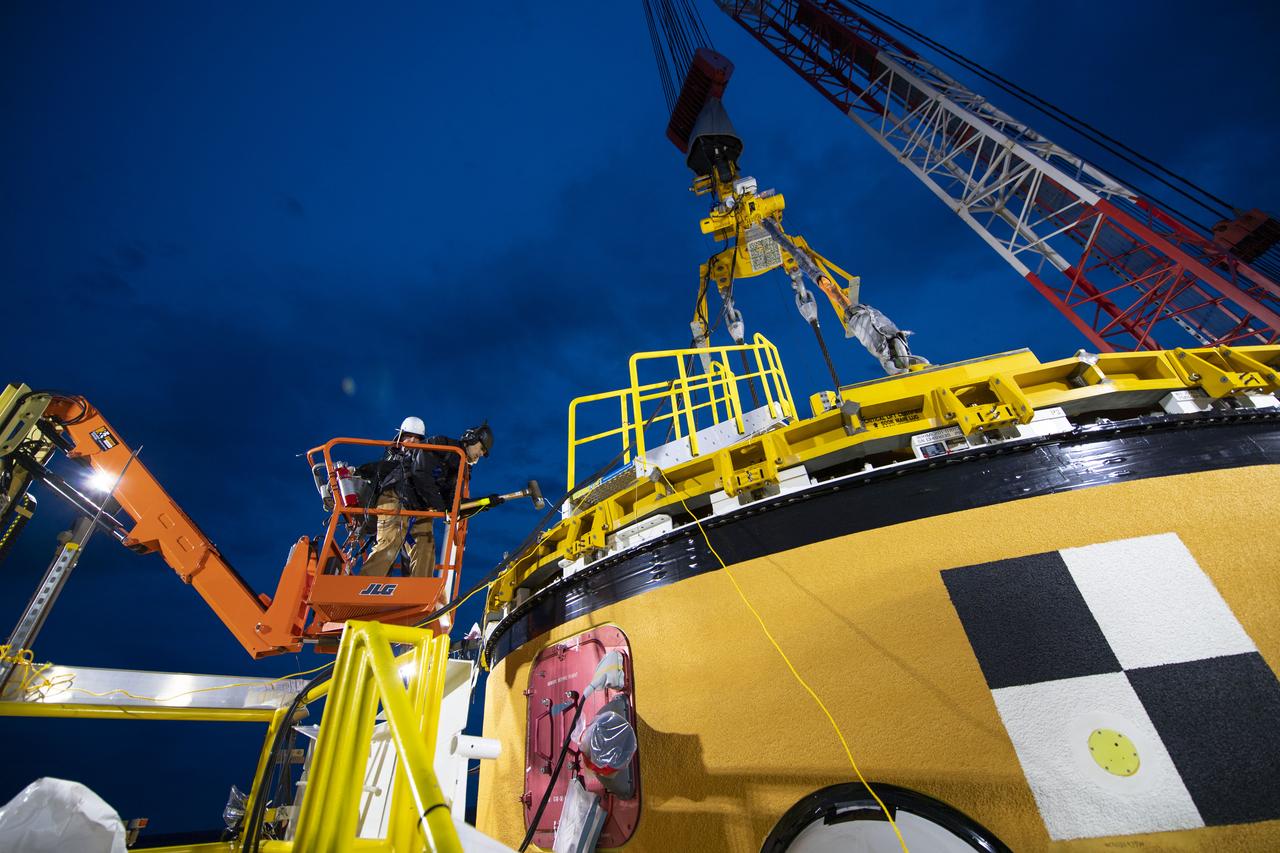
On Jan. 30, 2020, crews at Stennis Space Center successfully conducted modal testing of the first core stage of NASA’s new Space Launch System (SLS) rocket. Data from the modal test will be used to verify structural vibration modes and verify flight control parameters. The test is part of a Green Run series of testing that represents the first top-to-bottom integrated testing of the stage’s systems prior to its maiden Artemis I test mission.

On Jan. 30, 2020, crews at Stennis Space Center successfully conducted modal testing of the first core stage of NASA’s new Space Launch System (SLS) rocket. Data from the modal test will be used to verify structural vibration modes and verify flight control parameters. The test is part of a Green Run series of testing that represents the first top-to-bottom integrated testing of the stage’s systems prior to its maiden Artemis I test mission.
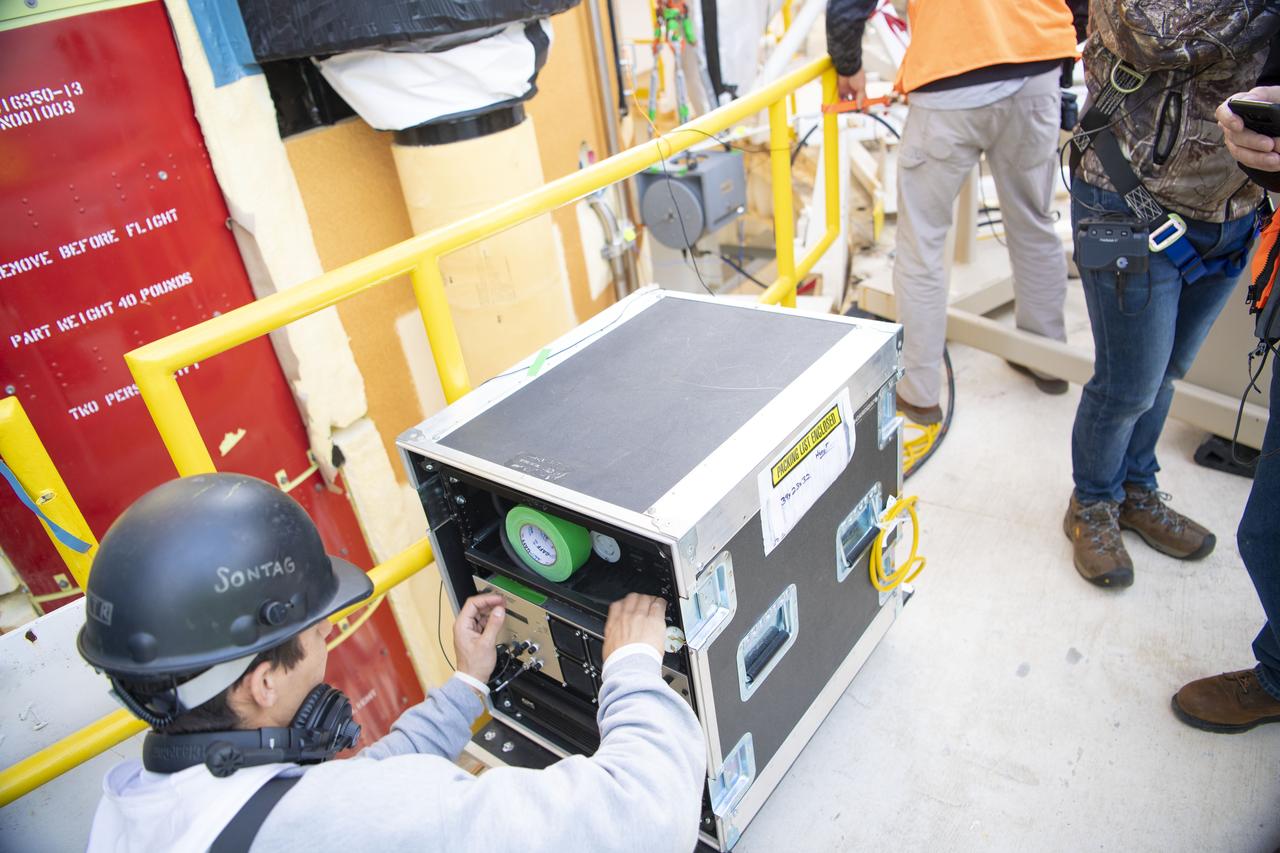
On Jan. 30, 2020, crews at Stennis Space Center successfully conducted modal testing of the first core stage of NASA’s new Space Launch System (SLS) rocket. Data from the modal test will be used to verify structural vibration modes and verify flight control parameters. The test is part of a Green Run series of testing that represents the first top-to-bottom integrated testing of the stage’s systems prior to its maiden Artemis I test mission.
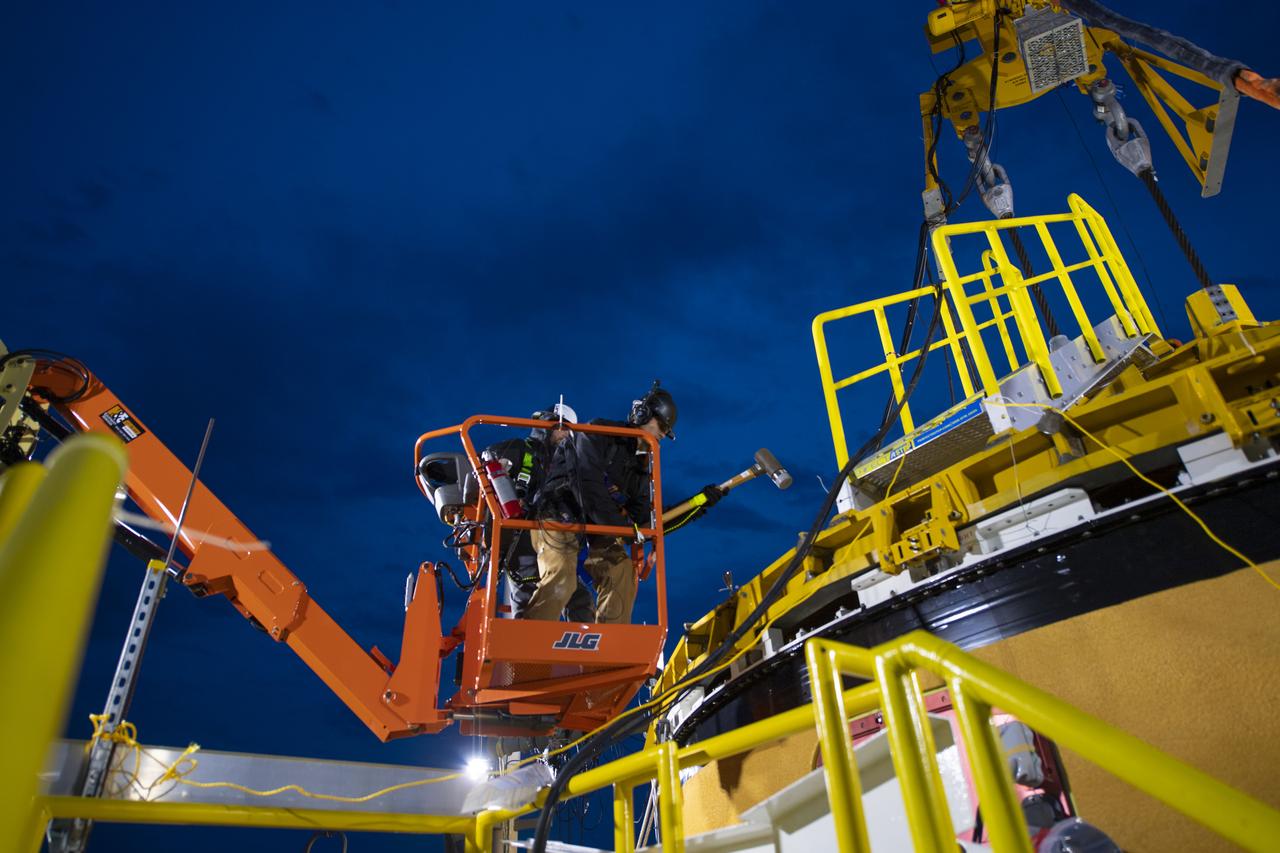
On Jan. 30, 2020, crews at Stennis Space Center successfully conducted modal testing of the first core stage of NASA’s new Space Launch System (SLS) rocket. Data from the modal test will be used to verify structural vibration modes and verify flight control parameters. The test is part of a Green Run series of testing that represents the first top-to-bottom integrated testing of the stage’s systems prior to its maiden Artemis I test mission.
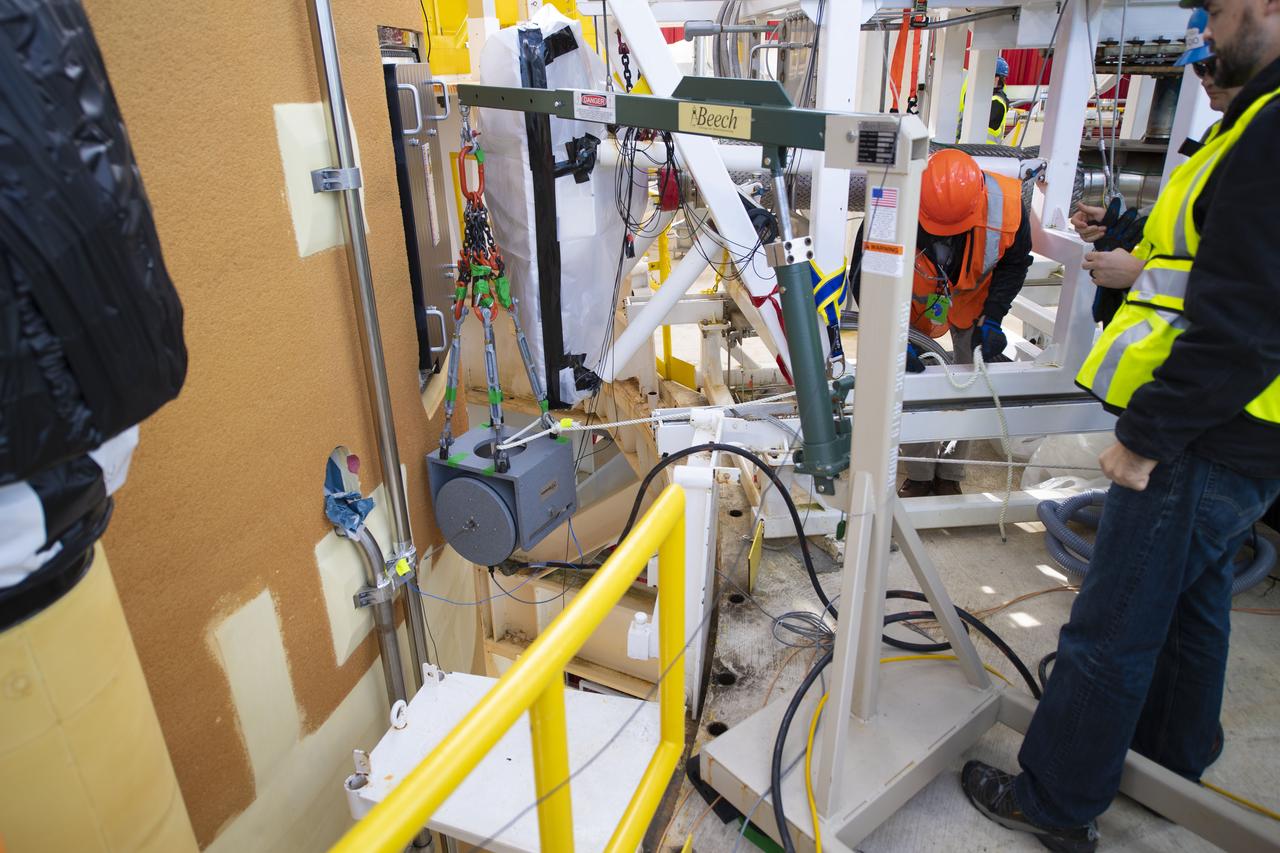
On Jan. 30, 2020, crews at Stennis Space Center successfully conducted modal testing of the first core stage of NASA’s new Space Launch System (SLS) rocket. Data from the modal test will be used to verify structural vibration modes and verify flight control parameters. The test is part of a Green Run series of testing that represents the first top-to-bottom integrated testing of the stage’s systems prior to its maiden Artemis I test mission.
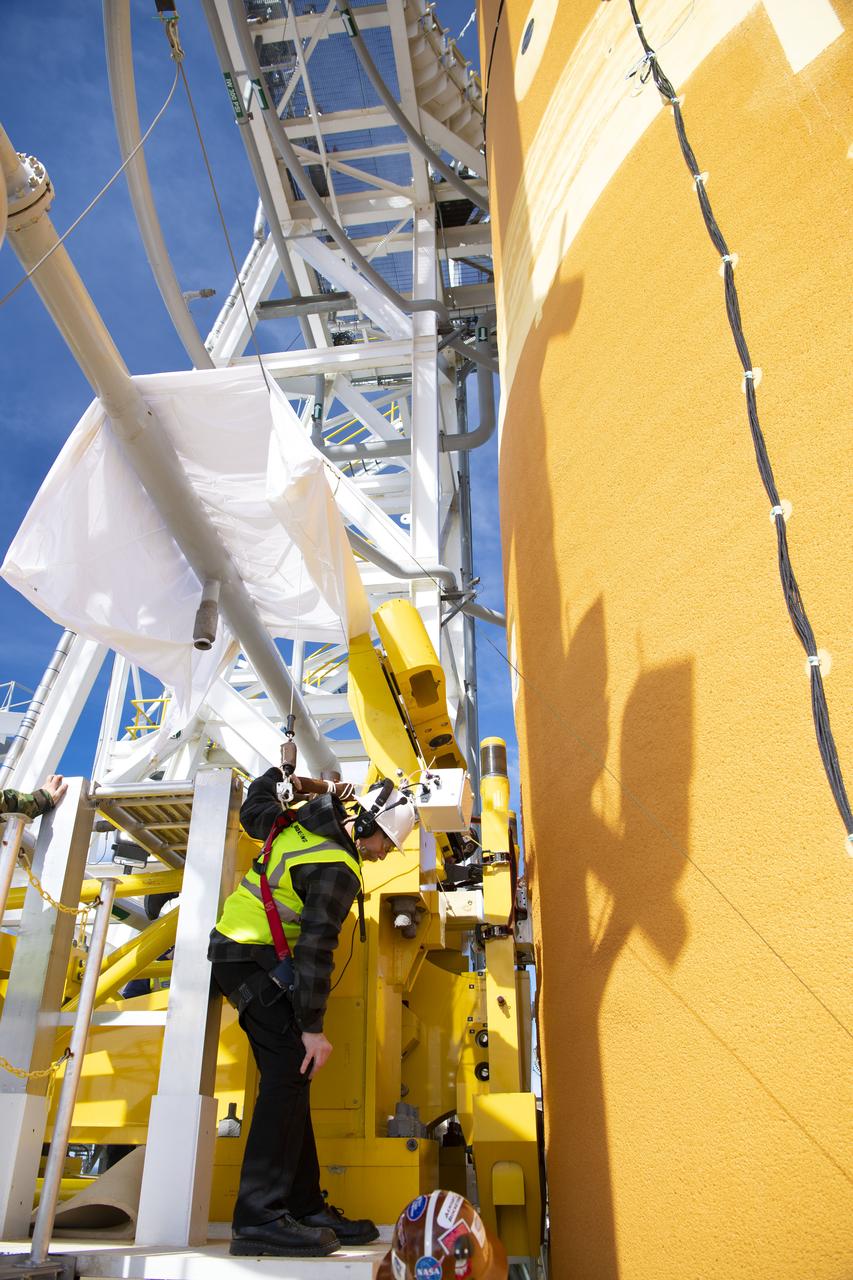
On Jan. 30, 2020, crews at Stennis Space Center successfully conducted modal testing of the first core stage of NASA’s new Space Launch System (SLS) rocket. Data from the modal test will be used to verify structural vibration modes and verify flight control parameters. The test is part of a Green Run series of testing that represents the first top-to-bottom integrated testing of the stage’s systems prior to its maiden Artemis I test mission.
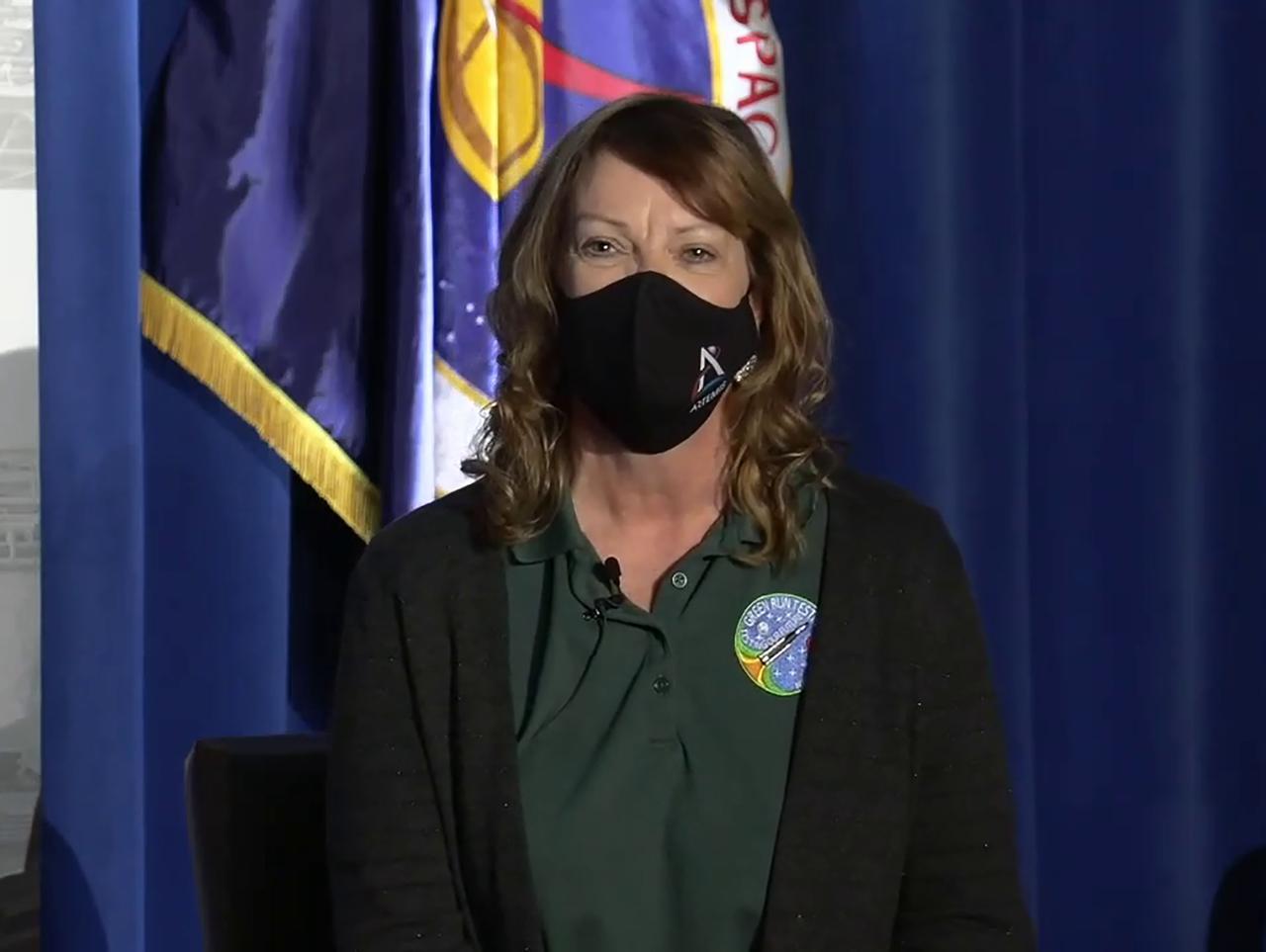
NASA leaders participated in a virtual press briefing following the Space Launch System core stage hot fire test at Stennis Space Center near Bay St. Louis, Mississippi, on March 18. The leaders fielded questions submitted by offsite media during the post-test session. Agency participants present at Stennis included Julie Bassler, SLS Stages Office manager at Marshall Space Flight Center in Huntsville, Alabama.
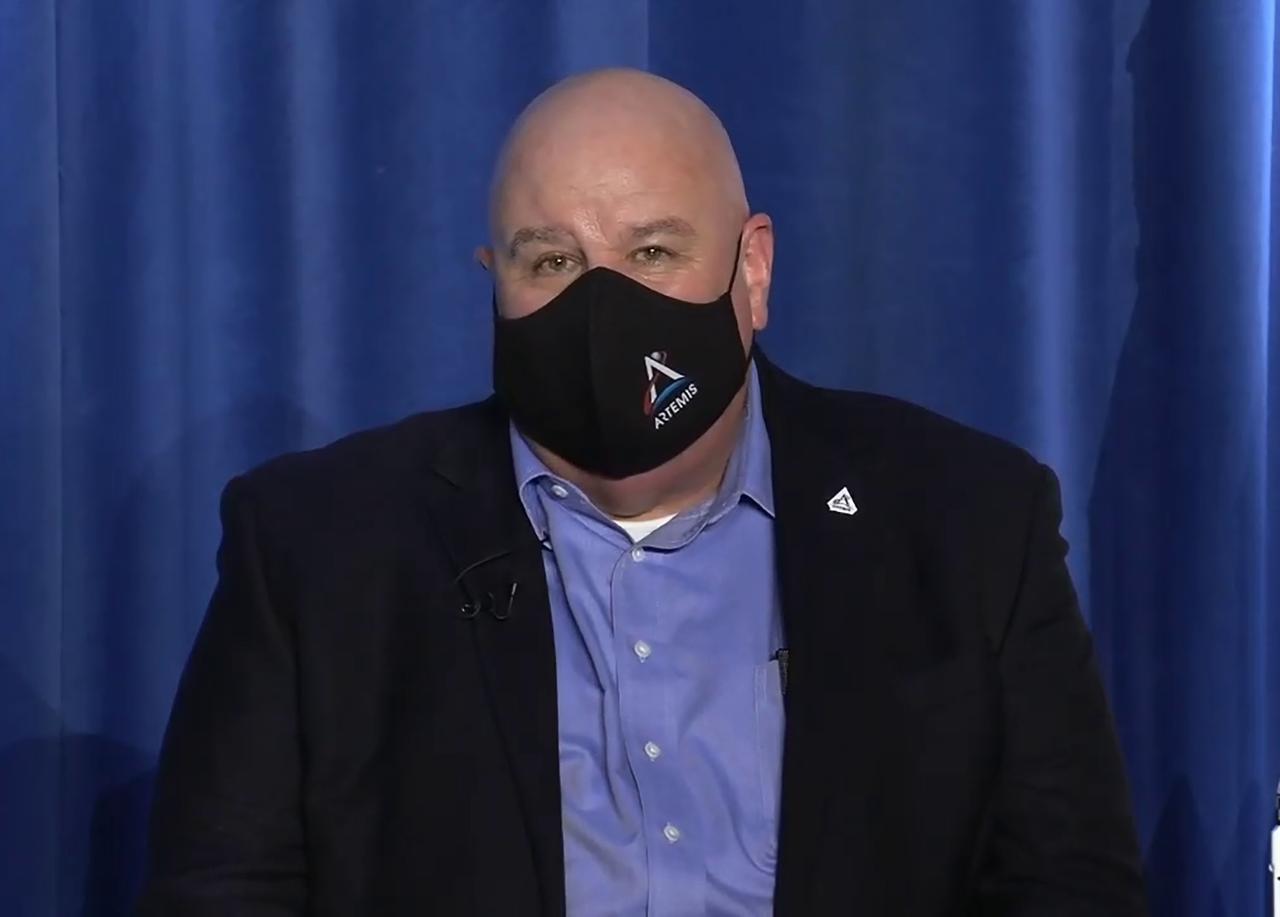
NASA leaders participated in a virtual press briefing following the Space Launch System core stage hot fire test at Stennis Space Center near Bay St. Louis, Mississippi, on March 18. The leaders fielded questions submitted by offsite media during the post-test session. Agency participants present at Stennis included John Honeycutt, SLS Program manager at Marshall Space Flight Center in Huntsville, Alabama.
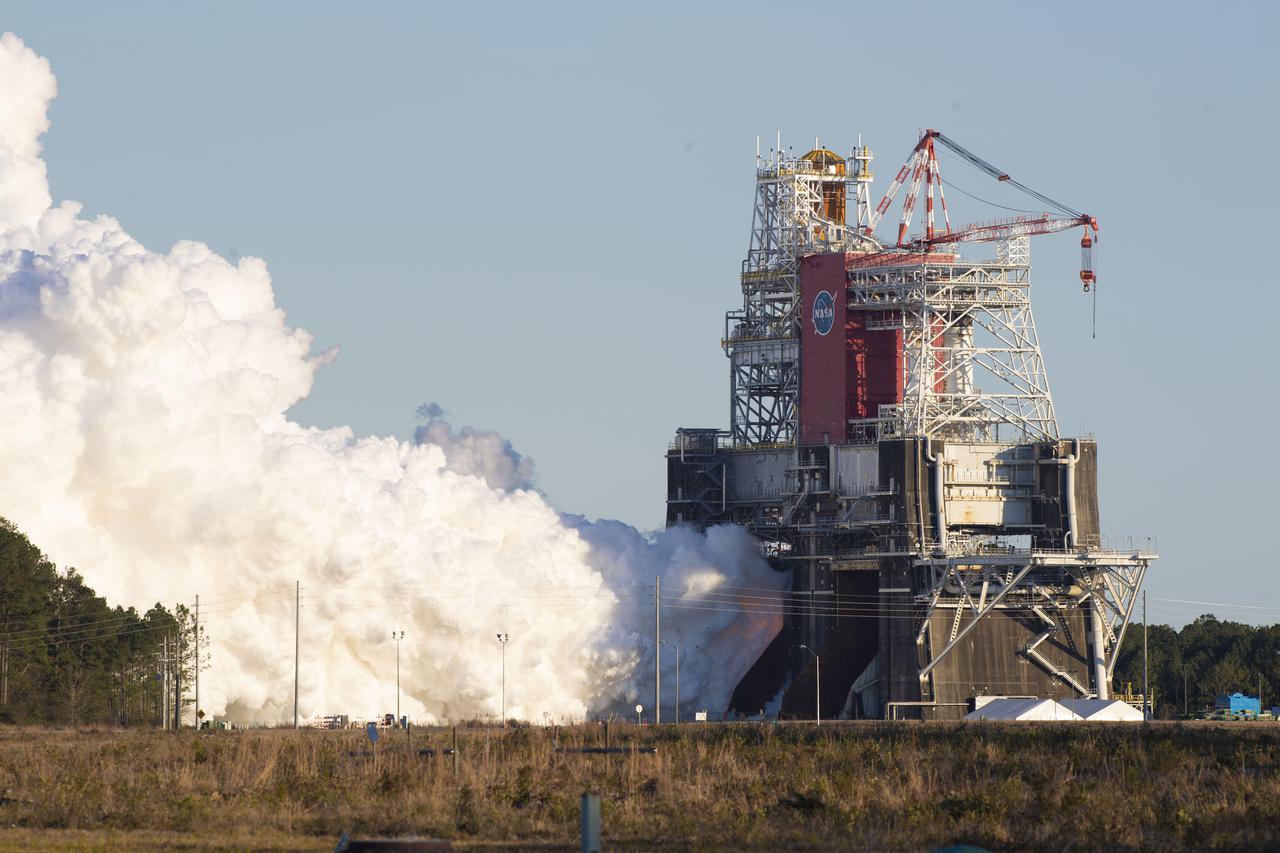
NASA conducts a hot fire test Jan. 16, 2021, of the core stage for the agency’s Space Launch System rocket on the B-2 Test Stand at Stennis Space Center near Bay St. Louis. The hot fire test of the stage’s four RS-25 engines generated a combined 1.6 million pounds of thrust, just as will occur during an actual launch. The hot fire is the final test of the Green Run test series, a comprehensive assessment of the SLS core stage prior to launching the Artemis I mission to the Moon.
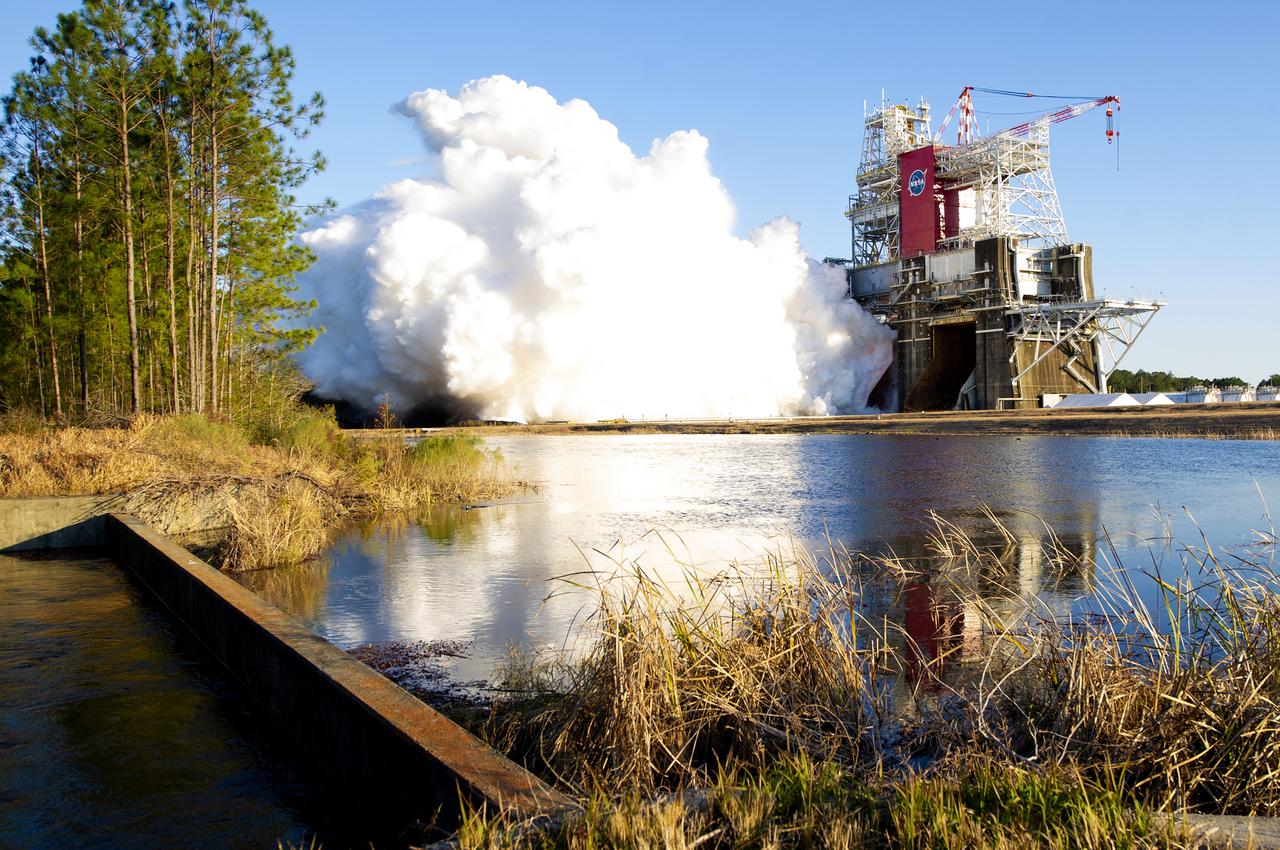
NASA conducts a hot fire test Jan. 16, 2021, of the core stage for the agency’s Space Launch System rocket on the B-2 Test Stand at Stennis Space Center near Bay St. Louis. The hot fire test of the stage’s four RS-25 engines generated a combined 1.6 million pounds of thrust, just as will occur during an actual launch. The hot fire is the final test of the Green Run test series, a comprehensive assessment of the SLS core stage prior to launching the Artemis I mission to the Moon.
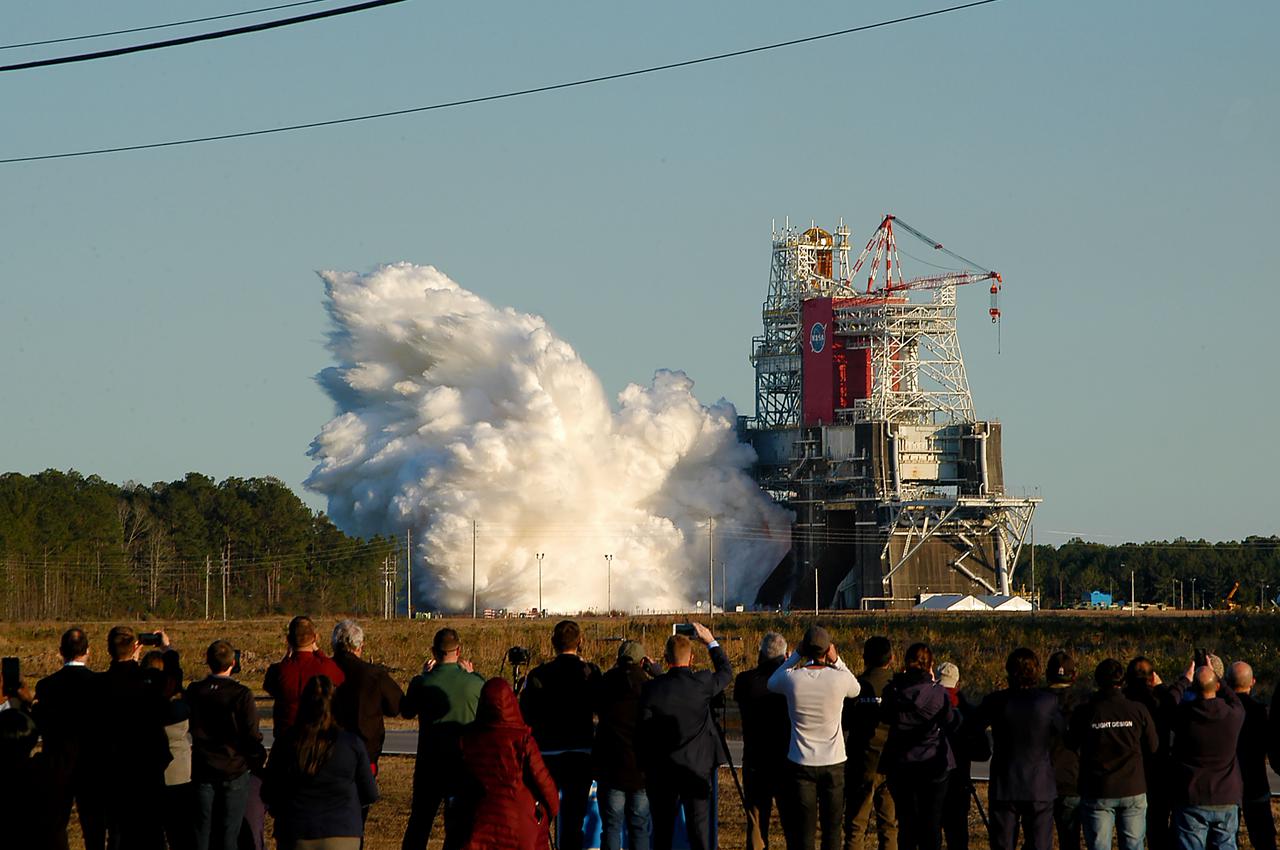
NASA conducts a hot fire test Jan. 16, 2021, of the core stage for the agency’s Space Launch System rocket on the B-2 Test Stand at Stennis Space Center near Bay St. Louis. The hot fire test of the stage’s four RS-25 engines generated a combined 1.6 million pounds of thrust, just as will occur during an actual launch. The hot fire is the final test of the Green Run test series, a comprehensive assessment of the SLS core stage prior to launching the Artemis I mission to the Moon.

NASA conducts a hot fire test Jan. 16, 2021, of the core stage for the agency’s Space Launch System rocket on the B-2 Test Stand at Stennis Space Center near Bay St. Louis. The hot fire test of the stage’s four RS-25 engines generated a combined 1.6 million pounds of thrust, just as will occur during an actual launch. The hot fire is the final test of the Green Run test series, a comprehensive assessment of the SLS core stage prior to launching the Artemis I mission to the Moon.
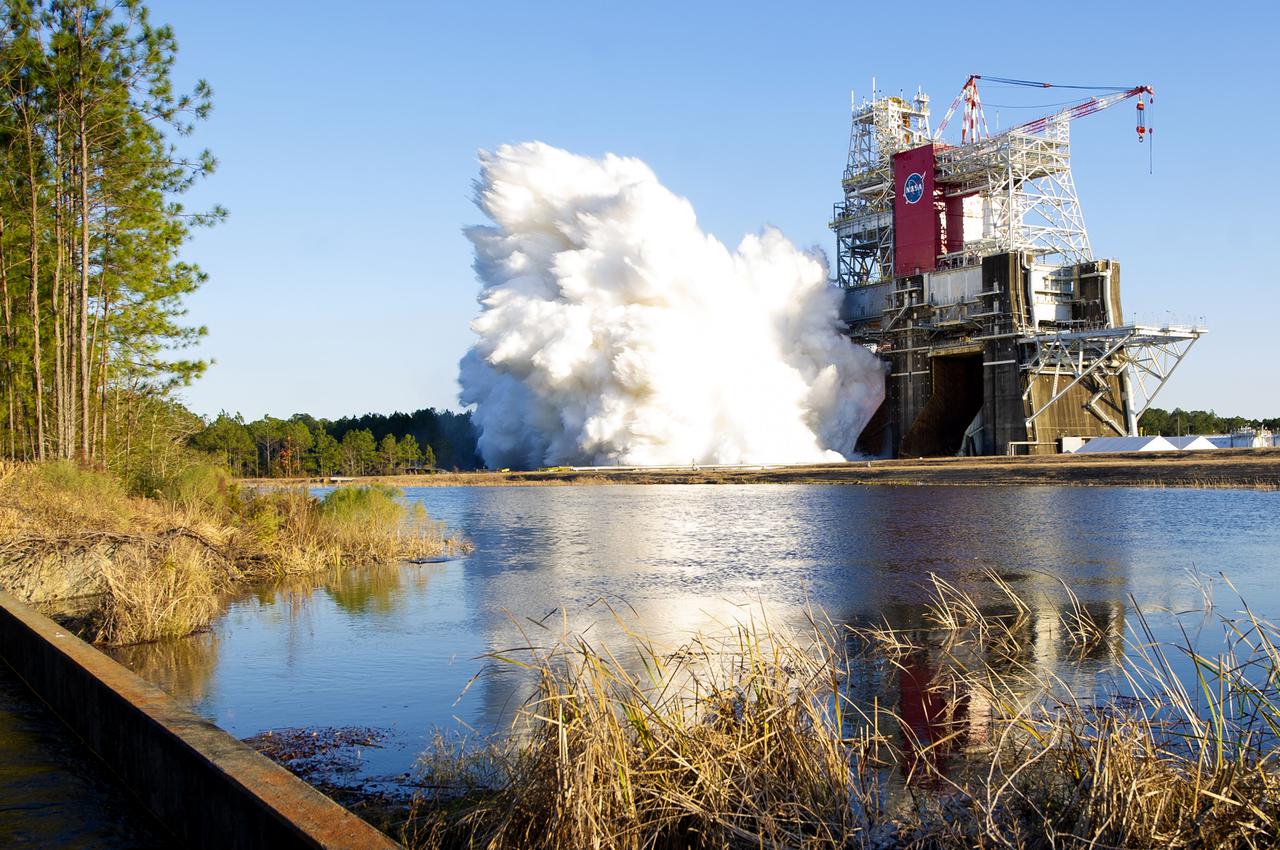
NASA conducts a hot fire test Jan. 16, 2021, of the core stage for the agency’s Space Launch System rocket on the B-2 Test Stand at Stennis Space Center near Bay St. Louis. The hot fire test of the stage’s four RS-25 engines generated a combined 1.6 million pounds of thrust, just as will occur during an actual launch The hot fire is the final test of the Green Run test series, a comprehensive assessment of the SLS core stage prior to launching the Artemis I mission to the Moon.