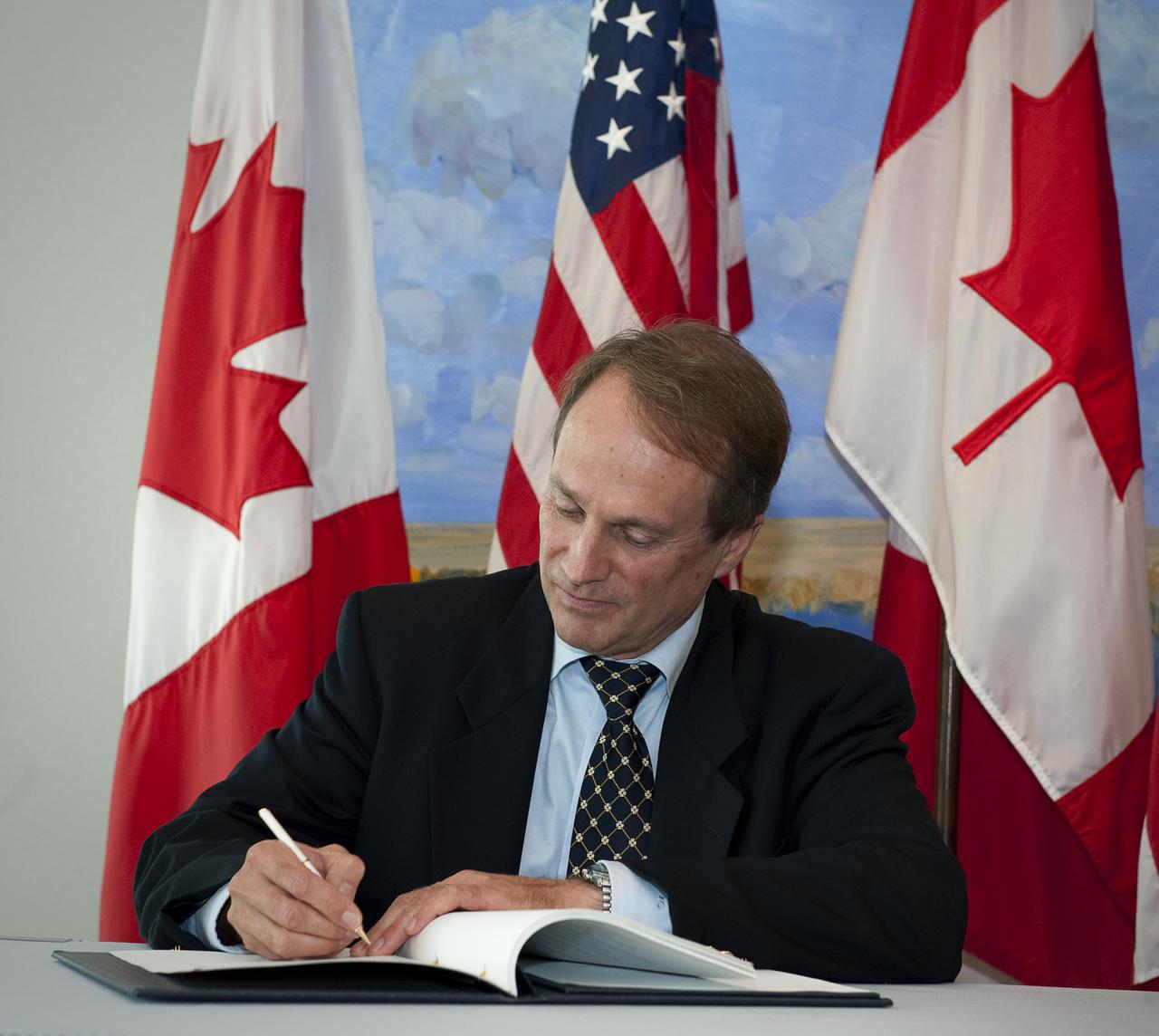
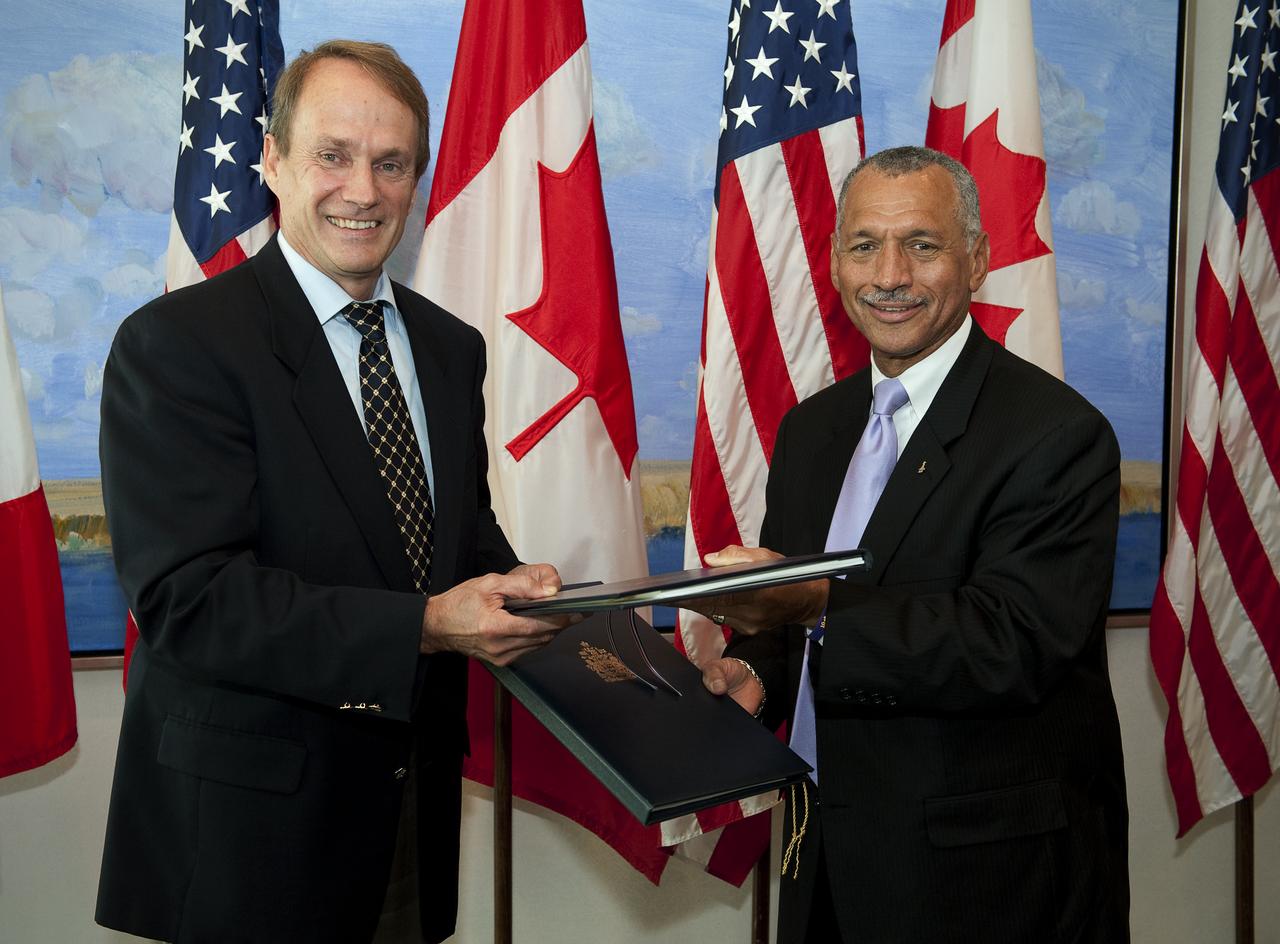
Canadian Space Agency President Steve MacLean signs a framework agreement on civil space cooperation between the U.S. and Canada, Wednesday, Sept. 9, 2009, at the Canadian Embassy in Washington, DC. Photo Credit: (NASA/Bill Ingalls)
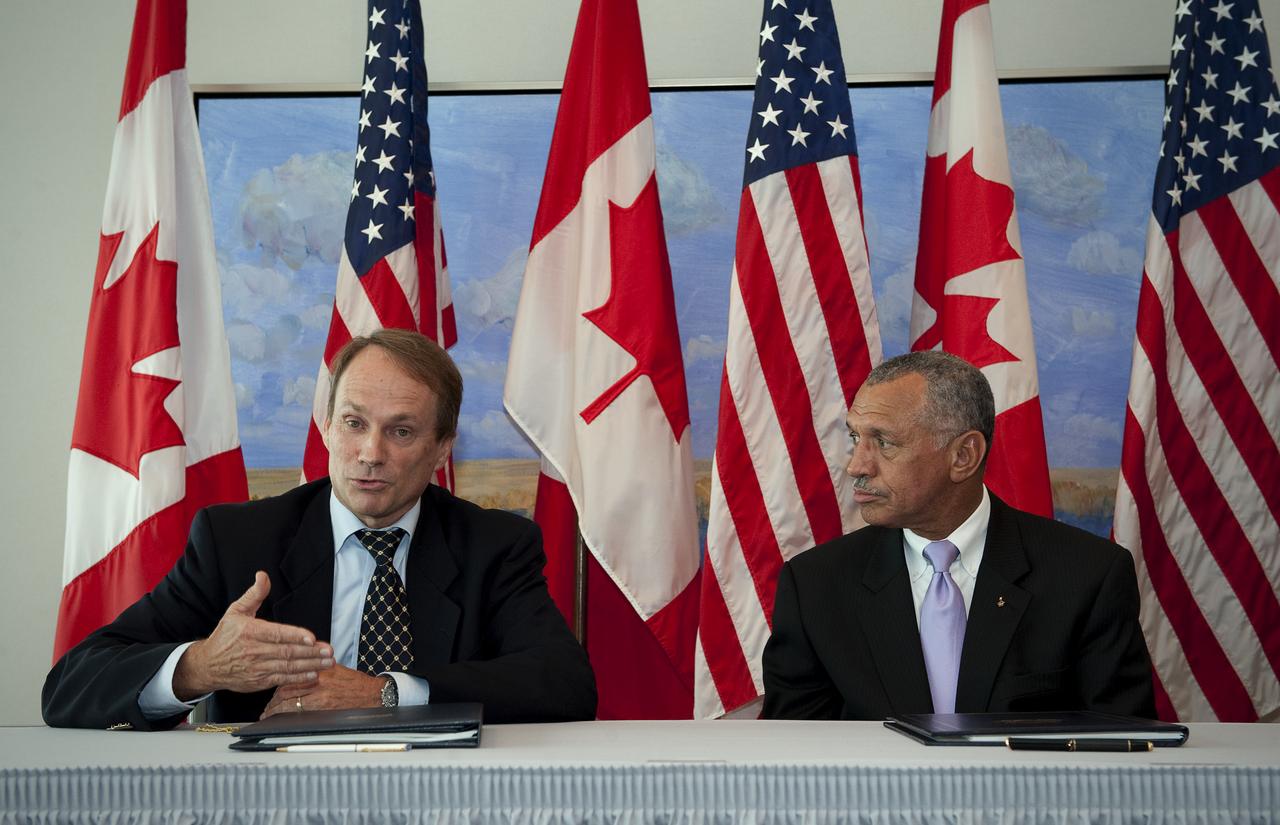
NASA Administrator Charles Bolden, right, and Canadian Space Agency President Steve MacLean sign a framework agreement on civil space cooperation, Wednesday, Sept. 9, 2009, at the Canadian Embassy in Washington, DC. Photo Credit: (NASA/Bill Ingalls)
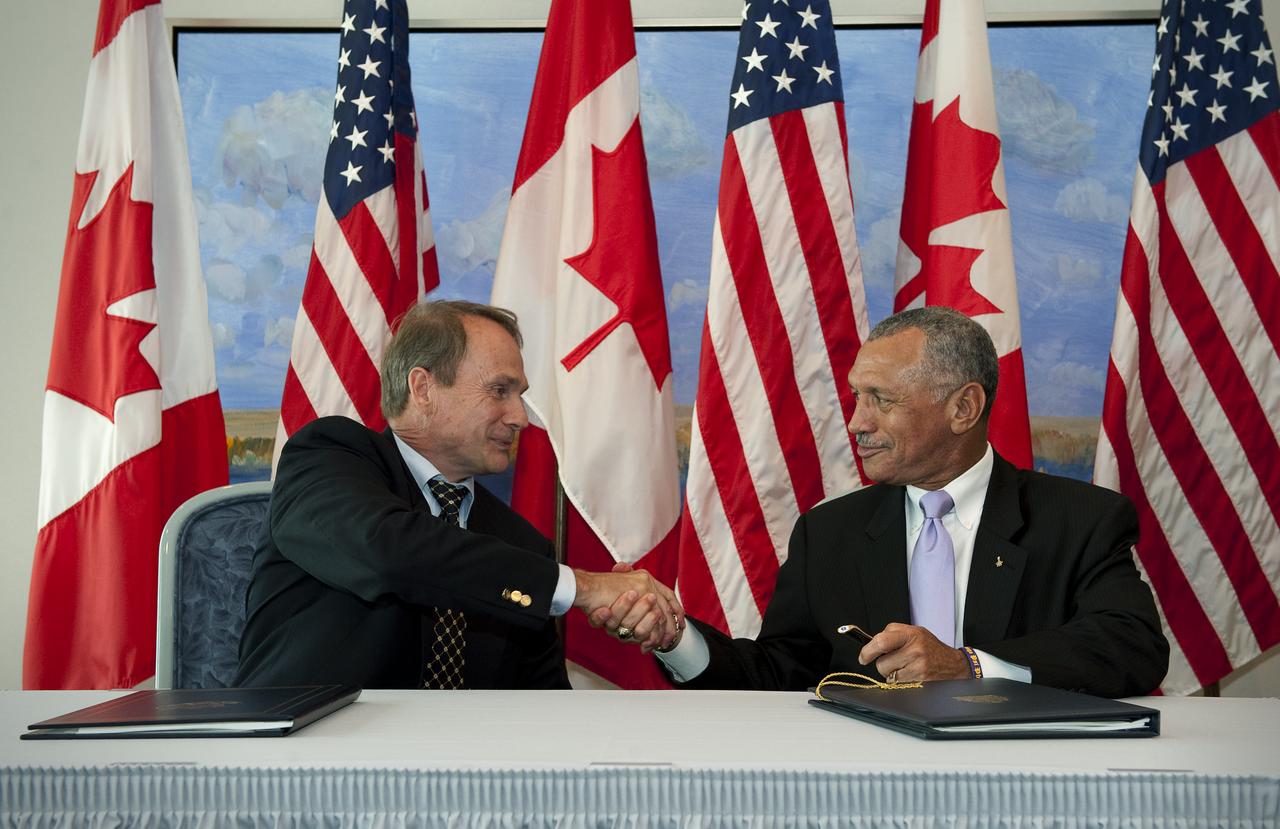
NASA Administrator Charles Bolden, right, and Canadian Space Agency President Steve MacLean shake hands after signing a framework agreement on civil space cooperation, Wednesday, Sept. 9, 2009, at the Canadian Embassy in Washington, DC. Photo Credit: (NASA/Bill Ingalls)
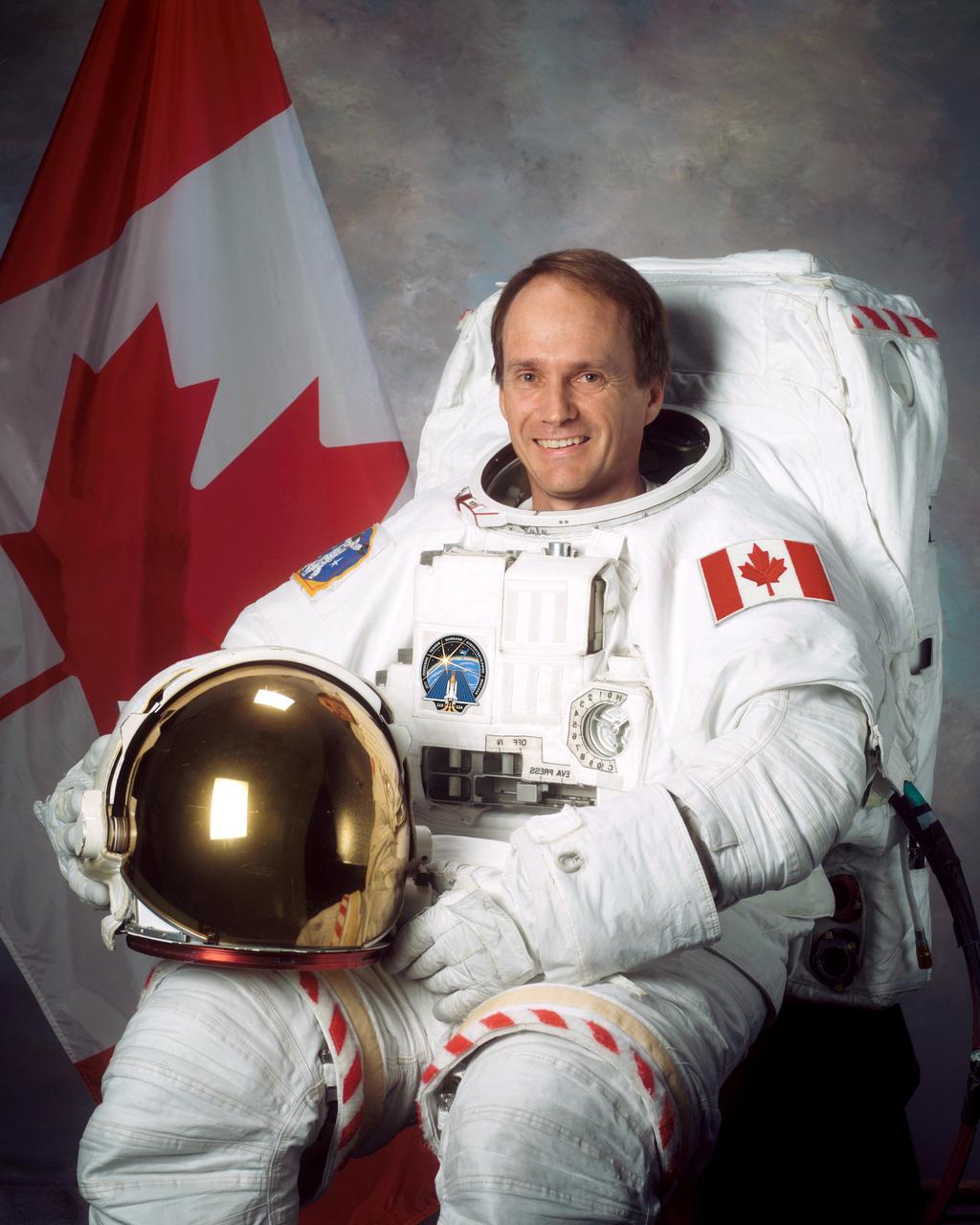
JSC2002-E-43796 (11 Sept. 2002) --- Astronaut Steven G. MacLean, mission specialist representing the Canadian Space Agency.
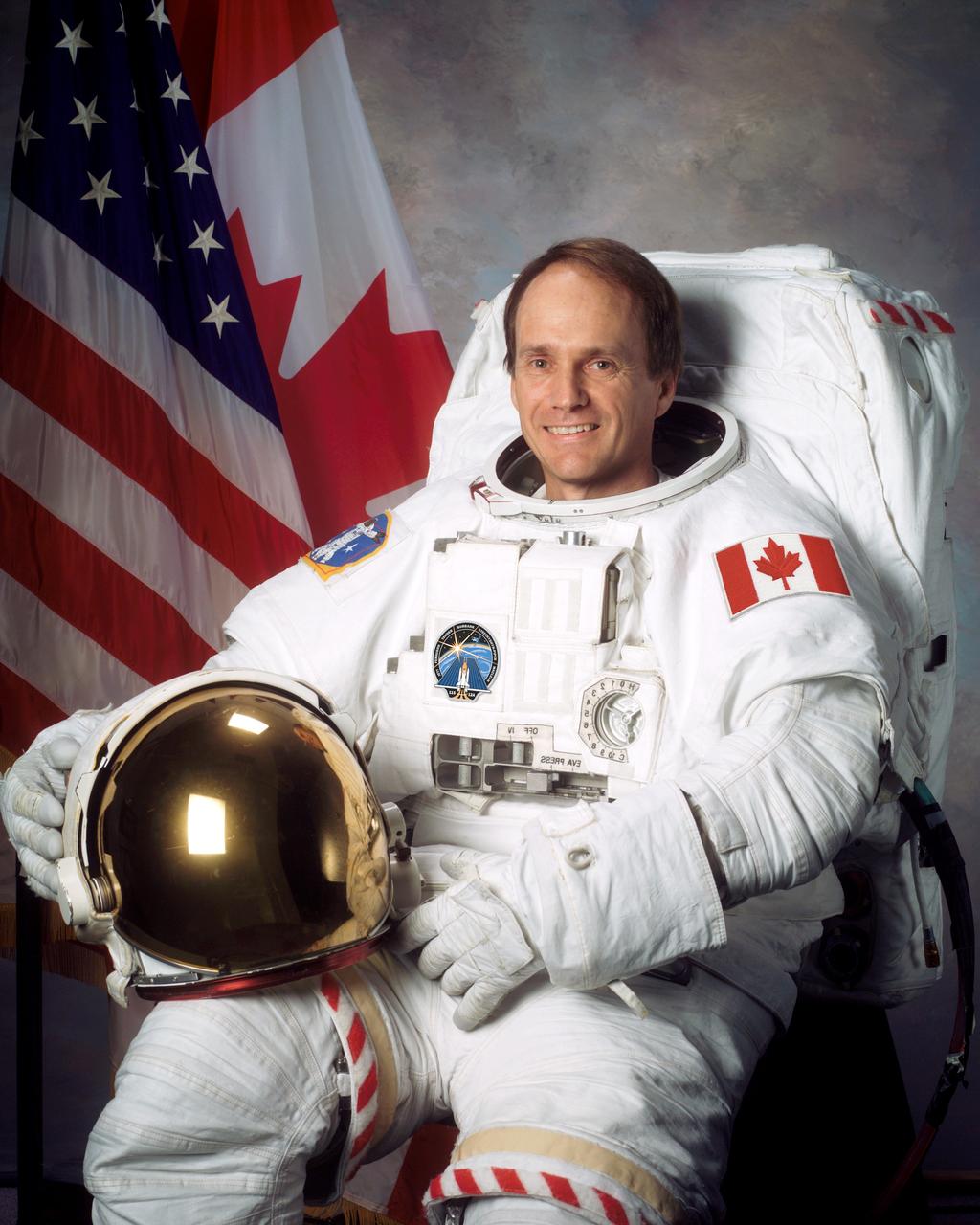
JSC2002-E-43795 (11 Sept. 2002) --- Astronaut Steven G. MacLean, mission specialist representing the Canadian Space Agency.
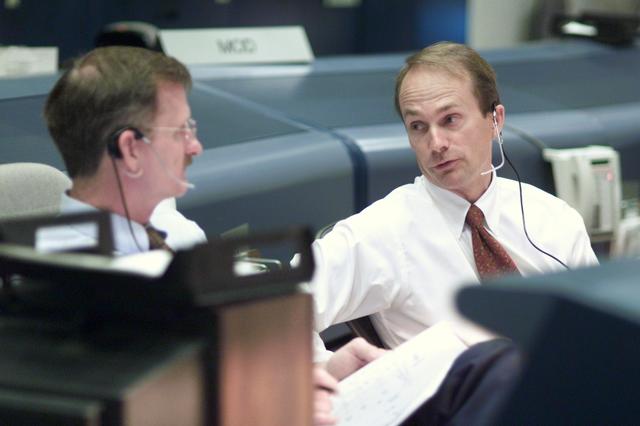
JSC2001-E-25123 (16 August 2001) --- Astronauts Joseph R. Tanner (left) and Steve MacLean, both STS-105 spacecraft communicators (CAPCOM), discuss the progress of the extravehicular activity at their consoles in the shuttle flight control room (WFCR) in Houston’s Mission Control Center (MCC). At the time this photo was taken, mission specialists Daniel T. Barry and Patrick G. Forrester were performing the first of two scheduled space walks during Discovery’s voyage to the International Space Station (ISS). MacLean represents the Canadian Space Agency.
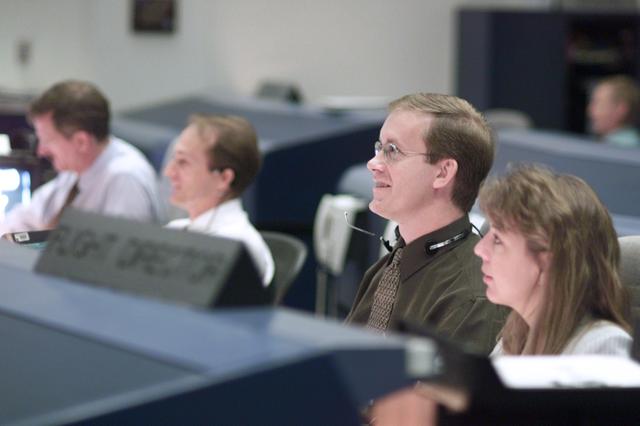
JSC2001-E-25125 (16 August 2001) --- Flight directors John Shannon (left foreground) and Kelly Beck watch the large screens from their consoles in the shuttle flight control room (WFCR) in Houston’s Mission Control Center (MCC) along with astronauts Joseph R. Tanner (left background) and Steve MacLean, STS-105 spacecraft communicators (CAPCOM). At the time this photo was taken, mission specialists Daniel T. Barry and Patrick G. Forrester were performing the first of two scheduled space walks during Discovery’s visit to the International Space Station (ISS). MacLean represents the Canadian Space Agency.
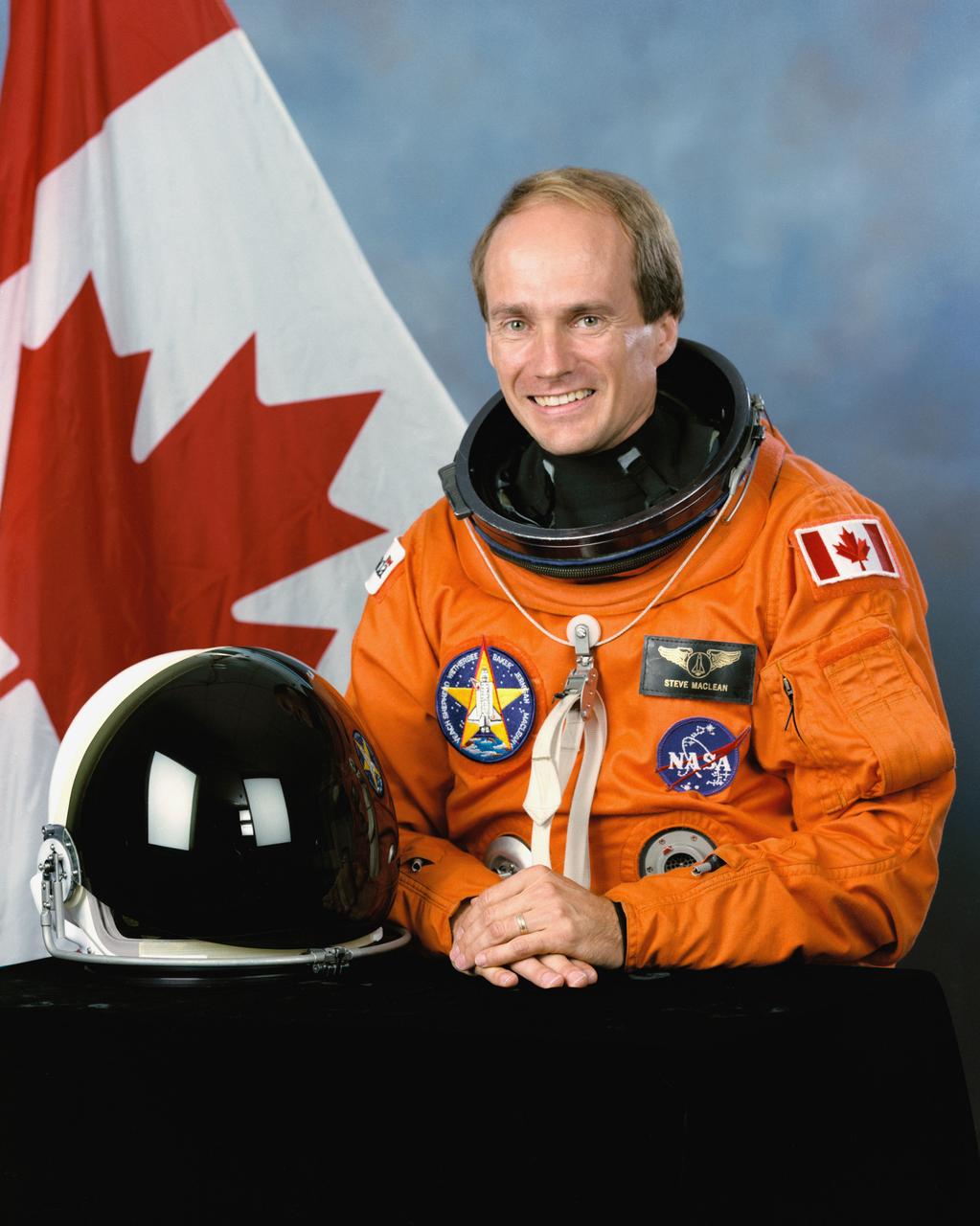
S92-44998 (August 1992) --- Astronaut Steven G. Maclean, payload specialist STS-52. NOTE: MacLean is one of six Canadian astronauts selected in December 1983. He began astronaut training in February 1984. He was designated in December 1985 as the Canadian payload specialist to fly on STS-52 with the CANEX-2 set of Canadian experiments.
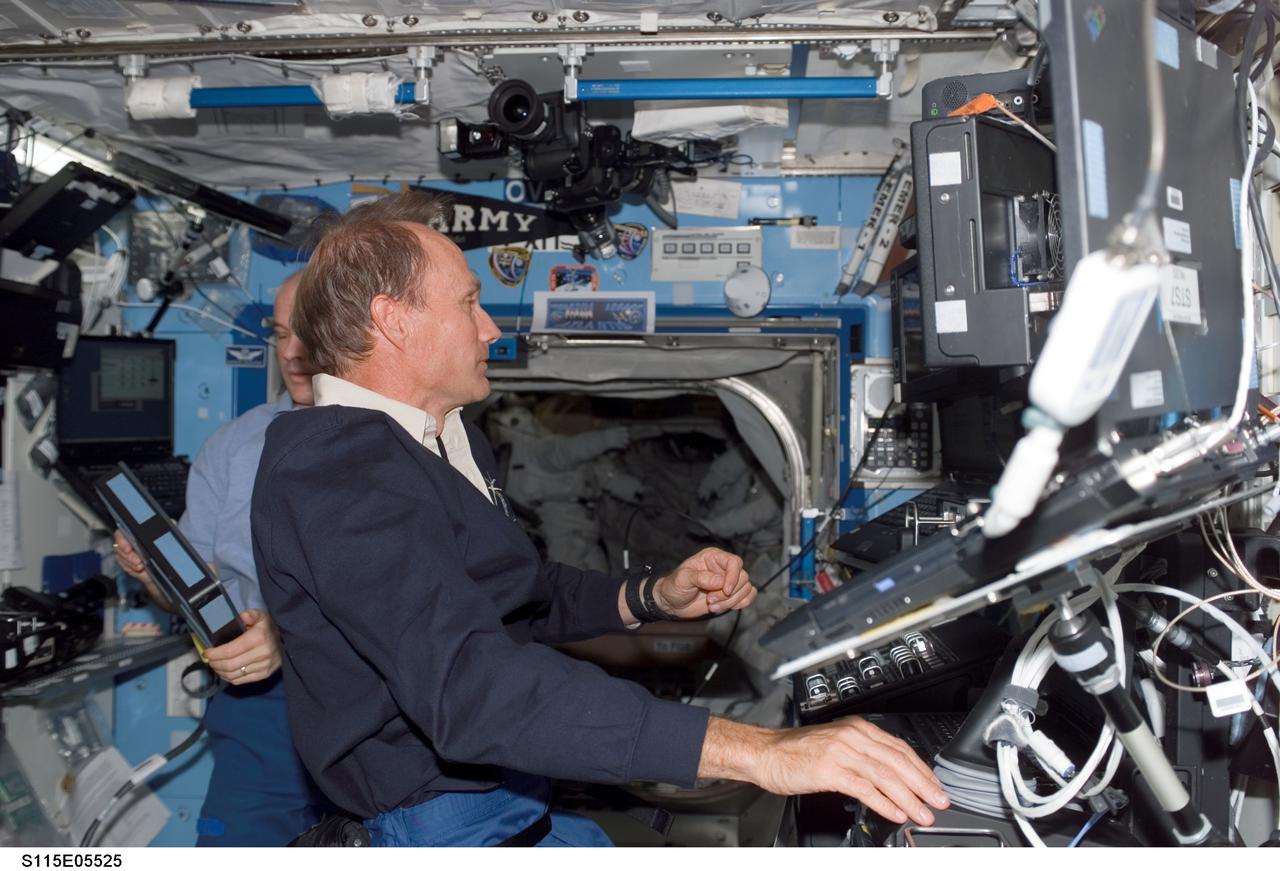
View of Astronauts Steve MacLean, Canadian Space Agency (CSA), Mission Specialist (MS), and Jeffrey N. Williams, Expedition 13 Flight Engineer (FE) and NASA Space Station Science Officer working at the Space Stations Robotic Arm to slowly move the 17 and a half ton P3/P4 truss to the port side of the Integrated Truss System. They will align it using a television camera and then mate it to the P1. Photo was taken in the U.S. Laboratory/Destiny during Expedition 13 / STS-115 joint operations.
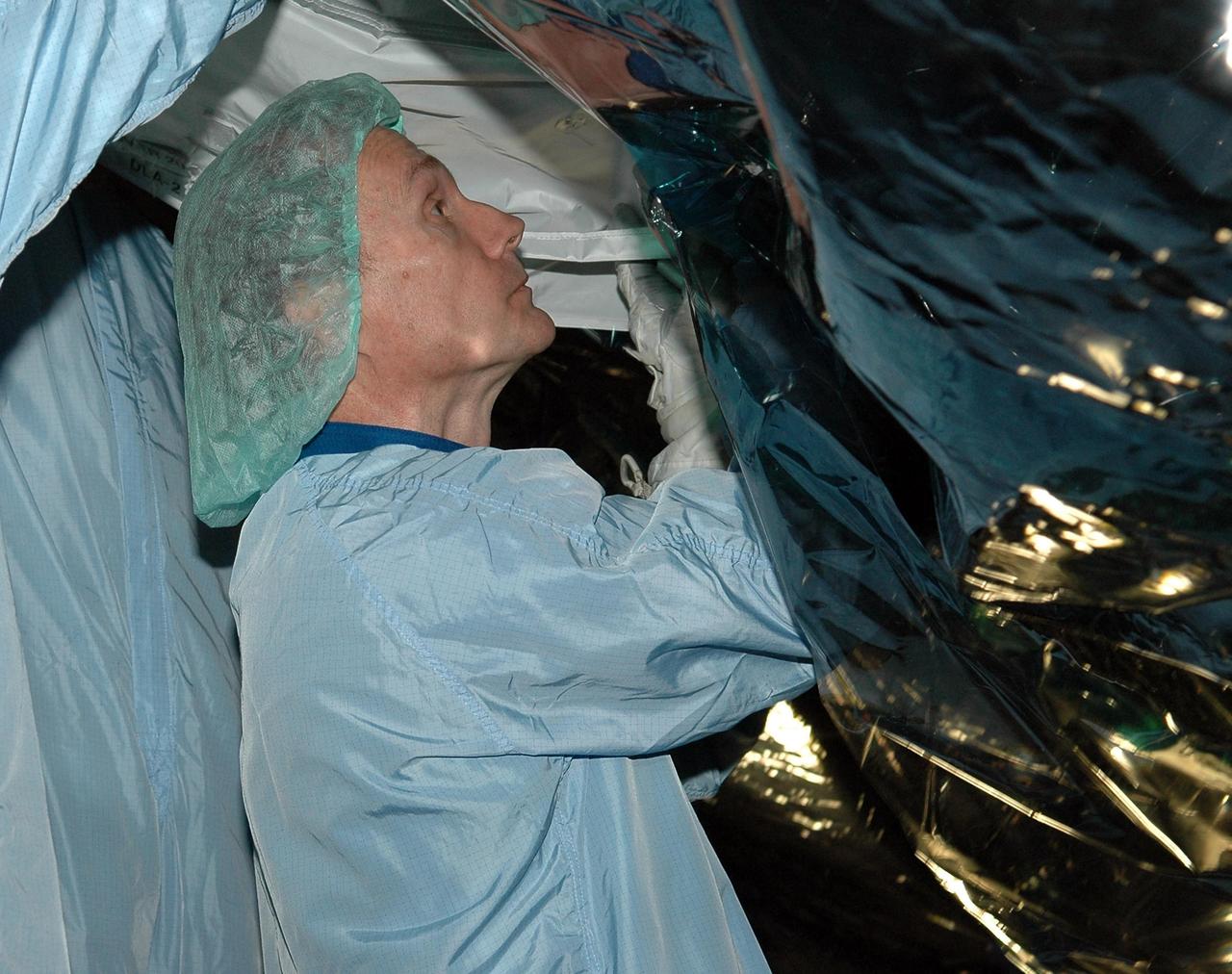
KENNEDY SPACE CENTER, FLA. - In the Space Station Processing Facility at NASA's Kennedy Space Center, STS-115 Mission Specialist Steve Maclean is installing a solar alpha rotary joint drive lock assembly multilayer installation cover. He and other crew members are at the center for Crew Equipment Interface Test activities. Equipment familiarization is a routine part of astronaut training and launch preparations. The mission will deliver the second port truss segment, the P3/P4 Truss, to attach to the first port truss segment, the P1 Truss, as well as deploy solar array set 2A and 4A. Launch on Space Shuttle Atlantis is scheduled for late August. Photo credit: NASA/Kim Shiflett
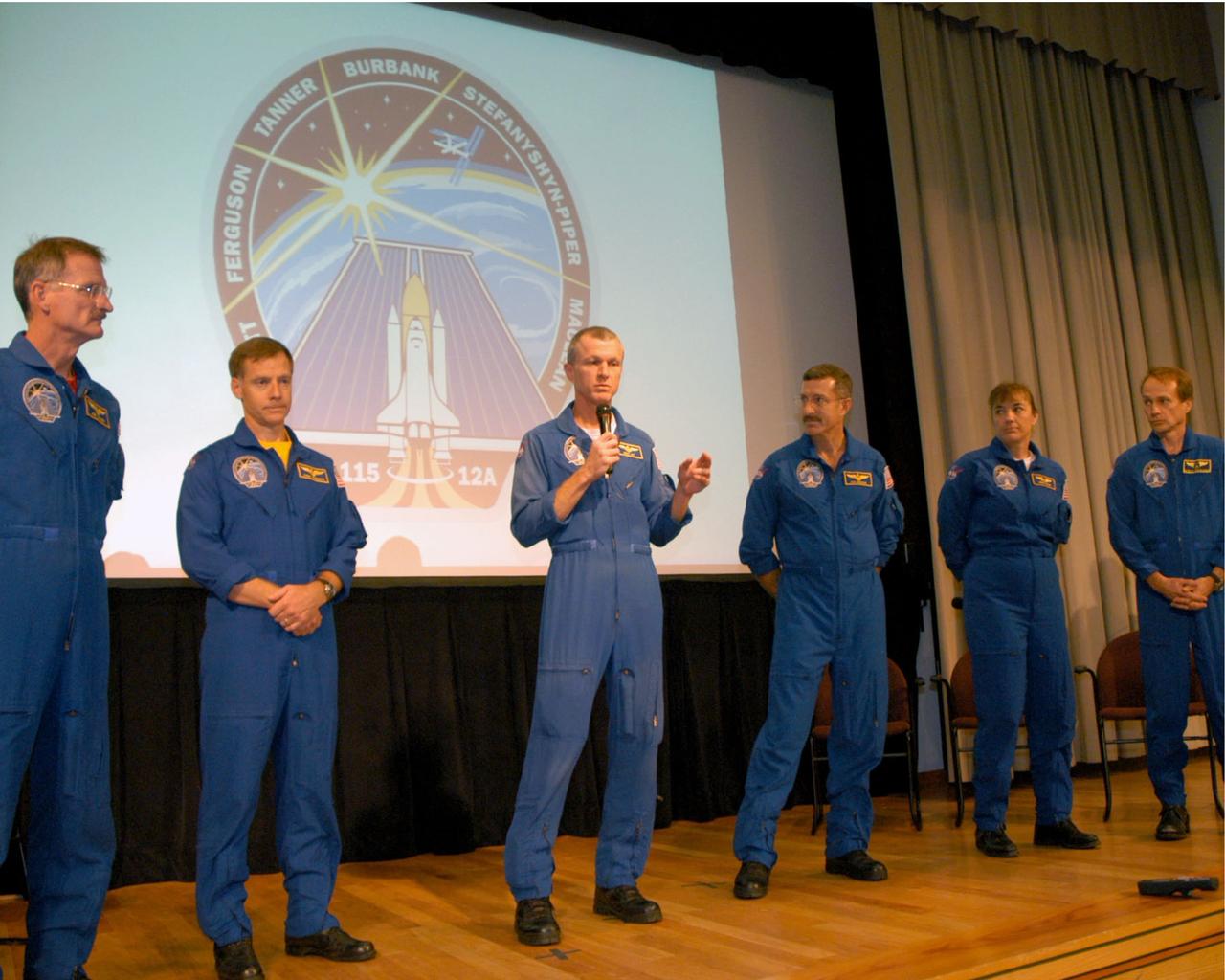
Commander Brent Jett (center) talks with employees and visitors at NASA Stennis Space Center. The astronauts of NASA's STS-115 space shuttle mission visited SSC in south Mississippi to share highlights of their 12-day mission and to thank SSC employees for the reliability of the space shuttle's main engines, which helped propel Space Shuttle Atlantis into orbit. STS-115's other crewmembers are (from left) Mission Specialists Joe Tanner, Dan Burbank, Heidemarie Stefanyshyn-Piper and Steve MacLean of the Canadian Space Agency. The mission launched Sept. 9, 2006, resuming construction of the International Space Station.
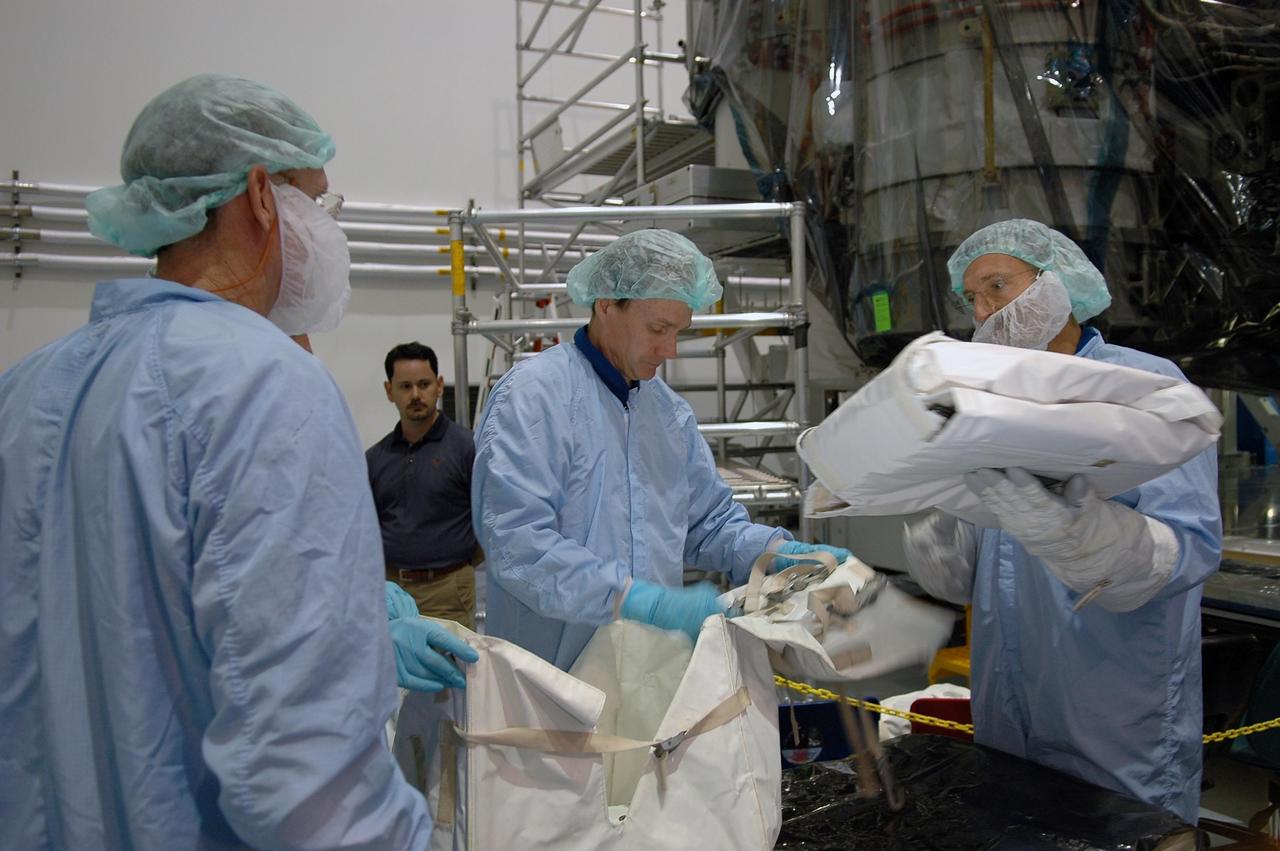
KENNEDY SPACE CENTER, FLA. - In the Space Station Processing Facility at NASA's Kennedy Space Center, STS-115 Mission Specialists Joe Tanner, Heidemarie Stefanyshyn-Piper, Steve Maclean and Dan Burbank are fit checking sequential shunt unit, electronics control unit and multiplexer demultiplexer launch to activation multi-layer installation blankets in a large Orbital Replaceable Unit transfer bag. They and other crew members are at the center for Crew Equipment Interface Test activities. Equipment familiarization is a routine part of astronaut training and launch preparations. The mission will deliver the second port truss segment, the P3/P4 Truss, to attach to the first port truss segment, the P1 Truss, as well as deploy solar array set 2A and 4A. Launch on Space Shuttle Atlantis is scheduled for late August. Photo credit: NASA/Kim Shiflett
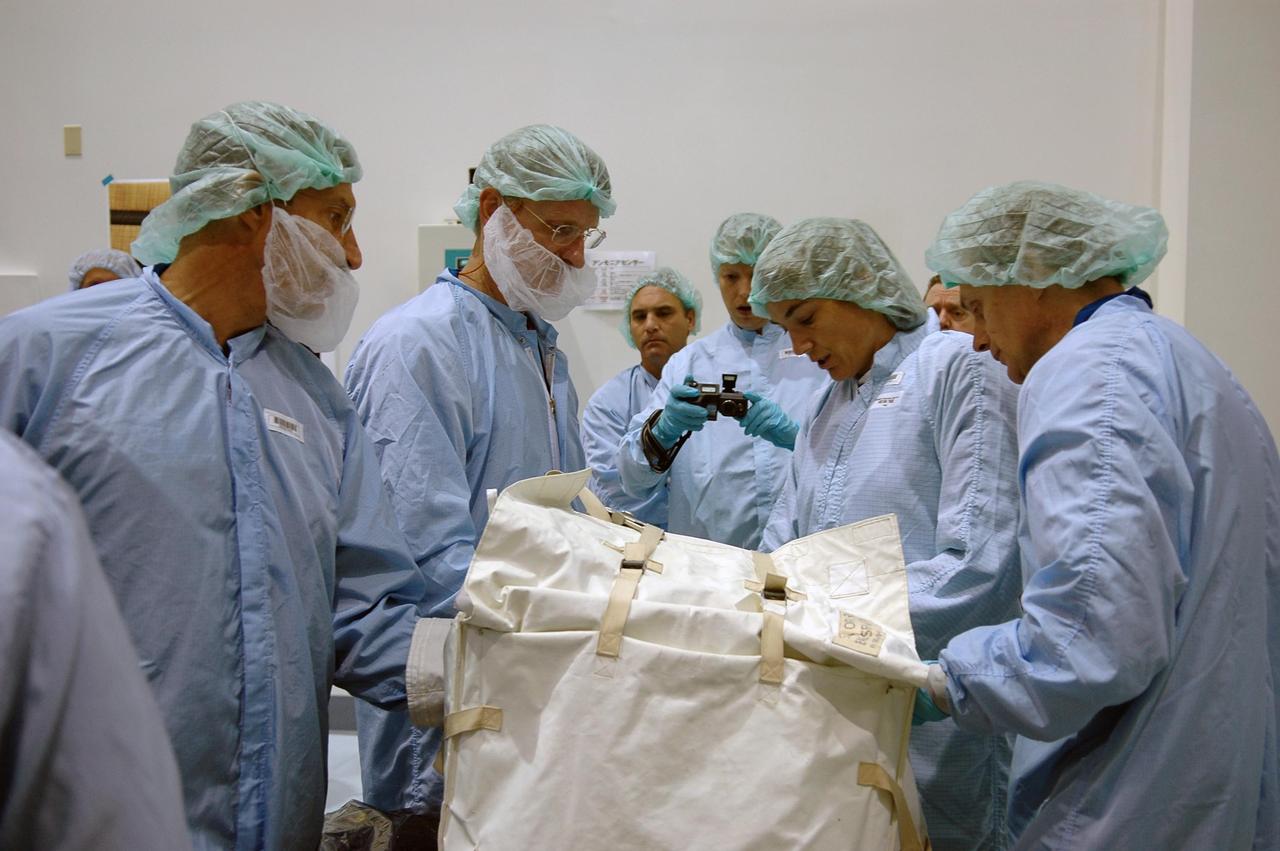
KENNEDY SPACE CENTER, FLA. - In the Space Station Processing Facility at NASA's Kennedy Space Center, STS-115 Mission Specialists (foreground, from left) Daniel Burbank, Joseph Tanner, Heidemarie Stefanyshyn-Piper, and Steve Maclean are fit checking a sequential shunt unit, electronics control unit and multiplexer de-multiplexer launch to activation multi-layer installation blankets in a large Orbital Replaceable Unit transfer bag. They and other crew members are at the center for Crew Equipment Interface Test activities. Equipment familiarization is a routine part of astronaut training and launch preparations. The mission will deliver the second port truss segment, the P3/P4 Truss, to attach to the first port truss segment, the P1 Truss, as well as deploy solar array set 2A and 4A. Launch on Space Shuttle Atlantis is scheduled for late August. Photo credit: NASA/Kim Shiflett
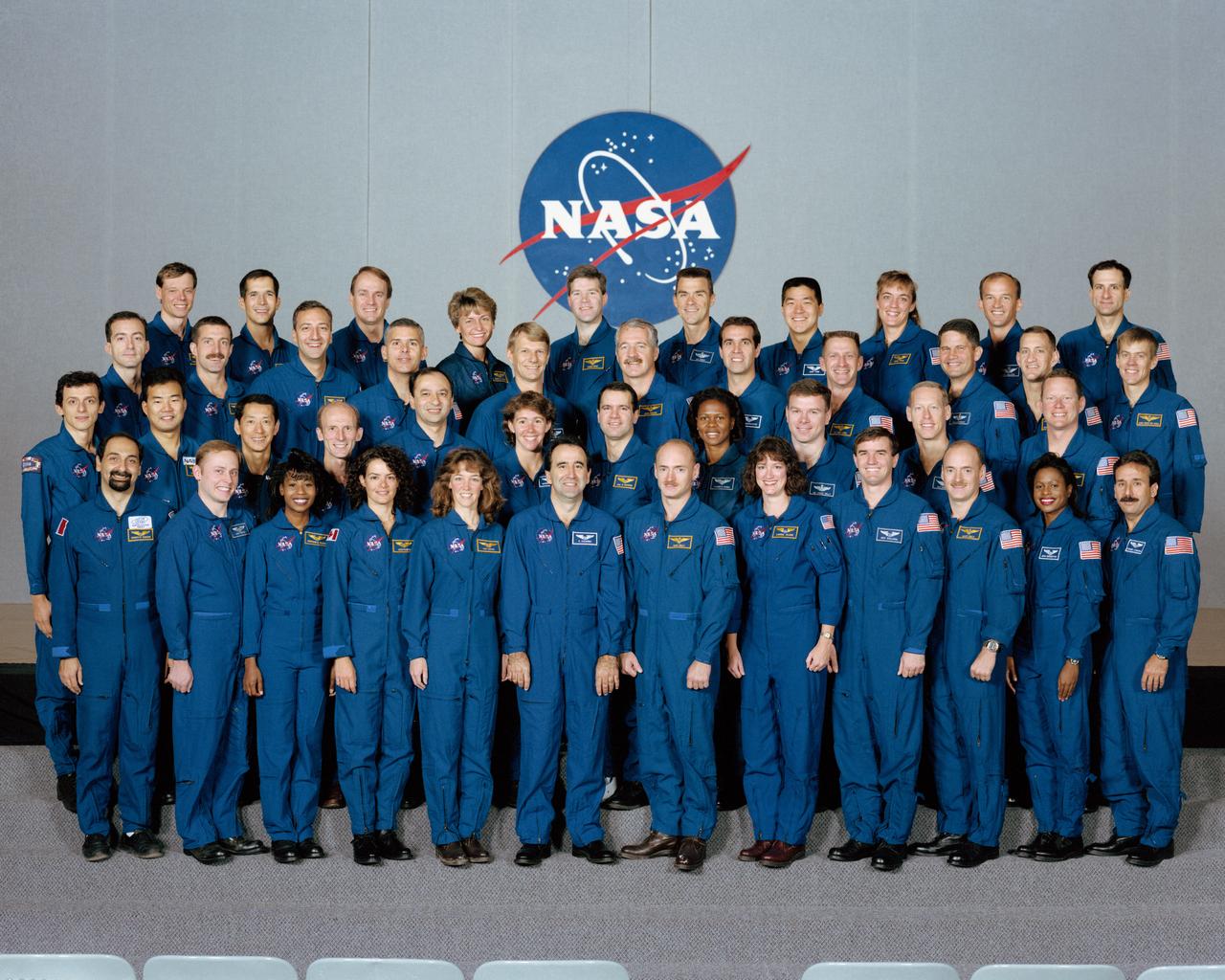
S96-18546 (5 Nov. 1996) --- Following their selection from among 2,400 applicants, the 44 astronaut candidates begin a lengthy period of training and evaluation at NASA's Johnson Space Center as they gather for their group portrait. This year?s class is the largest in the history of space shuttle astronauts and their early program predecessors. Ten pilots and 25 mission specialists make up the internationally diverse class. The international trainees represent the Canadian, Japanese, Italian, French, German and European space agencies. Back row ? from the left, Christer Fuglesang, John Herrington, Steve MacLean, Peggy Whitson, Stephen Frick, Duane Carey, Daniel Tani, Heidemarie Stefanyshyn-Piper, Jeffrey Williams and Donald Pettit. Second to back row ? from the left, Philippe Perrin, Daniel Burbank, Michael Massimino, Lee Morin, Piers Sellers, John Phillips, Richard Mastraccio, Christopher Loria, Paul Lockhart, Charles Hobaugh and William McCool. Second to front row ? from the left, Pedro Duque, Soichi Noguchi, Mamoru Mohri, Gerhard Thiele, Mark Polansky, Sandra Magnus, Paul Richards, Yvonne Cagle, James Kelly, Patrick Forrester and David Brown. Front row ? from the left, Umberto Guidoni, Edward Fincke, Stephanie Wilson, Julie Payette, Lisa Nowak, Fernando Caldeiro, Mark Kelly, Laurel Clark, Rex Walheim, Scott Kelly, Joan Higginbotham and Charles Camarda. Guidoni represents the Italian Space Agency (ASI). Fuglesang and Duque represent the European Space Agency (ESA). Mohri and Noguchi represent the Japanese Space Agency (NASDA). MacLean and Payette are with the Canadian Space Agency. Perrin is associated with the French Space Agency (CNES) and Thiele represents the German Space Agency (DARA). Photo credit: NASA or National Aeronautics and Space Administration
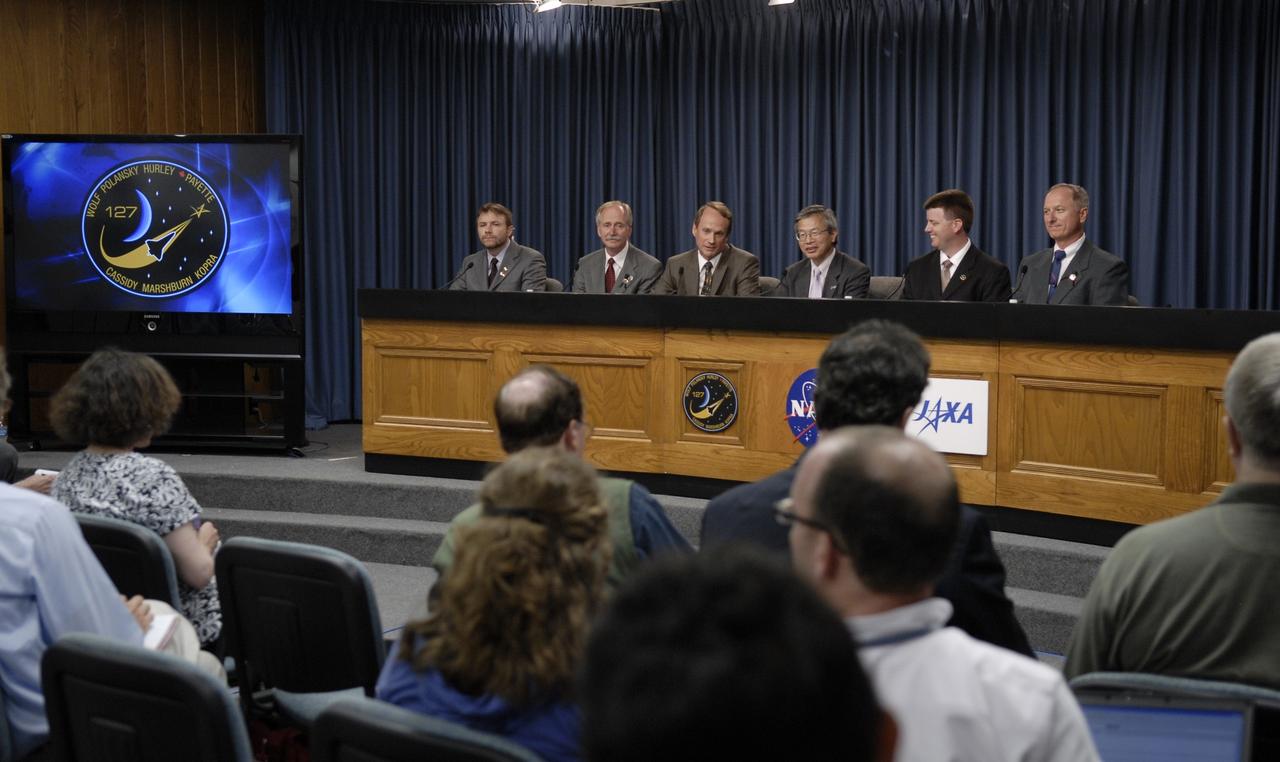
CAPE CANAVERAL, Fla. – Answering questions from the media at a press conference held at NASA's Kennedy Space Center in Florida are (second from left) Associate Administrator for NASA's Space Operations Directorate William Gerstenmaier, Canadian Space Agency President Steve MacLean, Japan Aerospace Exploration Agency Executive Director of Human Space Systems and Utilization Kuniaki Shiraki, Shuttle Launch Integration Manager Mike Moses and STS-127 Shuttle Launch Director Pete Nickolenko. At far left is moderator John Yembrick from NASA Public Affairs. The conference followed the successful launch of space shuttle Endeavour on the STS-127 mission. This was the sixth launch attempt for the STS-127 mission. The launch was scrubbed on June 13 and June 17 when a hydrogen gas leak occurred during tanking due to a misaligned Ground Umbilical Carrier Plate. The mission was postponed July 11, 12 and 13 due to weather conditions near the Shuttle Landing Facility at Kennedy that violated rules for launching, and lightning issues. Endeavour will deliver the Japanese Experiment Module's Exposed Facility and the Experiment Logistics Module-Exposed Section in the final of three flights dedicated to the assembly of the Japan Aerospace Exploration Agency's Kibo laboratory complex on the International Space Station. Photo credit: NASA/Kim Shiflett
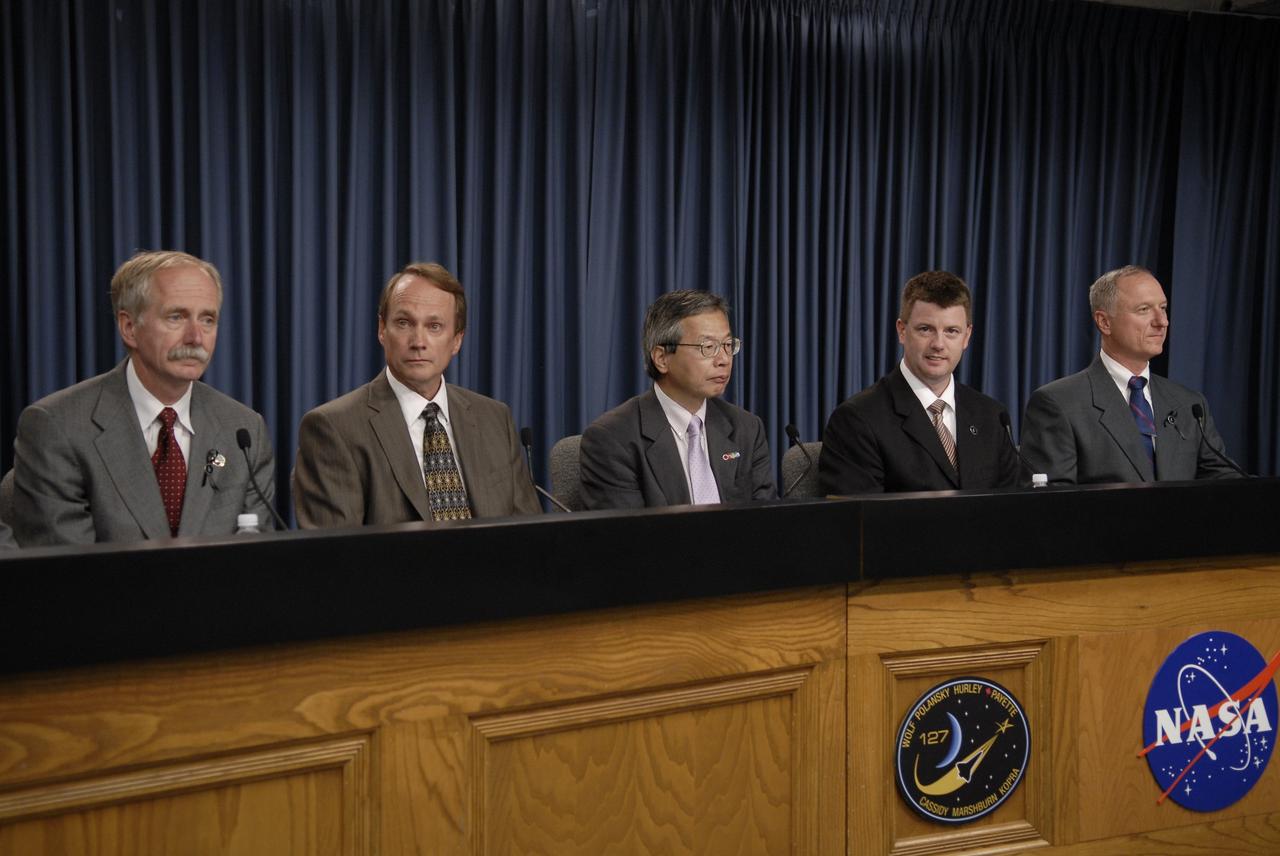
CAPE CANAVERAL, Fla. – At NASA's Kennedy Space Center in Florida, a press conference following the successful launch of space shuttle Endeavour on the STS-127 mission featured (from left) Associate Administrator for NASA's Space Operations Directorate William Gerstenmaier, Canadian Space Agency President Steve MacLean, Japan Aerospace Exploration Agency Executive Director of Human Space Systems and Utilization Kuniaki Shiraki, Shuttle Launch Integration Manager Mike Moses and STS-127 Shuttle Launch Director Pete Nickolenko. This was the sixth launch attempt for the STS-127 mission. The launch was scrubbed on June 13 and June 17 when a hydrogen gas leak occurred during tanking due to a misaligned Ground Umbilical Carrier Plate. The mission was postponed July 11, 12 and 13 due to weather conditions near the Shuttle Landing Facility at Kennedy that violated rules for launching, and lightning issues. Endeavour will deliver the Japanese Experiment Module's Exposed Facility and the Experiment Logistics Module-Exposed Section in the final of three flights dedicated to the assembly of the Japan Aerospace Exploration Agency's Kibo laboratory complex on the International Space Station. Photo credit: NASA/Kim Shiflett