
<b>To view a video of the Gradient Sun go to: <a href="http://www.flickr.com/photos/gsfc/8103212817">www.flickr.com/photos/gsfc/8103212817</a></b> Looking at a particularly beautiful image of the sun helps show how the lines between science and art can sometimes blur. But there is more to the connection between the two disciplines: science and art techniques are often quite similar, indeed one may inform the other or be improved based on lessons from the other arena. One such case is a technique known as a "gradient filter" – recognizable to many people as an option available on a photo-editing program. Gradients are, in fact, a mathematical description that highlights the places of greatest physical change in space. A gradient filter, in turn, enhances places of contrast, making them all the more obviously different, a useful tool when adjusting photos. Scientists, too, use gradient filters to enhance contrast, using them to accentuate fine structures that might otherwise be lost in the background noise. On the sun, for example, scientists wish to study a phenomenon known as coronal loops, which are giant arcs of solar material constrained to travel along that particular path by the magnetic fields in the sun's atmosphere. Observations of the loops, which can be more or less tangled and complex during different phases of the sun's 11-year activity cycle, can help researchers understand what's happening with the sun's complex magnetic fields, fields that can also power great eruptions on the sun such as solar flares or coronal mass ejections. The still here shows an unfiltered image from the sun next to one that has been processed using a gradient filter. Note how the coronal loops are sharp and defined, making them all the more easy to study. On the other hand, gradients also make great art. NASA/Goddard Space Flight Center To download this video go to: <a href="http://svs.gsfc.nasa.gov/goto?11112" rel="nofollow">svs.gsfc.nasa.gov/goto?11112</a> <b><a href="http://www.nasa.gov/audience/formedia/features/MP_Photo_Guidelines.html" rel="nofollow">NASA image use policy.</a></b> <b><a href="http://www.nasa.gov/centers/goddard/home/index.html" rel="nofollow">NASA Goddard Space Flight Center</a></b> enables NASA’s mission through four scientific endeavors: Earth Science, Heliophysics, Solar System Exploration, and Astrophysics. Goddard plays a leading role in NASA’s accomplishments by contributing compelling scientific knowledge to advance the Agency’s mission. <b>Follow us on <a href="http://twitter.com/NASA_GoddardPix" rel="nofollow">Twitter</a></b> <b>Like us on <a href="http://www.facebook.com/pages/Greenbelt-MD/NASA-Goddard/395013845897?ref=tsd" rel="nofollow">Facebook</a></b> <b>Find us on <a href="http://instagrid.me/nasagoddard/?vm=grid" rel="nofollow">Instagram</a></b>
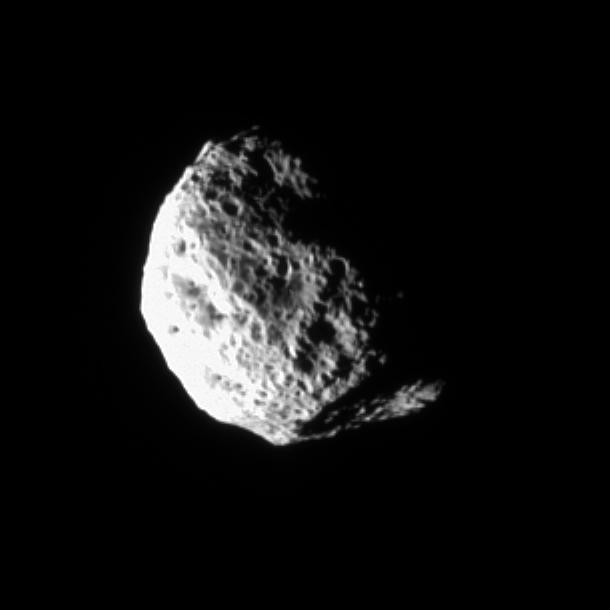
Rough and Tumble Hyperion Still

Still Giving Thanks for Good Health
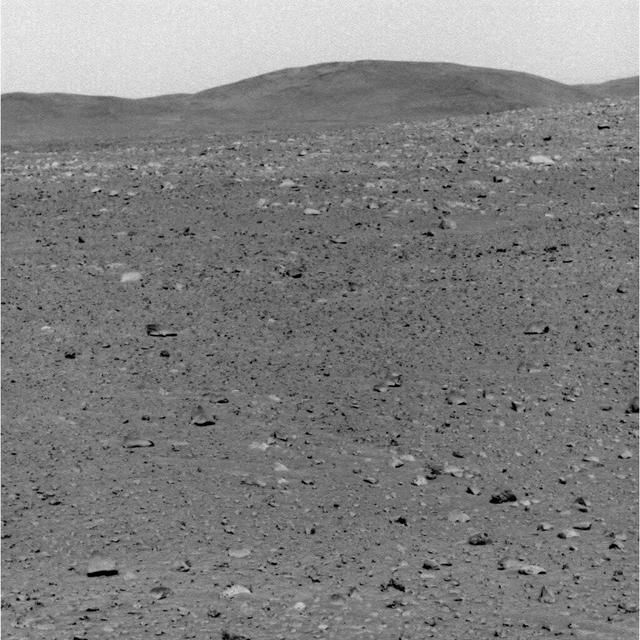
Hills Still a Distant Goal for Spirit
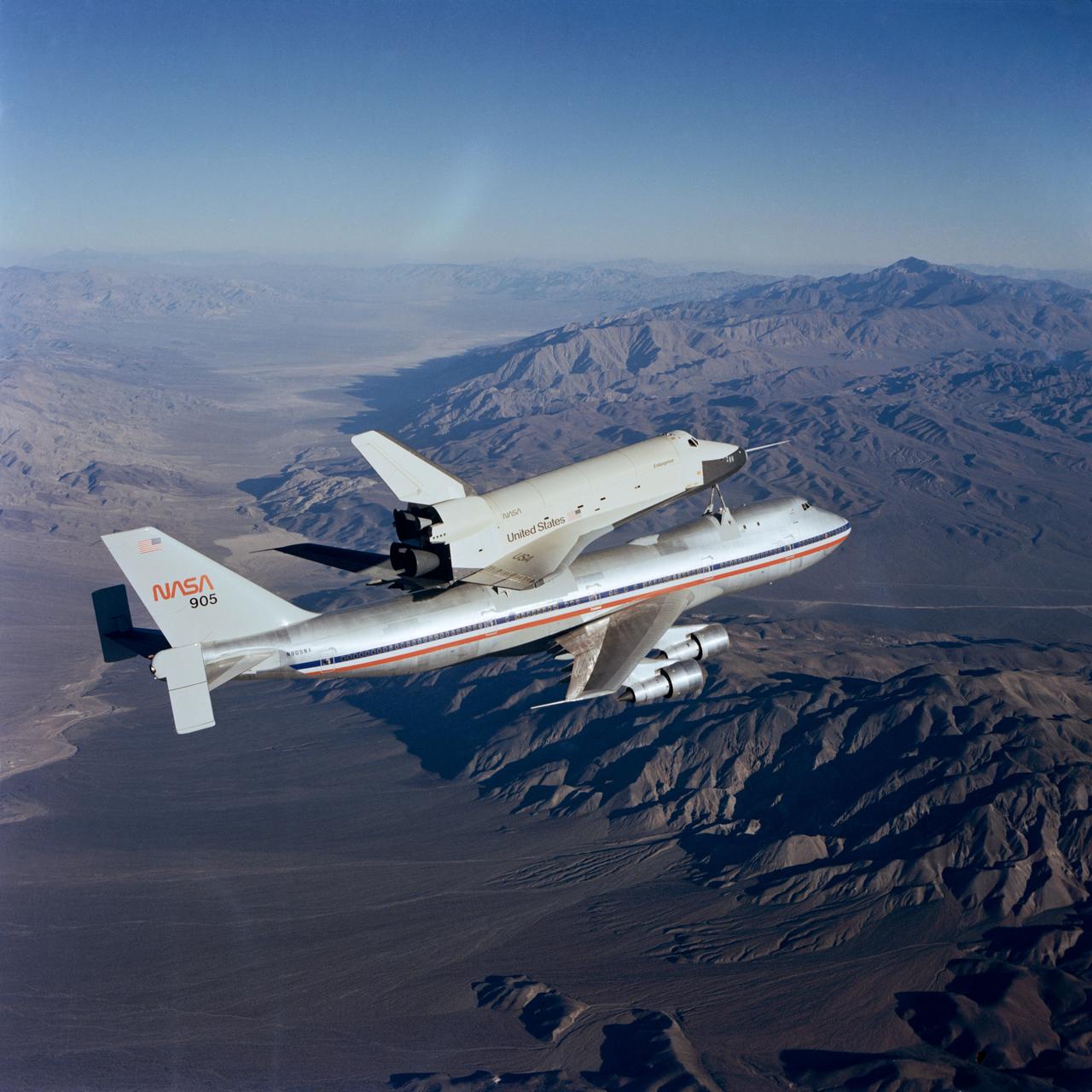
Frame of color news-released stills. This was a Tail Cone Off Mission. Stack Enterprise and 747 in flight.
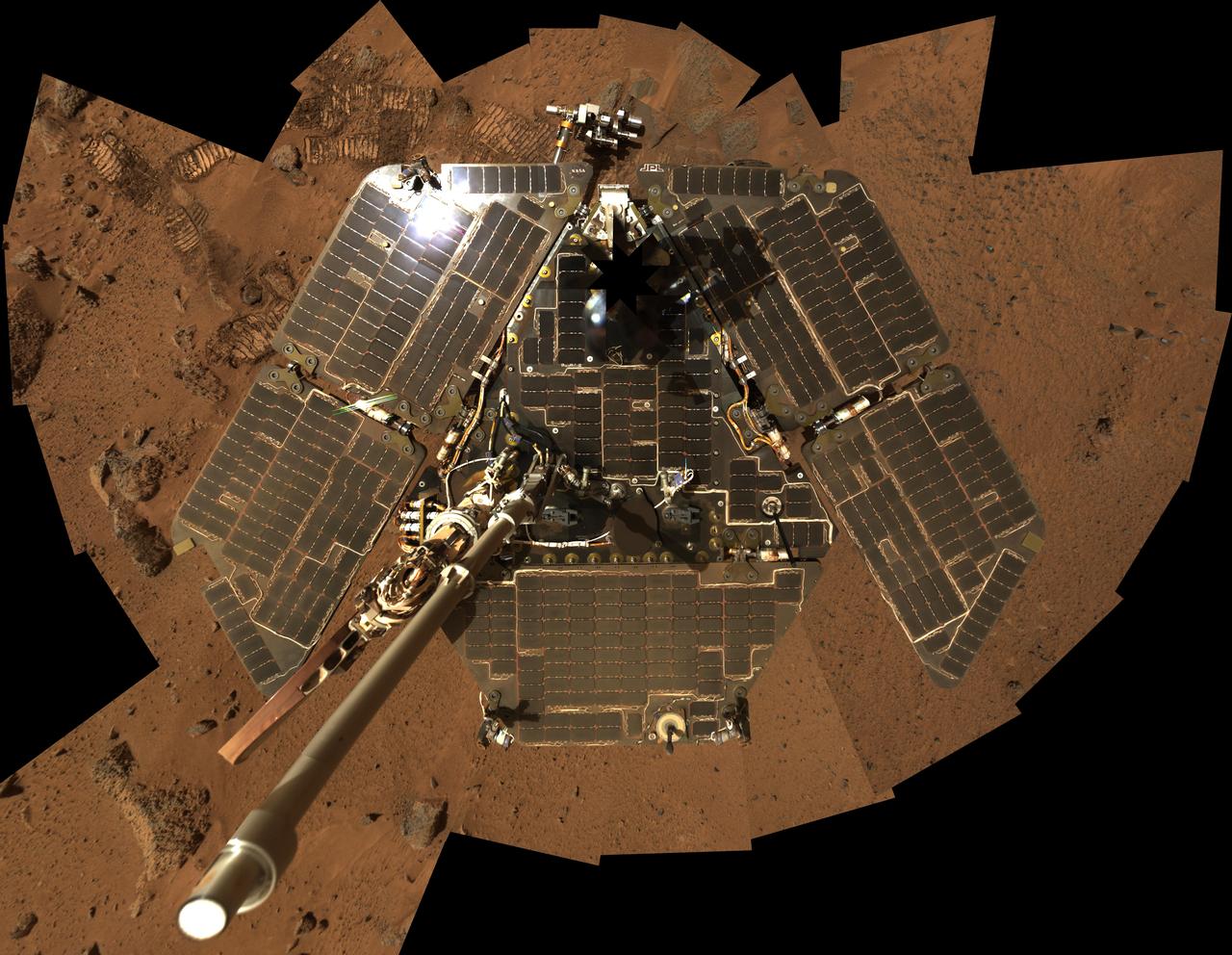
Still Shining After All This Time Vertical
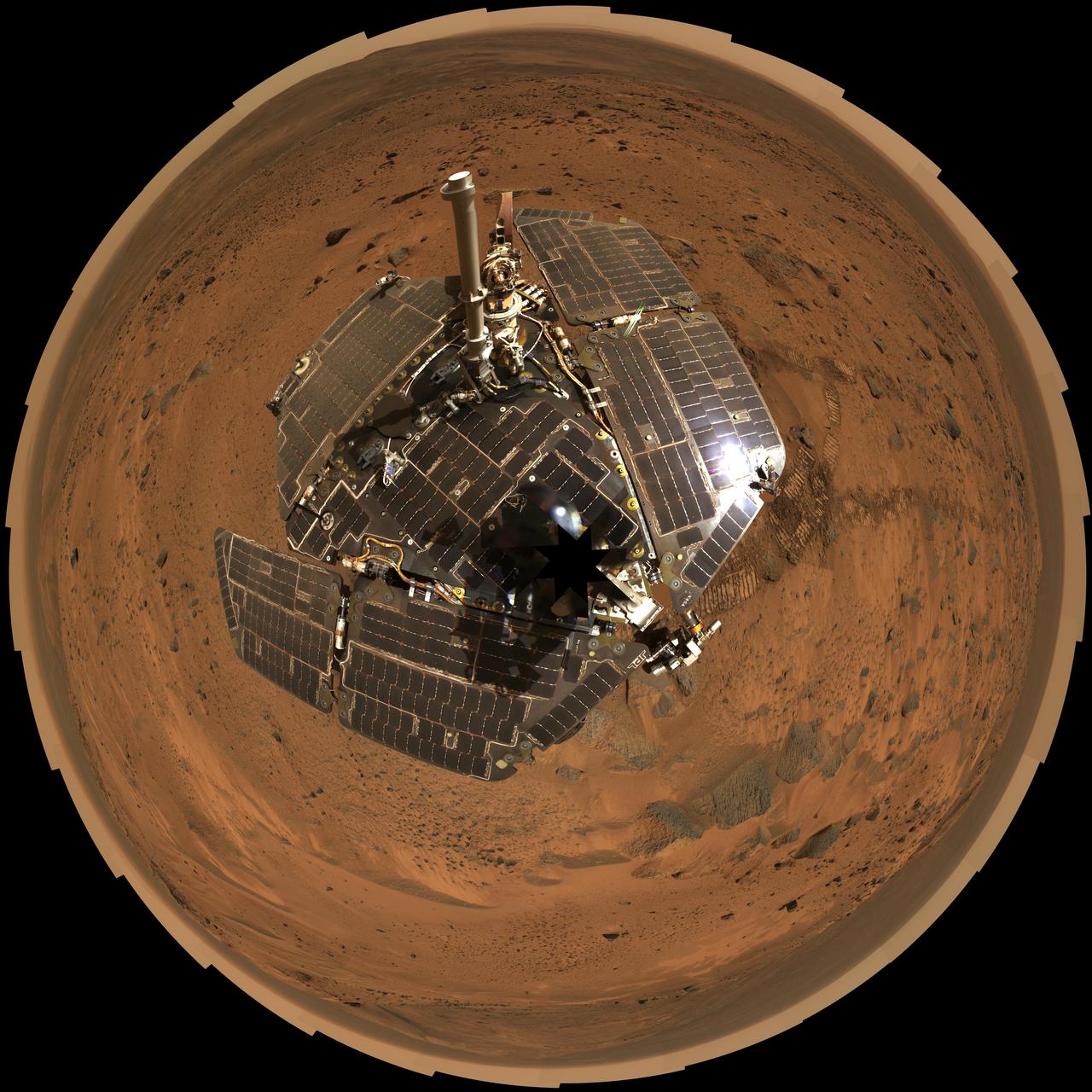
Still Shining After All This Time Polar
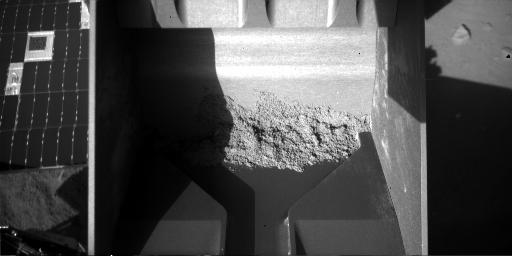
Soil Still in Scoop After Sample-Delivery Attempt

Frame of color news-released stills. This was a Tail Cone Off Mission. Crew was made up of Astronauts Engle and Truly. Astronauts Engle, Truly egress Orbiter following flt. DFRC, CA
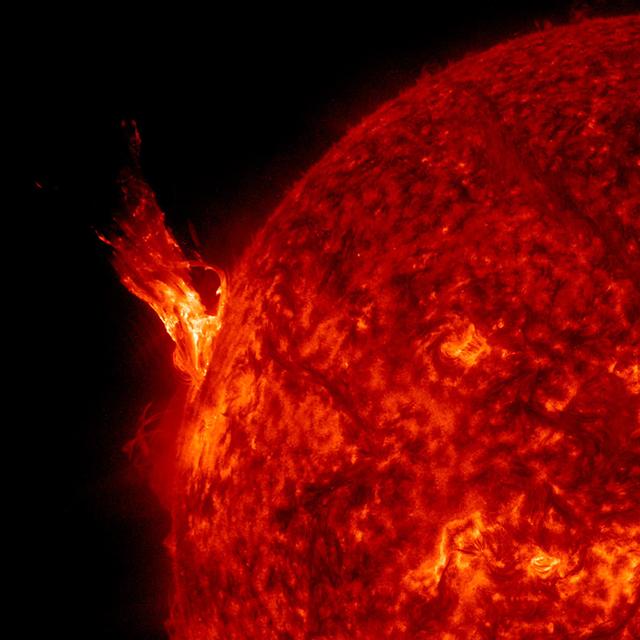
A bright solar prominence rose up from the Sun and twisted around in about a six-hour period (Apr. 21, 2015). While some of the material broke away into space, much of it fell back into the Sun. The images were taken in a wavelength of extreme ultraviolet light. At its greatest height, the plume extended out many times the size of Earth, allowing numerous amateur astronomers to observe this event with their solar telescopes. Credit: NASA/SDO <b><a href="http://www.nasa.gov/audience/formedia/features/MP_Photo_Guidelines.html" rel="nofollow">NASA image use policy.</a></b> <b><a href="http://www.nasa.gov/centers/goddard/home/index.html" rel="nofollow">NASA Goddard Space Flight Center</a></b> enables NASA’s mission through four scientific endeavors: Earth Science, Heliophysics, Solar System Exploration, and Astrophysics. Goddard plays a leading role in NASA’s accomplishments by contributing compelling scientific knowledge to advance the Agency’s mission. <b>Follow us on <a href="http://twitter.com/NASAGoddardPix" rel="nofollow">Twitter</a></b> <b>Like us on <a href="http://www.facebook.com/pages/Greenbelt-MD/NASA-Goddard/395013845897?ref=tsd" rel="nofollow">Facebook</a></b> <b>Find us on <a href="http://instagrid.me/nasagoddard/?vm=grid" rel="nofollow">Instagram</a></b>
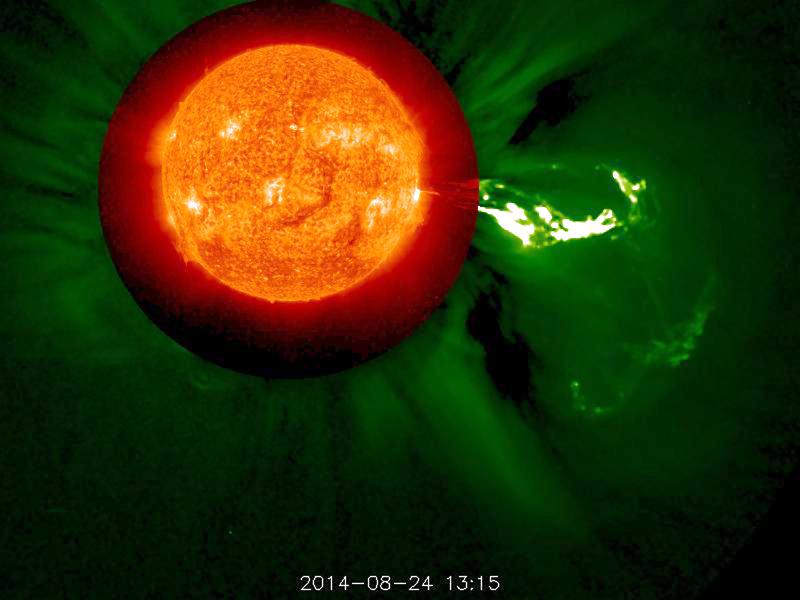
STEREO (Behind) captured this magnificent coronal mass ejection (associated with an M-class flare) that flung a long stream of plasma into space (Aug. 24, 2014). We have combined a view of the Sun in extreme UV light with a broader visible light view of the Sun's corona. It is interesting to note that a lot of the plasma, lacking sufficient kinetic energy to break free from the Sun's gravity, was pulled back into the Sun. Credit: NASA/STEREO <b><a href="http://www.nasa.gov/audience/formedia/features/MP_Photo_Guidelines.html" rel="nofollow">NASA image use policy.</a></b> <b><a href="http://www.nasa.gov/centers/goddard/home/index.html" rel="nofollow">NASA Goddard Space Flight Center</a></b> enables NASA’s mission through four scientific endeavors: Earth Science, Heliophysics, Solar System Exploration, and Astrophysics. Goddard plays a leading role in NASA’s accomplishments by contributing compelling scientific knowledge to advance the Agency’s mission. <b>Follow us on <a href="http://twitter.com/NASAGoddardPix" rel="nofollow">Twitter</a></b> <b>Like us on <a href="http://www.facebook.com/pages/Greenbelt-MD/NASA-Goddard/395013845897?ref=tsd" rel="nofollow">Facebook</a></b> <b>Find us on <a href="http://instagram.com/nasagoddard?vm=grid" rel="nofollow">Instagram</a></b>
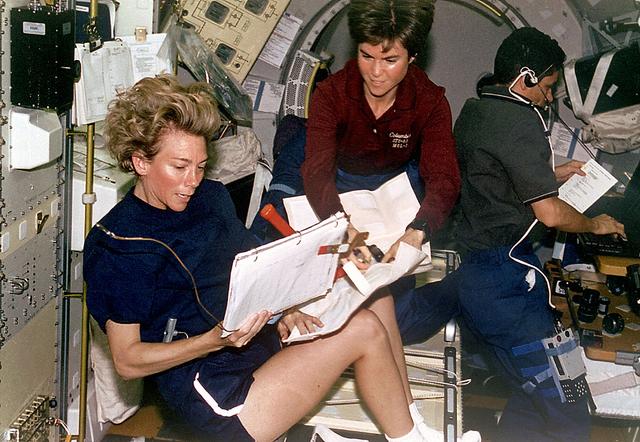
This Space Shuttle Columbia (STS-94) onboard photo is of astronauts Susan Still and Janice Voss reviewing an Inflight Maintenance (IFM) procedure in the Microgravity Science Lab (MSL-1) science module. Astronaut Gregory Linteris works at a lap top computer in the background.
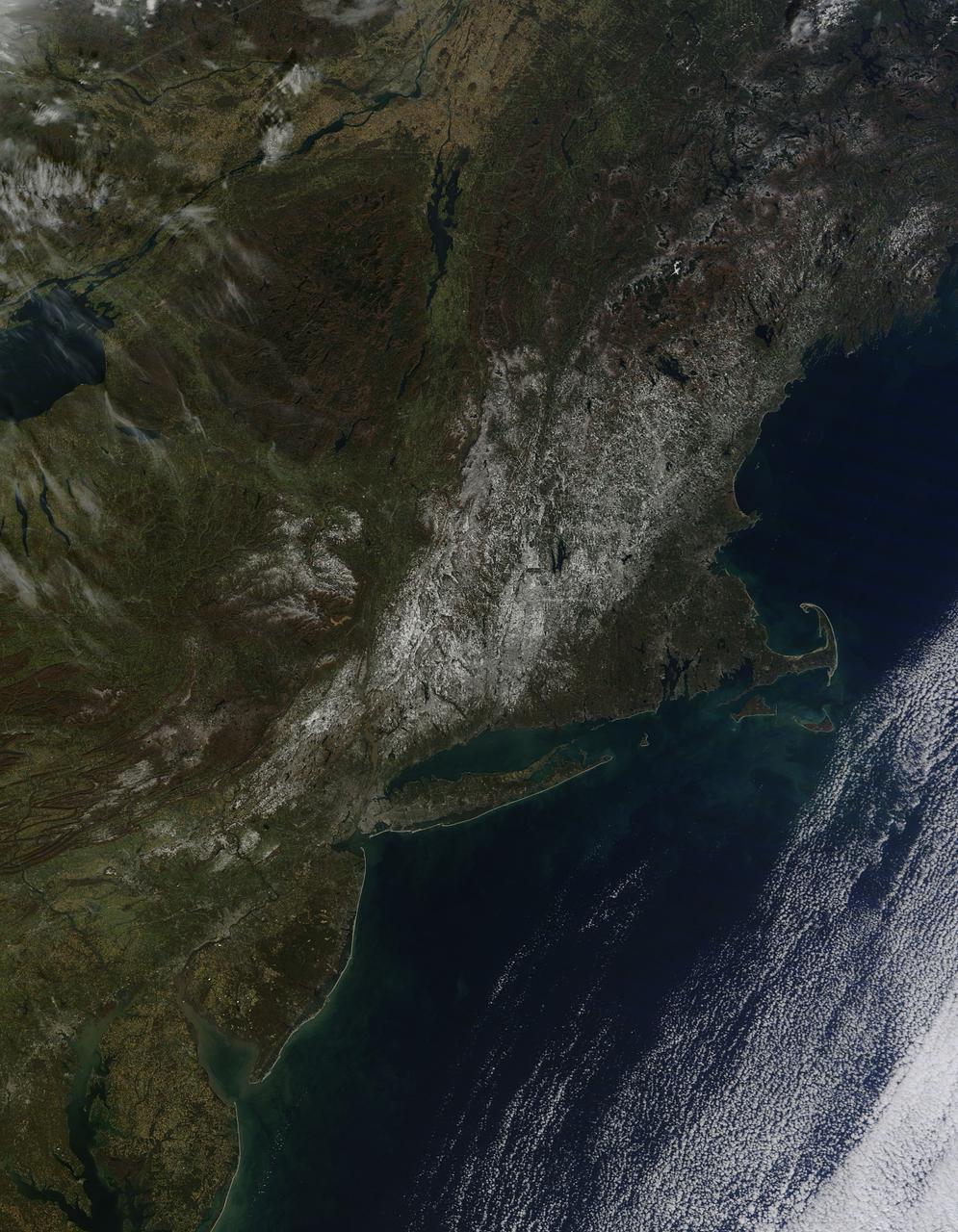
Last weekend's late October snow may have melted in Maryland, Delaware, parts of Pennsylvania and New Jersey, but residents in north central Connecticut are still dealing with the effects of the storm. According to Connecticut Light and Power, 430,868 residents were still without power today, Nov. 3, 2011. For estimated restoration times, visit their website at: <a href="http://www.cl-p.com/stormcenter/estimates/" rel="nofollow">www.cl-p.com/stormcenter/estimates/</a>. A late October snowstorm from a Nor'easter blanketed the eastern U.S. from West Virginia to Maine and broke records the weekend before Halloween Monday. NASA's Aqua satellite flew over the region on October 30 after the snow was ending in New England and captured the ghostly blanket of white. When NASA's Aqua satellite passed over the northeastern U.S. on November 2, 2011 at 2:00 p.m. EDT, the Moderate Resolution Imaging Spectroradiometer (MODIS) instrument captured a detailed image of the remaining snowfall. Snow still covers the ground in western and central Connecticut, southeastern New York, western and central Massachusetts, and parts of Vermont, New Hampshire and Maine. Over the Atlantic, cirrocumulus clouds create a diagonal border. The image was created at NASA's Goddard Space Flight Center in Greenbelt, Md. Image Credit: NASA Goddard MODIS Rapid Response Team; Caption: NASA Goddard, Rob Gutro <b><a href="http://www.nasa.gov/audience/formedia/features/MP_Photo_Guidelines.html" rel="nofollow">NASA image use policy.</a></b> <b><a href="http://www.nasa.gov/centers/goddard/home/index.html" rel="nofollow">NASA Goddard Space Flight Center</a></b> enables NASA’s mission through four scientific endeavors: Earth Science, Heliophysics, Solar System Exploration, and Astrophysics. Goddard plays a leading role in NASA’s accomplishments by contributing compelling scientific knowledge to advance the Agency’s mission. <b>Follow us on <a href="http://twitter.com/NASA_GoddardPix" rel="nofollow">Twitter</a></b> <b>Like us on <a href="http://www.facebook.com/pages/Greenbelt-MD/NASA-Goddard/395013845897?ref=tsd" rel="nofollow">Facebook</a></b> <b>Find us on <a href="http://instagrid.me/nasagoddard/?vm=grid" rel="nofollow">Instagram</a></b>
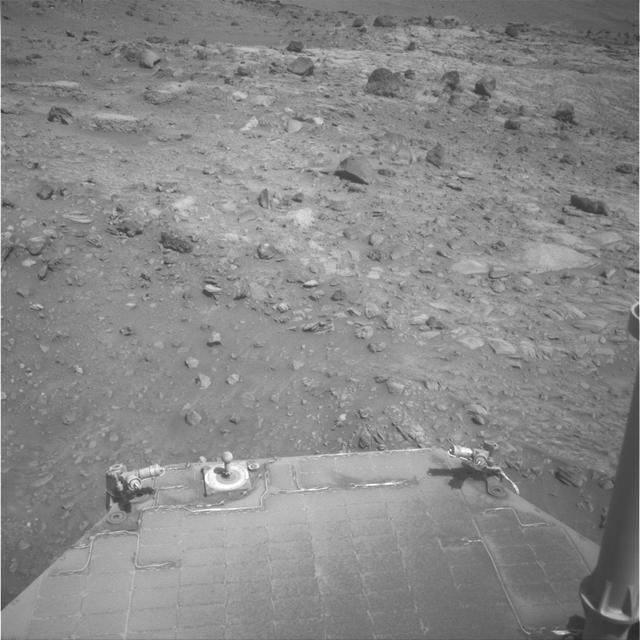
Spirit Solar Panel on Sol 1813, Still Very Dusty

This movie from NASA’s STEREO spacecraft's Heliospheric Imager shows Comet ISON, Mercury, Comet Encke and Earth over a five-day period from Nov. 20 to Nov. 25, 2013. The sun sits right of the field of view of this camera. Comet ISON, which will round the sun on Nov. 28, is what's known as a sungrazing comet, due to its close approach. Foreshortening or the angle at which these images were obtained make Earth appear as if it is closer to the sun than Mercury. If you look closely you will also see a dimmer and smaller comet Encke near comet ISON. A comet’s journey through the solar system is perilous and violent. A giant ejection of solar material from the sun could rip its tail off. Before it reaches Mars -- at some 230 million miles away from the sun -- the radiation of the sun begins to boil its water, the first step toward breaking apart. And, if it survives all this, the intense radiation and pressure as it flies near the surface of the sun could destroy it altogether. Even if the comet does not survive, tracking its journey will help scientists understand what the comet is made of, how it reacts to its environment, and what this explains about the origins of the solar system. Closer to the sun, watching how the comet and its tail interact with the vast solar atmosphere can teach scientists more about the sun itself. Image Credit: NASA/STEREO <b><a href="http://www.nasa.gov/audience/formedia/features/MP_Photo_Guidelines.html" rel="nofollow">NASA image use policy.</a></b> <b><a href="http://www.nasa.gov/centers/goddard/home/index.html" rel="nofollow">NASA Goddard Space Flight Center</a></b> enables NASA’s mission through four scientific endeavors: Earth Science, Heliophysics, Solar System Exploration, and Astrophysics. Goddard plays a leading role in NASA’s accomplishments by contributing compelling scientific knowledge to advance the Agency’s mission. <b>Follow us on <a href="http://twitter.com/NASAGoddardPix" rel="nofollow">Twitter</a></b> <b>Like us on <a href="http://www.facebook.com/pages/Greenbelt-MD/NASA-Goddard/395013845897?ref=tsd" rel="nofollow">Facebook</a></b> <b>Find us on <a href="http://instagram.com/nasagoddard?vm=grid" rel="nofollow">Instagram</a></b>
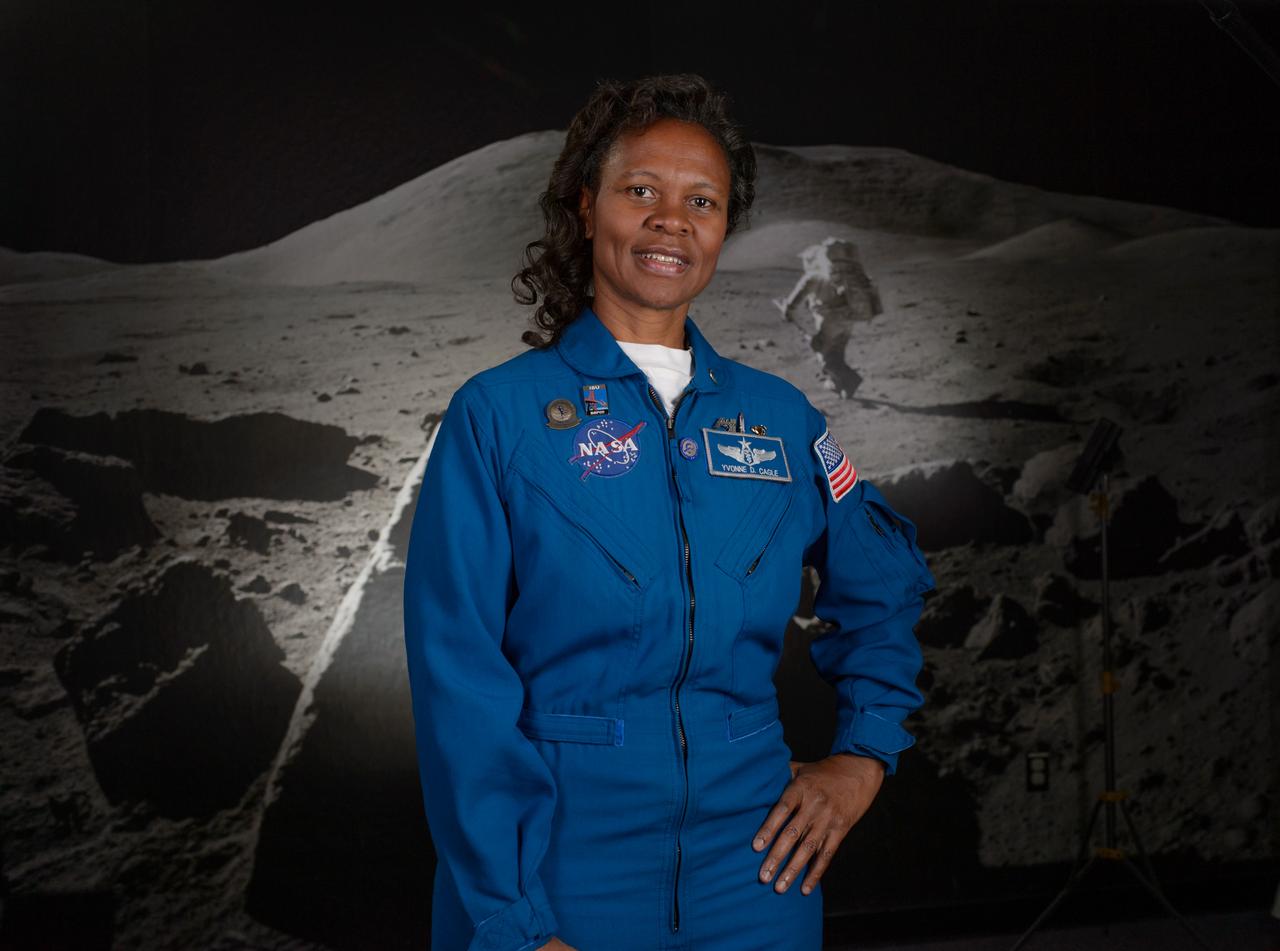
Astronaut Yvonne Cagle in the Apollo Moon Room of the Ames Exploration Center (943-A). Still photo for the NASA Hidden Figures Project.
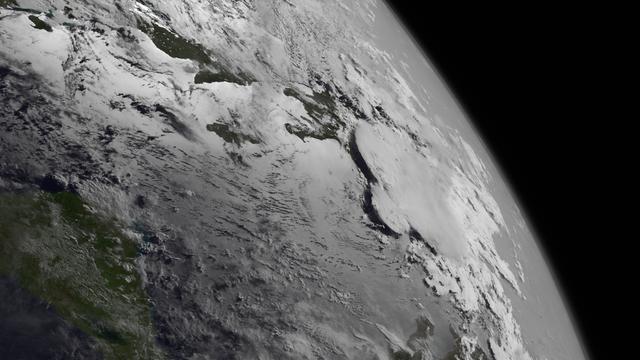
Chantal's satellite presentation has deteriorated markedly this morning and is barely classifiable by the Dvorak Technique. Forecasted strong westerly shear and interactions with land over the next couple of days should cause further weakening of the storm as it transitions back into a tropical wave. Tropical Storm Warnings remain in effect for the entire coast of the Dominican Republic, the entire coast of Haiti, Turks and Caicos and the southeastern Bahamas. This image was taken by GOES West at 1200Z on July 10, 2013. Copy credit: NOAA Photo credit: <b><a href="http://goes.gsfc.nasa.gov/" rel="nofollow">Credit: NOAA/NASA GOES Project</a></b> More info about the storm: <a href="http://1.usa.gov/12mvQcC" rel="nofollow">1.usa.gov/12mvQcC</a> <b><a href="http://www.nasa.gov/audience/formedia/features/MP_Photo_Guidelines.html" rel="nofollow">NASA image use policy.</a></b> <b><a href="http://www.nasa.gov/centers/goddard/home/index.html" rel="nofollow">NASA Goddard Space Flight Center</a></b> enables NASA’s mission through four scientific endeavors: Earth Science, Heliophysics, Solar System Exploration, and Astrophysics. Goddard plays a leading role in NASA’s accomplishments by contributing compelling scientific knowledge to advance the Agency’s mission. <b>Follow us on <a href="http://twitter.com/NASA_GoddardPix" rel="nofollow">Twitter</a></b> <b>Like us on <a href="http://www.facebook.com/pages/Greenbelt-MD/NASA-Goddard/395013845897?ref=tsd" rel="nofollow">Facebook</a></b> <b>Find us on <a href="http://instagram.com/nasagoddard?vm=grid" rel="nofollow">Instagram</a></b>
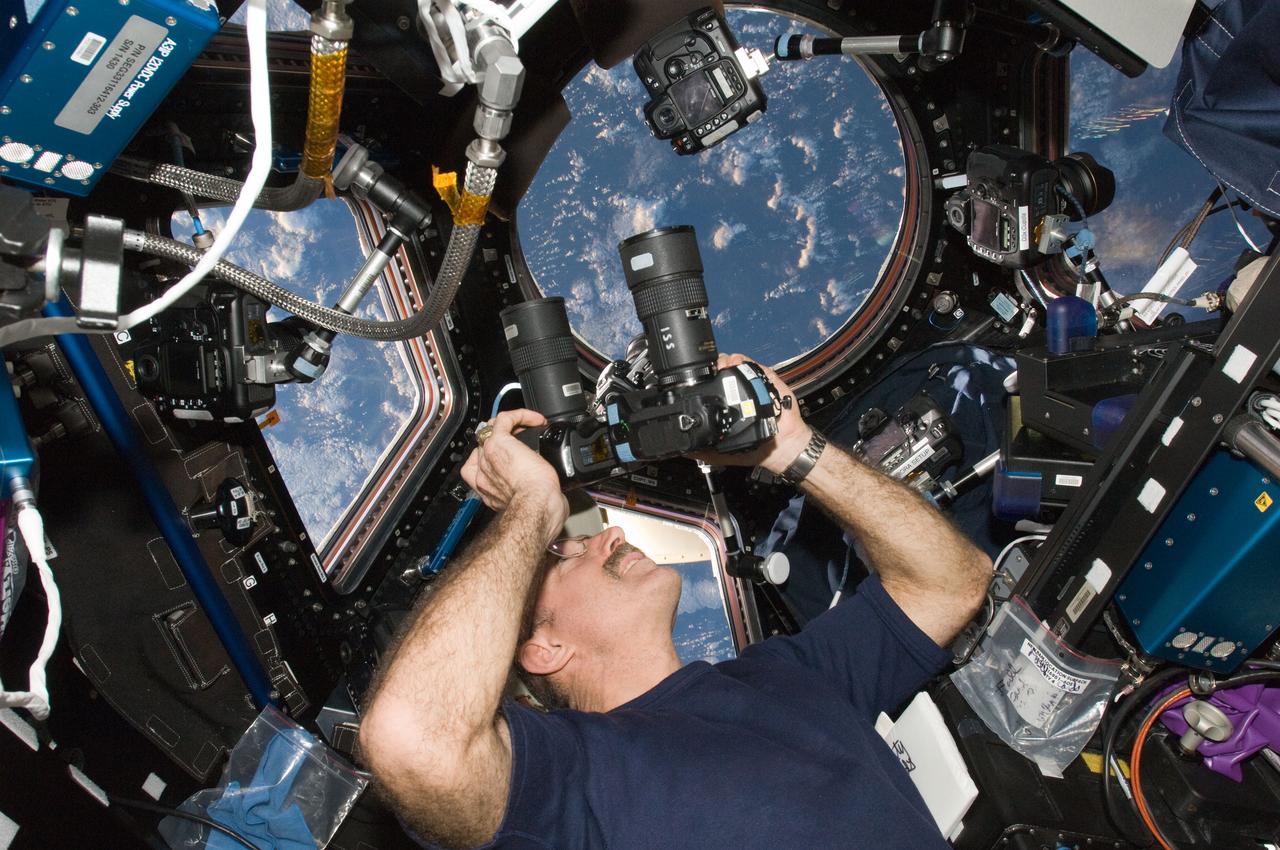
ISS030-E-049671 (21 Jan. 2012) --- NASA astronaut Dan Burbank, Expedition 30 commander, uses still cameras to photograph the topography of a point on Earth from a window in the Cupola of the International Space Station. One camera is an infrared modified still camera.
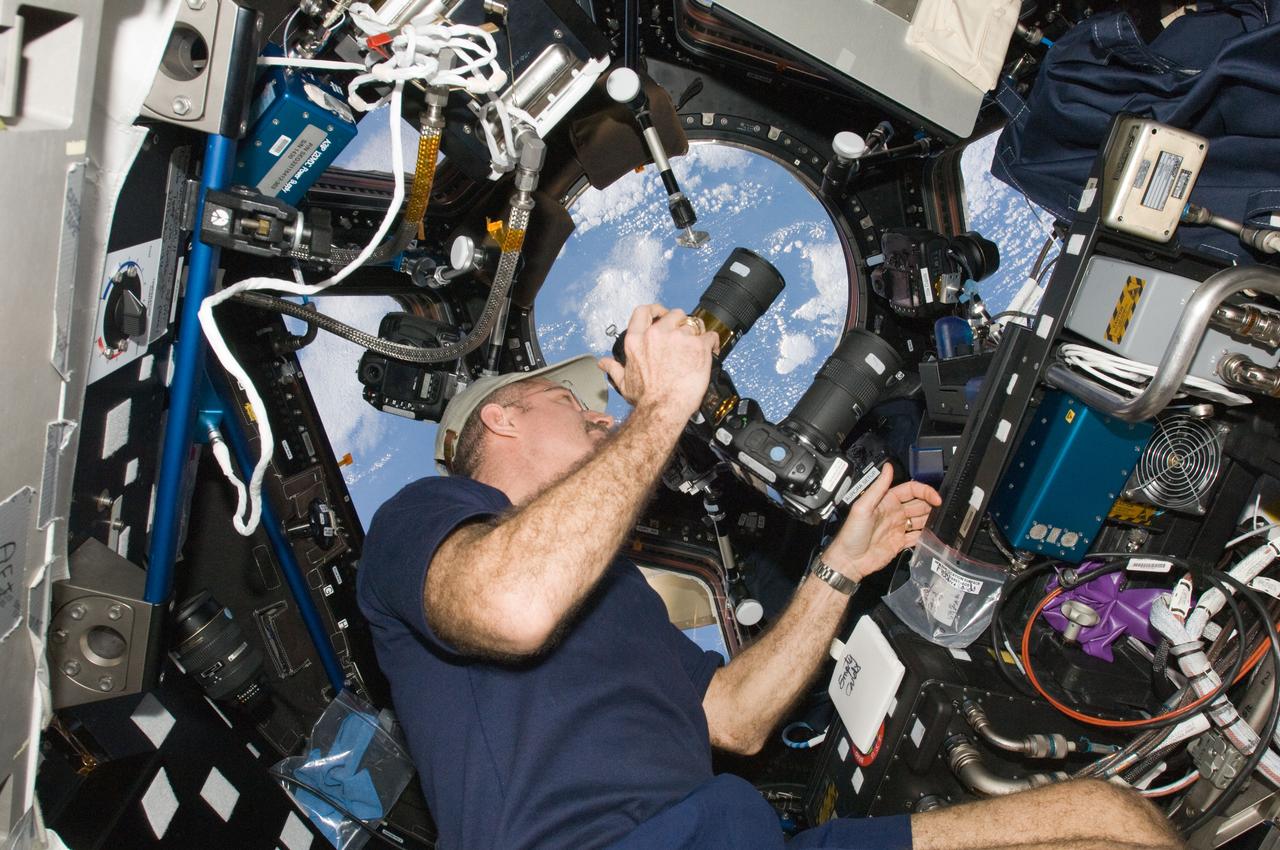
ISS030-E-049664 (21 Jan. 2012) --- NASA astronaut Dan Burbank, Expedition 30 commander, uses still cameras to photograph the topography of a point on Earth from a window in the Cupola of the International Space Station. One camera is an infrared modified still camera.
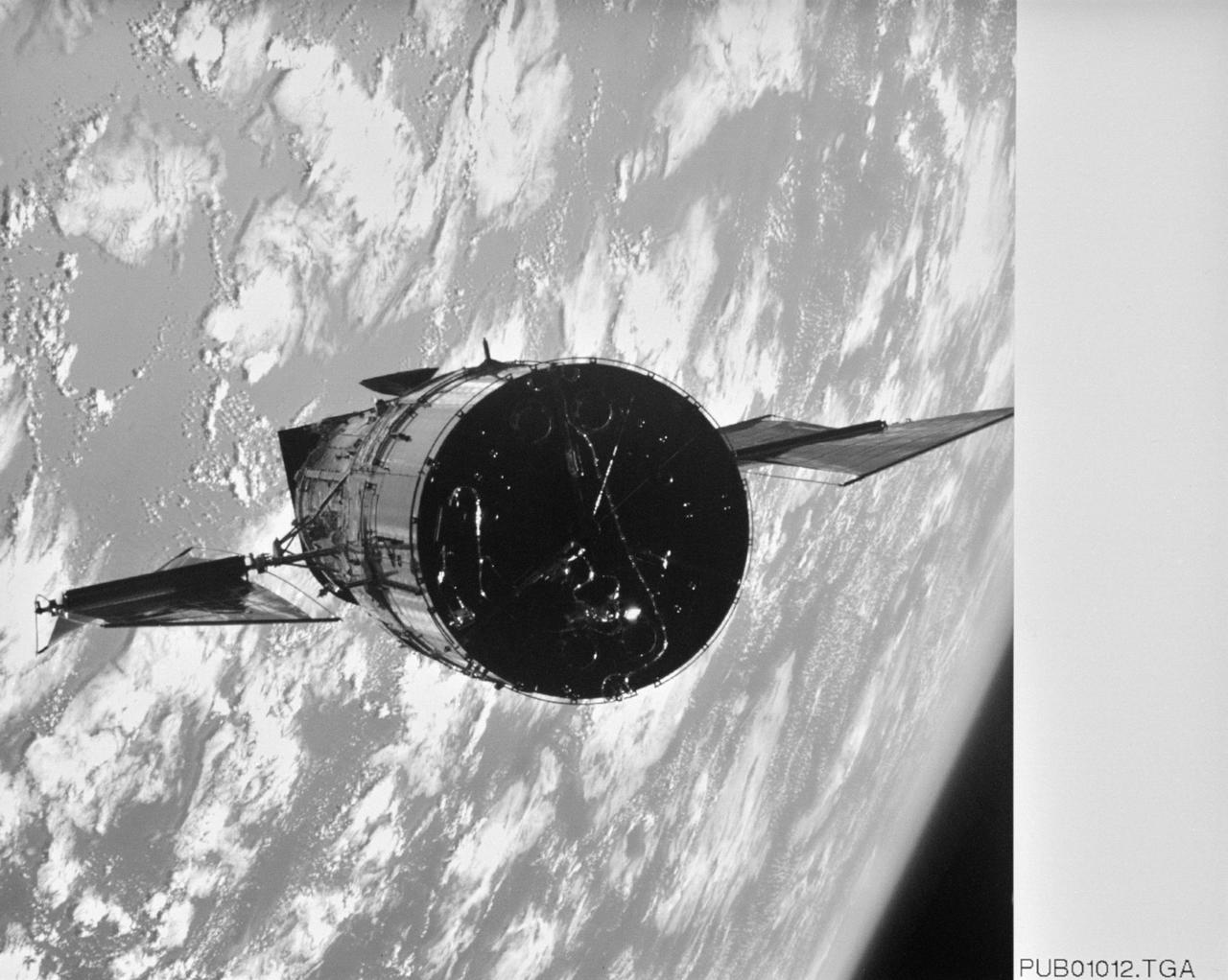
S61-E-008 (4 Dec 1993) --- This view of the Earth-orbiting Hubble Space Telescope (HST) was photographed with an Electronic Still Camera (ESC), and down linked to ground controllers soon afterward. This view was taken during rendezvous operations. Endeavour's crew captured the HST on December 4, 1993 in order to service the telescope. Over a period of five days, four of the crew members will work in alternating pairs outside Endeavour's shirt sleeve environment. Electronic still photography is a relatively new technology which provides the means for a handheld camera to electronically capture and digitize an image with resolution approaching film quality. The electronic still camera has flown as an experiment on several other shuttle missions.
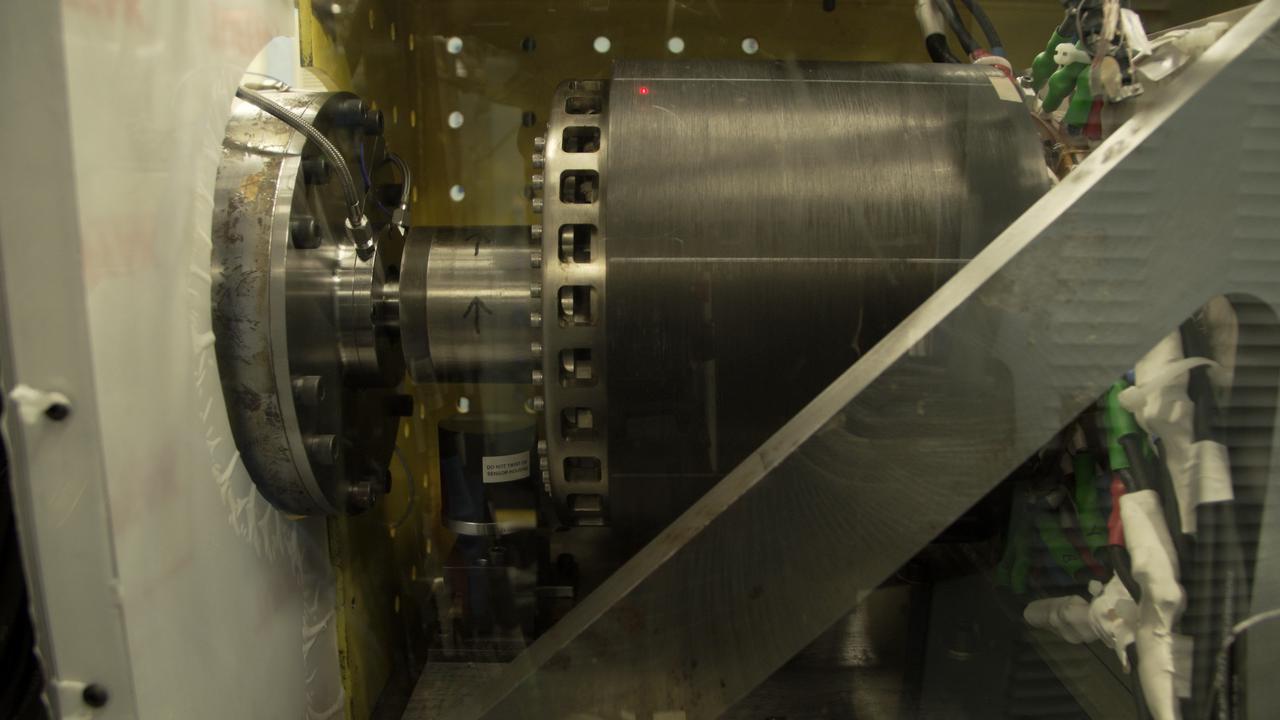
UIUC’s megawatt machine (right) was connected to a dynamometer (left) to test its effectiveness as an electric generator in a safety enclosure at a Collins Aerospace test facility in Rockford, Illinois. This unusual design has its rotating parts on the outside, so that both the cylinder on the right and the cylinder with arrows spin during operation.
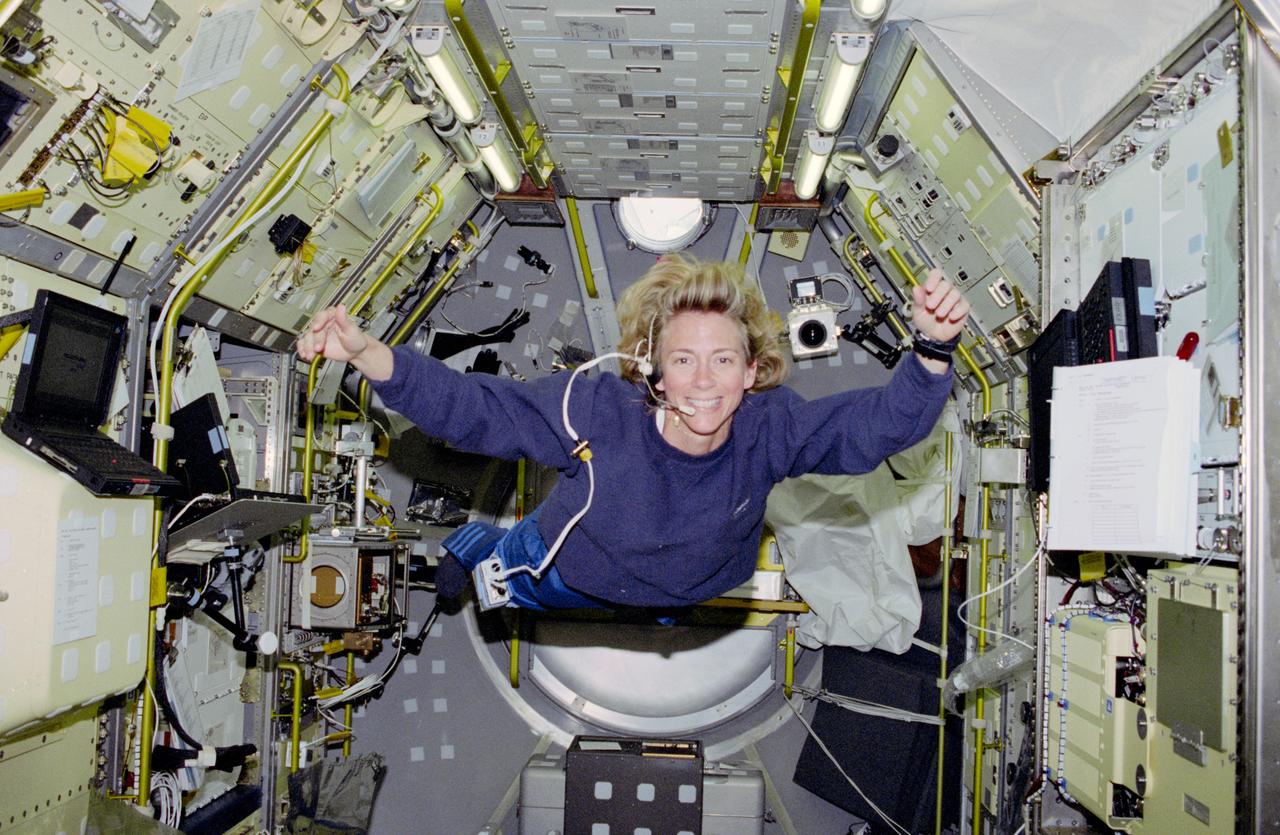
STS083-303-002 (4-8 April 1997) --- Astronaut Susan L. Still, pilot, floats into the Spacelab Module in the early phases of its activation. Still, a member of the 1995 astronaut class, joined four other NASA astronauts and two scientist payload specialists for the Microgravity Science Laboratory 1 (MSL-1) mission aboard the Earth-orbiting Space Shuttle Columbia.
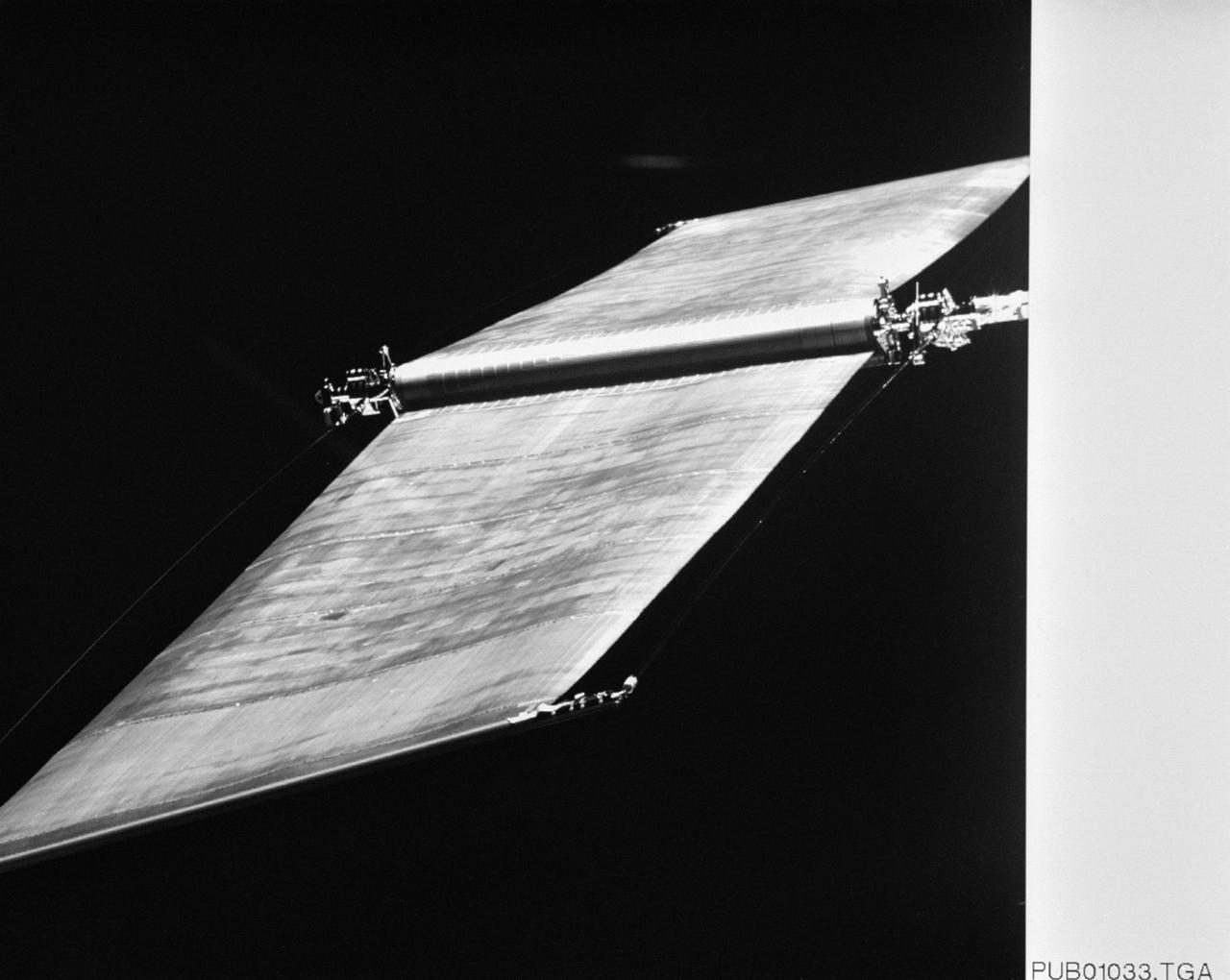
S61-E-002 (4 Dec 1993) --- This view, backdropped against the blackness of space shows one of two original Solar Arrays (SA) on the Hubble Space Telescope (HST). The scene was photographed from inside Endeavour's cabin with an Electronic Still Camera (ESC), and down linked to ground controllers soon afterward. This view features the minus V-2 panel. Endeavour's crew captured the HST on December 4, 1993 in order to service the telescope over a period of five days. Four of the crew members will work in alternating pairs outside Endeavour's shirt sleeve environment to service the giant telescope. Electronic still photography is a relatively new technology which provides the means for a handheld camera to electronically capture and digitize an image with resolution approaching film quality. The electronic still camera has flown as an experiment on several other shuttle missions.
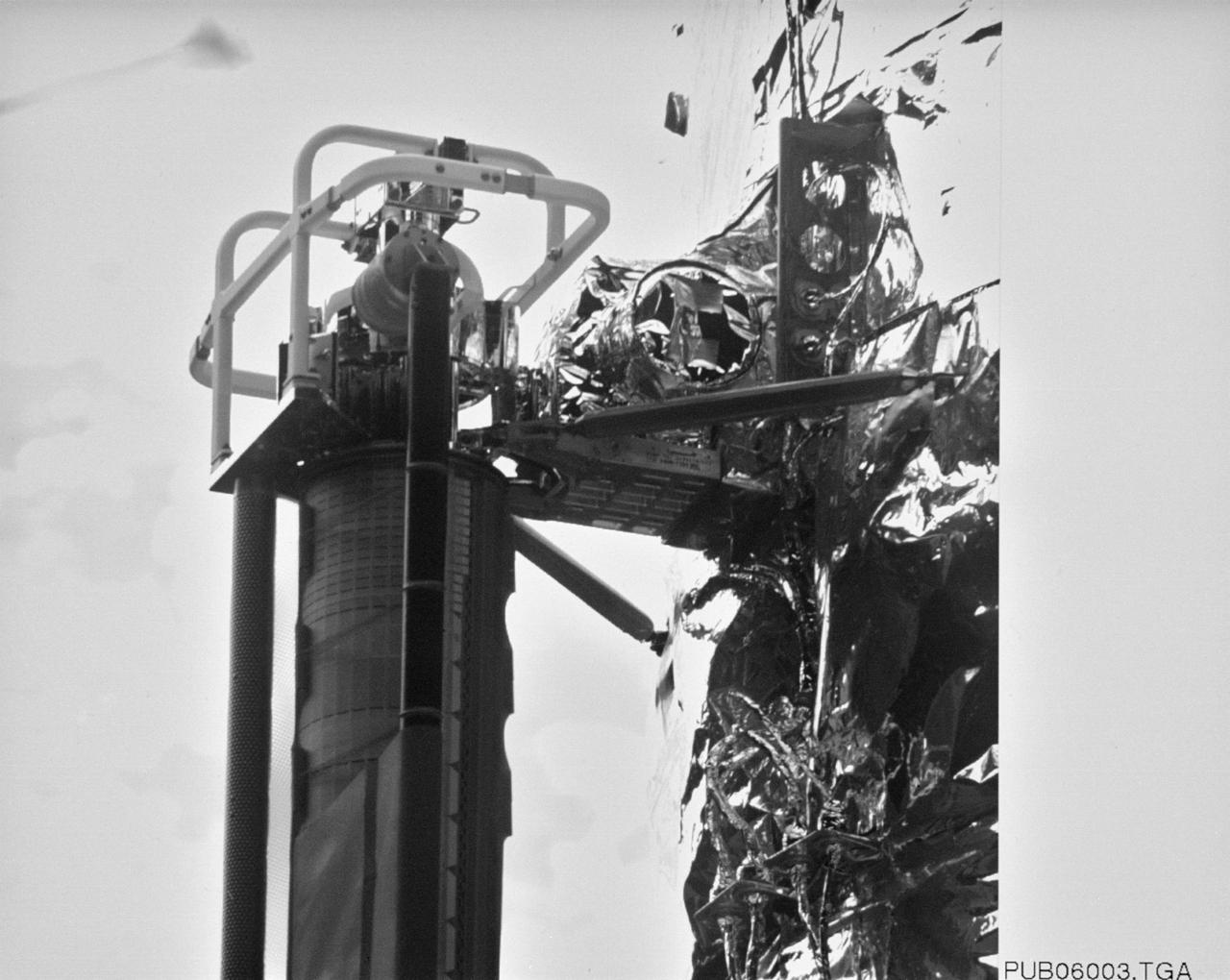
S61-E-020 (7 Dec 1993) --- This close-up view of one of two Solar Arrays (SA) on the Hubble Space Telescope (HST) was photographed with an Electronic Still Camera (ESC), and down linked to ground controllers soon afterward. Endeavour's crew captured the HST on December 4, 1993, in order to service the telescope over a period of five days. Four of the crew members will work in alternating pairs outside Endeavour's shirt sleeve environment to service the giant telescope. Electronic still photography is a relatively new technology which provides the means for a handheld camera to electronically capture and digitize an image with resolution approaching film quality. The electronic still camera has flown as an experiment on several other shuttle missions.

S61-E-003 (4 Dec 1993) --- This medium close-up view of one of two original Solar Arrays (SA) on the Hubble Space Telescope (HST) was photographed with an Electronic Still Camera (ESC), and down linked to ground controllers soon afterward. This view shows the cell side of the minus V-2 panel. Endeavour's crew captured the HST on December 4, 1993 in order to service the telescope over a period of five days. Four of the crew members will work in alternating pairs outside Endeavour's shirt sleeve environment to service the giant telescope. Electronic still photography is a relatively new technology which provides the means for a handheld camera to electronically capture and digitize an image with resolution approaching film quality. The electronic still camera has flown as an experiment on several other shuttle missions.
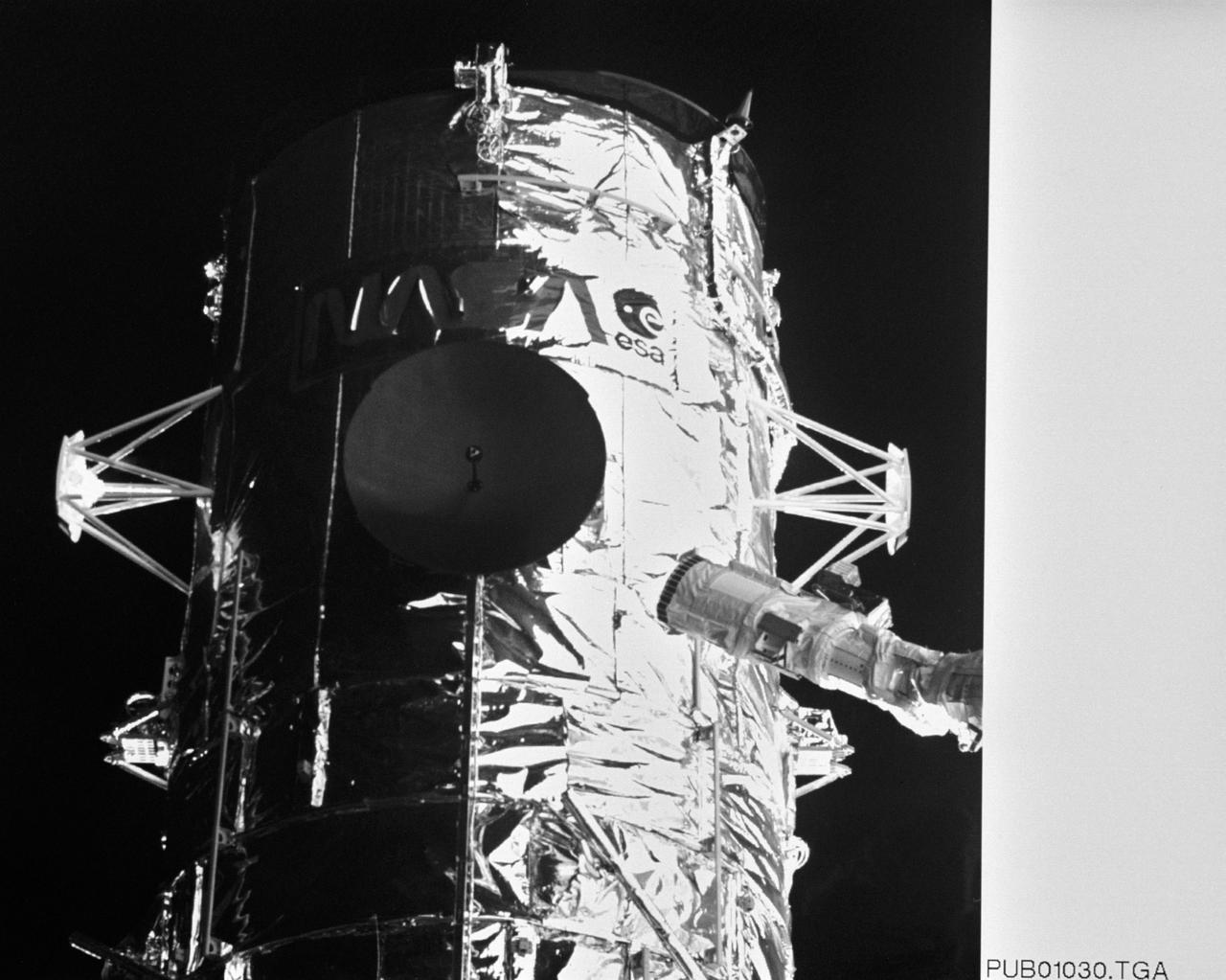
S61-E-001 (4 Dec 1993) --- This medium close-up view of the top portion of the Hubble Space Telescope (HST) was photographed with an Electronic Still Camera (ESC), and down linked to ground controllers soon afterward. Endeavour's crew captured the HST on December 4, 1993 in order to service the telescope over a period of five days. Four of the crew members will work in alternating pairs outside Endeavour's shirt sleeve environment to service the giant telescope. Electronic still photography is a relatively new technology which provides the means for a handheld camera to electronically capture and digitize an image with resolution approaching film quality. The electronic still camera has flown as an experiment on several other shuttle missions.
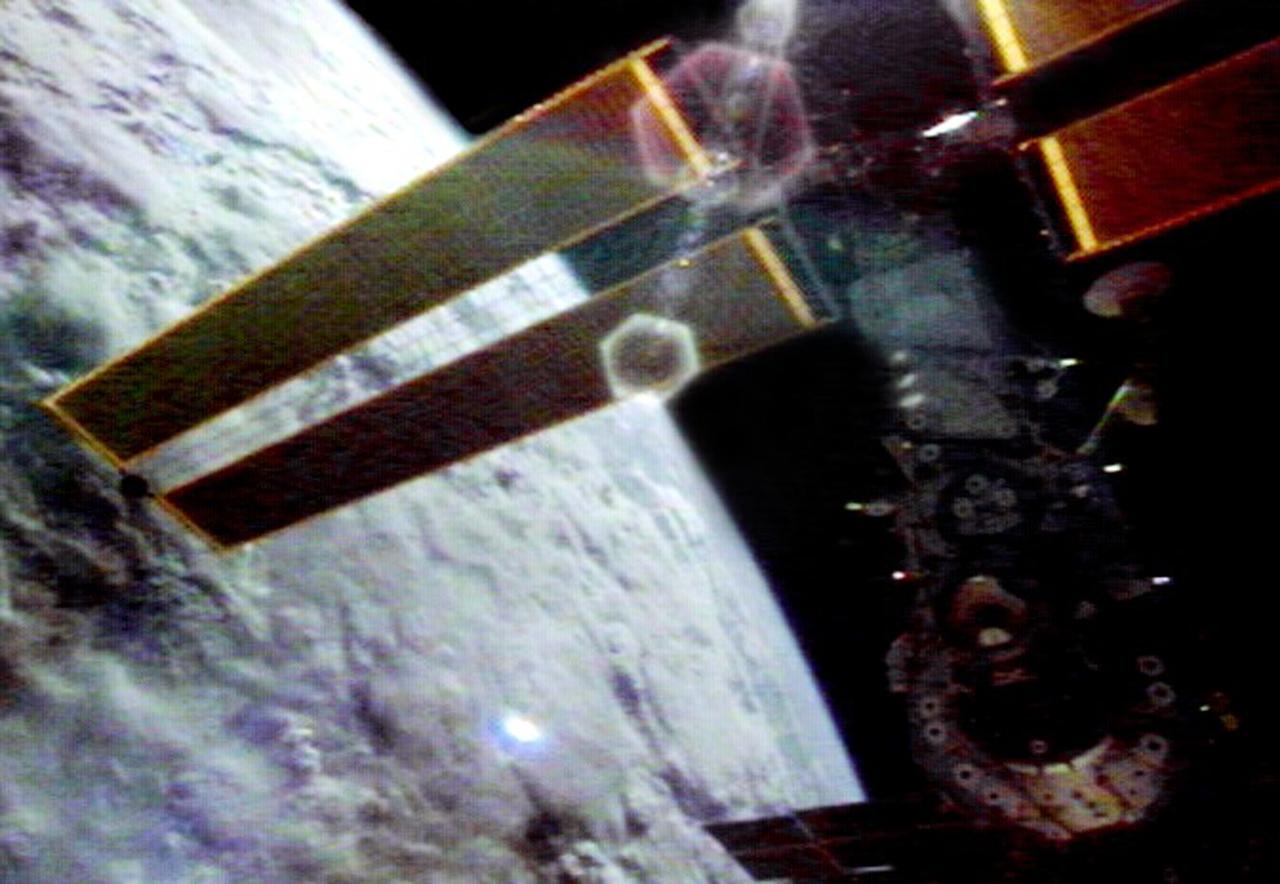
This video still depicts the recently deployed starboard and port solar arrays towering over the International Space Station (ISS). The video was recorded on STS-97's 65th orbit. Delivery, assembly, and activation of the solar arrays was the main mission objective of STS-97. The electrical power system, which is built into a 73-meter (240-foot) long solar array structure consists of solar arrays, radiators, batteries, and electronics, and will provide the power necessary for the first ISS crews to live and work in the U.S. segment. The entire 15.4-metric ton (17-ton) package is called the P6 Integrated Truss Segment, and is the heaviest and largest element yet delivered to the station aboard a space shuttle. The STS-97 crew of five launched aboard the Space Shuttle Orbiter Endeavor on November 30, 2000 for an 11 day mission.
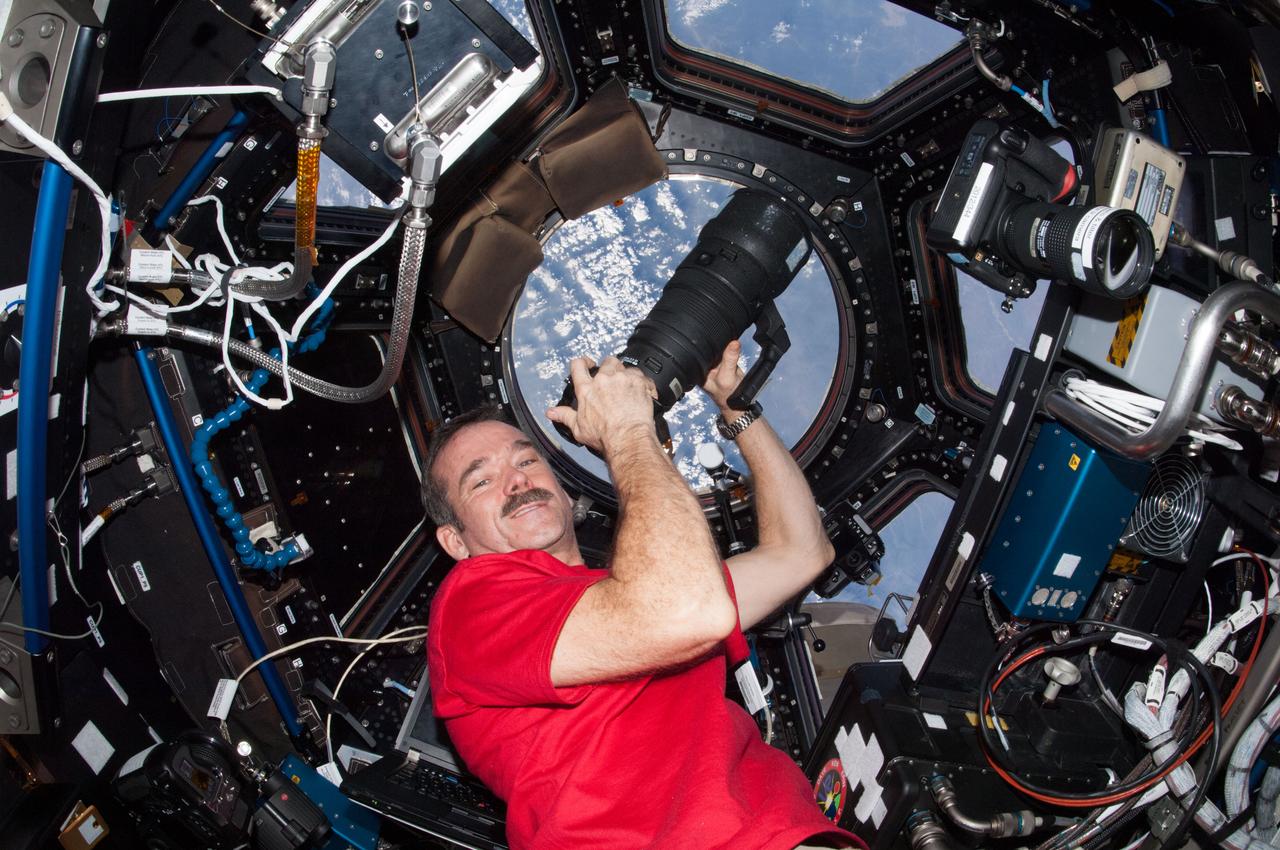
View of Canadian Space Agency (CSA) Chris Hadfield,Expedition 34 Flight Engineer (FE),using still camera,in the Cupola Module. Photo was taken during Expedition 34.
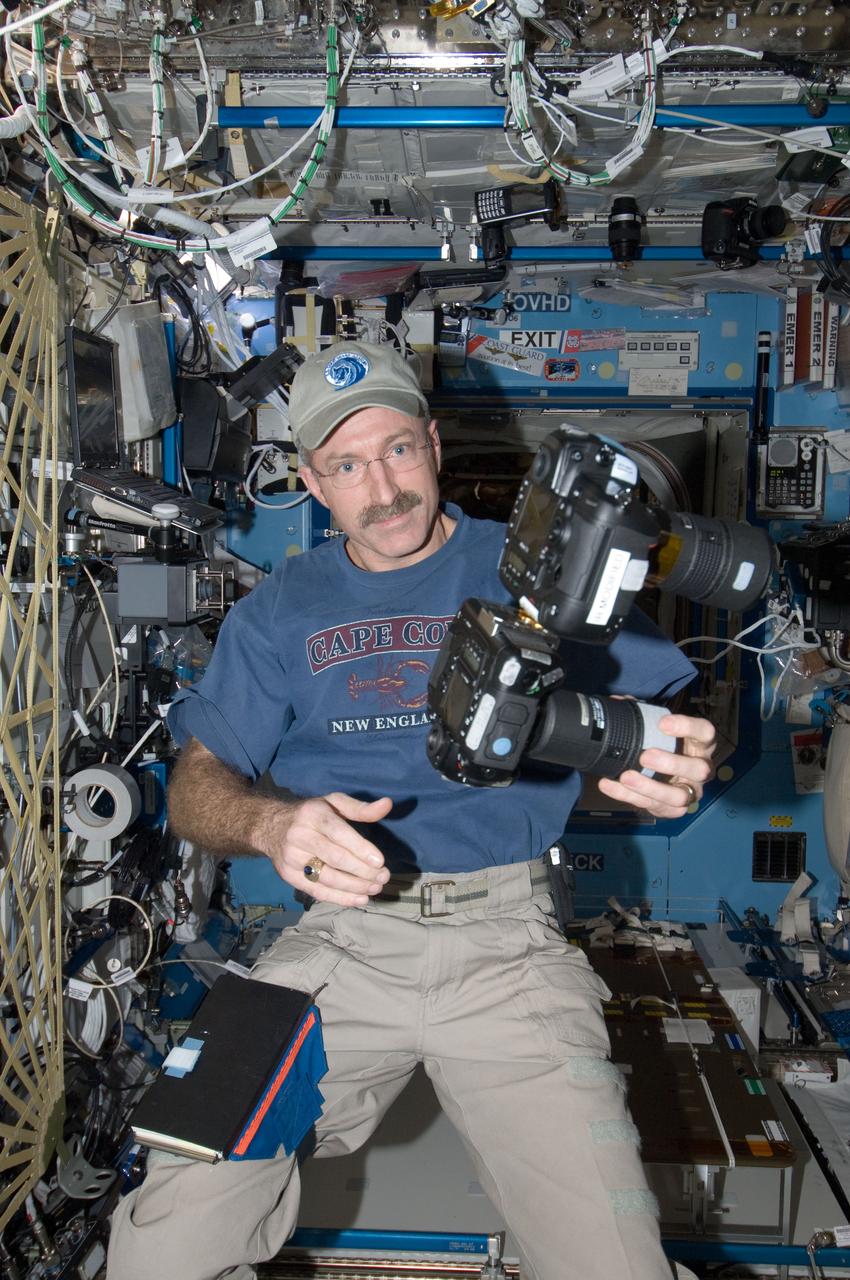
ISS030-E-033179 (15 Jan. 2012) --- NASA astronaut Dan Burbank, Expedition 30 flight commander, holds a still camera in the Destiny laboratory of the International Space Station.
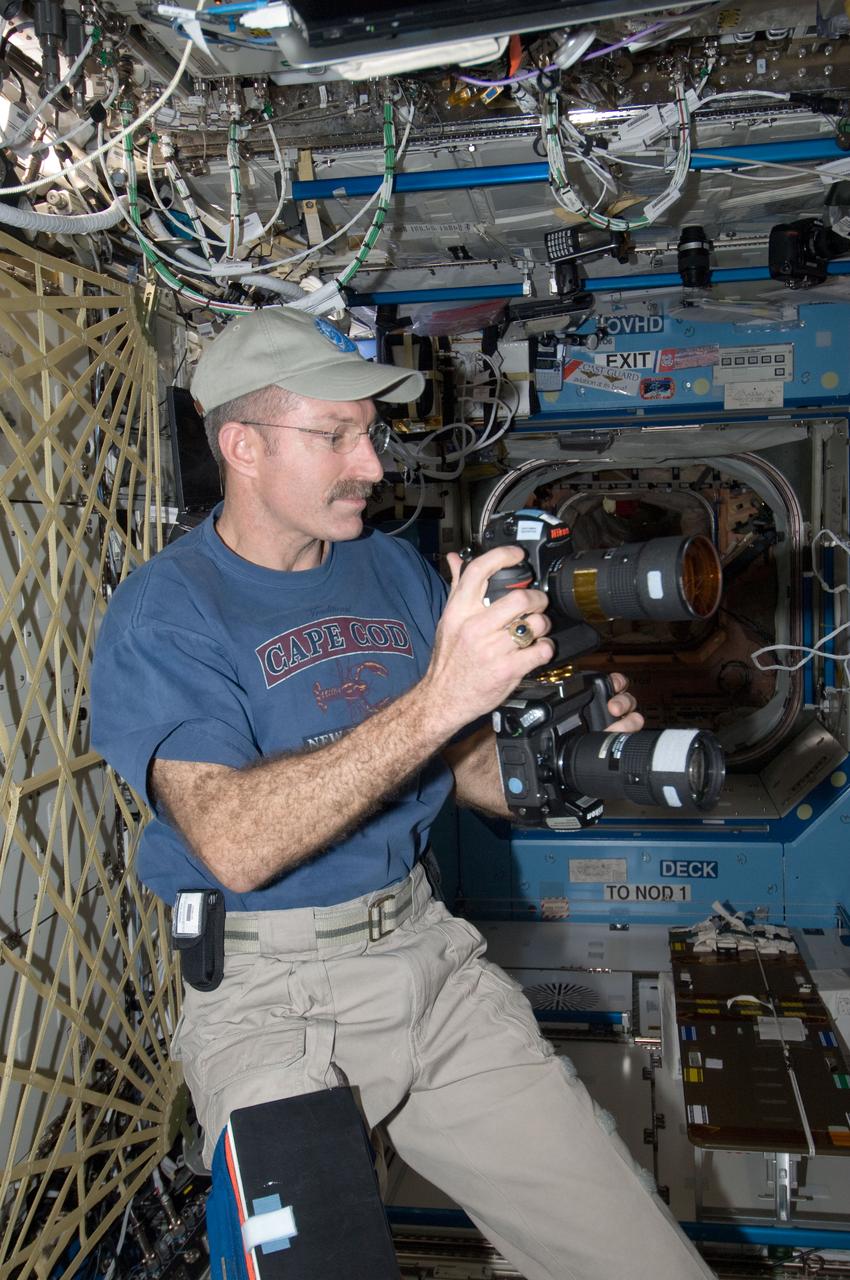
ISS030-E-033181 (15 Jan. 2012) --- NASA astronaut Dan Burbank, Expedition 30 flight commander, prepares to use a still camera in the Destiny laboratory of the International Space Station.
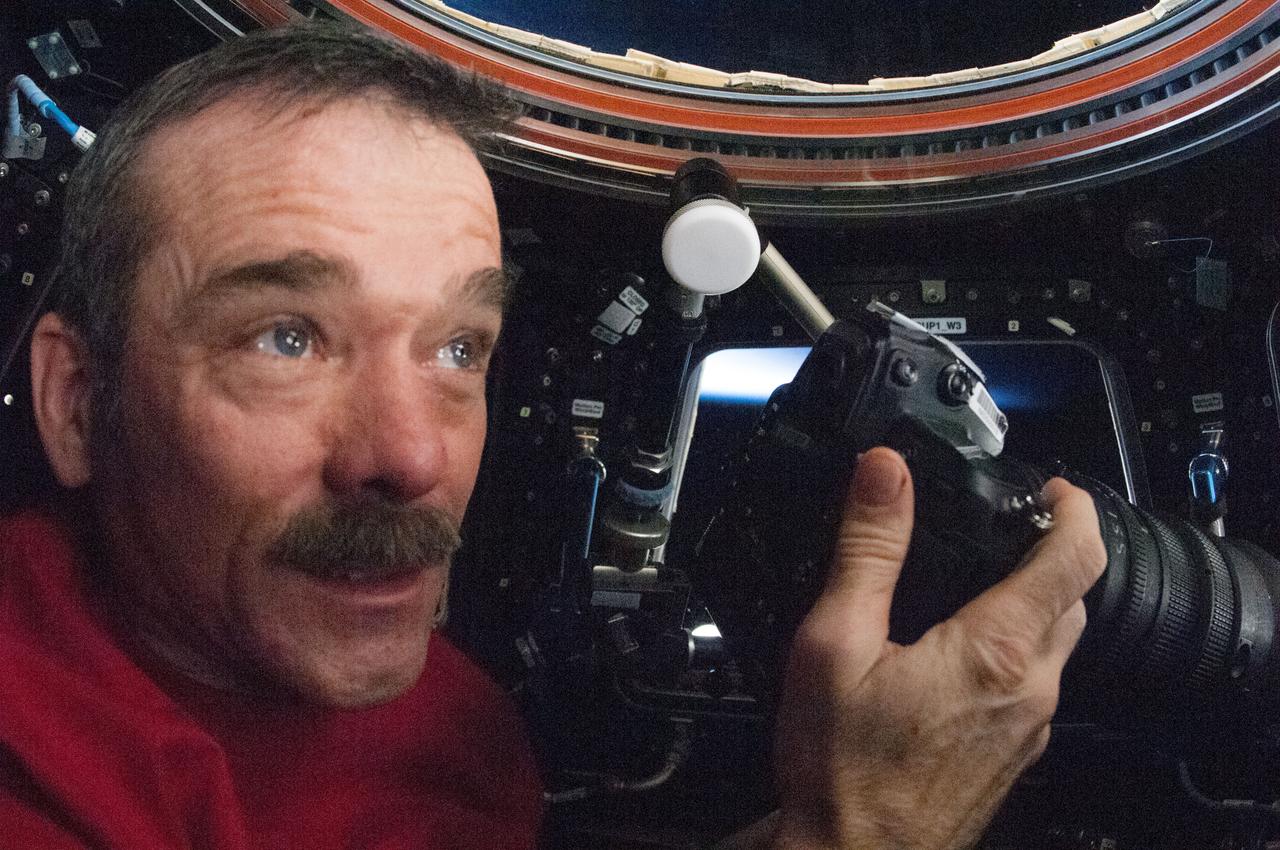
ISS034-E-024095 (7 Jan. 2013) --- Canadian Space Agency astronaut Chris Hadfield, Expedition 34 flight engineer, holds a still camera while looking through a window in the Cupola of the International Space Station.
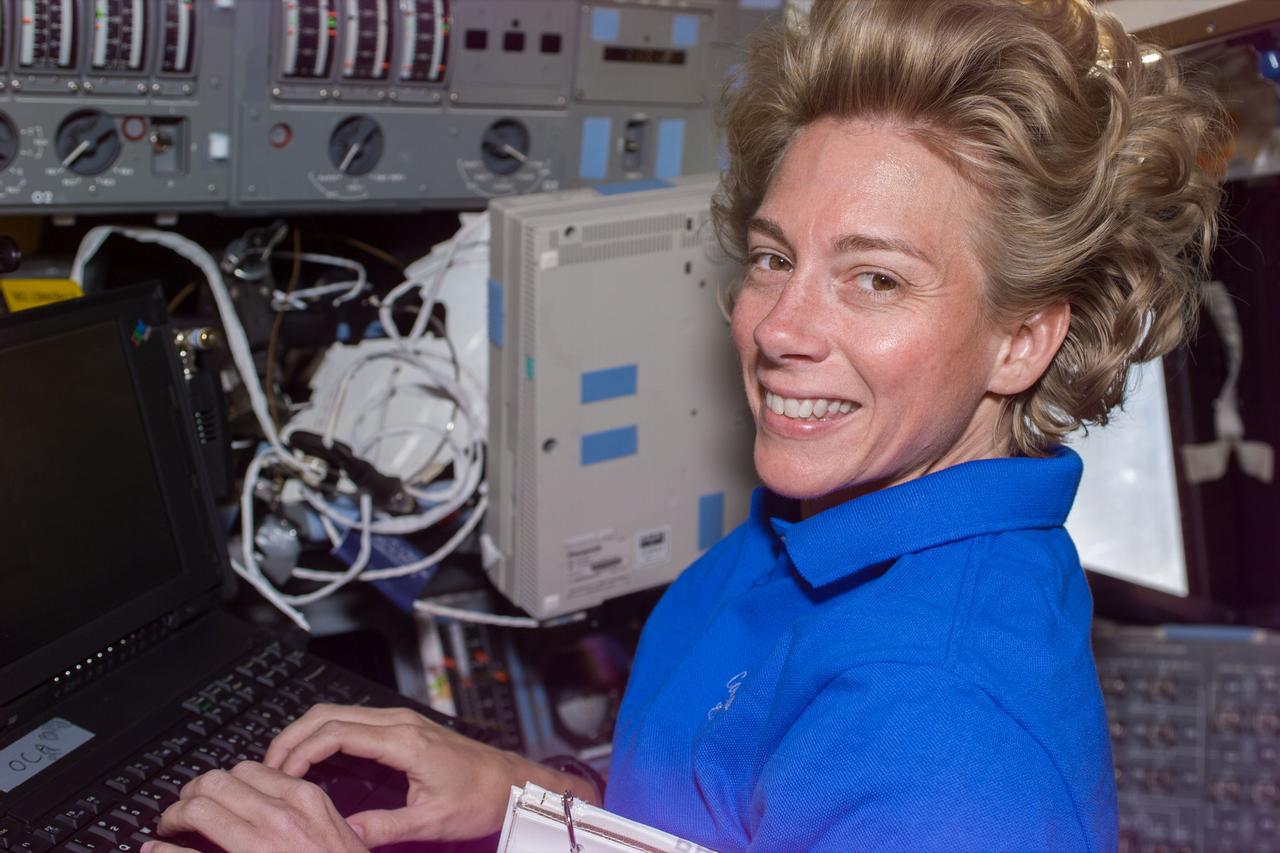
S94-E-5004 (5 July 1997) --- Astronaut Susan L. Still, at the pilot's station on the Space Shuttle Columbia's forward flight deck, works at a lap top computer.
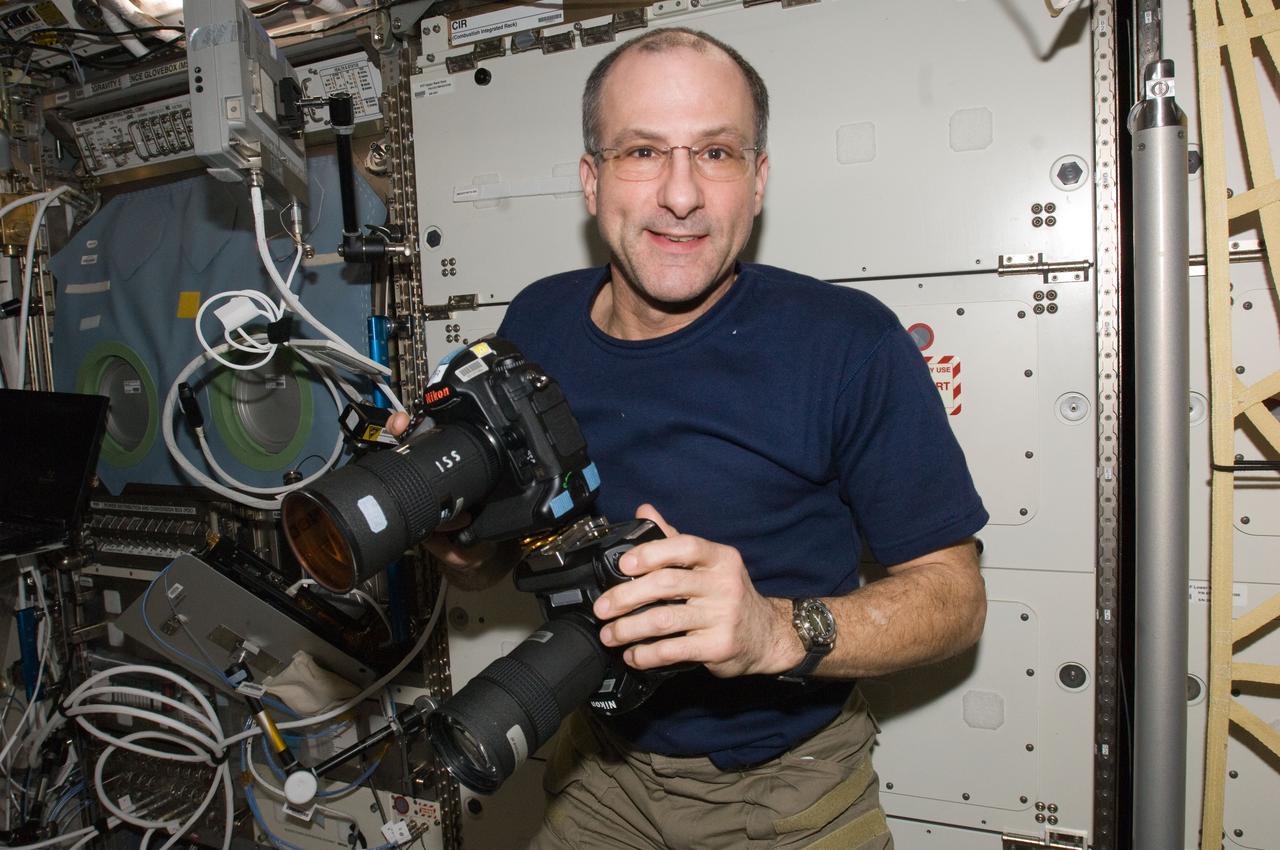
ISS030-E-049636 (21 Jan. 2012) --- NASA astronaut Don Pettit, Expedition 30 flight engineer, works with two still cameras mounted together in the Destiny laboratory of the International Space Station. One camera is an infrared modified still camera.
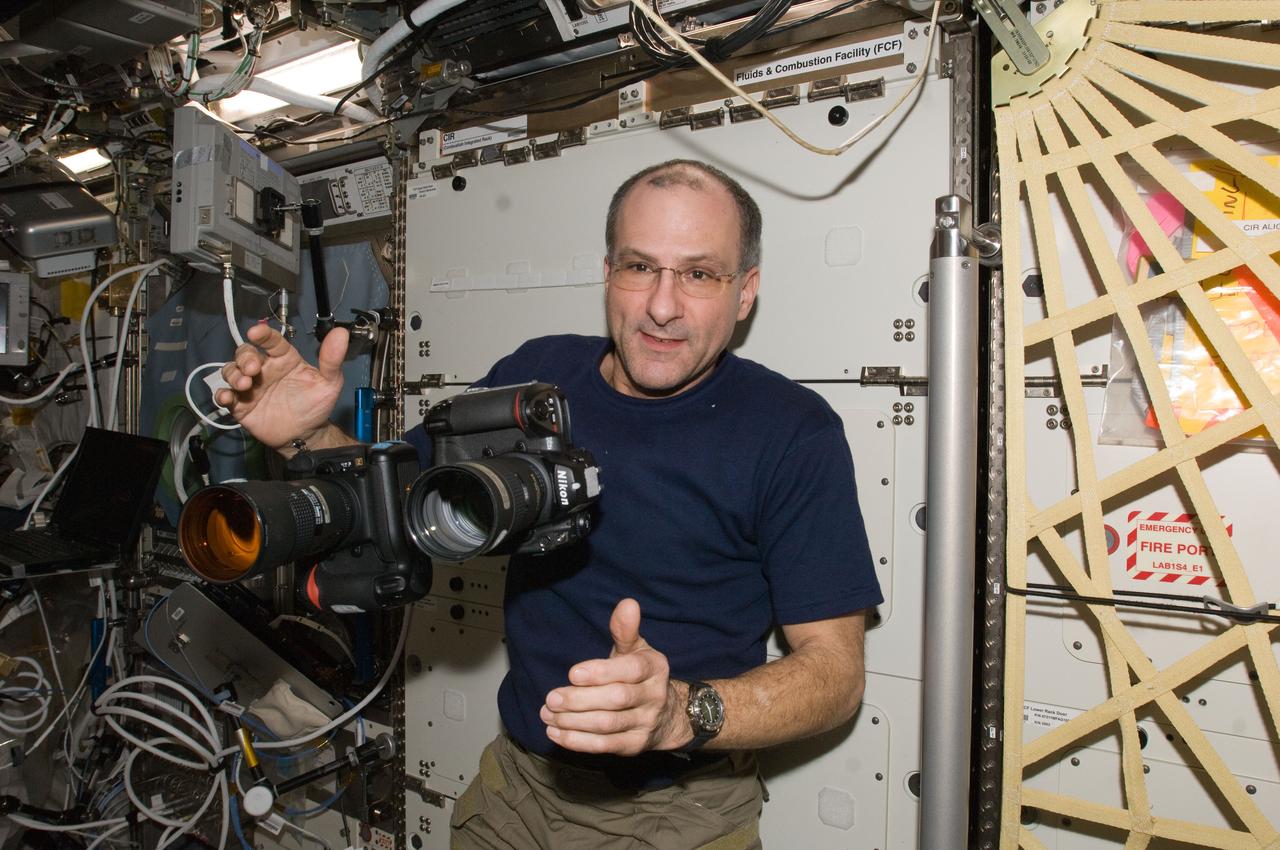
ISS030-E-049643 (21 Jan. 2012) --- NASA astronaut Don Pettit, Expedition 30 flight engineer, works with two still cameras mounted together in the Destiny laboratory of the International Space Station. One camera is an infrared modified still camera.

ISS030-E-049632 (21 Jan. 2012) --- NASA astronaut Dan Burbank, Expedition 30 commander, works with two still cameras mounted together in the Destiny laboratory of the International Space Station. One camera is an infrared modified still camera.

ISS030-E-049629 (21 Jan. 2012) --- NASA astronaut Dan Burbank, Expedition 30 commander, works with two still cameras mounted together in the Destiny laboratory of the International Space Station. One camera is an infrared modified still camera.
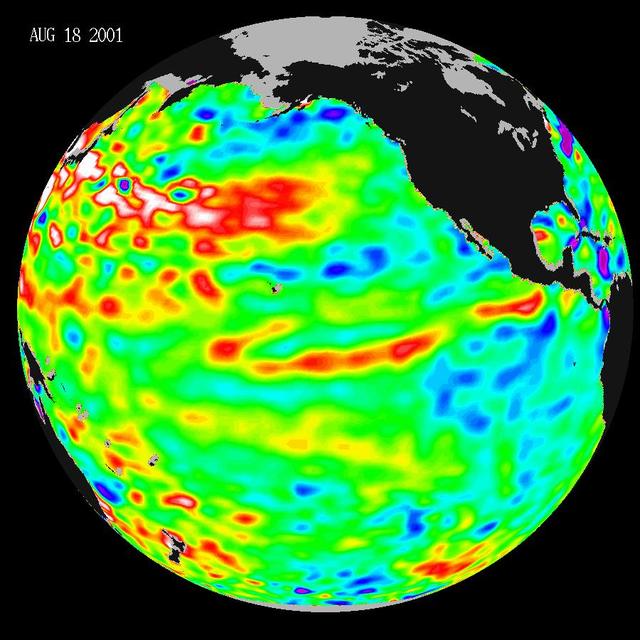
These data, taken during a 10-day collection cycle ending August 18, 2001, show that above-normal sea-surface heights and warmer ocean temperatures still blanket the far-western tropical Pacific and much of the north and south mid-Pacific.
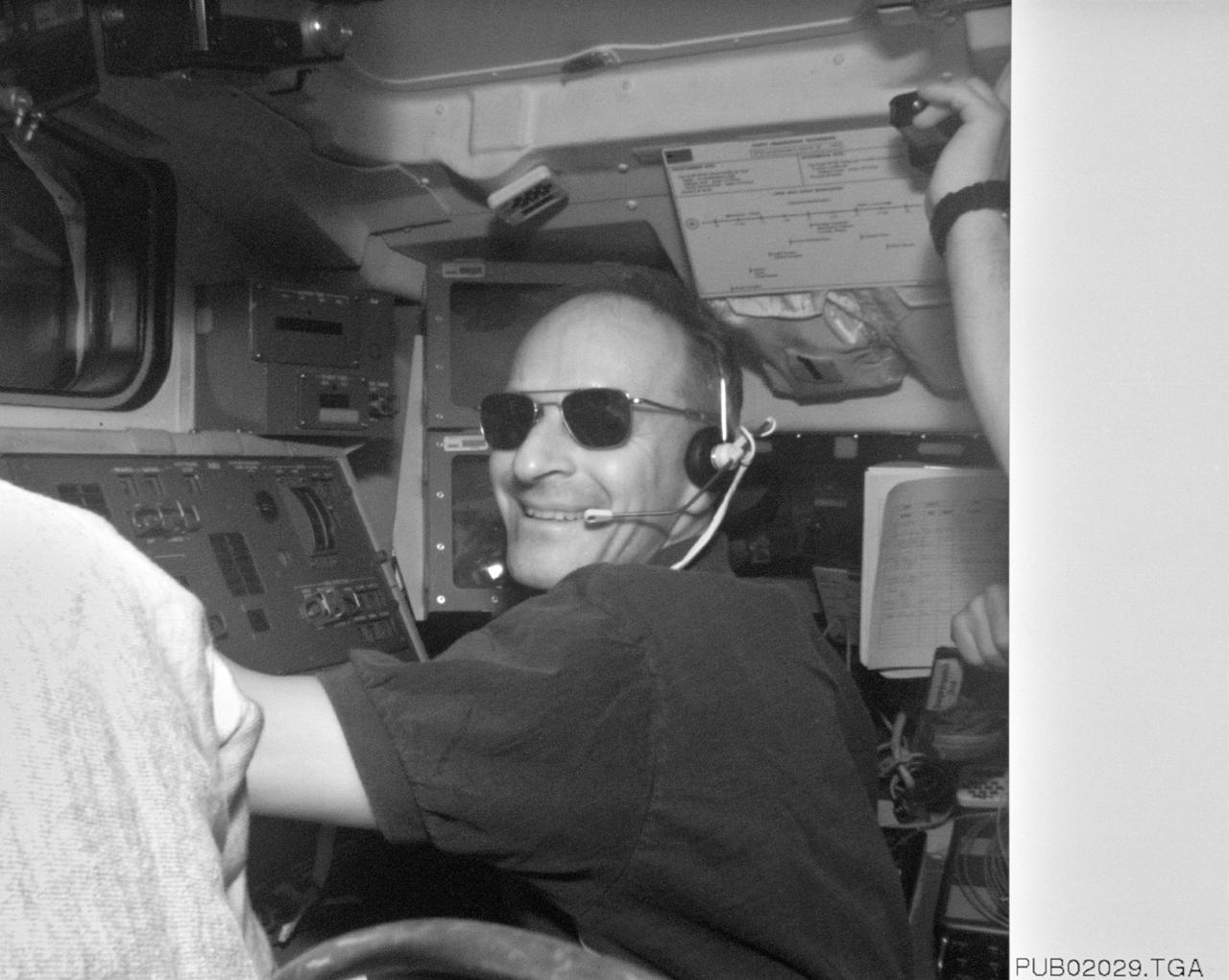
S61-E-006 (5 Dec 1993) --- The robot arm controlling work of Swiss scientist Claude Nicollier was photographed with an Electronic Still Camera (ESC), and down linked to ground controllers soon afterward. With the mission specialist's assistance, Endeavour's crew captured the Hubble Space Telescope (HST) on December 4, 1993. Four of the seven crew members will work in alternating pairs outside Endeavour's shirt sleeve environment to service the giant telescope. Electronic still photography is a relatively new technology which provides the means for a handheld camera to electronically capture and digitize an image with resolution approaching film quality. The electronic still camera has flown as an experiment on several other shuttle missions.
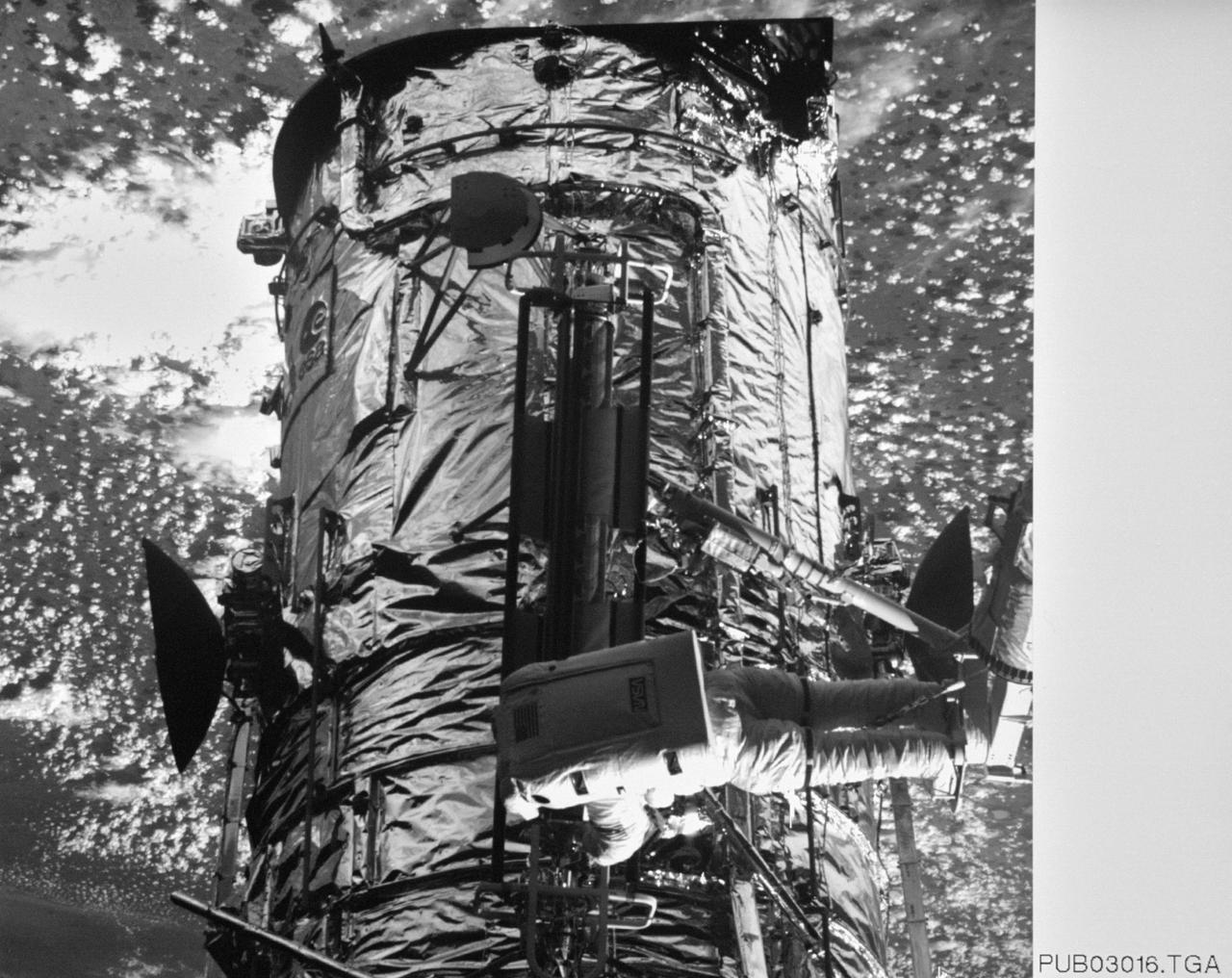
S61-E-011 (5 Dec 1993) --- This view of astronaut Kathryn C. Thornton working on the Hubble Space Telescope (HST) was photographed with an Electronic Still Camera (ESC), and down linked to ground controllers soon afterward. Thornton, anchored to the end of the Remote Manipulator System (RMS) arm, is installing the +V2 Solar Array Panel as a replacement for the original one removed earlier. Electronic still photography is a relatively new technology which provides the means for a handheld camera to electronically capture and digitize an image with resolution approaching film quality. The electronic still camera has flown as an experiment on several other shuttle missions.
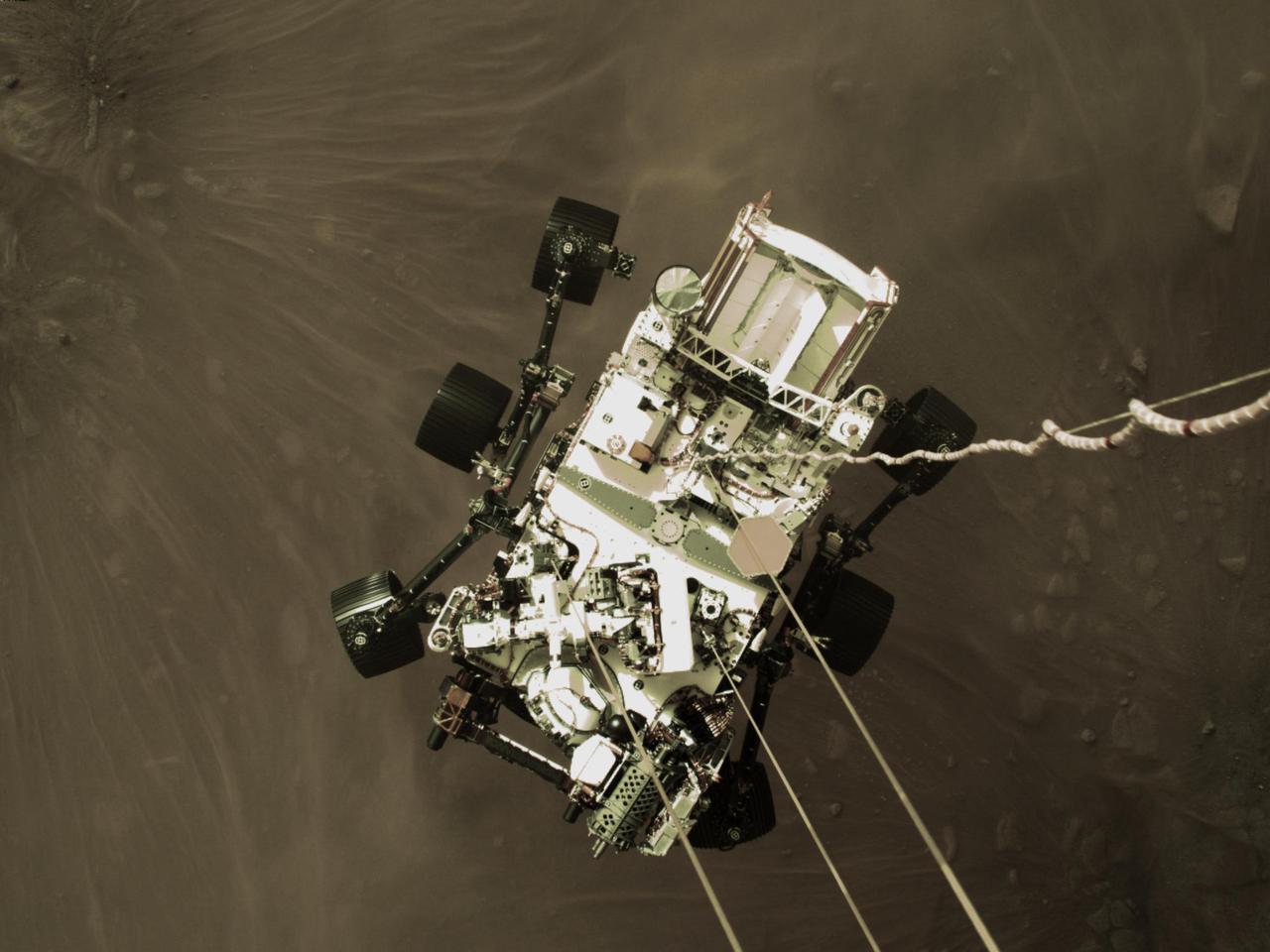
This high-resolution still image is part of a video taken by several cameras as NASA's Perseverance rover touched down on Mars on Feb. 18, 2021. A camera aboard the descent stage captured this shot. A key objective for Perseverance's mission on Mars is astrobiology, including the search for signs of ancient microbial life. The rover will characterize the planet's geology and past climate, pave the way for human exploration of the Red Planet, and be the first mission to collect and cache Martian rock and regolith (broken rock and dust). Subsequent NASA missions, in cooperation with ESA (the European Space Agency), would send spacecraft to Mars to collect these cached samples from the surface and return them to Earth for in-depth analysis. The Mars 2020 mission is part of a larger program that includes missions to the Moon as a way to prepare for human exploration of the Red Planet. https://photojournal.jpl.nasa.gov/catalog/PIA24428
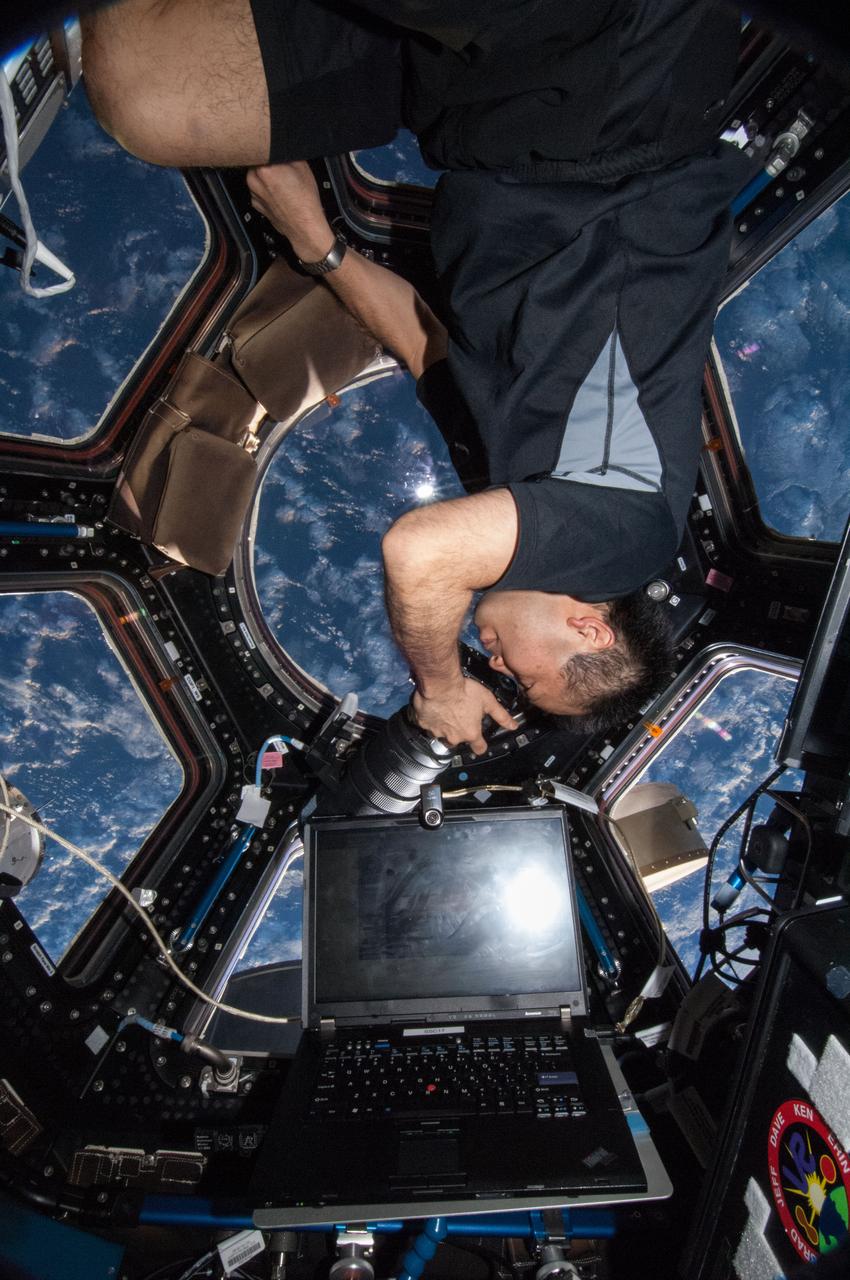
ISS038-E-021626 (28 Dec. 2013) --- Japan Aerospace Exploration Agency astronaut Koichi Wakata, Expedition 38 flight engineer, uses a still camera to photograph the topography of a point on Earth from a window in the Cupola of the International Space Station.
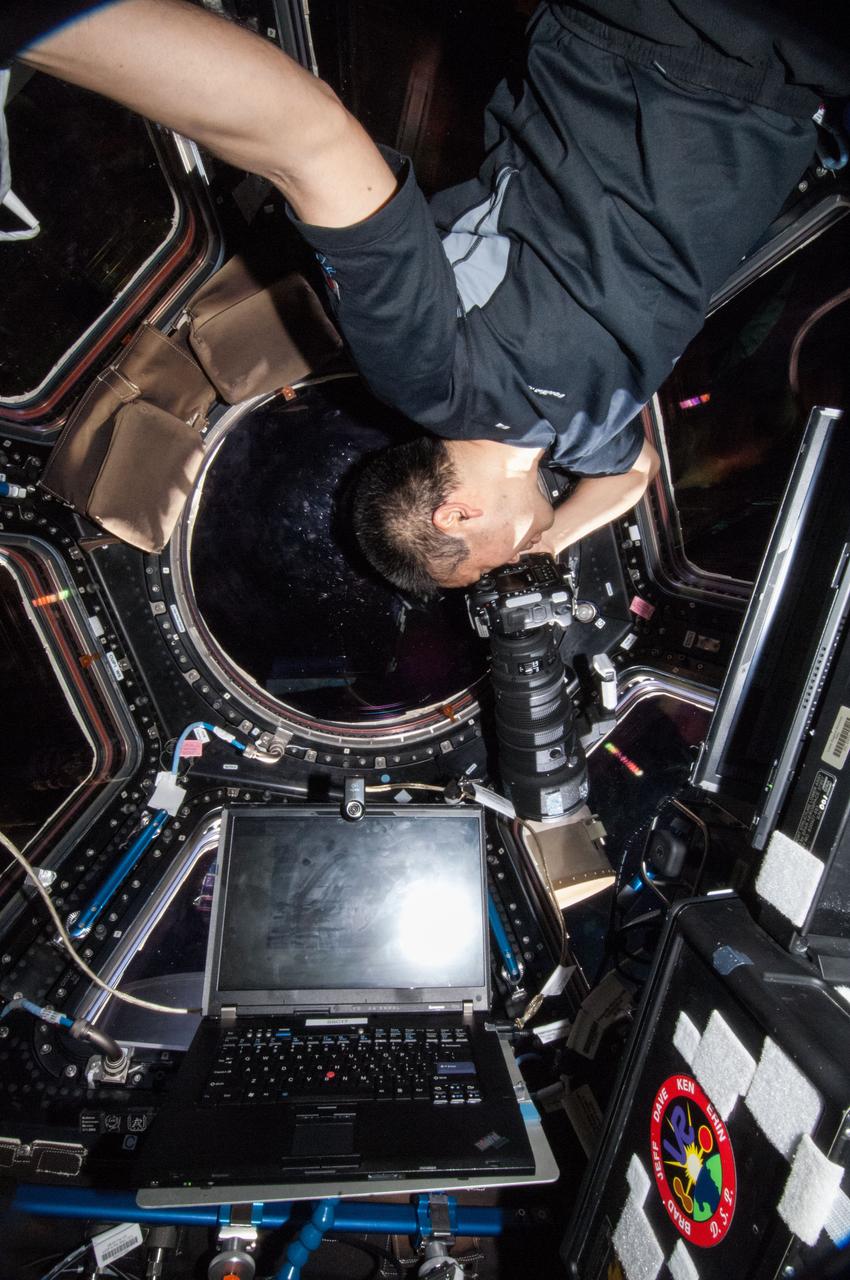
ISS038-E-021622 (28 Dec. 2013) --- Japan Aerospace Exploration Agency astronaut Koichi Wakata, Expedition 38 flight engineer, uses a still camera to photograph the topography of a point on Earth from a window in the Cupola of the International Space Station.
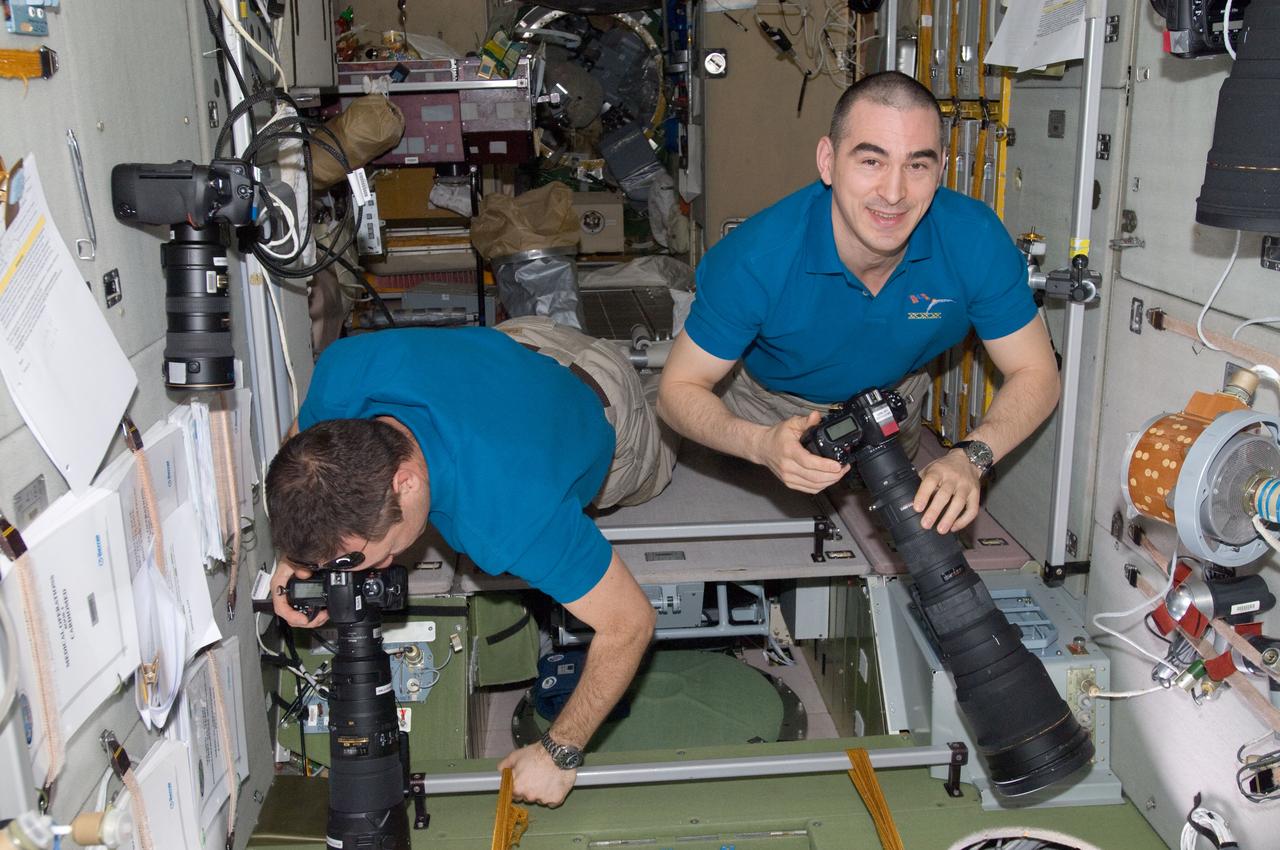
ISS030-E-010665 (11 Dec. 2011) --- Russian cosmonauts Anton Shkaplerov (left) and Anatoly Ivanishin, both Expedition 30 flight engineers, use still cameras to record orbit-to-Earth imagery from windows in the Zvezda Service Module of the International Space Station.
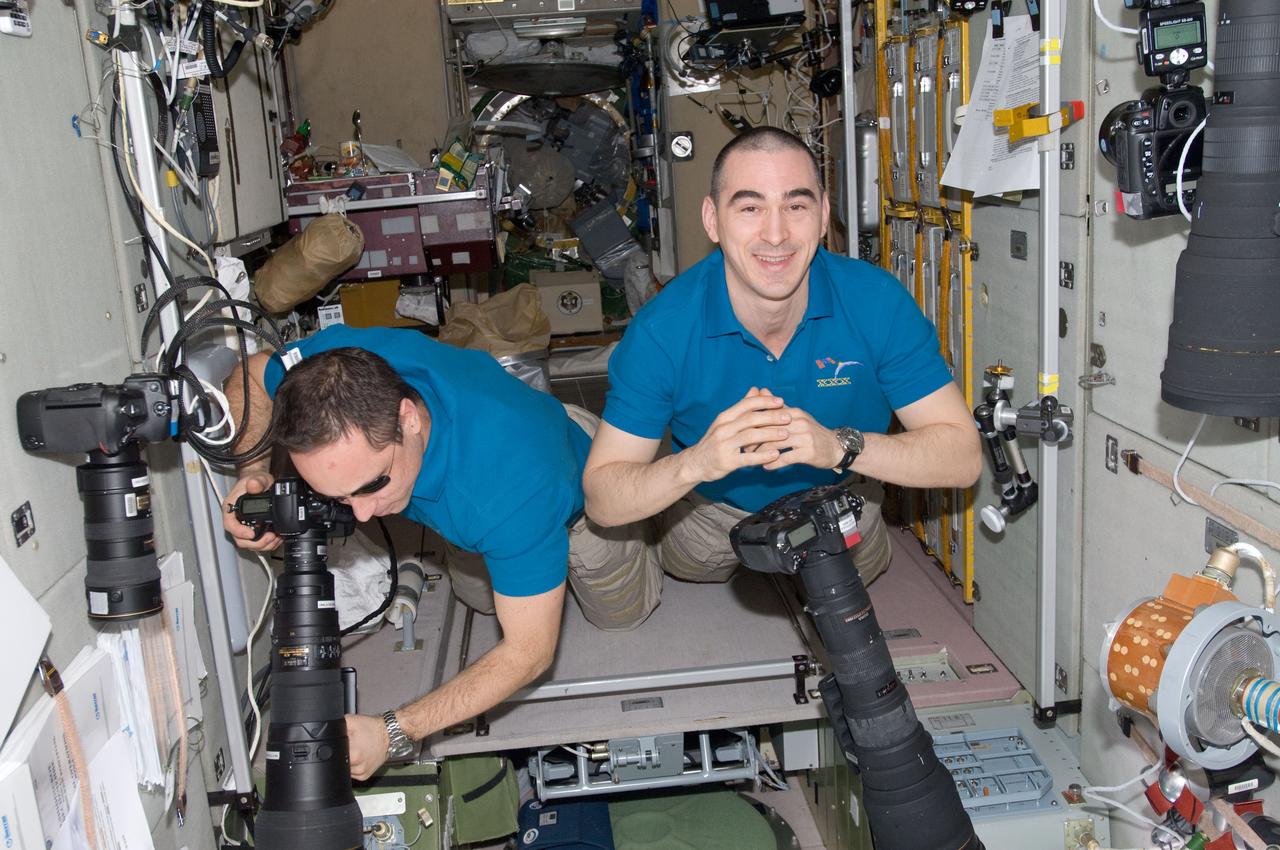
ISS030-E-010663 (11 Dec. 2011) --- Russian cosmonauts Anton Shkaplerov (left) and Anatoly Ivanishin, both Expedition 30 flight engineers, use still cameras to record orbit-to-Earth imagery from windows in the Zvezda Service Module of the International Space Station.
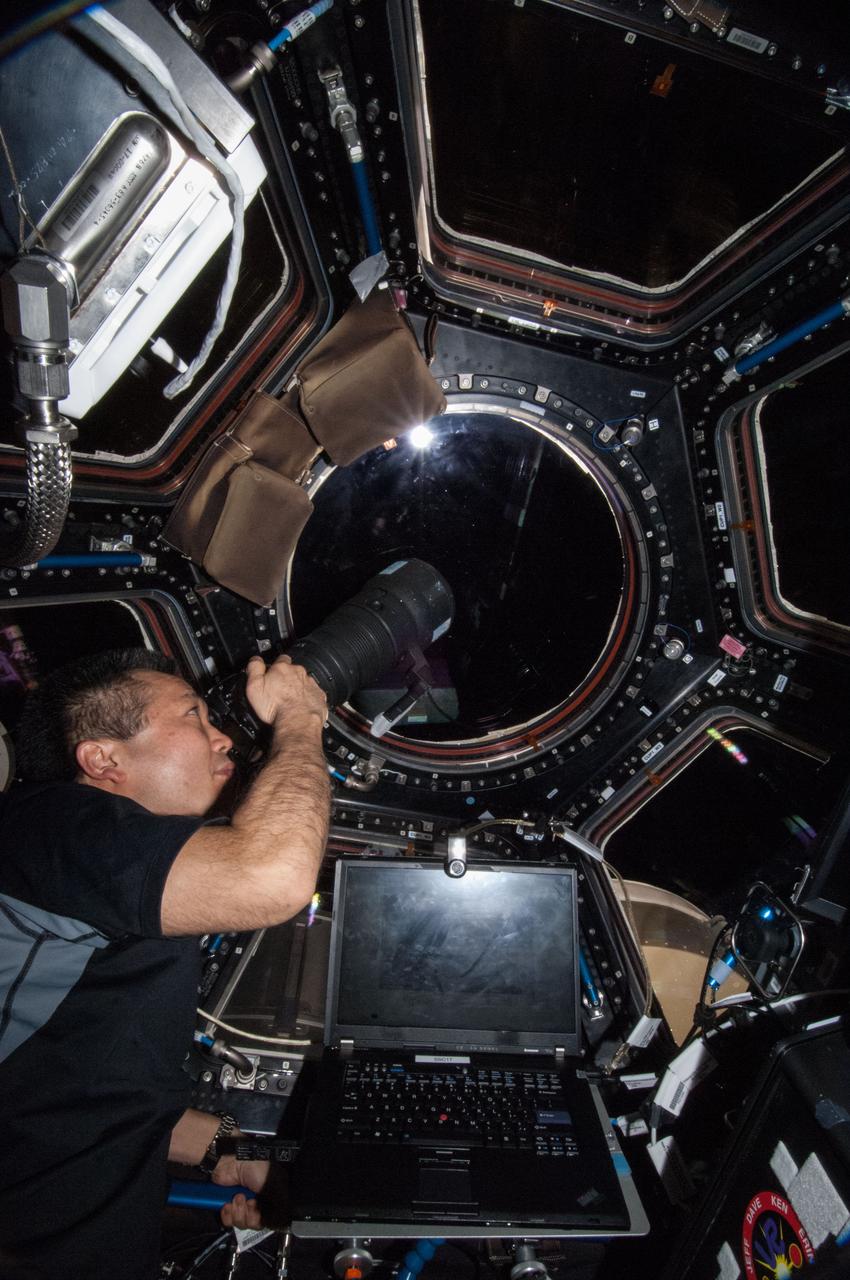
ISS038-E-021618 (28 Dec. 2013) --- Japan Aerospace Exploration Agency astronaut Koichi Wakata, Expedition 38 flight engineer, uses a still camera to photograph the topography of a point on Earth from a window in the Cupola of the International Space Station.
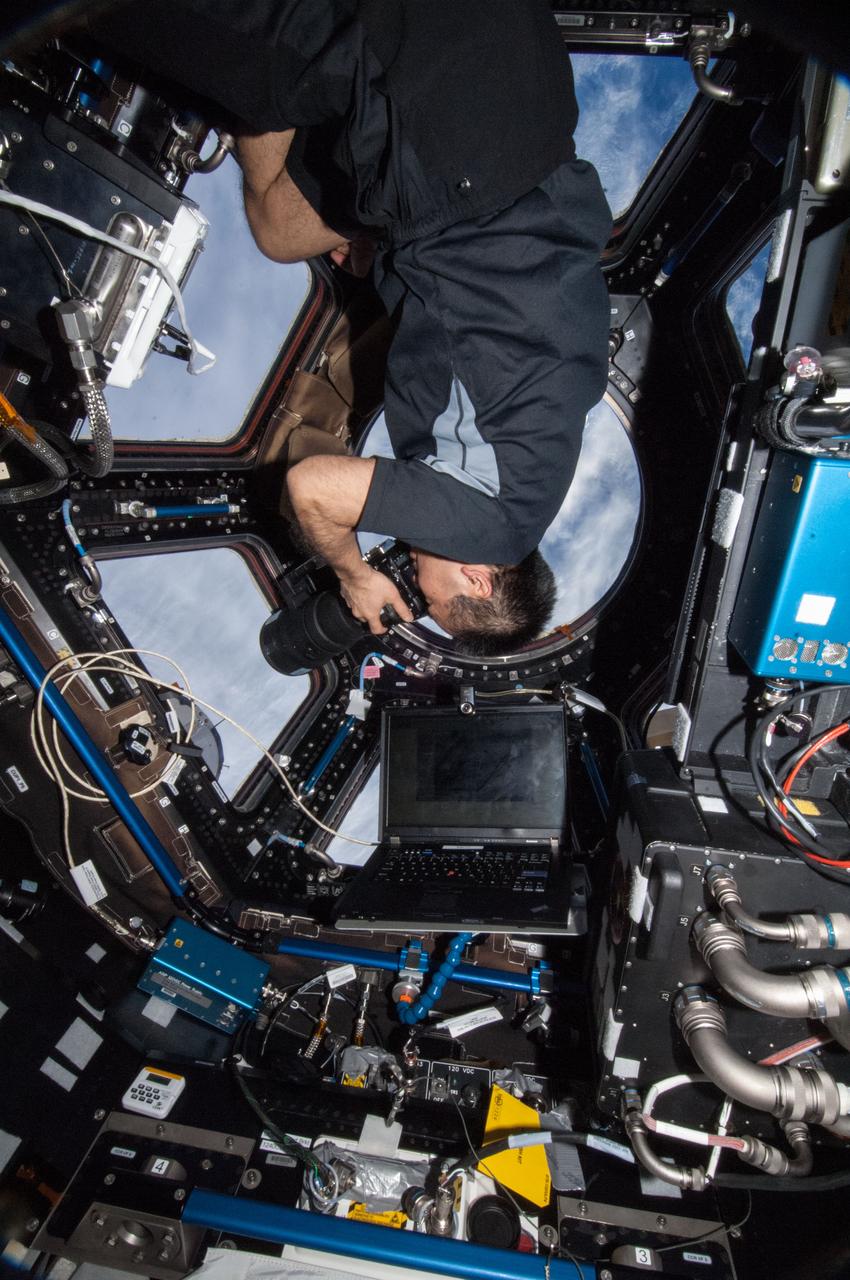
ISS038-E-021630 (28 Dec. 2013) --- Japan Aerospace Exploration Agency astronaut Koichi Wakata, Expedition 38 flight engineer, uses a still camera to photograph the topography of a point on Earth from a window in the Cupola of the International Space Station.

S61-E-012 (5 Dec 1993) --- This view of astronauts Kathryn C. Thornton (top) and Thomas D. Akers working on the Hubble Space Telescope (HST) was photographed with an Electronic Still Camera (ESC), and down linked to ground controllers soon afterward. Thornton, anchored to the end of the Remote Manipulator System (RMS) arm, is teaming with Akers to install the +V2 Solar Array Panel as a replacement for the original one removed earlier. Akers uses tethers and a foot restraint to remain in position for the task. Electronic still photography is a relatively new technology which provides the means for a handheld camera to electronically capture and digitize an image with resolution approaching film quality. The electronic still camera has flown as an experiment on several other shuttle missions.
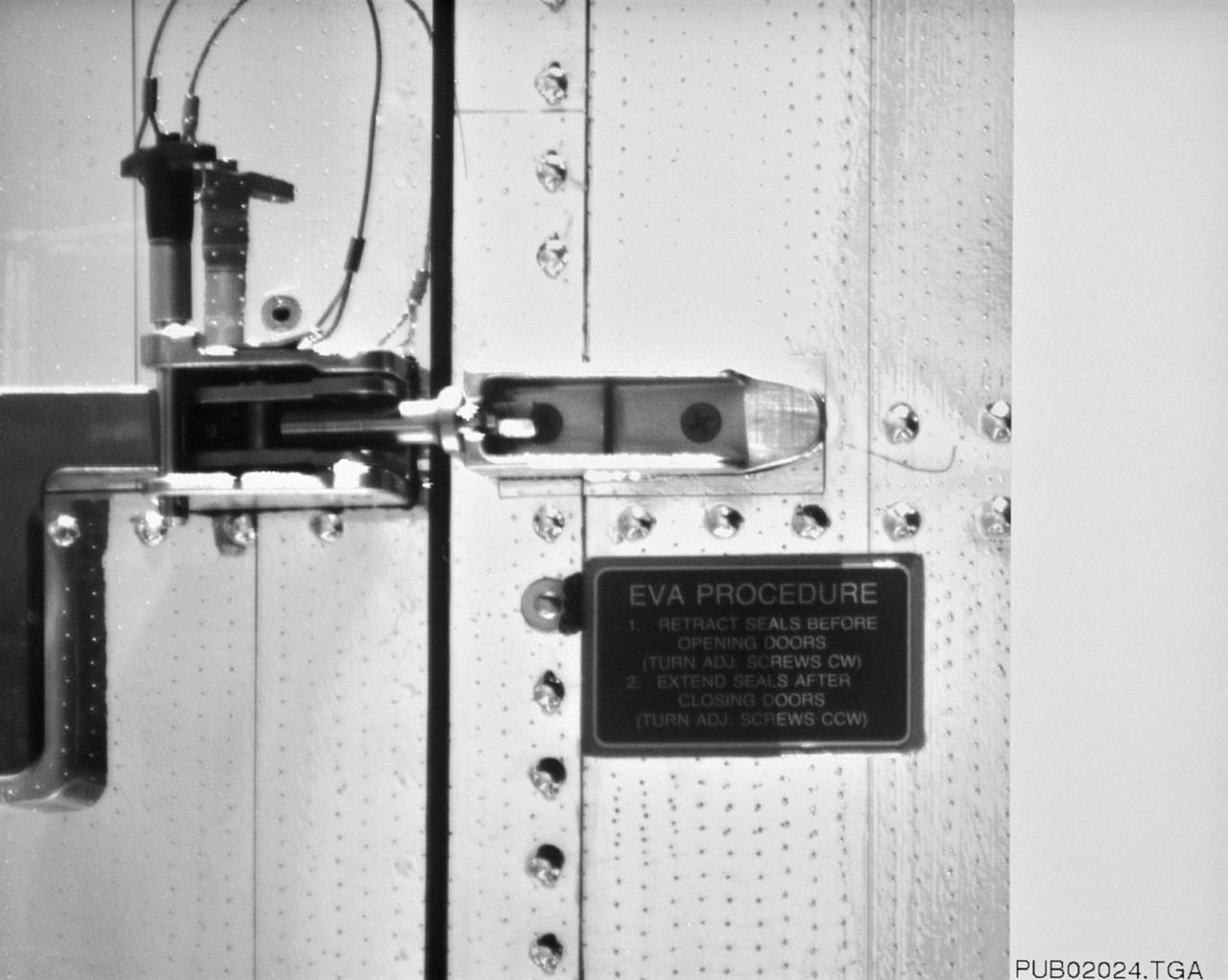
S61-E-010 (4 Dec 1993) --- This close-up view of a latch on the minus V3 aft shroud door of the Hubble Space Telescope (HST) was photographed with an Electronic Still Camera (ESC), and down linked to ground controllers soon afterward. Endeavour's crew captured the HST on December 4, 1993 in order to service the telescope over a period of five days. Four of the crew members will work in alternating pairs outside Endeavour's shirt sleeve environment to service the giant telescope. Electronic still photography is a relatively new technology which provides the means for a handheld camera to electronically capture and digitize an image with resolution approaching film quality. The electronic still camera has flown as an experiment on several other shuttle missions.
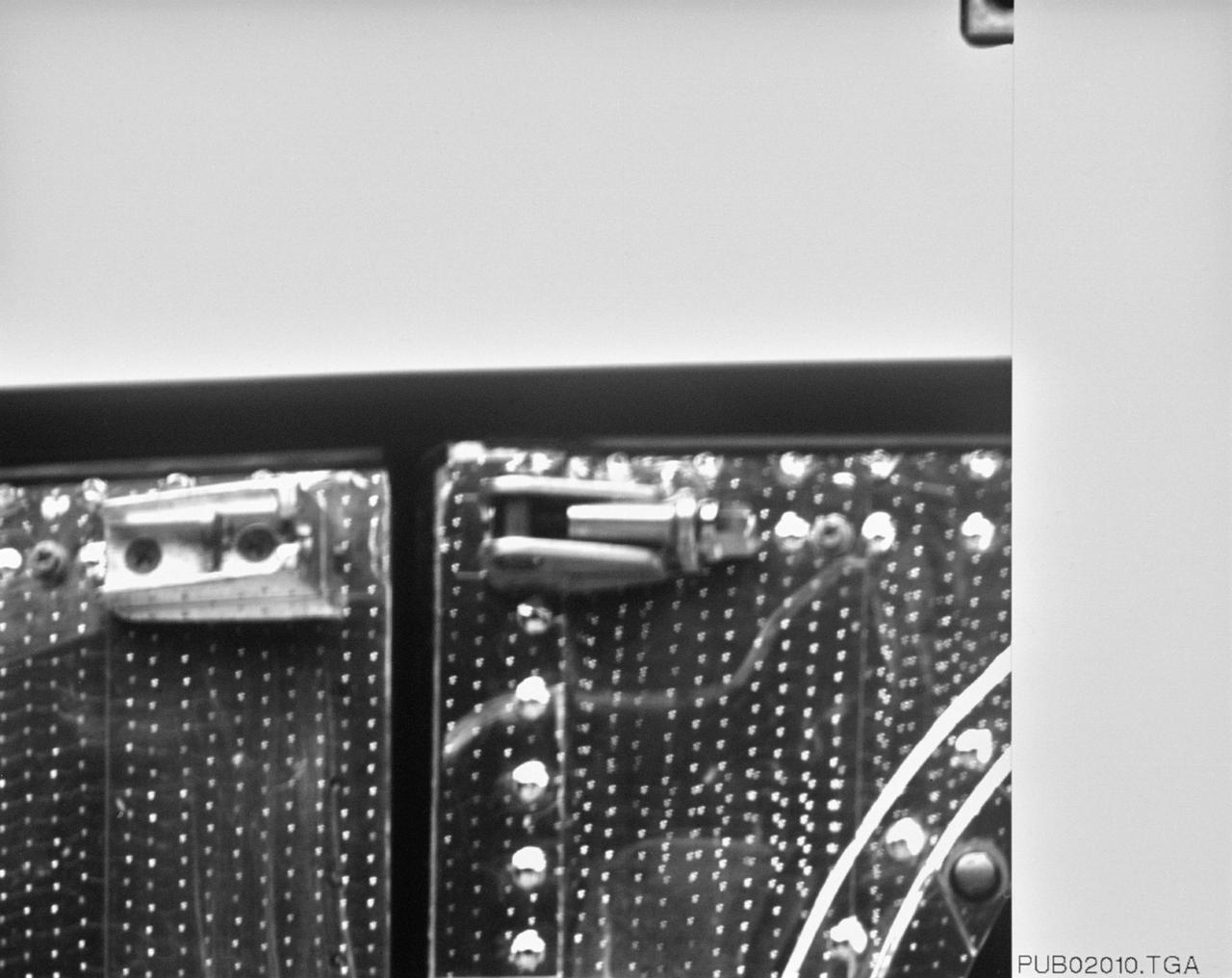
S61-E-005 (4 Dec 1993) --- This close-up view of a latch on the minus V3 aft shroud door of the Hubble Space Telescope (HST) was photographed with an Electronic Still Camera (ESC), and down linked to ground controllers soon afterward. Endeavour's crew captured the HST on December 4, 1993 in order to service the telescope. Over a period of five days, four of the seven crew members will work in alternating pairs outside Endeavour's shirt sleeve environment to service the giant telescope. Electronic still photography is a relatively new technology which provides the means for a handheld camera to electronically capture and digitize an image with resolution approaching film quality. The electronic still camera has flown as an experiment on several other shuttle missions.
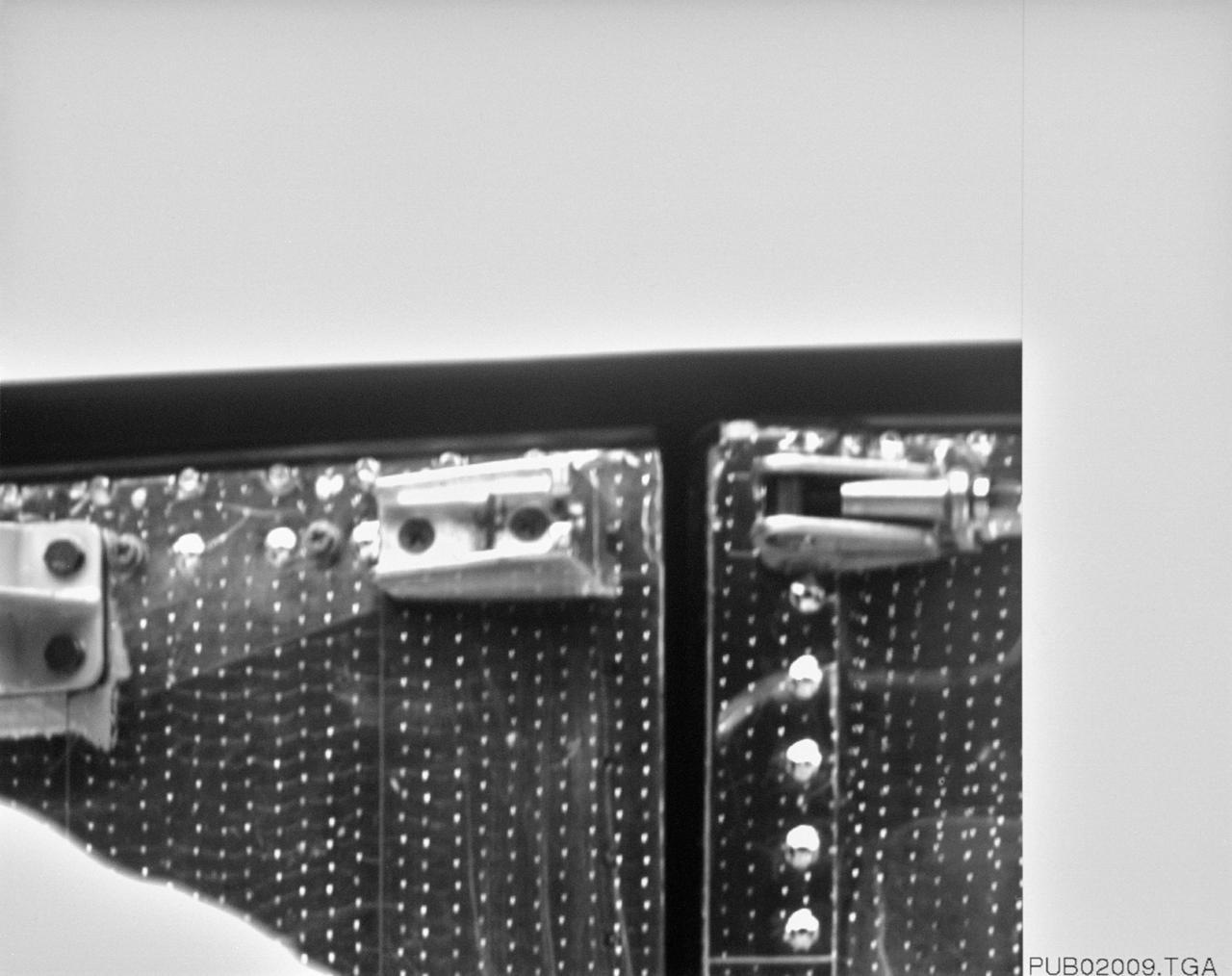
S61-E-004 (4 Dec 1993) --- This close-up view of a latch on the minus V3 aft shroud door of the Hubble Space Telescope (HST) was photographed with an Electronic Still Camera (ESC), and down linked to ground controllers soon afterward. Endeavour's crew captured the HST on December 4, 1993 in order to service the telescope. Over a period of five days, four of the seven crew members will work in alternating pairs outside Endeavour's shirt sleeve environment to service the giant telescope. Electronic still photography is a relatively new technology which provides the means for a handheld camera to electronically capture and digitize an image with resolution approaching film quality. The electronic still camera has flown as an experiment on several other shuttle missions.

S61-E-014 (5 Dec 1993) --- This view of astronauts Kathryn C. Thornton (bottom) and Thomas D. Akers working on the Hubble Space Telescope (HST) was photographed with an Electronic Still Camera (ESC), and down linked to ground controllers soon afterward. Thornton, anchored to the end of the Remote Manipulator System (RMS) arm, is teaming with Akers to install the +V2 Solar Array Panel as a replacement for the original one removed earlier. Akers uses tethers and a foot restraint to remain in position for the task. Electronic still photography is a relatively new technology which provides the means for a handheld camera to electronically capture and digitize an image with resolution approaching film quality. The electronic still camera has flown as an experiment on several other shuttle missions.
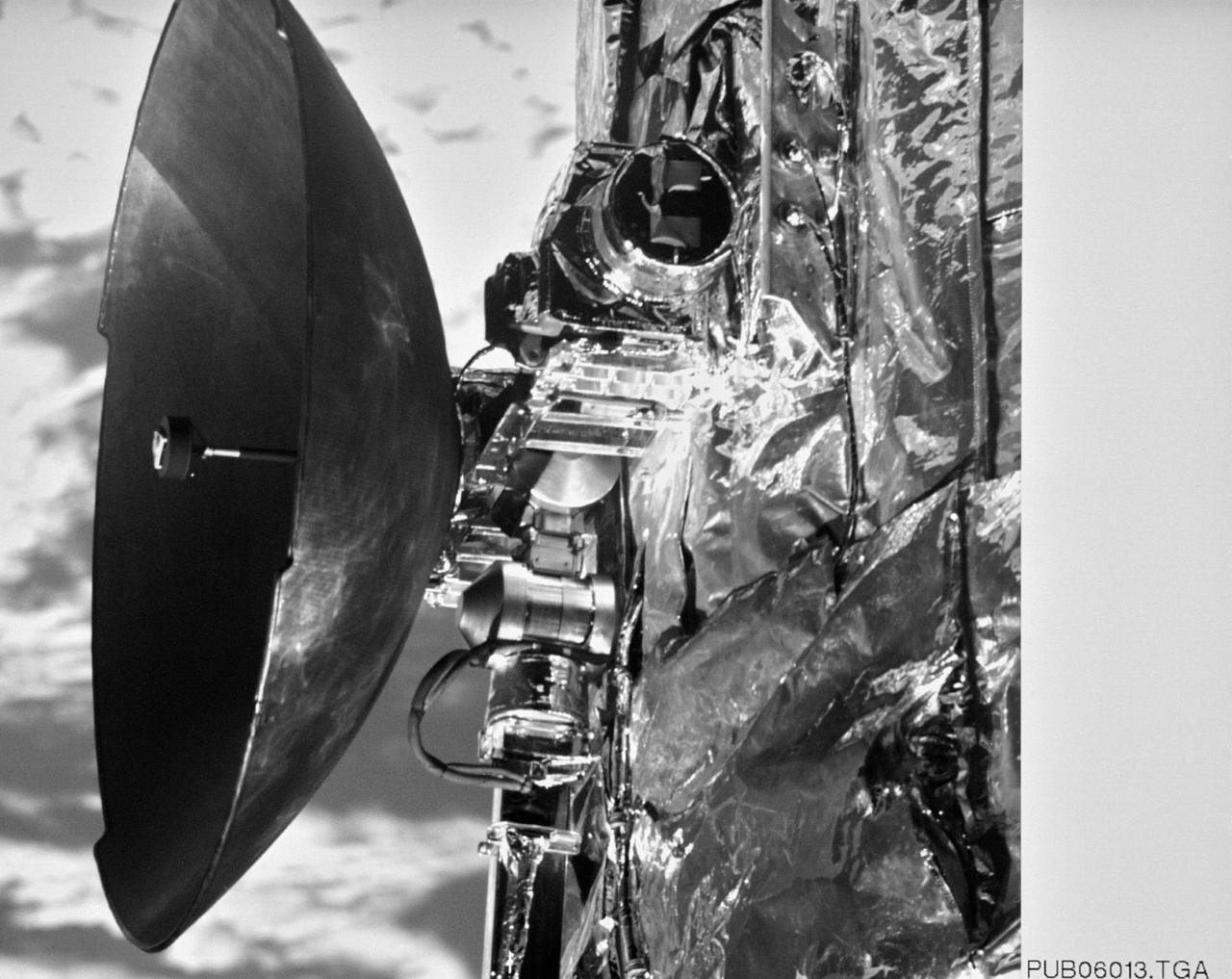
S61-E-021 (7 Dec 1993) --- This close-up view of one of two High Gain Antennae (HGA) on the Hubble Space Telescope (HST) was photographed with an Electronic Still Camera (ESC), and down linked to ground controllers soon afterward. Endeavour's crew captured the HST on December 4, 1993 in order to service the telescope over a period of five days. Four of the crew members have been working in alternating pairs outside Endeavour's shirt sleeve environment to service the giant telescope. Electronic still photography is a relatively new technology which provides the means for a handheld camera to electronically capture and digitize an image with resolution approaching film quality. The electronic still camera has flown as an experiment on several other shuttle missions.
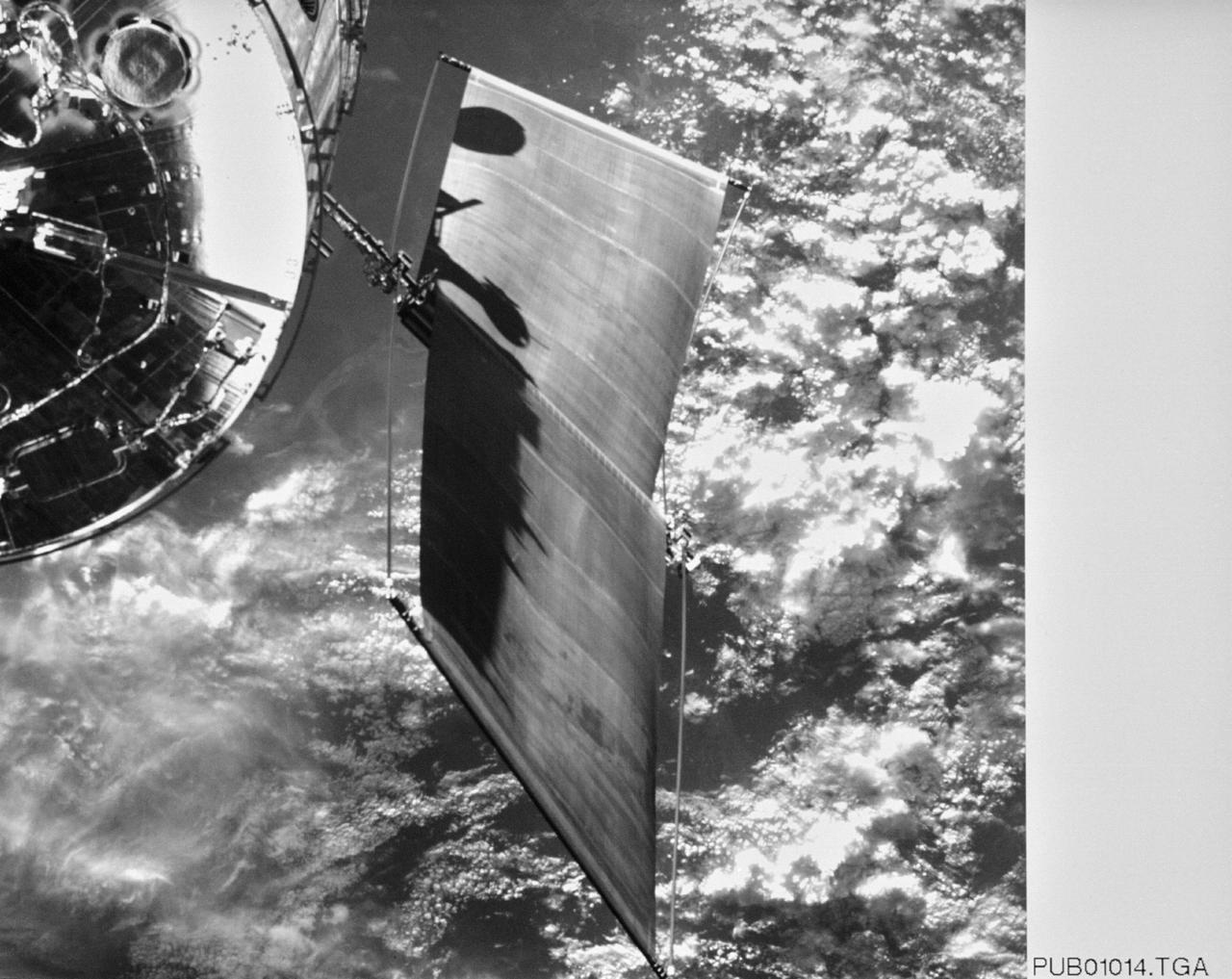
S61-E-009 (4 Dec 1993) --- This view of one of two High Gain Antennae (HGA) on the Hubble Space Telescope (HST) was photographed with an Electronic Still Camera (ESC). The scene was down linked to ground controllers soon after the Space Shuttle Endeavour caught up to the orbiting telescope 320 miles above Earth. Shown here before grapple, the HST was captured on December 4, 1993 in order to service the telescope. Over a period of five days, four of the seven STS-61 crew members will work in alternating pairs outside Endeavour's shirt sleeve environment. Electronic still photography is a relatively new technology which provides the means for a handheld camera to electronically capture and digitize an image with resolution approaching film quality. The electronic still camera has flown as an experiment on several other shuttle missions.
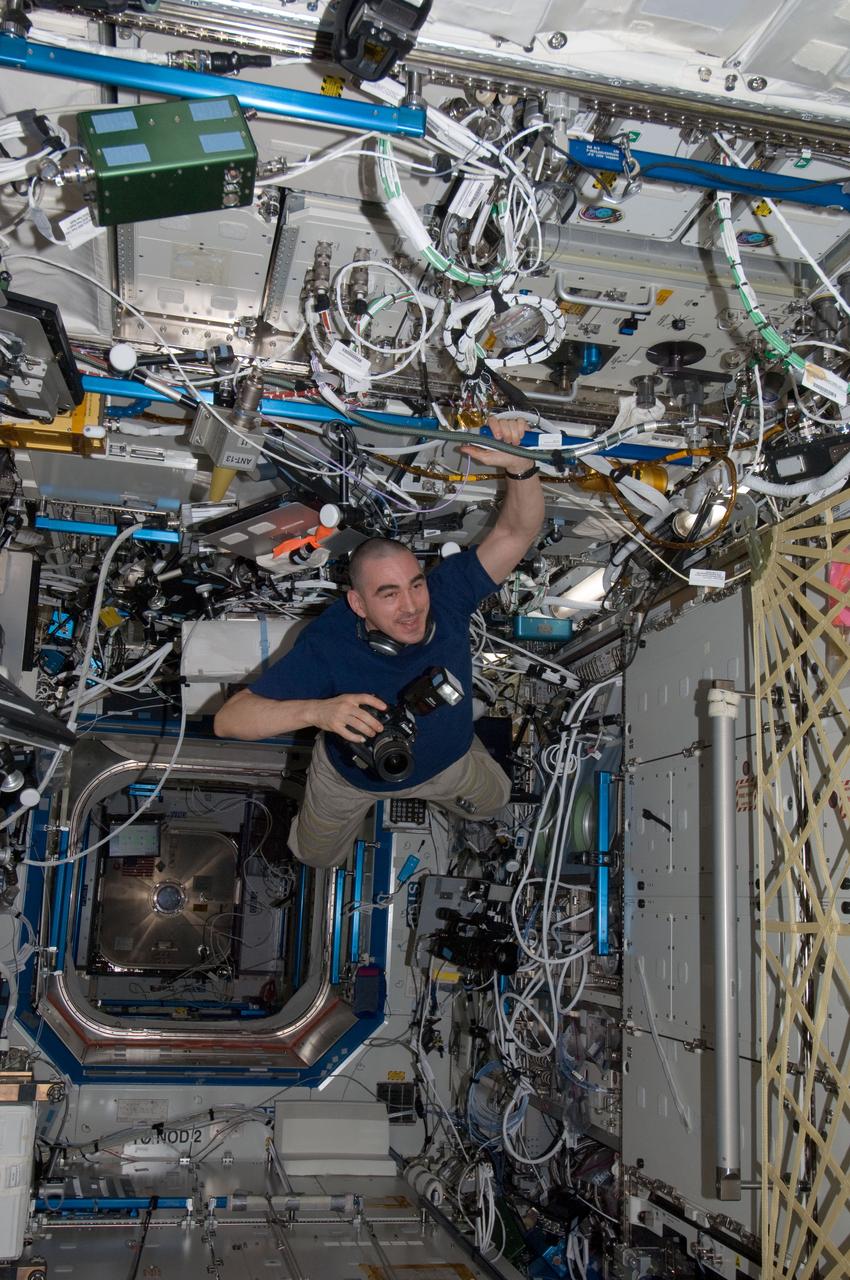
ISS030-E-007565 (3 Dec. 2011) --- Russian cosmonaut Anatoly Ivanishin, Expedition 30 flight engineer, holds a still camera while floating through the Destiny laboratory of the International Space Station.
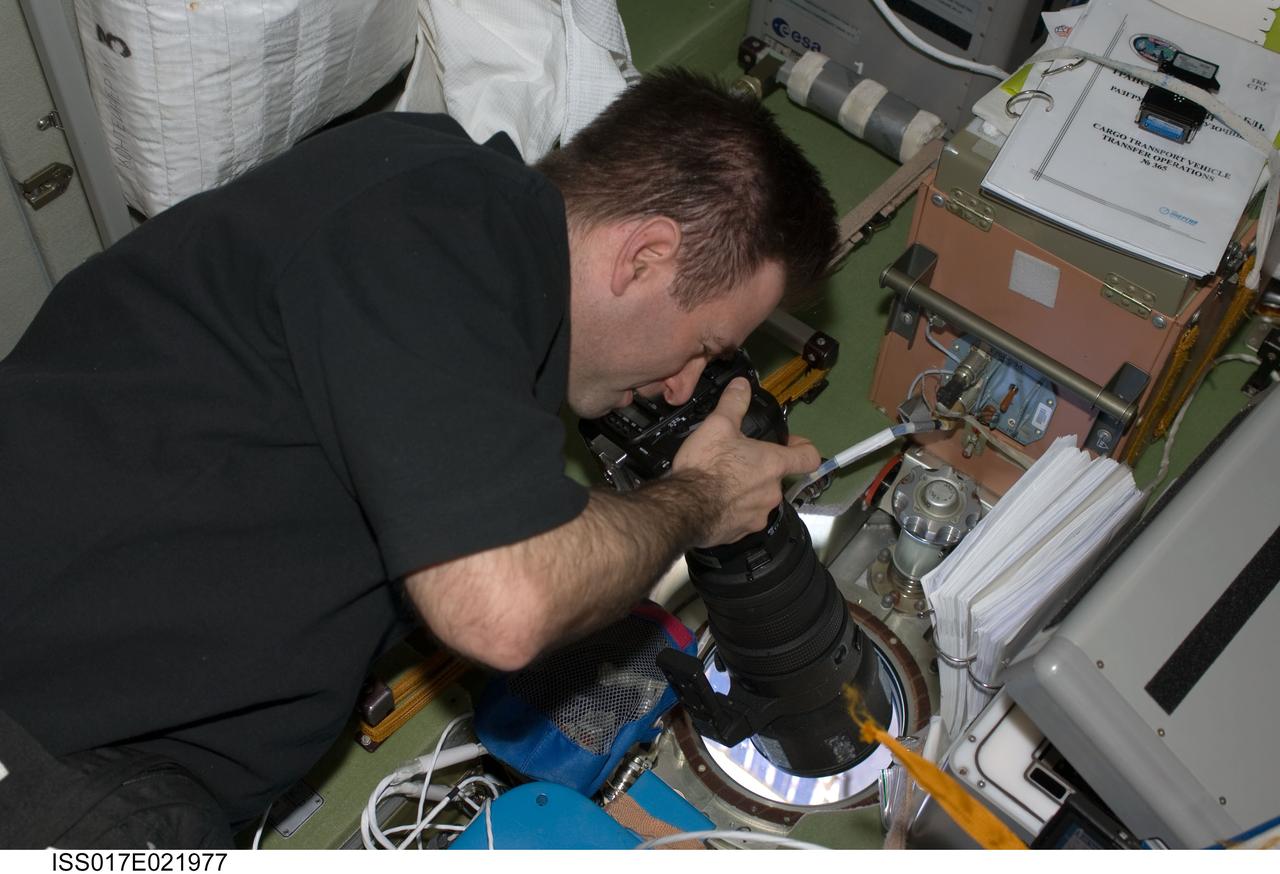
ISS017-E-021977 (23 Oct. 2008) --- Astronaut Greg Chamitoff, Expedition 18 flight engineer, uses a still camera at a window in the Zvezda Service Module of the International Space Station.

STS073-E-5275 (3 Nov. 1995) --- Resort City of Acapulco appears in this north-looking view, photographed from the Earth-orbiting space shuttle Columbia with the Electronic Still Camera (ESC). The airport lies on a narrow neck of land between the sea and a large coastal lagoon. This mission marks the first time NASA has released in mid-flight electronically-downlinked color images that feature geographic subject matter.
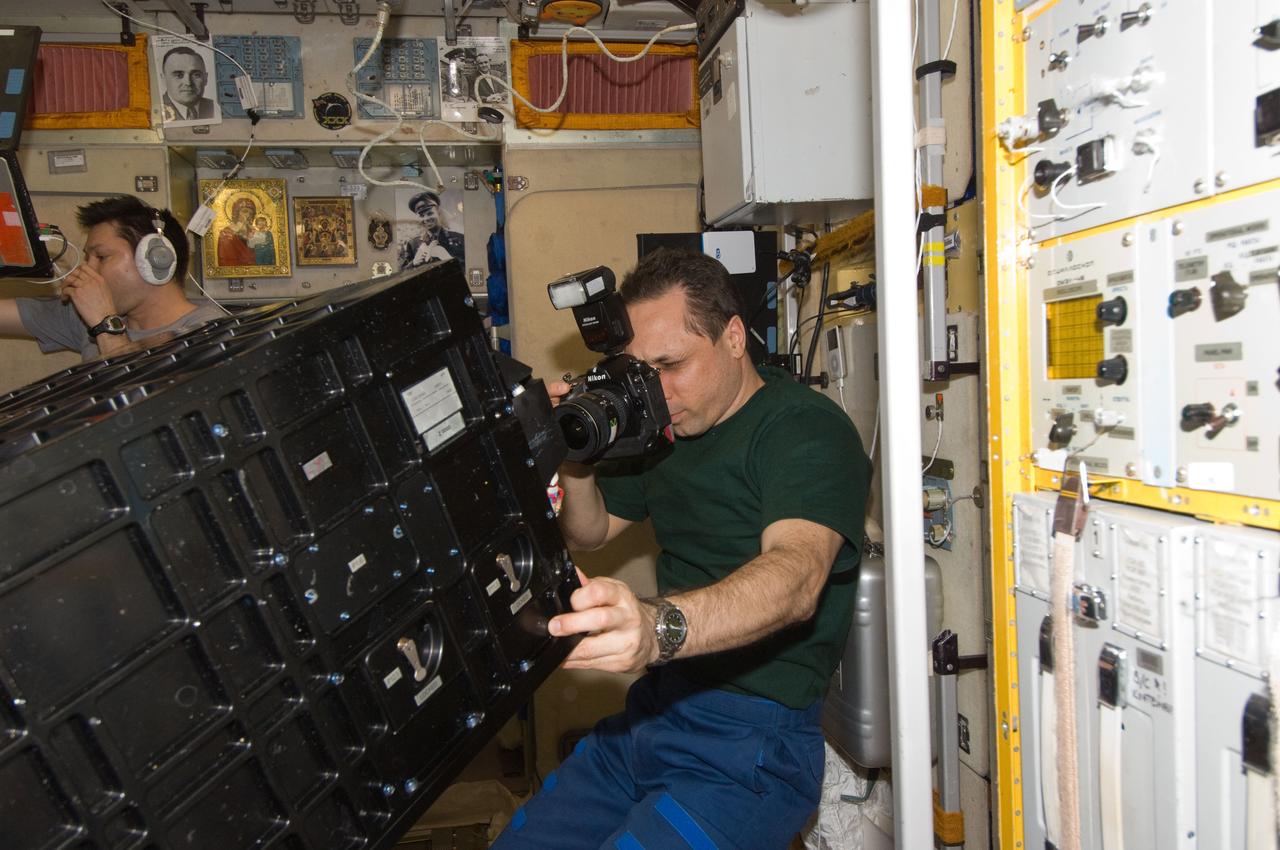
ISS030-E-177376 (29 March 2012) --- In the International Space Station?s Zvezda Service Module, Russian cosmonaut Anton Shkaplerov, Expedition 30 flight engineer, uses a still camera for photo documentation of the Proximity Communications Equipment (PCE) which was used for the ATV-3 rendezvous and docking. Russian cosmonaut Oleg Kononenko, flight engineer, is visible in the background.
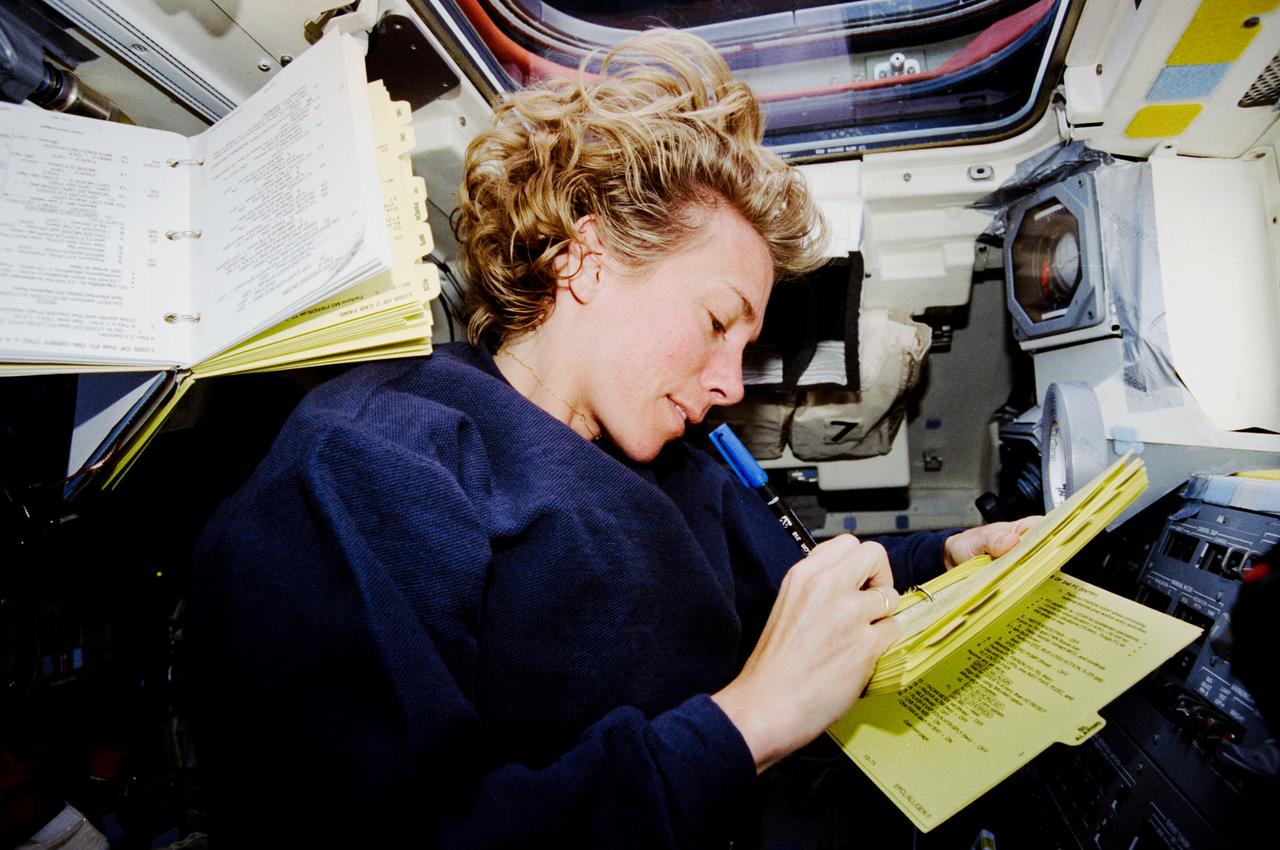
STS083-317-009 (4-8 April 1997) --- Astronaut Susan L. Still, pilot, goes over a checklist at the control panel on the aft flight deck of the Earth-orbiting Space Shuttle Columbia. Scheduled originally as a 16-day mission, the Microgravity Sciences Laboratory (MSL-1) flight completed about one-fourth of its manifest time frame prior to being cut short by a power shortage.
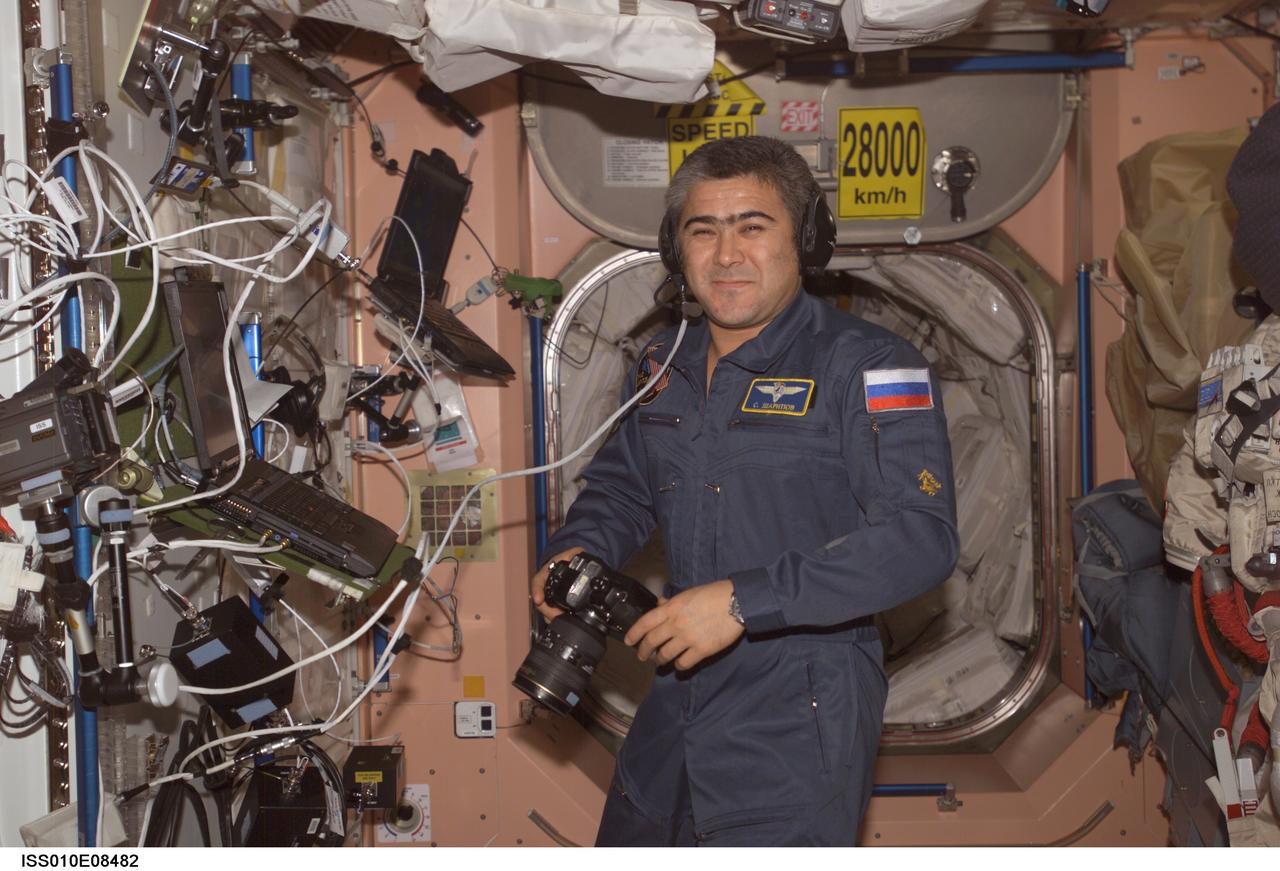
ISS010-E-08482 (23 November 2004) --- Cosmonaut Salizhan S. Sharipov, Expedition 10 flight engineer representing Russia's Federal Space Agency, holds a still camera while using a communication system in the Unity node of the International Space Station (ISS).
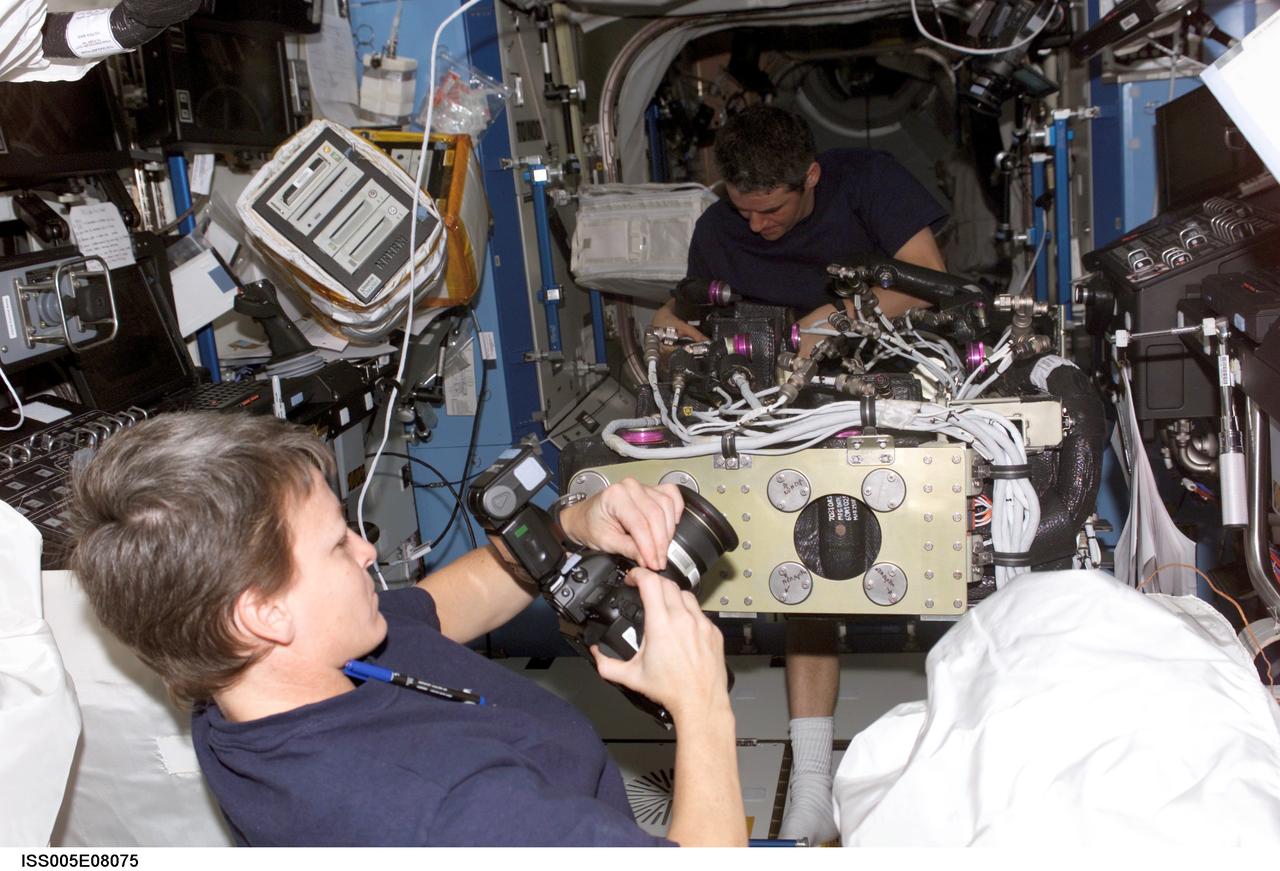
ISS005-E-08075 (July 2002) --- Astronaut Peggy A. Whitson (foreground), Expedition Five flight engineer, prepares to use a still camera in the Destiny laboratory on the International Space Station (ISS). Cosmonaut Valery G. Korzun, mission commander, is visible in the background as he works on equipment. Korzun represents Rosaviakosmos.

STS083-346-002 (4-8 April 1997) --- Astronaut Susan L. Still, pilot, appears excited about the chore of vacuuming in the Spacelab Science Module as astronaut Michael L. Gernhardt approaches with the vacuum cleaner. Gernhardt is one of three mission specialists who joined the flight operations crew and two payload specialists in support of the Microgravity Science Laboratory (MSL-1) mission. The crew members were less than a fourth of the way through a scheduled 16-day flight when a power problem cut short their planned stay.
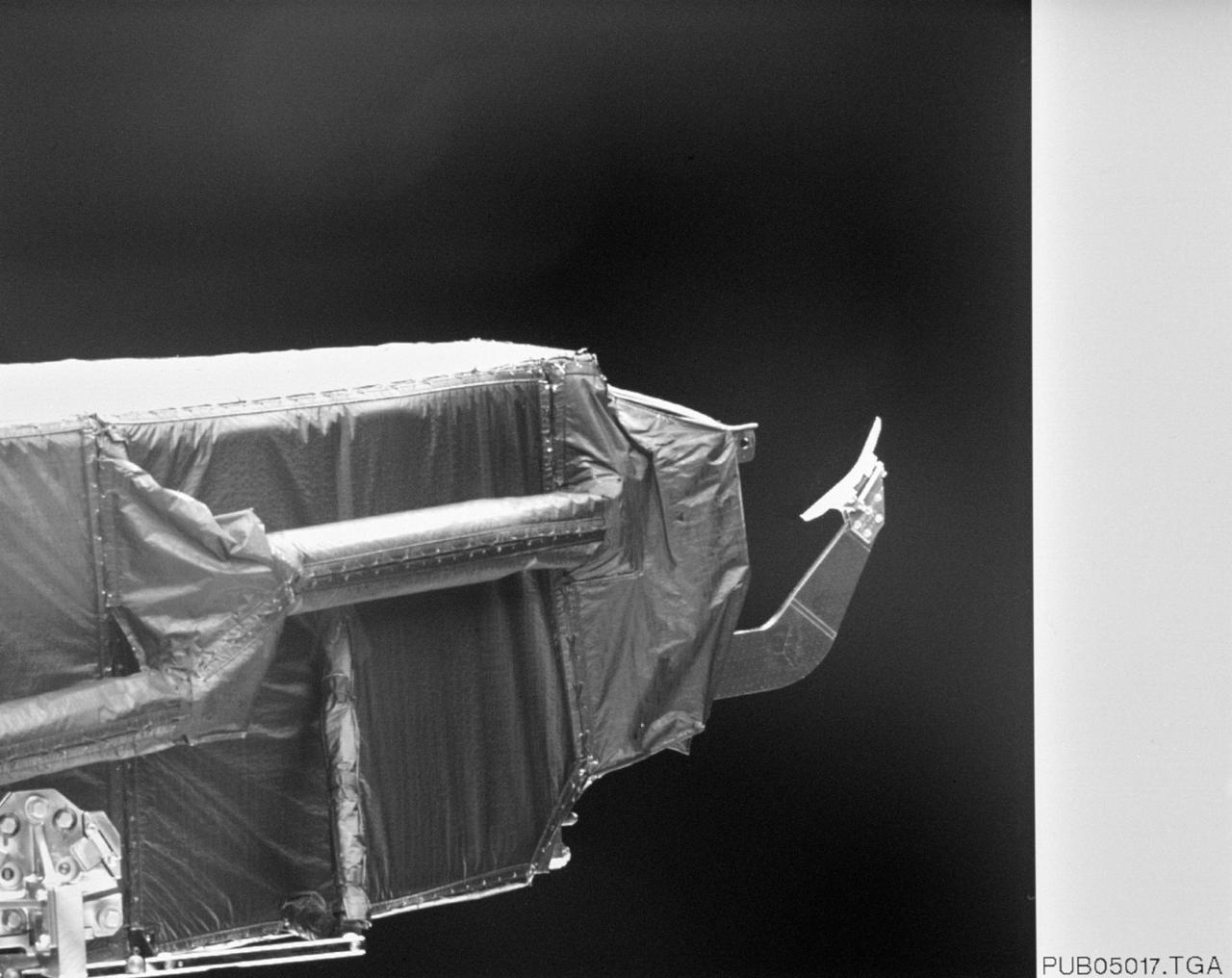
S61-E-015 (6 Dec 1993) --- A close-up view of the aft part of the new Wide Field/Planetary Camera (WFPC-II) installed on the Hubble Space Telescope (HST). WFPC-II was photographed with the Electronic Still Camera (ESC) from inside Endeavour's cabin as astronauts F. Story Musgrave and Jeffrey A. Hoffman moved it from its stowage position onto the giant telescope. Electronic still photography is a relatively new technology which provides the means for a handheld camera to electronically capture and digitize an image with resolution approaching film quality. The electronic still camera has flown as an experiment on several other shuttle missions.
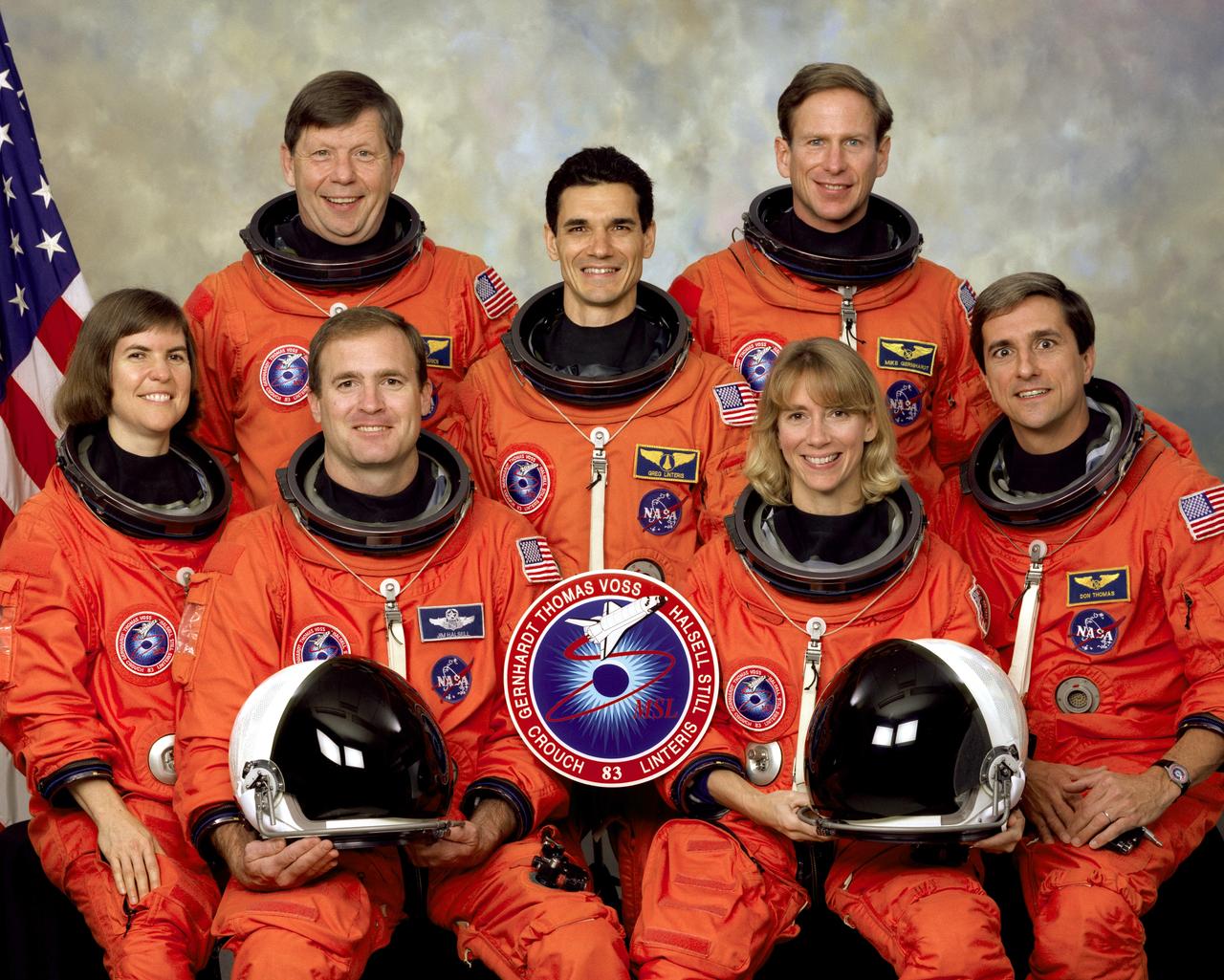
Five NASA astronauts and two scientists comprised the crew for the STS-83 mission in support of the first Microgravity Sciences Laboratory 1 (MSL-1). Pictured on the front row (left to right) are Janice E. Voss, payload commander; James D. Halsell, commander; Susan L. Still, pilot; and Donald A. Thomas, mission specialist. On the back row (left to right) are payload specialists Roger K. Crouch, and Gregory T. Linteris; and Michael L. Gernhardt, mission specialist. Dr. Crouch and Dr. Linteris are experts in several disciplines treated on MSL-1. STS-83 launched aboard the Space Shuttle Columbia on April 4, 1997. The five launched again in July 1997 for the STS-94 mission.
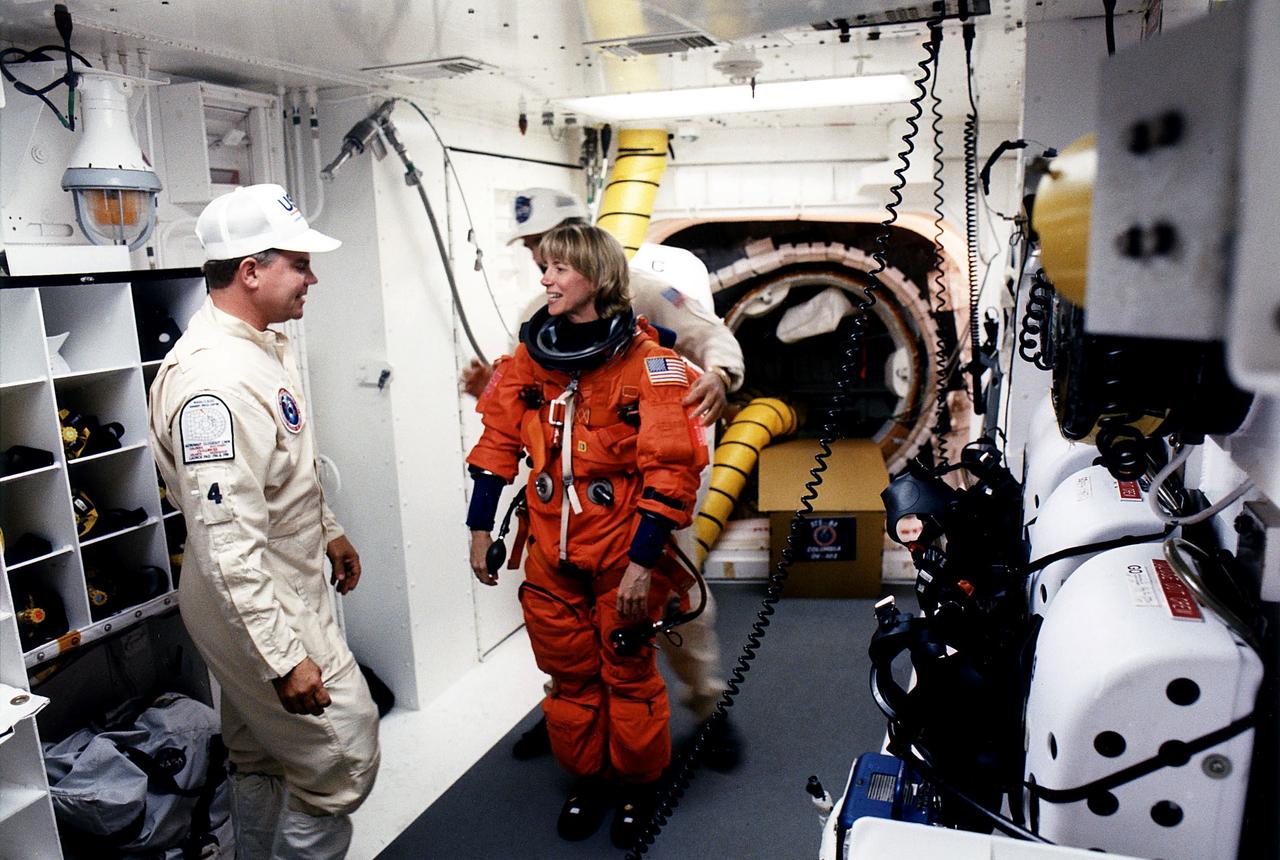
KENNEDY SPACE CENTER, FLA. - STS-83 Pilot Susan L. Still chats with White Room closeout crew member Rene Arriens as she prepares to enter the Space Shuttle Columbia at Launch Pad 39A with assistance from closeout crew worker Bob Saulnier (behind Still).
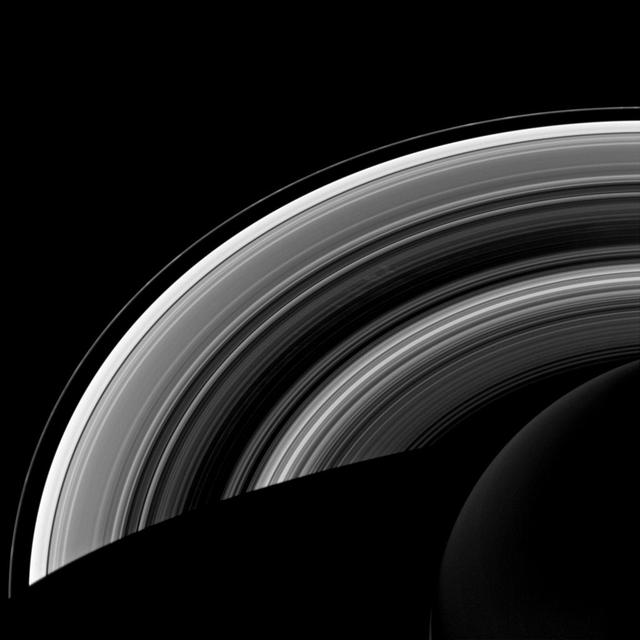
This view, acquired by NASA Cassini spacecraft, looks toward the unilluminated side of Saturn rings from about 47 degrees below the ringplane.
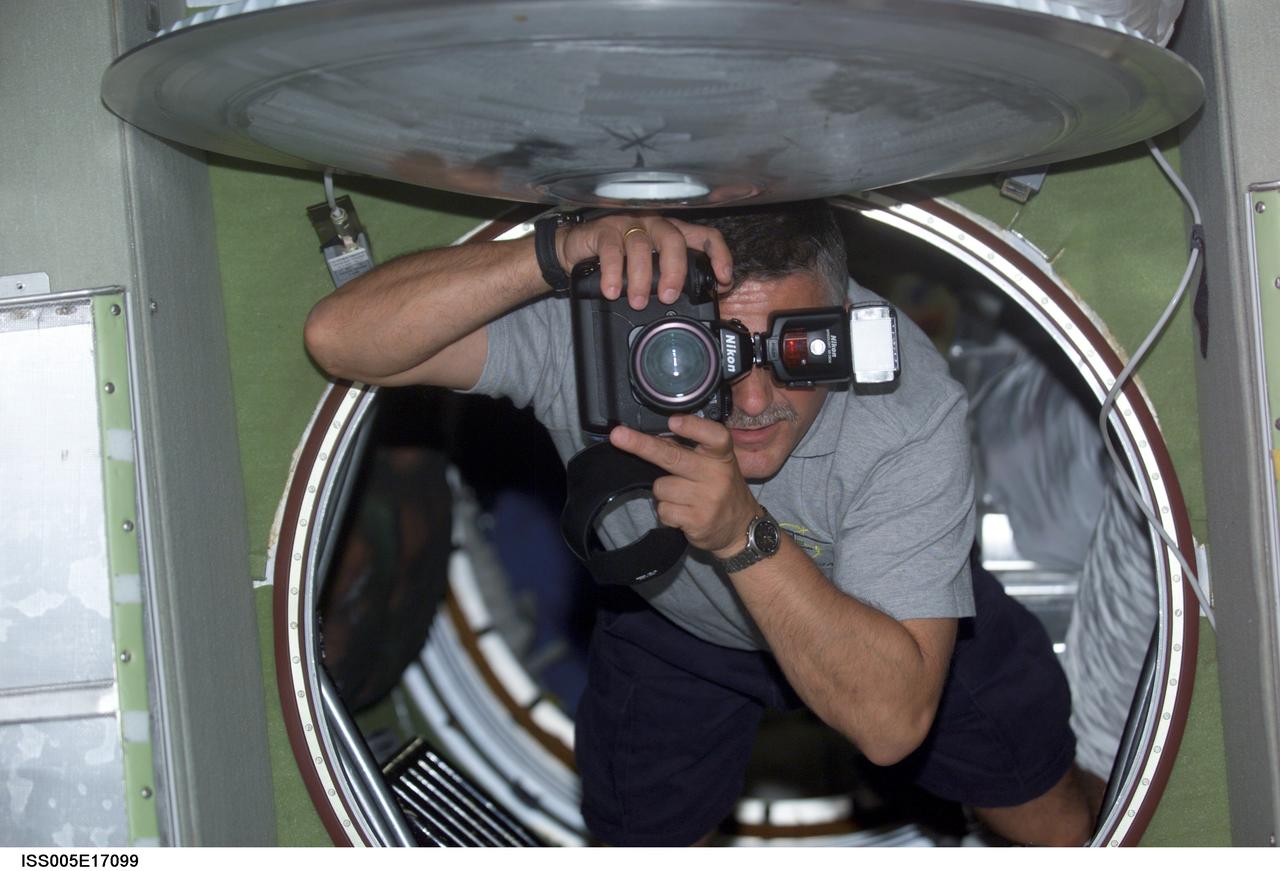
ISS005-E-17099 (10 October 2002) --- Cosmonaut Fyodor N. Yurchikhin, STS-112 mission specialist, uses a still photo camera while floating into the Zvezda Service Module on the International Space Station (ISS). Yurchikhin represents Rosaviakosmos.
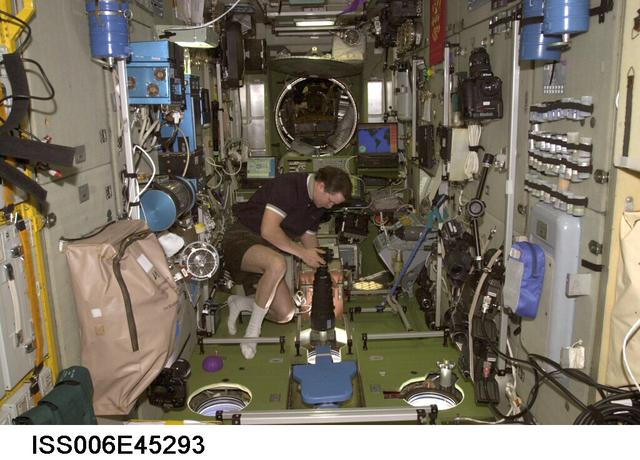
ISS006-E-45293 (21 March 2003) --- Cosmonaut Nikolai M. Budarin, Expedition Six flight engineer, uses a still camera to photograph the topography of a point on Earth from a window in the Zvezda Service Module on the International Space Station (ISS). Budarin represents Rosaviakosmos.
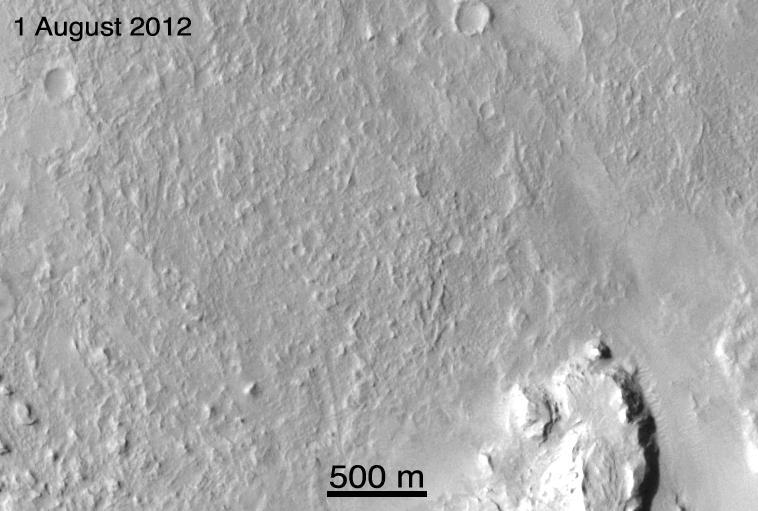
This still image from an animation shows the effects of weights from the entry vehicle of NASA Curiosity rover hitting the surface of Mars.
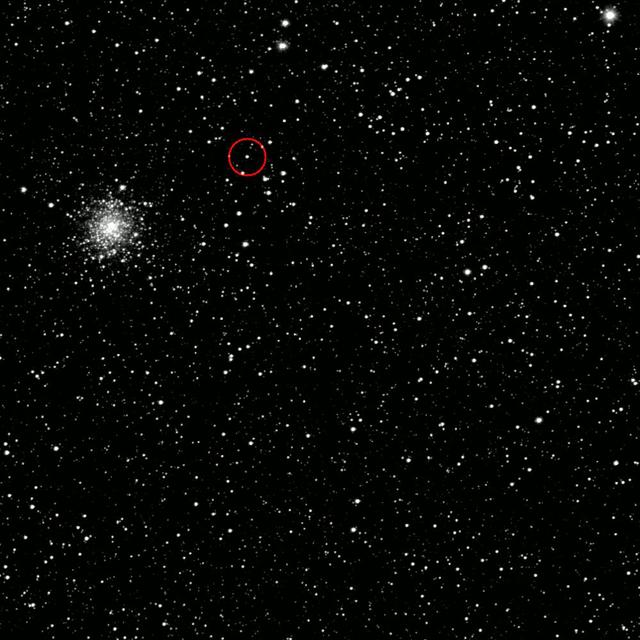
This still from a sequence of images shows comet 67P/Churyumov-Gerasimenko moving against the background star field.
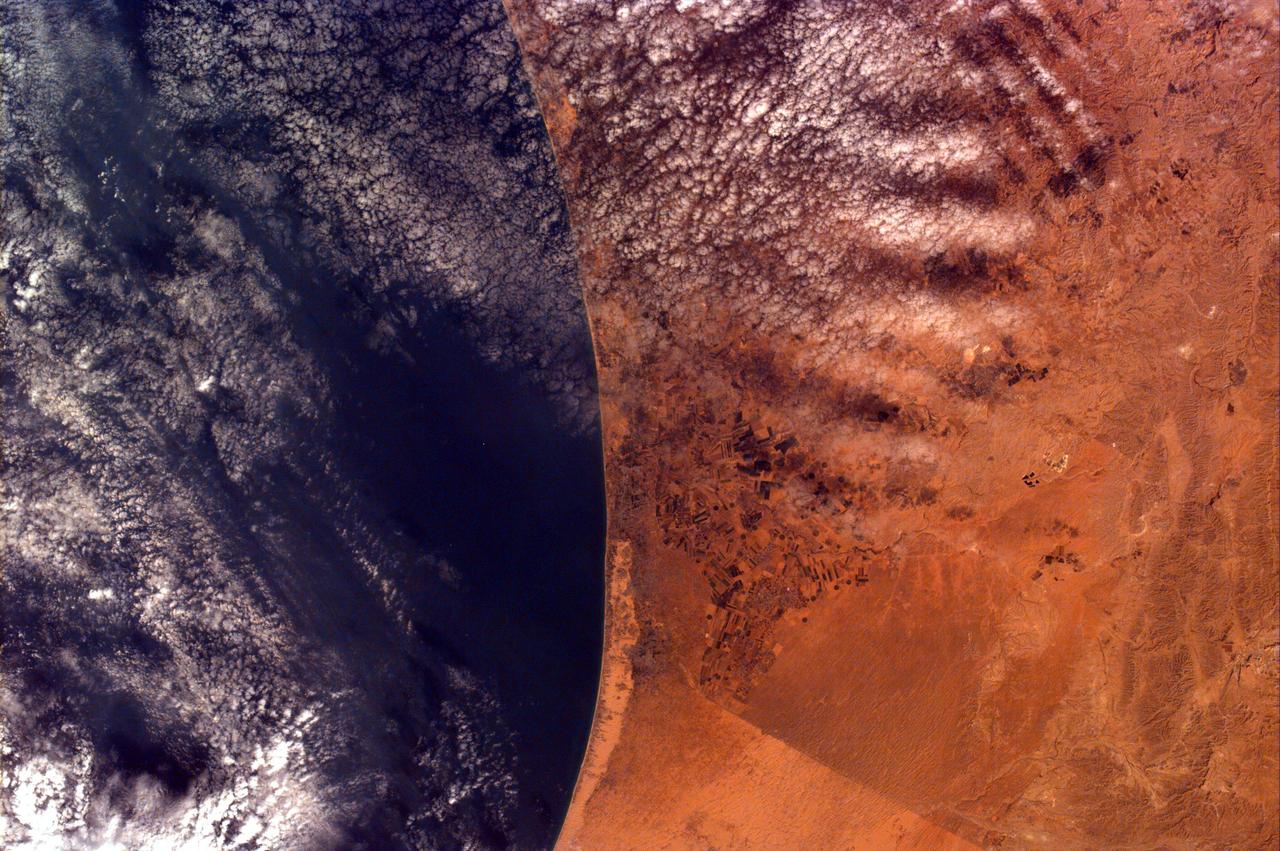
This image from NASA Kidsat electronic still camera was requested by Buist Academy for the purpose of studying the coast of Israel and the Mediterranean Sea.
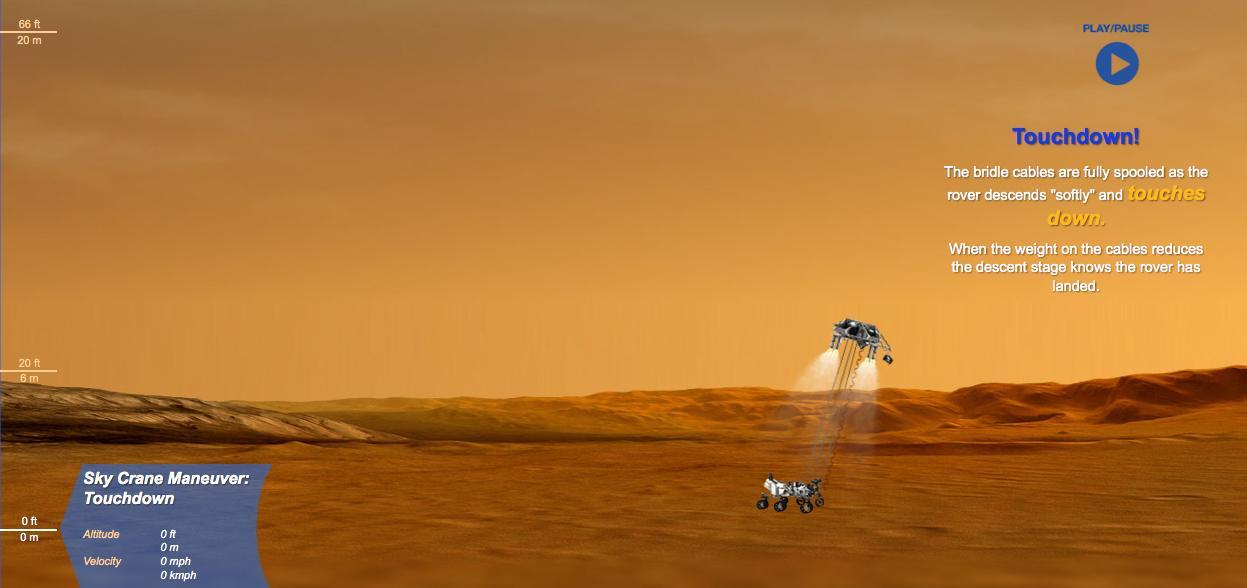
This is a still from an interactive web feature that guides you through the entry, descent and landing of NASA Curiosity rover.
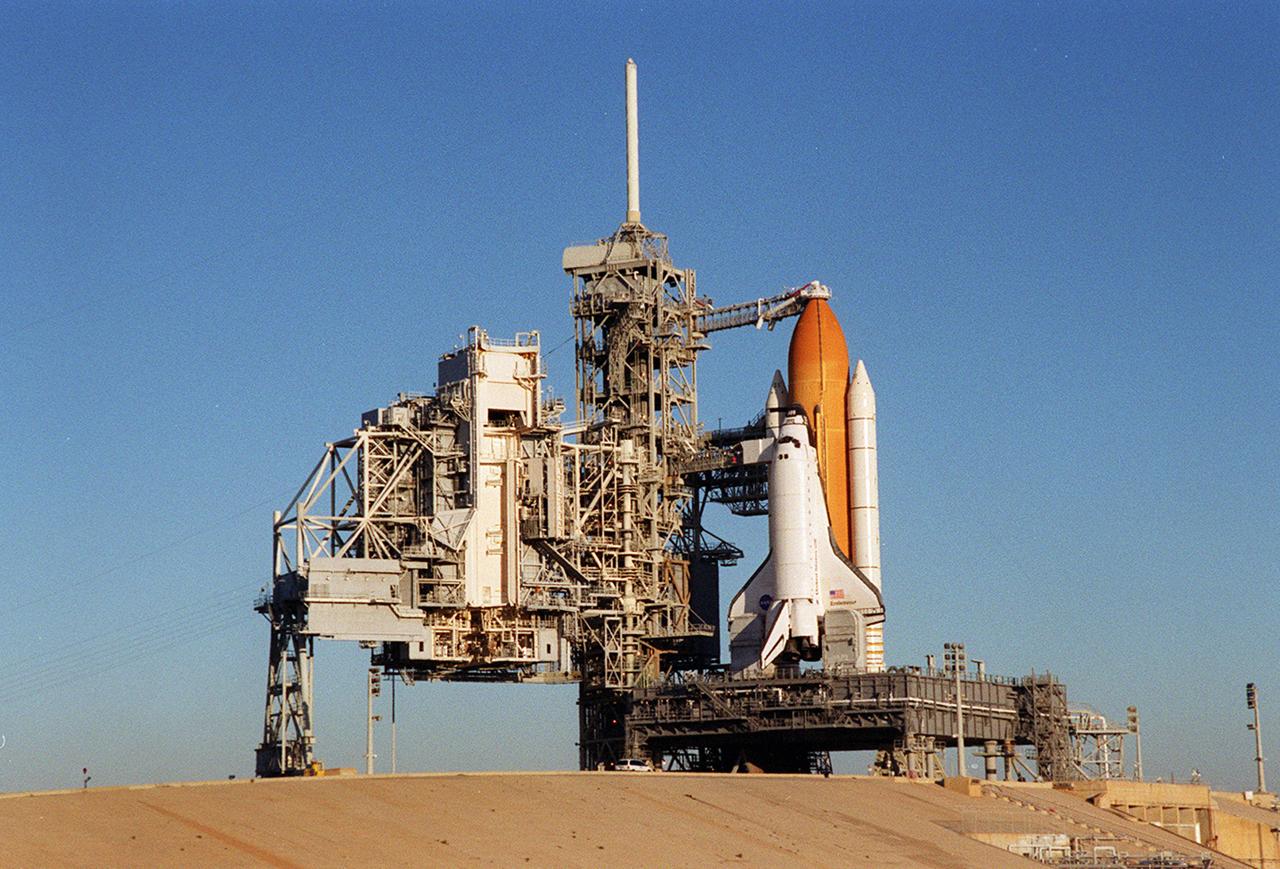
Back dropped by a cloudless blue sky, Space Shuttle Endeavor stands ready for launch after the rollback of the Rotating Service Structure, at left. The orbiter launched that night carrying the STS-97 crew of five. The STS-97 mission's primary objective was the delivery, assembly, and activation of the U.S. electrical power system onboard the International Space Station (ISS). The electrical power system, which is built into a 73-meter (240-foot) long solar array structure, consists of solar arrays, radiators, batteries, and electronics. The entire 15.4-metric ton (17-ton) package is called the P6 Integrated Truss Segment, and is the heaviest and largest element yet delivered to the station aboard a space shuttle. The electric system will eventually provide the power necessary for the first ISS crews to live and work in the U.S. segment.
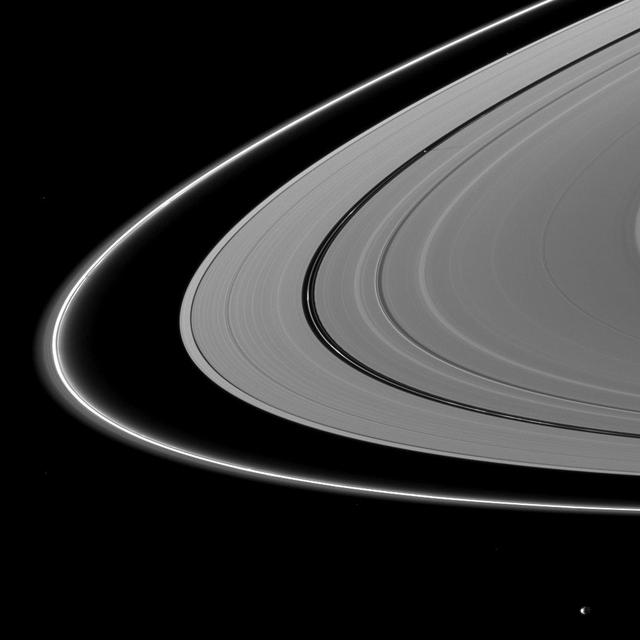
About a month after Saturn August 2009 equinox, shadows continue to grace the planet rings in this image taken by NASA Cassini Orbiter. Pan runs through the center of this image.

NASA Mars Reconnaissance Orbiter acquired this color image on March 9, 2011, of Santa Maria crater, showing NASA Mars Exploration Rover Opportunity perched on the southeast rim. The rover is the bluish speck on the crater rim arrow.
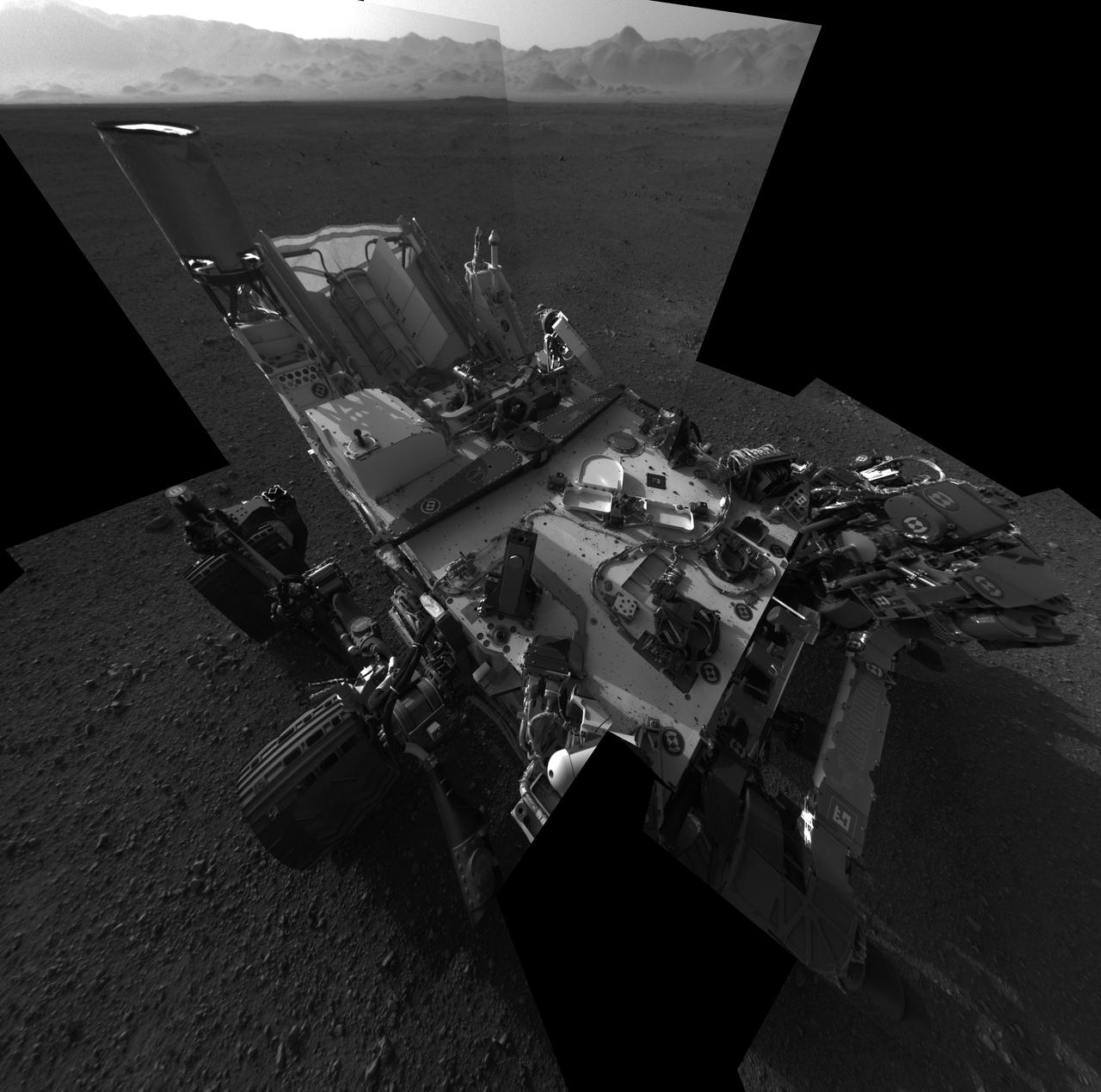
This full-resolution self-portrait shows the deck of NASA Curiosity rover. The back of the rover can be at top left, two of the right side wheels at left, and the undulating rim of Gale Crater forms the lighter color strip in the background.
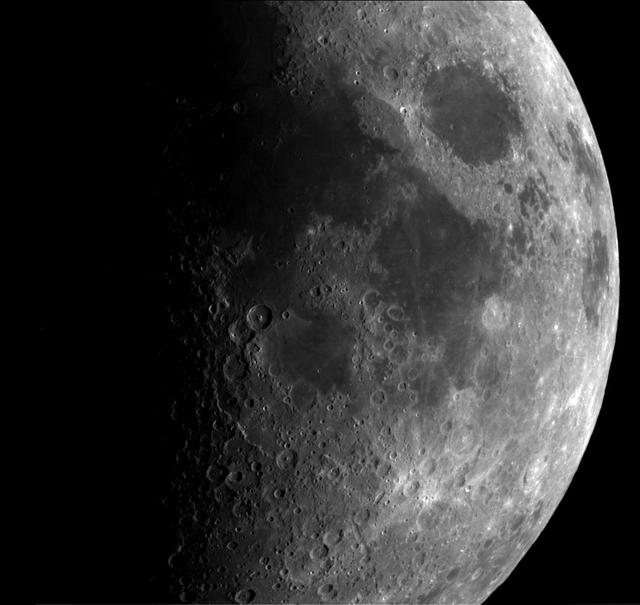
This narrow angle image taken NASA Cassini camera system of the Moon is one of the best of a sequence of narrow angle frames taken as the spacecraft passed by the Moon on the way to its closest approach with Earth on August 17, 1999.
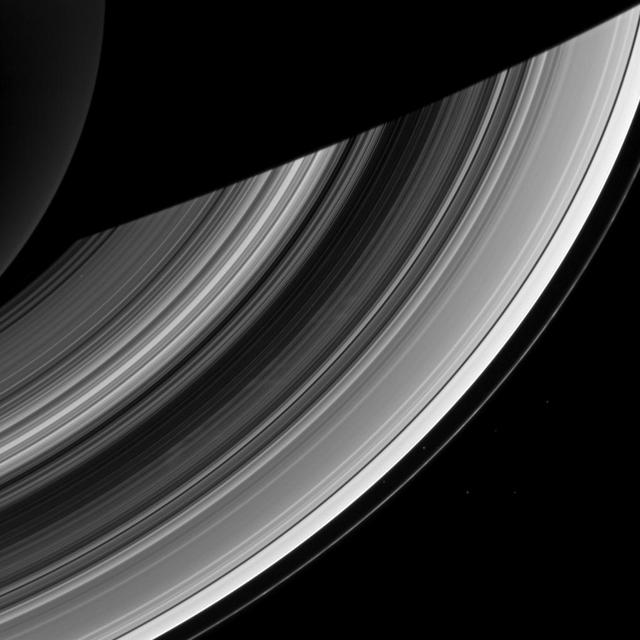
Ghostly spokes in Saturn B ring continue to put on a show for NASA Cassini spacecraft cameras in this recent image. The spokes, believed to be a seasonal phenomenon, are expected to disappear as Saturn nears its northern hemisphere summer.
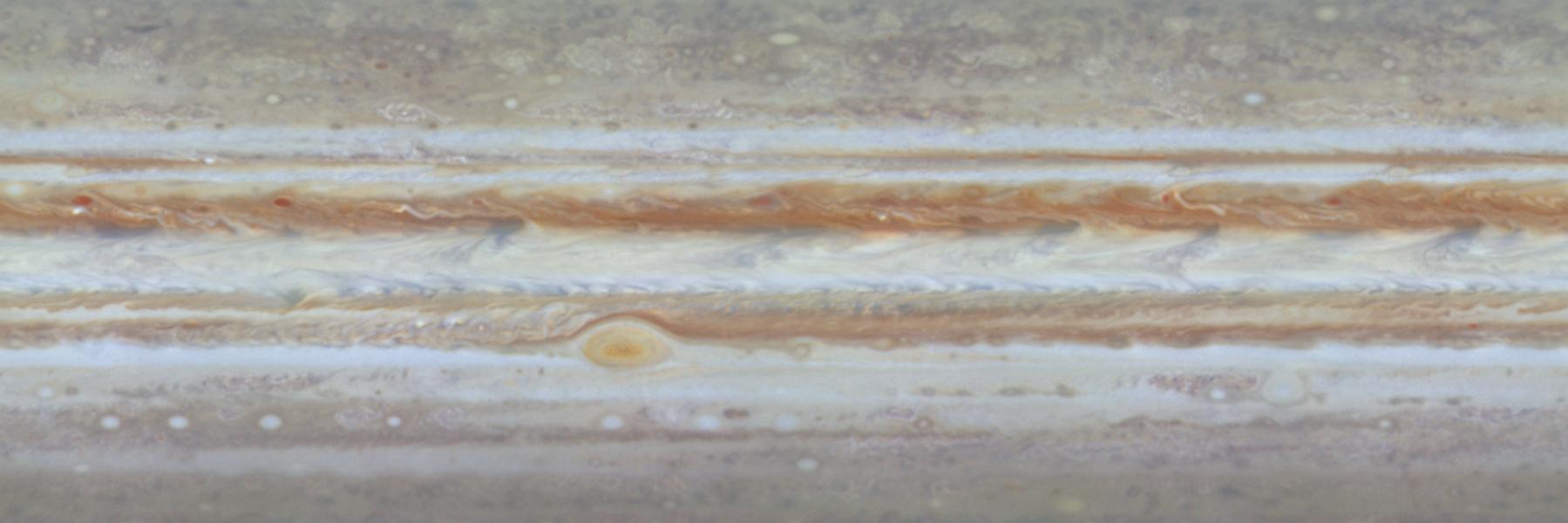
This single frame from a color movie of Jupiter from NASA Cassini spacecraft shows what it would look like to unpeel the entire globe of Jupiter, stretch it out on a wall into the form of a rectangular map.
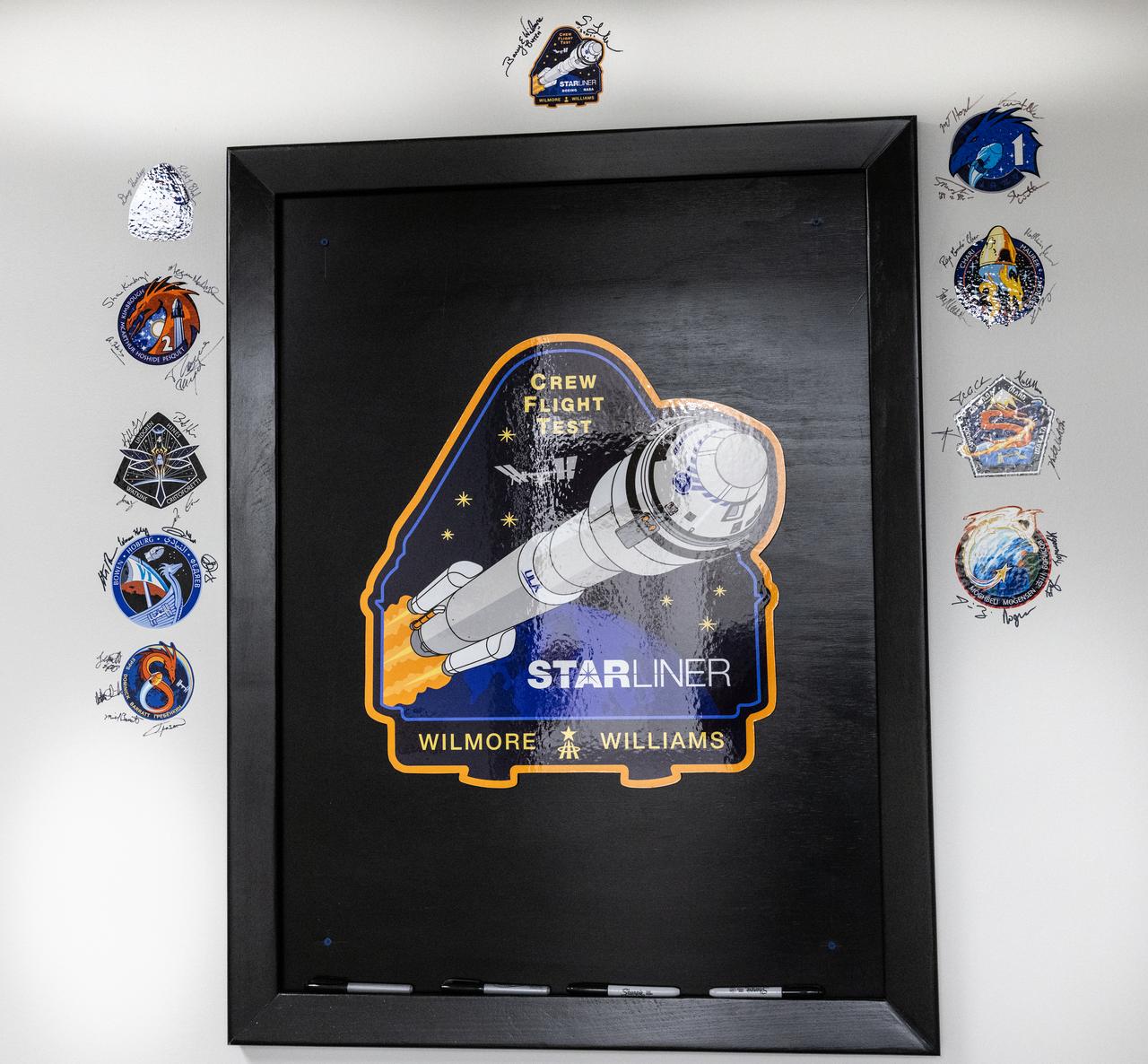
The signatures of NASA astronauts Butch Wilmore and Suni Williams are photographed alongside NASA’s Boeing Crew Flight Test mission insignia inside the Astronaut Crew Quarters in the Neil A. Armstrong Operations and Checkout Building at NASA’s Kennedy Space Center in Florida on Friday, April 26, 2024. Wilmore and Williams are the first to launch aboard Boeing’s Starliner spacecraft atop a United Launch Alliance Atlas V rocket from Space Launch Complex-41 at nearby Cape Canaveral Space Force Station. Liftoff is scheduled for 10:34 p.m. ET on Monday, May 6.
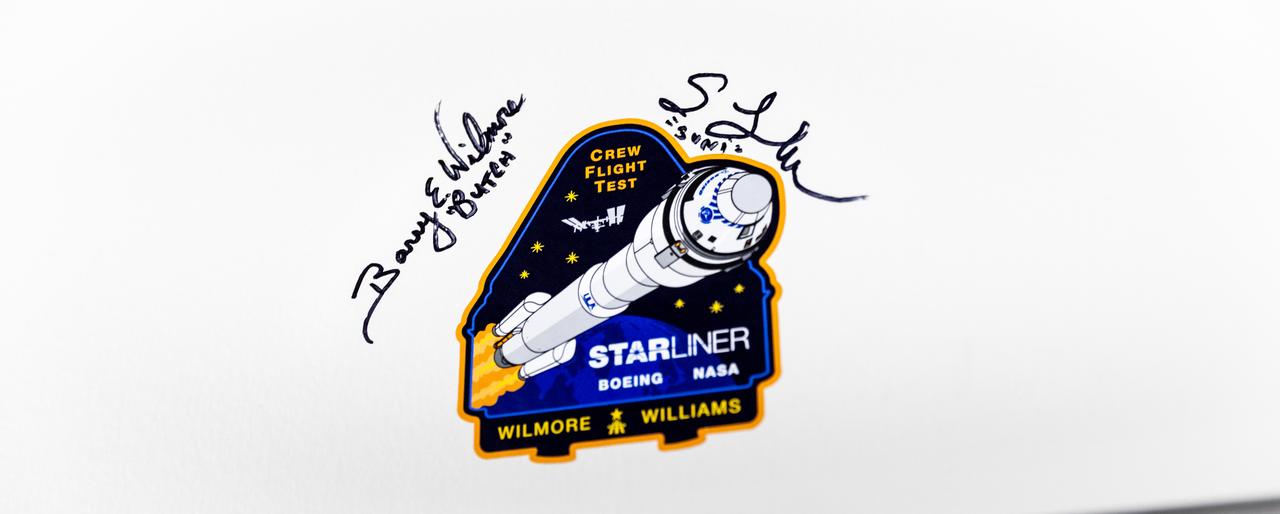
The signatures of NASA astronauts Butch Wilmore and Suni Williams are photographed alongside NASA’s Boeing Crew Flight Test mission insignia inside the Astronaut Crew Quarters in the Neil A. Armstrong Operations and Checkout Building at NASA’s Kennedy Space Center in Florida on Friday, April 26, 2024. Wilmore and Williams are the first to launch aboard Boeing’s Starliner spacecraft atop a United Launch Alliance Atlas V rocket from Space Launch Complex-41 at nearby Cape Canaveral Space Force Station. Liftoff is scheduled for 10:34 p.m. ET on Monday, May 6.
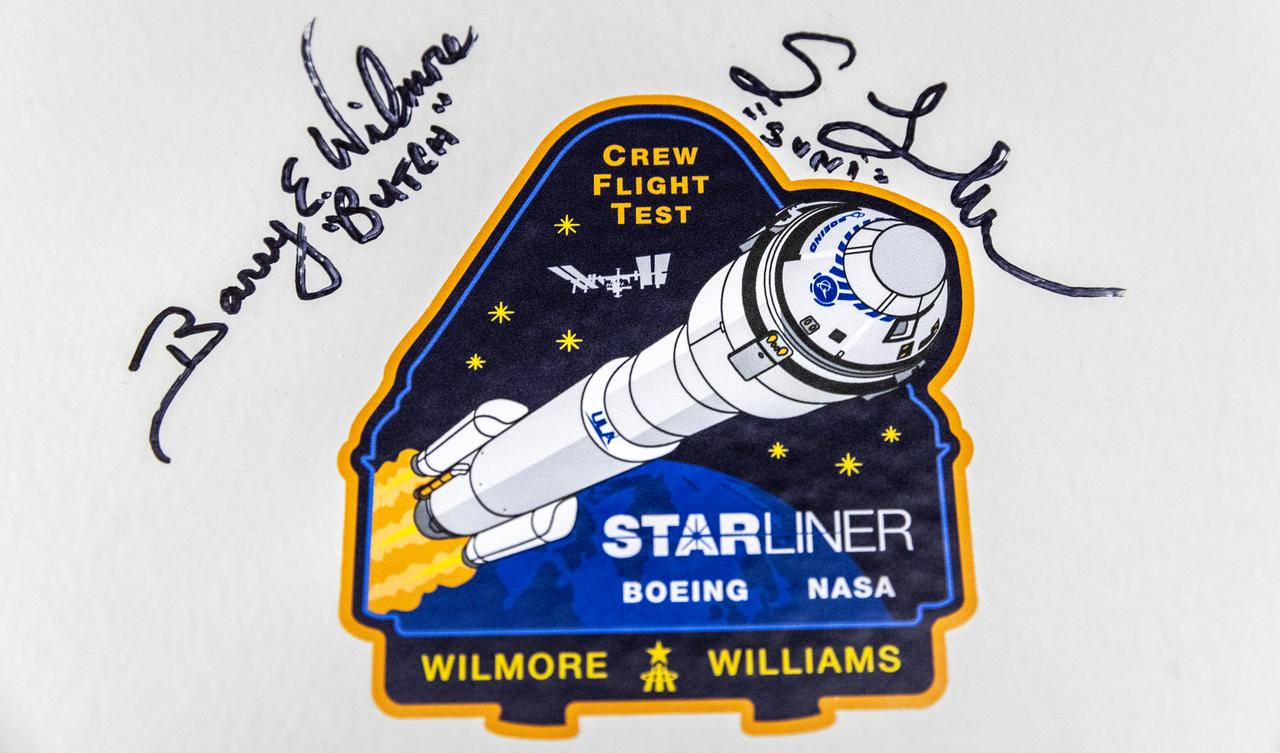
The signatures of NASA astronauts Butch Wilmore and Suni Williams are photographed alongside NASA’s Boeing Crew Flight Test mission insignia inside the Astronaut Crew Quarters in the Neil A. Armstrong Operations and Checkout Building at NASA’s Kennedy Space Center in Florida on Friday, April 26, 2024. Wilmore and Williams are the first to launch aboard Boeing’s Starliner spacecraft atop a United Launch Alliance Atlas V rocket from Space Launch Complex-41 at nearby Cape Canaveral Space Force Station. Liftoff is scheduled for 10:34 p.m. ET on Monday, May 6.

Computer Engineer Gilena Monroe photographed for the NASA Hidden Figures project.
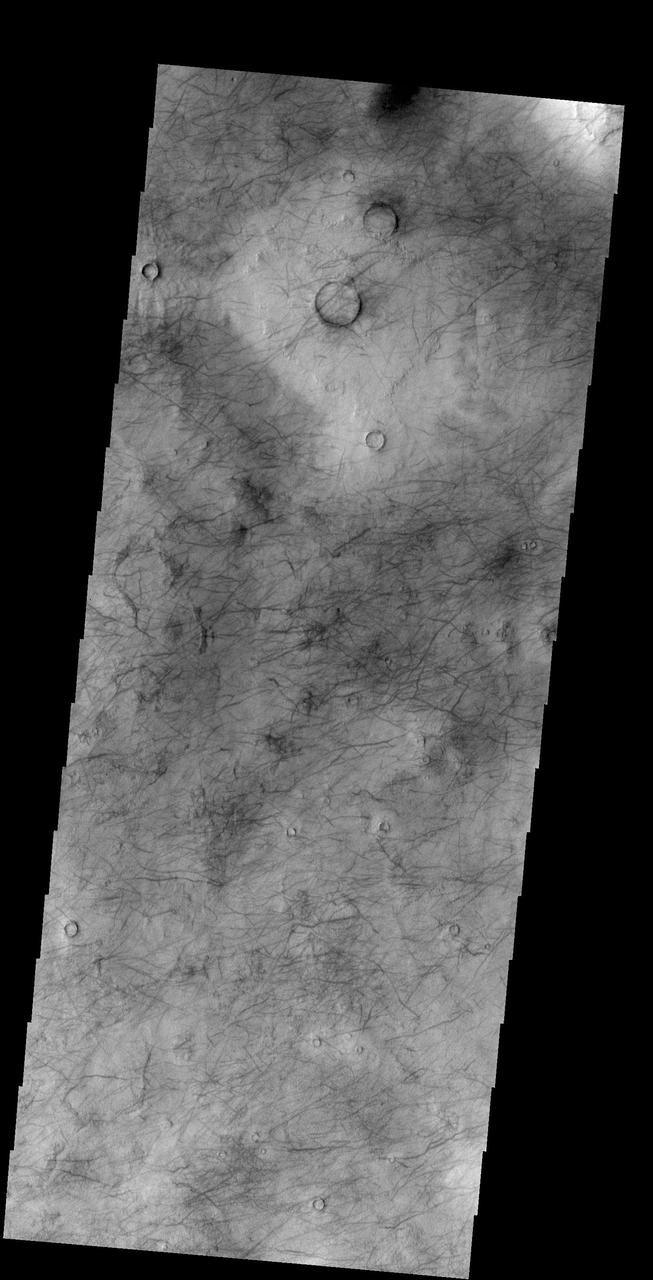
Looking at yet another portion of Utopia Planitia, NASA 2001 Mars Odyssey spacecraft still find hundreds of dust devil tracks.
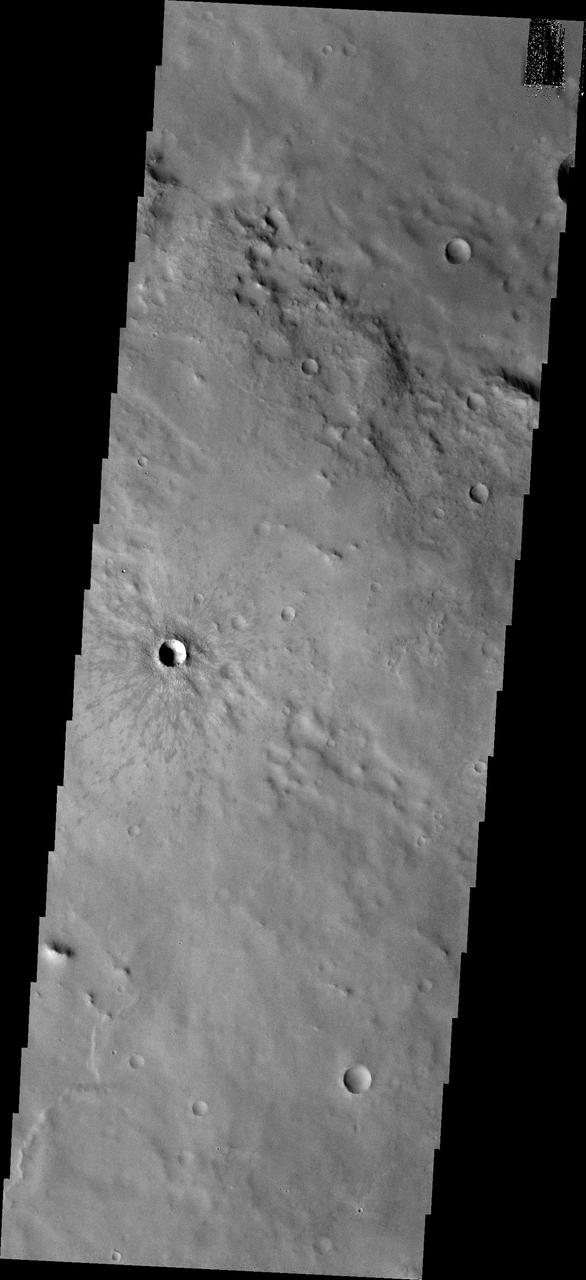
This image captured by NASA 2001 Mars Odyssey spacecraft shows Winslow Crater, a fairly young crater. The darker rayed ejecta is still visible surrounding the crater.
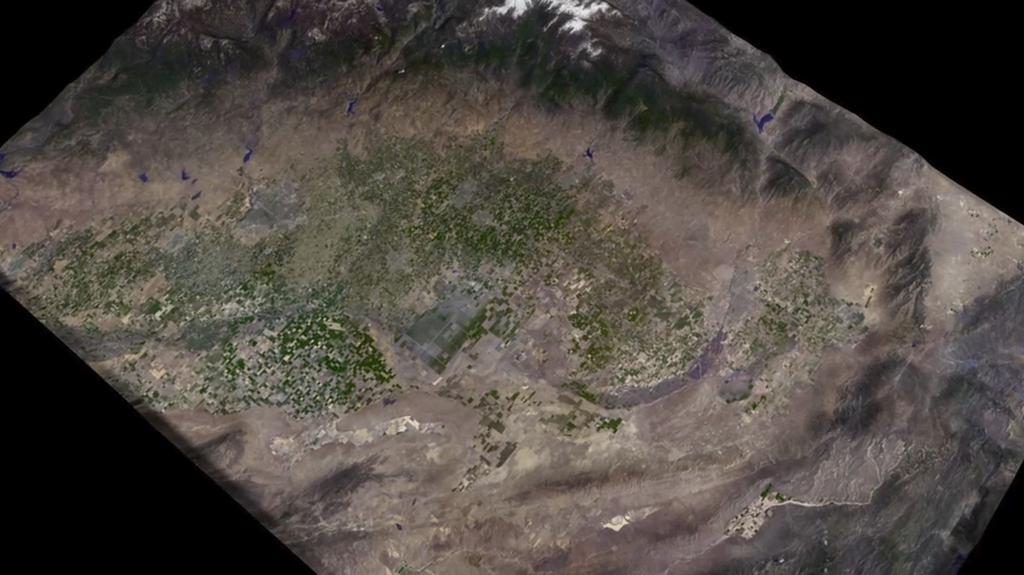
This still from an animation shows, in exaggerated terms, how the surface of the southern Central Valley of California deformed from the period 2007 to 2011.
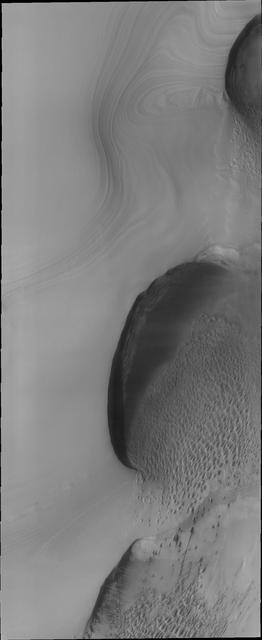
Dunes are common at both poles of Mars. These northern pole dunes are still covered in frost, as it is early springtime when this image was acquired by NASA 2001 Mars Odyssey.
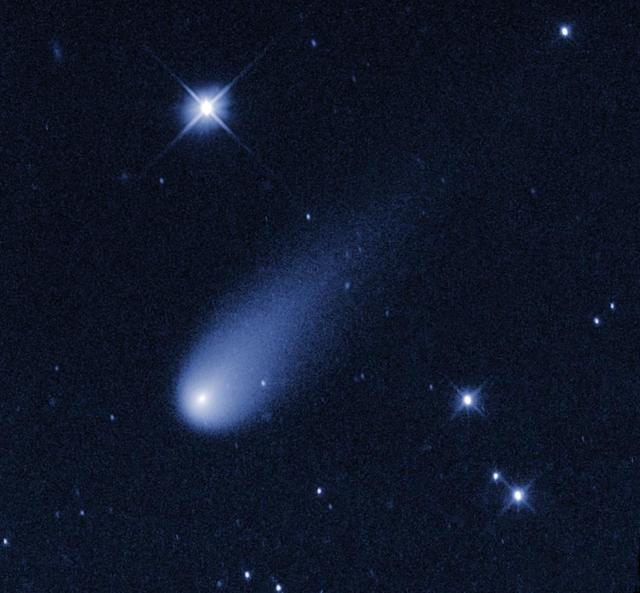
Superficially resembling a skyrocket, Comet ISON is hurtling toward the Sun at a whopping 48,000 miles per hour in this still from a Hubble animation.
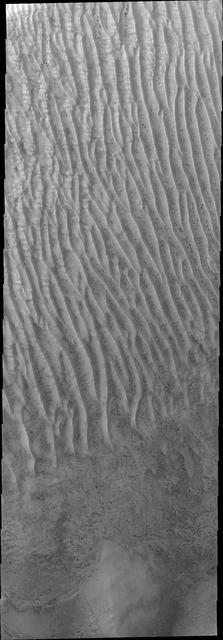
These dunes in Richardson Crater are still frost covered in this image captured by NASA Mars Odyssey. As spring deepens the frost will sublimate and the dark dunes will appear.
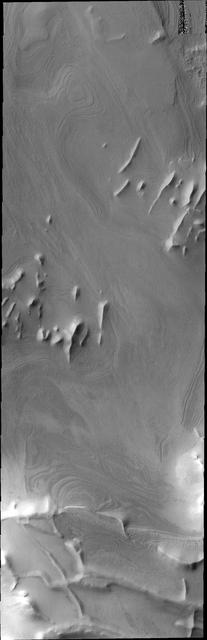
Located further north than yesterday image, ridges are still prevalent in this image captured by NASA 2001 Mars Odyssey spacecraft. Layers of material cover this region.
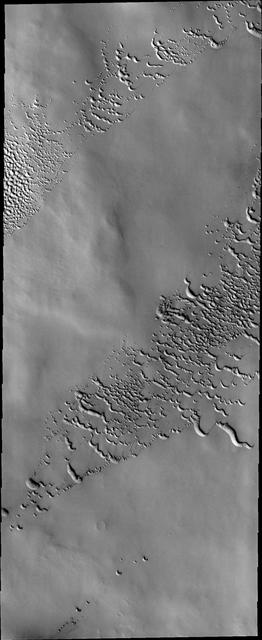
This image, taken by NASA 2001 Mars Odyssey spacecraft, of dunes in the north polar region was collected in early spring. Frost still covers the dunes.
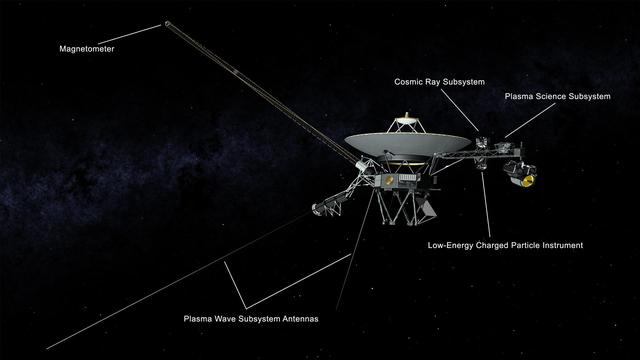
This illustration of NASA's Voyager 2 spacecraft shows the location of the onboard science instruments that are still operating: the magnetometer, the cosmic ray subsystem, the plasma science experiment, the low-energy charged particle instrument and the antennas used by the plasma wave subsystem. https://photojournal.jpl.nasa.gov/catalog/PIA22915
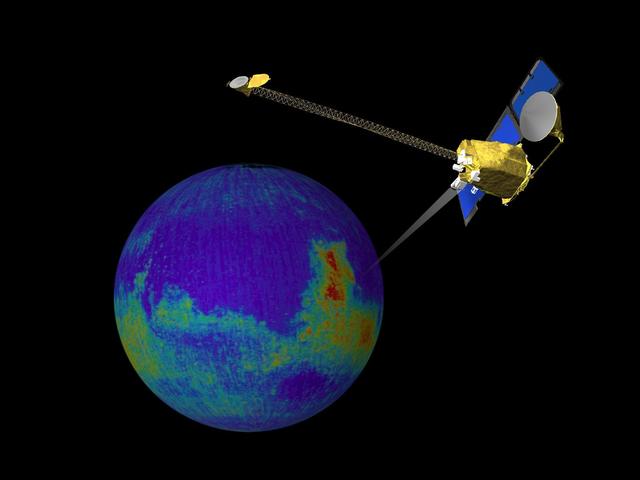
This image is a single frame from a computer animation, which begins with a global view of the planet Mars created from images by NASA Mars Odyssey. Color is used to emphasize the Martian topographic, andesite, and basalt compositional differences.

This image is a single frame from a computer animation, which begins with a global view of the planet Mars compiled with images from NASA Mars Odyssey spacecraft.
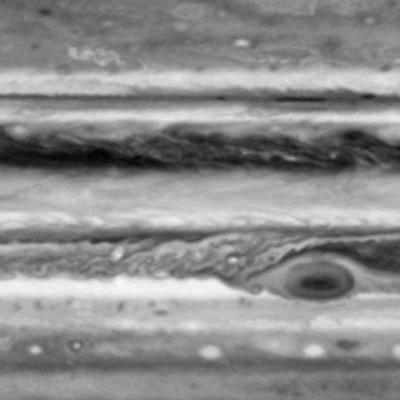
This image is one of seven from the narrow-angle camera on NASA Cassini spacecraft assembled as a brief movie of cloud movements on Jupiter. The smallest features visible are about 500 kilometers about 300 miles across.
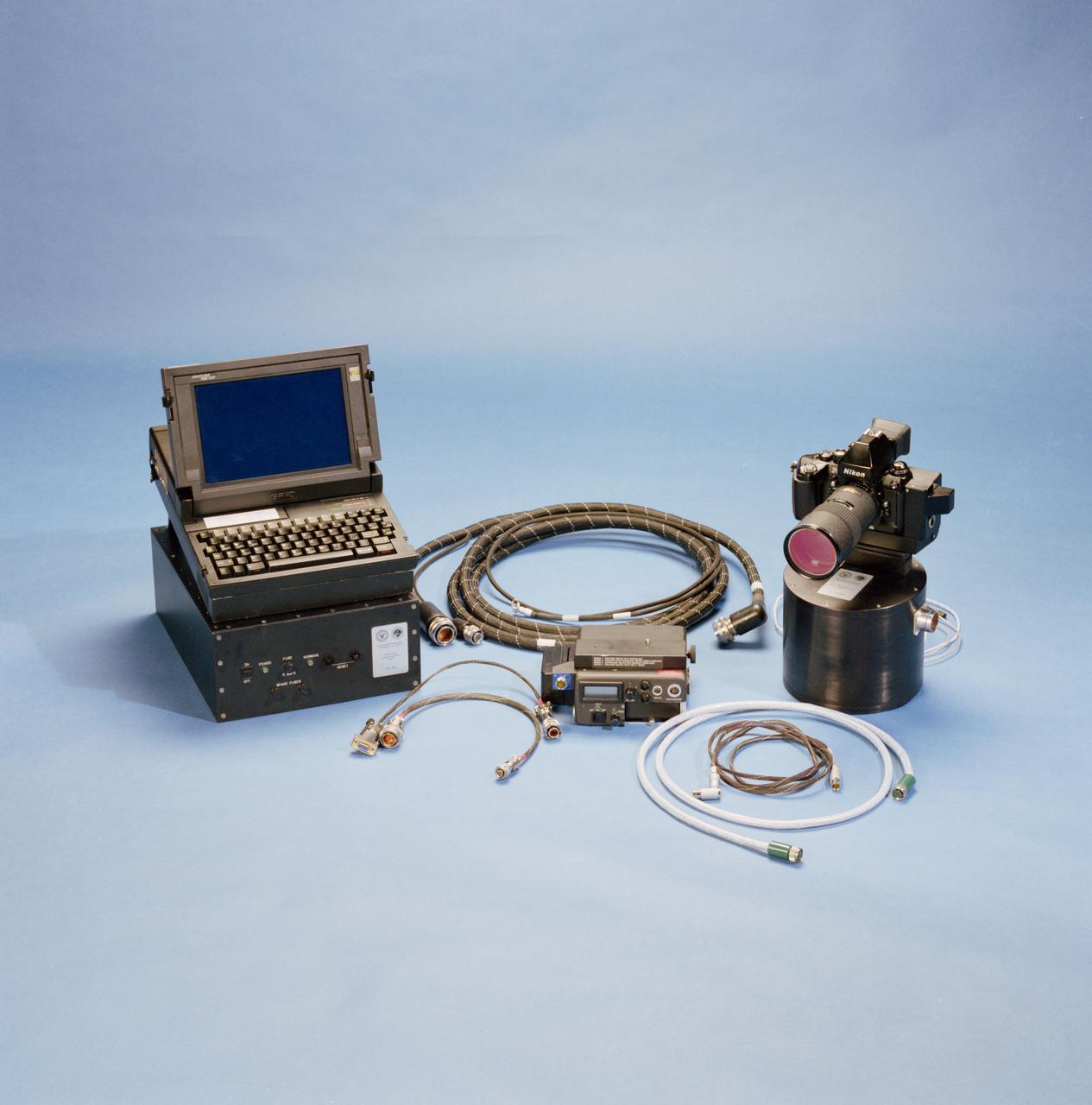
STS-53 Discovery, Orbiter Vehicle (OV) 103, Department of Defense (DOD) mission Hand-held Earth-oriented Real-time Cooperative, User-friendly, Location, targeting, and Environmental System (Hercules) spaceborne experiment equipment is documented in this table top view. HERCULES is a joint NAVY-NASA-ARMY payload designed to provide real-time high resolution digital electronic imagery and geolocation (latitude and longitude determination) of earth surface targets of interest. HERCULES system consists of (from left to right): a specially modified GRID Systems portable computer mounted atop NASA developed Playback-Downlink Unit (PDU) and the Naval Research Laboratory (NRL) developed HERCULES Attitude Processor (HAP); the NASA-developed Electronic Still Camera (ESC) Electronics Box (ESCEB) including removable imagery data storage disks and various connecting cables; the ESC (a NASA modified Nikon F-4 camera) mounted atop the NRL HERCULES Inertial Measurement Unit (HIMU) containing the three-axis ring-laser gyro.
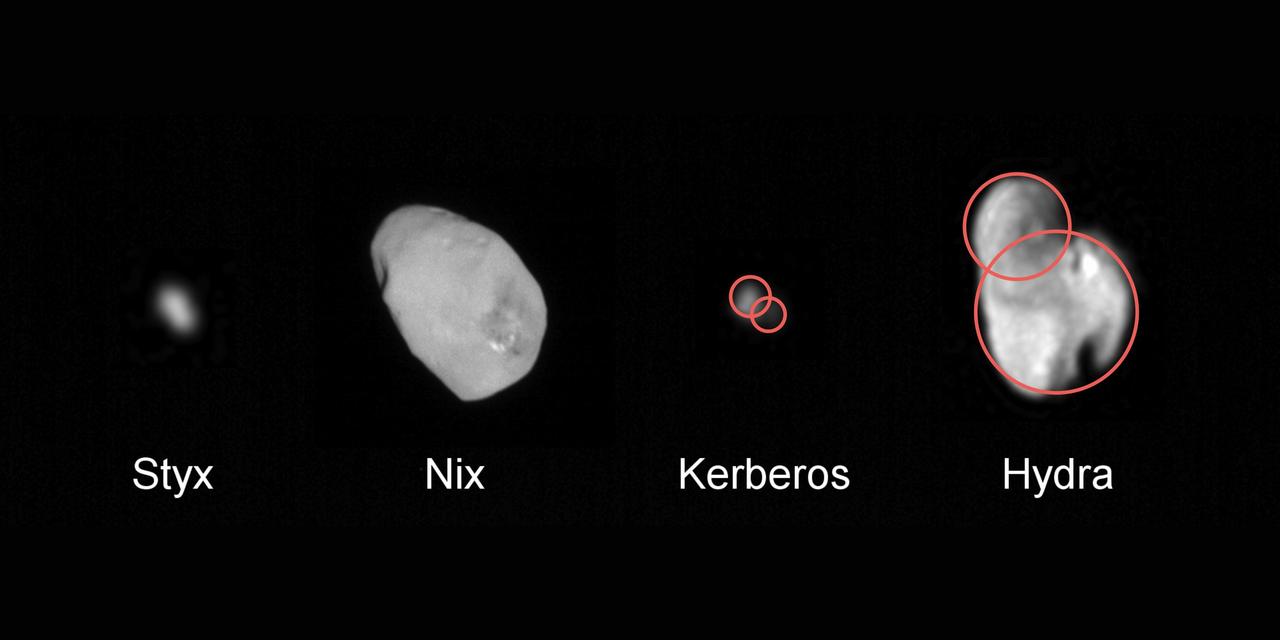
NASA New Horizons data indicates that at least two and possibly all four of Pluto small moons may be the result of mergers between still smaller moons. If this discovery is borne out with further analysis, it could provide important new clues to the formation of the Pluto system. http://photojournal.jpl.nasa.gov/catalog/PIA20153
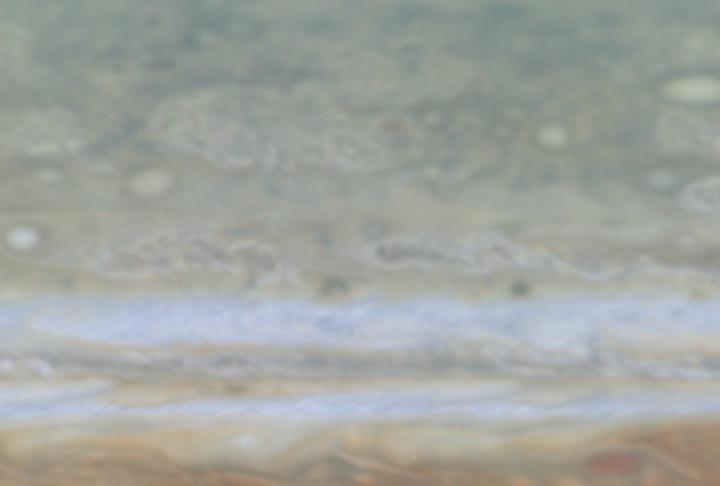
This movie clip (of which the release image is a still frame), created from images taken by NASA's Cassini spacecraft, shows a high-latitude area of Jupiter. At latitudes above 45 degrees, the banded appearance of Jupiter's clouds gives way to a more mottled appearance. The cause of this transition is not fully understood. http://photojournal.jpl.nasa.gov/catalog/PIA02876

This still from an animation made from data obtained by NASA Dawn spacecraft shows the topography of a portion of the wall and interior of the Rheasilvia impact basin in asteroid Vesta south-polar region.
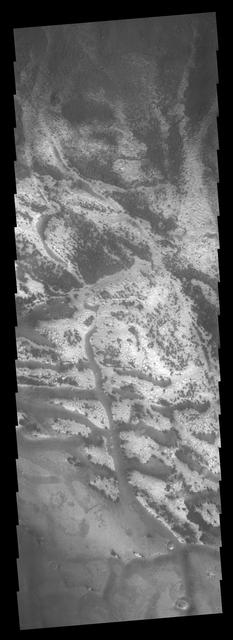
This image of the polar region illustrates the effect of the sun on polar frost. The highstanding ridges have lost all their frost cover, while the lows shaded by the ridges still have a bright frost cover
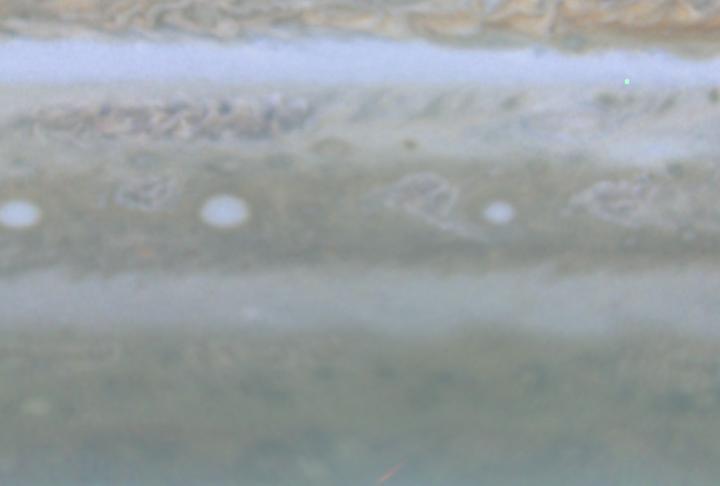
This image is a still frame, created from images taken by NASA Cassini spacecraft, shows white oval storms in Jupiter southern hemisphere that rotate counterclockwise, similar to the larger Great Red Spot.