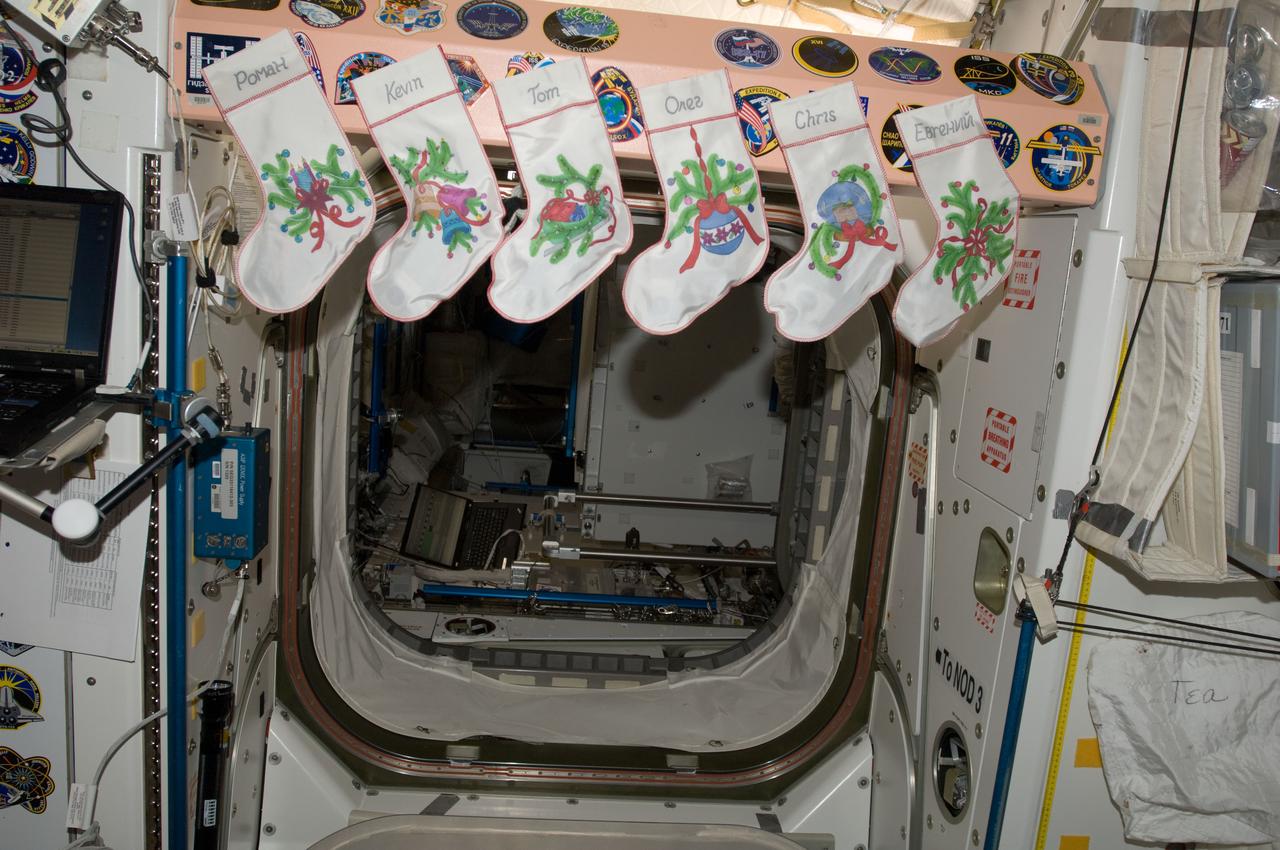
View of Expedition 34 Christmas stockings hanging at the Node 1 hatch. Photo was taken during Expedition 34.
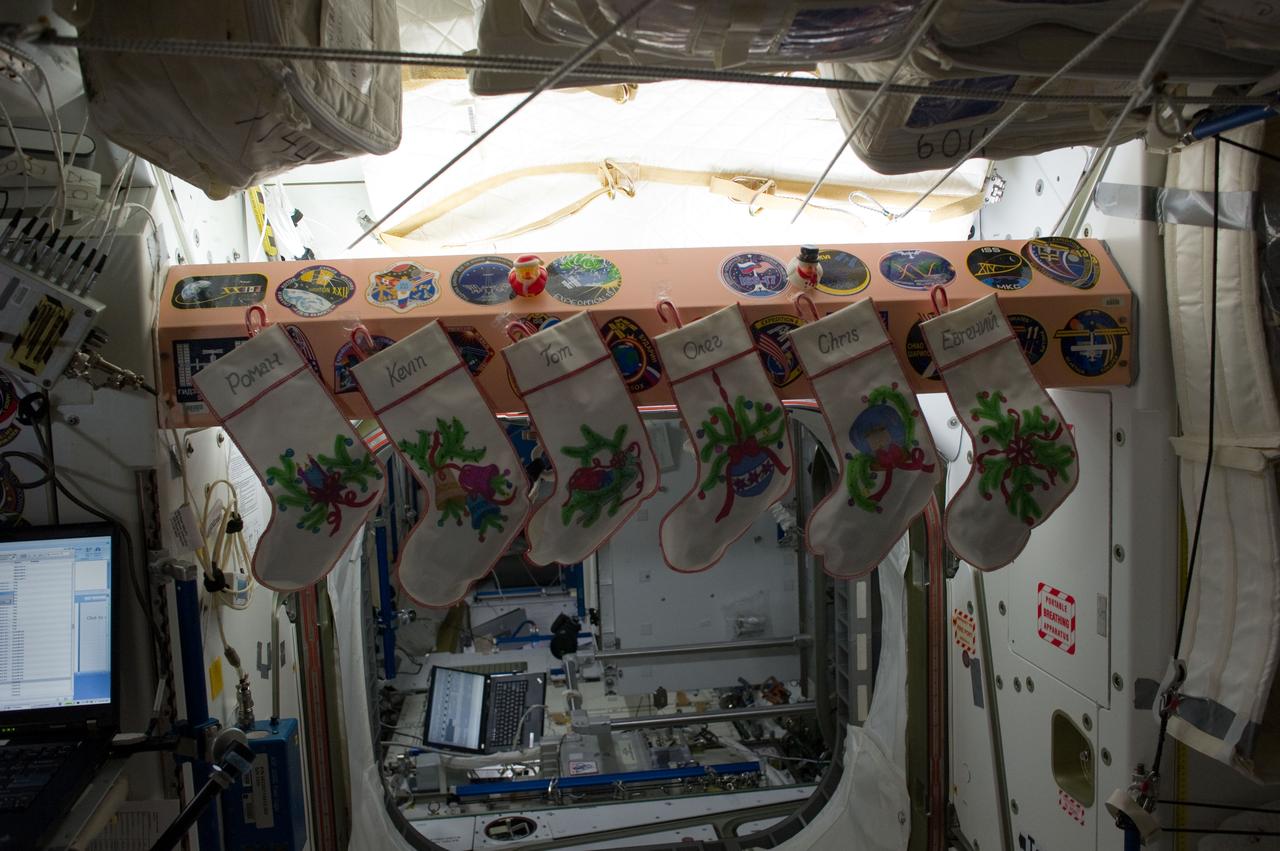
ISS034-E-010298 (25 Dec. 2012) --- Stockings were obviously hung with care on Christmas Day aboard the International Space Station, but for some reason, the fireplace stand-in on Unity couldn't support a real fire. This minor detail didn't faze the spirit of the recently reunited crew members, however. The individual names of the six Expedition 34 crew members are inscribed on their respective stockings. The scene is actually in Node 1, called Unity, which was the first U.S.-built element of the International Space Station that was launched, and it connects the U.S. and Russian segments of the orbital outpost.
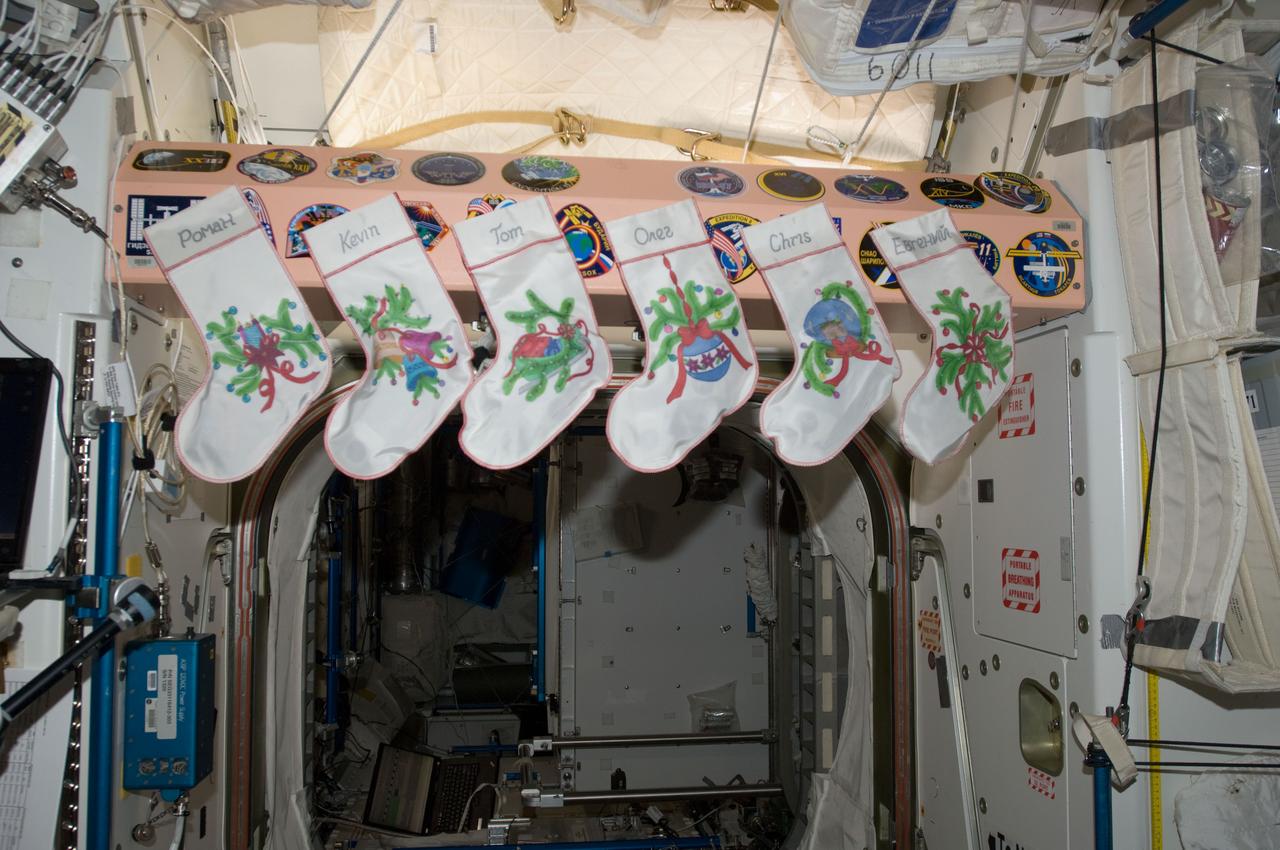
ISS034-E-009737 (25 Dec. 2012) --- Stockings were obviously hung with care on Christmas Day aboard the International Space Station, but for some reason, the fireplace stand-in on Unity couldn't support a real fire. This minor detail didn't faze the spirit of the recently reunited crew members, however. The individual names of the six Expedition 34 crew members are inscribed on their respective stockings. The scene is actually in Node 1, called Unity, which was the first U.S.-built element of the International Space Station that was launched, and it connects the U.S. and Russian segments of the orbital outpost.
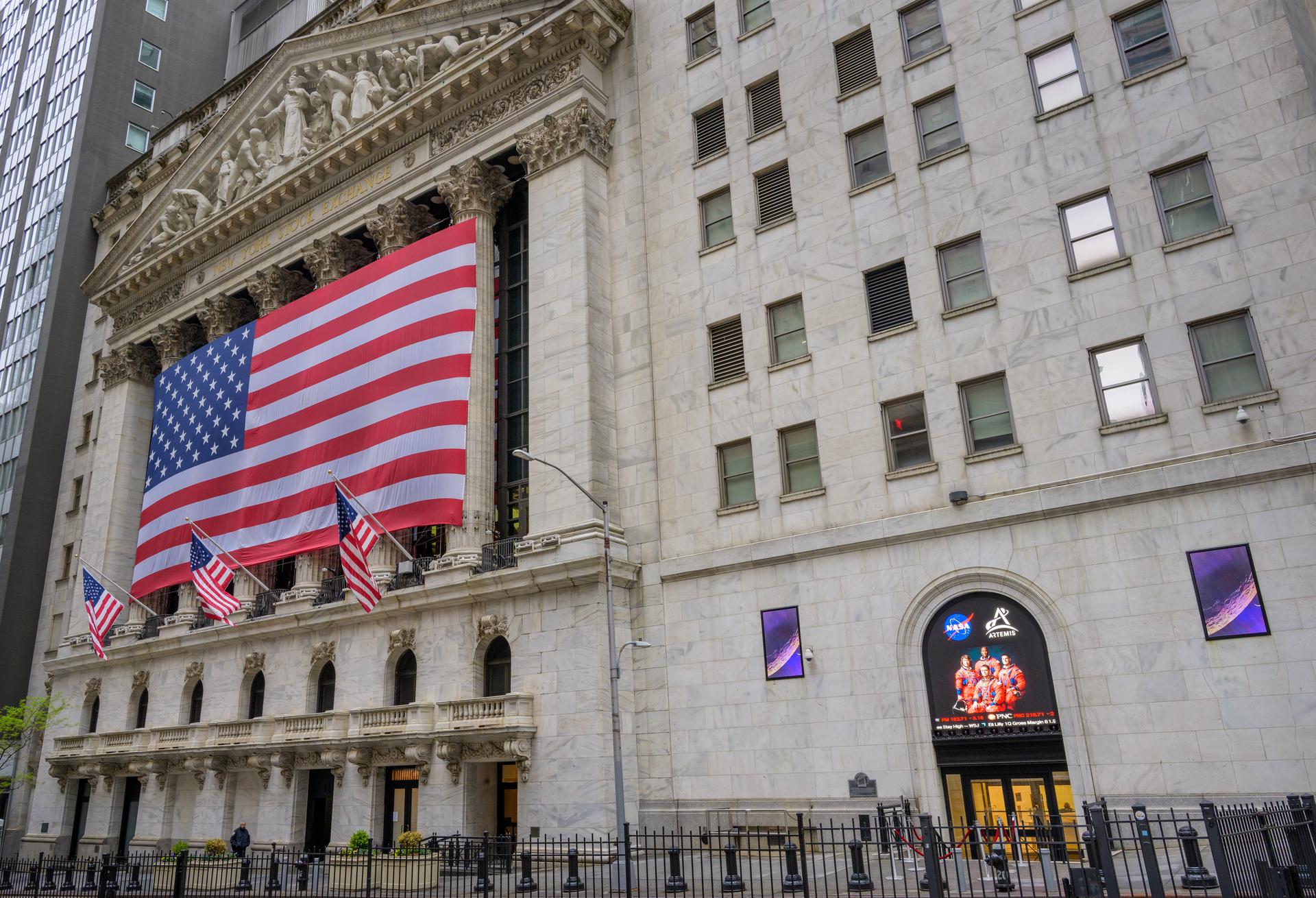
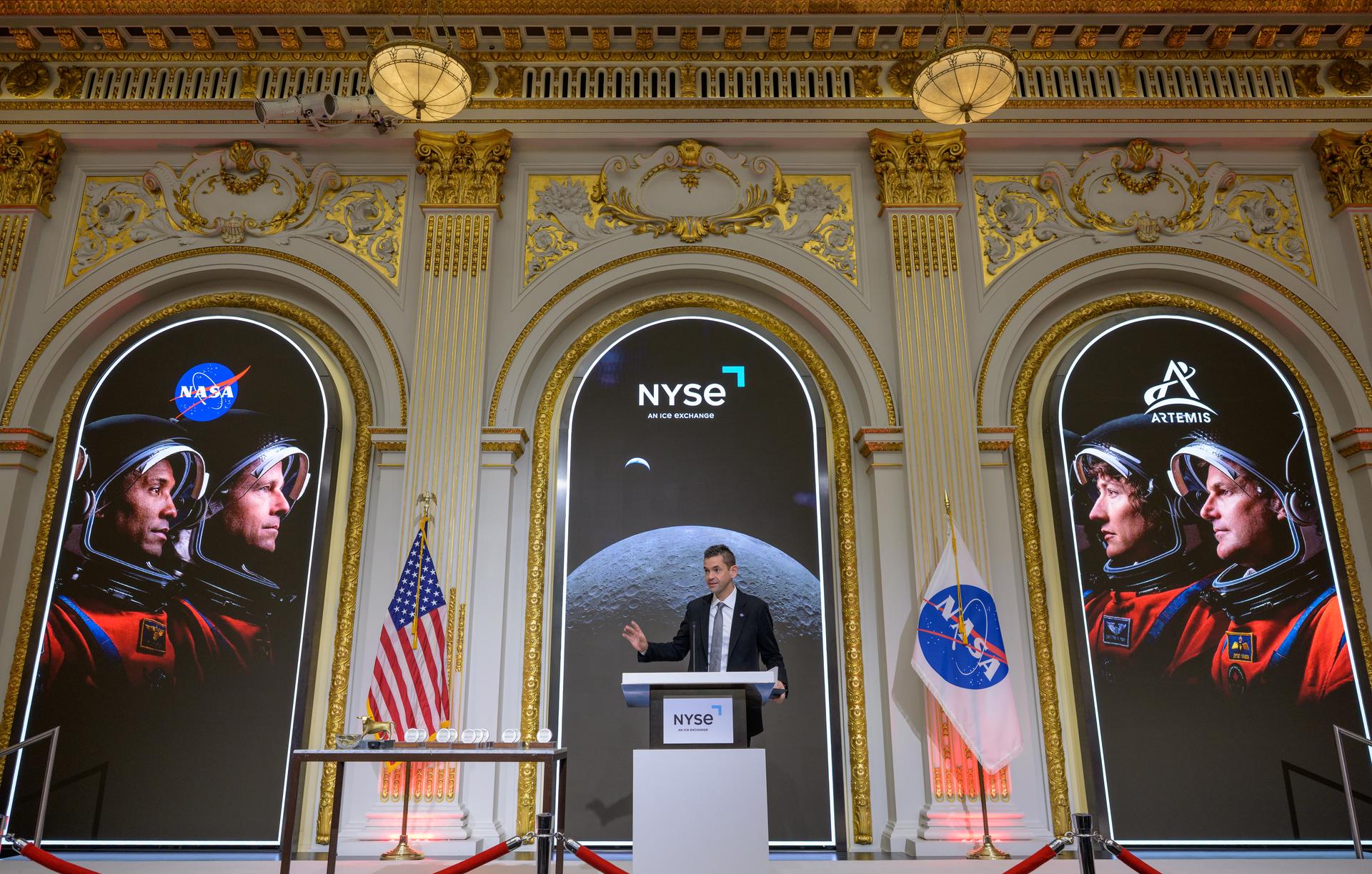
Signage outside the New York Stock Exchange building show Artemis II mission imagery ahead of NASA Administrator Jared Isaacman ringing the opening bell, Thursday, April 30, 2026, in New York, NY. Photo Credit: (NASA/Bill Ingalls)

Signage outside the New York Stock Exchange building show Artemis II mission imagery ahead of NASA Administrator Jared Isaacman ringing the opening bell, Thursday, April 30, 2026, in New York, NY. Photo Credit: (NASA/Bill Ingalls)
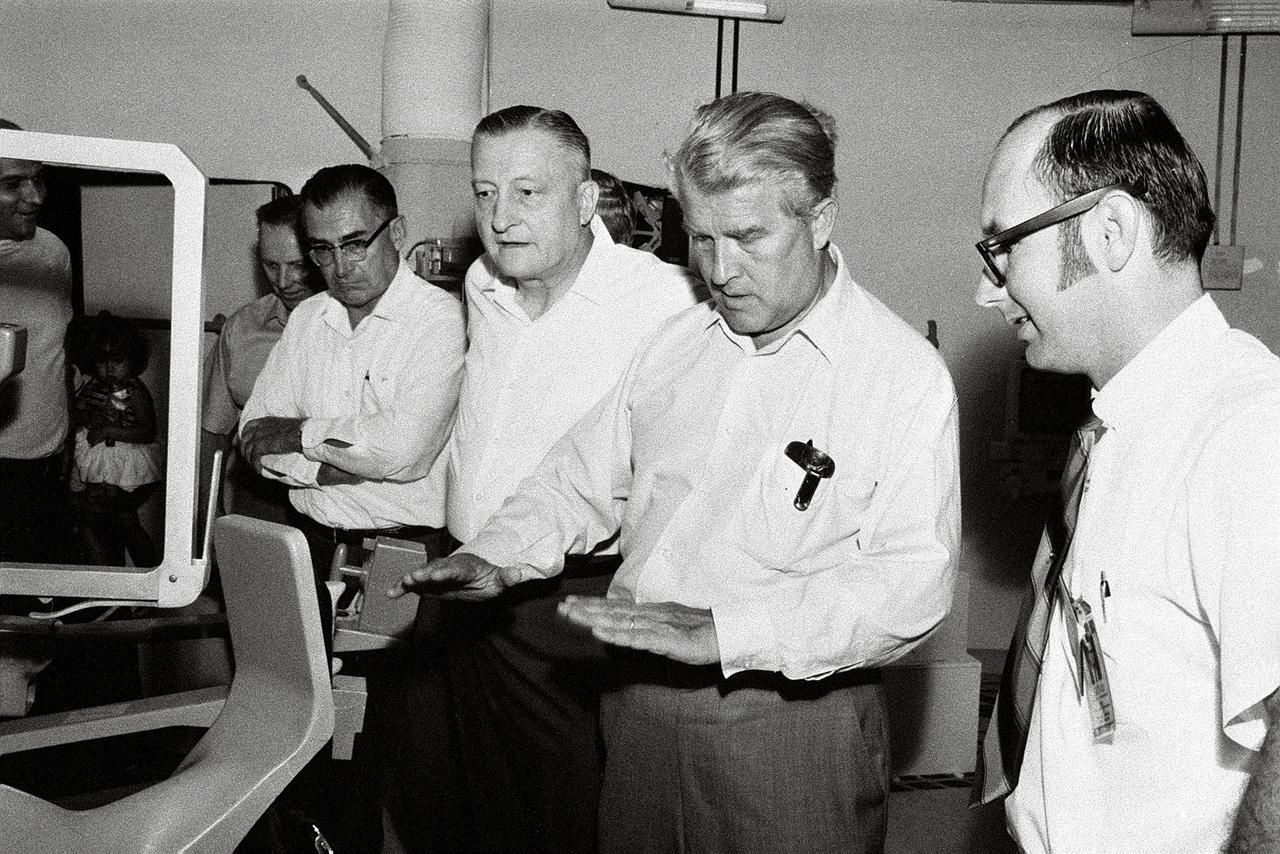
This photograph was taken after Dr. von Braun moved from his post as Director of the Marshall Space Flight Center (MSFC) to Deputy Associate Administrator for Plarning at NASA Headquarters. On June 27, 1970, he visited the MSFC again to look at a mockup of the spacecraft that would later be known as Skylab. Others in the photograph are, from left to right, James R. Thompson, David Newby, Karl Heimburg, Hermann Weidner, and Jack Stockes. Years later, Thompson would serve as Director of the MSFC.
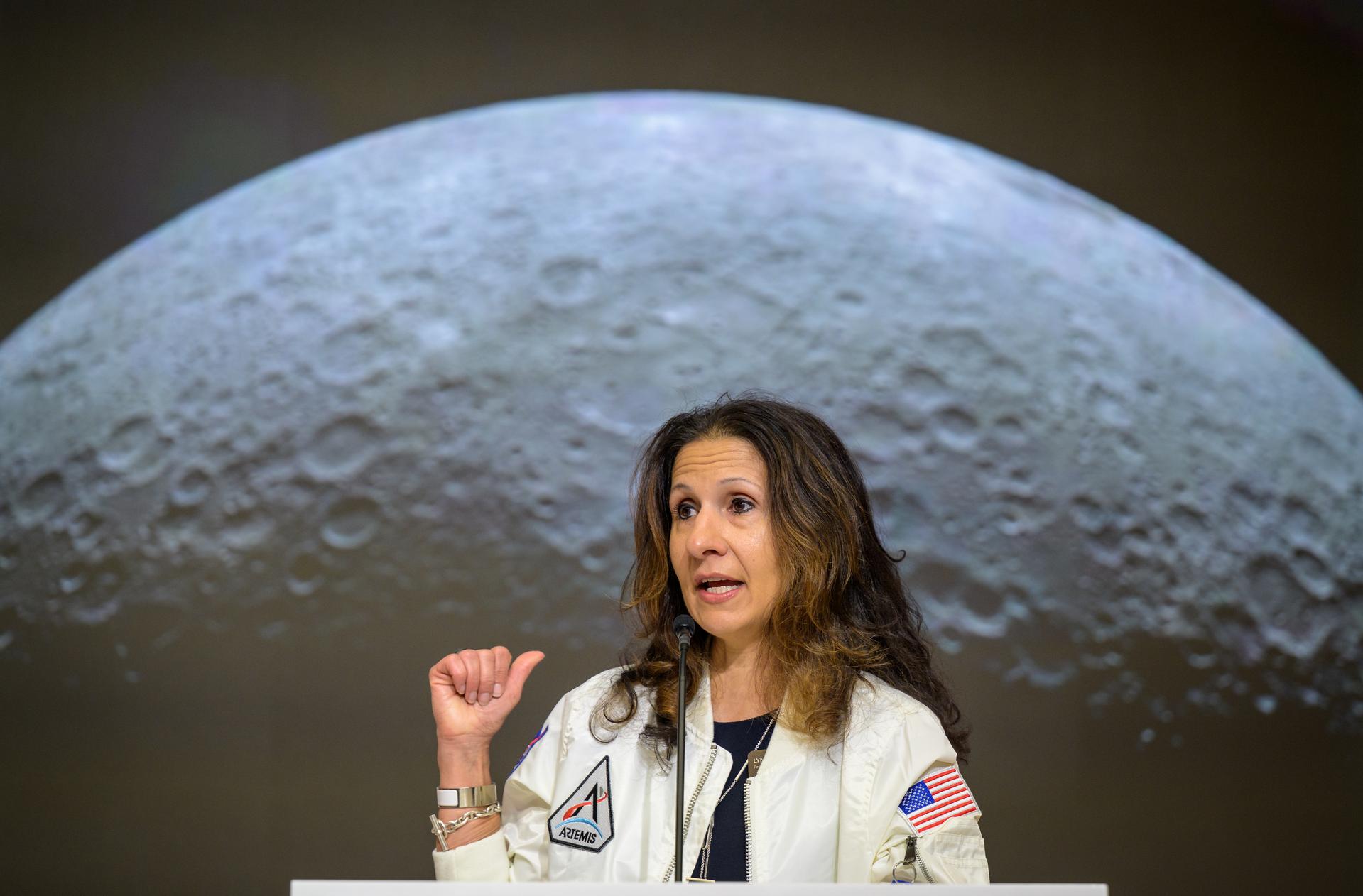
President of NYSE Group Lynn Martin gives remarks to invited guests ahead of NASA Administrator Jared Isaacman, and other NASA leadership, ringing the opening bell of the New York Stock Exchange, Thursday, April 30, 2026, in New York, NY. Photo Credit: (NASA/Bill Ingalls)
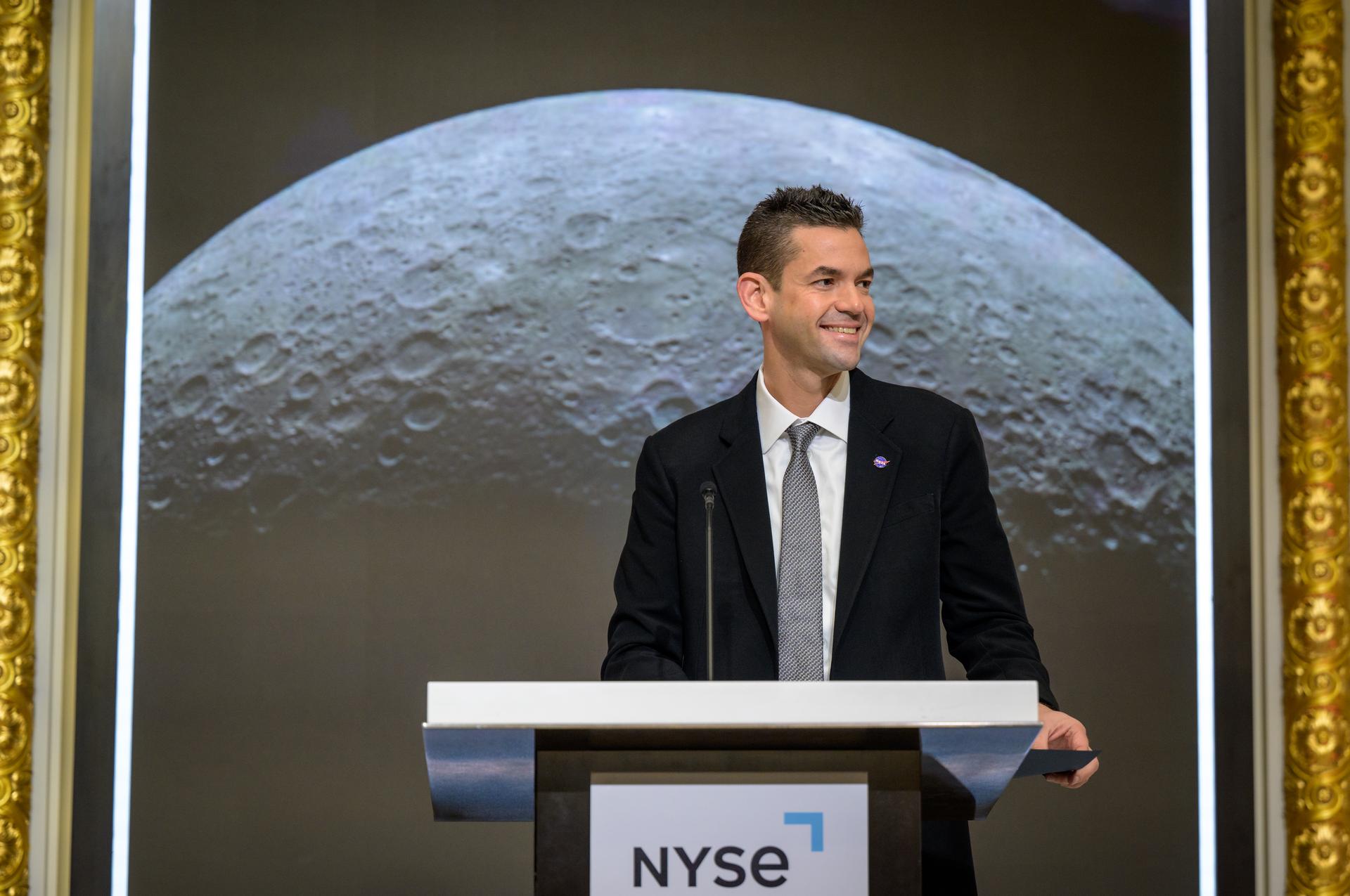
NASA Administrator Jared Isaacman, gives remarks before he and other NASA leadership ring the opening bell of the New York Stock Exchange, Thursday, April 30, 2026, in New York, NY. Photo Credit: (NASA/Bill Ingalls)
NASA Administrator Jared Isaacman, gives remarks before he and other NASA leadership ring the opening bell of the New York Stock Exchange, Thursday, April 30, 2026, in New York, NY. Photo Credit: (NASA/Bill Ingalls)
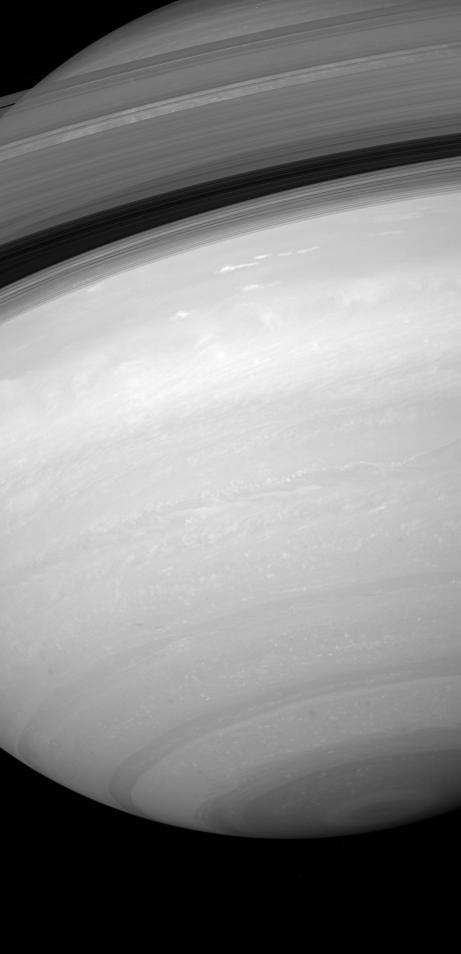
From beneath the ringplane, the Cassini spacecraft takes stock of Saturn southern skies and peeks through the rings and beyond their shadows at the northern latitudes

This image from NASA Herschel, in the constellation of Vulpecula, shows an entire assembly line of newborn stars. The diffuse glow reveals the widespread cold reservoir of raw material that our Milky Way galaxy has in stock for building stars.
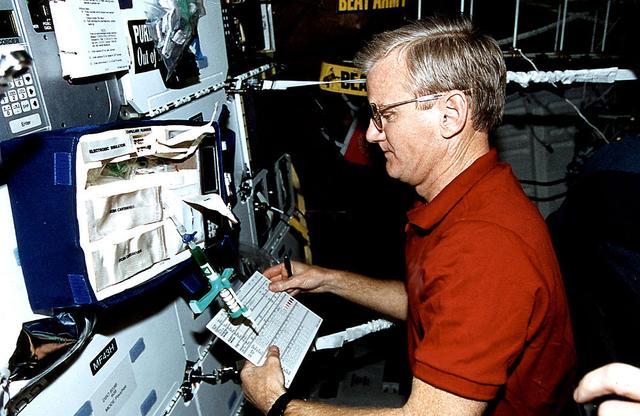
Onboard Space Shuttle Columbia (STS-62) Mission commander John H. Casper takes stock of paraphenalia used to support medical testing onboard Columbia's mid-deck.
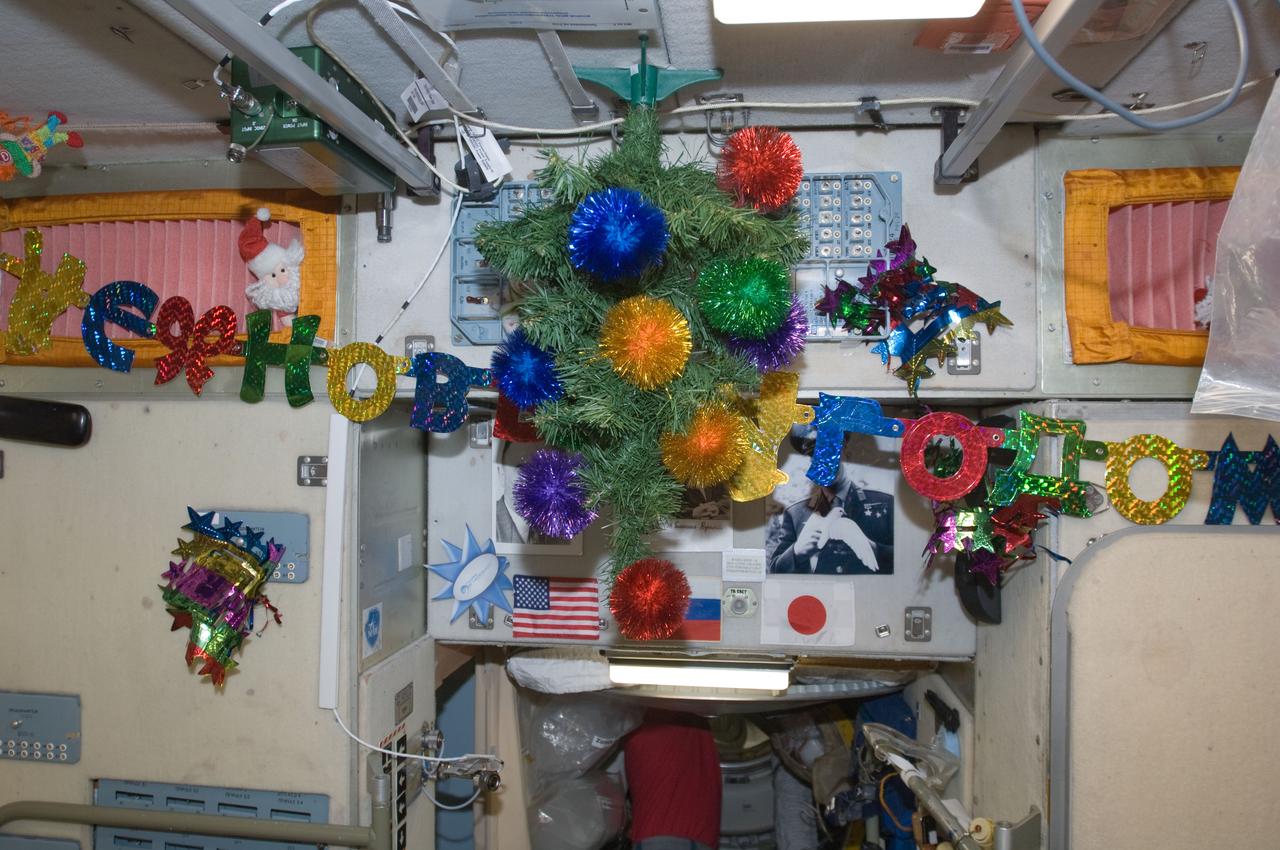
ISS034-E-009706 (23 Dec. 2012) --- Ornaments adorn the Russian segment of the International Space Station in preparation for Christmas. This scene is in the Zvezda module, but not too far away, on the NASA side of the outpost, stockings and other decorations were soon being prepared for the holiday.
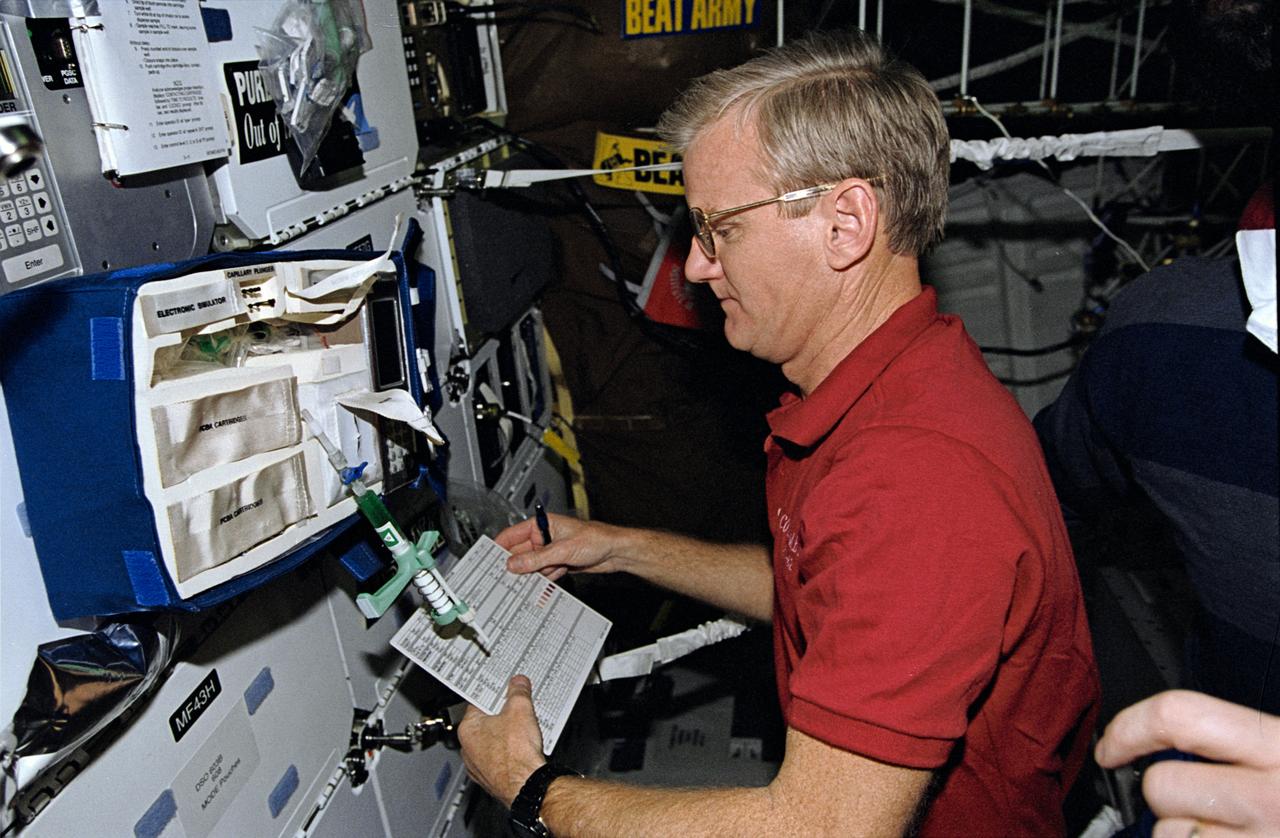
STS062-10-010 (4-18 March 1994) --- Astronaut John H. Casper, mission commander, takes stock of paraphenalia used to support medical testing onboard Columbia's middeck. Casper was poind by four other veteran astronauts for 14 days of variegated research in earth orbit.
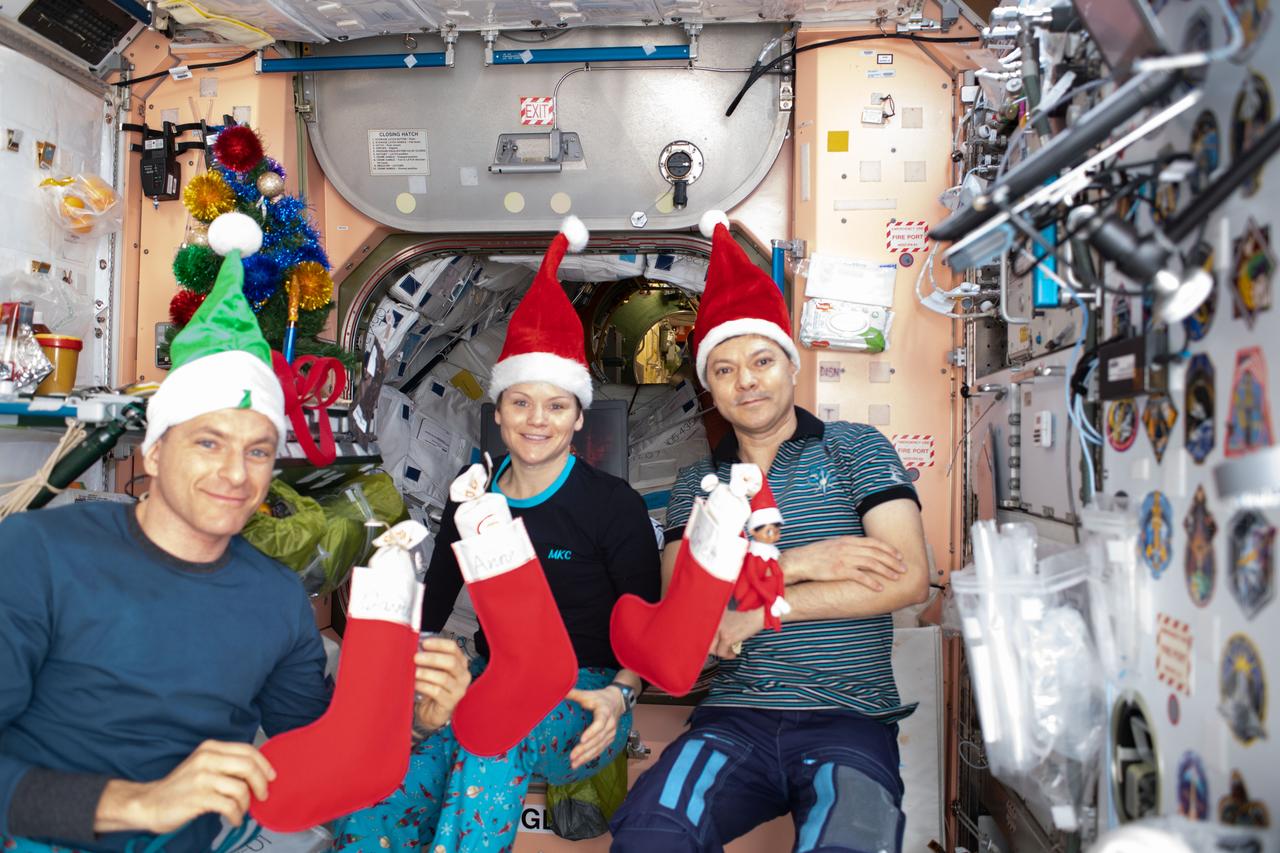
iss058e000835 (Dec. 25, 2019) --- Expedition 58 Flight Engineers (from left) David Saint-Jacques of the Canadian Space Agency (CXSA) and Anne McClain of NASA, with Commander Oleg Kononenko of Roscosmos are pictured in a festive mood opening their stockings on Christmas day inside the International Space Station's Unity module.

NASA Administrator Jared Isaacman, 4th from left, joined by President of NYSE Group Lynn Martin, 2nd from right, along with NASA leadership, rings the opening bell of the New York Stock Exchange, Thursday, April 30, 2026, in New York, NY. Photo Credit: (NASA/Bill Ingalls)

NASA Administrator Jared Isaacman, signs the NYSE guest book, as President of NYSE Group Lynn Martin looks on, prior to the opening bell of the New York Stock Exchange, Thursday, April 30, 2026, in New York, NY. Photo Credit: (NASA/Bill Ingalls)

NASA Administrator Jared Isaacman, signs the NYSE guest book, as President of NYSE Group Lynn Martin looks on, prior to the opening bell of the New York Stock Exchange, Thursday, April 30, 2026, in New York, NY. Photo Credit: (NASA/Bill Ingalls)

NASA Administrator Jared Isaacman, and President of NYSE Group Lynn Martin walk through the lobby of the NYSE building prior to Isaacman, and other NASA leadership, ringing the opening bell of the New York Stock Exchange, Thursday, April 30, 2026, in New York, NY. Photo Credit: (NASA/Bill Ingalls)

NASA Administrator Jared Isaacman, 4th from left, joined by President of NYSE Group Lynn Martin, 2nd from right, along with NASA leadership, rings the opening bell of the New York Stock Exchange, Thursday, April 30, 2026, in New York, NY. Photo Credit: (NASA/Bill Ingalls)

The first United States Microgravity Laboratory (USML-1) flew in orbit inside the Spacelab science module for extended periods, providing scientists and researchers greater opportunities for research in materials science, fluid dynamics, biotechnology (crystal growth), and combustion science. This photograph shows Astronaut Larry De Lucas wearing a stocking plethysmograph during the mission. Muscle size in the legs changes with exposure to microgravity. A stocking plethysmograph, a device for measuring the volume of a limb, was used to help determine these changes. Several times over the course of the mission, an astronaut will put on the plethysmograph, pull the tapes tight and mark them. By comparing the marks, changes in muscle volume can be measured. The USML-1 was launched aboard the Space Shuttle Orbiter Columbia (STS-50) on June 25, 1992.
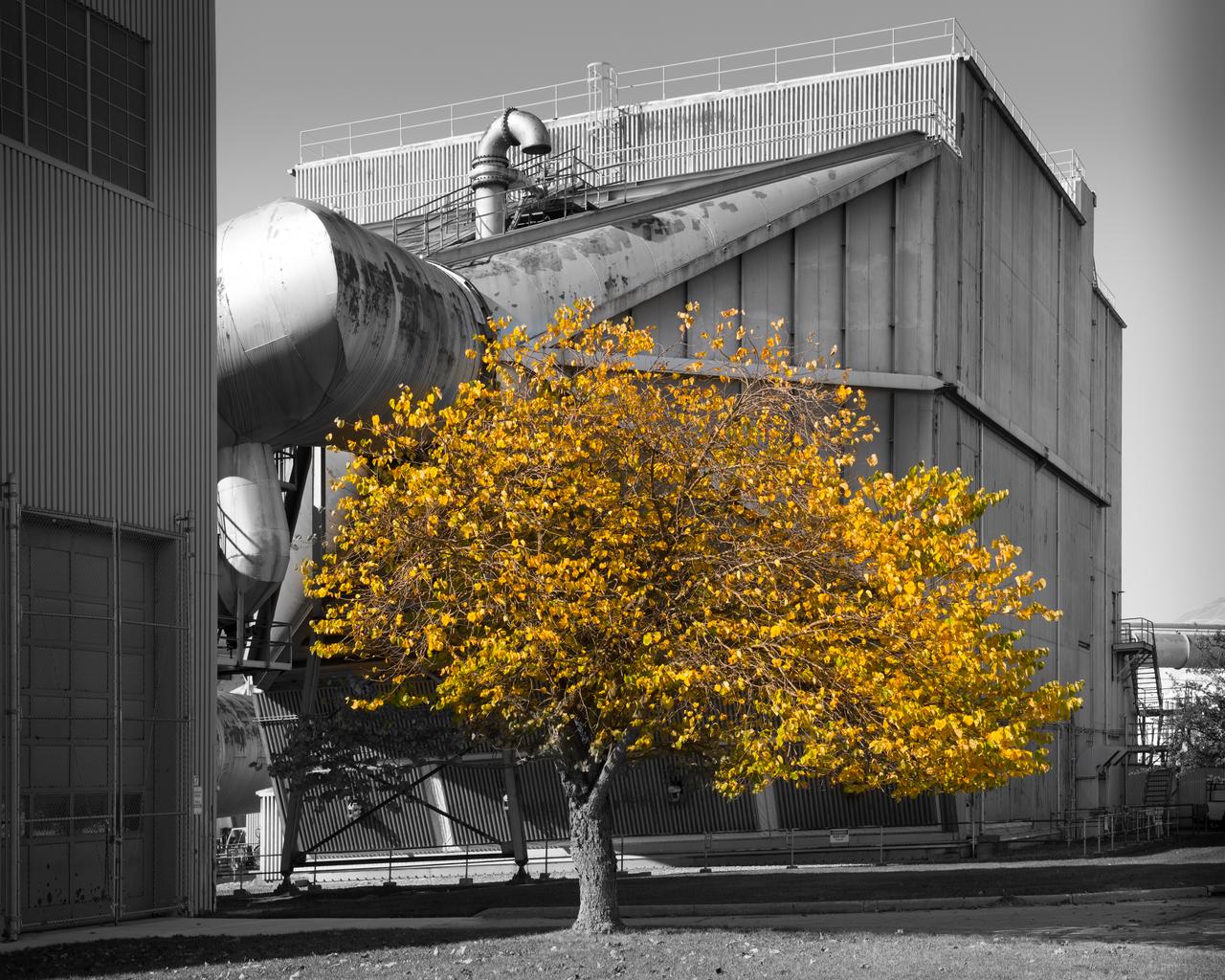
Fall Colored Tree on the Lawn of the 10x10 SWT Air Dryer Building
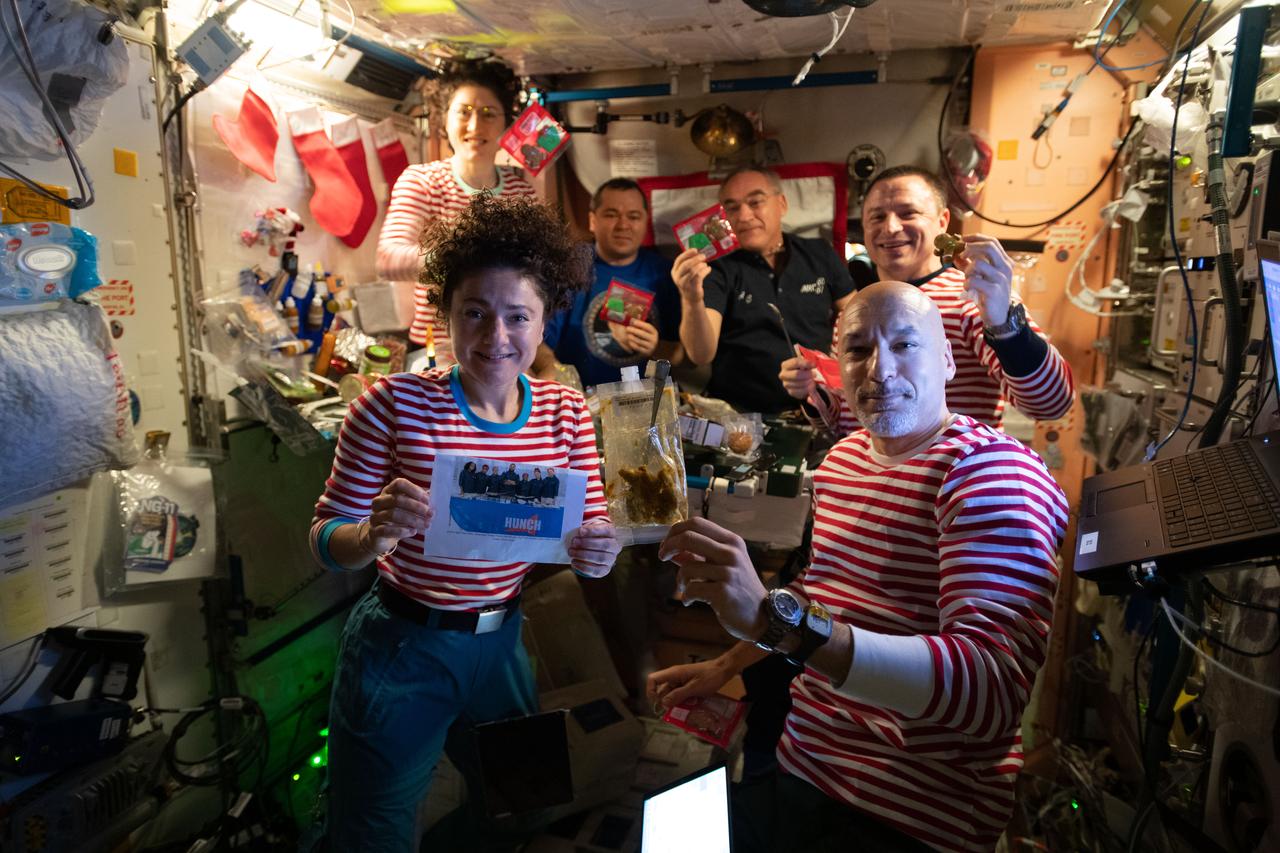
iss061e096558 (Dec. 25, 2019) --- The Expedition 61 crew celebrates Christmas day with a brunch inside the International Space Station's Unity module decorated with stockings, flashlight "candles" and a Christmas tree banner. Clockwise from bottom left are, NASA Flight Engineers Jessica Meir and Christina Koch, Roscosmos Flight Engineers Oleg Skripochka and Alexander Skvortsov, NASA Flight Engineer Drew Morgan, and Commander Luca Parmitano of the European Space Agency (ESA).
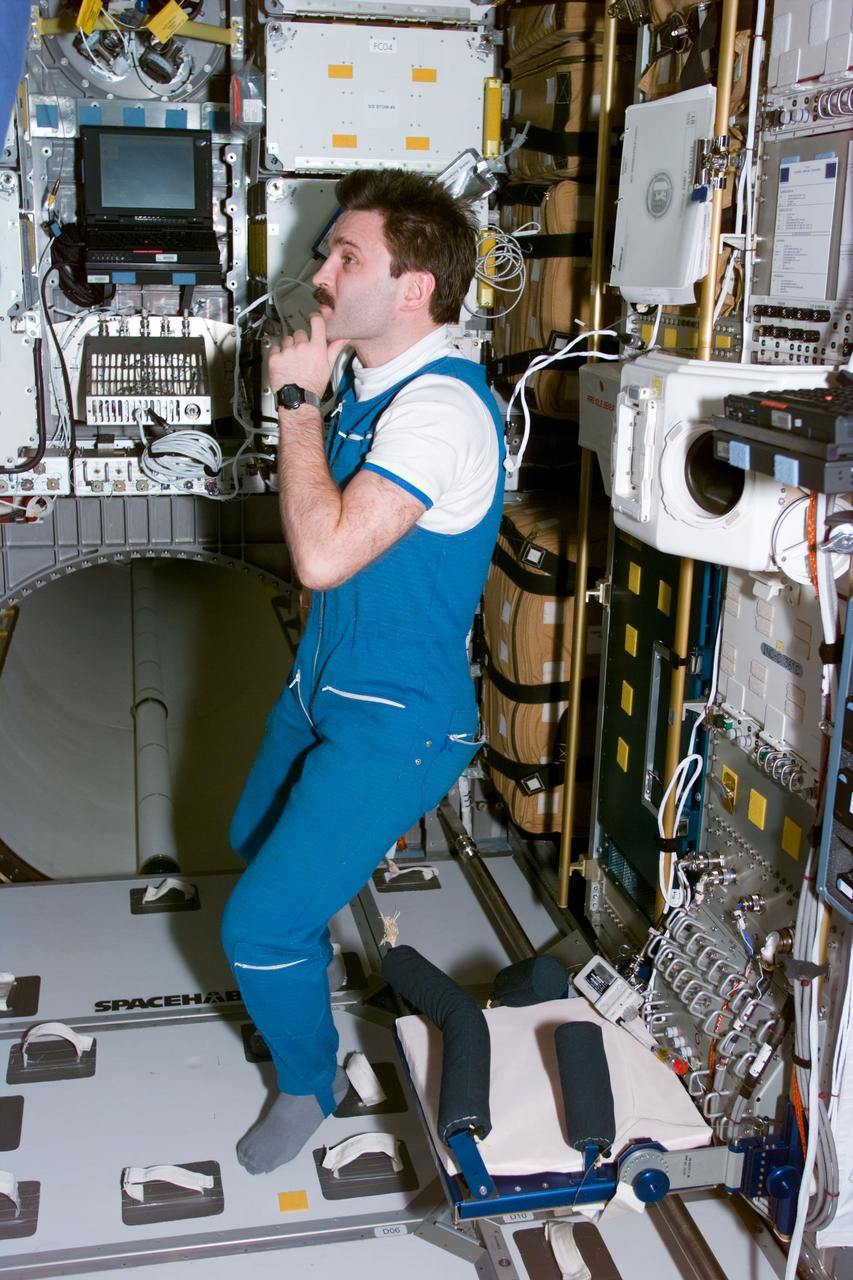
STS081-E-05482 (16 Jan. 1997) --- Perhaps overwhelmed by a giant stock of supplies (out of frame, left), cosmonaut Aleksandr Y. Kaleri, Mir-22 flight engineer, ponders what parcel to transfer next from the Spacehab Double Module (DM) to the Russian Mir Space Station complex. The photograph was recorded with an Electronic Still Camera (ESC) and later was downlinked to flight controllers in Houston, Texas.
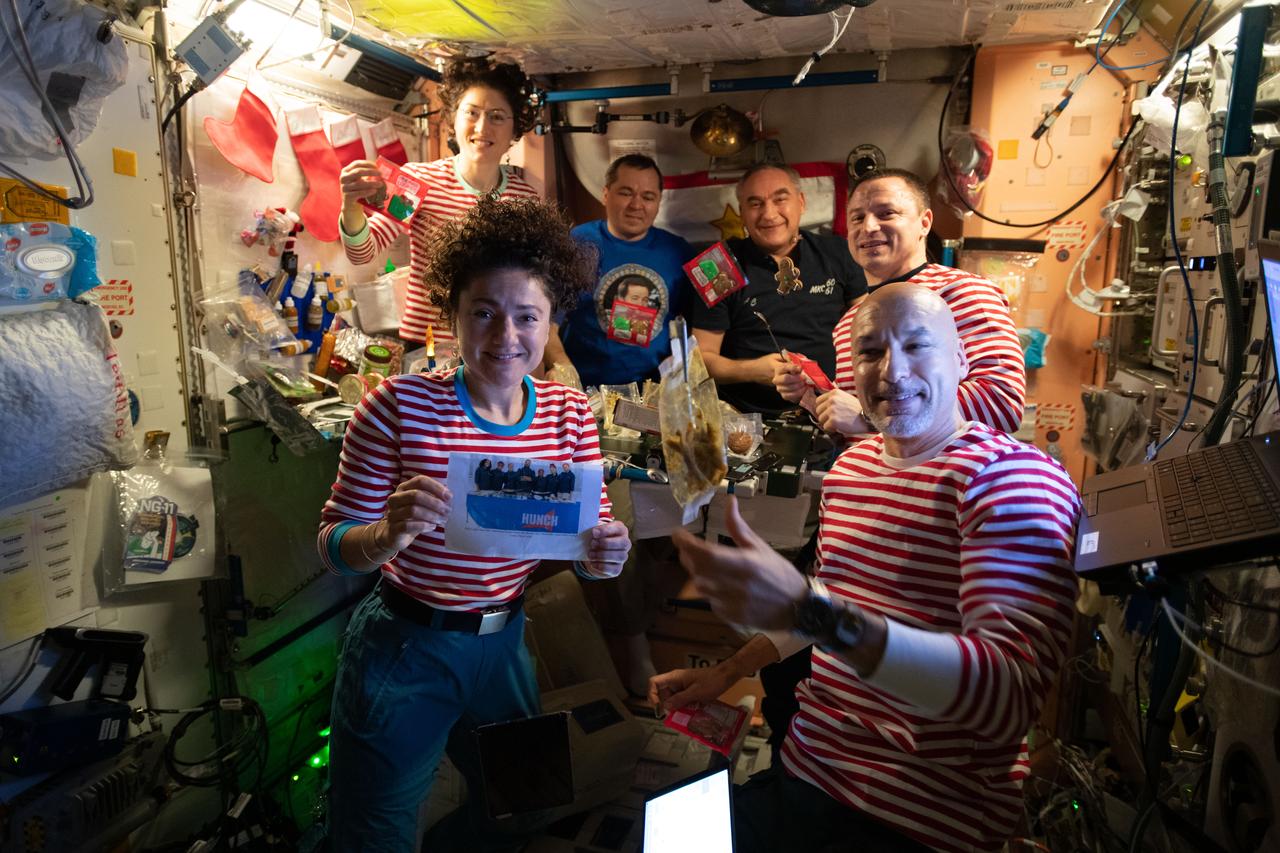
iss061e096558 (Dec. 25, 2019) --- The Expedition 64 crew celebrates Christmas day with a brunch inside the International Space Station's Unity module decorated with stockings, flashlight "candles" and a Christmas tree banner. Clockwise from bottom left are, NASA Flight Engineers Jessica Meir and Christina Koch, Roscosmos Flight Engineers Oleg Skripochka and Alexander Skvortsov, NASA Flight Engineer Drew Morgan, and Commander Luca Parmitano of the European Space Agency (ESA).
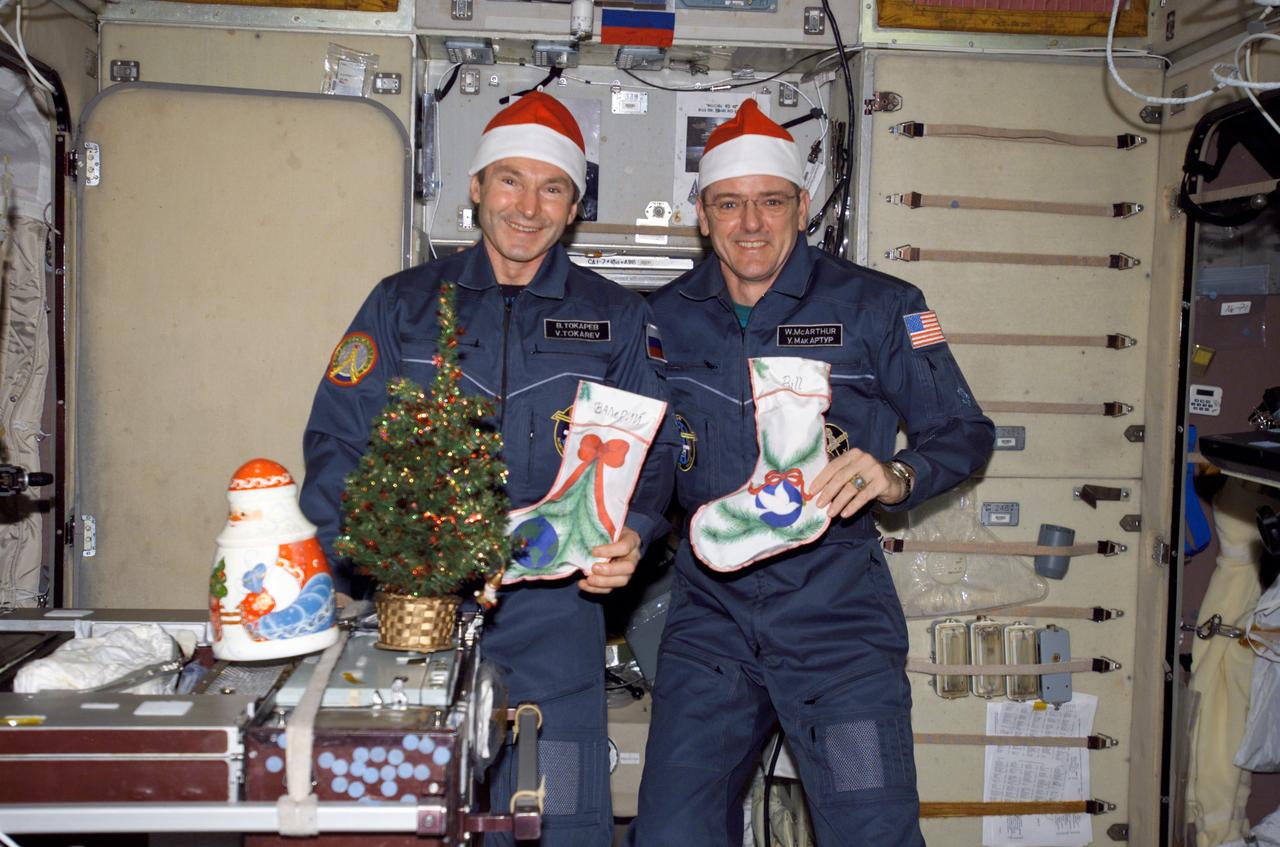
ISS012-E-14244 (28 Dec. 2005) --- Astronaut William S. (Bill) McArthur Jr. (right), Expedition 13 commander and NASA space station science officer, and cosmonaut Valery I. Tokarev, flight engineer representing Russia's Federal Space Agency, pose for a holiday photo in the Zvezda Service Module of the International Space Station. McArthur and Tokarev are holding Christmas stockings and wearing Santa Claus hats. A small Christmas tree and Santa Claus figurine sit on the gallery table in the foreground.
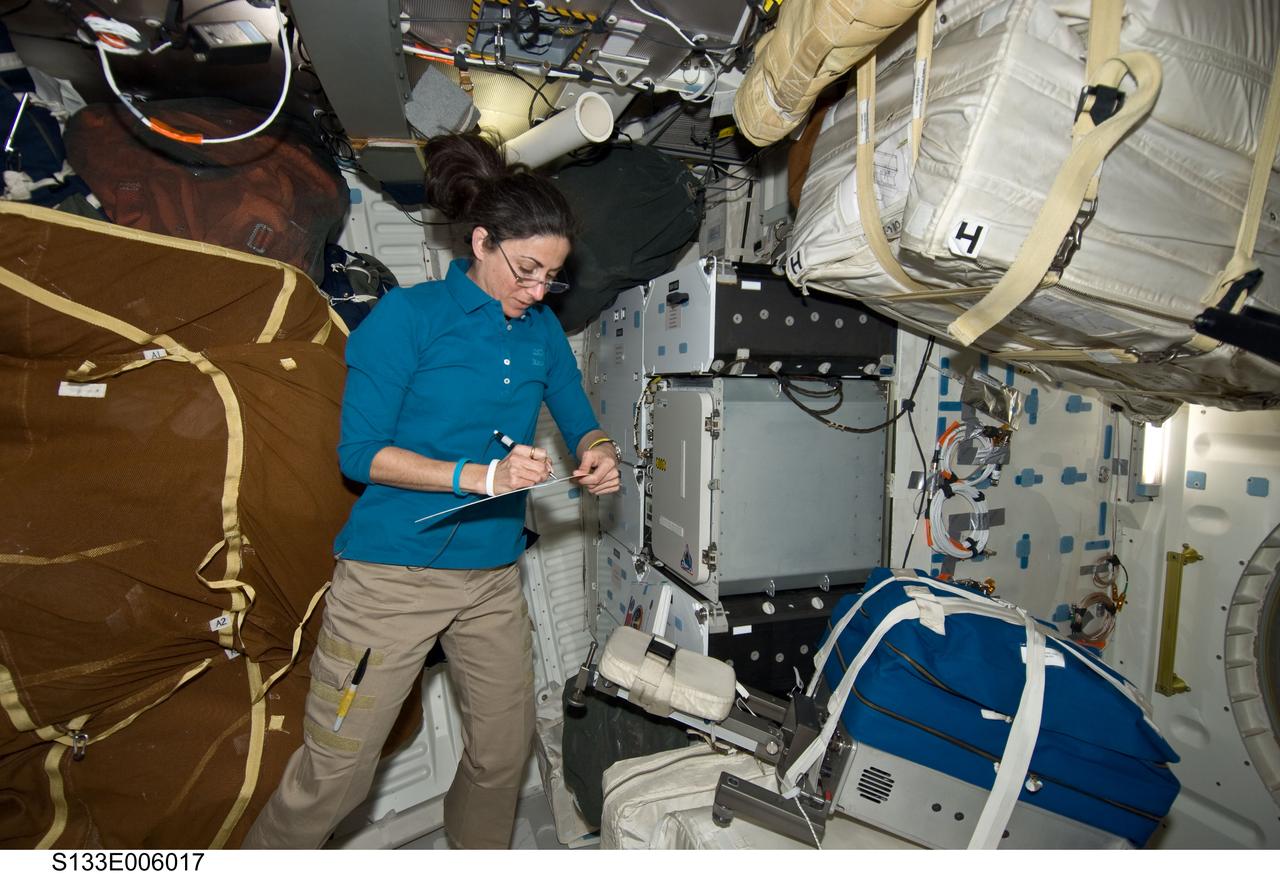
S133-E-006017 (25 Feb. 2011) --- Astronaut Nicole Stott, mission specialist, keeps stock of where things are during flight day 2 duties on Discovery's middeck. Making its final flight, Discovery and its six person crew are headed toward a rendezvous with the International Space Station. Photo credit: NASA or National Aeronautics and Space Administration
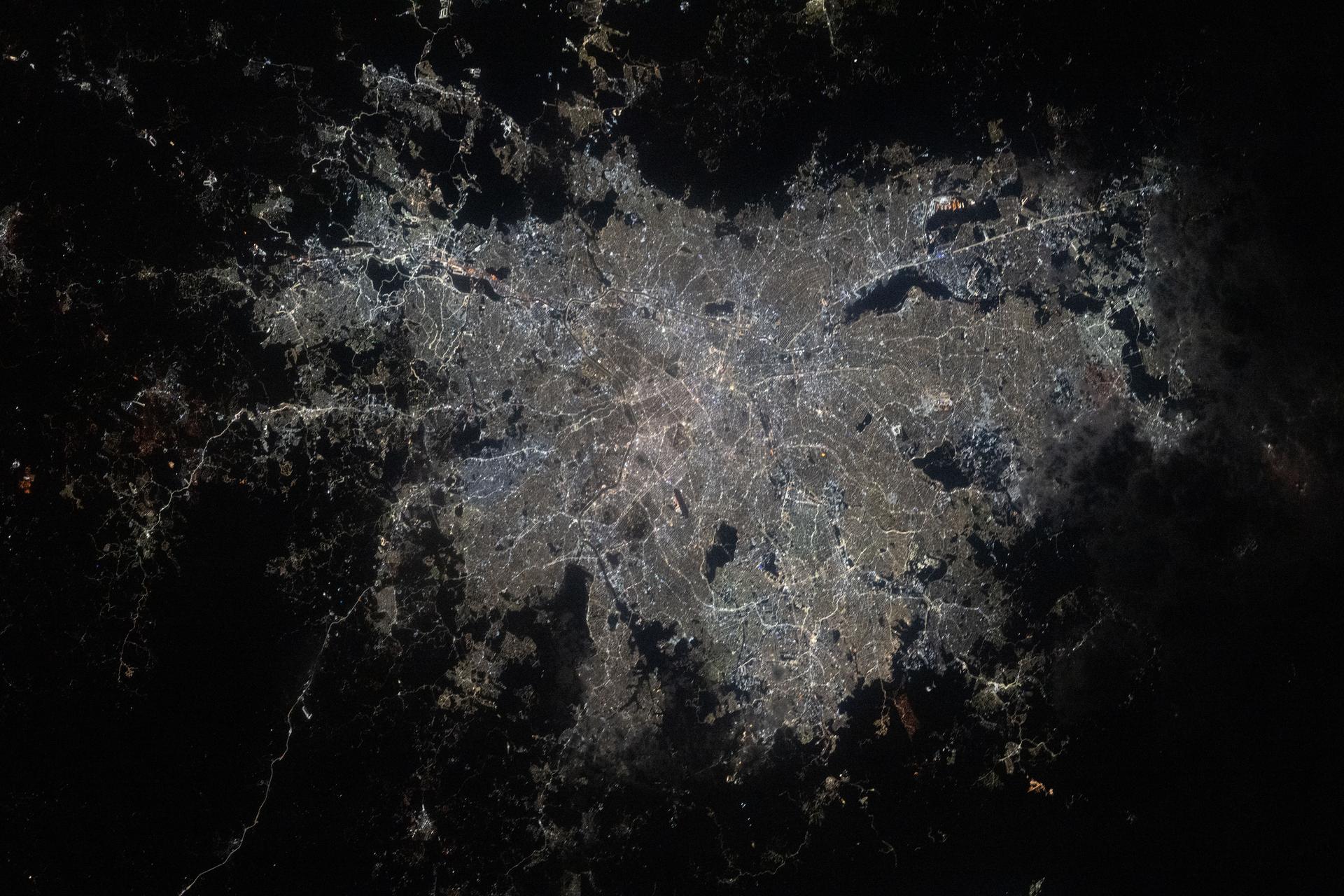
iss073e0982063 (Oct. 21, 2025) --- São Paulo, Brazil—with a metropolitan population of about 23 million—is the fifth most populous region in the world. As Brazil's economic powerhouse, São Paulo hosts one of the largest stock exchanges in the world and leads in the automotive, aerospace, and pharmaceutical industries. The city's brighter, more energy-efficient white LED lights reflect the region’s ongoing progress and modernization of its infrastructure. This photograph was taken from the International Space Station as it orbited 264 miles above the Brazilian coast at approximately 2:20 a.m. local time.
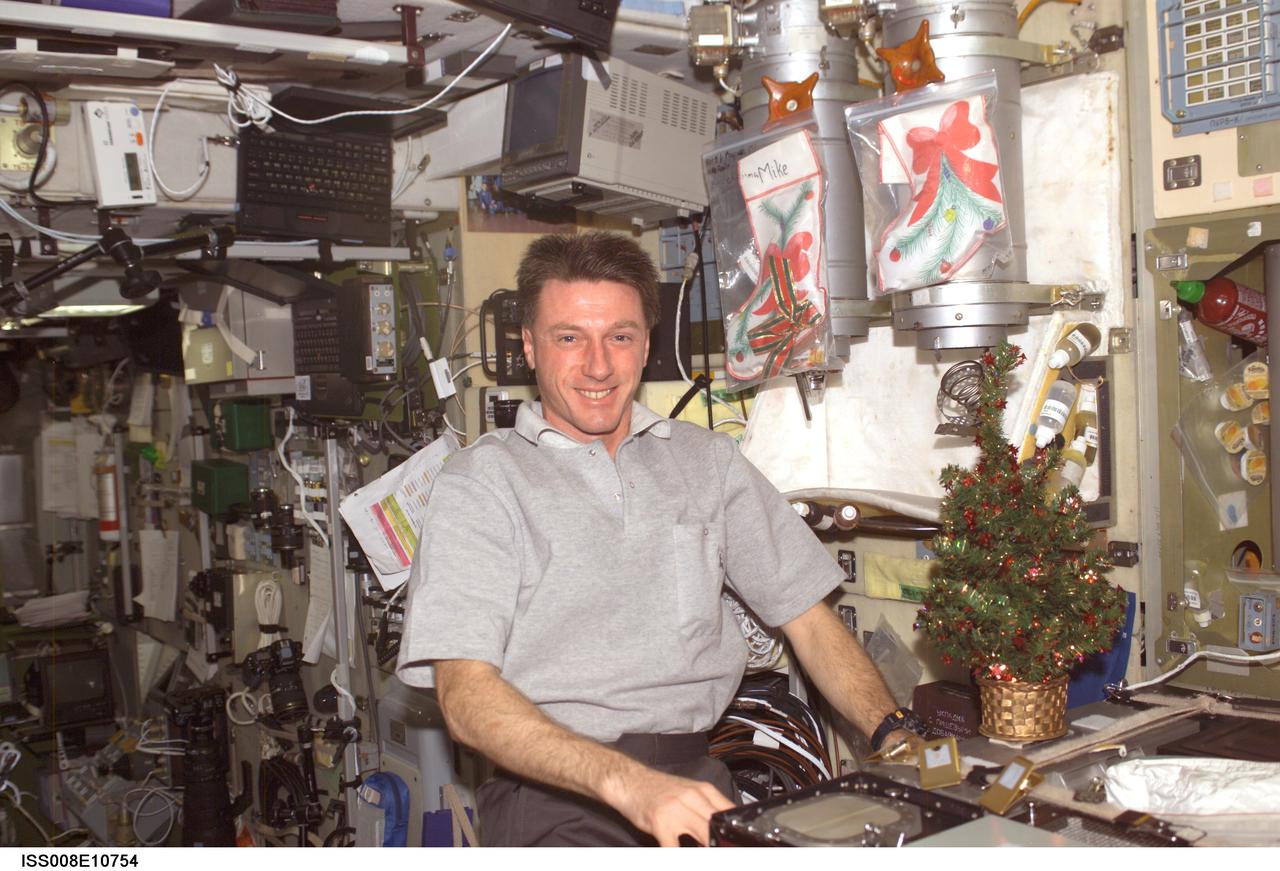
ISS008-E-10754 (28 December 2003) --- Astronaut C. Michael Foale, Expedition 8 mission commander and NASA ISS science officer, poses with holiday decorations in the Zvezda Service Module on the International Space Station (ISS).
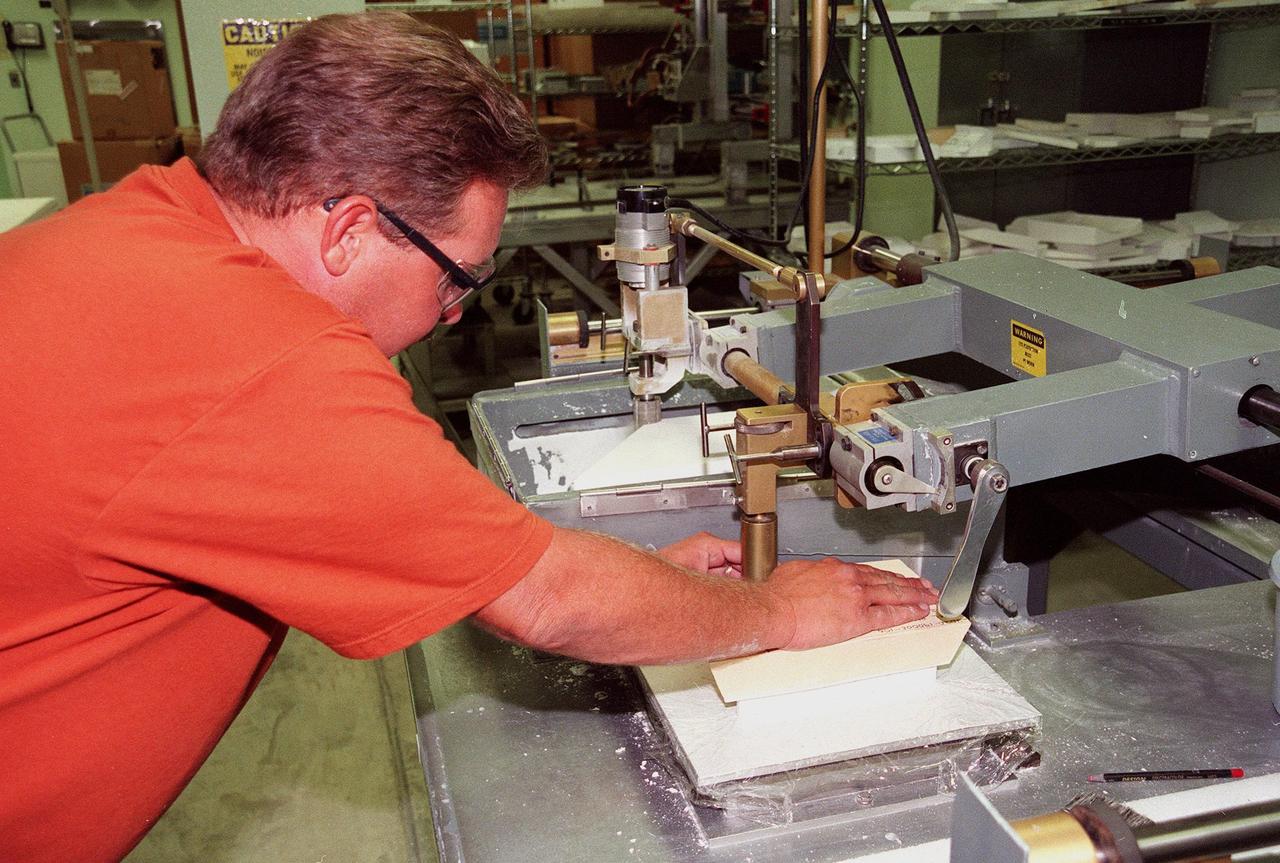
In the Tile Fabrication Shop, Tony Rollins, with United Space Alliance, cuts a High-Temperature Reusable Surface Insulation (HRSI) tile on a gun stock contour milling machine. About 70 percent of a Space Shuttle orbiter’s external surface is shielded from heat by a network of more than 24,000 tiles formed from a silica fiber compound. HRSI tiles cover the lower surface of the orbiter, areas around the forward windows, upper body flap, the base heat shield, the "eyeballs" on the front of the Orbital Maneuvering System (OMS) pods, and the leading and trailing edges of the vertical stabilizer and the rudder speed brake. They are generally 6 inches square, but may also be as large as 12 inches square in some areas, and 1 to 5 inches thick. More advanced materials such as Flexible Insulation Blankets have replaced tiles on some upper surfaces of the orbiter
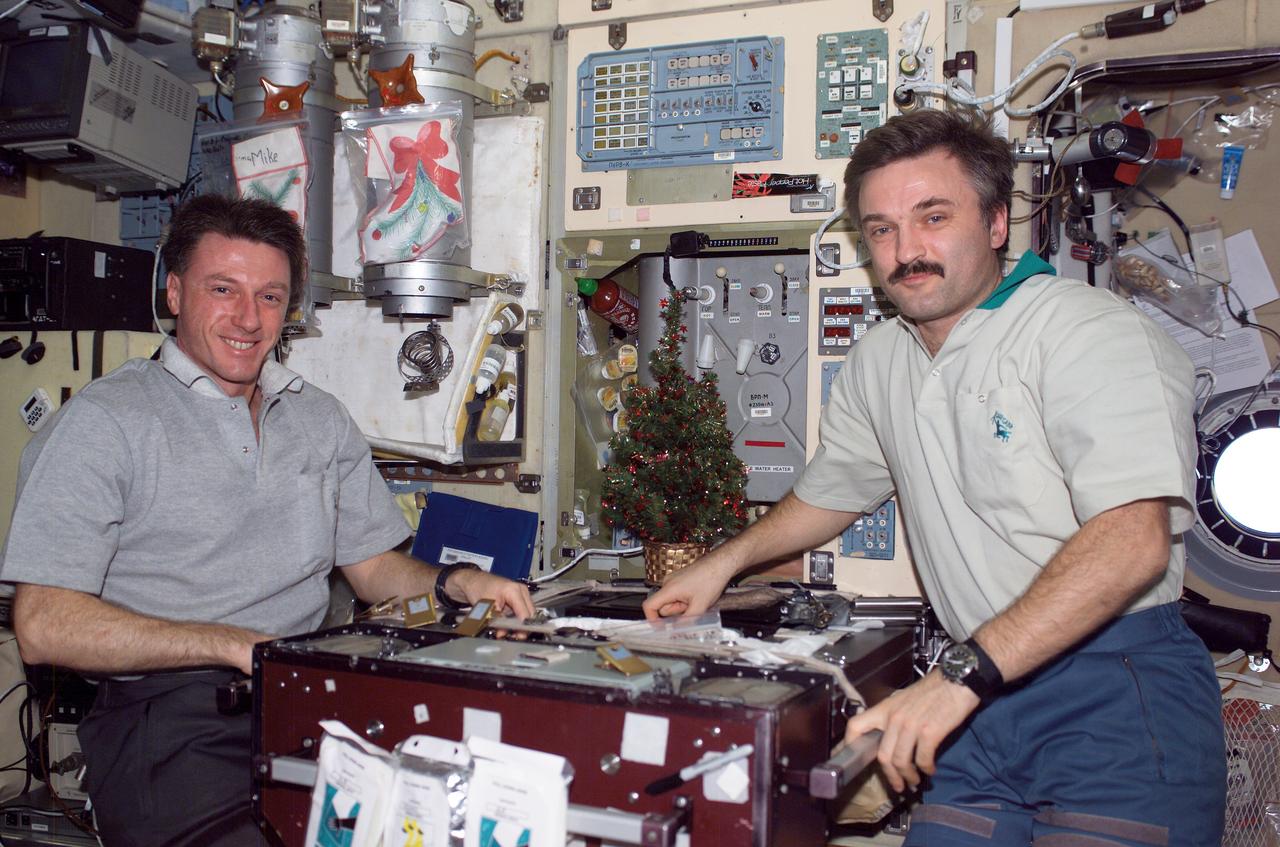
ISS008-E-10768 (28 December 2003) --- Astronaut C. Michael Foale (left), Expedition 8 mission commander and NASA ISS science officer, and cosmonaut Alexander Y. Kaleri, flight engineer, pose with holiday decorations in the Zvezda Service Module on the International Space Station (ISS). Kaleri represents Rosaviakosmos.
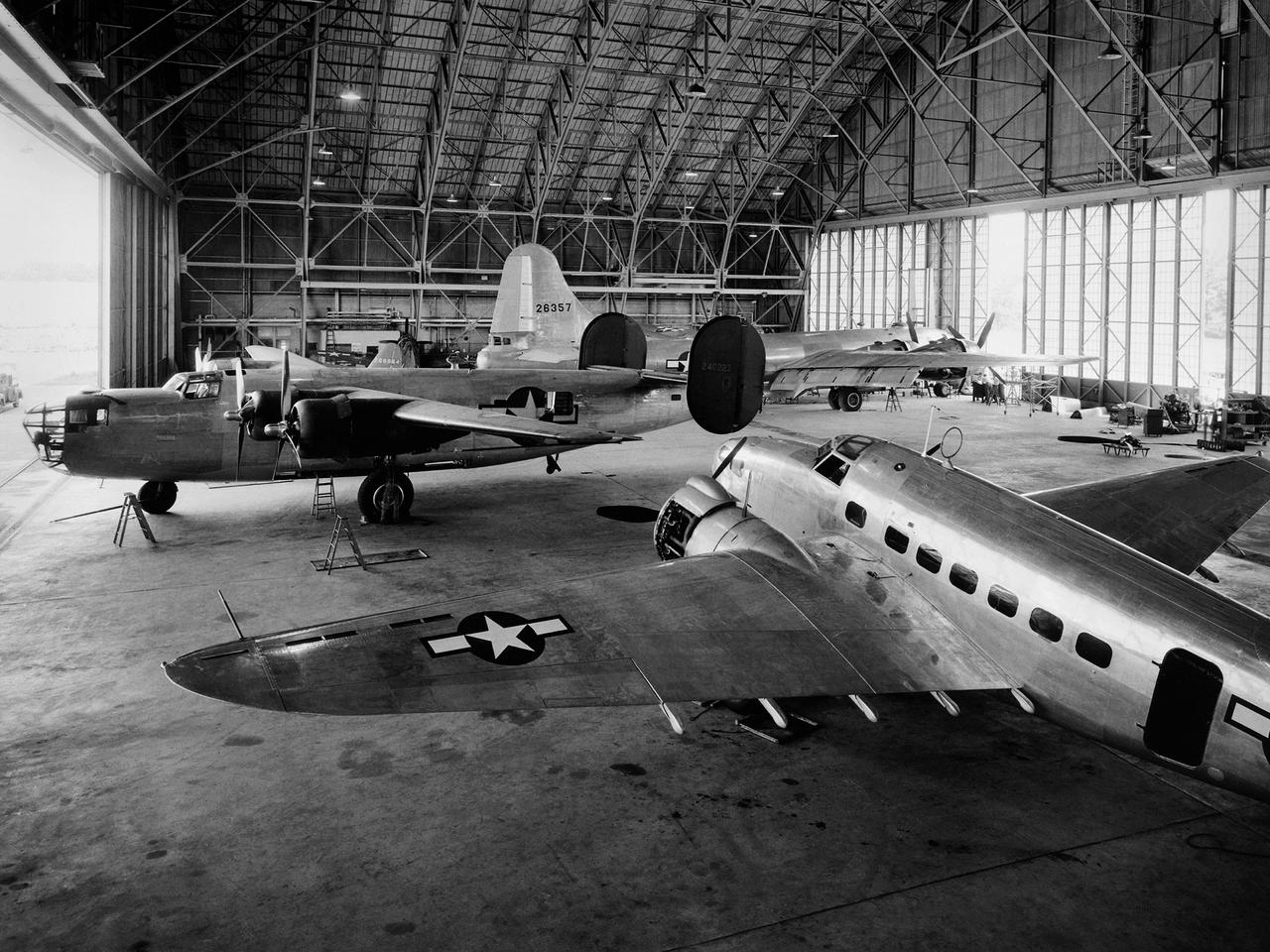
A Consolidated B–24D Liberator (left), Boeing B–29 Superfortress (background), and Lockheed RA–29 Hudson (foreground) parked inside the Flight Research Building at the National Advisory Committee for Aeronautics (NACA) Aircraft Engine Research Laboratory in Cleveland, Ohio. A P–47G Thunderbolt and P–63A King Cobra are visible in the background. The laboratory utilized 15 different aircraft during the final 2.5 years of World War II. This starkly contrasts with the limited-quantity, but long-duration aircraft of the NASA’s modern fleet. The Flight Research Building is a 272- by 150-foot hangar with an internal height ranging from 40 feet at the sides to 90 feet at its apex. The steel support trusses were pin-connected at the top with tension members extending along the corrugated transite walls down to the floor. The 37.5-foot-tall and 250-foot-long doors on either side can be opened in sections. The hangar included a shop area and stock room along the far wall, and a single-story office wing with nine offices, behind the camera. The offices were later expanded. The hangar has been in continual use since its completion in December 1942. Nearly 70 different aircraft have been sheltered here over the years. Temporary offices were twice constructed over half of the floor area when office space was at a premium.
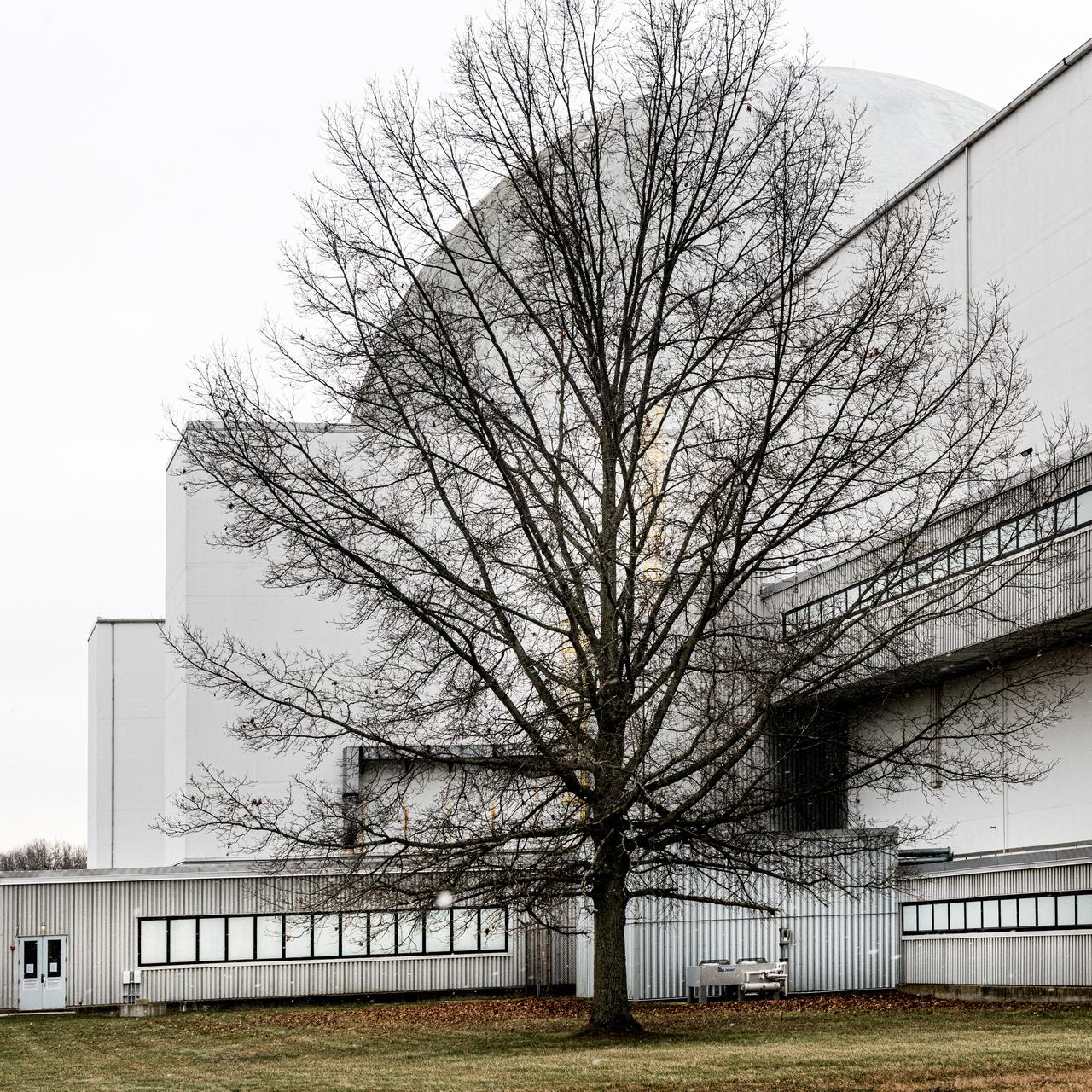
Exterior of the Space Environments Complex, SEC at the Glenn Research Center, Neil A Armstrong Test Facility
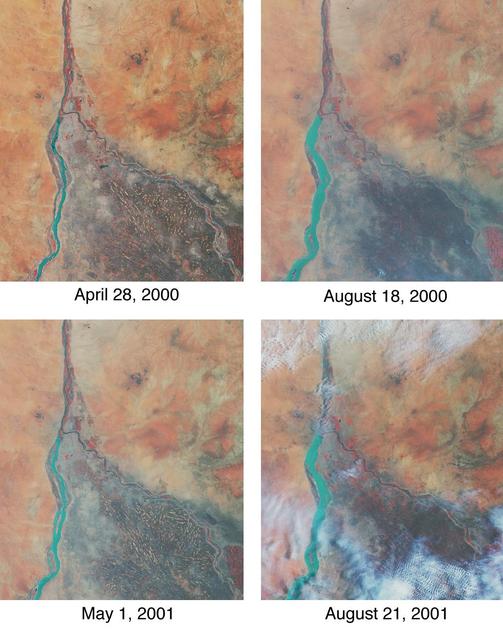
Throughout history, the rising and falling waters of the mighty Nile River have directly impacted the lives of the people who live along its banks. These images of the area around Sudan's capital city of Khartoum capture the river's dynamic nature. Acquired by the Multi-angle Imaging SpectroRadiometer's nadir (vertical-viewing) camera, they display the extent of the Nile waters before and after the onset of the rainy seasons of 2000 (top pair) and 2001 (bottom pair). The images are displayed in "false color," using the camera's near-infrared, green, and blue bands. With this particular spectral combination, water appears in shades of blue and turquoise, and highly vegetated areas show up as bright red. Originating in Uganda and Ethiopia, respectively, the waters of the White Nile (western branch) and Blue Nile (eastern branch) converge at Khartoum (about half-way between image center and the left-hand side), and continue to flow northward as the Great Nile. Although the most obvious feature in these images is the increased width of the White Nile between spring and summer, careful inspection shows that the Great Nile is at its widest in August 2001 (note in particular the area between the clouds near the top of this panel). Heavy rains in the Blue Nile catchment area of the Ethiopian highlands led to a rapid overflow of the river's floodwaters into the main stream of the Great Nile, leading to extensive flooding, the worst effects of which occurred north of Khartoum. According to the Food and Agriculture Organization of the United Nations, tens of thousands of people have fled their homes, and the number of people in need of urgent food assistance in Sudan, estimated at three million earlier in the year, was likely to increase with the onset of these floods. South of the confluence of the White Nile and the Blue Nile, the area of a cross-hatched appearance is the irrigated plain of El Gezira. The Gezira irrigation scheme uses water from the Makwar Dam (now called the Sennar Dam), located across the Blue Nile south of Khartoum. Among the main agricultural products of this region are cotton, millet, peanuts and fodder crops. Overall prospects for Sudan's 2001 grain crop were already poor prior to the flooding due to a late start of the rainy season in parts of the country. Following two consecutive years of serious drought, precipitation arrived too late to save the grain harvest that normally begins in late August. Lower harvests for the past two years coupled with depletion of stocks have led to a rise in cereal prices, reducing access to food for the Sudan's poorer citizens, already suffering from the effects of Africa's longest running civil war. Each of these images represents an area of about 130 kilometers x 150 kilometers. The data were obtained during Terra orbits 1922, 3553, 7281, and 8912. http://photojournal.jpl.nasa.gov/catalog/PIA03420