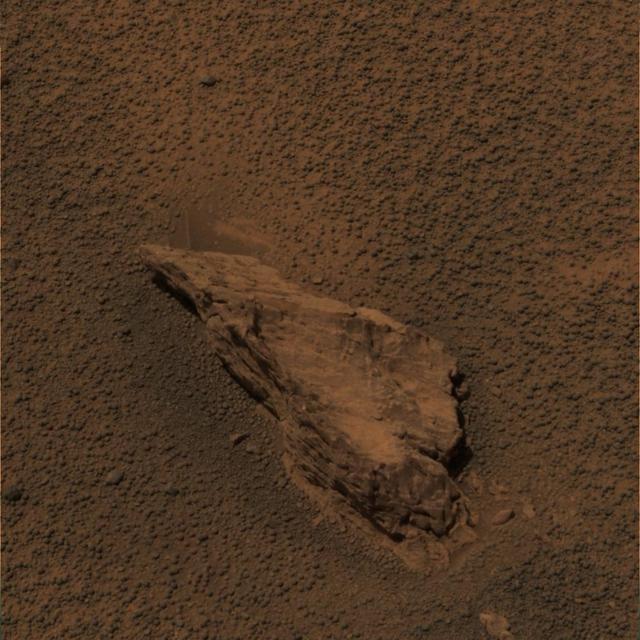
A Lion of a Stone
A Lion of a Stone
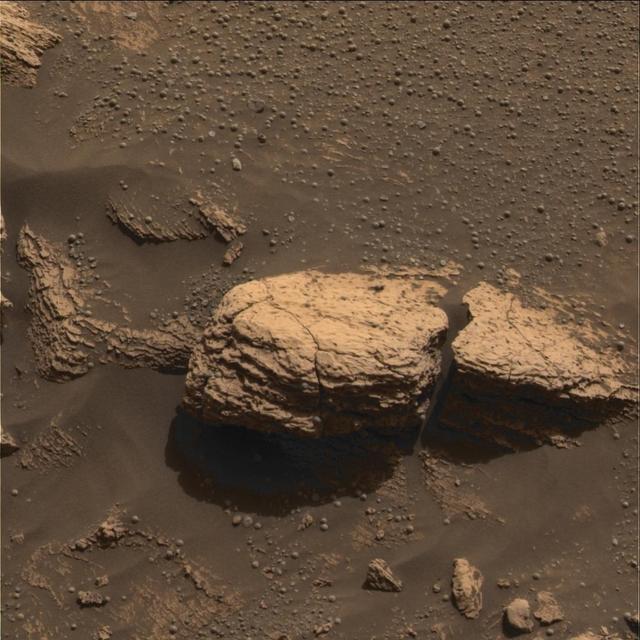
Stone Mountain
Stone Mountain
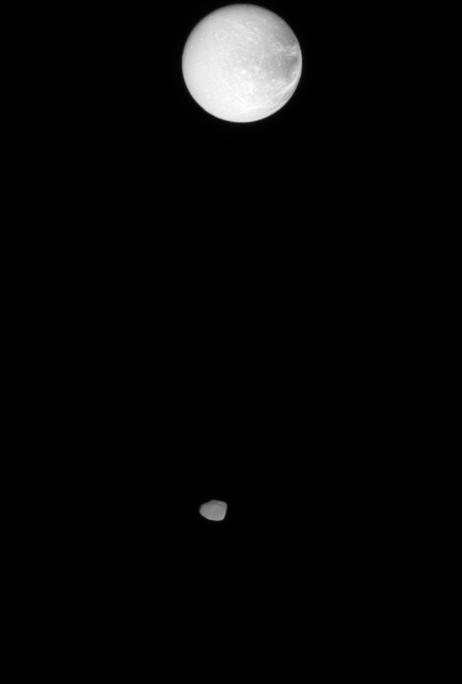
Stepping Stone to Dione
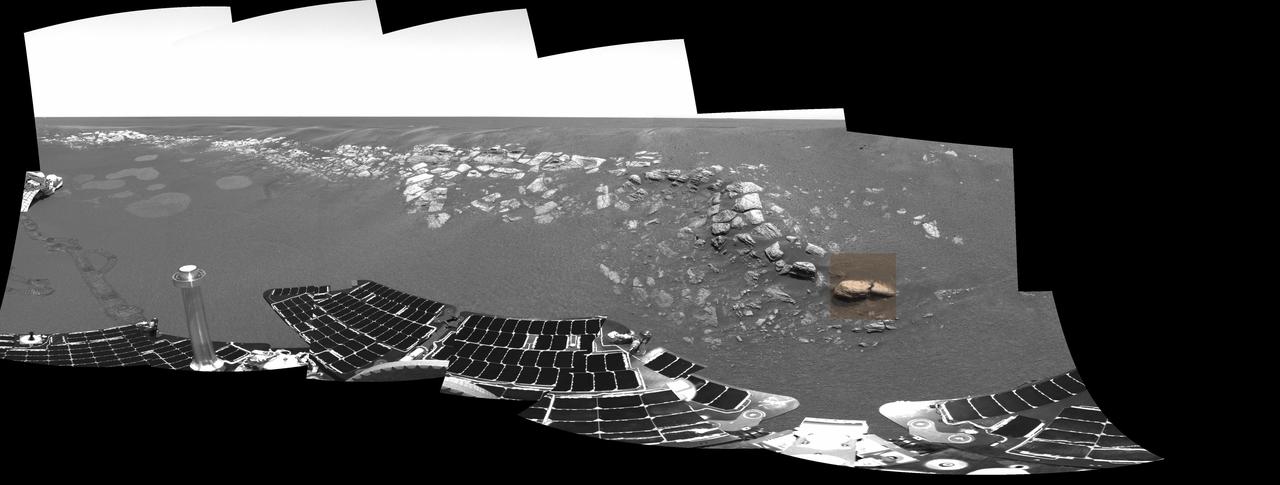
Stone Mountain in Context
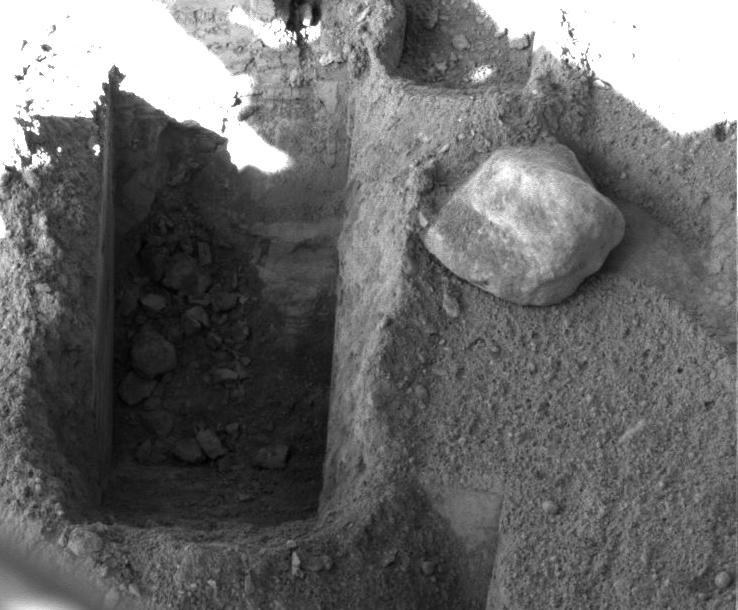
Deep Stone Soup Trenching by Phoenix
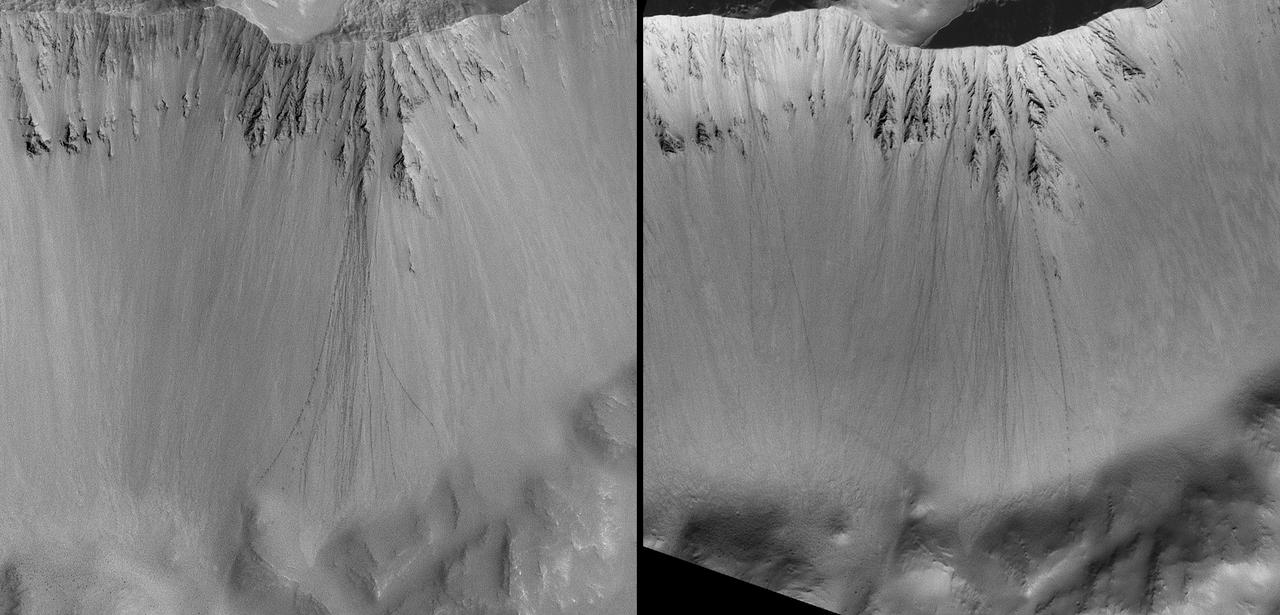
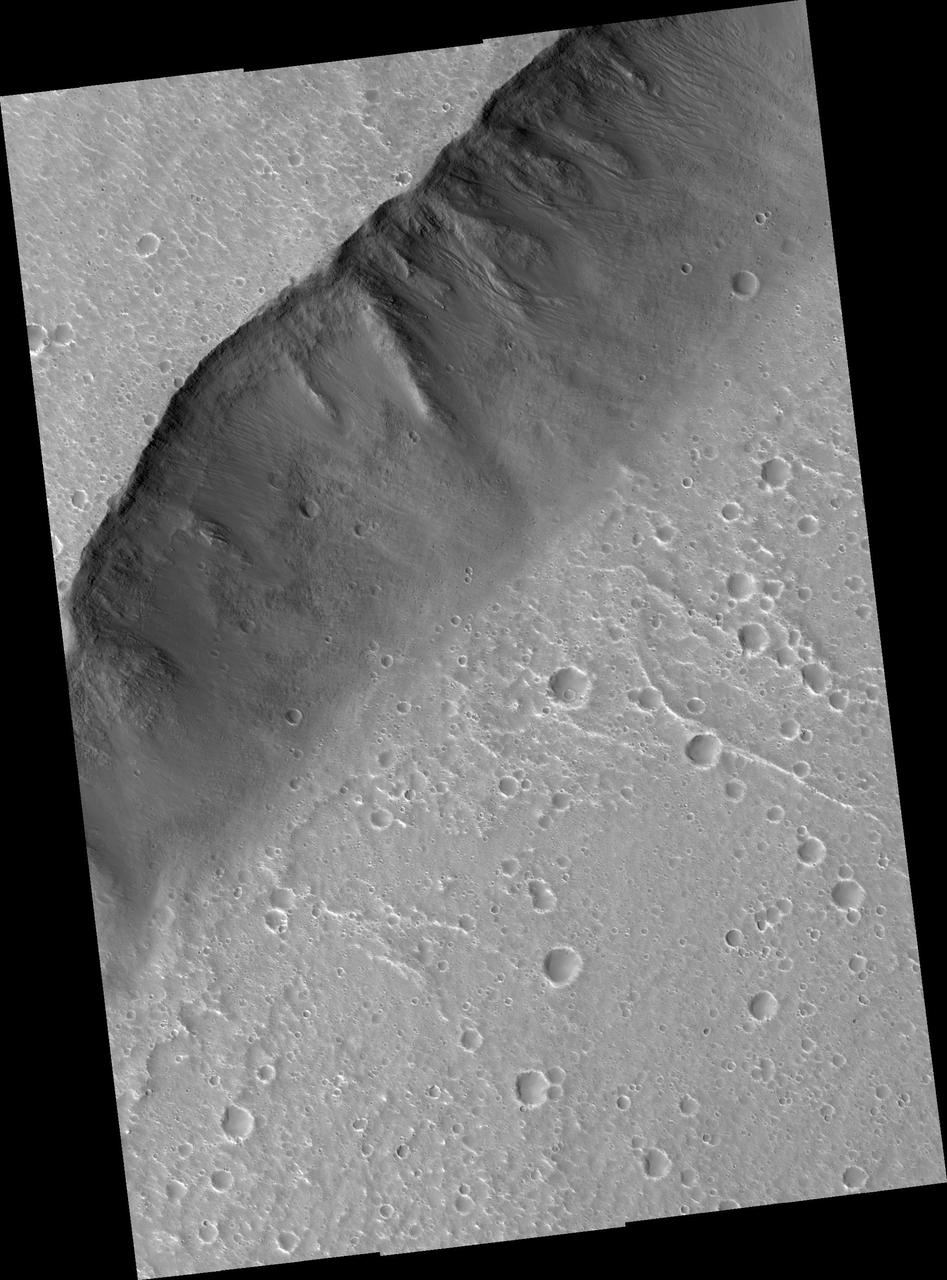
Almost Silent Rolling Stones in Kasei Valles
Rolling Stones Make New Boulder Tracks
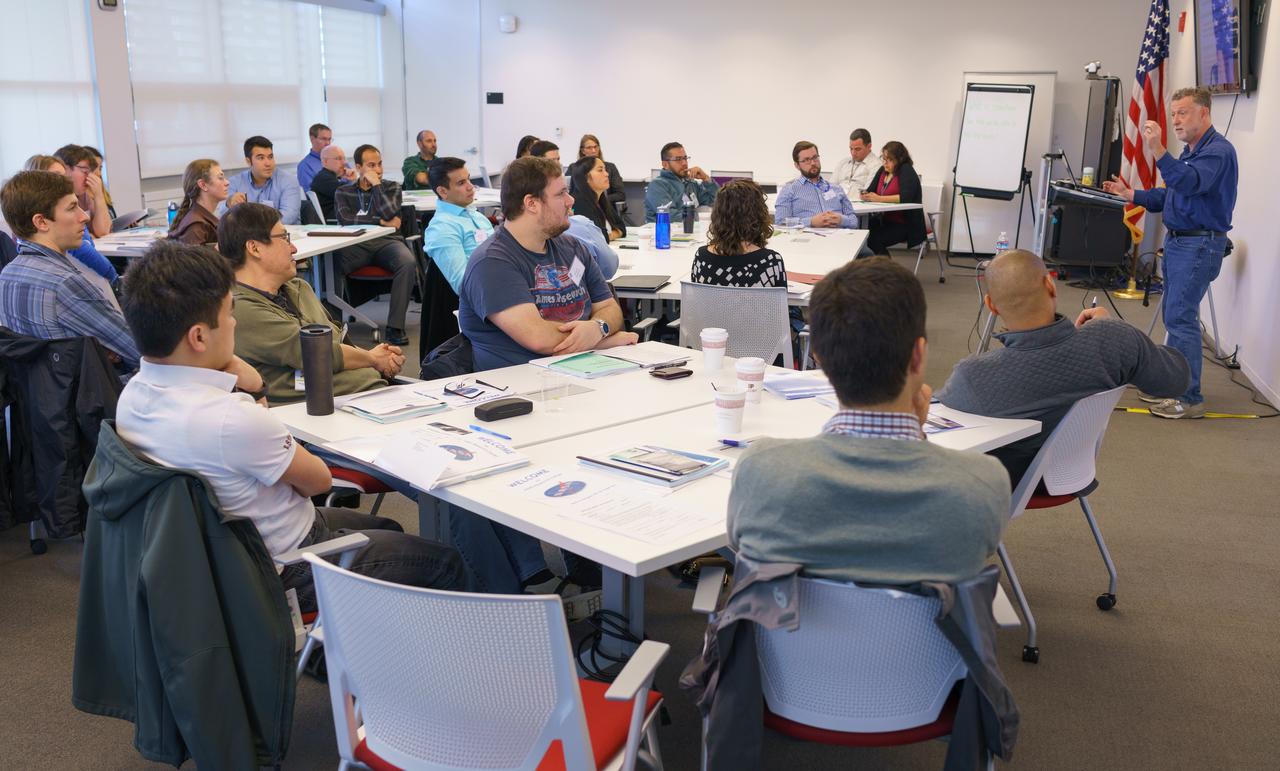
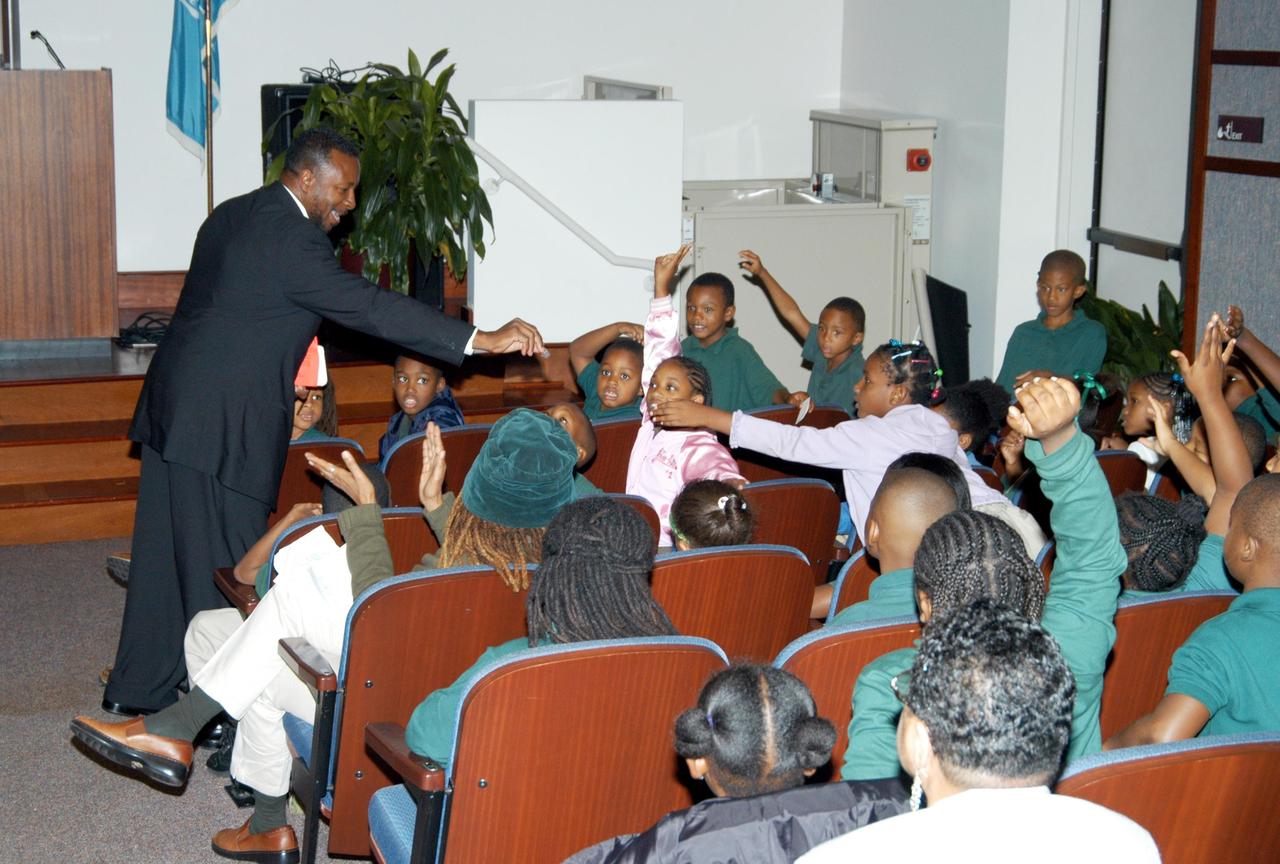
New Employee Orientation swearing-in N-232. Lee Stone, President of the Ames Federal Employees Union addresse the group.
New Employe Orientation and Swearing-in
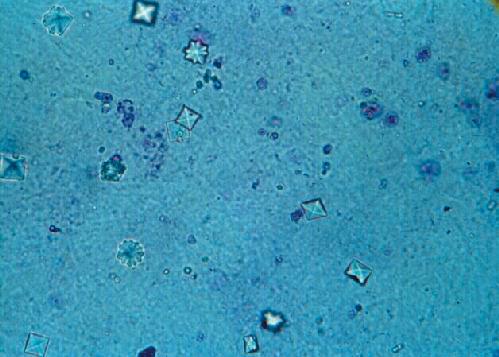
Renal stones are never convenient, but they are a particular concern for astronauts who have limited access to treatment during flight. Researchers are examining how earthbound preventions for renal stone formation work in flight, ensuring missions are not ended prematurely due to this medical condition. The micrograph shows calcium oxalate crystals in urine. These small crystals can develop to form renal stones. Principal Investigator: Dr. Peggy Whitson, NASA Johnson Space Center, Houston, TX.
Biotechnology
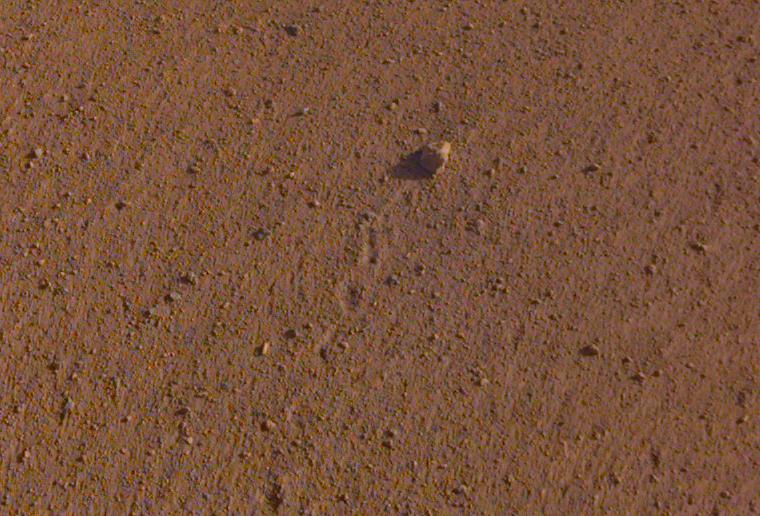
The rock in the center of this image was tossed about 3 feet (1 meter) by NASA's InSight spacecraft as it touched down on Mars on November 26, 2018. The rock was later nicknamed "Rolling Stones Rock" in honor of The Rolling Stones.  A little larger than a golf ball, the rock is about 2.2 inches (5.5 centimeters) in diameter and 1 inch (2.4 centimeters) in height. A series of 10 or so divots marks the rock's course after being set in motion by the landing. It's the farthest NASA has seen a rock roll after landing a spacecraft on another planet.  Though fitting, "Rolling Stones Rock" is not an official designation by the International Astronomical Union, which is responsible to approving the names given to geographical and geological features on other planets.  This image, which has been cropped, was taken by the Instrument Deployment Camera (IDC) on InSight's robotic arm. The uncropped image is provided as well.  https://photojournal.jpl.nasa.gov/catalog/PIA23349
Rolling Stones Rock
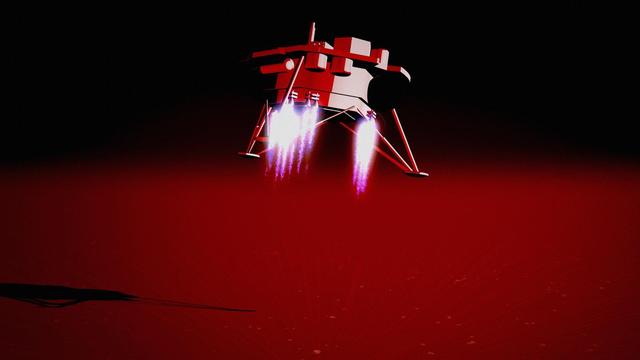
This animation illustrates NASA's InSight lander touching down on Mars, causing a rock to roll 3 feet (1 meter) as the lander touched down on Mars on Nov. 26, 2018. A little bigger than a golf ball, the rock was later nicknamed "Rolling Stones Rock" by the InSight team in honor of The Rolling Stones. A series of 10 or so divots marked the rock's course after being set in motion by the landing. It's the farthest NASA has seen a rock roll after landing a spacecraft on another planet.  Though fitting, "Rolling Stones Rock" is not an official designation by the International Astronomical Union, which is responsible to approving the names given to geographical and geological features on other planets.  The rock was imaged by the Instrument Deployment Camera (IDC) on InSight's robotic arm, which is not visible here.  Movie available at https://photojournal.jpl.nasa.gov/catalog/PIA23345
Rolling Stones Rock (Animation)
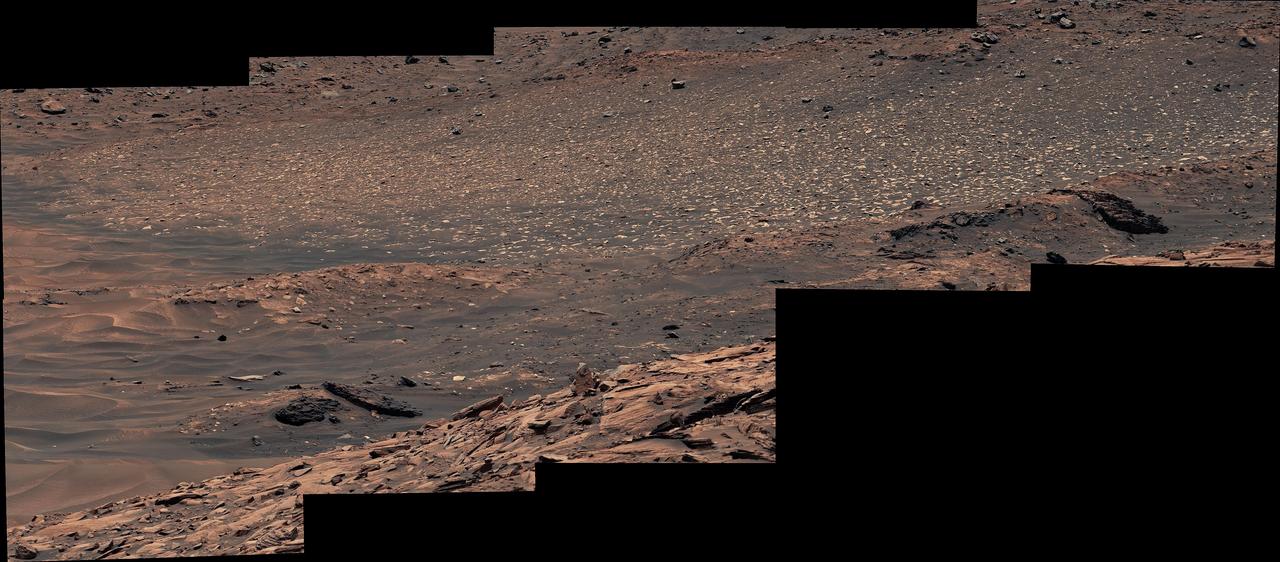
NASA's Curiosity Mars rover used its Mast Camera, or Mastcam, to capture this last look at a field of bright white sulfur stones before leaving Gediz Vallis channel. The field was where the rover made the first discovery of pure sulfur on Mars by driving over a rock and cracking it open to reveal the yellow crystals inside. Scientists are still unsure exactly why these pure sulfur rocks formed here.  This panorama is made up of eight images captured on Oct. 11, 2024, the 4,331st Martian day, or sol, of the mission. The color has been adjusted to match lighting conditions as the human eye would see them on Earth.  https://photojournal.jpl.nasa.gov/catalog/PIA26210
Curiosity Takes a Last Look at Sulfur Stones
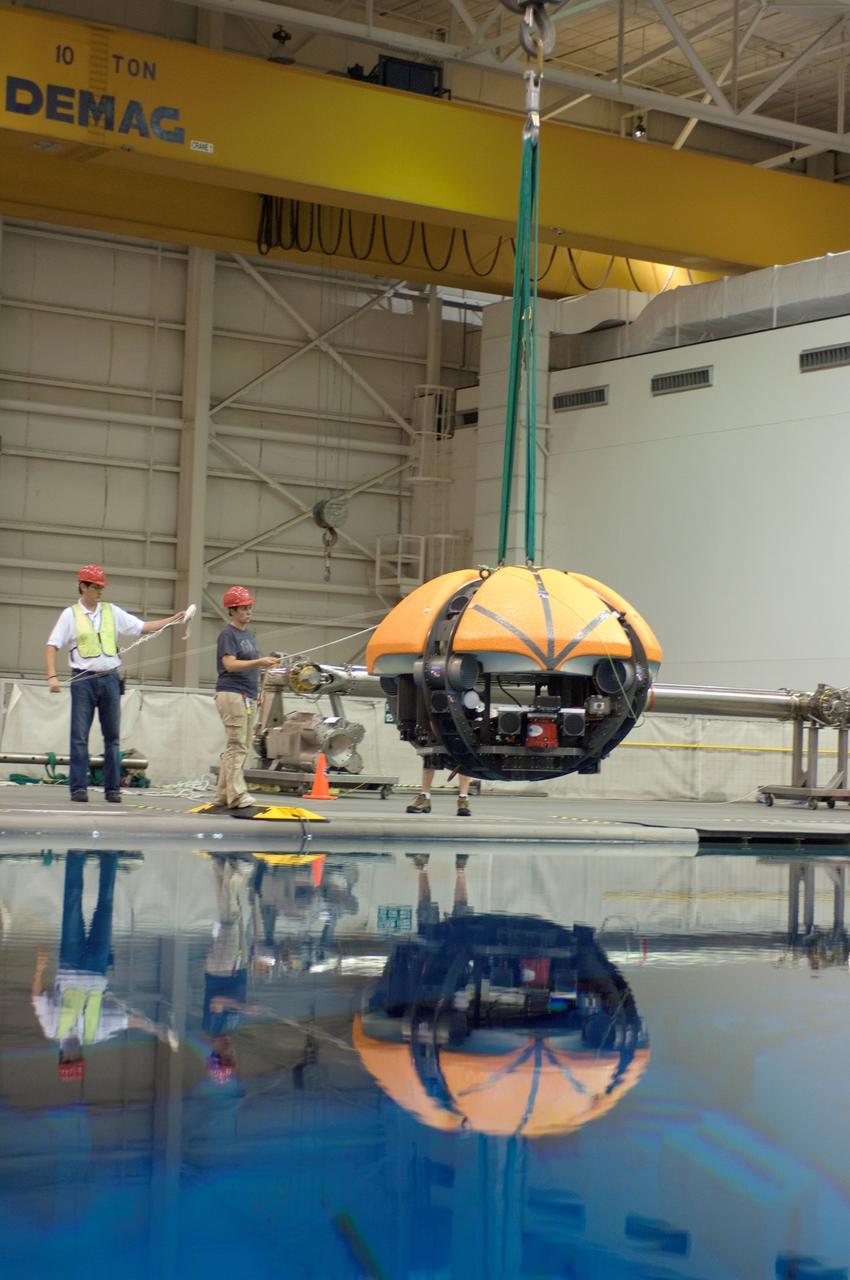
View of the Autonomous Underwater Vehicle (AUV) known as Endurance designed by Stone Aerospace being lowered into the Neutral Buoyancy Laboratory (NBL) pool at the Sonny Carter Training Facility (SCTF) for testing.  The AUV is being tested for potential exploration of Jupiter's moon Europa.  This image was featured in the August 2008 JSC Roundup, Volume 47, Number 8.
Stone Aerospace Testing of an Autonomous Underwater Vehicle
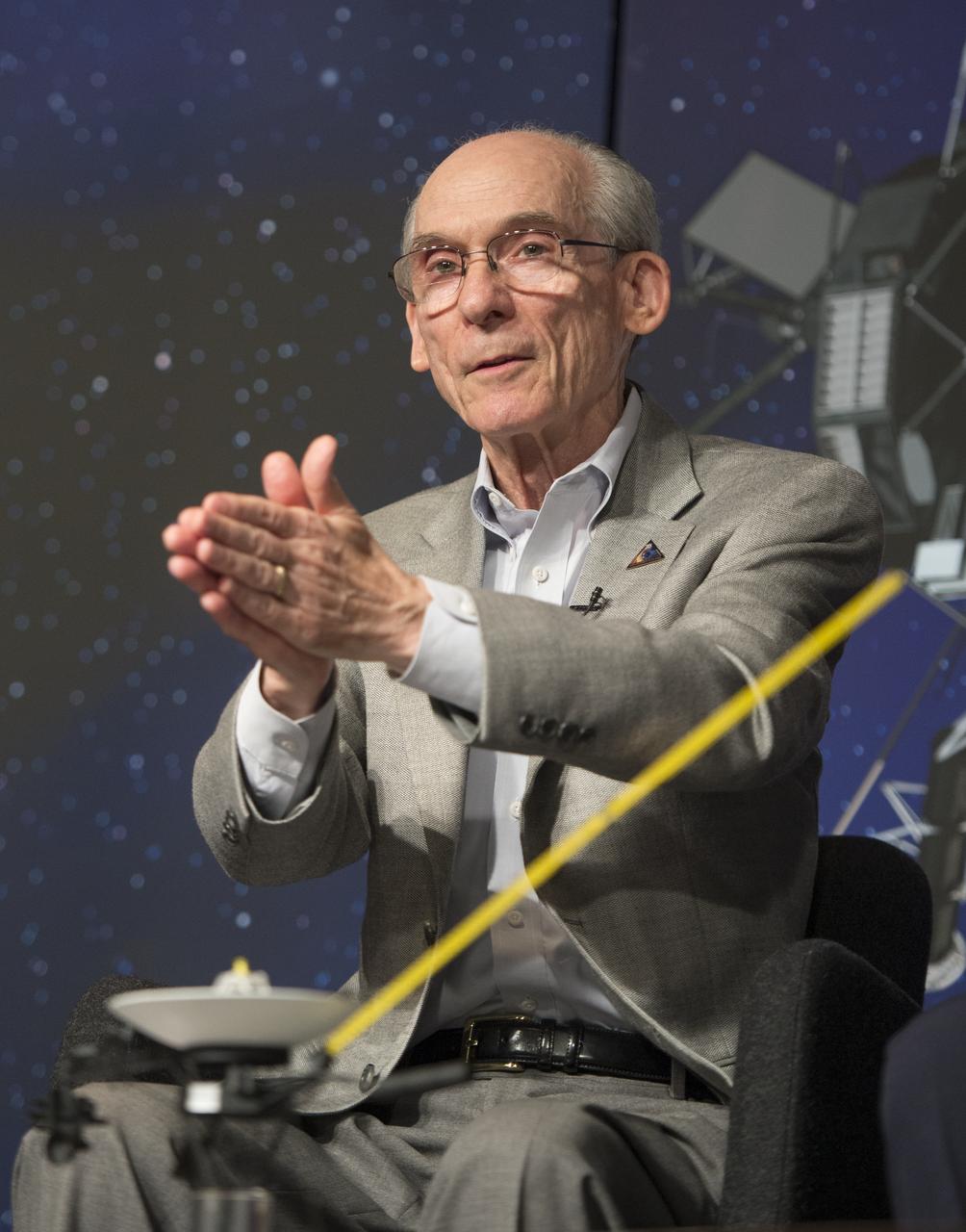
Ed Stone, Voyager project scientist, California Institute of Technology, is seen as he speaks at a news conference on NASA's Voyager 1 spacecraft, Thursday, Sept. 12, 2013 at NASA Headquarters in Washington.  NASA's Voyager 1 spacecraft officially is the first human-made object to venture into interstellar space. The 36-year-old probe is about 12 billion miles (19 billion kilometers) from our sun.  New and unexpected data indicate Voyager 1 has been traveling for about one year through plasma, or ionized gas, present in the space between stars.  A report on the analysis of this new data is published in Thursday's edition of the journal Science.  Photo Credit:  (NASA/Carla Cioffi)
Voyager in Interstellar Space
Ed Stone, Voyager project scientist, speaks at an event to celebrate the 40th Anniversary of the launch of the Voyager 1 and 2 missions, Tuesday, September 5, 2017 at Smithsonian's National Air and Space Museum in Washington. Voyager 1 was launched September 5, 1977, with a mission to study Jupiter and Saturn, but now the twin Voyager spacecrafts are on a journey into interstellar space to search for the heliopause, a region never reached by any other spacecraft. Photo Credit: (NASA/Aubrey Gemignani)
Voyager 40th Anniversary at Air and Space Museum
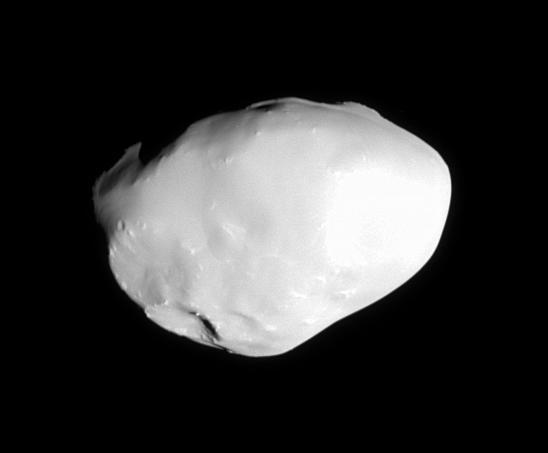
NASA Cassini spacecraft passed within a cosmic stone throw of Telesto in October, 2005 capturing this shot of the tiny Trojan moon
Smooth Surface of Telesto
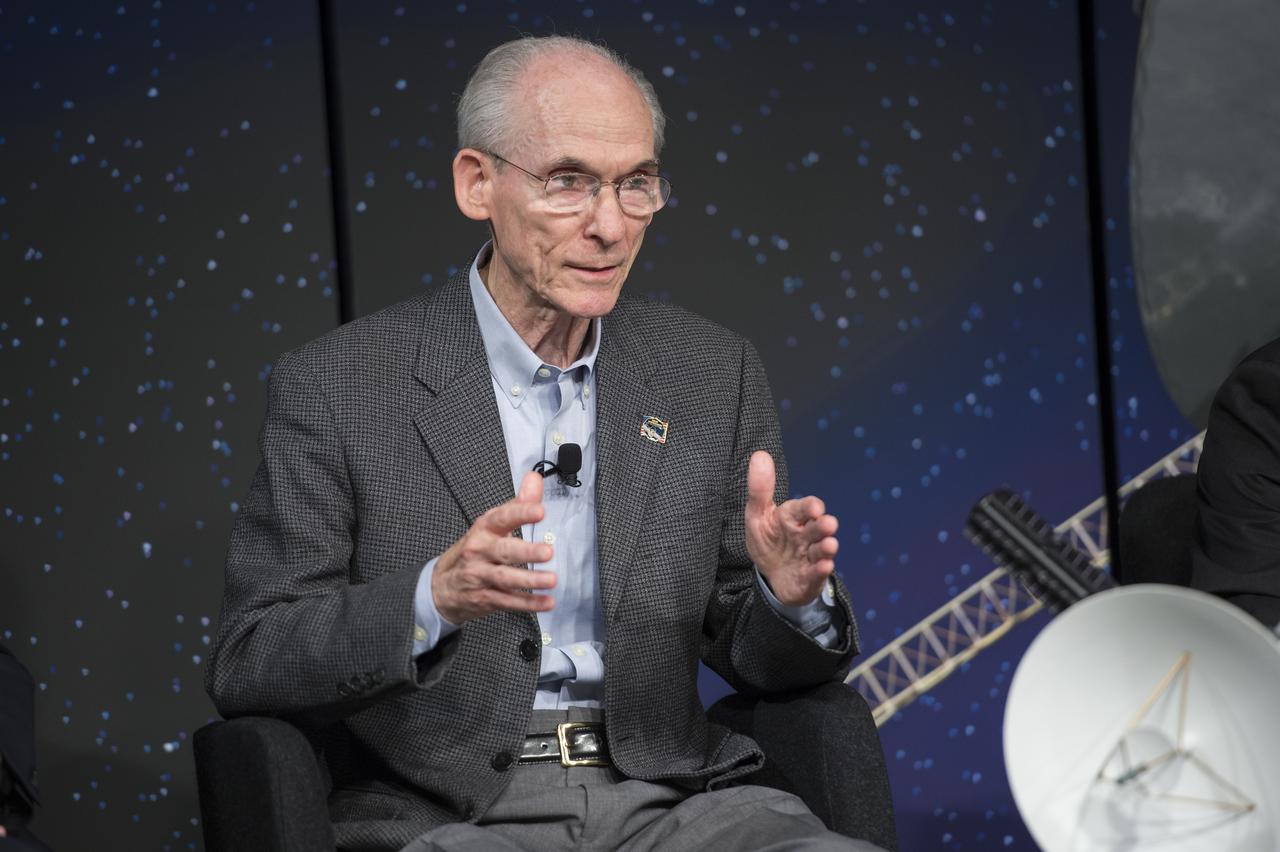
Ed Stone, Voyager project scientist, speaks at an event to celebrate the 40th Anniversary of the launch of the Voyager 1 and 2 missions, Tuesday, September 5, 2017 at Smithsonian's National Air and Space Museum in Washington. Voyager 1 was launched September 5, 1977, with a mission to study Jupiter and Saturn, but now the twin Voyager spacecrafts are on a journey into interstellar space to search for the heliopause, a region never reached by any other spacecraft. Photo Credit: (NASA/Aubrey Gemignani)
Voyager 40th Anniversary at Air and Space Museum
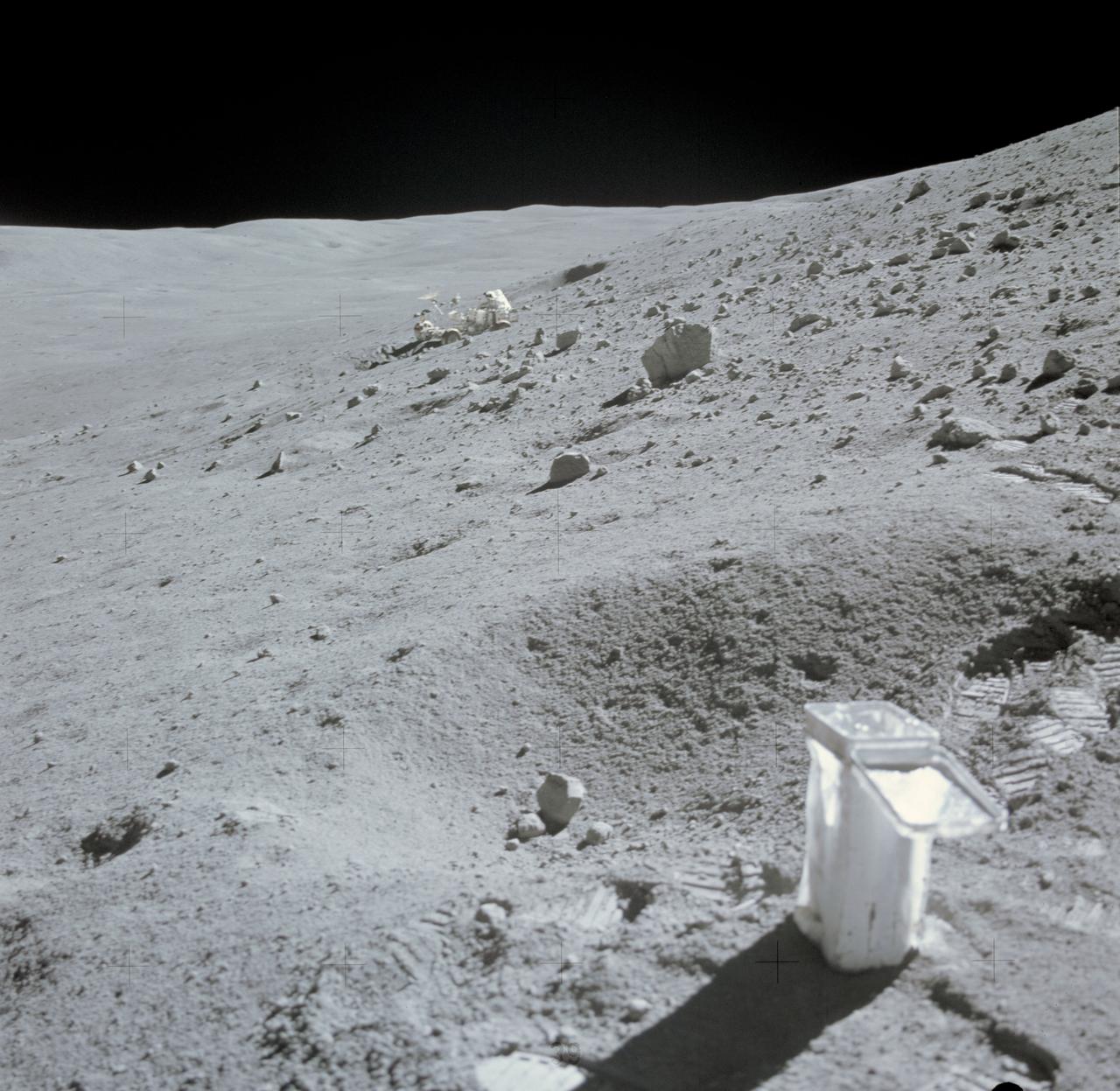
AS16-107-17473 (22 April 1972) --- The Lunar Roving Vehicle (LRV) appears to be parked in a deep lunar depression, on the slope of Stone Mountain. This photograph of the lunar scene at Station No. 4 was taken during the second Apollo 16 extravehicular activity (EVA) at the Descartes landing site. A sample collection bag is in the right foreground. Note field of small boulders at upper right. While astronauts John W. Young, commander, and Charles M. Duke Jr., lunar module pilot, descended in the Lunar Module (LM) "Orion" to explore the moon, astronaut Thomas K. Mattingly II, command module pilot, remained with the Command and Service Modules (CSM) in lunar orbit.
Lunar Roving Vehicle parked in lunar depression on slope of Stone Mountain
Dr. Ed Stone, Voyager project scientist, speaks on a panel at the "New Horizons: The First Mission to the Pluto System and the Kuiper Belt" Event at NASA Headquarters in Washington, DC Monday, August 25, 2014. Scientists discussed how the first images of Pluto and its moons would be captured by the New Horizons spacecraft during a five month long reconnaissance flyby study starting in the summer of 2015.  New Horizons launched on January 19, 2006 and is scheduled to make its closest approach to Pluto on July 14, 2015. Photo Credit: (NASA/Aubrey Gemignani)
New Horizons Event: The First Mission to the Pluto System
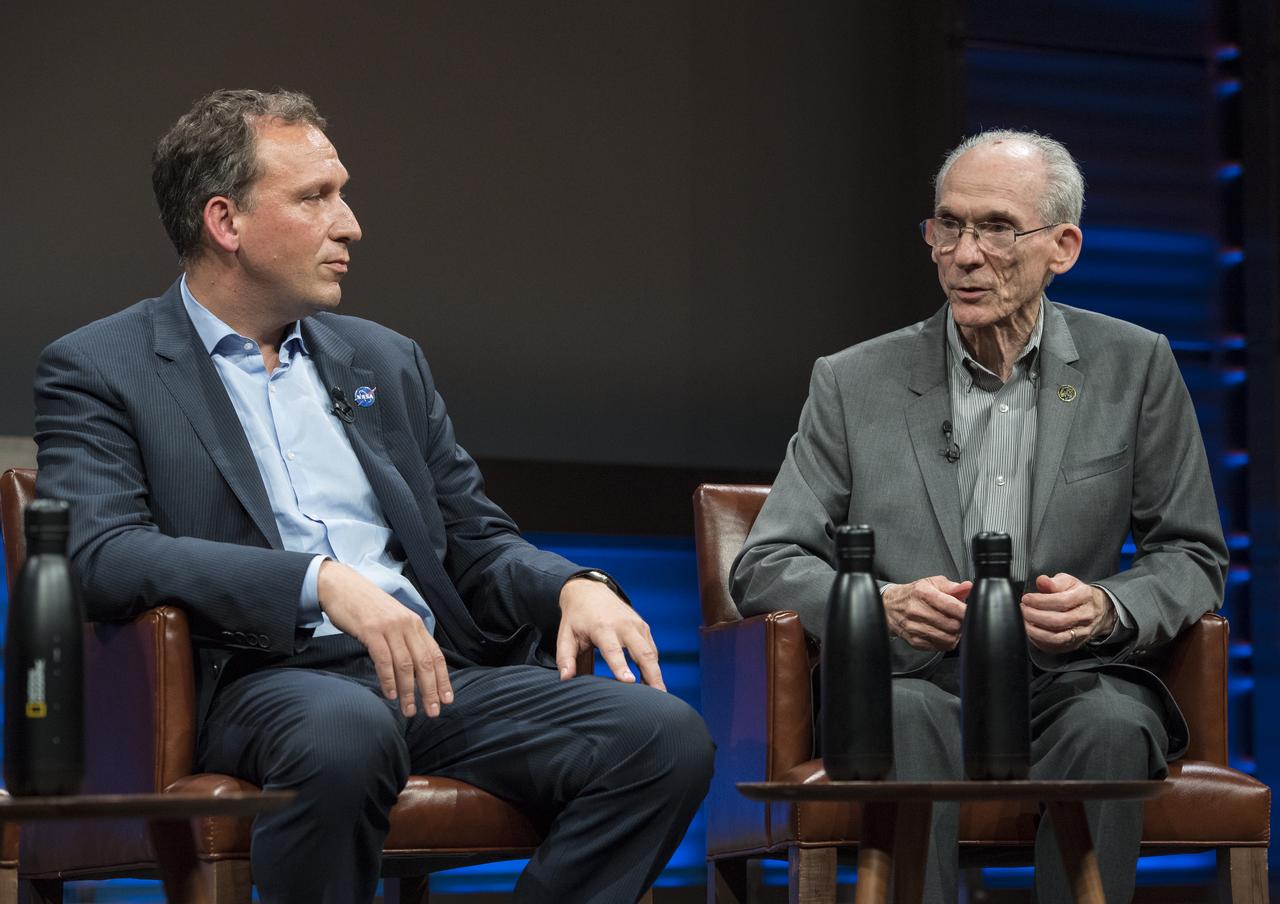
Ed Stone, Voyager project scientist, right, speaks on a panel with Thomas Zurbuchen, NASA associate administrator, Science Mission Directorate, left, at an event to celebrate the 40th Anniversary of the launch of the Voyager 1 and 2 missions, Tuesday, September 5, 2017 at National Geographic Society Headquarters in Washington. Voyager 1 was launched September 5, 1977, with a mission to study Jupiter and Saturn, but now the twin Voyager spacecrafts are on a journey into interstellar space to search for the heliopause, a region never reached by any other spacecraft. Photo Credit: (NASA/Aubrey Gemignani)
Voyager 40th Anniversary at National Geographic
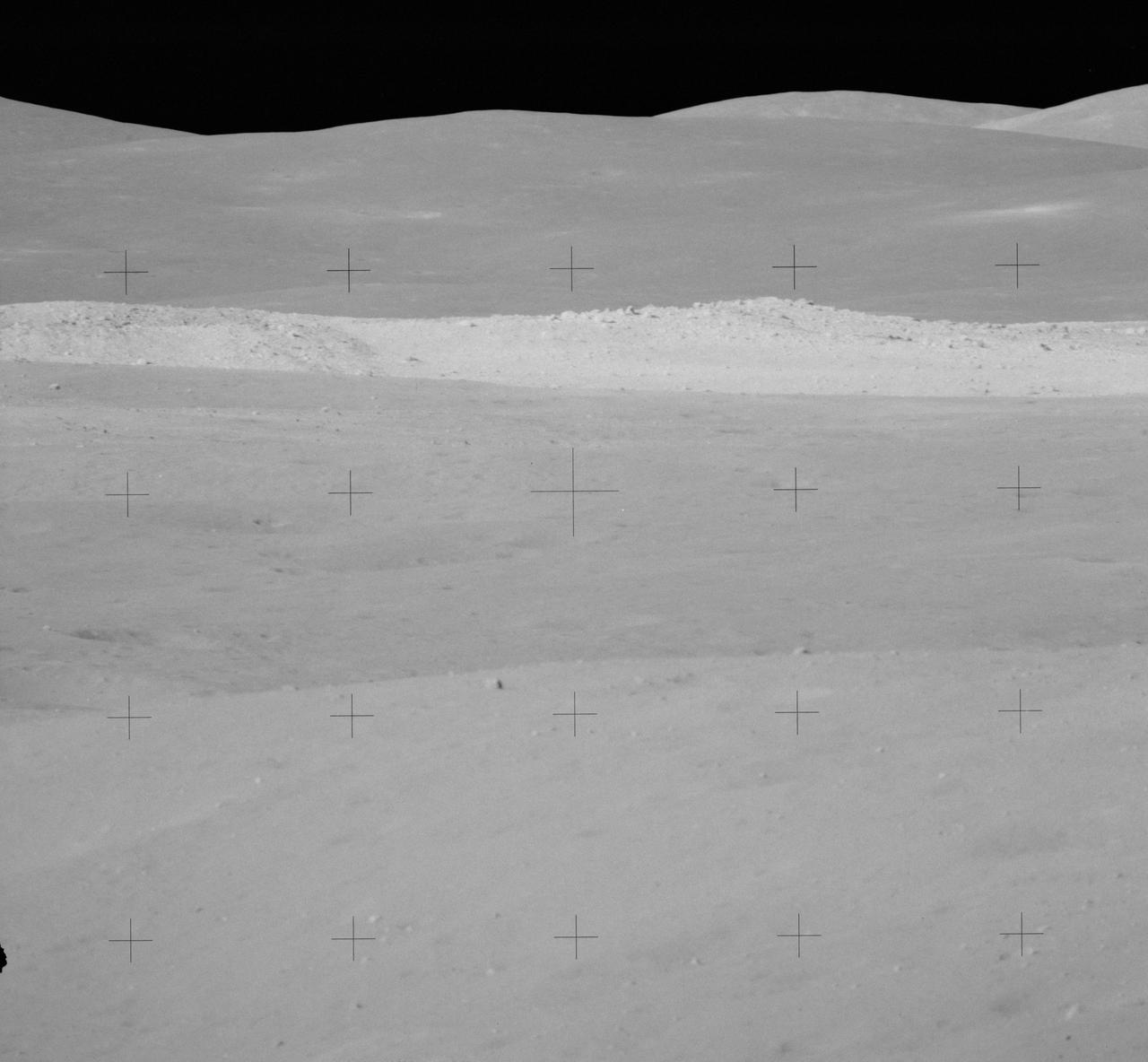
AS16-112-18234 (22 April 1972) --- This view of South Ray Crater was taken during the second Apollo 16 extravehicular activity (EVA) from Station No. 4 -- highest point on the traverse up Stone Mountain -- using a 500mm lens. South Ray Crater is a "fresh" source of angular ejecta in the LM-ALSEP area and samples at Station No. 8.
View of rim of South Ray crater on traverse up Stone Mountain during EVA
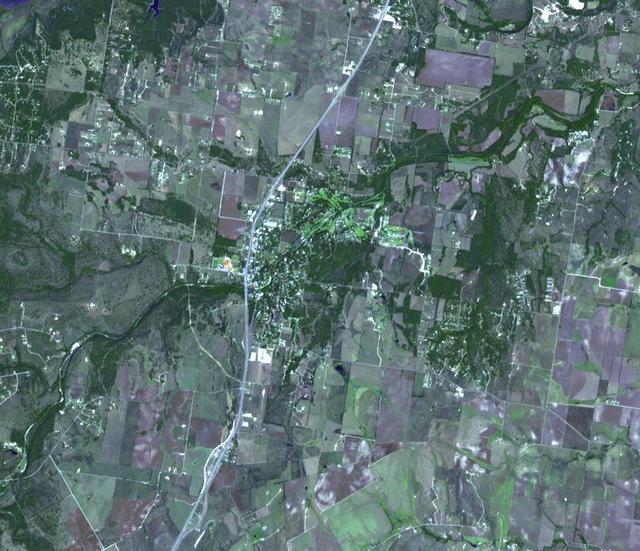
This image from NASA Terra spacecraft is of the Debra L. Friedkin archaeological site near Salado, Texas, a multicomponent site, with Clovis remains overlying pre-Clovis stone tools.
Friedkin Archaeological Site, Texas
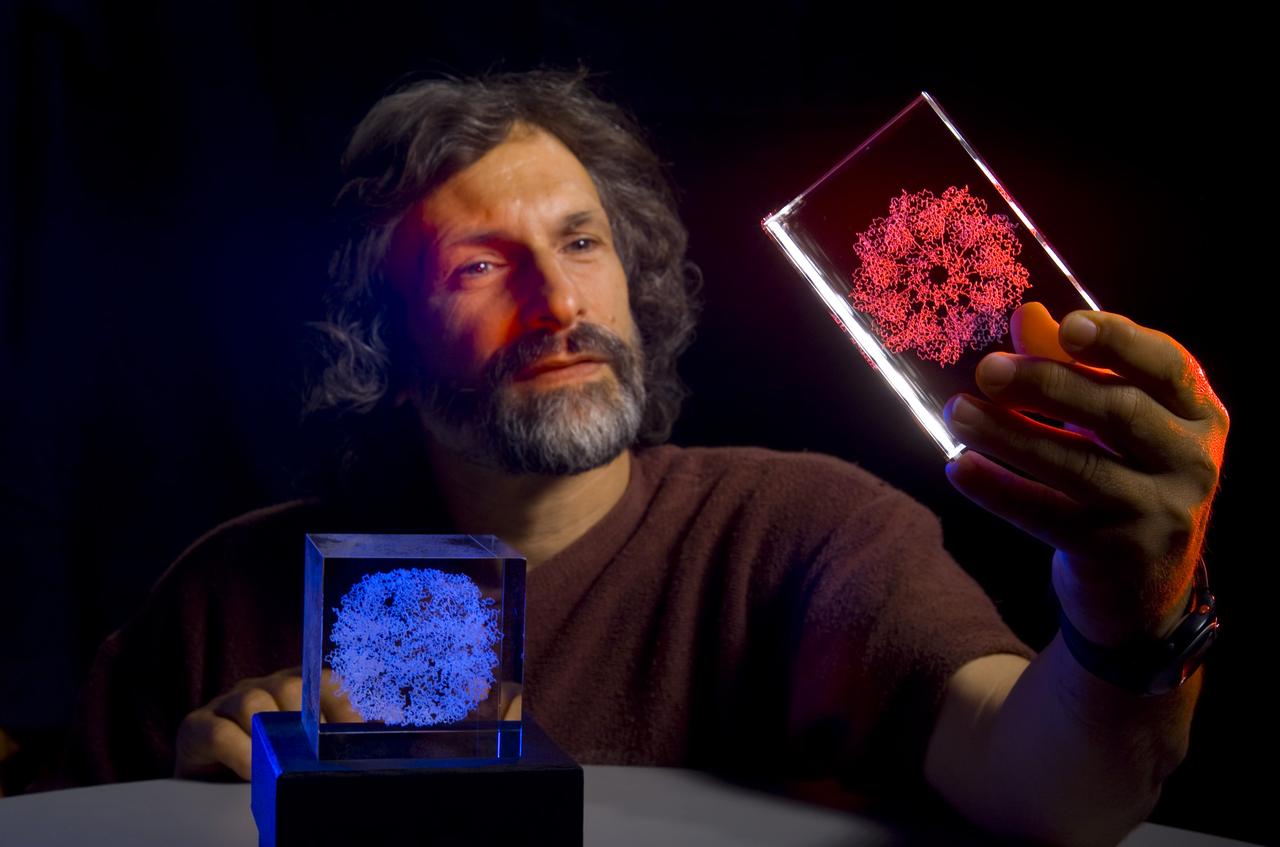
Rosetta Stone Protein Model
ARC-2004-ACD04-0139-015
Rosetta Stone Protein Model
ARC-2004-ACD04-0139-012
Ed Stone, Voyager project scientist, California Institute of Technology, is seen as he speaks at a news conference on NASA's Voyager 1 spacecraft, Thursday, Sept. 12, 2013 at NASA Headquarters in Washington.  NASA's Voyager 1 spacecraft officially is the first human-made object to venture into interstellar space. The 36-year-old probe is about 12 billion miles (19 billion kilometers) from our sun.  New and unexpected data indicate Voyager 1 has been traveling for about one year through plasma, or ionized gas, present in the space between stars.  A report on the analysis of this new data is published in Thursday's edition of the journal Science.  Photo Credit:  (NASA/Carla Cioffi)
Voyager in Interstellar Space
This image shows stone stripes on the side of a volcanic cone on Mauna Kea, Hawaii. The stripes are made of small rock fragments and they are aligned downhill as freeze-thaw cycles have lifted them up and out of the finer-grained regolith, and moved them to the sides, forming stone stripes.  This site is at about 13,450-foot (4,100-meter) altitude on the mountain. For scale, the rock cluster toward the bottom right of the image is approximately 1 foot (30 centimeters) wide. The image was taken in 1999 by R. E. Arvidson.  Such ground texture has been seen in recent images from NASA's Mars Exploration Rover Opportunity.  https://photojournal.jpl.nasa.gov/catalog/PIA22219
Rock Stripe Pattern on Hawaii's Mauna Kea
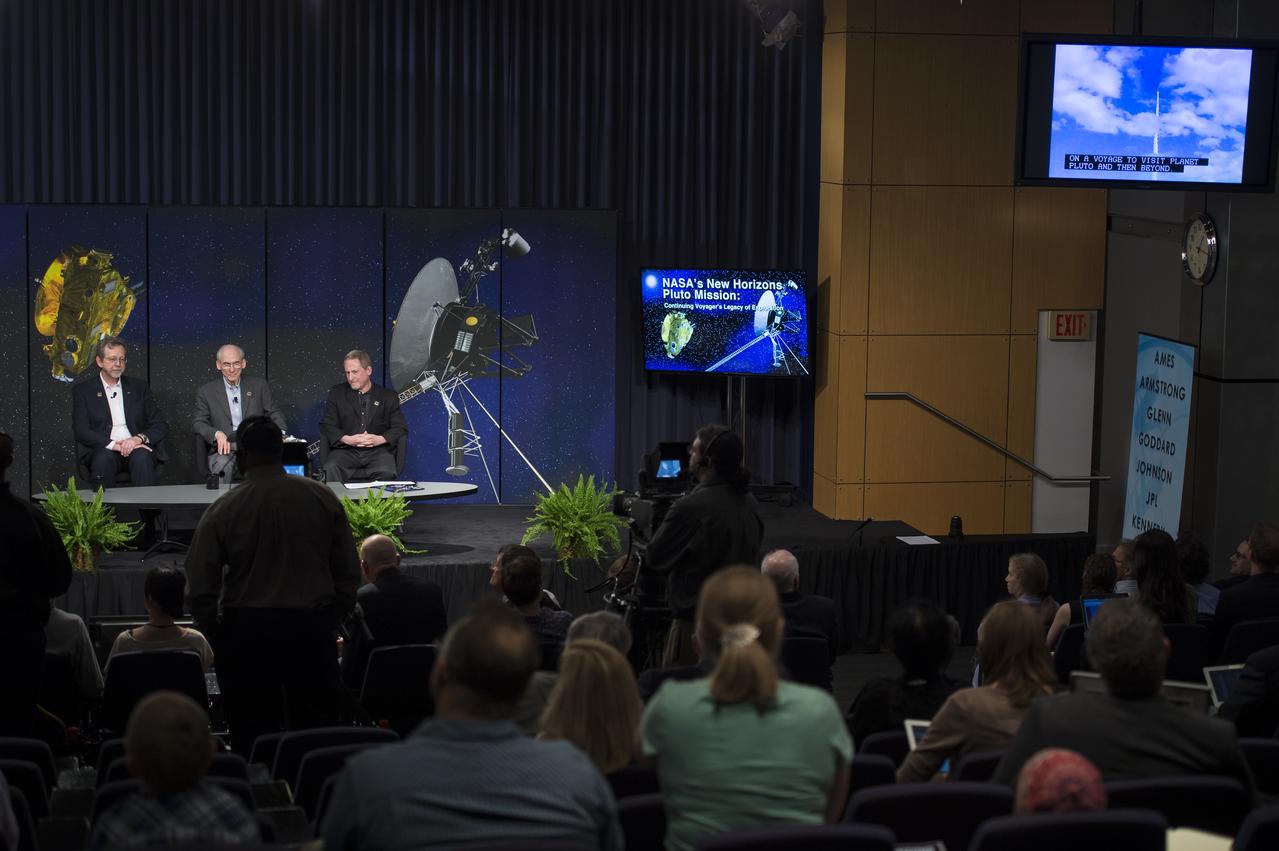
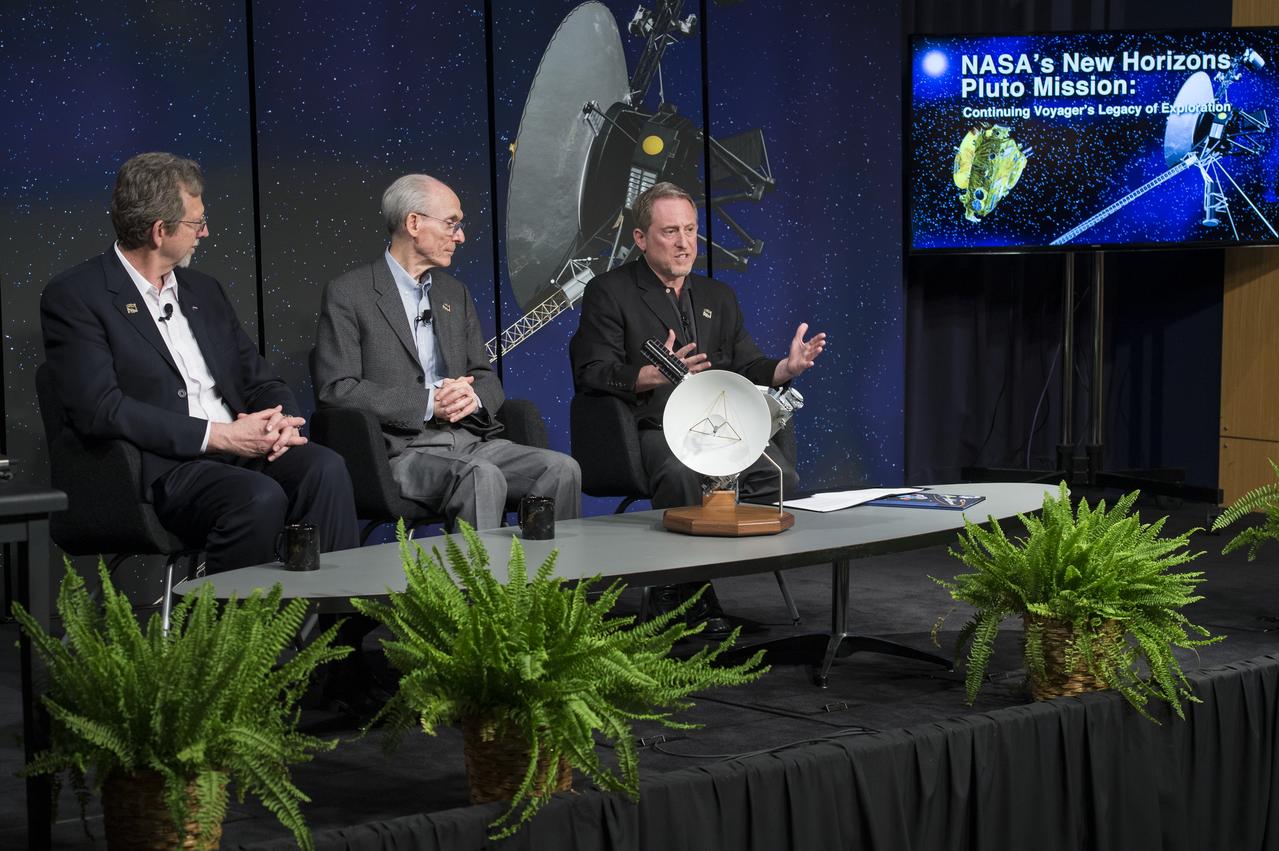
Dr. Jim Green, Dr. Ed Stone, and Dr. Alan Stern speak on a panel at the "New Horizons: The First Mission to the Pluto System and the Kuiper Belt" Event at NASA Headquarters in Washington, DC Monday, August 25, 2014. They discussed how the first images of Pluto and its moons would be captured by the New Horizons spacecraft during a five month long reconnaissance flyby study starting in the summer of 2015.  New Horizons launched on January 19, 2006 and is scheduled to make its closest approach to Pluto on July 14, 2015. Photo Credit: (NASA/Aubrey Gemignani)
New Horizons Event: The First Mission to the Pluto System
Dr. Jim Green, Dr. Ed Stone, and Dr. Alan Stern speak on a panel at the "New Horizons: The First Mission to the Pluto System and the Kuiper Belt" Event at NASA Headquarters in Washington, DC Monday, August 25, 2014. They discussed how the first images of Pluto and its moons would be captured by the New Horizons spacecraft during a five month long reconnaissance flyby study starting in the summer of 2015.  New Horizons launched on January 19, 2006 and is scheduled to make its closest approach to Pluto on July 14, 2015. Photo Credit: (NASA/Aubrey Gemignani)
New Horizons Event: The First Mission to the Pluto System
Johnathan Trent looking at Rosetta Stone Protein Model
ARC-2004-ACD04-0139-010
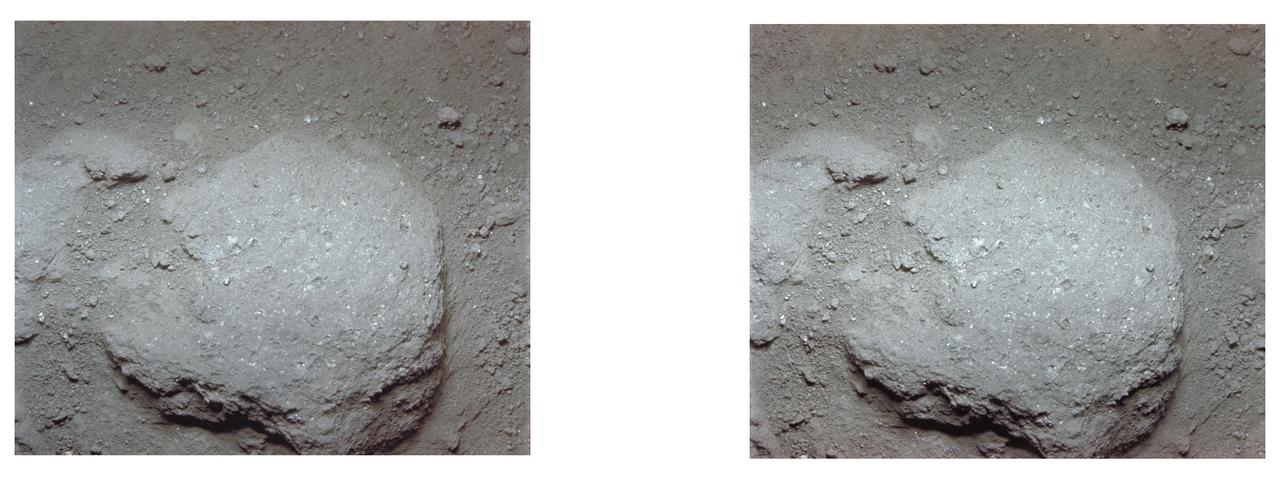
AS11-45-6712 (20 July 1969) --- An Apollo 11 stereo view of a stone, about two and one-half inches long, embedded in the powdery lunar surface material. The little pieces closely around it suggest that it has suffered some erosion. On the surface several small pits are seen, mostly less than one-eighth inch in size, and with a glazed surface. They have a raised rim, characteristic of pits made by the Apollo 11 35mm stereo close-up camera. The camera was specially developed to get the highest possible resolution of a small area. A three-inch square area is photographed with a flash illumination and at a fixed distance. The camera is mounted on a walking stick, and the astronauts use it by holding it up against the object to be photographed and pulling the trigger. The pictures are in color and give a stereo view, enabling the fine detail to be seen very clearly. The project is under the direction of Professor T. Gold of Cornell University and Mr. F. Pearce of NASA. The camera was designed and built by Eastman Kodak. Professor E. Purcell of Harvard University and Dr. E. Land of the Polaroid Corporation have contributed to the project. The pictures brought back from the moon by the Apollo 11 crew are of excellent quality and allow fine detail of the undisturbed lunar surface to be seen. Scientists hope to be able to deduce from them some of the processes that have taken place that have shaped and modified the surface.
Apollo 11 stereo view showing stone embedded in powdery lunar surface
Life Sciences Division (code SL) laboratories and personnel:  Lee Stone
ARC-1993-AC93-0265-15
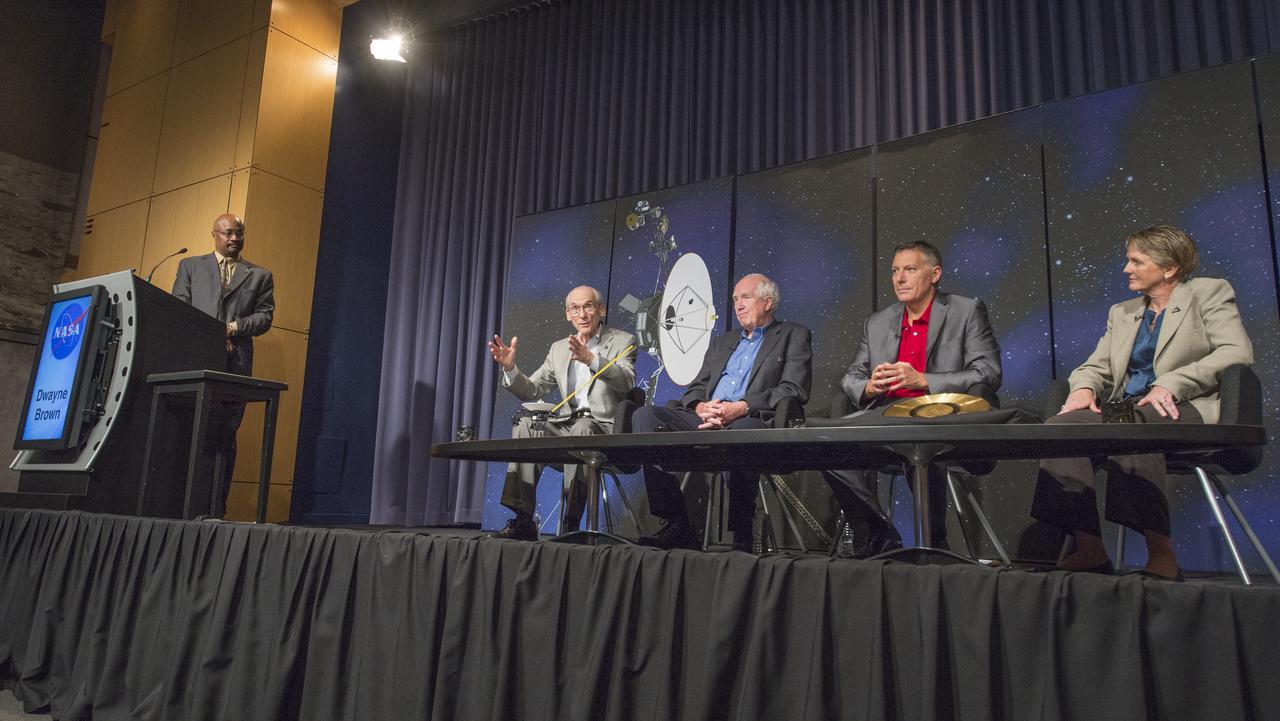
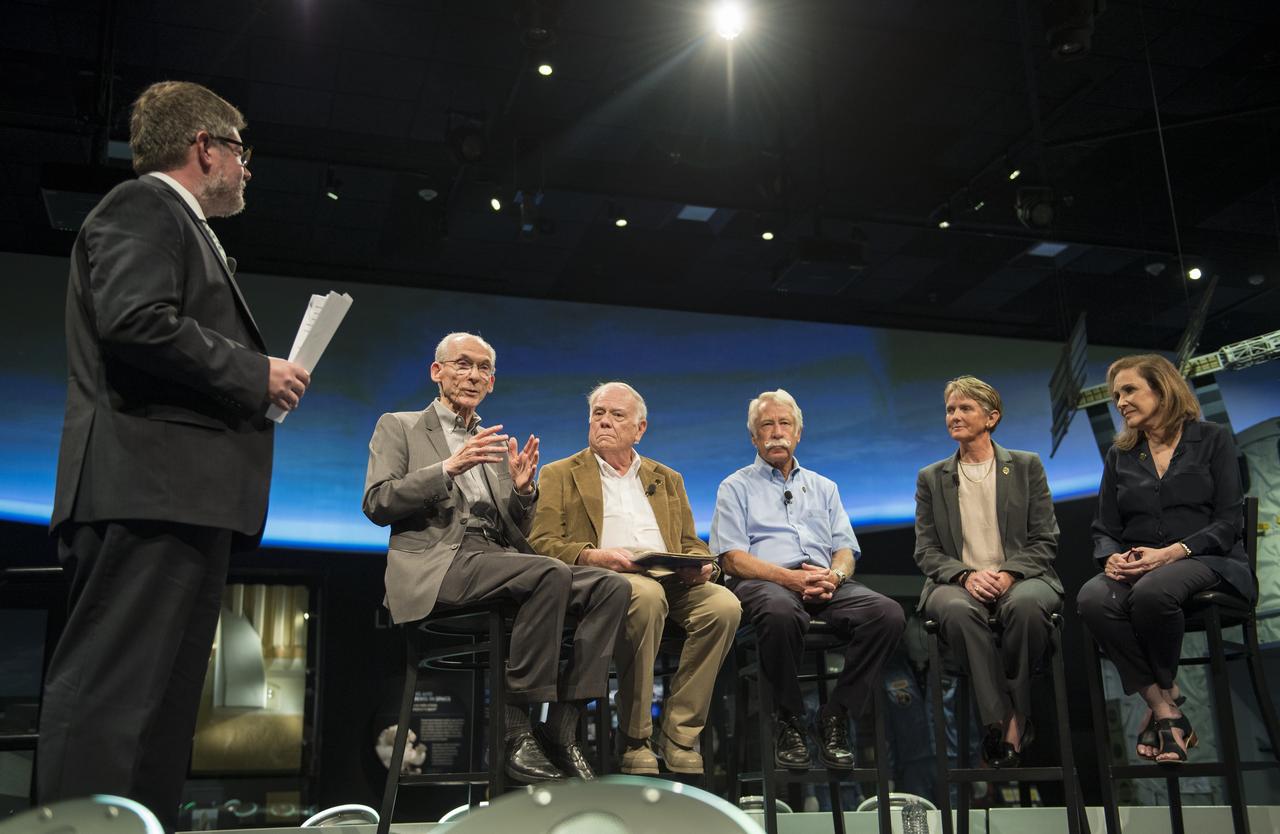
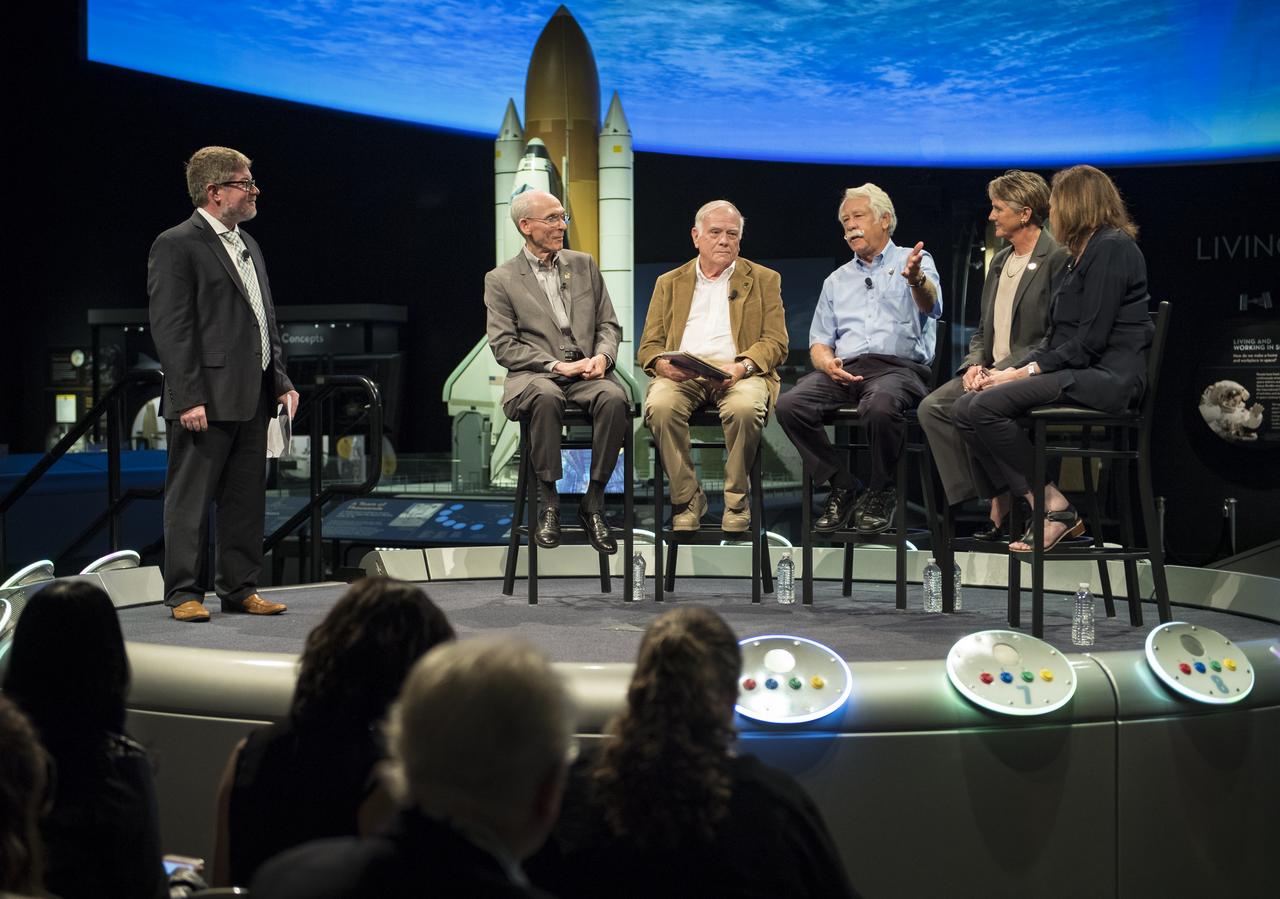
Matthew Shindell, curator, Smithsonian National Air and Space Museum (NASM), far left, moderates a panel including, from left to right, Ed Stone, Voyager project scientist; Gary Flandro, Voyager mission grand tour creator; Alan Cummings, Voyager researcher; Suzy Dodd, Voyager project manager, NASA's Jet Propulsion Laboratory; and Ann Druyan, writer/producer, Golden Record Visionary during a celebration of the 40th Anniversary of the launch of the Voyager 1 and 2 missions, Tuesday, September 5, 2017 at NASM in Washington. Voyager 1 was launched September 5, 1977, with a mission to study Jupiter and Saturn, but now the twin Voyager spacecrafts are on a journey into interstellar space to search for the heliopause, a region never reached by any other spacecraft. Photo Credit: (NASA/Aubrey Gemignani)
Voyager 40th Anniversary at Air and Space Museum
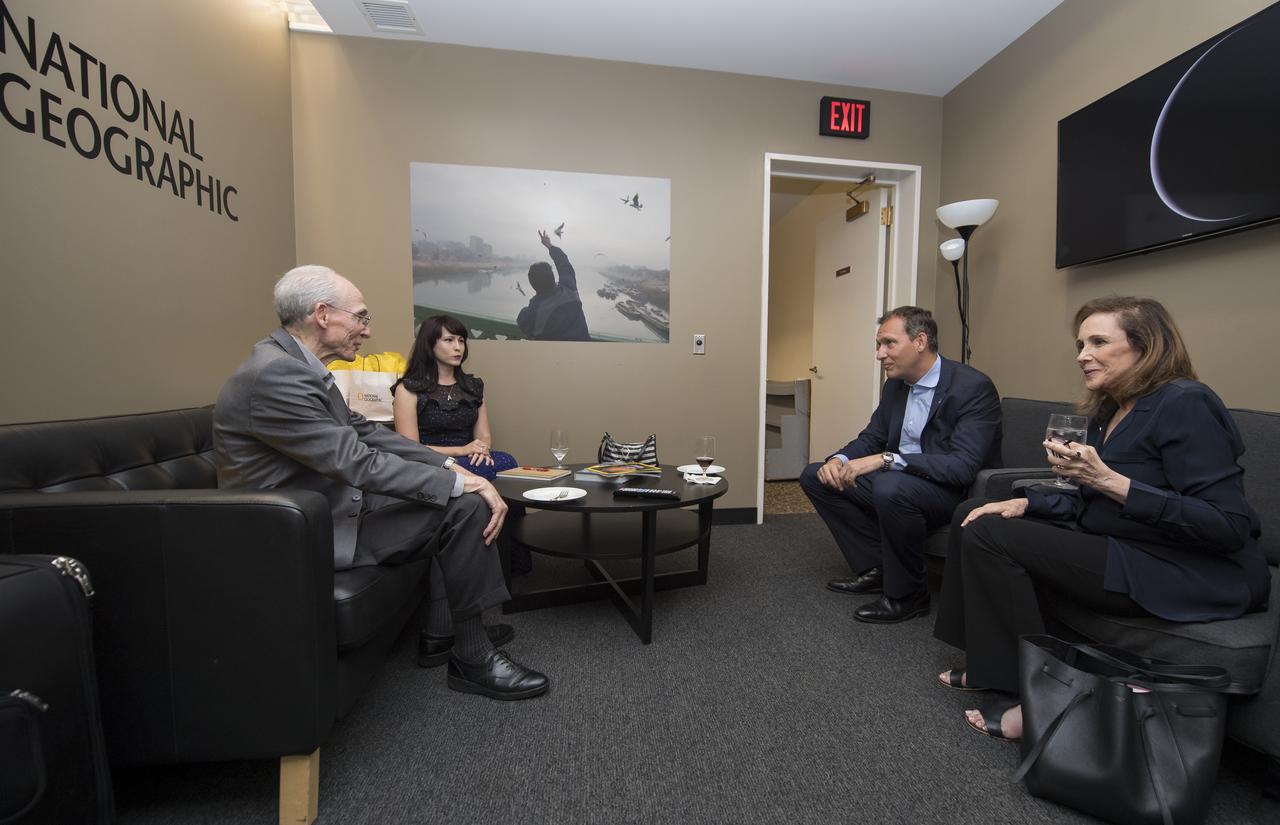
Panelists, from left to right, Ed Stone, Voyager project scientist; Victoria Jaggard, National Geographic Magazine science editor and moderator for the panel; Thomas Zurbuchen, associate administrator for NASA's Science Mission Directorate; and Ann Druyan, writer/producer and golden record visionary, visit in the green room before speaking at an event to celebrate the 40th Anniversary of the launch of the Voyager 1 and 2 missions, Tuesday, September 5, 2017 at National Geographic Society Headquarters in Washington. Voyager 1 was launched September 5, 1977, with a mission to study Jupiter and Saturn, but now the twin Voyager spacecrafts are on a journey into interstellar space to search for the heliopause, a region never reached by any other spacecraft. Photo Credit: (NASA/Aubrey Gemignani)
Voyager 40th Anniversary at National Geographic
Victoria Jaggard, National Geographic Magazine science editor, left, moderates a panel discussion with, Ann Druyan, writer/producer and golden record visionary, second from left; Thomas Zurbuchen, associate administrator for NASA's Science Mission Directorate, second from right; and Ed Stone, Voyager project scientist, right, at an event to celebrate the 40th Anniversary of the launch of the Voyager 1 and 2 missions, Tuesday, September 5, 2017 at National Geographic Society Headquarters in Washington. Voyager 1 was launched September 5, 1977, with a mission to study Jupiter and Saturn, but now the twin Voyager spacecrafts are on a journey into interstellar space to search for the heliopause, a region never reached by any other spacecraft. Photo Credit: (NASA/Aubrey Gemignani)
Voyager 40th Anniversary at National Geographic
Matthew Shindell, curator, Smithsonian National Air and Space Museum (NASM), far left, moderates a panel including, from left to right, Ed Stone, Voyager project scientist; Gary Flandro, Voyager mission grand tour creator; Alan Cummings, Voyager researcher; Suzy Dodd, Voyager project manager, NASA's Jet Propulsion Laboratory; and Ann Druyan, writer/producer, Golden Record Visionary during a celebration of the 40th Anniversary of the launch of the Voyager 1 and 2 missions, Tuesday, September 5, 2017 at NASM in Washington. Voyager 1 was launched September 5, 1977, with a mission to study Jupiter and Saturn, but now the twin Voyager spacecrafts are on a journey into interstellar space to search for the heliopause, a region never reached by any other spacecraft. Photo Credit: (NASA/Aubrey Gemignani)
Voyager 40th Anniversary at Air and Space Museum
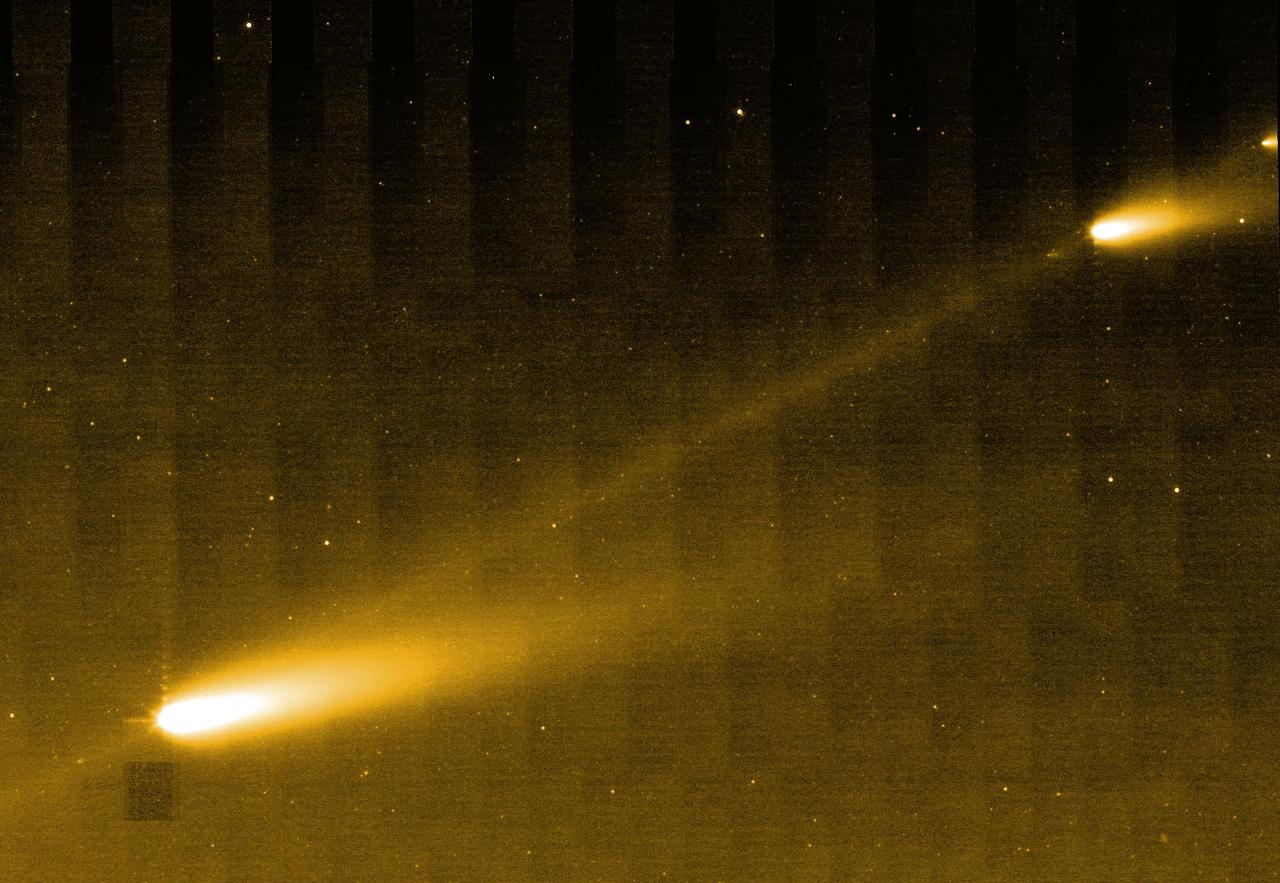
NASA Spitzer Space Telescope shows three of the many fragments making up Comet 73P/Schwassman-Wachmann 3. The picture also provides the best look yet at the crumbling comet trail of debris.
Comet Stepping Stones
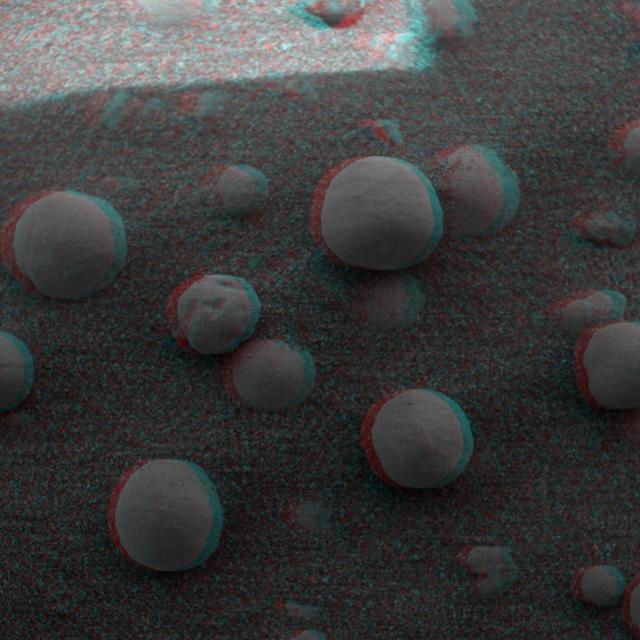
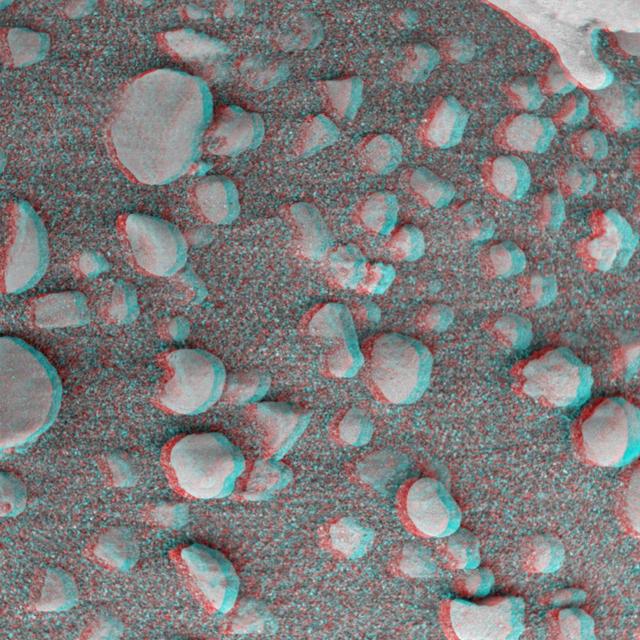
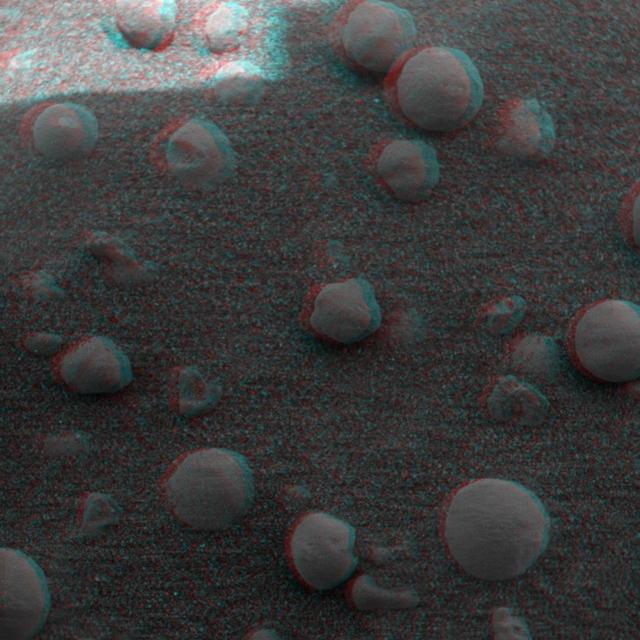
This 3-D anaglyph, from NASA Mars Exploration Rover Spirit, shows an extreme close-up of round, blueberry-shaped grains on the crater floor near the rock outcrop at Meridiani Planum called Stone Mountain. 3D glasses are necessary.
Even More Eye-popping Berries
This is 3-D anaglyph, from NASA Mars Exploration Rover Spirit, shows an extreme close-up of round, blueberry-shaped grains on the crater floor near the rock outcrop at Meridiani Planum called Stone Mountain. 3D glasses are necessary.
Eye-popping Berries
This 3-D anaglyph, from NASA Mars Exploration Rover Spirit, shows an extreme close-up of round, blueberry-shaped grains on the crater floor near the rock outcrop at Meridiani Planum called Stone Mountain. 3D glasses are necessary.
More Eye-popping Berries
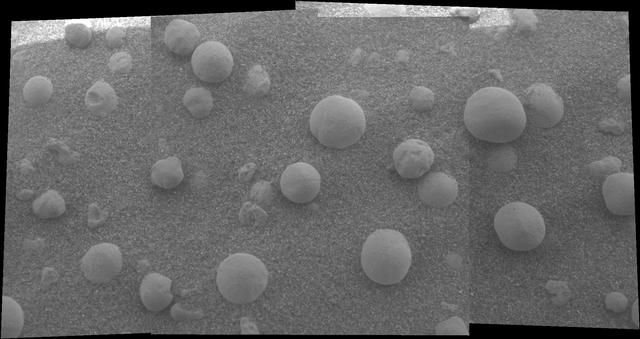
This mosaic image shows an extreme close-up of round, blueberry-shaped formations in the martian soil near a part of the rock outcrop at Meridiani Planum called Stone Mountain. Scientists are studying these curious formations for clues about the area's past environmental conditions. The image, one of the highest resolution images ever taken by the microscopic imager, an instrument located on the Mars Exploration Rover Opportunity's instrument deployment device or "arm."   http://photojournal.jpl.nasa.gov/catalog/PIA05273
"Berries" on the Ground
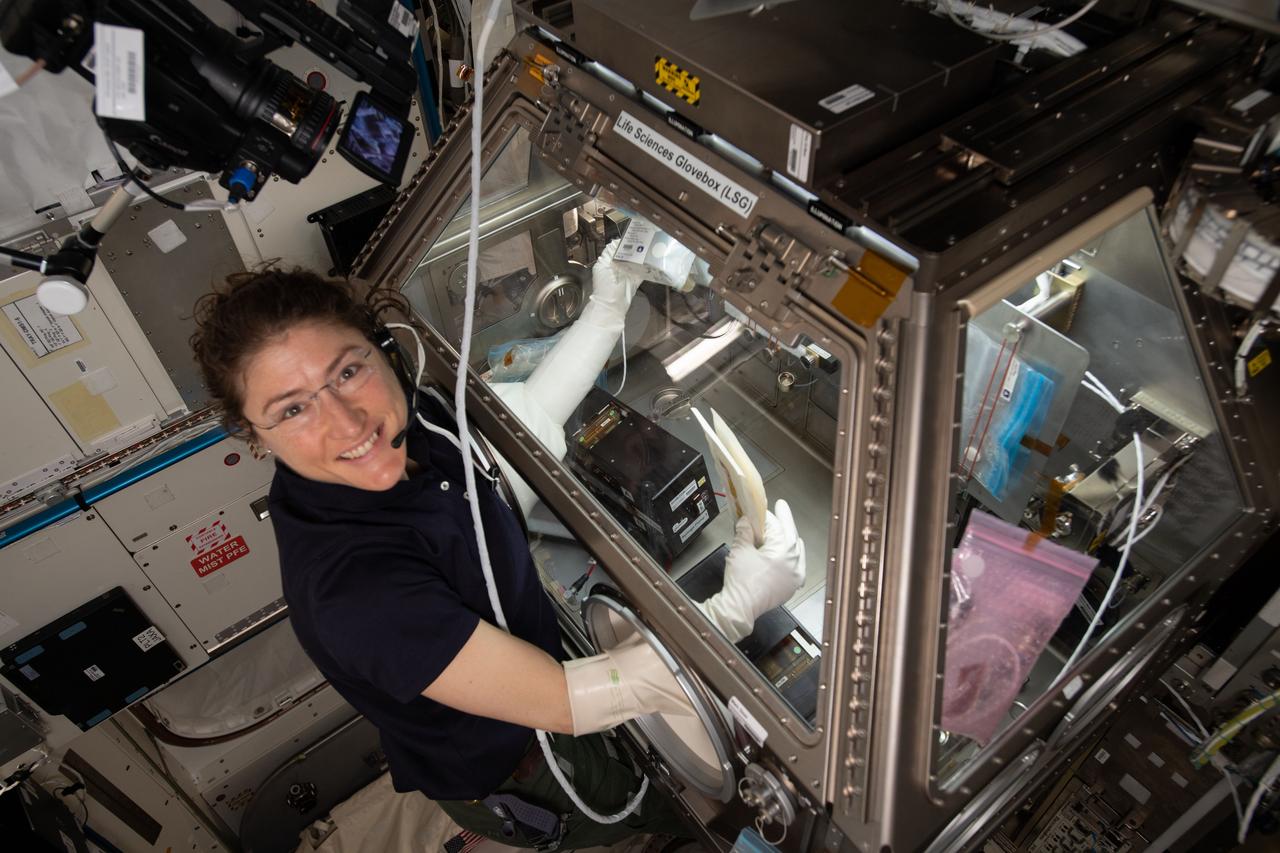
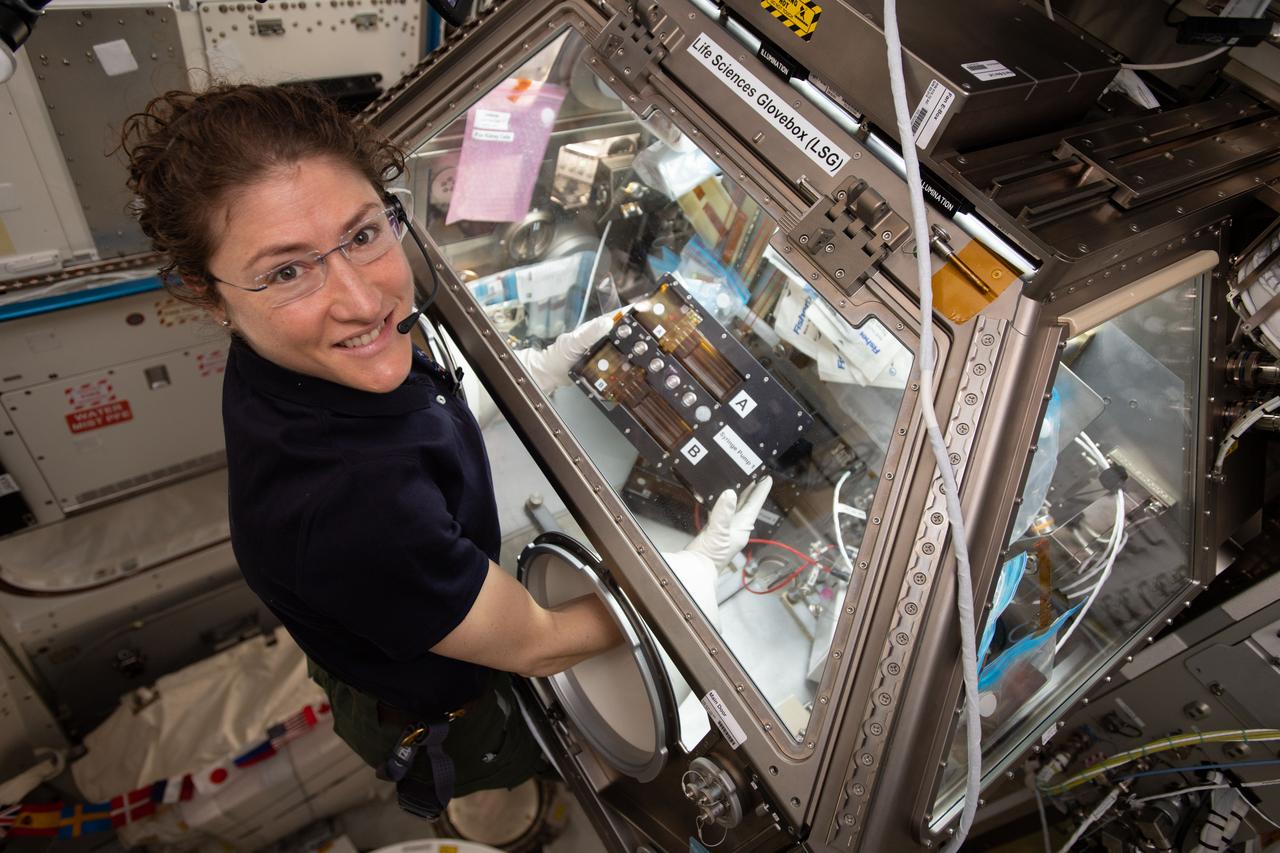
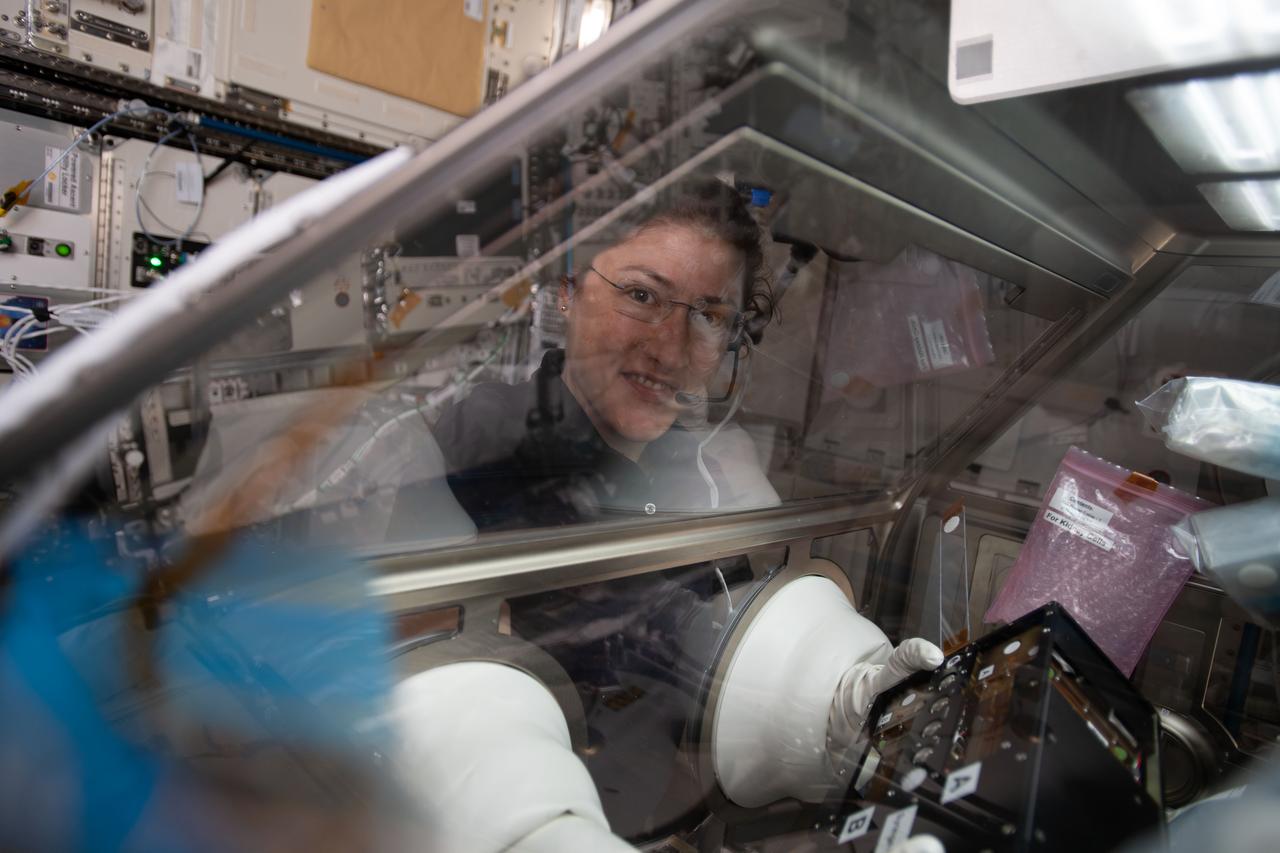
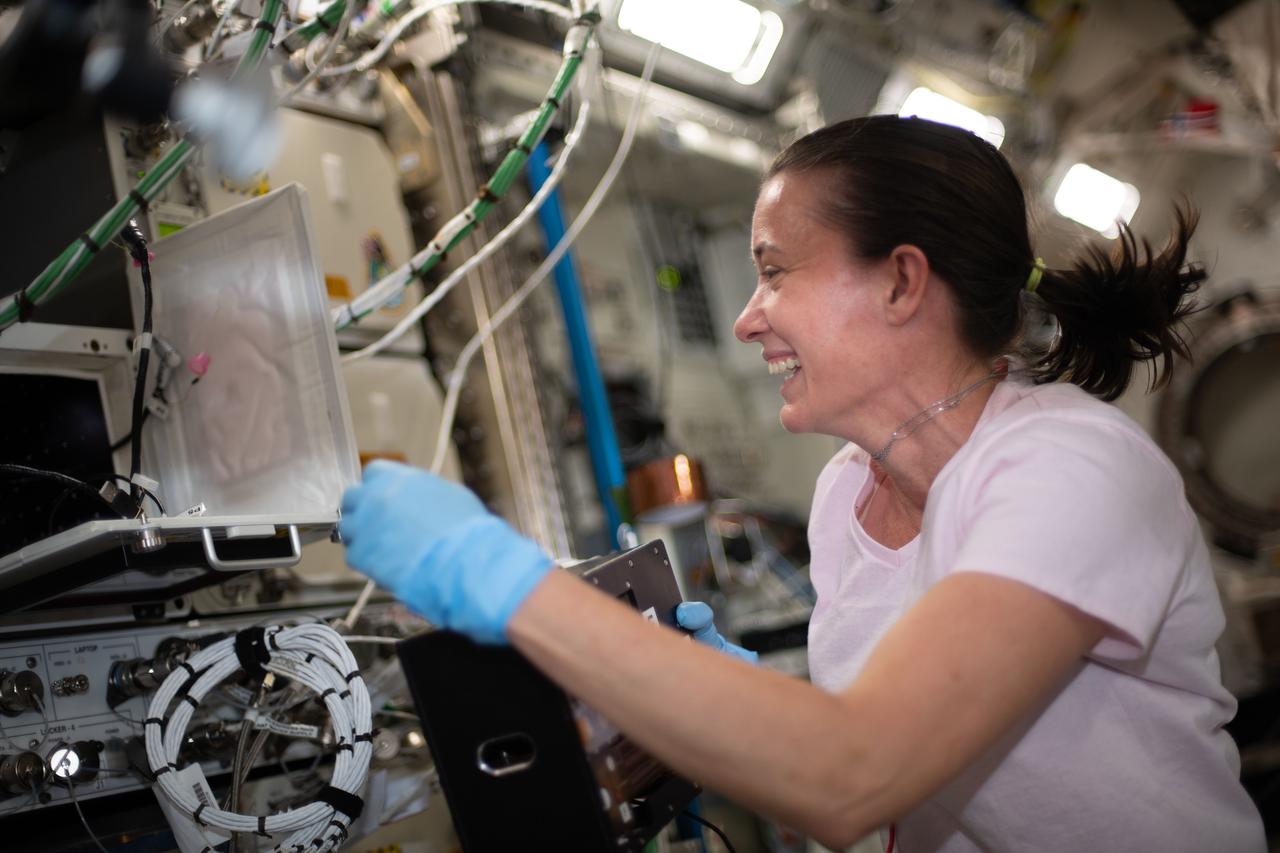
iss059e060944 (May 12, 2019) --- NASA astronaut Christina Koch works inside the Life Sciences Glovebox conducting research for the Kidney Cells investigation that is seeking innovative treatments for kidney stones, osteoporosis and toxic chemical exposures.
iss059e060944
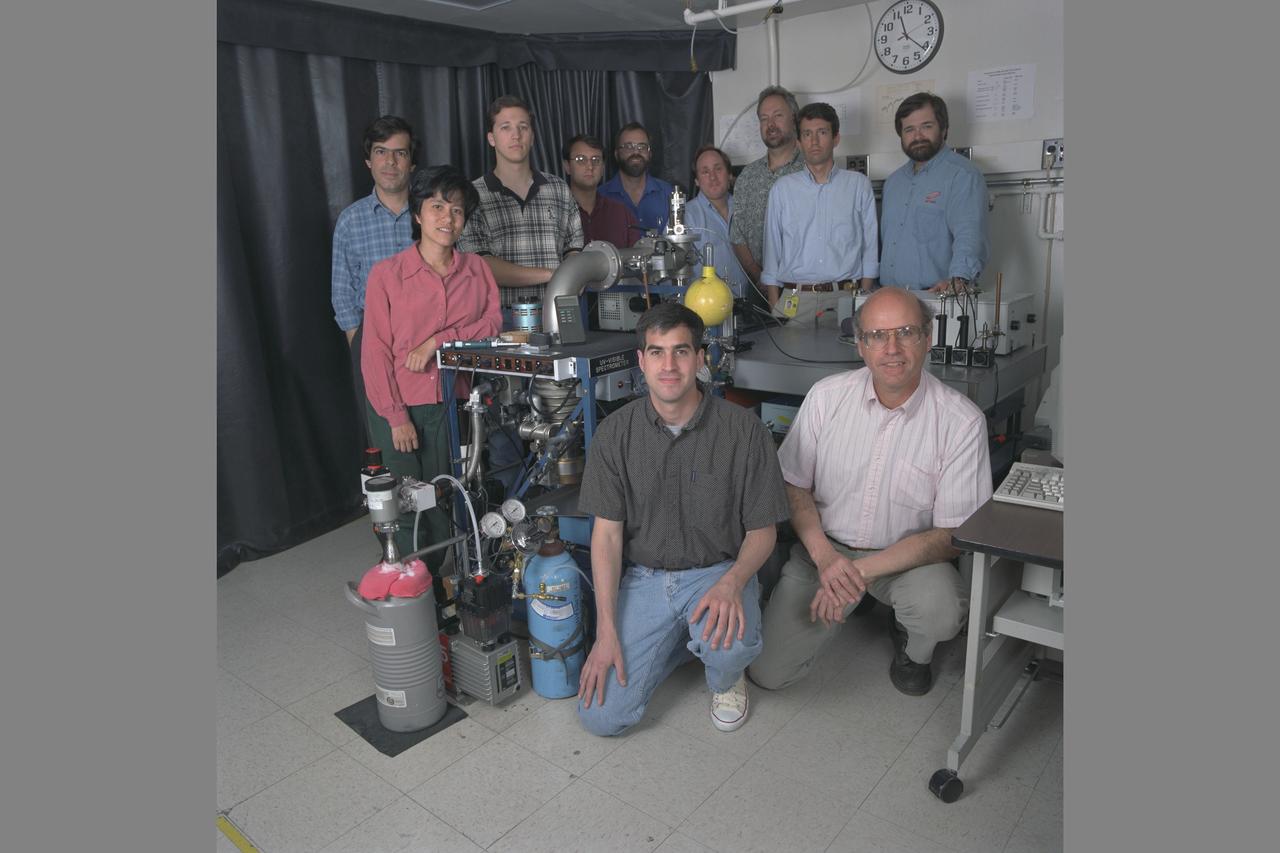
Astrochemistry Laboratory Equipment and Staff. Tom Halasinski, Lou Allamandola, Farid Salama, Bin Chen, Rob Gentner, Jason Dworkin, Scott Sandford, Max Bernstein, Brad Stone, Chavier Chillier, Doug Hudgins.
ARC-1998-AC98-0121-21
iss059e060936 (May 12, 2019) --- NASA astronaut Christina Koch works inside the Life Sciences Glovebox conducting research for the Kidney Cells investigation that is seeking innovative treatments for kidney stones, osteoporosis and toxic chemical exposures.
Kidney Cells
iss059e060950 (May 12, 2019) --- NASA astronaut Christina Koch works inside the Life Sciences Glovebox conducting research for the Kidney Cells investigation that is seeking innovative treatments for kidney stones, osteoporosis and toxic chemical exposures.
iss059e060950
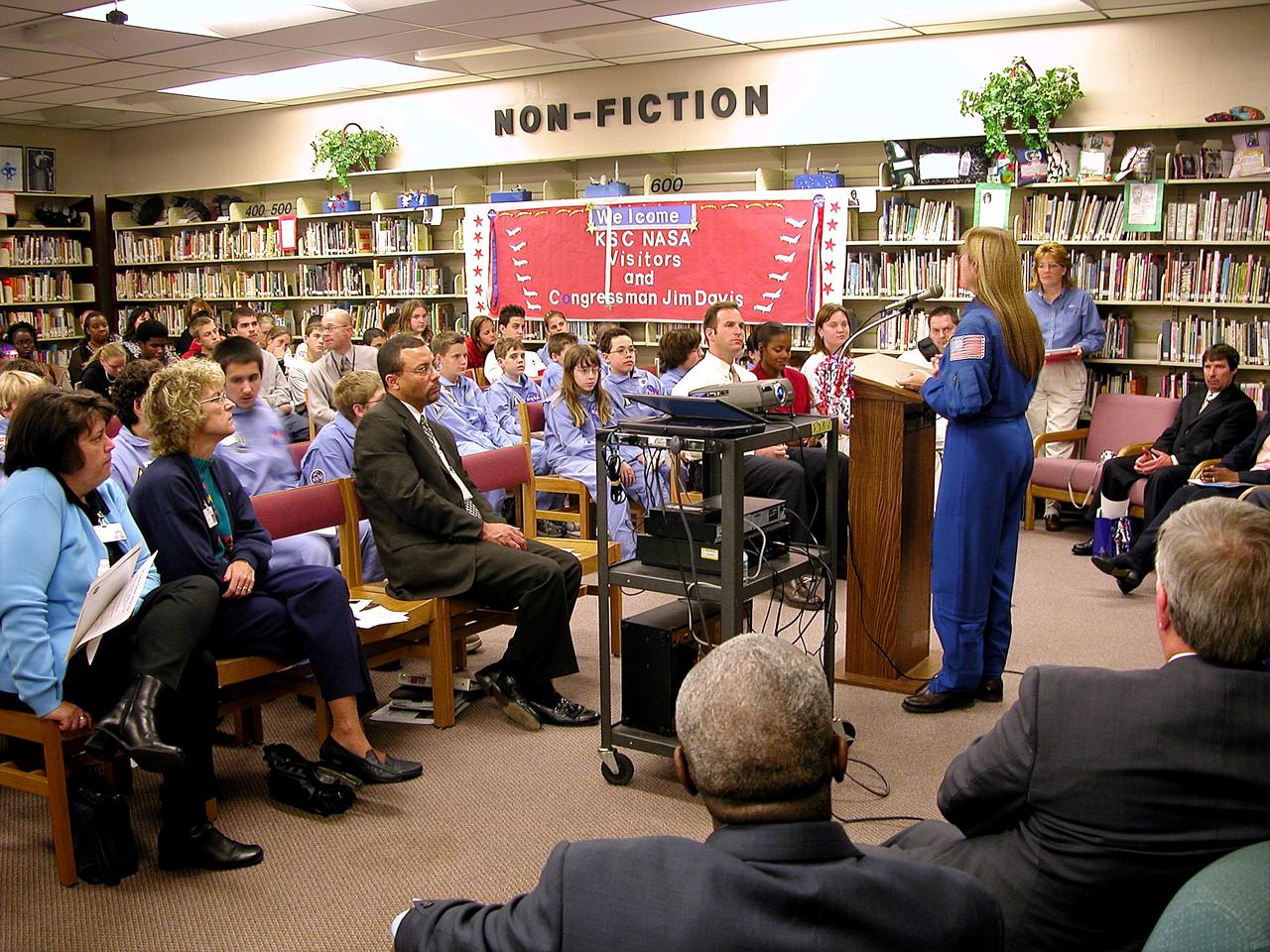
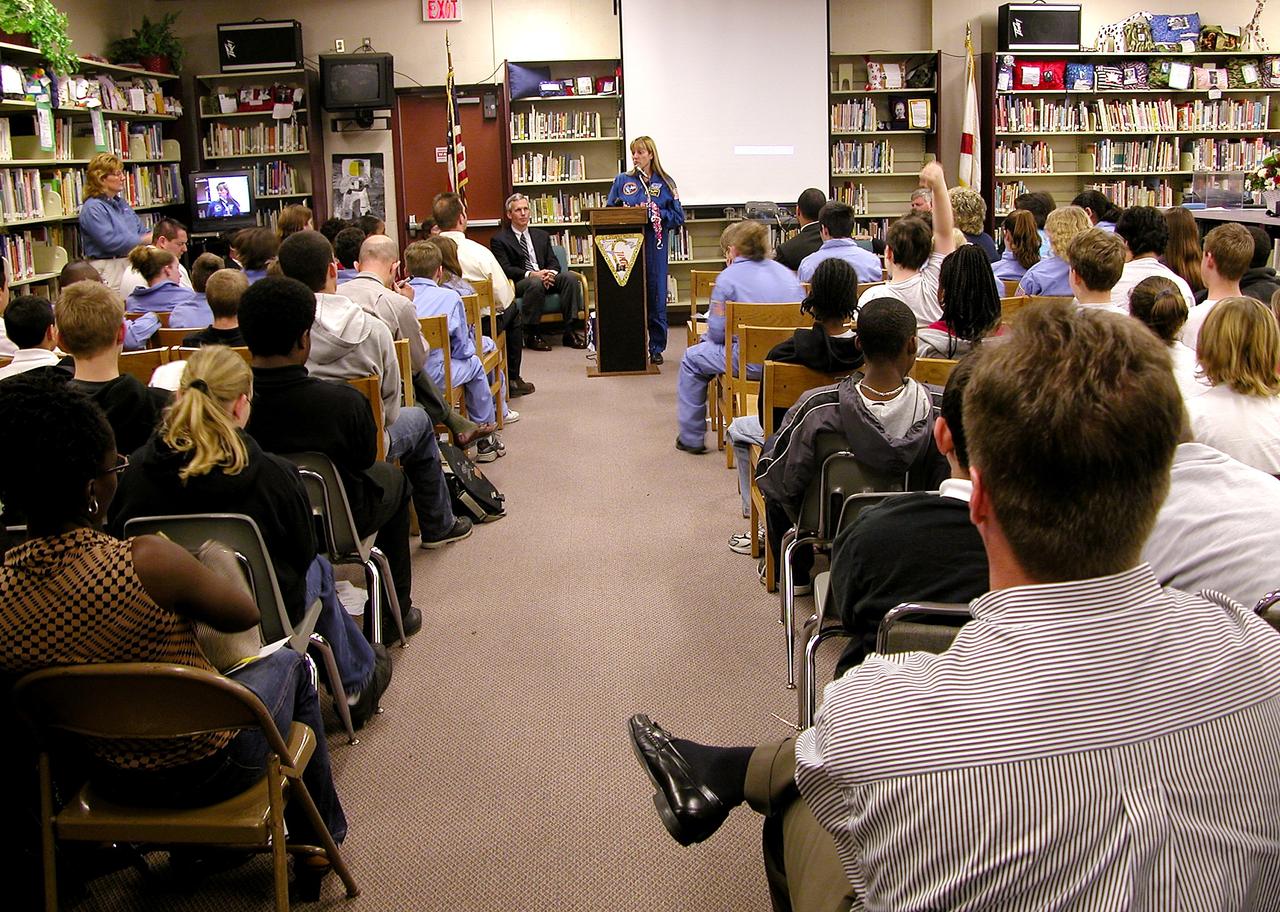
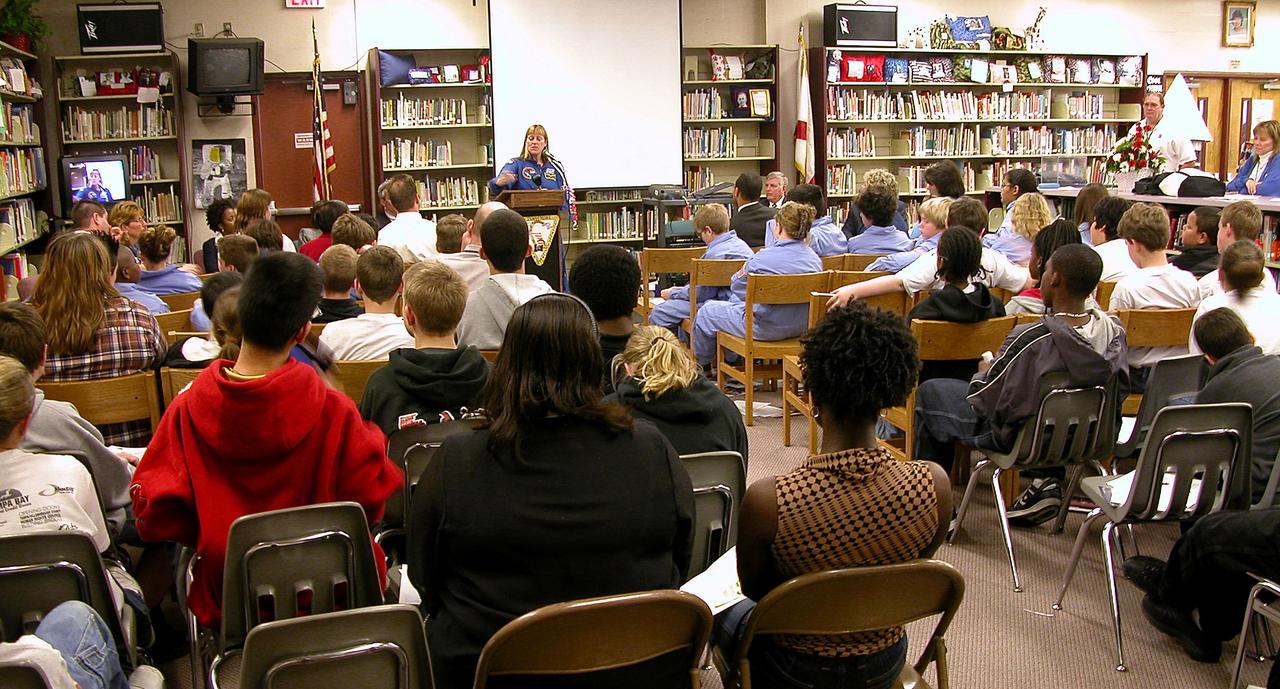
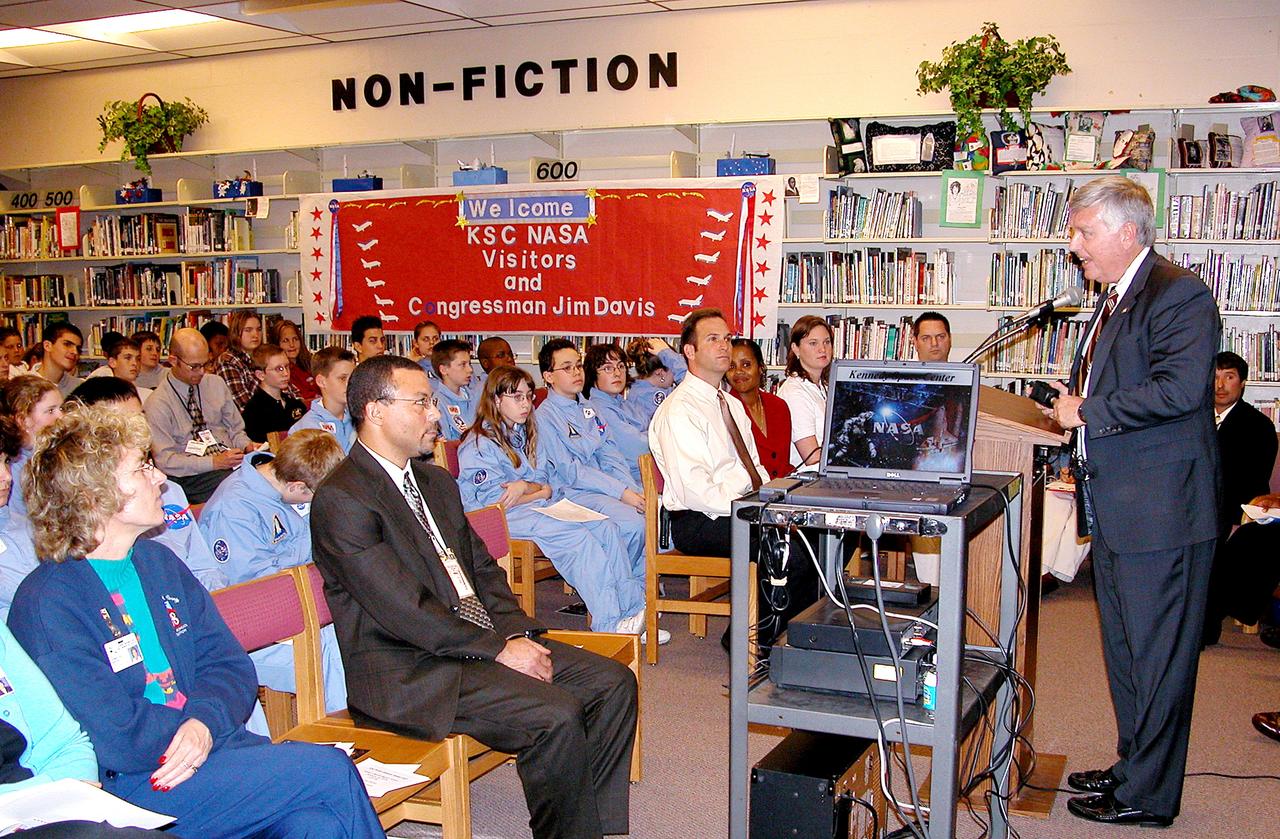
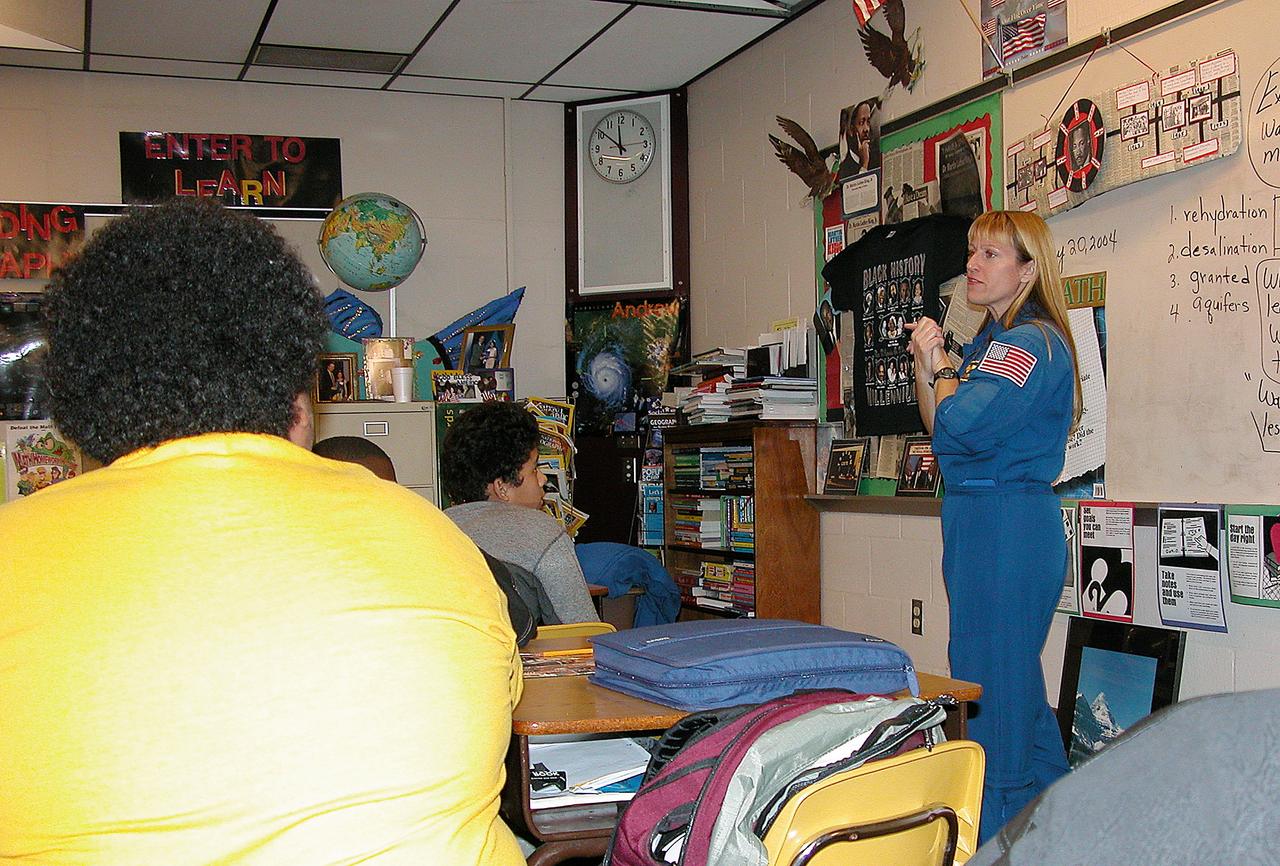
KENNEDY SPACE CENTER, FLA. - Astronaut Kay Hire talks to students in Garland V. Stewart Magnet Middle School, a NASA Explorer School (NES) in Tampa, Fla.  She joined Center Director Jim Kennedy in sharing the agency’s new vision for space exploration with the next generation of explorers. Kennedy is talking with students about our destiny as explorers, NASA’s stepping stone approach to exploring Earth, the Moon, Mars and beyond, how space impacts our lives, and how people and machines rely on each other in space.
KENNEDY SPACE CENTER, FLA. - Astronaut Kay Hire talks to students in Garland V. Stewart Magnet Middle School, a NASA Explorer School (NES) in Tampa, Fla. She joined Center Director Jim Kennedy in sharing the agency’s new vision for space exploration with the next generation of explorers. Kennedy is talking with students about our destiny as explorers, NASA’s stepping stone approach to exploring Earth, the Moon, Mars and beyond, how space impacts our lives, and how people and machines rely on each other in space.
KENNEDY SPACE CENTER, FLA. - Astronaut Kay Hire talks to students in Garland V. Stewart Magnet Middle School, a NASA Explorer School (NES) in Tampa, Fla.  She joined Center Director Jim Kennedy in sharing the agency’s new vision for space exploration with the next generation of explorers. Kennedy is talking with students about our destiny as explorers, NASA’s stepping stone approach to exploring Earth, the Moon, Mars and beyond, how space impacts our lives, and how people and machines rely on each other in space.
KENNEDY SPACE CENTER, FLA. - Astronaut Kay Hire talks to students in Garland V. Stewart Magnet Middle School, a NASA Explorer School (NES) in Tampa, Fla. She joined Center Director Jim Kennedy in sharing the agency’s new vision for space exploration with the next generation of explorers. Kennedy is talking with students about our destiny as explorers, NASA’s stepping stone approach to exploring Earth, the Moon, Mars and beyond, how space impacts our lives, and how people and machines rely on each other in space.
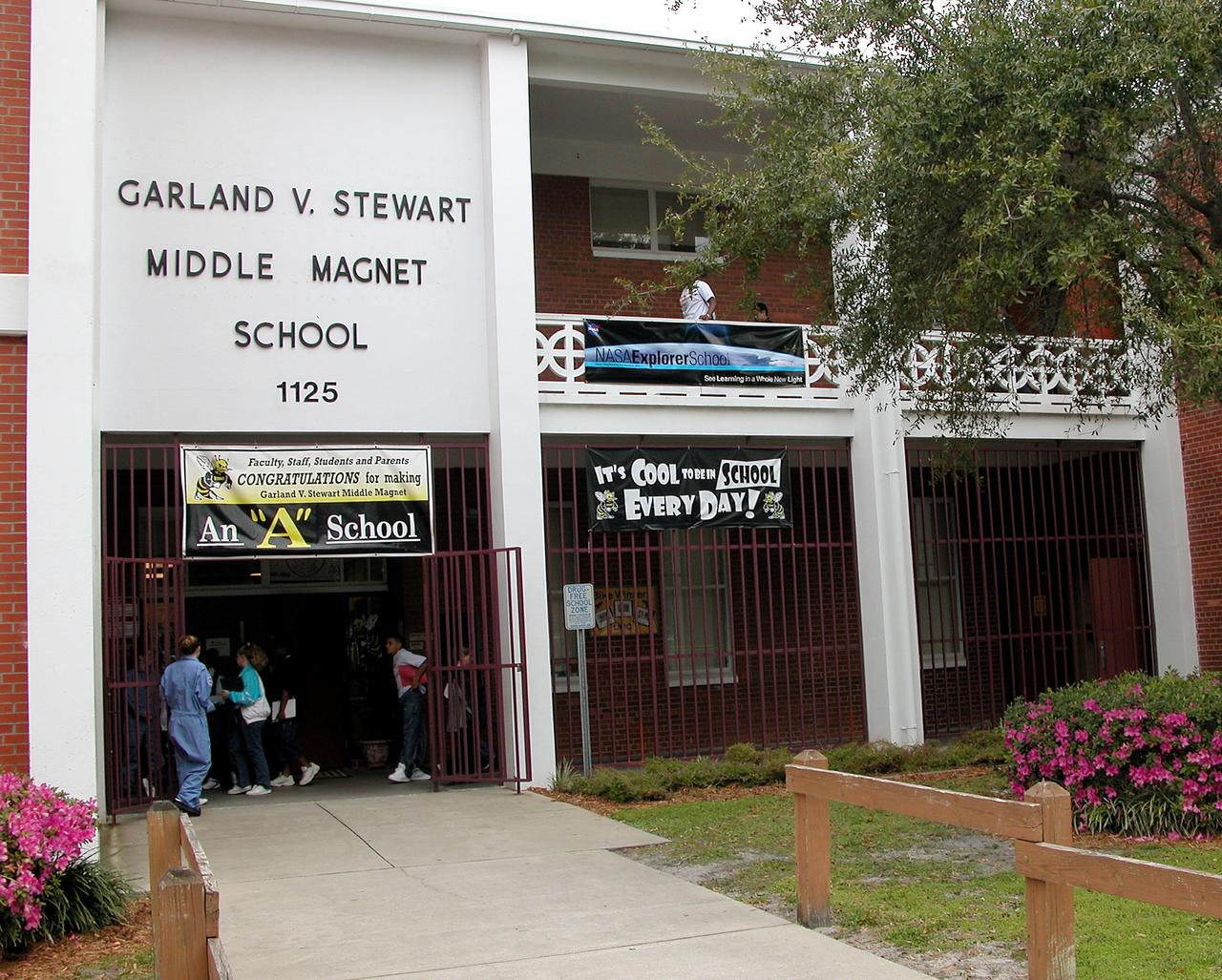
KENNEDY SPACE CENTER, FLA. - Garland V. Stewart Magnet Middle School, a NASA Explorer School (NES) in Tampa, Fla., is the site where Center Director Jim Kennedy and astronaut Kay Hire shared the agency’s new vision for space exploration with the next generation of explorers. Kennedy talked with students about our destiny as explorers, NASA’s stepping stone approach to exploring Earth, the Moon, Mars and beyond, how space impacts our lives, and how people and machines rely on each other in space.
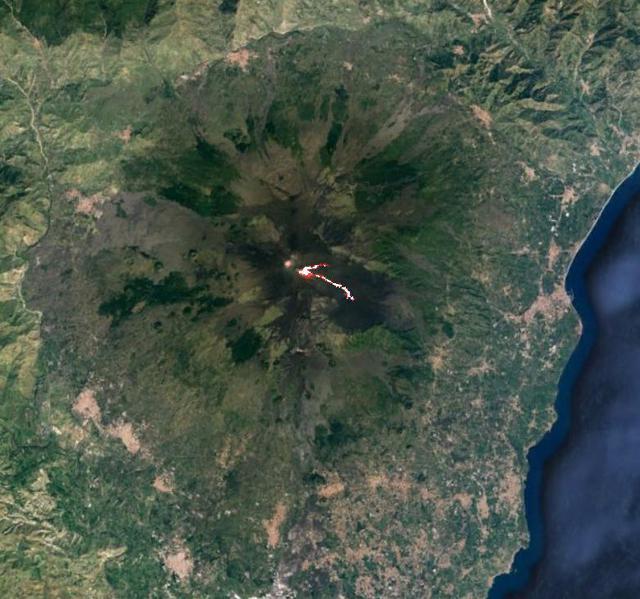
Mt. Etna, Italy erupted Tuesday, February 16, 2021, sending rivers of lava down the southeast flank of the volcano, and spewing ashes and volcanic stones over nearby villages. Sicily's Catania Airport was temporarily closed due to an ash plume that rose to 3700 m altitude. The ASTER nighttime thermal infrared data shows the extent of the active lava flows, draped over an older Google Earth image. The image was acquired February 17, 2021, covers an area of 38 by 39 km, and is located at 37.8 degrees north, 15 degrees east.  https://photojournal.jpl.nasa.gov/catalog/PIA24417
Mt. Etna February 2021
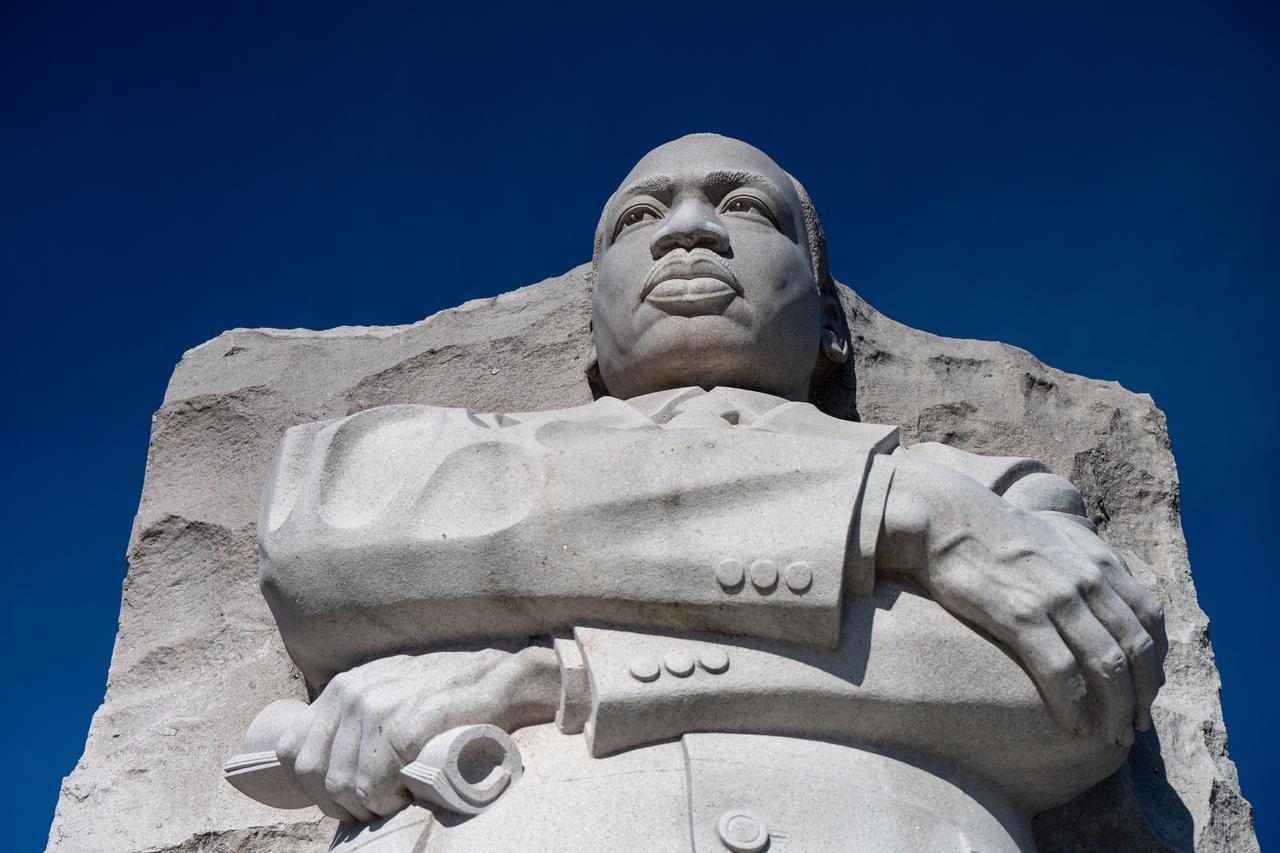
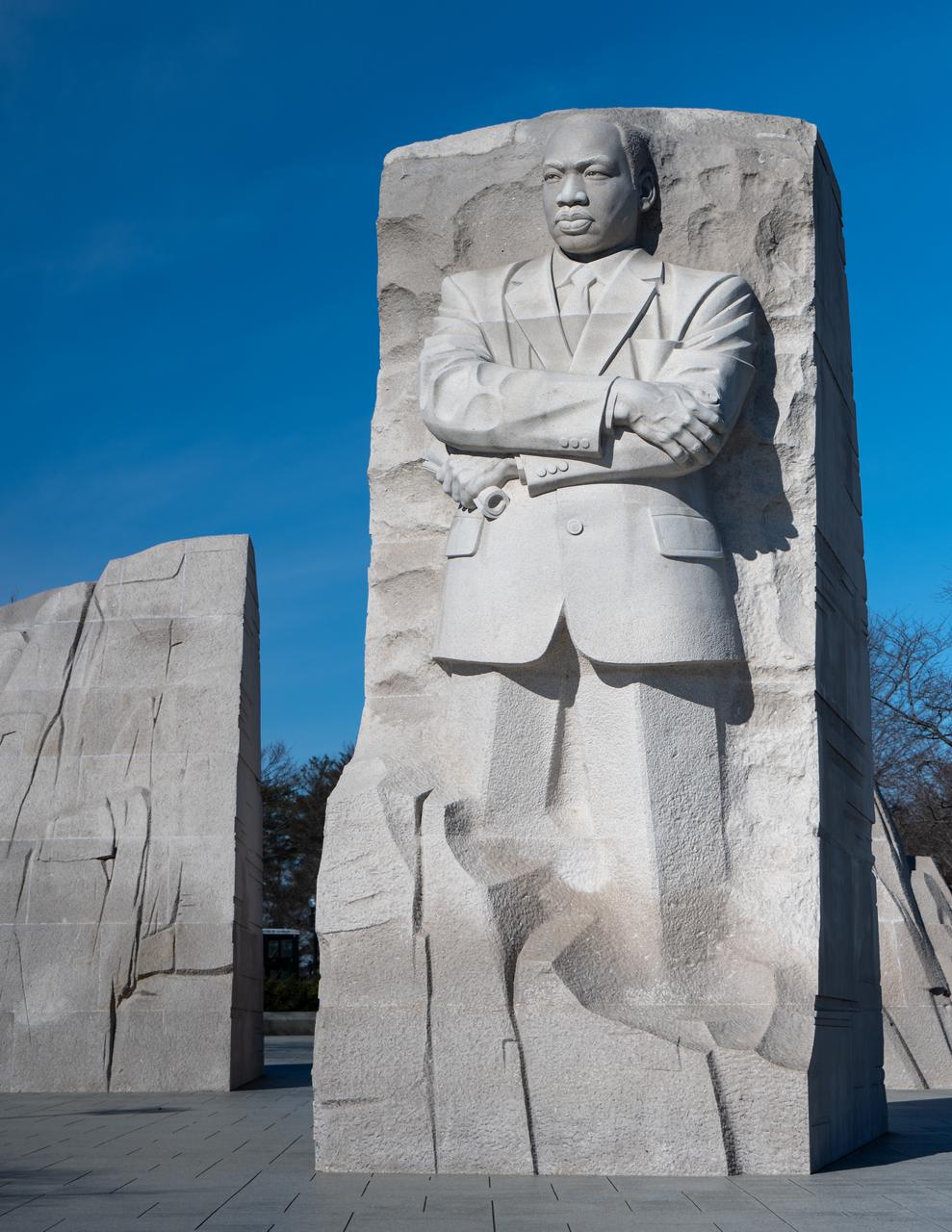
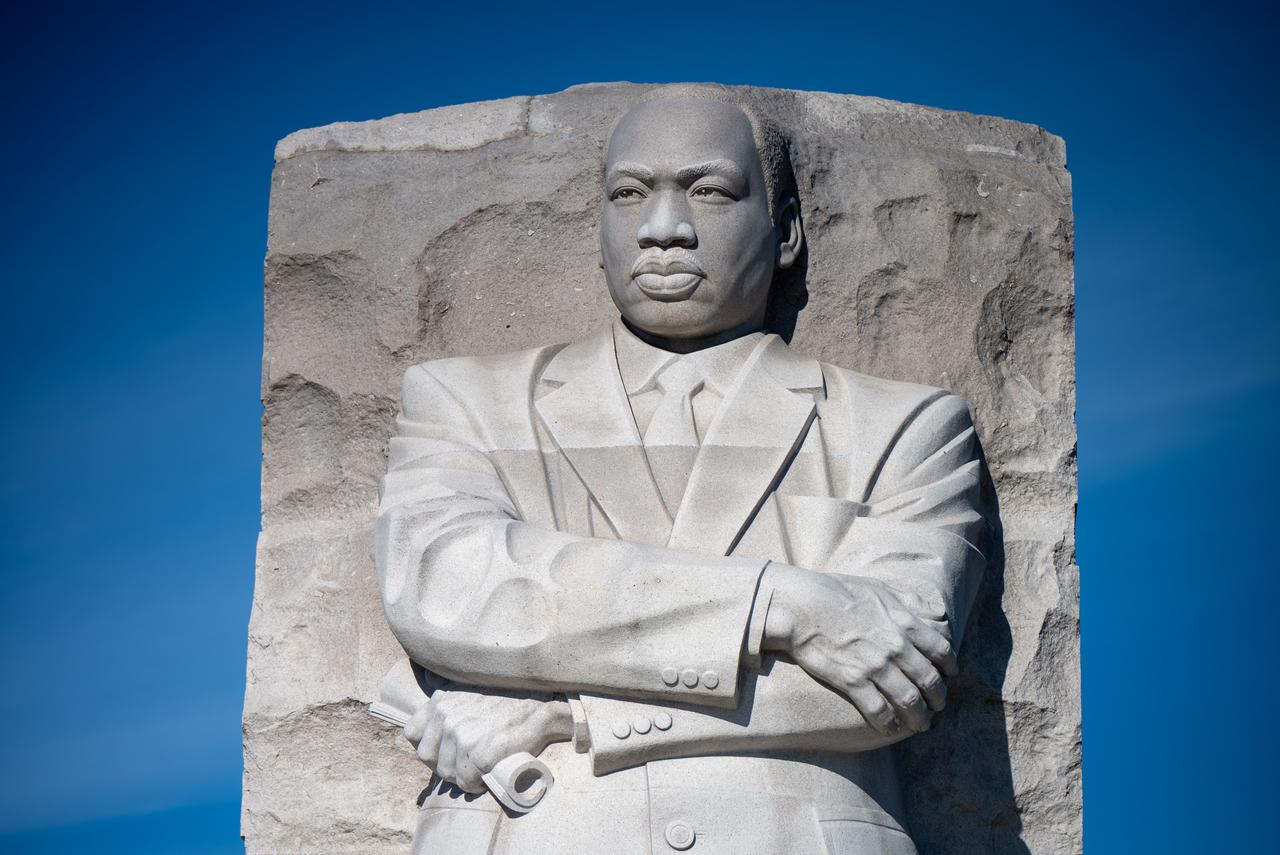
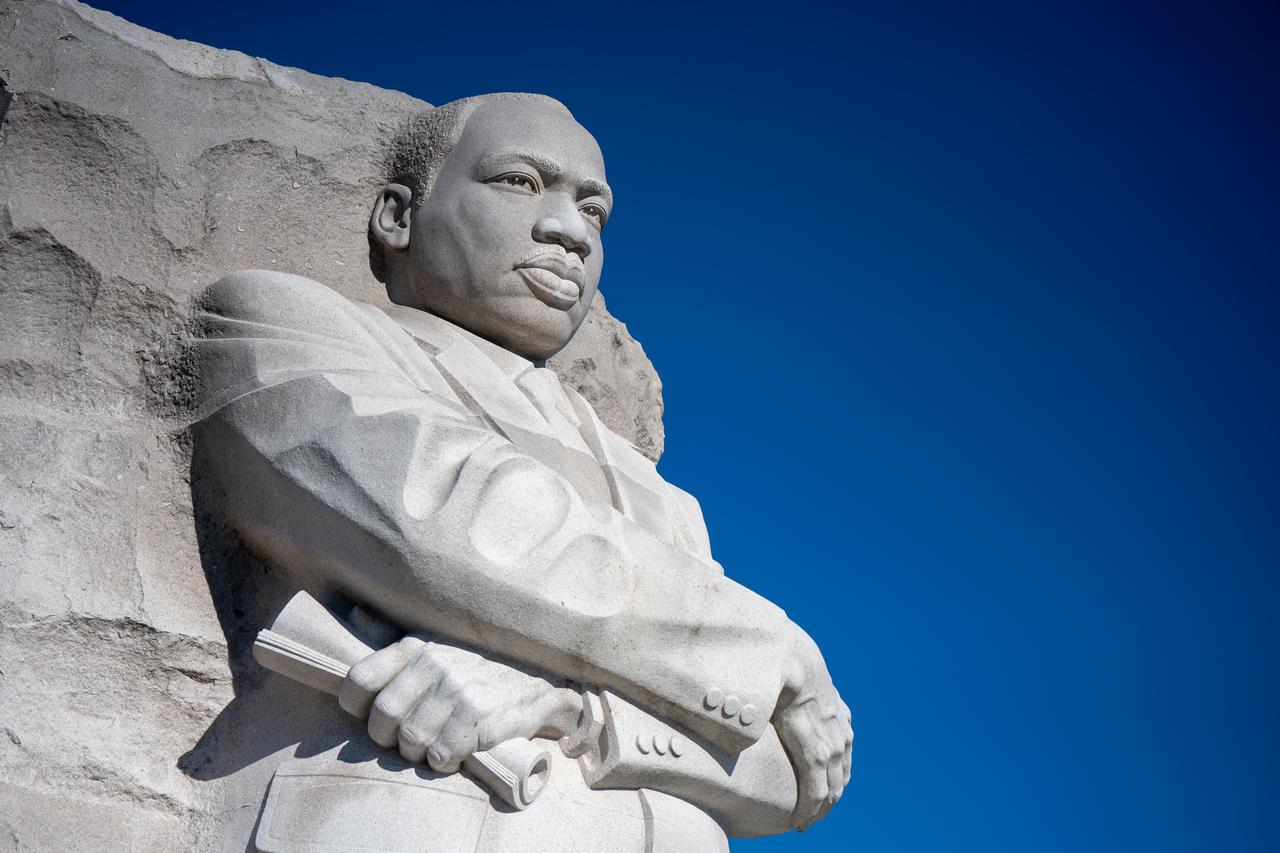
The Martin Luther King, Jr. Memorial is seen, Sunday, Jan. 5, 2025, in Washington. The memorial covers four acres and includes the Stone of Hope, a granite statue of civil rights movement leader Martin Luther King Jr. carved by sculptor Lei Yixin. Photo Credit: (NASA/Bill Ingalls)
Martin Luther King, Jr. Memorial
The Martin Luther King, Jr. Memorial is seen, Sunday, Jan. 5, 2025, in Washington. The memorial covers four acres and includes the Stone of Hope, a granite statue of civil rights movement leader Martin Luther King Jr. carved by sculptor Lei Yixin. Photo Credit: (NASA/Bill Ingalls)
Martin Luther King, Jr. Memorial
JSC2001-E-06205 (8 March 2001) ---  Eileen Hawley at the Public Affairs Officer (PAO) console poses a query to  Brock R. (Randy) Stone (center) of the Mission Operations Directorate (MOD) prior to the launch of STS-102.  Hawley  was the launch commentator for the Discovery mission. Daniel Carpenter, director of the Public Affairs Office, is at right.
STS-102 Launch Activities inside the MCC.
The Martin Luther King, Jr. Memorial is seen, Sunday, Jan. 5, 2025, in Washington. The memorial covers four acres and includes the Stone of Hope, a granite statue of civil rights movement leader Martin Luther King Jr. carved by sculptor Lei Yixin. Photo Credit: (NASA/Bill Ingalls)
Martin Luther King, Jr. Memorial
The Martin Luther King, Jr. Memorial is seen, Sunday, Jan. 5, 2025, in Washington. The memorial covers four acres and includes the Stone of Hope, a granite statue of civil rights movement leader Martin Luther King Jr. carved by sculptor Lei Yixin. Photo Credit: (NASA/Bill Ingalls)
Martin Luther King, Jr. Memorial
iss065e094183 (June 9, 2021) --- NASA astronaut and Expedition 65 Flight Engineer Megan McArthur removes Kidney Cells-02 hardware inside the Space Automated Bioproduct Laboratory and swaps media inside the Microgravity Science Glovebox. The human research study seeks to improve treatments for kidney stones and osteoporosis.
iss065e094183
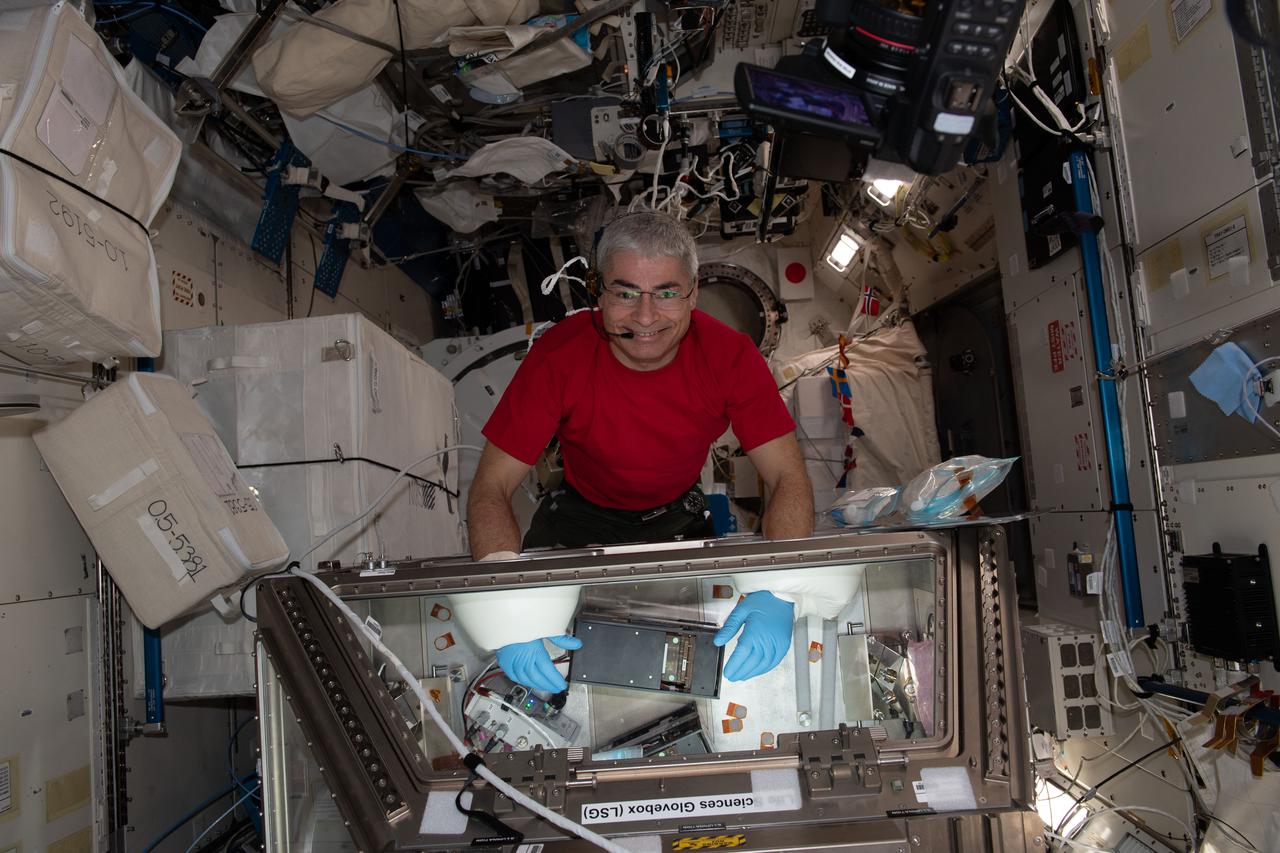
iss065e094097 (June 9, 2021) --- NASA astronaut and Expedition 65 Flight Engineer Mark Vande Hei conducts research inside the Life Science Glovebox for the Kidney Cells-02 experiment that seeks to improve treatments for kidney stones and osteoporosis.
iss065e094097
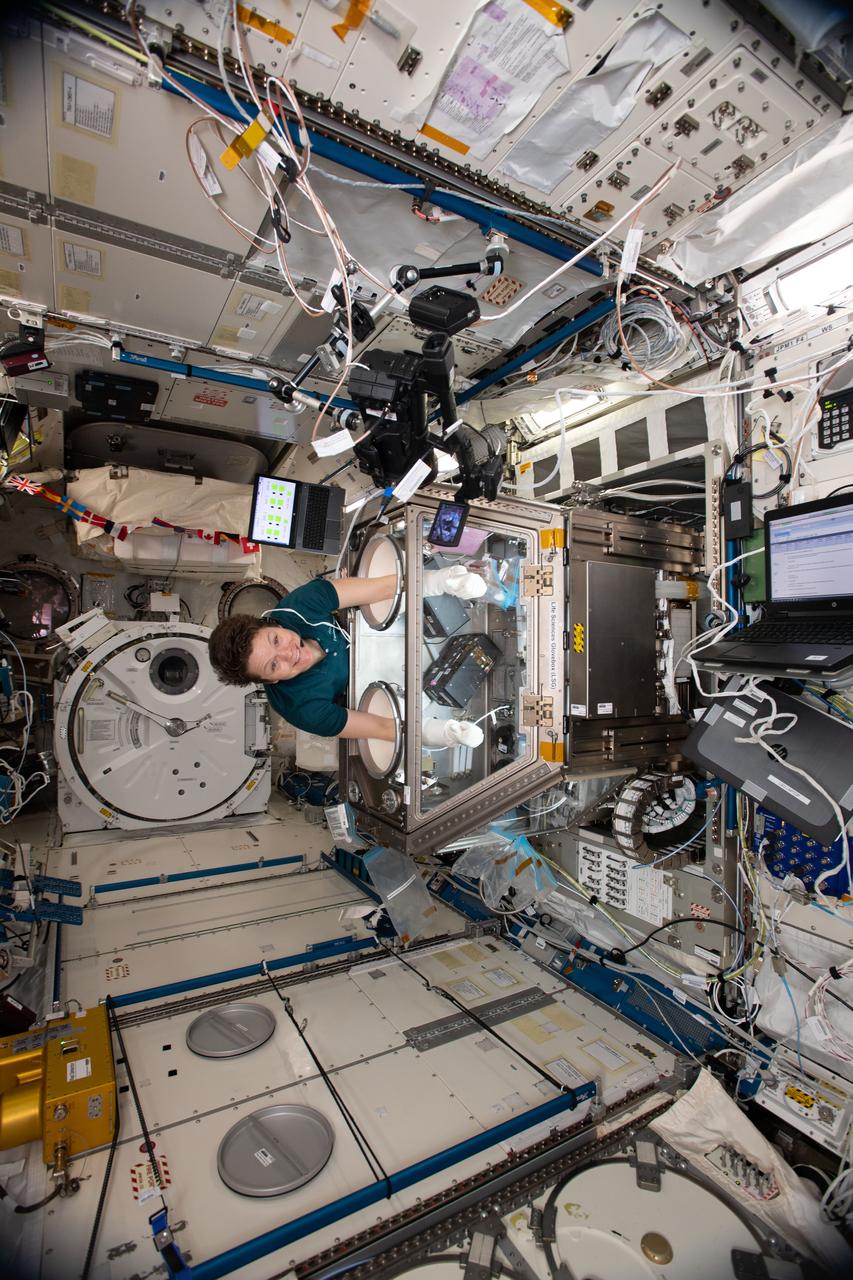
iss059e060922 (May 10, 2019) --- NASA astronaut Anne McClain works on Kidney Cells hardware inside the Life Sciences Glovebox located in Japan's Kibo laboratory module. Kidney Cells is an investigation that is seeking innovative treatments for kidney stones, osteoporosis and toxic chemical exposures to protect the health of astronauts in space and humans on Earth.
Kidney cells
The Martin Luther King, Jr. Memorial is seen, Sunday, Jan. 5, 2025, in Washington. The memorial covers four acres and includes the Stone of Hope, a granite statue of civil rights movement leader Martin Luther King Jr. carved by sculptor Lei Yixin. Photo Credit: (NASA/Bill Ingalls)
Martin Luther King, Jr. Memorial
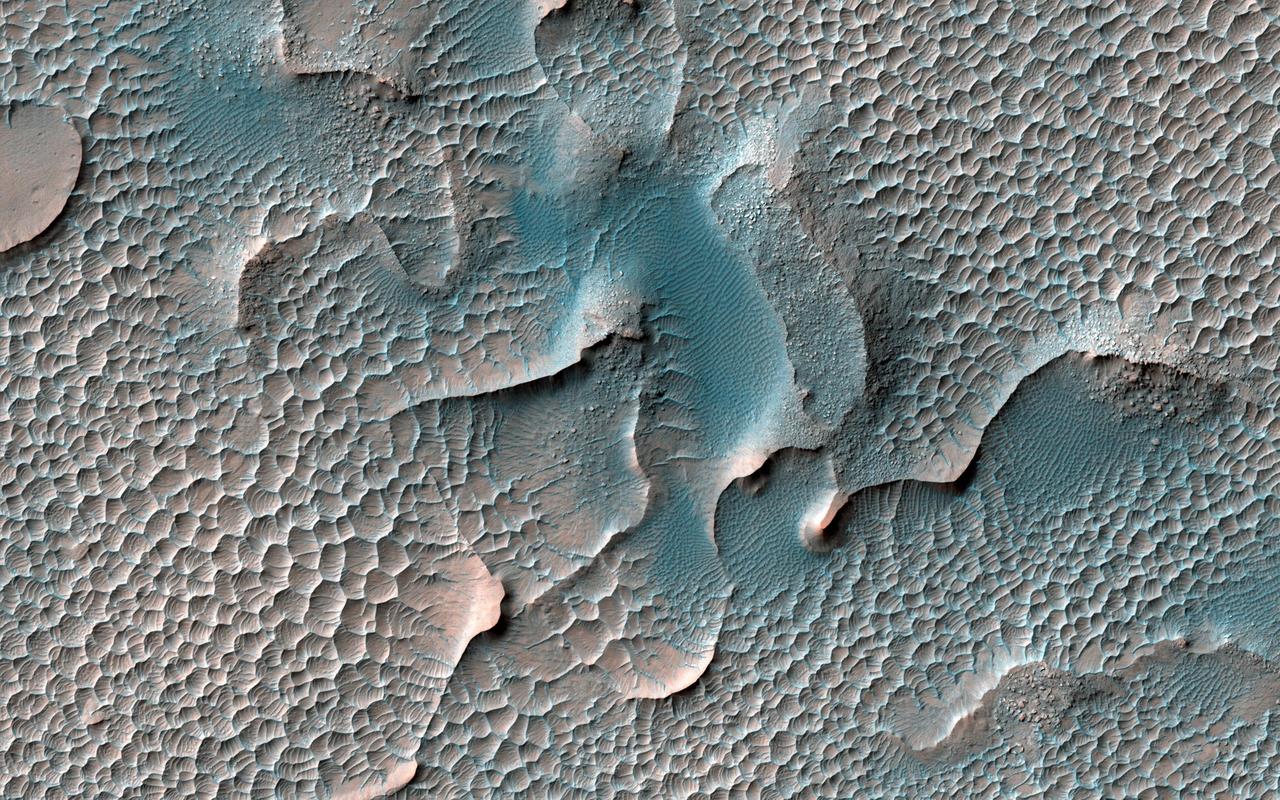
Sand dunes are found in many places on Mars. At most of these places the dunes are slowly moving, blown by the wind, just like on Earth. However, in this location in south Melas Chasma they appear to have turned to stone.  The large dunes are slowly being eroded and disappearing, replaced by smaller structures of scalloped sand.  https://photojournal.jpl.nasa.gov/catalog/PIA23668
Dunes Frozen in Time
The Martin Luther King, Jr. Memorial is seen, Sunday, Jan. 5, 2025, in Washington. The memorial covers four acres and includes the Stone of Hope, a granite statue of civil rights movement leader Martin Luther King Jr. carved by sculptor Lei Yixin. Photo Credit: (NASA/Bill Ingalls)
Martin Luther King, Jr. Memorial
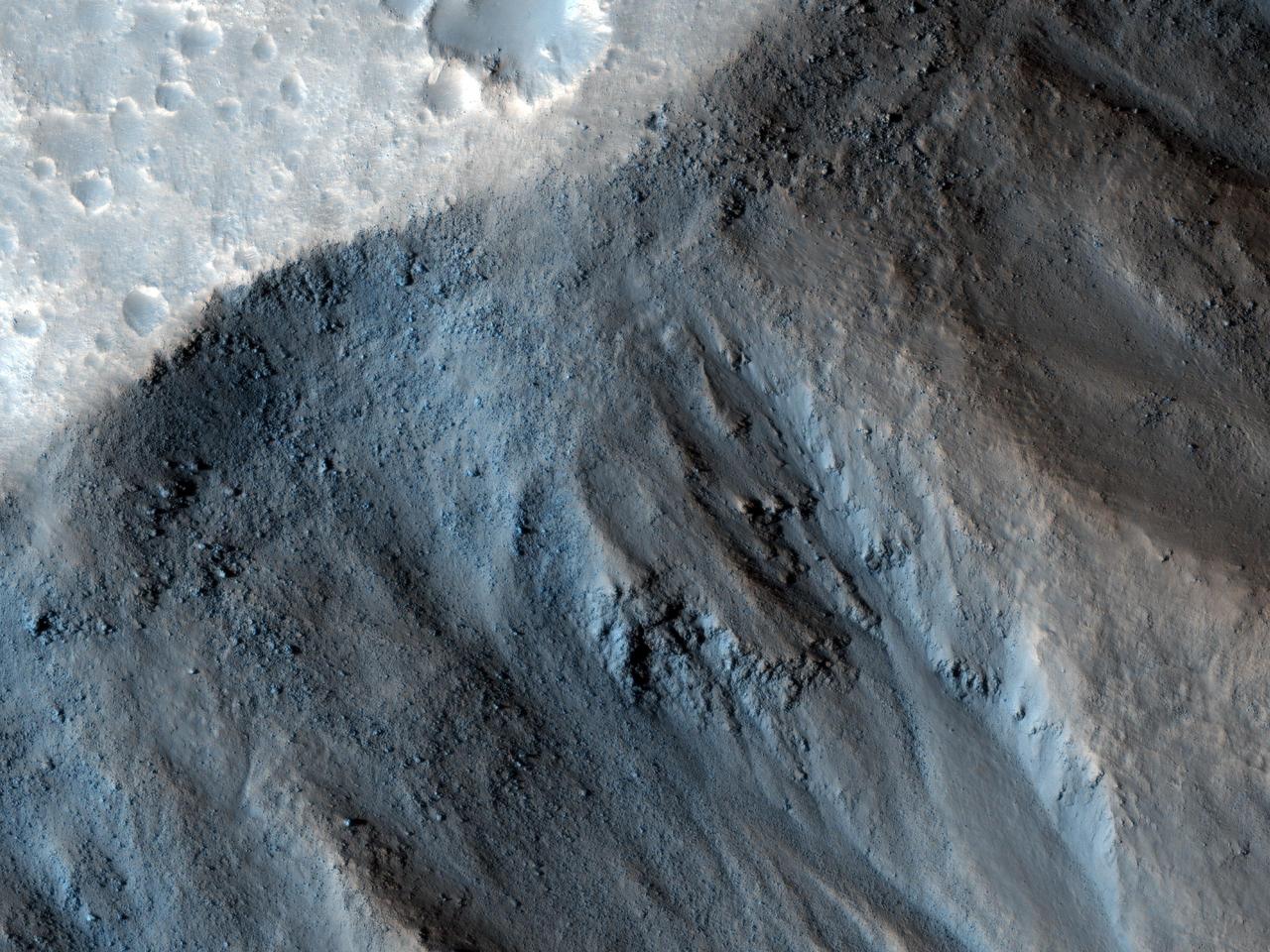
This observation from NASA Mars Reconnaissance Orbiter shows the very steep side of a plateau, part of the northern limit of the Kasei Valles system, which is one of the largest outflow channel systems on Mars.
Almost Silent Rolling Stones in Kasei Valles
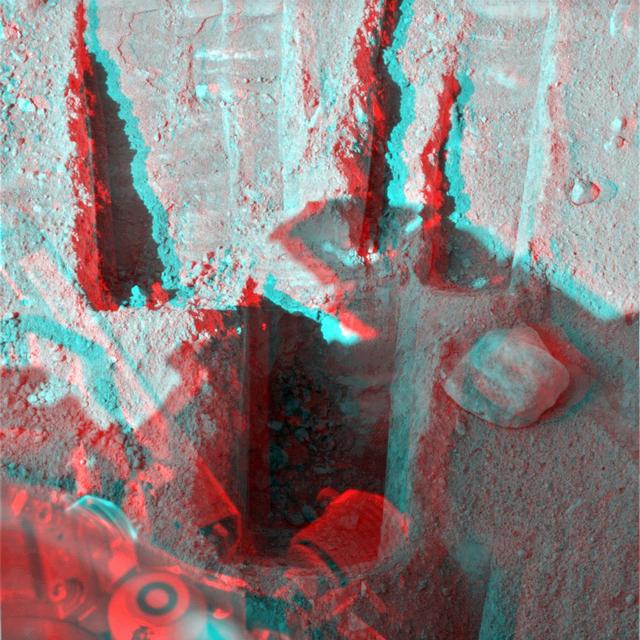
Digging by NASA Phoenix Mars Lander on Aug. 23, 2008, reached a depth about three times greater than in any trench Phoenix has excavated. 3D glasses are necessary.
Deep Stone Soup Trenching by Phoenix Stereo
KENNEDY SPACE CENTER, FLA.  -     Japanese girls from Urawa Daiichi Girls High School, Urawa, Japan, carry a floral tribute to the crew of Columbia to place at the STS-107 memorial stone at the Spacehab facility, Cape Canaveral, Fla.   The group was  awarded the trip to Florida when their experiments were chosen to fly on mission STS-107.  The group was also meeting with American students from Melbourne and Jacksonville, Fla.   The National Space Development  Agency of Japan (NASDA) and the KSC International Space Station and Payloads Processing Directorate worked with the NASA KSC Education Programs and University Research Division to coordinate the students’ visit.
KENNEDY SPACE CENTER, FLA. - Japanese girls from Urawa Daiichi Girls High School, Urawa, Japan, carry a floral tribute to the crew of Columbia to place at the STS-107 memorial stone at the Spacehab facility, Cape Canaveral, Fla. The group was awarded the trip to Florida when their experiments were chosen to fly on mission STS-107. The group was also meeting with American students from Melbourne and Jacksonville, Fla. The National Space Development Agency of Japan (NASDA) and the KSC International Space Station and Payloads Processing Directorate worked with the NASA KSC Education Programs and University Research Division to coordinate the students’ visit.
KENNEDY SPACE CENTER, FLA.  -    Japanese girls from Urawa Daiichi Girls High School, Urawa, Japan, carry a floral tribute to the crew of Columbia to place at the STS-107 memorial stone at the Spacehab facility, Cape Canaveral, Fla.   The group was  awarded the trip to Florida when their experiments were chosen to fly on mission STS-107.  The group was also meeting with American students from Melbourne and Jacksonville, Fla.   The National Space Development  Agency of Japan (NASDA) and the KSC International Space Station and Payloads Processing Directorate worked with the NASA KSC Education Programs and University Research Division to coordinate the students’ visit.
KENNEDY SPACE CENTER, FLA. - Japanese girls from Urawa Daiichi Girls High School, Urawa, Japan, carry a floral tribute to the crew of Columbia to place at the STS-107 memorial stone at the Spacehab facility, Cape Canaveral, Fla. The group was awarded the trip to Florida when their experiments were chosen to fly on mission STS-107. The group was also meeting with American students from Melbourne and Jacksonville, Fla. The National Space Development Agency of Japan (NASDA) and the KSC International Space Station and Payloads Processing Directorate worked with the NASA KSC Education Programs and University Research Division to coordinate the students’ visit.
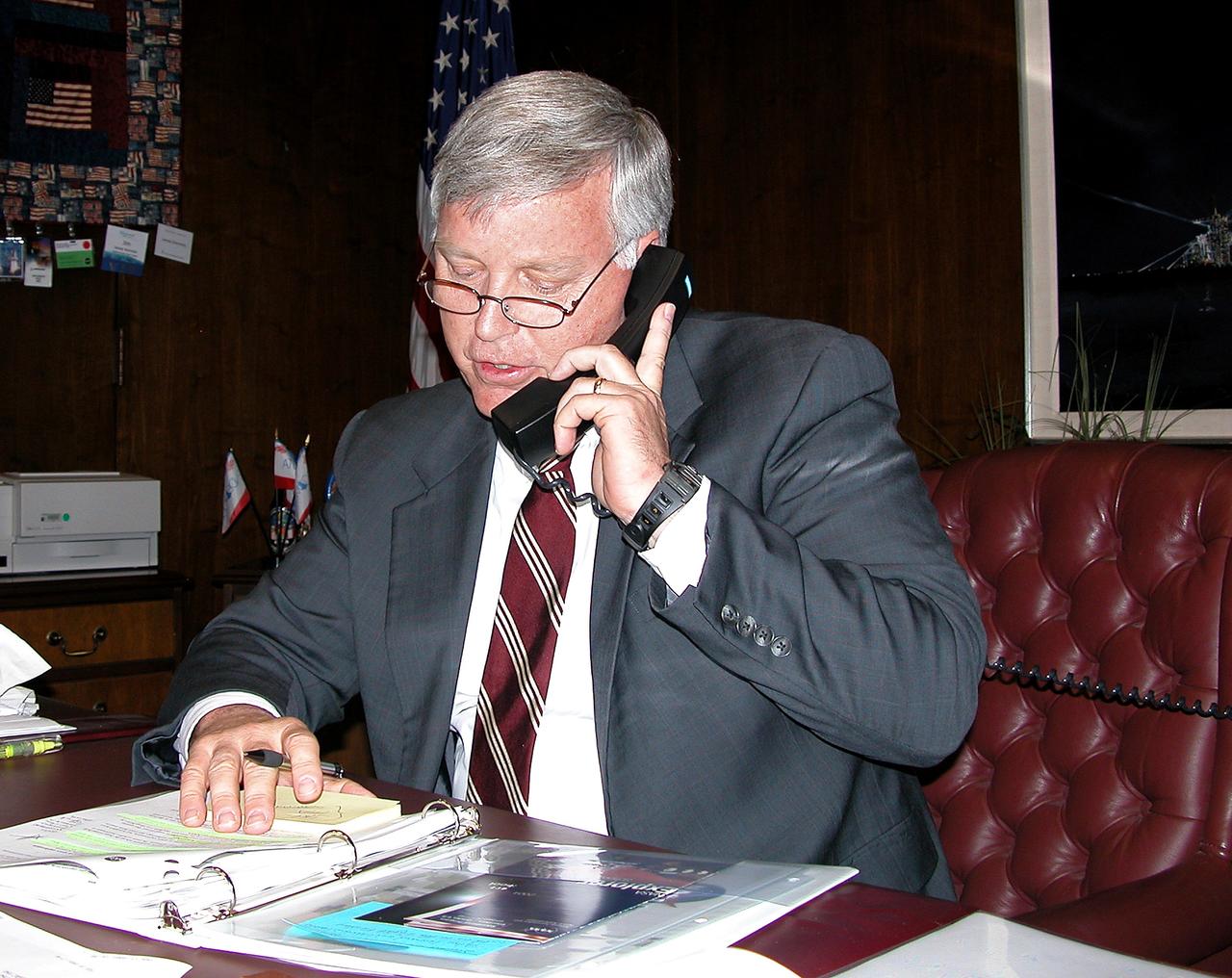
KENNEDY SPACE CENTER, FLA. - Center Director Jim Kennedy talks to students in Garland V. Stewart Magnet Middle School, a NASA Explorer School (NES) in Tampa, Fla.  Kennedy  made the trip with NASA astronaut Kay Hire to share the agency’s new vision for space exploration with the next generation of explorers. Kennedy is talking with students about our destiny as explorers, NASA’s stepping stone approach to exploring Earth, the Moon, Mars and beyond, how space impacts our lives, and how people and machines rely on each other in space.
KENNEDY SPACE CENTER, FLA. - Center Director Jim Kennedy talks to students in Garland V. Stewart Magnet Middle School, a NASA Explorer School (NES) in Tampa, Fla. Kennedy made the trip with NASA astronaut Kay Hire to share the agency’s new vision for space exploration with the next generation of explorers. Kennedy is talking with students about our destiny as explorers, NASA’s stepping stone approach to exploring Earth, the Moon, Mars and beyond, how space impacts our lives, and how people and machines rely on each other in space.
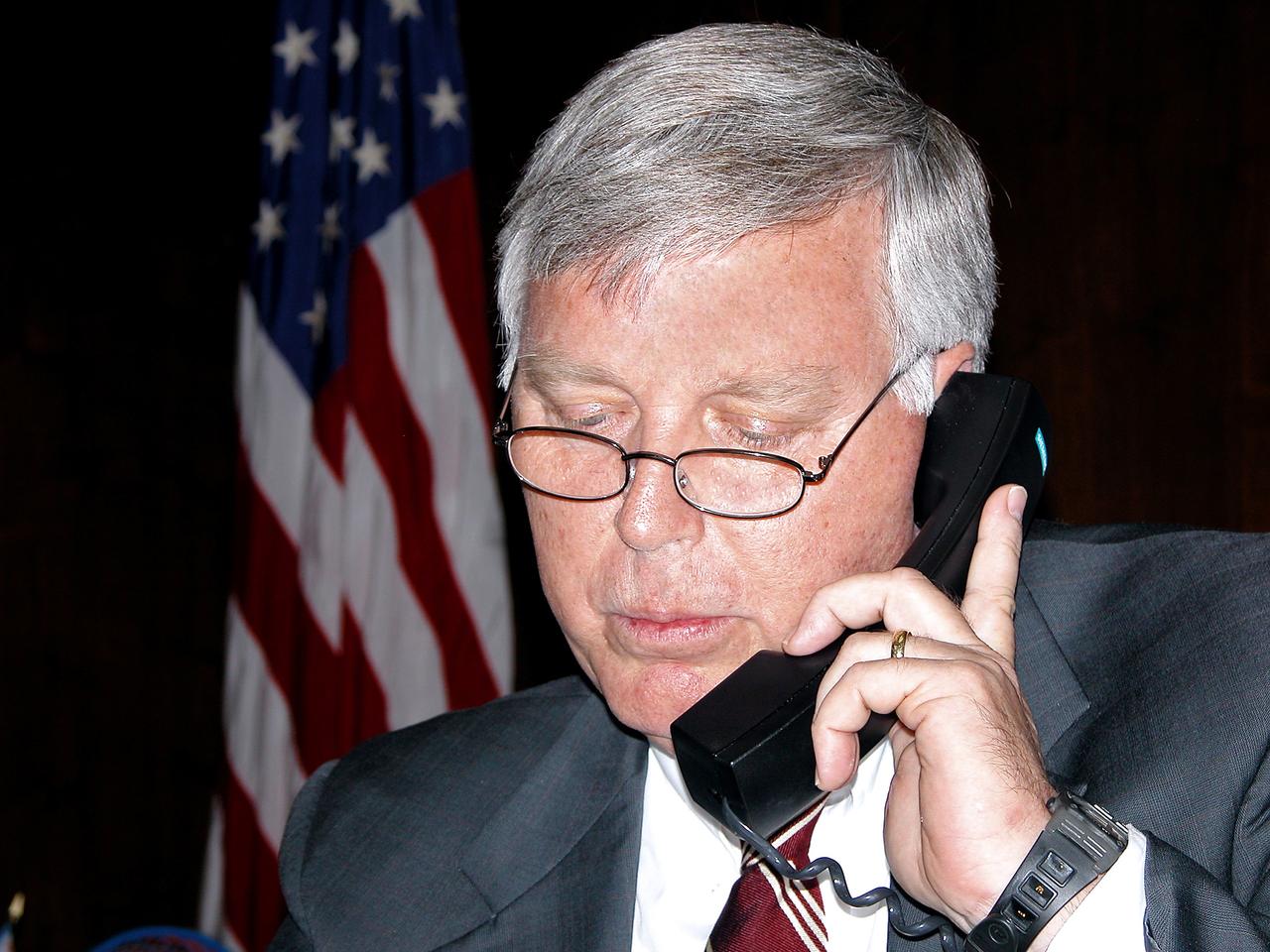
KENNEDY SPACE CENTER, FLA. - Center Director Jim Kennedy talks to radio station WFLA-AM and Florida Radio Network about his trip to Garland V. Stewart Magnet Middle School, a NASA Explorer School (NES) in Tampa, Fla.  Kennedy  made the trip with NASA astronaut Kay Hire to share the agency’s new vision for space exploration with the next generation of explorers. Kennedy is talking with students about our destiny as explorers, NASA’s stepping stone approach to exploring Earth, the Moon, Mars and beyond, how space impacts our lives, and how people and machines rely on each other in space.
KENNEDY SPACE CENTER, FLA. - Center Director Jim Kennedy talks to radio station WFLA-AM and Florida Radio Network about his trip to Garland V. Stewart Magnet Middle School, a NASA Explorer School (NES) in Tampa, Fla. Kennedy made the trip with NASA astronaut Kay Hire to share the agency’s new vision for space exploration with the next generation of explorers. Kennedy is talking with students about our destiny as explorers, NASA’s stepping stone approach to exploring Earth, the Moon, Mars and beyond, how space impacts our lives, and how people and machines rely on each other in space.
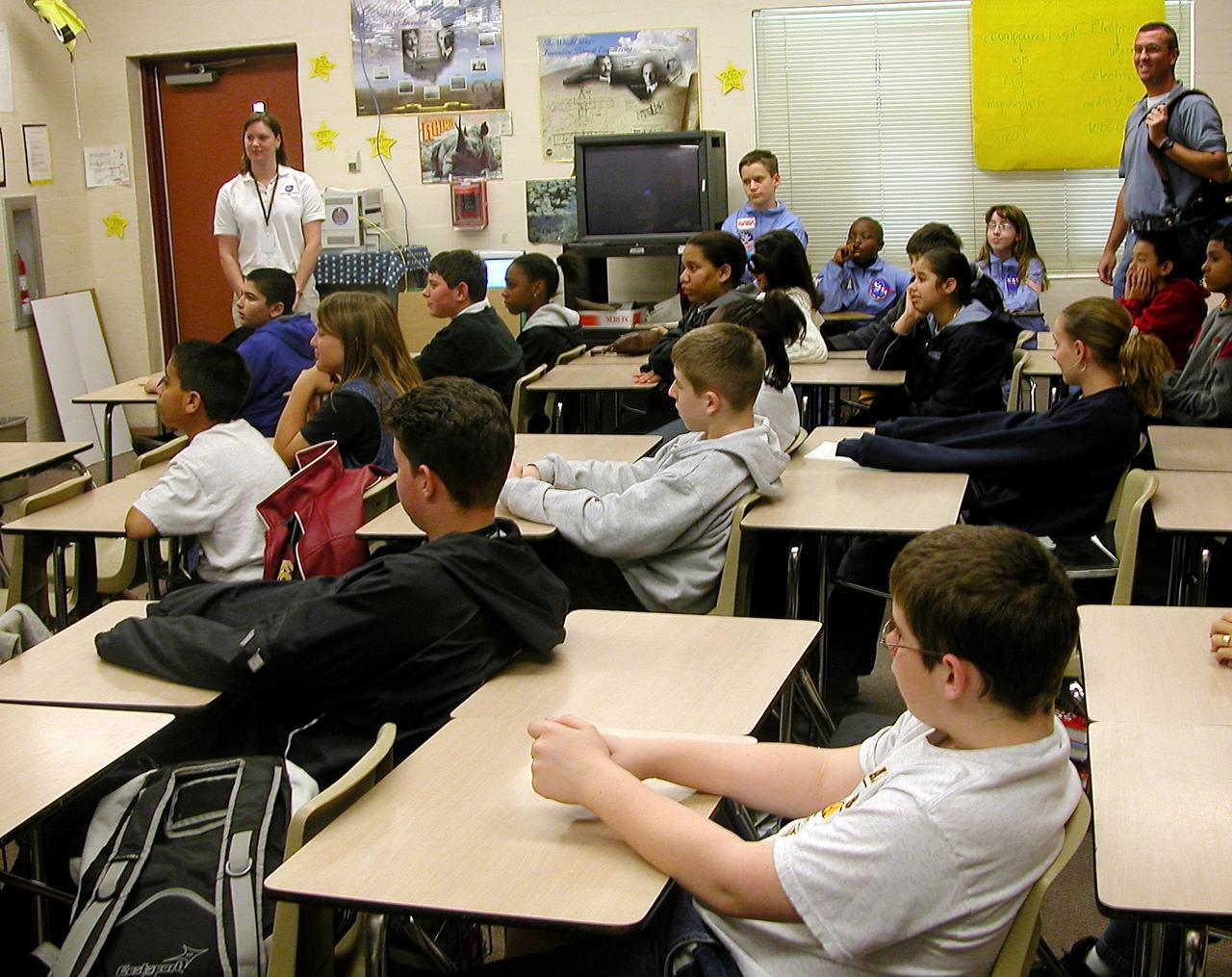
KENNEDY SPACE CENTER, FLA. - Students at Garland V. Stewart Magnet Middle School, a NASA Explorer School (NES) in Tampa, Fla., listen attentively to astronaut Kay Hire.  She and Center Director Jim Kennedy were at the school to share the agency’s new vision for space exploration with the next generation of explorers. Kennedy is talking with students about our destiny as explorers, NASA’s stepping stone approach to exploring Earth, the Moon, Mars and beyond, how space impacts our lives, and how people and machines rely on each other in space.
KENNEDY SPACE CENTER, FLA. - Students at Garland V. Stewart Magnet Middle School, a NASA Explorer School (NES) in Tampa, Fla., listen attentively to astronaut Kay Hire. She and Center Director Jim Kennedy were at the school to share the agency’s new vision for space exploration with the next generation of explorers. Kennedy is talking with students about our destiny as explorers, NASA’s stepping stone approach to exploring Earth, the Moon, Mars and beyond, how space impacts our lives, and how people and machines rely on each other in space.
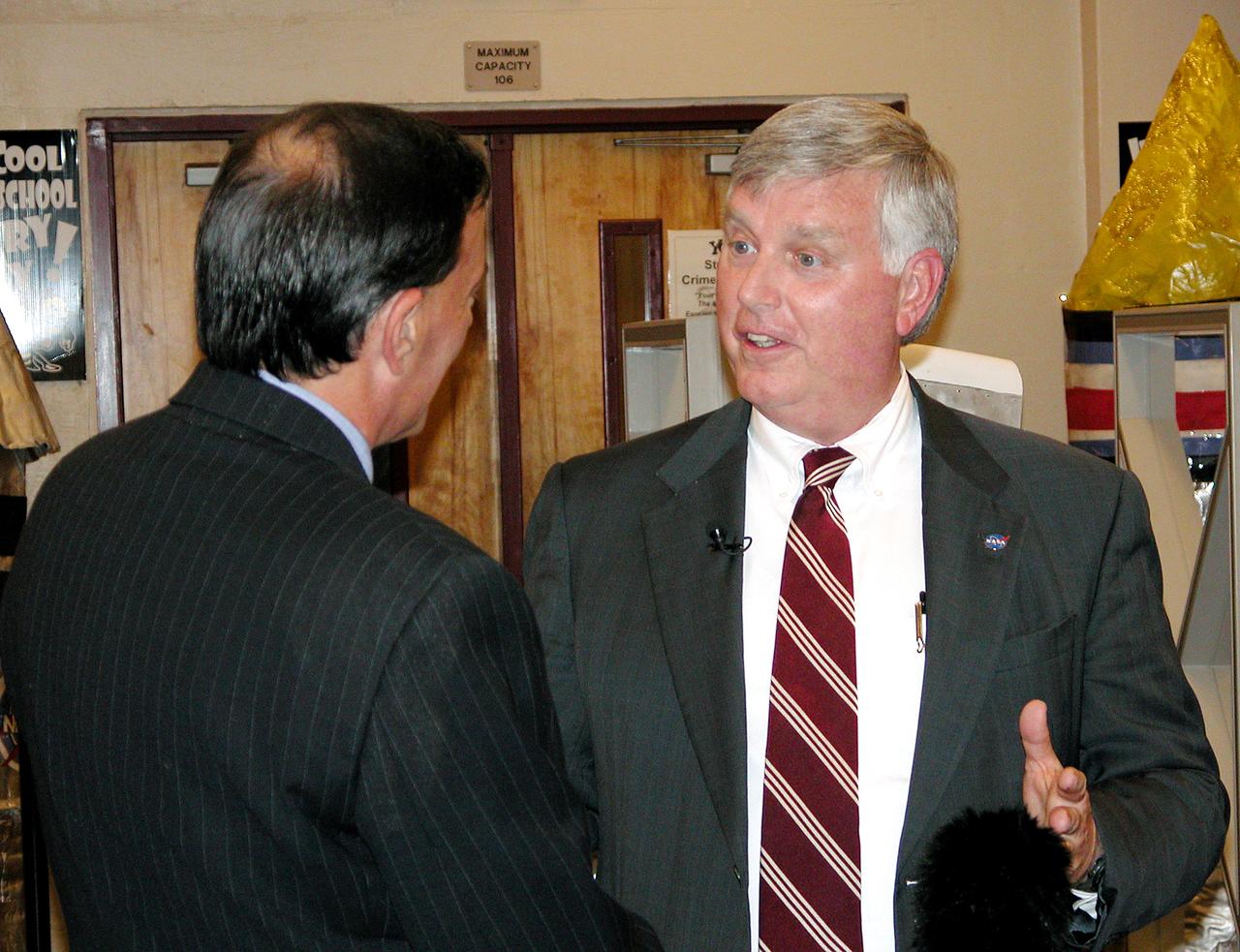
KENNEDY SPACE CENTER, FLA. - Warren Elly (left), with WTVT-TV, Fox News, talks with Center Director Jim Kennedy at Garland V. Stewart Magnet Middle School, a NASA Explorer School (NES) in Tampa, Fla. Kennedy was joined by astronaut Kay Hire in sharing the agency’s new vision for space exploration with the next generation of explorers. Kennedy talked with students about our destiny as explorers, NASA’s stepping stone approach to exploring Earth, the Moon, Mars and beyond, how space impacts our lives, and how people and machines rely on each other in space.
KENNEDY SPACE CENTER, FLA.  -   Japanese girls from Urawa Daiichi Girls High School, Urawa, Japan, pose for a group photo on their visit to the Spacehab facility in Cape Canaveral, Fla.  They were awarded the trip when their experiments were chosen to fly on mission STS-107.  The group was also meeting with American students from Melbourne and Jacksonville, Fla.  The girls planned a floral tribute at the STS-107 memorial stone at the facility.  The National Space Development  Agency of Japan (NASDA) and the KSC International Space Station and Payloads Processing Directorate worked with the NASA KSC Education Programs and University Research Division to coordinate the students’ visit.
KENNEDY SPACE CENTER, FLA. - Japanese girls from Urawa Daiichi Girls High School, Urawa, Japan, pose for a group photo on their visit to the Spacehab facility in Cape Canaveral, Fla. They were awarded the trip when their experiments were chosen to fly on mission STS-107. The group was also meeting with American students from Melbourne and Jacksonville, Fla. The girls planned a floral tribute at the STS-107 memorial stone at the facility. The National Space Development Agency of Japan (NASDA) and the KSC International Space Station and Payloads Processing Directorate worked with the NASA KSC Education Programs and University Research Division to coordinate the students’ visit.
KENNEDY SPACE CENTER, FLA.  -   Japanese girls from Urawa Daiichi Girls High School, Urawa, Japan, carry a floral tribute to the crew of Columbia to place at the STS-107 memorial stone at the Spacehab facility, Cape Canaveral, Fla.   The group was  awarded the trip to Florida when their experiments were chosen to fly on mission STS-107.  The group was also meeting with American students from Melbourne and Jacksonville, Fla.   The National Space Development  Agency of Japan (NASDA) and the KSC International Space Station and Payloads Processing Directorate worked with the NASA KSC Education Programs and University Research Division to coordinate the students’ visit.
KENNEDY SPACE CENTER, FLA. - Japanese girls from Urawa Daiichi Girls High School, Urawa, Japan, carry a floral tribute to the crew of Columbia to place at the STS-107 memorial stone at the Spacehab facility, Cape Canaveral, Fla. The group was awarded the trip to Florida when their experiments were chosen to fly on mission STS-107. The group was also meeting with American students from Melbourne and Jacksonville, Fla. The National Space Development Agency of Japan (NASDA) and the KSC International Space Station and Payloads Processing Directorate worked with the NASA KSC Education Programs and University Research Division to coordinate the students’ visit.
KENNEDY SPACE CENTER, FLA. - Students at Garland V. Stewart Magnet Middle School, a NASA Explorer School (NES) in Tampa, Fla., listen attentively to astronaut Kay Hire.  She and Center Director Jim Kennedy were at the school to share the agency’s new vision for space exploration with the next generation of explorers. Kennedy is talking with students about our destiny as explorers, NASA’s stepping stone approach to exploring Earth, the Moon, Mars and beyond, how space impacts our lives, and how people and machines rely on each other in space.
KENNEDY SPACE CENTER, FLA. - Students at Garland V. Stewart Magnet Middle School, a NASA Explorer School (NES) in Tampa, Fla., listen attentively to astronaut Kay Hire. She and Center Director Jim Kennedy were at the school to share the agency’s new vision for space exploration with the next generation of explorers. Kennedy is talking with students about our destiny as explorers, NASA’s stepping stone approach to exploring Earth, the Moon, Mars and beyond, how space impacts our lives, and how people and machines rely on each other in space.
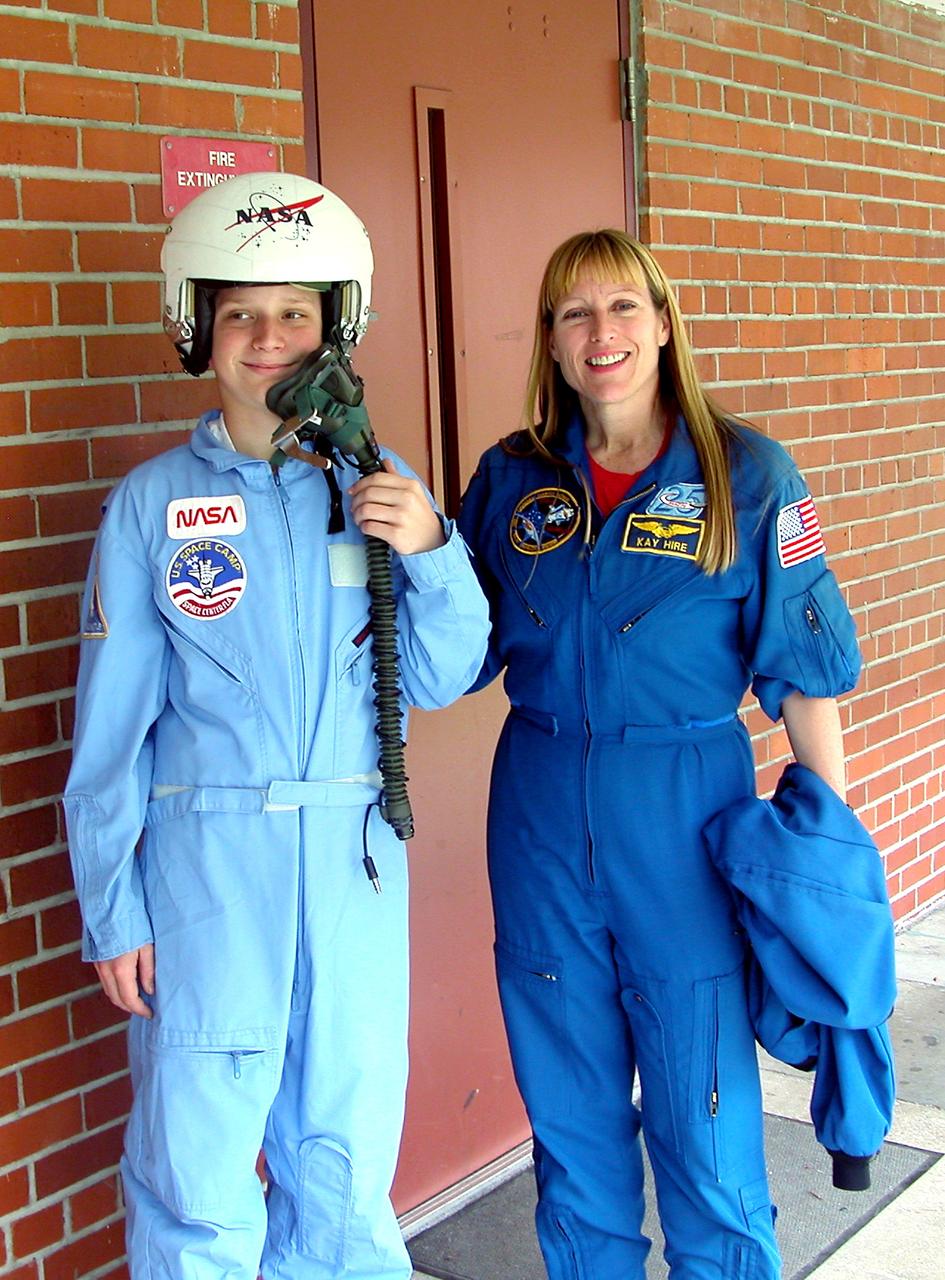
KENNEDY SPACE CENTER, FLA. - Astronaut Kay Hire poses with 8th grader Kristy Wiggins at Garland V. Stewart Magnet Middle School, a NASA Explorer School (NES) in Tampa, Fla.  Hire joined Center Director Jim Kennedy at the school in sharing the agency’s new vision for space exploration with the next generation of explorers. Kennedy is talking with students about our destiny as explorers, NASA’s stepping stone approach to exploring Earth, the Moon, Mars and beyond, how space impacts our lives, and how people and machines rely on each other in space.
KENNEDY SPACE CENTER, FLA. - Astronaut Kay Hire poses with 8th grader Kristy Wiggins at Garland V. Stewart Magnet Middle School, a NASA Explorer School (NES) in Tampa, Fla. Hire joined Center Director Jim Kennedy at the school in sharing the agency’s new vision for space exploration with the next generation of explorers. Kennedy is talking with students about our destiny as explorers, NASA’s stepping stone approach to exploring Earth, the Moon, Mars and beyond, how space impacts our lives, and how people and machines rely on each other in space.
KENNEDY SPACE CENTER, FLA.  -   Japanese girls from Urawa Daiichi Girls High School, Urawa, Japan, place a floral tribute to the crew of Columbia at the STS-107 memorial stone at the Spacehab facility, Cape Canaveral, Fla.   The group was  awarded the trip to Florida when their experiments were chosen to fly on mission STS-107.  The group was also meeting with American students from Melbourne and Jacksonville, Fla.   The National Space Development  Agency of Japan (NASDA) and the KSC International Space Station and Payloads Processing Directorate worked with the NASA KSC Education Programs and University Research Division to coordinate the students’ visit.
KENNEDY SPACE CENTER, FLA. - Japanese girls from Urawa Daiichi Girls High School, Urawa, Japan, place a floral tribute to the crew of Columbia at the STS-107 memorial stone at the Spacehab facility, Cape Canaveral, Fla. The group was awarded the trip to Florida when their experiments were chosen to fly on mission STS-107. The group was also meeting with American students from Melbourne and Jacksonville, Fla. The National Space Development Agency of Japan (NASDA) and the KSC International Space Station and Payloads Processing Directorate worked with the NASA KSC Education Programs and University Research Division to coordinate the students’ visit.
KENNEDY SPACE CENTER, FLA. - Center Director Jim Kennedy talks to WTSP-ABC News about his trip to Garland V. Stewart Magnet Middle School, a NASA Explorer School (NES) in Tampa, Fla.  Kennedy  made the trip with NASA astronaut Kay Hire to share the agency’s new vision for space exploration with the next generation of explorers. Kennedy is talking with students about our destiny as explorers, NASA’s stepping stone approach to exploring Earth, the Moon, Mars and beyond, how space impacts our lives, and how people and machines rely on each other in space.
KENNEDY SPACE CENTER, FLA. - Center Director Jim Kennedy talks to WTSP-ABC News about his trip to Garland V. Stewart Magnet Middle School, a NASA Explorer School (NES) in Tampa, Fla. Kennedy made the trip with NASA astronaut Kay Hire to share the agency’s new vision for space exploration with the next generation of explorers. Kennedy is talking with students about our destiny as explorers, NASA’s stepping stone approach to exploring Earth, the Moon, Mars and beyond, how space impacts our lives, and how people and machines rely on each other in space.
KENNEDY SPACE CENTER, FLA. -  Astronaut Rick Linnehan talks with a student at Ralph Bunche Middle School, a NASA Explorer School, in Atlanta, Ga.  Linnehan joined Center Director Jim Kennedy at the school to share America’s new vision for space exploration with the next generation of explorers.  The purpose of the school visit is to talk with students about our destiny as explorers, NASA’s stepping stone approach to exploring Earth, the Moon, Mars and beyond, how space impacts our lives, and how people and machines rely on each other in space.
KSC-04pd0838
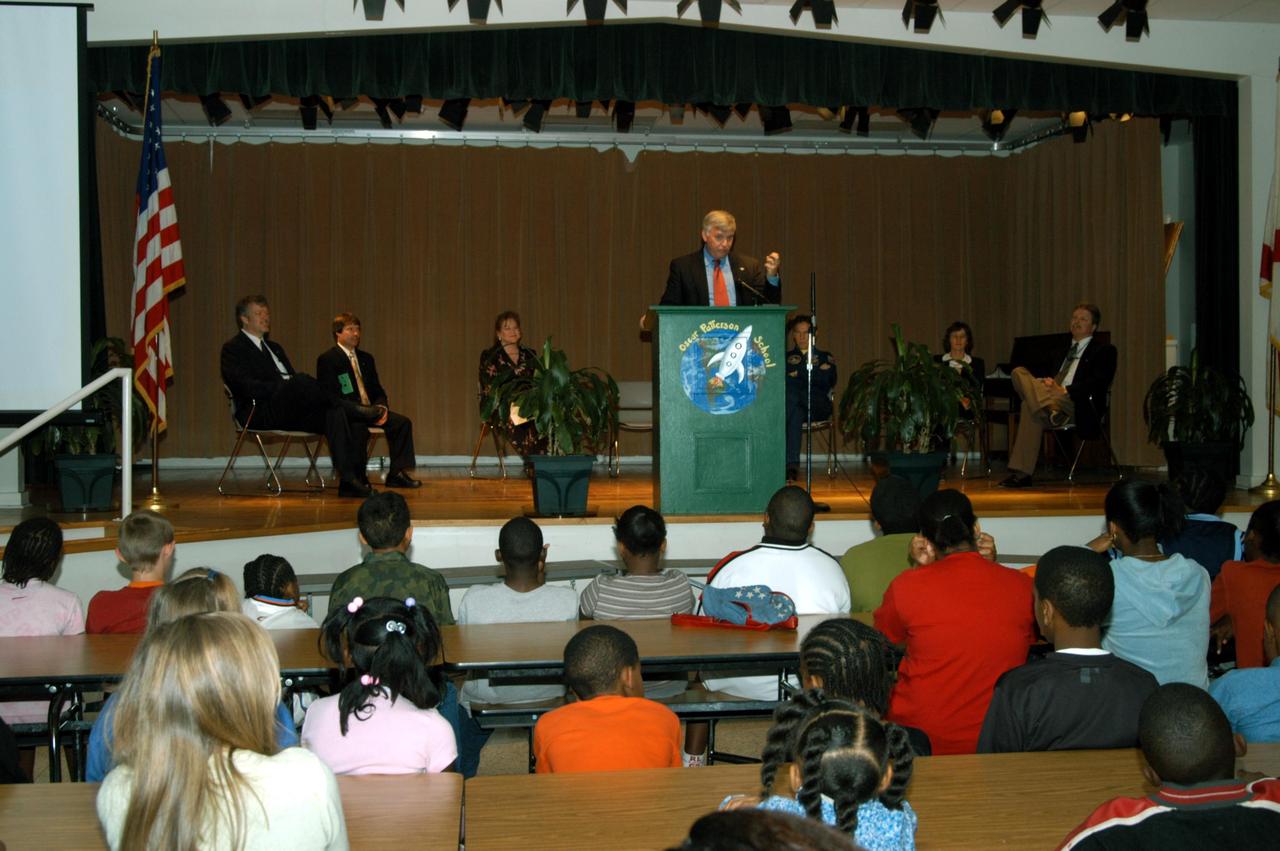
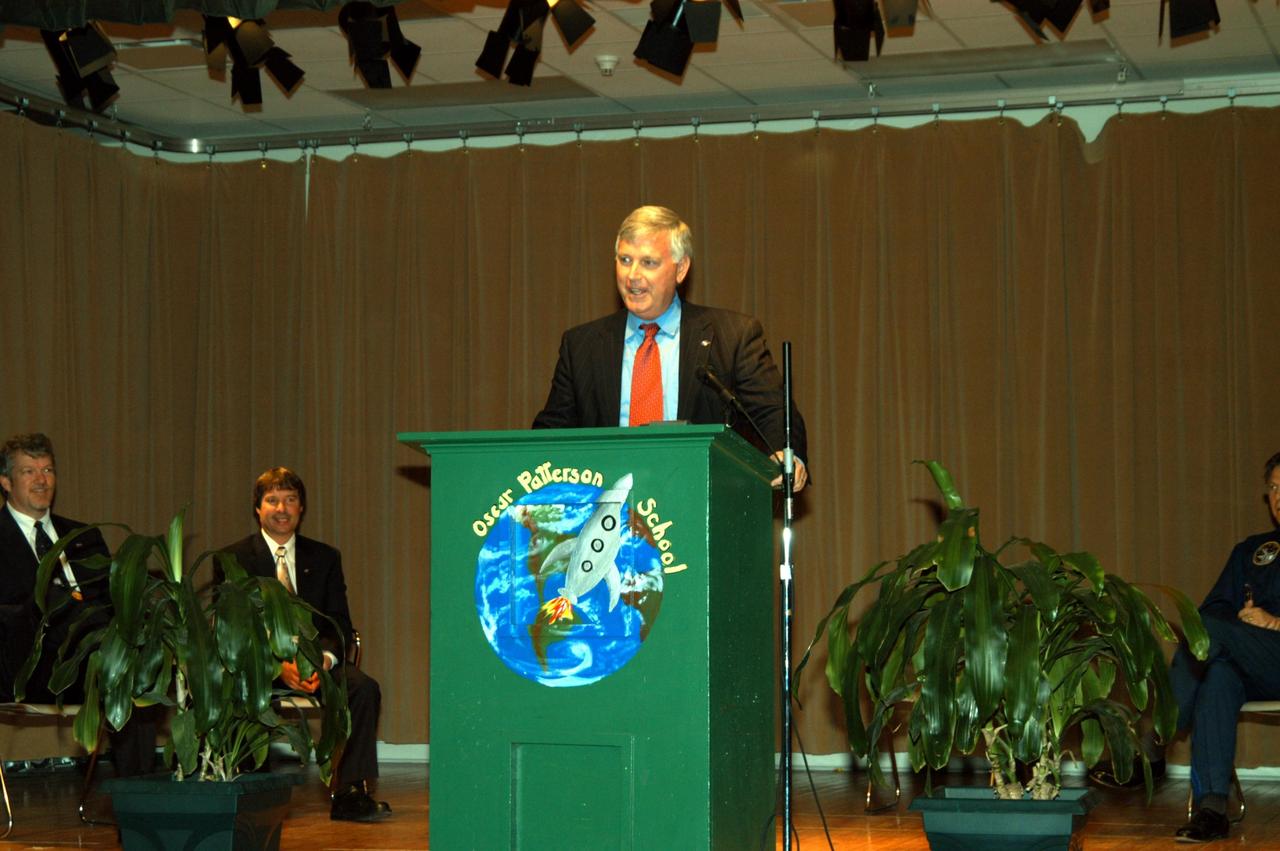
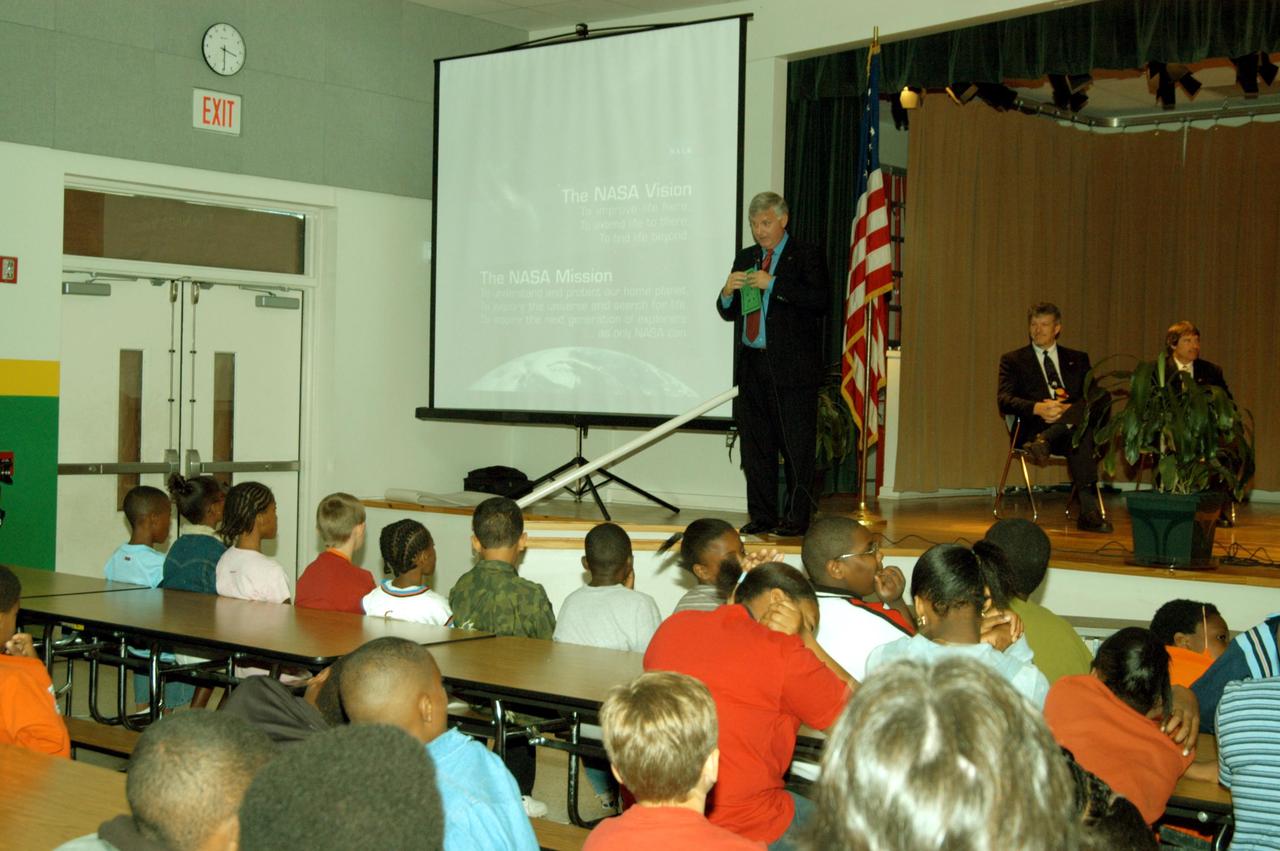
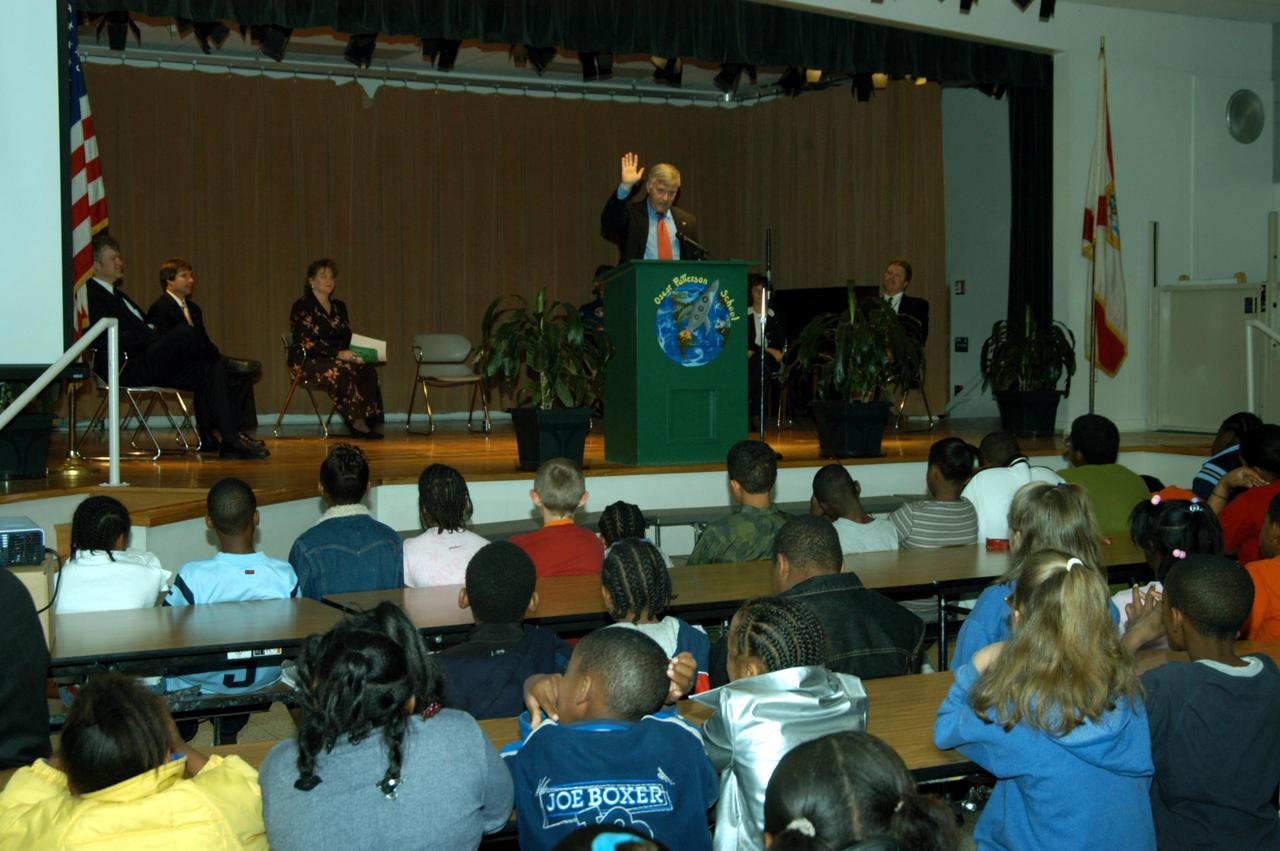
KENNEDY SPACE CENTER, FLA. -- Center Director Jim Kennedy talks to students at Oscar Patterson Elementary Magnet School in Panama City, Fla.  Kennedy is visiting NASA Explorer Schools in Florida and Georgia to share America’s new vision for space exploration with the next generation of explorers. Kennedy is talking with students about our destiny as explorers, NASA’s stepping stone approach to exploring Earth, the Moon, Mars and beyond, how space impacts our lives, and how people and machines rely on each other in space.
KSC-04pd0716
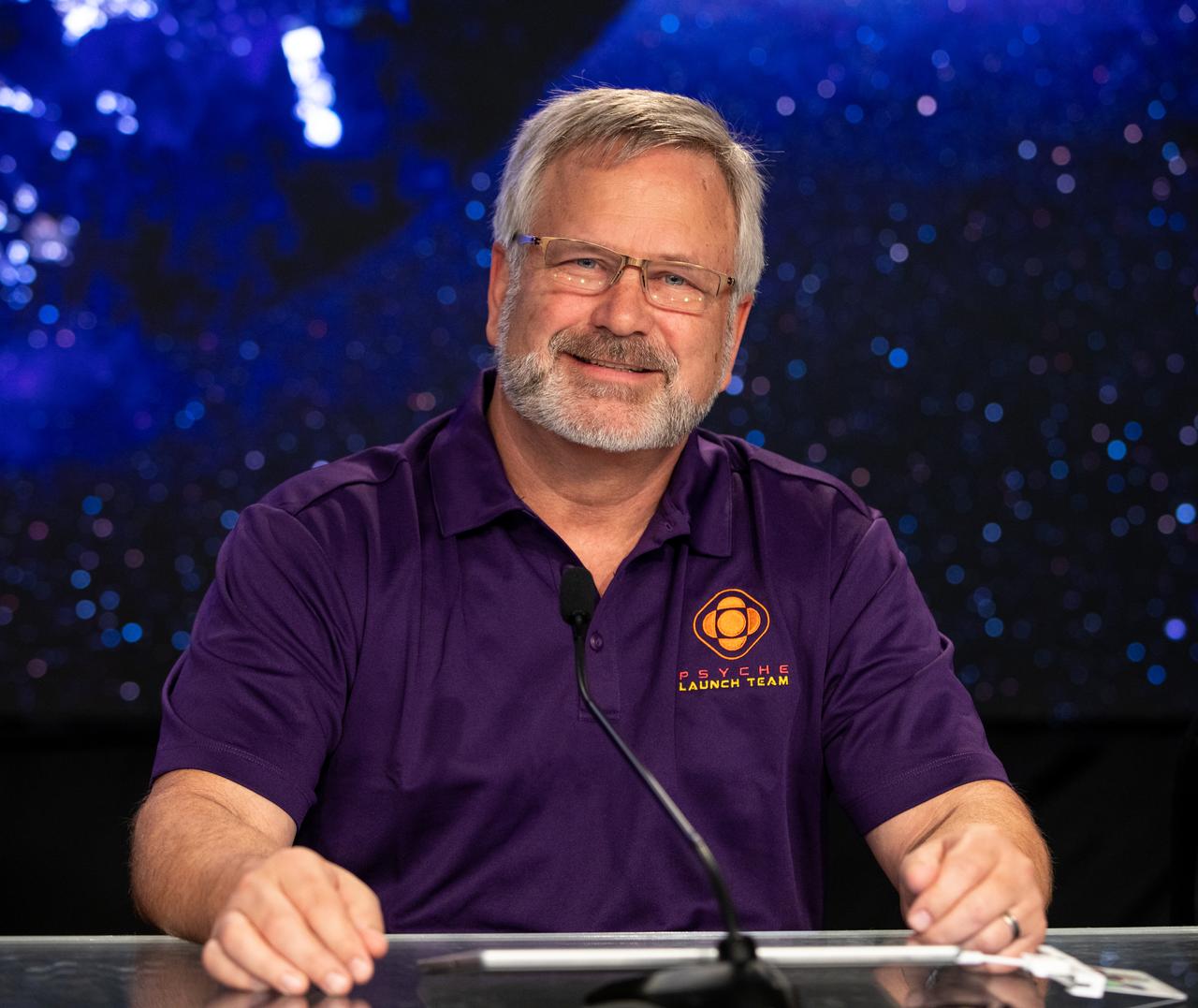
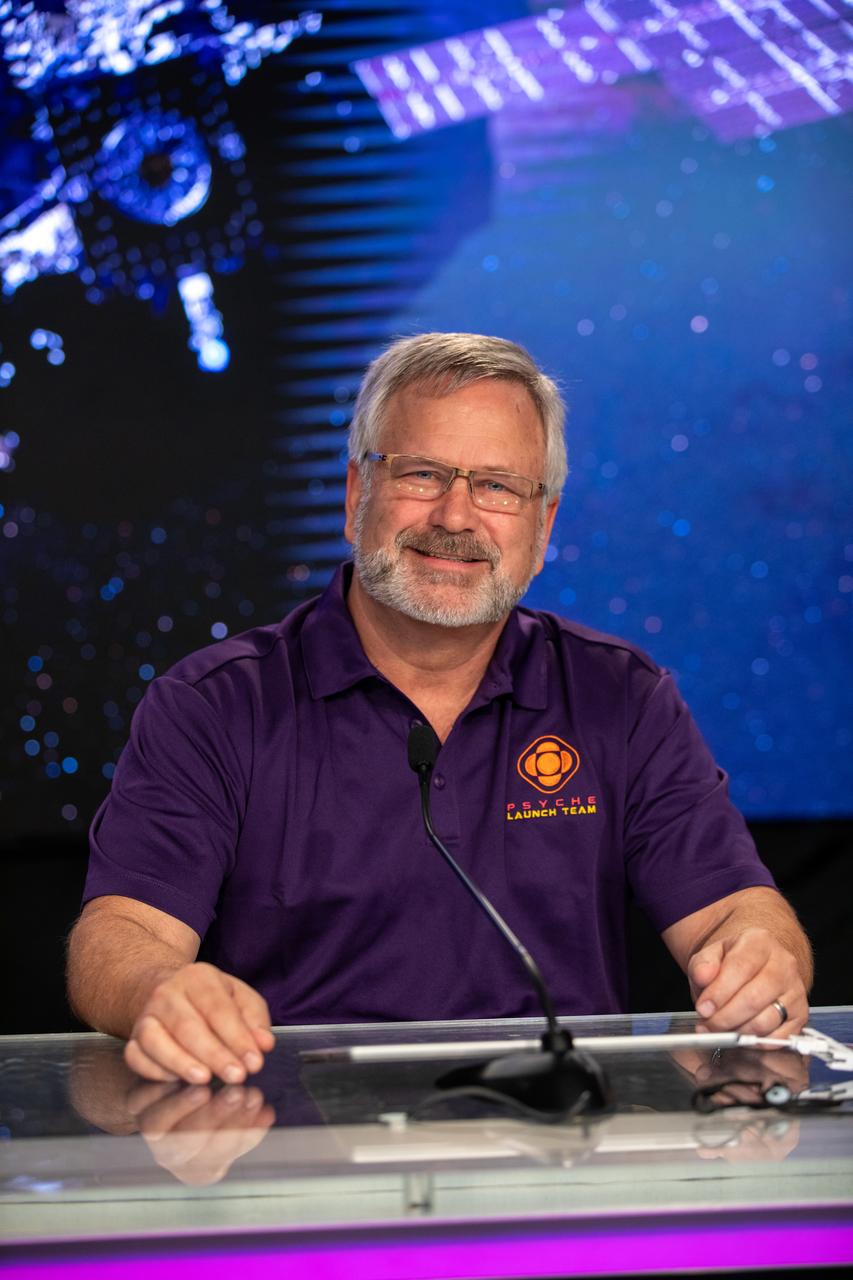
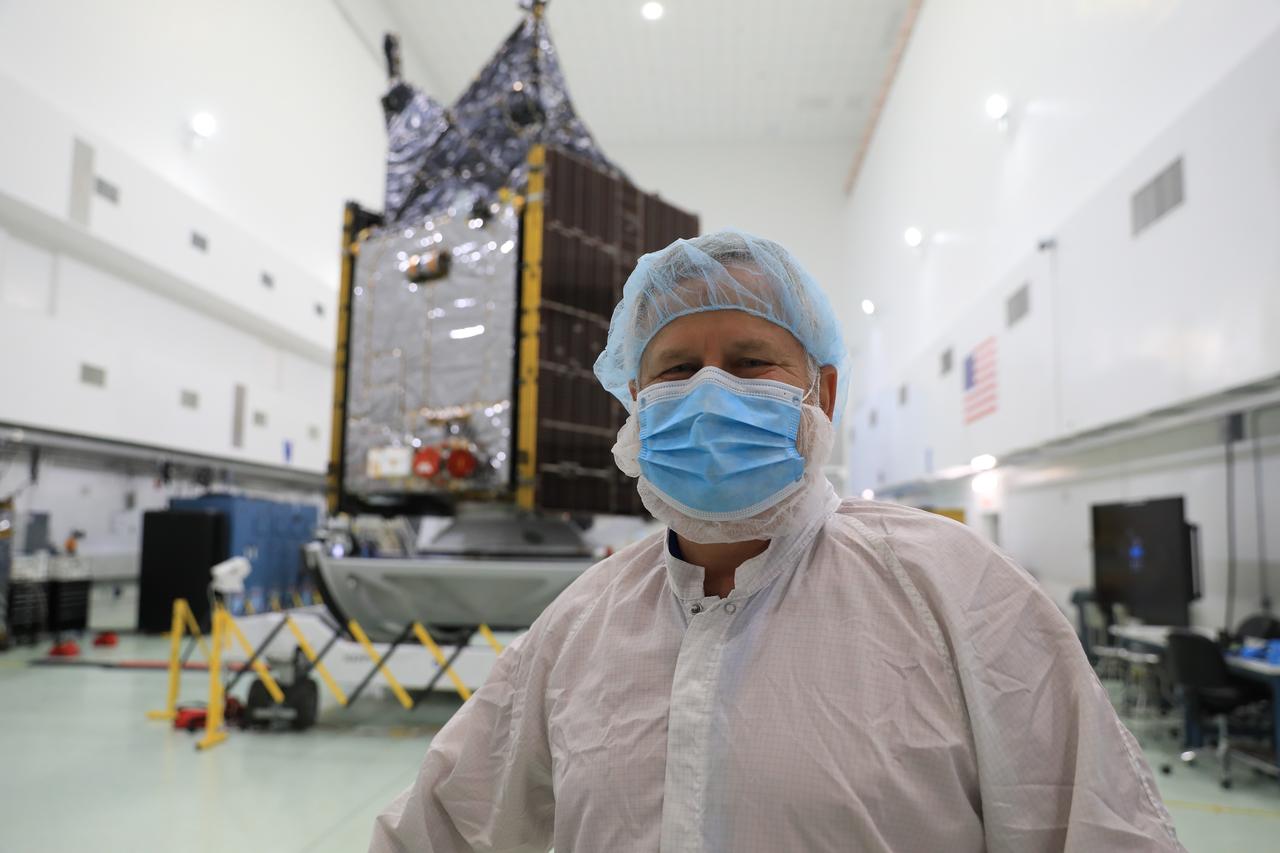
Henry Stone, Psyche project manager, NASA’s Jet Propulsion Laboratory, participates in a Psyche mission prelaunch news conference at NASA’s Kennedy Space Center in Florida on Wednesday, Oct. 11, 2023. Psyche is the first mission to explore an asteroid with a surface that likely contains substantial amounts of metal rather than rock or ice. Liftoff of NASA’s Psyche spacecraft, atop a SpaceX Falcon Heavy rocket, is targeted for 10:16 a.m. EDT Thursday, Oct. 12, from Kennedy’s Launch Complex 39A.
Psyche Prelaunch News Conference
KENNEDY SPACE CENTER, FLA. -- Students at Oscar Patterson Elementary Magnet School in Panama City, Fla., listen intently to Center Director Jim Kennedy as he shares America’s new vision for space exploration.  Kennedy is visiting NASA Explorer Schools in Florida and Georgia, talking with students about our destiny as explorers, NASA’s stepping stone approach to exploring Earth, the Moon, Mars and beyond, how space impacts our lives, and how people and machines rely on each other in space.
KSC-04pd0718
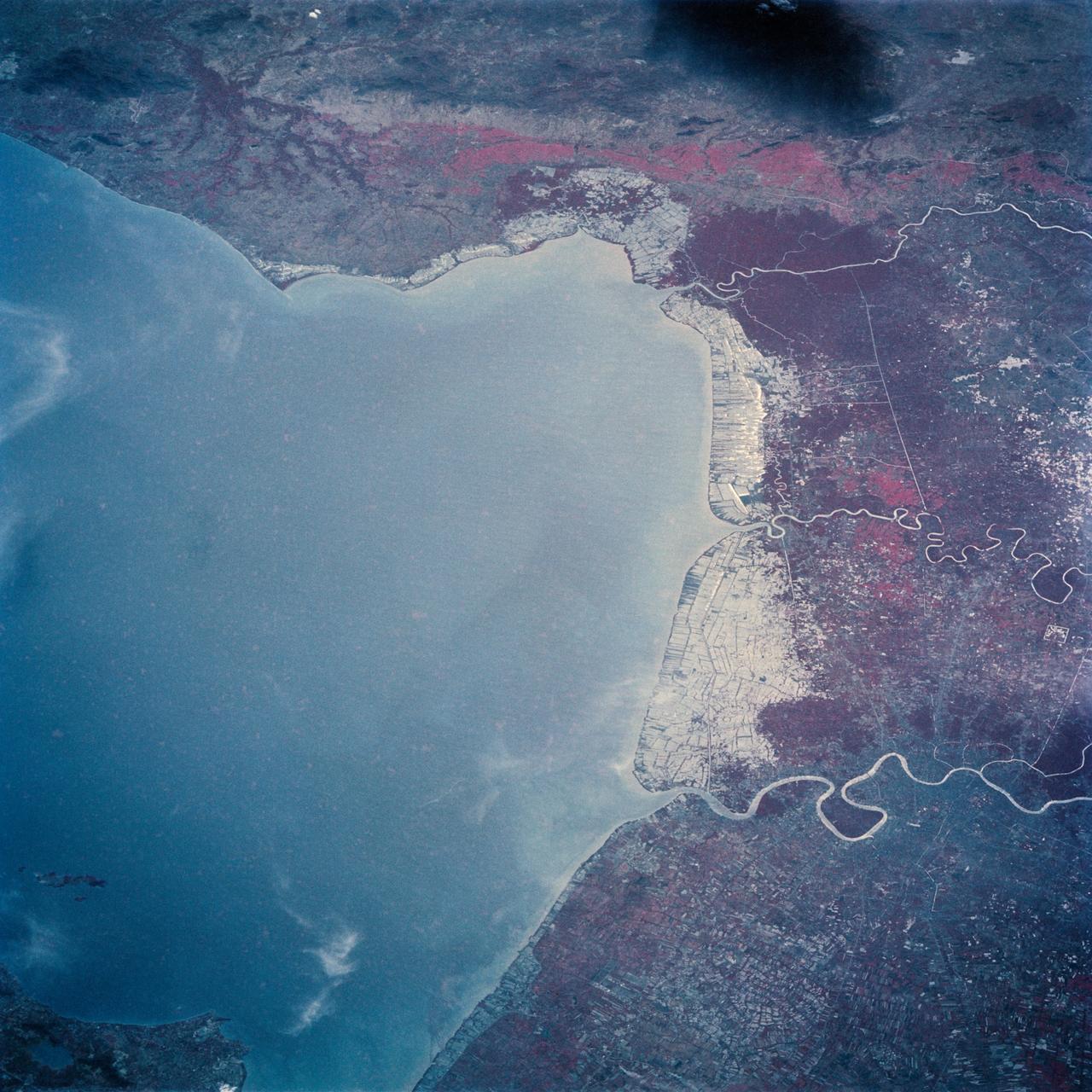
The Bight of Bangkok and the city of Bangkok, Thailand are visible in this west looking view. The city of Bangkok, with an estimated population in excess of 3.7 million people, can be seen in the lower right-hand corner of the view. The city, famous as a jewelry trading center, dealing in precious stones and silver and bronze ware, is situated in a vast lowland. This lowland is a major rice growing area interspersed with canals used for irrigation and drainage. Rice is a major export commodity of Thailand. The deforested hills of the Bilauktaung Range can be seen at the top of the view.
Infrared view of Bangkok, Thailand
KENNEDY SPACE CENTER, FLA. -- Center Director Jim Kennedy talks to students at Oscar Patterson Elementary Magnet School in Panama City, Fla.  Kennedy is visiting NASA Explorer Schools in Florida and Georgia to share America’s new vision for space exploration with the next generation of explorers. Kennedy is talking with students about our destiny as explorers, NASA’s stepping stone approach to exploring Earth, the Moon, Mars and beyond, how space impacts our lives, and how people and machines rely on each other in space.
KSC-04pd0717
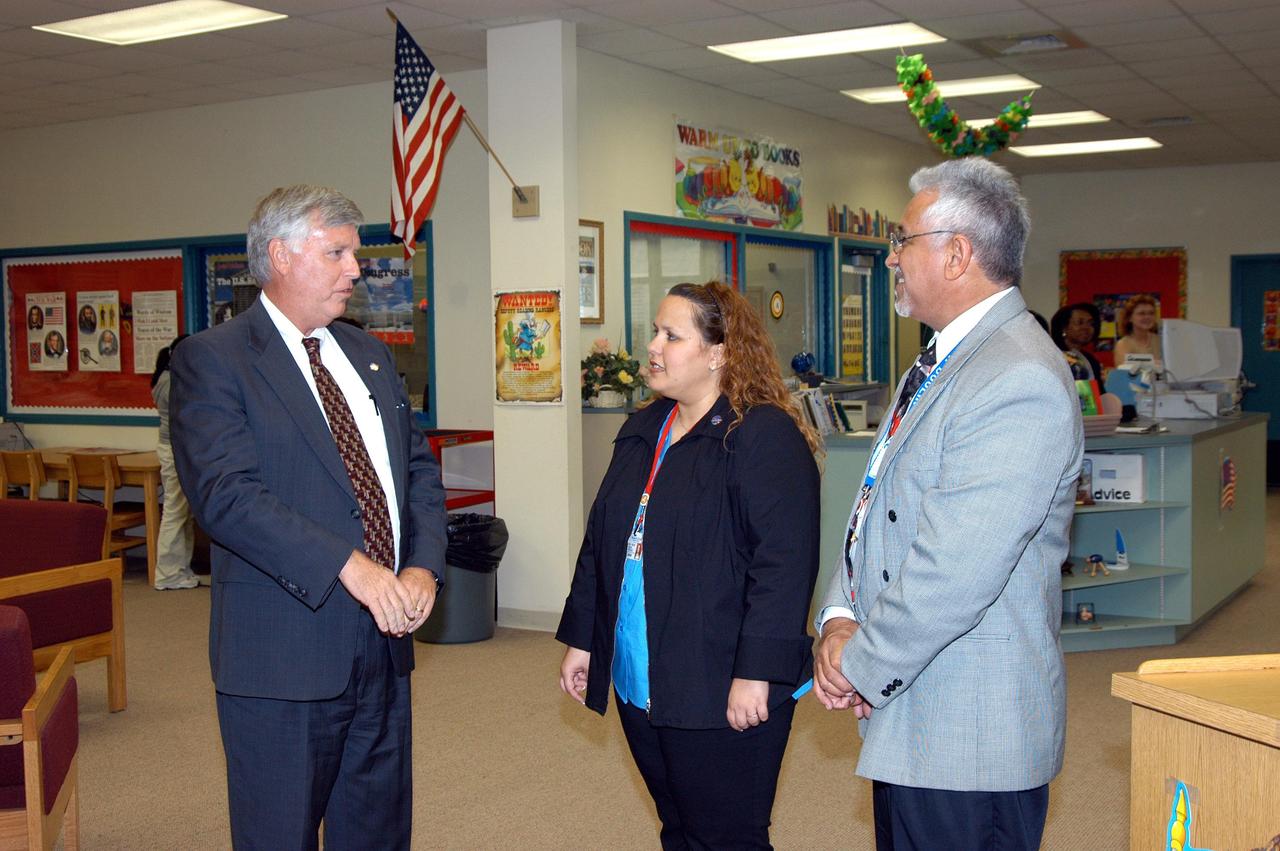
KENNEDY SPACE CENTER, FLA. -- Center Director Jim Kennedy (left) talks to Eduardo Tillet (right), principal of Howard A. Doolin Middle School, Miami, Fla., on his visit to share America’s new vision for space exploration with the next generation of explorers. Kennedy, joined by astronaut David Wolf, is talking with students about our destiny as explorers, NASA’s stepping stone approach to exploring Earth, the Moon, Mars and beyond, how space impacts our lives, and how people and machines rely on each other in space.
KSC-04pd1148
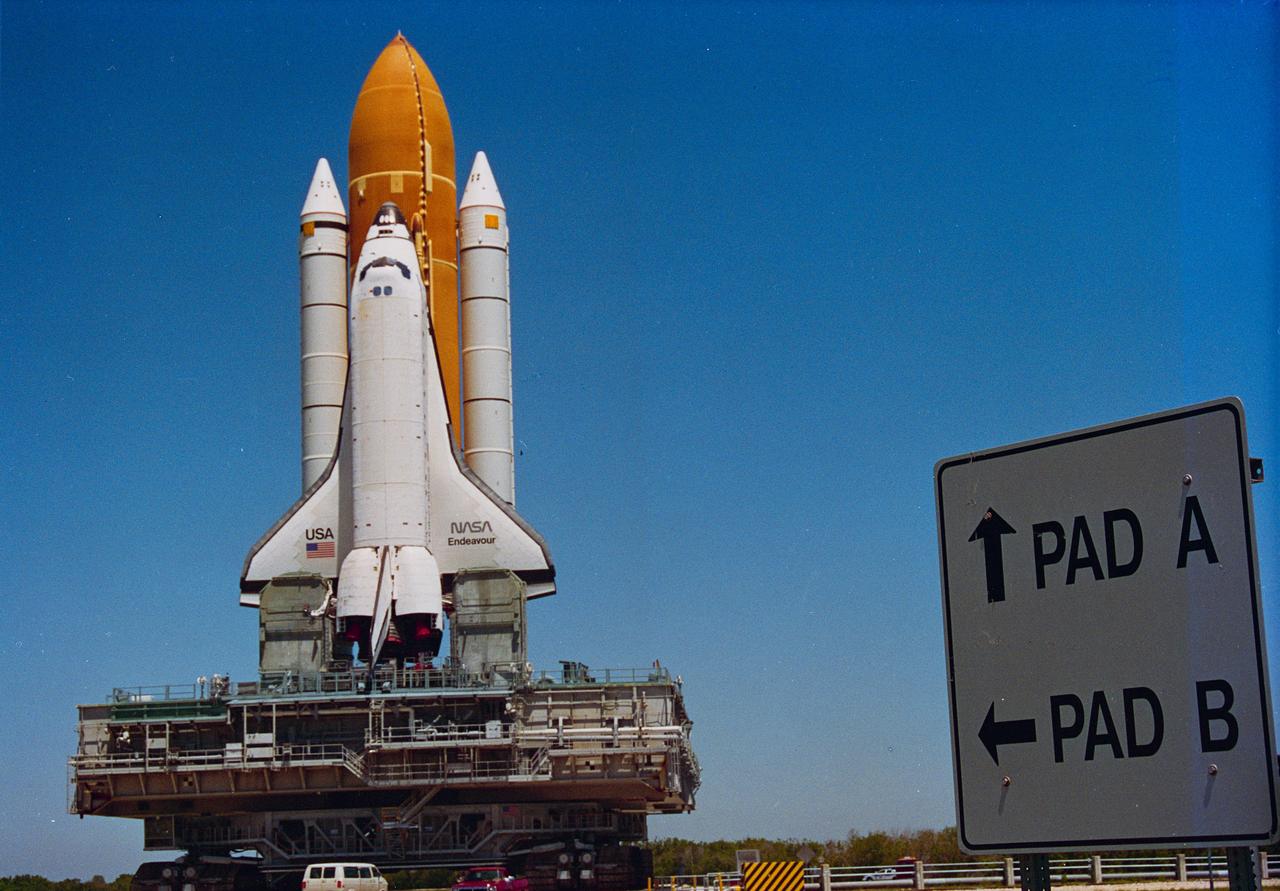
S96-07957 (16 April 1996) --- A road sign points to Launch Pad 39B, the final earthly destination for the Space Shuttle Endeavour and its final stepping stone into space.  Endeavour began the slow journey from the Vehicle Assembly Building (VAB) at about 10:00a.m., April 16, 1996, perched atop the Mobile Launcher Platform and carried by the Crawler-Transporter.  Upcoming activities at the pad to prepare Endeavour for flight on STS-77 include installation of the payloads in the Orbiter?s payload bay.
Pre-flight views of orbiter Endeavour on way to launch pad for STS-77
KENNEDY SPACE CENTER, FLA. -- Center Director Jim Kennedy talks to students at Oscar Patterson Elementary Magnet School in Panama City, Fla.  Kennedy is visiting NASA Explorer Schools in Florida and Georgia to share America’s new vision for space exploration with the next generation of explorers. Kennedy is talking with students about our destiny as explorers, NASA’s stepping stone approach to exploring Earth, the Moon, Mars and beyond, how space impacts our lives, and how people and machines rely on each other in space.
KSC-04pd0715
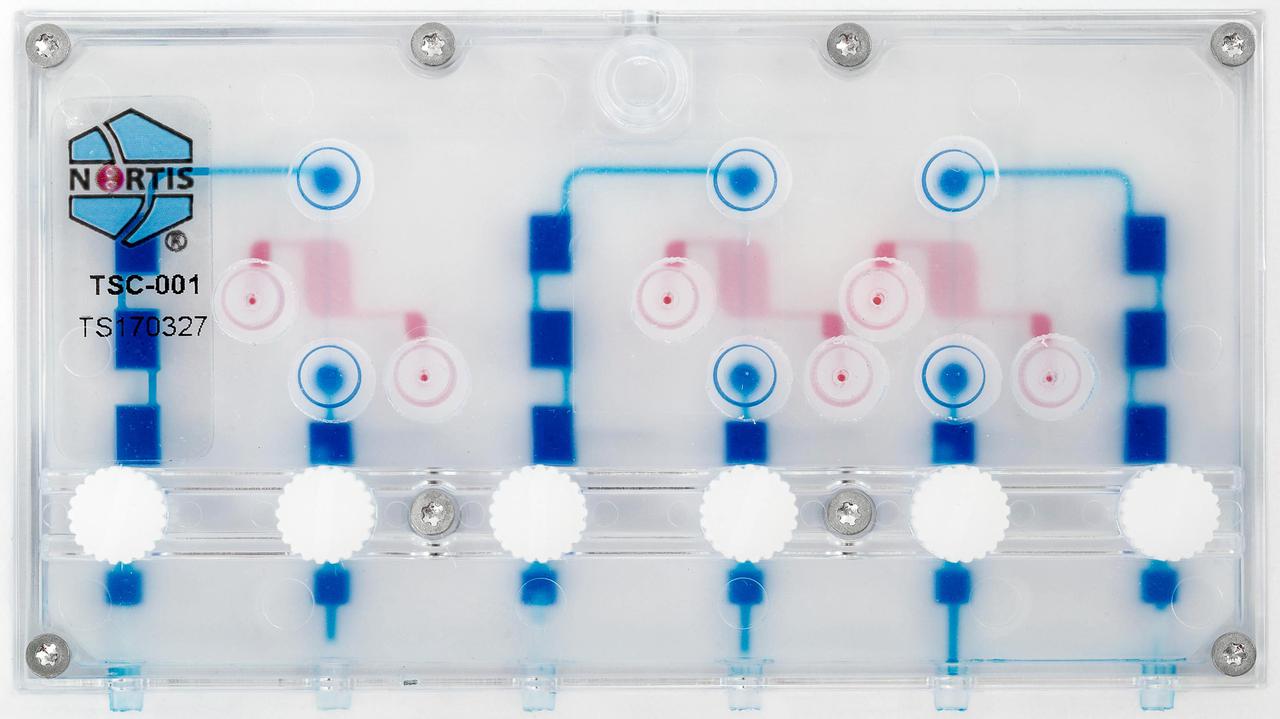
jsc2021e019396 (5/19/2021) --- Nortis Parvivo culture platform with three independently perfused kidney tubules. Twenty-four of these devices will be sent to the ISS-NL to study the effects of microgravity on kidney stone disease. Effects of Microgravity on the Structure and Function of Proximal and Distal Tubule MPS (Kidney Cells-02) uses a 3D kidney cell model or chip to study the effects of microgravity on formation of microcrystals in kidney tubules. Image courtesy of Alex Levine (UW School of Pharmacy).
Kidney Cells-02
KENNEDY SPACE CENTER, FLA. - Astronaut Kay Hire talks to students in Garland V. Stewart Magnet Middle School, a NASA Explorer School (NES) in Tampa, Fla.  She joined Center Director Jim Kennedy in sharing the agency’s new vision for space exploration with the next generation of explorers. Kennedy is talking with students about our destiny as explorers, NASA’s stepping stone approach to exploring Earth, the Moon, Mars and beyond, how space impacts our lives, and how people and machines rely on each other in space.
KSC-04pd0307
KENNEDY SPACE CENTER, FLA. -  At Ronald E. McNair High School in Atlanta, a NASA Explorer School, the school band performs for  KSC Deputy Director Dr. Woodrow Whitlow Jr. and others, who are visiting to the school to share the vision for space exploration with the next generation of explorers.  Whitlow  is talking with students about our destiny as explorers, NASA’s stepping stone approach to exploring Earth, the Moon, Mars and beyond, how space impacts our lives, and how people and machines rely on each other in space.
KSC-04pd1983
Henry Stone, Psyche project manager, NASA’s Jet Propulsion Laboratory, participates in a Psyche mission prelaunch news conference at NASA’s Kennedy Space Center in Florida on Wednesday, Oct. 11, 2023. Psyche is the first mission to explore an asteroid with a surface that likely contains substantial amounts of metal rather than rock or ice. Liftoff of NASA’s Psyche spacecraft, atop a SpaceX Falcon Heavy rocket, is targeted for 10:16 a.m. EDT Thursday, Oct. 12, from Kennedy’s Launch Complex 39A.
Psyche Prelaunch News Conference
The town of Nordlingen in southern Germany preserves its circular 14th century walls. The circular shape is a result of the town having been built in an impact crater, the 10 million year old Ries crater. Stone buildings in the town contain millions of tiny diamonds, created by the impact of the meteorite. The image was acquired July 18, 2014, covers an area of 9 x 9 km, and is located at 48.8 degrees north, 10.5 degrees east.  https://photojournal.jpl.nasa.gov/catalog/PIA23851
Nordlingen, Germany
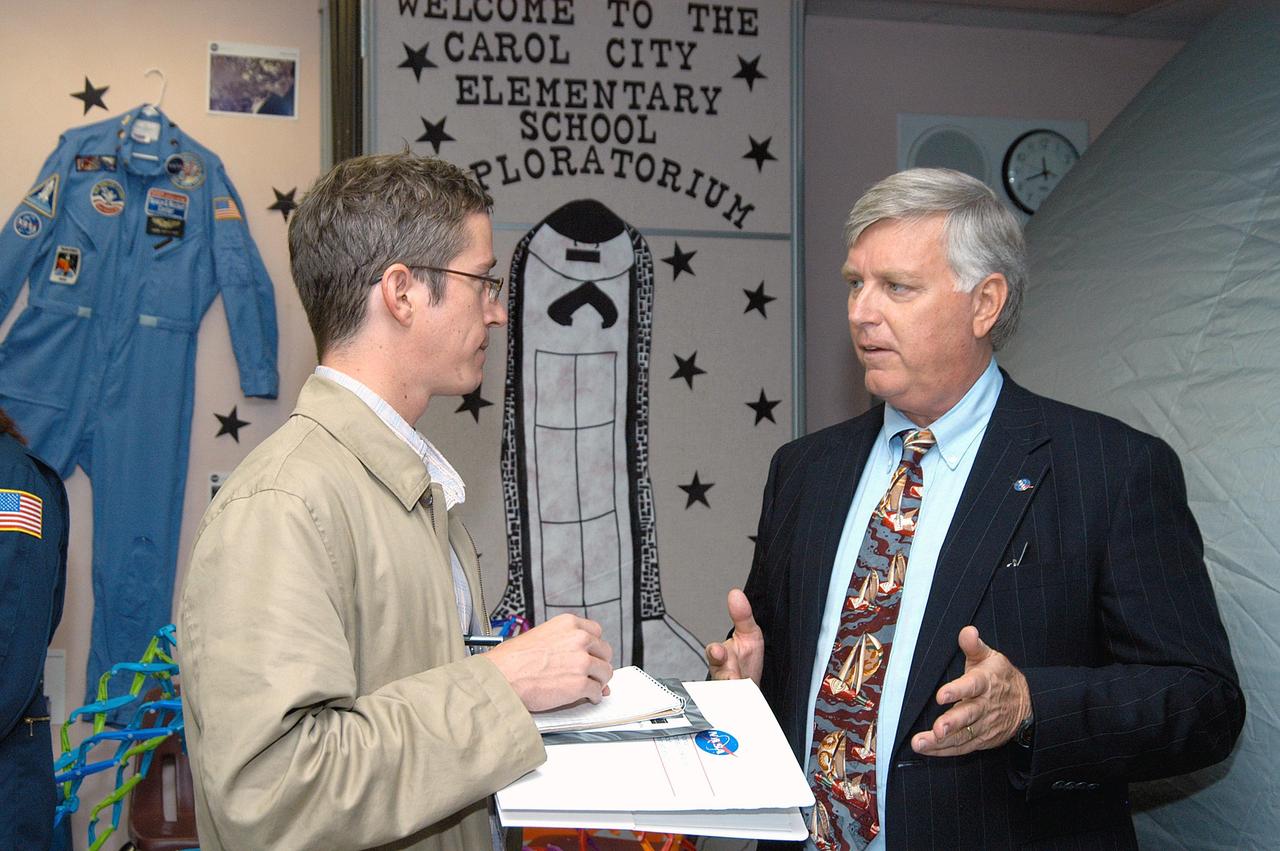
KENNEDY SPACE CENTER, FLA. -  Center Director Jim Kennedy (right) is joined by two students at Carol City Elementary School, a NASA Explorer School, in Miami, Fla., which Kennedy visited to share America’s new vision for space exploration with the next generation of explorers. Kennedy is talking with students about our destiny as explorers, NASA’s stepping stone approach to exploring Earth, the Moon, Mars and beyond, how space impacts our lives, and how people and machines rely on each other in space.
KSC-04pd0811
KENNEDY SPACE CENTER, FLA. -  Students at Carol City Elementary School, a NASA Explorer School, in Miami, Fla., take part in a presentation by Center Director Jim Kennedy about America’s new vision for space exploration Kennedy is talking with students about our destiny as explorers, NASA’s stepping stone approach to exploring Earth, the Moon, Mars and beyond, how space impacts our lives, and how people and machines rely on each other in space.
KSC-04pd0812
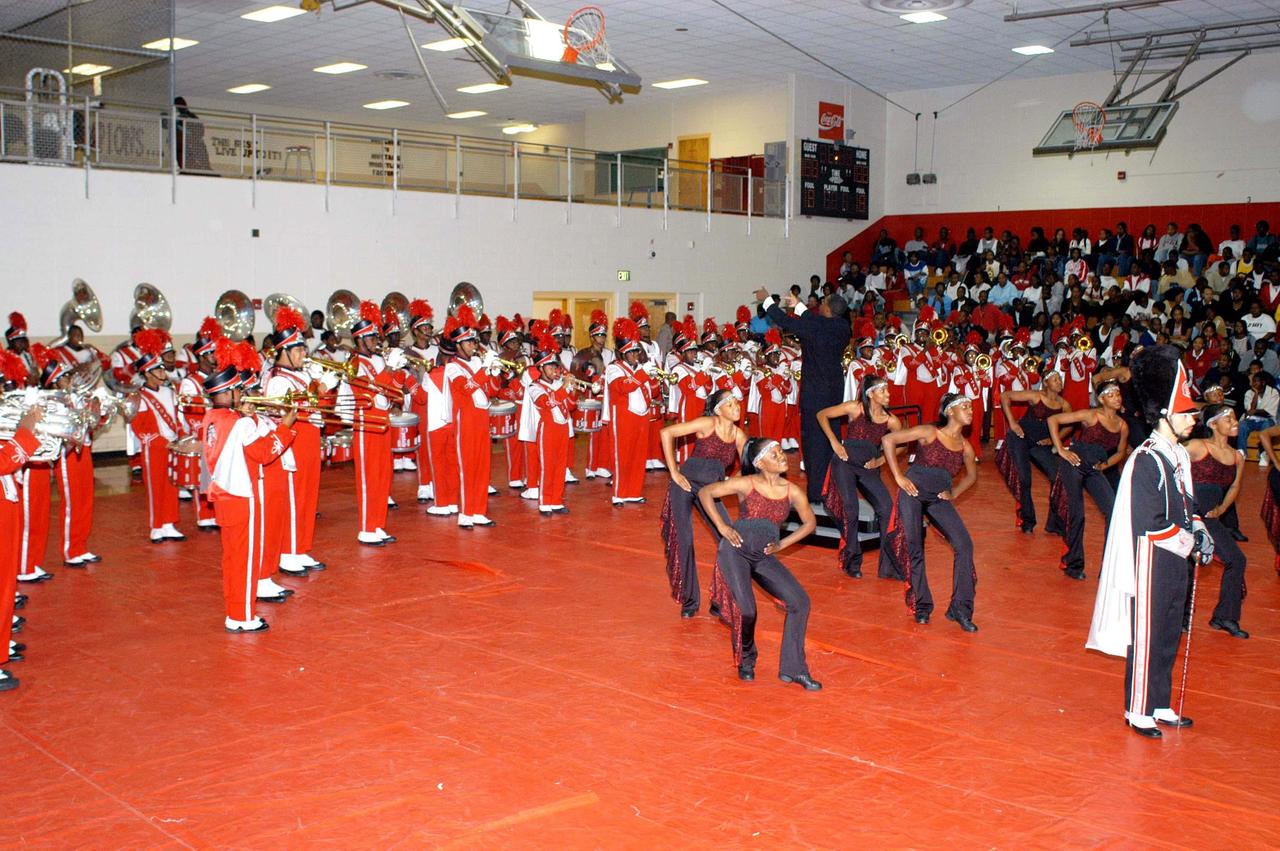
KENNEDY SPACE CENTER, FLA. -  At Ronald E. McNair High School in Atlanta, a NASA Explorer School, the school band and dancers perform for  KSC Deputy Director Dr. Woodrow Whitlow Jr. and others, who are visiting to the school to share the vision for space exploration with the next generation of explorers.  Whitlow  is talking with students about our destiny as explorers, NASA’s stepping stone approach to exploring Earth, the Moon, Mars and beyond, how space impacts our lives, and how people and machines rely on each other in space.
KSC-04pd1982
KENNEDY SPACE CENTER, FLA. -  At University Community Academy in Atlanta, a NASA Explorer School, KSC Deputy Director Dr. Woodrow Whitlow Jr. interacts with students during his presentation.  Dr. Whitlow was visiting the school to share the  vision for space exploration with the next generation of explorers.  Whitlow  talked with students about our destiny as explorers, NASA’s stepping stone approach to exploring Earth, the Moon, Mars and beyond, how space impacts our lives, and how people and machines rely on each other in space.
KSC-04pd1876
KENNEDY SPACE CENTER, FLA. -  Center Director Jim Kennedy (right) talks to a reporter from the Miami Herald about his visit to Carol City Elementary School, a NASA Explorer School, in Miami, Fla.  Kennedy is sharing America’s new vision for space exploration with the next generation of explorers. He is talking with students about our destiny as explorers, NASA’s stepping stone approach to exploring Earth, the Moon, Mars and beyond, how space impacts our lives, and how people and machines rely on each other in space.
KSC-04pd0824
KENNEDY SPACE CENTER, FLA. -- Students at Oscar Patterson Elementary Magnet School in Panama City, Fla., listen to Center Director Jim Kennedy as he shares America’s new vision  for space exploration.  Kennedy is visiting NASA Explorer Schools in Florida and Georgia, talking with students about our destiny as explorers, NASA’s stepping stone approach to exploring Earth, the Moon, Mars and beyond, how space impacts our lives, and how people and machines rely on each other in space.
KSC-04pd0719
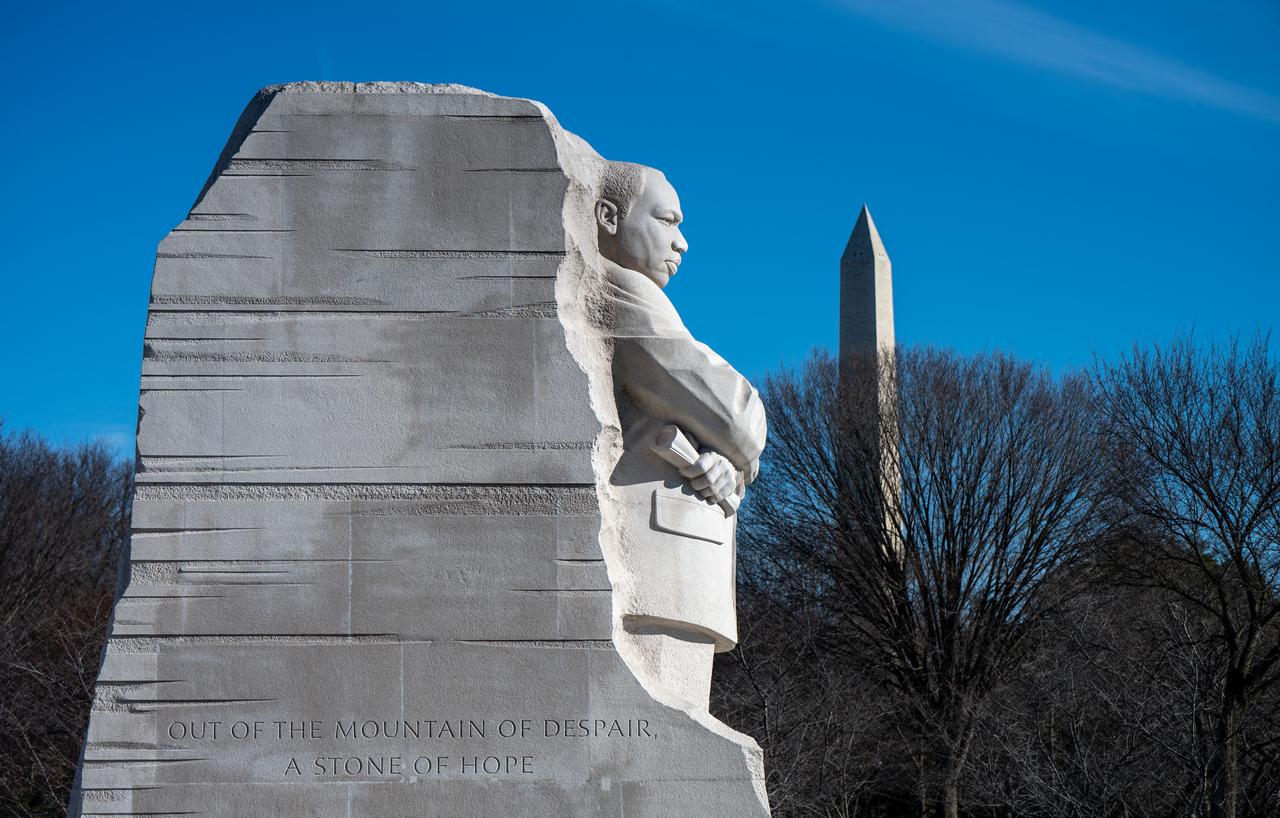
The Martin Luther King, Jr. Memorial is seen in the foregound with the Washington Monument in the background, Sunday, Jan. 5, 2025, in Washington. The memorial covers four acres and includes the Stone of Hope, a granite statue of civil rights movement leader Martin Luther King Jr. carved by sculptor Lei Yixin. Photo Credit: (NASA/Bill Ingalls)
Martin Luther King, Jr. Memorial
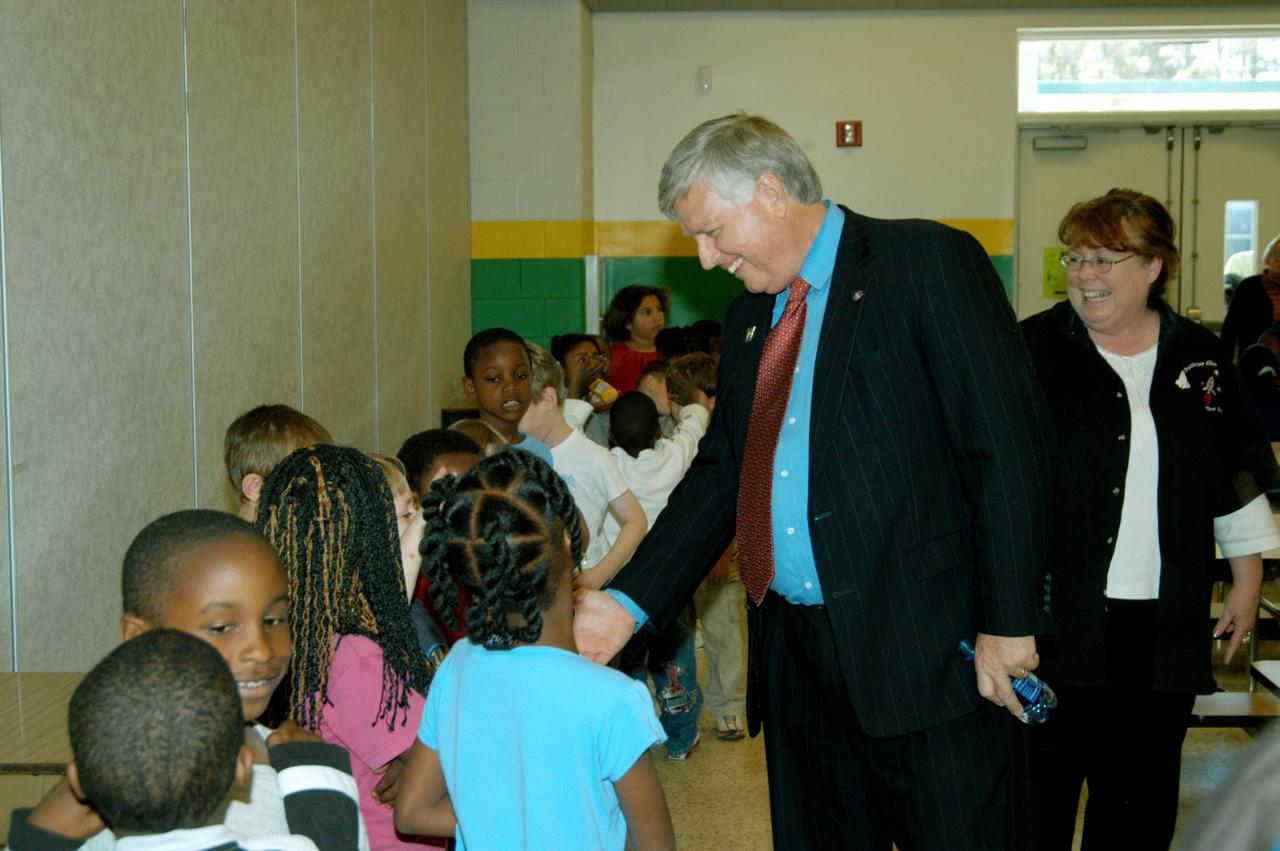
KENNEDY SPACE CENTER, FLA. -- Center Director Jim Kennedy shakes hands with students at Oscar Patterson Elementary Magnet School in Panama City, Fla.  Kennedy is touring Florida and Georgia NASA Explorer Schools to share America’s new vision for space exploration with the next generation of explorers.  Kennedy is talking with students about our destiny as explorers, NASA’s stepping stone approach to exploring Earth, the Moon, Mars and beyond, how space impacts our lives, and how people and machines rely on each other in space.
KSC-04pd0745
KENNEDY SPACE CENTER, FLA. -  Students at Ronald E. McNair High School in Atlanta, a NASA Explorer School, wait for the presentation by KSC Deputy Director Dr. Woodrow Whitlow Jr., who is visiting to the school to share the vision for space exploration with the next generation of explorers.  Whitlow  talked with students about our destiny as explorers, NASA’s stepping stone approach to exploring Earth, the Moon, Mars and beyond, how space impacts our lives, and how people and machines rely on each other in space.
KSC-04pd1986
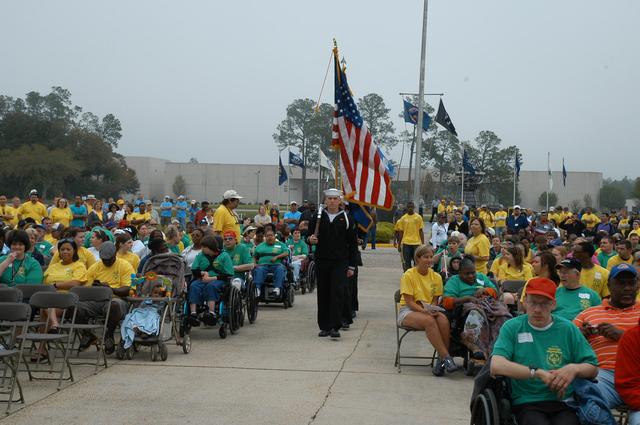
A military color guard opens the 2011 John C. Stennis Area III Track and Field Competitions on March 19. Stennis Space Center is an annual host for the Special Olympics games, which draws special athletes from Hancock, Harrison, Pearl River, and Stone counties and involves hundreds of volunteers and sponsors. The 2011 event was sponsored by the NASA Shared Services Center, located at Stennis.
2011 Special Olympics
Site of the original Plymouth Colony in Massachusetts (42.0N, 70.5), This detailed photo is rich in early American history. Plymouth Rock, the Pilgrims first stepping stone on North America and site of Plymouth Colony is located just behind the natural breakwater on the south shore of Plymouth Bay seen in the middle of the photo. The through canal to the south is part of the Intercoastal Canal system. Cape Cod is just south of the canal.
Plymouth Colony, Massachusetts, USA
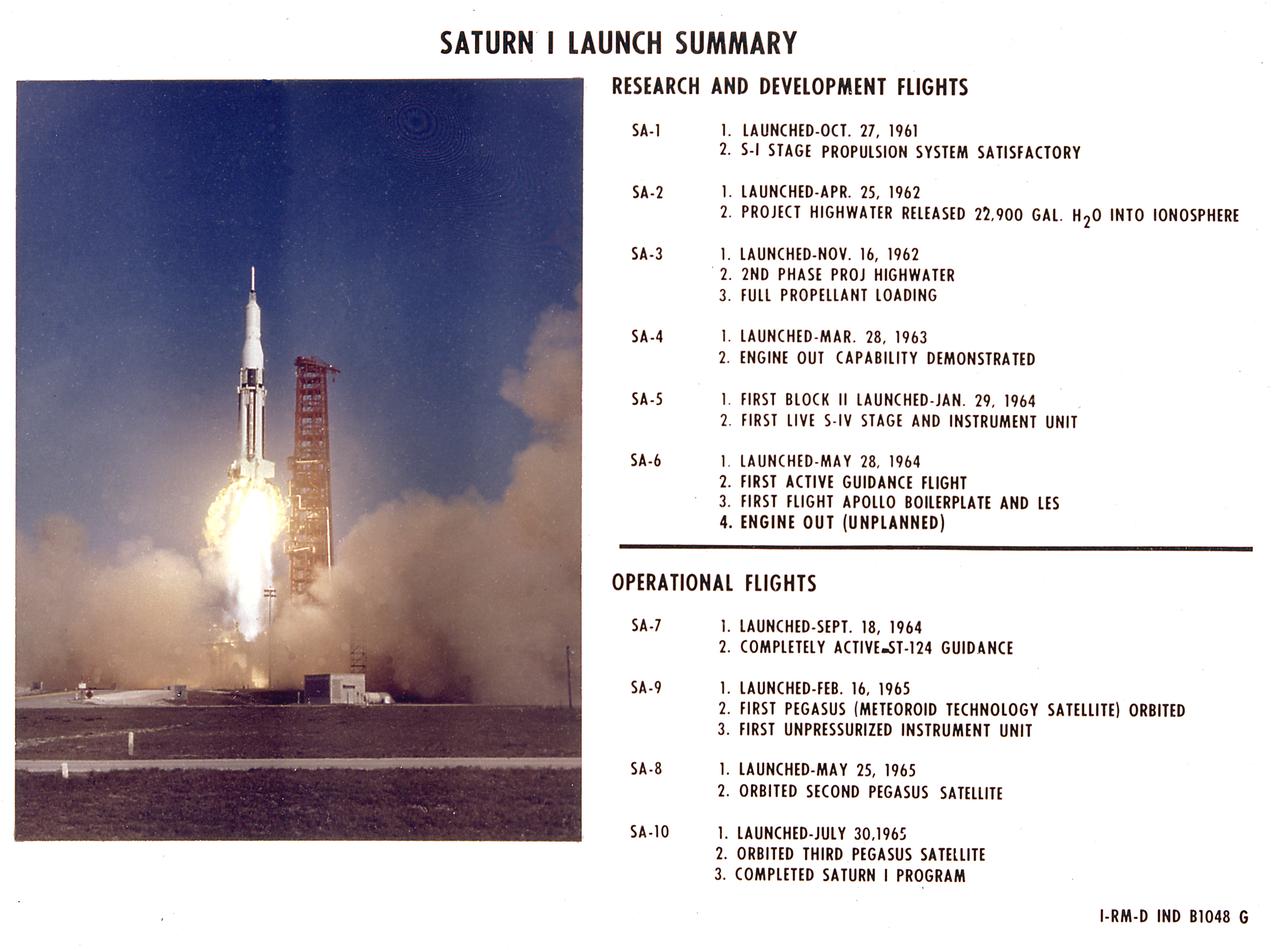
Saturn 1 Launch summary of research and development flights and operational flights. NASA's initial development plan for the Saturn program had called for the Saturn I to serve as a stepping stone to the development of larger Saturn vehicles ultimately known as the Saturn IB and Saturn V. The Saturn I launch vehicle proved the feasibility of the clustered engines and provided significant new payload lifting capabilities.
Saturn Apollo Program
The Martin Luther King, Jr. Memorial is seen in the foregound with the Washington Monument in the background, Sunday, Jan. 5, 2025, in Washington. The memorial covers four acres and includes the Stone of Hope, a granite statue of civil rights movement leader Martin Luther King Jr. carved by sculptor Lei Yixin. Photo Credit: (NASA/Bill Ingalls)
Martin Luther King, Jr. Memorial