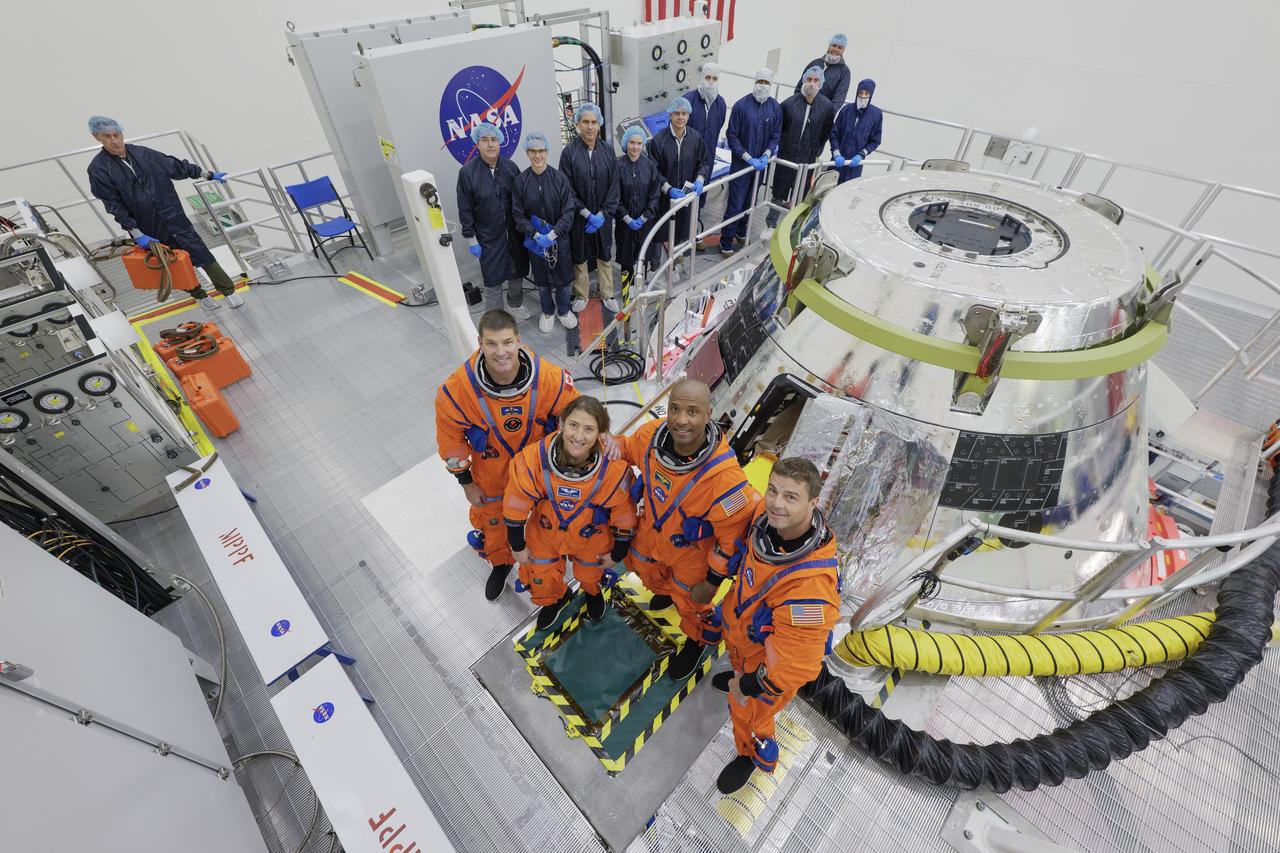
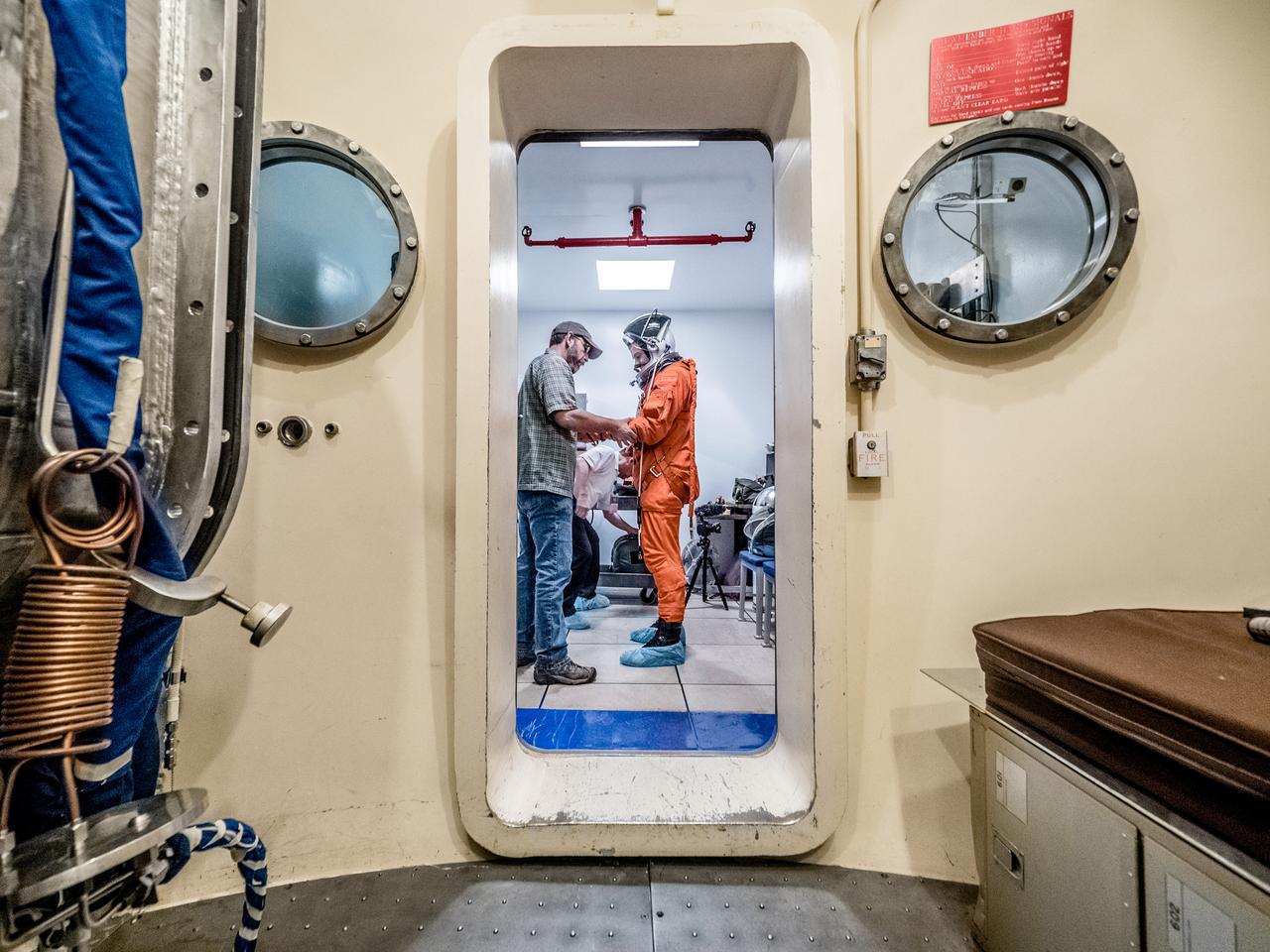
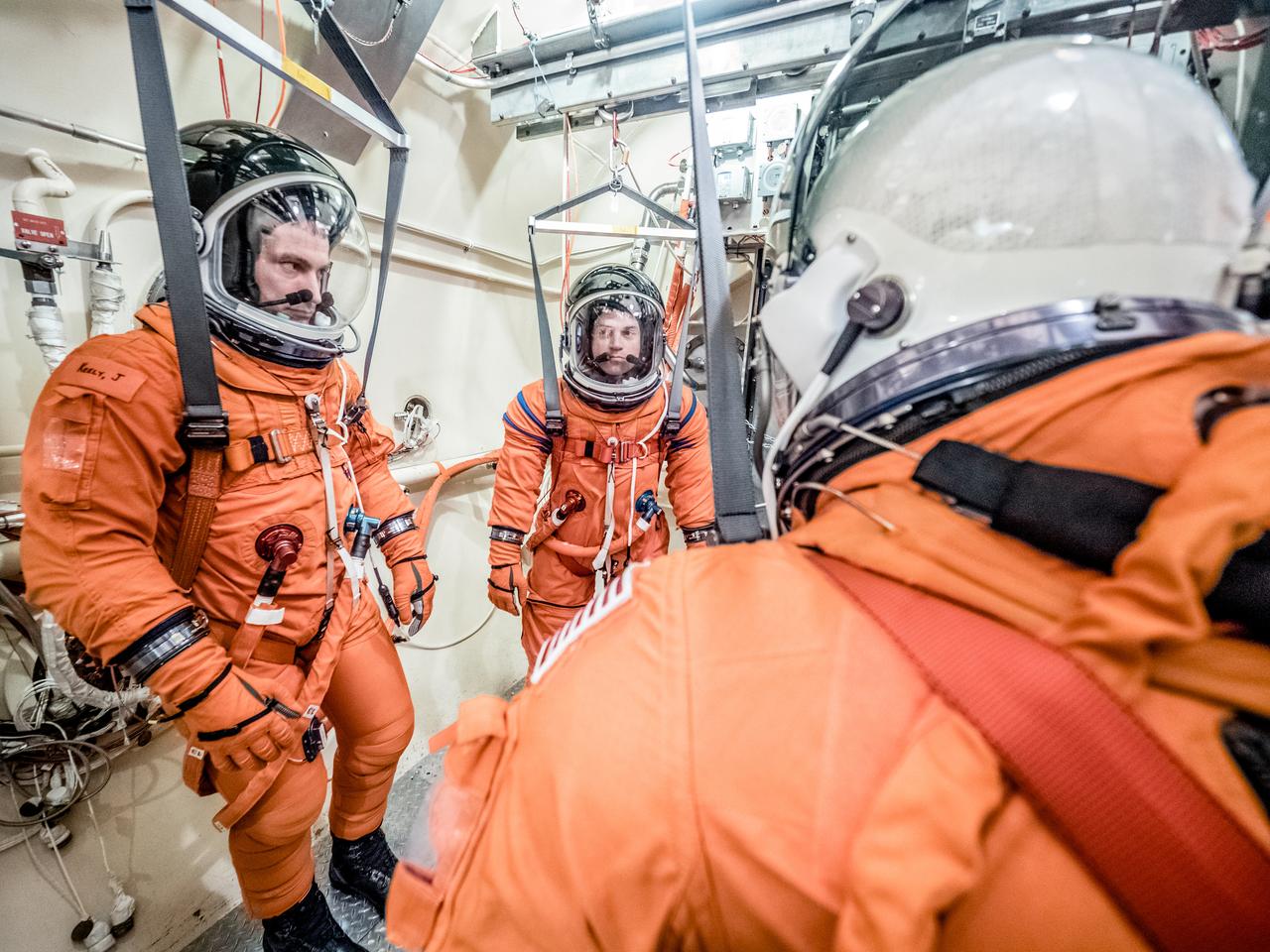
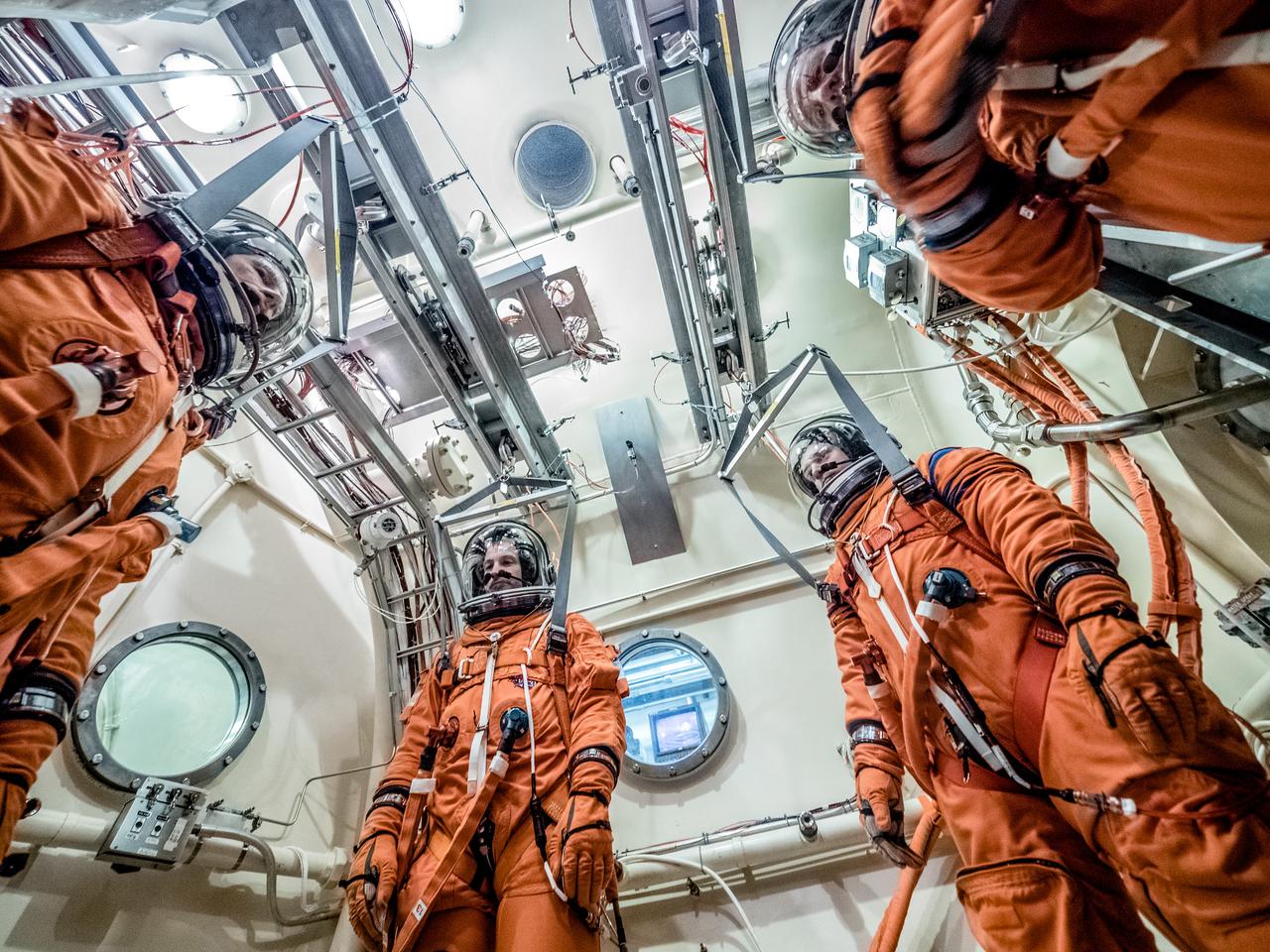
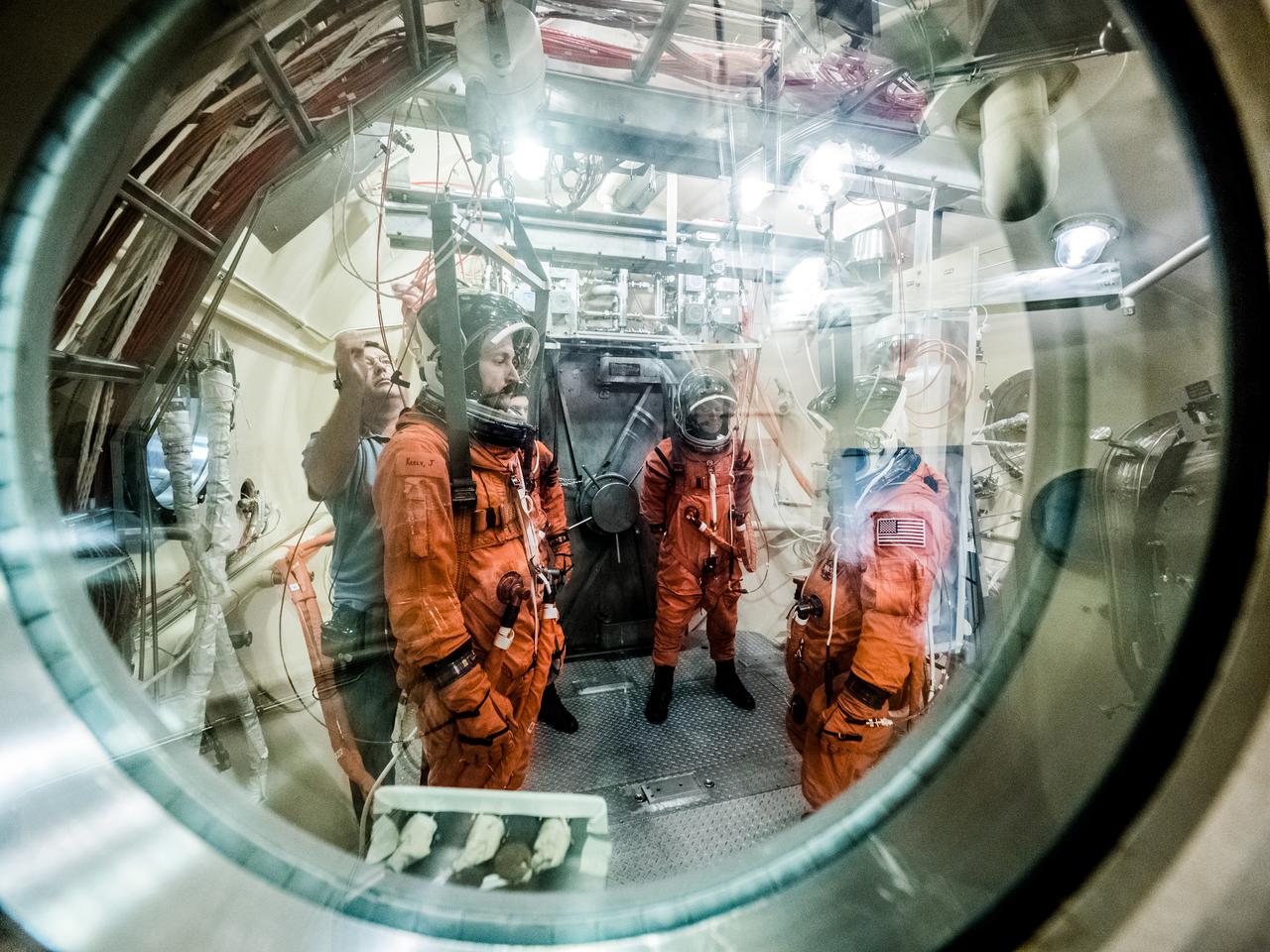
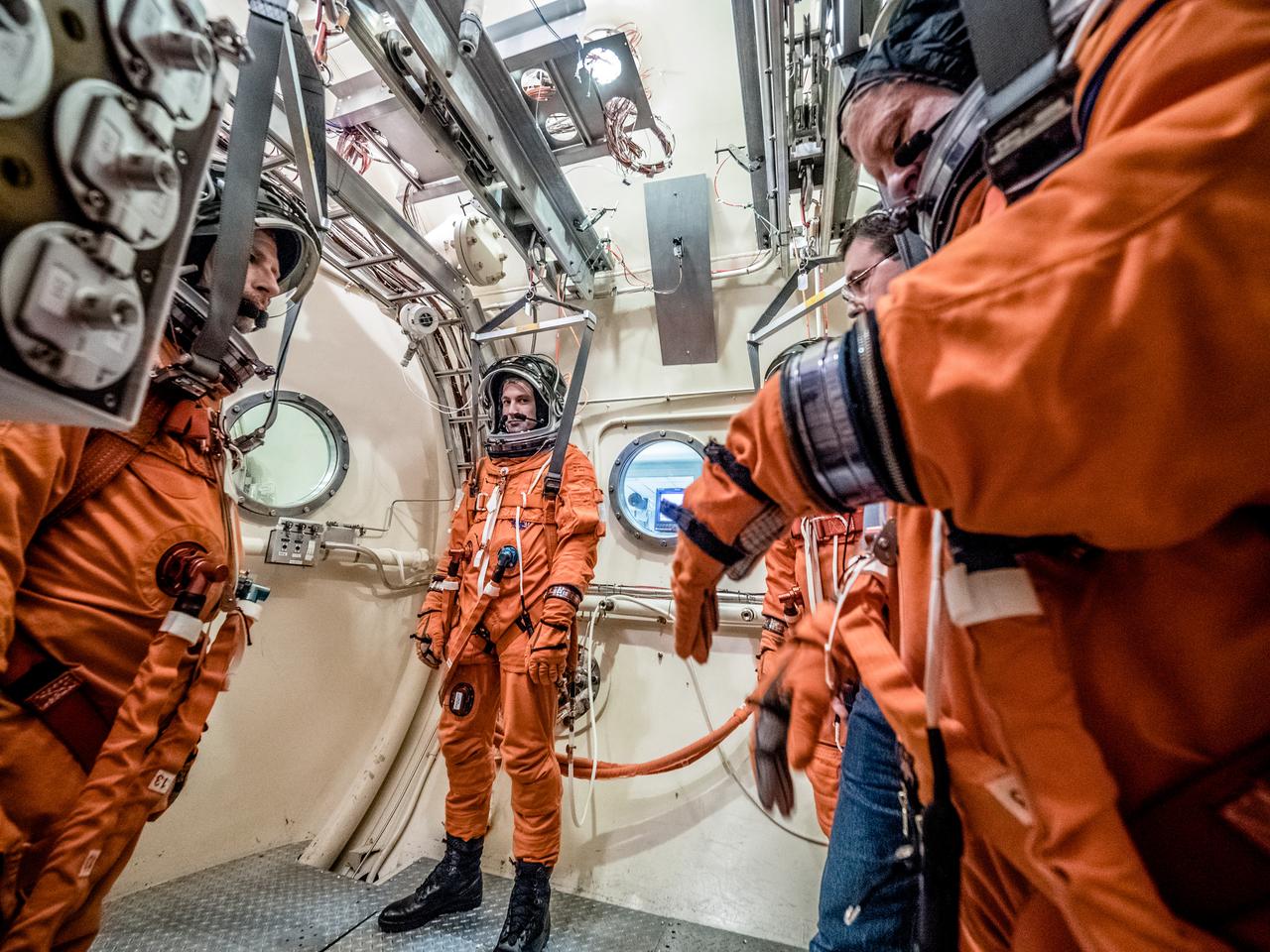
The Artemis II crew (from left to right) CSA (Canadian Space Agency) Jeremy Hansen, mission specialist; Christina Koch, mission specialist; Victor Glover, pilot; and Reid Wiseman, commander, don their Orion Crew Survival System Suits for a multi-day crew module training beginning Thursday, July 31, 2025 at the agency’s Kennedy Space Center in Florida. Behind the crew, wearing clean room apparel, are members of the Artemis II closeout crew. Testing included a suited crew test and crew equipment interface test, performing launch day and simulated orbital activities inside the Orion spacecraft. This series of tests marks the first time the crew entered their spacecraft that will take them around the Moon and back to Earth while wearing their spacesuits.
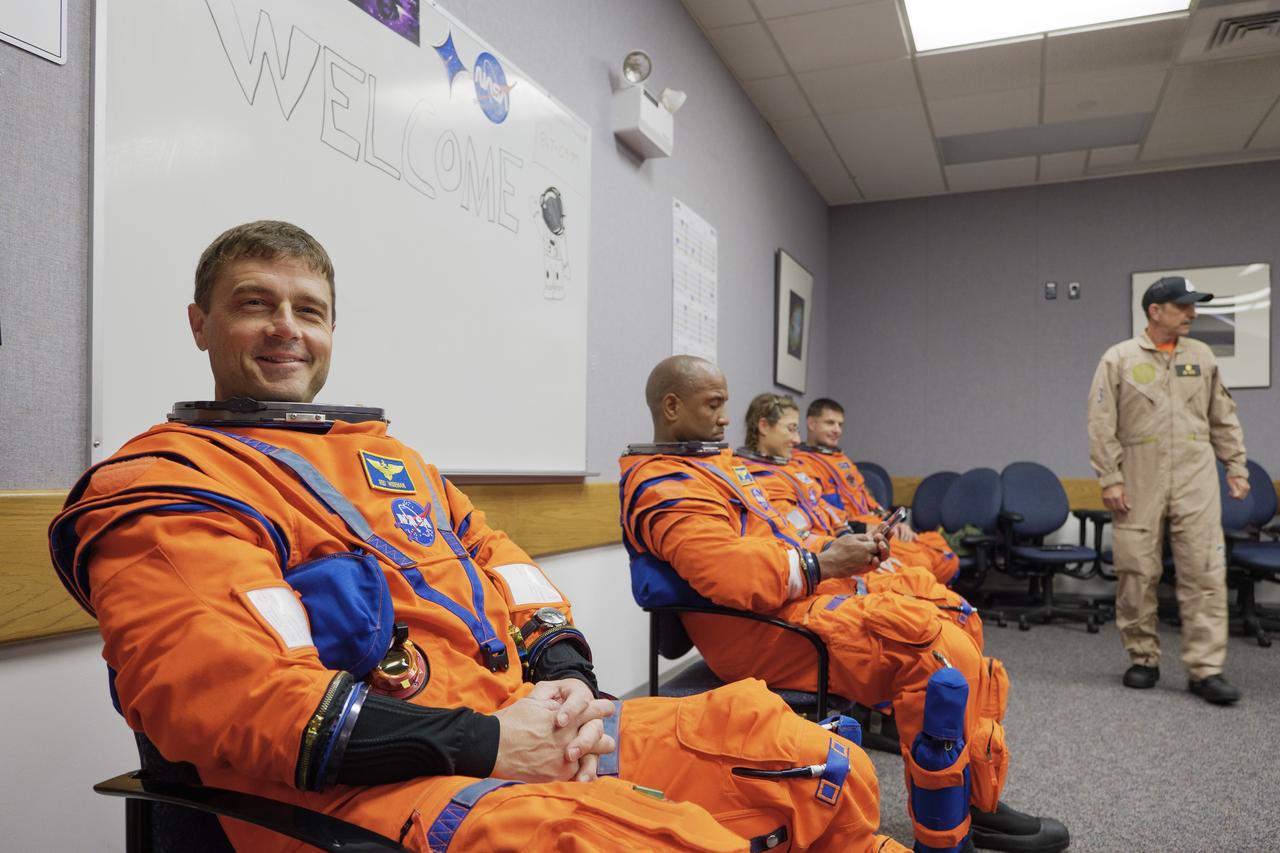
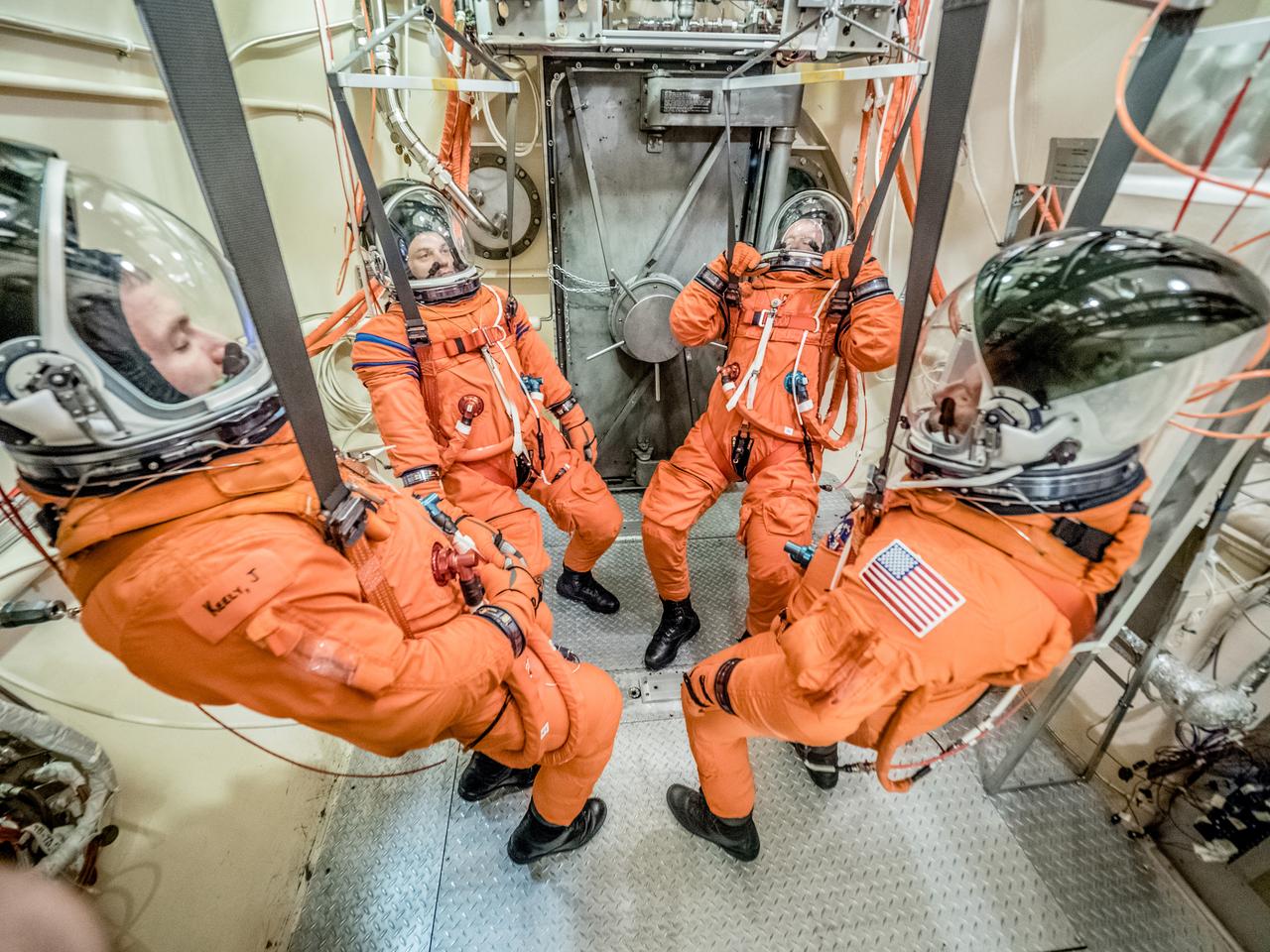
The crew of NASA’s Artemis II mission participates in a suited crew test on Thursday, July 31, 2025, at the agency’s Kennedy Space Center in Florida. From left, NASA astronauts Reid Wiseman, Artemis II commander; Victor Glover, Artemis II pilot; and Christina Koch, mission specialist; along with CSA (Canadian Space Agency) astronaut Jeremy Hansen donned their Orion crew survival system spacesuits for training at NASA’s Kennedy’s Multi-Payload Processing Facility, where they entered their fully powered Orion spacecraft as part of the test. Artemis II will take the four astronauts around the Moon, as the first crewed mission on NASA’s path to establishing a long-term presence for science and exploration through Artemis.
The crew of NASA’s Artemis II mission participates in a suited crew test on Thursday, July 31, 2025, at the agency’s Kennedy Space Center in Florida. From left, NASA astronauts Reid Wiseman, Artemis II commander; Victor Glover, Artemis II pilot; and Christina Koch, mission specialist; along with CSA (Canadian Space Agency) astronaut Jeremy Hansen,. mission specialist, donned their Orion crew survival system spacesuits for training at NASA’s Kennedy’s Multi-Payload Processing Facility, where they entered their fully powered Orion spacecraft as part of the test. Artemis II will take the four astronauts around the Moon, as the first crewed mission on NASA’s path to establishing a long-term presence for science and exploration through Artemis.
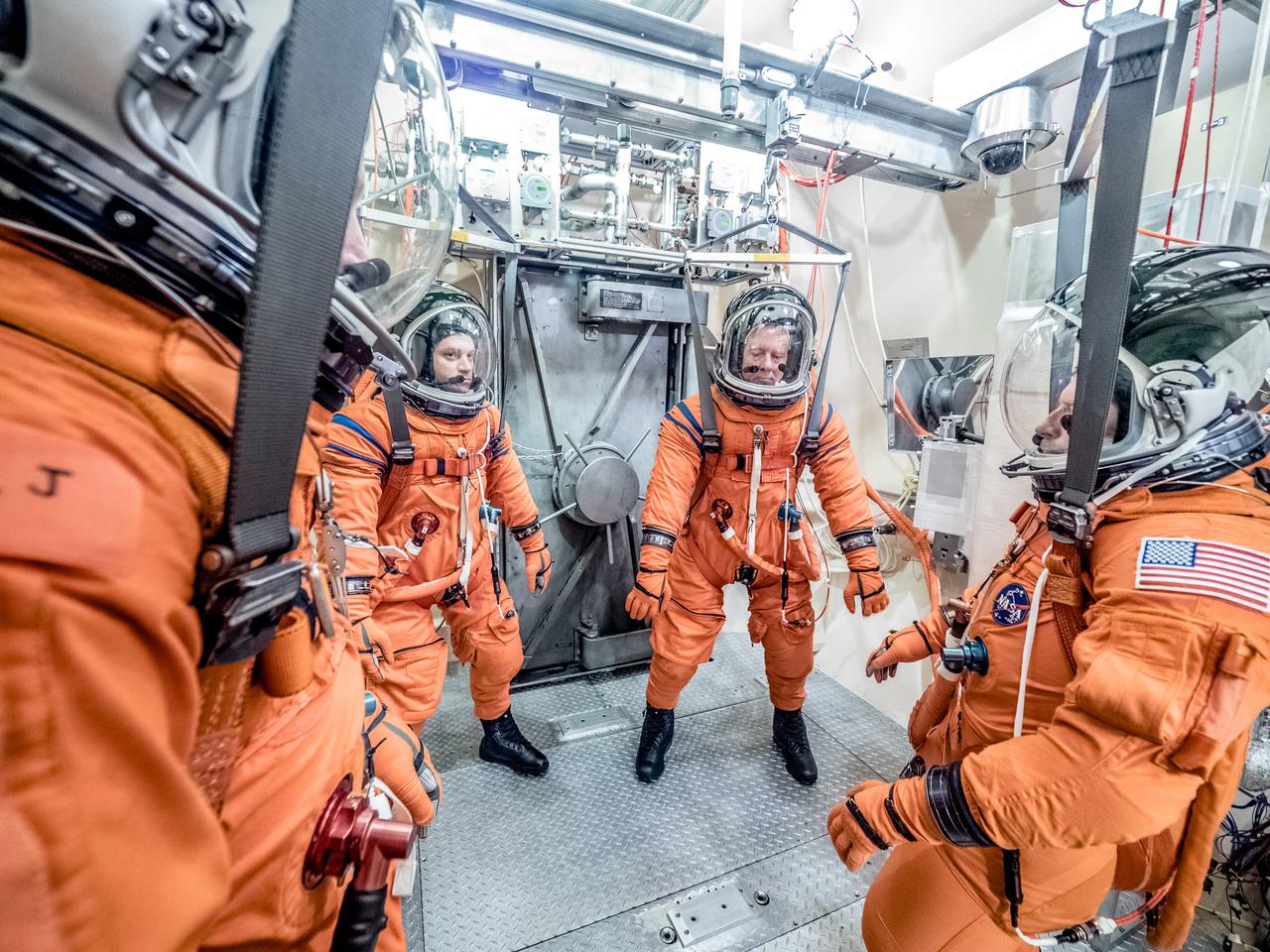
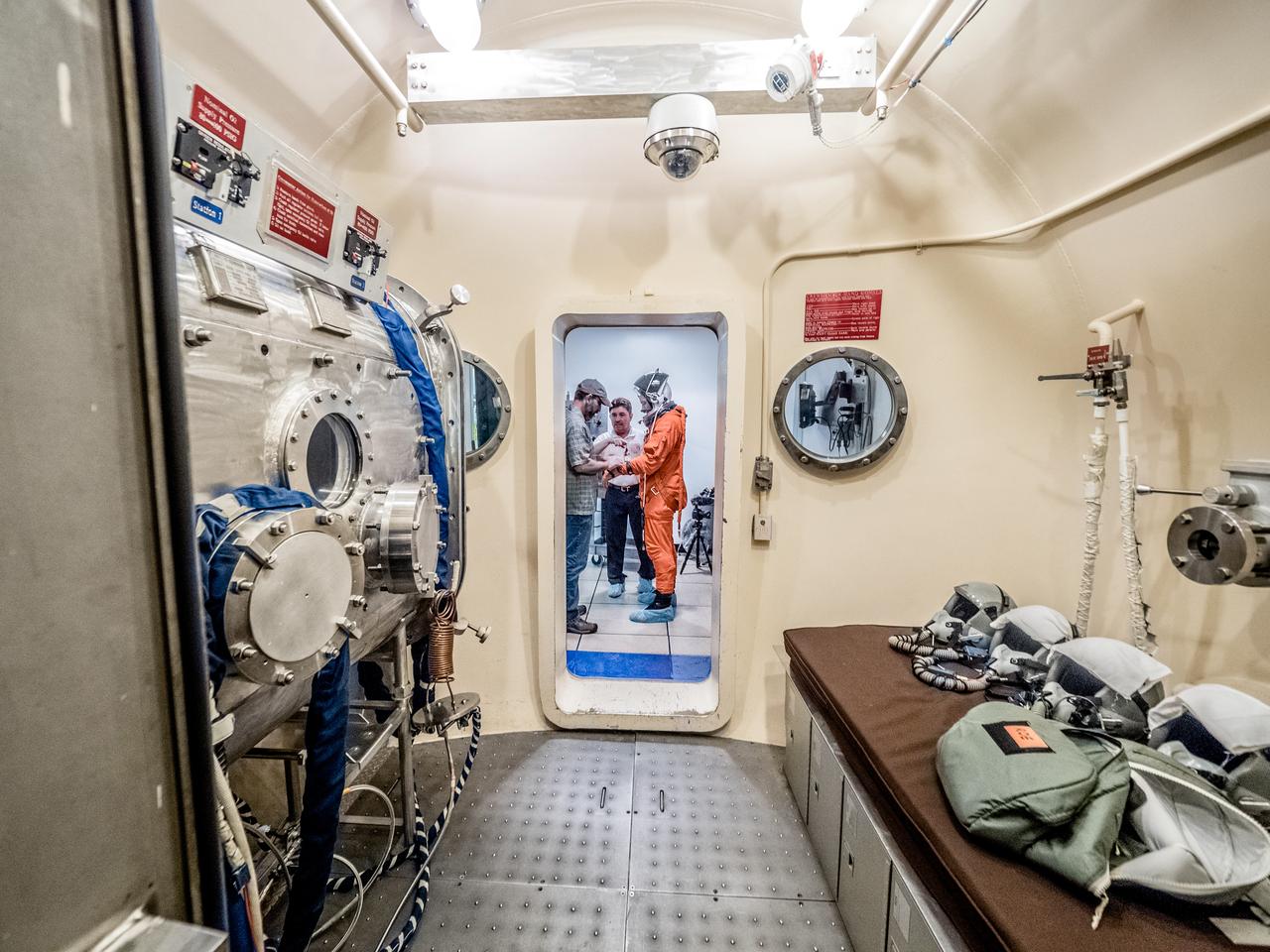
The crew of NASA’s Artemis II mission participates in a suited crew test on Thursday, July 31, 2025, at the agency’s Kennedy Space Center in Florida. From left, NASA astronauts Reid Wiseman, Artemis II commander; Victor Glover, Artemis II pilot; and Christina Koch, mission specialist, and CSA (Canadian Space Agency) Jeremy Hansen (not pictured), donned their Orion crew survival system spacesuits, for training at NASA’s Kennedy’s Multi-Payload Processing Facility, where they entered their fully powered Orion spacecraft as part of the test. Artemis II will take the four astronauts around the Moon, as the first crewed mission on NASA’s path to establishing a long-term presence for science and exploration through Artemis.
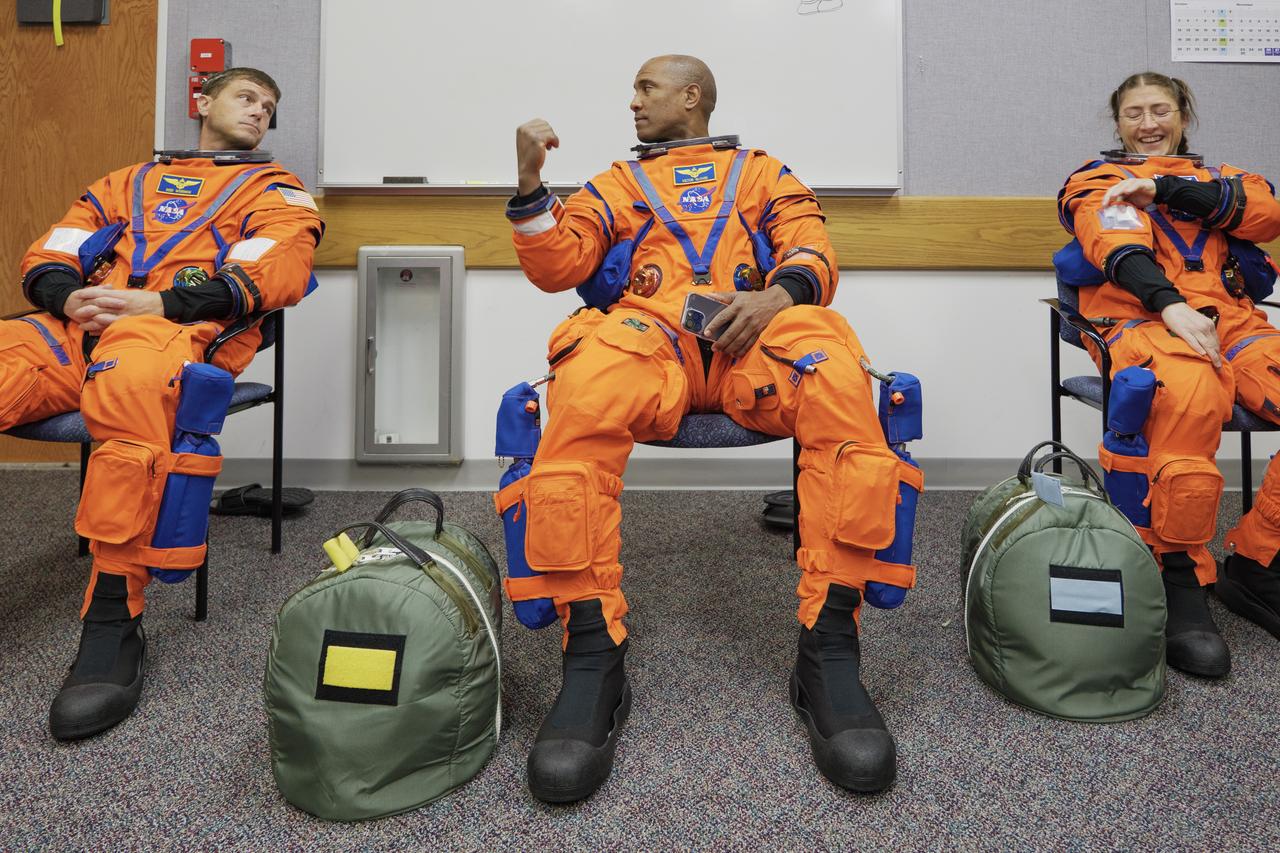
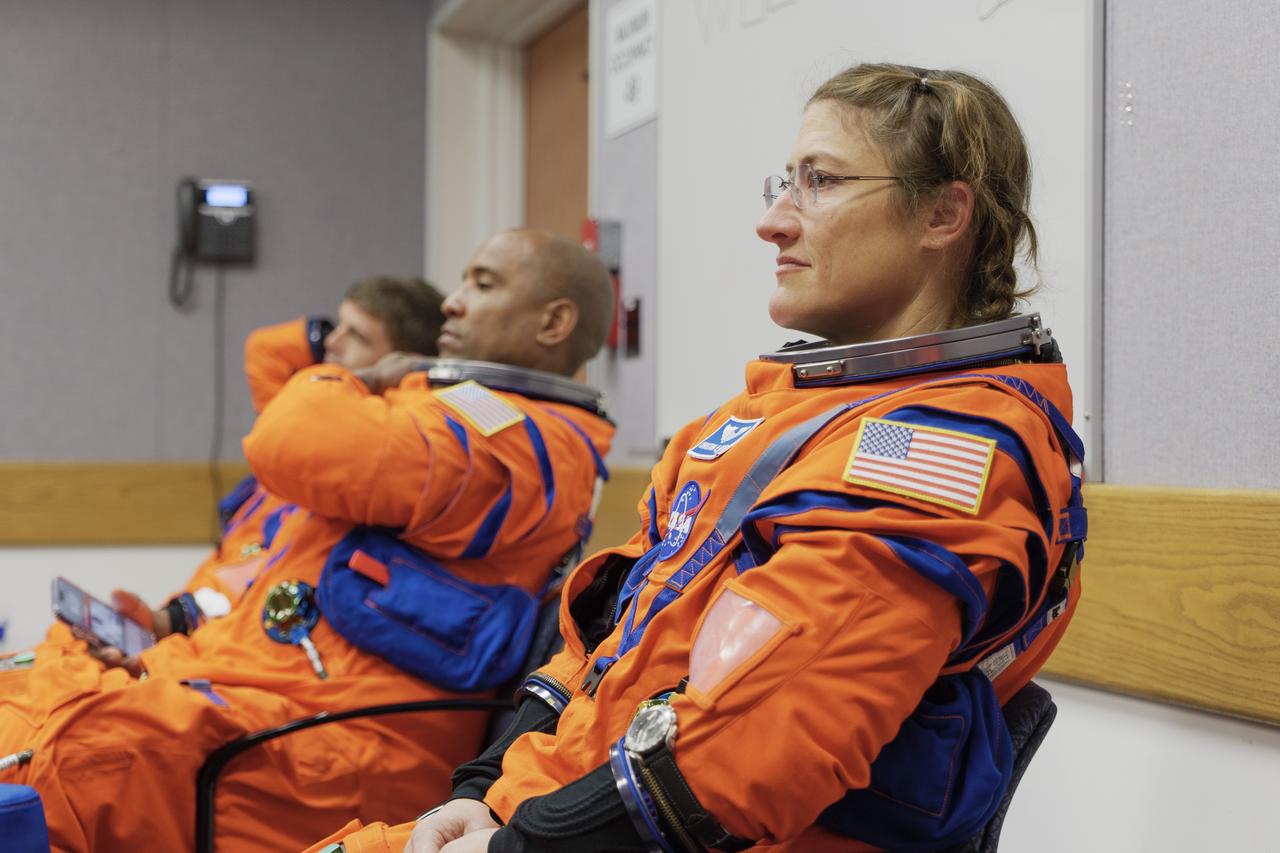
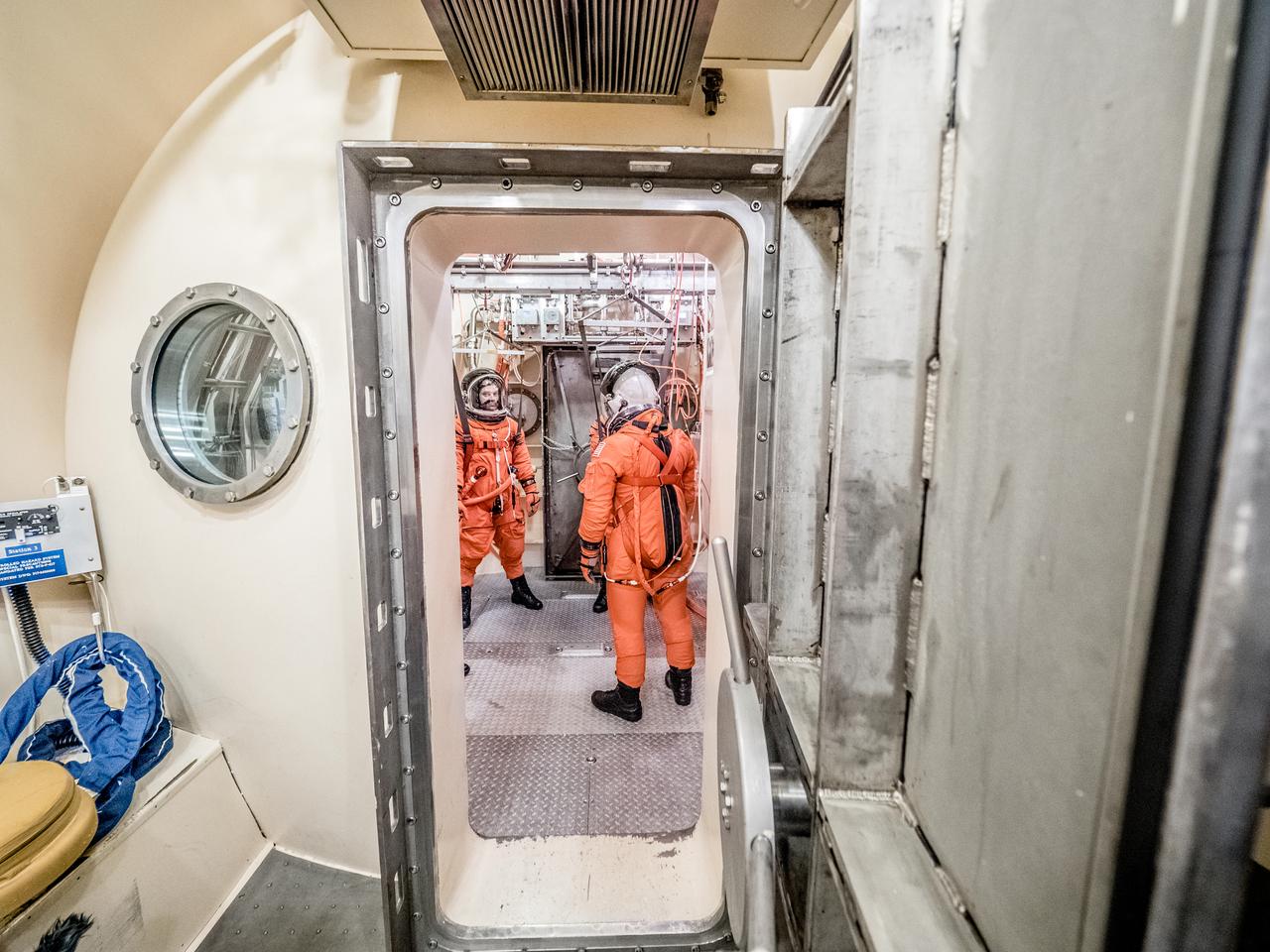
From left, NASA astronauts Reid Wiseman, Artemis II commander; Victor Glover, Artemis II pilot; and Christina Koch, mission specialist, participate in a suited crew test on Thursday, July 31, 2025, at the agency’s Kennedy Space Center in Florida. Along with CSA (Canadian Space Agency) astronaut Jeremy Hansen, mission specialist, the crew of NASA’s Artemis II mission donned their Orion crew survival system spacesuits for training at NASA’s Kennedy’s Multi-Payload Processing Facility, where they entered their fully powered Orion spacecraft as part of the test. Artemis II will take the four astronauts around the Moon, as the first crewed mission on NASA’s path to establishing a long-term presence for science and exploration through Artemis.
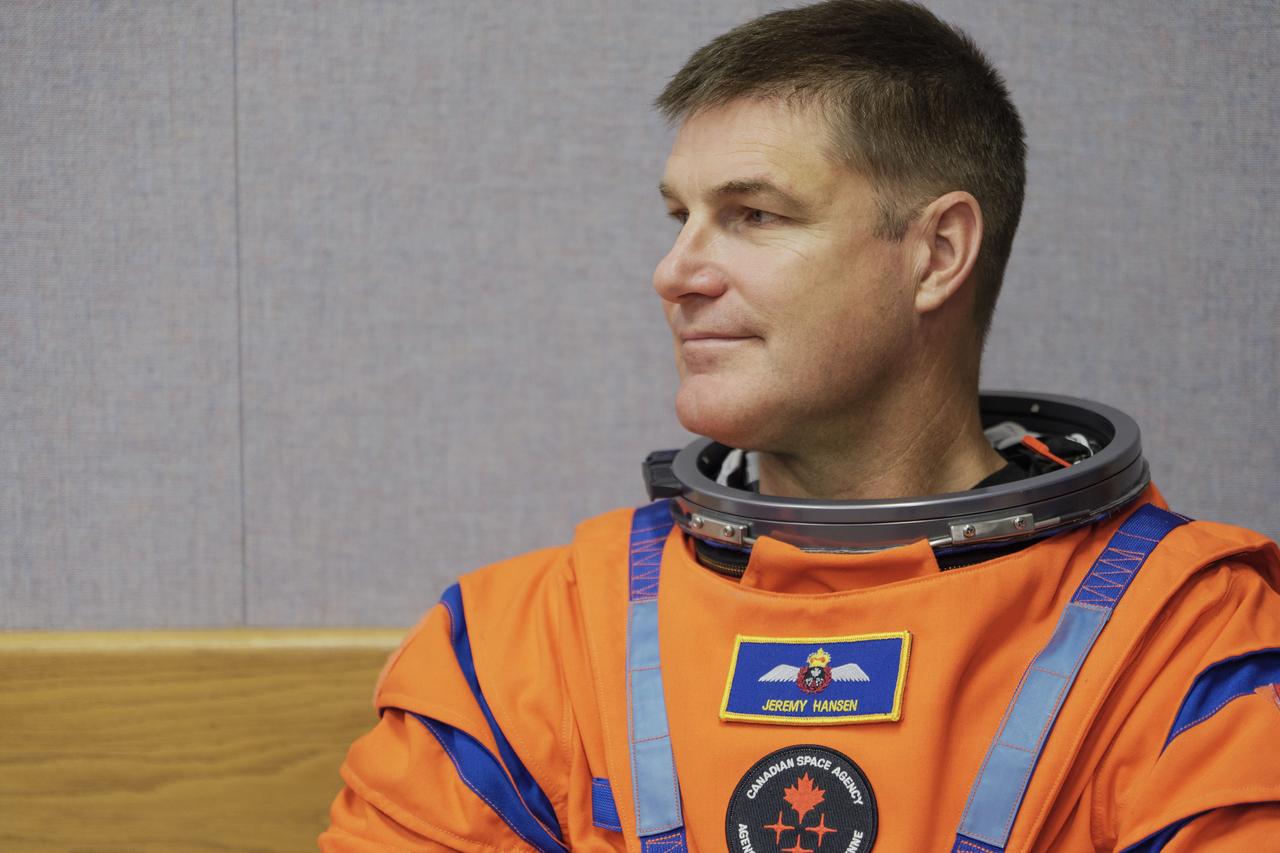
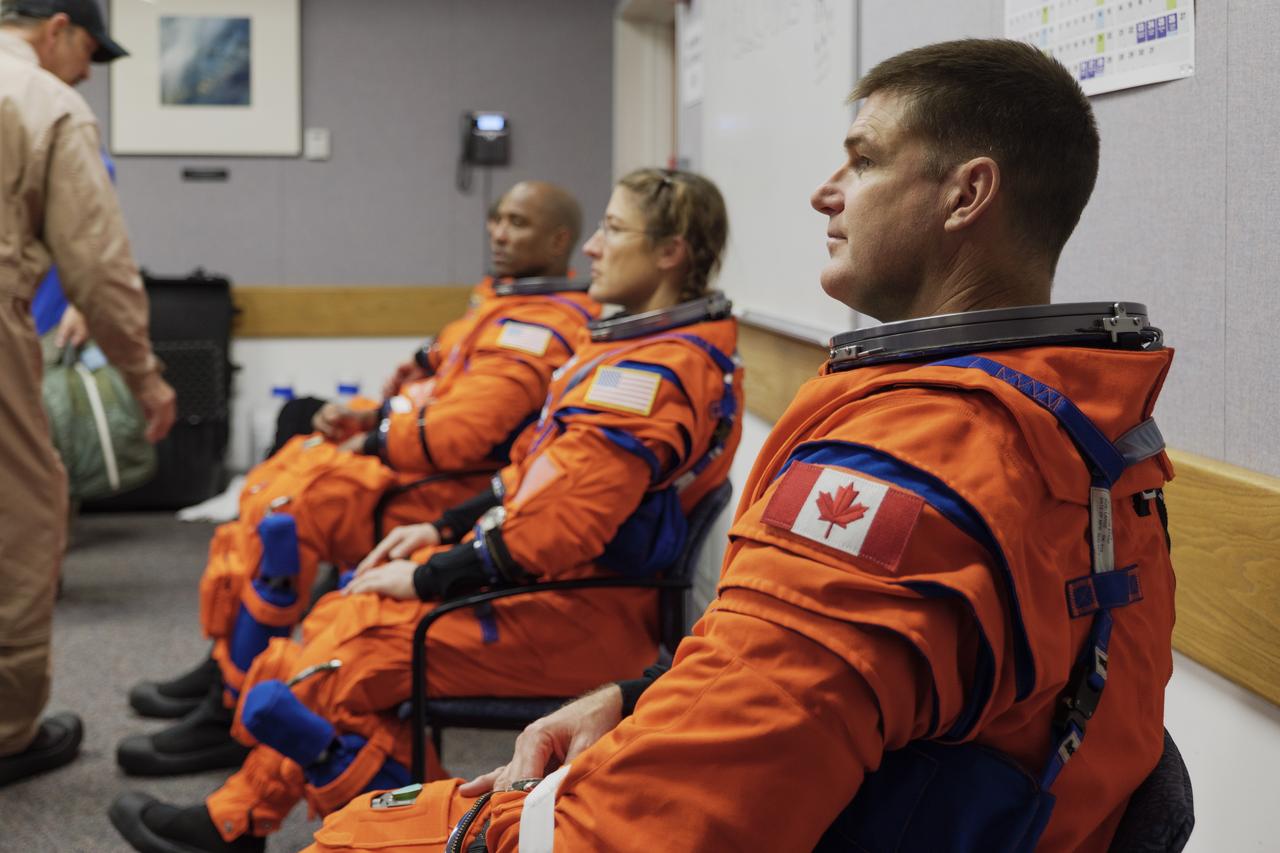
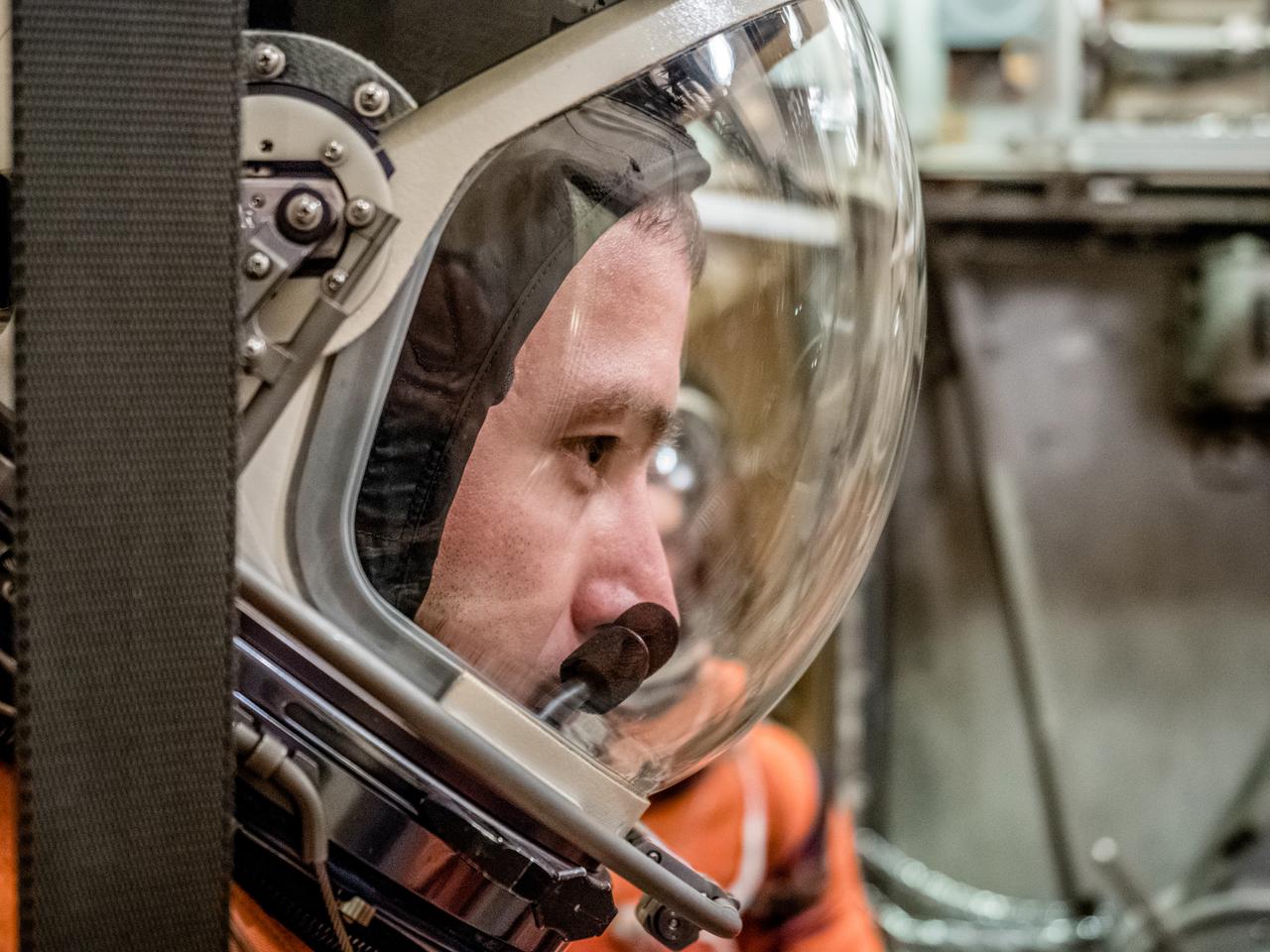
CSA (Canadian Space Agency) astronaut Jeremy Hansen, mission specialist for NASA’s Artemis II mission, participates in a suited crew test on Thursday, July 31, 2025, at the agency’s Kennedy Space Center in Florida. Hansen and fellow Artemis II crew members, NASA astronauts Reid Wiseman, Artemis II commander; Victor Glover, Artemis II pilot; and Christina Koch, mission specialist, donned their Orion crew survival system spacesuits for training at NASA’s Kennedy’s Multi-Payload Processing Facility, where they entered their fully powered Orion spacecraft as part of the test. Artemis II will take the four astronauts around the Moon, as the first crewed mission on NASA’s path to establishing a long-term presence for science and exploration through Artemis.
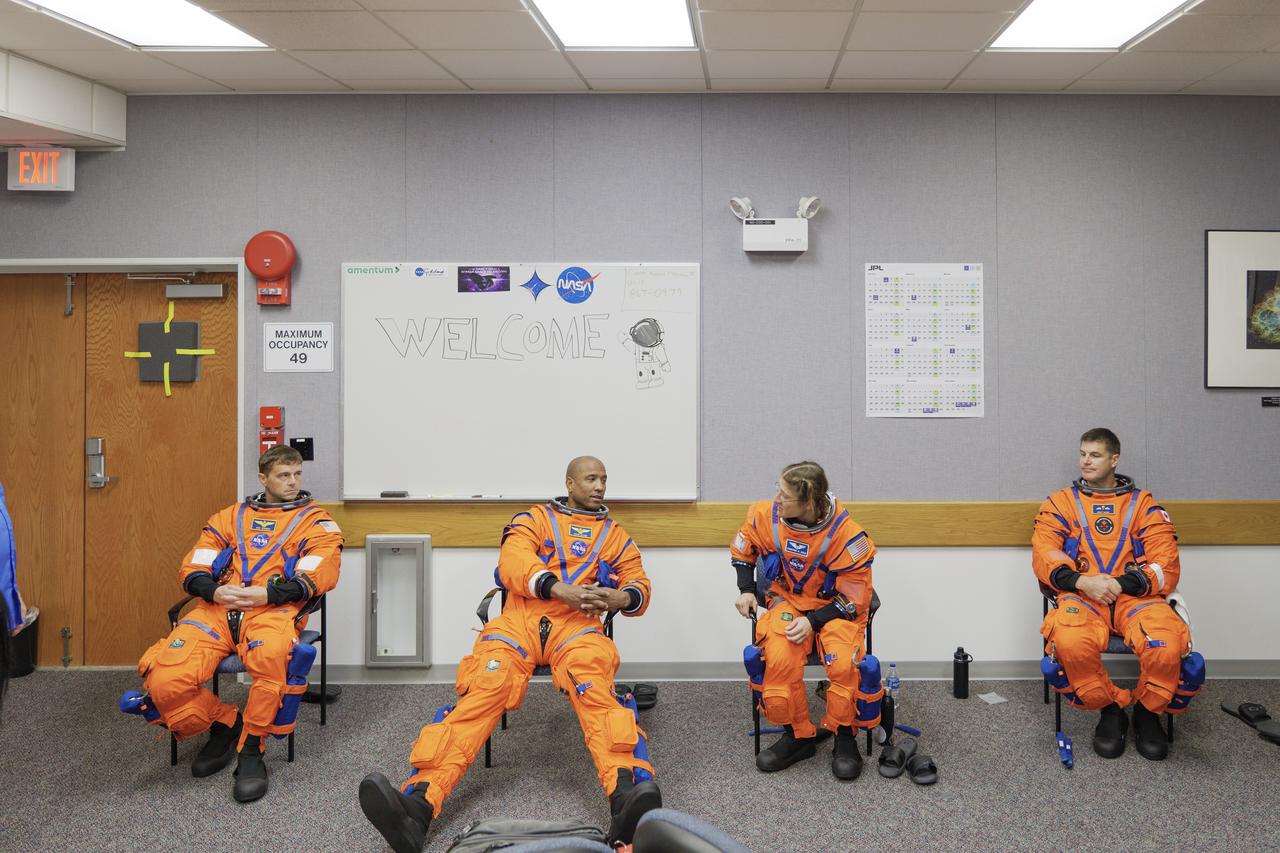
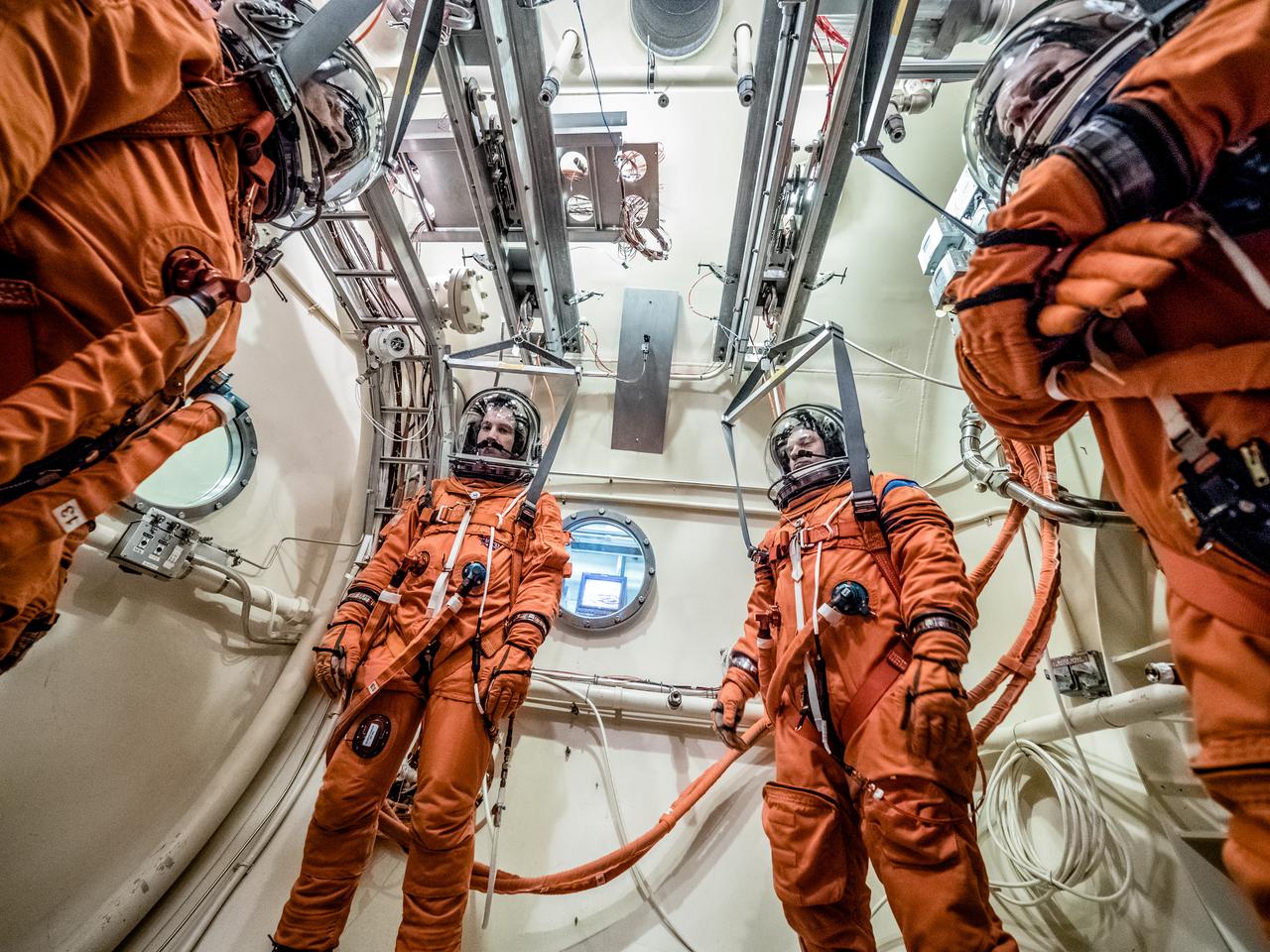
The crew of NASA’s Artemis II mission participates in a suited crew test on Thursday, July 31, 2025, at the agency’s Kennedy Space Center in Florida. From left, NASA astronauts Reid Wiseman, Artemis II commander; Victor Glover, Artemis II pilot; and Christina Koch, mission specialist; along with CSA (Canadian Space Agency) astronaut Jeremy Hansen,. mission specialist, donned their Orion crew survival system spacesuits for training at NASA’s Kennedy’s Multi-Payload Processing Facility, where they entered their fully powered Orion spacecraft as part of the test. Artemis II will take the four astronauts around the Moon, as the first crewed mission on NASA’s path to establishing a long-term presence for science and exploration through Artemis.

The crew of NASA’s Artemis II mission participates in a suited crew test on Thursday, July 31, 2025, at the agency’s Kennedy Space Center in Florida. From left, NASA astronauts Reid Wiseman, Artemis II commander; Victor Glover, Artemis II pilot; and Christina Koch, mission specialist; along with CSA (Canadian Space Agency) astronaut Jeremy Hansen,. mission specialist, donned their Orion crew survival system spacesuits for training at NASA’s Kennedy’s Multi-Payload Processing Facility, where they entered their fully powered Orion spacecraft as part of the test. Artemis II will take the four astronauts around the Moon, as the first crewed mission on NASA’s path to establishing a long-term presence for science and exploration through Artemis.
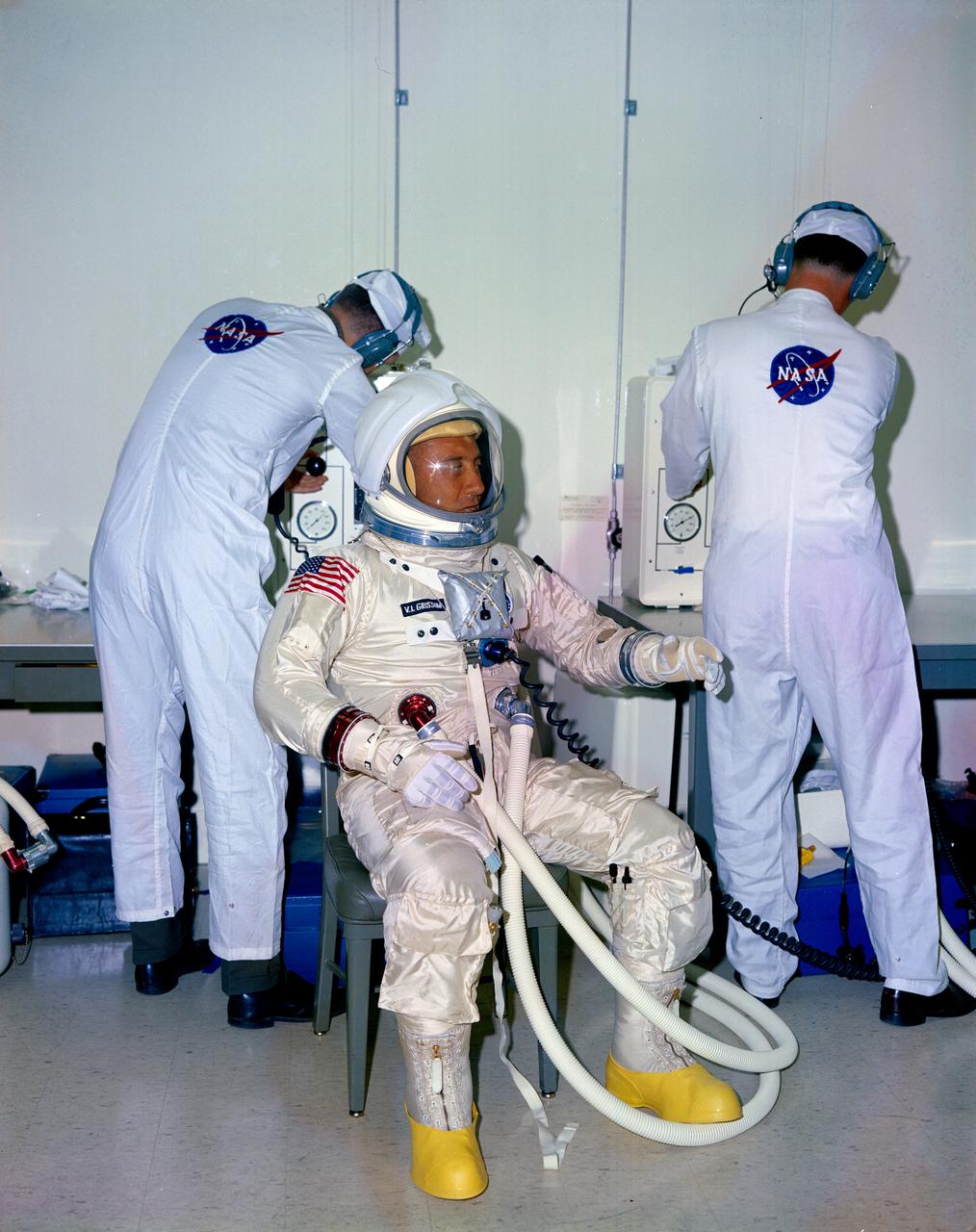
S66-58023 (1966) --- NASA suit technicians assist astronaut Virgil I. Grissom during suiting operations prior to tests at the Kennedy Space Center.
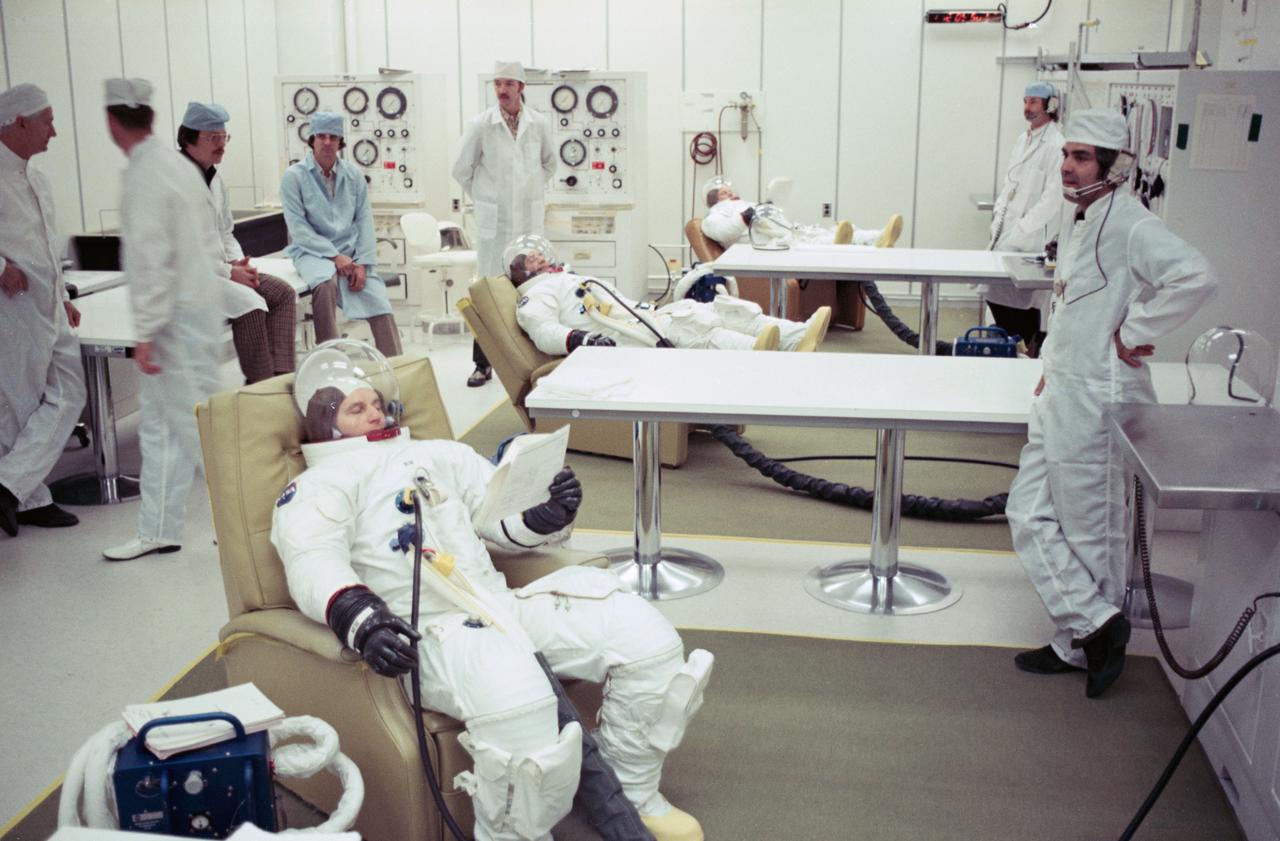
S75-21063 (January 1975) --- The three members of the American ASTP backup crew are suited up for the testing of the Apollo spacecraft at the Kennedy Space Center. They are (from foreground) astronauts Alan L. Bean, commander; Ronald E. Evans, command module pilot; and Jack R. Lousma, docking module pilot. Later, they entered the Apollo Command Module in an altitude chamber for tests of spacecraft systems. The testing was in preparation for the joint U.S.?USSR Apollo-Soyuz Test Project docking mission in Earth orbit scheduled for July 1975.
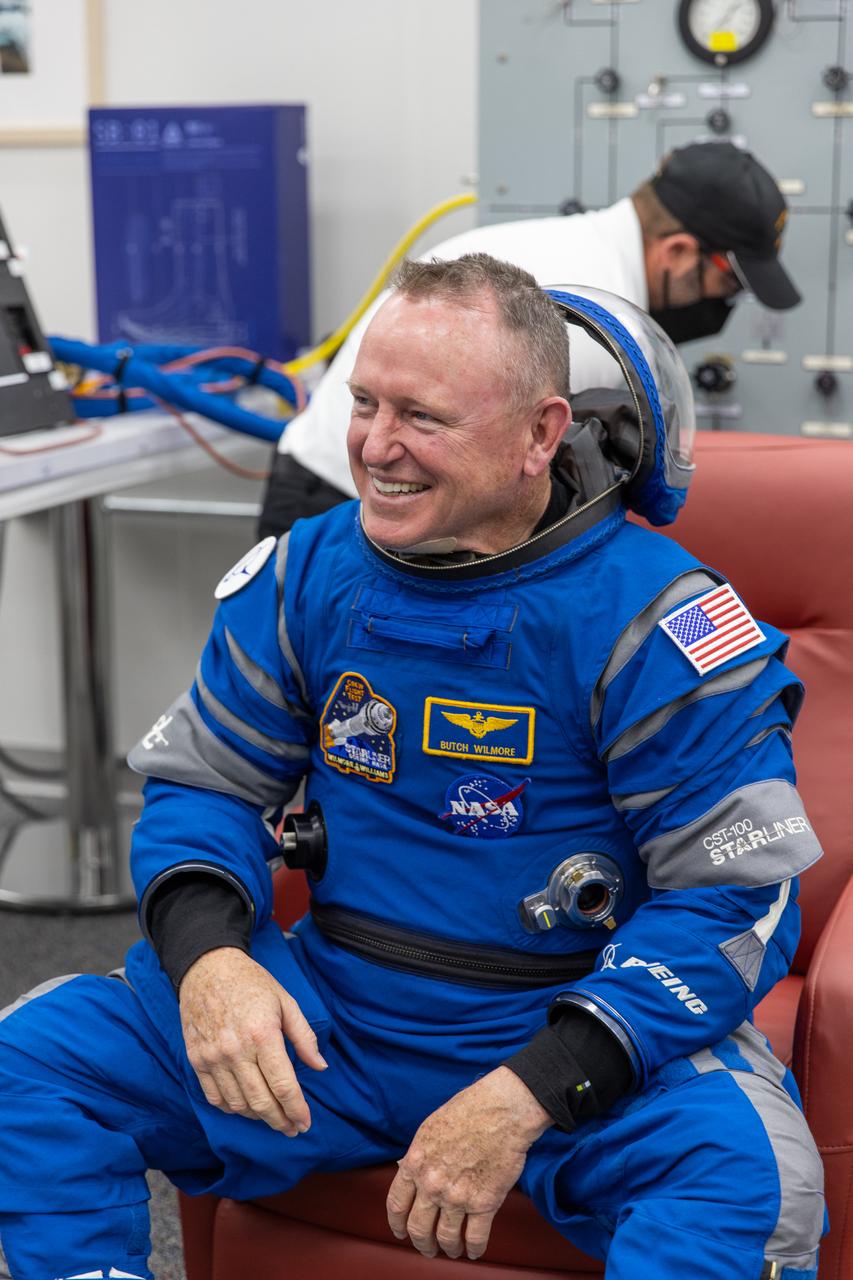
During the first launch attempt of NASA’s Boeing Crew Flight Test, NASA astronaut Butch Wilmore is photographed inside the crew suit-up room in the Neil A. Armstrong Operations and Checkout Building at NASA’s Kennedy Space Center in Florida on Monday, May 6, 2024. As part of the agency’s Commercial Crew Program, the first crewed launch to the International Space Station aboard Boeing’s Starliner spacecraft atop a United Launch Alliance Atlas V rocket from Space Launch Complex-41 at nearby Cape Canaveral Space Force Station was targeted for 10:34 p.m. ET but scrubbed for the day.
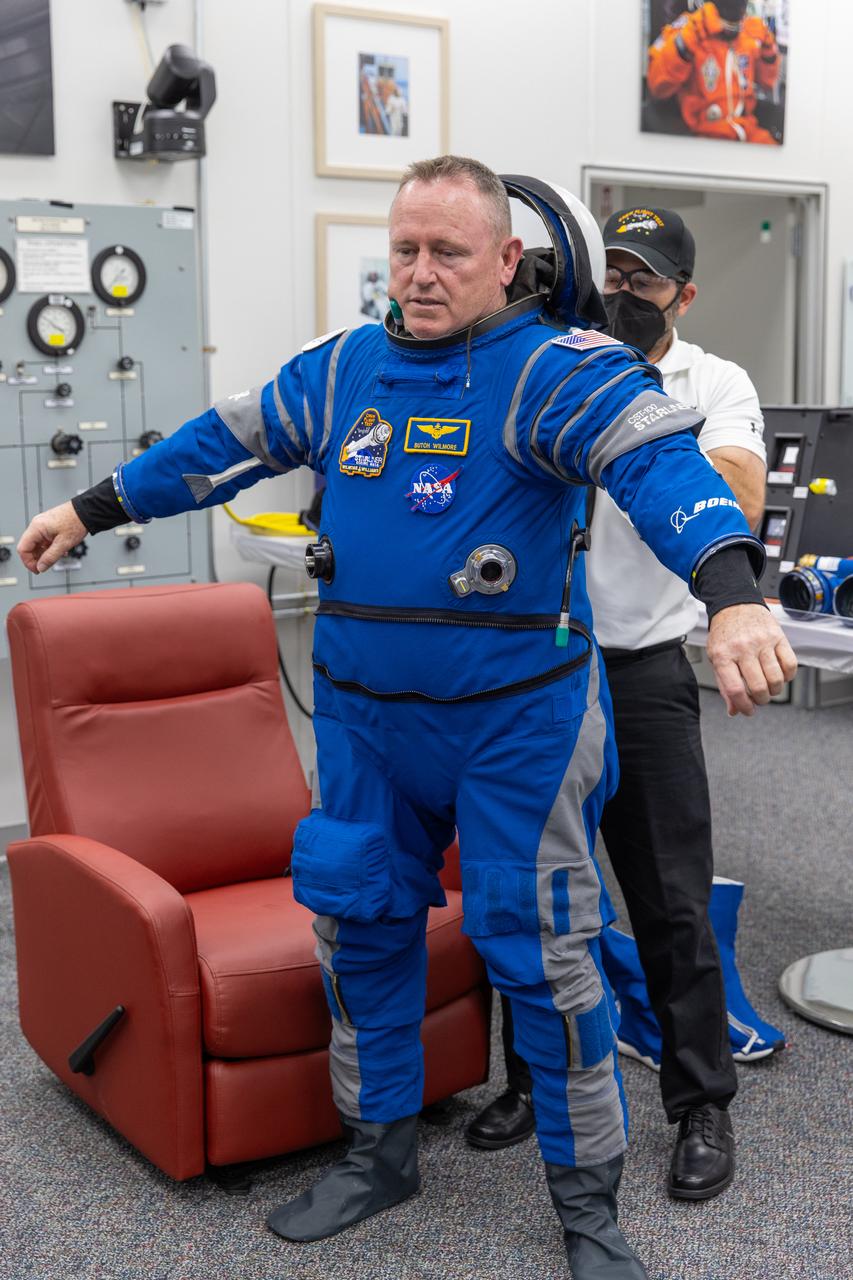
During the first launch attempt of NASA’s Boeing Crew Flight Test, NASA astronaut Butch Wilmore performs checks of his Boeing spacesuit in the crew suit-up room inside the Neil A. Armstrong Operations and Checkout Building at NASA’s Kennedy Space Center in Florida on Monday, May 6, 2024. As part of the agency’s Commercial Crew Program, the first crewed launch to the International Space Station aboard Boeing’s Starliner spacecraft atop a United Launch Alliance Atlas V rocket from Space Launch Complex-41 at nearby Cape Canaveral Space Force Station was targeted for 10:34 p.m. ET but scrubbed for the day.
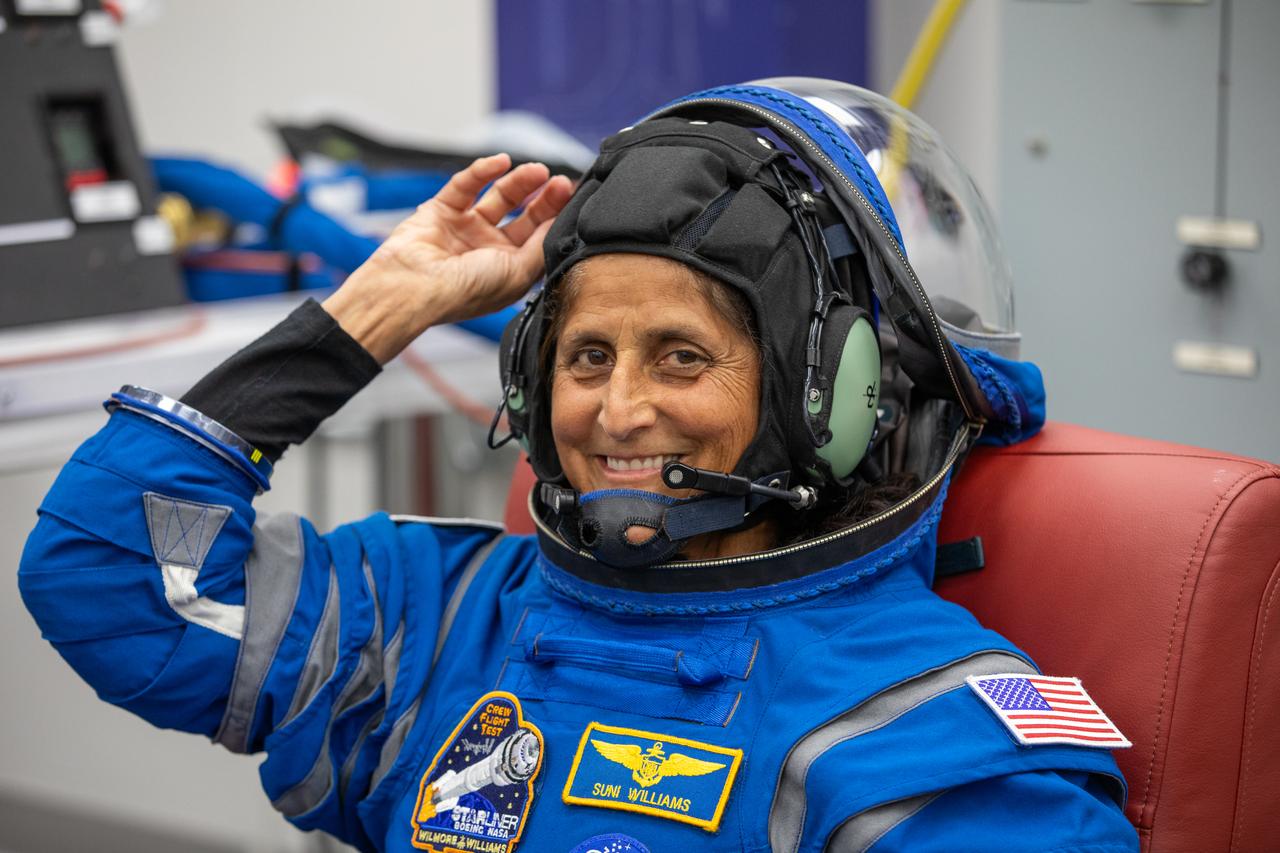
During the first launch attempt of NASA’s Boeing Crew Flight Test, NASA astronaut Suni Williams is photographed inside the crew suit-up room in the Neil A. Armstrong Operations and Checkout Building at NASA’s Kennedy Space Center in Florida on Monday, May 6, 2024. As part of the agency’s Commercial Crew Program, the first crewed launch to the International Space Station aboard Boeing’s Starliner spacecraft atop a United Launch Alliance Atlas V rocket from Space Launch Complex-41 at nearby Cape Canaveral Space Force Station was targeted for 10:34 p.m. ET but scrubbed for the day.
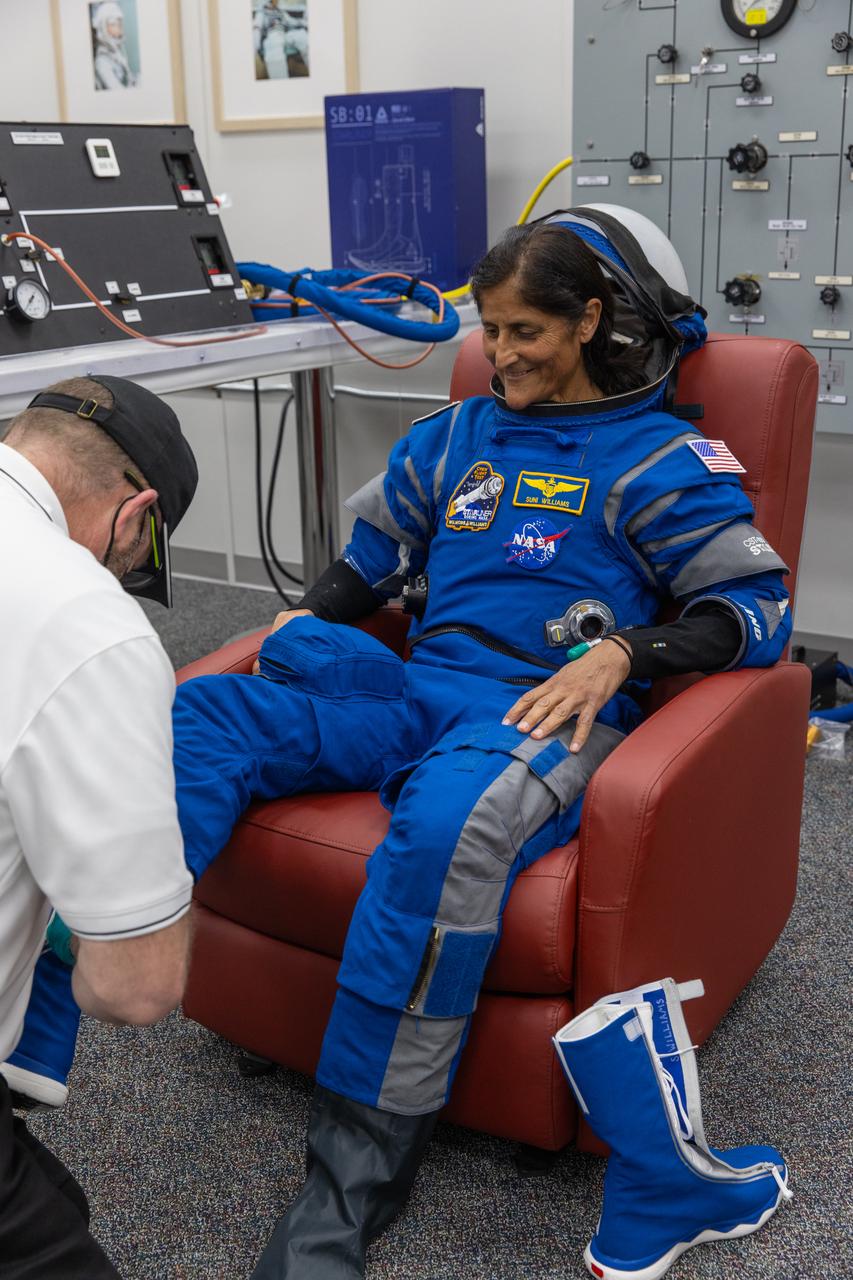
During the first launch attempt of NASA’s Boeing Crew Flight Test, NASA astronaut Suni Williams performs checks of her Boeing spacesuit in the crew suit-up room inside the Neil A. Armstrong Operations and Checkout Building at NASA’s Kennedy Space Center in Florida on Monday, May 6, 2024. As part of the agency’s Commercial Crew Program, the first crewed launch to the International Space Station aboard Boeing’s Starliner spacecraft atop a United Launch Alliance Atlas V rocket from Space Launch Complex-41 at nearby Cape Canaveral Space Force Station was targeted for 10:34 p.m. ET but scrubbed for the day.
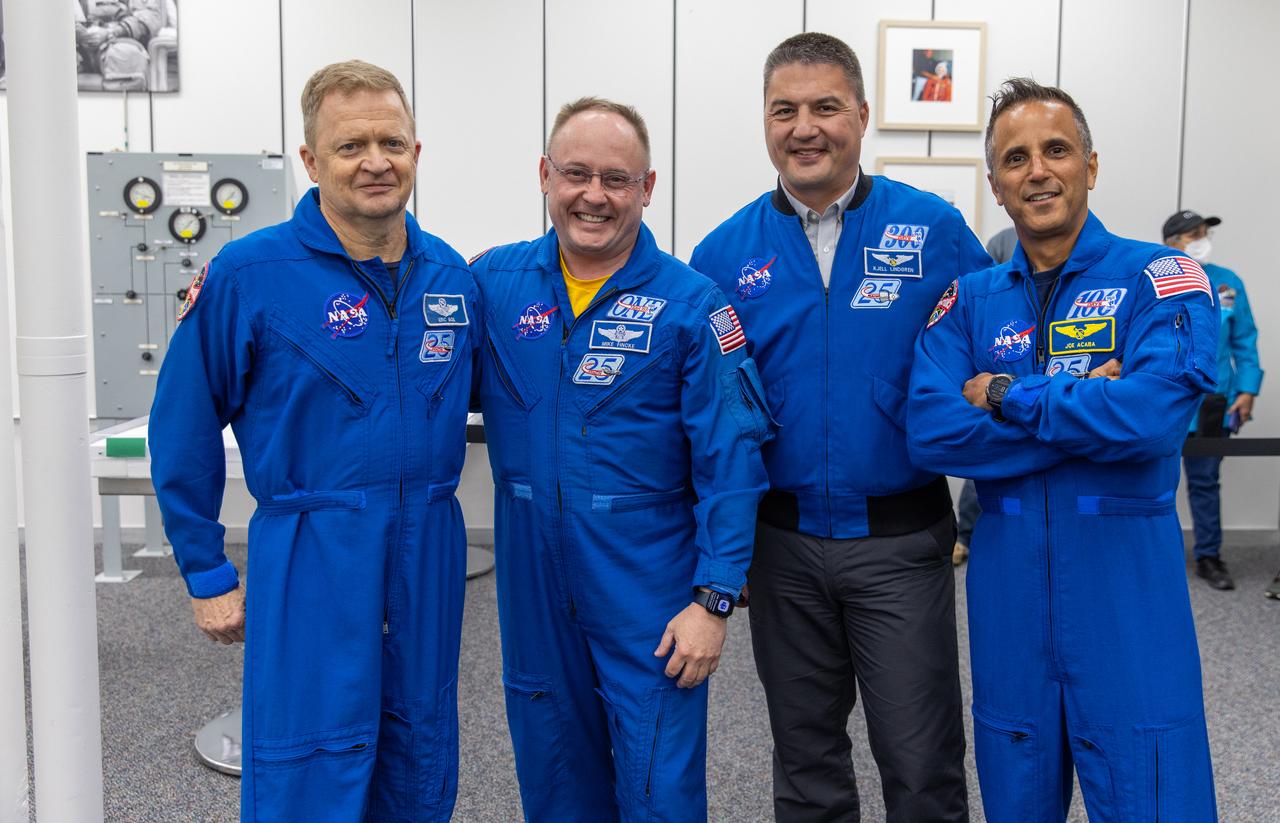
During the first launch attempt of NASA’s Boeing Crew Flight Test, NASA astronauts Eric Boe, Mike Fincke, Kjell Lindgren, and Joe Acaba are photographed inside the crew suit-up room in the Neil A. Armstrong Operations and Checkout Building at NASA’s Kennedy Space Center in Florida on Monday, May 6, 2024. As part of the agency’s Commercial Crew Program, the first crewed launch to the International Space Station aboard Boeing’s Starliner spacecraft atop a United Launch Alliance Atlas V rocket from Space Launch Complex-41 at nearby Cape Canaveral Space Force Station was targeted for 10:34 p.m. ET but scrubbed for the day.
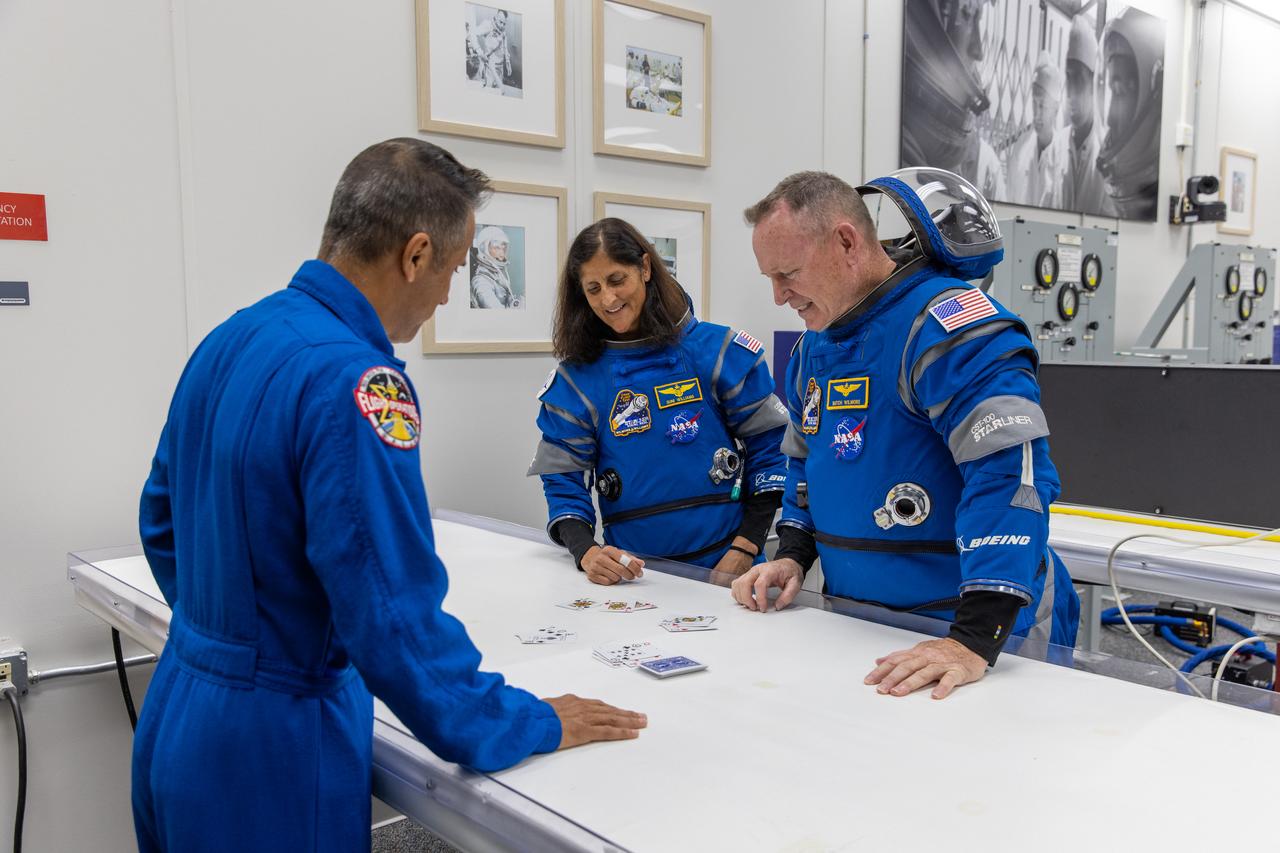
After suit-up and final fit checks during the first launch attempt of NASA’s Boeing Crew Flight Test, NASA astronauts Butch Wilmore and Suni Williams participate in a traditional game of cards inside the Neil A. Armstrong Operations and Checkout Building at NASA’s Kennedy Space Center in Florida on Monday, May 6, 2024. As part of the agency’s Commercial Crew Program, the first crewed launch to the International Space Station aboard Boeing’s Starliner spacecraft atop a United Launch Alliance Atlas V rocket from Space Launch Complex-41 at nearby Cape Canaveral Space Force Station was targeted for 10:34 p.m. ET but scrubbed for the day.
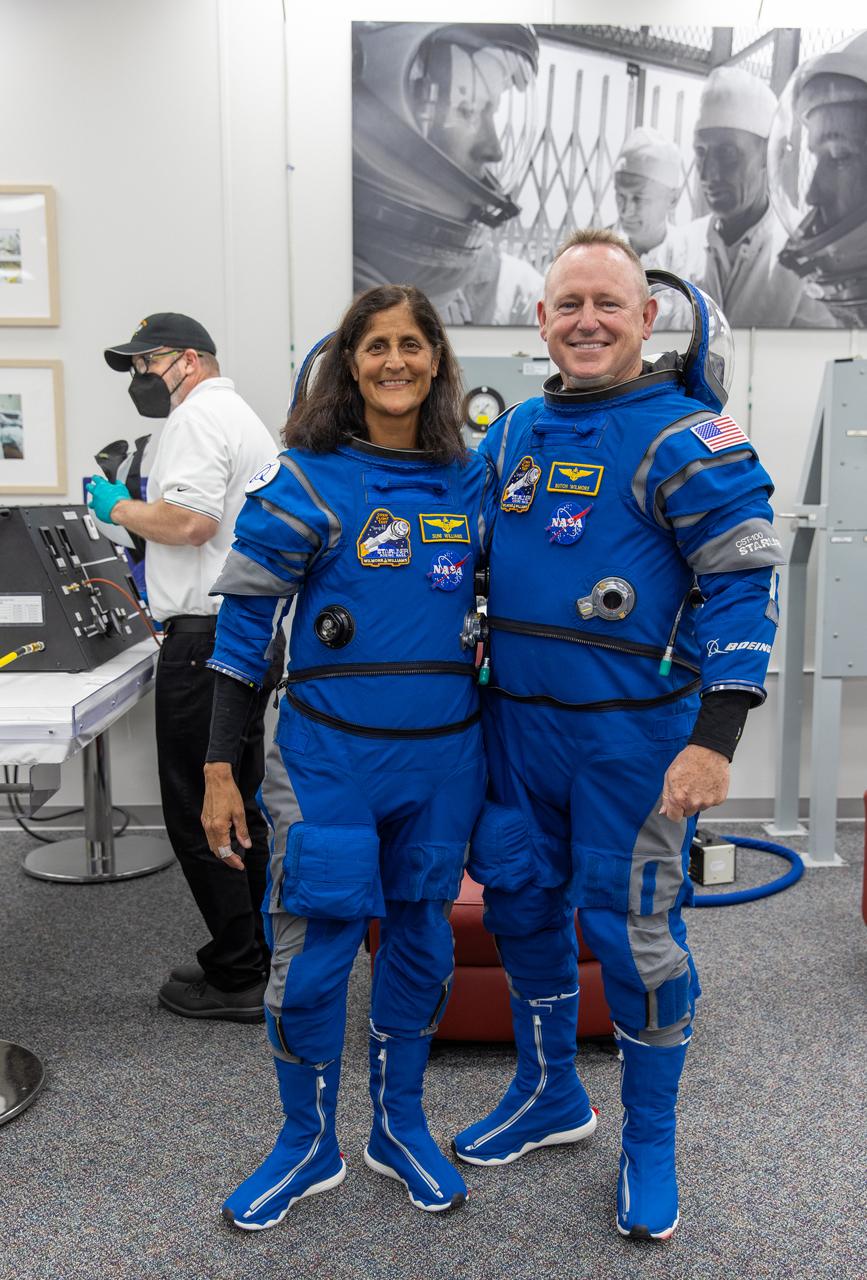
During the first launch attempt of NASA’s Boeing Crew Flight Test, NASA astronauts Butch Wilmore and Suni Williams pose for photos inside the suit-up room inside the Neil A. Armstrong Operations and Checkout Building at NASA’s Kennedy Space Center in Florida on Monday, May 6, 2024. As part of the agency’s Commercial Crew Program, the first crewed launch to the International Space Station aboard Boeing’s Starliner spacecraft atop a United Launch Alliance Atlas V rocket from Space Launch Complex-41 at nearby Cape Canaveral Space Force Station was targeted for 10:34 p.m. ET but scrubbed for the day.

jsc2024e052325 (July 22, 2024) --- NASA’s SpaceX Crew-9 Mission Specialist Aleksandr Gorbunov gives a thumbs-up while wearing his flight suit during a successful crew equipment interface test (CEIT), of which the crew practiced donning their flight suits, performed a suited ingress into the spacecraft, conducted suit leak checks, and completed communication checkouts. Credit: SpaceX
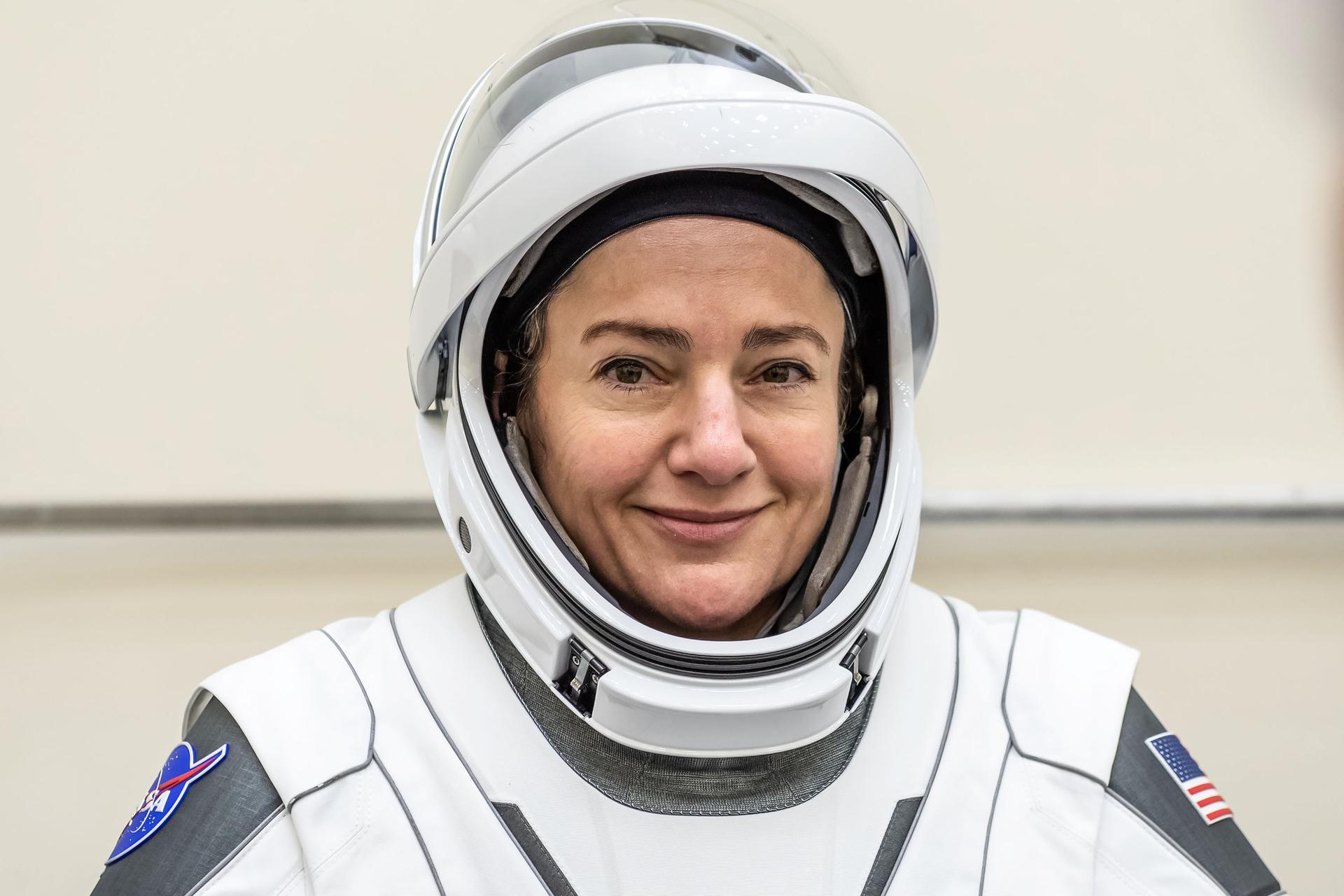
jsc2026e002966 (Jan. 12, 2026) --- NASA astronaut and SpaceX Crew-12 Commander Jessica Meir is photographed in her pressure suit during the Crew Equipment Interface Test at NASA’s Kennedy Space Center in Florida. The goal of the training is to rehearse launch day activities and get a close look at the Dragon spacecraft. Credit: SpaceX
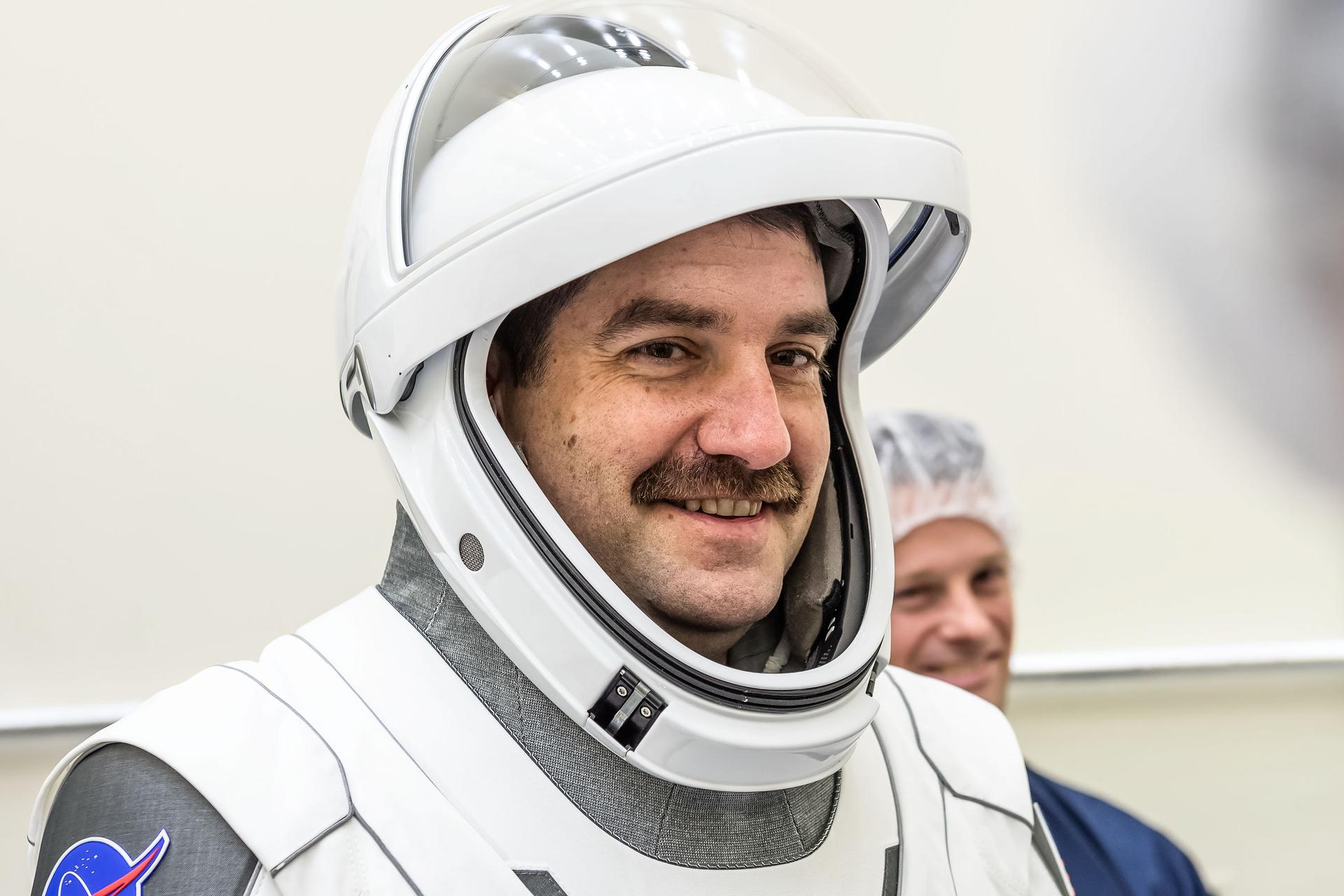
jsc2026e002965 (Jan. 12, 2026) --- NASA astronaut and SpaceX Crew-12 Pilot Jack Hathaway is photographed in his pressure suit during the Crew Equipment Interface Test at NASA’s Kennedy Space Center in Florida. The goal of the training is to rehearse launch day activities and get a close look at the Dragon spacecraft. Credit: SpaceX
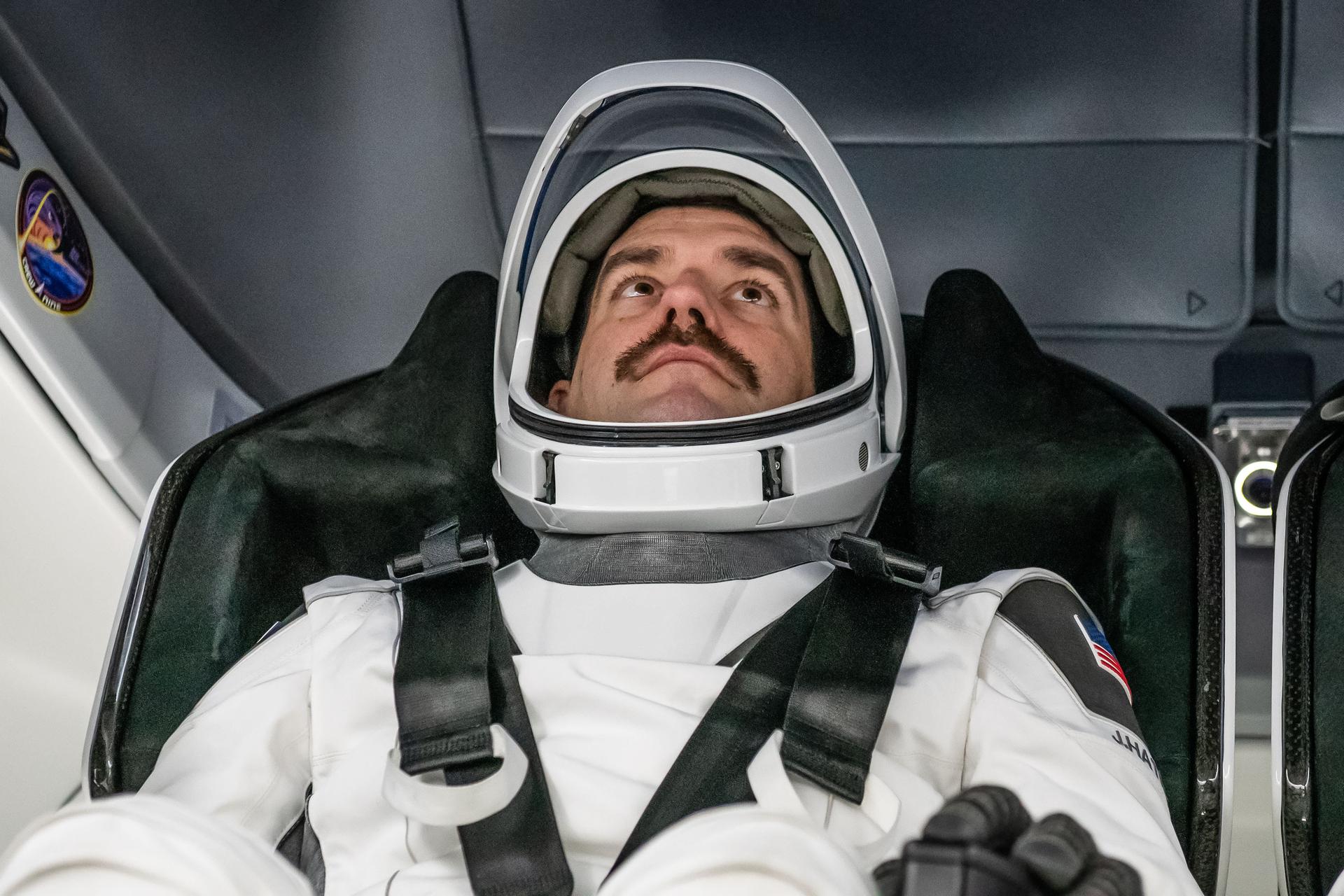
jsc2026e002974 (Jan. 12, 2026) --- NASA astronaut and SpaceX Crew-12 Pilot Jack Hathaway is photographed in his pressure suit and inside the Dragon spacecraft during the Crew Equipment Interface Test at NASA’s Kennedy Space Center in Florida. The goal of the training is to rehearse launch day activities and get a close look at the spacecraft that will take them to the International Space Station. Credit: SpaceX
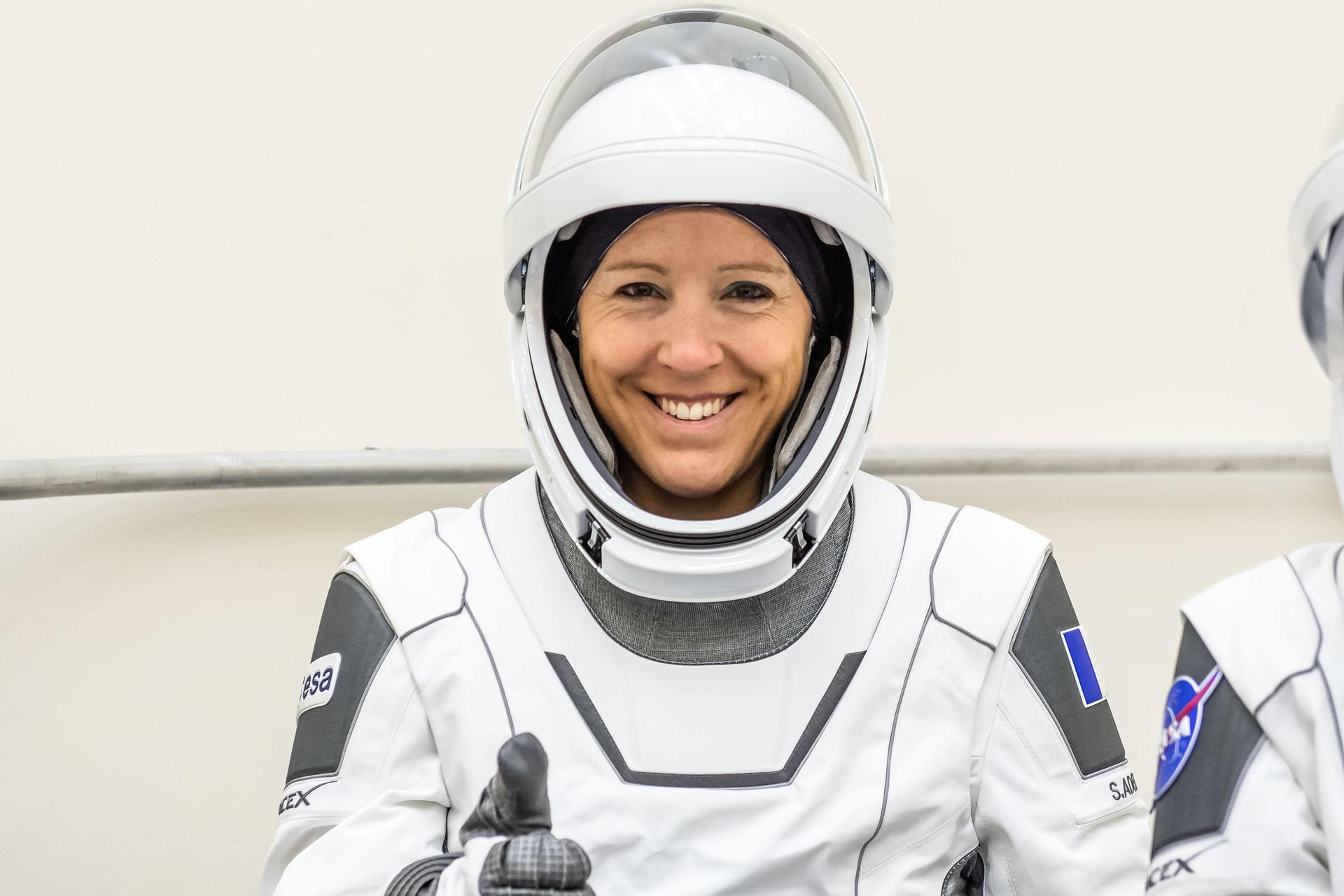
jsc2026e002964 (Jan. 12, 2026) --- ESA (European Space Agency) astronaut and SpaceX Crew-12 Mission Specialist Sophie Adenot is photographed in her pressure suit during the Crew Equipment Interface Test at NASA’s Kennedy Space Center in Florida. The goal of the training is to rehearse launch day activities and get a close look at the Dragon spacecraft. Credit: SpaceX
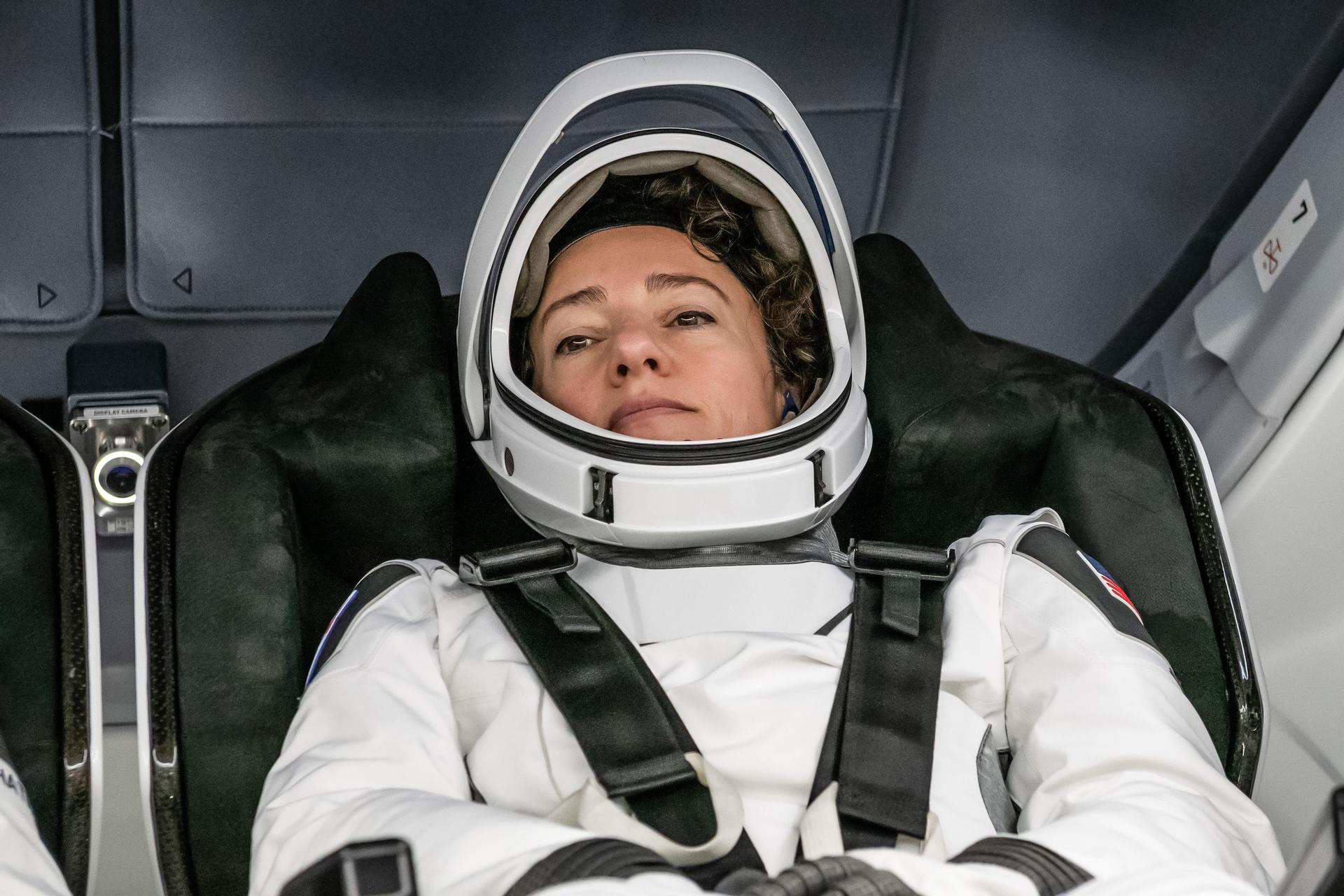
jsc2026e002976 (Jan. 12, 2026) --- NASA astronaut and SpaceX Crew-12 Commander Jessica Meir is photographed in her pressure suit and inside the Dragon spacecraft during the Crew Equipment Interface Test at NASA’s Kennedy Space Center in Florida. The goal of the training is to rehearse launch day activities and get a close look at the spacecraft that will take them to the International Space Station. Credit: SpaceX
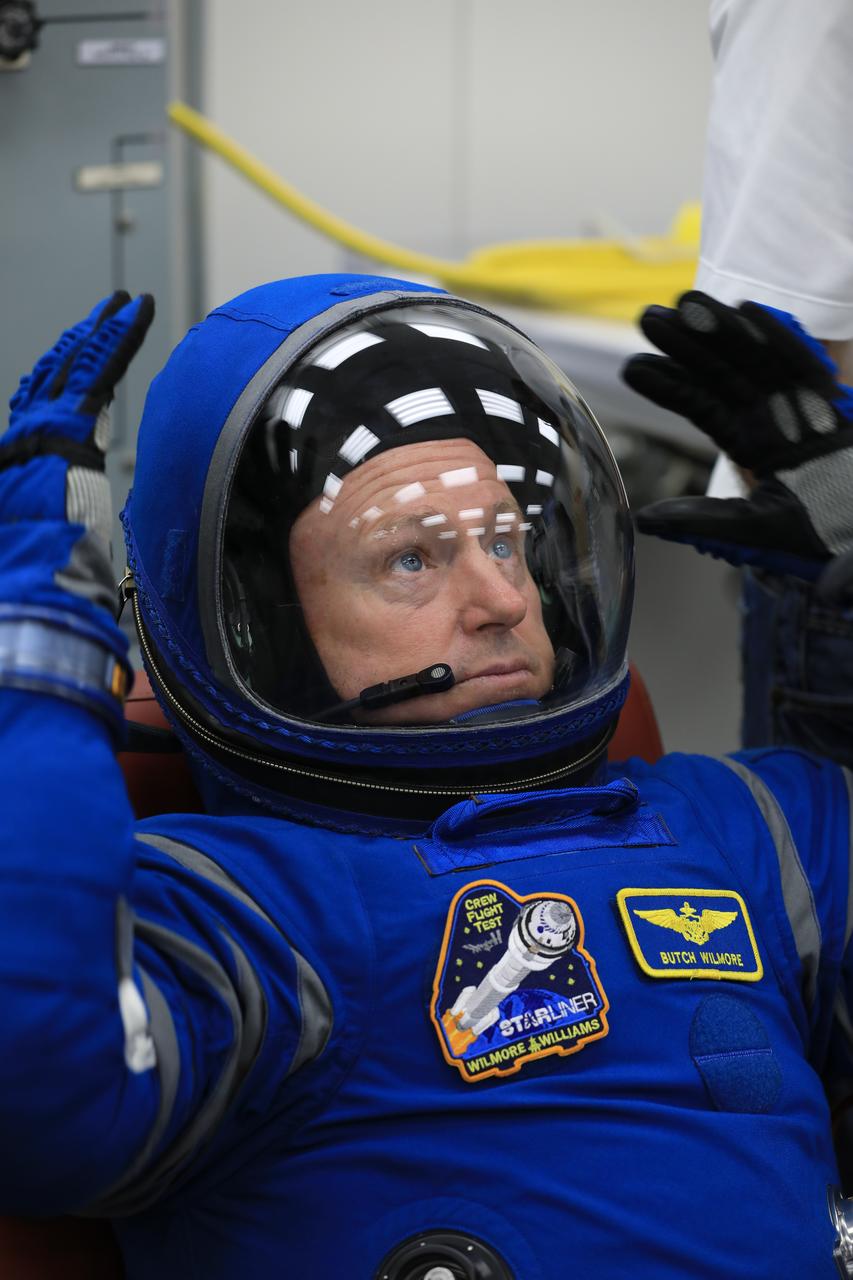
NASA astronaut Barry “Butch” Wilmore, Boeing Crew Flight Test (CFT) commander, checks his helmet during a crew validation test inside the Astronaut Crew Quarters at NASA’s Kennedy Space Center in Florida on Oct. 18, 2022. Wilmore, along with NASA astronauts Suni Williams, CFT pilot, and Mike Fincke, CFT backup spacecraft test pilot, with assistance from the Boeing team, successfully completed the validation test during which they suited up and tested out the pressurized crew module to ensure seat fit, suit functionality, cabin temperature, audio system, and day of launch operations. Boeing’s CFT is scheduled to launch in April 2023.
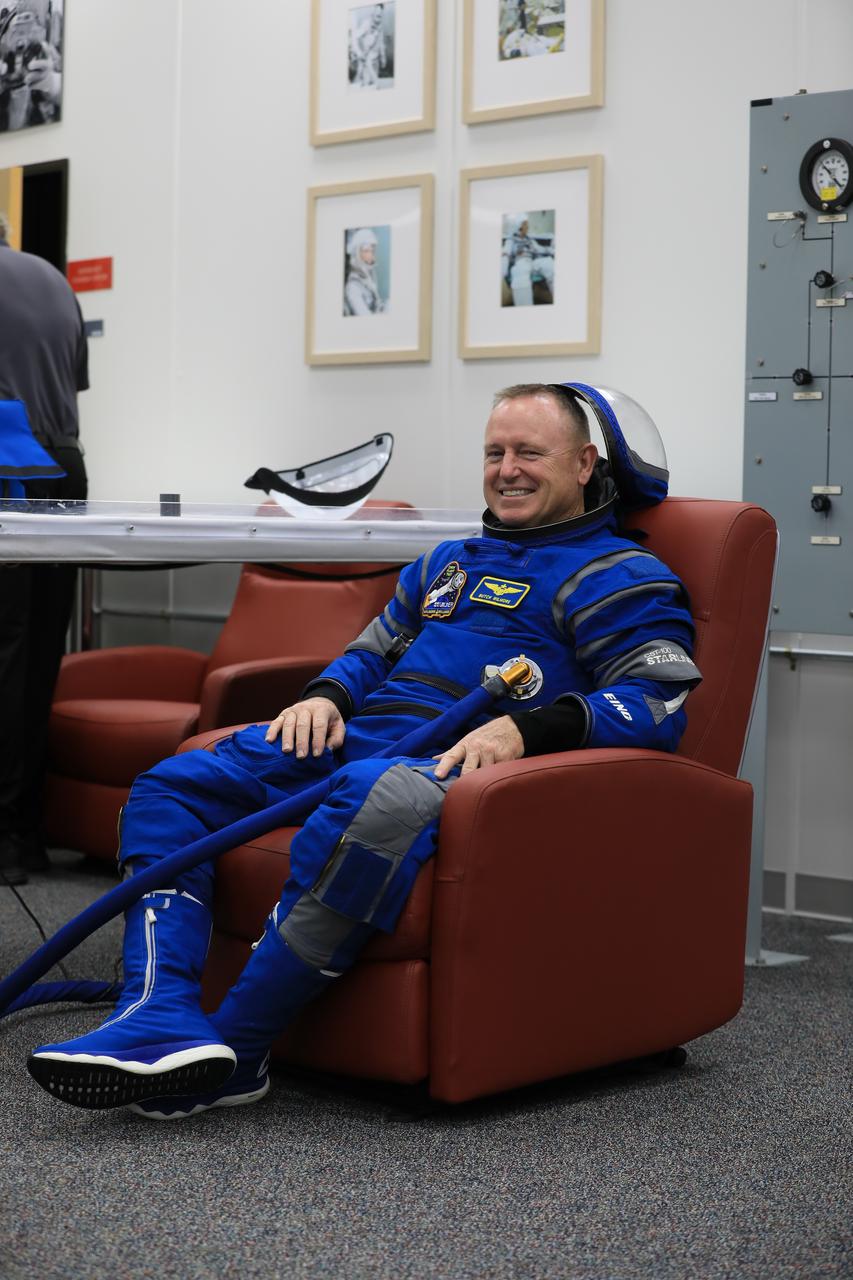
NASA astronaut Barry “Butch” Wilmore, Boeing Crew Flight Test (CFT) commander, checks his spacesuit during a crew validation test inside the Astronaut Crew Quarters at NASA’s Kennedy Space Center in Florida on Oct. 18, 2022. Wilmore, along with NASA astronauts Suni Williams, CFT pilot, and Mike Fincke, CFT backup spacecraft test pilot, with assistance from the Boeing team, successfully completed the validation test during which they suited up and tested out the pressurized crew module to ensure seat fit, suit functionality, cabin temperature, audio system, and day of launch operations. Boeing’s CFT is scheduled to launch in April 2023.

NASA astronaut Mike Fincke, at right, backup spacecraft test pilot for Boeing’s Crew Flight Test (CFT), checks his spacesuit during a crew validation test inside the Astronaut Crew Quarters at NASA’s Kennedy Space Center in Florida on Oct. 18, 2022. Fincke, with NASA astronauts Suni Williams and Barry “Butch” Wilmore, CFT pilot and commander, respectively, along with assistance from the Boeing team, successfully completed the validation test during which they suited up and tested out the pressurized crew module to ensure seat fit, suit functionality, cabin temperature, audio system, and day of launch operations. Boeing’s CFT is scheduled to launch in April 2023.
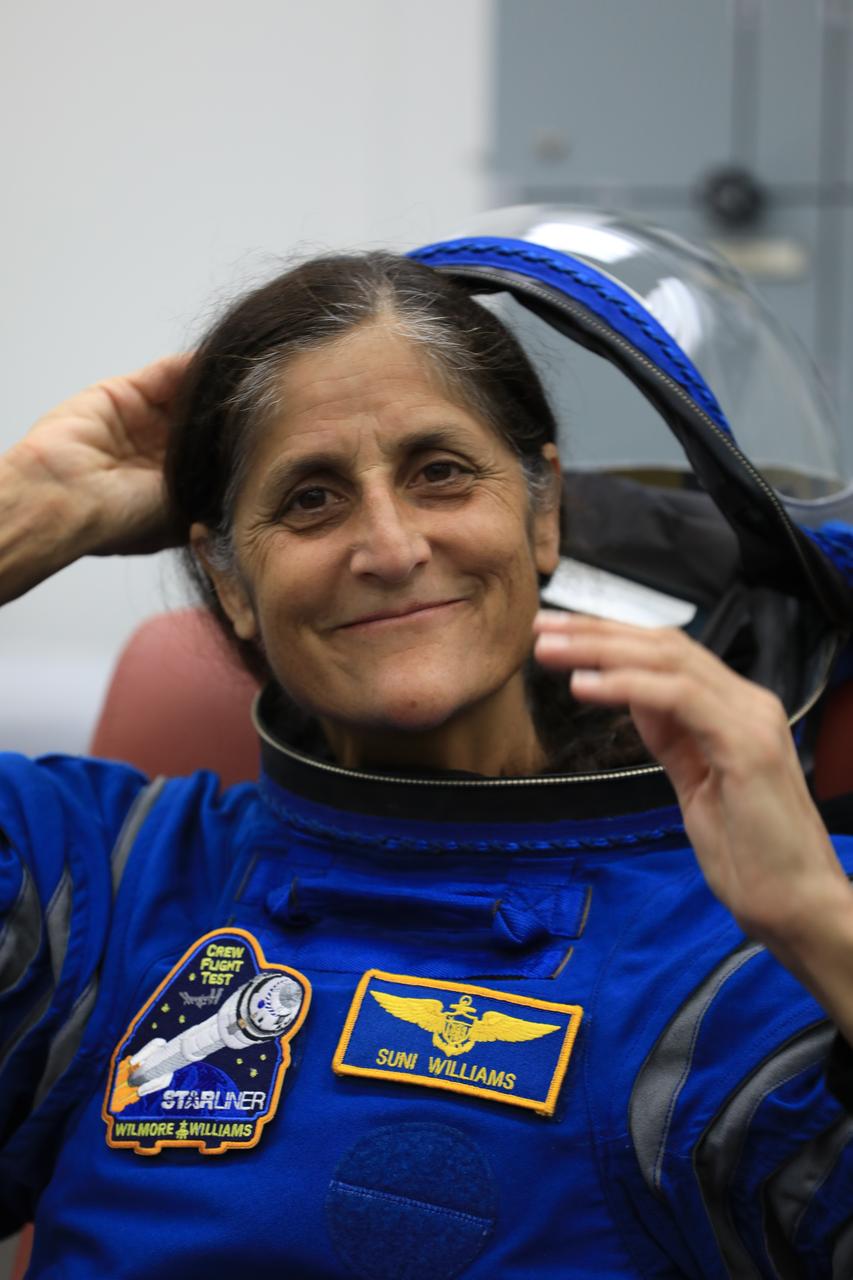
NASA astronaut Suni Williams, pilot for Boeing’s Crew Flight Test (CFT), checks her spacesuit and helmet during a crew validation test inside the Astronaut Crew Quarters at NASA’s Kennedy Space Center in Florida on Oct. 18, 2022. Williams, along with NASA astronauts Barry “Butch” Wilmore, CFT commander, and Mike Fincke, CFT backup spacecraft test pilot, with assistance from the Boeing team, successfully completed the validation test during which they suited up and tested out the pressurized crew module to ensure seat fit, suit functionality, cabin temperature, audio system, and day of launch operations. Boeing’s CFT is scheduled to launch in April 2023.
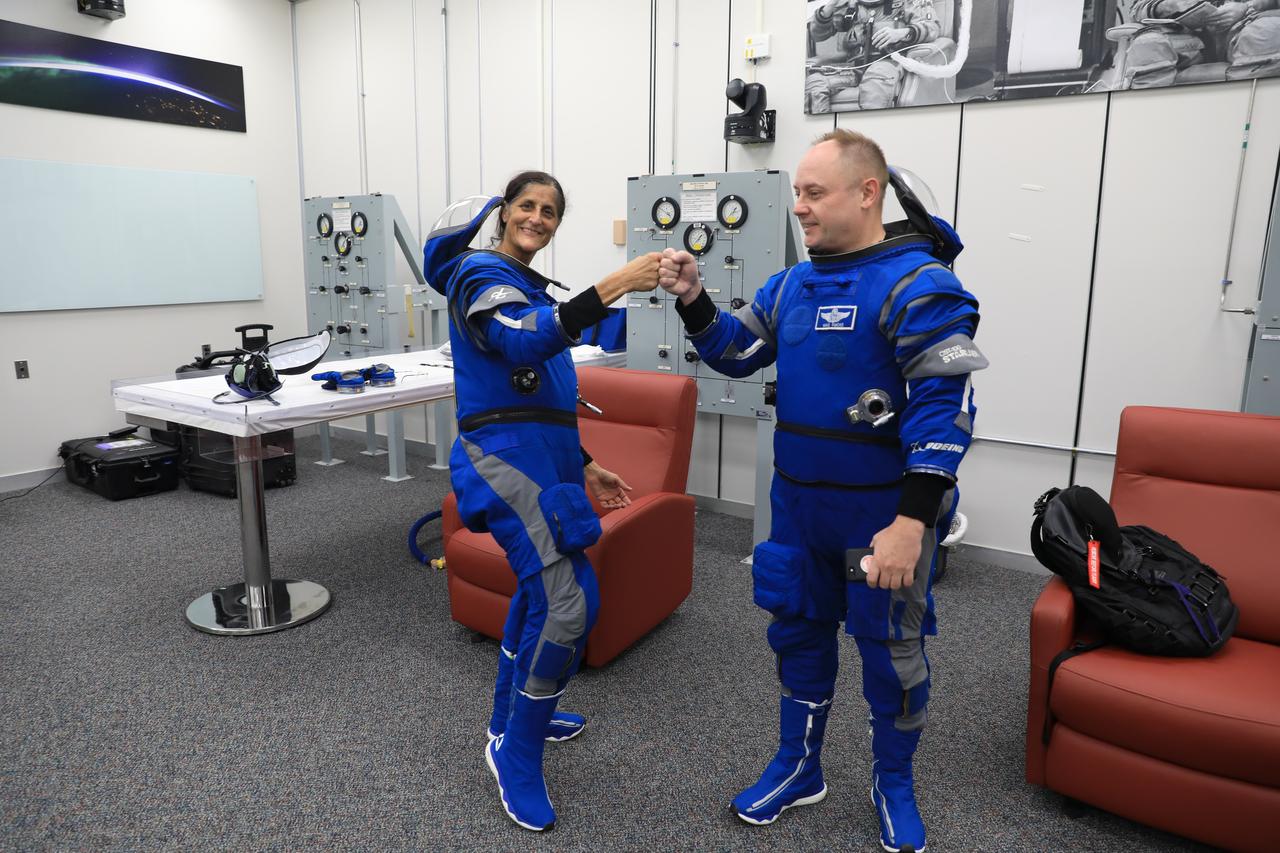
From left, NASA astronaut Suni Williams, Boeing Crew Flight Test (CFT) pilot, and Mike Fincke, CFT backup spacecraft test pilot, do a fist bump during a crew validation test inside the Astronaut Crew Quarters at NASA’s Kennedy Space Center in Florida on Oct. 18, 2022. Williams and Fincke, along with Barry “Butch” Wilmore, CFT commander, with assistance from the Boeing team, successfully completed the validation test during which they suited up and tested out the pressurized crew module to ensure seat fit, suit functionality, cabin temperature, audio system, and day of launch operations. Boeing’s CFT is scheduled to launch in April 2023.
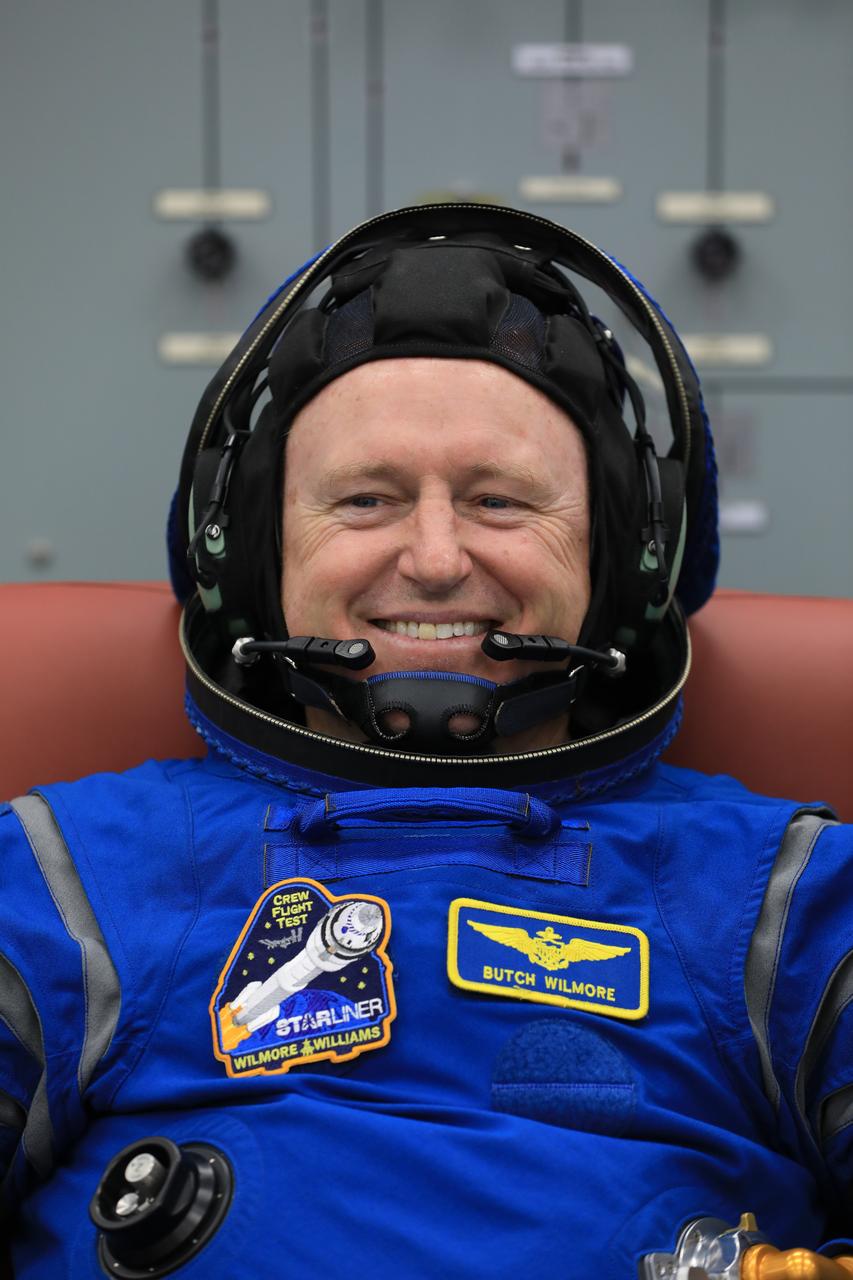
NASA astronaut Barry “Butch” Wilmore, Boeing Crew Flight Test (CFT) commander, checks his spacesuit and helmet during a crew validation test inside the Astronaut Crew Quarters at NASA’s Kennedy Space Center in Florida on Oct. 18, 2022. Wilmore, along with NASA astronauts Suni Williams, CFT pilot, and Mike Fincke, CFT backup spacecraft test pilot, with assistance from the Boeing team, successfully completed the validation test during which they suited up and tested out the pressurized crew module to ensure seat fit, suit functionality, cabin temperature, audio system, and day of launch operations. Boeing’s CFT is scheduled to launch in April 2023.
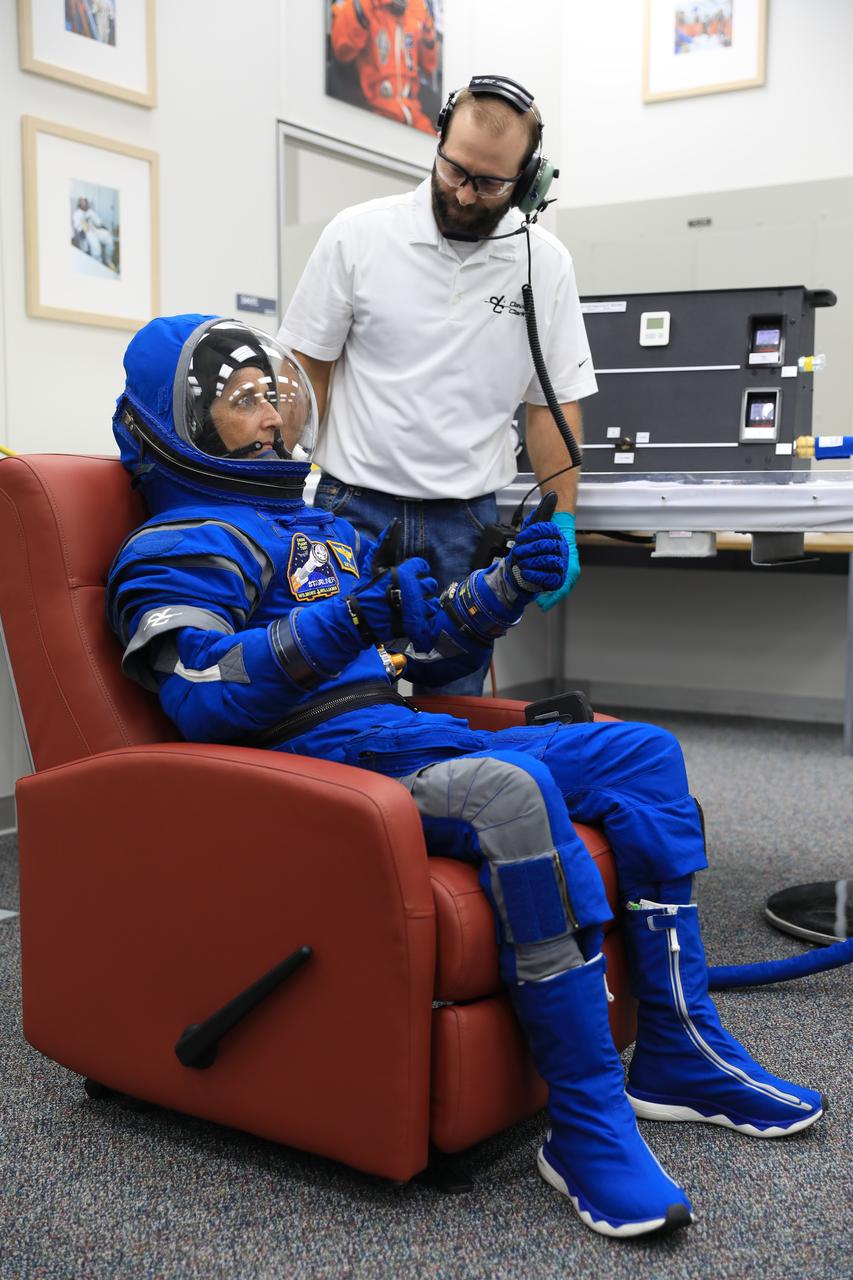
NASA astronaut Suni Williams, pilot for Boeing’s Crew Flight Test (CFT), checks her spacesuit and helmet during a crew validation test inside the Astronaut Crew Quarters at NASA’s Kennedy Space Center in Florida on Oct. 18, 2022. Williams, along with NASA astronauts Barry “Butch” Wilmore, CFT commander, and Mike Fincke, CFT backup spacecraft test pilot, with assistance from the Boeing team, successfully completed the validation test during which they suited up and tested out the pressurized crew module to ensure seat fit, suit functionality, cabin temperature, audio system, and day of launch operations. Boeing’s CFT is scheduled to launch in April 2023.
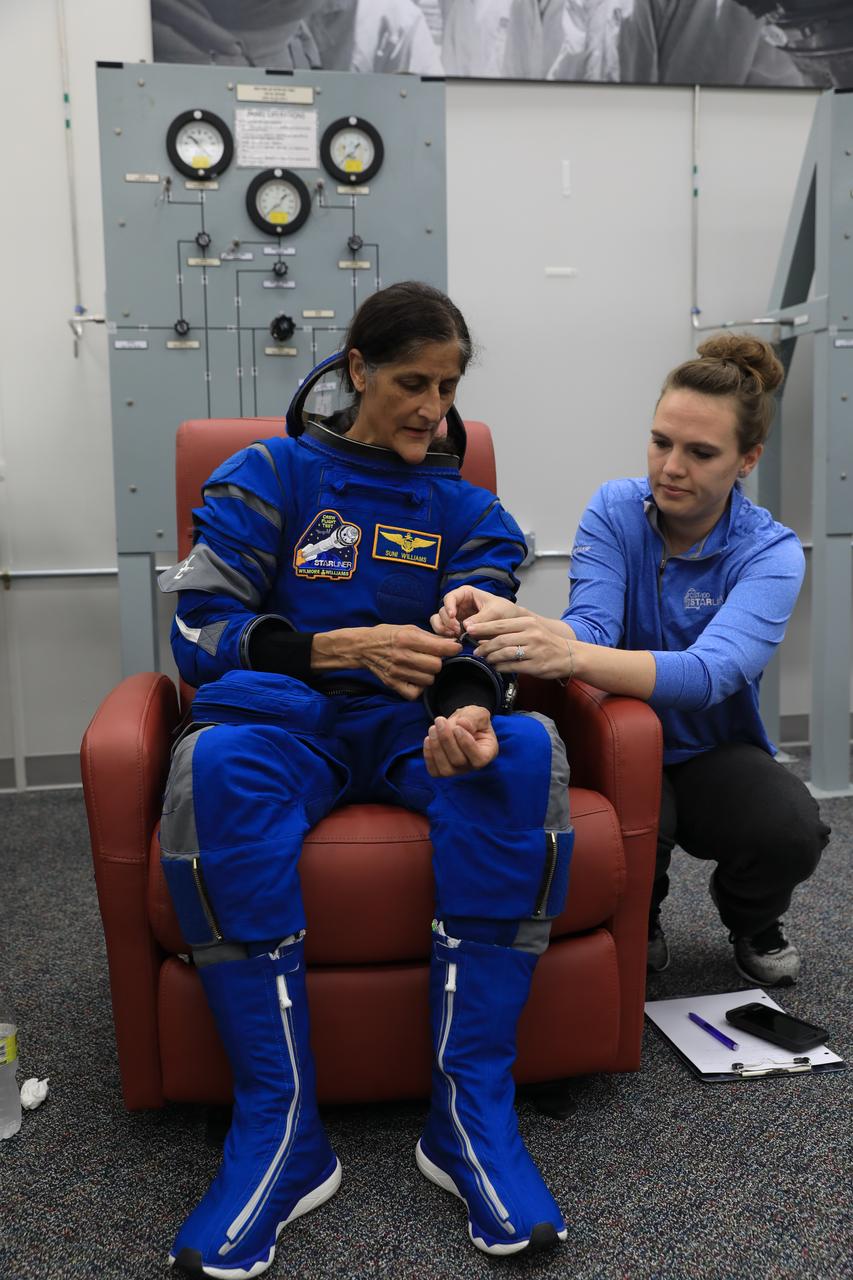
NASA astronaut Suni Williams, pilot for Boeing’s Crew Flight Test (CFT), checks her spacesuit during a crew validation test inside the Astronaut Crew Quarters at NASA’s Kennedy Space Center in Florida on Oct. 18, 2022. Williams, along with NASA astronauts Barry “Butch” Wilmore, CFT commander, and Mike Fincke, CFT backup spacecraft test pilot, with assistance from the Boeing team, successfully completed the validation test during which they suited up and tested out the pressurized crew module to ensure seat fit, suit functionality, cabin temperature, audio system, and day of launch operations. Boeing’s CFT is scheduled to launch in April 2023.
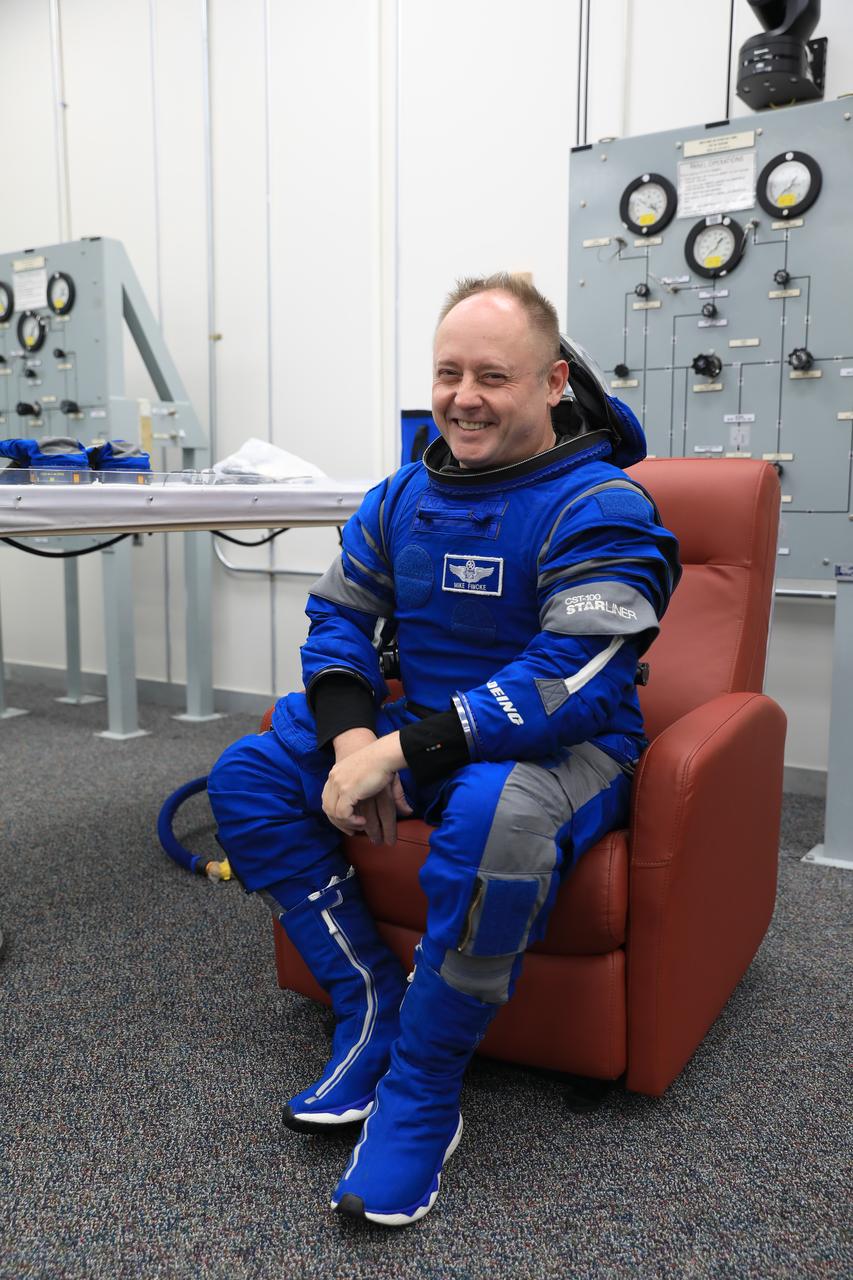
NASA astronaut Mike Fincke, Boeing Crew Flight Test (CFT) backup spacecraft test pilot, checks his spacesuit during a crew validation test inside the Astronaut Crew Quarters at NASA’s Kennedy Space Center in Florida on Oct. 18, 2022. Fincke, along with NASA astronauts Suni Williams and Barry “Butch” Wilmore, CTF pilot and commander, respectively, with assistance from the Boeing team, successfully completed the validation test during which they suited up and tested out the pressurized crew module to ensure seat fit, suit functionality, cabin temperature, audio system, and day of launch operations. Boeing’s CFT is scheduled to launch in April 2023.
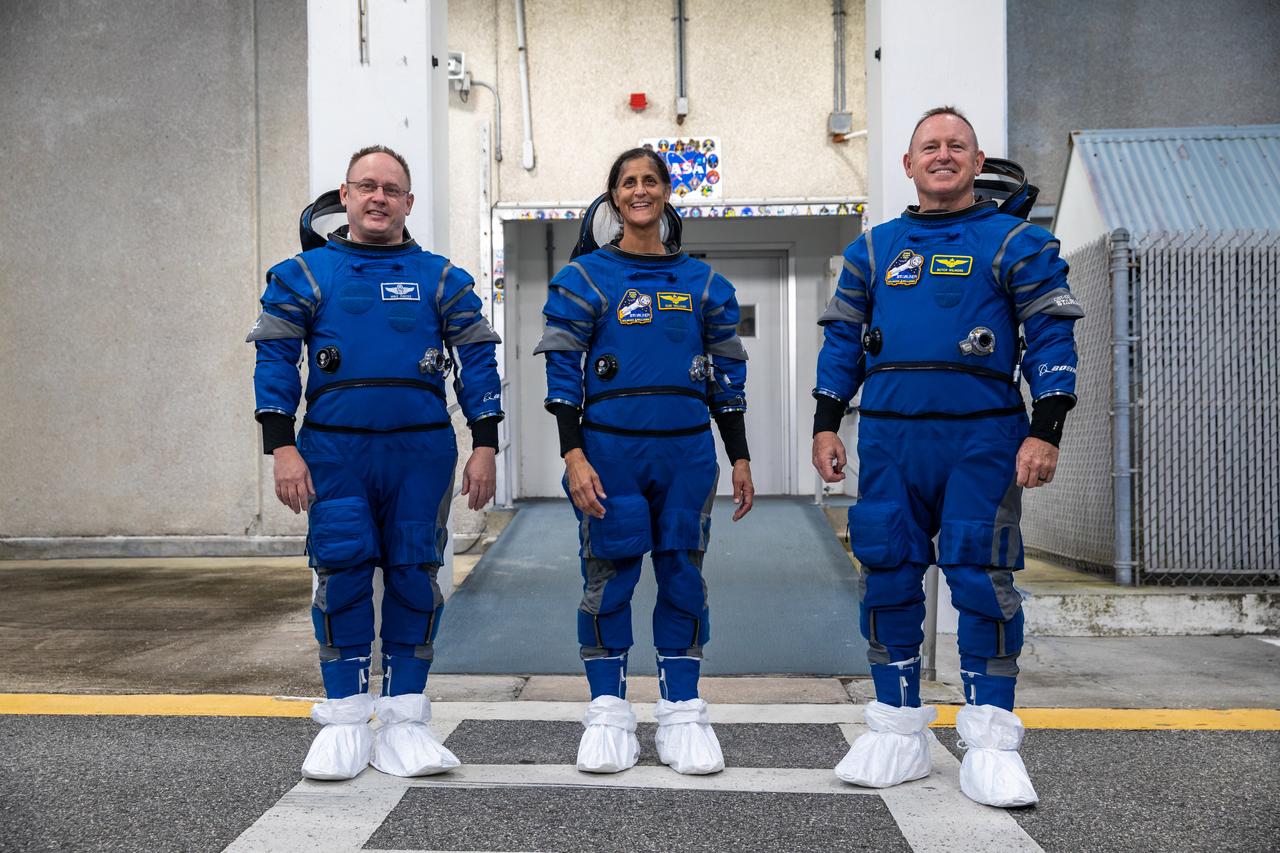
From left, NASA astronauts Mike Fincke, Suni Williams, and Barry “Butch” Wilmore, Boeing Crew Flight Test (CFT) backup spacecraft test pilot, pilot, and commander, respectively, exit the Astronaut Crew Quarters at NASA’s Kennedy Space Center in Florida during a crew validation test on Oct. 18, 2022. The astronauts, with assistance from the Boeing team, successfully completed the validation test during which they suited up and tested out the pressurized crew module to ensure seat fit, suit functionality, cabin temperature, audio system, and day of launch operations. Boeing’s CFT is scheduled to launch in April 2023.
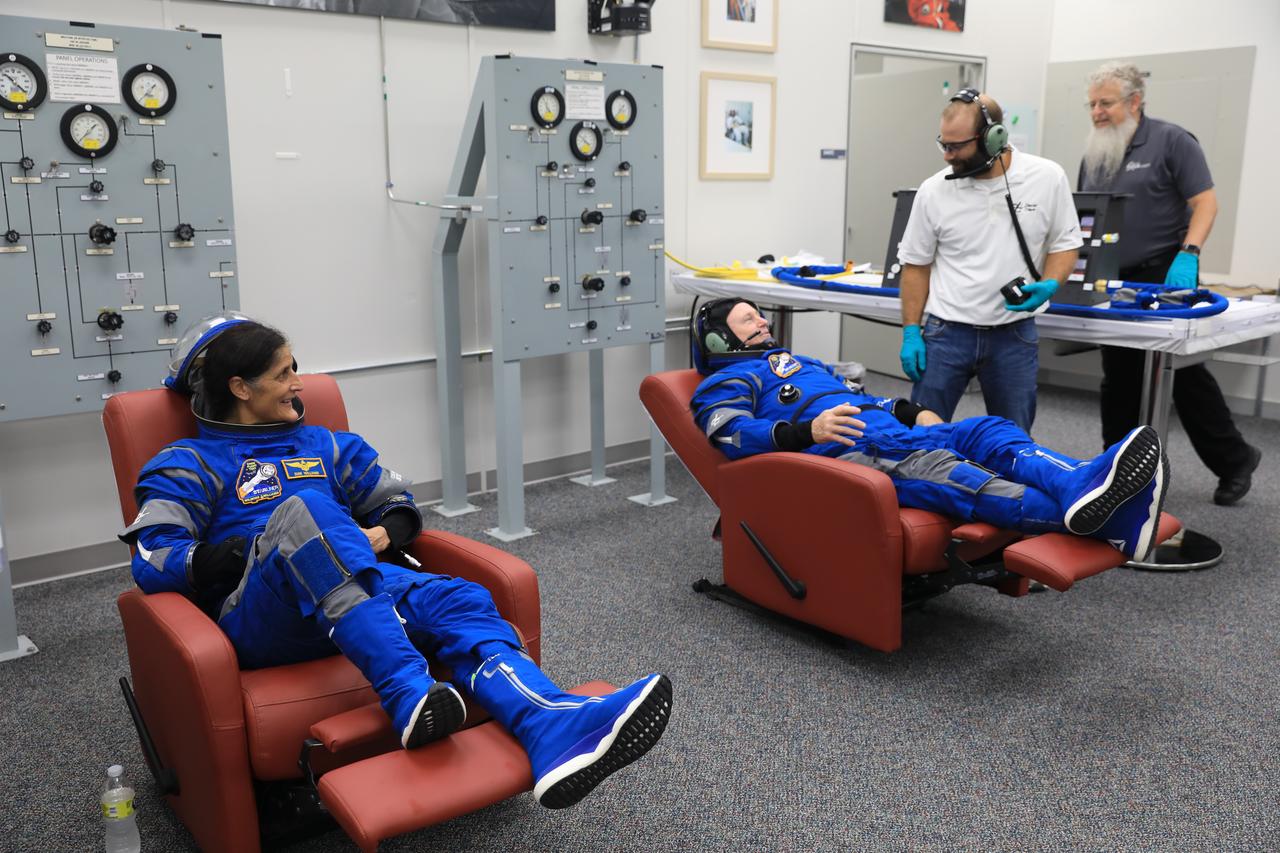
From left, NASA astronauts Suni Williams and Barry “Butch” Wilmore, Boeing Crew Flight Test (CFT) pilot and commander, respectively, check their spacesuits during a crew validation test inside the Astronaut Crew Quarters at NASA’s Kennedy Space Center in Florida on Oct. 18, 2022. Williams and Wilmore, along with Mike Fincke, CFT backup spacecraft test pilot, with assistance from the Boeing team, successfully completed the validation test during which they suited up and tested out the pressurized crew module to ensure seat fit, suit functionality, cabin temperature, audio system, and day of launch operations. Boeing’s CFT is scheduled to launch in April 2023.
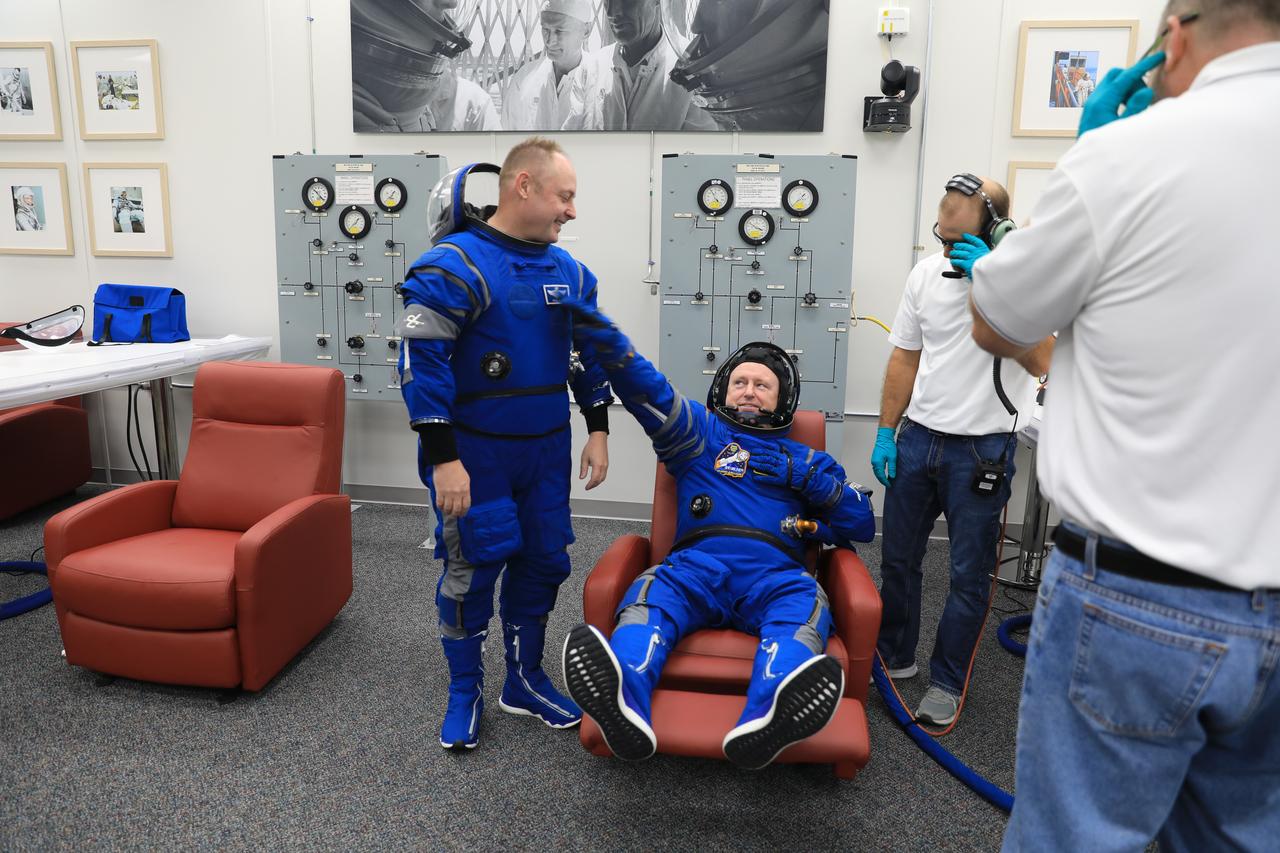
NASA astronaut Barry “Butch” Wilmore (right), Boeing Crew Flight Test (CFT) commander, and Mike Fincke, CFT backup spacecraft test pilot, check their spacesuits during a crew validation test inside the Astronaut Crew Quarters at NASA’s Kennedy Space Center in Florida on Oct. 18, 2022. Wilmore and Fincke, along with NASA astronaut Suni Williams, CFT pilot, with assistance from the Boeing team, successfully completed the validation test during which they suited up and tested out the pressurized crew module to ensure seat fit, suit functionality, cabin temperature, audio system, and day of launch operations. Boeing’s CFT is scheduled to launch in April 2023.
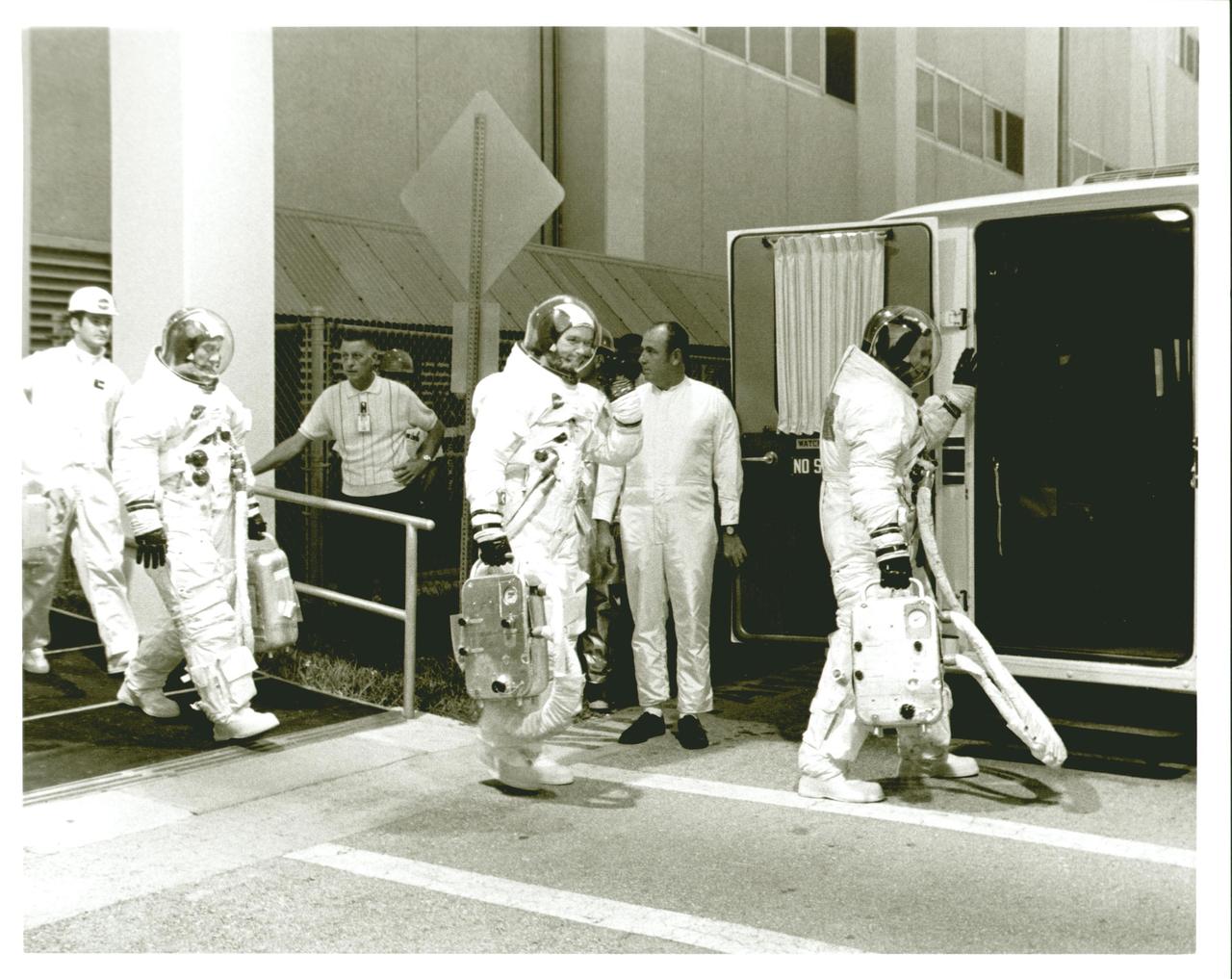
KENNEDY SPACE CENTER, FLA. - Apollo 11 crew "suiting up" for Countdown Demonstration Test.
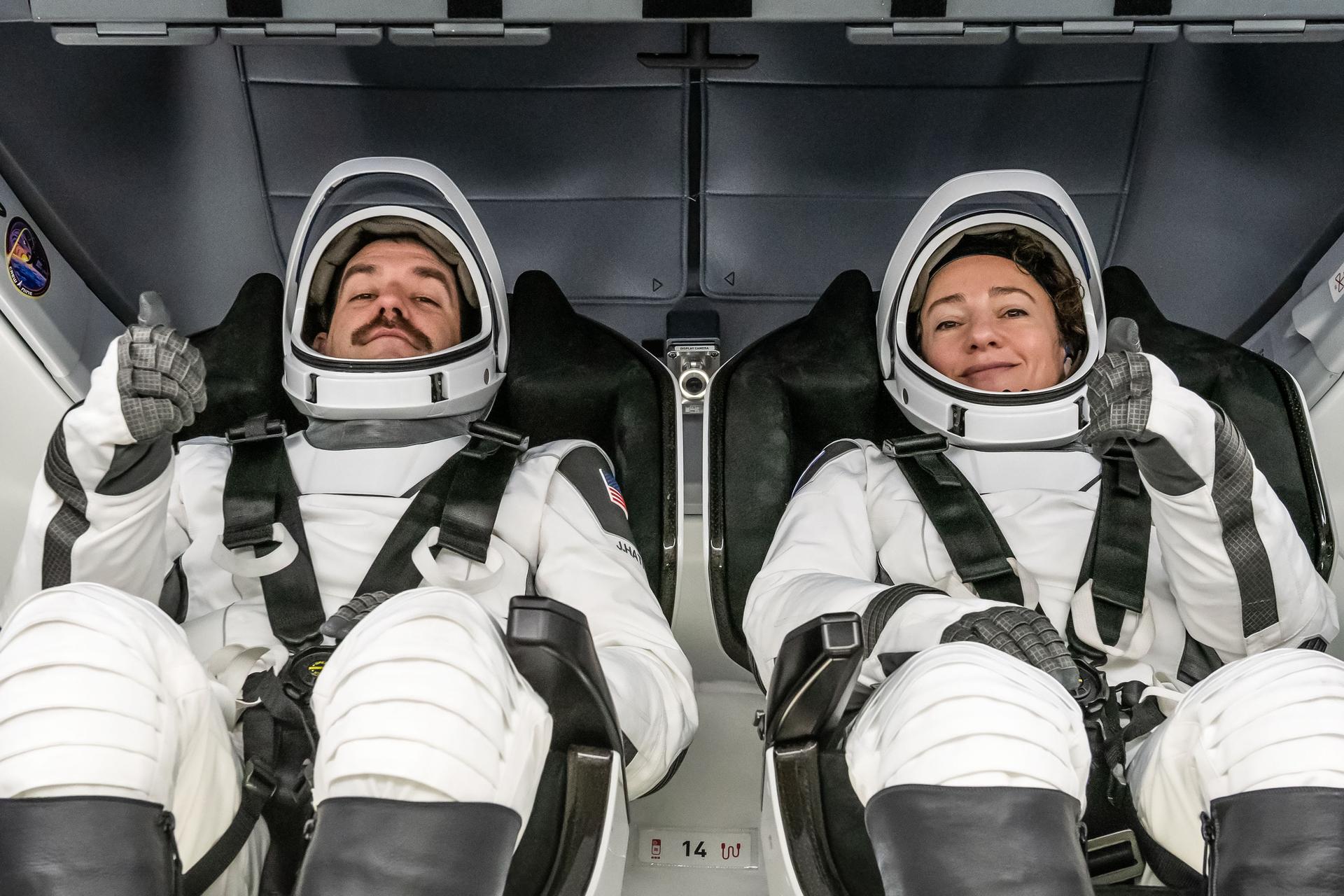
jsc2026e002978 (Jan. 12, 2026) --- NASA astronauts (from left) Jack Hathaway and Jessica Meir, SpaceX Crew-12 Pilot and Commander respectively, are photographed in their pressure suits and inside the Dragon spacecraft during the Crew Equipment Interface Test at NASA’s Kennedy Space Center in Florida. The goal of the training is to rehearse launch day activities and get a close look at the spacecraft that will take them to the International Space Station. Credit: SpaceX
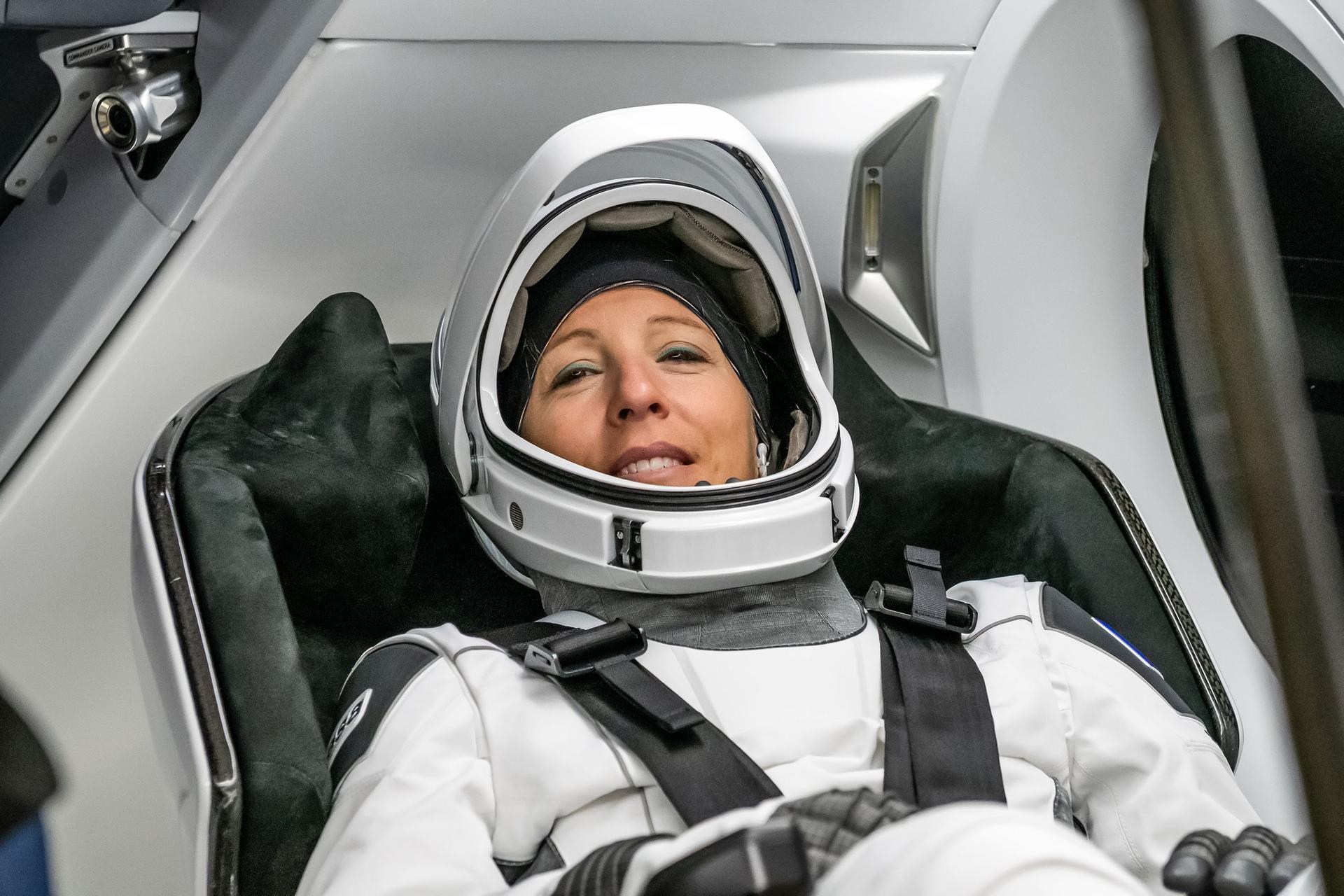
jsc2026e002975 (Jan. 12, 2026) --- ESA (European Space Agency) astronaut and SpaceX Crew-12 Mission Specialist Sophie Adenot is photographed in her pressure suit and inside the Dragon spacecraft during the Crew Equipment Interface Test at NASA’s Kennedy Space Center in Florida. The goal of the training is to rehearse launch day activities and get a close look at the spacecraft that will take them to the International Space Station. Credit: SpaceX
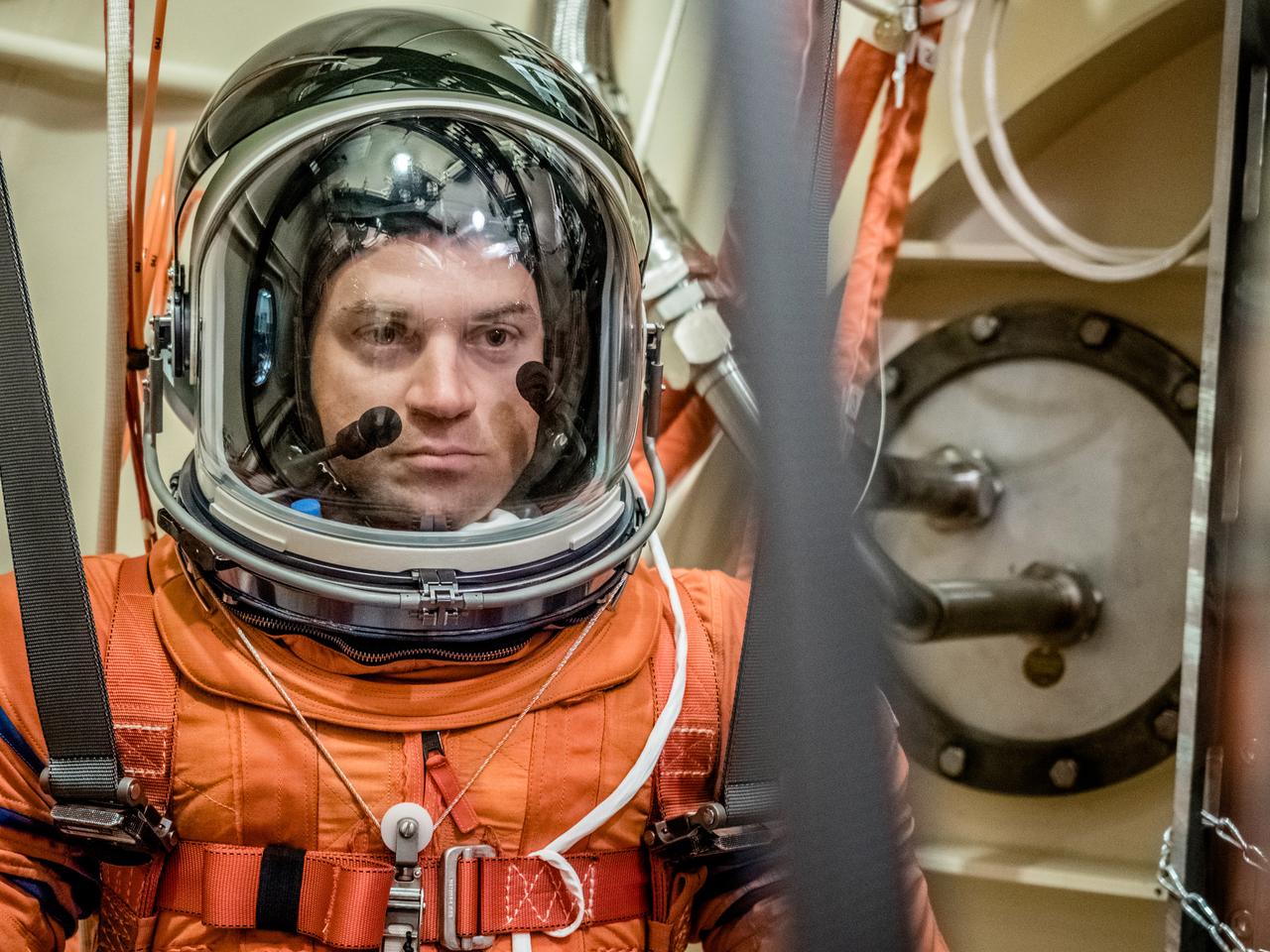
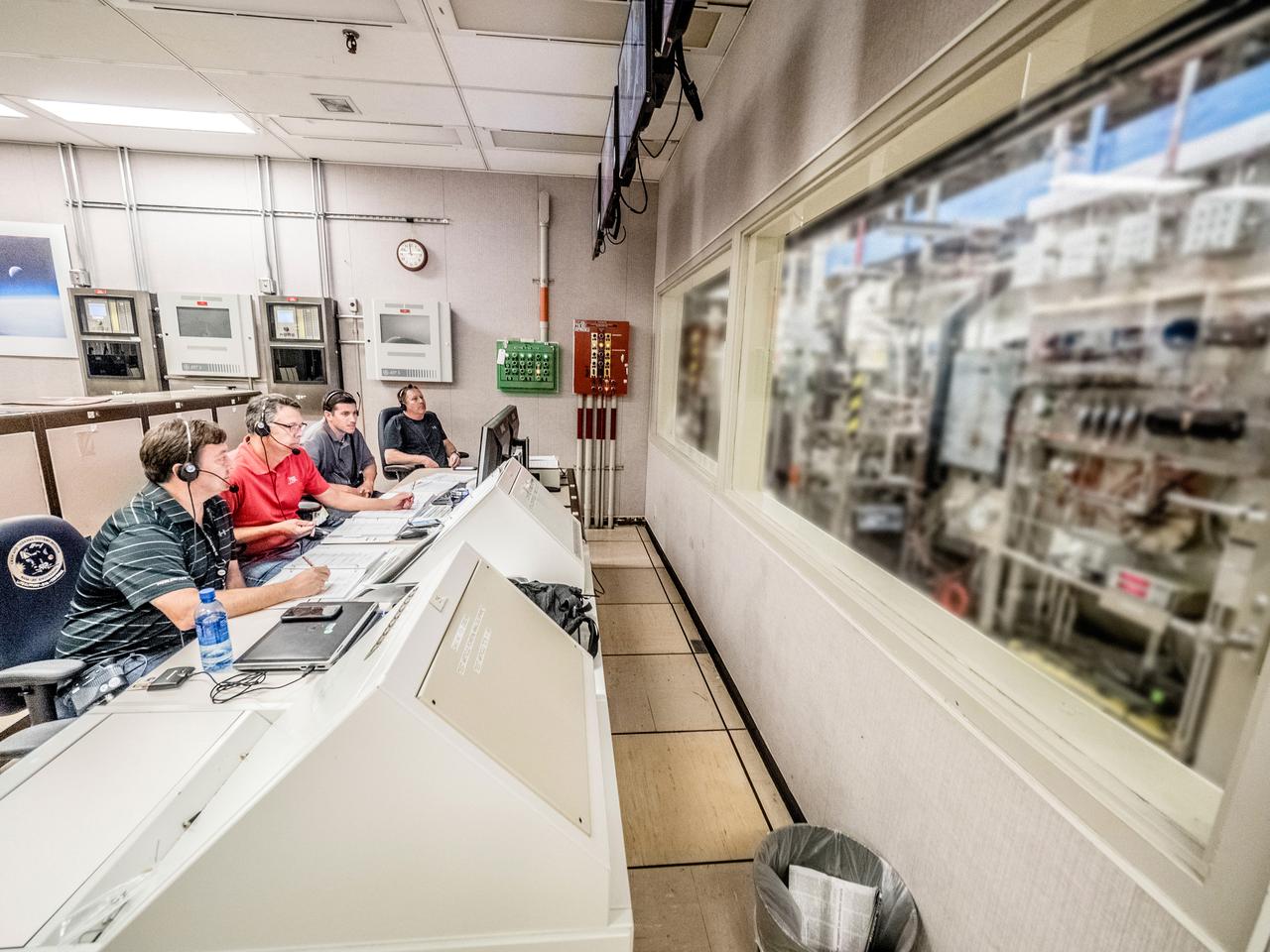
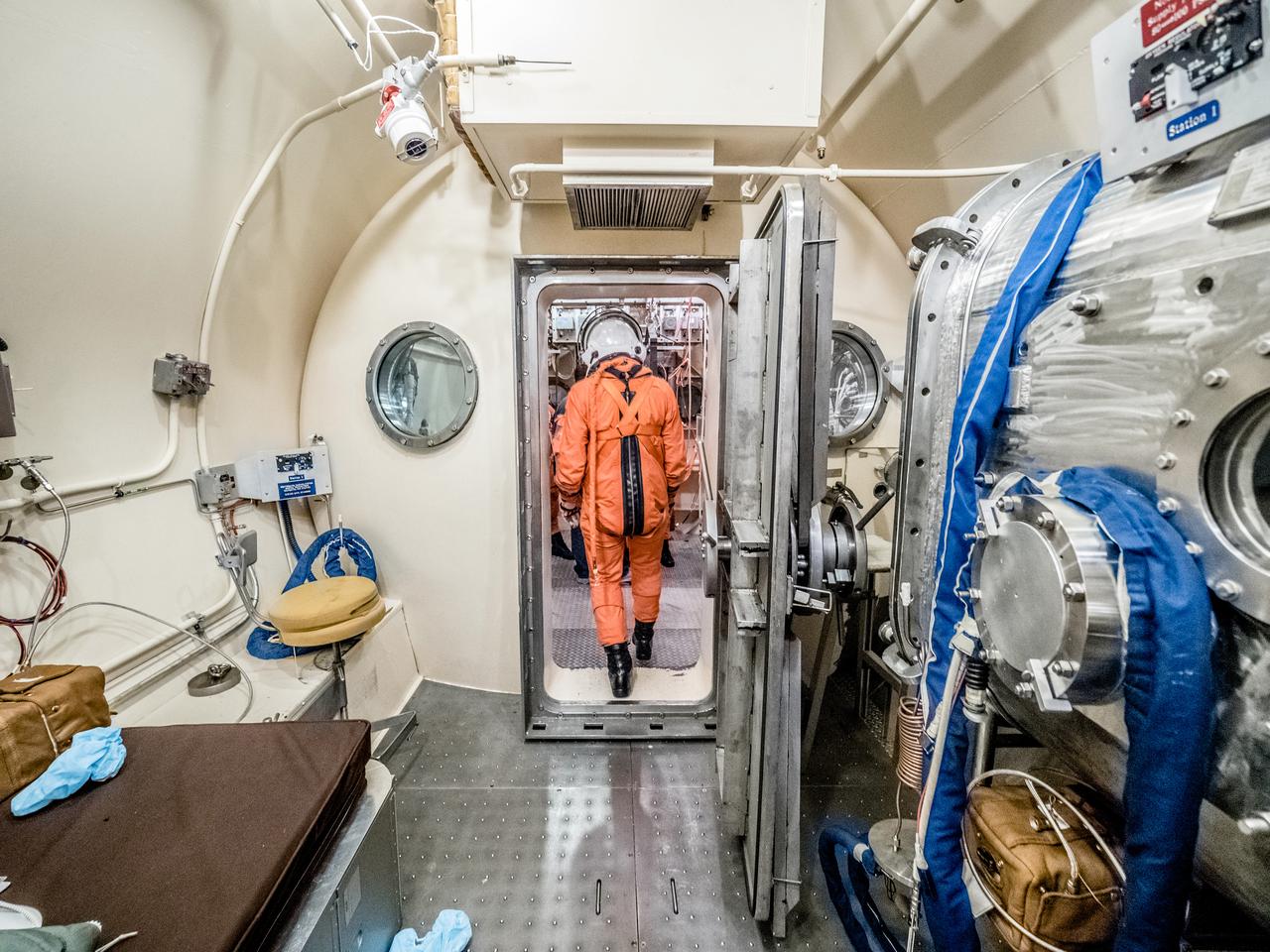
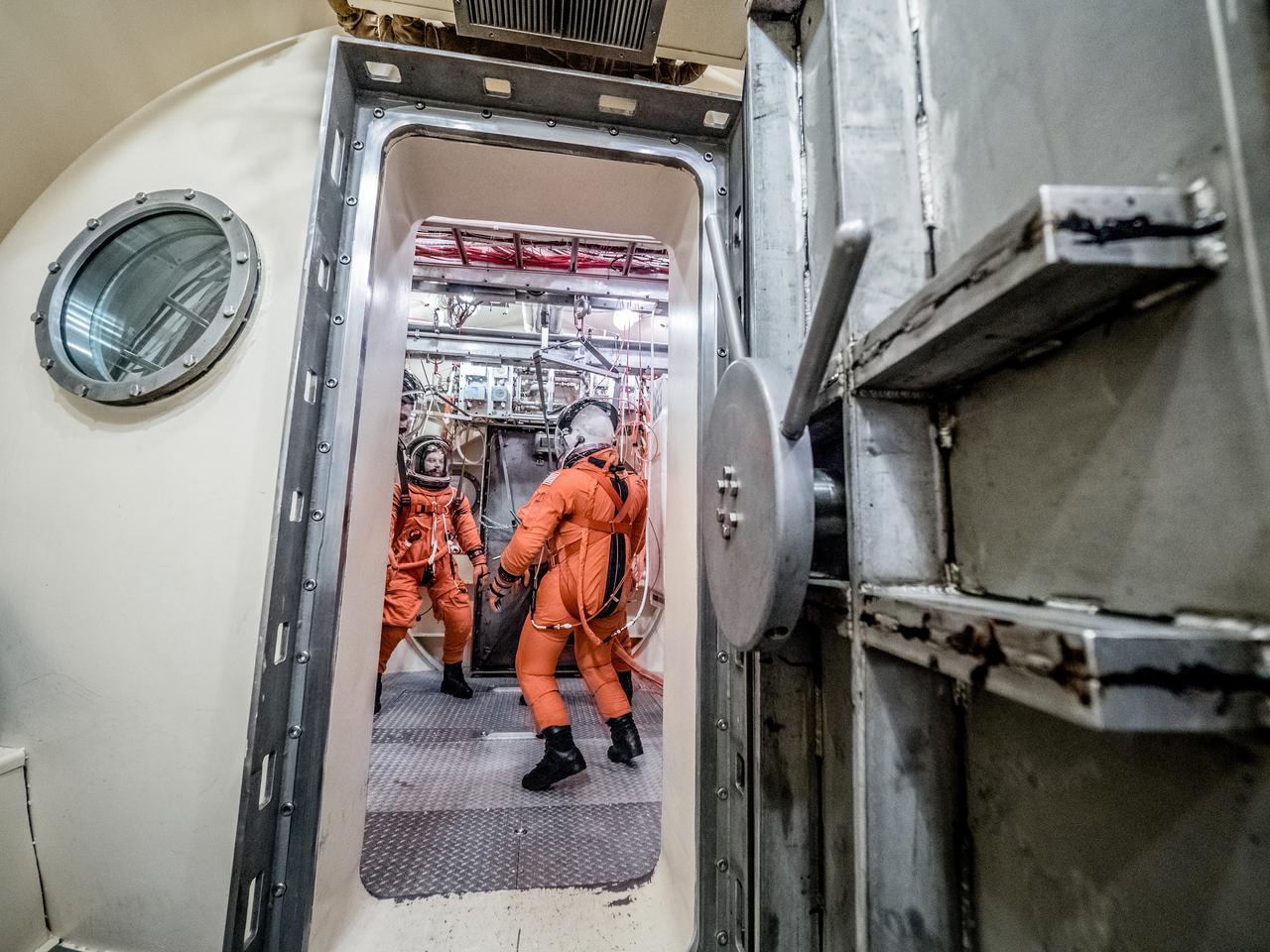
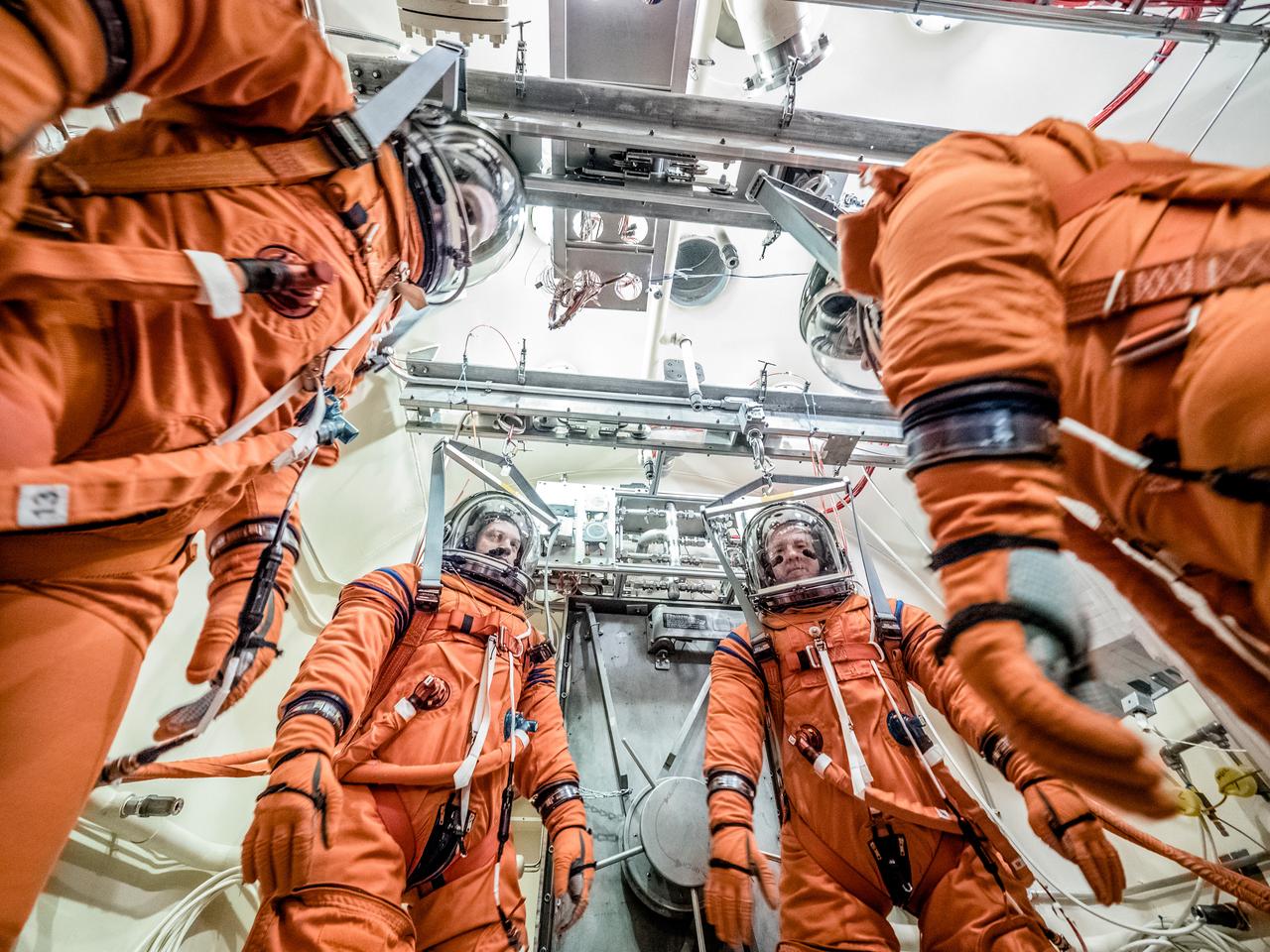
Engineers and technicians at NASA’s Johnson Space Center in Houston are testing the spacesuit astronauts will wear in the agency’s Orion spacecraft on trips to deep space. On June 22, 2017, members of the Johnson team participated in a Vacuum Pressure Integrated Suit Test to verify enhancements to the suit will meet test and design standards for the Orion spacecraft. During this test, the suit is connected to life support systems and then air is removed from Johnson’s 11-foot thermal vacuum chamber to evaluate the performance of the suits in conditions similar to a spacecraft. The suit will contain all the necessary functions to support life and is being designed to enable spacewalks and sustain the crew in the unlikely event the spacecraft loses pressure. Part of Batch images transfer from Flickr.
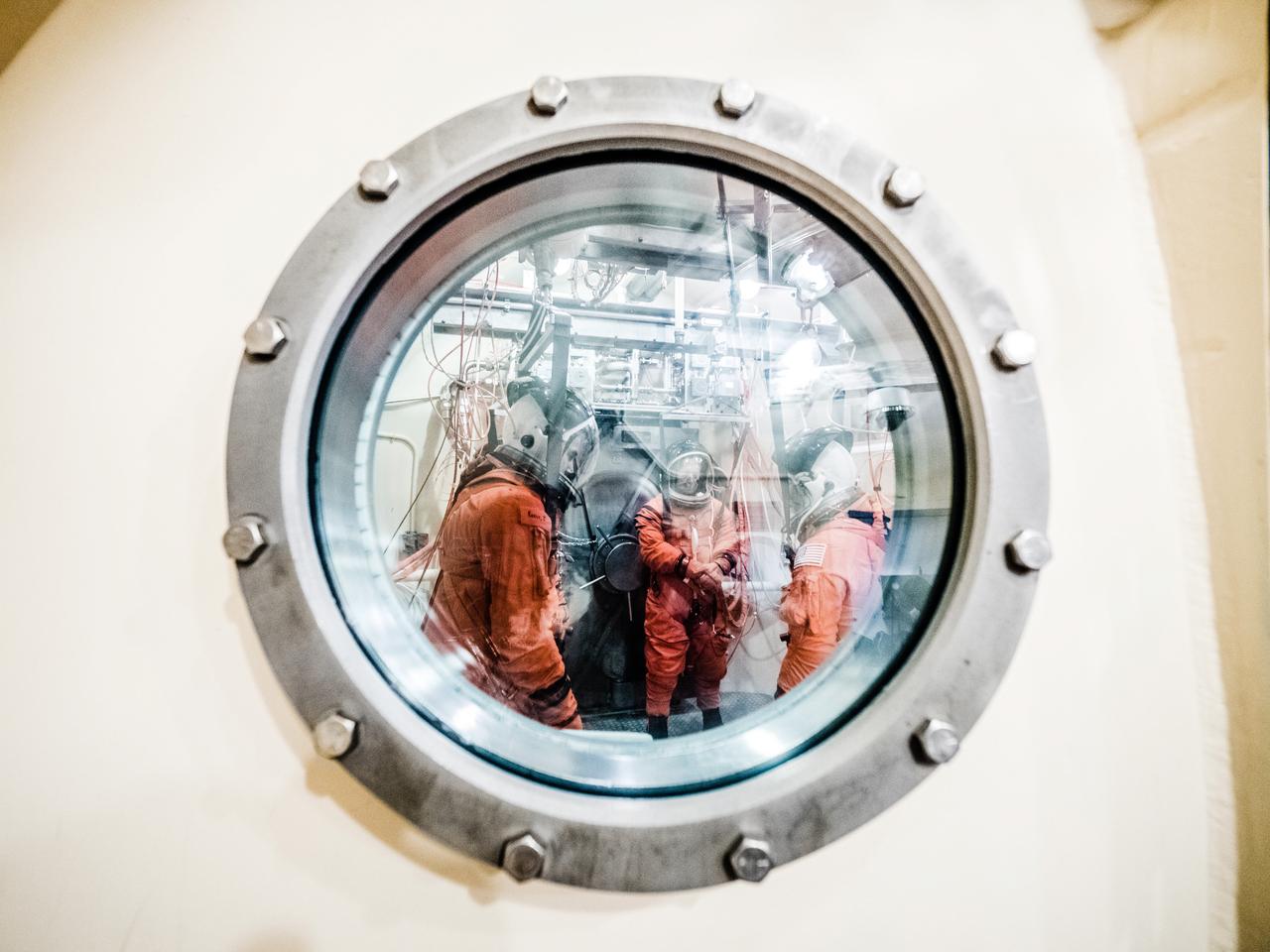
Engineers and technicians at NASA’s Johnson Space Center in Houston are testing the spacesuit astronauts will wear in the agency’s Orion spacecraft on trips to deep space. On June 22, 2017, members of the Johnson team participated in a Vacuum Pressure Integrated Suit Test to verify enhancements to the suit will meet test and design standards for the Orion spacecraft. During this test, the suit is connected to life support systems and then air is removed from Johnson’s 11-foot thermal vacuum chamber to evaluate the performance of the suits in conditions similar to a spacecraft. The suit will contain all the necessary functions to support life and is being designed to enable spacewalks and sustain the crew in the unlikely event the spacecraft loses pressure. Part of Batch images transfer from Flickr.
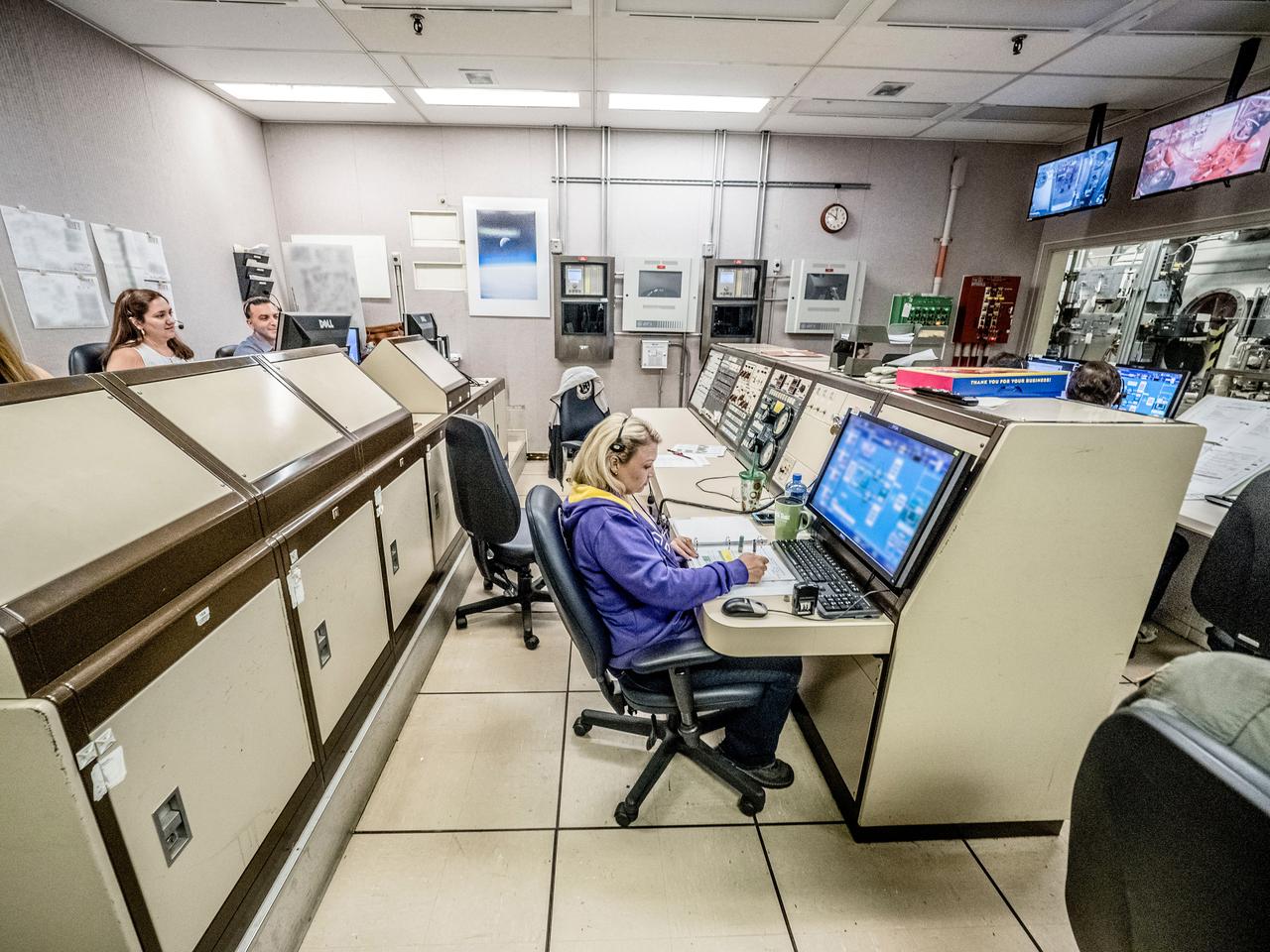
Engineers and technicians at NASA’s Johnson Space Center in Houston are testing the spacesuit astronauts will wear in the agency’s Orion spacecraft on trips to deep space. On June 22, 2017, members of the Johnson team participated in a Vacuum Pressure Integrated Suit Test to verify enhancements to the suit will meet test and design standards for the Orion spacecraft. During this test, the suit is connected to life support systems and then air is removed from Johnson’s 11-foot thermal vacuum chamber to evaluate the performance of the suits in conditions similar to a spacecraft. The suit will contain all the necessary functions to support life and is being designed to enable spacewalks and sustain the crew in the unlikely event the spacecraft loses pressure. Part of Batch images transfer from Flickr.
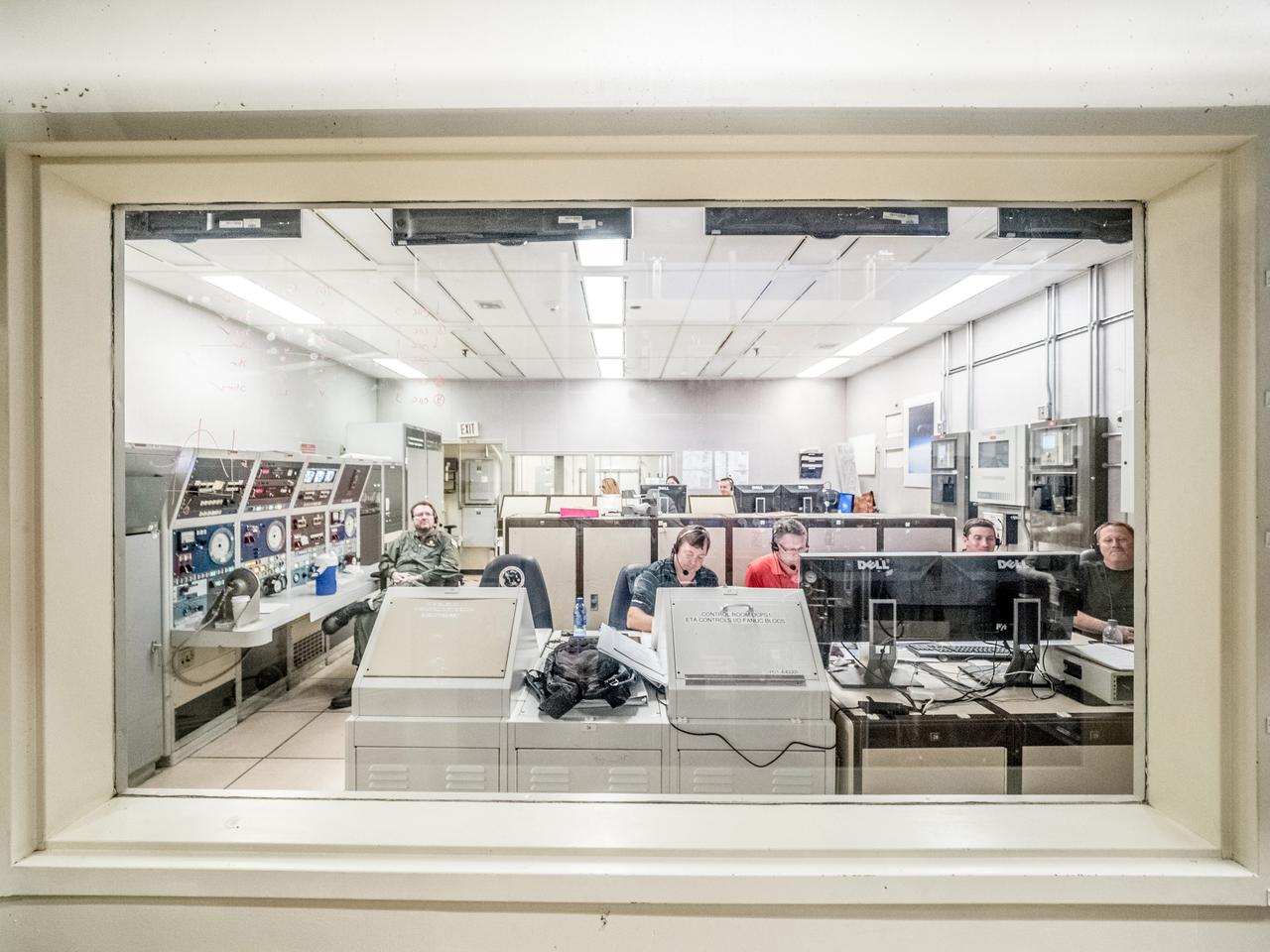
Engineers and technicians at NASA’s Johnson Space Center in Houston are testing the spacesuit astronauts will wear in the agency’s Orion spacecraft on trips to deep space. On June 22, 2017, members of the Johnson team participated in a Vacuum Pressure Integrated Suit Test to verify enhancements to the suit will meet test and design standards for the Orion spacecraft. During this test, the suit is connected to life support systems and then air is removed from Johnson’s 11-foot thermal vacuum chamber to evaluate the performance of the suits in conditions similar to a spacecraft. The suit will contain all the necessary functions to support life and is being designed to enable spacewalks and sustain the crew in the unlikely event the spacecraft loses pressure. Part of Batch images transfer from Flickr.
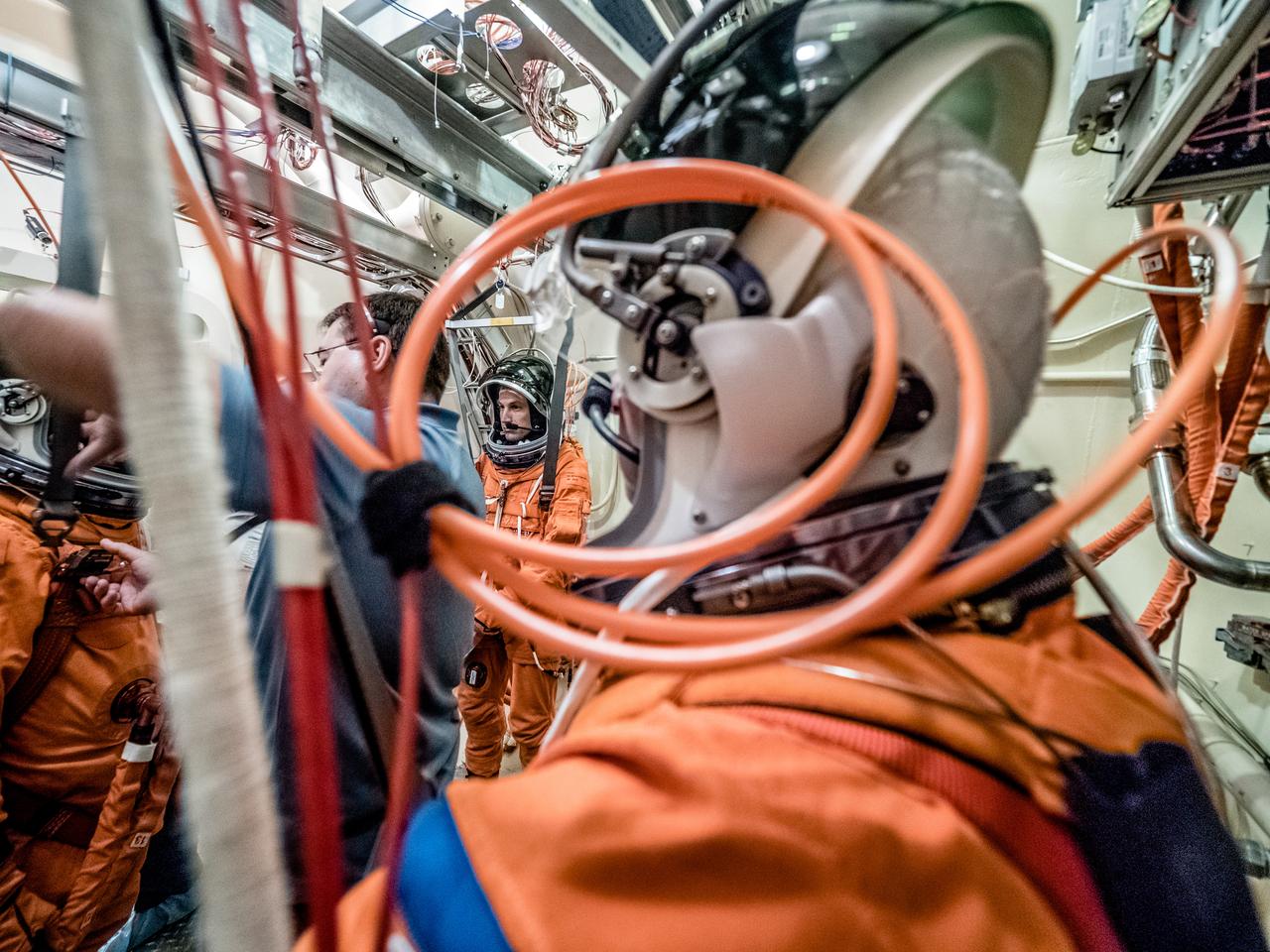
Engineers and technicians at NASA’s Johnson Space Center in Houston are testing the spacesuit astronauts will wear in the agency’s Orion spacecraft on trips to deep space. On June 22, 2017, members of the Johnson team participated in a Vacuum Pressure Integrated Suit Test to verify enhancements to the suit will meet test and design standards for the Orion spacecraft. During this test, the suit is connected to life support systems and then air is removed from Johnson’s 11-foot thermal vacuum chamber to evaluate the performance of the suits in conditions similar to a spacecraft. The suit will contain all the necessary functions to support life and is being designed to enable spacewalks and sustain the crew in the unlikely event the spacecraft loses pressure. Part of Batch images transfer from Flickr.
Engineers and technicians at NASA’s Johnson Space Center in Houston are testing the spacesuit astronauts will wear in the agency’s Orion spacecraft on trips to deep space. On June 22, 2017, members of the Johnson team participated in a Vacuum Pressure Integrated Suit Test to verify enhancements to the suit will meet test and design standards for the Orion spacecraft. During this test, the suit is connected to life support systems and then air is removed from Johnson’s 11-foot thermal vacuum chamber to evaluate the performance of the suits in conditions similar to a spacecraft. The suit will contain all the necessary functions to support life and is being designed to enable spacewalks and sustain the crew in the unlikely event the spacecraft loses pressure. Part of Batch images transfer from Flickr.
Engineers and technicians at NASA’s Johnson Space Center in Houston are testing the spacesuit astronauts will wear in the agency’s Orion spacecraft on trips to deep space. On June 22, 2017, members of the Johnson team participated in a Vacuum Pressure Integrated Suit Test to verify enhancements to the suit will meet test and design standards for the Orion spacecraft. During this test, the suit is connected to life support systems and then air is removed from Johnson’s 11-foot thermal vacuum chamber to evaluate the performance of the suits in conditions similar to a spacecraft. The suit will contain all the necessary functions to support life and is being designed to enable spacewalks and sustain the crew in the unlikely event the spacecraft loses pressure. Part of Batch images transfer from Flickr.
Engineers and technicians at NASA’s Johnson Space Center in Houston are testing the spacesuit astronauts will wear in the agency’s Orion spacecraft on trips to deep space. On June 22, 2017, members of the Johnson team participated in a Vacuum Pressure Integrated Suit Test to verify enhancements to the suit will meet test and design standards for the Orion spacecraft. During this test, the suit is connected to life support systems and then air is removed from Johnson’s 11-foot thermal vacuum chamber to evaluate the performance of the suits in conditions similar to a spacecraft. The suit will contain all the necessary functions to support life and is being designed to enable spacewalks and sustain the crew in the unlikely event the spacecraft loses pressure. Part of Batch images transfer from Flickr.
Engineers and technicians at NASA’s Johnson Space Center in Houston are testing the spacesuit astronauts will wear in the agency’s Orion spacecraft on trips to deep space. On June 22, 2017, members of the Johnson team participated in a Vacuum Pressure Integrated Suit Test to verify enhancements to the suit will meet test and design standards for the Orion spacecraft. During this test, the suit is connected to life support systems and then air is removed from Johnson’s 11-foot thermal vacuum chamber to evaluate the performance of the suits in conditions similar to a spacecraft. The suit will contain all the necessary functions to support life and is being designed to enable spacewalks and sustain the crew in the unlikely event the spacecraft loses pressure. Part of Batch images transfer from Flickr.
Engineers and technicians at NASA’s Johnson Space Center in Houston are testing the spacesuit astronauts will wear in the agency’s Orion spacecraft on trips to deep space. On June 22, 2017, members of the Johnson team participated in a Vacuum Pressure Integrated Suit Test to verify enhancements to the suit will meet test and design standards for the Orion spacecraft. During this test, the suit is connected to life support systems and then air is removed from Johnson’s 11-foot thermal vacuum chamber to evaluate the performance of the suits in conditions similar to a spacecraft. The suit will contain all the necessary functions to support life and is being designed to enable spacewalks and sustain the crew in the unlikely event the spacecraft loses pressure. Part of Batch images transfer from Flickr.
Engineers and technicians at NASA’s Johnson Space Center in Houston are testing the spacesuit astronauts will wear in the agency’s Orion spacecraft on trips to deep space. On June 22, 2017, members of the Johnson team participated in a Vacuum Pressure Integrated Suit Test to verify enhancements to the suit will meet test and design standards for the Orion spacecraft. During this test, the suit is connected to life support systems and then air is removed from Johnson’s 11-foot thermal vacuum chamber to evaluate the performance of the suits in conditions similar to a spacecraft. The suit will contain all the necessary functions to support life and is being designed to enable spacewalks and sustain the crew in the unlikely event the spacecraft loses pressure. Part of Batch images transfer from Flickr.
Engineers and technicians at NASA’s Johnson Space Center in Houston are testing the spacesuit astronauts will wear in the agency’s Orion spacecraft on trips to deep space. On June 22, 2017, members of the Johnson team participated in a Vacuum Pressure Integrated Suit Test to verify enhancements to the suit will meet test and design standards for the Orion spacecraft. During this test, the suit is connected to life support systems and then air is removed from Johnson’s 11-foot thermal vacuum chamber to evaluate the performance of the suits in conditions similar to a spacecraft. The suit will contain all the necessary functions to support life and is being designed to enable spacewalks and sustain the crew in the unlikely event the spacecraft loses pressure. Part of Batch images transfer from Flickr.
Engineers and technicians at NASA’s Johnson Space Center in Houston are testing the spacesuit astronauts will wear in the agency’s Orion spacecraft on trips to deep space. On June 22, 2017, members of the Johnson team participated in a Vacuum Pressure Integrated Suit Test to verify enhancements to the suit will meet test and design standards for the Orion spacecraft. During this test, the suit is connected to life support systems and then air is removed from Johnson’s 11-foot thermal vacuum chamber to evaluate the performance of the suits in conditions similar to a spacecraft. The suit will contain all the necessary functions to support life and is being designed to enable spacewalks and sustain the crew in the unlikely event the spacecraft loses pressure. Part of Batch images transfer from Flickr.
Engineers and technicians at NASA’s Johnson Space Center in Houston are testing the spacesuit astronauts will wear in the agency’s Orion spacecraft on trips to deep space. On June 22, 2017, members of the Johnson team participated in a Vacuum Pressure Integrated Suit Test to verify enhancements to the suit will meet test and design standards for the Orion spacecraft. During this test, the suit is connected to life support systems and then air is removed from Johnson’s 11-foot thermal vacuum chamber to evaluate the performance of the suits in conditions similar to a spacecraft. The suit will contain all the necessary functions to support life and is being designed to enable spacewalks and sustain the crew in the unlikely event the spacecraft loses pressure. Part of Batch images transfer from Flickr.
Engineers and technicians at NASA’s Johnson Space Center in Houston are testing the spacesuit astronauts will wear in the agency’s Orion spacecraft on trips to deep space. On June 22, 2017, members of the Johnson team participated in a Vacuum Pressure Integrated Suit Test to verify enhancements to the suit will meet test and design standards for the Orion spacecraft. During this test, the suit is connected to life support systems and then air is removed from Johnson’s 11-foot thermal vacuum chamber to evaluate the performance of the suits in conditions similar to a spacecraft. The suit will contain all the necessary functions to support life and is being designed to enable spacewalks and sustain the crew in the unlikely event the spacecraft loses pressure. Part of Batch images transfer from Flickr.
Engineers and technicians at NASA’s Johnson Space Center in Houston are testing the spacesuit astronauts will wear in the agency’s Orion spacecraft on trips to deep space. On June 22, 2017, members of the Johnson team participated in a Vacuum Pressure Integrated Suit Test to verify enhancements to the suit will meet test and design standards for the Orion spacecraft. During this test, the suit is connected to life support systems and then air is removed from Johnson’s 11-foot thermal vacuum chamber to evaluate the performance of the suits in conditions similar to a spacecraft. The suit will contain all the necessary functions to support life and is being designed to enable spacewalks and sustain the crew in the unlikely event the spacecraft loses pressure. Part of Batch images transfer from Flickr.
Engineers and technicians at NASA’s Johnson Space Center in Houston are testing the spacesuit astronauts will wear in the agency’s Orion spacecraft on trips to deep space. On June 22, 2017, members of the Johnson team participated in a Vacuum Pressure Integrated Suit Test to verify enhancements to the suit will meet test and design standards for the Orion spacecraft. During this test, the suit is connected to life support systems and then air is removed from Johnson’s 11-foot thermal vacuum chamber to evaluate the performance of the suits in conditions similar to a spacecraft. The suit will contain all the necessary functions to support life and is being designed to enable spacewalks and sustain the crew in the unlikely event the spacecraft loses pressure. Part of Batch images transfer from Flickr.
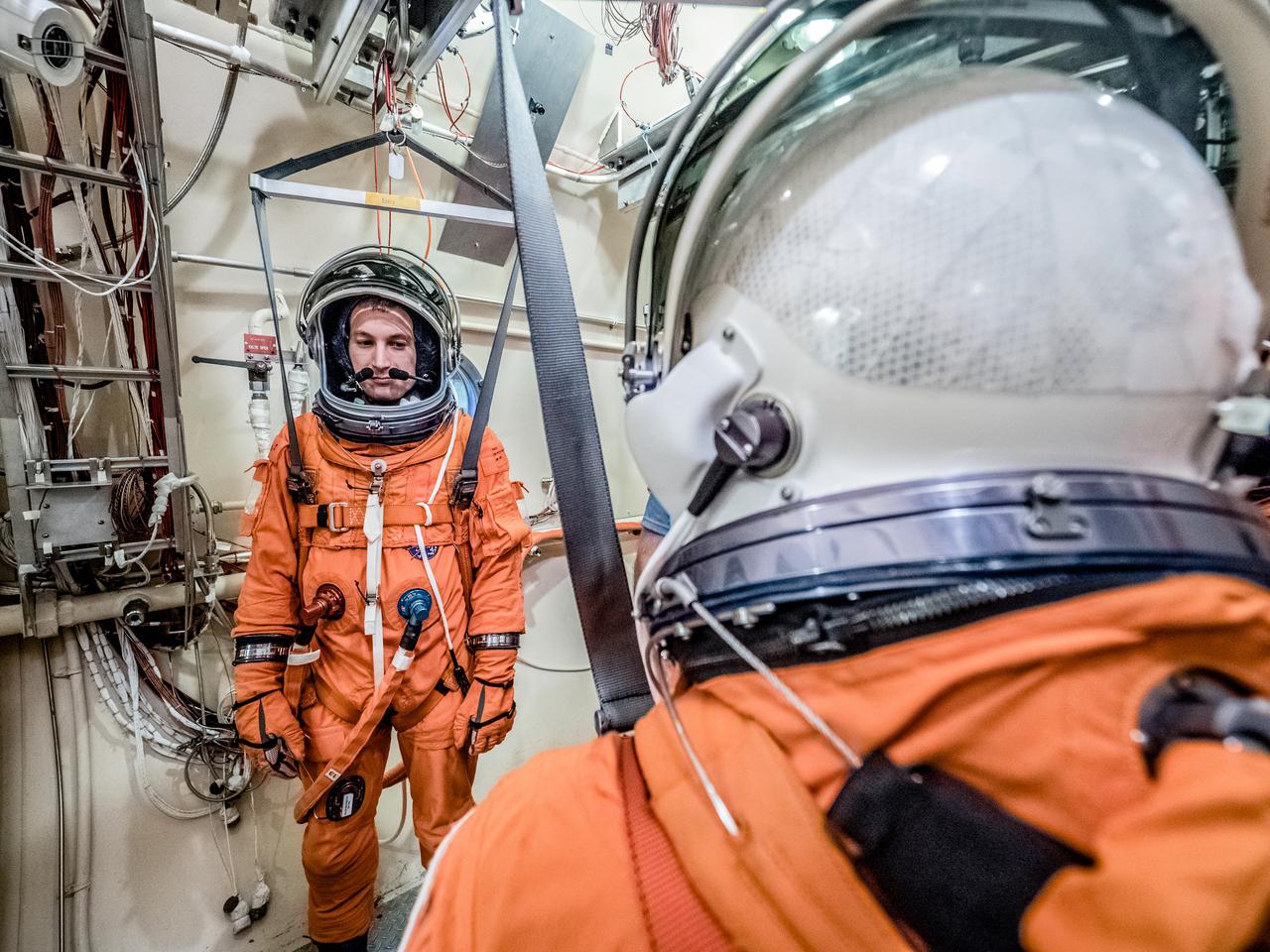
Engineers and technicians at NASA’s Johnson Space Center in Houston are testing the spacesuit astronauts will wear in the agency’s Orion spacecraft on trips to deep space. On June 22, 2017, members of the Johnson team participated in a Vacuum Pressure Integrated Suit Test to verify enhancements to the suit will meet test and design standards for the Orion spacecraft. During this test, the suit is connected to life support systems and then air is removed from Johnson’s 11-foot thermal vacuum chamber to evaluate the performance of the suits in conditions similar to a spacecraft. The suit will contain all the necessary functions to support life and is being designed to enable spacewalks and sustain the crew in the unlikely event the spacecraft loses pressure. Part of Batch images transfer from Flickr.
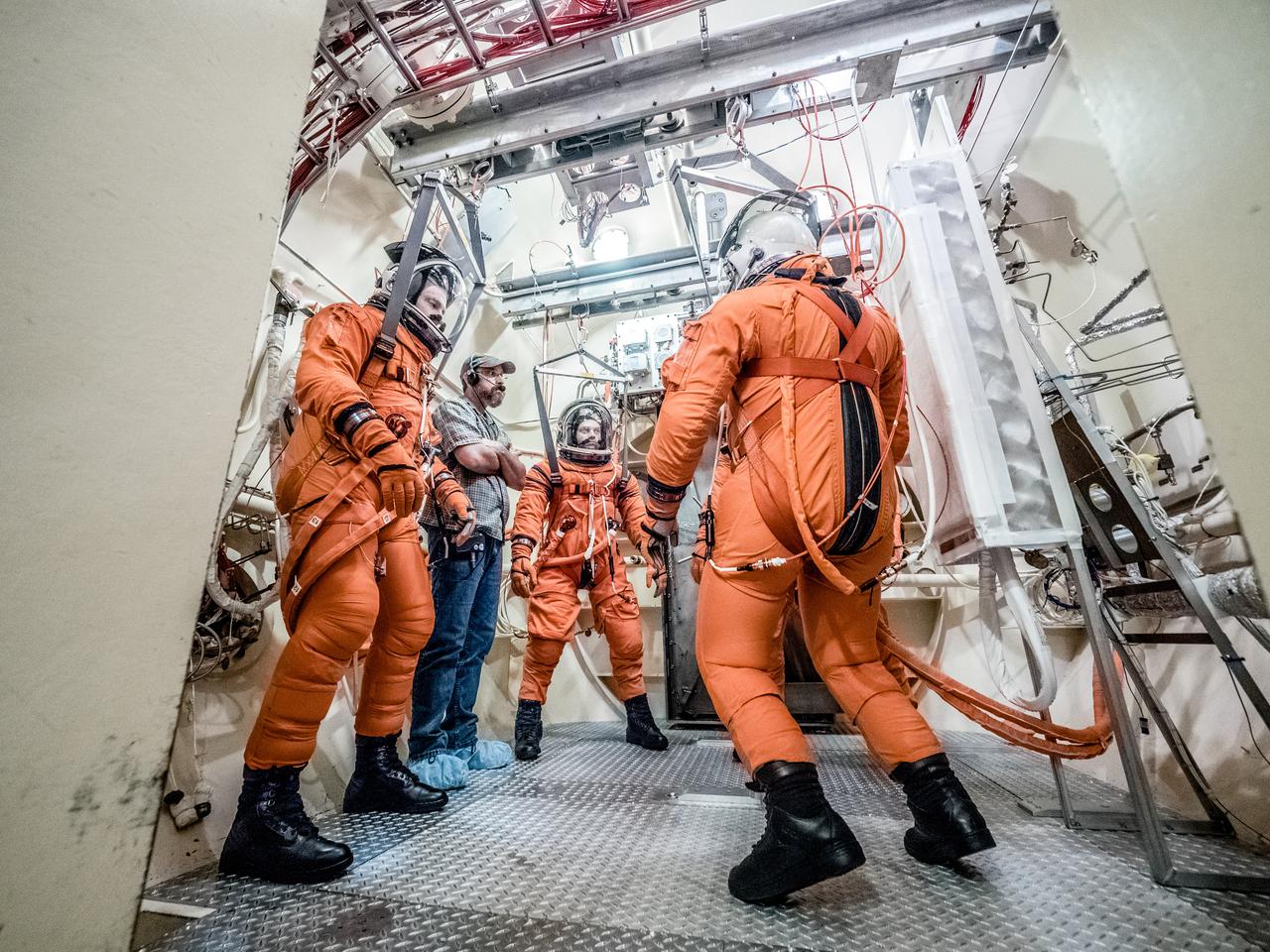
Engineers and technicians at NASA’s Johnson Space Center in Houston are testing the spacesuit astronauts will wear in the agency’s Orion spacecraft on trips to deep space. On June 22, 2017, members of the Johnson team participated in a Vacuum Pressure Integrated Suit Test to verify enhancements to the suit will meet test and design standards for the Orion spacecraft. During this test, the suit is connected to life support systems and then air is removed from Johnson’s 11-foot thermal vacuum chamber to evaluate the performance of the suits in conditions similar to a spacecraft. The suit will contain all the necessary functions to support life and is being designed to enable spacewalks and sustain the crew in the unlikely event the spacecraft loses pressure. Part of Batch images transfer from Flickr.
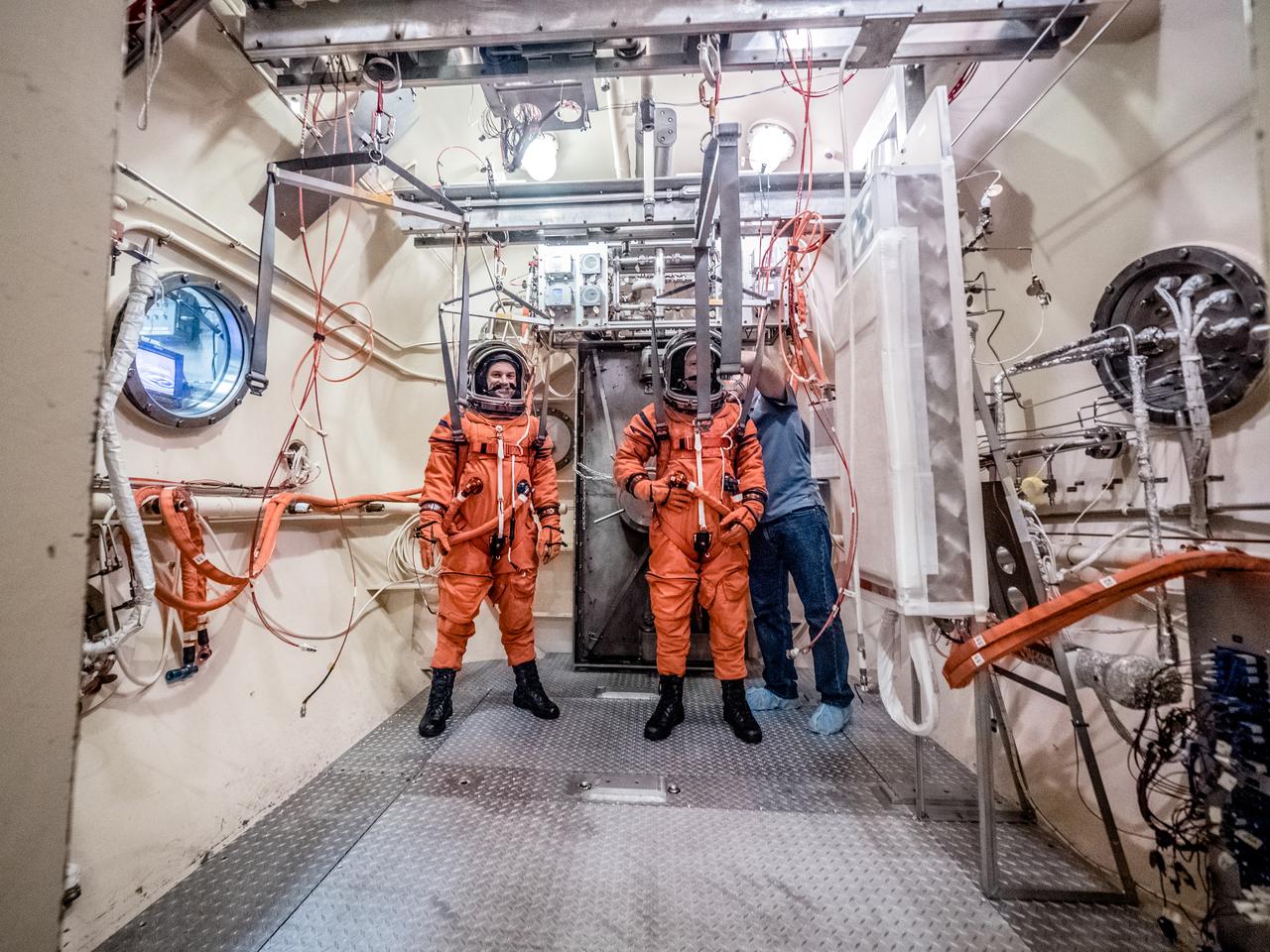
Engineers and technicians at NASA’s Johnson Space Center in Houston are testing the spacesuit astronauts will wear in the agency’s Orion spacecraft on trips to deep space. On June 22, 2017, members of the Johnson team participated in a Vacuum Pressure Integrated Suit Test to verify enhancements to the suit will meet test and design standards for the Orion spacecraft. During this test, the suit is connected to life support systems and then air is removed from Johnson’s 11-foot thermal vacuum chamber to evaluate the performance of the suits in conditions similar to a spacecraft. The suit will contain all the necessary functions to support life and is being designed to enable spacewalks and sustain the crew in the unlikely event the spacecraft loses pressure. Part of Batch images transfer from Flickr.
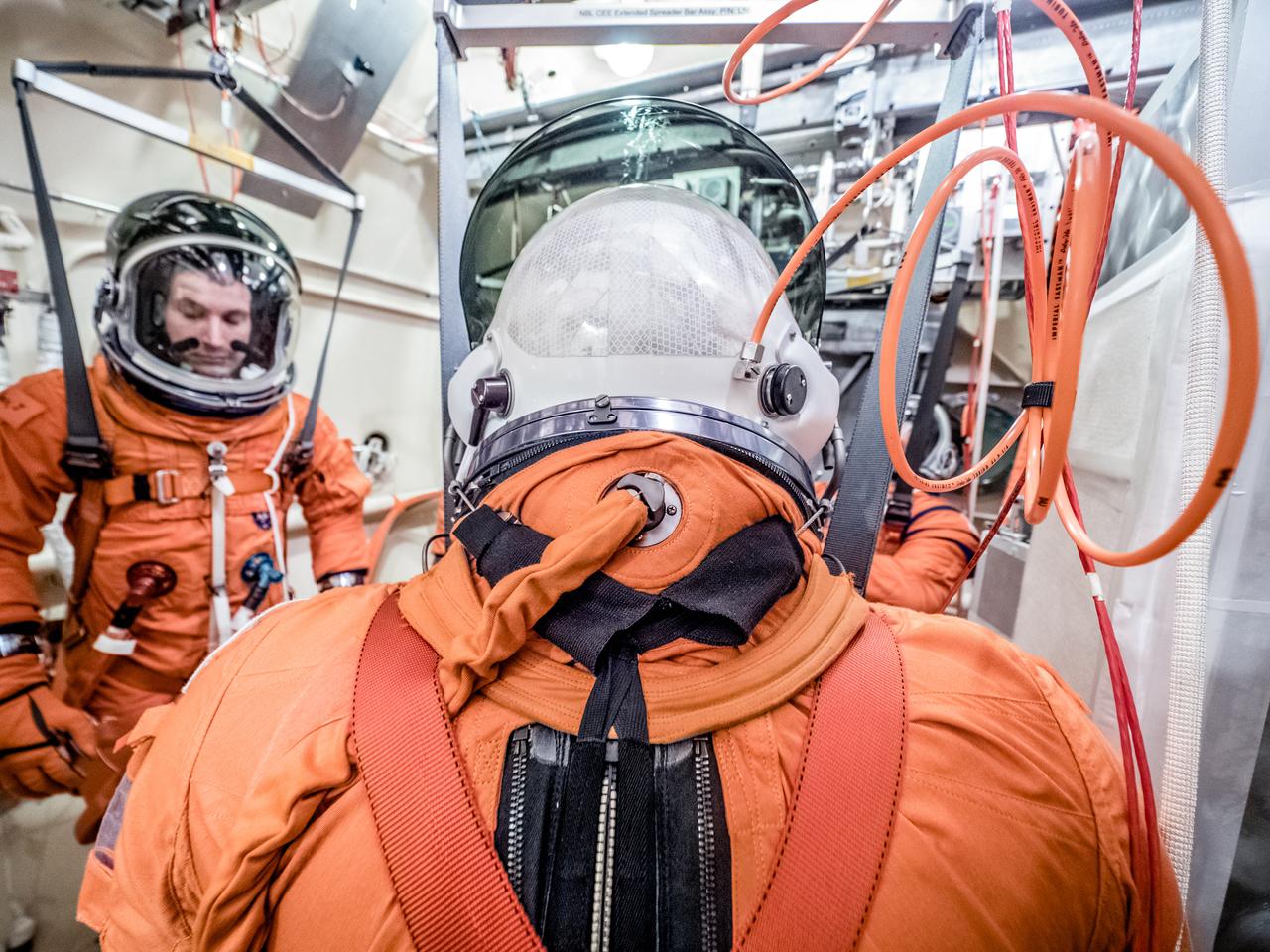
Engineers and technicians at NASA’s Johnson Space Center in Houston are testing the spacesuit astronauts will wear in the agency’s Orion spacecraft on trips to deep space. On June 22, 2017, members of the Johnson team participated in a Vacuum Pressure Integrated Suit Test to verify enhancements to the suit will meet test and design standards for the Orion spacecraft. During this test, the suit is connected to life support systems and then air is removed from Johnson’s 11-foot thermal vacuum chamber to evaluate the performance of the suits in conditions similar to a spacecraft. The suit will contain all the necessary functions to support life and is being designed to enable spacewalks and sustain the crew in the unlikely event the spacecraft loses pressure. Part of Batch images transfer from Flickr.
Engineers and technicians at NASA’s Johnson Space Center in Houston are testing the spacesuit astronauts will wear in the agency’s Orion spacecraft on trips to deep space. On June 22, 2017, members of the Johnson team participated in a Vacuum Pressure Integrated Suit Test to verify enhancements to the suit will meet test and design standards for the Orion spacecraft. During this test, the suit is connected to life support systems and then air is removed from Johnson’s 11-foot thermal vacuum chamber to evaluate the performance of the suits in conditions similar to a spacecraft. The suit will contain all the necessary functions to support life and is being designed to enable spacewalks and sustain the crew in the unlikely event the spacecraft loses pressure. Part of Batch images transfer from Flickr.
Engineers and technicians at NASA’s Johnson Space Center in Houston are testing the spacesuit astronauts will wear in the agency’s Orion spacecraft on trips to deep space. On June 22, 2017, members of the Johnson team participated in a Vacuum Pressure Integrated Suit Test to verify enhancements to the suit will meet test and design standards for the Orion spacecraft. During this test, the suit is connected to life support systems and then air is removed from Johnson’s 11-foot thermal vacuum chamber to evaluate the performance of the suits in conditions similar to a spacecraft. The suit will contain all the necessary functions to support life and is being designed to enable spacewalks and sustain the crew in the unlikely event the spacecraft loses pressure. Part of Batch images transfer from Flickr.
Engineers and technicians at NASA’s Johnson Space Center in Houston are testing the spacesuit astronauts will wear in the agency’s Orion spacecraft on trips to deep space. On June 22, 2017, members of the Johnson team participated in a Vacuum Pressure Integrated Suit Test to verify enhancements to the suit will meet test and design standards for the Orion spacecraft. During this test, the suit is connected to life support systems and then air is removed from Johnson’s 11-foot thermal vacuum chamber to evaluate the performance of the suits in conditions similar to a spacecraft. The suit will contain all the necessary functions to support life and is being designed to enable spacewalks and sustain the crew in the unlikely event the spacecraft loses pressure. Part of Batch images transfer from Flickr.
Engineers and technicians at NASA’s Johnson Space Center in Houston are testing the spacesuit astronauts will wear in the agency’s Orion spacecraft on trips to deep space. On June 22, 2017, members of the Johnson team participated in a Vacuum Pressure Integrated Suit Test to verify enhancements to the suit will meet test and design standards for the Orion spacecraft. During this test, the suit is connected to life support systems and then air is removed from Johnson’s 11-foot thermal vacuum chamber to evaluate the performance of the suits in conditions similar to a spacecraft. The suit will contain all the necessary functions to support life and is being designed to enable spacewalks and sustain the crew in the unlikely event the spacecraft loses pressure. Part of Batch images transfer from Flickr.
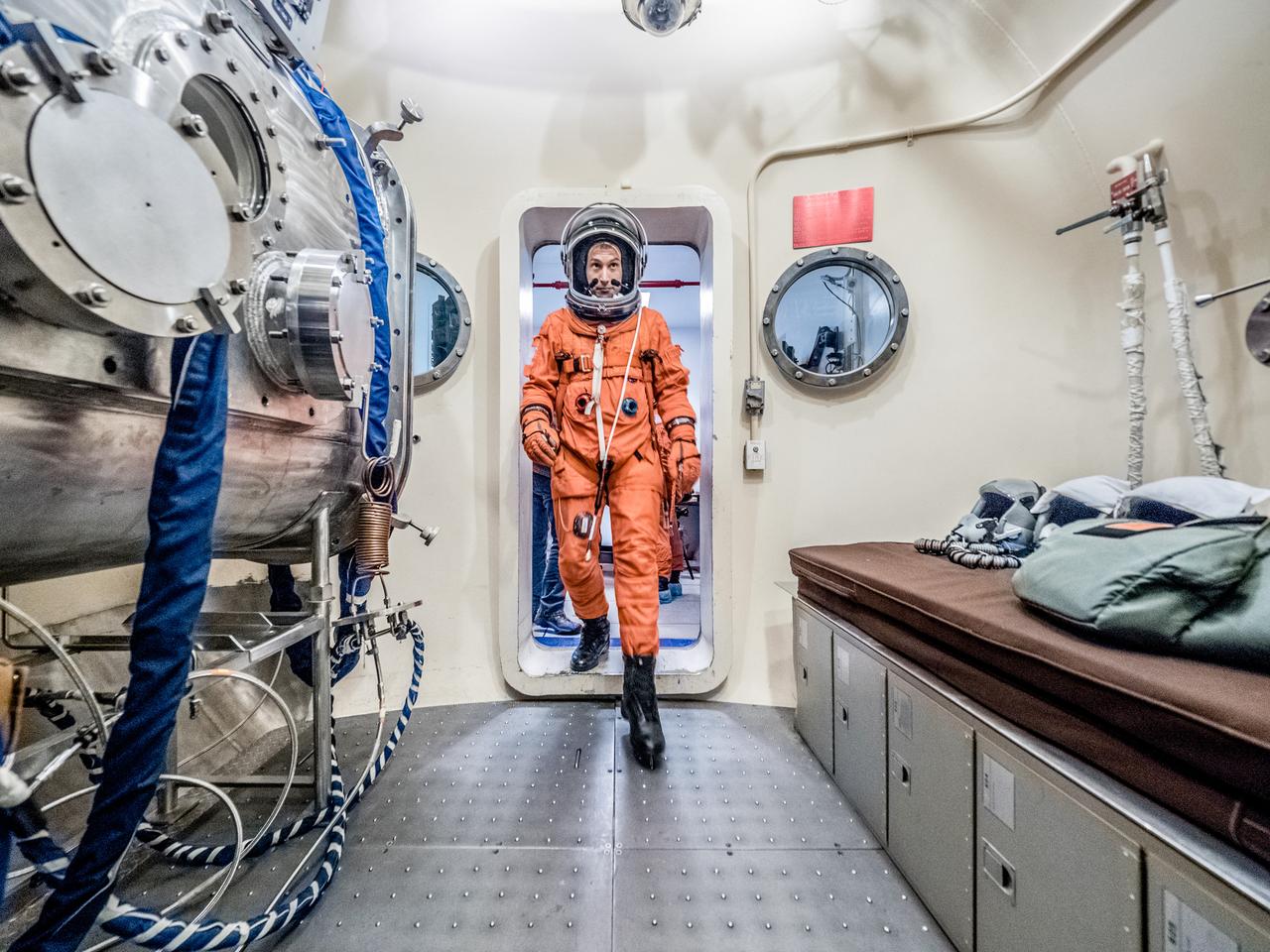
Engineers and technicians at NASA’s Johnson Space Center in Houston are testing the spacesuit astronauts will wear in the agency’s Orion spacecraft on trips to deep space. On June 22, 2017, members of the Johnson team participated in a Vacuum Pressure Integrated Suit Test to verify enhancements to the suit will meet test and design standards for the Orion spacecraft. During this test, the suit is connected to life support systems and then air is removed from Johnson’s 11-foot thermal vacuum chamber to evaluate the performance of the suits in conditions similar to a spacecraft. The suit will contain all the necessary functions to support life and is being designed to enable spacewalks and sustain the crew in the unlikely event the spacecraft loses pressure. Part of Batch images transfer from Flickr.
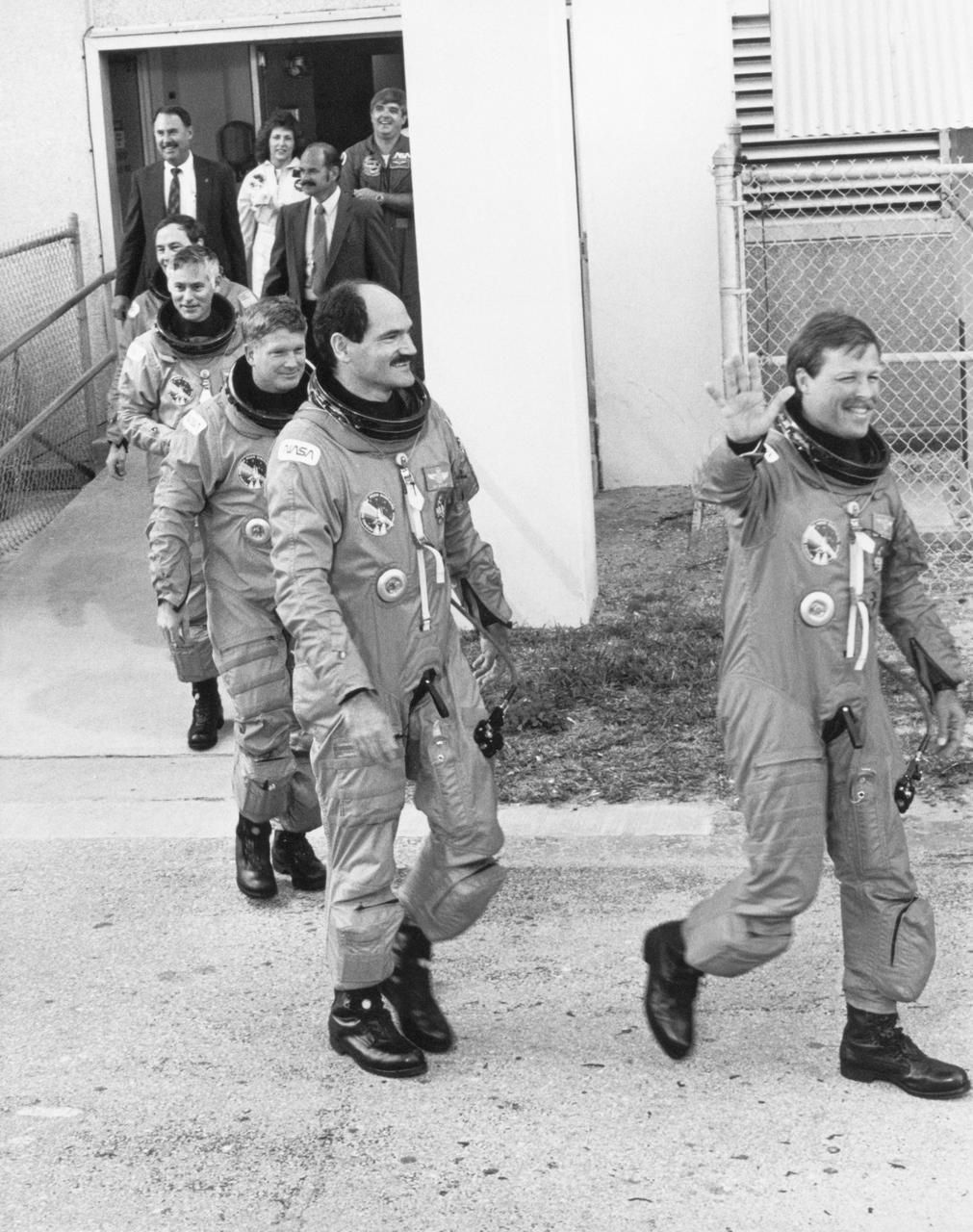
S88-53088 (2 Dec. 1988) --- The STS-27 crew strides down the ramp from the Operations and Checkout Building at Kennedy Space Center to grab a van that will take the crew members to Launch Complex 39 for the Dec. 2, 1988 liftoff of Atlantis. Astronaut Robert L. Gibson, commander, waves to well-wishers (out of frame). He is followed by astronaut Guy S. Gardner, pilot, along with the flight?s three mission specialists -- astronauts William M. Shepherd, Richard M.(Mike) Mullane and Jerry L. Ross. Photo credit: NASA
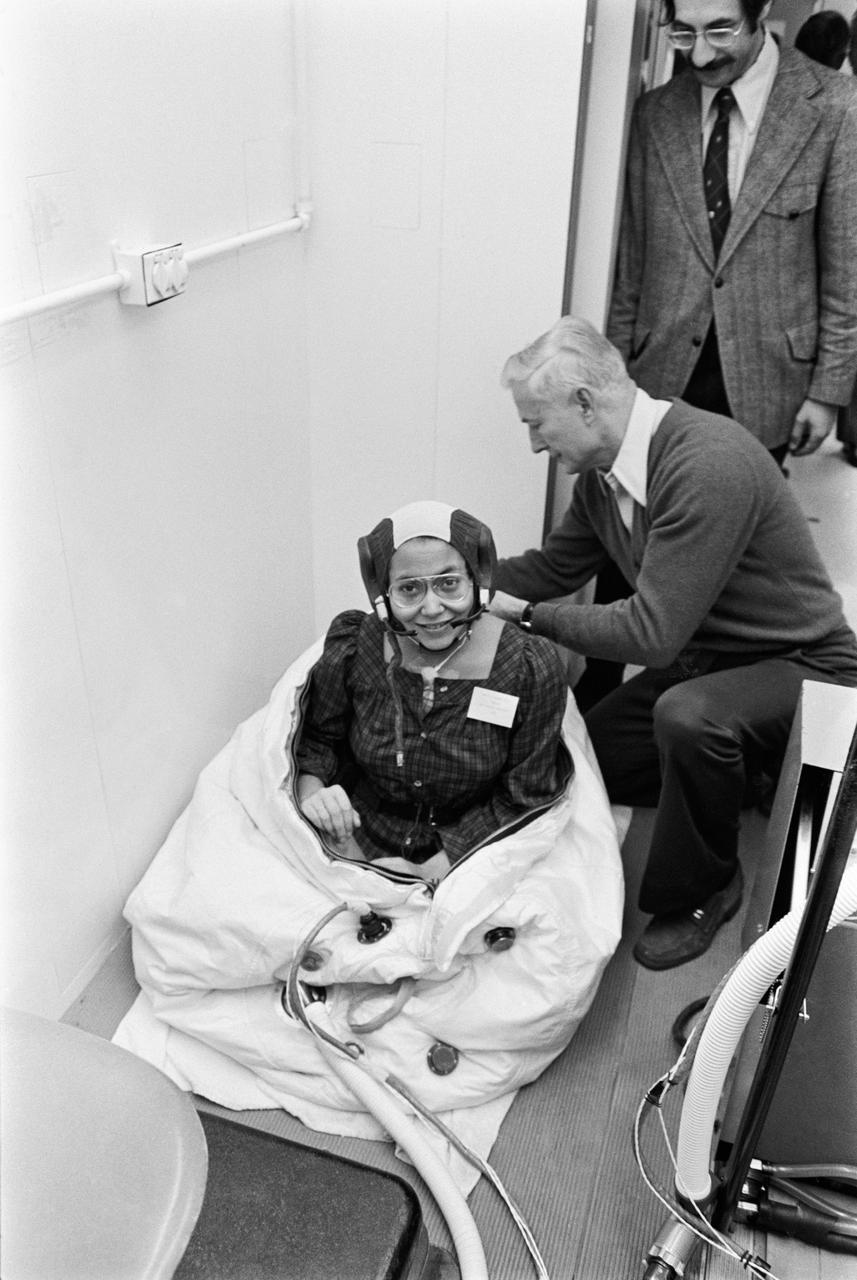
Spacelab simulations crew members during medical testing. Photo is of Patricia Cowings being zipped into the one-meter-diameter rescue ball during physical tests. Assisting her is Joe Schmitt, a suit technician.

Science Crew Operations and Utility Testbed (SCOUT) Rover testing with Advanced Extravehicular Activity (EVA) Suit on Johnson Space Center (JSC) Fields near Avenue B. View of two technicians with the SCOUT Rover during testing.
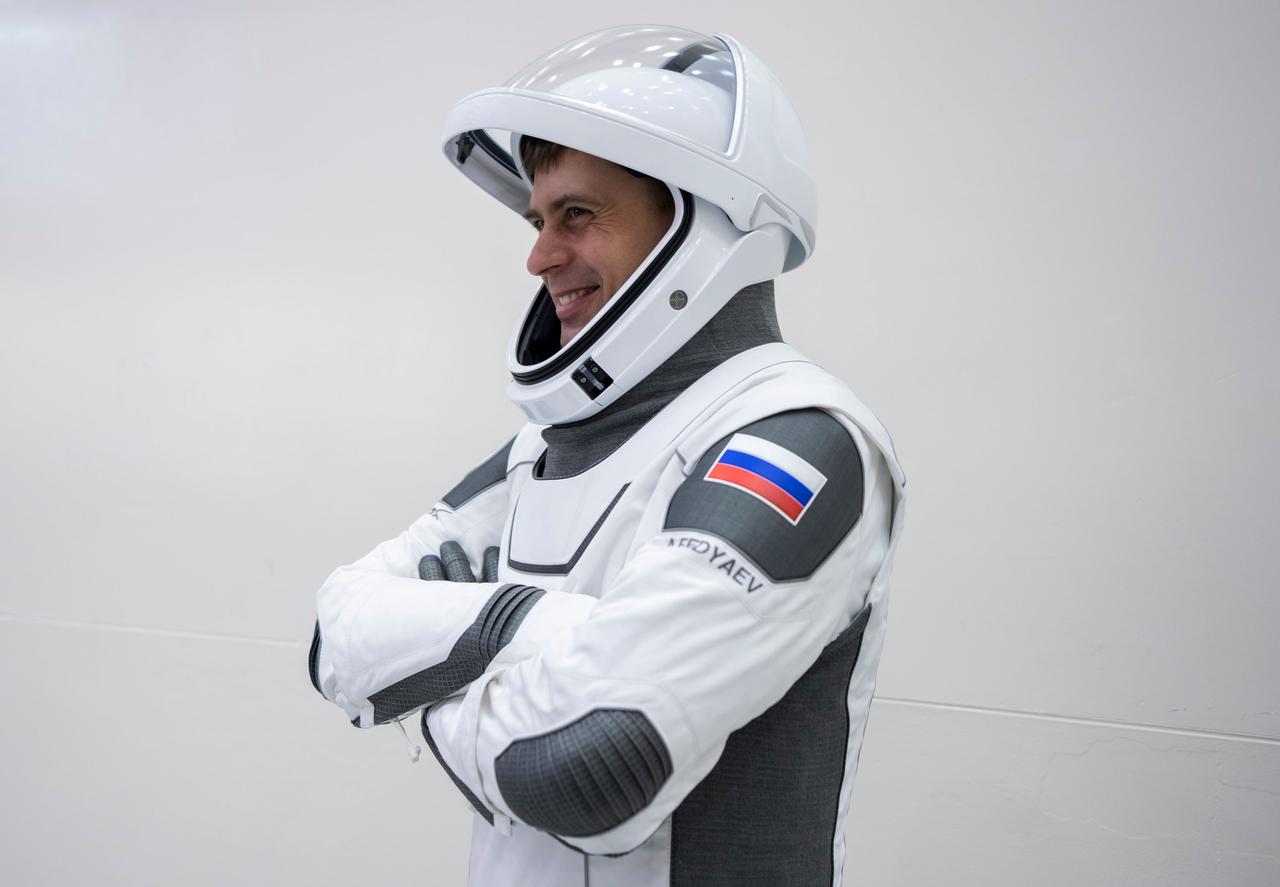
jsc2023e005738 (Jan. 30, 2023) --- Cosmonaut Andrey Fedyaev of Roscosmos, SpaceX Crew-6 Mission Specialist, is pictured in his pressure suit during a crew equipment integration test at SpaceX headquarters in Hawthorne, California. Credit: SpaceX
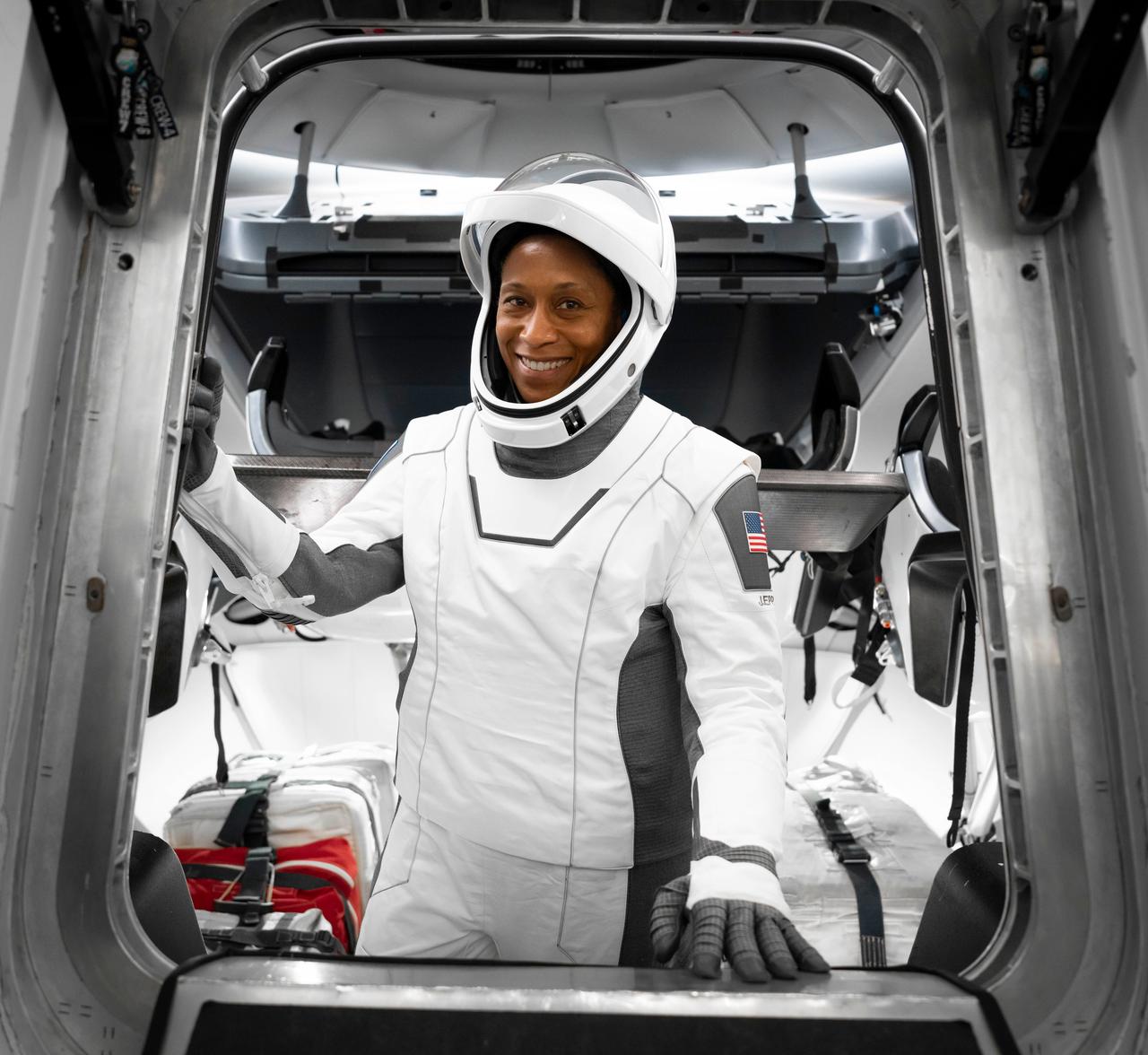
jsc2024e011728 (Oct. 16, 2023) --- NASA astronaut and SpaceX Crew-8 mission specialist Jeanette Epps is pictured in her pressure suit during a crew equipment integration test at SpaceX headquarters in Hawthorne, California. Credit: SpaceX
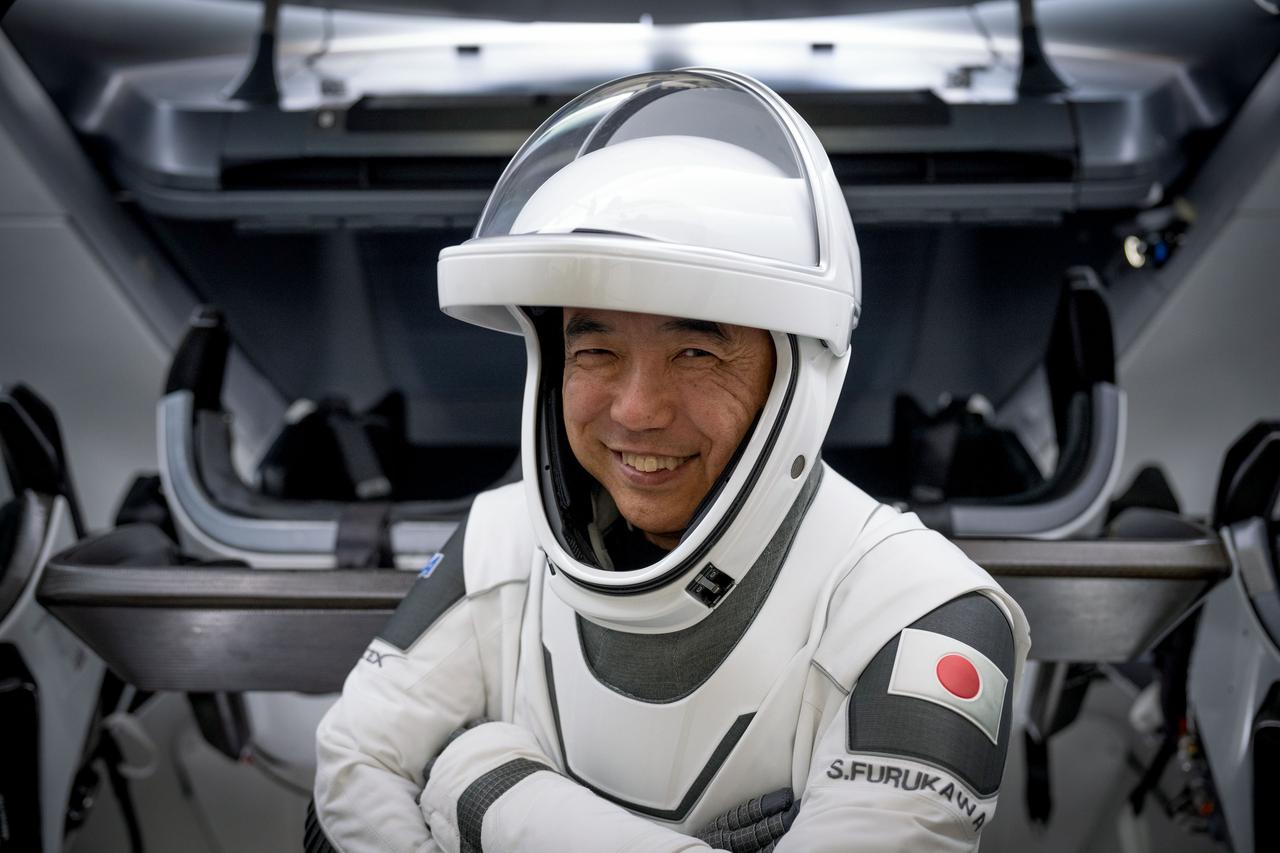
jsc2023e045334 - JAXA astronaut Satoshi Furukawa, mission specialist of NASA's SpaceX Crew-7 mission, is pictured in his pressure suit during a crew equipment integration test at SpaceX headquarters in Hawthorne, California. Credit: SpaceX
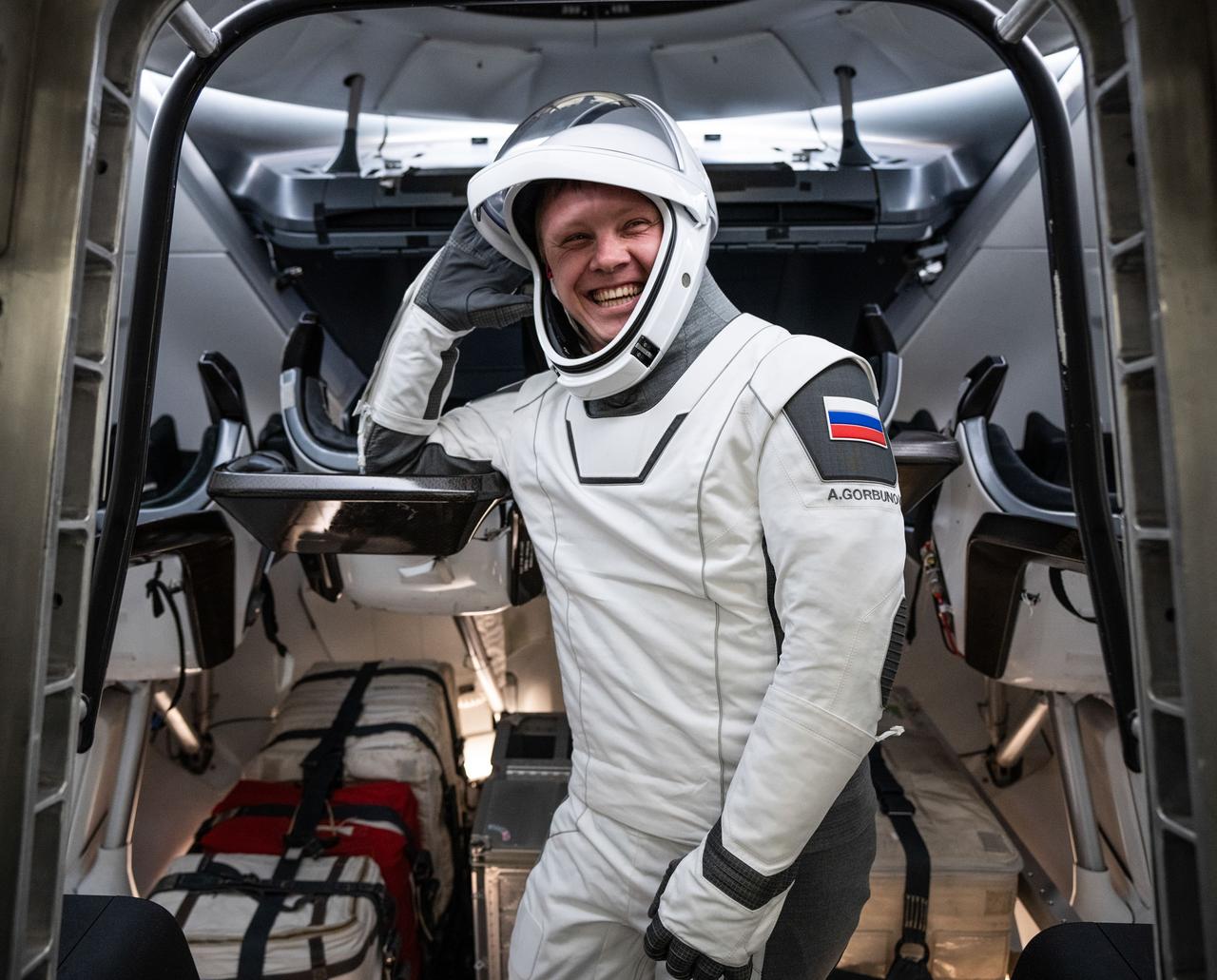
jsc2024e042503 (May 5, 2024) --- Roscosmos cosmonaut and SpaceX Crew-9 Mission Specialist Aleksandr Gorbunov is pictured in his pressure suit during a crew equipment integration test at SpaceX headquarters in Hawthorne, California. Credit: SpaceX
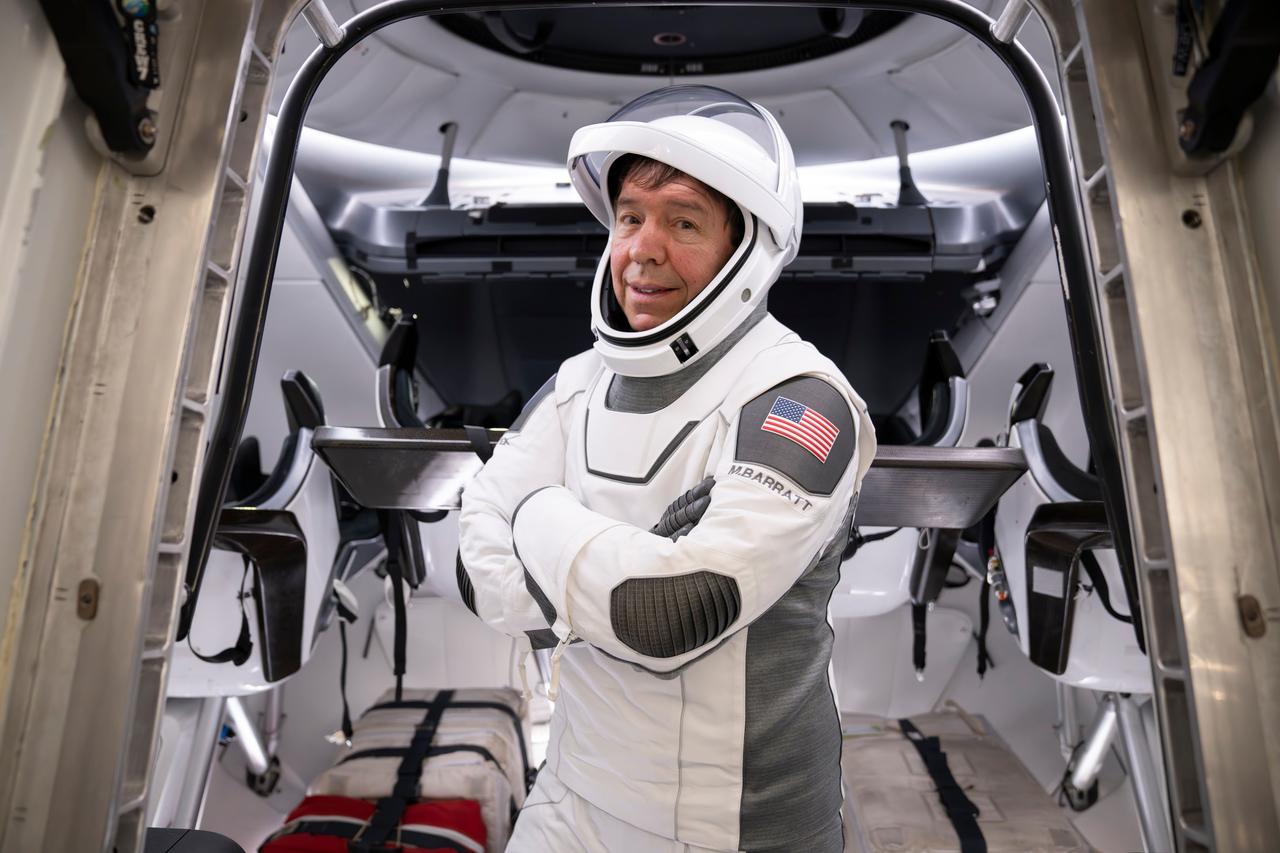
jsc2024e011723 (Dec. 3, 2023) --- NASA astronaut and SpaceX Crew-8 Pilot Michael Barratt is pictured in his pressure suit during a crew equipment integration test at SpaceX headquarters in Hawthorne, California. Credit: SpaceX

jsc2023e045329 Cosmonaut Konstantin Borisov of Roscosmos, mission specialist of NASA's SpaceX Crew-7 mission, is pictured in his pressure suit during a crew equipment integration test at SpaceX headquarters in Hawthorne, California. Credit: SpaceX
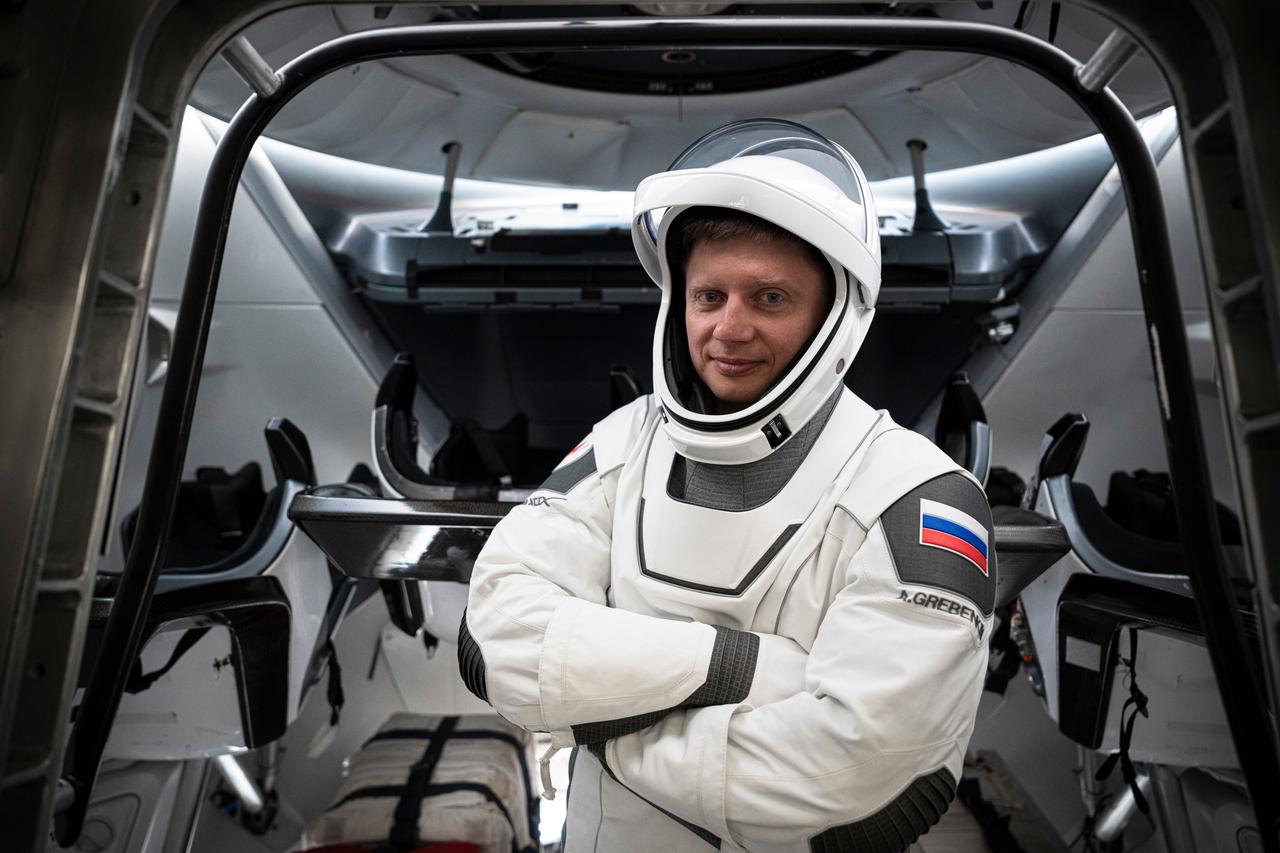
jsc2024e011733 (Dec. 6, 2023) --- Roscosmos cosmonaut and SpaceX Crew-8 Mission Specialist Alexander Grebenkin is pictured in his pressure suit during a crew equipment integration test at SpaceX headquarters in Hawthorne, California. Credit: SpaceX
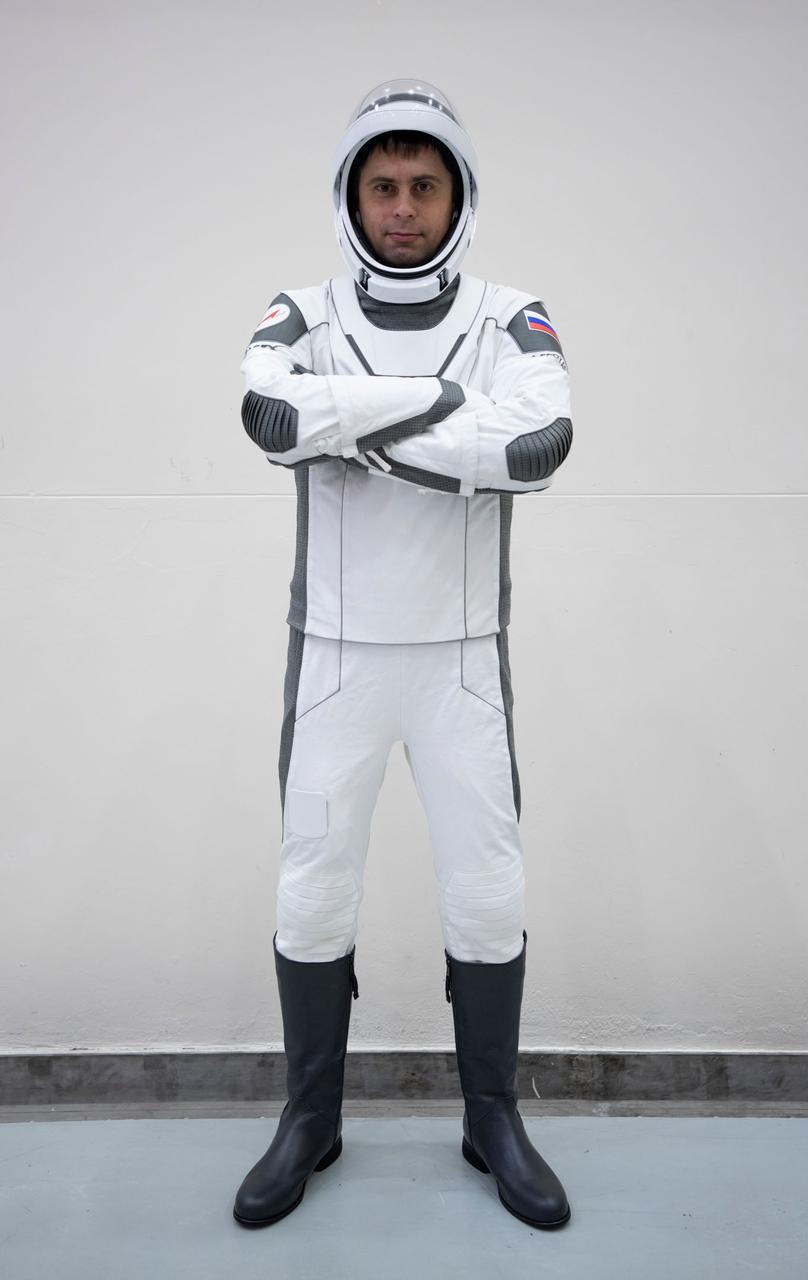
jsc2023e005737 (Jan. 30, 2023) --- Cosmonaut Andrey Fedyaev of Roscosmos, SpaceX Crew-6 Mission Specialist, is pictured in his pressure suit during a crew equipment integration test at SpaceX headquarters in Hawthorne, California. Credit: SpaceX
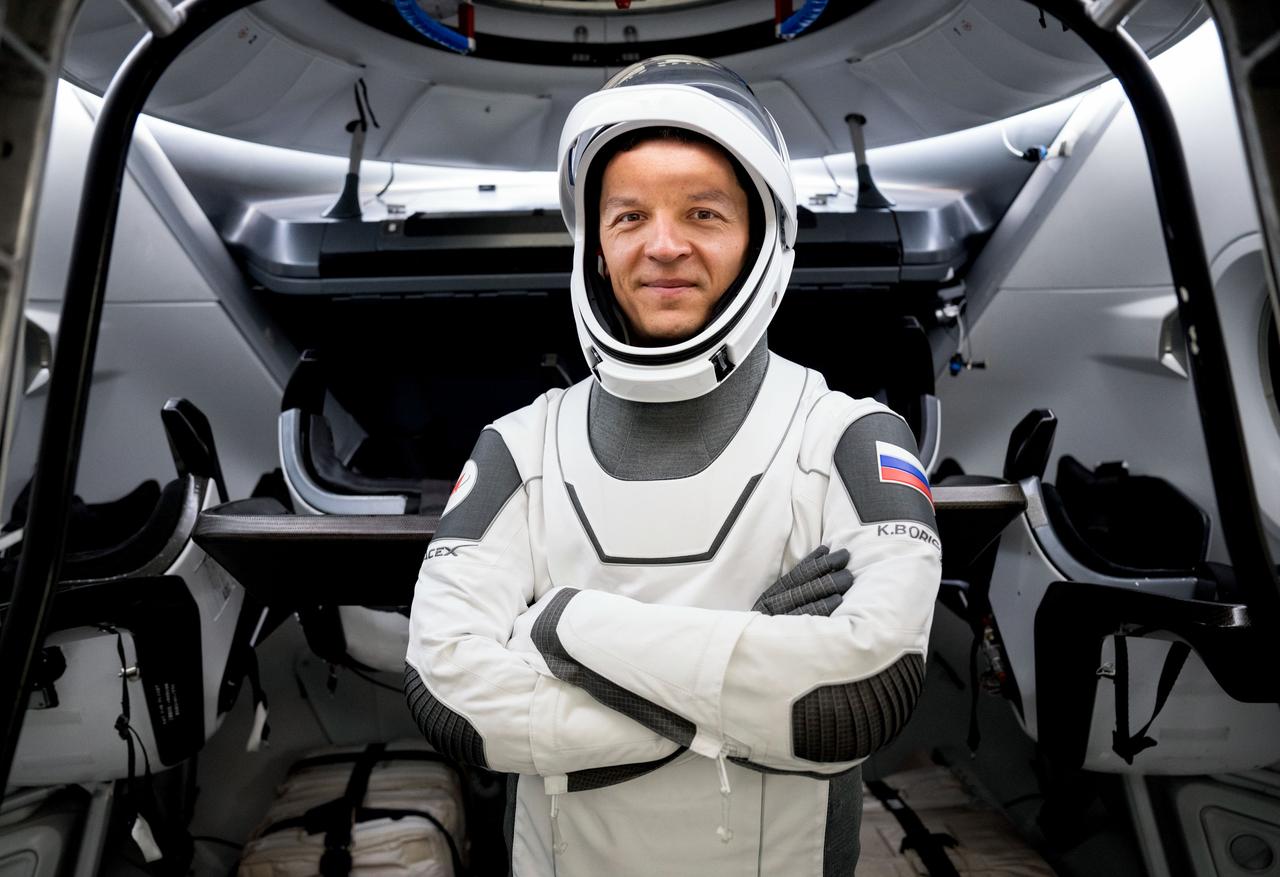
jsc2023e045328 Cosmonaut Konstantin Borisov of Roscosmos, mission specialist of NASA's SpaceX Crew-7 mission, is pictured in his pressure suit during a crew equipment integration test at SpaceX headquarters in Hawthorne, California. Credit: SpaceX
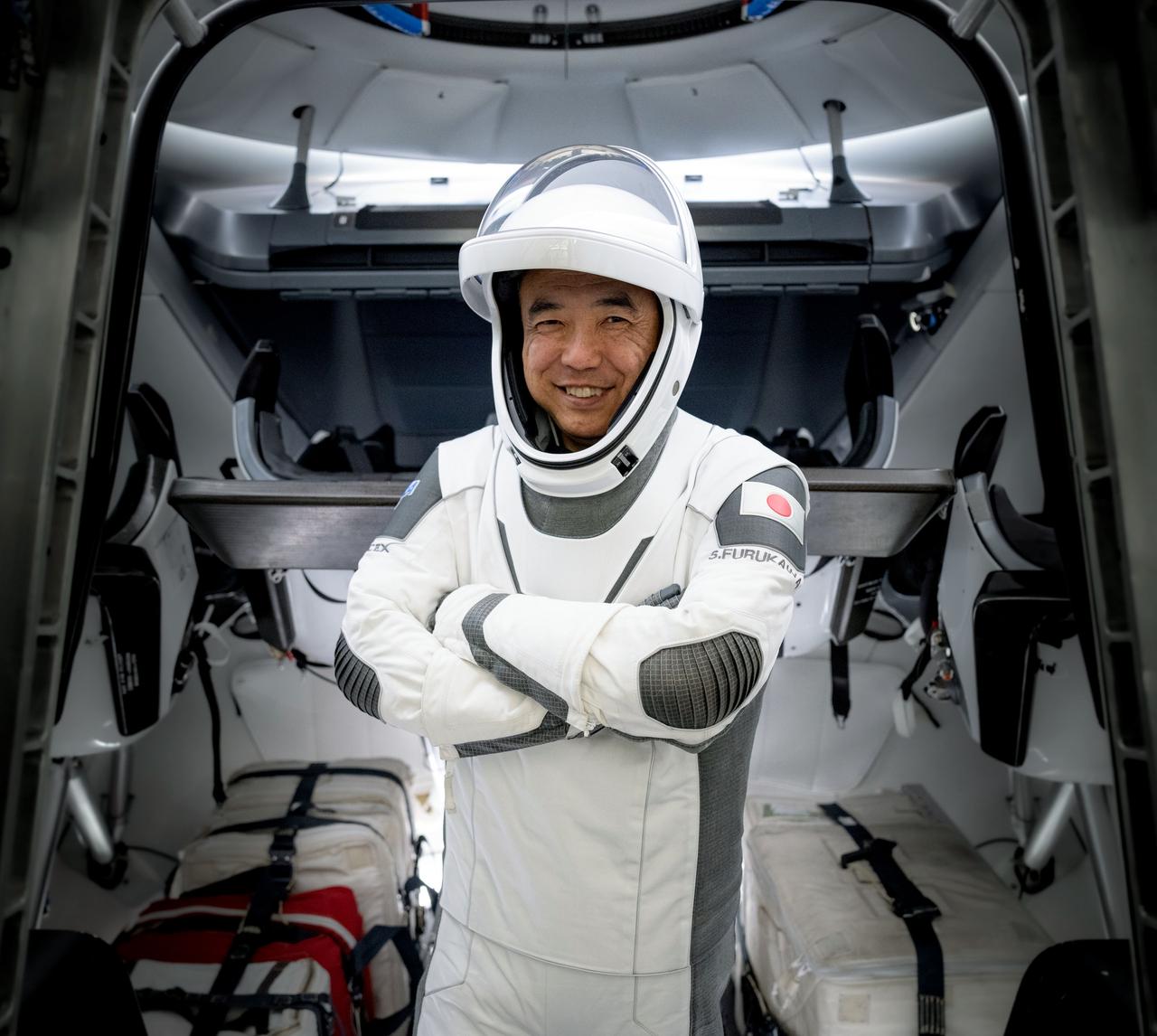
jsc2023e045335 - JAXA astronaut Satoshi Furukawa, mission specialist of NASA's SpaceX Crew-7 mission, poses for a photo in his pressure suit during a crew equipment integration test at SpaceX headquarters in Hawthorne, California. Credit: SpaceX
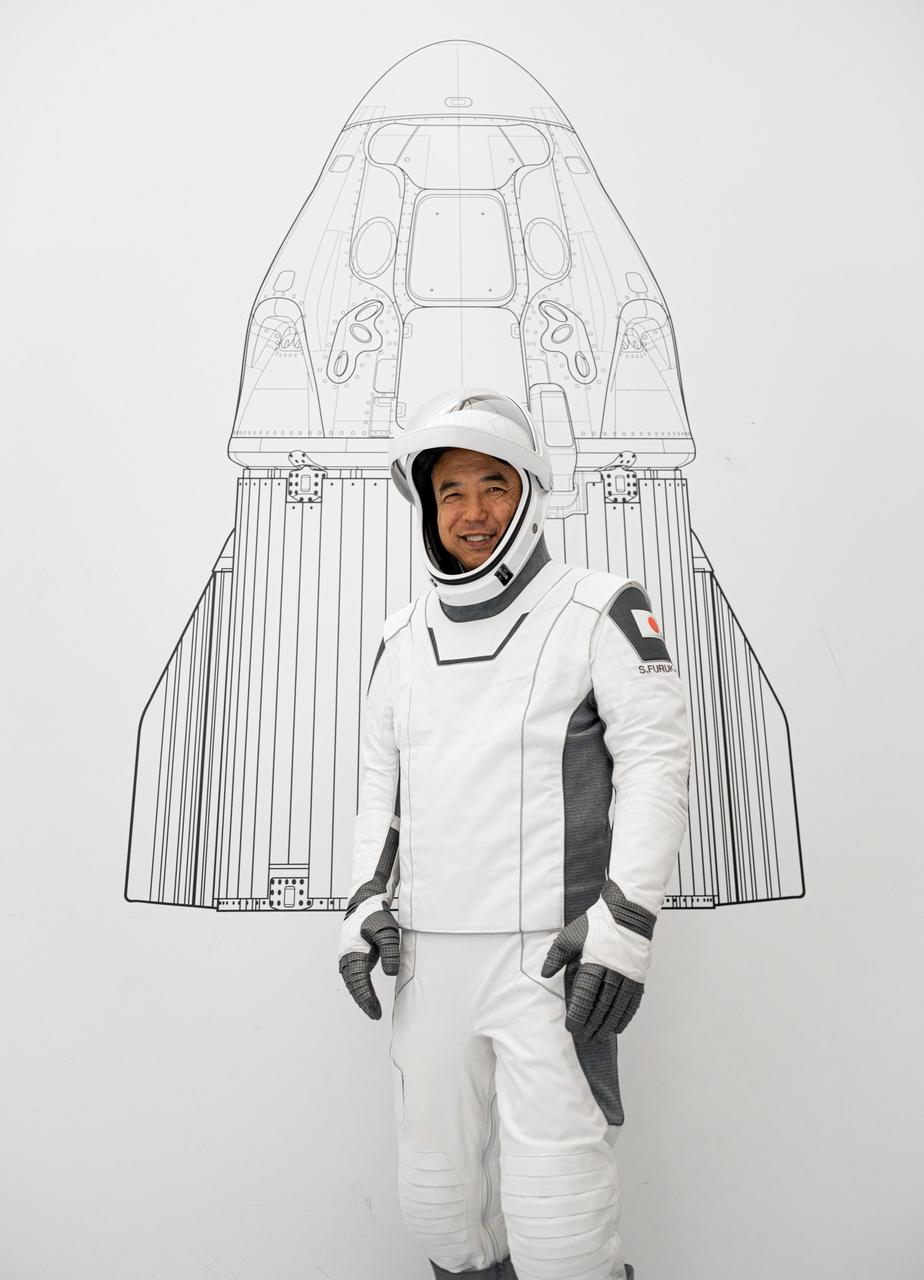
jsc2023e045336 - JAXA astronaut Satoshi Furukawa, mission specialist of NASA's SpaceX Crew-7 mission, is pictured in his pressure suit during a crew equipment integration test at SpaceX headquarters in Hawthorne, California. Credit: SpaceX
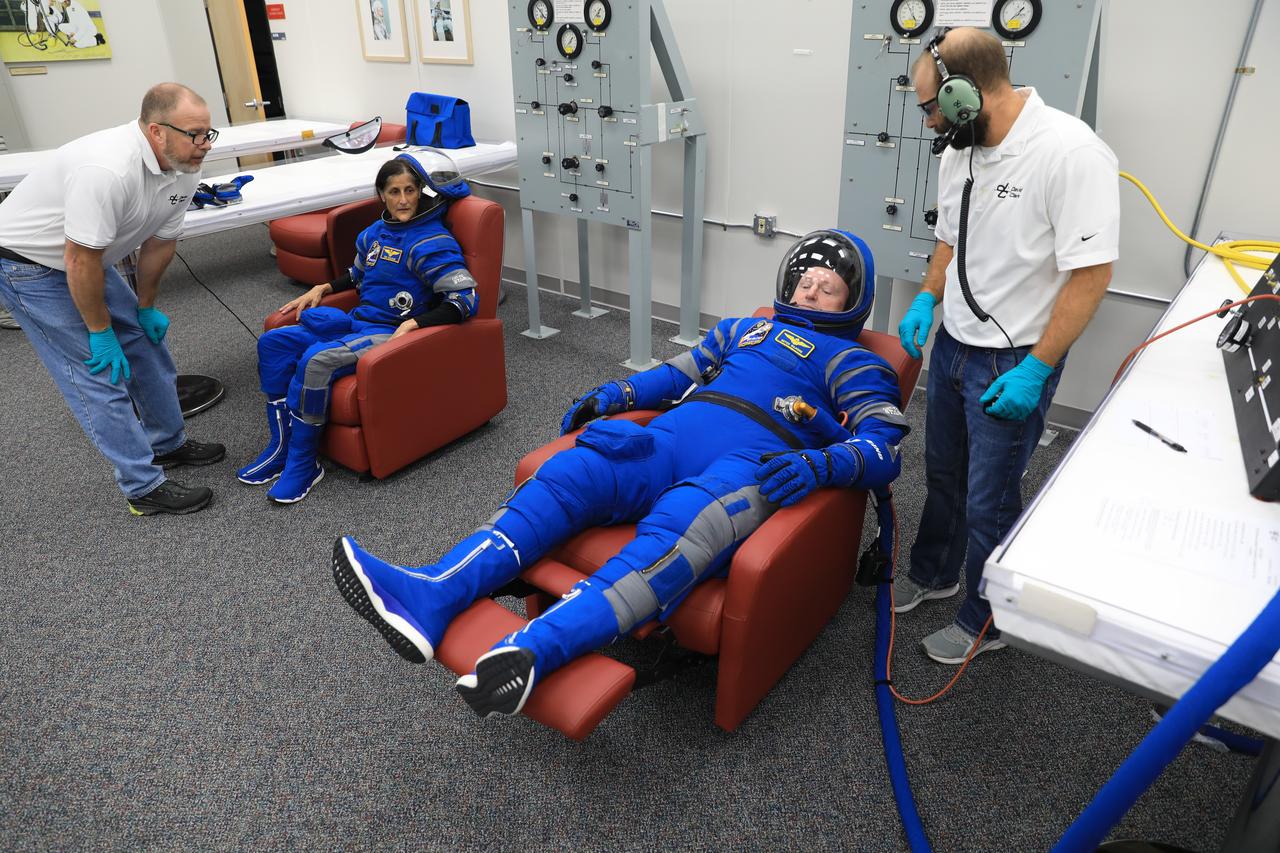
From left, NASA astronaut Suni Williams, Boeing Crew Flight Test (CFT) pilot, watches as NASA astronaut Barry “Butch” Wilmore, CFT commander, checks out his spacesuit and helmet during a crew validation test inside the Astronaut Crew Quarters at NASA’s Kennedy Space Center in Florida on Oct. 18, 2022. Williams and Wilmore, along with Mike Fincke, CFT backup spacecraft test pilot, with assistance from the Boeing team, successfully completed the validation test during which they suited up and tested out the pressurized crew module to ensure seat fit, suit functionality, cabin temperature, audio system, and day of launch operations. Boeing’s CFT is scheduled to launch in April 2023.

iss072e742584 (March 11, 2025) --- The four SpaceX Crew-9 members are suited up in their Dragon pressure suits testing them for a fit check one week before their departure aboard the Dragon crew spacecraft. Clockwise from top left are, NASA astronauts Suni Williams, Butch Wilmore, and Nick Hague, and Roscosmos cosmonaut Aleksandr Gorbunov. The Commercial Crew quartet is pictured inside the International Space Station's Destiny laboratory module.
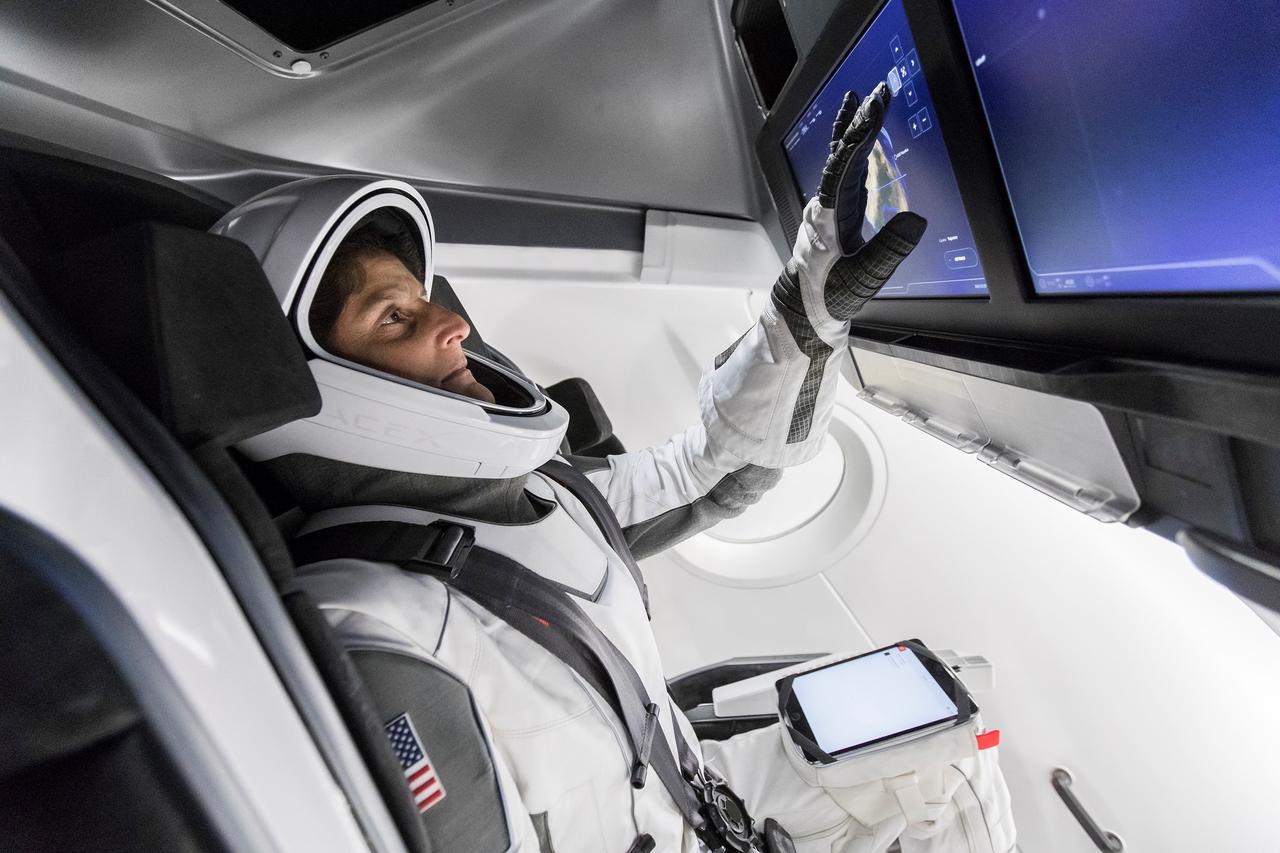
NASA Astronaut Suni Williams, fully suited in SpaceX’s spacesuit, interfaces with the display inside a mock-up of the Crew Dragon spacecraft in Hawthorne, California, during a testing exercise on Tuesday, April 3, 2018.
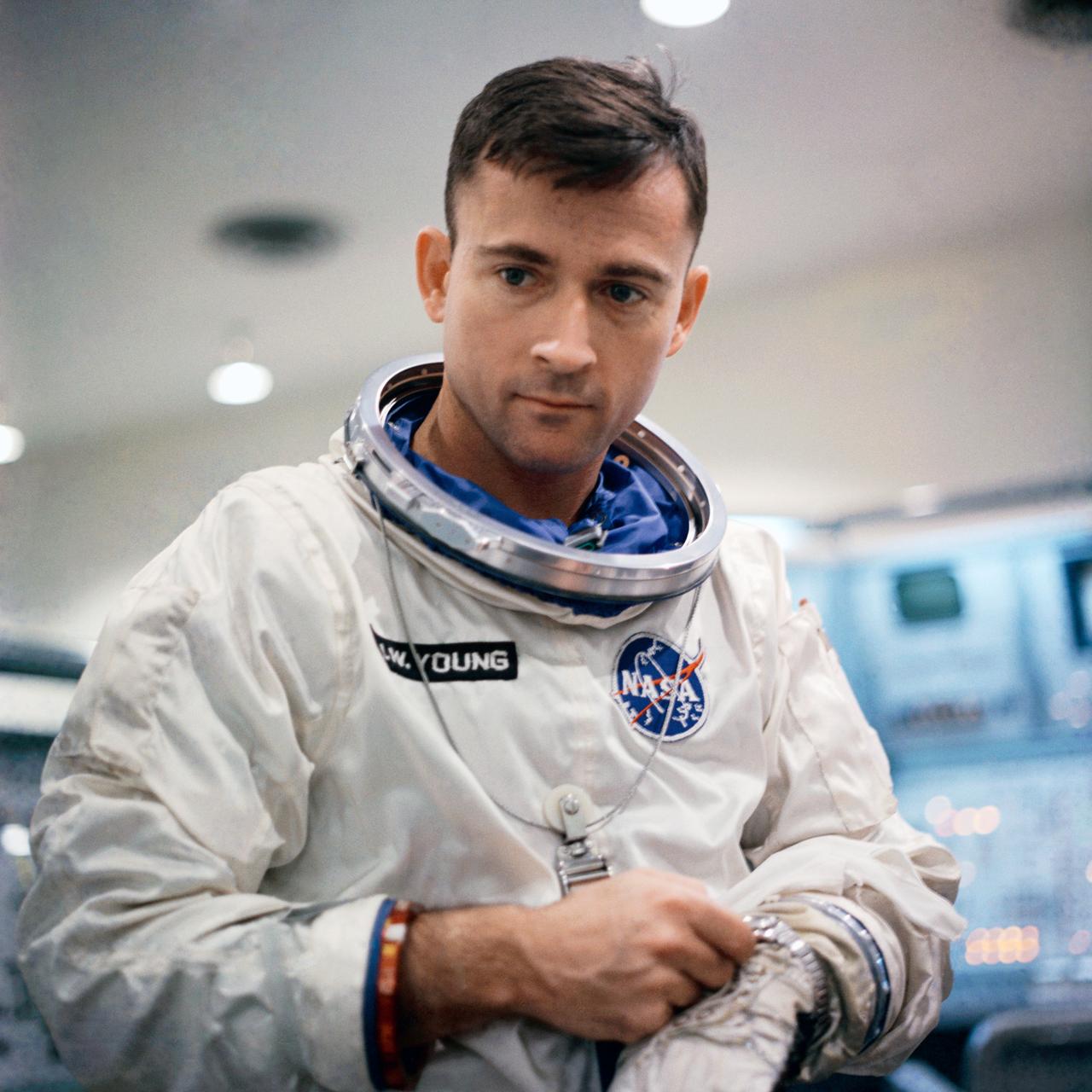
S65-22670 (8 March 1965) --- Astronaut John W. Young, the pilot of the Gemini-Titan 3 prime crew, is shown suited up for GT-3 prelaunch test exercises.

KENNEDY SPACE CENTER, FLA. -- Apollo 7 crew member Donn F. Eisele relaxes during suiting up prior to today's space vehicle emergency egress tests conducted at Cape Kennedy's Launch Complex 34.

jsc2023e005743 (Jan. 30, 2023) --- Astronaut Stephen Bowen of NASA's Commercial Crew Program, SpaceX Crew-6 Commander, is pictured in his pressure suit during a crew equipment integration test at SpaceX headquarters in Hawthorne, California.. Credit: SpaceX
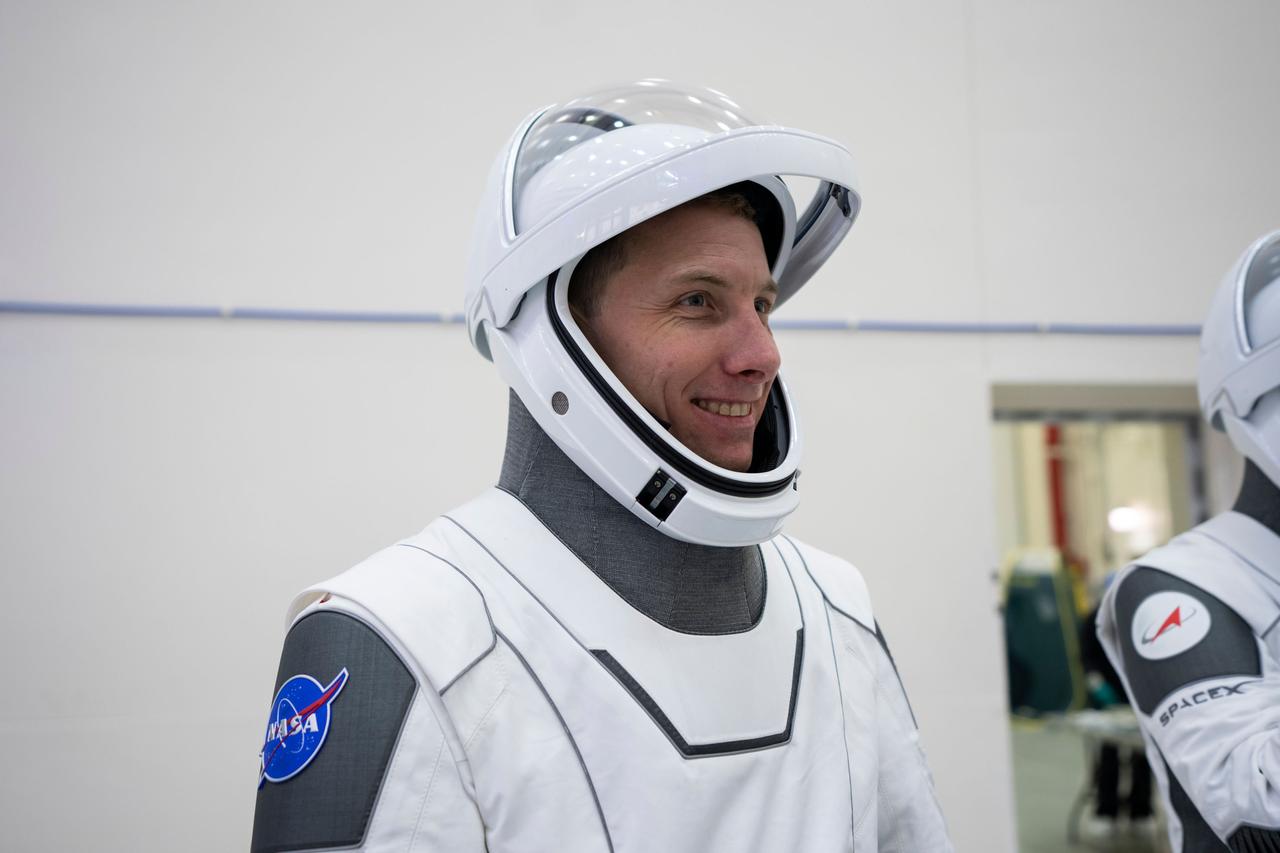
jsc2023e005733 (Jan. 30, 2023) --- Astronaut Warren "Woody" Hoburg of NASA's Commercial Crew Program, SpaceX Crew-6 Pilot, is pictured in his pressure suit during a crew equipment integration test at SpaceX headquarters in Hawthorne, California. Credit: SpaceX
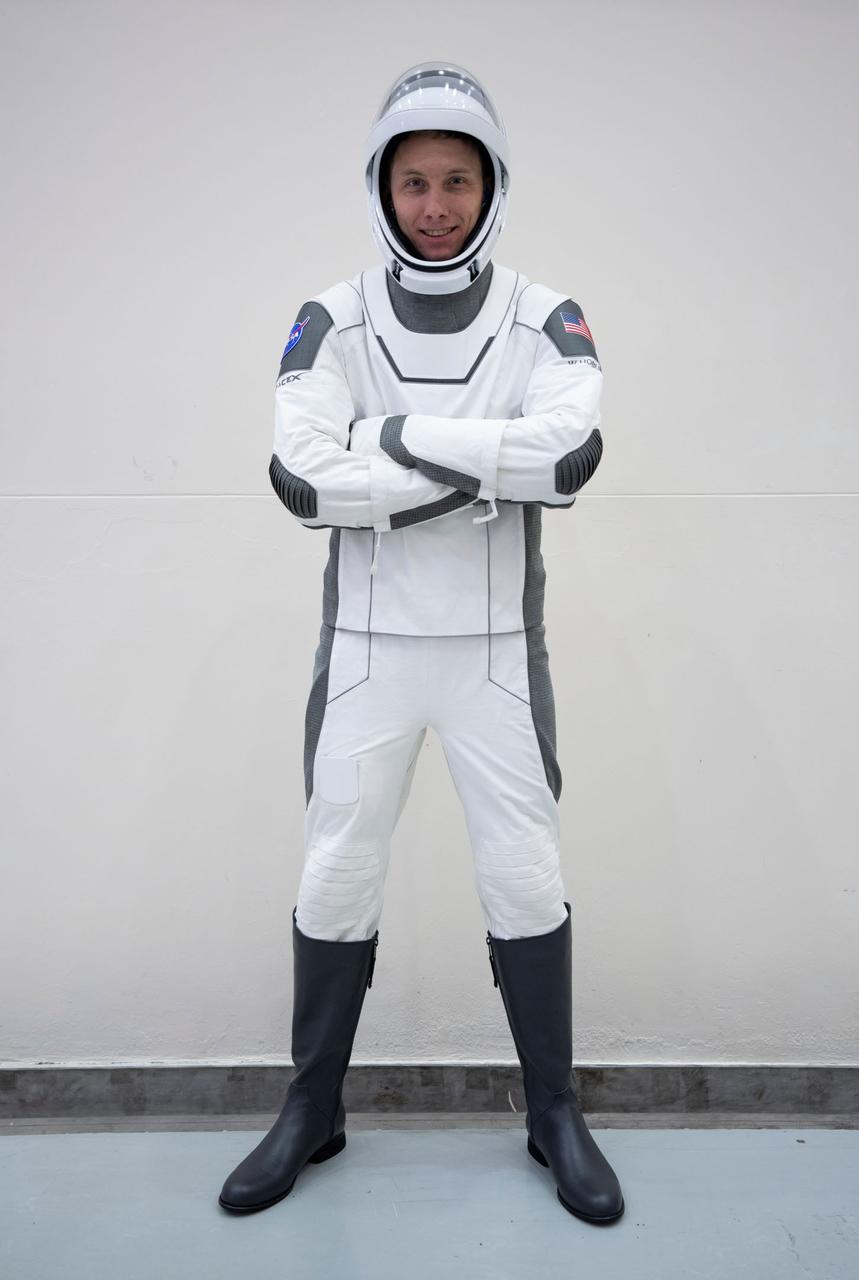
jsc2023e005734 (Jan. 30, 2023) --- Astronaut Warren "Woody" Hoburg of NASA's Commercial Crew Program, SpaceX Crew-6 Pilot, is pictured in his pressure suit during a crew equipment integration test at SpaceX headquarters in Hawthorne, California. Credit: SpaceX
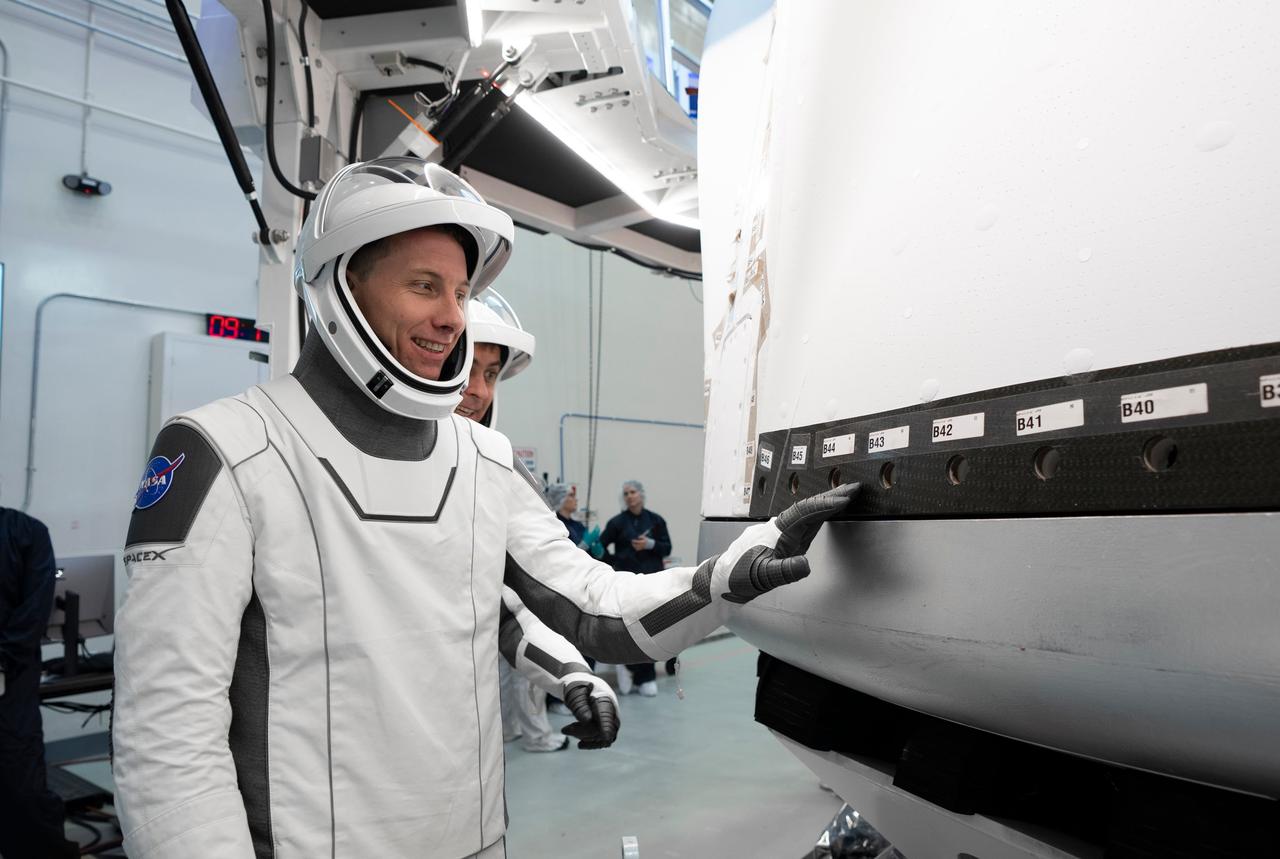
jsc2023e005752 (Jan. 30, 2023) --- Astronaut Warren "Woody" Hoburg of NASA's Commercial Crew Program, SpaceX Crew-6 Pilot, is pictured in his pressure suit during a crew equipment integration test at SpaceX headquarters in Hawthorne, California. Credit: SpaceX
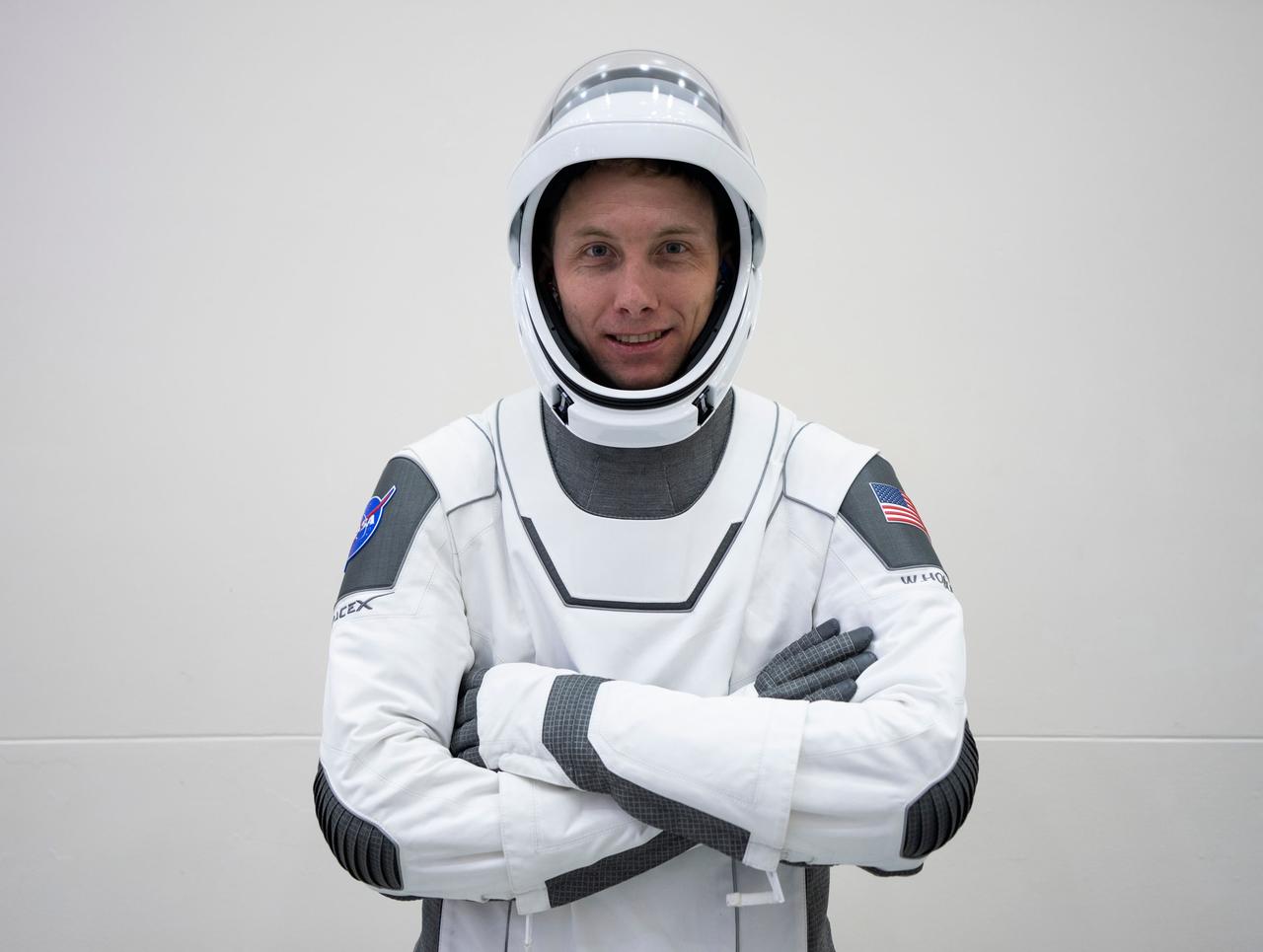
jsc2023e005735 (Jan. 30, 2023) --- Astronaut Warren "Woody" Hoburg of NASA's Commercial Crew Program, SpaceX Crew-6 Pilot, is pictured in his pressure suit during a crew equipment integration test at SpaceX headquarters in Hawthorne, California. Credit: SpaceX
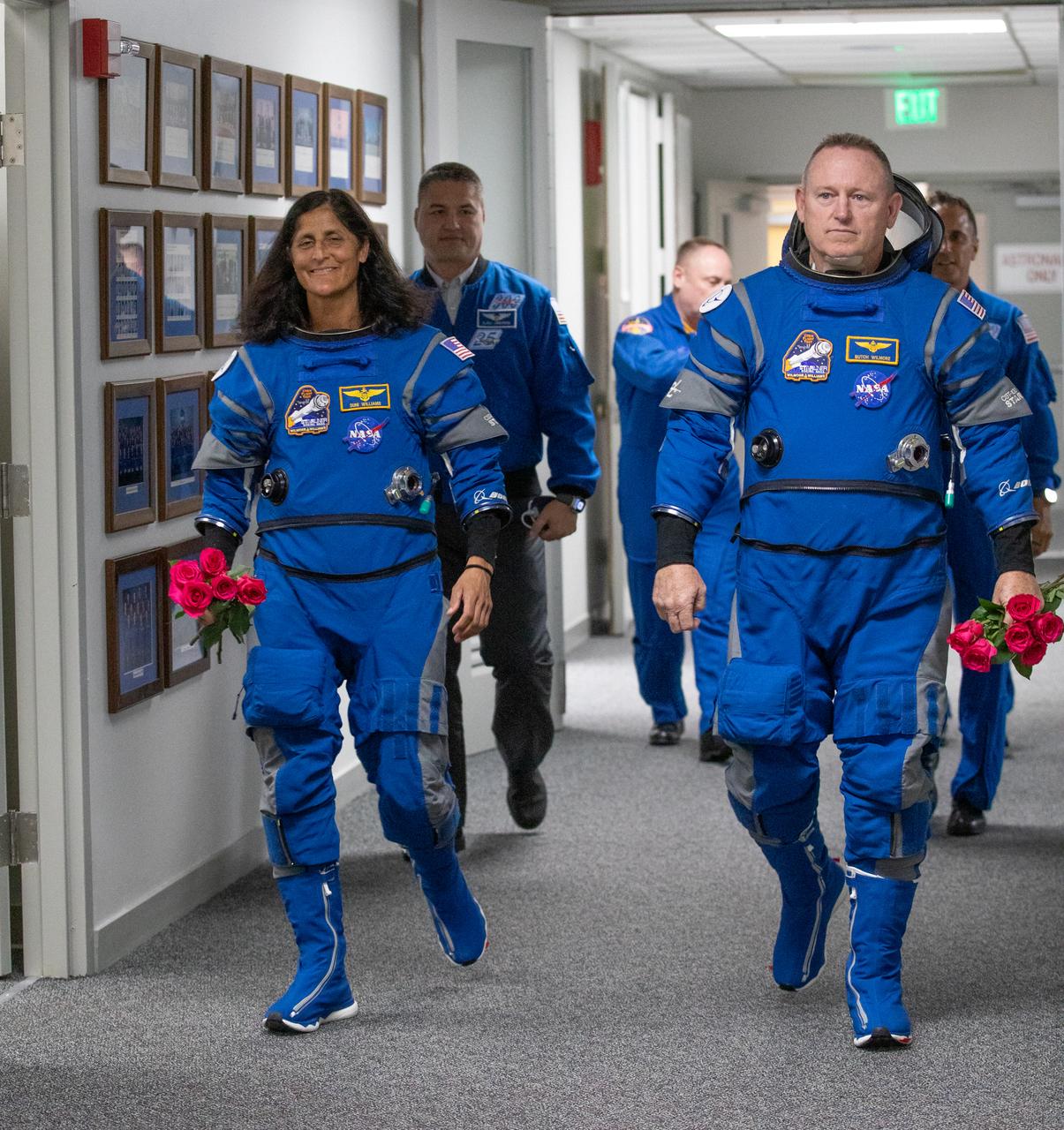
During the first launch attempt of NASA’s Boeing Crew Flight Test, NASA astronauts Butch Wilmore and Suni Williams are photographed inside the Neil A. Armstrong Operations and Checkout Building at NASA’s Kennedy Space Center in Florida on Monday, May 6, 2024. As part of the agency’s Commercial Crew Program, the first crewed launch to the International Space Station aboard Boeing’s Starliner spacecraft atop a United Launch Alliance Atlas V rocket from Space Launch Complex-41 at nearby Cape Canaveral Space Force Station was targeted for 10:34 p.m. ET but scrubbed for the day.
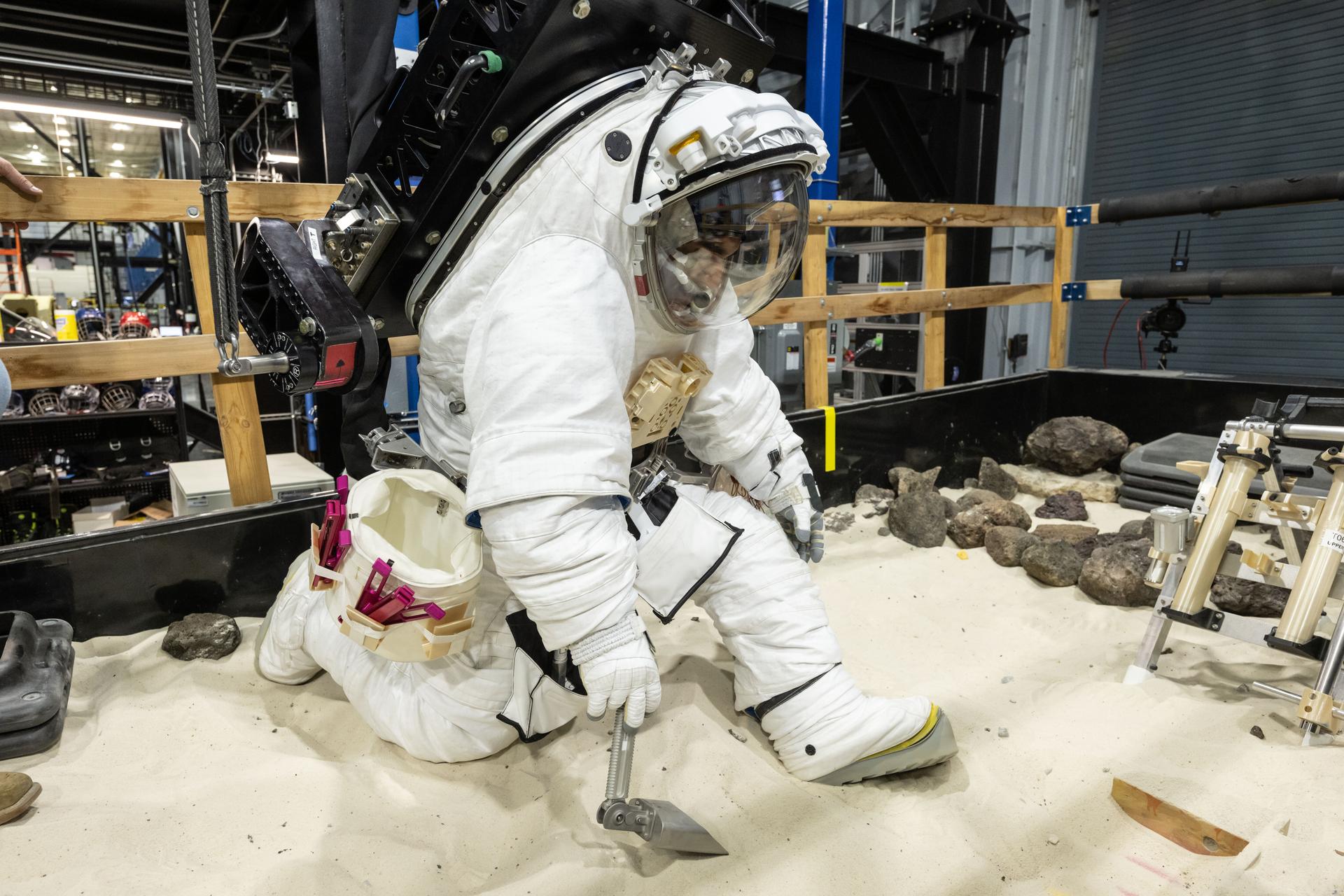
A NASA crew member practices using lunar tools to collect geology samples at NASA’s Johnson Space Center during an elevated suit pressure test where teams evaluate how well crew perform tasks in different suit pressure levels while wearing the Artemis III lunar spacesuit developed by Axiom Space called the AxEMU (Axiom Extravehicular Mobility Unit).
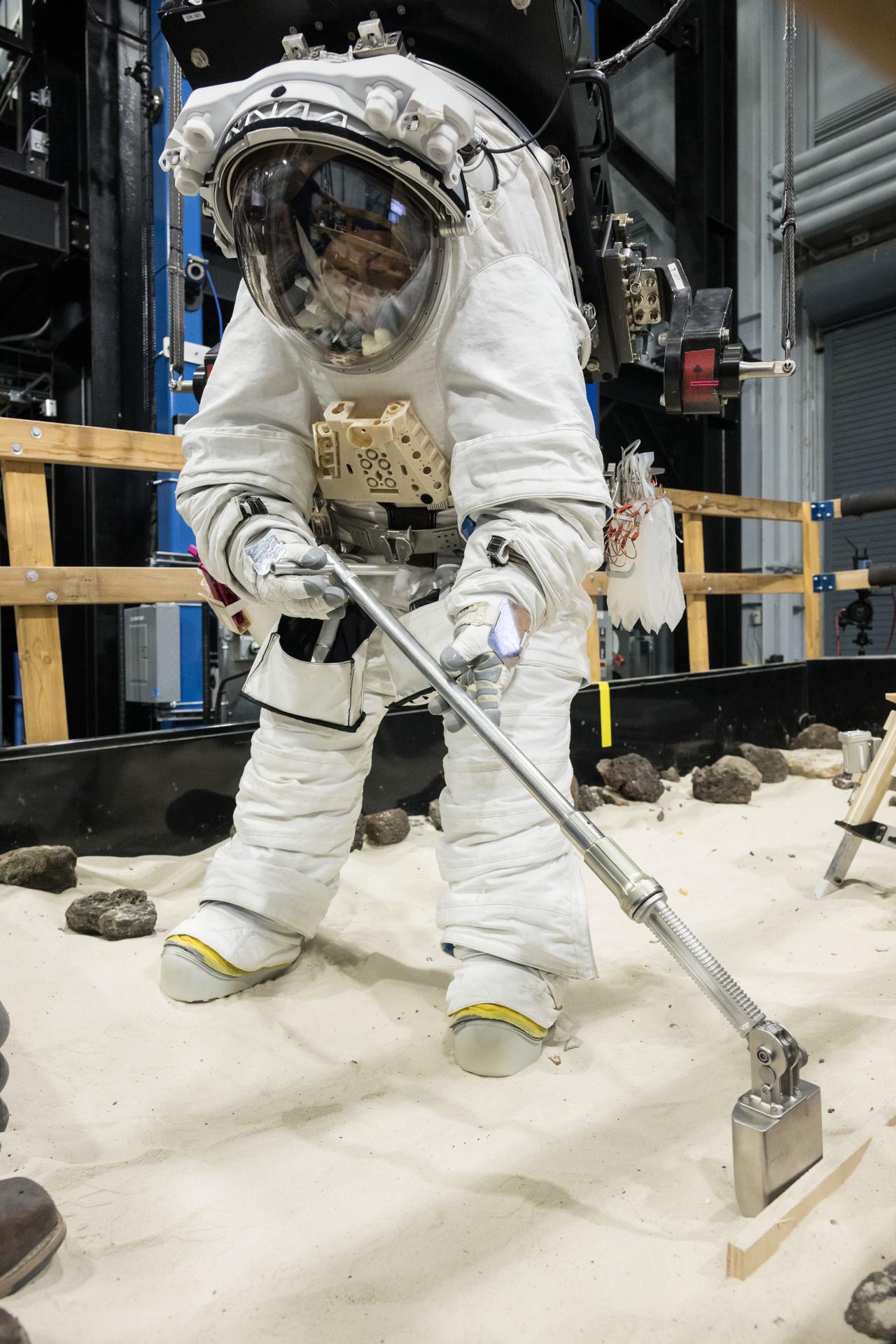
A NASA crew member practices using lunar tools to collect geology samples at NASA’s Johnson Space Center during an elevated suit pressure test where teams evaluate how well crew perform tasks in different suit pressure levels while wearing the Artemis III lunar spacesuit developed by Axiom Space called the AxEMU (Axiom Extravehicular Mobility Unit).
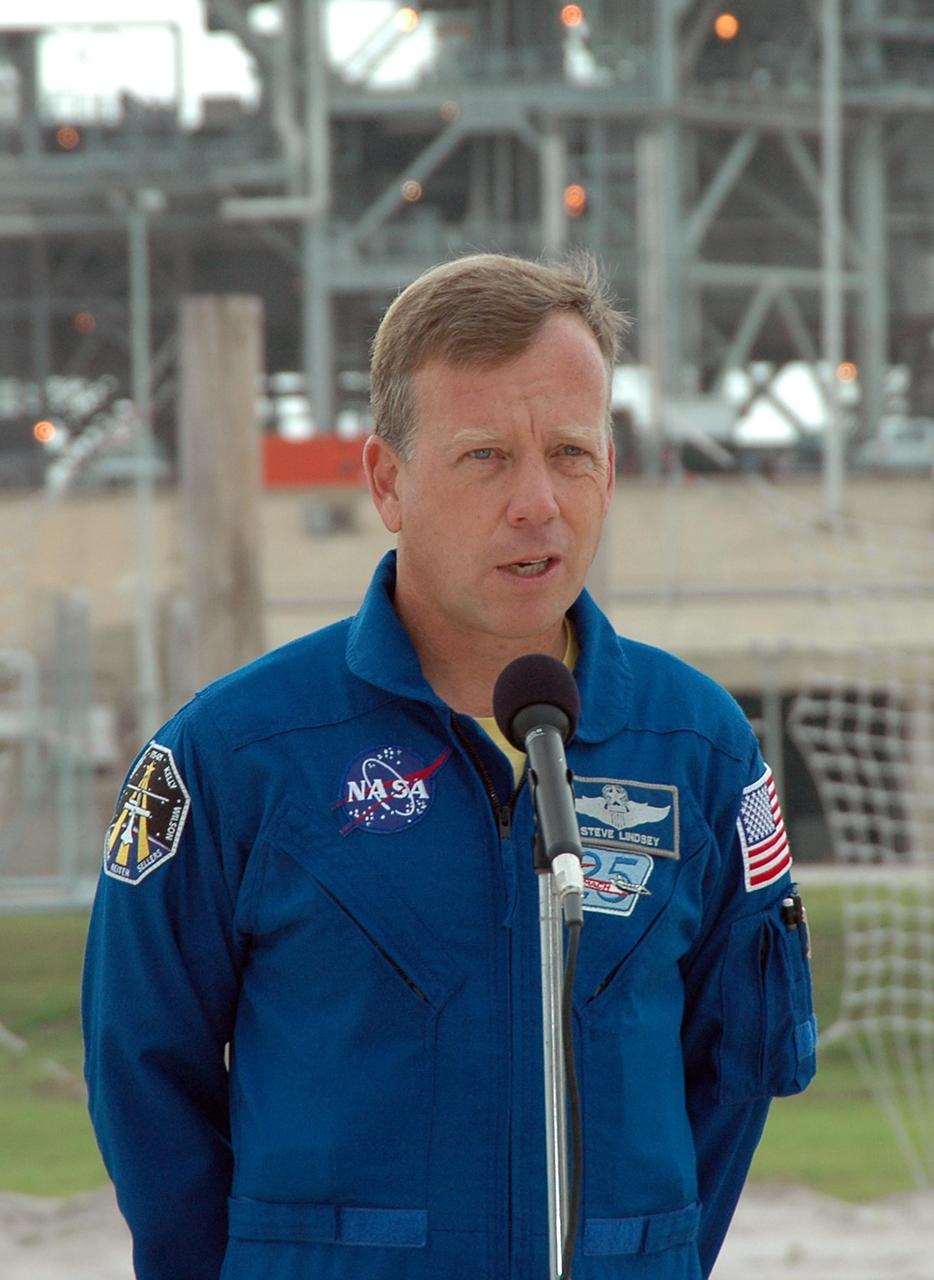
KENNEDY SPACE CENTER, FLA. - STS-121 Mission Commander Steven Lindsey talks to the media from the launch pad. He is in the landing area of the slidewire baskets. The crew is at Kennedy for Terminal Countdown Demonstration Test activities. Over several days, the crew will practice emergency egress from the pad and suit up in their orange flight suits for the simulated countdown to launch. Space Shuttle Discovery is designated to launch July 1 on mission STS-121. It will carry supplies to the International Space Station. Photo credit: NASA/Kim Shiflett
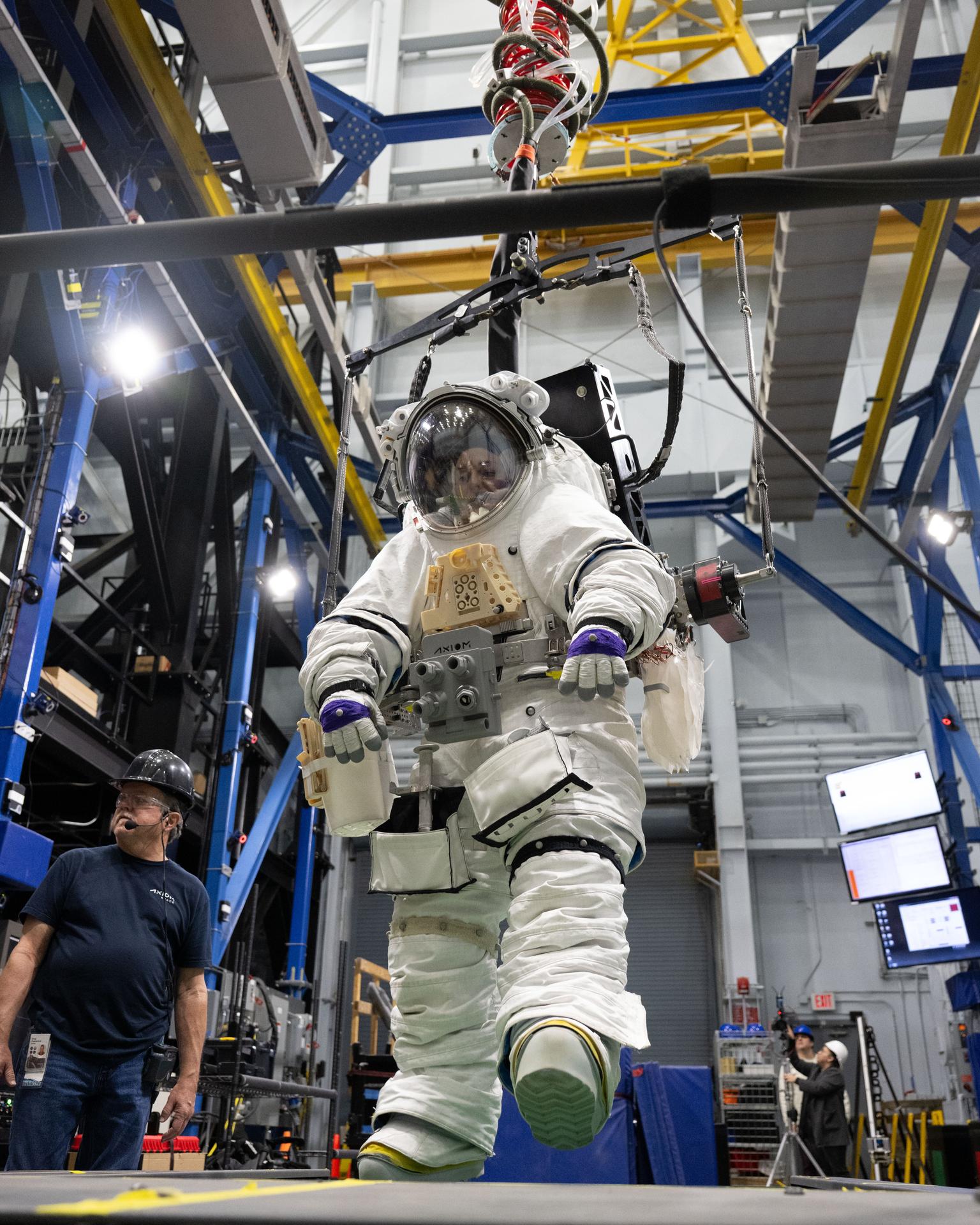
A NASA crew member practices simulated lunar surface operations at NASA’s Johnson Space Center during an elevated suit pressure test where teams evaluate how well crew perform tasks in different suit pressure levels while wearing the Artemis III lunar spacesuit developed by Axiom Space called the AxEMU (Axiom Extravehicular Mobility Unit).
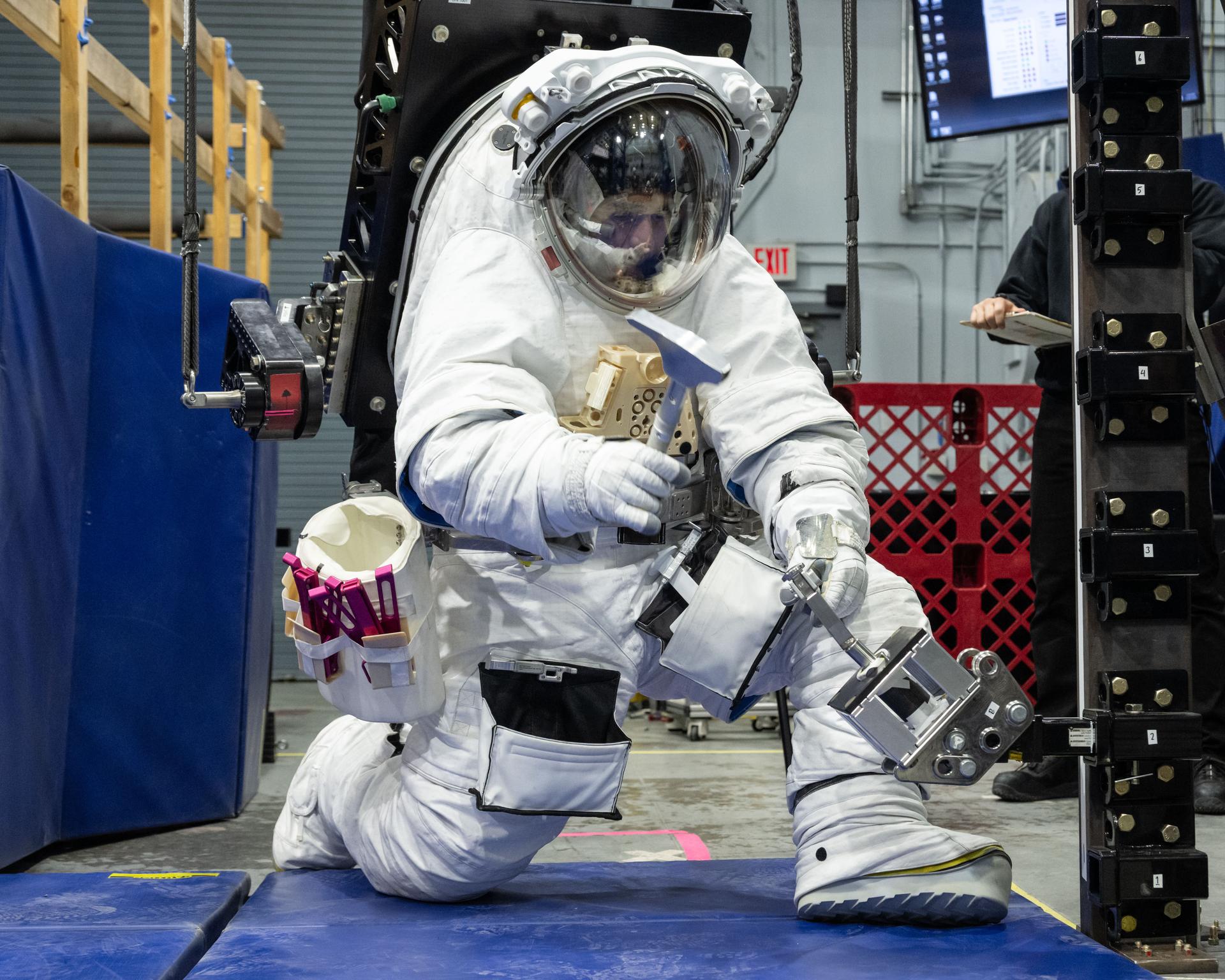
A NASA crew member practices simulated lunar surface operations at NASA’s Johnson Space Center during an elevated suit pressure test where teams evaluate how well crew perform tasks in different suit pressure levels while wearing the Artemis III lunar spacesuit developed by Axiom Space called the AxEMU (Axiom Extravehicular Mobility Unit).
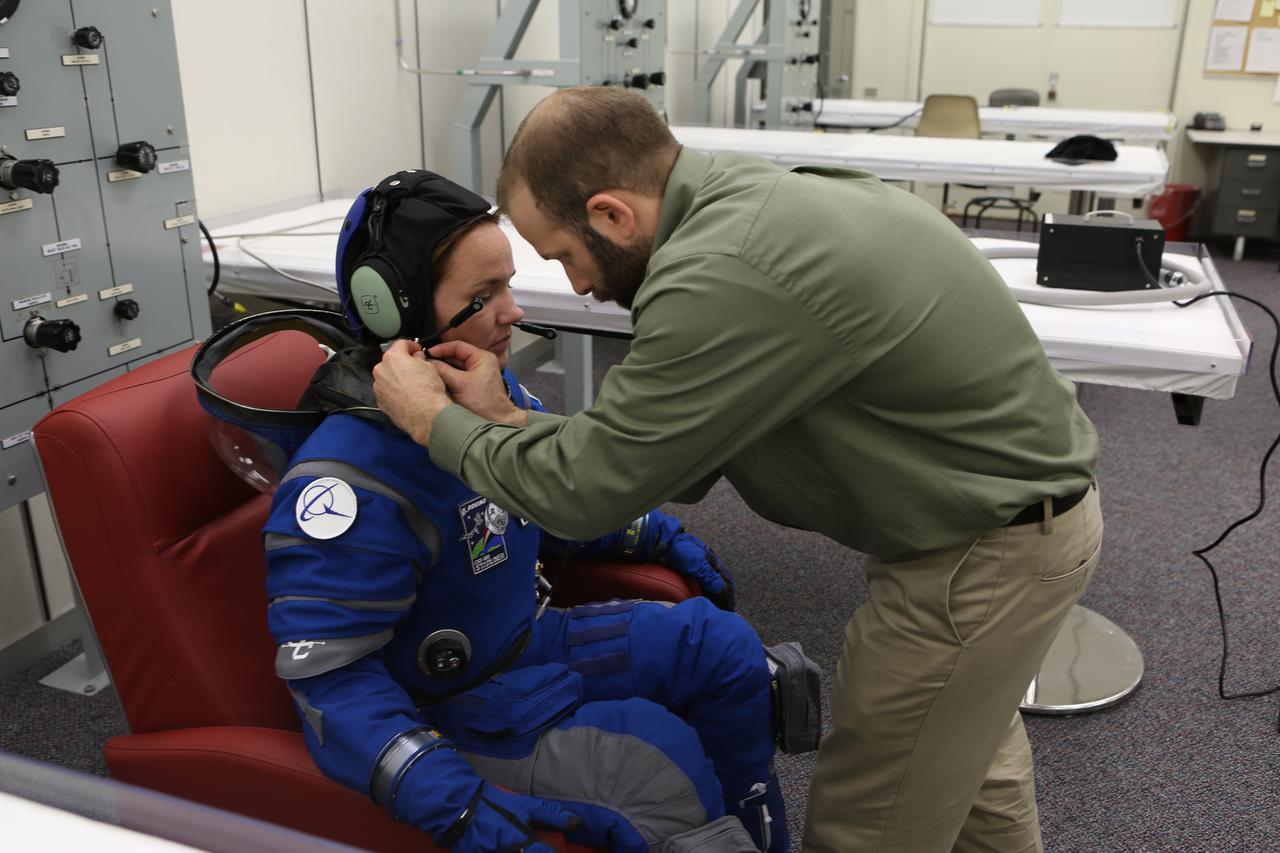
A suit technician prepares for a pressure test of Boeing's new spacesuit designed to be worn by astronauts flying on the CST-100 Starliner. Seen here being worn in the same manner as it will on launch day inside Crew Quarters at NASA's Kennedy Space Center in Florida, the suit is lighter and more flexible than previous spacesuits but retains the ability to pressurize in an emergency. Astronauts will wear the suit throughout the launch and ascent into orbit as well as on the way back to Earth. Starliners will launch atop Atlas V rockets from United Launch Alliance on missions including flights to the International Space Station for NASA's Commercial Crew Program. Photo credit: NASA/Cory Huston
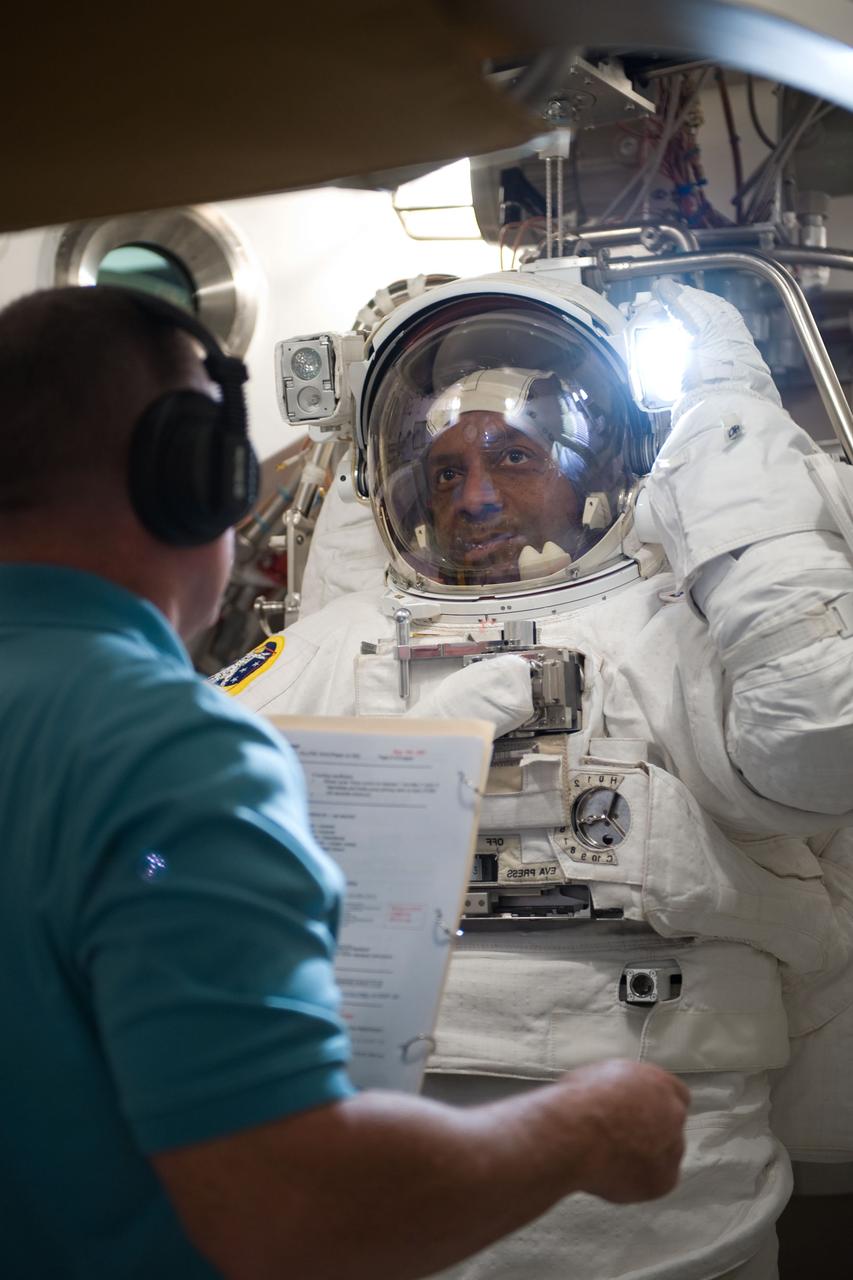
PHOTO DATE(S): 08/27/09 (Satcher) @ 0900 LOCATION: Bldg 7/SSATA Chamber SUBJECT: SSATA Crew Training and EMU Verification for STS-129 crew member Robert Satcher during suited dry run. Test Director: Cristina Anchondo. PHOTOGRAPHER: BLAIR

SSATA Crew Training and EMU Verification for STS-128 crew member Danny Olivas during suited dry run. Test Directors: Cristina Anchondo and Laura Campbell. Photo Date: April 22, 2009. Location: Building 7 - SSATA Chamber. Photographer: Robert Markowitz
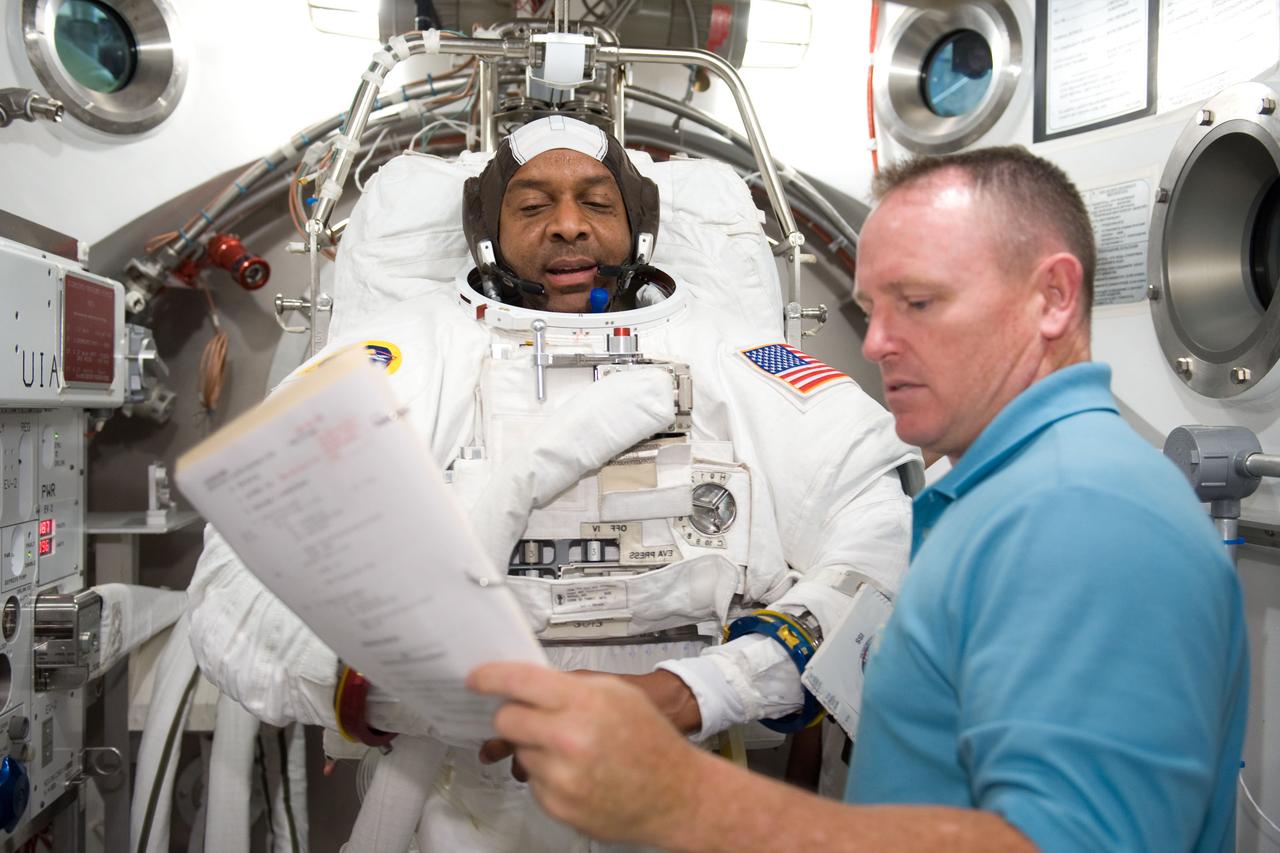
PHOTO DATE(S): 08/27/09 (Satcher) @ 0900 LOCATION: Bldg 7/SSATA Chamber SUBJECT: SSATA Crew Training and EMU Verification for STS-129 crew member Robert Satcher during suited dry run. Test Director: Cristina Anchondo. PHOTOGRAPHER: BLAIR
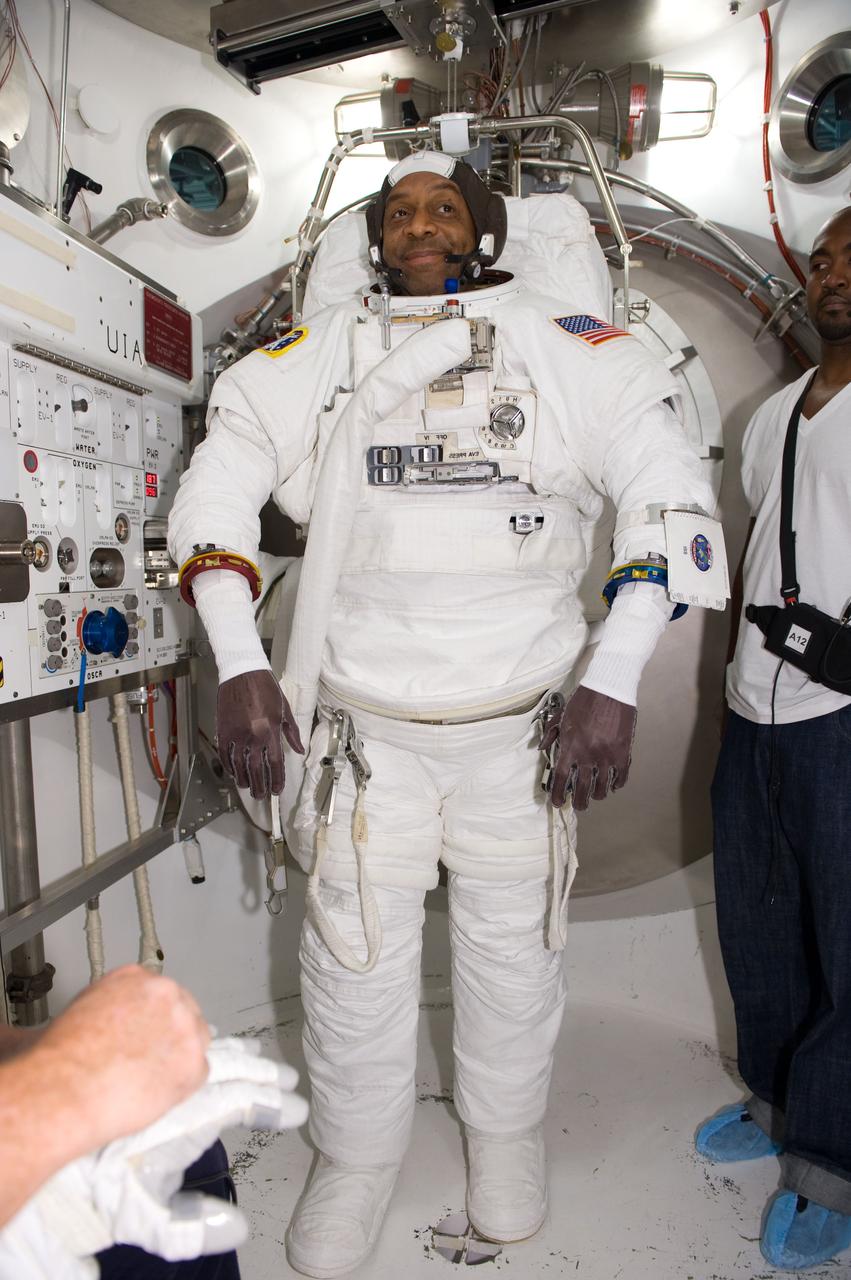
PHOTO DATE(S): 08/27/09 (Satcher) @ 0900 LOCATION: Bldg 7/SSATA Chamber SUBJECT: SSATA Crew Training and EMU Verification for STS-129 crew member Robert Satcher during suited dry run. Test Director: Cristina Anchondo. PHOTOGRAPHER: BLAIR
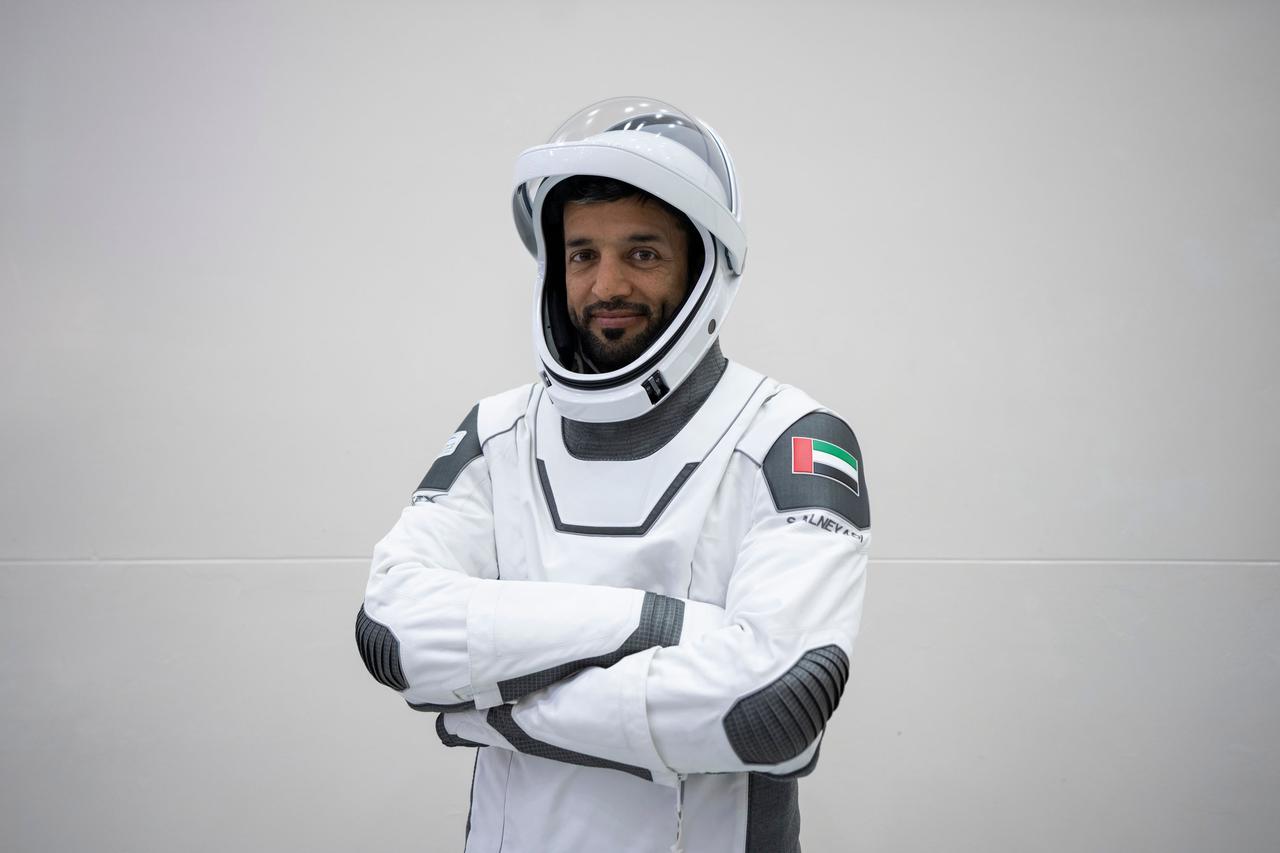
jsc2023e005741 (Jan. 30, 2023) --- Astronaut Sultan Alneyadi from the Mohammed bin Rashid Space Centre, SpaceX Crew-6 Mission Specialist, is pictured in his pressure suit during a crew equipment integration test at SpaceX headquarters in Hawthorne, California. Credit: SpaceX