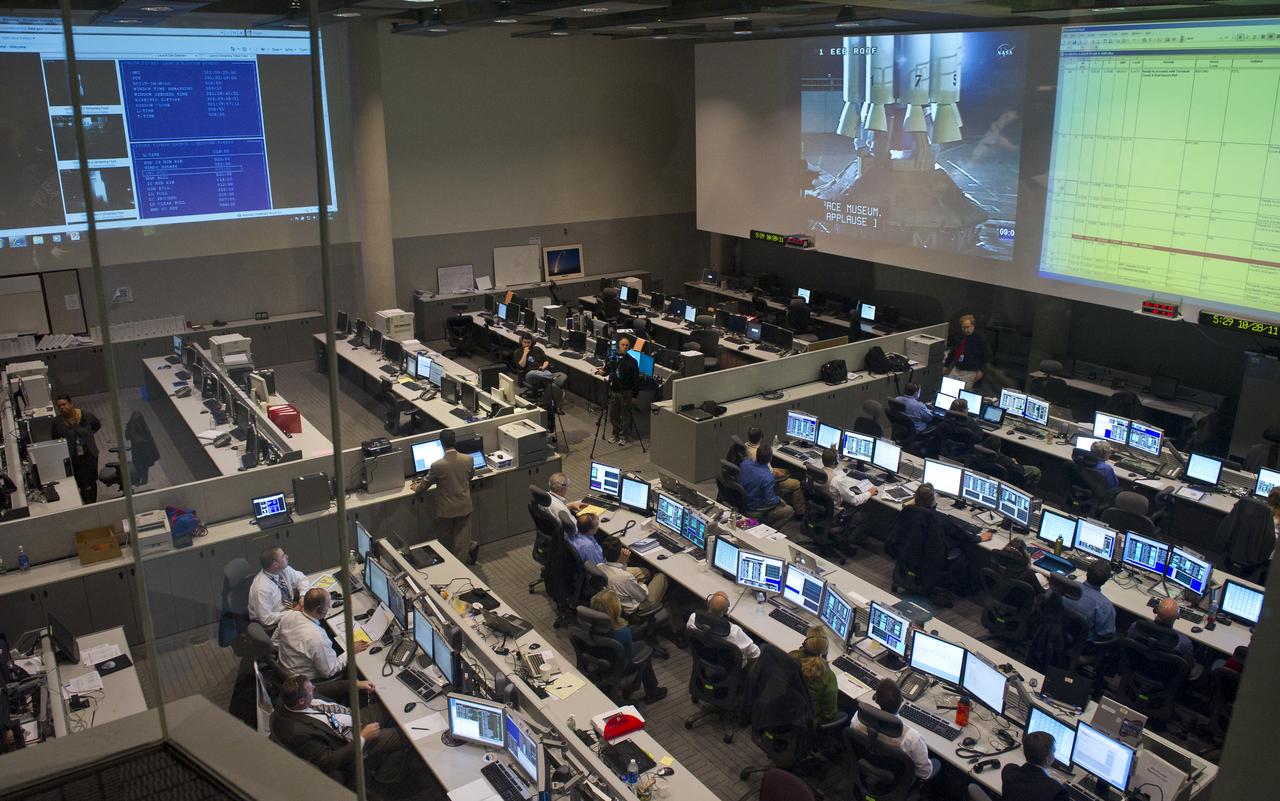
The Satellite Operations Facility of the National Oceanic and Atmospheric Administration (NOAA) is seen here minutes before the launch of the National Polar-orbiting Operational Environmental Satellite System Preparatory Project (NPP) on Friday, Oct. 28, 2011 in Suitland, Md. NPP is a joint venture between NASA and NOAA, and is the nation's newest Earth-observing satellite, which will provide data on climate change science, allow for accurate weather forecasts and advance warning for severe weather. NPP was launched from Vandenberg Air Force Base in California. Photo Credit: (NASA/Carla Cioffi)

NASA Deputy Administrator Lori Garver, left, watches the launch of the National Polar-orbiting Operational Environmental Satellite System Preparatory Project (NPP) at the National Oceanic and Atmospheric Administration (NOAA) Satellite Operations Center on Friday, Oct. 28, 2011 in Suitland, Md. U.S Congresswoman Donna Edwards, D-Md., is seen next to Garver. NPP is a joint venture between NASA and NOAA, and is the nation's newest Earth-observing satellite, which will provide data on climate change science, allow for accurate weather forecasts and advance warning for severe weather. NPP was launched from Vandenberg Air Force Base in California. Photo Credit: (NASA/Carla Cioffi)

Dr. Kathy Sullivan, center, Deputy Administrator of the National Oceanic and Atmospheric Administration (NOAA) and former NASA astronaut is interviewed by a local television network at NOAA's Satellite Operations Facility in Suitland, Md. after the successful launch of the National Polar-orbiting Operational Environmental Satellite System Preparatory Project (NPP) on Friday, Oct. 28, 2011. NPP is a joint venture between NASA and NOAA, and is the nation's newest Earth-observing satellite, which will provide data on climate change science, allow for accurate weather forecasts and advance warning for severe weather. NPP was launched from Vandenberg Air Force Base in California. Photo Credit: (NASA/Carla Cioffi)
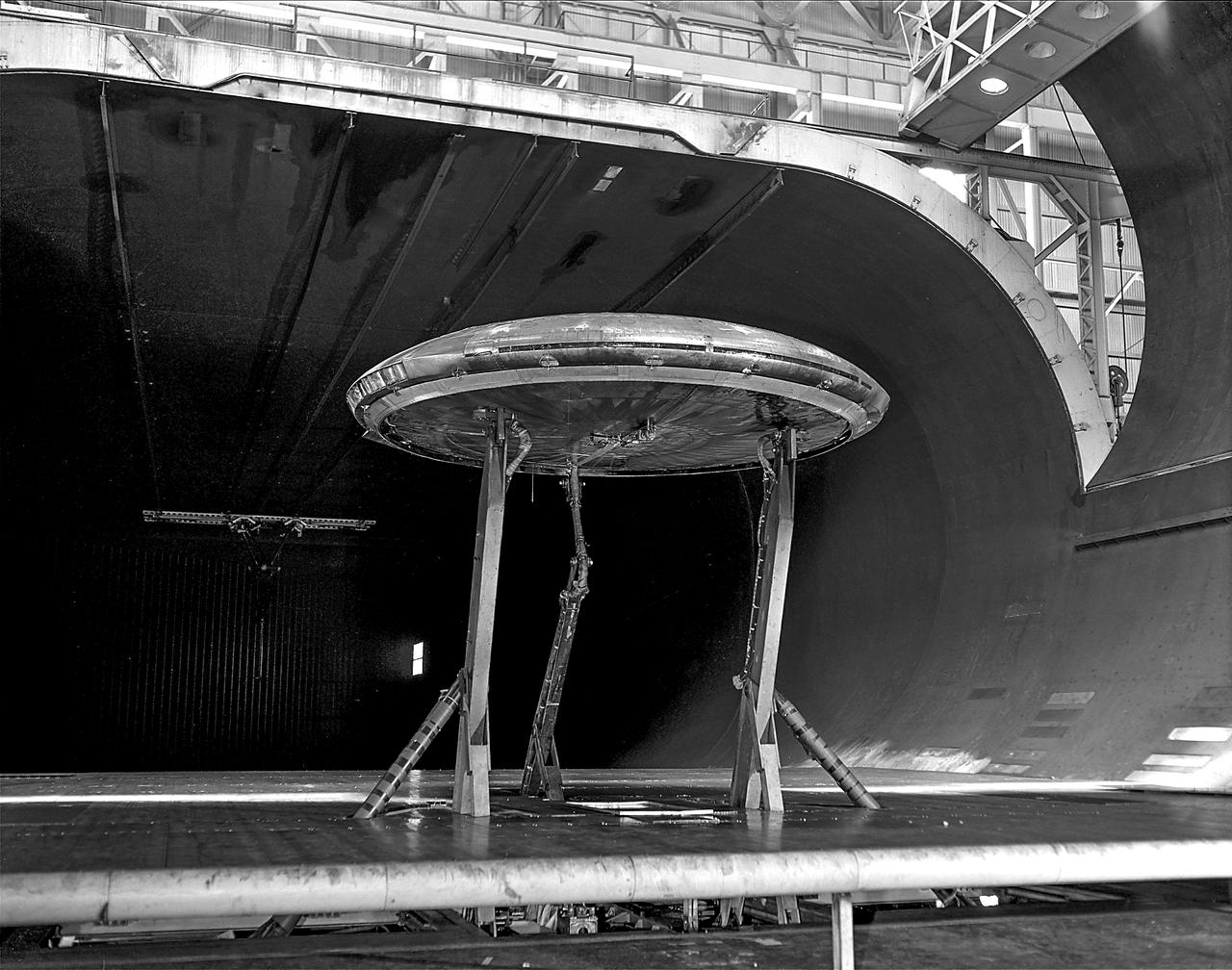
Rear view of the Avrocar with tail, mounted on variable height struts. Overhead doors of the wind tunnel test section open. The first Avrocar, S/N 58-7055 (marked AV-7055), after tethered testing, became the "wind tunnel" test model at NASA Ames, where it remained in storage from 1961 until 1966, when it was donated to the National Air and Space Museum, in Suitland, Maryland.
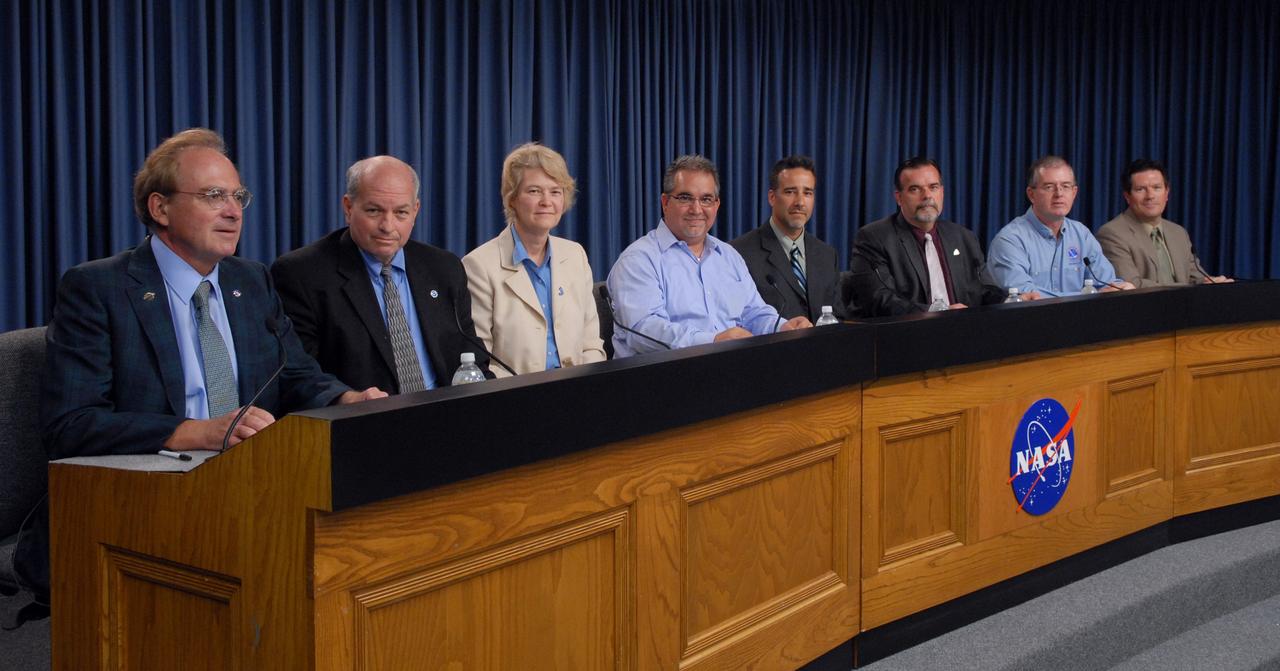
CAPE CANAVERAL, Fla. – A prelaunch news conference on the Geostationary Operational Environmental Satellite-O mission is held in NASA's Kennedy Space Center press site auditorium. From left, the participants are George H. Diller, moderator, Media Services, Kennedy Space Center; Gary Davis, director, Office of Systems Development, NOAA Satellite and Information Service, Suitland, Md.; Kris Walsh, Commercial Programs manager, United Launch Alliance, Houston; Kevin Reyes, director, Business Development, Boeing Launch Services; Andre Dress, GOES-O deputy project manager, Goddard Space Flight Center; Charlie Maloney, GOES-O program manager, Boeing Space and Intelligence Systems, Seal Beach, Calif.; Bart Hagemeyer, meteorologist in charge, NOAA National Weather Service forecast office, Melbourne, Fla.; and Joel Tumbiolo, Delta IV launch weather officer, 45th Weather Squadron, Cape Canaveral Air Force Station. The GOES-O satellite is targeted to launch June 26. The latest Geostationary Operational Environmental Satellite, GOES-O was developed by NASA for the National Oceanic and Atmospheric Administration, or NOAA. Each of the GOES satellites continuously provides observations of 60 percent of the Earth including the continental United States, providing weather monitoring and forecast operations as well as a continuous and reliable stream of environmental information and severe weather warnings. Once in orbit, GOES-O will be designated GOES-14, and NASA will provide on-orbit checkout and then transfer operational responsibility to NOAA. Photo credit: NASA/Jim Grossmann