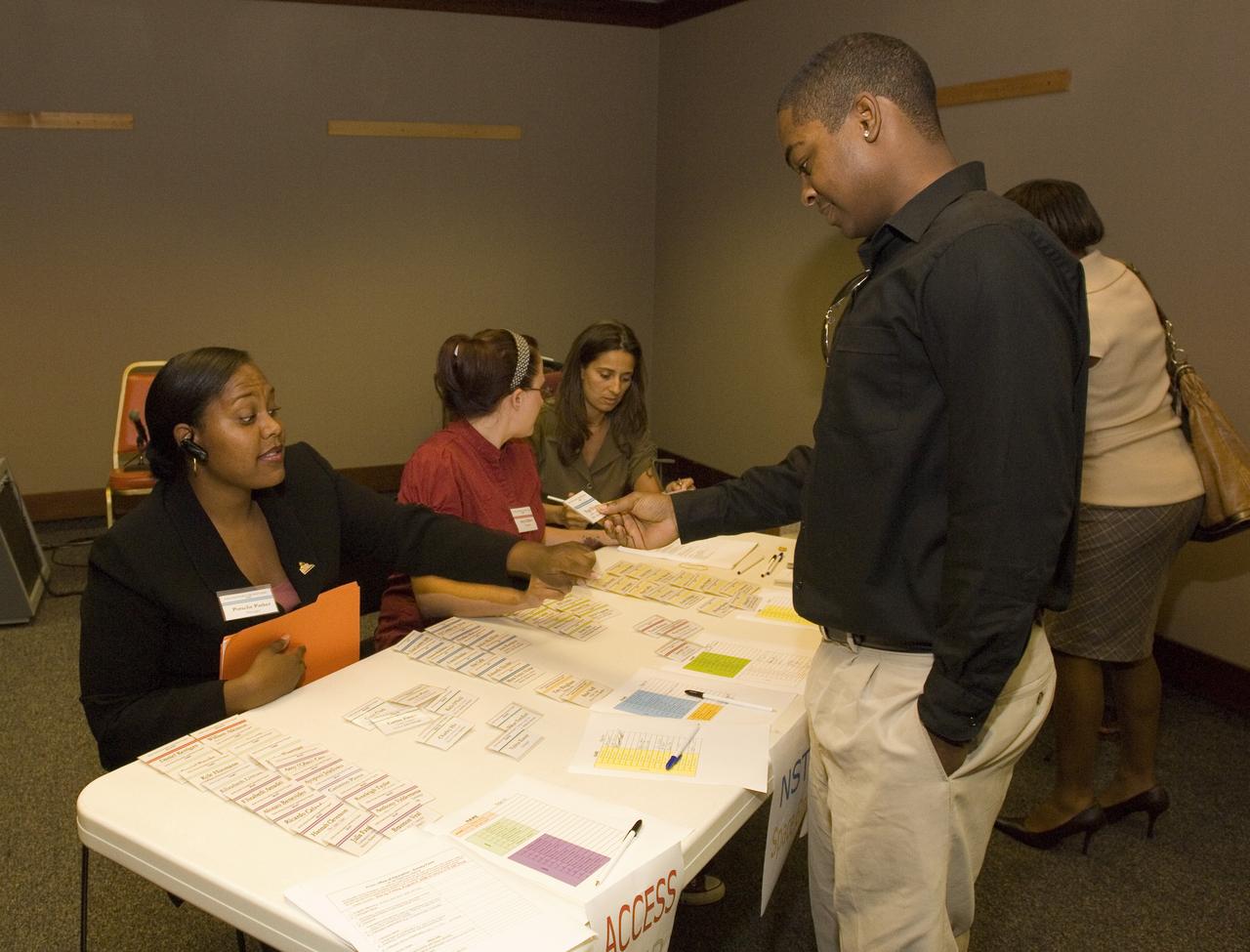
Summer Internship for 2008 closing ceremony
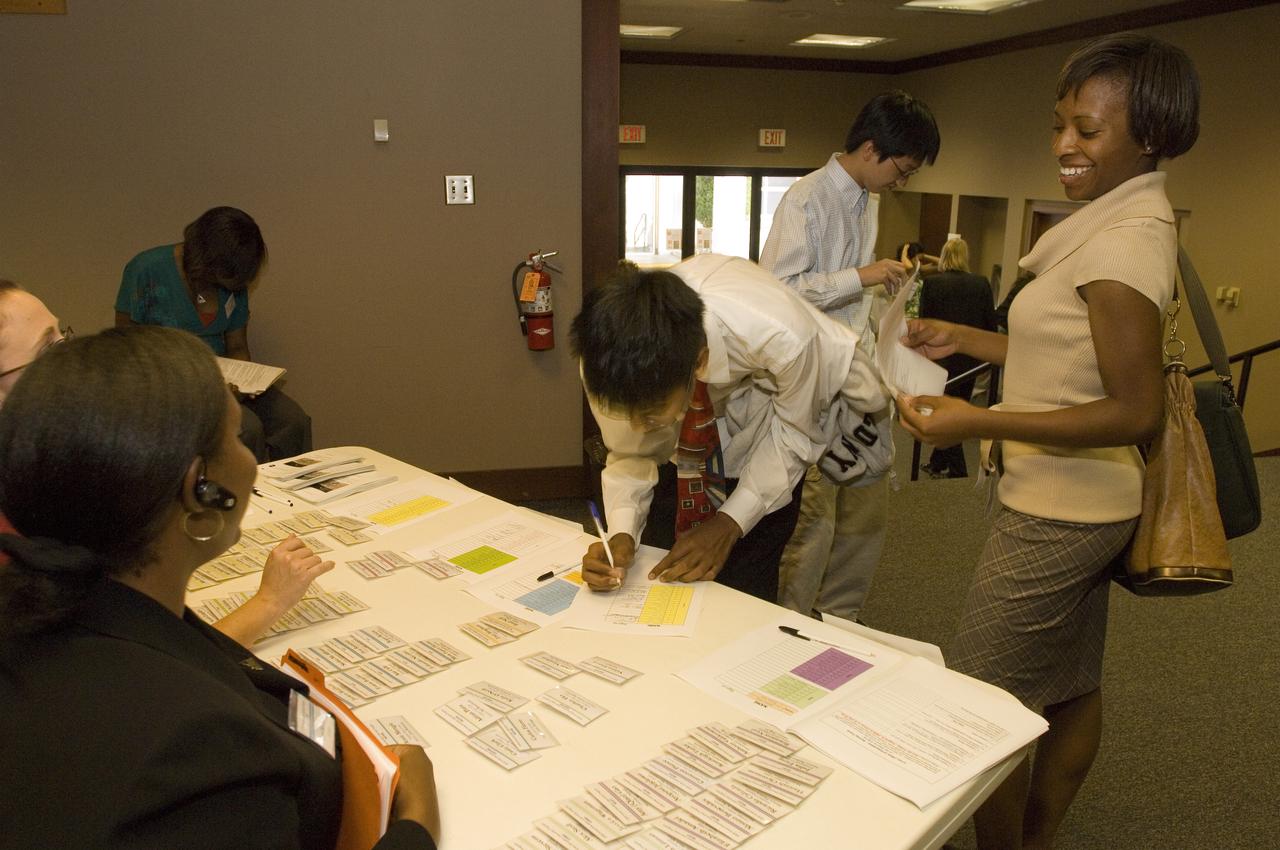
Summer Internship for 2008 closing ceremony

Summer Internship for 2008 closing ceremony
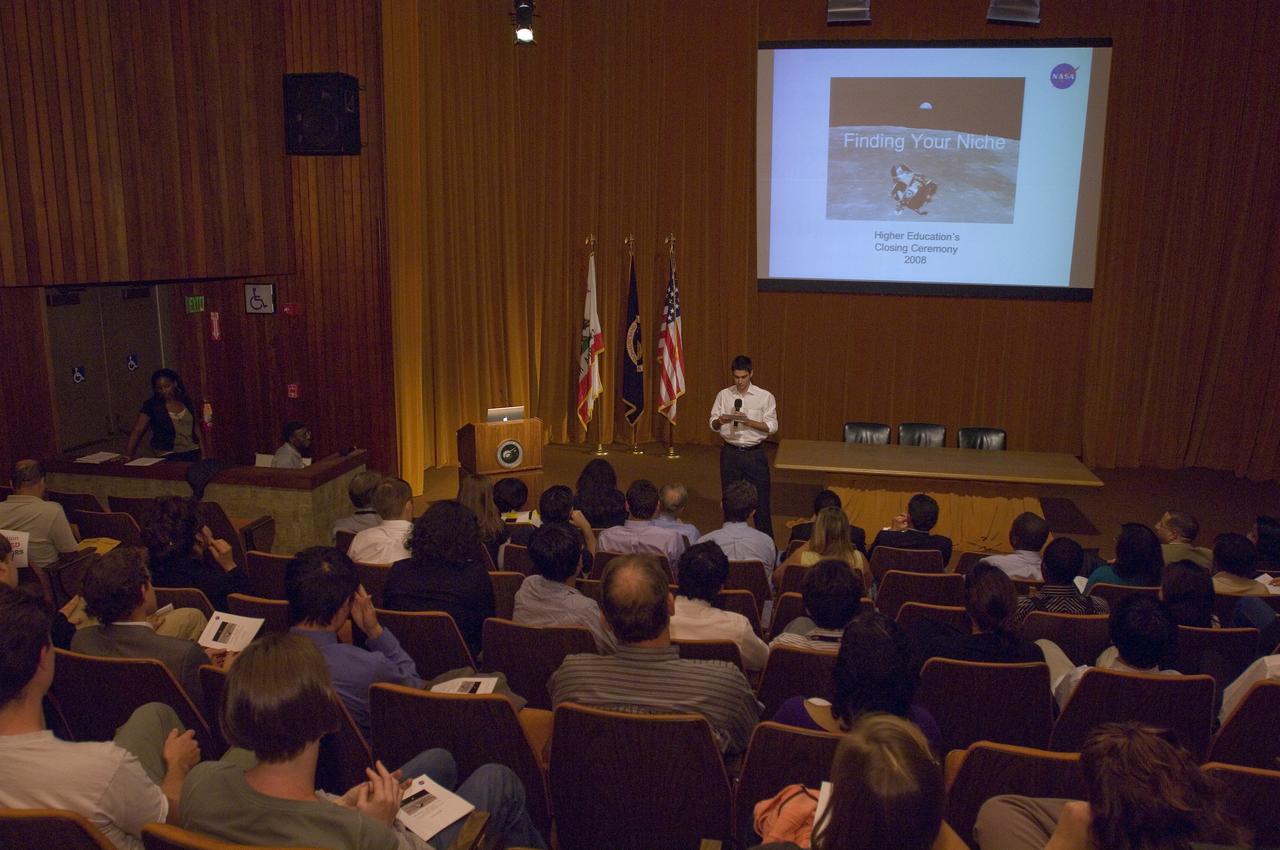
Summer Internship for 2008 closing ceremony
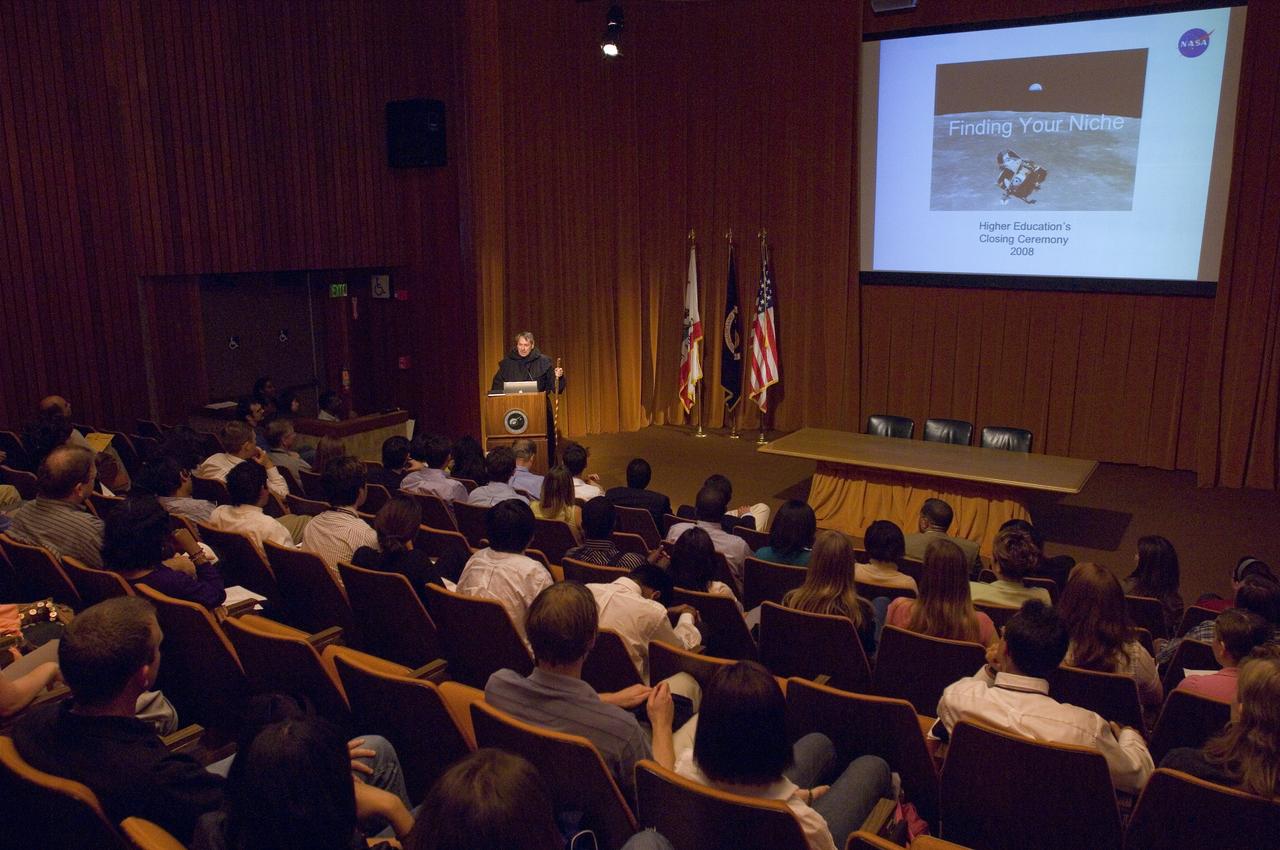
Summer Internship for 2008 closing ceremony
Summer Internship for 2008 closing ceremony
Summer Internship for 2008 closing ceremony
Summer Internship for 2008 closing ceremony
Summer Internship for 2008 closing ceremony
Summer Internship for 2008 closing ceremony

Summer Internship for 2008 closing ceremony
Summer Internship for 2008 closing ceremony

Summer Internship for 2008 closing ceremony
Summer Internship for 2008 closing ceremony
Summer Internship for 2008 closing ceremony
Summer Internship for 2008 closing ceremony
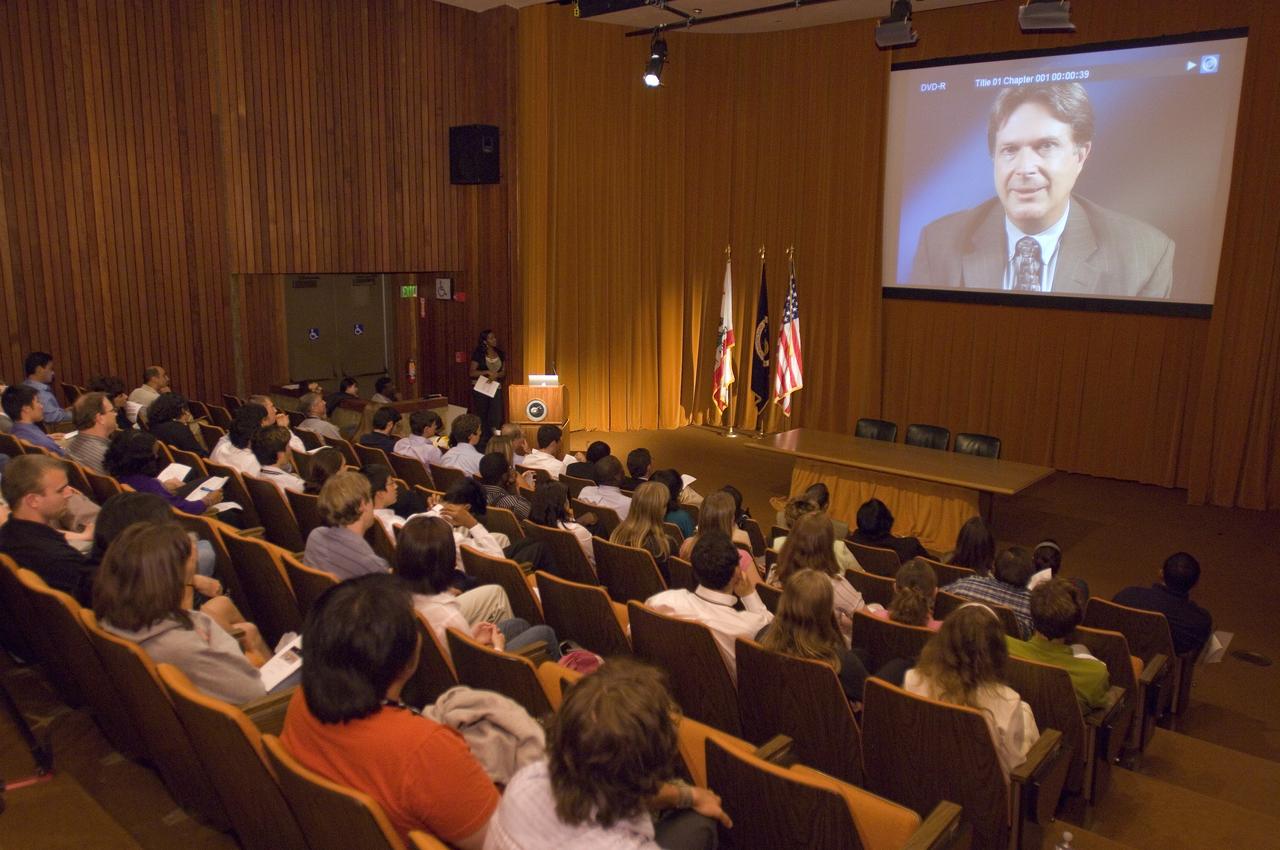
Summer Internship for 2008 closing ceremony
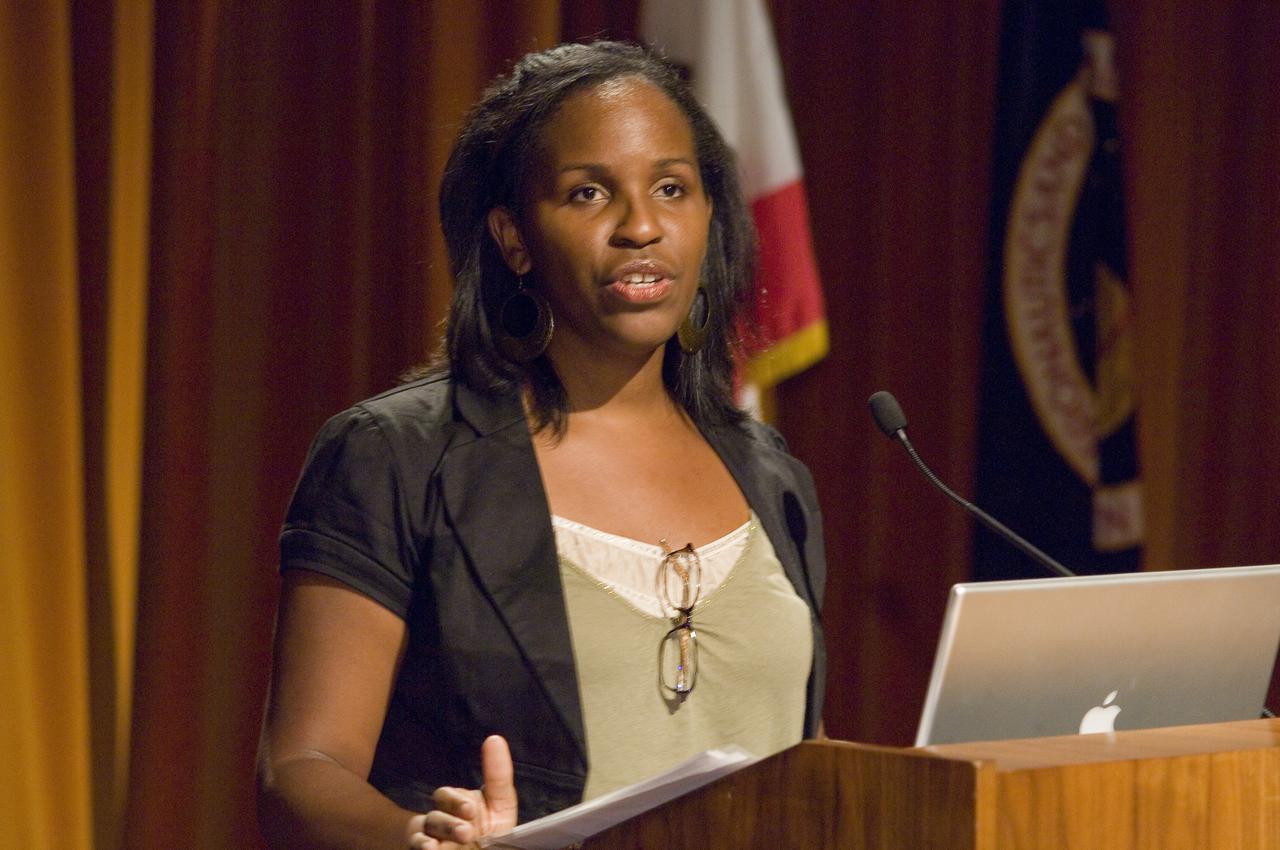
Summer Internship for 2008 closing ceremony: Welcoming remarks by Jennifer Bradford
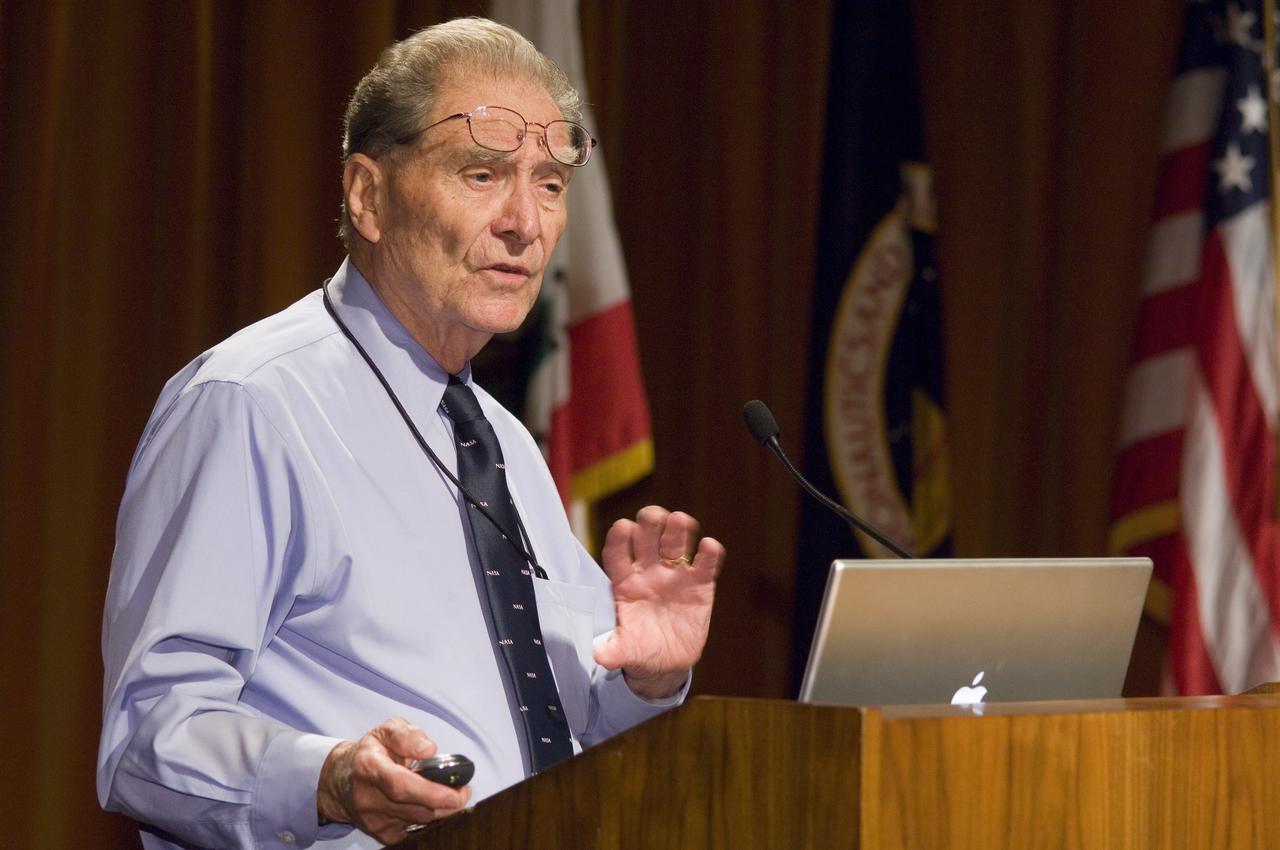
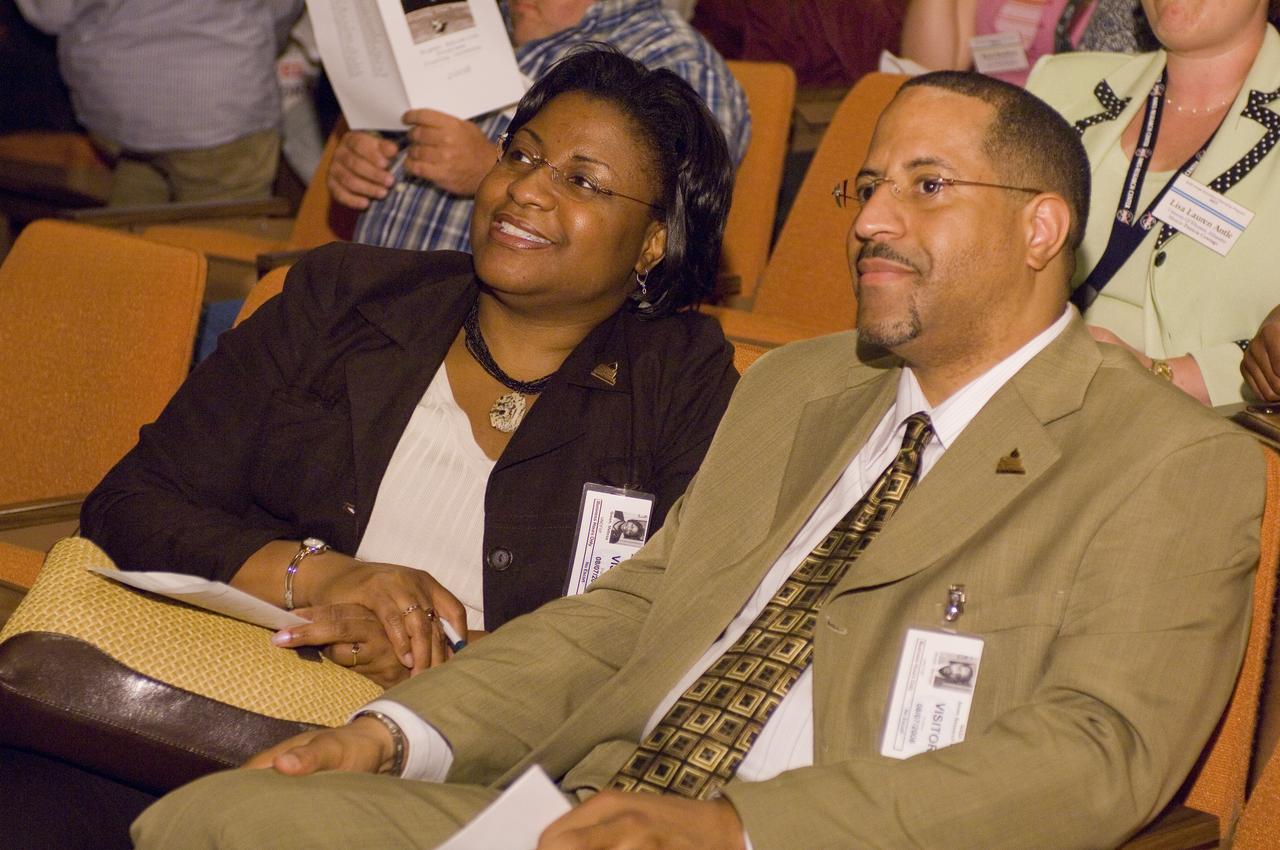
Summer Internship for 2008 closing ceremony: Jack Boyd, Ames Senior Advisor
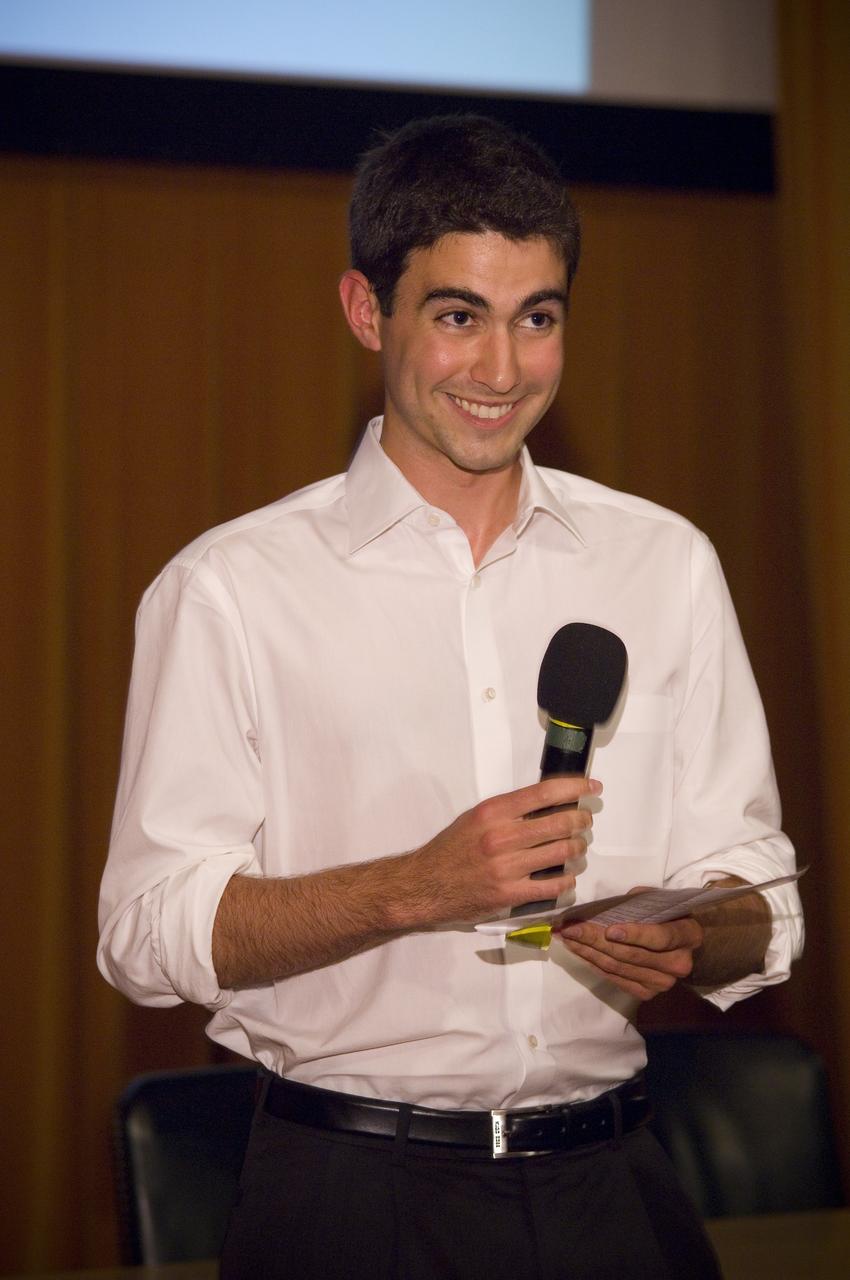
Summer Internship for 2008 closing ceremony: Matthew Daniels, Small Spacecraft Division
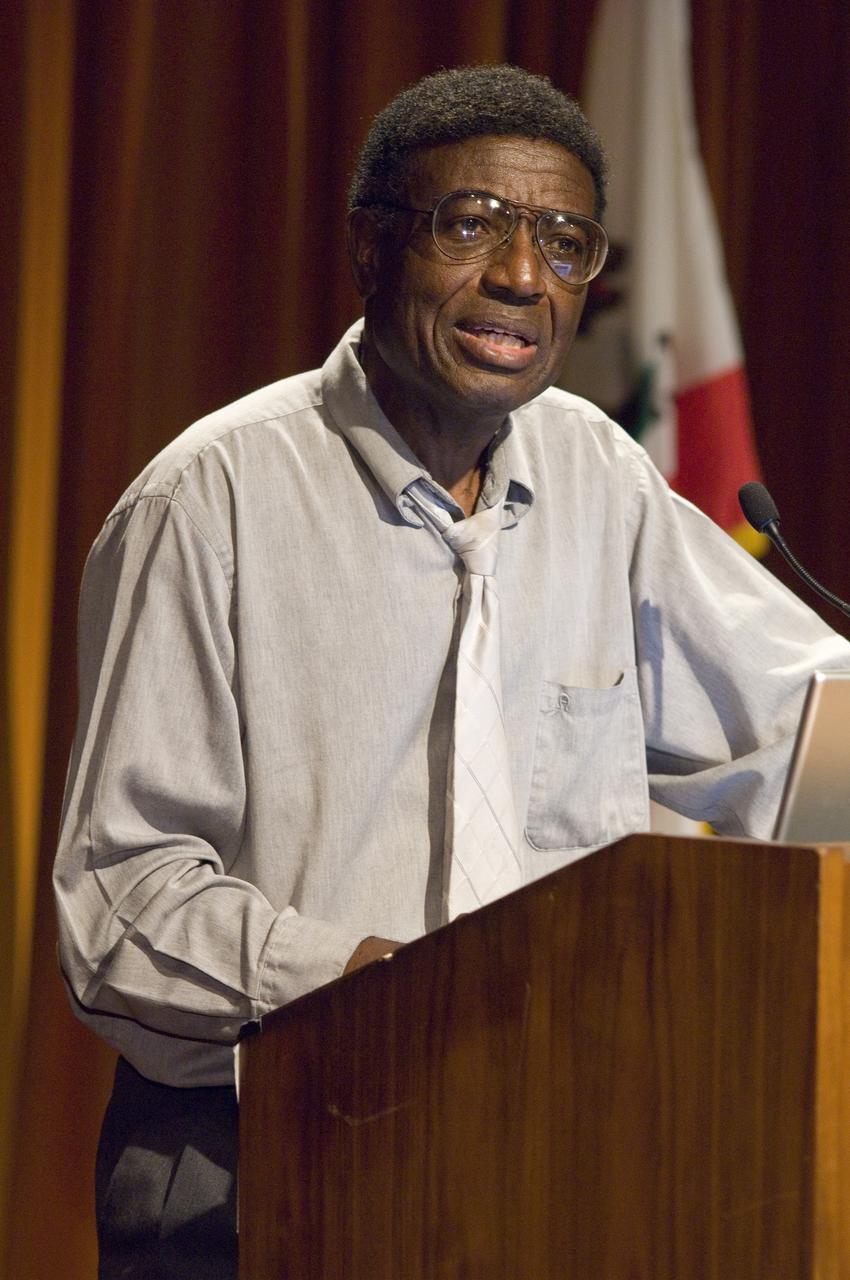
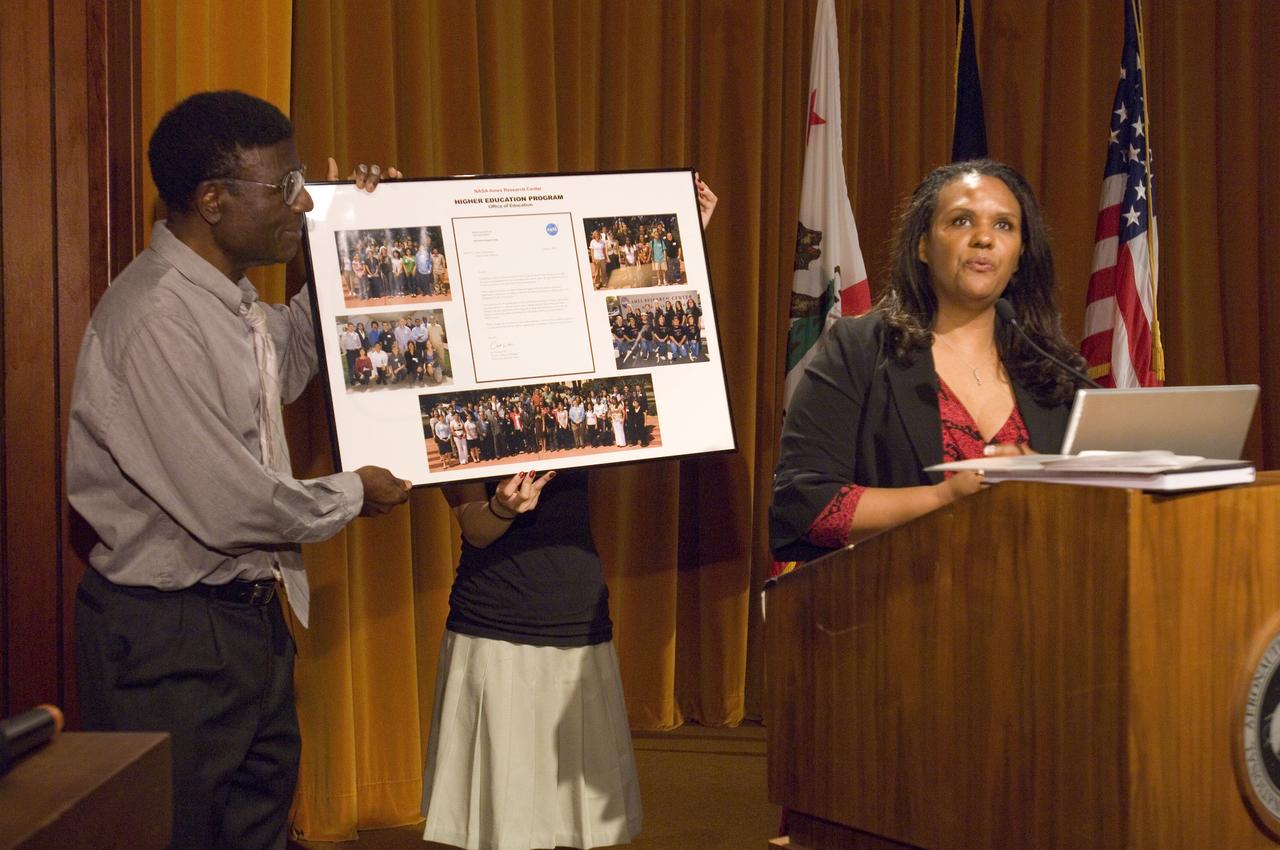
Summer Internship for 2008 closing ceremony: Dr Ben Oni, Higher Education Program Coordinator introduces the Keynote Speaker.
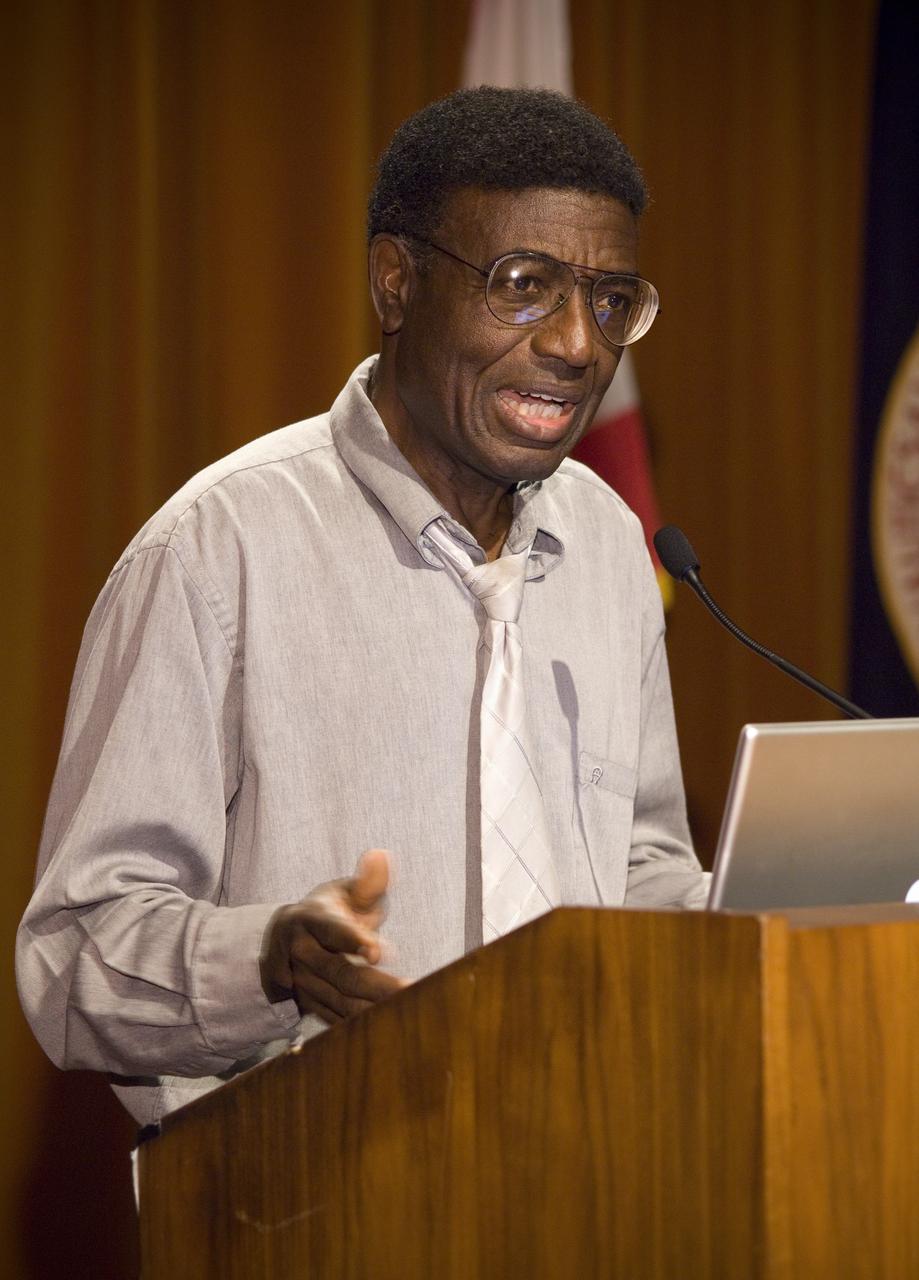
Summer Internship for 2008 closing ceremony: Dr Ben Oni, Higher Education Program Coordinator introduces the Keynote Speaker.
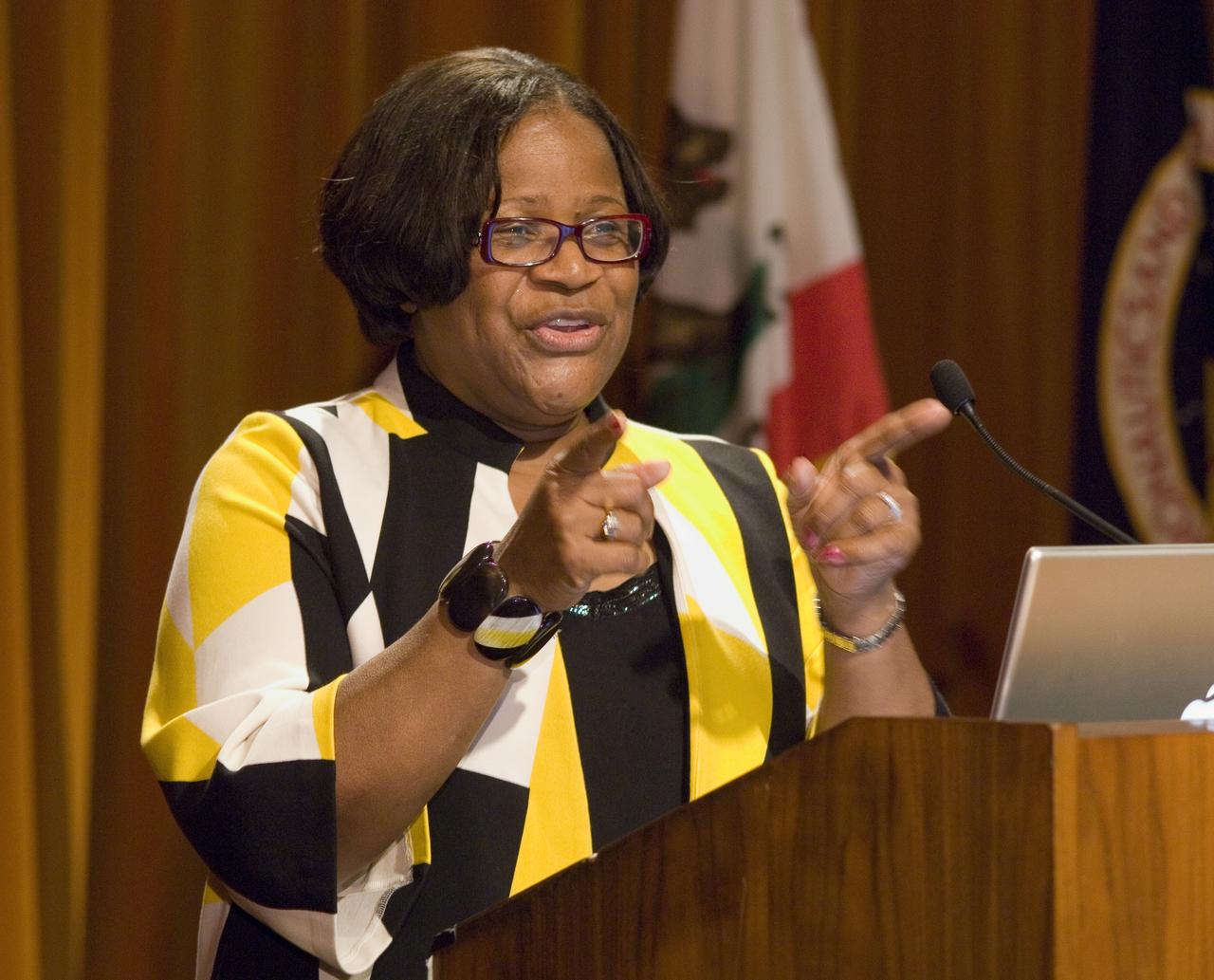
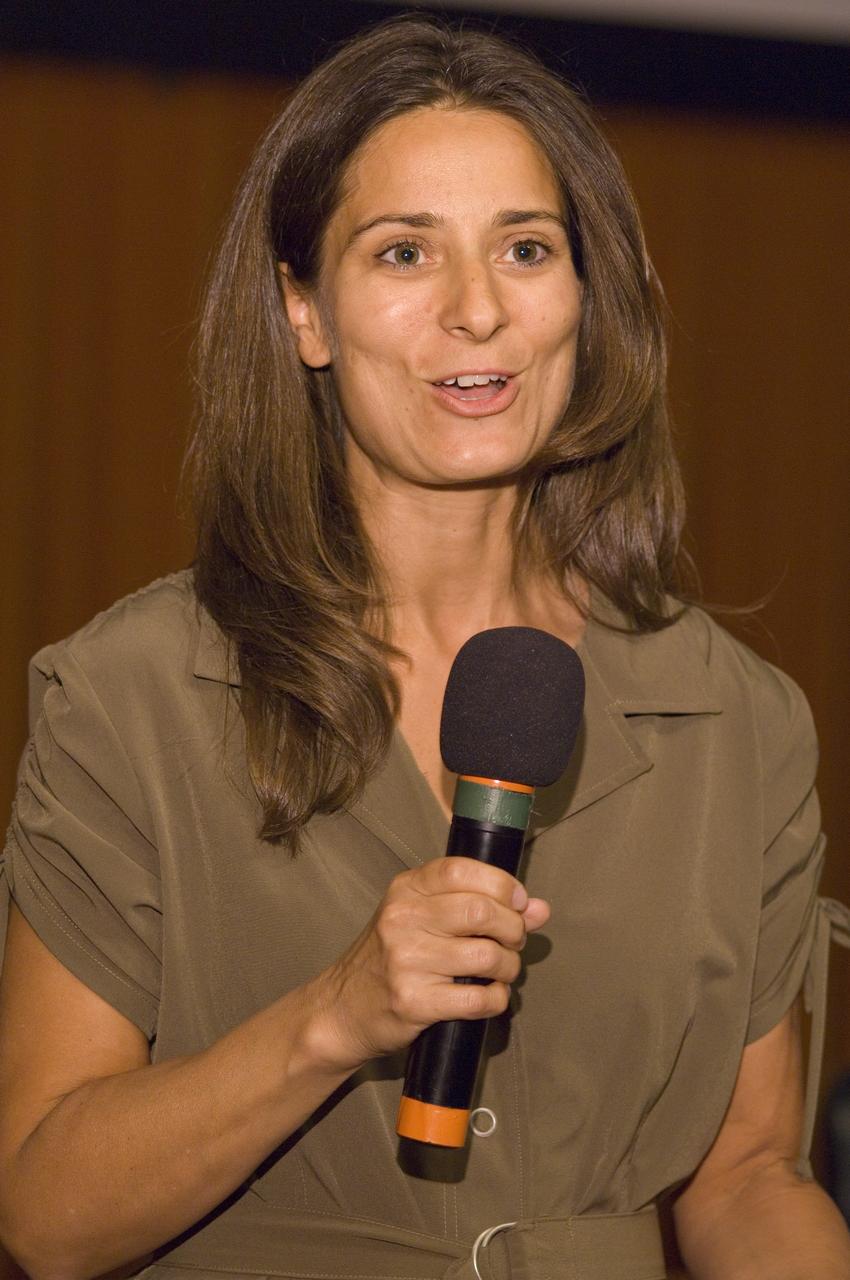
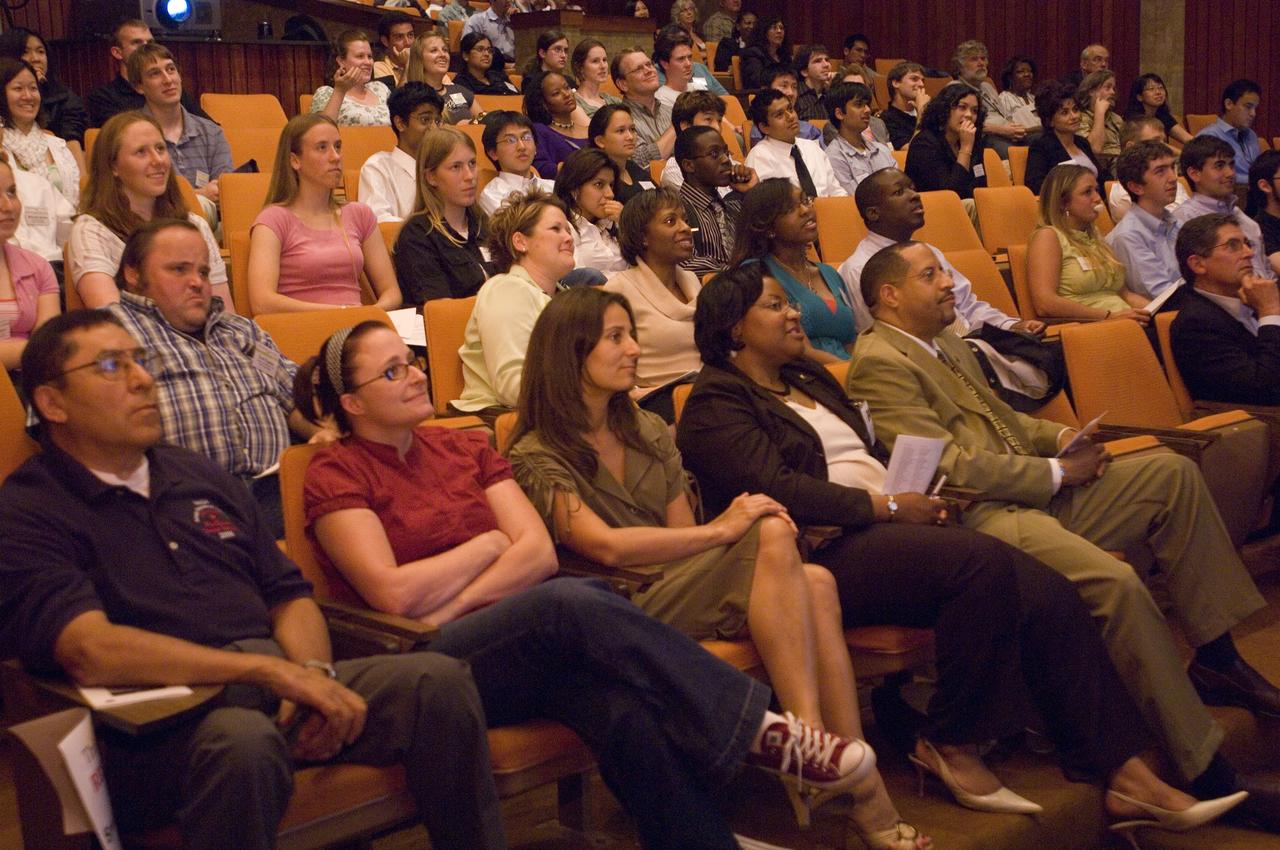
Summer Internship for 2008 closing ceremony: Keynote Speaker Dr Mabel Matthews, Higher Education Manager
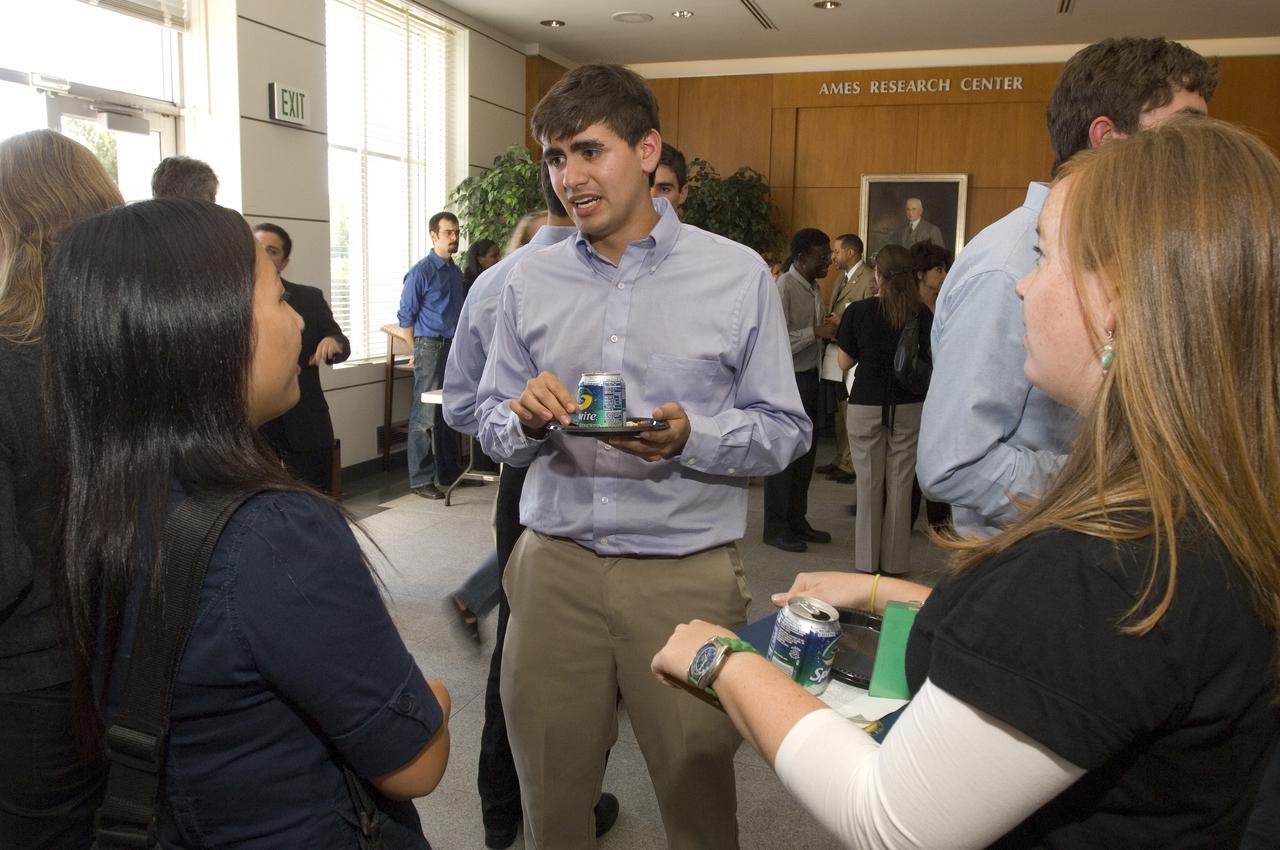
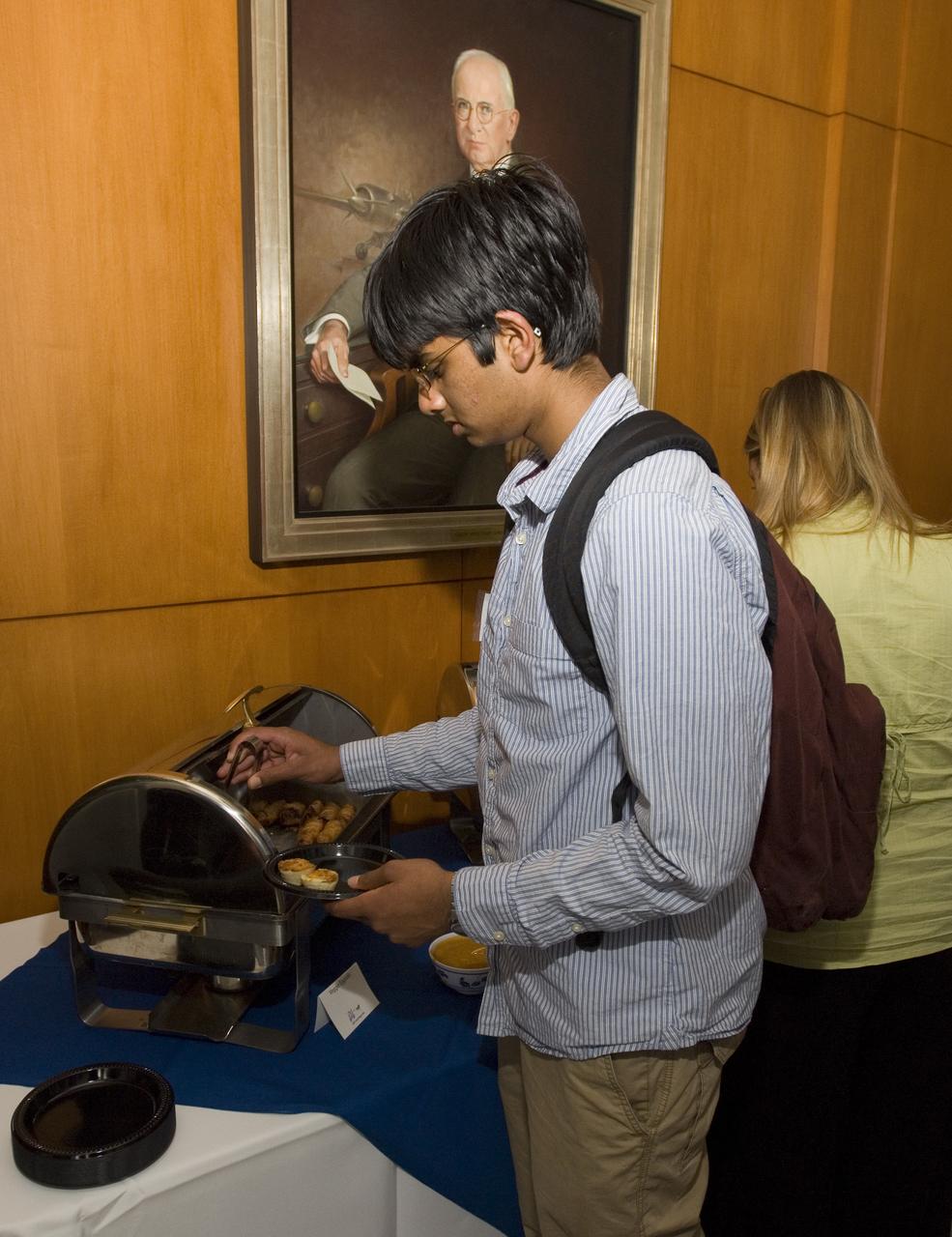
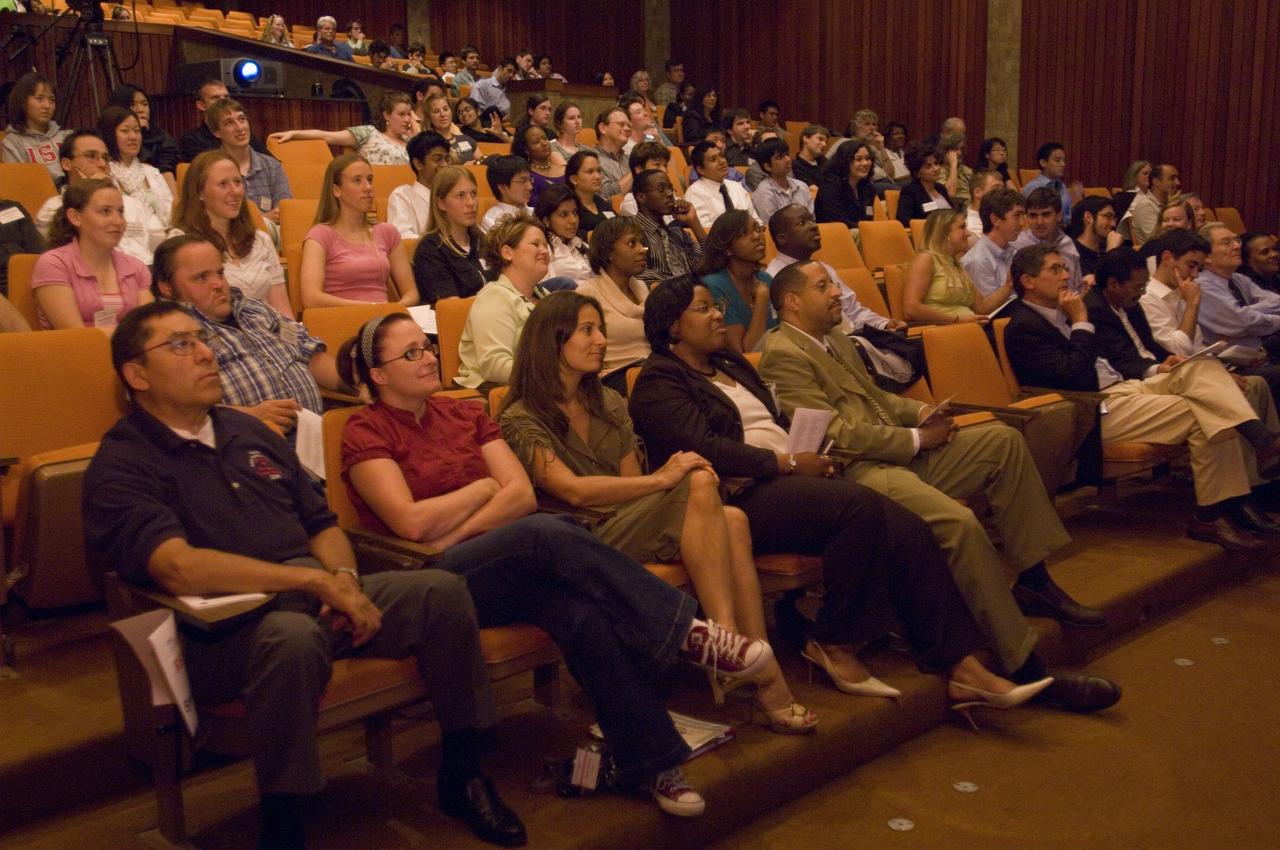
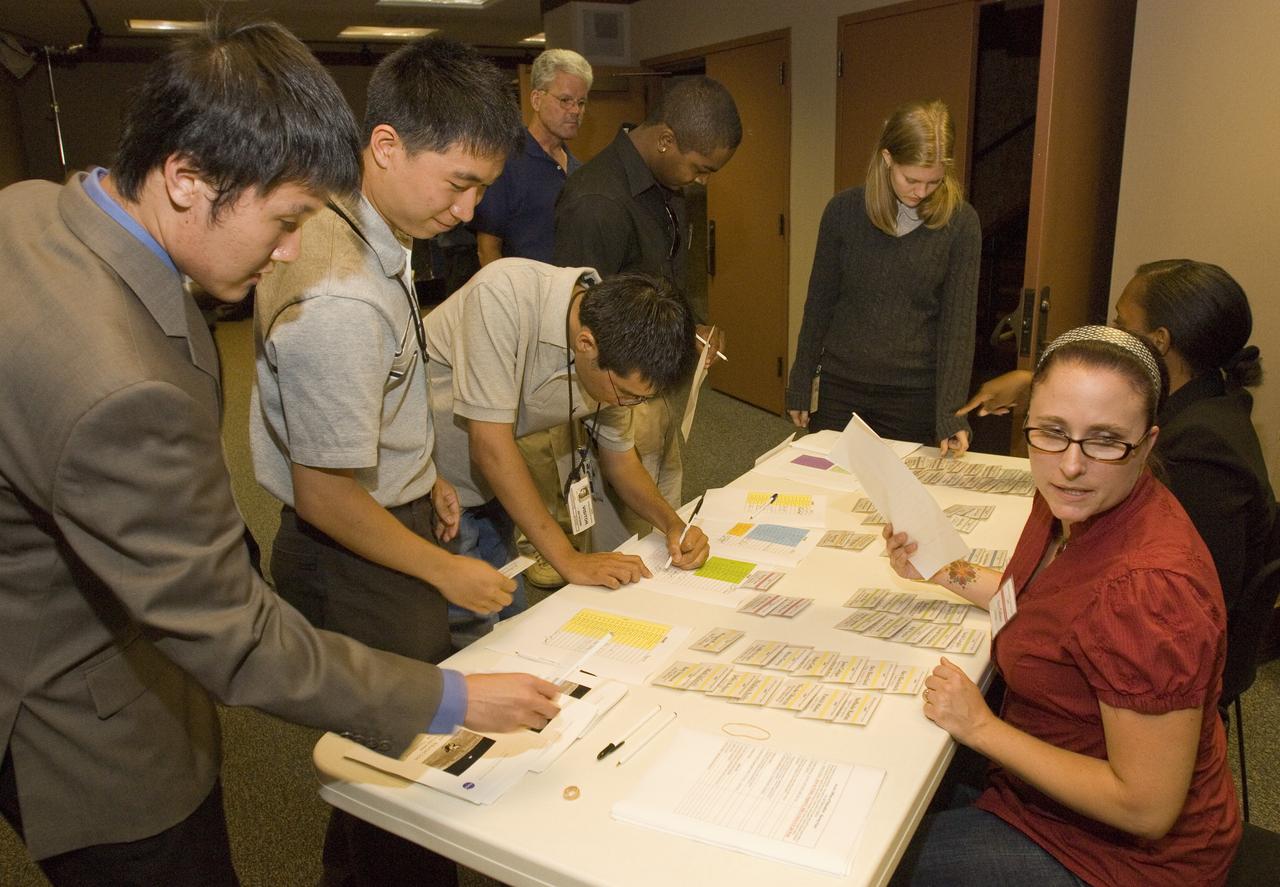
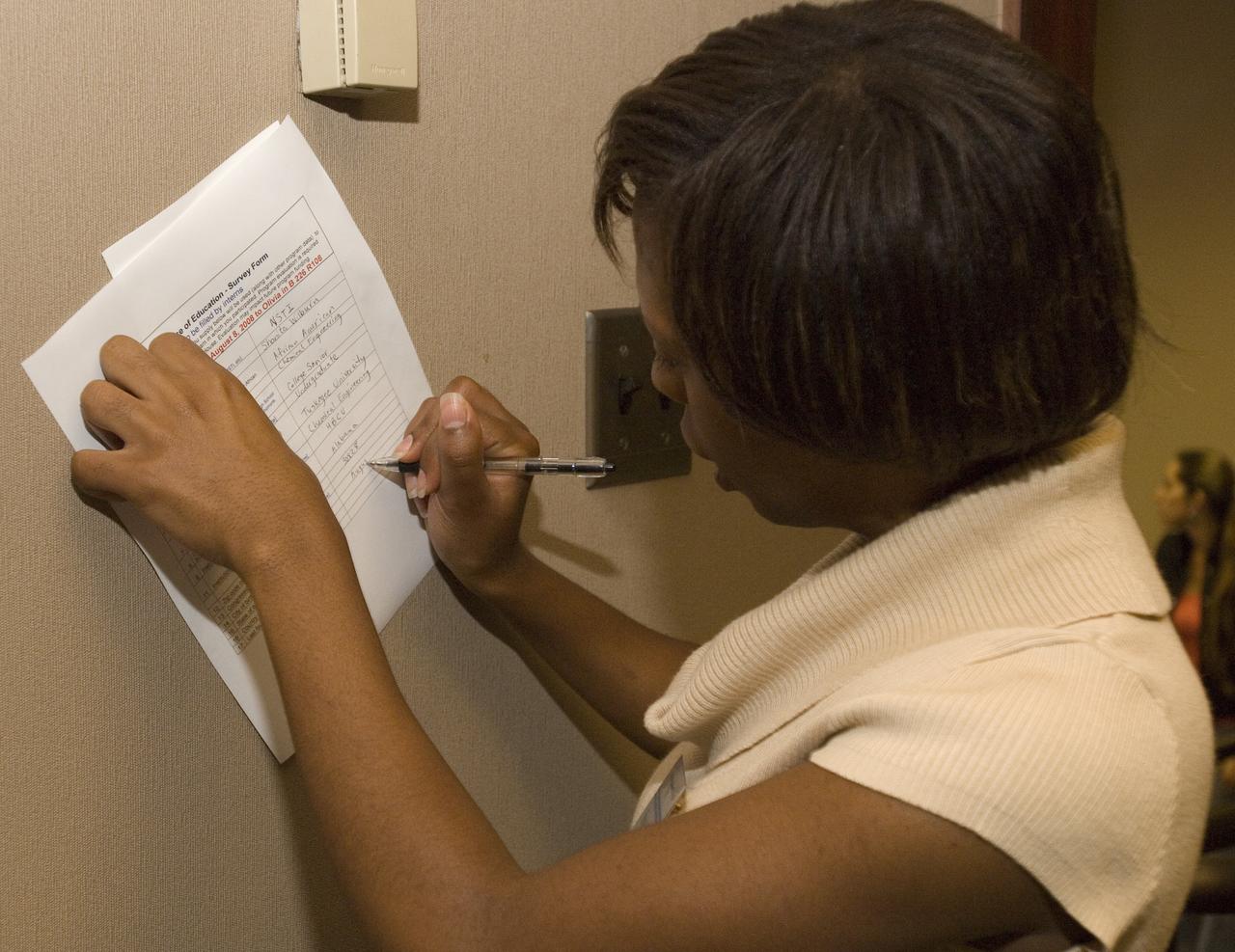
Summer Internship for 2008 closing ceremony students enjoying the receptionon in lobby of the Ames Administration building N-200.
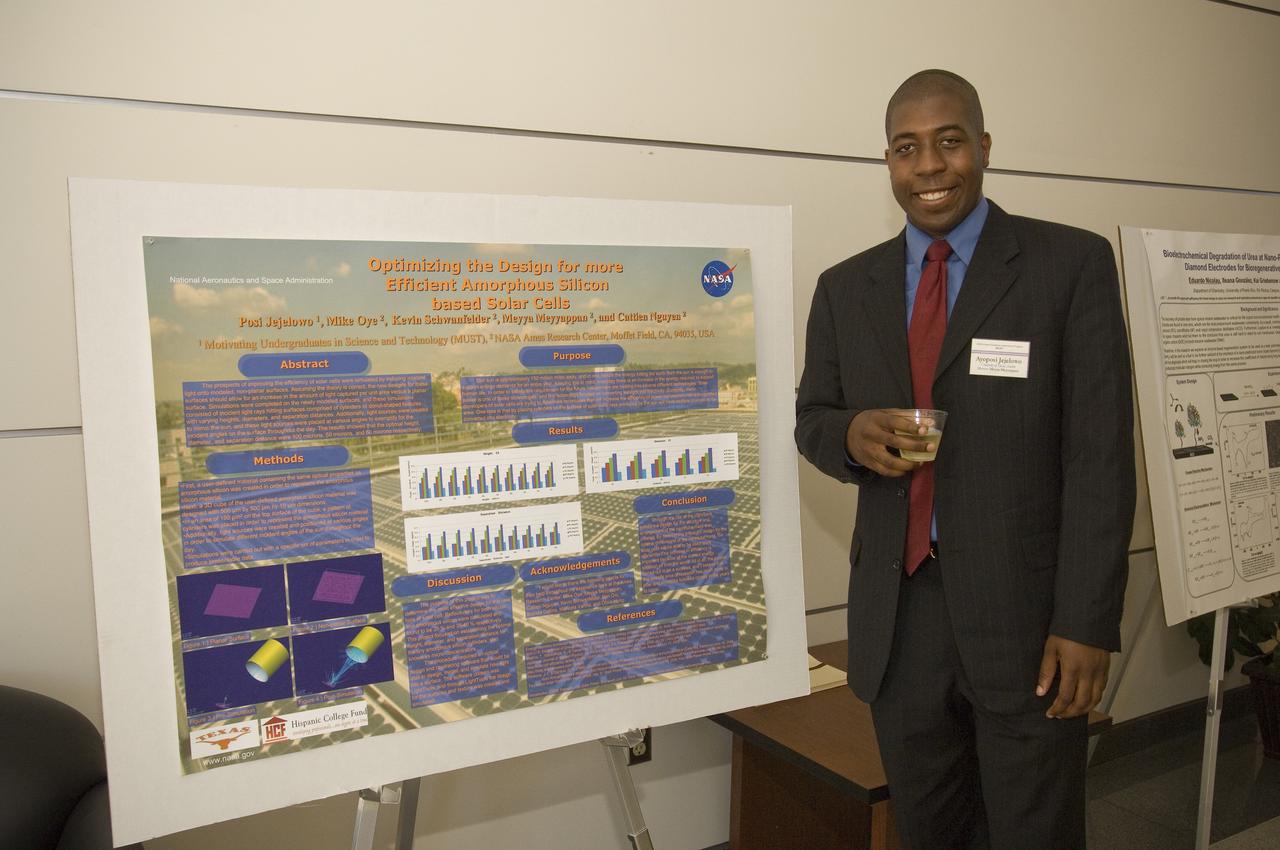
Summer Internship for 2008 closing ceremony students enjoying the receptionon in lobby of the Ames Administration building N-200.
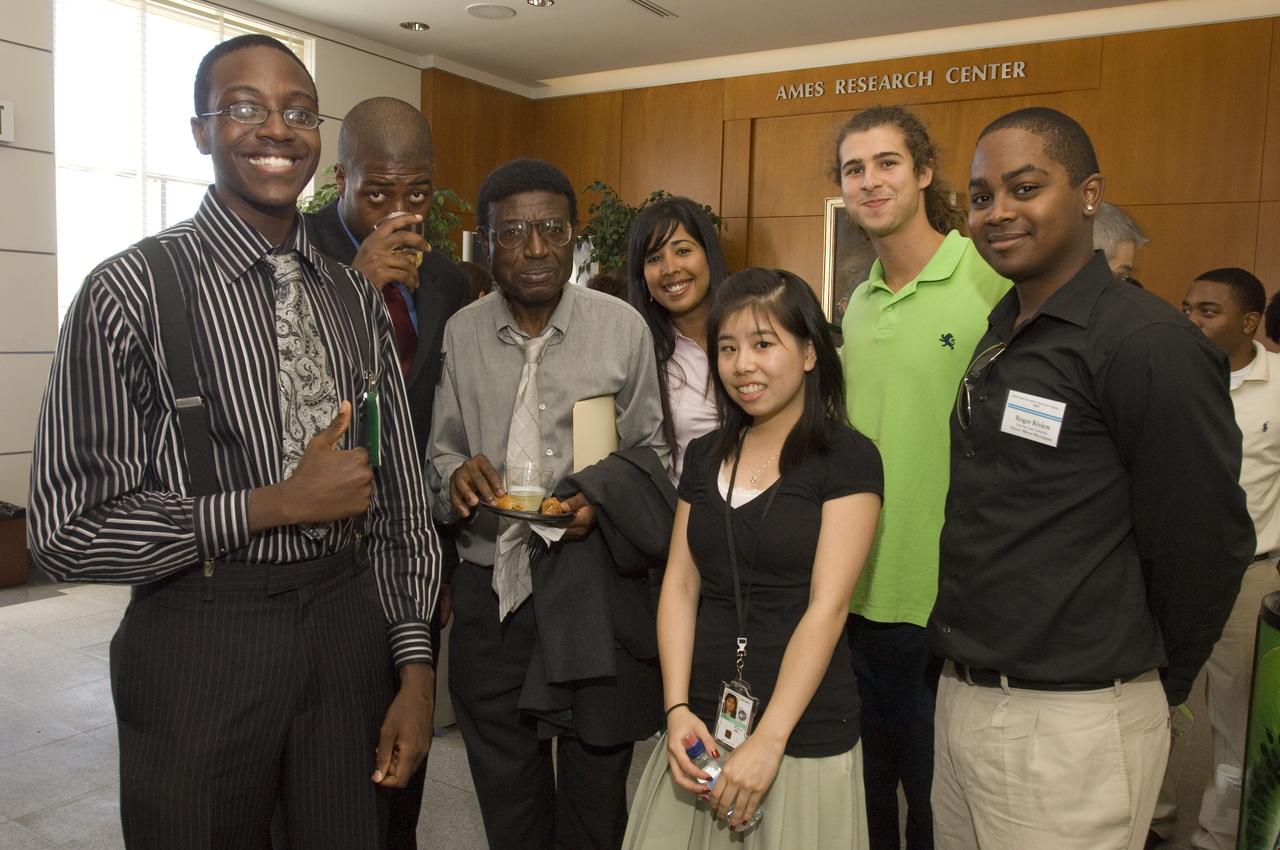
Summer Internship for 2008 closing ceremony students enjoying the receptionon in lobby of the Ames Administration building N-200.
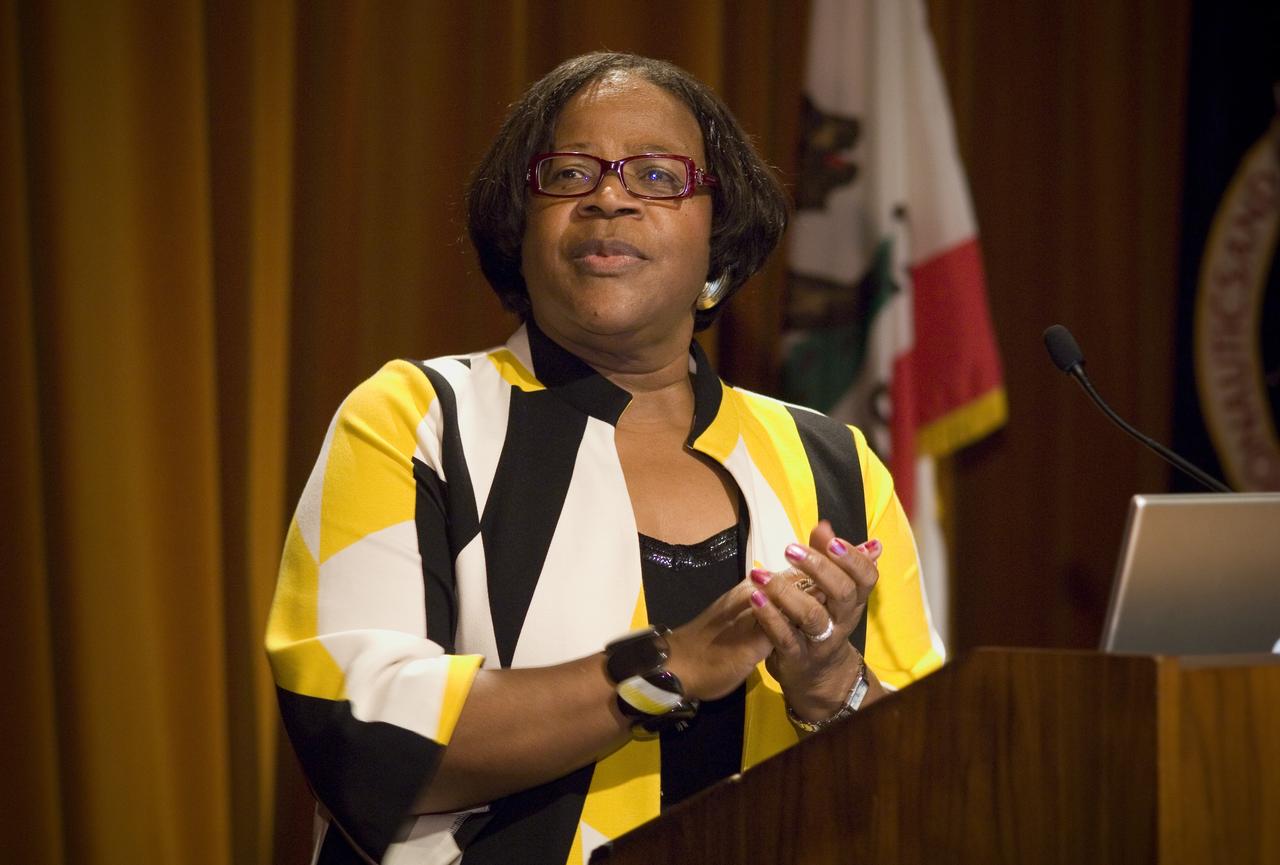
Summer Internship for 2008 closing ceremony: Keynote Speaker Dr Mabel Matthews, Higher Education Manager
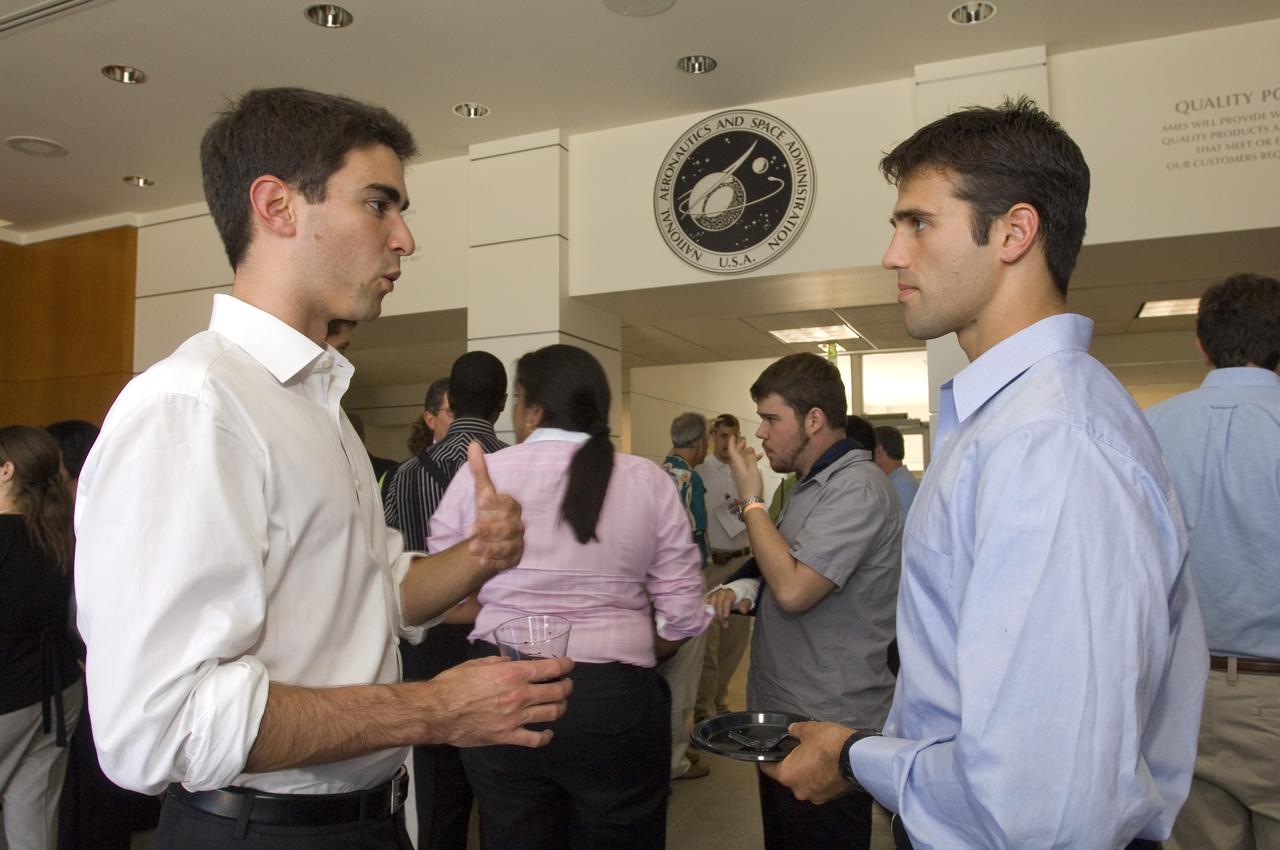
Summer Internship for 2008 closing ceremony students enjoying the receptionon in lobby of the Ames Administration building N-200.

Summer Internship for 2008 closing ceremony: Welcome and introduction of programs by Brenda Collins, Ames High Educaiton Program Manager
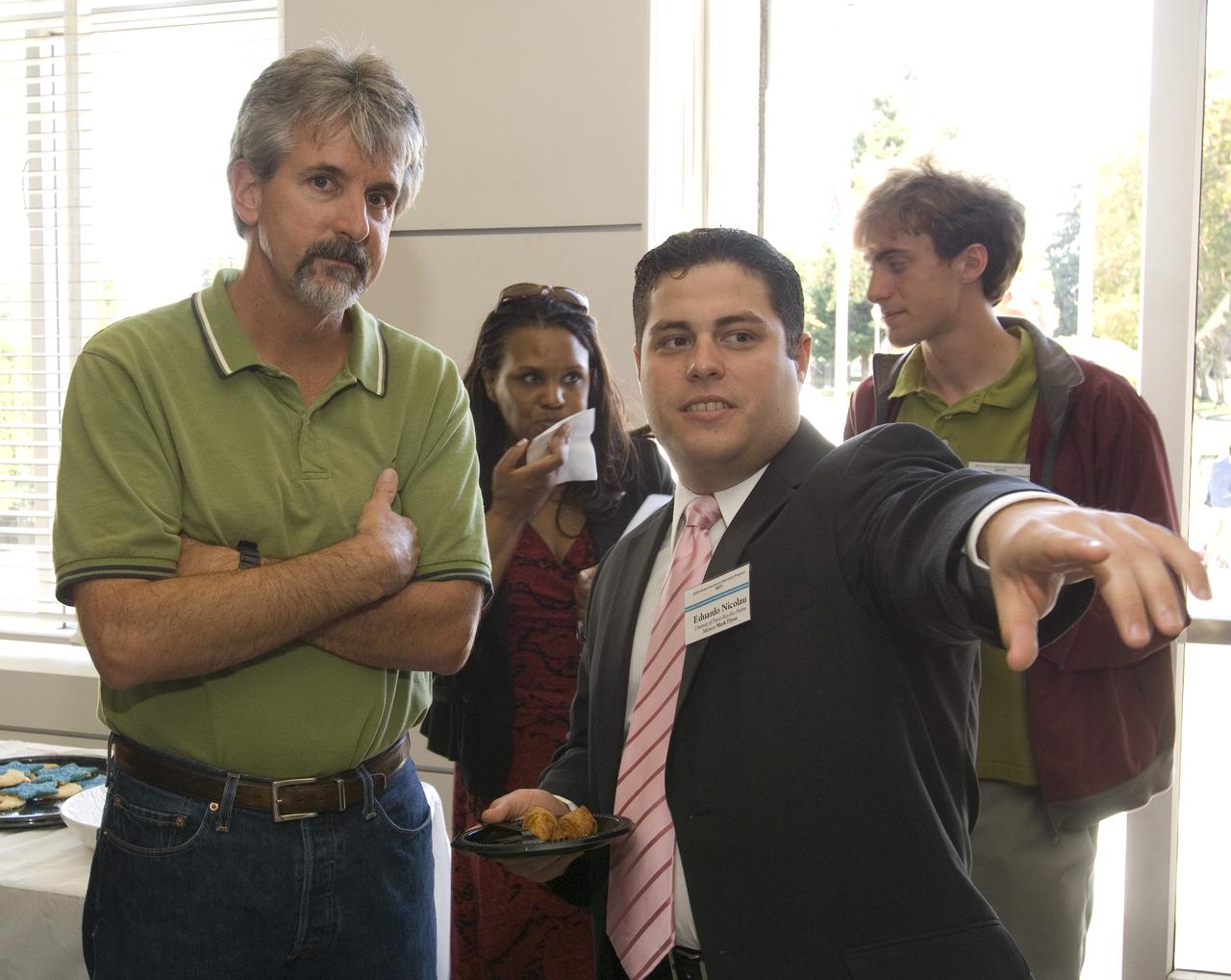
Summer Internship for 2008 closing ceremony students enjoying the receptionon in lobby of the Ames Administration building N-200.
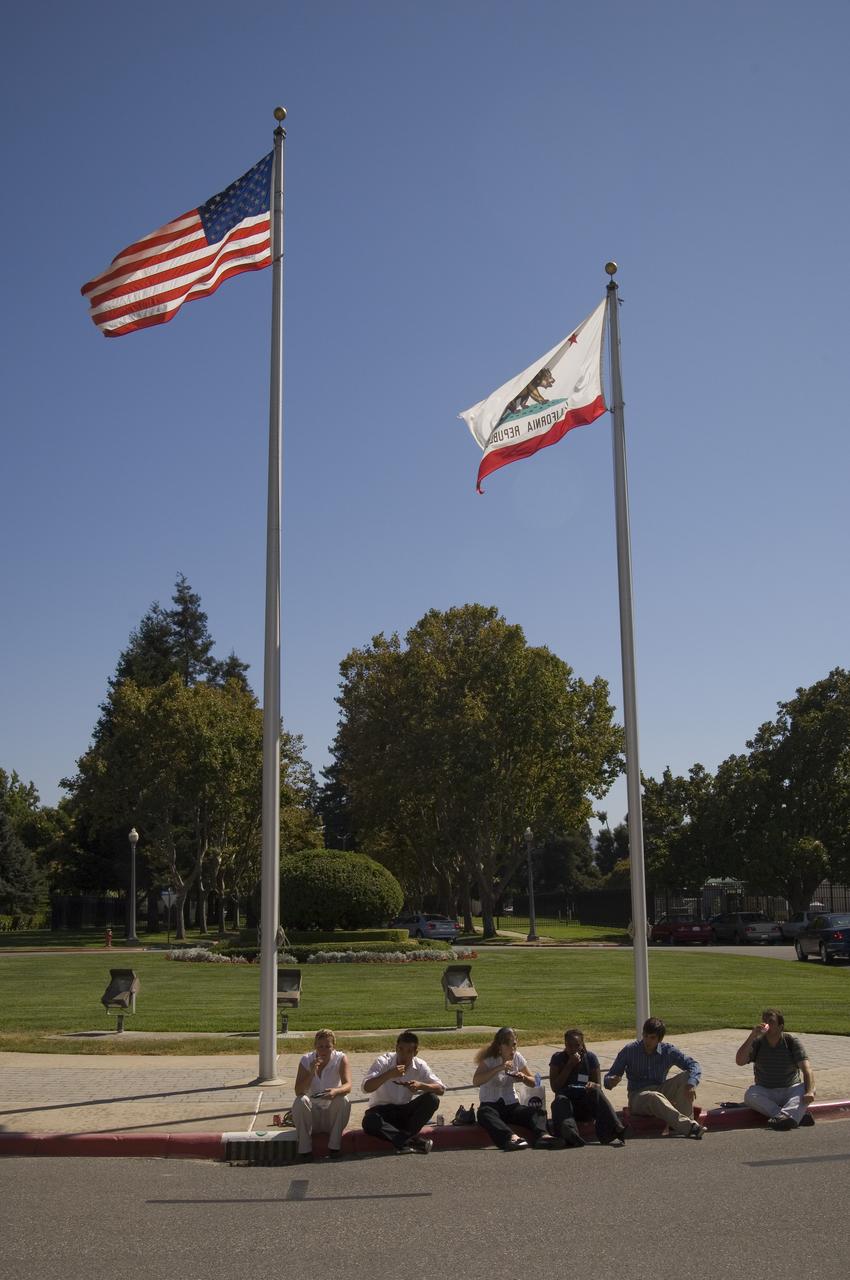
Summer Internship for 2008 closing ceremony; students on steps of the Ames Administration building N-200 enjoying the reception.
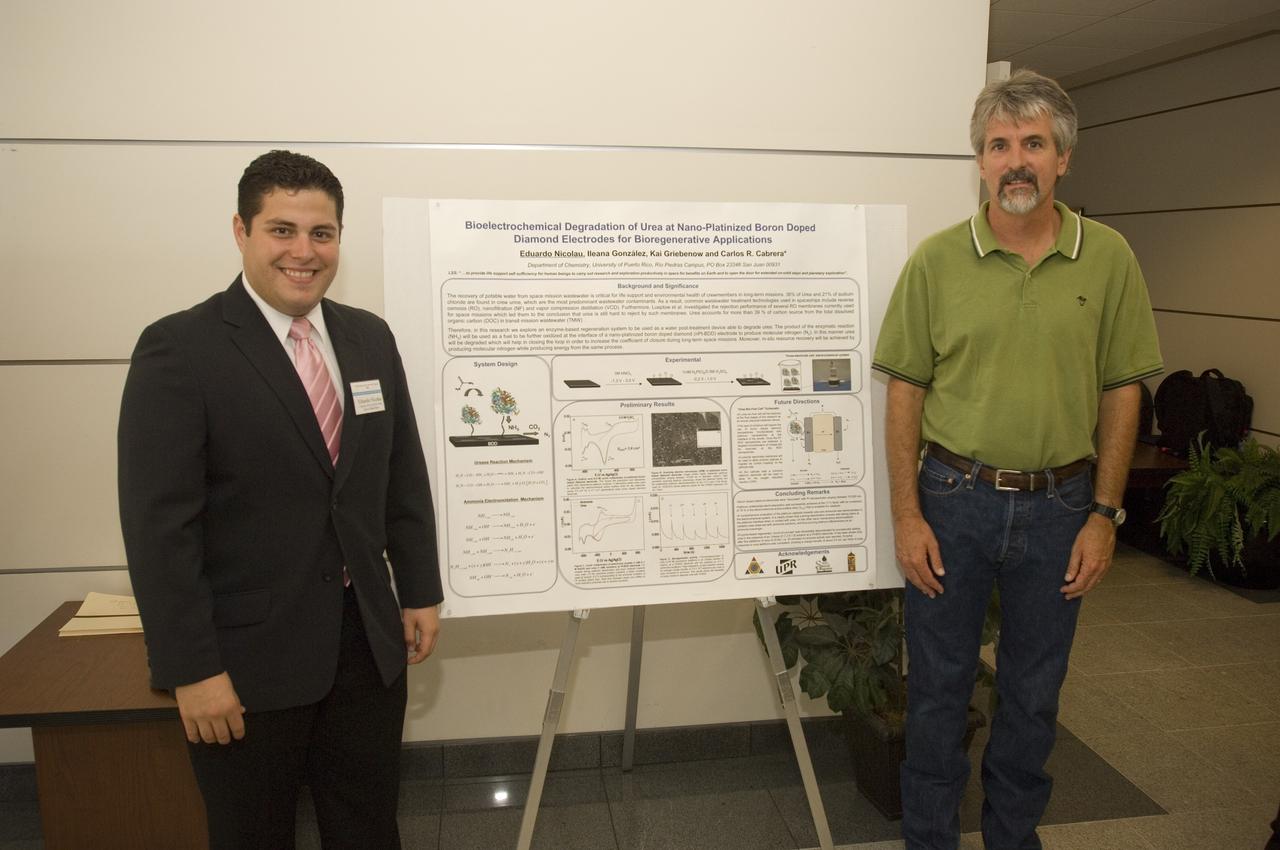
Summer Internship for 2008 closing ceremony students enjoying the receptionon in lobby of the Ames Administration building N-200.
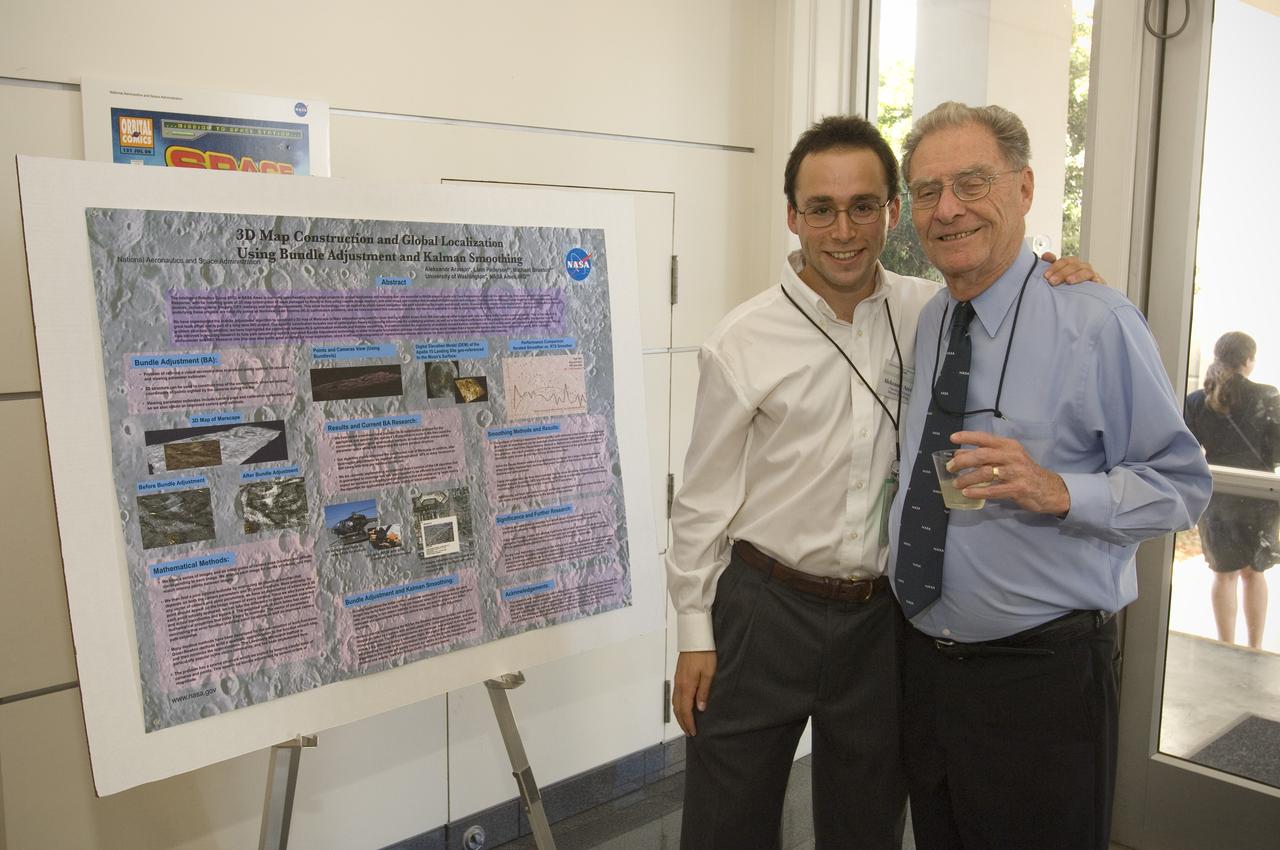
Summer Internship for 2008 closing ceremony students enjoying the receptionon in lobby of the Ames Administration building N-200.
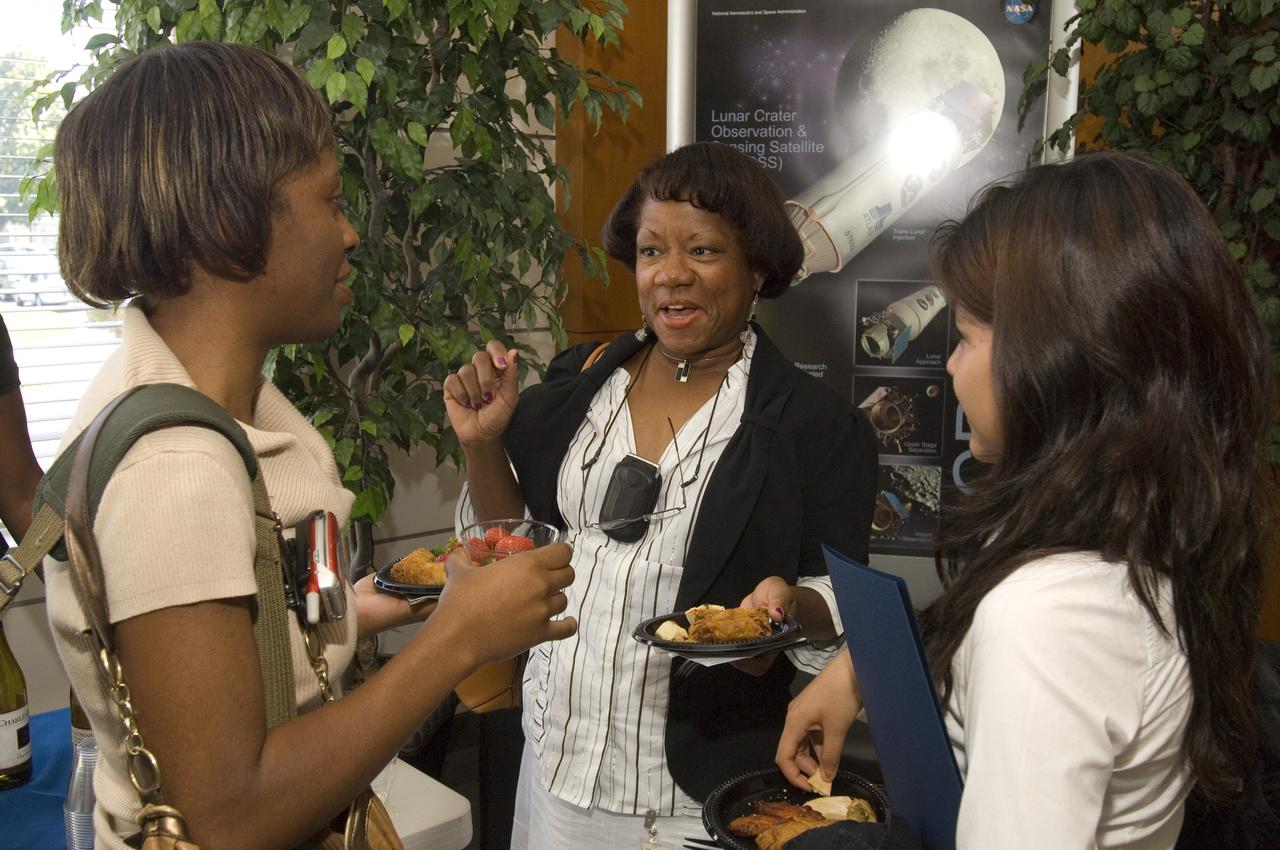
Summer Internship for 2008 closing ceremony students enjoying the receptionon in lobby of the Ames Administration building N-200.
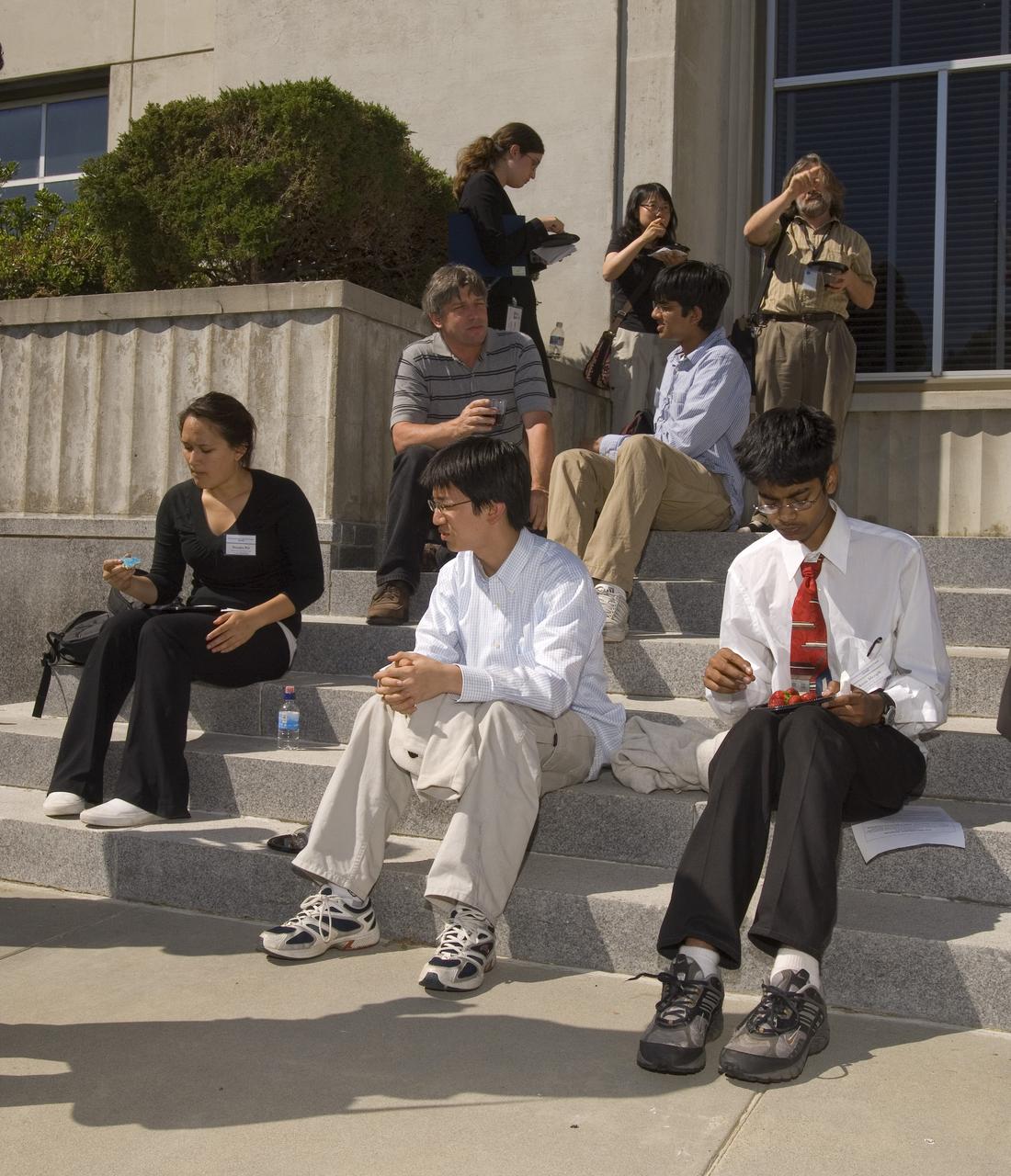
Summer Internship for 2008 closing ceremony; students on steps of the Ames Administration building N-200 enjoying the reception.
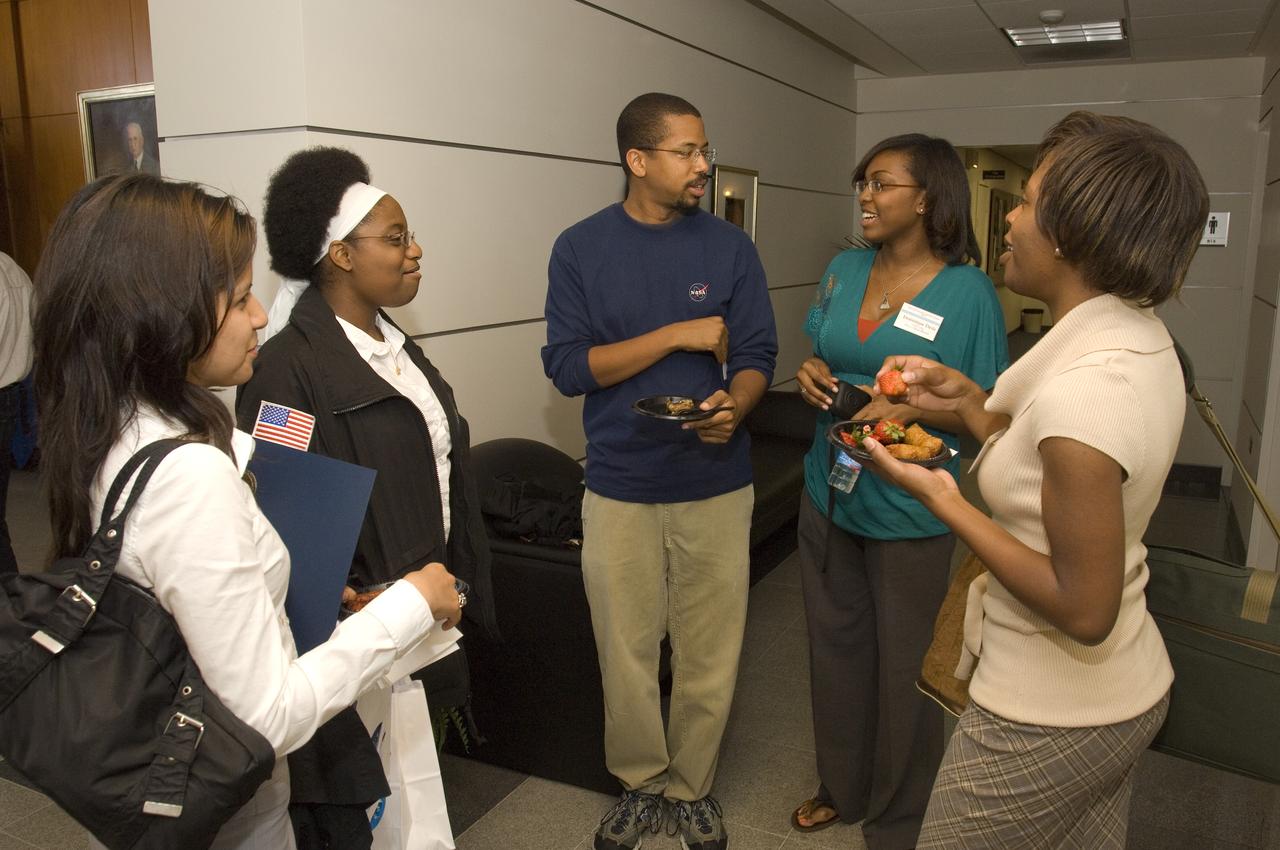
Summer Internship for 2008 closing ceremony students enjoying the receptionon in lobby of the Ames Administration building N-200.
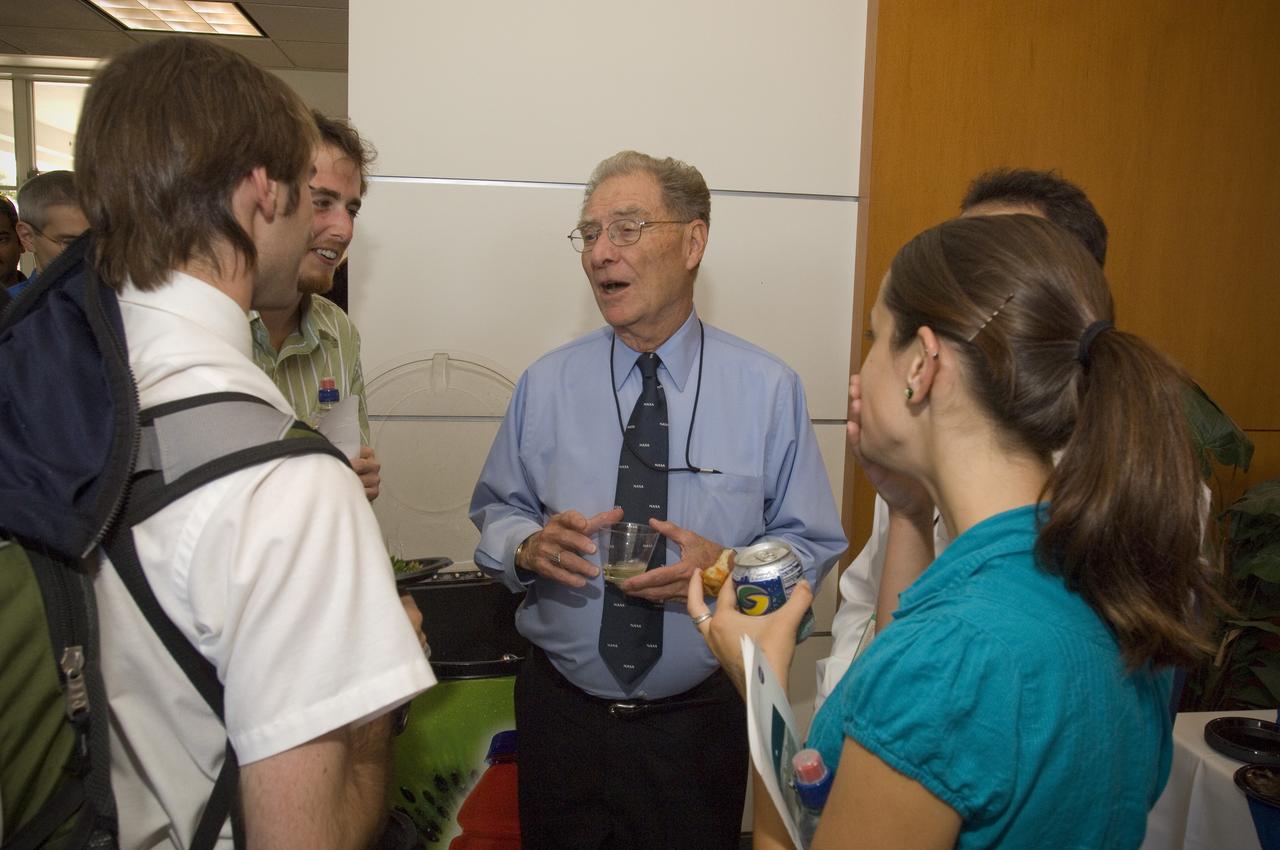
Summer Internship for 2008 closing ceremony students enjoying the receptionon in lobby of the Ames Administration building N-200.
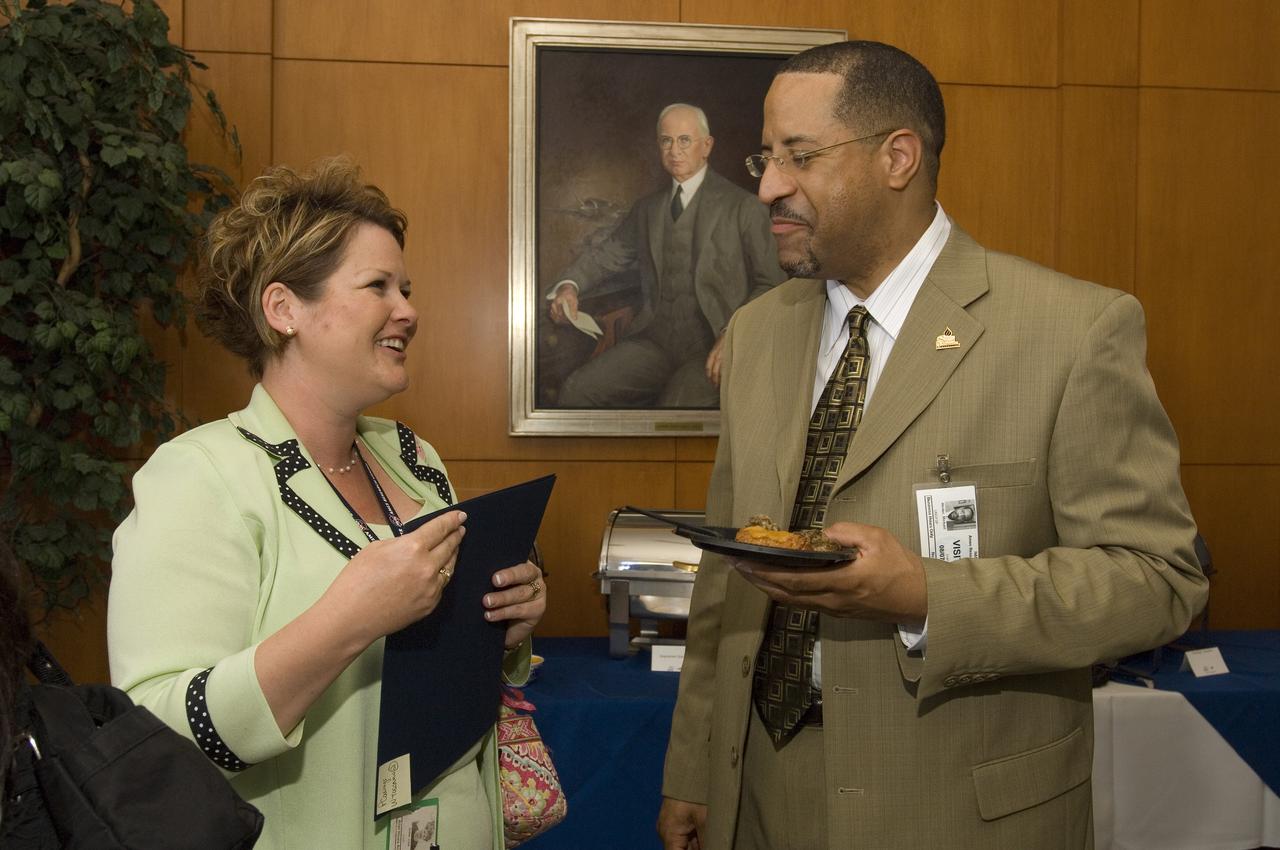
Summer Internship for 2008 closing ceremony students enjoying the receptionon in lobby of the Ames Administration building N-200.
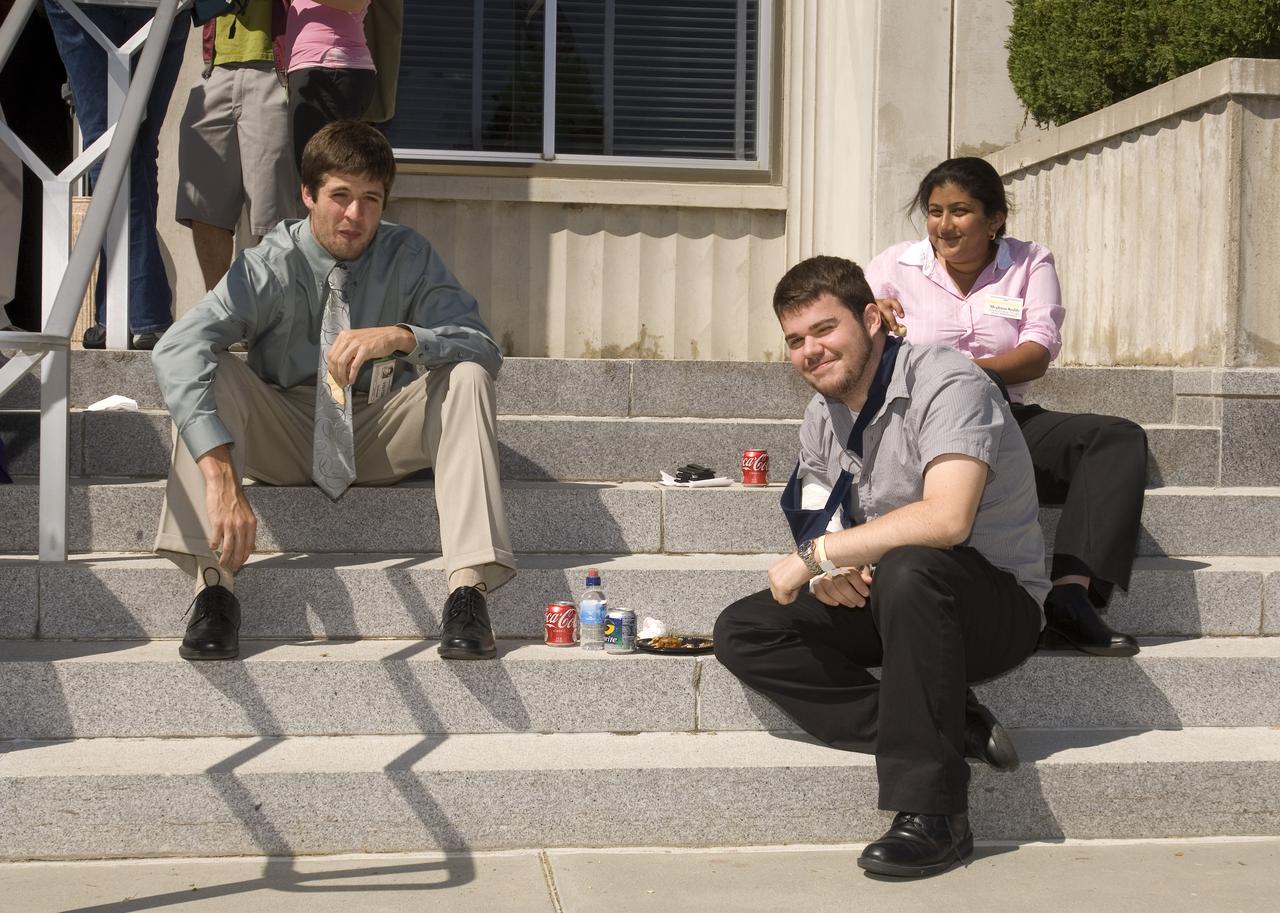
Summer Internship for 2008 closing ceremony; students on steps of the Ames Administration building N-200 enjoying the reception.
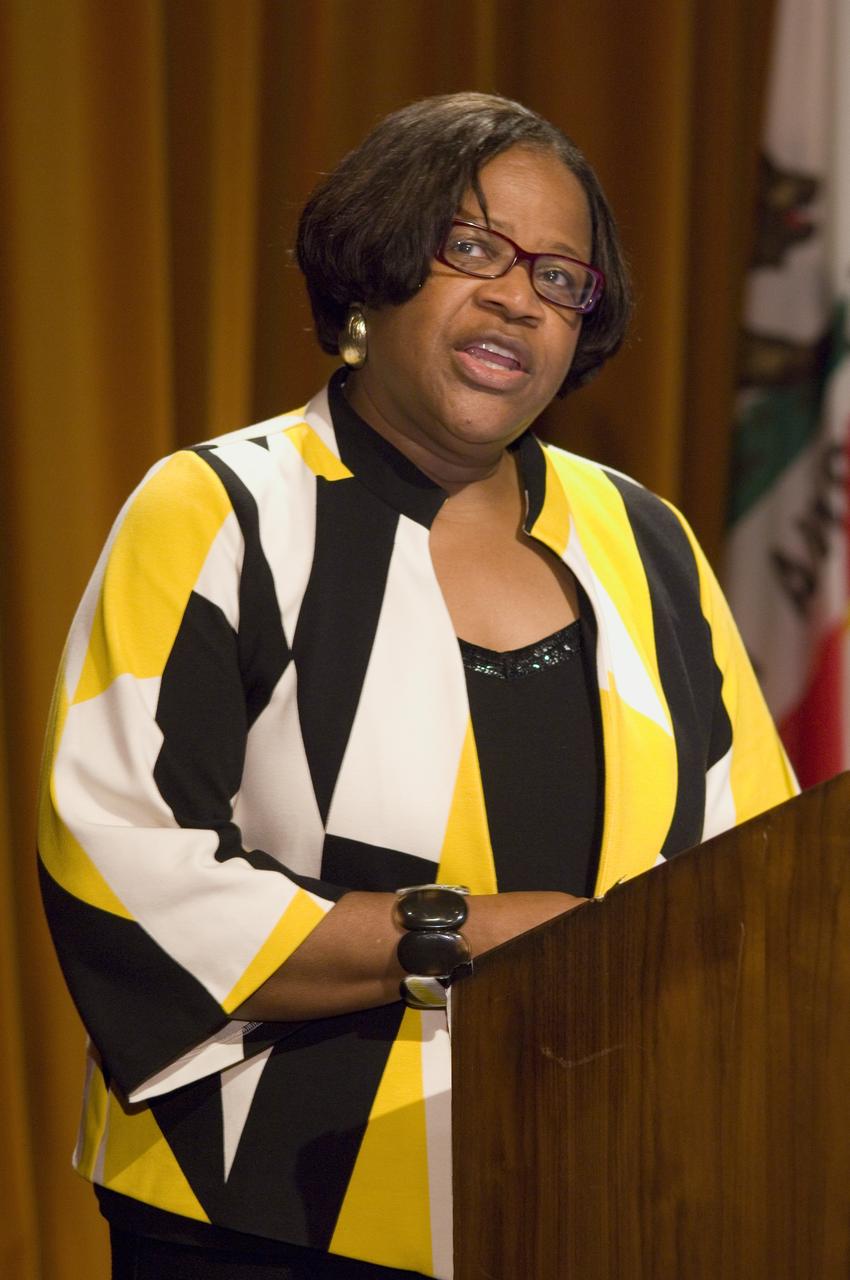
Summer Internship for 2008 closing ceremony: Keynote Speaker Dr Mabel Matthews, Higher Education Manager

Summer Internship for 2008 closing ceremony students enjoying the receptionon in lobby of the Ames Administration building N-200.
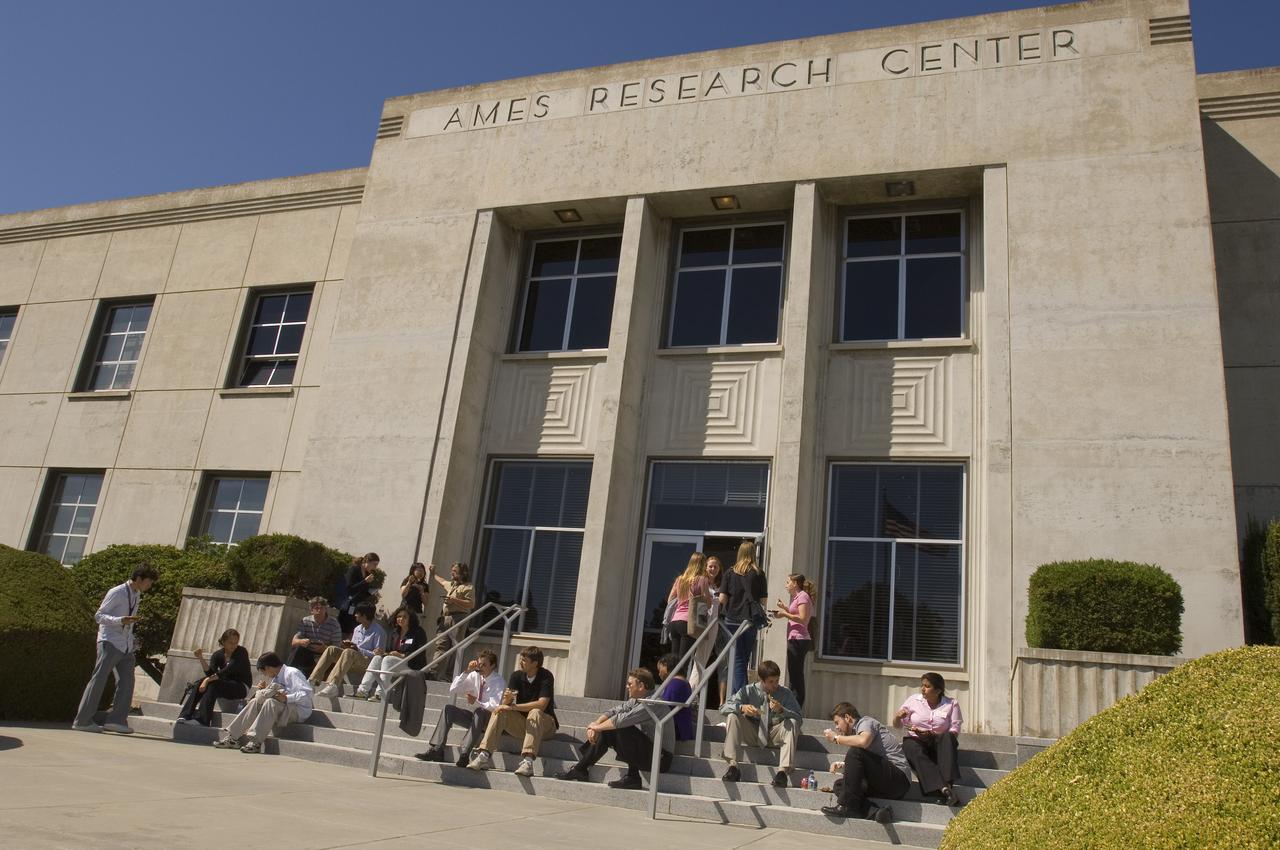
Summer Internship for 2008 closing ceremony; students on steps of the Ames Administration building N-200 enjoying the reception.
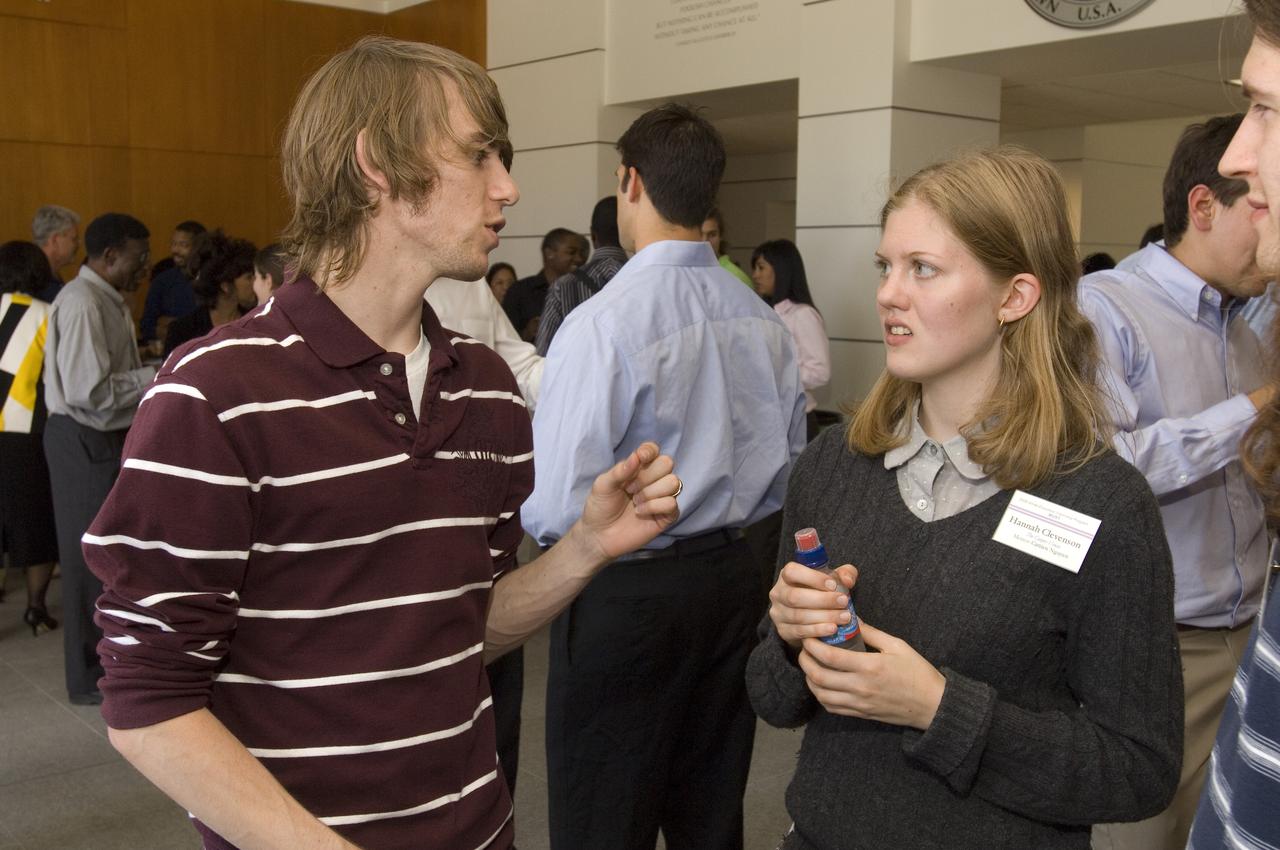
Summer Internship for 2008 closing ceremony students enjoying the receptionon in lobby of the Ames Administration building N-200.
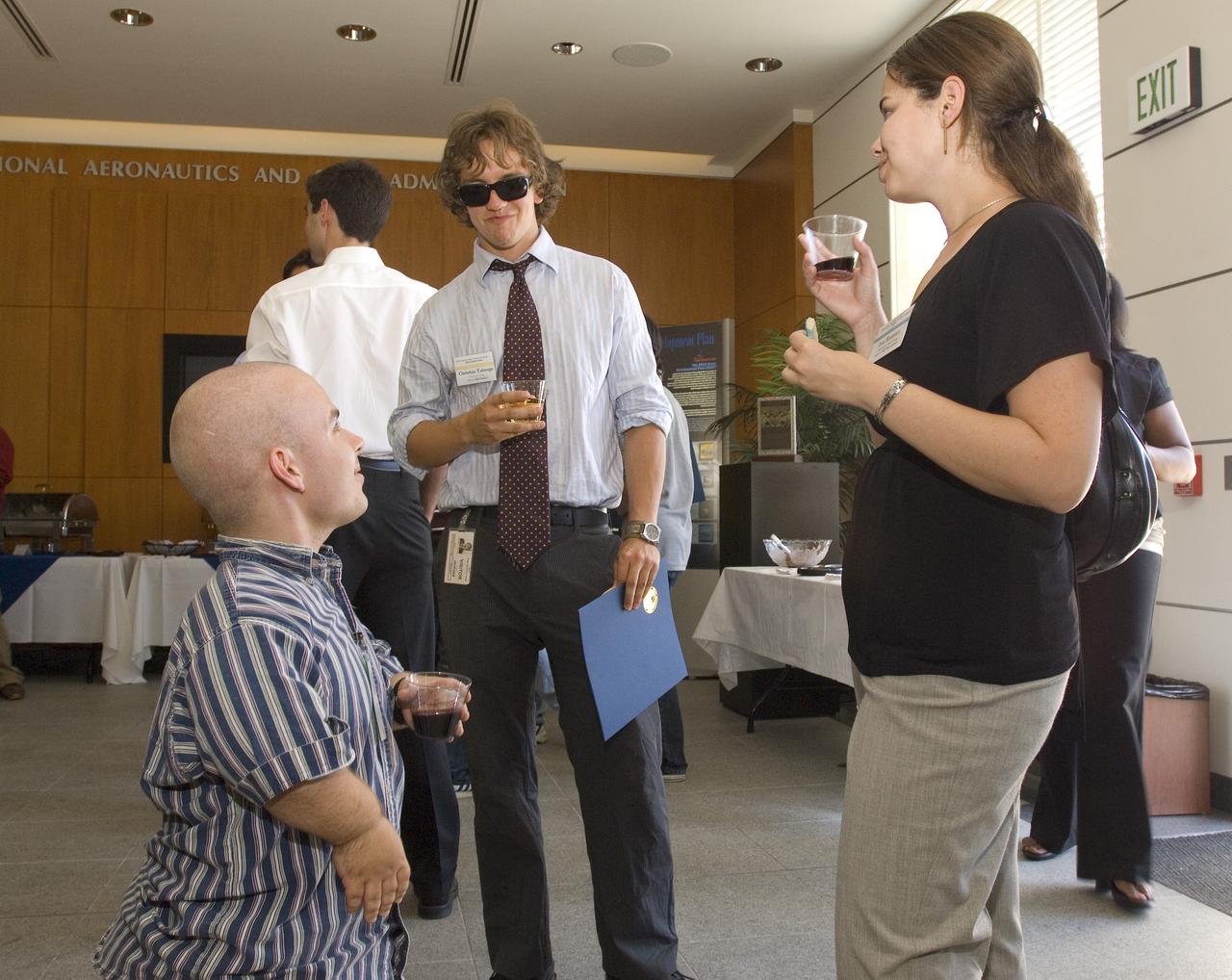
Summer Internship for 2008 closing ceremony students enjoying the receptionon in lobby of the Ames Administration building N-200.
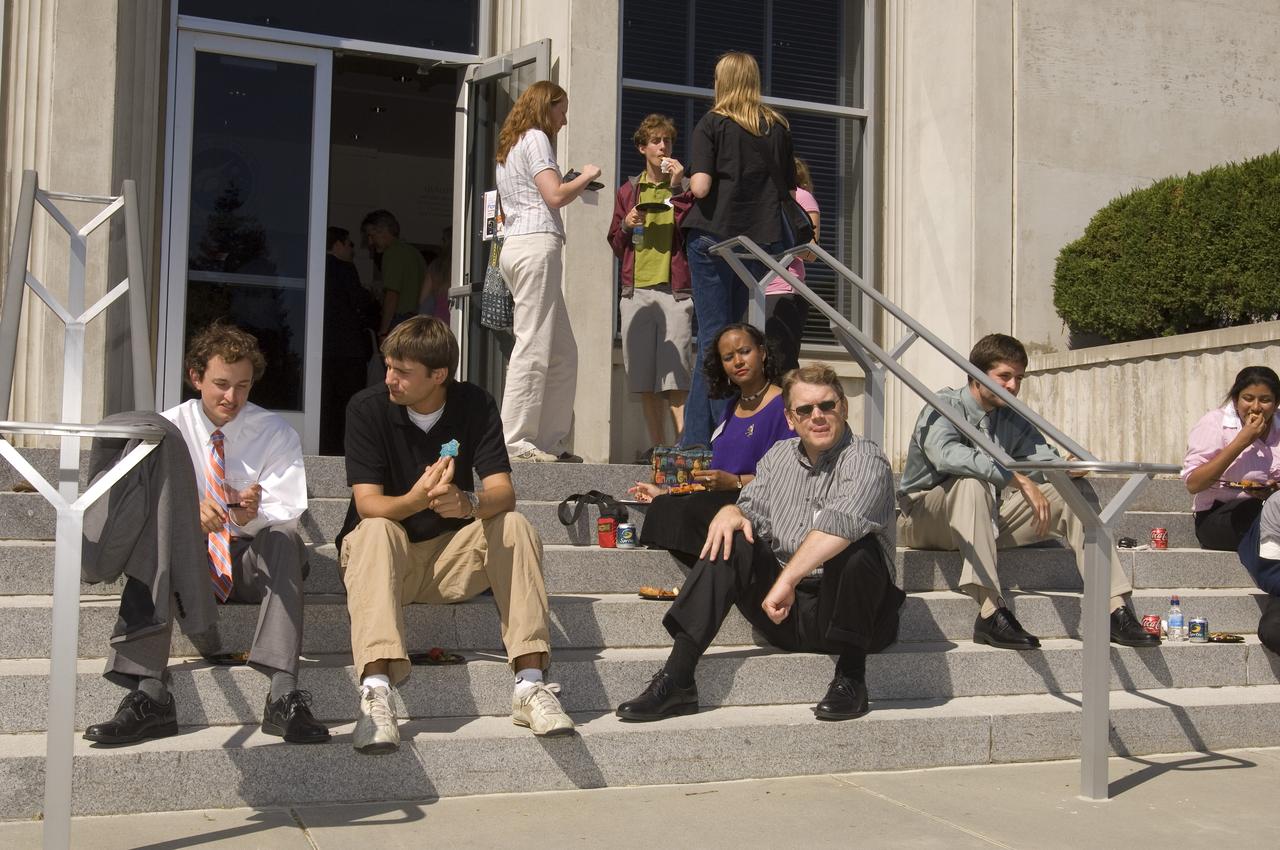
Summer Internship for 2008 closing ceremony; students on steps of the Ames Administration building N-200 enjoying the reception.
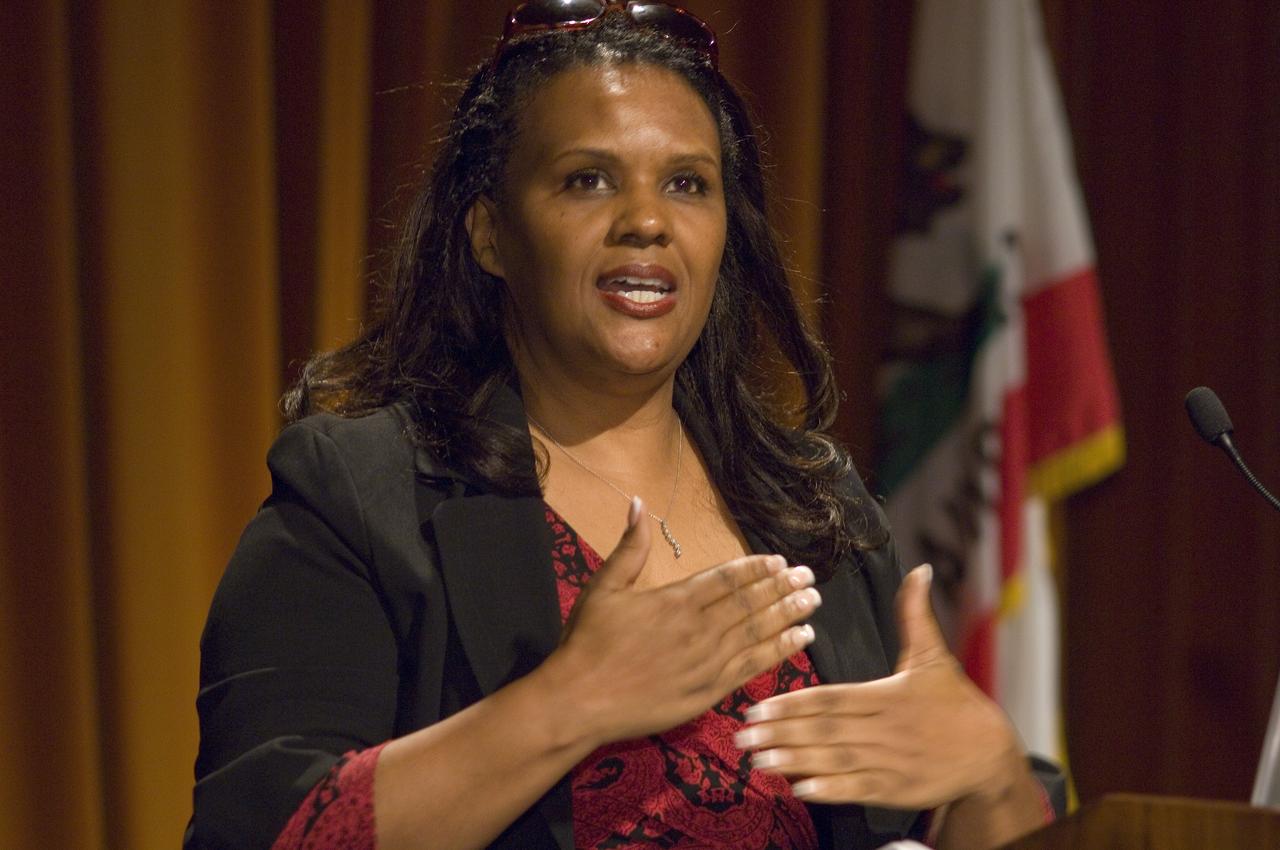
Summer Internship for 2008 closing ceremony: Welcome and introduction of programs by Brenda Collins, Ames High Educaiton Program Manager
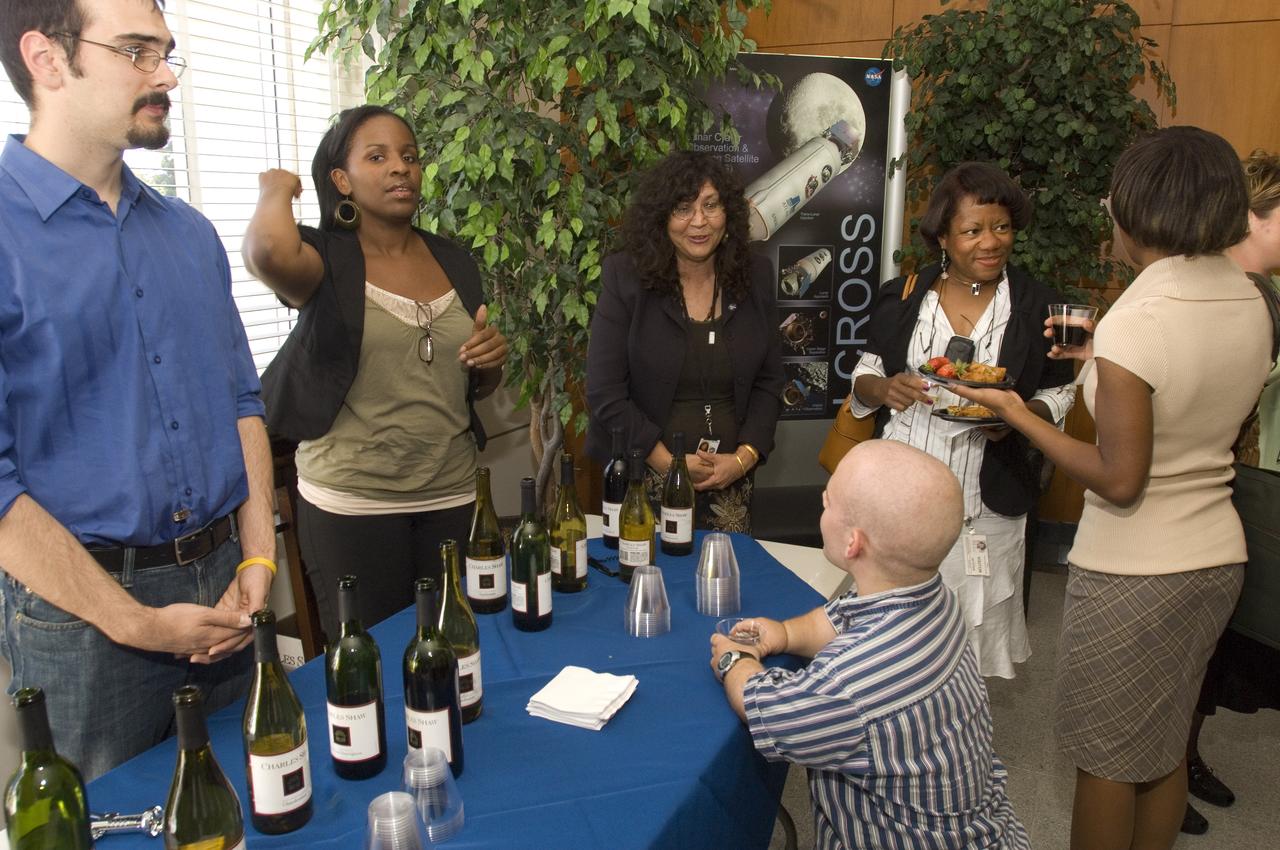
Summer Internship for 2008 closing ceremony students enjoying the receptionon in lobby of the Ames Administration building N-200.
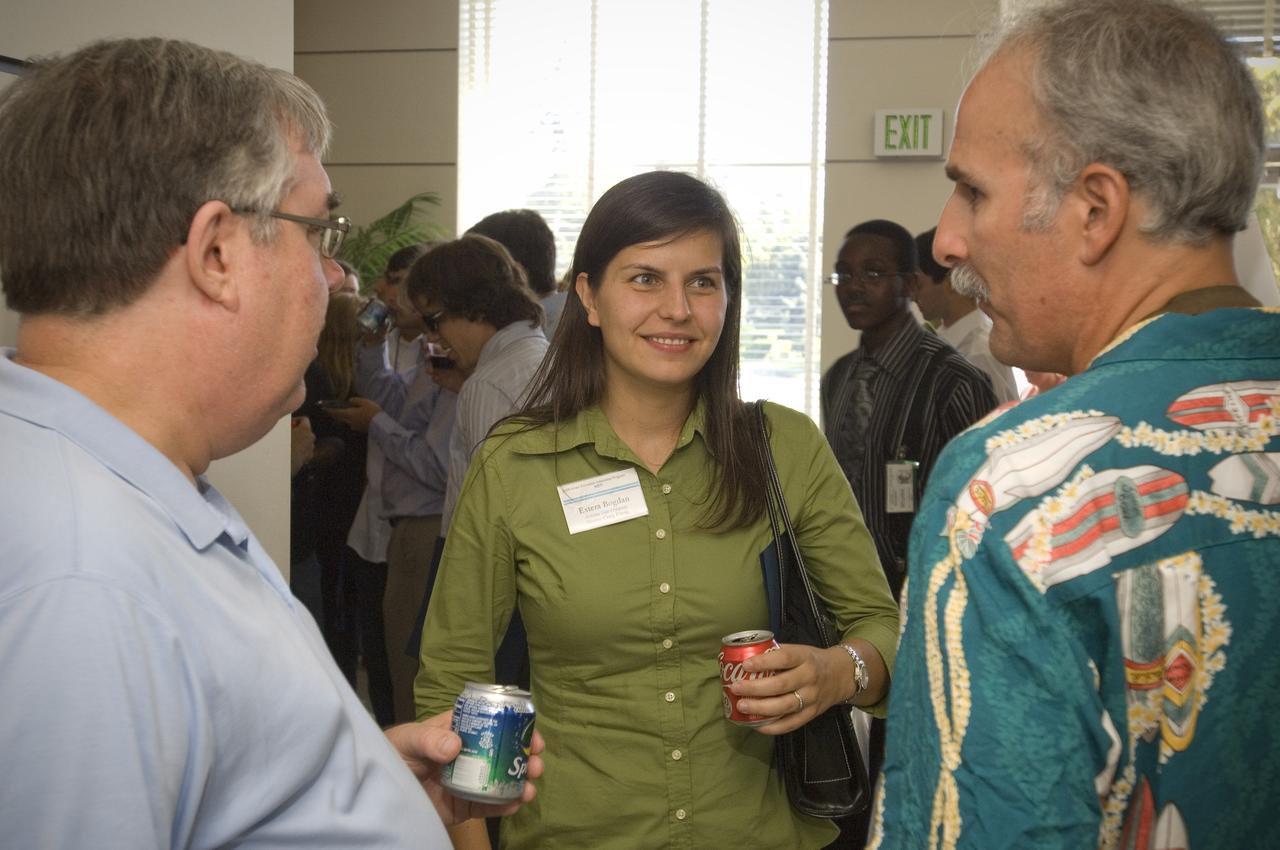
Summer Internship for 2008 closing ceremony students enjoying the receptionon in lobby of the Ames Administration building N-200.
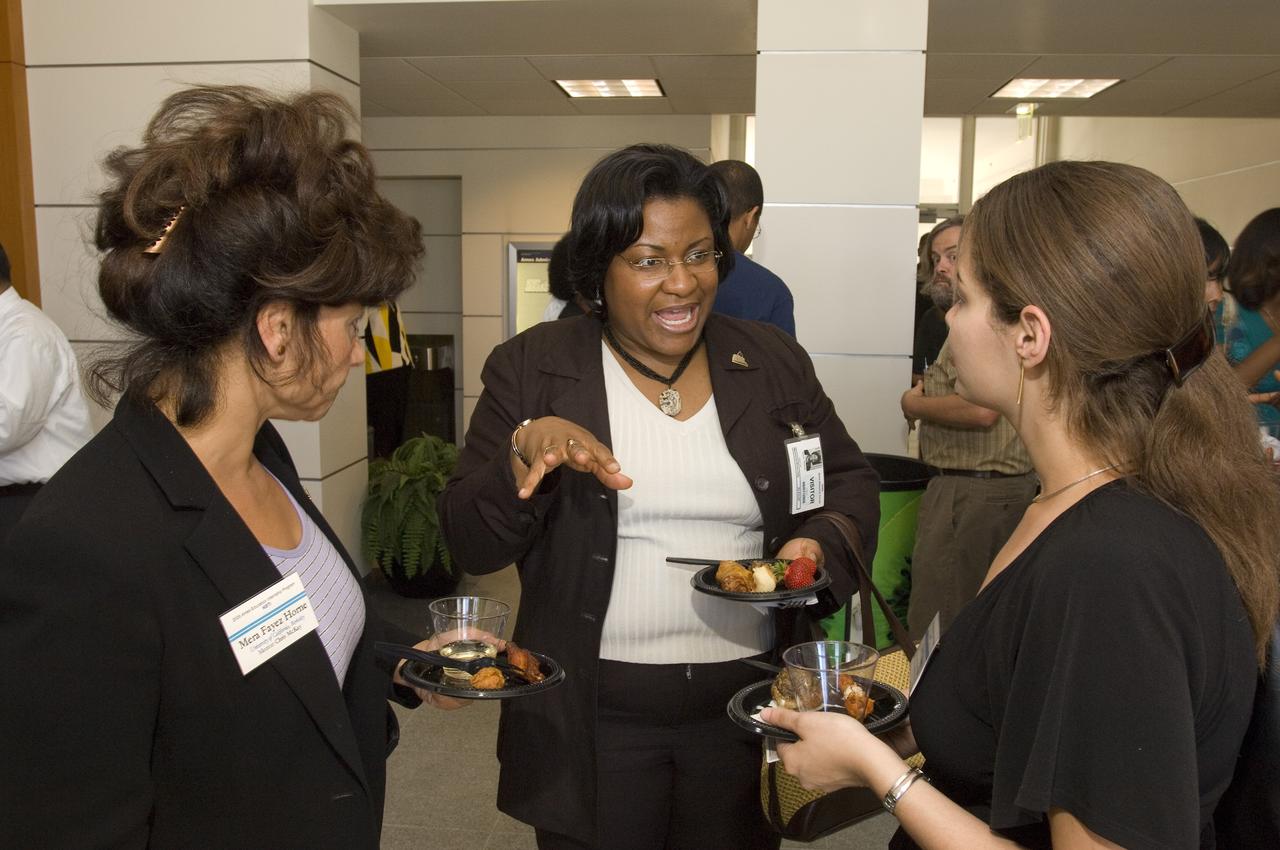
Summer Internship for 2008 closing ceremony students enjoying the receptionon in lobby of the Ames Administration building N-200.
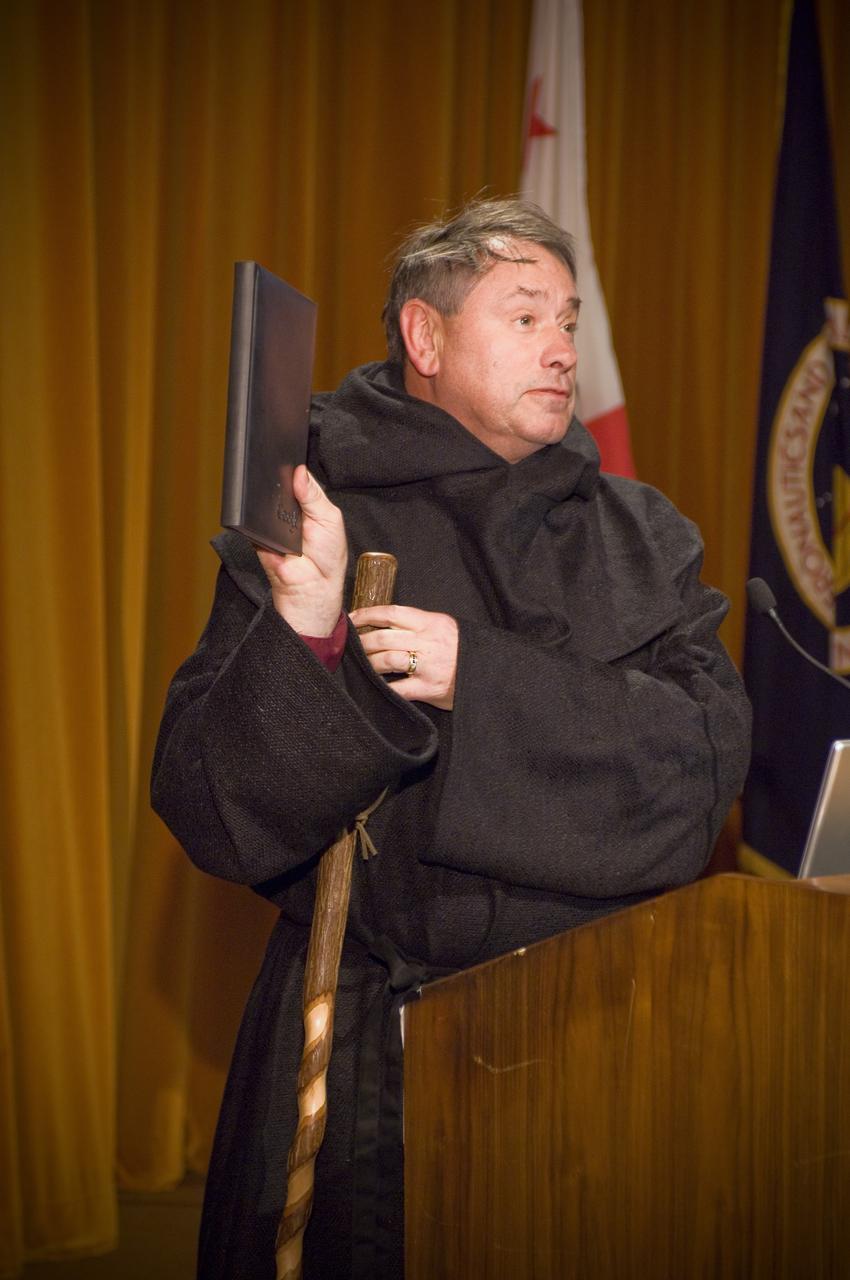
Summer Internship for 2008 closing ceremony: The reaper of Ames unfolds into the kindly sheppard Pete Worden Center Director to bids a farewell to the class of 2008.
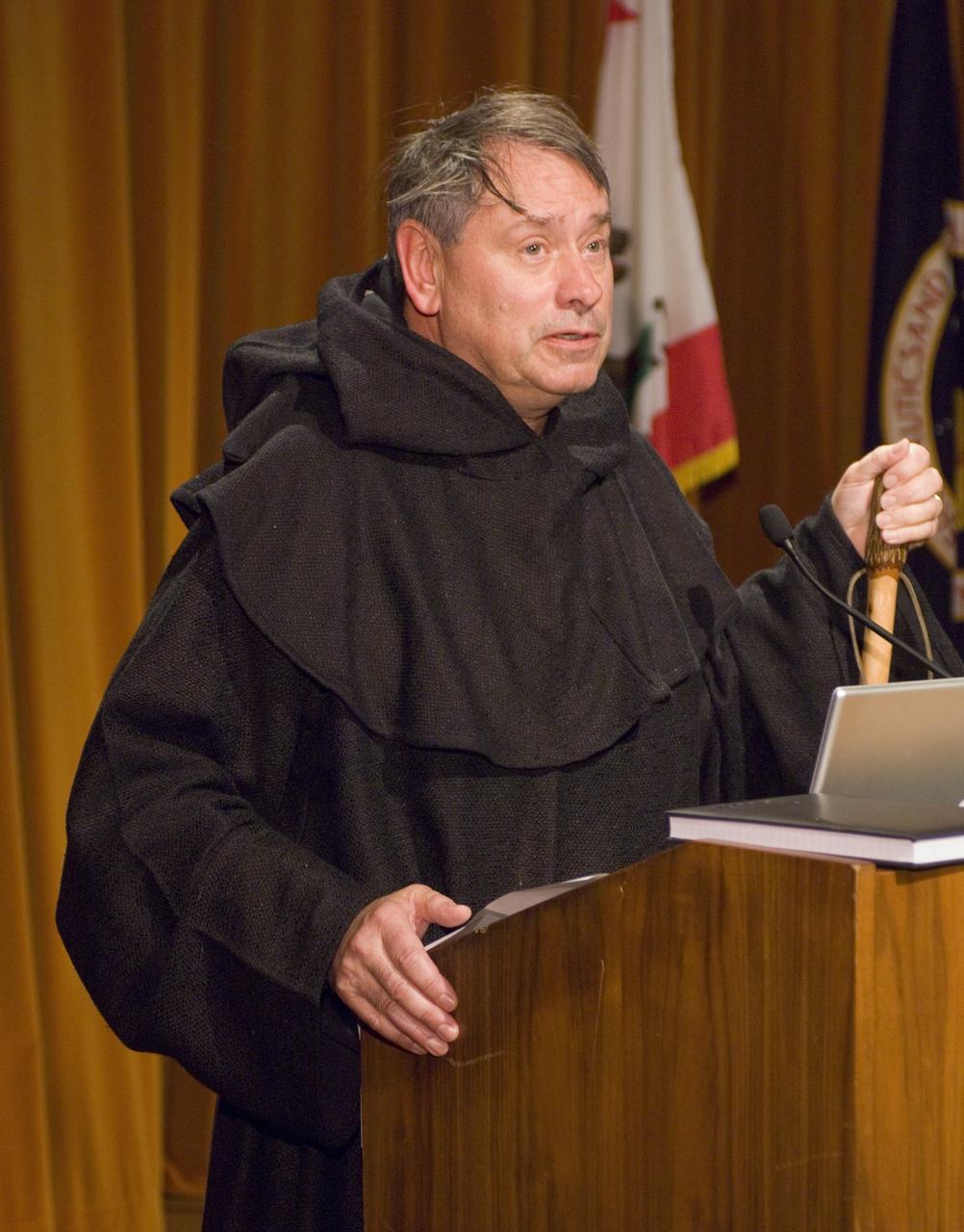
Summer Internship for 2008 closing ceremony: The reaper of Ames unfolds into the kindly sheppard Pete Worden Center Director to bids a farewell to the class of 2008.
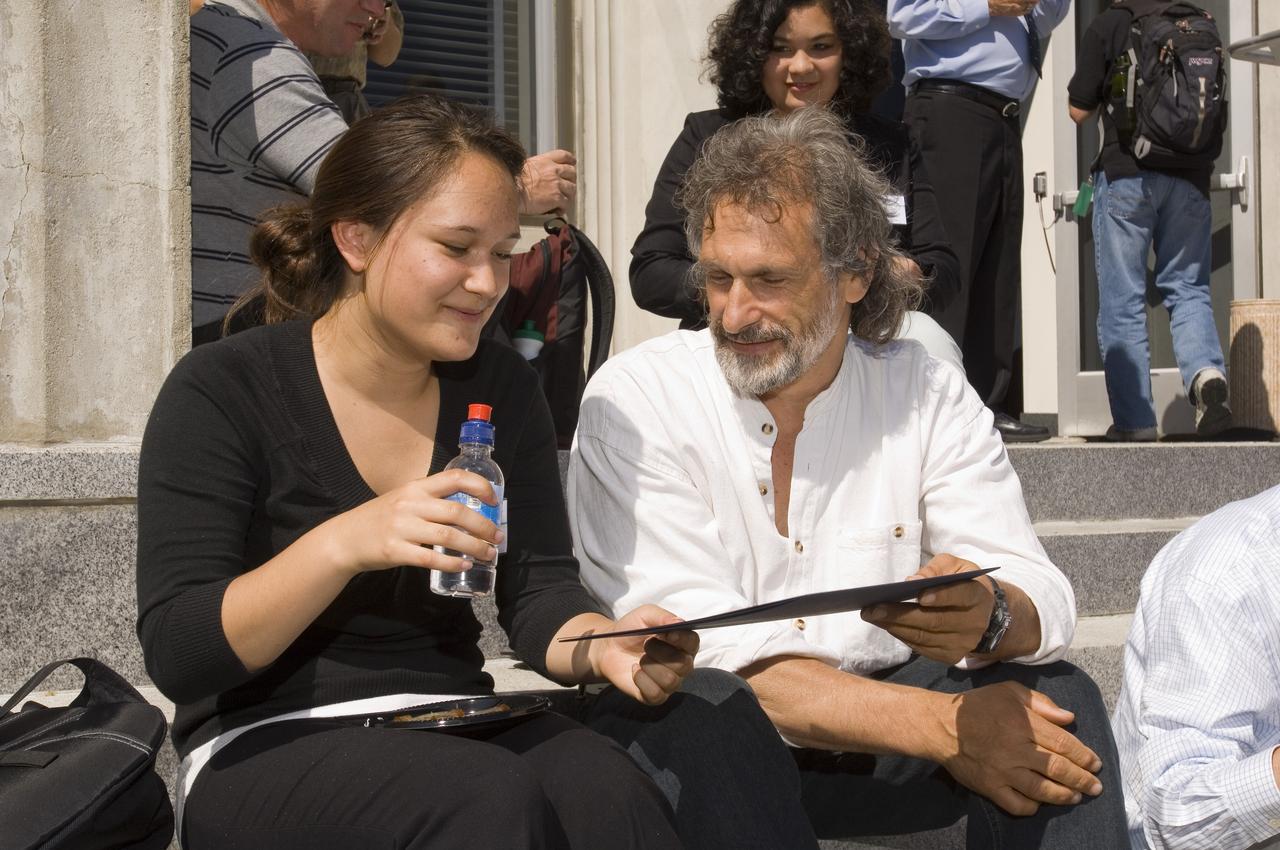
Summer Internship for 2008 closing ceremony: student with mentor Jonathan Trent on steps of the Ames Administration building N-200 enjoying the reception.
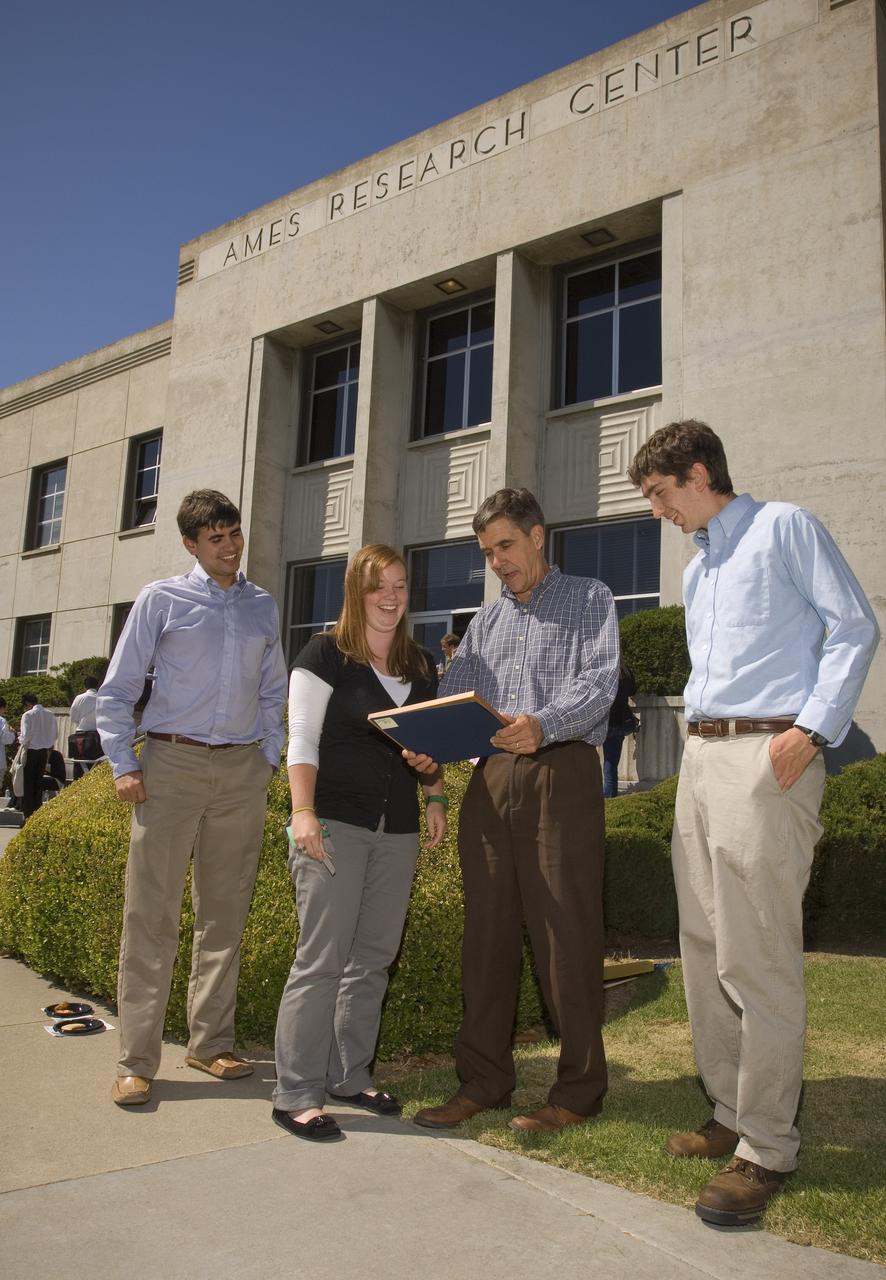
Summer Internship for 2008 closing ceremony: Juan Cjigas, Roseleith Taylor, William 'Bill' Warmbrodt (mentor) and Peter Caffin on steps of the Ames Administration building N-200.
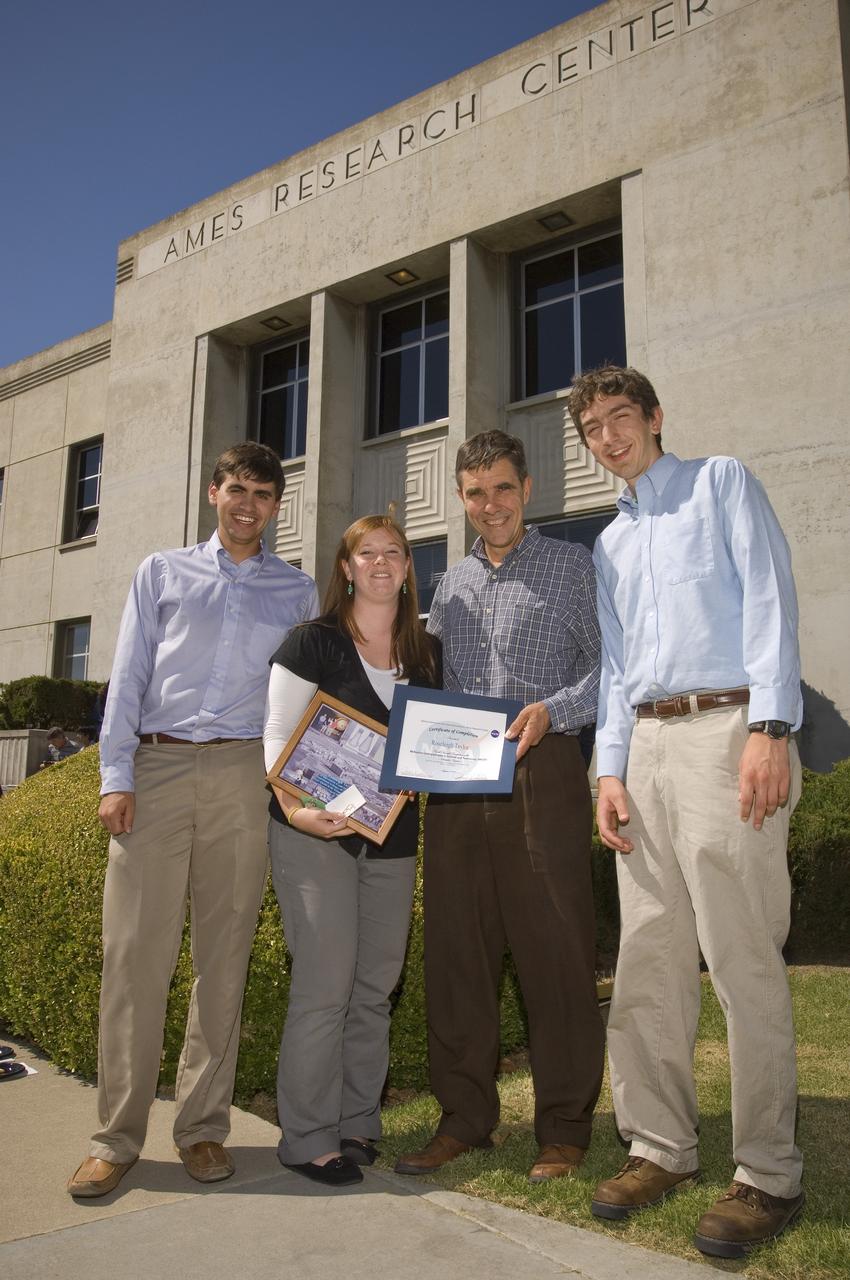
Summer Internship for 2008 closing ceremony: Juan Cjigas, Roseleith Taylor, William 'Bill' Warmbrodt (mentor) and Peter Caffin on steps of the Ames Administration building N-200.
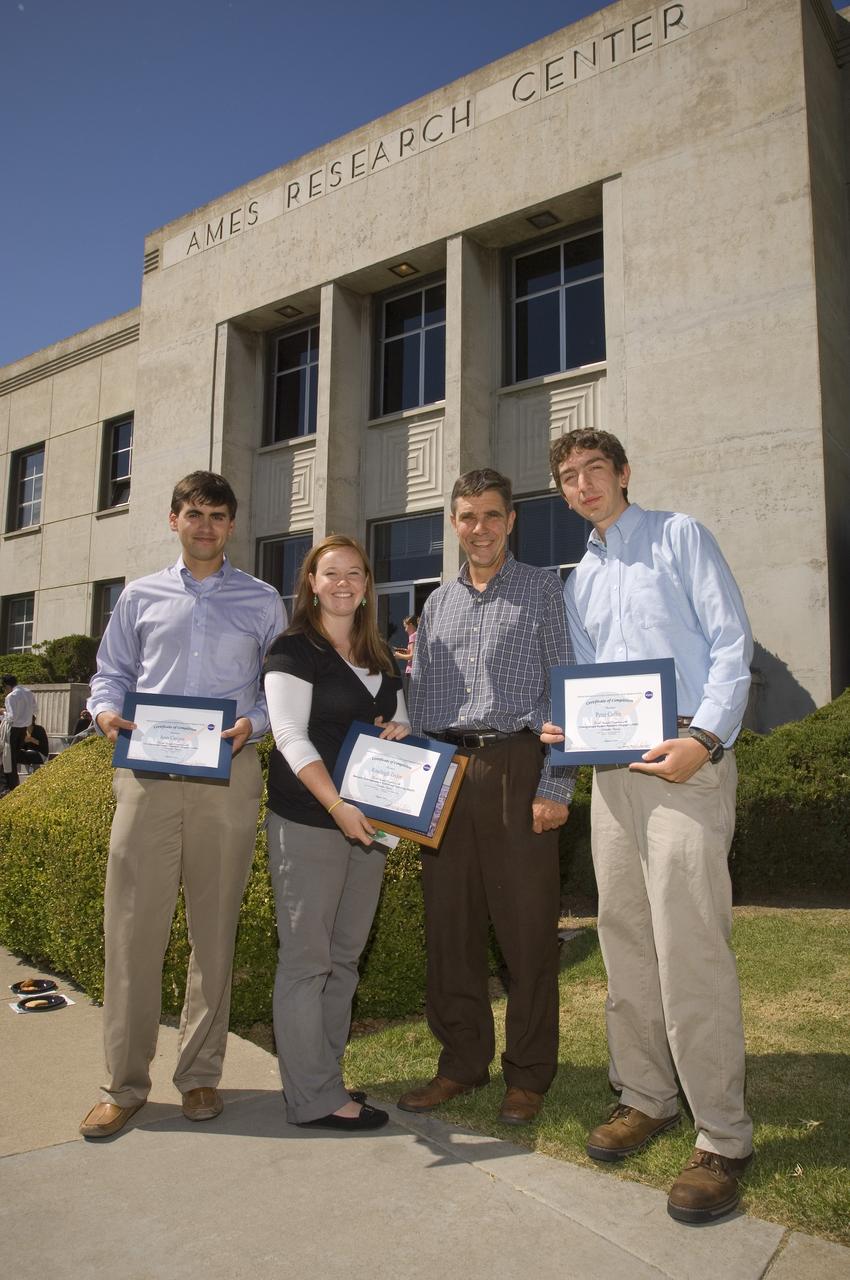
Summer Internship for 2008 closing ceremony : Juan Cjigas, Roseleith Taylor, William 'Bill' Warmbrodt (mentor) and Peter Caffin on steps of the Ames Administration building N-200.
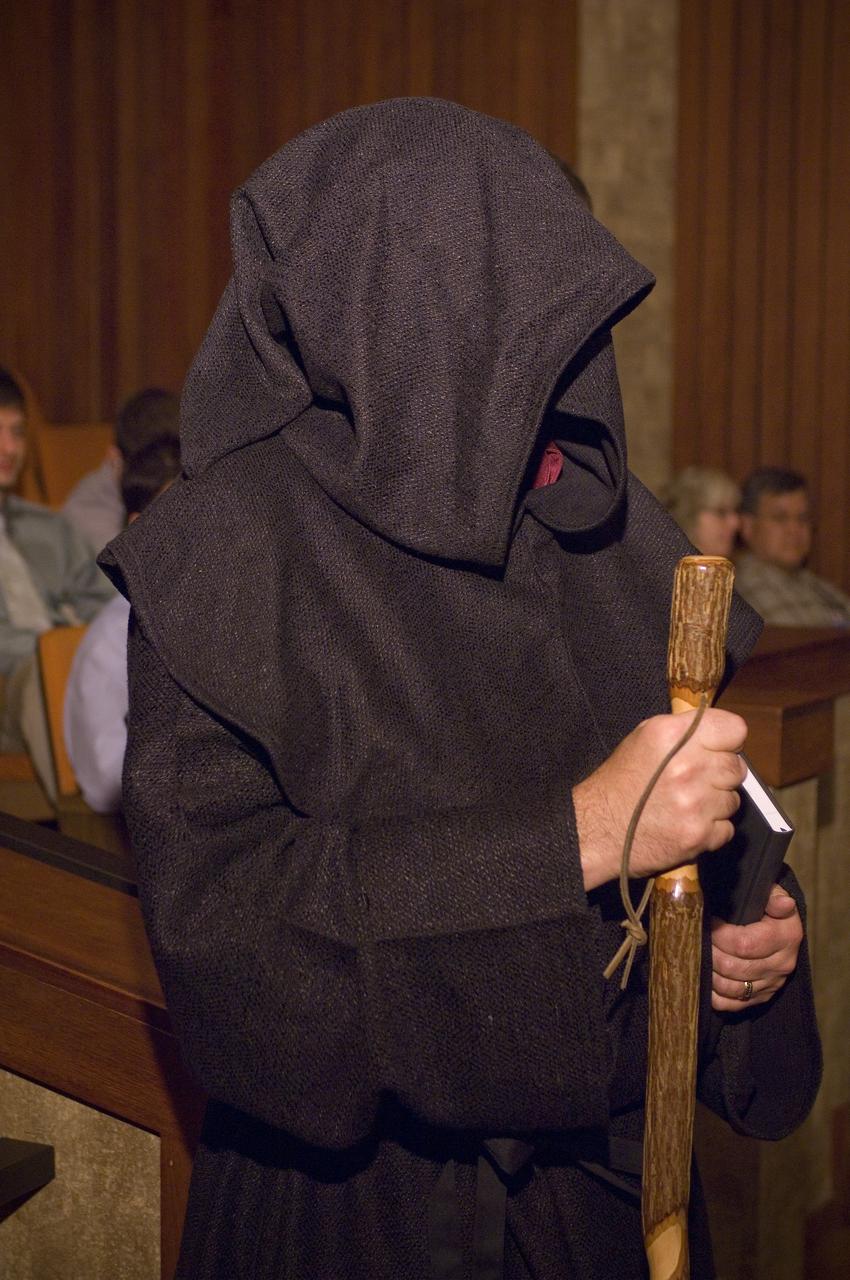
Summer Internship for 2008 closing ceremony: The reaper of Ames unfolds into the kindly sheppard Pete Worden Center Director to bid a farewell to the class of 2008 and send them off with some wise words.
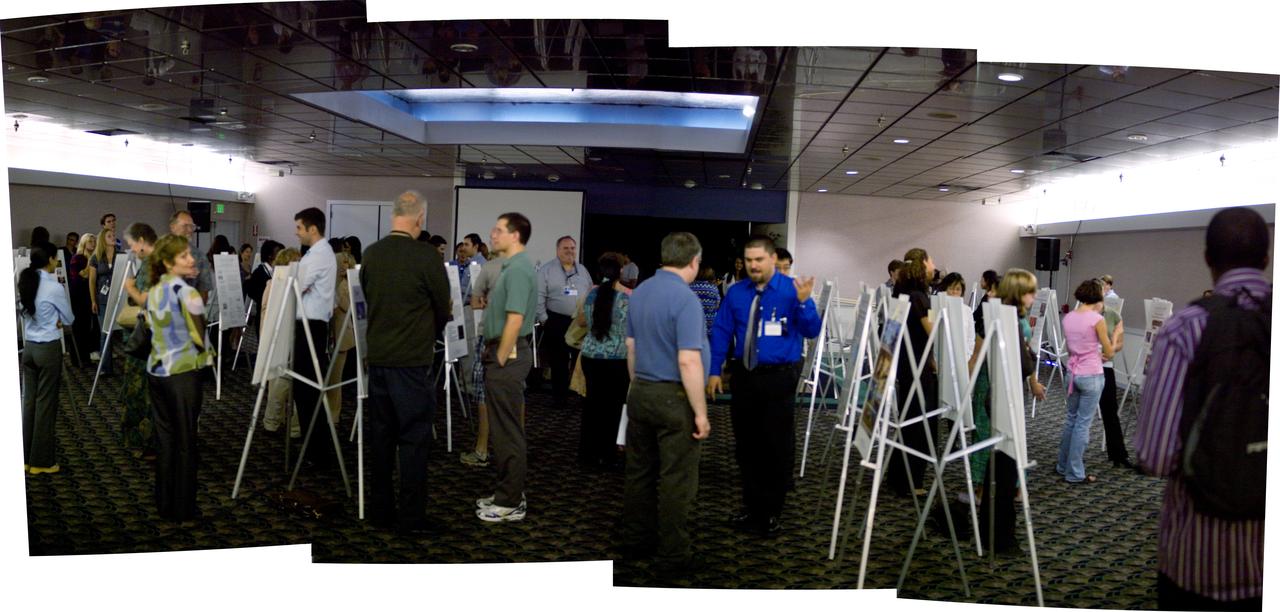
Foothill-DeAnza Community College Dstrict Internship Program poster Session NOTE: Photo taken by Summer Photo Intern Nick Tran.
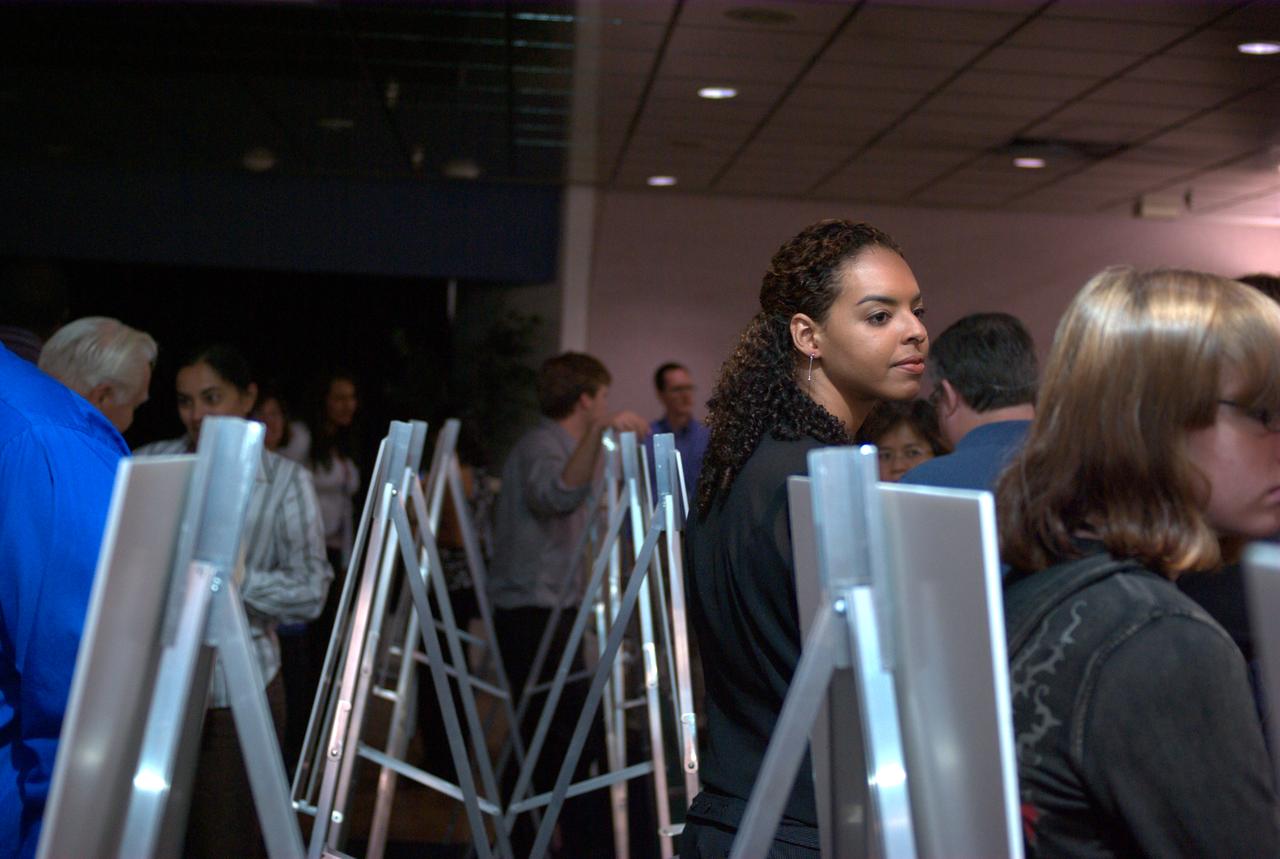
Foothill-DeAnza Community College Dstrict Internship Program poster Session NOTE: Photo taken by Summer Photo Intern Nick Tran.
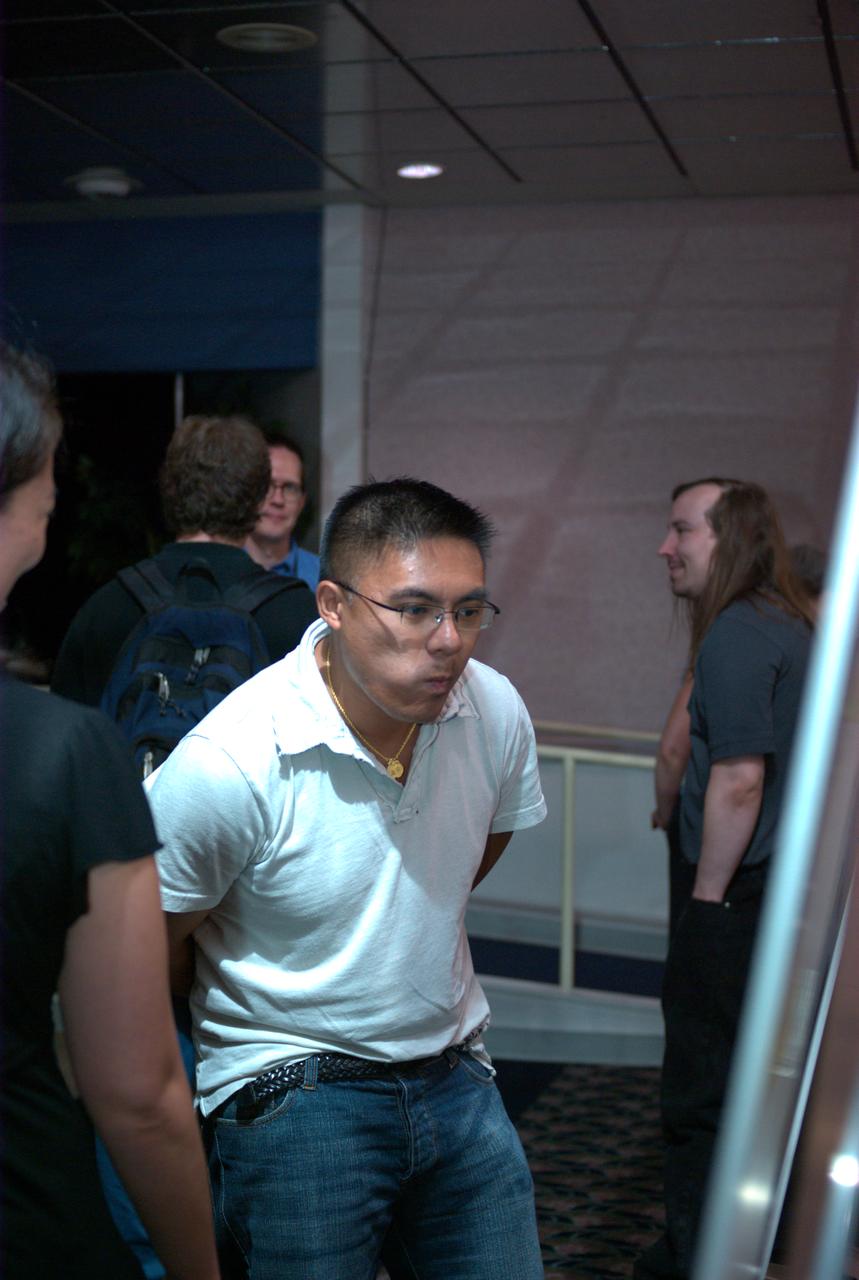
Foothill-DeAnza Community College Dstrict Internship Program poster Session NOTE: Photo taken by Summer Photo Intern Nick Tran.
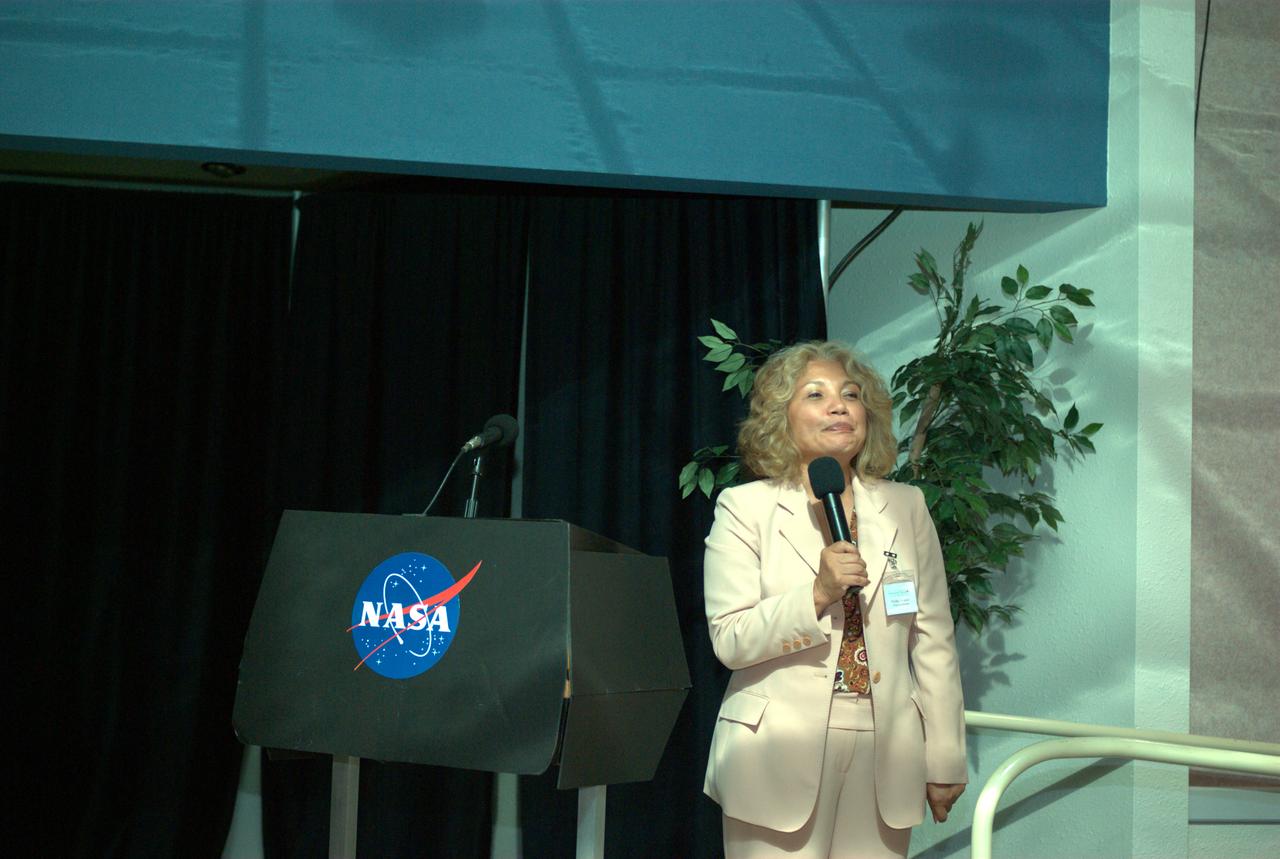
Foothill-DeAnza Community College Dstrict Internship Program poster Session NOTE: Photo taken by Summer Photo Intern Nick Tran.
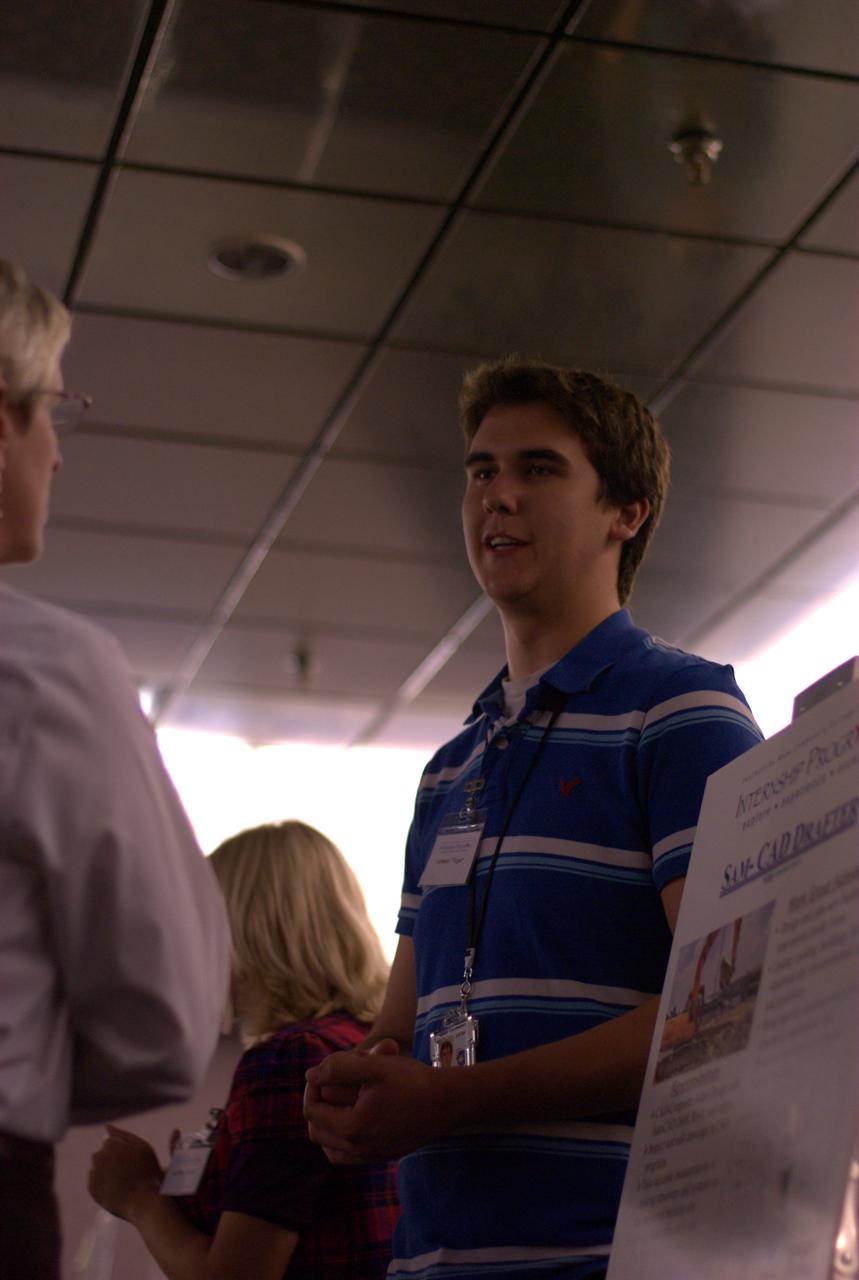
Foothill-DeAnza Community College Dstrict Internship Program poster Session NOTE: Photo taken by Summer Photo Intern Nick Tran.
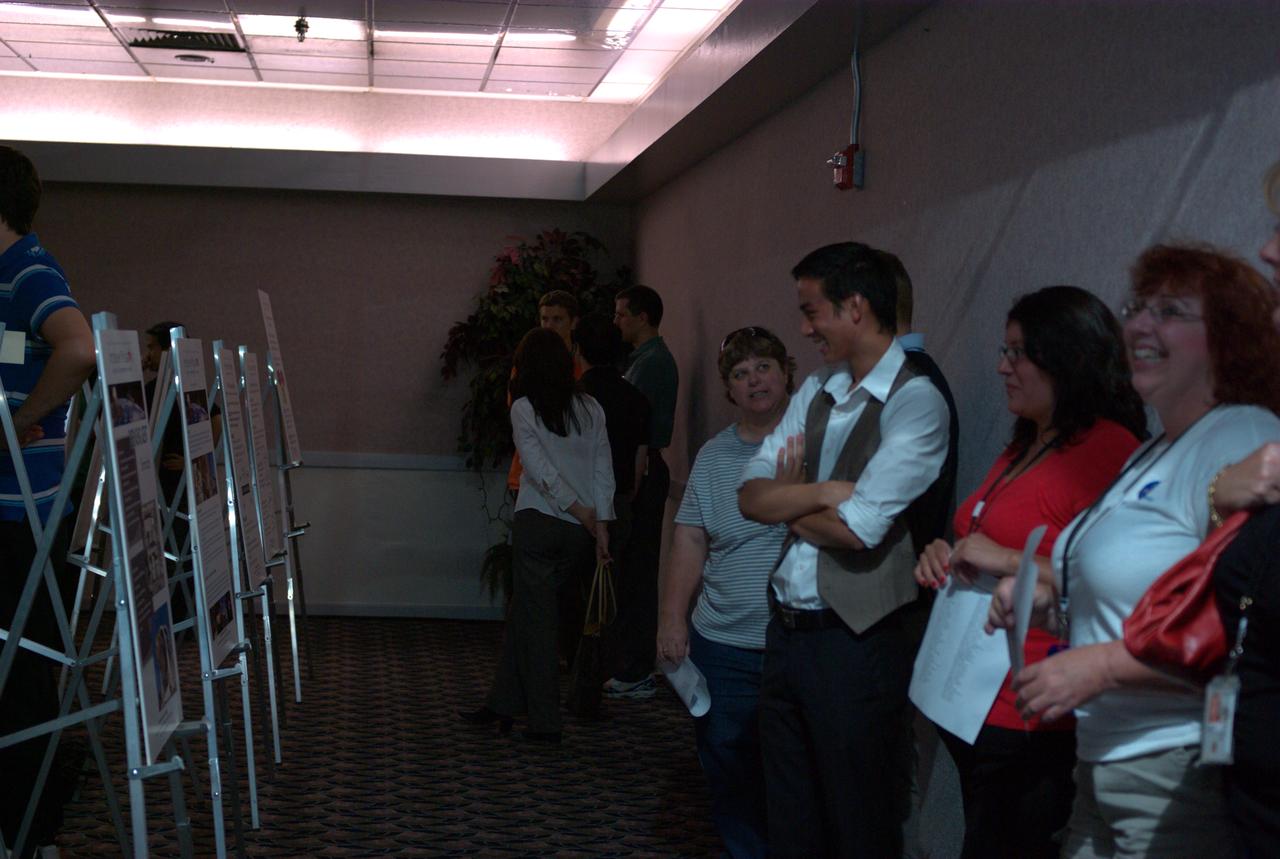
Foothill-DeAnza Community College Dstrict Internship Program poster Session NOTE: Photo taken by Summer Photo Intern Nick Tran.
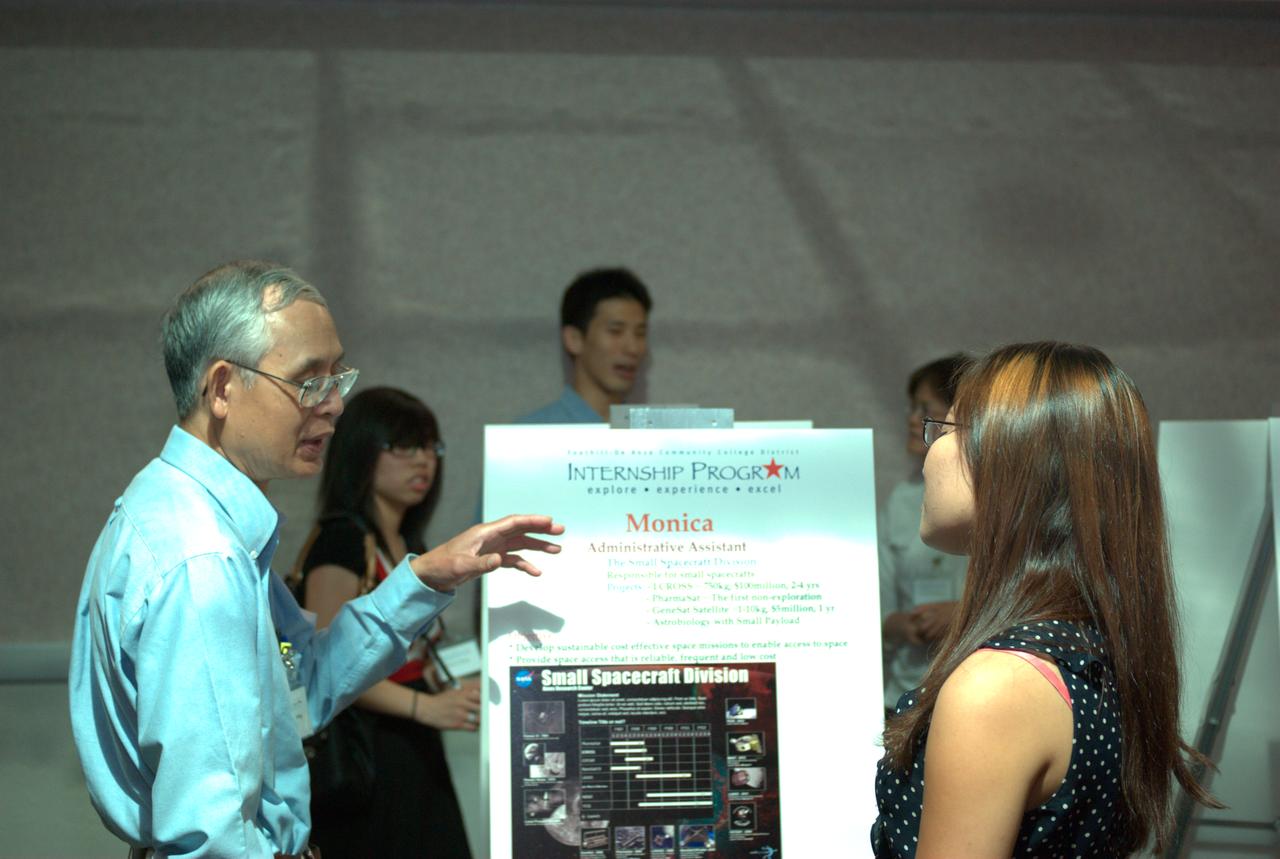
Foothill-DeAnza Community College Dstrict Internship Program poster Session NOTE: Photo taken by Summer Photo Intern Nick Tran.
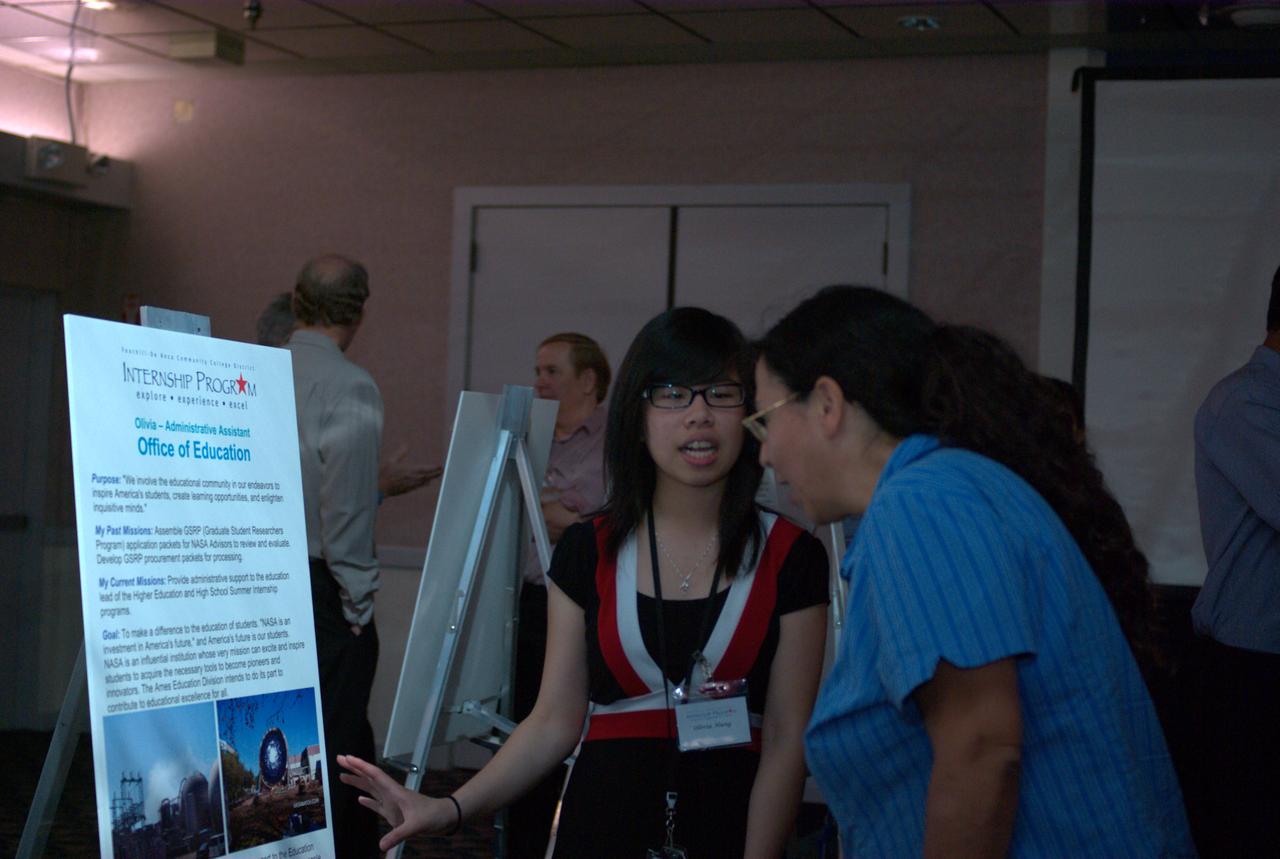
Foothill-DeAnza Community College Dstrict Internship Program poster Session NOTE: Photo taken by Summer Photo Intern Nick Tran.
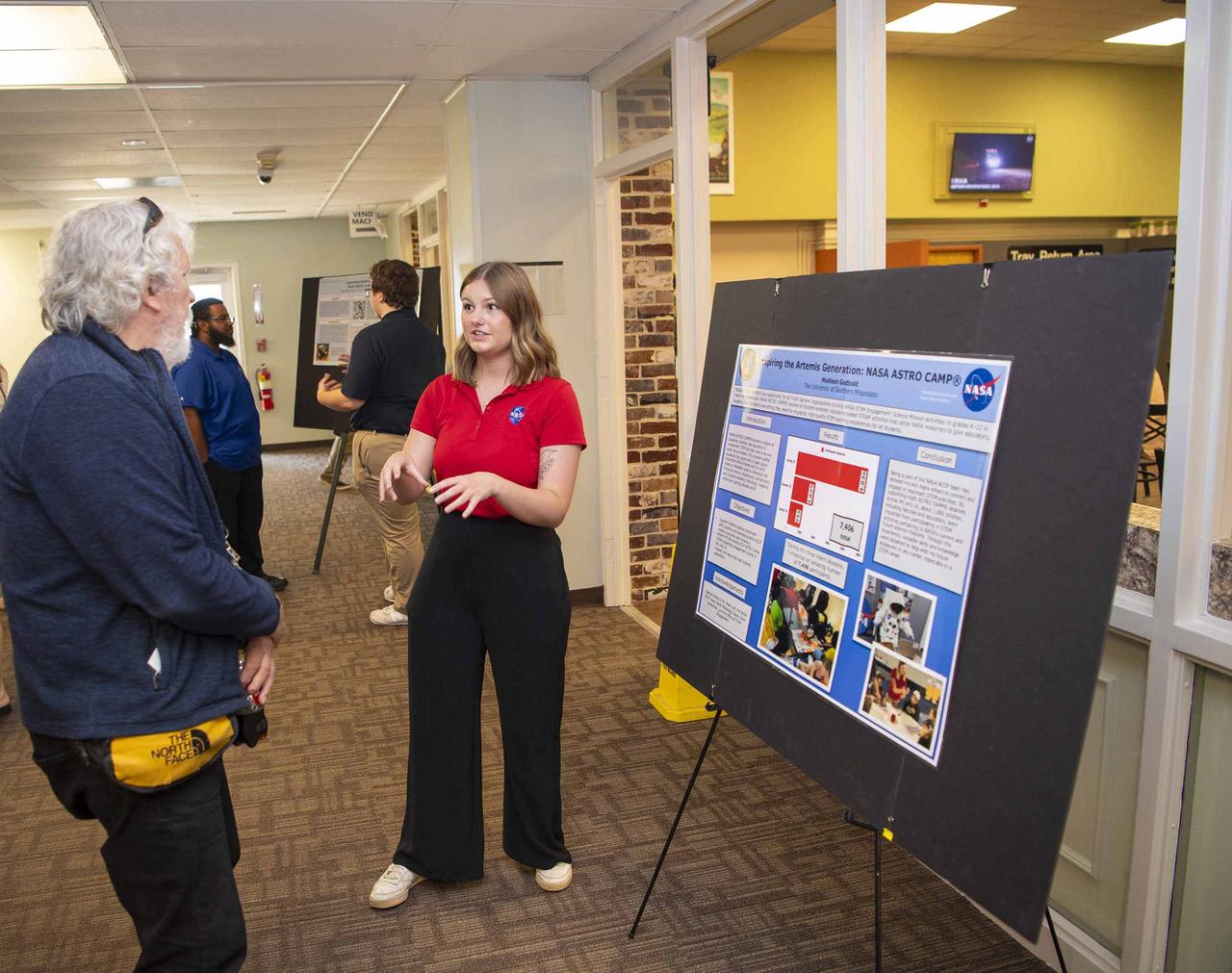
NASA Stennis summer intern Madison Godbold, right, shares about her work of inspiring the Artemis Generation through ASTRO Camp activities during an Aug. 7 event hosted by the Office of STEM Engagement. Godbold, a student at The University of Southern Mississippi in Hattiesburg, worked with the NASA Stennis Office of STEM Engagement. The poster symposium highlighted research topics, including propulsion test operations, lunar robotics, autonomous systems, STEM education, and more. NASA’s Office of STEM Engagement paid internships allow high school and college-level students to contribute to the agency’s mission to advance science, technology, aeronautics, and space exploration.
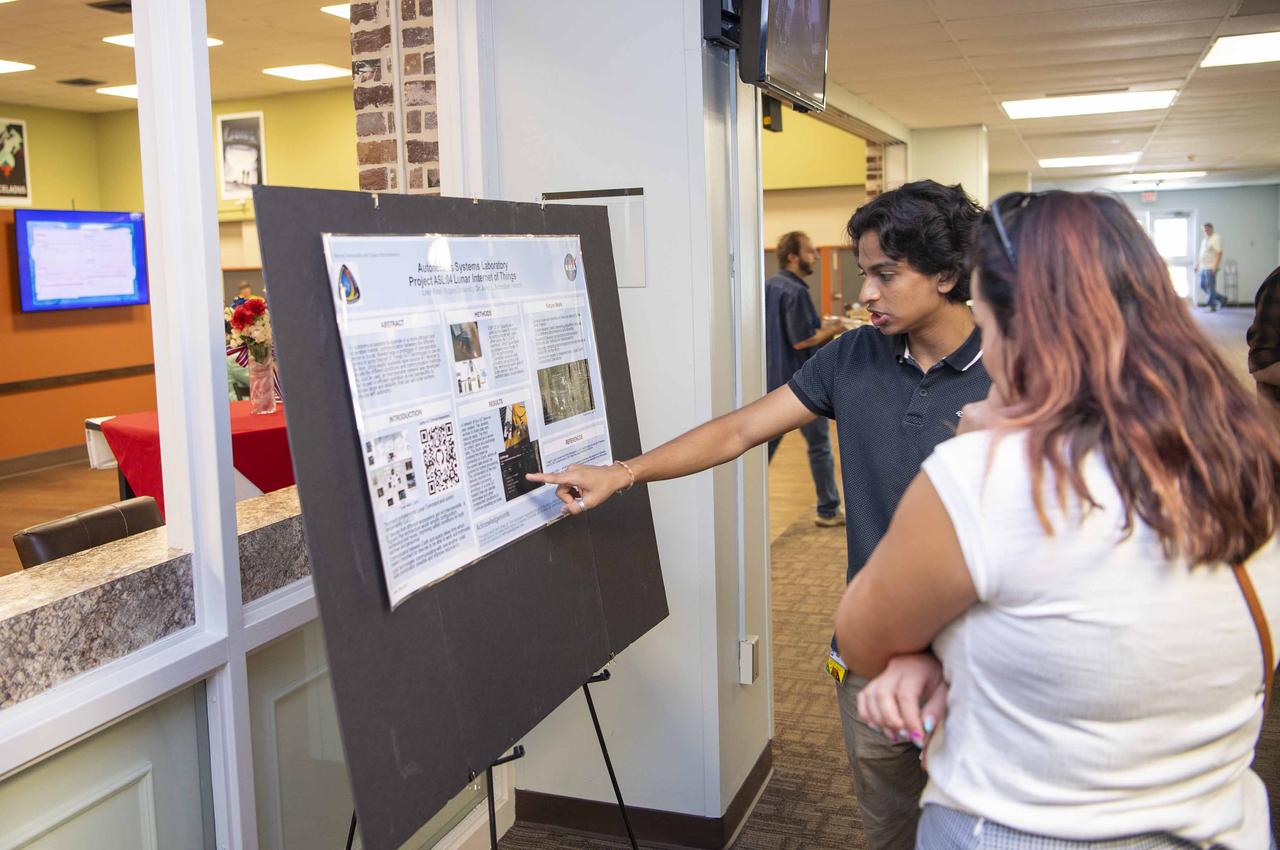
NASA Stennis summer intern Lekh Patel shares about his work on lunar communications during an Aug. 7 event hosted by the Office of STEM Engagement. Patel, a student at Rutgers University in Newark, New Jersey, worked with the NASA Stennis Autonomous Systems Laboratory. The poster symposium highlighted research topics, including propulsion test operations, lunar robotics, autonomous systems, STEM education, and more. NASA’s Office of STEM Engagement paid internships allow high school and college-level students to contribute to the agency’s mission to advance science, technology, aeronautics, and space exploration.
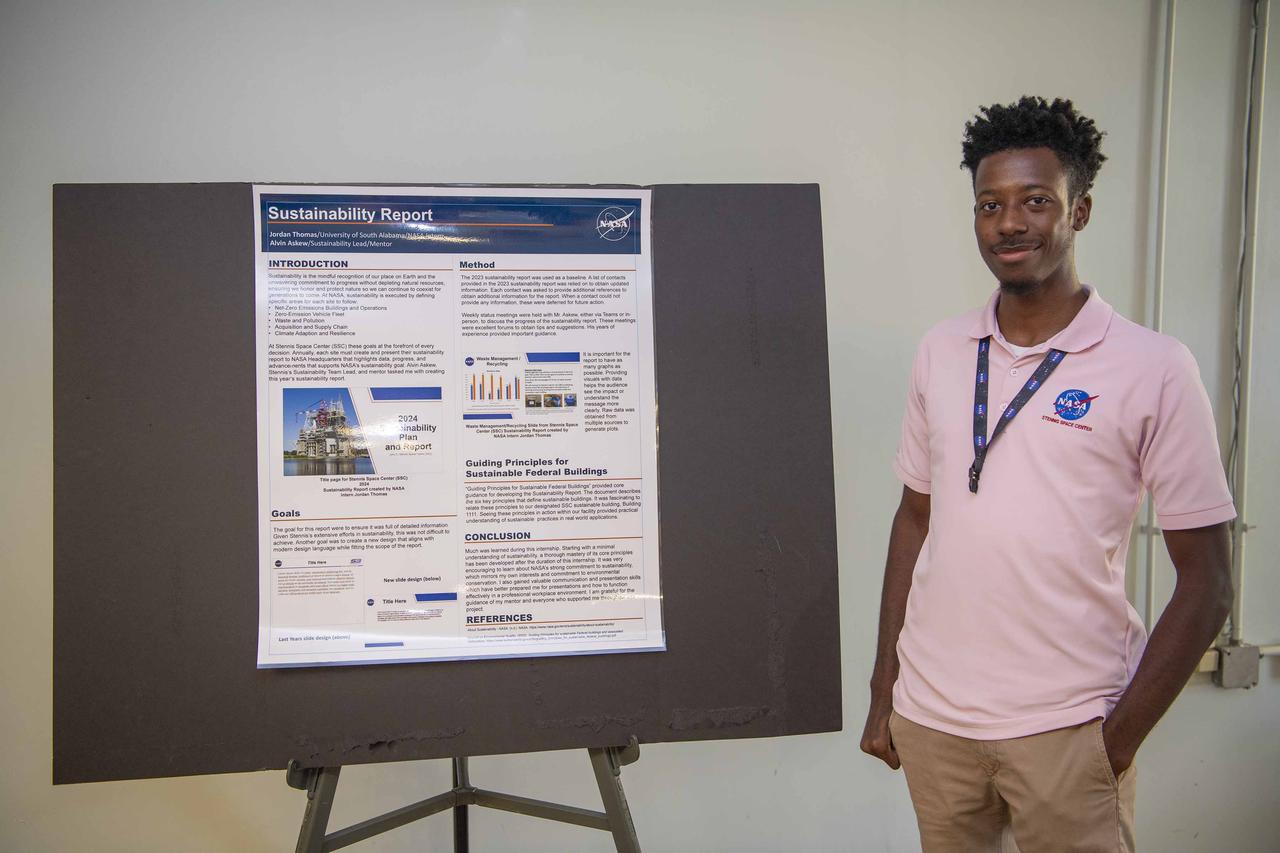
NASA Stennis summer intern Jordan Thomas is shown with his presentation on the 2024 Sustainability Report for NASA Stennis during an Aug. 7 event hosted by the Office of STEM Engagement. Thomas, a student at the University of South Alabama in Mobile, worked with the NASA Stennis Center Operations Directorate. The poster symposium highlighted research topics, including propulsion test operations, lunar robotics, autonomous systems, STEM education, and more. NASA’s Office of STEM Engagement paid internships allow high school and college-level students to contribute to the agency’s mission to advance science, technology, aeronautics, and space exploration.
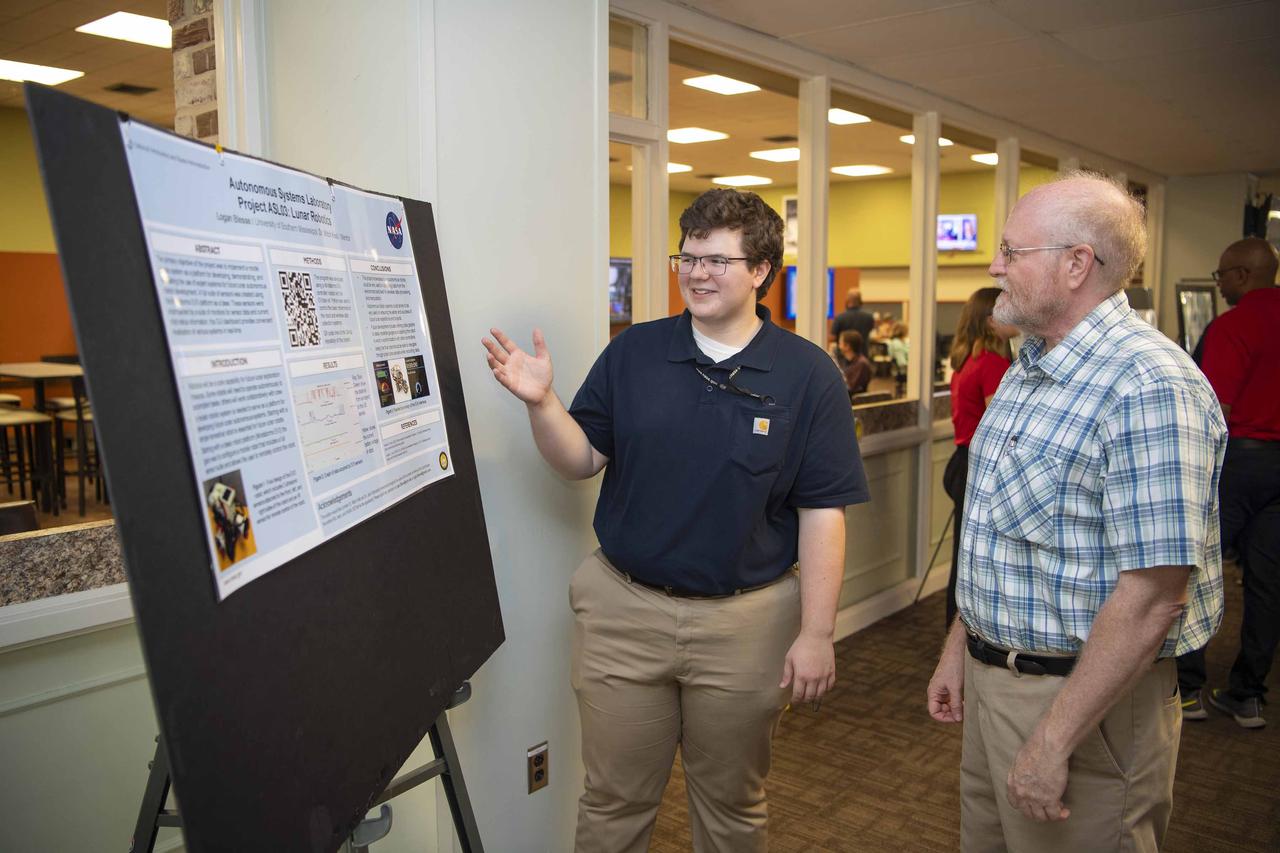
NASA Stennis summer intern Logan Blesse, left, shares about his work on future lunar autonomous robotic development during an Aug. 7 event hosted by the Office of STEM Engagement. Blesse, a student at The University of Southern Mississippi in Hattiesburg, worked with the NASA Stennis Autonomous Systems Laboratory. The poster symposium highlighted research topics, including propulsion test operations, lunar robotics, autonomous systems, STEM education, and more. NASA’s Office of STEM Engagement paid internships allow high school and college-level students to contribute to the agency’s mission to advance science, technology, aeronautics, and space exploration.
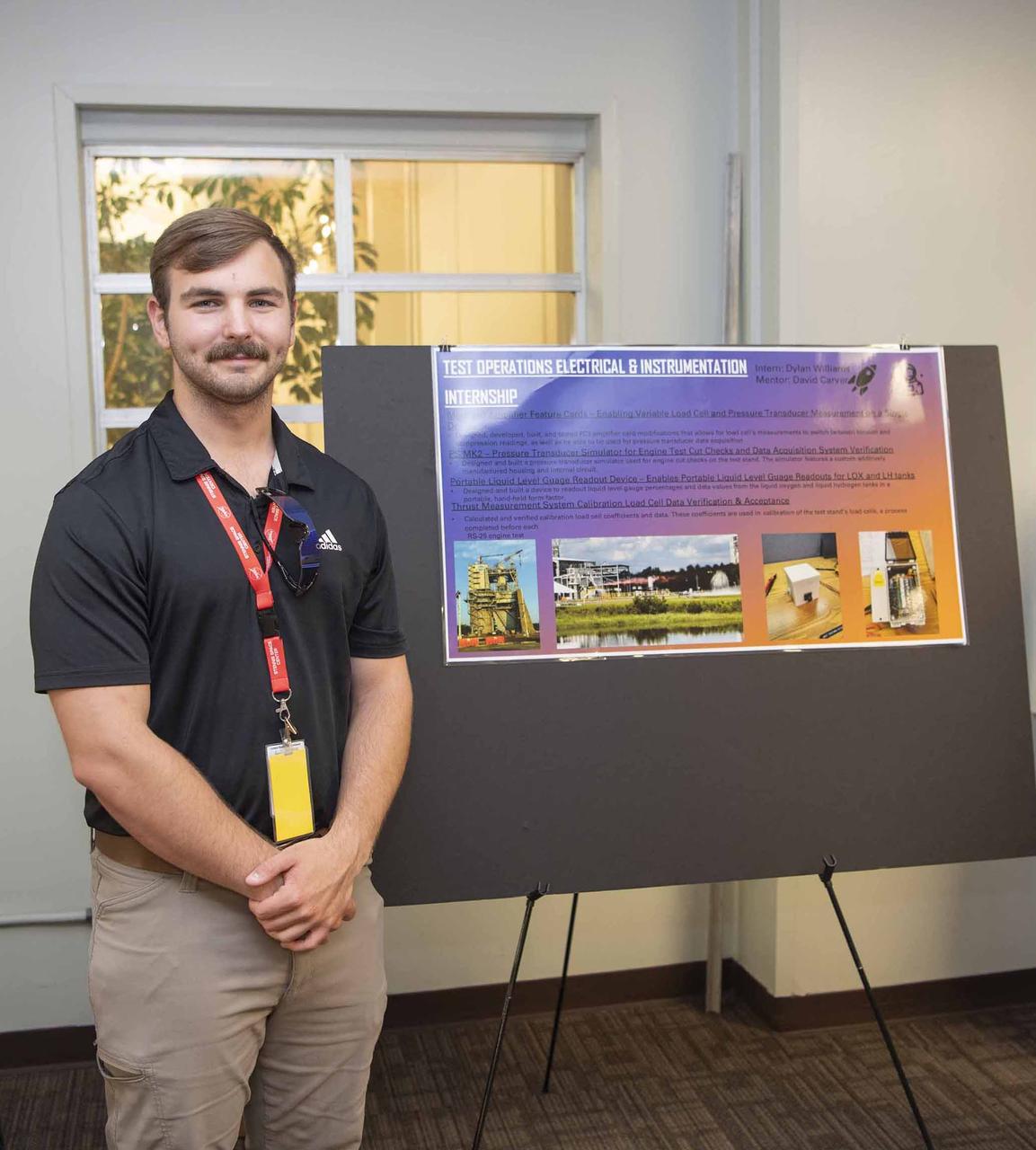
NASA Stennis summer intern Dylan Williams is shown with his presentation highlighting work with test operations during an Aug. 7 event hosted by the Office of STEM Engagement. Williams, a student at Meridian Community College in Meridian, Mississippi, worked with the NASA Stennis Engineering and Test Directorate. The poster symposium highlighted research topics, including propulsion test operations, lunar robotics, autonomous systems, STEM education, and more. NASA’s Office of STEM Engagement paid internships allow high school and college-level students to contribute to the agency’s mission to advance science, technology, aeronautics, and space exploration.
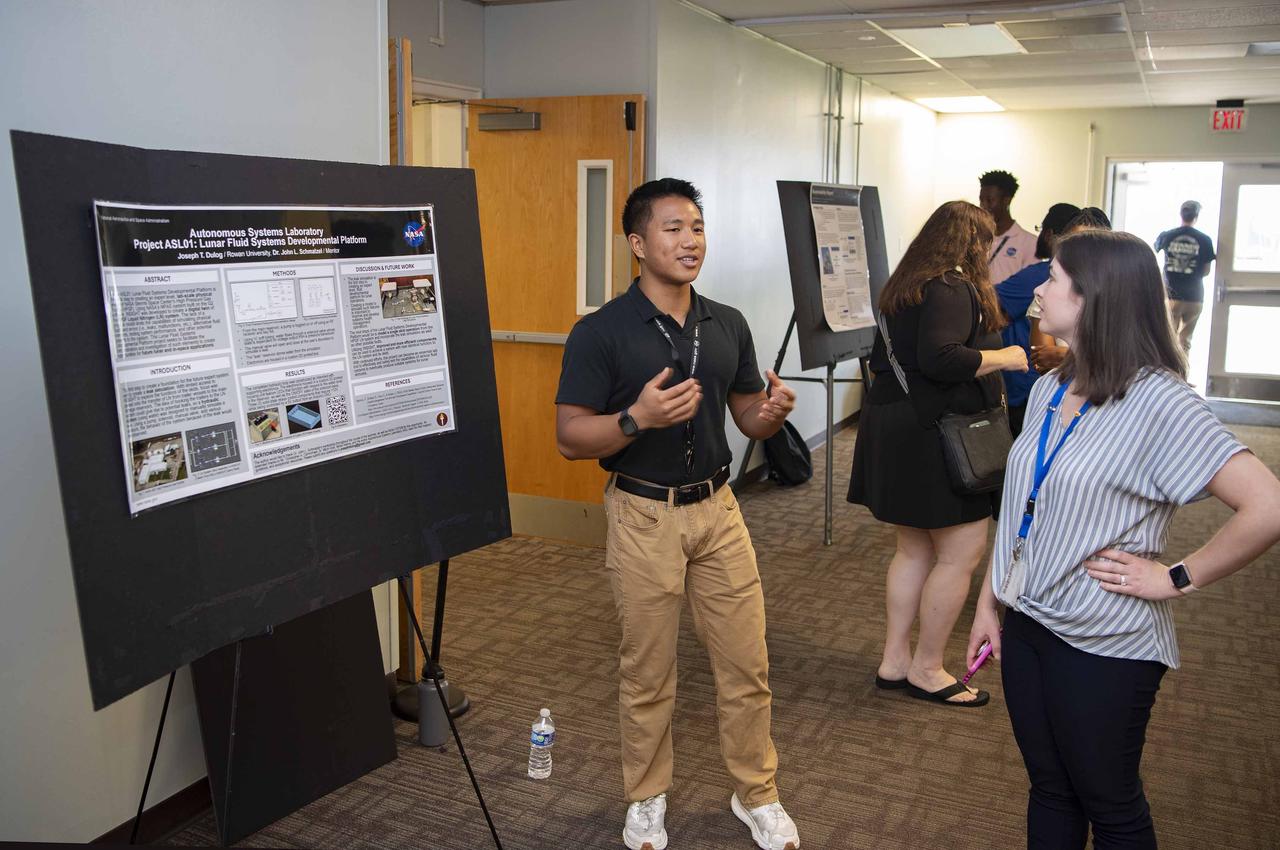
NASA Stennis summer intern Joseph Dulog, left, shares about his work on a lunar fluid systems developmental platform during an Aug. 7 event hosted by the Office of STEM Engagement. Dulog, a student at Rowan University in Glassboro, New Jersey, worked with the NASA Stennis Autonomous Systems Laboratory. The poster symposium highlighted research topics, including propulsion test operations, lunar robotics, autonomous systems, STEM education, and more. NASA’s Office of STEM Engagement paid internships allow high school and college-level students to contribute to the agency’s mission to advance science, technology, aeronautics, and space exploration.
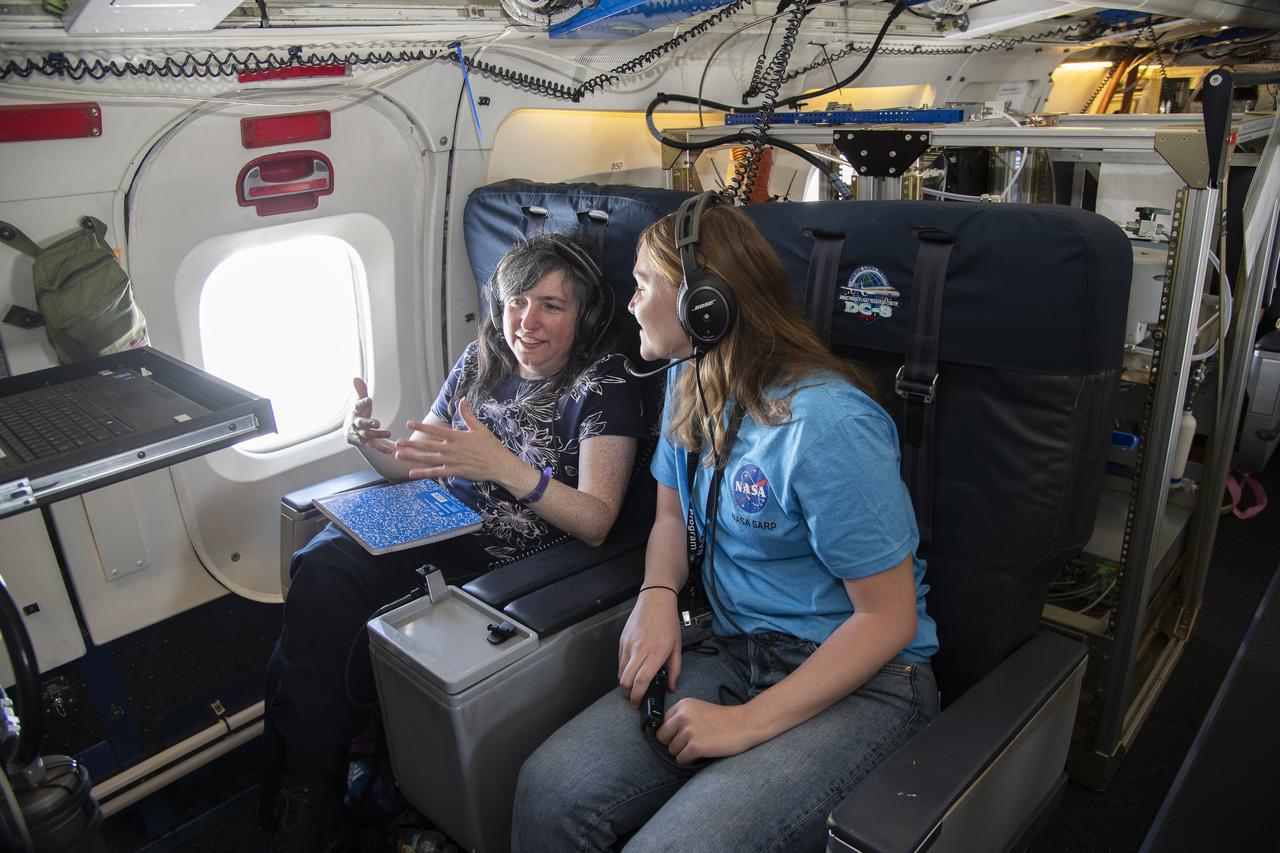
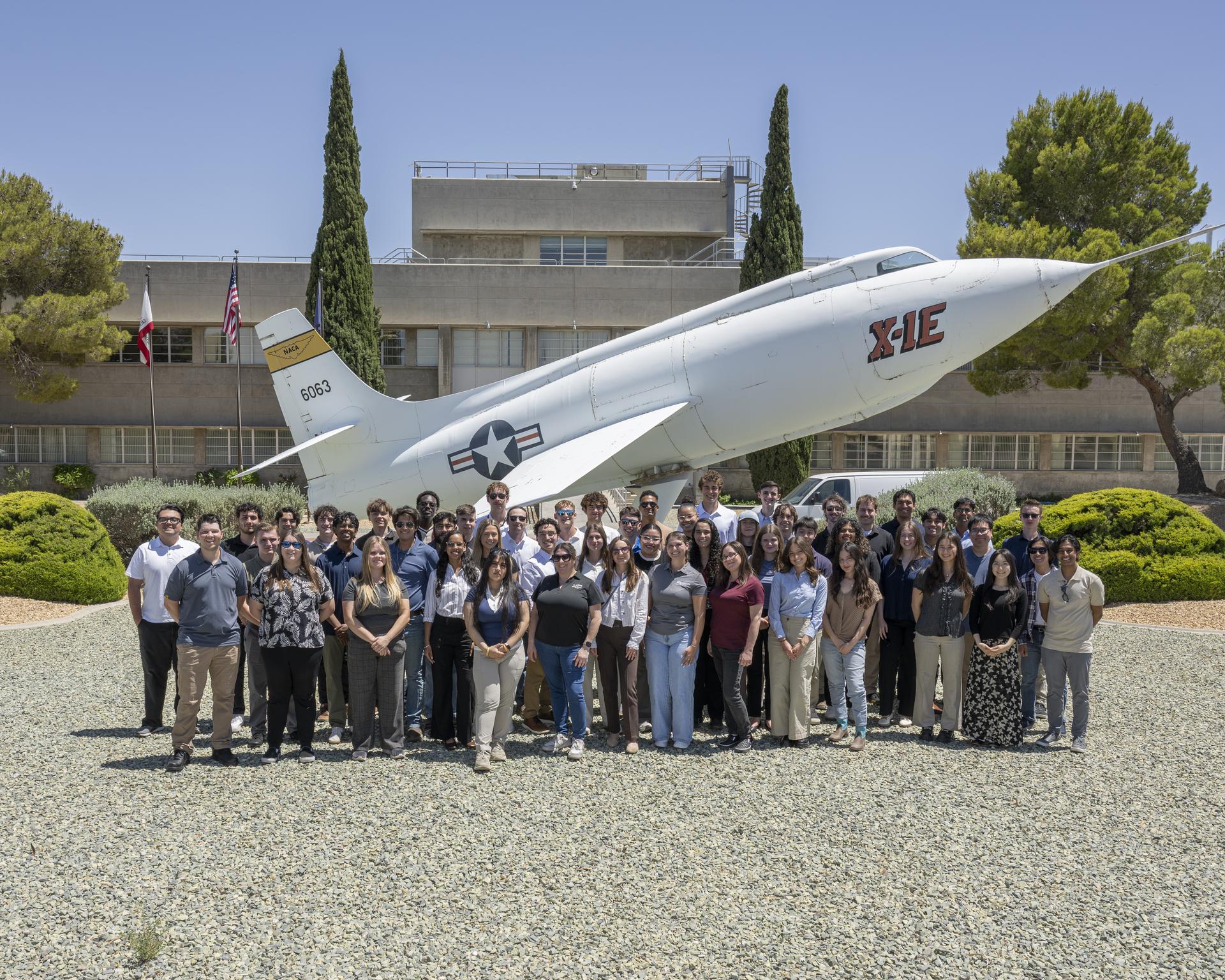
NASA Armstrong’s Student Airborne Research Program celebrates 15 years of success in 2023. An eight-week summer internship program, SARP offers upper-level undergraduate students the opportunity to acquire hands-on research experience as part of a scientific campaign using NASA Airborne Science Program flying science laboratories—aircraft outfitted specifically for research projects. Students onboard NASA’s DC-8 aircraft, the largest flying science laboratory in the world, help scientists from NOAA, the National Oceanic and Atmospheric Administration with a science project investigating air quality and non-vehicular pollution sources called AEROMMA, which measures Atmospheric Emissions and Reactions Observed from Megacities to Marine Areas. In 2023, NASA also introduced a sister program, SARP East to complement the West Coast program.
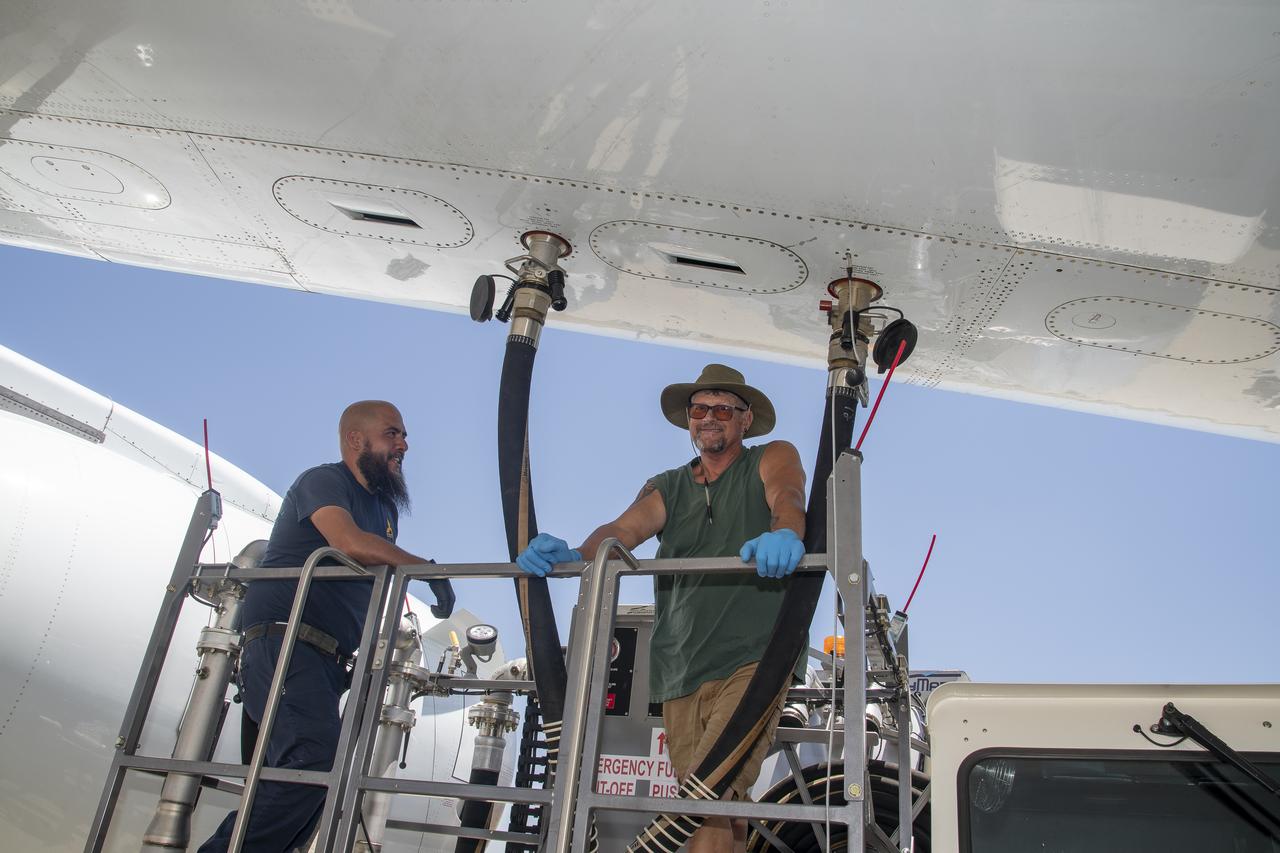
NASA Armstrong’s Student Airborne Research Program celebrates 15 years of success in 2023. An eight-week summer internship program, SARP offers upper-level undergraduate students the opportunity to acquire hands-on research experience as part of a scientific campaign using NASA Airborne Science Program flying science laboratories—aircraft outfitted specifically for research projects. Students onboard NASA’s DC-8 aircraft, the largest flying science laboratory in the world, help scientists from NOAA, the National Oceanic and Atmospheric Administration with a science project investigating air quality and non-vehicular pollution sources called AEROMMA, which measures Atmospheric Emissions and Reactions Observed from Megacities to Marine Areas. In 2023, NASA also introduced a sister program, SARP East to complement the West Coast program.
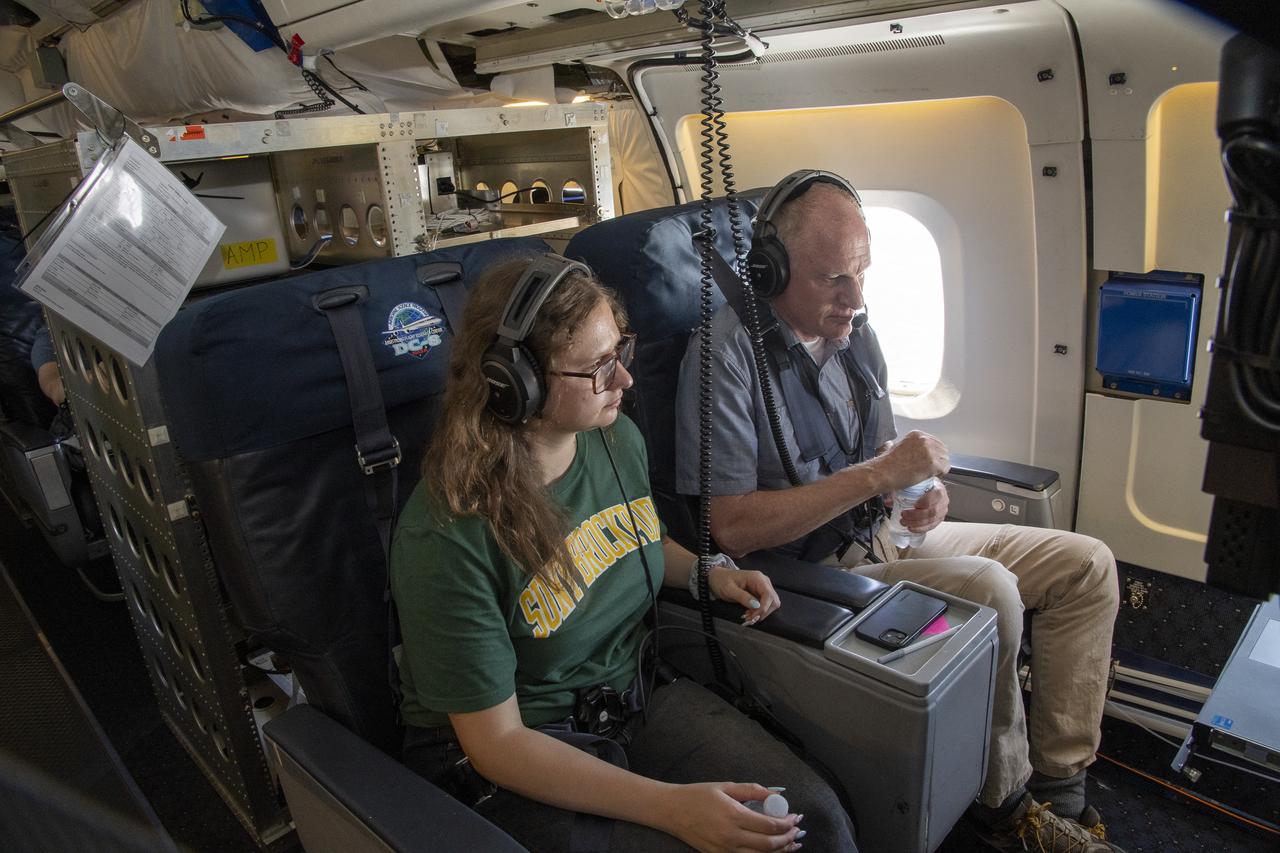
NASA Armstrong’s Student Airborne Research Program celebrates 15 years of success in 2023. An eight-week summer internship program, SARP offers upper-level undergraduate students the opportunity to acquire hands-on research experience as part of a scientific campaign using NASA Airborne Science Program flying science laboratories—aircraft outfitted specifically for research projects. Students onboard NASA’s DC-8 aircraft, the largest flying science laboratory in the world, help scientists from NOAA, the National Oceanic and Atmospheric Administration with a science project investigating air quality and non-vehicular pollution sources called AEROMMA, which measures Atmospheric Emissions and Reactions Observed from Megacities to Marine Areas. In 2023, NASA also introduced a sister program, SARP East to complement the West Coast program.
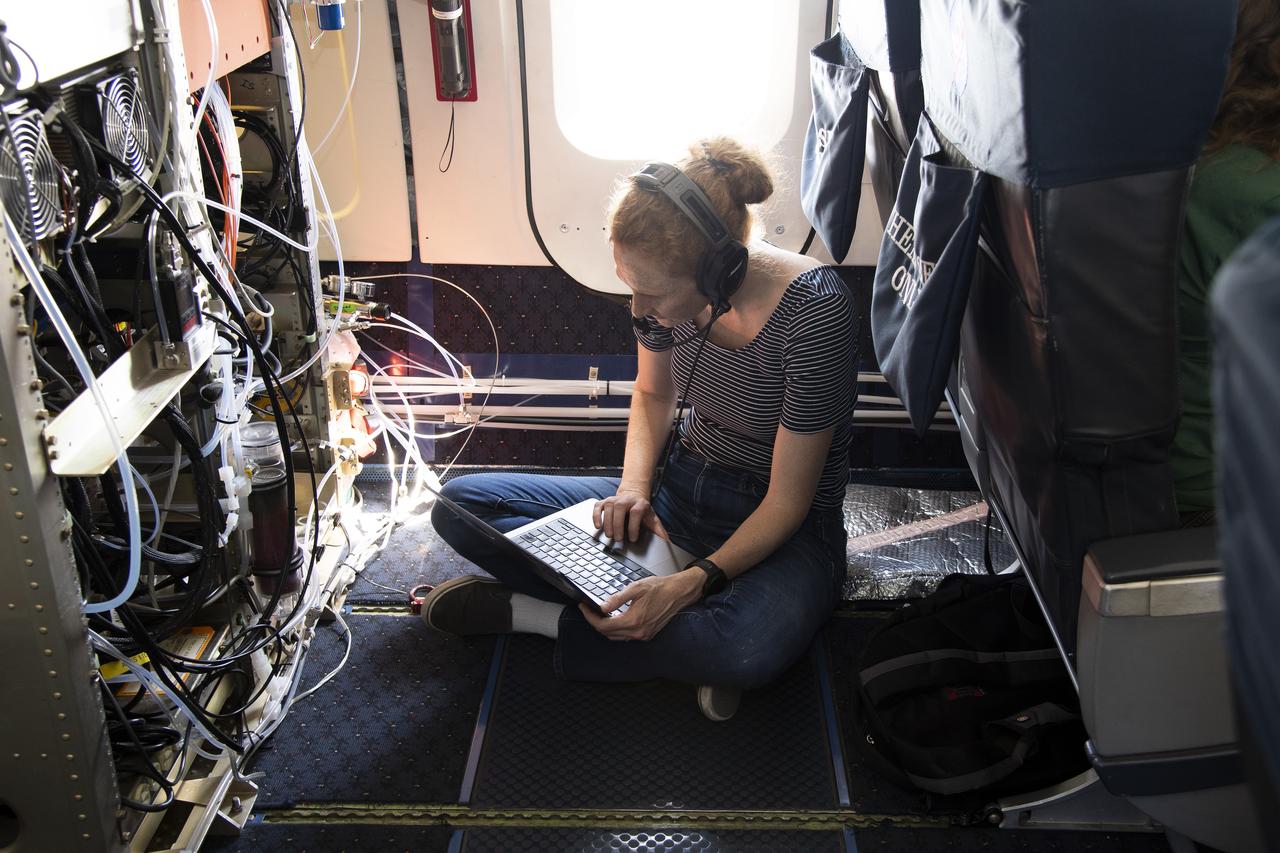
NASA Armstrong’s Student Airborne Research Program celebrates 15 years of success in 2023. An eight-week summer internship program, SARP offers upper-level undergraduate students the opportunity to acquire hands-on research experience as part of a scientific campaign using NASA Airborne Science Program flying science laboratories—aircraft outfitted specifically for research projects. Students onboard NASA’s DC-8 aircraft, the largest flying science laboratory in the world, help scientists from NOAA, the National Oceanic and Atmospheric Administration with a science project investigating air quality and non-vehicular pollution sources called AEROMMA, which measures Atmospheric Emissions and Reactions Observed from Megacities to Marine Areas. In 2023, NASA also introduced a sister program, SARP East to complement the West Coast program.

NASA Armstrong’s Student Airborne Research Program celebrates 15 years of success in 2023. An eight-week summer internship program, SARP offers upper-level undergraduate students the opportunity to acquire hands-on research experience as part of a scientific campaign using NASA Airborne Science Program flying science laboratories—aircraft outfitted specifically for research projects. Students onboard NASA’s DC-8 aircraft, the largest flying science laboratory in the world, help scientists from NOAA, the National Oceanic and Atmospheric Administration with a science project investigating air quality and non-vehicular pollution sources called AEROMMA, which measures Atmospheric Emissions and Reactions Observed from Megacities to Marine Areas. In 2023, NASA also introduced a sister program, SARP East to complement the West Coast program.
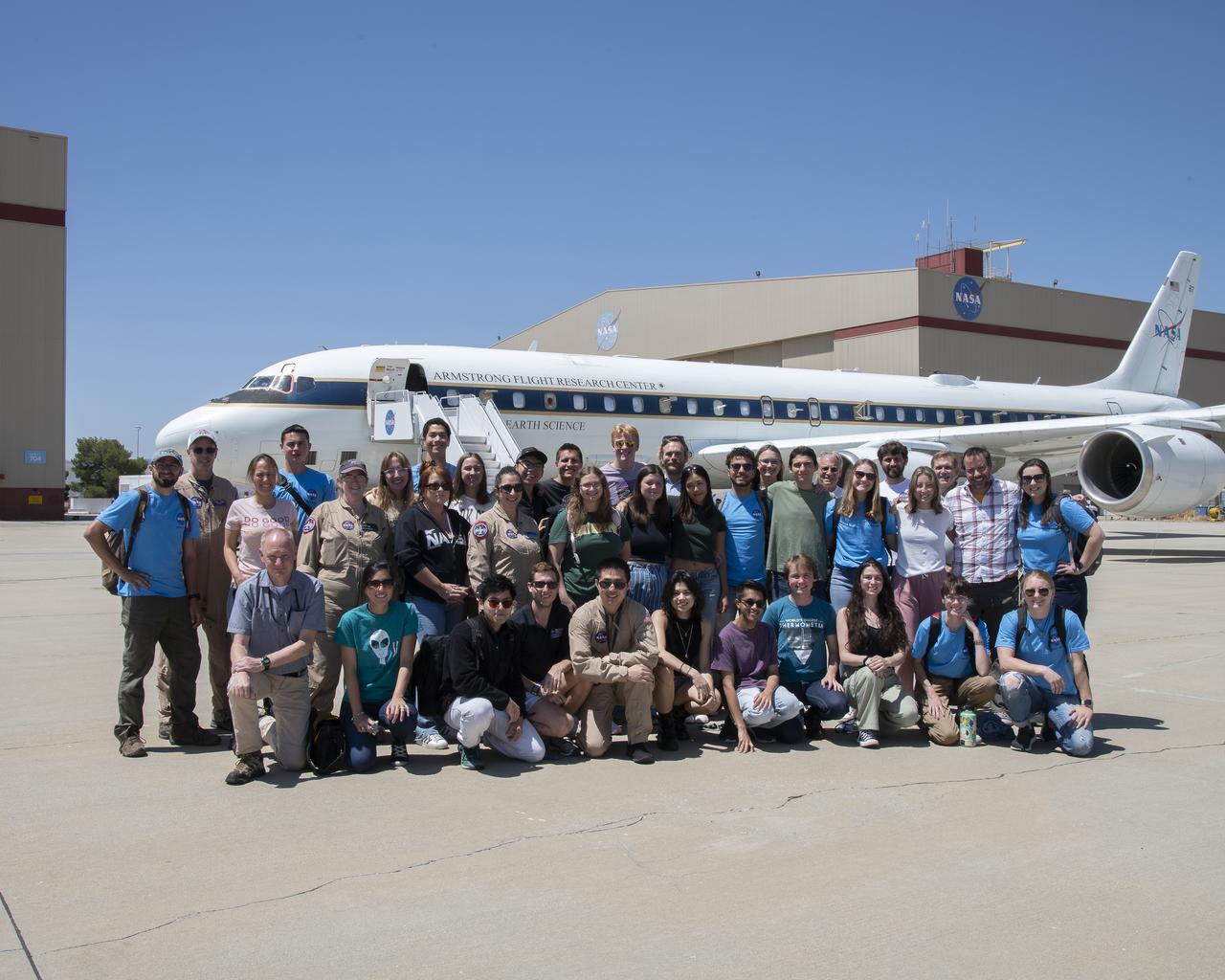
NASA Armstrong’s Student Airborne Research Program celebrates 15 years of success in 2023. An eight-week summer internship program, SARP offers upper-level undergraduate students the opportunity to acquire hands-on research experience as part of a scientific campaign using NASA Airborne Science Program flying science laboratories—aircraft outfitted specifically for research projects. Students onboard NASA’s DC-8 aircraft, the largest flying science laboratory in the world, help scientists from NOAA, the National Oceanic and Atmospheric Administration with a science project investigating air quality and non-vehicular pollution sources called AEROMMA, which measures Atmospheric Emissions and Reactions Observed from Megacities to Marine Areas. In 2023, NASA also introduced a sister program, SARP East to complement the West Coast program.
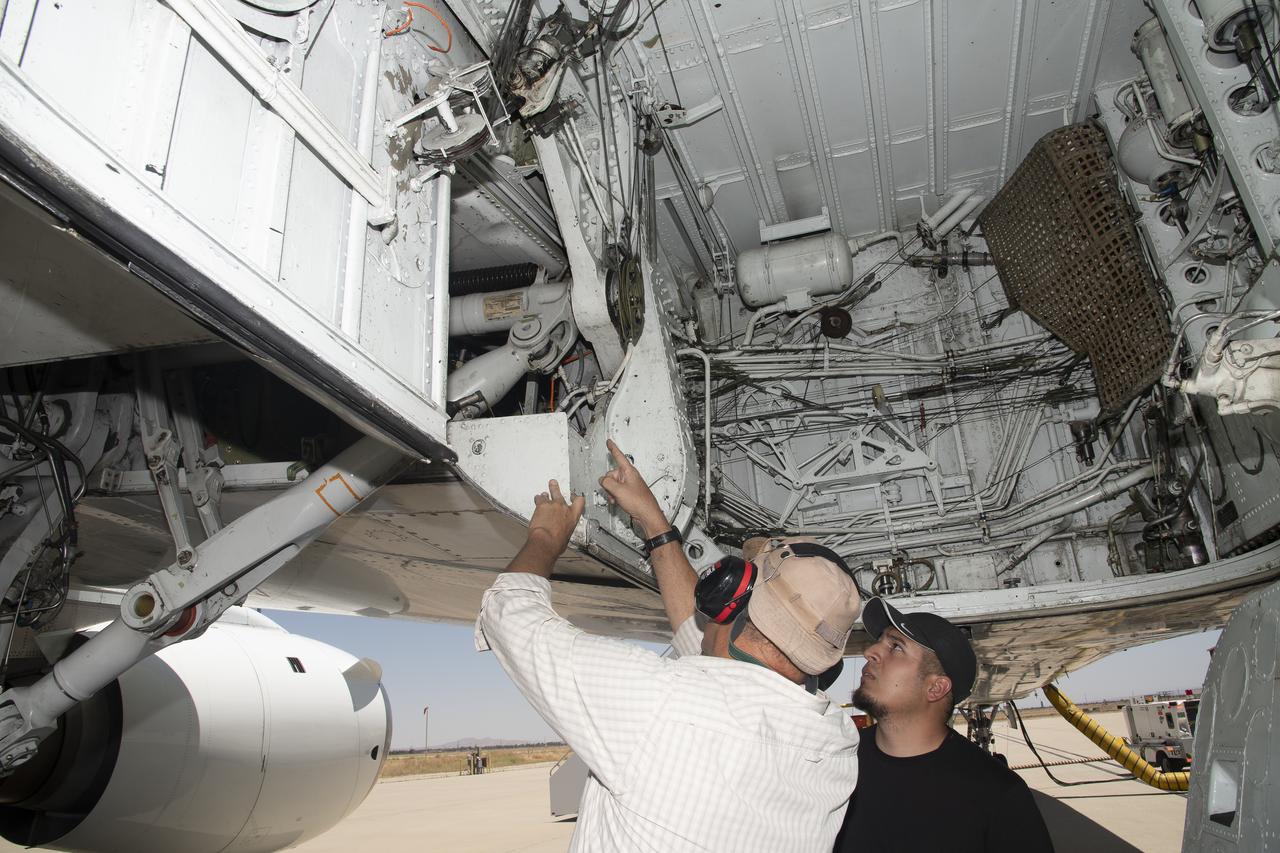
NASA Armstrong’s Student Airborne Research Program celebrates 15 years of success in 2023. An eight-week summer internship program, SARP offers upper-level undergraduate students the opportunity to acquire hands-on research experience as part of a scientific campaign using NASA Airborne Science Program flying science laboratories—aircraft outfitted specifically for research projects. Students onboard NASA’s DC-8 aircraft, the largest flying science laboratory in the world, help scientists from NOAA, the National Oceanic and Atmospheric Administration with a science project investigating air quality and non-vehicular pollution sources called AEROMMA, which measures Atmospheric Emissions and Reactions Observed from Megacities to Marine Areas. In 2023, NASA also introduced a sister program, SARP East to complement the West Coast program.
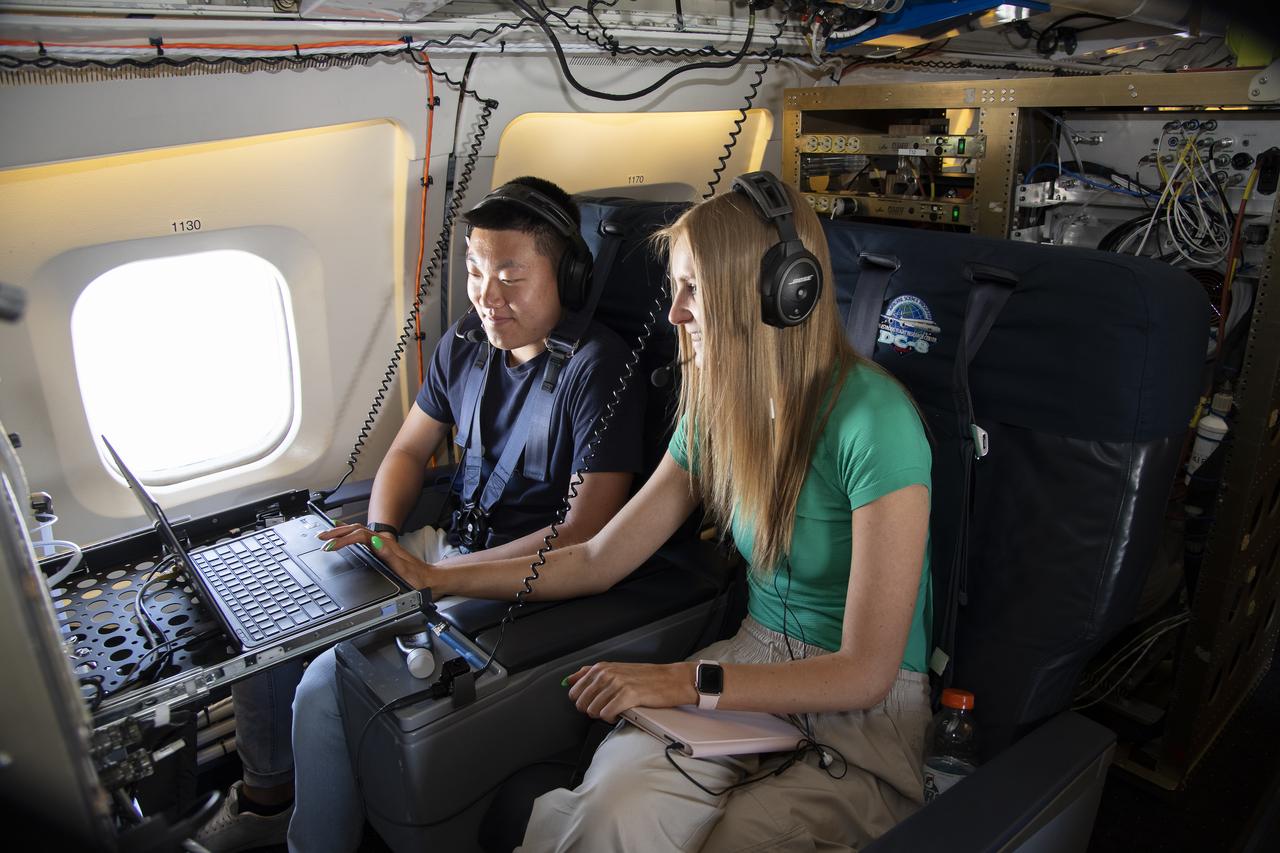
NASA Armstrong’s Student Airborne Research Program celebrates 15 years of success in 2023. An eight-week summer internship program, SARP offers upper-level undergraduate students the opportunity to acquire hands-on research experience as part of a scientific campaign using NASA Airborne Science Program flying science laboratories—aircraft outfitted specifically for research projects. Students onboard NASA’s DC-8 aircraft, the largest flying science laboratory in the world, help scientists from NOAA, the National Oceanic and Atmospheric Administration with a science project investigating air quality and non-vehicular pollution sources called AEROMMA, which measures Atmospheric Emissions and Reactions Observed from Megacities to Marine Areas. In 2023, NASA also introduced a sister program, SARP East to complement the West Coast program.
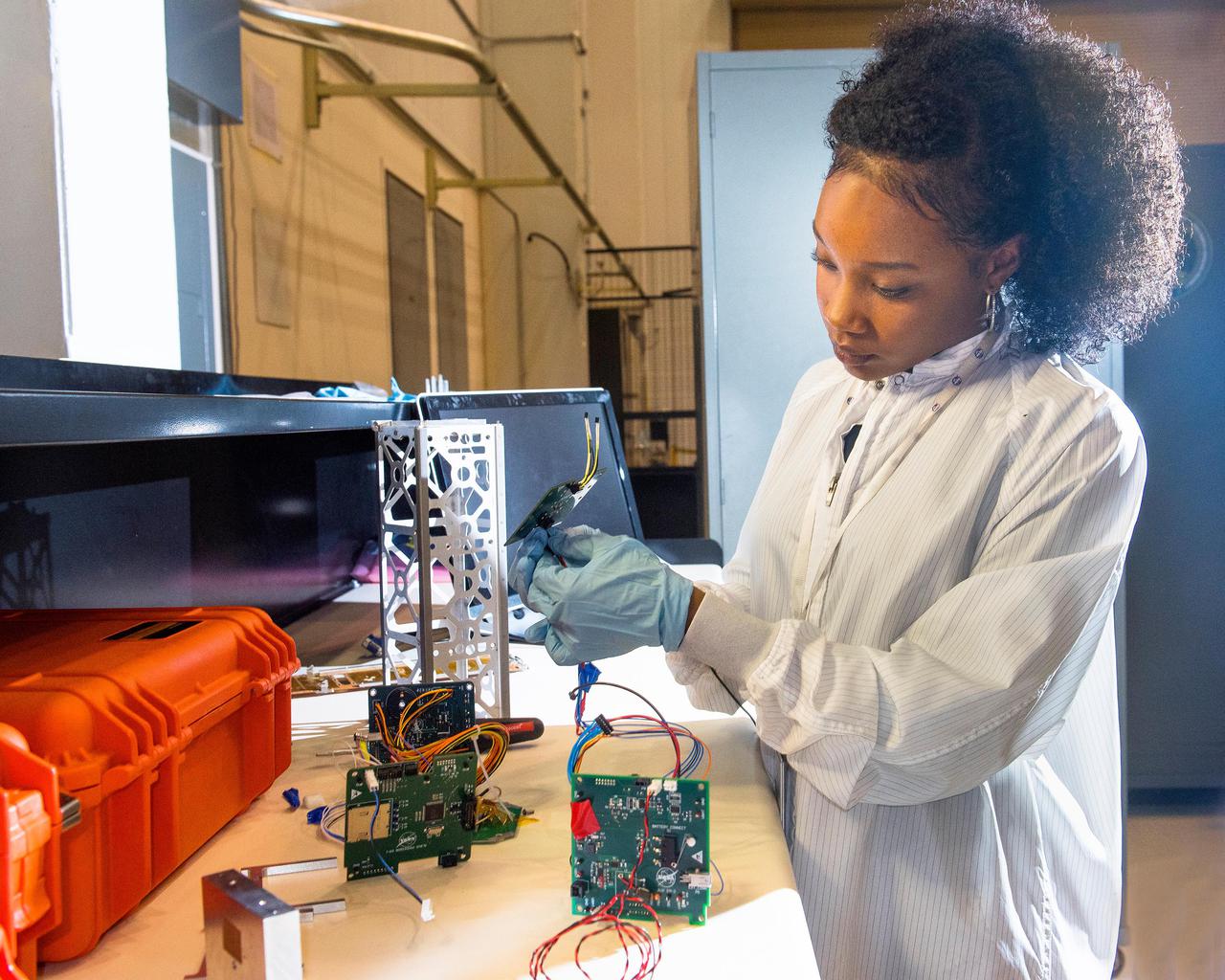
Advanced eLectrical Bus (ALBus) CubeSat: From Build to Flight A new CubeSat, launched Sunday, December 16, will test high power electric systems and the use of unique shape memory alloy (SMA) components for the first time. CubeSats are very small, lightweight satellites, about the size of a loaf of bread, and typically operate within a power range of 5-20 watts. Lower power systems are typically used in CubeSats because of size and weight limits, while higher power systems and components cause excessive heat. Completely designed and led by a team of 12 early career scientists and engineers at NASA’s Glenn Research Center in Cleveland, the Advanced Electrical Bus, or ALBus, will be the first CubeSat to demonstrate power management and distribution of a 100-watt electrical system. The CubeSat will also employ a custom-built SMA release mechanism and hinges to deploy solar arrays and conduct electricity.
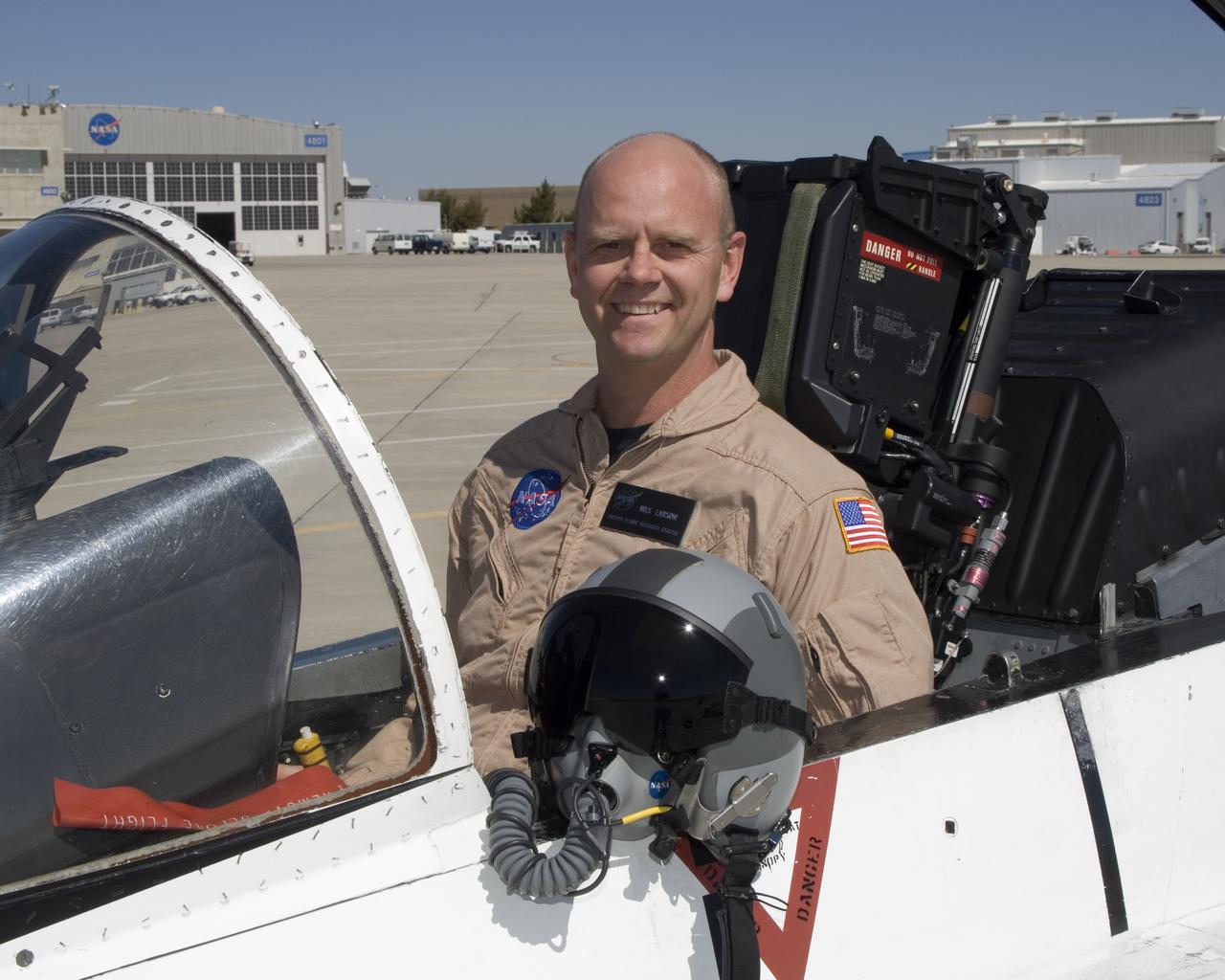
Nils Larson is a research pilot in the Flight Crew Branch of NASA's Dryden Flight Research Center, Edwards, Calif. Larson joined NASA in February 2007 and will fly the F-15, F-18, T-38 and ER-2. Prior to joining NASA, Larson was on active duty with the U.S. Air Force. He has accumulated more that 4,900 hours of military and civilian flight experience in more than 70 fixed and rotary winged aircraft. Larson completed undergraduate pilot training at Williams Air Force Base, Chandler, Ariz., in 1987. He remained at Williams as a T-37 instructor pilot. In 1991, Larson was assigned to Beale Air Force Base, Calif., as a U-2 pilot. He flew 88 operational missions from Korea, Saudi Arabia, the United Kingdom, Panama and other locations. Larson graduated from the U.S. Air Force Test Pilot School at Edwards Air Force Base, Calif., in Class 95A. He became a flight commander and assistant operations officer for the 445th squadron at Edwards. He flew the radar, avionics integration and engine tests in F-15 A-D, the early flights of the glass cockpit T-38C and airworthiness flights of the Coast Guard RU-38. He was selected to serve as an Air Force exchange instructor at the U.S. Naval Test Pilot School, Patuxent River, Md. He taught systems and fixed-wing flight test and flew as an instructor pilot in the F-18, T-2, U-6A Beaver and X-26 Schweizer sailplane. Larson commanded U-2 operations for Warner Robins Air Logistics Center's Detachment 2 located in Palmdale, Calif. In addition to flying the U-2, Larson supervised the aircraft's depot maintenance and flight test. He was the deputy group commander for the 412th Operations Group at Edwards before retiring from active duty in 2007 with the rank of lieutenant colonel. His first experience with NASA was at the Glenn Research Center, Cleveland, where he served a college summer internship working on arcjet engines. Larson is a native of Bethany, W.Va,, and received his commission from the U.S. Air Force Academy in 1986 with a