
The full moon is seen as it rises near the Lincoln Memorial, Saturday, March 19, 2011, in Washington. The full moon tonight is called a "Super Perigee Moon" since it is at it's closest to Earth in 2011. The last full moon so big and close to Earth occurred in March of 1993.
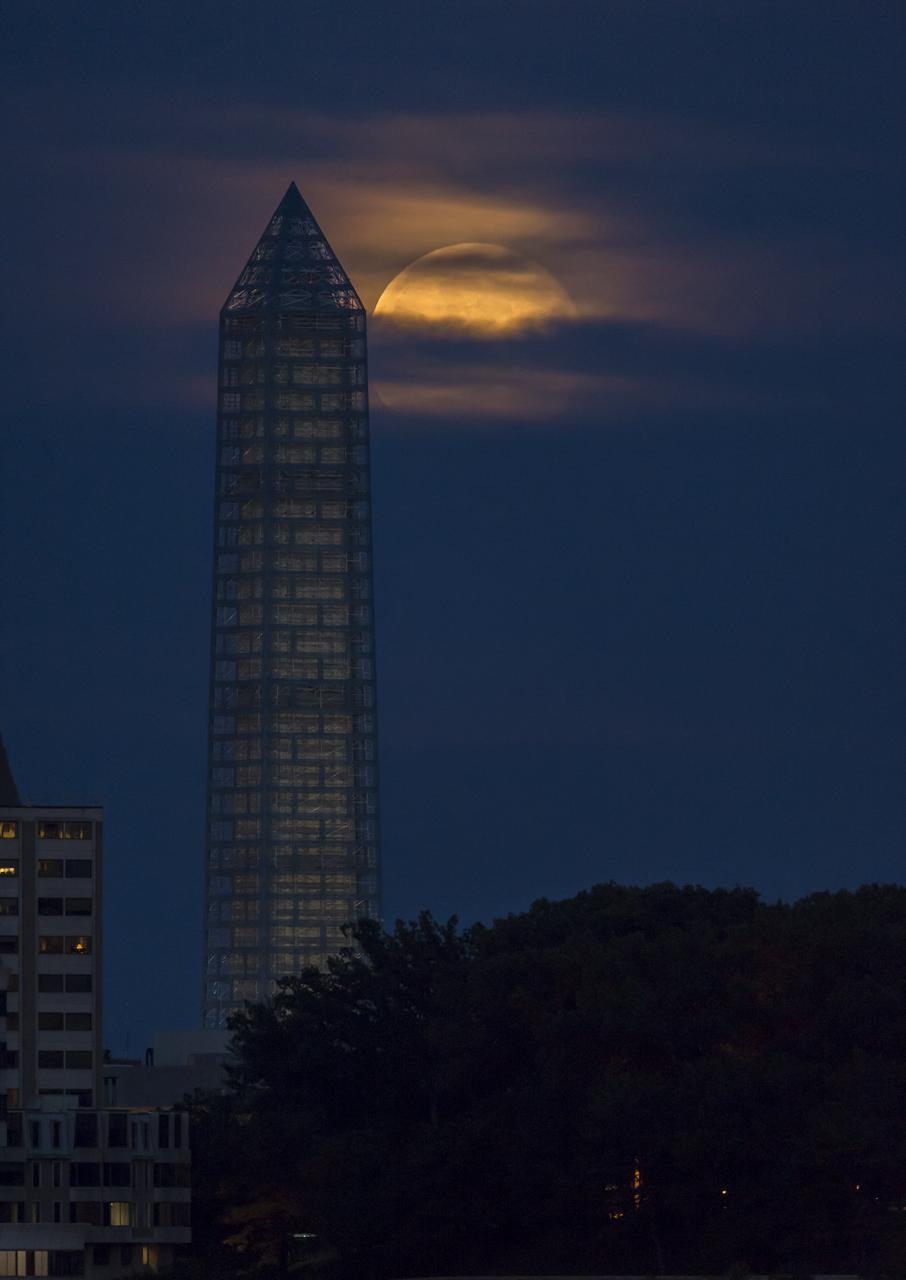
A supermoon rises behind the Washington Monument, Sunday, June 23, 2013, in Washington. This year the Supermoon is up to 13.5% larger and 30% brighter than a typical Full Moon is. This is a result of the Moon reaching its perigee - the closest that it gets to the Earth during the course of its orbit. During perigee on 23 June the Moon was about 221,824 miles away, as compared to the 252,581 miles away that it is at its furthest distance from the Earth (apogee). Photo Credit: (NASA/Bill Ingalls)
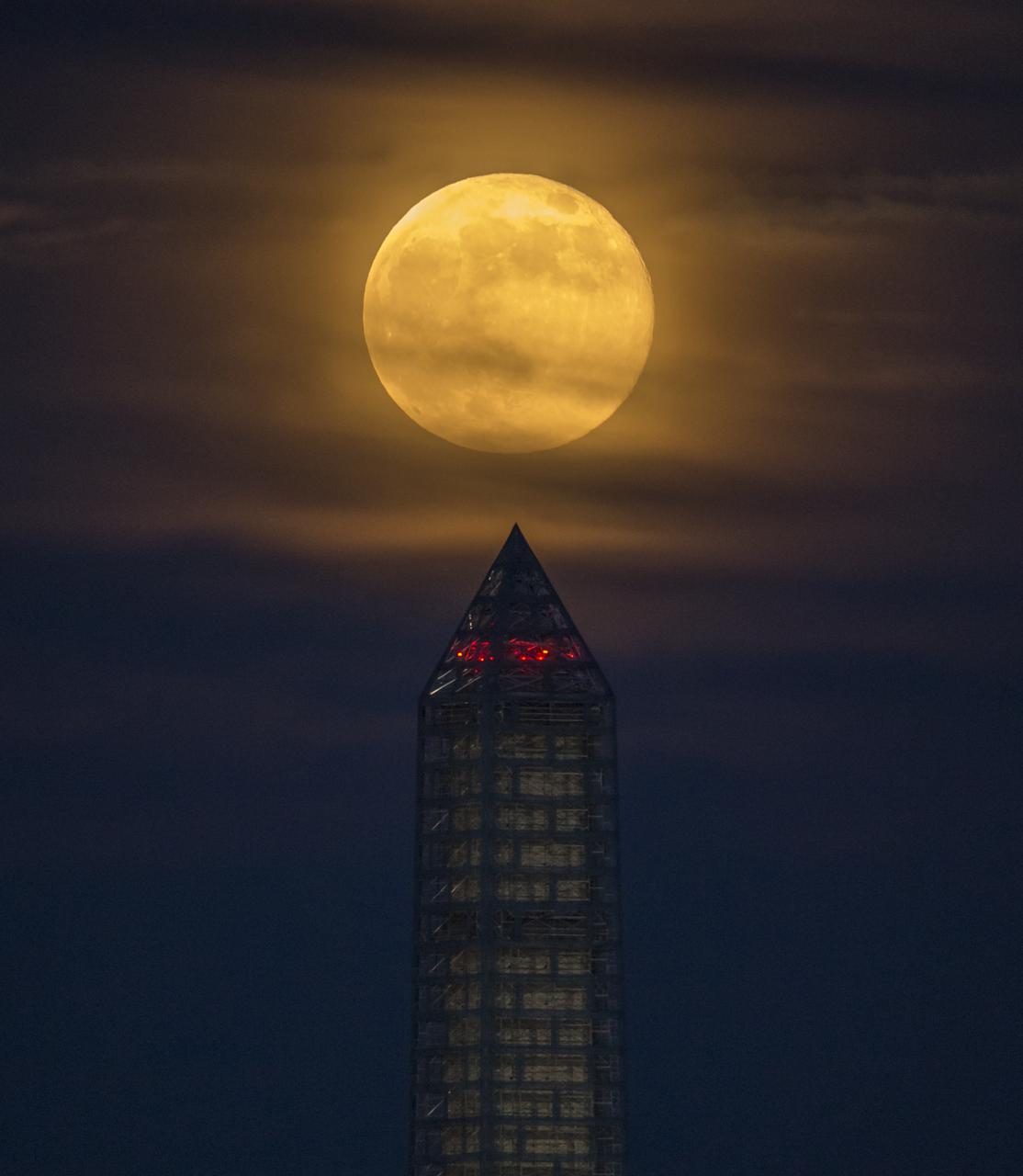
A supermoon rises behind the Washington Monument, Sunday, June 23, 2013, in Washington. This year the Supermoon is up to 13.5% larger and 30% brighter than a typical Full Moon is. This is a result of the Moon reaching its perigee - the closest that it gets to the Earth during the course of its orbit. During perigee on 23 June the Moon was about 221,824 miles away, as compared to the 252,581 miles away that it is at its furthest distance from the Earth (apogee). Photo Credit: (NASA/Bill Ingalls)
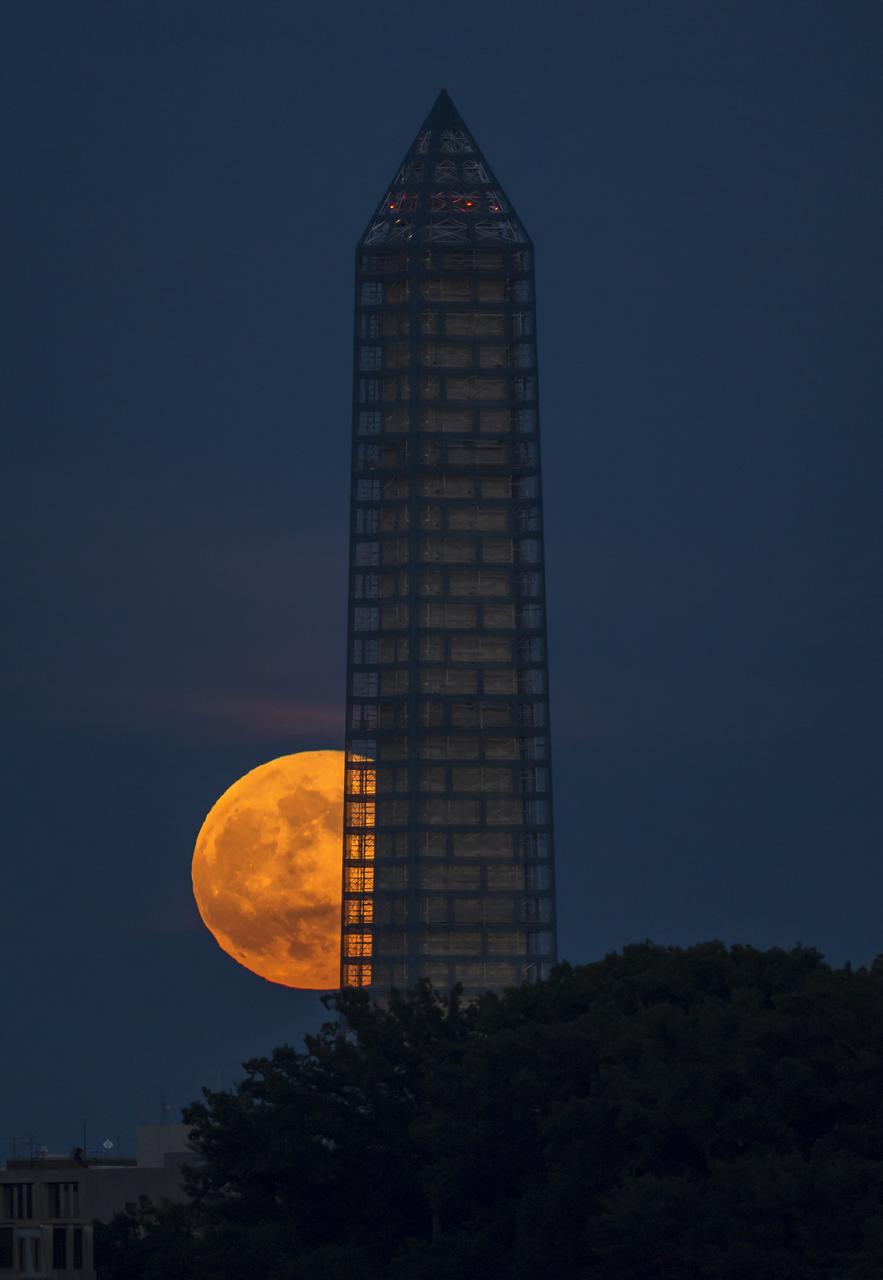
A supermoon rises behind the Washington Monument, Sunday, June 23, 2013, in Washington. This year the Supermoon is up to 13.5% larger and 30% brighter than a typical Full Moon is. This is a result of the Moon reaching its perigee - the closest that it gets to the Earth during the course of its orbit. During perigee on 23 June the Moon was about 221,824 miles away, as compared to the 252,581 miles away that it is at its furthest distance from the Earth (apogee). Photo Credit: (NASA/Bill Ingalls)
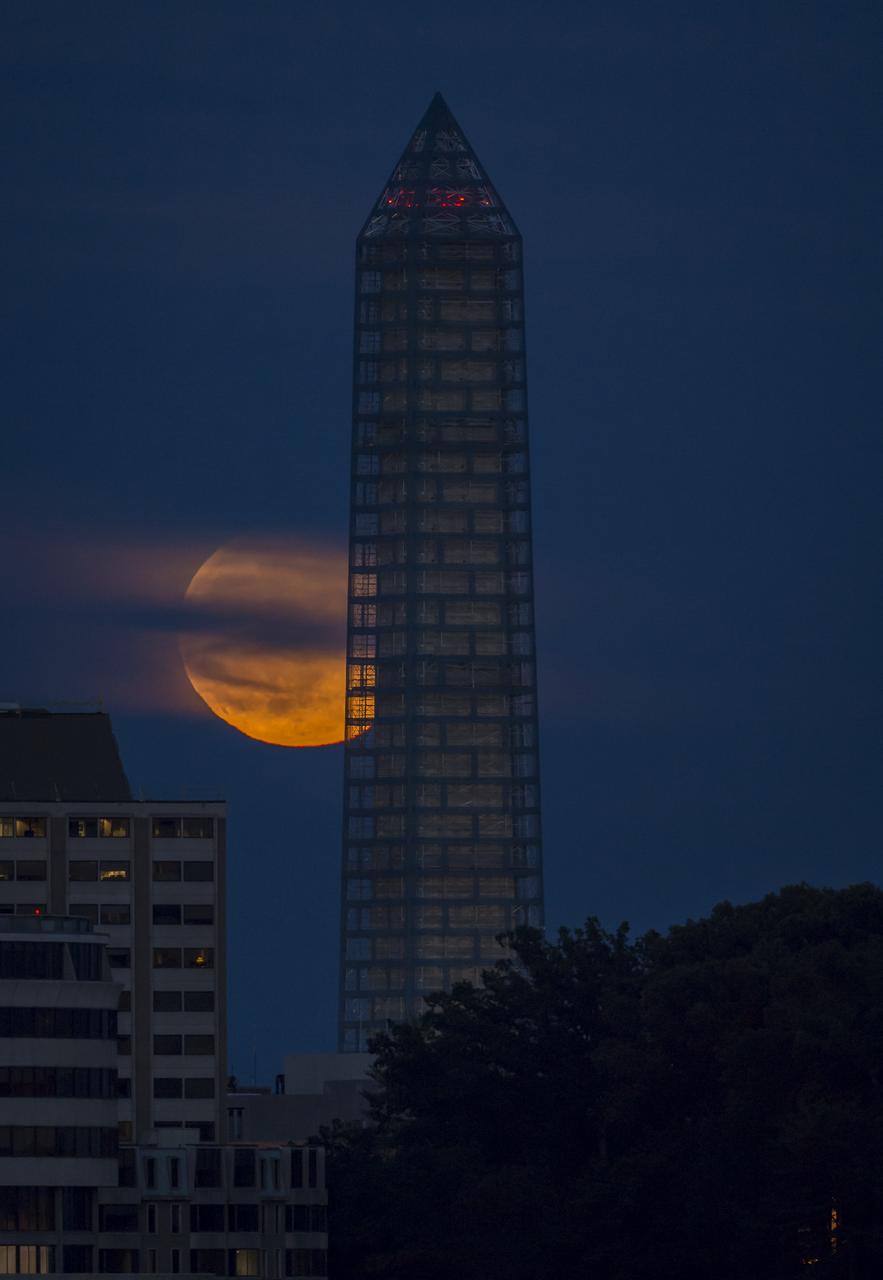
A supermoon rises behind the Washington Monument, Sunday, June 23, 2013, in Washington. This year the Supermoon is up to 13.5% larger and 30% brighter than a typical Full Moon is. This is a result of the Moon reaching its perigee - the closest that it gets to the Earth during the course of its orbit. During perigee on 23 June the Moon was about 221,824 miles away, as compared to the 252,581 miles away that it is at its furthest distance from the Earth (apogee). Photo Credit: (NASA/Bill Ingalls)
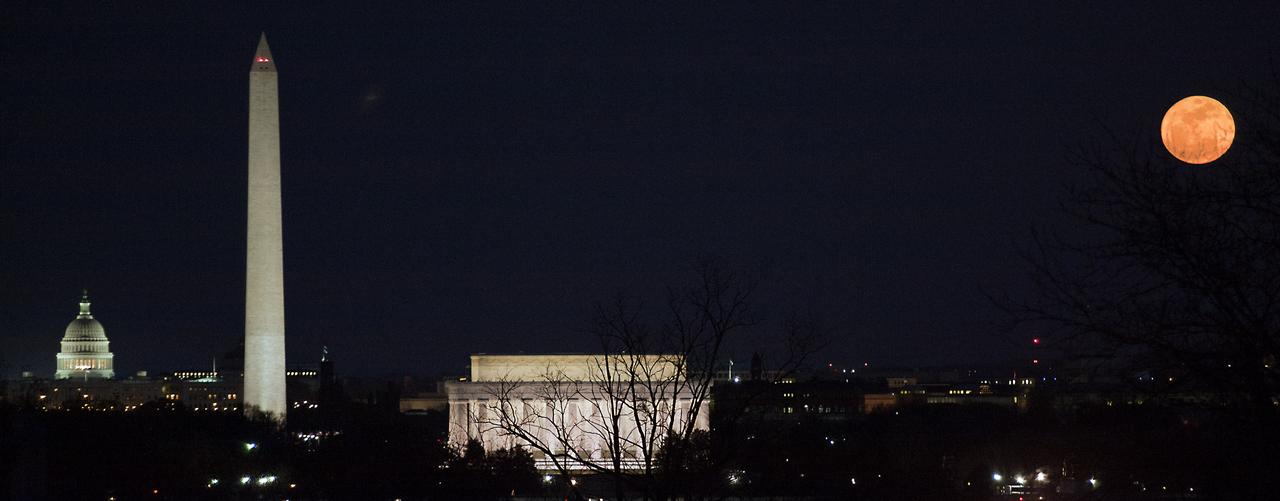
The full moon is seen as it rises near the National Mall, Saturday, March 19, 2011, in Washington. The full moon tonight is called a "Super Moon" since it is at its closest to Earth. Photo Credit: (NASA/Paul E. Alers)
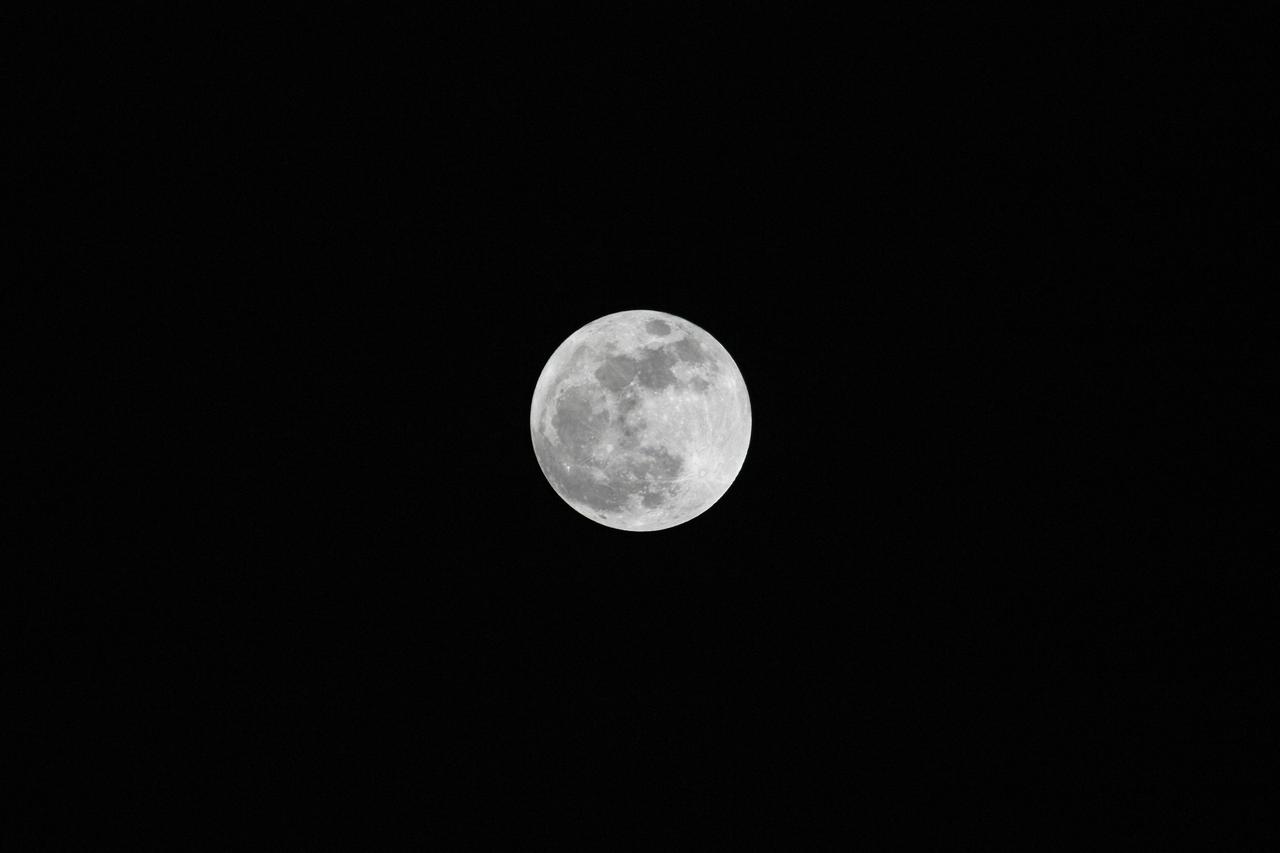
CAPE CANAVERAL, Fla. – A view of the super moon in the eastern sky over Kennedy Space Center in Florida. The full moon reached perigee, the closest point to Earth in its elliptical pattern, at 11:34 p.m. It appeared 14 percent larger and 30 percent brighter than other full moons of 2012. Photo credit: NASA/Jim Grossmann