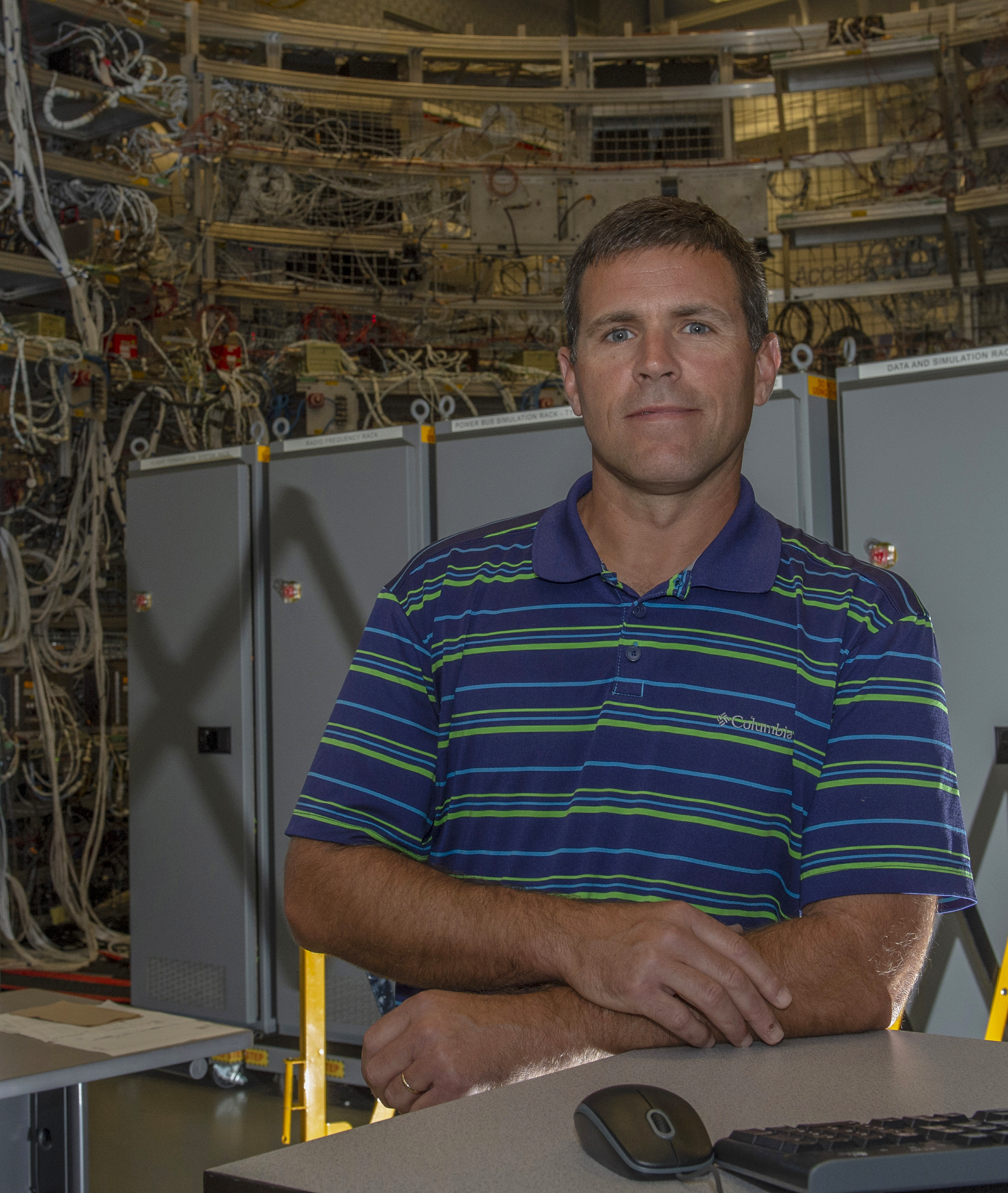
George Plattsmier, ARTEMIS developer supporting hardware/software development, integration and testing for the Space Launch System (SLS) in the Systems Integration Lab (SIL), Building 4205, lab 116.
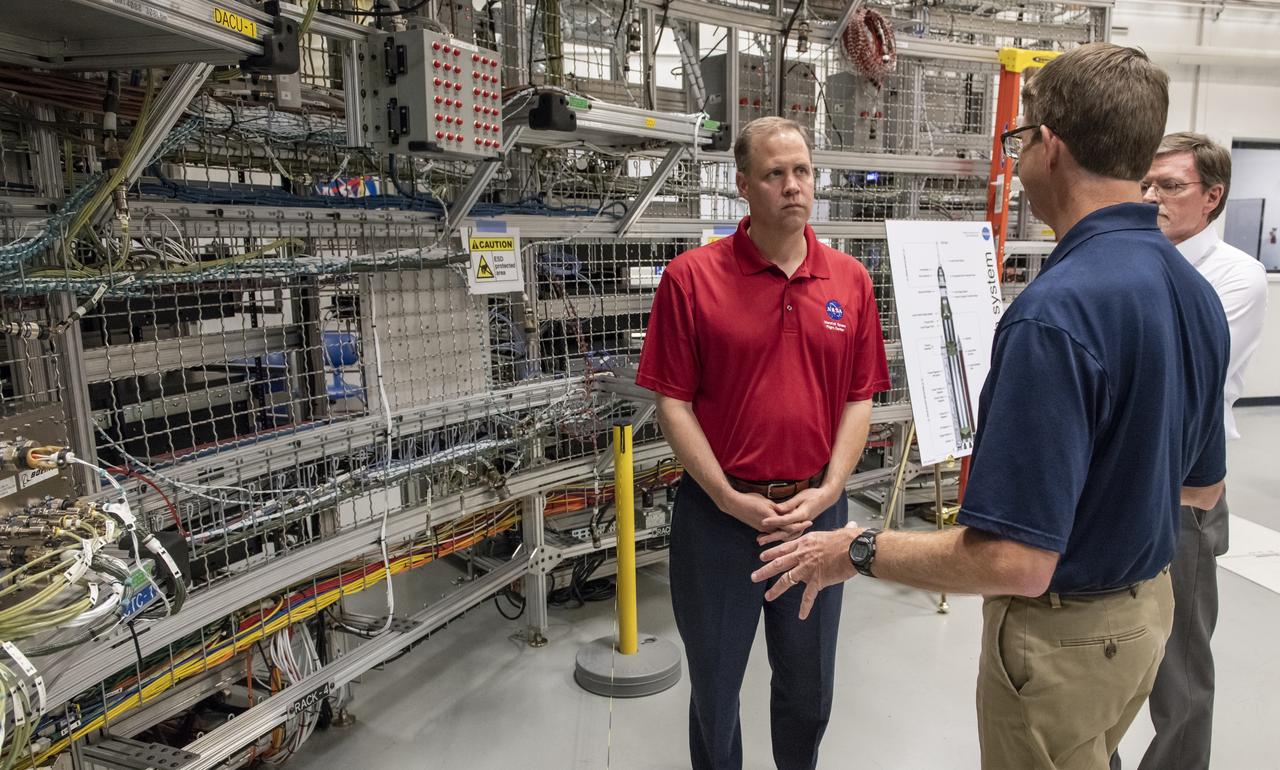
On August 15, 2018 NASA Administrator Jim Bridenstine visited Marshall Space Flight Center. Upon his arrival he was greeted by MSFC Acting Director Jody Singer along with the senior management team. During his tour of the Marshall Center, Bridenstine visited the System Integration Lab and the Software Integration and Testing Facility where Marshall is supporting end-to-end integrated avionics and software integration, check-out, verification and validation for the systems that will control the Space Launch System rocket during its flight and ascent.
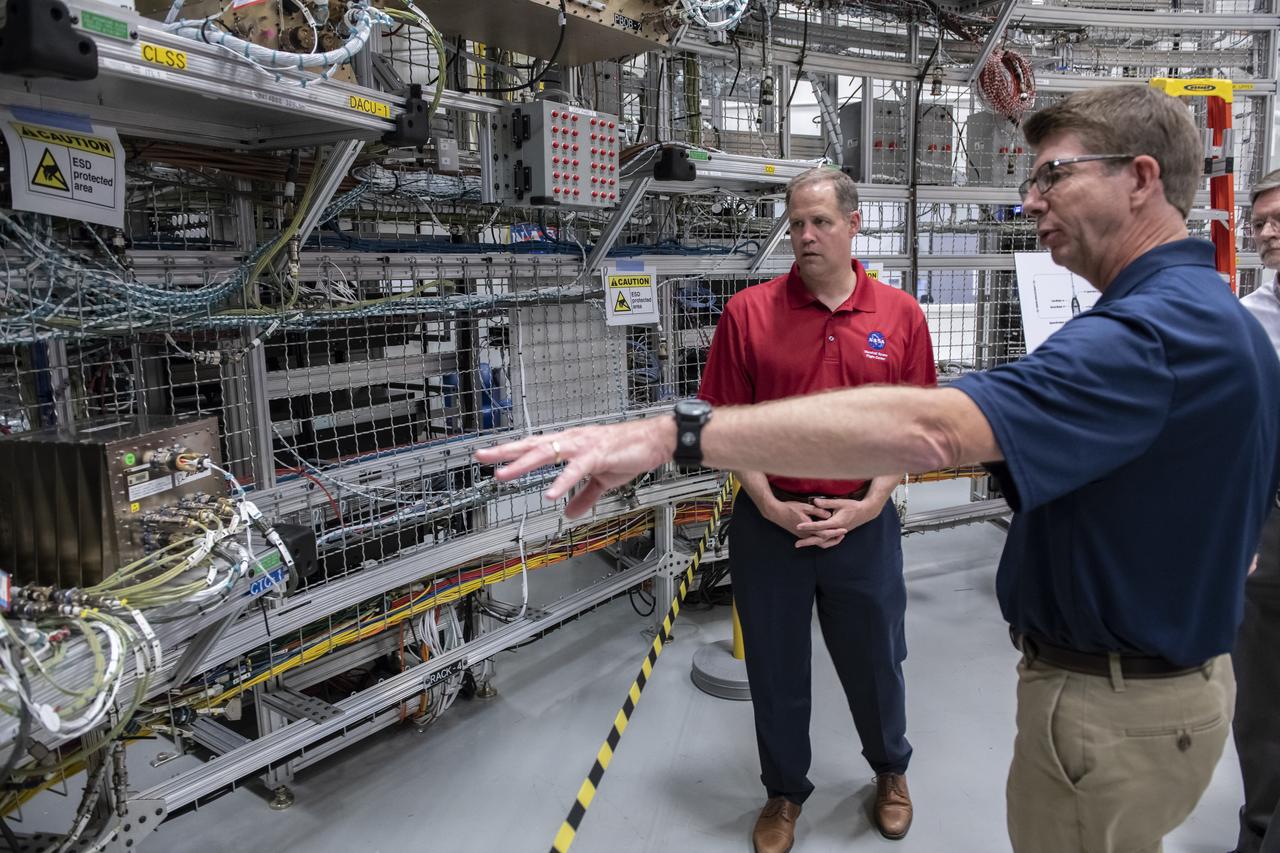
On August 15, 2018 NASA Administrator Jim Bridenstine visited Marshall Space Flight Center. Upon his arrival he was greeted by MSFC Acting Director Jody Singer along with the senior management team. During his tour of the Marshall Center, Bridenstine visited the System Integration Lab and the Software Integration and Testing Facility where Marshall is supporting end-to-end integrated avionics and software integration, check-out, verification and validation for the systems that will control the Space Launch System rocket during its flight and ascent.
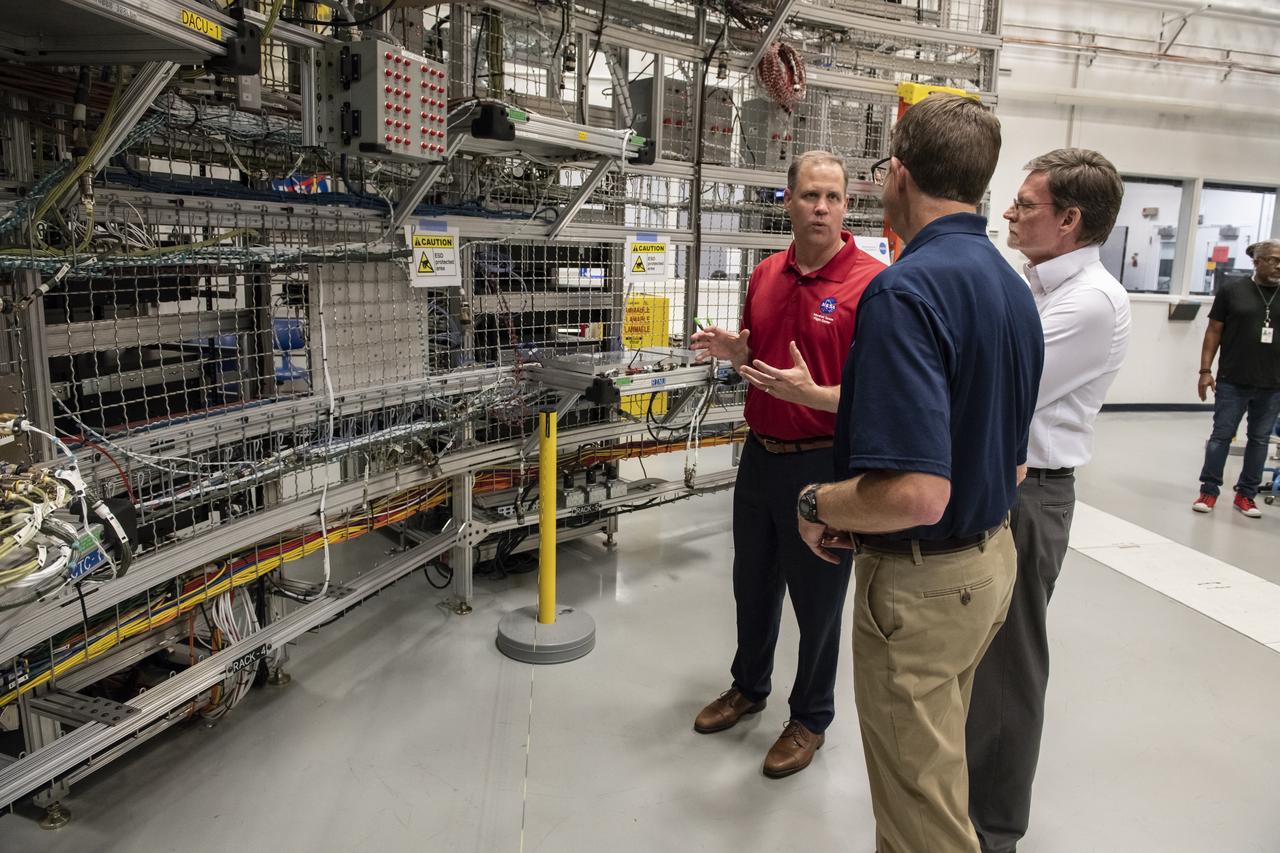
On August 15, 2018 NASA Administrator Jim Bridenstine visited Marshall Space Flight Center. Upon his arrival he was greeted by MSFC Acting Director Jody Singer along with the senior management team. During his tour of the Marshall Center, Bridenstine visited the System Integration Lab and the Software Integration and Testing Facility where Marshall is supporting end-to-end integrated avionics and software integration, check-out, verification and validation for the systems that will control the Space Launch System rocket during its flight and ascent.
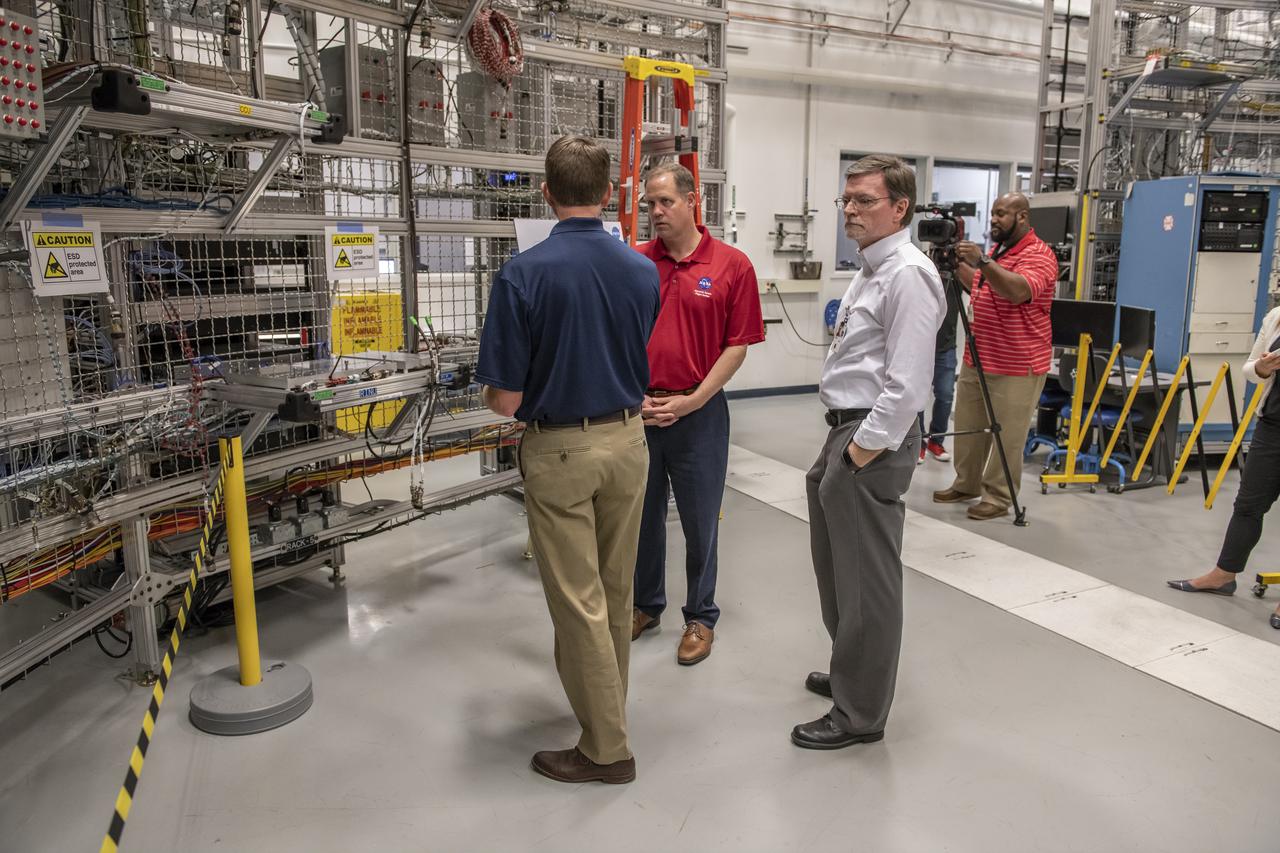
On August 15, 2018 NASA Administrator Jim Bridenstine visited Marshall Space Flight Center. Upon his arrival he was greeted by MSFC Acting Director Jody Singer along with the senior management team. During his tour of the Marshall Center, Bridenstine visited the System Integration Lab and the Software Integration and Testing Facility where Marshall is supporting end-to-end integrated avionics and software integration, check-out, verification and validation for the systems that will control the Space Launch System rocket during its flight and ascent.
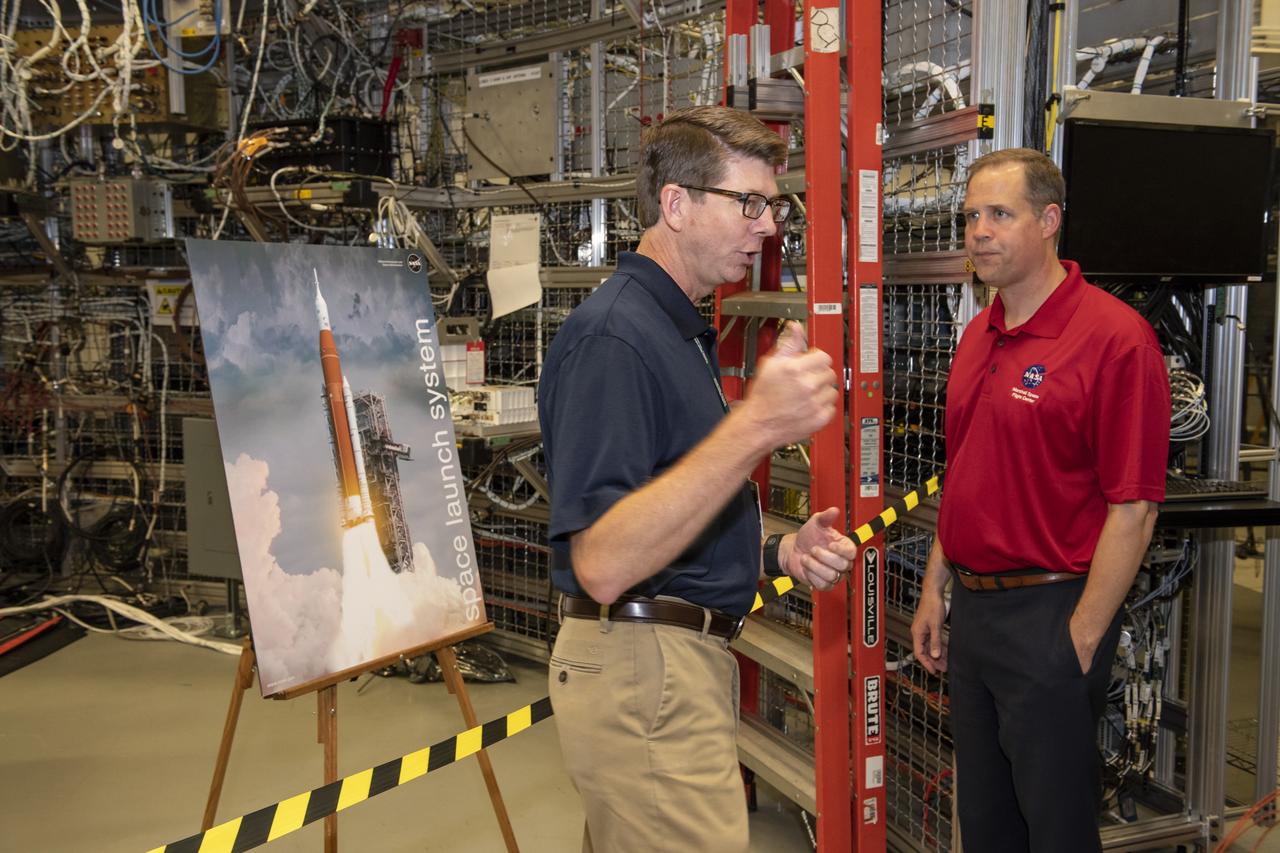
On August 15, 2018 NASA Administrator Jim Bridenstine visited Marshall Space Flight Center. Upon his arrival he was greeted by MSFC Acting Director Jody Singer along with the senior management team. During his tour of the Marshall Center, Bridenstine visited the System Integration Lab and the Software Integration and Testing Facility where Marshall is supporting end-to-end integrated avionics and software integration, check-out, verification and validation for the systems that will control the Space Launch System rocket during its flight and ascent.
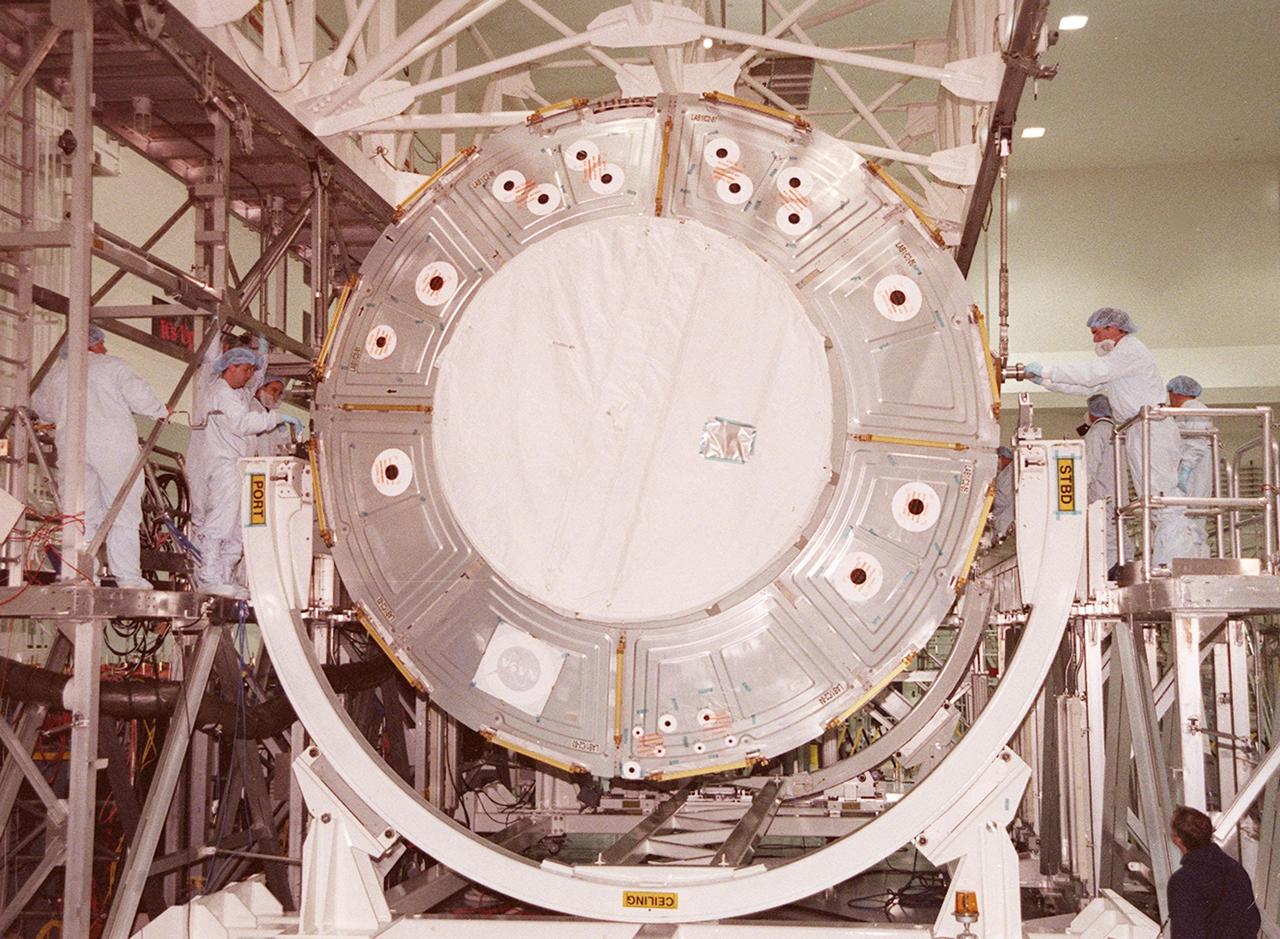
KENNEDY SPACE CENTER, FLA. -- In the Space Station Processing Facility, workers attach an overhead crane to the U.S. Lab Destiny. The lab is being moved from its test and integration stand to the Launch Package Integration Stand (LPIS) for a weight and center of gravity determination. Destiny is the payload aboard Space Shuttle Atlantis on mission STS-98 to the International Space Station. The lab is fitted with five system racks and will already have experiments installed inside for the flight. The launch is scheduled for January 2001
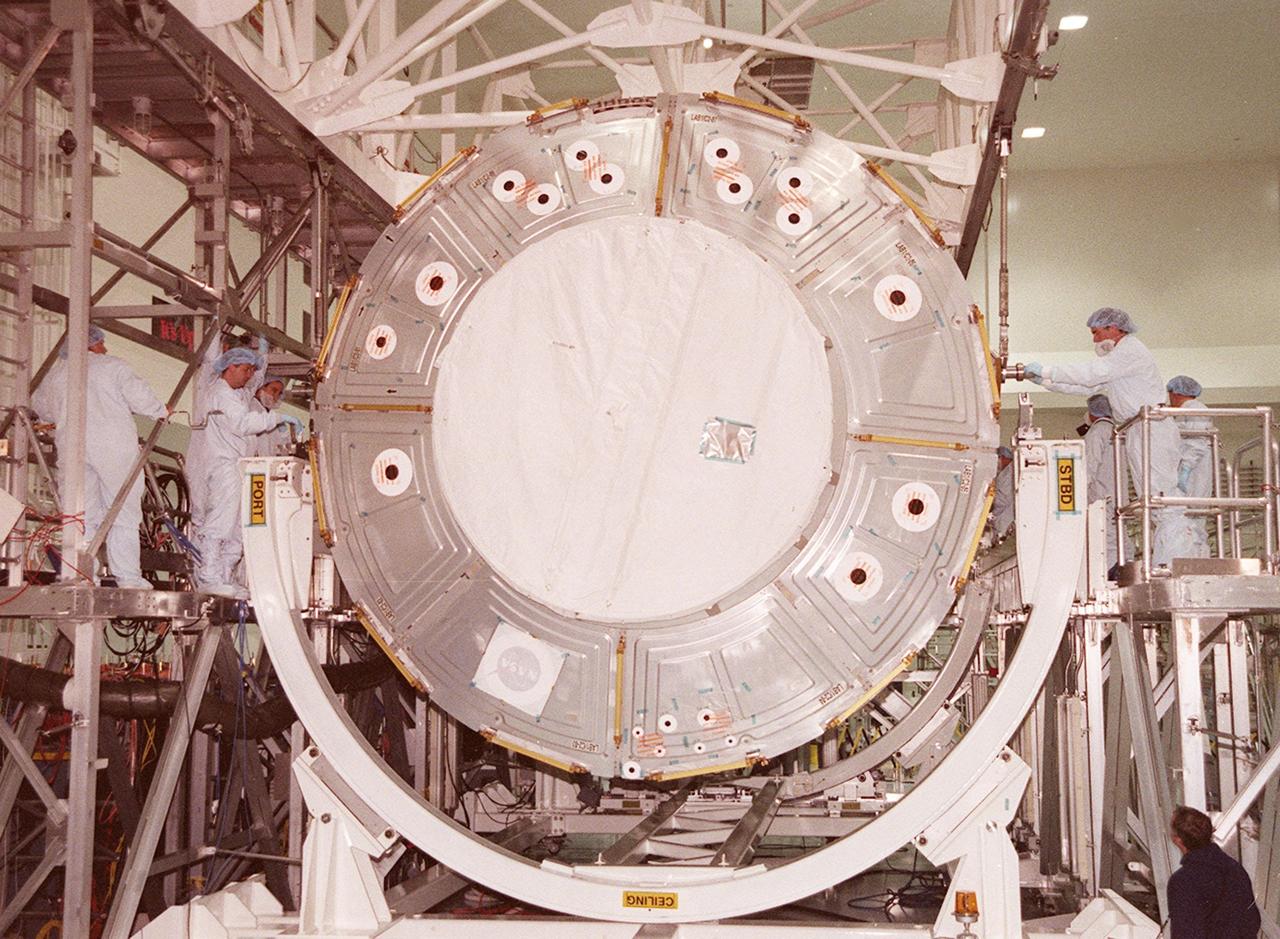
KENNEDY SPACE CENTER, FLA. -- In the Space Station Processing Facility, workers attach an overhead crane to the U.S. Lab Destiny. The lab is being moved from its test and integration stand to the Launch Package Integration Stand (LPIS) for a weight and center of gravity determination. Destiny is the payload aboard Space Shuttle Atlantis on mission STS-98 to the International Space Station. The lab is fitted with five system racks and will already have experiments installed inside for the flight. The launch is scheduled for January 2001
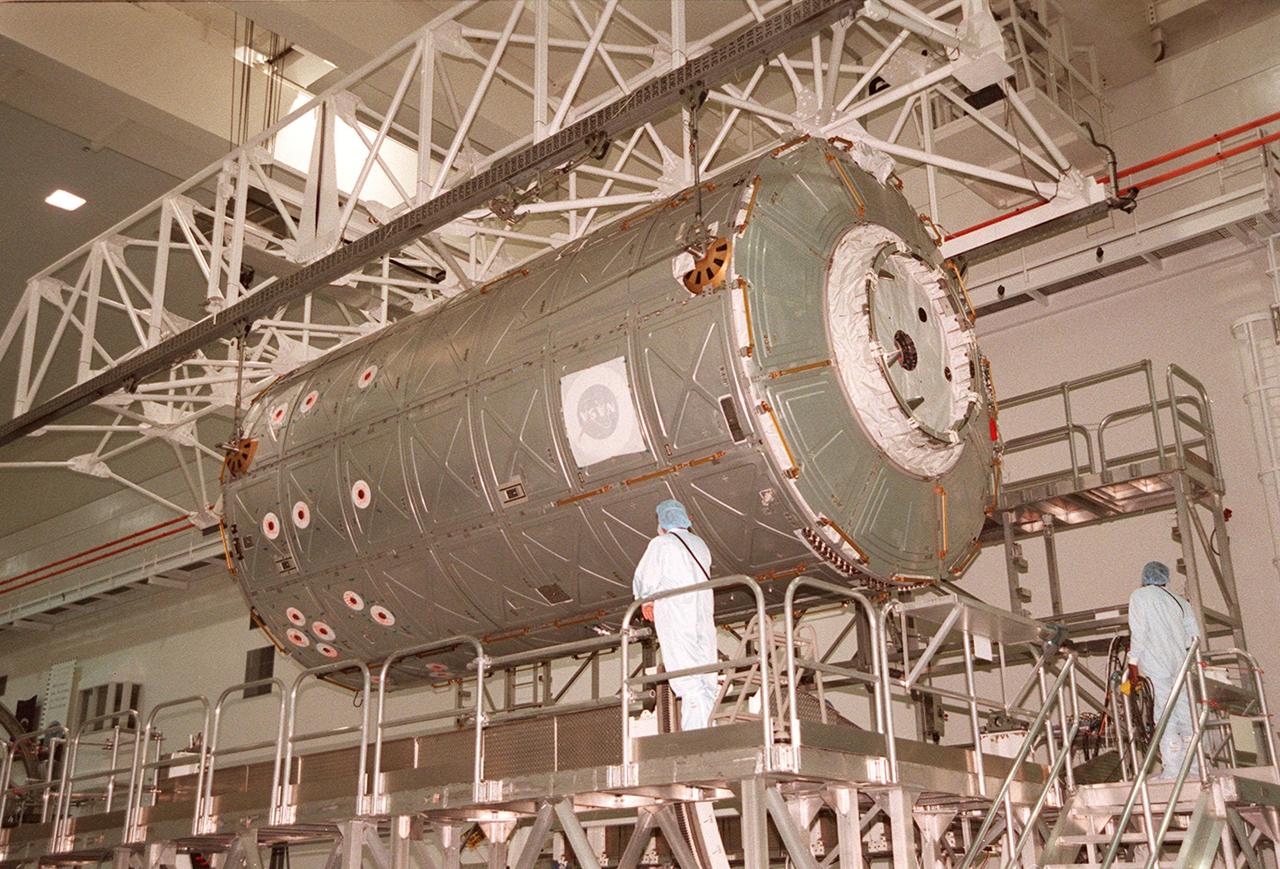
KENNEDY SPACE CENTER, FLA. -- In the Space Station Processing Facility, an overhead crane begins lifting the U.S. Lab Destiny from its test and integration stand. It will be carried to the Launch Package Integration Stand (LPIS) for a weight and center of gravity determination. Destiny is the payload aboard Space Shuttle Atlantis on mission STS-98 to the International Space Station. The lab is fitted with five system racks and will already have experiments installed inside for the flight. The launch is scheduled for January 2001
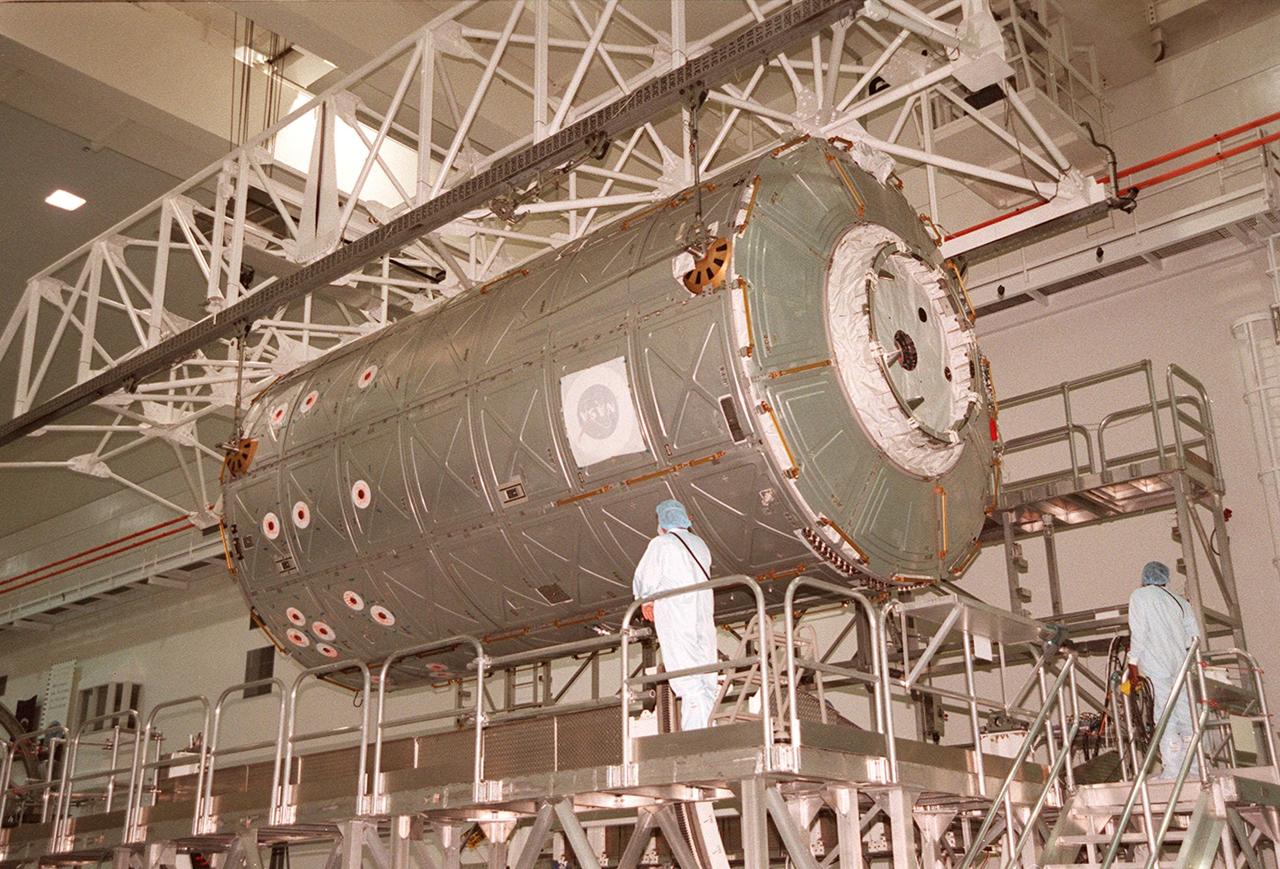
KENNEDY SPACE CENTER, FLA. -- In the Space Station Processing Facility, an overhead crane begins lifting the U.S. Lab Destiny from its test and integration stand. It will be carried to the Launch Package Integration Stand (LPIS) for a weight and center of gravity determination. Destiny is the payload aboard Space Shuttle Atlantis on mission STS-98 to the International Space Station. The lab is fitted with five system racks and will already have experiments installed inside for the flight. The launch is scheduled for January 2001

KENNEDY SPACE CENTER, FLA. -- In the Space Station Processing Facility, overhead cranes move the U.S. Lab Destiny from its test and integration stand to the Launch Package Integration Stand (LPIS) for a weight and center of gravity determination. Destiny is the payload aboard Space Shuttle Atlantis on mission STS-98 to the International Space Station. The lab is fitted with five system racks and will already have experiments installed inside for the flight. The launch is scheduled for January 2001

KENNEDY SPACE CENTER, FLA. -- In the Space Station Processing Facility, overhead cranes move the U.S. Lab Destiny from its test and integration stand to the Launch Package Integration Stand (LPIS) for a weight and center of gravity determination. Destiny is the payload aboard Space Shuttle Atlantis on mission STS-98 to the International Space Station. The lab is fitted with five system racks and will already have experiments installed inside for the flight. The launch is scheduled for January 2001
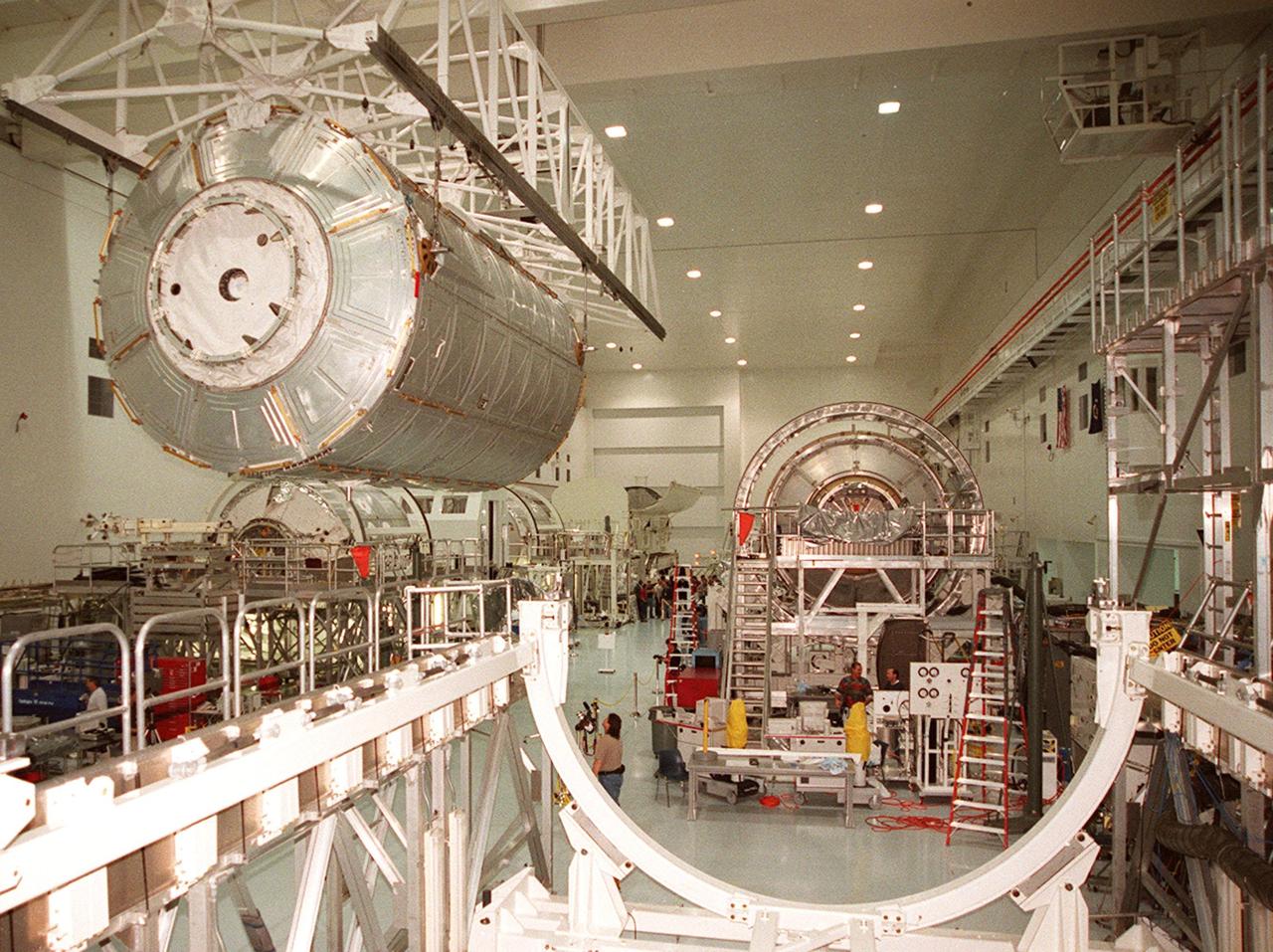
KENNEDY SPACE CENTER, FLA. -- In the Space Station Processing Facility, the U.S. Lab Destiny is moved from its test and integration stand to go into the Launch Package Integration Stand (LPIS) for a weight and center of gravity determination. Destiny is the payload aboard Space Shuttle Atlantis on mission STS-98 to the International Space Station. The lab is fitted with five system racks and will already have experiments installed inside for the flight. The launch is scheduled for January 2001

KENNEDY SPACE CENTER, FLA. -- In the Space Station Processing Facility, the U.S. Lab Destiny is moved from its test and integration stand to go into the Launch Package Integration Stand (LPIS) for a weight and center of gravity determination. Destiny is the payload aboard Space Shuttle Atlantis on mission STS-98 to the International Space Station. The lab is fitted with five system racks and will already have experiments installed inside for the flight. The launch is scheduled for January 2001
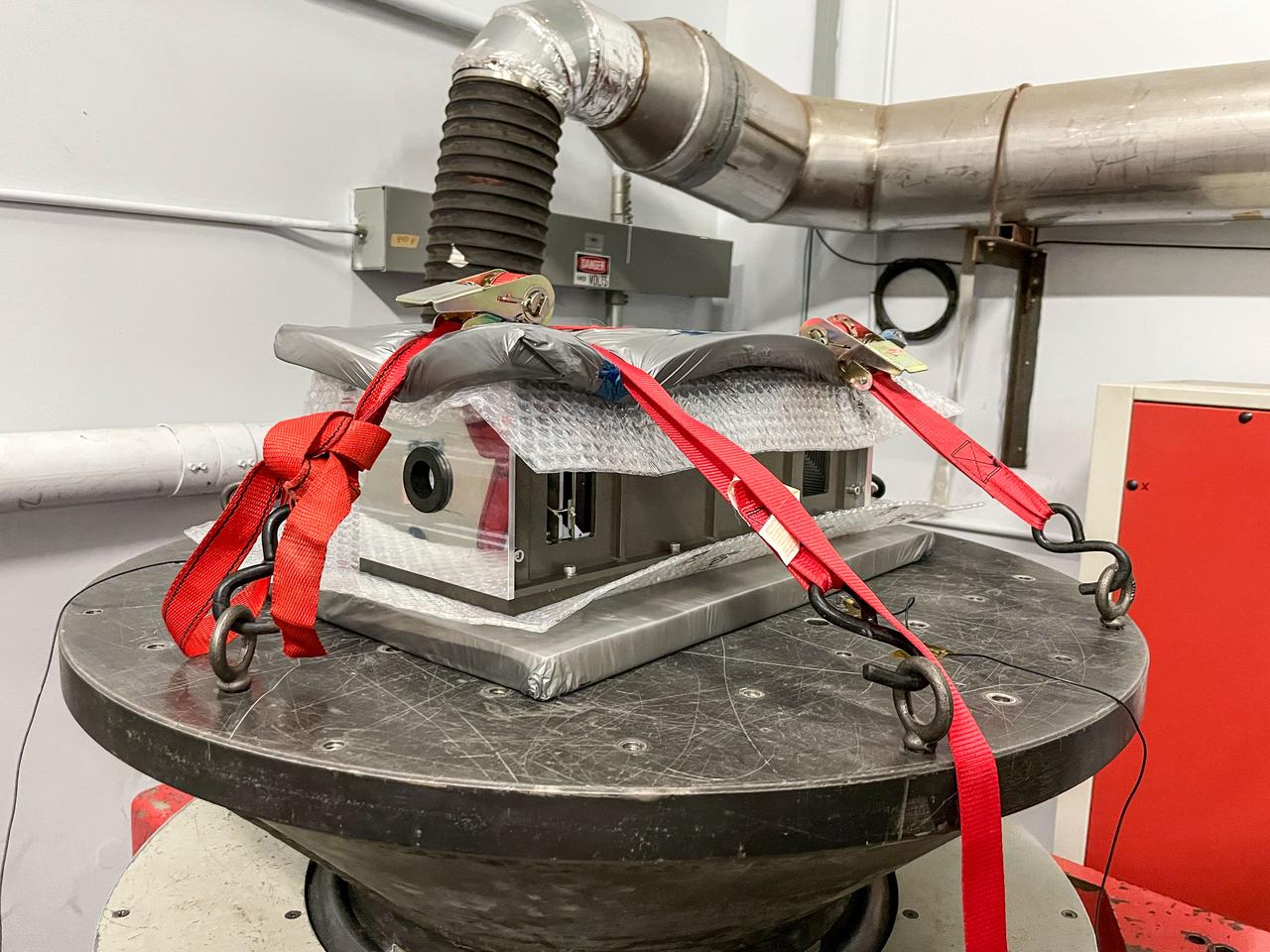
jsc2022e084488 (5/31/2022) --- A prefliight view of the Low Orbit Reconnaissance Imagery Satellite (LORIS) vibration test before integration at the ESL Environmental Technologies lab in Nova Scotia. Image courtesy of GALAXIA Mission Systems, Inc.
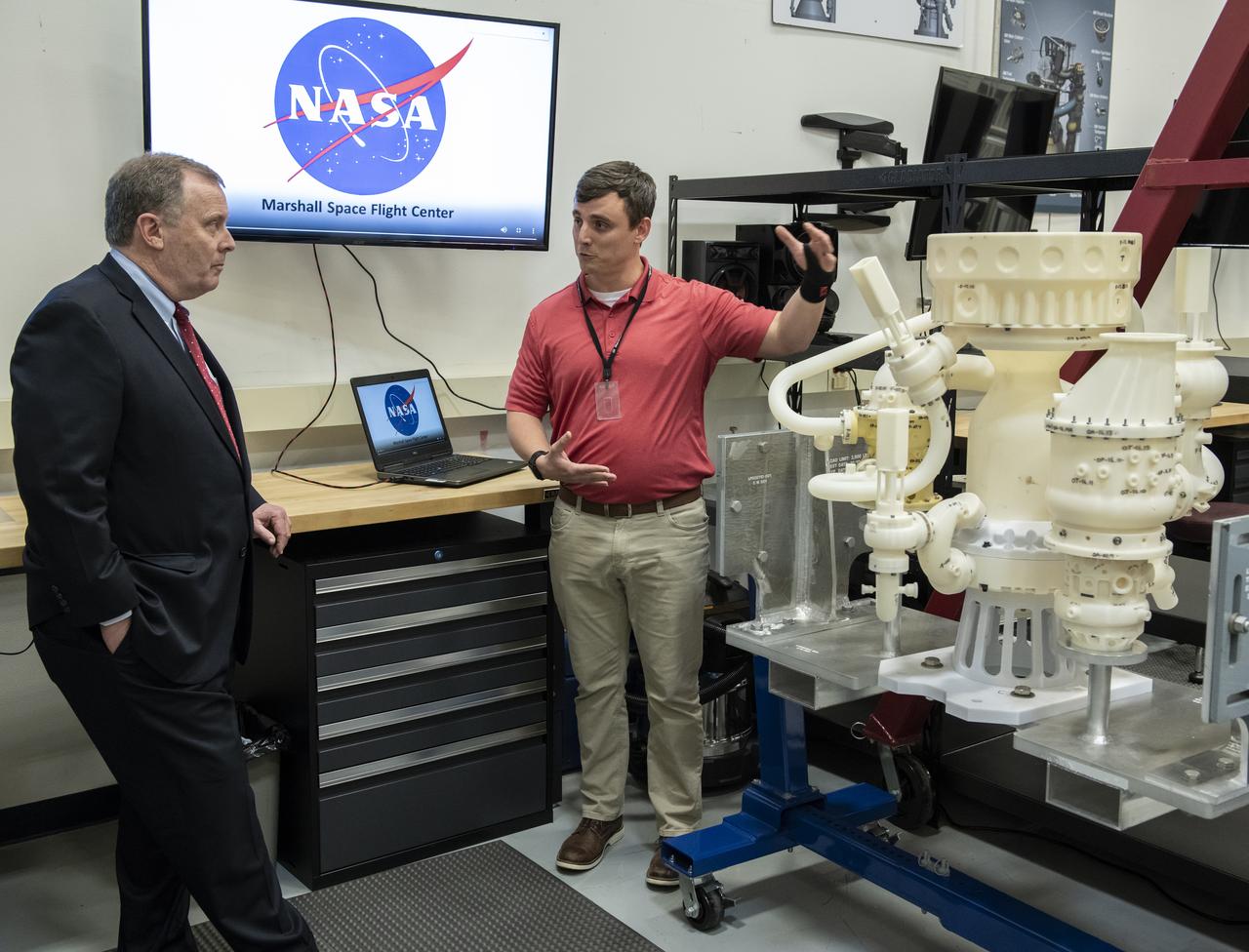
NASA Deputy Administrator Jim Morhard, left, visits the Combustion Lab at Marshall Space Flight Center on March 25, where Michael Allison shares the advancements being made in additive manufacturing of rocket engine parts at Marshall. Allison leads the assembly and integration lead for the MC2 engine model, shown here, which is an additively manufactured liquid engine designed and developed at Marshall. During his tour of the center, Morhard also saw the work being done by Marshall to advance deep space exploration at the Liquid Hydrogen Test Stand, Deep Space Habitat, Payload Operations Integration Center and the Systems Integration Lab.
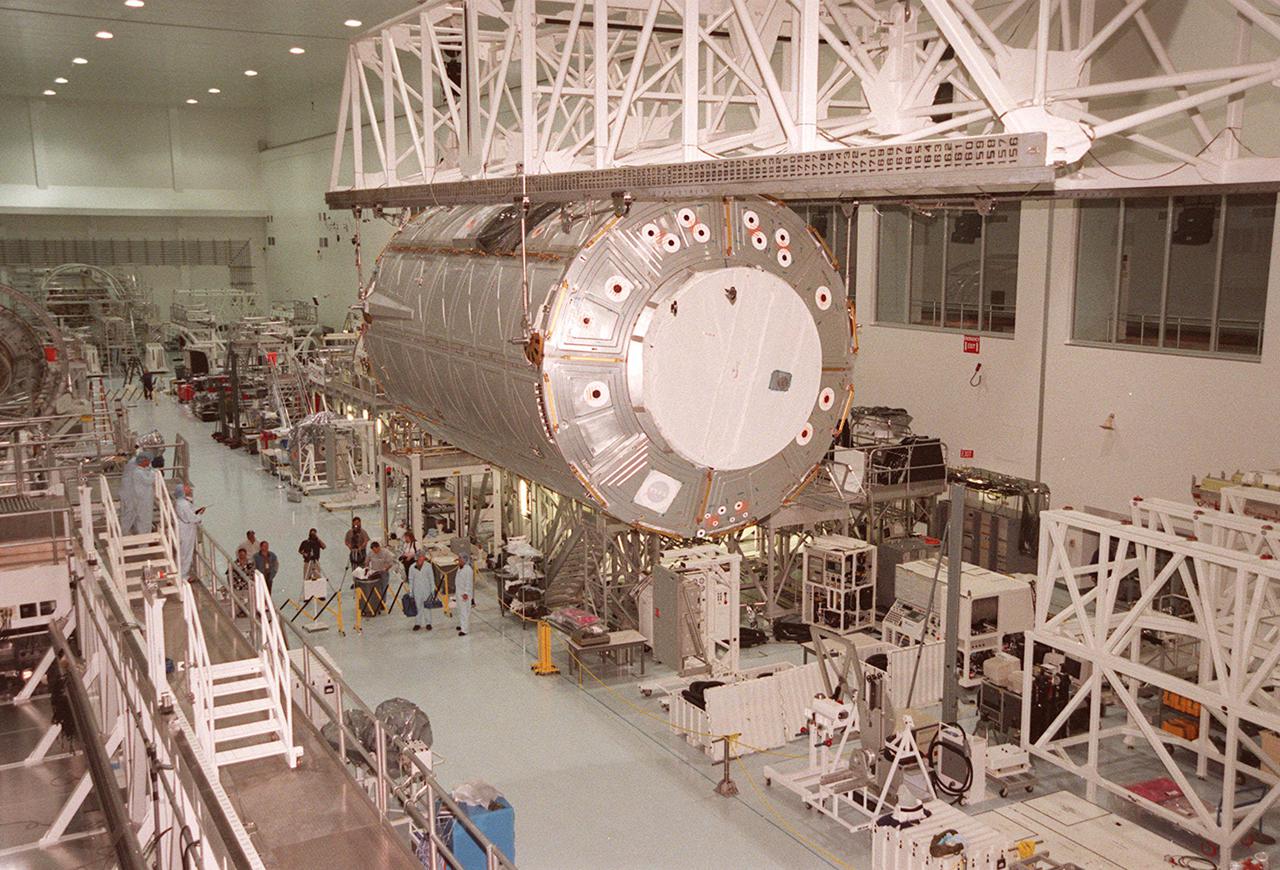
KENNEDY SPACE CENTER, FLA. -- The U.S. Laboratory Destiny travels past the Multi-Purpose Logistics Module Leonardo in its overhead passage down the Space Station Processing Facility. The lab is being moved to the Launch Package Integration Stand (LPIS) for a weight and center of gravity determination. Destiny is the payload aboard Space Shuttle Atlantis on mission STS-98 to the Space Station. The lab is fitted with five system racks and will already have experiments installed inside for the flight. The launch is scheduled for January 2001

KENNEDY SPACE CENTER, FLA. -- Workers in the Space Station Processing Facility watch closely while the U.S. Lab Destiny is lowered onto the Launch Package Integration Stand (LPIS) for a weight and center of gravity determination. Destiny is the payload aboard Space Shuttle Atlantis on mission STS-98 to the Space Station. The lab is fitted with five system racks and will already have experiments installed inside for the flight. The launch is scheduled for January 2001
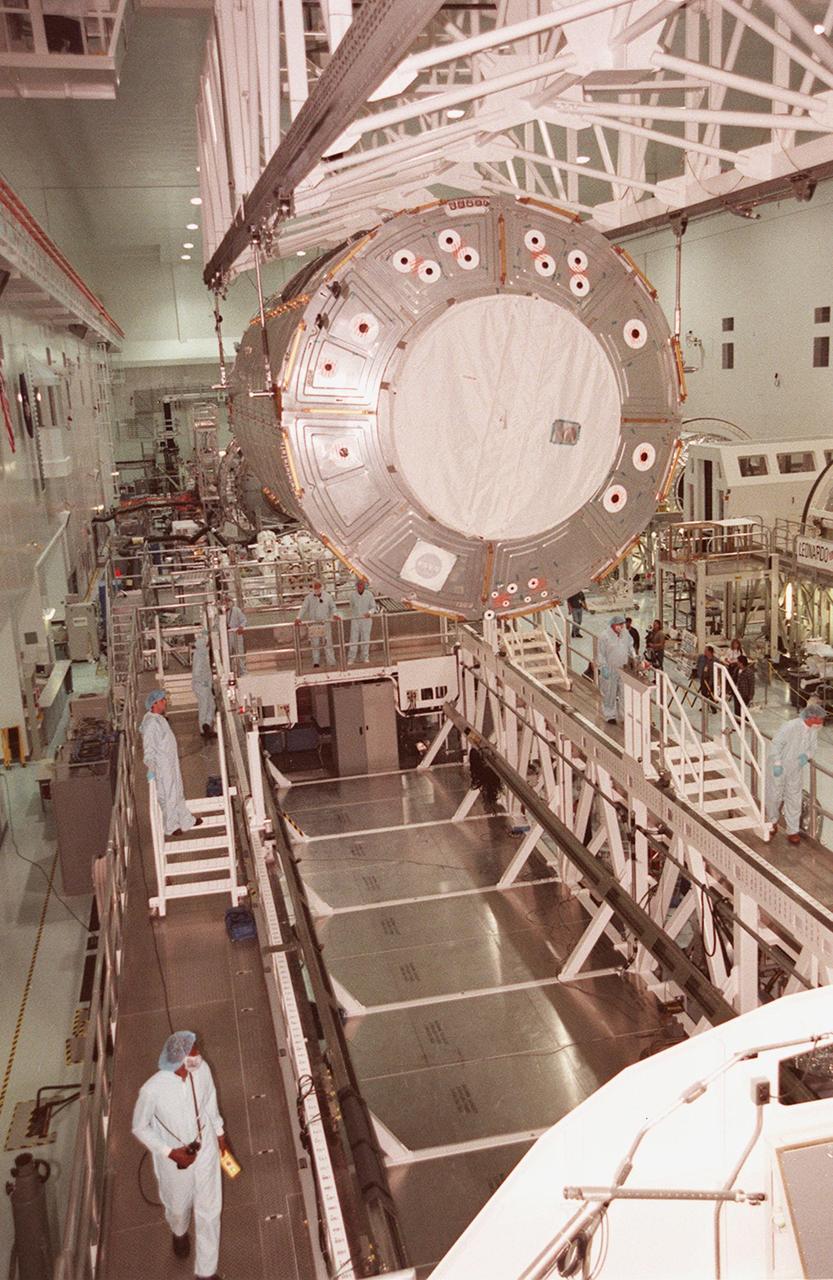
KENNEDY SPACE CENTER, FLA. -- In the Space Station Processing Facility, the U.S. Lab Destiny is lowered toward the Launch Package Integration Stand (LPIS) for a weight and center of gravity determination. Destiny is the payload aboard Space Shuttle Atlantis on mission STS-98 to the Space Station. The lab is fitted with five system racks and will already have experiments installed inside for the flight. The launch is scheduled for January 2001
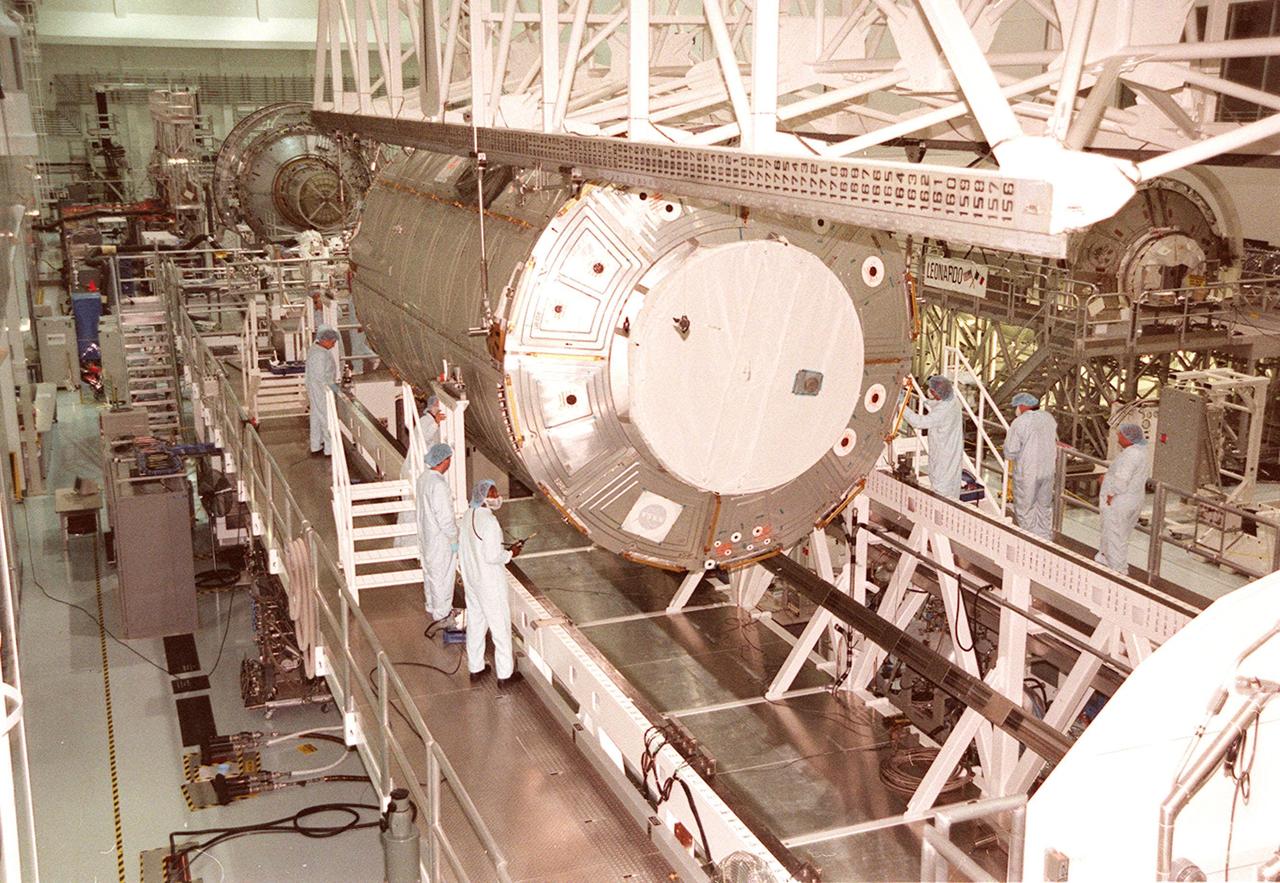
KENNEDY SPACE CENTER, FLA. -- In the Space Station Processing Facility, workers watch while the U.S. Lab Destiny is lowered onto the Launch Package Integration Stand (LPIS) for a weight and center of gravity determination. Destiny is the payload aboard Space Shuttle Atlantis on mission STS-98 to the Space Station. The lab is fitted with five system racks and will already have experiments installed inside for the flight. The launch is scheduled for January 2001
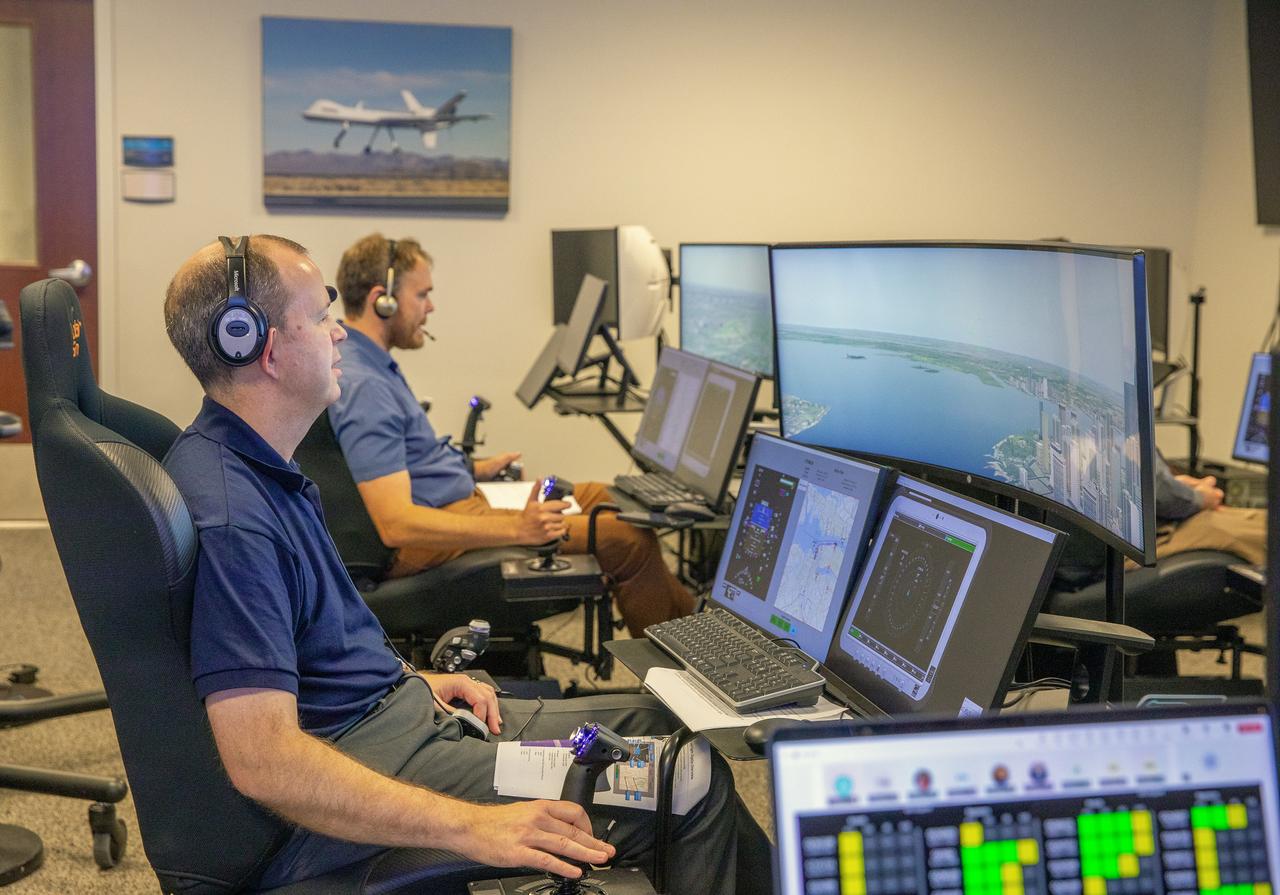
Focus on active photos –Class B Simulation Evaluation in the ATOL Lab at Langley (Also at FAA Tech Center) where team is working with one another in the lab, reviewing data on the monitors. Working the software, adjusting the software systems. Going over the shoulder to show the displays and screens as the software is running. Andy Burroughs (left) and Paul Friz in the roles of air taxi pilots running through air taxi integration simulations focusing on urban air space at NASA’s Langley Research in Hampton, Virginia on Sept. 25, 2024.
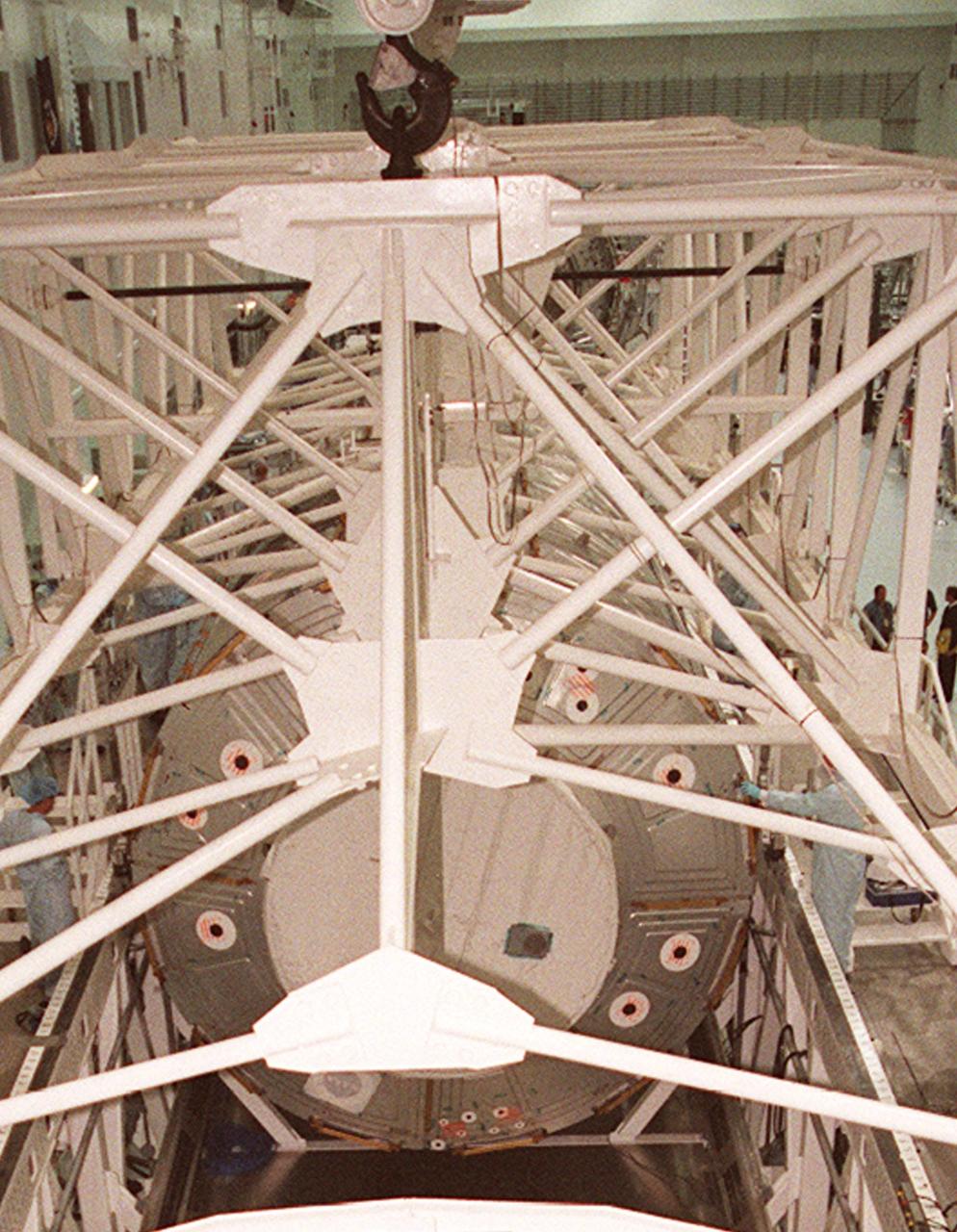
KENNEDY SPACE CENTER, FLA. -- In the Space Station Processing Facility, the overhead crane above the U.S. Lab Destiny is ready to be removed. Destiny rests in the Launch Package Integration Stand (LPIS) for a weight and center of gravity determination. In the foreground is the scale. Destiny is the payload aboard Space Shuttle Atlantis on mission STS-98 to the Space Station. The lab is fitted with five system racks and will already have experiments installed inside for the flight. The launch is scheduled for January 2001
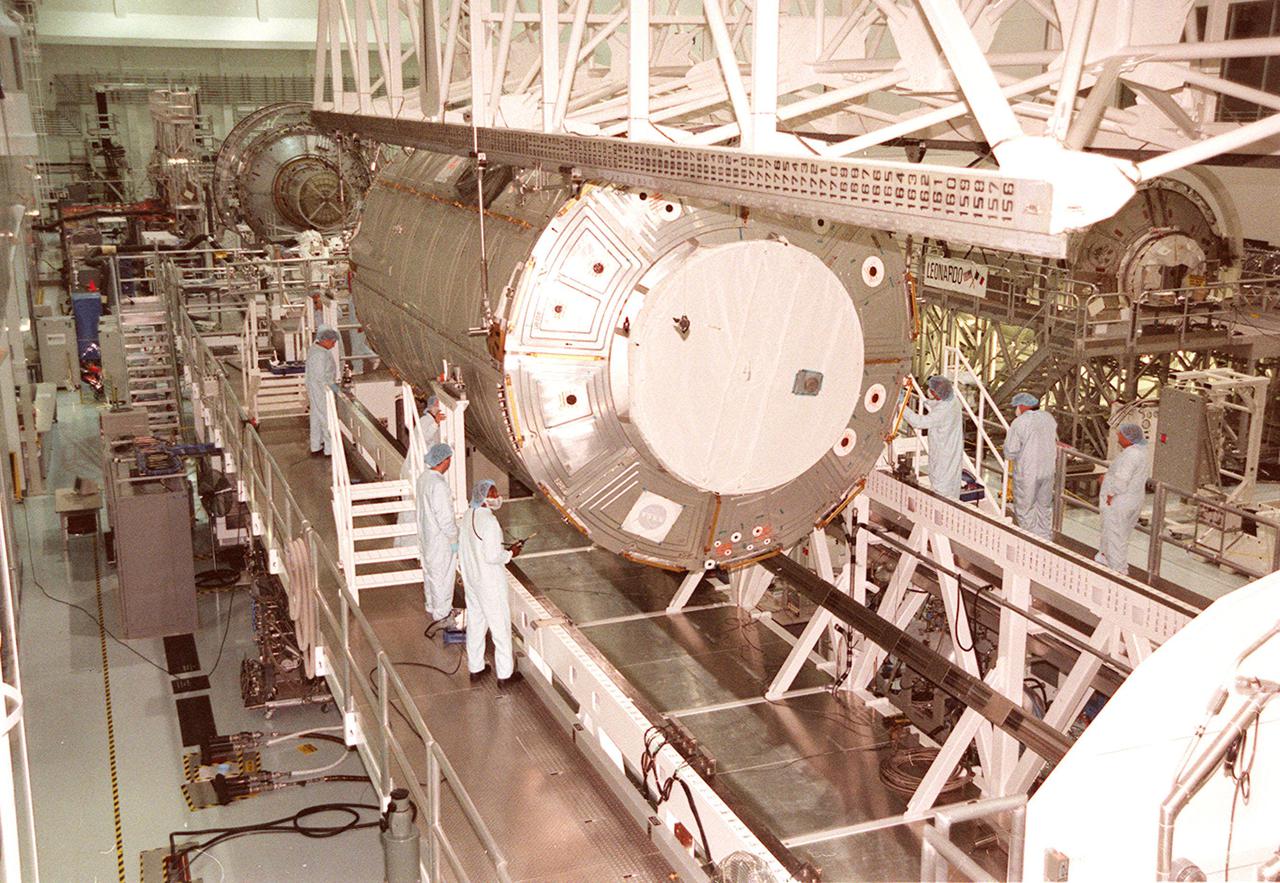
KENNEDY SPACE CENTER, FLA. -- In the Space Station Processing Facility, workers watch while the U.S. Lab Destiny is lowered onto the Launch Package Integration Stand (LPIS) for a weight and center of gravity determination. Destiny is the payload aboard Space Shuttle Atlantis on mission STS-98 to the Space Station. The lab is fitted with five system racks and will already have experiments installed inside for the flight. The launch is scheduled for January 2001
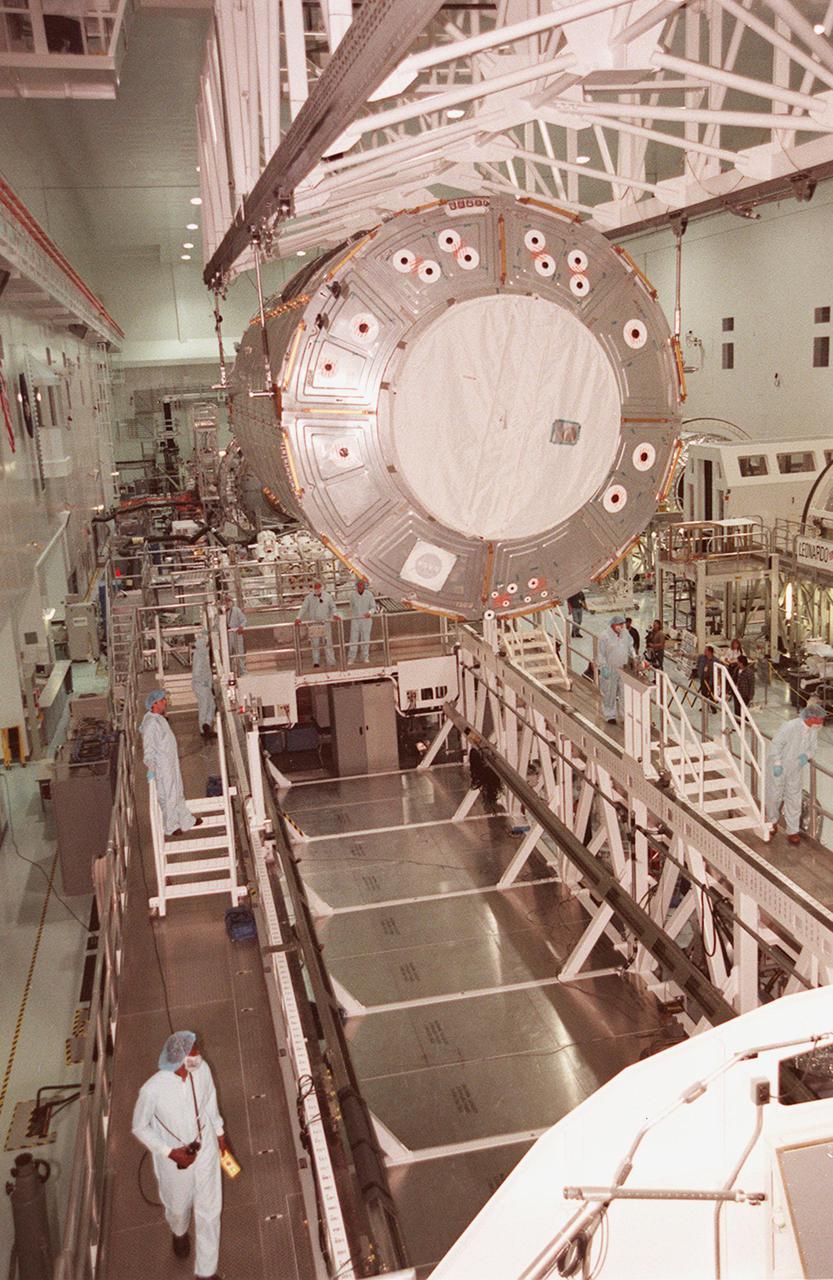
KENNEDY SPACE CENTER, FLA. -- In the Space Station Processing Facility, the U.S. Lab Destiny is lowered toward the Launch Package Integration Stand (LPIS) for a weight and center of gravity determination. Destiny is the payload aboard Space Shuttle Atlantis on mission STS-98 to the Space Station. The lab is fitted with five system racks and will already have experiments installed inside for the flight. The launch is scheduled for January 2001
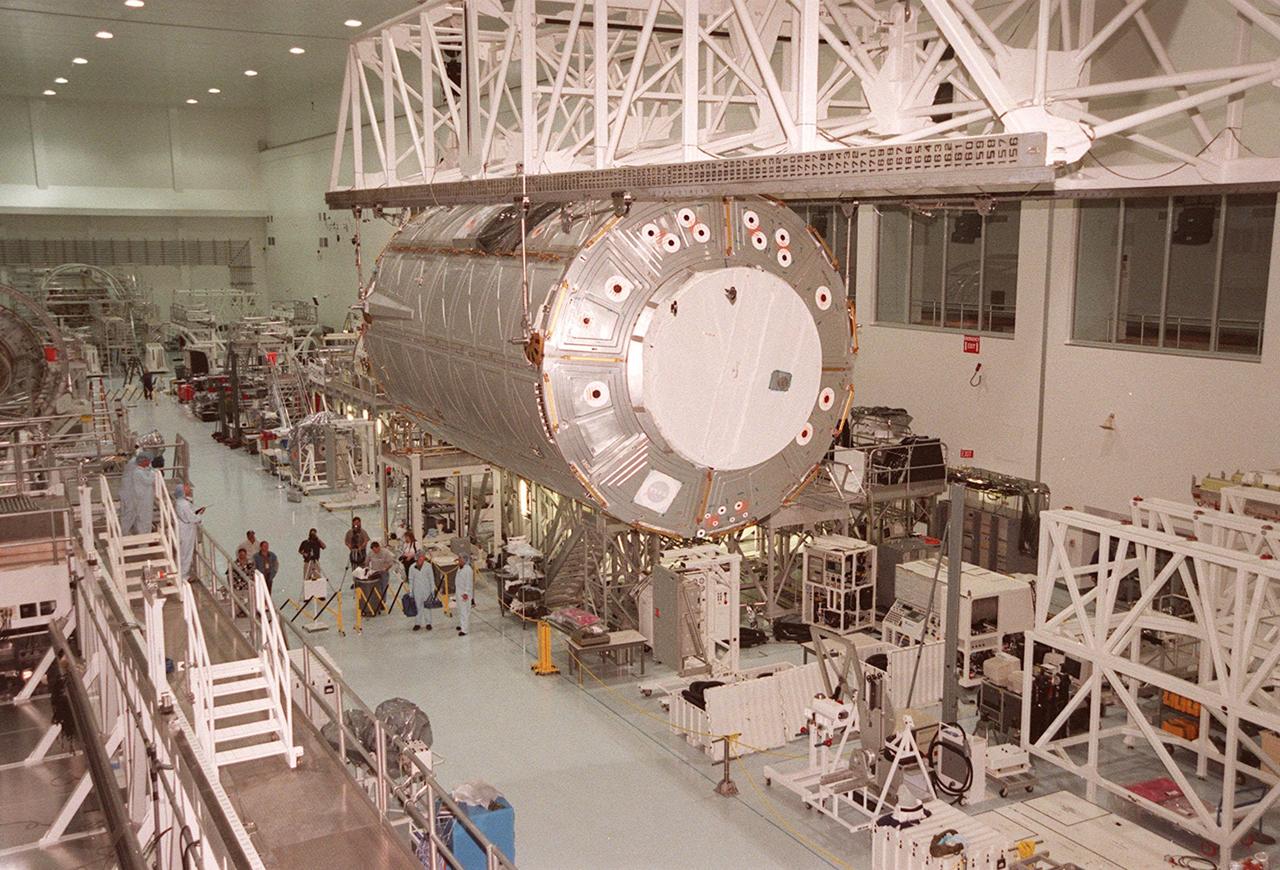
KENNEDY SPACE CENTER, FLA. -- The U.S. Laboratory Destiny travels past the Multi-Purpose Logistics Module Leonardo in its overhead passage down the Space Station Processing Facility. The lab is being moved to the Launch Package Integration Stand (LPIS) for a weight and center of gravity determination. Destiny is the payload aboard Space Shuttle Atlantis on mission STS-98 to the Space Station. The lab is fitted with five system racks and will already have experiments installed inside for the flight. The launch is scheduled for January 2001

KENNEDY SPACE CENTER, FLA. -- Workers in the Space Station Processing Facility watch closely while the U.S. Lab Destiny is lowered onto the Launch Package Integration Stand (LPIS) for a weight and center of gravity determination. Destiny is the payload aboard Space Shuttle Atlantis on mission STS-98 to the Space Station. The lab is fitted with five system racks and will already have experiments installed inside for the flight. The launch is scheduled for January 2001
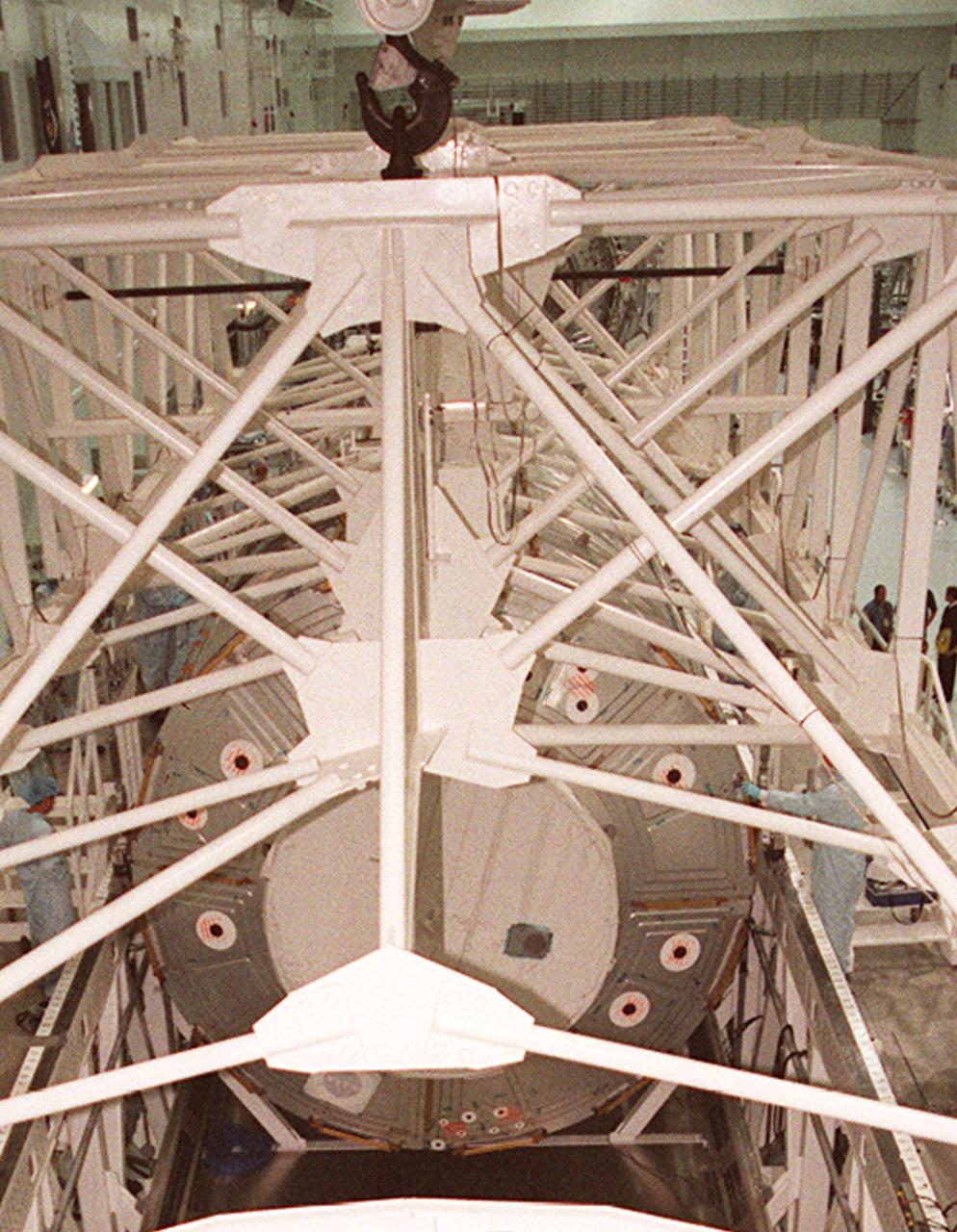
KENNEDY SPACE CENTER, FLA. -- In the Space Station Processing Facility, the overhead crane above the U.S. Lab Destiny is ready to be removed. Destiny rests in the Launch Package Integration Stand (LPIS) for a weight and center of gravity determination. In the foreground is the scale. Destiny is the payload aboard Space Shuttle Atlantis on mission STS-98 to the Space Station. The lab is fitted with five system racks and will already have experiments installed inside for the flight. The launch is scheduled for January 2001
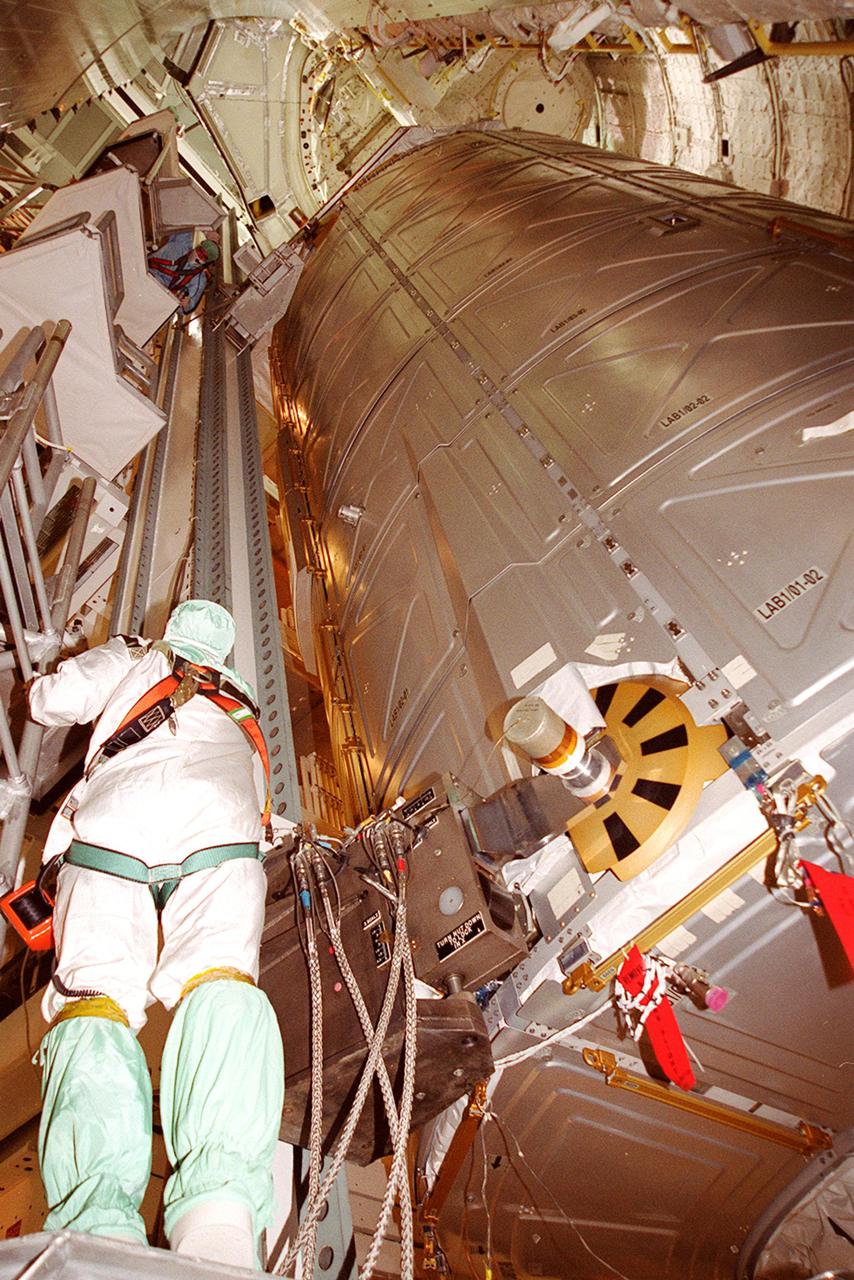
The U.S. Lab Destiny is ready to be moved from Atlantis’ payload bay into the Payload Changeout Room. After the move, Atlantis will roll back to the Vehicle Assembly Building to allow workers to conduct inspections, continuity checks and X-ray analysis on the 36 solid rocket booster cables located inside each booster’s system tunnel. An extensive evaluation of NASA’s SRB cable inventory revealed conductor damage in four (of about 200) cables on the shelf. Shuttle managers decided to prove the integrity of the system tunnel cables already on Atlantis
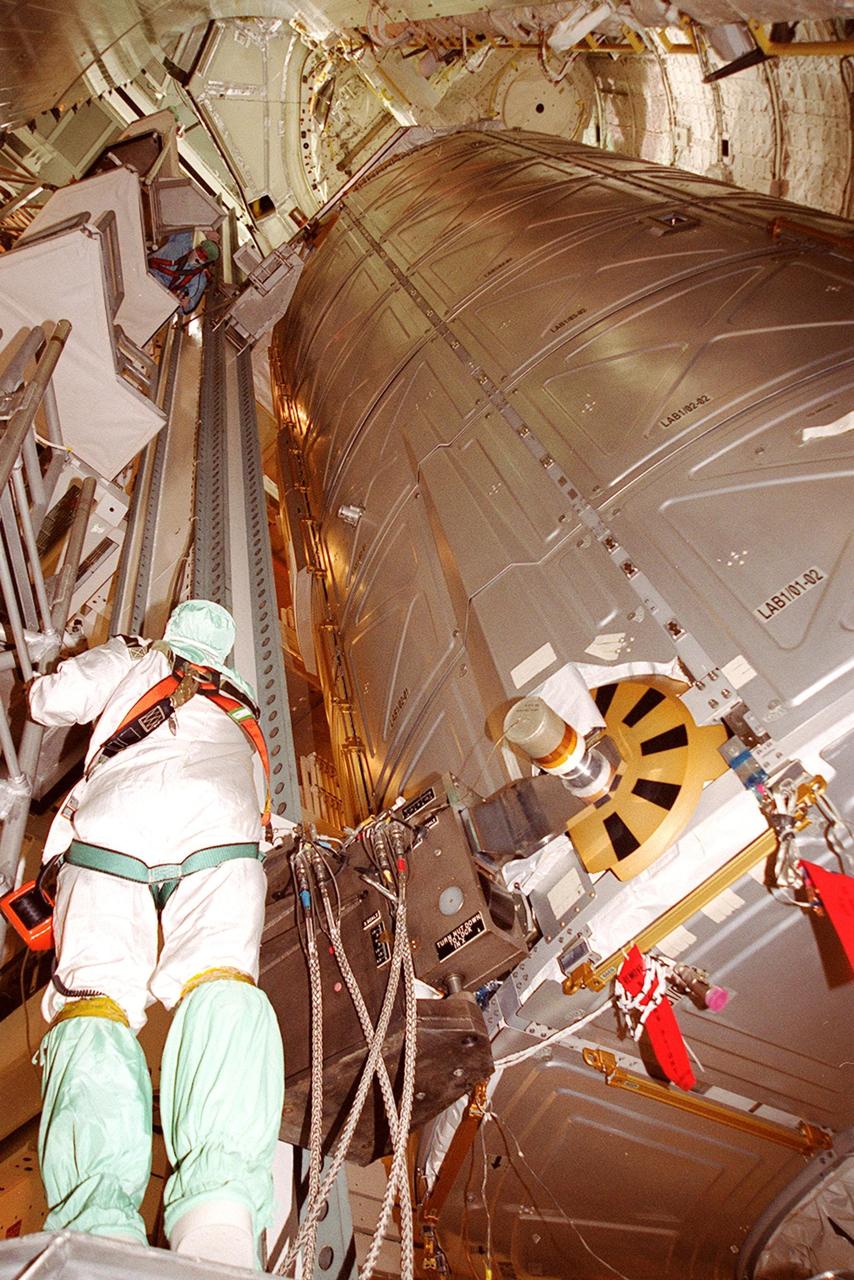
The U.S. Lab Destiny is ready to be moved from Atlantis’ payload bay into the Payload Changeout Room. After the move, Atlantis will roll back to the Vehicle Assembly Building to allow workers to conduct inspections, continuity checks and X-ray analysis on the 36 solid rocket booster cables located inside each booster’s system tunnel. An extensive evaluation of NASA’s SRB cable inventory revealed conductor damage in four (of about 200) cables on the shelf. Shuttle managers decided to prove the integrity of the system tunnel cables already on Atlantis

KENNEDY SPACE CENTER, FLA. -- In its overhead passage down the Space Station Processing Facility, the U.S. Laboratory Destiny travels past the Multi-Purpose Logistics Module Leonardo. Both are elements in the construction of the International Space Station. The lab is being moved to the Launch Package Integration Stand (LPIS) for a weight and center of gravity determination. Destiny is the payload aboard Space Shuttle Atlantis on mission STS-98 to the Space Station. The lab is fitted with five system racks and will already have experiments installed inside for the flight. The launch is scheduled for January 2001
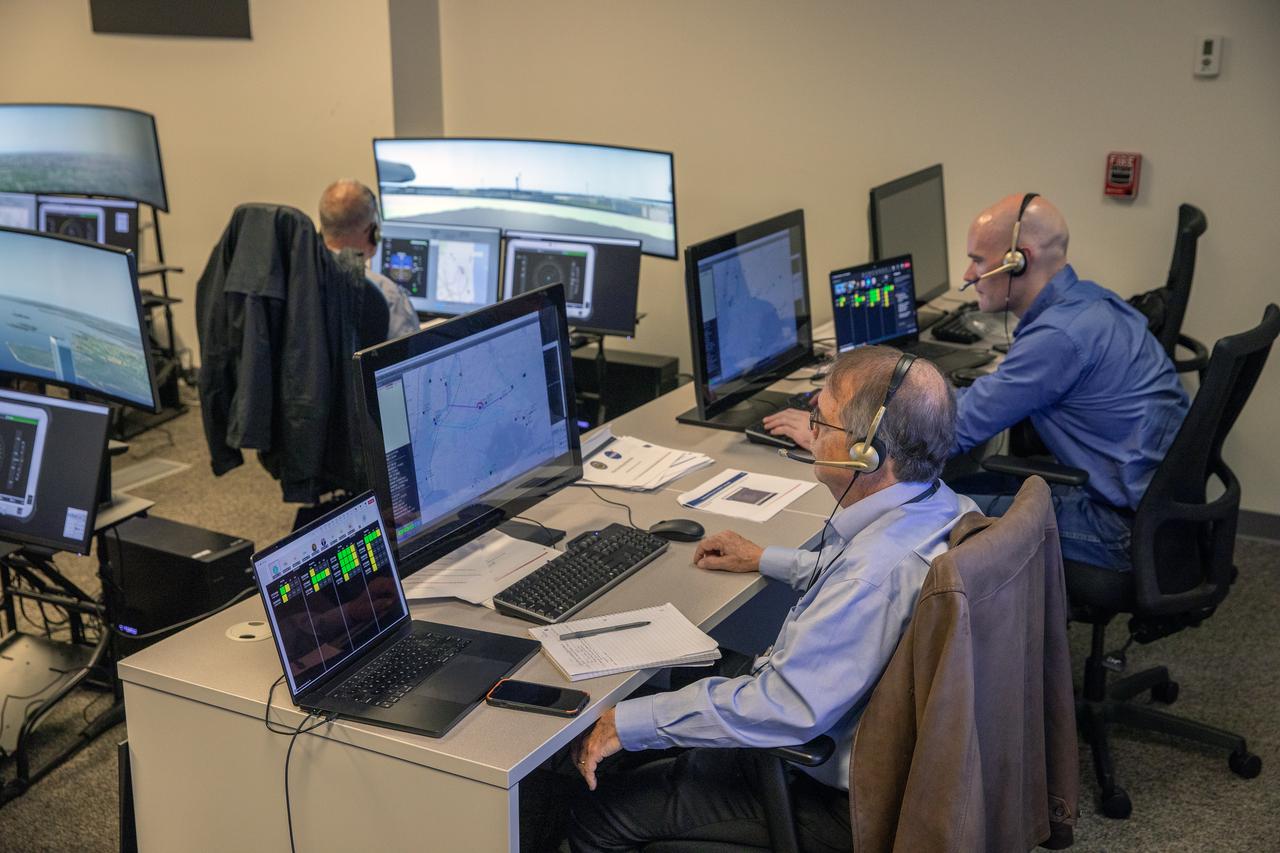
Focus on active photos –Class B Simulation Evaluation in the ATOL Lab at Langley (Also at FAA Tech Center) where team is working with one another in the lab, reviewing data on the monitors. Working the software, adjusting the software systems. Going over the shoulder to show the displays and screens as the software is running. John Foster (left) in the role of an air taxi pilot in the simulator chair with Jim Chamberlain and Terence McClain at the flight manager stations running virtual air taxi integration simulations focusing on urban air space at NASA’s Langley Research Center in Hampton, Virginia on Sept. 25, 2024.
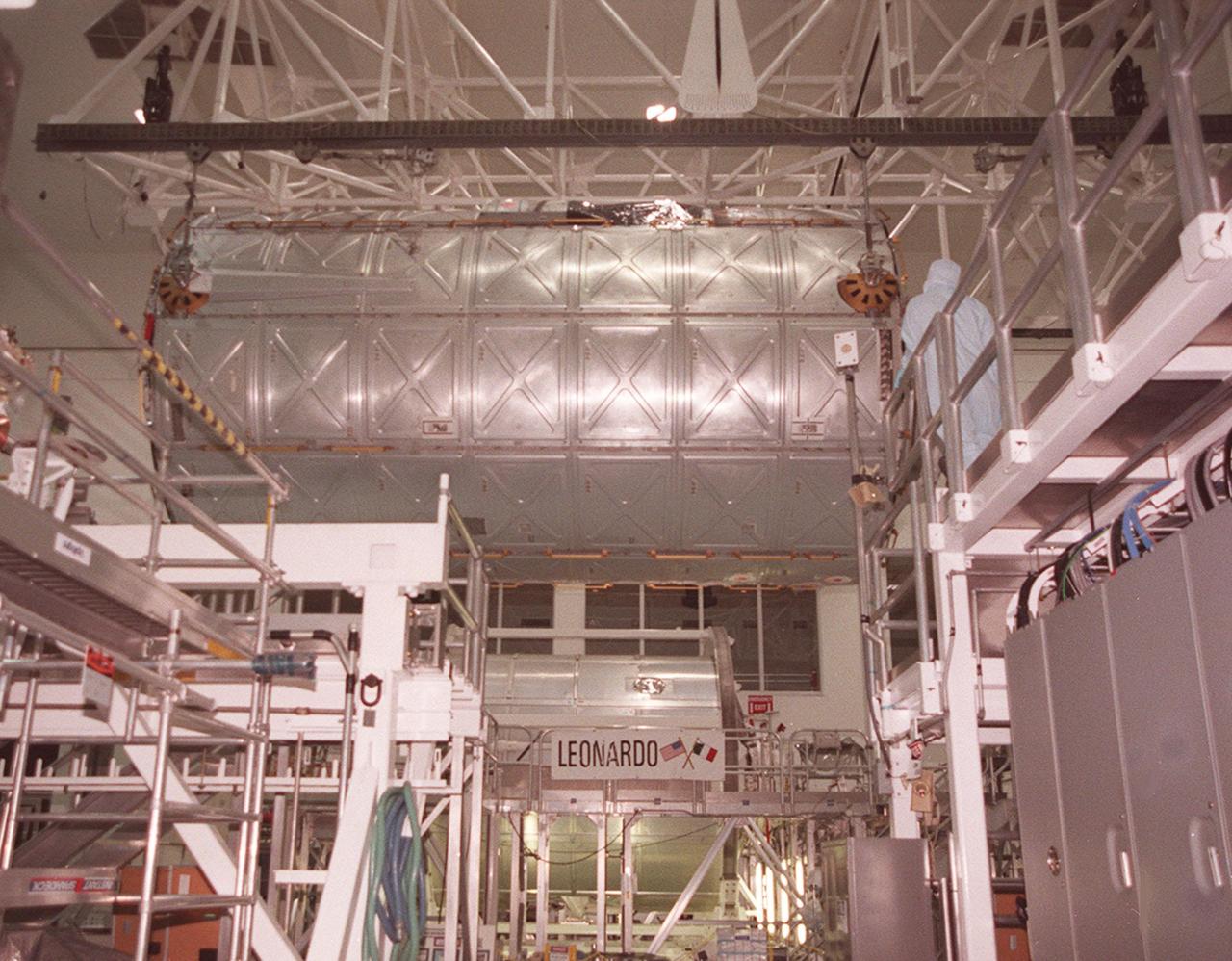
KENNEDY SPACE CENTER, FLA. -- In its overhead passage down the Space Station Processing Facility, the U.S. Laboratory Destiny travels past the Multi-Purpose Logistics Module Leonardo. Both are elements in the construction of the International Space Station. The lab is being moved to the Launch Package Integration Stand (LPIS) for a weight and center of gravity determination. Destiny is the payload aboard Space Shuttle Atlantis on mission STS-98 to the Space Station. The lab is fitted with five system racks and will already have experiments installed inside for the flight. The launch is scheduled for January 2001
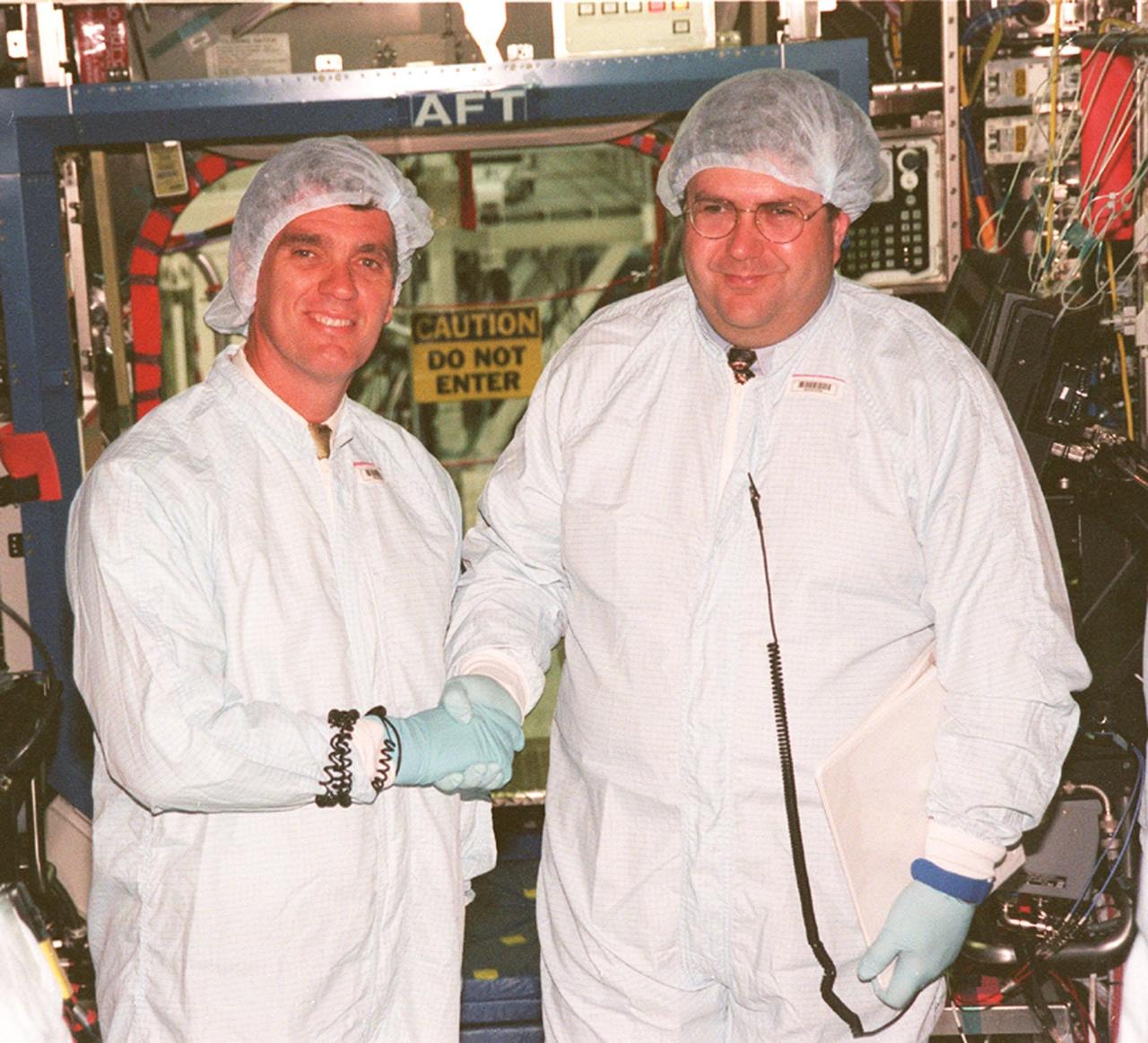
KENNEDY SPACE CENTER, FLA. -- Standing in front of the U.S. Lab, named Destiny, U.S. Rep. Dave Weldon (left) thanks Thomas R. "Randy" Galloway, with the Space Station Hardware Integration Office, for briefing him on the equipment inside the Lab. Weldon is on the House Science Committee and vice chairman of the Space and Aeronautics Subcommittee. Destiny is scheduled to be launched on Space Shuttle Endeavour in early 2000. It will become the centerpiece of scientific research on the ISS, with five equipment racks aboard to provide essential functions for station systems, including high data-rate communications, and to maintain the station's orientation using control gyroscopes launched earlier. Additional equipment and research racks will be installed in the laboratory on subsequent Shuttle flights
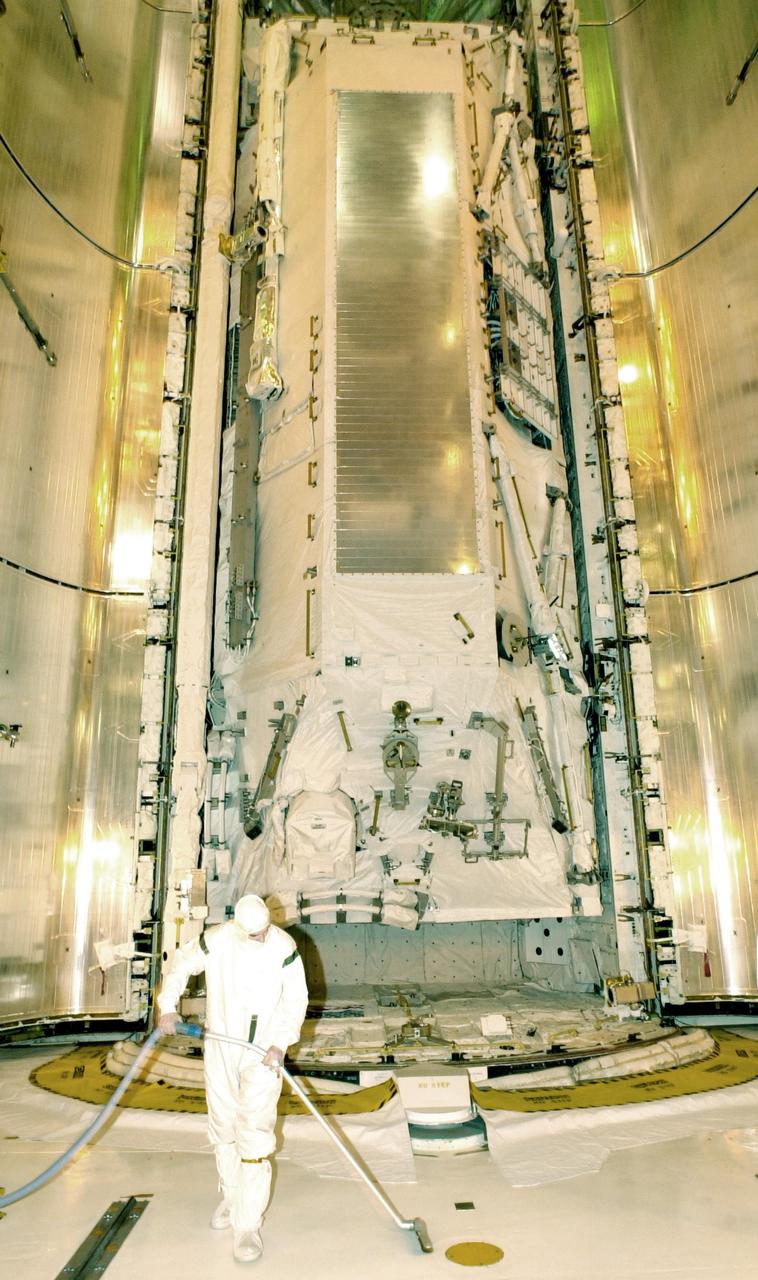
KENNEDY SPACE CENTER, FLA. - A worker at Launch Pad 39B prepares for the closing of Space Shuttle Atlantis' payload bay doors. The Shuttle payload includes the S0 Integrated Truss Structure (ITS), the Canadian Mobile Transporter, power distribution system modules, a heat pipe radiator for cooling, computers and a pair of rate gyroscopes. The mission is the 13th assembly flight to the ISS and includes four spacewalks to attach the S0 truss to the U.S. Lab Destiny. Launch is scheduled for April 4.
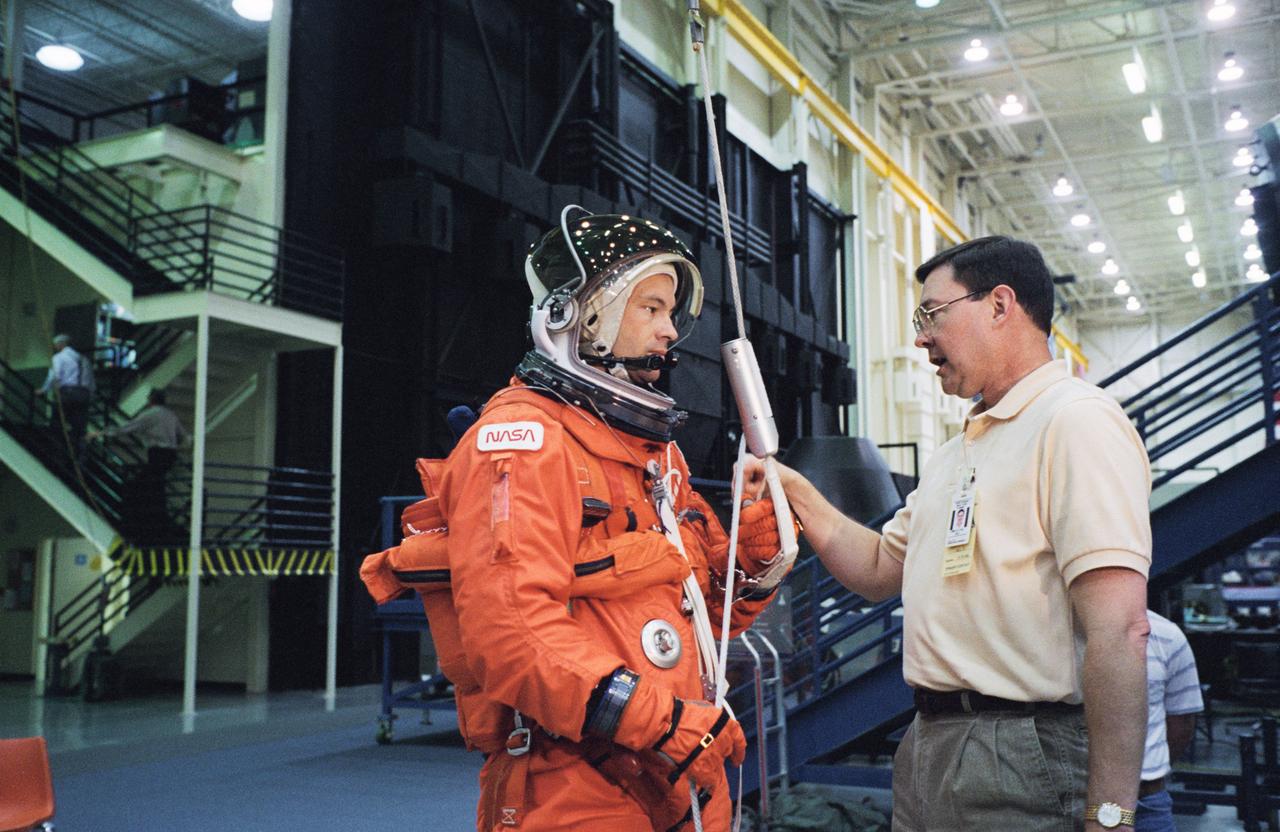
S95-09159 (27 Apr. 1995) --- Attired in a training version of the Shuttle partial pressure launch and entry garment, astronaut Michael E. Lopez-Alegria, is briefed on the use of the Sky-genie device by Scott Gill. The briefing was part of an emergency egress training session in the Johnson Space Center?s (JSC) Systems Integration Facility. Two high fidelity training facilities in this lab are used to help prepare crew members for emergency procedures and to provide realistic settings for rehearsals of the launch and entry phases.
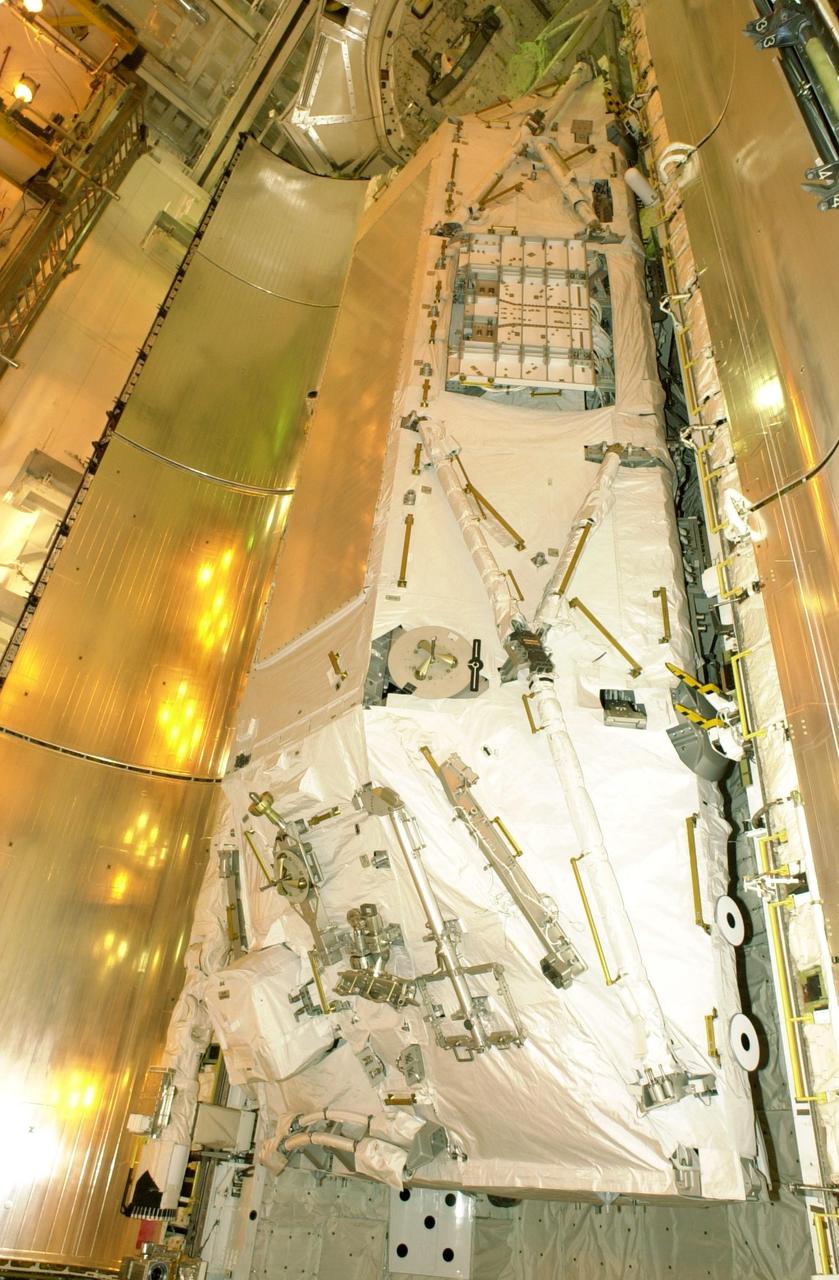
KENNEDY SPACE CENTER, FLA. -- At Launch Pad 39B, Space Shuttle Atlantis' payload bay doors are ready to be closed. The Shuttle payload includes the S0 Integrated Truss Structure (ITS), the Canadian Mobile Transporter, power distribution system modules, a heat pipe radiator for cooling, computers and a pair of rate gyroscopes. The mission is the 13th assembly flight to the ISS and includes four spacewalks to attach the S0 truss to the U.S. Lab Destiny. Launch is scheduled for April 4.
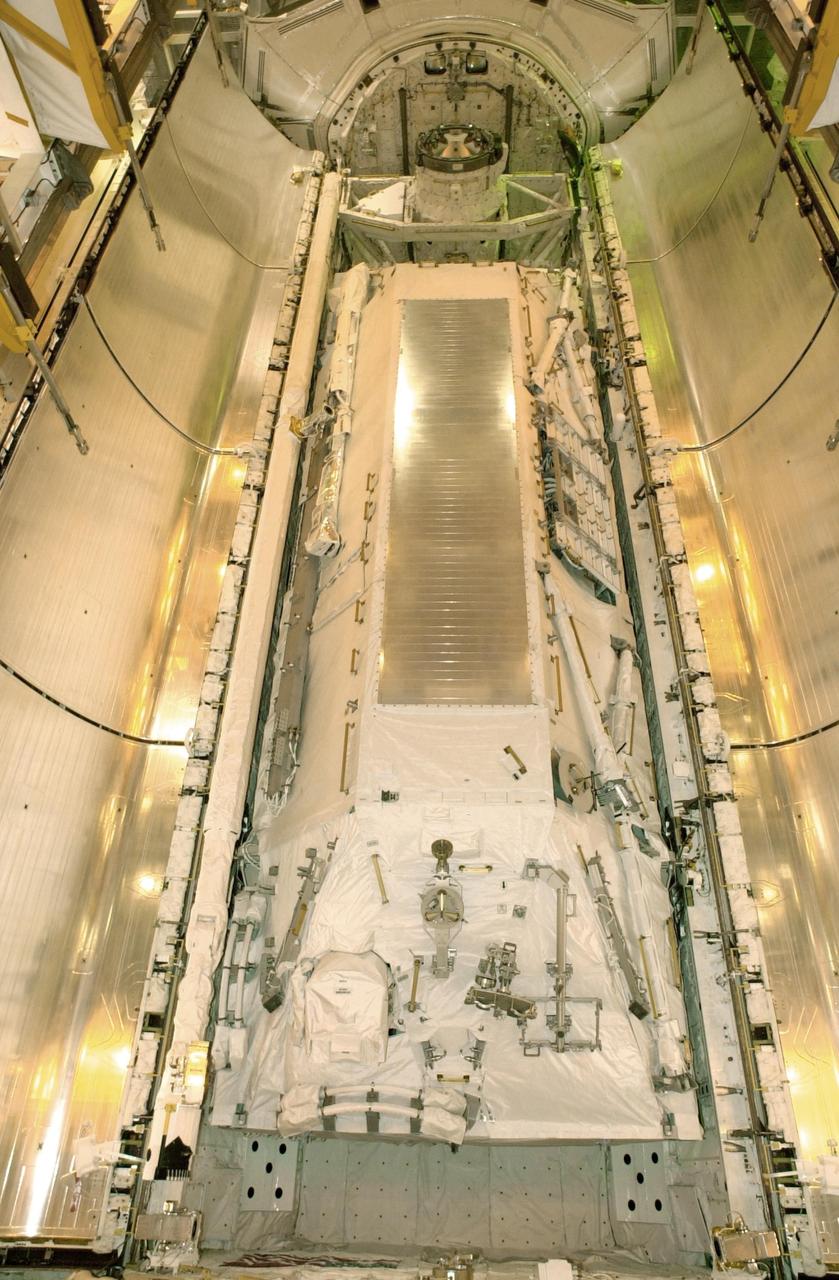
KENNEDY SPACE CENTER, FLA. -- At Launch Pad 39B, Space Shuttle Atlantis' payload bay doors are ready to be closed. The Shuttle payload includes the S0 Integrated Truss Structure (ITS), the Canadian Mobile Transporter, power distribution system modules, a heat pipe radiator for cooling, computers and a pair of rate gyroscopes. The mission is the 13th assembly flight to the ISS and includes four spacewalks to attach the S0 truss to the U.S. Lab Destiny. Launch is scheduled for April 4.
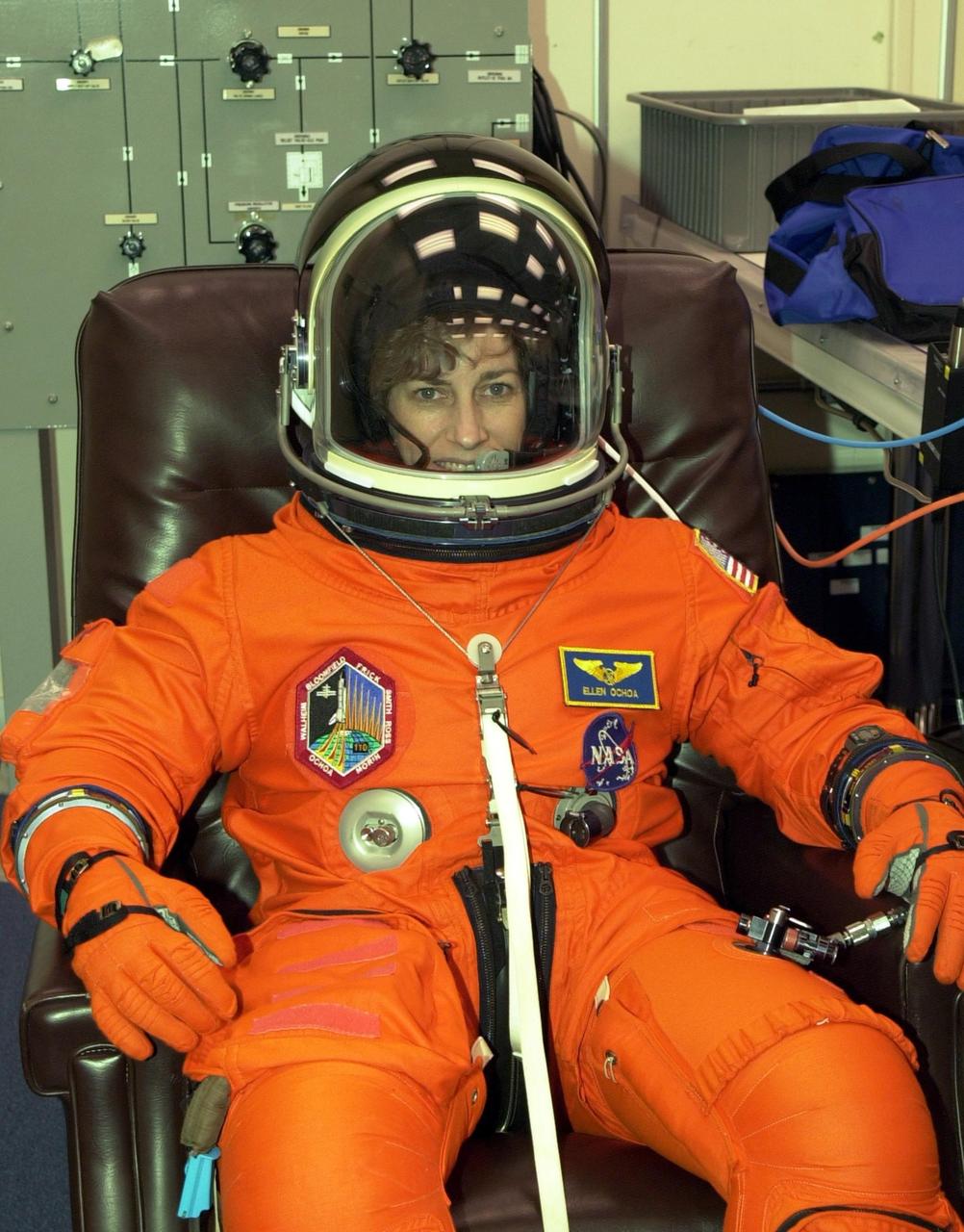
KENNEDY SPACE CENTER, FLA. -- STS-110 Mission Specialist Ellen Ochoa has a final check of her launch and entry suit in preparation for launch April 4. This flight will be her fourth. The STS-110 payload includes the S0 Integrated Truss Structure (ITS), the Canadian Mobile Transporter, power distribution system modules, a heat pipe radiator for cooling, computers and a pair of rate gyroscopes. The 11-day mission is the 13th assembly flight to the ISS and includes four spacewalks to attach the S0 truss to the U.S. Lab Destiny
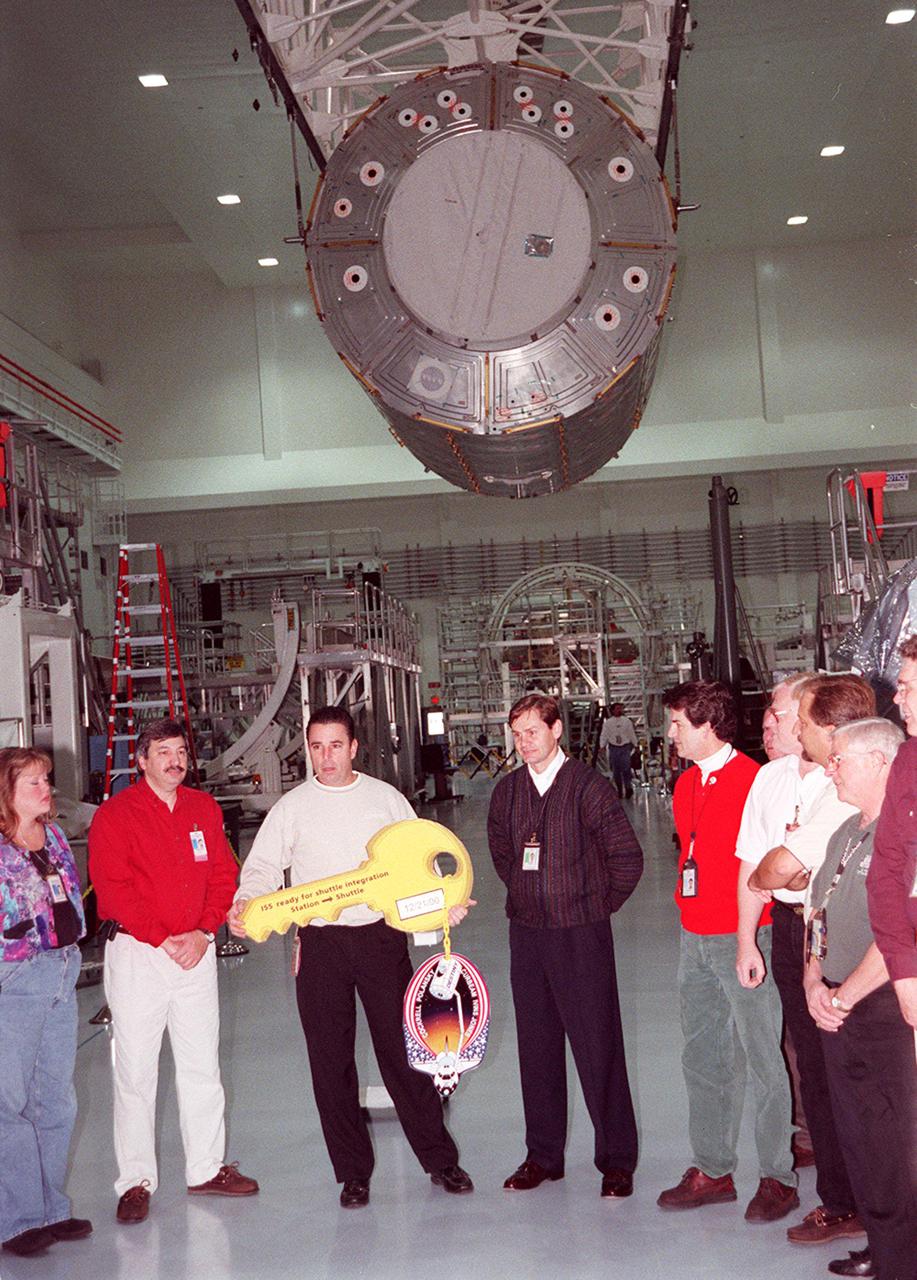
KENNEDY SPACE CENTER, FLA. -- In the Space Station Processing Facility, the “key” to the U.S. Laboratory Destiny is officially handed over to NASA during a brief ceremony while workers look on. Suspended overhead is the laboratory, being moved to the Launch Package Integration Stand (LPIS) for a weight and center of gravity determination. Destiny is the payload aboard Space Shuttle Atlantis on mission STS-98 to the International Space Station. The lab is fitted with five system racks and will already have experiments installed inside for the flight. The launch is scheduled for January 2001
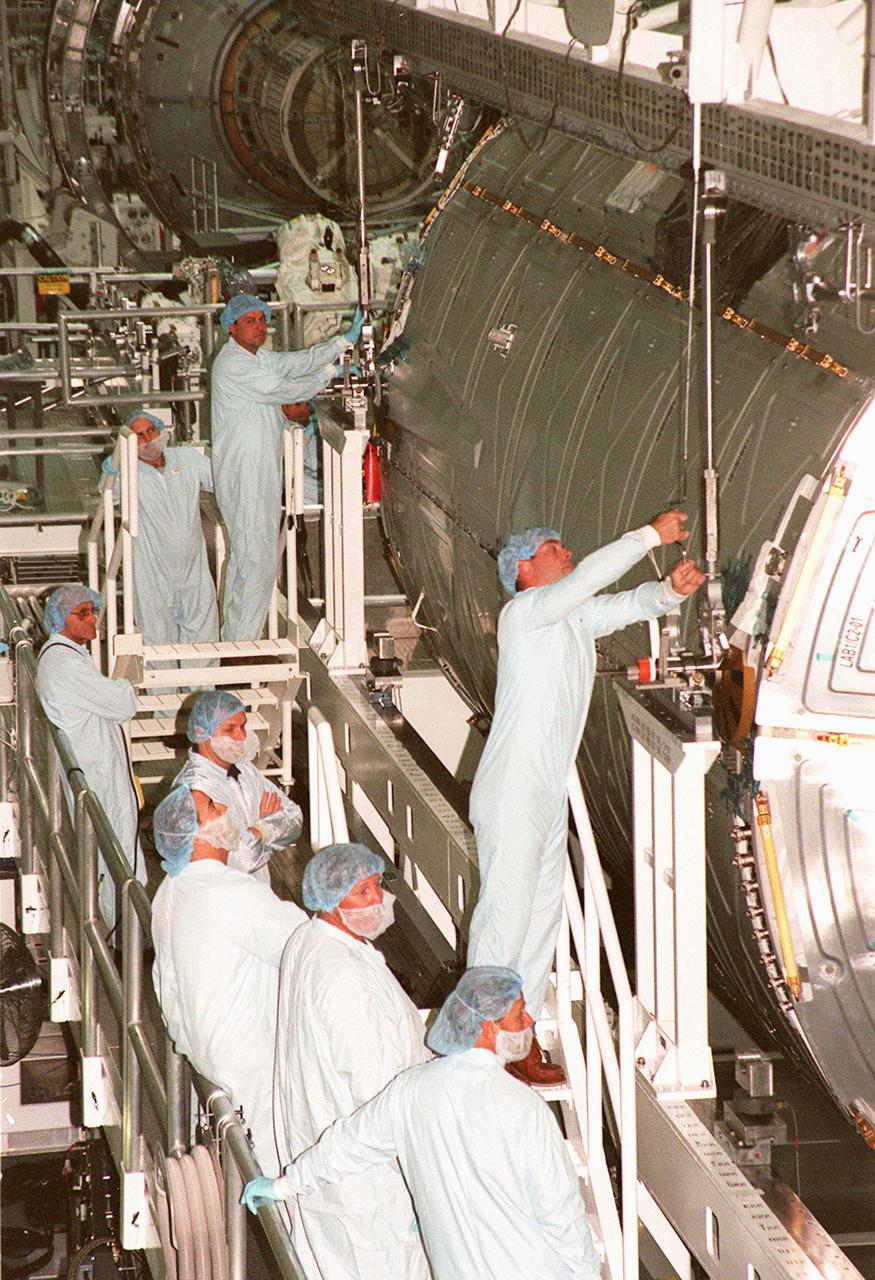
KENNEDY SPACE CENTER, FLA. -- Workers in the Space Station Processing Facility check the connections on the U.S. Lab Destiny to the overhead crane. Destiny rests in the Launch Package Integration Stand (LPIS) where it underwent a weight and center of gravity determination. It is being moved to the payload canister for transfer to Space Shuttle Atlantis. Destiny is the primary payload of STS-98, scheduled for launch no earlier than Jan. 19, 2001. It is one of the key elements of the International Space Station and has five system racks already installed for experiments on the flight
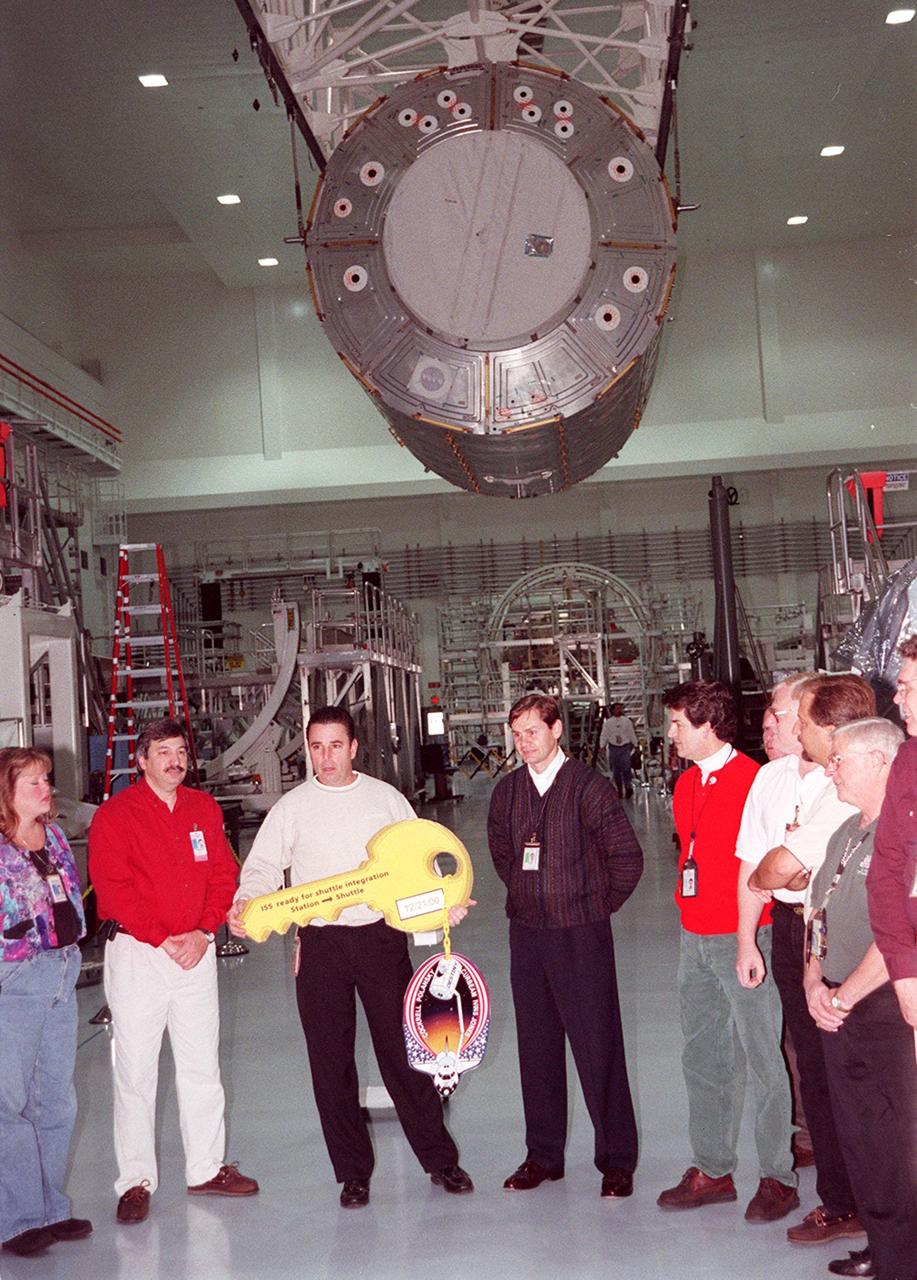
KENNEDY SPACE CENTER, FLA. -- In the Space Station Processing Facility, the “key” to the U.S. Laboratory Destiny is officially handed over to NASA during a brief ceremony while workers look on. Suspended overhead is the laboratory, being moved to the Launch Package Integration Stand (LPIS) for a weight and center of gravity determination. Destiny is the payload aboard Space Shuttle Atlantis on mission STS-98 to the International Space Station. The lab is fitted with five system racks and will already have experiments installed inside for the flight. The launch is scheduled for January 2001
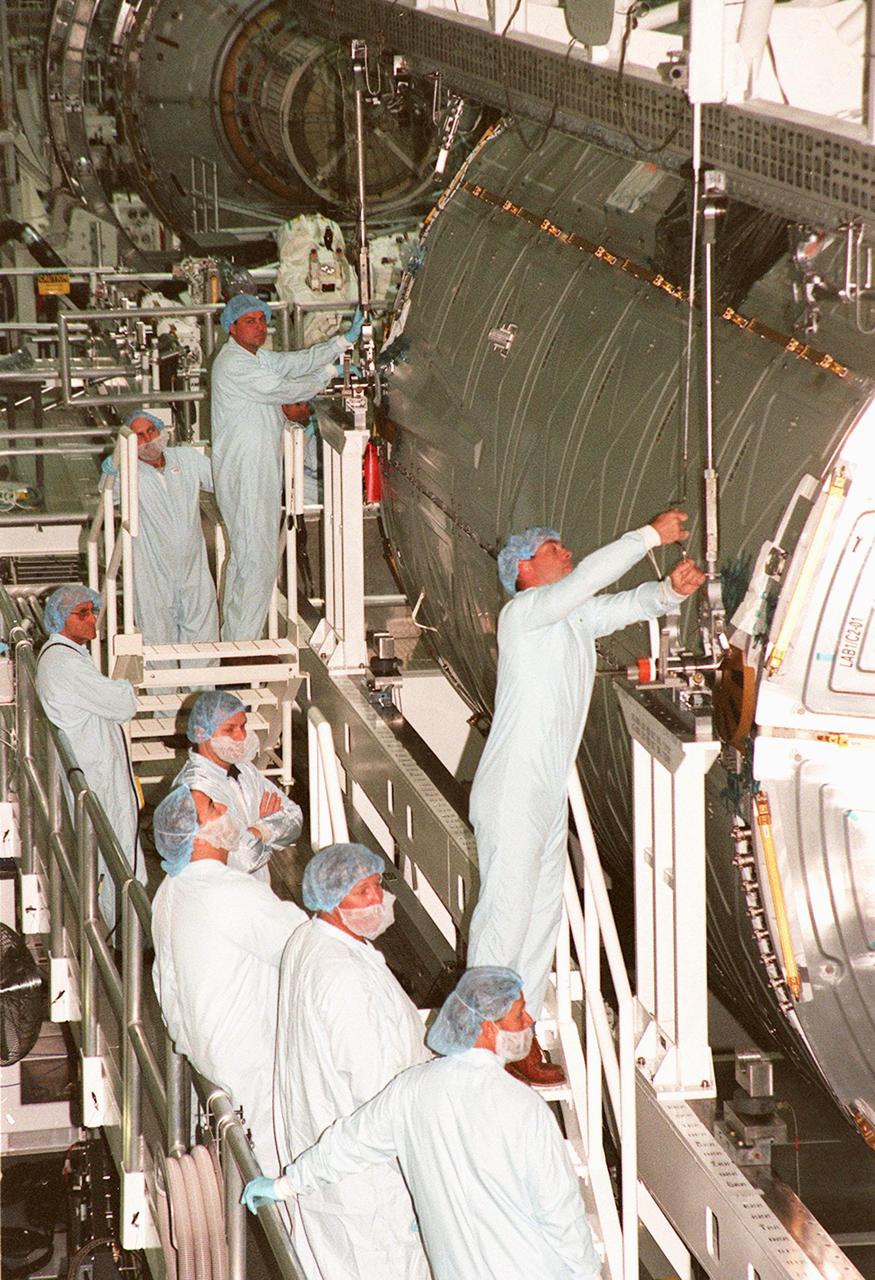
KENNEDY SPACE CENTER, FLA. -- Workers in the Space Station Processing Facility check the connections on the U.S. Lab Destiny to the overhead crane. Destiny rests in the Launch Package Integration Stand (LPIS) where it underwent a weight and center of gravity determination. It is being moved to the payload canister for transfer to Space Shuttle Atlantis. Destiny is the primary payload of STS-98, scheduled for launch no earlier than Jan. 19, 2001. It is one of the key elements of the International Space Station and has five system racks already installed for experiments on the flight
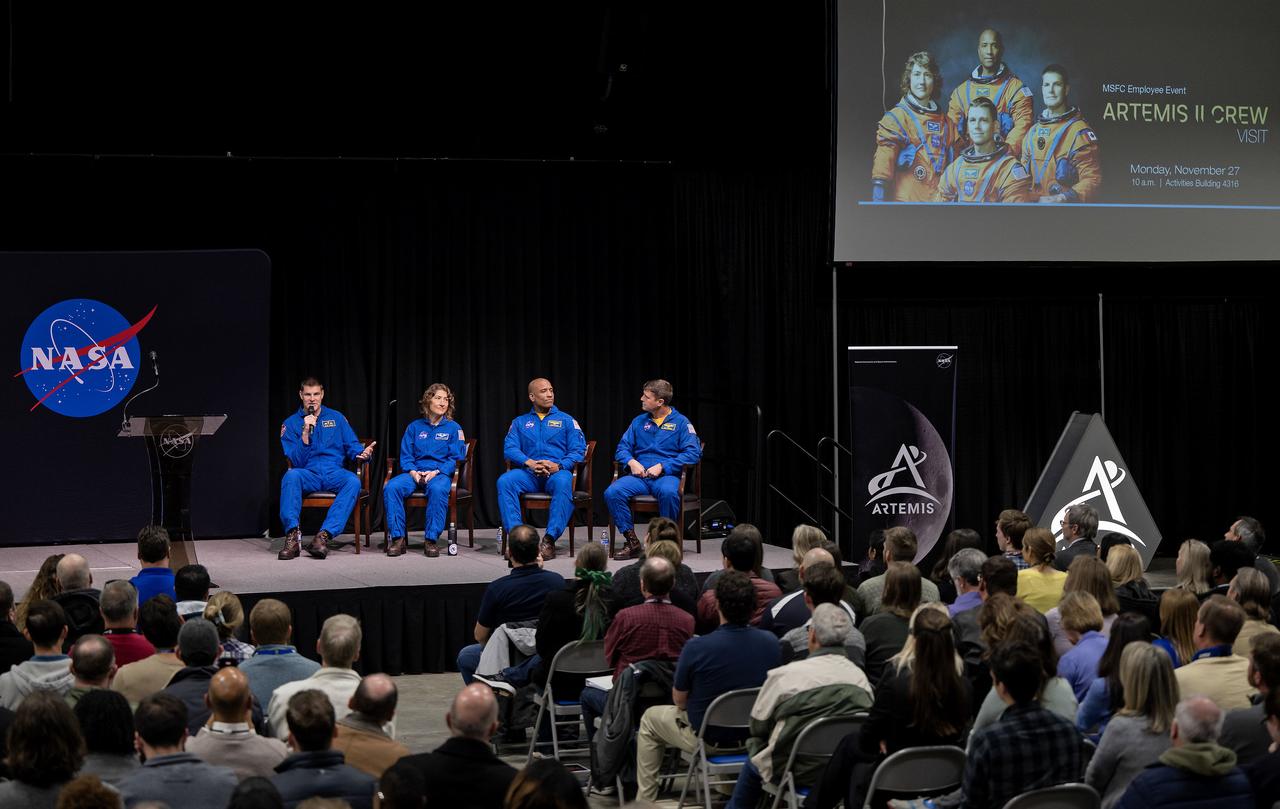
These photos show highlights from Artemis II NASA astronauts Victor Glover, Reid Wiseman, and Christina Koch of NASA and CSA (Canadian Space Agency) astronaut Jeremy Hansen visit to NASA’s Marshall Space Flight Center in Huntsville, Alabama, Nov. 27. The crew met and spoke to employees and viewed facilities for SLS (Space Launch System) rocket. All four astronauts signed the Orion stage adapter (OSA), a small ring structure that connects SLS to NASA’s Orion spacecraft, that will be used for Artemis II. Koch and Wiseman also visited the Systems Integration Lab, where SLS flight software testing is conducted. The four astronauts will launch atop SLS inside Orion to venture around the Moon on Artemis II, the first crewed flight for Artemis.

These photos show highlights from Artemis II NASA astronauts Victor Glover, Reid Wiseman, and Christina Koch of NASA and CSA (Canadian Space Agency) astronaut Jeremy Hansen visit to NASA’s Marshall Space Flight Center in Huntsville, Alabama, Nov. 27. The crew met and spoke to employees and viewed facilities for SLS (Space Launch System) rocket. All four astronauts signed the Orion stage adapter (OSA), a small ring structure that connects SLS to NASA’s Orion spacecraft, that will be used for Artemis II. Koch and Wiseman also visited the Systems Integration Lab, where SLS flight software testing is conducted. The four astronauts will launch atop SLS inside Orion to venture around the Moon on Artemis II, the first crewed flight for Artemis.
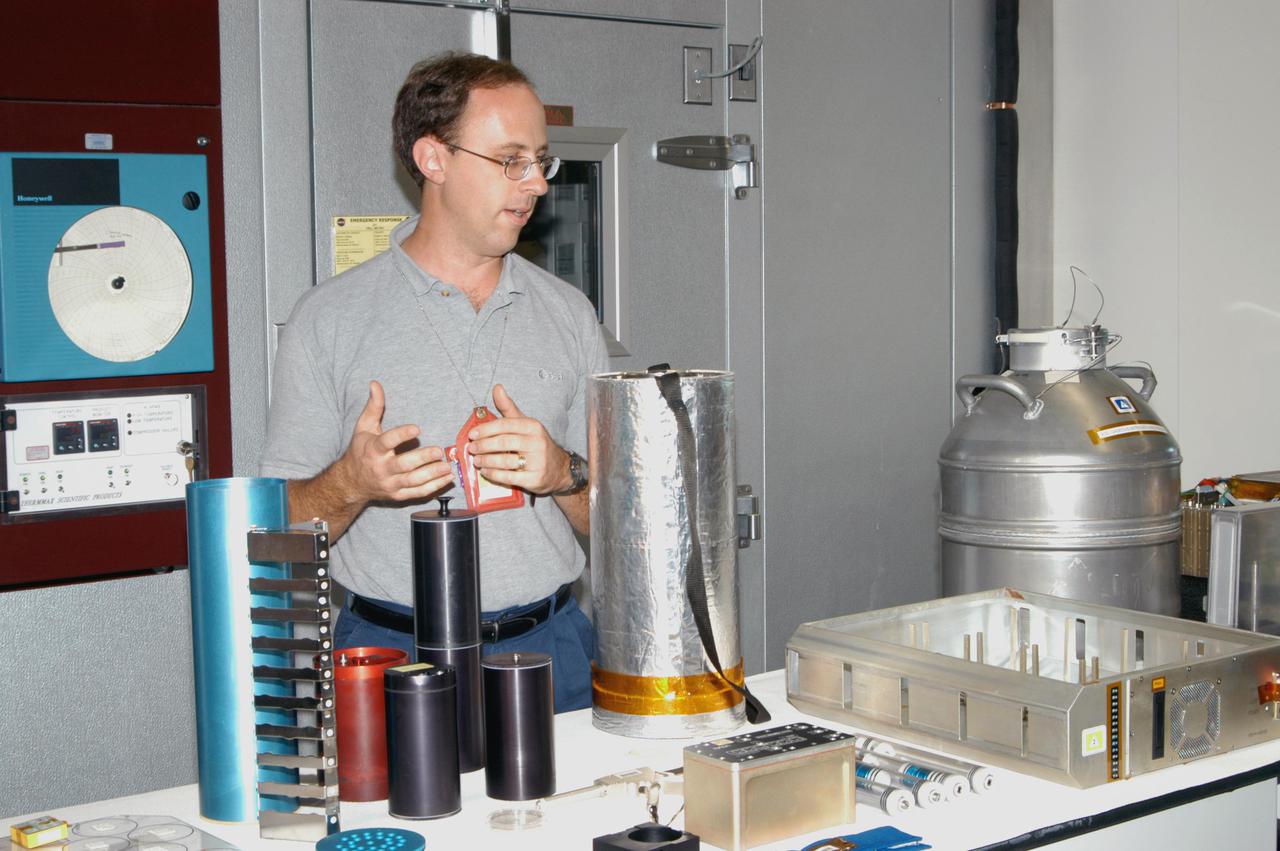
KENNEDY SPACE CENTER, FLA. - Dave Reed, a project engineer with the Bionetics Corporation, discusses the various flight hardware developed or currently being developed for future space exploration missions during a tour of the Space Life Sciences Lab for members of the news media. The Exploration Flight Development and Demonstration project provides innovative and cost effective hardware solutions focused on advancing critical technologies while reducing equivalent system mass as well as safe, thorough and efficient flight vehicle platform integration of Human System Research and Technology experiments that fly on parabolic aircraft, the Space Shuttle, and International Space Station.
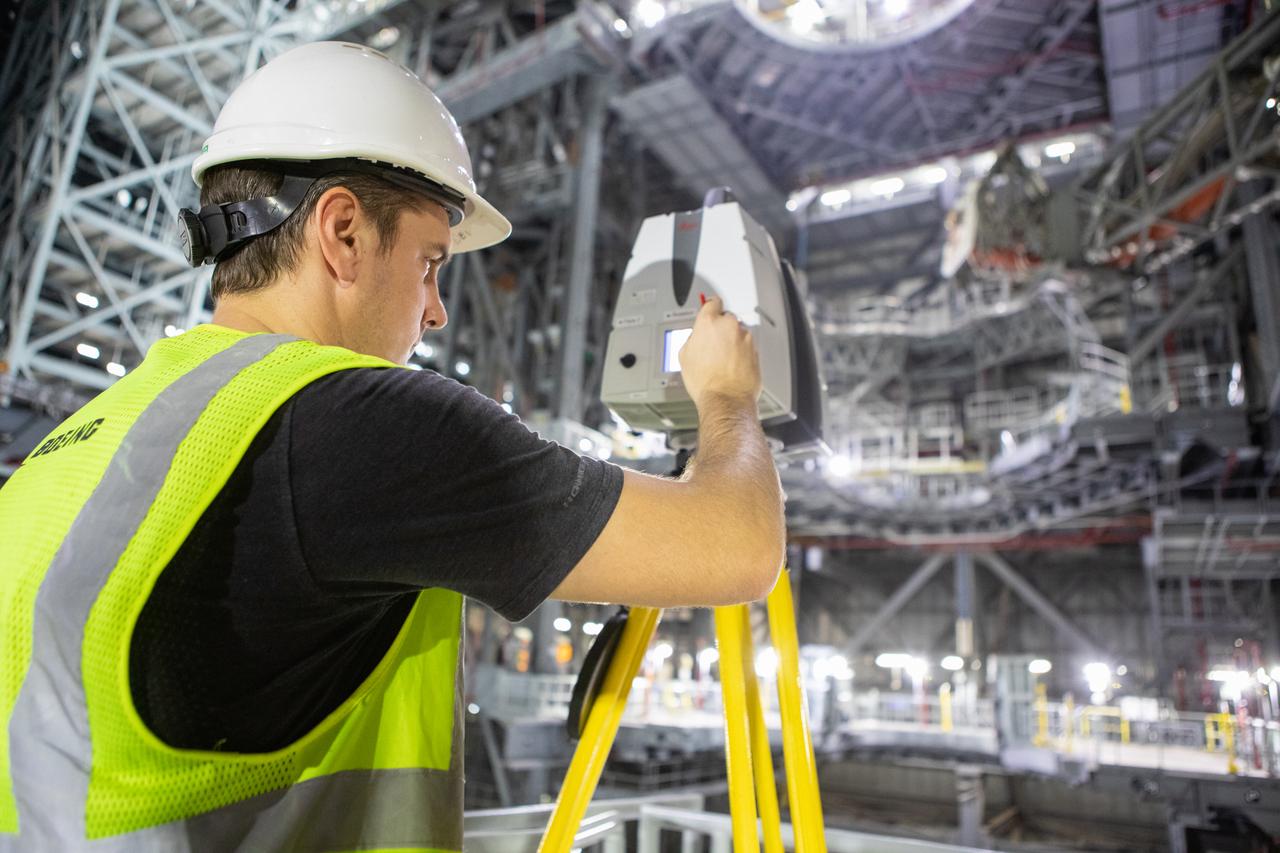
An engineer sets up equipment from the Design Visualization Lab inside High Bay 3 of the Vehicle Assembly Building at NASA’s Kennedy Space Center on Oct. 14, 2020. The equipment will be used to do 3-D modeling of the mobile launcher that will carry the Space Launch System and Orion spacecraft to Launch Complex 39B for the Artemis I mission. Artemis I will test the Orion spacecraft and SLS as an integrated system ahead of crewed flights to the Moon. Under the Artemis program, NASA will land the first woman and the next man on the Moon in 2024.
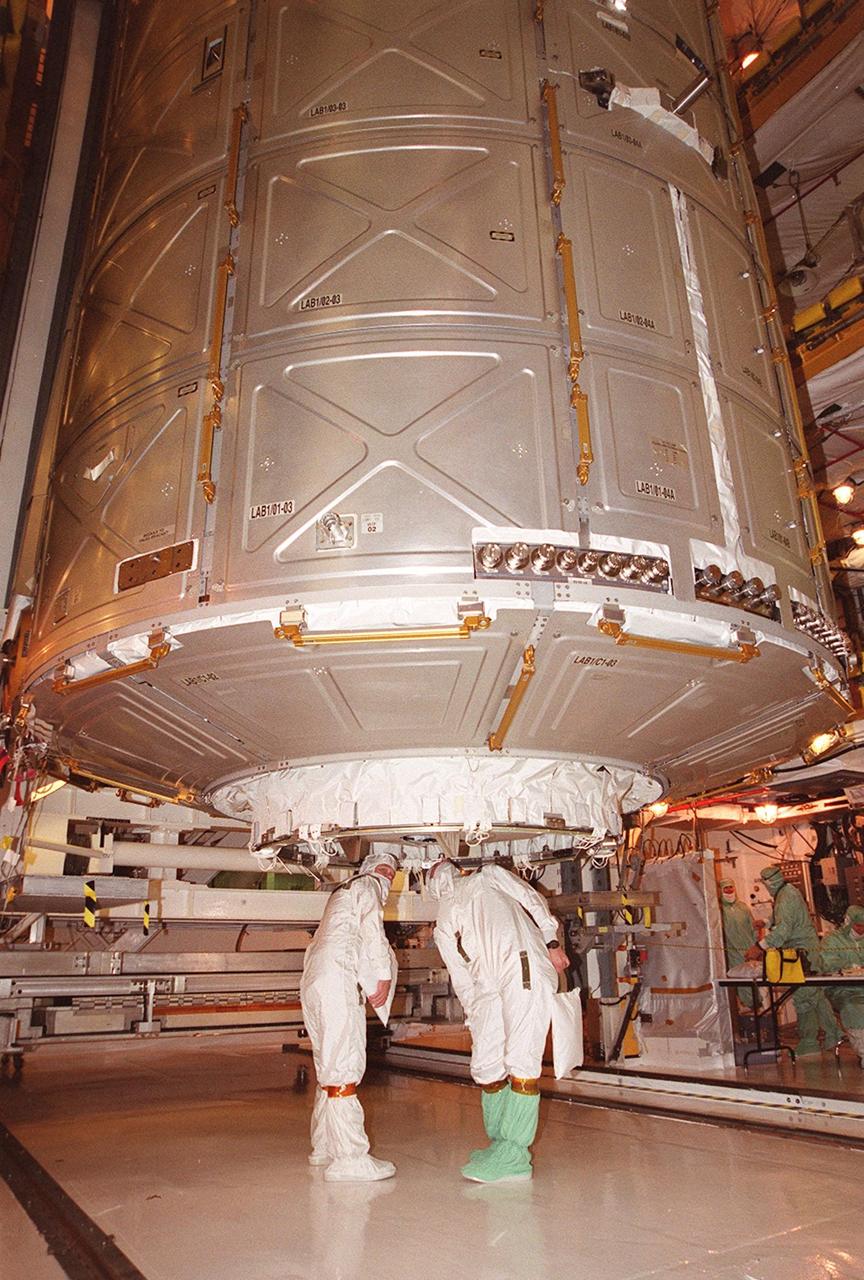
Workers in the Payload Changeout Room check the U.S. Lab Destiny as its moves from Atlantis’ payload bay into the PCR. Destiny will remain in the PCR while Atlantis rolls back to the Vehicle Assembly Building to allow workers to conduct inspections, continuity checks and X-ray analysis on the 36 solid rocket booster cables located inside each booster’s system tunnel. An extensive evaluation of NASA’s SRB cable inventory revealed conductor damage in four (of about 200) cables on the shelf. Shuttle managers decided to prove the integrity of the system tunnel cables already on Atlantis
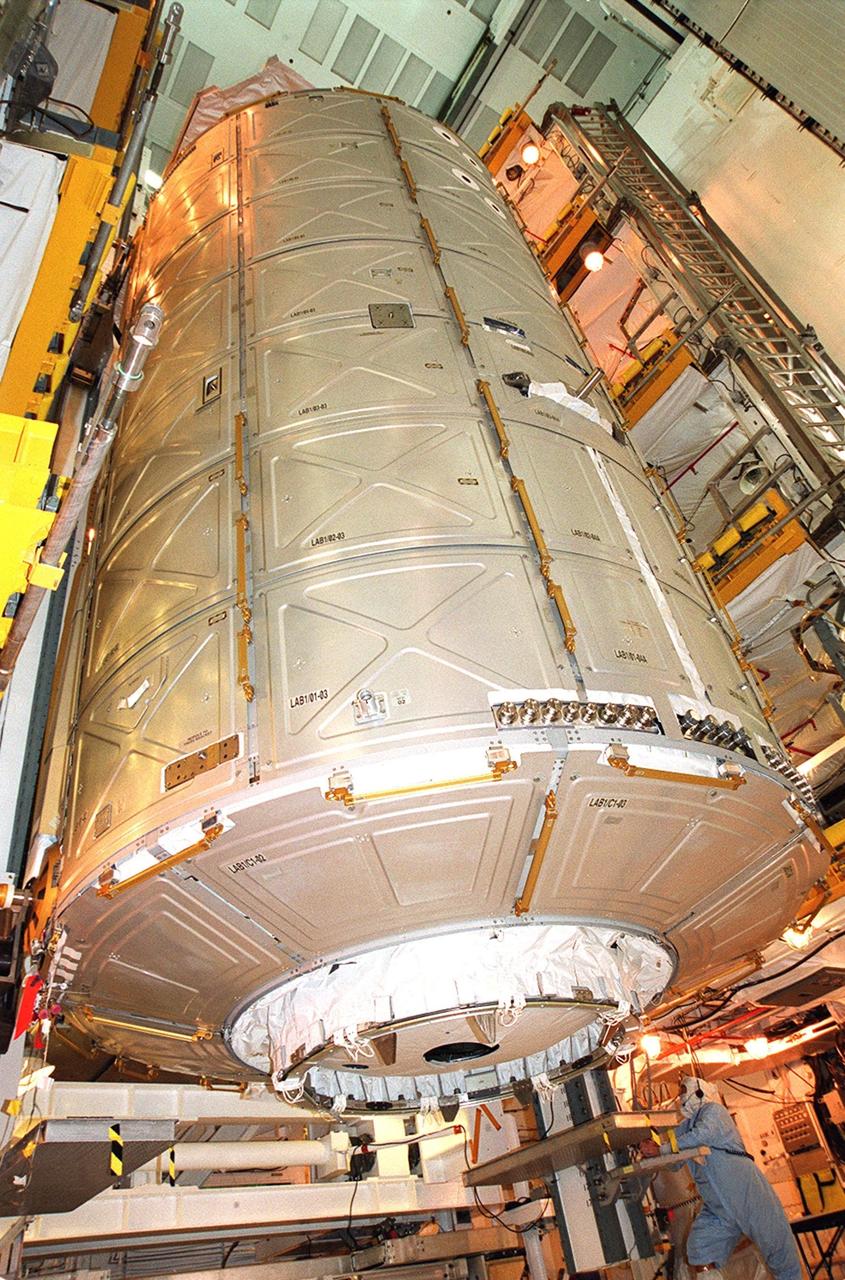
The U.S. Lab Destiny moves out of Atlantis’ payload bay and into the Payload Changeout Room via the Payload Ground Handling Mechanism. Destiny will remain in the PCR while Atlantis rolls back to the Vehicle Assembly Building to allow workers to conduct inspections, continuity checks and X-ray analysis on the 36 solid rocket booster cables located inside each booster’s system tunnel. An extensive evaluation of NASA’s SRB cable inventory revealed conductor damage in four (of about 200) cables on the shelf. Shuttle managers decided to prove the integrity of the system tunnel cables already on Atlantis
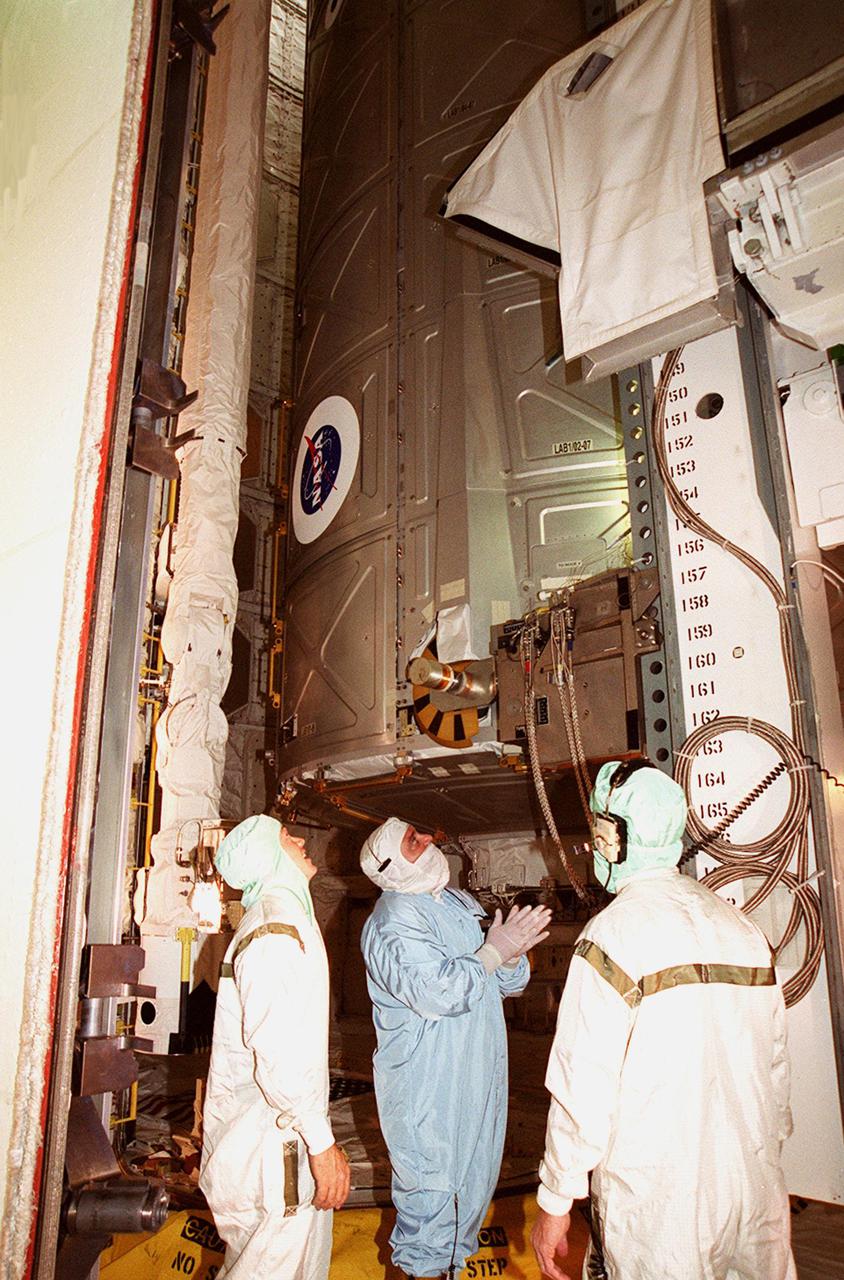
Workers in the Payload Changeout Room check the Payload Ground Handling Mechanism that will move the U.S. Lab Destiny out of Atlantis’ payload bay and into the PCR. After the move, Atlantis will roll back to the Vehicle Assembly Building to allow workers to conduct inspections, continuity checks and X-ray analysis on the 36 solid rocket booster cables located inside each booster’s system tunnel. An extensive evaluation of NASA’s SRB cable inventory revealed conductor damage in four (of about 200) cables on the shelf. Shuttle managers decided to prove the integrity of the system tunnel cables already on Atlantis

Workers in the Payload Changeout Room check the U.S. Lab Destiny as its moves from Atlantis’ payload bay into the PCR. Destiny will remain in the PCR while Atlantis rolls back to the Vehicle Assembly Building to allow workers to conduct inspections, continuity checks and X-ray analysis on the 36 solid rocket booster cables located inside each booster’s system tunnel. An extensive evaluation of NASA’s SRB cable inventory revealed conductor damage in four (of about 200) cables on the shelf. Shuttle managers decided to prove the integrity of the system tunnel cables already on Atlantis
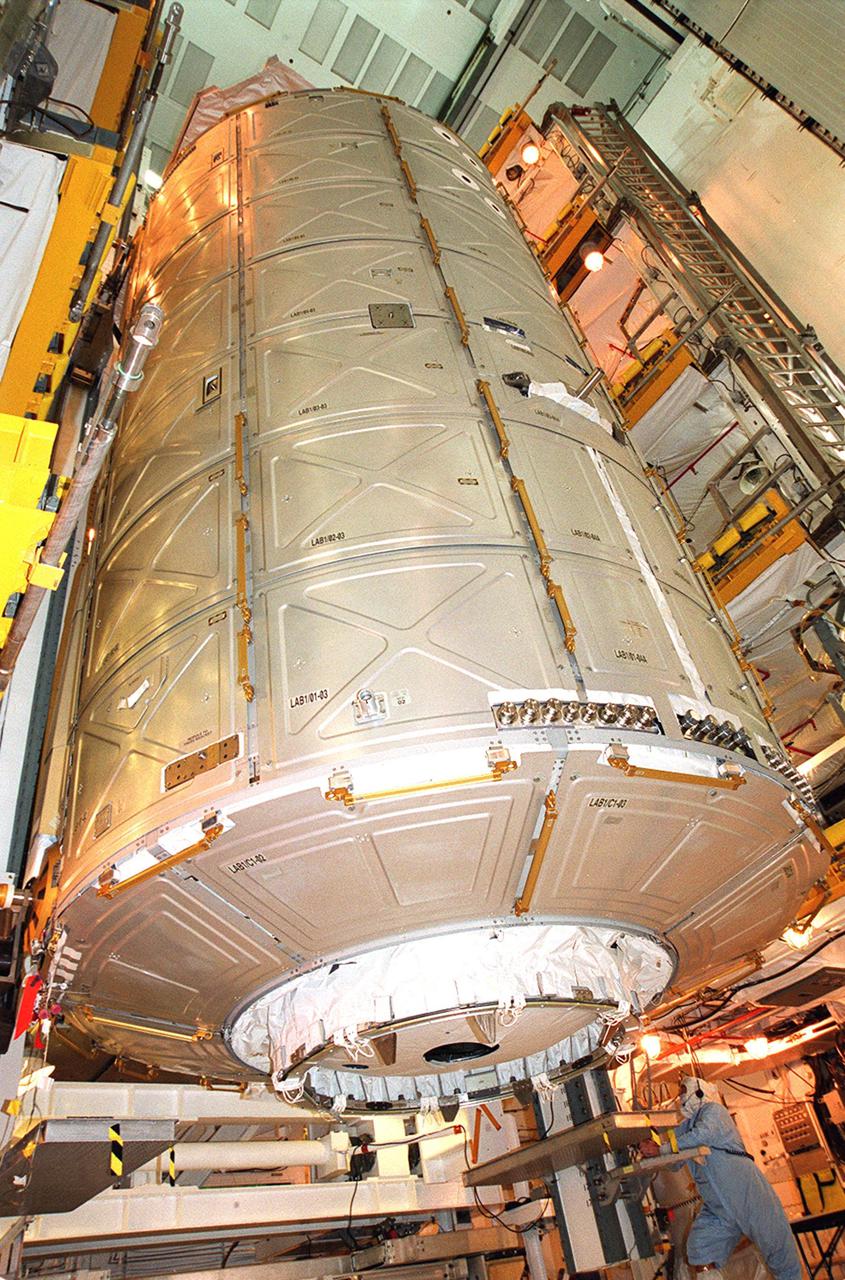
The U.S. Lab Destiny moves out of Atlantis’ payload bay and into the Payload Changeout Room via the Payload Ground Handling Mechanism. Destiny will remain in the PCR while Atlantis rolls back to the Vehicle Assembly Building to allow workers to conduct inspections, continuity checks and X-ray analysis on the 36 solid rocket booster cables located inside each booster’s system tunnel. An extensive evaluation of NASA’s SRB cable inventory revealed conductor damage in four (of about 200) cables on the shelf. Shuttle managers decided to prove the integrity of the system tunnel cables already on Atlantis

Workers in the Payload Changeout Room check the U.S. Lab Destiny as its moves from Atlantis’ payload bay into the PCR. Destiny will remain in the PCR while Atlantis rolls back to the Vehicle Assembly Building to allow workers to conduct inspections, continuity checks and X-ray analysis on the 36 solid rocket booster cables located inside each booster’s system tunnel. An extensive evaluation of NASA’s SRB cable inventory revealed conductor damage in four (of about 200) cables on the shelf. Shuttle managers decided to prove the integrity of the system tunnel cables already on Atlantis
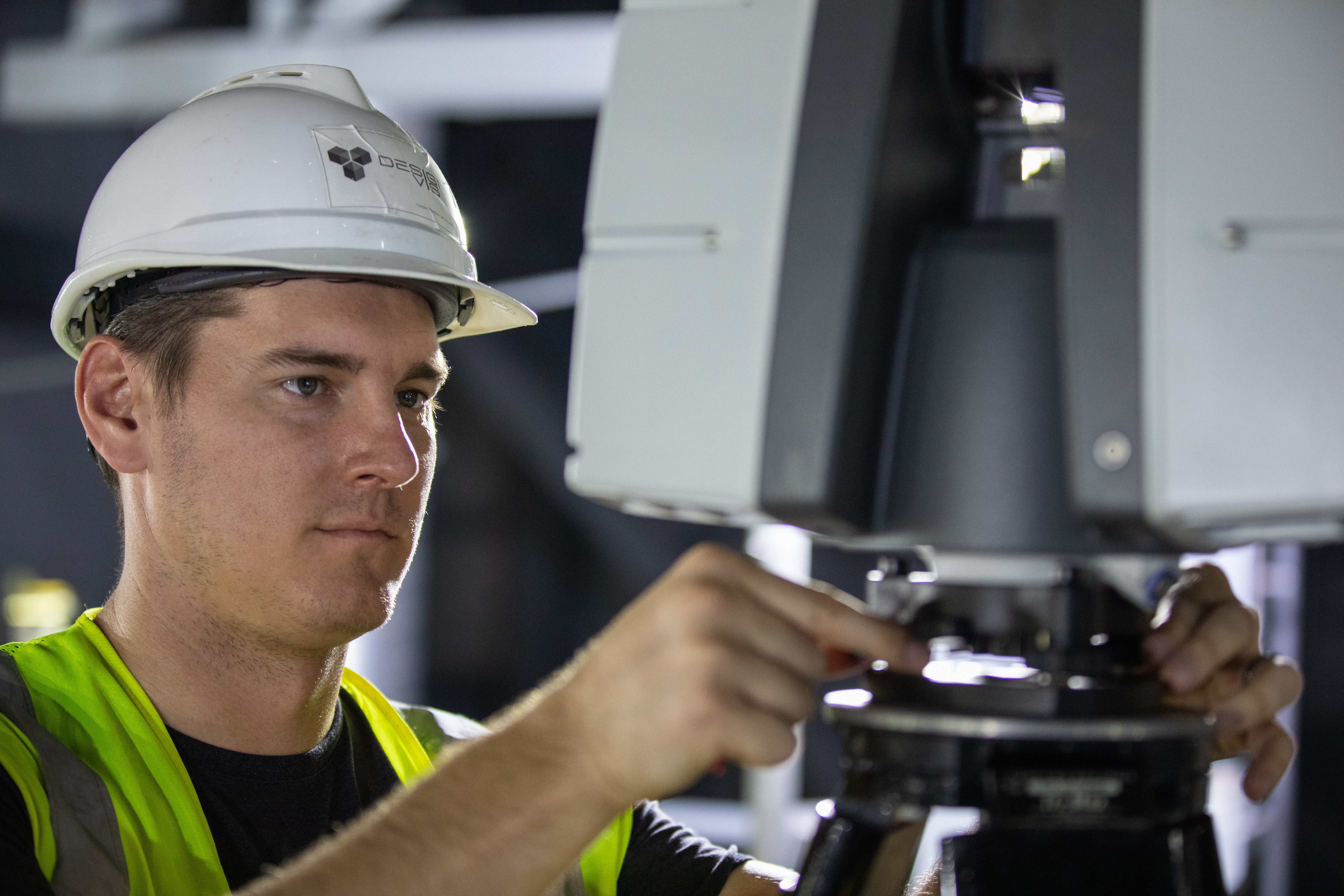
An engineer adjusts equipment from the Design Visualization Lab set up inside High Bay 3 of the Vehicle Assembly Building at NASA’s Kennedy Space Center on Oct. 14, 2020. The equipment will be used to do 3-D modeling of the mobile launcher that will carry the Space Launch System and Orion spacecraft to Launch Complex 39B for the Artemis I mission. Artemis I will test the Orion spacecraft and SLS as an integrated system ahead of crewed flights to the Moon. Under the Artemis program, NASA will land the first woman and the next man on the Moon in 2024.
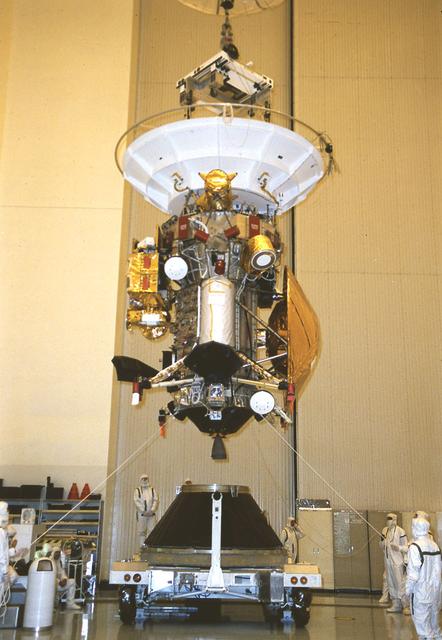
Jet Propulsion Research Lab (JPL) workers use a borescope to verify the pressure relief device bellow's integrity on a radioisotope thermoelectric generator (RTG) that has been installed on the Cassini spacecraft in the Payload Hazardous Servicing Facility. The activity is part of the mechanical and electrical verification testing of RTGs during prelaunch processing. RTGs use heat from the natural decay of plutonium to generate electrical power. The three RTGs on Cassini will enable the spacecraft to operate far from the Sun where solar power systems are not feasible. They will provide electrical power to Cassini on it seven year trip to the Saturnian system and during its four year mission at Saturn.
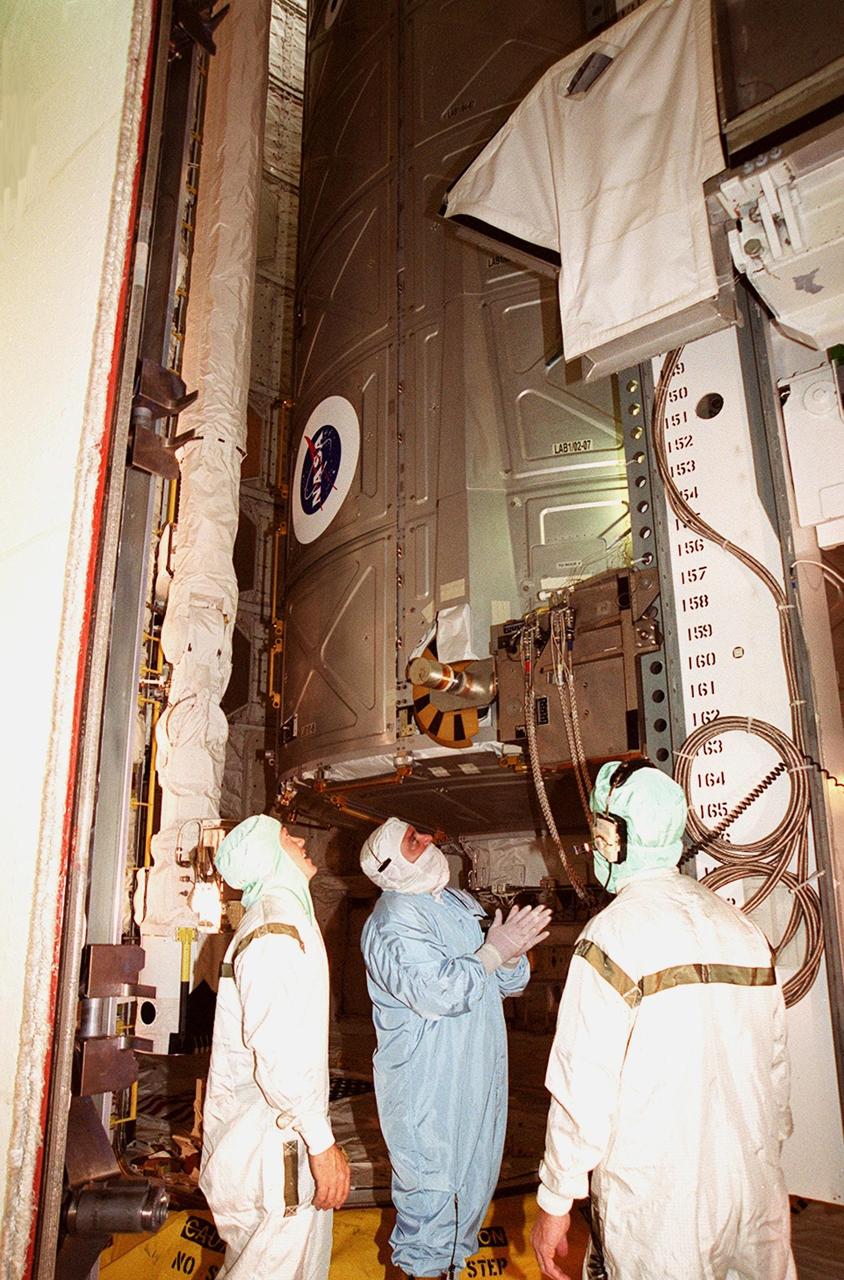
Workers in the Payload Changeout Room check the Payload Ground Handling Mechanism that will move the U.S. Lab Destiny out of Atlantis’ payload bay and into the PCR. After the move, Atlantis will roll back to the Vehicle Assembly Building to allow workers to conduct inspections, continuity checks and X-ray analysis on the 36 solid rocket booster cables located inside each booster’s system tunnel. An extensive evaluation of NASA’s SRB cable inventory revealed conductor damage in four (of about 200) cables on the shelf. Shuttle managers decided to prove the integrity of the system tunnel cables already on Atlantis
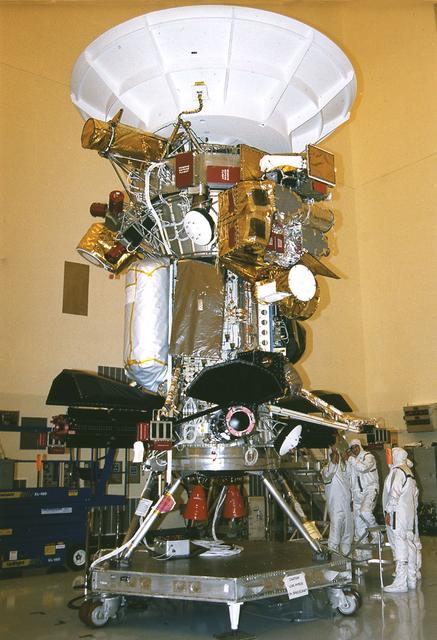
Jet Propulsion Research Lab (JPL) workers use a borescope to verify the pressure relief device bellow's integrity on a radioisotope thermoelectric generator (RTG) that has been installed on the Cassini spacecraft in the Payload Hazardous Servicing Facility. The activity is part of the mechanical and electrical verification testing of RTGs during prelaunch processing. RTGs use heat from the natural decay of plutonium to generate electrical power. The three RTGs on Cassini will enable the spacecraft to operate far from the Sun where solar power systems are not feasible. They will provide electrical power to Cassini on it seven year trip to the Saturnian system and during its four year mission at Saturn.
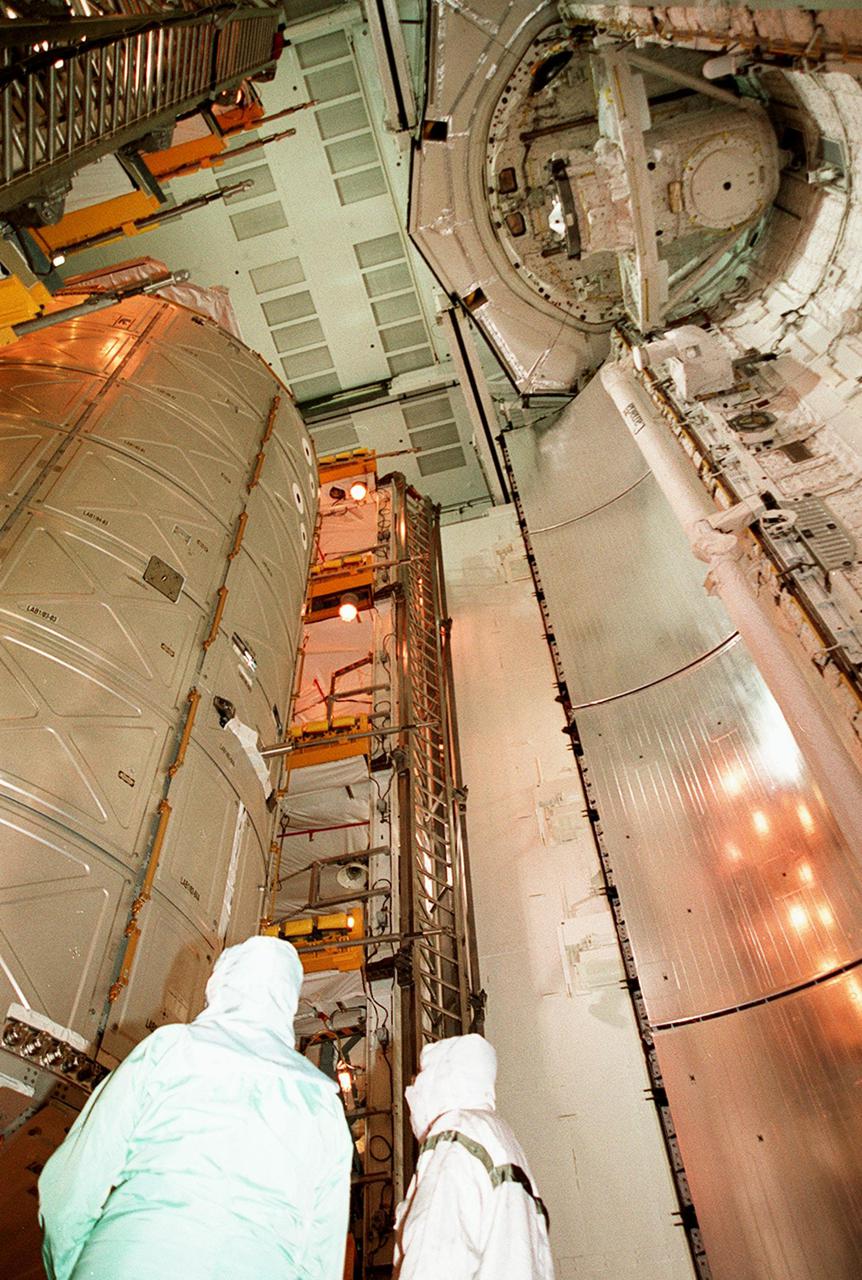
The U.S. Lab Destiny (left) moves away from Atlantis’ payload bay doors (right) into the Payload Changeout Room. Destiny will remain in the PCR while Atlantis rolls back to the Vehicle Assembly Building to allow workers to conduct inspections, continuity checks and X-ray analysis on the 36 solid rocket booster cables located inside each booster’s system tunnel. An extensive evaluation of NASA’s SRB cable inventory revealed conductor damage in four (of about 200) cables on the shelf. Shuttle managers decided to prove the integrity of the system tunnel cables already on Atlantis
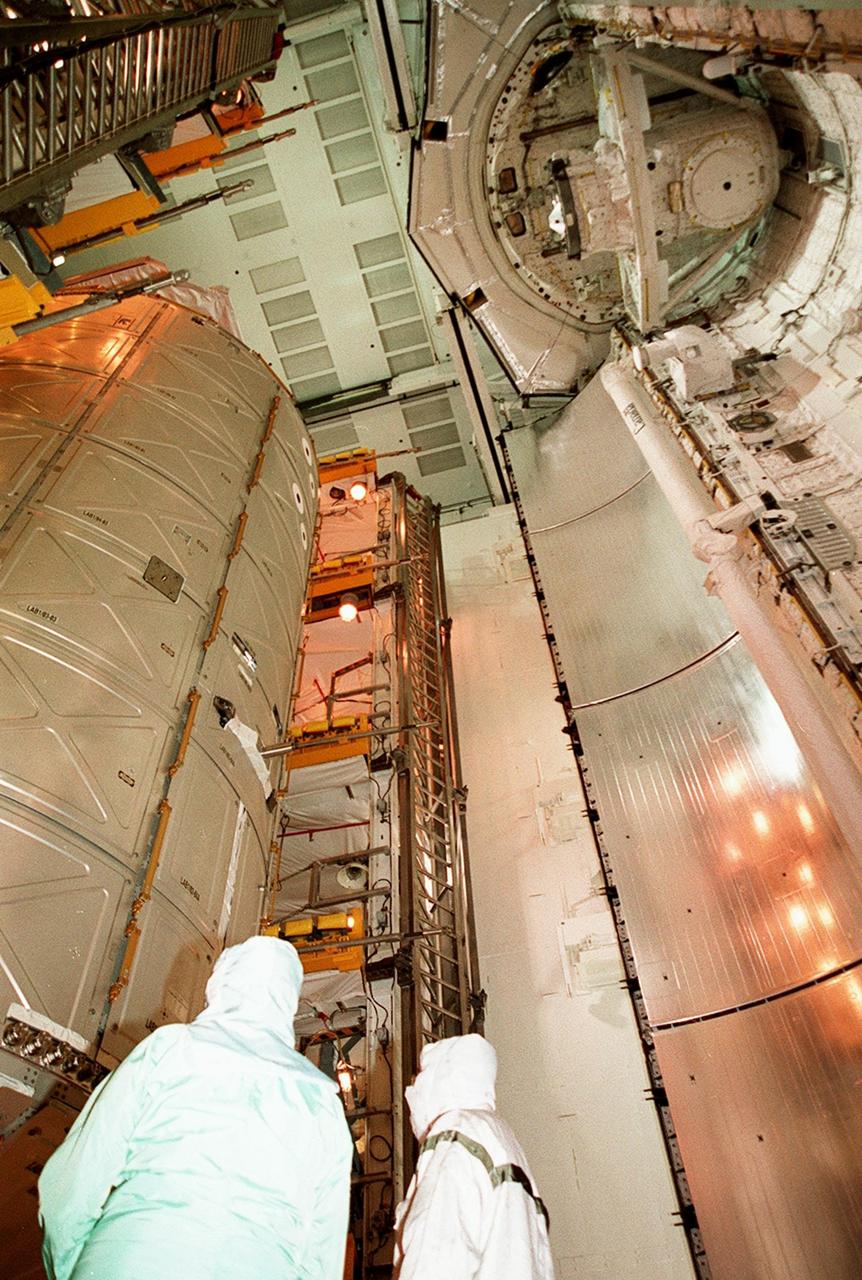
The U.S. Lab Destiny (left) moves away from Atlantis’ payload bay doors (right) into the Payload Changeout Room. Destiny will remain in the PCR while Atlantis rolls back to the Vehicle Assembly Building to allow workers to conduct inspections, continuity checks and X-ray analysis on the 36 solid rocket booster cables located inside each booster’s system tunnel. An extensive evaluation of NASA’s SRB cable inventory revealed conductor damage in four (of about 200) cables on the shelf. Shuttle managers decided to prove the integrity of the system tunnel cables already on Atlantis
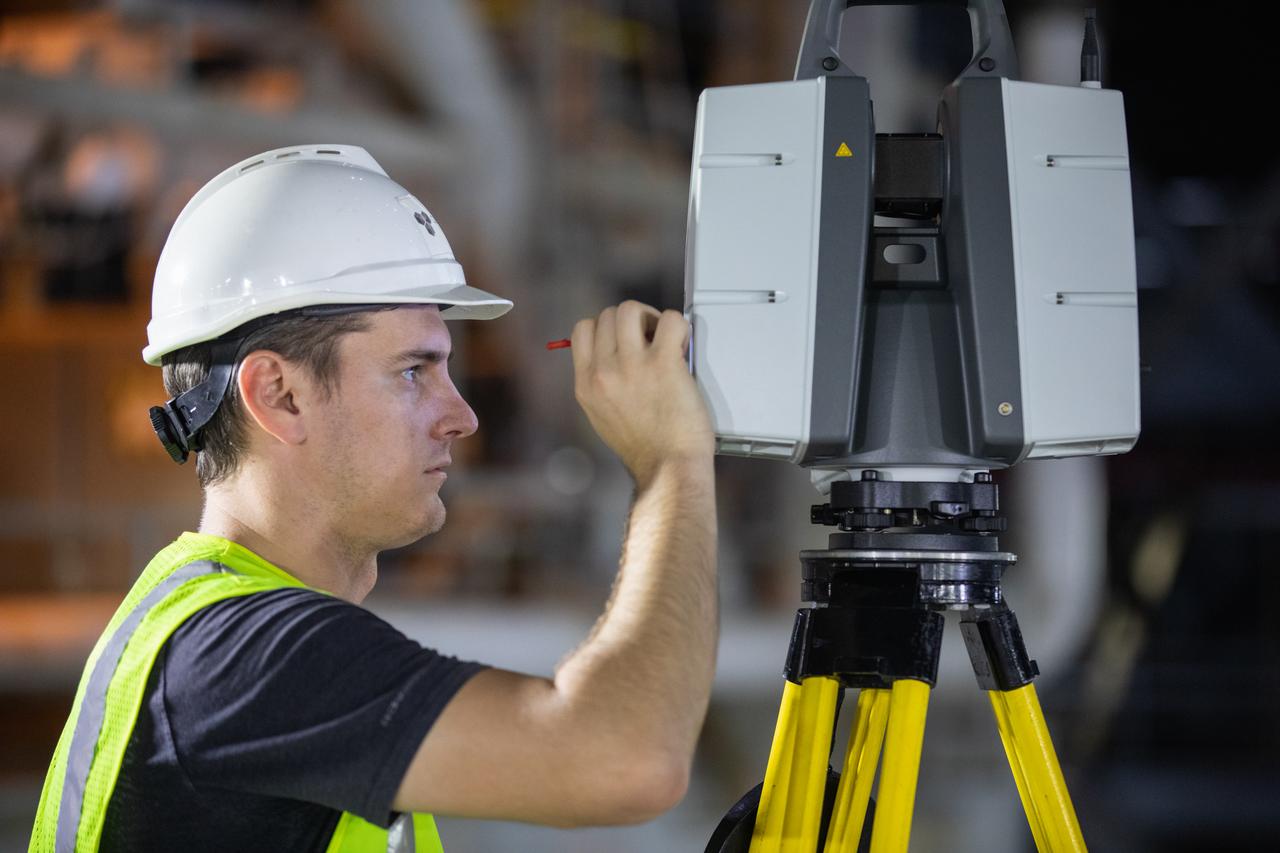
An engineer adjusts equipment from the Design Visualization Lab set up inside High Bay 3 of the Vehicle Assembly Building at NASA’s Kennedy Space Center on Oct. 14, 2020. The equipment will be used to do 3-D modeling of the mobile launcher that will carry the Space Launch System and Orion spacecraft to Launch Complex 39B for the Artemis I mission. Artemis I will test the Orion spacecraft and SLS as an integrated system ahead of crewed flights to the Moon. Under the Artemis program, NASA will land the first woman and the next man on the Moon in 2024.

Acting NASA Deputy Administrator Lesa Roe, left, and acting NASA Administrator Robert Lightfoot, right, listen as Alec Devereaux, a systems engineer with Sierra Nevada Corporation, right, discusses the Flight Control Integration Lab (FCIL), Thursday, April 6, 2017 during a visit to Sierra Nevada Corporation in Louisville, Colo. Sierra Nevada Corporation, with their Dream Chaser Cargo System, was one of three companies to be awarded Commercial Resupply Services (CRS-2) contracts designed to obtain cargo delivery services to the space station, disposal of unneeded cargo, and the return of research samples and other cargo from the station back to NASA. Photo Credit: (NASA/Joel Kowsky)

The U.S. Lab Destiny begins moving out of Atlantis’ payload bay and into the Payload Changeout Room via the Payload Ground Handling Mechanism. Destiny will remain in the PCR while Atlantis rolls back to the Vehicle Assembly Building to allow workers to conduct inspections, continuity checks and X-ray analysis on the 36 solid rocket booster cables located inside each booster’s system tunnel. An extensive evaluation of NASA’s SRB cable inventory revealed conductor damage in four (of about 200) cables on the shelf. Shuttle managers decided to prove the integrity of the system tunnel cables already on Atlantis
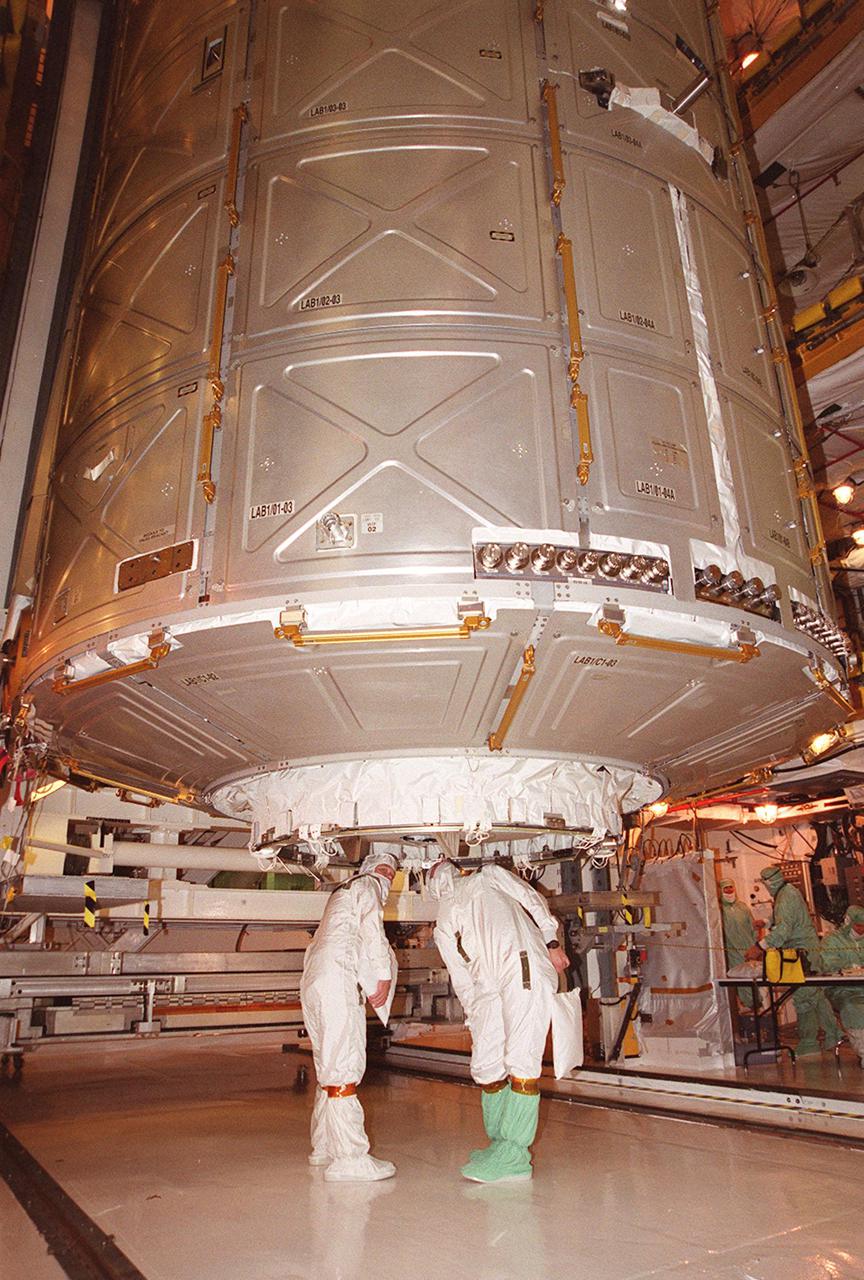
Workers in the Payload Changeout Room check the U.S. Lab Destiny as its moves from Atlantis’ payload bay into the PCR. Destiny will remain in the PCR while Atlantis rolls back to the Vehicle Assembly Building to allow workers to conduct inspections, continuity checks and X-ray analysis on the 36 solid rocket booster cables located inside each booster’s system tunnel. An extensive evaluation of NASA’s SRB cable inventory revealed conductor damage in four (of about 200) cables on the shelf. Shuttle managers decided to prove the integrity of the system tunnel cables already on Atlantis

The U.S. Lab Destiny begins moving out of Atlantis’ payload bay and into the Payload Changeout Room via the Payload Ground Handling Mechanism. Destiny will remain in the PCR while Atlantis rolls back to the Vehicle Assembly Building to allow workers to conduct inspections, continuity checks and X-ray analysis on the 36 solid rocket booster cables located inside each booster’s system tunnel. An extensive evaluation of NASA’s SRB cable inventory revealed conductor damage in four (of about 200) cables on the shelf. Shuttle managers decided to prove the integrity of the system tunnel cables already on Atlantis
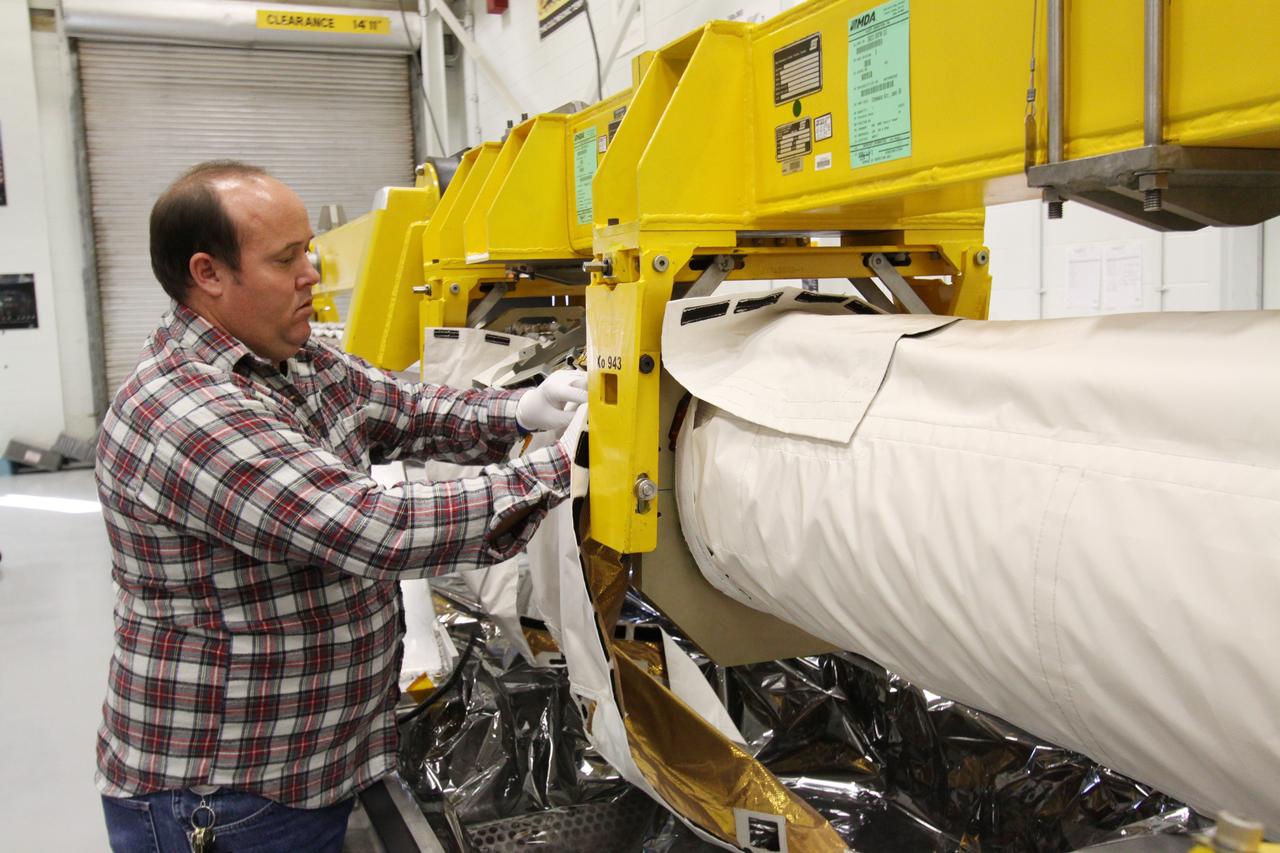
CAPE CANAVERAL, Fla. - In the Remote Manipulator System Lab inside the Vehicle Assembly Building at NASA's Kennedy Space Center in Florida, Patrick Manning, an advanced systems technician with United Space Alliance, installs the mid-transition thermal blanket onto the inspection boom assembly, or IBA, on space shuttle Atlantis' orbiter boom sensor system, or OBSS. The IBA is removed from the shuttle every other processing flow for a detailed inspection. After five consecutive flights, all IBA internal components are submitted to a thorough electrical checkout in the lab. The 50-foot-long OBSS attaches to the end of the shuttle’s robotic arm and supports the cameras and laser systems used to inspect the shuttle’s thermal protection system while in space. Atlantis is next slated to deliver an Integrated Cargo Carrier and Russian-built Mini Research Module to the International Space Station on the STS-132 mission. The second in a series of new pressurized components for Russia, the module will be permanently attached to the Zarya module. Three spacewalks are planned to store spare components outside the station, including six spare batteries, a boom assembly for the Ku-band antenna and spares for the Canadian Dextre robotic arm extension. A radiator, airlock and European robotic arm for the Russian Multi-purpose Laboratory Module also are payloads on the flight. Launch is targeted for May 14, 2010. Photo credit: NASA/Jack Pfaller
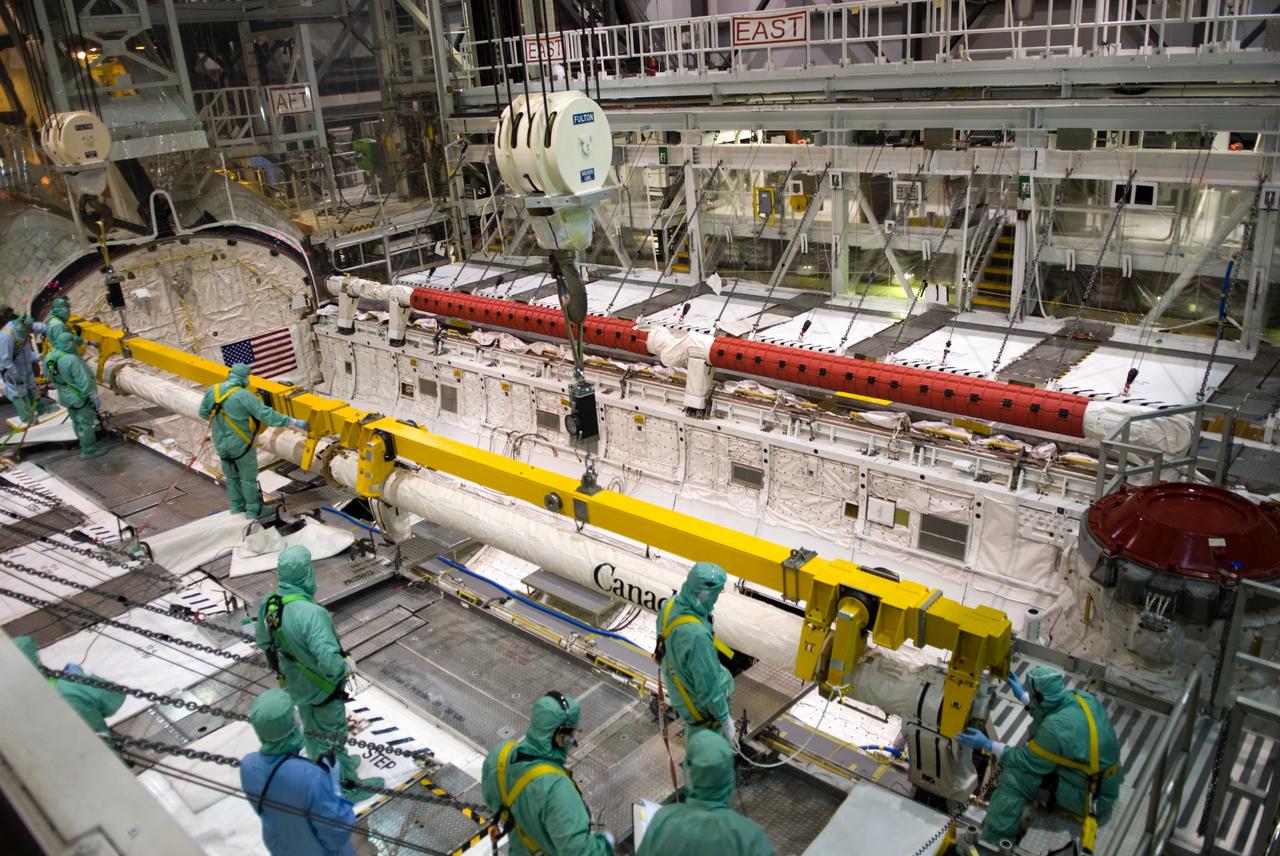
CAPE CANAVERAL, Fla. - In Orbiter Processing Facility 1 at NASA's Kennedy Space Center in Florida, technicians install the orbiter boom sensor system, or OBSS, in space shuttle Atlantis' payload bay across from the remote manipulator system arm. The OBSS' inspection boom assembly, or IBA, is removed from the arm every other processing flow for a detailed inspection. After five consecutive flights, all IBA internal components are submitted to a thorough electrical checkout in the Remote Manipulator System Lab. The 50-foot-long OBSS attaches to the end of the shuttle’s robotic arm and supports the cameras and laser systems used to inspect the shuttle’s thermal protection system while in space. Atlantis is next slated to deliver an Integrated Cargo Carrier and Russian-built Mini Research Module to the International Space Station on the STS-132 mission. Launch is targeted for May 14. Photo credit: NASA/Jim Grossmann
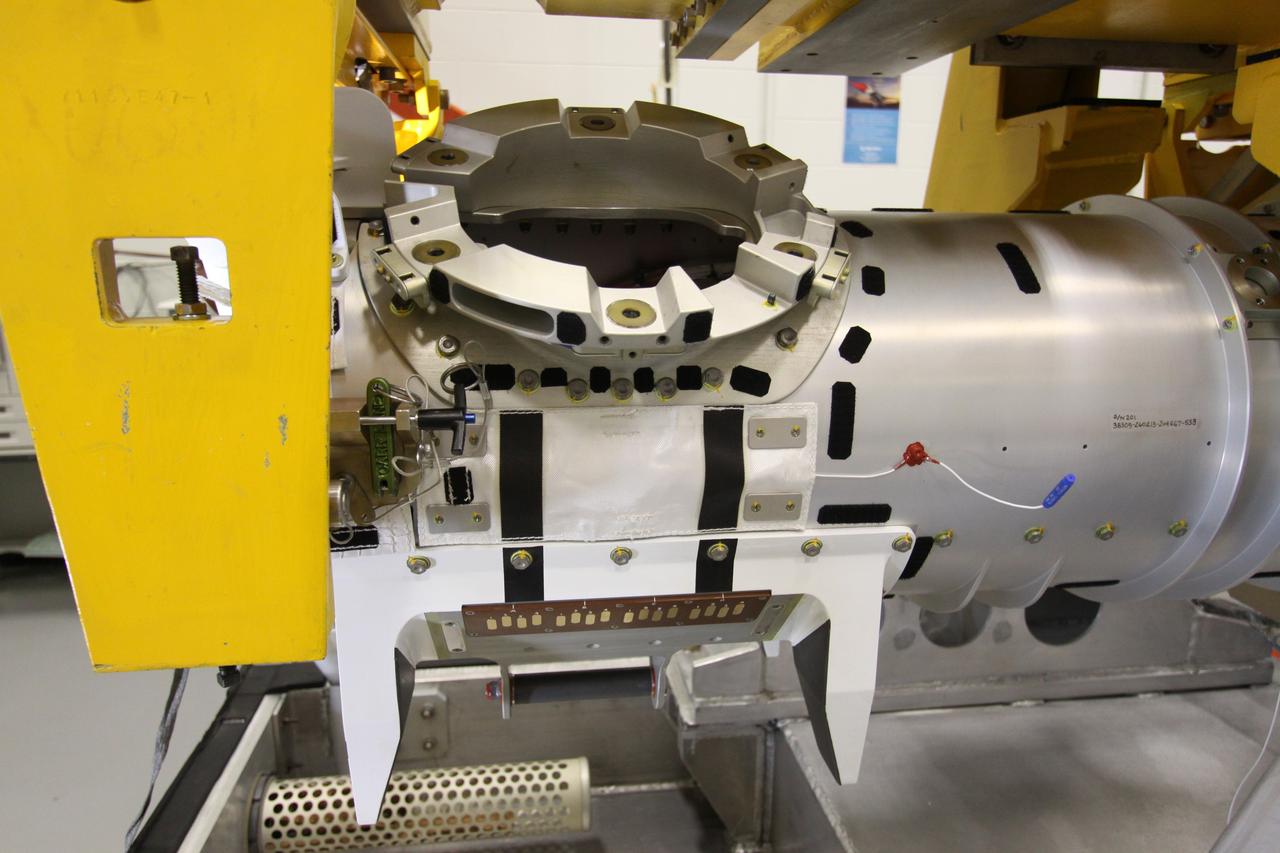
CAPE CANAVERAL, Fla. - In the Remote Manipulator System Lab inside the Vehicle Assembly Building at NASA's Kennedy Space Center in Florida, this close-up shows the forward transition and X-guide restraint of the inspection boom assembly, or IBA, on space shuttle Atlantis' orbiter boom sensor system, or OBSS. The IBA is removed from the shuttle every other processing flow for a detailed inspection. After five consecutive flights, all IBA internal components are submitted to a thorough electrical checkout in the lab. The 50-foot-long OBSS attaches to the end of the shuttle’s robotic arm and supports the cameras and laser systems used to inspect the shuttle’s thermal protection system while in space. Atlantis is next slated to deliver an Integrated Cargo Carrier and Russian-built Mini Research Module to the International Space Station on the STS-132 mission. The second in a series of new pressurized components for Russia, the module will be permanently attached to the Zarya module. Three spacewalks are planned to store spare components outside the station, including six spare batteries, a boom assembly for the Ku-band antenna and spares for the Canadian Dextre robotic arm extension. A radiator, airlock and European robotic arm for the Russian Multi-purpose Laboratory Module also are payloads on the flight. Launch is targeted for May 14, 2010. Photo credit: NASA/Jack Pfaller
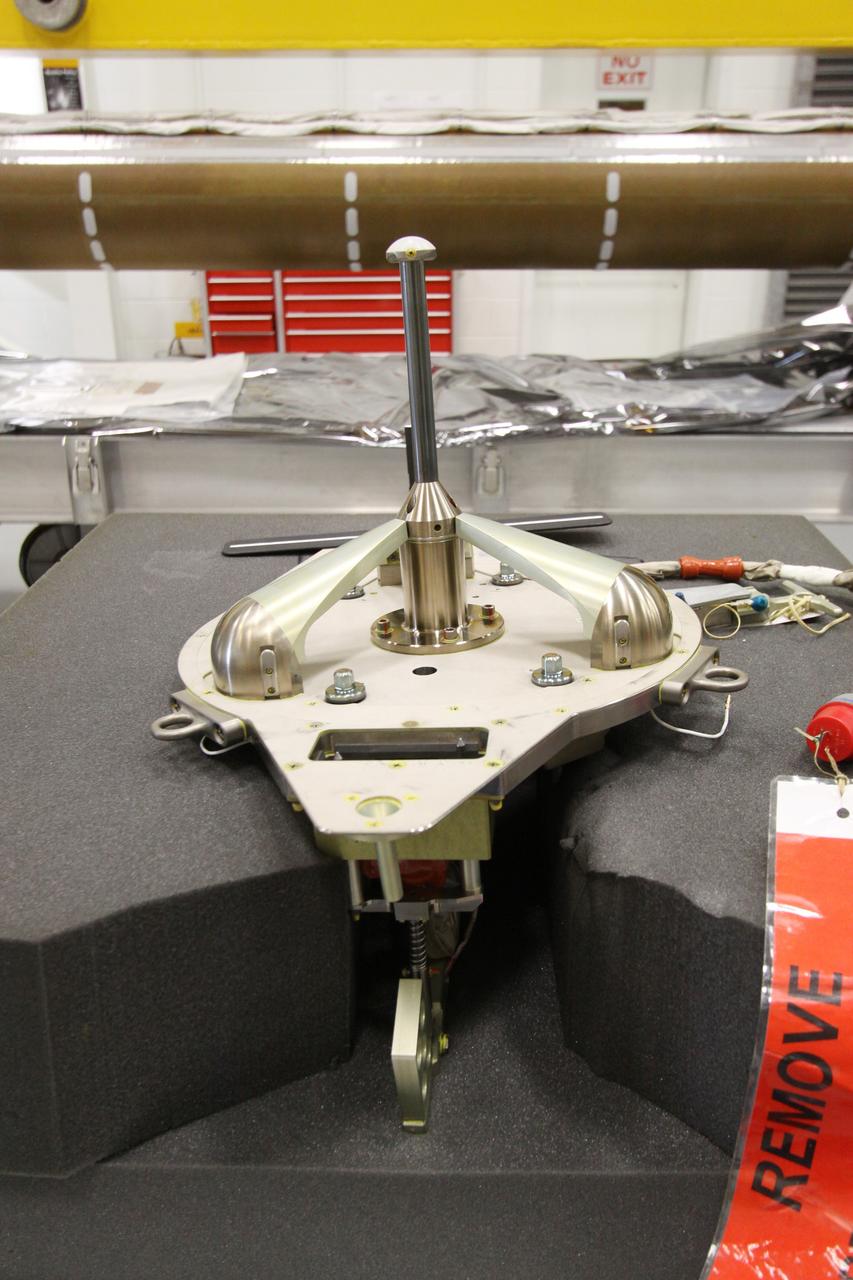
CAPE CANAVERAL, Fla. - In the Remote Manipulator System Lab inside the Vehicle Assembly Building at NASA's Kennedy Space Center in Florida, this close-up shows the electrical flight grapple fixture which will be installed in the forward transition and X-guide restraint of the inspection boom assembly, or IBA, on space shuttle Atlantis' orbiter boom sensor system, or OBSS. The IBA is removed from the shuttle every other processing flow for a detailed inspection. After five consecutive flights, all IBA internal components are submitted to a thorough electrical checkout in the lab. The 50-foot-long OBSS attaches to the end of the shuttle’s robotic arm and supports the cameras and laser systems used to inspect the shuttle’s thermal protection system while in space. Atlantis is next slated to deliver an Integrated Cargo Carrier and Russian-built Mini Research Module to the International Space Station on the STS-132 mission. The second in a series of new pressurized components for Russia, the module will be permanently attached to the Zarya module. Three spacewalks are planned to store spare components outside the station, including six spare batteries, a boom assembly for the Ku-band antenna and spares for the Canadian Dextre robotic arm extension. A radiator, airlock and European robotic arm for the Russian Multi-purpose Laboratory Module also are payloads on the flight. Launch is targeted for May 14, 2010. Photo credit: NASA/Jack Pfaller
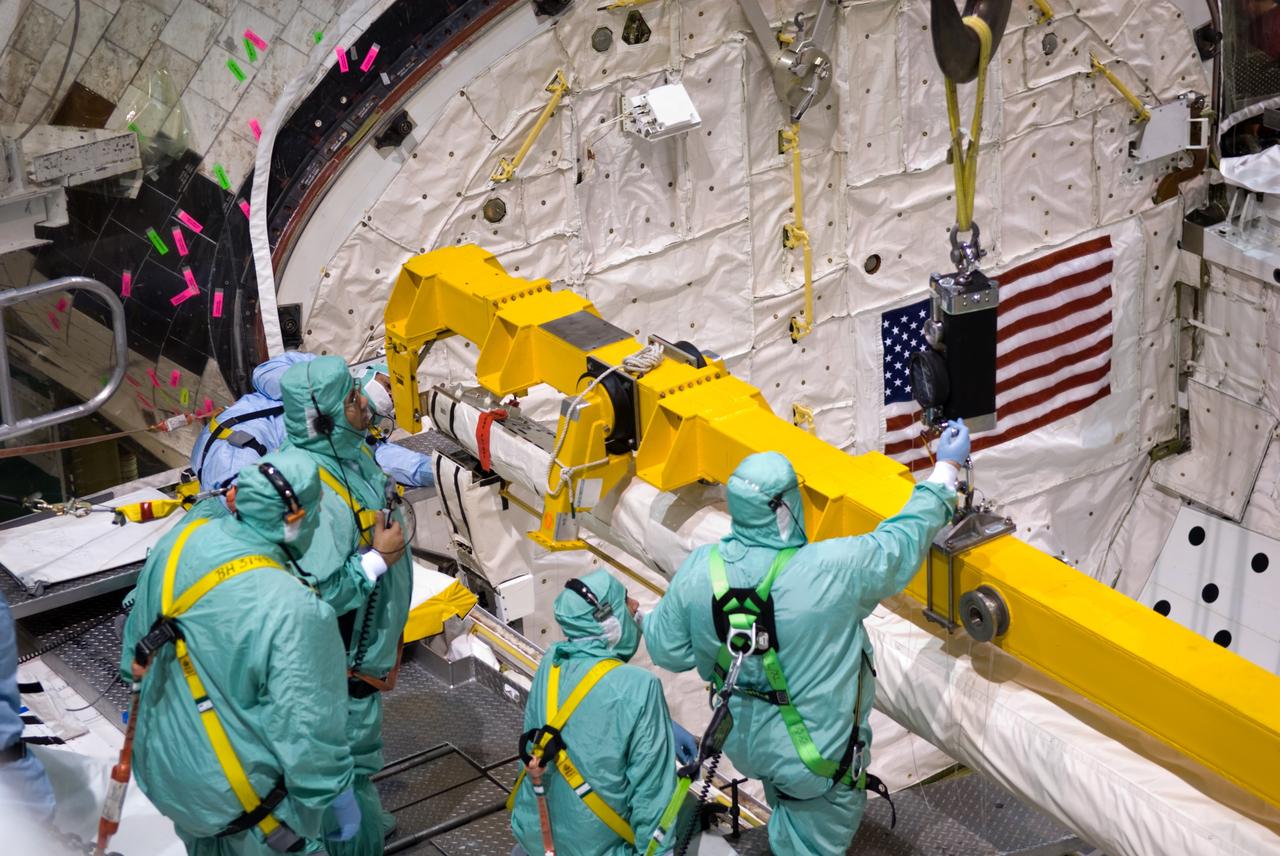
CAPE CANAVERAL, Fla. - In Orbiter Processing Facility 1 at NASA's Kennedy Space Center in Florida, installation of the orbiter boom sensor system, or OBSS, into space shuttle Atlantis' payload bay is under way. The OBSS' inspection boom assembly, or IBA, is removed from the arm every other processing flow for a detailed inspection. After five consecutive flights, all IBA internal components are submitted to a thorough electrical checkout in the Remote Manipulator System Lab. The 50-foot-long OBSS attaches to the end of the shuttle’s robotic arm and supports the cameras and laser systems used to inspect the shuttle’s thermal protection system while in space. Atlantis is next slated to deliver an Integrated Cargo Carrier and Russian-built Mini Research Module to the International Space Station on the STS-132 mission. Launch is targeted for May 14. Photo credit: NASA/Jim Grossmann

CAPE CANAVERAL, Fla. - In Orbiter Processing Facility 1 at NASA's Kennedy Space Center in Florida, the orbiter boom sensor system, or OBSS, is installed in space shuttle Atlantis' payload bay. The OBSS' inspection boom assembly, or IBA, is removed from the arm every other processing flow for a detailed inspection. After five consecutive flights, all IBA internal components are submitted to a thorough electrical checkout in the Remote Manipulator System Lab. The 50-foot-long OBSS attaches to the end of the shuttle’s robotic arm and supports the cameras and laser systems used to inspect the shuttle’s thermal protection system while in space. Atlantis is next slated to deliver an Integrated Cargo Carrier and Russian-built Mini Research Module to the International Space Station on the STS-132 mission. Launch is targeted for May 14. Photo credit: NASA/Jim Grossmann
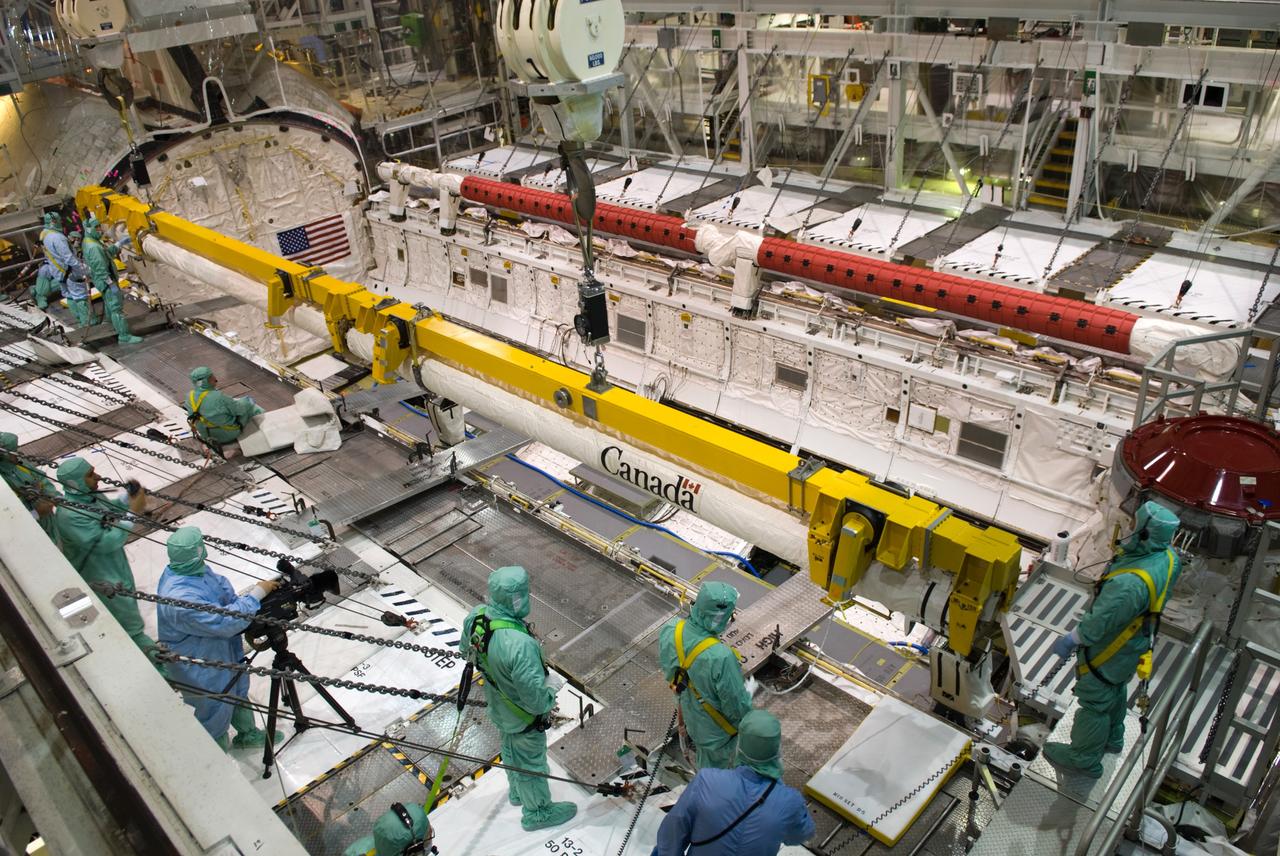
CAPE CANAVERAL, Fla. - In Orbiter Processing Facility 1 at NASA's Kennedy Space Center in Florida, a crane lowers the orbiter boom sensor system, or OBSS, into space shuttle Atlantis' payload bay where it will be installed. The OBSS' inspection boom assembly, or IBA, is removed from the arm every other processing flow for a detailed inspection. After five consecutive flights, all IBA internal components are submitted to a thorough electrical checkout in the Remote Manipulator System Lab. The 50-foot-long OBSS attaches to the end of the shuttle’s robotic arm and supports the cameras and laser systems used to inspect the shuttle’s thermal protection system while in space. Atlantis is next slated to deliver an Integrated Cargo Carrier and Russian-built Mini Research Module to the International Space Station on the STS-132 mission. Launch is targeted for May 14. Photo credit: NASA/Jim Grossmann

CAPE CANAVERAL, Fla. - In Orbiter Processing Facility 1 at NASA's Kennedy Space Center in Florida, technicians ensure that the installation of the orbiter boom sensor system, or OBSS, into space shuttle Atlantis' payload bay meets the correct specifications. The OBSS' inspection boom assembly, or IBA, is removed from the arm every other processing flow for a detailed inspection. After five consecutive flights, all IBA internal components are submitted to a thorough electrical checkout in the Remote Manipulator System Lab. The 50-foot-long OBSS attaches to the end of the shuttle’s robotic arm and supports the cameras and laser systems used to inspect the shuttle’s thermal protection system while in space. Atlantis is next slated to deliver an Integrated Cargo Carrier and Russian-built Mini Research Module to the International Space Station on the STS-132 mission. Launch is targeted for May 14. Photo credit: NASA/Jim Grossmann
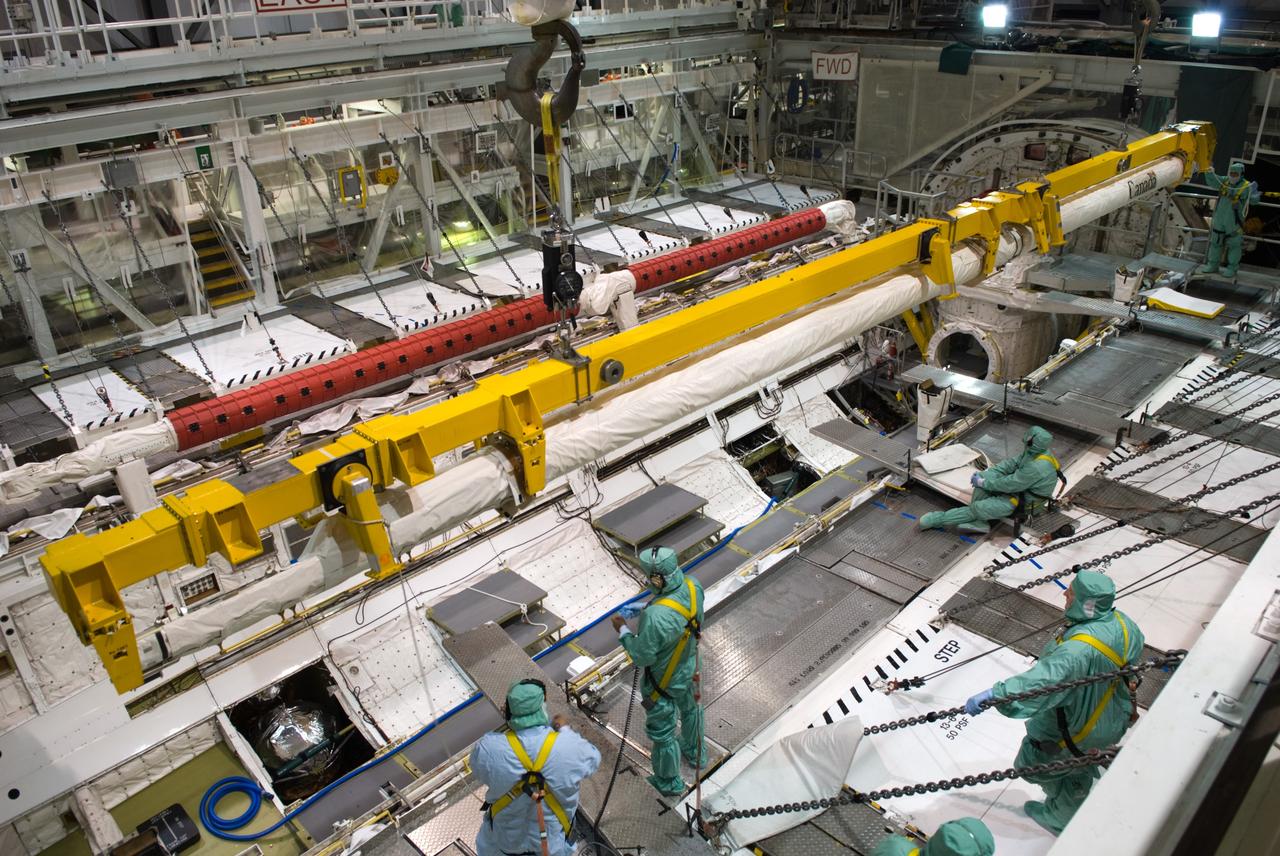
CAPE CANAVERAL, Fla. - In Orbiter Processing Facility 1 at NASA's Kennedy Space Center in Florida, technicians prepare to install the orbiter boom sensor system, or OBSS, into space shuttle Atlantis' payload bay. The OBSS' inspection boom assembly, or IBA, is removed from the arm every other processing flow for a detailed inspection. After five consecutive flights, all IBA internal components are submitted to a thorough electrical checkout in the Remote Manipulator System Lab. The 50-foot-long OBSS attaches to the end of the shuttle’s robotic arm and supports the cameras and laser systems used to inspect the shuttle’s thermal protection system while in space. Atlantis is next slated to deliver an Integrated Cargo Carrier and Russian-built Mini Research Module to the International Space Station on the STS-132 mission. Launch is targeted for May 14. Photo credit: NASA/Jim Grossmann
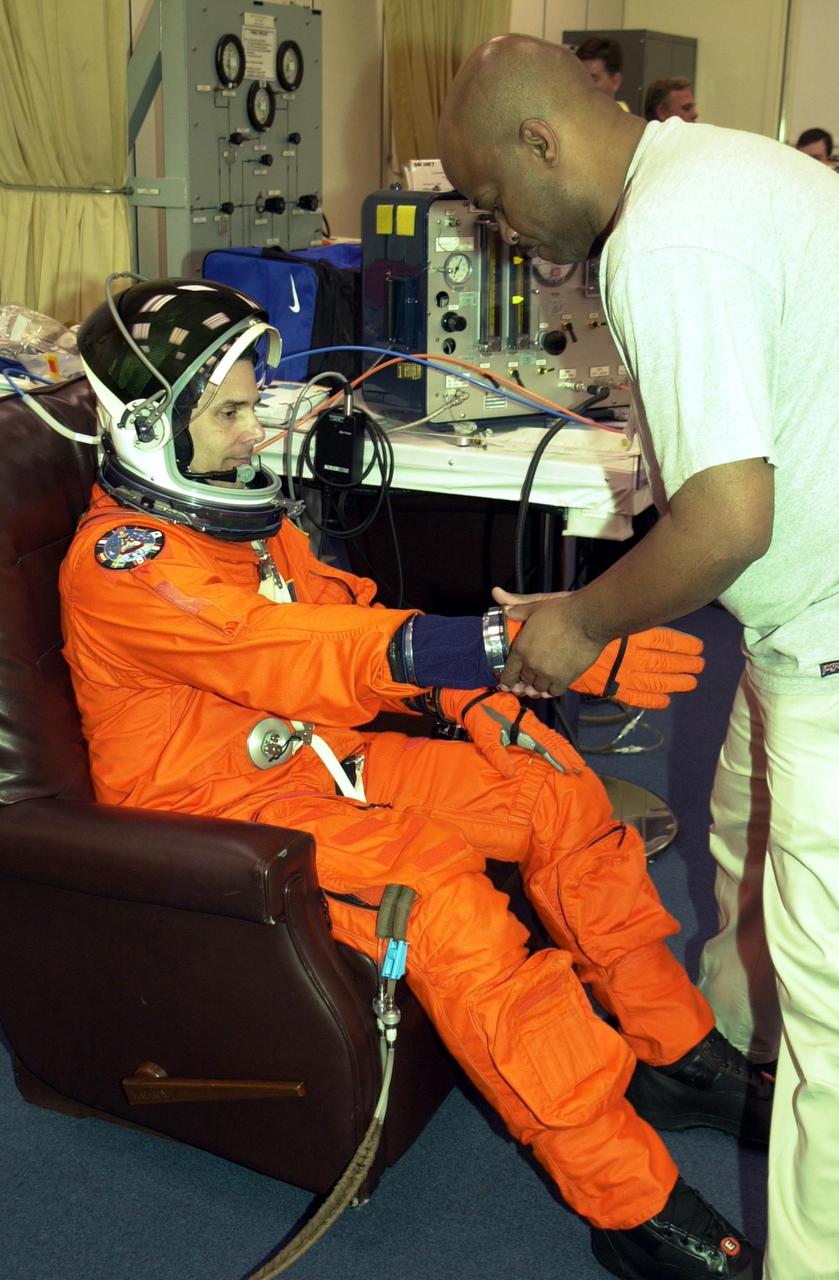
KENNEDY SPACE CENTER, FLA. -- STS-110 Mission Specialist Lee Morin undergoes final check of his launch and entry suit. Morin will be taking his first Shuttle flight. The STS-110 payload includes the S0 Integrated Truss Structure (ITS), the Canadian Mobile Transporter, power distribution system modules, a heat pipe radiator for cooling, computers and a pair of rate gyroscopes. The 11-day mission is the 13th assembly flight to the ISS and includes four spacewalks to attach the S0 truss to the U.S. Lab Destiny. Launch is scheduled for April 4
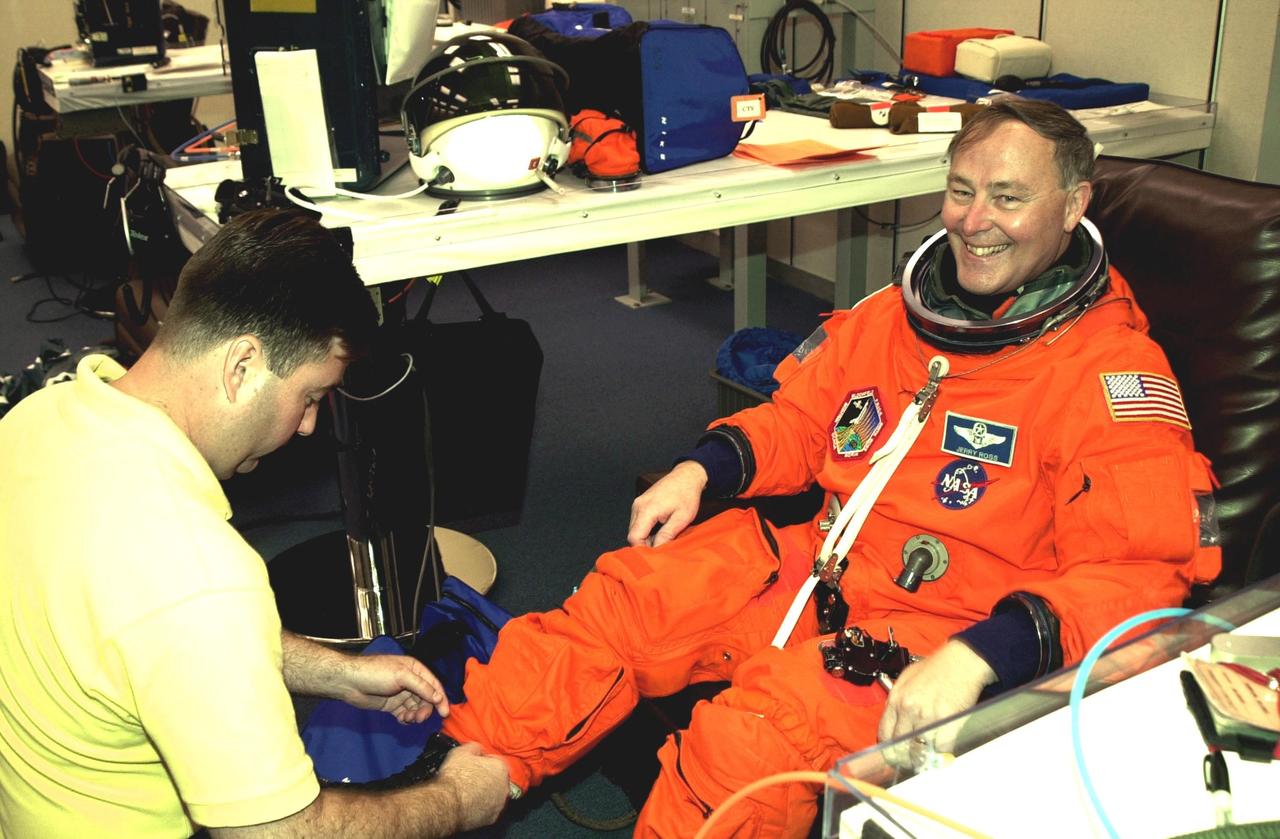
KENNEDY SPACE CENTER, FLA. -- As he undergoes a final check on his launch and entry suit, STS-110 Mission Specialist Jerry Ross shows his delight in the upcoming launch. Ross will be making a record-breaking seventh Shuttle flight. The STS-110 payload includes the S0 Integrated Truss Structure (ITS), the Canadian Mobile Transporter, power distribution system modules, a heat pipe radiator for cooling, computers and a pair of rate gyroscopes. The 11-day mission is the 13th assembly flight to the ISS and includes four spacewalks to attach the S0 truss to the U.S. Lab Destiny. Launch is scheduled for April 4
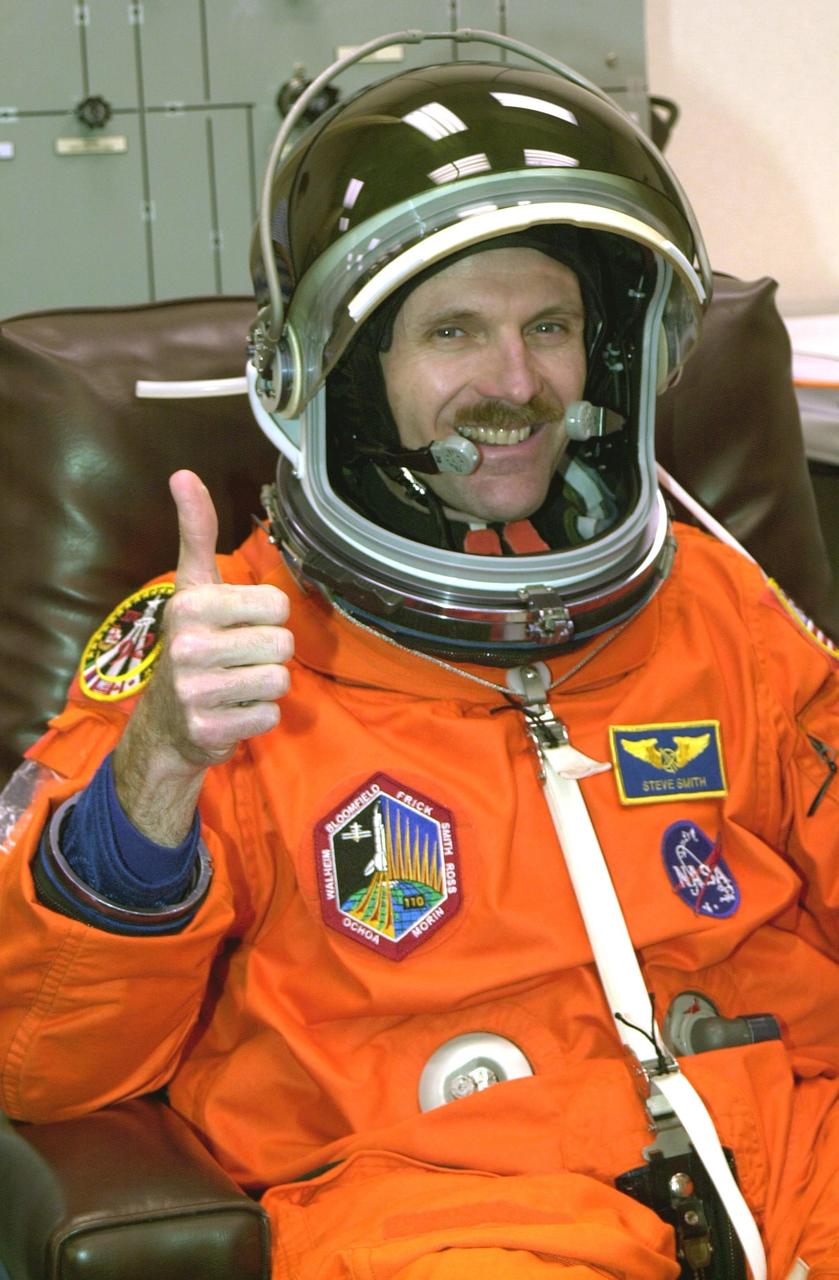
KENNEDY SPACE CENTER, FLA. -- STS-110 Mission Specialist Steven Smith gives a thumbs up for launch as he has a final check of his launch and entry suit. This flight will be his fourth. The STS-110 payload includes the S0 Integrated Truss Structure (ITS), the Canadian Mobile Transporter, power distribution system modules, a heat pipe radiator for cooling, computers and a pair of rate gyroscopes. The 11-day mission is the 13th assembly flight to the ISS and includes four spacewalks to attach the S0 truss to the U.S. Lab Destiny. Launch is scheduled for April 4
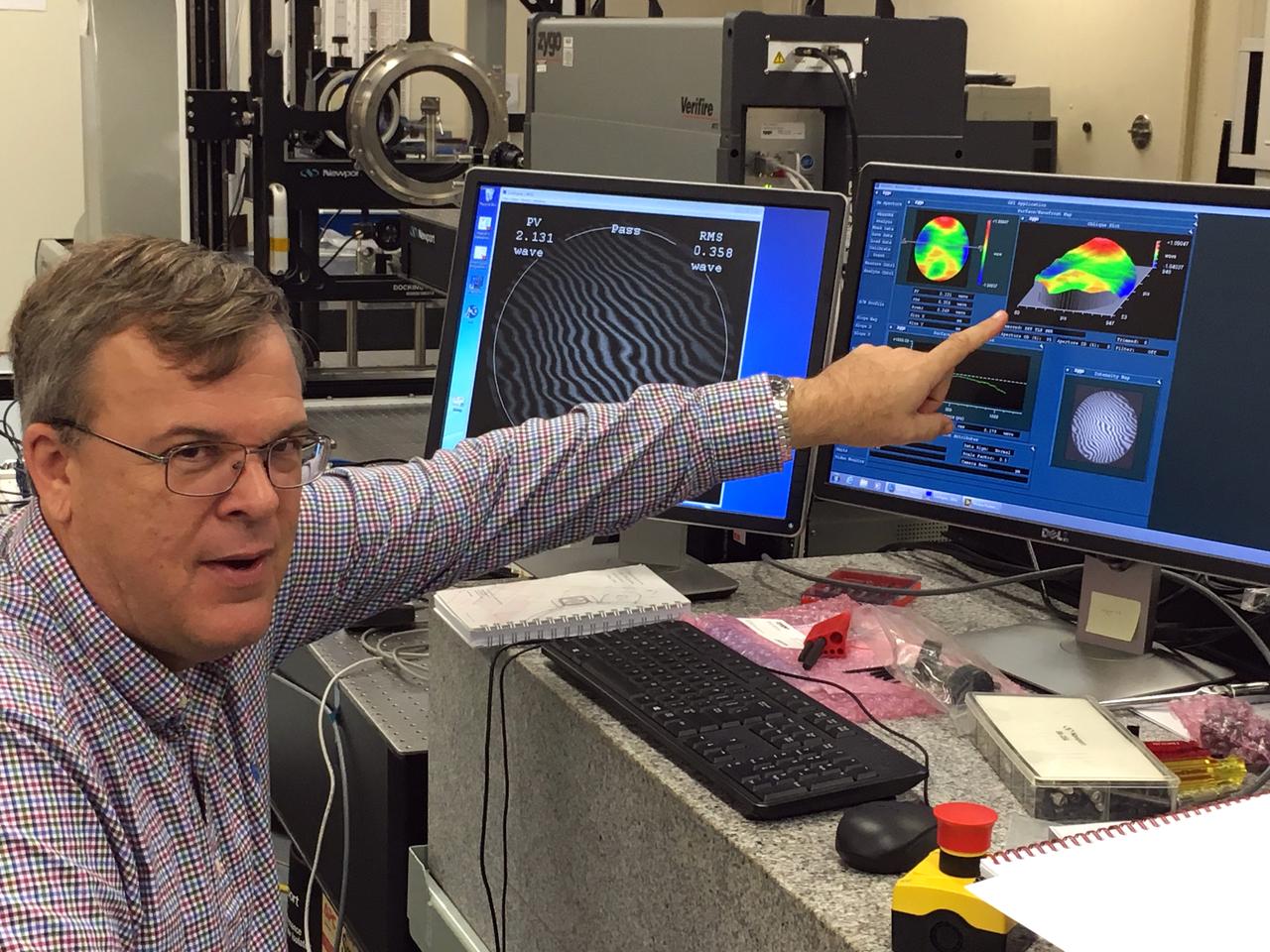
Mark Nurge, Ph.D., a physicist in the Applied Physics Lab with the Exploration Research and Technology Programs at NASA's Kennedy Space Center in Florida, looks at data during the first optical quality test on a full window stack that is ready for installation in the docking hatch of NASA's Orion spacecraft. The data from the tests will help improve the requirements for manufacturing tolerances on Orion's windows and verify how the window should perform in space. Orion is being prepared for its first integrated uncrewed flight atop NASA's Space Launch System rocket on Exploration Mission-1.
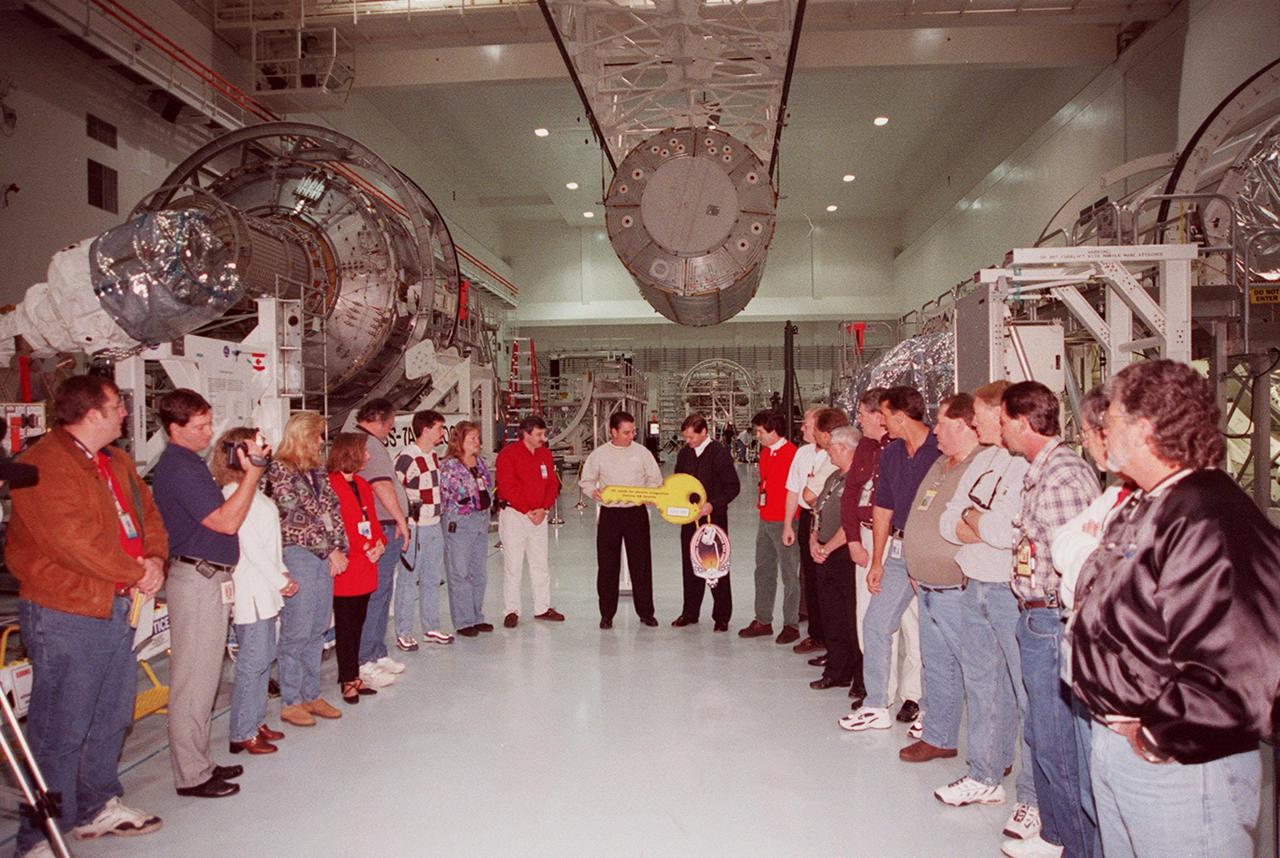
KENNEDY SPACE CENTER, FLA. -- In the Space Station Processing Facility, the “key” to the U.S. Laboratory Destiny is officially handed over to NASA during a brief ceremony while workers look on. Suspended overhead is the laboratory, being moved to the Launch Package Integration Stand (LPIS) for a weight and center of gravity determination. Behind the workers at left is the Joint Airlock Module. Destiny is the payload aboard Space Shuttle Atlantis on mission STS-98 to the International Space Station. The lab is fitted with five system racks and will already have experiments installed inside for the flight. The launch is scheduled for January 2001
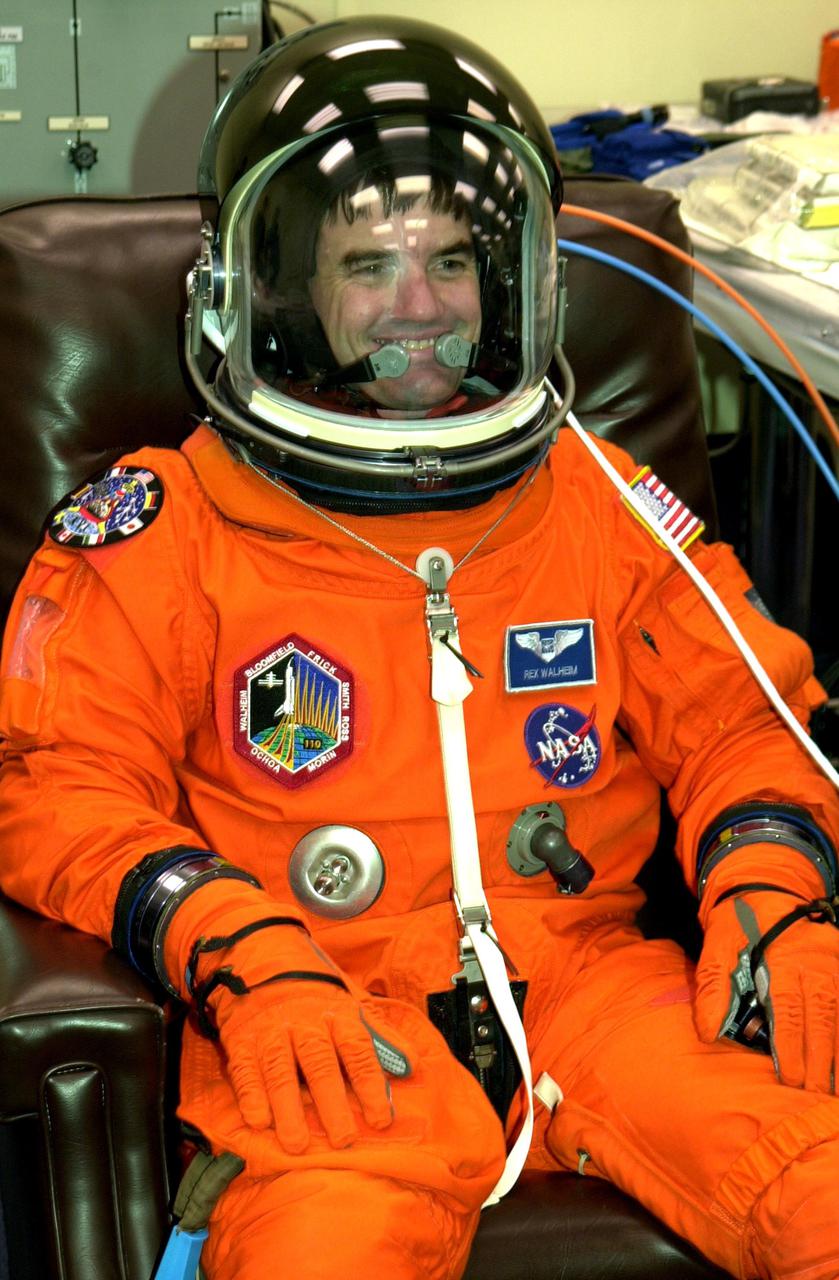
KENNEDY SPACE CENTER, FLA. -- STS-110 Mission Specialist Rex Walheim rests comfortably in his launch and entry suit during final suit check. This will be his first Shuttle flight. The STS-110 payload includes the S0 Integrated Truss Structure (ITS), the Canadian Mobile Transporter, power distribution system modules, a heat pipe radiator for cooling, computers and a pair of rate gyroscopes. The 11-day mission is the 13th assembly flight to the ISS and includes four spacewalks to attach the S0 truss to the U.S. Lab Destiny. Launch is scheduled for April 4
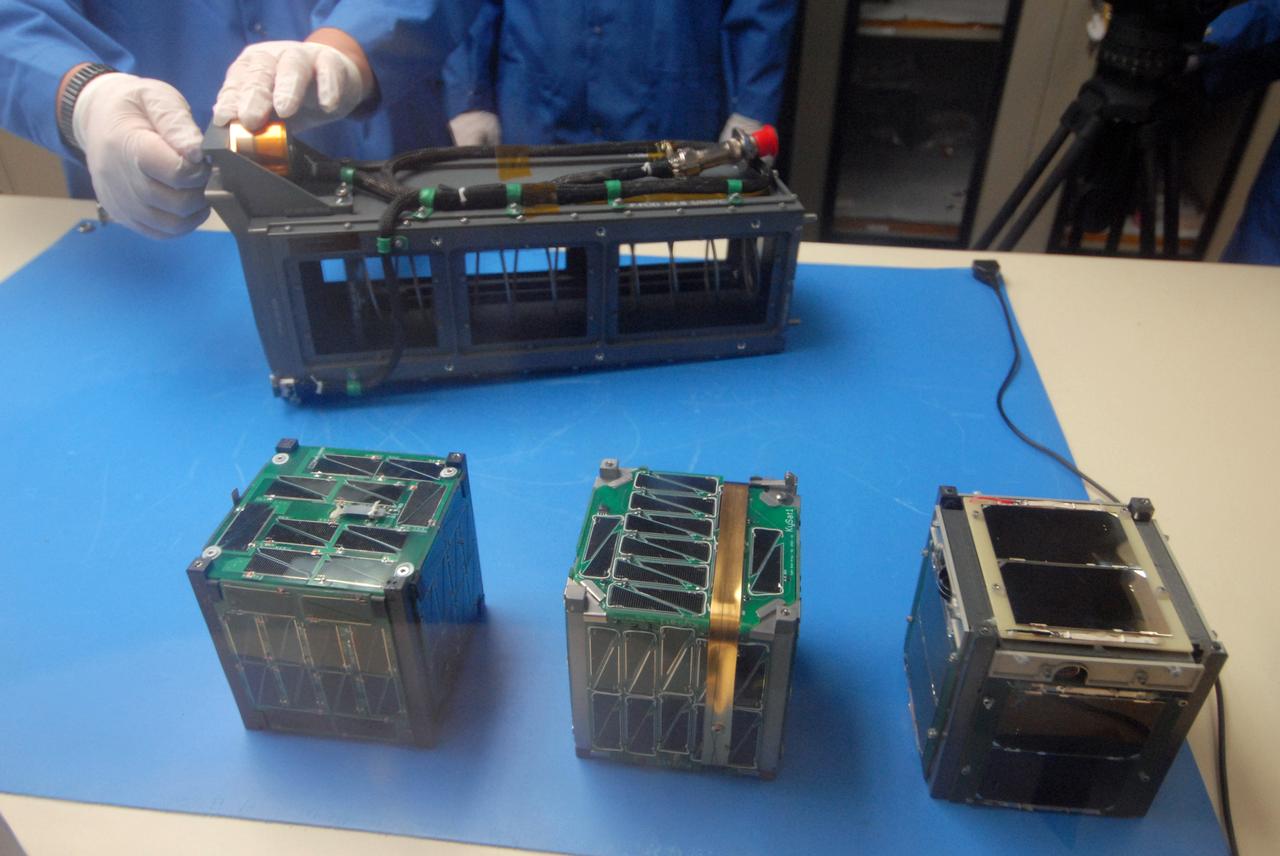
San Luis Obispo, CA - Students at California Polytechnic State University prepare to integrate mini research satellites, or CubeSats into a Poly Picosatellite Orbital Deployer, or PPOD, container. The PPOD and CubeSat Project were developed by California Polytechnic State University in San Luis Obispo, Calif., and Stanford University’s Space Systems Development Lab for use on NASA’s Educational Launch of Nanosatellite, or ELaNa missions. Each CubeSat measures about four inches cubed; about the same volume as a quart. The CubeSats weigh about 2.2 pounds, must conform to standard aerospace materials and must operate without propulsion. U.S. Air Force Photo/Mr. Jerry E. Clemens, Jr.
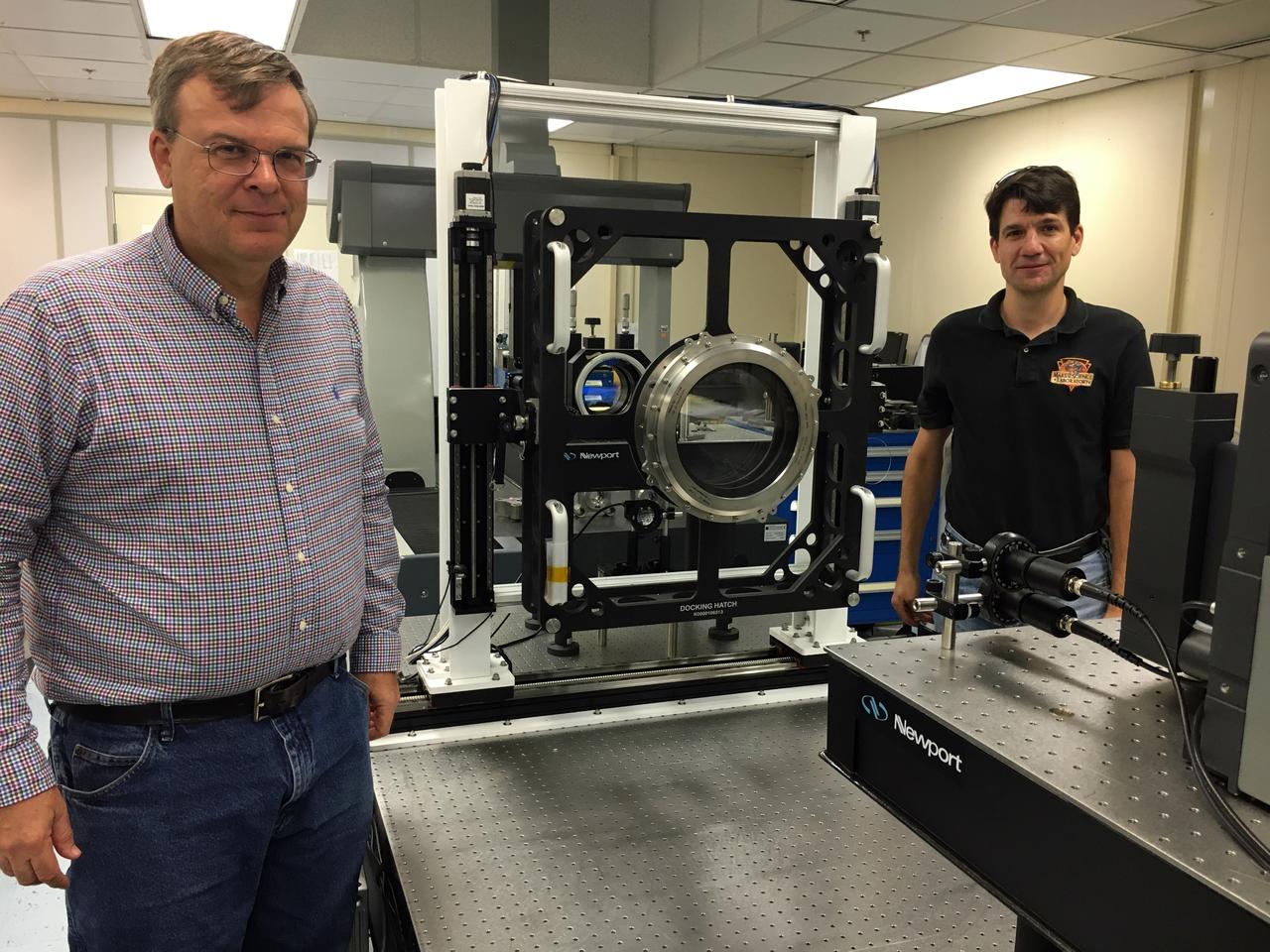
Inside a laboratory in the Neil Armstrong Operations and Checkout Building at NASA's Kennedy Space Center in Florida, Mark Nurge, Ph.D., at left, a physicist in the Applied Physics Lab with the center's Exploration Research and Technology Programs, and Bence Bartha, Ph.D., a specialist in non-destructive testing with URS Federal Services, are performing the first optical quality testing on a full window stack that is ready for installation in the docking hatch of NASA's Orion spacecraft. The data from the tests will help improve the requirements for manufacturing tolerances on Orion's windows and verify how the window should perform in space. Orion is being prepared for its first integrated uncrewed flight atop NASA's Space Launch System rocket on Exploration Mission-1.
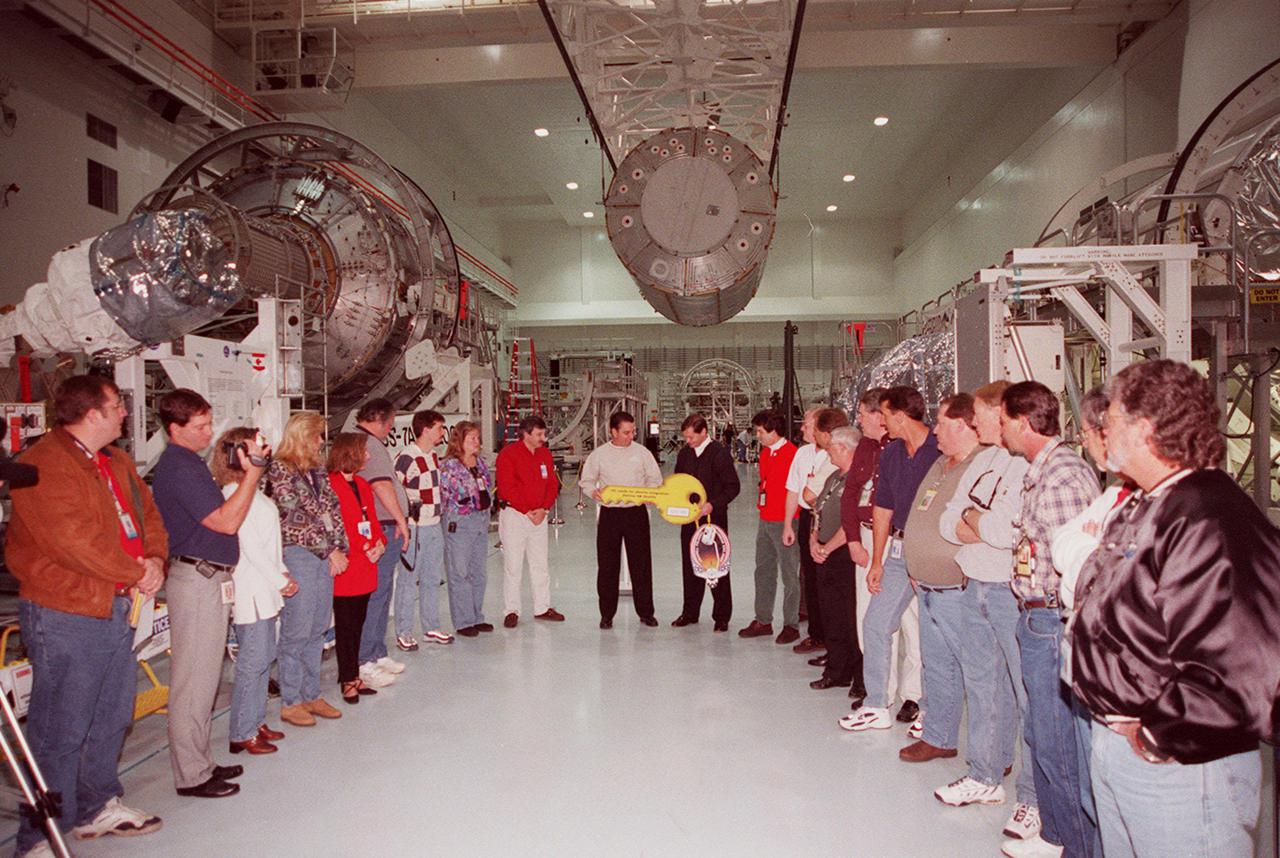
KENNEDY SPACE CENTER, FLA. -- In the Space Station Processing Facility, the “key” to the U.S. Laboratory Destiny is officially handed over to NASA during a brief ceremony while workers look on. Suspended overhead is the laboratory, being moved to the Launch Package Integration Stand (LPIS) for a weight and center of gravity determination. Behind the workers at left is the Joint Airlock Module. Destiny is the payload aboard Space Shuttle Atlantis on mission STS-98 to the International Space Station. The lab is fitted with five system racks and will already have experiments installed inside for the flight. The launch is scheduled for January 2001
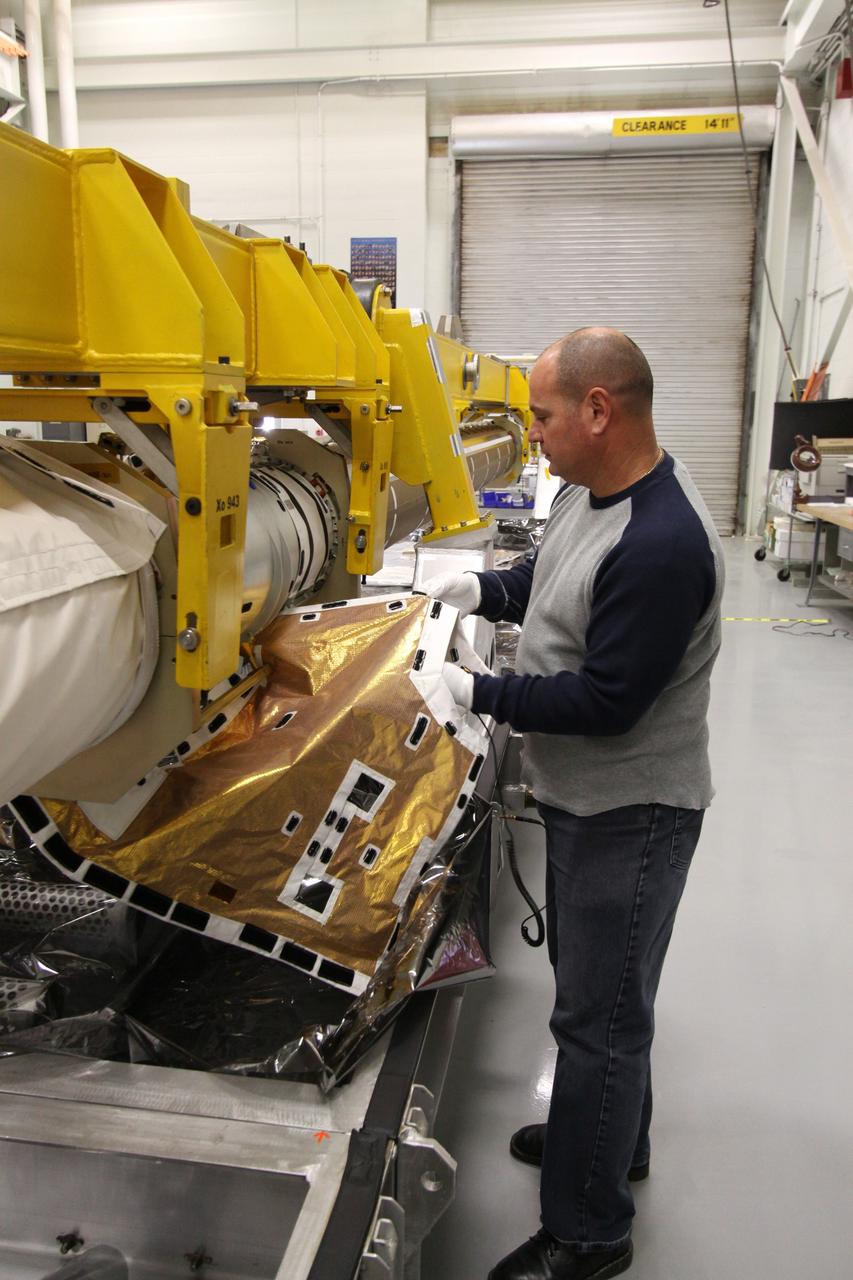
CAPE CANAVERAL, Fla. - In the Remote Manipulator System Lab, or RMS Lab, inside the Vehicle Assembly Building at NASA's Kennedy Space Center in Florida, Rafael Rodriguez, lead RMS advanced systems technician with United Space Alliance, installs the mid-transition thermal blanket onto the inspection boom assembly, or IBA, on space shuttle Atlantis' orbiter boom sensor system, or OBSS. The IBA is removed from the shuttle every other processing flow for a detailed inspection. After five consecutive flights, all IBA internal components are submitted to a thorough electrical checkout in the lab. The 50-foot-long OBSS attaches to the end of the shuttle’s robotic arm and supports the cameras and laser systems used to inspect the shuttle’s thermal protection system while in space. Atlantis is next slated to deliver an Integrated Cargo Carrier and Russian-built Mini Research Module to the International Space Station on the STS-132 mission. The second in a series of new pressurized components for Russia, the module will be permanently attached to the Zarya module. Three spacewalks are planned to store spare components outside the station, including six spare batteries, a boom assembly for the Ku-band antenna and spares for the Canadian Dextre robotic arm extension. A radiator, airlock and European robotic arm for the Russian Multi-purpose Laboratory Module also are payloads on the flight. Launch is targeted for May 14, 2010. Photo credit: NASA/Jack Pfaller
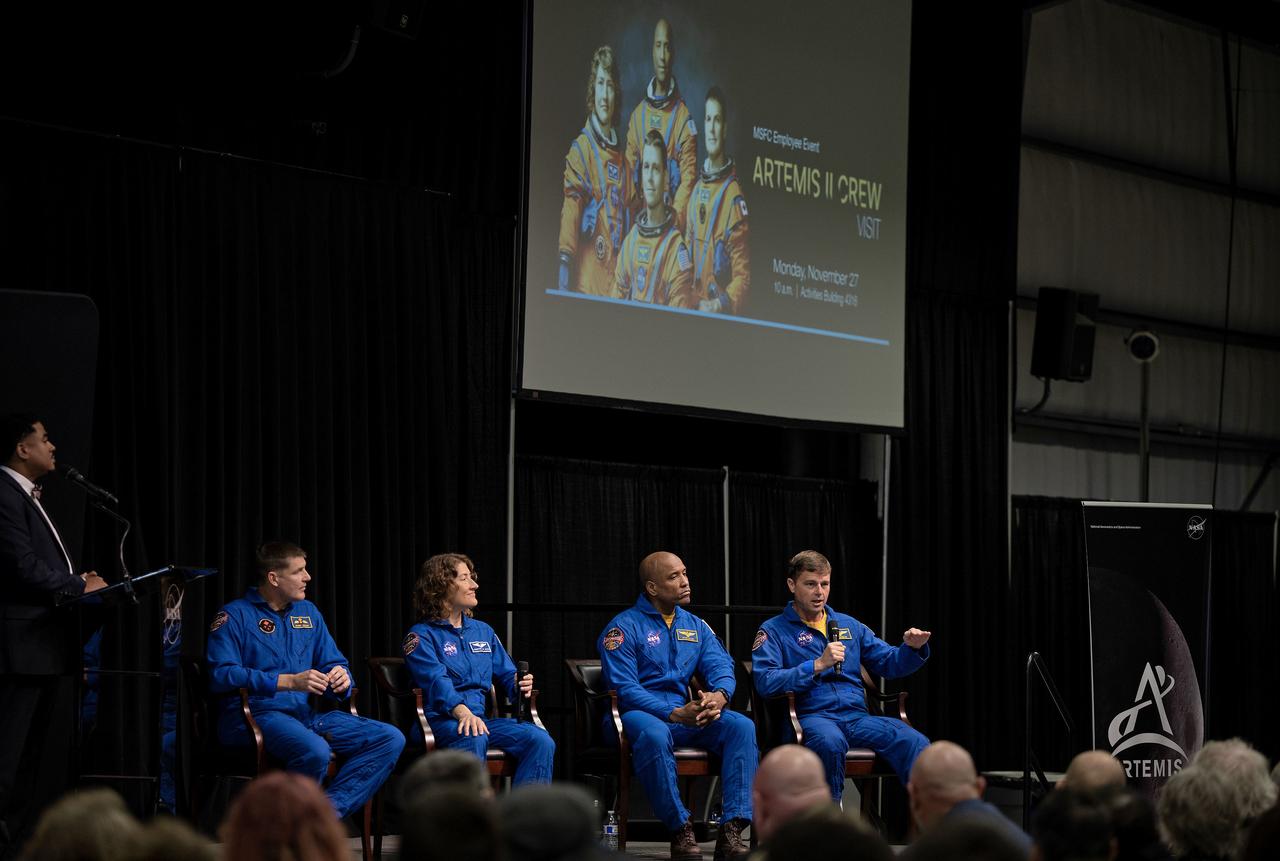
These photos show highlights from Artemis II NASA astronauts Victor Glover, Reid Wiseman, and Christina Koch of NASA and CSA (Canadian Space Agency) astronaut Jeremy Hansen visit to NASA’s Marshall Space Flight Center in Huntsville, Alabama, Nov. 27. The crew met and spoke to employees and viewed facilities for SLS (Space Launch System) rocket. All four astronauts signed the Orion stage adapter (OSA), a small ring structure that connects SLS to NASA’s Orion spacecraft, that will be used for Artemis II. Koch and Wiseman also visited the Systems Integration Lab, where SLS flight software testing is conducted. The four astronauts will launch atop SLS inside Orion to venture around the Moon on Artemis II, the first crewed flight for Artemis.
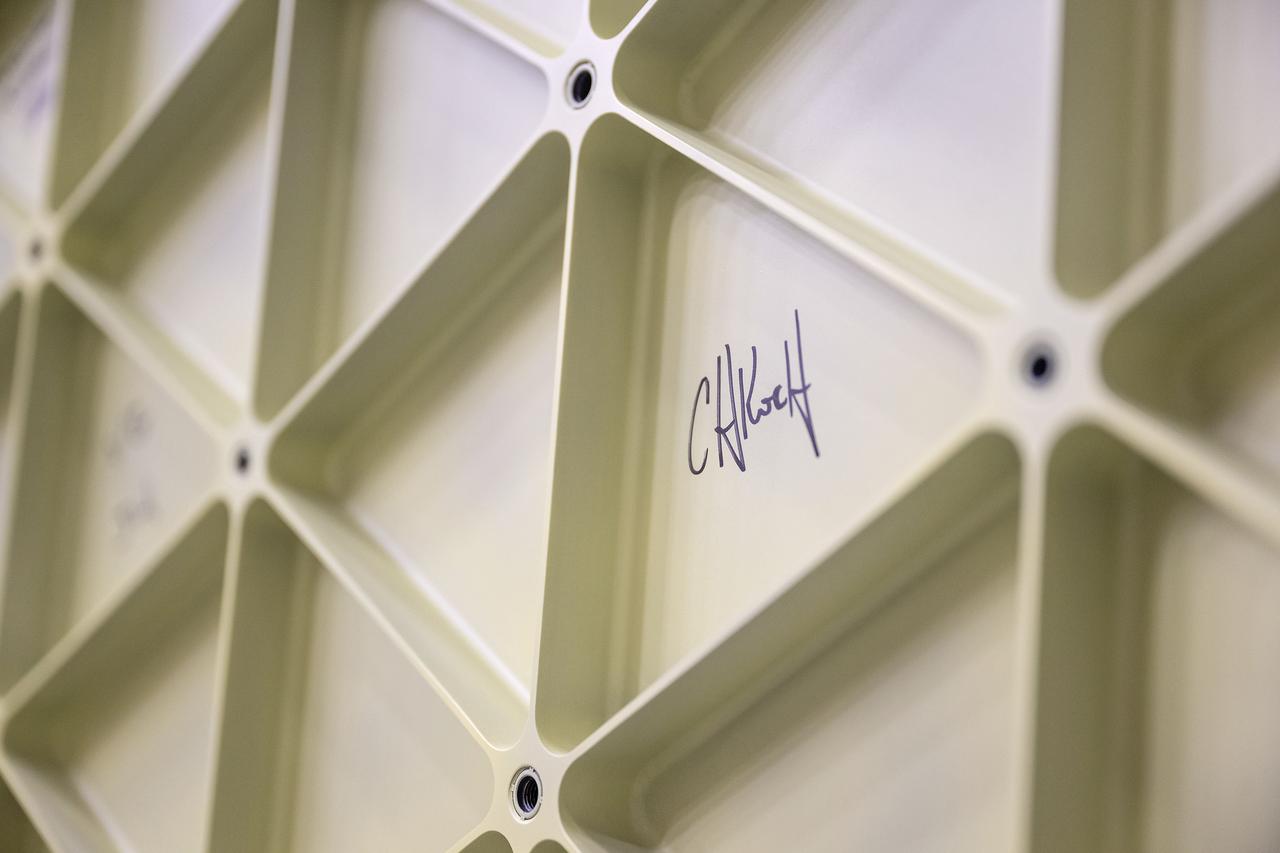
These photos show highlights from Artemis II NASA astronauts Victor Glover, Reid Wiseman, and Christina Koch of NASA and CSA (Canadian Space Agency) astronaut Jeremy Hansen visit to NASA’s Marshall Space Flight Center in Huntsville, Alabama, Nov. 27. The crew met and spoke to employees and viewed facilities for SLS (Space Launch System) rocket. All four astronauts signed the Orion stage adapter (OSA), a small ring structure that connects SLS to NASA’s Orion spacecraft, that will be used for Artemis II. Koch and Wiseman also visited the Systems Integration Lab, where SLS flight software testing is conducted. The four astronauts will launch atop SLS inside Orion to venture around the Moon on Artemis II, the first crewed flight for Artemis.
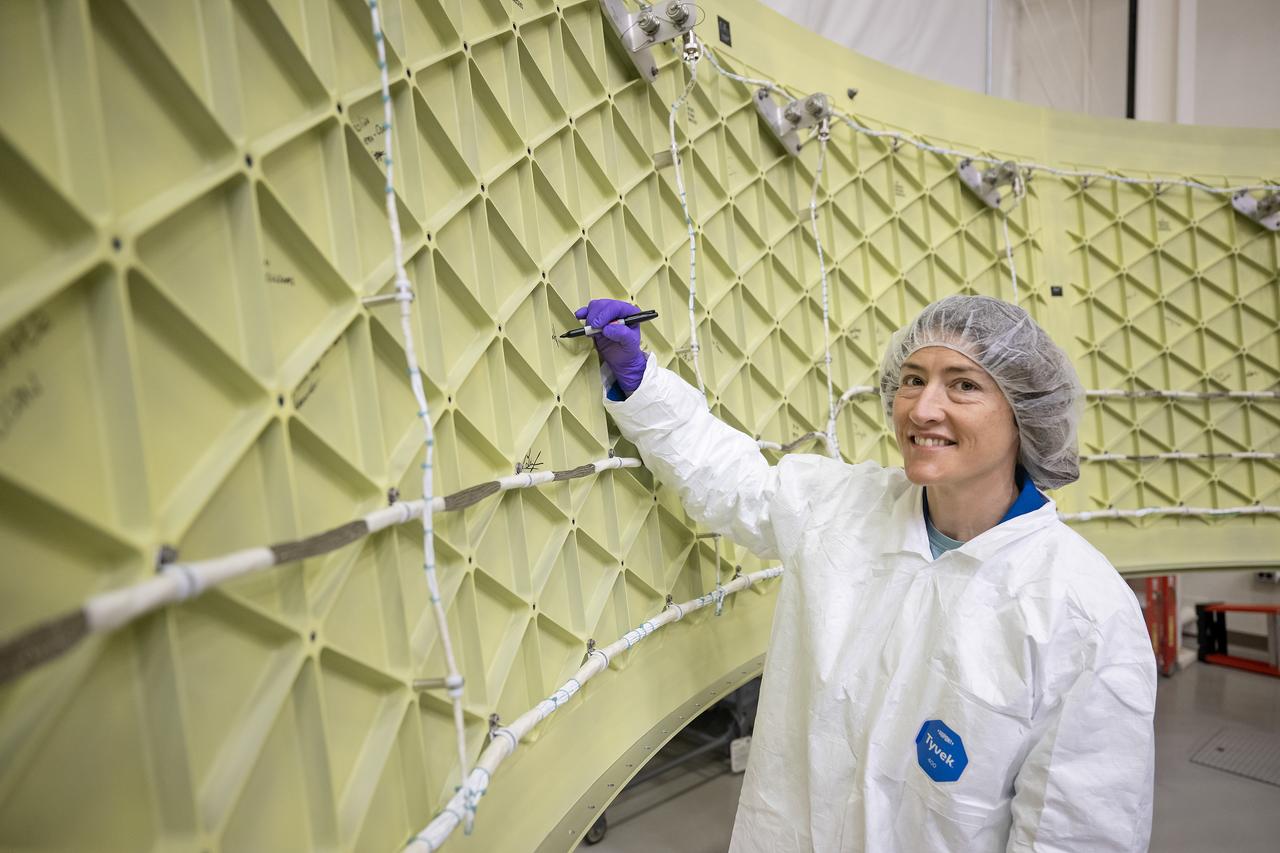
These photos show highlights from Artemis II NASA astronauts Victor Glover, Reid Wiseman, and Christina Koch of NASA and CSA (Canadian Space Agency) astronaut Jeremy Hansen visit to NASA’s Marshall Space Flight Center in Huntsville, Alabama, Nov. 27. The crew met and spoke to employees and viewed facilities for SLS (Space Launch System) rocket. All four astronauts signed the Orion stage adapter (OSA), a small ring structure that connects SLS to NASA’s Orion spacecraft, that will be used for Artemis II. Koch and Wiseman also visited the Systems Integration Lab, where SLS flight software testing is conducted. The four astronauts will launch atop SLS inside Orion to venture around the Moon on Artemis II, the first crewed flight for Artemis.
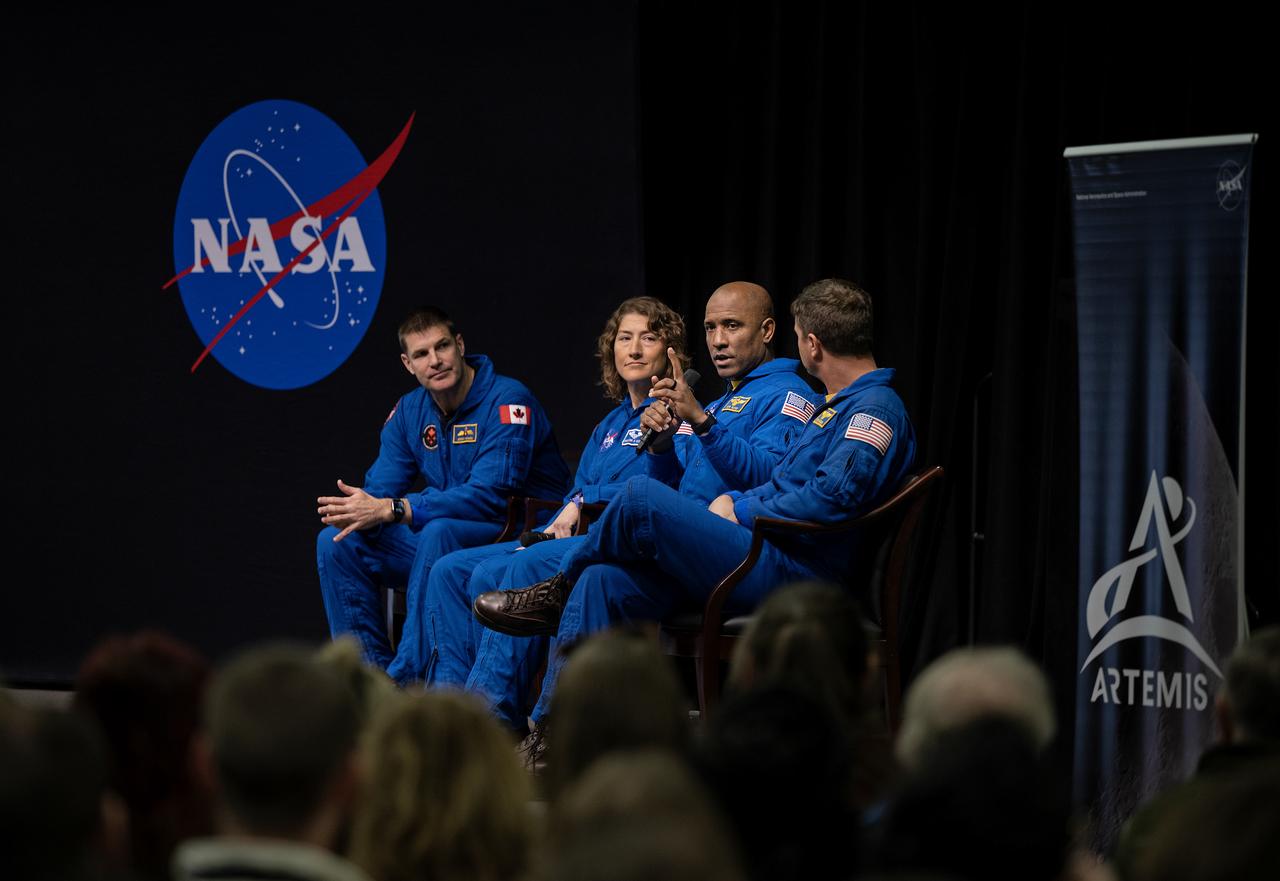
These photos show highlights from Artemis II NASA astronauts Victor Glover, Reid Wiseman, and Christina Koch of NASA and CSA (Canadian Space Agency) astronaut Jeremy Hansen visit to NASA’s Marshall Space Flight Center in Huntsville, Alabama, Nov. 27. The crew met and spoke to employees and viewed facilities for SLS (Space Launch System) rocket. All four astronauts signed the Orion stage adapter (OSA), a small ring structure that connects SLS to NASA’s Orion spacecraft, that will be used for Artemis II. Koch and Wiseman also visited the Systems Integration Lab, where SLS flight software testing is conducted. The four astronauts will launch atop SLS inside Orion to venture around the Moon on Artemis II, the first crewed flight for Artemis.
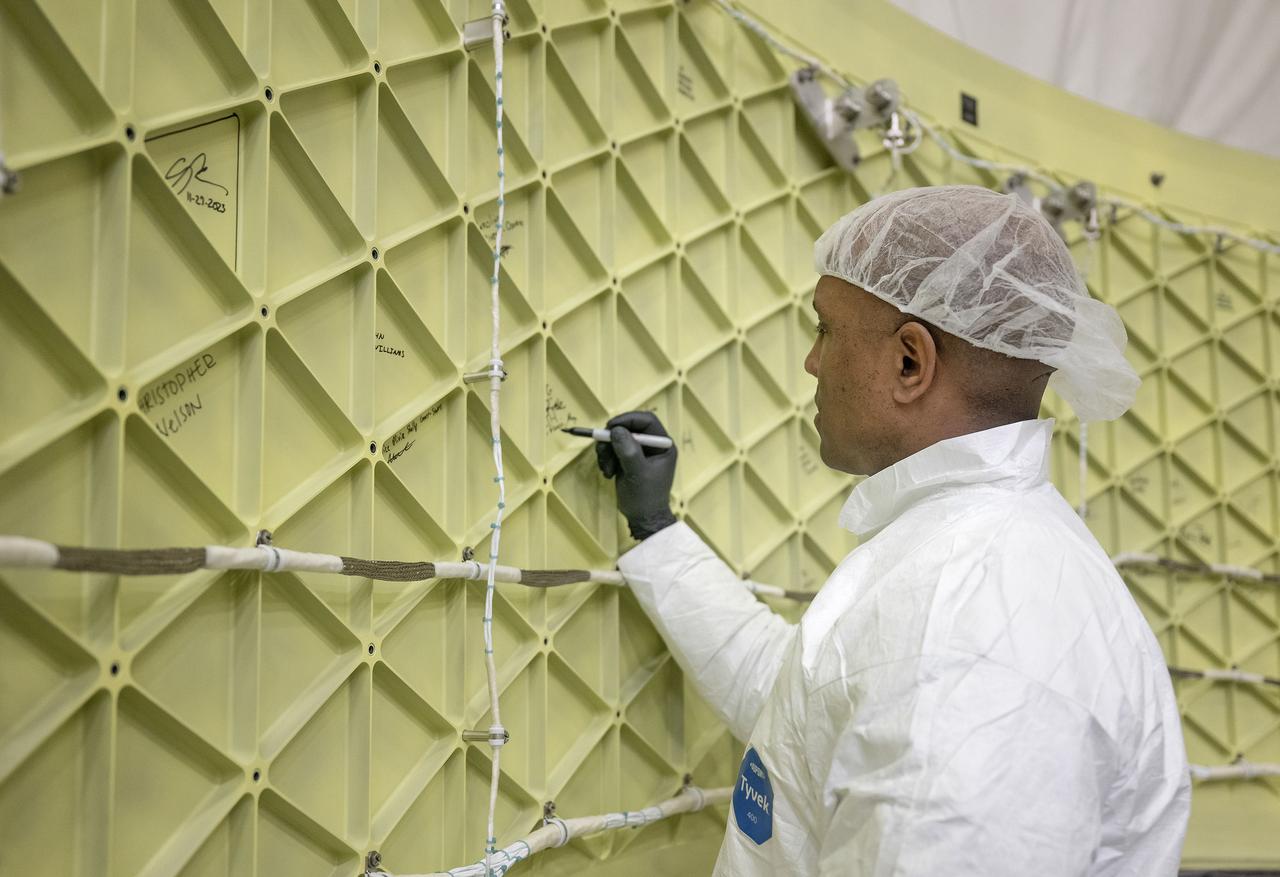
These photos show highlights from Artemis II NASA astronauts Victor Glover, Reid Wiseman, and Christina Koch of NASA and CSA (Canadian Space Agency) astronaut Jeremy Hansen visit to NASA’s Marshall Space Flight Center in Huntsville, Alabama, Nov. 27. The crew met and spoke to employees and viewed facilities for SLS (Space Launch System) rocket. All four astronauts signed the Orion stage adapter (OSA), a small ring structure that connects SLS to NASA’s Orion spacecraft, that will be used for Artemis II. Koch and Wiseman also visited the Systems Integration Lab, where SLS flight software testing is conducted. The four astronauts will launch atop SLS inside Orion to venture around the Moon on Artemis II, the first crewed flight for Artemis.
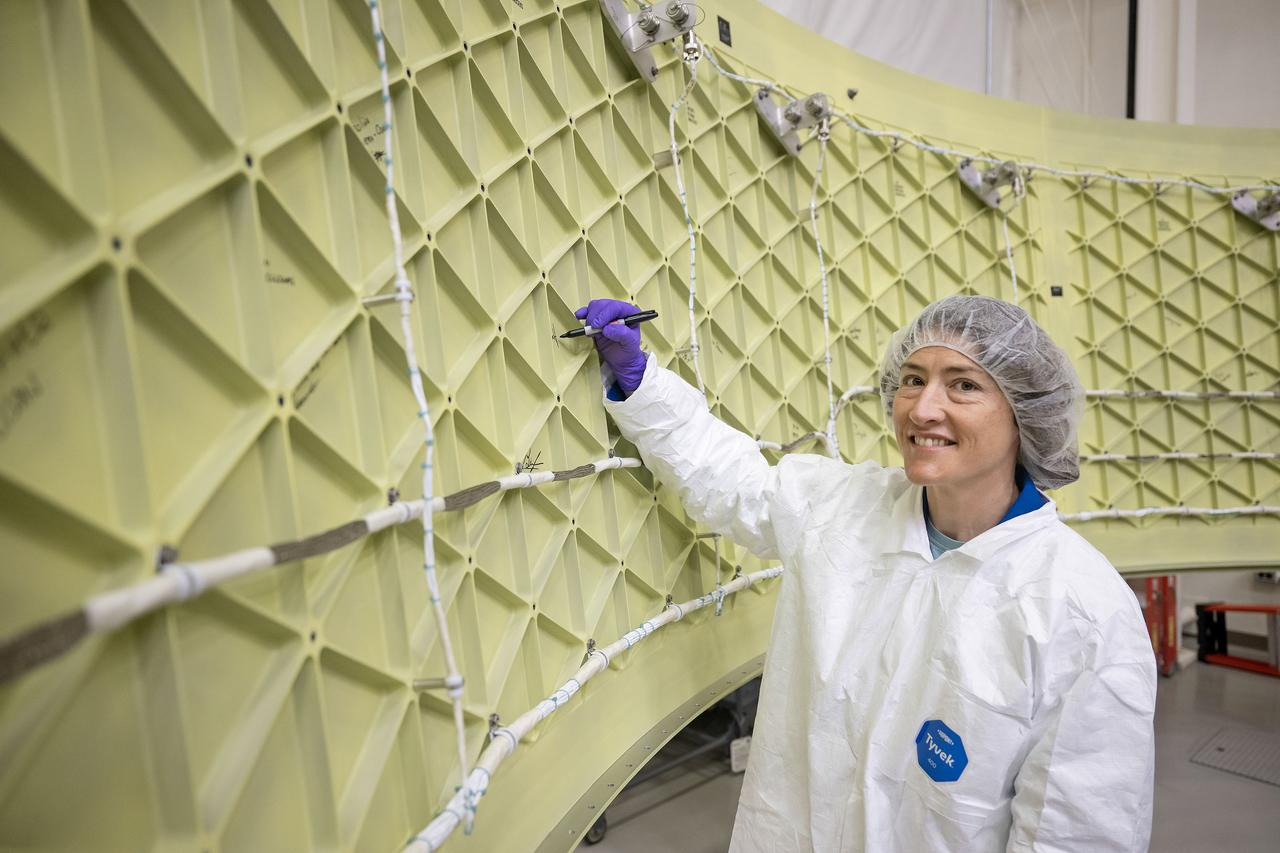
These photos show highlights from Artemis II NASA astronauts Victor Glover, Reid Wiseman, and Christina Koch of NASA and CSA (Canadian Space Agency) astronaut Jeremy Hansen visit to NASA’s Marshall Space Flight Center in Huntsville, Alabama, Nov. 27. The crew met and spoke to employees and viewed facilities for SLS (Space Launch System) rocket. All four astronauts signed the Orion stage adapter (OSA), a small ring structure that connects SLS to NASA’s Orion spacecraft, that will be used for Artemis II. Koch and Wiseman also visited the Systems Integration Lab, where SLS flight software testing is conducted. The four astronauts will launch atop SLS inside Orion to venture around the Moon on Artemis II, the first crewed flight for Artemis.
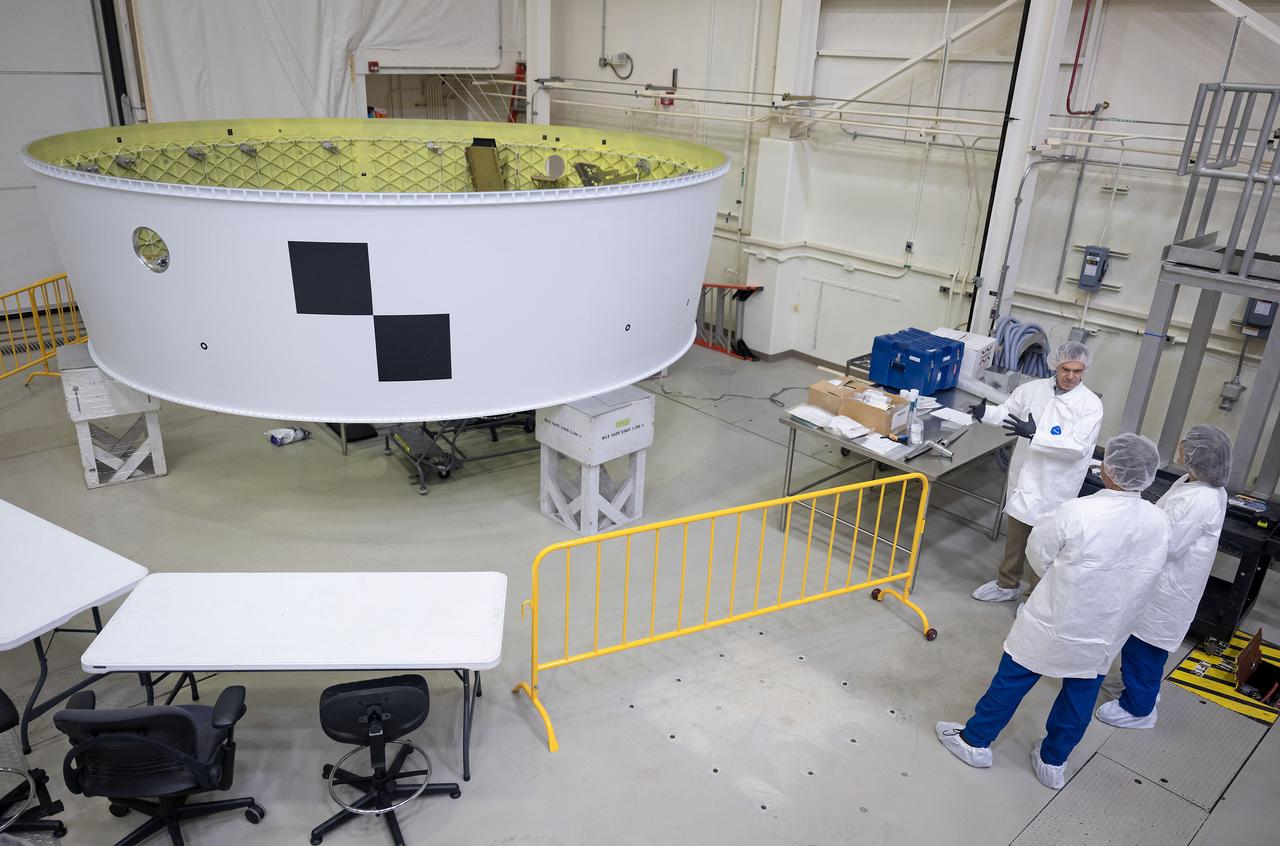
These photos show highlights from Artemis II NASA astronauts Victor Glover, Reid Wiseman, and Christina Koch of NASA and CSA (Canadian Space Agency) astronaut Jeremy Hansen visit to NASA’s Marshall Space Flight Center in Huntsville, Alabama, Nov. 27. The crew met and spoke to employees and viewed facilities for SLS (Space Launch System) rocket. All four astronauts signed the Orion stage adapter (OSA), a small ring structure that connects SLS to NASA’s Orion spacecraft, that will be used for Artemis II. Koch and Wiseman also visited the Systems Integration Lab, where SLS flight software testing is conducted. The four astronauts will launch atop SLS inside Orion to venture around the Moon on Artemis II, the first crewed flight for Artemis.
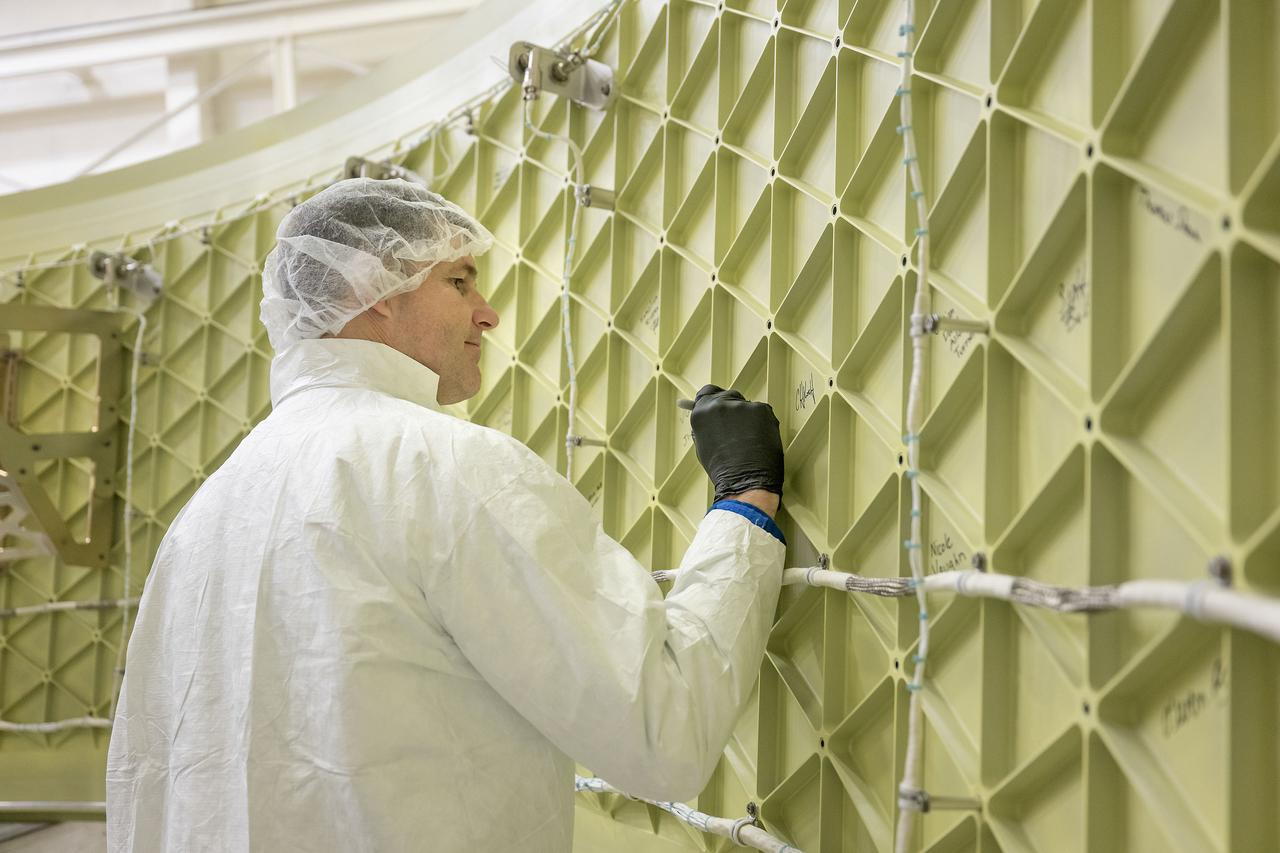
These photos show highlights from Artemis II NASA astronauts Victor Glover, Reid Wiseman, and Christina Koch of NASA and CSA (Canadian Space Agency) astronaut Jeremy Hansen visit to NASA’s Marshall Space Flight Center in Huntsville, Alabama, Nov. 27. The crew met and spoke to employees and viewed facilities for SLS (Space Launch System) rocket. All four astronauts signed the Orion stage adapter (OSA), a small ring structure that connects SLS to NASA’s Orion spacecraft, that will be used for Artemis II. Koch and Wiseman also visited the Systems Integration Lab, where SLS flight software testing is conducted. The four astronauts will launch atop SLS inside Orion to venture around the Moon on Artemis II, the first crewed flight for Artemis.
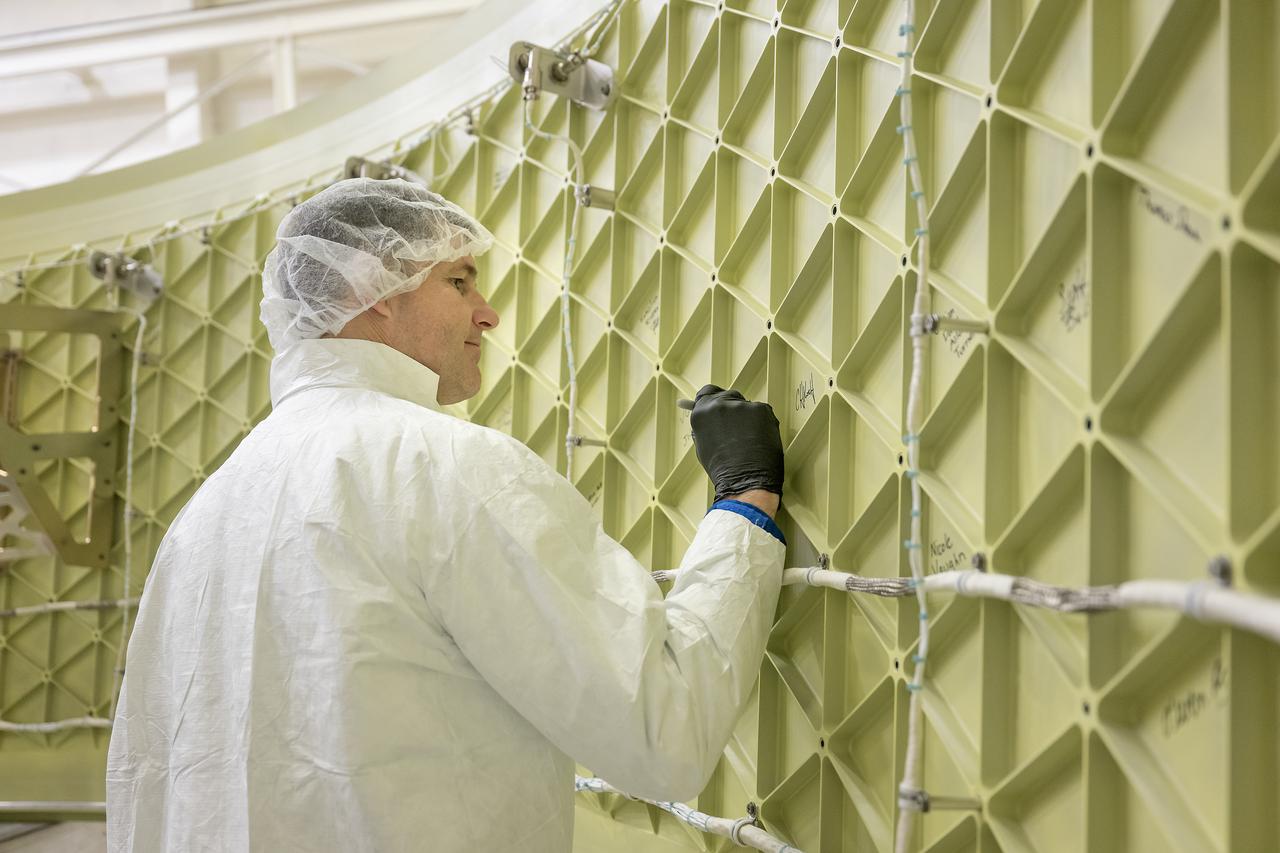
These photos show highlights from Artemis II NASA astronauts Victor Glover, Reid Wiseman, and Christina Koch of NASA and CSA (Canadian Space Agency) astronaut Jeremy Hansen visit to NASA’s Marshall Space Flight Center in Huntsville, Alabama, Nov. 27. The crew met and spoke to employees and viewed facilities for SLS (Space Launch System) rocket. All four astronauts signed the Orion stage adapter (OSA), a small ring structure that connects SLS to NASA’s Orion spacecraft, that will be used for Artemis II. Koch and Wiseman also visited the Systems Integration Lab, where SLS flight software testing is conducted. The four astronauts will launch atop SLS inside Orion to venture around the Moon on Artemis II, the first crewed flight for Artemis.
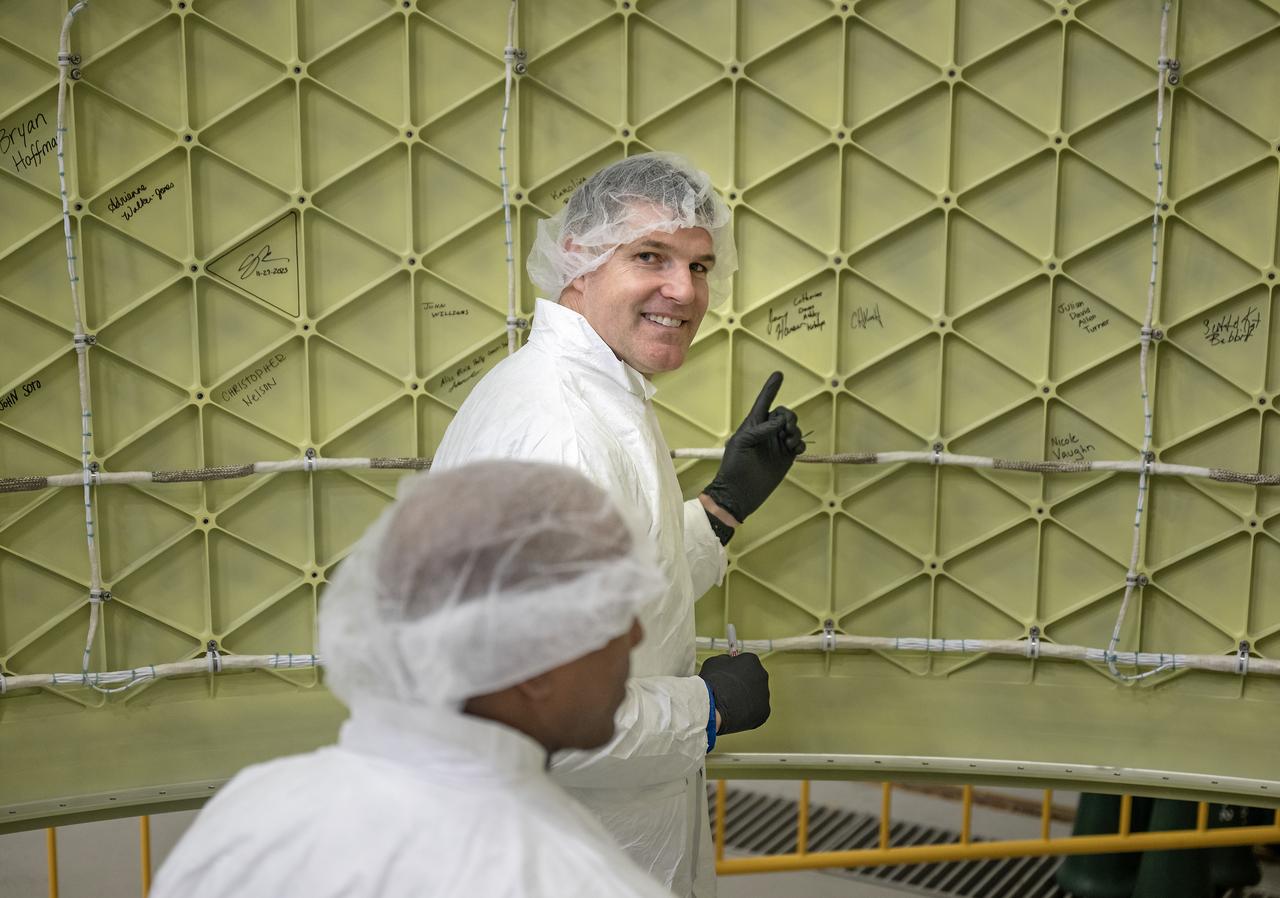
These photos show highlights from Artemis II NASA astronauts Victor Glover, Reid Wiseman, and Christina Koch of NASA and CSA (Canadian Space Agency) astronaut Jeremy Hansen visit to NASA’s Marshall Space Flight Center in Huntsville, Alabama, Nov. 27. The crew met and spoke to employees and viewed facilities for SLS (Space Launch System) rocket. All four astronauts signed the Orion stage adapter (OSA), a small ring structure that connects SLS to NASA’s Orion spacecraft, that will be used for Artemis II. Koch and Wiseman also visited the Systems Integration Lab, where SLS flight software testing is conducted. The four astronauts will launch atop SLS inside Orion to venture around the Moon on Artemis II, the first crewed flight for Artemis.
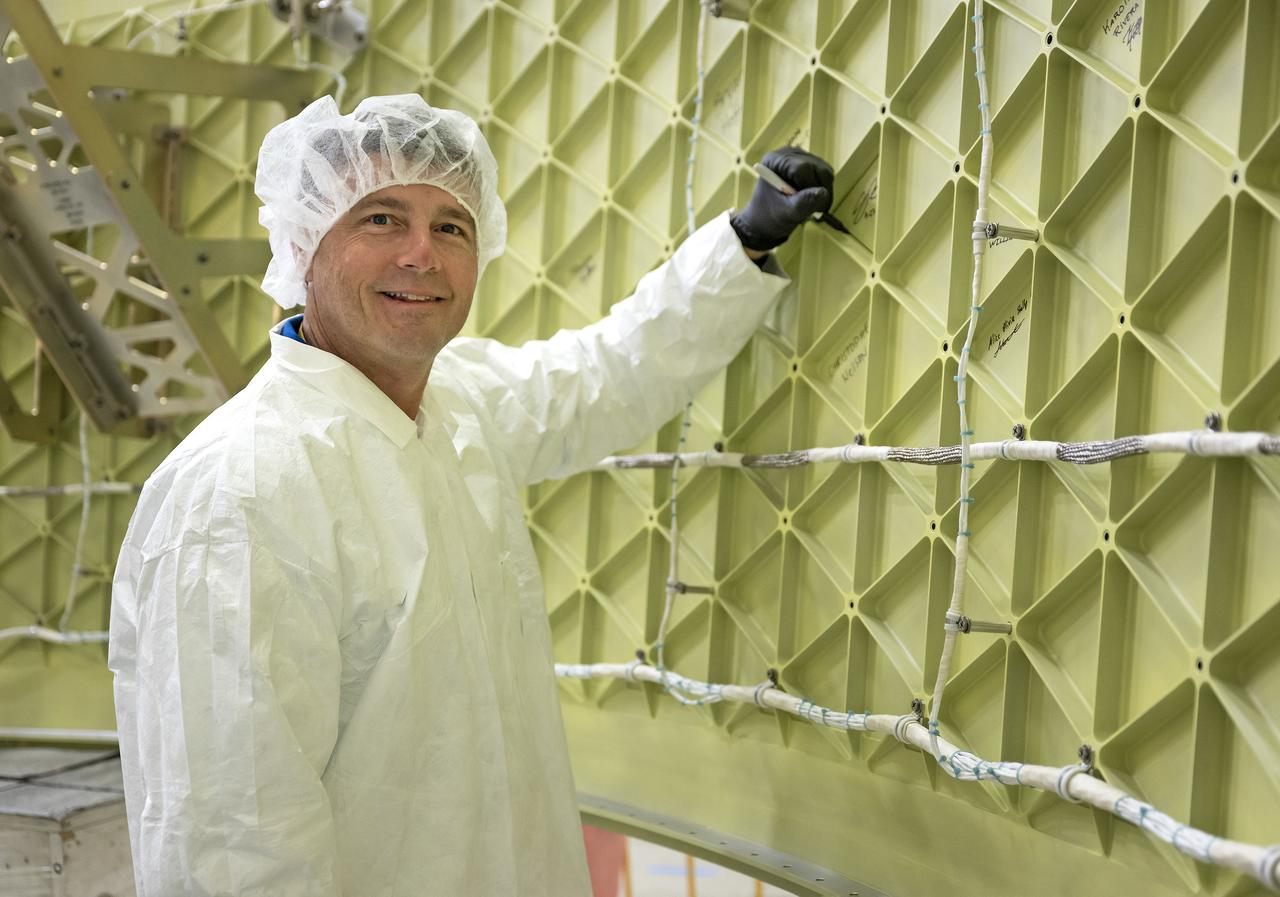
These photos show highlights from Artemis II NASA astronauts Victor Glover, Reid Wiseman, and Christina Koch of NASA and CSA (Canadian Space Agency) astronaut Jeremy Hansen visit to NASA’s Marshall Space Flight Center in Huntsville, Alabama, Nov. 27. The crew met and spoke to employees and viewed facilities for SLS (Space Launch System) rocket. All four astronauts signed the Orion stage adapter (OSA), a small ring structure that connects SLS to NASA’s Orion spacecraft, that will be used for Artemis II. Koch and Wiseman also visited the Systems Integration Lab, where SLS flight software testing is conducted. The four astronauts will launch atop SLS inside Orion to venture around the Moon on Artemis II, the first crewed flight for Artemis.

These photos show highlights from Artemis II NASA astronauts Victor Glover, Reid Wiseman, and Christina Koch of NASA and CSA (Canadian Space Agency) astronaut Jeremy Hansen visit to NASA’s Marshall Space Flight Center in Huntsville, Alabama, Nov. 27. The crew met and spoke to employees and viewed facilities for SLS (Space Launch System) rocket. All four astronauts signed the Orion stage adapter (OSA), a small ring structure that connects SLS to NASA’s Orion spacecraft, that will be used for Artemis II. Koch and Wiseman also visited the Systems Integration Lab, where SLS flight software testing is conducted. The four astronauts will launch atop SLS inside Orion to venture around the Moon on Artemis II, the first crewed flight for Artemis.
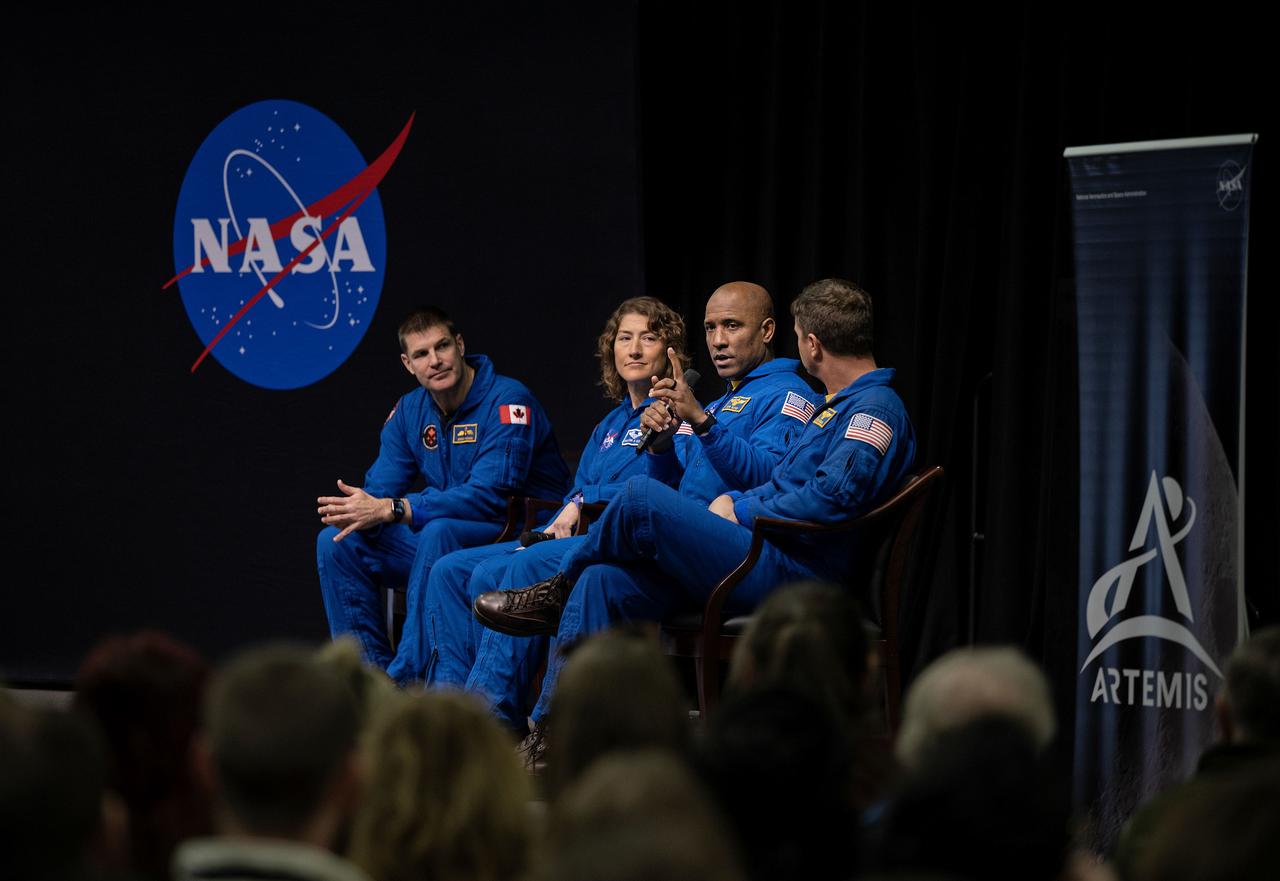
These photos show highlights from Artemis II NASA astronauts Victor Glover, Reid Wiseman, and Christina Koch of NASA and CSA (Canadian Space Agency) astronaut Jeremy Hansen visit to NASA’s Marshall Space Flight Center in Huntsville, Alabama, Nov. 27. The crew met and spoke to employees and viewed facilities for SLS (Space Launch System) rocket. All four astronauts signed the Orion stage adapter (OSA), a small ring structure that connects SLS to NASA’s Orion spacecraft, that will be used for Artemis II. Koch and Wiseman also visited the Systems Integration Lab, where SLS flight software testing is conducted. The four astronauts will launch atop SLS inside Orion to venture around the Moon on Artemis II, the first crewed flight for Artemis.

These photos show highlights from Artemis II NASA astronauts Victor Glover, Reid Wiseman, and Christina Koch of NASA and CSA (Canadian Space Agency) astronaut Jeremy Hansen visit to NASA’s Marshall Space Flight Center in Huntsville, Alabama, Nov. 27. The crew met and spoke to employees and viewed facilities for SLS (Space Launch System) rocket. All four astronauts signed the Orion stage adapter (OSA), a small ring structure that connects SLS to NASA’s Orion spacecraft, that will be used for Artemis II. Koch and Wiseman also visited the Systems Integration Lab, where SLS flight software testing is conducted. The four astronauts will launch atop SLS inside Orion to venture around the Moon on Artemis II, the first crewed flight for Artemis.
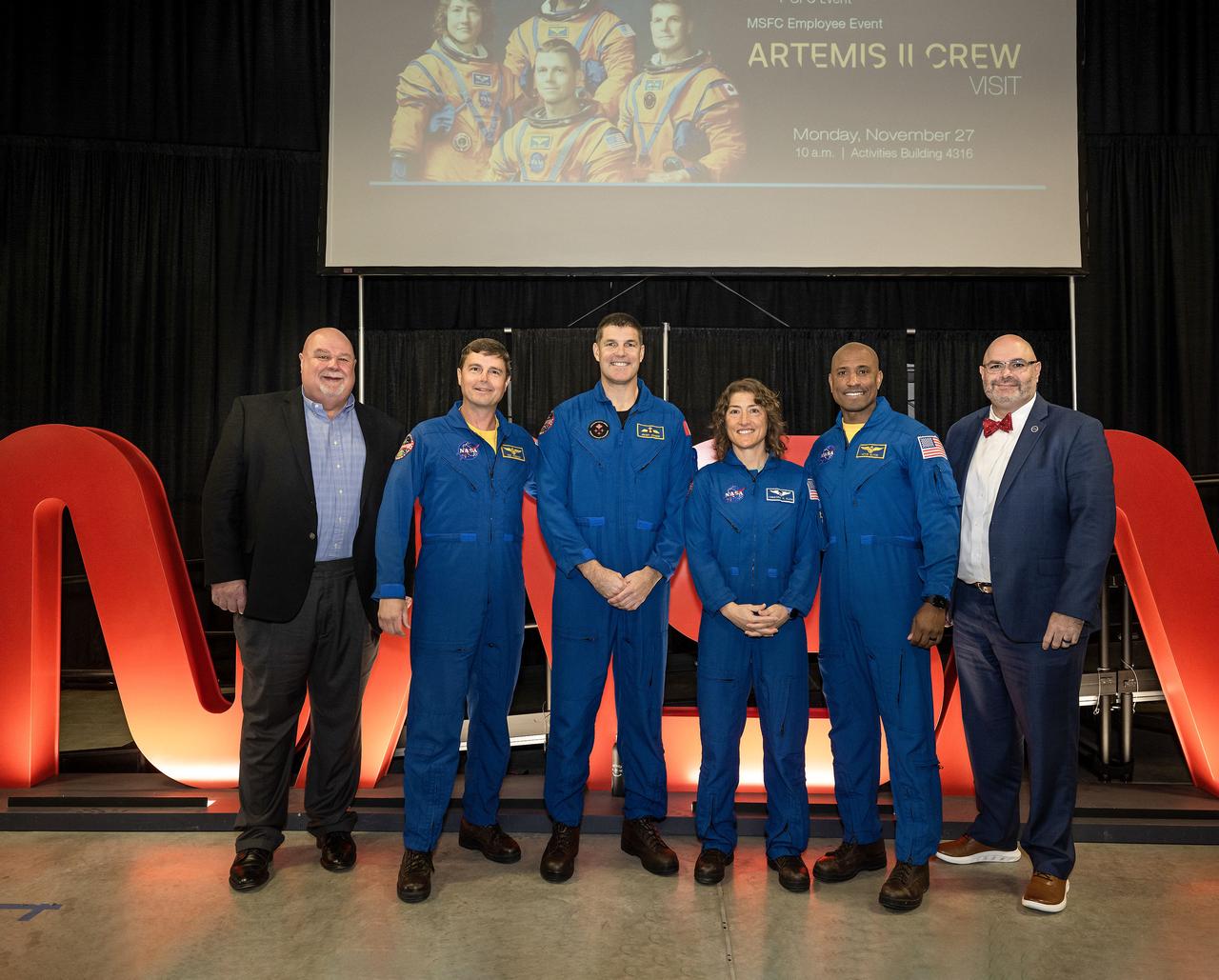
These photos show highlights from Artemis II NASA astronauts Victor Glover, Reid Wiseman, and Christina Koch of NASA and CSA (Canadian Space Agency) astronaut Jeremy Hansen visit to NASA’s Marshall Space Flight Center in Huntsville, Alabama, Nov. 27. The crew met and spoke to employees and viewed facilities for SLS (Space Launch System) rocket. All four astronauts signed the Orion stage adapter (OSA), a small ring structure that connects SLS to NASA’s Orion spacecraft, that will be used for Artemis II. Koch and Wiseman also visited the Systems Integration Lab, where SLS flight software testing is conducted. The four astronauts will launch atop SLS inside Orion to venture around the Moon on Artemis II, the first crewed flight for Artemis.
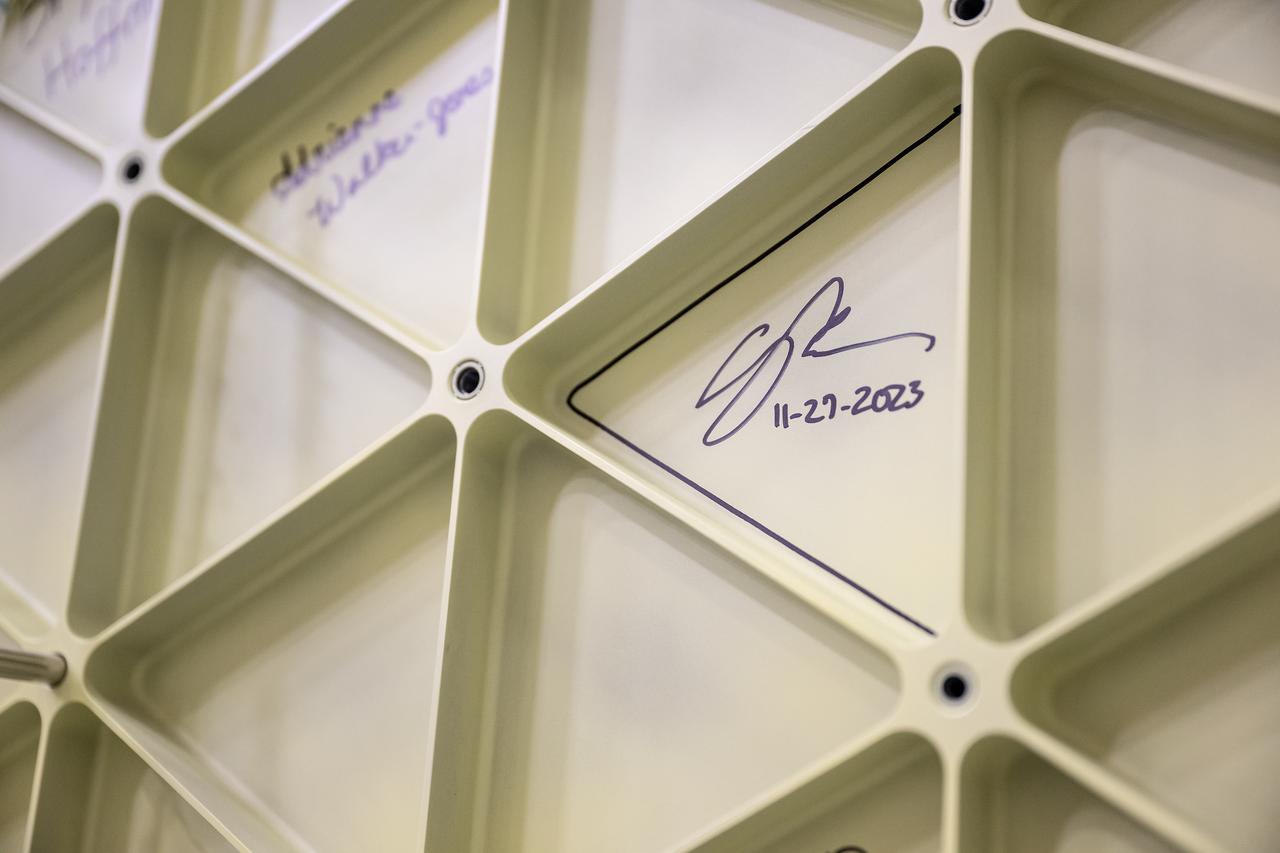
These photos show highlights from Artemis II NASA astronauts Victor Glover, Reid Wiseman, and Christina Koch of NASA and CSA (Canadian Space Agency) astronaut Jeremy Hansen visit to NASA’s Marshall Space Flight Center in Huntsville, Alabama, Nov. 27. The crew met and spoke to employees and viewed facilities for SLS (Space Launch System) rocket. All four astronauts signed the Orion stage adapter (OSA), a small ring structure that connects SLS to NASA’s Orion spacecraft, that will be used for Artemis II. Koch and Wiseman also visited the Systems Integration Lab, where SLS flight software testing is conducted. The four astronauts will launch atop SLS inside Orion to venture around the Moon on Artemis II, the first crewed flight for Artemis.
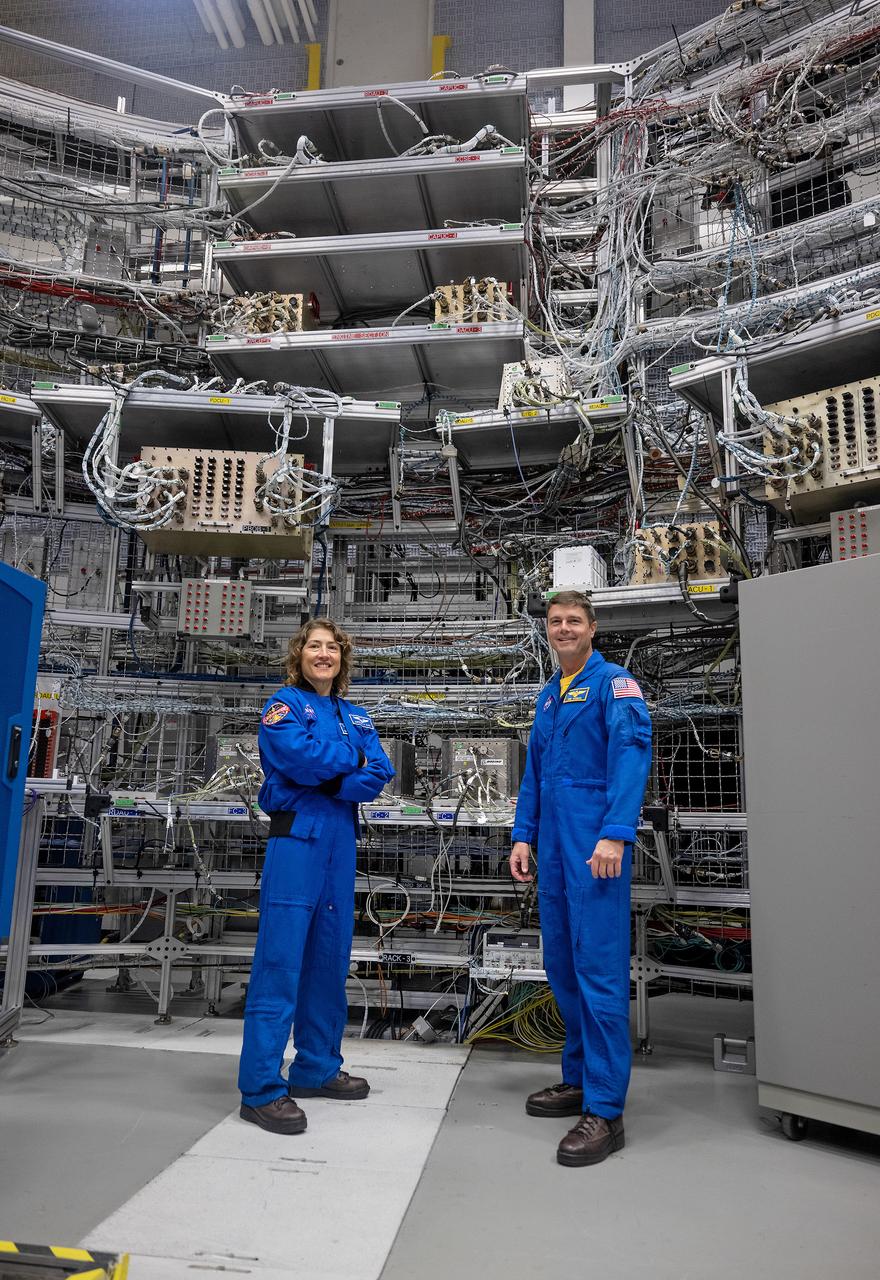
These photos show highlights from Artemis II NASA astronauts Victor Glover, Reid Wiseman, and Christina Koch of NASA and CSA (Canadian Space Agency) astronaut Jeremy Hansen visit to NASA’s Marshall Space Flight Center in Huntsville, Alabama, Nov. 27. The crew met and spoke to employees and viewed facilities for SLS (Space Launch System) rocket. All four astronauts signed the Orion stage adapter (OSA), a small ring structure that connects SLS to NASA’s Orion spacecraft, that will be used for Artemis II. Koch and Wiseman also visited the Systems Integration Lab, where SLS flight software testing is conducted. The four astronauts will launch atop SLS inside Orion to venture around the Moon on Artemis II, the first crewed flight for Artemis.
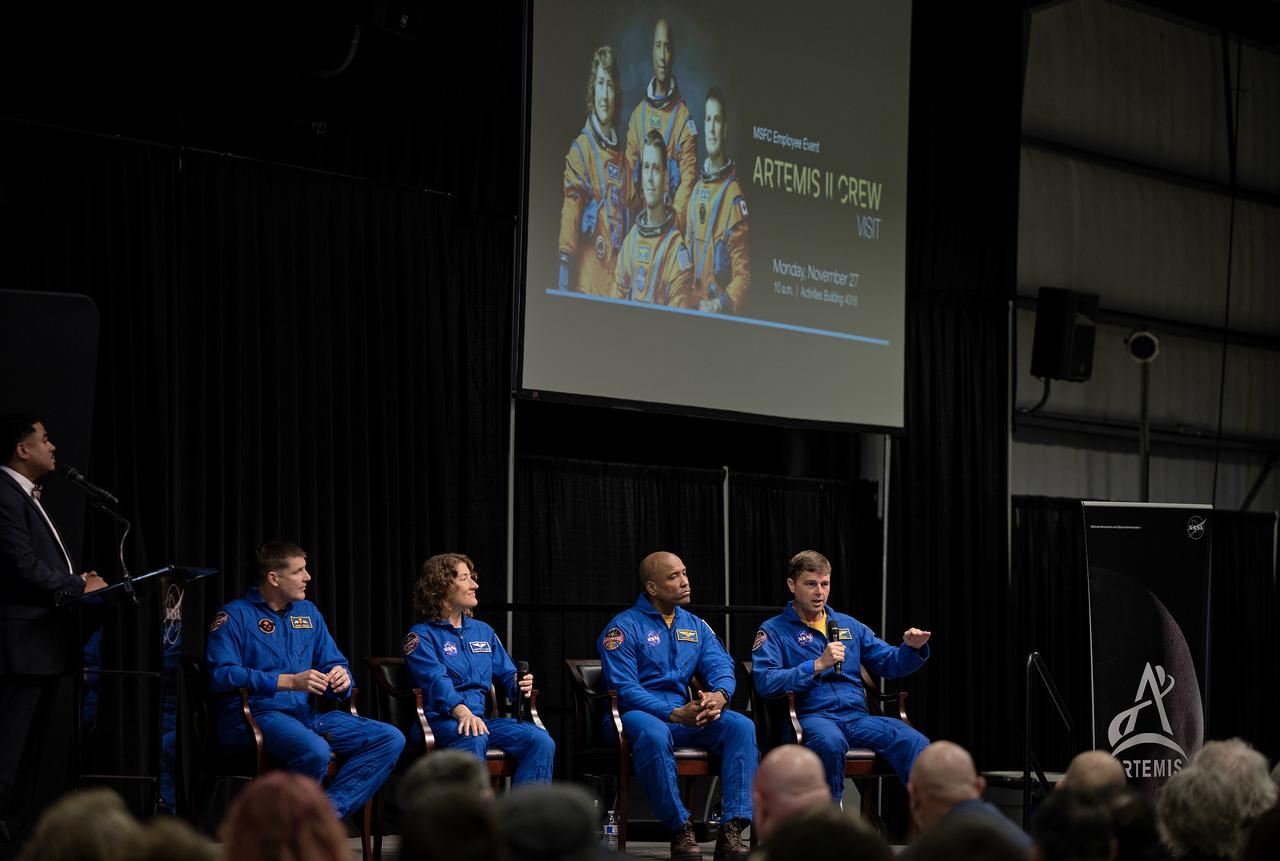
These photos show highlights from Artemis II NASA astronauts Victor Glover, Reid Wiseman, and Christina Koch of NASA and CSA (Canadian Space Agency) astronaut Jeremy Hansen visit to NASA’s Marshall Space Flight Center in Huntsville, Alabama, Nov. 27. The crew met and spoke to employees and viewed facilities for SLS (Space Launch System) rocket. All four astronauts signed the Orion stage adapter (OSA), a small ring structure that connects SLS to NASA’s Orion spacecraft, that will be used for Artemis II. Koch and Wiseman also visited the Systems Integration Lab, where SLS flight software testing is conducted. The four astronauts will launch atop SLS inside Orion to venture around the Moon on Artemis II, the first crewed flight for Artemis.