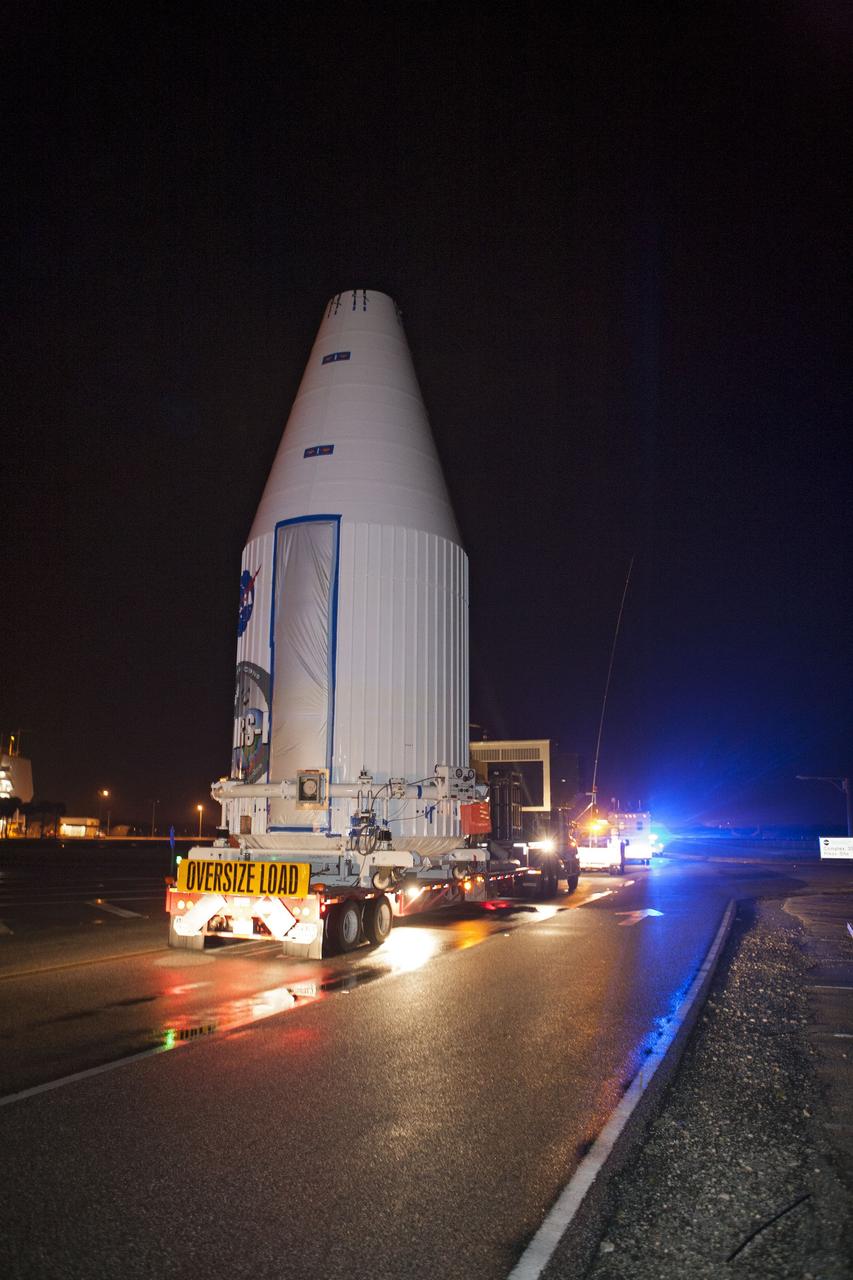
CAPE CANAVERAL, Fla. –NASA's Tracking and Data Relay Satellite, TDRS-K, enclosed in its payload fairing, passes through the Launch Complex 39 area and Press Site at NASA's Kennedy Space Center as it travels from the Astrotech payload processing facility in Titusville, Fla., to its launch site. TDRS-K will lift off atop a United Launch Alliance Atlas V rocket from Cape Canaveral Air Force Station's Space Launch Complex 41. The TDRS-K spacecraft is part of the next-generation series in the Tracking and Data Relay Satellite System, a constellation of space-based communication satellites providing tracking, telemetry, command and high-bandwidth data return services. For more information, go to http://www.nasa.gov/tdrs Photo credit: NASA/Glenn Benson
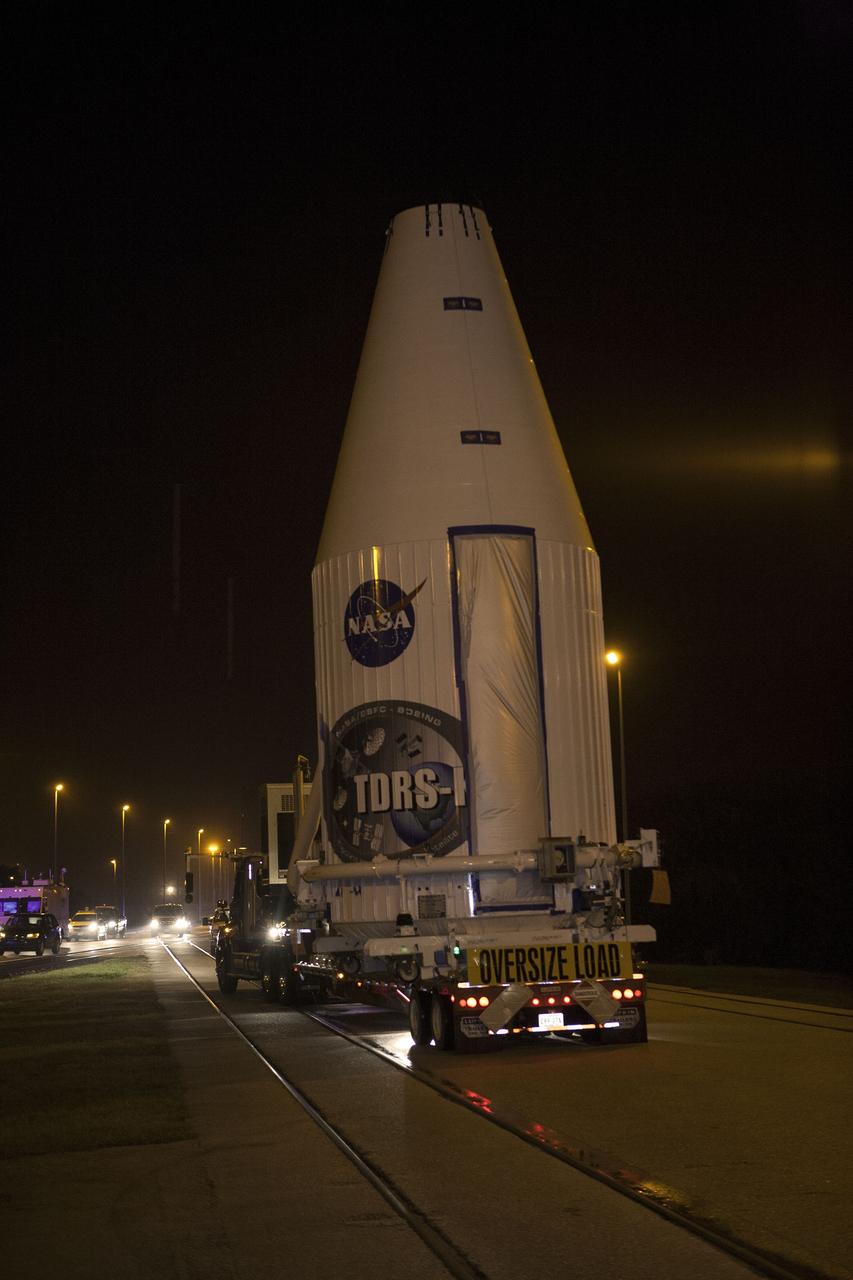
CAPE CANAVERAL, Fla. –NASA's Tracking and Data Relay Satellite, TDRS-K, enclosed in its payload fairing, passes through the Launch Complex 39 area at NASA's Kennedy Space Center as it travels from the Astrotech payload processing facility in Titusville, Fla., to its launch site. TDRS-K will lift off atop a United Launch Alliance Atlas V rocket from Cape Canaveral Air Force Station's Space Launch Complex 41. The TDRS-K spacecraft is part of the next-generation series in the Tracking and Data Relay Satellite System, a constellation of space-based communication satellites providing tracking, telemetry, command and high-bandwidth data return services. For more information, go to http://www.nasa.gov/tdrs Photo credit: NASA/Glenn Benson
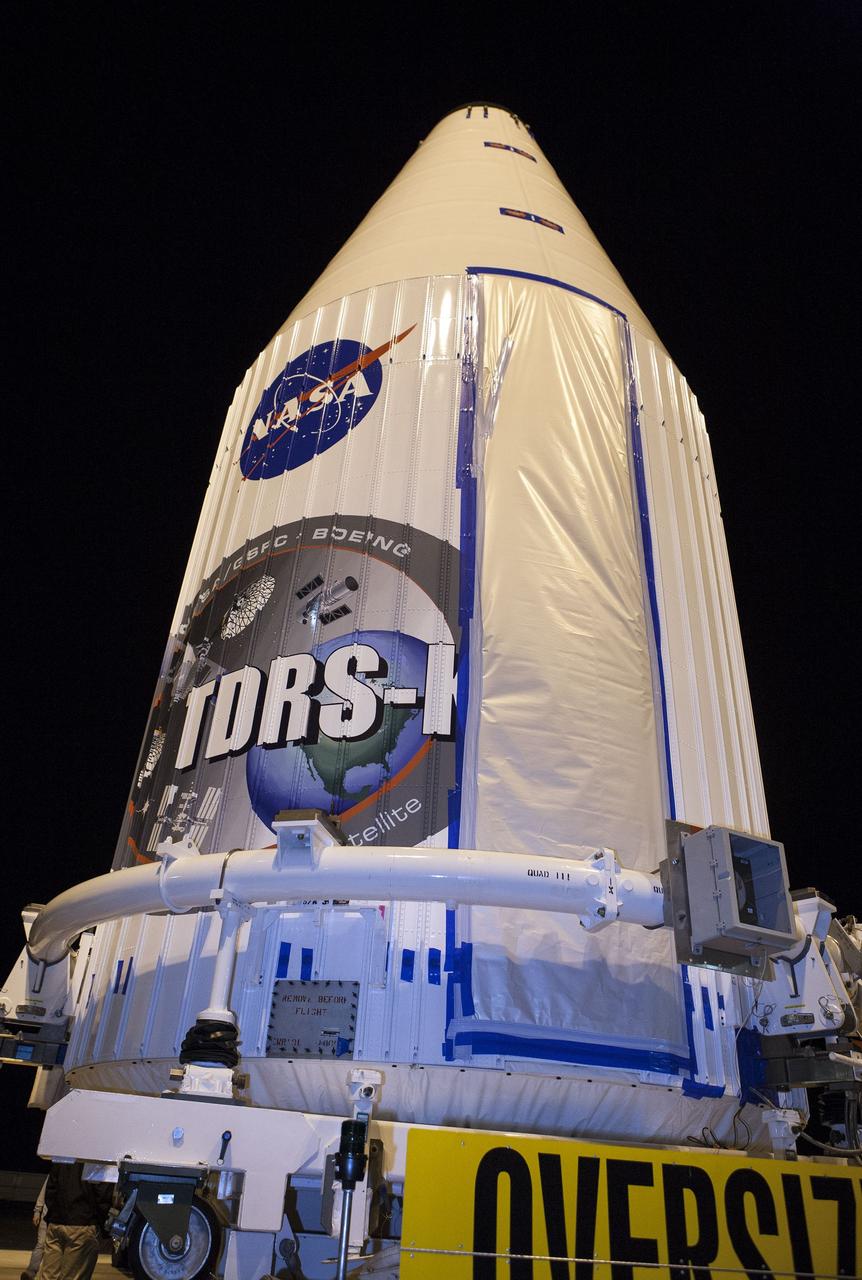
CAPE CANAVERAL, Fla. –NASA's Tracking and Data Relay Satellite, TDRS-K, enclosed in its payload fairing, is en route to its launch site from the Astrotech payload processing facility in Titusville, Fla. TDRS-K will lift off atop a United Launch Alliance Atlas V rocket from Cape Canaveral Air Force Station's Space Launch Complex 41, near NASA's Kennedy Space Center. The TDRS-K spacecraft is part of the next-generation series in the Tracking and Data Relay Satellite System, a constellation of space-based communication satellites providing tracking, telemetry, command and high-bandwidth data return services. For more information, go to http://www.nasa.gov/tdrs Photo credit: NASA/Glenn Benson
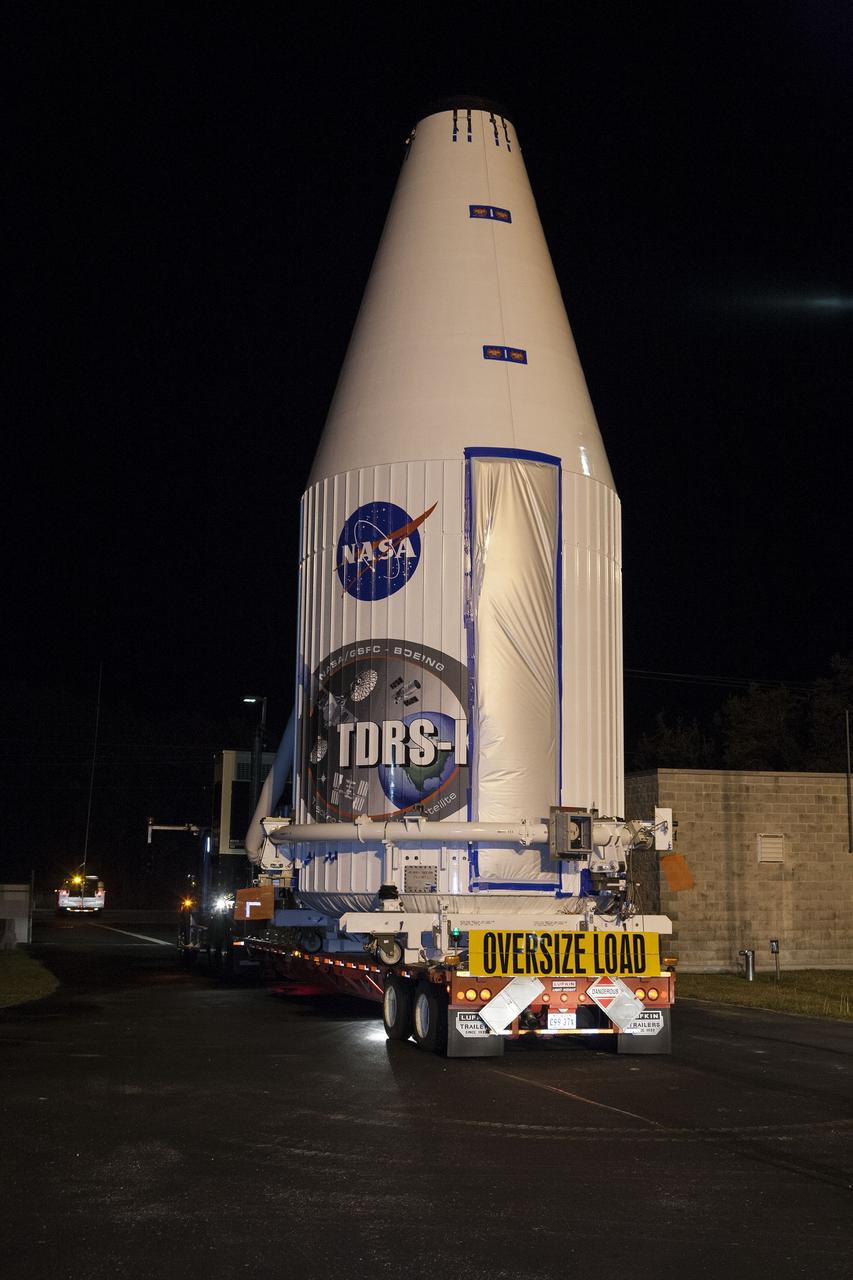
CAPE CANAVERAL, Fla. –NASA's Tracking and Data Relay Satellite, TDRS-K, enclosed in its payload fairing, enters a NASA Kennedy Space Center gate as it travels from the Astrotech payload processing facility in Titusville, Fla., to its launch site. TDRS-K will lift off atop a United Launch Alliance Atlas V rocket from Cape Canaveral Air Force Station's Space Launch Complex 41. The TDRS-K spacecraft is part of the next-generation series in the Tracking and Data Relay Satellite System, a constellation of space-based communication satellites providing tracking, telemetry, command and high-bandwidth data return services. For more information, go to http://www.nasa.gov/tdrs Photo credit: NASA/Glenn Benson
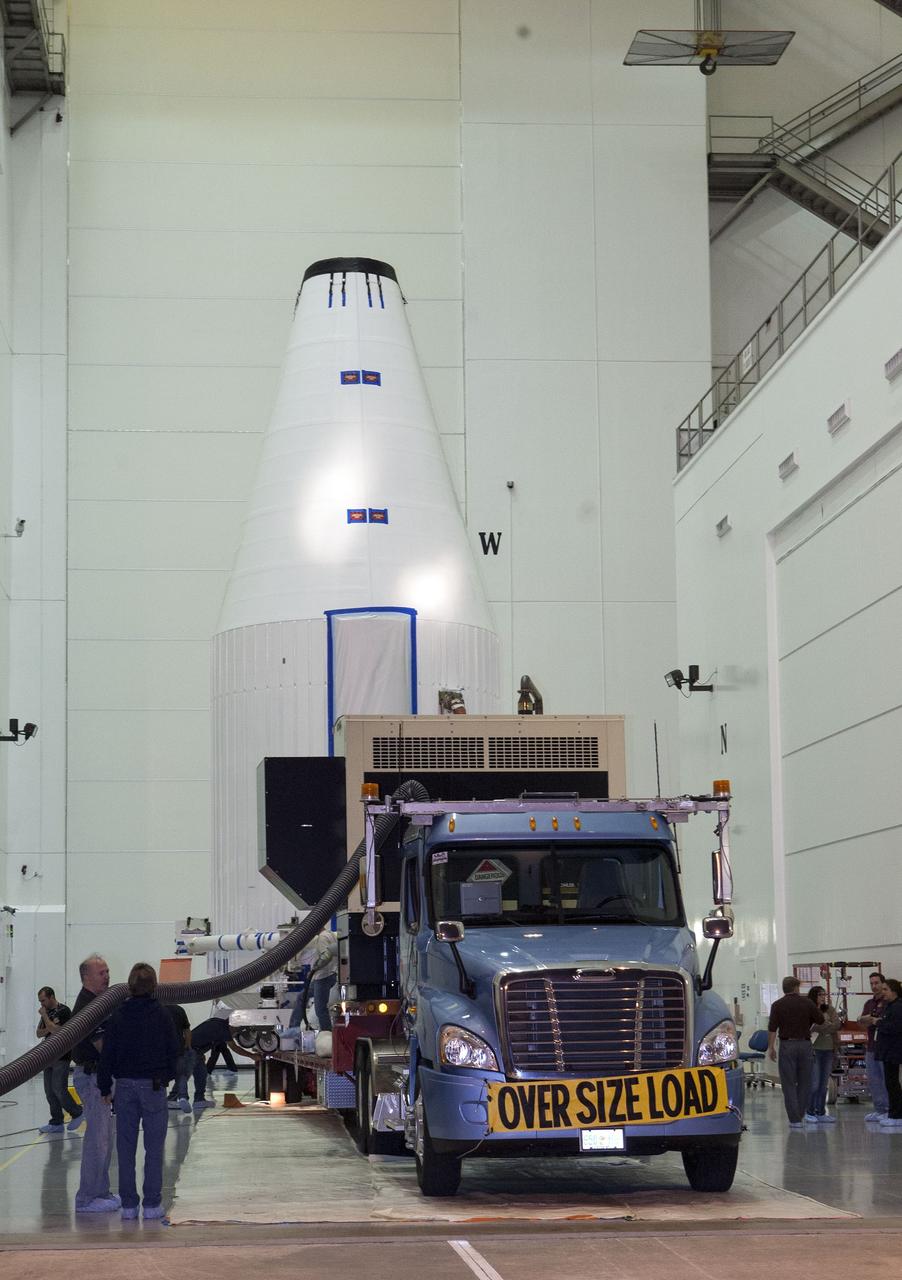
CAPE CANAVERAL, Fla. – NASA's Tracking and Data Relay Satellite, TDRS-K, is enclosed in its payload fairing and prepared for its move atop a transporter from the Astrotech payload processing facility in Titusville, Fla., to its launch site. TDRS-K will lift off atop a United Launch Alliance Atlas V rocket from Cape Canaveral Air Force Station's Space Launch Complex 41, near NASA's Kennedy Space Center. The TDRS-K spacecraft is part of the next-generation series in the Tracking and Data Relay Satellite System, a constellation of space-based communication satellites providing tracking, telemetry, command and high-bandwidth data return services. For more information, go to http://www.nasa.gov/tdrs Photo credit: NASA/Glenn Benson
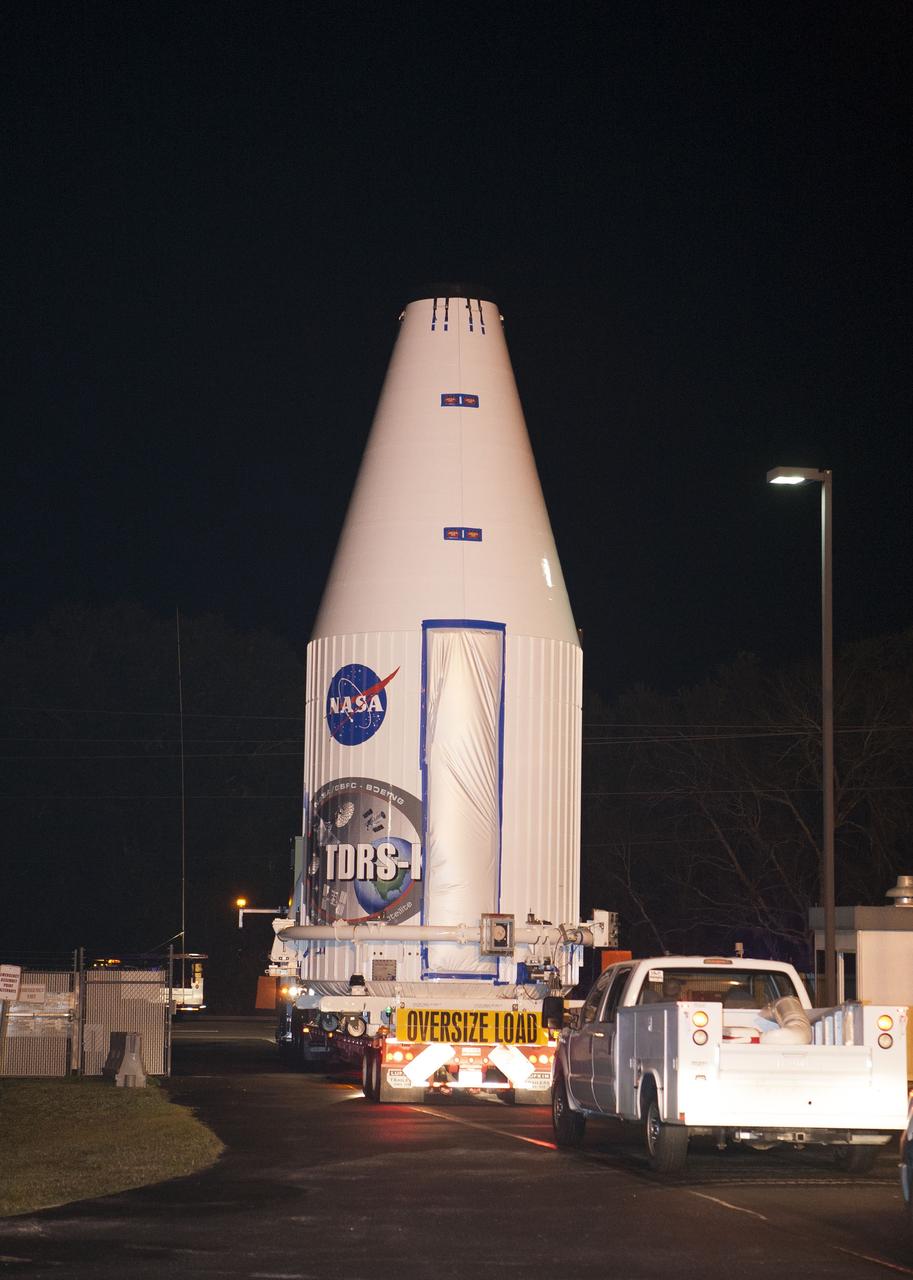
CAPE CANAVERAL, Fla. –NASA's Tracking and Data Relay Satellite, TDRS-K, enclosed in its payload fairing, enters a NASA Kennedy Space Center gate as it travels from the Astrotech payload processing facility in Titusville, Fla., to its launch site. TDRS-K will lift off atop a United Launch Alliance Atlas V rocket from Cape Canaveral Air Force Station's Space Launch Complex 41. The TDRS-K spacecraft is part of the next-generation series in the Tracking and Data Relay Satellite System, a constellation of space-based communication satellites providing tracking, telemetry, command and high-bandwidth data return services. For more information, go to http://www.nasa.gov/tdrs Photo credit: NASA/Glenn Benson
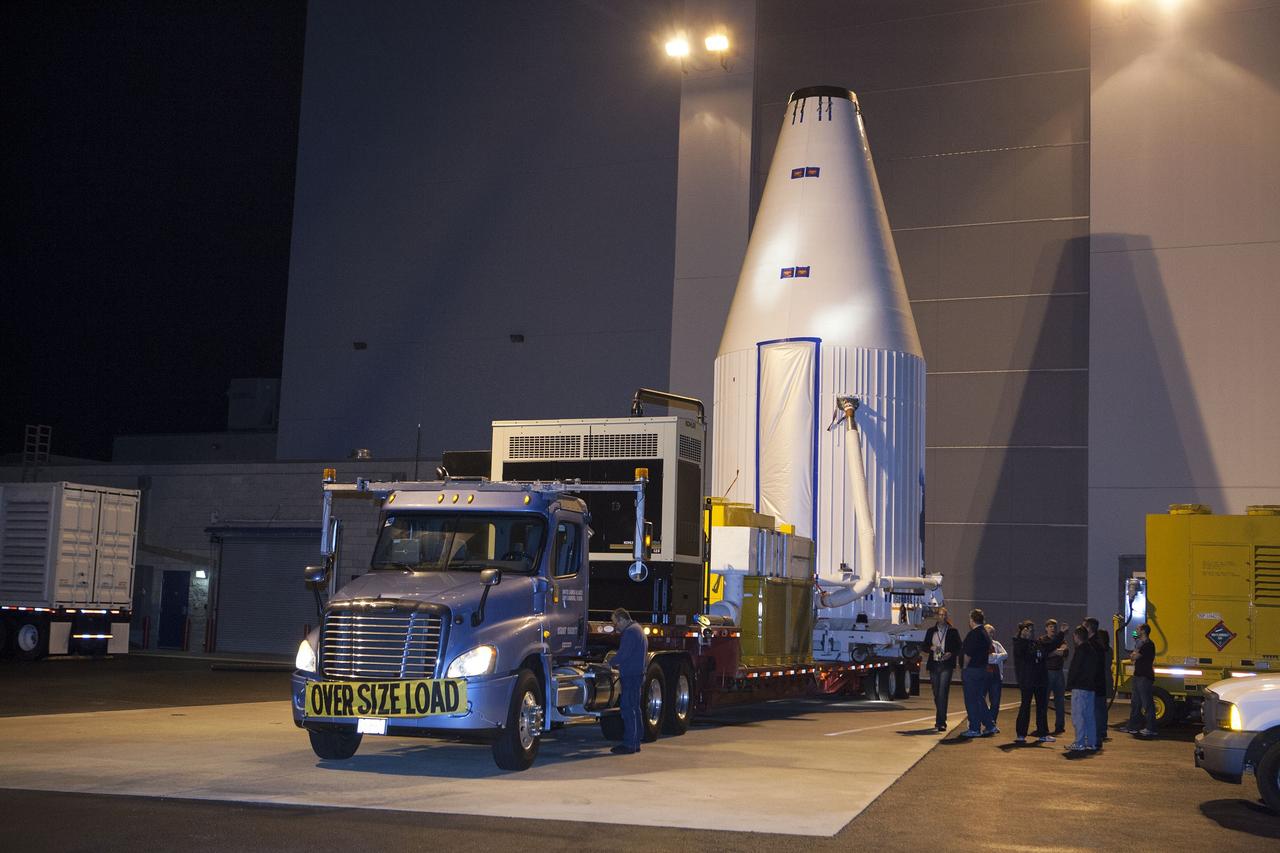
CAPE CANAVERAL, Fla. –NASA's Tracking and Data Relay Satellite, TDRS-K, enclosed in its payload fairing, is en route to its launch site from the Astrotech payload processing facility in Titusville, Fla. TDRS-K will lift off atop a United Launch Alliance Atlas V rocket from Cape Canaveral Air Force Station's Space Launch Complex 41, near NASA's Kennedy Space Center. The TDRS-K spacecraft is part of the next-generation series in the Tracking and Data Relay Satellite System, a constellation of space-based communication satellites providing tracking, telemetry, command and high-bandwidth data return services. For more information, go to http://www.nasa.gov/tdrs Photo credit: NASA/Glenn Benson
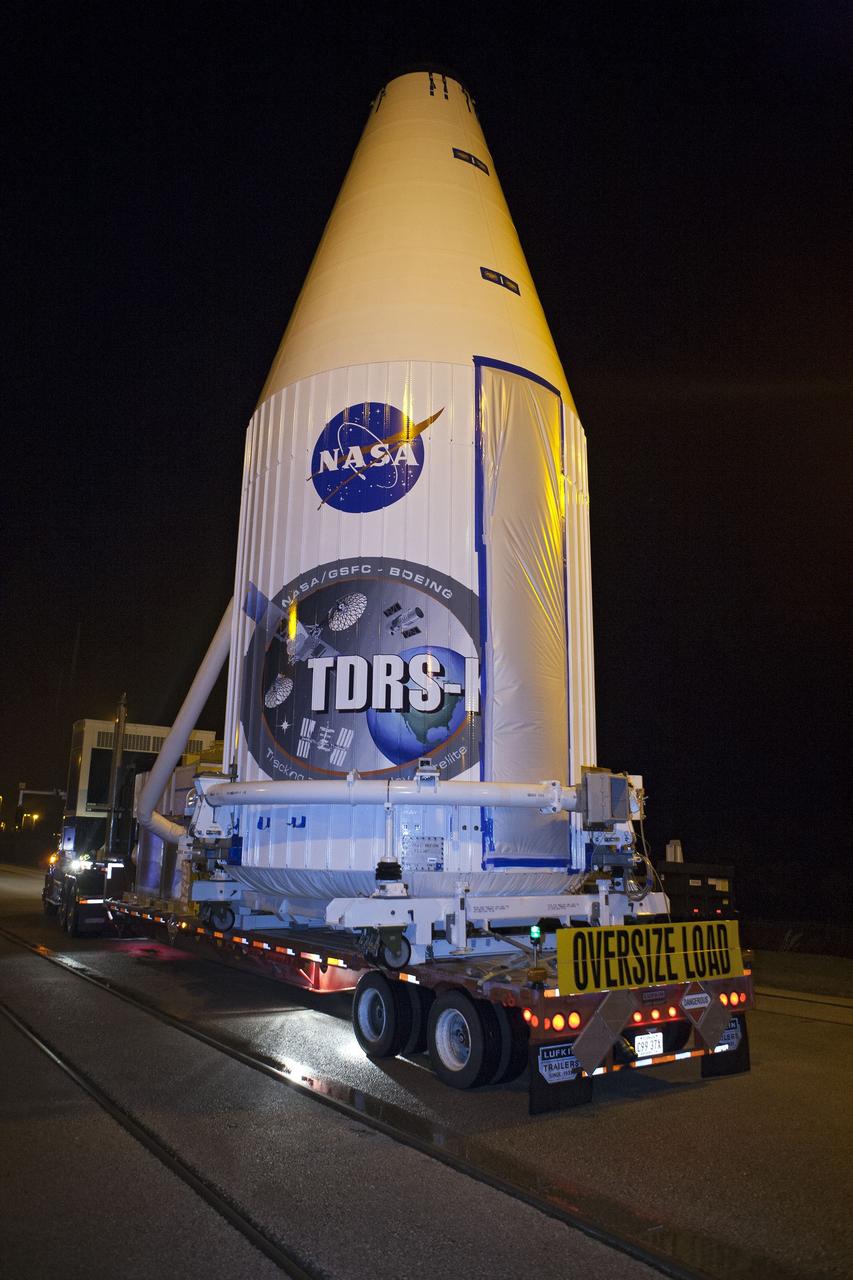
CAPE CANAVERAL, Fla. –NASA's Tracking and Data Relay Satellite, TDRS-K, enclosed in its payload fairing, passes through the Launch Complex 39 area at NASA's Kennedy Space Center as it travels from the Astrotech payload processing facility in Titusville, Fla., to its launch site. TDRS-K will lift off atop a United Launch Alliance Atlas V rocket from Cape Canaveral Air Force Station's Space Launch Complex 41. The TDRS-K spacecraft is part of the next-generation series in the Tracking and Data Relay Satellite System, a constellation of space-based communication satellites providing tracking, telemetry, command and high-bandwidth data return services. For more information, go to http://www.nasa.gov/tdrs Photo credit: NASA/Glenn Benson
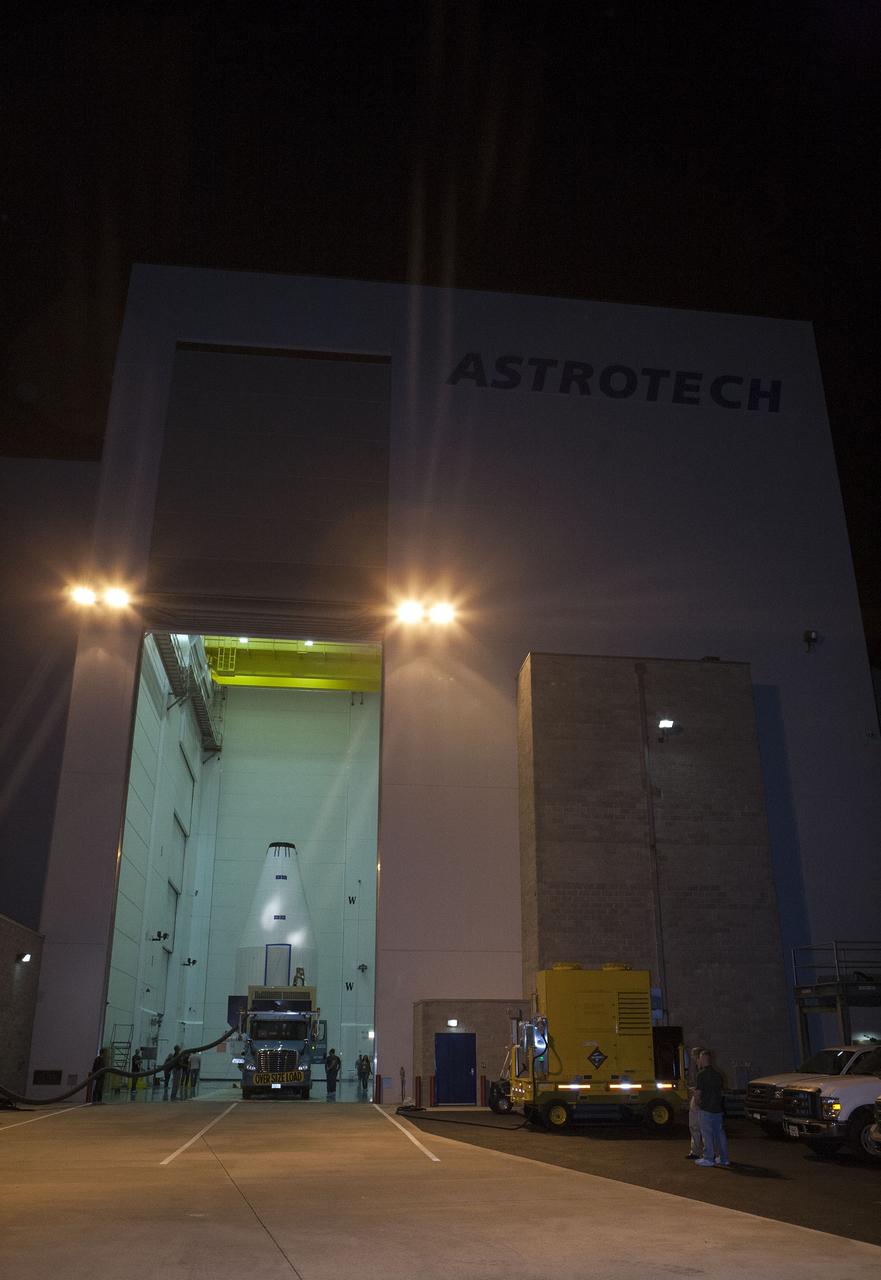
CAPE CANAVERAL, Fla. – NASA's Tracking and Data Relay Satellite, TDRS-K, is enclosed in its payload fairing and prepared for its move atop a transporter from the Astrotech payload processing facility in Titusville, Fla., to its launch site. TDRS-K will lift off atop a United Launch Alliance Atlas V rocket from Cape Canaveral Air Force Station's Space Launch Complex 41, near NASA's Kennedy Space Center. The TDRS-K spacecraft is part of the next-generation series in the Tracking and Data Relay Satellite System, a constellation of space-based communication satellites providing tracking, telemetry, command and high-bandwidth data return services. For more information, go to http://www.nasa.gov/tdrs Photo credit: NASA/Glenn Benson
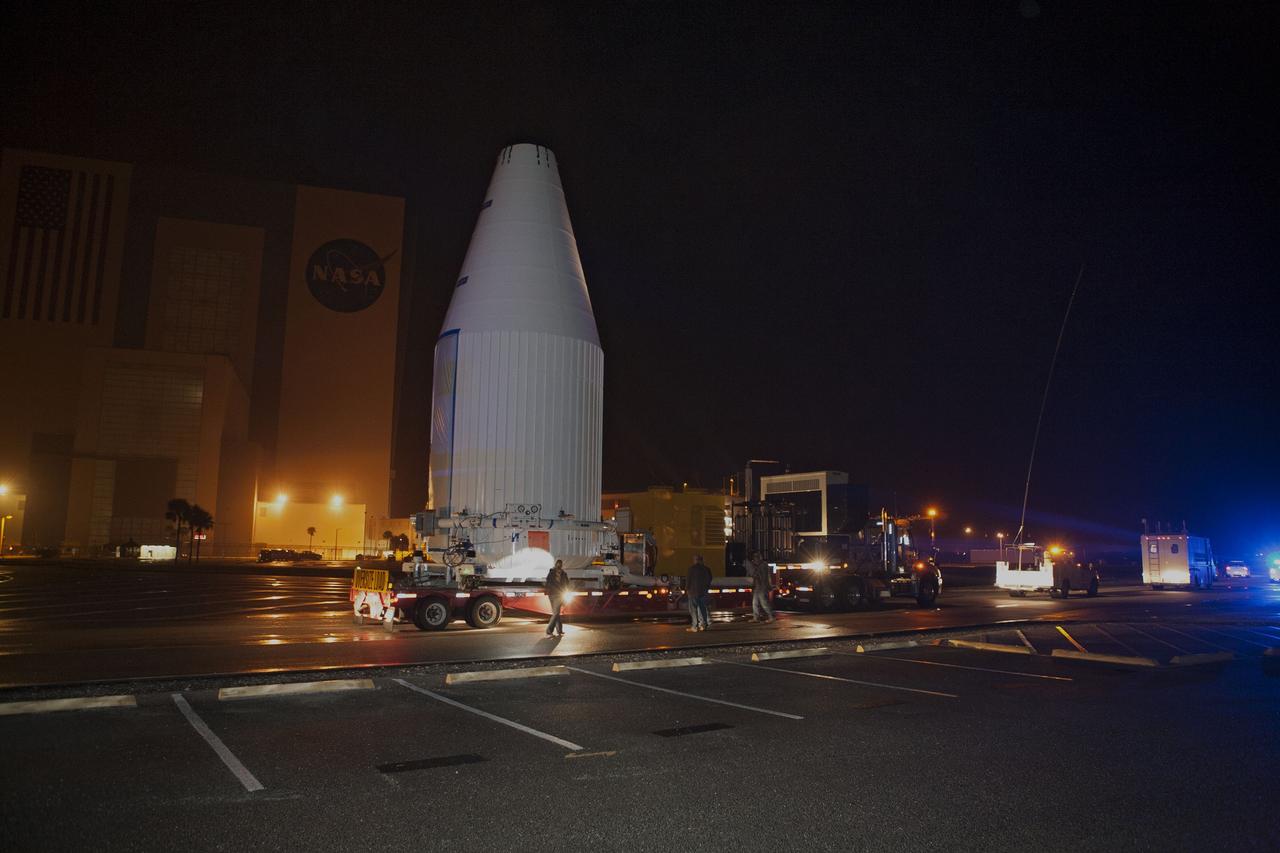
CAPE CANAVERAL, Fla. –NASA's Tracking and Data Relay Satellite, TDRS-K, enclosed in its payload fairing, passes through the Launch Complex 39 area and Vehicle Assembly Building at NASA's Kennedy Space Center as it travels from the Astrotech payload processing facility in Titusville, Fla., to its launch site. TDRS-K will lift off atop a United Launch Alliance Atlas V rocket from Cape Canaveral Air Force Station's Space Launch Complex 41. The TDRS-K spacecraft is part of the next-generation series in the Tracking and Data Relay Satellite System, a constellation of space-based communication satellites providing tracking, telemetry, command and high-bandwidth data return services. For more information, go to http://www.nasa.gov/tdrs Photo credit: NASA/Glenn Benson
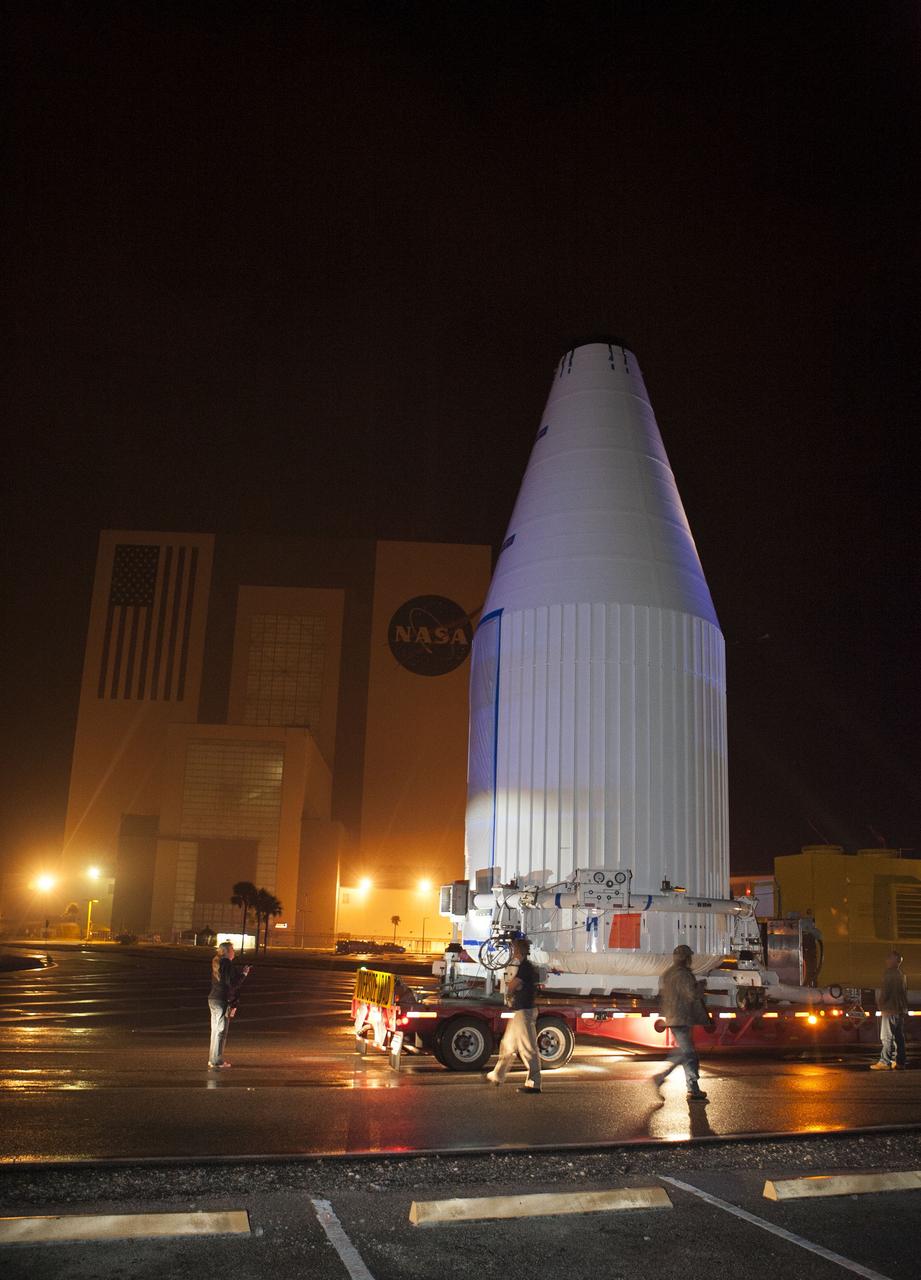
CAPE CANAVERAL, Fla. –NASA's Tracking and Data Relay Satellite, TDRS-K, enclosed in its payload fairing, passes through the Launch Complex 39 area and Vehicle Assembly Building at NASA's Kennedy Space Center as it travels from the Astrotech payload processing facility in Titusville, Fla., to its launch site. TDRS-K will lift off atop a United Launch Alliance Atlas V rocket from Cape Canaveral Air Force Station's Space Launch Complex 41. The TDRS-K spacecraft is part of the next-generation series in the Tracking and Data Relay Satellite System, a constellation of space-based communication satellites providing tracking, telemetry, command and high-bandwidth data return services. For more information, go to http://www.nasa.gov/tdrs Photo credit: NASA/Glenn Benson
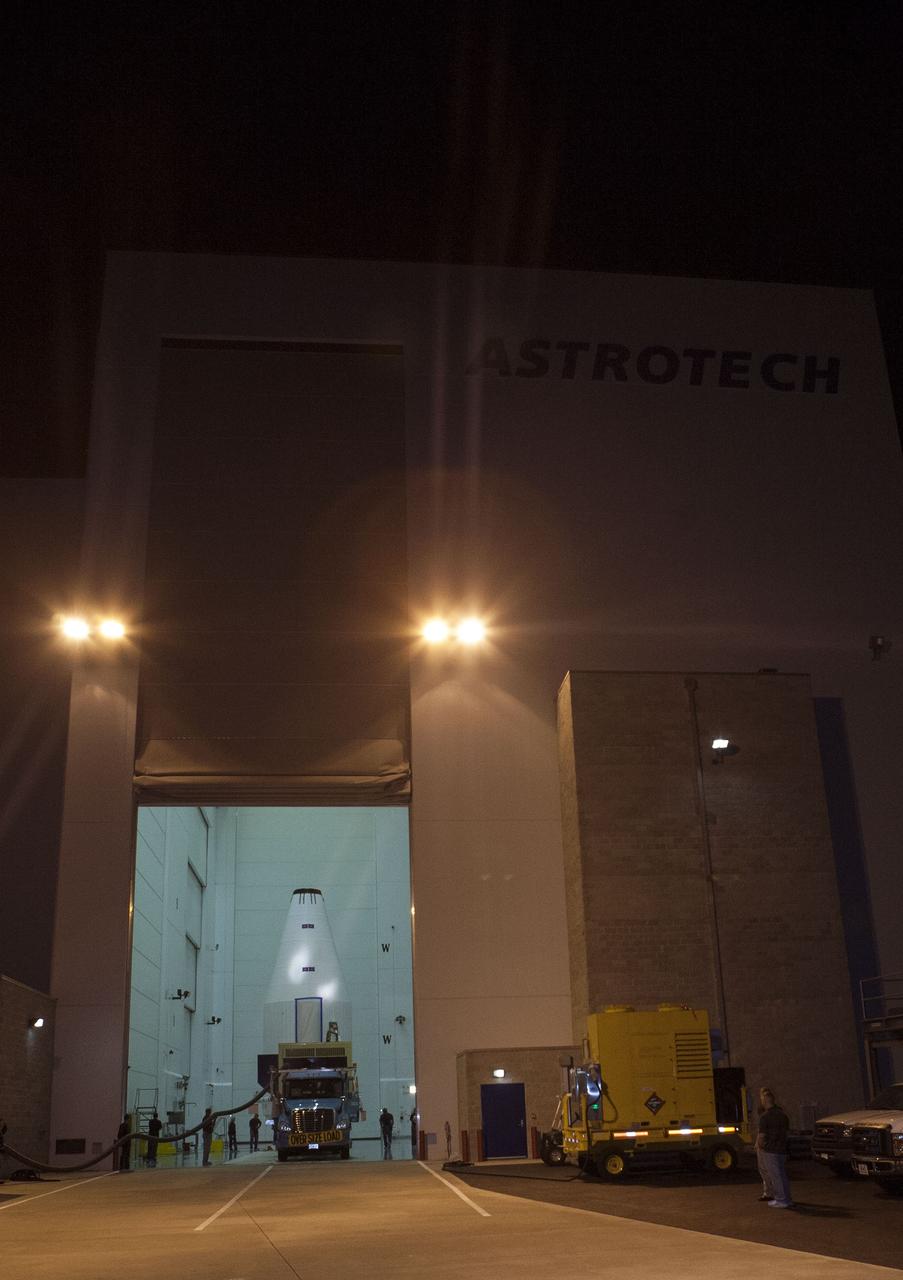
CAPE CANAVERAL, Fla. – NASA's Tracking and Data Relay Satellite, TDRS-K, is enclosed in its payload fairing and prepared for its move atop a transporter from the Astrotech payload processing facility in Titusville, Fla., to its launch site. TDRS-K will lift off atop a United Launch Alliance Atlas V rocket from Cape Canaveral Air Force Station's Space Launch Complex 41, near NASA's Kennedy Space Center. The TDRS-K spacecraft is part of the next-generation series in the Tracking and Data Relay Satellite System, a constellation of space-based communication satellites providing tracking, telemetry, command and high-bandwidth data return services. For more information, go to http://www.nasa.gov/tdrs Photo credit: NASA/Glenn Benson
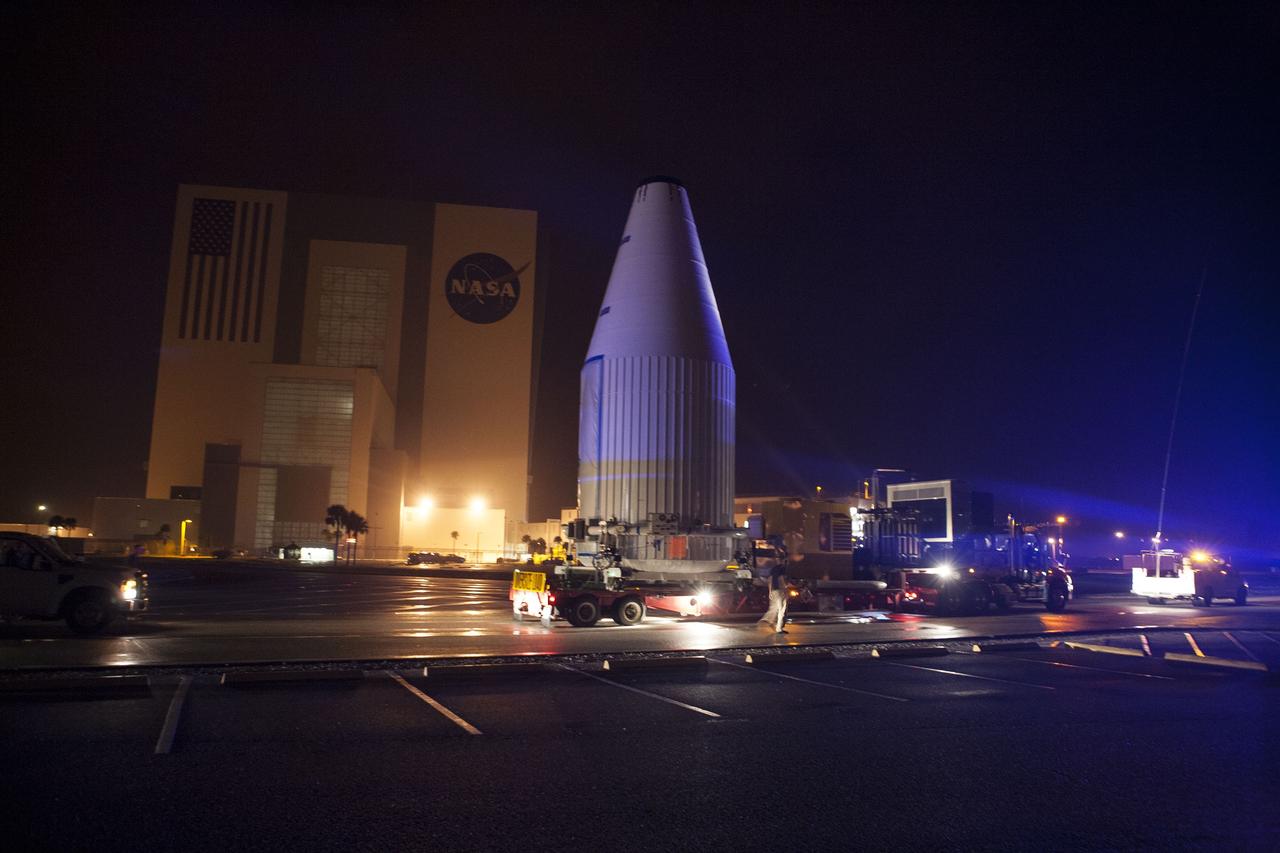
CAPE CANAVERAL, Fla. –NASA's Tracking and Data Relay Satellite, TDRS-K, enclosed in its payload fairing, passes through the Launch Complex 39 area and Vehicle Assembly Building at NASA's Kennedy Space Center as it travels from the Astrotech payload processing facility in Titusville, Fla., to its launch site. TDRS-K will lift off atop a United Launch Alliance Atlas V rocket from Cape Canaveral Air Force Station's Space Launch Complex 41. The TDRS-K spacecraft is part of the next-generation series in the Tracking and Data Relay Satellite System, a constellation of space-based communication satellites providing tracking, telemetry, command and high-bandwidth data return services. For more information, go to http://www.nasa.gov/tdrs Photo credit: NASA/Glenn Benson
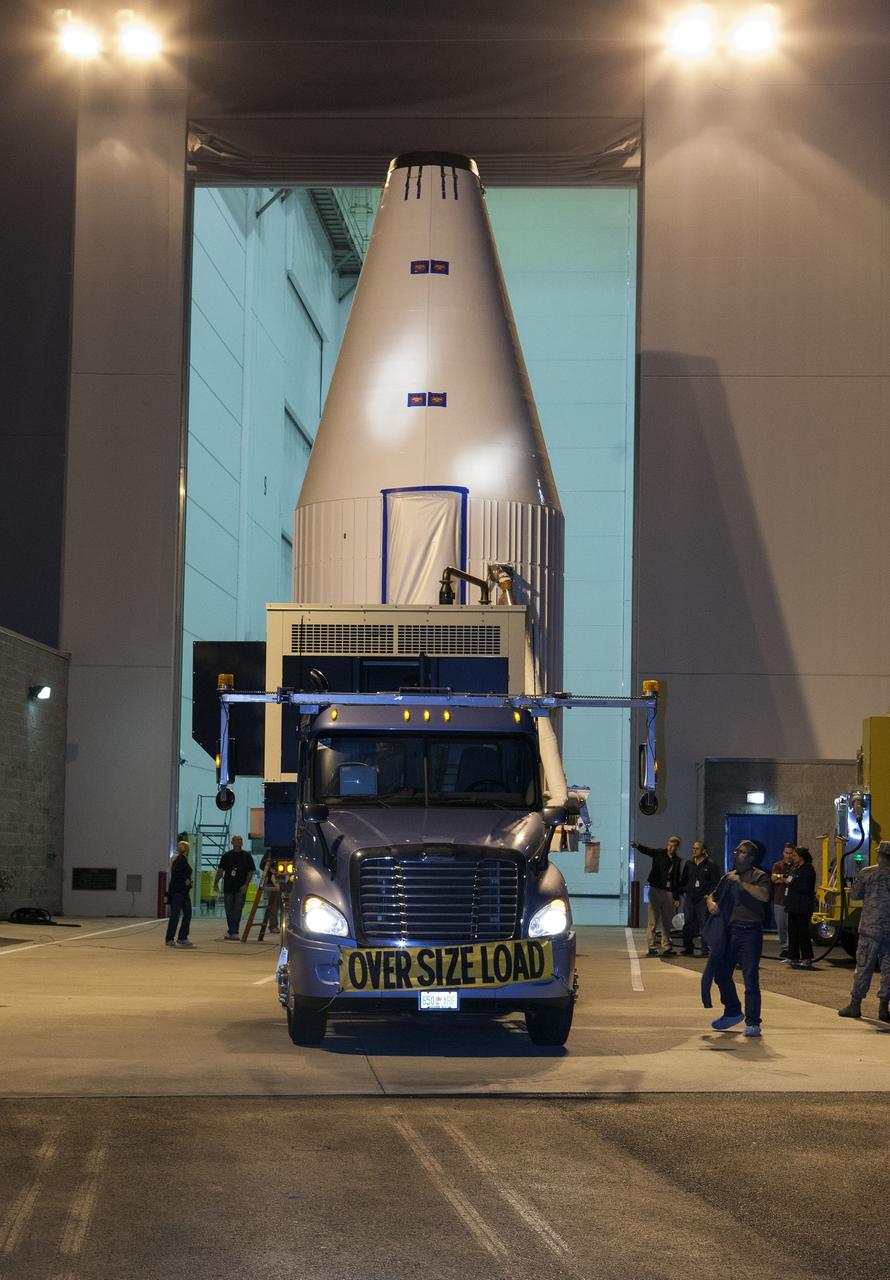
CAPE CANAVERAL, Fla. – A transporter begins moving NASA's Tracking and Data Relay Satellite, TDRS-K, enclosed in its payload fairing, from the Astrotech payload processing facility in Titusville, Fla., to its launch site. TDRS-K will lift off atop a United Launch Alliance Atlas V rocket from Cape Canaveral Air Force Station's Space Launch Complex 41, near NASA's Kennedy Space Center. The TDRS-K spacecraft is part of the next-generation series in the Tracking and Data Relay Satellite System, a constellation of space-based communication satellites providing tracking, telemetry, command and high-bandwidth data return services. For more information, go to http://www.nasa.gov/tdrs Photo credit: NASA/Glenn Benson
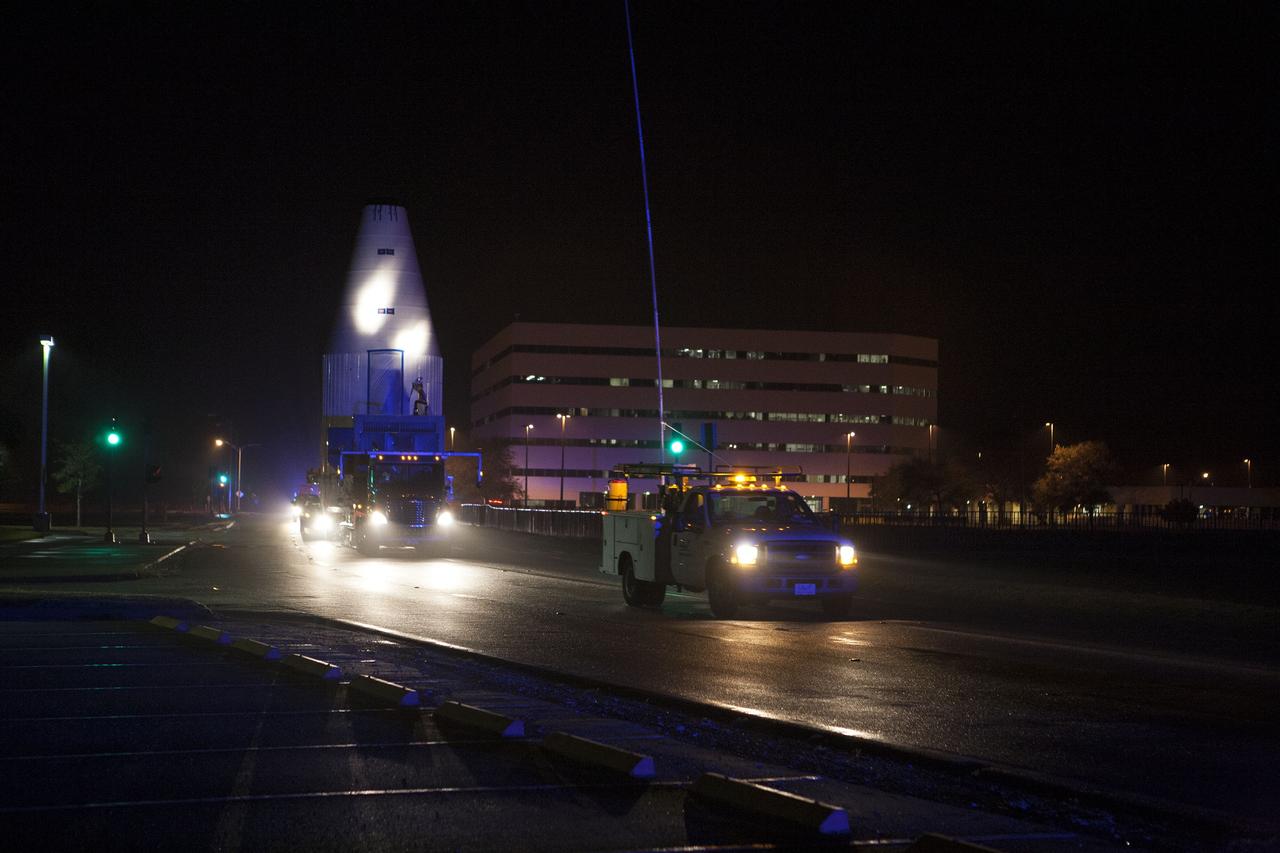
CAPE CANAVERAL, Fla. –NASA's Tracking and Data Relay Satellite, TDRS-K, enclosed in its payload fairing, passes through the Launch Complex 39 area and Operations Support Building at NASA's Kennedy Space Center as it travels from the Astrotech payload processing facility in Titusville, Fla., to its launch site. TDRS-K will lift off atop a United Launch Alliance Atlas V rocket from Cape Canaveral Air Force Station's Space Launch Complex 41. The TDRS-K spacecraft is part of the next-generation series in the Tracking and Data Relay Satellite System, a constellation of space-based communication satellites providing tracking, telemetry, command and high-bandwidth data return services. For more information, go to http://www.nasa.gov/tdrs Photo credit: NASA/Glenn Benson
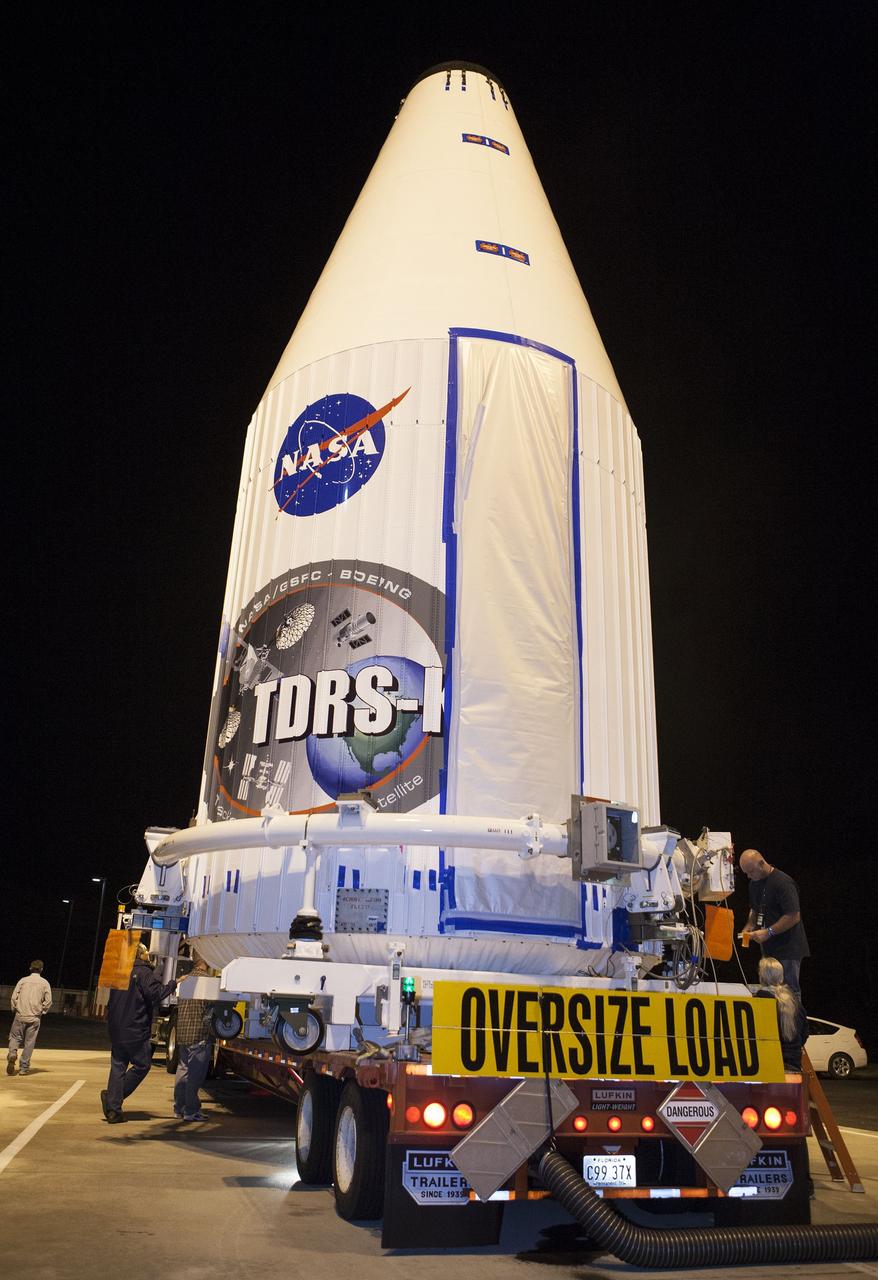
CAPE CANAVERAL, Fla. –NASA's Tracking and Data Relay Satellite, TDRS-K, enclosed in its payload fairing, is en route to its launch site from the Astrotech payload processing facility in Titusville, Fla. TDRS-K will lift off atop a United Launch Alliance Atlas V rocket from Cape Canaveral Air Force Station's Space Launch Complex 41, near NASA's Kennedy Space Center. The TDRS-K spacecraft is part of the next-generation series in the Tracking and Data Relay Satellite System, a constellation of space-based communication satellites providing tracking, telemetry, command and high-bandwidth data return services. For more information, go to http://www.nasa.gov/tdrs Photo credit: NASA/Glenn Benson
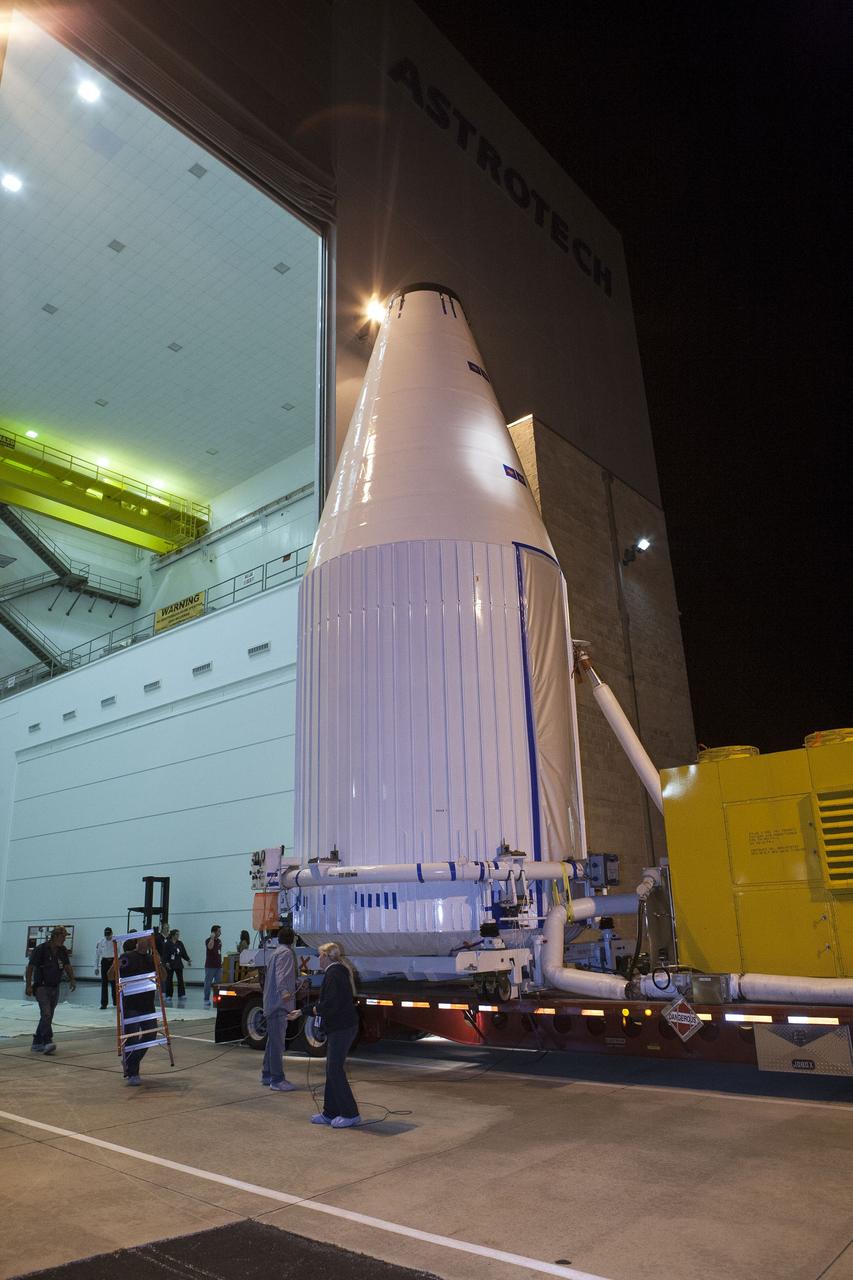
CAPE CANAVERAL, Fla. – A transporter begins moving NASA's Tracking and Data Relay Satellite, TDRS-K, enclosed in its payload fairing, from the Astrotech payload processing facility in Titusville, Fla., to its launch site. TDRS-K will lift off atop a United Launch Alliance Atlas V rocket from Cape Canaveral Air Force Station's Space Launch Complex 41, near NASA's Kennedy Space Center. The TDRS-K spacecraft is part of the next-generation series in the Tracking and Data Relay Satellite System, a constellation of space-based communication satellites providing tracking, telemetry, command and high-bandwidth data return services. For more information, go to http://www.nasa.gov/tdrs Photo credit: NASA/Glenn Benson